Use of nitroderivatives in urinary incontinence
US20050101661A1
2005-05-12
11/018,501
2004-12-22
✅ Patent granted
US 7,544,711 B2
2009-06-09
-
-
Sreeni Padmanabhan | Umamaheswari Ramachandran
2025-04-26
Abstract:
The present invention relates to the use of the following compounds, their compositions, and their salts for the preparation of medicaments for the treatment of urinary incontinence and other diseases, the compounds having the general formula:
A-X1—NO2
wherein:
-
- A=RCO(X)t, wherein t is the integer 0 or 1;
- X═O, NH, NR1C, wherein R1C is a linear or branched C1 to C10 alkyl group;
when t=1, R= - and X1=—YO—, wherein Y is a C1 to C20 alkylene, C5 to C7 cycloalkyl or oxyalkyl derivative.
Inventors:
- Piero Del Soldato 38 🇮🇹 Monza, Italy
- Francesco Sannicolo 1 🇮🇹 Milano, Italy
- Francesco Sannicolo 2 🇮🇹 Milan, Italy
- Piero Del Soldato 24 🇮🇹 Milan, Italy
Assignee:
- Nicox S.A 36 🇫🇷 Sophia Antipolis, France
Interested in similar patents?
Get notified when new applications in this technology area are published.
Classification:
A01N43/16 IPC
Biocides, pest repellants or attractants, or plant growth regulators containing heterocyclic compounds having rings with one or more oxygen or sulfur atoms as the only ring hetero atoms with one hetero atom six-membered rings with oxygen as the ring hetero atom
A61K31/00 » CPC main
Medicinal preparations containing organic active ingredients
A61K31/216 » CPC further
Medicinal preparations containing organic active ingredients; Esters, e.g. nitroglycerine, selenocyanates of carboxylic acids of acids having aromatic rings, e.g. benactizyne, clofibrate
A61K31/245 » CPC further
Medicinal preparations containing organic active ingredients; Esters, e.g. nitroglycerine, selenocyanates of carboxylic acids having an aromatic ring attached to a carboxyl group having an amino or nitro group Amino benzoic acid types, e.g. procaine, novocaine
A61K31/405 » CPC further
Medicinal preparations containing organic active ingredients; Heterocyclic compounds having nitrogen as a ring hetero atom, e.g. guanethidine or rifamycins having five-membered rings with one nitrogen as the only ring hetero atom, e.g. sulpiride, succinimide, tolmetin, buflomedil condensed with carbocyclic rings, e.g. carbazole; Indoles, e.g. pindolol Indole-alkanecarboxylic acids; Derivatives thereof, e.g. tryptophan, indomethacin
A61P7/02 » CPC further
Drugs for disorders of the blood or the extracellular fluid Antithrombotic agents; Anticoagulants; Platelet aggregation inhibitors
A61P9/00 » CPC further
Drugs for disorders of the cardiovascular system
A61P13/00 » CPC further
Drugs for disorders of the urinary system
A61P35/00 » CPC further
Antineoplastic agents
A61P35/04 » CPC further
Antineoplastic agents specific for metastasis
C07C229/58 » CPC further
Compounds containing amino and carboxyl groups bound to the same carbon skeleton having amino and carboxyl groups bound to carbon atoms of six-membered aromatic rings of the same carbon skeleton with amino and carboxyl groups bound to carbon atoms of the same non-condensed six-membered aromatic ring with amino and carboxyl groups bound in ortho-position having the nitrogen atom of at least one of the amino groups further bound to a carbon atom of a six-membered aromatic ring, e.g. N-phenyl-anthranilic acids
C07C311/08 » CPC further
Amides of sulfonic acids, i.e. compounds having singly-bound oxygen atoms of sulfo groups replaced by nitrogen atoms, not being part of nitro or nitroso groups; Sulfonamides having sulfur atoms of sulfonamide groups bound to acyclic carbon atoms of an acyclic saturated carbon skeleton having the nitrogen atom of at least one of the sulfonamide groups bound to a carbon atom of a six-membered aromatic ring
C07C311/51 » CPC further
Amides of sulfonic acids, i.e. compounds having singly-bound oxygen atoms of sulfo groups replaced by nitrogen atoms, not being part of nitro or nitroso groups; Compounds containing any of the groups , X being a hetero atom, Y being any atom Y being a hydrogen or a carbon atom
C07D209/28 » CPC further
Heterocyclic compounds containing five-membered rings, condensed with other rings, with one nitrogen atom as the only ring hetero atom condensed with one carbocyclic ring; Indoles; Hydrogenated indoles with substituted hydrocarbon radicals attached to carbon atoms of the hetero ring; Radicals substituted by carbon atoms having three bonds to hetero atoms with at the most one bond to halogen, e.g. ester or nitrile radicals with an acyl radical attached to the ring nitrogen atom 1-(4-Chlorobenzoyl)-2-methyl-indolyl-3-acetic acid, substituted in position 5 by an oxygen or nitrogen atom; Esters thereof
A61K31/21 » CPC further
Medicinal preparations containing organic active ingredients Esters, e.g. nitroglycerine, selenocyanates
A01N37/00 IPC
Biocides, pest repellants or attractants, or plant growth regulators containing organic compounds containing a carbon atom having three bonds to hetero atoms with at the most two bonds to halogen, e.g. carboxylic acids
C07D311/00 IPC
Heterocyclic compounds containing six-membered rings having one oxygen atom as the only hetero atom, condensed with other rings
C07C203/00 IPC
Esters of nitric or nitrous acid
C07C331/00 IPC
Derivatives of thiocyanic acid or of isothiocyanic acid
C07C381/00 IPC
Compounds containing carbon and sulfur and having functional groups not covered by groups -
Description
The present invention relates to new medicaments to be used in urinary disorders. These disorders are generally grouped in one single functional pathology class and are characterized by several symptoms, including changes in micturition (like for example incontinence), changes in urinary output (like for example polyuria, oliguria, anuria), changes in the appearance of urine (like for example hematuria), edema (like for example anasarca), pain (like for example bladder pain).
The invention relates to new compounds having superior efficacy in the treatment of some forms of urinary incontinence (anti-incontinence compounds) or edema (diuretics) and which appear to be well tolerated by the body.
In particular, it is known that urinary incontinence can be considered a disorder of micturition control resulting from a lesion or dysfunction of the lower urinary tract. In particular, the urinary bladder smooth muscle called detrusor muscle and the internal (smooth muscle) and external (striated muscle) urethral sphincters are involved. See for example Ferguson D. and Christopher N., Urinary bladder function and drug development, Trends in Pharmacological Sciences, 1996, 17, 161-165. This publication reports that there are various types of incontinence characterised by different causes and symptoms. In particular, the following can be mentioned:
-
- stress incontinence, which is the discharge of small amounts of urine due to increased intraabdominal pressure caused, for example, by cough or an effort. Stress incontinence is due to a change in vesicourethral angle and relaxation of the urethral sphincter muscle. Stress incontinence is frequent in women, particular multipara women.
- urge incontinence, which is the inability to control the urinary bladder and manifests itself with a sudden and urgent stimulus to urinate. Urge incontinence is due to intermittent contraction of the urinary bladder muscle for no apparent cause (detrusor instability) or caused by interstitial cystitis or other inflammatory phenomena which lead to urinary bladder hyperexcitability. It seems that changes in urinary bladder innervation are present in all these cases;
- incontinence from urinary bladder overdistention, which occurs in case of chronic urinary retention due to obstructive causes. The urinary bladder never empties completely, resulting in continous discharge of small amounts of urine.
- total incontinence, which is a complete lack of urinary bladder control due to inability of controlling the sphincters. It is the result of severe neurologic damages.
In the known art, the available therapies are based on three different approaches, see for example the above publication and Anderson K. E. , Pharmacology of lower urinary tract smooth muscles and penile erectile tissues, Pharmacological Reviews, 1993, 45, 253-308:
-
- reduced detrusor activity,
- changed sensory nervous transmission,
- changed urethral resistance.
According to the first approach, detrusor contraction is stimulated by the parasympathetic system and acetylcholine is the main mediator. Therefore, anticholinergic agents are used to reduce vesical hyperactivity. However, these are effective but of limited use due to the systemic anticholinergic side effects including for example dry mouth, constipation and tachycardia. Taking into account that vesical irritability is often associated with urinary bladder obstructive disease, the administration of anticholinergic agents risks triggering an acute urinary retention crisis.
Another pharmacological approach to reduce detrusor activity includes the use of medicaments which help opening potassium channels or calcium antagonists which relax the smooth muscle. However, there are disadvantages such as a marked hypotensive action due to a nonspecific vasodilator effect produced by these agents.
An additional pharmacological measure to reduce detrusor activity consists of the use of prostaglandin synthesis inhibitors which were tested in some detrusor hyperactivity and enuresis cases with promising results but giving major side effects. Their use is based on the fact that numerous prostaglandins were found to be synthesised in the urinary bladder following nervous stimulation and some of them seem to act as mediators of detrusor contraction. Additionally, some prostaglandines may be involved in severe urge incontinence and vesical hyperactivity events during some inflammatory disease of the urinary tract.
Therefore, nonsteroidal anti-inflammatory drugs are potentially useful in lowering the urinary bladder excitability threshold, and are thus effective in cases of detrusor instability. Unfortunately, they have the disadvantage of being little tolerated at active doses, especially in the gastrointestinal tract.
Likewise, NO synthetase enzyme inhibitors can prevent hyperexcitability of the urinary bladder and hyperalgesia resulting from inflammatory events such as interstitial cystitis; see Rice A. S. C., Topical spinal administration of a nitric oxide synthase inhibitor prevents the hyperreflexia associated with a rat model of persistent visceral pain, Neuroscience Letters, 1995, 187, 111-114. However, there are currently no agents of this type which can be used therapeutically due to a relative nonspecificity of their pharmacological profile.
The second approach, which consists of changing sensory nervous transmission (whenever urinary incontinence results from lesions of the nervous system), includes the use of drugs which act on neurotransmission, for example gamma-aminobutyric acid (GABA), or peptides, or purines, which are important neurotransmitters in the urinary tract.
Studies are also known which use capsaicin for intravesical instillation with sometimes satisfactory results. However, this treatment has limited clinical applications due to its transient effect, which, in addition, can be obtained only by local use.
The third approach considers the fact that muscle tone in the urethra is mediated by different neurotransmission systems, including for example the adrenergic system, by stimulation of a-receptors, a-agonist medicaments, which increase the pressure borne by the urethra, are used to change urethral resistance sometimes with satisfactory results. However, the use of these compounds involves some risks, as in the case of urinary bladder obstructive disease where even alpha-antagonists are used. In these cases a sphincter hyperactivity is observed, which prevents regular urinary bladder voiding causing urge incontinence. Also in this case, as in the first approach described above, severe side effects of a hypontensive type related to the α-antagonistic activity in the cardiocirculatory system are observed.
To increase urethral resistance in women with stress incontinence, an oestrogen based therapy which was found to be efficacious in increasing intraurethral pressure and in changing the structure of mucous membrane, vessel and connective, is used. Good results were observed combining treatment with α-agonists with oestrogen treatment. However, the well known side effects which occur when oestrogen treatment is used must be reported.
So far, commercial pharmaceutical preparations resolve the problem only in a limited number of cases. However, they generally cause side effects, even somewhat severe.
The Applicant has unexpectedly and surprisingly found that the particular classes of compounds described below can be beneficially used in the treatment of the various types of urinary incontinence described above, as they exhibit a pharmacological profile superior to that of the known preparations used for this type of disease.
An object of the present invention is the use for the treatment of urinary incontinence of the following classes of compounds, having the general formula:
A-X1—NO2
or their salts, wherein
-
- A=R(COX)t where t is an integer 0 or 1;
- X═O, NH, NR1C where R1C is a linear or branched alkyl having from 1 to 10 C atoms;
- R is chosen from the following groups:
- Group IA), wherein t=1
wherein
- Group IA), wherein t=1
- RII5 is H, a linear or whenever possible branched C1-C3, alkyl;
- RII6 has the same meaning as RII5, or when RII5 is H it can be benzyl;
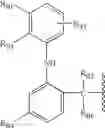
- RII1, RII2 and RII3 equal or different, are hydrogen, linear or whenever possible branched C1-C6 alkyl or C1-C6 alkoxy, or Cl, F, Br;
- RII4 is RII1 or bromine;
- preferred are the compounds where RII1, RII2 and RII4 are H, and RII3 is Cl, and RII3 is in the ortho position to NH; RII5 and RII6 are H, X is equal to O, and X1 is (CH2—CH2—O)2;
- (IAb) is the residue of 2-[[2-methyl-3-(trifluoro-methyl)phenyl]amino]-3-pyridinecarboxylic acid and when —COOH is present it is known as flunixin.
The compounds preferred are those where X═O;
-
- IIA) chosen from the following
- wherein when t=1,
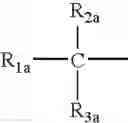
wherein - R2a and R3a are H, a linear or whenever possible branched substituted or non-substituted C1-C12 alkyl, allyl, with the proviso that when one of the two is allyl the other is H; preferably R2a is H, alkyl has from 1 to 4 C atoms, R3a is H;
- R1a is chosen from
- II Aa)
wherein - in the compounds of formula (IV), residue of ketoprofen:
- RIII1 is H, SRIII3 where RIII3 contains from 1 to 4 C atoms linear or whenever possible branched;
- RIII2 is H, hydroxy;
- preferred are the compounds where RIII1 and RIII2 are H, R3a is H, and R2a is methyl, X═O;
- in the compounds of formula (XXI), residue of carprofen:
- Rxxio is H, a linear or whenever possible branched alkyl having from 1 to 6 carbon atoms, a C1-C6 alkoxycarbonyl bound to a C1-C6 alkyl, a C1-C6 carboxyalkyl, a C1-C6 alkanoyl, optionally substituted with halogen, benzyl or halobenzyl, benzoyl or halobenzoyl;
- Rxxi is H, halogen, hydroxy, CN, a C1-C6 alkyl optionally containing OH groups, a C1-C6 alkoxy, acetyl, benzyloxy, SRxxi2 where Rxxi2 is C1-C6 alkyl; a perfluoroalkyl having from 1 to 3 C atoms, a C1-C6 carboxyalkyl optionally containing OH, NO2, sulphamoyl, dialkyl sulphamoyl groups with the alkyl having from 1 to 6 C atoms, or difluoroalkylsulphonyl with the alkyl having from 1 to 3 C atoms;
- Rxxi1 is halogen, CN, a C1-C6 alkyl containing one or more OH, a C1-C6 alkoxy, acetyl, acetamide, benzyloxy groups, SRIII3 is as above defined, a perfluoroalkyl having from 1 to 3 C atoms, hydroxy, a carboxyalkyl having from 1 to 6 C atoms, NO2, amino, a mono- or dialkylamino having from 1 to 6 C atoms, sulphamoyl, a dialkyl sulphamoyl having from 1 to 6 C atoms, or difluoroalkylsulphamoyl as above defined; or Rxxi together with Rxxi1 is an alkylene dioxy having from 1 to 6 C atoms;
- preferred are the compounds where Rxxio is H, the connectiong bridge is at position 2, Rxxi is H, Rxxi1 is chlorine and is in para position to nitrogen;
- R3a is H, R2a is methyl and X is O;
- in the compounds of formula (XXXV), residue of thiaprofenic acid:
- Ar is phenyl, hydroxyphenyl optionally mono or polysubstituted with halogen, an alkanoyl or alkoxy having from 1 to 6 C atoms, a trialalkyl having from 1 to 6 C atoms, preferably from 1 to 3 C atoms, cyclopentyl o-hexyl o-heptyl, heteroaryl, preferably thienyl, furyl optionally containing OH, pyridyl;
- the preferred compounds of formula (XXXV) are those where Ar is phenyl, R3a is H, R2a is methyl and X is O;
- in the compounds of formula (II), residue of suprofen, of which the preferred, where R3a═H, R2a═CH3 and X═O, has been shown, its equivalents, as described and obtained in patent U.S. Pat. No. 4,035,376, herein incorporated by reference, can be used.
- in the compounds of formula (VI), of which the preferred, indoprofen, when R2a is CH3 or indobufen, when R2a is equal to H and R3a═CH3 and X═O, have been shown, its equivalents, as described and obtained in accordance with patent U.S. Pat. No. 3,997,669, herein incorporated by reference, can be used.
- in the compounds of formula (VIII), of which the preferred etodolac, when R3a═R2a═H and X═O, has been shown, its equivalents as described and obtained according to patent U.S. Pat. No. 3,843,681, herein incorporated by reference, can be used;
- in the compounds of formula (VII), of which the preferred, fenoprofen, when R3a═H. R2a═CH3 and X═O, has been shown, its equivalents, as described and obtained according to patent U.S. Pat No. 3,600,437, herein incorporated by reference, can be used;
- in the compounds of formula (III), of which the preferred, fenbufen, when R3a═R2a═H and X═O, has been shown, its equivalents, as described and obtained according to patent U.S. Pat. No. 3,784,701, herein incorporated by reference, can be used;
- in the compounds of formula (X), residue of tolmetin, when R3a═R2a═H and X═O, its equivalents, as described and obtained according to patent FR 1.574.570, herein incorporated by reference, can be used;
- in the compounds of formula (IX), residue of flurbiprofen, when R3a═H, R2a═CH3 and X═O, its equivalents as described in the known art can be used;
II Ab)
where the meanings are as follows: - when IIIa) contains —CH(CH3)—COOH it is known as pranoprofen: α-methyl-5 H-[1] benzopyran [2,3-b]pyridine-7-acetic acid. In the preferred compounds R2a═H, R3a═CH3 and X═O;
- when residue (XXX) contains —CH(CH3)—COOH it is known as bermoprofen: dibenz [b,f] oxepin-2-acetic acid. The preferred compound is that with X═O, R2a═H, R3a═CH3;
- residue (XXXI) is known as CS-670, 2-[4(2-oxo-1-cyclo-hexylidenemethyl)phenyl]propionic acid, when the radical is —CH(CH3)—COOH. The preferred compound has R2a═H, R3a═CH and X═O;
- residue (XXXII) derives from the known pemedolac which contains group —CH2COOH. The compound preferred has R2a═R3a═H and X═O;
- when residue (XXXIII) is saturated with —CH2COOH it is known as pyrazolac: 4-(4-chlorophenyl)-1-(4-fluorophenyl)3-pyrazolyl acid derivatives. The preferred compounds have R2a═R3a═H and X═O;
- when residue (XXXVI) is saturated with —CH(CH3)—COO— it is known as zaltoprofen. When the residue is saturated with a hydroxy or amine group or the acid salts, the compounds are known as dibenzothiepin derivatives. The compounds preferred have R2a═H, R3a═CH3 and X═O;
- when residue (XXXVII) is CH2—COOH it derives from the known mofezolac: 3,4-di(p-methoxyphenyl)isoxazol-5-acetic acid. The preferred compounds include R2a═R3a═H, t=1, X═O.
- Group III A), where t=1,
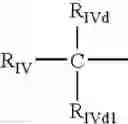
where - RIVd and RIVd1 are at least one H and the other a linear or whenever possible branched C1-C6 alkyl, preferably C1 and C2, or difluoroalkyl with the alkyl having from 1 to 6 C atoms, preferred is C1, or RIVd and RIVd1 jointly form a methylene group;
- RIV has the following meaning:
where the compounds of group III A) have the following meanings: - in the compounds of formula (II):
- RIV-II is an alkyl having from 1 to 6 C atoms, a cycloalkyl having from 3 to 7 C atoms, an alcoxymethyl having from 1 to 7 C atoms, a trifluoroalkyl having from 1 to 3 C atoms, vinyl, ethynyl, halogen, an alkoxy having from 1 to 6 C atoms, a difluoroalkoxy with the alkyl having from 1 to 7 C atoms, an alkoxymethyloxy having from 1 to 7 C atoms, an alkylthiomethyloxy with the alkyl having from 1 to 7 C atoms, an alkylmethylthio with the alkyl having from 1 to 7 C atoms, cyano, difluoromethylthio, a substituted phenyl- or phenylalkyl with the alkyl having from 1 to 8 C atoms; preferably RIV-II is CH3O, RIVd is H and RIVd1 is CH3, and is known as the residue of naproxen;
- X═NH and X1 is equal to (CH2)4 or (CH2CH2O)2; also preferred is the same compound where X is equal to O;
- in the compounds of formula (X), for which the residue of loxoprofen has been shown, the residues described in U.S. Pat. No. 4,161,538 herein incorporated by reference can be used as equivalents; preferred are the compounds where RIVd is H and RIVD1 is CH3, X═NH and X1 is equal to (CH2)4 or (CH2CH2O)2; also preferred is the same compound where X is equal to O;
- in the compounds of formula (III):
- RIV-III is a C2-C5 alkyl, even branched whenever possible, a C2 and a C3 alkyloxy, allyloxy, phenoxy, phenylthio, a cycloalkyl having from 5 to 7 C atoms, optionally substituted at position 1 by C1-C2 alkyl;
- preferred is the compound where RIV-III is
- and RIVd═H, RIVd1 is CH3, a compound known as the residue of ibuprofen; X═NH and X1 is equal to (CH2)4 or (CH2CH2O) 2; also preferred is the same compound where X is equal to O;
Group IV A)
where A=RCOO, t=1, of which the residue of the known indomethacin has been shown, its equivalents as described and obtained in patent U.S. Pat. No. 3,161,654 herein incorporated by reference can be used; - Group V A) chosen from the following:
- V Aa) fenamates chosen from the following, where t=1
- V Ab), derivatives of niflumic acid, where t=1:
- V Ac), COX2 inhibitors, where t=0 and R is as follows:
- V Ad) Derivatives of diuretics when t=1 and R is as follows:
- V Ae) Derivative of diuretics when t=0 and R is as follows:
where the meaning in group V A) is as follows: in V Aa): - in compounds (V Aa1) the residue of enfenamic acid, 2-[(2-phenylethyl)amino]benzoic acid, where COOH was substituted according to the present invention, has been shown.
- This can be prepared according to the Indian patents 103.066 and 114.805, herein incorporated by reference. Equivalent products containing various substituents as described in said patents can be used, too.
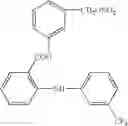
- In compounds (V Aa2) the residue of flufenamic acid, 2-[[3-(trifluoromethyl)phenyl]-amino]benzoic acid, where COOH was substituted according to the present invention, has been shown.
- This can be prepared according to Wilkinson's article, Finar, J.Chem.Soc. 1948, 32, herein incorporated by reference. Any equivalent product containing various substituents as described in said article can be used, too.
- In compounds (V Aa3) the residue of meclofenamic acid, 2-[(2,6-dichloro-3-methylphenyl)amino]benzoic acid where COOH was substituted according to the present invention, has been shown.
- This can be prepared according to the German patent DE 1.149.015 and U.S. Pat. No. 3.313.848 herein incorporated by reference. Any equivalent product containing various substituents as described in said patents can be used, too.
- In compounds (V Aa4) the residue of mefenamic acid, 2-[(2,3-dimethylphenyl)amino]benzoic acid where COOH was substituted according to the present invention, has been shown.
- This can be prepared according to the Belgian patent 605.302, herein incorporated by reference. Any equivalent product containing various substituents as described in said patent can be used, too.
- In compounds (V Aa5) the residue of toltenamic acid, 2-[(3-chloro-2-methylphenyl)amino]benzoic acid where COOH was substituted according to the present invention, has been shown.
- This can be prepared according to patent U.S. Pat. No. 3,313,848, herein incorporated by reference. Any equivalent product containing various substituents as described in said patent can be used, too.
In V Ab): - in compounds (V Ab1) the residue of niflumic acid, 2-[[3-(trifluoromethyl)phenyl]amino]-3-pyridine carboxylic acid, where COOH was substituted according to the present invention, has been shown.
- This can be prepared according to patent U.S. Pat. No. 3,415,834, herein incorporated by reference. Any equivalent product containing various substituents as described in said patent can be used, too.
In V Ac): - in compound (V Ac1)Rvac1 attached to the oxygen atom in position 2 of the benzene ring of N-(4-nitrophenyl)methansulphonamide can be phenyl or cycloexane. When Rvac1 is phenyl the residue is that of nimesulide.
- This can be prepared according to patent U.S. Pat. No. 3,840,597 herein incorporated by reference. Any equivalent product containing various substituents as described in said patent can be used, too.
- In compounds (V Ac2) the residue of 3-formylamino-7-methylsulfonylamino-6-phenoxy -4H-1-bezopyran-4-one was substituted according to the present invention, has been shown.
- This can be prepared according to patent DE 3834204 herein incorporated by reference. Any equivalent product containing various substituents as described in said patent can be used, too.
- In compounds (V Ac3) the atom X4 that links the radical 2,4-difluorothiophenyl to position 6 of the indanone ring of the residue 5-methanesulfonamido-1-indanone can be sulfur or oxygen.
- This can be prepared according to WO 9413635 herein incorporated by reference. Any equivalent product containing various substituents as described in said patent can be used, too.
- In compounds (V Ac4) the residue of celecoxib 4-[5(4-methylphenyl)-3-(trifluoromethyl)pyrazol-1-yl] benzensulphonamide was substituted according to the present invention, has been shown.
- This can be prepared according to patent WO 9427980 herein incorporated by reference. Any equivalent product containing various substituents e.g. WO 9515315-318 as described in said patents can be used, too.
- In compounds (V Ac5) the residue of 6-[2-(3-ethyl-2,3-dihydro-thiazolyl) thio-5-methansulphonamido-3H-isoben-zonfuran-1-one was substituted according to the present invention, has been shown.
- This can be prepared according to patent WO 9623786 herein incorporated by reference. Any equivalent product containing various substituents as described in said patent can be used, too.
- In compounds (v Ad1) the residue of bumetanide 3-(Aminosulfonyl)-5-(butylamino)-4-phenoxybenzoic acid was substituted according to the present invention, has been shown.
- This can be prepared according to patent U.S. Pat. No. 3,806,534 herein incorporated by reference. Any equivalent product containing various substituents as described in said patent can be used, too.
- In compounds (V Ad2) the residue of ticrynafen [2,3-Dichloro-4-(2-thienylcarbonyl)-phenoxy]acetic acid was substituted according to the present, has been shown. This can be prepared according to patent U.S. Pat. No. 3,758,506 herein incorporated by reference. Any equivalent product containing various substituents as described in said patent can be used, too.
- In compounds (VAd3) the residue of ethacrynic acid [2,3-Dichloro-4-(2-methylene-1-oxobutyl)phenoxy]acetic acid was substituted according to the present invention, has been shown.
- This can be prepared according to patent U.S. Pat. No. 3,255,241 herein incorporated by reference. Any equivalent product containing various substituents as described in said patent can be used, too.
- In compounds (V Ad4) the residue of piretanide 3-(Aminosulfonyl)-4-phenoxy-5-(1-pyrrolidinyl)benzoic acid was substituted according to the present invention, has been shown.
- This can be prepared according to patent U.S. Pat. No. 4,010,273 herein incorporated by reference. Any equivalent product containing various substituents as described in said patent can be used, too.
- In compounds (V Ae1) the residue of tripamide (3aα, 4α, 7α,7aα)-3-(Aminosulphonyl)-4-chloro-N-octaidro-4,7-methano-2H-isoindol-2-yl)benzamide was substituted according to the present invention, has been shown.
- This can be prepared according to patent JP 73 05, 585 herein incorporated by reference. Any equivalent product containing various substituents as described in said patent can be used, too.
- In compounds (V Ae2) the residue of torsemide N-[[(1-Methylethyl)amino]carbonyl]4-[(3-methylphenyl)amino]-3-pyrinesulfonamide was substituted according to the present invention, has been shown.
- This can be prepared according to patent U.S. Pat. No. 4,018,929 herein incorporated by reference. Any equivalent product containing various substituents as described in said patent can be used, too.
- In compounds (V Ae3) the residue of azosemide 2-Chloro-5-(1H-tetrazol-5-yl)-4-[(2-thienylmethyl)amino]benzensulphonamide was substituted according to the present invention, has been shown.
- This can be prepared according to patent U.S. Pat. No. 3,665,002 herein incorporated by reference. Any equivalent product containing various substituents as described in said patent can be used, too.
- In compounds (V Ae4) the residue of bendroflumethiazide 3,4-Dihydro-3-(phenyl-methyl)-6-(trifluoromethyl)-2H-1,2,4-benzothiadiazine-7-sulfonamide 1,1-dioxide was substituted according to the present invention, has been shown.
- This can be prepared according to patent U.S. Pat. No. 3,392,168 herein incorporated by reference. Any equivalent product containing various substituents as described in said patent can be used, too.
- In compounds (V Ae5) the residue of chlorothiazide 6-Chloro-2H-1,2,4-benzothiadizine-7-sulfonamide 1,1-dioxide was substituted according to the present invention, has been shown.
- This can be prepared according to patent U.S. Pat. No. 2,809,194, U.S. Pat. No. 2,937,169 herein incorporated by reference. Any equivalent product containing various substituents as described in said patent can be used, too.
- In compounds (V Ae6) the residue of hydrochlorotiazide 6-Chloro-3,4-dihydro-2H-1,2,4-benzothiadiazine-7-sulfonamide 1,1-dioxide was substituted according to the present invention, has been shown.
- This can be prepared according to patent DE 1,163,332, U.S. Pat. No. 3,043,840 herein incorporated by reference. Any equivalent product containing various substituents as described in said patent can be used, too.
- In compounds (V Ae7) the residue of methyclothiazide (6-Chloro-3-(chloromethyl)-3,4-dihydro-2-methyl-2H-1,2,4-benzothiadiazine-7-sulfonamide 1,1-dioxide was substituted according to the present invention, has been shown.
- This can be prepared according to patent Close et al., J.Am.Chem.Society 82, 1132 (1960) herein incorporated by reference. Any equivalent product containing various substituents as described in said patent can be used, too.
- In compounds (V Ae8) the residue of chlorthalidone 2-Chloro-5-(2,3-dihydro-1-hydroxy-3-oxo-1H-isoindol-1-yl)benzensulfonamide was substituted according to the present invention, has been shown.
- This can be prepared according to patent U.S. Pat. No. 3,055,904 herein incorporated by reference. Any equivalent product containing various substituents as described in said patent can be used, too.
- In compounds (V Ae9) the residue of Indapamide 3-(Aminosulfonyl)-4-chloro-N- (2,3-dihydro-2-methyl-1H-indol-1-yl)benzamide was substituted according to the present invention, has been shown.
- This can be prepared according to patent U.S. Pat. No. 3,565,911 herein incorporated by reference. Any equivalent product containing various substituents as described in said patent can be used, too.
- In compounds (V Ae10) the residue of metolazone 7-Chloro-1,2,3,4-tetrahydro-2-nethyl-3-(2-methylphenyl)-4-oxo-6-quinazolinesulfonamide was substituted according to the present invention, has been shown.
- This can be prepared according to patent U.S. Pat. No. 3,360,518 herein incorporated by reference. Any equivalent product containing various substituents as described in said patent can be used, too.
- In compounds (V Ae11) the residue of quinetazone 7-Chloro-2-ethyl-1,2,3,4-tetrahydro-4-oxo-6-quinazolinesulfonamide was substituted according to the present invention, has been shown.
- This can be prepared according to patent U.S. Pat. No. 2,976,289 herein incorporated by reference. Any equivalent product containing various substituents as described in said patent can be used, too.
- In compounds (V Ae12) the residue of furosemide 5-(Aminosulfonyl)-4-chloro-2-[(2-furanylmethyl)amino]benzoic acid was substituted according to the present invention, has been shown.
- This can be prepared according to patent U.S. Pat. No. 3,058,882 herein incorporated by reference. Any equivalent product containing various substituents as described in said patent can be used, too.
The compounds under V Ad/V Ae are particularly suitable for the treatment of urinary disorders, in particular of anuresis.
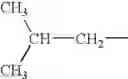
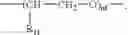
X1, in formula A-X1—NO2, is a bivalent-connecting bridge chosen from the following: - YO
- where Y is a linear or whenever possible branched C1-C20 alkylene, preferably having from 2 to 5 carbon atoms, or an optionally substituted cycloalkylene having from 5 to 7 carbon atoms;
- where n3 is an integer from 0 to 3;
- where nf′ is an integer from 1 to 6, preferably from 2 to 4;
- wherein R1f═H, CH3 and nf is an integer from 1 to 6, preferably from 2 to 4.
The processes for obtaining the compounds which contain R from groups I A-IV A are described in patent application WO 95/30641 herein incorporated by reference.
The processes for preparing the compounds of class V A are those described above in application WO 95/30641.
The products of the invention are therapeutically useful in the treatment of various forms of urinary incontinence at lower doses than the corresponding precursor products without the NO donor group and with a wider activity spectrum and without causing the disadvantage previously described for this kind of precursors.
It has been surprisingly found by the Applicant that, meaningfully, the products of the invention do not show reduced pharmacological activity compared to precursors. Conversely, they have a wider pharmacological range of action, since a synergy between the cyclooxigenase inhibiting effect and the myorelaxing effect related to the opening of potassium channels and/or release of nitric oxide, was unexpectedly observed in the lower urinary tract. The products of the invention exhibit a higher safety and do not induce tachyphylaxis.
Additionally, the Applicant found that the products of the invention carry out a pharmaco-therapeutic activity in diverse appropriate experimental models, as described below:
-
- articular inflammation (musculoskeletal disease) in rats; see Winter C. et al., Caraggeenin-induced edema in hind paw of the rat as an assay for antiinflammatory drugs, Proceedings of the Society for Experimental Biology and Medicine 1962, 111, 544-47;
- respiratory disease for example bronchospasm from bradykinin in Guinea pigs (Del Soldato P. et al., The anesthetized Guinea pig as a versatile pharmacological test object, Jour. of Pharmacological Methods, 1981 5, 279-285);
- vascular disease, such as re-stenosis induced in rats (Role of kinins and nitric oxide in the effects of anigiotensin converting enzyme inhibitors on neointima formation, Fahry-RD et al., CIRC-RES. 72/6 (1202-1210)1983);
- gynaecological and obstetrical diseases:
- as shown in hyperexcitability states in rat isolated myometrium (Izumi H. et al., Gestational changes in L-arginine-induced relaxation of pregnant rat and nonpregnant myometrial contractility, Am. J. Obstet. Gynecol., 1993, 169, 1327-1337);
- blood platelet aggregation in women in a pre-eclampsia condition (Janes Sl et al., Flow cytometric detection of circulating activated platelets and platelet hyper-responsiveness in pre-eclampsia and pregnancy, Clin.
Science, 86, 731-739, 1994).
-
- intestinal tumours, such as for example in experimental adenocarcinoma in rats (Dubois R. et al., Increased cyclooxigenase-2 levels in carcinogen-induced rat colonic tumors, Gastroenterology, 110,1259-1262, 1996).
Therefore, based on the experimental results obtained the above products may be therapeutically useful in the following diseases, in addition to urinary incontinence: - musculoskeletal disease of an inflammatory nature: group V A;
- respiratory disease, for example bronchitis, in particular asthma, etc.: compounds of the groups from I A to V A;
- gynaecological and obstetricial diseases, including premature delivery, pre-eclampsia and dysmenorrhoea: groups from I A to V A and, additionally, the comopounds from group VI A as defined below;
- vascular disease such as re-stenosis: compounds from groups I A to VI A;
- gastrointestinal tumour: compounds from groups from I A to VI A.
- intestinal tumours, such as for example in experimental adenocarcinoma in rats (Dubois R. et al., Increased cyclooxigenase-2 levels in carcinogen-induced rat colonic tumors, Gastroenterology, 110,1259-1262, 1996).
The compounds in group VI A, where t=1, include the following:
where:
-
- R1 is OCOR3; where R3 is methyl, ethyl or a linear or branched C3-C5 alkyl, or the residuee of a single-ring heterocycle having 5 or 6 atoms which can be aromatic, partially or totally hydrogenerated, containing one or more heteroatoms independently chosen from O, N and S;
- R2 is hydrogen, hydroxy, halogen, a linear or whenever possible branched alkyl having from 1 to 4 C atoms, a linear or whenever possible branched alcoxyl having from 1 to 4 C atoms; a linear or whenver possible branched perfluoroalkyl having from 1 to 4 C atoms, for example trifluoromethyl, nitro, amino, mono-or di(C1-C4)alkylamino;
- R1 and R2 jointly are the dioxymethylene group, with the proviso that when X═NH, then X1 is ethylene and R2═H; R1 cannot be OCOR3 at position 2 when R3 is methyl; nI being an integer from 0 to 1;
- preferably in Ia), X is equal to O or NH, R1 is acetoxy, preferably at position 3 or 4, most preferably in the ortho position to CO. X1 is ethylene or (CH2CH2O)2, R2 is hydrogen or halogen, most preferred are the following A X1 NO2 compounds: 3-acetoxy-N-(2-nitroxyethyl)-benzamide, 4-acetoxy-N-(2-nitroxyethyl)-benzamide, 3-acetoxy-N-(5-nitroxypenthyl)-benzamide, 2-acetoxy-N-(5-nitroxypenthyl)-benzamide, N-2-(nitroxyethyl)-2-propionoxybenzamide, 2-acetoxy-2-nitro-xyethylbenzoate, 2-acetoxy-N-(cis-2-nitroxycyclohexyl)-benzamide, 2-acetoxy-4-chloro-N-(2-nitroxyethyl)-benzamide, N-(2-nitroxyethyl)-2-( (4-thiazolindinyl)carbonyloxy) -benzamide hydrochloride, 2-nicotinoyloxy-N-(2-nitroxyethyl)-benzamide, 2-acetoxy-5-nitroxypenthylbenzoate;
- preferably in Ib) R3═CH3, nI=0;
- X is equal to O, X1 is ethylene; in this case Ib) is the residue of acetylsalicylsalicylic acid.
The processes to obtain the compounds which contain R in group VI A are described in patent WO 95/30641 herein incorporated by reference.
The examples below are intended as an explanation not a limitation of the present invention.
EXAMPLES Examples 1,2,3 and From 1A to 1F (Comparison)Chemical Synthesis
The following compounds were prepared: NO-indomethacin (NO-I), NO-flufenamic (NO-F), NO-nimesulide (NO-M), NO-Naproxen (NO-N).
Preparation of NO-Indomethacin (NO-I)
| 3-Hydroxybenzylnitrate | 9.5 g | |
| Indomethacin | 7.4 g | |
| Dicyclohexylcarbodiimide | 5.6 g | |
| CH2Cl2 | 200 ml | |
were reacted and the solution was allowed to react overnight at zoom temperature, concentrated to a small volume and filtered. The filtrate was dried and passed through a column containing gel by using chloroform/ethyl acetate 14:1 as an eluting system. A head fraction was thus separated and purified by chromatography using a 2-mm silica plate. Each plate was run three times in a mobile phase made up of cyclohexane/ethyl acetate 6:1.
A yield of 85% was obtained of indomethacin-NO in group IV A where R is residue (IV) of indomethacin; t=1; X═O; and X1 is the connecting bridging, shown after YO, where n3=0, and having the general formula:
Preparation of NO-Flufenamic (NO-F)
| 3-Hydroxybenzylnitrate | 6 g | |
| Flufenamic acid | 13 g | |
| Dicyclohexylcarbodiimide | 9.5 g | |
| CH2Cl2 | 150 ml | |
| Ethyl ether | 50 ml | |
were reacted and it was allowed to react overnight, concentrated to a small volume and dicyclohexylurea was filtered. The filtrate was dried and passed through a column containing silica by using CH2Cl2 as an eluant. A head fraction was thus separated. This fraction was purified by chromatography using a 2-mm silica plate and a cyclohexane/ethyl acetate 6:1 system. Each plate was run three consecutive times. The head fraction was recovered by extraction with ethyl ether. The ethereal extract was brought to dryness and gives a yellow oil and a yield of 80 for flufenamic-NO. The 1H NMR analysis (CDCl3, 200 MHz) gave the following data: 5.5 (2 H, s); 6.9 (1 H, t); 7.4 (1 OH, m); 8.2 (1 H, dd). The product obtained has the formula:
Preparation of No-Nimesulide (NO-M)
Preparation of the Brominated Derivative
N-[(2-PHENOXY-4-NITRO)PHENYL]-N-(6-BROMO)HEXANOYLMETHANE-SULPHONAMIDE
4,85 g 6-Bromohexanoylchloride (23 mmol) was added dropwise to a mixture kept at 0° C. of 7 g nimesulide (23 mmol) and 6.4 ml triethylamine (46 mmol) in dichloromethane (80 ml). After stirring for one hour at 0° C., a thin layer chromatography analysis (eluant: toluene/ethyl acetate 9:1) showed that unreacted nimesulide was still present. 1 g acyl chloride (4,7 mmol) and 3 ml triethylamine (22 mmol) were added to the reaction mixture, the temperature was allowed to rise to room temperature and the reaction mixture was stirred overnight. A chromatographic control showed that the reaction was complete. The reaction mixture was treated with water (50 ml), the organic phase was then washed three times with water (50 ml for each washing), then with diluted NaCH (5% w/v), then dried over anhydrous sodium sulphate (10 g). Solvent evaporation at reduced pressure left a yellow solid residue which was ground twice with two portions of ethyl ether (50 ml each). The air-dried solid was 8.3 g, which corresponds to a yield of 74% and exhibited a melting point of 98° C.
Preparation of NO-Nimesulide (NO-M)
N-[(2-PHENOXY-4-NITRO)PHENYL]-N-(6-NITROXY)HEXANOYLMETHANE-SULPHONAMIDE
A solution of 4 g N-[(2-phenoxyl-4-nitro)phenyl]-N-(6-bromo)hexanoyl-methanesulphonamide (8.24 mmol) and 2.8 g silver nitrate (16.48 mmol) in anhydrous acetonitrile (20 ml) was reacted with stirring for 2 days. Then 1 g of silver nitrate (6 mmol) was then added and stirring was continued for another day. The precipate was removed by filtration and the solvent was evaporated from the filtrate at reduced pressure. The residue was dissolved in a mixture of equal proportions of ethyl acetate and isopropyl ether and stirred for a few minutes with chromatographic-grade silica gel (5 g). The solid was removed by filtration and the filtrate of the solvent was removed at reduced pressure. The residue was a yellow oil which solidified in time (2.6 g). The solid was ground with ethyl ether and dried, and exhibited a melting point of 96° C.
The 1H NMR spectrum (CDCl3) showed the following signals:
- 8.05 (1 H, m); 7.62 (2 H, m); 7.48 (2 H, m); 7.32 (1 H, m);
- 7.08 (2 H, m); 4.40 (2 H, t); 3.40 (3 H, s); 2.24 (2 H, t)
- 2.18 (3 H, s); 1.70 (4 H, m); 1.45 (2 H, m).
Preparation of Compound NO-Naproxen (NO-N)
Compound NO-Naproxen was prepared according to Example 1h (Example 1) in patent WO 95/30641.
Pharmacological Tests
The products were administered in a suspension of carboxymethyl cellulose in in-vivo experiments, while they were dissolved in dimethylsulphoxide in in-vitro studies.
The same vehicle used in the corresponding treatment groups was always used for control groups.
The acute toxicity was roughly determined administering an oral dose of 50 mg/kg of substance to groups of 10 mice. Death rate and appearance of toxic symptoms were evaluated in a period of 14 days from dosing: no toxic effects were observed at the dose administered.
Contraction Inhibiting Activity in Isolated Rat Detrusor
Male Wistar rats weighing 200 to 300 g were used. The method used is described by Zhou Q. et al. (1995) (see Example 13). After sacrificing the rats by cervical displacement the urinary bladder was isolated and horizontal strips of detrusor muscle about 2 mm wide and about 5 mm long were obtained from the median region. The strips were placed in baths for isolated organs containing Krebs liquid and subjected to a 1 g tension. Tension variations during the test were measured isometrically by using a pressure transducer connected to a polygraph. The inhibitory effect of a pre-treatment with the test derivatives on contraction induced by 40 mM KCl was determined versus drugs having an opening potassium channel activity (cromakalin, nicorandil) nitroderivatives (nitroglycerin, nicorandil) and anti-inflammatories (indomethacin, naproxen, nimesulide). The results are shown in Table 1.
| TABLE 1 | |||
| No. of | |||
| Example | Product | tests | Inhibition % |
| 1A comparison | Cromakalim 10−6 M | 10 | 33.3 |
| 1B comparison | Nitroglycerin 10−5 M | 10 | 28.7 |
| 1C comparison | Nicorandil 10−4 M | 10 | 26.4 |
| 1D comparison | Indomethancin 10−4 M | 10 | 38.5 |
| 1E comparison | Naproxen 5 · 10−4 M | 10 | 15.2 |
| 1F comparison | Nimesulide 10−4 M | 10 | 41.8 |
| 1 | NO-I 10−4 M | 10 | 46.3 |
| 2 | NO-N 5 · 10−4 M | 10 | 31.3 |
| 3 | NO-M 10−4 M | 10 | 48.1 |
All new nitroderivatives (Examples 1 to 3) proved to be more active than the products used as comparison.
Examples 4-5 and 4A-4C (Comparison)In Vivo Studies in Normal Urinary Bladder of Conscious Rats
Cystometrograms of conscious rats were determined according to the method described by Howe B. B et al. (1995) (see Example 9).
Male Wistar rats weighing about 500 g were used. The rats were anaesthetised with Nembutal. After opening their abdomen and exposing their urinary bladder, a catheter filled with physiological solution was implanted in the urinary bladder and caused to emerge from the back of the animals. The abdominal muscle and skin were then sutured. 48 hours after surgery the animals were placed in metabolic cages and the catheters were connected to a perfusor which perfused 0.18 ml/min of a physiological solution into the urinary bladder, and to a pressure transducer in order to measure intravesical pressure. After stabilisation for 60 minutes, the animals were orally treated with the test products and urination frequency was than measured during 4 hours after dosing. Table 2 shows the results obtained expressed as a ratio versus the baseline frequency recorded before dosing IC=interval between contractions).
| TABLE 2 | |||
| IC treated/IC | |||
| Example | Treatment | No. of tests | baseline |
| 4 A | Controls | 8 | 1.05 |
| 4 B comparison | Flufenamic acid | 8 | 1.42 |
| 5 mg/kg | |||
| 4 | NO-F 5 mg/kg | 8 | 1.62 |
| 4 C comparison | Indomethacin | 8 | 1.34 |
| 5 mg/kg | |||
| 5 | NO-I 5 mg/kg | 8 | 1.48 |
Both new derivatives (Examples 4-5) proved to be more active than the products used as comparison.
Examples 5-6 and 5A-5B (Comparison)In Vivo Studies in Normal Urinary Bladders of Anaesthetised Rats
40 Sprague Dawley rats weighing about 300 g were randomly divided into 4 groups and orally treated twice a day for 4 days according to the following experimental scheme:
| 1. Controls: | 0.5% carboxymethyl cellulose | |
| 2. Indomethacin | 3 mg/kg | |
| 3. NO-I | 3 mg/kg | |
| 4. NO-F | 5 mg/kg | |
18 hours after the last treatment, the effects on the urinary bladder voiding reflex were evaluated using the method described by Maggi C. A. et al., Prostanoids modulate reflex micturition by acting through capsaicin-sensitive afferents, European Journal of Pharmacology, 105-112, 1988.
The animals were anaesthetised with urethane, the urinary bladder was prepared for intraluminal pressure measurement. After a stabilisation period with an empty urinary bladder, this was progressively filled with a physiological solution by slow infusion (0.046 ml/min). A contraction of the urinary bladder was observed upon reflex triggering.
The volume of physiological solution and intraluminal pressure required to evoke the reflex (volume and pressure thresholds) were measured. Table 3 shows the pressure and volume threshold values after treatment, calculated considering 100 the values obtained in control animals. All tested products increased this threshold and can, therefore, be considered useful in case of detrusor instability.
| TABLE 3 | ||||
| Pressure | Volume | |||
| No. of | threshold | threshold | ||
| Example | Treatment | animals | (%) | (%) |
| 5 A | Controls | 10 | 100 | 100 |
| 5 B | Indomethacin | 10 | 190 | 198 |
| 5 | NO-l | 10 | 223 | 226 |
| 6 | NO-F | 10 | 203 | 205 |
In Vitro Studies in Unstable Urinary Bladder
The vesical hypertrophy model secondary to urethral obstruction in rats described by Malmgren A. et al.: Cystometrical evaluation of bladder instability in rats with intravesical outflow obstruction, The Journal of Urology, 1987, 137, 1291-1294, was used in order to evaluate the effect of the drugs on hyperactive vesical muscle.
Male Sprague Dawley rats weighing about 250 g were used. In order to obtain partial urethral obstruction, the rats were anaesthetised with Nembutal and the urinary bladder and urethra were exposed by abdominal incision. A ligature was made around the urethra in the presence of an intraluminal cannula with 1 mm diameter. After suturing the abdominal wall the animals were stabulated for 6 weeks in order for vesical hypertrophy to start.
The in vitro experiments were conducted with the parallel use of strips obtained from normal rats and rats with vesical hypertrophy.
The in vitro urinary bladder strips were prepared as described above and the inhibition induced by the drugs on contraction induced by {fraction (1/7)} Hz electrical stimulation lasting 1 msec., an above maximal voltage, produced by two platinum electrodes, was measured.
The following table shows the percentage of contraction induced by electrical stimulus in normal and hypertrophic urinary bladders in the presence of the test drugs.
| TABLE 4 | |||
| Example | Product/Tissue | No. of tests | Contraction % |
| 7 A | Cromakalim 10−6 M | 6 | 50.5 |
| (normal) | |||
| 7 B | Cromakalin 10−6 M | 6 | 35.7 |
| (hypertrophic) | |||
| 7 C | Indomethacin 10−6 M | 6 | 78.2 |
| (normal) | |||
| 7 D | Indomethacin 10−6 M | 6 | 76.3 |
| (hypertrophic) | |||
| 7 | NO-I 10−6 M | 6 | 61.5 |
| (normal) | |||
| 8 | NO-I 10−6 M | 6 | 40.3 |
| (hypertropic) | |||
Differently from indomethacin, the products with an opening of potassium channel activity and the new compounds were found to be more active in inhibiting hypertrophic urinary bladder contraction than normal urinary bladder.
Examples 9-10 and From 9A to 9B (Comparison)In Vivo Studies in Normal Urinary Bladder of Conscious Dogs
The cystometrogram of conscious dogs was determined in accordance with the method described by Howe B. B. et al., ZENECA ZD 6169: a NOVEL KATP Channel opener with in vivo selectivity for urinary bladder, Journal of Pharmacology and Experimental Therapeutics, 274, 884-890, 1995.
Female Beagle dogs with urinary bladder catheterised through the urethra by operating in sterile conditions, were used. Catheters were connected to a perfusor which perfused into the urinary bladder a physiological solution and to a pressure transducer in order to measure intravesical pressure. After 15 minute stabilisation, a 30 ml bolus of physiological solution was perfused into the urinary bladder in order to measure increased intravesical pressure and a series of smaller boluses were then perfused until spontaneous contractions were observed. After a period of contraction stabilisation, contracting activity was monitored for 60 minutes. The animals were then treated orally with the test products and urination frequency was then measured during 4 hours following dosing in control rats and treated rats. Table 5 shows the results obtained expressed as a ratio versus the baseline frequency recorded before dosing (IC=interval between contractions).
| TABLE 5 | |||
| IC treated/IC | |||
| Examples | Treatment | No. of animals | baseline |
| 9 A comparison | Controls | 5 | 1.03 |
| 9 B comparison | Cromakalim 0.5 mg/kg | 5 | 1.48 |
| 9 C comparison | Flufenamic acid | 5 | 1.42 |
| 3 mg/kg | |||
| 9 | NO-F 3 mg/kg | 5 | 1.76 |
| 9 D comparison | Indomethacin 3 mg/kg | 5 | 1.25 |
| 10 | NO-I 3 mg/kg | 5 | 1.43 |
Relaxing Effect in Pig Urethral Smooth Muscle
The method described by Werkstrom et al., Factors involved in the relaxation of female pig urethra evoked by electrical field stimulation, British Journal of Pharmacology, 116, 1599-1604, 1995, was used for sample preparation. Samples of urethra were removed from female pigs about 6 months old.
The urethra was opened longitudinally and samples of smooth muscle about 1×2×6 mm in size were removed from an area about 4 mm below ureteral orifices. The samples of smooth muscle were placed in baths for isolated organs, incubated at 37° C. and subjected to a 10 mN tension and connected to a force transducer for measuring mechanical activity. After a period of balancing of about 60 minutes, the prepared samples were exposed to Krebs solution without Ca++ to determine the highest relaxation level. Normal tone was then restored by adding Krebs solution. The relaxation effects of the test derivatives were then measured. The test wasa repeated two consecutive times for each prepared sample in order to evaluate any tachyphylaxis effects. The table below shows the relaxation percentages obtained following the two treatments with each test product, expressed considering 100% the highest relaxation determined by the medium out Ca++.
| TABLE 6 | ||||
| No. of | Relaxation % | Relaxation % | ||
| Example | Product | tests | 1 | 2 |
| 11 A | Indomethacin | 6 | 1.0 | 1.2 |
| 10−5 M | ||||
| 11 | NO-I 10−5 M | 6 | 39.3 | 37.2 |
| 11 B | Flufenamic | 6 | 12.2 | 13.2 |
| acid 10−5 M | ||||
| 12 | NO-F 10−5 M | 6 | 45.8 | 52.1 |
| 11 C | Nitroglycerin | 6 | 32.1 | 7.3 |
| 10−5 M | ||||
| 11 D | L-arginine | 6 | 22.7 | 12.2 |
| 10−5 M | ||||
The results show that, while drugs with an anti-inflammatory activity such as indomethacin were practically inactive except for flufenamic acid which has itself a myorelaxing activity, and conventional NO donors, such as nitroglycerin and arginine, were active but induced tachyphylaxis, the new derivatives which are an object of the invention were active and did not induce any tachyphylaxis.
Examples 13-15 and 13A-13B (Comparison)Relaxing Activity on Vessel Smooth Muscle
Male Wistar rats weighing 200 to 300 g were used. The method used is described by Zhou Q. et al. The inhibitory mechanism of nicorandil in isolated rat urinary bladder and femoral artery, European Journal of Pharmacology, 153-159, 1995. After sacrifing the rats by cervical displacement, the femoral arteries were isolated for the preparation of helicoidal strips about 1×15 mm in size, from which the endothelium was removed. The prepared strips were placed in baths for isolated organs containing Krebs liquid and subjected to a weight of 0.5 g. Tension variations during the test were isometrically measured by means of a pressure transducer connected to a polygraph. The inhibitory effect of a treatment with the test derivatives on contractions induced by 3×10⁻⁵ M phenylephrine versus reference preparations having a potassium channel opening activity and/or NO donors was measured.
The results are included in Table 7.
| TABLE 7 | |||
| Example | Product | No. of tests | Inhibition % |
| 13 A comparison | Cromakalim | 10 | 54.1 |
| 3 × 10⁻⁷ M | |||
| 13 B comparison | Nicorandil 10−6 M | 10 | 32.6 |
| 13 | NO-I 10−4 M | 10 | 22.2 |
| 14 | NO-N 5 · 10−4 M | 10 | 29.0 |
| 15 | NO-M 10−4 M | 10 | 19.5 |
All new compounds proved to be less active than Cromakalin and Nicorandil, even used at higher concentrations, then those shown in specific models (see for example Table 6).
Example 16-17 and 16A-16B (Comparison)In Vivo Gastrointestinal Safety Studies
Forty Sprague Dawley rats weighing about 300 g were randomly divided into 4 groups and orally treated twice a day for 4 days according to the following experimental scheme:
| 1. Controls: carboxymethyl | (5 ml/kg) | |
| cellulose (0.5% by weight): | ||
| 2. Indomethacin | 3 mg/kg | |
| 3. NO-I | 3 mg/kg | |
| 4. NO-F | 5 mg/kg | |
Eighteen hours after the last treatment the rats were sacrified to determine any gastrointestinal damage. No gross changes were observed in the gastroenteric tract of control animals.
In the animals treated with indomethacin ulceration was observed in the stomachs and, additionally, the intestines of most animals (7/19) and in some cases (3/10) even diffuse adherences. In the group treated with NO-I, only gastric ulcers were observed in 1 animal, and in the group treated with NO-F one animal with a gastric ulcer and an animal with a duodenal ulcer were found.
Examples 18-18A and 18-B (Comparison)Studies of Nitroxysynthetase Activity
The nitroxy-sinthetase inhibiting activity induced by lipopolisaccharide (LPS) was determined in rat neutrofils after administration of any of the test compounds and compared with that obtained after treatment with the suspending vehicle alone (0.5% carboxymethyl cellulose, 5 ml/kg) and a product used as comparison. Briefly, Wistar rats fasted for 24 hours before treatment received one of the test compounds (10 mg/kg) intraperitoneally or the vehicle LPS (5 mg/kg) intravenously (caudal vein).
Four hours later the animals were sacrified. Blood was collected for neutrofil isolation.
The enzymatic activity was determined according to the od described by Assreuy J. et al. Feedback inhibition of nitric oxide sinthase activity by nitric oxide, British Journal of Pharmacology, 883-837, 1993.
As shown in Table 8, the test product was found to be very effective in inhibiting nitroxy sinthetase compared to the group treated with the vehicle alone and differently from the reference flufenamic.
| TABLE 8 | |||
| NITROXY- | |||
| DOSE | SYNTHETASE | ||
| EXAMPLE | COMPOUND | (mg/kg/i.p.) | ACTIVITYa |
| 18 A | Vehicle | — | 100 |
| 18 B | Flufenamic | 10 | 98 |
| 18 | NO-F | 10 | 63 |
apercentage compared to the group treated with the vehicle alone. |
Conclusions From the Whole Tests
The derivatives of the invention were found to be active in several tests aimed at determining the potential pharmacological activity controlling urination.
It should also be noted that the derivatives of the invention were also found to be effective in a broader series of tests than that in which each reference drug was found to be active, confirming the hypothesis that these derivatives are endowed with a superior overall pharmacological activity in controlling urinary incontinence.
Furthermore, the derivatives of the invention were found to be better tolerated than the reference products. They appeared to be less harmful to the stomach than the corresponding anti-inflammatory agents and less hypotensive than the standard agents with vasorelaxing activity.
The combined characteristics mentioned above make the products of the invention superior to the reference agents.
Claims
1. A COX2 inhibitor, comprising at least an —ONO2 group, able to release nitric oxide.
2. A compound having the general formula:
A-X1—NO2
or a salt thereof, wherein:
A=RCO(X)t where t is an integer 0 or 1;
X═O, NH, NR1C where NR1C is a linear or branched alkyl having from 1 to 10 C atoms;
R is selected from:
V Ac), COX2 inhibitors, where t=0,
wherein RV AC1 can be phenyl or cyclohexane, when RV AC1 is phenyl the residue is that of nimesulide,
wherein X4 can be sulfur or oxygen,
X1 is a bivalent connecting bridge selected from:
YO, wherein
Y is linear or branched C2 to C20 alkylene, or an optionally substituted cycloalkylene having 5 to 7 carbon atoms,
wherein n3 is an integer from 0 to 3,
wherein nf′ is an integer from 1 to 6, or
wherein R1f═H, CH3 and nf is an integer from 1 to 6.
3. The compound or a salt thereof according to claim 2, wherein Y is linear or branched C2 to C5 alkylene.
4. The compound or a salt thereof according to claim 2, wherein nf′ is an integer from 2 to 4.
5. The compound or a salt thereof according to claim 2, wherein nf is an integer from 2 to 4.
6. The compound or a salt thereof according to claim 2, wherein V Ac1 is N-[(2-phenoxy-4-nitro)phenyl]-N-(6-nitroxy)hexanoylmethane-sulphomnamide.
7. The compound or a salt thereof according to claim 2, wherein V Ac2 is the residue of 3-formylamino-7-methylsulfonylamino-6-phenoxy-4H-1-benzopyran-4-one.
8. The compound or a salt thereof according to claim 2, wherein V Ac4 is the residue of celecoxib 4-[5-(4-methylphenyl)-3-(trifluoromethyl)pyrazol-1-yl]benzenesulfonamide.
9. The compound or a salt thereof according to claim 2, wherein V Ac5 is the residue of 6-[2-(3-ethyl-2,3-dihydrothiazolyl)thio-5-methanesulfonamido-3H-isobenzonfuran-1-one.
10. A method for the treatment of inflammatory diseases comprising administering the compound according to claim 1.
11. A method for the treatment of inflammatory diseases comprising administering the compound according to claim 2.
12. A method for the treatment of urinary incontinence, musculoskeletal disease of an inflammatory nature, or cardiovascular disease comprising administering the compound according to claim 1.
13. The method of claim 12, wherein the cardiovascular disease includes re-stenosis.
14. A method for the treatment of urinary incontinence, musculoskeletal disease of an inflammatory nature, or cardiovascular disease comprising administering the compound according to claim 2.
15. The method of claim 14, wherein the cardiovascular disease includes re-stenosis.
16. A pharmaceutical composition comprising a pharmaceutically effective amount of the compound according to claim 1 and a pharmaceutically acceptable carrier.
17. A pharmaceutical composition comprising a pharmaceutically effective amount of the compound according to claim 2 and a pharmaceutically acceptable carrier.
Images & Drawings included:







Sources:
- United States Patent and Trademark Office - verify current appl. status at the USPTO↗
Recent applications in this class:
- » 20240374532 2024-11-14
METHODS AND MATERIALS FOR KILLING HIV INFECTED CELLS - » 20220062194 2022-03-03
Treatment of Addiction and Impulse-Control Disorders Using PDE7 Inhibitors - » 20220023230 2022-01-27
INHIBITION OF MAMMALIAN TARGET OF RAPAMYCIN - » 20220016046 2022-01-20
PERMANENTLY CHARGED SODIUM AND CALCIUM CHANNEL BLOCKERS AS ANTI-INFLAMMATORY AGENTS - » 20210322337 2021-10-21
TREATMENT OF OXIDATIVE STRESS DISORDERS INCLUDING CONTRAST NEPHROPATHY, RADIATION DAMAGE AND DISRUPTIONS IN THE FUNCTION OF RED CELLS - » 20210290561 2021-09-23
PERMANENTLY CHARGED SODIUM AND CALCIUM CHANNEL BLOCKERS AS ANTI-INFLAMMATORY AGENTS - » 20210030695 2021-02-04
PERMANENTLY CHARGED SODIUM AND CALCIUM CHANNEL BLOCKERS AS ANTI-INFLAMMATORY AGENTS - » 20200206149 2020-07-02
Inhibition of glutaminase C - » 20200163902 2020-05-28
THERAPEUTIC AGENTS TARGETING THE NCCa-ATP CHANNEL AND METHODS OF USE THEREOF - » 20200155477 2020-05-21
CLADRIBINE REGIMEN FOR TREATING MULTIPLE SCLEROSIS
Recent applications for this Assignee:
- » 20130137765 2013-05-30
Use of nitrooxyderivative of drug for the treatment of muscular dystrophies - » 20120034321 2012-02-09
Nitric oxide enhancing prostaglandin compounds, compositions and methods of use - » 20110098253 2011-04-28
Nitrosated nonsteroidal antiinflammatory compounds, compositions and methods of use - » 20100240622 2010-09-23
Nitric oxide enhancing prostaglandin compounds, compositions and methods of use - » 20100166839 2010-07-01
NON PEPTIDIC RENIN INHIBITORS NITRODERIVATIVES - » 20100137291 2010-06-03
Nitrosated nonsteroidal antiinflammatory compounds, compositions and methods of use - » 20090203759 2009-08-13
Pharmaceutical formulation of nitrooxyderivatives of NSAIDs - » 20090170941 2009-07-02
Pharmaceutical compounds - » 20090093510 2009-04-09
Use of nitrooxyderivatives of drug for the treatment of muscular dystrophies - » 20090030076 2009-01-29
Prostaglandin derivatives