Creation method for characters/words and the information and communication service method thereby
US20050104869A1
2005-05-19
10/485,131
2003-03-28
✅ Patent granted
US 7,508,380 B2
2009-03-24
WO; PCT/KR03/00635; 20030328
WO; WO03/084194; 20031009
Richard Hjerpe | Leonid Shapiro
2024-02-06
Abstract:
This invention relates to a method for entering characters into a small keypad with a limited number of keys or information appliances with a liquid crystal panel such as PDA. The object of the present invention is to provide a character entry method to ensure the efficiency of letter entry, the expandability and adaptability of information services, and the information and communication service method thereby, which substantially obviates problems due to limitations and disadvantages of the multi-tap and single-tap method. The distinctive features of the present invention are representative character keys, a virtual keypad, and virtual key entry method on the viral keypad mode, in entering multiple characters by means of a keypad with about 12 keys. Moreover, the present invention provides a character entry method ensuring the input efficiency of various characters. The present invention can be utilized as an interface in the mobile info-communication services.
Inventors:
- Heesung Chung 3 🇰🇷 Cheonan-si, South Korea
- Heesung Chung 1 🇰🇷 Chungcheongnam-do, South Korea
Assignee:
- Neopad Inc. 17 🇰🇷 Seoul, South Korea
Interested in similar patents?
Get notified when new applications in this technology area are published.
Classification:
G06F3/0236 » CPC main
Input arrangements for transferring data to be processed into a form capable of being handled by the computer; Output arrangements for transferring data from processing unit to output unit, e.g. interface arrangements; Input arrangements or combined input and output arrangements for interaction between user and computer; Input arrangements using manually operated switches, e.g. using keyboards or dials; Arrangements for converting discrete items of information into a coded form, e.g. arrangements for interpreting keyboard generated codes as alphanumeric codes, operand codes or instruction codes; Character input methods using selection techniques to select from displayed items
G06F3/018 » CPC further
Input arrangements for transferring data to be processed into a form capable of being handled by the computer; Output arrangements for transferring data from processing unit to output unit, e.g. interface arrangements; Input arrangements or combined input and output arrangements for interaction between user and computer Input/output arrangements for oriental characters
G06F3/04883 » CPC further
Input arrangements for transferring data to be processed into a form capable of being handled by the computer; Output arrangements for transferring data from processing unit to output unit, e.g. interface arrangements; Input arrangements or combined input and output arrangements for interaction between user and computer; Interaction techniques based on graphical user interfaces [GUI] using specific features provided by the input device, e.g. functions controlled by the rotation of a mouse with dual sensing arrangements, or of the nature of the input device, e.g. tap gestures based on pressure sensed by a digitiser using a touch-screen or digitiser, e.g. input of commands through traced gestures for inputting data by handwriting, e.g. gesture or text
H04M2250/70 » CPC further
Details of telephonic subscriber devices methods for entering alphabetical characters, e.g. multi-tap or dictionary disambiguation
G09G5/00 IPC
Control arrangements or circuits for visual indicators common to cathode-ray tube indicators and other visual indicators
Description
TECHNICAL FIELDThis invention relates to a method for entering characters into a small keypad with a limited number of keys or information appliances with a liquid crystal panel such as a PDA (personal digital assistant), and more particularly, to a character entry method that a user can easily learn and use and whose system can be easily established.
BACKGROUND ARTMobile information appliances such as a cellular telephone generally have 10˜12 keys in number to enter words with. In case of a language having 10˜12 characters in number, it is easy to enter words because a character can be allocated to a key. However, most languages have various and lots of characters, and it is impossible to allocate a character to a key. In addition, it is inconvenient to enter characters into small mobile information appliances such as a PDA because it has a full-size software-driven keyboard to enter words by means of pen-touching method.
FIG. 1a shows a keypad of cellular phone according to a Japanese standard for entering Japanese texts. As shown in FIG. 1a, the Japanese alphabet is distributed in sets of five letters to be allocated to keys, according to the configuration table of the Japanese alphabet. Each key represents a set of characters. For example, the characters of “” column, “”, are allocated to “1” key, and the characters of “” column, “”, to “2” key. The characters of “” columns are allocated to “3, 4, . . . ” keys, respectively. Currently, the common way to enter Japanese texts using such a conventional Japanese keypad is through the multi-tap method. For example, if a user wants to enter a word, “”, he or she has to press “2” key once for entering “”, press “1” key four times according to the order listed on the key for entering “”, and press “9” key five times according to the order listed on the key for entering “”. As a result, the entry of “” needs ten times of key presses.
FIG. 1b shows a keypad of a cellular telephone according to an international standard for entering English texts. The 26 characters are allocated to 10 keys. The common way to enter English texts using such a conventional English keypad is also through the multi-tap method.
FIG. 1c shows a keypad of cellular telephone in which Hebraic alphabet is allocated to 10 keys so that a user can enter Hebraic characters.
FIG. 1d shows a keypad of cellular telephone in which Thai alphabet is allocated to 10 keys so that a user can enter Thai characters.
FIG. 1e shows a keypad of cellular telephone in which strokes are allocated to 10 keys so that a user can enter simplified Chinese characters.
FIG. 1f shows a keypad of cellular telephone in which Bopomofo symbols are allocated to 10 keys so that a user can enter traditional Chinese characters.
FIG. 1g shows a keypad of cellular telephone in which Korean alphabet is allocated to 10 keys so that a user can enter Korean characters.
Currently, the common way to enter a text using the above-mentioned keypads is through the multi-tap method. However, the multi-tap method is very cumbersome and can cause a user to make mistakes on the character entry since groups of multiple letters are allocated on a limited number of keys and multiple letters are overlaid on each of these keys. To overcome these disadvantages, a single-tap method has been developed. As a single-tap method, there are disclosed T9 (http:// www.t9.com), eZi (http://www.zicorp.com), itap (http://www.mot.com/lexicus/html/itap.html), and for entering Japanese texts, POS (http://www.muchy.com). One feature of these methods is one tap (key press) for one letter.
FIG. 1h shows an embodiment according to the eZi method. The most important difference between the single-tap and the multi-tap method is related to whether or not to use a given dictionary for a given language. The single-tap method is based on an algorithm, which displays automatically the corresponding words after searching a given dictionary for a given language for combinations of the entered characters. For example of the eZi method, if a user, want to enter “boy”, he/she presses “1” key having letters “ABC” imprinted thereon for entering “b”, “6” key for entering “o”, and “9” key for entering “y”. When “b” is entered, the system searches a given dictionary using “b” as a search key, and then, when “o” is entered, “bo” is used as a search key. Finally, when “y” is entered, the system finds “boy”, as a word, in the dictionary, and the user selects and enters the word “boy”.
During the entering, nine (3×3×3) character combinations are generated from ABC, MNO, and WXY with the key entries. With the first key press, “ABC” is entered at once, and with the second key press “MNO” is entered at once, thereby displaying the possible combinations of letters in ABC×MNO, {AM, AN, AO, BM, BN, BO, CM, CN, CO}. Here, the desired character combination is “bo”. The system searches continuously the dictionary for the next character entry although there might be right words among the two-character combinations, and finally identifies the desired word. In the process, the character combinations associated with the key presses, which can be used as the beginning of the desired word, for example, “bo” can be selected and displayed continuously. Then, the system searches the dictionary in order to find all of the words, which include “bo” in the beginning of the word, and displays the resulting words. The user can identify and select the desired word among the words that the system speculates by oneself and displays.
FIG. 1i shows the POS system, which is a Japanese language calculation-input system according to the single-tap method. The algorithm is the same with the above-mentioned one.
As described above, there is provided the single-tap method instead of the multi-tap method, in order to seek the efficiency of character entry by allocating multiple letters to a limited number of keys of a small keypad. The single-tap method pursues the efficiency of character entry through the reduced number of times of key presses and an accuracy of character entry.
In a small keypad having a limited number of keys, multiple letters have inherently to be allocated to a key, and, therefore, the basic way to access a letter is a multi-tap method under the circumstances. However, the multi-tap method needs lots of key presses and has high possibility that a user may make mistakes on the character entry. On the other hand, the single-tap method can reduce the number of times of key presses, but has to establish a given dictionary for a given language in the system and to register new words continuously, such as vocabularies newly created by a user and abbreviations, in the dictionary. Besides, it is physically impossible to register all the vocabularies required in the rapidly developing information and telecommunication circumstances, such as names, internet addresses and homepage addresses, in the dictionary. In fact, if a vocabulary is not registered in the dictionary, a user has to use the multi-tap method at the same time in order to enter the vocabulary. Therefore, the single-tap method as a one-key-for-one-letter way has limitations and disadvantages which give the system high load due to lots of character combinations according to the entered multiple letters and dictionary-searching according to the character combinations.
DISCLOSURE OF INVENTIONAccordingly, the present invention is directed to a character entry method to ensure the efficiency of letter entry, the expandability and adaptability of f information services, and the information and communication service method thereby, which substantially obviate one or more problems due to limitations and disadvantages of the multi-tap and single-tap method.
The distinctive features of the present invention are representative character keys, a virtual keypad, and virtual key entry method on the virtual keypad mode, in entering multiple characters by means of a keypad with about 12 keys. That is, the present invention provides a method for character entry that the desired character can be entered separately on each of a real keypad entry mode and a virtual keypad entry mode according to the prescribed way although the identical key is pressed in each of both modes, by establishing separately the entry mode of a virtual keypad that maintains the state of an independent entry mode regardless of the entry mode of a real keypad and the key presses on a real keypad.
BRIEF DESCRIPTION OF THE DRAWINGSFurther objects and advantages of the invention can be more fully understood from the following detailed description taken in conjunction with the accompanying drawings, in which:
FIG. 1a shows a Japanese character layout of a keypad of a cellular telephone, as a de facto Japanese standard;
FIG. 1b shows an alphabet layout of a keypad of a cellular telephone, as the international standard;
FIG. 1c shows a Hebraic character layout of a keypad of a cellular telephone, as a de facto standard;
FIG. 1d shows a Thai character layout of a keypad of a cellular telephone,
FIG. 1e shows a stroke layout of a keypad of a cellular telephone for entering Chinese characters;
FIG. 1f shows a Bopomofo symbol layout of a keypad of a cellular telephone for entering Chinese characters;
FIG. 1g shows a Korean alphabet layout of a keypad of a cellular telephone;
FIG. 1h illustrates an embodiment according to the eZi method as a single-tap method;
FIG. 1i illustrates an embodiment for entering Japanese characters in accordance with the POS system;
FIG. 2 illustrates a flow chart of Method 1 in accordance with the present invention;
FIG. 3 illustrates a flow chart of Method 2 in accordance with the present invention;
FIG. 4 illustrates a flow chart of Method 3 in accordance with the present invention;
FIG. 5 illustrates a flow chart of Method 4 in accordance with the present invention;
FIG. 6 illustrates an example of English text entry according to the Method 3 of the present invention;
FIG. 7 illustrates a key layout of a virtual keypad according to the preferred embodiment of the present invention;
FIG. 8 illustrates a depiction of a cellular telephone having a keypad for Russian character entry in accordance with the present invention;
FIG. 9 illustrates a depiction of a cellular telephone having a keypad for Arabic character entry in accordance with the present invention;
FIG. 10 illustrates a depiction of a cellular telephone having a keypad for Hebraic character entry in accordance with the present invention;
FIG. 11 illustrates a depiction of a cellular telephone having a keypad for Thai character entry in accordance with the present invention;
FIG. 12 illustrates a depiction of a cellular telephone having a keypad for Devanagari character entry in accordance with the present invention;
FIG. 13 illustrates a depiction of a cellular telephone having a keypad for Chinese character entry in accordance with the present invention;
FIG. 14 illustrates a depiction of a cellular telephone having a keypad for Korean language entry in accordance with the present invention;
FIG. 15 illustrates an example of alphabet entry on a PDA in accordance with the present invention;
FIG. 16 illustrates an example of an information service method using the preferred embodiment of the present invention; and
FIG. 17 illustrates an example of URL entry using the preferred embodiment of the present invention.
BEST MODE FOR CARRYING OUT THE INVENTIONTo establish the virtual keypad according to the present invention first, characters of a given language are grouped according to a particular criterion. The “particular criterion” includes the order of characters, the identical phonetic value of characters, the same shape of characters, the similar grammatical characteristics of characters, the visibility and recognizability of users, and so on. The number of characters in a group is preferably 5˜12, because it is suitable for allocating the groups of characters to a small keypad having about 12 keys in number and can be handled easily. After grouping characters, representative characters are selected from characters of a group.
It is desirable for the representative characters to have common features of each character. The number of the representative characters in a group is preferably no more than three, because the representative characters in a group are marked on a small key and the visibility and recognizability for characters by a user is decreased for many representative characters. Therefore, in selecting representative characters, a criterion may include the visibility and recognizability by a user. Subsequently, the representative characters of each group are allocated to about 12 keys on a keypad. FIGS. 1a˜1g illustrate character layouts for entering given languages on information appliances. FIG. 7 shows an entry key layout of a virtual keypad according to the present invention. FIGS. 8˜14 illustrate examples of key layouts of real keypads for use in information appliances.
FIG. 1b is a keypad of the alphabet as an international standard. As shown in FIG. 1b, “2” key has letters “ABC” imprinted thereon. Each number key has letters imprinted thereon, respectively. The alphabet is grouped into sets of 3 letters according to the alphabetical order, and “Q” and “Z” is allocated to “1” key due to the low frequency of use. We can have a representative character for each key in such a keypad. For example, among “ABC”, “A” can become a representative character as a first character, or “B” as a middle character. Also, various features such as the frequency of appearance, representative phonetic value and representative form of characters are used as a criterion.
The representative character according the present invention functions as a representative that stands for the characters allotted to the key and as an index key to enter the particular characters of each group, and, more particularly, is used to invoke, select, enter and search the particular characters of each group. Moreover, another feature of the representative character of the present invention is that pressing of the representative character changes a real keypad input mode into a virtual keypad input mode.
FIG. 2 illustrates a flow chart of a character entry method after grouping characters, designating representative characters for each group and allocating the representative characters to a limited number of keys, as an embodiment (hereinafter referred to as “Method 1”) using the representative character as an index key and a key for the mode change. Referring to FIG. 2, in the phase 2, the user recognizes the representative character key to which the desired character belongs. After identifying the representative character key, the user selects and presses the representative key in the phase 3. The phases 4.1 and 4.2 are the response results of the system according to the present invention after pressing the representative character key. The system displays all the characters allotted to the representative character key, and changes a real keypad input mode into a virtual keypad input mode where the user can select and enter the only characters shown on the display. Subsequently, in phase 6, the user selects and enters the desired character among the displayed characters on the virtual keypad input mode. Here, after the user finishes entering the desired character on the virtual keypad input mode, the system returns to the initial state for entering a character to become the real keypad input mode.
FIG. 3 illustrates a flow chart of another embodiment (hereinafter referred to as “Method 2”) of a method for entering characters according to the present invention. While, in Method 1, the basic unit for entering a word is one character, in Method 2, the basic entry unit is multiple characters.
Generally, a user enters 4˜5 characters successively as one task. For example, if the user wants to input “boy”, he/she recognizes the entire word and understands “boy” as an entry unit. In that case, Method 2 is more effective than Method 1. The processes of Method 2 are similar to those of Method 1 except that Method 2 needs some additive functions due to entry unit of multiple characters. That is, Method 2 includes the process that a set of representative characters entered is stored in an input buffer and the user enters a signal of input completion (or the timer of system is activated by itself). Referring to FIG. 3, in the phase 8, the characters allotted to the representative character key for the character entered first are displayed, and the user selects the desired character according to the above-mentioned process on the virtual keypad input mode. Then, the system displays the characters allotted to the key including the second representative character which is stored in the input buffer, and waits the user's selection input, maintaining the state of the virtual keypad input mode. This process is repeated automatically until the system identifies the key that denotes the end of a set of characters entered successively. Therefore, Method 2 corrects the inconvenience for the user to press the representative character key for each character, and is a suitable method for the typical users.
FIG. 4 shows another preferred embodiment (hereinafter referred to as “Method 3”) according to the present invention. In general, Method 1 and Method 2 have the process in which a user presses representative character keys and the system displays characters allotted to the representative character keys. However, by adding the characteristic information of each language to Method 2, it is possible to establish a more intelligent system. Method 3 is a character entry method that the information of character construction collected from a notation system of each language and characteristic information of the notation system are added to Method 1 and Method 2. The detailed description of Method 3 is presented in the embodiments for establishing a character entry system for each language.
FIG. 5 is another preferred embodiment (hereinafter referred to as “Method 4”) according to the present invention. Referring to FIG. 5, the phases 1, 2, 3, 4, and 6 are similar to Method 1, Method 2 and Method 3, and the phases 5A, 5B and 5C are added as new functions instead of phase 4 of Method 2, thereby generating the phases 7, 8, 9 and 10.
Moreover, Method 4 is a suitable method for entering continuously the character entry unit, as a word or a character string, at one time. Specially, in the phase 3 of FIG. 5, the system stores the continuously entered representative characters in the system buffer, and, then, produces combinations of characters allotted to the representative characters to store into a table (phases 5A and 5B).
For example, when a user desires to enter “ad” continuously, “A” and “D”, the representative characters of “a” and “d” are entered and character combinations between “A, B, and C” belonging to the representative character “A” and “D, E, and F” belonging to the representative character “D” are generated. In other words, the produced character combinations are “AD”, “AE”, “AF”, “BD”, “BE”, “BF”, “CD”, “CE”, and “CF” from entering 2 characters, “a” and “b”. This process is fulfilled by the system established according to the present invention. In the mean time, the user selects character “A” from the characters “ABC” belonging to the representative character “A” on the virtual keypad input mode. Then, the system searches the table of character matrix combinations using character “A” as a search key to find character combinations beginning with “A” and displays the resulting character combinations. The resulting character combinations, “AD”, “AE”, and “AF” are used again as search keys to search a given dictionary (e.g., English wordbook) in the phase 5C. The system searches the dictionary using these search keys, and displays all the words beginning with “AD”, “AE” or “AF”. Finally, by selecting the desired word from the displayed words, the user can complete to enter the desired word through a limited number of key presses.
In addition, after entering the character “A”, the characters “D, E and F” belonging to the representative character “D” are displayed automatically. If the user selects and enters the character “D”, the system displays many words beginning with “AD”. As a result, Method 4 of the present invention can diminish the number of words, which is presented in the process of word selection, in the early input stage, compared to the single-tap system of the prior art. Therefore, Method 4 does not interrupt the ideation of the user for character entry process and can reduce a stress accompanied with the character entry. Another advantage of Method 4 is that in case of entering the words unregistered in a given dictionary, it is more excellent than the existing multi-tap method in respect of input efficiency, input adaptability, and application, because the set of characters entered is inputted.
In the conventional single-tap method, the character combinations among the characters belonging to the representative characters are generated in the phase 3, and a lot of character strings are generated in the phase 8 without phase 4, 5 and 6, using the resulting character combinations. Therefore, the high frequency of dictionary search deteriorates the system performance. However, Method 4 of the present invention can reduce the number of times of dictionary search and the number of the displayed items, by selecting the first character of the desired word in the early stage to reduce the number of character combinations among the characters belonging to the representative characters. Moreover, with the Method 4, a user can easily enter words or character strings unregistered in a given dictionary.
The conventional .art uses multi-tap method in order to enter words unregistered in a given dictionary. When a user wants to enter the word “Boy”, the conventional multi-tap method needs eight times of key presses; Method 1 of the present invention needs six times of key presses; and Method 2 of the present invention needs four times of key presses.
The preferred embodiments of Method 1, Method 2, Method 3, and Method 4 for various languages will be described in more detail.
First, the preferred embodiment of Method 1 for entering the Latin alphabet is described. In the present invention, the grouping and sets of the Latin alphabetic characters use those on the keypad and key allocation in FIG. 1b, because lots of users are familiar with the character allocation of the keypad in FIG. 1b which is already standardized internationally, and because to group the characters and to designate the representative keys are discretionary.
Method 1 uses the keypad construction of FIG. 1b. To begin with, the definition table for the representative characters and character elements belonging to the representative characters are required. Also, the representative characters to select the characters belonging to the representative characters on a virtual mode and combination rules of numeral keys or function keys are required. Table 1a shows character elements, representative characters, numeral combination keys, and numeral and function combination keys for use in entering the Latin alphabet (English characters).
In Table 1a, the representative characters are index keys to stand for the characters that will be entered; and the numeral combination keys and numeral and function combination keys are used as a entry key to select the desired character among characters displayed on the virtual keypad input mode.
| TABLE 1a | ||
| Entry key of | ||
| virtual keypad |
| Numeral and | ||||
| Numeral | function | |||
| Entry | Representative | combination | combination | |
| character | character | key | key | |
| A | A | 1 | 2 | |
| B | A | 2 | ↑ | |
| C | A | 3 | ↓ | |
| D | D | 2 | 3 | |
| E | D | 3 | ↑ | |
| F | D | 6 | ↓ | |
| G | G | 1 | 4 | |
| H | G | 4 | ↑ | |
| I | G | 7 | ↓ | |
| J | J | 4 | 5 | |
| K | J | 5 | ↑ | |
| L | J | 6 | ↓ | |
| M | M | 3 | 6 | |
| N | M | 6 | ↑ | |
| O | M | 9 | ↓ | |
| P | P | 4 | 7 | |
| Q | . | 1 | ↑ | |
| R | P | 7 | ↑ | |
| S | P | 8 | ↓ | |
| T | T | 7 | 8 | |
| U | T | 8 | ↑ | |
| V | T | 9 | ↓ | |
| W | W | 6 | 9 | |
| X | W | 9 | ↑ | |
| Y | W | 8 | ↓ | |
| Z | . | 2 | ↓ | |
The combination keys used as entry keys on the virtual keypad could be designated in any manner, and each of the combination keys could be altered arbitrarily. The entry combination keys of the present invention are selected considering the relations between the representative characters and the combination keys and convenience of key entry.
Table 1b shows the character elements, the representative characters and entry keys of the virtual keypad for use in entering the Latin alphabet (European characters). In Table 1b, the representative characters are index keys to stand for the characters that will be entered; and the numeral combination keys are used as a entry key to select the desired character among characters displayed on the virtual keypad input mode. The combination keys that used as entry keys in the virtual keypad could be determined in any manner, and each of the combination keys could be altered arbitrarily. The entry combination keys of the present invention are selected considering the relations between the representative characters and combination keys and convenience of key entry.
| TABLE 1b | ||
| Entry key of | ||
| virtual keypad | ||
| Entry | Representative | Numeral combination |
| character | character | key |
| . | . | 1 |
| Q | 2 | |
| Z | 3 | |
| A | A | 1 |
| B | 2 | |
| C | 3 | |
| À | 4 | |
| Á | 5 | |
| Â | 6 | |
| {haeck over (A)} | 7 | |
| Ä | 8 | |
| {dot over (A)} | 9 | |
| * | ||
| C | 0 | |
| D | D | 1 |
| E | 2 | |
| F | 3 | |
| 4 | ||
| È | 5 | |
| É | 6 | |
| Ê | 7 | |
| Ë | 8 | |
| G | G | 1 |
| H | 2 | |
| I | 3 | |
| Ì | 4 | |
| Í | 5 | |
| Î | 6 | |
| Ï | 7 | |
| J | J | 1 |
| K | 2 | |
| L | 3 | |
| M | M | 1 |
| N | 2 | |
| O | 3 | |
| {umlaut over (N)} | 4 | |
| Ò | 5 | |
| Ó | 6 | |
| Ô | 7 | |
| Õ | 8 | |
| Ö | 9 | |
| Ø | * | |
| P | P | 1 |
| R | 2 | |
| S | 3 | |
| β | 4 | |
| T | T | 1 |
| U | 2 | |
| V | 3 | |
| 4 | ||
| Ù | 5 | |
| Ú | 6 | |
| Û | 7 | |
| Ü | 8 | |
| W | W | 1 |
| X | 2 | |
| Y | 3 | |
| Ý | 4 | |
| ÿ | 5 | |
Now, methods for entering the word “good” are described, using said representative characters and keys, and representative character and numeral combination keys or function combination keys for use in selecting the desired characters on the virtual keypad input mode.
In accordance with Method 1 (FIG. 2) of the present invention, the user presses “G” key (numeral key 4) because “g” belongs to the representative character “G”. At the same time, character elements “G”, “H”, and “I” belonging to the representative character “G” are displayed and the input mode changes into the virtual keypad input mode. Then, on the virtual keypad input mode, when the user presses “1” key, which corresponds to “G”, as the numeral combination key, “G” is finalized and displayed on the screen. In case of using numeral and function combination keys, when the user presses “4” key, “G” is finalized and displayed on the screen. Next, the user presses “M” key (numeral key 6) because “O” belongs to the representative character “M”. Subsequently, character elements “M”, “N”, and “O” belonging to the representative character “M” are displayed and the input mode changes into the virtual keypad input mode. On the virtual keypad input mode, when the user presses “9” key or “↓” key, which corresponds to “O”, “O” is finalized and displayed on the screen.
In Method 2 of the present invention, the entry unit is “good”. The user presses “G”, “M”, “M”, and “D” keys, the representative keys that correspond to the word “good”, continuously, and then, the entry-confirmation key. As shown in FIG. 3, the system stores the set of representative characters entered and displays “G”, “H” and “I” belonging to the first representative character “G”. At the same time, the input mode of the system changes into the virtual keypad input mode. When the user identifies and presses the corresponding key referring to the keys defined in the Table 1a, the selected character is finalized and displayed. At the same time, the system displays character elements “M”, “N”, and “O” belonging to the next representative character “M”. Subsequently, the above-mentioned processes are carried out identically. After fulfilling the same processes for the representative characters “M” and “N”, the character entry is completed.
FIG. 6 shows an embodiment of Method 3 according to the present invention. English has a linguistic characteristic that the constitution of word has a pattern among ‘consonant+vowel’, ‘vowel+consonant’, ‘vowel+vowel+consonant’, and ‘consonant+consonant+vowel’. In addition, all the English words have to include one or more vowels essentially. Method 3 is a method made by combining these linguistic characteristics to Method 1 or Method 2. In Method 3, the user enters only consonant elements as entry characters. In case of entering the word “good”, when the user enters the consonant elements “g” and “d”, the system, as shown in FIG. 6, displays the six of character elements belonging to the representative characters “G” and “D” at the lower part and the vowels, “A”, “I”, “U”, “E”, and “O” at the upper part. Here, the vowels are always displayed at the upper part of the screen. At the same time, the input mode of the system changes into the virtual keypad input mode. Then, the user presses the keys of the virtual keypad shown in FIG. 7 to select “g”, “o”, “o” and “d”.
Thus, with the system displaying always the vowels “A”, “I”, “U”, “E” and “O” on the input mode and displaying the element characters belonging to each of the representative characters at the lower part after entering only the representative characters of the consonants of the desired word, the user can enter efficiently more characters without lowering recognizability and visibility for the displayed characters because the number of characters which the user selects on one virtual keypad input mode increases to about ten. Moreover, by using the combinations between the entered consonant elements and the already displayed vowels, all the possible words can be displayed and the user can select the desired words among them.
Another preferred embodiment according to Method 3 is described. The English words have formative elements used frequently, such as the ending of a word and the beginning of a word. Generally, these formative elements have two-character string (e.g., -ch, -sh, -ad, -ac, etc.), three-character string (e.g., -the, -ing, etc.), four-character string (e.g. tion, etc.), and so on. The database, which is established with the character strings used frequently, can maximize the entry efficiency with a limited number of keys used. There are various declensions in the English language, and, therefore, the database composed of the endings of words such as ‘-s’, ‘-ed’, ‘-ing’, and ‘-tion’ can be established. If a user selects a particular suffix in the database and enters it, he/she can input many characters with a limited number of key presses. For example, the ending of ‘act’ can be selected from ‘-s’, ‘-ed’, ‘-ing’, ‘-ivity’, ‘-ion’, and so on. Thus, the database including these suffixes can be established. The user enters “act” and invokes the suffixes for “act” from the database using a function key to display the possible suffixes. The user can select one from these suffixes using a key, and, therefore, he/she can enter all the characters of the suffix through one key entry. Consequently, by including a database composed of these vocabularies into a database of linguistic characteristic information, the input efficiency of English text can be improved considerably. Method. 3 can be applied to all the languages identically.
The method for entering the word “good” using Method 4 is described. The method for entering the word “good” according to Method 4 follows similarly the phases 1 to 5 in Method 2 (FIG. 3) or Method 3 (FIG. 4). Because “g” is designated and selected at the first character entry, the character combinations such as “gm”, “gn”, and “go” are formed due to the representative character “M” of the next character “o”. If the user selects “o”, “go” is finalized and the system finds the “go” in the formation table. Subsequently, the system searches a given dictionary using “go” as a search key, and displays the words beginning with the “go”, such as “go” and “good”. Finally, the user selects “good”. While the conventional art cannot search the word “good” until the user enters three characters, Method 4 can enter the desired word at the prior step.
The method for establishing an English dictionary for Method 4 is described. In case of computerizing a wordbook, generally, a tree structure is used. The constitution of the dictionary according to the present invention also has a tree structure, as shown in Table 1c.
| TABLE 1c |
Table 1c shows an example of an entry character string beginning with “g” and “o”. If the user enters “go”, the system searches a collection of the entire words such as “go” and “good”. Such dictionary constitution can search the whole character strings (words) using a limited number of character strings such as the prefix of the desired character string. In addition, it is possible to carry out the edge searches from each node regardless of the number of edges.
Table 1d shows alphabet, representative characters and representative keys, virtual keypad entry keys, and additional entry keys for use in entering tones (five-tone), for entering Vietnamese language according to Method 1, Method 2, Method 3 and Method 4 of the present invention. In Table 1d, the representative characters are index keys to stand for the characters that will be entered, and the numeral combination keys are used as entry keys to select the desired characters from characters displayed on the virtual keypad input mode.
| TABLE 1d | ||||
| Entry | ||||
| key | ||||
| of | ||||
| virtual | ||||
| keypad | ||||
| Repre- | Numeral | |||
| Entry | sentative | combination | ||
| character | character | key | Additional entry key (five-tone) | Example of display |
| A | A | 1 | Ó, Ò, {acute over ({grave over (O)})}, Õ, | Á, À, À, Ã, |
| B | 2 | B | ||
| C | 3 | C | ||
| Â | 4 | Ó, Ò, {acute over ({grave over (O)})}, Õ, | {circumflex over ({acute over (A)})}, {circumflex over ({grave over (A)})}, {circumflex over ({grave over (A)})}, {circumflex over ({tilde over (A)})}, | |
| {haeck over (A)} | 5 | Ó, Ò, {acute over ({grave over (O)})}, Õ, | {haeck over (Á)}, {haeck over (À)}, {haeck over (À)}, {haeck over (Ã)}, | |
| D | D | 1 | D | |
| E | 2 | Ó, Ò, {acute over ({grave over (O)})}, Õ, | É, È, È, {tilde over (E)}, | |
| F | 3 | F | ||
| 4 | ||||
| Ê | 5 | Ó, Ò, {acute over ({grave over (O)})}, Õ, | {circumflex over ({acute over (E)})}, {circumflex over ({grave over (E)})}, {circumflex over ({grave over (E)})}, {circumflex over ({tilde over (E)})}, | |
| G | G | 1 | G | |
| H | 2 | H | ||
| I | 3 | Ó, Ò, {acute over ({grave over (O)})}, Õ, | Í, Ì, Ì, Ĩ, | |
| J | J | 1 | J | |
| K | 2 | K | ||
| L | 3 | L | ||
| M | M | 1 | M | |
| N | 2 | N | ||
| O | 3 | Ó, Ò, {acute over ({grave over (O)})}, Õ, | Ó, Ò, Ò, Õ, | |
| Ô | 4 | Ó, Ò, {acute over ({grave over (O)})}, Õ, | {circumflex over ({acute over (O)})}, {circumflex over ({grave over (O)})}, {circumflex over ({grave over (O)})}, {circumflex over ({tilde over (O)})}, | |
| 5 | Ó, Ò, {acute over ({grave over (O)})}, Õ, | , , , , | ||
| P | P | 1 | P | |
| R | 2 | R | ||
| S | 3 | S | ||
| T | T | 1 | T | |
| U | 2 | Ó, Ò, {acute over ({grave over (O)})}, Õ, | Ú, Ù, Ù, Ũ, | |
| V | 3 | V | ||
| 4 | Ó, Ò, {acute over ({grave over (O)})}, Õ, | , , , , | ||
| W | W | 1 | W | |
| X | 2 | X | ||
| Y | 3 | Ó, Ò, {acute over ({grave over (O)})}, Õ, | Ý, {grave over (Y)}, {grave over (Y)}, {tilde over (Y)}, | |
| . | . | 1 | . | |
| Q | 2 | Q | ||
| Z | 3 | Z | ||
The combination keys used as entry keys on the virtual keypad could be determined in any manner, and each of combination keys could be altered arbitrarily. The entry combination keys of the present invention are chosen considering the relations between the representative characters and combination keys and convenience of key entry.
Now, methods for entering Vietnamese language “” are described, using said representative characters and keys, and representative characters and numeral combination keys for use in selecting the desired characters on the virtual keypad input mode.
In accordance with the processes of Method 1, as shown in FIG. 2, the user presses the “D” key (numeral key 3) because “” belongs to the representative character “D”. At the same time, character elements “D, E, F, , and Ê” belonging to the representative character “D” are displayed and the input mode changes into the virtual keypad input mode. Then, on the virtual keypad input mode, when the user presses “4” key, which corresponds to “”, “” is finalized and displayed on the screen. Next, the user presses “G” key (numeral key 4) because “i” belongs to the representative character “G”. Subsequently, character elements “G, H, and I” belonging to “G” are displayed and the input mode changes into the virtual keypad input mode. On the virtual keypad input mode, when the user presses “3” key, which corresponds to “i”, “i” is finalized and displayed on the screen. In case of the character “{grave over ({circumflex over (e)})}”, the user enters first ‘ê’, and then ‘{grave over ()}’. The representative character of ‘ê’ is “D”. When the user presses “D” key (numeral key 3), character elements “D, E, F, and Ê” belonging to the “D” are displayed and the input mode changes into the virtual keypad input mode. On the virtual keypad input mode, when the user presses “5” key, which corresponds to ‘ê’, ‘ê’ is finalized and entered. Subsequently, when the user presses ‘{acute over ()}’ key (numeral key 0), the representative character key of ‘{grave over ()}’, to input a tone marker, tone marker elements “” belonging to ‘{acute over ()}’ are displayed and the input mode changes into the virtual keypad input mode. On the virtual keypad input mode, when the user presses “2” key, which corresponds to ‘{grave over ()}’, ‘{grave over ()}’ is finalized and entered.
In Method 2 of the present invention, the entry unit is “”. The user presses “D”, “G”, “D”, “{acute over ()}”, and “M” keys, the representative character keys that correspond to “”, “i”, “{grave over ({circumflex over (e)})}”, and “n”, continuously, and finally an entry-confirmation key. As shown in FIG. 3, the system stores the set of representative characters entered and displays character elements “D, E, F, and “E” belonging to the first representative character “D”. At the same time, the input mode of the system changes into the virtual keypad input mode. When the user identifies and presses the corresponding key, referring to the keys defined in the Table 1d, the selected character is finalized and entered. At the same time, the system automatically displays “G, H, and I” belonging to the next representative character “G”. Subsequently, the above-mentioned processes are carried out identically. After fulfilling the same processes for the next representative characters “D”, “{acute over ()}”, and “M”, the character entry is completed.
In Method 3, it is possible to make an intelligent input system for entering the Vietnamese language by adding knowledge and information related to the Vietnamese language notation system, as shown in FIG. 4. For example, like other language entry, by adding a transition probability table between characters to the system of the present invention, the entry processes are carried out more efficiently. Moreover, the entry efficiency can be improved considerably by using a database including the particular suffixes and prefixes of the Vietnamese language.
The detailed description for Method 4 is omitted because the Vietnamese language entry method according to Method 4 is identical to the above-mentioned English entry method according to Method 4.
Methods for entering Japanese alphabet according to Method 1, Method 2, Method 3, and Method 4 are described. In the present invention, the Japanese character sets and grouping, and designation of representative characters use those in the keypad and key allocation in FIG. 1a, the Japanese standard, because lots of users are familiar with the character allocation of the keypad in FIG. 1a. However, this keypad constitution is intended to be illustrative and not to be construed as limiting the scope of the present invention.
In Method 1, to begin with, the definition table for the representative characters and character elements belonging to the representative characters are described. Also, the representative characters to select the characters belonging to the representative characters on the virtual mode, and combination rules of numeral keys are required. Table 2 shows character elements, representative characters, and numeral combination keys for use in entering the Japanese alphabet. In Table 2, the representative characters are index keys to stand for the characters that will be entered, and the numeral combination keys are used as entry keys to select the desired characters from the characters displayed on the virtual keypad input mode. The combination keys used as entry keys on the virtual keypad could be determined in any manner, and each of combination keys could be altered arbitrarily. The entry combination keys of the present invention are chosen considering the relations between the representative characters and combination keys, and convenience of key entry.
| TABLE 2 | ||
| Entry key of | ||
| virtual keypad |
| Numeral | Numeral and | ||
| Entry | Representative | combination | function |
| character | character | key | combination key |
| 1 | |||
| 2 | |||
| 3 | |||
| 4 | |||
| 5 | |||
| 1 | |||
| 2 | |||
| 3 | |||
| 4 | |||
| 5 | |||
| 1 | |||
| 2 | |||
| 3 | |||
| 4 | |||
| 5 | |||
| 1 | |||
| 2 | |||
| 3 | |||
| 4 | |||
| 5 | |||
| 1 | |||
| 2 | |||
| 3 | |||
| 4 | |||
| 5 | |||
| 1 | |||
| 2 | |||
| 3 | |||
| 4 | |||
| 5 | |||
| 1 | |||
| 2 | |||
| 3 | |||
| 4 | |||
| 5 | |||
| 1 | |||
| 2 | |||
| 3 | |||
| 4 | |||
| 5 | |||
| 1 | |||
| 2 | |||
| 3 | |||
| 1 | |||
| 2 | |||
| 3 | |||
Now, methods for entering the Japanese language “” are described, using said representative characters and keys, and representative characters and numeral combination keys for selecting the desired characters on the virtual keypad input mode.
In accordance with the processes of FIG. 2, the user presses “” key (numeral key 8) because “” belongs to the representative character “”. At the same time, character elements “, , and ” belonging to the representative character “” are displayed and the input mode changes into the virtual keypad input mode. On the virtual keypad input mode, when the user presses “3” key, which corresponds to “”, “” is finalized and entered. Next, the user presses “” key (numeral key 3) because “” belongs to the representative character “”. Subsequently, character elements , , , , and ” belonging to the representative character “” are displayed and the input mode changes into the virtual keypad input mode. On the virtual keypad input mode, when the user presses “2” key, which corresponds to “”, “” is finalized and entered. To enter “” according to the multi-tap method needs five times of key entry, but Method 1 of the present invention needs only four times of key entry.
In Method 2, the entry unit is “”. Therefore, the user presses “” and “”, the representative character keys that correspond to “” and “”, continuously, and finally the entry-confirmation key. As shown in FIG. 3, the system stores the set of representative characters entered and displays “, , and ” belonging to the first representative character “”. At the same time, the input mode of the system changes into the virtual keypad input mode. When the user identifies and presses the corresponding key, referring to the keys defined in the Table 2, the selected character is finalized and entered. At the same time, the system automatically displays “, , , , and ” belonging to the next representative character “”. Subsequently, the above-mentioned processes are carried out identically. After fulfilling the same processes for all the representative characters entered, the character entry is completed.
The entry process of “” according to Method 3 is described. In the Japanese character entry, when considering features of Japanese language notation system as knowledge and information for use in Method 3, there is a transition probability between characters. In other words, if Method 3 of the present invention introduces the probability table which includes, for example, the information about the next possible characters following “”, it is possible to, establish a more intelligent Japanese alphabet entry system. For example, the most possible character among all the characters of “” column following “” can be displayed in a special way. In addition, as described in the English entry method, the frequently used formative elements such as “” and “” can be established as a database and added into the database of Japanese linguistic characteristic information, and thereby the input efficiency of the Japanese language can be improved considerably.
The detailed description for Method 4 is omitted because the Japanese language entry method according to Method 4 is identical to the above-mentioned English entry method according to Method 4.
Methods for entering the Russian language according to Method 1, Method 2, Method 3, and Method 4 are described. In the present invention, the Russian alphabetic character sets and grouping, and designation of representative characters use those in the keypad and key allocation in FIG. 8.
In accordance with the processes of Method 1, as shown in FIG. 2, first, the definition table for the representative characters and character elements belonging to the representative characters are required. Also, the representative characters to select the characters belonging to the representative characters on the virtual mode, and combination rules of numeral keys or function keys are required. Table. 3 shows character elements, representative characters, numeral combination keys, and numeral and function combination keys for entering the Russian alphabet. In Table 3, the representative characters are index keys to stand for the characters that will be entered, and the numeral combination keys or numeral and function combination keys are used as entry keys to select the desired characters from the characters displayed on the virtual keypad input mode.
| TABLE 3 | ||
| Entry key of | ||
| virtual keypad |
| Numeral | Numeral and | ||
| Entry | Representative | combination | function |
| character | character | key | combination key |
| A | A | 1 | 1 |
| E | 2 | * | |
| B | 3 | # | |
| r | r | 2 | 2 |
| 5 | * | ||
| E | 8 | # | |
| Ë | 0 | ## | |
| 3 | 3 | ||
| 3 | 2 | * | |
| H | 1 | # | |
| {haeck over (H)} | 6 | ## | |
| K | K | 4 | 4 |
| 5 | * | ||
| M | 6 | # | |
| H | H | 5 | 5 |
| O | 8 | * | |
| 0 | # | ||
| P | P | 6 | 6 |
| C | 5 | * | |
| T | 4 | # | |
| y | y | 7 | 7 |
| 8 | * | ||
| X | 9 | # | |
| 8 | 8 | ||
| 4 | 0 | * | |
| 2 | # | ||
| 5 | ## | ||
| 9 | 9 | ||
| 10 | 8 | * | |
| 7 | # | ||
| 0 | 0 | ||
| 2 | * | ||
| 5 | # | ||
In Table 3, the combination keys used as entry keys on the virtual keypad could be determined in any manner, and each of combination keys could be altered arbitrarily. The entry combination keys of the present invention are chosen considering the relations between the representative characters and combination keys, and convenience of key entry.
Now, methods for entering the Russian language “” are described, using said representative characters and keys, and representative characters and numeral combination keys or numeral and function combination keys for use in selecting the desired characters on the virtual keypad input mode.
In accordance with the processes of Method 1, as shown in FIG. 2, the user presses “P” key (numeral key 6) because “P” belongs to the representative character “P”. At the same time, character elements “P”, “C”, and “T” belonging to the representative character “P” are displayed and the input mode changes into the virtual keypad input mode. On the virtual keypad input mode, when the user presses “6” key, which corresponds to “P”, “P” is finalized and entered. In case of using numeral and function combination keys, when the user presses “6” key, which corresponds to “P”, “P” is finalized and entered. Next, the user presses “y” key (numeral key 7) because “y” belongs to the representative character “y”. At the same time, character elements “y”, “” and “X” belonging to the representative character “y” are displayed and the input mode changes into the virtual keypad input mode. On the virtual keypad input mode, when the user presses “7” key, which corresponds to “y”, “y” is finalized and entered. After fulfilling the same processes for “C”, “C”, “κ”, “” and “”, the character entry is completed.
In Method 2 of the present invention, the entry unit is “”. The user presses “P”, “y”, “P”, “P”, “κ”, “”, and “”, the representative characters keys that correspond to “P”, “y”, “C”, “C”, “κ”, “”, and “”, continuously, and finally the entry-confirmation key. As shown in FIG. 3, the system stores the set of representative characters entered and displays character elements “P”, “C”, and “T” belonging to the first representative character “P”. At the same time, the input mode of the system changes into the virtual keypad input mode. When the user identifies and presses the corresponding key, referring to the keys defined in the Table 3, the selected character is finalized and entered. At the same time, the system automatically displays character elements “y”, “” and “X” belonging to the representative character “y”. Subsequently, the above-mentioned processes are carried out identically. After fulfilling the same processes for the representative characters “C”, “C”, “κ”, “”, and “”, the character entry is completed.
In Method 3, it is possible to make an intelligent input system for entering the Russian language by adding the knowledge and information related to the Russian language notation system, as shown in FIG. 4. For example, like other language entry, by adding the transition probability table between characters to the system of the present invention, the entry processes are carried out more efficiently. Moreover, the entry efficiency can be improved considerably by using a database including the particular suffixes and prefixes of the Russian language.
The detailed description for Method 4 is omitted because the Russian language entry method according to Method 4 is identical to the above-mentioned English entry method according to Method 4.
Methods for entering Arabic alphabet according to Method 1, Method 2, Method 3, and Method 4 are described. In the present invention, the Arabic character sets and grouping, and designation of representative characters use those in the keypad and key allocation in FIG. 9.
In accordance with the processes of Method 1, as shown in FIG. 2, first, the definition table for the representative characters and character elements belonging to the representative characters are required. Also, the representative characters to select the characters belonging to the representative characters on the virtual mode, and combination rules of numeral keys are required. Table 4 shows character elements, representative characters, numeral combination keys, and, function combination keys for use in entering the Arabic characters.
| TABLE 4 | ||
| Entry key of | ||
| virtual keypad |
| Numeral | Numeral and | ||
| Entry | Representative | combination | function |
| character | character | key | combination key |
| 1 | |||
| 2 | |||
| 3 | |||
| 1 | |||
| 2 | |||
| 3 | |||
| 4 | |||
| 5 | |||
| 6 | |||
| 7 | |||
| 1 | |||
| 2 | |||
| E | 3 | ||
| {haeck over (E)} | 4 | ||
| 1 | |||
| 2 | |||
| 3 | |||
| 4 | |||
| 1 | |||
| 2 | |||
| 3 | |||
| 4 | |||
| 1 | |||
| 2 | |||
| 3 | |||
| 4 | |||
| 5 | |||
| 6 | |||
| 1 | |||
| 2 | |||
| 3 | |||
| 4 | |||
| 1 | |||
| 2 | |||
| 3 | |||
| 4 | |||
In Table 4, the representative characters are index keys to stand for the characters that will be entered, and the numeral combination keys are used as entry keys to select the desired characters from the characters displayed on the virtual keypad input mode. In Table 4, the combination keys used as entry keys on the virtual keypad could be determined in any manner, and each of combination keys could be altered arbitrarily. The entry combination keys of the present invention are chosen considering the relations between the representative characters and combination keys, and convenience of key entry.
Now, methods for entering the Arabic language “” are described, using said representative characters and keys, and representative characters and numeral combination keys for selecting the desired characters on the virtual keypad input mode.
In accordance with the processes of Method 1, as shown in FIG. 2, the user presses “” key (numeral key 7) because “” belongs to the representative character “”. At the same time, character elements , and “” belonging to the representative character “” are displayed and the input mode changes into the virtual keypad input mode. On the virtual keypad input mode, when the user presses “1” key, which corresponds to “”, “” is finalized and entered. After fulfilling the same processes for the next characters “” and “”, the character entry is completed.
In Method 2 of the present invention, the entry unit is “”. The user presses “”, “”, and “”, the representative character keys that correspond to “, “”, and “”, continuously, and finally the entry-confirmation key. As shown in FIG. 3, the system stores the set of representative characters entered and displays character elements and “” belonging to the representative character ‘’. At the same time, the input mode of the system changes into the virtual keypad input mode. When the user identifies and presses the corresponding key, referring to the keys defined in the Table 4, the selected character is finalized and entered. At the same time, the system automatically displays character elements “”, “”, “”, and “” belonging to the representative character “”. Subsequently, the above-mentioned processes are carried out identically. After fulfilling the same processes for the representative character “”, the character entry is completed.
In Method 3, it is possible to make an intelligent input system for entering the Arabic language by adding the knowledge and information related to the. Arabic language notation system, as shown in FIG. 4. For example, like other language entry, by adding a transition probability table between characters to the system of the present invention, the entry processes are carried out more efficiently. Moreover, the entry efficiency can be improved considerably by using a database including the particular suffixes and prefixes of the Arabic language.
The detailed description for Method 4 is omitted because the Arabic language entry method according to Method 4 is identical to the above-mentioned English entry method according to Method 4.
Methods for entering the Hebraic character according to Method 1, Method 2, Method 3, and Method 4 are described. In the present invention, the Hebraic character sets and grouping, and designation of representative characters use those in the keypad and key allocation in FIG. 10.
In accordance with the processes of Method 1, as shown in FIG. 2, first, the definition table for the representative characters and character elements belonging to the representative characters are required. Also, the representative characters to select the characters belonging to the representative character keys on the virtual mode, and combination rules between numeral keys or between function keys are required. Table 5 shows character elements, representative characters, numeral combination keys, and function combination keys for use in entering the Hebraic character.
| TABLE 5 | ||
| Entry key of | ||
| virtual keypad |
| Numeral | Numeral and | ||
| Entry | Representative | combination | function |
| character | character | key | combination key |
| 1 | 1 | ||
| 2 | * | ||
| 3 | # | ||
| 1 | 1 | ||
| 2 | * | ||
| 3 | # | ||
| 1 | 1 | ||
| 2 | * | ||
| 3 | # | ||
| 4 | ## | ||
| 1 | 1 | ||
| 2 | * | ||
| 3 | # | ||
| 4 | ## | ||
| 1 | 1 | ||
| 2 | * | ||
| 3 | # | ||
| 4 | ## | ||
| 5 | ### | ||
| 1 | 1 | ||
| 2 | * | ||
| 3 | # | ||
| 1 | 1 | ||
| 2 | * | ||
| 3 | ** | ||
| 4 | # | ||
| 5 | ## | ||
| 6 | ### | ||
| 1 | 1 | ||
| 2 | * | ||
| 3 | # | ||
| 1 | 1 | ||
| 2 | * | ||
| 3 | # | ||
| 4 | ## | ||
| 5 | ### | ||
In Table 5, the representative characters are index keys to stand for the characters that will be entered, and the numeral combination keys are used as entry keys to select the desired character from the characters displayed on the virtual keypad input mode. In Table 5, the combination keys used as entry keys on the virtual keypad could be determined in any manner, and each of combination keys could be altered arbitrarily. The entry combination keys of the present invention are chosen considering the relations between the representative characters and combination keys, and, convenience of key entry.
Now, methods for entering the Hebraic language “” are described, using said representative characters and keys, and representative characters and numeral combination keys or function combination keys for selecting the desired characters on the virtual keypad input mode.
In accordance with the processes of Method 1, as shown in FIG. 2, the user presses “{acute over ()}” key (numeral key 5) because “” belongs to the representative character “{acute over ()}”. At the same time, character elements , and “” belonging to the representative character “{acute over ()}” are displayed and the input mode changes into the virtual keypad input mode. On the virtual keypad input mode, when the user presses “5” key, which corresponds to “”, “” is finalized and entered. In case of using numeral and function combination keys, when the user presses “#” key three times, “” is finalized and entered. Next, the user presses “” key (numeral key 4) because “” belongs to the representative character “”. Subsequently, character elements “”, “”, “”, and “” belonging to the representative character “” are displayed and the input mode changes into the virtual keypad input mode. On the virtual keypad input mode, when the user presses “2” or “*” key, which corresponds to “”, “” is finalized and entered. After fulfilling the same processes for next character “”, the character entry is completed.
In Method 2 of the present invention, the entry unit is “”. The user presses “{acute over ()}”, “”, and “”, the representative characters keys that correspond to “”, “”, and “”, continuously, and finally the entry-confirmation key. As shown in FIG. 3, the system stores the set of representative characters entered and displays character elements and “” belonging to the first representative character “{acute over ()}”. At the same time, the input mode of the system changes into the virtual keypad input mode. When the user identifies and presses the corresponding key, referring to the keys defined in the Table 5, the selected character is finalized and entered. At the same time, the system automatically displays character elements “”, “”, “”, and “” belonging to the next representative character “”. Subsequently, the above-mentioned processes are carried out identically. After fulfilling the same processes for the last representative character “”, the character entry is completed.
In Method 3, it is possible to make an intelligent input system for entering the Hebraic language by adding the knowledge and information related to the Hebraic language notation system, as shown in FIG. 4. For example, like other language entry according to Method 3 of the present invention, by adding a transition probability table between characters to the system of the present invention, the entry processes are carried out more efficiently. Moreover, the entry efficiency can be improved considerably by using a database including the particular suffixes and prefixes of the Hebraic language.
The detailed description for Method 4 is omitted because the Hebraic language entry method according to Method 4 is identical to the above-mentioned English entry method according to Method 4.
Methods for entering the Thai character according to Method 1, Method 2, Method 3, and Method 4 are described. In the present invention, the Thai character sets and grouping, and designation of representative characters use those in the keypad and key allocation in FIG. 11.
| TABLE 6 | ||
| Entry key of | ||
| virtual keypad |
| Numeral | Numeral and | ||
| Entry | Representative | combination | function |
| character | character | key | combination key |
| 1 | |||
| 2 | |||
| 3 | |||
| 4 | |||
| 5 | |||
| 6 | |||
| 7 | |||
| 1 | |||
| 2 | |||
| 3 | |||
| 4 | |||
| 5 | |||
| 6 | |||
| 7 | |||
| 1 | |||
| 2 | |||
| 3 | |||
| 4 | |||
| 5 | |||
| 6 | |||
| 7 | |||
| 1 | |||
| 2 | |||
| 3 | |||
| 4 | |||
| 5 | |||
| 6 | |||
| 7 | |||
| 1 | |||
| 2 | |||
| 3 | |||
| 4 | |||
| 5 | |||
| 6 | |||
| 7 | |||
| 1 | |||
| 2 | |||
| 3 | |||
| 4 | |||
| 5 | |||
| 6 | |||
| 7 | |||
| 1 | |||
| 2 | |||
| 3 | |||
| 4 | |||
| 5 | |||
| 6 | |||
| 7 | |||
| 1 | |||
| 2 | |||
| 3 | |||
| 4 | |||
| 5 | |||
| 6 | |||
| 7 | |||
| 8 | |||
| 9 | |||
| 1 | |||
| 2 | |||
| 3 | |||
| 4 | |||
| 5 | |||
| 6 | |||
| 7 | |||
| 8 | |||
| 1 | |||
| 2 | |||
| 3 | |||
| 4 | |||
| 5 | |||
In accordance with the processes of Method 1, as shown in FIG. 2, first, the definition table for the representative characters and character elements belonging to the representative characters are required. Also, the representative characters for selecting the characters belonging to the representative character keys on the virtual mode, and combination rules between numeral keys are required. Table 6 shows character elements, representative characters, and numeral combination keys for use in entering the Thai character. In Table 6, the representative characters are index keys to stand for the characters that will be entered, and the numeral combination keys are used as entry keys to select the desired particular characters from the characters displayed on the virtual keypad input mode. In Table 6, the combination keys used as entry keys on the virtual keypad could be determined in any manner, and each of combination keys could be altered arbitrarily. The entry combination keys of the present invention are chosen considering the relations between the representative characters and combination keys, and convenience of key entry.
Now, methods for entering the Thai language “” are described, using said representative characters and keys, and representative characters and numeral combination keys for selecting the desired characters on the virtual keypad input mode.
In accordance with the processes of Method 1, as shown in FIG. 2, the user presses “” key (numeral key 7) because “” belongs to the representative character “”. At the same time, character elements “” belonging to the representative character “” are displayed and the input mode changes into the virtual keypad input mode. On the virtual keypad input mode, when the user presses “1” key, which corresponds to “”, “” is finalized and entered. Next, the user presses “” key (numeral key 5) because “” belongs to the representative character “”. Subsequently, character elements “” belonging to the representative character “” are displayed and the input mode changes into the virtual keypad input mode. On the virtual keypad input mode, when the user presses “5” key, which corresponds to “”, “” is finalized and entered. Finally, the user presses “” key (numeral key 9) because “” belongs to the representative character “”. Subsequently, character elements “” belonging to the representative character “” are displayed and the input mode changes into the virtual keypad input mode. On the virtual keypad input mode, when the user presses “3” key, which corresponds to “”, “” is finalized and entered.
In Method 2 of the present invention, the entry unit is “”, The user presses “”, “”, and “”, the representative character keys that correspond to “”, continuously, and finally the entry-confirmation key. As shown in FIG. 3, the system stores the set of representative characters entered and displays character elements “” belonging to the first representative character “”. At the same time, the input mode of the system changes into the virtual keypad input mode. When the user identifies and presses the corresponding key, referring to the keys defined in the Table 6, the selected character is finalized and entered. At the same time, the system automatically displays character elements “” belonging to the next representative character “”. Subsequently, the above-mentioned processes are carried out identically. After fulfilling the same processes for the last representative character “”, the character entry is completed.
In Method 3, it is possible to make an intelligent input system for entering the Thai language by adding the knowledge and information related to the Thai language notation system, as shown in FIG. 4. For example, like other language entry according to Method 3 of the present invention, by adding a transition probability table between characters to the system of the present invention, the entry processes are carried out more efficiently. Moreover, the entry efficiency can be improved considerably by using a database including the particular suffixes and prefixes of the Thai language.
The detailed description for Method 4 is omitted because the Thai language entry method according to Method 4 is identical to the above-mentioned: English entry method according to Method 4.
Methods for entering the Devanagari character according to Method 1, Method 2, Method 3, and Method 4 are described. In the present invention, the: Devanagari character sets and grouping, and designation of representative characters use those in the keypad and key allocation in FIG. 12.
In accordance with the processes of Method 1, as shown in FIG. 2, first, the definition table for the representative characters and character elements belonging to the representative characters are required. Also, the representative characters for selecting the characters belonging to the representative character keys on the virtual mode, and combination rules between numeral keys are required. Table 7-1 and 7-2 show character elements, representative characters, and numeral combination keys for use in entering the Devanagari letter. In Table 7-1 and 7-2, the representative characters are index keys to stand for the characters that will be entered, and the numeral combination keys are used as entry keys to select the desired character from the characters displayed on the virtual keypad input mode. In Table 7-1 and 7-2, the combination keys used as entry keys on the virtual keypad could be determined in any manner, and each of combination keys could be altered arbitrarily. The entry combination keys of the present invention are chosen considering the relations between the representative characters and combination keys, and convenience of key entry.
| TABLE 7 | ||
| Entry key of | ||
| virtual keypad |
| Numeral | Numeral and | ||
| Entry | Representative | combination | function |
| character | character | key | combination key |
| 1 | |||
| 2 | |||
| 3 | |||
| 4 | |||
| 5 | |||
| 1 | |||
| 2 | |||
| 3 | |||
| 4 | |||
| 5 | |||
| 1 | |||
| 2 | |||
| 3 | |||
| 4 | |||
| 5 | |||
| 6 | |||
| 7 | |||
| 8 | |||
| 9 | |||
| 1 | |||
| 2 | |||
| 3 | |||
| 4 | |||
| 5 | |||
| 1 | |||
| 2 | |||
| 3 | |||
| 4 | |||
| 5 | |||
| 1 | |||
| 2 | |||
| 3 | |||
| 4 | |||
| 5 | |||
| 6 | |||
| 1 | |||
| 2 | |||
| 3 | |||
| TABLE 7-2 | ||
| Entry key of | ||
| virtual keypad |
| Numeral | Numeral and | ||
| Entry | Representative | combination | function |
| character | character | key | combination key |
| 1 | |||
| 2 | |||
| 3 | |||
| 4 | |||
| 5 | |||
| 6 | |||
| 7 | |||
| 1 | |||
| 2 | |||
| 3 | |||
| 4 | |||
| 5 | |||
| 6 | |||
| 7 | |||
| 8 | |||
| 1 | |||
| 2 | |||
| 3 | |||
| 4 | |||
| 5 | |||
| 6 | |||
| 7 | |||
| 8 | |||
| 9 | |||
| 0 | |||
| 1 | |||
| 2 | |||
| 3 | |||
| 4 | |||
| 5 | |||
| 6 | |||
| 7 | |||
Now, methods for entering the Devanagari “ are described, using said representative characters and keys, and representative characters and numeral combination keys for selecting the desired characters on the virtual keypad input mode.
In accordance with the processes of Method 1, as shown in FIG. 2, the user presses “” key (numeral key 5) because “” belongs to the representative character “”. At the same time, character elements “” belonging to the representative character “” are displayed and the input mode changes into the virtual keypad input mode. On the virtual keypad input mode, when the user presses “1” key, which corresponds to “”, “” is finalized and entered. Next, the user presses “” key (function key *) because “” belongs to the representative character “”. Subsequently, character elements “” belonging to the representative character “” are displayed and the input mode changes into the virtual keypad input mode. On the virtual keypad input mode, when the user presses “1” key, which corresponds to “”, ” is finalized and entered. After fulfilling the same processes for next characters “”, the character entry is completed.
In Method 2 of the present invention, the entry unit is “. The user presses ””, “”, “”, “”, and “”, the representative character keys that correspond to “, continuously, and finally the entry-confirmation key. As shown in FIG. 3, the system stores the set of representative characters entered and displays character elements “” belonging to the first representative character “”. At the same time, the input mode of the system changes into the virtual keypad input mode. When the user identifies and presses the corresponding key, referring to the keys defined in the Table 7-1 and 7-2, the selected character is finalized and entered. At the same time, the system automatically displays character elements “” belonging to the next representative character “”. Subsequently, the above-mentioned processes are carried out identically. After fulfilling the same processes for the representative characters “”, “”, and “”, the character entry is completed.
In Method 3, it is possible to make an intelligent input system for entering the Devanagari language by adding the knowledge and information related to the Devanagari letter notation system, as shown in FIG. 4. For example, like other language entry according to Method 3 of the present invention, by adding a transition probability table between characters to the system of the present invention, the entry processes are carried out more efficiently. Moreover, the entry efficiency can be improved considerably by using a database including the particular suffixes and prefixes of the Devanagari language.
The detailed description for Method 4 is omitted because the Devanagari letter entry method according to Method 4 is identical to the above-mentioned English entry method according to Method 4.
Methods for entering the Chinese characters according to Method 1, Method 2, Method 3, and Method 4 are described. In the present invention, the Chinese characters are grouped using the information of the conventional Chinese character notation system. Conventionally, in entering or searching the Chinese characters by means of a computer, strokes, radicals (multi-stroke character sub-element) and the information of character form are used as the information for entering Chinese characters. 5˜8 strokes in number, 222 radicals in number, and 14 () character forms in number are basically used.
Methods for entering the Chinese characters by means of the keypad with 12 keys in number in accordance with the present invention are described. Table 8a shows the strokes used for each of the Chinese characters or radicals and the representative keys of character forms. In Table 8a, the examples of the radicals and the examples of the Chinese characters illustrates the possible radicals and the Chinese characters respectively, which can be made by using the first stroke of a Chinese character as a representative key and combining it with a character form. FIG. 13 shows an arrangement of the keypad using the stroke keys and the character form keys of Table 8a according to an embodiment of the present invention. As shown in FIG. 13, the strokes are allotted to the odd number keys on the keypad; the representative character forms are allotted to the even number keys; and the (radical), as a key standing for the 222 radicals in number, are allotted to the “#” key. The representative character form key stands for a group composed of similar character forms, like , and character forms belonging to each of representative character form keys are disposed according to the priority of the frequency of use. As a result, the means of representative character entry for entering the Chinese characters are the stroke and the character form keys.
| TABLE 8a | ||||
| Chinese | ||||
| character form | Chinese | Example | ||
| Stroke | representative | character | of | Example of |
| key | key | form | Radical | Chinese character |
In Table 8a, the character form keys of 14 are the means for expressing the relations among the Chinese character groups, radicals, and strokes. A user enters the Chinese character, based on the character knowledge that which radical is used for a given Chinese character in the step of stroke entry. Therefore, if the user enters such character knowledge with the character form keys of 14, he/she can enter easily the Chinese characters through a few times of key presses. In addition, it is possible to carry out the method that he/she enters first the character form and next the stroke.
For example, in entering the Chinese character “”, the radical is “”; the first stroke is “{grave over ()}”; and the character form is “” which is allotted to the second order on the numeral key 2. Therefore, the user can find “” through three times of key entry (i.e., the entry of “{grave over ()}” and “”). In other words, by entering directly the information, which the first stroke of “” is “{grave over ()}” and the character form is “”, to the system, the system can search and select rapidly the related Chinese characters and reduce considerably the number of the related Chinese characters, because the information about the character form of the desired Chinese character is entered in the course of progressing from the stroke to the radical and from the radical to the character form. In addition, the method that the user enters first the character form “” and next has the same effect.
Another embodiment for entering the Chinese characters is described. To begin with, when the user enters the first stroke of the first component of the desired Chinese character, all the radicals with the stroke are displayed. If the user selects the desired radical from the displayed radicals, all the Chinese characters with the radical are displayed. Next, when the user enters the first stroke of the next component of the desired Chinese character, the system displays all the Chinese characters with the first radical and the stroke. Finally, the user can select the desired, Chinese character from the displayed Chinese characters. For example, in case of entering “”, the user enters the first stroke “{grave over ()}” and “”. The radical with the character form “” is “” among the radicals “” beginning with the first stroke “{grave over ()}”. Therefore, the system displays all the Chinese characters having the radical “”. Subsequently, when the user enters the first stroke “” of “”, the system displays all the Chinese character including “” so that the user can select the desired Chinese character from them. This method can also reduce the number of times of key entry and, therefore, entry error.
There are various methods for entering the Chinese characters according to the present invention as follows:
(1) To enter using only five stroke keys constituting the Chinese character;
(2) To enter using five stroke keys constituting the Chinese character and the radicals together;
(3) To enter using five stroke keys constituting the Chinese character and the character form keys together; and
(4) To enter using five stroke keys constituting the Chinese character, the character form keys, and the radicals together.
If Method 4 of the present invention is combined with Method 1, Method 2 and Method 3, it is possible to constitute a special dictionary and index file to predict a word composed of particular letters, and improve the existing Chinese character entry system using the conventional methods and arts, considerably. As mentioned above, the methods for entering the Chinese characters according to the present invention are methods that the concepts of Method 1, Method 2, Method 3, and Method 4 are combined compositively. In the present invention, the strokes and the character forms are considered as characters for convenience' sake, but it is unconcerned with the nature of present invention.
The method for entering the Chinese characters according to the present invention is compared with the existing method, “The symbol definition apparatus” (U.S. Pat. No. 5,187,480, Date of patent: Feb. 16, 1993, hereinafter referred to as “T method”). In the T method, the entry means are five or eight strokes. If the user enters these strokes according to the writing order of the Chinese character, the Chinese characters and radicals corresponding to the entered strokes are displayed, and the user selects the desired Chinese from the displayed Chinese characters. Here, the displayed Chinese characters are disposed according to the static dictionary structure that disposes the frequently used Chinese characters on the head. However, in the present invention, the entry means are five strokes and 14 character form keys. Moreover, four kinds of entry. methods are provided basically, i.e., (1) a method using five strokes; (2) a method using five strokes and radicals together; (3) a method using five strokes and character form keys together; and (4) a method using five strokes, radicals, and character form keys together. In addition, the displayed Chinese characters are disposed according, to the dynamic dictionary structure that disposes preferentially the frequently used Chinese characters on the front position considering the dynamically estimated use frequency. Therefore, the user can choose the entry method in accordance with one's preference. Moreover, the dynamic dictionary structure and the display method can improve the entry speed considerably.
Tables 8b and 8c show the entry speed of the method of the present invention and the T method. As shown in Table 8b, in entering randomly the Chinese characters, the method of the present invention can improve the entry speed by about 43%, compared to the T method. In entering the common colloquial sentence, as shown in Table 8c, the method of the present invention can improve the entry speed by about 13%, compared to the T method.
| TABLE 8b | ||
| Example | The number of key entry | The number of key entry |
| (Chinese character) | (Present invention) | (T method) |
| 3 | 4 | |
| 4 | 5 | |
| 5 | 8 | |
| 3 | 8 | |
| 4 | 5 | |
| 5 | 7 | |
| 3 | 6 | |
| 4 | 6 | |
| 5 | 6 | |
| 3 | 5 | |
| 4 | 6 | |
| 5 | 6 | |
| 7 | 8 | |
| 6 | 7 | |
| Total | 61 | 87 |
| Input efficiency | 143% | 100% |
| TABLE 8c | ||
| The number of | ||
| key entry | The number of | |
| (Present | key entry | |
| Example (Sentence) | invention) | (T method) |
| 17 | 19 | |
| 24 | 27 | |
| 18 | 21 | |
| 16 | 19 | |
| 39 | 47 | |
| 10 | 11 | |
| 14 | 15 | |
| 12 | 14 | |
| 9 | 9 | |
| 23 | 25 | |
| 10 | 10 | |
| Total | 192 | 217 |
| Input efficiency | 113% | 100% |
Other embodiments for entering the Chinese characters are described, which apply Method 1, Method 2, Method 3 and Method 4 of the present by means of the Bopomofo character symbols.
FIG. 1f shows a Bopomofo symbol layout of a keypad of cellular telephone for entering Chinese characters. The method for entering “” is described, using Table 9. The Bopomofo notation for “” is “”.
| TABLE 9 | |||||
| Entry key of | Entry key of | ||||
| Representative | virtual mode | Representative | virtual mode |
| Entry | character | Numeral | Function | Entry | character | Numeral | Function |
| character | key | key | key | character | key | key | key |
| 1 | 1 | 4 | 7 | ||||
| 2 | * | 7 | * | ||||
| 3 | # | * | # | ||||
| 2 | 2 | 7 | 8 | ||||
| 1 | * | 8 | * | ||||
| 3 | # | 9 | # | ||||
| ## | |||||||
| 1 | 3 | 6 | 9 | ||||
| 2 | * | 9 | * | ||||
| 3 | # | # | # | ||||
| 6 | ## | ## | |||||
| 1 | 4 | * | 0 | ||||
| 4 | * | 0 | * | ||||
| 7 | # | # | # | ||||
| 5 | 5 | * | * | ||||
| 8 | * | 0 | 0 | ||||
| 0 | # | # | # | ||||
| 3 | 6 | ||||||
| 6 | * | ||||||
| 9 | # | ||||||
| # | ## | ||||||
Considering the configuration format of Table 9, the methods for entering “” according to Method 1, Method 2, Method 3 and Method 4 are identical with the methods for entering English words according to Method 1, Method 2, Method 3, and Method 4. Therefore, the detailed description is omitted.
As another method for entering the Chinese characters, there is a pinyin entry method. The pinyin method is a method that the pronunciation of the Chinese characters is represented as the alphabet letters and the desired Chinese characters are entered using the alphabet letters as a basic entry unit. Table 10a shows the pinyin and the corresponding Chinese character, the four-tone information, and the virtual keypad entry keys.
| Example | ||||
| Chinese | Entry key of | of | ||
| character | Representative | virtual keypad | Chinese | |
| pinyin | character | Numeral key | four-tune key | character |
| A | A | 1 | ||
| AI | . | . | ||
| AN | . | . | ||
| . . . | . | . | . . . | |
| ANG | . | . | ||
| AO | . | . | ||
| BA | B | 1 | ||
| BAI | . | . | ||
| BAN | . | . | ||
| . . . | . | . | . . . | |
| BO | . | . | ||
| BU | . | . | ||
| . . . | . . . | . . . | . . . | . . . |
| ZA | Z | 1 | ||
| ZAI | . | . | ||
| ZAN | . | . | ||
| . . . | . | . | . . . | |
| ZUN | . | . | ||
| ZUO | . | . | ||
As shown in Table 10a, the representative character keys and the virtual keypad entry keys are chosen according to the pinyin for each of Chinese characters. The input efficiency of the Chinese character is determined by the input efficiency of alphabet letter and the input/output method of the corresponding pinyin character string, because the pinyin notation of Chinese character is, identical with a word composed of alphabetic characters. The methods for entering the Chinese character pinyin according to Method 1, Method 2, Method 3 and Method 4 are similar with the entry methods of English words according to Method 1, Method 2, Method 3, and Method 4. By the way, the many Chinese characters have identical pronunciation although they are different Chinese characters because of the homophony of the Chinese characters. To overcome this, by exhibiting always the four-tone markers on the screen and entering additionally the four-tone markers, the number of the related Chinese characters can be reduced considerably, thereby embodying Method 3 of the present invention effectively. In addition, it is possible to enter the Chinese characters using only consonants. There is a method using a letter characteristic database including the frequently used syllables. Here, the first pinyin letter of the desired Chinese character is entered, and, then, the frequently used syllables, as the possible next pinyin, are searched from the database and displayed.
A method for entering the Chinese character pinyin according to Method 4 of the present invention is described. In the present invention, the pinyin character strings have definite rules between the first syllable and the next syllable, and, therefore, the pinyin input efficiency can improved considerably by establishing the preparatory information including these rules. In the present invention, if the first letter of the pinyin is a consonant, the next vowel or consonant can be selected from “A, E, I, O, U” and “N, H”. The letters of the third syllable are arranged according to definite rules, and, therefore, by predicting and displaying these letter series, the user can select the desired character. For example, in entering the pinyin “MING”, the user presses “M” key which is allotted to the numeral key 6. There is a rule that the follow-up vowel of “M” can be selected from “A”, “E”, “I”, “O”, and “U”. Therefore, the system predicts and displays the possible next vowels “A”, “E”, “I”, “O”, and “U”, and, then, the user selects “I”. There is a rule that the follow-up letters of “I” can be only selected from “AN”, “AO”, “E”, “N”, NG” and “U”. Therefore, the system predicts and displays these letters, and, then, the user selects and enters the desired letters. Consequently, by providing the knowledge about all the pinyin character strings as the preparatory information for Method 4 of the present invention, the efficiency of the pinyin input can be improved considerably.
Another feature of the pinyin input according to Method 4 is the method for displaying the related Chinese characters corresponding to the pinyin. For example, if the user enters the pinyin “de ()” for the first time, the system displays the related Chinese characters “” in the order named. However, if the user enters the pinyin “de()” for the second time, the system displays the related Chinese characters “” in the previously used order so that the user can select and enter easily the desired Chinese character, thereby reducing the stress accompanied with the selection process.
Table 10b shows the number of times of key presses in case of entering a Chinese character for the second time after entering it for the first time. As shown in Table 10b, the method according to the present invention can improve the input efficiency by two times, compared to the T method.
| TABLE 10b | ||
| Example of pinyin entry | The number of | The number of pinyin |
| (Chinese Character | pinyin key entry | key entry |
| and pinyin) | (Present invention) | (T method) |
| 3 | 5 | |
| 3 | 8 | |
| 3 | 6 | |
| 3 | 6 | |
| 3 | 6 | |
| 3 | 7 | |
| 3 | 8 | |
| 3 | 4 | |
| 3 | 5 | |
| 3 | 6 | |
| Total | 30 | 61 |
| Input efficiency | 203% | 100% |
Methods for entering the Korean alphabet according to the present invention are described. In the present invention, the keypad and the constitution of the character keys use those in FIG. 14. Table 11 shows the Korean alphabetic letters, representative character keys, and character selection keys for use in the virtual input mode according to the preferred embodiments of Method 1, Method 2, Method 3, and Method 4.
| TABLE 11 | ||||
| Virtual input | Virtual input | |||
| mode key | mode key |
| Entry | Representative | Numeral | Function | Entry | Representative | Numeral | Function |
| character | character key | key | key | character | character key | key | key |
| 44 | 4 | 00 | 0 | ||||
| 1 | ↑ | 1 | ↑ | ||||
| 2 | ↓ | ||||||
| 5 | 5 | ## | # | ||||
| 1 | ↑ | ||||||
| 2 | ↓ | ||||||
| 66 | 6 | 1 | 1 | ||||
| 1 | ↑ | 11 | ↑ | ||||
| 2 | ↓ | ||||||
| 7 | 7 | 2 | 2 | ||||
| 22 | ↑ | ||||||
| 8 | 8 | 3 | 3 | ||||
| 33 | ↑ | ||||||
| 99 | 9 | ||||||
| 1 | ↑ | ||||||
| 2 | ↓ | ||||||
| ** | * | ||||||
| 1 | ↑ | ||||||
In Table 11, the definition for the entry of the vowel part consists of only six basic monophthongs, “”, “”, “”, “”, “”, and “. The grouping and the representative character designation for diphthongs, such as “”, “”, “”, “”, “”, “”, “”, “”, “”, “”, and “” are separately defined. In the present invention, these diphthongs are formed by the combination of the cardinal vowels of six. Table 12a shows the rules of the cardinal vowel combination for entering Korean alphabetic vowels according to the present invention.
| TABLE 12a | |||||
| Entry | Basic vowel key | Representative | Entry | Basic vowel key | Representative |
| vowel | combination | character key | vowel | combination | character key |
| (3) + (1) | (2) + (3) | ||||
| (3) + (2) | (1) + (3) | ||||
| (3) + (1) | |||||
| (3) + (2) | |||||
| (3) + (1) + (3) | (3) + (3) | ||||
| (3) + (2) + (3) | (1) + (3) | ||||
| (2) + (2) + (3) | (2) + (2) | ||||
| (1) + (1) | |||||
| (2) + (3) | |||||
As shown in Table 12a, the feature of the Korean alphabetic vowel entry using the combination of cardinal vowel keys is that the entry method is appropriate for the structure of the Korean alphabet and takes effects in applying to Method 1, Method 2, Method 3, and Method 4. In Table 11, arrow symbols corresponds to the functions keys “↑” and “↓” on the cellular telephone.
As shown in Table 12a, the diphthongs such as “”, “”, “”, “”, “”, “”, “”, “”, and “” are formed by the combination of the vowels such as “”, “”, “”, “”, “”, and “”. In the present invention, these combination vowels are allotted to each of representative keys. In case of pressing the representative keys, the vowels belonging to the representative keys are displayed simultaneously. The user selects and enters the one among the displayed vowels. Therefore, the vowel input efficiency can be improved considerably. For example, when the user presses “1” key to which “” and “” are allotted and marked, the group of vowels belonging to the representative key “”, such as “”, “”, “”, and “”, are displayed at one time. Subsequently, the user can select and enter the desired vowel among the displayed vowels. Accordingly, the user can reduce the times of entry and enter each of 21 vowels correctly using six vowels allotted to the three keys.
In entering the Korean alphabetic consonants, aspirations such as “”, “”, “”, “”, and “”, and fortis such as “”, “”, “”, and “” can be allotted to each of representative keys and entered. Therefore, the user needs not to memorize other symbols and rules or to use the multi-tap method. In addition, by allotting multiple consonants to one key the entry method ensuring high visibility and recognizability can be provided.
As another method, the Korean alphabetic vowels can be formed by a Cheonjiin (“”, “·”, “”) method, a prior art. Table 12b shows an example of method for entering the Korean alphabetic vowels, which applies the present invention to the Cheonjiin method.
| TABLE 12 | |||||
| Entry | Basic vowel key | Representative | Entry | Basic vowel key | Representative |
| vowel | combination | character key | vowel | combination | character key |
| + # | |||||
| · ± | · | ||||
| · ± | · | ||||
| + · | |||||
| + ↑ | · + + | · | |||
| · + ↓ | · | + ↓ | |||
| · + ↑ | · | ||||
| + ↑ | |||||
| + · + ↓ | + | ||||
| · + ↓ + | · | · + + | · | ||
| · + + ↓ | · | + ↓ | |||
| + · + ↓ | · + + ↑ | · | |||
| + · + | |||||
As shown in FIGS. 12a and 12b, although to press the same key can form plural vowels, the plural display and selection keys according to the present invention can solve the problem. Specially, considering the Korean alphabet entry method according to Method 1 and 2 of the present invention, the above-mentioned keypad constitution and the entry rules work great. Because the vowels are allotted to numeral keys “1”, “2”, and “3” without mixing with consonants, the vowels can be always displayed. Therefore, the user can enter the entire word by entering only the consonants of the word. In addition, by adding a Korean dictionary, the entry efficiency can be improved considerably.
Now, embodiments for entering the Korean language “” according to the present invention are described.
The first consonant of “” is “” belonging to the representative character “”. When the user presses the numeral key 0 to enter “”, the system displays “” and “” directly. The user can select and enter “” using the corresponding function key or numeral key. Next, the user presses the numeral key 1 because the vowel “” belongs to the representative character key “”. The system displays “”, “”, “”, and “”. When the user select “” using the corresponding key, the entry of “” is completed. However, actually, the user used to the Korean alphabet recognizes the word “” at one time, and enters it continuously at once. Therefore, Method 2 of the present invention can be applied appropriately according to the same entry procedure.
Method 3 is more efficient. The Korean character has definite patterns such as [consonant+vowel], [consonant+vowel+consonant], and so on. These linguistic characteristics are introduced into Method 3. Namely, if the vowels are displayed always on the screen, only the consonant parts are entered and the vowel parts are selected from the vowels displayed. In case of entering “”, if the user enters only the consonant parts “”, “”, and “”, the system according to the present invention stores the entered character string in the buffer, and displays “” and “” belonging to the representative numeral key of the first alphabet “”. The user selects and enters “” using the corresponding key, and, then, the system requires the user to enter a vowel. By selecting and entering the vowel “”, “” is formed. Next, the system displays the alphabets belonging to the representative key for “” stored in the buffer. Subsequently, the above-mentioned processes are carried out identically. Method 3 changes into Method 4 by adding a Korean wordbook to Method 3.
Method 4 can improve the entry efficiency considerably. The Korean wordbook, which contributes to the labor saving of the Korean alphabet entry according to the present invention, is established automatically by the dictionary system of the present invention, based on the words entered into the system according to the entry method of the present invention. Therefore, all the words that the user entered according to the method of the present invention are automatically registered in the dictionary to establish a user wordbook. Once a word is registered in the dictionary, the user can enter completely the same word by entering the first syllable of the word. Because, the system searches the dictionary and displays the words having the same first syllable automatically.
For example, Table 13 shows an example of dictionary with tree structure, composed of the words beginning with “”, such as “”, “”, and “”.
| TABLE 13 |
If a user enters the word “” in his message text for the first time, the system according to the present invention forms automatically a tree structure. Then, when the user enters again the word “” in his message text, he/she can find and enter “” by entering only one syllable “” without the key entry for “”.
The Korean alphabet entry method according to Method 4 of the present invention contributes to the labour saving of the Korean alphabet entry by displaying the whole word by means of a limited number of key presses.
Table 14 shows the result that the Korean alphabet entry method of the present invention is compared with other Korean alphabet entry methods, such as Korean Patent No. 0159191 (Date of patent: Aug. 10, 1998, hereinafter referred to as “Method A”), and Korean Patent Application Nos. 10-1999-0052648 (Date of Application: Nov. 25, 1999, hereinafter referred to as “Method B”), 10-1999-0052650 (Date of Application: Nov. 25, 1999, hereinafter referred to as “Method C”), and 10-2000-0062182 (Date of Application: Oct. 21, 2000, hereinafter referred to as “Method D”).
| TABLE 14 | |||
| The number of | The number of | ||
| key entry to | key entry to | ||
| enter Korean | enter Korean | Prediction function | |
| Method | consonants of 19 | vowels of 21 | for word entry |
| A method | 36 times | 62 times | No |
| B method | 38 times | 50 times | No |
| C method | 38 times | 62 times | No |
| D method | 34 times | 62 times | No |
| The present | 29 times | 48 times | Yes |
| invention | |||
As shown in Table 14, in the consonant part entry method, the present invention can improve the input efficiency (i.e., the number of times of key presses) by 19% compared to Method A; by 24% compared to Method B; by 24% compared to Method C; and by 15% compared to Method D. In the vowel part entry method, the present invention can improve the input efficiency (i.e., the number of times of key presses) by 23% compared to Method A; by 4% compared to Method B; by 23% compared to Method C; and by 23% compared to Method D.
FIG. 15 illustrates an example of alphabet entry on a Personal Date Assistant (hereinafter referred to as “PDA”) in accordance with the present invention. Generally, PDA uses a pen by the name of stylus as an entry instrument. If the method of the present invention is applied to the key stylus entry-based character entry system, the character entry system with excellent input efficiency, different from the key-press entry method of cellular telephone can be provided. The keys of keypad of cellular telephone are established by hardware, while PDA has a keypad, which is established by software, on a liquid crystal panel. Therefore, the input instruments of a cellular telephone and a PDA are different physically.
The software keys can send the input signal by pressing each of keys or lining with the pen. Therefore, if the methods of the present invention are applied to PDA, both keys and stylus pen can be used for the character entry on the virtual mode. Consequently, it is possible to enter characters through signaling starting point and up-down-right-left movement using a pen, instead of pressing the numeral keys. For example, if “A” is a representative character, the user presses a numeral key corresponding to “A” in order to enter “A”; lines lightly upward from “A” in order to enter “B”; and lines lightly downward from “A” in order to enter “C”. The result is identical with the character entry method using numeral keys. The above-mentioned method can be also applied to other languages.
FIG. 16 illustrates an example of an information service method using the preferred embodiment of the present invention. Today, various information services through mobile devices including a cellular telephone are in the phase of activation. For example, there are reservation services by means of electronic commerce, information retrieval services for telephone numbers and geographic information, and language learning services, and so on. Most of the telecommunication services need entering character data. The input data may be characters, numerals, symbols and so on. In the telecommunication services, to enter data easily helps the activation of these services. FIG. 16 shows the display provided in the airline reservation service as an example. As shown in FIG. 16, if the service requires entering user name, ID, destination and the place of departure as minimum character entry, the character entry methods according to the present invention can take effect.
FIG. 17 shows an initial menu display of Microsoft's Mobile Explore provided on a cellular telephone. In entering URL on the menu display, the efficiency of character entry is important. The following example proves the superiority of the character entry methods according to the present invention, compared to the conventional methods. The general form of URL is, for example, “ww.neopad.com”. Here, the “www” and “com.” parts are fixed, while the underlined part needs the entry efficiency. In the conventional multi-tap method, the user enters “www” by pressing a key five times, or by waiting two seconds after entering the first “w”. Subsequently, the user presses the numeral keys 6 (MNO), 3 (DEF), 6 (MO), 7 (PRS), 2 (ABC), and 3 (DEF) in turn in order to enter “neopad”. As a result, the multi-tap method needs 14 times of key presses. However, Method 2 of the present invention requires 9 times of key presses to reduce the number of times of key presses to 64%.
Thus, the present invention ensures the efficiency of character entry for various languages in entering characters by means of a limited number of keys and a small keypad. The description of the present invention is intended to be illustrative, and not to limit the scope of the claims. Many alternatives, modifications, and variations will be apparent to those skilled in the art.
INDUSTRIAL APPLICABILITYAs mentioned above, the methods for entering characters according to the present invention provides the following advantages:
(1) The resent invention can reduce the number of times of key presses and the number of times of the possible entry error considerably, compared to the general multi-tap method using the existing keypad with a limited number of keys;
(2) The present invention can realize the single-tap method, which uses one key to enter one character, and, therefore, save the system resources (e.g., memory and processing rate) required in the existing dictionary-addition method;
(3) Because the present invention can be applied to the character entry systems for various languages using the grouping of character elements (A), the method for designating representative character keys (B), the method for selecting the desired character using (A) and (B), and the method for establishing the real keypad input mode and the virtual keypad input mode and functions thereof, the present invention is excellent in respect of adaptability of art, expandability, and economic efficiency;
(4) In combining with the conventional dictionary-addition character entry system, the present invention can provides more efficient methods for entering character and make the system process more intelligent; and
(5) The present invention can promote the development of various information service contents and the use of services because the present invention can improve the data entry interface in the various information-communication services.
Claims
1. A method for generating characters or words by means of a character entry device having a small keypad with a limited number of keys, comprising:
phase for grouping characters of a given language into sets of characters;
phase for designating representative characters for each of said sets of characters;
phase for allocating said representative characters to each key and marking said representative characters on each key;
a phase for identifying the representative character which stands for a set of characters including a desired character, and selecting the key to which said representative character is allocated;
a phase for showing characters belonging to said representative character on the display of the character entry device if said representative character is entered solely;
a phase for changing a real keypad input mode into a virtual keypad input mode; and
a phase for selecting the desired character from said displayed characteristics by means of a representative character key, a numeral or function key.
2. A method for generating characters or words by means of a character entry device having a small keypad with a limited number of keys, comprising:
a phase for grouping characters of a given language into sets of characters;
a phase for designating representative characters for each of the sets of characters;
a phase for allocating said representative characters to each key and marking each of said representative characters on each key;
a phase for identifying the representative character which stands for a set od characters including a desired character, and selecting the key to which said representitative character is allocated;
a phase for storing into a storage unit a series of representative characters successively if said representative characters are entered successive
a phase for providing the process where a system displays automatically characters belonging to the rest of the representative characters if the first character selection process is carried out;
a phase for changing a real keypad input mode into a virtual keypad input mode; and
a phase for generating characters belonging to said rest representative characters without reentry of said representative character keys.
3. A method for generating characters or words in an information and communication appliance in which a user enters characters by means of tool, comprising:
a phase for grouping characters of a given language into sets of characters;
a phase for designating representative characters for each of the sets of characters;
a phase for allocating said representative characters and characters belonging to said representative characters to keys of input panel and marking each of said representative character on each key;
a phase for changing a real keypad input mode into a virtual keypad input mode; and
a phase for generating the desired characters by entering said representative character through touching the corresponding key by means of the touch tool and entering characters belonging to said representative character according to the prescribed up-down-right-left combination direction by means of the touch tool.
4. The method of claim 1, claim 2, or claim 3, wherein said representative character is selected according to one or more standards, the standards including correlation of sets of characters, convenience of key entry, the frequency of appearance, a representative phonetic value of similar phonetic value representative character form of similar character forms.
5. The method of claim 1, claim 2, or claim 3, further comprising:
a phase for exhibiting always character feature information related to a given language notation system on a display and carrying out the creation of characters/words.
6. The method of claim 1, claim 2, or claim 3, further comprising:
a phase for adding a wordbook of a given language; and
a phase for predicting the entire word through a few number of key presses and generating the desired characters/words.
7. The method of claim 4, wherein the characters of said given language comprises characters of a language based on alphabet.
8. The method of claim 8, wherein the characters of said given language comprises characters of a language based on alphabet.
9. The method of claim 9, wherein the characters of said given language language comprises characters of a language based on alphabet.
10. The method of claim 4, wherein said given language is Japanese, Vietnamese, Hebrew, Arabic, Thai, Indian, Chinese or Korean.
11. The method of claim 8, wherein said given language is Japanese, Vietnamese, Hebrew, Arabic, Thai, Indian, Chinese or Korean.
12. The method of claim 9, wherein said given language is Japanese, Vietnamese, Hebrew, Arabic, Thai, Indian, Chinese or Korean.
13. A method for generating Chinese characters by means of a Chinese character entry device having a small keypad with a limited number of keys, comprising:
a phase for designating the first letter of pinyin of a Chinese character to a representative pinyin key;
a phase for entering said representative pinyin key;
a phase for predicting the next letters of pinyin using said representative pinyin key entered and showing the predicted letters of pinyin on the display of Chinese character entry device; and
a phase for selecting and entering the desired letters of pinyin among the displayed letters of pinyin by means of a numeral combination key or a function key.
14. A method for generating Chinese characters by means of a Chinese character entry device having a small keypad with a limited number of keys, comprising:
a phase for designating basic 5 strokes, Chinese character forms or to representative characters;
a phase for allocating said representative characters to keys and each of the representative character on each key;
a phase for entering said representative character key;
a phase for showing the stroke elements, the Chinese character from elements or the radical elements belonging to said representative character key on the display of Chinese character entry device; and
a phase for selecting and entering the desired stroke, Chinese character form or radical among the displayed stroke elements, Chinese character from elements or radical elements by means of a numeral combination key or key.
15. A method for generating Chinese characters by means of a Chinese character entry device having a small keypad with a limited number of keys, wherein a display method of the related Chinese characters corresponding to entry of stroke or pinyin has a feature that frequently used Chinese characters are dynamically displayed at the head, based on the frequency of use by a user.
16. The method of claim 4, wherein said characters are the beginning or ending of a word.
17. The method of claim 5, wherein said characters are the beginning or ending or ending of a word.
18. The method of claim 6, wherein said characters are the beginning or ending of the word.
19. The method of claim 15, wherein said method for generating words/characters comprises further:
a phase for extracting the word of said wordbook from the text previously; and
a phase for predicting and generating the whole word or sentence using one character/syllable in searching said wordbook.
20. An info-telecom service method providing a data entry interface according to the method of claim 4.
21. An info-telecom service method providing a data entry interface according to the method of claim 8.
22. An info-telecom service method providing a data entry interface according to the method of claim 9.
23. A keypad structure of an info-telecom appliance having a small keypad with a limited number of keys, the keypad structure being established according to the method of claim 1.
24. A keypad structure of an info-telecom appliance having a small keypad with a limited number of keys, the keypad structure being established according to the of claim 2.
25. A keypad structure of an info-telecom appliance having a small keypad with a limited number of keys and touch-tool, the keypad structure being established according to the method of claim 3.
Images & Drawings included:
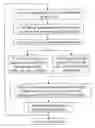
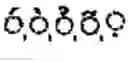
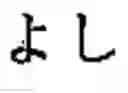
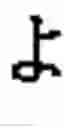

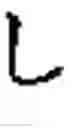


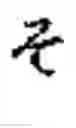











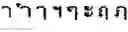
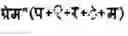




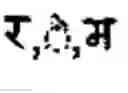








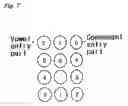


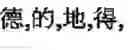
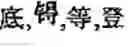


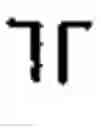


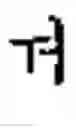


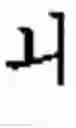



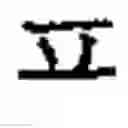





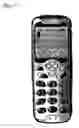





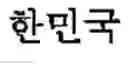


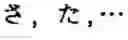




















































































































































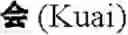


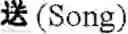

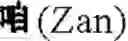

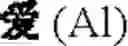











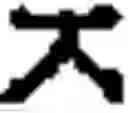




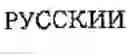




































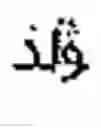




































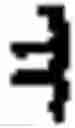








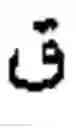






















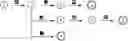







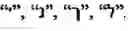

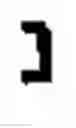


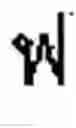

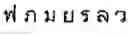









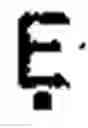

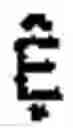























Sources:
- United States Patent and Trademark Office - verify current appl. status at the USPTO↗
Similar patent applications:
Recent applications in this class:
- » 20250284346 2025-09-11
ON-SCREEN VIRTUAL KEYBOARDS WITH SIDE-BY-SIDE KEYBOARD PORTIONS - » 20250068258 2025-02-27
Conversational User Interfaces With Multimodal Inputs and Mind Map Like Interactions - » 20250060835 2025-02-20
An Arrangement and a Method for Providing Text Input in Virtual Reality - » 20240402832 2024-12-05
DETERMINING AND PRESENTING ACCESS KEYS FOR A CURRENT KEYBOARD LAYOUT - » 20240160296 2024-05-16
ELECTRONIC APPARATUS AND METHOD OF CONTROLLING THE SAME - » 20240126380 2024-04-18
DISPLAY DEVICE, DISPLAY METHOD, AND PROGRAM - » 20230418392 2023-12-28
Determining and presenting access keys for a current keyboard layout - » 20230359284 2023-11-09
Keyboard system for a tablet, mountable on the back of the tablet - » 20230305641 2023-09-28
MACHINE LEARNING AND BEHAVIOR BASED AUGMENTED KEY GENERATION - » 20230236673 2023-07-27
Non-standard keyboard input system
Recent applications for this Assignee:
- » 20230237515 2023-07-27
MOBILE CLOUD AND MOBILE CLOUD COMPUTING FOR A USER-CUSTOMIZED SURVEY OR ELECTION SERVICE SYSTEM AND METHOD - » 20220253516 2022-08-11
Device and method for authenticating user and obtaining user signature using user's biometrics - » 20210118012 2021-04-22
User-customizable, user-personalizable and user compensable keyboard providing system and method - » 20200401631 2020-12-24
Mobile cloud and mobile cloud computing for a user-customized survey or election service system and method - » 20200081915 2020-03-12
SYSTEM AND METHOD FOR AUTOMATICALLY COLLECTING OPINIONS - » 20180004858 2018-01-04
SYSTEM AND METHOD FOR AUTOMATICALLY COLLECTING OPINIONS - » 20170364955 2017-12-21
METHOD AND SYSTEM FOR PROVIDING BACKGROUND ADVERTISEMENT OF VIRTUAL KEY INPUT DEVICE - » 20170160897 2017-06-08
Touch terminal and password generation method thereof - » 20160320965 2016-11-03
Creation method for characters/words and the information and communication service method thereby - » 20160110101 2016-04-21
Character input device and character input method with a plurality of keypads