Description
FIELD OF THE INVENTION
The invention relates to yeast compositions that can treat lupus erythematosus and are useful as dietary supplements or medication. These compositions contain yeast cells obtainable by growth in electromagnetic fields with specific frequencies and field strengths.
BACKGROUND OF THE INVENTION
Lupus erythematosus (LE) is an autoimmune disease that causes inflammation and damage to various body tissues and parts, including joints, kidneys, heart, lungs, brain, blood vessels, and skin. The most common symptoms of LE include achy or swollen joints (arthritis), fever, prolonged or extreme fatigue, skin rashes and kidney problems.
There are several forms of LE: discoid lupus erythematosus (DLE), systemic lupus erythematosus (SLE), drug-induced lupus and neonatal lupus. DLE refers to a skin disorder in which a red, raised rash appears on the face, neck or scalp. DLE accounts for approximately 10% of all LE cases. SLE is more severe than DLE and can affect many parts of the body. About 70% of LE cases are SLE. Drug-induced lupus occurs with certain medications. The symptoms of drug-induced lupus, including arthritis, rash, fever and chest pain, usually fade when the medications are discontinued. Neonatal lupus is a rare form of lupus affecting newborn babies of women with SLE or certain other immune system disorders. At birth, these babies have skin rashes, liver abnormalities or low blood counts. These symptoms go away entirely over several months. However, some babies may have serious heart defects as a result of neonatal lupus.
According to the Lupus Foundation of America, approximately 1.4 million Americans have LE. Although LE can affect both males and females at all ages, LE occurs 10 to 15 times more frequently among adult women than adult men. Also, LE is two to three times more common among African Americans, Hispanics, Asians and Native Americans. Although less frequent, LE can be hereditary.
Even though the cause of LE is still unknown, LE is believed to be caused by a combination of genetic, environmental and possibly hormonal factors. LE can be characterized by periods of illness or flares, and periods of wellness or remission. Accordingly, the goals of effective treatment of LE are to prevent flares, minimize organ damage and complications, and maintain normal bodily functions. Commonly prescribed medications for LE include nonsteroidal anti-inflammatory drugs (NSAIDs), acetaminophen, corticosteroids, antimalarials and immunomodulating drugs.
Because of the limited success of currently available medications and their potentially serious side effects, it is important to provide an alternative effective treatment for LE.
SUMMARY OF THE INVENTION
This invention is based on the discovery that certain yeast cells can be activated by electromagnetic fields having specific frequencies and field strengths to produce substances useful in treating lupus erythematosus. Compositions comprising these activated yeast cells can therefore be used as medication, or dietary supplements in the form of health drinks or dietary pills (tablets or powder).
This invention embraces a composition comprising a plurality of yeast cells that have been cultured in an alternating electric field having a frequency in the range of about 9500-18500 MHz (e.g., 9800-10800, 12500-13500 and 17300-18300 MHz) and a field strength in the range of about 220-550 mV/cm (e.g., 250-270, 290-310, 350-380, 370-400, 380-410, 380-420, 410-450, 440-480, 460-500 and 480-520 mV/cm). The yeast cells are cultured for a period of time sufficient to be activated to produce substances useful in treating LE in a subject. In one embodiment, the frequency and/or the field strength of the alternating electric field can be altered within the aforementioned ranges during said period of time. In other words, the yeast cells are exposed to a series of electromagnetic fields. An exemplary period of time is about 10-230 hours.
Also included in this invention is a composition comprising a plurality of yeast cells that have been cultured under acidic conditions in an alternating electric field having a frequency in the range of about 16000-18000 MHz (e.g., 17000-18000 MHz) and a field strength in the range of about 350-470 mV/cm (e.g., 370-400 or 410-450 mV/cm). In one embodiment, the yeast cells are exposed to a series of electromagnetic fields. An exemplary period of time is about 10-90 hours.
Yeast cells that can be included in this composition can be derived from parent strains available from the China General Microbiological Culture Collection Center (“CGMCC”), China Committee for Culture Collection of Microorganisms, Institute of Microbiology, Chinese Academy of Sciences, Haidian, P.O. Box 2714, Beijing, 100080, China. Useful yeast species include, but are not limited to, those commonly used in food and pharmaceutical industries, such as Saccharomyces sp., Schizosaccharomyces pombe, Saccharomyces sake, Saccharomyces uvarum, Saccharomyces rouxii, Saccharomyces cerevisiae, Saccharomyces carlsbergensis and Rhodotorula aurantiaca. For instance, the yeast cells can be derived from the strain Saccharomyces cerevisiae Hansen IFFI1413, Saccharomyces sp. AS2.311, Schizosaccharomyces pombe Lindner AS2.214, Saccharomyces sake Yabe ACCC2045, Saccharomyces uvarum Beijer IFFI1207, Saccharomyces rouxii Boutroux AS2.371, Saccharomyces cerevisiae Hansen Var. ellipsoideus (Hansen) Dekker AS2.611, Saccharomyces carlsbergensis Hansen AS2.265, Rhodotorula rubar (Demme) Lodder AS2.103 or Saccharomyces cerevisiae Hansen AS2.139. Other useful yeast strains are illustrated in Table 1.
This invention further embraces a composition comprising a plurality of yeast cells, wherein said plurality of yeast cells have been activated to treat LE in a subject. Included in this invention are also methods of making these compositions.
Unless otherwise defined, all technical and scientific terms used herein have the same meaning as commonly understood by one of ordinary skill in the art to which this invention belongs. Exemplary methods and materials are described below, although methods and materials similar or equivalent to those described herein can also be used in the practice or testing of the present invention. All publications and other references mentioned herein are incorporated by reference in their entirety. In case of conflict, the present specification, including definitions, will control. The materials, methods, and examples are illustrative only and not intended to be limiting. Throughout this specification and claims, the word “comprise,” or variations such as “comprises” or “comprising” will be understood to imply the inclusion of a stated integer or group of integers but not the exclusion of any other integer or group of integers. A subject includes a human and veterinary subject.
Other features and advantages of the invention will be apparent from the following detailed description, and from the claims.
BRIEF DESCRIPTION OF THE DRAWINGS
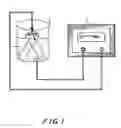
FIG. 1 is a schematic diagram showing an exemplary apparatus for activating yeast cells using electromagnetic fields. 1: yeast culture; 2: container; 3: power supply.
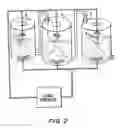
FIG. 2 is a schematic diagram showing an exemplary apparatus for making yeast compositions of the invention. The apparatus comprises a signal generator and interconnected containers A, B and C.
DETAILED DESCRIPTION OF THE INVENTION
This invention is based on the discovery that certain yeast strains can be activated by electromagnetic fields (“EMF”) having specific frequencies and field strengths to become highly efficient in producing substances that prevent flares and minimize LE symptoms in a subject. Compositions containing these activated yeast cells are therefore useful in treating LE. Yeast compositions containing activated yeast cells can be used as medication, or dietary supplements in the form of health drinks or dietary pills (tablets or powder).
Since the activated yeast cells contained in the yeast compositions have been cultured to endure acidic conditions (pH 2.5-4.2), these cells can survive the gastric environment and pass on to the intestines. Once in the intestines, the yeast cells are ruptured by various digestive enzymes, and the anti-LE substances are released and readily absorbed.
I. Yeast Strains Useful in the Invention
The types of yeasts useful in this invention include, but are not limited to, yeasts of the genera Saccharomyces, Schizosaccharomyces, and Rhodotorula.
Exemplary species within the above-listed genera include, but are not limited to, those illustrated in Table 1. Yeast strains useful for this invention can be obtained from laboratory cultures, or from publically accessible culture depositories, such as CGMCC and the American Type Culture Collection, 10801 University Boulevard, Manassas, Va. 20110-2209. Non-limiting examples of useful strains (with accession numbers of CGMCC) are Saccharomyces cerevisiae Hansen IFFI1413, Saccharomyces sp. AS2.311, Schizosaccharomyces pombe Lindner AS2.214, Saccharomyces sake Yabe ACCC2045, Saccharomyces uvarum Beijer IFFI1207, Saccharomyces rouxii Boutroux AS2.371, Saccharomyces cerevisiae Hansen Var. ellipsoideus (Hansen) Dekker AS2.611, Saccharomyces carlsbergensis Hansen AS2.265, Rhodotorula rubar (Demme) Lodder AS2.103 or Saccharomyces cerevisiae Hansen AS2.139. Other useful yeast strains are illustrated in Table 1.
Although it is preferred, the preparation of the yeast compositions of this invention is not limited to starting with a pure strain of yeast. A yeast composition of the invention may be produced by culturing a mixture of yeast cells of different species or strains. The ability of any activated species or strain of yeasts to treat LE can be readily tested by methods known in the art. See, for instance, Example 1.
| TABLE 1 |
|
|
| Exemplary Yeast Strains |
|
| Saccharomyces cerevisiae Hansen |
| ACCC2034 |
ACCC2035 |
ACCC2036 |
ACCC2037 |
ACCC2038 |
| ACCC2039 |
ACCC2040 |
ACCC2041 |
ACCC2042 |
AS2.1 |
| AS2.4 |
AS2.11 |
AS2.14 |
AS2.16 |
AS2.56 |
| AS2.69 |
AS2.70 |
AS2.93 |
AS2.98 |
AS2.101 |
| AS2.109 |
AS2.110 |
AS2.112 |
AS2.139 |
AS2.173 |
| AS2.174 |
AS2.182 |
AS2.196 |
AS2.242 |
AS2.336 |
| AS2.346 |
AS2.369 |
AS2.374 |
AS2.375 |
AS2.379 |
| AS2.380 |
AS2.382 |
AS2.390 |
AS2.393 |
AS2.395 |
| AS2.396 |
AS2.397 |
AS2.398 |
AS2.399 |
AS2.400 |
| AS2.406 |
AS2.408 |
AS2.409 |
AS2.413 |
AS2.414 |
| AS2.415 |
AS2.416 |
AS2.422 |
AS2.423 |
AS2.430 |
| AS2.431 |
AS2.432 |
AS2.451 |
AS2.452 |
AS2.453 |
| AS2.458 |
AS2.460 |
AS2.463 |
AS2.467 |
AS2.486 |
| AS2.501 |
AS2.502 |
AS2.503 |
AS2.504 |
AS2.516 |
| AS2.535 |
AS2.536 |
AS2.558 |
AS2.560 |
AS2.561 |
| AS2.562 |
AS2.576 |
AS2.593 |
AS2.594 |
AS2.614 |
| AS2.620 |
AS2.628 |
AS2.631 |
AS2.666 |
AS2.982 |
| AS2.1190 |
AS2.1364 |
AS2.1396 |
IFFI1001 |
IFFI1002 |
| IFFI1005 |
IFFI1006 |
IFFI1008 |
IFFI1009 |
IFFI1010 |
| IFFI1012 |
IFFI1021 |
IFFI1027 |
IFFI1037 |
IFFI1042 |
| IFFI1043 |
IFFI1045 |
IFFI1048 |
IFFI1049 |
IFFI1050 |
| IFFI1052 |
IFFI1059 |
IFFI1060 |
IFFI1062 |
IFFI1063 |
| IFFI1202 |
IFFI1203 |
IFFI1206 |
IFFI1209 |
IFFI1210 |
| IFFI1211 |
IFFI1212 |
IFFI1213 |
IFFI1214 |
IFFI1215 |
| IFFI1220 |
IFFI1221 |
IFFI1224 |
IFFI1247 |
IFFI1248 |
| IFFI1251 |
IFFI1270 |
IFFI1277 |
IFFI1287 |
IFFI1289 |
| IFFI1290 |
IFFI1291 |
IFFI1292 |
IFFI1293 |
IFFI1297 |
| IFFI1300 |
IFFI1301 |
IFFI1302 |
IFFI1307 |
IFFI1308 |
| IFFI1309 |
IFFI1310 |
IFFI1311 |
IFFI1331 |
IFFI1335 |
| IFFI1336 |
IFFI1337 |
IFFI1338 |
IFFI1339 |
IFFI1340 |
| IFFI1345 |
IFFI1348 |
IFFI1396 |
IFFI1397 |
IFFI1399 |
| IFFI1411 |
IFFI1413 |
IFFI1441 |
IFFI1443 |
| Saccharomyces cerevisiae Hansen Var. ellipsoideus (Hansen) Dekker |
| ACCC2043 |
AS2.2 |
AS2.3 |
AS2.8 |
AS2.53 |
| AS2.163 |
AS2.168 |
AS2.483 |
AS2.541 |
AS2.559 |
| AS2.606 |
AS2.607 |
AS2.611 |
AS2.612 |
| Saccharomyces chevalieri Guilliermond |
| Saccharomyces delbrueckii |
| Saccharomyces delbrueckii Lindner ver. mongolicus (Saito) |
| Lodder et van Rij |
| Saccharomyces exiguous Hansen |
| Saccharomyces fermentati (Saito) Lodder et van Rij |
| Saccharomyces logos van laer et Denamur ex Jorgensen |
| Saccharomyces mellis (Fabian et Quinet) Lodder et kreger van Rij |
| Saccharomyces mellis Microellipsoides Osterwalder |
| Saccharomyces oviformis Osteralder |
| Saccharomyces rosei (Guilliermond) Lodder et Kreger van Rij |
| Saccharomyces rouxii Boutroux |
| AS2.178 |
AS2.180 |
AS2.370 |
AS2.371 |
| Candida lambica (Lindner et Genoud) van. Uden et Buckley |
| Candida krusei (Castellani) Berkhout |
| Candida lipolytica (Harrison) Diddens et Lodder |
| AS2.1207 |
AS2.1216 |
AS2.1220 |
AS2.1379 |
AS2.1398 |
| AS2.1399 |
AS2.1400 |
| Candida parapsilosis (Ashford) Langeron et Talice Var. intermedia |
| Van Rij et Verona |
| Candida parapsilosis (Ashford) Langeron et Talice |
| Candida pulcherrima (Lindner) Windisch |
| Candida rugousa (Anderson) Diddens et Lodder |
| AS2.511 |
AS2.1367 |
AS2.1369 |
AS2.1372 |
AS2.1373 |
| AS2.1377 |
AS2.1378 |
AS2.1384 |
| Candida tropicalis (Castellani) Berkhout |
| ACCC2004 |
ACCC2005 |
ACCC2006 |
AS2.164 |
AS2.402 |
| AS2.564 |
AS2.565 |
AS2.567 |
AS2.568 |
AS2.617 |
| AS2.637 |
AS2.1387 |
AS2.1397 |
| Candida utilis Henneberg Lodder et Kreger Van Rij |
| Crebrothecium ashbyii (Guillermond) |
| Routein (Eremothecium ashbyii Guilliermond) |
| ACCC2016 |
AS2.361 |
AS2.498 |
AS2.616 |
AS2.1035 |
| AS2.1062 |
AS2.1080 |
AS2.1132 |
AS2.1175 |
AS2.1183 |
| Hansenula anomala (Hansen)H et P sydow |
| ACCC2018 |
AS2.294 |
AS2.295 |
AS2.296 |
AS2.297 |
| AS2.298 |
AS2.299 |
AS2.300 |
AS2.302 |
AS2.338 |
| AS2.339 |
AS2.340 |
AS2.341 |
AS2.470 |
AS2.592 |
| AS2.641 |
AS2.642 |
AS2.782 |
AS2.635 |
AS2.794 |
| Hansenula arabitolgens Fang |
| Hansenula jadinii (A. et R Sartory Weill et Meyer) Wickerham |
| Hansenula saturnus (Klocker) H et P sydow |
| Hansenula schneggii (Weber) Dekker |
| Hansenula subpelliculosa Bedford |
| AS2.740 |
AS2.760 |
AS2.761 |
AS2.770 |
AS2.783 |
| AS2.790 |
AS2.798 |
AS2.866 |
| Kloeckera apiculata (Reess emend. Klocker) Janke |
| ACCC2022 |
ACCC2023 |
AS2.197 |
AS2.496 |
AS2.714 |
| ACCC2021 |
AS2.711 |
| Lipomycess starkeyi Lodder et van Rij |
| Pichia farinosa (Lindner) Hansen |
| ACCC2025 |
ACCC2026 |
AS2.86 |
AS2.87 |
AS2.705 |
| AS2.803 |
| Pichia membranaefaciens Hansen |
| ACCC2027 |
AS2.89 |
AS2.661 |
AS2.1039 |
| Rhodosporidium toruloides Banno |
| Rhodotorula glutinis (Fresenius) Harrison |
| AS2.2029 |
AS2.280 |
ACCC2030 |
AS2.102 |
AS2.107 |
| AS2.278 |
AS2.499 |
AS2.694 |
AS2.703 |
AS2.704 |
| AS2.1146 |
| Rhodotorula minuta (Saito) Harrison |
| Rhodotorula rubar (Demme) Lodder |
| AS2.21 |
AS2.22 |
AS2.103 |
AS2.105 |
AS2.108 |
| AS2.140 |
AS2.166 |
AS2.167 |
AS2.272 |
AS2.279 |
| AS2.282 |
ACCC2031 |
| Rhodotorula aurantiaca (Saito) Lodder |
| AS2.102 |
AS2.107 |
AS2.278 |
AS2.499 |
AS2.694 |
| AS2.703 |
AS2.1146 |
| Saccharomyces carlsbergensis Hansen |
| AS2.113 |
ACCC2032 |
ACCC2033 |
AS2.312 |
AS2.116 |
| AS2.118 |
AS2.121 |
AS2.132 |
AS2.162 |
AS2.189 |
| AS2.200 |
AS2.216 |
AS2.265 |
AS2.377 |
AS2.417 |
| AS2.420 |
AS2.440 |
AS2.441 |
AS2.443 |
AS2.444 |
| AS2.459 |
AS2.595 |
AS2.605 |
AS2.638 |
AS2.742 |
| AS2.745 |
AS2.748 |
AS2.1042 |
| Saccharomyces uvarum Beijer |
| IFFI1023 |
IFFI1032 |
IFFI1036 |
IFFI1044 |
IFFI1072 |
| IFFI1205 |
IFFI1207 |
| Saccharomyces willianus Saccardo |
| AS2.5 |
AS2.7 |
AS2.119 |
AS2.152 |
AS2.293 |
| AS2.381 |
AS2.392 |
AS2.434 |
AS2.614 |
AS2.1189 |
| Saccharomycodes ludwigii Hansen |
| Saccharomycodes sinenses Yue |
| Schizosaccharomyces octosporus Beijerinck |
| Schizosaccharomyces pombe Lindner |
| ACCC2047 |
ACCC2048 |
AS2.214 |
AS2.248 |
AS2.249 |
| AS2.255 |
AS2.257 |
AS2.259 |
AS2.260 |
AS2.274 |
| AS2.994 |
AS2.1043 |
AS2.1149 |
AS2.1178 |
IFFI1056 |
| Sporobolomyces roseus Kluyver et van Niel |
| ACCC2049 |
ACCC2050 |
AS2.19 |
AS2.962 |
AS2.1036 |
| ACCC2051 |
AS2.261 |
AS2.262 |
| Torulopsis candida (Saito) Lodder |
| Torulopsis famta (Harrison) Lodder et van Rij |
| Torulopsis globosa (Olson et Hammer) Lodder et van Rij |
| Torulopsis inconspicua Lodder et Kreger van Rij |
| Trichosporon behrendii Lodder et Kreger van Rij |
| Trichosporon capitatum Diddens et Lodder |
| Trichosporon cutaneum (de Beurm et al.) Ota |
| ACCC2057 |
AS2.25 |
AS2.570 |
AS2.571 |
AS2.1374 |
| Wickerhamia fluorescens (Soneda) Soneda |
II. Application of Electromagnetic Fields
An electromagnetic field useful in this invention can be generated and applied by various means well known in the art. For instance, the EMF can be generated by applying an alternating electric field or an oscillating magnetic field.
Alternating electric fields can be applied to cell cultures through electrodes in direct contact with the culture medium, or through electromagnetic induction. See, e.g., FIG. 1. Relatively high electric fields in the medium can be generated using a method in which the electrodes are in contact with the medium. Care must be taken to prevent electrolysis at the electrodes from introducing undesired ions into the culture and to prevent contact resistance, bubbles, or other features of electrolysis from dropping the field level below that intended. Electrodes should be matched to their environment, for example, using Ag—AgCl electrodes in solutions rich in chloride ions, and run at as low a voltage as possible. For general review, see Goodman et al., Effects of EMF on Molecules and Cells, International Review of Cytology, A Survey of Cell Biology, Vol. 158, Academic Press, 1995.
The EMFs useful in this invention can also be generated by applying an oscillating magnetic field. An oscillating magnetic field can be generated by oscillating electric currents going through Helmholtz coils. Such a magnetic field in turn induces an electric field.
The frequencies of EMFs useful in this invention range from about 9500-18500 MHz (e.g., 9800-10800, 12500-13500 and 17300-18300 MHz). Exemplary frequencies are 10345, 10369, 13053, 17826 and 17838 MHz. The field strength of the electric field useful in this invention ranges from about 220-550 mV/cm (e.g., 250-270, 290-310, 350-380, 370-400, 380-410, 380-420, 410-450, 440-480, 460-500 and 480-520 mV/cm). Exemplary field strengths are 259, 294, 363, 364, 374, 382, 387, 396, 406, 424, 453, 472 and 507 mV/cm.
When a series of EMFs are applied to a yeast culture, the yeast culture can remain in the same container while the same set of EMF generator and emitters is used to change the frequency and/or field strength. The EMFs in the series can each have a different frequency or a different field strength; or a different frequency and a different field strength. Such frequencies and field strengths are preferably within the above-described ranges. Although any practical number of EMFs can be used in a series, it may be preferred that the yeast culture be exposed to a total of, for example, 2, 3, 4, 5, 6, 7, 8, 9, 10, 11, 12, 13 or more EMFs in a series. In one embodiment, the yeast culture is exposed to a series of EMFs, wherein the frequency of the electric field is alternated in the range of 9800-10800, 12500-13500 and 17300-18300 MHz.
Although the yeast cells can be activated after even a few hours of culturing in the presence of an EMF, it may be preferred that the activated yeast cells be allowed to multiply and grow in the presence of the EMF(s) for a total of about 120-364 hours.
FIG. 1 illustrates an exemplary apparatus for generating alternating electric fields. An electric field of a desired frequency and intensity is generated by an AC source (3) capable of generating an alternating electric field, preferably in a sinusoidal wave form, in the frequency range of 10 to 20,000 MHz. Signal generators capable of generating signals with a narrower frequency range can also be used. If desirable, a signal amplifier can also be used to increase the output. The activation container (2) can be made from non-conductive material, e.g., plastics, glass or ceramic. The wire connecting the activation container (2) and the signal generator (3) is preferably a high frequency coaxial cable with a transmission frequency of at least 30 GHz.
The alternating electric field can be applied to the culture by a variety of means, including placing the yeast culture (1) in close proximity to the signal emitters such as a metal wire or tube capable of transmitting EMFs. The metal wire or tube can be made of red copper, and be placed inside the container (2), reaching as deep as 3-30 cm. For example, if the fluid in the container (2) has a depth of 15-20 cm, 20-30 cm, 30-50 cm, 50-70 cm, 70-100 cm, 100-150 cm or 150-200 cm, the metal wire can be 3-5 cm, 5-7 cm, 7-10 cm, 10-15 cm, 15-20 cm, 20-30 cm and 25-30 cm from the bottom of the container (2), respectively. The number of electrode wires used depends on the volume of the culture as well as the diameter of the wires. The number of metal wires/tubes used can be from 1 to 10 (e.g., 2 to 3). It is recommended, though not mandated, that for a culture having a volume up to 10 L, metal wires/tubes having a diameter of 0.5 to 2.0 mm be used. For a culture having a volume between 10 L and 100 L, metal wires/tubes having a diameter of 3.0 to 5.0 mm can be used. For a culture having a volume in the range of 100-1000 L, metal wires/tubes having a diameter of 6.0 to 15.0 mm can be used. For a culture having a volume greater than 1000 L, metal wires/tubes having a diameter of 20.0 to 25.0 mm can be used.
In one embodiment, the electric field is applied by electrodes submerged in the culture (1). In this embodiment, one of the electrodes can be a metal plate placed on the bottom of the container (2), and the other electrode can comprise a plurality of electrode wires evenly distributed in the culture (1) so as to achieve even distribution of the electric field energy. The number of electrode wires used depends on the volume of the culture as well as the diameter of the wires.
III. Culture Media
Culture media useful in this invention contain sources of nutrients assimilable by yeast cells. Complex carbon-containing substances in a suitable form, such as carbohydrates (e.g., sucrose, glucose, fructose, dextrose, maltose, xylose, cellulose, starches, etc.), can be the carbon sources for yeast cells. The exact quantity of the carbon sources utilized in the medium can be adjusted in accordance with the other ingredients of the medium. In general, the amount of carbohydrates varies between about 0.1% and 10% by weight of the medium and preferably between about 0.1% and 5% (e.g., about 2%). These carbon sources can be used individually or in combination. Amino acid-containing substances in suitable form (e.g., beef extract and peptone) can also be added individually or in combination. In general, the amount of amino acid containing substances varies between about 0.1% and 0.5% by weight of the medium and preferably between about 0.1% and 0.3% (e.g., about 0.25%). Among the inorganic salts which can be added to the culture medium are the customary salts capable of yielding sodium, potassium, calcium, phosphate, sulfate, carbonate, and like ions. Non-limiting examples of nutrient inorganic salts are (NH4)2HPO4, KH2PO4, K2HPO4, CaCO3, MgSO4, NaCl, and CaSO4.
IV. Electromagnetic Activation of Yeast Cells
To activate or enhance the ability of yeast cells to produce substances beneficial for the treatment of LE, these cells can be activated by being cultured in an appropriate medium under sterile conditions at 20-38° C., preferably at 28-32° C. (e.g., 30° C.) for a sufficient amount of time, e.g., 120-364 hours, in an alternating electric field or a series of alternating electric fields as described above.
An exemplary culture medium is made by mixing 900 ml of distilled water with 18 g of mannitol, 50 μg of vitamin D, 50 μg of vitamin B12, 50 μg of vitamin B3, 100 μg of vitamin H, 100 ml fetal bovine serum, 0.20 g of KH2PO4, 0.25 g of MgSO4.7H2O, 0.3 g of NaCl, 0.2 g of CaSO4.2H2O, 4.0 g of CaCO3.5H2O, and 2.5 g of peptone.
An exemplary set-up of the culturing process is depicted in FIG. 1. Untreated yeast cells are added to a culture medium at 1×10⁸ cells per 1000 ml of the culture medium. The yeast cells may be Saccharomyces cerevisiae Hansen IFFI1413, or may be selected from any of the strains listed in Table 1. An exemplary activation process of the yeast cells involves the following sequence: the yeast cells are grown in the culture medium for 23-33 hours (e.g., 28 hours) at 28-32° C. and then exposed to (1) an alternating electric field having a frequency of 10345 MHz and a field strength in the range of 290-310 mV/cm (e.g., 294 mV/cm) for 11-21 hours (e.g., 16 hours); (2) then to an alternating electric field having a frequency of 10369 MHz and a field strength in the range of 350-380 mV/cm (e.g., 363 mV/cm) for 37-47 hours (e.g., 42 hours); (3) then to an alternating electric field having a frequency of 13053 MHz and a field strength in the range of 370-400 mV/cm (e.g., 387 mV/cm) for 43-53 hours (e.g., 48 hours); (4) then to an alternating electric field having a frequency of 17826 MHz and a field strength in the range of 380-420 mV/cm (e.g., 406 mV/cm) for 37-47 hours (e.g., 42 hours); and (5) finally to an alternating electric field having a frequency of 17838 MHz and a field strength in the range of 250-270 mV/cm (e.g., 259 mV/cm) for 11-21 hours (e.g., 16 hours). The activated yeast cells are then recovered from the culture medium by various methods known in the art, dried (e.g., by lyophilization) and stored at about 4° C. in powder form. The resultant yeast powder preferably contains no less than 1010 cells/g activated yeast.
Subsequently, the activated yeast cells can be evaluated for their ability to treat LE using standard methods known in the art, such as those described in Section VII.
V. Acclimatization of Yeast Cells to the Gastric Environment
Because the activated yeast cells of this invention must pass through the stomach before reaching the small intestine, where the effective components are released from these yeast cells, it is preferred that these yeasts be cultured under acidic conditions so as to acclimatize the cells to the gastric juice. This acclimatization process results in better viability of the yeast cells in the acidic gastric environment.
To achieve this, the yeast powder containing activated yeast cells can be mixed with a highly acidic acclimatizing culture medium at 10 g (containing more than 1010 activated cells per gram) per 1000 ml. The yeast mixture can then be cultured first in the presence of an alternating electric field having a frequency of 17826 MHz and a field strength in the range of 410-450 mV/cm (e.g., 424 mV/cm) at about 28 to 32° C. for 44-52 hours (e.g., 48 hours). The resultant yeast cells can then be further incubated in the presence of an alternating electric field having a frequency of 17838 MHz and a field strength in the range of 370-400 mV/cm (e.g., 374 mV/cm) at about 28 to 32° C. for 16-28 hours (e.g., 20 hours). The resulting acclimatized yeast cells are then recovered from the culture medium by various methods known in the art and are dried and stored either in powder form (≧1010 cells/g) at room temperature or in vacuum at 0-4° C.
An exemplary acclimatizing culture medium is made by mixing 700 ml fresh pig gastric juice and 300 ml wild Chinese hawthorn extract. The pH of acclimatizing culture medium is adjusted to 2.5 with 0.1 M hydrochloric acid (HCl) and 0.2 M potassium hydrogen phthalate (C6H4(COOK)COOH). The fresh pig gastric juice is prepared as follows. At about 4 months of age, newborn Holland white pigs are sacrificed, and the entire contents of their stomachs are retrieved and mixed with 2000 ml of water under sterile conditions. The mixture is then allowed to stand for 6 hours at 4° C. under sterile conditions to precipitate food debris. The supernatant is collected for use in the acclimatizing culture medium. To prepare the wild Chinese hawthorn extract, 500 g of fresh wild Chinese hawthorn is dried under sterile conditions to reduce water content (≦8%). The dried fruit is then ground (≧20 mesh) and added to 1500 ml of sterilized water. The hawthorn slurry is allowed to stand for 6 hours at 4° C. under sterile conditions. The hawthorn supernatant is collected to be used in the acclimatizing culture medium.
VI. Manufacture of Yeast Compositions
To prepare the yeast compositions of the invention, an apparatus depicted in FIG. 2 or an equivalent thereof can be used. This apparatus includes three containers, a first container (A), a second container (B), and a third container (C), each equipped with a pair of electrodes (4). One of the electrodes is a metal plate placed on the bottom of the containers, and the other electrode comprises a plurality of electrode wires evenly distributed in the space within the container to achieve even distribution of the electric field energy. All three pairs of electrodes are connected to a common signal generator.
The culture medium used for this purpose is a mixed fruit extract solution containing the following ingredients per 1000 L: 300 L of wild Chinese hawthorn extract, 300 L of jujube extract, 300 L of Schisandra chinensis (Turez) Baill seeds extract, and 100 L of soy bean extract. To prepare hawthorn, jujube and Schisandra chinensis (Turez) Baill seeds extracts, the fresh fruits are washed and dried under sterile conditions to reduce the water content to no higher than 8%. One hundred kilograms of the dried fruits are then ground (≧20 mesh) and added to 400 L of sterilized water. The mixtures are stirred under sterile conditions at room temperature for twelve hours, and then centrifuged at 1000 rpm to remove insoluble residues. To make the soy bean extract, fresh soy beans are washed and dried under sterile conditions to reduce the water content to no higher than 8%. Thirty kilograms of dried soy beans are then ground into particles of no smaller than 20 mesh, and added to 130 L of sterilized water. The mixture is stirred under sterile conditions at room temperature for twelve hours and centrifuged at 1000 rpm to remove insoluble residues. Once the mixed fruit extract solution is prepared, it is autoclaved at 121° C. for 30 minutes and cooled to below 40° C. before use.
One thousand grams of the activated yeast powder prepared as described above (Section V, supra) is added to 1000 L of the mixed fruit extract solution, and the yeast solution is transferred to the first container (A) shown in FIG. 2. The yeast cells are then cultured in the presence of an alternating electric field having a frequency of 17826 MHz and a field strength of about 440-480 mV/cm (e.g., 453 mV/cm) at 28-32° C. under sterile conditions for 48 hours. The yeast cells are further incubated in an alternating electric field having a frequency of 17838 MHz and a field strength of 350-380 mV/cm (e.g., 364 mV/cm). The culturing continues for another 12 hours.
The yeast culture is then transferred from the first container (A) to the second container (B) (if need be, a new batch of yeast culture can be started in the now available the first container (A)), and subjected to an alternating electric field having a frequency of 17826 MHz and a field strength of 460-500 mV/cm (e.g., 472 mV/cm) for 24 hours. Subsequently, the frequency and field strength of the electric field are changed to 17838 MHz and 380-410 mV/cm (e.g., 382 mV/cm), respectively. The culturing process continues for another 12 hours.
The yeast culture is then transferred from the second container (B) to the third container (C), and subjected to an alternating electric field having a frequency of 17826 MHz and a field strength of 480-520 mV/cm (e.g., 507 mV/cm) for 24 hours. Subsequently the frequency and field strength of the electric field are changed to 17838 MHz and 380-420 mV/cm (e.g., 396 mV/cm), respectively. The culturing continues for another 12 hours.
The yeast culture from the third container (C) can then be packaged into vacuum sealed bottles (30-50 ml/bottle or 100 ml/bottle) for use as medication or dietary supplement. The compositions may conveniently be formulated as health drinks. If desired, the final yeast culture can also be dried within 24 hours and stored in powder form. The dietary supplement can be taken by adults three to four times daily at a bottle per dose for a period of three to six months, preferably 10-30 minutes before meals and at bedtime. For children, the dose should be reduced to half of the dose for adults.
In some embodiments, the compositions of the invention can also be administered intravenously or peritoneally in the form of a sterile injectable preparation. Such a sterile preparation can be prepared as follows. A sterilized health drink composition is first treated under ultrasound (≧18000 Hz) for 10 minutes and then centrifuged at 4355 rpm for another 10 minutes. The resulting supernatant is adjusted to pH 7.2-7.4 using 1 M NaOH and subsequently filtered through a membrane (0.22 μm for intravenous injection and 0.45 μm for peritoneal injection) under sterile conditions. The resulting sterile preparation is submerged in a 35-38° C. water bath for 30 minutes before use. In other embodiments, the compositions of the invention may also be formulated with pharmaceutically acceptable carriers to be orally administered in any orally acceptable dosage form including, but not limited to, capsules, tablets, suspensions or solutions.
The yeast compositions of the present invention are derived from yeasts used in food and pharmaceutical industries. The yeast compositions are thus devoid of side effects associated with many pharmaceutical compounds.
VII. EXAMPLE
In order that this invention be more fully understood, the following example is set forth. This example is for the purpose of illustration only and is not to be construed as limiting the scope of the invention in any way.
The activated yeast composition used in the following example was prepared as described above, using Saccharomyces cerevisiae Hansen IFFI1413, cultured in the presence of an alternating electric field having the electric field frequency and field strength exemplified in the parentheses following the recommended ranges listed in Section IV, supra. Control (i.e., untreated) yeast composition was prepared in the same manner except that the yeast cells were cultured in the absence of EMFs. All compositions of interest were administered to patients orally.
Ninety-nine patients with LE for five to eight years between 12 and 25 years old participated in the clinical study of the effects of the activated yeast composition on LE. A majority of the patients had DLE.
The criterion for selecting patients for the clinical study was one of the following: (1) positive test result for LE cells, (2) positive test result for anti-nDNA antibody, (3) positive test result for anti-Sm antibody, (4) urine protein≧0.5 g/d, (5) leukocyte count<4.0×10⁹/L, (6) platelet count<100×109/L, (7) butterfly-shaped rash across the cheek and nose, and (8) non-rheumatoid arthritis.
All patients were randomly divided into three groups, AY, NY and CK, with thirty-three patients per group. Patients in the AY group were given a bottle of the activated yeast composition three times a day at a bottle (30 ml) per dose for six months. Patients in the NY group were given the control yeast composition three times a day at half a bottle per dose for six months or at a bottle per dose if those between the ages of 13 and 18. Patients in the CK group were treated with conventional LE medications, such as Lincomycin, cyclophosphamide, prednisone, cyclosporine A and IgG in conjunction with conventional fever reducing, blood pressure lowering, or diuretic medications.
At the end of the six-month period, blood samples were collected from patients in all three groups and analyzed using standard tests known in the art. The results of the analysis are summarized in Table 2.
| TABLE 2 |
|
|
| Group |
CK |
NY |
AY |
|
| LE Cells: Positive |
33 (100%) |
33 (100%) |
2 (6.1%) |
| LE Cells: Negative |
0 |
0 |
31 (93.9%) |
| Butterfly-Shaped Rash: |
33 (100%) |
33 (100%) |
0 |
| Remained |
| Butterfly-Shaped Rash: |
0 |
0 |
33 |
| Disappeared |
| Urinary Protein: ≧0.5 g/d |
27 (81.8%) |
33 (100%) |
0 |
| Urinary Protein: <0.5 g/d & |
6 (18.2%) |
0 |
2 (6.1%) |
| Abnormal |
| Urinary Protein: Normal |
0 |
0 |
31 (93.9%) |
| Leukocyte Count: <4.0 × 10⁹/L |
31 (93.9%) |
33 (100%) |
0 |
| Leukocyte Count: |
2 (6.1%) |
0 |
2 (6.1%) |
| >4.0 × 10⁹/L & Abnormal |
| Leukocyte Count: Normal |
0 |
0 |
31 (93.9%) |
| Lymphocyte Count: |
24 (72.7%) |
33 (100%) |
0 |
| <1.5 × 10⁹/L |
| Lymphocyte Count: |
7 (21.2%) |
0 |
3 (9.1%) |
| >1.5 × 10⁹/L & Abnormal |
| Lymphocyte Count: Normal |
0 |
0 |
30 (90.9%) |
| Platelet Count: <100 × 109/L |
29 (87.9%) |
33 (100%) |
0 |
| Platelet Count: >100 × 109/L & |
4 (12.1%) |
0 |
5 (15.2%) |
| Abnormal |
| Platelet Count: Normal |
0 |
0 |
28 (84.8%) |
| Anti-Sm Antibodies: Positive |
31 (93.9%) |
33 (100%) |
0 |
| Anti-Sm Antibodies: Negative |
2 (6.1%) |
0 |
33 (100%) |
| Anti-nDNA Antibodies: Positive |
28 (84.9%) |
33 (100%) |
2 (6.1%) |
| Anti-nDNA Antibodies: |
5 (15.1%) |
0 |
31 (93.9%) |
| Negative |
| Non-Rheumatoid Arthritis: |
22 (66.7%) |
33 (100%) |
0 |
| Remained |
| Non-Rheumatoid Arthritis: |
11 (33.3%) |
0 |
33 (100%) |
| Disappeared |
|
The above results show that the activated yeast composition was more effective in minimizing and/or eliminating various symptoms in LE patients and normalizing urinary protein levels and/or leukocyte, lymphocyte, and/or platelet counts than both the control yeast composition and the conventional medications.