Urea derivatives
US20050154230A1
2005-07-14
10/499,785
2002-12-13
Abstract:
This invention relates to urea derivatives and salts thereof which is useful as an active ingredient of pharmaceutical preparations. The urea derivatives of the present invention has an excellent activity as VR1 antagonist and useful for the prophylaxis and treatment of diseases associated with VR1 activity, in particular for the treatment of urge urinary incontinence, overactive bladder, chronic pain, neuropathic pain, postoperative pain, rheumatoid arthritic pain, neuralgia, neuropathies, algesia, nerve injury, ischaemia, neurodegeneration, stroke, incontinence and/or inflammatory disorders.
Inventors:
- Klaus Urbahns 23 🇸🇪 Lund, Sweden
- Masahiro Shiroo 8 🇬🇧 Cambridge, United Kingdom
- Masaomi Tajimi 3 🇯🇵 Chita-shi, Japan
- Yuka Ikegami 2 🇯🇵 Kyoto-shi, Japan
- Takeshi Yura 1 🇯🇵 Handa-shi, Japan
- Muneto Mogi 1 🇯🇵 Nara-shi, Japan
- Tsutomu Masuda 1 🇯🇵 Handa-shi, Japan
- Toshio Kokubo 1 🇯🇵 Nara-shi, Japan
- Nagahiro Yoshida 1 🇯🇵 Soraku-gun, Japan
- Makiko Marumo 1 🇯🇵 Nara-shi, Japan
- Keisuke Takeshita 1 🇯🇵 Takamatsu-shi, Japan
- Toshiya Moriwaki 1 🇯🇵 Ikoma-shi, Japan
- Yasuhiro Tsukimi 2 🇯🇵 Amagasaki-shi, Japan
Assignee:
- BAYER HEALTHCARE AG 257 🇩🇪 Leverkusen, Germany
Interested in similar patents?
Get notified when new applications in this technology area are published.
Classification:
C07D333/36 » CPC main
Heterocyclic compounds containing five-membered rings having one sulfur atom as the only ring hetero atom not condensed with other rings not substituted on the ring sulphur atom with hetero atoms or with carbon atoms having three bonds to hetero atoms with at the most one bond to halogen, e.g. ester or nitrile radicals, directly attached to ring carbon atoms; Hetero atoms other than halogen Nitrogen atoms
A61P9/10 » CPC further
Drugs for disorders of the cardiovascular system for treating ischaemic or atherosclerotic diseases, e.g. antianginal drugs, coronary vasodilators, drugs for myocardial infarction, retinopathy, cerebrovascula insufficiency, renal arteriosclerosis
A61P13/10 » CPC further
Drugs for disorders of the urinary system of the bladder
A61P25/00 » CPC further
Drugs for disorders of the nervous system
A61P25/04 » CPC further
Drugs for disorders of the nervous system Centrally acting analgesics, e.g. opioids
A61P25/28 » CPC further
Drugs for disorders of the nervous system for treating neurodegenerative disorders of the central nervous system, e.g. nootropic agents, cognition enhancers, drugs for treating Alzheimer's disease or other forms of dementia
A61P29/02 » CPC further
without antiinflammatory effect
A61P43/00 » CPC further
Drugs for specific purposes, not provided for in groups -
C07C275/24 » CPC further
Derivatives of urea, i.e. compounds containing any of the groups , the nitrogen atoms not being part of nitro or nitroso groups having nitrogen atoms of urea groups bound to acyclic carbon atoms of an unsaturated carbon skeleton containing six-membered aromatic rings
C07C275/28 » CPC further
Derivatives of urea, i.e. compounds containing any of the groups , the nitrogen atoms not being part of nitro or nitroso groups having nitrogen atoms of urea groups bound to carbon atoms of six-membered aromatic rings of a carbon skeleton
C07C275/30 » CPC further
Derivatives of urea, i.e. compounds containing any of the groups , the nitrogen atoms not being part of nitro or nitroso groups having nitrogen atoms of urea groups bound to carbon atoms of six-membered aromatic rings of a carbon skeleton being further substituted by halogen atoms, or by nitro or nitroso groups
C07C275/32 » CPC further
Derivatives of urea, i.e. compounds containing any of the groups , the nitrogen atoms not being part of nitro or nitroso groups having nitrogen atoms of urea groups bound to carbon atoms of six-membered aromatic rings of a carbon skeleton being further substituted by singly-bound oxygen atoms
C07C275/40 » CPC further
Derivatives of urea, i.e. compounds containing any of the groups , the nitrogen atoms not being part of nitro or nitroso groups having nitrogen atoms of urea groups bound to carbon atoms of six-membered aromatic rings of a carbon skeleton being further substituted by nitrogen atoms not being part of nitro or nitroso groups
C07C275/42 » CPC further
Derivatives of urea, i.e. compounds containing any of the groups , the nitrogen atoms not being part of nitro or nitroso groups having nitrogen atoms of urea groups bound to carbon atoms of six-membered aromatic rings of a carbon skeleton being further substituted by carboxyl groups
C07C323/43 » CPC further
Thiols, sulfides, hydropolysulfides or polysulfides substituted by halogen, oxygen or nitrogen atoms, or by sulfur atoms not being part of thio groups containing thio groups and nitrogen atoms, not being part of nitro or nitroso groups, bound to the same carbon skeleton at least one of the nitrogen atoms being part of any of the groups , X being a hetero atom, Y being any atom Y being a hetero atom
C07D209/88 » CPC further
Heterocyclic compounds containing five-membered rings, condensed with other rings, with one nitrogen atom as the only ring hetero atom; Ring systems containing three or more rings [b, c]- or [b, d]-condensed; Carbazoles; Hydrogenated carbazoles with hetero atoms or with carbon atoms having three bonds to hetero atoms with at the most one bond to halogen, e.g. ester or nitrile radicals, directly attached to carbon atoms of the ring system
C07D213/40 » CPC further
Heterocyclic compounds containing six-membered rings, not condensed with other rings, with one nitrogen atom as the only ring hetero atom and three or more double bonds between ring members or between ring members and non-ring members having three double bonds between ring members or between ring members and non-ring members having no bond between the ring nitrogen atom and a non-ring member or having only hydrogen or carbon atoms directly attached to the ring nitrogen atom with substituted hydrocarbon radicals attached to ring carbon atoms; Radicals substituted by singly-bound nitrogen atoms Acylated substituent nitrogen atom
C07D213/75 » CPC further
Heterocyclic compounds containing six-membered rings, not condensed with other rings, with one nitrogen atom as the only ring hetero atom and three or more double bonds between ring members or between ring members and non-ring members having three double bonds between ring members or between ring members and non-ring members having no bond between the ring nitrogen atom and a non-ring member or having only hydrogen or carbon atoms directly attached to the ring nitrogen atom with hetero atoms or with carbon atoms having three bonds to hetero atoms with at the most one bond to halogen, e.g. ester or nitrile radicals, directly attached to ring carbon atoms; Nitrogen atoms Amino or imino radicals, acylated by carboxylic or carbonic acids, or by sulfur or nitrogen analogues thereof, e.g. carbamates
C07D217/06 » CPC further
Heterocyclic compounds containing isoquinoline or hydrogenated isoquinoline ring systems with only hydrogen atoms or radicals containing only carbon and hydrogen atoms, directly attached to carbon atoms of the nitrogen-containing ring; Alkylene-bis-isoquinolines with the ring nitrogen atom acylated by carboxylic or carbonic acids, or with sulfur or nitrogen analogues thereof, e.g. carbamates
C07D231/56 » CPC further
Heterocyclic compounds containing 1,2-diazole or hydrogenated 1,2-diazole rings condensed with carbocyclic rings or ring systems Benzopyrazoles; Hydrogenated benzopyrazoles
C07D295/135 » CPC further
Heterocyclic compounds containing polymethylene-imine rings with at least five ring members, 3-azabicyclo [3.2.2] nonane, piperazine, morpholine or thiomorpholine rings, having only hydrogen atoms directly attached to the ring carbon atoms with substituted hydrocarbon radicals attached to ring nitrogen atoms substituted by singly or doubly bound nitrogen atoms with the ring nitrogen atoms and the substituent nitrogen atoms separated by carbocyclic rings or by carbon chains interrupted by carbocyclic rings
C07D307/52 » CPC further
Heterocyclic compounds containing five-membered rings having one oxygen atom as the only ring hetero atom not condensed with other rings having two or three double bonds between ring members or between ring members and non-ring members with substituted hydrocarbon radicals attached to ring carbon atoms Radicals substituted by nitrogen atoms not forming part of a nitro radical
C07D317/06 » CPC further
Heterocyclic compounds containing five-membered rings having two oxygen atoms as the only ring hetero atoms having the hetero atoms in positions 1 and 2 condensed with carbocyclic rings or ring systems
C07D317/58 » CPC further
Heterocyclic compounds containing five-membered rings having two oxygen atoms as the only ring hetero atoms having the hetero atoms in positions 1 and 3 ortho- or peri-condensed with carbocyclic rings or ring systems condensed with one six-membered ring; Methylenedioxybenzenes or hydrogenated methylenedioxybenzenes, unsubstituted on the hetero ring with only hydrogen atoms, hydrocarbon or substituted hydrocarbon radicals, directly attached to atoms of the carbocyclic ring Radicals substituted by nitrogen atoms
C07D333/20 » CPC further
Heterocyclic compounds containing five-membered rings having one sulfur atom as the only ring hetero atom not condensed with other rings not substituted on the ring sulphur atom with only hydrogen atoms, hydrocarbon or substituted hydrocarbon radicals, directly attached to the ring carbon atoms; Radicals substituted by singly bound hetero atoms other than halogen by nitrogen atoms
C07C2602/10 » CPC further
Systems containing two condensed rings the rings having only two atoms in common; One of the condensed rings being a six-membered aromatic ring the other ring being six-membered, e.g. tetraline
C07C2603/18 » CPC further
Systems containing at least three condensed rings; Ortho- or ortho- and peri-condensed systems containing three rings containing at least one ring with less than six ring members containing five-membered rings only one five-membered ring Fluorenes; Hydrogenated fluorenes
Description
DETAILED DESCRIPTION OF INVENTION1. Technical Field
The present invention relates to an urea derivative, which is useful as an active ingredient of pharmaceutical preparations. The urea derivatives of the present invention have vanilloid receptor (VR1) antagonistic activity, and can be used for the prophylaxis and treatment of diseases associated with VR1 activity, in particular for the treatment of urge urinary incontinence, overactive bladder, chronic pain, neuropathic pain, postoperative pain, rheumatoid arthritic pain, neuralgia, neuropathies, algesia, nerve injury, ischaemia, neurodegeneration, stroke, incontinence and/or inflammatory disorders.
2. Background Art
Vanilloid compounds are characterized by the presence of vanillyl group or a functionally equivalent group. Examples of several vanilloid compounds or vanilloid receptor modulators are vanillin (4-hydroxy-3-methoxy-benzaldehyde), guaiacol, (2-methoxy-phenol), zingerone (4-/4-hydroxy-3-methoxyphenyl/-2-butanon), eugenol (2-methoxy4-/2-propenyl/phenol), and capsaicin (8-methy-N-vanillyl-6-noneneamide).
Among others, capsaicin, the main pungent ingredient in “hot” chili peppers, is a specific neurotoxin that desensitizes C-fiber afferent neurons. Capsaicin interacts with vanilloid receptors (VR1), which are predominantly expressed in cell bodies of dorsal root ganglia (DRG) or nerve endings of afferent sensory fibers including C-fiber nerve endings [Tominaga M, Caterina M J, Malmberg A B, Rosen T A, Gilbert H, Skinner K, Raumann B E, Basbaum A I, Julius D: The cloned capsaicin receptor integrates multiple pain-producing stimuli. Neuron. 21: 531-543, 1998]. The VR1 receptor was recently cloned [Caterina M J, Schumacher M A, Tominaga M, Rosen T A, Levine J D, Julius D: Nature 389: 816-824, (1997)] and identified as a nonselective cation channel with six transmembrane domains that is structurally related to the TRP (transient receptor potential) channel family. Binding of capsaicin to VR1 allows sodium, calcium and possibly potassium ions to flow down their concentration gradients, causing initial depolarization and release of neurotransmitters from the nerve terminals. VR1 can therefore be viewed as a molecular integrator of chemical and physical stimuli that elicit neuronal signals in a pathological conditions or diseases.
There are abundant of direct or indirect evidence that shows the relation between VR1 activity and diseases such as pain, ischaemia, and inflammatory (e.g., WO 99/00115 and 00/50387). Further, it has been demonstrated that VR1 transduce reflex signals that are involved in the overactive bladder of patients who have damaged or abnormal spinal reflex pathways [De Groat W C: A neurologic basis for the overactive bladder. Urology 50 (6A Suppl): 36-52, 1997]. Desensitisation of the afferent nerves by depleting neurotransmitters using VR1 agonists such as capsaicin has been shown to give promising results in the treatment of bladder dysfunction associated with spinal cord injury and multiple sclerosis [(Maggi C A: Therapeutic potential of capsaicin-like molecules—Studies in animals and humans. Life Sciences 51: 1777-1781, 1992) and (DeRidder D; Chandiramani V; Dasgupta P; VanPoppel H; Baert L; Fowler C J: Intravesical capsaicin as a treatment for refractory detrusor hyperreflexia: A dual center study with long-term followup. J. Urol. 158: 2087-2092, 1997)].
It is anticipated that antagonism of the VR1 receptor would lead to the blockage of neurotransmitter release, resulting in prophylaxis and treatment of the condition and diseases associated with VR1 activity.
It is therefore expected that antagonists of the VR1 receptor can be used for prophylaxis and treatment of the condition and diseases including chronic pain, neuropathic pain, postoperative pain, rheumatoid arthritic pain, neuralgia, neuropathies, algesia, nerve injury, ischaemia, neurodegeneration, stroke, incontinence, inflammatory disorders, urge urinary incontinence (UUI), and/or overactive bladder.
WO 2000/50387 discloses the compounds having a vanilloid agonist activity represented by the general formula:
wherein;
- XP is an oxygen or sulfur atom;
- AP is —NHCH2— or —CH2—.
- Ra is a substituted or unsubstituted C1-4 alkyl group, or Ra1CO—;
- wherein Ra1 is an alkyl group having 1 to 18 carbon atoms, an alkenyl group having 2 to 18 carbon atoms, or substituted or unsubstituted aryl group having 6 to 10 carbon atoms;
- Rb is a hydrogen atom, an alkyl group having 1 to 6 carbon atoms, an alkoxy group having 1 to 6 carbon atoms, a haloalkyl group having 1 to 6 carbon atoms or a halogen atom;
- RC is a hydrogen atom, an alkyl group having 1 to 4 carbon atom, an aminoalkyl, a diacid monoester or -alkyl acid; and
- the asteric mark * indicates a chiral carbon atom, and their pharmaceutically acceptable salts.
WO 2000/61581 discloses amine derivatives represented by the general formula:
wherein (R′, R″) represent (F, F), (CF3, H), or (iPr, iPr)
as useful agents for diabetes, hyperlipemia, arteriosclerosis and cancer.
WO 2000/75106 discloses the compounds represented by the general formula:
wherein Z represents
in which R90 is hydrogen, C1-12 alkyl, C3-8 cycloalkyl, or the like, and R91 is amino-C1-6 alkyl, aminocarbonyl-C1-6 alkyl, or hydroxyaminocarbonyl C1-6 alkyl; and
- R90 and R91 are independently selected from the group consisting of H, C1-6 alkyl, C1-6alkylthio, C1-6 alkoxy, fluoro, chloro, bromo, iodo, and nitro;
as useful agents for treating MMP-mediated diseases in mammals.
However, none of these reference discloses simple urea derivatives having pharmaceutical activity.
The development of a compound having effective VR1 antagonistic activity and the use of such compound for the prophylaxis and treatment of diseases associated with VR1 activity, in particular for the treatment of urge urinary incontinence and/or overactive bladder have been desired.
SUMMARY OF THE INVENTION This invention is to provide urea derivatives of the formula (I), their tautomeric and stereoisomeric form, and salts thereof:
wherein
Y is
- X is C1-6 alkyl substituted by phenyl or naphthyl (wherein said phenyl and naphthyl are optionally substituted by R11, R12 and R13), aryl or heterocyclic ring,
- wherein said aryl and heterocyclic ring are optionally substituted by R11, R12 and R13 and are selected from the group consisting of phenyl, naphthyl, pyridyl, carbazolyl, fluorenyl, thienyl, pyrimidyl, benzodioxolyl, indazolyl, and quinolyl,
- in which R11, R12 and R13 independently represent hydrogen, halogen, C1-6 alkyl, mono-, di-, or tri-halogen substituted C1-6 alkyl, nitro, cyano, C1-6 alkoxy, hydroxy, piperidino, furyl, thienyl, benzyloxy, anilino, naphthyl, C1-6 alkylcarbamoyl, carbamoyl, carboxyl, amino, C1-6 alkylamino, di(C1-6 alkyl)amino, C1-6 alkoxycarbonyl, benzyl, phenoxy, C1-6 alkyl substituted phenoxy, pyridyl, halogen substituted phenoxy, C1-6 alkylthio, C1-6 alkanoyl, C1-6 alkanoylamino, hydroxy substituted C1-6 alkyl, mono-, di-, or tri-halogen substituted C1-6 alkyloxy, or phenyl optionally substituted by one to three substituents,
- in which the substituents are each different or identical and selected from the group consisting of hydrogen, halogen, C1-6 alkyl, C1-6 alkoxy, pyridyl, mono-, di-, or tri-halogen substituted C1-6 alkyl, nitro, cyano, benzyloxy, thienyl, C1-6alkanoyl, C1-6 alkoxycarbonyl, C1-6 alkylthio, di(C1-6 alkyl)amino, and C1-6 alkylamino, mono, di, or tri halogen substituted C1-6 alkyloxy;
- R1 is hydrogen,
- R2 is hydrogen,
- R3 is hydrogen, or
- R2 and R3 together form —(CH2)m— (wherein m represents 1, 2, 3 or 4), or
- R1 and R3 together form —(CH2)n— (wherein n represents 1, 2, or 3);
- R4 is hydrogen, halogen, C1-6 alkoxy, hydroxy, C1-6 alkoxy substituted benzyloxy, sulfamoyl, C1-6 alkylsulfamoyl, di(C1-6 alkyl)sulfamoyl, di(C1-6 alkyl)aminoC1-6 alkylene sulfamoyl, hydroxy C1-6 alkyl piperazinosulfonyl, C1-6 alkylsulfonylamino, nitro, amino, C1-6 alkanoylamino, C1-6 alkoxyC1-6 alkyleneoxy,
- R5 is hydrogen, halogen, C1-6 alkoxy, hydroxy, C1-6 alkoxy substituted benzyloxy, sulfamoyl, C1-6 alkylsulfamoyl, di(C1-6 alkyl)sulfamoyl, di(C1-6 alkyl)amino C1-6alkylene sulfamoyl, hydroxy C1-6 alkyl piperazinosulfonyl, C1-6 alkylsulfonylamino, nitro, amino, C1alkanoylamino, C1-6 alkoxyC1-6 alkyleneoxy, or
- R4 and R5 together form —O—(CH2)—O—; and
- R6 is hydrogen, halogen, C1-6 alkyl, mono-, di-, or tri-halogen substituted C1-6 alkyl, nitro, cyano, C1-6 alkoxy, hydroxy, C1-6 alkylcarbamoyl, carbamoyl, carboxyl, amino, C1-6 alkylamino, di(C1-6alkyl)amino, C1-6 alkoxycarbonyl, phenyl, benzyl, phenoxy, halogen substituted phenoxy, C1-6 alkylthio, C1-6 alkanoyl, C1-6 alkanoylamino, hydroxy substituted C1-6 alkyl, mono-, di-, or tri-halogen substituted C1-6 alkoxy.
The urea derivatives of formula (I), their tautomeric and stereoisomeric form, and salts thereof surprisingly show excellent VR1 antagonistic activity. They are, therefore suitable especially for the prophylaxis and treatment of diseases associated with VR1 activity, in particular for the treatment of urge urinary incontinence and/or overactive bladder.
Alkyl per se and “alk” and “alkyl” in alkoxy, alkanoyl, alkylthio, alkylamino, alkylaminocarbonyl, alkylaminosulphonyl, alkylsulphonylamino, alkoxycarbonyl, alkoxycarbonylamino, alkylcarbamoyl and alkanoylamino represent a linear or branched alkyl radical having generally 1 to 6, preferably 1 to 4 and particularly preferably 1 to 3 carbon atoms, representing illustratively and preferably methyl, ethyl, n-propyl, isopropyl, tert-butyl, n-pentyl and n-hexyl.
Alkoxy illustratively and preferably represents methoxy, ethoxy, n-propoxy, iso-propoxy, tert-butoxy, n-pentoxy and n-hexoxy.
Alkanoyl illustratively and preferably represents acetyl and propanoyl.
Alkylamino represents an alkylamino radical having one or two (independently selected) alkyl substituents, illustratively and preferably representing methylamino, ethylamino, n-propylamino, isopropylamino, tert-butylamino, n-pentylamino, n-hexyl-amino, N,N-dimethylamino, N,N-diethylamino, N-ethyl-N-methylamino, N-methyl-N-n-propylamino, N-isopropyl-N-n-propylamino, N-t-butyl-N-methylamino, N-ethyl-N-n-pentylamino and N-n-hexyl-N-methylamino.
Alkylaminocarbonyl or alkylcarbamoyl represents an alkylaminocarbonyl radical, having one or two (independently selected) alkyl substituents, illustratively and preferably representing methylaminocarbonyl, ethylaminocarbonyl, n-propylamino-carbonyl, isopropylamino-carbonyl, tert-butylaminocarbonyl, n-pentylaminocarbonyl, n-hexylaminocarbonyl, N,N-dimethylaminocarbonyl, N,N-diethylaminocarbonyl, N-ethyl-N-methylaminocarbonyl, N-methyl-N-n-propylaminocarbonyl, N-isopropyl-N-n-propylaminocarbonyl, N-t-butyl-N-methylaminocarbonyl, N-ethyl-N-n-pentylamino-carbonyl and N-n-hexyl-N-methylaminocarbonyl.
Alkoxycarbonyl illustratively and preferably represents methoxycarbonyl, ethoxycarbonyl, n-propoxycarbonyl, isopropoxycarbonyl, tert-butoxycarbonyl, n-pentoxycarbonyl and n-hexoxycarbonyl. Alkoxycarbonylamino illustratively and preferably represents methoxycarbonylamino, ethoxycarbonylamino, n-propoxycarbonylamino, isopropoxycarbonylamino, tert-butoxycarbonylamino, n-pentoxycarbonylamino and n-hexoxycarbonylamino.
Alkanoylamino illustratively and preferably represents acetylamino and ethylcarbonylamino.
Halogen represents fluorine, chlorine, bromine and iodine.
Aryl per se and in arylamino and in arylcarbonyl represents a mono- to tricyclic aromatic carbocyclic radical having generally 6 to 14 carbon atoms, and more preferably from 6-10 carbon atoms, optionally substituted with one or more substituents. Examples of aryl radicals include, but are not limited to phenyl, naphthyl, indenyl, azulenyl, fluorenyl, anthracenyl, biphenyl, fluorenonyl and the like.
Heterocyclic ring refers to a 3- to 15-membered ring radical which consists of carbon atoms and from one to five heteroatoms selected from the group consisting of nitrogen, oxygen and sulfur. The heterocyclic ring radical may be a monocyclic, bicyclic or tricyclic ring system, which may include fused or bridged ring systems and may be partially or fully saturated or aromatic. Examples of such rings include, but are not limited to thienyl, benzothienyl, furanyl, benzofuranyl, pyrazinyl, pyrazolyl, pyridazinyl, pyridyl, pyrimidinyl, pyrrolyl, isothiazolyl, thiazolyl, oxazolyl, isoxazolyl, triazolyl, tetrazolyl, imidazolyl, thiadiazolyl, benzothiadiazolyl, oxadiazolyl, benzothiazolyl, indolyl, carbazolyl, quinolinyl, isoquinolinyl, benzodioxolyl, indazolyl, indazolinolyl and the like.
This invention is also to provide a method for treating or preventing a disorder or disease associated with VR1 activity in a human or animal subject, comprising administering to said subject a therapeutically effective amount of the urea derivative shown in the formula (I), its tautomeric or stereoisomeric form, or a physiologically acceptable salt thereof.
Further this invention is to provide a use of the urea derivative shown in the formula (I), its tautomeric or stereoisomeric form, or a physiologically acceptable salt thereof in the preparation of a medicament. Preferably, said medicament is suitable for treating or preventing a disorder or disease associated with VR1 activity.
The compounds of the present invention surprisingly show excellent VR1 activity. They are, therefore, suitable for the production of medicament or medical composition, which may be useful t, treat VR1 related diseases.
More specifically, since the urea derivatives of the present invention inhibit VR1, they are useful for treatment and prophylaxis of diseases as follows:
- urinary incontinence, overactive bladder, chronic pain, neuropathic pain, post-operative pain, rheumatoid arthritic pain, neuralgia, neuropathies, algesia, nerve injury, ischaemia, neurodegeneration, stroke, incontinence and inflammatory disorders.
In one embodiment, the compounds of formula (I) are those wherein:
Y is I-i;
- X is phenyl optionally substituted by R11, R12 and R13, phenyl C1-6 alkyl (wherein said phenyl is optionally substituted by R11, R12 and R13), or naphthyl optionally substituted by R11, R12 and R13,
- in which R11, R12 and R13 independently represent hydrogen, halogen, C1-6 alkyl, mono-, di-, or tri-halogen substituted C1-6 alkyl, nitro, C1-6 alkoxy, C1-6 alkoxycarbonyl, phenoxy, C1-6 alkylthio, or C1-6 alkanoyl.
In another embodiment; the compounds of formula (I) are those wherein:
Y is I-i;
- R1 is hydrogen;
- R2 is hydrogen; and
- R3 is hydrogen.
In another embodiment, the compounds of formula (I) are those wherein:
Y is I-i;
- X is phenyl optionally substituted by R11, R12 and R13, phenyl C1-6 alkyl (wherein said phenyl is optionally substituted by R11, R12 and R3), or naphthyl optionally substituted by R11, R12 and R13,
- in which R11, R12 and R13 independently represent hydrogen, halogen, C1-6 alkyl, mono-, di-, or tri-halogen substituted C1-6 alkyl, nitro, C1-6 alkoxy, C1-6 alkoxycarbonyl, phenoxy, C1-6 alkylthio, or C1-6 alkanoyl.
- R1 is hydrogen; and
- R2 and R3 together form —(CH2)m— (wherein m represents 1, 2, 3 or 4).
In another embodiment, the compounds-of formula (I) are those wherein:
Y is I-i;
- R1 and R3 together form —(CH2)n— (wherein n represents 1, 2, or 3) and
- R2 is hydrogen.
alternatively, the urea derivative of formula (f) can be those wherein:
Y is I-ii;
- R6 is hydrogen, halogen, C1-6 alkyl, mono-, di-, or tri-halogen substituted C1-6 alkyl, phenyl, or C1-6 alkoxy.
In another embodiment, the compounds of formula (I) are those wherein:
- Y is
- X is C1-6 alkyl substituted by phenyl or naphthyl (wherein said phenyl and naphthyl are optionally substituted by R11, R12 and R13), aryl or Heterocyclic ring,
- wherein said aryl and Heterocyclic ring are optionally substituted by R11, R12 and R13 and are selected from the group consisting of phenyl, naphthyl, pyridyl, carbazolyl, fluorenyl, thienyl, benzodioxolyl, indazolyl, and quinolyl,
- R6 is hydrogen, halogen, C1-6 alkyl, mono-, di-, or tri-halogen substituted C1-6 alkyl, phenyl, or C1-6 alkoxy.
The preferable compounds of the present invention are as follows:
- N-(4-hydroxy-3-methoxybenzyl)-N′-(4-isopropylphenyl)urea;
- N-(4-hydroxy-3-methoxybenzyl)-N′-(1-naphthyl)urea;
- N-(3,4-dichlorophenyl)-N′-(4-hydroxy-3-methoxybenzyl)urea;
- N-(3-chloro-4-methylphenyl)-N′-(4-hydroxy-3 methoxybenzyl)urea;
- N-(4-hydroxy-3-methoxybenzyl)-N′-(4-phenoxyphenyl)urea;
- N-[2-chloro-5-(trifluoromethyl)phenyl]-N′-(4-hydroxy-3-methoxybenzyl)urea;
- N-(3-chlorophenyl)-N′-(4-hydroxy-3-methoxybenzyl)urea;
- N-(4-chlorophenyl)-N′-(4-hydroxy-3-methoxybenzyl)urea;
- N-[4-chloro-3-(trifluoromethyl)phenyl]-N′-(4-hydroxy-3-methoxybenzyl)urea;
- N-(4′-chloro-1,1′-biphenyl-3-yl)-N′-(4-hydroxy-3-methoxybenzyl)urea;
- N-[2-(2-hydroxyethyl)phenyl]-N′-[4′-(methylsulfanyl)-1,1′-biphenyl-3-yl]urea;
- N-[2-(2-hydroxyethyl)phenyl]-N′-(4′-nitro-1,1′-biphenyl-3-yl)urea;
- N-(4′-acetyl-1,1′-biphenyl-3-yl)-N′-[2-(2-hydroxyethyl)phenyl]urea;
- Ethyl3′-[({[2-(2-hydroxyethyl)phenyl]amino}carbonyl)amino]-1,1′-biphenyl-4-carboxylate;
- N-[2-(2-hydroxyethyl)phenyl]-N′-[2′-(trifluoromethyl)-1,1′-biphenyl-3-yl]urea;
- N-(2′-chloro-1,1′-biphenyl-3-yl)-N′-[2-(2-hydroxyethyl)phenyl]urea;
- N-[2-(2-hydroxyethyl)phenyl]-N′-[3-(1-naphthyl)phenyl]urea;
- N-[2-(2-hydroxyethyl)phenyl]-N′-[4′-(trifluoromethyl)-1,1′-biphenyl-3-yl]urea;
- N-(4′,6-dichloro-1,1′-biphenyl-3-yl)-N′-[2-(2-hydroxyethyl)phenyl]urea;
- N-(2′,5′-dichloro-1,1′-biphenyl-3-yl)-N′-[2-(2-hydroxyethyl)phenyl]urea;
- N-(2′,4′-dichloro-1,1′-biphenyl-3-yl)-N′-[2-(2-hydroxyethyl)phenyl]urea;
- N-(3′,4′-difluoro-1,1′-biphenyl-3-yl)-N′-[2-(2-hydroxyethyl)phenyl]urea;
- N-(4′-fluoro-1,1′-biphenyl-3-yl)-N′-[2-(2-hydroxyethyl)phenyl]urea;
- N-[2-(2-hydroxyethyl)phenyl]-N′-(3′-nitro-1,1′-biphenyl-3-yl)urea;
- N-[4′-(benzyloxy)-3′-fluoro-1,1′-biphenyl-3-yl]-N′-[2-(2-hydroxyethyl)phenyl]urea;
- N-(4′-chloro-1,1′-biphenyl-3-yl)-N′-[2-(2-hydroxyethyl)phenyl]urea;
- N-(2′,5′-dimethyl-1,1′-biphenyl-3-yl)-N′-[2-(2-hydroxyethyl)phenyl]urea;
- N-[2-(2-hydroxyethyl)phenyl]-N′-[4′-(trifluoromethoxy)-1,1′-biphenyl-3-yl]urea;
- N-(4′-chloro-1,1′-biphenyl-3-yl)-N′-[2-(2-hydroxyethyl)-3-methoxyphenyl]urea;
- N-(3′-fluoro-1,1′-biphenyl-3-yl)-N′-[2-(2-hydroxyethyl)phenyl]urea;
- N-(3′-chloro-1,1′-biphenyl-3-yl)-N′-[2-(2-hydroxyethyl)phenyl]urea;
- N-(2′,5′-difluoro-1,1′-biphenyl-3-yl)-N′-[2-(2-hydroxyethyl)phenyl]urea; and
- N-(3′-chloro-4′-fluoro-1,1′-biphenyl-3-yl)-N′-[2-(2-hydroxyethyl)phenyl]urea.
Preferably, the medicaments of the present invention further comprise one or more pharmaceutically acceptable carrier and/or excipients.
EMBODIMENT OF THE INVENTIONThe compound of the formula (I) of the present invention can be, but not limited to be, prepared by either of the methods [A], [B] and [C] below. In some embodiments, one or more of the substituents, such as amino group, carboxyl group, and hydroxyl group of the compounds used as starting materials or intermediates are advantageously protected by a protecting group known to those skilled in the art. Examples of the protecting groups are described in “Protective Groups in Organic Synthesis (3rd Edition)” by Greene and Wuts, John Wiley and Sons, New York 1999.
The compound [I-a] wherein X and R6 are the same as defined above, can be prepared by the reaction of a substituted 2-(2-aminophenyl)ethanol[II] (wherein R6 is the same as defined above) and isocyanate of the formula [VI] (wherein X is the same as defined above).
The reaction may be carried out in a solvent including, for instance, halogenated hydrocarbons such as dichloromethane, chloroform and 1,2-dichloroethane; ethers such as diethyl ether, isopropyl ether, dioxane and tetrahydrofuran (THF) and 1,2-dimethoxyethane; aromatic hydrocarbons such as benzene, toluene and xylene; nitriles such as acetonitrile; amides such as N,N-dimethylformamide (DMF), N,N-dimethylacetamide (DMAC) and N-methylpyrrolidone (NMP); urea such as 1,3-dimethyl-2-imidazolidinone (DMI); sulfoxides such as dimethylsulfoxide (DMSO); and others.
The reaction temperature can be optionally set depending on the compounds to be reacted. The reaction temperature is usually, but not limited to, about 30° C. to 100° C. The reaction may be conducted for, usually, 30 minutes to 48 hours and preferably 1 to 24 hours.
The compound [I-b], [I-c] and [I-d] wherein X, R4 and R5 are the same as defined above, can be prepared using substituted benzylamines [III], substituted tetrahydro-isoquinolines [IV] and substituted tetrahydro-naphthalenylamine [V] as starting material, respectively, by the same method as for the compound [I-a].
Alternatively, the compound [I-a] (wherein X and R6 are the same as defined above) can be prepared by reacting a substituted 2-(2-aminophenyl)ethanol[II] and carbamate of the formula [VII] (wherein X is the same as defined above and Y represents phenyl).
The reaction may be carried out in a solvent including, for instance, halogenated hydrocarbons such as dichloromethane, chloroform and 1,2-dichloroethane; ethers such as diethyl ether, isopropyl ether, dioxane and tetrahydrofuran (THF) and 1,2-dimethoxyethane; aromatic hydrocarbons such as benzene, toluene and xylene; nitriles such as acetonitrile; amides such as N,N-dimethylformamide (DMF), N,N-dimethylacetamide (DMAC) and N-methylpyrrolidone (MP); urea such as 1,3-dimethyl-2-imidazolidinone (DMI); sulfoxides such as dimethylsulfoxide (DMSO); and others.
The reaction temperature can be optionally set depending on the compounds to be reacted. The reaction temperature is usually, but not limited to, about 20° C. to 100° C. The reaction may be conducted for, usually, 30 minutes to 40 hours and preferably 1 to 24 hours.
The compound [I-b], [I-c] and [I-d] wherein X, R4 and R5 are the same as defined above, can be prepared using substituted benzylamines [III], substituted tetrahydro-isoquinolines [IV] and substituted tetrahydro-naphthalenylamine [V] as starting material, respectively, by the same method as for the compound [I-a].
The compound [I-a] can be prepared by reacting amine of the formula [VIII](wherein X is the same as defined above) and 1,1′-carbonyldi(1,2,4-triazole) (CDT)[IX], and then adding substituted 2-(2-aminophenyl)ethanol[II] to the reaction mixture. The reaction may be carried out in a solvent including, for instance, halogenated hydrocarbons such as dichloromethane, chloroform and 1,2-dichloroethane; ethers such as diethyl ether, isopropyl ether, dioxane and tetrahydrofuran (THF) and 1,2-dimethoxyethane; aromatic hydrocarbons such as benzene, toluene and xylene; nitrites such as acetonitrile; amides such as N,N-dimethylformamide (DMF), N,N-dimethylacetamide (DMAC) and N-methylpyrrolidone (NMP); urea such as 1,3-dimethyl-2-imidazolidinone (DMI); sulfoxides such as dimethylsulfoxide (DMSO); and others.
The reaction temperature can be optionally set depending on the compounds to be reacted. The reaction temperature is usually, but not limited to, about 20° C. to 50° C. The reaction may be conducted for, usually, 30 minutes to 10 hours and preferably 1 to 24 hours.
The compound [I-b], [I-c] and [I-d] wherein X, R4 and R5 are the same as defined above, can be prepared using substituted benzylamines [III], substituted tetrahydro-isoquinolines [IV] and substituted tetrahydro-naphthalenylamine. [V] as starting material, respectively, by the same method as for the compound [I-a].
The substituted 2-(2-aminophenyl)ethanols [II], substituted benzylamines [III], substituted tetrahydroisoquinolines [IV], substituted tetrahydro-naphthalenylamine [V], Isocyanates [VI], carbamates [VII], amine [VIII] and CDT [IX] are commercially available or can be prepared by the use of known techniques or by method described in the examples.
When the compound shown by the formula (I) or a salt thereof has tautomeric isomers and/or stereoisomers (e.g., geometrical isomers and conformational isomers), each of their separated isomer and mixtures are also included in the scope of the present invention.
When the compound shown by the formula (I) or a salt thereof has an asymmetric carbon in the structure, their optically active compounds and racemic mixtures are also included in the scope of the present invention.
Typical salts of the compound shown by the formula (I) include salts prepared by reaction of the compounds of the present invention with a mineral or organic acid, or an organic or inorganic base. Such salts are known as acid addition and base addition salts, respectively.
Acids to form acid addition salts include inorganic acids such as, without limitation, sulfuric acid, phosphoric acid, hydrochloric acid, hydrobromic acid, hydriodic acid and the like, and organic acids, such as, without limitation, p-toluenesulfonic acid, methanesulfonic acid, oxalic, acid, p-bromophenylsulfonic acid, carbonic acid, succinic acid, citric acid, benzoic acid, acetic acid, and the like.
Base addition salts include those derived from inorganic bases, such as, without limitation, ammonium hydroxide, alkaline metal hydroxide, alkaline earth metal hydroxides, carbonates, bicarbonates, and the like, and organic bases, such as, without limitation, ethanolamine, triethylamine, tris(hydroxymethyl)aminomethane, and the like. Examples of inorganic bases include, sodium hydroxide, potassium hydroxide, potassium carbonate, sodium carbonate, sodium bicarbonate, potassium bicarbonate, calcium hydroxide, calcium carbonate, and the like.
The compound of the present invention or a salts thereof, depending on its substituents, may be modified to form lower alkylesters or known other esters; and/or hydrates or other solvates. Those esters, hydrates, and solvates are included in the scope of the present invention.
The compound of the present invention may be administered in oral forms, such as, without limitation normal and enteric coated tablets, capsules, pills, powders, granules, elixirs, tinctures, solution, suspensions, syrups, solid and liquid aerosols and emulsions. They may also be administered in parenteral forms, such as, without limitation, intravenous, intraperitoneal, subcutaneous, intramuscular, and the like forms, well-known to those of ordinary skill in the pharmaceutical arts. The compounds of the present invention can be administered in intranasal form via topical use of suitable intranasal vehicles, or via transdermal routes, using transdermal delivery systems well-known to those of ordinary skilled in the art.
The dosage regimen with the use of the compounds of the present invention is selected by one of ordinary skill in the arts, in view of a variety of factors, including, without limitation, age, weight, sex, and medical condition of the recipient, the severity of the condition to be treated, the route of administration, the level of metabolic and excretory function of the recipient, the dosage form employed, the particular compound and salt thereof employed.
The compounds of the present invention are preferably formulated prior to administration together with one or more pharmaceutically-acceptable excipients. Excipients are inert substances such as, without limitation carriers, diluents, flavoring agents, sweeteners, lubricants, solubilizers, suspending agents, binders, tablet disintegrating agents and encapsulating material.
Yet another embodiment of the present invention is pharmaceutical formulation comprising a compound of the invention and one or more pharmaceutically-acceptable excipients that are compatible with the other ingredients of the formulation and not deleterious to the recipient thereof. Pharmaceutical formulations of the invention are prepared by combining a therapeutically effective amount of the compounds of the invention together with one or more pharmaceutically-acceptable excipients therefore. In making the compositions of the present invention, the active ingredient may be mixed with a diluent, or enclosed within a carrier, which may be in the form of a capsule, sachet, paper, or other container. The carrier may serve as a diluent, which may be solid, semi-solid, or liquid material which acts as a vehicle, or can be in the form of tablets, pills powders, lozenges, elixirs, suspensions, emulsions, solutions, syrups, aerosols, ointments, containing, for example, up to 10% by weight of the active compound, soft and hard gelatin capsules, suppositories, sterile injectable solutions and sterile packaged powders.
For oral administration, the active ingredient may be combined with an oral, and non-toxic, pharmaceutically-acceptable carrier, such as, without limitation, lactose, starch, sucrose, glucose, sodium carbonate, mannitol, sorbitol, calcium carbonate, calcium phosphate, calcium sulfate, methyl cellulose, and the like; together with, optionally, disintegrating agents, such as, without limitation, maize, starch, methyl cellulose, agar, bentonite, xanthan gum, alginic acid, and the like; and optionally, binding agents, for example, without limitation, gelatin, natural sugars, beta-lactose, corn sweeteners, natural and synthetic gums, acacia, tragacanth, sodium alginate, carboxymethylcellulose, polyethylene glycol, waxes, and the like; and, optionally, lubricating agents, for example, without, limitation, magnesium stearate, sodium stearate, stearic acid, sodium oleate, sodium benzoate, sodium acetate, sodium chloride, talc, and the like.
In powder forms, the carrier may be a finely divided solid which is in admixture with the finely divided active ingredient. The active ingredient, may be mixed with a carrier having binding properties in suitable proportions and compacted in the shape and size desired to produce tablets. The powders and tablets preferably contain from about 1 to about 99 weight percent of the active ingredient which is the novel composition of the present invention. Suitable solid carriers are magnesium carboxymethyl cellulose, low melting waxes, and cocoa butter.
Sterile liquid formulations include suspensions, emulsions, syrups and elixirs. The active ingredient can be dissolved or suspended in a pharmaceutically acceptable carrier, such as sterile water, sterile organic solvent, or a mixture of both sterile water and sterile organic solvent.
The active ingredient can also be dissolved in a suitable organic solvent, for example, aqueous propylene glycol. Other compositions can be made by dispersing the finely divided active ingredient in aqueous starch or sodium carboxymethyl cellulose solution or in a suitable oil.
The formulation may be in unit dosage form, which is a physically discrete unit containing a unit dose, suitable for administration in human or other mammals. A unit dosage form can be a capsule or tablets, or a number of capsules or tablets. An “unit dose” is a predetermined quantity of the active compound of the present invention, calculated to produce the desired therapeutic effect, in association with one or more excipients. The quantity of active ingredient in a unit dose may be varied or adjusted from about 0.1 to about 1000 milligrams or more according to the particular treatment involved.
Typical oral dosages of the present invention, when used for the indicated effects, will range from about 0.0 mg/kg/day to about 100 mg/kg/day, preferably from 0.1 mg/kg/day to 30 mg/kg/day, and most preferably from about 0.5 mg/kg/day to about 10 mg/kg/day. In the case of parenteral administration, it has generally proven advantageous to administer quantities of about 0.001 to 100 mg/kg/day, preferably from 0.01 mg/kg/day to 1 mg/kg/day. The compounds of the present invention may be administered in a single daily dose, or the total daily dose may be administered in divided doses, two, three, or more times per day. Where delivery is via transdermal forms, of course, administration is continuous.
EXAMPLESThe present invention will be described as a form of examples, but they should by no means be construed as defining the metes and bounds of the present invention.
In the examples below, all quantitative data, if not stated otherwise, relate to percentages by weight.
Mass spectra were obtained using electrospray (ES) ionization techniques (micromass Platform LC). Melting points are uncorrected. Liquid Chromatography-Mass spectroscopy (LC-MS) data were recorded on a Micromass Platform LC with Shimadzu Phenomenex ODS column (4.6 mm×30 mm) flushing a mixture of acetonitrile-water (9:1 to 1:9) at 1 ml/min of the flow rate. TLC was performed on a precoated silica gel plate (Merck silica gel 60 F-254). Silica gel (WAKO-gel C-200 (75-150 μm)) was used for all column chromatography separations. All chemicals were reagent grade and were purchased from Sigma-Aldrich, Wako pure chemical industries, Ltd., Tokyo kasei kogyo co. Ltd., Arch corporation.
The effect of the present compounds were examined by the following assays and pharmacological tests.
[Measurement of Capsaicin-Induced Ca2+ Influx in the Human VR1-Transfected CHO Cell Line] (Assay 1)
(1) Establishment of the Human VR1-CHOluc9aeq Cell Line
Human vanilloid receptor (hVR1) cDNA was cloned from libraries of axotomized dorsal root ganglia (WO2000/29577). The cloned hVR1 cDNA was constructed with pcDNA3 vector and transfected into a CHOluc9aeq cell line. The cell line contains aequorin and CRE-luciferase reporter genes as read-out signals. The transfectants were cloned by limiting dilution in selection medium (DMEM/F12 medium (Gibco BRL) supplemented with 10% FCS, 1.4 mM Sodium pyruvate, 20 mM HEPES, 0.15% Sodium bicarbonate, 100 U/ml penicillin, 100 μg/ml streptomycin, 2 mM glutamine, non-essential amino acids and 2 mg/ml G418). Ca2+ influx was examined in the capsaicin-stimulated clones. A high responder clone was selected and used for further experiments in the project. The human VR1-CHOluc9aeq cells were maintained in the selection medium and passaged every 3-4 days at 1-2.5×10⁵ cells/flask (75 mm2).
(2) Measurement of Ca2+ Influx Using FDSS-3000
Human VR1-CHOluc9aeq cells were suspended in a culture medium which is the same as the selection medium except for G418 and seeded at a density of 1,000 cells per well into 384-well plates (black walled clear-base/Nalge Nunc International). Following the culture for 48 hrs the medium was changed to 2 μM Fluo-3 AM (Molecular Probes), and 0.02% Puronic F-127 in assay buffer (Hank's balanced salt solution (HBSS), 17 mM HEPES (pH7.4), 1 mM Probenecid, 0.1% BSA) and the cells were incubated for 60 min at 25° C. After washing twice with assay buffer the cells were incubated with a test compound or vehicle for 20 min at 25° C. Mobilization of cytoplasmic Ca2+ was measured by FDSS-3000 (λex=488 nm, λem=540 nm/Hamamatsu Photonics) for 60 sec after the stimulation with 10 nM capsaicin. Integral R was calculated and compared with controls.
[Measurement of the Capsaicin-Induced Ca2+ Influx in Primary Cultured Rat Dorsal Root Ganglia Neurons] (Assay 2)
(1) Preparation of Rat Dorsal Root Ganglia Neurons
New born Wister rats (5-11 days) were sacrificed and dorsal root ganglia (DRG) was removed. DRG was incubated with 0.1% trypsin (Gibco BRL) in PBS(−) (Gibco BRL) for 30 min at 37° C., then a half volume of fetal calf serum (FCS) was added and the cells were spun down. The DRG neuron cells were resuspended in Han F12/5% FCS/5% horse serum (Gibco BRL) and dispersed by repeated pipetting and passing through 70 μm mesh (Falcon). The culture plate was incubated for 3 hrs at 37° C. to remove contaminating Schwann cells. Non-adherent cells were recovered and further cultured in laminin-coated 384 well plates (Nunc) at 1×10⁴ cells/50 μl/well for 2 days in the presence of 50 ng/ml recombinant rat NGF (Sigma) and 50 μM 5-fluoro-deoxyuridine (Sigma).
(2) Ca2+ Mobilization Assay
DRG neuron cells were washed twice with HBSS supplemented with 17 mM HEPES (PH 7.4) and 0.1% BSA. After incubating with 2 μM fluo-3AM (Molecular Probe)., 0.02% PF127 (Gibco BRL) and 1 mM probenecid (Sigma), for 40 min at 37° C., cells were washed 3 times. The cells were incubated with VR1 antagonists or vehicle (dimethylsulphoxide) and then with 1 μM capsaicin in FDSS-6000 (λex=480 nm, λem=520 nm/Hamamatsu Photonics). The fluorescence changes at 480 nm were monitored for 2.5 min. Integral R was calculated and compared with controls.
[Organ Bath Assay to Measure the Capsaicin-Induced Bladder Contraction] (Assay 3)
Male Wistar rats (10 week old) were anesthetized with ether and sacrificed by dislocating the necks. The whole urinary bladder was excised and placed in oxygenated Modified Krebs-Henseleit solution (pH 7.4) of the following composition (12 mM NaCl, 5.9 mM KCl, 1.2 mM MgCl2, 1.2 mM NaH2PO4, 2 mM CaCl2, 2.5 mM NaHCO3, 12 mM glucose). Contractile responses of the urinary bladder were studied as described previously [Maggi C A et al: Br. J. Pharmacol. 108: 801-805, 1993]. Isometric tension was recorded under a load of 1 g using longitudinal strips of rat detrusor muscle. Bladder strips were equilibrated for 60 min before each stimulation. Contractile response to 80 mM KCl was determined at 15 min intervals until reproducible responses were obtained. The response to KCl was used as an internal standard to evaluate the maximal response to capsaicin. The effects of the compounds were investigated by incubating the strips with compounds for 30 min prior to the stimulation with 1 μM capsaicin (vehicle: 80% saline, 10% EtOH, and 10% Tween 80). One of the preparations made from the same animal was served as a control while the others were used for evaluating compounds. Ratio of each capsaicin-induced contraction to the internal standard (i.e. KCl-induced contraction) was calculated and the effects of the test compounds on the capsaicin-induced contraction were evaluated.
[Measurement of Ca+ Influx in the Human P2X1-Transfected CHO Cell Line]
(1) Preparation of the Human P2X1-Transfected CHOluc9aeq Cell Line
Human P2X1-transfected CHOluc9aeq cell line was established and maintained in Dulbecco's modified Eagle's medium (DMEM/F12) supplemented with 7.5% FCS, 20 mM HEPES-KOH (pH 7.4), 1.4 mM sodium pyruvate, 100 U/ml penicillin, 100 μg/ml streptomycin, 2 mM glutamine (Gibco BRL) and 0.5 Units/ml apyrase (grade I, Sigma). The suspended cells were seeded in each well of 384-well optical bottom black plates (Nalge Nunc International) at 3×10³/50 μl/well. The cells were cultured for following 48 hrs to adhere to the plates.
(2) Measurement of the Intracellular Ca2+ Levels
P2X1 receptor agonist-mediated increases in cytosolic Ca2+ levels were measured using a fluorescent Ca2+ chelating dye, Fluo-3 AM (Molecular Probes). The plate-attached cells were washed twice with washing buffer (HBSS, 17 mM HEPES-KOH (pH 7.4), 0.1% BSA and 0.5 units/ml apyrase), and incubated in 40 μl of loading buffer (1 μM Fluo-3 AM, 1 mM probenecid, 1 μM cyclosporin A, 0.01% pluronic (Molecular Probes) in washing buffer) for 1 hour in a dark place. The plates were washed twice with 40 μl washing buffer and 35 μl of washing buffer were added in each well with 5 μl of test compounds or 2,3′-o-(2,4,6-trinitrophenyl)adenosine 5′-triphpsphate (Molecular Probes) as a reference. After further incubation for 10 minutes in dark 200 nM α,β-methylene ATP agonist was added to initiate the Ca2+ mobilization. Fluorescence intensity was measured by FDSS-6000 (λex=410 nm, λem=510 nm/Hamamatsu Photonics) at 250 msec intervals. Integral ratios were calculated from the data and compared with that of a control.
[Measurement of Capsaicin-Induced Bladder Contraction in Anesthetized Rats] (Assay 4)
(15 Animals
Female Sprague-Dawley rats (200250 g/Charles River Japan) were used.
(2) Catheter Implantation
Rats were anesthetized by intraperitoneal administration of urethane (Sigma) at 1.2 g/kg. The abdomen was opened through a midline incision, and a polyethylene catheter (BECTON DICKINSON, PE50) was implanted into the bladder through the dome. In parallel, the inguinal region was incised, and a polyethylene catheter (Hibiki, size 5) filled with 2 IU/ml of heparin (Novo Heparin, Aventis Pharma) in saline (Otsuka) was inserted into a common iliac artery.
(3) Cystometric Investigation
The bladder catheter was connected via T-tube to a pressure transducer (Viggo-Spectramed Pte Ltd, DT-XXAD) and a microinjection pump (TERUMO). Saline was infused at room temperature into the bladder at a rate of 2.4 ml/hr. Intravesical pressure was recorded continuously on a chart pen recorder (Yokogawa). At least three reproducible micturition cycles, corresponding to a 20-minute period, were recorded before a test compound administration and used as baseline values.
(4) Administration of Test Compounds and Stimulation of Bladder with Capsaicin
The saline infusion was stopped before administrating compounds. A testing compound dissolved in the mixture of ethanol, Tween 80 (ICN Biomedicals Inc.) and saline (1:1:8, v/v/v) was administered intraarterially at 10 mg/kg. 2 min after the administration of the compound 10 μg of capsaicin (Nacalai Tesque) dissolved in ethanol was administered intraarterially.
(5) Analysis of Cystometry Parameters
Relative increases in the capsaicin-induced intravesical pressure were analyzed from the cystometry data. The capsaicin-induced bladder pressures were compared with the maximum bladder pressure during micturition without the capsaicin stimulation. The testing compounds-mediated inhibition of the increased bladder pressures was evaluated using Student's t-test. A probability level less than 5% was accepted as significant difference.
Results of IC50 of capsaicin-induced Ca2+ influx in the human VR1-transfected CHO cell line are shown in Examples and tables of the Examples below. The data corresponds to the compounds as yielded by solid phase synthesis and thus to levels of purity of about 40 to 90%. For practical reasons, the compounds are grouped in four classes of activity as follows:
-
- IC50=A 0.1 μM<B 0.5 μM<C 1 μM<D
The compounds of the present invention also show excellent selectivity, and strong activity in other assays (2)-(4) described above.
Preparing Method of Starting Compounds:
[Starting Compound A]
7-methoxy-1,2,3,4-tetrahydro-6-isoquinolinol
An ethanol (15 ml) solution of aminoacetaldehyde-diethyl acetal (2.66 g, 20.0 mmol) and vanillin (3.04 g, 20.0 mmol) was added to a suspension of platinum (prepared by reduction of 0.2 g of platinum oxide) in ethanol (20 ml). The mixture was stirred under a hydrogen atmosphere at room temperature for 4 hrs. The catalyst was removed and the solvent was evaporated under reduced pressure. The residue was dissolved in 6N HCl (150 ml) and Pd/C (2.0 g, 10%) was added. The reaction mixture was stirred under a hydrogen atmosphere at room temperature for 16 hrs. The catalyst was removed by filtration and the filtrate was concentrated under reduced pressure. The residue was collected and washed with ethanol to give 7-methoxy-1,2,3,4-tetrahydro-6-isoquinolinol (0/75 g, 25%).
[Starting Compound B]
6-methoxy-1,2,3,4-tetrahydro-7-isoquinolinol
Starting material B was prepared by the same method as for starting material A, using isovanillin instead of vanillin. 6-methoxy-1,2,3,4-tetrahydro-7-isoquinolinol (0.03 g, 35%).
[Starting Compound C]
7-nitro-1,2,3,4-tetrahydro-1-naphthalenamine
A mixture of 7-nitro-1-tetralone (1.91 g, 10.0 mmol), titanium (IV)tetraisopropoxide (5.9 ml, 20.0 mmol), ammonium chloride (1.07 g, 20.0 mmol) and triethylamine (2.8 ml, 20.0 mmol) in ethanol (20 ml) was stirred for 16 hrs at room temperature. Sodium tetrahydroborate (0.57 g, 15.0 mmol) was added and the reaction mixture was stirred for another 7 hrs at room temperature. 2M aqueous ammonia (30 ml) was added and after filtration of the inorganic precipitate, extraction was carried out with diethylether. The organic layer was then extracted with 2M HCl. The HCl solution was washed with diethylether and then treated with 2M NaOH. Extraction with diethylether was carried out. The organic layer was washed with brine, dried over Na2SO4 and then concentrated to give 7-nitro-1,2,3,4-tetrahydro-1-naphthalenamine (0.25 g, 20%).
[Starting Compound D]
4-(aminomethyl)-1-methoxy-2-[(4-methoxybenzyl)oxy]benzene
- Step 1: To a suspension of 3-hydroxy-4-methoxybenzyl alcohol (2.00 g, 13.0 mmol) and K2CO3 (20.13 g, 13.6 mmol) in acetone (80 ml) was added methoxybenzylchloride (2.13 g, 13.6 mmol). The reaction mixture was stirred at 60° C. for 16 hrs. The mixture was concentrated under reduced pressure and the residue was dissolved in AcOEt/water. Extraction was carried out with AcOEt and the organic layer was washed with brine, dried over Na2SO4 and then concentrated under reduced pressure to give {4-methoxy-3-[(4-methoxybenzyl)oxy]phenyl}methanol (quantitative yield).
- Step 2: To a mixture of {4-methoxy-3-[(4-methoxybenzyl)oxy]phenyl}methanol (1.00 g, 3.7 mmol) and 1,8-diazabicyclo[5.4.0]undec-7-ene (0.61 g, 4.0 mmol) in toluene (18 ml) was added diphenylphosphinyl azide (1.10 g, 4.0 mmol) at 0° C. The mixture was stirred at room temperature for 4 hrs. Water was added and extraction was carried out with AcOEt. The organic layer was washed with brine, dried over Na2SO4 and concentrated under reduced pressure. The residue was passed through a silica gel plug (hexane:AcOEt=1:1) and the filtrate was concentrated under reduced pressure to give 4-(azidomethyl)-1-methoxy-2-[(4-methoxybenzyl)oxy]benzene (1.00 g, 92%) which was used for the next step without any further purification.
- Step 3: To a solution of 4-(azidomethyl)-1-methoxy-2-[(4-methoxybenzyl)oxy]benzene (1.00 g, 3.3 mmol) in THF (33 ml) was added triphenylphosphine (2.63 g, 10.0 mmol) and water (0.25 ml) at room temperature. The reaction mixture was stirred at room temperature for 16 hrs and then concentrated under reduced pressure. The residue 4-(aminomethyl)-1-methoxy-2-[(4-methoxybenzyl)oxy]benzene was used in the reaction with isocyanates following method A without any further purification.
[Starting Compound E]
- Step 1: To a solution of 3-hydroxy-4-methoxybenzaldehyde (3.00 g, 19.7 mmol) and imidazole (1.61 g, 23.7 mmol) in DMF (40 ml) was added t-butyldimethylsilylchloride (3.12 g, 20.7 mmol) at 0° C. The reaction mixture was stirred at room temperature for 4 hrs and then diluted with diethylether. The organic layer was washed with brine, dried over Na2SO4 and then concentrated under reduced pressure. The residue product was used in the next step without any further purification.
- Step 2: To a solution of 3-{[tert-butyl(dimethyl)silyl]oxy}-4-methoxybenzaldehyde (5.25 g, 19.7 mmol) was added NaBH4 (0.75 g, 19.7 mmol) and the reaction mixture was stirred at room temperature for 16 hrs. Saturated NH4Cl solution was added and the solvent was removed under reduced pressure. The residue was extracted with AcOEt and the organic layer was washed with brine and dried over Na2SO4 and then concentrated under reduced pressure. The residue was purified by silica gel column chromatography (Hexane:AcOEt=9:1-3:1) to give (3-{[tertbutyl(dimethyl)silyl]oxy}-4-methoxyphenyl)methanol (4.51 g, 85%).
- Step 3: To a mixture of (3-{[tert-butyl(dimethyl)silyl]oxy}-4-methoxyphenyl)methanol (1.00 g, 3.7 mmol) and 1,8-diazabicyclo[5.4.0]undec-7-ene (0.60 g, 3.9 mmol) in toluene (18 ml) was added diphenylphosphinyl azide (1.08 g, 3.9 mmol) at 0° C. The mixture was stirred at room temperature for 4 hrs. Water was added and extraction was carried out with AcOEt. The organic layer was washed with brine, dried over Na2SO4 and concentrated under reduced pressure. The residue was passed through a silica gel plug (hexane:AcOEt=1) and the filtrate was concentrated under reduced pressure to give [5-(azidomethyl)-2-methoxyphenoxy](tert-butyl)dimethylsilane (1.09 g, quantitative) which was used for the next step without any further purification.
- Step 4: To a solution of [5-(azidomethyl)-2-methoxyphenoxy](tert-butyl)dimethylsilane (1.09 g, 3.7 mmol) in AcOEt (20 ml) was added 10% Pd/C (0.10 g) and the reaction mixture was stirred at room temperature for one day under a hydrogen atmosphere. The catalyst was removed by filtration and the filtrate was concentrated under reduced pressure. The residue was washed with diisopropyl ether and hexane to give (3-{[tert-butyl(dimethyl)silyl]oxy}-4-methoxyphenyl)methanamine which was used in the next step without any further purification.
[Starting Compound F]
- Step 1: To a solution of 3-hydroxybenzonitrile (5.00 g, 42.0 mmol) and N,N-diisopropylethylamine (8.14 g, 63.0 mmol) in CH2Cl2 (100 ml) was added chlorodimethyl ether (4.06 g, 50.4 mmol) at 0° C. The reaction temperature was allowed to rise to room temperature over 30 minutes. The mixture was then stirred at room temperature for 3 hrs. The mixture was then washed with water, dried over Na2SO4 and then concentrated under reduced pressure. 3-(methoxymethoxy)benzonitrile (4.24 g, 62%) was obtained as clear oil.
- Step 2: To a cooled (0° C.) suspension of lithiumaluminiumhydride (0.84 g, 22.1 mmol) in THF (50 ml) was added dropwise a solution of 3-(methoxymethoxy) benzonitrile (3.00 g, 18.4 mmol) in THF (10 ml). The reaction mixture was stirred at 0° C. for 1 hr and then at room temperature for 3 hrs. A 5 N NaOH solution was added dropwise at 0° C. and the resulting precipitate was filtered off. The filtrate was concentrated under reduced pressure and the residue was dissolved in AcOEt. This was washed with water, dried over Na2SO4, and then concentrated under reduced pressure to give [3-(methoxymethoxy)phenyl]methanamine (1.78 g, 58%).
[Starting Compound G]
- Step 1: A mixture of 7-methoxy-1-tetraline (5.00 g, 28.4 mmol), hydroxylamine hydrochloride (5.92 g, 85.1 mmol) and potassium carbonate 12.94 g, 93.6 mmol) in methanol (100 ml) was heated to reflux and stirred for 16 hrs. The reaction mixture was cooled to room temperature and the solvent was removed under reduced pressure. Water was added to the residue and extraction was carried out with AcOEt. The organic layer was dried over Na2SO4— and then concentrated to give 7-methoxy-3,4-dihydro-1 (2H)-naphthalenone oxime (5.51 g, quantitative).
- Step 2: To a suspension of Pd/C (10%) in methanol (10 ml) was added a catalytic amount of acetic acid and 7-methoxy-3,4-dihydro-1 (2H)-naphthalenone oxime (2.00 g, 10.5 mmol). The mixture was stirred under a hydrogen atmosphere at room temperature for 16 hrs. The Pd catalyst was removed and the filtrate was concentrated under reduced pressure. Water was added to the residue and extraction was carried out with AcOEt. The organic layer was dried over Na2SO4 and then concentrated to give of 7-methoxy-1,2,3,4-tetrahydro-1-naphthalenamine (2.00 g, quantitative).
- Step 3: To a solution of 7-methoxy-1,2,3,4-tetrahydro-1-naphthalenamine (0.20 g, 1.1 mmol) in CH2Cl2 (5 ml) was added boron tribromide (1.5 ml, 1M solution in CH2Cl2) at 0° C. Water was then added to the reaction mixture and extraction was carried out with AcOEt. The organic layer was dried over Na2SO4, concentrated under reduced pressure to give 8-amino-5,6,7,8-tetrahydro-2-naphthalenol (0.18 g, 98%).
[Starting Compound H]
To a stirred solution of 3-bromoaniline (0.344 g, 2.00 mmol) and [Pd(PPh3)4] (0.069 g, 0.06 mmol) in DMF was added a 2N solution of sodium carbonate (1.5 ml). 4-acetylphenylboronic acid (0.656 g, 4.00 mmol) was added and the mixture was stirred at 90° C. for 16 hrs. The reaction mixture was then washed with water and dried over MgSO4. The solution was concentrated under reduced pressure and the resulting residue was purified by preparative thin layer chromatography on silica gel (CHCl3) to give 1-(3′-amino-1,1′-biphenyl-4-yl)ethanone (0.25 g, 60%).
[Starting compound I]
4-amino-1,1′-biphenyl
- Step 1: To a stirred mixture of [Pd(PPh3)4 (0.069 g, 0.06 mmol), K3PO4 (0.636 g, 3.00 mmol) and 4-iodonitrobenzene (0.498 g, 2.00 mmol) in DMF was added phenylboronic acid (0.243 g, 2.00 mmol) and the mixture was stirred at 100° C. for 6 hrs. The reaction mixture was then washed with water and dried over MgSO4. The solution was concentrated under reduced pressure and the resulting residue was purified by silica gel column chromatography (5% AcOEt-Hexane) to give 4-nitro-1,1′-biphenyl (0.28 g, 69%).
- Step 2: To a solution of 4-nitro-1,1′-biphenyl (0.275 g, 1.40 mmol) in ethanol (30 ml) was added Pd/C (0.050 g, 10% with 51.5% water) and the mixture was stirred at room temperature under a hydrogen atmosphere for 5 hrs. The reaction mixture was filtered and the filtrate was concentrated under reduced pressure to give 4-amino-1,1′-biphenyl (0.21 g, 88%).
[Starting Compound J]
To a stirred solution of 3-bromoanisole (0.374 g, 2.00 mmol) and [Pd(PPh3)4] (0.069 g, 0.06 mmol) in DMF was added a 2N solution of sodium carbonate (1.5 ml). 3-aminophenylboronic acid (0.548 g, 4.00 mmol) was added and the mixture was stirred at 90° C. for 16 hrs. The reaction mixture was then washed with water and dried over MgSO4. The solution was concentrated under reduced pressure and the resulting residue was purified by preparative thin layer chromatography on silica gel (CHCl3, IPE:Hexane 1:1) to give 3′-methoxy-1,1′-biphenyl-3-amine (0.28 g, 92%).
[Starting Compound K]
3-(2-thienyl)aniline
To a stirred mixture of [Pd(PPh3)4] (0.069 g, 0.06 mmol), K3PO4 (0.636 g, 3.00 mmol) and 2-bromothiophene (0.343 g, 2.00 mmol) in DMF was added 3-nitrophenylboronic acid (0.335 g, 2.00 mmol) and the mixture was stirred at 100° C. for 6 hrs. The reaction mixture was then washed with water and dried over MgSO4. The solution was concentrated under reduced pressure and the resulting residue was dissolved in ethanol (30 ml). Pd/C (0.050 g, 10% with 51.5% water) was added and the reaction mixture was stirred at room temperature under a hydrogen atmosphere for 5 hrs. The reaction mixture was filtered and the filtrate was concentrated to give 3-(2-thienyl)aniline (0.35 g, 86%).
[Starting Compound L]
2-[2-amino-4-(trifluoromethyl)phenyl]ethanol
- Step 1: To a suspension of 60% sodium hydride in THF/DMF (30 ml, 1:1) was added dimethyl malonate (2.000 g, 9.57 mmol) at 0° C. The mixture was allowed to warm to room temperature and stirred for another 30 minutes. 4-fluoro-9-3-nitro benzotrifluoride was added and the reaction mixture was stirred for 16 hrs at room temperature. A saturated NH4Cl solution was added the mixture was extracted with AcOEt. The organic layer was washed with brine and dried over Na2SO4. The solution was concentrated under reduced pressure and the resulting residue was purified by silica gel column chromatography (hexane:AcOEt=7:1-3:1) to give dimethyl 2-[2-nitro-4-(trifluoromethyl)phenyl]malonate (1.784 g, 58%).
- Step 2: A mixture of 2-[2-nitro-4-(trifluoromethyl)phenyl]malonate (1.780 g, 5.55 mmol), LiCl (0.47 g, 11.11 mmol) in DMSO/water (DMSO 10 ml, water 0.10 ml) was heated to 100° C. and stirred for 5 hrs. After cooling to room temperature, AcOEt was added and the solution was washed with brine. The organic layer was washed with brine and dried over Na2SO4 and then concentrated under reduced pressure. The solution was concentrated under reduced pressure and the resulting residue was triturated with ethyl ether/hexane. Collected to give methyl [2-nitro-4-(trifluoromethyl)phenyl]acetate (0.546 g, 37%).
- Step 3: To a solution of methyl[2-nitro-4-(trifluoromethyl)phenyl]acetate (0.546 g, 2.07 mmol) in CH2Cl2 (25 ml) was added a 0.9M hexane solution of DIBAH (6.90 ml) at −78° C. The reaction temperature was allowed to rise to 0° C. and was stirred for 2 hrs. The reaction was then quenched with iPrOH/H2O and diluted with AcOEt. SiO2 was added to the mixture and stirring was continued for another 1 hr. The mixture was passed through a celite pad and the filtrate was concentrated under reduced pressure. The obtained crude residue (0.454 g, 93%) was used in the next step without any further purification.
- Step 4: To a solution of 2-[2-nitro-4-(trifluoromethyl)phenyl]ethanol in methanol (20 ml) was added Pd/C (0.050 g, 10%). The solution was stirred at room temperature under a hydrogen atmosphere for 20 hrs. The reaction mixture was filtered, and the filtrate was concentrated under reduced pressure to give 2-[2-amino-4-(trifluoromethyl)phenyl]ethanol. The obtained product was used as starting material without any further purification.
[Starting Compound M]
- Step 1: To a stirred mixture of 5-fluoro-2-nitrotoluene (0.300 g, 1.93 mmol) and paraformaldehyde (0.023 g, 0.77 mmol) in DMSO (3.0 ml) was added sodium phenoxide trihydrate (0.010 g, 0.06 mmol). The reacting mixture was heated to 60° C. and stirred for 1 hr. The resulting mixture was diluted with. AcOEt and washed with dil. HCl, water and then brine. The organic layer was dried over Na2SO4. The solution was concentrated under reduced pressure and the resulting residue was purified by silica gel column chromatography (hexane:AcOEt 3:1) to give 2-(5-fluoro-2-nitrophenyl)ethanol.
- Step 2: A mixture of 2-(5-fluoro-2-nitrophenyl)ethanol (0.123 g, 0.664 mmol), Fe powder (0.300 g, 5.37 mmol) and NH4Cl (0.100 g, 1.86 mmol) in EtOH/Water (EtOH 8 ml, water 0.4 ml) was stirred at 90° C. for 1 hr. After cooling to room temperature, AcOEt was added and the mixture was filtered through a celite pad. The filtrate was concentrated and the residue was dissolved in AcOEt, washed with water and then brine and dried over MgSO4. The solution was concentrated under reduced pressure and the resulting residue was purified by silica gel column chromatography (hexane:AcOEt 1:2) to give 2-(5-fluoro-2-aminophenyl)ethanol. (0.09 g, 87%).
Other starting materials are commercially available or can be prepared according to methods reported in the literature.
Example 1-1 N-(4-hydroxy-3-methoxybenzyl)-N′-(4-isopropylphenyl)urea
This example was performed according to said method A.
To a stirred solution of 4-(aminomethyl)-2-methoxyphenol hydrochloride (50.0 mg, 0.26 mmol) and triethylamine (26.68 mg, 0.26 mmol) in 1,4-dioxane (1.5 ml) was added a solution of 4-isopropylphenyl isocyanate (38.3 mg, 0.24 mmol) in 1,4-dioxane (1.4 mL) at room temperature. The reaction mixture was warmed to 50° C., and stirred for 20 hrs at the same temperature. The solvent was removed under reduced pressure, and the residue was purified by preparative thin layer chromatography (MeOH:CHCl3=1:20) to give N-(4-hydroxy-3-methoxybenzyl)-N′-(4-isopropylphenyl)urea (21 mg, 25%).
mp 156° C.;
Molecular weight 314.39
Activity grade: A
Example 1-2 N-(3,4-dichlorophenyl)-N′-2-(2-hydroxyethyl)phenyl]urea
This example was performed according to the general method A.
A solution of 2-(2-aminophenyl)ethanol (30.0 mg, 0.22 mmol) and 3,4-dichlorophenylisocyanate (41.1 mg, 0.22 mmol) in 1,4-dioxane (2.0 mL) was stirred at 50° C. for 18 hrs. The reaction mixture was cooled to room temperature and diluted with diisopropylether. The precipitate was collected and then washed with iPr2O to give N-(3,4-dichlorophenyl)-N′-[2-(2-hydroxyethyl)phenyl]urea (48.9 mg, 69%).
mp 188-190° C.;
Molecular weight 325.20
Activity grade: A
Example 2-1 N-(4′-chloro-1,1′-biphenyl-3-yl)-N′-(4-hydroxy-3 methoxybenzyl)urea
This example was performed according to said method B.
A mixture of 4-(aminomethyl)-2-methoxyphenol hydrochloride (50.0 mg, 0.26 mmol) and phenyl 4′-chloro-1,1′-biphenyl-3-ylcarbamate (85.4 mg, 0.26 mmol) in DMSO (0.5 ml) was heated to 90° C. and stirred for 16 hrs. Water was then added and extraction was carried out with AcOEt. The organic layer was dried over Na2SO4 and then concentrated under reduced pressure. The residue was purified by silica gel column chromatography (AcOEt:hexane=2:3) to give N-(4′-chloro-1,1′-biphenyl-3-yl)-N′-(4-hydroxy-3 methoxybenzyl)urea (65.0 mg, 64%).
m.p. 153.4° C.
Molecular weight 382.85
Activity grade: A
Example 2-2 N-[2-(2-hydroxyethyl)phenyl]-N′-[3(trifluoromethoxy)phenyl]urea
This example was performed according to the general method B.
A solution of 2-(2-aminophenyl)ethanol (80.1 mg, 0.58 mmol) and phenyl 3-(trifluoromethoxy)phenylcarbamate (165.3 mg, 0.56 mmol) in DMSO (2.0 mL) was stirred at 90° C. for 1 hr. The reaction mixture was cooled to room temperature and diluted with AcOEt. The solution was washed with 1N HCl, 1N NaOH and brine dried over Na2SO4. The solution was then concentrated under reduced pressure, and the residue was triturated with diisopropylether to give N-[2-(2-hydroxyethyl)phenyl]-N′-[3(trifluoromethoxy)phenyl]urea (70.5 mg, 37%).
mp 160-161° C.;
Molecular weight 340.30
Activity grade: A
Example 3-1 N-(1,1′-biphenyl-3-yl)-N′-[2-(2-hydroxyethyl)phenyl]urea
This example was performed according to the general method C.
To a solution of 1,1′-biphenyl-3-amine (37.0 mg, 0.22 mmol) in THF (2.0 ml) was added 1′-carbonyldi(1,2,4-triazole) (35.9 mg, 0.22 mmol). 2-(2-aminophenyl)ethanol (30.0 mg, 0.22 mmol) was added and the mixture was stirred at 55° C. for 18 hrs. After cooling to room temperature, the mixture was diluted with water and ethylalcohol and the resulting precipitate was collected and washed to give N-(1,1′-biphenyl-3-yl)-N′-[2-(2-hydroxyethyl)phenyl]urea (20.8 mg, 29%).
mp 196-198° C.
Molecular weight 332.41
MS (M+H): 333
Activity grade: A
According to procedures similar to any one of the Examples 1 to 3 above, the following compounds were synthesized and tested.
| TABLE 1 | |||||
| melting | hVR1 | ||||
| Ex. No | MOLSTRUCTURE | MW | M + 1 | point | class |
| 6 | 392,45873 | 393 | ND | C | |
| 7 | 410,44916 | 411 | ND | C | |
| 8 | 302,39806 | 303 | ND | C | |
| 9 | 256,30697 | 257 | ND | C | |
| 10 | 286,33346 | 287 | ND | C | |
| 11 | 274,2974 | 275 | ND | C | |
| 12 | 332,42455 | 333 | ND | C | |
| 13 | 286,33346 | 287 | ND | C | |
| 14 | 316,35995 | 317 | ND | C | |
| 15 | 304,32389 | 305 | ND | C | |
| 16 | 316,38152 | 317 | ND | C | |
| 17 | 270,29043 | 271 | ND | C | |
| 18 | 300,31692 | 301 | ND | C | |
| 19 | 288,28086 | 289 | ND | C | |
| 20 | 358,46279 | 359 | ND | C | |
| 21 | 312,3717 | 313 | ND | C | |
| 22 | 342,39819 | 343 | ND | C | |
| 23 | 330,36213 | 331 | ND | C | |
| 24 | 286,33346 | 287 | ND | C | |
| 25 | 316,35995 | 317 | ND | C | |
| 26 | 332,42455 | 333 | ND | C | |
| 27 | 304,32389 | 305 | ND | C | |
| 28 | 242,27988 | 243 | ND | C | |
| 29 | 288,37097 | 289 | ND | C | |
| 30 | 272,30637 | 273 | ND | C | |
| 31 | 260,27031 | 261 | ND | C | |
| 32 | 318,39746 | 319 | ND | B | |
| 33 | 272,30637 | 273 | ND | C | |
| 34 | 302,33286 | 303 | 133 | C | |
| 35 | 318,39746 | 319 | ND | c | |
| 36 | 272,30637 | 273 | ND | C | |
| 37 | 306,8166 | 307 | ND | C | |
| 38 | 260,72551 | 261 | ND | C | |
| 39 | 290,752 | 291 | ND | C | |
| 40 | 278,71594 | 279 | ND | C | |
| 41 | 341,26163 | 341 | ND | C | |
| 42 | 295,17054 | 295 | ND | B | |
| 43 | 325,19703 | 325 | ND | B | |
| 44 | 313,16097 | 313 | ND | B | |
| 45 | 290,362 | 291 | ND | C | |
| 46 | 244,27091 | 245 | ND | C | |
| 47 | 274,2974 | 275 | ND | C | |
| 48 | 262,26134 | 263 | ND | C | |
| 49 | 308,35243 | 309 | ND | C | |
| 50 | 262,26134 | 263 | ND | C | |
| 51 | 292,28783 | 293 | ND | C | |
| 52 | 280,25177 | 281 | ND | C | |
| 53 | 314,36273 | 177.5 | C | ||
| 54 | 384,78862 | 201 | B | ||
| 55 | 374,74978 | 193 | A | ||
| 56 | 290,2968 | 211-212 | C | ||
| 57 | 302,33286 | 144 | C | ||
| 58 | 317,3039 | 180 | C | ||
| 59 | 314,34401 | 315 | ND | C | |
| 60 | 300,36055 | 211 | C | ||
| 61 | 330,34341 | 331 | ND | C | |
| 62 | 300,36055 | 184 | C | ||
| 63 | 351,2024 | 203 | B | ||
| 64 | 351,74893 | 180 | B | ||
| 65 | 335,29433 | 208 | c | ||
| 66 | 335,29433 | 184 | B | ||
| 67 | 351,74893 | 195Z | C | ||
| 68 | 365,22949 | 195Z | B | ||
| 69 | 400,78802 | 401 | ND | B | |
| 70 | 322,36691 | 149 | A | ||
| 71 | 341,19643 | 207 | A | ||
| 72 | 314,38764 | 217 | C | ||
| 73 | 320,77849 | 321 | ND | A | |
| 74 | 341,19643 | 342 | ND | ? | |
| 75 | 290,2968 | 291 | ND | B | |
| 76 | 364,40455 | 364 | ND | A | |
| 77 | 300,36055 | 301 | ND | B | |
| 78 | 400,78802 | 130 | B | ||
| 79 | 306,7514 | 306 | ND | B | |
| 80 | 374,74978 | 375 | ND | A | |
| 81 | 306,7514 | 307 | ND | A | |
| 82 | 286,33346 | 181 | B | ||
| 83 | 306,7514 | 210 | A | ||
| 84 | 433,8396 | ND | ND | B | |
| 85 | 447,86669 | 448 | ND | C | |
| 86 | 461,89378 | ND | ND | C | |
| 87 | 504,96263 | 505 | ND | C | |
| 88 | 451,54855 | 452 | ND | C | |
| 89 | 536,65504 | 537 | ND | C | |
| 90 | 438,3464 | 439 | ND | C | |
| 91 | 437,52146 | 438 | ND | C | |
| 92 | 447,86669 | 448 | ND | B | |
| 93 | 424,31931 | 425 | ND | C | |
| 94 | 413,78675 | 414 | ND | C | |
| 95 | 437,52146 | ND | ND | C | |
| 96 | 383,80389 | 178 | C | ||
| 97 | 425,84153 | 426 | ND | C | |
| 98 | 358,75038 | 175-177 | A | ||
| 99 | 348,40515 | 133-135 | A | ||
| 100 | 325,3711 | 152-153 | B | ||
| 101 | 298,38824 | 149-150 | B | ||
| 102 | 306,36751 | 195-197 | B | ||
| 103 | 349,23009 | 198-200 | B | ||
| 104 | 290,752 | 173-175 | C | ||
| 105 | 290,752 | 188-190 | C | ||
| 106 | 290,752 | 185-187 | C | ||
| 107 | 324,30535 | 173-175 | B | ||
| 108 | 324,30535 | 178-180 | B | ||
| 109 | 325,19703 | 214-216 | B | ||
| 110 | 335,74953 | 178 | C | ||
| 111 | 319,29493 | 185 | C | ||
| 112 | 319,29493 | 183 | C | ||
| 113 | 335,74953 | 170 | B | ||
| 114 | 335,203 | 208 | C | ||
| 115 | 298,38824 | 243 | C | ||
| 116 | 284,36115 | 226 | C | ||
| 117 | 298,34461 | 177 | C | ||
| 118 | 314,34401 | 128 | C | ||
| 119 | 288,32449 | 141-143 | C | ||
| 120 | 288,32449 | 160-162 | C | ||
| 121 | 288,32449 | 165-167 | C | ||
| 122 | 299,37582 | 187-188 | C | ||
| 123 | 284,36115 | 186-188 | C | ||
| 124 | 284,36115 | 148-150 | C | ||
| melting | hVR1 | ||||
| Ex. No | MOLSTRUCTURE | MW | M + 1 | point | class |
| 125 | 284,36115 | 181-183 | C | ||
| 126 | 304,77909 | 183-185 | C | ||
| 127 | 300,36055 | 175-177 | C | ||
| 128 | 256,30697 | 385 | ND | C | |
| 129 | 270,33406 | 186 | C | ||
| 130 | 274,2974 | 275 | ND | C | |
| 131 | 274,2974 | 183 | C | ||
| 132 | 274,2974 | 166 | C | ||
| 133 | 284,36115 | 181 | C | ||
| 134 | 286,33346 | 154 | C | ||
| 135 | 286,33346 | 169 | C | ||
| 136 | 286,33346 | 186 | C | ||
| 137 | 325,19703 | 326 | ND | C | |
| 138 | 325,19703 | 326 | ND | C | |
| 139 | 325,19703 | 326 | ND | C | |
| 140 | 328,3711 | 329 | ND | C | |
| 141 | 332,40575 | 333 | ND | C | |
| 142 | 340,46951 | 344 | ND | C | |
| 143 | 358,75038 | 359 | ND | C | |
| 144 | 358,75038 | 359 | ND | B | |
| 145 | 292,28783 | 174-176Z | C | ||
| 146 | 300,36055 | 112-114Z | C | ||
| 147 | 301,3045 | 112-114 | C | ||
| 148 | 304,77909 | 195-196 | C | ||
| 149 | 306,36751 | 188-191Z | C | ||
| 150 | 316,35995 | 189-190 | C | ||
| 151 | 316,35995 | 157-158 | C | ||
| 152 | 324,30535 | 180-182 | C | ||
| 153 | 270,33406 | 149-150 | C | ||
| 154 | 326,18461 | 194 | C | ||
| 155 | 334,42169 | 176 | C | ||
| 156 | 302,39806 | 176-177 | C | ||
| 157 | 346,43284 | 162-164 | C | ||
| 158 | 346,43284 | 164-166 | B | ||
| 159 | 347,42042 | 150-151 | C | ||
| 160 | 348,40515 | 190-191 | C | ||
| 161 | 357,41563 | 213-215 | C | ||
| 162 | 325,19703 | 326 | ND | C | |
| 163 | 328,3711 | 326 | ND | C | |
| 164 | 320,3946 | 204 | C | ||
| 165 | 321,38218 | 207 | C | ||
| 166 | 322,36691 | 212 | C | ||
| 167 | 322,36691 | 188Z | C | ||
| 168 | 339,44115 | 188 | C | ||
| 169 | 344,4169 | >250 | A | ||
| 170 | 375,4746 | 326 | ND | A | |
| 171 | 348,40515 | 145-146 | A | ||
| 172 | 373,45866 | 224-226 | A | ||
| 173 | 362,43224 | 178-180 | B | ||
| 174 | 362,43224 | 146-148 | A | ||
| 175 | 362,43224 | 170-172 | C | ||
| 176 | 362,43224 | 164-168Z | A | ||
| 177 | 368,52369 | 369 | ND | C | |
| 178 | 377,40328 | 378 | ND | B | |
| 179 | 292,28783 | 162-164 | C | ||
| 180 | 292,28783 | 188-189 | B | ||
| 181 | 288,32449 | 184-186 | C | ||
| 182 | 292,28783 | 159-161 | C | ||
| 183 | 310,27826 | 172-174 | C | ||
| 184 | 342,29578 | 158-161Z | A | ||
| 185 | 403,20138 | 161-164 | A | ||
| 186 | 349,31523 | 171 | A | ||
| 187 | 369,30288 | 149-150 | B | ||
| 188 | 354,33184 | 161-162 | A | ||
| 189 | 342,29578 | 150-152 | C | ||
| 190 | 308,74243 | 193-194 | B | ||
| 191 | 315,76188 | 186-187 | B | ||
| 192 | 350,39618 | 197 | B | ||
| 193 | 350,39618 | 351 | ND | A | |
| 194 | 366,85078 | 367 | ND | A | |
| 195 | 366,85078 | 175 | A | ||
| 196 | 366,85078 | 153 | A | ||
| 197 | 360,45993 | 167 | A | ||
| 198 | 392,45873 | 170 | B | ||
| 199 | 368,38661 | 169 | A | ||
| 200 | 346,43284 | 178 | A | ||
| 201 | 332,40575 | 194 | B | ||
| 202 | 366,85078 | 185 | B | ||
| 203 | 338,43151 | 195 | A | ||
| 204 | 362,43224 | 166 | A | ||
| 205 | 362,43224 | 130 | B | ||
| 206 | 378,49684 | 379 | 191 | A | |
| 207 | 368,38661 | 369 | 181 | A | |
| 208 | 368,38661 | 369 | 169 | A | |
| 209 | 401,29581 | 142 | A | ||
| 210 | 350,39618 | 171-172 | A | ||
| 211 | 350,39618 | 188 | A | ||
| 212 | 333,39333 | 178.9 | C | ||
| 213 | 368,38661 | 369 | 150 | A | |
| 214 | 382,46629 | 113 | A | ||
| 215 | 384,84121 | 176 | A | ||
| 216 | 401,29581 | 180 | A | ||
| 217 | 401,29581 | 184 | A | ||
| 218 | 401,29581 | 170-172 | A | ||
| 219 | 316,35995 | 186-187 | C | ||
| 220 | 300,31692 | 183-184 | C | ||
| 221 | 296,33152 | 234-236 | C | ||
| 222 | 400,40413 | 198 | A | ||
| 223 | 401,29581 | 166 | A | ||
| 224 | 374,44339 | 205 | A | ||
| 225 | 404,46988 | 196 | A | ||
| 226 | 404,46988 | 133 | A | ||
| 227 | 392,45873 | 141-143 | A | ||
| 228 | 396,87727 | 126-129 | A | ||
| 229 | 377,40328 | 197-198 | A | ||
| 230 | 357,41563 | 180-182 | A | ||
| 231 | 392,45873 | 180-181 | C | ||
| 232 | 357,41563 | 186-187 | A | ||
| 233 | 434,84916 | 185-187 | B | ||
| 234 | 377,40328 | 188 | A | ||
| 235 | 380,42267 | 158-160 | A | ||
| 236 | 456,52145 | 181-182 | A | ||
| 237 | 422,48522 | 81-83 | B | ||
| 238 | 400,40413 | 180 | A | ||
| 239 | 416,40353 | 166 | A | ||
| 240 | 416,40353 | 184 | A | ||
| 241 | 400,40413 | 153 | A | ||
| 242 | 362,43224 | 163 | A | ||
| 243 | 338,43151 | 159 | A | ||
| 244 | 366,85078 | 178 | B | ||
| 245 | 401,29581 | 191-193 | B | ||
| 246 | 401,29581 | 209-211 | C | ||
| 247 | 322,36691 | 190 | A | ||
| 248 | 380,87787 | 194 | A | ||
| 249 | 384,84121 | 180 | A | ||
| 250 | 384,84121 | 369 | 177 | B | |
| 251 | 396,87727 | 385 | 195 | A | |
| 252 | 384,84121 | 397 | 187 | B | |
| 253 | 344,4169 | 182-183 | A | ||
| 254 | 426,7488 | 427 | 201 | B | |
| 255 | 437,6464 | 438 | 209 | A | |
| 256 | 372,7775 | 373 | 201 | A | |
| 257 | 434,8492 | 435 | 173 | B | |
| 258 | 352,3595 | 353 | 213 | A | |
Claims
1) an urea derivative of the formula (I), its tautomeric or stereoisomeric form, or a salt thereof:
wherein
Y is
X is C1-6 alkyl substituted by phenyl or naphthyl (wherein said phenyl and naphthyl are optionally substituted by R11, R12 and R13), aryl or heterocyclic ring,
wherein said aryl and heterocyclic ring are optionally substituted by R11, R12 and R13 and are are selected from the group consisting of phenyl, naphthyl, pyridyl, carbazolyl, fluorenyl, thienyl, pyrimidyl, benzodioxolyl, indazolyl, and quinolyl,
in which R11, R12 and R13 independently represent hydrogen, halogen, C1-6 alkyl, mono-, di-, or tri-halogen substituted C1-6 alkyl, nitro, cyano, C1-6 alkoxy, hydroxy, piperidino, furyl, thienyl, benzyloxy, anilino, naphthyl, C1-6 alkylcarbarmoyl, carbamoyl, carboxyl, amino, C1-6 alkylamino, di(C1-6 alkyl)amino, C1-6 alkoxycarbonyl, benzyl, phenoxy, C1-6 alkyl substituted phenoxy, pyridyl, halogen substituted phenoxy, C1-6 alkylthio, C1-6 alkanoyl, C1-6 alkanoylamino, hydroxy substituted C1-6 alkyl, mono-, di-, or tri-halogen substituted C1-6 alkyloxy, or phenyl optionally substituted by one to three substituents,
in which the substituents are each different or identical and selected from the group consisting of hydrogen, halogen, C1-6 alkyl, C1-6 alkoxy, pyridyl, mono-, di-, or tri-halogen substituted C1-6 alkyl, nitro, cyano, benzyloxy, thienyl, C1-6alkanoyl, C1-6 alkoxycarbonyl, C1-6 alkylthio, di(C1-6 alkyl)amino, and C1-6 alkylamino, mono, di, or tri halogen substituted C1-6 alkyloxy;
R1 is hydrogen,
R2 is hydrogen,
R3 is hydrogen, or
R2 and R3 together form —(CH2)m— (wherein m represents 1, 2, 3 or 4), or
R1 and R3 together form —(CH2)n— (wherein n represents 1, 2, or 3);
R4 is hydrogen, halogen, C1-6 alkoxy, hydroxy, C1-6 alkoxy substituted benzyloxy, sulfamoyl, C1-6 alkylsulfamoyl, di(C1-6 alkyl)sulfamoyl, di(C1-6 alkyl)amino C1-6 alkylene sulfamoyl, hydroxy C1-6 alkyl piperazinosulfonyl, C1-6 alkylsulfonylamino, nitro, amino, C1-6 alkanoylamino, C1-6 alkoxyC1-6 alkyleneoxy,
R5 is hydrogen, halogen, C1-6 alkoxy, hydroxy, C1-6 alkoxy substituted benzyloxy, sulfamoyl, C1-6 alkylsulfamoyl, di(C1-6 alkyl)sulfamoyl, di(C1-6 alkyl)amino C1-6 alkylene sulfamoyl, hydroxy C1-6 alkyl piperazinosulfonyl, C1-6 alkylsulfonylamino, nitro, amino, C1-6 alkanoylamino, C1-6 alkoxyC1-6 alkyleneoxy, or
R4 and R5 together form —O—(CH2)—O—; and
R6 is hydrogen, halogen, C1-6 alkyl, mono-, di-, or tri-halogen substituted C1-6 alkyl, nitro, cyano, C1-6 alkoxy, hydroxy, C1-6 alkylcarbamoyl, carbamoyl, carboxyl, amino, C1-6 alkylamino, di(C1-6 alkyl)amino, C1-6 alkoxycarbonyl, phenyl, benzyl, phenoxy, halogen substituted phenoxy, C1-6 alkylthio, C1-6 alkanoyl, C1-6 alkanoylamino, hydroxy substituted C1-4 alkyl, mono-, di-, or tri-halogen substituted C1-6 alkoxy.
2) The urea derivative of the formula (I), its tautomeric or stereoisomeric form, or a salt thereof as claimed in claim 1,
wherein
Y is
X is phenyl optionally substituted by R11, R12 and R13, phenyl C1-6 alkyl (wherein said phenyl is optionally substituted by R11, R12 and R13), or naphthyl optionally substituted by R11, R12 and R13,
in which R11, R12 and R13 independently represent hydrogen, halogen, C1-6 alkyl, mono-, di-, or tri-halogen substituted C1-6 alkyl, nitro, C1-6 alkoxy, C1-6 alkoxycarbonyl, phenoxy, C1-6 alkylthio, or C1-6 alkanoyl.
3) The urea derivative of the formula (I), its tautomeric or stereoisomeric form, or a salt thereof as claimed in claim 1,
wherein
Y is
R1 is hydrogen;
R2 is hydrogen; and
R3 is hydrogen.
4) The urea derivative of the formula (I), its tautomeric or stereoisomeric form, or a salt thereof as claimed in claim 1,
wherein
Y is
X is phenyl optionally substituted by R11, R12 and R13, phenyl C1-6 alkyl (wherein said phenyl is optionally substituted by R11, R12 and R13), or naphthyl optionally substituted by R11, R12 and R13,
in which R11, R12 and R13 independently represent hydrogen, halogen, C1-6 alkyl, mono-, di-, or tri-halogen substituted C1-6 alkyl, nitro, C1-6 alkoxy, C1-6 alkoxycarbonyl, phenoxy, C1-6 alkylthio, or Cab alkanoyl.
R1 is hydrogen; and
R2 and R3 together form —(CH2)m— (wherein m represents 1, 2, 3 or 4).
5) The urea derivative of the formula (I), its tautomeric or stereoisomeric form, or a salt thereof as claimed in claim 1,
wherein
Y is
R1 and R3 together form (CH2)n— (wherein n represents 1, 2, or 3); and
R2 is hydrogen.
6) The urea derivative of the formula (I), its tautomeric or stereoisomeric form, or a salt thereof as claimed in claim 1,
wherein
Y is
R6 is hydrogen, halogen, C1-6 alkyl, mono-, di-, or tri-halogen substituted C1-6 alkyl, phenyl or C1-6 alkoxy.
7) The urea derivative of the formula (I), its tautomeric or stereoisomeric form, or a salt thereof as claimed in claim 1,
wherein
Y is
X is C1-6 alkyl substituted by phenyl or naphthyl (wherein said phenyl and naphthyl are optionally substituted by R11, R12 and R13), aryl or heterocyclic ring,
wherein said aryl and heterocyclic ring are optionally substituted by R11, R12 and R13 and are selected from the group consisting of phenyl, naphthyl, pyridyl, carbazolyl, fluorenyl, thienyl, benzodioxolyl, indazolyl, and quinolyl,
in which R11, R12 and R13 independently represent hydrogen, halogen, C1-6 alkyl, mono-, di-, or tri-halogen substituted C1-6 alkyl, nitro, cyano, C1-6 alkoxy, hydroxy, piperidino, furyl, thienyl, benzyloxy, anilino, naphthyl, di(C1-6 alkyl)amino, C1-6 alkoxycarbonyl, benzyl, phenoxy, C1-6 alkyl substituted phenoxy, pyridyl, halogen substituted phenoxy, C1-6 alkylthio, C1-6 alkanoyl, C1-6 alkanoylamino, hydroxy substituted C1-6 alkyl, mono-, di-, or tri-halogen substituted C1-6 alkyloxy,
or phenyl optionally substituted by one to three substituents, in which the substituents are each different or identical and selected from the group consisting of hydrogen, halogen, C1-6 alkyl, C1-6 alkoxy, pyridyl, mono-, di-, or tri-halogen substituted C1-6 alkyl, nitro, cyano, benzyloxy, thienyl, C1-6 alkanoyl, C1-6 alkoxycarbonyl, C1-6 alkylthio, di(C1-6 alkyl)amino, C1-4 alkylamino, and mono-, di- or tri-halogen substituted C1-6 alkyloxy; and
R6 is hydrogen, halogen, C1-6 alkyl, mono-, di-, or tri-halogen substituted C1-6 alkyl, phenyl or C1-6 alkoxy.
8) The urea derivative of the formula (I), its tautomeric or stereoisomeric form, or a salt thereof as claimed in claim 1, wherein said urea derivative of the formula (I) is selected from the group consisting of:
N-(4-hydroxy-3-methoxybenzyl)-N′-(4-isopropylphenyl)urea;
N-(4-hydroxy-3-methoxybenzyl)-N′-(1-naphthyl)urea;
N-(3,4-dichlorophenyl)-N′-(4-hydroxy-3-methoxybenzyl)urea;
N-(3-chloro-4-methylphenyl)-N′-(4-hydroxy-3 methoxybenzyl)urea;
N-(4-hydroxy-3-methoxybenzyl)-N′-(4-phenoxyphenyl)urea;
N-[2-chloro-5-(trifluoromethyl)phenyl]-N′-(4-hydroxy-3-methoxybenzyl)urea;
N-(3-chlorophenyl)-N′-(4-hydroxy-3-methoxybenzyl)urea;
N-(4-chlorophenyl)-N′-(4-hydroxy-3-methoxybenzyl)urea;
N-[4-chloro-3-(trifluoromethyl)phenyl]-N′-(4-hydroxy-3-methoxybenzyl)urea;
N-(4′-chloro-1,1′-biphenyl-3-yl)-N′-(4-hydroxy-3-methoxybenzyl)urea;
N-[2-(2-hydroxyethyl)phenyl]-N′-[4′-(methylsulfanyl)-1,1′-biphenyl-3-yl]urea;
N-[2-(2-hydroxyethyl)phenyl]-N′-(4′-nitro-1,1′-biphenyl-3-yl)urea;
N-(4′-acetyl-1,1′-biphenyl-3-yl)-N′-[2-(2-hydroxyethyl)phenyl]urea;
Ethyl3′-[({[2-(2-hydroxyethyl)phenyl]amino}carbonyl)amino]-1,1′-biphenyl-4-carboxylate;
N-[2-(2-hydroxyethyl)phenyl]-N′-[2′-(trifluoromethyl)-1,1′-biphenyl-3-yl]urea;
N-(2′-chloro-1,1′-biphenyl-3-yl)-N′-[2-(2-hydroxyethyl)phenyl]urea;
N-[2-(2-hydroxyethyl)phenyl]-N′-[3-(1-naphthyl)phenyl]urea;
N-[2-(2-hydroxyethyl)phenyl]-N′-[4′-(trifluoromethyl)-1,1′-biphenyl-3-yl]urea;
N-(4′,6-dichloro-1,1′-biphenyl-3-yl)-N′-[2-(2-hydroxyethyl)phenyl]urea;
N-(2′,5′-dichloro-1,1′-biphenyl-3-yl)-N′-[2-(2-hydroxyethyl)phenyl]urea;
N-(2′,4′-dichloro-1,1′-biphenyl-3-yl)-N′-[2-(2-hydroxyethyl)phenyl]urea;
N-(3′,4′-difluoro-1,1′-biphenyl-3-yl)-N′-[2-(2-hydroxyethyl)phenyl]urea;
N-(4′-fluoro-1,1′-biphenyl-3-yl)-N′-[2-(2-hydroxyethyl)phenyl]urea;
N-[2-(2-hydroxyethyl)phenyl]-N′-(3′-nitro-1,1′-biphenyl-3-yl)urea;
N-[4′-(benzyloxy)-3′-fluoro-1,1′-biphenyl-3-yl]-N′-[2-(2-hydroxyethyl)phenyl]urea;
N-(4′-chloro-1,1′-biphenyl-3-yl)-N′-[2-(2-hydroxyethyl)phenyl]urea;
N-(2′,5′-dimethyl-1,1′-biphenyl-3-yl)-N′-[2-(2-hydroxyethyl)phenyl]urea;
N-[2-(2-hydroxyethyl)phenyl]-N′-[4′-(trifluoromethoxy)-1,1′-biphenyl-3-yl]urea;
N-(4′-chloro-1,1′-biphenyl-3-yl)-N′-[2-(2-hydroxyethyl)-3-methoxyphenyl]urea;
N-(3′-fluoro-1,1′-biphenyl-3-yl)-N′-[2-(2-hydroxyethyl)phenyl]urea;
N-(3′-chloro-1,1′-biphenyl-3-yl)-N′-[2-(2-hydroxyethyl)phenyl]urea;
N-(2′,5′-difluoro-1,1′-biphenyl-3-yl)-N′-[2-(2-hydroxyethyl)phenyl]urea; and
N-(3′-chloro-4′-fluoro-1,1′-biphenyl-3-yl)-N′-[2-(2-hydroxyethyl)phenyl]urea.
9) An urea derivative of the formula (I), its tautomeric or stereoisomeric form, or a salt thereof as claimed in claims 1 for the treatment and/or prophylaxis of diseases.
10) A medicament comprising the urea derivative, its tautomeric or stereoisomeric form, or a physiologically acceptable salt thereof as claimed in claim 1 as an active ingredient.
11) The medicament as claimed in claim 10, further comprising one or more pharmaceutically acceptable excipients.
12). The medicament as claimed in claim 10, wherein the urea derivative, its tautomeric or stereoisomeric form, or a physiologically acceptable salt thereof is a VR1 antagonist.
13) The medicament as claimed in claim 10 for treatment and/or prophylaxis of a disease selected from the group consisting of urinary incontinence, overactive bladder, chronic pain, neuropathic pain, postoperative pain, rheumatoid arthritic pain, neuralgia, neuropathies, algesia, nerve injury, ischaemia, neurodegeneration, stroke, incontinence and inflammatory disorders.
14) An agent to treat or prevent urological disorder; comprising the urea derivative, its tautomeric or stereoisomeric form, or a physiologically acceptable salt thereof as claimed in claim 1 as an active ingredient.
15) An agent to treat or prevent of urinary incontinence, overactive bladder, chronic pain, neuropathic pain, postoperative pain, rheumatoid arthritic pain, neuralgia, neuropathies, algesia, nerve injury, ischaemia, neurodegeneration, stroke, incontinence and inflammatory disorders; comprising the urea derivative, its tautomeric or stereoisomeric form, or a physiologically acceptable salt thereof as claimed in claim 1 as an active ingredient.
16) A method for treating or preventing disorder or disease associated with VR1 activity in a human or animal subject, comprising administering to said subject a therapeutically effective amount of the urea derivative, its tautomeric or stereoisomeric form, or a physiologically acceptable salt thereof as claimed in claim 1.
17) The method of claim 16, wherein said disorder or disease is a urological disorder or disease.
18) The method of claim 16, wherein said disorder or disease is selected from the group consisting of urinary incontinence, overactive bladder, chronic pain, neuropathic pain, postoperative pain, rheumatoid arthritic pain, neuralgia, neuropathies, algesia, nerve injury, ischaemia, neurodegeneration, stroke, incontinence and inflammatory disorders.
19) The method of claim 16, wherein said urea derivative, its tautomeric or stereoisomeric form, or a physiologically acceptable salt thereof is administered with one or more pharmaceutically acceptable excipients.
20) Use of the urea derivative, its tautomeric or stereoisomeric form, or a physiologically acceptable salt thereof as claimed in claim 1 in the preparation of a medicament.
21) Use of urea derivative, its tautomeric or stereoisomeric form, or a physiologically acceptable salt thereof as claimed in claim 1 in the preparation of a medicament for treating or preventing disorder or disease associated with VR1 activity.
22) The use of claim 21, wherein said disorder or disease is urological disorder or disease.
23) The use of claim 21, wherein said disorder or disease is selected from the group consisting of urinary incontinence, overactive bladder, chronic pain, neuropathic pain, postoperative pain, rheumatoid arthritic pain, neuralgia, neuropathies, algesia, nerve injury, ischaemia, neurodegeneration, stroke, incontinence and inflammatory disorders.
24) The use of claim 21, wherein said urea derivative, its tautomeric or stereoisomeric form, or a physiologically acceptable salt thereof is formulated with one or more pharmaceutically acceptable excipients.
25) Process for controlling urological disorders in humans and animals by administrating of a VR1 antagonisticly effective amount of at least one compound as claimed in claim 1.
Images & Drawings included:


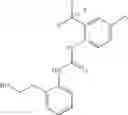


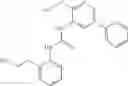


Sources:
- United States Patent and Trademark Office - verify current appl. status at the USPTO↗
Similar patent applications:
- » 20250108139
PEPTIDE UREA DERIVATIVE, PHARMACEUTICAL COMPOSITION CONTAINING PEPTIDE UREA DERIVATIVE, AND APPLICATION OF PEPTIDE UREA DERIVATIVE - » 20070098658
Cosmetic composition textured with a bis-urea derivative with a liquid fatty phase textured with a bis-urea compound - » 20050165024
Isoxazolyl urea derivatives as kinase modulators - » 20050014822
Carbonylamino-substituted acyl phenyl urea derivatives, process for their preparation and their use - » 20050038031
Bicyclic urea derivatives useful in the treatment of cancer and other disorders - » 20050113414
Piperidin-4-yl urea derivatives and related compounds as chemokine receptor inhibitors for the treatment of inflammatory diseases - » 20050154028
Cyclic urea derivatives with 5-ht2c receptor activity - » 20050119304
Urea derivatives - » 20050107388
Heteroaromatic urea derivatives as VR-1 receptor modulators for treating pain - » 20050080124
Diaryl and arylheteroaryl urea derivatives as modulators of the 5-HTserotonin receptor useful for the prophylaxis and treatment of disorders related thereto
Recent applications in this class:
- » 20230100367 2023-03-30
METHODS OF TREATING CDGSH IRON SULFUR DOMAIN 2 INSUFFICIENCY-ASSOCIATED DISORDERS - » 20220332695 2022-10-20
UREA DERIVATIVES AS CB1 ALLOSTERIC MODULATORS - » 20220098164 2022-03-31
MODULATORS OF TMEM16A FOR TREATING RESPIRATORY DISEASE - » 20180258062 2018-09-13
Halogen-substituted heterocyclic compound - » 20170158663 2017-06-08
Halogen-substituted heterocyclic compound salt - » 20150376160 2015-12-31
Halogen-substituted heterocyclic compound - » 20130096106 2013-04-18
Compounds and methods for the treatment or prevention of infections - » 20120283268 2012-11-08
Thiazole and thiophene analogues, and their use in treating autoimmune diseases and cancers - » 20120225895 2012-09-06
1-heterodiene derivative and pest control agent - » 20120202808 2012-08-09
Thiophenediamine derivative having urea structure
Recent applications for this Assignee:
- » 20130338186 2013-12-19
Amides of acetic and propionic acids - » 20130023540 2013-01-24
TREATMENT OF MASTITIS - » 20120247462 2012-10-04
Antibiotic formulations, unit doses, kits, and methods - » 20120016205 2012-01-19
Biomarkers for diagnosing alzheimer's disease - » 20110294776 2011-12-01
Pyrrolo[2,1-f][1,2,4]triazin-4-ylamines IGF-1R kinase inhibitors for the treatment of cancer and other hyperproliferative diseases - » 20110033844 2011-02-10
USE OF LYSOSOMAL CARBOXYPEPTIDASE C (PRCP) AS A THERAPEUTIC OR DIAGNOSTIC TARGET - » 20100298297 2010-11-25
Tetrahydropyridothienopyrimidine compounds and methods of use thereof - » 20100113507 2010-05-06
3-Tetrazolyl Indazoles, 3-Tetrazolyl Pyrazolopyridines, and use Thereof - » 20100113452 2010-05-06
Compounds for treating pulmonary hypertension - » 20100105663 2010-04-29
2-(HETEROARYL) ALKYL INDAZOLE 6-PHENYL AND THIENYL METHYL AMIDE AS THROMBIN INHIBITORS