Compounds and compositions for delivering active agents
US20060166859A1
2006-07-27
11/354,045
2006-02-13
✅ Patent granted
US 7,553,872 B2
2009-06-30
-
-
Celia Chang
2026-02-13
Abstract:
Carrier compounds and compositions therewith which are useful in the delivery of active agents are provided. Methods of administration and preparation are provided as well.
Inventors:
- Donald J. Sarubbi 5 🇺🇸 Hartsdale, NY, United States
- Eugene N. Barantsevich 2 🇺🇸 Scarsdale, NY, United States
- Evgueni Barantsevitch 1 🇺🇸 Scarsdale, NY, United States
Assignee:
- Emisphere Technologies, Inc. 60 🇺🇸 Tarrytown, NY, United States
Interested in similar patents?
Get notified when new applications in this technology area are published.
Classification:
C07D209/48 » CPC main
Heterocyclic compounds containing five-membered rings, condensed with other rings, with one nitrogen atom as the only ring hetero atom condensed with one carbocyclic ring; Iso-indoles; Hydrogenated iso-indoles with oxygen atoms in positions 1 and 3, e.g. phthalimide
A61K9/1617 » CPC further
Medicinal preparations characterised by special physical form; Particulate form, e.g. powders, Processes for size reducing of pure drugs or the resulting products, Pure drug nanoparticles; Agglomerates; Granulates; Microbeadlets ; Microspheres; Pellets; Solid products obtained by spray drying, spray freeze drying, spray congealing,(multiple) emulsion solvent evaporation or extraction; Excipients; Inactive ingredients Organic compounds, e.g. phospholipids, fats
A61K45/06 » CPC further
Medicinal preparations containing active ingredients not provided for in groups - Mixtures of active ingredients without chemical characterisation, e.g. antiphlogistics and cardiaca
C07C229/42 » CPC further
Compounds containing amino and carboxyl groups bound to the same carbon skeleton having amino groups bound to carbon atoms of at least one six-membered aromatic ring and carboxyl groups bound to acyclic carbon atoms of the same carbon skeleton with carboxyl groups linked to the six-membered aromatic ring, or to the condensed ring system containing that ring, by saturated carbon chains
C07C233/51 » CPC further
Carboxylic acid amides having carbon atoms of carboxamide groups bound to hydrogen atoms or to acyclic carbon atoms having the nitrogen atom of at least one of the carboxamide groups bound to a carbon atom of a hydrocarbon radical substituted by carboxyl groups with the substituted hydrocarbon radical bound to the nitrogen atom of the carboxamide group by an acyclic carbon atom having the carbon atom of the carboxamide group bound to an acyclic carbon atom of a carbon skeleton containing six-membered aromatic rings
C07C233/54 » CPC further
Carboxylic acid amides having carbon atoms of carboxamide groups bound to hydrogen atoms or to acyclic carbon atoms having the nitrogen atom of at least one of the carboxamide groups bound to a carbon atom of a hydrocarbon radical substituted by carboxyl groups with the substituted hydrocarbon radical bound to the nitrogen atom of the carboxamide group by a carbon atom of a six-membered aromatic ring having the carbon atom of the carboxamide group bound to a hydrogen atom or to a carbon atom of a saturated carbon skeleton
C07C233/69 » CPC further
Carboxylic acid amides having carbon atoms of carboxamide groups bound to carbon atoms of six-membered aromatic rings having the nitrogen atom of at least one of the carboxamide groups bound to a carbon atom of a hydrocarbon radical substituted by singly-bound oxygen atoms with the substituted hydrocarbon radical bound to the nitrogen atom of the carboxamide group by an acyclic carbon atom of an acyclic saturated carbon skeleton
C07C233/81 » CPC further
Carboxylic acid amides having carbon atoms of carboxamide groups bound to carbon atoms of six-membered aromatic rings having the nitrogen atom of at least one of the carboxamide groups bound to a carbon atom of a hydrocarbon radical substituted by carboxyl groups
C07C233/83 » CPC further
Carboxylic acid amides having carbon atoms of carboxamide groups bound to carbon atoms of six-membered aromatic rings having the nitrogen atom of at least one of the carboxamide groups bound to a carbon atom of a hydrocarbon radical substituted by carboxyl groups with the substituted hydrocarbon radical bound to the nitrogen atom of the carboxamide group by an acyclic carbon atom of an acyclic saturated carbon skeleton
C07C235/12 » CPC further
Carboxylic acid amides, the carbon skeleton of the acid part being further substituted by oxygen atoms having carbon atoms of carboxamide groups bound to acyclic carbon atoms and singly-bound oxygen atoms bound to the same carbon skeleton the carbon skeleton being acyclic and saturated having the nitrogen atom of at least one of the carboxamide groups bound to an acyclic carbon atom of a hydrocarbon radical substituted by carboxyl groups
C07C235/24 » CPC further
Carboxylic acid amides, the carbon skeleton of the acid part being further substituted by oxygen atoms having carbon atoms of carboxamide groups bound to acyclic carbon atoms and singly-bound oxygen atoms bound to the same carbon skeleton the carbon skeleton being acyclic and saturated having at least one of the singly-bound oxygen atoms further bound to a carbon atom of a six-membered aromatic ring, e.g. phenoxyacetamides having the nitrogen atom of at least one of the carboxamide groups bound to a carbon atom of a six-membered aromatic ring
C07C235/34 » CPC further
Carboxylic acid amides, the carbon skeleton of the acid part being further substituted by oxygen atoms having carbon atoms of carboxamide groups bound to acyclic carbon atoms and singly-bound oxygen atoms bound to the same carbon skeleton the carbon skeleton containing six-membered aromatic rings having the nitrogen atoms of the carboxamide groups bound to hydrogen atoms or to acyclic carbon atoms
C07C235/38 » CPC further
Carboxylic acid amides, the carbon skeleton of the acid part being further substituted by oxygen atoms having carbon atoms of carboxamide groups bound to acyclic carbon atoms and singly-bound oxygen atoms bound to the same carbon skeleton the carbon skeleton containing six-membered aromatic rings having the nitrogen atom of at least one of the carboxamide groups bound to a carbon atom of a six-membered aromatic ring
C07C235/52 » CPC further
Carboxylic acid amides, the carbon skeleton of the acid part being further substituted by oxygen atoms having carbon atoms of carboxamide groups bound to carbon atoms of six-membered aromatic rings and singly-bound oxygen atoms bound to the same carbon skeleton with carbon atoms of carboxamide groups and singly-bound oxygen atoms bound to carbon atoms of the same non-condensed six-membered aromatic ring having the nitrogen atom of at least one of the carboxamide groups bound to an acyclic carbon atom of a hydrocarbon radical substituted by carboxyl groups
C07C235/56 » CPC further
Carboxylic acid amides, the carbon skeleton of the acid part being further substituted by oxygen atoms having carbon atoms of carboxamide groups bound to carbon atoms of six-membered aromatic rings and singly-bound oxygen atoms bound to the same carbon skeleton with carbon atoms of carboxamide groups and singly-bound oxygen atoms bound to carbon atoms of the same non-condensed six-membered aromatic ring having the nitrogen atom of at least one of the carboxamide groups bound to a carbon atom of a six-membered aromatic ring
C07C235/60 » CPC further
Carboxylic acid amides, the carbon skeleton of the acid part being further substituted by oxygen atoms having carbon atoms of carboxamide groups bound to carbon atoms of six-membered aromatic rings and singly-bound oxygen atoms bound to the same carbon skeleton with carbon atoms of carboxamide groups and singly-bound oxygen atoms bound to carbon atoms of the same non-condensed six-membered aromatic ring with carbon atoms of carboxamide groups and singly-bound oxygen atoms, bound in ortho-position to carbon atoms of the same non-condensed six-membered aromatic ring having the nitrogen atoms of the carboxamide groups bound to hydrogen atoms or to acyclic carbon atoms
C07C235/64 » CPC further
Carboxylic acid amides, the carbon skeleton of the acid part being further substituted by oxygen atoms having carbon atoms of carboxamide groups bound to carbon atoms of six-membered aromatic rings and singly-bound oxygen atoms bound to the same carbon skeleton with carbon atoms of carboxamide groups and singly-bound oxygen atoms bound to carbon atoms of the same non-condensed six-membered aromatic ring with carbon atoms of carboxamide groups and singly-bound oxygen atoms, bound in ortho-position to carbon atoms of the same non-condensed six-membered aromatic ring having the nitrogen atom of at least one of the carboxamide groups bound to a carbon atom of a six-membered aromatic ring
C07C235/66 » CPC further
Carboxylic acid amides, the carbon skeleton of the acid part being further substituted by oxygen atoms having carbon atoms of carboxamide groups bound to carbon atoms of six-membered aromatic rings and singly-bound oxygen atoms bound to the same carbon skeleton with carbon atoms of carboxamide groups bound to carbon atoms of six-membered aromatic rings being part of condensed ring systems and singly-bound oxygen atoms, bound to the same carbon skeleton
C07C235/74 » CPC further
Carboxylic acid amides, the carbon skeleton of the acid part being further substituted by oxygen atoms having carbon atoms of carboxamide groups and doubly-bound oxygen atoms bound to the same carbon skeleton with the carbon atoms of the carboxamide groups bound to acyclic carbon atoms of a saturated carbon skeleton
C07C237/12 » CPC further
Carboxylic acid amides, the carbon skeleton of the acid part being further substituted by amino groups having the carbon atoms of the carboxamide groups bound to acyclic carbon atoms of the carbon skeleton the carbon skeleton being acyclic and saturated having the nitrogen atom of at least one of the carboxamide groups bound to an acyclic carbon atom of a hydrocarbon radical substituted by carboxyl groups
C07C237/20 » CPC further
Carboxylic acid amides, the carbon skeleton of the acid part being further substituted by amino groups having the carbon atoms of the carboxamide groups bound to acyclic carbon atoms of the carbon skeleton the carbon skeleton containing six-membered aromatic rings
C07C237/36 » CPC further
Carboxylic acid amides, the carbon skeleton of the acid part being further substituted by amino groups having the carbon atom of at least one of the carboxamide groups bound to a carbon atom of a non-condensed six-membered aromatic ring of the carbon skeleton having the nitrogen atom of the carboxamide group bound to an acyclic carbon atom of a hydrocarbon radical substituted by carboxyl groups
C07C237/40 » CPC further
Carboxylic acid amides, the carbon skeleton of the acid part being further substituted by amino groups having the carbon atom of at least one of the carboxamide groups bound to a carbon atom of a non-condensed six-membered aromatic ring of the carbon skeleton having the nitrogen atom of the carboxamide group bound to a carbon atom of a six-membered aromatic ring
C07C237/42 » CPC further
Carboxylic acid amides, the carbon skeleton of the acid part being further substituted by amino groups having the carbon atom of at least one of the carboxamide groups bound to a carbon atom of a non-condensed six-membered aromatic ring of the carbon skeleton having nitrogen atoms of amino groups bound to the carbon skeleton of the acid part, further acylated
C07C243/38 » CPC further
Compounds containing chains of nitrogen atoms singly-bound to each other, e.g. hydrazines, triazanes; Hydrazines having nitrogen atoms of hydrazine groups acylated by carboxylic acids with acylating carboxyl groups bound to carbon atoms of six-membered aromatic rings
C07C259/06 » CPC further
Compounds containing carboxyl groups, an oxygen atom of a carboxyl group being replaced by a nitrogen atom, this nitrogen atom being further bound to an oxygen atom and not being part of nitro or nitroso groups without replacement of the other oxygen atom of the carboxyl group, e.g. hydroxamic acids having carbon atoms of hydroxamic groups bound to hydrogen atoms or to acyclic carbon atoms
C07C271/28 » CPC further
Derivatives of carbamic acids, i.e. compounds containing any of the groups , the nitrogen atom not being part of nitro or nitroso groups; Esters of carbamic acids having oxygen atoms of carbamate groups bound to acyclic carbon atoms with the nitrogen atom of at least one of the carbamate groups bound to a carbon atom of a six-membered aromatic ring to a carbon atom of a non-condensed six-membered aromatic ring
C07C271/54 » CPC further
Derivatives of carbamic acids, i.e. compounds containing any of the groups , the nitrogen atom not being part of nitro or nitroso groups; Esters of carbamic acids having oxygen atoms of carbamate groups bound to carbon atoms of six-membered aromatic rings with the nitrogen atoms of the carbamate groups bound to hydrogen atoms or to acyclic carbon atoms to carbon atoms of hydrocarbon radicals substituted by carboxyl groups
C07D211/62 » CPC further
Heterocyclic compounds containing hydrogenated pyridine rings, not condensed with other rings with only hydrogen or carbon atoms directly attached to the ring nitrogen atom having no double bonds between ring members or between ring members and non-ring members with hetero atoms or with carbon atoms having three bonds to hetero atoms with at the most one bond to halogen, e.g. ester or nitrile radicals, directly attached to ring carbon atoms; Carbon atoms having three bonds to hetero atoms with at the most one bond to halogen, e.g. ester or nitrile radicals attached in position 4
C07D213/81 » CPC further
Heterocyclic compounds containing six-membered rings, not condensed with other rings, with one nitrogen atom as the only ring hetero atom and three or more double bonds between ring members or between ring members and non-ring members having three double bonds between ring members or between ring members and non-ring members having no bond between the ring nitrogen atom and a non-ring member or having only hydrogen or carbon atoms directly attached to the ring nitrogen atom with hetero atoms or with carbon atoms having three bonds to hetero atoms with at the most one bond to halogen, e.g. ester or nitrile radicals, directly attached to ring carbon atoms; Carbon atoms having three bonds to hetero atoms, with at the most one bond to halogen, e.g. ester or nitrile radicals Amides; Imides
C07D213/82 » CPC further
Heterocyclic compounds containing six-membered rings, not condensed with other rings, with one nitrogen atom as the only ring hetero atom and three or more double bonds between ring members or between ring members and non-ring members having three double bonds between ring members or between ring members and non-ring members having no bond between the ring nitrogen atom and a non-ring member or having only hydrogen or carbon atoms directly attached to the ring nitrogen atom with hetero atoms or with carbon atoms having three bonds to hetero atoms with at the most one bond to halogen, e.g. ester or nitrile radicals, directly attached to ring carbon atoms; Carbon atoms having three bonds to hetero atoms, with at the most one bond to halogen, e.g. ester or nitrile radicals; Amides; Imides in position 3
C07D239/42 » CPC further
Heterocyclic compounds containing 1,3-diazine or hydrogenated 1,3-diazine rings not condensed with other rings having three or more double bonds between ring members or between ring members and non-ring members with hetero atoms or with carbon atoms having three bonds to hetero atoms with at the most one bond to halogen, directly attached to ring carbon atoms; One oxygen, sulfur or nitrogen atom One nitrogen atom
C07D241/24 » CPC further
Heterocyclic compounds containing 1,4-diazine or hydrogenated 1,4-diazine rings not condensed with other rings having three double bonds between ring members or between ring members and non-ring members with hetero atoms or with carbon atoms having three bonds to hetero atoms with at the most one bond to halogen, e.g. ester or nitrile radicals, directly attached to ring carbon atoms Carbon atoms having three bonds to hetero atoms with at the most one bond to halogen, e.g. ester or nitrile radicals
C07D257/04 » CPC further
Heterocyclic compounds containing rings having four nitrogen atoms as the only ring hetero atoms not condensed with other rings Five-membered rings
C07D295/192 » CPC further
Heterocyclic compounds containing polymethylene-imine rings with at least five ring members, 3-azabicyclo [3.2.2] nonane, piperazine, morpholine or thiomorpholine rings, having only hydrogen atoms directly attached to the ring carbon atoms acylated on ring nitrogen atoms by radicals derived from carboxylic acids, or sulfur or nitrogen analogues thereof; Radicals derived from carboxylic acids from aromatic carboxylic acids
C07D311/12 » CPC further
Heterocyclic compounds containing six-membered rings having one oxygen atom as the only hetero atom, condensed with other rings ortho- or peri-condensed with carbocyclic rings or ring systems; Benzo[b]pyrans, not hydrogenated in the carbocyclic ring with oxygen or sulfur atoms directly attached in position 2 not hydrogenated in the hetero ring substituted in position 3 and unsubstituted in position 7
C07D311/24 » CPC further
Heterocyclic compounds containing six-membered rings having one oxygen atom as the only hetero atom, condensed with other rings ortho- or peri-condensed with carbocyclic rings or ring systems; Benzo[b]pyrans, not hydrogenated in the carbocyclic ring with oxygen or sulfur atoms directly attached in position 4 with carbon atoms having three bonds to hetero atoms with at the most one bond to halogen, e.g. ester or nitrile radicals, directly attached in position 2
C07D311/30 » CPC further
Heterocyclic compounds containing six-membered rings having one oxygen atom as the only hetero atom, condensed with other rings ortho- or peri-condensed with carbocyclic rings or ring systems; Benzo[b]pyrans, not hydrogenated in the carbocyclic ring with oxygen or sulfur atoms directly attached in position 4 with aromatic rings attached in position 2 or 3 with aromatic rings attached in position 2 only not hydrogenated in the hetero ring, e.g. flavones
A61K38/27 » CPC further
Medicinal preparations containing peptides; Peptides having more than 20 amino acids; Gastrins; Somatostatins; Melanotropins; Derivatives thereof from animals; from humans; Hormones Growth hormone [GH] (Somatotropin)
A61K38/29 » CPC further
Medicinal preparations containing peptides; Peptides having more than 20 amino acids; Gastrins; Somatostatins; Melanotropins; Derivatives thereof from animals; from humans; Hormones Parathyroid hormone (parathormone); Parathyroid hormone-related peptides
A61K38/23 » CPC further
Medicinal preparations containing peptides; Peptides having more than 20 amino acids; Gastrins; Somatostatins; Melanotropins; Derivatives thereof from animals; from humans; Hormones Calcitonins
A61K2300/00 » CPC further
Mixtures or combinations of active ingredients, wherein at least one active ingredient is fully defined in groups -
A61K38/28 » CPC further
Medicinal preparations containing peptides; Peptides having more than 20 amino acids; Gastrins; Somatostatins; Melanotropins; Derivatives thereof from animals; from humans; Hormones Insulins
A61K38/22 IPC
Medicinal preparations containing peptides; Peptides having more than 20 amino acids; Gastrins; Somatostatins; Melanotropins; Derivatives thereof from animals; from humans Hormones
A61K38/19 IPC
Medicinal preparations containing peptides; Peptides having more than 20 amino acids; Gastrins; Somatostatins; Melanotropins; Derivatives thereof from animals; from humans Cytokines; Lymphokines; Interferons
A61K38/20 IPC
Medicinal preparations containing peptides; Peptides having more than 20 amino acids; Gastrins; Somatostatins; Melanotropins; Derivatives thereof from animals; from humans; Cytokines; Lymphokines; Interferons Interleukins [IL]
A61K31/727 » CPC further
Medicinal preparations containing organic active ingredients; Carbohydrates; Sugars; Derivatives thereof; Polysaccharides, i.e. having more than five saccharide radicals attached to each other by glycosidic linkages; Derivatives thereof, e.g. ethers, esters; Glycosaminoglycans, i.e. mucopolysaccharides Heparin; Heparan
A61K31/4965 » CPC further
Medicinal preparations containing organic active ingredients; Heterocyclic compounds having nitrogen as a ring hetero atom, e.g. guanethidine or rifamycins having six-membered rings with two nitrogen atoms as the only ring heteroatoms, e.g. piperazine Non-condensed pyrazines
A61K38/21 » CPC further
Medicinal preparations containing peptides; Peptides having more than 20 amino acids; Gastrins; Somatostatins; Melanotropins; Derivatives thereof from animals; from humans; Cytokines; Lymphokines; Interferons Interferons [IFN]
A61K31/445 » CPC further
Medicinal preparations containing organic active ingredients; Heterocyclic compounds having nitrogen as a ring hetero atom, e.g. guanethidine or rifamycins having six-membered rings with one nitrogen as the only ring hetero atom; Non condensed pyridines; Hydrogenated derivatives thereof Non condensed piperidines, e.g. piperocaine
A61K31/195 » CPC further
Medicinal preparations containing organic active ingredients; Acids; Anhydrides, halides or salts thereof, e.g. sulfur acids, imidic, hydrazonic, hydroximic acids; Carboxylic acids, e.g. valproic acid having an amino group
A61K38/14 IPC
Medicinal preparations containing peptides; Peptides having up to 20 amino acids in a fully defined sequence; Derivatives thereof Peptides containing saccharide radicals; Derivatives thereof, e.g. bleomycin, phleomycin, muramylpeptides or vancomycin
Description
FIELD OF THE INVENTIONThe present invention relates to compounds for delivering active agents, and particularly biologically or chemically active agents. These compounds are used as carriers to facilitate the delivery of a cargo to a target. The carrier compounds are well suited to form non-covalent mixtures with biologically-active agents for oral administration to animals. Methods for the preparation administration of such compositions are also disclosed.
BACKGROUND OF THE INVENTIONConventional means for delivering active agents are often severely limited by biological, chemical, and physical barriers. Typically, these barriers are imposed by the environment through which delivery occurs, the environment of the target for delivery, or the target itself. Biologically or chemically active agents are particularly vulnerable to such barriers.
For example in the delivery to animals of biologically active or chemically active pharmacological and therapeutic agents, barriers are imposed by the body. Examples of physical barriers are the skin and various organ membranes that must be traversed before reaching a target. Chemical barriers include, but are not limited to, pH variations, lipid bi-layers, and degrading enzymes.
These barriers are of particular significance in the design of oral delivery systems. Oral delivery of many biologically or chemically active agents would be the route of choice for administration to animals if not for biological, chemical, and physical barriers such as varying pH in the gastro-intestinal (GI) tract, powerful digestive enzymes, and active agent impermeable gastro-intestinal membranes. Among the numerous agents which are not typically amenable to oral administration are biologically or chemically active peptides, such as calcitonin and insulin; polysaccharides, and in particular mucopolysaccharides including, but not limited to, heparin; heparinoids; antibiotics; and other organic substances. These agents are rapidly rendered ineffective or are destroyed in the gastro-intestinal tract by acid hydrolysis, enzymes, or the like.
Earlier methods for orally administering vulnerable pharmacological agents have relied on the co-administration of adjuvants (e.g., resorcinols and non-ionic surfactants such as polyoxyethylene oleyl ether and n-hexadecylpolyethylene ether) to increase artificially the permeability of the intestinal walls, as well as the co-administration of enzymatic inhibitors (e.g., pancreatic trypsin inhibitors, diisopropylfluorophosphate (DFF) and trasylol) to inhibit enzymatic degradation.
Liposomes have also been described as drug delivery systems for insulin and heparin. See, for example, U.S. Pat. No. 4,239,754; Patel et al. (1976), FEBS Letters, Vol. 62, pg. 60; and Hashimoto et al. (1979), Endocrinology Japan, Vol. 26, pg. 337.
However, broad spectrum use of such drug delivery systems is precluded because: (1) the systems require toxic amounts of adjuvants or inhibitors; (2) suitable low molecular weight cargos, i.e. active agents, are not available; (3) the systems exhibit poor stability and inadequate shelf life; (4) the systems are difficult to manufacture; (5) the systems fail to protect the active agent (cargo); (6) the systems adversely alter the active agent; or (7) the systems fail to allow or promote absorption of the active agent.
More recently, microspheres of artificial polymers of mixed amino acids (proteinoids) have been used to deliver pharmaceuticals. For example, U.S. Pat. No. 4,925,673 describes drug-containing proteinoid microsphere carriers as well as methods for their preparation and use. These proteinoid microspheres are useful for the delivery of a number of active agents.
There is still a need in the art for simple, inexpensive delivery systems which are easily prepared and which can deliver a broad range of active agents.
SUMMARY OF THE INVENTIONCompounds and compositions which are useful in the delivery of active agents are provided. These compositions include at least one active agent, preferably a biologically or chemically active agent, and at least one of the following compounds 1-193, or salts thereof.
Compositions comprising the carrier compounds discussed above and active agents are effective in delivering active agents to selected biological systems.
DETAILED DESCRIPTION OF THE INVENTIONThe specific compositions of the present invention include an active agent and a carrier. These compositions may be used to deliver various active agents through various biological, chemical, and physical barriers and are particularly suited for delivering active agents which are subject to environmental degradation. The compositions of the subject invention are particularly useful for delivering or administering biologically or chemically active agents to any animals such as birds including, but not limited to, chickens; mammals, such as primates and particularly humans; and insects.
Other advantages of the present invention include the use of easy to prepare, inexpensive raw materials. The compositions and the formulation methods of the present invention are cost effective, simple to perform, and amenable to industrial scale up for commercial production.
Subcutaneous, sublingual, and intranasal coadministration of an active agent, such as, for example, recombinant human growth hormone (rhGH); salmon calcitonin; heparin, including, but not limited to, low molecular weight heparin; parathyroid hormone; and compounds in compositions as described herein result in an increased bioavailability of the active agent compared to administration of the active agent alone.
Active Agents
Active agents suitable for use in the present invention include biologically or chemically active agents, chemically active agents, including, but not limited to, fragrances, as well as other active agents such as, for example, cosmetics.
Biologically or chemically active agents include, but are not limited to, pesticides, pharmacological agents, and therapeutic agents. For example, biologically or chemically active agents suitable for use in the present invention include, but are not limited to, peptides, and particularly small peptides; hormones, and particularly hormones which by themselves do not or only a fraction of the administered dose passes through the gastro-intestinal mucosa and/or are susceptible to chemical cleavage by acids and enzymes in the gastro-intestinal tract; polysaccharides, and particularly mixtures of muco-polysaccharides; carbohydrates; lipids; or any combination thereof. Further examples include, but are not limited to, human growth hormones; bovine growth hormones; growth releasing hormones; interferons; interleukin-1; insulin; heparin, and particularly low molecular weight heparin; calcitonin; erythropoietin; atrial naturetic factor; antigens; monoclonal antibodies; somatostatin; adrenocorticotropin, gonadotropin releasing hormone; oxytocin; vasopressin; cromolyn sodium (sodium or disodium chromoglycate); vancomycin; desferrioxamine (DFO); parathyroid hormone anti-microbials, including, but not limited to anti-fungal agents; or any combination thereof.
Carriers
Although compounds 1-193 above have been found to act as carriers for the oral delivery of biologically or chemically active agents, special mention is made of compounds 9, 35, 64, 67, 79, 102, 109, 111, 117, 122, 136, and 141, above.
Properties of compounds 1-193 are listed in Table 1, below.
| TABLE 1 |
| Carrier Properties |
| Anal. Calculated For | Found | Melting |
| Compound | C | H | N | S | C | H | N | S | Point (° c.) |
| 1 | 48.8 | 4.70 | 4.40 | 48.81 | 4.64 | 4.39 | |||
| 2 | 64.73 | 7.97 | 10.06 | 64.54 | 7.81 | 10.19 | |||
| 3 | 55.33 | 5.80 | 4.03 | 55.40 | 5.79 | 3.96 | 69-71 | ||
| 4 | 62.64 | 6.06 | 5.62 | 62.75 | 6.08 | 5.51 | 151-154 | ||
| 5 | 65.16 | 6.11 | 13.40 | 65.29 | 6.03 | 13.29 | 144-145 | ||
| 6 | 54.70 | 3.24 | 3.75 | 54.29 | 3.24 | 3.54 | 165-169 | ||
| 7 | 69.00 | 6.11 | 4.47 | 69.09 | 6.24 | 4.43 | 126-129 | ||
| 8 | 65.51 | 7.90 | 4.78 | 65.60 | 8.25 | 4.83 | 89-90 | ||
| 9 | 68.99 | 6.11 | 4.47 | 69.01 | 6.08 | 4.47 | 104-107 | ||
| 10 | 52.74 | 4.42 | 7.69 | 52.91 | 4.45 | 7.49 | 142-145 | ||
| 11 | 48.83 | 5.85 | 8.14 | 48.95 | 5.89 | 8.02 | 120-122 | ||
| 12 | 69.71 | 6.47 | 4.28 | 69.56 | 6.47 | 4.38 | 144-146 | ||
| 13 | 65.51 | 7.90 | 4.77 | 65.23 | 7.88 | 4.72 | 72.5-74.5 | ||
| 14 | 60.17 | 5.36 | 4.39 | 10.04 | 60.09 | 5.36 | 4.35 | 9.99 | 155-156 |
| 15 | 52.38 | 4.79 | 11.11 | 52.45 | 4.94 | 11.08 | 220-222 | ||
| 16 | 67.60 | 5.95 | 3.94 | 67.34 | 6.01 | 3.91 | 219-222 | ||
| 17 | 68.09 | 6.53 | 3.78 | 67.77 | 6.24 | 3.81 | 130-133 | ||
| 18 | 54.13 | 5.30 | 10.52 | 54.12 | 5.24 | 10.54 | 192.5-195.5 | ||
| 19 | 55.26 | 4.21 | 7.16 | 54.48 | 4.32 | 6.86 | >280 dec | ||
| 20 | 65.51 | 7.90 | 4.77 | 65.52 | 7.90 | 4.77 | 75-80 | ||
| 21 | 58.85 | 7.21 | 15.84 | 58.86 | 7.16 | 15.69 | 120-122 | ||
| 22 | 63.15 | 5.30 | 14.73 | 63.30 | 5.43 | 14.18 | 197-201 | ||
| 23 | 64.04 | 5.66 | 7.86 | 64.17 | 5.67 | 7.75 | 188-190 | ||
| 24 | 69.91 | 6.88 | 8.46 | 69.98 | 6.79 | 8.58 | 131-134 | ||
| 25 | 58.36 | 4.56 | 12.76 | 58.20 | 4.63 | 12.61 | 138-141 | ||
| 26 | 56.98 | 3.94 | 7.82 | 56.39 | 3.92 | 7.74 | 221-223 | ||
| 27 | 55.33 | 5.80 | 4.03 | 55.47 | 6.10 | 4.04 | 70-72 | ||
| 28 | |||||||||
| 29 | 65.74 | 7.58 | 4.79 | 65.51 | 7.89 | 4.78 | 52-55 | ||
| 30 | 64.50 | 7.57 | 5.02 | 64.07 | 7.81 | 5.40 | 70-74 | ||
| 31 | 54.70 | 5.17 | 3.99 | 54.50 | 4.99 | 3.95 | 173-174 | ||
| 32 | 58.63 | 5.94 | 9.12 | 58.73 | 6.20 | 10.34 | 125-129 | ||
| 33 | 69.00 | 6.10 | 4.47 | 69.18 | 6.08 | 4.54 | 100-102 | ||
| 34 | 63.99 | 5.37 | 9.33 | 63.46 | 5.35 | 9.06 | 218-221 c | ||
| 35 | 65.5 | 7.90 | 4.78 | 65.37 | 8.00 | 4.66 | 96-97 C | ||
| 36 | 68.22 | 5.72 | 4.68 | 67.88 | 5.65 | 4.55 | 134-137 | ||
| 37 | 63.14 | 7.23 | 6.69 | 63.15 | 7.29 | 6.58 | 53.5-56 | ||
| 38 | 60.00 | 7.14 | 10.00 | 59.78 | 7.31 | 9.94 | 135-138 | ||
| 39 | 61.67 | 4.41 | 10.29 | 61.69 | 4.41 | 10.12 | >225 | ||
| 40 | 55.39 | 4.65 | 7.18 | 55.52 | 4.77 | 7.30 | 162.5-166 | ||
| 41 | 56.10 | 6.52 | 20.14 | 55.66 | 6.71 | 19.69 | 129-131 | ||
| 42 | 65.24 | 6.39 | 4.23 | 65.42 | 6.16 | 3.78 | 130-133.5 | ||
| 43 | 70.59 | 7.96 | 4.84 | 70.35 | 8.13 | 4.79 | 111-113 | ||
| 44 | 68.37 | 4.88 | 3.99 | 68.61 | 4.89 | 3.79 | 120-123 | ||
| 45 | 70.59 | 7.96 | 4.84 | 70.48 | 7.97 | 4.71 | 108-110 | ||
| 46 | 60.75 | 6.37 | 5.90 | 60.97 | 6.18 | 5.80 | 100.5-103 | ||
| 47 | 64.50 | 7.57 | 5.02 | 64.42 | 7.58 | 5.01 | 97-100 | ||
| 48 | 64.86 | 5.98 | 7.56 | 64.50 | 6.01 | 7.52 | 165-169 | ||
| 49 | 72.18 | 3.76 | 0.00 | 72.13 | 3.84 | 0.00 | >225 | ||
| 50 | 72.51 | 8.76 | 4.23 | 72.39 | 8.84 | 4.12 | 120-122 | ||
| 51 | 64.50 | 7.58 | 5.01 | 64.75 | 7.65 | 4.69 | 200.5-204 | ||
| 52 | 7.74 | 4.33 | 7.82 | 4.30 | 88-89 | ||||
| 53 | 65.24 | 6.39 | 4.23 | 65.15 | 6.46 | 4.23 | 93-97 | ||
| 54 | 60.49 | 6.77 | 4.70 | 60.54 | 6.76 | 4.65 | 114-116 | ||
| 55 | 64.04 | 7.17 | 4.98 | 63.90 | 7.11 | 4.93 | 105-106 | ||
| 56 | 61.00 | 7.17 | 4.74 | 60.49 | 6.92 | 4.65 | 146-148 | ||
| 57 | 63.14 | 7.79 | 4.33 | 63.22 | 7.82 | 4.36 | 59-61 | ||
| 58 | 63.14 | 7.79 | 4.33 | 63.17 | 7.86 | 4.26 | 102-104 | ||
| 59 | 63.14 | 7.79 | 4.33 | 63.35 | 7.68 | 4.20 | 89-90 | ||
| 60 | 60.15 | 6.64 | 3.69 | 59.84 | 6.66 | 3.64 | 112-113 | ||
| 61 | 65.53 | 8.85 | 6.65 | 65.34 | 8.73 | 6.67 | 89-92 | ||
| 62 | 61.00 | 7.17 | 4.74 | 60.94 | 7.12 | 4.49 | 104-108 | ||
| 63 | 66.43 | 8.20 | 4.56 | 66.29 | 8.23 | 4.36 | 77-78 | ||
| 64 | 65.51 | 7.90 | 4.77 | 65.52 | 8.06 | 4.54 | 97-98 | ||
| 65 | 69.59 | 9.28 | 4.77 | 69.64 | 9.35 | 4.86 | 62-65 | ||
| 66 | 68.41 | 8.04 | 5.32 | 68.41 | 8.06 | 5.28 | 88-89 | ||
| 67 | 62.12 | 7.49 | 4.53 | 61.94 | 7.45 | 4.43 | 98-99 | ||
| 68 | 64.04 | 7.17 | 4.98 | 64.07 | 7.16 | 4.95 | 106-107 | ||
| 69 | 52.64 | 5.89 | 4.09 | 52.63 | 5.85 | 4.03 | 109-110 | ||
| 70 | 63.15 | 7.74 | 4.33 | 63.26 | 7.90 | 4.14 | 97-100 | ||
| 71 | 52.64 | 5.89 | 4.09 | 52.67 | 5.99 | 3.97 | 114-115 | ||
| 72 | 46.31 | 5.18 | 3.61 | 46.25 | 4.86 | 3.52 | 143-144 | ||
| 73 | 49.89 | 3.94 | 3.42 | 49.92 | 3.85 | 3.39 | 170-171 | ||
| 74 | 72.19 | 5.48 | 4.01 | 71.51 | 5.33 | 3.75 | 180 | ||
| 75 | 66.46 | 6.16 | 4.08 | 66.47 | 6.26 | 4.06 | 168.5-171 | ||
| 76 | 67.37 | 5.26 | 4.91 | 67.31 | 5.25 | 5.07 | 130-133 | ||
| 77 | 65.65 | 5.78 | 4.26 | 65.49 | 6.04 | 4.26 | 179-183 | ||
| 78 | 49.89 | 3.94 | 3.42 | 49.8 | 3.71 | 3.29 | 237-238 | ||
| 79 | 65.65 | 5.78 | 4.26 | 65.21 | 6.05 | 4.24 | 156-158 | ||
| 80 | 56.38 | 4.45 | 3.87 | 56.4 | 4.21 | 3.91 | 130-131 | ||
| 81 | 56.38 | 4.45 | 3.87 | 56.46 | 4.5 | 3.84 | 197-198 | ||
| 82 | 56.6 | 7.49 | 4.4 | 56.3 | 7.49 | 4.14 | 58-62 | ||
| 83 | 57.03 | 8.2 | 3.91 | 57.17 | 7.8 | 3.7 | 138-140 | ||
| 84 | 57.58 | 7.11 | 3.95 | 57.52 | 7.7 | 3.94 | |||
| 85 | 56.38 | 4.45 | 3.87 | 56.31 | 4.25 | 3.64 | 230-231 | ||
| 86 | 57.42 | 6.42 | 4.46 | 57.14 | 6.45 | 4.2 | 116-117 | ||
| 87 | 61 | 7.17 | 4.74 | 61.18 | 7.05 | 4.65 | 108-109 | ||
| 88 | 62.12 | 7.49 | 4.53 | 62.34 | 7.21 | 4.39 | 107-109 | ||
| 89 | 58.63 | 6.76 | 4.27 | 58.53 | 6.81 | 4.2 | 117-118 | ||
| 90 | 66.46 | 6.16 | 4.08 | 66.18 | 6.15 | 3.84 | 100-104 | ||
| 91 | 62.16 | 5.21 | 4.03 | 61.93 | 4.97 | 3.86 | 183-185 | ||
| 92 | 62.16 | 5.21 | 4.03 | 62.2 | 5.14 | 3.98 | 167-170 | ||
| 93 | 58.63 | 6.76 | 4.27 | 58.64 | 6.83 | 4.19 | 106-108 | ||
| 94 | 65.65 | 5.81 | 4.25 | 65.56 | 5.64 | 4.2 | 153-156 | ||
| 95 | 49.89 | 3.94 | 3.42 | 49.9 | 3.81 | 3.18 | 216-217 | ||
| 96 | 69.82 | 7.64 | 5.09 | 69.91 | 7.66 | 5.02 | 129-131 | ||
| 97 | 46.31 | 5.18 | 3.61 | 46.54 | 4.95 | 3.64 | 122-123 | ||
| 98 | 56.8 | 6.55 | 8.28 | 56.69 | 6.67 | 8.1 | |||
| 99 | 56.8 | 6.55 | 8.28 | 57.37 | 6.57 | 8.33 | 117-118 | ||
| 100 | 60.33 | 5.06 | 7.82 | 59.98 | 4.97 | 7.67 | 207-209 | ||
| 101 | 66.46 | 6.16 | 4.08 | 66.37 | 6.32 | 3.96 | 126-128 | ||
| 102 | 50.29 | 5.63 | 3.91 | 50.14 | 5.7 | 3.76 | 129-131 | ||
| 103 | 70.93 | 5.95 | 6.89 | 70.94 | 6.44 | 6.89 | |||
| 104 | 65.84 | 6.14 | 8.53 | 65.94 | 6.19 | 8.54 | 228-231 | ||
| 105 | 64.96 | 5.77 | 8.91 | 64.89 | 5.82 | 8.82 | |||
| 106 | 66.65 | 6.48 | 8.18 | 66.39 | 6.49 | 8.05 | 140-142 | ||
| 107 | 66.47 | 6.12 | 4.07 | 66.5 | 6.26 | 4.08 | 140-142 | ||
| 108 | 60.33 | 5.06 | 7.82 | 60.32 | 4.99 | 7.78 | 150-151 | ||
| 109 | 57.41 | 6.42 | 4.46 | 57.07 | 6.44 | 4.39 | 121-123 | ||
| 110 | 44.46 | 4.97 | 3.46 | 133-135 | |||||
| 111 | 69.28 | 7.03 | 4.25 | 68.86 | 7.07 | 4.11 | 147-149 | ||
| 112 | 55.55 | 6.22 | 8.64 | 55.27 | 5.99 | 8.5 | 120-121 | ||
| 113 | 53.99 | 4.26 | 3.7 | 53.98 | 4.25 | 3.63 | 210 | ||
| decom | |||||||||
| 114 | 57.49 | 7.39 | 4.74 | 57.72 | 7.57 | 4.43 | 80-83 | ||
| 115 | 65.5 | 7.9 | 4.77 | 64.97 | 7.79 | 4.75 | 90-92 | ||
| 116 | 65.5 | 7.9 | 4.77 | 65.11 | 8.03 | 4.71 | 125-127 | ||
| 117 | 71.26 | 8.3 | 4.2 | 70.6 | 7.89 | 4.83 | 94-96 | ||
| 118 | 56.29 | 4.17 | 7.72 | 56.23 | 4.01 | 7.6 | 173-175 | ||
| 119 | 47.89 | 3.81 | 3.29 | 47.52 | 3.71 | 3.16 | 236-237 | ||
| 120 | 55.7 | 6.55 | 13 | 55.71 | 6.58 | 13.05 | 123-5 | ||
| 121 | 57.98 | 5.81 | 7.95 | 57.9 | 7.11 | 7.82 | 131-133 | ||
| 122 | 51.74 | 5.5 | 4.02 | 51.41 | 5.43 | 3.61 | 118-119.5 | ||
| 123 | 41.22 | 4.38 | 3.2 | 41.45 | 4.36 | 2.94 | 143-144.5 | ||
| 124 | 57.06 | 6.06 | 4.44 | 57.02 | 6.12 | 4.35 | 57-58 | ||
| 125 | 61.18 | 4.83 | 4.2 | 60.71 | 4.76 | 3.89 | 214 | ||
| decom | |||||||||
| 126 | 55.55 | 6.22 | 8.64 | 55.4 | 6.24 | 8.53 | 150-151 | ||
| 127 | 65.17 | 4.83 | 4.47 | 65.27 | 4.87 | 4.48 | 208-209 | ||
| 128 | 73.03 | 8.99 | 4.06 | 72.92 | 9.36 | 4.1 | 99-101 | ||
| 129 | 72.25 | 5.44 | 4 | 72.14 | 5.24 | 4.01 | 216-217 | ||
| 130 | 52.56 | 5.58 | 8.17 | 52.66 | 5.44 | 8.21 | 96-100 | ||
| 131 | 56.28 | 6.41 | 9.38 | 56.32 | 6.42 | 9.28 | 98-100 | ||
| 132 | 52.56 | 5.58 | 8.17 | 52.46 | 5.65 | 7.86 | 150-153 | ||
| 133 | 69.89 | 4.89 | 4.53 | 69.64 | 5 | 4.54 | 136-9 | ||
| 134 | 71.68 | 5.2 | 4.2 | 71.24 | 5.1 | 4.13 | 251-253 | ||
| 135 | 65.64 | 5.78 | 4.25 | 65.3 | 5.91 | 4.04 | 79-83 | ||
| 136 | 33.92 | 3.61 | 2.64 | 34.48 | 3.84 | 2.48 | 164-165 | ||
| 137 | 57.06 | 6.06 | 4.44 | 57.09 | 6.17 | 4.45 | 88-89 | ||
| 138 | 69.79 | 7.69 | 5.09 | 69.68 | 7.78 | 5.08 | 102-3 | ||
| 139 | 69.28 | 7.04 | 4.25 | 68.99 | 7 | 4.1 | 107-108 | ||
| 140 | 66.42 | 6.62 | 4.84 | 66.2 | 6.49 | 4.81 | 88-9 | ||
| 141 | 58.62 | 6.76 | 4.27 | 58.66 | 6.93 | 4.18 | 134-135 | ||
| 142 | 63.38 | 7.21 | 5.28 | 63.22 | 7.28 | 5.24 | 71-73 | ||
| 143 | 56.29 | 4.17 | 7.72 | 56.19 | 4.04 | 7.65 | 156-160 | ||
| 144 | 71.13 | 7.88 | 3.77 | 70.39 | 7.91 | 3.64 | 95-97 | ||
| 145 | 58.44 | 6.06 | 8.02 | 58.25 | 6.38 | 7.84 | 165-8 | ||
| 146 | 54.22 | 5.79 | 5.75 | 54.26 | 5.65 | 5.69 | 77-78.5 | ||
| 147 | 54.22 | 5.79 | 5.75 | 54.21 | 5.85 | 5.61 | 80-81 | ||
| 148 | 58.78 | 4.93 | 40.3 | 58.64 | 4.89 | 3.97 | 172-173 | ||
| 149 | 56.19 | 4.72 | 3.85 | 56.31 | 4.67 | 3.86 | 177 | ||
| 150 | 66.46 | 4.65 | 4.31 | 66.41 | 4.56 | 4.23 | 158-160 | ||
| 151 | 58.61 | 7.24 | 5.69 | 58.79 | 7.35 | 5.66 | |||
| 152 | 54.22 | 5.79 | 5.75 | 54.21 | 5.72 | 5.62 | 54-55 | ||
| 153 | 60.85 | 4.25 | 7.89 | 60.27 | 4.37 | 7.89 | >260 | ||
| 154 | 62.5 | 7.3 | 10.14 | 64.77 | 7.27 | 9.9 | 187-190 | ||
| 155 | 55.4 | 6.5 | 3.6 | 55.56 | 6.51 | 3.5 | 114-116 | ||
| 156 | 45.85 | 4.9 | 4.86 | 46.06 | 4.78 | 4.71 | 67-68 | ||
| 156 | 48.8 | 4.7 | 4.4 | 48.81 | 4.64 | 4.39 | 144-146 | ||
| 157 | 50.3 | 5.1 | 4.2 | 50.25 | 5.12 | 3.99 | 141-143 | ||
| 158 | 55.5 | 4.1 | 3.8 | 55.55 | 3.88 | 3.75 | 190-192 | ||
| 159 | 64.97 | 6.9 | 5.05 | 64.7 | 6.82 | 5.02 | 171-174 | ||
| 160 | 54.3 | 3.7 | 4 | 54.31 | 3.58 | 3.83 | 222-224 | ||
| 161 | 56.4 | 6.7 | 3.5 | 56.69 | 6.98 | 3.11 | 76-78 | ||
| 162 | 63.63 | 6.47 | 5.3 | 64.76 | 6.84 | 4.74 | 188-191 | ||
| 163 | 48.91 | 4.48 | 5.19 | 48.89 | 4.31 | 5.10 | 88.5-90 | ||
| 164 | 66.66 | 10.04 | 5.18 | 66.69 | 10.77 | 5.16 | 67.5-70.5 | ||
| 165 | 39.42 | 4.21 | 4.18 | 39.19 | 4.35 | 3.88 | oil | ||
| 166 | 53.05 | 5.19 | 5.16 | 53.06 | 5.03 | 4.86 | 151-152 | ||
| 167 | 65.53 | 7.85 | 4.78 | 65.4 | 7.84 | 4.57 | 85-89 | ||
| 168 | 68.99 | 6.11 | 4.47 | 68.62 | 5.87 | 4.49 | 162-6 | ||
| 169 | 69.71 | 6.47 | 4.28 | 69.67 | 6.58 | 4.50 | 132.5-135 | ||
| 170 | 61.21 | 7.53 | 9.52 | 61.21 | 7.68 | 9.46 | 134-135 | ||
| 171 | 62.14 | 7.44 | 4.53 | 61.96 | 7.52 | 4.57 | 101-104 | ||
| 172 | 58.63 | 6.71 | 6.22 | 58.15 | 6.83 | 6.04 | |||
| 173 | 52.96 | 3.26 | 4.12 | 52.96 | 3.28 | 4.02 | 225-227 | ||
| 174 | 57.42 | 6.42 | 4.46 | 57.3 | 6.38 | 4.39 | 119-120 | ||
| 175 | 68.99 | 6.11 | 4.47 | 68.84 | 6.08 | 4.51 | 131-4 | ||
| 176 | 66.43 | 8.2 | 4.56 | 66.42 | 8.16 | 4.51 | 109-110 | ||
| 177 | 62.14 | 6.82 | 5.57 | 61.96 | 6.66 | 5.52 | 127-128 | ||
| 178 | 51.00 | 4.56 | 3.97 | 51.09 | 4.61 | 3.93 | |||
| 179 | 67.36 | 5.30 | 4.90 | 67.26 | 5.24 | 4.91 | 185-186 | ||
| 180 | 66.43 | 8.20 | 4.56 | 66.32 | 8.60 | 5.12 | 51.5-55 | ||
| 181 | 69.92 | 6.79 | 8.58 | 67.02 | 6.93 | 8.20 | 81-84 | ||
| 182 | 66.46 | 8.14 | 4.56 | 66.43 | 8.34 | 4.47 | 82-84 | ||
| 183 | 62.13 | 4.89 | 22.64 | 62.05 | 4.88 | 22.45 | 271-272 | ||
| 184 | 68.16 | 7.32 | 6.36 | 67.73 | 7.44 | 6.70 | 114-117 | ||
| 185 | 71.30 | 5.98 | 5.73 | 71.10 | 5.97 | 5.74 | 146-149 | ||
| 186 | 68.16 | 7.32 | 6.36 | 67.94 | 7.31 | 6.41 | 105-108 | ||
| 187 | 65.51 | 7.90 | 4.77 | 65.35 | 7.63 | 4.59 | 102-103 | ||
| 188 | 64.50 | 7.58 | 5.01 | 64.19 | 7.69 | 4.83 | 133-134 | ||
| 189 | 64.5 | 7.58 | 5.01 | 64.5 | 7.57 | 4.90 | 116-118 | ||
| 190 | 61.15 | 7.71 | 3.97 | 61.27 | 7.79 | 4.08 | 124-127 | ||
| 191 | 65.5 | 7.9 | 4.77 | 65.32 | 7.94 | 4.7 | 114-115 | ||
| 192 | 56.77 | 6.51 | 8.28 | 56.83 | 6.76 | 8.21 | 141-143 | ||
| 193 | 60.29 | 4.74 | 8.79 | 60.17 | 4.58 | 8.74 | 202-205 | ||
| 194 | 48.8 | 4.7 | 4.4 | 48.81 | 4.64 | 4.39 | 144-146 | ||
These carrier compounds or poly amino acids, and peptides, including the amino acids, may be used to deliver active agents including, but not limited to, biologically or chemically active agents such as for example, pharmacological and therapeutic agents.
An amino acid is any carboxylic acid having at least one free amine group and includes naturally occurring and synthetic amino acids.
Poly amino acids are either peptides or two or more amino acids linked by a bond formed by other groups which can be linked, e.g. an ester, anhydride, or an anhydride linkage.
Peptides are two or more amino acids joined by a peptide bond. Peptides can vary in length from dipeptides with two amino acids to poly peptides with several hundred amino acids. See Chambers Biological Dictionary, editor Peter M. B. Walker, Cambridge, England: Chambers Cambridge, 1989, page 21 5. Special mention is made of di-peptides, tri-peptides, tetra-peptides, and penta-peptides.
Salts such as, for example, sodium salt of these carrier compounds can be used as well.
Many of the compounds described herein are derived from amino acids.
Many of the compounds of the present invention can be readily prepared from amino acids including, but not limited to, aminocaprylic acid, butyrylhydroxaminic acid, aminophenylbutyric acid, aminophenylhexanoic acid, aminophenylpropionic acid, amino salicylic acid, aminophenylsuccinic acid, aminononanic acid, aminonicotinic acid, amino valenic acid, aminophenylacetic acid, aminocaproic acid, aminoundecanoic acid, aminoheptanoic acid, aminohydroxybenzoic acid, and aminodecanoic acid by methods within the skill of those in the art based upon the present disclosure and the methods described in U.S. patent application Ser. Nos. 60/017,902, filed Mar. 29,1996; 08/414,654, filed Mar. 31, 1995; 08/335,148, filed Oct. 25, 1994; and 60/003,111, filed Sep. 1, 1995.
For example, these compounds may be prepared by reacting the single acid with the appropriate agent which reacts with free amino moiety present in the amino acids to form amides. Protecting groups may be used to avoid unwanted side reactions as would be known to those skilled in the art.
The carrier compound may be purified by recrystallization or by fractionation on solid column supports. Suitable recrystallization solvent systems include acetonitrile, methanol and tetrahydrofuran. Fractionation may be performed on a suitable solid column supports such as alumina, using methanol/n-propanol mixtures as the mobile phase; reverse phase column supports using trifluoroacetic acid/acetonitrile mixtures as the mobile phase; and ion exchange chromatography using water as the mobile phase. When anion exchange chromatography is performed, preferably a subsequent 0-500 mM sodium chloride gradient is employed.
Delivery Svstems
The compositions of the present invention may include one or more active agents.
In one embodiment, compounds or salts of compounds 1-193 or poly amino acids or peptides that include at least one of these compounds or salts may be used directly as a delivery carrier by simply mixing one or more compound or salt, poly amino acid or peptide with the active agent prior to administration.
The administration mixtures are prepared by mixing an aqueous solution of the carrier with an aqueous solution of the active ingredient, just prior to administration. Alternatively, the carrier and the biologically or chemically active ingredient can be admixed during the manufacturing process. The solutions may optionally contain additives such as phosphate buffer salts, citric acid, acetic acid, gelatin, and gum acacia.
Stabilizing additives may be incorporated into the carrier solution. With some drugs, the presence of such additives promotes the stability and dispersibility of the agent in solution.
The stabilizing additives may be employed at a concentration ranging between about 0.1 and 5% (W/V), preferably about 0.5% (W/V). Suitable, but non-limiting, examples of stabilizing additives include gum acacia, gelatin, methyl cellulose, polyethylene glycol, carboxylic acids and salts thereof, and polylysine. The preferred stabilizing additives are gum acacia, gelatin and methyl cellulose.
The amount of active agent is an amount effective to accomplish the purpose of the particular active agent. The amount in the composition typically is a pharmacologically, biologically, therapeutically, or chemically effective amount. However, the amount can be less than a pharmacologically, biologically, therapeutically, or chemically effective amount when the composition is used in a dosage unit form, such as a capsule, a tablet or a liquid, because the dosage unit form may contain a multiplicity of carrier/biologically or chemically active agent compositions or may contain a divided pharmacologically, biologically, therapeutically, or chemically effective amount. The total effective amounts can then be administered in cumulative units containing, in total, pharmacologically, biologically, therapeutically or chemically active amounts of biologically or pharmacologically active agent.
The total amount of active agent, and particularly biologically or chemically active agent, to be used can be determined by those skilled in the art. However, it has surprisingly been found that with some biologically or chemically active agents, the use of the presently disclosed carriers provides extremely efficient delivery, particularly in oral, intranasal, sublingual, intraduodenal, or subcutaneous systems. Therefore, lower amounts of biologically or chemically active agent than those used in prior dosage unit forms or delivery systems can be administered to the subject, while still achieving the same blood levels and therapeutic effects.
The amount of carrier in the present composition is a delivery effective amount and can be determined for any particular carrier or biologically or chemically active agent by methods known to those skilled in the art.
Dosage unit forms can also include any of excipients; diluents; disintegrants; lubricants; plasticizers; colorants; and dosing vehicles, including, but not limited to water, 1,2-propane diol, ethanol, olive oil, or any combination thereof.
Administration of the present compositions or dosage unit forms preferably is oral or by intraduodenal injection.
The delivery compositions of the present invention may also include one or more enzyme inhibitors. Such enzyme inhibitors include, but are not limited to, compounds such as actinonin or epiactinonin and derivatives thereof. These compounds have the formulas below:
Derivatives of these compounds are disclosed in U.S. Pat. No. 5,206,384.
Actinonin derivatives have the formula:
wherein R5 is sulfoxymethyl or carboxyl or a substituted carboxy group selected from carboxamide, hydroxyaminocarbonyl and alkoxycarbonyl groups; and R6 is hydroxyl, alkoxy, hydroxyamino or sulfoxyamino group. Other enzyme inhibitors include, but are not limited to, aprotinin (Trasylol) and Bowman-Birk inhibitor.
The compounds and compositions of the subject invention are useful for administering biologically or chemically active agents to any animals such as birds; mammals, such as primates and particularly humans; and insects. The system is particularly advantageous for delivering chemically or biologically or chemically active agents which would otherwise be destroyed or rendered less effective by conditions encountered before the active agent its target zone (i.e. the area in which the active agent of the delivery composition are to be released) and within the body of the animal to which they are administered. Particularly, the compounds and compositions of the present invention are useful in orally administering active agents, especially those which are not ordinarily orally deliverable.
DESCRIPTION OF THE PREFERRED EMBODIMENTSThe following examples illustrate the invention without limitation. All parts are given by weight unless otherwise indicated.
EXAMPLE 1 Carrier PreparationGeneral Preparations of Carriers. The following procedures were used to prepare the compounds described herein. Many of the compounds were prepared by reaction of the appropriate amino acid with the appropriate acid chloride. The preparation of compound 79 is given as a representative example of the compounds prepared in this manner.
Preparation of Compound 79. Method A. A 1 L round bottom flask fitted with a magnetic stirrer was charged with 3-(4-aminophenyl)propionic acid (46.3 g, 0.28 moles, 1.17 equiv.) and 2 M aqueous sodium hydroxide (300 mL). 2,3-dimethoxybenzoylchloride (48.0 g, 0.24 moles, 1.00 equiv.) was added portionwise over 1 h to the stirred solution. After the addition, the reaction was stirred for 2.5 h at ambient temperature, and the pH of the solution was kept at ca 10 by the addition of 10 M sodium hydroxide. The solution was then acidified with 1 M hydrochloric acid (3×100 mL), water (100 mL), and air dried. It was redissolved in boiling acetone (ca 500 mL), decolorized with activated charcoal (3 g), and filtered. Water (1.5 L) was added to the filtrate to induce the formation of a brown oil. The brown oil solidified upon stirring at room temperature for 10 min. The crude solid was collected by filtration and recrystallized from 70% methanol-water (v/v) to afford compound 79 as a tan solid (39.5) g, 50%).
Compounds 1, 5, 30, 31, 33, 36, 53-66, 68, 69, 71-74, 78, 80-88, 95, 97-99, 102, 108-110, 112-115, 119, 121-126, 136, 137, 139, 141, 144, 146, 147, 151, 152, 155-158, 160, 161, 163, 165, 166, 170, 172-174, 176, 177, 184-186, 188, 189, 191 and 192 were also prepared by this process.
Preparation of Compound 79. Method B. A 2 L three-neck round bottom flask was fitted with a magnetic stirrer and two addition funnels under an argon atmosphere. A suspension of 3-(4-aminophenyl)propionic acid (46.3 g, 0.28 moles, 1.17 equiv.) in ethyl acetate (700 mL) was added to the flask. A solution of 2,3-dimethoxybenzoylchloride (48.0 g, 0.24 moles, 1.00 equiv.) in ethyl acetate (250 mL) was charged to one of the addition funnels and added dropwise over 1 h. Triethylamine (28.20 g, 0.28 moles, 1.00 equiv.) was subsequently charged to the second funnel and added dropwise over 15 min. The reaction was stirred at ambient temperature for 3 h, and the solvent was evaporated in vacuo giving a residual brown oil. Water (600 mL) was added to the residue followed by sodium hydroxide (2 M, 500 mL), and the mixture was stirred at ambient temperature for 3 hours. The resultant brown solution was acidified with 2 M hydrochloric acid (ca 1 L). After cooling the mixture in an ice bath for 1 h, a yellow solid formed and was collected by filtration. The solid was washed with water (3×1.5 L) and recrystallized from 50% ethanol-water (v/v) to give compound 79 as a tan solid (59.2 g, 68%).
Compounds 18, 32, 37, 41, 168, 175, and 183 were also prepared by this process.
Preparation of Compound 79. Method C. A 2 L round bottom flask equipped with a magnetic stirrer and a reflux condenser was charged with a suspension of 3-(4-aminophenyl)propionic acid (46.3 g, 0.28 moles, 1.17 equiv.) in dichloromethane (560 mL). Chlorotrimethylsilane (62.36 g, 0.57 moles, 2.05 equiv.) was added in one portion, and the mixture was heated to reflux for 1 h under argon. The reaction was allowed to cool to room temperature and was placed in an ice bath (internal temperature <10° C.). The reflux condenser was replaced with an addition funnel containing triethylamine (42.50 g, 0.42 moles, 1.50 equiv.). The triethylamine was added dropwise over 15 min, and a yellow solid formed during the addition. The funnel was replaced by another addition funnel containing a solution of 2,3-dimethoxybenzoylchloride (48.0 g, 0.24 moles, 1.00 equiv. in dichloromethane (100 mL). The solution was added dropwise over 30 min. The reaction was stirred in the ice bath for another 30 min and at ambient temperature for 1 h. The dichloromethane was evaporated in vacuo to give a brown oil. The brown oil was cooled in an ice bath, and an ice-cold solution of 2 M sodium hydroxide (700 mL) was added. The ice bath was removed, and the reaction was stirred for 2 h to afford a clear brown solution. . The solution was acidified with 2 M sulfuric acid (400 mL) and stored at ca 5° C. for 1 hour. A yellow solid formed and was collected by filtration. The solid was washed with water (3×100 mL) and recrystallized from 50% ethanol-water (v/v) to afford compound 79 as tan needles (64.7 g, 82%).
Compounds 2-4, 6-17, 19-29, 34, 38-40, 42-48, 50-52, 67, 70, 75-77, 89-94, 96, 100, 101, 107, 111, 116-118, 127-132, 134, 135, 193, 142, 143, 148, 149, 159, 162, 164, 169, 178-182, 187, and 190 were also prepared by this process.
Preparation of Compound 35. A solution of O-acetylsalicyloyl chloride (24.68 g, 124 mmol, 1 equiv) in tetrahydrofuran (300 mL) was cooled in an ice bath. Triethylamine (25 g, 249 mmol, 2 equiv) was added dropwise via an additional funnel. The methyl 9-aminononanoate hydrochloride was dissolved in DMF (190 mL, slightly warm to dissolve), charged to an addition funnel and added dropwise to the above mixture. The reaction was stirred in the ice-bath for 20 min and at room temperature for 2 h. Evaporation of the THF under reduced pressure gave a pink DMF solution. The pink solution was cooled in an ice-bath, and 2 M aqueous sodium hydroxide (300 mL) was added. After being stirred at room temperature for 12 h, the mixture was acidified with 2 M hydrochloric acid (500 mL). The solution was cooled in an ice-bath, and a solid formed. The solid was collected by filtration and was recrystallized from 50% ethanol/water to give compound 35 (32 g,87%) as an off-white solid.
Preparation of Compound 49. 1-(2-hydroxyphenyl)-3-(4-methyl benzoate)-1,3-propane dione (3.00 g, 0.0101 mil.) is placed in a 100 ml round bottomed flask fitted with argon purge, magnetic stir bar and cold water condenser. Glacial acetic acid (20 mls) and concentrated sulfuric acid (5 mls) were added, and heating of the reaction mixture was initiated. The reaction mixture was allowed to heat at reflux for 6 h before heating was discontinued. The reaction mixture was allowed to come to room temperature, and then was poured into 100 mls of ice/water. This was stirred for approximately ½ h before the mixture was filtered, and a brown solid was isolated. The brown solid was recrystallized twice from acetic acid, yielding compound 49 as a tan solid (1.44 g, 53.8%).
Preparation of Compound 167. 2-coumaranone (4.21 g, 0.0314 mol) was dissolved, with stirring, in acetonitrile (75 mls) in a 250 ml round bottomed flask fitted with a magnetic stir bar, argon purge and cold water condenser. Triethylamine (3.18 g, 0.0314 mol) and 8-aminocaprylic acid (5.00 g, 0.0314 mol) were added, and a tan slurry was formed. Heating was started, and the reaction mixture was allowed to reflux overnight. After heating overnight, thin layer chromatography of the reaction mixture (50% ethyl acetate/50% hexane) indicated that the reaction had gone to completion. Heating was stopped, the reaction mixture was allowed to cool to room temperature, and was concentrated in vacuo. The resulting residue was taken up in methylene chloride, and was washed with two, 100 ml portions of 1 N hydrochloric acid solution. The methylene chloride layer was dried with sodium sulfate and was concentrated in vacuo. The resulting tan solid was allowed to dry in vacuo overnight, yielding compound 167 as a tan solid (8.35 g, 70.4%).
Preparation of Compound 171. 1,4-benzodioxan-2-one (3.93 g, 0.0262 mol) was dissolved, with stirring, in acetonitrile (70 mls) in a 250 ml round bottomed flask fitted with a magnetic stir bar, argon purge and cold water condenser. Triethylamine (2.64 g, 0.0262 mol) and 8-aminocaprylic acid (500 g, 0.0262 mol) were added and a tan slurry was formed. Heating was started, and the reaction mixture was allowed to reflux for approximately 3 hours. At this time, thin layer chromatography of the reaction mixture (50% ethyl acetate/50% hexane) indicated that the reaction had gone to completion. Heating was discontinued, and the reaction mixture was allowed to cool to room temperature and was concentrated in vacuo. The resulting residue was taken up in methylene chloride and was washed with a 100 ml portion of 1N hydrochloric acid solution. At this time, a tan solid was noted to precipitate, and it was isolated by filtration. This tan solid was washed further with an additional 100 ml portion of 1 N hydrochloric acid solution, and then with 100 ml of water. The resulting tan solid was allowed to dry in vacuo overnight yielding Compound 171 as a tan solid (7.73 g, 95.6%).
Preparation of Compound 120. A solution of 3.00 g (18.3 mmol) of 2-nitrophenylisocyanate and 5 mL of tetrahydrofuran was dropwise over 10 min to an ice bath-cooled solution of 2.08 g (13.1 mmol) of 8-aminocaprylic acid, 1.40 mL of 10 N NaOH and 40 mL of water. The reaction mixture was stirred an additional 30 min, warmed to 25° C. and treated with 3% HCI solution until the pH was 5. The yellow precipitate was filtered off and rinsed with 100 ml of water. The yellow solid was recrystallized in 2-propanol and water to give 3.7 g of compound 120 as pale yellow crystals.
Compounds 104-106 were also prepared by this procedure.
Preparation of Compound 133. A suspension of 2.40 g (16.3 mmol) and 2.80 g (15.6 mmol) of 4-(4aminophenyl)butyric acid in 20 mL of propylene glycol, 2.40 mL (1.74 g, 17.3 mmol) of triethylamine and 10 mg (0.08 mmol) of dimethylaminopyridine was heated to 140° C. The mixture became a clear solution after 5 min at 140° C. After stirring for 330 min, the reaction mixture was cooled to 25° C. and diluted with 20 mL of water. The solid phthalimide which had formed was filtered off. The filtrate was acidified with 3% HCl solution. The resulting solid was filtered off and was recrystallized from 2-propanol and water to give 0.62 g of compound 133 as a tan solid.
Preparation of Compound 138. A solution of 1.73 g (12.9 mmol). of phthalic dialdehyde, 2.04 g 8-aminocaprylic acid and 20 mL of acetic acid was heated to reflux for 10 min. The reaction mixture was cooled to 40° C., diluted with water and extracted with CH2Cl2 (2×20 mL). The organic phase was washed with water and brine, dried over Na2SO4 and evaporated. The residue was dissolved in ether and extracted with 2N NaOH. The layers were separated. The aqueous layer was made acidic with 3% HCI and extracted with CH2Cl2. The organic phase was dried over Na2SO4 and evaporated. The yellow residue was crystallized from acetonitrile and water to give 1.25 g of compound 138 as a yellow solid.
Preparation of Compound 140. A mixture of 1.40 g (9.48 mmol) of phthalic anhydride and 1.51 g (9.48 mmol) of 8-aminocaprylic acid was heated to 150° C. for 5 min. Upon cooling, 2.61 g of solid compound 140 was received.
Compound 150 was also prepared by this procedure.
Preparation of Compound 145. A suspension of 2.11 g (10.1 mmol) ethyl carbamoylanthranilic acid and 5 mL of CH2Cl2 was treated with 2.20 mL of oxalyl chloride. After stirring for 1 h the volatiles were stripped off. At that same time, a suspension of 1.60 g (10.1 mmol) of 8-aminocaprylic acid and 15 mL of CH2Cl2 was treated with 2.60 mL (2.23 g, 20.5 mmol) of TMSCI. Thtis mixture was heated to reflux for 90 min, cooled in an ice bath and treated with 4.30 mL (3.12 g, 30.9 mmol) of triethylamine. Five min later, a slurry of the residue from the oxalyl chloride reaction in 20 mL of CH2Cl2 was added. The reaction mixture was warmed to 25° C. and stirred overnight. Upon acidification of the mixture with 3% HCl, a white solid formed. The solid was filtered off and recrystallized from EtOH and water to give 1.88 g of compound 145.
Compound 153 was also prepared by this procedure.
Preparation of Compound 154. A suspension of 4.02 g(25.6 mmol) of trans-4-aminomethylcyclohexane-carboxylic acid, 4.18 g (25.6 mmol) of isatoic anhydride, 20 mL of CH2Cl2, 20 mL of dioxane, and 4 mL of water was heated to reflux for 12 h. The solution was cooled to 25° C. and extracted with ether (4×20 mL). The organic layer was dried over Na2SO4 and concentrated. The resulting solid was recrystallized from EtOH and water to give 4.95 g of compound 154.
Compound 103 is available from Aldrich Chemical Company, Inc., Milwaukee, Wis.
EXAMPLE 2 Parathyroid Hormone Dosing SolutionsIntracolonic (“IC”) dosing compositions containing 100 mg/kg of carrier and 25 μg/kg of parathyroid hormone in 25% aqueous propylene glycol or oral gavage “PO ”) dosing solution containing 400 mg/kg of carrier and 100 μg/kg of parathyroid hormone in water, were prepared with carriers 9, 33, 35, 77, 79, 109, 110, 123, 136, 141, and 169. The dosing solutions are designated P- carrier number DS.
COMPARATIVE EXAMPLE 2A Parathyroid Hormone Dosing Solutions An intracolonic dosing composition containing 100 mg/kg of a carrier having the formula
and 25 ug/kg of parathyroid hormone in 25% aqueous propylene glycol was prepared. The dosing solution is identified as P-9A-DS.
Male Sprague-Dawley rats weighing between 200-250g were fasted for 24 hours and were administered ketamine (44 mg/kg) and chlorpromazine (1.5 mg/kg) 15 minutes prior to dosing. The rats were administered one of dosing solutions P-9-DS, P-33-DS, P-35-DS, P-77-DS, P-79-DS, and P-141-DS by oral gavage (“PO”) or intra-colonic instillation (“IC”). Blood samples were collected serially from the tail artery for serum determination of parathyroid hormone concentration. Serum parathyroid hormone concentrations were quantified by a parathyroid hormone immunoaccuracy test host.
Results are illustrated in Table 2, below.
COMPARATIVE EXAMPLE 3A In vivo Parathyroid Hormone DeliveryThe procedure of Example 3 was followed substituting dosing solution P-9A-DS for dosing solution P-9-DS. Results are illustrated in Table 2, below.
COMPARATIVE EXAMPLE 3B In vivo Parathyroid Hormone DeliveryThe procedure of Example 3 was followed with a dosing solution (at a dose of 25 μg/kg of parathyroid hormone (intra-colonic) or 100 μg/kg of parathyroid hormone (oral)), P-ØA-DS, that omitted the carrier.
Results are illustrated in Table 2, below.
| TABLE 2 |
| In vivo Parathyroid Hormone Delivery |
| Mean Peak Serum [PTH] ± | ||
| Dosing Solution | Standard Deviation (pg/ml) | |
| P-9-DS | 155 ± 105 (IC) | |
| P-33-DS | 58 ± 18 (IC) | |
| P-35-DS | 50 ± 27 (IC) | |
| P-77-DS | 358 ± 274 (PO) | |
| P-79-DS | 521 ± 128 (PO) | |
| P-109-DS | 128 ± 25 (IC) | |
| P-110-DS | 35 ± 11 (IC) | |
| P-123-DS | 49 ± 22 (IC) | |
| P-136-DS | 106 ± 72 (IC) | |
| P-141-DS | 120 ± 120 (PO) | |
| P-169-DS | 19 ± 33 (IC) | |
| P-9A-DS | 116 ± 48 (IC) | |
| P-ØA-DS | 11 ± 2 (PO), 27 ± 27 (IC) | |
Intracolonic dosing compositions containing 25 mg/kg of carrier and 1 mg/kg of rHGH in phosphate buffer or oral gavage dosing solutions containing 600 mg/kg of carrier and 3 mg/kg of rHGH in phosphate buffer were prepared with carriers 9, 35, 36, 47, 62, 64, 67, 77, 79, 90, 94, 107, 109, 136, and 141.
The dosing solutions are designated R—carrier number—DS.
COMPARATIVE EXAMPLE 4A Recombinant Human Growth Hormone Dosing Solutions An intracolonic dosing solution was prepared according to the procedure of Example 4, substituting a carrier having the formula
for the carrier. This dosing solution is designated as R-35A-DS.
An intracolonic dosing solution was prepared according to the procedure of Example 4, substituting a carrier having the formula
for the carrier. This dosing solution is designated as R-35B-DS.
An intracolonic dosing solution was prepared according to the procedure of Example 4, substituting a carrier having the formula
for the carrier. This dosing solution is designated as R-9A-DS.
Male Sprague-Dawley rats weighing 200-250g were fasted for 24 hours and administered ketamine (44 mg/kg) and chlorpromazine (1.5 mg/kg) 15 minutes prior to dosing. The rats were administered one of the dosing solutions of Example 3 by either oral gavage or intracolonic instillation. Blood samples were collected serially from the tail artery for determination of serum rHGH concentrations. Serum rHGH concentrations were quantified by an rHGH immunoassay test kit.
Results are illustrated in Table 3, below.
COMPARATIVE EXAMPLE 5A In Vivo Recombinant Human Growth Hormone DeliveryThe procedure of Example 5 was followed, substituting the dosing solutions of Comparative Examples 3A-3C for the dosing solutions. Results are illustrated in Table 3, below.
COMPARATIVE EXAMPLE 5B In Vivo Recombinant Human Growth Hormone DeliveryThe procedure of Example 5 was followed, with dosing solutions of active agent (at a dose of 1 mg of rHGH/kg (intracolonic) or 3 mg of rHGH/kg (oral) and no carrier. These dosing solutions are designated R-Ø-DS and R-ØE-DS, respectively. Results are illustrated in Table 3, below.
| TABLE 3 |
| In Vivo Recombinant Human Growth Hormone Delivery |
| Mean Peak Serum [rHGH] ± | ||
| Dosing Solution | Standard Deviation (ng/ml) | |
| R-9-DS | 125 ± 34 (IC) | |
| R-35-DS | 41 ± 46 (PO) | |
| 108 ± 56 (IC) | ||
| R-36-DS | 28 ± 11 (IC) | |
| R-47-DS | O (IC) | |
| R-62-DS | 11 ± 12 (IC) | |
| R-64-DS | 72 ± 22 (PO) | |
| R-67-DS | 19 ± 22 (PO) | |
| 88 ± 24 (IC) | ||
| R-77-DS | 34 ± 10 (PO) | |
| R-79-DS | 62 ± 51 (PO) | |
| R-90-DS | 9 ± 13 (PO) | |
| R-94-DS | 39 ± 35 (PO) | |
| R-107-DS | 0 ± 0 (PO) | |
| R-109-DS | 128 ± 25 (IC) | |
| R-136-DS | 106 ± 72 (IC) | |
| R-141-DS | 95 ± 14 (IC) | |
| R-35A-DS | 17 ± 3 (IC) | |
| R-35B-DS | 42 ± 28 (IC) | |
| R-9A-DS | 55 ± 17 (IC) | |
| R-ØD-DS | 0 ± 0 (IC) | |
| R-ØE-DS | 0 ± 0 (IC) | |
An intracolonic dosing composition containing 50 mg/kg of carrier 9 and 250 μg/kg of interferon in 50% propylene glycol was prepared. Rats were administered the dosing composition by intracolonic instillation. Delivery was evaluated by use of an ELISA assay for human interferon a from Biosource, Inc. Mean peak serum interferon concentration was 2611±695.
COMPARATIVE EXAMPLE 6A In Vivo Interferon DeliveryRats were administered, orally and by intracolonic instillation, dosing solutions of 1 mg/kg of interferon and no carrier. Delivery was evaluated according to the procedure of Example 6. Mean peak serum interferon concentration was 1951±1857 (PO) and 79±100 (IC).
EXAMPLE 7 Heparin Dosing SolutionsIntracolonic dosing compositions containing 50 mg/kg of carrier and 25 mg/kg of heparin in 25% aqueous propylene glycol or oral gavage dosing solutions containing 300 mg/kg of carrier and 100 mg/kg of heparin in 25% aqueous propylene glycol were prepared with carriers 9, 35, 47, 50, 58, 62, 64, 67, 76, 96, 102, 109, 110, 111, 117, 122, 123, 139, 141, 144, and 169. The dosing solutions are designated H—carrier number—DS.
COMPARATIVE EXAMPLE 7A Heparin Dosing SolutionsComparative intracolonic dosing compositions were prepared according to the procedure of Example 7, substituting the following carriers for the carrier.
These dosing solutions are designated H-35A-DS, H-35B-DS, and H-109A-DS, respectively.
EXAMPLES 8 In Vivo Evaluation of Heparin in RatsThe dosing solutions of Example 7 were administered to fasted rats either by oral gavage or intracolonic instillation.
Blood samples were collected by cardiac puncture following the administration of ketamine (44 mg/kg). Heparin activity was determined by utilizing the activated partial thromboplastin time (APTT) according to the method of Henry, J. B., Clinical Diagnosis and Management by Laboratory Methods; Philadelphia, Pa; W. B. Saunders (1979).
Results are in illustrated in Table 4, below.
COMPARATIVE EXAMPLES 8A In Vivo Evaluation of Heparin in RatsThe dosing solutions of Comparative Example 7A were administered to fasted rats by intracolonic instillation. Blood samples were collected and heparin activity was determined by the method of Example 8.
Results are illustrated in Table 4, below.
COMPARATIVE EXAMPLE 8B In Vivo Evaluation of Heparin in RatsAn intracolonic dosing solution of 25 mg/kg of heparin and an oral gavage dosing solution of 100 mg/kg of heparin were administered to fasted rats. These dosage solutions were designated H-ØA-DS and H-ØB-DS, respectively.
Blood samples were collected, and heparin activity was determined by the methods of Example 8.
Results are illustrated in Table 4, below.
| TABLE 4 |
| In Vivo Evaluation of Heparin in Rats |
| Dosing Solution | Heparin APTT (sec) | |
| H-9-DS | 48 ± 18 (IC) | |
| H-35-DS | 54 ± 27 (PO), 177 ± 85 (IC) | |
| H-47-DS | 30 ± 14 (IC) | |
| H-50-DS | 40 ± 22 (IC) | |
| H-58-DS | 24 ± 4 (IC) | |
| H-62-DS | 37 ± 13 (IC) | |
| H-64-DS | 59 ± 28 (PO), 168 ± 75 (IC) | |
| H-67-DS | 76 ± 36 (IC) | |
| H-76-DS | 63 ± 27 (PO) | |
| H-96-DS | 36 ± 8 (IC) | |
| H-102-DS | 111 ± 108 (IC) | |
| H-109-DS | 56 ± 28 (IC) | |
| H-110-DS | 37 ± 9 (IC) | |
| H-111-DS | 71 ± 39 (IC) | |
| H-117-DS | 140 ± 128 (IC) | |
| H-122-DS | 49 ± 21 (IC), 207 ± 7 (PO) | |
| H-123-DS | 42 ± 14 (PO) | |
| H-139-DS | 31 ± 11 (IC) | |
| H-141-DS | 59 ± 26 (IC) | |
| H-144-DS | 26 ± 3 (IC) | |
| H-35A-DS | 61 ± 29 (IC) | |
| H-35B-DS | 51 ± 30 (IC) | |
| H-169-DS | 23 ± 2 (IC) | |
| H-ØA-DS | 23 ± 2 (PO) | |
| H-ØB-DS | 33 ± 6 (IC) | |
The above mentioned patents, applications, test methods, and publications are hereby incorporated by reference in their entirety.
Many variations of the present invention will suggest themselves to those skilled in the art in light of the above detailed description. All such obvious variations are within the full intended scope of the appended claims.
Claims
1-31. (canceled)
32. A composition comprising:
(A) at least one active agent; and
(B) the compound represented by the formula
or a salt thereof.
33. The composition of claim 32, wherein said active agent is selected from the group consisting of a biologically active agent, a chemically active agent, or a combination thereof.
34. The composition of defined in claim 32, wherein said biologically active agent comprises at least one peptide, mucopolysaccharide, carbohydrate, or lipid.
35. The composition of claim 34, wherein said biologically active agent comprises a peptide.
36. The composition of claim 35, wherein said biologically active agent comprises a mucopolysaccharide.
37. The composition of claim 32, wherein said biologically active agent is selected from the group consisting of human growth hormones; bovine growth hormones; growth releasing hormones; interferons; interleukin-I; interleukin-II; insulin; heparin, and particularly low molecular weight heparin; calcitonin; erythropoietin; atrial naturetic factor; antigen; monoclonal antibodies; somatostatin; adrenocorticotropin, gonadotropin releasing hormone; oxytocin; vasopressin; cromolyn sodium (including sodium or disodium chromoglycate); vancomycin; desferrioxamine (DFO); parathyroid hormone; an anti-microbial agent including an anti-fungal agent; or any combination thereof.
38. The composition of claim 37, wherein said biologically active agent comprises a human growth hormone, interferon, insulin, heparin, low molecular weight heparin, cromolyn sodium, an antigen, an anti-microbial agent, calcitonin, parathyroid hormone, erythropoietin, and combinations thereof.
39. The composition of claim 38, wherein said biologically active agent comprises human growth hormone.
40. The composition of claim 38, wherein said biologically active agent comprises interferon.
41. The composition of claim 38, wherein said biologically active agent comprises insulin.
42. The composition of claim 38, wherein said biologically active agent comprises heparin.
43. The composition of claim 38, wherein said biologically active agent comprises low molecular weight heparin.
44. The composition of claim 38, wherein said biologically active agent comprises cromolyn sodium.
45. The composition of claim 38, wherein said biologically active agent comprises an antigen.
46. The composition of claim 38, wherein said biologically active agent comprises an anti-microbial agent.
47. The composition of claim 38, wherein said biologically active agent comprises calcitonin.
48. The composition of claim 38, wherein said biologically active agent comprises parathyroid hormone.
49. The composition of claim 38, wherein said biologically active agent comprises erythropoietin.
50. A dosage unit form comprising
(A) a composition as defined in claim 32; and
(B) (a) an excipient
(b) a diluent,
(c) a disintegrant,
(d) a lubricant,
(e) a plasticizer,
(f) a colorant,
(g) a dosing vehicle, or
(h) any combination thereof.
51. The dosage unit form of claim 50, comprising a tablet, a capsule, or a liquid.
52. The dosage unit form of claim 51, wherein said active agent is selected from the group consisting of a biologically active agent, a chemically active agent, or a combination thereof.
53. The dosage unit form of claim 52, wherein said biologically active agent comprises at least one peptide, mucopolysaccharide, carbohydrate, or lipid.
54. The dosage unit form of claim 53, wherein said biologically active agent comprises a peptide.
55. The dosage unit form of claim 53, wherein said biologically active agent comprises a mucopolysaccharide.
56. The dosage unit form of claim 53, wherein said dosing vehicle is selected from the group consisting of water, 1,2-propane diol, ethanol, or any combination thereof.
57. A dosage unit form as defined in claim 50, wherein said biologically active agent is selected from the group consisting of human growth hormones; bovine growth hormones; growth releasing hormones; interferons; interleukin-I; interleukin-II; insulin; heparin, and particularly low molecular weight heparin; calcitonin; erythropoietin; atrial naturetic factor; antigen; monoclonal antibodies; somatostatin; adrenocorticotropin, gonadotropin releasing hormone; oxytocin; vasopressin; cromolyn sodium (including sodium or disodium chromoglycate); vancomycin; desferrioxamine (DFO); parathyroid hormone; an anti-microbial agent including an anti-fungal agent; or any combination thereof.
58. The dosage unit form of claim 57, wherein said biologically active agent comprises a human growth hormone, interferon, insulin, heparin, low molecular weight heparin, cromolyn sodium, an antigen, an anti-microbial agent, calcitonin, parathyroid hormone, erythropoietin, and combinations thereof.
59. The dosage unit form of claim 58, wherein said biologically active agent comprises human growth hormone.
60. The dosage unit form of claim 58, wherein said biologically active agent comprises interferon.
61. The dosage unit form of claim 58, wherein said biologically active agent comprises insulin.
62. The dosage unit form of claim 58, wherein said biologically active agent comprises heparin.
63. The dosage unit form of claim 58, wherein said biologically active agent comprises low molecular weight heparin.
64. The dosage unit form of claim 58, wherein said biologically active agent comprises cromolyn sodium.
65. The dosage unit form of claim 58, wherein said biologically active agent comprises an antigen.
66. The dosage unit form of claim 58, wherein said biologically active agent comprises an anti-microbial agent.
67. The dosage unit form of claim 58, wherein said biologically active agent comprises calcitonin.
68. The dosage unit form of claim 58, wherein said biologically active agent comprises parathyroid hormone.
69. The dosage unit form of claim 58, wherein said biologically active agent comprises erythropoietin.
70. A method for administering a biologically-active agent to an animal in need of said agent, said method comprising administering orally to said animal the composition of claim 32.
71. The method of claim 70, wherein said active agent is selected from the group consisting of a biologically active agent, a chemically active agent, or a combination thereof.
72. The method of claim 70, wherein said biologically active agent comprises at least one peptide, mucopolysaccharide, carbohydrate, or lipid.
73. The method of claim 72, wherein said biologically active agent comprises a peptide.
74. The method of claim 72, wherein said biologically active agent comprises a mucopolysaccharide.
75. The method of claim 70, wherein said biologically active agent is selected from the group consisting of human growth hormones; bovine growth hormones; growth releasing hormones; interferons; interleukin-I; interleukin-II; insulin; heparin, and particularly low molecular weight heparin; calcitonin; erythropoietin; atrial naturetic factor; antigen; monoclonal antibodies; somatostatin; adrenocorticotropin, gonadotropin releasing hormone; oxytocin; vasopressin; cromolyn sodium (including sodium or disodium chromoglycate); vancomycin; desferrioxamine (DFO); parathyroid hormone; an anti-microbial agent including an anti-fungal agent; or any combination thereof.
76. The method of claim 75, wherein said biologically active agent comprises a human growth hormone, interferon, insulin, heparin, low molecular weight heparin, cromolyn sodium, an antigen, an anti-microbial agent, calcitonin, parathyroid hormone, erythropoietin, and combinations thereof.
77. The method of claim 76, wherein said biologically active agent comprises human growth hormone.
78. The method of claim 76, wherein said biologically active agent comprises interferon.
79. The method of claim 76, wherein said biologically active agent comprises insulin.
80. The method of claim 76, wherein said biologically active agent comprises heparin.
81. The method of claim 76, wherein said biologically active agent comprises low molecular weight heparin.
82. The method of claim 76, wherein said biologically active agent comprises cromolyn sodium.
83. The method of claim 76, wherein said biologically active agent comprises an antigen.
84. The method of claim 76, wherein said biologically active agent comprises an anti-microbial agent.
85. The method of claim 76, wherein said biologically active agent comprises calcitonin.
86. The method of claim 76, wherein said biologically active agent comprises parathyroid hormone.
87. The method of claim 76, wherein said biologically active agent comprises erythropoietin.
Images & Drawings included:









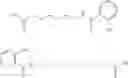

Sources:
- United States Patent and Trademark Office - verify current appl. status at the USPTO↗
Similar patent applications:
- » 9913049
Oxadiazole compounds and compositions for delivering active agents - » 10005511
Compounds and compositions for delivering active agents - » 10111144
Phenyl amine carboxylic acid compounds and compositions for delivering active agents - » 10129467
Phenoxy carboxylic acid compounds and compositions for delivering active agents - » 10181275
Compounds and compositions for delivering active agents - » 10363722
Cyanophenoxy carboxylic acid compounds and compositions for delivering active agents - » 10312703
Compounds and compositions for delivering active agents - » 10362066
Compounds and compositions for delivering active agents - » 10362067
Compounds and compositions for delivering active agents - » 9762067
Compounds and compositions for delivering active agents
Recent applications in this class:
- » 20240254082 2024-08-01
Substituted Isoindoline-1, 3-diketone PDE4 Inhibitor and Pharmaceutical Application Thereof - » 20230278957 2023-09-07
TREX1 INHIBITORS AND USES THEREOF - » 20230167058 2023-06-01
GPX4 COMPOUNDS AND COMPOSITIONS AND METHODS OF TREATMENT USING SAME - » 20230111252 2023-04-13
THIOSEMICARBAZATES AND USES THEREOF - » 20220348542 2022-11-03
PROCESS FOR SYNTHESIZING APREMILAST - » 20220306577 2022-09-29
THIOSEMICARBAZATES AND USES THEREOF - » 20220127228 2022-04-28
Method for producing dichloro addition product of aliphatic olefin by photocatalysis under visible light - » 20210317082 2021-10-14
Diamine compound, polyimide precursor using same, and polyimide film - » 20210276953 2021-09-09
Phthalide derivative, preparation method and use thereof - » 20210253527 2021-08-19
Curable compound
Recent applications for this Assignee:
- » 20100120876 2010-05-13
Compounds, methods and formulations for the oral delivery of a glucagon-like peptide (GLP-1) compound or a melanocortin-4 receptor (MC4) agonist peptide - » 20100048454 2010-02-25
Antidiabetic oral insulin-biguanide combination - » 20090209635 2009-08-20
Topical cromolyn formulations - » 20090143330 2009-06-04
Crystalline polymorphic forms of monosodium N-[-8-(2-hydroxybenzoyl)amino]caprylate - » 20090123562 2009-05-14
Pharmaceutical formulations of gallium salts - » 20080255250 2008-10-16
Compounds and compositions for delivering active agents - » 20080214448 2008-09-04
Compounds, methods and formulations for the oral delivery of a glucagon-like peptide (GLP)-1 compound or a melanocortin-4 receptor (MC4) agonist peptide - » 20080207514 2008-08-28
Intraoral dosage forms of glucagon - » 20080207513 2008-08-28
Compositions and methods for buccal delivery of human growth hormone - » 20080200380 2008-08-21
Compositions for buccal delivery of parathyroid hormone