Labeling reactant
US20070134162A1
2007-06-14
11/607,045
2006-12-01
✅ Patent granted
US 7,381,420 B2
2008-06-03
-
-
Michael G. Hartley | Melissa Perreira
2026-12-01
Abstract:
This invention concerns novel labeling reactants suitable for labeling of a biospecific binding reactant using solid-phase synthesis. The novel reactants are derivatives of diethylenetriaminepentaacetic acid (DTPA), wherein a suitable group is linked to the DTPA molecule, thus allowing site specific introduction of the ligand of said derivatives to bioactive molecules on solid phase in an oligopeptide synthesizer.
Inventors:
- Jari Peuralahti 10 🇫🇮 Turku, Finland
- Jari Hovinen 16 🇫🇮 Raisio, Finland
- Veli-Matti Mukkala 13 🇫🇮 Kaarina, Finland
Assignee:
- WALLAC OY 85 🇫🇮 Turku, Finland
Interested in similar patents?
Get notified when new applications in this technology area are published.
Classification:
A61K49/085 » CPC main
Preparations for testing; Nuclear magnetic resonance [NMR] contrast preparations; Magnetic resonance imaging [MRI] contrast preparations characterised by the carrier conjugated systems
A61K49/14 » CPC further
Preparations for testing; Nuclear magnetic resonance [NMR] contrast preparations; Magnetic resonance imaging [MRI] contrast preparations characterised by the carrier; Organic compounds Peptides, e.g. proteins
C07C229/24 » CPC further
Compounds containing amino and carboxyl groups bound to the same carbon skeleton having amino and carboxyl groups bound to acyclic carbon atoms of the same carbon skeleton the carbon skeleton being acyclic and saturated having more than one carboxyl group bound to the carbon skeleton, e.g. aspartic acid
C07C271/22 » CPC further
Derivatives of carbamic acids, i.e. compounds containing any of the groups , the nitrogen atom not being part of nitro or nitroso groups; Esters of carbamic acids having oxygen atoms of carbamate groups bound to acyclic carbon atoms with the nitrogen atoms of the carbamate groups bound to hydrogen atoms or to acyclic carbon atoms to carbon atoms of hydrocarbon radicals substituted by carboxyl groups
C07K1/13 » CPC further
General methods for the preparation of peptides, i.e. processes for the organic chemical preparation of peptides or proteins of any length Labelling of peptides
G01N33/532 » CPC further
Investigating or analysing materials by specific methods not covered by groups -; Biological material, e.g. blood, urine ; Haemocytometers; Chemical analysis of biological material, e.g. blood, urine; Testing involving biospecific ligand binding methods; Immunological testing; Immunoassay; Biospecific binding assay; Materials therefor; Production of immunochemical test materials Production of labelled immunochemicals
G01N33/58 » CPC further
Investigating or analysing materials by specific methods not covered by groups -; Biological material, e.g. blood, urine ; Haemocytometers; Chemical analysis of biological material, e.g. blood, urine; Testing involving biospecific ligand binding methods; Immunological testing involving labelled substances
C07C2603/18 » CPC further
Systems containing at least three condensed rings; Ortho- or ortho- and peri-condensed systems containing three rings containing at least one ring with less than six ring members containing five-membered rings only one five-membered ring Fluorenes; Hydrogenated fluorenes
A61K49/10 IPC
Preparations for testing; Nuclear magnetic resonance [NMR] contrast preparations; Magnetic resonance imaging [MRI] contrast preparations characterised by the carrier Organic compounds
C07K16/46 IPC
Immunoglobulins [IGs], e.g. monoclonal or polyclonal antibodies Hybrid immunoglobulins
A61K47/00 IPC
Medicinal preparations characterised by the non-active ingredients used, e.g. carriers or inert additives; Targeting or modifying agents chemically bound to the active ingredient
C07C61/00 IPC
Compounds having carboxyl groups bound to carbon atoms of rings other than six-membered aromatic rings
C07C61/08 IPC
Compounds having carboxyl groups bound to carbon atoms of rings other than six-membered aromatic rings Saturated compounds having a carboxyl group bound to a six-membered ring
C07C51/58 IPC
Preparation of carboxylic acids or their salts, halides or anhydrides Preparation of carboxylic acid halides
C07C53/38 IPC
Saturated compounds having only one carboxyl group bound to an acyclic carbon atom or hydrogen Acyl halides
C07C55/36 IPC
Saturated compounds having more than one carboxyl group bound to acyclic carbon atoms Acyl halides
C07C57/64 IPC
Unsaturated compounds having carboxyl groups bound to acyclic carbon atoms Acyl halides
C07C59/00 IPC
Compounds having carboxyl groups bound to acyclic carbon atoms and containing any of the groups OH, O—metal, —CHO, keto, ether, groups, groups, or groups
C07C62/00 IPC
Compounds having carboxyl groups bound to carbon atoms of rings other than six—membered aromatic rings and containing any of the groups OH, O—metal, —CHO, keto, ether, groups, groups, or groups
C07C63/00 IPC
Compounds having carboxyl groups bound to a carbon atoms of six-membered aromatic rings
C07C65/00 IPC
Compounds having carboxyl groups bound to carbon atoms of six—membered aromatic rings and containing any of the groups OH, O—metal, —CHO, keto, ether, groups, groups, or groups
C07C69/74 IPC
Esters of carboxylic acids; Esters of carbonic or haloformic acids Esters of carboxylic acids having an esterified carboxyl group bound to a carbon atom of a ring other than a six-membered aromatic ring
Description
FIELD OF THE INVENTIONThis invention relates to novel derivatives of diethylenetriaminepentaacetic acid which allow site specific introduction of the ligand of said derivatives to bioactive molecules on solid phase.
BACKGROUND OF THE INVENTIONThe publications and other materials used herein to illuminate the background of the invention, and in particular, cases to provide additional details respecting the practice, are incorporated by reference.
Because of its excellent metal chelating properties diethylenetriaminepentaacetic acid (DTPA) is one of the most widely used organic ligands in magnetic resonance imaging (MRI) and positron emission tomography (PET) [Aime, S., Botta, M., Fasano, M. and Terrano, E. 1998, Chem. Soc. Rev., 27, 19, Caravan, P., Ellison, J. J., McMurry, T. J. and Lauffer, R. B., 1999, Chem. Rev., 99, 2293, Woods, M., Kovacs, Z. and Sherry, A. D., 2002, J. Supramol. Chem., 2, 1]. Indeed, the first FDA approved contrast agent in clinical use is the Gd3+ DTPA chelate [Runge, V. M., 2000, J. Magn. Res. Imaging, 12, 205.]. The corresponding 111In and 68Ga chelates, in turn, are suitable for PET applications [Anderson, C. J. and Welch, M. J., 1999, Chem. Rev. 99, 2219], while Eu3+, Tb3+, Sm3+ and Dy3+ chelates can be used in applications based on dissosiation enhanced lanthanide fluorescence immunoassay (DELFIA) [PCT WO 03/076939A1]. 99mTc DTPA in turn, is suitable for single positron emission computed tomography (SPECT) [Lorberboym, M., Lampl, Y. and Sadeh, M., 2003, J. Nucl. Med 44, 1898, Galuska, L., Leovey, A., Szucs-Farkas, Z., Garai, I., Szabo, J., Varga, J. and Nagy, E. V., 2002, Nucl. Med. Commun. 23,1211]. Bioactive molecules labeled with 111In or 117mSn DTPA may find applications as target-specific radiopharmaceuticalsk [Volkert, W. A. and Hoffman, T. J., 1999, Chem. Rev. 99, 2269].
In several applications, covalent conjugation of DTPA to bioactive molecules is required. Often, isothiocyanato, N-hydroxysuccinimide or maleimide derivatives of the chelate are used in the labeling the target molecules such as oligonucleotides and oligopeptides. Several bifunctional DTPA derivatives are currently commercially available. Because in all of these cases the labeling reaction is performed in the presence of an excess of an activated label, laborious purification procedures cannot be prevented. Especially, when attachment of several label molecules is needed, purification and characterization of the desired biomolecule conjugate may be extremely difficult.
The purification problems can be avoided by performing the labeling reaction on solid phase. Hence, most of the impurities can be removed by washings when the biomolecule conjugate is still anchored to the solid support, and after release to the solution, only one chromatographic purification is needed. Several such blocks have been published. They include organic dyes [Loshe, J., Nielsen, P. E., Harrit, N. and Dahl, O., 1997, Bioconjugate Chem. 8, 503, McCafferty, D. G., Bishop, B. M., Wall, C. G., Hughes, S. G., Mecklenberg, S. L., Meyer, T. J., and Erickson, D. W., 1995, Tetrahedron, 51, 1093, WO 96/03409, Cuppoletti, A., Cho, Y., Park, J.-C., Strässler, G. and Kool, E. T. 2005, Bioconjugate Chem. 16, 528, Bethelot, T., Lain, G., Latxague, L. and Deleris, G., 2004, J. Fluorescence, 14, 671], derivatives of EDTA [Sluka, J. P., Griffin, J. H., Mack, D. P. and Dervan, P. B. 1990, J. Am. Chem. Soc, 112, 6369, Arya, R. and Gariepy, J. 1991, Bioconjugate Chem., 2, 323, Cuenoud, B. and Schepartz, A. 1991, Tetrahedron, 47, 2535, Rana, T. M., Ban, M. and Hearst, J. E., 1992, Tetrahedron Left, 33, 4521, Song, A. I. and Rana, T. A., 1997, Bioconjugate Chem., 8, 249, Davies, J. C., Al-Jamri, L., 2002, J. peptide Sci., 8, 663, U.S. Pat. No. 5,637,759], DOTA [Bhorade, R., Weissleder, R., Nakakoshi, T., Moore, A. and Tung, C.-H., 2000, Bioconjugate Chem., 11, 301., Gallazzi, F., Wang, Y., Jia, F., Shenoy, N., Landon, L. A., Hannink, M., Lever, S. Z. and Lewis, M. R. 2003, Bioconjugate Chem., 14, 1083.] and luminescent and non-luminescent lanthanide chelates [U.S. Pat. Nos. 6,080,839; 6,949,696; Peuralahti, J., Hakala, H., Mukkala, V.-M., Hurskainen, P., Mulari, O. and Hovinen, J. 2002 Bioconjugate Chem. 13, 876.].
Although DTPA molecule is known for decades, and although reagents for solid phase oligonucleotide derivatization with DTPA has been demonstrated [U.S. Pat. No. 6,949,639], no reactants which allow its direct solid phase conjugation to oligopeptides have been synthesized. The solid phase methods published involve synthesis of oligopeptides, where one ε-amino group of lysine is selectively deprotected while the oligomer is still anchored to the resin [Handl, H. L., Vagner, J., Yamamura, H. I., Hruby, V. J. and Gilles, R. J. 2005, Anal. Biochem. 343, 299, Nagy, I. B., Vagra, I. and Hudecz, F, 2000, Anal. Biochem., 287, 17] Then, an activated DTPA molecule (as an anhydride or an HOBt ester) is coupled to the primary amino function, the oligopeptide is deprotected and converted to the appropriate DTPA chelate. However, this methodology has some drawbacks. First, practically only one DTPA molecule can be introduced. This may be problematic in applications were high detection sensitivity is required. Second, since one of the iminoacetic acid groups is used for conjugation, the resulting chelate is less stable than the parent DTPA molecule [Paul-Roth, C. and Raymond, K. N. 1995, Inorg. Chem. 34, 1408, Li, W. P., Ma, D. S., Higginbotham, C., Hoffman, T., Ketring, A. R., Cutler, C. S. and Jurisson, S. S. 2001, Nucl. Med. Biol. 28, 145.]. This may be a serious problem in vivo applications especially in MRI due to the high toxicity of free Gd(III) ion.
A schematic preparation of stable DTPA derivatives applicable to solid phase peptide incorporation have been proposed [U.S. Pat. No. 5,637,759], but the method of their preparation is challenging due to the carboxyl protecting strategy. There, selective deprotection of a single and specic carboxylic acid group out of six of similar reactivities is required. This problem can be avoided by changing the protecting group strategy, but the synthetic route will be consideably longer [WO 03/011115].
SUMMARY OF THE INVENTIONThe main object of the present invention is to provide DTPA derivatives which allow solid phase introduction of the chelate to bioactive molecules using a standard oligopeptide synthesizer. The bioconjugates thus obtained are highly suitable for magnetic resonance imaging (MRI), positron emission tomography (PET), single positron emission computed tomography (SPECT) and dissossiation enhanced lanthanide fluorescence immunoassay (DELFIA) as well as target-specific radiopharmaceuticals. The major advantage of the present invention are:
(i) synthesis of the building block is simple and thus these molecules can be synthesized in large scale;
(ii) the blocks can be introduced to the biomolecule structure with standard oligopeptide synthesizer in high efficiencey using normal procedures;
(iii) since the metal is introduced after the chain assembly is completed, the molecule synthesized can be used in various applications simply by changing the metal;
(iv) since none of the DTPA carboxylic acid residues are used for conjugation the stability of the chelate does not change;
(v) the chelate formation is considerably faster than in the case of DOTA (the other most commonly used chelator). This is advantageus while working with short-living radioisotopes.
(vi) the labeling reactant can be used in the labeling of a large variety of bioactive molecules such as oligopeptides, steroids and drugs.
In some applications it is advantageous that the chelate is neutral. Then, two of the acetate groups can be substituted with amides. Naturally, the stability of these chelates is lower than that of the corresponding acetates.
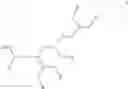
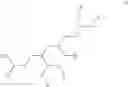
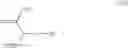
Thus, the present invention concerns a labeling reactant of formula (I) or (Ia) suitable for labeling of a biospecific binding reactant
wherein,
-A- is a linker, which is formed from one to ten moieties, each moiety being selected from the group consisting of phenylene, alkyl containing 1-12 carbon atoms, ethynediyl (—C≡C—), ethylenediyl (—C═C—); ether (—O—), thioether (—S—), amide (—CO—NH— and —CO—NR″), carbonyl (—CO—), ester (—COO— and —OOC—), disulfide (—SS—), diaza (—N═N—) or a tertiary amine (—NR″—), where R″ represents an alkyl containing less than 5 carbon atoms,
each R is independently —COOR′ or —CONHR′, where R′ is an alkyl of 1 to 4 carbon atoms, phenyl or benzyl, which phenyl or benzyl is substituted or unsubstituted;
Z is a transient protecting group;
X is a carboxylic acid, its organic or inorganic salt or active ester or acid halide.
The present invention concerns a method for the preparation of labeling reactants of formula (I) and (Ia) as defined in claim 9.
DETAILED DESCRIPTION OF THE INVENTIONIn case R′ as defined above is a substituted phenyl or substituted benzyl, the most preferable substituents include chloride.
Where X is an active ester of a carboxylic acid, said ester is preferably an N-hydroxysuccinimido, p-nitrophenol or pentafluorophenol ester.
Where X is an acid halide of a carboxylic acid, said halide is preferably chloride or fluoride.
The transient protecting group Z is preferably fluorenylmethoxycarbonyl (Fmoc); nitrobenzenesulfonyl (Ns); tert-butoxycarbonyl (Boc) or 1,1-dioxobenzo[b]thio-phen-2-ylmethyloxycarbonyl (Bsmoc).
The biospecific binding reactant to be labeled is, for example, an oligopeptide, protein, oligosaccaride, polysaccaride, phospholipide, PNA, LNA, antibody, hapten, drug, receptor binding ligand or lectine. Most preferably, the biospecific binding reactant is an oligopeptide.
The present invention concerns also a method for the preraration of labeling reactants of formula (I) and (Ia)
comprising (i)
-
- rection of the molecule of structure formula (II) or (IIa)
with a compound of the formula (III),
wherein Z2 is a transient protecting group, most preferably allyl or benzyl, A2 is a linker formed from one to ten moieties, each moiety being selected from the group consisting of phenylene, alkyl containing 1-12 carbon atoms, ethynediyl (—C≡C—), ethylenediyl (—C═C—); ether (—O—), thioether (—S—), amide (—CO—NH— and —NH—CO— and —CO—NR″ and —NR″—CO—), carbonyl (—CO—), ester (—COO— and —OOC—), disulfide (—SS—), diaza (—N═N—) and tertiary amine (—NR″—), where R″ represents an alkyl containing less than 5 carbon atoms, X2 carboxylic acid, acid chloride, acid bromide, acid fluoride or an active ester, most preferably pentafluorophenyl or N-hydroxysuccininyl ester, optionally in the presence of an activator to give compound (IV) or (IVa)
which is deprotected to give compound of formula I or Ia in which X is COOH, after which X optionally is converted to the corresponding organic or inorganic salt or acitive ester or acid halide.
The invention will be illuminated by the following non-restrictive Experimental Section.
Experimental Section
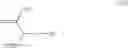
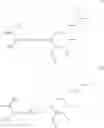
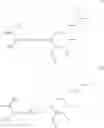
The invention is further elucidated by the following examples. The structures and synthetic routes employed in the experimental part are depicted in Scheme 1. Experimental details are given in examples 1 and 2. Coupling of the oligopeptide building block to oligopeptide structure on solid phase, deprotection and convertion to the corresponding gadolinium(III) chelate is given in Example 3.
Procedures
Adsorption column chromatography was performed on columns packed with silica gel 60 (Merck). Reagents for oligopeptide synthesis were purchased Nova Biochem. Sodium sulfinate resin (200-400 mesh, 1% DVB, 1.3 mmol g−1) was purhased from Tianjin Nankai Hecheng Science & technology Company Limited (China). The oligopeptides were assembled on an Applied Biosystems 433A instrument, using recommended protocols. HPLC purifications were performed using a Shimazu LC 10 AT instrument equipped with a diode array detector, a fraction collector and a reversed phase column (LiChrocart 125-3 Purospher RP-18e 5 μm). Mobile phase: (Buffer A): 0.02 M triethylammonium acetate (pH 7.0); (Buffer B): A in 50% (v/v) acetonitrile. Gradient: from 0 to 1 min 95% A, from 1 to 21 min from 95% A to 100% B. Flow rate was 0.6 mL min−1. All dry solvents were from Merck and they were used as received. NMR spectra were recorded on a Bruker 250 spectrometer operating at 250.13 MHz for 1H. The signal of TMS was used as an internal reference. ESI-TOF mass spectra and IR spectra were recorded on Applied Biosystems Mariner and PerkinElmer Spectrum One instruments, respectively.
EXAMPLES Example 1 The synthesis of penta-tert-butyl 2-{4′-{2-[4-allyloxycarbonyl-4-(fluorenylmethyloxycarbonylamino)]butyrylamido}benzyl}-diethylenetriamine-pentakis(acetate), 2Fmoc-Glu-OAII (1.31 g, 3.21 mmol), HATU (1.22 g, 1.32 mmol) and DIPEA (0.57 mL, 3.21 mmol) were dissolved in dry DMF (5 mL), and the mixture was stirred for 15 min at RT. Compound 1, disclosed in Corson, D. T., Meares, C. F., 2000, Bioconjugate Chem., 11, 292 (2.50 g, 3.21 mmol; predissolved in 2 mL of dry DMF) was added and the mixture was stirred for an additional 2 h. The mixture was diluted with dichloromethane (50 mL), washed twice with 10% citric acid and dried over Na2SO4. Purification on silica gel (eluent CH2Cl2/MeOH 9:1, v/v) gave 2.84 g (82%) of compound 2.
1H NMR (CDCl3): δ 8.31 (2H, br s); 7.75 (2H, d, J 7.3); 7.61 (4H, m); 7.39 (2H, t, J 7.3); 7.30 (2H, m); 7.02 (2H, d, J 8.6); 5.96 (1H, m); 5.89 (1H, m); 5.26 (1H, m); 4.65 (2H, d, J 5.4); 4.41 (2H, m); 4.22 (1H, t, J 6.7); 3.40-2.38 (24H); 1.48 (36H, s); 1.42 (9H, s). ESI-TOF-MS for C64H92N5O15 (M+H)+: calcd, 1170.66; found, 1170.59.
Example 2 The synthesis of penta-tert-butyl 2-{4′-{2-[4-carboxy-4-(fluorenylmethyloxycarbonylamino)]butyrylamido}benzyl}diethylenetriamine-pentakis(acetate), 3Compound 2 (1.00 g, 0.90 mmol) was dissolved in dry THF (20 mL) and deaerated with argon. Pd(Ph3P)4 (63 mg) and sodium sulfinate resin (1.0 g) were added, and the mixture was stirred for 2 h at RT. The resin was filtered off, washed with THF and the filtrate was concentrated. The residue was dissolved in dichloromethane, washed with 10% citric acid, dried over 4Å molecular sieves. Concentration in vacuo yielded compound 3. ESI-TOF-MS for C61H88N5O15(M+H)+: calcd, 1130.63; found, 1130.65.
Example 3 The Synthesis of Oligopeptide ConjugatesA model sequence (RKEAASIKVAVS) was synthesized in 10 μmol scale using Fmoc chemistry and recommended protocols (coupling time 30 min for natural amino acid analogues, and 2 h for 3). One or five blocks 3 was coupled to its carboxy terminus. When the chain assembly was completed, the resin was treated with the mixture of crystalline phenol (75 mg), ethanedithiol (25 μL), thioanisole (50 μL), water (50 μL) and trifluoroacetic acid (1 mL) for 4 h. The resin was removed by filtration, and the solution was concentrated in vacuo. The crude oligopeptide was precipitated with diethyl ether. The precipitate was redissolved in water and treated with gadolinium(III) citrate (5 equiv per ligand). Purification was performed on HPLC.
It will be appreciated that the methods of the present invention can be incorporated in the form of a variety of embodiments, only a few of which are disclosed herein. It will be apparent for the expert skilled in the field that other embodiments exist and do not depart from the spirit of the invention. Thus, the described embodiments are illustrative and should not be construed as restrictive.
Claims
1. A labeling reactant of formula (I) suitable for labeling of a biospecific binding reactant using solid-phase synthesis
wherein,
-A- is a linker formed from one to ten moieties, each moiety being selected from the group consisting of phenylene, alkyl containing 1-12 carbon atoms, ethynediyl (—C≡C—), ethylenediyl (—C═C—); ether (—O—), thioether (—S—), amide (—CO—NH— and —CO—NR″), carbonyl (—CO—), ester (—COO— and —OOC—), disulfide (—SS—), diaza (—N═N—) and tertiary amine (—NR″—), where R″ represents an alkyl containing less than 5 carbon atoms,
each R is independently —COOR′ or —CONHR′, where R′ is an alkyl of 1 to 4 carbon atoms, phenyl or benzyl, which phenyl or benzyl is substituted or unsubstituted;
Z is a transient protecting group;
X is a carboxylic acid, its organic or inorganic salt or active ester or acid halide.
2. The labeling reactant according to claim 1, wherein said labeling reactant has the formula (Ia)
and R,Z, A and X are as defined in claim 1.
3. The labeling reactant according to claim 1 wherein X is an active ester of the carboxylic acid and the ester is an N-hydroxysuccinimido, p-nitrophenol or pentafluorophenol ester.
4. The labeling reactant according to claim 1 wherein X is an acid halide of the carboxylic acid and the halide is chloride or fluoride.
5. The labeling reactant according to claim 1 wherein Z is fluorenylmethoxycarbonyl (Fmoc); nitrobenzenesulfonyl (Ns); tert-butoxycarbonyl (Boc) or 1,1-dioxobenzo[b]thiophen-2-ylmethyloxycarbonyl (Bsmoc).
6. The labeling reactant according to claim 1, which is penta-tert-butyl 2-{4′-{2-[4-carboxy4-fluorenylmethyloxycarbonylamino)]-butyrylamido}benzyl}-diethylenetriamine-pentakis(acetate).
7. The labeling reactant according to claim 1 wherein the biospecific binding reactant is an oligopeptide, protein, oligosaccaride, polysaccaride, phospholipide, PNA, LNA, antibody, hapten, drug, receptor binding ligand or lectine.
8. The labeling reactant according to claim 1 for labeling of a bio-specific binding reactant using solid-phase synthesis.
9. Method for the preparation of a compound of formula (I) or (Ia)
wherein R, X, and Z are as defined in claim 1, and A is a linker formed from one to ten moieties, each moiety being selected from the group consisting of phenylene, alkyl containing 1-12 carbon atoms, ethynediyl (—C≡C—), ethylenediyl (—C═C—); ether (—O—), thioether (—S—), amide (—CO—NH— and —NH—CO— and —CO—NR″ and —NR″—CO—), carbonyl (—CO—), ester (—COO— and —OOC—), disulfide (—SS—), diaza (—N═N—) and tertiary amine (—NR″—), where R″ represents an alkyl containing less than 5 carbon atoms, said method comprising the step of reacting a compound of formula (II) or (IIa)
with a compound of the formula (III),
wherein Z2 is a transient protecting group, A2 is a linker formed from one to ten moieties, each moiety being selected from the group consisting of phenylene, alkyl containing 1-12 carbon atoms, ethynediyl (—C≡C—), ethylenediyl (—C═C—); ether (—O—), thioether (—S—), amide (—CO—NH— and —NH—CO— and —CO—NR″ and —NR″—CO—), carbonyl (—CO—), ester (—COO— and —OOC—), disulfide (—SS—), diaza (—N═N—) and tertiary amine (—NR″—), where R″ represents an alkyl containing less than 5 carbon atoms, X2 carboxylic acid, acid chloride, acid bromide, acid fluoride or an active ester, optionally in the presence of an activator to give compound (IV) or (IVa)
which is deprotected to give compound of formula I or Ia in which X is COOH, after which X optionally is converted to the corresponding organic or inorganic salt or active ester or acid halide.
10. The method according to claim 9, wherein Z2 is allyl or benzyl.
11. The method according to claim 9, wherein X2 is an active ester, which is pentafluorophenyl or N-hydroxysuccininyl ester.
Images & Drawings included:






Sources:
- United States Patent and Trademark Office - verify current appl. status at the USPTO↗
Similar patent applications:
- » 9847384
Oligonucleotide labeling reactants and their use - » 9985454
Oligonucleotide labeling reactants based on acyclonucleosides and conjugates derived thereof - » 10365637
Biospecific binding reactants labeled with new luminescent lanthanide chelates and their use - » 20070166228
Neutral labeling reactants and conjugates derived thereof - » 20070167615
Macrocyclic oligonucleotide labeling reactants and conjugates derived thereof - » 20080176338
LABELING REACTANT - » 20080176339
NEUTRAL LABELING REACTANTS AND CONJUGATES DERIVED THEREOF - » 20090156801
Biomolecule labeling reactants based on azacycloalkanes and conjugates derived thereof - » 20090233302
Labeled reactants and their uses - » 20110311964
Labeled reactants and their uses
Recent applications in this class:
- » 20250064988 2025-02-27
MRI-AGENT LOADED PLATELET COMPOSITIONS AND METHODS OF PREPARING AND USING THE SAME - » 20230405153 2023-12-21
FIBROBLAST ACTIVATION PROTEIN-TARGETED MAGNETIC RESONANCE IMAGING AGENTS, COMPOSITIONS, AND METHODS OF USE - » 20230398238 2023-12-14
TARGETED CONTRAST AGENTS FOR MRI OF ALPHA-SYNUCLEIN DEPOSITION - » 20230094602 2023-03-30
NOVEL GADOLINIUM-BASED COMPOUND, PREPARATION METHOD THEREFOR, AND MRI CONTRAST AGENT CONTAINING SAME - » 20220265868 2022-08-25
Targeted contrast agents for MRI of alpha-synuclein deposition - » 20220080057 2022-03-17
Biocompatible magnetic materials - » 20210030896 2021-02-04
BIO-ACTIVATED REPORTERS TO VISUALIZE, IN REAL TIME, SPECIFIC GENE THERAPY PRODUCTS - » 20210015948 2021-01-21
Manganese-based chelate conjugates for molecular MR imaging - » 20190321492 2019-10-24
Gd(III)-dithiolane gold nanoparticle conjugates - » 20190247522 2019-08-15
BIOCOMPATIBLE MAGNETIC MATERIALS
Recent applications for this Assignee:
- » 20220244249 2022-08-04
Microwell assay plate and related methods - » 20200033354 2020-01-30
Method for determining the risk of preterm birth - » 20190145867 2019-05-16
Device and a method for managing a sample to be analyzed and a solid sample carrier and liquid sample carrier - » 20190137508 2019-05-09
System and method for determining risk of diabetes based on biochemical marker analysis - » 20180333884 2018-11-22
Method and device for cutting off one or more sample regions from a sample carrier - » 20180038801 2018-02-08
Reducing measurement variation to optical measuring of sample material - » 20170326541 2017-11-16
Dispenser device and a method for rinsing the dispenser device - » 20170285041 2017-10-05
Method for determining risk of pre-eclampsia - » 20170261511 2017-09-14
Method for determining the risk of preterm birth - » 20170153183 2017-06-01
Device and a method for detecting a sample contained by a sample well