Apparatus and method for preventing image distortion
US20070171479A1
2007-07-26
11/640,254
2006-12-18
Abstract:
An image distortion prevention apparatus and method are provided for preventing distortion of an image formed with light scanned by an optical scanner, the optical scanner operating in response to a mirror drive signal that determines a degree of deflection of the optical scanner. The apparatus includes a deflection sensing unit which senses a degree of deflection of an optical scanner when the optical scanner receives a horizon instruction signal or no signal; and a drive signal adjustment unit which adjusts a candidate drive signal according to the sensing result and outputs the adjusted candidate drive signal as a mirror drive signal. The method includes sensing a degree of deflection of an optical scanner when the optical scanner receives a horizon instruction signal or no signal; and adjusting a candidate drive signal according to the sensing result; and outputting the adjusted candidate drive signal as a mirror drive signal.
Assignee:
- SAMSUNG ELECTRONICS CO., LTD. 85,389 🇰🇷 Suwon-si, South Korea
Interested in similar patents?
Get notified when new applications in this technology area are published.
Classification:
H04N3/08 » CPC main
Scanning details of television systems; Combination thereof with generation of supply voltages by optical-mechanical means only having a moving reflector
H04N1/409 IPC
Scanning, transmission or reproduction of documents or the like, e.g. facsimile transmission; Details thereof; Picture signal circuits Edge or detail enhancement; Noise or error suppression
Description
CROSS-REFERENCE TO RELATED PATENT APPLICATION
This application claims priority from Korean Patent Application No. 10-2006-0007904, filed on Jan. 25, 2006, in the Korean Intellectual Property Office, the disclosure of which is incorporated herein in its entirety by reference.
BACKGROUND OF THE INVENTION
1. Field of the Invention
Apparatuses and methods consistent with the present invention relate to an optical scanner such as a Micro-Electro-Mechanical System (MEMS) scanner, and more particularly, to an image distortion prevention apparatus and method, wherein the apparatus operates in response to a mirror drive signal determining the degree of deflection of an optical scanner capable of scanning light having information regarding an image, and prevents the deflection of an image formed by light that is scanned by the optical scanner.
2. Description of Related Art
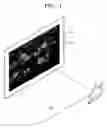
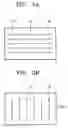
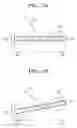
FIG. 1 is a perspective view for explaining the principle of forming an image by optical scanning. FIG. 2A is a diagram illustrating horizontal scanning. FIG. 2B is a diagram illustrating vertical scanning. FIG. 3A is a diagram illustrating a state where a normal optical scanner operates in response to candidate drive signals in a seesaw manner; and FIG. 3B is a diagram illustrating a state where an abnormal optical scanner operates in response to candidate drive signals in a seesaw manner.
Referring to FIG. 1, display apparatuses such as laser projection televisions (TVs) that realize images by optical scanning include an optical scanner 110 capable of scanning light 120 in various directions. Here, the optical scanner 110 operates in a seesaw manner in response to a mirror drive signal that determines the degree of deflection of the optical scanner 110. The direction to which the light is scanned is determined by the mirror drive signal.
The optical scanner 110 includes a mirror that scans the light 120 onto a screen 130 by reflecting the incident light 120. Here, the optical scanning may be bi-directional scanning in the horizontal direction 210 shown in FIG. 2A or bi-directional scanning in the vertical direction 220 shown in FIG. 2B.
In addition, the light 120 which the optical scanner 110 scans onto the screen has information regarding an image 140, and accordingly the image 140 is formed on the screen 130.
To prevent distortion of the image 140 formed by the optical scanner 110 that performs bi-directional scanning, all of the start points (or end points) of the respective scan lines in one direction and the end points (or the start points) of the respective scan lines in the other direction should be positioned along the same line on the screen 130, as shown in FIGS. 2A and 2B.
Likewise, to prevent distortion of the image 140 formed by the optical scanner 110 that performs one-directional scanning, the start points (or end points) of the respective scan lines should be positioned along the same line on the screen 130.
To this end, the optical scanner 110 should operate in a normal seesaw manner as shown in FIG. 3A. For the optical scanner 110 to operate in a normal seesaw manner, the mirror drive signal that is input to the optical scanner 110 should instruct a normal seesaw movement of the optical scanner 110, and the optical scanner 110 should also be in a normal state.
The optical scanner 110 is considered to be normal when the optical scanner 110 is not deflected when there is no input signal to the optical scanner 110, as indicated by reference numeral 310 in FIG. 3A, whereas the optical scanner 110 is considered to be abnormal when the optical scanner 110 is deflected when there is no input signal to the optical scanner 110, as indicated by reference numeral 330 in FIG. 3B.
In the related art display apparatus, if the optical scanner 110 is in an abnormal state, when a mirror drive signal that instructs normal seesaw movement of the optical scanner 110 is input to the optical scanner 110, the optical scanner 110 has abnormal seesaw movement 340, and thus displays distorted images on the screen 130.
SUMMARY OF THE INVENTION
The present invention provides an image distortion prevention apparatus that causes an optical scanner to operate with normal seesaw movement, even when the optical scanner is abnormal when the optical scanner receives a signal instructing normal seesaw movement, assuming that the optical scanner is a normal optical scanner which is not deflected when there is no input signal.
The present invention also provides an image distortion prevention method that causes an optical scanner to operate with normal seesaw movement, even when the optical scanner is abnormal when the optical scanner receives a signal instructing normal seesaw movement, assuming that the optical scanner is a normal optical scanner which is not deflected when there is no input signal.
According to an aspect of the present invention, there is provided an apparatus for preventing distortion of an image, the apparatus comprising a deflection sensing unit which senses a degree of deflection of an optical scanner when the optical scanner receives a horizon instruction signal or no signal; and a drive signal adjustment unit which adjusts a candidate drive signal according to the sensing result and outputs the adjusted candidate drive signal as a mirror drive signal.
According to another aspect of the present invention, there is provided a method of preventing distortion of an image, the method comprising sensing a degree of deflection of an optical scanner when the optical scanner receives a horizon instruction signal or no signal; and adjusting a candidate drive signal according to the sensing result; and outputting the adjusted candidate drive signal as a mirror drive signal.
According to another aspect of the present invention, there is provided a method of preventing distortion of an image, the method comprising sensing a degree of deflection of an optical scanner when the optical scanner receives a horizon instruction signal or no signal; inverting portions of a candidate drive signal which have negative values; generating a first adjustment signal by applying an offset corresponding to the sensing result to the inverted candidate drive signal; extracting a square root of the first adjustment signal; generating a second adjustment signal by applying an offset corresponding to the extracted square root to the candidate drive signal; increasing a level of the second adjustment signal to a drivable level; and outputting the increased second adjustment signal as the mirror drive signal.
According to another aspect of the present invention, there is provided a method of preventing distortion of an image, the method comprising sensing a degree of deflection of an optical scanner when the optical scanner receives a horizon instruction signal or no signal; inverting portions of a candidate drive signal which have negative values; extracting a square root of the inverted candidate drive signal; generating a fourth adjustment signal by applying an offset corresponding to the sensing result to the candidate drive signal; generating a fifth adjustment signal by applying an offset corresponding to the extracted square root to the fourth adjustment signal; increasing a level of the fifth adjustment signal to a drivable level; and outputting the increased fifth adjustment signal as the mirror drive signal.
According to another aspect of the present invention, there is provided a method of preventing distortion of an image, the method comprising sensing a degree of deflection of an optical scanner optical scanner when the optical scanner receives a horizon instruction signal or no signal; inverting portions of the candidate drive signal which have negative values; extracting a square root of the inverted candidate drive signal; generating a seventh adjustment signal by applying an offset corresponding to the extracted square root to the candidate drive signal; generating an eighth adjustment signal by applying an offset corresponding to the sensing result to the seventh adjustment signal; increasing a level of the eighth adjustment signal to a drivable level; and outputting the increased eighth adjustment signal as the mirror drive signal.
BRIEF DESCRIPTION OF THE DRAWINGS
The above and other aspects of the present invention will become more apparent by describing in detail certain exemplary embodiments thereof with reference to the attached drawings in which:
FIG. 1 is a perspective view illustrating the principle of forming an image by related art optical scanning;
FIGS. 2A and 2B are reference diagrams for describing kinds of related art optical scanning;
FIGS. 3A and 3B are diagrams illustrating the seesaw movement of a related art optical scanner;
FIG. 4 is a schematic block diagram illustrating an image distortion prevention apparatus according to an exemplary embodiment of the present invention;
FIG. 5 is a schematic diagram for explaining the operation of a deflection sensing unit depicted in FIG. 4 according to an exemplary embodiment of the present invention;
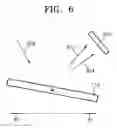
FIG. 6 is a second reference diagram for explaining the operation of the deflection sensing unit depicted in FIG. 4 according to another exemplary embodiment of the present invention;
FIG. 7 is a detailed block diagram illustrating an image distortion prevention apparatus according to an exemplary embodiment of the present invention;
FIGS. 8A through 8D are waveform diagrams depicting the operation of a deflection prediction unit illustrated in FIG. 7;
FIG. 9 is a detailed block diagram illustrating an image distortion prevention apparatus according to another exemplary embodiment of the present invention;
FIG. 10 is a detailed block diagram illustrating an image distortion prevention apparatus according to another exemplary embodiment of the present invention;
FIG. 11 is a flowchart illustrating an image distortion prevention method according to an exemplary embodiment of the present invention;
FIG. 12 is a flowchart illustrating an image distortion prevention method according to another exemplary embodiment of the present invention; and
FIG. 13 is a flowchart illustrating an image distortion prevention method according to another exemplary embodiment of the present invention.
DETAILED DESCRIPTION OF EXEMPLARY EMBODIMENTS OF THE INVENTION
The attached drawings for illustrating exemplary embodiments of the present invention are referred to in order to gain a sufficient understanding of the present invention, the merits thereof, and the objectives accomplished by the implementation of the present invention.
Hereinafter, the present invention will be described in detail by explaining exemplary embodiments of the invention with reference to the attached drawings. Like reference numerals in the drawings denote like elements.
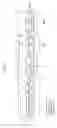
FIG. 4 is a schematic block diagram illustrating an image distortion prevention apparatus according to an exemplary embodiment of the present invention. The image distortion prevention apparatus includes a deflection sensing unit 410, a deflection prediction unit 420, and a drive signal adjustment unit 430.
The deflection sensing unit 410 senses a deflection angle of the optical scanner 110 when the optical scanner receives a horizon instruction signal or no signal. The horizon instruction signal instructs no deflection of the optical scanner 110, that is, no inclination to either side.
If the optical scanner 110 is abnormal, the deflection sensing unit 410 may sense that the optical scanner 110 is deflected, in case that the optical scanner receives a horizon instruction signal or no signal. On the other hand, if the optical scanner 110 is normal, the deflection sensing unit 410 may sense that the optical scanner 110 is not deflected, in case that the optical scanner receives a horizon instruction signal or no signal.
The deflection prediction unit 420 predicts the degree of deflection of the optical scanner 110 when the optical scanner 110 receives a candidate drive signal or a first adjustment signal. The drive signal adjustment unit 430 adjusts the candidate drive signal according to the sensing result of the deflection sensing unit 410 and/or the prediction result of the deflection prediction unit 420.
The candidate drive signal instructs normal seesaw movement of the optical scanner 110, assuming that the optical scanner 110 is normal, and is input to the deflection prediction unit 420 and the drive signal adjustment unit 430 through an input terminal IN 1. The candidate drive signal is a periodic signal having a certain period, and may be set in advance. The certain period may be predetermined. In addition, the first adjustment signal is produced by the drive signal adjustment unit 430 to adjust the candidate drive signal according to the sensing result of the deflection sensing unit 410.
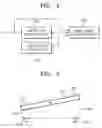
FIG. 5 is a schematic diagram for explaining the operation of the deflection sensing unit 410 according to an exemplary embodiment of the present invention. The deflection sensing unit 410 of FIG. 5 uses an electrical mechanism to sense the degree of deflection of the optical scanner 110 when the optical scanner 110 receives a horizon instruction signal or no signal. Hereinafter, the operation of the deflection sensing unit 410 will be described with reference to FIG. 5.
There is a capacitance in both a space 510 (referred to as a first space) between a first end 512 of the optical scanner 110 and a first polar plate 514 and a space 520 (referred to as a second space) between a second end 522 of the optical scanner 110 and a second polar plate 524. The first and second polar plates 514 and 524 determine whether or not the optical scanner 110 is deflected. The first polar plate 514 is closer to the first end 512 of the optical scanner 110 than the second polar plate 524, and the second polar plate 524 is closer to the second end 522 of the optical scanner 110. The size of the first polar plate 514 may be equal to the size of the second polar plate 526.
If a horizon instruction signal or no signal is input to an abnormal optical scanner 110, the optical scanner 110 may be deflected. In this case, the distance between the first end 512 of the optical scanner 110 and the first polar plate 514 differs from the distance between the second end 522 and the second polar plate 524, and accordingly the capacitance of the first space 510 differs from the capacitance of the second space 520. The deflection sensing unit 410 can sense the degree of deflection of the optical scanner 110 by obtaining the difference between the capacitance of the first space 510 and the capacitance of the second space 520.
FIG. 6 is a schematic diagram illustrating the operation of the deflection sensing unit 410 according to another exemplary embodiment of the present invention. The deflection sensing unit 410 of FIG. 6 uses an optical mechanism to sense the degree of deflection of the optical scanner 110 when the optical scanner receives a horizon instruction signal or no signal. Hereinafter, the operation of the deflection sensing unit 410 will be described with reference to FIG. 6.
As depicted in FIG. 6, reference numeral 620 denotes incident light on the optical scanner 110 when the optical scanner receives a horizon instruction signal or no signal; reference numeral 622 denotes scanned light that is the reflected incident light from the optical scanner 110 when the optical scanner 110 is normal; and reference numeral 624 denotes scanned light that is the reflected incident light from the optical scanner 110 when the optical scanner 110 is abnormal.
In this case, the deflection sensing unit 410 can be embodied as a sensing device 610 sensing the scanned light 622 and 624. In this arrangement, the deflection sensing unit 410 can obtain the time elapsed from the start point where the light 620 is input, to the point where the light 622 or 624 is sensed. In this case, the time obtained when the optical scanner 110 is deflected is different from the time obtained when the optical scanner 110 is not deflected. The deflection sensing unit 410 can sense whether or not the optical scanner 110 is deflected by using the obtained times.
Exemplary embodiments of the present invention will be described below with reference to FIGS. 7 to 13.
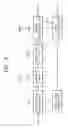
FIG. 7 is a detailed block diagram illustrating an image distortion prevention apparatus according to an exemplary embodiment of the present invention. The image distortion prevention apparatus includes a deflection sensing unit 410, a deflection prediction unit 420A and a drive signal adjustment unit 430A.
The deflection prediction unit 420A performs the same function as the deflection prediction unit 420 according to the previous exemplary embodiment, and includes a negative signal sensing unit 712, an inverting unit 714 and a calculating unit 718. Moreover, the drive signal adjustment unit 430A performs the same function as the drive signal adjustment unit 430 in the previous exemplary embodiment, and includes a first adjustment unit 716 and a second adjustment unit 720.
The image distortion prevention apparatus according to the present exemplary embodiment operates in the following manner.
The negative signal sensing unit 712 senses a candidate drive signal input through an input terminal IN 2 to determine whether the candidate drive signal has a negative value, and the inverting unit 714 generates an inverted drive signal by inverting the candidate drive signal when the candidate drive signal is determined to have a negative value. In other words, the inverting unit 714 does nothing to the candidate drive signal when the candidate drive signal has a positive value, and inverts the candidate drive signal when the candidate drive signal has a negative value.
The first adjustment unit 716 generates a first adjustment signal by applying an offset corresponding to the sensing result of the deflection sensing unit 410 to the inverted drive signal, and the calculating unit 718 extracts a square root of the generated first adjustment signal and outputs the extracted square root result.
Since the degree of deflection of the optical scanner 110 is proportional to the square of the magnitude of the mirror drive signal, the calculating unit 718 predicts that a change in the inclination of the optical scanner 110 when the optical scanner 110 receives the first adjustment signal as the mirror drive signal is the square root of the first adjustment signal.
In this case, in order to extract the square root, the first adjustment signal should always have a positive value, and thus the deflection prediction unit 420A includes the negative signal sensing unit 712 and the inverting unit 714 in the present exemplary embodiment.
The second adjustment unit 720 generates a second adjustment signal by applying an offset corresponding to the extracted square root obtained from the calculating unit 718 to the candidate drive signal, generates a third adjustment signal by increasing the level of the generated second adjustment signal to a drivable level, and outputs the generated third adjustment signal through an output terminal OUT2.
Here, “drivable level” denotes the level of the mirror drive signal capable of driving the optical scanner 110. Generally, the level of a candidate drive signal remains in a low voltage region, for example, ranging from −15 V to +15 V, whereas the drivable level lies in high voltage region, for example, ranging from −150 V to +150 V. If the level of the candidate drive signal remains in the low voltage region, the level of the inverted drive signal, the level of the first adjustment signal and the level of the second adjustment signal can also lie in the low voltage region, and therefore, it is advantageous that the level of second adjustment signal be increased to the drivable level.
According to the exemplary embodiment of the present invention, the optical scanner 110 operates normally in response to the third adjustment signal output from the second adjustment unit 720. Consequently, the drive signal adjustment unit 430A including the first adjustment unit 716 and the second adjustment unit 720 generates the third adjustment signal that causes the optical scanner 110 to operate with normal seesaw movement, by adjusting the candidate drive signal, even when the optical scanner 110 is abnormal.
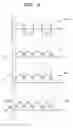
FIGS. 8A through 8D are waveform diagrams depicting the operation of the deflection prediction unit 420A according to an exemplary embodiment of the present invention.
Specifically, FIG. 8A is the waveform of a candidate drive signal 810 having an amplitude of A volts (V). The candidate drive signal 810 advantageously has a sinusoidal waveform when the optical scanner 110 performs horizontal scanning. Alternatively, the candidate drive signal may have a saw-tooth waveform or a square waveform when the optical scanner 110 performs horizontal scanning. Moreover, when the optical scanner 110 performs vertical scanning, the candidate drive signal advantageously has a saw-tooth waveform.
FIG. 8B is the waveform of an inverted drive signal 820 generated by inverting negative portions of the candidate drive signal 810 sensed by the negative signal sensing unit 712. FIG. 8C is the waveform of a first adjustment signal 830 which the first adjustment unit 716 generates by applying an offset voltage (+a V) corresponding to the sensing result of the deflection sensing unit 410 to the inverted drive signal 820. FIG. 8D is the waveform of an extracted square root result 840, which the calculating unit 718 obtains by taking the square root of the first adjustment signal 830.
FIG. 9 is a detailed block diagram illustrating an image distortion prevention apparatus according to another exemplary embodiment of the present invention. The image distortion prevention apparatus includes a deflection sensing unit 410, a deflection prediction unit 420B and a drive signal adjustment unit 430B.
The deflection prediction unit 420B performs the same function as the deflection prediction unit 420 described above, and includes a negative signal sensing unit 912, an inverting unit 914 and a calculating unit 916. In addition, the drive signal adjustment unit 430B performs the same function as the drive signal adjustment unit 430, and includes a first adjustment unit 918 and a second adjustment unit 920.
The image distortion prevention apparatus according to the present exemplary embodiment operates in the following manner.
The negative signal sensing unit 912 senses a candidate drive signal input through an input terminal IN 3 to determine whether the candidate drive signal has a negative value, and the inverting unit 914 generates an inverted drive signal by inverting the candidate drive signal when the candidate drive signal is determined to have a negative value. In other words, the inverting unit 914 does nothing to the candidate drive signal when the candidate drive signal has a positive value, and inverts the candidate drive signal when the candidate drive signal has a negative value.
The calculating unit 916 extracts the square root of the inverted drive signal and outputs the extracted square root result. Since the degree of deflection of the optical scanner 110 is proportional to the square of the magnitude of the mirror drive signal, the calculating unit 916 predicts that a change in the inclination of the optical scanner 110, when the inverted drive signal is input to the optical scanner 110 as the mirror drive signal, is the square root of the inverted drive signal.
In this case, in order to extract the square root, the inverted drive signal should always have a positive value, and thus the deflection prediction unit 420B includes the negative signal sensing unit 912 and the inverting unit 914 as described above in the present exemplary embodiment.
The first adjustment unit 918 generates a fourth adjustment signal by applying an offset corresponding to the sensing result of the deflection sensing unit 410 to the candidate drive signal.
The second adjustment unit 920 generates a fifth adjustment signal by applying an offset corresponding to the extracted square root result obtained from the calculating unit 916 to the fourth adjustment signal, generates a sixth adjustment signal by increasing the level of the generated fifth adjustment signal to a drivable level, and outputs the generated sixth adjustment signal through an output terminal OUT 3.
According to an exemplary embodiment of the present invention, the optical scanner 110 operates normally in response to the sixth adjustment signal input from the second adjustment unit 920. Consequently, the drive signal adjustment unit 430B, which includes the first adjustment unit 918 and the second adjustment unit 920, generates the sixth adjustment signal that causes the optical scanner 110 to operate with normal seesaw movement, by adjusting the candidate drive signal, even when the optical scanner 110 is abnormal.
FIG. 10 is a detailed block diagram illustrating an image distortion prevention apparatus according to another exemplary embodiment of the present invention. The image distortion prevention apparatus includes a deflection sensing unit 410, a deflection prediction unit 420C and a drive signal adjustment unit 430C.
The deflection prediction unit 420C performs the same function as the deflection prediction unit 420, and includes a negative signal sensing unit 912, an inverting unit 914 and a calculating unit 916. In addition, the drive signal adjustment unit 430C performs the same function as the drive signal adjustment unit 430, and includes a first adjustment unit 1014 and a second adjustment unit 1012.
The image distortion prevention apparatus according to the present exemplary embodiment operates in the following manner.
The negative signal sensing unit 912 senses a candidate drive signal input through an input terminal IN 4 to determine whether the candidate drive signal has a negative value, and the inverting unit 914 generates an inverted drive signal by inverting the candidate drive signal when the candidate drive signal is determined to have a negative value. In other words, the inverting unit 914 does nothing to the candidate drive signal when the candidate drive signal has a positive value, and inverts the candidate drive signal when the candidate drive signal has a negative value.
The calculating unit 916 extracts the square root of the inverted drive signal and outputs the extracted square root result. Since the degree of deflection of the optical scanner 110 is proportional to the square of the magnitude of the mirror drive signal, the calculating unit 916 predicts that a change in the inclination of the optical scanner 110 when the inverted drive signal is input to the optical scanner 110 as the mirror drive signal is the square root of the inverted drive signal.
In this case, in order to extract the square root, the inverted drive signal should always have a positive value, and thus the deflection prediction unit 420C includes the negative signal sensing unit 912 and the inverting unit 914 as described above in the present exemplary embodiment.
The second adjustment unit 1012 generates a seventh adjustment signal by applying an offset corresponding to the extracted square root result obtained from the calculating unit 916 to the candidate drive signal, generates an eighth adjustment signal by increasing the level of the generated seventh adjustment signal to a drivable level, and outputs the generated eighth adjustment signal.
The first adjustment unit 1014 generates a ninth adjustment signal by applying an offset corresponding to the sensing result of the deflection sensing unit 410 to the eighth adjustment signal, and outputs the generated ninth adjustment signal through an output terminal OUT 4.
According to an exemplary embodiment of the present invention, the optical scanner 110 operates normally in response to the ninth adjustment signal output from the first adjustment unit 1014. Consequently, the drive signal adjustment unit 430C including the first adjustment unit 1014 and the second adjustment unit 1012 generates the ninth adjustment signal that causes the optical scanner 110 to operate with normal seesaw movement, by adjusting the candidate drive signal, even when the optical scanner 110 is abnormal.
FIG. 11 is a flowchart illustrating an image distortion prevention method according to an exemplary embodiment of the present invention. The method includes operations 1110 through 1170 that cause the optical scanner 110 to operate with normal seesaw movement, even when the optical scanner 110 is abnormal.
The deflection sensing unit 410 senses the degree of deflection of the optical scanner 110 when the optical scanner 110 receives a horizon instruction signal or no signal (operation 1110), and the inverting unit 714 generates an inverted drive signal by inverting a candidate drive signal when the candidate drive signal has a negative value (operation 1120).
Here, operation 1110 may be executed simultaneously with, before or after operation 1120.
The first adjustment unit 716 generates a first adjustment signal by applying an offset corresponding to the sensing result obtained in operation 1110 to the inverted drive signal (operation 1130), and the calculating unit 718 extracts the square root of the first adjustment signal (operation 1140).
After operation 1140, the second adjustment unit 720 generates a second adjustment signal by applying an offset corresponding to the extracted square root result obtained in operation 1140 to the candidate drive signal (operation 1150), and generates a third adjustment signal by increasing the level of the generated second adjustment signal to a drivable level (operation 1160).
After operation 1160, the optical scanner 110 operates normally in response to the third adjustment signal generated in operation 1160 (operation 1170). If the level of the candidate drive signal lies in the range of drivable levels, operation 1160 may be skipped in the image distortion prevention method of the present exemplary embodiment, and thus operation 1170 would be executed after operation 1150.
FIG. 12 is a flowchart illustrating an image distortion prevention method according to another exemplary embodiment of the present invention. The method includes operations 1210 through 1270 that cause the optical scanner 110 to operate with normal seesaw movement, even when the optical scanner 110 is abnormal.
The deflection sensing unit 410 senses the degree of deflection of the optical scanner 110 when the optical scanner 110 receives a horizon instruction signal or no signal (operation 1210), and the inverting unit 914 generates an inverted drive signal by inverting a candidate drive signal when the candidate drive signal has a negative value a horizon instruction signal or no signal(operation 1220), and the calculating unit 916 extracts the square root of the inverted drive signal (operation 1230).
Here, operation 1210 may be executed simultaneously with, before or after the execution of operation 1220 or operation 1230.
The first adjustment unit 918 generates a fourth adjustment signal by applying an offset corresponding to the sensing result obtained in operation 1210 to candidate drive signals (operation 1240).
After operation 1240, the second adjustment unit 920 generates a fifth adjustment signal by applying an offset corresponding to the extracted square root result obtained in operation 1230 to the fourth adjustment signal generated in operation 1240 (operation 1250), and generates a sixth adjustment signal by increasing the level of the fifth adjustment signal generated in operation 1250 to a drivable level (operation 1260).
After operation 1260, the optical scanner 110 operates normally in response to the sixth adjustment signal generated in operation 1260 (operation 1270). If the level of the candidate drive signal lies in the range of drivable levels, operation 1260 may be skipped in the image distortion prevention method of the present exemplary embodiment, and thus operation 1270 would be executed after operation 1250.
FIG. 13 is a flowchart illustrating an image distortion prevention method according to another exemplary embodiment of the present invention. The method includes operations 1310 through 1370 that cause the optical scanner 110 to operate with normal seesaw movement, even when the optical scanner 110 is abnormal.
The deflection sensing unit 410 senses the degree of deflection of the optical scanner 110 when the optical scanner 110 receives a horizon instruction signal or no signal (operation 1310), and the inverting unit 914 generates an inverted drive signal by inverting a candidate drive signal when the candidate drive signal has a negative value (operation 1320), and the calculating unit 916 extracts the square root of the inverted drive signal (operation 1330).
Here, operation 1310 may be executed simultaneously with, before or after the execution of operation 1320 or operation 1330.
The second adjustment unit 1012 generates a seventh adjustment signal by applying an offset corresponding to the extracted square root result obtained in operation 1330 to the candidate drive signal (operation 1340), and generates an eighth adjustment signal by increasing the level of the seventh adjustment signal generated in operation 1340 to a drivable level (operation 1350).
After operation 1350, the first adjustment unit 1014 generates a ninth adjustment signal by applying an offset corresponding to the sensing result obtained in operation 1310 to the eighth adjustment signal (operation 1360).
If the level of the candidate drive signal lies in the range of drivable levels, operation 1350 may be skipped in the image distortion prevention method of the present exemplary embodiment, and thus operation 1360 would be executed after operation 1340. In this case, the first adjustment unit 1014 generates a ninth adjustment signal by applying an offset corresponding to the sensing result obtained in operation 1310 to the seventh adjustment signal generated in operation 1340.
After operation 1360, the optical scanner 110 operates normally in response to the ninth adjustment signal generated in operation 1360 (operation 1370).
Exemplary embodiments of the present invention can also be embodied as computer readable code on a computer readable recording medium. The computer readable recording medium is any data storage device that can store data which can be thereafter read by a computer system. Examples of the computer readable recording medium include read-only memory (ROM), random-access memory (RAM), CD-ROMs, magnetic tapes, floppy disks, optical data storage devices, and carrier waves (such as data transmission through the Internet). The computer readable recording medium can also be distributed over network coupled computer systems so that the computer readable code is stored and executed in a distributed fashion.
As described above, the image distortion prevention apparatus and method of the present invention can cause an optical scanner to operate with normal seesaw movement, even when the optical scanner is abnormal when a signal instructing normal seesaw movement of the optical scanner is input to the optical scanner.
While the present inventive concept has been particularly shown and described with reference to certain exemplary embodiments thereof, it will be understood by those of ordinary skill in the art that various changes in form and details may be made therein without departing from the spirit and scope of the present invention as defined by the following claims.
Claims
What is claimed is:1. An apparatus for preventing distortion of an image formed with light which is scanned by an optical scanner, the optical scanner operating in response to a mirror drive signal that determines a degree of deflection of the optical scanner, the apparatus comprising:
a deflection sensing unit which senses the degree of deflection of the optical scanner when the optical scanner receives a horizon instruction signal or no signal; and
a drive signal adjustment unit which adjusts a candidate drive signal according to a sensing result of the deflection sensing unit and outputs the adjusted candidate drive signal as the mirror drive signal.
2. The apparatus of claim 1, wherein the candidate drive signal instructs normal operation of the optical scanner, the horizon instruction signal instructs operation of the optical scanner in a case of no deflection of the optical scanner, and the scanner operates normally in response to the mirror drive signal.
3. The apparatus of claim 1, wherein the drive signal adjustment unit applies an offset corresponding to the sensing result to the candidate drive signal, increases a level of the offset candidate drive signal, and outputs the increased candidate drive signal as the mirror drive signal.
4. The apparatus of claim 1, further comprising a deflection prediction unit which predicts a trend of a change in the degree of deflection of the optical scanner to be produced when a first adjustment signal is output as the mirror drive signal,
wherein the drive signal adjustment unit adjusts the candidate drive signal according to the sensing result or a prediction result of the deflection prediction unit, and
wherein the first adjustment signal is the candidate drive signal that is adjusted according to the sensing result.
5. The apparatus of claim 4, wherein the deflection prediction unit comprises:
an inverting unit which receives the candidate drive signal and generates an inverted drive signal by inverting negative portions of the candidate drive signal; and
a calculating unit which extracts a square root of the first adjustment signal and outputs the extracted square root result as the prediction result, and wherein the drive signal adjustment unit comprises:
a first adjustment unit which generates the first adjustment signal by applying an offset corresponding to the sensing result to the inverted drive signal; and
a second adjustment unit which generates a second adjustment signal by applying an offset corresponding to the prediction result to the candidate drive signal, increases a level of the generated second adjustment signal to a drivable level, and outputs the increased second adjustment signal as the mirror drive signal.
6. The apparatus of claim 1, further comprising a deflection prediction unit which predicts a trend of a change in deflection of the optical scanner,
wherein the drive adjustment unit adjusts the candidate drive signal according to the sensing result and a prediction result of the deflection prediction unit.
7. The apparatus of claim 6, wherein the deflection prediction unit comprises:
an inverting unit which receives the candidate drive signal and generates an inverted drive signal by inverting portions of the candidate drive signal which have negative values; and
a calculating unit which extracts a square root of the inverted drive signal and outputs the extracted square root as the prediction result, and wherein the drive signal adjustment unit comprises:
a first adjustment unit which generates a fourth adjustment signal by applying an offset corresponding to the sensing result to the candidate drive signal; and
a second adjustment unit which generates a fifth adjustment signal by applying an offset corresponding to the prediction result to the fourth adjustment signal, increases a level of the fifth adjustment signal to a drivable level, and outputs the increased fifth adjustment signal as the mirror drive signal.
8. The apparatus of claim 6, wherein the deflection prediction unit comprises:
an inverting unit which receives the candidate drive signal and generates an inverted drive signal by inverting portions of the candidate drive signal which have negative values; and
a calculating unit which extracts a square root of the inverted drive signal and outputs the extracted square root as the prediction result, and
wherein the drive signal adjustment unit comprises:
a first adjustment unit which generates an eighth adjustment signal by applying an offset corresponding to the sensing result to a seventh adjustment signal, increases a level of the generated eighth adjustment signal to a drivable level, and outputs the increased eighth adjustment signal as the mirror drive signal; and
a second adjustment unit which generates the seventh adjustment signal by applying an offset corresponding to the prediction result to the candidate drive signal.
9. The apparatus of claim 4, wherein, when the optical scanner performs horizontal scanning, the candidate drive signal has a sinusoidal waveform, a saw-tooth waveform, or a square waveform, and when the optical scanner performs vertical scanning, the candidate drive signal has a saw-tooth waveform.
10. The apparatus of claim 6, wherein, when the optical scanner performs horizontal scanning, the candidate drive signal has a sinusoidal waveform, a saw-tooth waveform, or a square waveform, and when the optical scanner performs vertical scanning, the candidate drive signal has a saw-tooth waveform.
11. A method of preventing distortion of an image formed with light which is scanned by an optical scanner, the optical scanner operating in response to a mirror drive signal that determines a degree of deflection of the optical scanner, the method comprising:
sensing the degree of deflection of the optical scanner when the optical scanner receives a horizon instruction signal or no signal; and
adjusting a candidate drive signal according to the sensing result; and
outputting the adjusted candidate drive signal as the mirror drive signal.
12. The method of claim 11, wherein the candidate drive signal instructs normal operation of the optical scanner, the horizon instruction signal instructs operation of the optical scanner in a case of no deflection of the optical scanner, and the scanner operates normally in response to the mirror drive signal.
13. The method of claim 11, wherein the adjusting the candidate drive signal comprises:
applying an offset corresponding to the sensing result to the candidate drive signal;
increasing a level of the offset candidate drive signal to a drivable level; and
outputting the increased candidate drive signal as the mirror drive signal.
14. A method of preventing distortion of an image formed with light which is scanned by an optical scanner, the optical scanner operating in response to a mirror drive signal that determines a degree of deflection of the optical scanner, the method comprising:
sensing the degree of deflection of the optical scanner when the optical scanner receives a horizon instruction signal or no signal;
inverting portions of a candidate drive signal which have negative values;
generating a first adjustment signal by applying an offset corresponding to a result of the sensing to the inverted candidate drive signal;
extracting a square root of the first adjustment signal;
generating a second adjustment signal by applying an offset corresponding to the extracted square root to the candidate drive signal; increasing a level of the second adjustment signal to a drivable level; and
outputting the increased second adjustment signal as the mirror drive signal.
15. The method of claim 14, wherein the candidate drive signal instructs normal operation of the optical scanner, the horizon instruction signal instructs operation of the optical scanner in a case of no deflection of the optical scanner, and the scanner operates normally in response to the mirror drive signal.
16. A method of preventing distortion of an image formed with light which is scanned by an optical scanner, the optical scanner operating in response to a mirror drive signal that determines a degree of deflection of the optical scanner, the method comprising:
sensing the degree of deflection of the optical scanner when the optical scanner receives a horizon instruction signal or no signal;
inverting portions of a candidate drive signal which have negative values;
extracting a square root of the inverted candidate drive signal;
generating a fourth adjustment signal by applying an offset corresponding to a result of the sensing to the candidate drive signal;
generating a fifth adjustment signal by applying an offset corresponding to the extracted square root to the fourth adjustment signal;
increasing a level of the fifth adjustment signal to a drivable level; and
outputting the increased fifth adjustment signal as the mirror drive signal.
17. The method of claim 16, wherein the candidate drive signal instructs normal operation of the optical scanner, the horizon instruction signal instructs operation of the optical scanner in a case of no deflection of the optical scanner, and the scanner operates normally in response to the mirror drive signal.
18. A method of preventing distortion of an image formed with light which is scanned by an optical scanner, the optical scanner operating in response to a mirror drive signal that determines a degree of deflection of the optical scanner, the method comprising:
sensing the degree of deflection of the optical scanner optical scanner when the optical scanner receives a horizon instruction signal or no signal;
inverting portions of the candidate drive signal which have negative values;
extracting a square root of the inverted candidate drive signal;
generating a seventh adjustment signal by applying an offset corresponding to the extracted square root to the candidate drive signal;
generating an eighth adjustment signal by applying an offset corresponding to a result of the sensing to the seventh adjustment signal;
increasing a level of the eighth adjustment signal to a drivable level; and
outputting the increased eighth adjustment signal as the mirror drive signal.
19. The method of claim 18, wherein the candidate drive signal instructs normal operation of the optical scanner, the horizon instruction signal instructs operation of the optical scanner in a case of no deflection of the optical scanner, and the scanner operates normally in response to the mirror drive signal.
Images & Drawings included:




Sources:
- United States Patent and Trademark Office - verify current appl. status at the USPTO↗
Similar patent applications:
Recent applications in this class:
- » 20220232144 2022-07-21
Active imaging using a micro-electro-mechanical system (MEMS) micro-mirror array (MMA) - » 20190373140 2019-12-05
Synchronizing scanning display with video - » 20190260913 2019-08-22
Drive apparatus to change the optical path of an imaging apparatus - » 20180091702 2018-03-29
Optical scanning head-mounted display and retinal scanning head-mounted display - » 20170041511 2017-02-09
Optical scanner, image display device, and head mounted display - » 20120105432 2012-05-03
Method for Displaying Three-Dimensional Image - » 20120001961 2012-01-05
IMAGE DISPLAY DEVICE - » 20110063527 2011-03-17
Arrangement for and method of projecting a color image by switching scan directions in alternate frames - » 20110058045 2011-03-10
Scanning mirror position determination - » 20100328745 2010-12-30
Optical scanner, image display apparatus having optical scanner and driving method of optical scanner
Recent applications for this Assignee:
- » 20250176325 2025-05-29
LIGHT-EMITTING DEVICE PACKAGE - » 20250176321 2025-05-29
SEMICONDUCTOR LIGHT-EMITTING DEVICE, MANUFACTURING METHOD THEREOF, AND DISPLAY APPARATUS INCLUDING THE SAME - » 20250176301 2025-05-29
SEMICONDUCTOR DEVICE INCLUDING VERTICALLY STACKED SEMICONDUCTOR ELEMENTS, METHOD OF MANUFACTURING THE SAME, AND ELECTRONIC DEVICE INCLUDING THE SAME - » 20250176294 2025-05-29
IMAGE SENSOR - » 20250176292 2025-05-29
IMAGE SENSOR HAVING NANO-PHOTONIC LENS ARRAY AND ELECTRONIC APPARATUS INCLUDING THE IMAGE SENSOR - » 20250176259 2025-05-29
COMPLEMENTARY METAL OXIDE SEMICONDUCTOR DEVICE - » 20250176258 2025-05-29
SEMICONDUCTOR DEVICE INCLUDING TWO-DIMENSIONAL MATERIAL - » 20250176241 2025-05-29
SEMICONDUCTOR DEVICE AND METHOD OF MANUFACTURING THE SAME - » 20250176226 2025-05-29
SEMICONDUCTOR DEVICE INCLUDING TWO-DIMENSIONAL MATERIAL AND MANUFACTURING METHOD THEREOF - » 20250176223 2025-05-29
SEMICONDUCTOR DEVICE