Intelligent search with guiding info
US20080104047A1
2008-05-01
11/306,332
2005-12-22
✅ Patent granted
US 7,792,811 B2
2010-09-07
-
-
Charles Rones | Charles D Adams
2029-05-02
Abstract:
Every presence has needs. A need could be consumer electronics, loans, autos, or knowledge, etc. The presence uses search engines to become knowledgeable about the need. The current search engines are not intelligent. The idea of the invention is to provide more accurate results and semantically linked results through an intelligent index. The invention uses results from known, semantic and unknown indexes with Guiding Information to return the most relevant results to the users.
Assignee:
- TRANSAXTIONS LLC 8 🇺🇸 Pleasanton, CA, United States
Interested in similar patents?
Get notified when new applications in this technology area are published.
Classification:
G06F40/30 » CPC main
Handling natural language data Semantic analysis
G06F16/313 » CPC further
Information retrieval; Database structures therefor; File system structures therefor of unstructured textual data; Indexing; Data structures therefor; Storage structures Selection or weighting of terms for indexing
G06F16/36 » CPC further
Information retrieval; Database structures therefor; File system structures therefor of unstructured textual data Creation of semantic tools, e.g. ontology or thesauri
G06F7/00 IPC
Methods or arrangements for processing data by operating upon the order or content of the data handled
Description
PARENTS CASE TEXT
Cross-Reference to Related Applications
This application claims priority of U.S. provisional application, Ser. No. 60/653,349, titled “Intelligent Search With Guiding Info” filed Feb. 16, 2005 by the present applicant.
This application references U.S. patent application Ser. No. 11/162,735 titled “Using Popular IDs To Sign On Creating A Single ID For Access” filed Sep. 21, 2005 by the present applicant.
This application references U.S. application Ser. No. 11/161,897, titled “Obtaining A Need With Guiding Information And Credit Worthiness Using A Competitive Process” filed Aug. 22, 2005 by the present applicant.
This application refers to the U.S. provisional application No. 60/656,645, titled “Guiding Info Tabs With Guide Selection” filed Feb. 23, 2004 by the present applicant.
FIELD OF THE INVENTION
The present invention relates to searching on the internet or the intranet using the intelligence of the users on the net.
BACKGROUND OF THE INVENTION
Search engines never return what you want. They are good for general searches, but as your use advances, one seems to click on multiple pages, multiple links to get to the relevant information. Ranking by number of links has led to web masters linking with each other, increasing the number of links referencing a page, giving the page a higher rank. A higher rank allows the pages to be the first links in search results but the content might not be what the user is looking for. So when you search for a term as a mortgage loan or escaping xml, etc. you get results that might not be meaningful.
When a user searches for “Taco Bell” or “Panasonic TV” or “Laptop computer” or “need a mortgage loan”, the user is expecting to get information related to finding the restaurant “Taco Bell”, or buying a “Panasonic TV” or a “Laptop computer” or information about a “mortgage loan”. A user searching for “Panasonic TV” expects to see the popular models, models on sale, market competitive information, information about TVs, LCD TVs, etc. A user searching for a “Laptop computer” is interested in knowing more about a laptop computer, a computer, different models on sale, popular selections, market information, etc. For a “mortgage loan” or “need a mortgage loan” the user might be interested in, what is a mortgage loan?, types of loan products, current interest rates, different mortgage brokers, bankers, market competitive information, etc. A user searching for “relief from cough” or “tantrums 10 yr old” is looking to find information related to finding an immediate relief to the cough or how to overcome the tantrums thrown by the 10 yr old. The search engines with natural language ability do try to understand the context but again might not present the information needed by the user.
A definite need exists for an intelligent search engine with guiding information that could overcome the problems associated and described above. The idea is to use known information, semantic information and the intelligence of the users on the net to build an intelligent index that could present relevant information. Guiding Information, patent pending U.S. application Ser. No. 11/161,897 with Guide Selections provides expert information about a category and sub category along with market competitive information. So a user searching for a laptop computer can immediately become knowledgeable about buying a laptop and buy one online. A user searching for mortgage loans gets guiding information about mortgage, loans and can proceed on to buying one, while a user searching for “XML escaping”, will get information related to the problem of escaping XML. A primary purpose of the present invention is to solve these needs and provide further, related advantages.
BRIEF DESCRIPTION OF THE INVENTION
Every presence has needs. A need could be consumer electronics, loans, autos, etc. The presence uses search engines to start looking for information related to electronics like laptops, loans, autos, etc. According to Comscore, users typically start their buying process at the search engines with generic terms like “Icd tv” become knowledgeable and then proceed either to a store or buy online. Most searches engines build their indexes on keyword density, page ranking based on number of links, etc. None are intelligent today. The idea of the invention is to provide more accurate results and semantically linked results of what a user is looking for. The invention uses results from known, semantic and unknown indexes with Guiding Information to return the most meaningful and relevant results.
BRIEF DESCRIPTION OF THE DRAWINGS
The accompanying drawings, which are incorporated into and constitute a part of this specification, illustrate one or more embodiments of the present invention and, together with detailed description, serve to explain the principles and implementations of the invention.
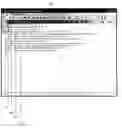
FIG. 1 is an illustration of a user searching for the term “xml escaping”.
FIG. 2 is an illustration of a second user searching for “xml escaping” something similar to what the first user was searching.
FIG. 3 is an illustration of the search results returned for user3.
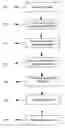
FIG. 4 is a flow chart illustrating the index being created, links being added dynamically, and a walk through the search process.
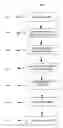
FIG. 5 is a flowchart illustrating what happens when a user selects a link by clicking on it.
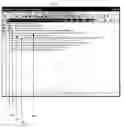
FIG. 6 is an illustration of the search results shown along with guiding info.
FIG. 7 is an illustration of the search results shown along with guiding info, a continuation of FIG. 6.
| REFERENCES CITED |
| U.S. PATENT DOCUMENTS |
| 6961731 | November, 2005 | Holbrook | 707/102 |
| 5511186 | April, 1996 | Carhart, et al. | |
| 6961723 | November, 2005 | Faybishenko, et al. | 707/3 |
| 5577241 | November, 2005 | Spencer | 707/5 |
| 5265065 | November, 2005 | Turtle | 707/4 |
| 5321833 | July, 1994 | Chang, et al. | 707/5 |
| 5659732 | August, 1997 | Kirsch | 707/5 |
| 5544352 | August, 1996 | Egger | 707/5 |
| 5920854 | July, 1999 | Kirsch, et al. | 707/3 |
| 5933822 | August, 1999 | Braden-Harder, et al. | 707/5 |
| 6070158 | May, 2000 | Kirsch, et al. | 707/3 |
| 6145003 | November, 2000 | Sanu, et al. | 709/225 |
| 6233571 | May, 2001 | Egger, et al. | 707/2 |
| 6256623 | July, 2001 | Jones | 707/3 |
| 6275820 | August, 2001 | Navin-Chandra, et al. | 707/3 |
| 6078914 | July, 2000 | Redfern | 707/3 |
| 6278993 | August, 2001 | Kumar, et al. | 707/3 |
| 6317741 | November, 2001 | Burrows | 707/5 |
| 6336116 | January, 2002 | Brown, et al. | 707/10 |
| 6434548 | August, 2002 | Emens, et al. | 707/3 |
| 6442544 | August, 2002 | Kohli | 707/5 |
| 6453315 | September, 2002 | Weissman, et al. | 707/5 |
| 6480837 | November, 2002 | Dutta; Rabindranath | 707/3 |
| 6484166 | November, 2002 | Maynard | 707/5 |
| 6490575 | December, 2002 | Berstis | 707/3 |
| 6523026 | February, 2003 | Gillis | 707/3 |
| 6961723 | November, 2005 | Faybishenko, et al. | 707/1 |
| 6526400 | February, 2003 | Takata, et al. | 707/3 |
| 6560600 | May, 2003 | Broder | 707/7 |
| 6665655 | December, 2003 | Warner, et al. | 707/2 |
| 6687696 | February, 2004 | Hofmann, et al. | 707/6 |
| 6718324 | April, 2003 | Edlund, et al. | 707/5 |
| 6757675 | June, 2004 | Aiken, et al. | 707/3 |
| 6763362 | July, 2003 | McKeeth | 707/104.1 |
| 6785671 | August, 2004 | Bailey, et al. | 707/3 |
| 6799176 | September, 2004 | Page | 707/5 |
| 6801906 | October, 2004 | Bates, et al. | 707/3 |
| 6947936 | September, 2005 | Suermondt, et al. | 707/7 |
| 6947932 | September, 2005 | Brandin, et al. | 707/6 |
| 6947920 | September, 2005 | Alpha | 707/1 |
| 6963867 | November, 2005 | Ford, et al. | 707/3 |
| 6950814 | September, 2005 | Bergan, et al. | 706/55 |
| 6801906 | October, 2004 | Bates, et al. | 707/3 |
| 6766320 | July, 2004 | Wang, et al. | 707/5 |
| 6766316 | July, 2004 | Caudill, et al. | 707/3 |
| 6728704 | April, 2004 | Mao, et al. | 707/3 |
| 6714934 | March, 2004 | Fordham | 707/100 |
| 6704722 | March, 2004 | Wang Baldonado | 707/3 |
| 6701312 | March, 2004 | Lau, et al. | 707/5 |
| 6578022 | July, 2003 | Foulger, et al. | 706/45 |
| 6490577 | December, 2002 | Anwar | 707/4 |
| 6278992 | August, 2001 | Curtis, et al. | 707/3 |
| 5987446 | November, 1999 | Corey, et al. | 707/3 |
| U.S. PATENT APPLICATIONS |
| 20050216434 | September, 2005 | Haveliwala, Taher H.; et al. | 707/1 |
| 20050120006 | June, 2005 | Nye, Timothy G. | 707/3 |
| 20050076021 | April, 2005 | Wu, Yuh-Cherng; et al. | 707/3 |
| 20050055340 | March, 2005 | Dresden, Scott | 707/3 |
| 20050004905 | January, 2005 | Dresden, Scott | 707/3 |
| 20040260688 | December, 2004 | Gross, John N. | 707/3 |
| 20040254917 | December, 2004 | Brill, Eric D.; et al. | 707/3 |
| 20040243568 | December, 2004 | Wang, Hai-Feng; et al. | 707/3 |
| 20040044657 | March, 2004 | Lee, Jae-Hak | 707/3 |
| 20040030690 | February, 2004 | Teng, Albert Y.; et al. | 707/3 |
| 20040024756 | February, 2004 | Rickard, John Terrell | |
| 20040010484 | January, 2004 | Foulger, Michael G.; et al. | 706/50 |
| 20030120653 | June, 2003 | Brady, Sean; et al. | 707/7 |
| 20020152199 | October, 2002 | Teng, Albert Y.; et al. | 707/3 |
OTHER REFERENCES
- 1. Gravano, et al., “STARTS: Stanford Proposal for Internet Meta-Searching,” 1997, ACM, XP000730508, pp. 207-218.
- 2. Gravano, Querying Multiple Document Collections Across The Internet, Phd. Thesis, 1998, UMI Order No. GAX98-10132.
- 3. The metasearch engines, http://www.evolt.org/article/The_Meta_Search_Engines/12/41694/, Oct. 9, 2002
- 4. SDLIP+STARTS=SDSTARTS, A Protocol and Toolkit for Metasearching, 2001, ACM, Pages: 207-214.
- 5. C. Yu, et al., “Efficient and Effective Metasearch for a Large No. of Text Databases,” Tech. report, U. of Illinois at Chicago, 1999, http://citeseer.ist.psu.edu/yu99efficient.html, 2 pages.
- 6. Walter L. Warnick, PhD, et al., “Searching the Deep Web,” D-Lib Magazine, January 2001, Vol. 7, No. 1, 11 pages.
- 7. Lucene API, http://lucene.apache.org/java/docs/index.html.
DETAILED DESCRIPTION OF PREFERRED EMBODIMENTS
Embodiments of the present invention are described herein in the context of a method and apparatus for emulating a competitive process. Those of ordinary skill in the art will realize that the following detailed description of the present invention is illustrative only and is not intended to be in any way limiting. Other embodiments of the present invention will readily suggest themselves to such skilled persons having the benefit of the disclosure. Reference will now be made in detail to the implementations of the present invention as illustrated in the accompanying drawings. The same reference indicators will be used throughout the drawings and the following detailed description to refer to the same or like parts.
In the interest of clarity, not all of the routine features of the implementations described herein are shown and described. It will, of course, be appreciated that in the development of any such actual implementation, numerous implementation-specific decisions must be made in order to achieve the developer's specific goals, such as compliance with application—and business related constraints, and that these specific goals will vary from one implementation to another and from one developer to another. Moreover, it will be appreciated that such a development effort might be complex and time consuming, but would nevertheless be routine undertaking of engineering for those of ordinary skill in the art having the benefit of this disclosure.
In accordance with the present invention, the components, process steps, and/or data structures may be implemented using various types of operating systems, computing platforms, computer programs, and or/general purpose machines. In addition, those of ordinary skill in the art will recognize that devices of a less general purpose nature such as hardwired devices, field programmable gate arrays (FPGAs), application specific integrated circuits (ASICs), or the like, may also be used without departing from the scope and spirit of the inventive concepts disclosed herein.
The purpose and idea of the invention is to use results returned from popular search engines, vertical portals, hidden web, intelligent indexing, Guiding Info, a patent pending, U.S. application Ser. No. 11/162,735, Guide Selections patent pending, provisional U.S. application No. 60/656,645 to present semantically correct and relevant results.
Search engines index web pages using automated robots or web spiders that traverse one link to another and build a database of these links. They analyze the content of the page for word relevance, number of links to the page, word density, meta tags, links to a particular page, etc. Some of them try to understand the context of the word being searched and try to show words relevant to the search context.
The idea of the invention is to use these search engines for what has already been built and use the returned results for intelligent indexing. The intelligent index could also use results from its own search engine.
The intelligent index is made up of multiple indexes, a known index comprising of known terms, a semantic index comprising of semantic relationships and directives, and an unknown index. The known index contains search terms such as “Taco Bell”, “Laptop computers”, “LCD TV”, “Laptop computer”, “Mortgage Loans”, “Transaxtions”, etc. The idea here is that if a user searches for “LCD TV” the results should be related to information about a “LCD TV”, what is a “LCD TV”, different models, popular selections, market competitive information, etc. allowing the user to get the information about buying a “LCD TV” or knowing all about LCD TVs.
The second index will be a semantic index which will hold terms and their relationships and the context in which they are being used. For example, “xml escaping data” or “escaping xml data” should show results related to escaping in xml. Here the term “xml” holds the weight and it controls the context, while “escaping” is a term with a relationship to “xml” and means escaping special characters within the “xml” context. “data” is again related to the context “xml” and means all data related to “xml escaping”. “xml data” will have a lesser weight and could mean pages with “xml” and any data. Another example would be “tantrums trouble discipline 10 year old”. Here the context is a 10 year old, and trouble, discipline, tantrums are in relationship to the 10 year old. This could be rephrased as 10 year old, need a solution for tantrums, trouble, and discipline. The idea here is that users usually enter search terms as keywords and not Natural Language, so contexts could be made out from the keywords. The search terms could be ended with a phrase such as, “what to do”, for eg. “toothache relief, what to do”, will show results related to finding a relief for a tooth ache. A person looking for information about taxes needs to be given information related to taxes being filed, and maybe from the IRS and the state tax website during tax season. A person looking to solve a problem in Java needs to have information retrieved from the sun.com websites or a person looking to solve a problem in the open source tomcat application server needs to have information searched on the open source related websites and the many discussion groups related to the open source. This would provide more meaningful information.
The third index is an unknown term index and gets built using the intelligence of the users to associate a meaning to a search term and the results. The idea here is to use the user's knowledge of the returned results to semantically associate the search terms and the results. A search term starts as an unknown term the first time it is entered by the user i.e., the search term does not exist in the database. The search term is sent to the search engines and the returned results are stored with the search term as the index key. If the user selects any of the results, the selection is given a weight. If another user searches for similar terms, the stored results are returned using the weight to rank the results. Results with more weight will be at the top of the returned results. So as users keep searching and keep selecting the results the index keeps getting built with weights tracking the results. So when users search for a term “xml escaping data”, the most selected pages are shown first. This allows popular pages to be at the top of the search. These pages will be related to the problem of “escaping XML”, “XML data”, “XML data tools”, etc. The next step in this process is to collect all the search terms with the weights and see if they can link together, so that searching for “XML data” will also show terms with “escaping XML” and “XML schema”.
FIG. 1 is an illustration of a user searching for the term “xml escaping”. The results from the search are shown. 101 is the search term entered by the user. 102 is the results returned from the known index. 103 is the results from the unknown index. There is no guiding info associated with the known index. 104 is the results which the user is interested in viewing. But they are ranked 4 and 5. Let us assume the user selects 4 to read its contents, and then selects 5.
When the user selects 4, the weight attribute of the SearchDocument is incremented by 0.01. SearchDocument is an object that is stored in an ArrayList. It holds the contents in a Document Object and also has other attributes. weight is one of the attributes. Document is an org.apache.lucene.document.Document object. It has the following fields, “all” field, which holds the search term entered by the user, “id” field which holds the id for the object, “context” field holds a phrase showing the context of the url page, “url” field holds the url to access the pages. An org.apache.lucene.index.IndexWriter object is used to create and manage an index of results returned from the search engines. A Document object is created for each url returned by the search engines, and the Document object is added to the index. A SearchDocument object is created for each Document object and the contents of the Document are copied. The same process is followed when the user selects 5.
FIG. 2 is an illustration of a second user searching for “xml escaping”, something similar to what the first user was searching. 201 is the search term entered by the user. 202 is the results returned by the known index. 203 is the search returned by the unknown index. 204 is the new ranking for item number 4 selected by user1. 205 is the new ranking for item number 5 selected by user1. The weights for 4 and 5 were increased by 0.01 when user1 selected the links. There is no guiding info associated for the search.
Let us assume that user2 now selects the 2nd ranking now (previously number 5) and then selects link at ranking 3. The weight for 2 goes up by 0.01 and so the new weight will be 1.02. The weight for 3 goes up by 0.01 so will increase to 1.01. The weights are incremented by changing the weight attribute value in the SearchObjects for 2 and 3. If a new user, user3 searches for “xml escaping”, the following results will be returned, the item at ranking 2 previously, is now at 1, item at ranking 1 previously is at ranking 2, and item 3 at ranking 3 previously, is at 3. FIG. 3 is an illustration of the search results returned for user3. 301 is the search term, 302 is the results from the known index, and 303 is the results from the unknown index. 304, 305, 306 show the new rankings. 304 is now ranked 1, was ranked 2 for user2. 305 is now ranked 2, was ranked 1 for user2. 306 is at rank3 for user2 and user3.
FIG. 4 is a flow chart illustrating the index being created, links being added dynamically, and a walk through the search process. 401 is the step where a user enters the search terms. This could be in a browser window search field. 402 is the step where the search terms are sent to the search engines. 403, the search term is also looked up in the Known Index for a match. If there is a match, the matched results are added to the returned results. 404, the results are looked up using the IndexSearcher object. Next a query object is created using the Query.parse method with the search term as one of the parameters. The other parameters are the field name, and the type of Analyzer. The analyzer used is a PorterStemAnalyzer. A BoostHitCollector is used to collect the results from the query. The searcher object is used to query for the search results. The Query object and the BoostHitCollector object are the parameters for the search. The results of the query are obtained by calling the BoostHitCollector getResults method. This returns a binary tree, TreeSet object. The tree has to be traversed to obtain the results. During the search process, the BoostHitCollector collect method is called with doc index and the score for the item. The collect method checks to see if the score is greater than 0.75 so as to include the results; the doc index is used to obtain the Document object, and the id field is retrieved. This id field is then used to index into the ArrayList of SearchObjects. The SearchObject is then added to another ArrayList which is then added to a TreeSet object to hold the results.
405, the SearchObject has an attribute, guidinginfo, and if this is true, the category_id attribute holds the category for the guiding info, and the sub_category_id attribute holds the sub_category_info. 406, if the guidinginfo attribute is true, the guiding info is also shown with the search results.
407, 408, 409, 410 look up information from the semantic index to find matches with a semantic relationship. The semantic index match might involve transforming the search terms with additions or deletions or rewording to enable a semantic search. For eg., the search terms “xml escaping” could be transformed to “xml and (escaping or encoding decoding or &)”, all the terms associated with xml to query the search engines. A SemanticAnalyzer is used to transform the search terms entered by the user. The search terms are parameters to the contextTerms methods which returns the transformed terms that can be sent to search engines or looked up in the indexes.
411, the search terms are looked up in the Unknown Index. The Unknown index again uses the IndexSearcher and a PorterStemAnalyzer. Next a query object is created using the Query.parse method with the search term as one of the parameters. The other parameters are the field name, and the type of Analyzer. A BoostHitCollector is again used to collect the results from the query. The searcher object is used to query for the search results. The Query object and the BoostHitCollector object are the parameters for the search. 412, the results of the query are obtained by calling the BoostHitCollector get results method. This returns a binary tree, TreeSet object. The tree has to be traversed to obtain the results. During the search process, the BoostHitCollector collect method is called with doc index and the score for the item. The collect method checks to see if the score is greater than 0.75 so as to include the results; the doc index is used to obtain the Document object, and the id field is retrieved. This id field is then used to index into the ArrayList of SearchObjects. The SearchObject is then added to another ArrayList which is then added to a TreeSet object to hold the results. The TreeSet object uses the comparator method to sort the results. The comparator object, BoostComparator is supplied to the TreeSet object at creation. The comparator method has two parameters, which are both ArrayLists. The first object in the two ArrayLists are retrieved, and this should be the SearchObject added to the ArrayList in the BoostHitCollector collect method. The weight attribute in the SearchObjects are compared and a 0, 1 or −1 is returned. The weight attribute is set based on the user selecting a link.
413, the results are returned as data or as HTML page entries to the user.
414, if no results are found in the Unknown Index, the results returned by the Search Engines are looked at, and these are added to the indexes. Adding to the Unknown Index is done through by creating a new Document object. The search terms are added to the “all” field as the value to be indexed. A Text field is used for indexing. Next a new ID is requested from the ID generator, and this is added to an “id” field. The “id” field is again a Text field. The URL from the search engine is added to the “url” field. A Keyword field is used to hold this. The context text with the URL is stored in a “context” field. The context field is again an UnStored field. The Document object is then added to the index using the IndexWriter. Before the document object is added, a check is made so that duplicate URLs are not stored.
It should be noted that in the described embodiment, an object oriented programming environment has been described to discuss the present invention. Object Oriented Constructs such as methods, object, and exceptions have been used to describe how the invention works. However, this can also be implemented in other programming environments and languages. It should also be noted that this is an illustration of one embodiment, and the search and insertion into the indexes can be done in parallel, the insertion might also be done only if needed as by feedback and should not be limited to as shown.
FIG. 5 is a flowchart illustrating what happens when a user selects a link by clicking on it. 501, the user clicks on a link. 502, the control is forwarded to InternetForwardController object. 503, the ID is retrieved using the getParameter method. 504, the forward url is retrieved using the getParameter. 505, the search object is retrieved from the HttpSession, and the incWeight method is called using the id as the parameter. 506, the incWeight method indexes into the ArrayList of SearchObjects and retrieves the SearchObject for the id. The weight attribute is incremented by 0.01. 507, the forward url is decoded using URLDecoder and the control is passed to the url page using the sendRedirect method.
FIG. 6 is an illustration of the search results shown along with guiding info. 601 is the search terms entered by the user, “Panasonic TV”. 602 is the results returned from the known index. The control is transferred to the InternetSearchController object, when the user hits enter key or search button The InternetControllerObject creates a Search object if one has not been created. A search object reads the documents in the existing indexes on disk and initializes the ArrayList. The InternetSearchController then makes the search needed to search Google and Yahoo search engines. The search request is sent to Google and Yahoo search engines through searchGoogle and searchYahoo methods. The results returned from google are added to the UnknownIndex through indexGoogle method. This checks if the results already exist in the index, if not they are added to the index. The results from the Knownindex are obtained through getKnownIndexResults method. The getKnownIndexResults method returns a SearchDocument object if guidinginfo needs to be shown. The SearchDocument object contains the category_id and sub_category_id of the guiding info to be shown. 603 is the results from the Unknownindex. 604 is the guiding info for “Panasonic TV” the search term entered by the user. The guidinginfo is like an expert engine, the next generation comparative shopping portal, and provides information on the selected category and sub category along with a guide selection of popular choices, the lowest and average prices for the popular choices locally as well as nationally. 605 is information about the sub category “Panasonic TV”. 606 is the popular guide selections. FIG. 7 is an illustration of the bottom part of the browser from FIG. 6. 701 is the results returned from Google search engine. 702 is the results returned from Yahoo search engine. 703 is the lowest and average prices for the popular guide selection. The selection shows all the popular “Panasonic TV” models.
It should be noted that in the described embodiment search engines google and yahoo have been shown. This is an illustration of one embodiment and other search engines including its own search engines can be used to build the intelligent index.
While embodiments and applications of this invention have been shown and described, it would be apparent to those skilled in the art having benefit of this disclosure that many more modifications than mentioned above are possible without departing from the inventive concepts herein. The invention, therefore, is not to be restricted except in the spirit of the appended claims.
| Definition List 1 |
| Term | Definition |
| GET | A HTTP method to send/get data from a |
| server | |
| POST | A HTTP method to send/get data from a |
| server | |
| HTTP | A TCP/IP based text request/response |
| protocol that allows web browsers to show | |
| data from a server called a web server | |
| Session | A J2EE HTTP session object, and provides a |
| way to identify a user across more than one | |
| page request or visit to a Web site and to | |
| store information about that user. | |
| J2EE | Java 2 Platform, Enterprise Edition defines |
| the standard for developing component- | |
| based multitier enterprise applications | |
| Jsp | JavaServer Pages technology provides a |
| simplified, fast way to create dynamic web | |
| content | |
| lucene | An open source search API |
| Salmon Open Source | An open source MVC J2EE server framework |
| Framework | for building J2EE applications |
| URL | Uniform Resource Locator |
| XML | Extensible Markup Language |
| TCP | Transmission Control Protocol |
| IP | Internet Protocol |
| Java | An object oriented programming language |
| MVC | Model View Controller paradigm |
| Web | World wide web, www, also known as the |
| internet | |
| Browser | A Graphical User Interface for viewing |
| content called html on the web | |
| ENeedsOnline | An online marketplace where buyers and |
| sellers can make available a need, | |
| http://www.eneedsonline.com | |
| BoostHitCollector | A Java Object that is used to collect search |
| the results | |
| Commscore | Market research firm |
| http://www.google.com | |
| Yahoo | http://www.yahoo.com |
Claims
What is claimed is:1. A method for searching on the internet or intranet in a computer based system, the method comprising:
An intelligent index with feedback, said intelligent index is made up of multiple indexes, a known index, a semantic index and an unknown index; said known index is comprised of known terms, said semantic index is comprised of relationships, directives, etc., said unknown index is comprised of terms associated with popularity weights; said popularity weights linked to feedback from a plurality of users; said feedback allows learning the semantic meaning of a term; said feedback is fed back to the intelligent index; storing the said feedback and popularity weights in a datastore; said popularity weights and feedback act as memory; said intelligent index is associated with guiding information and guide selections to provide expert information about a term.
2. A method according to claim 1 wherein the intelligent index is used to present results to a plurality of users; said presentation maybe in the form of known index results, semantic index results, unknown index results; said presentation may include guiding information and guide selections; said presentation may include feedback mechanism; said presentation may include popularity information.
3. A method according to claim 1 wherein the intelligent index is used to present results and obtain feedback from a plurality of users; said presentation may include guiding information and guide selections, said presentation may include feedback mechanism; said presentation may include popularity information.
4. A method according to claim 1 wherein the known index comprised of known terms can be based on presence, time, season, and locality; said known index can be associated with guiding information and guide selections; said known index can be presented to a plurality of users; said plurality of users can provide feedback; said feedback can be used to weight known terms; said weight is used to rank the results returned to a plurality of users; said weights are stored in a data store; said weights and said feedback act as popularity of the links shown; said feedback and weights act as memory; said memory is used to return intelligent results back to a plurality of users.
5. A method according to claim 1 wherein the semantic index comprised of relationships and directives, rephrases search terms, directs searches to context specific websites, which could be based on presence, time, season, locality; said context specific information based on presence, time, season and locality can be associated with the intelligent index associated with guiding information and guide selections; said semantic index can be presented to a plurality of users; said plurality of users can provide feedback; said feedback can be used to weight semantic terms; said weight is used to rank the results returned to a plurality of users; said weights are stored in a data store; said weights and said feedback act as popularity of the links shown; said feedback and weights act as memory; said memory is used to return intelligent results back to a plurality of users.
6. A method according to claim 1 wherein the unknown index comprising of unknown terms is presented to a plurality of users; said plurality of users provide feedback; said feedback is used to weight the unknown term; said weight is used to rank the results returned to a plurality of users; said weights are stored in a data store; said weights and said feedback act as popularity of the links shown; said feedback and weights allow learning semantic meaning of the unknown term; said feedback and weights act as memory; said memory is used to return intelligent results back to a plurality of users; said memory allows an unknown term to become a known term, allowing it to be presented in the known or semantic index.
7. A method according to claim 1 wherein the intelligent index can be associated with guiding information and guide selections allowing guiding information and guide selections to be presented to a plurality of users providing expert information about a search term.
8. A program storage device readable by a machine, tangibly embodying a program of instructions readable by a machine to perform a method of searching on the intranet or the intranet using an intelligent index with feedback; said intelligent index comprising of a known, semantic and unknown index; said known index is comprised of known terms, said semantic index is comprised of relationships, directives, etc., said unknown index is comprised of terms associated with popularity weights; said popularity weights linked to feedback from a plurality of users; said feedback allows learning the semantic meaning of a term; said feedback is fed back to the intelligent index; said popularity weights and feedback act as memory; said intelligent index is associated with guiding information and guide selections to provide expert information about a term.
9. A program storage device according to claim 8 wherein the intelligent index is used to present results to a plurality of users; said presentation maybe in the form of known index results, semantic index results, unknown index results; said presentation may include guiding information and guide selections; said presentation may include feedback mechanism; said presentation may include popularity information.
10. A program storage device according to claim 8 wherein the intelligent index is used to present results and obtain feedback from a plurality of users; said presentation may include guiding information and guide selections; said presentation may include feedback mechanism; said presentation may include popularity information.
11. A program storage according to claim 8 wherein the known index comprised of known terms can be based on presence, time, season, and locality; said known index can be associated with guiding information and guide selections; said known index can be presented to a plurality of users; said plurality of users can provide feedback; said feedback can be used to weight known terms; said weight is used to rank the results returned to a plurality of users; said weights are stored in a data store; said weights and said feedback act as popularity of the links shown; said feedback and weights act as memory; said memory is used to return intelligent results back to a plurality of users.
12. A program storage device according to claim 8 wherein the semantic index comprised of relationships and directives, rephrases search terms, directs searches to context specific websites, which could be based on presence, time, season, and locality; said context specific information based on presence, time, season and locality can be associated with the intelligent index associated with guiding information and guide selections; said semantic index can be presented to a plurality of users; said plurality of users can provide feedback; said feedback can be used to weight semantic terms; said weight is used to rank the results returned to a plurality of users; said weights are stored in a data store; said weights and said feedback act as popularity of the links shown; said feedback and weights act as memory; said memory is used to return intelligent results back to a plurality of users.
13. A program storage device according to claim 8 wherein the unknown index comprising of unknown terms is presented to a plurality of users; said plurality of users provide feedback; said feedback is used to weight the unknown term; said weight is used to rank the results returned to a plurality of users; said weights are stored in a data store; said weights and said feedback act as popularity of the links shown; said feedback and weights allow learning the semantic meaning of the unknown term; said feedback and weights act as memory; said memory is used to return intelligent results back to a plurality of users; said memory allows an unknown term to become a known term, allowing it to be presented in the known or semantic index.
14. A program storage device according to claim 8 where the intelligent index can be associated with guiding information and guide selections allowing guiding information and guide selections to be presented to a plurality of users providing expert information about a search term.
15. An apparatus for making available a search on the intranet or the internet using an intelligent index with feedback in a computer based system, the apparatus comprising:
A Known index;
A Semantic index;
An Unknown index;
A plurality of users;
An intelligent index;
Feedback;
Popularity weights;
Guiding Information with Guide Selections;
Said apparatus is used to perform a search on the intranet or the intranet using, said intelligent index with feedback; said intelligent index is comprised of a known, semantic and unknown index; said known index is comprised of known terms, said semantic index is comprised of relationships, directives, etc., said unknown index is comprised of terms associated with popularity weights; said plurality of users provide feedback linked to popularity weights; said feedback allows learning the semantic meaning of a term; said feedback is fed back to the intelligent index; said popularity weights and feedback act as memory; said intelligent index is associated with guiding information and guide selections to provide expert information about a term.
16. The apparatus according to claim 15 wherein the intelligent index is used to present results to a plurality of users; said presentation maybe in the form of known index results, semantic index results, unknown index results; said presentation may include guiding information and guide selections; said presentation may include feedback mechanism; said presentation may include popularity information.
17. The apparatus according to claim 15 wherein the intelligent index is used to present results and obtain feedback from a plurality of users; said presentation may include guiding information and guide selections; said presentation may include feedback mechanism; said presentation may include popularity information.
18. The apparatus according to claim 15 wherein the known index comprised of known terms can be based on presence, time, season, and locality; said known index can be associated with guiding information and guide selections; said known index can be presented to a, plurality of users; said plurality of users can provide feedback; said feedback can be used to weight known terms; said weight is used to rank the results returned to a plurality of users; said weights are stored in a data store; said weights and said feedback act as popularity of the links shown; said feedback and weights act as memory; said memory is used to return intelligent results back to a plurality of users.
19. The apparatus according to claim 15 wherein the semantic index comprised of relationships and directives, rephrases search terms, directs searches to context specific websites, which could be based on presence, time, season, and locality; said context specific information based on presence, time, season and locality can be associated with the intelligent index associated with guiding information and guide selections; said semantic index can be presented to a plurality of users; said plurality of users can provide feedback; said feedback can be used to weight semantic terms; said weight is used to rank the results returned to a plurality of users; said weights are stored in a data store; said weights and said feedback act as popularity of the links shown; said feedback and weights act as memory; said memory is used to return intelligent results back to a plurality of users.
20. The apparatus according to claim 15 wherein the unknown index comprising of unknown terms is presented to a plurality of users; said plurality of users provide feedback; said feedback is used to weight the unknown term; said weight is used to rank the results returned to a plurality of users; said weights are stored in a data store; said weights act as popularity of the links shown; said feedback and weight allow learning the semantic meaning of the unknown term; said feedback and weights act as memory; said memory is used to return intelligent results back to a plurality of users; said feedback, weights and memory allow an unknown term to become a known term, allowing it to be presented in the known or semantic index.
21. The apparatus according to claim 15 wherein the intelligent index can be associated with guiding information and guide selections allowing guiding information and guide selections to be presented to a plurality of users providing expert information about a search term.
Images & Drawings included:




Sources:
- United States Patent and Trademark Office - verify current appl. status at the USPTO↗
Recent applications in this class:
- » 20250292029 2025-09-18
INFORMATION EXTRACTION AND IMAGE RE-ORDERING USING PROMPT LEARNING AND MACHINE-READING COMPREHENSION - » 20250292028 2025-09-18
MODELING ANALYSIS OF TEAM BEHAVIOR AND COMMUNICATION - » 20250292027 2025-09-18
METHOD AND APPARATUS TO FACILITATE BUILDING A LARGE LANGUAGE MODEL PIPELINE - » 20250292026 2025-09-18
A GENERATIVE ARTIFICIAL INTELLIGENCE COMMENTARY - » 20250284891 2025-09-11
ARTIFICIAL INTELLIGENCE SYSTEM WITH AUGMENTED DOCUMENT CAPTURE AND PROCESSING SYSTEMS AND METHODS - » 20250278571 2025-09-04
SYSTEM FOR FINE-GRAINED SENTIMENT ANALYSIS USING A HYBRID MODEL AND METHOD THEREOF - » 20250278570 2025-09-04
SEMANTIC PARSING OF UTTERANCE USING CONTRACTIVE PARAPHRASING - » 20250278569 2025-09-04
DERIVING HETEROGENOUS CONTEXT FOR EVALUATING GENERATED CODE - » 20250278568 2025-09-04
MODULAR FRAMEWORK FOR EVALUATING LANGUAGE MODELS - » 20250272499 2025-08-28
SEMANTIC MATCHING BETWEEN A SOURCE SCREEN OR SOURCE DATA AND A TARGET SCREEN USING SEMANTIC ARTIFICIAL INTELLIGENCE
Recent applications for this Assignee:
- » 20120095994 2012-04-19
Intelligent Search Appliance with Memory and Feedback - » 20110251902 2011-10-13
Target Area Based Content and Stream Monetization Using Feedback - » 20090171790 2009-07-02
Time based targeted advertising - » 20080235107 2008-09-25
Method and apparatus to search the web with dynamic guiding information and guide selections - » 20070226078 2007-09-27
GUIDING INFO TABS WITH GUIDE SELECTION - » 20060064502 2006-03-23
Using Popular IDs To Sign On Creating A Single ID for Access - » 20060041499 2006-02-23
Obtaining A Need With Guiding Information And Credit Worthiness Using A Competitive Process