Light Pharmaceutical Water and Therapeutic Compositions and Methods Thereof
US20080118463A1
2008-05-22
11/817,930
2005-03-11
Abstract:
This invention relates to pharmaceutical water, which comprises from 99.760 to 99.999% of light isotopologue 1H2 16O and up to 100% of residual isotopologues 1H2 17O, 1H2 18O, 1H2H16O, 1H2H17O, 1H2H 18O, 2H2 16O, 2H2 17O, and 2H2 18O, for the production of finished product, intermediate reagent preparation, and analytical processes in pharmaceutical industry. Further, the invention relates to pharmaceutical compositions comprising a biologically active agent and said pharmaceutical water, wherein said agent is selected from the group consisting of drugs, physiologically active peptides, physiologically active proteins, and nucleic acids. Further, the invention relates to method of administering a biologically active agent to a mammal in need thereof, which method comprises a step of administering to said mammal said therapeutic composition.
Inventors:
- Igor Anatolievich Pomytkin 27 🇷🇺 Moscow, Russian Federation
- Sergey Pavlovich Soloviev 12 🇷🇺 Moscow, Russian Federation
Interested in similar patents?
Get notified when new applications in this technology area are published.
Classification:
A61K9/0019 » CPC main
Medicinal preparations characterised by special physical form; Galenical forms characterised by the site of application Injectable compositions; Intramuscular, intravenous, arterial, subcutaneous administration; Compositions to be administered through the skin in an invasive manner
A61K9/006 » CPC further
Medicinal preparations characterised by special physical form; Galenical forms characterised by the site of application; Mouth and digestive tract, i.e. intraoral and peroral administration Oral mucosa, e.g. mucoadhesive forms, sublingual droplets; Buccal patches or films; Buccal sprays
A61K31/00 » CPC further
Medicinal preparations containing organic active ingredients
A61K38/1816 » CPC further
Medicinal preparations containing peptides; Peptides having more than 20 amino acids; Gastrins; Somatostatins; Melanotropins; Derivatives thereof from animals; from humans; Growth factors; Growth regulators Erythropoietin [EPO]
A61K38/212 » CPC further
Medicinal preparations containing peptides; Peptides having more than 20 amino acids; Gastrins; Somatostatins; Melanotropins; Derivatives thereof from animals; from humans; Cytokines; Lymphokines; Interferons; Interferons [IFN] IFN-alpha
A61K38/23 » CPC further
Medicinal preparations containing peptides; Peptides having more than 20 amino acids; Gastrins; Somatostatins; Melanotropins; Derivatives thereof from animals; from humans; Hormones Calcitonins
A61K38/27 » CPC further
Medicinal preparations containing peptides; Peptides having more than 20 amino acids; Gastrins; Somatostatins; Melanotropins; Derivatives thereof from animals; from humans; Hormones Growth hormone [GH] (Somatotropin)
A61K38/30 » CPC further
Medicinal preparations containing peptides; Peptides having more than 20 amino acids; Gastrins; Somatostatins; Melanotropins; Derivatives thereof from animals; from humans; Hormones Insulin-like growth factors (Somatomedins), e.g. IGF-1, IGF-2
A61K45/06 » CPC further
Medicinal preparations containing active ingredients not provided for in groups - Mixtures of active ingredients without chemical characterisation, e.g. antiphlogistics and cardiaca
A61P1/00 » CPC further
Drugs for disorders of the alimentary tract or the digestive system
A61P1/12 » CPC further
Drugs for disorders of the alimentary tract or the digestive system Antidiarrhoeals
A61P3/06 » CPC further
Drugs for disorders of the metabolism Antihyperlipidemics
A61P3/10 » CPC further
Drugs for disorders of the metabolism for glucose homeostasis for hyperglycaemia, e.g. antidiabetics
A61P7/02 » CPC further
Drugs for disorders of the blood or the extracellular fluid Antithrombotic agents; Anticoagulants; Platelet aggregation inhibitors
A61P7/06 » CPC further
Drugs for disorders of the blood or the extracellular fluid Antianaemics
A61P9/06 » CPC further
Drugs for disorders of the cardiovascular system Antiarrhythmics
A61P13/02 » CPC further
Drugs for disorders of the urinary system of urine or of the urinary tract, e.g. urine acidifiers
A61P15/00 » CPC further
Drugs for genital or sexual disorders ; Contraceptives
A61P19/06 » CPC further
Drugs for skeletal disorders Antigout agents, e.g. antihyperuricemic or uricosuric agents
A61P25/02 » CPC further
Drugs for disorders of the nervous system for peripheral neuropathies
A61P25/04 » CPC further
Drugs for disorders of the nervous system Centrally acting analgesics, e.g. opioids
A61P25/08 » CPC further
Drugs for disorders of the nervous system Antiepileptics; Anticonvulsants
A61P25/22 » CPC further
Drugs for disorders of the nervous system Anxiolytics
A61P25/24 » CPC further
Drugs for disorders of the nervous system Antidepressants
A61P27/06 » CPC further
Drugs for disorders of the senses; Ophthalmic agents Antiglaucoma agents or miotics
A61P31/04 » CPC further
Antiinfectives, i.e. antibiotics, antiseptics, chemotherapeutics Antibacterial agents
A61P31/10 » CPC further
Antiinfectives, i.e. antibiotics, antiseptics, chemotherapeutics Antimycotics
A61P35/00 » CPC further
Antineoplastic agents
A61P39/02 » CPC further
General protective or antinoxious agents Antidotes
A61K9/08 » CPC further
Medicinal preparations characterised by special physical form Solutions
A61K9/10 » CPC further
Medicinal preparations characterised by special physical form Dispersions; Emulsions
A61K47/02 » CPC further
Medicinal preparations characterised by the non-active ingredients used, e.g. carriers or inert additives; Targeting or modifying agents chemically bound to the active ingredient Inorganic compounds
A61K47/10 » CPC further
Medicinal preparations characterised by the non-active ingredients used, e.g. carriers or inert additives; Targeting or modifying agents chemically bound to the active ingredient; Organic compounds, e.g. natural or synthetic hydrocarbons, polyolefins, mineral oil, petrolatum or ozokerite containing oxygen, e.g. ethers, acetals, ketones, quinones, aldehydes, peroxides Alcohols; Phenols; Salts thereof, e.g. glycerol; Polyethylene glycols [PEG]; Poloxamers; PEG/POE alkyl ethers
A61K47/26 » CPC further
Medicinal preparations characterised by the non-active ingredients used, e.g. carriers or inert additives; Targeting or modifying agents chemically bound to the active ingredient; Organic compounds, e.g. natural or synthetic hydrocarbons, polyolefins, mineral oil, petrolatum or ozokerite Carbohydrates, e.g. sugar alcohols, amino sugars, nucleic acids, mono-, di- or oligo-saccharides; Derivatives thereof, e.g. polysorbates, sorbitan fatty acid esters or glycyrrhizin
A61K33/00 » CPC further
Medicinal preparations containing inorganic active ingredients
A61K2300/00 » CPC further
Mixtures or combinations of active ingredients, wherein at least one active ingredient is fully defined in groups -
A61K38/20 IPC
Medicinal preparations containing peptides; Peptides having more than 20 amino acids; Gastrins; Somatostatins; Melanotropins; Derivatives thereof from animals; from humans; Cytokines; Lymphokines; Interferons Interleukins [IL]
C01B5/00 IPC
Water
A61K38/21 IPC
Medicinal preparations containing peptides; Peptides having more than 20 amino acids; Gastrins; Somatostatins; Melanotropins; Derivatives thereof from animals; from humans; Cytokines; Lymphokines; Interferons Interferons [IFN]
A61P43/00 » CPC further
Drugs for specific purposes, not provided for in groups -
A61K38/28 » CPC further
Medicinal preparations containing peptides; Peptides having more than 20 amino acids; Gastrins; Somatostatins; Melanotropins; Derivatives thereof from animals; from humans; Hormones Insulins
A61K39/395 IPC
Medicinal preparations containing antigens or antibodies Antibodies ; Immunoglobulins; Immune serum, e.g. antilymphocytic serum
Description
TECHNICAL FIELD
The present invention relates to human or animal healthcare. More specifically, the present invention relates to pharmaceutical water enriched by light water isotopologue 1H216O and therapeutic compositions and methods thereof.
BACKGROUND OF THE INVENTION
The pharmaceutical industry places a high priority on the quality of water used in production of finished product, intermediate reagent preparation and analytical processes. Pharmaceutical water quality is regulated by a national pharmacopeia's standards that typically determine the requirements of toxicity, endotoxins, oxidizables, cytotoxicity, and non-volatile residues. The United States Pharmacopeia (edition USP 23) classifies pharmaceutical water as purified water (PW) and water for injection (WFI). Purified water is used in the process of production of unit dosage form of drugs. Water for injection is water used for preparation of parenterals. Pharmaceutical water is prepared by specific industrial treatment procedures depending of the type of water. Natural water is a composition of nine water isotopologues (1H216O, 1H217O, 1H218O, 1H2H16O, 1H2H17O, 1H2H18O, 2H216O, 2H217O, and 2H218O) formed by stable isotopes of hydrogen (1H and 2H) and oxygen (16O, 17O, 18O), wherein the level of light water isotopologue 1H216O is about 99.7317% (Vienna Standard Mean Ocean Water, VSMOW), and wherein total level of all eight heavy isotopologues comprising at least one heavy isotopes 2H, 17O, and 18O is about 0.2683% (e.g. 0.199983% 1H218O, 0.0372% 1H217O, 0.031069% 1H2H 16O, 0.0000623% 1H2H 18O, and 0.0000116% 1H2H 17O). Rothman et al., J. Quant. Spectrosc. Radiat. Transfer, 1998, 60, 665. Rothman et al., J. Quant. Spectrosc. Radiat. Transfer, 2003, 82, p.9. The abundance of water isotopologues in natural water slightly varies on Earth district and climatic conditions and is expressed typically as the deviation, δ, relative to the international VSMOW standard. The natural water enriched maximally by major light water isotopologue 1H216O was founded in Antarctica (Standard Light Antarctic Precipitation, SLAP), wherein said δ-values of residual heavy isotopes are δ2H -415.5%, δ17O-28.1%, and δ18O-53.9% that corresponds to the 99.757% level of light water isotopologue 1H216O. R. van Trigt, Laser Spectrometry for Stable Isotope Analysis of Water Biomedical and Paleoclimatological Applications, 2002, Groningen: University Library Groningen, p. 50. Thus, water with the abundance of light water isotopologue 1H216O more than 99.757% is not found in nature.
Complete depletion of natural water of deuterium-comprising isotopologues (1H2H16O, H2H17O, 1H2H18O, 2H216O, 2H217O, and 2H218O) provides water enriched by light water isotopologue 1H216O to the level never more than 99.76%, since total level of these deuterium-comprising isotopologues in water is below 0.031%. Thus, water with content of light water isotopologue 1H216O more than 99.76% can be prepared in industrial scale by methods providing depletion of natural water of heavy isotopologues 1H217O, 1H218O, 1H2H16O, 1H2H17O, 1H2H18O, 2H216O, 2H217O, and 2H218O.
Pharmaceutical water is prepared from natural water by well-known from the art procedures that do not change isotopic content of the starting water. Accordingly, pharmaceutical water is the heterogeneous isotopologue composition comprising from about 99.731 to 99.757% of light water isotopologue 1H216O and from about 0.243 to 0.269% of residual amounts of heavy isotopologues 1H217O, 1H218O, 1H2H16O, 1H2H17O, 1H2H18O, 2H216O, 2H217O, and 2H218O. In order to produce pharmaceutical water with level of light water isotopologue 1H216O high than 99.760%, it is necessary to deplete natural water of heavy isotopologues 1H217O, 1H218O, 1H2H160, 1H2H17O, H2H18O, 2H216O, 2H217O, and 2H218O.
Thus, pharmaceutical water with content of light water isotopologue 1H216O more than 99.757% is unknown from the art and can be prepared in industrial scale by methods providing a step of depletion of natural water of heavy isotopologues 1H217O, 1H218O, 1H2H16O, 1H2H17O, 1H2H18O, 2H216O, 2H217O, and2H218O.
It is well-documented that light and heavy isotopologues of water have distinct properties and affect distinctly properties of substances in solutions, for example, the rate of biochemical reactions; the enthalpy of association of several binding systems, including protein-carbohydrate, small molecule-small molecule, protein-peptide, and protein-nucleic acid; the thermodynamics (free-energy, enthalpy, entropy and heat-capacity changes) of a ligand binding; the enthalpy of protein unfolding; the thermodynamic stability and formation of functional structures of nucleic acids. Chervenak et al. JACS, 1994, 116 (23): 10533-10539. Makhatadze et al., Nature Struct. Biol., 1995, 2 (10): 852-855. Connelly et al., PNAS, 1994, 91: 1964-1968. Cupane et al., Nucleic Acids Res. 1980, 8 (18): 4283-4303. So, it is well-documented that heavy and light isotopologues of water affect distinctly on basic properties of substances that typically are used as drugs (proteins, nucleic acids, and small molecules). Accordingly, the isotopologue heterogeneity of pharmaceutical water is undesirable and can affect a drug-dose response. Thus, there is the need in monoisotopologous pharmaceutical water in order to produce drug formulations with more advantageous properties.
It is an object of the present invention to provide pharmaceutical water comprising from about 99.760 to about 99.999% of light isotopologue 1H216O and up to 100% of residual isotopologues 1H217O, 1H218O, 1H2H16O, 1H2H17O, 1H2H18O, 2H216O, 2H217O, and 2H218O.
It is an object of the present invention to provide method of producing the pharmaceutical water comprising a step of depleting raw water of heavy isotopologues 1H217O, 1H218O, 1H2H16O, 1H2H17O, 1H2H18O, 2H216O, 2H217O, and 2H218O.
It is an object of the present invention to provide therapeutic compositions comprising an effective amount of a biologically active agent and the pharmaceutical water, which water comprises from about 99.760 to about 99.999% of light isotopologue 1H216O and up to 100% of residual isotopologues 1H217O, 1H218O, 1H2H16O, 1H2H17O, 1H2H18O, 2H216O, 2H217O, and 2H218O.
It is an object of the present invention to provide method of treating a mammal in need thereof, which method comprises a step of administering to said mammal the therapeutic composition comprising an effective amount of a biologically active agent and the pharmaceutical water, which water comprises from about 99.760 to about 99.999% of light isotopologue 1H216O and up to 100% of residual isotopologues 1H217O, 1H218O, 1H2H16O, 1H2H17O, 1H2H18O, 2H216O, 2H217O, and 2H218O.
BRIEF DESCRIPTION OF THE DRAWINGS
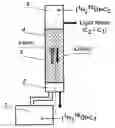
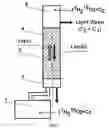
FIG. 1 is a schematic side view of an apparatus for the manufacturing the water comprising from about 99.760 to about 99.999% of light isotopologue 1H216O and up to 100% of residual isotopologues 1H217O, 1H218O, 1H2H16O, H2H17O, H2H18 O, 2H216O, 2H217O, and 2H218O.
DISCLOSURE OF INVENTION
The present invention provides a pharmaceutical water, which comprises from 99.760 to 99.999% of light isotopologue 1H216O and up to 100% of residual isotopologues 1H217O, 1H218O, 1H2H6O, 1H2H17O, 1H2H18O, 2H216O, 2H217O, and 2H218O.
As used herein, the term “pharmaceutical water” refers to water used in pharmaceutical industry for the production of bulk drugs or manufacturing finished products (e.g. unit dosage form of drugs). Preferred pharmaceutical water of the invention is purified water (PW) and water for injection (WFI). A generally recognized compendium describing the PW and WFI grade pharmaceutical water is United States Pharmacopeia's monograph (current edition USP 23).
As used herein, the term “isotopologue” is in accordance with IUPAC Compendium of Chemical Terminology 2nd Edition (1997) and refers to a molecular entity that differs only in isotopic composition (number of isotopic substitutions), e.g. 1H216O, 1H2H16O, and 1H218O.
Herein and after, term “light pharmaceutical water” refers to water comprising from about 99.760 to about 99.999% of light isotopologue 1H216O and up to 100% of residual isotopologues 1H217O, 1H218O, 1H2H16O, 1H2H17O, 1H2H18O, 2H216O, 2H217O, and 2H218O. Relative amounts of particular heavy isotopologues could vary depending upon the procedure of the preparing the water of the invention, but the sum of residual heavy isotopologues formed by heavy isotopes should not exceed 0.001 to 0.240%. Accordingly, the residual amounts of heavy isotopes in the water of the invention could vary from 0.01 ppm to 155 ppm for 2H, 1 to 360 ppm for 17O, and 1 to 2000 ppm for 18O, but the sum of heavy isotopologues formed by these residual heavy isotopes should not exceed 0.001 to 0.240%.
Further, the present invention provides a method of producing the pharmaceutical water of the invention comprising a step of depleting raw water of heavy isotopologues 1H217O, 1H218O, 1H2H16O, 1H2H17O, 1H2H18O, 2H216O, 2H217O, and 2H218O.
The depleting raw water of heavy isotopologues 1H217O, 1H218O, 1H2H16O, 1H2H17O, 1H2H18O, 2H216O, 2H217O, and 2H218O can be made y methods known to those skilled in the art. Preferred method for the depleting the raw water is a highly-effective distillation. The product of such depleting is light water comprising from about 99.760% to about 99.999% of light isotopologue 1H216O and up to 100% of residual isotopologues 1H217O, 1H218O, 1H2H16O, 1H2H17O, 1H2H18O, 2H216O, 2H217O, and 2H218O. The light pharmaceutical water is prepared from such light water by the methods well-known to those skilled in the art, which methods comprise steps of treating the light water such as pre-treatment, (e.g. primary filtration, coagulation and flocculation, desalination, and softening), disinfection, reverse osmosis or deionization, distillation or ultra-filtration, and chemical and microbial testing of a water sample. In accordance with the USP monograph (USP 23), purified water (PW) is obtained by distillation, ion-exchange treatment, reverse osmosis, or other suitable process and water for injection (WFI) is obtained by distillation or reverse osmosis. In practicing the invention, the sample of light pharmaceutical water should meet requirements of a national pharmacopeia's standards, for example, the US Parmacopeia's standards.
Further, the present invention provides a therapeutic composition comprising an effective amount of a biologically active agent and the pharmaceutical water, which water comprises from about 99.760 to about 99.999% of light isotopologue 1H216O and up to 100% of residual isotopologues 1H217O, 1H218O, 1H2H16O, 1H2H17O, 1H2H18O, 2H216O, 2H217O, and 2H218O.
Further, the present invention provides a method of administering a biologically active agent to a mammal in need thereof, which method comprises a step of administering to said mammal the therapeutic composition comprising an effective amount of a biologically active agent and the pharmaceutical water, which water comprises from 99.760 to 99.999% of light isotopologue 1H216O and up to 100% of residual isotopologues 1H217O, 1H218O, 1H216O, 1H2H17O, 1H2H18O, 2H216O, 2H217O, and 2H218O.
In the composition of the invention, the biologically active agent is selected from the group consisting of drugs, physiologically active peptides, physiologically active proteins, and nucleic acids.
Preferably, the drug is selected from the group consisting of analgesic agents, anesthetic agents, antiacne agents, anti-aging agents, antiallergic agents, antianemic agents, antianginal agents, antianxiety agents, antiarrythmic agents, antiasthmatic agents, antibacterial agents, anticancer agents, anticholinergic agents, anticoagulant agents, anticonvulsant agents, antidepressant agents, antidiabetic agents, antidiarrheal agents, antidiuretic agents, antidotes, antidyskinetic agents, antidysmenorrheal agents, antiemetic agents, antifibrinolytic agents, antifibrotic agents, antifungal agents, antiglaucoma agents, antihemorrhagic agents, antihistaminic agents, antihypercalcemic agents, antyhyperglycemic agents, antihyperlipidemic agents, antihypertensive agents, antihyperthyroid agents, antihyperuricemic agents, antihypocalcemic agents, antihypoglycemic agents, antihypotensive agents, anti-inflammatory agents, anti-Kawasaki disease agents, antimalarial agents, antimethemoglobinemic agents, antimicrobial agents, antimigraine agents, antimyastenic agents, antineoplastic agents, antineuralgic agents, antineutropenic agents, antipanic agents, antipolyneuropathy agents, antiprotozoal agents, antipsoriatic agents, antipsychotic agents, antipyretic agents, antirheumatic agents, antiseborrheic agents, antispasmodic agents, antithrombotic agents, antitremor agents, antiulcer agents, antivertiligo agents, antiviral agents, anti-wrinkling agents, appetite stimulants, appetite suppressants, asthma prophylactic agents, bone resorption inhibitors, bronchodilators, contraceptive agents, corticosteroids, depigmentation agents, disinfecting agents, diuretic agents, components of dialysis solution, eastrogens, hair growth promoting agents, hair growth inhibitor agents, hemapoietic stimulants, hepatitis treatment agents, histamine H2-receptor antagonists, hormones, humectants, insulin resistance treatment agents, interferon resistance treatment agents, immunosuppressants, impotence therapy agents, keratolytic agents, miotic agents, mucolytic agents, mydriatic agents, myocardial infarction therapy or prophylactic agents, neuromuscular blocking agents, nutritional supplements, vitamins, osteoporosis prophylactic or therapy agents, sedative agents, skeletal muscle relaxant, skin emollients and skin moisturizers, skin lightening agents, sympathomimetic agent, thrombolitic agents, vaccines, vasodilators, wound healing promoters, counterirritants, vitamins, nutrients, amino acids and their derivatives, minerals, herbal extracts, retinoids, bioflavonoids, and antioxidants.
Nonexclusive examples of analgesic agent include acetaminophen, hydrocodone bitartrate, codeine, caffeine, acetylsalicylic acid, diclofenac, or mixture thereof.
Nonexclusive examples of anesthetic agent include lidocaine, tetracaine, and epinephrine.
Nonexclusive examples of antiacne agent include erythromycine, tetracycline, benzoyl peroxide, nicotinamide, resorcinol, doxycicline, and salycilic acid.
Nonexclusive examples of antianemic agent include cyanocobalamine, epoietin, ferrous fumarate, ferrous sulfate, ferrous citrate, and iron dextran.
Nonexclusive examples of antianginal agent include atenolol, isosorbide mononitrate, nitroglycerine, propranolol, timolol, metoprolol, and verapamil.
Nonexclusive examples of antianxiety agent include alprazolam, bromazepam, lorazepam, and diazepam.
Nonexclusive examples of antiarrythmic agent include acebutolol, atenolol, atropine, and metoprolol.
Nonexclusive examples of antiasthmatic agent include dexmethasone, and loratadine.
Nonexclusive examples of antibacterial agent include aminosalycilic acid, isoniazide, erythromycine, gentamicin, ciprofloxacin, amoxicillin, cephaxelin, and streptomycin.
Nonexclusive examples of anticancer agent include daunorubicin.
Nonexclusive examples of anticholinergic agent include atropine.
Nonexclusive examples of anticoagulant agent include heparin, warfarin, and dicumarol.
Nonexclusive examples of anticonvulsant agent include clonazepam, diazepam, and valproic acid.
Nonexclusive examples of antidepressant agent include amitriptyline, and fluoxetin.
Nonexclusive examples of antidiabetic agent include insulin, metformin, succinic acid, and sulfonylureas like as glyburide.
Nonexclusive examples of antidiarrheal agent include codeine, and bismuth subsalycilate.
Nonexclusive examples of antidiuretic agent include vasopressin.
Nonexclusive examples of antidote include glucagon to calcium channel blocking agents, and penicillamine to heavy metals.
Nonexclusive examples of antidyskinetic agent include levodopa.
Nonexclusive examples of antidysmenorrheal agent include diclofenac.
Nonexclusive examples of antiemetic agent include chlorpromazine.
Nonexclusive examples of antifibrinolytic agent include aminocaproic acid.
Nonexclusive examples of antifibrotic agent include potassium aminobenzoate.
Nonexclusive examples of antifungal agent include ketoconazol.
Nonexclusive examples of antiglaucoma agent include carbachol, and pilocarpine.
Nonexclusive examples of antihemorrhagic agent include factor IX, and aminocaproic acid.
Nonexclusive examples of antihistaminic agent include ranitidine hydrochloride, and loratadine.
Nonexclusive examples of antihypercalcemic agent include calcitonin, etidronate and other biphosphonates.
Nonexclusive examples of antyhyperglycemic agent include metformin.
Nonexclusive examples of antihyperlipidemic agent include clofibrate, and fluvastatin.
Nonexclusive examples of antihypertensive agent include atenolol, captopril, lisinopril, and verapamil.
Nonexclusive examples of antihyperthyroid agent include potassium iodide.
Nonexclusive examples of antihyperuricemic agent include allopurinol.
Nonexclusive examples of antihypocalcemic agent include calcium acetate.
Nonexclusive examples of antihypoglycemic agent include glucagon.
Nonexclusive examples of antihypotensive agent include dihydroergotamine.
Nonexclusive examples of anti-inflammatory agent include acetylsalycilic acid, choline salycilate, ibuprofen, diclofenac, indomethacin, and dexamethasone.
Nonexclusive examples of anti-Kawasaki disease agent include immune globulin.
Nonexclusive examples of antimalarial agent include quanidine.
Nonexclusive examples of antimethemoglobinemic agent include methylene blue.
Nonexclusive examples of antimyastenic agent include neostygmine.
Nonexclusive examples of antineoplastic agent include asparaginase, carboplatin, daunorubicin, interferon, tamoxifen, and fluorouracil.
Nonexclusive examples of antineuralgic agent include carbamazepine.
Nonexclusive examples of antipanic agent include clonazepam.
Nonexclusive examples of antipolyneuropathy agent include immune globulin.
Nonexclusive examples of antiprotozoal agent include chloroquine, and furazolidone.
Nonexclusive examples of antipsoriatic agent include methotrexate.
Nonexclusive examples of antipsychotic agent include carbamazepine.
Nonexclusive examples of antipyretic agent include acetaminophen.
Nonexclusive examples of antirheumatic agent include methotrexate.
Nonexclusive examples of antiseborrheic agent include pyrithione, salycilic acid.
Nonexclusive examples of antispasmodic agent include glucagon.
Nonexclusive examples of antithrombotic agent include acetylsalycilic acid.
Nonexclusive examples of antitremor agent include diazepam.
Nonexclusive examples of antiulcer agent include omeprazole.
Nonexclusive examples of antivertiligo agent include diphenidol.
Nonexclusive examples of antiviral agent include acyclovir, and ribavirin.
Nonexclusive examples of appetite stimulant include dronabinol.
Nonexclusive examples of appetite suppressant include phentermine.
Nonexclusive examples of asthma prophylactic agent include theophylline.
Nonexclusive examples of bone resorption inhibitor include calcitonin.
Nonexclusive examples of bronchodilator include theophylline, and albuterol.
Nonexclusive examples of contraceptive agent include levonorgestrel.
Nonexclusive examples of corticosteroid include dexamethasone.
Nonexclusive examples of diuretic agent include furosemide, and hydrochlorothiazide.
Nonexclusive examples of eastrogen include estradiol.
Nonexclusive examples of hemapoietic stimulant include epoietin.
Nonexclusive examples of hepatitis treatment agent include interferon alpha.
Nonexclusive examples of histamine H2-receptor antagonist include cimetidine.
Nonexclusive examples of hormones include melatonin, thyroid hormones, thyroxine, triiodothyronine, adrenaline, noradrenaline, glucocorticoids (e.g. cortisol), mineralocorticoids (e.g. aldosteron), estrogens (e.g. estradiol), progesterone, androgens (e.g. testosteron), calcitriol, and calciferol.
Nonexclusive examples of insulin resistance treatment agents or interferon resistance treatment agents include succinic acid or salts thereof.
Nonexclusive examples of immunosuppressant include cyclosporine.
Nonexclusive examples of impotence therapy agent include papaverine.
Nonexclusive examples of keratolytic agent include benzoyl peroxide.
Nonexclusive examples of miotic agent include carbachol.
Nonexclusive examples of mucolytic agent include acetylcysteine.
Nonexclusive examples of mydriatic agent include atropine.
Nonexclusive examples of myocardial infarction therapy or prophylactic agent include acetylsalycilic acid.
Nonexclusive examples of neuromuscular blocking agent include succinylcholine.
Nonexclusive examples of nutritional supplement include calcium lactate, copper gluconate, ferrous fumarate, magnesium chloride, selenous acid, ascorbic acid, beta-carotene, biotin, calcitriol, calcium pantothenate, cyanocobalamine, ergocalciferol, folic acid, niacin, niacinamide, pantothenic acid, pyridoxine, riboflavin, sodium ascorbate, lipoic acid, inositol, and thiamine.
Nonexclusive examples of nutrients include glucose.
Nonexclusive examples of minerals include calcium, chromium, cobalt, copper, fluoride, germanium, iodine, iron, lithium, magnesium, manganese, molybdenum, phosphorus, potassium, selenium, silicon, sodium, sulfur, vanadium, and zinc.
Nonexclusive examples of vitamins include thiamin, riboflavin, niacin, pantothenates, pyridoxine, folic acid, cobalamin, biotin, choline, inositol, ascorbic acid, lipoic acid, and cainitine.
Nonexclusive examples of osteoporosis prophylactic or therapy agent include estrogens.
Nonexclusive examples of sedative agent include diazepam.
Nonexclusive examples of skeletal muscle relaxant include phenytoin.
Nonexclusive examples of thrombolitic agent include urokinase.
Nonexclusive examples of vasodilator include enalapril.
The drug of the invention is generally used individually at levels from about 0.0005% to about 50.0%, preferably from about 0.005% to about 5.0% by weight of the composition.
Preferably, the physiologically active peptide or protein is selected from the group consisting of cytokines, peptide hormones, growth factors, factors acting on the cardiovascular system, factors acting on the central and peripheral nervous systems, factors acting on humoral electrolytes, hematopoietic factors, factors acting on bone and skeleton, factors acting on the gastrointestinal system, factors acting on the immune system, factors acting on the genital organs, and enzymes.
Nonexclusive examples of cytokines include interferons (e.g. interferon-alpha, -beta, and -gamma) and interleukins (e.g. interleukin 2 through 12).
Nonexclusive examples of protein or peptide hormones include insulin, insulin-like growth factor-1, growth hormone, luteinizing hormone-releasing hormone (LH-RH), adrenocorticotropic hormone (ACTH), amylin, oxytocin, activin, amylin, angiotensin, atrial natriuretic peptides (ANP), calcitonin, cholecystokinin (CCK), ciliary neurotrophic factor (CNTF), corticotropin-releasing hormone (CRH or CRF), erythropoietin, follicle-stimulating hormone (FSH), gastrin, gastrin inhibitory peptide (GIP), gastrin-releasing peptide, ghrelin, glucogon, gonadotropin-releasing factor (GnRF or GNRH), growth hormone releasing hormone (GRF, GRH), o human chorionic gonadotropin (hCH), inhibin A, inhibin B, leptin, lipotropin (LPH), luteinizing hormone (LH), motilin, neuropeptide Y, oxytocin, pancreatic polypeptide, parathyroid hormone (PTH), placental lactogen, prolactin (PRL), prolactin-release inhibiting factor (PIF), prolactin-releasing factor (PRF), PYY3-36, secretin, somatostatin (SIF, growth hormone-release inhibiting factor, GIF), thrombopoietin, thyrotropin (thyroid-stimulating hormone, TSH), thyrotropin-releasing factor (TRH or TRF), vasoactive intestinal peptide (VIP), vasopressin (antidiuretic hormone, ADH) and combinations thereof.
Nonexclusive examples of growth factors include nerve growth factors (NGF, NGF-2/NT-3), epidermal growth factor (EGF), fibroblast growth factor (FGF), insulin-like growth factor (IGF), transforming growth factor (TGF), platelet-derived cell growth factor (PDGF), keratinocyte growth factor (TGF), and hepatocyte growth factor (HGF).
Nonexclusive examples of factors acting on the cardiovascular system include which control blood pressure, arteriosclerosis, etc., such as endothelins, endothelin inhibitors, endothelin antagonists, vasoppressin, renin, angiotensin I, angiotensin II, angiotensin III, angiotensin I inhibitor, angiotensin II receptor antagonist, atrial naturiuretic peptide (ANP), and antiarrythmic peptide.
Nonexclusive examples of factors acting on the central and peripheral nervous systems include opioid peptides (e.g. enkepharins, endorphins, kyotorphins), neurotrophic factor (NTF), calcitonin gene-related peptide (CGRP), thyroid hormone releasing hormone (TRH), glial-derived neurotrophic factor (GDNF), brain-derived neurotrophic factor (BDNF), and neurotrophines (e.g. NT3, NT4).
Nonexclusive examples of factors acting on humoral electrolytes include calcitonin.
Nonexclusive examples of hematopoietic factors include erythropoietin, granulocyte colony stimulating factor (G-CSF), granulocyte-macrophage stimulating factor (GM-CSF) and macrophage colony stimulating factor (M-CSF), and thrombopoietin.
Nonexclusive examples of factors acting on the gastrointestinal system include secretin and gastrin.
Nonexclusive examples of factors acting on the immune system include interferons (e.g. interferon-alpha, and -gamma), monoclonal antibody, and naturally occurring, chemically synthesized or recombinant peptides or proteins which may act as antigens. These factors are administered, either independently, as coupled to haptens, or together with an adjuvant, in the formulations according to the present invention.
Nonexclusive examples of factors acting on bone and skeleton include parathyroid hormone and calcitonin.
Nonexclusive examples of factors acting on the genital organs include luteinizing hormone-releasing hormone (LH-RH) and luteinizing hormone.
Nonexclusive examples of enzymes include superoxide dismutase (SOD), urokinase, asparaginase, and kallilreins.
These peptides or proteins may further include glycosylated peptides or proteins, and chemically modified peptides or proteins. Nonexclusive examples of chemically modified peptides or proteins include peptides or proteins linked by a covalent chemical bond to synthetic polymers such as polyethylene glycol, natural polymers such as chondroitin, polysaccharides, etc. and those chemically modified with non-peptide substances. The non-peptide substances mentioned above may be ligands for receptors or antigens for antibodies.
Furthermore, the peptide or protein may be a plurality of peptides joined together by chemical means or by genetic engineering technology.
Nonexclusive examples of nucleic acids include plasmid DNA, RNA and oligonucleotides.
Typically, the peptide, protein or nucleic acid of the invention is presented in the composition of the invention in amounts close to its normal dosage and daily regimen ranges as detailed in medical literature for injective dosage forms. Preferably, the peptide or protein of the invention is generally used individually at levels from about 0.00001% to about 5.0%, preferably from about 0.0001% to about 1% by weight of the composition.
Preferably, the amount of the pharmaceutical water in the composition of the invention is from about 1.0 to 99.9% based upon the total weight of the composition. More preferably, from about 50.0 to 99.9% based upon the total weight of the composition.
The composition of the invention is provided in the pH range which does not remarkably affect the activity of the physiologically active peptide or protein and is physiologically acceptable. The preferred range is about pH 2 to pH 10. The more preferred range is about 3 to pH 9, and the most desirable range is about pH 3.5 to pH 8. Preferably, buffer of the invention include, but are not limited to, glycine, citrate, succinate, fumarate, malate, or phosphate buffer.
The compositions of the invention are prepared by known procedures using well-known ingredients. In making the compositions, the biologically active agent will usually be mixed with the light water and diluted by appropriate diluent or carrier. Additively, the composition of the invention can comprise preservatives, flavors, colorants, and etc. Additively, the composition of the present invention may be further supplemented with an absorption promoter which assists in the absorption of the pharmacologically active substance. The absorption promoter may be any promoter that is pharmaceutically acceptable. Thus, there can be sodium salicylate and salicylic acid derivatives (acetyl salicylate, choline salicylate, salicylamide, etc.), amino acids and salts thereof (e.g. monoaminocarboxlic acids such as glycine, alanine, phenylalanine, proline, hydroxyproline, etc., hydroxyamino acids such as serine etc., acidic amino acids such as aspartic acid, glutamic acid, etc. and basic amino acids such as lysine etc., inclusive of their alkali metal or alkaline earth metal salts), N-acetylamino acids (N-acetylalanine, N-acetylphenylalanine, N-acetylserine, N-acetylglycine, N-acetyllysine, N-acetylglutamic acid, N-acetylproline, N-acetylhydroxyproline, etc.) and their salts (alkali metal salts and alkaline earth metal salts), substances which are generally used as emulsifiers (e.g. sodium oleyl phosphate, sodium lauryl phosphate, sodium lauryl sulfate, sodium myristyl sulfate, polyoxyethylene alkyl ethers, polyoxyethylene alkyl esters, etc.), caproic acid, lactic acid, malic acid and citric acid and alkali metal salts thereof, pyrrolidonecarboxylic acids, alkylpyrrolidonecarboxylic acid esters, N-alkylpyrrolidones, proline acyl esters, and etc. Such optional ingredients generally are used individually at levels from about 0.0005% to about 10.0%, preferably from about 0.005% to about 1.0% by weight of the composition.
The therapeutic composition can be formulated in a variety of unit dosage form. Such forms include, but are not limited to, gel tablets, sprays, syrups, suppositories, drops, and solutions.
In practicing the method of the invention, the therapeutic composition in a unit dosage form can be administered by a variety of routes. Such routes include, but are not limited to, oral, parenteral, transdermal, transmucosal, intradermal, intranasal, rectal, or topical.
Oral dosage form (e.g. syrup, gel tablet) is ingested and this method can be reapplied from 1 to about 5, preferably from 1 to 3 times per day.
Transmucosal dosage form (e.g. sublingual spray, gel tablet, or solution) is applied on sublingual mucosa of the mammal for period at least 10 second and this method can be reapplied from 1 to about 5, preferably from 1 to 3 times per day. Parenteral dosage form (e.g. solution for injections) is injected to the mammal (e.g subcutaneously or intramuscularly) and this method can be reapplied.
Nasal dosage form (e.g. nasal spray or drops) is applied on nasal mucosa of the mammal and this method can be reapplied from 1 to about 5, preferably from 1 to 3 times per day.
Topical dosage form (e.g. gel) is applied on skin of the mammal, and is preferably left on the skin for a period of at least about 15 minutes, more preferably at least about 30 minutes, even more preferably at least about 1 hour, most preferably for at least several hours, e.g., up to about 12 hours. This method can be reapplied from 1 to about 5, preferably from 1 to 3 times per day.
The following examples are presented to demonstrate the invention. The examples are illustrative only and are not intended to limit the scope of the invention in any way.
EXAMPLE 1
This example demonstrates the method for producing pharmaceutical water of the invention.
Raw light water comprising 99.99% of light isotopologue 1H216O and up to 100% of residual isotopologues 1H217O, 1H218O, 1H2H16O, 1H2H17O, 1H2H18O, 2H216O, 2H217O, and 2H218O is prepared by highly-effective distillation of natural raw water comprising 99.73% of light isotopologue 1H216O with using the apparatus of FIG. 1 under temperature 60° C. and pressure 0.2 bars. The process of the distillation comprises evaporating natural water comprising 99.73% (C1) of light isotopologue 1H216O in boiling means 1 to produce water vapor; supplying the water vapor to the bottom 2 of distillation column 3; carrying out vapor-liquid contact between a descending liquid and an ascending vapor mainly on the surface of the contact device 4 (e.g. structured or random packing) within the distillation column, at which time the liquid and the vapor flow in mutually opposite directions over the surface of the contact device along a main flow direction which is along a direction of the column axis; condensing water vapor with concentration of light isotopologue 1H216O 99.99% (C2) on condenser 5 installed on upper bound of the distillation column 3; and collecting a part of condensate as condensed raw light water comprising 99.99% of light isotopologue 1H216O (C2>C1) appropriate for producing light pharmaceutical water. Then, the raw light water is treated consequently by procedure of reverse osmosis. Resulted WFI grade pharmaceutical water comprising 99.99% of light isotopologue 1H216O is tested on chemical and microbial contaminants as prescribed by national pharmacopeia's standards.
EXAMPLE 2
This example shows a representative formulation comprising insulin.
| Content | |
| Water for injections (99.99% of light isotopologue 1H216O) | 1 | ml |
| Human recombinant insulin | 3.5 | mg |
| (100 | IU) | |
| Sodium chloride | 5 | mg |
| Polysorbate 20 | 0.01 | mg |
| m-Cresol | 2.7 | mg |
The method for preparing the composition described in Example 2 was as follows: the human recombinant insulin, light water for injections and other components were mixed.
EXAMPLE 3
This example shows a representative formulation comprising interferon-alpha.
| Content | |
| Water for injections (99.99% of light isotopologue 1H216O) | 0.5 | ml |
| Human recombinant interferon-alpha | 10 | μg |
| Sodium chloride | 5.9 | mg |
| Sodium phosphate | 3.8 | mg |
The method for preparing the composition described in Example 3 was as follows: the human recombinant interferon-alpha, light water for injections and other components were mixed.
EXAMPLE 4
This example shows a representative formulation comprising interferon-beta.
| Content | |
| Water for injections (99.99% of light isotopologue 1H216O) | 1 | ml |
| Human recombinant interferon-beta | 30 | μg |
| Albumin | 15 | mg |
| Sodium chloride | 5.8 | mg |
| Dibasic sodium phosphate | 5.7 | mg |
| Monobasic sodium phosphate | 1.2 | mg |
The method for preparing the composition described in Example 4 was as follows: the human recombinant interferon-beta, light water for injections and other components were mixed.
EXAMPLE 5
This example shows a representative formulation comprising erythropoietin.
| Content | |
| Water for injections (99.99% of light isotopologue 1H216O) | 1 | ml |
| Human recombinant erythropoietin | 10,000 | IU |
| Albumin | 2.5 | mg |
| Sodium citrate | 5.8 | mg |
| Sodium chloride | 5.8 | mg |
| Citric acid | 0.06 | mg |
The method for preparing the composition described in Example 5 was as follows: the human recombinant erythropoietin, light water for injections and other components were mixed.
EXAMPLE 6
This example shows a representative formulation comprising calcitonin.
| Content | |
| Water for injections (99.99% of light isotopologue 1H216O) | 1 | ml |
| Salmon calcitonin | 2200 | IU |
| Sodium chloride | 8.5 | mg |
The method for preparing the composition described in Example 6 was as follows: the salmon calcitonin, light water for injections and other components were mixed.
EXAMPLE 7
This example shows a representative formulation comprising G-CSF.
| Content | |
| Water for injections (99.99% of light isotopologue 1H216O) | 1 | ml |
| Human recombinant G-CSF | 300 | μg |
| Acetate | 0.59 | mg |
| Sodium | 0.035 | mg |
| Tween 80 | 0.004% |
| Sorbitol | 50 | mg |
The method for preparing the composition described in Example 7 was as follows: the human recombinant G-CSF, light water for injections and other components were mixed.
EXAMPLE 8
This example shows a representative formulation comprising GM-CSF.
| Content | |
| Water for injections (99.99% of light isotopologue 1H216O) | 1 | ml |
| Human recombinant GM-CSF | 500 | μg |
| Sodium citrate | 5.8 | mg |
| Sodium chloride | 5.8 | mg |
| Citric acid | 0.06 | mg |
The method for preparing the composition described in Example 8 was as follows: the human recombinant GM-CSF, light water for injections and other components were mixed.
EXAMPLE 9
This example shows a representative formulation comprising GDNF.
| Content | |
| Water for injections (99.99% of light isotopologue 1H216O) | 1 | ml |
| Human recombinant GDNF | 500 | μg |
| Sodium citrate | 5.8 | mg |
| Sodium chloride | 5.8 | mg |
| Citric acid | 0.06 | mg |
The method for preparing the composition described in Example 9 was as follows: the human recombinant GDNF, light water for injections and other components were mixed.
EXAMPLE 10
This example shows a representative formulation comprising growth hormone.
| Content | |
| Water for injections (99.99% of light isotopologue 1H216O) | 1.5 | ml |
| Human recombinant growth hormone | 5 | mg |
| Sodium citrate | 5.8 | mg |
| Sodium chloride | 5.8 | mg |
| Citric acid | 0.06 | mg |
The method for preparing the composition described in Example 10 was as to follows: the human recombinant growth hormone, light water for injections and other components were mixed.
EXAMPLE 11
This example shows a representative formulation comprising IL-1 receptor antagonist.
| Content | |
| Water for injections (99.99% of light isotopologue 1H216O) | 1 | ml |
| Human recombinant IL-1 receptor antagonist | 100 | mg |
| Sodium citrate | 1.29 | mg |
| Sodium chloride | 5.48 | mg |
| Polysorbate 80 | 0.70 | mg |
The method for preparing the composition described in Example 11 was as follows: the human recombinant IL-1 receptor antagonist, light water for injections and other components were mixed.
EXAMPLE 12
This example shows a representative formulation comprising anti-VEGF monoclonal antibody.
| Content | |
| Water for injections (99.99% of light isotopologue 1H216O) | 1 | ml |
| anti-VEGF monoclonal antibody | 25 | mg |
| Trehalose | 60 | mg |
| Sodium phosphate (monobasic) | 5.8 | mg |
| Sodium phosphate (dibasic) | 1.2 | mg |
| Sodium chloride | 5.48 | mg |
| Polysorbate 20 | 0.40 | mg |
The method for preparing the composition described in Example 12 was as follows: anti-VEGF monoclonal antibody, light water for injections and other components were mixed.
EXAMPLE 13
This example shows a representative formulation comprising influenza virus vaccine.
| Content | |
| Water for injections (99.99% of light isotopologue 1H216O) | 1 | ml |
| Viral antigen (hemagglutinin) | 90 | μg |
The method for preparing the composition described in Example 13 was as follows: viral antigen (hemagglutinin), light water for injections and other components were mixed.
EXAMPLE 14
This example shows a representative formulation comprising artificial tear (ophtalmological agent).
| Content | |
| Water for injections (99.99% of light isotopologue 1H216O) | 1 | ml |
| Polyacrylic acid | 2 | mg |
| Sorbitol | 40 | mg |
| Benzalkonium chloride | 2 | mg |
The method for preparing the composition described in Example 14 was as follows: polyacrylic acid, sorbitol, benzalkonium chloride, and light water for injections were mixed.
EXAMPLE 15
This example shows a representative formulation comprising dextran 70 (blood substitute).
| Content | |
| Water for injections (99.99% of light isotopologue 1H216O) | 1 | ml |
| Dextran 70 | 60 | mg |
| Sodium chloride | 9 | mg |
The method for preparing the composition described in Example 15 was as follows: dextran 70, sodium chloride, and light water for injections were mixed.
EXAMPLE 16
This example shows a representative formulation comprising naloxone (antidote).
| Content | |
| Water for injections (99.99% of light isotopologue 1H216O) | 1 | ml |
| Naloxone hydrochloride | 0.4 | mg |
The method for preparing the composition described in Example 16 was as follows: naloxone hydrochloride and light water for injections were mixed.
EXAMPLE 17
This example shows a representative formulation comprising sodium chloride (agent correcting electrolyte balance)
| Content | |
| Water for injections (99.99% of light isotopologue 1H216O) | 1 | ml |
| Sodium chloride | 9 | mg |
The method for preparing the composition described in Example 17 was as follows: sodium chloride and light water for injections were mixed.
EXAMPLE 18
This example shows a representative dermatological formulation for skin hydration.
| Content | |
| Purified Water (99.99% of light isotopologue 1H216O) | 21 | g | |
| Glycerin | 5 | g | |
| Methylhydroxypropylcellulose | 2.5 | g | |
The method for preparing the composition described in Example 18 was as follows: glycerin, purified light water and methylhydroxypropylcellulose were mixed.
EXAMPLE 19
This example shows a representative formulation comprising interleukin-2.
| Content | |
| Water for injections (99.99% of light isotopologue | 1.2 | ml |
| 1H216O) | ||
| Human recombinant interleukin-2 | 18 × 106 | IU |
| Mannitol | 50 | mg |
| Sodium dodecylsulfate | 0.18 | mg |
| Dibasic sodium phosphate | 0.89 | mg |
| Monobasic sodium phosphate | 0.17 | mg |
The method for preparing the composition described in Example 19 was as follows: the human recombinant interleukin-2, light water for injections and other components were mixed.
EXAMPLE 20
This example demonstrates an advantageous efficacy of interferon delivery through administration of interferon composition made on light pharmaceutical water vs. pharmaceutical water.
Material. Human recombinant interferon-alpha (IFN) was used.
Treatment. Male C57B1 mice about 20 g weights were administered oromucosally with 170 ng/mouse IFN in form of 20 μl/mouse solution made on natural distilled water (99.73% of light isotopologue 1H216O, control) or light pharmaceutical water (99.90% of light isotopologue 1H216O) in citrate buffer under pH 5.4-5.5. Plasma IFN levels were measured at 7 min after the administration with immunoenzyme assay specific to human IFN. Data are presented in table below as plasma IFN mean ±SD (n=6) in ng/ml.
| Treatment | Plasma IFN, ng/ml | |
| IFN plus pharmaceutical water (control) | 3.7 ± 2.0 | |
| IFN plus light pharmaceutical water | 15.0 ± 1.8* | |
| *Differs significantly of control (p < 0.0001) |
EXAMPLE 21
This example demonstrates an advantageous efficacy of interferon delivery through administration of interferon composition made on light pharmaceutical water vs. pharmaceutical water.
Material. Human recombinant interferon-alpha (IFN) was used.
Treatment. Male C57B1 mice about 20 g weights were depilated 72 hours before the experiment. 100 ng/mouse IFN in form of 100 μl/mouse solution made on natural distilled water (99.73% of light isotopologue 1H216O, control) or light pharmaceutical water (99.90% of light isotopologue 1H216O) in succinate buffer under pH 5.1 were applied on skin depilated area of about 1 cm2. Plasma IFN levels were measured at 10 min with immunoenzyme assay specific to human IFN. Data are presented in table below as plasma IFN mean ±SD (n=5) in ng/ml.
| Treatment | Plasma IFN, ng/ml | |
| IFN plus pharmaceutical water (control) | 0.37 ± 0.09 | |
| IFN plus light pharmaceutical water | 3.62 ± 1.01* | |
| *Differs significantly of control (p < 0.0001) |
EXAMPLE 22
This example shows a representative formulation for a sublingual spray comprising interferon alpha.
| Content, | |
| weight % | |
| Light pharmaceutical water (99.99% of light isotopologue | 92.00 |
| 1H216O) | |
| Human recombinant Interferon alpha2a | 0.85 |
| Glycerol | 5 |
| Succinic acid | 1.2 |
| Sodium hydroxide | 0.95 |
The method for preparing the composition described in Example 22 was as follows: the above-mentioned ingredients were mixed in the conventional manner to prepare the sublingual spray comprising interferon alpha.
EXAMPLE 23
This example shows a representative formulation for a sublingual spray comprising insulin.
| Content, | |
| weight % | |
| Light pharmaceutical water (99.99% of light isotopologue | 92.24 |
| 1H216O) | |
| Human recombinant insulin | 0.81 |
| Glycerol | 5 |
| Succinic acid | 1.0 |
| Sodium hydroxide | 0.95 |
The method for preparing the composition described in Example 23 was as follows: the above-mentioned ingredients were mixed in the conventional manner to prepare the sublingual spray comprising insulin.
EXAMPLE 24
This example shows a representative formulation for a sublingual spray comprising erythropoietin.
| Content, | |
| weight % | |
| Light pharmaceutical water (99.99% of light isotopologue | 92.25 |
| 1H216O) | |
| Human recombinant erythropoietin | 0.80 |
| Glycerol | 5 |
| Citric acid | 1.0 |
| Sodium hydroxide | 0.95 |
The method for preparing the composition described in Example 24 was as follows: the above-mentioned ingredients were mixed in the conventional manner to prepare the sublingual spray comprising erythropoietin.
EXAMPLE 25
This example shows a representative formulation for a sublingual spray comprising calcitonin.
| Content, | |
| weight % | |
| Light pharmaceutical water (99.99% of light isotopologue | 92.25 |
| 1H216O) | |
| Calcitonin | 0.80 |
| Glycerol | 5 |
| Succinic acid | 1.0 |
| Sodium hydroxide | 0.95 |
The method for preparing the composition described in Example 25 was as follows: the above-mentioned ingredients were mixed in the conventional manner to prepare the sublingual spray comprising calcitonin.
Claims
We claim:1. A pharmaceutical water, which comprises from 99.760 to 99.999% of light isotopologue 1H216O and up to 100% of residual isotopologues 1H217O, 1H218O, 1H2H16O, 1H2H17O, 1H2H18O, 2H216O, 2H217O, and 2H218O.
2. A method of producing the pharmaceutical water of claim 1 comprising a step of depleting raw water of heavy isotopologues 1H217O, 1H218O, 1H2H16O, 1H2H17O, 1H2H18O, 2H216O, 2H217O, and 2H218O.
3. A therapeutic composition comprising an effective amount of a biologically active agent and the pharmaceutical water, which water comprises from 99.760 to 99.999% of light isotopologue 1H216O and up to 100% of residual isotopologues 1H217O, 1H218O, 1H2H16O, 1H2H17O, 1H2H18O, 2H216O, and 2H218O.
4. The composition according to claim 3, wherein the biologically active agent is selected from the group consisting of drugs, physiologically active peptides, physiologically active proteins, and nucleic acids.
5. The composition according to claim 4, wherein the drug is selected from the group consisting of analgesic agents, anesthetic agents, antiacne agents, anti-aging agents, antiallergic agents, antianemic agents, antianginal agents, antianxiety agents, antiarrythmic agents, antiasthmatic agents, antibacterial agents, anticholinergic agents, anticoagulant agents, anticonvulsant agents, antidepressant agents, antidiabetic agents, antidiarrheal agents, antidiuretic agents, antidotes, antidyskinetic agents, antidysmenorrheal agents, antiemetic agents, antifibrinolytic agents, antifibrotic agents, antifungal agents, antiglaucoma agents, antihemorrhagic agents, antihistaminic agents, antihypercalcemic agents, antyhyperglycemic agents, antihyperlipidemic agents, antihypertensive agents, antihyperthyroid agents, antihyperuricemic agents, antihypocalcemic agents, antihypoglycemic agents, antihypotensive agents, anti-inflammatory agents, anti-Kawasaki disease agents, antimalarial agents, antimethemoglobinemic agents, antimicrobial agents, antimigraine agents, antimyastenic agents, antineoplastic agents, antineuralgic agents, antineutropenic agents, antipanic agents, antipolyneuropathy agents, antiprotozoal agents, antipsoriatic agents, antipsychotic agents, antipyretic agents, antirheumatic agents, antiseborrheic agents, antispasmodic agents, antithrombotic agents, antitremor agents, antiulcer agents, antivertiligo agents, antiviral agents, anti-wrinkling agents, appetite stimulants, appetite suppressants, asthma prophylactic agents, bone resorption inhibitors, bronchodilators, contraceptive agents, corticosteroids, depigmentation agents, disinfecting agents, diuretic agents, components of dialysis solution, eastrogens, hair growth promoting agents, hair growth inhibitor agents, hemapoietic stimulants, hepatitis treatment agents, histamine H2-receptor antagonists, hormones, humectants, insulin resistance treatment agents, interferon resistance treatment agents, immunosuppressants, impotence therapy agents, keratolytic agents, miotic agents, mucolytic agents, mydriatic agents, myocardial infarction therapy or prophylactic agents, neuromuscular blocking agents, nutritional supplements, vitamins, osteoporosis prophylactic or therapy agents, sedative agents, skeletal muscle relaxant, skin emollients and skin moisturizers, skin lightening agents, sympathomimetic agent, thrombolitic agents, vaccines, vasodilators, wound healing promoters, counterirritants, vitamins, nutrients, amino acids and their derivatives, minerals, herbal extracts, retinoids, bioflavonoids, and antioxidants.
6. The composition according to claim 4, wherein the physiologically active peptide or protein is selected from the group consisting of cytokines, peptide hormones, growth factors, factors acting on the cardiovascular system, factors acting on the central and peripheral nervous systems, factors acting on humoral electrolytes, hematopoietic factors, factors acting on bone and skeleton, factors acting on the gastrointestinal system, factors acting on the immune system, factors acting on the genital organs, and enzymes.
7. The composition according to claim 6, wherein the cytokine is interferon alpha.
8. The composition according to claim 6, wherein the peptide hormone is insulin.
9. The composition according to claim 6, wherein the growth factor is insulin-like growth factor.
10. The composition according to claim 6, wherein the peptide hormone is calcitonin.
11. The composition according to claim 6, wherein the peptide hormone is growth hormone.
12. The composition according to claim 6, wherein the hematopoietic factor is erythropoietin.
13. The composition according to claim 6, wherein the factor acting on the immune system is vaccine.
14. The composition according to claim 3, wherein the amount of the pharmaceutical water is from about 1.0 to 99.9% based upon the total weight of the composition.
15. The composition according to claim 14, wherein the amount of the pharmaceutical water is from about 50.0 to 99.9% based upon the total weight of the composition.
16. A method of administering a biologically active agent to a mammal in need thereof, which method comprises a step of administering to said mammal the therapeutic composition according to claim 3.
17. The method according to claim 16, wherein said composition is administered orally, parenterally, transdermally, transmucosally, intranasally, rectally or topically.
Images & Drawings included:
Sources:
- United States Patent and Trademark Office - verify current appl. status at the USPTO↗
Recent applications in this class:
- » 20250170052 2025-05-29
EPHEDRINE LIQUID FORMULATIONS - » 20250144010 2025-05-08
Guiding Musculoskeletal Procedures - » 20250114297 2025-04-10
NEEDLE ASSISTED JET INJECTION ADMINISTRATION OF TESTOSTERONE COMPOSITIONS - » 20250107999 2025-04-03
INJECTABLE FORMULATION CONTAINING ISOXAZOLINE DERIVATIVE - » 20250107998 2025-04-03
COMPOSITIONS AND METHODS FOR TREATING IMMUNOLOGICAL DYSFUNCTION - » 20250099370 2025-03-27
INJECTABLE SLURRIES AND METHODS OF MANUFACTURING THE SAME - » 20250090452 2025-03-20
SUCCINYLCHOLINE PREFILLED SYRINGE, COMPOSITIONS AND METHODS - » 20250090451 2025-03-20
FORMULATIONS AND DOSES OF PEGYLATED URICASE - » 20250064723 2025-02-27
ANTI-BCMA CAR T CELL COMPOSITIONS - » 20250064722 2025-02-27
ANTI-BCMA CAR T CELL COMPOSITIONS