Therapeutic agent for Alzheimer's disease
US20110082295A1
2011-04-07
12/994,472
2009-05-27
✅ Patent granted
US 8,552,220 B2
2013-10-08
WO; PCT/JP2009/059675; 20090527
WO; WO2009/145219; 20091203
Johann R Richter | Pancham Bakshi
Birch, Stewart, Kolasch & Birch, LLP
2030-02-20
Abstract:
To develop a highly safe measure to treat Alzheimer's disease using a secretase-inhibiting substance, there is provided a compound represented by the following general formula (I) or a salt thereof:
wherein A represents a phenyl group or the like, R1 represents a chlorine atom, a bromine atom, or a nitro group or the like, R2, R3, R4, and R5 each represent a hydrogen atom or the like, and L represents CH2—CH2 or CH═CH.
Inventors:
- Hachiro Sugimoto 4 🇯🇵 Kyoto-shi, Japan
- Hachiro Sugimoto 13 🇯🇵 Kyoto, Japan
- Michiaki Okuda 5 🇯🇵 Kyoto, Japan
- Takashi Takahashi 28 🇯🇵 Tokyo, Japan
- Ichiro Hijikuro 7 🇯🇵 Tokyo, Japan
- Michiaki Okuda 1 🇯🇵 Kyoto-shi, Japan
Assignee:
- KYOTO UNIVERSITY 342 🇯🇵 Kyoto-shi, Kyoto, Japan
- TOKYO INSTITUTE OF TECHNOLOGY 653 🇯🇵 Tokyo, Japan
- KYOTO UNIVERSITY 723 🇯🇵 Kyoto, Japan
Applicant:
Interested in similar patents?
Get notified when new applications in this technology area are published.
Classification:
C07C225/22 » CPC main
Compounds containing amino groups and doubly—bound oxygen atoms bound to the same carbon skeleton, at least one of the doubly—bound oxygen atoms not being part of a —CHO group, e.g. amino ketones having amino groups bound to carbon atoms of six-membered aromatic rings of the carbon skeleton
A61P25/28 » CPC further
Drugs for disorders of the nervous system for treating neurodegenerative disorders of the central nervous system, e.g. nootropic agents, cognition enhancers, drugs for treating Alzheimer's disease or other forms of dementia
A61P43/00 » CPC further
Drugs for specific purposes, not provided for in groups -
C07C69/76 » CPC further
Esters of carboxylic acids; Esters of carbonic or haloformic acids Esters of carboxylic acids having a carboxyl group bound to a carbon atom of a six-membered aromatic ring
C07C69/94 » CPC further
Esters of carboxylic acids; Esters of carbonic or haloformic acids; Esters of carboxylic acids having a carboxyl group bound to a carbon atom of a six-membered aromatic ring of polycyclic hydroxy carboxylic acids, the hydroxy groups and the carboxyl groups of which are bound to carbon atoms of six-membered aromatic rings
C07C205/45 » CPC further
Compounds containing nitro groups bound to a carbon skeleton the carbon skeleton being further substituted by at least one doubly—bound oxygen atom, not being part of a —CHO group
C07C311/29 » CPC further
Amides of sulfonic acids, i.e. compounds having singly-bound oxygen atoms of sulfo groups replaced by nitrogen atoms, not being part of nitro or nitroso groups; Sulfonamides, the carbon skeleton of the acid part being further substituted by singly-bound oxygen atoms having the sulfur atom of at least one of the sulfonamide groups bound to a carbon atom of a six-membered aromatic ring
C07C317/24 » CPC further
Sulfones; Sulfoxides having sulfone or sulfoxide groups and doubly-bound oxygen atoms bound to the same carbon skeleton
C07D209/08 » CPC further
Heterocyclic compounds containing five-membered rings, condensed with other rings, with one nitrogen atom as the only ring hetero atom condensed with one carbocyclic ring; Indoles; Hydrogenated indoles with only hydrogen atoms or radicals containing only hydrogen and carbon atoms, directly attached to carbon atoms of the hetero ring
C07D211/14 » CPC further
Heterocyclic compounds containing hydrogenated pyridine rings, not condensed with other rings with only hydrogen or carbon atoms directly attached to the ring nitrogen atom having no double bonds between ring members or between ring members and non-ring members with hydrocarbon or substituted hydrocarbon radicals directly attached to ring carbon atoms with radicals containing only carbon and hydrogen atoms attached to ring carbon atoms with hydrocarbon or substituted hydrocarbon radicals attached to the ring nitrogen atom
C07D211/32 » CPC further
Heterocyclic compounds containing hydrogenated pyridine rings, not condensed with other rings with only hydrogen or carbon atoms directly attached to the ring nitrogen atom having no double bonds between ring members or between ring members and non-ring members with hydrocarbon or substituted hydrocarbon radicals directly attached to ring carbon atoms with substituted hydrocarbon radicals attached to ring carbon atoms with hydrocarbon radicals, substituted by doubly bound oxygen or sulfur atoms or by two oxygen or sulfur atoms singly bound to the same carbon atom by oxygen atoms
C07D213/30 » CPC further
Heterocyclic compounds containing six-membered rings, not condensed with other rings, with one nitrogen atom as the only ring hetero atom and three or more double bonds between ring members or between ring members and non-ring members having three double bonds between ring members or between ring members and non-ring members having no bond between the ring nitrogen atom and a non-ring member or having only hydrogen or carbon atoms directly attached to the ring nitrogen atom with substituted hydrocarbon radicals attached to ring carbon atoms; Radicals substituted by singly-bound oxygen or sulphur atoms Oxygen atoms
C07D213/61 » CPC further
Heterocyclic compounds containing six-membered rings, not condensed with other rings, with one nitrogen atom as the only ring hetero atom and three or more double bonds between ring members or between ring members and non-ring members having three double bonds between ring members or between ring members and non-ring members having no bond between the ring nitrogen atom and a non-ring member or having only hydrogen or carbon atoms directly attached to the ring nitrogen atom with hetero atoms or with carbon atoms having three bonds to hetero atoms with at the most one bond to halogen, e.g. ester or nitrile radicals, directly attached to ring carbon atoms Halogen atoms or nitro radicals
C07D249/06 » CPC further
Heterocyclic compounds containing five-membered rings having three nitrogen atoms as the only ring hetero atoms not condensed with other rings 1,2,3-Triazoles; Hydrogenated 1,2,3-triazoles with aryl radicals directly attached to ring atoms
C07D295/06 » CPC further
Heterocyclic compounds containing polymethylene-imine rings with at least five ring members, 3-azabicyclo [3.2.2] nonane, piperazine, morpholine or thiomorpholine rings, having only hydrogen atoms directly attached to the ring carbon atoms with substituted hydrocarbon radicals attached to ring nitrogen atoms substituted by halogen atoms or nitro radicals
C07D295/112 » CPC further
Heterocyclic compounds containing polymethylene-imine rings with at least five ring members, 3-azabicyclo [3.2.2] nonane, piperazine, morpholine or thiomorpholine rings, having only hydrogen atoms directly attached to the ring carbon atoms with substituted hydrocarbon radicals attached to ring nitrogen atoms substituted by doubly bound oxygen or sulphur atoms with the ring nitrogen atoms and the doubly bound oxygen or sulfur atoms separated by carbocyclic rings or by carbon chains interrupted by carbocyclic rings
C07D295/205 » CPC further
Heterocyclic compounds containing polymethylene-imine rings with at least five ring members, 3-azabicyclo [3.2.2] nonane, piperazine, morpholine or thiomorpholine rings, having only hydrogen atoms directly attached to the ring carbon atoms acylated on ring nitrogen atoms by radicals derived from carbonic acid, or sulfur or nitrogen analogues thereof Radicals derived from carbonic acid
C07D243/08 » CPC further
Heterocyclic compounds containing seven-membered rings having two nitrogen atoms as the only ring hetero atoms having the nitrogen atoms in positions 1 and 4 not condensed with other rings
C07C205/56 IPC
Compounds containing nitro groups bound to a carbon skeleton the carbon skeleton being further substituted by carboxyl groups having nitro groups bound to carbon atoms of six-membered aromatic rings and carboxyl groups bound to acyclic carbon atoms of the carbon skeleton
C07C211/45 IPC
Compounds containing amino groups bound to a carbon skeleton having amino groups bound to carbon atoms of six-membered aromatic rings of the carbon skeleton having amino groups bound to only one six-membered aromatic ring Monoamines
C07C69/78 IPC
Esters of carboxylic acids; Esters of carbonic or haloformic acids; Esters of carboxylic acids having a carboxyl group bound to a carbon atom of a six-membered aromatic ring Benzoic acid esters
C07D213/76 IPC
Heterocyclic compounds containing six-membered rings, not condensed with other rings, with one nitrogen atom as the only ring hetero atom and three or more double bonds between ring members or between ring members and non-ring members having three double bonds between ring members or between ring members and non-ring members having no bond between the ring nitrogen atom and a non-ring member or having only hydrogen or carbon atoms directly attached to the ring nitrogen atom with hetero atoms or with carbon atoms having three bonds to hetero atoms with at the most one bond to halogen, e.g. ester or nitrile radicals, directly attached to ring carbon atoms; Nitrogen atoms to which a second hetero atom is attached
C07D209/12 IPC
Heterocyclic compounds containing five-membered rings, condensed with other rings, with one nitrogen atom as the only ring hetero atom condensed with one carbocyclic ring; Indoles; Hydrogenated indoles with substituted hydrocarbon radicals attached to carbon atoms of the hetero ring Radicals substituted by oxygen atoms
C07D209/14 IPC
Heterocyclic compounds containing five-membered rings, condensed with other rings, with one nitrogen atom as the only ring hetero atom condensed with one carbocyclic ring; Indoles; Hydrogenated indoles with substituted hydrocarbon radicals attached to carbon atoms of the hetero ring Radicals substituted by nitrogen atoms, not forming part of a nitro radical
C07C309/63 IPC
Sulfonic acids; Halides, esters, or anhydrides thereof Esters of sulfonic acids
C07D249/08 » CPC further
Heterocyclic compounds containing five-membered rings having three nitrogen atoms as the only ring hetero atoms not condensed with other rings 1,2,4-Triazoles; Hydrogenated 1,2,4-triazoles
C07D249/04 » CPC further
Heterocyclic compounds containing five-membered rings having three nitrogen atoms as the only ring hetero atoms not condensed with other rings 1,2,3-Triazoles; Hydrogenated 1,2,3-triazoles
C07C247/18 IPC
Compounds containing azido groups with azido groups bound to carbon atoms of six-membered aromatic rings of a carbon skeleton being further substituted by carboxyl groups
C07D257/04 » CPC further
Heterocyclic compounds containing rings having four nitrogen atoms as the only ring hetero atoms not condensed with other rings Five-membered rings
C07D211/04 IPC
Heterocyclic compounds containing hydrogenated pyridine rings, not condensed with other rings with only hydrogen or carbon atoms directly attached to the ring nitrogen atom
C07D241/04 » CPC further
Heterocyclic compounds containing 1,4-diazine or hydrogenated 1,4-diazine rings not condensed with other rings having no double bonds between ring members or between ring members and non-ring members
C07C49/248 » CPC further
Ketones; Ketenes; Dimeric ketenes ; Ketonic chelates; Unsaturated compounds containing keto groups bound to acyclic carbon atoms containing hydroxy groups containing six-membered aromatic rings having unsaturation outside the aromatic rings
Description
TECHNICAL FIELD
The present invention relates to a novel compound, and a β-secretase inhibitor and a preventive or therapeutic agent for a disease associated with β-secretase that utilize the same.
BACKGROUND ART
With the arrival of a rapidly aging society in recent years, senile dementia has become a serious medical and social problem and effective anti-dementia drugs are awaited anxiously. While Alzheimer's disease (AD) has been well studied, its pathogenesis remains unclear. Aricept, the only therapeutic agent for Alzheimer's disease that has been launched in Japan, is based on the inhibitory action on acetylcholinesterase. Although Aricept is very useful for symptomatic treatment, this drug is not a definitive treatment.
One causative substance that induces Alzheimer's disease is thought to be amyloid β protein, which is generated from amyloid precursor protein (APP) through the actions of enzymes called secretases. A compound that has an inhibitory action on these secretases is therefore a promising candidate of a therapeutic agent for Alzheimer's disease. Some compounds that have an inhibitory action on secretases are already known and patent applications for the compounds have been filed (Patent Literatures 1, 2, and 3).
CITATION LIST
Patent Literature
- Patent Literature 1: Japanese Patent Laid-Open No. 2002-173448
- Patent Literature 2: Japanese Patent Laid-Open No. 2004-149429
- Patent Literature 3: WO 2004/076478
SUMMARY OF INVENTION
Technical Problem
Secretase-inhibiting substances can inhibit not only generation of amyloid β protein but also other reactions in the living body. As such substances may cause severe adverse reactions in patients, it is difficult to use the substances in treatment of Alzheimer's disease. An object of the present invention is to provide a highly safe measure to treat Alzheimer's disease using a secretase-inhibiting substance against such a technical background.
Solution to Problem
The present inventor has conducted an intense study to achieve the foregoing object. As a result, the inventor has found that a group of compounds having a 6-phenyl-hex-5-ene-2,4-dione structure as with curcumin contained in turmeric, one of curry spices, have a potent inhibitory action on β-secretase. The inventor has also found that, of the compounds having this structure, compounds that have an electron-withdrawing substituent at the second position of a phenyl group have a potent inhibitory action, and compounds that have a phenyl group substituted with a chlorine atom, a bromine atom, or a nitro group at the second position thereof or with a hydroxyl group at the fourth or fifth position thereof have a particularly potent inhibitory action.
The present invention has been accomplished based on the above-described findings.
Specifically, the present invention provides the following (1) to (10):
(1) A compound represented by the following general formula (I) or a salt thereof:
wherein A represents an aryl group that is optionally substituted or a heteroaryl group that is optionally substituted, R1 represents an electron-withdrawing group, R2, R3, R4, and R5 are the same or different and each represent a hydrogen atom or a group with which a benzene ring can be substituted, and L represents CH2—CH2 or CH═CH.
(2) The compound according to (1) or a salt thereof, wherein in the general formula (I), R1 is a fluorine atom, a chlorine atom, a bromine atom, a nitro group, a trifluoromethyl group, a cyano group, an azide group, an alkoxycarbonyl group that is optionally substituted, a carboxyl group, an alkylaminocarbonyl group that is optionally substituted, a dialkylaminocarbonyl group that is optionally substituted, an alkylaminosulfonyl group that is optionally substituted, a dialkylaminosulfonyl group that is optionally substituted, an alkylsulfinyl group that is optionally substituted, an alkylsulfonyl group that is optionally substituted, an alkylsulfonyloxy group that is optionally substituted, an alkylcarbonyloxy group that is optionally substituted, a benzoyl group that is optionally substituted, a phenyl group that is optionally substituted, a naphthyl group that is optionally substituted, a triazolyl group that is optionally substituted, a tetrazolyl group that is optionally substituted, a styryl group that is optionally substituted, or a functional group equivalent thereto and R2, R3, R4, and R5 are the same or different and are each a hydrogen atom, a hydroxyl group, a fluorine atom, a chlorine atom, a bromine atom, an iodine atom, a nitro group, a trifluoromethyl group, a methoxymethoxy group, an alkyl group that is optionally substituted, an alkoxy group that is optionally substituted, a phenyl group that is optionally substituted, a phenoxy group that is optionally substituted, a dialkylamino group that is optionally substituted, a pyridinylmethoxy group that is optionally substituted, a 2-dimethylaminoethoxy group that is optionally substituted, a benzyloxy group that is optionally substituted, a piperidin-1-yl group that is optionally substituted, a 1,4-diazepan-1-yl group that is optionally substituted, or a piperazin-1-yl group that is optionally substituted.
(3) The compound according to (1) or a salt thereof, wherein in the general formula (I), R1 is a chlorine atom, a bromine atom, or a nitro group and R2, R3, R4, and R5 are the same or different and are each a hydrogen atom, a hydroxyl group, a fluorine atom, a chlorine atom, a bromine atom, an iodine atom, a nitro group, a trifluoromethyl group, a methoxymethoxy group, an alkyl group that is optionally substituted, an alkoxy group that is optionally substituted, a phenyl group that is optionally substituted, a phenoxy group that is optionally substituted, a dialkylamino group that is optionally substituted, a pyridinylmethoxy group that is optionally substituted, a 7-dimethylnminoethoxy group that is optionally substituted, a benzyloxy group that is optionally substituted, a piperidin-1-yl group that is optionally substituted, a 1,4-diazepan-1-yl group that is optionally substituted, or a piperazin-1-yl group that is optionally substituted.
(4) The compound according to (1) or a salt thereof, wherein in the general formula (I), R1 is a chlorine atom, a bromine atom, or a nitro group and R2, R3, R4, and R5 are the same or different and are each a hydrogen atom or a hydroxyl group.
(5) The compound according to (1) or a salt thereof, wherein in the general formula (I), R1 is a chlorine atom, a bromine atom, or a nitro group, one of R3 and R4 is a hydroxyl group and the other is a hydrogen atom, and R2 and R5 are each a hydrogen atom.
(6) The compound according to (1) or a salt thereof, wherein in the general formula (I), R1 is a nitro group, R2, R3, and R5 are each a hydrogen atom, and R4 is a hydroxyl group.
(7) The compound according to any of (1) to (6) or a salt thereof, wherein in the general formula (I), L is CH═CH.
(8) The compound according to any of (1) to (7) or a salt thereof, wherein in the general formula (I), A is a phenyl group or an indolyl group that is optionally substituted with one or two or more substituents selected from the following substituent group a, the substituent group a consisting of an electron-withdrawing group, a hydroxyl group, an alkoxy group that is optionally substituted, and a dialkylamino group that is optionally substituted.
(9) A β-secretase inhibitor, comprising a compound according to any of (1) to (8) or a salt thereof as an active ingredient.
(10) A preventive or therapeutic agent for a disease associated with β-secretase, comprising a compound according to any of (1) to (8) or a salt thereof as an active ingredient.
ADVANTAGEOUS EFFECTS OF INVENTION
Because the compound represented by the general formula (I) (hereinafter referred to as “the compound of the present invention”) has a structure similar to that of curcumin contained in food, the compound inhibits β-secretase without affecting the human body adversely and is therefore considered to be useful in the treatment of Alzheimer's disease or the like. Furthermore, the compound of the present invention can be used not only for direct treatment of Alzheimer's disease but also for development of novel therapeutic agents for Alzheimer's disease or the like and assessment of the influence of β-secretase inhibition on the living body.
BRIEF DESCRIPTION OF DRAWINGS
FIG. 1 shows the results of determination of 50% inhibitory concentrations against β-secretase.
FIG. 2 shows the results of determination of the Aβ1-40 and Aβ1-42 production-suppressing actions of CU532 in rat nerve cells in the primary culture.
DESCRIPTION OF EMBODIMENTS
The present invention will be described below in detail.
In the present invention, examples of “alkyl” include alkyl having 1 to 20 carbon atoms, and alkyl having 1 to 8 carbon atoms is preferred.
In the present invention, examples of “alkoxy” include alkoxy having 1 to 20 carbon atoms, and alkoxy having 1 to 8 carbon atoms is preferred.
In the present invention, examples of “naphthyl group” include a 1-naphthyl group and a 2-naphthyl group.
In the present invention, examples of “indolyl group” include a 1H-indol-2-yl group, a 1H-indol-3-yl group, a 1H-indol-4-yl group, a 1H-indol-5-yl group, a 1H-indol-6-yl group, and a 1H-indol-7-yl group.
In the present invention, examples of “pyridinylmethoxy group” include a pyridin-2-ylmethoxy group and a pyridin-3-ylmethoxy group.
In the present invention, examples of “triazolyl group” include a 1H-1,2,4-triazol-1-yl group, a 1H-1,2,3-triazol-1-yl group, a 1H-1,2,3-triazol-4-yl group, and a 1H-1,2,3-triazol-5-yl group.
In the present invention, examples of “tetrazolyl group” include 1H-tetrazol-5-yl group.
In the present invention, examples of “functional group equivalent thereto” are as follows: examples of the functional group equivalent to a chloro atom include a thiocyanate group and 2,2-difluorovinyl group, examples of the functional group equivalent to a carboxyl group include an oxadiazolyl group, an isoxazolyl group, a hydroxamate group, a phosphate group, a sulfo group, and a sulfonamide group, examples of the functional group equivalent to an alkoxycarbonyl group that is optionally substituted include an oxazolyl group and a thiazolyl group, and examples of the functional group equivalent to a phenyl group that is optionally substituted include an ethynyl group and cyclohexenyl group.
In the present invention, substituents for “alkoxycarbonyl group that is optionally substituted,” “alkylaminocarbonyl group that is optionally substituted,” “dialkylaminocarbonyl group that is optionally substituted,” “alkylaminosulfonyl group that is optionally substituted,” “dialkylaminosulfonyl group that is optionally substituted,” “alkylsulfinyl group that is optionally substituted,” “alkylsulfonyl group that is optionally substituted,” “alkylsulfonyloxy group that is optionally substituted,” “alkylcarbonyloxy group that is optionally substituted,” “benzoyl group that is optionally substituted,” “phenyl group that is optionally substituted,” “naphthyl group that is optionally substituted,” “alkyl group that is optionally substituted,” “alkoxy group that is optionally substituted,” “phenoxy group that is optionally substituted,” “dialkylamino group that is optionally substituted,” “pyridinylmethoxy group that is optionally substituted,” “2-dimethylaminoethoxy group that is optionally substituted,” “benzyloxy group that is optionally substituted,” “triazolyl group that is optionally substituted,” “tetrazolyl group that is optionally substituted,” “styryl group that is optionally substituted,” “piperidin-1-yl group that is optionally substituted,” “1,4-diazepan-1-yl group that is optionally substituted,” and “piperazin-1-yl group that is optionally substituted” may be any substituents as long as the substituents are groups with which the groups described above can be substituted, and examples thereof include a fluorine atom, a chlorine atom, a bromine atom, an iodine atom, a nitro group, a trifluoromethyl group, a hydroxyl group, an alkyl group, a cycloalkyl group, an alkoxy group, a phenyl group, a phenoxy group, an alkylamino group, a dialkylamino group, an ethoxycarbonyl group, a benzyl group, an ethoxycarbonylmethyl group, an isobutoxy group, a 4-tert-butoxycarbonyl group, and a heterocyclic ring. Two or more of these may be taken together to form a substituent.
In the general formula (I), R1 is preferably a fluorine atom, a chlorine atom, a bromine atom, a nitro group, a trifluoromethyl group, a cyano group, an alkoxycarbonyl group that is optionally substituted, a carboxyl group, an alkylaminocarbonyl group that is optionally substituted, a dialkylaminocarbonyl group that is optionally substituted, an alkylaminosulfonyl group that is optionally substituted, a dialkylaminosulfonyl group that is optionally substituted, an alkylsulfinyl group that is optionally substituted, an alkylsulfonyl group that is optionally substituted, an alkylsulfonyloxy group that is optionally substituted, an alkylcarbonyloxy group that is optionally substituted, a benzoyl group that is optionally substituted, a phenyl group that is optionally substituted, a naphthyl group that is optionally substituted, a triazolyl group that is optionally substituted, a tetrazolyl group that is optionally substituted, a styryl group that is optionally substituted, or a functional group equivalent thereto, more preferably a chlorine atom, a bromine atom, or a nitro group, and further preferably a nitro group.
In the general formula (I), R3 and R4 preferably are the same or different and are each a hydrogen atom, a hydroxyl group, a fluorine atom, a chlorine atom, a bromine atom, an iodine atom, a nitro group, a trifluoromethyl group, a methoxymethoxy group, an alkyl group that is optionally substituted, an alkoxy group that is optionally substituted, a phenyl group that is optionally substituted, a phenoxy group that is optionally substituted, a dialkylamino group that is optionally substituted, a pyridinylmethoxy group that is optionally substituted, a 2-dimethylaminoethoxy group that is optionally substituted, a benzyloxy group that is optionally substituted, a piperidin-1-yl group that is optionally substituted, a 1,4-diazepan-1-yl group that is optionally substituted, or a piperazin-1-yl group that is optionally substituted, and more preferably are the same or different and are each a hydrogen atom or a hydroxyl group. Further preferably, one R3 and R4 is a hydroxyl group and the other is a hydrogen atom. Most preferably, R3 is a hydrogen atom and R4 is a hydroxyl group.
In the general formula (I), R2 and R5 preferably are the same or different and are each a hydrogen atom, a hydroxyl group, a fluorine atom, a chlorine atom, a bromine atom, an iodine atom, a nitro group, a trifluoromethyl group, a methoxymethoxy group, an alkyl group that is optionally substituted, an alkoxy group that is optionally substituted, a phenyl group that is optionally substituted, a phenoxy group that is optionally substituted, a dialkylamino group that is optionally substituted, a pyridinylmethoxy group that is optionally substituted, a 2-dimethylaminoethoxy group that is optionally substituted, a benzyloxy group that is optionally substituted, a piperidin-1-yl group that is optionally substituted, a 1,4-diazepan-1-yl group that is optionally substituted, or a piperazin-1-yl group that is optionally substituted, and more preferably are the same or different and are each a hydrogen atom or a hydroxyl group, and further preferably a hydrogen atom.
In the general formula (I), L is preferably CH═CH.
In the general formula (I), A is preferably a phenyl group that is optionally substituted with one or two or more substituents selected from the group consisting of an electron-withdrawing group, a hydroxyl group, an alkoxy group that is optionally substituted, and a dialkylamino group that is optionally substituted or an indolyl group, more preferably a phenyl group that is substituted with one or two or more substituents selected from the group consisting of a hydroxyl group, a methoxy group, and a chlorine atom, further preferably a 4-hydroxyphenyl group, a 4-hydroxy-3-methoxyphenyl group, a 3-hydroxy-4-methoxyphenyl group, a 4-hydroxy-2-methoxyphenyl group, or a 4-hydroxy-2-chlorophenyl group, and most preferably a 4-hydroxyphenyl group, a 4-hydroxy-2-methoxyphenyl group, or a 4-hydroxy-2-chlorophenyl group.
Representative examples of the compound represented by the general formula (I) include compounds described in Examples 1 to 129 provided below.
Instead of the compound of the present invention, salts of the compound of the present invention may also be used. Such salts are preferably pharmacologically acceptable salts and examples thereof include alkali metal salts (sodium salts, potassium salts), alkaline earth metal salts (calcium salts, magnesium salts), sulfates, hydrochlorides, and nitrates.
Of the compounds represented by the general formula (I), compounds wherein L is CH═CH (compounds represented by general formula [Ia]) gap can be produced by known methods (for example, a method described in National Publication of International Patent Application No. 11-502232). Specifically, these compounds can be produced by steps 1 and 2 described below.
wherein A and R1 to R5 have the same meanings as defined above.
Step 1 is a step of reacting an aldehyde represented by general formula (II) with 2,4-pentanedione in the presence of a solvent and a catalyst to give a compound represented by general formula (III).
The solvent used is not particularly limited so long as the solvent does not inhibit the reaction and examples thereof include ethyl acetate, N,N-dimethylacetamide, N,N-dimethylformamide, N-methylpyrrolidinone, dimethyl sulfoxide, tetrahydrofuran, and acetonitrile. A solvent thereof may be used solely or two or more solvents thereof may be mixed at a suitable ratio and used as necessary.
The catalyst used is not particularly limited either and examples thereof include bases such as primary amines and secondary amines. More specific examples include n-butylamine, ethanolamine, piperidine, and morpholine.
Furthermore, a water scavenger may be added to scavenge water generated by the reaction. Examples of the water scavenger include alkyl borates, alkyl phosphates, and orthoesters. More specific examples include trimethyl orthoformate and tri-n-butyl borate.
The volume ratio of an aldehyde represented by the general formula (II) and 2,4-pentanedione is not particularly limited and is preferably 0.5 to 10 moles, more preferably 1 to 5 moles of the latter, to 1 mole of the former.
The reaction temperature is not particularly limited and is preferably 0° C. to 200° C., more preferably 50° C. to 100° C.
The reaction time is not particularly limited either and is preferably 0.5 to 48 hours, more preferably 1 to 24 hours.
The aldehyde represented by the general formula (II) that is used in step 1 is a commercially available product, a product synthesized from a commercially available product by a known method, or a product synthesized by a novel method described in the Examples. In addition, 2,4-pentanedione is a commercially available product.
Step 2 is a step of reacting a compound represented by the general formula (III) with a benzaldehyde derivative represented by general formula (IV) in the presence of a solvent and a catalyst to give a compound represented by the general formula (Ia).
The solvent used is not particularly limited as long as the solvent does not inhibit the reaction and examples thereof include ethyl acetate, N,N-dimethylacetamide, N,N-dimethylformamide, N-methylpyrrolidinone, dimethyl sulfoxide, tetrahydrofuran, and acetonitrile. A solvent thereof may be used solely or two or more solvents thereof may be mixed at a suitable ratio and used as necessary.
The catalyst used is not particularly limited either and examples thereof include bases such as primary amines and secondary amines. More specific examples include n-butylamine, ethanolamine, piperidine, and morpholine.
Furthermore, a water scavenger may be added to scavenge water generated by the reaction. Examples of the water scavenger include alkyl borates, alkyl phosphates, and orthoesters. More specific examples include trimethyl orthoformate and tri-n-butyl borate.
The volume ratio of a compound represented by the general formula (III) and a benzaldehyde derivative represented by the general formula (IV) is not particularly limited and is preferably 0.1 to 10 moles, more preferably 0.5 to 5 moles of the latter, to 1 mole of the former.
The reaction temperature is not particularly limited and is preferably 0° C. to 200° C., more preferably 50° C. to 100° C.
The reaction time is not particularly limited either and is preferably 0.5 to 48 hours, more preferably 1 to 24 hours.
The benzaldehyde derivative represented by the general formula (IV) that is used in step 2 is a commercially available product, a product synthesized from a commercially available product by a known method, or a product synthesized by a novel method described in the Examples.
When an aldehyde with a free hydroxyl group is low in reactivity in step 2, the reactivity may be improved by using an aldehyde with a protected hydroxyl group instead. The protecting group in this case is not particularly limited. If deprotection is performed at the same time as treatment with hydrochloric acid in the present step, a protecting group that is eliminated with an acid is preferred. Examples thereof include a methoxymethyl group and a t-butyldimethylsilyl group.
Of the compounds represented by the general formula (I), compounds in which L is CH2—C2 (compounds represented by general formula (Ib)) can be produced by steps 3 and 4 described below.
wherein A and le to R5 have the same meanings as defined above.
Step 3 is a step of reducing the compound represented by the general formula (III) in the presence of a solvent and a catalyst to give a compound represented by general formula (V).
The solvent used is not particularly limited as long as the solvent does not inhibit the reaction and examples thereof include ester solvents such as ethyl acetate, alcohol solvents such as methanol, ethanol, and isopropanol, and ether solvents such as tetrahydrofuran, diethyl ethers, and dimethoxyethane. A solvent thereof may be used solely or two or more solvents thereof may be mixed at a suitable ratio and used as necessary.
The catalyst used is not particularly limited either and examples thereof include palladium catalysts such as palladium carbon and nickel catalysts such as Raney nickel and nickel diatomaceous earth.
The reaction temperature is not particularly limited and is preferably −40° C. to 200° C., more preferably 0° C. to 100° C.
The reaction time is not particularly limited either and is preferably 0.1 to 48 hours, more preferably 0.5 to 24 hours.
Step 4 is a step of reacting the compound represented by the general formula (V) with a benzaldehyde derivative represented by the general formula (IV) in the presence of a solvent and a catalyst to give a compound represented by the general formula (Ib). Step 4 can be implemented in the same manner as step 2.
The compound of the present invention has a β-secretase inhibiting activity and is therefore effective in preventing and treating diseases associated with β-secretase, such as Alzheimer's disease (familial Alzheimer's disease and sporadic Alzheimer's disease), senile dementia, Down's syndrome, Parkinson's disease, Creutzfelt-Jacob disease, amyotrophic lateral sclerosis, diabetic neuropathy, Huntington's disease, and multiple sclerosis. Of these neurogenic diseases, the compound of the present invention is particularly effective in preventing and treating Alzheimer's disease.
When the compound of the present invention is used as a preventive or therapeutic agent for Alzheimer's disease or the like, the compound can be mixed with a pharmaceutically acceptable carrier or diluent according to a known method to prepare a formulation. The dosage form is not particularly limited and examples thereof include a tablet, a powder, a granule, a capsule, a solution, an injection, a suppository, and a sustained-release agent. The administration method is not particularly limited either and the compound can be administered orally or parenterally (topical, rectal, or intravenous administration). The dosage varies depending on the administration target, administration method, disease type, and the like. For example, if the compound of the present invention is orally administered to adults as a therapeutic agent for Alzheimer's disease, then the compound can be administered in a single dose or divided into several doses per day so that the dose is 0.1 to 500 mg.
The compound of the present invention can be used in a method for treating a disease associated with β-secretase. Specific examples of the method include (A) described below.
(A) A method for treating diseases associated with β-secretase, comprising a step of administering a compound represented by the general formula (I) or a salt thereof to a patient with a disease associated with β-secretase.
The compound of the present invention can also be used in a method for inhibiting β-secretase.
Specific examples of the method include (B) and (C) described below.
(B) A method for inhibiting β-secretase, comprising a step administering a compound represented by the general formula (I) or a salt thereof to a human to inhibit β-secretase in the human body.
(C) A method for inhibiting β-secretase, comprising a step of bringing a compound represented by the general formula (I) or a salt thereof into contact with β-secretase.
EXAMPLES
The present invention will be described below in further detail with reference to Examples and the like. It is to be noted that synthesized compounds in the Examples are designated as compounds having a structure represented by the general formula (Ia) or (Ib) shown below and these are detected as compounds having structures represented by the general formula (Ia′) or (Ib′) shown below, respectively, in 1H NMR (heavy acetone solvent, room temperature). Therefore, compounds detected as compounds having not a structure represented by the general formula (Ia) or (Ib) but a structure represented by the general formula (Ia′) or (Ib′) in 1H NMR are also included in the synthesized compounds in the Examples. Furthermore, the melting point may be a value different from those shown in the Synthesis Examples depending on the crystalline system or the degree of mixture of impurities.
Example 1
Synthesis of (1E,6E)-1-(2-chloro-4-hydroxyphenyl)-7-(4-hydroxyphenyl)hepta-1,6-diene-3,5-dione(CU127)
6-(4-Hydroxyphenyl)hex-5-ene-2,4-dione (17.5 mg, 85 μmol) and boron trioxide (11 mg, 0.16 mmol) was placed in a 20 mL reaction vessel, and dissolved in 0.4 mL of ethyl acetate. To the stirring mixture at 80° C. was added a solution of 2-chloro-4-hydroxybenzaldehyde (17 mg, 0.11 mmol) and tri-n-butyl borate (25 μL, 93 μmol, sequentially. After the reaction mixture was stirred for 2 h at the same temperature, n-butylamine (10 μL, 0.10 mmol) was added with additional stirring for 1 h. The reaction mixture was treated with a 1:1 solution (1 mL) of 1N HCl and brine at room temperature, and was stirred at 50° C. for 5 min to 1 h (if necessary, the reaction mixture was neutralized by saturated NaHCO3 aqueous solution). The organic layer was purified directly by silica gel column chromatography (eluting with hexane/ethyl acetate or chloroform/methanol) to obtain the title compound (13.2 mg, 45%) as a solid. 1H NMR (δ, acetone-d6): 6.01 (s, 1H), 6.69 (d, J=16 Hz, 1H), 6.74 (d, J=16 Hz, 1H), 6.87˜6.9 (m, 1H), 6.91 (d, J=8.7 Hz, 2H), 6.98 (d, J=2.4 Hz, 1H), 7.58 (d, J=8.7 Hz, 2H), 7.63 (d, J=16 Hz, 1H), 7.78 (d, J=8.7 Hz, 1H), 7.97 (d, J=16 Hz, 1H), 9.0 (br s, OH).
Melting Point 131-138° C., MS (ESI+) m/z 343 (M+1), 365 (M+Na).
Example 2
Synthesis of (1E,6E)-1-(2-chloro-4-hydroxyphenyl)-7-(4-hydroxy-3-methoxyphenyl)hepta-1,6-diene-3,5-dione(CU129) 6-(4-Hydroxy-3-methoxyphenyl)hex-5-ene-2,4-dione (20 mg, 85 μmol) and boron trioxide (11 mg, 0.16 mmol) was placed in a 20 mL reaction vessel, and dissolved in 0.4 mL of ethyl acetate. To the stirring mixture at 80° C. was added a solution of 2-chloro-4-hydroxybenzaldehyde (17 mg, 0.11 mmol) and tri-n-butyl borate (25 μL, 93 μmol), sequentially. After the reaction mixture was stirred for 2 h at the same temperature, n-butylamine (10 μL, 0.10 mmol) was added with additional stirring for 1 h. The reaction mixture was treated with a 1:1 solution (1 mL) of 1N HCl and brine at room temperature, and was stirred at 50° C. for 5 min to 1 h (if necessary, the reaction mixture was neutralized by saturated NaHCO3 aqueous solution). The organic layer was purified directly by silica gel column chromatography (eluting with hexane/ethyl acetate or chloroform/methanol) to obtain the title compound (8.0 mg, 25%) as a solid.
1H NMR (δ, acetone-d6): 3.92 (s, 3H), 6.01 (s, 1H), 6.74 (d, J=16 Hz, 1H), 6.74 (d, J=16 Hz, 1H), 6.89 (d, J=8.2 Hz, 1H), 6.90 (dd, J=2.4, 8.8 Hz, 1H), 6.98 (d, J=2.4 Hz, 1H), 7.19 (dd, J=1.9, 8.2 Hz, 1H), 7.36 (d, J=1.9 Hz, 1H), 7.63 (d, J=16 Hz, 1H), 7.79 (d, J=8.8 Hz, 1H), 7.97 (d, J=16 Hz, 1H).
Melting Point 185-192° C., MS (ESI+) m/z 373 (M+1).
Example 3
Synthesis of (1E,6E)-1-(2-chloro-4-hydroxyphenyl)-7-(3-hydroxy-4-methoxyphenyl)hepta-1,6-diene-3,5-dione(CU130)
6-(3-Hydroxy-4-methoxyphenyl)hex-5-ene-2,4-dione (20 mg, 85 μmol) and boron trioxide (11 mg, 0.16 mmol) was placed in a 20 mL reaction vessel, and dissolved in 0.4 mL of ethyl acetate. To the stirring mixture at 80° C. was added a solution of 2-chloro-4-hydroxybenzaldehyde (17 mg, 0.11 mmol) and tri-n-butyl borate (25 μL, 93 μmol), sequentially. After the reaction mixture was stirred for 2 h at the same temperature, n-butylamine (10 μL, 0.10 mmol) was added with additional stirring for 1 h. The reaction mixture was treated with a 1:1 solution (1 mL) of 1N HCl and brine at room temperature, and was stirred at 50° C. for 5 min to 1 h (if necessary, the reaction mixture was neutralized by saturated NaHCO3 aqueous solution). The organic layer was purified directly by silica gel column chromatography (eluting with hexane/ethyl acetate or chloroform/methanol) to obtain the title compound (7.4 mg, 23%) as a solid.
1H NMR (δ, acetone-d6): 3.90 (s, 3H), 6.03 (s, 1H), 6.70 (d, J=16 Hz, 1H), 6.76 (d, J=16 Hz, 1H), 6.89 (dd, J=2.4, 8.8 Hz, 1H), 6.98 (d, J=2.4 Hz, 1H), 7.01 (d, J=8.2 Hz, 1H), 7.15 (dd, J=1.9, 8.2 Hz, 1H), 7.21 (d, J=1.9 Hz, 1H), 7.59 (d, J=16 Hz, 1H), 7.80 (d, J=8.8 Hz, 1H), 7.98 (d, J=16 Hz, 1H).
Melting Point 120-130° C., MS (ESI+) m/z 373 (M+1).
Example 4
Synthesis of (1E,6E)-1-(5-hydroxy-2-nitrophenyl)-7-(4-hydroxyphenyl)hepta-1,6-diene-3,5-dione(CU131)
The title compound was synthesized using the same procedure employed for Example 1, but with 5-hydroxy-2-nitrobenzaldehyde (18 mg, 0.11 mmol) instead of 2-chloro-4-hydroxybenzaldehyde (17 mg, 0.11 mmol). The product was obtained as a solid (7.8 mg, 26%) having the following characteristics.
1H NMR (δ, acetone-d6): 6.12 (s, 1H), 6.73 (d, J=16 Hz, 1H), 6.73 (d, J=16 Hz, 1H), 6.91 (d, J=8.7 Hz, 2H), 7.06 (dd, J=2.4, 8.8 Hz, 1H), 7.22 (d, J=2.4 Hz, 1H), 7.60 (d, J=8.7 Hz, 2H), 7.68 (d, J=16 Hz, 1H), 8.08 (d, J=8.8 Hz, 1H), 8.11 (d, J=16 Hz, 1H).
Melting Point 187-194° C., MS (ESI+) m/z 354 (M+1), 376 (M+Na).
Example 5
Synthesis of (1E,6E)-1-(4-hydroxy-3-methoxyphenyl)-7-(5-hydroxy-2-nitrophenyl)hepta-1,6-diene-3,5-dione(CU132)
The title compound was synthesized using the same procedure employed for Example 2, but with 5-hydroxy-2-nitrobenzaldehyde (18 mg, 0.11 mmol) instead of 2-chloro-4-hydroxybenzaldehyde (17 mg, 0.11 mmol). The product was obtained as a solid (5.8 mg, 18%) having the following characteristics.
1H NMR (δ, acetone-d6): 3.93 (s, 3H), 6.10 (s, 1H), 6.72 (d, J=16 Hz, 1H), 6.78 (d, J=16 Hz, 1H), 6.89 (d, J=8.2 Hz, 1H), 7.06 (dd, J=2.4, 8.8 Hz, 1H), 7.25˜7.35 (m, 2H), 7.37 (d, J=1.9 Hz, 1H), 7.67 (d, J=16 Hz, 1H), 8.08 (d, J=8.8 Hz, 1H), 8.11 (d, J=16 Hz, 1H).
Melting Point 147-152° C., MS (ESI+) m/z 384 (M+1), 406 (M+Na).
Example 6
Synthesis of (1E,6E)-1-(3-hydroxy-4-methoxyphenyl)-7-(5-hydroxy-2-nitrophenyl)hepta-1,6-diene-3,5-dione(CU133)
The title compound was synthesized using the same procedure employed for Example 3, but with 5-hydroxy-2-nitrobenzaldehyde (18 mg, 0.11 mmol) instead of 2-chloro-4-hydroxybenzaldehyde (17 mg, 0.11 mmol). The product was obtained as a solid (11.4 mg, 35%) having the following characteristics.
1H NMR (δ, acetone-d6): 3.90 (s, 3H), 6.12 (s, 1H), 6.72 (d, J=16 Hz, 1H), 6.73 (d, J=16 Hz, 1H), 7.01 (d, J=8.7 Hz, 1H), 7.05 (dd, J=2.4, 8.7 Hz, 1H), 7.17 (dd, J=1.9, 8.7 Hz, 1H), 7.21 (d, J=2.4 Hz, 1H), 7.22 (d, J=1.9 Hz, 1H), 7.63 (d, J=16 Hz, 1H), 8.07 (d, J=8.7 Hz, 1H), 8.11 (d, J=16 Hz, 1H).
Melting Point 107-111° C., MS (ESI+) m/z 384 (M+1), 406 (M+Na).
Example 7
Synthesis of (1E,6E)-1-(2,4-dichlorophenyl)-7-(4-hydroxy-3-methyoxyphenyl)hepta-1,6-diene-3,5-dione(CU144)
The title compound was synthesized using the same procedure employed for Example 2, but with 2,4-dichlorobenzaldehyde (19 mg, 0.11 mmol) instead of 2-chloro-4-hydroxybenzaldehyde (17 mg, 0.11 mmol). The product was obtained as a solid (6.2 mg, 19%) having the following characteristics.
1H NMR (δ, acetone-d6): 3.92 (s, 3H), 6.09 (s, 1H), 6.77 (d, J=16 Hz, 1H), 6.89 (d, J=8.2 Hz, 1H), 6.93 (d, J=16 Hz, 1H), 7.20 (dd, J=˜2, 8.2 Hz, 1H), 7.36 (d, J=˜2 Hz, 1H), 7.45 (dd, J=2.4, 7.8 Hz, 1H), 7.61 (d, J=2.4 Hz, 1H), 7.67 (d, J=16 Hz, 1H), 7.91 (d, J=7.8 Hz, 1H), 7.92 (d, J=16 Hz, 1H), 8.2 (br s, OH).
Melting Point 124-130° C., MS (ESI+) m/z 391 (M+1), 413 (M+Na).
Example 8
Synthesis of (1E,6E)-1-(2,4-dichlorophenyl)-7-(3-hydroxy-4-methyoxyphenyl)hepta-1,6-diene-3,5-dione(CU145)
The Title Compound was Synthesized Using the Same Procedure Employed for Example 3, but with 2,4-dichlorobenzaldehyde (19 mg, 0.11 mmol) instead of 2-chloro-4-hydroxybenzaldehyde (17 mg, 0.11 mmol). The product was obtained as a solid (8.7 mg, 26%) having the following characteristics.
1H NMR (δ, acetone-d6): 3.90 (s, 3H), 6.10 (s, 1H), 6.72 (d, J=16 Hz, 1H), 6.93 (d, J=16 Hz, 1H), 6.98 (d, J=8.2 Hz, 1H), 7.10 (dd, J=˜2, 8.2 Hz, 1H), 7.22 (d, J=˜2 Hz, 1H), 7.45 (dd, J=2.4, 7.8 Hz, 1H), 7.60 (d, J=2.4 Hz, 1H), 7.63 (d, J=16 Hz, 1H), 7.8 (br s, OH), 7.92 (d, J=7.8 Hz, 1H), 7.93 (d, J=16 Hz, 1H).
MS (ESI+) m/z 391 (M+1), 413 (M+Na).
Example 9
Synthesis of (1E,6E)-1-(2,4-dichlorophenyl)-7-(4-hydroxyphenyl)hepta-1,6-diene-3,5-dione(CU146)
The title compound was synthesized using the same procedure employed for Example 1, but with 2,4-dichlorobenzaldehyde (19 mg, 0.11 mmol) instead of 2-chloro-4-hydroxybenzaldehyde (17 mg, 0.11 mmol). The product was obtained as a solid (6.6 mg, 22%) having the following characteristics.
1H NMR (δ, acetone-d6): 6.09 (s, 1H), 6.72 (d, J=16 Hz, 1H), 6.91 (d, J=8.7 Hz, 2H), 6.93 (d, J=16 Hz, 1H), 7.45 (dd, J=˜2, 8.7 Hz, 1H), 7.57 (d, J=8.7 Hz, 2H), 7.60 (d, J=˜2 Hz, 1H), 7.67 (d, J=16 Hz, 1H), 7.91 (d, J=8.7 Hz, 1H), 7.92 (d, J=16 Hz, 1H), 8.9 (br s, OH). MS (ESI+) m/z 361 (M+1).
Example 10
Synthesis of (1E,6E)-1-(2,5-dichlorophenyl)-7-(4-hydroxy-3-methyoxyphenyl)hepta-1,6-diene-3,5-dione(CU184)
The title compound was synthesized using the same procedure employed for Example 2, but with 2,5-dichlorobenzaldehyde (19 mg, 0.11 mmol) instead of 2-chloro-4-hydroxybenzaldehyde (17 mg, 0.11 mmol). The product was obtained as a solid (7.4 mg, 22%) having the following characteristics.
1H NMR (δ, acetone-d6): 3.92 (s, 3H), 6.11 (s, 1H), 6.79 (d, J=16 Hz, 1H), 6.89 (d, J=8.2 Hz, 1H), 7.01 (d, J=16 Hz, 1H), 7.22 (dd, J=˜2, 8.2 Hz, 1H), 7.38 (d, J=˜2 Hz, 1H), 7.45 (dd, J=2.4, 8.7 Hz, 1H), 7.54 (d, J=8.7 Hz, 1H), 7.68 (d, J=16 Hz, 1H), 7.90 (d, J=16 Hz, 1H), 7.92 (d, J=2.4 Hz, 1H).
Melting Point 142-147° C., MS (ESI+) m/z 391 (M+1), 413 (M+Na).
Example 11
Synthesis of (1E,6E)-1-(2,5-dichlorophenyl)-7-(3-hydroxy-4-methyoxyphenyl)hepta-1,6-diene-3,5-dione(CU185)
The title compound was synthesized using the same procedure employed for Example 3, but with 2,5-dichlorobenzaldehyde (19 mg, 0.11 mmol) instead of 2-chloro-4-hydroxybenzaldehyde (17 mg, 0.11 mmol). The product was obtained as a solid (6.8 mg, 20%) having the following characteristics.
1H NMR (δ, acetone-d6): 3.90 (s, 3H), 6.13 (s, 1H), 6.74 (d, J=16 Hz, 1H), 7.01 (d, J=8.2 Hz, 1H), 7.03 (d, J=16 Hz, 1H), 7.18 (dd, J=1.9, 8.2 Hz, 1H), 7.23 (d, J=1.9 Hz, 1H), 7.45 (dd, J=2.4, 8.7 Hz, 1H), 7.54 (d, J=8.7 Hz, 1H), 7.64 (d, J=16 Hz, 1H), 7.90 (d, J=16 Hz, 1H), 7.94 (d, J=2.4 Hz, 1H).
Melting Point 140-146° C., MS (ESI+) m/z 391 (M+1), 413 (M+Na).
Example 12
Synthesis of (1E,6E)-1-(4-dimethylamino-2-nitrophenyl)-7-(4-hydroxy-3-methyoxyphenyl)hepta-1,6-diene-3,5-dione(CU192)
The title compound was synthesized using the same procedure employed for Example 2, but with 4-dimethylamino-2-nitrobenzaldehyde (21 mg, 0.11 mmol) instead of 2-chloro-4-hydroxybenzaldehyde (17 mg, 0.11 mmol). The product was obtained as a solid (6.4 mg, 18%) having the following characteristics.
1H NMR (δ, acetone-d6): 3.13 (s, 6H), 3.92 (s, 3H), 5.99 (s, 1H), 6.70 (d, J=16 Hz, 1H), 6.73 (d, J=16 Hz, 1H), 6.88 (d, J=8.2 Hz, 1H), 7.05 (dd, J=2.9, 9.2 Hz, 1H), 7.16 (d, J=2.9 Hz, 1H), 7.18 (dd, J=˜2, 8.2 Hz, 1H), 7.34 (d, J=˜2 Hz, 1H), 7.61 (d, J=16 Hz, 1H), 7.81 (d, J=16 Hz, 1H), 7.82 (d, J=9.2 Hz, 1H), 8.1 (br s, OH).
Melting Point 203-210° C., MS (ESI+) m/z 411 (M+1).
Example 13
Synthesis of (1E,6E)-1-(4-dimethylamino-2-nitrophenyl)-7-(4-hydroxyphenyl)hepta-1,6-diene-3,5-dione(CU194)
The title compound was synthesized using the same procedure employed for Example 1, but with 4-dimethylamino-2-nitrobenzaldehyde (21 mg, 0.11 mmol) instead of 2-chloro-4-hydroxybenzaldehyde (17 mg, 0.11 mmol). The product was obtained as a solid (8.4 mg, 26%) having the following characteristics.
1H NMR (δ, acetone-d6): 3.12 (s, 6H), 5.99 (s, 1H), 6.68 (d, J=16 Hz, 1H), 6.71 (d, J=16 Hz, 1H), 6.90 (d, J=8.7 Hz, 2H), 7.04 (dd, J=2.4, 8.7 Hz, 1H), 7.15 (d, J=2.4 Hz, 1H), 7.57 (d, J=8.7 Hz, 2H), 7.62 (d, J=16 Hz, 1H), 7.81 (d, J=16 Hz, 1H), 7.82 (d, J=8.7 Hz, 1H), 8.9 (br s, OH).
Melting Point 217-222° C., MS (ESI+) m/z 381 (M+1).
Example 14
Synthesis of (1E,6E)-1-(2-chloro-4-dimethylaminophenyl)-7-(4-hydroxyphenyl)hepta-1,6-diene-3,5-dione(CU195)
The title compound was synthesized using the same procedure employed for Example 1, but with 2-chloro-4-dimethylaminobenzaldehyde (20 mg, 0.11 mmol) instead of 2-chloro-4-hydroxybenzaldehyde (17 mg, 0.11 mmol). The product was obtained as a solid (3.8 mg, 12%) having the following characteristics.
1H NMR (δ, acetone-d6): 3.06 (s, 6H), 5.96 (s, 1H), 6.65 (d, J=16 Hz, 1H), 6.67 (d, J=16 Hz, 1H), 6.73˜6.78 (m, 2H), 6.90 (d, J=8.7 Hz, 2H), 7.57 (d, J=8.7 Hz, 2H), 7.60 (d, J=16 Hz, 1H), 7.75 (d, J=9.7 Hz, 1H), 8.00 (d, J=16 Hz, 1H), 8.9 (br s, OH).
Melting Point decomposed at 112° C., MS (ESI+) m/z 370 (M+1), 392 (M+Na).
Example 15
Synthesis of (1E,6E)-1-(2-chloro-4-dimethylaminophenyl)-7-(4-hydroxy-3-methyoxyphenyl)hepta-1,6-diene-3,5-dione(CU196)
The title compound was synthesized using the same procedure employed for Example 2, but with 2-chloro-4-dimethylaminobenzaldehyde (20 mg, 0.11 mmol) instead of 2-chloro-4-hydroxybenzaldehyde (17 mg, 0.11 mmol). The product was obtained as a solid (4.4 mg, 13%) having the following characteristics.
1H NMR (δ, acetone-d6): 3.06 (s, 6H), 3.92 (s, 3H), 5.95 (s, 1H), 6.64 (d, J=16 Hz, 1H), 6.71 (d, J=16 Hz, 1H), 6.73˜6.78 (m, 2H), 6.88 (d, J=8.2 Hz, 1H), 7.18 (dd, J=1.9, 8.2 Hz, 1H), 7.34 (d, J=1.9 Hz, 1H), 7.59 (d, J=16 Hz, 1H), 7.74 (d, J=9.7 Hz, 1H), 7.99 (d, J=16 Hz, 1H), 8.1 (br s, OH).
Melting Point 113-120° C., MS (ESI+) m/z 400 (M+1).
Example 16
Synthesis of (1E,6E)-1-(4-dimethylamino-2-nitrophenyl)-7-(3-hydroxy-4-methyoxyphenyl)hepta-1,6-diene-3,5-dione(CU197)
The title compound was synthesized using the same procedure employed for Example 3, but with 4-dimethylamino-2-nitrobenzaldehyde (21 mg, 0.11 mmol) instead of 2-chloro-4-hydroxybenzaldehyde (17 mg, 0.11 mmol). The product was obtained as a solid (7.0 mg, 20%) having the following characteristics.
1H NMR (δ, acetone-d6): 3.13 (s, 6H), 3.89 (s, 3H), 6.01 (s, 1H), 6.69 (d, J=16 Hz, 1H), 6.72 (d, J=16 Hz, 1H), 7.00 (d, J=˜2, 8.7 Hz, 1H), 7.05 (dd, J=˜2, 8.7 Hz, 1H), 7.14 (dd, J=˜2, 8.7 Hz, 1H), 7.15 (d, J=˜2 Hz, 1H), 7.21 (d, J=˜2 Hz, 1H), 7.57 (d, J=16 Hz, 1H), 7.8 (br s, OH), 7.81 (d, J=16 Hz, 1H), 7.83 (d, J=8.7 Hz, 1H).
Melting Point 183-186° C., MS (ESI+) m/z 411 (M+1), 433 (M+Na).
Example 17
Synthesis of (1E,6E)-1-(2-chloro-4-dimethylaminophenyl)-7-(3-hydroxy-4-methyoxyphenyl)hepta-1,6-diene-3,5-dione(CU202)
The title compound was synthesized using the same procedure employed for Example 3, but with 2-chloro-4-dimethylaminobenzaldehyde (20 mg, 0.11 mmol) instead of 2-chloro-4-hydroxybenzaldehyde (17 mg, 0.11 mmol). The product was obtained as a solid (12.6 mg, 37%) having the following characteristics.
1H NMR (δ, acetone-d6): 3.06 (s, 6H), 3.89 (s, 3H), 5.97 (s, 1H), 6.65 (d, J=16 Hz, 1H), 6.67 (d, J=16 Hz, 1H), 6.73˜6.78 (m, 2H), 6.99 (d, J=8.2 Hz, 1H), 7.14 (dd, J=2.4, 8.2 Hz, 1H), 7.20 (d, J=2.4 Hz, 1H), 7.55 (d, J=16 Hz, 1H), 7.74 (d, J=9.7 Hz, 1H), 7.8 (br s, 1H), 8.00 (d, J=16 Hz, 1H).
Melting Point 160-164° C., MS (ESI+) m/z 400 (M+1), 422 (M+Na).
Example 18
Synthesis of (1E,6E)-1-(2,5-dichlorophenyl)-7-(4-hydroxyphenyl)hepta-1,6-diene-3,5-dione(CU229)
The title compound was synthesized using the same procedure employed for Example 1, but with 2,5-dichlorobenzaldehyde (19 mg, 0.11 mmol) instead of 2-chloro-4-hydroxybenzaldehyde (17 mg, 0.11 mmol). The product was obtained as a solid (11.8 mg, 38%) having the following characteristics.
1H NMR (δ, acetone-d6): 6.11 (s, 1H), 6.73 (d, J=16 Hz, 1H), 6.91 (d, J=8.7 Hz, 2H), 7.01 (d, J=16 Hz, 1H), 7.44 (dd, J=˜2, 8 Hz, 1H), 7.55 (d, J=8 Hz, 1H), 7.60 (d, J=8.7 Hz, 2H), 7.68 (d, J=16 Hz, 1H), 7.90 (d, J=16 Hz, 1H), 7.92 (d, J=˜2 Hz, 1H).
MS (ESI+) m/z 361 (M+1).
Example 19
Synthesis of (1E,6E)-1,7-bis(2-chloro-4-hydroxyphenyl)hepta-1,6-diene-3,5-dione(CU362)
Acetylacetone (10.3 μL, 100 μmol) and boron trioxide (25 mg, 0.40 mmol) was placed in a 20 mL reaction vessel, and dissolved in 0.45 mL of ethyl acetate. To the stirring solution at 80° C. were added 2-chloro-4-hydroxybenzaldehyde (39 mg, 0.25 mmol) and tri-n-butyl borate (57 μL, 0.21 mmol), successively. After the reaction mixture was stirred for 2 h at the same temperature, n-butylamine (22 μL, 0.22 mmol) was added with additional stirring for 1 h. The reaction mixture was treated with a 1:1 solution (3 mL) of 1N HCl and brine at room temperature, and was stirred at 50° C. for 5 min to 1 h (if necessary, the reaction mixture was neutralized with saturated NaHCO3 aqueous solution). The organic layer was purified directly by silica gel column chromatography (eluting with hexane/ethyl acetate or chloroform/methanol) to obtain the title compound as a solid (13.8 mg, 37%) having the following characteristics.
1H NMR (δ, acetone-d6): 6.04 (s, 1H), 6.77 (d, J=16 Hz, 2H), 6.89 (dd, J=2, 8.7 Hz, 2H), 6.98 (d, J=2 Hz, 2H), 7.79 (d, J=8.7 Hz, 2H), 7.99 (d, J=16 Hz, 2H).
Melting Point 248-254° C., MS (ESI+) m/z 377.0 (M+1).
Example 20
Synthesis of (1E,6E)-1,7-bis(5-hydroxy-2-nitrophenyl)hepta-1,6-diene-3,5-dione(CU381)
The title compound was synthesized using the same procedure employed for Example 19, but with 5-hydroxy-2-nitrobenzaldehyde (42 mg, 0.25 mmol) instead of 2-chloro-4-hydroxybenzaldehyde (39 mg, 0.25 mmol). The product was obtained as a solid (7.8 mg, 20%) having the following characteristics.
1H NMR (δ, acetone-d6): 6.24 (s, 1H), 6.78 (d, J=16 Hz, 2H), 7.07 (dd, J=2.4, 9.2 Hz, 2H), 7.23 (d, J=2 Hz, 2H), 8.09 (d, J=9.2 Hz, 2H), 8.17 (d, J=16 Hz, 2H).
Melting Point 253-262° C., MS (ESI+) m/z 399.1 (M+1), 421.1 (M+Na).
Example 21
Synthesis of (1E,6E)-1,7-bis(4-dimethylamino-2-nitrophenyl)hepta-1,6-diene-3,5-dione(CU411)
The title compound was synthesized using the same procedure employed for Example 19, but with 4-dimethylamino-2-nitrobenzaldehyde (49 mg, 0.25 mmol) instead of 2-chloro-4-hydroxybenzaldehyde (39 mg, 0.25 mmol). The product was obtained as a solid (13.6 mg, 30%) having the following characteristics.
1H NMR (δ, acetone-d6): 3.13 (s, 12H), 6.02 (s, 1H), 6.74 (d, J=16 Hz, 2H), 7.05 (dd, J=3, 9 Hz, 2H), 7.17 (d, J=3 Hz, 2H), 7.82 (d, J=16 Hz, 2H), 7.84 (d, J=9 Hz, 2H).
Melting Point 245-250° C., MS (ESI+) m/z 453.4 (M+1), 475.3 (M+Na).
Example 22
Synthesis of (1E,6E)-1,7-bis(2-chloro-4-dimethylaminophenyl)hepta-1,6-diene-3,5-dione(CU412)
The title compound was synthesized using the same procedure employed for Example 19, but with 2-chloro-4-dimethylaminobenzaldehyde (46 mg, 0.25 mmol) instead of 2-chloro-4-hydroxybenzaldehyde (39 mg, 0.25 mmol). The product was obtained as a solid (18.8 mg, 44%) having the following characteristics.
1H NMR (δ, acetone-d6): 3.06 (s, 12H), 5.94 (s, 1H), 6.66 (d, J=16 Hz, 2H), 6.7˜6.8 (m, 4H), 7.75 (d, J=9.7 Hz, 2H), 7.99 (d, J=16 Hz, 2H).
Melting Point 238-241° C., MS (ESI+) m/z 431.3 (M+1).
Example 23
Synthesis of (1E,6E)-1-(5-chloro-2-nitrophenyl)-7-(4-hydroxyphenyl)hepta-1,6-diene-3,5-dione(CU465)
The title compound was synthesized using the same procedure employed for Example 1, but with 5-chloro-2-nitrobenzaldehyde (21 mg, 0.11 mmol) instead of 2-chloro-4-hydroxybenzaldehyde (17 mg, 0.11 mmol). The product was obtained as a solid (16.4 mg, 50%) having the following characteristics.
1H NMR (δ, acetone-d6): 6.14 (s, 1H), 6.74 (d, J=16 Hz, 1H), 6.91 (d, J=8.7 Hz, 2H), 6.98 (d, J=16 Hz, 1H), 7.61 (d, J=8.7 Hz, 2H), 7.69 (dd, J=2.4, 8.7 Hz, 1H), 7.69 (d, J=16 Hz, 1H), 7.94 (d, J=16 Hz, 1H), 7.99 (d, J=2.4 Hz, 1H), 8.12 (d, J=8.7 Hz, 1H).
Melting Point 241-250° C., MS (ESI+) m/z 372.4 (M+1).
Example 24
Synthesis of (1E,6E)-1-(5-bromo-2-fluorophenyl)-7-(4-hydroxyphenyl)hepta-1,6-diene-3,5-dione(CU466)
The title compound was synthesized using the same procedure employed for Example 1, but with 5-bromo-2-fluorobenzaldehyde (24 μL, 0.11 mmol) instead of 2-chloro-4-hydroxybenzaldehyde (17 mg, 0.11 mmol). The product was obtained as a solid (11.4 mg, 33%) having the following characteristics.
1H NMR (δ, acetone-d6): 6.11 (s, 1H), 6.73 (d, J=16 Hz, 1H), 6.91 (d, J=8.7 Hz, 2H), 7.02 (d, J=16 Hz, 1H), 7.22 (dd, J=8.7, 10.6 Hz, 1H), 7.58˜7.63 (m, 1H), 7.60 (d, J=8.7 Hz, 2H), 7.66 (d, J=16 Hz, 1H), 7.68 (d, J=16 Hz, 1H), 7.99 (dd, J=2.4, 6.8 Hz, 1H).
Melting Point 177-203° C., MS (ESI+) m/z 389.3 (M+1).
Example 25
Synthesis of (1E,6E)-1-(4-hydroxyphenyl)-7-(2-trifluoromethylphenyl)hepta-1,6-diene-3,5-dione(CU467)
The title compound was synthesized using the same procedure employed for Example 1, but with 2-trifluoromethylbenzaldehyde (20 μL, 0.11 mmol) instead of 2-chloro-4-hydroxybenzaldehyde (17 mg, 0.11 mmol). The product was obtained as a solid (14.8 mg, 47%) having the following characteristics.
1H NMR (δ, acetone-d6): 6.10 (s, 1H), 6.74 (d, J=16 Hz, 1H), 6.91 (d, J=8.7 Hz, 2H), 6.93 (d, J=16 Hz, 1H), 7.60 (d, J=8.7 Hz, 2H), 7.62 (d, J=16 Hz, 1H), 7.68 (d, J=16 Hz, 1H), 7.73 (t, J=8 Hz, 1H), 7.81 (d, J=7.7 Hz, 1H), 7.96 (m, 1H), 8.02 (d, J=8.2 Hz, 1H).
Melting Point 181-185° C., MS (ESI+) m/z 361.4 (M+1).
Example 26
Synthesis of (1E,6E)-1-(2-chloro-5-nitrophenyl)-7-(4-hydroxyphenyl)hepta-1,6-diene-3,5-dione(CU470)
The title compound was synthesized using the same procedure employed for Example 1, but with 2-chloro-5-nitrobenzaldehyde (21 mg, 0.11 mmol) instead of 2-chloro-4-hydroxybenzaldehyde (17 mg, 0.11 mmol). The product was obtained as a solid (14.6 mg, 45%) having the following characteristics.
1H NMR (δ, acetone-d6): 6.20 (s, 1H), 6.75 (d, J=16 Hz, 1H), 6.92 (d, J=8.7 Hz, 2H), 7.19 (d, J=16 Hz, 1H), 7.61 (d, J=8.7 Hz, 2H), 7.71 (d, J=16 Hz, 1H), 7.82 (d, J=8.7 Hz, 1H), 7.95 (d, J=16 Hz, 1H), 8.24 (dd, J=2.9, 8.7 Hz, 1H), 8.68 (d, J=2.9 Hz, 1H).
MS (ESI+) m/z 371.9 (M+1).
Example 27
Synthesis of (1E,6E)-1-(4-bromo-2-fluorophenyl)-7-(4-hydroxyphenyl)hepta-1,6-diene-3,5-dione(CU471)
The title compound was synthesized using the same procedure employed for Example 1, but with 4-bromo-2-fluorobenzaldehyde (23 mg, 0.11 mmol) instead of 2-chloro-4-hydroxybenzaldehyde (17 mg, 0.11 mmol). The product was obtained as a solid (9.0 mg, 26%) having the following characteristics.
1H NMR (δ, acetone-d6): 6.10 (s, 1H), 6.72 (d, J=16 Hz, 1H), 6.91 (d, J=8.7 Hz, 2H), 7.96 (d, J=16 Hz, 1H), 7.46˜7.54 (m, 2H), 7.59 (d, J=8.7 Hz, 2H), 7.67 (d, J=16 Hz, 1H), 7.67 (d, J=16 Hz, 1H), 7.77 (dd, J=8, 9 Hz, 1H).
Melting Point 223-232° C., MS (ESI+) m/z 389.2 (M+1).
Example 28
Synthesis of (1E,6E)-1-(biphenyl-2-yl)-7-(4-hydroxyphenyl)hepta-1,6-diene-3,5-dione(CU472)
The title compound was synthesized using the same procedure employed for Example 1, but with 2-phenylbenzaldehyde (20 μL, 0.11 mmol) instead of 2-chloro-4-hydroxybenzaldehyde (17 mg, 0.11 mmol). The product was obtained as a solid (6.6 mg, 20%) having the following characteristics.
1H NMR (δ, acetone-d6): 5.99 (s, 1H), 6.68 (d, J=16 Hz, 1H), 6.82 (d, J=16 Hz, 1H), 6.90 (d, J=8.7 Hz, 2H), 7.34˜7.53 (m, 8H), 7.58 (d, J=8.7 Hz, 2H), 7.62 (d, J=16 Hz, 1H), 7.66 (d, J=16 Hz, 1H), 7.77 (dd, J=1.5, 7˜8 Hz, 1H).
Melting Point 180-188° C., MS (ESI+) m/z 369.3 (M+1), 391.3 (M+Na).
Example 29
Synthesis of (1E,6E)-1-(2-fluoro-5-trifluoromethylphenyl)-7-(4-hydroxyphenyl)hepta-1,6-diene-3,5-dione(CU473)
The title compound was synthesized using the same procedure employed for Example 1, but with 2-fluoro-5-trifluoromethylbenzaldehyde (22 μL, 0.11 mmol) instead of 2-chloro-4-hydroxybenzaldehyde (17 mg, 0.11 mmol). The product was obtained as a solid (2.6 mg, 8%) having the following characteristics.
1H NMR (δ, acetone-d6): 6.14 (s, 1H), 6.73 (d, J=16 Hz, 1H), 6.92 (d, J=8.7 Hz, 2H), 7.12 (d, J=16 Hz, 1H), 7.48 (dd, J=9, 10 Hz, 1H), 7.60 (d, J=8.7 Hz, 2H), 7.69 (d, J=16 Hz, 1H), 7.74 (d, J=16 Hz, 1H), 7.81 (m, 1H), 8.19 (dd, J=7˜8 Hz, 1H).
Melting Point 168-174° C., MS (ESI+) m/z 379.3 (M+1).
Example 30
Synthesis of (1E,6E)-1-(5-benzyloxy-2-nitrophenyl)-7-(4-hydroxyphenyl)hepta-1,6-diene-3,5-dione(CU475)
(1) Synthesis of 5-benzyloxy-2-nitrobenzaldehyde
To a suspension of 5-hydroxy-2-nitrobenzaldehyde (300 mg, 1.80 mmol), potassium carbonate (498 mg, 3.60 mmol), and tetrabutylammonium iodide (66 mg, 0.18 mmol) in 1.8 mL of dry N,N-dimethylformamide was added benzyl bromide (0.32 mL, 2.7 mmol) at 0° C. After being stirred at room temperature until the starting material disappeared (5 h), the reaction mixture was filtered to remove inorganic salts. The filtrate was diluted with diethyl ether, and the solution was washed with water, saturated NaHCO3 aqueous solution, brine, and dried over MgSO4. After filtration, the filtrate was concentrated in vacuo, and the residue was purified by silica gel column chromatography (hexane/ethyl acetate=90/10 to 75/25) to obtain the title compound as a slightly yellow solid (405 mg, 87%).
(2) Synthesis of (1E,6E)-1-(5-benzyloxy-2-nitrophenyl)-7-(4-hydroxyphenyl)hepta-1,6-diene-3,5-dione(CU475)
The title compound was synthesized using the same procedure employed for Example 1, but with 5-benzyloxy-2-nitrobenzaldehyde (29 mg, 11 mmol) instead of 2-chloro-4-hydroxybenzaldehyde (17 mg, 0.11 mmol). The product was obtained as a solid (17.8 mg, 46%) having the following characteristics.
1H NMR (δ, acetone-d6): 5.35 (s, 2H), 6.10 (s, 1H), 6.73 (d, J=16 Hz, 1H), 6.84 (d, J=16 Hz, 1H), 6.91 (d, J=8.7 Hz, 2H), 7.25 (dd, J=2.9, 9.2 Hz, 1H), 7.35˜7.48 (m, 4H), 7.55 (d, J=8.2 Hz, 2H), 7.60 (d, J=8.7 Hz, 2H), 7.68 (d, J=16 Hz, 1H), 8.10 (d, J=16 Hz, 1H), 8.14 (d, J=9.2 Hz, 1H).
Melting Point 168-172° C., MS (ESI+) m/z 466.1 (M+Na).
Example 31
Synthesis of (1E,6E)-1-(4-hydroxyphenyl)-7-(2-nitrophenyl)hepta-1,6-diene-3,5-dione(CU477)
The title compound was synthesized using the same procedure employed for Example 1, but with 2-nitrobenzaldehyde (17 mg, 0.11 mmol) instead of 2-chloro-4-hydroxybenzaldehyde (17 mg, 0.11 mmol). The product was obtained as a solid (5.4 mg, 18%) having the following characteristics.
MS (ESI+) m/z 338.3 (M+1).
Example 32
Synthesis of (1E,6E)-1-(4-hydroxyphenyl)-7-[2-(methoxycarbonyl)phenyl]hepta-1,6-diene-3,5-dione(CU478)
The title compound was synthesized using the same procedure employed for Example 1, but with methyl 2-formylbenzoate (19 mg, 0.11 mmol) instead of 2-chloro-4-hydroxybenzaldehyde (17 mg, 0.11 mmol). The product was obtained as a solid (12.4 mg, 40%) having the following characteristics.
1H NMR (δ, acetone-d6): 3.92 (s, 3H), 6.08 (s, 1H), 6.72 (d, J=16 Hz, 1H), 6.75 (d, J=16 Hz, 1H), 6.91 (d, J=8.7 Hz, 2H), 7.52 (dd, J=7, 7.7 Hz, 1H), 7.60 (d, J=8.7 Hz, 2H), 7.64 (dd, J=7, 7.7 Hz, 1H), 7.66 (d, J=16 Hz, 1H), 7.86 (d, J=7.7 Hz, 1H), 7.95 (d, J=7.7 Hz, 1H), 8.42 (d, J=16 Hz, 1H).
Melting Point 145-150° C., MS (ESI+) m/z 351.5 (M+1), 373.4 (M+Na).
Example 33
Synthesis of (1E,6E)-1-(4-hydroxyphenyl)-7-(5-methoxy-2-nitrophenyl)hepta-1,6-diene-3,5-dione(CU481)
(1) Synthesis of 5-methoxy-2-nitrobenzaldehyde
To a solution of 5-hydroxy-2-nitrobenzaldehyde (300 mg, 1.80 mmol) in 3.6 mL of dry N,N-dimethylformamide was added sodium hydride (94 mg, 55%, 2.1 mmol) under nitrogen at 0° C. After the reaction mixture was stirred at room temperature for 30 min, methyl iodide (0.17 mL, 2.7 mmol) was added with additional stirring for 30 min. After the reaction mixture was quenched with saturated NH4Cl aqueous solution at 0° C., the solution was extracted with ether. The extract was washed with saturated NaHCO3 aqueous solution, brine, and dried over MgSO4. After filtration, the filtrate was concentrated in vacuo, and the residue was purified by silica gel column chromatography (hexane/ethyl acetate=80/20 to 70/30) to obtain the title compound as a slightly yellow powder (298 mg, 91%).
(2) Synthesis of (1E,6E)-1-(4-hydroxyphenyl)-7-(5-methoxy-2-nitrophenyl)hepta-1,6-diene-3,5-dione(CU481)
The title compound was synthesized using the same procedure employed for Example 1, but with 5-methoxy-2-nitrobenzaldehyde (21 mg, 0.11 mmol) instead of 2-chloro-4-hydroxybenzaldehyde (17 mg, 0.11 mmol). The product was obtained as a solid (10.4 mg, 32%) having the following characteristics.
1H NMR (δ, acetone-d6): 4.01 (s, 3H), 6.10 (s, 1H), 6.73 (d, J=16 Hz, 1H), 6.84 (d, J=16 Hz, 1H), 6.91 (d, J=8.7 Hz, 2H), 7.17 (dd, J=2.9, 9.2 Hz, 1H), 7.36 (d, J=3 Hz, 1H), 7.60 (d, J=8.7 Hz, 2H), 7.68 (d, J=16 Hz, 1H), 8.10 (d, J=16 Hz, 1H), 8.14 (d, J=9.2 Hz, 1H).
Melting Point 151-155° C., MS (ESI+) m/z 368.5 (M+1), 390.5 (M+Na).
Example 34
Synthesis of (1E,6E)-1-(2-bromophenyl)-7-(4-hydroxyphenyl)hepta-1,6-diene-3,5-dione(CU486)
The title compound was synthesized using the same procedure employed for Example 1, but with 2-bromobenzaldehyde (21 mg, 0.11 mmol) instead of 2-chloro-4-hydroxybenzaldehyde (17 mg, 0.11 mmol). The product was obtained as a solid (22.2 mg, 68%) having the following characteristics.
1H NMR (δ, acetone-d6): 6.09 (s, 1H), 6.72 (d, J=16 Hz, 1H), 6.87 (d, J=16 Hz, 1H), 6.91 (d, J=8.7 Hz, 2H), 7.33 (ddd, J=˜2, 7.3, 7˜8 Hz, 1H), 7.45 (dd, J=7.3, 7.7 Hz, 1H), 7.60 (d, J=8.7 Hz, 2H), 7.67 (d, J=16 Hz, 1H), 7.70 (dd, J=˜2, 7.3 Hz, 1H), 7.88 (dd, J=˜2, 7.7 Hz, 1H), 7.98 (d, J=16 Hz, 1H).
Melting Point 155-159° C., MS (ESI+) m/z 371.4 (M+1).
Example 35
Synthesis of (1E,6E)-1-(4-hydroxyphenyl)-7-[5-(4-methoxybenzyloxy)-2-nitrophenyl]hepta-1,6-diene-3,5-dione(CU490)
(1) Synthesis of 5-(4-methoxybenzyloxy)-2-nitrobenzaldehyde
The title compound was synthesized using the same procedure employed for Example 30 (1), but with 4-methoxybenzyl chloride instead of benzyl bromide (silica gel column chromatography: hexane/ethyl acetate=90/10 to 70/30). The product was obtained as a slightly yellow powder (462 mg, 89%).
(2) Synthesis of (1E,6E)-1-(4-hydroxyphenyl)-7-[5-(4-methoxybenzyloxy)-2-nitrophenyl]hepta-1,6-diene-3,5-dione(CU490)
The title compound was synthesized using the same procedure employed for Example 1, but with 5-(4-methoxybenzyloxy)-2-nitrobenzaldehyde (33 mg, 0.11 mmol) instead of 2-chloro-4-hydroxybenzaldehyde (17 mg, 0.11 mmol). The product was obtained as a solid (13.6 mg, 33%) having the following characteristics.
1H NMR (δ, acetone-d6): 3.82 (s, 3H), 5.26 (s, 2H), 6.10 (s, 1H), 6.73 (d, J=16 Hz, 1H), 6.84 (d, J=16 Hz, 1H), 6.91 (d, J=8.7 Hz, 2H), 6.99 (d, J=8.7 Hz, 2H), 7.23 (dd, J=2.9, 8.7 Hz, 1H), 7.44 (d, J=2.9 Hz, 1H), 7.46 (d, J=8.7 Hz, 2H), 7.60 (d, J=8.7 Hz, 2H), 7.68 (d, J=16 Hz, 1H), 8.10 (d, J=16 Hz, 1H), 8.13 (d, J=8.7 Hz, 1H).
MS (ESI+) m/z 496.5 (M+Na).
Example 36
Synthesis of (1E,6E)-1-(4-hydroxyphenyl)-7-[2-nitro-5-(pyridin-3-ylmethoxy)phenyl]hepta-1,6-diene-3,5-dione(CU491)
(1) Synthesis of 2-nitro-5-(pyridin-3-ylmethoxy)benzaldehyde
The title compound was synthesized using the same procedure employed for Example 30 (1), but with 3-(chloromethyl)pyridine hydrochloride instead of benzyl bromide (silica gel column chromatography: hexane/ethyl acetate=60/40 to 30/70). The product was obtained as a slightly yellow powder (49 mg, 11%).
(2) Synthesis of (1E,6E)-1-(4-hydroxyphenyl)-7-[2-nitro-5-(pyridin-3-ylmethoxy)phenyl]hepta-1,6-diene-3,5-dione(CU491)
The title compound was synthesized using the same procedure employed for Example 1, but with 2-nitro-5-(pyridin-3-ylmethoxy)benzaldehyde (30 mg, 0.11 mmol) instead of 2-chloro-4-hydroxybenzaldehyde (17 mg, 0.11 mmol). The product was obtained as a solid (4.8 mg, 12%) having the following characteristics.
1H NMR (δ, acetone-d6): 5.42 (s, 2H), 6.10 (s, 1H), 6.73 (d, J=16 Hz, 1H), 6.86 (d, J=16 Hz, 1H), 6.91 (d, J=8.7 Hz, 2H), 7.29 (dd, J=2.9, 9.2 Hz, 1H), 7.45 (dd, J=5.4, 7.7 Hz, 1H), 7.51 (d, J=3 Hz, 1H), 7.60 (d, J=8.7 Hz, 2H), 7.68 (d, J=16 Hz, 1H), 7.95 (br d, J=8.2 Hz, 1H), 8.10 (d, J=16 Hz, 1H), 8.16 (d, J=9.2 Hz, 1H), 8.60 (dd, J=˜2, 5 Hz, 1H), 8.76 (d, J=˜2 Hz, 1H).
MS (ESI+) m/z 445.6 (M+1).
Example 37
Synthesis of (1E,6E)-1-[5-(2-chloro-6-fluorobenzyloxy)-2-nitrophenyl]-7-(4-hydroxyphenyl)hepta-1,6-diene-3,5-dione(CU492)
(1) Synthesis of 5-(2-chloro-6-fluorobenzyloxy)-2-nitrobenzaldehyde
The title compound was synthesized using the same procedure employed for Example 30 (1), but with 2-chloro-6-fluorobenzyl chloride instead of benzyl bromide (silica gel column chromatography: hexane/ethyl acetate=90/10 to 70/30). The product was obtained as a slightly yellow powder (487 mg, 87%).
(2) Synthesis of (1E,6E)-1-[5-(2-chloro-6-fluorobenzyloxy)-2-nitrophenyl]-7-(4-hydroxyphenyl)hepta-1,6-diene-3,5-dione(CU492)
The title compound was synthesized using the same procedure employed for Example 1, but with 5-(2-chloro-6-fluorobenzyloxy)-2-nitrobenzaldehyde (35 mg, 0.11 mmol) instead of 2-chloro-4-hydroxybenzaldehyde (17 mg, 0.11 mmol). The product was obtained as a solid (11.2 mg, 26%) having the following characteristics.
1H NMR (δ, acetone-d6): 5.47 (d, J=1.5 Hz, 1H), 6.11 (s, 1H), 6.73 (d, J=16 Hz, 1H), 6.91 (d, J=16 Hz, 1H), 6.91 (d, J=8.7 Hz, 2H), 7.29 (dd, J=9, 10 Hz, 1H), 7.30 (dd, J=2.9, 9.2 Hz, 1H), 7.43 (d, J=8.2 Hz, 1H), (m, 1H), 7.53 (d, J=2.9 Hz, 1H), 7.60 (d, J=8.7 Hz, 2H), 7.68 (d, J=16 Hz, 1H), 8.11 (d, J=16 Hz, 1H), 8.17 (d, J=9.2 Hz, 1H).
Melting Point 180-183° C., MS (ESI+) m/z 496.5 (M+1), 518.5 (M+Na).
Example 38
Synthesis of (1E,6E)-1-[5-(2,4-dichlorobenzyloxy)-2-nitrophenyl]-7-(4-hydroxyphenyl)hepta-1,6-diene-3,5-dione(CU493)
(1) Synthesis of 5-(2,4-dichlorobenzyloxy)-2-nitrobenzaldehyde
The title compound was synthesized using the same procedure employed for Example 30 (1), but with 2,4-dichlorobenzyl chloride instead of benzyl bromide (purified by recrystallization (hexane/ethyl acetate) instead of silica gel column chromatography). The product was obtained as a slightly yellow powder (289 mg, 49%).
(2) Synthesis of (1E,6E)-1-[5-(2,4-dichlorobenzyloxy)-2-nitrophenyl]-7-(4-hydroxyphenyl)hepta-1,6-diene-3,5-dione(CU493)
The title compound was synthesized using the same procedure employed for Example 1, but with 5-(2,4-dichlorobenzyloxy)-2-nitrobenzaldehyde (37 mg, 0.11 mmol) instead of 2-chloro-4-hydroxybenzaldehyde (17 mg, 0.11 mmol). The product was obtained as a solid (18.4 mg, 41%) having the following characteristics.
1H NMR (δ, acetone-d6): 5.42 (s, 1H), 6.10 (s, 1H), 6.72 (d, J=16 Hz, 1H), 6.87 (d, J=16 Hz, 1H), 6.91 (d, J=8.7 Hz, 2H), 7.29 (dd, J=2.4, 9.2 Hz, 1H), 7.48 (dd, J=1.9, 8.2 Hz, 1H), 7.52 (d, J=2.4 Hz, 1H), 7.59 (d, J=8.7 Hz, 2H), 7.61 (d, J=1.9 Hz, 1H), 7.68 (d, J=16 Hz, 1H), 7.72 (d, J=8.2 Hz, 1H), 8.10 (d, J=16 Hz, 1H), 8.16 (d, J=9.2 Hz, 1H).
Melting Point 157-161° C., MS (ESI+) m/z 512.3 (M+1), 534.4 (M+Na).
Example 39
Synthesis of (1E,6E)-1-[5-(4-tert-butylbenzyloxy)-2-nitrophenyl]-7-(4-hydroxyphenyl)hepta-1,6-diene-3,5-dione(CU494)
(1) Synthesis of 5-(4-tert-butylbenzyloxy)-2-nitrobenzaldehyde
The title compound was synthesized using the same procedure employed for Example 30 (1), but with 4-tert-butylbenzyl chloride instead of benzyl bromide (silica gel column chromatography: hexane/ethyl acetate=90/10). The product was obtained as a slightly yellow oil (476 mg, 84%).
(2) Synthesis of (1E,6E)-1-[5-(4-tert-butylbenzyloxy)-2-nitrophenyl]-7-(4-hydroxyphenyl)hepta-1,6-diene-3,5-dione(CU494)
The title compound was synthesized using the same procedure employed for Example 1, but with 5-(4-tert-butylbenzyloxy)-2-nitrobenzaldehyde (36 mg, 0.11 mmol) instead of 2-chloro-4-hydroxybenzaldehyde (17 mg, 0.11 mmol). The product was obtained as a solid (26.0 mg, 59%) having the following characteristics.
1H NMR (δ, acetone-d6): 1.33 (s, 9H), 5.31 (s, 1H), 6.10 (s, 1H), 6.73 (d, J=16 Hz, 1H), 6.84 (d, J=16 Hz, 1H), 6.91 (d, J=8.7 Hz, 2H), 7.24 (dd, J=2.4, 9.2 Hz, 1H), 7.44˜7.5 (m, 5H), 7.60 (d, J=8.7 Hz, 2H), 7.68 (d, J=16 Hz, 1H), 8.11 (d, J=16 Hz, 1H), 8.14 (d, J=9.2 Hz, 1H).
MS (ESI+) m/z 500.6 (M+1), 522.6 (M+Na).
Example 40
Synthesis of (E)-1-(2-chloro-4-hydroxyphenyl)-7-(4-hydroxyphenyl)hept-1-ene-3,5-dione(CU522)
(1) Synthesis of 6-(4-hydroxyphenyl)hexane-2,4-dione
To a solution of 6-(4-hydroxyphenyl)hex-5-ene-2,4-dione (1.00 g, 4.90 mmol) in 50 mL of ethyl acetate was added palladium 5% on carbon (200 mg) under nitrogen. After the vessel was purged with hydrogen, the reaction mixture was stirred under 1 atm of hydrogen at room temperature for 12 h. After the vessel was purged with nitrogen, the reaction mixture was filtered to remove palladium 5% on carbon. The filtrate was concentrated in vacuo, and the residue was purified by silica gel column chromatography (hexane/ethyl acetate=70/30 to 60/40) to obtain the title compound as a colorless oil (802 mg, 80%) having the following characteristics.
1H NMR (δ, acetone-d6): 2.00 (s, 3H×0.7), 2.14 (s, 3H×0.3), 2.56 (t, J=7.7 Hz, 2H×0.7), 2.74˜2.84 (m, 2H+2H×0.3), 3.65 (2H×0.3), 5.64 (s, 1H×0.7), 6.73 (d, J=8.7 Hz, 2H×0.3), 6.74 (d, J=8.7 Hz, 2H×0.7), 7.03 (d, J=8.7 Hz, 2H×0.3), 7.05 (d, =8.7 Hz, 2H×0.7), 8.1 (br s, 1H, OH).
MS (ESI+) m/z 207.3 (M+1).
(2) Synthesis of (E)-1-(2-chloro-4-hydroxyphenyl)-7-(4-hydroxyphenyl)hept-1-ene-3,5-dione(CU522)
6-(4-Hydroxyphenyl)hexane-2,4-dione (18 mg, 87 μmol) and boron trioxide (22 mg, 0.32 mmol) was placed in a 20 mL reaction vessel, and dissolved in 0.4 mL of ethyl acetate. To the stirring solution at 80° C. were added 2-chloro-4-hydroxybenzaldehyde (12 mg, 78 umol) and tri-n-butyl borate (50 μL, 0.19 mmol). After the reaction mixture was stirred for 2 h at the same temperature, n-butylamine (19 μL, 0.19 mmol) was added with additional stirring for 1 h. The reaction mixture was treated with a 1:1 solution (1 mL) of 1N HCl and brine, and was stirred at 50° C. for 5 min to 1 h (if necessary, the reaction mixture was neutralized by saturated NaHCO3 aqueous solution). The organic layer was purified directly by silica gel column chromatography (eluting with hexane/ethyl acetate or chloroform/methanol) to obtain the title compound as a solid (9.2 mg, 34%) having the following characteristics.
1H NMR (δ, acetone-d6): 2.70 (t, J=8 Hz, 2H), 2.86 (t, J=8 Hz, 2H), 5.82 (s, 1H), 6.61 (d, J=16 Hz, 1H), 6.75 (d, J=8.7 Hz, 2H), 6.87 (d, J=2.4, 8.7 Hz, 1H), 6.96 (d, J=2.4 Hz, 1H), 7.07 (d, J=8.7 Hz, 2H), 7.74 (d, J=8.7 Hz, 1H), 7.89 (d, J=16 Hz, 1H).
MS (ESI+) m/z 345.4 (M+1), 367.4 (M+Na).
Example 41
Synthesis of (E)-1-(4-dimethylamino-2-nitrophenyl)-7-(4-hydroxyphenyl)hept-1-ene-3,5-dione(CU523)
The title compound was synthesized using the same procedure employed for Example 40 (2), but with 4-dimethylamino-2-nitrobenzaldehyde (15 mg, 78 μmol) instead of 2-chloro-4-hydroxybenzaldehyde (12 mg, 78 μmol). The product was obtained as a solid (12.2 mg, 41%) having the following characteristics.
1H NMR (δ, acetone-d6): 2.68 (t, J=8 Hz, 2H), 2.86 (t, J=8 Hz, 2H), 3.12 (s, 6H), 5.81 (s, 1H), 6.58 (d, J=16 Hz, 1H), 6.74 (d, J=8.7 Hz, 2H), 7.04 (d, J=2.4, 9.2 Hz, 1H), 7.07 (d, J=8.7 Hz, 2H), 7.15 (d, J=2.4 Hz, 1H), 7.75 (d, J=16 Hz, 1H), 7.79 (d, J=9.2 Hz, 1H), 8.1 (br s, 1H, OH).
Melting Point 136-142° C., MS (ESI+) m/z 383.5 (M+1), 405.4 (M+Na).
Example 42
Synthesis of (E)-1-(2-chloro-4-dimethylaminophenyl)-7-(4-hydroxyphenyl)hept-1-ent-3,5-dione(CU524)
The title compound was synthesized using the same procedure employed for Example 40 (2), but with 2-chloro-4-dimethylaminobenzaldehyde (14 mg, 78 μmol) instead of 2-chloro-4-hydroxybenzaldehyde (12 mg, 78 μmol). The product was obtained as a solid (15.6 mg, 54%) having the following characteristics.
1H NMR (δ, acetone-d6): 2.66 (t, J=8 Hz, 2H), 2.86 (t, J=8 Hz, 2H), 3.05 (s, 6H), 5.77 (s, 1H), 6.52 (d, J=16 Hz, 1H), 6.7˜6.76 (m, 4H), 7.07 (d, J=8.7 Hz, 2H), 7.70 (d, J=9.7 Hz, 1H), 7.93 (d, J=16 Hz, 1H), 8.1 (br s, 1H, OH).
Melting Point 120-129° C., MS (ESI+) m/z 372.5 (M+1).
Example 43
Synthesis of (E)-1-(biphenyl-2-yl)-7-(4-hydroxyphenyl)hept-1-ene-3,5-dione(CU525)
The title compound was synthesized using the same procedure employed for Example 40 (2), but with 2-phenylbenzaldehyde (15 μL, 78 μmol) instead of 2-chloro-4-hydroxybenzaldehyde (12 mg, 78 μmol). The product was obtained as a solid (13.8 mg, 48%) having the following characteristics.
1H NMR (δ, acetone-d6): 2.68 (t, J=8 Hz, 2H), 2.84 (t, J=8 Hz, 2H), 5.81 (s, 1H), 6.68 (d, J=16 Hz, 1H), 6.74 (d, J=8.7 Hz, 2H), 7.06 (d, J=8.7 Hz, 2H), 7.32˜7.52 (m, 8H), 7.59 (d, J=16 Hz, 1H), 7.86 (dd, J=1.5, 7.3 Hz, 1H), 8.1 (br s, 1H, OH).
MS (ESI+) m/z 371.5 (M+1), 393.5 (M+Na).
Example 44
Synthesis of (1E,6E)-1-(4-hydroxybiphenyl-2-yl)-7-(4-hydroxyphenyl)hepta-1,6-diene-3,5-dione(CU526)
(1) Synthesis of 4-hydroxybiphenyl-2-carboxyaldehyde
To a suspension of 2-bromo-5-hydroxybenzaldehyde (300 mg, 1.49 mmol), sodium carbonate (190 mg, 1.79 mmol), and phenylboronic acid (272 mg, 2.23 mmol) in 3.0 mL of N,N-dimethylformamide/water (2:1) was added palladium acetate (17 mg, 76 μmol) under nitrogen. After being stirred at room temperature overnight, the reaction mixture was filtered. The filtrate was diluted with diethyl ether, and the solution was washed with brine, and dried over MgSO4. After filtration, the filtrate was concentrated in vacuo, and the residue was purified by silica gel column chromatography (hexane/ethyl acetate=80/20 to 70/30) to obtain the title compound as a slightly yellow powder (242 mg, 82%).
(2) Synthesis of (1E,6E)-1-(4-hydroxybiphenyl-2-yl)-7-(4-hydroxyphenyl)hepta-1,6-diene-3,5-dione(CU526)
The title compound was synthesized using the same procedure employed for Example 1, but with 4-hydroxybiphenyl-2-carboxyaldehyde (23 mg, 0.11 mmol) instead of 2-chloro-4-hydroxybenzaldehyde (17 mg, 0.11 mmol). The product was obtained as a solid (15.8 mg, 47%) having the following characteristics.
1H NMR (δ, acetone-d6): 5.98 (s, 1H), 6.67 (d, J=16 Hz, 1H), 6.73 (d, J=16 Hz, 1H), 6.90 (d, J=8.7 Hz, 2H), 6.99 (dd, J=2.4, 8.2 Hz, 1H), 7.24 (d, J=8.2 Hz, 1H), 7.28˜7.34 (m, 3H), 7.39 (dd, J=7, 8 Hz, 1H), 7.46 (dd, J=7, 8 Hz, 2H), 7.57 (d, J=8.7 Hz, 2H), 7.61 (d, J=16 Hz, 1H), 7.62 (d, J=16 Hz, 1H).
Melting Point 179-186° C., MS (ESI+) m/z 385.4 (M+1), 407.4 (M+Na).
Example 45
Synthesis of (1E,6E)-1-(4-benzyloxybiphenyl-2-yl)-7-(4-hydroxyphenyl)hepta-1,6-diene-3,5-dione(CU527)
(1) Synthesis of 4-benzyloxybiphenyl-2-carboxyaldehyde
To a suspension of 4-hydroxybiphenyl-2-carboxyaldehyde (80 mg, 0.40 mmol), potassium carbonate (111 mg, 0.80 mmol), and tetrabutylammonium iodide (15 mg, 0.04 mmol) in 0.8 mL of dry N,N-dimethylformamide was added benzyl bromide (72 μL, 0.60 mmol) at 0° C. After being stirred at room temperature overnight, the reaction mixture was diluted with diethyl ether. The solution was washed with water, saturated NaHCO3 aqueous solution, brine, and dried over MgSO4. After filtration, the filtrate was concentrated in vacuo, and the residue was purified by silica gel column chromatography (hexane/ethyl acetate=95/5 to 80/20) to obtain the title compound as a white crystal (112 mg, 77%).
(2) Synthesis of (1E,6E)-1-(4-benzyloxybiphenyl-2-yl)-7-(4-hydroxyphenyl)hepta-1,6-diene-3,5-dione(CU527)
The title compound was synthesized using the same procedure employed for Example 1, but with 4-benzyloxybiphenyl-2-carboxyaldehyde (33 mg, 0.11 mmol) instead of 2-chloro-4-hydroxybenzaldehyde (17 mg, 0.11 mmol). The product was obtained as a solid (22.6 mg, 54%) having the following characteristics.
1H NMR (δ, acetone-d6): 5.26 (s, 2H), 5.97 (s, 1H), 6.67 (d, J=16 Hz, 1H), 6.85 (d, J=16 Hz, 111), 6.90 (d, J=8.7 Hz, 2H), 7.16 (dd, J=2.4, 8.7 Hz, 1H), 7.3˜7.5 (m, 8H), 7.44 (d, J=8.7 Hz, 1H), 7.51˜7.59 (m, 3H), 7.55 (d, J=8.7 Hz, 2H), 7.62 (d, J=16 Hz, 1H), 7.64 (d, J=16 Hz, 1H).
Melting Point 172-178° C., MS (ESI+) m/z 475.5 (M+1), 497.4 (M+Na).
Example 46
Synthesis of (1E,6E)-1-(4-hydroxyphenyl)-7-[2-(naphthalen-1-yl)phenyl]hepta-1,6-diene-3,5-dione(CU528)
(1) Synthesis of 2-(naphthalen-1-yl)benzaldehyde
To a suspension of 2-bromobenzaldehyde (200 μL, 1.71 mmol), sodium carbonate (218 mg, 2.06 mmol), and 1-naphthaleneboronic acid (353 mg, 2.05 mmol) in 3.4 mL of N,N-dimethylformamide/water (2:1) was added palladium acetate (20 mg, 89 μmol) under nitrogen. After being stirred at room temperature overnight, the reaction mixture was filtered. The filtrate was diluted with diethyl ether, and the solution was washed with saturated NaHCO3 aqueous solution, brine, and dried over MgSO4. After filtration, the filtrate was concentrated in vacuo, and the residue was purified by silica gel column chromatography (hexane/ethyl acetate=90/10 to 80/20) to obtain the title compound as a white solid (346 mg, 87%).
(2) Synthesis of (1E,6E)-1-(4-hydroxyphenyl)-7-[2-(naphthalen-1-yl)phenyl]hepta-1,6-diene-3,5-dione(CU528)
The title compound was synthesized using the same procedure employed for Example 1, but with 2-(naphthalen-1-yl)benzaldehyde (27 mg, 0.11 mmol) instead of 2-chloro-4-hydroxybenzaldehyde (17 mg, 0.11 mmol). The product was obtained as a solid (17.0 mg, 46%) having the following characteristics.
1H NMR (δ, acetone-d6): 5.86 (s, 1H), 6.60 (d, J=16 Hz, 1H), 6.79 (d, J=16 Hz, 1H), 6.88 (d, J=8.7 Hz, 2H), 7.26 (d, J=16 Hz, 1H), 7.36˜7.46 (m, 4H), 7.5˜7.6 (m, 6H), 7.62 (dd, J=7, 9 Hz, 1H), 8.0˜8.05 (m, 3H).
Melting Point 95-101° C., MS (ESI+) m/z 419.4 (M+1), 441.4 (M+Na).
Example 47
Synthesis of (1E,6E)-1-(4-hydroxyphenyl)-7-[2-(naphthalen-2-yl)phenyl]hepta-1,6-diene-3,5-dione(CU529)
(1) Synthesis of 2-(naphthalen-2-yl)benzaldehyde
The title compound was synthesized using the same procedure employed for Example 46 (1), but with 2-naphthaleneboronic acid instead of 1-naphthaleneboronic acid. The product was obtained as a colorless oil (192 mg, 48%).
(2) Synthesis of (1E,6E)-1-(4-hydroxyphenyl)-7-[2-(naphthalen-2-yl)phenyl]hepta-1,6-diene-3,5-dione(CU529)
The title compound was synthesized using the same procedure employed for Example 1, but with 2-(naphthalen-2-yl)benzaldehyde (27 mg, 0.11 mmol) instead of 2-chloro-4-hydroxybenzaldehyde (17 mg, 0.11 mmol). The product was obtained as a solid (15.8 mg, 43%) having the following characteristics.
1H NMR (δ, acetone-d6): 5.99 (s, 1H), 6.65 (d, J=16 Hz, 1H), 6.85 (d, J=16 Hz, 1H), 6.89 (d, J=8.7 Hz, 2H), 7.46˜7.62 (m, 9H), 7.71 (d, J=16 Hz, 1H), 7.89 (s, 1H), 7.95 (d, J=7.2 Hz, 1H), 7.96˜8.02 (m, 2H), 8.03 (d, J=8.2 Hz, 1H).
Melting Point 105-114° C., MS (ESI+) m/z 441.4 (M+Na).
Example 48
Synthesis of (E)-1-(5-hydroxy-2-nitrophenyl)-7-(4-hydroxyphenyl)hept-1-ene-3,5-dione(CU530)
The title compound was synthesized using the same procedure employed for Example 40 (2), but with 5-hydroxy-2-nitrobenzaldehyde (13 mg, 78 μmol) instead of 2-chloro-4-hydroxybenzaldehyde (12 mg, 78 μmol). The product was obtained as a solid (6.0 mg, 22%) having the following characteristics.
1H NMR (δ, acetone-d6): 2.74 (t, J=8 Hz, 2H), 2.87 (t, J=8 Hz, 2H), 5.91 (s, 1H), 6.60 (d, J=16 Hz, 1H), 6.75 (d, J=8.7 Hz, 2H), 7.03 (dd, J=2, 8.7 Hz, 1H), 7.08 (d, J=8.7 Hz, 2H), 7.17 (d, J=2 Hz, 1H), 8.04 (d, J=16 Hz, 1H), 8.06 (d, J=8.7 Hz, 1H).
Melting Point 62-70° C., MS (ESI+) m/z 356.4 (M+1), 378.4 (M+Na).
Example 49
Synthesis of (1E,6E)-1-(5-benzyloxy-2-bromophenyl)-7-(4-hydroxyphenyl)hepta-1,6-diene-3,5-dione(CU531)
(1) Synthesis of 5-benzyloxy-2-bromobenzaldehyde
To a suspension of 2-bromo-5-hydroxybenzaldehyde (100 mg, 0.50 mmol), potassium carbonate (138 mg, 1.00 mmol), and tetrabutylammonium iodide (18 mg, 0.05 mmol) in 1.0 mL of dry N,N-dimethylformamide was added benzyl bromide (89 μL, 0.74 mmol) at 0° C. After being stirred at room temperature overnight, the reaction mixture was diluted with diethyl ether. The solution was washed with water, saturated NaHCO3 aqueous solution, brine, and dried over MgSO4. After filtration, the filtrate was concentrated in vacuo, and the residue was purified by silica gel column chromatography (hexane/ethyl acetate=95/5 to 80/20) to obtain the title compound as a colorless oil (140 mg, 97%).
(2) Synthesis of (1E,6E)-1-(5-benzyloxy-2-bromophenyl)-7-(4-hydroxyphenyl)hepta-1,6-diene-3,5-dione(CU531)
The title compound was synthesized using the same procedure employed for Example 1, but with 5-benzyloxy-2-bromobenzaldehyde (33 mg, 0.11 mmol) instead of 2-chloro-4-hydroxybenzaldehyde (17 mg, 0.11 mmol). The product was obtained as a solid (4.2 mg, 10%) having the following characteristics.
MS (ESI+) m/z 377.4 (M+1).
Example 50
Synthesis of (1E,6E)-1-(2-bromo-5-hydroxyphenyl)-7-(4-hydroxyphenyl)hepta-1,6-diene-3,5-dione(CU532)
The title compound was synthesized using the same procedure employed for Example 1, but with 2-bromo-5-hydroxybenzaldehyde (23 mg, 0.11 mmol, prepared according to the procedure described in Synthetic Communications, (2007), 37, 579) instead of 2-chloro-4-hydroxybenzaldehyde (17 mg, 0.11 mmol). The product was obtained as a solid (25.6 mg, 75%) having the following characteristics.
1H NMR (δ, acetone-d6): 6.08 (s, 1H), 6.72 (d, J=16 Hz, 1H), 6.77 (d, J=16 Hz, 1H), 6.86 (d, J=8.7 Hz, 1H), 6.91 (d, J=8.7 Hz, 2H), 7.31 (br s, 1H), 7.49 (d, J=8.7 Hz, 1H), 7.60 (d, J=8.7 Hz, 2H), 7.67 (d, J=16 Hz, 1H), 7.90 (d, J=16 Hz, 1H).
Melting Point 182-186° C., MS (ESI+) m/z 387.4 (M+1).
Example 51
Synthesis of (1E,6E)-1-[5-hydroxy-2-(naphthalen-1-yl)phenyl]-7-(4-hydroxyphenyl)hepta-1,6-diene-3,5-dione(CU538)
(1) Synthesis of 5-hydroxy-2-(naphthalen-1-yl)benzaldehyde
To a suspension of 2-bromo-5-hydroxybenzaldehyde (300 mg, 1.49 mmol), sodium carbonate (190 mg, 1.79 mmol), and 1-naphthaleneboronic acid (384 mg, 2.23 mmol) in 3.0 mL of N,N-dimethylformamide/water (2:1) was added palladium acetate (18 mg, 80 μmol) under nitrogen. After being stirred at room temperature overnight, the reaction mixture was filtered. The filtrate was diluted with ethyl acetate, and the solution was washed with saturated NaHCO3 aqueous solution, brine, and dried over MgSO4. After filtration, the filtrate was concentrated in vacuo, and the residue was purified by silica gel column chromatography (hexane/ethyl acetate=85/15 to 75/25) to obtain the title compound as a white solid (274 mg, 74%).
(2) Synthesis of (1E,6E)-1-[5-hydroxy-2-(naphthalen-1-yl)phenyl]-7-(4-hydroxyphenyl)hepta-1,6-diene-3,5-dione(CU538)
The title compound was synthesized using the same procedure employed for Example 1, but with 5-hydroxy-2-(naphthalen-1-yl)benzaldehyde (28 mg, 0.11 mmol) instead of 2-chloro-4-hydroxybenzaldehyde (17 mg, 0.11 mmol). The product was obtained as a solid (26.2 mg, 69%) having the following characteristics.
1H NMR (δ, acetone-d6): 5.85 (s, 1H), 6.59 (d, J=16 Hz, 1H), 6.69 (d, J=16 Hz, 1H), 6.88 (d, J=8.7 Hz, 2H), 7.06 (d, J=2.4, 8.2 Hz, 1H), 7.20 (d, J=8.2 Hz, 1H), 7.21 (d, J=16 Hz, 1H), 7.35 (d, J=6.8 Hz, 1H), 7.4˜7.61 (m, 8H), 7.98 (d, J=8.2 Hz, 1H), 7.99 (d, J=8.2 Hz, 1H), 8.8 (br s, 1H, OH).
Melting Point 215-221° C., MS (ESI+) m/z 435.4 (M+1), 457.4 (M+Na).
Example 52
Synthesis of (1E,6E)-1-(2-bromo-4-hydroxy-5-methoxyphenyl)-7-(4-hydroxyphenyl)hepta-1,6-diene-3,5-dione(CU539)
The title compound was synthesized using the same procedure employed for Example 1, but with 2-bromo-4-hydroxy-5-methoxybenzaldehyde (26 mg, 0.11 mmol, prepared according to the procedure described in J. Org. Chem., (2002), 67, 6493) instead of 2-chloro-4-hydroxybenzaldehyde (17 mg, 0.11 mmol). The product was obtained as a solid (24.2 mg, 66%) having the following characteristics.
1H NMR (δ, acetone-d6): 3.94 (s, 3H), 5.99 (s, 1H), 6.68 (d, J=16 Hz, 1H), 6.79 (d, J=16 Hz, 1H), 6.91 (d, J=8.7 Hz, 2H), 7.13 (s, 1H), 7.48 (s, 1H), 7.57 (d, J=8.7 Hz, 2H), 7.63 (d, J=16 Hz, 1H), 7.93 (d, J=16 Hz, 1H).
Melting Point 237-242° C., MS (ESI+) m/z 417.3 (M+1), 439.3 (M+Na).
Example 53
Synthesis of (E)-1-(4-hydroxybiphenyl-2-yl)-7-(4-hydroxyphenyl)hept-1-ene-3,5-dione(CU541)
The title compound was synthesized using the same procedure employed for Example 40 (2), but with 4-hydroxybiphenyl-2-carboxyaldehyde (16 mg, 78 μmol) instead of 2-chloro-4-hydroxybenzaldehyde (12 mg, 78 μmol). The product was obtained as a solid (15.0 mg, 50%) having the following characteristics.
1H NMR (δ, acetone-d6): 2.68 (t, J=8 Hz, 2H), 2.84 (t, J=8 Hz, 2H), 5.81 (s, 1H), 6.59 (d, J=16 Hz, 1H), 6.74 (d, J=8.2 Hz, 2H), 6.98 (dd, J=2.9, 8.2 Hz, 1H), 7.06 (d, J=8.2 Hz, 2H), 7.23 (d, J=8.2 Hz, 1H), 7.28 (d, J=2.9 Hz, 1H), 7.29 (d, J=7 Hz, 2H), 7.38 (t, J=7 Hz, 1H), 7.45 (dd, J=7, 7 Hz, 2H), 7.55 (d, J=16 Hz, 1H).
Melting Point 148-158° C., MS (ESI+) m/z 387.4 (M+1), 409.4 (M+Na).
Example 54
Synthesis of (E)-1-[5-hydroxy-2-(naphthalen-1-yl)phenyl]-7-(4-hydroxyphenyl)hept-1-ene-3,5-dione(CU542)
The title compound was synthesized using the same procedure employed for Example 40 (2), but with 5-hydroxy-2-(naphthalen-1-yl)benzaldehyde (20 mg, 78 μmol) instead of 2-chloro-4-hydroxybenzaldehyde (12 mg, 78 μmol). The product was obtained as a solid (17.2 mg, 51%) having the following characteristics.
1H NMR (δ, acetone-d6): 2.60 (t, J=8 Hz, 2H), 2.77 (t, J=8 Hz, 2H), 5.68 (s, 1H), 6.56 (d, J=16 Hz, 1H), 6.72 (d, J=8.2 Hz, 2H), 7.01 (d, J=8.2 Hz, 2H), 7.04 (dd, J=2.4, 8.2 Hz, 1H), 7.14 (d, J=16 Hz, 1H), 7.19 (d, J=8.2 Hz, 1H), 7.34 (d, J=6.8 Hz, 1H), 7.40 (d, J=2.4 Hz, 1H), 7.4˜7.54 (m, 3H), 7.58 (dd, J=7.2, 8.2 Hz, 1H), 7.97 (d, J=8.2 Hz, 1H), 7.98 (d, J=8.2 Hz, 1H).
Melting Point 138-142° C., MS (ESI+) m/z 437.4 (M+1), 459.5 (M+Na).
Example 55
Synthesis of (1E,6E)-1-(2-bromo-5-hydroxy-4-methoxyphenyl)-7-(4-hydroxyphenyl)hepta-1,6-diene-3,5-dione(CU543)
The title compound was synthesized using the same procedure employed for Example 1, but with 2-bromo-5-hydroxy-4-methoxybenzaldehyde (26 mg, 0.11 mmol, prepared according to the procedure described in Zhejiang Daxue Xuebao, Gongxueban, (2006), 40, 520) instead of 2-chloro-4-hydroxybenzaldehyde (17 mg, 0.11 mmol). The product was obtained as a solid (13.2 mg, 36%) having the following characteristics.
1H NMR (δ, acetone-d6): 3.93 (s, 3H), 6.04 (s, 1H), 6.71 (d, J=16 Hz, 1H), 6.72 (d, J=16 Hz, 1H), 6.91 (d, J=8.7 Hz, 2H), 7.21 (s, 1H), 7.35 (s, 1H), 7.59 (d, J=8.7 Hz, 2H), 7.64 (d, J=16 Hz, 1H), 7.90 (d, J=16 Hz, 1H).
Melting Point 224-229° C., MS (ESI+) m/z 417.3 (M+1).
Example 56
Synthesis of (1E,6E)-1-(2,4-dibromo-5-hydroxyphenyl)-7-(4-hydroxyphenyl)hepta-1,6-diene-3,5-dione(CU544)
The title compound was synthesized using the same procedure employed for Example 1, but with 2,4-dibromo-5-hydroxybenzaldehyde (32 mg, 0.11 mmol, prepared according to the procedure described in Tetrahedron: Asymmetry, (2002), 13, 2261) instead of 2-chloro-4-hydroxybenzaldehyde (17 mg, 0.11 mmol). The product was obtained as a solid (17.2 mg, 42%) having the following characteristics.
1H NMR (δ, acetone-d6): 6.07 (s, 1H), 6.72 (d, J=16 Hz, 1H), 6.75 (d, J=16 Hz, 1H), 6.91 (d, J=8.7 Hz, 2H), 7.44 (s, 1H), 7.59 (d, J=8.7 Hz, 2H), 7.67 (d, J=16 Hz, 1H), 7.82 (s, 1H), 7.82 (d, J=16 Hz, 1H).
Melting Point 255-259° C., MS (ESI+) m/z 465.2 (M+1).
Example 57
Synthesis of (E)-1-(5-benzyloxy-2-nitrophenyl)-7-(4-hydroxyphenyl)hept-1-ene-3,5-dione(CU548)
The title compound was synthesized using the same procedure employed for Example 40 (2), but with 5-benzyloxy-2-nitrobenzaldehyde (20 mg, 78 μmol) instead of 2-chloro-4-hydroxybenzaldehyde (12 mg, 78 μmol). The product was obtained as a solid (6.8 mg, 20%) having the following characteristics.
1H NMR (δ, acetone-d6): 2.74 (t, J=8 Hz, 2H), 2.87 (t, J=8 Hz, 2H), 5.34 (s, 2H), 5.90 (s, 1H), 6.73 (d, J=16 Hz, 1H), 6.75 (d, J=8.7 Hz, 2H), 7.07 (d, J=8.7 Hz, 2H), 7.24 (dd, J=2.9, 9.2 Hz, 1H), 7.36˜7.46 (m, 3H), 7.44 (d, J=2.9 Hz, 1H), 7.52 (d, J=7.2 Hz, 2H), 8.04 (d, J=16 Hz, 1H), 8.13 (d, J=9.2 Hz, 1H).
MS (ESI+) m/z 446.5 (M+1), 468.5 (M+Na).
Example 58
Synthesis of (E)-1-(2-bromo-5-hydroxyphenyl)-7-(4-hydroxyphenyl)hept-1-ene-3,5-dione(CU549)
The title compound was synthesized using the same procedure employed for Example 40 (2), but with 2-bromo-5-hydroxybenzaldehyde (16 mg, 78 μmol) instead of 2-chloro-4-hydroxybenzaldehyde (12 mg, 78 μmol). The product was obtained as a solid (8.0 mg, 26%) having the following characteristics.
1H NMR (δ, acetone-d6): 2.73 (t, J=8 Hz, 2H), 2.87 (t, J=8 Hz, 2H), 5.89 (s, 1H), 6.65 (d, J=16 Hz, 1H), 6.75 (d, J=8.7 Hz, 2H), 6.84 (dd, J=2.9, 8.7 Hz, 1H), 7.08 (d, J=8.7 Hz, 2H), 7.26 (d, J=2.9 Hz, 1H), 7.48 (d, J=8.7 Hz, 1H), 7.83 (d, J=16 Hz, 1H).
Melting Point 161-165° C., MS (ESI+) m/z 389.2 (M+1), 411.2 (M+Na).
Example 59
Synthesis of (1E,6E)-1-[2-chloro-4-(2-dimethylaminoethoxy)phenyl]-7-(4-hydroxyphenyl)hepta-1,6-diene-3,5-dione(CU551)
(1) Synthesis of 2-chloro-4-(2-dimethylaminoethoxy)benzaldehyde
A suspension of 2-chloro-4-hydroxybenzaldehyde (234 mg, 1.49 mmol), (2-chloroethyl)dimethylamine hydrochloride (536 mg, 3.72 mmol), potassium carbonate (514 mg, 3.72 mmol), and tetrabutylammonium iodide (55 mg, 0.15 mmol) in 4.0 mL of acetonitrile was stirred at 115° C. overnight in a sealed tube. After the reaction mixture was diluted with water, the solution was extracted with ethyl acetate. The extract was washed with brine, and dried over MgSO4. After filtration, the filtrate was concentrated in vacuo, and the residue was purified by silica gel column chromatography (chloroform/methanol=99/1 to 94/6) to obtain the title compound as a brown oil (137 mg, 40%).
(2) Synthesis of (1E,6E)-1-[2-chloro-4-(2-dimethylaminoethoxy)phenyl]-7-(4-hydroxyphenyl)hepta-1,6-diene-3,5-dione (CU551)
The title compound was synthesized using the same procedure employed for Example 1, but with 2-chloro-4-(2-dimethylaminoethoxy)benzaldehyde (25 mg, 0.11 mmol) instead of 2-chloro-4-hydroxybenzaldehyde (17 mg, 0.11 mmol). The product was obtained as a solid (4.2 mg, 12%) having the following characteristics.
1H NMR (δ, acetone-d6): 2.26 (s, 6H), 2.69 (t, J=5.8 Hz, 2H), 4.18 (t, J=5.8 Hz, 2H), 6.04 (s, 1H), 6.70 (d, J=16 Hz, 1H), 6.79 (d, J=16 Hz, 1H), 6.88 (d, J=8.7 Hz, 2H), 6.99 (dd, J=2.4, 8.7 Hz, 1H), 7.10 (d, J=2.4 Hz, 1H), 7.59 (d, J=8.7 Hz, 2H), 7.64 (d, J=16 Hz, 1H), 7.85 (d, J=8.7 Hz, 1H), 7.97 (d, J=16 Hz, 1H), 8.0 (s, 1H).
Melting Point 170-173° C., MS (ESI+) m/z 414 (M+1).
Example 60
Synthesis of (1E,6E)-1-[2-bromo-5-(2-dimethylaminoethoxy)phenyl]-7-(4-hydroxyphenyl)hepta-1,6-diene-3,5-dione(CU552)
(1) Synthesis of 2-bromo-5-(2-dimethylaminoethoxy)benzaldehyde
The title compound was synthesized using the same procedure employed for Example 59 (1), but with 2-bromo-5-hydroxybenzaldehyde (300 mg, 1.49 mmol) instead of 2-chloro-4-hydroxybenzaldehyde (234 mg, 1.49 mmol). The product was obtained as a brown oil (45 mg, 11%).
(2) Synthesis of (1E,6E)-1-[2-bromo-5-(2-dimethylaminoethoxy)phenyl]-7-(4-hydroxyphenyl)hepta-1,6-diene-3,5-dione(CU552)
The title compound was synthesized using the same procedure employed for Example 1, but with 2-bromo-5-(2-dimethylaminoethoxy)benzaldehyde (30 mg, 0.11 mmol) instead of 2-chloro-4-hydroxybenzaldehyde (17 mg, 0.11 mmol). The product was obtained as a solid (3.0 mg, 7%) having the following characteristics.
1H NMR (δ, acetone-d6): 2.27 (s, 6H), 2.70 (t, J=5.8 Hz, 2H), 4.16 (t, J=5.8 Hz, 2H), 6.08 (s, 1H), 6.72 (d, J=16 Hz, 1H), 6.91 (d, J=8.7 Hz, 2H), 6.92 (d, J=16 Hz, 1H), 6.96 (dd, J=2.9, 9 Hz, 1H), 7.44 (d, J=2.9 Hz, 1H), 7.57 (d, J=9 Hz, 1H), 7.60 (d, J=8.7 Hz, 2H), 7.67 (d, J=16 Hz, 1H), 7.91 (d, J=16 Hz, 1H).
Melting Point 163-167° C., MS (ESI+) m/z 458 (M+1).
Example 61
Synthesis of (E)-1-[2-chloro-4-(2-dimethylaminoethoxy)phenyl]-7-(4-hydroxyphenyl)hept-1-ene-3,5-dione(CU553)
The title compound was synthesized using the same procedure employed for Example 40 (2), but with 2-chloro-4-(2-dimethylaminoethoxy)benzaldehyde (18 mg, 78 μmol) instead of 2-chloro-4-hydroxybenzaldehyde (12 mg, 78 μmol). The product was obtained as a solid (4.6 mg, 13%) having the following characteristics.
1H NMR (δ, acetone-d6): 2.26 (s, 6H), 2.69 (t, J=5.8 Hz, 2H), 2.71 (t, J=7.7 Hz, 2H), 2.86 (t, J=7.7 Hz, 2H), 4.17 (t, J=5.8 Hz, 2H), 5.84 (s, 1H), 6.66 (d, J=16 Hz, 1H), 6.74 (d, J=8.7 Hz, 2H), 6.98 (dd, J=2.4, 8.7 Hz, 1H), 7.07 (d, J=8.7 Hz, 2H), 7.08 (d, J=2.4 Hz, 1H), 7.81 (d, J=8.7 Hz, 1H), 7.90 (d, J=16 Hz, 1H).
MS (ESI+) m/z 416 (M+1).
Example 62
Synthesis of (1E,6E)-1-(4-fluoro-2-trifluoromethylphenyl)-7-(4-hydroxyphenyl)hepta-1,6-diene-3,5-dione(CU554)
The title compound was synthesized using the same procedure employed for Example 1, but with 4-fluoro-2-trifluoromethylbenzaldehyde (21 mg, 0.11 mmol) instead of 2-chloro-4-hydroxybenzaldehyde (17 mg, 0.11 mmol). The product was obtained as a solid (6.8 mg, 20%) having the following characteristics.
1H NMR (δ, acetone-d6): 6.09 (s, 1H), 6.73 (d, J=16 Hz, 1H), 6.91 (d, J=8.7 Hz, 2H), 6.91 (d, J=16 Hz, 1H), 7.5˜7.6 (m, 2H), 7.60 (d, J=8.7 Hz, 2H), 7.68 (d, J=16 Hz, 1H), 7.89 (dd, J=1.9, 16 Hz, 1H), 8.10 (dd, J=5.3, 8.7 Hz, 1H), 8.9 (br s, OH).
Melting Point 164-170° C., MS (ESI+) m/z 479 (M+1).
Example 63
Synthesis of (1E,6E)-1-(4-dimethylamino-2-trifluoromethylphenyl)-7-(4-hydroxyphenyl)hepta-1,6-diene-3,5-dione(CU555)
(1) Synthesis of 4-dimethylamino-2-trifluoromethylbenzaldehyde
A suspension of 4-fluoro-2-trifluoromethylbenzaldehyde (500 mg, 2.60 mmol), dimethylamine (5.5 mol/L in ethanol, 0.95 mL, 5.2 mmol), potassium carbonate (360 mg, 2.6 mmol) in 5.2 mL of N,N-dimethylformamide was stirred at 110° C. overnight in a sealed tube. After the reaction mixture was diluted with water, the solution was extracted with ether. The extract was washed with brine, and dried over MgSO4. After filtration, the filtrate was concentrated in vacuo, and the residue was purified by silica gel column chromatography (hexane/ethyl acetate=85/15 to 75/25) to obtain the title compound as a pale yellow powder (393 mg, 70%).
(2) Synthesis of (1E,6E)-1-(4-dimethylamino-2-trifluoromethylphenyl)-7-(4-hydroxyphenyl)hepta-1,6-diene-3,5-dione(CU555)
The title compound was synthesized using the same procedure employed for Example 1, but with 4-dimethylamino-2-trifluoromethylbenzaldehyde (24 mg, 0.11 mmol) instead of 2-chloro-4-hydroxybenzaldehyde (17 mg, 0.11 mmol). The product was obtained as a solid (16.0 mg, 45%) having the following characteristics.
1H NMR (δ, acetone-d6): 3.12 (s, 6H), 5.98 (s, 1H), 6.68 (d, J=16 Hz, 1H), 6.72 (d, J=16 Hz, 1H), 6.90 (d, J=8.7 Hz, 2H), 6.99 (d, J=8 Hz, 1H), 7.00 (s, 1H), 7.58 (d, J=8.7 Hz, 2H), 7.62 (d, J=16 Hz, 1H), 7.91 (d, J=8 Hz, 1H), 7.93 (dd, J=˜2, 16 Hz, 1H).
Melting Point 195-199° C., MS (ESI+) m/z 404 (M+1).
Example 64
Synthesis of (E)-1-(4-dimethylamino-2-trifluoromethylphenyl)-7-(4-hydroxyphenyl)hept-1-ene-3,5-dione(CU556)
The title compound was synthesized using the same procedure employed for Example 40 (2), but with 4-dimethylamino-2-trifluoromethylbenzaldehyde (17 mg, 78 μmol) instead of 2-chloro-4-hydroxybenzaldehyde (12 mg, 78 μmol). The product was obtained as a solid (20.3 mg, 64%) having the following characteristics.
1NMR (δ, acetone-d6): 2.68 (t, J=7.2 Hz, 2H), 2.7˜2.9 (m, 2H), 3.10 (s, 6H), 5.79 (s, 1H), 6.59 (d, J=16 Hz, 1H), 6.74 (d, J=8.7 Hz, 2H), 6.98 (d, J=8 Hz, 1H), 6.99 (s, 1H), 7.07 (d, J=8.7 Hz, 2H), 7.85 (dd, J=˜2, 16 Hz, 1H), 7.86 (d, J=8 Hz, 1H), 8.1 (br s, OH).
Melting Point 110-114° C., MS (ESI+) m/z 406 (M+1).
Example 65
Synthesis of (1E,6E)-1-(4-benzyloxybiphenyl-2-yl)-7-(4-hydroxy-2-methoxyphenyl)hepta-1,6-diene-3,5-dione(CU559)
(1) Synthesis of 6-(4-hydroxy-2-methoxyphenyl)hex-5-ene-2,4-dione
Ethyl acetate (7 mL), 2,4-pentanedione (9.6 mL, 94 mmol) and boron trioxide (5.9 g, 85 mmol) was placed in a 200 mL reaction vessel with a reflux condenser. To the stirring mixture at 85° C. was added dropwise a solution of 4-hydroxy-2-methoxybenzaldehyde (2.16 g, 14.2 mmol) and trimethyl orthoformate (1.6 mL, 14 mmol) in 14 mL of ethyl acetate. After the reaction mixture was stirred for 30 min at 95° C., n-butylamine (7.0 mL, 71 mmol) was added dropwise with additional stirring for 2 h. The reaction mixture was cooled to 50° C. before addition of 3N HCl (33 mL). After being stirred at 50° C. for 30 min, the mixture was filtered to remove solids. The filtrate was diluted with ethyl acetate, washed with brine twise, and dried over MgSO4. After filtration, the filtrate was concentrated in vacuo, and the residue was purified by silica gel column chromatography (hexane/ethyl acetate=95/5 to 75/25) followed by recrystallization (hexane/ethyl acetate) to obtain the title compound as a pale yellow crystal (1.07 g, 33%).
1H NMR (δ, acetone-d6): 2.09 (s, 3H), 3.87 (s, 3H), 5.73 (s, 1H), 6.49 (d, J=8.7 Hz, 1H), 6.53 (s, 1H), 6.58 (d, J=16 Hz, 1H), 7.51 (d, J=8.7 Hz, 1H), 7.84 (d, J=16 Hz, 1H), 8.9 (br s, OH).
Melting Point 139-142° C., MS (ESI+) m/z 235.1 (M+1).
(2) Synthesis of (1E,6E)-1-(4-benzyloxybiphenyl-2-yl)-7-(4-hydroxy-2-methoxyphenyl)hepta-1,6-diene-3,5-dione(CU559)
6-(4-Hydroxy-2-methoxyphenyl)hex-5-ene-2,4-dione (20 mg, 85 μmol) and boron trioxide (11 mg, 0.16 mmol) was placed in a 20 mL reaction vessel, and dissolved in 0.4 mL of ethyl acetate. To the stirring mixture at 80° C. was added a solution of 4-benzyloxybiphenyl-2-carboxyaldehyde (33 mg, 0.11 mmol) and tri-n-butyl borate (25 μL, 93 μmol), sequentially. After the reaction mixture was stirred for 2 h at the same temperature, n-butylamine (10 μL, 0.10 mmol) was added with additional stirring for 1 h. The reaction mixture was treated with a 1:1 solution (1 mL) of 1N HCl and brine at room temperature, and was stirred at 50° C. for 5 min to 1 h (if necessary, the reaction mixture was neutralized by saturated NaHCO3 aqueous solution). The organic layer was purified directly by silica gel column chromatography (eluting with hexane/ethyl acetate or chloroform/methanol) to obtain the title compound (16.8 mg, 39%) as a solid.
1H NMR (δ, acetone-d6): 3.89 (s, 3H), 5.26 (s, 2H), 5.94 (s, 1H), 6.51 (dd, J=2.4, 8.2 Hz, 1H), 6.54 (d, J=2.4 Hz, 1H), 6.71 (d, J=16 Hz, 1H), 6.85 (d, J=16 Hz, 1H), 7.16 (dd, J=2.4, 8.2 Hz, 1H), 7.4˜7.7 (m, 13H), 7.62 (d, J=16 Hz, 1H), 7.93 (d, J=16 Hz, 1H).
Melting Point 175-180° C., MS (ESI+) m/z 505 (M+1).
Example 66
Synthesis of (1E,6E)-1-(2-bromo-5-hydroxyphenyl)-7-(4-hydroxy-2-methoxyphenyl)hepta-1,6-diene-3,5-dione(CU561)
The title compound was synthesized using the same procedure employed for Example 65 (2), but with 2-bromo-5-hydroxybenzaldehyde (23 mg, 0.11 mmol) instead of 4-benzyloxybiphenyl-2-carboxyaldehyde (33 mg, 0.11 mmol). The product was obtained as a solid (11.6 mg, 33%) having the following characteristics.
1H NMR (δ, acetone-d6): 3.90 (s, 3H), 6.04 (s, 1H), 6.52 (dd, J=2.4, 8.7 Hz, 1H), 6.55 (d, J=2.4 Hz, 1H), 6.77 (d, J=16 Hz, 1H), 6.78 (d, J=16 Hz, 1H), 6.86 (dd, J=2.9, 8.7 Hz, 1H), 7.30 (d, J=2.9 Hz, 1H), 7.49 (d, J=8.7 Hz, 1H), 7.57 (d, J=8.7 Hz, 1H), 7.89 (d, J=16 Hz, 1H), 7.97 (d, J=16 Hz, 1H).
Melting Point 92-98° C., MS (ESI+) m/z 417 (M+1).
Example 67
Synthesis of (1E,6E)-1-(2-bromo-5-hydroxyphenyl)-7-(1H-indol-6-yl)hepta-1,6-diene-3,5-dione(CU562)
(1) Synthesis of 6-(1H-indol-6-yl)hex-5-ene-2,4-dione
Ethyl acetate (7 mL), 2,4-pentanedione (9.35 mL, 90.9 mmol) and boron trioxide (5.76 g, 82.7 mmol) was placed in a 200 mL reaction vessel with a reflux condenser. To the stirring mixture at 85° C. was added dropwise a solution of 1H-indole-6-carboxaldehyde (2.00 g, 13.8 mmol) and trimethyl orthoformate (1.6 mL, 14 mmol) in 14 mL of ethyl acetate. After the reaction mixture was stirred for 30 min at 95° C., n-butylamine (6.8 mL, 69 mmol) was added dropwise with additional stirring for 2 h. The reaction mixture was cooled to 50° C. before addition of 3N HCl (32 mL). After being stirred at 50° C. for 30 min, the mixture was filtered to remove solids. The filtrate was diluted with ethyl acetate, washed with brine twise, and dried over MgSO4. After filtration, the filtrate was concentrated in vacuo, and the residue was purified by silica gel column chromatography (hexane/ethyl acetate=95/5 to 75/25) followed by recrystallization (hexane/ethyl acetate) to obtain the title compound as a pale yellow crystal (0.92 g, 29%).
1H NMR (δ, acetone-d6): 2.12 (s, 3H), 5.82 (s, 1H), 6.52 (d, J=˜2 Hz, 1H), 6.67 (d, J=16 Hz, 1H), 7.40 (d, J=8.2 Hz, 1H), 7.45 (d, J=˜2 Hz, 1H), 7.60 (d, J=8.2 Hz, 1H), 7.70 (s, 1H), 7.72 (d, J=16 Hz, 1H), 10.5 (br s, NH).
Melting Point 138-142° C., MS (ESI+) m/z 228.3 (M+1).
(2) Synthesis of (1E,6E)-1-(2-bromo-5-hydroxyphenyl)-7-(1H-indol-6-yl)hepta-1,6-diene-3,5-dione(CU562)
6-(1H-Indol-6-yl)hex-5-ene-2,4-dione (19.4 mg, 85 μmol) and boron trioxide (11 mg, 0.16 mmol) was placed in a 20 mL reaction vessel, and dissolved in 0.4 mL of ethyl acetate. To the stirring mixture at 80° C. was added a solution of 2-bromo-5-hydroxybenzaldehyde (23 mg, 0.11 mmol) and tri-n-butyl borate (25 μL, 93 μmol), sequentially. After the reaction mixture was stirred for 2 h at the same temperature, n-butylamine (10 μL, 0.10 mmol) was added with additional stirring for 1 h. The reaction mixture was treated with a 1:1 solution (1 mL) of 1N HCl and brine at room temperature, and was stirred at 50° C. for 5 min to 1 h (if necessary, the reaction mixture was neutralized by saturated NaHCO3 aqueous solution). The organic layer was purified directly by silica gel column chromatography (eluting with hexane/ethyl acetate or chloroform/methanol) to obtain the title compound (7.0 mg, 19%) as a solid.
1H NMR (δ, acetone-d6): 6.13 (s, 1H), 6.53 (d, J=˜2 Hz, 1H), 6.79 (d, J=16 Hz, 1H), 6.86 (d, J=16 Hz, 1H), 6.86 (dd, J=2.9, 8.7 Hz, 1H), 7.31 (d, J=2.9 Hz, 1H), 7.46 (d, J=8.2 Hz, 1H), 7.48 (d, J=˜2 Hz, 1H), 7.50 (d, J=8.7 Hz, 1H), 7.63 (d, J=8.2 Hz, 1H), 7.76 (s, 1H), 7.85 (d, J=16 Hz, 1H), 7.91 (d, J=16 Hz, 1H), 8.8 (br s, OH), 10.5 (s, NH).
Melting Point 196-200° C., MS (ESI+) m/z 410 (M+1), 432 (M+Na).
Example 68
Synthesis of (1E,6E)-1-(4-benzyloxybiphenyl-2-yl)-7-(1H-indol-6-yl)hepta-1,6-diene-3,5-dione(CU566)
The title compound was synthesized using the same procedure employed for Example 67 (2), but with 4-benzyloxybiphenyl-2-carboxyaldehyde (33 mg, 0.11 mmol) instead of 2-bromo-5-hydroxybenzaldehyde (23 mg, 0.11 mmol). The product was obtained as a solid (8.8 mg, 20%) having the following characteristics.
1H NMR (δ, acetone-d6): 5.28 (s, 2H), 6.02 (s, 1H), 6.52 (d, J=˜2 Hz, 1H), 6.81 (d, J=16 Hz, 1H), 6.86 (d, J=16 Hz, 1H), 7.17 (dd, J=2.4, 8.7 Hz, 1H), 7.3˜7.6 (m, 13H), 7.62 (d, J=8 Hz, 1H), 7.63 (s, 1H), 7.64 (d, J=16 Hz, 1H), 7.74 (s, 1H), 7.79 (d, J=16 Hz, 1H).
Melting Point 178-183° C., MS (ESI+) m/z 498 (M+1), 520 (M+Na).
Example 69
Synthesis of (1E,6E)-1-(1H-indol-6-yl)-7-(2-trifluoromethylphenyl)hepta-1,6-diene-3,5-dione(CU571)
The title compound was synthesized using the same procedure employed for Example 67 (2), but with 2-trifluoromethylbenzaldehyde (20 μL, 0.11 mmol) instead of 2-bromo-5-hydroxybenzaldehyde (23 mg, 0.11 mmol). The product was obtained as a solid (2.5 mg, 7%) having the following characteristics.
1H NMR (δ, acetone-d6): 6.15 (s, 1H), 6.53 (br s, 1H), 6.87 (d, J=16 Hz, 1H), 6.95 (d, J=16 Hz, 1H), 7.47 (d, J=8.2 Hz, 1H), 7.48 (br s, 1H), 7.62 (m, 1H), 7.63 (d, J=8.2 Hz, 1H), 7.77 (s, 1H), 7.74 (dd, J=7.7, 7.7 Hz, 1H), 7.82 (d, J=7.7 Hz, 1H), 7.86 (d, J=16 Hz, 1H), 7.97 (dd, J=˜2, 16 Hz, 1H), 8.04 (d, J=7.7 Hz, 1H), 10.5 (br s, NH).
Melting Point 178-182° C., MS (ESI+) m/z 373 (M+1), 395 (M+Na).
Example 70
Synthesis of (1E,6E)-1-(4-hydroxy-2-methoxyphenyl)-7-(2-trifluoromethylphenyl)hepta-1,6-diene-3,5-dione(CU574)
The title compound was synthesized using the same procedure employed for Example 65 (2), but with 2-trifluoromethylbenzaldehyde (20 μL, 0.11 mmol) instead of 4-benzyloxybiphenyl-2-carboxyaldehyde (33 mg, 0.11 mmol). The product was obtained as a solid (5.4 mg, 16%) having the following characteristics.
1H NMR (δ, acetone-d6): 3.90 (s, 3H), 6.06 (s, 1H), 6.52 (dd, J=2.4, 8.7 Hz, 1H), 6.55 (d, J=2.4 Hz, 1H), 6.78 (d, J=16 Hz, 1H), 6.93 (d, J=16 Hz, 1H), 7.58 (d, J=8.7 Hz, 1H), 7.61 (dd, J=7.7, 7.7 Hz, 1H), 7.73 (dd, J=7.7, 7.7 Hz, 1H), 7.81 (d, J=7.7 Hz, 1H), 7.95 (dd, J=˜2, 16 Hz, 1H), 7.99 (d, J=16 Hz, 1H), 8.03 (d, J=7.7 Hz, 1H).
Melting Point 176-180° C., MS (ESI+) m/z 391 (M+1), 413 (M+Na).
Example 71
Synthesis of (1E,6E)-1-(2-chloro-4-dimethylaminophenyl)-7-(4-hydroxy-2-methoxyphenyl)hepta-1,6-diene-3,5-dione(CU581)
The title compound was synthesized using the same procedure employed for Example 65 (2), but with 2-chloro-4-dimethylaminobenzaldehyde (20 mg, 0.11 mmol) instead of 4-benzyloxybiphenyl-2-carboxyaldehyde (33 mg, 0.11 mmol). The product was obtained as a solid (13.0 mg, 38%) having the following characteristics.
1H NMR (δ, acetone-d6): 3.05 (s, 6H), 3.89 (s, 3H), 5.92 (s, 1H), 6.51 (dd, J=2.4, 8.7 Hz, 1H), 6.54 (d, J=2.4 Hz, 1H), 6.65 (d, J=16 Hz, 1H), 6.71 (d, J=16 Hz, 1H), 6.72˜6.78 (m, 2H), 7.55 (d, J=8.7 Hz, 1H), 7.74 (d, J=9.7 Hz, 1H), 7.91 (d, J=16 Hz, 1H), 7.99 (d, J=16 Hz, 1H).
Melting Point 187-192° C., MS (ESI+) m/z 400 (M+1).
Example 72
Synthesis of
(1E,6E)-1-(4-hydroxybiphenyl-2-yl)-7-(4-hydroxy-2-methoxyphenyl)hepta-1,6-diene-3,5-dione(CU582)
The title compound was synthesized using the same procedure employed for Example 65 (2), but with 4-hydroxybiphenyl-2-carboxyaldehyde (23 mg, 0.11 mmol) instead of 4-benzyloxybiphenyl-2-carboxyaldehyde (33 mg, 0.11 mmol). The product was obtained as a solid (21.4 mg, 60%) having the following characteristics.
1H NMR (δ, acetone-d6): 3.89 (s, 3H), 5.92 (s, 1H), 6.51 (d, J=2.4, 8.7 Hz, 1H), 6.54 (d, J=2.4 Hz, 1H), 6.71 (d, J=16 Hz, 1H), 6.73 (d, J=16 Hz, 1H), 6.98 (dd, J=2.4, 8.2 Hz, 1H), 7.24 (d, J=8.2 Hz, 1H), 7.28˜7.35 (m, 3H), 7.35˜7.5 (m, 3H), 7.55 (d, J=8.7 Hz, 1H), 7.61 (d, J=16 Hz, 1H), 7.93 (d, J=16 Hz, 1H).
Melting Point 108-114° C., MS (ESI+) m/z 415 (M+1), 437 (M+Na).
Example 73
Synthesis of (1E,6E)-1-(2-chloro-4-dimethylaminophenyl)-7-(1H-indol-6-yl)hepta-1,6-diene-3,5-dione(CU584)
The title compound was synthesized using the same procedure employed for Example 67 (2), but with 2-chloro-4-dimethylaminobenzaldehyde (20 mg, 0.11 mmol) instead of 2-bromo-5-hydroxybenzaldehyde (23 mg, 0.11 mmol). The product was obtained as a solid (6.2 mg, 18%) having the following characteristics.
1H NMR (δ, acetone-d6): 3.06 (s, 6H), 6.00 (s, 1H), 6.52 (br s, 1H), 6.67 (d, J=16 Hz, 1H), 6.72˜6.78 (m, 2H), 6.81 (d, J=16 Hz, 1H), 7.44 (d, J=8.2 Hz, 1H), 7.46 (d, J=˜2 Hz, 1H), 7.62 (d, J=8.2 Hz, 1H), 7.73 (s, 1H), 7.75 (m, 1H), 7.78 (d, J=16 Hz, 1H), 8.01 (d, J=16 Hz, 1H), 10.5 (br s, NH).
Melting Point 180-185° C., MS (ESI+) m/z 393 (M+1).
Example 74
Synthesis of (1E,6E)-1-(4-hydroxy-2-methoxyphenyl)-7-(5-hydroxy-2-nitrophenyl)hepta-1,6-diene-3,5-dione(CU585)
The title compound was synthesized using the same procedure employed for Example 65 (2), but with 5-hydroxy-2-nitrobenzaldehyde (18 mg, 0.11 mmol) instead of 4-benzyloxybiphenyl-2-carboxyaldehyde (33 mg, 0.11 mmol). The product was obtained as a solid (9.6 mg, 29%) having the following characteristics.
1H NMR (δ, acetone-d6): 3.90 (s, 3H), 6.06 (s, 1H), 6.52 (d, J=2.4, 8.7 Hz, 1H), 6.55 (d, J=2.4 Hz, 1H), 6.73 (d, J=16 Hz, 1H), 6.77 (d, J=16 Hz, 1H), 7.05 (dd, J=2.4, 9.2 Hz, 1H), 7.22 (d, J=2.4 Hz, 1H), 7.57 (d, J=8.7 Hz, 1H), 7.98 (d, J=16 Hz, 1H), 8.07 (d, J=9.2 Hz, 1H), 7.93 (d, J=16 Hz, 1H).
Melting Point 119-123° C., MS (ESI+) m/z 384 (M+1), 406 (M+Na).
Example 75
Synthesis of (1E,6E)-1-(5-benzyloxy-2-nitrophenyl)-7-(1H-indol-6-yl)hepta-1,6-diene-3,5-dione(CU588)
The title compound was synthesized using the same procedure employed for Example 67 (2), but with 5-benzyloxy-2-nitrobenzaldehyde (29 mg, 0.11 mmol) instead of 2-bromo-5-hydroxybenzaldehyde (23 mg, 0.11 mmol). The product was obtained as a solid (3.1 mg, 8%) having the following characteristics.
1H NMR (δ, acetone-d6): 5.36 (s, 2H), 6.14 (s, 1H), 6.53 (d, J=2.4 Hz, 1H), 6.86 (d, J=16 Hz, 1H), 6.87 (d, J=16 Hz, 1H), 7.26 (dd, J=2.4, 8.7 Hz, 1H), 7.35˜7.5 (m, 6H), 7.54 (d, J=7.7 Hz, 2H), 7.63 (d, J=8.7 Hz, 1H), 7.77 (s, 1H), 7.86 (d, J=16 Hz, 1H), 8.11 (d, J=16 Hz, 1H), 8.15 (d, J=8.7 Hz, 1H), 10.5 (br s, NH).
Melting Point 181-186° C., MS (ESI+) m/z 467 (M+1), 489 (M+Na).
Example 76
Synthesis of (1E,6E)-1-(4-dimethylamino-2-nitrophenyl)-7-(1H-indol-6-yl)hepta-1,6-diene-3,5-dione(CU592)
The title compound was synthesized using the same procedure employed for Example 67 (2), but with 4-dimethylamino-2-nitrobenzaldehyde (21 mg, 0.11 mmol) instead of 2-bromo-5-hydroxybenzaldehyde (23 mg, 0.11 mmol). The product was obtained as a solid (5.4 mg, 15%) having the following characteristics.
1H NMR (δ, acetone-d6): 3.13 (s, 6H), 6.04 (s, 1H), 6.52 (d, J=2.4 Hz, 1H), 6.73 (d, J=16 Hz, 1H), 6.82 (d, J=16 Hz, 1H), 7.05 (dd, J=2.4, 9.2 Hz, 1H), 7.16 (d, J=2.4 Hz, 1H), 7.44 (dd, J=˜2, 9.2 Hz, 1H), 7.47 (m, 1H), 7.62 (d, J=9.2 Hz, 1H), 7.74 (s, 1H), 7.80 (d, J=16 Hz, 1H), 7.82 (d, J=16 Hz, 1H), 7.84 (d, J=9.2 Hz, 1H), 10.5 (br s, NH).
Melting Point 196-201° C., MS (ESI+) m/z 404 (M+1), 426 (M+Na).
Example 77
Synthesis of (1E,6E)-1-(5-benzyloxy-2-nitrophenyl)-7-(4-hydroxy-2-methoxyphenyl)hepta-1,6-diene-3,5-dione(CU594)
The title compound was synthesized using the same procedure employed for Example 65 (2), but with 5-benzyloxy-2-nitrobenzaldehyde (29 mg, 0.11 mmol) instead of 4-benzyloxybiphenyl-2-carboxyaldehyde (33 mg, 0.11 mmol). The product was obtained as a solid (18.4 mg, 46%) having the following characteristics.
1H NMR (δ, acetone-d6): 3.90 (s, 1H), 5.35 (s, 2H), 6.05 (s, 1H), 6.51 (dd, J=2.4, 8.7 Hz, 1H), 6.55 (d, J=2.4 Hz, 1H), 6.77 (d, J=16 Hz, 1H), 6.84 (d, J=16 Hz, 1H), 7.24 (dd, J=2.4, 9.2 Hz, 1H), 7.35˜7.5 (m, 4H), 7.54 (d, J=6.8 Hz, 2H), 7.57 (d, J=8.7 Hz, 1H), 7.98 (d, J=16 Hz, 1H), 8.09 (d, J=16 Hz, 1H), 8.13 (d, J=9.2 Hz, 1H).
Melting Point 183-186° C., MS (ESI+) m/z 474 (M+1), 496 (M+Na).
Example 78
Synthesis of (1E,6E)-1-(5-hydroxy-2-nitrophenyl)-7-(1H-indol-6-yl)hepta-1,6-diene-3,5-dione(CU596)
The title compound was synthesized using the same procedure employed for Example 67 (2), but with 5-hydroxy-2-nitrobenzaldehyde (18 mg, 0.11 mmol) instead of 2-bromo-5-hydroxybenzaldehyde (23 mg, 0.11 mmol). The product was obtained as a solid (4.6 mg, 14%) having the following characteristics.
1H NMR (δ, acetone-d6): 6.15 (s, 1H), 6.53 (d, J=2.9 Hz, 1H), 6.74 (d, J=16 Hz, 1H), 6.86 (d, J=16 Hz, 1H), 7.06 (dd, J=2.4, 8.7 Hz, 1H), 7.23 (d, J=2.4 Hz, 1H), 7.46 (dd, J=˜2, 8.7 Hz, 1H), 7.47 (m, 1H), 7.63 (d, J=8.7 Hz, 1H), 7.76 (s, 1H), 7.85 (d, J=16 Hz, 1H), 8.08 (d, J=8.7 Hz, 1H), 8.11 (d, J=16 Hz, 1H), 10.5 (br s, NH).
Melting Point 204-207° C., MS (ESI+) m/z 377 (M+1), 399 (M+Na).
Example 79
Synthesis of (1E,6E)-1-(2-chloro-4-hydroxyphenyl)-7-(4-hydroxy-2-methoxyphenyl)hepta-1,6-diene-3,5-dione(CU600)
The title compound was synthesized using the same procedure employed for Example 65 (2), but with 2-chloro-4-hydroxybenzaldehyde (17 mg, 0.11 mmol) instead of 4-benzyloxybiphenyl-2-carboxyaldehyde (33 mg, 0.11 mmol). The product was obtained as a solid (10.4 mg, 33%) having the following characteristics.
1H NMR (δ, acetone-d6): 3.90 (s, 3H), 5.97 (s, 1H), 6.51 (dd, J=2.4, 8.7 Hz, 1H), 6.55 (d, J=2.4 Hz, 1H), 6.74 (d, J=16 Hz, 1H), 6.75 (d, J=16 Hz, 1H), 6.89 (dd, J=2.4, 8.7 Hz, 1H), 6.98 (d, J=2.4 Hz, 1H), 7.56 (d, J=8.7 Hz, 1H), 7.79 (d, J=8.7 Hz, 1H), 7.94 (d, J=16 Hz, 1H), 7.96 (d, J=16 Hz, 1H).
Melting Point 206-211° C., MS (ESI+) m/z 373 (M+1), 395 (M+Na).
Example 80
Synthesis of (1E,6E)-1-(2-chloro-4-hydroxyphenyl)-7-(1H-indol-6-yl)hepta-1,6-diene-3,5-dione(CU601)
The title compound was synthesized using the same procedure employed for Example 67 (2), but with 2-chloro-4-hydroxybenzaldehyde (17 mg, 0.11 mmol) instead of 2-bromo-5-hydroxybenzaldehyde (23 mg, 0.11 mmol). The product was obtained as a solid (7.8 mg, 24%) having the following characteristics.
1H NMR (δ, acetone-d6): 6.06 (s, 1H), 6.53 (d, J=1.9 Hz, 1H), 6.76 (d, J=16 Hz, 1H), 6.83 (d, J=16 Hz, 1H), 6.90 (dd, J=2.4, 8.7 Hz, 1H), 6.99 (d, J=2.4 Hz, 1H), 7.44 (dd, J=˜2, 8.7 Hz, 1H), 7.47 (m, 1H), 7.62 (d, J=8.7 Hz, 1H), 7.75 (br s, 1H), 7.80 (d, J=8.7 Hz, 1H), 7.82 (d, J=16 Hz, 1H), 7.98 (d, J=16 Hz, 1H), 10.5 (br s, NH).
Melting Point 182-186° C., MS (ESI+) m/z 366 (M+1), 388 (M+Na).
Example 81
Synthesis of (1E,6E)-1-(4-dimethylamino-2-nitrophenyl)-7-(4-hydroxy-2-methoxyphenyl)hepta-1,6-diene-3,5-dione(CU603)
The title compound was synthesized using the same procedure employed for Example 65 (2), but with 4-dimethylamino-2-nitrobenzaldehyde (21 mg, 0.11 mmol) instead of 4-benzyloxybiphenyl-2-carboxyaldehyde (33 mg, 0.11 mmol). The product was obtained as a solid (4.2 mg, 12%) having the following characteristics.
1H NMR (δ, acetone-d6): 3.13 (s, 6H), 3.89 (s, 3H), 5.96 (s, 1H), 6.51 (d, J=2.4, 8.7 Hz, 1H), 6.55 (d, J=2.4 Hz, 1H), 6.72 (d, J=16 Hz, 1H), 6.73 (d, =16 Hz, 1H), 7.05 (d, J=2.9, 8.7 Hz, 1H), 7.16 (d, J=2.9 Hz, 1H), 7.55 (d, J=8.7 Hz, 1H), 7.79 (d, J=16 Hz, 1H), 7.83 (d, J=8.7 Hz, 1H), 7.93 (d, J=16 Hz, 1H).
Melting Point 223-226° C., MS (ESI+) m/z 411 (M+1), 433 (M+Na).
Example 82
Synthesis of (1E,6E)-1-(4-hydroxybiphenyl-2-yl)-7-(1H-indol-6-yl)hepta-1,6-diene-3,5-dione(CU604)
The title compound was synthesized using the same procedure employed for Example 67 (2), but with 4-hydroxybiphenyl-2-carboxyaldehyde (23 mg, 0.11 mmol) instead of 2-bromo-5-hydroxybenzaldehyde (23 mg, 0.11 mmol). The product was obtained as a solid (12.0 mg, 33%) having the following characteristics.
1H NMR (δ, acetone-d6): 6.02 (s, 1H), 6.53 (d, J=˜2 Hz, 1H), 6.74 (d, J=16 Hz, 1H), 6.81 (d, J=16 Hz, 1H), 7.00 (dd, J=2.4, 8.2 Hz, 1H), 7.25 (d, J=8.2 Hz, 1H), 7.3˜7.35 (m, 3H), 7.35˜7.5 (m, 5H), 7.62 (d, J=8.2 Hz, 1H), 7.63 (d, J=16 Hz, 1H), 7.74 (br s, 1H), 7.79 (d, J=16 Hz, 1H), 10.5 (br s, NH).
Melting Point 185-191° C., MS (ESI+) m/z 408 (M+1), 430 (M+Na).
Example 83
Synthesis of (1E,6E)-1-(2-bromo-5-hydroxyphenyl)-7-(5-hydroxy-2-methoxyphenyl)hepta-1,6-diene-3,5-dione(CU608)
(1) Synthesis of 6-(2-bromo-5-hydroxyphenyl)hex-5-ene-2,4-dione
Ethyl acetate (3.1 mL), 2,4-pentanedione (4.25 mL, 41.4 mmol) and boron trioxide (2.6 g, 38 mmol) was placed in a 200 mL reaction vessel with a reflux condenser. To the stirring mixture at 85° C. was added dropwise a solution of 2-bromo-5-hydroxybenzaldehyde (1.26 g, 6.27 mmol) and trimethyl orthoformate (0.70 mL, 6.4 mmol) in 6 mL of ethyl acetate. After the reaction mixture was stirred for 30 min at 95° C., n-butylamine (3.1 mL, 31 mmol) was added dropwise with additional stirring for 2 h. The reaction mixture was cooled to 50° C. before addition of 3N HCl (15 mL). After being stirred at 50° C. for 30 min, the mixture was filtered to remove solids. The filtrate was diluted with ethyl acetate, washed with brine twise, and dried over MgSO4. After filtration, the filtrate was concentrated in vacuo, and the residue was purified by silica gel column chromatography (hexane/ethyl acetate=85/15 to 75/25) twise followed by recrystallization (hexane/ethyl acetate) to obtain the title compound as a yellow crystal (0.12 g, 7%).
1H NMR (δ, acetone-d6): 2.16 (s, 3H), 5.88 (s, 1H), 6.65 (d, J=16 Hz, 1H), 6.85 (dd, J=2.9, 8.7 Hz, 1H), 7.27 (d, J=2.9 Hz, 1H), 7.48 (d, J=8.7 Hz, 1H), 7.84 (d, J=16 Hz, 1H), 8.8 (br s, OH).
13C NMR (δ, acetone-d6): 26.4, 101.8, 114.1, 114.2, 119.0, 125.7, 134.1, 135.6, 137.0, 157.3, 175.5, 199.4.
Melting Point 185-188° C., MS (ESI+) m/z 283.1 (M+1).
(2) Synthesis of (1E,6E)-1-(2-bromo-5-hydroxyphenyl)-7-(5-hydroxy-2-methoxyphenyl)hepta-1,6-diene-3,5-dione(CU608)
6-(2-Bromo-5-hydroxyphenyl)hex-5-ene-2,4-dione (15 mg, 53 μmol) and boron trioxide (11 mg, 0.16 mmol) was placed in a 20 mL reaction vessel, and dissolved in 0.4 mL of ethyl acetate. To the stirring mixture at 80° C. was added a solution of 5-hydroxy-2-methoxybenzaldehyde (10 mg, 0.07 mmol) and tri-n-butyl borate (25 mL, 93 μmol), sequentially. After the reaction mixture was stirred for 2 h at the same temperature, n-butylamine (10 μL, 0.10 mmol) was added with additional stirring for 1 h. The reaction mixture was treated with a 1:1 solution (1 mL) of 1N HCl and brine at room temperature, and was stirred at 50° C. for 5 min to 1 h (if necessary, the reaction mixture was neutralized by saturated NaHCO3 aqueous solution). The organic layer was purified directly by silica gel column chromatography (eluting with hexane/ethyl acetate or chloroform/methanol) to obtain the title compound (2.2 mg, 10%) as a solid.
1H NMR (δ, acetone-d6): 3.86 (s, 3H), 6.12 (s, 1H), 6.81 (d, J=16 Hz, 1H), 6.84 (d, J=16 Hz, 1H), 6.85˜7.0 (m, 3H), 7.16 (d, J=˜2 Hz, 1H), 7.31 (d, J=2.4 Hz, 1H), 7.50 (d, J=8.7 Hz, 1H), 7.92 (d, J=16 Hz, 1H), 7.99 (d, J=16 Hz, 1H), 8.1 (br s, OH), 8.8 (br s, OH).
Melting Point 90-96° C., MS (ESI+) m/z 417 (M+1), 439 (M+Na).
Example 84
Synthesis of (1E,6E)-1-(2-bromo-5-hydroxyphenyl)-7-(2-chloro-4-dimethylaminophenyl)hepta-1,6-diene-3,5-dione(CU609)
The title compound was synthesized using the same procedure employed for Example 83 (2), but with 2-chloro-4-dimethylaminobenzaldehyde (13 mg, 0.07 mmol) instead of 5-hydroxy-2-methoxybenzaldehyde (10 mg, 0.07 mmol). The product was obtained as a solid (1.7 mg, 7%) having the following characteristics.
1H NMR (δ, acetone-d6): 3.07 (s, 6H), 6.06 (s, 1H), 6.71 (d, J=16 Hz, 1H), 6.75˜6.8 (m, 2H), 6.78 (d, J=16 Hz, 1H), 6.86 (dd, J=2.9, 8.7 Hz, 1H), 7.30 (d, J=2.9 Hz, 1H), 7.49 (d, J=8.7 Hz, 1H), 7.77 (d, J=9.7 Hz, 1H), 7.90 (d, J=16 Hz, 1H), 8.06 (d, J=16 Hz, 1H), 8.8 (br s, OH).
Melting Point 209-214° C., MS (ESI+) m/z 448 (M+1).
Example 85
Synthesis of (1E,6E)-1-(2-chloro-4-hydroxyphenyl)-7-(5-hydroxy-2-nitrophenyl)hepta-1,6-diene-3,5-dione(CU611)
(1) Synthesis of 6-(2-chloro-4-hydroxyphenyl)hex-5-ene-2,4-dione
Ethyl acetate (0.8 mL), 2,4-pentanedione (1.03 mL, 10.0 mmol) and boron trioxide (0.63 g, 9.1 mmol) was placed in a 200 mL reaction vessel with a reflux condenser. To the stirring mixture at 85° C. was added dropwise a solution of 2-chloro-4-hydroxybenzaldehyde (238 mg, 1.52 mmol) and trimethyl orthoformate (0.17 mL, 1.5 mmol) in 3.0 mL of ethyl acetate. After the reaction mixture was stirred for 30 min at 95° C., n-butylamine (0.80 mL, 7.6 mmol) was added dropwise with additional stirring for 2 h. The reaction mixture was cooled to 50° C. before addition of 3N HCl (3.5 mL). After being stirred at 50° C. for 30 min, the mixture was filtered to remove solids. The filtrate was diluted with ethyl acetate, washed with brine twise, and dried over MgSO4. After filtration, the filtrate was concentrated in vacuo, and the residue was purified by silica gel column chromatography (hexane/ethyl acetate=85/15 to 75/25) followed by recrystallization (hexane/ethyl acetate) to obtain the title compound as a yellow crystal (56 mg, 12%).
1H NMR (δ, acetone-d6): 2.13 (s, 3H), 5.82 (s, 1H), 6.62 (d, J=16 Hz, 1H), 6.88 (dd, J=2.4, 8.7 Hz, 1H), 6.97 (d, J=2.4 Hz, 1H), 7.75 (d, J=8.7 Hz, 1H), 7.90 (d, J=16 Hz, 1H).
Melting Point 125-129° C., MS (ESI+) m/z 239.3 (M+1).
(2) Synthesis of (1E,6E)-1-(2-chloro-4-hydroxyphenyl)-7-(5-hydroxy-2-nitrophenyl)hepta-1,6-diene-3,5-dione(CU611)
6-(2-Chloro-4-hydroxyphenyl)hex-5-ene-2,4-dione (20.3 mg, 85 μmol) and boron trioxide (11 mg, 0.16 mmol) was placed in a 20 mL reaction vessel, and dissolved in 0.4 mL of ethyl acetate. To the stirring mixture at 80° C. was added a solution of 5-hydroxy-2-nitrobenzaldehyde (18 mg, 0.11 mmol) and tri-n-butyl borate (25 μL, 93 μmol), sequentially. After the reaction mixture was stirred for 2 h at the same temperature, n-butylamine (10 μL, 0.10 mmol) was added with additional stirring for 1 h. The reaction mixture was treated with a 1:1 solution (1 mL) of 1N HCl and brine at room temperature, and was stirred at 50° C. for 5 min to 1 h (if necessary, the reaction mixture was neutralized by saturated NaHCO3 aqueous solution). The organic layer was purified directly by silica gel column chromatography (eluting with hexane/ethyl acetate or chloroform/methanol) to obtain the title compound (3.5 mg, 7%) as a solid.
1H NMR (δ, acetone-d6): 6.15 (s, 1H), 6.76 (d, J=16 Hz, 1H), 6.82 (d, J=16 Hz, 1H), 6.90 (dd, J=˜2, 8.7 Hz, 1H), 7.00 (d, J=˜2 Hz, 1H), 7.07 (dd, J=˜2, 9.2 Hz, 1H), 7.24 (d, J=˜2 Hz, 1H), 7.83 (d, J=8.7 Hz, 1H), 8.04 (d, J=16 Hz, 1H), 8.08 (d, J=9.2 Hz, 1H), 8.13 (d, J=16 Hz, 1H).
Melting Point 132-136° C., MS (ESI+) m/z 388 (M+1), 410 (M+Na).
Example 86
Synthesis of (1E,6E)-1-(2-bromo-5-hydroxyphenyl)-7-(4-hydroxy-3-methyoxyphenyl)hepta-1,6-diene-3,5-dione(CU612)
The title compound was synthesized using the same procedure employed for Example 2, but with 2-bromo-5-hydroxybenzaldehyde (23 mg, 0.11 mmol) instead of 2-chloro-4-hydroxybenzaldehyde (17 mg, 0.11 mmol). The product was obtained as a solid (2.4 mg, 7%) having the following characteristics.
1H NMR (δ, acetone-d6): 3.93 (s, 3H), 6.08 (s, 1H), 6.77 (d, J=16 Hz, 1H), 6.77 (d, J=16 Hz, 1H), 6.86 (dd, J=2.9, 8.7 Hz, 1H), 6.89 (d, J=8.2 Hz, 1H), 7.21 (dd, J=1.9, 8.2 Hz, 1H), 7.29 (d, J=2.9 Hz, 1H), 7.37 (d, J=1.9 Hz, 1H), 7.49 (d, J=8.7 Hz, 1H), 7.66 (d, J=16 Hz, 1H), 7.90 (d, J=16 Hz, 1H), 8.8 (br s, OH).
Melting Point 210-215° C., MS (ESI+) m/z 417 (M+1).
Example 87
Synthesis of (1E,6E)-1-(2-bromo-5-hydroxyphenyl)-7-(3-hydroxy-4-methyoxyphenyl)hepta-1,6-diene-3,5-dione(CU613)
The title compound was synthesized using the same procedure employed for Example 3, but with 2-bromo-5-hydroxybenzaldehyde (23 mg, 0.11 mmol) instead of 2-chloro-4-hydroxybenzaldehyde (17 mg, 0.11 mmol). The product was obtained as a solid (6.6 mg, 19%) having the following characteristics.
1H NMR (δ, acetone-d6): 3.91 (s, 3H), 6.10 (s, 1H), 6.73 (d, J=16 Hz, 1H), 6.78 (d, J=16 Hz, 1H), 6.86 (dd, J=2.9, 8.7 Hz, 1H), 7.01 (d, J=8.2 Hz, 1H), 7.17 (dd, J=1.9, 8.2 Hz, 1H), 7.22 (d, J=1.9 Hz, 1H), 7.31 (d, J=2.9 Hz, 1H), 7.49 (d, J=8.7 Hz, 1H), 7.63 (d, J=16 Hz, 1H), 7.8 (br s, OH), 7.91 (d, J=16 Hz, 1H), 8.8 (br s, OH).
Melting Point 90-94° C., MS (ESI+) m/z 417 (M+1).
Example 88
Synthesis of (1E,6E)-1,7-bis(2-bromo-5-hydroxyphenyl)hepta-1,6-diene-3,5-dione(CU614)
The title compound was synthesized using the same procedure employed for Example 19, but with 2-bromo-5-hydroxybenzaldehyde (50 mg, 0.25 mmol) instead of 2-chloro-4-hydroxybenzaldehyde (39 mg, 0.25 mmol). The product was obtained as a solid (8.0 mg, 17%) having the following characteristics.
1H NMR (δ, acetone-d6): 6.18 (s, 1H), 6.83 (d, J=16 Hz, 2H), 6.88 (dd, J=2.9, 8.7 Hz, 2H), 7.32 (d, J=2.9 Hz, 2H), 7.50 (d, J=8.7 Hz, 2H), 7.96 (d, J=16 Hz, 2H), 8.8 (br s, OH).
Melting Point 239-243° C., MS (ESI+) m/z 465 (M+1).
Example 89
Synthesis of (1E,6E)-1-(2-bromo-5-hydroxyphenyl)-7-(2-trifluoromethylphenyl)hepta-1,6-diene-3,5-dione(CU615)
The title compound was synthesized using the same procedure employed for Example 83 (2), but with 2-trifluoromethyl benzaldehyde (9 μL, 0.07 mmol) instead of 5-hydroxy-2-methoxybenzaldehyde (10 mg, 0.07 mmol). The product was obtained as a solid (1.1 mg, 5%) having the following characteristics.
1H NMR (δ, acetone-d6): 6.20 (s, 1H), 6.85 (d, J=16 Hz, 1H), 6.88 (dd, J=2.9, 8.7 Hz, 1H), 7.00 (d, J=16 Hz, 1H), 7.33 (d, J=2.9 Hz, 1H), 7.51 (d, J=8.7 Hz, 1H), 7.64 (dd, J=7.7, 7.7 Hz, 1H), 7.75 (dd, J=7.7, 7.7 Hz, 1H), 7.83 (d, J=7.7 Hz, 1H), 7.97 (d, J=16 Hz, 1H), 8.02 (d, J=16 Hz, 1H), 8.05 (d, J=7.7 Hz, 1H), 8.8 (br s, OH).
Melting Point 66-70° C., MS (ESI+) m/z 439 (M+1).
Example 90
Synthesis of (1E,6E)-1-(2-bromo-5-hydroxyphenyl)-7-(4-hydroxybiphenyl-2-yl)hepta-1,6-diene-3,5-dione(CU616)
The title compound was synthesized using the same procedure employed for Example 83 (2), but with 4-hydroxybiphenyl-2-carboxyaldehyde (14 mg, 0.07 mmol) instead of 5-hydroxy-2-methoxybenzaldehyde (10 mg, 0.07 mmol) The product was obtained as a solid (3.1 mg, 13%) having the following characteristics.
1H NMR (δ, acetone-d6): 6.08 (s, 1H), 6.78 (d, J=16 Hz, 1H), 6.79 (d, J=16 Hz, 1H), 6.87 (dd, J=2.9, 8.7 Hz, 1H), 7.01 (dd, J=˜2, 8.2 Hz, 1H), 7.26 (d, J=8.2 Hz, 1H), 7.2˜7.5 (m, 7H), 7.49 (d, J=8.7 Hz, 1H), 7.68 (d, J=16 Hz, 1H), 7.91 (d, J=16 Hz, 1H), 8.6 (br s, OH), 8.8 (br s, OH).
Melting Point 101-104° C., MS (ESI+) m/z 463 (M+1), 485 (M+Na).
Example 91
Synthesis of (1E,6E)-1-(2-benzoyloxy-4-diethylaminophenyl)-7-(4-hydroxyphenyl)hepta-1,6-diene-3,5-dione(CU425)
(1) Synthesis of 2-benzoyloxy-4-diethylaminobenzaldehyde
To a solution of 4-diethylamino-2-hydroxybenzaldehyde (300 mg, 1.55 mmol), pyridine (0.19 mL, 2.3 mmol) in 1.6 mL of dry dichloromethane was added benzoyl chloride (216 μL, 1.84 mmol) at 0° C. After being stirred at room temperature overnight, the reaction mixture was diluted with ethyl acetate. The mixture was washed with 1N HCl, saturated NaHCO3 aqueous solution, brine, and dried over MgSO4. After filtration, the filtrate was concentrated in vacuo, and the residue was purified by silica gel column chromatography (hexane/ethyl acetate=90/10 to 80/20) to obtain the title compound as a white solid (432 mg, 94%).
(2) Synthesis of (1E,6E)-1-(2-benzoyloxy-4-diethylaminophenyl)-7-(4-hydroxyphenyl)hepta-1,6-diene-3,5-dione(CU425)
The title compound was synthesized using the same procedure employed for Example 1, but with 2-benzoyloxy-4-diethylaminobenzaldehyde (34 mg, 0.11 mmol) instead of 2-chloro-4-hydroxybenzaldehyde (17 mg, 0.11 mmol). The product was obtained as a solid (13.8 mg, 32%) having the following characteristics.
1H NMR (δ, acetone-d6): 1.20 (t, J=7 Hz, 6H), 3.49 (q, J=7 Hz, 4H), 5.81 (s, 1H), 6.58 (d, J=16 Hz, 1H), 6.61 (d, J=16 Hz, 1H), 6.65 (d, J=2.4 Hz, 1H), 6.73 (dd, J=2.4, 9.2 Hz, 1H), 6.89 (d, J=8.7 Hz, 2H), 7.52 (d, J=16 Hz, 1H), 7.53 (d, J=8.7 Hz, 2H), 7.66 (dd, J=7, 8 Hz, 2H), 7.68 (d, J=16 Hz, 1H), 7.72 (d, J=9.2 Hz, 1H), 7.78 (m, 1H), 8.25 (dd, J=1.5, 8.2 Hz, 2H).
Melting Point 212-215° C., MS (ESI+) m/z 484.4 (M+1), 506.3 (M+Na).
Example 92
Synthesis of (1E,6E)-1,7-bis(2-benzoyloxy-4-diethylaminophenyl)hepta-1,6-diene-3,5-dione(CU427)
The title compound was synthesized using the same procedure employed for Example 19, but with 2-benzoyloxy-4-diethylaminobenzaldehyde (74 mg, 0.25 mmol) instead of 2-chloro-4-hydroxybenzaldehyde (39 mg, 0.25 mmol). The product was obtained as a solid (12.2 mg, 19%) having the following characteristics.
1H NMR (δ, acetone-d6): 1.19 (t, J=7 Hz, 12H), 3.48 (q, J=7 Hz, 8H), 5.66 (s, 1H), 6.53 (d, J=16 Hz, 2H), 6.63 (d, J=2.4 Hz, 2H), 6.71 (dd, J=2.4, 9.2 Hz, 2H), 7.61 (d, J=16 Hz, 2H), 7.63 (dd, J=7, 8 Hz, 4H), 7.68 (d, J=9.2 Hz, 2H), 7.76 (t, J=7 Hz, 2H), 8.22 (dd, J=1.5, 8 Hz, 4H).
Melting Point 192-196° C., MS (ESI+) m/z 659.5 (M+1).
Example 93
Synthesis of (1E,6E)-1-[2-(hydroxycarbonyl)phenyl]-7-(4-hydroxyphenyl)hepta-1,6-diene-3,5-dione(CU476)
The title compound was synthesized using the same procedure employed for Example 1, but with 2-formylbenzoic acid (17 mg, 0.11 mmol) instead of 2-chloro-4-hydroxybenzaldehyde (17 mg, 0.11 mmol). The product was obtained as a solid (9.0 mg, 30%) having the following characteristics.
MS (ESI+) m/z 359.4 (M+Na).
Example 94
Synthesis of (1E,6E)-1-[2-(dimethylaminocarbonyl)phenyl]-7-(4-hydroxyphenyl)hepta-1,6-diene-3,5-dione(CU479)
(1) Synthesis of 2-formyl-N,N-dimethylbenzamide
To a solution of 2-formylbenzoic acid (500 mg, 3.33 mmol), N,N-diisopropylethylamine (0.58 mL, 3.3 mmol), and dimethylamine/ethanol solution (1.2 mL, 5.6 M, 6.7 mmol) in 3.3 mL of dichloromethane was added 1-ethyl-3-(3-dimethylaminopropyl)-3-ethylcarbodiimide monohydrochloride (1.28 g, 6.67 mmol) at 0° C. After being stirred at room temperature overnight, the reaction mixture was diluted with diethyl ether. The solution was washed with 1N HCl, saturated NaHCO3 aqueous solution, brine, and dried over MgSO4. After filtration, the filtrate was concentrated in vacuo to obtain the title compound as a slightly yellow oil (113 mg, 19%).
(2) Synthesis of (1E,6E)-1-[2-(dimethylaminocarbonyl)phenyl]-7-(4-hydroxyphenyl)hepta-1,6-diene-3,5-dione(CU479)
The title compound was synthesized using the same procedure employed for Example 1, but with 2-formyl-N,N-dimethylbenzamide (20 mg, 0.11 mmol) instead of 2-chloro-4-hydroxybenzaldehyde (17 mg, 0.11 mmol). The product was obtained as a solid (15.0 mg, 47%) having the following characteristics.
1H NMR (δ, acetone-d6): 2.81 (s, 3H), 3.11 (s, 3H), 6.03 (s, 1H), 6.71 (d, J=16 Hz, 1H), 6.85 (d, J=16 Hz, 1H), 6.91 (d, J=8.7 Hz, 2H), 7.31 (m, 1H), 7.47 (m, 2H), 7.59 (d, J=8.7 Hz, 2H), 7.61 (d, J=16 Hz, 1H), 7.65 (d, J=16 Hz, 1H), 7.87 (m, 1H).
Melting Point 210-218° C., MS (ESI+) m/z 364.4 (M+1).
Example 95
Synthesis of (1E,6E)-1-[2-(dimethylaminosulfonyl)phenyl]-7-(4-hydroxyphenyl)hepta-1,6-diene-3,5-dione(CU480)
(1) Synthesis of 2-formyl-N,N-dimethylbenzenesulfonamide
To a solution of 2-sulfobenzaldehyde sodium salt (2.0 g, 9.6 mmol) in 0.8 mL of dry N,N-dimethylformamide was added thionyl chloride (7.0 mL, 96 mmol) under nitrogen at 0° C. After being stirred at 100° C. for 3 min, the reaction mixture was diluted with diethyl ether and water at 0° C., successively. The separated organic layer was washed with water, brine, and dried over MgSO4. After filtration, the filtrate was concentrated in vacuo to obtain crude 2-formylbenzenesulfonyl chloride (0.75 g).
To a solution of the above product, pyridine (0.57 mL, 7.0 mmol), and N,N-dimethylaminopyridine (21 mg, 0.17 mmol) in 3.5 mL of dry dichloromethane was added dimethylamine/ethanol solution (0.62 mL, 5.6 M, 3.5 mmol) at 0° C. After being stirred at room temperature overnight, the reaction mixture was diluted with ethyl acetate. The solution was washed with 1N HCl, saturated NaHCO3 aqueous solution, brine, and dried over MgSO4. After filtration, the filtrate was concentrated in vacuo, and the residue was purified with silica gel column chromatography (hexane/ethyl acetate=80/20 to 50/50) to obtain the title compound as a colorless oil (280 mg, 2 steps 14%).
(2) Synthesis of (1E,6E)-1-[2-(dimethylaminosulfonyl)phenyl]-7-(4-hydroxyphenyl)hepta-1,6-diene-3,5-dione(CU480)
The title compound was synthesized using the same procedure employed for Example 1, but with 2-formyl-N,N-dimethylbenzenesulfonamide (24 mg, 0.11 mmol) instead of 2-chloro-4-hydroxybenzaldehyde (17 mg, 0.11 mmol). The product was obtained as a solid (12.4 mg, 35%) having the following characteristics.
1H NMR (δ, acetone-d6): 2.77 (s, 6H), 6.09 (s, 1H), 6.73 (d, J=16 Hz, 1H), 6.81 (d, J=16 Hz, 1H), 6.91 (d, J=8.7 Hz, 2H), 7.60 (d, J=8.7 Hz, 2H), 7.62 (m, 1H), 7.67 (d, J=16 Hz, 1H), 7.73 (m, 1H), 7.98 (d, J=8 Hz, 1H), 7.98 (d, J=8 Hz, 1H), 8.57 (d, J=16 Hz, 1H).
Melting Point 86-90° C., MS (ESI+) m/z 400.4 (M+1), 422.4 (M+Na).
Example 96
Synthesis of (1E,6E)-1-(4-hydroxyphenyl)-7-[2-(methylsulfonyloxy)phenyl]hepta-1,6-diene-3,5-dione(CU483)
(1) Synthesis of 2-formylphenyl methanesulfonate
To a solution of 2-hydroxybenzaldehyde (0.30 mL, 2.8 mmol) and pyridine (0.91 mL, 11.2 mmol) in 5.6 mL of dichloromethane was added methanesulfonyl chloride (0.65 mL, 8.4 mmol) at 0° C. After being stirred at room temperature overnight, the reaction mixture was diluted with ethyl acetate. The solution was washed with 1N HCl, saturated NaHCO3 aqueous solution, brine, and dried over MgSO4. After filtration, the filtrate was concentrated in vacuo, and the residue was purified by silica gel column chromatography (hexane/ethyl acetate=75/25 to 50/50) to obtain the title compound as a white solid (553 mg, 98%).
(2) Synthesis of (1E,6E)-1-(4-hydroxyphenyl)-7-[2-(methylsulfonyloxy)phenyl]hepta-1,6-diene-3,5-dione(CU483)
The title compound was synthesized using the same procedure employed for Example 1, but with 2-formylphenyl methanesulfonate (23 mg, 0.11 mmol) instead of 2-chloro-4-hydroxybenzaldehyde (17 mg, 0.11 mmol). The product was obtained as a solid (7.2 mg, 21%) having the following characteristics.
1H NMR (δ, acetone-d6): 3.41 (s, 3H), 6.09 (s, 1H), 6.72 (d, J=16 Hz, 1H), 6.91 (d, J=8.7 Hz, 2H), 6.94 (d, J=16 Hz, 1H), 7.42˜7.56 (m, 3H), 7.59 (d, J=8.7 Hz, 2H), 7.67 (d, J=16 Hz, 1H), 7.90 (d, J=16 Hz, 1H), 7.94 (dd, J=˜2, 9 Hz, 1H).
Melting Point 163-167° C., MS (ESI+) m/z 387.4 (M+1), 409.3 (M+Na).
Example 97
Synthesis of (1E,6E)-1-(4-hydroxyphenyl)-7-[2-(methylsulfiny)phenyl]hepta-1,6-diene-3,5-dione(CU485)
(1) Synthesis of 2-(methylsulfinyl)benzaldehyde
To a solution of 2-(methylthio)benzaldehyde (500 mg, 3.28 mmol) in 6.6 mL of dichloromethane was added m-chlorobenzoic peracid (0.85 g, 4.9 mmol) at 0° C. After being stirred at room temperature for 1 h, the reaction mixture was diluted with ethyl acetate. The solution was washed with saturated NaHCO3 aqueous solution, brine, and dried over MgSO4. After filtration, the filtrate was concentrated in vacuo, and the residue was purified by silica gel column chromatography (hexane/ethyl acetate=50/50 to 15/85) to obtain the title compound as a white crystal (493 mg, 89%).
(2) Synthesis of (1E,6E)-1-(4-hydroxyphenyl)-7-[2-(methylsulfiny)phenyl]hepta-1,6-diene-3,5-dione(CU485)
The title compound was synthesized using the same procedure employed for Example 1, but with 2-(methylsulfinyl)benzaldehyde (19 mg, 0.11 mmol) instead of 2-chloro-4-hydroxybenzaldehyde (17 mg, 0.11 mmol). The product was obtained as a solid (5.6 mg, 18%) having the following characteristics.
1H NMR (δ, acetone-d6): 2.69 (s, 3H), 6.10 (s, 1H), 6.72 (d, J=16 Hz, 1H), 6.91 (d, J=16 Hz, 1H), 6.91 (d, J=8.7 Hz, 2H), 7.60 (d, J=8.7 Hz, 2H), 7.61 (m, 1H), 7.68 (d, J=16 Hz, 1H), 7.69 (ddd, J=1.0, 7.7, 8 Hz, 1H), 7.83 (d, J=16 Hz, 1H), 7.89 (d, J=7.7 Hz, 1H), 8.01 (dd, J=1.0, 7.7 Hz, 1H).
MS (ESI+) m/z 355.4 (M+1), 377.3 (M+Na).
Example 98
Synthesis of (1E,6E)-1-(2-fluoro-5-hydroxyphenyl)-7-(4-hydroxyphenyl)hepta-1,6-diene-3,5-dione(CU621)
The title compound was synthesized using the same procedure employed for Example 1, but with 2-fluoro-5-hydroxybenzaldehyde (16 mg, 0.11 mmol, prepared according to the procedure described in J. Med. Chem., (1986), 29, 1982-1988) instead of 2-chloro-4-hydroxybenzaldehyde (17 mg, 0.11 mmol). The product was obtained as a solid (9.5 mg, 33%) having the following characteristics.
1H NMR (δ, acetone-d6): 6.08 (s, 1H), 6.71 (d, J=16 Hz, 1H), 6.84 (d, J=16 Hz, 1H), 6.91 (d, J=8.7 Hz, 2H), 6.87˜6.93 (m, 1H), 7.05 (dd, J=9, 10.5 Hz, 1H), 7.17 (dd, J=2.9, 6.3 Hz, 1H), 7.59 (d, J=8.7 Hz, 2H), 7.66 (d, J=16 Hz, 1H), 7.68 (d, J=16 Hz, 1H), 8.7 (br s, OH).
Melting Point 205-209° C., MS (ESI+) m/z 327.4 (M+1).
Example 99
Synthesis of (1E,6E)-1-(2-fluorophenyl)-7-(4-hydroxyphenyl)hepta-1,6-diene-3,5-dione(CU622)
The title compound was synthesized using the same procedure employed for Example 1, but with 2-fluorobenzaldehyde (14 mg, 0.11 mmol) instead of 2-chloro-4-hydroxybenzaldehyde (17 mg, 0.11 mmol). The product was obtained as a solid (9.1 mg, 33%) having the following characteristics.
1H NMR (δ, acetone-d6): 6.09 (s, 1H), 6.72 (d, J=16 Hz, 1H), 6.91 (d, J=8.7 Hz, 2H), 6.93 (d, J=16 Hz, 1H), 7.22 (dd, J=8.2, 11 Hz, 1H), 7.27 (t, J=7.7 Hz, 1H), 7.46 (m, 1H), 7.59 (d, J=8.7 Hz, 2H), 7.67 (d, J=16 Hz, 1H), 7.75 (d, J=16 Hz, 1H), 7.80 (dt, J=˜2, 7.7 Hz, 1H), 9.1 (br s, OH).
Melting Point 146-150° C., MS (ESI+) m/z 311.5 (M+1).
Example 100
Synthesis of
(1E,6E)-1-[2-(1H-1,2,4-triazol-1-yl)phenyl]-7-(4-hydroxyphenyl)hepta-1,6-diene-3,5-dione(CU623)
The title compound was synthesized using the same procedure employed for Example 1, but with 2-(1H-1,2,4-triazol-1-yl)benzaldehyde (19 mg, 0.11 mmol, prepared according to the procedure described in Aust. J. Chem., (1991), 44, 1097-1114) instead of 2-chloro-4-hydroxybenzaldehyde (17 mg, 0.11 mmol). The product was obtained as a solid (6.0 mg, 19%) having the following characteristics.
1H NMR (δ, acetone-d6): 6.02 (s, 1H), 6.69 (d, J=16 Hz, 1H), 6.85 (d, J=16 Hz, 1H), 6.90 (d, J=8.7 Hz, 2H), 7.46 (d, J=16 Hz, 1H), 7.58 (d, J=8.7 Hz, 2H), 7.5-7.63 (m, 3H), 7.64 (d, J=16 Hz, 1H), 8.02 (m, 1H), 8.19 (s, 1H), 8.70 (s, 1H).
Melting Point 186-192° C., MS (ESI+) m/z 360 (M+1).
Example 101
Synthesis of (1E,6E)-1-(2-chlorophenyl)-7-(4-hydroxyphenyl)hepta-1,6-diene-3,5-dione(CU624)
The title compound was synthesized using the same procedure employed for Example 1, but with 2-chlorobenzaldehyde (16 mg, 0.11 mmol) instead of 2-chloro-4-hydroxybenzaldehyde (17 mg, 0.11 mmol). The product was obtained as a solid (5.1 mg, 18%) having the following characteristics.
1H NMR (δ, acetone-d6): 6.10 (s, 1H), 6.73 (d, J=16 Hz, 1H), 6.91 (d, J=16 Hz, 1H), 6.92 (d, J=8.7 Hz, 2H), 7.42 (m, 2H), 7.52 (m, 1H), 7.60 (d, J=8.7 Hz, 2H), 7.68 (d, J=16 Hz, 1H), 7.90 (m, 1H), 8.01 (d, J=16 Hz, 1H), 8.9 (br s, OH).
Melting Point 158-161° C., MS (ESI+) m/z 327.3 (M+1).
Example 102
Synthesis of (1E,6E)-1-[2-(4-ethoxycarbonyl-1H-1,2,3-triazol-1-yl)phenyl]-7-(4-hydroxyphenyl)hepta-1,6-diene-3,5-dione(CU625)
(1) Synthesis of ethyl 1-(2-formylphenyl)-1H-1,2,3-triazol-4-carboxylate and ethyl 1-(2-formylphenyl)-1H-1,2,3-triazol-5-carboxylate
To a solution of 2-azidobenzaldehyde (100 mg, 0.68 mmol) in 1.0 mL of dry N,N-dimethylformamide was added ethyl propiolate (0.14 mL, 1.4 mmol) at room temperature. After being stirred at 100° C. for 12 h, ethyl propiolate (0.14 mL, 1.4 mmol) was added again with additional stirring for 12 h. After cooling, the reaction mixture was diluted with a 5:1 solution (12 mL) of ethyl acetate and hexane. The solution was washed with water twice, brine, and dried over Na2SO4. After filtration, the filtrate was concentrated in vacuo, and the residue was purified with silica gel column chromatography (hexane/ethyl acetate=90/10 to 75/25) to obtain ethyl 1-(2-formylphenyl)-1H-1,2,3-triazol-4-carboxylate as a crystal (111 mg, 66%) and ethyl 1-(2-formylphenyl)-1H-1,2,3-triazol-5-carboxylate as a oil (28 mg, 17%).
(2) Synthesis of (1E,6E)-1-[2-(4-ethoxycarbonyl-1H-1,2,3-triazol-1-yl)phenyl]-7-(4-hydroxyphenyl)hepta-1,6-di ene-3,5-dione(CU625)
The title compound was synthesized using the same procedure employed for Example 1, but with ethyl 1-(2-formylphenyl)-1H-1,2,3-triazol-4-carboxylate (27 mg, 0.11 mmol) instead of 2-chloro-4-hydroxybenzaldehyde (17 mg, 0.11 mmol). The product was obtained as a solid (8.1 mg, 21%) having the following characteristics.
1H NMR (δ, acetone-d6): 1.38 (t, J=6.9 Hz, 3H), 4.41 (q, J=6.9 Hz, 2H), 6.03 (s, 1H), 6.69 (d, J=16 Hz, 1H), 6.90 (d, J=16 Hz, 1H), 6.91 (d, J=8.7 Hz, 2H), 7.30 (d, J=16 Hz, 1H), 7.59 (d, J=8.7 Hz, 2H), 7.6-7.8 (m, 4H), 8.09 (d, J=6.9 Hz, 1H), 8.88 (s, 1H), 8.9 (br s, OH).
Melting Point 231-237° C., MS (ESI+) m/z 432.4 (M+1), 454.4 (M+Na).
Example 103
Synthesis of (1E,6E)-1-[2-(5-ethoxycarbonyl-1H-1,2,3-triazol-1-yl)phenyl]-7-(4-hydroxyphenyl)hepta-1,6-diene-3,5-dione(CU626)
The title compound was synthesized using the same procedure employed for Example 1, but with ethyl 1-(2-formylphenyl)-1H-1,2,3-triazol-5-carboxylate (27 mg, 0.11 mmol, synthesized in Example 102 (1)) instead of 2-chloro-4-hydroxybenzaldehyde (17 mg, 0.11 mmol). The product was obtained as a solid (2.7 mg, 7%) having the following characteristics.
1H NMR (δ, acetone-d6): 1.15 (t, J=6.9 Hz, 3H), 4.20 (q, J=6.9 Hz, 2H), 5.98 (s, 1H), 6.68 (d, J=16 Hz, 1H), 6.79 (d, J=16 Hz, 1H), 6.90 (d, J=8.7 Hz, 2H), 7.58 (d, J=8.7 Hz, 2H), 7.5-7.75 (m, 5H), 8.06 (d, J=7.6 Hz, 1H), 8.41 (s, 1H), 8.9 (br s, OH).
Melting Point 93-96° C., MS (ESI+) m/z 432.4 (M+1), 454.4 (M+Na).
Example 104
Synthesis of (1E,6E)-1-(4-fluorobiphenyl-2-yl)-7-(4-hydroxyphenyl)hepta-1,6-diene-3,5-dione(CU640)
The title compound was synthesized using the same procedure employed for Example 1, but with 4-fluorobiphenyl-2-carboxyaldehyde (22 mg, 0.11 mmol, prepared according to the procedure described in J. Am. Chem. Soc, (2007), 129, 5288-5295) instead of 2-chloro-4-hydroxybenzaldehyde (17 mg, 0.11 mmol). The product was obtained as a solid (14.5 mg, 43%) having the following characteristics.
1H NMR (δ, acetone-d6): 6.00 (s, 1H), 6.69 (d, J=16 Hz, 1H), 6.89 (d, J=16 Hz, 1H), 6.90 (d, J=8.7 Hz, 2H), 7.26 (dt, J=2.4, 8.2 Hz, 1H), 7.35 (d, J=6.8 Hz, 2H), 7.4-7.6 (m, 5H), 7.58 (d, J=8.7 Hz, 2H), 7.63 (d, J=16 Hz, 1H), 7.67 (dd, J=2.4, 10.6 Hz, 1H), 8.9 (br s, OH).
Melting Point 187-191° C., MS (ESI+) m/z 387.5 (M+1), 409.4 (M+Na).
Example 105
Synthesis of (1E,6E)-1-(4-chlorobiphenyl-2-yl)-7-(4-hydroxyphenyl)hepta-1,6-diene-3,5-dione(CU641)
(1) Synthesis of 4-chlorobiphenyl-2-carboxyaldehyde
To a solution of 2-bromo-5-chlorobenzaldehyde (438 mg, 2.00 mmol) in 20 mL of N,N-dimethylformamide was added phenylboronic acid (366 mg, 3.00 mmol), triphenylphosphine (262 mg, 1.00 mmol), 2M sodium carbonate aqueous solution (8.0 mL, 16 mmol), palladium acetate (75 mg, 0.33 mmol) under argon. After being stirred at room temperature overnight, the reaction mixture was filtered. The filtrate was diluted with diethyl ether, and the solution was washed with brine, and dried over MgSO4. After filtration, the filtrate was concentrated in vacuo, and the residue was purified by silica gel column chromatography (hexane/ethyl acetate=99/1 to 90/10) to obtain the title compound (199 mg, 46%).
(2) Synthesis of (1E,6E)-1-(4-chlorobiphenyl-2-yl)-7-(4-hydroxyphenyl)hepta-1,6-diene-3,5-dione(CU641)
The title compound was synthesized using the same procedure employed for Example 1, but with 4-chlorobiphenyl-2-carboxyaldehyde (24 mg, 0.11 mmol) instead of 2-chloro-4-hydroxybenzaldehyde (17 mg, 0.11 mmol). The product was obtained as a solid (14.5 mg, 41%) having the following characteristics.
1H NMR (δ, acetone-d6): 6.02 (s, 1H), 6.69 (d, T=16 Hz, 1H), 6.91 (d, J=8.7 Hz, 2H), 6.92 (d, J=16 Hz, 1H), 7.37 (m, 2H), 7.41 (d, J=8.2 Hz, 1H), 7.43-7.55 (m, 4H), 7.56 (d, J=16 Hz, 1H), 7.58 (d, J=8.7 Hz, 2H), 7.63 (d, J=16 Hz, 1H), 7.92 (d, J=1.9 Hz, 1H), 8.9 (br s, OH).
Melting Point 193-196° C., MS (ESI+) m/z 403.4 (M+1), 425.3 (M+Na).
Example 106
Synthesis of (1E,6E)-1-(4-hydroxy-2′-methylbiphenyl-2-yl)-7-(4-hydroxyphenyl)hepta-1,6-diene-3,5-dione(CU642)
(1) Synthesis of 4-hydroxy-2′-methylbiphenyl-2-carboxyaldehyde
To a solution of 2-bromo-5-hydroxybenzaldehyde (100 mg, 0.500 mmol) in 2.5 mL of N,N-dimethylformamide was added 2-methylphenylboronic acid (102 mg, 0.75 mmol), triphenylphosphine (39 mg, 0.15 mmol), 2M sodium carbonate aqueous solution (2.0 mL, 4.0 mmol), palladium acetate (12 mg, 50 μmol) under argon. After being stirred at 90° C. overnight, the reaction mixture was filtered. The filtrate was diluted with diethyl ether, and the solution was washed with brine, and dried over MgSO4. After filtration, the filtrate was concentrated in vacuo, and the residue was purified by silica gel column chromatography (hexane/ethyl acetate=95/5 to 70/30) to obtain the title compound (87.9 mg, 83%).
(2) Synthesis of (1E,6E)-1-(4-hydroxy-2′-methylbiphenyl-2-yl)-7-(4-hydroxyphenyl)hepta-1,6-diene-3,5-dione(CU642)
The title compound was synthesized using the same procedure employed for Example 1, but with 4-hydroxy-2′-methylbiphenyl-2-carboxyaldehyde (23 mg, 0.11 mmol) instead of 2-chloro-4-hydroxybenzaldehyde (17 mg, 0.11 mmol). The product was obtained as a solid (20.5 mg, 59%) having the following characteristics.
1H NMR (δ, acetone-d6): 2.04 (s, 3H), 5.92 (s, 1H), 6.64 (d, J=16 Hz, 1H), 6.68 (d, J=16 Hz, 1H), 6.90 (d, J=8.7 Hz, 2H), 6.98 (dd, J=2.4, 8.2 Hz, 1H), 7.07 (d, J=8.2 Hz, 1H), 7.10 (br d, J=8 Hz, 1H), 7.23-7.4 (m, 5H), 7.56 (d, J=8.7 Hz, 2H), 7.60 (d, J=16 Hz, 1H), 8.8 (br s, OH).
Melting Point 173-177° C., MS (ESI+) m/z 399.4 (M+1), 421.4 (M+Na).
Example 107
Synthesis of (1E,6E)-1-(2′-ethoxy-4-hydroxybiphenyl-2-yl)-7-(4-hydroxyphenyl)hepta-1,6-diene-3,5-dione(CU643)
(1) Synthesis of 2′-ethoxy-4-hydroxybiphenyl-2-carboxyaldehyde
The title compound was synthesized using the same procedure employed for Example 106 (1), but with 2-ethoxyphenylboronic acid (124 mg, 0.75 mmol) instead of 2-methylphenylboronic acid (102 mg, 0.75 mmol), and the reaction temperature was room temperature. The product was obtained (118 mg, 97%).
(2) Synthesis of (1E,6E)-1-(2′-ethoxy-4-hydroxybiphenyl-2-yl)-7-(4-hydroxyphenyl)hepta-1,6-diene-3,5-dione(CU643)
The title compound was synthesized using the same procedure employed for Example 1, but with 2′-ethoxy-4-hydroxybiphenyl-2-carboxyaldehyde (27 mg, 0.11 mmol) instead of 2-chloro-4-hydroxybenzaldehyde (17 mg, 0.11 mmol). The product was obtained as a solid (6.8 mg, 18%) having the following characteristics.
1H NMR (δ, acetone-d6): 1.17 (t, J=6.8 Hz, 3H), 4.00 (m, 2H), 5.95 (s, 1H), 6.66 (d, J=16 Hz, 1H), 6.68 (d, J=16 Hz, 1H), 6.90 (d, J=8.7 Hz, 2H), 6.95 (dd, J=˜2, 8.2 Hz, 1H), 7.02 (br t, J=7.2 Hz, 1H), 7.08 (br d, J=8.2 Hz, 1H), 7.14 (br d, J=8.2 Hz, 2H), 7.31 (br d, J=Hz, 1H), 7.36 (m, 1H), 7.45 (d, J=16 Hz, 1H), 7.57 (d, J=8.7 Hz, 2H), 7.60 (d, J=16 Hz, 1H), 8.7 (br s, OH).
Melting Point 111-115° C., MS (ESI+) m/z 429.4 (M+1), 451.4 (M+Na).
Example 108
Synthesis of (1E,6E)-1-[2-(1-benzyl-1H-1,2,3-triazol-4-yl)phenyl]-7-(4-hydroxyphenyl)hepta-1,6-diene-3,5-dione(CU644)
(1) Synthesis of 2-(1-benzyl-1H-1,2,3-triazol-4-yl)benzaldehyde and 2-(1-benzyl-1H-1,2,3-triazol-5-yl)benzaldehyde
A solution of 2-ethynylbenzaldehyde (200 mg, 1.54 mmol) and benzyl azide (0.38 mL, 3.0 mmol) in 2.0 mL of N,N-dimethylformamide was stirred at 80° C. overnight. The reaction mixture was diluted with water, and the solution was extracted with a 5:1 solution (12 mL) of ethyl acetate and hexane. The extract was washed with water, brine, and dried over MgSO4. After filtration, the filtrate was concentrated in vacuo, and the residue was purified with silica gel column chromatography (hexane/ethyl acetate=80/20 to 60/40) to obtain 2-(1-benzyl-1H-1,2,3-triazol-4-yl)benzaldehyde (259 mg, 65%) and 2-(1-benzyl-1H-1,2,3-triazol-5-yl)benzaldehyde (118 mg, 30%).
(2) Synthesis of (1E,6E)-1-[2-(1-benzyl-1H-1,2,3-triazol-4-yl)phenyl]-7-(4-hydroxyphenyl)hepta-1,6-diene-3,5-dione(CU644)
The title compound was synthesized using the same procedure employed for Example 1, but with 2-(1-benzyl-1H-1,2,3-triazol-4-yl)benzaldehyde (29 mg, 0.11 mmol) instead of 2-chloro-4-hydroxybenzaldehyde (17 mg, 0.11 mmol). The product was obtained as a solid (13.8 mg, 35%) having the following characteristics.
1H NMR (δ, acetone-d6): 5.75 (s, 2H), 6.04 (s, 1H), 6.70 (d, J=16 Hz, 1H), 6.79 (d, J=16 Hz, 1H), 6.92 (d, J=8.7 Hz, 2H), 7.31-7.50 (m, 7H), 7.59 (d, J=8.7 Hz, 2H), 7.65 (d, J=16 Hz, 1H), 7.74 (dd, J=˜2, 7.2 Hz, 1H), 7.86 (dd, J=˜2, 7.7 Hz, 1H), 8.14 (d, J=16 Hz, 1H), 8.23 (s, 1H), 8.9 (br s, OH).
Melting Point 103-109° C., MS (ESI+) m/z 450.5 (M+1), 472.4 (M+Na).
Example 109
Synthesis of (1E,6E)-1-[2-(1-benzyl-1H-1,2,3-triazol-5-yl)phenyl]-7-(4-hydroxyphenyl)hepta-1,6-diene-3,5-dione(CU645)
The title compound was synthesized using the same procedure employed for Example 1, but with 2-(1-benzyl-1H-1,2,3-triazol-5-yl)benzaldehyde (29 mg, 0.11 mmol, synthesized in Example 108 (1)) instead of 2-chloro-4-hydroxybenzaldehyde (17 mg, 0.11 mmol). The product was obtained as a solid (7.4 mg, 19%) having the following characteristics.
1H NMR (δ, acetone-d6): 5.45 (s, 2H), 5.92 (s, 1H), 6.67 (d, J=16 Hz, 1H), 6.68 (d, J=16 Hz, 1H), 6.91 (d, J=8.7 Hz, 2H), 6.95 (m, 2H), 7.15 (d, J=16 Hz, 1H), 7.16-7.22 (m, 3H), 7.29 (dd, J=˜2, 7.7 Hz, 1H), 7.48 (dt, J=˜2, 7.7 Hz, 1H), 7.57 (m, 1H), 7.58 (d, J=8.7 Hz, 2H), 7.63 (d, J=16 Hz, 1H), 7.75 (s, 1H), 7.91 (br d, J=7.7 Hz, 1H), 8.9 (br s, OH).
Melting Point 205-215° C., MS (ESI+) m/z 450.5 (M+1).
Example 110
Synthesis of (1E,6E)-1-[2-(1-ethoxycarbonylmethyl-1H-1,2,3-triazol-4-yl)phenyl]-7-(4-hydroxyphenyl)hepta-1,6-diene-3,5-dione(CU646)
(1) Synthesis of ethyl [4-(2-formylphenyl)-1H-1,2,3-triazol-1-yl]acetate and ethyl [5-(2-formylphenyl)-1H-1,2,3-triazol-1-yl]acetate
The title compounds were synthesized using the same procedure employed for Example 108 (1), but with ethyl azidoacetate (0.35 mL, 3.0 mmol) instead of benzyl azide (0.38 mL, 3.0 mmol). The products were obtained as ethyl [4-(2-formylphenyl)-1H-1,2,3-triazol-1-yl]acetate (226 mg, 56%) and ethyl [5-(2-formylphenyl)-1H-1,2,3-triazol-1-yl]acetate (83 mg, 21%).
(2) Synthesis of (1E,6E)-1-[2-(1-ethoxycarbonylmethyl-1H-1,2,3-triazol-4-yl)phenyl]-7-(4-hydroxyphenyl)hepta-1,6-diene-3,5-dione(CU646)
The title compound was synthesized using the same procedure employed for Example 1, but with ethyl [4-(2-formylphenyl)-1H-1,2,3-triazol-1-yl]acetate (28 mg, 0.11 mmol) instead of 2-chloro-4-hydroxybenzaldehyde (17 mg, 0.11 mmol). The product was obtained as a solid (15.8 mg, 40%) having the following characteristics.
1H NMR (δ, acetone-d6): 1.27 (t, J=7.2 Hz, 3H), 4.26 (q, J=7.2 Hz, 2H), 5.47 (s, 2H), 6.07 (s, 1H), 6.70 (d, J=16 Hz, 1H), 6.81 (d, J=16 Hz, 1H), 6.91 (d, J=8.7 Hz, 2H), 7.42-7.55 (m, 2H), 7.58 (d, J=8.7 Hz, 2H), 7.64 (d, J=16 Hz, 1H), 7.78 (d, J=7.2 Hz, 1H), 7.87 (d, J=7.7 Hz, 1H), 8.13 (d, J=16 Hz, 1H), 8.27 (s, 1H), 8.9 (br s, OH).
Melting Point 99-105° C., MS (ESI+) m/z 446.4 (M+1), 468.4 (M+Na).
Example 111
Synthesis of (1E,6E)-1-[2-(1-ethoxycarbonylmethyl-1H-1,2,3-triazol-5-yl)phenyl]-7-(4-hydroxyphenyl)hepta-1,6-diene-3,5-dione(CU647)
The title compound was synthesized using the same procedure employed for Example 1, but with ethyl [5-(2-formylphenyl)-1H-1,2,3-triazol-1-yl]acetate (28 mg, 0.11 mmol, synthesized in Example 110 (1)) instead of 2-chloro-4-hydroxybenzaldehyde (17 mg, 0.11 mmol). The product was obtained as a solid (9.2 mg, 23%) having the following characteristics.
1H NMR (δ, acetone-d6): 1.11 (t, J=7.2 Hz, 3H), 4.07 (q, J=7.2 Hz, 2H), 5.17 (s, 2H), 6.00 (s, 1H), 6.69 (d, J=16 Hz, 1H), 6.83 (d, J=16 Hz, 1H), 6.91 (d, J=8.7 Hz, 2H), 7.41 (d, J=16 Hz, 1H), 7.46 (dd, J=˜2, 8 Hz, 1H), 7.52-7.64 (m, 2H), 7.58 (d, J=8.7 Hz, 2H), 7.64 (d, J=16 Hz, 1H), 7.77 (s, 1H), 7.98 (br d, J=7.7 Hz, 1H), 8.9 (br s, OH).
Melting Point 169-174° C., MS (ESI+) m/z 446.5 (M+1), 468.4 (M+Na).
Example 112
Synthesis of (1E,6E)-1-[2-bromo-5-(methoxymethoxy)phenyl]-7-(4-hydroxyphenyl)hepta-1,6-diene-3,5-dione(CU648)
(1) Synthesis of 2-bromo-5-(methoxymethoxy)benzaldehyde
The title compound was synthesized using the same procedure employed for Example 113 (1), but with 2-bromo-5-hydroxybenzaldehyde (3.62 g, 18.0 mmol) instead of 5-hydroxy-2-nitrobenzaldehyde (3.00 g, 18.0 mmol). The product was obtained (4.65 g, 90%).
(2) Synthesis of (1E,6E)-1-[2-bromo-5-(methoxymethoxy)phenyl]-7-(4-hydroxyphenyl)hepta-1,6-diene-3,5-dione(CU648)
The title compound was synthesized using the same procedure employed for Example 1, but with 2-bromo-5-(methoxymethoxy)benzaldehyde (27 mg 0.11 mmol) instead of 2-chloro-4-hydroxybenzaldehyde (17 mg, 0.11 mmol). The product was obtained as a solid (4.4 mg, 12%) having the following characteristics.
1H NMR (δ, acetone-d6): 3.46 (s, 3H), 5.27 (s, 2H), 6.10 (s, 1H), 6.73 (d, J=16 Hz, 1H), 6.87 (d, J=16 Hz, 1H), 6.91 (d, J=8.7 Hz, 2H), 7.04 (dd, J=2.9, 9.2 Hz, 1H), 7.51 (d, J=2.9 Hz, 1H), 7.61 (d, J=8.7 Hz, 2H), 7.61 (d, J=9 Hz, 1H), 7.68 (d, J=16 Hz, 1H), 7.91 (d, J=16 Hz, 1H), 8.9 (br s, OH).
MS (ESI+) m/z 431 (M+1), 453 (M+Na).
Example 113
Synthesis of (1E,6E)-1-(4-hydroxyphenyl)-7-[5-(methoxymethoxy)-2-nitrophenyl]hepta-1,6-diene-3,5-dione(CU649)
(1) Synthesis of 5-(methoxymethoxy)-2-nitrobenzaldehyde
To a solution of 5-hydroxy-2-nitrobenzaldehyde (3.00 g, 18.0 mmol) in 36 mL of dichloromethane was added N,N-diisopropylethylamine (9.2 mL, 54 mmol), 4-dimethylaminopyridine (0.22 g, 1.8 mmol), and chloromethyl methyl ether (2.7 mL, 36 mmol) at room temperature, successively. After being stirred at room temperature overnight, the reaction mixture was diluted with a 1:1 solution (200 mL) of ethyl acetate and hexane. The solution was washed with 1M HCl four times, saturated NaHCO3 aqueous solution, brine, and dried over MgSO4. After filtration, the filtrate was concentrated in vacuo to obtain the title compound as a white solid (3.71 g, 98%).
(2) Synthesis of (1E,6E)-1-(4-hydroxyphenyl)-7-[5-(methoxymethoxy)-2-nitrophenyl]hepta-1,6-diene-3,5-dione(CU649)
The title compound was synthesized using the same procedure employed for Example 1, but with 5-(methoxymethoxy)-2-nitrobenzaldehyde (23 mg, 0.11 mmol) instead of 2-chloro-4-hydroxybenzaldehyde (17 mg, 0.11 mmol). The product was obtained as a solid (9.4 mg, 27%) having the following characteristics.
1H NMR (δ, acetone-d6): 3.49 (s, 3H), 5.41 (s, 2H), 6.12 (s, 1H), 6.73 (d, J=16 Hz, 1H), 6.82 (d, J=16 Hz, 1H), 6.91 (d, J=8.7 Hz, 2H), 7.25 (br d, J=9.2 Hz, 1H), 7.45 (br s, 1H), 7.60 (d, J=8.7 Hz, 2H), 7.68 (d, J=16 Hz, 1H), 8.08 (d, J=16 Hz, 1H), 8.13 (br d, J=9.2 Hz, 1H), 8.9 (br s, OH).
Melting Point 175-180° C., MS (ESI+) m/z 398 (M+1), 420 (M+Na).
Example 114
Synthesis of (1E,6E)-1-(2-azidophenyl)-7-(4-hydroxyphenyl)hepta-1,6-diene-3,5-dione(CU651)
The title compound was synthesized using the same procedure employed for Example 1, but with 2-azidobenzaldehyde (16 mg, 0.11 mmol, prepared according to the procedure described in J. Org. Chem., (1995), 60, 2254-2256) instead of 2-chloro-4-hydroxybenzaldehyde (17 mg, 0.11 mmol). The product was obtained as a solid (18.4 mg, 63%) having the following characteristics.
1H NMR (δ, acetone-d6): 6.06 (s, 1H), 6.71 (d, J=16 Hz, 1H), 6.89 (d, J=16 Hz, 1H), 6.91 (d, J=8.7 Hz, 2H), 7.24 (t, J=7.6 Hz, 1H), 7.36 (d, J=7.9 Hz, 1H), 7.51 (dt, J=˜2, 8 Hz, 1H), 7.59 (d, J=8.7 Hz, 2H), 7.66 (d, J=16 Hz, 1H), 7.81 (br d, J=8 Hz, 1H), 7.86 (d, J=16 Hz, 1H), 9.0 (br s, OH).
Melting Point 153-161° C., MS (ESI+) m/z 356.3 (M+Na).
Example 115
Synthesis of (1E,6E)-1-(2,3-dibromo-4-hydroxy-5-methoxyphenyl)-7-(4-hydroxyphenyl)hepta-1,6-diene-3,5-dione(CU652)
The title compound was synthesized using the same procedure employed for Example 1, but with 2,3-dibromo-4-hydroxy-5-methoxybenzaldehyde (34 mg, 0.11 mmol) instead of 2-chloro-4-hydroxybenzaldehyde (17 mg, 0.11 mmol). The product was obtained as a solid (23.2 mg, 53%) having the following characteristics.
1H NMR (δ, acetone-d6): 3.99 (s, 3H), 6.01 (s, 1H), 6.69 (d, J=16 Hz, 1H), 6.81 (d, J=16 Hz, 1H), 6.91 (d, J=8.7 Hz, 2H), 7.53 (s, 1H), 7.58 (d, J=8.7 Hz, 2H), 7.65 (d, J=16 Hz, 1H), 8.02 (d, J=16 Hz, 1H).
Melting Point 215-218° C., MS (ESI+) m/z 495.4 (M+1).
Example 116
Synthesis of (1E,6E)-1-(2-bromo-3-hydroxyphenyl)-7-(4-hydroxyphenyl)hepta-1,6-diene-3,5-dione(CU655)
The title compound was synthesized using the same procedure employed for Example 1, but with 2-bromo-3-hydroxybenzaldehyde (22 mg, 0.11 mmol, prepared according to the procedure described in Eur. J. Org. Chem., (2007), 5726-5733) instead of 2-chloro-4-hydroxybenzaldehyde (17 mg, 0.11 mmol). The product was obtained as a solid (15.0 mg, 44%) having the following characteristics.
1H NMR (δ, acetone-d6): 6.08 (s, 1H), 6.72 (d, J=16 Hz, 1H), 6.81 (d, J=16 Hz, 1H), 6.91 (d, J=8.7 Hz, 2H), 7.05 (dd, J=1.4, 7.7 Hz, 1H), 7.25 (t, J=7.7 Hz, 1H), 7.36 (dd, J=1.4, 7.7 Hz, 1H), 7.60 (d, J=8.7 Hz, 2H), 7.67 (d, J=16 Hz, 1H), 8.04 (d, J=16 Hz, 1H), 8.9 (br s, OH).
MS (ESI+) m/z 387.2 (M+1), 409.2 (M+Na).
Example 117
Synthesis of (1E,6E)-1-[2-(1H-tetrazol-5-yl)phenyl]-7-(4-hydroxyphenyl)hepta-1,6-diene-3,5-dione(CU656)
(1) Synthesis of 2-(1H-tetrazol-5-yl)benzaldehyde
To a solution of 5-phenyl-1H-tetrazole (500 mg, 3.42 mmol) in 10 mL of dry tetrahydrofuran was added dropwise s-butyllithium (1.04 mol/L, 6.6 mL, 6.9 mmol) under nitrogen at −78° C. After the reaction mixture was stirred at the same temperature for 30 min, N,N-dimethylformamide (2 mL, 30 mmol) was added dropwise. After the reaction mixture was stirred at room temperature for 10 min, 1M HCl (10 mL) was added. The solution was allowed to warm up to room temperature, diluted with ethyl acetate, and extracted. The extract was washed with brine, and dried over MgSO4. After filtration, the filtrate was concentrated in vacuo, and the residue was purified by recrystallization (hexane 2.5 mL, ethyl acetate 2.5 mL) to obtain the title compound (390 mg, 99%).
(2) Synthesis of (1E,6E)-1-[2-(1H-tetrazol-5-yl)phenyl]-7-(4-hydroxyphenyl)hepta-1,6-diene-3,5-dione(CU656)
The title compound was synthesized using the same procedure employed for Example 1, but with 2-(1H-tetrazol-5-yl)benzaldehyde (19 mg, 0.11 mmol) instead of 2-chloro-4-hydroxybenzaldehyde (17 mg, 0.11 mmol). The product was obtained as a solid (3.5 mg, 11%) having the following characteristics.
MS (ESI+) m/z 361.5 (M+1), 383.3 (M+Na).
Example 118
Synthesis of (1E,6E)-1-[2-(1-benzyl-1H-tetrazol-5-yl)phenyl]-7-(4-hydroxyphenyl)hepta-1,6-diene-3,5-dione(CU657)
(1) Synthesis of 2-(1-benzyl-1H-tetrazol-5-yl)benzaldehyde
To a solution of 2-(1H-tetrazol-5-yl)benzaldehyde (100 mg, 0.57 mmol, synthesized in Example 117 (1)) in a 3:1 solution (4 mL) of tetrahydrofuran and N,N-dimethylformamide was added potassium carbonate (0.12 g, 0.86 mmol), benzyl bromide (82 μL, 0.69 mmol) at room temperature, successively. After being stirred at room temperature overnight, the reaction mixture was diluted with a 5:2 solution (7 mL) of ethyl acetate and hexane. The solution was washed with water twise, brine, and dried over MgSO4. After filtration, the filtrate was concentrated in vacuo, and the residue was purified by silica gel column chromatography (hexane/ethyl acetate=100/0 to 80/20) to obtain the title compound (126 mg, 83%).
(2) Synthesis of (1E,6E)-1-[2-(1-benzyl-1H-tetrazol-5-yl)phenyl]-7-(4-hydroxyphenyl)hepta-1,6-diene-3,5-dione(CU657)
The title compound was synthesized using the same procedure employed for Example 1, but with 2-(1-benzyl-1H-tetrazol-5-yl)benzaldehyde (29 mg, 0.11 mmol) instead of 2-chloro-4-hydroxybenzaldehyde (17 mg, 0.11 mmol). The product was obtained as a solid (8.1 mg, 20%) having the following characteristics.
1H NMR (δ, acetone-d6): 6.03 (s, 2H), 6.07 (s, 1H), 6.71 (d, J=16 Hz, 1H), 6.85 (d, J=16 Hz, 1H), 6.92 (d, J=8.7 Hz, 2H), 7.35-7.63 (m, 9H), 7.66 (d, J=16 Hz, 1H), 7.96 (dd, J=˜2, 7.2 Hz, 1H), 8.03 (dd, J=˜2, 7 Hz, 1H), 8.46 (d, J=16 Hz, 1H), 8.9 (br s, OH).
MS (ESI+) m/z 451.4 (M+1), 473.6 (M+Na).
Example 119
Synthesis of (1E,6E)-1-[2-(1-ethoxycarbonylmethyl-1H-tetrazol-5-yl)phenyl]-7-(4-hydroxyphenyl)hepta-1,6-diene-3,5-dione(CU658)
(1) Synthesis of ethyl [5-(2-formylphenyl)-1H-tetrazol-1-yl]acetate
The title compound was synthesized using the same procedure employed for Example 118 (1), but with ethyl bromoacetate (83 μL, 0.75 mmol) instead of benzyl bromide (82 μL, 0.69 mmol). The product was obtained (95 mg, 64%)
(2) Synthesis of (1E,6E)-1-[2-(1-ethoxycarbonylmethyl-1H-tetrazol-5-yl)phenyl]-7-(4-hydroxyphenyl)hepta-1,6-diene-3,5-dione(CU658)
The title compound was synthesized using the same procedure employed for Example 1, but with ethyl [5-(2-formylphenyl)-1H-tetrazol-1-yl]acetate (29 mg, 0.11 mmol) instead of 2-chloro-4-hydroxybenzaldehyde (17 mg, 0.11 mmol). The product was obtained as a solid (4.5 mg, 11%) having the following characteristics.
1H NMR (δ, acetone-d6): 1.28 (t, J=7.2 Hz, 3H), 4.29 (q, J=7.2 Hz, 2H), 5.81 (s, 2H), 6.10 (s, 1H), 6.71 (d, J=16 Hz, 1H), 6.87 (d, J=16 Hz, 1H), 6.91 (d, J=8.7 Hz, 2H), 7.59 (d, J=8.7 Hz, 2H), 7.6-7.65 (m, 2H), 7.65 (d, J=16 Hz, 1H), 8.00 (br d, J=7.2 Hz, 1H), 8.04 (br d, J=7.7 Hz, 1H), 8.42 (d, J=16 Hz, 1H), 8.9 (br s, OH).
MS (ESI+) m/z 447.4 (M+1), 469.4 (M+Na).
Example 120
Synthesis of (1E,6E)-1-(2-bromo-4-hydroxyphenyl)-7-(4-hydroxyphenyl)hepta-1,6-diene-3,5-dione(CU671)
The title compound was synthesized using the same procedure employed for Example 1, but with 2-bromo-4-hydroxybenzaldehyde (22 mg, 0.11 mmol, prepared according to the procedure described in J. Organomet. Chem., (2003), 668, 101-122) instead of 2-chloro-4-hydroxybenzaldehyde (17 mg, 0.11 mmol). The product was obtained as a solid (7.2 mg, 21%) having the following characteristics.
1H NMR (δ, acetone-d6): 6.00 (s, 1H), 6.67 (d, J=16 Hz, 1H), 6.73 (d, J=16 Hz, 1H), 6.90 (d, J=8.7 Hz, 2H), 7.05 (d, J=8.7 Hz, 1H), 7.52-7.60 (m, 4H), 7.62 (d, J=16 Hz, 1H), 7.88 (br s, 1H).
Melting Point 196-205° C., MS (ESI+) m/z 387.3 (M+1).
Example 121
Synthesis of (1E,6E)-1-(4-hydroxyphenyl)-7-(2-styrylphenyl)hepta-1,6-diene-3,5-dione(CU672)
The title compound was synthesized using the same procedure employed for Example 1, but with (E)-2-styrylbenzaldehyde (24 mg, 0.11 mmol, prepared according to the procedure described in Eur. J. Org. Chem., (2004), 3465-3476) instead of 2-chloro-4-hydroxybenzaldehyde (17 mg, 0.11 mmol). The product was obtained as a solid (7.6 mg, 22%) having the following characteristics.
1H NMR (δ, acetone-d6): 6.09 (s, 1H), 6.71 (d, J=16 Hz, 1H), 6.78 (d, J=16 Hz, 1H), 6.91 (d, J=8.7 Hz, 2H), 7.14 (d, J=16 Hz, 1H), 7.28-7.47 (m, 5H), 7.59 (d, J=8.7 Hz, 2H), 7.65 (d, J=16 Hz, 1H), 7.64-7.69 (m, 3H), 7.74 (t, J=8 Hz, 2H), 8.12 (d, J=16 Hz, 1H), 8.9 (br s, OH).
Melting Point 119-128° C., MS (ESI+) m/z 395.4 (M+1), 417.4 (M+Na).
Example 122
Synthesis of (1E,6E)-1-(4-hydroxy-2′-isobutoxybiphenyl-2-yl)-7-(4-hydroxyphenyl)hepta-1,6-diene-3,5-dione(CU1084)
(1) Synthesis of 4-hydroxy-2′-isobutoxybiphenyl-2-carboxyaldehyde
The title compound was synthesized using the same procedure employed for Example 106 (1), but with 2-isobutoxyphenylboronic acid (146 mg, 0.75 mmol) instead of 2-methylphenylboronic acid (102 mg, 0.75 mmol), and the reaction temperature was 50° C. The product was obtained (136 mg, quant.).
(2) Synthesis of (1E,6E)-1-(4-hydroxy-2′-isobutoxybiphenyl-2-yl)-7-(4-hydroxyphenyl)hepta-1,6-diene-3,5-dione(CU1084)
The title compound was synthesized using the same procedure employed for Example 1, but with 4-hydroxy-2′-isobutoxybiphenyl-2-carboxyaldehyde (30 mg, 0.11 mmol) instead of 2-chloro-4-hydroxybenzaldehyde (17 mg, 0.11 mmol). The product was obtained as a solid (3.6 mg, 9%) having the following characteristics.
1H NMR (δ, acetone-d6): 0.82 (d, J=6.8 Hz, 6H), 1.84 (m, 1H), 3.72 (d, J=6.3 Hz, 2H), 5.93 (s, 1H), 6.66 (d, J=16 Hz, 1H), 6.68 (d, J=16 Hz, 1H), 6.90 (d, J=8.7 Hz, 2H), 6.96 (dd, J=2.5, 8.3 Hz, 1H), 7.02 (br t, J=7.4 Hz, 1H), 7.09 (br d, J=8.3 Hz, 1H), 7.10-7.15 (m, 2H), 7.33 (br d, J=2.5 Hz, 1H), 7.37 (m, 1H), 7.46 (d, J=16 Hz, 1H), 7.57 (d, J=8.7 Hz, 2H), 7.60 (d, J=16 Hz, 1H).
MS (ESI+) m/z 457 (M+1).
Example 123
Synthesis of (1E,6E)-1-[2-bromo-4-(piperidin-1-yl)phenyl]-7-(4-hydroxyphenyl)hepta-1,6-diene-3,5-dione(CU1090)
(1) Synthesis of 2-bromo-4-(piperidin-1-yl)benzaldehyde
To a solution of 2-bromo-4-fluorobenzaldehyde (300 mg, 1.48 mmol) in 3.0 mL of N,N-dimethylformamidc was added potassium carbonate (204 mg, 1.48 mmol), piperidine (154 μL, 1.55 mmol) at room temperature. After being stirred at 110° C. overnight, the reaction mixture was diluted with a 2:1 solution of ethyl acetate and hexane. The solution was washed with water, brine, and dried over MgSO4. After filtration, the filtrate was concentrated in vacuo, and the residue was purified by silica gel column chromatography (hexane/ethyl acetate=100/0 to 75/25) to obtain the title compound (355 mg, 90%).
(2) Synthesis of (1E,6E)-1-[2-bromo-4-(piperidin-1-yl)phenyl]-7-(4-hydroxyphenyl)hepta-1,6-diene-3,5-dione(CU1090)
The title compound was synthesized using the same procedure employed for Example 1, but with 2-bromo-4-(piperidin-1-yl)benzaldehyde (30 mg 0.11 mmol) instead of 2-chloro-4-hydroxybenzaldehyde (17 mg, 0.11 mmol). The product was obtained as a solid (17.5 mg, 44%) having the following characteristics.
1H NMR (δ, DMSO-d6): 1.58 (m, 6H), 3.4 (m, 4H), 6.02 (s, 1H), 6.71 (d, J=16 Hz, 1H), 6.73 (d, J=16 Hz, 1H), 6.82 (d, J=8.5 Hz, 2H), 7.00 (dd, J=2, 9.1 Hz, 1H), 7.14 (d, J=2 Hz, 1H), 7.55 (d, J=16 Hz, 1H), 7.57 (d, J=8.5 Hz, 2H), 7.76 (br d, J=9 Hz, 1H), 7.79 (d, J=16 Hz, 1H).
Melting Point 238-248° C., MS (ESI+) m/z 454 (M+1).
Example 124
Synthesis of (1E,6E)-1-[4-(4-benzylpiperidin-1-yl)-2-bromophenyl]-7-(4-hydroxyphenyl)hepta-1,6-diene-3,5-dione(CU1091)
(1) Synthesis of 4-(4-benzylpiperidin-1-yl)-2-bromobenzaldehyde
The title compound was synthesized using the same procedure employed for Example 123 (1), but with 4-benzylpiperidine (275 μL, 1.55 mmol) instead of piperidine (154 μL, 1.55 mmol). The product was obtained (302 mg, 57%).
(2) (1E,6E)-1-[4-(4-benzylpiperidin-1-yl)-2-bromophenyl]-7-(4-hydroxyphenyl)hepta-1,6-diene-3,5-dione(CU1091)
The title compound was synthesized using the same procedure employed for Example 1, but with 4-(4-benzylpiperidin-1-yl)-2-bromobenzaldehyde (39 mg 0.11 mmol) instead of 2-chloro-4-hydroxybenzaldehyde (17 mg, 0.11 mmol). The product was obtained as a solid (18.0 mg, 38%) having the following characteristics.
1H NMR (δ, acetone-d6): 1.33 (m, 2H), 1.74 (br d, J=12.6 Hz, 2H), 1.83 (m, 1H), 2.99 (d, J=7.2 Hz, 2H), 2.87 (m, 2H), 3.93 (br d, J=12.6 Hz, 2H), 5.97 (s, 1H), 6.65 (d, J=16 Hz, 1H), 6.68 (d, J=16 Hz, 1H), 6.90 (d, J=8.7 Hz, 2H), 6.99 (dd, J=2.4, 9.2 Hz, 1H), 7.15 (d, J=2.4 Hz, 1H), 7.14-7.3 (m, 5H), 7.57 (d, J=8.7 Hz, 2H), 7.61 (d, J=16 Hz, 1H), 7.73 (d, J=9.2 Hz, 1H), 7.95 (d, J=16 Hz, 1H), 8.9 (br s, OH).
Melting Point 155-161° C., MS (ESI+) m/z 544 (M+1).
Example 125
Synthesis of
(1E,6E)-1-[4-(4-benzyl-1,4-diazepan-1-yl)-2-bromophenyl]-7-(4-hydroxyphenyl)hepta-1,6-diene-3,5-dione(CU1092)
(1) Synthesis of 4-(4-benzyl-1,4-diazepan-1-yl)-2-bromobenzaldehyde
The title compound was synthesized using the same procedure employed for Example 123 (1), but with N-benzylhomopiperazine (305 μL, 1.55 mmol) instead of piperidine (154 μL, 1.55 mmol). The product was obtained (498 mg, 90%).
(2) Synthesis of (1E,6E)-1-[4-(4-benzyl-1,4-diazepan-1-yl)-2-bromophenyl]-7-(4-hydroxyphenyl)hepta-1,6-diene-3,5-dione(CU1092)
The title compound was synthesized using the same procedure employed for Example 1, but with 4-(4-benzyl-1,4-diazepan-1-yl)-2-bromobenzaldehyde (41 mg 0.11 mmol) instead of 2-chloro-4-hydroxybenzaldehyde (17 mg, 0.11 mmol). The product was obtained as a solid (8.8 mg, 18%) having the following characteristics.
1H NMR (3, acetone-d6): 1.96 (m, 2H), 2.63 (t, J=5.5 Hz, 2H), 2.78 (t, J=5.0 Hz, 2H), 3.6-3.7 (m, 6H), 5.96 (s, 1H), 6.62 (d, J=16 Hz, 1H), 6.68 (d, J=16 Hz, 1H), 6.84 (dd, J=2.5, 9.0 Hz, 1H), 6.91 (d, J=8.7 Hz, 2H), 7.00 (d, J=2.5 Hz, 1H), 7.2-7.35 (m, 5H), 7.58 (d, J=8.7 Hz, 2H), 7.61 (d, J=16 Hz, 1H), 7.73 (d, J=9.0 Hz, 1H), 7.98 (d, J=16 Hz, 1H).
MS (ESI+) m/z 559 (M+1).
Example 126
Synthesis of (1E,6E)-1-[2-bromo-4-(4-tert-butoxycarbonylpiperazin-1-yl)phenyl]-7-(4-hydroxyphenyl)hepta-1,6-diene-3,5-dione(CU1093)
(1) Synthesis of 2-bromo-4-(4-tert-butoxycarbonylpiperazin-1-yl)benzaldehyde
The title compound was synthesized using the same procedure employed for Example 123 (1), but with N-tert-butoxycarbonylpiperazine (289 mg, 1.55 mmol) instead of piperidine (154 μL, 1.55 mmol). The product was obtained (392 mg, 72%).
(2) Synthesis of (1E,6E)-1-[2-bromo-4-(4-tert-butoxycarbonylpiperazin-1-yl)phenyl]-7-(4-hydroxyphenyl)hepta-1,6-diene-3,5-dione(CU1093)
The title compound was synthesized using the same procedure employed for Example 1, but with 2-bromo-4-(4-tert-butoxycarbonylpiperazin-1-yl)benzaldehyde (41 mg 0.11 mmol) instead of 2-chloro-4-hydroxybenzaldehyde (17 mg, 0.11 mmol) The product was obtained as a solid (16.2 mg, 33%) having the following characteristics.
1H NMR (δ, acetone-d6): 1.47 (s, 9H), 3.36 (m, 4H), 3.56 (m, 4H), 5.99 (s, 1H), 6.69 (d, J=16 Hz, 1H), 6.70 (d, J=16 Hz, 1H), 6.91 (d, J=8.7 Hz, 2H), 7.04 (br d, J=9 Hz, 1H), 7.21 (d, J=2.6 Hz, 1H), 7.58 (d, J=8.7 Hz, 2H), 7.63 (d, J=16 Hz, 1H), 7.78 (d, J=8.9 Hz, 1H), 7.95 (d, J=16 Hz, 1H).
MS (ESI+) m/z 555 (M+1).
Example 127
Synthesis of (1E,6E)-1-[2-bromo-4-(4-tert-butoxycarbonyl-1,4-diazepan-1-yl)phenyl]-7-(4-hydroxyphenyl)hepta-1,6-diene-3,5-dione(CU1094)
(1) Synthesis of 2-bromo-4-(4-tert-butoxycarbonyl-1,4-diazepan-1-yl)benzaldehyde
The title compound was synthesized using the same procedure employed for Example 123 (1), but with N-tert-butoxycarbonylhomopiperazine (321 μL, 1.55 mmol) instead of piperidine (154 μL, 1.55 mmol). The product was obtained (246 mg, 43%).
(2) Synthesis of (1E,6E)-1-[2-bromo-4-(4-tert-butoxycarbonyl-1,4-diazepan-1-yl)phenyl]-7-(4-hydroxyphenyl)hepta-1,6-diene-3,5-dione(CU1094)
The title compound was synthesized using the same procedure employed for Example 1, but with 2-bromo-4-(4-tert-butoxycarbonyl-1,4-diazepan-1-yl)benzaldehyde (42 mg 0.11 mmol) instead of 2-chloro-4-hydroxybenzaldehyde (17 mg, 0.11 mmol). The product was obtained as a solid (17.6 mg, 35%) having the following characteristics.
1H NMR (δ, acetone-d6): 1.29 (s, 9H×0.5), 1.38 (s, 9H×0.5), 1.89 (m, 2H×0.5), 1.97 (m, 2H×0.5), 3.32 (m, 2H×0.5), 3.38 (m, 2H×0.5), 3.6-3.8 (m, 6H), 5.958 (s, 1H×0.5), 5.964 (s, 1H×0.5), 6.622 (d, J=16 Hz, 1H×0.5), 6.627 (d, J=16 Hz, 1H×0.5), 6.676 (d, J=16 Hz, 1H×0.5), 6.682 (d, J=16 Hz, 1H×0.5), 6.88 (br d, J=9 Hz, 1H), 6.906 (d, J=8.7 Hz, 2H×0.5), 6.913 (d, J=8.7 Hz, 2H×0.5), 7.05 (br s, 1H), 7.55-7.65 (m, 3H), 7.73 (br d, J=9 Hz, 1H), 7.97 (d, J=16 Hz, 1H), 8.9 (br s, OH).
MS (ESI+) m/z 569 (M+1).
Example 128
Synthesis of (1E,6E)-1-[2-bromo-4-(4-phenylpiperazin-1-yl)phenyl]-7-(4-hydroxyphenyl)hepta-1,6-diene-3,5-dione(CU1095)
(1) Synthesis of 2-bromo-4-(4-phenylpiperazin-1-yl)benzaldehyde
The title compound was synthesized using the same procedure employed for Example 123 (1), but with 4-phenylpiperazine (235 μL, 1.55 mmol) instead of piperidine (154 μL, 1.55 mmol). The product was obtained (393 mg, 77%).
(2) Synthesis of (1E,6E)-1-[2-bromo-4-(4-phenylpiperazin-1-yl)phenyl]-7-(4-hydroxyphenyl)hepta-1,6-diene-3,5-dione(CU1095)
The title compound was synthesized using the same procedure employed for Example 1, but with 2-bromo-4-(4-phenylpiperazin-1-yl)benzaldehyde (38 mg 0.11 mmol) instead of 2-chloro-4-hydroxybenzaldehyde (17 mg, 0.11 mmol). The product was obtained as a solid (11.2 mg, 24%) having the following characteristics.
1H NMR (δ, DMSO-d6): 3.27 (m, 4H), 3.49 (m, 4H), 6.04 (s, 1H), 6.73 (d, J=16 Hz, 1H), 6.75-6.9 (m, 2H), 6.83 (d, J=8.6 Hz, 2H), 7.00 (d, J=8.0 Hz, 2H), 7.10 (br d, J=9 Hz, 1H), 7.22-7.30 (m, 3H), 7.57 (d, J=16 Hz, 1H), 7.59 (d, J=8.6 Hz, 2H), 7.81 (d, J=16 Hz, 1H), 7.83 (d, J=8.8 Hz, 1H).
Melting Point 195-204° C., MS (ESI+) m/z 531 (M+1).
Example 129
Synthesis of (1E,6E)-1-[2-bromo-4-(piperazin-1-yl)phenyl]-7-(4-hydroxyphenyl)hepta-1,6-diene-3,5-dione dihydrochloride(CU1097)
To a solution of (1E,6E)-1-[2-bromo-4-(4-tert-butoxycarbonylpiperazin-1-yl)phenyl]-7-(4-hydroxyphenyl)hepta-1,6-diene-3,5-dione (35 mg, 0.063 mmol, synthesized in Example 126) in 1.0 mL of ethyl acetate was added 3M HCl (1.0 mL) at room temperature. After being stirred at room temperature overnight, the reaction mixture was concentrated in vacuo. The residue was treated with diethyl ether, and the resulting solid was collected by filtration. The solid was rinsed with ether, and dried under reduced pressure to obtain the title compound as a solid (28.0 mg, 84%).
1H NMR (δ, DMSO-d6): 3.19 (m, 4H), 3.55 (m, 4H), 6.05 (s, 1H), 6.74 (d, J=16 Hz, 1H), 6.83 (d, J=16 Hz, 1H), 6.84 (d, J=8.5 Hz, 2H), 7.09 (br d, J=9.0 Hz, 1H), 7.27 (d, J=2.4 Hz, 1H), 7.58 (d, J=16 Hz, 1H), 7.59 (d, J=8.5 Hz, 2H), 7.79 (d, J=16 Hz, 1H), 7.85 (d, J=9.0 Hz, 1H), 9.2 (br s, 2H).
MS (ESI+) m/z 455 (M+1).
Comparative Example 1
Synthesis of (1E,6E)-1-(2-amino-5-hydroxyphenyl)-7-(4-hydroxyphenyl)hepta-1,6-diene-3,5-dione(CU488)
To a solution of (1E,6E)-1-(5-hydroxy-2-nitrophenyl)-7-(4-hydroxyphenyl)hepta-1,6-diene-3,5-dione (26 mg, 73 μmol, synthesized in Example 4) in 3.0 mL of ethyl acetate was added anhydrous tin(II) chloride (57 mg, 0.30 mmol) at room temperature. After being stirred at 60° C. for 1.5 h, the reaction mixture was cooled to room temperature, and was diluted with 10% methanol/chloroform and saturated NaHCO3 aqueous solution, successively. The mixture was shaken before filtration to remove inorganic salts. The organic layer after separation was washed with brine, and dried over MgSO4. After filtration, the filtrate was concentrated in vacuo, and the residue was purified by silica gel column chromatography (hexane/ethyl acetate=60/40 to 30/70) to obtain the title compound as a solid (6.8 mg, 37%) having the following characteristics.
1H NMR NMR (δ, acetone-d6) 4.7 (br s 2H NH) 6.01 (s, 1H) 6.58 (d, J=16 Hz, 1H), 6.67 (d, J=16 Hz, 1H), 6.70 (d, J=8.7 Hz, 1H), 6.72 (dd, J=2.4, 8.7 Hz, 1H), 6.90 (d, J=8.7 Hz, 2H), 6.97 (d, J=2.4 Hz, 1H), 7.57 (d, J=8.7 Hz, 2H), 7.61 (d, J=16 Hz, 1H), 7.85 (d, J=16 Hz, 1H).
Melting Point 186-192° C., MS (ESI+) m/z 346.3 (M+Na).
Comparative Example 2
Synthesis of (1E,6E)-1-(2-amino-5-benzyloxyphenyl)-7-(4-hydroxyphenyl)hepta-1,6-diene-3,5-dione(CU489)
The title compound was synthesized using the same procedure employed for Comparative Example 1, but with (1E,6E)-1-(5-benzyloxy-2-nitrophenyl)-7-(4-hydroxyphenyl)hepta-1,6-diene-3,5-dione (10 mg, synthesized in Example 30) instead of (1E,6E)-1-(5-hydroxy-2-nitrophenyl)-7-(4-hydroxyphenyl)hepta-1,6-diene-3,5-dione (silica gel column chromatography: hexane/ethyl acetate=75/25 to 60/40). The product was obtained as a solid (3.3 mg, 35%) having the following characteristics.
1H NMR (δ, acetone-d6): 4.8 (br s, 2H, NH), 5.07 (s, 2H), 6.01 (s, 1H), 6.67 (d, J=16 Hz, 1H), 6.69 (d, J=16 Hz, 1H), 6.78 (d, J=8.7 Hz, 1H), 6.89 (dd, J=2.9, 8.7 Hz, 1H), 6.90 (d, J=8.7 Hz, 2H), 7.19 (d, J=2.9 Hz, 1H), 7.32 (t, J=7.2 Hz, 1H), 7.39 (t, J=7.2 Hz, 2H), 7.48 (d, J=7.2 Hz, 2H), 7.56 (d, J=8.7 Hz, 2H), 7.61 (d, J=16 Hz, 1H), 7.86 (d, J=16 Hz, 1H).
Melting Point 175-179° C., MS (ESI+) m/z 436.7 (M+Na).
Comparative Example 3
Synthesis of (1E,6E)-1-(4-hydroxyphenyl)-7-(3-methoxy-4-nitrophenyl)hepta-1,6-diene-3,5-dione(CU050)
The title compound was synthesized using the same procedure employed for Example 1, but with 3-methoxy-4-nitrobenzaldehyde (20 mg, 0.11 mmol) instead of 2-chloro-4-hydroxybenzaldehyde (17 mg, 0.11 mmol) The product was obtained as a solid (4.2 mg, 13%) having the following characteristics.
1H NMR (δ, acetone-d6): 4.05 (s, 3H), 6.10 (s, 1H), 6.72 (d, J=16 Hz, 1H), 6.91 (d, J=8.7 Hz, 2H), 7.05 (d, J=16 Hz, 1H), 7.45 (dd, J=8.2 Hz, 1H), 7.60 (d, J=8.7 Hz, 2H), 7.66 (d, J=16 Hz, 1H), 7.66 (d, J=˜2 Hz, 1H), 7.68 (d, J=16 Hz, 1H), 7.89 (d, J=8.2 Hz, 1H), 8.9 (br s, OH).
Melting Point 190-192° C., MS (ESI+) m/z 368 (M+1).
Test Example 1
Measurement of 50% Inhibition Concentration (IC50) of β-Secretase (BACE-1) Enzyme
Compounds were dissolved in 0.1 M sodium acetate buffer (with 150 mM sodium chloride, pH 4.5) and 10% dimethylsulfoxide (DMSO). The solution with no compound was used as a negative control. Then, 15 μL of these solutions (final compound concentration: 0.3, 0.9, 3.0, 9.0, and 30.0 μM), 1 unit/mL of recombinant human β-secretase (rhBACE-1, Invitrogen), and 15 μL of the fluorescent substrate peptide were mixed in a black 384-well microtiter plate (Coaster). After mixtures were incubated in the dark at 37° C. for 2.5 hr, the fluorescence intensities of the mixtures were measured by fluorescence microplate reader (Wallac) at 545 nm for excitation and at 590 nm for emission. The inhibition ratio of each compound was calculated using the intensity of the solution without any compound as a negative control. The sequence of the peptide was Ser-Glu-Val-Asn-Leu-Asp-Ala-Glu-Lys-Arg, and labeled with fluorescent donor (Cy3) at Ser-1 and with quencher (Cy5Q) at Lys-9, respectively (Invitrogen) Inhibitory activities of each compound are shown in FIG. 1.
As shown in FIG. 1, the compounds with halogen, nitro, trifluoromethyl, methoxycarbonyl, phenyl, or naphthyl residues at R1, inhibited BACE-1 enzyme activity at low concentrate.
Test Example 2
Measurement of the Inhibitory Effect of CU532 on Aβ-40 and Aβ-42 Production in Rat Primary Cultured Cell
Cerebral cortex was obtained from 19-20 day-old embryonic Wistar rat. The tissue was minced, dissociated using scalpel blades and Pasteur pipette in Hunks bufferd solution, and centrifuged at 100 rpm. Precipitated cells were filtered using 100 μM cell strainer, and single cells were prepared. These cells were suspended in Eagle's Minimum Essential Medium (EMEM) containing 10% Fetal bovine serum, and plated into 48-well tissue culture plates (Becton Dickinson) at 200 μL/well and 1.7×10⁵ cells/cm2. Cultures were incubated at 37° C. in a humidified atmosphere of 5% CO2. After 3, 5, and 7 days in culture, the medium was replaced, and after 9 days, CU532 was dissolved in DMSO and diluted in culture media so that the final concentration of DMSO in culture media was 0.1%, and each solution was added to each well at 200 mL/well for 72 hr. The control solution contained 0.1% DMSO. After 72 hr, Aβ-40 and Aβ-42 in culture media were measured using by Aβ ELISA kit (Wako). 100 μL of the culture medium and standard diluents were added to the antibody-coated plate, and incubated at 4° C. over night. Then the plate was washed by wash buffer 5 times and 100 μL of HRP-labeled detection antibody solution was added to the plate. After 1 hour, the plate was washed 5 times, and TMB chromogenic reagent was added to the plate. After 30 minute, stop solution was added and absorbance at 450 nm of the solution was measured by microplate reader (BIORAD). The concentration of Aβ in culture medium was caliculated from the standard curve.
As shown in FIG. 2, CU532 significantly decreased the amount of Aβ-40 or Aβ-42 in culture medium at 1 μM or 0.3 μM, respectively. But curcumin (cur) had no inhibitory effect on Aβ production.
Comparative Test Example 1
The IC50 of the compound (CU488) synthesized in Comparative Example 1 was determined in the same manner as in Test Example 1. CU488 is a compound obtained by converting the R1 group in the general formula (I) in the compound (CU131) synthesized in Example 4 from an electron-withdrawing nitro group to an electron-donating amino group.
While the IC50 of CU131 was 0.91 μM, the IC50 of CU488 was 7.3 μM. This result shows that the β-secretase inhibiting activity is markedly reduced by converting the R1 group from an electron-withdrawing group to an electron-donating group.
Comparative Test Example 2
The IC50 of the compound synthesized in Comparative Example 2 (CU489) was determined in the same manner as in Test Example 1. CU489 is a compound obtained by converting the R1 group in the general formula (I) in the compound (CU475) synthesized in Example 30 from an electron-withdrawing nitro group to an electron-donating amino group.
While the IC50 of CU475 was 0.74 μM, the IC50 of CU489 was 5.6 μM. This result shows that the β-secretase inhibiting activity is markedly reduced by converting the R1 group from an electron-withdrawing group to an electron-donating group.
Comparative Test Example 3
The IC50 of the compound (CU050) synthesized in Comparative Example 3 was determined in the same manner as in Test Example 1. CU050 is a compound obtained by transferring the nitro group in the compound (CU481) synthesized in Example 33 from R1 to R3 in the general formula (I).
While the IC50 of CU481 was 1.2 μM, the IC50 of CU050 was 16 μM. This result shows that the β-secretase inhibiting activity is markedly reduced by transferring an electron-withdrawing group to a position other than R1.
The present specification encompasses the contents of the specification and/or drawings in a Japanese patent application (Japanese Patent Application No. 2008-141996), based on which the present application claims priority. Furthermore, all publications, patents, and patent applications which are cited in the specification are hereby incorporated in their entirety by reference into the present specification.
Claims
1.-10. (canceled)
11. A compound represented by the following general formula (I) or a salt thereof:
wherein A represents an aryl group that is optionally substituted or a heteroaryl group that is optionally substituted, R1 represents an electron-withdrawing group, R2, R3, R4, and R5 are the same or different and each represent a hydrogen atom or a group with which a benzene ring can be substituted, and L represents CH2—CH2 or CH═CH.
12. The compound according to claim 11 or a salt thereof, wherein in the general formula (I), R1 is a fluorine atom, a chlorine atom, a bromine atom, a nitro group, a trifluoromethyl group, a cyano group, an azide group, an alkoxycarbonyl group that is optionally substituted, a carboxyl group, an alkylaminocarbonyl group that is optionally substituted, a dialkylaminocarbonyl group that is optionally substituted, an alkylaminosulfonyl group that is optionally substituted, a dialkylaminosulfonyl group that is optionally substituted, an alkylsulfinyl group that is optionally substituted, an alkylsulfonyl group that is optionally substituted, an alkylsulfonyloxy group that is optionally substituted, an alkylcarbonyloxy group that is optionally substituted, a benzoyl group that is optionally substituted, a phenyl group that is optionally substituted, a naphthyl group that is optionally substituted, a triazolyl group that is optionally substituted, a tetrazolyl group that is optionally substituted, a styryl group that is optionally substituted, or an equivalent functional group thereof and R2, R3, R4, and R5 are the same or different and are each a hydrogen atom, a hydroxyl group, fluorine atom, a chlorine atom, a bromine atom, an iodine atom, a nitro group, a trifluoromethyl group, a methoxymethoxy group, an alkyl group that is optionally substituted, an alkoxy group that is optionally substituted, a phenyl group that is optionally substituted, a phenoxy group that is optionally substituted, a dialkylamino group that is optionally substituted, a pyridinylmethoxy group that is optionally substituted, a 2-dimethylaminoethoxy group that is optionally substituted, a benzyloxy group that is optionally substituted, a piperidin-1-yl group that is optionally substituted, a 1,4-diazepan-1-yl group that is optionally substituted, or a piperazin-1-yl group that is optionally substituted.
13. The compound according to claim 11 or a salt thereof, wherein in the general formula (I), R1 is a chlorine atom, a bromine atom, or a nitro group and R2, R3, R4, and R5 are the same or different and are each a hydrogen atom, a hydroxyl group, a fluorine atom, a chlorine atom, a bromine atom, an iodine atom, a nitro group, a trifluoromethyl group, a methoxymethoxy group, an alkyl group that is optionally substituted, an alkoxy group that is optionally substituted, a phenyl group that is optionally substituted, a phenoxy group that is optionally substituted, a dialkylamino group that is optionally substituted, a pyridinylmethoxy group that is optionally substituted, a 2-dimethylaminoethoxy group that is optionally substituted, a benzyloxy group that is optionally substituted, a piperidin-1-yl group that is optionally substituted, a 1,4-diazepan-1-yl group that is optionally substituted, or a piperazin-1-yl group that is optionally substituted.
14. The compound according to claim 11 or a salt thereof, wherein in the general formula (I), R1 is a chlorine atom, a bromine atom, or a nitro group and R2, R3, R4, and R5 are the same or different and are each a hydrogen atom or a hydroxyl group.
15. The compound according to claim 11 or a salt thereof, wherein in the general formula (I), R1 is a chlorine atom, a bromine atom, or a nitro group, one R3 and R4 is a hydroxyl group and the other is a hydrogen atom, and R2 and R5 are each a hydrogen atom.
16. The compound according to claim 11 or a salt thereof, wherein in the general formula (I), R1 is a nitro group, R2, R3, and R5 are each a hydrogen atom, and R4 is a hydroxyl group.
17. The compound according to claim 11 or a salt thereof, wherein in the general formula (I), L is CH═CH.
18. The compound according to claim 11 or a salt thereof, wherein in the general formula (I), A is a phenyl group or an indolyl group that is optionally substituted with one or two or more substituents selected from the following substituent group a, the substituent group a consisting of an electron-withdrawing group, a hydroxyl group, an alkoxy group that is optionally substituted, and a dialkylamino group that is optionally substituted.
19. A β-secretase inhibitor, comprising a compound according to claim 11 or a salt thereof as an active ingredient.
20. A prophylactic or therapeutic agent for a disease associated with β-secretase, comprising a compound according claim 11, or a salt thereof as an active ingredient.
21. The compound according to claim 11 or a salt thereof, wherein in the general formula (I), A is an aryl group that is optionally substituted or a heteroaryl group that is optionally substituted, R1 is an electron-withdrawing group, one of R3 and R4 is a hydroxyl group and the other is a hydrogen atom, R2 and R5 are the same or different and are each a hydrogen atom or a group with which a benzene ring can be substituted, and L is CH2—CH2 or CH═CH.
22. The compound according to claim 11 or a salt thereof, wherein in the general formula (I), A is an aryl group that is optionally substituted or a heteroaryl group that is optionally substituted, R1 is an electron-withdrawing group, one of R3 and R4 is a hydroxyl group and the other is a hydrogen atom or a group with which a benzene ring can be substituted, R2 and R5 are the same or different and are each a hydrogen atom or a group with which a benzene ring can be substituted, and L is CH2—CH2 or CH═CH.
Images & Drawings included:
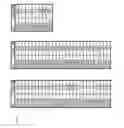
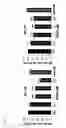


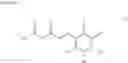
Sources:
- United States Patent and Trademark Office - verify current appl. status at the USPTO↗
Similar patent applications:
- » 20170129915
THERAPEUTIC AGENT FOR DISEASES ASSOCIATED WITH NERVE AXON DYSFUNCTION, INCLUDING THERAPEUTIC AGENT FOR ALZHEIMER'S DISEASE - » 20050241010
Method for functional mapping of an alzheimer's disease gene network and for identifying therapeutic agents for the treatment of alzheimer' s disease - » 20090220524
THERAPEUTIC AGENTS FOR ALZHEIMER'S DISEASE AND CANCER - » 20160244805
METHODS FOR SCREENING TO IDENTIFY THERAPEUTIC AGENTS FOR ALZHEIMER'S DISEASE AND USE THEREOF - » 20110165179
Therapeutic agents for alzheimer's disease and cancer - » 20090246170
Therapeutic Agent For Alzheimer's Disease - » 20160067306
TREATMENT AGENT FOR COGNITIVE IMPAIRMENT INDUCED BY AMYLOID BETA-PROTEIN, THERAPEUTIC AGENT FOR ALZHEIMER'S DISEASE, AND TREATMENT METHOD AND PATHOLOGICAL ANALYSIS METHOD RELATED TO THESE - » 20120128694
Therapeutic agents for alzheimer's disease and cancer - » 20120136064
Methods for screening to identify therapeutic agents for Alzheimer's disease and use thereof - » 20170182012
Diagnosis methods, diagnostic agents, and therapeutic agents against alzheimer's disease and frontotemporal lobar degeneration, and screening methods for these agents
Recent applications in this class:
- » 20240270678 2024-08-15
Amine synergists with UV—a absorption - » 20200079726 2020-03-12
Curable compound - » 20190256455 2019-08-22
Water-soluble UV-absorbing compounds and uses thereof - » 20190135733 2019-05-09
Caspase inhibitor and pharmaceutical composition, use and therapeutic method thereof - » 20180244604 2018-08-30
Method of producing organic compound - » 20180022693 2018-01-25
Enamine compounds for absorbance of electromagnetic energy - » 20170158611 2017-06-08
Water-soluble UV-absorbing compounds and uses thereof - » 20150299103 2015-10-22
Prodrugs of monomethyl fumarate (MMF) - » 20150073021 2015-03-12
CHEMICALLY MODIFIED CURCUMINS AS INHIBITORS OF ANTHRAX LETHAL FACTOR - » 20140018428 2014-01-16
Polymorphs of bromfenac sodium and methods for preparing bromfenac sodium polymorphs
Recent applications for this Assignee:
- » 20250275325 2025-08-28
LIGHT-EMITTING DEVICE - » 20250268952 2025-08-28
COMPOSITION FOR PREVENTING OR TREATING DETERIORATION IN BRAIN FUNCTION OR MAINTAINING OR IMPROVING BRAIN FUNCTION - » 20250262791 2025-08-21
SHAPED WOOD ARTICLE AND MANUFACTURING METHOD FOR SAME - » 20250246685 2025-07-31
FLAME-RETARDANT NON-AQUEOUS ELECTROLYTIC SOLUTION AND SECONDARY BATTERY USING SAME - » 20250232407 2025-07-17
DISPLAY SYSTEM AND DISPLAY METHOD - » 20250231116 2025-07-17
METHOD FOR OBSERVING SURFACE - » 20250222108 2025-07-10
MEDICAL AGENT INCLUDING ADJUVANT AND COMPOSITE OF PHOTOSENSITIVE MOLECULE AND MOLECULE BINDING TO CANCER-SPECIFIC CELL SURFACE MOLECULE - » 20250221940 2025-07-10
HOLLOW SPHERICAL PARTICLE - » 20250205229 2025-06-26
DRUG FOR TREATING OR PREVENTING CHARCOT-MARIE-TOOTH DISEASE - » 20250195497 2025-06-19
THERAPEUTIC OR PROPHYLACTIC MEDICINE FOR FRAGILE X SYNDROME