COMPOUND AND COMPOSITION AND THEIR USES THEREOF
US20110218237A1
2011-09-08
13/031,488
2011-02-21
Abstract:
A compound, composition and method of making and using a compound of formula 1 are disclosed. The compound of formula I also comprises of salts, polymorphs, solvates, mesylates, hydrochloric salt, solvates and hydrates thereof. The compound may be formulated as pharmaceutical compositions. The pharmaceutical compositions may be formulated for peroral, topical, transmucosal, inhalation, targeted delivery and sustained release formulations. Such compositions may be used to treat metal accumulation in blood, organs and due to genetic complications.
Assignee:
- KRISHANI BIOSCIENCES (P) LTD 5 🇮🇳 Hyderabad, India
Interested in similar patents?
Get notified when new applications in this technology area are published.
Classification:
C07D339/04 » CPC main
Heterocyclic compounds containing rings having two sulfur atoms as the only ring hetero atoms; Five-membered rings having the hetero atoms in positions 1 and 2, e.g. lipoic acid
A61P25/16 » CPC further
Drugs for disorders of the nervous system for treating abnormal movements, e.g. chorea, dyskinesia Anti-Parkinson drugs
A61P25/28 » CPC further
Drugs for disorders of the nervous system for treating neurodegenerative disorders of the central nervous system, e.g. nootropic agents, cognition enhancers, drugs for treating Alzheimer's disease or other forms of dementia
A61P27/02 » CPC further
Drugs for disorders of the senses Ophthalmic agents
A61P35/00 » CPC further
Antineoplastic agents
A61P39/04 » CPC further
General protective or antinoxious agents Chelating agents
C07C323/59 » CPC further
Thiols, sulfides, hydropolysulfides or polysulfides substituted by halogen, oxygen or nitrogen atoms, or by sulfur atoms not being part of thio groups containing thio groups and carboxyl groups bound to the same carbon skeleton having the sulfur atoms of the thio groups bound to acyclic carbon atoms of the carbon skeleton the carbon skeleton being further substituted by nitrogen atoms, not being part of nitro or nitroso groups with amino groups bound to the carbon skeleton with acylated amino groups bound to the carbon skeleton
C07D417/12 » CPC further
Heterocyclic compounds containing two or more hetero rings, at least one ring having nitrogen and sulfur atoms as the only ring hetero atoms, not provided for by group containing two hetero rings linked by a chain containing hetero atoms as chain links
A61K31/27 IPC
Medicinal preparations containing organic active ingredients; Esters, e.g. nitroglycerine, selenocyanates of carbamic or thiocarbamic acids, meprobamate, carbachol, neostigmine
C07C271/22 IPC
Derivatives of carbamic acids, i.e. compounds containing any of the groups , the nitrogen atom not being part of nitro or nitroso groups; Esters of carbamic acids having oxygen atoms of carbamate groups bound to acyclic carbon atoms with the nitrogen atoms of the carbamate groups bound to hydrogen atoms or to acyclic carbon atoms to carbon atoms of hydrocarbon radicals substituted by carboxyl groups
A61K31/385 IPC
Medicinal preparations containing organic active ingredients; Heterocyclic compounds having sulfur as a ring hetero atom having two or more sulfur atoms in the same ring
C07C269/04 IPC
Preparation of derivatives of carbamic acid, i.e. compounds containing any of the groups , the nitrogen atom not being part of nitro or nitroso groups from amines with formation of carbamate groups
A61K31/315 IPC
Medicinal preparations containing organic active ingredients; Compounds containing heavy metals Zinc compounds
A61P3/00 » CPC further
Drugs for disorders of the metabolism
A61P43/00 » CPC further
Drugs for specific purposes, not provided for in groups -
A61P1/16 » CPC further
Drugs for disorders of the alimentary tract or the digestive system for liver or gallbladder disorders, e.g. hepatoprotective agents, cholagogues, litholytics
Description
CROSS REFERENCE TO RELATED APPLICATION
This application claims priority to U.S. Provisional Patent Application No. 61/310,719, filed on Mar. 5, 2010. This application is hereby incorporated by this reference in their entireties for all of its teachings.
TECHNICAL FIELD
This disclosure generally relates to compound and their synthesis. More particularly, this disclosure relates to treating mammals affected by metal accumulation in eye, kidney and other organs with pharmaceutically acceptable amount of compounds, composition and the prodrugs of the compound.
BACKGROUND ART
Copper is an essential element for cellular function, yet free copper is extremely toxic and can produce irreversible cellular damage. To cope with this, elegant systems have evolved that bind the copper molecule to ensure safe transport of necessary copper to intended sites and safe elimination of excess copper through the biliary system. Both the ATP7B protein and ceruloplasmin are involved with copper transport.
Copper accumulation has been responsible for many dysfunctions in liver, kidney and eye diseases. Excess copper is actually deposited throughout the corneas in Wilson's disease. Renal tubular dysfunction, with consequent hypercalciuria and hyperphosphaturia may induce nephroclacinosis. As pharmacological management penicillamine and trietine are being used. There have been some long term effects for using these medication and that has been discussed in the prior art (Pfeiffer 2007). There is a need for a development of new copper chelator with improved specificity and decreased toxic side effects.
SUMMARY OF DISCLOSURE
In one embodiment, a compound comprising of Formula 1 (also mentioned as formula 1) is disclosed.
Another embodiment, a pharmaceutical acceptable composition comprising of one or more compounds of formula 1, an intermediate, a prodrug, pharmaceutical acceptable salt of compound formula 1 with one or more of pharmaceutically acceptable carriers, and vehicles or diluents are disclosed. These compositions may be used in the treatment of diseases related affected by metal accumulation in blood and other organs.
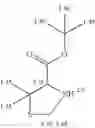
In another embodiment, the present disclosure relates to the compound and composition of formula 1, or pharmaceutically acceptable salts thereof,
Wherein, R1, R2, and R3 each independently represents hydrogen, thiol, alkyl, alkyl thiol, acetyl thiol, disulfide, acyl, acylalkyl, alkenyl, alkylthioalkyl, alkynyl, alkoxyaryl, alkoxyalkyl, aryl, aralkyl, aryloxyalkyl, arylthioalkyl, cycloalkyl, ether, ester, heteroaryl, heterocyclyl, lower alkyl, sulfone, sulfoxide, or hydroxyalkyl; and
R4 may be at least one of a residue of guanidine, a residue of hydrazine, an acid, a residue of pyruvic acid, a residue of oxaloacetic acid, a residue of tocopherol, a residue of ascorbic acid, a residue of thiamine, thioctic acid, a residue of thioctic acid, a residue of acetyl cysteine, a residue of alpha-keto glutaric acid, a residue of dimercaprol, a residue of an NO donor, lipoic acid, a residue of glutathione, RS)-2,3-disulfanylpropan-1-ol, (R)-2-acetamido-3-sulfanylpropanoic acid and an analog of any one of the foregoing.
In another embodiment, R1, R2 and R3 represents, hydrogen, methyl, ethyl or thiol and R4 represents (R)-2-acetamido-3-sulfanylpropanoic acid.
Furthermore, in another embodiment is disclosed as a pharmaceutically acceptable composition, a pharmaceutically acceptable salt of the compound of formula 1 comprising:
a) R-(+)-lipoic acid (or) Acetylcysteine (or) Dimercaprol;
b) Zinc acetate (or) Triethylene tetramine; and
c) a compound of Formula 1
Wherein, R1, R2, and R3 each independently represents hydrogen, thiol, alkyl, alkyl thiol, acetyl thiol, disulfide, acyl, acylalkyl, alkenyl, alkylthioalkyl, alkynyl, alkoxyaryl, alkoxyalkyl, aryl, aralkyl, aryloxyalkyl, arylthioalkyl, cycloalkyl, ether, ester, heteroaryl, heterocyclyl, lower alkyl, sulfone, sulfoxide, or hydroxyalkyl; and
R4 represents at least one of a residue of guanidine, a residue of hydrazine, an acid, a residue of pyruvic acid, a residue of oxaloacetic acid, a residue of tocopherol, a residue of ascorbic acid, a residue of thiamine, thioctic acid, a residue of thioctic acid, a residue of acetyl cysteine, a residue of alpha-keto glutaric acid, a residue of dimercaprol, a residue of an NO donor, a residue of glutathione, RS)-2,3-disulfanylpropan-1-ol, (R)-2-acetamido-3-sulfanylpropanoic acid and an analog of any one of the foregoing.
In one embodiment the pharmaceutically acceptable amount may be administered, but not limited to, as an injection. Other embodiments for administration may include peroral, topical, transmucosal, inhalation, targeted delivery and sustained release formulations.
Herein, the application additionally provides a kit comprising the pharmaceutical compositions described herein. The kit may further comprise instructions for use in the treatment of diseases related to free metal accumulation toxicity in the blood physiology leading to various chronic physiological and biochemical abnormalities such as kidney failure, free radicals accumulation or related complications. In another embodiment, formula 1 may function as an anti-copper agent that is highly specific for the reduction of free copper in eye, kidney and liver and is thus ideally suited for the treatment of abnormal copper homeostasis are implicated.
Furthermore, herein is provided a kit comprising a composition comprising of: a) at least one of R-(+)-lipoic acid, acetylcysteine and dimercaprol; b) a compound of formula 1 and c) at least one of triethylene tetramine, zinc acetate and ammonium tetrathiomolybdate:
Wherein, R1, R2, and R3 each independently represents hydrogen, thiol, alkyl, alkyl thiol, acetyl thiol, disulfide, acyl, acylalkyl, alkenyl, alkylthioalkyl, alkynyl, alkoxyaryl, alkoxyalkyl, aryl, aralkyl, aryloxyalkyl, arylthioalkyl, cycloalkyl, ether, ester, heteroaryl, heterocyclyl, lower alkyl, sulfone, sulfoxide, or hydroxyalkyl; and
R4 represents at least one of a residue of guanidine, a residue of hydrazine, an acid, a residue of pyruvic acid, a residue of oxaloacetic acid, a residue of tocopherol, a residue of ascorbic acid, a residue of thiamine, thioctic acid, a residue of thioctic acid, a residue of acetyl cysteine, a residue of alpha-keto glutaric acid, a residue of dimercaprol, a residue of an NO donor, a residue of glutathione, RS)-2,3-disulfanylpropan-1-ol, (R)-2-acetamido-3-sulfanylpropanoic acid and an analog of any one of the foregoing.
Additionally, in another embodiment the instant application discloses several methods of synthesizing the composition of formula 1.
In another embodiment, R— lipoic acid, Dimercaprol, Zinc acetate, Ammonium tetrathiomolybdate or triethylene tetramine is combined with a pharmaceutically acceptable salt of the compound of formula 1.
The compound, composition, method of synthesis, and treatment disclosed herein may be implemented in any means for achieving various aspects, and may be executed in a form suitable for the mammal. Other features will be apparent from the accompanying detailed description that follows.
BRIEF DESCRIPTION OF DRAWINGS
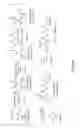
Figure one shows one method of synthesizing a compound represented by formula 1.
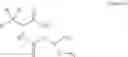
FIG. 2 shows another method of synthesizing the compound represented by formula 1 and protection of aminothiol intermediate compound 2 is different from earlier, i.e., Trityl group used instead of thiazolidine.
FIG. 3, shows another method of the synthesis of compound represented by formula 1 and SBoc 2-acetomido-3-mercaptopropanic acid is used to make the intermediate compound 5 at step-4.
DETAILED DESCRIPTION
In the present disclosure metal chelating compound, composition, synthesis of the compound and a kit for treatment are disclosed. The compound comprises of formula 1. Furthermore, the composition comprises of R-lipoic acid, dimercaprol, zinc acetate, ammonium tetrathiomolybdate or triethylene tetramine are combined with a pharmaceutically acceptable salt of the compound of formula 1. In another embodiment, several methods of synthesizing the formula 1 are disclosed.
The compound may also comprise of tartrate, esylate, mesylate, hydrate, solvate hydrochloride and sulfate salts of formula 1. Herein the disclosure also provides a kit comprising any of the pharmaceutical compositions disclosed herein. The kit may comprise instructions for use in the treatment of diseases for mammals associated to metal accumulation and related complications.
DEFINITIONS
As used herein, the following terms and phrases shall have the meanings set forth below. Unless defined otherwise, all technical and scientific terms used herein have the same meaning as commonly understood to one of ordinary skill in the art.
The term “alkyl” refers to the radical of saturated aliphatic groups, including straight-chain alkyl groups, branched-chain alkyl groups, cycloalkyl (alicyclic) groups, alkyl-substituted cycloalkyl groups, and cycloalkyl-substituted alkyl groups. In preferred embodiments, a straight chain or branched chain alkyl has 30 or fewer carbon atoms in its backbone (e.g., C1-C30 for straight chains, C3-C30 for branched chains), and more preferably 20 or fewer. Likewise, preferred cycloalkyls have from 3-10 carbon atoms in their ring structure, and more preferably have 5, 6 or 7 carbons in the ring structure.
The term “alkyl” as used herein refers to a saturated linear or branched-chain monovalent hydrocarbon radical of one to twelve carbon atoms. Examples of alkyl groups include, but are not limited to, methyl (Me, —CH3), ethyl (Et, —CH2CH3), 1-propyl (n-Pr, n-propyl, —CH2CH2CH3), 2-propyl (i-Pr, i-propyl, —CH(CH3)2), 1-butyl (n-Bu, n-butyl, —CH2CH2CH2CH3), 2-methyl-1-propyl (1-Bu, i-butyl, —CH2CH(CH3)2), 2-butyl (s-Bu, s-butyl, —CH(CH3)CH2CH3), 2-methyl-2-propyl (t-Bu, t-butyl, —C(CH3)3), 1-pentyl (n-pentyl, —CH2CH2CH2CH2CH3), 2-pentyl (—CH(CH3)CH2CH2CH3), 3-pentyl (—CH(CH2CH3)2), 2-methyl-2-butyl (—C(CH3)2CH2CH3), 3-methyl-2-butyl (—CH(CH3)CH(CH3)2), 3-methyl-1-butyl (—CH2CH2CH(CH3)2), 2-methyl-1-butyl (—CH2CH(CH3)CH2CH3), 1-hexyl (—CH2CH2CH2CH2CH2CH3), 2-hexyl (—CH(CH3)CH2CH2CH2 CH3), 3-hexyl (—CH(CH2CH3)(CH2CH2CH3)), 2-methyl-2-pentyl (—C(CH3)2CH2CH2CH3), 3-methyl-2-pentyl (—CH(CH3)CH(CH3)CH2CH3), 4-methyl-2-pentyl (—CH(CH3)CH2CH(CH3)2), 3-methyl-3-pentyl (—C(CH3)(CH2CH3)2), 2-methyl-3-pentyl (—CH(CH2CH3)CH(CH3)2), 2,3-dimethyl-2-butyl (—C(CH3)2CH(CH3)2), 3,3-dimethyl-2-butyl (—CH(CH3)C(CH3)3, 1-heptyl, 1-octyl, and the like. [0014] The term “alkenyl” refers to linear or branched-chain monovalent hydrocarbon radical of two to twelve carbon atoms with at least one site of unsaturation, i.e., a carbon-carbon, sp double bond, wherein the alkenyl radical includes radicals having “cis” and “trans” orientations, or alternatively, “E” and “Z” orientations. Examples include, but are not limited to, ethylenyl or vinyl (—CH═CH2), allyl (—CH2CH═CH2), and the like. The term “alkynyl” refers to a linear or branched monovalent hydrocarbon radical of two to twelve carbon atoms with at least one site of unsaturation, i.e., a carbon-carbon, sp triple bond. Examples include, but are not limited to, ethynyl (—C≡CH), propynyl (propargyl, —CH2C≡CH), and the like.
Moreover, the term “alkyl” (or “lower alkyl”) as used throughout the specification, examples, and claims is intended to include both “unsubstituted alkyls” and “substituted alkyls”, the latter of which refers to alkyl moieties having substituents replacing a hydrogen on one or more carbons of the hydrocarbon backbone. Such substituents, if not otherwise specified, may include, for example, a halogen, a hydroxyl, a carbonyl (such as a carboxyl, an alkoxycarbonyl, a formyl, or an acyl), a thiocarbonyl (such as a thioester, a thioacetate, or a thioformate), an alkoxyl, a phosphoryl, a phosphate, a phosphonate, a phosphinate, an amino, an amido, an amidine, an imine, a cyano, a nitro, an azido, a sulfhydryl, an alkylthio, a sulfate, a sulfonate, a sulfamoyl, a sulfonamido, a sulfonyl, a heterocyclyl, an aralkyl, or an aromatic or heteroaromatic moiety. It will be understood by those skilled in the art that the moieties substituted on the hydrocarbon chain may themselves be substituted, if appropriate. For instance, the substituents of a substituted alkyl may include substituted and unsubstituted forms of amino, azido, imino, amido, phosphoryl (including phosphonate and phosphinate), sulfonyl (including sulfate, sulfonamido, sulfamoyl and sulfonate), and silyl groups, as well as ethers, alkylthios, carbonyls (including ketones, aldehydes, carboxylates, and esters), —CF3, —CN and the like. Exemplary substituted alkyls are described below. Cycloalkyls may be further substituted with alkyls, alkenyls, alkoxys, alkylthios, aminoalkyls, carbonyl-substituted alkyls, —CF3, —CN, and the like.
The term “acyl” is art-recognized and refers to a group represented by the general formula hydrocarbylC(O)—, preferably alkylC(O)—.
“Aryl” means a monocyclic or polycyclic ring assembly wherein each ring is aromatic or when fused with one or more rings forms an aromatic ring assembly. If one or more ring atoms is not carbon (e.g., N, S), the aryl is a heteroaryl. Cx aryl and Cx-Y aryl are typically used where X and Y indicate the number of carbon atoms in the ring.
The term “acylamino” is art-recognized and refers to an amino group substituted with an acyl group and may be represented, for example, by the formula hydrocarbyl C(O)NH—.
The term “acylalkyl” is art-recognized and refers to an alkyl group substituted with an acyl group and may be represented, for example, by the formula hydrocarbyl C(O)alkyl.
The term “acyloxy” is art-recognized and refers to a group represented by the general formula hydrocarbylC(O)O—, preferably alkylC(O)O—.
The term “alkoxy” refers to an alkyl group, preferably a lower alkyl group, having an oxygen attached thereto. Representative alkoxy groups include methoxy, ethoxy, propoxy, tert-butoxy and the like.
The term “alkoxyalkyl” refers to an alkyl group substituted with an alkoxy group and may be represented by the general formula alkyl-O-alkyl.
The term “alkenyl”, as used herein, refers to an aliphatic group containing at least one double bond and is intended to include both “unsubstituted alkenyls” and “substituted alkenyls”, the latter of which refers to alkenyl moieties having substituents replacing a hydrogen on one or more carbons of the alkenyl group. Such substituents may occur on one or more carbons that are included or not included in one or more double bonds.
Moreover, such substituents include all those contemplated for alkyl groups, as discussed below, except where stability is prohibitive. For example, substitution of alkenyl groups by one or more alkyl, carbocyclyl, aryl, heterocyclyl, or heteroaryl groups is contemplated.
The term “alkylamino”, as used herein, refers to an amino group substituted with at least one alkyl group.
The term “alkylthio”, as used herein, refers to a thiol group substituted with an alkyl group and may be represented by the general formula alkylS-.
The term “alkynyl”, as used herein, refers to an aliphatic group containing at least one triple bond and is intended to include both “unsubstituted alkynyls” and “substituted alkynyls”, the latter of which refers to alkynyl moieties having substituents replacing a hydrogen on one or more carbons of the alkynyl group. Such substituents may occur on one or more carbons that are included or not included in one or more triple bonds. Moreover, such substituents include all those contemplated for alkyl groups, as discussed above, except where stability is prohibitive. For example, substitution of alkynyl groups by one or more alkyl, carbocyclyl, aryl, heterocyclyl, or heteroaryl groups is contemplated.
The term “ether”, as used herein, refers to a hydrocarbyl group linked through an oxygen to another hydrocarbyl group. Accordingly, an ether substituent of a hydrocarbyl group may be hydrocarbyl-O—. Ethers may be either symmetrical or unsymmetrical. Examples of ethers include, but are not limited to, heterocycle-O-heterocycle and aryl-O-heterocycle. Ethers include “alkoxyalkyl” groups, which may be represented by the general formula alkyl-O-alkyl.
The terms “halo” and “halogen” as used herein means halogen and includes chloro, fluoro, bromo, and iodo.
The terms “hetaralkyl” and “heteroaralkyl”, as used herein, refers to an alkyl group substituted with a hetaryl group.
The term “heteroalkyl”, as used herein, refers to a saturated or unsaturated chain of carbon atoms and at least one heteroatom, wherein no two heteroatoms are adjacent.
The terms “heteroaryl” and “hetaryl” include substituted or unsubstituted aromatic single ring structures, preferably 5- to 7-membered rings, more preferably 5- to 6-membered rings, whose ring structures include at least one heteroatom, preferably one to four heteroatoms, more preferably one or two heteroatoms. The terms “heteroaryl” and “hetaryl” also include polycyclic ring systems having two or more cyclic rings in which two or more carbons are common to two adjoining rings wherein at least one of the rings is heteroaromatic, e.g., the other cyclic rings may be cycloalkyls, cycloalkenyls, cycloalkynyls, aryls, heteroaryls, and/or heterocyclyls. Heteroaryl groups include, for example, pyrrole, furan, thiophene, imidazole, oxazole, thiazole, pyrazole, pyridine, pyrazine, pyridazine, and pyrimidine, and the like.
The term “heteroatom” as used herein means an atom of any element other than carbon or hydrogen. Preferred heteroatoms are nitrogen, oxygen, and sulfur.
The terms “heterocyclyl”, “heterocycle”, and “heterocyclic” refer to substituted or unsubstituted non-aromatic ring structures, preferably 3- to 10-membered rings, more preferably 3- to 7-membered rings, whose ring structures include at least one heteroatom, preferably one to four heteroatoms, more preferably one or two heteroatoms. The terms “heterocyclyl” and “heterocyclic” also include polycyclic ring systems having two or more cyclic rings in which two or more carbons are common to two adjoining rings wherein at least one of the rings is heterocyclic, e.g., the other cyclic rings may be cycloalkyls, cycloalkenyls, cycloalkynyls, aryls, heteroaryls, and/or heterocyclyls. Heterocyclyl groups include, for example, piperidine, piperazine, pyrrolidine, morpholine, lactones, lactams, and the like.
The term “heterocyclylalkyl”, as used herein, refers to an alkyl group substituted with a heterocycle group.
The term “hydrocarbyl”, as used herein, refers to a group that is bonded through a carbon atom that does not have a ═O or ═S substituent, and typically has at least one carbon-hydrogen bond and a primarily carbon backbone, but may optionally include heteroatoms. Thus, groups like methyl, ethoxyethyl, 2-pyridyl, and trifluoromethyl are considered to be hydrocarbyl for the purposes of this application, but substituents such as acetyl (which has a ═O substituent on the linking carbon) and ethoxy (which is linked through oxygen, not carbon) are not. Hydrocarbyl groups include, but are not limited to aryl, heteroaryl, carbocycle, heterocycle, alkyl, alkenyl, alkynyl, and combinations thereof.
The term “hydroxyalkyl”, as used herein, refers to an alkyl group substituted with a hydroxy group.
The term “ketone” is art-recognized and may be represented, for example, by the formula C(O)R9, wherein R9 represents a hydrocarbyl group.
The term “lower” when used in conjunction with a chemical moiety, such as, acyl, acyloxy, alkyl, alkenyl, alkynyl, or alkoxy is meant to include groups where there are ten or fewer non-hydrogen atoms in the substituent, preferably six or fewer. A “lower alkyl”, for example, refers to an alkyl group that contains ten or fewer carbon atoms, preferably six or fewer. Lower alkyls include methyl and ethyl. In certain embodiments, acyl, acyloxy, alkyl, alkenyl, alkynyl, or alkoxy substituents defined herein are respectively lower acyl, lower acyloxy, lower alkyl, lower alkenyl, lower alkynyl, or lower alkoxy, whether they appear alone or in combination with other substituents, such as in the recitations hydroxyalkyl and aralkyl (in which case, for example, the atoms within the aryl group are not counted when counting the carbon atoms in the alkyl substituent).
The term “substituted” refers to moieties having substituents replacing hydrogen on one or more carbons of the backbone. It will be understood that “substitution” or “substituted with” includes the implicit proviso that such substitution is in accordance with permitted valence of the substituted atom and the substituent, and that the substitution results in a stable compound, e.g., which does not spontaneously undergo transformation such as by rearrangement, cyclization, elimination, etc. As used herein, the term “substituted” is contemplated to include all permissible substituents of organic compounds. In a broad aspect, the permissible substituents include acyclic and cyclic, branched and unbranched, carbocyclic and heterocyclic, aromatic and non-aromatic substituents of organic compounds. The permissible substituents may be one or more and the same or different for appropriate organic compounds. For purposes of this application, the heteroatoms such as nitrogen may have hydrogen substituents and/or any permissible substituents of organic compounds described herein which satisfy the valences of the heteroatoms. Substituents may include any substituents described herein, for example, a halogen, a hydroxyl, a carbonyl (such as a carboxyl, an alkoxycarbonyl, a formyl, or an acyl), a thiocarbonyl (such as a thioester, a thioacetate, or a thioformate), an alkoxyl, a phosphoryl, a phosphate, a phosphonate, a phosphinate, an amino, an amido, an amidine, an imine, a cyano, a nitro, an azido, a sulfhydryl, an alkylthio, a sulfate, a sulfonate, a sulfamoyl, a sulfonamido, a sulfonyl, a heterocyclyl, an aralkyl, or an aromatic or heteroaromatic moiety. It will be understood by those skilled in the art, that the moieties substituted on the hydrocarbon chain may themselves be substituted, if appropriate.
Unless specifically stated as “unsubstituted,” references to chemical moieties herein are understood to include substituted variants. For example, reference to an “aryl” group or moiety implicitly includes both substituted and unsubstituted variants.
“Substituted or unsubstituted” means that a given moiety may consist of only hydrogen substituents through available valencies (unsubstituted) or may further comprise one or more non-hydrogen substituents through available valencies (substituted) that are not otherwise specified by the name of the given moiety. For example, isopropyl is an example of an ethylene moiety that is substituted by —CH3. In general, a non-hydrogen substituent may be any substituent that may be bound to an atom of the given moiety that is specified to be substituted. Examples of substituents include, but are not limited to, aldehyde, alicyclic, aliphatic, (C1-10) alkyl, alkylene, alkylidene, amide, amino, aminoalkyl, aromatic, aryl, bicycloalkyl, bicycloaryl, carbamoyl, carbocyclyl, carboxyl, carbonyl group, cycloalkyl, cycloalkylene, ester, halo, heterobicycloalkyl, heterocycloalkylene, heteroaryl, heterobicycloaryl, heterocycloalkyl, oxo, hydroxy, iminoketone, ketone, nitro, oxaalkyl and oxoalkyl moieties, each of which may optionally also be substituted or unsubstituted. In one particular embodiment, examples of substituents include, but are not limited to, hydrogen, halo, nitro, cyano, thio, oxy, hydroxy, carbonyloxy, C(1-10)alkoxy, (C4-12) aryloxy, hetero C(1-10)aryloxy, carbonyl, oxycarbonyl, aminocarbonyl, amino, C(1-10)alkylamino, sulfonamido, imino, sulfonyl, sulfinyl, C(1-10)alkyl, halo C(1-10)alkyl, hydroxy C(1-10)alkyl, carbonyl C(1-10) alkyl, thiocarbonyl C(1-10)alkyl, sulfonyl C(1-10)alkyl, sulfinyl C(1-10)alkyl, C(1-10)azaalkyl, imino C(1-10)alkyl, (C3-12) cycloalkyl (C1-5) alkyl, hetero (C3-12) cycloalkyl C(1-10)alkyl, aryl C(1-10)alkyl, hetero C(1-10)aryl(C1-5) alkyl, (C9-12) bicycloaryl(Ci_s) alkyl, hetero (C1-I2) bicycloaryl C(1-5) alkyl, (C3-12) cycloalkyl, hetero (C3-12) cycloalkyl, (C9-12) bicycloalkyl, hetero (C3-12) bicycloalkyl, (C4-12) aryl, hetero C(1-10)aryl, (C9-12) bicycloaryl and hetero (C4-12) bicycloaryl. In addition, the substituent is itself optionally substituted by a further substituent. In one particular embodiment, examples of the further substituent include, but are not limited to, hydrogen, halo, nitro, cyano, thio, oxy, hydroxy, carbonyloxy, C(1-10)alkoxy, (C4-12) aryloxy, hetero C(1-10)aryloxy, carbonyl, oxycarbonyl, aminocarbonyl, amino, C(1-10) alkylamino, sulfonamido, imino, sulfonyl, sulfinyl, C(1-10)alkyl, halo C(1-10)alkyl, hydroxy C(1-10)alkyl, carbonyl C(1-10)alkyl, thiocarbonyl C(1-10)alkyl, sulfonyl C(1-10)alkyl, sulfinyl C(1-10)alkyl, C(1-10)azaalkyl, imino C(1-10)alkyl, (C3-I2) cycloalkyl (Ci-5) alkyl, hetero (C3-12) cycloalkyl C(1-10)alkyl, aryl(Ci—10) alkyl, hetero (Ci-io) aryl C(1-5) alkyl, C(9-12)bicycloaryl(C1-5) alkyl, hetero (C8-12) bicycloaryl(Ci_s) alkyl, (C3-12) cycloalkyl, hetero (C3-12) cycloalkyl, (C9-12) bicycloalkyl, hetero (C3-12) bicycloalkyl, (C4-12) aryl, hetero C(1-10)aryl, (C9-12) bicycloaryl and hetero (C4-12) bicycloaryl.
The compounds of the present compound of formula 1 may be present in the form of pharmaceutically acceptable salts. The compounds of the present disclosure may also be present in the form of pharmaceutically acceptable esters (i.e., the methyl and ethyl esters of the acids of formula Ito be used as prodrugs). The compounds of the present disclosure may also be solvated, i.e. hydrated. The solvation may be affected in the course of the manufacturing process or may take place i.e. as a consequence of hygroscopic properties of an initially anhydrous compound of formula I (hydration).
Compounds that have the same molecular formula but differ in the nature or sequence of bonding of their atoms or the arrangement of their atoms in space are termed “isomers.” Isomers that differ in the arrangement of their atoms in space are termed “stereoisomers.” Diastereomers are stereoisomers with opposite configuration at one or more chiral centers which are not enantiomers. Stereoisomers bearing one or more asymmetric centers that are non-superimposable mirror images of each other are termed “enantiomers.” When a compound has an asymmetric center, for example, if a carbon atom is bonded to four different groups, a pair of enantiomers is possible. An enantiomer may be characterized by the absolute configuration of its asymmetric center or centers and is described by the R- and S-sequencing rules of Cahn, Ingold and Prelog, or by the manner in which the molecule rotates the plane of polarized light and designated as dextrorotatory or levorotatory (i.e., as (+) or (−)-isomers respectively). A chiral compound may exist as either individual enantiomer or as a mixture thereof. A mixture containing equal proportions of the enantiomers is called a “racemic mixture”.
The term “sulfate” is art-recognized and refers to the group OSO3H, or a pharmaceutically acceptable salt thereof. A sulfate of compound of formula I or crystal thereof may be a hydrate. The number of the combined water can be controlled by varying the condition of recrystallization or drying.
As used herein, the term “metal accumulation related diseases” refers to a pathology caused by or resulting in abnormalities in metal metabolism. For example; copper toxicity related diseases include: Hepatic (cirrhosis, chronic active hepatitis, fulminant hepatic failure), Neurologic (bradykinesia, rigidity, tremor, ataxia, dyskinesia, dysarthria, seizures), Psychiatric (behavioral disturbances; cognitive impairment, psychosis), Orthalmologic (kayser-Fleischer rings, sunflow cataracts), Hematologic (haemolysis, coagulopathy), Renal (renal tubular defects, diminished glomerular filtration, nephrolithiasis), Cardiovascular (cardiomyopathy, arrhythmias, conduction disturbances, autonomic dysfunction), Musculoskeletal (osteomalacia, osteoporosis, degenerative joint diseases), Gastrointestinal (cholelithiasis, pancreatitis, bacterial peritonitis), Endocrinologic (amenorrhoea, spontaneous abortion, delayed puberty, gynecomastia), Dermatologic (hyperpigmentation, amaythosis nigrimays).
The term “polymorph” as used herein is art-recognized and refers to one crystal structure of a given compound.
“Residue” is an art-recognized term that refers to a portion of a molecule. For instance, a residue of thioctic acid may be: dihydrolipoic acid, bisnorlipoic acid, tetranorlipoic acid, 6,8-bismethylmercapto-octanoic acid, 4,6-bismethylmercapto-hexanoic acid, 2,4-bismethylmeracapto-butanoic acid, 4,6-bismethylmercapto-hexanoic acid.
The term “polymorph” as used herein is art-recognized and refers to one crystal structure of a given compound.
The term “prodrug” is intended to encompass compounds that, under physiological conditions, are converted into the therapeutically active agents of the present disclosure. A common method for making a prodrug is to include selected moieties that are hydrolyzed under physiological conditions to reveal the desired molecule. In other embodiments, the prodrug is converted by an enzymatic activity of the host animal.
The term “prophylactic or therapeutic” treatment is art-recognized and includes administration to the host of one or more of the subject compositions. If it is administered prior to clinical manifestation of the unwanted condition (e.g., disease or other unwanted state of the host animal) then the treatment is prophylactic, i.e., it protects the host against developing the unwanted condition, whereas if it is administered after manifestation of the unwanted condition, the treatment is therapeutic, (i.e., it is intended to diminish, ameliorate, or stabilize the existing unwanted condition or side effects thereof).
The term “solvate” as used herein, refers to a compound formed by solvation (e.g., a compound formed by the combination of solvent molecules with molecules or ions of the solute).
The present disclosure also contemplates prodrugs of the compositions disclosed herein, as well as pharmaceutically acceptable salts of said prodrugs.
This application also discloses a pharmaceutical composition comprising a pharmaceutically acceptable carrier and the composition of thioctic acid or a residue of thioctic acid, dimercaprol or acetylcyteine and salts of a compound of Formula 1. This application further discloses a pharmaceutical composition comprising a pharmaceutically acceptable carrier and (a) lipoic acid or residue of lipoate and (b) a compound of Formula I (c) dimercaprol or acetylcysteine or zinc acetate or ammonium thiomolybdate. The pharmaceutical composition may be formulated for systemic or topical administration. The pharmaceutical composition may be formulated for oral administration, injection, subdermal administration, or transdermal administration. The pharmaceutical composition may further comprise at least one of a pharmaceutically acceptable stabilizer, diluents, surfactant, filler, binder, and lubricant.
Additionally, the optimal concentration and/or quantities or amounts of any particular compound of formula I and the composition may be adjusted to accommodate variations in the treatment parameters. Such treatment parameters include the clinical use to which the preparation is put, e.g., the site treated, the type of patient, e.g., human or non-human, adult or child, and the nature of the disease or condition.
The compositions may also be used in biochemical research, for example in studying and modulating copper metabolism and homeostasis.
Generally, in carrying out the methods detailed in this application, an effective dosage for the compounds of Formula 1 is in the range of about 0.3 mg/kg/day to about 60 mg/kg/day in single or divided doses, for instance 1 mg/kg/day to about 50 mg/kg/day in single or divided doses. The compounds of Formula 1 may be administered at a dose of, for example, less than 2 mg/kg/day, 5 mg/kg/day, 10 mg/kg/day, 20 mg/kg/day, 30 mg/kg/day, or 40 mg/kg/day. Compounds of Formula 1 may also be administered to a human patient at a dose of, for example, between 50 mg and 1000 mg, between 100 mg and 800 mg, or less than 1000, 900, 800, 700, 600, 500, 400, 300, 200, or 100 mg per day. In certain embodiments, the compositions herein are administered at an amount that is less than 95%, 90%, 80%, 70%, 60%, 50%, 40%, 30%, 20%, 10% or 1% of the compound of formula 1 required for the same therapeutic benefit.
Methods of Synthesis
Example Synthesis 1
FIG. 1 shows a five step process of producing compound formula 1.
Step 1: As a first step a (2S)-2-amino-3-methyl-3-sulfanyl-butanoic acid and Dichloromethane (DCM) were mixed together in pressure bottle containing a magnetic stirrer. The pressure bottle was securely closed with a rubber septum. The pressure bottle was further cooled in an i-PrOH/dry ice bath and kept in the dry ice bath till the following step was finished. Condensed isobutylene was transferred to the pressure bottle, using a cannula, followed by adding a few drops of sulfuric acid to the reaction mixture 1. The addition of isobutylene was continued for a period of 2 hours. Stirring of the above reaction mixture 1 was continued at room temperature for an additional 16 hours. The pressure bottle was then cooled in an i-PrOH/dry ice bath and rubber septum was removed. The reaction mixture was allowed to degas fully by stirring for several minutes open to the air at room temperature. Saturated aqueous NaHCO3 was added to the reaction mixture 1, and the resultant reaction mixture was stirred for 2 hours at room temperature. The pH of the aqueous layer was measured and it was about 8. Addition of water removes an emulsion that sometimes formed in the neutralization. The aqueous layer was washed with DCM. The combined DCM extract was washed with saturated aqueous NaHCO3, water, and saturated aqueous NaCl solution. The organic layer was dried (MgSO4) and filtered, on evaporation provided intermediate compound 2.
Step 2: The condensation of amino thiol with intermediate compound 2 in paraformaldehyde gave thiazolidine intermediate compound 3.
Step 3: Thiazolidine derivative intermediate compound 3 was treated with 1.0 equivalents of 1-chloroethylchloroformate in presence 1.5 equivalents of N,N-Diisopropylethylamine (DIPEA) in anhydrous dichloromethane (DCM) at 0° C. and the reaction mixture 2 was stirred for 30 min at 0° C. to yield intermediate compound 4.
Step 4: Intermediate compound 4 was added slowly to the solution of 3-acetylthiazolidine-4-carboxylic acid potassium salt in dry dimethylformamide (DMF) at 0° C. to make reaction mixture 3. The reaction mixture 3 was stirred for 16 hour at room temperature. The reaction mixture 3 was dried using evaporation technique. The dried reaction mixture was divided and then washed with water and DCM. The combined organic layers were washed with brine solution, dried over anhydrous Na2SO4 and then evaporated under reduced pressure. The resultant crude was purified by column chromatography over 100-200 mesh silica gel to yield compound 5.
Step 5: The final step is hydrolysis of tert-butyl ester, acetonide and thiazolidine group of intermediate compound 5. Intermediate compound 5 is treated with 25% TFA dissolved in DCM to produce final compound 6. In one embodiment, the Tert-butyl ester can be prepared using 1-ethyl-3-(3′-dimethylaminopropyl) carbodiimide (EDCI) coupling conditions. It may be prepared by reacting (2S)-2-amino-3-methyl-3-sulfanyl-butanoic acid with t-butanol using EDCI coupling conditions. In another embodiment, first one may protect aminothiol of (2S)-2-amino-3-methyl-3-sulfanyl-butanoic acid and then react with SBoc anhydride and 4-(N,N-dimethylamino) pyridine (DMAP) dissolved in DCM. In another embodiment, the amino acid may be converted to tert-butlyester by reacting the amino acid with t-butanol, magnesium sulfate and sulfuric acid mixed with DCM.
Results for Synthesis 1:
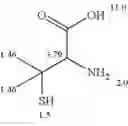
Initial Compound 1
(S)-2-amino-3-mercapto-3-methylbutanoic acid
M.F: C5H11NO2S, Mol. Wt.: 149
| TABLE 1 |
| CHN Analysis |
| Atom | Intensity | |
| C | 40.25 | |
| H | 7.43 | |
| N | 9.39 | |
| O | 21.45 | |
| S | 21.49 | |
| TABLE 2 |
| H NMR Analysis |
| δ | Protons | Group | |
| 1.46 | 6H | 2XCH3 | |
| 3.79 | 1H | CH | |
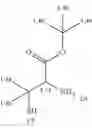
Intermediate Compound 2
(S)-tert-butyl 2-amino-3-mercapto-3-methylbutanoate
M.F: C9H19NO2S, Mol. Wt.: 205
| TABLE 3 |
| CHN Analysis |
| Atom | Intensity | |
| C | 52.65 | |
| H | 9.33 | |
| N | 6.82 | |
| O | 15.59 | |
| S | 15.62 | |
| TABLE 4 |
| H NMR Analysis |
| δ | Protons | Group | |
| 1.40 | 9H | 3XCH3 (tBu) | |
| 1.46 | 6H | 2xCH3 | |
| 3.75 | 1H | CH | |
Intermediate Compound 3
(S)-tert-butyl 5,5-dimethylthiazolidine-4-carboxylate
M.F: C10H19NO2S, Mol. Wt.: 217
| TABLE 5 |
| CHN Analysis |
| Atom | Intensity | |
| C | 55.27 | |
| H | 8.81 | |
| N | 6.44 | |
| O | 14.72 | |
| S | 14.75 | |
| TABLE 6 |
| H NMR Analysis |
| δ | Protons | Group | |
| 1.40 | 9H | 3XCH3 (tBu) | |
| 1.46 | 6H | 2xCH3 | |
| 3.65 | 2H | CH2 | |
| 3.71 | 1H | CH | |
Intermediate Compound 5
(4S)-3-(1-(3-acetylthiazolidine-4-carboxyloyloxy)ethyl) 4-tert-butyl 5,5-dimethylthiazolidine-3,4-dicarboxylate
M.F: C19H30N2O7S2, Mol. Wt.: 463
| TABLE 7 |
| CHN Analysis |
| Atom | Intensity | |
| C | 49.33 | |
| H | 6.54 | |
| N | 6.06 | |
| O | 24.21 | |
| S | 13.86 | |
| TABLE 8 |
| H NMR Analysis |
| δ | Protons | Group | |
| 1.35 | 6H | 2xCH3 | |
| 1.40 | 9H | 3XCH3 (tBu) | |
| 1.74 | 3H | CH3 | |
| 2.92-3.17 | 2H | SCH2 | |
| 3.83 | 2H | OCH2 | |
| 4.06-4.16 | 4H | 2xSCH2N | |
| 4.68 | 2H | 2xCHN | |
| 6.61 | 1H | OCHO | |
Final Compound 6
M.F: C13H22N2O7S2, Mol. Wt.: 382
| TABLE 9 |
| CHN Analysis |
| Atom | Intensity | |
| C | 40.83 | |
| H | 5.80 | |
| N | 7.32 | |
| O | 29.28 | |
| S | 16.77 | |
| TABLE 10 |
| H NMR Analysis |
| δ | Protons | Group | |
| 1.46 | 6H | 2xCH3 | |
| 1.74 | 3H | CH3 | |
| 2.02 | 3H | NAc | |
| 3.3 | 2H | SCH2 | |
| 4.74-4.76 | 2H | 2xCHN | |
| 6.61 | 1H | OCHO | |
Example Synthesis 2
In synthesis 2, as shown in FIG. 2, in this approach protection of aminothiol derivative 2 is different from earlier method of synthesis 1, i.e., Trityl group used instead of thiazolidine.
Example Synthesis 3
In synthesis 3, as shown in FIG. 3, In this approach protection of aminothiol intermediate compound 2 is different from earlier, i.e., Trityl group used instead of thiazolidine. At step-4 SBoc 2-acetomido-3-mercaptopropanic acid used.
The present disclosure provides among other things compositions and methods for treating Copper toxicity related diseases and complications. While specific embodiments of the subject disclosure have been discussed, the above specification is illustrative and not restrictive. Many variations of the compounds, compositions and methods herein will become apparent to those skilled in the art upon review of this specification.
INDUSTRIAL APPLICABILITY
There are multiple applications for compound of formula 1, composition of formula 1 with pharmaceutically acceptable additives to treat mammals suffering from metal accumulation in eyes and other organs, more specifically genetic and abnormal accumulation of metal in the eyes, kidney and liver in general. These compositions may be used in the treatment of diseases related to disorders related to metal accumulation in blood and other organs.
Claims
What is claimed is:1. A compound, comprising;
a pharmaceutically acceptable compound of formula 1:
wherein, R1, R2, and R3 each independently represents hydrogen, thiol, alkyl, alkyl thiol, acetyl thiol, disulfide, acyl, acylalkyl, alkenyl, alkylthioalkyl, alkynyl, alkoxyaryl, alkoxyalkyl, aryl, aralkyl, aryloxyalkyl, arylthioalkyl, cycloalkyl, ether, ester, heteroaryl, heterocyclyl, lower alkyl, sulfone, sulfoxide, or hydroxyalkyl; and
wherein R4 represents at least one of a residue of guanidine, a residue of hydrazine, an acid, a residue of pyruvic acid, a residue of oxaloacetic acid, a residue of tocopherol, a residue of ascorbic acid, a residue of thiamine, thioctic acid, a residue of thioctic acid, a residue of acetyl cysteine, a residue of alpha-keto glutaric acid, a residue of dimercaprol, a residue of an NO donor, a residue of glutathione, (RS)-2,3-disulfanylpropan-1-ol, (R)-2-acetamido-3-sulfanylpropanoic acid and an analog of any one of the foregoing.
2. The compound of claim 1, further comprising:
a pharmaceutically acceptable compound of formula 1 comprising;
wherein, R1, R2, and R3 each independently represents hydrogen, thiol, alkyl, alkyl thiol, acetyl thiol, disulfide, acyl, acylalkyl, alkenyl, alkylthioalkyl, alkynyl, alkoxyaryl, alkoxyalkyl, aryl, aralkyl, aryloxyalkyl, arylthioalkyl, cycloalkyl, ether, ester, heteroaryl, heterocyclyl, lower alkyl, sulfone, sulfoxide, or hydroxyalkyl; and
wherein R4 represents (R)-2-acetamido-3-sulfanylpropanoic acid
3. The compound of claim 2, further comprising;
a pharmaceutically acceptable compound of formula 1 is at least one of a tartrate, esylate, mesylate, sulfate salts, hydrate, hydrochloride salt and solvate.
4. The compound of claim 1, further comprising:
a composition to a mammal having accumulation of metal in at least one of blood and organs comprising of compound represented by formula 1; and
wherein the composition comprises at least one of R-(+)-lipoic acid, acetylcysteine and dimercaprol, wherein at least one of zinc acetate and triethylene tetramine.
5. The method of claim 4, wherein administration is at least one of a peroral, topical, transmucosal, inhalation, targeted delivery and sustained release formulations.
6. A method of synthesis, comprising:
mixing (2S)-2-amino-3-methyl-3-sulfanyl-butanoic acid and dimercaprol in a pressure bottle;
cooling the pressure bottle in dry ice and i-PrOH;
adding isobutylene and sulfuric acid for two hours;
stirring a resultant mixture for sixteen hours; and
degassing the resultant mixture in the pressure bottle at atmospheric pressure.
7. The method of synthesis of claim 7, further comprising;
adding sodium bi-carbonate to reduce the pH of a reaction mixture;
removing an emulsion that may have formed by adding water;
washing the reaction mixture with sodium bi-carbonate, water and saturated sodium chloride; and
filtering and drying the reaction mixture to obtain an intermediate compound 2.
8. The method of claim 7, further comprising:
performing condensation of intermediate compound 2 using a trityl group to obtain an intermediate compound 3.
9. The method of claim 7, further comprising;
performing condensation of intermediate compound 2 using paraformaldehyde to obtain a thiazolidine derivative as an intermediate compound 3.
10. The method of claim 9, further comprising;
treating the intermediate compound 3 with 1-chloroethylchloroformate, N,N-diisopropylethylamine mixed with anhydrous 3-acetylthaizolidine-4-carboxylic acid to form a reaction mixture 2; and
stirring the reaction mixture 2 to obtain an intermediate compound 4.
11. The method of claim 10, wherein the ratio of 1-chloroethylchloroformate and N,N-diisopropylethylamine is 1:1.5.
12. The method of claim 10, further comprising:
stirring the intermediate compound 4, (1,3-dithiolane-4-yl)methanol in dry dimethylformamide at 0° C. for 16 hours;
evaporating the reaction mixture 3 to a dry state; and
washing the dry state reaction mixture 3 with water and dichloromethane.
13. The method of claim 12, further comprising:
stirring the intermediate compound 4 and 3-acetylthiazolidine-4-carboxylic acid potassium salt dissolved in dry dimethylformamide at 0° C. for 16 hours;
evaporating the reaction mixture 3 to a dry state; and
washing the dry state reaction mixture 3 with water and dichloromethane.
14. The method of claim 12, further comprising:
stirring the intermediate compound 4 and SBoc 2-acetomido-3-mercaptopropanic acid dissolved in dry dimethylformamide at 0° C. for 16 hours;
evaporating the reaction mixture 3 to a dry state; and
washing the dry state reaction mixture 3 with water and dichloromethane.
15. The method of claim 14, further comprising:
washing the combined the aqueous layer and the organic layer with a brine solution;
drying the combined aqueous layer and organic layer over anhydrous sodium sulfate;
evaporating the combined aqueous layer and organic layer under reduced pressure to produce a crude reaction mixture; and
purifying the crude reaction mixture using column chromatography to yield an intermediate compound 5.
16. The method of claim 15, further comprising:
hydrolyzing the tert-butyl ester with a thiazolidine group of intermediate compound 5 using trifluoracetic acid dissolved in 3-acetylthiazolidine-4-carboxyloyoxy)ethyl)-4-tert-butyl 5,5-dimethylthiazolidine-3,4-dicarboxylate and acetonide to yield the final compound 6.
17. A kit comprising a composition, comprising:
a) R-(+)-lipoic acid (or) Acetylcysteine (or) Dimercaprol;
b) Zinc acetate (or) Triethylene tetramine; and
c) a compound of Formula 1:
wherein R1, R2, and R3 each independently represents hydrogen, thiol, alkyl, alkyl thiol, acetyl thiol, disulfide, acyl, acylalkyl, alkenyl, alkylthioalkyl, alkynyl, alkoxyaryl, alkoxyalkyl, aryl, aralkyl, aryloxyalkyl, arylthioalkyl, cycloalkyl, ether, ester, heteroaryl, heterocyclyl, lower alkyl, sulfone, sulfoxide, or hydroxyalkyl; and
wherein R4 represents at least one of a residue of guanidine, a residue of hydrazine, an acid, a residue of pyruvic acid, a residue of oxaloacetic acid, a residue of tocopherol, a residue of ascorbic acid, a residue of thiamine, thioctic acid, a residue of thioctic acid, a residue of acetyl cysteine, a residue of alpha-keto glutaric acid, a residue of dimercaprol, a residue of an NO donor, a residue of glutathione, (RS)-2,3-disulfanylpropan-1-ol, (R)-2-acetamido-3-sulfanylpropanoic acid and an analog of any one of the foregoing.
18. The kit of claim 17, further comprising instructions for use in the treatment of metal accumulation in blood and other organs.
19. The kit of claim 18, further comprising instructions for administering the composition to a mammal with a hepatic disorder comprising of compound represented by formula 1 and at least one of R-(+)-lipoic acid, acetylcysteine and dimercaprol; and
at least one of zinc acetate and triethylene tetramine.
Images & Drawings included:




Sources:
- United States Patent and Trademark Office - verify current appl. status at the USPTO↗
Similar patent applications:
- » 20130345222
Identification of human T2R receptors that respond to bitter compounds that elicit the bitter taste in compositions, and the use thereof in assays to identify compounds that inhibit (block) bitter taste in compositions and use thereof - » 20080275108
VACUOLAR-TYPE (H+)-ATPase-INHIBITING COMPOUNDS, COMPOSITIONS, AND USES THEREOF - » 20050284335
Pigment dispersion composition, use thereof and compound for pigment treatment - » 20070054868
Synergistic polyphenol compounds, compositions thereof, and uses thereof - » 20060258689
Tetrahydronaphthyridine and tetrahydropyrido[4,3-d]pyrimidine compounds and compositions thereof useful in the treatment of conditions associated with neurological and inflammatory disorders and dysfunctions - » 20080275037
2-cyanophenyl-7,8-dihydro-5H-pyrido[4,3-d]pyrimidine compounds, compositions and uses thereof - » 20060025597
Isoindole-imide compounds, compositions, and uses thereof - » 20050288347
Certain triazole-based compounds, compositions, and uses thereof - » 20050203151
Novel compounds, compositions and uses thereof for treatment of metabolic disorders and related conditions - » 20080281036
Pigment Dispersion Composition, Use Thereof And Compound For Treating Pigment
Recent applications in this class:
- » 20250163015 2025-05-22
DITHIOLATE-BASED COMPOUNDS - » 20250084051 2025-03-13
glycerylphosphorylethanolamine (GPE) compound and lipid nanoparticle (LNP)-based drug carrier with same - » 20240400536 2024-12-05
IDEBENONE DERIVATIVES AND THEIR USE IN TREATING PLANTS - » 20230159488 2023-05-25
APPLICATION OF HETEROCYCLIC COMPOUND CONTAINING AT LEAST TWO SULFUR ATOMS IN PREPARING NANO-VACCINE AND PREPARED NANO-VACCINE - » 20220194918 2022-06-23
Pleuromulin lipoic acid ester with antibacterial activity and a method of preparing the same - » 20220127242 2022-04-28
N-LIPOIC-AMINO ACID OR PEPTIDE, DERIVATIVES AND THEIR USES - » 20210269412 2021-09-02
COMPOSITIONS AND METHODS FOR THE TREATMENT OF INFLAMMATORY SKIN DISEASES AND CANCER - » 20210070730 2021-03-11
H2S-BASED THERAPEUTIC AGENTS FOR THE TREATMENT OF NEURODEGENERATIVE DISEASES - » 20200317632 2020-10-08
S-substituted-2-amino-3-mercaptopropionate derivative, preparation method and application thereof - » 20200262809 2020-08-20
Compounds, compositions and methods for treatment of eye disorders and skin diseases
Recent applications for this Assignee:
- » 20110237658 2011-09-29
COMPOUND AND METHOD FOR THE TREATMENT OF PAIN - » 20110218238 2011-09-08
COMPOUNDS, COMPOSITIONS, FORMULATIONS AND THEIR USES THEREOF - » 20110218236 2011-09-08
COMPOUND AND COMPOSITION AND THEIR USES THEREOF - » 20110218235 2011-09-08
COMPOUND AND COMPOSITION AND THEIR USES THEREOF