INTEGRATION OF AUDIO INPUT TO A SOFTWARE APPLICATION
US20110228764A1
2011-09-22
13/061,777
2009-09-01
Abstract:
The present invention concerns a method and a system for integrating voice inputs to a three-dimensional virtual application software, such as a game, on at least one computer during the execution of said virtual application software on said at least one computer, said system comprising: voice receiving means for receiving a voice input signal real-time sound streaming means, such as an application programming interface (API), receiving at least one external voice input from a user, wherein said voice audio input is encoded to an intermediate output voice sound stream; three-dimensional software application means comprising means adapted for subjecting said intermediate output voice sound stream data to predetermined software application logic defined in the application software, including identifying the game state of the user in the application software; output audio data stream generating means for manipulating output voice stream data and any activity related application software generated sounds, wherein the voice stream data with any activity related application selected sound are sampled and manipulated to the intermediate output voice data stream in accordance with the game state by selecting one or more predefined environmental sound effect; and processing means for routing the output audio data stream to a sound processor card on at least one recipient computer. Hereby, there is provided a method and a system which integrates voice inputs to a three-dimensional virtual application software, such as a game, wherein the game logic processes all sound inputs, i.e. both the predetermined game state selected sounds and the voice inputs so that the voice input is user-specifically played. Hereby, a user of the game will get an audio experience which is fully integrated with the game state.
Inventors:
- Kim Haar Jorgensen 1 🇩🇪 Regstrup, Germany
- Kristian Kjems 1 🇩🇰 Kohenhavn V, Denmark
- Nicolai F. Gronborg 1 🇩🇰 Soro, Denmark
Assignee:
- Zero Point Hoding A/S 1 🇩🇰 Kobenhavn K, Denmark
Interested in similar patents?
Get notified when new applications in this technology area are published.
Classification:
A63F13/424 » CPC main
Video games, i.e. games using an electronically generated display having two or more dimensions; Processing input control signals of video game devices, e.g. signals generated by the player or derived from the environment by mapping the input signals into game commands, e.g. mapping the displacement of a stylus on a touch screen to the steering angle of a virtual vehicle involving acoustic input signals, e.g. by using the results of pitch or rhythm extraction or voice recognition
A63F13/00 » CPC further
Video games, i.e. games using an electronically generated display having two or more dimensions
A63F13/215 » CPC further
Video games, i.e. games using an electronically generated display having two or more dimensions; Input arrangements for video game devices characterised by their sensors, purposes or types comprising means for detecting acoustic signals, e.g. using a microphone
A63F13/335 » CPC further
Video games, i.e. games using an electronically generated display having two or more dimensions; Interconnection arrangements between game servers and game devices; Interconnection arrangements between game devices; Interconnection arrangements between game servers using wide area network [WAN] connections using Internet
A63F13/79 » CPC further
Video games, i.e. games using an electronically generated display having two or more dimensions; Game security or game management aspects involving player-related data, e.g. identities, accounts, preferences or play histories
A63F2300/209 » CPC further
Features of games using an electronically generated display having two or more dimensions, e.g. on a television screen, showing representations related to the game characterised by details of the game platform characterized by low level software layer, relating to hardware management, e.g. Operating System, Application Programming Interface
H04L12/66 IPC
Data switching networks Arrangements for connecting between networks having differing types of switching systems, e.g. gateways
A63F9/24 IPC
Games not otherwise provided for Games using electronic circuits not otherwise provided for
G06F3/048 IPC
Input arrangements for transferring data to be processed into a form capable of being handled by the computer; Output arrangements for transferring data from processing unit to output unit, e.g. interface arrangements; Input arrangements or combined input and output arrangements for interaction between user and computer Interaction techniques based on graphical user interfaces [GUI]
Description
FIELD OF THE INVENTION
The present invention relates to integration of audio input to a software application enabling at least one user to perform audio communication during the execution of the software application on a computer system.
BACKGROUND
In gaming and other activities on a computer, communication between remote individuals engaged in a shared activity is becoming increasingly popular. In particular in relation to gaming where individuals connected over the internet or other network communicate with each other while they are playing the game. For participants in multiplayer games, Short Text Messaging (SMS) in a separate mobile telecommunication system, text messaging, such as MSN Messenger™, are used, but presents shortcoming as the messages are not in real-time as the game processes. To overcome this voice communication is greatly expanding and contributes to the enjoyment and social interaction between the players of the game.
Computers comprise processing means required for executing applications, such as game software or the like application including 3-D graphics or virtual worlds as e scene for the application, such as the game. Each player may control their own character in the game, i.e. each player has a digital representation, i.e. an avatar. Most computers also include audio processing modules so they are able to produce sounds and handle voice communications. Personal computers (PCs) enable voice-over-Internet protocol (VoIP) over a network, such as the Internet or another data communication network.
Voice communication between the players of the game may be preformed in a VoIP application running on the PC in parallel to the game. Voice processing is typically controlled by the CPU in the PC executing a voice functioning software module, such as a specific application programming interface (API), irrespective of whether the communication is over a network or within a single machine.
As explained in US 2004/0064320 A1, to process voice communication together with executing the game on a game consol may burden the computer processor unit (CPU). In the processor the tasks are prioritized which may cause delays in the execution due to this limited processor capacity. In the art, typically graphics and other primary tasks are given the highest priority so a secondary processor is provided for processing the voice communication. Hereby, voice inputs from a local microphone connected to the game consol of each user is bypassed the first processor and processed by the second processor.
In the software architecture of a game, sound library and the game engine executing the game selects a sound or a sound stream, such as music, from the library in response to a particular activity input from a player or event in the virtual world. These sounds are selected and executed as an integral part of the execution of the game on a game consol or a PC.
As part of the software developer sound design tools, some software applications allow a user to tweak the audio parameters in a game over the network while the game is running. The user hereby gets more control over the outcome of the audio output by being able to alter sound parameters such as volume, frequency, randomization and the like while the game is running. This functionality is advantageous and time saving instead of the usual programming routines, such as testing, quitting, tweaking, recompiling and running the application and iterating such routine until a satisfactory result is achieved. This method can involve many mistakes and take several attempts before the audio output is perfected.
SUMMARY OF INVENTION
An object of the present invention is to provide a method and system for improved voice communication during the execution of a three-dimensional software application, such as a virtual reality 3D application.
The invention concerns a method for integrating voice inputs to a three-dimensional virtual application software, such as a game, on at least one computer during the execution of said virtual application software on said at least one computer, said method comprising the steps of:
a) receiving at least one external voice input from a user in an application programming interface (API), wherein said voice audio input is encoded to an intermediate output voice sound stream;
b) subjecting said intermediate output voice sound stream data to predetermined software application logic, such as game logic, defined in the application software, including identifying the software application state of the user in the application software;
c) generating an output audio data stream consisting of the manipulate output voice stream data and any activity related application software generated sounds by
-
- sampling the voice stream data with any activity related application selected sound;
- manipulating the intermediate output voice data stream in accordance with the software application location by selecting one or more predefined environmental sound effect; and
d) processing the output audio data stream on the sound processing means, such as a sound processor card, on at least one computer.
By the present invention, there is provided a method and a system which integrates voice inputs to a three-dimensional virtual application software, such as a game, wherein the game logic processes all sound inputs, i.e. both the predetermined game state selected sounds and the voice inputs so that the voice input is user-specifically played. Hereby, a user of the game will get an audio experience which is fully integrated with the game state.
To add to a 3D Sound platform players are enabled to talk and in particular receive dynamically talk from each other with the effects of positional, environmentaland game state audio.
Preferably, the external voice input is an analogue voice input captured by a microphone connected to the computer and converted to a digital voice input and routed to the real-time sound streaming means, such as the API. The real-time sound streaming means may further comprise means for generating and formatting an intermediate output voice sound stream into a predetermined data format enabling the computer to receive external voice inputs from external computer devices, i.e. voice communication from other users.
The intermediate output voice sound stream is moreover formatted into a predetermined data format so that standardised API modules (e.g. FMOD Ex 3D Audio API) are enabled to handle the sound stream.
By the manipulation of the intermediate sound data stream includes sampling said voice input with game activity related sounds selected from a sound library source, such as no noise, background noise, door bells, closing of a door, footsteps, shots, etc. Hereby, any user of the game will get an audio experience which is fully integrated with the game state. The selection of one or more predefined environmental sound effect preferably include location specific acoustic characteristics in the three-dimensional software application, such as indoor/outdoor sound characteristics, amount of echo or other room specific sound characteristics, imitation of voice effects such as speech orientation and level in response to location, radio transmitted voice, etc.
In a preferred embodiment, a plurality of users utilising associated remotely located computers participate in the execution of the three-dimensional virtual application software over a data communication network, such local area network (LAN or WLAN) and/or the internet. By the invention it is realised that the method and system may be used in a stand alone configuration but its full potential may be appreciated in a multiple user environment, such as gaming involving a multiple of players or other shared activities over the internet or other communication networks.
In a gaming environment or the like, a range of users ranging between one to all of the users may control an avatar in the three-dimensional virtual application software and that user-specific voice input is associated with said avatar. By the invention voice communication from each user is manipulated in accordance with the game state and the avatars present location and characteristic in the game.
Preferably, a voice over internet protocol (VoIP) system and an application software server, such as a game server, is provided for routing communication between the users. However, other sound processing protocols may also be used without departing from the scope of the invention.
In a multiple user environment, each computer may be provided with a client application software module adapted to interface with the application software server and the VoIP system for communicating with the three-dimensional application software.
By the term three-dimensional application software is meant any three-dimensional virtual world application software, including but not restricted to games. Of other types of three-dimensional virtual world applications could be architectural construction applications, off-site tutorial applications, etc. It is realised that a method and system according to the present invention could be applied to any such virtual world computerised applications.
In the following, the invention is explained with reference to some currently preferred embodiments and with reference to the accompanying drawings, in which:
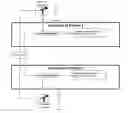
FIG. 1 is a functional diagram showing a first embodiment of the invention;
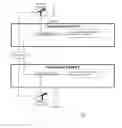
FIG. 2 is a functional diagram showing a second embodiment of the invention;
FIG. 3 is a functional diagram showing a third embodiment of the invention; and
FIG. 4 is a functional block diagram of a system according to the invention.
With reference to FIG. 1, the basic concept is illustrated. A user, person 1, talks into a microphone whilst play a game, i.e. running an interactive software application including a virtual world, on his computer. The user, person 1, thereby controls a virtual representation, an avatar, in the application. The microphone picks up an audio input. The GameSoundStream captures the audio input and translates such as reformats it into an audio stream (GameSoundStream). Thereby The audio stream is translated into a format that the virtual world can play.
The audio stream is then positioned according to the location of the virtual representation of the user, audio post-processes are added according to the context, and played in the virtual space defined in the software application being run on the computer.
Since more users (in FIG. 1 represented by “Person 2”) can inhabit the same virtual space in a multiple user environment, such as in a gaming environment a multiple player environment, more users may be enabled not only to see the avatar of person 1, but also to hear the positioned audio stream of this user (person 1).
As shown in FIG. 1, all users (Person 1, Person 2) control a computer including the features enabling the activities described above.
This network application embodiment of a system according to the invention comprises the following activities:
- 1. A user (Person 1, person 2) talks into a microphone
- 2. The audio input is transmitted to another user (Person 1, person 2) e.g. via voice over IP (VoIP);
- 3. Game Sound Streaming means take the voice over IP input and turns it into a GameSoundStream, or an audio stream;
- 4. The audio stream is translated into a format that the virtual world can play;
- 5. The audio stream is then positioned according to the location of the virtual representation of the user, audio post-processes are added according to the context, and played in the virtual space, thereby making it audible to other users in the virtual space.
With reference to FIGS. 2 and 3, an embodiment is schematically illustrated where a multiple of users at remote locations are playing a game over the internet. The users are connected over the internet to a game server and a VoIP application. In performing the gaming activity, an audio stream is captured in the game sound stream of game client 1 and imported into the game engine. The game sound stream is mixed with the local game sound and subjecting this to the game logic thereby tweaking the sampled game sound and audio stream in accordance with a realtime audio post process based on the game context. Hereby, the sound stream from game client 1 transmitted over the VoIP to the one or more other users/garners, e.g. game client 2, is received with a game logic context tweaking providing this receiving user with a realtime game logical virtual reality representation of user 1. Similarly, player 2 may have similar means available on the game client 2 so that player 1 is able to receive similar avatar realtime sound streams subjected to the game logic and thereby represents a game logical, realtime audio stream.
As shown in FIG. 3, the VoIP may be integrated and the audio streams may be routed and controlled via the game server or as shown in FIG. 2, routed and controlled via the game clients on the individual computers/game clients in the multiple user environment.
With reference to FIG. 4, a block diagram of the preferred functions of the invention is shown schematically. In the figure, the functions of integrating a voice input and the input commands of a user are shown how such two input types are integrated and correlated under subjection to the game logic of the software appliance being performed in the computer environment.
By the invention, a system which may be referred to as a Real Time Voice Porting system, offers the following advantages:
-
- Bringing social game experiences quantum leaps forward by integrating inter-player communication in the game as opposed to inter-player communication running parallel with the game.
- Immersing the player even more in the game experience by playing her voice in the game with the environments affecting it.
- Having the player interacting with the artificial intelligence using her voice only by letting the AI react to the sounds uttered by the player.
A Real Time Voice Porting system may preferably comprise the following features substituting or in addition to the features shown in FIG. 4:
-
- Play microphone input in game
- Microphone input affects Artificial Intelligence
- Sound effected by environment reverb when helmet open
- Input Volume affects radius
- Radio static filter
- Environment occlusion
- Helmet microphone transports close radius sounds (e.g. gunfire, creature attack)
- Position based volume
- Interference on radio communications.
Above there is described some preferred embodiments of the present invention. However, it is realised that many other embodiments may be provided without departing from the scope of the invention such as described by the accompanying claims.
Claims
1. A method for integrating voice inputs to a three-dimensional virtual application software on at least one computer during the execution of said virtual application software on said at least one computer, said method comprising the steps of:
a) receiving at least one external voice input from a user in an application programming interface (API), wherein said voice audio input is encoded to an intermediate output voice sound stream;
b) subjecting said intermediate output voice sound stream data to predetermined software application logic, such as game logic, defined in the application software, including identifying the software application state of the user in the application software;
c) generating an output audio data stream consisting of the manipulate output voice stream data and any activity related application software generated sounds by
sampling the voice stream data with any activity related application selected sound;
manipulating the intermediate output voice data stream in accordance with the software application location by selecting one or more predefined environmental sound effect; and
d) processing the output audio data stream on a sound processor card on at least one computer.
2. A method according to claim 1, whereby the external voice input is an analogue voice input captured by a microphone connected to the computer and converted to a digital voice input and routed to the API.
3. A method according to claim 1, including the step of formatting said intermediate output voice sound stream into a predetermined data format.
4. A method according to claim 1, wherein the manipulation of the intermediate sound data stream includes a step of sampling said voice input with game activity related sounds selected from a sound library source.
5. A method according to claim 1, wherein the selection of one or more predefined environmental sound effect include location specific acoustic characteristics in the three-dimensional software application.
6. A method according to claim 1 wherein a plurality of users utilising associated remotely located computers participate in the execution of the three-dimensional virtual application software over a data communication network.
7. A method according to claim 6, wherein a range of users ranging between one to all of the users control an avatar in the three-dimensional virtual application software and that user-specific voice input is associated with said avatar.
8. A method according to claim 6, including a voice over internet protocol (VoIP) system and an application software server for routing communication between the users.
9. A method according to claim 8, whereby each user computer is provided with a client application software module operative to interface with the application software server and the VoIP system for communicating with the three-dimensional application software.
10. A computer readable memory medium having computer executable machine instructions stored thereon for carrying out the steps of claim 1.
11. A system for integrating voice inputs to a three-dimensional virtual application software on at least one computer during the execution of said virtual application software on said at least one computer, said system comprising:
voice receiving means for receiving a voice input signal
real-time sound streaming means, comprising an application programming interface (API), for receiving at least one external voice input from a user, wherein said voice audio input is encoded to an intermediate output voice sound stream;
three-dimensional software application means comprising means adapted for subjecting said intermediate output voice sound stream data to predetermined software application logic defined in the application software, including identifying the game state of the user in the application software;
output audio data stream generating means for manipulating output voice stream data and any activity related application software generated sounds, wherein the voice stream data with any activity related application selected sound are sampled and manipulated to the intermediate output voice data stream in accordance with the game state by selecting one or more predefined environmental sound effect; and
processing means for routing the output audio data stream to a sound processor card on at least one recipient computer.
12. A system according to claim 11, wherein the voice receiving means comprises
an analogue voice input device for capturing external voice input, and means for converting the analogue voice input to a digital voice input and routing said voice input to the real-time sound streaming means, said real-time sound streaming means further comprising means for generating and formatting an intermediate output voice sound stream into a predetermined data format.
13. A system according to claim 12, wherein the voice receiving means further comprises digital audio input means for receiving voice communication from external computer devices.
14. A system according to claim 11, wherein the three-dimensional software application means further comprises means for the manipulation of the intermediate sound data stream including means for sampling said voice input with game activity related sounds selected from a sound library source.
15. A system according to claim 14, wherein the means for the manipulation comprises means for selecting one or more predefined environmental sound effects.
16. A system according to claim 11, wherein a plurality of remotely located computers (PCs) are utilized in the execution of the three-dimensional virtual application software over a data communication network.
17. A system according to claim 16, wherein a range of users of personal computers (PCs) in the network ranging between one to all of the PCs each control an avatar in the three-dimensional virtual application software and that user-specific voice input is associated with said avatar via the one or more PCs.
18. A system according to claim 16, wherein a voice over interne protocol (VoIP) system and an application software server is provided for routing communication between the users.
19. A system according to claim 16, wherein each personal computer is provided with a client application software module operative to interface with the application software server and the VoIP system for communicating with the three-dimensional application software.
20. A system according to claim 11, wherein the three-dimensional virtual application software is a computer game and the three-dimensional software application means is a game engine.
21. A system according to claim 11, wherein the recipient computer is one or more other computers in a network and/or the only computer on which the voice input is received.
Images & Drawings included:


Sources:
- United States Patent and Trademark Office - verify current appl. status at the USPTO↗
Recent applications in this class:
- » 20250144516 2025-05-08
PRE-SET AUDIO PROFILES FOR GRAPHICAL USER INTERFACE AND PARAMETRIC EQUALIZER IN GAMING SYSTEMS - » 20250121282 2025-04-17
DISPLAY CONTROL METHOD IN GAME, AND STORAGE MEDIUM AND ELECTRONIC DEVICE THEREOF - » 20250032911 2025-01-30
MULTI-MODAL COMPUTER GAME FEEDBACK USING CONVERSATIONAL DIGITAL ASSISTANT - » 20250018289 2025-01-16
DETECTION AND CLASSIFICATION OF AUDIO EVENTS IN GAMING SYSTEMS - » 20240207735 2024-06-27
INTERACTIVE INFORMATION DISPLAY METHOD, APPARATUS, ELECTRONIC DEVICE AND STORAGE MEDIUM - » 20240165510 2024-05-23
METHOD AND APPARATUS FOR INTERACTION - » 20240091638 2024-03-21
SELECTING HEAD RELATED TRANSFER FUNCTION PROFILES FOR AUDIO STREAMS IN GAMING SYSTEMS - » 20240066400 2024-02-29
AUDIO MIXING AND EQUALIZATION IN GAMING SYSTEMS - » 20240050848 2024-02-15
RE-RANKING RESULTS FROM SEMANTIC NATURAL LANGUAGE PROCESSING MACHINE LEARNING ALGORITHMS FOR IMPLEMENTATION IN VIDEO GAMES - » 20240009559 2024-01-11
COMMUNICATION WITH IN-GAME CHARACTERS