Episomal expression vector for metazoan cells
US20120052529A1
2012-03-01
12/306,234
2007-06-22
✅ Patent granted
US 8,703,481 B2
2014-04-22
WO; PCT/US2007/071911; 20070622
WO; WO2007/150036; 20071227
Michele K Joike
Fox Rothschild LLP
2030-08-27
Abstract:
The invention relates to a vector comprising an origin of replication for episomal maintenance in a metazoan cell, a gene for episomal maintenance in the metazoan cell, and a telomeric polynucleotide sequence. The vector can be used for episomal expression of RNA and polypeptides in metazoan cells.
Inventors:
- Cesar E. Guerra 2 🇺🇸 Guilford, CT, United States
- Michelle Dunham Guerra 1 🇺🇸 Guilford, CT, United States
- Harvey L. Ozer 1 🇺🇸 Hoboken, NJ, United States
- Cesar E. Guerra 1 🇺🇸 Late of Guilford, CT, United States
Assignee:
- University of Medicine & Dentistry of New Jersey 4 🇺🇸 Somerset, NJ, United States
Applicant:
Interested in similar patents?
Get notified when new applications in this technology area are published.
Classification:
C12N15/63 IPC
Mutation or genetic engineering; DNA or RNA concerning genetic engineering, vectors, e.g. plasmids, or their isolation, preparation or purification; Use of hosts therefor; Recombinant DNA-technology Introduction of foreign genetic material using vectors; Vectors; Use of hosts therefor; Regulation of expression
C12N15/85 » CPC main
Mutation or genetic engineering; DNA or RNA concerning genetic engineering, vectors, e.g. plasmids, or their isolation, preparation or purification; Use of hosts therefor; Recombinant DNA-technology; Introduction of foreign genetic material using vectors; Vectors; Use of hosts therefor; Regulation of expression; Vectors or expression systems specially adapted for eukaryotic hosts for animal cells
C12N2800/108 » CPC further
Nucleic acids vectors; Plasmid DNA episomal vectors
C12N2820/60 » CPC further
Vectors comprising a special origin of replication system from viruses
C12P19/34 IPC
Preparation of compounds containing saccharide radicals; Preparation of nitrogen-containing carbohydrates; N-glycosides; Nucleotides Polynucleotides, e.g. nucleic acids, oligoribonucleotides
C12N5/10 IPC
Undifferentiated human, animal or plant cells, e.g. cell lines; Tissues; Cultivation or maintenance thereof; Culture media therefor Cells modified by introduction of foreign genetic material
C12P21/00 IPC
Preparation of peptides or proteins
Description
FIELD OF THE INVENTION
The present invention relates to an episomal expression vector comprising an origin of replication for episomal maintenance in a metazoan cell, a gene for episomal maintenance, and a telomeric polynucleotide sequence. The vector is useful for stable transfection of human and animal cells. The vector can be used for many applications such as cloned gene expression/regulation, consisting of large genomic clones; recombinant protein overexpression; cDNA clones; stem cell engineering/transgenics, stem cell lines and/or whole organism; non-viral delivery gene therapy; and DNA vaccines/immunogen production.
BACKGROUND
Many plasmid vectors are currently available for expression in animal cells. Commercial providers of such vectors include Invitrogen (Carlsbad, Calif.), Promega (Madison, Wis.) and Clontech (Mountain View, Calif.). In general, the two key elements in these vectors are a strong promoter and a convenient multiple cloning site (MCS) for insertion of genes of interest. Using such vectors, transient expression of the target gene can be readily achieved in short term cultures.
However, in order to achieve sustained high levels of gene expression, vectors are preferred that contain a selectable marker to grow and maintain stable transfectants. In order to achieve replication and propagation in daughter cells, the recombinant plasmid must integrate into the host genome after transfection. This event is relatively rare and rate limiting as well as subject to the vagaries of each particular site of integration (Al Shawi R., Kinnaird J., Burke J. and Bishop J. O. 1990. Expression of a foreign gene in a line of transgenic mice is modulated by a chromosomal position effect. Mol. Cell. Biol. 10:1192-1198).
To circumvent the consequences of genomic integration altogether, vectors capable of autonomous replication and adequate segregation during cell division can be employed. This vector category includes Mammalian Artificial Chromosomes (MACs) (Lindenbaum M, Perkins E, Csonka E, Fleming E, Garcia L, Greene A, Gung L, Hadlaczky G, Lee E, Leung J, MacDonald N, Maxwell A, Mills K, Monteith D, Perez C F, Shellard J, Stewart S, Stodola T, Vandenborre D, Vanderbyl S, Ledebur HC Jr. 2004. A mammalian artificial chromosome engineering system (ACE System) applicable to biopharmaceutical protein production, transgenesis and gene-based cell therapy. Nucleic Acids Res. 32(21):e172) and episomal vectors such as plasmids derived from the Epstein-Barr virus (EBV). EBV-derived plasmids can be stably maintained in dividing cells through the use of the viral replication and segregation elements (Yates, J. L., Warren, N., and Sugden, B. 1985. Stable replication of plasmids derived from Epstein-Barr virus in various mammalian cells. Nature 313:812-815).
An advantage of episomal vectors over MACs is that they are maintained at multiple copies per cell (Conese, M., Auriche, C., and Ascenzioni, F. 2004. Gene therapy progress and prospects: episomally maintained self-replicating systems. Gene Ther. 24:1735-1741), thus naturally enhancing expression levels. The relatively smaller EBV-derived plasmids (10-100 kb in size) can also be shuttled from the mammalian host cell back into bacteria for analysis or propagation (Kelleher Z. T., Fu H., Livanos E., Wendelburg B., Gulino S. and Vos J. M. 1998. Epstein-Barr-based episomal chromosomes shuttle 100 kb of self-replicating circular human DNA in mouse cells. Nat. Biotechnol. 16:762-768; Wade-Martins R., Frampton J. and James M. R. 1999. Long-term stability of large insert genomic DNA episomal shuttle vectors in human cells. Nucleic Acids Res. 27:1674-1682). In contrast, the relatively larger MACs (>1 Mb in size) have to be propagated in suitable mammalian host cells. Finally, plasmids can be more readily defined in that their entire sequence can be determined at each step of development using standard techniques and molecular biology tools. In contrast, only a small percentage of a MAC can be known with certainty at any point by direct sequencing, and structural analysis of MACs requires sophisticated techniques such as flourescence in situ hybridization (FISH) and flow cytometry.
There is currently a need for more flexible but powerful expression vectors to address an expanding market for complex glycosylated proteins. There is also a need for efficient non-viral gene delivery systems for many transgenic applications and in gene therapy. The disclosed invention, a novel episomal vector design, has the desired characteristics to meet these needs.
SUMMARY OF THE INVENTION
The invention relates to a vector comprising an origin of replication for episomal maintenance in a metazoan cell, a gene for episomal maintenance in the metazoan cell, and a telomeric polynucleotide sequence.
In one embodiment, the vector comprises a polynucleotide sequence encoding a selectable marker for expression and growth advantage in a metazoan cell.
In one embodiment, the vector comprises an origin of replication for episomal maintenance in a prokaryotic cell.
In one embodiment, wherein the vector comprises a polynucleotide sequence encoding a selectable marker for expression and growth advantage in a prokaryotic cell, the polynucleotide sequence operably linked to a promoter.
In one embodiment, the vector comprises a polynucleotide sequence comprising a multiple cloning site (MCS).
In one embodiment, the vector comprises a heterologous polynucleotide sequence.
In one embodiment, the telomeric polynucleotide sequence is from an organism selected from the group consisting of mammals such as human or mouse, Tetrahymena, Euplotes, Oxytricha, Saccharomyces cerevisiae, and Kluyveromyces lactis.
In one embodiment, the origin of replication for episomal maintenance in the metazoan cell is and the gene for episomal maintenance in the metazoan cell are respectively selected from the group consisting of OriP and EBNA-1 latency genes from Epstein-Barr Virus (EBV); origin of the Kaposi's sarcoma associated herpesvirus (KSHV) and the gene for nuclear antigen 1 of KSHV (LANA-1); and origin of the Bovine papillomavirus (BPV) and the gene for E2 from BPV.
In one embodiment, the vector comprises a polynucleotide sequence encoding a selectable marker for expression and growth advantage in a metazoan cell wherein the selectable marker for expression and growth advantage in a metazoan cell is selected from the group consisting of puromycin-N-acetyl-transferase (PAC) gene, hygromycin phosphotransferase B gene, aminoglycoside phosphotransferase II gene, and Zeocin resistance gene.
In one embodiment, the vector comprises a polynucleotide sequence encoding a selectable marker for expression and growth advantage in a metazoan cell wherein the selectable marker for expression and growth advantage in a metazoan cell wherein the selectable marker is operably linked to an early promoter of SV40 and a SV40 polyadenylation signal.
In one embodiment, the vector comprises an origin of replication for episomal maintenance in a prokaryotic cell wherein the origin of replication for episomal maintenance in a prokaryotic cell is a bacterial ColE1 origin of replication.
In one embodiment, the vector comprises a polynucleotide sequence encoding a selectable marker for expression and growth advantage in a prokaryotic cell, wherein the selectable marker for expression and growth advantage in a prokaryotic cell is an antibiotic resistance gene. Representative examples include the group consisting of ampicillin resistance gene, tetracycline resistance gene, kanamycin resistance gene, chloramphenicol resistance gene, erythromycin resistance gene, zeocine resistance gene, neomycin resistance gene, hygromycin resistance gene and methotrexate resistance gene.
In one embodiment, the telomeric polynucleotide sequence is a region of repetitive sequence that is relatively rich in guanine.
In one embodiment, the telomeric polynucleotide sequence is selected from the group consisting of 5′-TTGGGG-3′ (SEQ ID NO: 1); 5′-TTTTGGGG-3′ (SEQ ID NO: 2); 5′-TTAGGG-3′ (SEQ ID NO: 3); 5′-TGGG-3′ (SEQ ID NO: 6); and 5′-TGGTGTACGGA-3′ (SEQ ID NO: 14).
In one embodiment, the vector comprises a polynucleotide sequence comprising a multiple cloning site (MCS), the vector comprising two inverted repeat regions comprising the telomeric polynucleotide sequence flanking the MCS.
In one embodiment, the inverted repeat regions comprise 2 to about 100 consecutive copies of the telomeric polynucleotide.
In one embodiment, the inverted repeat regions comprises about 33 consecutive copies of the telomeric polynucleotide.
In one embodiment, the inverted repeat regions comprises about 50 consecutive copies of the telomeric polynucleotide.
In one embodiment, the vector comprises a heterologous polynucleotide sequence.
In one embodiment, the vector comprises a polynucleotide sequence selected from the group consisting of SEQ ID NO: 16.
The invention also relates to a host cell transformed with the vector according to present invention.
The invention also relates to a method of producing an RNA molecule comprising contacting a host cell with the vector according to the present invention; and culturing the host cell under suitable culture conditions such that the RNA molecule is transcribed.
The invention also relates to a method of producing a polypeptide comprising contacting a host cell with the vector according to the present invention, wherein the heterologous polynucleotide sequence encodes the polypeptide; and culturing the host cell under suitable culture conditions such that the polypeptide is expressed.
BRIEF DESCRIPTION OF THE DRAWINGS
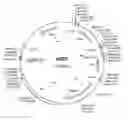
FIG. 1. Map of the prototype Eplus vector, pEP2.
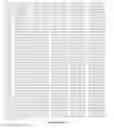
FIG. 2. Complete sequence of the Eplus vector prototype, pEP2.
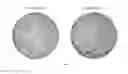
FIG. 3. Puromycin resistant colonies of SV.RNS/HF-1 cells transfected with either Ep2 or an episomal control vector.
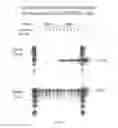
FIG. 4. Southern Blot analysis of plasmids recovered in E. coli from stably transfected SV.RNS/HF-1 cells.
FIG. 5. Southern Blot analysis of Hirt-extracts obtained from stably transfected SV.RNS/HF-1 cells.
FIG. 6. Transfection frequencies of Chinese Hamster Ovary (CHO) cells.
FIG. 7. Luciferase activity in CHO transfectants.
FIG. 8. Map of the prototype Eplus vector, pEP25, which is pEP2 with contains the luciferase gene Luc2 under control of the SV40 promoter.
FIG. 9. In vivo transfection and expression of firefly luciferase.
FIG. 10. Quantification of luciferase expression in mice one or two weeks post transfection.
FIG. 11. One of five mice transfected with pEP25 displayed strong expression in the abdominal region two weeks post transfection.
DETAILED DESCRIPTION OF THE INVENTION
The invention as disclosed and described herein, provides a vector comprising an origin of replication for episomal maintenance in a metazoan cell, a gene for episomal maintenance in the metazoan cell, and a telomeric polynucleotide sequence.
As used herein, “polynucleotide” includes reference to a deoxyribopolynucleotide, ribopolynucleotide, or analogs thereof that have the essential nature of a natural ribonucleotide in that they hybridize, under stringent hybridization conditions, to substantially the same nucleotide sequence as naturally occurring nucleotides and/or allow translation into the same amino acid(s) as the naturally occurring nucleotide(s). A polynucleotide can be full-length or a subsequence of a native or heterologous structural or regulatory gene. Unless otherwise indicated, the term includes reference to the specified sequence as well as the complementary sequence thereof. Thus, DNAs or RNAs with backbones modified for stability or for other reasons as “polynucleotides” as that term is intended herein. Moreover, DNAs or RNAs comprising unusual bases, such as inosine, or modified bases, such as tritylated bases, to name just two examples, are polynucleotides as the term is used herein. It will be appreciated that a great variety of modifications have been made to DNA and RNA that serve many useful purposes known to those of skill in the art. The term polynucleotide as it is employed herein embraces such chemically, enzymatically or metabolically modified forms of polynucleotides, as well as the chemical forms of DNA and RNA characteristic of viruses and cells, including among other things, simple and complex cells.
The terms “polypeptide”, “peptide” and “protein” are used interchangeably herein to refer to a polymer of amino acid residues. The terms apply to amino acid polymers in which one or more amino acid residue is an artificial chemical analogue of a corresponding naturally occurring amino acid, as well as to naturally occurring amino acid polymers. The essential nature of such analogues of naturally occurring amino acids is that, when incorporated into a protein, that protein is specifically reactive to antibodies elicited to the same protein but consisting entirely of naturally occurring amino acids. The terms “polypeptide”, “peptide” and “protein” are also inclusive of modifications including, but not limited to, glycosylation, lipid attachment, sulfation, gamma-carboxylation of glutamic acid residues, hydroxylation and ADP-ribosylation. It will be appreciated, as is well known and as noted above, that polypeptides are not entirely linear. For instance, polypeptides may be branched as a result of ubiquitination, and they may be circular, with or without branching, generally as a result of posttranslation events, including natural processing event and events brought about by human manipulation which do not occur naturally. Circular, branched and branched circular polypeptides may be synthesized by non-translation natural process and by entirely synthetic methods, as well.
The term “protein coding sequence” means a nucleotide sequence encoding a polypeptide gene which can be used to distinguish cells expressing the polypeptide gene from those not expressing the polypeptide gene.
An “episome” is a genetic element that can replicate free in the cytoplasm of a cell. “Episomal maintenance” occurs when the episome can be replicated and transcribed and the episome is not inserted into a chromosome. The episome is usually a circular polynucleotide. The term “replication” means duplication of a vector.
A metazoan cell is a cell from a multicellular animal of the subkingdom Metazoa, a division of the animal kingdom in traditional two-kingdom classification systems.
In one embodiment, the origin of replication for episomal maintenance in the metazoan cell is and the gene for episomal maintenance in the metazoan cell are respectively selected from the group consisting of OriP and EBNA-1 latency genes from Epstein-Barr Virus (EBV); origin of the Kaposi's sarcoma associated herpesvirus (KSHV) and the gene for nuclear antigen 1 of KSHV (LANA-1); and origin of the Bovine papillomavirus (BPV) and the gene for E2 from BPV.
“Telomeric sequences” or “telomeres” are repetitive DNA sequences found at the ends of linear chromosomes in eukaryotes (Fajkus J., Sykorova E., Leitch A. R. 2005 Telomeres in evolution and evolution of telomeres. Chromosome Res. 13:469-79). Telomeres are essential to stabilize the exposed chromosomal ends and ensure proper segregation during mitosis. Telomeres are also subject to attrition (shortening) during chromosome replication, a process that is reversed by elongation of the telomeric repeats through the action of telomerase, a RNA-directed DNA polymerase (O'Reilly M., Teichmann S. A., Rhodes D. 1999 Telomerases. Curr. Opin. Struct. Biol. 9:56-65). Tables 1A and 1B show a list of known telomeric repeat units and their relation to the RNA template sequence in the corresponding telomerase.
| TABLE 1A |
| Telomeric repeat sequence units in various eukaryotes and the RNA |
| template sequence used by telomerase to synthesize them. |
| Telomere sequence | Telomerase RNA | |
| Organism | repeat unit | template sequence |
| Tetrahymena | TTGGGG | CAACCCCAA |
| (SEQ ID NO: 1) | (SEQ ID NO: 8) | |
| Euplotes | TTTTGGGG | CAAAACCCCAAAACC |
| (SEQ ID NO: 2) | (SEQ ID NO: 9) | |
| Oxytricha | TTTTGGGG | CAAAACCCCAAAACC |
| (SEQ ID NO: 2) | (SEQ ID NO: 9) | |
| Human | TTAGGG | CUAACCCUAAC |
| (SEQ ID NO: 3) | (SEQ ID NO: 10) | |
| Mouse | TTAGGG | CCUAACCCU |
| (SEQ ID NO: 3) | (SEQ ID NO: 11) | |
| Saccharomyces | TG (SEQ ID NO: 4); | CACCACACCCACACAC |
| cerevisiae | TGG (SEQ ID NO: 5); or | (SEQ ID NO: 12) |
| TGGG (SEQ ID NO: 6) | ||
| Kluyveromyces | TTTGATTAGGTATG | UCAAAUCCGUACACCAC |
| lactis | TGGTGTACGGA | AUACCUAAUCAAA |
| (SEQ ID NO: 7) | (SEQ ID NO: 13) | |
| TABLE 1B |
| Telomeric repeat sequence units in various eukaryotes. |
| Slime moulds | Dictyostelium | AG (1-8) (SEQ ID NO: 17) |
| Ciliate protozoa | Paramecium | TTGGG(T/G) (SEQ ID NO: 18) |
| Apicomplexan | Plasmodium | TTAGGG(T/C) (SEQ ID NO: 19) |
| protozoa | ||
| Higher plants | Arabidopsis thaliana | TTTAGGG (SEQ ID NO: 20) |
| Green algae | Chlamydomonas | TTTTAGGG (SEQ ID NO: 21) |
| Insects | Bombyx mori | TTAGG (SEQ ID NO: 22) |
| Roundworms | Ascaris lumbricoides | TTAGGC (SEQ ID NO: 23) |
| Fission yeasts | Schizosaccharomyces | TTAC(A)(C)G(1-8) |
| pombe | (SEQ ID NO: 24) | |
| Budding yeasts | Saccharomyces | TGTGGGTGTGGTG (SEQ ID NO: 25; |
| cerevisiae | from RNA template) or | |
| G(2-3)(TG)(1-6)T | ||
| (SEQ ID NO: 26; consensus) | ||
| Candida glabrata | GGGGTCTGGGTGCTG | |
| (SEQ ID NO: 27) | ||
| Candida albicans | GGTGTACGGATGTCTAACTTCTT | |
| (SEQ ID NO: 28) | ||
| Candida tropicalis | GGTGTA[C/A]GGATGTCACGATCATT | |
| (SEQ ID NO: 29) | ||
| Candida maltosa | GGTGTACGGATGCAGACTCGCTT | |
| (SEQ ID NO: 30) | ||
| Candida guillermondii | GGTGTAC (SEQ ID NO: 31) | |
| Candida | GGTGTACGGATTTGATTAGTTATGT | |
| pseudotropicalis | ||
| Kluyveromyces lactis | GGTGTACGGATTTGATTAGGTATGT | |
| (SEQ ID NO: 32) | ||
In one embodiment, the telomeric polynucleotide sequence is a region of repetitive sequence that is relatively rich in guanine. Relatively rich means a sequence of at least 6 nucleotides that is constitutes greater than 25%, 30%, 35%, 40%, 45%, 50%, 55%, or 60% guanine.
In one embodiment, the telomeric polynucleotide sequence is from an organism selected from the group consisting of mammals such as human or mouse, Tetrahymena, Euplotes, Oxytricha, Saccharomyces cerevisiae, and Kluyveromyces lactis.
In one embodiment, the telomeric polynucleotide sequence is selected from the group consisting of 5′-TTGGGG-3′ (SEQ ID NO: 1); 5′-TTTTGGGG-3′ (SEQ ID NO: 2); 5′-TTAGGG-3′ (SEQ ID NO: 3); 5′-TGGG-3′ (SEQ ID NO: 6); 5′-TGGTGTACGGA-3′ (SEQ ID NO: 14); and SEQ ID NOS: 17-32.
In one embodiment, the vector comprises a polynucleotide sequence comprising a multiple cloning site (MCS) to facilitate the insertion of DNA sequence(s) containing a heterologous gene into the cloning vector. In general, the multiple cloning site includes “rare” restriction enzyme sites; i.e., sites which are found in eukaryotic genes at a frequency of from about one in every 10,000 to about one in every 100,000 base pairs. An appropriate vector is thus formed by cutting the cloning vector by standard techniques at appropriate restriction sites in the multiple cloning site, and then ligating the DNA sequence containing the heterologous gene into the cloning vector.
In one embodiment, the vector comprises two inverted repeat regions comprising the telomeric polynucleotide sequence flanking the MCS.
An “inverted repeat” or “IR” is a sequence of nucleotides that is the reversed complement of another sequence further downstream. For example, 5′-TTGGGGNNNNNNCCCCAA-3′ (SEQ ID NO: 15; N is any nucleotide).
In one embodiment, the inverted repeat regions comprise 2 to about 100 consecutive copies of the telomeric polynucleotide. In one embodiment, the inverted repeat region comprises about 33 consecutive copies of the telomeric polynucleotide. In one embodiment, the inverted repeat region comprises about 50 consecutive copies of the telomeric polynucleotide.
In one embodiment, the vector comprises a heterologous polynucleotide sequence. The term “heterologous” means a DNA sequence not found in the native vector genome.
The term “promoter” is used according to its art-recognized meaning. It is intended to mean the DNA region, usually upstream to the coding sequence of a gene or operon, which binds RNA polymerase and directs the enzyme to the correct transcriptional start site. The promoter may be constitutive or inducible. “Operably linked”, when referring to DNA segments, indicates that the segments are arranged so that they function in concert e.g. the transcription process takes place via the RNA-polymerase binding to the promoter segment and proceeding with the transcription through the coding segment until the polymerase stops when it encounters a transcription terminator segment.
In one embodiment, the vector comprises a polynucleotide sequence encoding a selectable marker for expression and growth advantage in a metazoan cell. In one embodiment, wherein the vector comprises a polynucleotide sequence encoding a selectable marker for expression and growth advantage in a prokaryotic cell, the polynucleotide sequence operably linked to a promoter. A selectable marker is a gene the product of which provides for biocide, antibiotic or viral resistance, resistance to heavy metals, prototrophy to auxotrophs, and the like. Antibiotic selectable markers confer antibiotic resistance to such antibiotics as ampicillin, kanamycin, chloramphenicol, erythromycin, tetracycline, zeocine, neomycin, hygromycin or methotrexate.
In one embodiment, the vector comprises a polynucleotide sequence encoding a selectable marker for expression and growth advantage in a metazoan cell wherein the selectable marker for expression and growth advantage in a metazoan cell is selected from the group consisting of puromycin-N-acetyl-transferase (PAC) gene, hygromycin phosphotransferase B gene, aminoglycoside phosphotransferase II gene, and Zeocin resistance gene.
In one embodiment, the vector comprises a polynucleotide sequence encoding a selectable marker for expression and growth advantage in a metazoan cell wherein the selectable marker for expression and growth advantage in a metazoan cell wherein the selectable marker is operably linked to an early promoter of SV40 and a SV40 polyadenylation signal.
In one embodiment, the vector comprises an origin of replication for episomal maintenance in a prokaryotic cell. In one embodiment, the origin of replication for episomal maintenance in a prokaryotic cell is a bacterial ColE1 origin of replication.
In one embodiment, the vector comprises a polynucleotide sequence encoding a selectable marker for expression and growth advantage in a prokaryotic cell, wherein the selectable marker for expression and growth advantage in a prokaryotic cell is selected from the group consisting of ampicillin resistance gene, tetracycline resistance gene, kanamycin resistance gene, chloramphenicol resistance gene, erythromycin resistance gene, zeocine resistance gene, neomycin resistance gene, hygromycin resistance gene and methotrexate resistance gene.
In one embodiment the vector is derived from or comprises polynucleotide sequences from a virus, for example, the Epstein-Barr Virus (EBV), the Kaposi's sarcoma associated herpesvirus (KSHV), and Bovine papillomavirus (BPV).
In one embodiment the vector is derived from or comprises polynucleotide sequences from the Epstein-Barr Virus (EBV). EBV is a γ-herpesvirus frequently associated with Hodgkin's lymphomas (Nicholas J. 2000 Evolutionary aspects of oncogenic herpesviruses. Mol. Pathol. 53:222-37). EBV is capable of establishing latent infections in susceptible host cells. During latency, the viral genome is maintained as a circular DNA molecule or episome. Episome maintenance requires only two viral sequences, EBNA-1 and OriP. OriP is the replication origin that is used only once per cell cycle. EBNA-1 encodes a nuclear antigen required during mitosis for segregation of copies of the viral genome to daughter cells. Segregation is due to tethering of the viral genome to host chromosomes through nuclear antigen 1 (Sears J., Ujihara M., Wong S., Ott C., Middeldorp J., Aiyar A. 2004 The amino terminus of Epstein-Barr Virus (EBV) nuclear antigen 1 contains AT hooks that facilitate the replication and partitioning of latent EBV genomes by tethering them to cellular chromosomes. J. Virol. 78:11487-505).
EBV derived plasmids are circular DNA molecules containing the latency genes OriP and EBNA-1, thus allowing replication and mitotic segregation by “tethering” to host chromosomes in nuclear antigen-1 dependent fashion (Kanda T., Otter M., Wahl G. M. 2001. Coupling of mitotic chromosome tethering and replication competence in Epstein-Barr virus-based plasmids. Mol. Cell. Biol. 21:3576-88).
In one embodiment, the vector is an “Eplus” vector. Eplus vectors are engineered from an EBV plasmid by inclusion of telomeric repeats from Tetrahymena. These repeats produce higher rates of stable transfection in a variety of animal cells than control plasmids lacking the telomeric repeats. Eplus vectors contain the following elements: OriP and EBNA-1 genes from EBV; an SV40 early promoter (ori−) driving a puromycin resistance gene (PAC) as the selectable marker; ColE1 bacterial origin and ampicillin resistance gene for shuttling the vector into bacteria; two inverted repeat regions flanking a unique cloning site (BamHI), where each repeat region consist of multiple copies of the 5′-TTGGGG-3′ (SEQ ID NO: 1) sequence motif or G-rich sequences such as: 5′-TTTTGGGG-3′ (SEQ ID NO: 2); 5′-TTAGGG-3′ (SEQ ID NO: 3); 5′-TGGG-3′ (SEQ ID NO: 6); and 5′-TGGTGTACGGA-3′ (SEQ ID NO: 14).
In one embodiment, the vector comprises a polynucleotide sequence selected from the group consisting of SEQ ID NO: 16. A map of the prototype Eplus vector (pEP2) is shown in FIG. 1 and its full sequence is shown in FIG. 2 (SEQ ID NO: 16). Sequences are assembled from direct sequencing of portions of pEP2 and from public databases for known regions and genes, where available. Only the top strand is shown. A description of the features contained within the sequence of the prototype vector is shown in Table 2. Start and end positions correspond to the sequence positions in FIG. 2. The disclosed sequence of pEP2 is not intended to limit the scope of the Eplus vector design in any way.
| TABLE 2 |
| Description of key features of the Eplus vector prototype, pEP2. |
| Feature | Start | End | Description |
| (T2G4)n | 674 | 1009 | Tetrahymena telomeric repeat |
| of unit TTGGGG | |||
| URA3 | 1016 | 1819 | Gene in cloning site |
| (C4A2)n | 1826 | 2185 | Tetrahymena telomeric repeat |
| of unit CCCCAA | |||
| SV40 ori− eP | 2405 | 2537 | SV40 origin-minus early promoter |
| PAC | 2644 | 3243 | puromycin resistance gene |
| poly(A) | 3504 | 3554 | SV40 polyadenylation signal |
| EBNA-1 | 3608 | 5533 | EBV nuclear antigen 1 gene |
| OriP | 5840 | 7775 | EBV origin of replication |
| ColE1 | 8210 | 8316 | Bacterial origin of replication |
| amp | 9890 | 9030 | Ampicillin resistance gene |
| (complementary strand) | |||
A summary of known functions in the vector are as follows.
-
- A ColE1 origin of replication and an ampicillin-resistance gene (amp) for propagation of the vector in E. coli.
- A modified SV40 early promoter lacking large-T-antigen-dependent origin of replication activity (SV40 ori− eP). This constitutive promoter directs the expression of the puromycin-N-acetyl-transferase (PAC) gene for growth of transfected cells in the presence of puromycin.
- The origin of replication (OriP) and gene encoding EBNA-1 from the Epstein-Barr virus (EBV). These elements are required for replication and episomal maintenance of the vector in transfected mammalian cells.
- Two regions of ˜300 bp each containing the Tetrahymena telomeric repeat sequence T2G4 in the form of a (T2G4)n-URA3-(C4A2)n cassette. Note that digestion of the prototype vector with the restriction enzyme BamHI exposes the T2G4 repeats at the 3′ ends of the linearized vector. The yeast URA3 gene is not essential for the function of the circular vector and can be replaced by any other DNA sequence flanked by BamHI restriction sites.
Additional embodiments of Eplus vectors are listed and described in Table 3. pEP1 and pEP3 are structural variants of the prototype pEP2. Vectors pEP23 to 26 are constructed by replacing the URA3 insert of pEP2 with a luciferase reporter gene.
| TABLE 3 |
| Description of disclosed plasmids. The Renilla and |
| Firefly luciferase gene constructs are obtained |
| from plasmids pGL4.73 and pGL4.13, respectively. |
| Plasmid | Insert | |
| name | gene | Description |
| pEP2 | URA3 | 1.1 kbp containing the URA3 gene from yeast is |
| inserted at the unique BamHI site of the vector. | ||
| pEP1 | URA3 | As pEP2, but with one telomeric repeat shorter |
| by about 100 bp. | ||
| pEP3 | URA3 | As pEP2, but the orientation of the (T2G4)n- |
| URA3-(C4A2)n cassette is reversed. | ||
| pEP23 | hRluc (a) | 1.65 kbp containing the Renilla luciferase gene |
| with SV40 promoter, inserted at the unique BamHI | ||
| site of the vector. | ||
| Coding region is oriented clockwise. | ||
| pEP24 | hRluc (b) | 1.65 kbp containing the Renilla luciferase gene |
| with SV40 promoter, inserted at the unique BamHI | ||
| site of the vector. | ||
| Coding region is oriented counterclockwise. | ||
| pEP25 | Luc2 (a) | 2.37 kbp containing the Firefly luciferase gene |
| with SV40 promoter, inserted at the unique BamHI | ||
| site of the vector. | ||
| Coding region is oriented clockwise. | ||
| pEP26 | Luc2 (b) | 2.37 kbp containing the Firefly luciferase gene |
| with SV40 promoter, inserted at the unique BamHI | ||
| site of the vector. | ||
| Coding region is oriented counterclockwise. | ||
These plasmids are part of the Dual-Glo Luciferase Assay System and Vectors, available from Promega (Madison, Wis.).
In one embodiment, the vector is a circular double stranded DNA molecule with sequence comprised of a combination of the following functional sequence elements:
-
- An origin of replication and gene for episomal maintenance in the metazoan host cell. The preferred elements are OriP and the EBNA-1 latency gene from EBV, but it can also comprise other viral elements or combinations with other elements. An example of other viral elements for replication and episomal maintenance are the origin of the Kaposi's sarcoma associated herpesvirus (KSHV) (Hu J., Renne R. 2005 Characterization of the minimal replicator of Kaposi's sarcoma-associated herpesvirus latent origin. J. Virol. 79:2637-42) and the gene for its nuclear antigen 1, LANA-1 (Viejo-Borbolla A., Ottinger M., Bruning E., Burger A., Konig R., Kati E., Sheldon J. A., Schulz T. F. 2005 Brd2/RING3 interacts with a chromatin-binding domain in the Kaposi's Sarcoma-associated herpesvirus latency-associated nuclear antigen 1 (LANA-1) that is required for multiple functions of LANA-1. J. Virol. 79:13618-29). Another example of viral elements for replication and episomal maintenance is the origin of the Bovine papillomavirus (BPV) (Lim D. A., Gossen M., Lehman C. W., Botchan M. R. 1998 Competition for DNA binding sites between the short and long forms of E2 dimers underlies repression in bovine papillomavirus type 1 DNA replication control. J. Virol. 72:1931-40) and the gene for E2 (Lehman C. W., Botchan M. R. 1998 Segregation of viral plasmids depends on tethering to chromosomes and is regulated by phosphorylation. Proc. Natl. Acad. Sci. USA. 95:4338-43).
- A selectable marker for expression and growth advantage in a metazoan host cell. The preferred selectable marker is the puromycin-N-acetyl-transferase (PAC) gene, which confers resistance to the antibiotic puromycin, an inhibitor of protein synthesis. Other examples of selectable markers are: hygromycin phosphotransferase B gene (hygromycin resistance); aminoglycoside phosphotransferase II gene (neomycin or G418 resistance); and Zeocin resistance gene, among others. The preferred promoter and polyadenylation signal sequence to direct expression of the selectable marker is the early promoter of SV40 and cognate polyA signal sequence, but other suitable combinations of control elements are possible and available in the field.
- An origin of replication and selectable marker for maintenance in a bacterial host cell. The preferred bacterial replicon and selectable marker are ColE1 and the ampicillin resistance gene, respectively. Other suitable elements are well known in the field.
- A cloning region with restriction sites for the insertion of other sequences of interest. A single BamHI restriction site is preferred for cloning purposes, but many other sites and combinations of sites are available and well known in the field.
- A region of repetitive sequence that is relatively rich in guanine (G). The preferred arrangement for this sequence is as a set of two inverted repeat regions of repetitive DNA flanking the cloning site BamHI, where each repetitive sequence region consists of at least one copy of the 5′-TTGGGG-3′ (SEQ ID NO: 1) motif, preferably 33 consecutive copies of the motif, more preferably 50 consecutive copies of the motif, more preferably between 2 and 100 consecutive copies of the motif, without excluding the occurrence of minor mutations in one or more of the motifs such as base substitutions or deletions. Other examples of relatively G-rich sequence motifs that are suitable for a repetitive sequence region include 5′-TTTTGGGG-3′ (SEQ ID NO: 2); 5′-TTAGGG-3′ (SEQ ID NO: 3); 5′-TGGG-3′ (SEQ ID NO: 6); and 5′-TGGTGTACGGA-3′ (SEQ ID NO: 14); without excluding combinations of different motifs.
In one embodiment, the vector comprises heterologous polynucleotide cloned into the multiple cloning site of the vector, wherein the heterologous polynucleotide comprises:
-
- A protein coding sequence. The preferred promoter and polyadenylation signal sequence to direct expression of the coding sequence is the early promoter of SV40 and cognate polyA signal sequence, but other suitable combinations of control elements are possible and available in the field, without excluding additional coding motifs or genes singly or in any combination that are intended for the creation of fusion proteins; and/or
- A genomic DNA sequence containing a gene of interest, where all cognate control elements for expression of the gene are included; and/or
- A RNA coding sequence, where the transcription product itself is the intended product of interest. Examples of such functional RNA molecules are inhibitory RNA (iRNA), small hairpin RNA (shRNA), among others, and without excluding naturally occurring RNA coding sequences with all cognate elements for transcription and recombinant RNA coding sequences.
Any of a number of standard gene delivery transformation methods can be used with the vectors according to the present invention including lipid mediated transfection (e.g., lipofectamine), receptor mediated transfection, calcium phosphate transfection, electroporation particle bombardment, naked-direct DNA injection, diethylaminoethyl (DEAE-dextran transfection).
The invention also relates to a host cell transformed with the vector according to present invention. The host cell can be from any metazoan organism. For example, cell lines such as HT1080 cells, HeLa cells, CHO cells, K-562 cells, and the like may be used as a host cells.
The invention also relates to a method of producing an RNA molecule comprising contacting a host cell with a vector according to the present invention; and culturing the host cell under suitable culture conditions such that the RNA molecule is transcribed. Host cells are transfected with a vector according to the present invention, followed by selection of transfected cells. The RNA is transcribed from a template in the vector. Such a template is usually a heterologous polynucleotide sequence operably linked to a promoter.
The invention also relates to a method of producing a polypeptide comprising contacting a host cell with the vector according to the present invention, wherein the heterologous polynucleotide sequence encodes the polypeptide; and culturing the host cell under suitable culture conditions such that the polypeptide is expressed. Host cells are transfected with a vector according to the present invention, followed by selection of transfected cells. The RNA is transcribed from a template in the vector. Such a template is usually a heterologous polynucleotide sequence operably linked to a promoter. The polypeptide is translated from the RNA.
EXAMPLES
A transfection method for introducing the Eplus vector into host cells using lipofectamine is described in the legend to Table 4.
| TABLE 4 |
| Transfection frequencies of SV40-immortalized human fibroblasts. |
| Transfection frequency × 10−3 (No. of Puromycinr colonies per plate) |
| Linear | ||||||
| Circular | Linear | Circular | Linear | Eplus | ||
| Cell line | Plate No. | EBVp | EBVp (XhoI) | Eplus | Eplus (XhoI) | (BamHI) |
| CI39T | 1 | 0.10 (16) | 0.02 (3) | 1.16 (186) | 0.03 (5) | 0.02 (4) |
| 2 | 0.15 (24) | 0.00 (0) | 1.32 (211) | 0.01 (2) | 0.02 (4) | |
| SV/HF-6 | 1 | 0.92 (276) | 0.01 (2) | 2.18 (654) | 0.00 (1) | 0.02 (5) |
| 2 | 0.79 (236) | 0.00 (0) | 2.14 (643) | 0.01 (4) | 0.01 (3) | |
| SV.RNS/HF-1 | 1 | 1.56 (469) | 0.09 (27) | 1.75 (525) | 0.18 (55) | 0.28 (84) |
| 2 | 1.43 (429) | 0.14 (41) | 1.72 (516) | 0.13 (40) | 0.11 (34) | |
Cell lines are transfected with either a circular form or a linearized (restriction-digested) form of an episomal control vector (EBVp) and of the Eplus vector prototype, pEP2. Method: Lipofectamine is used to transfect 1.5×10⁶ cells with 2 μg of vector DNA. Puromycin-resistant transfectants are selected in media containing 0.5 μg puromycin/ml of culture medium. Puromycin-resistant colonies are apparent after 12-15 days in culture. Colonies in two 100 mm plates are fixed with methanol, stained with Giemsa and counted.
As shown in Table 4, the BamHI-digested prototype vector produces stable transfectants at similarly low frequencies as linearized vectors lacking T2G4 repeats altogether: the XhoI-digested control vector (EBVp) and the XhoI-digested prototype (note that digestion of pEP2 with XhoI excises the entire telomeric cassette).
Surprisingly, the intact (i.e. circular) prototype vector produces stable transfectants at significantly higher frequencies than the intact control vector. In the case of the cell line SV.RNS/HF-1, the puromycin-resistant colonies transfected with pEP2 are most likely undercounted. This is because the rapid growth of the transfectants made distinction of individual colonies difficult (see FIG. 3).
To determine if puromycin-resistant cells transfected with intact vectors also maintain them as circular episomes, polyclonal cell populations are extracted by the method of Hirt. (Hirt B. 1967 Selective extraction of polyoma DNA from infected mouse cell cultures. J. Mol. Biol. 26:365-369). This method involves a mild cell lysis that releases the contents of the nucleus and cytoplasm, including mitochondrial DNA and the relatively small episomes, into solution while trapping chromosomal DNA in the insoluble fraction.
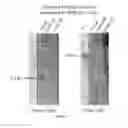
FIG. 4 shows Southern blot analysis of plasmids recovered in E. coli from stably transfected SV.RNS/HF-1 cells. Cells are transfected with circular episomal control vector (EBVp) or circular Eplus vector. Episomal DNA is extracted from stable puromycin-resistant cells by the method of Hirt. A sample of Hirt extract is then used to transform competent E. coli. Six ampicillin-resistant E. coli colonies are individually picked and grown for plasmid isolation. Plasmids are digested with XhoI and loaded on a 0.8% agarose gel for electrophoresis along side DNA size markers (*) and Eplus vector (V). A blot of the gel is first probed with a 1.6 kb DNA fragment containing ˜700 bp of T2G4 sequence and the URA3 yeast gene (top panel). After striping, the blot is then probed with a 5 kb DNA fragment containing the OriP/EBNA-1 region from EBV (bottom panel). Arrows indicate the fragment size in DNA bands that correspond to the Eplus vector. When samples from the Hirt extracts are used to transform competent E. coli, plasmids indistinguishable from the original intact vectors are recovered (FIG. 4).
Moreover, Southern blot analysis of Hirt extracts demonstrates the presence of prototype episomes in cells transfected with intact pEP2 but not in cells transfected with linearized pEP2 (FIG. 5). FIG. 5 shows Southern blot analysis of Hirt-extracts obtained from stably transfected SV.RNS/HF-1 cells. Cells are transfected with either the circular form or a linearized form of the Eplus vector. Linearization of the vector is carried out by restriction digestion with either BamHI (B) or XhoI (X). Stable puromycin-resistant cells are used to extract episomal DNA by the method of Hirt. Extracts are digested with XhoI and loaded on a 0.8% agarose gel for electrophoresis along side the Eplus vector (V). A blot of the gel is first probed with a 1.6 kb DNA fragment containing ˜700 bp of T2G4 sequence and the URA3 yeast gene (left panel). After striping, the blot is then probed with a 5 kb DNA fragment containing the OriP/EBNA-1 region from EBV (right panel). The Vector lane is shown after a shorter exposure than the rest of the blot to account for differences in DNA loading per lane. Arrows indicate the fragment size in DNA bands that correspond to the Eplus vector. These results show that both the prototype vector pEP2 and the control vector EBVp in circular form are replicated and maintained as circular episomes in host cells.
It is concluded T2G4 telomeric repeats, exposed by restriction digestion, are insufficient to support telomere function and stabilize the exposed ends of the linearized episome. However, the T2G4 repeats improve the ability of a circular episomal vector to produce stable transfectants, most likely through a mechanism that is unrelated to telomere formation or function (Brown W., Heller R., Loupart M. L., Shen M. H., Chand A. 1996 Mammalian artificial chromosomes. Curr. Opin. Genet. Dev. 6:281-288).
Careful examination of transfectants also show more vigorous growth of colonies carrying an Eplus vector than controls (see FIG. 3), indicative of higher expression of the selectable marker. Figure shows puromycin resistant colonies of SV.RNS/HF-1 cells transfected with episomal vectors. Puromycin-resistant colonies in 100 mm plates are fixed with methanol and stained with Giemsa.
FIG. 6 shows the results of transfecting CHO cells with a panel of vector plasmids followed by selection for stable transfectants (puromycin resistant colonies). Cells are transfected with either an integrating plasmid (pBS), an episomal control vector (EBVp) or an Eplus plasmid (Eplus1-3). Bars are average number of puromycin resistant colonies per plate (8-9 plates per transfection)+/−standard deviation. Eplus vectors produce higher rates of stable transfectants than a control EBV plasmid (lacking the telomeric repeats) or an integrating plasmid (lacking both EBV elements and telomeric repeats). The stable transfection rates in this cell line are consistent with data using SV40-transformed human fibroblast cell lines which suggest that the Eplus vector is a superior episomal vector design compared to a standard episomal (EBV-based) vector or a conventional integrating vector.
FIG. 7 shows Luciferase activity in CHO transfectants. Left panel: Renilla luciferase (hRluc) activity 24 hours post transfection. Cells are transfected with a control plasmid (GL4.73) or and Eplus plasmid (pE23). Right panel: hRluc activity in puromycin resistant clones obtained after ˜20 cell divisions. Cells are co-transfected with GL4.73 and an integrating vector carrying the selectable marker (pEC1) or with an Eplus plasmid (pE23). 10 to 11 clones per transfection are selected, expanded and assayed for luciferase activity. Averages from duplicate readings are shown. Clones are ranked by their level of reporter activity.
Transient reporter expression levels are first determined 24 hours post transfection. At this stage, there is higher luciferase activity expressed from a control plasmid than from an Eplus plasmid (FIG. 7). This is partly due to a gene dosage effect, since there are about 5 times more copies of the control plasmid than of the Eplus plasmid per transfection. In contrast, once puromycin resistant clones are selected and expanded for about 20 cell divisions, cells transfected with the Eplus vector showed more than six-fold higher activity on average over controls. These results are consistent with our expectation that Eplus plasmids will naturally attain high copy levels in host cells compared to integrating vectors.
To monitor expression from an Eplus plasmid after in vivo transfection, luciferase activity was assayed in live mice one or two weeks post transfection with either a control vector or an Eplus plasmid (FIG. 8). For this purpose, a commercially available non-viral transfection system was employed (FIG. 9). This particular system targets delivery of vector DNA to the liver. Figure shows in vivo transfection and expression of firefly luciferase using the Eplus plasmid. A total of 10 female athymic nude mice are transfected with either control (pGL4, top panels) or an Eplus plasmid (pEP25, bottom panels) using a commercially available non-viral in vivo transfection kit (TransIT® In Vivo Gene Delivery System from Mirus (Madison, Wis.). One week post transfection, luciferase activity is assayed. Animals are imaged 5-10 min after IP injection of 1 mg luciferin while under anesthesia with 2% isofluorane gas. Imaging is for 5 minutes using medium binning, a field of view of 12.8 or 18.8 cm and an f-stop of 1; an open emission filter is used to maximize the signal. Ventral and Dorsal views are shown (left and right side panels, respectively).
FIG. 10 shows quantification of luciferase expression in mice one or two weeks post transfection. Luciferase activity is determined as described above for FIG. 9. For quantitation, a similar region of interest enclosing the area of the liver is set for each animal and the number of photons/sec emitted from this region is determined using Xenogen's Living Image Software. However, the efficacy of hepatic delivery appears to depend on the rate of DNA injection, which cannot be easily controlled and thus results in considerable variability (FIG. 10). Nevertheless, at least one animal transfected with the Eplus plasmid shows unprecedented levels of luciferase expression in the liver even after two weeks post transfection (FIG. 11), as well as some expression in other regions of the body, suggesting that there are no inherent restrictions to transfection of other target organs or tissues in vivo. One of five mice transfected with pEP25 displays strong expression in the abdominal region two weeks post transfection, as shown in the ventral view (upper left panel; dorsal view is shown in upper right panel). After dissection of the animal, this expression is localized primarily to the liver, with little to no expression in other major organs: lungs, heart, kidney, spleen (lower left panel). However, activity is detected in other parts of the carcass (lower right panel).
All publications cited herein are hereby incorporated by reference.
Claims
1. A vector comprising an origin of replication for episomal maintenance in a metazoan cell, a gene for episomal maintenance in said metazoan cell, and a telomeric polynucleotide sequence.
2. The vector according to claim 1, wherein said vector comprises a polynucleotide sequence encoding a selectable marker for expression and growth advantage in a metazoan cell.
3. The vector according to claim 1, wherein said vector comprises an origin of replication for episomal maintenance in a prokaryotic cell.
4. The vector according to claim 1, wherein said vector comprises a polynucleotide sequence encoding a selectable marker for expression and growth advantage in a prokaryotic cell, said polynucleotide sequence operably linked to a promoter.
5. The vector according to claim 1, wherein said vector comprises a polynucleotide sequence comprising a multiple cloning site (MCS).
6. The vector according to claim 1, wherein said vector comprises a heterologous polynucleotide sequence.
7. The vector according to claim 1, wherein said telomeric polynucleotide sequence is from an organism selected from the group consisting of mammals, Tetrahymena, Euplotes, Oxytricha, Saccharomyces cerevisiae, and Kluyveromyces lactis.
8. The vector according to claim 1, wherein said origin of replication for episomal maintenance in said metazoan cell is and said gene for episomal maintenance in said metazoan cell are respectively selected from the group consisting of OriP and EBNA-I latency genes from Epstein-Ban Virus (EBV); origin of the Kaposi's sarcoma associated herpesvirus (KSHV) and the gene for nuclear antigen 1 of KSHV (LANA-I); and origin of the Bovine papillomavirus (BPV) and the gene for E2 from BPV.
9. The vector according to claim 1, wherein said vector comprises a polynucleotide sequence encoding a selectable marker for expression and growth advantage in a metazoan cell wherein said selectable marker for expression and growth advantage in a metazoan cell is selected from the group consisting of puromycin-N-acetyl-transferase (PAC) gene, hygromycin phosphotransferase B gene, aminoglycoside phosphotransferase II gene, and Zeocin resistance gene.
10. The vector according to claim 1, wherein said vector comprises a polynucleotide sequence encoding a selectable marker for expression and growth advantage in a metazoan cell wherein said selectable marker for expression and growth advantage in a metazoan cell wherein said selectable marker is operably linked to an early promoter of SV40 and a SV40 polyadenylation signal.
11. The vector according to claim 2, wherein said vector comprises an origin of replication for episomal maintenance in a prokaryotic cell wherein said origin of replication for episomal maintenance in a prokaryotic cell is a bacterial CoIE1 origin of replication.
12. The vector according to claim 1, wherein said vector comprises a polynucleotide sequence encoding a selectable marker for expression and growth advantage in a prokaryotic cell, wherein said selectable marker for expression and growth advantage in a prokaryotic cell is selected from the group consisting of ampicillin resistance gene, tetracycline resistance gene, kanamycin resistance gene, chloramphenicol resistance gene, erythromycin resistance gene, zeocine resistance gene, neomycin resistance gene, hygromycin resistance gene and methotrexate resistance gene.
13. The vector according to claim 1, wherein said telomeric polynucleotide sequence is a region of repetitive sequence that is relatively rich in guanine.
14. The vector according to claim 1, wherein said telomeric polynucleotide sequence is selected from the group consisting of 5′-TTGGGG-3′ (SEQ ID NO: 1); 5′-TTTTGGGG-3′ (SEQ ID NO: 2); 5′-TTAGGG-3′ (SEQ ID NO: 3); 5′-TGGG-3′ (SEQ ID NO: 6); and 5′-TGGTGTACGGA-S′ (SEQ ID NO: 14).
15. The vector according to claim 1, wherein said vector comprises a polynucleotide sequence comprising a multiple cloning site (MCS) said vector comprising two inverted repeat regions comprising said telomeric polynucleotide sequence flanking said MCS.
16-18. (canceled)
19. The vector according to claim 1, wherein said vector comprises a heterologous polynucleotide sequence.
20. The vector according to claim 1, comprising a polynucleotide sequence consisting of SEQ ID NO: 16.
21. A host cell transformed with the vector according to claim 1.
22. A method of producing an RNA molecule comprising contacting a host cell with the vector according to claim 19; and culturing said host cell under suitable culture conditions such that said RNA molecule is transcribed.
23. A method of producing a polypeptide comprising contacting a host cell with the vector according to claim 19, wherein said heterologous polynucleotide sequence encodes said polypeptide; and culturing said host cell under suitable culture conditions such that said polypeptide is expressed.
Images & Drawings included:






Sources:
- United States Patent and Trademark Office - verify current appl. status at the USPTO↗
Recent applications in this class:
- » 20250283108 2025-09-11
SYSTEMS FOR CELL CONTROL - » 20250277231 2025-09-04
METHOD FOR GENERATING T-CELLS COMPATIBLE FOR ALLOGENIC TRANSPLANTATION - » 20250263737 2025-08-21
GENE TRANSCRIPTION FRAMEWORK, VECTOR SYSTEM, GENOME SEQUENCE EDITING METHOD AND APPLICATION - » 20250257366 2025-08-14
DNA ORIGAMI ENCODING FOR GENE EXPRESSION AND CONTRANSFECTION - » 20250250584 2025-08-07
METHODS AND COMPOSITIONS FOR GENOMIC INTEGRATION - » 20250243507 2025-07-31
INTERNAL RIBOSOME ENTRY SITE (IRES), PLASMID VECTOR AND CIRCULAR MRNA FOR ENHANCING PROTEIN EXPRESSION - » 20250223609 2025-07-10
REDUCTION OF IRON LEVELS BY IRON RESPONSIVE PROTEIN SEQUESTRATION WITH SHORT RNAS - » 20250215449 2025-07-03
METHOD OF USING OF A FUNCTIONALLY CLOSED CELL PROCESSING SYSTEM - » 20250197883 2025-06-19
RNA FRAMEWORK FOR GENE EDITING AND GENE EDITING METHOD - » 20250188487 2025-06-12
NON-IMMUNOGENIC CIRCULAR, NON-VIRAL DNA VECTORS
Recent applications for this Assignee:
- » 20140256720 2014-09-11
Cancer treatment using BMP inhibitor - » 20130302279 2013-11-14
IDENTIFICATION OF NATURAL PLANT EXTRACTS HARBORING ANTI-HEPATITIS C VIRUS NS5B POLYMERASE ACTIVITY - » 20130251739 2013-09-26
Proteins expressed by mycobacterium tuberculosis and not by BCG and their use as diagnostic reagents and vaccines