Apaf-1 inhibitor compounds
US20120122868A1
2012-05-17
13/387,240
2010-07-29
✅ Patent granted
US 9,040,701 B2
2015-05-26
WO; PCT/ES2010/000349; 20100729
WO; WO2011/012746; 20110203
Noble Jarrell | John S Kenyon
Tristan A. Fuierer | Moore & Van Allen, PLLC
2030-07-29
Abstract:
Derivatives of 2,5-piperazinedione of formula (I) are apoptotic peptidase activating factor 1 (Apaf-1) inhibitors, therefore they are useful as active pharmaceutical ingredients for the prophylaxis and/or treatment of a pathological and/or physiological condition associated with an increase of apoptosis.
Inventors:
- Isabel Masip Masip 6 🇪🇸 Barcelona, Spain
- Daniel González Pinacho 2 🇪🇸 Barcelona, Spain
- Ángel Messeguer Pyepoch 1 🇪🇸 Barcelona, Spain
- Alejandra Moure Fernández 3 🇪🇸 Barcelona, Spain
- Daniel Gonzáles Pinacho 1 🇪🇸 Barcelona, Spain
- Enrique Pérez Payá 2 🇪🇸 Barcelona, Spain
- Natividad García 1 🇪🇸 Barcelona, Spain
- Ester Monlleó Mas 2 🇪🇸 Barcelona, Spain
- Juanlo Catena Ruiz 1 🇪🇸 Barcelona, Spain
- Ángel Messeguer Peypoch 3 🇪🇸 Barcelona, Spain
- Natividad García Villar 1 🇪🇸 Barcelona, Spain
Assignee:
- LABORATORIOS SALVAT, S.A. 8 🇪🇸 Barcelona, Spain
Applicant:
Interested in similar patents?
Get notified when new applications in this technology area are published.
Classification:
A61P9/00 » CPC further
Drugs for disorders of the cardiovascular system
A61P9/10 » CPC further
Drugs for disorders of the cardiovascular system for treating ischaemic or atherosclerotic diseases, e.g. antianginal drugs, coronary vasodilators, drugs for myocardial infarction, retinopathy, cerebrovascula insufficiency, renal arteriosclerosis
A61P17/02 » CPC further
Drugs for dermatological disorders for treating wounds, ulcers, burns, scars, keloids, or the like
A61P25/14 » CPC further
Drugs for disorders of the nervous system for treating abnormal movements, e.g. chorea, dyskinesia
A61P25/16 » CPC further
Drugs for disorders of the nervous system for treating abnormal movements, e.g. chorea, dyskinesia Anti-Parkinson drugs
A61P25/28 » CPC further
Drugs for disorders of the nervous system for treating neurodegenerative disorders of the central nervous system, e.g. nootropic agents, cognition enhancers, drugs for treating Alzheimer's disease or other forms of dementia
A61P27/06 » CPC further
Drugs for disorders of the senses; Ophthalmic agents Antiglaucoma agents or miotics
A61P31/12 » CPC further
Antiinfectives, i.e. antibiotics, antiseptics, chemotherapeutics Antivirals
A61P31/18 » CPC further
Antiinfectives, i.e. antibiotics, antiseptics, chemotherapeutics; Antivirals for RNA viruses for HIV
A61P37/04 » CPC further
Drugs for immunological or allergic disorders; Immunomodulators Immunostimulants
A61P43/00 » CPC further
Drugs for specific purposes, not provided for in groups -
A61K31/5377 IPC
Medicinal preparations containing organic active ingredients; Heterocyclic compounds having nitrogen as a ring hetero atom, e.g. guanethidine or rifamycins having six-membered rings with at least one nitrogen and one oxygen as the ring hetero atoms, e.g. 1,2-oxazines 1,4-Oxazines, e.g. morpholine not condensed and containing further heterocyclic rings, e.g. timolol
A61K31/4965 IPC
Medicinal preparations containing organic active ingredients; Heterocyclic compounds having nitrogen as a ring hetero atom, e.g. guanethidine or rifamycins having six-membered rings with two nitrogen atoms as the only ring heteroatoms, e.g. piperazine Non-condensed pyrazines
A61K31/496 IPC
Medicinal preparations containing organic active ingredients; Heterocyclic compounds having nitrogen as a ring hetero atom, e.g. guanethidine or rifamycins having six-membered rings with two nitrogen atoms as the only ring heteroatoms, e.g. piperazine Non-condensed piperazines containing further heterocyclic rings, e.g. rifampin, thiothixene
C07D401/06 IPC
Heterocyclic compounds containing two or more hetero rings, having nitrogen atoms as the only ring hetero atoms, at least one ring being a six-membered ring with only one nitrogen atom containing two hetero rings linked by a carbon chain containing only aliphatic carbon atoms
C07D401/14 IPC
Heterocyclic compounds containing two or more hetero rings, having nitrogen atoms as the only ring hetero atoms, at least one ring being a six-membered ring with only one nitrogen atom containing three or more hetero rings
C07D413/14 IPC
Heterocyclic compounds containing two or more hetero rings, at least one ring having nitrogen and oxygen atoms as the only ring hetero atoms containing three or more hetero rings
A61K31/497 IPC
Medicinal preparations containing organic active ingredients; Heterocyclic compounds having nitrogen as a ring hetero atom, e.g. guanethidine or rifamycins having six-membered rings with two nitrogen atoms as the only ring heteroatoms, e.g. piperazine; Non-condensed pyrazines containing further heterocyclic rings
A61P3/10 » CPC further
Drugs for disorders of the metabolism for glucose homeostasis for hyperglycaemia, e.g. antidiabetics
A61P19/02 » CPC further
Drugs for skeletal disorders for joint disorders, e.g. arthritis, arthrosis
A61P31/00 » CPC further
Antiinfectives, i.e. antibiotics, antiseptics, chemotherapeutics
A61P27/02 » CPC further
Drugs for disorders of the senses Ophthalmic agents
C07D241/06 IPC
Heterocyclic compounds containing 1,4-diazine or hydrogenated 1,4-diazine rings not condensed with other rings having one or two double bonds between ring members or between ring members and non-ring members
C07D241/08 » CPC main
Heterocyclic compounds containing 1,4-diazine or hydrogenated 1,4-diazine rings not condensed with other rings having one or two double bonds between ring members or between ring members and non-ring members with oxygen atoms directly attached to ring carbon atoms
C07D401/12 » CPC further
Heterocyclic compounds containing two or more hetero rings, having nitrogen atoms as the only ring hetero atoms, at least one ring being a six-membered ring with only one nitrogen atom containing two hetero rings linked by a chain containing hetero atoms as chain links
C07D403/12 » CPC further
Heterocyclic compounds containing two or more hetero rings, having nitrogen atoms as the only ring hetero atoms, not provided for by group containing two hetero rings linked by a chain containing hetero atoms as chain links
C07D403/14 » CPC further
Heterocyclic compounds containing two or more hetero rings, having nitrogen atoms as the only ring hetero atoms, not provided for by group containing three or more hetero rings
C07D405/12 » CPC further
Heterocyclic compounds containing both one or more hetero rings having oxygen atoms as the only ring hetero atoms, and one or more rings having nitrogen as the only ring hetero atom containing two hetero rings linked by a chain containing hetero atoms as chain links
C07D405/14 » CPC further
Heterocyclic compounds containing both one or more hetero rings having oxygen atoms as the only ring hetero atoms, and one or more rings having nitrogen as the only ring hetero atom containing three or more hetero rings
C07D409/12 » CPC further
Heterocyclic compounds containing two or more hetero rings, at least one ring having sulfur atoms as the only ring hetero atoms containing two hetero rings linked by a chain containing hetero atoms as chain links
C07D409/14 » CPC further
Heterocyclic compounds containing two or more hetero rings, at least one ring having sulfur atoms as the only ring hetero atoms containing three or more hetero rings
Description
The present invention relates to compounds for the prophylaxis and/or treatment of disorders caused by apoptotic cell death or for the prevention of degenerative processes caused by apoptotic cell death.
STATE OF THE ART
Apoptosis or programmed cell death is a complex physiological phenomenon involved in the maintenance of cell homeostasis. Apoptosis is regulated by various cell control mechanisms due to its key role in health maintenance. Many pathologies are based on apoptosis dysfunction. Therefore, an excess of apoptotic cell death can affect tissue functionality (e.g. cardiomyocyte death in the cases of myocardial infarction), whereas an excessively inhibited apoptosis entails uncontrolled cell survival (e.g. neoplastic processes). The cell components regulating apoptosis are in constant dynamic equilibrium in a healthy cell. There are at least two well characterized activation pathways for the apoptotic caspase cascade. One of them, the extrinsic pathway, is activated by extracellular signaling and requires the participation of specific membrane receptors. The intrinsic pathway corresponds to cellular stress, toxic agents, radiation, oxidizing agents, Ca2+ overloading, DNA injury; it is activated in response to oncogenes and involves mitochondrial destabilization. In some pathophysiological conditions (for example, anoxia in cells of organs to be transplanted, treatment with toxic substances), apoptosis increases and an excessive number of cells die, crippling the functionality of the affected tissue and compromising its survival in some cases.
The molecular apoptosis induction mechanisms entail the activation of proteins with protease activity called caspases which are also known as effectors of apoptosis. The formation of a molecular complex called apoptosome is necessary to enable activating the caspases. Apoptosome is formed by cytochrome c, pro-caspase-9 and the apoptotic peptidase activating factor 1 (Apaf-1). It has been demonstrated that Apaf-1 inhibition inhibits the formation of the apoptosome complex and that it causes an apoptosis inhibition (measured through caspase 3 activation). In cell assays in which apoptosis is induced by means of hypoxia (reducing the air oxygen concentration) or by means of chemical compounds, an increase of cell survival has been observed when the latter have been previously treated with apoptosis inhibitors.
Likewise, during the process of removing and transplanting an organ, its cells are subjected to a hypoxia condition which can lead to cell death compromising the organ viability and functionality. Therefore, for example, only 70% of all the corneas donated for transplant are suitable to be implanted. This is due to the fact that apoptotic cell death occurs during cornea storage. A similar situation occurs during kidney and heart transplants. There are solutions on the market for transporting organs exclusively providing buffered and sterile environments but they do not contain any active molecule which prevents apoptotic cell death.
The study of the mechanisms involved in apoptosis has allowed identifying different potential pharmacological targets. Therefore, inhibitors acting at different levels of the apoptotic cascade such as transcription factors, kinases, regulators of mitochondrial membrane permeabilization and inhibitors of the caspase family have been designed.
Since the formation of apoptosome is a key step in the apoptotic cascade and the subsequent activation of the caspases, the inhibition of Apaf-1 activation can have a greater impact on apoptosis inhibition than other pharmacological targets studied. There are indications in the scientific literature about the therapeutic implications of Apaf-1 inhibition. Therefore the transduction of an Apaf-1 dominant negative by means of an adenovirus in an animal model of Parkinson's was more effective than the transduction of a caspase-1 dominant negative by means of an adenovirus.
Document WO2007060524 describes derivative compounds of [1,4]diazepan-2,5-dione of the following formula as apoptosis inhibitors.
Document WO2008009758 describes the compounds of the following formula as UBC13-UEV interaction inhibitors which can be used in the preparation of pharmaceutical compositions for anti-tumor therapy or for the treatment and/or prophylaxis of diseases associated with metabolic pathways involving the enzyme UBC13, metabolic pathways involving transcription factor NF-kB, or pathways involving PCNA or RAD6. Although they can be considered as structurally similar to those of the present invention, they have a different use.
R—(CR1R2)q—CO—N(R3)—C(R4R5)—CO—NH2
It is therefore desirable to provide new Apaf-1 inhibitor compounds.
DESCRIPTION OF THE INVENTION
The present invention provides new derivative compounds of 2,5-piperazinedione of formula (I) having APAF-1 inhibiting activity.
Therefore, a first aspect of the invention relates to compounds of formula (I)
and pharmaceutically acceptable salts thereof, wherein:
R1 and R2 are independently selected from —H, —C1-5 alkyl, —C2-5 alkenyl, —(CH2)0-3-cycloalkyl, —(CH2)1-3-heterocycle, —(CH2)0-3-aryl, —(CH2)0-3-heteroaryl, —(CH2)1-2—CH(aryl)2, —(CH2)1-2—CH(aryl)(heteroaryl) and —(CH2)1-2—CH(heteroaryl)2,
R3 is selected from —H, —C1-5 alkyl, —C2-5 alkenyl, —(CH2)0-3-cycloalkyl, —(CH2)1-3-heterocycle, —(CH2)1-3-aryl, —(CH2)1-3-heteroaryl, —(CH2)1-3—CONR5R6, —(CH2)1-2—CH(aryl)2, —(CH2)1-2—CH(aryl)(heteroaryl) and —(CH2)1-2—CH(heteroaryl)2,
R4 is selected from —H, —C1-5 alkyl, —(CHR7)1-3-CO—NR5R6, —(CHR7)1-3-CO—OR5, —(CH2)1-3—NR5R6, —(CH2)1-3—CO[NCHR7CO]mNH2 and —(CH2)1-3—CO[NCHR7CO]mOR5,
n is an integer selected from 1 and 2;
m is an integer selected from 1, 2 and 3;
R5 and R6 are independently selected from —H, —C1-5 alkyl and —(CH2)0-3-aryl,
R7 is selected from —H, —C1-5 alkyl, —(CH2)1-3-aryl and —(CH2)1-3-heteroaryl, such that when m is greater than 1 the R7 substituents can be equal to or different from one another,
wherein the C1-5 alkyl, C2-5 alkenyl, cycloalkyl and heterocycle groups can be optionally substituted with one or several substituents selected independently from halogen, OR5, OCF3, SH, SR5, NR5R6, NHCOR5; COOH, COORS, OCOR5, aryl and heteroaryl,
wherein the aryl and heteroaryl groups can be optionally substituted with one or several substituents selected independently from halogen, CF3, OR5, OCF3, SH, SR5, NH2, NHCOR5; NO2, CN, COR5, COOR5, OCOR5, CONR5R6, —(CH2)0-3NR5R6, SO2NH2, NHSO2CH3, C1-5 alkyl, aryl and heteroaryl,
wherein the heterocycle and heteroaryl groups can be optionally substituted on a secondary nitrogen atom with
C1-5 alkyl, cycloalkyl or —(CH2)0-3-aryl,
on the condition that when R2 is 2-(4-fluorophenyl)ethyl, R4 is —CH2—CO—NH2 and n is 1, then:
-
- if R1 is 2-(4-fluorophenyl)ethyl, R3 is not 2-(4-methoxyphenyl)ethyl, 2-(2-pyridyl)ethyl or 2-(2,4-dichlorophenyl)ethyl, and
- if R1 is 2-(2,4-dichlorophenyl)ethyl, R3 is not 2-(4-methoxyphenyl)ethyl or 2-(2-pyridyl)ethyl.
In a particular embodiment of the invention, R1 is —C1-5 alkyl or —(CH2)0-3-aryl.
In another particular embodiment of the invention, R2 is —C1-5 alkyl, —(CH2)0-3-aryl, —(CH2)0-3-heteroaryl or —(CH2)1-2—CH(aryl)2.
In another particular embodiment of the invention, R3 is —H, —C1-5 alkyl, —(CH2)1-3-heterocycle, —(CH2)1-3-aryl or —(CH2)1-3-heteroaryl.
In another particular embodiment of the invention, R4 is —H, —(CHR7)1-3-CO—NR5R6, —(CHR7)1-3-CO—OR5 or —(CH2)1-3—CO[NCHR7CO]mNH2.
In another particular embodiment of the invention, n is 1.
In another particular embodiment of the invention, m is 1.
In another particular embodiment of the invention, R5 is —H or —C1-5 alkyl.
In another particular embodiment of the invention, R6 is —H.
In another particular embodiment of the invention, R7 is —H, —C1-5 alkyl, —(CH2)1-3-aryl or —(CH2)1-3-heteroaryl.
A second aspect of the present invention relates to a compound of formula (I), or a pharmaceutically acceptable salt thereof for use as an active pharmaceutical ingredient, particularly for use in the prophylaxis and/or treatment of a pathological and/or physiological condition associated with an increase of apoptosis, wherein the pathological and/or physiological condition associated with an increase of apoptosis is selected from organ or cell preservation, particularly transplant or conservation; cytotoxicity prevention, particularly cytotoxicity mediated by chemicals, by physical agents such as radiation, acoustic trauma, burns, or by biological agents such as hepatitis virus infection; pathologies due to hypoxia conditions, such as heart attack or cerebral infarction; eye pathologies, such as injuries caused by eye surgery, age-related macular degeneration, diabetic retinopathy, retinitis pigmentosa or glaucoma; neurodegenerative diseases, such as Alzheimer's, Huntington's, Parkinson's or amyotrophic multiple sclerosis; diabetes, particularly preservation of islets of Langerhans or diabetes-associated cytotoxicity such as, for example, nephrotoxicity; osteoarthritis; arthritis; inflammation or immunodeficiencies, such as AIDS-associated CD4+ T lymphocyte depletion.
Another aspect of the present invention relates to the use of a compound of formula (I) or of a pharmaceutically acceptable salt thereof for the manufacture of a medicament intended for the prophylaxis and/or treatment of a pathological and/or physiological condition associated with an increase of apoptosis, particularly one of the aforementioned conditions.
Another aspect of the present invention relates to a method of prophylaxis and/or treatment of an individual or organ suffering or susceptible to suffering a pathological and/or physiological condition associated with an increase of apoptosis, particularly one of the aforementioned conditions, comprising the administration of a therapeutically effective amount of a compound of formula (I) or of a pharmaceutically acceptable salt thereof to said individual or organ together with sufficient amounts of pharmaceutically acceptable excipients.
The compounds of formula (I) and the pharmaceutically acceptable salts thereof, particularly the compounds of formula (I) described as examples or as intermediates are preferred.
The compounds of the present invention can be used alone or in combination with one or more compounds which are useful for the prophylaxis and/or treatment of a pathological and/or physiological condition associated with an increase of apoptosis, such as organ or cell preservation, particularly transplant or conservation; cytotoxicity prevention, particularly cytotoxicity mediated by chemicals, by physical agents such as radiation, acoustic trauma, burns, or by biological agents such as hepatitis virus infection; pathologies due to hypoxia conditions, such as heart attack or cerebral infarction; eye pathologies, such as injuries caused by eye surgery, age-related macular degeneration, diabetic retinopathy, retinitis pigmentosa or glaucoma; neurodegenerative diseases, such as Alzheimer's, Huntington's, Parkinson's or amyotrophic multiple sclerosis; diabetes, particularly preservation of islets of Langerhans or diabetes-associated cytotoxicity such as, for example, nephrotoxicity; osteoarthritis; arthritis; inflammation or immunodeficiencies, such as AIDS-associated CD4+ T lymphocyte depletion.
The term “C1-5 alkyl”, alone or in combination, means a linear- or branched-chain alkyl group having 1 to 5 carbon atoms.
The term “C2-5 alkenyl”, alone or in combination, means a linear- or branched-chain group having 2 to 5 carbon atoms and having one or more unsaturated bonds.
The term “cycloalkyl”, alone or in combination, refers to a stable monocyclic radical of 3 to 7 members, which is saturated or partially saturated, and which only consists of carbon and hydrogen atoms. Examples of cycloalkyl are the following: cyclopropyl, cyclopentyl, cyclohexyl, 1-cyclohexenyl, cycloheptyl.
The term “heterocycle”, alone or in combination, means a saturated or partially unsaturated heterocycle of 5 to 10 links, containing one or several heteroatoms chosen from nitrogen, oxygen and sulfur. For the purposes of this invention, the heterocycle can be a monocyclic or bicyclic ring system which can include condensed ring systems. Examples of heterocycle groups are tetrahydrofuranyl (THF), dihydrofuranyl, dioxanyl, morpholyl, piperazinyl, piperidinyl, 1,3-dioxolanyl, imidazolidinyl, imidazolinyl, pyrrolidyl, pyrrolidinyl, tetrahydropyranyl, dihydropyranyl, and the like.
The term “aryl”, alone or in combination, refers to a mono- or polycyclic aromatic ring system containing carbon ring atoms. The preferred aryls are monocyclic or bicyclic aromatic ring systems of 5-10 members, such as phenyl or naphthyl having optionally one or several substituents, preferably from one to three selected independently from halogen, CF3, OH, ORS, OCF3, SH, SRS, NH2, NHCOR5; NO2, CN, COR5, COOR5, OCOR5, CONR5R6, —(CH2)0-3NR5R6, SO2NH2, NHSO2CH3, C1-5 alkyl, aryl and heteroaryl.
The term “heteroaryl”, alone or in combination, refers to an aromatic or partially aromatic heterocycle containing at least one ring heteroatom selected from O, S and N. Heteroaryls thus includes heteroaryls condensed to other classes of rings, such as aryls, cycloalkyls and heterocycles which are not aromatic. Examples of heteroaryl groups include: pyrrolyl, isoxazolyl, isothiazolyl, pyrazolyl, pyridyl, oxazolyl, thiazolyl, imidazolyl, triazolyl, furyl, thienyl, pyrimidyl, benzisoxazolyl, benzoxazolyl, benzothiazolyl, dihydrobenzofuranyl, indolinyl, pyridazinyl, indazolyl, isoindolyl, dihydrobenzothienyl, indolizinyl, quinazolinyl, naphthyridinyl, isobenzylfuranyl, benzimidazolyl, benzofuranyl, benzothienyl, quinolyl, indolyl, isoquinolyl, dibenzofuranyl, benzothiophenyl, tetrahydrobenzothiophenyl and the like.
The expression “optionally substituted with one or several substituents” means that a group can be unsubstituted or substituted with one or several substituents, preferably with 1, 2, 3 or 4 substituents, provided that said group has 1, 2, 3 or 4 positions susceptible to be substituted.
The term “pharmaceutically acceptable salts” means those salts which conserve the efficiency and the biological properties of the free bases or free acids and which do not cause discomfort in a biological sense or in any other sense.
According to the invention, the compounds of formula (I) and their pharmaceutically acceptable salts are useful for the prophylaxis and/or treatment of a pathological and/or physiological condition associated with an increase of apoptosis by means of their APAF-1 inhibiting activity.
Unless defined otherwise, all the technical and scientific terms used herein have the same meaning as those commonly understood by a person skilled in the field of the invention. Methods and materials which are similar or equivalent to those described herein can be used in practicing the present invention. Throughout the description and claims the word “comprises” and its variants do not aim to exclude other technical features, additives, components, steps or stereoisomers of the compounds involved. For the persons skilled in the art, other objects, advantages and features of the invention will be inferred partially from the description and partially from practicing the invention.
The compounds of formula (I) can be prepared following different methods known by any person skilled in the field of organic synthesis, particularly through the general processes shown in the following schemes. The starting materials for the preparative methods are commercially available or they can be prepared by means of methods of the literature. Unless indicated otherwise, the meaning of groups R1, R2, R3, R4, R5, R6 and R7 are those described in the general formula (I).
The compounds of formula (I) can be obtained from the methods and schemes described below:
Method A
According to Method A, once the fluorenemethyloxycarbonyl group is deprotected, the amine II bound to the solid support is acylated with an acylating agent III, wherein X represents a leaving group, for example a halogen and Y represents OH or halogen. When Y represents a halogen, for example chloroacetyl chloride, the reaction can be performed in the presence of a base such as triethylamine. When Y represents —OH, for example bromoacetic acid, the reaction can be carried out in the presence of a suitable coupling agent, for example N,N′-diisopropylcarbodiimide. In both cases the reaction can be performed in an inert solvent which is capable of swelling the resin, such as N,N-dimethylformamide or methylene chloride and at room temperature or under microwave irradiation to minimize the reaction time. Then, the amine IVa is coupled using a tertiary amine as a base. The reaction can be carried out at room temperature or under microwave irradiation.
A carboxylic acid VI, wherein PG represents a protecting group, such as allyl, is reacted with the amine V to obtain the amide VII, using a coupling agent, such as for example the combination of N,N′-diisopropylcarbodiimide and 1-hydroxybenzotriazole. An amine IVb is then added, by means of Michael reaction using a base and a solvent, such as N,N-dimethylformamide or dimethyl sulfoxide to obtain the intermediate VIII after cleavage from the resin using a mixture of trifluoroacetic acid, dichloromethane and water. The intermediate VIII is cyclized (intermediate IX) and deprotected in basic medium yielding the intermediate acid X.
The intermediate X can alternatively be prepared in the solid phase according to scheme 2, wherein the amine V′ can be prepared from the amine IVa either by means of a reductive amination reaction with a glyoxylate in THF-AcOH using a reducing agent such as NaBH3CN, or alternatively by means of alkylation with a bromoacetate or a bromoacetamide using a tertiary amine as a base. Subsequently, it is coupled to the acid VI to obtain the amide VII′. An amine IVb is then added and by means of Michael reaction and subsequent in situ cyclization produces the intermediate ester IX which through basic treatment yields compound X.
A compound of formula Ia can be obtained from the intermediate X by coupling with an amine bound to a solid support Va or Va′, obtained according to the methodology indicated above, in the presence of a coupling agent such as, for example, the combination of HATU and HOBT. The compound of formula Ib can be obtained in the manner similar to the synthesis of compound Ia, except in the case of solid phase in which the starting solid support (IIb) has a halogen group instead of an amino group, such as for example, the chlorotrityl resin, obtaining an acid after cleavage from the resin. The ester Ic can be synthesized by esterification of the corresponding acid Ib by means of common esterification methods in organic synthesis, such as for example, using methanol in an acid medium such as sulfuric acid. In the case of Ib, it can be obtained by means of saponifying the ester Ic. The compounds of formula Id can be obtained by reacting the intermediate X with a primary amine IVc.
An alternative strategy for obtaining the compounds of formula I can be carried out by means of acylating the amine II with an amino acid of formula XI (Method B).
Method B
As is obvious for a person skilled in the field of the invention, it is possible to combine some of the steps of method A with some of the steps of method B to obtain a compound of formula I.
Alternatively, it is possible to obtain the compounds of formula Ie and If as shown in the scheme described below.
The peptide XIII and the pseudopeptide XIV which will be bound to the acid X can be obtained by means of standard peptide synthesis reactions. Therefore, the amine IIa (Z═NH2) or chloride IIb (Z═Cl) resin can be reacted with a suitably protected amino acid (XII), using a suitable coupling agent. Optionally the process can sequentially be repeated, previously deprotecting the amine, to obtain the peptide XIII. The carboxylic acid X then reacts with XIII to obtain the compound Ie.
By combining the amino acid units (XIII) with a glycine unit (following method A or B), the pseudopeptide XIV is obtained, which will lead to obtaining If in the manner similar to that described above.
The primary amines used IVa, IVb and IVc are commercially available or can be obtained by means of known methods (March, Advanced Organic Chemistry, 1991, Ed. John Wiley & Sons) or by using, for example, the schemes described below.
An amine can be obtained by Mitsunobu reaction starting from alcohol and potassium phthalimide in the presence of, for example, diethyl azodicarboxylate (DEAD) and triphenylphosphine in tetrahydrofuran as solvent and the subsequent release with hydrazine hydrate. (Mitsunobu, J. Am. Chem. Soc. 1972, 94, 679-680)
The N-substituted glycines V and XI can be synthesized by means of some of the methods shown below, such as for example, reductive amination of the corresponding glycine with a suitable aldehyde (Scheme 5) using reducing agents such as NaBH4, NaBH3CN or NaBH(AcO)3 or by the nucleophilic substitution of an ester with an amine R—NH2 (Scheme 6).
EXAMPLES
Abbreviations
- AcOEt Ethyl acetate
- Brine Saturated NaCl solution
- DCM Dichloromethane
- DIC N,N′-diisopropylcarbodiimide
- DIPEA N,N-diisopropylethylamine
- DMF N,N-dimethylformamide
- DMSO Dimethyl sulfoxide
- EDC 1-(3-dimethylaminopropyl)-3-ethylcarbodiimide
- Eq. Molar equivalent
- Et3N Triethylamine
- Fmoc 9-fluorenylmethoxycarbonyl
- IPA Isopropyl alcohol
- HATU 2-(1H-7-azabenzotriazol-1-yl)-1,1,3,3-tetramethyluronium hexafluorophosphate
- HOBT 1-hydroxybenzotriazole
- HPLC High performance liquid chromatography
- HRMS High resolution mass spectrometry
- MeOH Methanol
- PyBOP Benzotriazol-1-yloxy-trispyrrolidinophosphonium hexafluorophosphate
- RP Reverse phase
- rt Room temperature
- tr Retention time
- UV Ultraviolet
- TFA Trifluoroacetic acid
The following examples serve to better illustrate the invention but they must not be considered as limiting the same.
The nomenclature used in the present document is based on the CFW_CHEMICAL_NAME function in Chemdraw for Excel version 12.
General Data:
The compounds were synthesized using a polystyrene AM RAM resin acquired from Rapp Polymere GmbH (Germany). In the reactions polystyrene syringes with a polyethylene disc were used using an HS501 digital IKA Labortechnik stirrer. In the reactions carried out by microwaves, a CEM Discover model with 10 ml glass reactors was used.
The products were analyzed by:
-
- Method A: By means of an RP-HPLC using a Hewlett Packard Series 1100 (UV detector 1315A) equipment using an X-Terra C18 (15×0.46 cm, 5 μm) reverse phase column. The wavelength used for the UV detection was 210 nm. Mixtures of CH3CN—H2O with 0.1% TFA at 1 ml/min were used as mobile phase. The analyses were conducted with a gradient from 20% to 70% of CH3CN (10 min), and from 70% to 100% (8 min).
- Method B: The products were analyzed using an Agilent 1100 HPLC equipment, provided with a UV detector of variable wavelength and a mass spectrometer model 1100 VL. The wavelength used for the UV detection was 210 nm, whereas the MS detector has been operated in positive electrospray ionization mode and a 100 to 1300 m/z scan has been performed. Concerning chromatographic separation, the column used was a Kromasil 100 C18 (4.0×40 mm, 3.5 μm) set at 50° C., and 5 μl have been injected. For the elution one of the two solvent gradients described below was followed: 5-100% B in 7 min, 5% B 7-8.5 min. The flow rate of the mobile phase is 1.4 ml/min. Solvent A consists of 0.2% formic acid in water, whereas B is 0.2% formic acid in acetonitrile.
- Method C: using Waters HPLC-UV-MS equipment provided with a detector having diodes in series and a mass spectrometer model EMD1000. The wavelength used for UV detection was 210 nm, whereas the MS detector has been operated in a positive electrospray ionization mode and a 100 to 1000 m/z scan has been performed. Concerning chromatographic separation, the column used was a Kromasil C18 (2.1×50 mm, 3.5 μm) set at 50° C. and 2 μl have been injected. For the elution, the following gradient was followed: 5-100% B, 0-5 min, 100% B, 5-6.5 min, 5% B, 6.5-8 min. The flow rate of the mobile phase is 0.5 ml/min.
The high resolution mass spectrometry was carried out by HPLC-HRMS using a Waters Acquity HPLC equipment coupled to a Waters orthogonal acceleration time of flight mass spectrometer model LCT Premier XE. The chromatographic analysis was conducted by means of a Waters Acquity C18 column (10×2.1 mm, 1.7 μm).
Mixtures of CH3CN—H2O with 20 mM formic acid at 0.3 ml/min were used as the mobile phase. The analyses were conducted with a gradient from 50% to 100% of CH3CN in 6 min.
Intermediate VI
VI: (Z)-2-butenedioic acid allyl ester
1.8 ml allyl alcohol (26 mmol, 1.3 eq.) were added to a 2 g solution of maleic anhydride (20 mmol) in chloroform. The reaction mixture was stirred at reflux for 5 h. The resulting solution was treated with 1N HCl and was extracted with chloroform. The organic extracts were washed with a saturated sodium chloride solution, dried on anhydrous magnesium sulfate and filtered. The solvent was evaporated at reduced pressure, and the residue obtained was identified as intermediate VI in the form of an oil (95% purity, 85% yield).
Intermediates X
X.1: 2-(4-(2,4-dichlorophenethyl)-1-(3,3-diphenylpropyl)-3,6-dioxopiperazin-2-yl)acetic acid
A mixture of 2 g of Fmoc-Rink Amide AM polystyrene resin (0.61 mmol/g resin, 1.22 mmol) and 12 ml of 20% piperidine in DMF was stirred in a microwave reactor for 2 min at 35° C. The resin was filtered and washed with DMF (3×15 ml), isopropyl alcohol (3×15 ml) and DCM (3×15 ml). The resin was treated with a solution of bromoacetic acid (III, 840 mg, 5 eq.) and N,N′-diisopropylcarbodiimide (1.15 ml, 5 eq.) in DMF (12 ml). The reaction mixture was stirred for 2 min at 60° C. in a microwave reactor. The resin was filtered and washed with DMF (3×15 ml), isopropyl alcohol (3×15 ml) and DCM (3×15 ml). A solution of 2,4-dichlorophenethylamine (IVa, 1.035 ml, 5 eq.) and triethylamine (0.85 ml, 5 eq.) in 12 ml of DMF was added to the resin and the suspension was stirred for 2 min at 90° C. activated by microwaves. The supernatant was removed and the reaction was repeated in the same conditions. The resin V obtained was filtered and washed with DMF (3×15 ml), isopropyl alcohol (3×15 ml) and DCM (3×15 ml). Then, the resin was treated with a solution of (Z)-2-butenedioic acid allyl ester (VI, 957 mg, 5 eq.), HOBT (825 mg, 5 eq.) and DIC (770 μL, 5 eq.) in DCM:DMF (2:1, 123 ml). The reaction mixture was stirred at room temperature for 30 min and was filtered. The resin was dried and washed with DMF (3×15 ml), isopropyl alcohol (3×15 ml) and DCM (3×15 ml). Then, a solution of 3,3-diphenylpropylamine (IVb, 1.29 g, 5 eq.) and triethylamine (0.85 ml, 5 eq.) in 12 ml of DMF was added to the resin and the suspension was stirred for 3 h at room temperature. The resin was filtered and the reaction was repeated for 16 h at the same temperature. The supernatant was removed and the resin was dried and washed with DMF (3×15 ml), isopropyl alcohol (3×15 ml) and DCM (3×15 ml). Cleavage from the solid phase was performed by treatment with a 60:40:2 TFA/DCM/water mixture (20 ml) for 30 min at room temperature. The reaction mixture was filtered and the solvents were evaporated at reduced pressure. Cyclization was then performed by treating the residue obtained with 20 ml of dioxane for 1.5 h at reflux (monitoring the reaction by HPLC). A 1:2 solution (9 ml) of 4N sodium hydroxide and allyl alcohol was then added and the mixture was stirred for 45 min at reflux. The crude reaction product was acidified with 1N hydrochloric acid and the solvent was evaporated. The resulting solution was extracted with ethyl acetate (3×50 ml) and the organic extracts were washed with a saturated NaCl solution (2×100 ml); they were dried on anhydrous MgSO4 and were evaporated at reduced pressure to obtain 450 mg of the desired product (X, 70% purity, 95% yield at 210 nm). HRMS (M+H)+ calculated for C29H29Cl2N2O4, 539.1504, experimental, 539.1514.
The following compounds were prepared by following a method similar to that described in the example above but by using different amines:
| HRMS (M + H)+: |
| Ex. | Structure | Compound | Calculated | Experim. |
| X.2 | 2-(4-(2,4-dichlorophenethyl)- 1-(4-fluorobenzyl)-3,6- dioxopiperazin-2-yl)acetic acid | C21H19Cl2FN2O4 453.0784 | 453.0782 | |
| X.3 | 4-(2,4-dichlorophenethyl)-2- (1-(2-(1H-indol-3-yl)ethyl)- 3,6-dioxopiperazin-2-yl) acetic acid | C24H23Cl2N3O4 488.1144 | 488.1131 | |
| X.4 | 2-(4-(2,4-dichlorophenethyl)- 3,6-dioxo-1-(2-(thiophen-2- yl)ethyl)piperazin-2-yl) acetic acid | C20H20Cl2N2O4S 455.0599 | 455.0594 | |
| X.5 | 2-(4-(2,4-dichlorophenethyl)- 1-(2-(5-methoxy-1H-indol-3- yl)ethyl)-3,6-dioxopiperazin- 2-yl) acetic acid | C25H25Cl2N3O5 518.1250 | 518.1270 | |
| X.6 | 2-(1-(2-([1,1′-biphenyl]-4- yl)ethyl)-4-(2,4- dichlorophenethyl)-3,6- dioxopiperazin-2-yl) acetic acid | C28H26Cl2N2O4 515.1348 | 525.1348 | |
| X.7 | 2-(4-(2,4-dichlorophenethyl)- 3,6-dioxo-1-(4- (trifluoromethyl)benzyl)pipera zin-2-yl) acetic acid | C22H19Cl2F3N2O4 503.0752 | 503.0757 | |
X.13:2-(4-(2,4-dichlorophenethyl)-3,6-dioxo-1-(4-(trifluoromethyl)benzyl)piperazin-2-yl)acetic acid
Step 1 Intermediate V′
7.55 mL of Et3N and 2.50 g (27 mmol) of bromoacetamide were added to a solution of 5 g (41 mmol) of 2-(2-pyridyeethylamine in 300 mL of dioxane. The resulting mixture is heated to reflux overnight. The solution is evaporated to dryness and purified in silica gel using a mixture of AcOEt:MeOH:NH3 (10:1:0.01) as eluent, yielding 2.39 g of the intermediate V′. Method B: tr: 0.261, m/z: 180.
Step 2: Intermediate VII′
4.90 mL of Et3N, 3.24 g (24 mmol) of HOBT, 4.60 g (24 mmol) of EDC and the product of step 1 are added to a solution consisting of 2.31 g (16.0 mmol) of maleic acid monoethyl ester in 100 mL of DMF. The suspension formed is kept under stirring at rt for 18 h. It is then treated with water and AcOEt is added, the organic phase is separated and the aqueous phase is extracted one more time with AcOEt. The organic phases are pooled and are successively washed with saturated NaHCO3 solution and brine. It is subsequently dried on anhydrous Na2SO4, the solvent is filtered and evaporated at reduced pressure. 1.5 g of the compound identified as example VII′.13 are obtained. Method B: tr: 1.094, m/z: 306.
Step 3: Intermediate IX
0.8 mL (5.89 mmol) of Et3N and 1.5 g of the intermediate VII′.13 (4.91 mmol) were added to a solution of 2-thiophenylethylamine (0.63 mL, 5.4 mmol) in 40 mL of dioxane and the resulting solution was stirred for 18 h at reflux. The solution was evaporated to dryness and was purified by means of silica gel column chromatography, using a (10:1:0.01) mixture of AcOEt:MeOH:NH3 as eluent, yielding 510 mg of an oil identified as intermediate IX.13 ethyl (2-(3,6-dioxo-4-(2-(pyridin-2-yeethyl)-1-(2-(thiophen-2-yeethyl)piperazin-2-yeacetate). Method A: tr: 2.289, m/z: 416.
The following intermediates were prepared in the manner similar to intermediate IX.13:
| Int. | structure | name | method | tr | m/z |
| IX.3 | Ethyl 2-(1-(2-(1H-indol-3- yl)ethyl)-4-(2,4- dichlorophenethyl)-3,6- dioxopiperazin-2-yl)acetate | B | 4.100 | 516 518 | |
| IX.4 | Methyl 2-(4-(2,4- dichlorophenethyl)-3,6- dioxo-1-(2-(thiophen-2- yl)ethyl)piperazin-2- yl)acetate | B | 3.984 | 469 471 | |
| IX.8 | Allyl 2-(4-(4- chlorophenethyl)-3,6- dioxo-1-(2-(thiophen-2- yl)ethyl)piperazin-2- yl)acetate | B | 4.019 | 461 463 | |
| IX.9 | Allyl 2-(4-(4- methoxyphenethyl)-3,6- dioxo-1-(2-(thiophen-2- yl)ethyl)piperazin-2- yl)acetate | B | 3.734 | 457 | |
| IX.10 | Ethyl 2-(4-(2,4- dichlorophenethyl)-1-(2- methoxyethyl)-3,6- dioxopiperazin-2-yl)acetate | B | 3.637 | 431 433 | |
| IX.11 | Ethyl 2-(4-(2,4- dichlorophenethyl)-1-(3- morpholinopropyl)-3,6- dioxopiperazin-2-yl)acetate | B | 2.737 | 500 502 | |
| IX.12 | Ethyl 2-(1-(3-(1H- imidazol-1-yl)propyl)-4- (2,4-dichlorophenethyl)- 3,6-dioxopiperazin-2- yl)acetate | B | 2.739 | 482 484 | |
| IX.14 | Ethyl 2-(3,6-dioxo-4- phenethyl-1-(2-(thiophen- 2-yl)ethyl)piperazin-2- yl)acetate | B | 3.665 | 415 | |
| IX.15 | Ethyl 2-(4-(2- methoxyethyl)-3,6-dioxo-1- (2-(thiophen-2- yl)ethyl)piperazin-2- yl)acetate | B | 2.858 | 369 | |
| IX.16 | Ethyl 2-(3,6-dioxo-1,4- bis(2-(thiophen-2- yl)ethyl)piperazin-2- yl)acetate | B | 3.560 | 421 | |
| IX.17 | Ethyl 2-(4-benzyl-3,6- dioxo-1-(2-(thiophen-2- yl)ethyl)piperazin-2- yl)acetate | B | 3.538 | 401 | |
| IX.18 | Ethyl 2-(4-(4- chlorobenzyl)-3,6-dioxo-1- (2-(thiophen-2- yl)ethyl)piperazin-2- yl)acetate | B | 4.358 | 435 | |
| IX.19 | Ethyl 2-(4-(2,4- dichlorophenethyl)-3,6- dioxo-1-(prop-2-yn-1- yl)piperazin-2-yl)acetate | C | 4.233 | 411 | |
| IX.22 | Ethyl 2-(4-(2,4- dichlorophenethyl)-3,6- dioxo-1-(pyridin-4- ylmethyl)piperazin-2- yl)acetate | C | 3.412 | 464 | |
Step 4: intermediate X
1.6 mL of a solution of 1N LiOH were added to a solution of 550 mg (1.32 mmol) of intermediate IX.13 in 15 mL of a MeOH:THF mixture (1:3), and it was left to stir at rt the overnight. It is then diluted in AcOEt and washed with water, the aqueous phase is acidified with a 1N HCl solution until pH=7 and is extracted with AcOEt. Finally, the organic phases are pooled, dried on anhydrous Na2SO4, filtered and the solvent is evaporated at reduced pressure. 330 mg of a colorless oil identified as intermediate X.13 are obtained.
Method B: tr: 1.768, m/z: 388
The following intermediates were prepared in the manner similar to intermediate X.13:
| Int. | structure | name | method | tr | m/z |
| X.8 | 2-(4-(4- chlorophenethyl)-3,6- dioxo-1-1(2-(thiophen- 2-yl)ethyl)piperazin-2- yl) acetic acid | B | 3.314 | 4214 23 | |
| X.9 | 2-(4-(4- methoxyphenethyl)- 3,6-dioxo-1-(2- (thiophen-2- yl)ethyl)piperazin-2-yl) acetic acid | B | 3.007 | 417 | |
| X.10 | 2-(4-(2,4- dichlorophenethyl)-1- (2-methoxyethyl)-3,6- dioxpiperazin-2-yl) acetic acid | B | 2.979 | 403 405 | |
| X.11 | 2-(4-(2,4- dichlorophenethyl)-1- (3-morpholinopropyl)- 3,6-dioxopiperazin-2- yl) acetic acid | B | 2.359 | 472 474 | |
| X.12 | 2-(1-(3-(1H-imidazol- 1-yl)propyl)-4-(2,4- dichlorophenethyl)-3,6- dioxopiperaizn-2-yl) acetic acid | B | 2.302 | 454 | |
| X.13 | 2-(3,6-dioxo-4-(2- (pyridin-2-yl)ethyl)-1- (2-(thiophen-2- yl)ethyl)piperazin-2-yl) acetic acid | B | 1.768 | 388 | |
| X.14 | 2-(3,6-dioxo-4- phenethyl-1-(2- (thiophen-2- yl)ethyl)piperazin-2-yl) acetic acid | B | 3.028 | 387 | |
| X.15 | 2-(4-(2-methoxyethyl)- 3,6-dioxo-1-(2- (thiophen-2- yl)ethyl)piperazin-2-yl) acetic acid | B | 2.221 | 341 | |
| X.16 | 2-(3,6-dioxo-1,4-bis(2- (thiophen-2- yl)ethyl)piperazin-2-yl) acetic acid | B | 2.933 | 393 | |
| X.17 | 2-(4-benzyl-3,6-dioxo- 1-(2-(thiophen-2- yl)ethyl)piperazin-2-yl) acetic acid | C | 3.474 | 373 | |
| X.19 | 2-(4-(2,4- dichlorophenethyl)-3,6- dioxo-1-(prop-2-yn-1- yl)piperazin-2-yl) acetic acid | C | 3.615 | 383 385 | |
| X.22 | 2-(4-(2,4- dichlorophenethyl)-3,6- dioxo-1-(pyridin-4- ylmethyl)piperazin-2- yl) acetic acid | C | 2.995 | 436 438 | |
Compounds of Formula Ia
a) Ia.1.2: N-(2-amino-2-oxoethyl)-N-(2,4-dichlorophenethyl)-2-(4-(2,4-dichlorophenethyl)-1-(3,3-diphenylpropyl)-3,6-dioxopiperazin-2-yl)acetamide
The acid X.1 (100 mg, 1.1 eq.), HOBt (40 mg, 1.5 eq.), HATU (105 mg, 1.5 eq.) and DIPEA (95 μA, 3 eq.) were added to a suspension of resin Va (0.61 mmol/g resin, 0.17 mmol) with the suitable amine and previously swelled with a 2:1 DCM:DMF solution (3 ml). The reaction mixture was stirred at room temperature for 16 h. The resin was dried and washed with DMF (3×3 ml), isopropyl alcohol (3×3 ml) and DCM (3×3 ml) and was subsequently treated with a mixture of 60:40:2 TFA/DCM/water (5 ml) for 30 min at room temperature. The resin was filtered and the filtrate was evaporated at reduced pressure to obtain 73 mg of the desired compound (Ia.1.2, 51% yield, 91% purity). HRMS (M+H)+ calculated for C39H39Cl4N4O4, 767.1725, experimental, 767.1741.
| HRMS (M + H)+: |
| Ex | Structure | Compound | Calculated | Experimental |
| Ia.1.1 | N-(2-amino-2-oxoethyl)-N-(4- chlorophenethyl)-2-(4-(2,4- dichlorophenethyl)-1-(3,3- diphenylpropyl)-3,6- dioxopiperazin-2-yl)acetamide | C3H39Cl3N4O4 733.2115 | 733.2090 | |
| Ia.1.8 | N-(3-(1H-imidazol-1- yl)propyl)-N-(2-amino-2- oxoethyl)-2-(4-(2,4- dichlorophenethyl)-1-(3,3- diphenylpropyl)-3,6- dioxopiperaizn-2-yl)acetamide | C37H40Cl2N6O4 703.2566 | 703.2582 | |
| Ia.1.16 | N-(2-amino-2-oxoethyl)-2-(4- (2,4-dichlorophenethyl)-1- (3,3-diphenylpropyl)-3,6- dioxopiperazin-2-yl)-N-(2- (pyridin-2-yl)ethyl)acetamide | C38H39Cl2N5O4 700.2457 | 700.2480 | |
| Ia.1.20 | N-(2-amino-2-oxoethyl)-N- (sec-butyl)-2-(4-(2,4- dichlorophenethyl)-1-(3,3- diphenylpropyl)-3,6- dioxopiperazin-2-yl)acetamide | C35H40Cl2N4O4 651.2505 | 651.2517 | |
| Ia.1.21 | N-(2-amino-2-oxoethyl)-2-(4- (2,4-dichlorophenethyl)-1- (3,3-diphenylpropyl)-3,6- dioxopiperazin-2-yl)-N- ((tetrahydrofuran-2- yl)methyl)acetamide | C40H40Cl2N4O6 743.2403 | 743.2405 | |
| Ia.1.22 | N-(2-amino-2-oxoethyl)-2-(4- (2,4-dichlorophenethyl)-1- (3,3-diphenylpropyl)-3,6- dioxopiperazin-2-yl)-N- phenethylacetamide | C36H40Cl2N4O5 679.2454 | 679.2455 | |
| Ia.1.23 | N-(2-amino-2-oxoethyl)-2-(4- (2,4-dichlorophenethyl)-1- (3,3-diphenylpropyl)-3,6- dioxopiperazin-2-yl)-N- (thiophen-2- ylmethyl)acetamide | C39H40Cl2N4O4 699.2505 | 699.2540 | |
| Ia.1.24 | N-(2-amino-2-oxoethyl)-N- (sec-butyl)-2-(4-(2,4- dichlorophenethyl)-1-(3,3- diphenylpropyl)-3,6- dioxopiperazin-2-yl)acetamide | C36H36Cl2N4O4S 691.1913 | 691.1913 | |
| Ia.1.25 | N-(2-amino-2-oxoethyl)-2-(4- (2,4-dichlorophenethyl)-1- (3,3-diphenylpropyl)-3,6- dioxopiperazin-2-yl)-N- ((tetrahydrofuran-2- yl)methyl)acetamide | C39H39Cl2FN4O4 717.2411 | 717.2441 | |
| Ia.6.2 | 2-(1-(2-([1,1′-biphenyl]-4- yl)ethyl)-4-(2,4- dichlorophenethyl)-3,6- dioxopiperazin-2-yl)-N-(2- amino-2-oxoethyl)-N-(2,4- dichlorophenethyl)acetamide | C38H36Cl4N4O4 753.1569 | 753.4000 | |
| Ia.7.2 | N-(2-amino-2-oxoethyl)-N- (2,4-dichlorophenethyl)-2-(4- (2,4-dichlorophenethyl)-3,6- dioxo-1-(4- (trifluoromethyl)benzyl)pipera zin-2-yl)acetamide | C32H29Cl4F3N4O4 731.0973 | 731.0995 | |
| Ia.20.2 | N-(2-amino-2-oxoethyl)-N- (2,4-dichlorophenethyl)-2-(4- (2,4-dichlorophenethyl)-1- isopentyl-3,6-dioxopiperazin- 2-yl)acetamide | C29H34Cl4N4O4 643.1412 | 643.1398 | |
| Ia.21.2 | N-(2-amino-2-oxoethyl)-N- (2,4-dichlorophenethyl)-2-(4- (2,4-dichlorophenethyl)-1-(2- (naphthalen-1-yl)ethyl)-3,6- dioxopiperazin-2-yl)acetamide | C36H34Cl4N4O4 727.1412 | 727.1428 | |
| Ia.23.2 | N-(2-amino-2-oxoethyl)-N- (2,4-dichlorophenethyl)-2-(1- (3,3-diphenylpropyl)-3,6- dioxo-4-phenethylpiperazin-2- yl)acetamide | C39H40Cl2N4O4 699.2505 | 699.2509 | |
| Ia.24.2 | N-(2-amino-2-oxoethyl)-2-(4- (4-chlorophenethyl)-1-(3,3- diphenylpropyl)-3,6- dioxopiperazin-2-yl)-N-(2,4- dichlorophenethyl)acetamide | C39H39Cl3N4O4 733.2115 | 755.1927 (Na+) | |
| Ia.25.2 | N-(2-amino-2-oxoethyl)-N- (2,4-dichlorophenethyl)-2-(1- (3,3-diphenylpropyl)-4- isopentyl-3,6-dioxopiperazin- 2-yl)acetamide | C36H42Cl2N4O4 665.2661 | 665.2656 | |
| Ia.26.2 | N-(2-amino-2-oxoethyl)-N- (2,4-dichlorophenethyl)-2-(4- (2,4-dichlorophenethyl)-1- (2,2-diphenylethyl)-3,6- dioxopiperazin-2-yl)acetamide | C38H36Cl4N4O4 753.1569 | 753.1569 | |
b) Ia.2.1: N-(2-amino-2-oxoethyl)-N-(2,4-dichlorophenethyl)-2-(4-(2,4-dichlorophenethyl)-1-(4-fluorobenzyl)-3,6-dioxopiperazin-2-yl)acetamide
The acid X.2 (100 mg, 1 eq.) was added to a solution of 2-(4-fluorobenzylamino)acetamide (IVc, 28 μL, 1 eq.), DIC (85 μL, 3 eq.) and triethylamine (80 μL, 3 eq.) in 2 ml of DCM and the reaction mixture was stirred at room temperature for 3 h. The crude reaction product was neutralized with NaOH and was extracted with DCM. The organic extracts were washed with saturated sodium chloride, they were dried on anhydrous MgSO4 and were evaporated at reduced pressure to obtain 96 mg of the desired compound
Ia.2.1.
Method A: tr:13.239, m/z: 681
The following intermediates were prepared in the manner similar to compound Ia.2.1:
| Ex | Structure | Compound | method | tr | m/z |
| Ia.3.2 | 2-(1-(2-(1H-indol-3- yl)ethyl)-4-(2,4- dichlorophenethyl)-3,6- dioxopiperazin-2-yl)-N-(2- amino-2-oxoethyl)-N-(2,4- dichlorophenthyl)acetamide | A | 13.961 | — | |
| Ia.4.2 | N-(2-amino-2-oxoethyl)- N-(2,4-dichlorophenethyl)- 2-(4-(2,4- dichlorophenethyl)-3,6- dioxo-1-(2-(thiophen-2- yl)ethyl)piperazin-2- yl)acetamide | A | 13.228 | 683 | |
| Ia.11.19 | N-(2-amino-2-oxoethyl)- N-benzyl-2-(4-(2,4- dichlorophenethyl)-1-(3- morpholinopropyl)-3,6- dioxopiperazin-2- yl)acetamide | B | 2.786 | 618 620 | |
Compounds of formula Ib
a) Ib.1.2 2-(N-(2,4-dichlorophenethyl)-2-(4-(2,4-dichlorophenethyl)-1-(3,3-diphenylpropyl)-3,6-dioxopiperazin-2-yl)acetamido) acetic acid
A solution of bromoacetic acid (275 mg, 5 eq.) and DIPEA (345.5 eq.) in DMF (3 ml) was added to 200 mg of 2-chlorotrityl chloride resin (1.6 mmol/g Cl/g resin, 0.17 mmol) and the suspension was stirred at room temperature for 1 h. The resin was filtered and washed with DMF (3×3 ml), isopropyl alcohol (3×3 ml) and DCM (3×3 ml). The resin was then treated with methanol (3 ml) for 10 min to remove the unreacted Cl atoms. The supernatant was removed and the residue was washed with DCM (3×3 ml), isopropyl alcohol (3×3 ml) and DMF (3×3 ml). A solution of 2,4-dichlorophenethylamine (IVa, 340 μL, 5 eq.) and triethylamine (280 μL, 5 eq.) in 3 ml of DMF was then added to the resin and the suspension was stirred at room temperature for 3 h. After filtering and washing with DMF (3×3 ml), isopropyl alcohol (3×3 ml) and DCM (3×3 ml), acid X (100 mg, 1.1 eq.) was added to the resin in the presence of HOBT (40 mg, 1.5 eq.), HATU (105 mg, 1.5 eq.) and DIPEA (95 μA, 3 eq.) in 2:1 DCM:DMF (3 ml). The reaction mixture was stirred at room temperature for 16 h and was filtered. The resin was dried and washed with DMF (3×3 ml), isopropyl alcohol (3×3 ml) and DCM (3×3 ml). Finally, the resin was treated with a mixture of 5:95 TFA:DCM (5 ml) for 30 min at room temperature, obtaining a crude reaction product which was filtered. The solvent of the filtrate was removed at reduced pressure to obtain 60 mg of the desired compound (Ib.1.2, 42% yield, 91% purity). HRMS (M+H)+ calculated for C39H38Cl4N3O5, 768.1576, experimental, 768.1573.
| HRMS (M + H)+: |
| Experi- | ||||
| Ex | Structure | Compound | Calculated | mental |
| Ib.2.2 | 2-(N-(2,4-dichlorophenethyl)-2- (4-(2,4-dichlorophenethyl)-1-(4- fluorobenzyl)-3,6- dioxopiperazin-2-yl)acetamido) acetic acid | C31H28Cl4FN3O5 682.0845 | 682.0841 | |
| Ib.3.2 | 2-(2-(1-(2-(1H-indol-3-yl)ethyl)- 4-(2,4-dichlorophenethyl)-3,6- dioxopiperazin-2-yl)-N-(2,4- dichlorophenethyl)acetamido) acetic acid | C34H32Cl4N4O5 717.1205 | 717.1216 | |
| Ib.7.2 | 2-(N-(2,4-dichlorophenethyl)-2- (4-(2,4-dichlorophenethyl)-3,6- dioxo-1-(4-(tri- fluoromethyl)benzyl)piperazin- 2-yl)acetamido) acetic acid | C32H28Cl4F3N3O5 732.0813 | 732.0827 | |
| Ib.4.2 | 2-(N-(2,4-dichlorophenethyl)-2- (4-(2,4-dichlorophenethyl)-3,6- dioxo-1-(2-(thiophen-2- yl)ethyl)piperazin-2- yl)acetamido) acetic acid | C30H29Cl4N3O5S 684.066 | 684.0661 | |
| Ib.5.2 | 2-(N-(2,4-dichlorophenethyl)-2- (4-(2,4-dichlorophenethyl)-1-(2- (5-methoxy-1H-indol-3- yl)ethyl)-3,6-dioxopiperazin-2- yl)acetamido) acetic acid | C35H34Cl4N4O6 747.1311 | 747.1272 | |
| Ib.6.2 | 2-(2-(1-(2-([1,1′-biphenyl]-4- yl)ethyl)-4-(2,4- dichlorophenethyl)-3,6- dioxopiperazin-2-yl)-N-(2,4- dichlorophenethyl)acetamido) acetic acid | C38H35Cl4N3O5 754.1409 | 754.1389 | |
Compounds of formula Ic
Ic.1.2. Methyl 2-(N-(2,4-dichlorophenethyl)-2-(4-(2,4-dichlorophenethyl)-1-(3,3-diphenylpropyl)-3,6-dioxopiperazin-2-yl)acetamido)acetate
A mixture of acid Ib.1.2 (30 mg, 1 eq.), methanol (7.5 ml) and H2SO4 (20 μl, 1 eq.) was reacted for 15 h at room temperature. The crude reaction product was neutralized with NaOH and was extracted with DCM. The organic extracts were washed with saturated sodium chloride, dried on anhydrous MgSO4 and evaporated at reduced pressure to obtain 22 mg of the desired compound Ic.1.2 (72% yield, 86% purity). HRMS (M+H)+calculated for C40H39Cl4N3O5, 782.1722, experimental, 782.1216.
| HRMS (M + H)+: |
| Experi- | ||||
| Ex | Structure | Compound | Calculated | mental |
| Ic.2.2 | Methyl 2-(N- (2,4-dichloro phenethyl)- 2-(4-(2,4- dichloro- phenethyl)-1- (4-fluoro- benzyl)- 3,6-dioxo- piperazin-2- yl)acetamido) acetate | C32H30Cl4FN3O5 696.1002 | 696.1052 | |
| Ic.3.2 | Methyl 2-(2-(1-(2- (1H-indol-3- yl)ethyl)-4- (2,4- dichloro- phenethyl)- 3,6-dioxo- piperazin- 2-yl)-N-(2,4- dichloro- phenethyl) acetamido) acetate | C35H34Cl4N4O5 731.1362 | 731.1321 | |
| Ic.4.2 | Methyl 2-(N- (2,4- dichloro- phenethyl)- 2-(4-(2,4- dichloro- phenethyl)- 3,6-dioxo- 1-(2-(thio- phen-2-yl) ethyl) piperazin-2- yl) acetamido) acetate | C31H31Cl4N3O5S 698.0817 | 698.0849 | |
| Ic.5.2 | Methyl 2-(N- (2,4-dichloro- phenethyl)- 2-(4-(2,4- dichloro- phenethyl)- 1-(2-(5- methoxy- 1H-indol-3- yl)ethyl)-3,6- dioxo- piperazin-2- yl) acetamido) acetate | C36H36Cl4N4O6 761.1467 | 761.1437 | |
| Ic.6.2 | Methyl 2-(2- (1-(2-([1,1′- bi- phenyl]-4-yl) ethyl)-4- (2,4- dichloro- phenethyl)- 3,6-dioxo- piperazin- 2-yl)-N- (2,4- dichloro- phenethyl) acetamido) acetate | C39H37Cl4N3O5 768.1566 | 768.1570 | |
| Ic.7.2 | Methyl 2- (N-(2,4- dichloro- phenethyl)- 2-(4-(2,4- dichloro- phenethyl)- 3,6-dioxo-1- (4-(trifluoro- methyl) benzyl) piperazin- 2-yl) acetamido) acetate | C33H30Cl4F3N3O5 746.097 | 746.0955 | |
| Ex | Structure | Compound | method | tr | m/z |
| Ic.4.3 | Ethyl 2-(2-(4-(2,4- dichloro- phenethyl)- 3,6-dioxo-1- (2-(thio- phen-2-yl) ethyl) piperazin- 2-yl)-N-(4- hydroxy- phenethyl) acetamido) acetate | B | 3.374 | 660 662 | |
| Ic.4.5 | Ethyl 2-(2-(4- (2,4- dichloro- phenethyl)- 3,6-dioxo-1- (2- (thiophen- 2-yl)ethyl) piperazin- 2-yl)-N-(3,4- dimethoxy- phenethyl) acetamido) acetate | B | 4.349 | 704 706 | |
| Ic.4.6 | Ethyl 2-(2-(4- (2,4- dichloro- phenethyl)- 3,6-dioxo-1- (2-(thiophen- 2-yl)ethyl) piperazin- 2-yl)-N-(4- sulfamoyl- phenethyl) acetamido) acetate | B | 3.950 | 723 725 | |
| Ic.4.7 | Ethyl 2-(2-(4- (2,4- dichloro- phenethyl)- 3,6-dioxo-1- (2-(thiophen- 2-yl)ethyl) piperazin- 2-yl)-N-(4- nitrophenyl) acetamido) acetate | B | 4.476 | 689 691 | |
| Ic.4.8 | Ethyl 2-(N- (3-(1H- imidazol-1- yl) propyl)-2-(4- (2,4- dichloro- phenethyl)- 3,6-dioxo-1- (2-(thiophen- 2-yl)ethyl) piperazin- 2-yl) acetamido) acetate | B | 3.174 | 648 650 | |
| Ic.4.9 | Ethyl 2-(N-(2- (1H-indol-3- yl)ethyl)- 2-(4- (2,4- dichloro- phenethyl)- 3,6-dioxo-1- (2-(thiophen- 2-yl)ethyl) piperazin-2- yl) acetamido) acetate | B | 4.426 | 683 685 | |
| Ic.4.11 | Ethyl 2-(2-(4- (2,4- dichloro- phenethyl)- 3,6-dioxo-1- (2-(thiophen- 2-yl)ethyl) piperazin-2- yl)-N-(2-(5- methoxy- 1H-indol-3- yl)ethyl) acetamido) acetate | B | 4.348 | 713 715 | |
| Ic.4.12 | Methyl 2-(2- (4-(2,4- dichloro- phenethyl)- 3,6-dioxo-1- (2-(thiophen- 2-yl)ethyl) piperazin-2- yl)-N- methyl- acetamido) acetate | B | 3.795 | 540 542 | |
| Ic.4.13 | Ethyl 2-(2-(4- (2,4- dichloro- phenethyl)- 3,6-dioxo-1- (2-(thiophen- 2-yl)ethyl) piperazin- 2-yl)-N-(2- methoxy- ethyl) acetamido) acetate | B | 4.104 | 598 600 | |
| Ic.4.14 | Ethyl 2-(2-(4- (2,4- dichloro- phenethyl)- 3,6-dioxo- 1-(2-(thio- phen-2-yl) ethyl) piperazin- 2-yl)-N-(3- morpholino- propyl) acetamido) acetate | B | 3.183 | 667 669 | |
| Ic.4.15 | Ethyl 2-(2-(4- (2,4- dichloro- phenethyl)- 3,6-dioxo-1- (2-(thiophen- 2-yl)ethyl) piperazin- 2-yl)-N-(3- (2-oxo- pyrrolidin- 1-yl)propyl) acetamido) acetate | B | 3.813 | 665 667 | |
| Ic.8.1 | Ethyl 2-(N- (4-chloro- phenethyl)- 2-(4-(4- chloro- phenethyl)- 3,6-di- oxo-1-(2- (thiophen- 2-yl)ethyl) piperazin- 2-yl) acetamido) acetate | B | 4.520 | 644 646 | |
| Ic.8.3 | Ethyl 2-(2-(4- (4-chloro- phenethyl)- 3,6-dioxo-1- (2- (thiophen- 2-yl)ethyl) piperazin- 2-yl)-N-(4- hydroxy- phenethyl) acetamido) acetate | B | 3.844 | 626 628 | |
| Ic.8.4 | Ethyl 2-(2-(4- (4-chloro- phenethyl)- 3,6-dioxo- 1-(2- (thiophen- 2-yl)ethyl) piperazin- 2-yl)-N-(4- methoxy- phenethyl) acetamido) acetate | B | 4.299 | 391 | |
| Ic.8.5 | Ethyl 2-(2-(4- (4-chloro- phenethyl)- 3,6-dioxo-1- (2-(thiophen- 2-yl)ethyl) piperazin-2- yl)-N-(3,4- di- methoxy- phenethyl) acetamido) acetate | B | 4.126 | 670 672 | |
| Ic.8.6 | Ethyl 2-(2-(4- (4-chloro- phenethyl)- 3,6-dioxo-1- (2-(thiophen- 2-yl)ethyl) piperazin- 2-yl)-N-(4- sulfamoyl- phenethyl) acetamido) acetate | B | 3.736 | 689 691 | |
| Ic.8.8 | Ethyl 2-(N- (3-(1H- imidazol-1- yl)propyl)-2- (4-(4-chloro- phenethyl)- 3,6-dioxo- 1-(2-(thio- phen-2-yl) ethyl) piperazin- 2-yl) acetamido) acetate | B | 2.993 | 614 616 | |
| Ic.8.9 | Ethyl 2-(N-(2- (1H-indol-3- yl)ethyl)-2- (4-(4-chloro- phenethyl)- 3,6-dioxo-1- (2-(thiophen- 2-yl)ethyl) piperazin-2- yl)acetamido) acetate | B | 4.210 | 649 651 | |
| Ic.8.11 | Ethyl 2-(2-(4- (4-chloro- phenethyl)- 3,6-dioxo-1- (2-(thiophen- 2-yl)ethyl) piperazin-2- yl)-N-(2-(5- methoxy-1H- indol- 3-yl)ethyl) acetamido) acetate | B | 4.131 | 679 681 | |
| Ic.8.12 | Methyl 2-(2-(4-(4- chloro- phenethyl)- 3,6-dioxo-1- (2-(thiophen- 2-yl)ethyl) piperazin- 2-yl)-N- methyl- acetamido) acetate | B | 3.540 | 506 508 | |
| Ic.8.13 | Ethyl 2-(2-(4-(4- chloro- phenethyl)- 3,6-dioxo-1- (2-(thiophen- 2-yl)ethyl) piperazin- 2-yl)-N- (2-methoxy- ethyl) acetamido) acetate | B | 3.855 | 564 566 | |
| Ic.8.14 | Ethyl 2-(2-(4-(4- chloro- phenethyl)- 3,6-dioxo-1- (2-(thiophen- 2-yl)ethyl) piperazin- 2-yl)-N-(3- morpholino- propyl) acetamido) acetate | B | 2.992 | 633 635 | |
| Ic.8.15 | Ethyl 2-(2-(4-(4- chloro- phenethyl)- 3,6-dioxo-1- (2-(thiophen- 2-yl)ethyl) piperazin- 2-yl)-N-(3- (2-oxo- pyrrolidin- 1-yl)propyl) acetamido) acetate | B | 3.585 | 631 633 | |
| Ic.9.1 | Ethyl 2-(N-(4- chloro- phenethyl)- 2-(4-(4- methoxy- phenethyl)- 3,6-dioxo- 1-(2-(thio- phen-2-yl) ethyl) piperazin- 2-yl) acetamido) acetate | B | 4.297 | 640 642 | |
| Ic.9.2 | Ethyl 2-(N- (2,4- dichloro- phenethyl)- 2-(4-(4- methoxy- phenethyl)- 3,6-dioxo-1- (2-(thiophen- 2-yl)ethyl) piperazin-2- yl) acetamido) acetate | B | 4.504 | 674 676 | |
| Ic.9.3 | Ethyl 2-(N- (4-hydroxy- phenethyl)- 2-(4-(4- methoxy- phenethyl)- 3,6- dioxo-1-(2- (thiophen-2- yl)ethyl) piperazin- 2-yl) acetamido) acetate | B | 3.590 | 622 | |
| Ic.9.4 | Ethyl 2-(N- (4-methoxy- phenethyl)- 2-(4-(4- methoxy- phenethyl)- 3,6-dioxo- 1-(2- (thiophen- 2-yl)ethyl) piperazin- 2-yl) acetamido) acetate | B | 4.052 | 636 | |
| Ic.9.5 | Ethyl 2-(N- (3,4- dimethoxy- phenethyl)- 2-(4-(4- methoxy- phenethyl)- 3,6- dioxo-1-(2- (thiophen- 2-yl)ethyl) piperazin- 2-yl) acetamido) acetate | B | 3.870 | 666 | |
| Ic.9.6 | Ethyl 2-(2-(4- (4-methoxy- phenethyl)- 3,6-dioxo-1- (2-(thiophen- 2-yl)ethyl) piperazin- 2-yl)-N- (4- sulfamoyl- phenethyl) acetamido) acetate | B | 3.486 | 685 | |
| Ic.9.7 | Ethyl 2-(2-(4- (4-methoxy- phenethyl)- 3,6-dioxo-1- (2-(thio- phen-2-yl) ethyl) piperazin- 2-yl)-N-(4- nitro- phenethyl) acetamido) acetate | B | 4.026 | 651 | |
| Ic.9.8 | Ethyl 2-(N- (3-(1H- imidazol- 1-yl)propyl)- 2-(4-(4- methoxy- phenethyl)- 3,6- dioxo-1-(2- (thiophen-2- yl)ethyl) piperazin- 2-yl) acetamido) acetate | B | 2.757 | 610 | |
| Ic.9.9 | Ethyl 2-(N- (2-(1H- indol-3-yl) ethyl)-2-(4- (4-methoxy- phenethyl)- 3,6-dioxo-1- (2-(thiophen- 2-yl)ethyl) piperazin- 2-yl) acetamido) acetate | B | 3.964 | 645 | |
| Ic.9.10 | Ethyl 2-(N- (2- (5-hydroxy- 1H-indol- 3-yl)ethyl)- 2-(4- (4-methoxy- phenethyl)- 3,6-dioxo-1- (2- (thiophen- 2-yl)ethyl) piperazin-2- yl) acetamido) acetate | B | 3.488 | 661 | |
| Ic.9.11 | Ethyl 2-(N- (2-(5- methoxy-1H- indol-3-yl) ethyl)-2-(4- (4-methoxy- phen- ethyl)-3,6- dioxo-1-(2- (thiophen-2- yl)ethyl) piperazin- 2-yl) acetamido) acetate | B | 3.888 | 675 | |
| Ic.9.12 | Methyl 2-(2- (4- (4-methoxy- phenethyl)- 3,6-dioxo-1- (2-(thiophen- 2-yl) ethyl) piperazin-2- yl)- N-methyl- acetamido) acetate | B | 3.233 | 502 | |
| Ic.9.13 | Ethyl 2-(N-(2- methoxy- ethyl)- 2-(4-(4- methoxy- phenethyl)- 3,6-dioxo- 1-(2-(thio- phen-2-yl) ethyl) piperazin-2- yl) acetamido) acetate | B | 3.568 | 560 | |
| Ic.9.14 | Ethyl 2-(2-(4- (4-methoxy- phenethyl)- 3,6-dioxo- 1-(2- (thiophen- 2-yl)ethyl) piperazin-2- yl)-N-(3- morpholino- propyl) acetamido) acetate | B | 2.772 | 629 | |
| Ic.9.15 | Ethyl 2-(2-(4- (4-methoxy- phenethyl)- 3,6-dioxo- 1-(2-(thio- phen- 2-yl)ethyl) pipera- zin-2-yl)-N- (3-(2- oxopyr- rolidin-1- yl)propyl) acetamido) acetate | 3.316 | 627 | ||
| Ic.10.1 | Ethyl 2-(N- (4-chloro- phenethyl)- 2-(4-(2,4- dichloro- phenethyl)- 1-(2- methoxy- ethyl)- 3,6-dioxo- piperazin- 2-yl) acetamido) acetate | B | 4.376 | 626 628 | |
| Ic.10.2 | Ethyl 2-(N- (2,4- dichloro- phenethyl)- 2-(4-(2,4-di- chloro- phenethyl)- 1-(2- methoxy- ethyl)-3,6- dioxopipe- razin-2-yl) acetamido) acetate | B | 4.621 | 660 662 | |
| Ic.10.3 | Ethyl 2-(2-(4-(2,4- dichloro- phenethyl)- 1- (2-methoxy- ethyl)- 3,6-dioxo- piperazin-2- yl)-N-(4- hydroxy- phenethyl) acetamido) acetate | B | 3.637 | 608 610 | |
| Ic.10.4 | Ethyl 2-(2-(4-(2,4- dichloro- phenethyl)- 1- (2-methoxy- ethyl)-3,6- dioxo- piperazin- 2-yl)-N-(4- methoxy- phenethyl) acetamido) acetate | B | 4.110 | 622 624 | |
| Ic.10.5 | Ethyl 2-(2-(4- (2,4- dichloro- phenethyl)- 1-(2- methoxy- ethyl)-3,6- dioxo- piperazin- 2-yl)-N- (3,4- dimethoxy- phenethyl) acetamido) acetate | B | 3.917 | 652 654 | |
| Ic.10.6 | Ethyl 2-(2-(4- (2,4- dichloro- phenethyl)- 1-(2- methoxy- ethyl)-3,6- dioxo- piperazin- 2- yl)-N-(4- sulfamoyl- phenethyl) acetamido) acetate | B | 3.511 | 671 673 | |
| Ic.10.7 | Ethyl 2-(2- (4-(2,4- dichloro- phenethyl)- 1-(2- methoxy- ethyl)-3,6- dioxo- piperazin- 2-yl)-N-(4- nitro- phenethyl) acetamido) acetate | B | 4.084 | 637 639 | |
| Ic.10.8 | Ethyl 2-(N-(3- (1H- imidazol- 1-yl) propyl)- 2-(4-(2,4- di- chloro- phenethyl)- 1-(2- methoxy- ethyl)-3,6- dioxo- piperazin- 2-yl) acetamido) acetate | B | 2.759 | 596 598 | |
| Ic.10.9 | Ethyl 2-(N- (2-(1H- indol-3- yl)ethyl)-2- (4-(2,4- dichloro- phenethyl)- 1- (2-methoxy- ethyl)-3,6- dioxo- piperazin-2- yl) acetamido) acetate | B | 4.021 | 631 633 | |
| Ic.10.11 | Ethyl 2- (2-(4-(2,4- dichloro- phenethyl)- 1-(2- methoxy- ethyl)-3,6- dioxo- piperazin- 2-yl)-N-(2- (5-methoxy- 1H- indol-3-yl) ethyl) acetamido) acetate | B | 3.941 | 661 663 | |
| Ic.10.14 | Ethyl 2- (N-(3-(1H- imidazol- 1-yl) propyl)-2- (4-(2,4-di- chloro- phenethyl)- 1-(3- morpholino- propyl)- 3,6- dioxo- piperazin- 2-yl) acetamido) acetate | B | 2.188 | 665 667 | |
| Ic.11.1 | Ethyl 2-(N- (4- chlorophen- ethyl)-2-(4- (2,4- dichloro- phenethyl)- 1-(3- morpholino- propyl)-3,6- dioxo- piperazin- 2-yl) acetamido) acetate | B | 3.461 | 695 697 | |
| Ic.11.2 | Ethyl 2-(N- (2,4- dichloro- phenethyl)- 2- (4-(2,4- dichloro- phenethyl)- 1-(3- morpholino- propyl)-3,6- dioxo- piperazin- 2-yl) acetamido) acetate | B | 3.590 | 729 731 | |
| Ic.11.3 | Ethyl 2-(2- (4-(2,4- dichloro- phenethyl)- 1-(3- morpholino- propyl)-3,6- dioxo- piperazin- 2-yl)-N-(4- hydroxy- phenethyl) acetamido) acetate | B | 2.970 | 677 679 | |
| Ic.11.4 | Ethyl 2-(2-(4- (2,4- dichloro- phenethyl)- 1-(3- morpholino- propyl)-3,6- dioxo- piperazin- 2-yl)-N- (4-meth- oxy- phenethyl) acetamido) acetate | B | 3.295 | 691 693 | |
| Ic.11.5 | Ethyl 2-(2-(4- (2,4- dichloro- phenethyl)- 1-(3- morpholino- propyl)-3,6- dioxo- piperazin- 2-yl)-N- (3,4- dimethoxy- phenethyl) acetamido) acetate | B | 3.150 | 721 723 | |
| Ic.11.6 | Ethyl 2-(2-(4- (2,4- dichloro- phenethyl)- 1-(3- morpholino- propyl)- 3,6-dioxo- piperazin- 2-yl)-N-(4- sulfamoyl- phenethyl) acetamido) acetate | B | 2.867 | 527 529 | |
| Ic.11.7 | Ethyl 2-(2-(4- (2,4- dichloro- phenethyl)- 1-(3- morpholino- propyl)-3,6- dioxo- piperazin- 2-yl)-N-(4- nitro- phenethyl) acetamido) acetate | B | 3.291 | 706 708 | |
| Ic.11.9 | Ethyl 2-(N- (2-(1H- indol-3-yl) ethyl)-2-(4- (2,4- dichloro- phenethyl)- 1-(3- morpholino- propyl)-3,6- dioxo- piperazin- 2-yl) acetamido) acetate | B | 3.234 | 700 702 | |
| Ic.11.11 | Ethyl 2-(2-(4- (2,4- dichloro- phenethyl)- 1-(3- morpholino- propyl)-3,6- dioxo- piperazin- 2-yl)-N-(2- (5-methoxy- 1H-indol-3- yl)ethyl) acetamido) acetate | B | 3.164 | 730 732 | |
| Ic.11.16 | Ethyl 2-(2- (4-(2,4- dichloro- phenethyl)- 1-(3- morpholino- propyl)-3,6- dioxo- piperazin- 2-yl)-N-(2- (pyridin-2- yl)ethyl) acetamido) acetate | B | 2.500 | 662 664 | |
| Ic.11.17 | Methyl 3- (N-(4- (benzyloxy) benzyl)-2-(4- (2,4- dichloro- phenethyl)- 1-(3- morpholino- propyl)-3,6- dioxo- piperazin-2- yl) acetamido) propanoate | B | 3.551 | 735 737 | |
| Ic.11.18 | Ethyl 2-(2- (4-(2,4- dichloro- phenethyl)- 1-(3- morpholino- propyl)-3,6- dioxo- piperazin- 2-yl)-N-(4- hydroxy- benzyl) acetamido) acetate | B | 2.787 | 663 665 | |
| Ic.13.1 | Ethyl 2-(N- (4-chloro- phenethyl)- 2-(3,6- dioxo-4-(2- (pyridin- 2-yl)ethyl)- 1-(2-(thio- phen-2-yl) ethyl)pipe- razin-2-yl) acetamido) acetate | C | 3.763 | 611 613 | |
| Ic.13.2 | Ethyl 2-(N- (2,4-di- chlorophen- ethyl)-2- (3,6-dioxo- 4-(2- (pyridin-2- yl)ethyl)- 1-(2- (thiophen- 2-yl)ethyl) piperazin- 2-yl) acetamido) acetate | C | 3.957 | 645 647 | |
| Ic.13.5 | Ethyl 2-(N- (3,4- dimethoxy- phenethyl)- 2-(3,6- dioxo-4-(2- (pyridin- 2-yl)ethyl)- 1-(2- (thiophen- 2-yl)ethyl) piperazin-2- yl) acetamido) acetate | C | 3.378 | 637 | |
| Ic.13.7 | Ethyl 2-(2- (3,6- dioxo-4-(2- (pyridin-2- yl)ethyl)-1- (2-(thio- phen- 2-yl)ethyl) piperazin- 2-yl)-N-(4- nitro- phenethyl) acetamido) acetate | C | 3.528 | 622 | |
| Ic.13.9 | Ethyl-2-(N- (2-(1H- indol-3-yl) ethyl)-2- (3,6- dioxo-4-(2- (pyridin- 2-yl)ethyl)- 1-(2- (thiophen- 2-yl)ethyl) piperazin- 2-yl) acetamido) acetate | C | 3.480 | 616 | |
| Ic.13.11 | Ethyl 2-(2- (3,6-dioxo- 4-(2-(pyri- din-2-yl) ethyl)-1-(2- (thiophen-2- yl)ethyl) piperazin- 2-yl)-N-(2- (5-methoxy- 1H-indol-3- yl)ethyl) acetamido) acetate | B | 2.914 | 646 | |
| Ic.14.1 | Ethyl 2-(N- (4-chloro- phenethyl)- 2-(3,6- dioxo- 4-phenethyl- 1-(2-(thio- phen-2-yl) ethyl) piperazin- 2-yl) acetamido) acetate | B | 4.331 | 610 612 | |
| Ic.14.2 | Ethyl 2-(N- (2,4- dichloro- phenethyl)- 2-(3,6- dioxo- 4-phenethyl- 1-(2-(thio- phen-2-yl) ethyl) piperazin-2- yl) acetamido) acetate | C | 5.072 | 644 646 | |
| Ic.14.4 | Ethyl 2-(2- (3,6- dioxo-4- phenthyl-1- (2- (thiophen- 2-yl)ethyl) piperazin- 2-yl)-N-(4- methoxy- phenethyl) acetamido) acetate | B | 4.101 | 606 | |
| Ic.14.5 | Ethyl 2-(N- (3,4- dimethoxy- phenethyl)- 2-(3,6- dioxo-4- phenethyl- 1-(2- (thiophen- 2-yl)ethyl) piperazin- 2-yl) acetamido) acetate | C | 4.432 | 636 | |
| Ic.14.6 | Ethyl 2-(2- (3,6-dioxo- 4-phenethyl- 1-(2- (thiophen- 2-yl)ethyl) piperazin-2- yl)-N-(4- sulfamoyl- phenethyl) acetamido) acetate | B | 3.522 | 655 | |
| Ic.14.7 | Ethyl 2-(2- (3,6-dioxo- 4-phenethyl- 1-(2- (thiophen- 2-yl)ethyl) piperazin- 2-yl)-N-(4- nitro- phenethyl) acetamido) acetate | C | 4.578 | 621 | |
| Ic.14.9 | Ethyl 2-(N- (2- (1H-indol-3- yl)ethyl)-2- (3,6-dioxo-4- phenethyl-1- (2-(thiophen- 2-yl)ethyl) piperazin-2- yl) acetamido) acetate | B | 3.996 | 616 | |
| Ic.14.11 | Ethyl 2-(2- (3,6- dioxo-4- phenethyl- 1-(2- (thiophen- 2-yl)ethyl) piperazin-2- yl)-N-(2-(5- methoxy- 1H-indol-3- yl)ethyl) acetamido) acetate | C | 4.447 | 645 | |
| Ic.14.13 | Ethyl 2-(2- (3,6-dioxo- 4-phenethyl- 1-(2- (thiophen- 2-yl)ethyl) piperazin- 2-yl)-N- (2-methoxy- ethyl) acetamido) acetate | B | 3.610 | 530 | |
| Ic.14.19.2 | Ethyl 3-(N- benzyl-2- (3,6-dioxo- 4-phenethyl- 1-(2- (thiophen- 2-yl)ethyl) piperazin- 2-yl) acetamido) propanoate | B | 4.108 | 576 | |
| Ic.15.1 | Ethyl 2-(N- (4-chloro- phenethyl)- 2-(4-(2- methoxy- ethyl)-3,6- dioxo-1-(2- (thiophen- 2-yl)ethyl) piperazin- 2-yl) acetamido) acetate | C | 4.337 | 564 566 | |
| Ic.15.2 | Ethyl 2-(N- (2,4- dichloro- phenethyl)- 2-(4-(2- methoxy- ethyl)-3,6- dioxo-1-(2- (thiophen- 2-yl)ethyl) piperazin- 2-yl) acetamido) acetate | C | 4.580 | 598 600 | |
| Ic.15.4 | Ethyl 2-(2-(4-(2- methoxy- ethyl)-3,6- dioxo-1-(2- (thiophen- 2-yl)ethyl) piperazin-2- yl)-N-(4- methoxy- phenethyl) acetamido) acetate | B | 3.548 | 560 | |
| Ic.15.5 | Ethyl 2-(N- (3,4- dimethoxy- phenethyl)- 2-(4-(2- methoxy- ethyl)- 3,6-dioxo- 1-(2- (thiophen- 2-yl)ethyl) piperazin- 2-yl) acetamido) acetate | B | 3.885 | 590 | |
| Ic.15.6 | Ethyl 2-(2-(4-(2- methoxy- ethyl)-3,6- dioxo-1-(2- (thiophen- 2-yl)ethyl) piperazin-2- yl)-N-(4- sulfamoyl- phenethyl) acetamido) acetate | B | 2.923 | 609 | |
| Ic.15.7 | Ethyl 2-(2- (4-(2- methoxy- ethyl)-3,6- dioxo- 1-(2- (thiophen- 2-yl)ethyl) piperazin- 2-yl)-N-(4- nitro- phenethyl) acetamido) acetate | C | 4.057 | 575 | |
| Ic.15.9 | Ethyl 2-(N- (2-(1H- indol- 3-yl)ethyl)- 2-(4-(2- methoxy- ethyl)- 3,6-dioxo- 1-(2-(thio- phen-2-yl) ethyl) piperazin- 2-yl) acetamido) acetate | B | 3.462 | 569 | |
| Ic.15.11 | Ethyl 2-(N- (2-(5- methoxy- 1H- indol-3-yl) ethyl)-2-(4- (2-methoxy- ethyl)- 3,6-dioxo-1- (2- (thiophen- 2-yl)ethyl) piperazin-2- yl) acetamido) acetate | B | 3.383 | 599 | |
| Ic.15.13 | Ethyl 2-(N- (2-methoxy- ethyl)- 2-(4-(2- methoxy- ethyl)-3,6- dioxo- 1-(2- (thiophen- 2-yl)ethyl) piperazin- 2-yl) acetamido) acetate | B | 2.916 | 484 | |
| Ic.15.19.2 | Ethyl 3-(N- benzyl-2-(4- (2-methoxy- ethyl)-3,6- dioxo-1-(2- (thiophen- 2-yl)ethyl) piperazin- 2-yl) acetamido) propanoate | B | 3.526 | 530 | |
| Ic.16.1 | Ethyl 2-(N- (4- chlorophen- ethyl)-2- (3,6-dioxo- 1,4-bis(2- (thiophen- 2-yl)ethyl) piperazin- 2-yl) acetamido) acetate | C | 4.793 | 616 618 | |
| Ic.16.2 | Ethyl 2-(N- (2,4- dichloro- phenethyl)- 2-(3,6- dioxo- 1,4-bis(2- (thiophen- 2-yl)ethyl) piperazin- 2-yl) acetamido) acetate | C | 5.008 | 650 652 | |
| Ic.16.3 | Ethyl 2-(2-(3,6- dioxo- 1,4-bis(2- (thiophen- 2-yl)ethyl) piperazin- 2-yl)-N-(4- hydroxy- phenethyl) acetamido) acetate | B | 3.569 | 598 | |
| Ic.16.5 | Ethyl 2-(N- (3,4- dimethoxy- phenethyl)- 2-(3,6- dioxo- 1,4-bis(2- (thiophen- 2-yl)ethyl) piperazin- 2-yl) acetamido) acetate | B | 3.836 | 642 | |
| Ic.16.6 | Ethyl 2-(2- (3,6-dioxo- 1,4-bis (2- (thiophen- 2-yl)ethyl) piperazin-2- yl)-N-(4- sulfamoyl- phenethyl) acetamido) acetate | B | 3.450 | 660 | |
| Ic.16.7 | Ethyl 2-(2- (3,6-dioxo- 1,4-bis(2- (thiophen-2- yl)ethyl) piperazin- 2-yl)-N-(4- nitro- phenethyl) acetamido) acetate | C | 4.522 | 627 | |
| Ic.16.8 | Ethyl 2-(N- (3-(1H- imidazol- 1-yl)propyl)- 2-(3,6- dioxo- 1,4-bis(2- (thiophen- 2-yl)ethyl) piperazin-2- yl) acetamido) acetate | B | 2.709 | 586 | |
| Ic.16.9 | Ethyl 2-(N- (2- (1H-indol- 3-yl)ethyl)- 2-(3,6- dioxo- 1,4-bis(2- (thiophen- 2-yl)ethyl) piperazin- 2-yl) acetamido) acetate | B | 3.937 | 621 | |
| Ic.16.11 | Ethyl 2-(2- (3,6-dioxo- 1,4-bis (2- (thiophen- 2-yl)ethyl) piperazin- 2-yl)-N-(2- (5-methoxy- 1H-indol- 3-yl)ethyl) acetamido) acetate | B | 3.857 | 651 | |
| Ic.16.13 | Ethyl 2-(2- (3,6-dioxo- 1,4-bis(2- (thiophen- 2-yl)ethyl) piperazin- 2-yl)-N- (2-methoxy- ethyl) acetamido) acetate | B | 3.530 | 536 | |
| Ic.16.19.2 | Ethyl 3-(N- benzyl-2- (3,6-dioxo- 1,4-bis(2- (thiophen- 2-yl)ethyl) piperazin- 2-yl) acetamido) propanoate | B | 4.040 | 582 | |
| Ic.21.2 | Methyl 2- (N-(2,4- dichloro- phenethyl)- 2-(4-(2,4- dichloro- phenethyl)- 1-(2- (naphthalen- 1-yl)ethyl)- 3,6-dioxo- piperazin- 2-yl) acetamido) acetate | B | 5.087 | 743 745 | |
Compounds of formula Id
Id.1.2 N-(2,4-dichlorophenethyl)-2-(4-(2,4-dichlorophenethyl)-1-(3,3-diphenylpropyl)-3,6-dioxopiperazin-2-yl)acetamide
Acid X.1 (100 mg, 1 eq.) was added to a solution of 2,4-dichlorophenethylamine (IVc, 28 μL, 1 eq.), DIC (85 μL, 3 eq.) and triethylamine (80 μL, 3 eq.) in 2 ml of DCM and the reaction mixture was stirred at room temperature for 3 h. The crude reaction product was neutralized with NaOH and was extracted with DCM. The organic extracts were washed with saturated sodium chloride, dried on anhydrous MgSO4 and evaporated at reduced pressure to obtain 96 mg of the desired compound Id.1.2 (73% yield, 89% purity). HRMS (M+H)+ calculated for C37H36Cl4N3O3, 710.1511, experimental, 710.1522.
| HRMS (M + H)+: |
| Experi- | ||||
| Ex | Structure | Compound | Calculated | mental |
| Id.2.2 | N-(2,4-dichlorophen- ethyl)-2-(4- (2,4-dichlorophen- ethyl)-1-(4- fluorobenzyl)-3,6- dioxopiperazin-2- yl)acetamide | C29H26Cl4FN3O3 624.0791 | 624.25 | |
| Id.3.2 | 2-(1-(2-(1H-indol-3- yl)ethyl)-4- (2,4-dichlorophen- ethyl)-3,6- dioxopiperazin-2-yl)- N-(2,4-dichlorophen- ethyl)acetamide | C32H30Cl4N4O3 659.115 | 659.1163 | |
| Id.4.2 | N-(2,4-dichlorophen- ethyl)-2-(4- (2,4-dichlorophen- ethyl)-3,6-dioxo-1- (2-(thiophen-2- yl)ethyl)piperazin-2- yl)acetamide | C28H27Cl4N3O3S 626.0605 | 626.0589 | |
| Id.5.2 | N-(2,4-dichlorophen- ethyl)-2-(4-(2,4- dichlorophenethyl)-1- (2-(5-methoxy-1H- indol-3-yl)ethyl)- 3,6-dioxopiperazin-2- yl)acetamide | C33H32Cl4N4O4 689.1256 | 689.30 | |
| Id.6.2 | 2-(1-(2-([1,1′-biphenyl]- 4-yl)ethyl)-4-(2,4- dichlorophenethyl)-3,6- dioxopiperazin-2-yl)- N-(2,4-dichlorophen- ethyl)acetamide | C36H33Cl4N3O3 696.1354 | 696.1335 | |
| Id.7.2 | N-(2,4-dichlorophen- ethyl)-2-(4-(2,4- dichlorophenethyl)-3,6- dioxo-1-(4- (trifluoromethyl)benzyl) piperazin-2-yl)acetamide | C30H26Cl4F3N3O3 674.0759 | 674.35 | |
| Ex. | Structure | Compound | method | tr | m/z |
| Id.4.1 | N-(4-chlorophen- ethyl)-2-(4-(2,4- dichlorophenethyl)- 3,6-dioxo-1-(2- (thiophen-2-yl)ethyl) piperazin-2- yl)acetamide | C | 4.869 | 592 594 | |
| Id.4.3 | 2-(4-(2,4-dichlorophen- ethyl)-3,6-dioxo-1- (2-(thiophen-2-yl)ethyl) piperazin-2-yl)-N-(4- hydroxyphenethyl) acetamide | C | 4.193 | 574 576 | |
| Id.4.4 | 2-(4-(2,4-dichlorophen- ethyl)-3,6-dioxo-1-(2- (thiophen-2-yl)ethyl) piperazin-2-yl)-N-(4- methoxyphenethyl) acetamide | C | 4.62 | 588 590 | |
| Id.4.5 | 2-(4-( 2,4-dichlorophen- ethyl)-3,6-dioxo-1-(2- (thiophen-2-yl)ethyl) piperazin-2-yl)-N- (3,4-dimethoxy- phenethyl)acetamide | C | 4.455 | 618 620 | |
| Id.4.6 | 2-(4-(2,4-dichlorophen- ethyl)-3,6-dioxo-1-(2- (thiophen-2-yl)ethyl) piperazin-2-yl)-N-(4- sulfamoylphenethyl) acetamide | C | 4.079 | 637 639 | |
| Id.4.7 | 2-(4-(2,4-dichlorophen- ethyl)-3,6-dioxo-1-(2- (thiophen-2-yl)ethyl) piperazin-2-yl)-N-(4- nitrophenethyl) acetamide | C | 4.599 | 603 605 | |
| Id.4.8 | N-(3-(1H-imidazol-1- yl)propyl)-2-(4-(2,4- dichlorophenethyl)- 3,6-dioxo-1-(2- (thiophen-2-yl)ethyl) piperazin-2-yl) acetamide | C | 3.410 | 543 545 | |
| Id.4.9 | N-(2-(1H-indol-3-yl) ethyl)-2-(4-(2,4- dichlorophenethyl)- 3,6-dioxo-1-(2- (thiophen-2-yl)ethyl) piperazin-2-yl) acetamide | C | 4.565 | 597 599 | |
| Id.4.11 | 3-(2-(3-(2-aminoethyl)-5- methoxy-1H-indol-1- yl)-2-oxoethyl)-1-(2,4- dichlorophenethyl)-4- (2-(thiophen-2- yl)ethyl)piperazine- 2,5-dione | C | 4.498 | 627 629 | |
| Id.4.12 | 2-(4-(2,4-dichlorophen- ethyl)-3,6-dioxo-1- (2-(thiophen-2-yl)ethyl) piperazin-2-yl)-N- methylacetamide | C | 3.988 | 468 470 | |
| Id.4.13 | 2-(4-(2,4-dichlorophen- ethyl)-3,6-dioxo-1- (2-(thiophen-2-yl)ethyl) piperazin-2-yl)-N-(2- methoxyethyl)acetamide | C | 4.086 | 512 514 | |
| Id.4.14 | 2-(4-(2,4-dichlorophen- ethyl)-3,6-dioxo-1- (2-(thiophen-2-yl)ethyl) piperazin-2-yl)-N-(3- morpholinopropyl) acetamide | C | 3.440 | 581 583 | |
| Id.4.15 | 2-(4-(2,4-dichlorophen- ethyl)-3,6-dioxo-1- (2-(thiophen-2-yl)ethyl) piperazin-2-yl)-N-(3- (2-oxopyrrolidin-1- yl)propyl)acetamide | C | 3.953 | 579 581 | |
| Id.4.19 | N-benzyl-2-(4-(2,4- dichlorophenethyl)-3,6- dioxo-1-(2-(thiophen-2- yl)ethyl)piperazin-2- yl)acetamide | C | 4.584 | 544 546 | |
| Id.4.23 | 2-(4-(2,4-dichlorophen- ethyl)-3,6-dioxo-1-(2- (thiophen-2-yl)ethyl) piperazin-2-yl)-N- phenethylacetamide | C | 4.661 | 558 560 | |
| Id.4.24 | 2-(4-(2,4-dichlorophen- ethyl)-3,6-dioxo-1- (2-(thiophen-2-yl)ethyl) piperazin-2-yl)-N- (thiophen-2-ylmethyl) acetamide | C | 4.501 | 550 552 | |
| Id.4.25 | 2-(4-(2,4-dichlorophen- ethyl)-3,6-dioxo-1-(2- (thiophen-2-yl)ethyl) piperazin-2-yl)-N-(3- phenylpropyl) acetamide | C | 4.796 | 572 574 | |
| Id.4.26 | 2-(4-(2,4-dichlorophen- ethyl)-3,6-dioxo-1-(2- (thiophen-2-yl)ethyl) piperazin-2-yl)-N- (prop-2-yn-1-yl) acetamide | C | 4.175 | 492 494 | |
| Id.4.27 | N-allyl-2-(4-(2,4- dichlorophenethyl)-3,6- dioxo-1-(2-(thiophen- 2-yl)ethyl)piperazin- 2-yl)acetamide | C | 4.269 | 494 496 | |
| Id.13.1 | N-(4-chlorophenethyl)-2- (3,6-dioxo-4-(2- (pyridin-2-yl)ethyl)-1- (2-(thiophen-2-yl)ethyl) piperazin-2-yl) acetamide | C | 3.382 | 525 | |
| Id.13.2 | N-(2,4-dichlorophen- ethyl)-2-(3,6-dioxo-4- (2-(pyridin-2-yl)ethyl)- 1-(2-(thiophen-2-yl) ethyl)piperazin-2-yl) acetamide | C | 3.561 | 559 561 | |
| Id.13.5 | N-(3,4-dimethoxyphen- ethyl)-2-(3,6-dioxo- 4-(2-(pyridin-2-yl) ethyl)-1-(2-(thiophen- 2-yl)ethyl)piperazin- 2-yl)acetamide | C | 3.018 | 551 | |
| Id.13.7 | 2-(3,6-dioxo-4-(2- (pyridin-2-yl)ethyl)- 1-(2-(thiophen-2-yl) ethyl)piperazin-2-yl)- N-(4-nitrophenethyl) acetamide | C | 3.149 | 536 | |
| Id.13.9 | N-(2-(1H-indol-3-yl) ethyl)-2-(3,6-dioxo-4- (2-(pyridin-2-yl)ethyl)- 1-(2-(thiophen-2-yl) ethyl)piperazin-2-yl) acetamide | C | 3.170 | 530 | |
| Id.13.11 | 2-(3,6-dioxo-4-(2- (pyridin-2-yl)ethyl)- 1-(2-(thiophen-2-yl) ethyl)piperazin-2-yl)- N-(2-(5-methoxy-1H- indol-3-yl)ethyl) acetamide | C | 3.123 | 560 | |
| Id.14.1 | N-(4-chlorophenethyl)-2- (3,6-dioxo-4-phenethyl- 1-(2-(thiophen-2- yl)ethyl)piperazin-2- yl)acetamide | B | 3.931 | 524 526 | |
| Id.14.2 | N-(2,4-dichlorophen- ethyl)-2-(3,6-dioxo- 4-phenethyl-1-(2- (thiophen-2- yl)ethyl)piperazin-2- yl)acetamide | B | 4.163 | 558 560 | |
| Id.14.3 | 2-(3,6-dioxo-4-phenethyl- 1-(2-(thiophen-2- yl)ethyl)piperazin-2-yl)- N-(4-hydroxyphen- ethyl)acetamide | B | 3.225 | 506 | |
| Id.14.4 | 2-(3,6-dioxo-4- phenethyl-1- (2-(thiophen-2-yl)ethyl) piperazin-2-yl)-N-(4- methoxyphenethyl) acetamide | B | 3.671 | 520 | |
| Id.14.5 | N-(3,4-dimethoxyphen- ethyl)-2-(3,6-dioxo-4- phenethyl-1-(2- (thiophen-2-yl)ethyl) piperazin-2-yl) acetamide | B | 3.487 | 550 | |
| Id.14.6 | 2-(3,6-dioxo-4- phenethyl-1-(2- (thiophen-2-yl)ethyl) piperazin-2-yl)-N-(4- sulfamoylphenethyl) acetamide | B | 3.112 | 569 | |
| Id.14.7 | 2-(3,6-dioxo-4-phenethyl- 1-(2-(thiophen-2-yl) ethyl)piperazin-2-yl)- N-(4-nitrophenethyl) acetamide | B | 4.184 | 535 | |
| Id.14.8 | N-(3-(1H-imidazol-1- yl)propyl)-2-(3,6-dioxo- 4-phenethyl-1-(2- (thiophen-2-yl)ethyl) piperazin-2-yl) acetamide | B | 2.456 | 494 | |
| Id.14.9 | N-(2-(1H-indol-3-yl) ethyl)-2-(3,6-dioxo-4- phenethyl-1-(2- (thiophen-2-yl)ethyl) piperazin-2-yl) acetamide | B | 3.626 | 529 | |
| Id.14.11 | 2-(3,6-dioxo-4-phenethyl- 1-(2-(thiophen-2- yl)ethyl)piperazin-2-yl)- N-(2-(5-methoxy-1H- indol-3-yl)ethyl) acetamide | B | 3.552 | 559 | |
| Id.14.13 | 2-(3,6-dioxo-4-phen- ethyl-1-(2-(thiophen- 2-yl)ethyl)piperazin- 2-yl)-N-(2-methoxy- ethyl)acetamide | B | 3.044 | 444 | |
| Id.14.19 | N-benzyl-2-(3,6-dioxo-4- phenethyl-1-(2- (thiophen-2-yl)ethyl) piperazin-2-yl) acetamide | B | 3.600 | 476 | |
| Id.15.1 | N-(4-chlorophenethyl)- 2-(4-(2-methoxyethyl)- 3,6-dioxo-1-(2-(thiophen- 2-yl)ethyl)piperazin- 2-yl)acetamide | B | 3.346 | 478 480 | |
| Id.15.2 | N-(2,4-dichlorophen- ethyl)-2-(4-(2- methoxyethyl)-3,6- dioxo-1-(2-(thiophen- 2-yl)ethyl)piperazin- 2-yl)acetamide | B | 3.596 | 512 514 | |
| Id.15.3 | N-(4-hydroxyphenethyl)- 2-(4-(2-methoxyethyl)- 3,6-dioxo-1-(2-(thiophen- 2-yl)ethyl)piperazin- 2-yl)acetamide | B | 2.547 | 460 | |
| Id.15.4 | 2-(4-(2-methoxyethyl)- 3,6-dioxo-1-(2- (thiophen-2-yl)ethyl) piperazin-2-yl)-N- (4-methoxyphen- ethyl)acetamide | B | 3.046 | 474 | |
| Id.15.5 | N-(3,4-dimethoxyphen- ethyl)-2-(4-(2- methoxyethyl)-3,6- dioxo-1-(2-(thiophen-2- yl)ethyl)piperazin-2- yl)acetamide | B | 2.850 | 504 | |
| Id.15.6 | 2-(4-(2-methoxyethyl)- 3,6-dioxo-1-(2- (thiophen-2-yl)ethyl) piperazin-2-yl)-N-(4- sulfamoylphenethyl) acetamide | B | 2.433 | 523 | |
| Id.15.7 | 2-(4-(2-methoxyethyl)- 3,6-dioxo-1-(2- (thiophen-2-yl)ethyl) piperazin-2-yl)-N-(4- nitrophenethyl) acetamide | B | 3.041 | 489 | |
| Id.15.8 | N-(3-(1H-imidazol-1- yl)propyl)-2-(4-(2- methoxyethyl)-3,6-dioxo- 1-(2-(thiophen-2- yl)ethyl)piperazin-2- yl)acetamide | B | 1.847 | 448 | |
| Id.15.9 | N-(2-(1H-indol-3-yl) ethyl)-2-(4-(2-methoxy- ethyl)-3,6-dioxo-1- (2-(thiophen-2- yl)ethyl)piperazin-2- yl)acetamide | B | 3.033 | 483 | |
| Id.15.11 | N-(2-(5-methoxy-1H- indol-3-yl)ethyl)-2-(4- (2-methoxyethyl)-3,6- dioxo-1-(2-(thiophen- 2-yl)ethyl)piperazin- 2-yl)acetamide | B | 2.962 | 513 | |
| Id.15.13 | N-(2-methoxyethyl)-2-(4- (2-methoxyethyl)-3,6- dioxo-1-(2-(thiophen-2- yl)ethyl)piperazin-2- yl)acetamide | B | 2.275 | 398 | |
| Id.15.19 | N-benzyl-2-(4-(2- methoxyethyl)-3,6- dioxo-1-(2-(thiophen- 2-yl)ethyl)piperazin- 2-yl)acetamide | B | 2.919 | 430 | |
| Id.16.1 | N-(4-chlorophenethyl)-2- (3,6-dioxo-1,4-bis (2-(thiophen-2-yl)ethyl) piperazin-2-yl)acetamide | B | 3.861 | 530 532 | |
| Id.16.2 | N-(2,4-dichlorophen- ethyl)-2-(3,6-dioxo- 1,4-bis(2-(thiophen- 2-yl)ethyl)piperazin- 2-yl)acetamide | B | 4.094 | 564 566 | |
| Id.16.3 | 2-(3,6-dioxo-1,4-bis(2- (thiophen-2-yl)ethyl) piperazin-2-yl)-N-(4- hydroxyphenethyl) acetamide | B | 3.145 | 512 | |
| Id.16.4 | 2-(3,6-dioxo-1,4-bis(2- (thiophen-2-yl)ethyl) piperazin-2-yl)-N-(4- methoxyphenethyl) acetamide | B | 3.600 | 526 | |
| Id.16.5 | N-(3,4-dimethoxyphen- ethyl)-2-(3,6-dioxo-1,4- bis(2-(thiophen-2- yl)ethyl)piperazin-2-yl) acetamide | B | 3.409 | 556 | |
| Id.16.6 | 2-(3,6-dioxo-1,4-bis(2- (thiophen-2-yl)ethyl) piperazin-2-yl)-N-(4- sulfamoylphenethyl) acetamide | B | 3.029 | 575 | |
| Id.16.7 | 2-(3,6-dioxo-1,4-bis(2- (thiophen-2-yl)ethyl) piperazin-2-yl)-N-(4- nitrophenethyl) acetamide | B | 3.578 | 541 | |
| Id.16.8 | N-(3-(1H-imidazol-1- yl)propyl)-2-(3,6- dioxo-1,4-bis(2- (thiophen-2-yl)ethyl) piperazin-2-yl) acetamide | B | 2.377 | 500 | |
| Id.16.9 | N-(2-(1H-indol-3-yl) ethyl)-2-(3,6-dioxo- 1,4-bis(2-(thiophen-2- yl)ethyl)piperazin-2- yl)acetamide | B | 3.554 | 535 | |
| Id.16.11 | 2-(3,6-dioxo-1,4-bis (2-(thiophen-2-yl)ethyl) piperazin-2-yl)-N-(2- (5-methoxy-1H-indol-3- yl)ethyl)acetamide | B | 3.481 | 565 | |
| Id.16.13 | 2-(3,6-dioxo-1,4-bis(2- (thiophen-2-yl)ethyl) piperazin-2-yl)-N-(2- methoxyethyl) acetamide | B | 2.948 | 450 | |
| Id.16.19 | N-benzyl-2-(3,6-dioxo- 1,4-bis(2-(thiophen-2- yl)ethyl)piperazin-2-yl) acetamide | B | 3.519 | 482 | |
| Id.17.1 | 2-(4-benzyl-3,6-dioxo- 1-(2-(thiophen-2-yl) ethyl)piperazin-2-yl)- N-(4-chlorophenethyl) acetamide | C | 4.354 | 510 512 | |
| Id.17.11 | 3-(2-(3-(2-aminoethyl)-5- methoxy-1H-indol-1-yl)- 2-oxoethyl)-1-benzyl-4- (2-(thiophen-2-yl)ethyl) piperazin-2,5-dione | C | 3.984 | 545 | |
| Id.17.12 | 2-(4-benzyl-3,6-dioxo- 1-(2-(thiophen-2- yl)ethyl)piperazin-2-yl)- N-methylacetamide | C | 3.355 | 386 | |
| Id.17.13 | 2-(4-benzyl-3,6-dioxo- 1-(2-(thiophen-2- yl)ethyl)piperazin-2-yl)- N-(2-methoxyethyl) acetamide | C | 3.472 | 430 | |
| Id.17.14 | 2-(4-benzyl-3,6-dioxo-1- (2-(thiophen-2-yl)ethyl) piperazin-2-yl)-N-(3- morpholinopropyl) acetamide | C | 2.984 | 499 | |
| Id.17.15 | 2-(4-benzyl-3,6-dioxo-1- (2-(thiophen-2-yl)ethyl) piperazin-2-yl)-N-(3- (2-oxopyrrolidin-1-yl) propyl)acetamide | C | 3.407 | 497 | |
| Id.17.19 | N-benzyl-2-(4-benzyl- 3,6-dioxo-1-(2-(thiophen- 2-yl)ethyl)piperazin-2-yl) acetamide | C | 4.021 | 462 | |
| Id.17.2 | 2-(4-benzyl-3,6-dioxo-1- (2-(thiophen-2-yl)ethyl) piperazin-2-yl)-N-(2,4- dichlorophenethyl) acetamide | C | 4.596 | 544 546 | |
| Id.17.23 | 2-(4-benzyl-3,6-dioxo-1- (2-(thiophen-2-yl)ethyl) piperazin-2-yl)-N- phenethylacetamide | C | 4.131 | 476 | |
| Id.17.24 | 2-(4-benzyl-3,6-dioxo- 1-(2-(thiophen-2-yl) ethyl)piperazin-2-yl)- N-(thiophen-2- ylmethyl)acetamide | C | 3.936 | 468 | |
| Id.17.25 | 2-(4-benzyl-3,6-dioxo-1- (2-(thiophen-2-yl)ethyl) piperazin-2-yl)-N-(3- phenylpropyl)acetamide | C | 4.294 | 490 | |
| Id.17.26 | 2-(4-benzyl-3,6-dioxo-1- (2-(thiophen-2-yl)ethyl) piperazin-2-yl)-N- (prop-2-yn-1-yl) acetamide | C | 3.568 | 410 | |
| Id.17.27 | N-allyl-2-(4-benzyl-3,6- dioxo-1-(2-(thiophen-2- yl)ethyl)piperazin-2-yl) acetamide | C | 3.651 | 412 | |
| Id.17.3 | 2-(4-benzyl-3,6-dioxo-1- (2-(thiophen-2-yl)ethyl) piperazin-2-yl)-N-(4- hydroxyphenethyl) acetamide | C | 3.656 | 492 | |
| Id.17.4 | 2-(4-benzyl-3,6-dioxo-1- (2-(thiophen-2-yl) ethyl)piperazin-2-yl)- N-(4-methoxyphen- ethyl)acetamide | C | 4.091 | 506 | |
| Id.17.5 | 2-(4-benzyl-3,6-dioxo-1- (2-(thiophen-2-yl)ethyl) piperazin-2-yl)-N-(3,4- dimethoxyphenethyl) acetamide | C | 3.917 | 536 | |
| Id.17.6 | 2-(4-benzyl-3,6-dioxo-1- (2-(thiophen-2-yl)ethyl) piperazin-2-yl)-N-(4- sulfamoylphenethyl) acetamide | C | 3.548 | 555 | |
| Id.17.7 | 2-(4-benzyl-3,6-dioxo-1- (2-(thiophen-2-yl)ethyl) piperazin-2-yl)-N-(4- nitrophenethyl) acetamide | C | 4.086 | 521 | |
| Id.17.8 | N-(3-(1H-imidazol-1- yl)propyl)-2-(4-benzyl- 3,6-dioxo-1-(2- (thiophen-2-yl)ethyl) piperazin-2-yl)acetamide | C | 3.000 | 480 | |
| Id.17.9 | N-(2-(1H-indol-3-yl) ethyl)-2-(4-benzyl-3,6- dioxo-1-(2-(thiophen-2- yl)ethyl)piperazin-2- yl)acetamide | C | 4.059 | 515 | |
| Id.19.1 | N-(4-chlorophenethyl)-2- (4-(2,4-dichlorophen- ethyl)-3,6-dioxo-1-(prop- 2-yn-1-yl)piperazin-2- yl)acetamide | C | 4.548 | 520 522 | |
| Id.19.11 | 2-(4-(2,4-dichlorophen- ethyl)-3,6-dioxo-1- (prop-2-yn-1-yl) piperazin-2-yl)-N-(2- (5-methoxy-1H-indol-3- yl)ethyl)acetamide | C | 4.166 | 555 557 | |
| Id.19.12 | 2-(4-(2,4-dichlorophen- ethyl)-3,6-dioxo-1- (prop-2-yn-1-yl) piperazin-2-yl)-N- methylacetamide | C | 3.552 | 396 398 | |
| Id.19.13 | 2-(4-(2,4-dichlorophen- ethyl)-3,6-dioxo-1- (prop-2-yn-1-yl) piperazin-2-yl)-N-(2- methoxyethyl)acetamide | C | 3.670 | 440 442 | |
| Id.19.14 | 2-(4-(2,4-dichlorophen- ethyl)-3,6-dioxo-1- (prop-2-yn-1-yl) piperazin-2-yl)-N-(3- morpholinopropyl) acetamide | C | 3.081 | 509 511 | |
| Id.19.15 | 2-(4-(2,4-dichlorophen- ethyl)-3,6-dioxo-1- (prop-2-yn-1-yl) piperazin-2-yl)-N-(3- (2-oxopyrrolidin-1-yl) propyl)acetamide | C | 3.579 | 507 509 | |
| Id.19.19 | N-benzyl-2-(4-(2,4- dichlorophenethyl)-3,6- dioxo-1-(prop-2-yn-1- yl)piperazin-2-yl) acetamide | C | 4.214 | 472 474 | |
| Id.19.2 | N-(2,4-dichlorophen- ethyl)-2-(4-(2,4- dichlorophenethyl)- 3,6-dioxo-1-(prop-2- yn-1-yl)piperazin-2- yl)acetamide | C | 4.798 | 554 556 558 | |
| Id.19.23 | 2-(4-(2,4-dichlorophen- ethyl)-3,6-dioxo-1- (prop-2-yn-1-yl) piperazin-2-yl)-N- phenethylacetamide | C | 4.329 | 486 488 | |
| Id.19.24 | 2-(4-(2,4-dichlorophen- ethyl)-3,6-dioxo-1- (prop-2-yn-1-yl) piperazin-2-yl)-N- (thiophen-2-ylmethyl) acetamide | C | 4.147 | 478 480 | |
| Id.19.25 | 2-(4-(2,4-dichlorophen- ethyl)-3,6-dioxo-1- (prop-2-yn-1-yl) piperazin-2-yl)-N- (3-phenylpropyl) acetamide | C | 4.493 | 500 502 | |
| Id.19.26 | 2-(4-(2,4-dichlorophen- ethyl)-3,6-dioxo-1- (prop-2-yn-1-yl) piperazin-2-yl)-N- (prop-2-yn-1-yl)acetamide | C | 3.779 | 420 422 | |
| Id.19.27 | N-allyl-2-(4-(2,4- dichlorophenethyl)-3,6- dioxo-1-(prop-2-yn-1-yl) piperazin-2-yl) acetamide | C | 3.864 | 422 424 | |
| Id.19.3 | 2-(4-(2,4-dichlorophen- ethyl)-3,6-dioxo-1- (prop-2-yn-1-yl) piperazin-2-yl)-N-(4- hydroxyphenethyl) acetamide | C | 3.840 | 502 504 | |
| Id.19.4 | 2-(4-(2,4-dichlorophen- ethyl)-3,6-dioxo-1- (prop-2-yn-1-yl) piperazin-2-yl)-N-(4- methoxyphenethyl) acetamide | C | 4.289 | 516 518 | |
| Id.19.5 | 2-(4-(2,4-dichlorophen- ethyl)-3,6-dioxo-1- (prop-2-yn-1-yl) piperazin-2-yl)-N-(3,4- dimethoxyphenethyl) acetamide | C | 4.109 | 546 548 | |
| Id.19.6 | 2-(4-(2,4-dichlorophen- ethyl)-3,6-dioxo-1- (prop-2-yn-1-yl) piperazin-2-yl)-N-(4- sulfamoylphenethyl) acetamide | C | 3.717 | 565 567 | |
| Id.19.7 | 2-(4-(2,4-dichlorophen- ethyl)-3,6-dioxo-1- (prop-2-yn-1-yl) piperazin-2-yl)-N-(4- nitrophenethyl)acetamide | C | 4.275 | 531 533 | |
| Id.19.8 | N-(3-(1H-imidazol-1- yl)propyl)-2-(4-(2,4- dichlorophenethyl)-3,6- dioxo-1-(prop-2-yn- 1-yl)piperazin-2-yl) acetamide | C | 3.099 | 490 492 | |
| Id.19.9 | N-(2-(1H-indol-3-yl) ethyl)-2-(4-(2,4-dichloro- phenethyl)-3,6-dioxo- 1-(prop-2-yn-1-yl) piperazin-2-yl)acetamide | C | 4.245 | 525 527 | |
| Id.22.1 | N-(4-chlorophenethyl)-2- (4-(2,4-dichlorophen- ethyl)-3,6-dioxo-1- (pyridin-4-ylmethyl) piperazin-2-yl) acetamide | C | 3.822 | 573 575 | |
| Id.22.11 | 2-(4-(2,4-dichlorophen- ethyl)-3,6-dioxo-1- (pyridin-4-ylmethyl) piperazin-2-yl)-N-(2- (5-methoxy-1H-indol - 3-yl)ethyl)acetamide | C | 3.511 | 608 610 | |
| Id.22.12 | 2-(4-(2,4-dichlorophen- ethyl)-3,6-dioxo-1- (pyridin-4-ylmethyl) piperazin-2-yl)-N- methylacetamide | C | 3.015 | 449 451 | |
| Id.22.13 | 2-(4-(2,4-dichlorophen- ethyl)-3,6-dioxo-1- (pyridin-4-ylmethyl) piperazin-2-yl)-N-(2- methoxyethyl)acetamide | C | 3.103 | 493 495 | |
| Id.22.14 | 2-(4-(2,4-dichlorophen- ethyl)-3,6-dioxo-1- (pyridin-4-ylmethyl) piperazin-2-yl)-N-(3- morpholinopropyl) acetamide | C | 2.680 | 562 564 | |
| Id.22.15 | 2-(4-(2,4-dichlorophen- ethyl)-3,6-dioxo-1- (pyridin-4-ylmethyl) piperazin-2-yl)-N-(3- (2-oxopyrrolidin-1-yl) propyl)acetamide | C | 3.098 | 560 562 | |
| Id.22.19 | N-benzyl-2-(4-(2,4- dichlorophenethyl)-3,6- dioxo-1-(pyridin-4- ylmethyl)piperazin-2- yl)acetamide | C | 3.524 | 525 527 | |
| Id.22.2 | N-(2,4-dichlorophen- ethyl)-2-(4-(2,4-dichloro- phenethyl)-3,6-dioxo-1- (pyridin-4-ylmethyl) piperazin-2-yl) acetamide | C | 4.012 | 607 609 | |
| Id.22.23 | 2-(4-(2,4-dichlorophen- ethyl)-3,6-dioxo-1- (pyridin-4-ylmethyl) piperazin-2-yl)-N- phenethylacetamide | C | 3.545 | 539 542 | |
| Id.22.24 | 2-(4-(2,4-dichlorophen- ethyl)-3,6-dioxo-1- (pyridin-4-ylmethyl) piperazin-2-yl)-N- (thiophen-2-ylmethyl) acetamide | C | 3.441 | 531 533 | |
| Id.22.25 | 2-(4-(2,4-dichlorophen- ethyl)-3,6-dioxo-1- (pyridin-4-ylmethyl) piperazin-2-yl)-N-(3- phenylpropyl)acetamide | C | 3.732 | 553 555 | |
| Id.22.26 | 2-(4-(2,4-dichlorophen- ethyl)-3,6-dioxo-1- (pyridin-4-ylmethyl) piperazin-2-yl)-N- (prop-2-yn-1-yl) acetamide | C | 3.143 | 473 475 | |
| Id.22.27 | N-allyl-2-(4-(2,4-dichloro- phenethyl)-3,6-dioxo-1- (pyridin-4-ylmethyl) piperazin-2-yl)acetamide | C | 3.227 | 475 477 | |
| Id.22.3 | 2-(4-(2,4-dichlorophen- ethyl)-3,6-dioxo-1- (pyridin-4-ylmethyl) piperazin-2-yl)-N-(4- hydroxyphenethyl) acetamide | C | 3.273 | 555 557 | |
| Id.22.4 | 2-(4-(2,4-dichlorophen- ethyl)-3,6-dioxo-1- (pyridin-4-ylmethyl) piperazin-2-yl)-N-(4- methoxyphenethyl) acetamide | C | 3.603 | 569 571 | |
| Id.22.5 | 2-(4-(2,4-dichlorophen- ethyl)-3,6-dioxo-1- (pyridin-4-ylmethyl) piperazin-2-yl)-N-(3,4- dimethoxyphenethyl) acetamide | C | 3.466 | 599 601 | |
| Id.22.6 | 2-(4-(2,4-dichlorophen- ethyl)-3,6-dioxo-1- (pyridin-4-ylmethyl) piperazin-2-yl)-N-(4- sulfamoylphenethyl) acetamide | C | 3.173 | 618 620 | |
| Id.22.7 | 2-(4-(2,4-dichlorophen- ethyl)-3,6-dioxo-1- (pyridin-4-ylmethyl) piperazin-2-yl)-N-(4- nitrophenethyl) acetamide | C | 3.607 | 584 586 | |
| Id.22.8 | N-(3-(1H-imidazol-1- yl)propyl)-2-(4-(2,4- dichlorophenethyl)-3,6- dioxo-1-(pyridin-4- ylmethyl)piperazin-2- yl)acetamide | C | 2.668 | 543 545 | |
| Id.22.9 | N-(2-(1H-indol-3-yl) ethyl)-2-(4-(2,4-dichloro- phenethyl)-3,6-dioxo-1- (pyridin-4-ylmethyl) piperazin-2-yl) acetamide | C | 3.569 | 578 580 | |
Compounds of formula Ie
Ie.1 6-amino-2-(2-(4-(2,4-dichlorophenethyl)-1-(3,3-diphenylpropyl)-3,6-dioxopiperazin-2-yl)acetamido)hexanamide
Rink amide-Fmoc resin (II, 500 mg, 0.305 mmol) was deprotected with 5 ml of 20% piperidine in DMF stirring in a microwave reactor for 2 min at 60° C. The resin was filtered and washed with DMF (3×15 ml), isopropyl alcohol (3×15 ml) and DCM (3×15 ml). The Fmoc-L-Lys(Boc)-OH amino acid (XI, 286 mg, 2 eq.) was then bound to the resin using HOBT (82 mg, 2 eq.) and DIC (96 μL, 2 eq.) in 5 ml of DMF. The mixture was stirred at room temperature for 1 h. The resin was filtered and washed with DMF (3×15 ml), isopropyl alcohol (3×15 ml) and DCM (3×15 ml). Once the Fmoc group was removed with 5 ml of 20% piperidine in DMF for 20 min, the resin was filtered and washed with DMF (3×15 ml), isopropyl alcohol (3×15 ml) and DCM (3×15 ml). Subsequently the resin was treated with a solution of acid X (181 mg, 1.1 eq.), HATU (348 mg, 3 eq.), HOBT (123 mg, 3 eq.) and DIPEA (0.313 ml, 6 eq.) in 5 ml of DMF. The reaction mixture was stirred at room temperature for 16 h. The resin was dried and washed with DMF (3×3 ml), isopropyl alcohol (3×3 ml) and DCM (3×3 ml) and was subsequently treated with a mixture of 80:20:2.5:2.5 TFA/DCM/water/triisopropylsilane (5 ml) for 30 min at room temperature. The resin was filtered and the filtrate was evaporated at reduced pressure. The residue obtained is purified by normal phase chromatography using a gradient of a dichloromethane-methanol-ammonia mixture to obtain 15 mg of the desired compound (Ie.1, 8% yield, 100% purity). MS (M+H)+ calculated for C35H41Cl2N5O4, 666.26, experimental, 666.40.
Compounds of formula If
If.1.2 6-amino-2-(2-(N-(2,4-dichlorophenethyl)-2-(4-(2,4-dichlorophenethyl)-1-(3,3-diphenylpropyl)-3,6-dioxopiperazin-2-yl)acetamido)acetamido)hexanamide
Rink amide-Fmoc resin (II, 800 mg, 0.42 mmol) was deprotected with 8 ml of 20% piperidine in DMF stirring in a microwave reactor for 2 min at 60° C. The resin was filtered and washed with DMF (3×15 ml), isopropyl alcohol (3×15 ml) and DCM (3×15 ml). The Fmoc-L-Lys(Boc)-OH amino acid (XII, 497 mg, 2 eq.) was the bound to the resin using HOBT (143 mg, 2 eq.) and DIC (165 μL, 2 eq.) in 8 ml of DMF. The mixture was stirred at room temperature for 1 h. The resin was filtered and washed with DMF (3×15 ml), isopropyl alcohol (3×15 ml) and DCM (3×15 ml). Once the Fmoc group was removed with 8 ml of 20% piperidine in DMF for 20 min, the resin was filtered and washed with DMF (3×15 ml), isopropyl alcohol (3×15 ml) and DCM (3×15 ml). The resin was treated with a solution of bromoacetic acid (III, 295 mg, 4 eq.) and DIC (0.33 ml, 4 eq.) in 1:2 DMF:DCM (8 ml) and the mixture was stirred for 20 min at room temperature. The resin was filtered and washed with DMF (3×15 ml), isopropyl alcohol (3×15 ml) and DCM (3×15 ml). A solution of 2,4-dichlorophenethylamine (IVd, 0.32 ml, 4 eq.) and triethylamine (0.295 ml, 4 eq.) in 12 ml of DMF was added to the resin and the suspension was stirred for 3 h at room temperature. The supernatant was removed and the reaction was repeated in the same conditions. The resin was filtered and washed with DMF (3×15 ml), isopropyl alcohol (3×15 ml) and DCM (3×15 ml) to obtain the resin XIV, which was treated with a solution of acid X (274 mg, 2 eq.), HATU (116 mg, 1.6 eq.), HOBT and DIPEA (0.295 ml, 3.2 eq.) in 8 ml of DMF. The reaction mixture was stirred at room temperature for 3 h. The resin was dried and washed with DMF (3×3 ml), isopropyl alcohol (3×3 ml) and DCM (3×3 ml) and was subsequently treated with a mixture of 80:20:2.5:2.5 TFA/DCM/water/triisopropylsilane (5 ml) for 30 min at room temperature. The resin was filtered and the filtrate was evaporated at reduced pressure. The residue obtained was purified by semi-preparative RP-HPLC using a gradient of an acetonitrile-water mixture to obtain 128 mg of the desired compound (If.1.2, 34% yield, 99% purity). HRMS (M+H)+calculated for C45H50Cl4N6O5, 895.2675; experimental, 895.2648.
Pharmacological Examples
In Vitro Apoptosome Formation Inhibition Assay
Recombinant Apaf-1 produced in insect cells (rApaf-1) was incubated in the presence (at a concentration of 10 μM) or absence (as control) of the compounds to be evaluated in the assay buffer (20 mM Hepes-KOH pH 7.5, 10 mM KCl, 1.5 mM MgCl2, 1 mM EDTA, 1 mM EGTA, 1 mM DTT, 0.1 mM PMSF) for 15 minutes at 30° C. The final rApaf-1 concentration was 40 nM. dATP/Mg (Sigma) and purified horse cytochrome c (Sigma) were then added achieving final concentrations of 100 μM and 0.1 μM, respectively. It was incubated for 60 minutes at 30° C. and recombinant procaspase-9 produced in E. coli (rprocaspase-9, final concentration 0.1 μM) was then added and it was incubated for 10 minutes at 30° C. before adding the caspase-9 fluorogenic substrate Ac-LEDH-afc (final concentration 50 μM). The total assay volume was 200 μL. The caspase activity was continuously monitored by means of the afc release at 37° C. in a Wallac 1420 Workstation (λexc=390 nm, λem=510 nm).
The activity values of some compounds described in the examples are indicated in the following table expressed as the percentage of Apaf-1 inhibition.
| Example | % Apaf-1 inhibition | |
| I.1.20 | 36 | |
| I.1.16 | 46 | |
| I.1.25 | 26 | |
| Ia.6.2 | 29 | |
| Ib.1.2 | 72 | |
| Ib.2.2 | 28 | |
| Ib.3.2 | 48 | |
| Ic.3.2 | 29 | |
| Ic.5.2 | 23 | |
| Id.5.2 | 40 | |
| If.1.2 | 80 | |
Claims
1. A compound of formula (I)
and pharmaceutically acceptable salts thereof, wherein:
R1 and R2 are independently selected from —H, —C1-5 alkyl, —C2-5 alkenyl, —(CH2)0-3-cycloalkyl, —(CH2)1-3-heterocycle, —(CH2)0-3-aryl, —(CH2)0-3-heteroaryl, —(CH2)1-2—CH(aryl)2, —(CH2)1-2—CH(aryl)(heteroaryl) and —(CH2)1-2—CH(heteroaryl)2,
R3 is selected from —H, —C1-5 alkyl, —C2-5 alkenyl, —(CH2)0-3-cycloalkyl, —(CH2)1-3-heterocycle, —(CH2)1-3-aryl, —(CH2)1-3-heteroaryl, —(CH2)1-3—CONR5R6, —(CH2)1-2—CH(aryl)2, —(CH2)1-2—CH(aryl)(heteroaryl) and —(CH2)1-2—CH(heteroaryl)2,
R4 is selected from —H, —C1-5 alkyl, —(CHR7)1-3-CO—NR5R6, —(CHR7)1-3-CO—OR5, —(CH2)1-3—NR5R6, —(CH2)1-3—CO[NCHR7CO]mNH2 and —(CH2)1-3—CO[NCHR7CO]mOR5,
n is an integer selected from 1 and 2;
m is an integer selected from 1, 2 and 3;
R5 and R6 are independently selected from —H, —C1-5 alkyl and —(CH2)0-3-aryl,
R7 is selected from —H, —C1-5 alkyl, —(CH2)1-3-aryl and —(CH2)1-3-heteroaryl, such that when m is greater than 1 the R7 substituents can be equal to or different from one another, wherein the C1-5 alkyl, C2-5 alkenyl, cycloalkyl and heterocycle groups can be optionally substituted with one or several substituents selected independently from halogen, OH, OR5, OCF3, SH, SR5, NH2, NR5R6, NHCOR5; COOH, COOR5, OCOR5, aryl and heteroaryl,
wherein the aryl and heteroaryl groups can be optionally substituted with one or several substituents selected independently from halogen, CF3, OH, OR5, OCF3, SH, SR5, NH2, NHCOR5; NO2, CN, COR5, COOR5, OCOR5, CONR5R6, —(CH2)0-3NR5R6, SO2NH2, NHSO2CH3, C1-5 alkyl, aryl and heteroaryl,
wherein the heterocycle and heteroaryl groups can be optionally substituted on a secondary nitrogen atom with C1-5 alkyl, cycloalkyl or —(CH2)0-3-aryl,
on the condition that when R2 is 2-(4-fluorophenyl)ethyl, R4 is —CH2—CO—NH2 and n is 1, then:
if R1 is 2-(4-fluorophenyl)ethyl, R3 is not 2-(4-methoxyphenyl)ethyl, 2-(2-pyridyl)ethyl or 2-(2,4-dichlorophenyl)ethyl, and
if R1 is 2-(2,4-dichlorophenyl)ethyl, R3 is not 2-(4-methoxyphenyl)ethyl or 2-(2-pyridyl)ethyl.
2. The compound according to claim 1, wherein R1 is —C1-5 alkyl or —(CH2)0-3-aryl.
3. The compound according to claim 1, wherein R2 is —C1-5 alkyl, —(CH2)0-3-aryl, —(CH2)0-3-heteroaryl or —(CH2)1-2—CH(aryl)2.
4. The compound according to claim 1, wherein R3 is —H, —C1-5 alkyl, —(CH2)1-3-heterocycle, —(CH2)1-3-aryl or —(CH2)1-3-heteroaryl.
5. The compound according to claim 1, wherein R4 is —H, —(CHR7)1-3-CO—NR5R6, —(CHR7)1-3—CO—OR5 or —(CH2)1-3—CO[NCHR7CO]mNH2.
6. The compound according to claim 1, wherein n is 1.
7. The compound according to claim 1, wherein m is 1.
8. The compound according to claim 1, wherein R5 is —H or —C1-5alkyl.
9. The compound according to claim 1, wherein R6 is —H.
10. The compound according to claim 1, wherein R7 is —H, —C1-5alkyl, —(CH2)1-3-aryl or —(CH2)1-3-heteroaryl.
11. The compound defined in claim 1 or a pharmaceutically acceptable salt thereof for use as an active pharmaceutical ingredient.
12. The compound defined in claim 1 or a pharmaceutically acceptable salt thereof for use in the prophylaxis and/or treatment of a pathological and/or physiological condition associated with an increase of apoptosis.
13. The compound according to claim 12, wherein the pathological and/or physiological condition associated with an increase of apoptosis is selected from the group consisting of: organ or cell preservation; cytotoxicity prevention; pathologies due to hypoxia conditions; eye pathologies; neurodegenerative diseases; diabetes; osteoarthritis; arthritis; inflammation; and immunodeficiencies.
14. A medicament intended for the prophylaxis and/or treatment of a pathological and/or physiological condition associated with an increase of apoptosis, said medicament comprising the compound defined in claim 1 or of a pharmaceutically acceptable salt thereof and pharmaceutically acceptable excipients.
15. The medicament according to claim 14, wherein the pathological and/or physiological condition associated with an increase of apoptosis is selected from the group consisting of: organ or cell preservation; cytotoxicity prevention; pathologies due to hypoxia conditions; eye pathologies; neurodegenerative diseases; diabetes; osteoarthritis; arthritis; inflammation; and immunodeficiencies.
16. A method of prophylaxis and/or treatment of an individual or organ suffering or susceptible to suffering a pathological and/or physiological condition associated with an increase of apoptosis comprising the administration of a therapeutically effective amount of the compound defined in claim 1 or of a pharmaceutically acceptable salt thereof to said individual or organ together with sufficient amounts of pharmaceutically acceptable excipients.
17. The method according to claim 16, wherein the pathological and/or physiological condition associated with an increase of apoptosis is selected from the group consisting of organ or cell preservation; cytotoxicity prevention; pathologies due to hypoxia conditions; eye pathologies;
neurodegenerative diseases; diabetes; osteoarthritis; arthritis; inflammation; and immunodeficiencies.
Images & Drawings included:
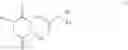

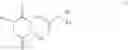






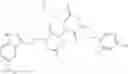


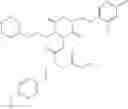
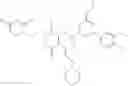


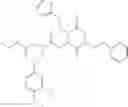

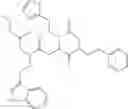


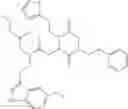


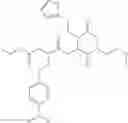
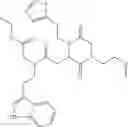


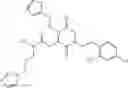


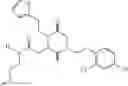


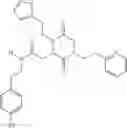


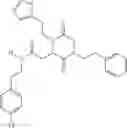


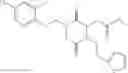


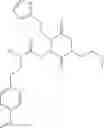
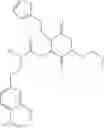


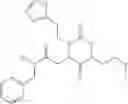


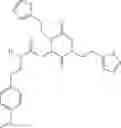


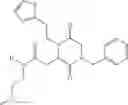


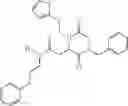
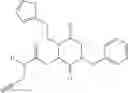

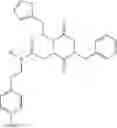


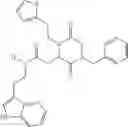

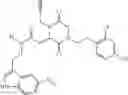


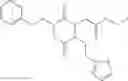


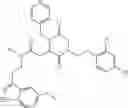
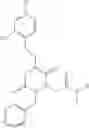

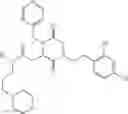


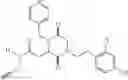


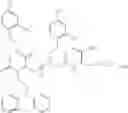

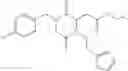
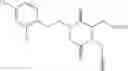

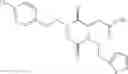


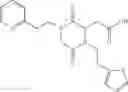
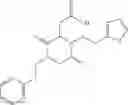

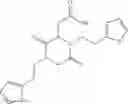
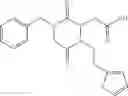
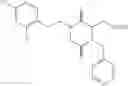
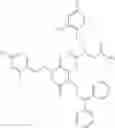
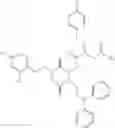
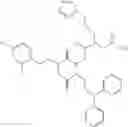


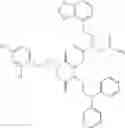
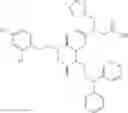


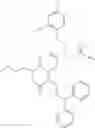
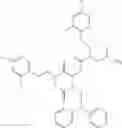
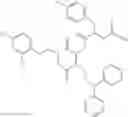

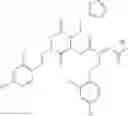



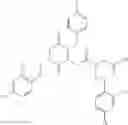
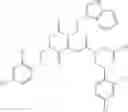

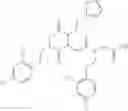
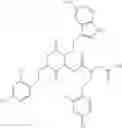
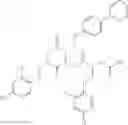
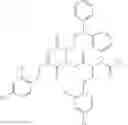

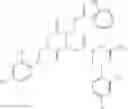
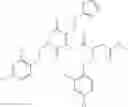


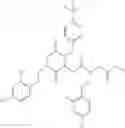

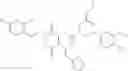
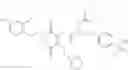
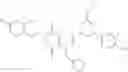

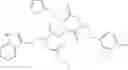
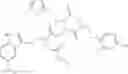


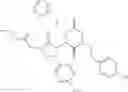

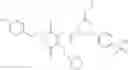
Sources:
- United States Patent and Trademark Office - verify current appl. status at the USPTO↗
Recent applications in this class:
- » 20250214946 2025-07-03
FORMATION OF N-PROTECTED 3,6-BIS-(4-AMINOBUTYL)-2,5-DIKETOPIPERAZINE THROUGH A CYCLIC ALPHA-N-PROTECTED AMINO ESTER INTERMEDIATE - » 20250163003 2025-05-22
Formation of N-Protected 3,6-bis-(4-aminoalkyl)-2,5,diketopiperazine - » 20250154113 2025-05-15
Microcrystalline Diketopiperazine Compositions and Methods - » 20250145577 2025-05-08
STEREOCHEMICALLY ENRICHED COMPOSITIONS FOR DELIVERY OF NUCLEIC ACIDS - » 20250109109 2025-04-03
METHODS FOR THE SYNTHESIS OF ACTIVATED ETHYLFUMARATES AND THEIR USE AS INTERMEDIATES - » 20240336576 2024-10-10
FORMATION OF N-PROTECTED 3,6-BIS-(4-AMINOBUTYL)-2,5-DIKETOPIPERAZINE THROUGH A CYCLIC ALPHA-N-PROTECTED AMINO ESTER INTERMEDIATE - » 20240083858 2024-03-14
PROCESS FOR THE DIASTEREOMERICALLY PURE PREPARATION OF DL/LD-METHIONYLMETHIONINE - » 20230242491 2023-08-03
DIMERS FROM BIOREACHABLE MOLECULES AS COPOLYMERS - » 20230057608 2023-02-23
Methods for the synthesis of activated ethylfumarates and their use as intermediates - » 20230034201 2023-02-02
Formation of N-Protected 3,6-bis-(4-aminoalkyl)-2,5,diketopiperazine
Recent applications for this Assignee:
- » 20180008538 2018-01-11
Ophthalmic compositions - » 20140051721 2014-02-20
Stable crystalline salt of ()-3-fluorophenyl-3,4,5-trifluorobenzylcarbamic acid 1-azabicyclo [2.2.2]oct-3-yl ester - » 20130303522 2013-11-14
Inhibitor compounds of 11-beta-hydroxysteroid dehydrogenase type 1 - » 20120071466 2012-03-22
Inhibitor compounds of 11-beta-hydroxysteroid dehydrogenase type 1 - » 20090088438 2009-04-02
NEW TYROSINE DERIVATIVES AS PPARy MODULATORS - » 20070276043 2007-11-29
Tyrosine derivatives as PPAR-γ-modulators - » 20060189631 2006-08-24
Substituted imidazopyrimidines for the prevention and treatment of cancer