Materials and methods for conjugating a water soluble fatty acid derivative to a protein
US20120190096A1
2012-07-26
13/329,002
2011-12-16
✅ Patent granted
US 8,945,897 B2
2015-02-03
-
-
Lisa J Hobbs
Marshall, Gerstein & Borun LLP
2031-12-16
Abstract:
The invention relates to materials and methods of conjugating a water soluble fatty acid derivative to a therapeutic protein comprising contacting the therapeutic protein with an activated water soluble fatty acid derivative under conditions that allow conjugation.
Inventors:
- Juergen Siekmann 70 🇦🇹 Vienna, Austria
- Hanspeter Rottensteiner 60 🇦🇹 Vienna, Austria
- Peter Turecek 123 🇦🇹 Klosterneuburg, Austria
- Richard Scheinecker 2 🇦🇹 Vienna, Austria
- Richard Sheinecker 1 🇦🇹 Vienna, Austria
Assignee:
- BAXTER HEALTHCARE S.A. 847 🇨🇭 Glattpark (Opfikon), Switzerland
- BAXTER INTERNATIONAL INC. 1,530 🇺🇸 Deerfield, IL, United States
Applicant:
Interested in similar patents?
Get notified when new applications in this technology area are published.
Classification:
A61K47/542 » CPC main
Medicinal preparations characterised by the non-active ingredients used, e.g. carriers or inert additives; Targeting or modifying agents chemically bound to the active ingredient the non-active ingredient being chemically bound to the active ingredient, e.g. polymer-drug conjugates the non-active ingredient being a modifying agent the modifying agent being an organic compound Carboxylic acids, e.g. a fatty acid or an amino acid
A61K47/60 » CPC further
Medicinal preparations characterised by the non-active ingredients used, e.g. carriers or inert additives; Targeting or modifying agents chemically bound to the active ingredient the non-active ingredient being chemically bound to the active ingredient, e.g. polymer-drug conjugates the non-active ingredient being a modifying agent the modifying agent being an organic macromolecular compound, e.g. an oligomeric, polymeric or dendrimeric molecule obtained otherwise than by reactions only involving carbon-to-carbon unsaturated bonds, e.g. polyureas or polyurethanes the organic macromolecular compound being a polyoxyalkylene oligomer, polymer or dendrimer, e.g. PEG, PPG, PEO or polyglycerol
A61P7/00 » CPC further
Drugs for disorders of the blood or the extracellular fluid
A61P7/04 » CPC further
Drugs for disorders of the blood or the extracellular fluid Antihaemorrhagics; Procoagulants; Haemostatic agents; Antifibrinolytic agents
C07K14/54 IPC
Peptides having more than 20 amino acids; Gastrins; Somatostatins; Melanotropins; Derivatives thereof from animals; from humans; Cytokines; Lymphokines; Interferons Interleukins [IL]
C07K14/50 IPC
Peptides having more than 20 amino acids; Gastrins; Somatostatins; Melanotropins; Derivatives thereof from animals; from humans; Growth factors; Growth regulators Fibroblast growth factors [FGF]
C07K14/485 IPC
Peptides having more than 20 amino acids; Gastrins; Somatostatins; Melanotropins; Derivatives thereof from animals; from humans; Growth factors; Growth regulators Epidermal growth factor [EGF] (urogastrone)
C07K14/545 IPC
Peptides having more than 20 amino acids; Gastrins; Somatostatins; Melanotropins; Derivatives thereof from animals; from humans; Cytokines; Lymphokines; Interferons; Interleukins [IL] IL-1
C12N9/96 IPC
Enzymes; Proenzymes; Compositions thereof ; Processes for preparing, activating, inhibiting, separating or purifying enzymes Stabilising an enzyme by forming an adduct or a composition; Forming enzyme conjugates
C07K14/525 IPC
Peptides having more than 20 amino acids; Gastrins; Somatostatins; Melanotropins; Derivatives thereof from animals; from humans; Cytokines; Lymphokines; Interferons Tumour necrosis factor [TNF]
C07K14/56 IPC
Peptides having more than 20 amino acids; Gastrins; Somatostatins; Melanotropins; Derivatives thereof from animals; from humans; Cytokines; Lymphokines; Interferons; Interferons [IFN] IFN-alpha
C07K14/565 IPC
Peptides having more than 20 amino acids; Gastrins; Somatostatins; Melanotropins; Derivatives thereof from animals; from humans; Cytokines; Lymphokines; Interferons; Interferons [IFN] IFN-beta
C07K14/57 IPC
Peptides having more than 20 amino acids; Gastrins; Somatostatins; Melanotropins; Derivatives thereof from animals; from humans; Cytokines; Lymphokines; Interferons; Interferons [IFN] IFN-gamma
C07K14/51 IPC
Peptides having more than 20 amino acids; Gastrins; Somatostatins; Melanotropins; Derivatives thereof from animals; from humans; Growth factors; Growth regulators Bone morphogenetic factor; Osteogenins; Osteogenic factor; Bone-inducing factor
C07K14/555 IPC
Peptides having more than 20 amino acids; Gastrins; Somatostatins; Melanotropins; Derivatives thereof from animals; from humans; Cytokines; Lymphokines; Interferons Interferons [IFN]
C07K14/55 IPC
Peptides having more than 20 amino acids; Gastrins; Somatostatins; Melanotropins; Derivatives thereof from animals; from humans; Cytokines; Lymphokines; Interferons; Interleukins [IL] IL-2
C07K14/475 IPC
Peptides having more than 20 amino acids; Gastrins; Somatostatins; Melanotropins; Derivatives thereof from animals; from humans Growth factors; Growth regulators
Description
FIELD OF THE INVENTION
The present invention relates to materials and methods for conjugating a water soluble fatty acid derivative to a protein.
BACKGROUND OF THE INVENTION
A variety of molecules and/or compounds have been described for conjugating to therapeutic proteins in order to increase the half-life of the conjugated therapeutic proteins following administration to a patient (Veronese F M and Mero A, BioDrugs 2008; 22:315-29; Gregoriadis G et al., Int J Pharm 2005; 300:125-30; and Shechter Y et al.; International Journal of Peptide Research and Therapeutics 2007; Vol 13 :105-17).
Fatty acids (FA) can be conjugated to therapeutic proteins to form longer-acting derivatives. This principle for prolongation of protein or peptide half-life is based on the fact that FA can bind to human serum albumin (HSA; also referred to as albumin binding probes). The association of a FA with human serum albumin in the blood stream can lead to a substantial prolongation of the half-life of the therapeutic protein as it will recycle together with albumin through the neonatal Fc receptor. FA and derivatives thereof (e.g., corresponding methyl esters) have shown similar albumin-binding properties (Spector A A, J Lipid Res 1975; 16:165-79).
One prominent example for this longer-acting principle is insulin detemir (Levemir®) from Novo Nordisk. In insulin detemir, the carboxyl group of a FA is covalently coupled to the ε-amino group of a lysine residue of the insulin protein (see, e.g., U.S. Pat. No. 5,866,538; U.S. Pat. No. 6,011,007; and U.S. Pat. No. 6,869,930). Other research groups have described similar approaches (Shechter Y et al., Bioconj Chem 2005; 16:913-20; and Sasson K et al., J Control Release 2010; 142:214-20). For example, these groups describe a releasable FMOC system containing an active NHS ester for coupling to amino groups of proteins. The difference however is that in this concept the FA is linked to the protein via a functional group in co-position thereby rendering the carboxyl group intact. Thus, prolonged-acting prodrugs can be prepared that bind to human serum albumin yet dissociate over time as the FMOC system undergoes slow hydrolysis under physiological conditions (Sasson K et al., J Control Release 2010; 142:214-20).
In addition to fatty acids, the preparation of conjugates by forming a covalent linkage between the water soluble polymer and the therapeutic protein can be carried out by a variety of chemical methods. PEGylation of polypeptide drugs protects them in circulation and improves their pharmacodynamic and pharmacokinetic profiles (Harris and Chess, Nat Rev Drug Discov. 2003; 2:214-21). The PEGylation process attaches repeating units of ethylene glycol (polyethylene glycol (PEG)) to a polypeptide drug. PEG molecules have a large hydrodynamic volume (5-10 times the size of globular proteins), are highly water soluble and hydrated, non-toxic, non-immunogenic and rapidly cleared from the body. PEGylation of molecules can lead to increased resistance of drugs to enzymatic degradation, increased half-life in vivo, reduced dosing frequency, decreased immunogenicity, increased physical and thermal stability, increased solubility, increased liquid stability and reduced aggregation. The first PEGylated drugs were approved by the FDA in the early 1990s. Since then, the FDA has approved several PEGylated drugs for oral, injectable and topical administration.
Polysialic acid (PSA), also referred to as colominic acid (CA), is a naturally occurring polysaccharide. It is a homopolymer of N-acetylneuraminic acid with α(2→8) ketosidic linkage and contains vicinal diol groups at its non-reducing end. It is negatively charged and a natural constituent of the human body. It can easily be produced from bacteria in large quantities and with pre-determined physical characteristics (U.S. Pat. No. 5,846,951). Because the bacterially-produced PSA is chemically and immunologically identical to PSA produced in the human body, bacterial PSA is non-immunogenic, even when coupled to proteins. Unlike some polymers, PSA acid is biodegradable. Covalent coupling of colominic acid to catalase and asparaginase has been shown to increase enzyme stability in the presence of proteolytic enzymes or blood plasma. Comparative studies in vivo with polysialylated and unmodified asparaginase revealed that polysialylation increased the half-life of the enzyme (Fernandes and Gregoriadis, Int J Pharm. 2001; 217:215-24).
Coupling of PEG-derivatives to peptides or proteins is reviewed by Roberts et al. (Adv Drug Deliv Rev 2002; 54:459-76). One approach for coupling water soluble polymers to therapeutic proteins is the conjugation of the polymers via the carbohydrate moieties of the protein. Vicinal hydroxyl (OH) groups of carbohydrates in proteins can be easily oxidized with sodium periodate (NaIO4) to form active aldehyde groups (Rothfus and Smith, J Biol Chem 1963; 238:1402-10; van Lenten and Ashwell, J Biol Chem 1971; 246:1889-94). Subsequently the polymer can be coupled to the aldehyde groups of the carbohydrate by use of reagents containing, for example, an active hydrazide group (Wilchek M and Bayer E A, Methods Enzymol 1987; 138:429-42). A more recent technology is the use of reagents containing aminooxy groups which react with aldehydes to form oxime linkages (WO 96/40662, WO2008/025856).
Additional examples describing conjugation of a water soluble polymer to a therapeutic protein are described in WO 06/071801 which teaches the oxidation of carbohydrate moieties in von Willebrand factor and subsequent coupling to PEG using hydrazide chemistry; US Publication No. 2009/0076237 which teaches the oxidation of rFVIII and subsequent coupling to PEG and other water soluble polymers (e.g. PSA, HES, dextran) using hydrazide chemistry; WO 2008/025856 which teaches oxidation of different coagulation factors, e.g. rFIX, FVIII and FVIIa and subsequent coupling to e.g., PEG, using aminooxy chemistry by forming an oxime linkage; and U.S. Pat. No. 5,621,039 which teaches the oxidation of FIX and subsequent coupling to PEG using hydrazide chemistry.
Notwithstanding the above materials and methods for protein conjugation, new materials and methods are desired that, for example, allow manipulation and preparation of stable protein conjugates. Although fatty acids can provide the benefit of binding HSA, fatty acids are often difficult to manipulate in an aqueous environment and can be released or removed from its protein binding partner over time.
SUMMARY OF THE INVENTION
The present invention provides materials and methods for conjugating polymers and water soluble fatty acid derivatives to proteins that improves the protein's pharmacodynamic and/or pharmacokinetic properties while minimizing the costs associated with the various reagents and the health risks to the patient recipients when the conjugation reaction is catalyzed by a nucleophilic catalyst. The present invention provides materials and methods for conjugating water soluble fatty acid derivatives to proteins in an aqueous solution, thereby producing stable protein conjugates wherein the fatty acid derivatives are not released over time.
In one embodiment of the present invention, a water soluble fatty acid derivative is provided comprising a fatty acid or fatty acid ester attached to a water soluble linker, said fatty acid derivative stably attached to a therapeutic protein. In another embodiment, the fatty acid derivative binds human serum albumin (HSA) in vitro or in vivo. In still another embodiment, the fatty acid derivative—therapeutic protein conjugate has increased half-life relative to a native therapeutic protein. In yet another embodiment, an aforementioned fatty acid derivative comprises a saturated fatty acid or unsaturated fatty acid. In a related embodiment, the fatty acid is a saturated fatty acid. In yet another embodiment, the fatty acid is a branched chain fatty acid.
Various lengths of fatty acids in the fatty acid derivatives are contemplated. In one embodiment, an aforementioned fatty acid derivative is provided wherein the fatty acid comprises a chain length between C10 and C24, including synthetic fatty acids with odd carbon numbers. In one embodiment, an aforementioned fatty acid derivative is provided wherein the fatty acid comprises a chain length selected from the group consisting of: C10, C12, C14, C16, C18, C20, C20, C22 and C24. In another embodiment, the fatty acid has a chain length selected from the group consisting of C14, C16 and C18. In still another the fatty acid has a chain length selected from the group consisting of C13, C15 and C17.
In still another embodiment, an aforementioned fatty acid derivative is provided wherein the fatty acid is attached to the water soluble linker at a group on the fatty acid selected from the group consisting of: terminal carboxyl group and ω group. In another embodiment, the fatty acid is attached to the water soluble linker at the ω group. In still another embodiment, the ω group is selected from the group consisting of: hydroxyl, amino, thio, and carboxyl.
In one embodiment of the present invention, an aforementioned fatty acid derivative is provided wherein the fatty acid is 16-hydroxyhexadecanoic acid.
In another embodiment, a fatty acid derivative is provided wherein the fatty acid ester is selected from the group consisting of: methyl ester and ethyl ester. In one embodiment, the fatty acid ester is 16-hydroxyhexadecanoic acid methyl ester.
Various water soluble linkers are contemplated in the present invention. In one embodiment, an aforementioned fatty acid derivative is provided wherein the water soluble linker comprises a water soluble polymer and at least one functional group attached to the therapeutic protein. In one embodiment, the functional group attached to the therapeutic protein has the ability to impart a negative or positive charge, thereby making the linker water soluble. In still another embodiment, the functional group is selected from the group consisting of a sulfo group, carboxyl group, hydroxyl group, amino group, amido group, maleimido group, aminooxy group and hydrazide group. In one embodiment, the functional group is an aminooxy group.
Numerous water soluble polymers are contemplated in the present invention. In one embodiment, an aforementioned fatty acid derivative is provided wherein the water soluble polymer, which is integral part of the linker, is selected from the group consisting of: polyethylene glycol (PEG), branched PEG, polysialic acid (PSA), hydroxyalkyl starch (HAS), hydroxyethyl starch (HES), carbohydrate, polysaccharides, pullulane, chitosan, hyaluronic acid, chondroitin sulfate, dermatan sulfate, starch, dextran, carboxymethyl-dextran, polyalkylene oxide (PAO), polyalkylene glycol (PAG), polypropylene glycol (PPG), polyoxazoline, polyacryloylmorpholine, polyvinyl alcohol (PVA), polycarboxylate, polyvinylpyrrolidone, polyphosphazene, polyoxazoline, polyethylene-co-maleic acid anhydride, polystyrene-co-maleic acid anhydride, poly(1-hydroxymethylethylene hydroxymethylformal) (PHF), and 2-methacryloyloxy-2′-ethyltrimethylammoniumphosphate (MPC). In still another embodiment, the water soluble polymer is PEG. Various lengths of water soluble polymers are also contemplated herein. In one embodiment, a fatty acid derivative is provided wherein the water soluble polymer comprises a chain length selected from the group consisting of O3, O5, O7, O9, O11, O13 and O15.
In one embodiment, a fatty acid derivative is provided wherein the water soluble linker is selected from the group consisting of:
- 3-oxapentane-1,5-dioxyamine
- 3,6,9-triaoxaundecane-1,11-dioxyamine
- 3,6,9,12,15-penatoxaheptadecane-1,17-dioxyamine;
and
- 3,6,9,12,15,18,21-heptaoxatricosane-1,23-dioxyamine
In another embodiment of the invention, a fatty acid derivative is provided wherein the fatty acid derivative is stably attached to the therapeutic protein by an oxime linkage. In another embodiment, the oxime linkage is formed between an oxime group on the water soluble linker and an aldehyde group of an oxidized carbohydrate on the therapeutic protein.
In yet another embodiment of the invention, a fatty acid derivative is provided wherein the fatty acid derivative is stably attached to the therapeutic protein by a maleimide group on the water soluble linker to a free sulfhydryl group on the therapeutic protein. In still another embodiment, the fatty acid derivative is stably attached to the therapeutic protein by an N-hydroxysuccinimide ester on the water soluble linker to a free amino group on the therapeutic protein.
In one embodiment of the invention, a fatty acid derivative is provided wherein the fatty acid derivative is selected from the group consisting of:
a) 16-(2-(2-(2-(2-Aminooxyethoxy)-ethoxy)-ethoxy)-ethoxyimino)-hexadecanoic acid sodium salt of the formula:
and
b) 16-(2-(2-(2-(2-Aminooxyethoxy)-ethoxy)-ethoxy)-ethoxyamino)-hexadecanoic acid methyl ester,
Various therapeutic proteins are contemplated in the present invention. In one embodiment, an aforementioned fatty acid derivative is provided wherein the therapeutic protein is selected from the group consisting of: Factor IX (FIX), Factor V111 (FVIII), Factor VIIa (FVIIa), von Willebrand Factor (VWF), Factor FV (FV), Factor X (FX), Factor XI (FXI), Factor XII (FXII), thrombin (FH), protein C, protein S, tPA, PAI-1, tissue factor (TF), ADAMTS 13 protease, IL-1 alpha, IL-1 beta, IL-2, IL-3, IL-4, IL-5, IL-6, IL-11, colony stimulating factor-1 (CSF-1), M-CSF, SCF, GM-CSF, granulocyte colony stimulating factor (G-CSF), EPO, interferon-alpha (IFN-alpha), consensus interferon, IFN-beta, IFN-gamma, IFN-omega, IL-7, IL-8, IL-9, IL-10, IL-12, IL-13, IL-14, IL-15, IL-16, IL-17, IL-18, IL-19, IL-20, IL-21, IL-22, IL-23, IL-24, IL-31, IL-32 alpha, IL-33, thrombopoietin (TPO), Ang-1, Ang-2, Ang-4, Ang-Y, angiopoietin-like polypeptide 1 (ANGPTL1), angiopoietin-like polypeptide 2 (ANGPTL2), angiopoietin-like polypeptide 3 (ANGPTL3), angiopoietin-like polypeptide 4 (ANGPTL4), angiopoietin-like polypeptide 5 (ANGPTL5), angiopoietin-like polypeptide 6 (ANGPTL6), angiopoietin-like polypeptide 7 (ANGPTL7), vitronectin, vascular endothelial growth factor (VEGF), angiogenin, activin A, activin B, activin C, bone morphogenic protein-1, bone morphogenic protein-2, bone morphogenic protein-3, bone morphogenic protein-4, bone morphogenic protein-5, bone morphogenic protein-6, bone morphogenic protein-7, bone morphogenic protein-8, bone morphogenic protein-9, bone morphogenic protein-10, bone morphogenic protein-11, bone morphogenic protein-12, bone morphogenic protein-13, bone morphogenic protein-14, bone morphogenic protein-15, bone morphogenic protein receptor IA, bone morphogenic protein receptor IB, bone morphogenic protein receptor II, brain derived neurotrophic factor, cardiotrophin-1, ciliary neutrophic factor, ciliary neutrophic factor receptor, cripto, cryptic, cytokine-induced neutrophil chemotactic factor 1, cytokine-induced neutrophil, chemotactic factor 2α, cytokine-induced neutrophil chemotactic factor 2β, β endothelial cell growth factor, endothelin 1, epidermal growth factor, epigen, epiregulin, epithelial-derived neutrophil attractant, fibroblast growth factor 4, fibroblast growth factor 5, fibroblast growth factor 6, fibroblast growth factor 7, fibroblast growth factor 8, fibroblast growth factor 8b, fibroblast growth factor 8c, fibroblast growth factor 9, fibroblast growth factor 10, fibroblast growth factor 11, fibroblast growth factor 12, fibroblast growth factor 13, fibroblast growth factor 16, fibroblast growth factor 17, fibroblast growth factor 19, fibroblast growth factor 20, fibroblast growth factor 21, fibroblast growth factor acidic, fibroblast growth factor basic, glial cell line-derived neutrophic factor receptor α1, glial cell line-derived neutrophic factor receptor α2, growth related protein, growth related protein α, growth related protein β, growth related protein γ, heparin binding epidermal growth factor, hepatocyte growth factor, hepatocyte growth factor receptor, hepatoma-derived growth factor, insulin-like growth factor I, insulin-like growth factor receptor, insulin-like growth factor II, insulin-like growth factor binding protein, keratinocyte growth factor, leukemia inhibitory factor, leukemia inhibitory factor receptor α, nerve growth factor nerve growth factor receptor, neuropoietin, neurotrophin-3, neurotrophin-4, oncostatin M (OSM), placenta growth factor, placenta growth factor 2, platelet-derived endothelial cell growth factor, platelet derived growth factor, platelet derived growth factor A chain, platelet derived growth factor AA, platelet derived growth factor AB, platelet derived growth factor B chain, platelet derived growth factor BB, platelet derived growth factor receptor α, platelet derived growth factor receptor β, pre-B cell growth stimulating factor, stem cell factor (SCF), stem cell factor receptor, TNF, TNF0, TNF1, TNF2, transforming growth factor α, transforming growth factor β, transforming growth factor β1, transforming growth factor β1.2, transforming growth factor β2, transforming growth factor β3, transforming growth factor β5, latent transforming growth factor β1, transforming growth factor β binding protein I, transforming growth factor β binding protein II, transforming growth factor β binding protein III, thymic stromal lymphopoietin (TSLP), tumor necrosis factor receptor type I, tumor necrosis factor receptor type II, urokinase-type plasminogen activator receptor, phospholipase-activating protein (PUP), insulin, lectin ricin, prolactin, chorionic gonadotropin, follicle-stimulating hormone, thyroid-stimulating hormone, tissue plasminogen activator, IgG, IgE, IgM, IgA, and IgD, α-galactosidase, β-galactosidase, DNAse, fetuin, leutinizing hormone, estrogen, insulin, albumin, lipoproteins, fetoprotein, transferrin, thrombopoietin, urokinase, integrin, thrombin, leptin, Humira (adalimumab), Prolia (denosumab), Enbrel (etanercept), a protein in Table 1, or a biologically active fragment, derivative or variant thereof. In another embodiment, the therapeutic protein is FVIIa. In yet another embodiment, the therapeutic protein is FVIII. In still another embodiment, the therapeutic protein is FIX.
Methods of preparing fatty acid derivatives are also contemplated herein. In one embodiment, a method of preparing a fatty acid derivative described herein is provided comprising: a) oxidizing a ω-hydroxy group on a fatty acid to generate an aldehyde group on the fatty acid; and b) coupling a water soluble linker comprising an active aminooxy group to the aldehyde group to form a stable oxime linkage, wherein the fatty acid derivative is water soluble. In one embodiment, the aforementioned method is provided wherein the ω-hydroxy group is oxidized by an oxidation reagent selected from the group consisting of: Dess Martin periodinane reagent, Tempo reagent, Swern oxidation with oxalyl chloride/DMSO, tetrapropylammoniumperruthenate (TPAP), chrome VI reagents such as Collins reagent, pyridinium chloro chromate (PCC), and pyridinium dichromate. In still another embodiment, the oxidation reagent is Dess Martin periodinane.
In another embodiment, an aforementioned method is provided wherein the fatty acid is a saturated fatty acid or unsaturated fatty acid. In still another embodiment, the fatty acid is a saturated fatty acid.
In yet another embodiment of the invention, an aforementioned method is provided wherein the fatty acid is a branched chain fatty acid.
According to another embodiment, an aforementioned method is also provided wherein the fatty acid comprises a chain length between C10 and C24, including synthetic fatty acids with odd carbon numbers. In one embodiment, an aforementioned fatty acid derivative is provided wherein the fatty acid comprises a chain length selected from the group consisting of: C10, C12, C14, C16, C18, C20, C20, C22 and C24. In another embodiment, the fatty acid has a chain length selected from the group consisting of C14, C16 and C18. In still another the fatty acid has a chain length selected from the group consisting of C13, C15 and C17.
In still another embodiment, an aforementioned method is provided wherein the water soluble linker comprises a water soluble polymer and at least one aminooxy group.
Numerous water soluble polymers are contemplated in the present invention for use in an aforementioned method. In one embodiment, an aforementioned method is provided wherein the water soluble polymer is selected from the group consisting of: polyethylene glycol (PEG), branched PEG, polysialic acid (PSA), hydroxyalkyl starch (HAS), hydroxyethyl starch (HES), carbohydrate, polysaccharides, pullulane, chitosan, hyaluronic acid, chondroitin sulfate, dermatan sulfate, starch, dextran, carboxymethyl-dextran, polyalkylene oxide (PAO), polyalkylene glycol (PAG), polypropylene glcol (PPG), polyoxazoline, polyacryloylmorpholine, polyvinyl alcohol (PVA), polycarboxylate, polyvinylpyrrolidone, polyphosphazene, polyoxazoline, polyethylene-co-maleic acid anhydride, polystyrene-co-maleic acid anhydride, poly(1-hydroxymethylethylene hydroxymethylformal) (PHF), and 2-methacryloyloxy-2′-ethyltrimethylammoniumphosphate (MPC). In one embodiment, the water soluble polymer is PEG.
Various lengths of water soluble polymers are also contemplated. In one embodiment, an aforementioned method is provided wherein the water soluble polymer comprises a chain length selected from the group consisting of O5, O7, O9, O11, O13 and O15.
In still another embodiment, an aforementioned method is provided wherein the water soluble linker is selected from the group consisting of:
a) 3-oxapentane-1,5-dioxyamine of the formula:
b) 3,6,9-triaoxaundecane-1,1′-dioxyamine of the formula:
c) 3,6,9,12,15-penatoxaheptadecane-1,17-dioxyamine of the formula:
and
d) 3,6,9,12,15,18,21-heptaoxatricosane-1,23-dioxyamine of the formula:
In yet another embodiment, an aforementioned method is provided wherein the water soluble linker is 3,6,9-triaoxaundecane-1,11-dioxyamine of the formula:
In still another embodiment, an aforementioned method is provided wherein the water soluble linker is 3,6,9,12,15-penatoxaheptadecane-1,17-dioxyamine of the formula:
Still other methods for making the fatty acid derivatives are contemplated herein. In one embodiment, a method of preparing an aforementioned fatty acid derivative is provided comprising: a) esterifying a carboxyl group on a fatty acid to generate an ester on the fatty acid; b) activating a ω-hydroxy group on a fatty acid by introduction of a mesyl group on the fatty acid of step a); and c) coupling a water soluble linker comprising an active aminooxy group by substituting the mesyl group of step b) thereby forming a stable oxyamine-methylene bond; wherein the fatty acid derivative is water soluble.
In one embodiment, the aforementioned is provided wherein the carboxyl group is esterified by an esterifying agent selected from the group consisting of: acetyl chloride, methanol in the presence of acid, ethanol in the presence of acid, diazomethane, and methyliodide. In another embodiment, the esterifying agent is acetyl chloride.
In still another embodiment, the aforementioned is provided wherein the co-hydroxy group is activated by an activating agent selected from the group consisting of: mesyl chloride, tosyl chloride and nosyl chloride. In one embodiment, the activating agent is mesyl chloride.
Various fatty acids are contemplated for use in the aforementioned method. In one embodiment, the aforementioned is provided wherein the fatty acid is a saturated fatty acid or unsaturated fatty acid. In another embodiment, the fatty acid is a saturated fatty acid. In yet another embodiment, the fatty acid is a branched chain fatty acid.
In still another embodiment, the aforementioned method is provided wherein the fatty acid comprises a chain length between C10 and C24, including synthetic fatty acids with odd carbon numbers. In one embodiment, an aforementioned fatty acid derivative is provided wherein the fatty acid comprises a chain length selected from the group consisting of: C10, C12, C14, C16, C18, C20, C20, C22 and C24. In another embodiment, the fatty acid has a chain length selected from the group consisting of C14, C16 and C18. In still another the fatty acid has a chain length selected from the group consisting of C13, C15 and C17.
Various water soluble polymers are also contemplated for the use in the aforementioned method. In one embodiment, the aforementioned method is provided wherein the water soluble linker comprises a water soluble polymer and at least one aminooxy group. In another embodiment, the water soluble polymer is selected from the group consisting of: polyethylene glycol (PEG), branched PEG, polysialic acid (PSA), hydroxyalkyl starch (HAS), hydroxyethyl starch (HES), carbohydrate, polysaccharides, pullulane, chitosan, hyaluronic acid, chondroitin sulfate, dermatan sulfate, starch, dextran, carboxymethyl-dextran, polyalkylene oxide (PAO), polyalkylene glycol (PAG), polypropylene glycol (PPG), polyoxazoline, polyacryloylmorpholine, polyvinyl alcohol (PVA), polycarboxylate, polyvinylpyrrolidone, polyphosphazene, polyoxazoline, polyethylene-co-maleic acid anhydride, polystyrene-co-maleic acid anhydride, poly(1-hydroxymethylethylene hydroxymethylformal) (PHF), and 2-methacryloyloxy-2′-ethyltrimethylammoniumphosphate (MPC). In another embodiment, the water soluble polymer is PEG.
In still another embodiment of the invention, an aforementioned method is provided wherein the water soluble polymer comprises a chain length selected from the group consisting of O3, O5, O7, O9, O11, O13 and O15. In another embodiment, the water soluble linker is selected from the group consisting of:[0050]
Methods of preparing conjugated proteins are also contemplated in the present invention. In one embodiment, a method of preparing a conjugated therapeutic protein is provided comprising contacting an oxidized carbohydrate moiety on the therapeutic protein with an aforementioned fatty acid derivative (or a water soluble polymer as described herein) under conditions that allow conjugation; the carbohydrate moiety oxidized by incubation with a buffer comprising an oxidizing agent selected from the group consisting of sodium periodate (NaIO4), lead tetraacetate (Pb(OAc)4) and potassium peruthenate (KRuO4); wherein an oxime linkage is formed between the oxidized carbohydrate moiety and the active aminooxy group on the fatty acid derivative; and wherein the oxime linkage formation is catalyzed by a nucleophilic catalyst selected from the group consisting of o-amino benzoic acid, m-amino benzoic acid, p-amino benzoic acid, sulfanilic acid, o-aminobenzamide, o-toluidine, m-toluidine, p-toluidine, o-anisidine, m-anisidine, and p-anisidine.
In another embodiment, the aforementioned method is provided wherein the therapeutic protein is selected from the group consisting of: Factor IX (FIX), Factor VIII (FVIII), Factor Vila (FVIIa), von Willebrand Factor (VWF), Factor FV (FV), Factor X (FX), Factor XI (FXI), Factor XII (FXII), thrombin (FII), protein C, protein S, tPA, PAI-1, tissue factor (TF), ADAMTS 13 protease, IL-1 alpha, IL-1 beta, IL-2, IL-3, IL-4, IL-5, IL-6, IL-11, colony stimulating factor-1 (CSF-1), M-CSF, SCF, GM-CSF, granulocyte colony stimulating factor (G-CSF), EPO, interferon-alpha (IFN-alpha), consensus interferon, IFN-beta, gamma, IFN-omega, IL-7, IL-8, IL-9, IL-10, IL-12, IL-13, IL-14, IL-15, IL-16, IL-17, IL-18, IL-19, IL-20, IL-21, IL-22, IL-23, IL-24, IL-31, IL-32 alpha, IL-33, thrombopoietin (TPO), Ang-1, Ang-2, Ang-4, Ang-Y, angiopoietin-like polypeptide 1 (ANGPTL1), angiopoietin-like polypeptide 2 (ANGPTL2), angiopoietin-like polypeptide 3 (ANGPTL3), angiopoietin-like polypeptide 4 (ANGPTL4), angiopoietin-like polypeptide 5 (ANGPTL5), angiopoietin-like polypeptide 6 (ANGPTL6), angiopoietin-like polypeptide 7 (ANGPTL7), vitronectin, vascular endothelial growth factor (VEGF), angiogenin, activin A, activin B, activin C, bone morphogenic protein-1, bone morphogenic protein-2, bone morphogenic protein-3, bone morphogenic protein-4, bone morphogenic protein-5, bone morphogenic protein-6, bone morphogenic protein-7, bone morphogenic protein-8, bone morphogenic protein-9, bone morphogenic protein-10, bone morphogenic protein-11, bone morphogenic protein-12, bone morphogenic protein-13, bone morphogenic protein-14, bone morphogenic protein-15, bone morphogenic protein receptor IA, bone morphogenic protein receptor IB, bone morphogenic protein receptor II, brain derived neurotrophic factor, cardiotrophin-1, ciliary neutrophic factor, ciliary neutrophic factor receptor, cripto, cryptic, cytokine-induced neutrophil chemotactic factor 1, cytokine-induced neutrophil, chemotactic factor 2α, cytokine-induced neutrophil chemotactic factor 2β, β endothelial cell growth factor, endothelin 1, epidermal growth factor, epigen, epiregulin, epithelial-derived neutrophil attractant, fibroblast growth factor 4, fibroblast growth factor 5, fibroblast growth factor 6, fibroblast growth factor 7, fibroblast growth factor 8, fibroblast growth factor 8b, fibroblast growth factor 8c, fibroblast growth factor 9, fibroblast growth factor 10, fibroblast growth factor 11, fibroblast growth factor 12, fibroblast growth factor 13, fibroblast growth factor 16, fibroblast growth factor 17, fibroblast growth factor 19, fibroblast growth factor 20, fibroblast growth factor 21, fibroblast growth factor acidic, fibroblast growth factor basic, glial cell line-derived neutrophic factor receptor α1, glial cell line-derived neutrophic factor receptor α2, growth related protein, growth related protein α, growth related protein β, growth related protein γ, heparin binding epidermal growth factor, hepatocyte growth factor, hepatocyte growth factor receptor, hepatoma-derived growth factor, insulin-like growth factor I, insulin-like growth factor receptor, insulin-like growth factor II, insulin-like growth factor binding protein, keratinocyte growth factor, leukemia inhibitory factor, leukemia inhibitory factor receptor α, nerve growth factor nerve growth factor receptor, neuropoietin, neurotrophin-3, neurotrophin-4, oncostatin M (OSM), placenta growth factor, placenta growth factor 2, platelet-derived endothelial cell growth factor, platelet derived growth factor, platelet derived growth factor A chain, platelet derived growth factor AA, platelet derived growth factor AB, platelet derived growth factor B chain, platelet derived growth factor BB, platelet derived growth factor receptor α, platelet derived growth factor receptor β, pre-B cell growth stimulating factor, stem cell factor (SCF), stem cell factor receptor, TNF, TNF0, TNF1, TNF2, transforming growth factor α, transforming growth factor β, transforming growth factor β1, transforming growth factor β1.2, transforming growth factor β2, transforming growth factor β3, transforming growth factor β5, latent transforming growth factor β1, transforming growth factor β binding protein I, transforming growth factor β binding protein II, transforming growth factor β binding protein III, thymic stromal lymphopoietin (TSLP), tumor necrosis factor receptor type I, tumor necrosis factor receptor type II, urokinase-type plasminogen activator receptor, phospholipase-activating protein (PUP), insulin, lectin ricin, prolactin, chorionic gonadotropin, follicle-stimulating hormone, thyroid-stimulating hormone, tissue plasminogen activator, IgG, IgE, IgM, IgA, and IgD, α-galactosidase, β-galactosidase, DNAse, fetuin, leutinizing hormone, estrogen, insulin, albumin, lipoproteins, fetoprotein, transferrin, thrombopoietin, urokinase, integrin, thrombin, leptin, Humira (adalimumab), Prolia (denosumab), Enbrel (etanercept), a protein in Table 1, or a biologically active fragment, derivative or variant thereof.
In another embodiment, the aforementioned method is provided wherein the therapeutic protein is FVIIa. In still yet another embodiment, the aforementioned method is provided wherein the therapeutic protein is FVIII. In yet another embodiment, the aforementioned method is provided wherein the therapeutic protein is FIX.
In still another embodiment, the aforementioned method is provided wherein the oxidizing agent is sodium periodate (NaIO4). In another embodiment, the aforementioned method is provided wherein the nucleophilic catalyst is m-toluidine.
In yet another embodiment, the aforementioned method is provided further comprising purifying the conjugated therapeutic protein.
In still another embodiment, the aforementioned method is provided wherein the fatty acid derivative is prepared by a method as described herein.
Still other methods of preparing fatty acid derivatives are contemplated in the present invention. In one embodiment, a method of preparing an aforementioned fatty acid derivative is provided comprising: a) esterifying a carboxyl group on a fatty acid to generate an ester on the fatty acid; and b) coupling a water soluble linker comprising an active maleimide group to a free sulfhydryl (SH) group, thereby forming a stable thioether bond; wherein the fatty acid derivative is water soluble.
In still another embodiment, a method of preparing an aforementioned fatty acid derivative is provided comprising: a) esterifying a carboxyl group on a fatty acid to generate fatty acid ester; b) reacting the fatty acid resulting from step a) with an azide reagent thereby producing a corresponding fatty acid azide; c) hydrogenating the fatty acid azide of step b) to produce a corresponding fatty acid amine; and d) coupling a water soluble linker comprising an active NHS group to a free amine group, thereby forming a stable bond; wherein the fatty acid derivative is water soluble.
In another embodiment, a method of conjugating a water soluble polymer to an oxidized carbohydrate moiety of a blood coagulation protein is provided comprising contacting the oxidized carbohydrate moiety with an activated water soluble polymer under conditions that allow conjugation; the blood coagulation protein selected from the group consisting of Factor IX (FIX), Factor V111 (FVIII), Factor Vila (FVHa), von Willebrand Factor (VWF), Factor FV (FV), Factor X (FX), Factor XI (FXI), Factor XII (FXII), thrombin (FII), protein C, protein S, tPA, PAI-1, tissue factor (TF) and ADAMTS 13 protease or a biologically active fragment, derivative or variant thereof; the water soluble polymer containing an active aminooxy group and is selected from the group consisting of polyethylene glycol (PEG), branched PEG, polysialic acid (PSA), carbohydrate, polysaccharides, pullulane, chitosan, hyaluronic acid, chondroitin sulfate, dermatan sulfate, starch, dextran, carboxymethyl-dextran, polyalkylene oxide (PAO), polyalkylene glycol (PAG), polypropylene glycol (PPG), polyoxazoline, polyacryloylmorpholine, polyvinyl alcohol (PVA), polycarboxylate, polyvinylpyrrolidone, polyphosphazene, polyoxazoline, polyethylene-co-maleic acid anhydride, polystyrene-co-maleic acid anhydride, poly(1-hydroxymethylethylene hydroxymethylformal) (PHF), 2-methacryloyloxy-2′-ethyltrimethylammoniumphosphate (MPC); and the carbohydrate moiety oxidized by incubation with a buffer comprising an oxidizing agent selected from the group consisting of sodium periodate (NaIO4), lead tetraacetate (Pb(OAc)4) and potassium peruthenate (KRuO4); wherein an oxime linkage is formed between the oxidized carbohydrate moiety and the active aminooxy group on the water soluble polymer.
FIGURES
FIG. 1 shows the synthesis of the water soluble linker 3-oxapentane-1,5-dioxyamine.
DETAILED DESCRIPTION OF THE INVENTION
The pharmacological and immunological properties of therapeutic proteins can be improved by chemical modification and conjugation with polymeric compounds such as fatty acids and fatty acid derivatives according to the present invention.
The addition of a water soluble fatty acid derivative as described herein is one approach to improve the properties of therapeutic proteins such as the blood coagulation proteins Factor DC (FIX), Factor VIII (FVIII), Factor VIIa (FVIIa), von Willebrand Factor (VWF), Factor FV (FV), Factor X (FX), Factor XI (FXI), Factor XII (FXII), thrombin (FII), protein C, protein S, tPA, PAI-1, tissue factor (TF) or ADAMTS 13 protease, as well as other known proteins or biologically/therapeutically active fragments thereof.
Therapeutic Proteins
In certain embodiments of the invention, the aforementioned polypeptides and polynucleotides are exemplified by the following therapeutic proteins: enzymes, antigens, antibodies, receptors, blood coagulation proteins, growth factors, hormones, and ligands. In certain embodiments, the therapeutic protein is a blood coagulation protein such as Factor IX (FIX), Factor VIII (FVIII), Factor VIIa (FVIIa), von Willebrand Factor (VWF), Factor FV (FV), Factor X (FX), Factor XI (FXI), Factor XII (FXII), thrombin (FII), protein C, protein S, EPA, PAI-1, tissue factor (TF) or ADAMTS 13 protease.
In certain embodiments, the therapeutic protein is immunoglobulins, cytokines such IL-1 alpha, IL-1 beta, IL-2, IL-3, IL-4, IL-5, IL-6, IL-11, colony stimulating factor-1 (CSF-1), M-CSF, SCF, GM-CSF, granulocyte colony stimulating factor (G-CSF), EPO, interferon-alpha (IFN-alpha), consensus interferon, IFN-beta, IFN-gamma, IFN-omega, IL-7, IL-8, IL-9, IL-10, IL-12, IL-13, IL-14, IL-15, IL-16, IL-17, IL-18, IL-19, IL-20, IL-21, IL-22, IL-23, IL-24, IL-31, IL-32 alpha, IL-33, thrombopoietin (TPO), angiopoietins, for example Ang-1, Ang-2, Ang-4, Ang-Y, the human angiopoietin-like polypeptides ANGPTL1 through 7, vitronectin, vascular endothelial growth factor (VEGF), angiogenin, activin A, activin B, activin C, bone morphogenic protein-1, bone morphogenic protein-2, bone morphogenic protein-3, bone morphogenic protein-4, bone morphogenic protein-5, bone morphogenic protein-6, bone morphogenic protein-7, bone morphogenic protein-8, bone morphogenic protein-9, bone morphogenic protein-10, bone morphogenic protein-11, bone morphogenic protein-12, bone morphogenic protein-13, bone morphogenic protein-14, bone morphogenic protein-15, bone morphogenic protein receptor IA, bone morphogenic protein receptor IB, bone morphogenic protein receptor II, brain derived neurotrophic factor, cardiotrophin-1, ciliary neutrophic factor, ciliary neutrophic factor receptor, cripto, cryptic, cytokine-induced neutrophil chemotactic factor 1, cytokine-induced neutrophil, chemotactic factor 2α, cytokine-induced neutrophil chemotactic factor 2β, β endothelial cell growth factor, endothelin 1, epidermal growth factor, epigen, epiregulin, epithelial-derived neutrophil attractant, fibroblast growth factor 4, fibroblast growth factor 5, fibroblast growth factor 6, fibroblast growth factor 7, fibroblast growth factor 8, fibroblast growth factor 8b, fibroblast growth factor 8c, fibroblast growth factor 9, fibroblast growth factor 10, fibroblast growth factor 11, fibroblast growth factor 12, fibroblast growth factor 13, fibroblast growth factor 16, fibroblast growth factor 17, fibroblast growth factor 19, fibroblast growth factor 20, fibroblast growth factor 21, fibroblast growth factor acidic, fibroblast growth factor basic, glial cell line-derived neutrophic factor receptor α1, glial cell line-derived neutrophic factor receptor α2, growth related protein, growth related protein α, growth related protein β, growth related protein γ, heparin binding epidermal growth factor, hepatocyte growth factor, hepatocyte growth factor receptor, hepatoma-derived growth factor, insulin-like growth factor I, insulin-like growth factor receptor, insulin-like growth factor II, insulin-like growth factor binding protein, keratinocyte growth factor, leukemia inhibitory factor, leukemia inhibitory factor receptor α, nerve growth factor nerve growth factor receptor, neuropoietin, neurotrophin-3, neurotrophin-4, oncostatin M (OSM), placenta growth factor, placenta growth factor 2, platelet-derived endothelial cell growth factor, platelet derived growth factor, platelet derived growth factor A chain, platelet derived growth factor AA, platelet derived growth factor AB, platelet derived growth factor B chain, platelet derived growth factor BB, platelet derived growth factor receptor α, platelet derived growth factor receptor β, pre-B cell growth stimulating factor, stem cell factor (SCF), stem cell factor receptor, TNF, including TNF0, TNF1, TNF2, transforming growth factor α, transforming growth factor β, transforming growth factor β1, transforming growth factor β1.2, transforming growth factor β2, transforming growth factor β3, transforming growth factor β5, latent transforming growth factor β1, transforming growth factor β binding protein I, transforming growth factor β binding protein II, transforming growth factor β binding protein III, thymic stromal lymphopoietin (TSLP), tumor necrosis factor receptor type I, tumor necrosis factor receptor type II, urokinase-type plasminogen activator receptor, vascular endothelial growth factor, and chimeric proteins and biologically or immunologically active fragments thereof.
In certain embodiments, the therapeutic protein is alpha-, beta-, and gamma-interferons, colony stimulating factors including granulocyte colony stimulating factors, fibroblast growth factors, platelet derived growth factors, phospholipase-activating protein (PUP), insulin, plant proteins such as lectins and ricins, tumor necrosis factors and related alleles, soluble forms of tumor necrosis factor receptors, interleukin receptors and soluble forms of interleukin receptors, growth factors such as tissue growth factors, such as TGFαs or TGFβs and epidermal growth factors, hormones, somatomedins, pigmentary hormones, hypothalamic releasing factors, antidiuretic hormones, prolactin, chorionic gonadotropin, follicle-stimulating hormone, thyroid-stimulating hormone, tissue plasminogen activator, and immunoglobulins such as IgG, IgE, IgM, IgA, and IgD, a galactosidase, α-galactosidase, β-galactosidase, DNAse, fetuin, leutinizing hormone, estrogen, corticosteroids, insulin, albumin, lipoproteins, fetoprotein, transferrin, thrombopoietin, urokinase, DNase, integrins, thrombin, hematopoietic growth actors, leptin, glycosidases, Humira (adalimumab), Prolia (denosumab), Enbrel (etanercept), and fragments thereof, or any fusion proteins comprising any of the above mentioned proteins or fragments thereof. In addition to the aforementioned proteins, the following Table 1 provides therapeutic proteins contemplated by the present invention:
| TABLE 1 | |||
| Follicular dendritic cell secreted peptide | Angiotensin-converting enzyme | Interleukin-1 family member 6 | Herstatin |
| Dermokine | Antithrombin-III | Prostate and testis expressed protein 2 | Leucine-rich repeat-containing protein 28 |
| Secreted frizzled-related protein 1 | Apolipoprotein B-100 | Group XIIA secretory phospholipase A2 | LRRN4 C-terminal-like protein |
| Ectodysplasin-A | Apolipoprotein D | Collagen alpha-3(V) chain | Ly6/PLAUR domain-containing protein 2 |
| Secreted frizzled-related protein 2 | Apolipoprotein E | Alpha-2-macroglobulin-like protein 1 | Transmembrane protein 81 |
| Resistin | Beta-1,4-galactosyltransferase 1 | Dermatopontin | Myelin protein zero-like protein 3 |
| Osteopontin | Bone morphogenetic protein 7 | Cartilage-associated protein | Protein notum homolog |
| Secreted frizzled-related protein 5 | Complement C1q subcomponent subunit B | Desert hedgehog protein | UDP-glucuronosyltransferase 3A2 |
| Secreted frizzled-related protein 4 | C4b-binding protein alpha chain | Extracellular matrix protein 2 | Protocadherin alpha-1 |
| Secreted phosphoprotein 24 | Calreticulin | Gastric intrinsic factor | Phospholipase D4 |
| Glypican-6 | Corticosteroid-binding globulin | Interleukin-33 | Retinol dehydrogenase 10 |
| Secreted frizzled-related protein 3 | Carboxypeptidase A1 | Bone morphogenetic protein 2 | Sialic acid-binding Ig-like lectin 14 |
| C-C motif chemokine 4 | Carboxypeptidase A2 | Bone morphogenetic protein 6 | Transmembrane protein 161A |
| Melanocyte protein Pmel 17 | Eotaxin | Uncharacterized protein KIAA0564 | Transmembrane protein 161B |
| Secreted Ly-6/uPAR-related protein 1 | C-C motif chemokine 13 | Cerberus | Transmembrane protein 182 |
| Beta-microseminoprotein | C-C motif chemokine 18 | Carbohydrate sulfotransferase 8 | Protein FAM24B |
| Glypican-4 | C-C motif chemokine 20 | Contactin-associated protein-like 3 | Transmembrane protein 52 |
| Tumor necrosis factor ligand superfamily | Triggering receptor expressed on myeloid | Group XIIB secretory phospholipase A2-like protein | Major facilitator superfamily domain-containing protein 4 |
| member 15 | cells 2 | ||
| Resistin-like beta | C-C motif chemokine 2 | Corticoliberin | UDP-glucuronosyltransferase 2A3 |
| Tumor necrosis factor ligand superfamily | Transforming growth factor-beta-induced | A disintegrin and metalloproteinase with thrombospondin motifs 19 | Odontogenic ameloblast-associated protein |
| member 12 | protein ig-h3 | ||
| SPARC | CD40 ligand | UPF0556 protein C19orf10 | Neurosecretory protein VGF |
| Glypican-5 | Corneodesmosin | C—X—C motif chemokine 3 | Secreted phosphoprotein 2, 24 kDa |
| Anterior gradient protein 2 homolog | Complement factor D | Cystatin-M | Protein FAM150B |
| Protein canopy homolog 2 | Chromogranin-A | Defensin-5 | Growth/differentiation factor 9 |
| Glypican-1 | Collagen alpha-1(I) chain | Defensin-6 | Clusterin-like protein 1 |
| von Willebrand factor A domain-containing | Disintegrin and metalloproteinase domain- | A disintegrin and metalloproteinase with | Transmembrane and immunoglobulin |
| protein 2 | containing protein 18 | thrombospondin motifs 18 | domain-containing protein 2 |
| WNT1-inducible-signaling pathway | Cysteine-rich secretory protein LCCL | A disintegrin and metalloproteinase with | C-type lectin domain-containing protein |
| protein 1 | domain-containing 1 | thrombospondin motifs 3 | UNQ5810/PRO19627 |
| C-C motif chemokine 1 | Collagen alpha-4(IV) chain | Dickkopf-related protein 4 | Epididymal-specific lipocalin-10 |
| SPARC-related modular calcium-binding | Keratinocyte differentiation-associated | A disintegrin and metalloproteinase with | A disintegrin and metalloproteinase with |
| protein 2 | protein | thrombospondin motifs 5 | thrombospondin motifs 8 |
| C-type lectin domain family 11 member A | Complement C4-B | Mammalian ependymin-related protein 1 | Epididymal-specific lipocalin-8 |
| Secreted Ly-6/uPAR-related protein 2 | Collagen alpha-2(V) chain | Fibrillin-3 | Basic proline-rich peptide P-E |
| Glypican-3 | Complement C5 | Fetuin-B | Putative uncharacterized protein C10orf99 |
| Secreted and transmembrane protein 1 | Collagen alpha-1(VII) chain | Fibroblast growth factor 6 | Uncharacterized protein C17orf77 |
| Testis-expressed sequence 264 protein | Complement component C7 | Keratinocyte growth factor | Arylacetamide deacetylase-like 2 |
| Glypican-2 | Complement component C8 beta chain | Growth/differentiation factor 8 | Epididymal-specific lipocalin-12 |
| Serine protease 23 | Complement component C8 gamma chain | Gastric inhibitory polypeptide | B melanoma antigen 2 |
| 39S ribosomal protein L55, mitochondrial | Collagen alpha-1(XV) chain | Glycoprotein hormone beta-5 | B melanoma antigen 3 |
| Protein NipSnap homolog 3A | Collagen alpha-1(XVI) chain | Granzyme M | Bovine seminal plasma protein homolog 1 |
| Fibronectin | Collagen alpha-1(XVIII) chain | Gastrin-releasing peptide | Complement C1q-like protein 3 |
| Neudesin | Collagen alpha-1(XIX) chain | Serine protease HTRA1 | UPF0565 protein C2orf69 |
| Fibroblast growth factor receptor 2 | Cartilage oligomeric matrix protein | Interferon alpha-4 | UPF0669 protein C6orf120 |
| Carbonic anhydrase 6 | C-reactive protein | Interferon alpha-5 | Colipase-like protein C6orf127 |
| Deleted in malignant brain tumors 1 protein | Granulocyte colony-stimulating factor | Interferon alpha-7 | Uncharacterized protein C7orf69 |
| SPARC-related modular calcium-binding | Granulocyte-macrophage colony- | A disintegrin and metalloproteinase with | Platelet-derived growth factor receptor-like |
| protein 1 | stimulating factor | thrombospondin motifs 7 | protein |
| Amyloid beta A4 protein | Protein CYR61 | Immunoglobulin superfamily member 10 | Chondroadherin-like protein |
| Tumor necrosis factor receptor superfamily | Complement component receptor 1-like | Protease-associated domain-containing | Putative uncharacterized protein |
| member 6 | protein | protein of 21 kDa | UNQ6490/PRO21339 |
| Gamma-aminobutyric acid type B receptor | Stem cell growth factor; lymphocyte | Abhydrolase domain-containing protein | Putative uncharacterized protein |
| subunit 1 | secreted C-type lectin | FAM108A1 | UNQ6493/PRO21345 |
| Pro-neuregulin-1, membrane-bound | CMP-N-acetylneuraminate-beta- | A disintegrin and metalloproteinase with | Putative uncharacterized protein |
| isoform | galactosamide-alpha-2,3-sialyltransferase | thrombospondin motifs 9 | UNQ5815/PRO19632 |
| Glycoprotein hormone alpha-2 | Dipeptidyl peptidase 4 | Interleukin-9 receptor | Cystatin-A |
| Membrane metallo-endopeptidase-like 1 | Dentin sialophosphoprotein | Interleukin-9 | Peptidase inhibitor R3HDML |
| Fc receptor-like A | Endothelin-1 | Inhibin beta B chain | Cystatin-9 |
| C-C motif chemokine 4-like | Ephrin-B1 | Serine protease inhibitor Kazal-type 2 | DAN domain family member 5 |
| Epithelial discoidin domain-containing | Epidermis-specific serine protease-like | BMP-binding endothelial regulator | Insulin-like growth factor-binding protein- |
| receptor 1 | protein | protein | like 1 |
| Mucin-1 | EMILIN-1 | Keratinocyte-associated protein 2 | Epididymal sperm-binding protein 1 |
| Vascular endothelial growth factor A | Endoplasmin | Laminin subunit alpha-1 | Elafin |
| Fibulin-1 | Ephrin type-A receptor 3 | Leukocyte cell-derived chemotaxin-2 | Protein FAM55A |
| Prolactin receptor | Ephrin type-B receptor 6 | Gastric triacylglycerol lipase | Growth/differentiation factor 6 |
| Proprotein convertase subtilisin/kexin | Glycosyltransferase 1 domain-containing | Leucine-rich repeat and calponin | Glucose-fructose oxidoreductase domain- |
| type 6 | protein 1 | homology domain-containing protein 3 | containing protein 1 |
| CD209 antigen | Coagulation factor X | Pancreatic lipase-related protein 2 | Erythropoietin |
| Collagen alpha-2(XI) chain | Coagulation factor VIII | Epididymis-specific alpha-mannosidase | Glutathione peroxidase 6 |
| Granulocyte-macrophage colony- | Complement C1q tumor necrosis factor- | Fibronectin type III domain-containing | Uncharacterized protein |
| stimulating factor receptor subunit alpha | related protein 7 | protein 7 | UNQ511/PRO1026 |
| Elastin | Fibrillin-2 | Microfibrillar-associated protein 5 | Beta-defensin 128 |
| Interleukin-15 receptor subunit alpha | Alpha-2-HS-glycoprotein | Muellerian-inhibiting factor | Interleukin-31 |
| Midkine | Fibroblast growth factor 10 | Matrix metalloproteinase-21 | Interleukin-34 |
| Integrin alpha-7 | Fibrinogen alpha chain | Matrix metalloproteinase-17 | Plasma kallikrein-like protein 4 |
| Mucin-4 | Fibrinogen beta chain | Matrix metalloproteinase-20 | Epididymal-specific lipocalin-9 |
| Peptidyl-glycine alpha-amidating | Long palate, lung and nasal epithelium | N-acetylglucosamine-1- | cDNA FLJ60957, highly similar to |
| monooxygenase | carcinoma-associated protein 1 | phosphotransferase subunit gamma | Secreted frizzled-related protein 4 |
| Apolipoprotein A-I | Gastrin | Multimerin-2 | Lipase member M |
| Proteoglycan 4 | Glycoprotein hormones alpha chain | Promotilin | CLECSF12 |
| Tumor necrosis factor receptor superfamily | N-acetylglucosamine-1- | FRAS1-related extracellular matrix | Putative inactive group IIC secretory |
| member 25 | phosphotransferase subunits alpha/beta | protein 3 | phospholipase A2 |
| Attractin | Granzyme A | Protein kinase C-binding protein NELL1 | Serine protease MPN2 |
| Prostate-associated microseminoprotein | Hepatocyte growth factor-like protein | Protein kinase C-binding protein NELL2 | Netrin-5 |
| Alpha-amylase 1 | Insulin-like growth factor-binding protein 1 | Neurotrypsin | NHL repeat-containing protein 3 |
| Brain-derived neurotrophic factor | Insulin-like growth factor-binding protein 2 | Neuroserpin | Olfactomedin-like protein 2B |
| C-type lectin domain family 4 member M | Insulin-like growth factor-binding protein 4 | Nidogen-2 | Ovochymase-2 |
| Granulocyte colony-stimulating factor | Tumor necrosis factor receptor superfamily | Abhydrolase domain-containing protein | Putative uncharacterized protein |
| receptor | member 10D | FAM108B1 | UNQ3029/PRO9830 |
| Insulin-like growth factor II | Interferon alpha-1/13 | Neurotrophin-4 | Ovochymase-1 |
| Carcinoembryonic antigen-related cell | Interferon-induced helicase C domain- | Epididymal secretory glutathione | Putative pregnancy-specific beta-1- |
| adhesion molecule 1 | containing protein 1 | peroxidase | glycoprotein 7 |
| C-type lectin domain family 7 member A | Interferon alpha-2 | Group 10 secretory phospholipase A2 | Ovostatin homolog 2 |
| CMRF35-like molecule 1 | Interferon beta | Group IID secretory phospholipase A2 | Orexigenic neuropeptide QRFP |
| Choline transporter-like protein 4 | Interferon gamma | Lactoperoxidase | Lymphocyte antigen 6K |
| Pulmonary surfactant-associated protein A1 | Insulin-like growth factor IB | p53 apoptosis effector related to PMP-22 | Prostate and testis expressed protein 1 |
| Spermine oxidase | Indian hedgehog protein | Placenta-specific protein 1 | Putative phospholipase B-like 1 |
| CMP-N-acetylneuraminate-beta-1,4- | Neural cell adhesion molecule | Tuberoinfundibular peptide of | Putative uncharacterized protein |
| galactoside alpha-2,3-sialyltransferase | L1-like protein | 39 residues | FLJ42147 |
| Kallikrein-8 | Interleukin-13 | Prolargin | Otogelin |
| Tissue-type plasminogen activator | Interleukin-2 | Secretogranin-2 | Ribonuclease 8 |
| Peroxisomal N(1)-acetyl- | Chymotrypsin-like elastase family | Endonuclease domain-containing 1 | Nuclear pore complex-interacting protein- |
| spermine/spermidine oxidase | member 2A | protein | like 2 |
| Probable palmitoyltransferase ZDHHC4 | Inhibin beta A chain | Semaphorin-3B | Proactivator polypeptide-like 1 |
| Cholesteryl ester transfer protein | Pancreatic secretory trypsin inhibitor | Somatostatin | Protein spinster homolog 2 |
| HLA class I histocompatibility antigen, A-2 | Tumor necrosis factor receptor superfamily | Dehydrogenase/reductase SDR family | von Willebrand factor C domain- |
| alpha chain | member 21 | member 4-like 2 | containing protein 2-like |
| Collagen alpha-1(II) chain | Inter-alpha-trypsin inhibitor heavy chain H1 | Transcobalamin-1 | Urotensin-2B |
| Pro-interleukin-16 | Inter-alpha-trypsin inhibitor heavy chain H2 | Trefoil factor 2 | Tetraspanin-18 |
| Leptin receptor | Inter-alpha-trypsin inhibitor heavy chain H3 | Testican-1 | UPF0514 membrane protein FAM159A |
| Decorin | Prostate-specific antigen | Serum paraoxonase/lactonase 3 | Latherin |
| Stromal cell-derived factor 1 | Kallikrein-4 | Tolloid-like protein 2 | Methyltransferase-like protein 7B |
| Tenascin | Plasma kallikrein | Trypsin-2 | Protein TEX261 |
| Disintegrin and metalloproteinase domain- | Calcium-activated chloride channel | RING finger and SPRY domain- | Alkylated DNA repair protein alkB |
| containing protein 12 | regulator 4 | containing protein 1 | homolog 7 |
| A disintegrin and metalloproteinase with | Bactericidal/permeability-increasing | Calcium-binding and coiled-coil domain- | Transmembrane emp24 domain- |
| thrombospondin motifs 13 | protein-like 1 | containing protein 1 | containing protein 6 |
| T-cell surface glycoprotein CD8 alpha chain | Leptin | Protein Wnt-2 | XK-related protein 5 |
| EGFR-coamplified and overexpressed | A disintegrin and metalloproteinase with | Ectonucleoside triphosphate | Putative V-set and immunoglobulin |
| protein | thrombospondin motifs 4 | diphosphohydrolase 8 | domain-containing protein 7 |
| Autophagy-related protein 16-1 | Hepatic triacylglycerol lipase | Protein Wnt-8b | Insulin growth factor-like family member 3 |
| Breast cancer anti-estrogen resistance | Lymphocyte antigen 6 complex locus | UDP-GlcNAc:betaGal beta-1,3-N- | Nuclear pore complex-interacting protein- |
| protein 3 | protein G6c | acetylglucosaminyltransferase 4 | like 1 |
| Cadherin-23 | Eosinophil lysophospholipase | EMI domain-containing protein 1 | Secreted phosphoprotein 1 |
| Macrophage colony-stimulating factor 1 | Lutropin subunit beta | Uncharacterized protein C6orf15 | Collagen alpha-5(VI) chain |
| Folate receptor alpha | Microfibrillar-associated protein 1 | Collectin-10 | B melanoma antigen 5 |
| Low-density lipoprotein receptor-related | Mesencephalic astrocyte-derived | Long-chain-fatty-acid--CoA ligase | WAP four-disulfide core domain protein |
| protein 8 | neurotrophic factor | ACSBG2 | 10A |
| E3 ubiquitin-protein ligase LRSAM1 | Matrix Gla protein | Oncoprotein-induced transcript 3 protein | UPF0369 protein C6orf57 |
| Neural cell adhesion molecule 1 | 72 kDa type IV collagenase | Peptidase inhibitor 15 | Putative uncharacterized protein C10orf31 |
| Neuroligin-4, X-linked | Stromelysin-1 | Proline-rich acidic protein 1 | Putative uncharacterized protein C11orf45 |
| Netrin-G1 | Neutrophil collagenase | Urocortin | Uncharacterized protein C12orf28 |
| GPI transamidase component PIG-T | Mesothelin | Trypsin-X3 (EC 3.4.21.4) | Uncharacterized protein C17orf67 |
| Kit ligand | Mucin-5AC | HHIP-like protein 2 | Beta-defensin 121 |
| Seizure 6-like protein | Mucin-6 | Fractalkine | Beta-defensin 130 |
| SLAM family member 7 | Norrin | Protein Wnt-11 | Histidine triad nucleotide-binding protein 2 |
| Tumor necrosis factor | Oxytocin-neurophysin 1 | Protein Wnt-7a | Apelin |
| Uromodulin | Beta-nerve growth factor | FCH and double SH3 domains protein 1 | Placenta-specific protein 9 |
| Tumor necrosis factor ligand superfamily | Tumor necrosis factor ligand superfamily | Hepatoma-derived growth factor-related | Hepatocellular carcinoma-associated |
| member 13 | member 18 | protein 2 | protein TD26 |
| Protein CREG1 | Neurotrophin-3 | Interleukin-12 subunit alpha | Persephin |
| EGF-like domain-containing protein 8 | Platelet-derived growth factor subunit A | UPF0577 protein KIAA1324 | Regulated endocrine-specific protein 18 |
| Aminoacyl tRNA synthetase complex- | Phosphopantothenoylcysteine | Complement C1q tumor necrosis factor- | Complement C1q tumor necrosis factor- |
| interacting multifunctional protein 1 | decarboxylase | related protein 9 | related protein 8 |
| ADAMTS-like protein 4 | Plasminogen activator inhibitor 1 | Mucin-17 | Bone morphogenetic protein 8A |
| Coagulation factor XI | Plasminogen activator inhibitor 2 | Lysosomal protein NCU-G1 | Protein WFDC13 |
| Interleukin-22 receptor subunit alpha-2 | Procollagen C-endopeptidase enhancer 1 | Prolyl 4-hydroxylase subunit alpha-3 | Protein Wnt-8a |
| Deformed epidermal autoregulatory factor 1 | Transmembrane and ubiquitin-like domain- | Peptidyl-prolyl cis-trans isomerase | Ig-like domain-containing protein |
| homolog | containing protein 2 | SDCCAG10 | ENSP00000270642 |
| Prostaglandin-H2 D-isomerase | Protein disulfide-isomerase | Peptidase inhibitor 16 | Abhydrolase domain-containing protein 15 |
| Alpha-1-antitrypsin | Pigment epithelium-derived factor | Poliovirus receptor-related protein 4 | Ribonuclease-like protein 9 |
| Alpha-1-antichymotrypsin | Pepsin A | Solute carrier family 22 member 15 | Uncharacterized protein C2orf66 |
| Acyl-CoA-binding protein | Gastricsin | GPI inositol-deacylase | Uncharacterized protein C17orf99 |
| Complement factor B | Sonic hedgehog protein | Transmembrane protein 43 | Protein FAM150A |
| Choriogonadotropin subunit beta | Peptidoglycan recognition protein I-alpha | Angiopoietin-related protein 2 | Placenta-specific 1-like protein |
| Versican core protein | Biglycan | Angiopoietin-related protein 6 | Uncharacterized protein C18orf20 |
| Epidermal growth factor receptor | Prolactin-inducible protein | Arylsulfatase K | Beta-defensin 110 |
| Ecto-NOX disulfide-thiol exchanger 2 | Platelet factor 4 | Augurin | Neuritin-like protein |
| Hyaluronidase-1 | Plasminogen | Brain-specific serine protease 4 | Histidine-rich carboxyl terminus protein 1 |
| Interleukin-1 receptor antagonist protein | Serum paraoxonase/arylesterase 1 | DBH-like monooxygenase protein 1 | C-type lectin domain family 2 member A |
| Interleukin-6 receptor subunit beta | Alkaline phosphatase, placental type | Uncharacterized protein C1orf56 | Leucine-rich repeat-containing protein 70 |
| Interleukin-1 receptor-like 1 | Peptidyl-prolyl cis-trans isomerase B | Cerebellin-3 | Serpin A13 |
| Insulin | Bone marrow proteoglycan | Cerebellin-4 | BTB/POZ domain-containing protein 17 |
| Glycodelin | Basic salivary proline-rich protein 1 | Colipase-like protein C6orf126 | Uncharacterized protein C12orf53 |
| Parathyroid hormone-related protein | Pulmonary surfactant-associated protein C | Uncharacterized protein C11orf83 | C-type lectin domain family 9 member A |
| Nurim | Parathyroid hormone | Uncharacterized protein C16orf89 | Complement C1q-like protein 4 |
| Prolyl 4-hydroxylase subunit alpha-2 | Serum amyloid P-component | Carboxypeptidase-like protein X2 | CMRF35-like molecule 4 |
| CD276 antigen | Secretogranin-1 | Cystatin-9-like | Protein FAM151B |
| Cysteine-rich with EGF-like domain | Basement membrane-specific heparan | Dehydrogenase/reductase SDR family | Abhydrolase domain-containing protein |
| protein 1 | sulfate proteoglycan core protein | member 13 | FAM108A2/A3 |
| CUB and sushi domain-containing protein 1 | Antileukoproteinase | Beta-defensin 123 | Osteocrin |
| Ficolin-2 | Stabilin-1 | Beta-defensin 132 | Transmembrane protease, serine 11E2 |
| Fc receptor-like protein 5 | Extracellular superoxide dismutase [Cu—Zn] | Cytokine-like protein 1 | Transmembrane protein 14E |
| Protein GPR89 | Somatotropin | Dickkopf-related protein 2 | Transmembrane protein 207 |
| Junctional adhesion molecule A | Serpin B5 | Dickkopf-like protein 1 | TOMM20-like protein 1 |
| Leucine-rich repeat-containing protein 8A | Spondin-1 | Epididymal secretory protein E3-beta | Uncharacterized protein C3orf41 |
| Multiple inositol polyphosphate | Structural maintenance of chromosomes | EGF-like repeat and discoidin I-like | Submaxillary gland androgen-regulated |
| phosphatase 1 | protein 3 | domain-containing protein 3 | protein 3A |
| Neuropilin-1 | Syntaxin-1A | Protein FAM55D | B melanoma antigen 1 |
| Plexin-A4 | Tetranectin | Fibroblast growth factor 17 | Inactive carboxylesterase 4 |
| Plexin-B1 | Transforming growth factor beta-1 | Fibroblast growth factor 22 | Four-jointed box protein 1 |
| Periostin | Thyroglobulin | Fibroblast growth factor-binding protein 2 | Protein HSN2 |
| Protein RIC-3 | Metalloproteinase inhibitor 1 | Growth/differentiation factor 3 | Humanin |
| SLIT and NTRK-like protein 2 | Metalloproteinase inhibitor 2 | GLIPR1-like protein 1 | Kielin/chordin-like protein |
| Sulfatase-modifying factor 1 | Metalloproteinase inhibitor 3 | Serine protease inhibitor Kazal-type 6 | UPF0624 protein C6orf186 |
| Sulfatase-modifying factor 2 | Urokinase-type plasminogen activator | Interleukin-17B | Putative neurofibromin 1-like protein 4/6 |
| Transmembrane protease, serine 6 | Lactotransferrin | Interleukin-17C | Peroxidasin-like protein |
| Lymphotoxin-alpha | Trypsin-1 | Interleukin-17D | SCO-spondin |
| Tumor necrosis factor receptor superfamily | Submaxillary gland androgen-regulated | Hyaluronan and proteoglycan link | Putative uncharacterized protein |
| member 10B | protein 3B | protein 3 | UNQ9165/PRO28630 |
| Urokinase plasminogen activator surface | Tumor necrosis factor receptor superfamily | Vitelline membrane outer layer protein 1 | Calcium-activated chloride channel |
| receptor | member 1A | homolog | regulator family member 3 |
| V-set domain-containing T-cell activation | Vascular endothelial growth factor | Choriogonadotropin subunit beta | Probable serine protease |
| inhibitor 1 | receptor 1 | variant 1 | UNQ9391/PRO34284 |
| Glucagon | Vitamin D-binding protein | Lysozyme-like protein 1 | Uncharacterized protein C4orf26 |
| N-acetylmuramoyl-L-alanine amidase | Vitronectin | Matrix metalloproteinase-28 | Uncharacterized protein C4orf40 |
| Sulfhydryl oxidase 1 | von Willebrand factor | Nephronectin | Uncharacterized protein C5orf55 |
| Dehydrogenase/reductase SDR family | Lymphocyte antigen 6 complex locus | WAP four-disulfide core domain | Putative macrophage-stimulating protein |
| member 4 | protein G5c | protein 12 | MSTP9 |
| Interleukin-18-binding protein | Zinc-alpha-2-glycoprotein | Olfactomedin-like protein 1 | Uncharacterized protein C15orf61 |
| Kin of IRRE-like protein 2 | Uncharacterized protein C14orf93 | Olfactomedin-like protein 2A | Chymotrypsinogen B2 |
| Myeloid-associated differentiation marker | Retinoschisin | Serine protease 27 | Beta-defensin 108A |
| Chordin | Alpha-1,3-mannosyltransferase ALG2 | Secretoglobin family 3A member 2 | Beta-defensin 111 |
| 1-acyl-sn-glycerol-3-phosphate | C-type lectin domain family 11, member A, | A disintegrin and metalloproteinase with | Putative V-set and immunoglobulin |
| acyltransferase gamma | isoform CRA_b | thrombospondin motifs 2 | domain-containing protein 6 |
| Advanced glycosylation end product- | Major facilitator superfamily domain- | Disintegrin and metalloproteinase | Serine protease inhibitor Kazal-type |
| specific receptor | containing protein 7 | domain-containing protein 28 | 5-like 3 |
| NLR family CARD domain-containing | Leucine-rich repeat transmembrane | Bactericidal/permeability-increasing | Putative serine protease inhibitor Kazal- |
| protein 4 | neuronal protein 1 | protein-like 2 | type 5-like 2 |
| Pro-neuregulin-2, membrane-bound | NADH dehydrogenase [ubiquinone] 1 beta | Acid sphingomyelinase-like | Dehydrogenase/reductase SDR family |
| isoform | subcomplex subunit 11, mitochondrial | phosphodiesterase 3b | member 7C |
| Sperm-associated antigen 11A | UPF0546 membrane protein C1orf91 | Serine protease inhibitor Kazal-type 7 | Beta-defensin 131 |
| Oocyte-secreted protein 1 homolog | Carbonic anhydrase-related protein 10 | Neurexophilin-4 | Beta-defensin 134 |
| Serum albumin | Cholecystokinin | Protein Wnt-9b | Beta-defensin 136 |
| Cochlin | Codanin-1 | Zymogen granule protein 16 homolog B | Beta-defensin 116 |
| Plasma protease C1 inhibitor | Uncharacterized protein C6orf89 | Semaphorin-3D | Protein FAM132A |
| Interleukin-7 receptor subunit alpha | Chondroitin sulfate glucuronyltransferase | Apolipoprotein L4 | Protein FAM132B |
| Inter-alpha-trypsin inhibitor heavy chain H5 | Chitinase domain-containing protein 1 | Transmembrane protease, serine 11D | Beta-defensin 115 |
| Platelet-derived growth factor D | Transmembrane protein C9orf7 | Scrapie-responsive protein 1 | Beta-defensin 114 |
| Protein S100-A7 | CMRF35-like molecule 9 | Putative annexin A2-like protein | Serine protease inhibitor Kazal-type 9 |
| Sialic acid-binding Ig-like lectin 10 | Cytochrome P450 2S1 | Bone morphogenetic protein 10 | Lipase member N |
| Tubulointerstitial nephritis antigen-like | Crumbs protein homolog 3 | Secretogranin-3 | Pancreatic lipase-related protein 3 |
| Tumor necrosis factor ligand superfamily | Dehydrogenase/reductase SDR family | Complement C1q tumor necrosis factor- | Testis, prostate and placenta-expressed |
| member 13B | member 7 | related protein 4 | protein |
| Long-chain-fatty-acid--CoA ligase 5 | Protein ENED | Uncharacterized protein C1orf54 | Neuromedin-S |
| Claudin-14 | Complement factor H-related protein 4 | Carboxypeptidase A6 | Neuropeptide S |
| Leucine-rich repeat-containing protein 20 | Leucine-rich repeat LGI family member 3 | C-C motif chemokine 19 | Neuronal pentraxin-like protein C16orf38 |
| Interleukin-1 family member 7 | Gliomedin | C-C motif chemokine 25 | Otolin-1 |
| Lymphocyte antigen 6 complex locus | Glycerophosphodiester phosphodiesterase | Chymotrypsin-like elastase family | Iron/zinc purple acid phosphatase-like |
| protein G5b | domain-containing protein 5 | member 2B | protein |
| Acetylcholinesterase | Probable G-protein coupled receptor 113 | Protein CEI | Ovostatin homolog 1 |
| Amelogenin, X isoform | Probable G-protein coupled receptor 114 | Uncharacterized protein C6orf1 | Plasminogen-related protein A |
| Angiogenin | Glycerol-3-phosphate acyltransferase 4 | Uncharacterized protein C7orf34 | Polyserase-3 |
| Anthrax toxin receptor 2 | Gremlin-1 | Keratinocyte-associated protein 3 | Putative peptide YY-2 |
| Annexin A2 | Potassium channel subfamily K member 17 | Uncharacterized protein C9orf47 | Putative peptide YY-3 |
| Apolipoprotein C-III | KDEL motif-containing protein 2 | Collagen alpha-1(VIII) chain | Ribonuclease-like protein 10 |
| Apolipoprotein L1 | Layilin | Uncharacterized protein C18orf54 | Ribonuclease-like protein 12 |
| Complement C1q subcomponent subunit A | Leucine-rich repeat-containing protein 8B | Cystatin-like 1 | Ribonuclease-like protein 13 |
| Complement C1q subcomponent subunit C | Leucine-rich repeat-containing protein 8D | C2 domain-containing protein 2 | Serpin A11 |
| Calcitonin | Sialic acid-binding Ig-like lectin 6 | DDRGK domain-containing protein 1 | Kunitz-type protease inhibitor 4 |
| Soluble calcium-activated nucleotidase 1 | Pregnancy-specific beta-1-glycoprotein 2 | Protein FAM55C | Meteorin-like protein |
| C-C motif chemokine 15 | Ly6/PLAUR domain-containing protein 1 | Collagen alpha-1(XXVI) chain | Putative testis serine protease 2 |
| CD97 antigen ( | Ly6/PLAUR domain-containing protein 5 | Protein FAM19A2 | Beta-defensin 112 |
| Contactin-4 | MLN64 N-terminal domain homolog | Protein FAM5B | Uncharacterized protein FLJ37543 |
| Complement C2 | Macrophage migration inhibitory factor | Fibroblast growth factor 5 | Protein FAM24A |
| Collagen alpha-6(IV) chain | 2-acylglycerol O-acyltransferase 3 | Probable serine protease HTRA3 | Secreted frizzled-related protein 4 |
| Collagen alpha-2(VI) chain | Mitochondrial carrier homolog 1 | Interleukin-1 family member 8 | Complement C1q-like protein 2 |
| Collagen alpha-1(XI) chain | Apolipoprotein L6 | Serine protease inhibitor Kazal-type 4 | Putative uncharacterized protein C17orf69 |
| Crumbs homolog 1 | Protocadherin alpha-6 | Otospiralin | Putative cystatin-13 |
| Cystatin-C | Protocadherin gamma-A12 | Liver-expressed antimicrobial peptide 2 | Beta-defensin 109 |
| Neutrophil defensin 1 | Voltage-gated hydrogen channel 1 | Lysyl oxidase homolog 1 | Beta-defensin 113 |
| Endothelin-3 | All-trans-retinol 13,14-reductase | Lysyl oxidase homolog 2 | Beta-defensin 135 |
| Low affinity immunoglobulin epsilon | Regulator of microtubule dynamics | Long palate, lung and nasal epithelium | Peptidase S1 domain-containing protein |
| Fc receptor | protein 2 | carcinoma-associated protein 4 | LOC136242 |
| Fibroblast growth factor receptor 3 | R-spondin-4 | Lysozyme g-like protein 2 | Growth/differentiation factor 7 |
| Fibroblast growth factor receptor 4 | Long-chain fatty acid transport protein 3 | Endomucin | IgA-inducing protein homolog |
| Growth arrest-specific protein 6 | Vesicle-trafficking protein SEC22c | Neuropeptide B | Putative lipocalin 1-like protein 1 |
| Growth hormone receptor | Claudin-1 | Kinesin-like protein KIF7 | Putative serine protease 29 |
| Bifunctional UDP-N-acetylglucosamine 2- | Leucine-rich repeats and immunoglobulin- | Leukocyte-associated immunoglobulin- | Putative scavenger receptor cysteine-rich |
| epimerase/N-acetylmannosamine kinase | like domains protein 3 | like receptor 2 | domain-containing protein LOC619207 |
| Immunoglobulin superfamily member 8 | SLAM family member 9 | Calcium-dependent phospholipase A2 | Secretoglobin-like protein |
| Interleukin-4 receptor alpha chain | Transthyretin | Proapoptotic caspase adapter protein | Putative stereocilin-like protein |
| Kallikrein-14 | Serine/threonine-protein kinase 32B | Integrin beta-like protein 1 | Insulin growth factor-like family member 2 |
| Kallikrein-6 | Platelet-derived growth factor subunit B | Tolloid-like protein 1 | KIR2DL4 |
| Laminin subunit beta-3 | Noggin | Kunitz-type protease inhibitor 3 | Putative zinc-alpha-2-glycoprotein-like 1 |
| Leucyl-cystinyl aminopeptidase | Tryptase alpha-1 | Protein TMEM155 | Insulin growth factor-like family member 4 |
| Mannan-binding lectin serine protease 1 | Tetratricopeptide repeat protein 14 | Prosalusin | Uncharacterized protein C2orf72 |
| Mannan-binding lectin serine protease 2 | XTP3-transactivated gene B protein | Protein amnionless | Replication initiation-like protein |
| Neutrophil gelatinase-associated lipocalin | Palmitoyltransferase ZDHHC15 | Protein WFDC10B | Prostate and testis expressed protein 3 |
| Neuropeptide Y | Zona pellucida sperm-binding protein 3 | WAP four-disulfide core domain protein 8 | B melanoma antigen 4 |
| Aggrecan core protein | Leucine-rich repeat-containing protein 39 | Protein Wnt-5b | Putative uncharacterized protein C1orf191 |
| Pulmonary surfactant-associated protein B | Pancreatic triacylglycerol lipase | Protein Wnt-7b | Beta-defensin 108B-like |
| Poliovirus receptor-related protein 1 | Transmembrane protein 139 | Zona pellucida-binding protein 2 | Uncharacterized protein FLJ90687 |
| Renin | Leukemia inhibitory factor | SH3 domain-binding protein 5-like | Secreted frizzled-related protein 2 |
| Ribonuclease pancreatic | Galectin-1 | Adipocyte adhesion molecule | Basic proline-rich peptide IB-1 |
| Semenogelin-1 | C-C motif chemokine 21 | Uncharacterized protein C12orf59 | Fibroblast growth factor 16 |
| Signaling lymphocytic activation molecule | CD5 antigen-like | Apolipoprotein A-I-binding protein | Serine protease inhibitor Kazal-type 8 |
| Tissue factor pathway inhibitor | Carbohydrate sulfotransferase 9 | Claudin-17 | Uncharacterized protein KIAA0495 |
| Usherin | Lipopolysaccharide-binding protein | Inactive caspase-12 | Platelet basic protein-like 2 |
| Fibroblast growth factor 23 | Cysteine-rich motor neuron 1 protein | Uncharacterized protein C7orf58 | Serpin E3 |
| Interleukin-23 subunit alpha | Connective tissue growth factor | Collagen alpha-1(XXVIII) chain | CR1 receptor |
| Epididymal secretory protein E1 | Protein eyes shut homolog | Dentin matrix protein 4 | Secreted phosphoprotein 1 |
| ADAMTS-like protein 1 | Mucin-like protein 1 | Uncharacterized protein C16orf48 | Stress induced secreted protein 1 |
| Chemokine-like factor | Fibroblast growth factor 19 | Carboxylesterase 3 | Protein Wnt |
| EGF-like domain-containing protein 7 | Follistatin-related protein 3 | Protein FAM20B | Protein Wnt (Fragment) |
| Tectonic-1 | Hedgehog-interacting protein | GPN-loop GTPase 3 | Putative serine protease LOC138652 |
| Transmembrane protein 25 | Interleukin-17 receptor B | GRAM domain-containing protein 1B | TOM1 |
| UDP-GalNAc:beta-1,3-N- | FXYD domain-containing ion transport | Phosphatidylinositol glycan anchor | Putative uncharacterized protein |
| acetylgalactosaminyltransferase 1 | regulator 5 | biosynthesis class U protein | FLJ46089 |
| Interleukin-15 (IL-15) | Endothelial lipase | Interleukin-27 subunit alpha | Putative uncharacterized protein C1orf134 |
| Multiple epidermal growth factor-like | EGF-containing fibulin-like extracellular | Pro-neuregulin-4, membrane-bound | UDP-GlcNAc:betaGal beta-1,3-N- |
| domains 11 | matrix protein 2 | isoform | acetylglucosaminyltransferase 9 |
| Mucin and cadherin-like protein | Otoraplin | Leucine-rich repeat neuronal protein 3 | Uncharacterized protein C11orf44 |
| Ribonuclease 4 | Group 3 secretory phospholipase A2 | NMDA receptor-regulated protein 2 | Uncharacterized protein C12orf73 |
| SH2 domain-containing protein 3C | Group XV phospholipase A2 | NADH-cytochrome b5 reductase 1 | Putative cystatin-9-like 2 |
| CMP-N-acetylneuraminate-beta- | Tumor necrosis factor ligand superfamily | Parkinson disease 7 domain-containing | Putative abhydrolase domain-containing |
| galactosamide-alpha-2,3-sialyltransferase | member 14 | protein 1 | protein FAM108A5 |
| Transmembrane protein 9 | Plexin-A2 | FK506-binding protein 11 | Beta-defensin 133 |
| WAP four-disulfide core domain protein 2 | Papilin | C-type lectin domain family 12 member B | Fibrosin-1 |
| Adenosine A3 receptor | Prokineticin-1 | Solute carrier family 35 member F5 | Probable folate receptor delta |
| Gamma-secretase subunit APH-1A | Ribonuclease 7 | Sialic acid-binding Ig-like lectin 12 | RPE-spondin |
| Basigin | Kunitz-type protease inhibitor 1 | Protein FAM19A3 | NPIP-like protein ENSP00000346774 |
| Baculoviral IAP repeat-containing protein 7 | Spondin-2 | WD repeat-containing protein 82 | Putative testis-specific prion protein |
| Calumenin | Testican-2 | Adipocyte enhancer-binding protein 1 | Proline-rich protein 1 |
| Alpha-S1-casein | Inactive serine protease PAMR1 | ADAMTS-like protein 3 | Putative uncharacterized protein FP248 |
| Cyclin-L1 | Torsin-2A | Coiled-coil domain-containing protein 80 | UPF0670 protein C8orf55 |
| Complement factor H | Vasohibin-1 | Ecto-NOX disulfide-thiol exchanger 1 | Putative zinc-alpha-2-glycoprotein-like 2 |
| Chorionic somatomammotropin hormone | Vasorin | Neuronal growth regulator 1 | SPARC protein |
| Coxsackievirus and adenovirus receptor | Xylosyltransferase 1 | Interphotoreceptor matrix proteoglycan 1 | Otopetrin-1 |
| Ectonucleotide | Ectonucleotide | cDNA FLJ36603 fis, clone | cDNA FLJ55667, highly similar to |
| pyrophosphatase/phosphodiesterase family | pyrophosphatase/phosphodiesterase family | TRACH2015180, highly similar to | Secreted protein acidic and rich in |
| member 2 | member 6 | Secreted frizzled-related protein 2 | cysteine |
| ERO1-like protein alpha | Oncostatin-M | Lipase member H | Lipase member K |
| Coagulation factor IX | Derlin-1 | Mucin-19 (MUC-19) | C-type lectin domain family 18 member C |
| Low affinity immunoglobulin gamma Fc | HERV-FRD_6p24.1 provirus ancestral Env | Psoriasis susceptibility 1 candidate gene | Putative uncharacterized protein |
| region receptor III-B | polyprotein | 2 protein | UNQ6125/PRO20090 |
| Ficolin-3 | Prostasin | Integral membrane protein 2A | Complement C3 |
| Fc receptor-like protein 2 | Transmembrane protease, serine 11E | Vesicle transport protein SFT2B | Collagen alpha-2(IV) chain |
| Leucine-rich repeat transmembrane protein | HLA class I histocompatibility antigen, | von Willebrand factor A domain- | Uncharacterized protein |
| FLRT3 | Cw-16 alpha chain | containing protein 3A | UNQ6126/PRO20091 |
| Gelsolin | Wnt inhibitory factor 1 | Protein shisa-2 homolog | Serpin-like protein HMSD |
| Granulysin | C-type natriuretic peptide | Signal peptidase complex subunit 3 | Prostate and testis expressed protein 4 |
| Transmembrane glycoprotein NMB | Angiopoietin-2 | CD164 sialomucin-like 2 protein | Collagen alpha-1(XXII) chain |
| Granulins | Deoxyribonuclease gamma | Cadherin-16 | Putative uncharacterized protein C13orf28 |
| Heparanase | Carboxypeptidase A5 | Cadherin-19 | Cystatin-S |
| Ig mu chain C region | C-C motif chemokine 14 | Cerebellin-2 | R-spondin-1 |
| Interleukin-1 alpha | Interleukin-5 | Transmembrane protein C3orf1 | C8orf2 |
| Interleukin-31 receptor A | Interleukin-10 | Sperm equatorial segment protein 1 | Odorant-binding protein 2a |
| Junctional adhesion molecule B | C—X—C motif chemokine 2 | Uncharacterized protein C6orf72 | Opiorphin |
| Lipocalin-1 | C—X—C motif chemokine 5 | Uncharacterized protein C11orf24 | Kidney androgen-regulated protein |
| Leucine-rich repeat-containing G-protein | A disintegrin and metalloproteinase with | Acyl-CoA synthetase family member 2, | Putative uncharacterized protein |
| coupled receptor 6 | thrombospondin motifs 6 | mitochondrial | UNQ5830/PRO19650/PRO19816 |
| Latent-transforming growth factor beta- | Polypeptide | Probable UDP-sugar transporter protein | Putative uncharacterized protein |
| binding protein 1 | N-acetylgalactosaminyltransferase 1 | SLC35A5 | UNQ6975/PRO21958 |
| Matrilin-3 | Fibulin-2 | C-type lectin domain family 1 member A | Tachykinin-3 |
| Myelin protein zero-like protein 1 | Ficolin-1 | C-type lectin domain family 3 member A | Secreted phosphoprotein 1 |
| Neurobeachin-like protein 2 | SL cytokine | C-type lectin domain family 4 member E | Sclerostin |
| Nicastrin | Follistatin | C-type lectin domain family 4 member G | ADAMTS-like protein 2 |
| ADP-ribose pyrophosphatase, | FRAS1-related extracellular matrix | Probable cation-transporting | Scavenger receptor cysteine-rich domain- |
| mitochondrial | protein 1 | ATPase 13A4 | containing protein LOC284297 |
| Protocadherin-15 | Enamelin | UPF0480 protein C15orf24 | Tryptase beta-1 |
| Placenta growth factor | Hyaluronan and proteoglycan link protein 1 | Zona pellucida sperm-binding protein 4 | Tryptase delta |
| Protein O-linked-mannose beta-1,2-N- | Leukocyte immunoglobulin-like receptor | Endoplasmic reticulum resident protein | Putative cat eye syndrome critical region |
| acetylglucosaminyltransferase 1 | subfamily A member 3 | ERp27 | protein 9 |
| Probable hydrolase PNKD | Interleukin-17F | Transmembrane protein C16orf54 | Plexin domain-containing protein 1 |
| Pleiotrophin | Interleukin-1 receptor accessory protein | Cytochrome P450 4F12 | MC51L-53L-54L homolog (Fragment) |
| Poliovirus receptor | Serine protease inhibitor Kazal-type 5 | Cytochrome P450 4X1 | COBW-like placental protein (Fragment) |
| Reticulon-4 receptor | Kallikrein-15 | Cytochrome P450 4Z1 | Cytokine receptor-like factor 2 |
| Serum amyloid A protein | Interferon alpha-14 | Protein CREG2 | Beta-defensin 103 |
| Sex hormone-binding globulin | Pregnancy-specific beta-1-glycoprotein 4 | DnaJ homolog subfamily B member 9 | Beta-defensin 106 |
| SLAM family member 6 | Collagenase 3 | Dipeptidase 3 | Hyaluronidase-3 |
| Sarcolemmal membrane-associated protein | Matrix metalloproteinase-16 | Membrane protein FAM174A | Interleukin-28 receptor alpha chain |
| Sushi, von Willebrand factor type A, EGF | Pituitary adenylate cyclase-activating | Thioredoxin domain-containing | Glycosyltransferase 54 domain-containing |
| and pentraxin domain-containing protein 1 | polypeptide | protein 15 | protein |
| Thyroxine-binding globulin | Prokineticin-2 | Protein FAM19A4 | Chordin-like protein 1 |
| Transmembrane and coiled-coil domain- | Latent-transforming growth factor beta- | Adenosine monophosphate-protein | Putative uncharacterized protein |
| containing protein 1 | binding protein 3 | transferase FICD | UNQ9370/PRO34162 |
| Transmembrane protease, serine 3 | Somatoliberin | Prenylcysteine oxidase-like | Netrin receptor UNC5B |
| Tumor necrosis factor receptor superfamily | Thrombospondin type-1 domain-containing | Phytanoyl-CoA hydroxylase-interacting | Fibroblast growth factor receptor FGFR-1 |
| member 10C | protein 1 | protein-like | secreted form protein (Fragment) |
| Tumor necrosis factor receptor superfamily | Angiogenic factor with G patch and FHA | FXYD domain-containing ion transport | Uncharacterized protein |
| member 11B | domains 1 | regulator 4 | ENSP00000244321 |
| Serotransferrin | TGF-beta receptor type III | Growth/differentiation factor 11 | ECE2 |
| Tryptase beta-2 | Thyrotropin subunit beta | Cerebral dopamine neurotrophic factor | EPA6 |
| Protein YIPF5 | Uncharacterized protein C19orf36 | GPN-loop GTPase 2 | Putative soluble interleukin 18 receptor 1 |
| Vesicle-associated membrane protein- | Complement C1q tumor necrosis | Growth hormone-inducible | Putative abhydrolase domain-containing |
| associated protein B/C | factor-related protein 2 | transmembrane protein | protein FAM108A6 |
| cDNA, FLJ96669, highly similar to Homo | Ectonucleotide | Glycerophosphodiester | Putative V-set and immunoglobulin |
| sapiens secreted protein, acidic, cysteine- | pyrophosphatase/phosphodiesterase family | phosphodiesterase domain-containing | domain-containing-like protein |
| rich (osteonectin)(SPARC), mRNA | member 5 | protein 2 | ENSP00000303034 |
| cDNA FLJ77519, highly similar to Homo | Polypeptide N- | WAP, kazal, immunoglobulin, kunitz and | B cell maturation antigen transcript variant |
| sapiens secreted frizzled related protein | acetylgalactosaminyltransferase-like | NTR domain-containing protein 1 | 4 (Tumor necrosis factor receptor |
| mRNA | protein 2 | superfamily member 17) | |
| T-cell differentiation antigen CD6 | Slit homolog 1 protein | KDEL motif-containing protein 1 | UPF0672 protein C3orf58 |
| Pikachurin | Growth hormone variant | Adipophilin | Methylthioribose-1-phosphate isomerase |
| Fibrinogen-like protein 1 | Angiopoietin-related protein 3 | Lactase-like protein | 17-beta hydroxysteroid dehydrogenase 13 |
| Interleukin-32 | Angiopoietin-related protein 7 | Chondromodulin-1 | Aminopeptidase B |
| Matrilin-4 | Ecto-ADP-ribosyltransferase 5 | Collagen alpha-6(VI) chain | Dermcidin |
| Sperm-associated antigen 11B | Carbonic anhydrase-related protein 11 | Leucine-rich repeat-containing protein 33 | Meteorin |
| Coagulation factor XII | Probable ribonuclease 11 | MANSC domain-containing protein 1 | Methyltransferase-like protein 7A |
| Hepcidin | Probable carboxypeptidase X1 | Lipocalin-15 | NL3 |
| Klotho | Protein FAM3D | Arylsulfatase I | N-acetyltransferase 15 |
| Serglycin | C—X—C motif chemokine 14 | Mesoderm development candidate 2 | Ephrin-A4 |
| Tomoregulin-2 | Beta-defensin 127 | Dickkopf-related protein 1 | Protein Plunc |
| Chordin-like protein 2 | Beta-defensin 129 | Podocan | Kallikrein-11 |
| Tumor necrosis factor receptor superfamily | Cysteine-rich secretory protein LCCL | Fibronectin type III domain-containing | WNT1 induced secreted protein 1 splice |
| member 6B | domain-containing 2 | protein 1 | variant x (Fragment) |
| UPF0414 transmembrane protein C20orf30 | Fibroblast growth factor 21 | Neurotrimin | Interleukin-1 family member 10 |
| C-type lectin domain family 4 member C | Plasma alpha-L-fucosidase | Olfactory receptor 10W1 | PLA2G2D |
| UPF0317 protein C14orf159, mitochondrial | Gastrokine-1 | Protein PARM-1 | Proteoglycan 3 |
| Netrin-G2 | Gastrokine-2 | PDZ domain-containing protein 2 | Insulin-like peptide INSL5 |
| Metalloreductase STEAP2 | Glutathione peroxidase 7 | Proepiregulin | Olfactomedin-like protein 3 |
| Sushi domain-containing protein 4 | HHIP-like protein 1 | Polycystic kidney disease protein 1-like 1 | Extracellular glycoprotein lacritin |
| Protein YIF1B | Interferon kappa | WLPL514 | Retinol dehydrogenase 13 |
| Apolipoprotein M | Apolipoprotein C-I | Matrix metalloproteinase-26 | Neutrophil defensin 3 |
| C4b-binding protein beta chain | Procollagen C-endopeptidase enhancer 2 | RELT-like protein 2 | GLGQ5807 |
| T-cell surface glycoprotein CD8 beta chain | Left-right determination factor 1 | Solute carrier family 35 member E3 | TUFT1 |
| C-C motif chemokine 3-like 1 | Leucine-rich repeat LGI family member 4 | Zinc transporter ZIP9 | DRLV8200 |
| Fibroblast growth factor 8 | BRCA1-A complex subunit Abraxas | Noelin-2 | IDLW5808 |
| Sialomucin core protein 24 | Leucine zipper protein 2 | Seizure 6-like protein 2 | UBAP2 |
| Programmed cell death 1 ligand 2 | Neurexophilin-3 | Semaphorin-3A | C1q/TNF-related protein 8 |
| Secreted and transmembrane 1 | Osteomodulin | Semaphorin-4C | KIR2DL4 (Fragment) |
| Complement C1q tumor necrosis factor- | Kazal-type serine protease inhibitor | Abhydrolase domain-containing protein | Chemokine-like factor super family 2 |
| related protein 6 | domain-containing protein 1 | 14A | transcript variant 2 |
| EGF-like module-containing mucin-like | Sperm acrosome membrane-associated | Ankyrin repeat domain-containing | Keratinocytes associated transmembrane |
| hormone receptor-like 3 | protein 3 | protein 36 | protein 1 |
| Noelin-3 | Secretoglobin family 3A member 1 | Protein shisa-4 | GKGM353 |
| Odorant-binding protein 2b | Tsukushin | Neuromedin-U | MATL2963 |
| Urotensin-2 | Claudin-2 (SP82) | Nodal homolog | NINP6167 |
| Vitrin | Complement factor H-related protein 2 | Synaptogyrin-2 | POM121-like |
| WNT1-inducible-signaling pathway | Immunoglobulin superfamily containing | Brain-specific angiogenesis inhibitor 1- | RTFV9368 (SLE-dependent |
| protein 3 | leucine-rich repeat protein | associated protein 2-like protein 2 | upregulation 1) |
| cDNA FLJ75759, highly similar to Homo | Leucine-rich repeat and immunoglobulin- | Coiled-coil domain-containing | Leucine-rich repeat and immunoglobulin- |
| sapiens follistatin-like 3 (secreted | like domain-containing nogo receptor- | protein 104 | like domain-containing nogo receptor- |
| glycoprotein) (FSTL3), mRNA | interacting protein 1 | interacting protein 4 | |
| Angiotensin-converting enzyme 2 | Kin of IRRE-like protein 3 | Transmembrane 4 L6 family member 20 | KCNQ2 |
| Adiponectin | Hematopoietic cell signal transducer | Transmembrane protein 107 | ELCV5929 |
| Angiopoietin-related protein 4 | Follitropin subunit beta | Transmembrane protein 143 | KVVM3106 |
| Apolipoprotein A-V | Melanoma inhibitory activity protein 3 | Transmembrane protein 178 | ISPF6484 |
| Asporin | Leucine-rich repeat-containing protein 4 | Transmembrane protein 205 | LKHP9428 |
| Bactericidal permeability-increasing protein | Zinc transporter 5 | Transmembrane protein 41A | VNFT9373 |
| CUB domain-containing protein 1 | Leucine-rich repeat neuronal protein 1 | Transmembrane protein 50A | ACAH3104 |
| Cartilage intermediate layer protein 1 | Apical endosomal glycoprotein | Transmembrane protein 50B | RVLA1944 |
| Beta-Ala-His dipeptidase | Serum amyloid A-4 protein | Interleukin-28B | Wpep3002 |
| Collagen alpha-1(V) chain | Probetacellulin | Neuronal pentraxin-2 | ZDHHC11 |
| Collagen alpha-1(XXV) chain | Beta-1,4-galactosyltransferase 7 | Collectrin | AGLW2560 |
| Estradiol 17-beta-dehydrogenase 11 | 3-hydroxybutyrate dehydrogenase type 2 | Transmembrane protein 92 | TSSP3028 |
| DnaJ homolog subfamily C member 10 | C1GALT1-specific chaperone 1 | Transmembrane protein 95 | RFVG5814 |
| EGF-like domain-containing protein 6 | Beta-casein | Transmembrane protein 9B | SHSS3124 |
| Coagulation factor XIII A chain | Kappa-casein | Probable carboxypeptidase PM20D1 | MMP19 |
| Glucose-6-phosphate isomerase | Transmembrane protein C2orf18 | Tetraspanin-12 | GSQS6193 |
| Appetite-regulating hormone | Carboxypeptidase N catalytic chain | Tetraspanin-13 | VGPW2523 |
| Interleukin-12 subunit beta | CD320 antigen | Tetraspanin-15 | LMNE6487 |
| Interleukin-22 | Chondroitin sulfate synthase 1 | UPF0513 transmembrane protein | ALLA2487 |
| Intelectin-1 | Chondroitin sulfate synthase 2 | Mitochondrial uncoupling protein 4 | GALI1870 |
| Leucine-rich glioma-inactivated protein 1 | CMRF35-like molecule 7 | Polyserase-2 | FRSS1829 |
| Lymphocyte antigen 96 | Protein canopy homolog 3 | Probable palmitoyltransferase ZDHHC24 | MRSS6228 |
| Matrilysin | Short-chain dehydrogenase/reductase 3 | Zona pellucida sperm-binding protein 1 | GRPR5811 |
| Mucin-20 | Delta-like protein 4 | Zona pellucida sperm-binding protein 2 | AVLL5809 |
| Proprotein convertase subtilisin/kexin | Delta and Notch-like epidermal growth | Conserved oligomeric Golgi complex | CR1 C3b/C4b receptor SCR9 (or 16) C- |
| type 9 | factor-related receptor | subunit 7 | term. exon SCR = short consensus repeat |
| Peptidoglycan recognition protein | Dolichol kinase | Adiponectin receptor protein 2 | PIKR2786 |
| Interferon-induced 17 kDa protein | Endothelin-converting enzyme-like 1 | Inhibin beta C chain | S100 calcium binding protein A7-like 3 |
| Protein Wnt-4 | Integral membrane protein 2B | Brorin | GTWW5826 (LP5085 protein) |
| Allograft inflammatory factor 1-like | Insulin-like growth factor-binding protein 5 | Semaphorin-3C | KTIS8219 (HCG2020043) |
| Armadillo repeat-containing X-linked | Endothelial cell-selective adhesion | Heparan sulfate glucosamine 3-O- | Hyaluronan and proteoglycan link |
| protein 3 | molecule | sulfotransferase 2 | protein 4 |
| Chondroitin sulfate N- | Signal peptide, CUB and EGF-like domain- | Leptin receptor overlapping transcript- | Micronovel |
| acetylgalactosaminyltransferase 1 | containing protein 1 | like 1 | |
| Chitotriosidase-1 | Complement factor H-related protein 3 | SPARC-like protein 1 | SAMK3000 |
| Claudin domain-containing protein 1 | Prorelaxin H1 | Fibulin-7 | VFLL3057 |
| Erlin-2 | Follistatin-related protein 1 | Protein HEG homolog 1 | CVWG5837 |
| Glycosyltransferase 8 domain-containing | Globoside alpha-1,3-N- | Fibrinogen C domain-containing | VGSA5840 |
| protein 1 | acetylgalactosaminyltransferase 1 | protein 1 | |
| Golgi membrane protein 1 | Gamma-glutamyl hydrolase | Phospholipase A1 member A | GHPS3125 |
| Probable G-protein coupled receptor 125 | Cadherin-24 | Basic salivary proline-rich protein 2 | GRTR3118 |
| Interleukin-20 receptor alpha chain | Glycerol-3-phosphate acyltransferase 3 | Spermatogenesis-associated protein 6 | PAMP6501 |
| Galectin-7 | G-protein coupled receptor 56 | Sushi repeat-containing protein SRPX2 | LTLL9335 |
| NKG2D ligand 4 | Hyaluronan-binding protein 2 | Twisted gastrulation protein homolog 1 | VCEW9374 |
| L-amino-acid oxidase | Proheparin-binding EGF-like growth factor | Torsin-1B | AHPA9419 |
| Prolyl 3-hydroxylase 1 | Histidine-rich glycoprotein | Protein Wnt-5a | MDHV1887 |
| GPI ethanolamine phosphate transferase 2 | Carbohydrate sulfotransferase 14 | Acrosin-binding protein | HSAL5836 |
| GPI ethanolamine phosphate transferase 3 | Interleukin-20 receptor beta chain | C-type lectin domain family 18 member B | LHLC1946 |
| Calcium-binding mitochondrial carrier | Ectonucleotide | Lysosomal-associated transmembrane | Long palate, lung and nasal epithelium |
| protein SCaMC-2 (Small calcium-binding | pyrophosphatase/phosphodiesterase | protein 4A | carcinoma-associated protein 3 (Ligand- |
| mitochondrial carrier protein 2) | family member 3 | binding protein RYA3) | |
| Pulmonary surfactant-associated protein A2 | Insulin-like growth factor-binding protein 7 | Semaphorin-3E | LPPA601 |
| Splicing factor, arginine/serine-rich 16 | Kallistatin | Ameloblastin | PINK1 |
| Alpha-N-acetylgalactosaminide alpha-2,6- | Fibronectin type III domain-containing | Major facilitator superfamily domain- | SERH2790 |
| sialyltransferase 6 | protein 3B | containing protein 5 | |
| Single Ig IL-1-related receptor | Leukemia inhibitory factor receptor | Angiopoietin-1 | FLFF9364 |
| Tectonic-3 | Lin-7 homolog B | Angiopoietin-4 | APELIN |
| Tumor necrosis factor ligand superfamily | Thioredoxin-related transmembrane | Multiple epidermal growth factor-like | GLSH6409 |
| member 11 | protein 1 | domains 9 | |
| Tumor necrosis factor receptor superfamily | Disintegrin and metalloproteinase domain- | Acid sphingomyelinase-like | SFVP2550 |
| member 19 | containing protein 32 | phosphodiesterase 3a | |
| Palmitoyltransferase ZDHHC9 | Ly6/PLAUR domain-containing protein 3 | ADAMTS-like protein 5 | RRLF9220 |
| Fibulin-5 | C-type lectin domain family 14 member A | Spexin | PTML5838 |
| Protein Z-dependent protease inhibitor | Protein cornichon homolog | Putative trypsin-6 | VLGN1945 |
| Alpha-2-macroglobulin | Protein FAM151A | Proto-oncogene protein Wnt-1 | AVPC1948 |
| Agouti-related protein | FK506-binding protein 14 | Bone morphogenetic protein 3b | AWQG2491 |
| Pancreatic alpha-amylase | Neuropilin and tolloid-like protein 2 | Bone morphogenetic protein 5 | PSVL6168 |
| Natriuretic peptides B | Protocadherin beta-13 | Bone morphogenetic protein 8B | LCII3035 |
| Atrial natriuretic factor | Prenylcysteine oxidase 1 | Protein FAM26D | PPRR6495 |
| Neutral ceramidase | Peflin | C1q-related factor | RLSC6348 |
| Beta-2-microglobulin | Peptidyl-prolyl cis-trans isomerase-like 1 | WAP four-disulfide core domain protein 1 | CSRP2BP |
| Bone morphogenetic protein 4 | Prostate stem cell antigen | Cerebellin-1 | GLLV3061 |
| Biotinidase | Protein patched homolog 2 | Carboxypeptidase O | GWSI6489 |
| Scavenger receptor cysteine-rich type 1 | Chitobiosyldiphosphodolichol beta- | Myelin protein zero-like protein 2 | cDNA FLJ53955, highly similar to |
| protein M130 | mannosyltransferase | (Epithelial V-like antigen 1) | Secreted frizzled-related protein 4 |
| Carboxypeptidase B2 | Protein sel-1 homolog 1 | Serine protease 1-like protein 1 | PPIF |
| Carboxypeptidase Z | ProSAAS | Coiled-coil domain-containing protein 70 | VSSW1971 |
| C-C motif chemokine 5 | Sialic acid-binding Ig-like lectin 9 | C-C motif chemokine 28 | KLIA6249 |
| C-C motif chemokine 7 | SLIT and NTRK-like protein 1 | Uncharacterized protein C4orf29 | ALLW1950 |
| C-C motif chemokine 8 | Statherin | CUB domain-containing protein 2 | GVEI466 |
| CD59 glycoprotein | Testisin | Trem-like transcript 4 protein | ESFI5812 |
| Complement factor I | Transmembrane channel-like protein 5 | Uncharacterized protein C6orf58 | GNNC2999 |
| Clusterin | Transmembrane protease, serine 4 | Chondroadherin | AAGG6488 |
| Collagen alpha-2(I) chain | Metastasis-suppressor KiSS-1 | Cartilage intermediate layer protein 2 | HHSL751 |
| Collagen alpha-1(III) chain | Islet amyloid polypeptide | Uncharacterized protein C10orf25 | Beta-defensin 108B |
| Collagen alpha-1(IV) chain | Trem-like transcript 2 protein | Isthmin-1 | Beta-defensin 118 |
| Collagen alpha-3(IV) chain | Thioredoxin domain-containing protein 12 | Cystatin-8 | Beta-defensin 124 |
| Collagen alpha-5(IV) chain | Vascular endothelial growth factor B | Cardiotrophin-1 (CT-1) | Beta-defensin 125 |
| Collagen alpha-3(VI) chain | Vascular endothelial growth factor C | Chymotrypsinogen B | Beta-defensin 126 |
| Complement component C6 | Reticulocalbin-3 | C—X—C motif chemokine 9 | Deoxyribonuclease-1-like 2 |
| Collagen alpha-1(IX) chain | Fibrillin-1 | C—X—C motif chemokine 13 | Stanniocalcin-2 |
| Collagen alpha-1(X) chain | Protein FAM3A | EMILIN-3 | Endothelial cell-specific molecule 1 |
| Collagen alpha-1(XVII) chain | Protein G7c | Secretagogin | Carboxylesterase 7 |
| Collagen alpha-1(XXI) chain | Neuropilin and tolloid-like protein 1 | Epididymal secretory protein E3-alpha | Protein NOV homolog |
| Coatomer subunit alpha | Pregnancy-specific beta-1-glycoprotein 11 | Epiphycan | UPF0528 protein FAM172A |
| Complement receptor type 1 | Serpin B4 | Protein FAM5C | Interleukin-27 subunit beta |
| Cystatin-SN | ADAM DEC1 | Fibroblast growth factor 20 | Protein FAM3C |
| Deoxyribonuclease-1 | ADP-dependent glucokinase | Fibroblast growth factor-binding protein 3 | Stromal cell-derived factor 2-like protein 1 |
| Extracellular matrix protein 1 | Alpha-amylase 2B | Transmembrane protein 204 | Butyrophilin subfamily 1 member A1 |
| Low affinity immunoglobulin gamma | UDP-GlcNAc:betaGal beta-1,3-N- | Phosphatidylethanolamine-binding | Keratinocyte-associated transmembrane |
| Fc region receptor III-A | acetylglucosaminyltransferase 3 | protein 4 | protein 2 |
| Alpha-fetoprotein | Calcitonin gene-related peptide 2 | Coagulation factor V | Immunoglobulin alpha Fc receptor |
| Heparin-binding growth factor 2 | Carboxypeptidase E | Coagulation factor VII | EMILIN-2 |
| Fibrinogen gamma chain | Cardiotrophin-like cytokine factor 1 | Pro-MCH | Ephrin type-A receptor 10 |
| Growth/differentiation factor 5 | Collagen alpha-2(VIII) chain | Folate receptor gamma | Exostosin-like 2 |
| Glial cell line-derived neurotrophic factor | Crumbs homolog 2 | Mucin-7 | Follistatin-related protein 4 |
| Insulin-like growth factor-binding protein 3 | Dentin matrix acidic phosphoprotein 1 | Galanin-like peptide | Follistatin-related protein 5 |
| Insulin-like growth factor IA | Down syndrome cell adhesion molecule | Hemicentin-1 | Transmembrane protein 66 |
| Ig gamma-1 chain C region | Immunoglobulin superfamily member 1 | Interleukin-6 | Growth/differentiation factor 2 |
| Ig gamma-2 chain C region | Interleukin-4 | Embryonic growth/differentiation factor 1 | GDNF family receptor alpha-4 |
| Ig gamma-3 chain C region | Interleukin-6 receptor subunit alpha | Interleukin-8 | Ig gamma-4 chain C region |
| Insulin-like 3 | Interleukin-24 | Gremlin-2 | Lymphocyte antigen 86 |
| Inter-alpha-trypsin inhibitor heavy chain | Ladinin-1 | Stromelysin-2 | Inhibin beta E chain |
| UPF0378 protein KIAA0100 | Lipase member I | Probable G-protein coupled receptor 171 | GRAM domain-containing protein 1C |
| Kininogen-1 | Pancreatic lipase-related protein 1 | Pappalysin-2 | Interferon alpha-10 |
| Laminin subunit alpha-2 | Leucine-rich alpha-2-glycoprotein | Microfibril-associated glycoprotein 4 | Interferon alpha-16 |
| Laminin subunit alpha-4 | Matrix-remodeling-associated protein 5 | Neuromedin-B | Interferon alpha-6 |
| Laminin subunit beta-1 | Netrin-4 | Mimecan | Immunoglobulin superfamily member 21 |
| Protein-lysine 6-oxidase | Hepatocyte growth factor receptor | Matrix metalloproteinase-19 | Agrin |
| Multimerin-1 | C-C motif chemokine 22 | Interleukin-11 | Prolactin |
| Vasopressin-neurophysin 2-copeptin | Nyctalopin | Interleukin-17A | Kelch-like protein 11 |
| Nidogen-1 | Osteocalcin | Interleukin-18 | Protein Wnt-16 |
| Phospholipase A2, | Basic salivary proline-rich protein 3 | Interleukin-26 | Properdin |
| Perforin-1 | Pregnancy-specific beta-1-glycoprotein 10 | Interleukin-28A | Kallikrein-13 |
| Phosphatidylinositol-glycan-specific | Leucine-rich repeat transmembrane protein | Transmembrane emp24 domain- | 1-acyl-sn-glycerol-3-phosphate |
| phospholipase D | FLRT2 | containing protein 3 | acyltransferase delta |
| Fibrocystin | R-spondin-3 | Interleukin-29 | Kallikrein-9 |
| Phospholipid transfer protein | Sialoadhesin | Insulin-like peptide INSL6 | Vitamin K-dependent protein S |
| Prostatic acid phosphatase | Trypsin-3 | Protein Wnt-2b | Butyrophilin-like protein 8 |
| Vitamin K-dependent protein Z | Dipeptidase 2 | Pregnancy-specific beta-1-glycoprotein 1 | Laminin subunit beta-4 |
| Salivary acidic proline-rich | Collagen and calcium-binding EGF | Sperm acrosome membrane-associated | Lymphatic vessel endothelial hyaluronic |
| phosphoprotein 1/2 | domain-containing protein 1 | protein 4 | acid receptor 1 |
| Pregnancy zone protein | Germ cell-specific gene 1-like protein | Laminin subunit gamma-3 | Cystatin-SA |
| Prorelaxin H2 | Leucine-rich repeat-containing protein 31 | Lysyl oxidase homolog 3 | Transmembrane protein 59 |
| Semaphorin-4D | Apolipoprotein O | Neurotensin/neuromedin N | Apolipoprotein(a)-like protein 2 |
| Slit homolog 2 protein | Dystroglycan | MAM domain-containing protein 2 | Lysozyme-like protein 2 |
| Alpha-tectorin | Neutrophil defensin 4 | Microfibrillar-associated protein 2 | Lysozyme-like protein 4 |
| Tenascin-X | Amphoterin-induced protein 3 | Melanoma inhibitory activity protein 2 | Reelin |
| Trefoil factor 3 | Gamma-secretase subunit APH-1B | Matrix metalloproteinase-24 | Retinol-binding protein 4 |
| Transferrin receptor protein 1 | Apolipoprotein C-IV | Matrix metalloproteinase-25 | Carbonic anhydrase 14 |
| Protransforming growth factor alpha | Arylsulfatase G | Netrin-1 | Tubulointerstitial nephritis antigen |
| Transforming growth factor beta-2 | Glia-activating factor | Netrin-3 | Neuropeptide W |
| Tumor necrosis factor ligand superfamily | Caspase recruitment domain-containing | Alpha-N-acetylgalactosaminide alpha- | Alpha-1,3-mannosyl-glycoprotein 4-beta- |
| member 6 | protein 18 | 2,6-sialyltransferase 1 | N-acetylglucosaminyltransferase B |
| Tumor necrosis factor receptor superfamily | Heparan sulfate glucosamine 3-O- | Alpha-N-acetylgalactosaminide alpha- | Transmembrane emp24 domain- |
| member 1B | sulfotransferase 3A1 | 2,6-sialyltransferase 3 | containing protein 5 |
| Tumor necrosis factor receptor superfamily | Thyrotropin-releasing hormone-degrading | Melanoma-derived growth regulatory | Complement C1q tumor necrosis factor- |
| member 5 | ectoenzyme | protein | related protein 3 |
| Thrombopoietin | Guanylin | FMRFamide-related peptides | Podocan-like protein 1 |
| VIP peptides | Choline transporter-like protein 3 | Otoconin-90 | Pregnancy-specific beta-1-glycoprotein 5 |
| Acidic mammalian chitinase | 17-beta-hydroxysteroid dehydrogenase 14 | Neurturin | Keratocan |
| Cysteine-rich secretory protein 2 | Immunoglobulin lambda-like polypeptide 1 | Neurexophilin-1 | Group IIE secretory phospholipase A2 |
| Haptoglobin-related protein | DnaJ homolog subfamily B member 14 | Neurexophilin-2 | Left-right determination factor 2 |
| C-C motif chemokine 26 | F-box only protein 8 | Platelet factor 4 variant | NKG2D ligand 2 |
| Collectin-11 | Fibroleukin | Nociceptin | Macrophage metalloelastase |
| Cysteine-rich with EGF-like domain | Methionine-R-sulfoxide reductase B3, | V-set and transmembrane domain- | Triggering receptor expressed on myeloid |
| protein 2 | mitochondrial | containing protein 1 | cells 1 |
| C—X—C motif chemokine 16 | Leucine-rich repeat LGI family member 2 | Proline-rich protein 4 | Cytokine receptor-like factor 1 |
| Fibroblast growth factor-binding protein 1 | Vesicle transport protein GOT1B | Prolactin-releasing peptide | Secretin |
| Interleukin-1 family member 5 | Integral membrane protein GPR177 | Serine protease 33 | Stromal cell-derived factor 2 |
| Interleukin-1 family member 9 | Probable G-protein coupled receptor 78 | Pregnancy-specific beta-1-glycoprotein 8 | Lysozyme-like protein 6 |
| Kallikrein-5 | HEPACAM family member 2 | Retbindin | Serpin A9 |
| Matrilin-2 | Interleukin-27 receptor subunit alpha | FMRFamide-related peptides | Sclerostin domain-containing protein 1 |
| Cell surface glycoprotein CD200 receptor 1 | Proenkephalin-A | Ribonuclease K6 | Lysocardiolipin acyltransferase 1 |
| Lysophosphatidic acid phosphatase type 6 | Integrin alpha-10 | Ribonuclease T2 | Plasma glutamate carboxypeptidase |
| Nucleotide exchange factor SIL1 | KTEL motif-containing protein 1 | Repetin | Slit homolog 3 protein |
| Thrombospondin type-1 domain-containing | Leukocyte immunoglobulin-like receptor | Complement C1r subcomponent-like | C3 and PZP-like alpha-2-macroglobulin |
| protein 4 | subfamily A member 5 | protein | domain-containing protein 8 |
| WNT1-inducible-signaling pathway protein 2 | Leucine-rich repeat and fibronectin type-III | Uncharacterized glycosyltransferase | Retinoic acid receptor responder |
| domain-containing protein 3 | AER61 | protein 2 | |
| Bromodomain-containing protein 9 | Uteroglobin | Semaphorin-3G | Cartilage acidic protein 1 |
| CD99 antigen-like protein 2 | Netrin-G1 ligand | Secretoglobin family 1C member 1 | Stanniocalcin-1 |
| Uncharacterized protein C1orf159 | Pannexin-1 | Secretoglobin family 1D member 1 | Beta-tectorin |
| Carbohydrate sulfotransferase 12 | Protocadherin-12 | Secretoglobin family 1D member 2 | Post-GPI attachment to proteins factor 3 |
| Probable serine carboxypeptidase CPVL | Protocadherin alpha-10 | Serpin A12 | Germ cell-specific gene 1 protein |
| Mucin-3A | Protocadherin beta-10 | Serpin I2 | Interleukin-21 receptor |
| CUB and zona pellucida-like domain- | Osteopetrosis-associated transmembrane | von Willebrand factor C and EGF | V-set and immunoglobulin domain- |
| containing protein 1 | protein 1 | domain-containing protein | containing protein 4 |
| Polypeptide N- | Beta-galactoside alpha-2,6- | A disintegrin and metalloproteinase with | Scavenger receptor cysteine-rich domain- |
| acetylgalactosaminyltransferase 14 | sialyltransferase 1 | thrombospondin motifs 15 | containing group B protein |
| Galectin-9 | GPI transamidase component PIG-S | Sodium channel subunit beta-2 | Prothyroliberin |
| Leucine-rich repeat-containing protein 17 | Proline-rich transmembrane protein 3 | Metalloproteinase inhibitor 4 | Semaphorin-4A |
| Leucine-rich repeat neuronal protein 2 | Sulfhydryl oxidase 2 | T-cell immunomodulatory protein | |
| Bifunctional heparan sulfate N- | A disintegrin and metalloproteinase with | A disintegrin and metalloproteinase with | Tumor necrosis factor receptor |
| deacetylase/N-sulfotransferase 3 | thrombospondin motifs 16 | thrombospondin motifs 10 | superfamily member 27 |
| Tuftelin | SH2 domain-containing protein 3A | Thymic stromal lymphopoietin | Toll-like receptor 7 |
| Brain mitochondrial carrier protein | SHC-transforming protein 4 | Transmembrane protein 130 | |
| Signal peptide, CUB and EGF-like domain- | Disintegrin and metalloproteinase domain- | Unique cartilage matrix-associated | Thioredoxin domain-containing |
| containing protein 3 | containing protein 23 | protein | protein 16 |
| 14-3-3 protein sigma | Transducin beta-like protein 2 | Urocortin-2 | Alpha-2-antiplasmin |
| Alpha-1-acid glycoprotein 1 | Tudor domain-containing protein 10 | Urocortin-3 ( | WAP four-disulfide core domain protein 3 |
| Alpha-1-acid glycoprotein 2 | Transmembrane 9 superfamily member 3 | Protein AMBP | Protein WFDC9 |
| von Willebrand factor A domain-containing | Von Willebrand factor D and EGF domain- | Complement C1q tumor necrosis factor- | A disintegrin and metalloproteinase with |
| protein 1 | containing protein | related protein 9-like | thrombospondin motifs 14 |
| Disintegrin and metalloproteinase domain- | A disintegrin and metalloproteinase with | Growth inhibition and differentiation- | Adipocyte plasma membrane-associated |
| containing protein 9 | thrombospondin motifs 17 | related protein 88 | protein |
| Angiotensinogen | Transmembrane channel-like protein 2 | Protein Wnt-10a | Peroxidasin homolog |
| Apolipoprotein A-II (Apo-AII) (ApoA-II) | Pregnancy-specific beta-1-glycoprotein 3 | Protein Wnt-3a | Progressive ankylosis protein homolog |
| Apolipoprotein A-IV (Apo-AIV) (ApoA-IV) | Tenomodulin | Proto-oncogene protein Wnt-3 | Chitinase-3-like protein 1 |
| Apolipoprotein C-II (Apo-CII) (ApoC-II) | Tetraspanin-6 | Protein Wnt-6 | UPF0672 protein CXorf36 |
| Beta-2-glycoprotein 1 | Thioredoxin domain-containing protein 5 | Protein Wnt-9a | Arylsulfatase J |
| Apoptosis-related protein 3 | Vascular endothelial growth factor D | Cytokine SCM-1 beta | Cortistatin |
| Beta-secretase 2 | Pregnancy-specific beta-1-glycoprotein 9 | Zymogen granule membrane protein 16 | Ceruloplasmin |
| Histo-blood group ABO system transferase | Semaphorin-3F | Zona pellucida-binding protein 1 | Angiopoietin-related protein 5 |
| Cathepsin L2 | Acid phosphatase-like protein 2 | Anterior gradient protein 3 homolog | Coiled-coil domain-containing protein 126 |
| C-C motif chemokine 3 | Apolipoprotein O-like | Amelotin | CD177 antigen |
| C-type lectin domain family 1 member B | Beta-defensin 119 | Uncharacterized protein C5orf46 | Protein canopy homolog 4 |
| Calcium-activated chloride channel | A disintegrin and metalloproteinase with | Uncharacterized aarF domain-containing | Fibronectin type-III domain-containing |
| regulator 1 | thrombospondin motifs 12 | protein kinase 1 | protein C4orf31 |
| Chymase | Protein FAM131A | Draxin | Protein FAM180A |
| Collagen alpha-1(VI) chain | Protein FAM3B | Fibroblast growth factor 18 | Platelet basic protein |
| Complement component C8 alpha chain | Beta-galactosidase-1-like protein | C—X—C motif chemokine 11 | Interferon epsilon |
| Complement component C9 | Lysozyme g-like protein 1 | Ly6/PLAUR domain-containing protein 6 | Intelectin-2 |
| Glucose-fructose oxidoreductase domain- | Inter-alpha-trypsin inhibitor heavy chain | Chymotrypsin-like elastase family | Alpha-1,3-mannosyl-glycoprotein 4-beta- |
| containing protein 2 | H5-like protein | member 1 | N-acetylglucosaminyltransferase A |
| DnaJ homolog subfamily B member 11 | Sperm acrosome-associated protein 5 | Erythropoietin receptor | Matrix extracellular phosphoglycoprotein |
| Ectonucleotide | Leucine-rich repeat and immunoglobulin- | MAM domain-containing | cDNA FLJ77863, highly similar to Homo |
| pyrophosphatase/phosphodiesterase family | like domain-containing nogo receptor- | glycosylphosphatidylinositol anchor | sapiens secreted and transmembrane 1 |
| member 7 | interacting protein 2 | protein 2 | (SECTM1), mRNA |
| Endoplasmic reticulum aminopeptidase 1 | Surfactant-associated protein 2 | Matrix metalloproteinase-27 | Epididymal-specific lipocalin-6 |
| Receptor tyrosine-protein kinase erbB-3 | Adiponectin receptor protein 1 | Inactive serine protease 35 | Afamin |
| Endoplasmic reticulum resident protein | Multiple epidermal growth factor-like | Coiled-coil domain-containing | Probable cation-transporting ATPase |
| ERp44 | domains 6 | protein 134 | 13A5 |
| IgGFc-binding protein | Neuroendocrine protein 7B2 | Suprabasin | Glutathione peroxidase 3 |
| Complement factor H-related protein 1 | Alpha-1B-glycoprotein | Secretoglobin family 1D member 4 | Claudin-18 |
| Polypeptide N- | WAP, kazal, immunoglobulin, kunitz and | V-set and transmembrane domain- | Putative killer cell immunoglobulin-like |
| acetylgalactosaminyltransferase 2 | NTR domain-containing protein 2 | containing protein 2A | receptor like protein KIR3DP1 |
| Hemopexin | Arylacetamide deacetylase-like 1 | ADM | Secretory phospholipase A2 receptor |
| Hepatocyte growth factor activator | Histatin-3 | Uncharacterized protein C2orf82 | Haptoglobin |
| Major histocompatibility complex class I- | Pro-neuregulin-3, membrane-bound | Insulin growth factor-like family | Carcinoembryonic antigen-related cell |
| related gene protein | isoform | member 1 | adhesion molecule 20 |
| Insulin-like growth factor-binding protein 6 | Agouti-signaling protein | Cadherin-like protein 29 | Bone morphogenetic protein 3 |
| Ig delta chain C region | Claudin-8 | Bone morphogenetic protein 15 | Bone marrow stromal antigen 2 |
| Interleukin-1 beta | UPF0454 protein C12orf49 | Plasma serine protease inhibitor | Cytochrome P450 20A1 |
| Low-density lipoprotein receptor-related | von Willebrand factor A domain-containing | Carcinoembryonic antigen-related cell | Bactericidal/permeability-increasing |
| protein 10 | protein 5B1 | adhesion molecule 21 | protein-like 3 |
| Junctional adhesion molecule C | Cadherin-6 | Alpha-lactalbumin | Protein dpy-19 homolog 2 |
| Uncharacterized protein KIAA0319 | Cathelicidin antimicrobial peptide | Sister chromatid cohesion protein DCC1 | Group IIF secretory phospholipase A2 |
| Laminin subunit alpha-5 | Laminin subunit gamma-1 | Galectin-3-binding protein | Carboxypeptidase B |
| Fibronectin type III domain-containing | Dehydrogenase/reductase SDR family | Dynein heavy chain domain-containing | Glycosyltransferase 8 domain-containing |
| protein 4 | member 7B | protein 1 | protein 2 |
| Lipoprotein lipase | C-C motif chemokine 16 | C-C motif chemokine 17 | Protein FAM19A1 |
| Interstitial collagenase | C-C motif chemokine 24 | Fatty acyl-CoA reductase 1 | GDNF family receptor alpha-like |
| Matrix metalloproteinase-9 | HEAT repeat-containing protein C7orf27 | Fin bud initiation factor homolog | Probable glutathione peroxidase 8 |
| Mucin-16 | Collagen alpha-2(IX) chain | Polymeric immunoglobulin receptor | Cystatin-D |
| Mucin-2 | Collagen alpha-3(IX) chain | Prion-like protein doppel | Cystatin-F |
| Mucin-5B | Colipase | C—X—C motif chemokine 6 | Platelet-activating factor acetylhydrolase |
| Myocilin | Collagen alpha-1(XXVII) chain | C—X—C motif chemokine 10 | Pappalysin-1 |
| Oxidized low-density lipoprotein receptor 1 | Carboxypeptidase N subunit 2 | Beta-defensin 1 | Solute carrier family 22 member 12 |
| Prostate tumor overexpressed gene 1 | Leucine-rich repeat transmembrane | Hyaluronan and proteoglycan link | Chorionic somatomammotropin hormone- |
| protein | neuronal protein 4 | protein 2 | like 1 |
| Receptor-interacting serine/threonine- | Collagen triple helix repeat-containing | Disintegrin and metalloproteinase | Regulator of microtubule dynamics |
| protein kinase 2 | protein 1 | domain-containing protein 30 | protein 3 |
| Equilibrative nucleoside transporter 3 | Endothelin-2 | Suppressor of fused homolog | Retinol dehydrogenase 14 |
| Selenoprotein P | Fibromodulin | Folate receptor beta | Galanin |
| Pulmonary surfactant-associated protein D | Fc receptor-like B | Extracellular sulfatase Sulf-2 | Transcobalamin-2 |
| Stimulated by retinoic acid gene 6 protein | Zinc finger RAD18 domain-containing | Tumor necrosis factor receptor | Catechol-O-methyltransferase domain- |
| homolog | protein C1orf124 | superfamily member 14 | containing protein 1 |
| Trefoil factor 1 | Growth/differentiation factor 15 | Artemin | Tripeptidyl-peptidase 1 |
| Tissue factor pathway inhibitor 2 | Glia-derived nexin | Collagen alpha-1(XII) chain | Trem-like transcript 1 protein |
| Prothrombin | Progonadoliberin-1 | Collagen alpha-1(XIV) chain | Guanylate cyclase activator 2B |
| Toll-like receptor 9 | Granzyme K | Beta-defensin 2 | Inducible T-cell costimulator |
| Intercellular adhesion molecule 4 | Interferon alpha-17 | Interleukin-21 | |
| Interleukin-19 | Interferon alpha-21 | Interleukin-3 | |
| Isthmin-2 | Interferon alpha-8 | Interleukin-7 | Notch homolog 2 N-terminal-like protein |
| Kin of IRRE-like protein 1 | Interferon omega-1 | Inhibin alpha chain | Laminin subunit beta-2 |
| Kallikrein-10 | Early placenta insulin-like peptide | Laminin subunit alpha-3 | Neuropilin-2 |
| Latent-transforming growth factor beta- | EGF, latrophilin and seven transmembrane | Dehydrogenase/reductase SDR family | EGF-containing fibulin-like extracellular |
| binding protein 4 | domain-containing protein 1 | member on chromosome X | matrix protein 1 |
| Paired immunoglobulin-like type 2 receptor | Fibronectin type 3 and ankyrin repeat | FXYD domain-containing ion transport | Receptor-type tyrosine-protein |
| alpha | domains protein 1 | regulator 6 | phosphatase kappa |
| Regenerating islet-derived protein 3 alpha | Lysyl oxidase homolog 4 | Serine incorporator 2 | Regenerating islet-derived protein 4 |
| E3 ubiquitin-protein ligase RNF5 | Lumican | Stromelysin-3 | Tachykinin-4 |
| Protachykinin-1 | Adropin | Secreted phosphoprotein 1 | Matrix metalloproteinase-23 |
| Secreted frizzled-related protein 1, isoform | Leucine-rich repeat transmembrane protein | Serine beta-lactamase-like protein | Complement C1q tumor necrosis factor- |
| CRA_a | FLRT1 | LACTB, mitochondrial | related protein 5 |
| Plasminogen-related protein B | Nucleobindin-2 | Galectin-3 | Opticin |
| Probable palmitoyltransferase ZDHHC16 | Phospholipase A2 | Pancreatic prohormone | Pre-small/secreted glycoprotein |
| Angiopoietin-related protein 1 | Proenkephalin-B | Pregnancy-specific beta-1-glycoprotein 6 | Pentraxin-related protein PTX3 |
| UPF0510 protein C19orf63 | Peptidoglycan recognition protein 1-beta | Dickkopf-related protein 3 | Carboxylesterase 8 |
| Scavenger receptor cysteine-rich type 1 | Immunoglobulin superfamily containing | Dehydrogenase/reductase SDR family | Thioredoxin-related transmembrane |
| protein M160 | leucine-rich repeat protein 2 | member 11 | protein 4 |
| ER degradation-enhancing alpha- | V-set and immunoglobulin domain- | Regenerating islet-derived protein 3 | Major facilitator superfamily domain- |
| mannosidase-like 2 | containing protein 2 | gamma | containing protein 2 |
| Beta-galactosidase-1-like protein 2 | Peptide YY | RING finger protein 43 | Kallikrein-12 |
| Interleukin-17 receptor E | Retinol-binding protein 3 | Semenogelin-2 | Brevican core protein |
| Interleukin-20 | Atherin | Mucin-15 | Porimin |
| Interleukin-25 | Translocation protein SEC63 homolog | Bone sialoprotein 2 | Torsin-1A |
| PDZ domain-containing protein 11 | Transforming growth factor beta-3 | Lymphotactin | C-C motif chemokine 23 |
| Relaxin-3 | Protein Wnt-10b | Growth-regulated alpha protein | Testican-3 |
| Retinoid-inducible serine carboxypeptidase | Renalase | R-spondin-2 | Basic salivary proline-rich protein 4 |
| Short palate, lung and nasal epithelium | Proprotein convertase subtilisin/kexin | Transmembrane and coiled-coil domain- | Tumor necrosis factor receptor |
| carcinoma-associated protein 2 | type 4 | containing protein 3 | superfamily member 18 |
| WAP four-disulfide core domain protein 5 | Carboxypeptidase A4 | VEGF co-regulated chemokine 1 | Brother of CDO |
| Platelet-derived growth factor C | Olfactomedin-4 | ADM2 | Beta-1,4-galactosyltransferase 4 |
| Disintegrin and metalloproteinase domain- | Insulin-like growth factor-binding protein | Hydroxysteroid 11-beta-dehydrogenase | Dehydrogenase/reductase SDR family |
| containing protein 33 | complex acid labile chain | 1-like protein | member 9 |
| BSD domain-containing protein 1 | Amelogenin, Y isoform | Delta-like protein 1 | Eppin |
| Cell adhesion molecule 3 | Arylsulfatase F | Ephrin-A1 | Otoancorin |
| CDC45-related protein | Choriogonadotropin subunit beta variant 2 | Fibroblast growth factor receptor-like 1 | Tenascin-R |
| Chondrolectin | Beta-defensin 104 | GDNF family receptor alpha-3 | Growth factor |
| Diacylglycerol O-acyltransferase 2 | Beta-defensin 105 | Platelet receptor Gi24 | Protein TSPEAR |
| 3-keto-steroid reductase | Beta-defensin 107 | Progonadoliberin-2 | Hephaestin |
| Interleukin-17 receptor C | Protein WFDC11 | Kallikrein-7 | Butyrophilin-like protein 3 |
| Interleukin-17 receptor D | WAP four-disulfide core domain protein 6 | Apolipoprotein F | Butyrophilin-like protein 9 |
| Integrator complex subunit 1 | Epigen | Protein CASC4 | Laminin subunit gamma-2 |
| Junctional adhesion molecule-like | Protein FAM19A5 | VIP36-like protein | Protein LMBR1L |
| E3 ubiquitin-protein ligase LNX | Claudin-6 | Magnesium transporter protein 1 | Mucin-21 |
| Leucine-rich repeat transmembrane | Carcinoembryonic antigen-related cell | Amiloride-sensitive amine oxidase | Endoplasmic reticulum mannosyl- |
| neuronal protein 3 | adhesion molecule 19 | [copper-containing] | oligosaccharide 1,2-alpha-mannosidase |
| Methionine adenosyltransferase 2 | A disintegrin and metalloproteinase with | DNA damage-regulated autophagy | Pancreatic secretory granule membrane |
| subunit beta | thrombospondin motifs 1 | modulator protein 2 | major glycoprotein GP2 |
| Podocalyxin-like protein 2 | Protein COQ10 A, mitochondrial | Transmembrane protein C17orf87 | Semaphorin-4B |
| Prominin-2 | Uncharacterized protein C19orf41 | Complement factor H-related protein 5 | Semaphorin-5B |
| Plexin domain-containing protein 2 | Uncharacterized protein C21orf63 | FK506-binding protein 7 | Epsilon-sarcoglycan |
| Roundabout homolog 4 | Protein delta homolog 2 | Serine incorporator 1 | Guanylate-binding protein 5 |
| Lactosylceramide alpha-2,3- | Cocaine- and amphetamine-regulated | Transmembrane and ubiquitin-like | Ectonucleoside triphosphate |
| sialyltransferase | transcript protein | domain-containing protein 1 | diphosphohydrolase 6 |
| SID1 transmembrane family member 2 | Lipoma HMGIC fusion partner-like 1 protein | Protein ERGIC-53-like | Serpin B3 |
| Sushi domain-containing protein 1 | Leucine-rich repeat-containing protein 18 | Toll-like receptor 10 | Protein RMD5 homolog B |
| Serine/threonine-protein kinase TAO2 | Leucine-rich repeat-containing protein 25 | Toll-like receptor 8 | Scavenger receptor class A member 5 |
| Transmembrane protease, serine 2 | Leucine-rich repeat-containing protein 3B | Selenoprotein T | Semaphorin-6B |
| UDP-glucuronic acid decarboxylase 1 | Leucine-rich repeat-containing protein 3 | Sialic acid-binding Ig-like lectin 11 | Transmembrane protein 108 |
| Uncharacterized protein C10orf58 | Ly6/PLAUR domain-containing protein 4 | Sorting nexin-24 | Sushi domain-containing protein 3 |
| Thioredoxin-related transmembrane | Vitamin K epoxide reductase complex | Complement C1q tumor necrosis factor- | Latent-transforming growth factor beta- |
| protein 2 | subunit 1 | related protein 1 | binding protein 2 |
| CMP-N-acetylneuraminate-beta- | A disintegrin and metalloproteinase with | Putative uncharacterized protein | Putative uncharacterized protein |
| galactosamide-alpha-2,3-sialyltransferase | thrombospondin motifs 20 | UNQ6494/PRO21346 | UNQ6190/PRO20217 |
| Putative uncharacterized protein | Putative uncharacterized protein | Secreted and transmembrane 1 precusor | Secreted and transmembrane 1 precusor |
| ENSP00000380674 | ENSP00000381830 | variant | variant |
| Transmembrane protein 119 | Cat eye syndrome critical region protein 1 | C-type lectin domain family 18 member A | Collagen alpha-1(XX) chain |
| Transmembrane protein 98 | Testis-expressed protein 101 | Cysteine-rich secretory protein 3 | Netrin receptor UNC5D |
| Pre-B lymphocyte protein 3 | Xylosyltransferase 2 | Complement C4-A | Mucin-13 |
| Putative uncharacterized protein C14orf144 | Protein FAM20A | Putative uncharacterized protein | ATP-dependent metalloprotease YME1L1 |
| PRO2829 | |||
| Membrane-bound transcription factor site-1 | Transmembrane and immunoglobulin | Calcium-activated chloride channel | Proprotein convertase subtilisin/kexin |
| protease | domain-containing protein 1 | regulator 2 | type 5 |
| Ficolin (Collagen/fibrinogen domain | Putative killer cell immunoglobulin-like | Neuroblastoma suppressor of | |
| containing) 3 (Hakata antigen) (NL3) | receptor-like protein KIR3DX1 (Leukocyte | tumorigenicity 1 | |
| (Ficolin (Collagen/fibrinogen domain | receptor cluster member 12) | ||
| containing) 3 (Hakata antigen), isoform | |||
| CRA_b) | |||
The therapeutic proteins provided herein should not be considered to be exclusive. Rather, as is apparent from the disclosure provided herein, the methods of the invention are applicable to any protein wherein attachment of a water soluble fatty acid derivative is desired according to the invention. For example, therapeutic proteins are described in US 2007/0026485, incorporated herein by reference in its entirety.
Blood Coagulation Proteins
In one aspect, the starting material of the present invention is a blood coagulation protein, which can be derived from human plasma, or produced by recombinant engineering techniques, as described in patents U.S. Pat. No. 4,757,006; U.S. Pat. No. 5,733,873; U.S. Pat. No. 5,198,349; U.S. Pat. No. 5,250,421; U.S. Pat. No. 5,919,766; and EP 306 968.
Therapeutic polypeptides such as blood coagulation proteins including Factor IX (FIX), Factor VIII (FVIII), Factor VIIa (FVIIa), von Willebrand Factor (VWF), Factor FV (FV), Factor X (FX), Factor XI (FXI), Factor XII (FXII), thrombin (FII), protein C, protein S, tPA, PAI-1, tissue factor (TF) and ADAMTS 13 protease are rapidly degraded by proteolytic enzymes and neutralized by antibodies. This reduces their half-life and circulation time, thereby limiting their therapeutic effectiveness. Relatively high doses and frequent administration are necessary to reach and sustain the desired therapeutic or prophylactic effect of these coagulation proteins. As a consequence, adequate dose regulation is difficult to obtain and the need of frequent intravenous administrations imposes restrictions on the patient's way of living.
As described herein, blood coagulation proteins including, but not limited to, Factor IX (FIX), Factor VIII (FVIII), Factor Vila (FVIIa), von Willebrand Factor (VWF), Factor FV (FV), Factor X (FX), Factor XI, Factor XII (FXII), thrombin (FID, protein C, protein S, tPA, PAI-1, tissue factor (TF) and ADAMTS 13 protease are contemplated by the invention. As used herein, the term “blood coagulation protein” refers to any Factor IX (FIX), Factor VIII (FVIII), Factor VIIa (FVIIa), von Willebrand Factor (VWF), Factor FV (FV), Factor X (FX), Factor XII (FXII), thrombin (FII), protein C, protein S, tPA, PAI-1, tissue factor (TF) and ADAMTS 13 protease which exhibits biological activity that is associated with that particular native blood coagulation protein.
The blood coagulation cascade is divided into three distinct segments: the intrinsic, extrinsic, and common pathways (Schenone et al., Curr Opin Hematol. 2004; 11:272-7). The cascade involves a series of serine protease enzymes (zymogens) and protein cofactors. When required, an inactive zymogen precursor is converted into the active form, which consequently converts the next enzyme in the cascade.
The intrinsic pathway requires the clotting factors VIII, IX, X, XI, and XII. Initiation of the intrinsic pathway occurs when prekallikrein, high-molecular-weight kininogen, factor XI (FXI) and factor XII (FXII) are exposed to a negatively charged surface. Also required are calcium ions and phospholipids secreted from platelets.
The extrinsic pathway is initiated when the vascular lumen of blood vessels is damaged. The membrane glycoprotein tissue factor is exposed and then binds to circulating factor VII (FVII) and to small preexisting amounts of its activated form FVIIa. This binding facilitates full conversion of FVII to FVIIa and subsequently, in the presence of calcium and phospholipids, the conversion of factor IX (FIX) to factor IXa (FIXa) and factor X (FX) to factor Xa (FXa). The association of FVIIa with tissue factor enhances the proteolytic activity by bringing the binding sites of FYII for the substrate (FIX and FX) into closer proximity and by inducing a conformational change, which enhances the enzymatic activity of FVIIa.
The activation of FX is the common point of the two pathways. Along with phospholipid and calcium, factors Va (FVa) and Xa convert prothrombin to thrombin (prothrombinase complex), which then cleaves fibrinogen to form fibrin monomers. The monomers polymerize to form fibrin strands. Factor XIIIa (FXIIIa) covalently bonds these strands to one another to form a rigid mesh.
Conversion of FVII to FVIIa is also catalyzed by a number of proteases, including thrombin, FIXa, FXa, factor XIa (FXIa), and factor XIIa (FXIIa). For inhibition of the early phase of the cascade, tissue factor pathway inhibitor targets FVIIa/tissue factor/FXa product complex.
Factor VIIa
FVII (also known as stable factor or proconvertin) is a vitamin K-dependent serine protease glycoprotein with a pivotal role in hemostasis and coagulation (Eigenbrot, Curr Protein Pept Sci. 2002; 3:287-99).
FVII is synthesized in the liver and secreted as a single-chain glycoprotein of 48 kD. FVII shares with all vitamin K-dependent serine protease glycoproteins a similar protein domain structure consisting of an amino-terminal gamma-carboxyglutamic acid (Gla) domain with 9-12 residues responsible for the interaction of the protein with lipid membranes, a carboxy-terminal serine protease domain (catalytic domain), and two epidermal growth factor-like domains containing a calcium ion binding site that mediates interaction with tissue factor. Gamma-glutamyl carboxylase catalyzes carboxylation of Gla residues in the amino-terminal portion of the molecule. The carboxylase is dependent on a reduced form of vitamin K for its action, which is oxidized to the epoxide form. Vitamin K epoxide reductase is required to convert the epoxide form of vitamin K back to the reduced form.
The major proportion of FVII circulates in plasma in zymogen form, and activation of this form results in cleavage of the peptide bond between arginine 152 and isoleucine 153. The resulting activated FVIIa consists of a NH2-derived light chain (20 kD) and a COOH terminal-derived heavy chain (30 kD) linked via a single disulfide bond (Cys 135 to Cys 262). The light chain contains the membrane-binding Gla domain, while the heavy chain contains the catalytic domain.
The plasma concentration of FVII determined by genetic and environmental factors is about 0.5 mg/mL (Pinotti et al., Blood. 2000; 95:3423-8). Different FVII genotypes can result in several-fold differences in mean FVII levels. Plasma FVII levels are elevated during pregnancy in healthy females and also increase with age and are higher in females and in persons with hypertriglyceridemia. FVII has the shortest half-life of all procoagulant factors (3-6 h). The mean plasma concentration of FVIIa is 3.6 ng/mL in healthy individuals and the circulating half-life of FVIIa is relatively long (2.5 h) compared with other coagulation factors.
Hereditary FVII deficiency is a rare autosomal recessive bleeding disorder with a prevalence estimated to be 1 case per 500,000 persons in the general population (Acharya et al., J Thromb Haemost. 2004; 2248-56). Acquired FVII deficiency from inhibitors is also very rare. Cases have also been reported with the deficiency occurring in association with drugs such as cephalosporins, penicillins, and oral anticoagulants. Furthermore, acquired FVII deficiency has been reported to occur spontaneously or with other conditions, such as myeloma, sepsis, aplastic anemia, with interleukin-2 and antithymocyte globulin therapy.
Reference polynucleotide and polypeptide sequences include, e.g., GenBank Accession Nos. J02933 for the genomic sequence, M13232 for the cDNA (Hagen et al. PNAS 1986; 83: 2412-6), and P08709 for the polypeptide sequence (references incorporated herein in their entireties). A variety of polymorphisms of FVII have been described, for example see Sabater-Lleal et al. (Hum Genet. 2006; 118:741-51) (reference incorporated herein in its entirety).
Factor IX
FIX is a vitamin K-dependent plasma protein that participates in the intrinsic pathway of blood coagulation by converting FX to its active form in the presence of calcium ions, phospholipids and FVIIIa. The predominant catalytic capability of FIX is as a serine protease with specificity for a particular arginine-isoleucine bond within FX. Activation of FIX occurs by FXIa which causes excision of the activation peptide from FIX to produce an activated FIX molecule comprising two chains held by one or more disulphide bonds. Defects in FIX are the cause of recessive X-linked hemophilia B.
Hemophilia A and B are inherited diseases characterized by deficiencies in FVIII and FIX polypeptides, respectively. The underlying cause of the deficiencies is frequently the result of mutations in FVIII and FIX genes, both of which are located on the X chromosome. Traditional therapy for hemophilias often involves intravenous administration of pooled plasma or semi-purified coagulation proteins from normal individuals. These preparations can be contaminated by pathogenic agents or viruses, such as infectious prions, HIV, parvovirus, hepatitis A, and hepatitis C. Hence, there is an urgent need for therapeutic agents that do not require the use of human serum.
The level of the decrease in FIX activity is directly proportional to the severity of hemophilia B. The current treatment of hemophilia B consists of the replacement of the missing protein by plasma-derived or recombinant FIX (so-called FIX substitution or replacement treatment or therapy).
Polynucleotide and polypeptide sequences of FIX can be found for example in the UniProtKB/Swiss-Prot Accession No. P00740, and U.S. Pat. No. 6,531,298.
Factor VIII
Coagulation factor VIII (FVIII) circulates in plasma at a very low concentration and is bound non-covalently to von Willebrand factor (VWF). During hemostasis, FVIII is separated from VWF and acts as a cofactor for activated factor IX (FIXa)-mediated FX activation by enhancing the rate of activation in the presence of calcium and phospholipids or cellular membranes.
FVIII is synthesized as a single-chain precursor of approximately 270-330 kD with the domain structure A1-A2-B-A3-C1-C2. When purified from plasma (e.g., “plasma-derived” or “plasmatic”), FVIII is composed of a heavy chain (A1-A2-B) and a light chain (A3-C1-C2). The molecular mass of the light chain is 80 kD whereas, due to proteolysis within the B domain, the heavy chain is in the range of 90-220 kD.
FVIII is also synthesized as a recombinant protein for therapeutic use in bleeding disorders. Various in vitro assays have been devised to determine the potential efficacy of recombinant FVIII (rFVIII) as a therapeutic medicine. These assays mimic the in vivo effects of endogenous FVIII. In vitro thrombin treatment of FVIII results in a rapid increase and subsequent decrease in its procoagulant activity, as measured by in vitro assays. This activation and inactivation coincides with specific limited proteolysis both in the heavy and the light chains, which alter the availability of different binding epitopes in FVIII, e.g. allowing FVIII to dissociate from VWF and bind to a phospholipid surface or altering the binding ability to certain monoclonal antibodies.
The lack or dysfunction of FVIII is associated with the most frequent bleeding disorder, hemophilia A. The treatment of choice for the management of hemophilia A is replacement therapy with plasma derived or rFVIII concentrates. Patients with severe haemophilia A with FVIII levels below 1%, are generally on prophylactic therapy with the aim of keeping FVIII above 1% between doses. Taking into account the average half-lives of the various FVIII products in the circulation, this result can usually be achieved by giving FVIII two to three times a week.
Reference polynucleotide and polypeptide sequences include, e.g., UniProtKB/Swiss-Prot P00451 (FA8_HUMAN); Gitschier J et al., Characterization of the human Factor VIII gene, Nature, 312(5992): 326-30 (1984); Vehar G H et al., Structure of human Factor VIII, Nature, 312(5992):337-42 (1984); Thompson A R. Structure and Function of the Factor VIII gene and protein, Semin Thromb Hemost, 2003:29; 11-29 (2002).
Von Willebrand Factor
Von Willebrand factor (VWF) is a glycoprotein circulating in plasma as a series of multimers ranging in size from about 500 to 20,000 kD. Multimeric forms of VWF are composed of 250 kD polypeptide subunits linked together by disulfide bonds. VWF mediates initial platelet adhesion to the sub-endothelium of the damaged vessel wall. Only the larger multimers exhibit hemostatic activity. It is assumed that endothelial cells secrete large polymeric forms of VWF and those forms of VWF which have a low molecular weight (low molecular weight VWF) arise from proteolytic cleavage. The multimers having large molecular masses are stored in the Weibel-Pallade bodies of endothelial cells and liberated upon stimulation.
VWF is synthesized by endothelial cells and megakaryocytes as prepro-VWF that consists to a large extent of repeated domains. Upon cleavage of the signal peptide, pro-VWF dimerizes through disulfide linkages at its C-terminal region. The dimers serve as protomers for multimerization, which is governed by disulfide linkages between the free end termini. The assembly to multimers is followed by the proteolytic removal of the propeptide sequence (Leyte et al., Biochem. J. 274 (1991), 257-261).
The primary translation product predicted from the cloned cDNA of VWF is a 2813-residue precursor polypeptide (prepro-VWF). The prepro-VWF consists of a 22 amino acid signal peptide and a 741 amino acid propeptide, with the mature VWF comprising 2050 amino acids (Ruggeri Z. A., and Ware, J., FASEB J., 308-316 (1993).
Defects in VWF are causal to von Willebrand disease (VWD), which is characterized by a more or less pronounced bleeding phenotype. VWD type 3 is the most severe form in which VWF is completely missing, and VWD type 1 relates to a quantitative loss of VWF and its phenotype can be very mild. VWD type 2 relates to qualitative defects of VWF and can be as severe as VWD type 3. VWD type 2 has many sub forms, some being associated with the loss or the decrease of high molecular weight multimers. Von Willebrand disease type 2a (VWD-2A) is characterized by a loss of both intermediate and large multimers. VWD-2B is characterized by a loss of highest-molecular-weight multimers. Other diseases and disorders related to VWF are known in the art.
The polynucleotide and amino acid sequences of prepro-VWF are available at GenBank Accession Nos. NM—000552 and NP—000543, respectively.
Other blood coagulation proteins according to the present invention are described in the art, e.g. Mann K G, Thromb Haemost, 1999; 82:165-74.
A. Polypeptides
In one aspect, the starting material of the present invention is a protein or polypeptide. As described herein, the term therapeutic protein refers to any therapeutic protein molecule which exhibits biological activity that is associated with the therapeutic protein. In one embodiment of the invention, the therapeutic protein molecule is a full-length protein.
Therapeutic protein molecules contemplated include full-length proteins, precursors of full length proteins, biologically active subunits or fragments of full-length proteins, as well as biologically active derivatives and variants of any of these forms of therapeutic proteins. Thus, therapeutic protein include those that (1) have an amino acid sequence that has greater than about 60%, about 65%, about 70%, about 75%, about 80%, about 85%, about 90%, about 91%, about 92%, about 93%, about 94%, about 95%, about 96%, about 97%, about 98% or about 99% or greater amino acid sequence identity, over a region of at least about 25, about 50, about 100, about 200, about 300, about 400, or more amino acids, to a polypeptide encoded by a referenced nucleic acid or an amino acid sequence described herein; and/or (2) specifically bind to antibodies, e.g., polyclonal or monoclonal antibodies, generated against an immunogen comprising a referenced amino acid sequence as described herein, an immunogenic fragment thereof, and/or a conservatively modified variant thereof.
According to the present invention, the term “recombinant therapeutic protein” includes any therapeutic protein obtained via recombinant DNA technology. In certain embodiments, the term encompasses proteins as described herein.
As used herein, “endogenous therapeutic protein” includes a therapeutic protein which originates from the mammal intended to receive treatment. The term also includes therapeutic protein transcribed from a transgene or any other foreign DNA present in said mammal. As used herein, “exogenous therapeutic protein” includes a blood coagulation protein which does not originate from the mammal intended to receive treatment.
As used herein, “plasma-derived blood coagulation protein” or “plasmatic” includes all forms of the protein found in blood obtained from a mammal having the property participating in the coagulation pathway.
As used herein “biologically active derivative” or “biologically active variant” includes any derivative or variant of a molecule having substantially the same functional and/or biological properties of said molecule, such as binding properties, and/or the same structural basis, such as a peptidic backbone or a basic polymeric unit.
An “analog,” “variant” or “derivative” is a compound substantially similar in structure and having the same biological activity, albeit in certain instances to a differing degree, to a naturally-occurring molecule. For example, a polypeptide variant refers to a polypeptide sharing substantially similar structure and having the same biological activity as a reference polypeptide. Variants or analogs differ in the composition of their amino acid sequences compared to the naturally-occurring polypeptide from which the analog is derived, based on one or more mutations involving (i) deletion of one or more amino acid residues at one or more termini of the polypeptide and/or one or more internal regions of the naturally-occurring polypeptide sequence (e.g., fragments), (ii) insertion or addition of one or more amino acids at one or more termini (typically an “addition” or “fusion”) of the polypeptide and/or one or more internal regions (typically an “insertion”) of the naturally-occurring polypeptide sequence or (iii) substitution of one or more amino acids for other amino acids in the naturally-occurring polypeptide sequence. By way of example, a “derivative” refers to a polypeptide sharing the same or substantially similar structure as a reference polypeptide that has been modified, e.g., chemically.
In various embodiments, analogs, variants or derivatives are designed to allow, for example, conjugation of another molecule to the protein analog, variant or derivative, thereby forming a conjugated protein according to the present invention.
Variant or analog polypeptides include insertion variants, wherein one or more amino acid residues are added to a therapeutic protein amino acid sequence of the invention. Insertions may be located at either or both termini of the protein, and/or may be positioned within internal regions of the therapeutic protein amino acid sequence. Insertion variants, with additional residues at either or both termini, include for example, fusion proteins and proteins including amino acid tags or other amino acid labels. In one aspect, the blood coagulation protein molecule optionally contains an N-terminal Met, especially when the molecule is expressed recombinantly in a bacterial cell such as E. coli.
In deletion variants, one or more amino acid residues in a therapeutic protein polypeptide as described herein are removed. Deletions can be effected at one or both termini of the therapeutic protein polypeptide, and/or with removal of one or more residues within the therapeutic protein amino acid sequence. Deletion variants, therefore, include fragments of a therapeutic protein polypeptide sequence.
In substitution variants, one or more amino acid residues of a therapeutic protein polypeptide are removed and replaced with alternative residues. In one aspect, the substitutions are conservative in nature and conservative substitutions of this type are well known in the art. Alternatively, the invention embraces substitutions that are also non-conservative. Exemplary conservative substitutions are described in Lehninger, [Biochemistry, 2nd Edition; Worth Publishers, Inc., New York (1975), pp. 7′-77] and are set out immediately below.
| CONSERVATIVE SUBSTITUTIONS |
| SIDE CHAIN | ||
| CHARACTERISTIC | AMINO ACID | |
| Non-polar (hydrophobic): | ||
| A. Aliphatic | A L I V P | |
| B. Aromatic | F W | |
| C. Sulfur-containing | M | |
| D. Borderline | G | |
| Uncharged-polar: | ||
| A. Hydroxyl | S T Y | |
| B. Amides | N Q | |
| C. Sulfhydryl | C | |
| D. Borderline | G | |
| Positively charged (basic) | K R H | |
| Negatively charged (acidic) | D E | |
Alternatively, exemplary conservative substitutions are set out immediately below.
| CONSERVATIVE SUBSTITUTIONS II |
| ORIGINAL | EXEMPLARY | |
| RESIDUE | SUBSTITUTION | |
| Ala (A) | Val, Leu, Ile | |
| Arg (R) | Lys, Gln, Asn | |
| Asn (N) | Gln, His, Lys, Arg | |
| Asp (D) | Glu | |
| Cys (C) | Ser | |
| Gln (Q) | Asn | |
| Glu (E) | Asp | |
| His (H) | Asn, Gln, Lys, Arg | |
| Ile (I) | Leu, Val, Met, Ala, Phe, | |
| Leu (L) | Ile, Val, Met, Ala, Phe | |
| Lys (K) | Arg, Gln, Asn | |
| Met (M) | Leu, Phe, Ile | |
| Phe (F) | Leu, Val, Ile, Ala | |
| Pro (P) | Gly | |
| Ser (S) | Thr | |
| Thr (T) | Ser | |
| Trp (W) | Tyr | |
| Tyr (Y) | Trp, Phe, Thr, Ser | |
| Val (V) | Ile, Leu, Met, Phe, Ala | |
B. Polynucleotides
Nucleic acids encoding a therapeutic protein of the invention include, for example and without limitation, genes, pre-mRNAs, mRNAs, cDNAs, polymorphic variants, alleles, synthetic and naturally-occurring mutants.
Polynucleotides encoding a therapeutic protein of the invention also include, without limitation, those that (1) specifically hybridize under stringent hybridization conditions to a nucleic acid encoding a referenced amino acid sequence as described herein, and conservatively modified variants thereof; (2) have a nucleic acid sequence that has greater than about 95%, about 96%, about 97%, about 98%, about 99%, or higher nucleotide sequence identity, over a region of at least about 25, about 50, about 100, about 150, about 200, about 250, about 500, about 1000, or more nucleotides (up to the full length sequence of 1218 nucleotides of the mature protein), to a reference nucleic acid sequence as described herein. Exemplary “stringent hybridization” conditions include hybridization at 42° C. in 50% formamide, 5×SSC, 20 mM Na.PO4, pH 6.8; and washing in 1×SSC at 55° C. for 30 minutes. It is understood that variation in these exemplary conditions can be made based on the length and GC nucleotide content of the sequences to be hybridized. Formulas standard in the art are appropriate for determining appropriate hybridization conditions. See Sambrook et al., Molecular Cloning: A Laboratory Manual (Second ed., Cold Spring Harbor Laboratory Press, 1989) §§9.47-9.51.
A “naturally-occurring” polynucleotide or polypeptide sequence is typically from a mammal including, but not limited to, primate, e.g., human; rodent, e.g., rat, mouse, hamster; cow, pig, horse, sheep, or any mammal. The nucleic acids and proteins of the invention can be recombinant molecules (e.g., heterologous and encoding the wild type sequence or a variant thereof, or non-naturally occurring).
C. Production of Therapeutic Proteins
Production of a therapeutic protein includes any method known in the art for (i) the production of recombinant DNA by genetic engineering, (ii) introducing recombinant DNA into prokaryotic or eukaryotic cells by, for example and without limitation, transfection, electroporation or microinjection, (iii) cultivating said transformed cells, (iv) expressing therapeutic protein, e.g. constitutively or upon induction, and (v) isolating said blood coagulation protein, e.g. from the culture medium or by harvesting the transformed cells, in order to obtain purified therapeutic protein.
In other aspects, the therapeutic protein is produced by expression in a suitable prokaryotic or eukaryotic host system characterized by producing a pharmacologically acceptable blood coagulation protein molecule. Examples of eukaryotic cells are mammalian cells, such as CHO, COS, HEK 293, BHK, SK-Hep, and HepG2.
A wide variety of vectors are used for the preparation of the therapeutic protein and are selected from eukaryotic and prokaryotic expression vectors. Examples of vectors for prokaryotic expression include plasmids such as, and without limitation, pRSET, pET, and pBAD, wherein the promoters used in prokaryotic expression vectors include one or more of, and without limitation, lac, trc, trp, recA, or araBAD. Examples of vectors for eukaryotic expression include: (i) for expression in yeast, vectors such as, and without limitation, pAO, pPIC, pYES, or pMET, using promoters such as, and without limitation, AOX1, GAP, GAL1, or AUG1; (ii) for expression in insect cells, vectors such as and without limitation, pMT, pAc5, pIB, pMIB, or pBAC, using promoters such as and without limitation PH, p10, MT, Ac5, OpIE2, gp64, or polh, and (iii) for expression in mammalian cells, vectors such as and without limitation pSVL, pCMV, pRc/RSV, pcDNA3, or pBPV, and vectors derived from, in one aspect, viral systems such as and without limitation vaccinia virus, adeno-associated viruses, herpes viruses, or retroviruses, using promoters such as and without limitation CMV, SV40, EF-1, UbC, RSV, ADV, BPV, and β-actin.
In various embodiments of the invention, therapeutic proteins are modified by conjugating water soluble fatty acid derivatives or water soluble linkers to one or more carbohydrates on the therapeutic protein. Thus, in one embodiment, the therapeutic protein is a glycoprotein and is purified from a host cell that allows glycosylation (i.e., the protein is glycosylated in vivo and subsequently purified as a glycoprotein.). In various embodiments, the therapeutic protein is or is not a glycoprotein and is glycosylated in vitro following purification from a host cell. In vitro glycosylation methods are well known in the art (See, e.g., Meynial-Salles I and Combes D, Journal of Biotechnology 1996, 46:1-14; /Solá R J and Griebenow K, BioDrugs 2010, 24:9-21). Of course, one of skill in the art could (1) purify the therapeutic protein; (2) modify the therapeutic protein to allow for in vitro, optionally site-specific, glycosylation (e.g., amino acid deletions/insertion/substitutions); and (3) glycosylate the modified protein in vitro according to procedures known in the art.
D. Administration
In one embodiment a conjugated therapeutic protein of the present invention may be administered by injection, such as intravenous, intramuscular, or intraperitoneal injection.
To administer compositions comprising a conjugated therapeutic protein of the present invention to human or test animals, in one aspect, the compositions comprise one or more pharmaceutically acceptable carriers. The terms “pharmaceutically” or “pharmacologically acceptable” refer to molecular entities and compositions that are stable, inhibit protein degradation such as aggregation and cleavage products, and in addition do not produce allergic, or other adverse reactions when administered using routes well-known in the art, as described below. “Pharmaceutically acceptable carriers” include any and all clinically useful solvents, dispersion media, coatings, antibacterial and antifungal agents, isotonic and absorption delaying agents and the like, including those agents disclosed above.
As used herein, “effective amount” includes a dose suitable for treating a disease or disorder or ameliorating a symptom of a disease or disorder. In one embodiment, “effective amount” includes a dose suitable for treating a mammal having a bleeding disorder as described herein.
The compositions may be administered orally, topically, transdermally, parenterally, by inhalation spray, vaginally, rectally, or by intracranial injection. The term parenteral as used herein includes subcutaneous injections, intravenous, intramuscular, intracisternal injection, or infusion techniques. Administration by intravenous, intradermal, intramuscular, intramammary, intraperitoneal, intrathecal, retrobulbar, intrapulmonary injection and or surgical implantation at a particular site is contemplated as well. Generally, compositions are essentially free of pyrogens, as well as other impurities that could be harmful to the recipient.
Single or multiple administrations of the compositions can be carried out with the dose levels and pattern being selected by the treating physician. For the prevention or treatment of disease, the appropriate dosage will depend on the type of disease to be treated, as described above, the severity and course of the disease, whether drug is administered for preventive or therapeutic purposes, previous therapy, the patient's clinical history and response to the drug, and the discretion of the attending physician.
The present invention also relates to a pharmaceutical composition comprising an effective amount of a conjugated therapeutic protein as defined herein. The pharmaceutical composition may further comprise a pharmaceutically acceptable carrier, diluent, salt, buffer, or excipient. The pharmaceutical composition can be used for treating the above-defined bleeding disorders. The pharmaceutical composition of the invention may be a solution or a lyophilized product. Solutions of the pharmaceutical composition may be subjected to any suitable lyophilization process. As an additional aspect, the invention includes kits which comprise a composition of the invention packaged in a manner which facilitates its use for administration to subjects. In one embodiment, such a kit includes a compound or composition described herein (e.g., a composition comprising a conjugated therapeutic protein), packaged in a container such as a sealed bottle or vessel, with a label affixed to the container or included in the package that describes use of the compound or composition in practicing the method. In one embodiment, the kit contains a first container having a composition comprising a conjugated therapeutic protein and a second container having a physiologically acceptable reconstitution solution for the composition in the first container. In one aspect, the compound or composition is packaged in a unit dosage form. The kit may further include a device suitable for administering the composition according to a specific route of administration. Preferably, the kit contains a label that describes use of the therapeutic protein or peptide composition.
Fatty Acids, Fatty Acid Derivatives, and Protein-Fatty Acid Derivative Conjugates
In one aspect, a therapeutic protein derivative (i.e., a conjugated therapeutic protein) molecule provided herein is bound to a water-soluble fatty acid derivative. As used herein, a “water soluble fatty acid derivative” comprises a fatty acid (i.e., a carboxylic acid) conjugated to a water soluble linker (e.g., an aminooxy linker) as described herein. Such fatty acid derivatives, according to the invention, are stable (i.e., are not released from the protein), water soluble, and capable of binding to human serum albumin.
A. Fatty acids
Fatty acids (i.e., FA or FAs) include, but not are limited to, saturated fatty acids, unsaturated fatty acids, branched chain fatty acids (Mukheriji et al., Prog Lipid Res 2003; 42:359-76) and derivatives thereof that are capable of binding human serum albumin according to the present invention.
By way of example, fatty acids have the following general structure:
Saturated FA: general structure
Saturated FA methyl ester: general structure
Saturated FA ethyl ester: general structure
Fatty acids, according to various embodiments of the present invention, also comprise various alternative structures (e.g. methyl- or ethyl esters) or other structures such as containing terminal groups in ω-position (e.g. hydroxyl, amino, thio and carboxyl groups).
In one embodiment, the fatty acid is a naturally-occurring fatty acid. In various embodiments, the fatty acid is a short chain fatty acid (e.g., less than six carbons), a medium chain fatty acid (e.g., 6-12 carbons), long chain fatty acids (e.g., longer than 12 carbons), or a very long chain fatty acid (e.g., longer than 22 carbons). In another embodiment, the fatty acid has between 4 and 28 carbons. In one embodiment, the fatty acid is in the cis configuration. In still another embodiment, the fatty acid is in the trans configuration.
In one embodiment, the fatty acid is a saturated fatty acid between 12 and 20 carbons in length. Such fatty acids are known in the art, e.g., C12 (Dodecanoic acid, Lauric acid), C14 (Tetradecanoic acid, Myristic acid), C16 (Hexadecanoic acid, Palmitic acid), C18 (Octadecanoic acid, Stearic acid) and C20 (Eicosanoic acid, Arachidic acid). Examples of unsaturated fatty acids are Myristoleic acid (C14:1), Palmitoleic acid (C16:1), Oleic acid (C18:1), Linoleic acid (C18:2) and Arachidonic acid (C20:4). Most of the fatty acids are commercially available and can be prepared by different chemical methods (Recent Developments in the Synthesis of Fatty Acid Derivatives, Editors: Knothe G and Derksen JTB, AOCS Press 1999, ISBN 1-893997-00-6.)
In various embodiments of the present invention, the fatty acid comprises 4, 6, 8, 10, 12, 14, 16, 18, 20, 22, 24, 26, 28, 30, 32, 34, 36, 38, 40, 42, 44, 46, 48, or 50 carbons.
B. Fatty Acid Derivatives
The present invention provides the preparation of a novel class of activated fatty acid derivatives (FA derivatives) which can bind human serum albumin. The FA derivatives contain a water soluble spacer or linker, which allows the handling and manipulation of FA derivatives in aqueous solution (i.e., the fatty acid derivatives according to the present invention are water soluble, unlike the corresponding fatty acids from which they are derived). In one embodiment, the FA derivatives contain an active aminooxy group, which allows the coupling of the FA derivative to an oxidized carbohydrate moiety (predominantly N-glycans) of therapeutic proteins to form stable oxime linkages. As used herein, a “stable” linkage means that a covalent bond is formed which is “non-releasable” or non-hydrolyzable.
The chemical modification via carbohydrates might be the preferred option for coagulation proteins like FVIII, FIX and FVIIa to form conjugates with high residual activity.
By way of example and without limitation, the following strategy represents one embodiment according to the present invention to prepare a water soluble FA derivative containing an active aminooxy group.
Strategy 1:
The ω-hydroxy group of a FA derivative (e.g. 16-hydroxyhexadecanoic acid) is subjected to oxidation with Dess Martin periodinane to generate an aldehyde group. In the next step a diaminooxy linker containing a water soluble PEG chain (e.g. 3,6,9-triaoxaundecane-1,11-dioxyamine) is coupled to this aldehyde group to form a stable oxime linkage. The following schematic represents one example according to Strategy 1:
Step 1: 16-hydroxystearic acid was selectively oxidized with Dess-Martin reagent to yield 16-oxostearic acid. The crude product was purified by chromatography using silica gel as separating agent.
Step 2: The 16-oxo moiety of 16-oxostearic acid sodium salt was reacted with 3,6,9-triaoxaundecane-1,11-dioxyamine. The crude product was purified by chromatography using silica gel as separating agent.
Alternatively, another embodiment, the following strategy is employed to prepare a water soluble FA derivatives containing an active aminooxy group.
Strategy 2:
The carboxyl group of a ω-hydroxy fatty acid (e.g. 16-hydroxyhexadecanoic acid) is esterified with acetyl chloride. The ω-hydroxy group of this methyl ester derivative is activated with mesyl chloride to introduce a better leaving group. Then the mesyl group is reacted with a diaminooxy linker containing a water soluble PEG chain (e.g. 3,6,9-triaoxaundecane-1,11-dioxyamine) to form a stable aminooxy-methylene bond. Optionally the methyl ester can be hydrolyzed in alkaline solution to generate a free carboxyl group.
The following schematic represents one example according to Strategy 2:
Step 1: The carboxylic acid moiety of 16-hydroxyhexadecanoic acid was protected by forming the methyl ester using acetyl chloride as the methylation reagent.
Step 2: The 16-hydroxy moiety of 16-hydroxyhexadecanoic acid methyl ester was activated by substituting the hydroxyl group with mesyl, which is the better leaving group.
Step 3: The 16-mesyl moiety of 16-methylsulfonylhexadecanoic acid methyl ester was substituted by one aminooxy moiety of the bifunctional 3,6,9-triaoxaundecane-1,11-dioxyamine. The crude product is purified by chromatography using silica gel as separating agent.
Additional strategies are also contemplated by the present invention. The present invention, for example, is not restricted to aminooxy chemistry for coupling to the aldehyde groups of oxidized carbohydrate residues. As described herein, the use of other chemistries including, but not limited to hydrazides for coupling to aldehyde groups, NHS esters for coupling to amino groups and maleimides for coupling to free SH-groups of therapeutic proteins are also contemplated.
By way of example, a fatty acid methyl ester prepared as described above is reacted with a commercially-available MAL-PEG-COOH (mal-PEG(12)-COOH/IRIS Biotech GmbH, Marktredwitz, Germany) as described herein. By way of still another example, a fatty acid ester with a reactive amino group is reacted with a commercially available NHS-PEG-NHS (NHS-dPEG(4)-NHS/IRIS Biotech GmbH, Marktredwitz, Germany) as described herein.
Water soluble linkers include, but are not limited to, water soluble polymers (e.g. PEG). The linker can consist of any chemical structure containing one or more functional groups, which increase its water solubility. These functional groups could have the ability to form a negative or positive charge, thereby making the linker water soluble. In one embodiment this functional group includes, but is not limited to a sulfo or carboxyl group. In addition any polar functional group can be used, which makes the linker more water soluble. Examples for this are hydroxyl, amino, amido, maleimido, aminooxy and hydrazide groups as well as N-hydroxy succinimide (NHS) esters and sulfo NHS esters.
In various embodiments, the water soluble polymer includes, but is not limited to, polyethylene glycol (PEG), branched PEG, polysialic acid (PSA), hydroxyalkyl starch (HAS), hydroxyethyl starch (HES), carbohydrate, polysaccharides, pullulane, chitosan, hyaluronic acid, chondroitin sulfate, dermatan sulfate, starch, dextran, carboxymethyl-dextran, polyalkylene oxide (PAO), polyalkylene glycol (PAG), polypropylene glycol (PPG), polyoxazoline, polyacryloylmorpholine, polyvinyl alcohol (PVA), polycarboxylate, polyvinylpyrrolidone, polyphosphazene, polyoxazoline, polyethylene-co-maleic acid anhydride, polystyrene-co-maleic acid anhydride, poly(1-hydroxymethylethylene hydroxymethylformal) (PHF), 2-methacryloyloxy-2′-ethyltrimethylammoniumphosphate (MPC).
In one embodiment, the water soluble polymer is PEG. In various embodiments of the invention, the water soluble polymer comprises a chain length of between approximately 3 to 25 oxygens. For example, the water soluble polymer comprises 3, 5, 7, 9, 11, 13, 15, 17, 19, 21, 23, or 25 oxygens, in various embodiments according the present invention.
C. Protein-Fatty Acid Derivative Conjugates
Aminooxy linker systems (i.e., wherein a water soluble fatty acid derivative comprises an aminooxy linker) are contemplated by the present invention. For example, in one embodiment of the invention, the reaction of hydroxylamine or hydroxylamine derivatives with aldehydes (e.g., on a carbohydrate moiety following oxidation by sodium periodate) to form an oxime group is applied to the preparation of protein conjugates. For example, a glycoprotein (e.g., a therapeutic protein according to the present invention) is first oxidized with an oxidizing agent such as sodium periodate (NaIO4) (Rothfus J A et Smith E L., J Biol Chem 1963, 238, 1402-10; and Van Lenten L and Ashwell G., J Biol Chem 1971, 246, 1889-94). The periodate oxidation of glycoproteins is based on the classical Malaprade reaction described in 1928, the oxidation of vicinal diols with periodate to form an active aldehyde group (Malaprade L., Analytical application, Bull Soc Chim France, 1928, 43, 683-96). Additional examples for such an oxidizing agent are lead tetraacetate (Pb(OAc)4), manganese acetate (MnO(Ac)3), cobalt acetate (Co(OAc)2), thallium acetate (TIOAc), cerium sulfate (Ce(SO4)2) (U.S. Pat. No. 4,367,309) or potassium perruthenate (KRuO4) (Marko et al., J Am Chem Soc 1997,119, 12661-2). By “oxidizing agent” a mild oxidizing compound which is capable of oxidizing vicinal diols in carbohydrates, thereby generating active aldehyde groups under physiological reaction conditions is meant.
The second step is the coupling of the polymer (e.g., fatty acid derivative) containing an aminooxy group to the oxidized carbohydrate moiety to form an oxime linkage. In one embodiment of the invention, this step can be carried out in the presence of catalytic amounts of the nucleophilic catalyst aniline or aniline derivatives (Dirksen A et Dawson P E, Bioconjugate Chem. 2008; Zeng Y et al., Nature Methods 2009; 6:207-9). The aniline catalysis dramatically accelerates the oxime ligation allowing the use of very low concentrations of the reagents. In another embodiment of the invention the oxime linkage is stabilized by reduction with NaCNBH3 to form an alkoxyamine linkage. Additional catalysts are described below. In another embodiment, this step is carried out in the presence of m-toluidine.
In one embodiment of the invention, the reaction steps to conjugate a water soluble linker (e.g., fatty acid derivative) to a protein are carried out separately and sequentially (i.e., starting materials (e.g., therapeutic protein, water soluble linker, etc), reagents (e.g., oxidizing agents, aniline, etc) and reaction products (e.g., oxidized carbohydrate on a therapeutic protein, activated aminooxy water soluble linker, etc) are separated between individual reaction steps). In another embodiment, the starting materials and reagents necessary to complete a conjugation reaction according to the present invention is carried out in a single vessel. In one embodiment the native protein is mixed with the aminooxy-polymer reagent. Subsequently the oxidizing reagent is added and the conjugation reaction is performed.
Additional information on aminooxy technology can be found in the following references, each of which is incorporated in their entireties: EP 1681303A1 (HASylated erythropoietin); WO 2005/014024 (conjugates of a polymer and a protein linked by an oxime linking group); WO96/40662 (aminooxy-containing linker compounds and their application in conjugates); WO 2008/025856 (Modified proteins); Peri F et ar., Tetrahedron 1998, 54, 12269-78; Kubler-Kielb J and Pozsgay V., J Org Chem 2005, 70, 6887-90; Lees A et al., Vaccine 2006, 24(6), 716-29; and Heredia K L et al., Macromolecules 2007, 40(14), 4772-9.
The coupling of the water soluble linker can be carried out by direct coupling to the protein, e.g., via a free sulfhydryl group or free amino group on the protein) or via a linker molecule described herein. The conjugation is in one aspect performed by direct coupling (or coupling via linker systems) of the water soluble linker to a therapeutic protein under formation of stable bonds.
Thus, in various embodiments of the invention, the fatty acid derivatives described herein are designed to allow conjugation to a therapeutic protein. For example, the fatty acid derivatives are designed to include various terminal reactive groups, as described herein.
In certain aspects, therapeutic proteins are conjugated to a water soluble fatty acid derivatives by any of a variety of chemical methods (Roberts J M et al., Advan Drug Delivery Rev 2002; 54:459-76). For example, in one embodiment a therapeutic protein is modified by the conjugation of fatty acid derivatives to free amino groups of the protein using N-hydroxysuccinimide (NHS) esters. In another embodiment the water soluble fatty acid derivative is coupled to free SH groups using maleimide chemistry. In another embodiment the water soluble fatty acid derivative is coupled by use of hydrazide or aminooxy chemistry to the carbohydrate moieties of the therapeutic protein after prior oxidation.
In one embodiment of the invention, a therapeutic protein is modified via lysine residues by use of water soluble fatty acid derivatives containing an active N-hydroxysuccinimide (NHS) ester. This derivative reacts with the lysine residues of the therapeutic protein under mild conditions by forming a stable amide bond.
In another embodiment of the invention, linkage through a peptide bond between a carboxyl group on one of either the protein or fatty acid derivative and an amine group of the protein or fatty acid derivative, or an ester linkage between a carboxyl group of the protein or fatty acid derivative and a hydroxyl group of the therapeutic protein or fatty acid derivative, is contemplated. Another linkage by which the therapeutic protein is covalently bonded to the fatty acid derivative is via a Schiff base, e.g., between a free amino group on the protein being reacted with an aldehyde group formed at a terminal end of a fatty acid. The generated Schiff base is in one aspect stabilized by specific reduction with NaCNBH3 to form a secondary amine. An alternative approach is the generation of terminal free amino groups in the fatty acid derivative by reductive amination with NH4Cl after prior oxidation. Bifunctional reagents can be used for linking two amino or two hydroxyl groups. For example, a fatty acid derivative containing an amino group is coupled to amino groups of the protein with reagents like BS3 (Bis(sulfosuccinimidyl)suberate/Pierce, Rockford, Ill.). In addition heterobifunctional cross linking reagents like Sulfo-EMCS(N-ε-Maleimidocaproyloxy) sulfosuccinimide ester/Pierce) are used for instance to link amine and thiol groups.
In another approach, a fatty acid derivative with an active hydrazide group is prepared and coupled to the carbohydrate moiety of the protein after prior oxidation and generation of aldehyde functions.
As described above, a free amine group of the therapeutic protein reacts with the 1-carboxyl group of a fatty acid derivative to form a peptidyl bond or an ester linkage is formed between the 1-carboxylic acid group and a hydroxyl or other suitable active group on a protein.
In various embodiments, the therapeutic protein is linked to or associated with the fatty acid derivative in stoichiometric amounts (e.g., 1:1, 1:2, 1:3, 1:4, 1:5, 1:6, 1:7, 1:7, 1:8, 1:9, or 1:10, etc.). In various embodiments, 1-6, 7-12 or 13-20 fatty acid derivatives are linked to the protein. In still other embodiments, 1, 2, 3, 4, 5, 6, 7, 8, 9, 10, 11, 12, 13, 14, 15, 16, 17, 18, 19, 20 or more fatty acid derivatives are linked to the protein.
In various embodiments, the therapeutic protein is modified to introduce glycosylation sites (i.e., sites other than the native glycosylation sites). Such modification may be accomplished using standard molecular biological techniques known in the art. Moreover, the therapeutic protein, prior to conjugation to a water soluble linker via one or more carbohydrate moieties, may be glycosylated in vivo or in vitro. These glycosylated sites can serve as targets for conjugation of the proteins with water soluble linkers (US Patent Application No. 20090028822, US Patent Application No. 2009/0093399, US Patent Application No. 2009/0081188, US Patent Application No. 2007/0254836, US Patent Application No. 2006/0111279, and DeFrees S. et al., Glycobiology, 2006, 16, 9, 833-43).
In one embodiment, the conjugated protein retains the full functional activity of native therapeutic protein products, and provides an extended half-life in vivo, as compared to native therapeutic protein products. In another embodiment, the conjugated protein retains at least 20, 21, 22, 23, 24, 25, 26, 27, 28, 29, 30, 31, 32, 34, 35, 36, 37, 38, 39, 40, 41, 42, 43, 44. 45, 46, 47, 48, 49, 50, 51, 52, 53, 54, 55, 56, 57, 58, 59, 60, 61, 62, 63, 64, 65, 66, 67, 68, 69, 70, 71, 72, 73, 74, 75, 76, 77, 78, 79, 80, 81, 82, 83, 84, 85, 86, 87, 88, 89, 90, 91, 92, 93, 94, 95, 96, 97, 98, 99, 100, 110, 120, 130, 140, or 150 percent (%) biological activity relative to native protein.
In a related aspect, the biological activities of the conjugated protein and native blood coagulation protein are determined by the ratios of chromogenic activity to blood coagulation factor antigen value (blood coagulation factor:Chr:blood coagulation factor:Ag).
In still another embodiment of the invention, the half-life of the conjugated protein is decreased or increased 0.5, 0.6, 0.7, 0.8, 0.9, 1.0, 1.1, 1.2, 1.3, 1.4, 1.5, 2, 3, 4, 5, 6, 7, 8, 9, or 10-fold relative to the in vivo half-life of native therapeutic protein.
Nucleophilic Catalysts
As described herein, the conjugation of water soluble fatty acid derivatives to therapeutic proteins can be catalyzed by aniline. Aniline strongly catalyzes aqueous reactions of aldehydes and ketones with amines to form stable imines such as hydrazones and oximes. The following diagram compares an uncatalyzed versus the aniline-catalyzed oxime ligation reaction (adapted from Kohler J J, ChemBioChem 2009; 10:2147-50).
However, considering the numerous health risks associated with aniline; alternative catalysts are desirable. The present invention provides aniline derivatives as alternative oxime ligation catalysts. Such aniline derivatives include, but are not limited to, o-amino benzoic acid, m-amino benzoic acid, p-amino benzoic acid, sulfanilic acid, o-aminobenzamide, o-toluidine, m-toluidine, p-toluidine, o-anisidine, m-anisidine, and p-anisidine. The following diagram compares an uncatalyzed versus the m-toluidine-catalyzed oxime ligation reaction (PCT/US2011/45873):
In one embodiment of the invention, m-toluidine (aka meta-toluidine, m-methylaniline, 3-methylaniline, or 3-amino-1-methylbenzene) is used to catalyze the conjugation reactions described herein. M-toluidine and aniline have similar physical properties and essentially the same pKa value (m-toluidine:pKa 4.73, aniline:pKa 4.63).
The nucleophilic catalysts of the invention are useful for oxime ligation (e.g., using aminooxy linkage) or hydrazone formation (e.g., using hydrazide chemistry). In various embodiments of the invention, the nucleophilic catalyst is provided in the conjugation reaction at a concentration of 0.1, 0.2, 0.3, 0.5, 0.5, 0.6, 0.7, 0.8, 0.9, 1.0, 1.5, 2.0, 2.5, 3.0, 3.5, 4.0, 4.5, 5.0, 5.5, 6.0, 6.5, 7.0, 7.5, 8.0, 8.5, 9.0, 9.5, 10.0, 11, 12, 13, 14, 15, 16, 17, 18, 19, 20, 25, 30, 35, 40, 45, or 50 mM. In one embodiment, the nucleophilic catalyst is provided between 1 to 10 mM. In various embodiments of the invention, the pH range of conjugation reaction is between 4.0 and 7.0, between 4.5 and 7.0, between 5.0 and 6.5, between 5.0 and 6.5. In various embodiments, the pH of the conjugation reaction is pH 4.5, 5.0, 5.5, 6.0, 6.5, 7.0 and 7.5. In one embodiment, the pH is between 5.5 to 6.5.
Purification of Conjugated Proteins
In various embodiments, purification of a protein that has been incubated with an oxidizing agent and/or a therapeutic protein that has been conjugated with a water soluble fatty acid derivative according to the invention, is desired. Numerous purification techniques are known in the art and include, without limitation, chromatographic methods, filtration methods, and precipitation methods (See, e.g., Guide to Protein Purification, Meth. Enzymology Vol 463 (edited by Burgess R R and Deutscher M P), 2nd edition, Academic Press 2009).
The following examples are not intended to be limiting but only exemplary of specific embodiments of the invention.
EXAMPLES
Example 1
Preparation of the homobifunctional linker NH2[OCH2CH2]2ONH2
The homobifunctional linker NH2[OCH2CH2]2ONH2
3oxapentane-1,5-dioxyamine containing two active aminooxy groups was synthesized according to Boturyn et al. (Tetrahedron 1997; 53:5485-92) in a two step organic reaction employing a modified Gabriel-Synthesis of primary amines (FIG. 1). In the first step one molecule of 2,2-dichlorodiethylether was reacted with two molecules of endo-N-hydroxy-5-norbornene-2,3-dicarbox imide in DMF. The desired homobifunctional product was prepared from the resulting intermediate by hydrazinolysis in ethanol.
Example 2
Preparation of the homobifunctional linker NH2[OCH2CH2]6ONH2
The homobifunctional linker NH2[OCH2CH2]6ONH2
3,6,9,12,15-penatoxa-heptadecane-1,17-dioxyamine containing two active aminooxy groups was synthesized according to Boturyn et al. (Tetrahedron 1997; 53:5485-92) in a two step organic reaction employing a modified Gabriel-Synthesis of primary amines. In the first step one molecule of hexaethylene glycol dichloride was reacted with two molecules of endo-N-hydroxy-5-norbornene-2,3-dicarboximide in DMF. The desired homobifunctional product was prepared from the resulting intermediate by hydrazinolysis in ethanol.
Example 3
Preparation of the homobifunctional linker NH2[OCH2CH2]4ONH2
The homobifunctional linker NH2[OCH2CH2]4ONH2 (3,6,9-Triaoxaundecane-1,11-dioxyamine) containing two active aminooxy groups was synthesized according to Boturyn et al. (Tetrahedron 1997; 53:5485-92) in a two step organic reaction employing a modified Gabriel-Synthesis of primary amines: In the first step one molecule bis-(2-(2-chloroethoxy)-ethyl)-ether was reacted with two molecules endo-N-hydroxy-5-norbornene-2,3-dicarboximide in DMF. The final homobifunctional product was prepared from the resulting intermediate by hydrazinolysis in ethanol.
Example 4
Preparation of 16-(2-(2-(2-(2-aminooxyethoxy)-ethoxy)-ethoxy)-ethoxyimino)-hexadecanoic Acid Sodium Salt
The fatty acid-aminooxy linker 16-(2-(2-(2-(2-Aminooxyethoxy)-ethoxy)-ethoxy)-ethoxyimino)-hexadecanoic acid sodium salt was synthesized according to Halligan and Nair (Arkivoc 2006 (ii) 101-106) and Hubbs and Heathcock (J Am Chem Soc, 2003; 125:12836-43) in a two step reaction.
Intermediate 1
16-oxohexadecanoic Acid Sodium Salt
To a cooled solution (0° C.) of 16-hydroxyhexadecanoic acid (800 mg, 2.9 mmol) in dichloromethane (10 ml) and tetrahydrofurane (20 ml) Dess-Martin periodinane (1636 mg, 3.7 mmol) was added at 0° C. The mixture was stirred for 3.5 hrs at 0° C. and 2.5 hrs at room temperature under Ar-atmosphere. Then a 15%-solution of sodium thiosulfate in saturated sodium bicarbonate solution was added, the mixture was stirred at room temperature for 1.5 hrs. Intermediate 1 was extracted with diethylether, after drying over sodium sulfate the organic layer was evaporated to dryness and purified by column chromatography using silica gel as separating agent and a solvent mixture of toluene/ethylacetate. Yield: 34% (white solid).
Product: 16-(2-(2-(2-(2-aminooxyethoxy)-ethoxy)-ethoxy)-ethoxyimino)-hexadecanoic Acid Sodium Salt
To a solution of 3,6,9-triaoxaundecane-1,11-dioxyamine (146 mg, 0.65 mmol) in anhydrous tetrahydrofurane (3 ml) Intermediate 1 (19.1 mg, 0.07 mmol) was added. The mixture was stirred for 1.5 hrs at room temperature under Ar-atmosphere. Then the mixture was evaporated to dryness and purified by column chromatography using silica gel as separating agent and a solvent mixture of dichloromethane/methanol/Huenig's base. Yield: 71% (white solid).
Mass spectrometry (ESI): m/z=477,3529 for [M+2H]+
Example 5
Preparation of 16-(2-(2-(2-(2-aminooxyethoxy)-ethoxy)-ethoxy)-ethoxyamino)-hexadecanoic Acid Methyl Ester
The fatty acid methyl ester-aminooxy linker 16-(2-(2-(2-(2-aminooxyethoxy)-ethoxy)-ethoxy)-ethoxyamino)-hexadecanoic acid methyl ester was synthesized according to Hang et al. (J Am Chem Soc 2007; 129:2744-5) in a three step reaction.
Intermediate 1
16-hydroxyhexadecanoic Acid Methyl Ester
To a cooled (0° C.) solution of 16-hydroxyhexadecanoic acid (3000 mg, 10.79 mmol) in anhydrous methanol (27 ml) acetyl chloride (3.837 ml, 53.96 mmol) was added dropwise at 0° C. within 2 min, then the mixture was stirred at room temperature for 3.5 hrs under Ar-atmosphere. Subsequently the mixture was evaporated to dryness, the residue was dissolved in dichloromethane (100 ml), washed with saturated sodium bicarbonate solution (2×50 ml) and Brine solution (1×50 ml). After drying over sodium sulfate the collected organic layer was evaporated to dryness and vacuum dried at room temperature. Yield: 92% (white solid).
Intermediate 2
16-methylsulfonylhexadecanoic Acid Methyl Ester
To a cooled solution (0° C.) of intermediate 1 (2807 mg, 9.80 mmol) in dichloromethane (40 ml) triethylamine (1.502 ml, 10.78 mmol) was added, then a precooled solution (0° C.) of mesyl chloride (0.834 ml, 10.78 mmol) in dichloromethane (5 ml) was added dropwise within 10 min at 0° C. The mixture was stirred for 30 min at 0° C. and for 2.75 hrs at room temperature. Then the mixture was diluted with dichloromethane (150 ml), washed with water (1×100 ml), saturated sodium bicarbonate solution (2×100 ml) and Brine solution (1×100 ml). After drying over sodium sulfate the collected organic layer was evaporated to dryness and vacuum dried at room temperature. Yield: 95% (white pale yellow solid).
Product: 16-(2-(2-(2-(2-aminooxyethoxy)-ethoxy)-ethoxy)-ethoxyamino)-hexa-decanoic acid methyl ester
To a solution of 3,6,9-triaoxaundecane-1,11-dioxyamine (517 mg, 2.30 mmol) in anhydrous N,N-dimethylformamide (22 ml) a solution of intermediate 2 (70 mg, 0.19 mmol) in anhydrous N,N-dimethylformamide (7 ml) was added dropwise for 1 hr at room temperature under Ar-atmosphere; the mixture was stirred for 2 days at different temperatures (room temperature, 50° C., 80° C.) to complete the reaction. Then the mixture was evaporated to dryness, the crude product was purified by column chromatography using silica gel as separating agent and a solvent mixture of dichloromethane/methanol. Yield: 31% (colorless partially solidified white oil).
Mass spectrometry (ESI): m/z=493,3824 for [M+H]+
Example 6
Coupling of 16-(2-(2-(2-(2-aminooxyethoxy)-ethoxy)-ethoxy)-ethoxyamino)-hexa-decanoic acid methyl ester to the carbohydrate moiety of coagulation Factor VIII
FA-rFVIII is prepared by using a two-step procedure. In the first step rFVIII is oxidized with NaIO4 and purified by anion exchange chromatography (AEC). Subsequently the oxidized rFVIII is modified with the FA-aminoxy reagent.
rFVIII (45 mg starting material) is oxidized with NaIO4 (final concentration 200 μM). After an incubation time of 30 minutes (22° C.), the oxidation reaction is stopped by adding an 1 M aqueous L-cysteine solution (final concentration: 10 mM). The oxidized rFVIII is purified by anion exchange chromatography on EMD TMAE(M). Then 25 μl of a 10% (w/v) solution of 16-(2-(2-(2-(2-aminooxyethoxy)-ethoxy)-ethoxy)-ethoxyamino)-hexa-decanoic acid methyl ester (prepared according to Example 3) in DMSO is added to the eluate (protein concentration 2 mg/ml) and the coupling reaction is performed for 18 hours at 4° C. Then the FA-rFVIII conjugate is further purified by HIC on Phenyl Sepharose 4 FF. Finally the eluate is concentrated by UF/DF using a 30 kD membrane (MILLIPORE).
Example 7
Coupling of 16-(2-(2-(2-(2-aminooxyethoxy)-ethoxy)-ethoxy)-ethoxyamino)-hexa-decanoic Acid Methyl Ester to the Carbohydrate Moiety of Coagulation Factor IX
10 mg rFIX is dissolved in reaction buffer (20 mM L-histidine, 5 mM CaCl2, 150 mM NaCl, pH 6.0) to give a final concentration of 2.5 mg/ml. To this solution a 5 mM aqueous NaIO4 solution was added to get a final concentration of 100 μM. The reaction mixture was incubated for 1 h at 4° C. under gentle stirring in the dark. Then the mixture is loaded onto a pre-equilibrated PD-10 desalting columns for removal of excess NaIO4. To this mixture 8 μl of a 10% (w/v) solution of 16-(2-(2-(2-(2-aminooxyethoxy)-ethoxy)-ethoxy)-ethoxyamino)-hexa-decanoic acid methyl ester (prepared according to Example 3) in DMSO is added and the coupling reaction is carried out at pH 6.0 for 18 h at 4° C. Then the conjugate is further purified by IEX on Q-Sepharose FF. Finally the eluate is concentrated by UF/DF using Vivaspin devices.
Example 8
Coupling of 16-(2-(2-(2-(2-aminooxyethoxy)-ethoxy)-ethoxy)-ethoxyamino)-hexa-decanoic acid methyl ester to the carbohydrate moiety of coagulation Factor VIIa
10 mg rFVIIa is dissolved in reaction buffer ((50 mM Hepes, 150 mM sodium chloride, 5 mM calcium chloride, pH 6.0) to give a final concentration of 2.0 mg/ml. To this solution a 5 mM aqueous NaIO4 solution is added to get a final concentration of 50 μM. The reaction mixture is incubated for 1 h at 4° C. under gentle stirring in the dark. Then the mixture is loaded onto a pre-equilibrated PD-10 desalting columns for removal of excess NaIO4. To this mixture 8 μl of a 10% (w/v) solution of 16-(2-(2-(2-(2-aminooxyethoxy)-ethoxy)-ethoxy)-ethoxyamino)-hexa-decanoic acid methyl ester (prepared according to Example 3) in DMSO is added and the coupling reaction is carried out at pH 6.0 for 18 h at 4° C. Then the conjugate is further purified by IEX on Q-Sepharose FF. Finally the eluate is concentrated by UF/DF using Vivaspin devices.
Example 9
Coupling of 16-(2-(2-(2-(2-aminooxyethoxy)-ethoxy)-ethoxy)-ethoxyamino)-hexa-decanoic Acid Methyl Ester to the Carbohydrate Moiety of Coagulation Factor VIII
10 mg rFVIII are dissolved in Hepes-buffer (50 mM Hepes, 150 mM NaCl, 5 mM calcium chloride, pH 6.0) to give a protein concentration of 2 mg/ml. Then 10 μl of a 10% (w/v) solution of 16-(2-(2-(2-(2-aminooxyethoxy)-ethoxy)-ethoxy)-ethoxyamino)-hexa-decanoic acid methyl ester (prepared according to Example 3) in DMSO is added to the FVIII solution. Subsequently an aqueous solution of the nucleophilic catalyst m-toluidine (50 mM) is prepared and added to the mixture within 15 minutes to get a final concentration of 10 mM. Finally a 40 mM aqueous sodium periodate solution is added to give a concentration of 400 mM. The reaction mixture is incubated for 120 minutes in the dark at a temperature of 22° C. under gentle stirring. Then the reaction is stopped by the addition of an aqueous L-cysteine solution (1 M) to give a final concentration of 10 mM in the reaction mixture and incubation for 60 min. Subsequently the reaction mixture is loaded onto an IEX column filled with Q-Sepharose FF (1.6×8 cm). The column is washed with 20 column volumes equilibration buffer (20 mM Hepes, 5 mM CaCl2, pH 7.4) and the FA-rFVIII conjugate is eluted with buffer B (20 mM Hepes, 5. mM CaCl2, 0.5 M NaCl, pH 7.4). Finally the product is subjected to UF/DF with Vivaspin devices using Hepes buffer, 7.4 (20 mM Hepes, 150 mM NaCl, 5 mM CaCl2, pH 7.4) as diafiltration buffer.
Example 10
Coupling of 16-(2-(2-(2-(2-aminooxyethoxy)-ethoxy)-ethoxy)-ethoxyamino)-hexa-decanoic Acid Methyl Ester to the Carbohydrate Moiety of Coagulation Factor IX
7 mg rFIX are dissolved in His-buffer (20 mM His, 150 mM NaCl, 5 mM CaCl2, pH 6.0) to give a protein concentration of 2 mg/ml. Then 7 μl of a 10% (w/v) solution of 16-(2-(2-(2-(2-aminooxyethoxy)-ethoxy)-ethoxy)-ethoxyamino)-hexa-decanoic acid methyl ester (prepared according to Example 3) in DMSO is added to the FIX solution. Then an aqueous solution of the nucleophilic catalyst m-toluidine (50 mM) is prepared and added to the mixture within 15 minutes to get a final concentration of 10 mM. Finally a 40 mM aqueous sodium periodate solution is added to give a concentration of 250 μM. The reaction mixture is incubated for 120 minutes in the dark at a temperature of 22° C. under gentle stirring. Subsequently the reaction is quenched by the addition of L-cysteine (final concentration: 5 mM) for 30 min at room temperature.
The FA-rFIX conjugate is purified by anion exchange chromatography. The reaction mixture is diluted with 10 ml buffer A (50 mM Hepes, 5 mM CaCl2, pH 7.5) and loaded onto a 5 ml HiTrap Q FF column (GE Healthcare, Fairfield, Conn.) equilibrated with buffer A. The column is washed with 5 CV using the same buffer. Then the column is eluted with buffer B (50 mM Hepes, 1 M NaCl, 5 mM CaCl2, pH 7.5). The conjugate containing fractions are concentrated by UF/DF using a 10 kD membrane made of regenerated cellulose. The final diafiltration step is performed against 20 mM Hepes buffer, pH 7.2 containing 150 mM NaCl and 5 mM CaCl2.
Example 11
Coupling of 16-(2-(2-(2-(2-aminooxyethoxy)-ethoxy)-ethoxy)-ethoxyamino)-hexa-decanoic Acid Methyl Ester to the Carbohydrate Moiety of Coagulation Factor VIIA
10 mg rFVIIa are dissolved in Hepes buffer (50 mM Hepes, 150 mM sodium chloride, 5 mM calcium chloride, pH 6.0). Then 10 μl of a 10% (w/v) solution of 16-(2-(2-(2-(2-aminooxyethoxy)-ethoxy)-ethoxy)-ethoxyamino)-hexa-decanoic acid methyl ester (prepared according to Example 3) in DMSO is added to the FVIIa solution. Subsequently an aqueous solution of the nucleophilic catalyst m-toluidine (50 mM) is prepared and added to the mixture within 15 minutes to get a final concentration of 10 mM. Finally a 40 mM aqueous sodium periodate solution is added to give a concentration of 250 μM. The reaction mixture is incubated for 120 minutes in the dark at a temperature of 22° C. under gentle stirring. Subsequently the reaction is quenched by the addition of L-cysteine (final concentration: 5 mM) for 30 min at room temperature. The FA-rFVIIa conjugate is purified by anion exchange chromatography. The reaction mixture is diluted with 10 ml buffer A (50 mM Hepes, pH 7.4) and loaded onto a 5 ml HiTrap Q FF column (GE Healthcare, Fairfield, Conn.) equilibrated with buffer A. The column is washed with 5 CV using the same buffer. Then the column is eluted with buffer B (50 mM Hepes, 1 M NaCl, 5 mM CaCl2, pH 7.4). The conjugate containing fractions are concentrated by UF/DF using a 10 kD membrane made of regenerated cellulose. The final diafiltration step is performed against 20 mM Hepes buffer, pH 7.2 containing 150 mM NaCl and 5 mM CaCl2.
Example 12
Coupling of a FA Derivative Containing an Active Aminooxy Group to an Oxidized Carbohydrate Moiety in the Presence of a Nucleophilic Catalyst
The coupling of a FA derivative containing an active aminooxy group to an oxidized therapeutic protein (such as the proteins set out in Table 1 herein) is also provided.
For coupling of a FA derivative containing an aminooxy group, the carbohydrate moieties (predominantly N-glycans) of a therapeutic protein (e.g., EPO, G-CSF, or insulin; see Table 1; concentration: 0.5-3 mg/ml) are first oxidized with NaIO4 (concentration: 200 μM). Then the reaction is stopped by addition of L-cysteine (final concentration: 5 mM) and the reagents are separated by UF/DF. After diafiltration the FA aminooxy reagent (i.e., the FA derivative) is added using a 25 M excess and the coupling reaction is performed at pH 6.0 for 1 hour at room temperature under gentle stirring in the presence of the nucleophilic catalyst m-toluidine (concentration: 10 mM). Subsequently the reaction mixture is loaded onto an ion exchange (IEX) column. The column is washed with >5 CV washing buffer and the conjugate is eluted with a linear NaCl gradient. Finally the conjugate containing fractions are subjected to UF/DF.
Example 13
Coupling of a FA Derivative Containing an Active Aminooxy Group to an Oxidized Carbohydrate Moiety in the Presence of a Nucleophilic Catalyst
For coupling of a FA derivative containing an aminooxy group to the carbohydrate moiety of a therapeutic protein the protein (e.g., EPO, G-CSF, or insulin; see Table 1; concentration: 0.5-3 mg/ml) is incubated at pH 6.0 with NaIO4 (concentration: 300 μM) for 1 hour at room temperature in the presence of the nucleophilic catalyst m-toluidine (concentration: 10 mM). Then the reaction is stopped by addition of L-cysteine (final concentration: 5 mM) and the reaction mixture is loaded onto an ion exchange (IEX) column. The column is washed with >5 CV washing buffer and the conjugate is eluted with a linear NaCl gradient. Finally the conjugate containing fractions are subjected to UF/DF.
Example 14
Coupling of a FA Derivative Containing an Active Aminooxy Group to an Oxidized Blood Coagulation Protein in the Presence of a Nucleophilic Catalyst
The coupling of a FA derivative containing an active aminooxy group to an oxidized blood coagulation protein (such as FIX, FVIII and FVIIa as described in the above examples) may be carried out in the presence of a nucleophilic catalyst such as m-toluidine in a concentration range of 2-20 mM.
Example 15
Preparation of a Water Soluble MAL Fatty Acid Linker
A fatty acid linker containing a water soluble PEG chain in w-position and an active MAL group is prepared in a two-step synthesis:
Step 1: Preparation of 16-hydroxyhexadecanoic acid methyl ester:
Commercially available 16-hydroxyhexadecanoic acid is esterified with acetyl chloride in methanol for 5 hrs at room temperature according to Example 3 to give the corresponding methyl ester (Hang et al., Chemical probes for the rapid detection of fatty-acylated proteins in mammalian cells, JACS 2007; 129:2744-5).
Step 2: Preparation of the MAL fatty acid linker:
16-hydroxyhexadecanoic acid methyl ester is reacted with commercially available MAL-PEG-COOH (mal-Peg(12)-COOH/IRIS Biotech GmbH, Marktredwitz, Germany) employing a Mitsunobu reaction in THF at room temperature over night (Toyokuni et al., Synthesis of a New Heterobifunctional Linker, N-[4-(Aminooxy)butyl]-maleimide, for Facile Access to a Thiol-Reactive 18F-Labeling Agent, Bioconjugate Chem 2003; 14:1253-9).
Example 16
Preparation of a Water Soluble NHS Fatty Acid Linker
A fatty acid linker containing a water soluble PEG chain in ω-position and a terminal active NHS ester is prepared by use of a four-step synthesis:
Step 1: Preparation of 16-bromohexadecanoic Acid Methyl Ester
Commercially available 16-bromohexadecanoic acid is esterified with methanol and catalytic amount of concentrated sulfuric acid over night at reflux temperature to give the corresponding methyl ester (Zinic et al., Positionally Isomeric Organic Gelators: Structure-Gelation Study, Racemic versus Enantiomeric Gelators, and Solvation Effects, Chem Eur J 2010; 16:3066-82).
Step 2: Preparation of 16-azidohexadecanoic Acid Methyl Ester
16-bromohexadecanoic acid methyl ester is reacted with sodium azide in acetonitrile for four days at reflux temperature to give the corresponding azide (Zinic et al., Positionally Isomeric Organic Gelators: Structure-Gelation Study, Racemic versus Enantiomeric Gelators, and Solvation Effects, Chem. Eur. J. 2010; 16:3066-82).
Step 3: Preparation of 16-aminohexadecanoic Acid Methyl Ester
16-azidohexadecanoic acid methyl ester is catalytically hydrogenated with palladium/activated charcoal in methanol at 3 bar for three hours to give the corresponding amine (Zinic et al., Positionally Isomeric Organic Gelators: Structure-Gelation Study, Racemic versus Enantiomeric Gelators, and Solvation Effects, Chem. Eur. J. 2010; 16:3066-82).
Step 4: Preparation of the NHS Fatty Acid Linker
16-aminohexadecanoic acid methyl ester is reacted with commercially available NHS-PEG-NHS (NHS-dPEG(4)-NHS/IRIS Biotech GmbH, Marktredwitz, Germany) in 1,4-dioxane at room temperature for three days to give the NHS fatty acid linker (Cline et al., The Aminolysis of N-Hydroxysuccinimide Esters. A Structure-Reactivity Study, JACS 1987; 109:3087-91).
Example 17
Analytical characterization of protein FA conjugates
The albumin binding properties of the FA-rFVIII, rFIX or FVIIa samples prepared according to the examples herein are verified in vitro by use of Enzyme Linked Immunosorbent Assay (ELISA) systems. A 96 well plate is coated with a polyclonal antibody directed against human serum albumin (HSA). The next step is the blocking of the ELISA plate with a PBS-gelatine buffer. Then HSA is bound to the antibody followed by binding of the FA-protein sample, which is diluted to different concentrations. Finally the HSA-protein sample is detected by a peroxidase labeled anti-VIII, anti-FIX or anti FVIIa antibody. Peroxidase activity is detected by using tetramethyl-benzidine (TMB) as substrate. The developed color intensity is measured with an ELISA reader at 450 nm. The binding of the FA-protein sample to HSA is evaluated by plotting the different sample concentrations on the x-axis and their corresponding'absorbance values on the y-axis.
Example 18
Preparation of a Water Soluble PEGylated Fatty Acid Linker Containing an Aminooxy Group
A fatty acid linker containing a water soluble PEG chain with an aminooxy moiety at the ω-position connected to the fatty acid carboxyl group is prepared in a three step synthesis using 3-oxapentane-1,5-dioxyamine as described in Example 1.
Step 1: Preparation of N-(9-fluorenylmethoxycarbonyl)-3-oxapentane-1,5-dioxyamine
3-oxapentane-1,5-dioxyamine was reacted with 9-fluorenylmethylchloroformate in 1,4-dioxane at ambient temperature for 1 hour. The solution was evaporated under reduced pressure and the crude product was purified employing silica gel chromatography with dichloromethane/methanol 20/1 (v/v) as the solvent mixture to give pure mono-FMOC protected dioxyamine (Boturyn et al., Synthesis of Fluorescent Probes for the Detection of Abasic Sites in DNA, Tetrahedron 1997; Vol. 53, No. 15, 5485-92).
Step 2: Preparation of hexadecanoic acid (2-(2-(N-(9-fluorenylmethoxycarbonyl)aminooxy)ethoxy)ethoxy) amide
N-(9-fluorenylmethoxycarbonyl)-3-oxapentane-1,5-dioxyamine is reacted with commercially available palmitic acid N-hydroxysuccinimide ester in THF at ambient temperature over night to give the mono-FMOC protected aminooxy-fatty acid conjugate (Jong et al., Synthesis of ceramides using N-hydroxysuccinimide esters, Journal of Lipid Research 1972; Vol. 13, 819-22).
Step 3: Preparation of Hexadecanoic Acid (2-(2-aminooxyethoxy)ethoxy)amide
Mono-FMOC protected aminooxy-fatty acid conjugate is reacted with Piperidine in dichloromethane at ambient temperature to give the deprotected aminooxy-fatty acid linker as the final product (Boturyn et al., Synthesis of Fluorescent Probes for the Detection of Abasic Sites in DNA, Tetrahedron 1997; Vol. 53, No. 15, 5485-92).
Example 19
Coupling of a MAL fatty acid linker with A1PI
A fatty acid linker containing a MAL group is prepared as described in Example 15 by reaction of 16-hydroxyhexadecanoic acid methyl ester with commercially available MAL-PEG-COOH (mal-Peg(12)-COOH/IRIS Biotech GmbH, Marktredwitz, Germany) employing a Mitsunobu reaction. This linker is coupled to the free SH-group of A1PI.
10 mg of purified A1PI (concentration: 1 mg/ml) is dissolved in reaction buffer (20 mM phosphate, 5 mM EDTA, pH 7.0) and 10 μL of a 5% (w/v) solution of the MAL fatty acid linker in DMSO is added to the A1PI solution. The modification reaction is performed for 2 hours at room temperature followed by a quenching step using L-cysteine (final concentration: 10 mM). After the addition of L-cysteine the reaction mixture is incubated under gentle shaking for an additional hour at the same temperature. The modified A1PI is diluted with equilibration buffer (25 mM phosphate, pH 6.5) to correct the solutions conductivity to <4.5 mS/cm and loaded onto a pre-packed HiTrap Q FF (GE-Healthcare) with a column volume (CV) of 5 ml. Then the column is equilibrated with 10 CV equilibration buffer (flow rate: 2 ml/min). Finally the PEG-A1PI is eluted with a linear gradient with elution buffer (25 mM Na2HPO4. 1 M NaCl, pH 6.5).
Example 20
Coupling of a NHS Fatty Acid Linker with Coagulation Factor VIII
A fatty acid linker containing a NHS group is prepared as described in Example 16 by reaction of 16-hydroxyhexadecanoic acid methyl ester with commercially available NHS-PEG-NHS (NHS-dPEG(4)-NHS (IRIS Biotech GmbH, Marktredwitz, Germany). This linker is coupled to the free amino groups of lysine residues of coagulation factor VIII.
10 mg rFVIII is dissolved in Hepes-buffer (50 mM Hepes, 150 mM NaCl, 5 mM calcium chloride, pH 6.0) to give a protein concentration of 2 mg/ml. Then 10 μl of a 10% (w/v) solution of NHS fatty acid linker in DMSO is added to the FVIII solution. The reaction mixture is incubated for 120 minutes in the dark at a temperature of 22° C. under gentle stirring. Then the reaction is stopped by the addition of an aqueous glycine solution (1 M) to give a final concentration of 20 mM in the reaction mixture. The mixture is incubated for 15 min at room temperature under gentle stirring and subsequently loaded onto an IEX column filled with Q-Sepharose FF (1.6×8 cm). The column is washed with 20 column volumes equilibration buffer (20 mM Hepes, 5 mM CaCl2, pH 7.4) and the FA-rFVIII conjugate is eluted with buffer B (20 mM Hepes, 5 mM CaCl2, 0.5 M NaCl, pH 7.4). Finally the product is subjected to UF/DF with Vivaspin devices using Hepes buffer, 7.4 (20 mM Hepes, 150 mM NaCl, 5 mM CaCl2, pH 7.4) as diafiltration buffer.
Claims
1. A water soluble fatty acid derivative comprising a fatty acid or fatty acid ester attached to a water soluble linker, said fatty acid derivative stably attached to a therapeutic protein.
2. The fatty acid derivative according to claim 1 that binds human serum albumin (HSA) in vitro or in vivo, has increased half-life relative to a native therapeutic protein, and wherein the fatty acid is a saturated fatty acid or unsaturated fatty acid.
3.-5. (canceled)
6. The fatty acid derivative of claim 2 wherein the fatty acid is a branched chain fatty acid.
7. The fatty acid derivative according to claim 1 wherein the fatty acid comprises a chain length selected from the group consisting of C10, C12, C14, C16, C18, C20, C22, and C24.
8. (canceled)
9. The fatty acid derivative according to claim 1 wherein the fatty acid is attached to the water soluble linker at a group on the fatty acid selected from the group consisting of: terminal carboxyl group and ω-group, wherein the ω-group is selected from the group consisting of: hydroxyl, amino, thio, and carboxyl.
10. (canceled)
11. (canceled)
12. The fatty acid derivative according to claim 1 wherein the fatty acid is 16-hydroxyhexadecanoic acid.
13. The fatty acid derivative according claim 1 wherein the fatty acid ester is selected from the group consisting of: methyl ester and ethyl ester.
14. The fatty acid derivative of claim 13 wherein the fatty acid ester is 16-hydroxyhexadecanoic acid methyl ester.
15. The fatty acid derivative according to claim 1 wherein the water soluble linker comprises a water soluble polymer and at least one functional group attached to the therapeutic protein, wherein the functional group is selected from the group consisting of a sulfo group, carboxyl group, hydroxyl group, amino group, amido group, maleimido group, aminooxy group and hydrazide group, and wherein the water soluble polymer is selected from the group consisting of: polyethylene glycol (PEG), branched PEG, polysialic acid (PSA), hydroxyalkyl starch (HAS), hydroxyethyl starch (HES), carbohydrate, polysaccharides, pullulane, chitosan, hyaluronic acid, chondroitin sulfate, dermatan sulfate, starch, dextran, carboxymethyl-dextran, polyalkylene oxide (PAO), polyalkylene glycol (PAG), polypropylene glycol (PPG), polyoxazoline, polyacryloylmorpholine, polyvinyl alcohol (PVA), polycarboxylate, polyvinylpyrrolidone, polyphosphazene, polyoxazoline, polyethylene-co-maleic acid anhydride, polystyrene-co-maleic acid anhydride, poly(1-hydroxymethylethylene hydroxymethylformal) (PHF), and 2-methacryloyloxy-2′-ethyltrimethylammoniumphosphate (MPC).
16.-19. (canceled)
20. The fatty acid derivative according to claim 15 wherein the water soluble polymer comprises a chain length selected from the group consisting of O3, O5, O7, O9, O11, O13 and O15.
21. The fatty acid derivative according to claim 17 wherein the water soluble linker is selected from the group consisting of:
a) 3-oxapentane-1,5-dioxyamine of the formula:
b) 3,6,9-triaoxaundecane-1,11-dioxyamine of the formula:
c) 3,6,9,12,15-penatoxaheptadecane-1,17-dioxyamine of the formula:
and
d) 3,6,9,12,15,18,21-heptaoxatricosane-1,23-dioxyamine of the formula:
22.-23. (canceled)
24. The fatty acid derivative according to claim 1 wherein the fatty acid derivative is stably attached to the therapeutic protein by an oxime linkage, wherein the oxime linkage is formed between an oxime group on the water soluble linker and an aldehyde group of an oxidized carbohydrate on the therapeutic protein.
25. (canceled)
26. The fatty acid derivative according to claim 1 wherein the fatty acid derivative is stably attached to the therapeutic protein by a maleimide group on the water soluble linker to a free sulfhydryl group on the therapeutic protein.
27. The fatty acid derivative according to to claim 1 wherein the fatty acid derivative is stably attached to the therapeutic protein by an N-hydroxysuccinimide ester on the water soluble linker to a free amino group on the therapeutic protein.
28. The fatty acid derivative according to claim 1 wherein the fatty acid derivative is selected from the group consisting of:
a) 16-(2-(2-(2-(2-aminooxyethoxy)-ethoxy)-ethoxy)-ethoxyimino)-hexadecanoic acid sodium salt of the formula:
and
b) 16-(2-(2-(2-(2-aminooxyethoxy)-ethoxy)-ethoxy)-ethoxyamino)-hexadecanoic acid methyl ester,
29. The fatty acid derivative according claim 1 wherein the therapeutic protein is selected from the group consisting of: Factor IX (FIX), Factor VIII (FVIII), Factor VIIa (FVIIa), von Willebrand Factor (VWF), Factor FV (FV), Factor X (FX), Factor XI (FXI), Factor XII (FXII), thrombin (FII), protein C, protein S, tPA, PAI-1, tissue factor (TF), ADAMTS 13 protease, IL-1 alpha, IL-1 beta, IL-2, IL-3, IL-4, IL-5, IL-6, IL-11, colony stimulating factor-1 (CSF-1), M-CSF, SCF, GM-CSF, granulocyte colony stimulating factor (G-CSF), EPO, interferon-alpha (IFN-alpha), consensus interferon, IFN-beta, IFN-gamma, IFN-omega, IL-7, IL-8, IL-9, IL-10, IL-12, IL-13, IL-14, IL-15, IL-16, IL-17, IL-18, IL-19, IL-20, IL-21, IL-22, IL-23, IL-24, IL-31, IL-32 alpha, IL-33, thrombopoietin (TPO), Ang-1, Ang-2, Ang-4, Ang-Y, angiopoietin-like polypeptide 1 (ANGPTL1), angiopoietin-like polypeptide 2 (ANGPTL2), angiopoietin-like polypeptide 3 (ANGPTL3), angiopoietin-like polypeptide 4 (ANGPTL4), angiopoietin-like polypeptide 5 (ANGPTL5), angiopoietin-like polypeptide 6 (ANGPTL6), angiopoietin-like polypeptide 7 (ANGPTL7), vitronectin, vascular endothelial growth factor (VEGF), angiogenin, activin A, activin B, activin C, bone morphogenic protein-1, bone morphogenic protein-2, bone morphogenic protein-3, bone morphogenic protein-4, bone morphogenic protein-5, bone morphogenic protein-6, bone morphogenic protein-7, bone morphogenic protein-8, bone morphogenic protein-9, bone morphogenic protein-10, bone morphogenic protein-11, bone morphogenic protein-12, bone morphogenic protein-13, bone morphogenic protein-14, bone morphogenic protein-15, bone morphogenic protein receptor IA, bone morphogenic protein receptor IB, bone morphogenic protein receptor II, brain derived neurotrophic factor, cardiotrophin-1, ciliary neutrophic factor, ciliary neutrophic factor receptor, cripto, cryptic, cytokine-induced neutrophil chemotactic factor 1, cytokine-induced neutrophil, chemotactic factor 2α, cytokine-induced neutrophil chemotactic factor 2β, β endothelial cell growth factor, endothelin 1, epidermal growth factor, epigen, epiregulin, epithelial-derived neutrophil attractant, fibroblast growth factor 4, fibroblast growth factor 5, fibroblast growth factor 6, fibroblast growth factor 7, fibroblast growth factor 8, fibroblast growth factor 8b, fibroblast growth factor 8c, fibroblast growth factor 9, fibroblast growth factor 10, fibroblast growth factor 11, fibroblast growth factor 12, fibroblast growth factor 13, fibroblast growth factor 16, fibroblast growth factor 17, fibroblast growth factor 19, fibroblast growth factor 20, fibroblast growth factor 21, fibroblast growth factor acidic, fibroblast growth factor basic, glial cell line-derived neutrophic factor receptor α1, glial cell line-derived neutrophic factor receptor α2, growth related protein, growth related protein α, growth related protein β, growth related protein γ, heparin binding epidermal growth factor, hepatocyte growth factor, hepatocyte growth factor receptor, hepatoma-derived growth factor, insulin-like growth factor I, insulin-like growth factor receptor, insulin-like growth factor II, insulin-like growth factor binding protein, keratinocyte growth factor, leukemia inhibitory factor, leukemia inhibitory factor receptor α, nerve growth factor nerve growth factor receptor, neuropoietin, neurotrophin-3, neurotrophin-4, oncostatin M (OSM), placenta growth factor, placenta growth factor 2, platelet-derived endothelial cell growth factor, platelet derived growth factor, platelet derived growth factor A chain, platelet derived growth factor AA, platelet derived growth factor AB, platelet derived growth factor B chain, platelet derived growth factor BB, platelet derived growth factor receptor α, platelet derived growth factor receptor β, pre-B cell growth stimulating factor, stem cell factor (SCF), stem cell factor receptor, TNF, TNF0, TNF1, TNF2, transforming growth factor α, transforming growth factor β, transforming growth factor β1, transforming growth factor β1.2, transforming growth factor β2, transforming growth factor β3, transforming growth factor β5, latent transforming growth factor β1, transforming growth factor β binding protein I, transforming growth factor β binding protein II, transforming growth factor β binding protein III, thymic stromal lymphopoietin (TSLP), tumor necrosis factor receptor type I, tumor necrosis factor receptor type II, urokinase-type plasminogen activator receptor, phospholipase-activating protein (PUP), insulin, lectin ricin, prolactin, chorionic gonadotropin, follicle-stimulating hormone, thyroid-stimulating hormone, tissue plasminogen activator, IgG, IgE, IgM, IgA, and IgD, α-galactosidase, β-galactosidase, DNAse, fetuin, leutinizing hormone, estrogen, insulin, albumin, lipoproteins, fetoprotein, transferrin, thrombopoietin, urokinase, integrin, thrombin, leptin, Humira (adalimumab), Prolia (denosumab), Enbrel (etanercept), a protein in Table 1, or a biologically active fragment, derivative or variant thereof.
30. The fatty acid derivative of claim 29 wherein the therapeutic protein is FVIIa.
31. The fatty acid derivative of claim 29 wherein the therapeutic protein is FVIII.
32. The fatty acid derivative of claim 29 wherein the therapeutic protein is FIX.
33. A method of preparing a fatty acid derivative according to claim 1 comprising:
a) oxidizing an ω-hydroxy group on a fatty acid to generate an aldehyde group on the fatty acid; and
b) coupling a water soluble linker comprising an active aminooxy group to the aldehyde group to form a stable oxime linkage;
wherein said fatty acid derivative is water soluble;
wherein the ω-hydroxy group is oxidized by an oxidation reagent selected from the group consisting of: Dess Martin periodinane reagent, Tempo reagent, oxalyl chloride/DMSO, tetrapropylammoniumperruthenate (TPAP) and crome VI reagents (Collins reagent, pyridinium chloro chromate (PCC) and pyridinium dichromate);
wherein the oxidation reagent is Dess Martin periodinane;
wherein the fatty acid is a saturated fatty acid or unsaturated fatty acid.
34.-37. (canceled)
38. The method of claim 33 wherein the fatty acid is a branched chain fatty acid.
39. The method according to claim 33 wherein the fatty acid comprises a chain length selected from the group consisting of C10, C12, C14, C16, C18, C20, C22, and C24.
40. (canceled)
41. The method according to claim 39 wherein the fatty acid is 16-hydroxyhexadecanoic acid.
42. The method according to claim 33 wherein the water soluble linker comprises a water soluble polymer and at least one aminooxy group, wherein the water soluble polymer is selected from the group consisting of: polyethylene glycol (PEG), branched PEG, polysialic acid (PSA), hydroxyalkyl starch (HAS), hydroxyethyl starch (HES), carbohydrate, polysaccharides, pullulane, chitosan, hyaluronic acid, chondroitin sulfate, dermatan sulfate, starch, dextran, carboxymethyl-dextran, polyalkylene oxide (PAO), polyalkylene glycol (PAG), polypropylene glycol (PPG), polyoxazoline, polyacryloylmorpholine, polyvinyl alcohol (PVA), polycarboxylate, polyvinylpyrrolidone, polyphosphazene, polyoxazoline, polyethylene-co-maleic acid anhydride, polystyrene-co-maleic acid anhydride, poly(1-hydroxymethylethylene hydroxymethylformal) (PHF), and 2-methacryloyloxy-2′-ethyltrimethylammoniumphosphate (MPC).
43. (canceled)
44. (canceled)
45. The method according to claim 42 wherein the water soluble polymer comprises a chain length selected from the group consisting of O5, O7, O9, O11, O13 and O15.
46. The method of claim 45 wherein the water soluble linker is selected from the group consisting of:
a) 3-oxapentane-1,5-dioxyamine of the formula:
b) 3,6,9-triaoxaundecane-1,11-dioxyamine of the formula:
c) 3,6,9,12,15-penatoxaheptadecane-1,17-dioxyamine of the formula:
and
d) 3,6,9,12,15,18,21-heptaoxatricosane-1,23-dioxyamine of the formula:
47. (canceled)
48. (canceled)
49. A method of preparing a fatty acid derivative according to claim 1 comprising:
a) esterifying a carboxyl group on a fatty acid to generate an ester on the fatty acid;
b) activating an ω-hydroxy group on a fatty acid to generate a mesyl group on the fatty acid of step a); and
c) coupling a water soluble linker comprising an active aminooxy group by substituting the mesyl group of step b) thereby forming a stable oxyimine-methylene bond;
wherein said fatty acid derivative is water soluble; wherein the carboxyl group is esterified by an esterifying agent selected from the group consisting of: acetyl chloride, methanol in the presence of acid, ethanol in the presence of acid, diazomethane, and methyliodide; wherein the ω-hydroxy group is activated by an activating agent selected from the group consisting of: mesyl chloride, tosyl chloride and nosyl chloride; and wherein the fatty acid is a saturated fatty acid or unsaturated fatty acid.
50.-55. (canceled)
56. The method of claim 49 wherein the fatty acid is a branched chain fatty acid.
57. The method according to claim 49 wherein the fatty acid comprises a chain length selected from the group consisting of C10, C12, C14, C16, C18, C20, C22, and C24.
58. (canceled)
59. The method according to claim 57 wherein the fatty acid is 16-hydroxyhexadecanoic acid.
60. The method according to claim 49 wherein the water soluble linker comprises a water soluble polymer and at least one aminooxy group,
wherein the water soluble polymer is selected from the group consisting of: polyethylene glycol (PEG), branched PEG, polysialic acid (PSA), hydroxyalkyl starch (HAS), hydroxyethyl starch (HES), carbohydrate, polysaccharides, pullulane, chitosan, hyaluronic acid, chondroitin sulfate, dermatan sulfate, starch, dextran, carboxymethyl-dextran, polyalkylene oxide (PAO), polyalkylene glycol (PAG), polypropylene glycol (PPG), polyoxazoline, polyacryloylmorpholine, polyvinyl alcohol (PVA), polycarboxylate, polyvinylpyrrolidone, polyphosphazene, polyoxazoline, polyethylene-co-maleic acid anhydride, polystyrene-co-maleic acid anhydride, poly(1-hydroxymethylethylene hydroxymethylformal) (PHF), and 2-methacryloyloxy-2′-ethyltrimethylammoniumphosphate (MPC).
62. (canceled)
63. The method according to claim 60 wherein the water soluble polymer comprises a chain length selected from the group consisting of O3, O5, O7, O9, O11, O13 and O15.
64. The method of claim 63 wherein the water soluble linker is selected from the group consisting of:
a) 3-oxapentane-1,5-dioxyamine of the formula:
b) 3,6,9-triaoxaundecane-1,11-dioxyamine of the formula:
c) 3,6,9,12,15-penatoxaheptadecane-1,17-dioxyamine of the formula:
and
d) 3,6,9,12,15,18,21-heptaoxatricosane-1,23-dioxyamine of the formula:
65. (canceled)
66. (canceled)
67. A method of preparing a conjugated therapeutic protein comprising contacting an oxidized carbohydrate moiety on the therapeutic protein with a fatty acid derivative according to claim 1 under conditions that allow conjugation;
said carbohydrate moiety oxidized by incubation with a buffer comprising an oxidizing agent selected from the group consisting of sodium periodate (NaIO4), lead tetraacetate (Pb(OAc)4) and potassium peruthenate (KRuO4);
wherein an oxime linkage is formed between the oxidized carbohydrate moiety and the active aminooxy group on the fatty acid derivative;
and wherein said oxime linkage formation is catalyzed by a nucleophilic catalyst selected from the group consisting of aniline, o-amino benzoic acid, m-amino benzoic acid, p-amino benzoic acid, sulfanilic acid, o-aminobenzamide, o-toluidine, m-toluidine, p-toluidine, o-anisidine, m-anisidine, and p-anisidine.
68. The method according to claim 67 wherein the therapeutic protein is selected from the group consisting of: Factor IX (FIX), Factor VIII (FVIII), Factor VIIa (FVIIa), von Willebrand Factor (VWF), Factor FV (FV), Factor X (FX), Factor XI (FXI), Factor XII (FXII), thrombin (FII), protein C, protein S, tPA, PAI-1, tissue factor (TF), ADAMTS 13 protease, IL-1 alpha, IL-1 beta, IL-2, IL-3, IL-4, IL-5, IL-6, IL-11, colony stimulating factor-1 (CSF-1), M-CSF, SCF, GM-CSF, granulocyte colony stimulating factor (G-CSF), EPO, interferon-alpha (IFN-alpha), consensus interferon, IFN-beta, IFN-gamma, IFN-omega, IL-7, IL-8, IL-9, IL-10, IL-12, IL-13, IL-14, IL-15, IL-16, IL-17, IL-18, IL-19, IL-20, IL-21, IL-22, IL-23, IL-24, IL-31, IL-32 alpha, IL-33, thrombopoietin (TPO), Ang-1, Ang-2, Ang-4, Ang-Y, angiopoietin-like polypeptide 1 (ANGPTL1), angiopoietin-like polypeptide 2 (ANGPTL2), angiopoietin-like polypeptide 3 (ANGPTL3), angiopoietin-like polypeptide 4 (ANGPTL4), angiopoietin-like polypeptide 5 (ANGPTL5), angiopoietin-like polypeptide 6 (ANGPTL6), angiopoietin-like polypeptide 7 (ANGPTL7), vitronectin, vascular endothelial growth factor (VEGF), angiogenin, activin A, activin B, activin C, bone morphogenic protein-1, bone morphogenic protein-2, bone morphogenic protein-3, bone morphogenic protein-4, bone morphogenic protein-5, bone morphogenic protein-6, bone morphogenic protein-7, bone morphogenic protein-8, bone morphogenic protein-9, bone morphogenic protein-10, bone morphogenic protein-11, bone morphogenic protein-12, bone morphogenic protein-13, bone morphogenic protein-14, bone morphogenic protein-15, bone morphogenic protein receptor IA, bone morphogenic protein receptor IB, bone morphogenic protein receptor II, brain derived neurotrophic factor, cardiotrophin-1, ciliary neutrophic factor, ciliary neutrophic factor receptor, cripto, cryptic, cytokine-induced neutrophil chemotactic factor 1, cytokine-induced neutrophil, chemotactic factor 2α, cytokine-induced neutrophil chemotactic factor 2β, β endothelial cell growth factor, endothelin 1, epidermal growth factor, epigen, epiregulin, epithelial-derived neutrophil attractant, fibroblast growth factor 4, fibroblast growth factor 5, fibroblast growth factor 6, fibroblast growth factor 7, fibroblast growth factor 8, fibroblast growth factor 8b, fibroblast growth factor 8c, fibroblast growth factor 9, fibroblast growth factor 10, fibroblast growth factor 11, fibroblast growth factor 12, fibroblast growth factor 13, fibroblast growth factor 16, fibroblast growth factor 17, fibroblast growth factor 19, fibroblast growth factor 20, fibroblast growth factor 21, fibroblast growth factor acidic, fibroblast growth factor basic, glial cell line-derived neutrophic factor receptor α1, glial cell line-derived neutrophic factor receptor α2, growth related protein, growth related protein α, growth related protein β, growth related protein y, heparin binding epidermal growth factor, hepatocyte growth factor, hepatocyte growth factor receptor, hepatoma-derived growth factor, insulin-like growth factor I, insulin-like growth factor receptor, insulin-like growth factor II, insulin-like growth factor binding protein, keratinocyte growth factor, leukemia inhibitory factor, leukemia inhibitory factor receptor α, nerve growth factor nerve growth factor receptor, neuropoietin, neurotrophin-3, neurotrophin-4, oncostatin M (OSM), placenta growth factor, placenta growth factor 2, platelet-derived endothelial cell growth factor, platelet derived growth factor, platelet derived growth factor A chain, platelet derived growth factor AA, platelet derived growth factor AB, platelet derived growth factor B chain, platelet derived growth factor BB, platelet derived growth factor receptor α, platelet derived growth factor receptor β, pre-B cell growth stimulating factor, stem cell factor (SCF), stem cell factor receptor, TNF, TNF0, TNF1, TNF2, transforming growth factor α, transforming growth factor β, transforming growth factor β1, transforming growth factor β1.2, transforming growth factor β2, transforming growth factor β3, transforming growth factor β5, latent transforming growth factor β1, transforming growth factor β binding protein I, transforming growth factor β binding protein II, transforming growth factor β binding protein III, thymic stromal lymphopoietin (TSLP), tumor necrosis factor receptor type I, tumor necrosis factor receptor type II, urokinase-type plasminogen activator receptor, phospholipase-activating protein (PUP), insulin, lectin ricin, prolactin, chorionic gonadotropin, follicle-stimulating hormone, thyroid-stimulating hormone, tissue plasminogen activator, IgG, IgE, IgM, IgA, and IgD, α-galactosidase, β-galactosidase, DNAse, fetuin, leutinizing hormone, estrogen, insulin, albumin, lipoproteins, fetoprotein, transferrin, thrombopoietin, urokinase, integrin, thrombin, leptin, Humira (adalimumab), Prolia (denosumab), Enbrel (etanercept), a protein in Table 1, or a biologically active fragment, derivative or variant thereof.
69. (canceled)
70. The method according to claim 67 wherein the therapeutic protein is FVIIa.
71. The method according to claim 67 wherein the therapeutic protein is FVIII.
72. The method according to claim 67 wherein the therapeutic protein is FIX.
73.-77. (canceled)
78. A method of preparing a fatty acid derivative according to claim 1 comprising:
a) esterifying a carboxyl group on a fatty acid to generate an ester on the fatty acid; and
b) coupling a water soluble linker comprising an active maleimide group to a free sulfhydryl (SH) group, thereby forming a stable thioether bond;
wherein said fatty acid derivative is water soluble.
79. A method of preparing a fatty acid derivative according to claim 1 comprising:
a) esterifying a carboxyl group on a fatty acid to generate fatty acid ester;
b) reacting the fatty acid resulting from step a) with an azide reagent thereby producing a corresponding fatty acid azide;
c) hydrogenating the fatty acid azide of step b) to produce a corresponding fatty acid amine; and
d) coupling a water soluble linker comprising an active NHS group to a free amine group, thereby forming a stable bond;
wherein said fatty acid derivative is water soluble.
80. A method of conjugating a water soluble polymer to an oxidized carbohydrate moiety of a blood coagulation protein comprising contacting the oxidized carbohydrate moiety with an activated water soluble polymer under conditions that allow conjugation;
said blood coagulation protein selected from the group consisting of Factor IX (FIX), Factor VIII (FVIII), Factor VIIa (FVIIa), von Willebrand Factor (VWF), Factor FV (FV), Factor X (FX), Factor XI (FXI), Factor XII (FXII), thrombin (FII), protein C, protein S, tPA, PAI-1, tissue factor (TF) and ADAMTS 13 protease or a biologically active fragment, derivative or variant thereof;
said water soluble polymer containing an active aminooxy group and is selected from the group consisting of polyethylene glycol (PEG), branched PEG, polysialic acid (PSA), carbohydrate, polysaccharides, pullulane, chitosan, hyaluronic acid, chondroitin sulfate, dermatan sulfate, starch, dextran, carboxymethyl-dextran, polyalkylene oxide (PAO), polyalkylene glycol (PAG), polypropylene glycol (PPG), polyoxazoline, polyacryloylmorpholine, polyvinyl alcohol (PVA), polycarboxylate, polyvinylpyrrolidone, polyphosphazene, polyoxazoline, polyethylene-co-maleic acid anhydride, polystyrene-co-maleic acid anhydride, poly(1-hydroxymethylethylene hydroxymethylformal) (PHF), 2-methacryloyloxy-2′-ethyltrimethylammoniumphosphate (MPC); and
said carbohydrate moiety oxidized by incubation with a buffer comprising an oxidizing agent selected from the group consisting of sodium periodate (NaIO4), lead tetraacetate (Pb(OAc)4) and potassium peruthenate (KRuO4); wherein an oxime linkage is formed between the oxidized carbohydrate moiety and the active aminooxy group on the water soluble polymer.
Images & Drawings included:














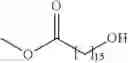

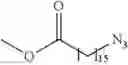


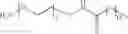



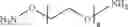





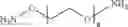




Sources:
- United States Patent and Trademark Office - verify current appl. status at the USPTO↗
Recent applications in this class:
- » 20250288682 2025-09-18
DEVELOPMENT OF NANO-ENCAPSULATED FATTY-ACYL CONJUGATED COLCHICINE - » 20250276068 2025-09-04
PHARMACEUTICAL COMPOSITIONS OF POLYPEPTIDE CONJUGATES AND METHODS OF USES THEREOF - » 20250262307 2025-08-21
CONJUGATES OF PSMA-BINDING MOIETIES WITH CYTOTOXIC AGENTS - » 20250186591 2025-06-12
GAMMA-HYDROXYBUTYRATE DELIVERING COMPOUNDS AND PROCESSES FOR MAKING AND USING THEM - » 20250177537 2025-06-05
AN ANTIBIOTIC, METHOD OF PREPARATION AND METHOD OF TREATMENT THEREOF - » 20250121067 2025-04-17
WATER-SOLUBLE CANNABINOID PRODRUGS COMPOSITIONS AND METHODS OF SYNTHESIZING THE SAME - » 20250041426 2025-02-06
PHARMACEUTICAL COMPOSITIONS COMPRISING BUPROPION AND CYSTEINE - » 20240408214 2024-12-12
NANOPARTICULATE MONOBENZONE FOR TREATING MELANOMA - » 20240374734 2024-11-14
Immunomodulatory Combinations of Antigen and Drug-Lipid Conjugate - » 20240325544 2024-10-03
CATIONIC LIPID FOR COVALENT MODIFICATION OF PEPTIDES
Recent applications for this Assignee:
- » 20250213123 2025-07-03
NECKLACE-SHAPED PHYSIOLOGICAL MONITOR - » 20250195456 2025-06-19
PACKAGED, SEALED CONTAINER SYSTEM FOR STABLE STORAGE OF AN OXYGEN SENSITIVE PHARMACEUTICAL FORMULATION - » 20250195456 2025-06-19
PACKAGED, SEALED CONTAINER SYSTEM FOR STABLE STORAGE OF AN OXYGEN SENSITIVE PHARMACEUTICAL FORMULATION - » 20250170312 2025-05-29
DIALYSIS SYSTEM HAVING ENHANCED VALVE FEATURES - » 20250132033 2025-04-24
DYNAMIC ASSIGNMENT OF UNIQUE CAN (CONTROLLER AREA NETWORK) MESSAGE IDENTIFIERS FOR DEVICES - » 20250132033 2025-04-24
DYNAMIC ASSIGNMENT OF UNIQUE CAN (CONTROLLER AREA NETWORK) MESSAGE IDENTIFIERS FOR DEVICES - » 20250114585 2025-04-10
Perforating connector for medical fluid containers - » 20250090483 2025-03-20
Packaged, sealed container system for stable storage of an oxygen sensitive pharmaceutical formulation - » 20250090483 2025-03-20
Packaged, sealed container system for stable storage of an oxygen sensitive pharmaceutical formulation - » 20240325009 2024-10-03
Automated fluid dispenser with driver and disposable probe