Compounds for binding and imaging amyloid plaques and their use
US20120237446A1
2012-09-20
13/429,667
2012-03-26
Abstract:
The present invention relates to novel compounds (3-aminopropen-1-ones) useful for binding and imaging beta amyloid deposits and their use in detecting or treating Alzheimer's disease and amyloidosis.
Inventors:
- Markus BERGER 69 🇩🇪 Berlin, Germany
- Ulf Bömer 71 🇩🇪 Glienicke, Germany
- Ursula Mönning 17 🇩🇪 Woltersdorf, Germany
- Andrea Thiele 2 🇩🇪 Bernau, Germany
- Tobias Heinrich 16 🇩🇪 Berlin, Germany
- Ulrike Röhn 10 🇩🇪 Berlin, Germany
- Sabine Krause 5 🇩🇪 Berlin, Germany
- Hermann Künzer 4 🇩🇪 Berlin, Germany
- Damian BROCKSCHNIEDER 19 🇩🇪 Haan, Germany
- Thomas Dyrks 6 🇩🇪 Berlin, Germany
Assignee:
- Bayer Pharma Aktiengesellschaft 535 🇩🇪 Berlin, Germany
Interested in similar patents?
Get notified when new applications in this technology area are published.
Classification:
A61K51/0455 » CPC further
Preparations containing radioactive substances for use in therapy or testing characterised by the carrier, i.e. characterised by the agent or material covalently linked or complexing the radioactive nucleus; Organic compounds; Heterocyclic compounds having nitrogen as a ring hetero atom, e.g. guanethidine, rifamycins having six-membered rings with one nitrogen as the only ring hetero atom
C07C225/16 » CPC further
Compounds containing amino groups and doubly—bound oxygen atoms bound to the same carbon skeleton, at least one of the doubly—bound oxygen atoms not being part of a —CHO group, e.g. amino ketones having amino groups bound to acyclic carbon atoms of the carbon skeleton the carbon skeleton being unsaturated and containing six-membered aromatic rings
C07C309/66 » CPC further
Sulfonic acids; Halides, esters, or anhydrides thereof; Esters of sulfonic acids having sulfur atoms of esterified sulfo groups bound to acyclic carbon atoms of a saturated carbon skeleton Methanesulfonates
G01N33/6893 » CPC further
Investigating or analysing materials by specific methods not covered by groups -; Biological material, e.g. blood, urine ; Haemocytometers; Chemical analysis of biological material, e.g. blood, urine; Testing involving biospecific ligand binding methods; Immunological testing involving proteins, peptides or amino acids related to diseases not provided for elsewhere
G01N2333/4709 » CPC further
Assays involving biological materials from specific organisms or of a specific nature from animals; from humans from vertebrates; Assays involving proteins of known structure or function as defined in the subgroups; Details Amyloid plaque core protein
G01N2800/2821 » CPC further
Detection or diagnosis of diseases; Neurological disorders; Dementia; Cognitive disorders Alzheimer
A61K31/137 IPC
Medicinal preparations containing organic active ingredients; Amines having aromatic rings, e.g. ketamine, nortriptyline Arylalkylamines, e.g. amphetamine, epinephrine, salbutamol, ephedrine or methadone
C07C255/58 » CPC further
Carboxylic acid nitriles having cyano groups bound to carbon atoms of six-membered aromatic rings of a carbon skeleton containing cyano groups and singly-bound nitrogen atoms, not being further bound to other hetero atoms, bound to the carbon skeleton
A61K31/277 IPC
Medicinal preparations containing organic active ingredients; Nitriles; Isonitriles having a ring, e.g. verapamil
C07D213/61 » CPC main
Heterocyclic compounds containing six-membered rings, not condensed with other rings, with one nitrogen atom as the only ring hetero atom and three or more double bonds between ring members or between ring members and non-ring members having three double bonds between ring members or between ring members and non-ring members having no bond between the ring nitrogen atom and a non-ring member or having only hydrogen or carbon atoms directly attached to the ring nitrogen atom with hetero atoms or with carbon atoms having three bonds to hetero atoms with at the most one bond to halogen, e.g. ester or nitrile radicals, directly attached to ring carbon atoms Halogen atoms or nitro radicals
G01N33/53 IPC
Investigating or analysing materials by specific methods not covered by groups -; Biological material, e.g. blood, urine ; Haemocytometers; Chemical analysis of biological material, e.g. blood, urine; Testing involving biospecific ligand binding methods; Immunological testing Immunoassay; Biospecific binding assay; Materials therefor
C07C309/69 IPC
Sulfonic acids; Halides, esters, or anhydrides thereof; Esters of sulfonic acids having sulfur atoms of esterified sulfo groups bound to acyclic carbon atoms of a carbon skeleton substituted by nitrogen atoms, not being part of nitro or nitroso groups
A61K31/255 IPC
Medicinal preparations containing organic active ingredients; Esters, e.g. nitroglycerine, selenocyanates of sulfoxy acids or sulfur analogues thereof
A61K51/04 » CPC further
Preparations containing radioactive substances for use in therapy or testing characterised by the carrier, i.e. characterised by the agent or material covalently linked or complexing the radioactive nucleus Organic compounds
A61P25/28 » CPC further
Drugs for disorders of the nervous system for treating neurodegenerative disorders of the central nervous system, e.g. nootropic agents, cognition enhancers, drugs for treating Alzheimer's disease or other forms of dementia
C07C225/22 IPC
Compounds containing amino groups and doubly—bound oxygen atoms bound to the same carbon skeleton, at least one of the doubly—bound oxygen atoms not being part of a —CHO group, e.g. amino ketones having amino groups bound to carbon atoms of six-membered aromatic rings of the carbon skeleton
A61K31/44 IPC
Medicinal preparations containing organic active ingredients; Heterocyclic compounds having nitrogen as a ring hetero atom, e.g. guanethidine or rifamycins having six-membered rings with one nitrogen as the only ring hetero atom Non condensed pyridines; Hydrogenated derivatives thereof
Description
The present invention relates to novel compounds (3-aminopropen-1-ones) useful for binding and imaging amyloid deposits and their use in detecting or treating Alzheimer's disease and amyloidosis.
BACKGROUND OF THE INVENTION
Alzheimer's disease (AD) is a progressive neurodegenerative disorder marked by loss of memory, cognition and behavioral stability. AD is defined pathologically by extracellular plaques comprised of fibrillar deposits of the beta amyloid (Aβ) peptide and neurofibrillary tangles comprised of paired helical filaments of hyperphosphorylated tau. The 39 to 43 amino acids comprising Aβ peptides are derived from the larger amyloid precursor protein (APP). In the amyloidogenic pathway, Aβ peptides are cleaved from APP by the sequential proteolysis by β- and γ-secretases. Aβ peptides are released as soluble proteins and can be detected at low levels in the cerebrospinal fluid (CSF) in normal aging brains. During the progress of AD the Aβ peptides aggregate and form amyloid deposits in the parenchyma and vasculature of the brain, which can be detected post mortem as diffuse and senile plaques and vascular amyloid during histological examination (for a recent review see: Blennow et al., Lancet. 2006, 368(9533): 387-403).
Alzheimer's disease is becoming a great health and social economical problem all over the world. There are great efforts being made to develop techniques and methods for the early detection and effective treatment of the disease. Currently, diagnosis of AD in an academic setting of memory-disorder clinics is approximately 85-90% accurate (Petrella J R et al., Radiology 2003, 226: 315-36). It is based on the exclusion of a variety of diseases causing similar symptoms and the careful neurological and psychiatric examination, as well as neuropsychological testing. However, post mortem histological examination of the brain is still the only definite diagnosis of this disease. Thus the in vivo detection of one pathological feature of the disease—the deposition of amyloid aggregates in the brain—is thought to have a big impact on the early detection of AD and differentiation from other dementias. Additionally, most disease modifying therapies that are under development are aiming at lowering the amyloid load in the brain. Thus imaging the amyloid load in the brain may provide an essential tool for patient stratification and treatment monitoring.
In addition, amyloid deposits are also known to play a role in amyloidosis, in which amyloid proteins are abnormally deposited in different organs and/or tissues, causing disease. For a recent review see Chiti et al., Annu. Rev. Biochem. 2006, 75: 333-66. Potential ligands for visualizing amyloid aggregates in the brain must show a high binding affinity to amyloid and must cross the blood brain barrier. PET tracers that have been already investigated in humans regarding their binding patterns in brains of AD patients are [18F]FDDNP (Shoghi-Jadid et al., Am. J. Geriatric Psychiatry 2002, 10: 24-35), [11C]PIB (Klunk et al., Ann. Neurol. 2004, 55: 306-319), [11C]SB-13 (Verhoeff et al., Am. J. Geriatric Psychiatry 2004, 12: 584-595; [18F]Bay 94-9172 (Rowe et al., Lancet Neurol. 2008, 7: 129-135), [11C]13F227 (Kudo et al., J. Nucl. Med. 2007, 49: 554-561), and [18F]PIB (Nelissen et al., J. Nucl. Med. 2009, 50(8):1251-1259). For recent reviews see Lockhardt, Drug Discov. Today 2006, 11: 1093-1099; Henriksen et al., Eur. J. Nucl. Med. Mol. Imaging. 2008, 35 Suppl. 1: 75-81; Cohen, Mol. Imaging. Biol. 2007, 9: 204-216; Nordberg, Curr. Opin. Biol. 2007, 20: 398-402; Small et al., Neurology 2008, 7: 161-172; Nordberg et al., Nat. Rev. Neurol. 2010, 6(2): 78-87.
Besides their specific binding to amyloid deposits in the brain, the currently most promising PET tracers show a disadvantageous non-specific accumulation, especially in white matter brain regions in AD patients as well as in healthy controls (HC). Generally, non-specific background binding interferes with the image quality and could e.g. impair the quantification of amyloid and the diagnosis of very early stages of the disease.
Problem to be Solved and its Solution
The problem underlying the present invention was to provide compounds suited for detecting amyloid deposits in patients with amyloid-related diseases with high specificity at an early stage of the disease.
Surprisingly it was observed that special [18F] labeled 3-amino-propenones can be used as diagnostic agent or PET imaging agent for imaging diseases associated with deposits of beta amyloid (Aβ). As will be shown herein, the special 3-amino-propenones can penetrate the intact blood-brain barrier and bind specifically to beta amyloid deposits. The present invention provides novel tracers with high affinity for beta amyloid (Aβ) and rapid elimination of the unspecifically bound tracer from the brain.
There are 3-amino-propenones disclosed in prior art. However, they have not been disclosed for use as diagnostic agent or PET imaging agent for imaging diseases associated with altered expression of beta amyloid (Aβ) peptide. Mesogenic 3-amino-propenones are disclosed in Mol. Cryst. Liq. Cryst. 1993, 237: 75-84. US2009/0163545A1 discloses 3-amino-propenones and their use for altering the lifespan of a eukaryotic organism.
Hence, the superior fitness of the 3-amino-popenones of the present invention as disclosed hereinafter could not be expected by the person skilled in the art.
SUMMARY OF THE INVENTION
The present invention relates to the use of compounds of general formula I as diagnostic agent or imaging agent for imaging diseases associated with beta amyloid (Aβ) deposits
wherein
-
- R1 is selected from the group consisting of H, phenyl, and X;
- R2 is selected from the group consisting of H, OCH3, N(CH3)2, O—(CH2)n—X; (CH2)n—X, and X;
- R3 is H;
- R4 is selected from the group consisting of H and Br;
- X is selected from the group consisting of F and 18F;
- Y is selected from the group consisting of CH, CCN, CCF3 and N; and
- n is 1, 2 or 3;
with the proviso that one of the substituents R1 or R2 comprises 18F or is 18F;
including all isomeric forms of said compound, including but not limited to E/Z isomers, as well as mixtures of E/Z isomers, and any pharmaceutically acceptable salt or complex thereof.
The present invention also relates to novel compounds of formula II
wherein
-
- R1 is F or 18F,
- R2 is selected from the group consisting of H, OCH3, and N(CH3)2;
including all isomeric forms of said compound, including but not limited to E/Z isomers, as well as mixtures of E/Z isomers, and any pharmaceutically acceptable salt or complex thereof.
The compounds of formula II selectively bind to beta amyloid (Aβ). The [18F] labelled compounds can be used as a tracer for PET imaging. The fluoro analogues can be used as reference standards.
The present invention also relates to compounds of formula III
wherein
-
- R1 is selected from the group consisting of F, Cl, Br, I, NO2, N+(CH3)3, I+aryl, and S+aryl2;
- R2 is selected from the group consisting of H, OCH3, and N(CH3)2; and
- R3 is H or C(O)OC(CH3)3;
including all isomeric forms of said compound, including but not limited to E/Z isomers, as well as mixtures of E/Z isomers.
Compounds of formula III can be used as precursors for making compounds of formula II.
The present invention also relates to processes for making compounds of formulae II and III.
The present invention also relates to a pharmaceutical composition comprising a compound of formula I, II or III, and to a kit comprising a compound or a composition according to the invention.
DETAILED DESCRIPTION OF THE INVENTION
The present invention is directed to compounds that bind to amyloid deposits and are able to pass the blood-brain barrier, and are therefore useful in diagnosing Alzheimer's disease and amyloidosis in a patient, preferably at an early stage of the disease.
In a first aspect, the invention is directed to the use of compounds of general formula I as diagnostic agent or imaging agent for imaging diseases associated with beta amyloid (Aβ) deposits
wherein
-
- R1 is selected from the group consisting of H, phenyl or X;
- R2 is selected from the group consisting of H, OCH3, N(CH3)2, O—(CH2)n—X; (CH2)n—X or X;
- R3 is H;
- R4 is selected from the group consisting of H or Br;
- X is selected from the group consisting of F or 18F;
- Y is selected from CH, CCN, CCF3 or N; and
- n is 1, 2 or 3;
with the proviso that one of the substituents R1 and R2 comprises 18F or is 18F;
including all isomeric forms of said compound, including but not limited to E/Z isomers, as well as mixtures of E/Z isomers, and any pharmaceutically acceptable salt or complex thereof.
Preferably, the compound is used as an imaging tracer or radiopharmaceutical agent for imaging diseases associated with beta amyloid (Aβ) deposits.
The radiopharmaceutical imaging tracer/agent is a Positron Emission Tomography (PET) suitable radiopharmaceutical imaging tracer/agent.
In other words, the invention is directed to the use of a compound of formula I for the manufacture of a radiopharmaceutical imaging tracer/agent for imaging diseases associated with beta amyloid deposits.
In other words, the invention is directed to a compound of general formula I for use in the imaging of beta amyloid deposits.
The invention is also directed to a method for imaging or diagnosing of diseases associated with beta amyloid deposits comprising the steps:
-
- administering to a mammal an effective amount of a composition comprising a compound of formula I,
- obtaining PET images of the mammal and
- assessing PET images.
Preferably, mammal is human.
The administration of the compounds or pharmaceutical compositions according to the invention is performed in any of the generally accepted modes of administration available in the art. Intravenous deliveries are preferred.
Preferably, the compounds or compositions according to the invention are administered such that the dose of the active compound for imaging is in the range of 37 MBq (1 mCi) to 740 MBq (20 mCi). In particular, a dose in the range from 100 MBq to 400 MBq will be used.
Formula I is directed to the E isomer as well as to the Z isomer.
So, formula I is a general formula, representing formulae Ia (E isomer) and Ib (Z isomer):
A compound of formula I therefore includes the E isomer, the Z isomer, and any mixture of E/Z isomers.
Furthermore, a compound of formula I includes pharmaceutically acceptable salts or complexes thereof.
Pharmaceutically acceptable salts of the compounds according to the invention include salts of mineral acids, carboxylic acids and sulfonic acids, for example salts of hydrochloric acid, hydrobromic acid, sulfuric acid, phosphoric acid, methanesulfonic acid, ethanesulfonic acid, toluenesulfonic acid, benzenesulfonic acid, naphthalene disulfonic acid, acetic acid, trifluoroacetic acid, propionic acid, lactic acid, tartaric acid, malic acid, citric acid, fumaric acid, maleic acid and benzoic acid.
Pharmaceutically acceptable salts of the compounds according to the invention also include salts of customary bases, such as, by way of example and by way of preference, alkali metal salts (for example sodium salts and potassium salts), alkaline earth metal salts (for example calcium salts and magnesium salts) and ammonium salts, derived from ammonia or organic amines having 1 to 16 carbon atoms, such as, by way of example and by way of preference, ethylamine, diethylamine, triethylamine, ethyldiisopropylamine, monoethanolamine, diethanolamine, triethanolamine, dicyclohexylamine, dimethylaminoethanol, procaine, dibenzylamine, N-methylmorpholine, arginine, lysine, ethylenediamine and N-methylpiperidine.
The term “alkyl” as used in this specification represents a linear or branched alkyl radical having, as a rule, 1 to 6, preferably 1 to 4, especially preferably 1 to 3, carbon atoms, by way of example and by preference methyl, ethyl, n-propyl, iso-propyl, tert-butyl, n-pentyl and n-hexyl.
The term “aryl” as used in this specification is to be understood as preferably meaning a monovalent, aromatic or partially aromatic, mono-, or bi- or tricyclic hydrocarbon ring having 6, 7, 8, 9, 10, 11, 12, 13 or 14 carbon atoms (a “C6-C14-aryl” group), particularly a ring having 6 carbon atoms (a “C6-aryl” group), e.g. a phenyl group; or a biphenyl group, or a ring having 9 carbon atoms (a “C9-aryl” group), e.g. an indanyl or indenyl group, or a ring having 10 carbon atoms (a “C10-aryl” group), e.g. a tetralinyl, dihydronaphthyl, or naphthyl group, or a ring having 13 carbon atoms, (a “C13-aryl” group), e.g. a fluorenyl group, or a ring having 14 carbon atoms, (a “C14-aryl” group), e.g. an anthranyl group.
In a preferred embodiment, the compound of formula I is selected from the group of compounds consisting of
- (E/Z)-3-{[4-([18F]fluoromethoxy)phenyl]amino}-1-phenylprop-2-en-1-one
- (E/Z)-3-{[4-(2-[18F]fluoroethoxy)phenyl]amino}-1-phenylprop-2-en-1-one
- (E/Z)-1-(4-Bromophenyl)-3-{[4-(2-[18F]fluoroethoxy)phenyl]amino}prop-2-en-1-one
- (E/Z)-3-{[4-(3-[18F]fluoropropoxy)phenyl]amino}-1-phenylprop-2-en-1-one
- (E/Z)-1-(4-[18F]fluorophenyl)-3-[(4-methoxyphenyl)amino]prop-2-en-1-one
- (E/Z)-3-{[4-(Dimethylamino)phenyl]amino}-1-(4-[18F]fluorophenyl)prop-2-en-1-one
- (E/Z)-3-{[4-(Dimethylamino)phenyl]amino}-1-[4-[18F]fluoro-3-(trifluoromethyl)phenyl]prop-2-en-1-one
- 5-[(E/Z)-3-{[4-(Dimethylamino)phenyl]amino}acryloyl]-2-[18F]fluorobenzonitrile
- (E/Z)-1-[4-[18F]fluoro-3-(trifluoromethyl)phenyl]-3-[(4-methoxyphenyl)amino]prop-2-en-1-one
- (E/Z)-3-{[4-(Dimethylamino)phenyl]amino}-1-(6-[18F]fluoropyridin-3-yl)prop-2-en-1-one
- (E/Z)-1-(6-[18F]fluoropyridin-3-yl)-3-[(4-methoxyphenyl)amino]prop-2-en-1-one
- (E/Z)-3-[(4-[18F]-fluorophenyl)amino]-1-phenylprop-2-en-1-one
- (E/Z)-3-[(3-Bromo-4-[18F]fluorophenyl)amino]-1-phenylprop-2-en-1-one
- (E/Z)-1-Biphenyl-4-yl-3-{[4-(2-[18F]fluoroethoxy)phenyl]amino}prop-2-en-1-one
- (E/Z)-3-{[4-(3-[18F]fluoropropyl)phenyl]amino}-1-phenylprop-2-en-1-one
- (E/Z)-3-{[4-(Dimethylamino)phenyl]amino}-1-(6-[18F]-fluoropyridin-3-yl)prop-2-en-1-one
including all isomeric forms of said compounds, including but not limited to E/Z isomers, as well as mixtures of E/Z isomers, and any pharmaceutically acceptable salt or complex thereof.
In another preferred embodiment, the compound of formula I is selected from the group of compounds of formula IIa
-
- wherein R2 is selected from the group consisting of H, OCH3, and N(CH3)2;
- including all isomeric forms of said compounds, including but not limited to E/Z isomers, as well as mixtures of E/Z isomers, and any pharmaceutically acceptable salt or complex thereof.
In a second aspect, the invention is directed to novel compounds of formula I per se,
wherein
-
- R1 is F or 18F;
- R2 is selected from the group consisting of H, OCH3, or N(CH3)2;
- R3 is H;
- R4 is H; and
- Y is N;
including all isomeric forms of said compound, including but not limited to E/Z isomers, as well as mixtures of E/Z isomers, and any pharmaceutically acceptable salt or complex thereof.
In other words, the invention is directed to compounds of formula II
wherein
-
- R1 is F or 18F;
- R2 is selected from the group consisting of H, OCH3 or N(CH3)2;
including all isomeric forms of said compound, including but not limited to E/Z isomers, as well as mixtures of E/Z isomers, and any pharmaceutically acceptable salt or complex thereof.
In a preferred embodiment, the compound of formula II is selected from the group of compounds consisting of
- (E/Z)-3-{[4-(Dimethylamino)phenyl]amino}-1-(6-fluoropyridin-3-yl)prop-2-en-1-one
wherein R1 is F or 18F;
- (E/Z)-1-(6-Fluoropyridin-3-yl)-3-[(4-methoxyphenyl)amino]prop-2-en-1-one
wherein R1 is F or 18F;
- (E/Z)-3-{[4-(Dimethylamino)phenyl]amino}-1-(6-[18F]fluoropyridin-3-yl)prop-2-en-1-one
including all isomeric forms of said compounds, including but not limited to E/Z isomers, as well as mixtures of E/Z isomers, and any pharmaceutically acceptable salt or complex thereof.
In a third aspect, the invention is directed to compounds according to formula III,
wherein
-
- R1 is selected from the group consisting of F, Cl, Br, I, NO2, N+(CH3)3, I+aryl, and S+aryl2;
- R2 is selected from the group consisting of H, OCH3, and N(CH3)2; and
- R3 is H or C(O)OC(CH3)3;
including all isomeric forms of said compound, including but not limited to E/Z isomers, as well as mixtures of E/Z isomers.
Compounds of formula III can be used as precursors for the preparation of 13F labelled compounds of formula II.
In a preferred embodiment of the present invention, the compound of formula III is selected from the group of compounds consisting of
- (E/Z)-1-(6-Bromopyridin-3-yl)-3-{[4-(dimethylamino)phenyl]amino}prop-2-en-1-one
- (E/Z)-1-(6-Chloropyridin-3-yl)-3-{[4-(dimethylamino)phenyl]amino}prop-2-en-1-one
- (E/Z)-3-{[4-(Dimethylamino)phenyl]amino}-1-(6-nitropyridin-3-yl)prop-2-en-1-one
- (E/Z)-3-{[4-(Dimethylamino)phenyl]amino}-1-(6-iodopyridin-3-yl)prop-2-en-1-one
- tert-Butyl N-[4-(dimethylamino)phenyl]-N-[(E/Z)-3-(6-nitropyridin-3-yl)-3-oxoprop-1-en-1-yl]carbamate
- tert-Butyl N-[4-(dimethylamino)phenyl]-N-[(E/Z)-3-(6-iodopyridin-3-yl)-3-oxoprop-1-en-1-yl]carbamate
including all isomeric forms of said compounds, including but not limited to E/Z isomers, as well as mixtures of E/Z isomers.
In a fourth aspect, the invention is directed to methods of preparing compounds of the general formula III.
wherein
-
- R1 is selected from the group consisting of F, Cl, Br, I, NO2, N+(CH3)3, I+aryl, and S+aryl2;
- R2 is selected from the group consisting of H, OCH3, and N(CH3)2; and
- R3 is H;
The method comprises the steps
-
- providing a compound of formula IV;
-
- wherein
- R1 is selected from the group consisting of F, Cl, Br, I, NO2, N+(CH3)3, I+aryl, and S+aryl2;
- R5, R6 independently are selected from the group consisting of H and alkyl; preferably R5 and R6 are methyl;
- providing a compound of formula V;
-
- R2 is selected from the group consisting of H, OCH3, and N(CH3)2;
- reacting the compound of formula IV with the compound of formula V to get the compound of formula III.
- R2 is selected from the group consisting of H, OCH3, and N(CH3)2;
In a fifth aspect, the invention is directed to a method of preparing a compound of formula IIa
wherein
-
- R2 is selected from the group consisting of H, OCH3, and N(CH3)2.
The method comprises the steps
-
- providing a compound of formula III
-
- wherein
- R1 is selected from the group consisting of F, Cl, Br, I, NO2, N+(CH3)3, I+aryl, and S+aryl2;
- R2 is selected from the group consisting of H, OCH3, and N(CH3)2; and
- R3 is H or C(O)OC(CH3)3;
- reacting the compound of formula III with a 18F-fluorination agent;
- optionally replacing the C(O)OC(CH3)3 group by an H atom, if R3 is C(O)OC(CH3)3.
- wherein
The 18F-fluorination agent is a reagent containing 18F and being suitable for substituting the R1 group in the compound of formula III by an 18F atom.
In a preferred embodiment [18F]fluoride/TBAOH (TBAOH=tetrabutylammonium hydroxide) and a solvent is used as a 18F-fluorination agent.
In a preferred embodiment, the 18F-fluorination agent is 4,7,13,16,21,24-Hexaoxa-1,10 diazabicyclo[8.8.8]-hexacosane K18F (crownether salt Kryptofix K18F), K18F, H18F, KH18F2 or tetraalkylammonium salt of 18F. More preferably, the fluorination agent is K18F, H18F, or KH18F2.
The solvents used can be N,N-Dimethylformamide (DMF), Dimethylsulfoxide (DMSO), Acetonitrile (CH3CN), N,N-Dimethylacetamide (DMA) etc., preferably DMSO, CH3CN or DMF. The solvents can also be a mixture of solvents as indicated above.
In a sixth aspect, the invention is directed to a composition comprising a compound of formula I and at least one physiologically acceptable carrier, diluent, adjuvant or excipient.
The adjuvants include, inter alia, carriers, solvents, and/or stabilizers.
The person skilled in the art is familiar with adjuvants which are suitable for the desired pharmaceutical formulations, preparations or compositions on account of his/her expert knowledge.
As used herein, the term “carrier” refers to e.g. microcrystalline cellulose, lactose, mannitol.
As used herein, the term “solvents” refers to e.g. liquid polyethylene glycols, ethanol, corn oil, cottonseed oil, glycerol, isopropanol, mineral oil, oleic acid, peanut oil, purified water, water for injection, sterile water for injection and sterile water for irrigation.
As used herein, the term “stabilizers” refers to e.g. antioxidants, such as, ascorbic acid, ascorbyl palmitate, butylated hydroxyanisole, butylated hydroxytoluene, hypophosphorus acid, monothioglycerol, propyl gallate, sodium ascorbate, sodium bisulfite, sodium formaldehyde sulfoxylate, sodium metabisulfite.
In a first embodiment, the compound of formula I is selected from the group of compounds of formula IIa
wherein R2 is selected from the group consisting of H, OCH3, and N(CH3)2.
A pharmaceutical composition comprising a compound of formula IIa can administered to a patient in order to image amyloid deposits. Thus, the composition can be used as a diagnostic agent or PET imaging agent.
In a second embodiment, the invention is directed to a composition comprising a compound of formula IIb
wherein R2 is selected from the group consisting of H, OCH3, and N(CH3)2.
Such composition can be used for analytical purposes.
In a third embodiment, the invention is directed to a composition comprising a compound of formula III
wherein
-
- R1 is selected from the group consisting of F, Cl, Br, I, NO2, N+(CH3)3, I+aryl, and S+ aryl2;
- R2 is selected from the group consisting of H, OCH3, and N(CH3)2; and
- R3 is H or C(O)OC(CH3)3;
Such composition can be used for manufacturing of a compound of formula IIa and/or IIb and for analytical purposes.
In a seventh aspect, the present invention is directed to a kit comprising at least one sealed vial containing a predetermined quantity of a compound of formulae I, II, IIa, IIb and/or III. The compounds of general formulae I, II, IIa, IIb and III are herein defined as above and encompass all embodiments and preferred features.
Optionally the kit comprises a pharmaceutically acceptable carrier, diluent, excipient or adjuvant.
Preferably, the kit comprises predefined quantity of compound of formula IIb or III, and one or more solid-phase extraction cartridges/columns for the purification of compound of formula IIa.
The compounds of general formula I, IIa, and IIb are herein defined as above and encompass all embodiments and preferred features.
Preferably, the kit comprises physiologically acceptable vehicle or carrier and optional adjuvants and preservatives, reagents suitable to perform the herein disclosed reactions and/or methods to generate the [18F] labeling reagents.
Furthermore, the kit may contain instructions for its use.
In an eighth aspect, the invention is directed to the use of compounds of general formulae I, IIa or IIb for chromatographic identification and as radioactivley labelled tools in in vitro binding assays for amyloidogenic aggregates. As a radioactive label for example tritium can be introduced into the molecules by standard tritiation reactions that are known to an expert in the field.
Compounds of general formula IIb are useful as references and/or measurement agents. The compounds of general formulae I, IIa, and IIb are herein defined as above and encompass all embodiments and preferred features.
Furthermore, the invention is related to:
1. A Compound of formula I
as diagnostic agent or imaging agent for imaging diseases associated with beta amyloid deposits
wherein
-
- R1 is selected from the group consisting of H, phenyl or X;
- R2 is selected from the group consisting of H, OCH3, N(CH3)2, O—(CH2)n—X; (CH2)n—X or X;
- R3 is H;
- R4 is selected from the group consisting of H or Br;
- X is selected from the group consisting of F or 18F;
- Y is selected from CH, CCN, CCF3 or N; and
- n is 1, 2 or 3;
with the proviso that one of the substituents R1 and R2 comprises 18F or is 18F;
including all isomeric forms of said compound, including but not limited to E/Z isomers, as well as mixtures of E/Z isomers, and any pharmaceutically acceptable salt or complex thereof.
2. A compound according to count 1, wherein the compound is selected from the group of compounds consisting of
- (E/Z)-3-{[4-([18F]-fluoromethoxy)phenyl]amino}-1-phenylprop-2-en-1-one
- (E/Z)-3-{[4-(2-[18F]fluoroethoxy)phenyl]amino}-1-phenylprop-2-en-1-one
- (E/Z)-1-(4-Bromophenyl)-3-{[4-(2-[18F]fluoroethoxy)phenyl]amino}prop-2-en-1-one
- (E/Z)-3-{[4-(3-[18F]fluoropropoxy)phenyl]amino}-1-phenylprop-2-en-1-one
- (E/Z)-1-(4-[18F]-fluorophenyl)-3-[(4-methoxyphenyl)amino]prop-2-en-1-one
- (E/Z)-3-{[4-(Dimethylamino)phenyl]amino}-1-(4-[18F]fluorophenyl)prop-2-en-1-one
- (E/Z)-3-{[4-(Dimethylamino)phenyl]amino}-1-[4-[18F]fluoro-3-(trifluoromethyl)phenyl]prop-2-en-1-one
- 5-[(E/Z)-3-{[4-(Dimethylamino)phenyl]amino}acryloyl]-2-[18F]fluorobenzonitrile
- (E/Z)-1-[4-[18F]fluoro-3-(trifluoromethyl)phenyl]-3-[(4-methoxyphenyl)amino]prop-2-en-1-one
- (E/Z)-3-{[4-(Dimethylamino)phenyl]amino}-1-(6-[18F]fluoropyridin-3-yl)prop-2-en-1-one
- (E/Z)-1-(6-[18F]fluoropyridin-3-yl)-3-[(4-methoxyphenyl)amino]prop-2-en-1-one
- (E/Z)-3-[(4-[18F]fluorophenyl)amino]-1-phenylprop-2-en-1-one
- (E/Z)-3-[(3-Bromo-4-[18F]fluorophenyl)amino]-1-phenylprop-2-en-1-one
- (E/Z)-1-Biphenyl-4-yl-3-{[4-(2-[18F]fluoroethoxy)phenyl}amino]prop-2-en-1-one
- (E/Z)-3-{[4-(3-[18F]fluoropropyl)phenyl]amino}-1-phenylprop-2-en-1-one
- (E/Z)-3-{[4-(Dimethylamino)phenyl]amino}-1-(6-[18F]-fluoropyridin-3-yl)prop-2-en-1-one
including all isomeric forms of said compounds, including but not limited to E/Z isomers, as well as mixtures of E/Z isomers, and any pharmaceutically acceptable salt or complex thereof.
3. A compound of formula II
wherein
-
- R1 is F or 18F,
- R2 is selected from the group consisting of H, OCH3 or N(CH3)2;
including all isomeric forms of said compound, including but not limited to E/Z isomers, as well as mixtures of E/Z isomers, and any pharmaceutically acceptable salt or complex thereof.
4. A compound according to count 3, wherein the compound is selected from the group of compounds consisting of
- (E/Z)-3-{[4-(Dimethylamino)phenyl]amino}-1-(6-fluoropyridin-3-yl)prop-2-en-1-one
wherein R1 is F or 18F;
- (E/Z)-1-(6-Fluoropyridin-3-yl)-3-[(4-methoxyphenyl)amino]prop-2-en-1-one
wherein R1 is F or 18F;
- (E/Z)-3-{[4-(Dimethylamino)phenyl]amino}-1-(6-[18F]fluoropyridin-3-yl)prop-2-en-1-one
including all isomeric forms of said compound, including but not limited to E/Z isomers, as well as mixtures of E/Z isomers, and any pharmaceutically acceptable salt or complex thereof.
5. A compound of formula III
wherein
-
- R1 is selected from the group consisting of F, Cl, Br, I, NO2, N+(CH3)3, I+aryl, and S+aryl2;
- R2 is selected from the group consisting of H, OCH3, and N(CH3)2; and
- R3 is H or C(O)OC(CH3)3;
including all isomeric forms of said compound, including but not limited to E/Z isomers, as well as mixtures of E/Z isomers.
6. A compound according to count 5, wherein the compound is selected from the group of compounds consisting of
- (E/Z)-1-(6-Bromopyridin-3-yl)-3-{[4-(dimethylamino)phenyl]amino}prop-2-en-1-one
- (E/Z)-1-(6-Chloropyridin-3-yl)-3-{[4-(dimethylamino)phenyl]amino}prop-2-en-1-one
- (E/Z)-3-{[4-(Dimethylamino)phenyl]amino}-1-(6-nitropyridin-3-yl)prop-2-en-1-one
- (E/Z)-3-{[4-(Dimethylamino)phenyl]amino}-1-(6-iodopyridin-3-yl)prop-2-en-1-one
- tert-Butyl N-[4-(dimethylamino)phenyl]-N-[(E/Z)-3-(6-nitropyridin-3-yl)-3-oxoprop-1-en-1-yl]carbamate
- tert-Butyl N-[4-(dimethylamino)phenyl]-N-[(E/Z)-3-(6-iodopyridin-3-yl)-3-oxoprop-1-en-1-yl]carbamate
including all isomeric forms of said compounds, including but not limited to E/Z isomers, as well as mixtures of E/Z isomers.
7. Use of a compound according to count 5 or count 6 as precursor for the preparation of an 18F labelled PET imaging tracer.
8. Method for the preparation of a compound of formula III.
wherein
-
- R1 is selected from the group consisting of F, Cl, Br, I, NO2, N+(CH3)3, I+aryl, and S+aryl2;
- R2 is selected from the group consisting of H, OCH3, and N(CH3)2; and
- R3 is H;
the method comprising the steps - providing a compound of formula IV;
-
- wherein
- R1 is selected from the group consisting of F, Cl, Br, I, NO2, N+(CH3)3, I+aryl, and S+aryl2;
- R5, R6 independently are selected from the group consisting of H and alkyl;
- providing a compound of formula V;
-
- wherein R2 is selected from the group consisting of H, OCH3, and N(CH3)2;
- reacting the compound of formula IV with the compound of formula V to get the compound of formula III.
9. Method for the preparation of a compound of formula IIa
- reacting the compound of formula IV with the compound of formula V to get the compound of formula III.
- wherein R2 is selected from the group consisting of H, OCH3, and N(CH3)2;
the method comprising the steps
-
- providing a compound of formula III
-
- wherein
- R1 is selected from the group consisting of F, Cl, Br, I, NO2, N+(CH3)3, I+aryl, and S+aryl2;
- R2 is selected from the group consisting of H, OCH3, and N(CH3)2; and
- R3 is H or C(O)OC(CH3)3;
- reacting the compound of formula III with a 18F-fluorination agent;
- optionally, replacing the C(O)OC(CH3)3 group by an H atom, if R3 is C(O)OC(CH3)3.
10. Method for imaging or diagnosing of diseases associated with amyloid deposits comprising the steps: - administering to a mammal an effective amount of a composition comprising a compound of formula I
- obtaining PET images of the mammal and
- assessing PET images.
11. Composition comprising a compound according to counts 1, 2, 3, or 4 and at least one physiologically acceptable carrier, diluent, adjuvant or excipient.
12. A kit comprising a sealed vial containing a predetermined quantity of a compound according to anyone of the counts 1 to 7, or stereoisomers thereof or their mixtures, or suitable salts of inorganic or organic bases or acids thereof, hydrates, complexes, esters, amides, or solvates thereof.
General Synthesis of Compounds of the Invention
The compounds of the present invention as well as intermediates of said compounds can be prepared according to preparation methods well known to the person of ordinary skill in the art.
Schemes 1, 2a and 2b show potential pathways for preparing compounds and intermediates of the present invention. The reaction pathways are further described in the experimental section.
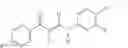
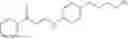
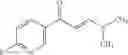
Compounds of the invention can be prepared e.g. by condensation of methyl aryl ketones Xa with N,N-dimethylformamide dimethylacetal to dimethylamino-1-aryl-propenones Xb. Enamine condensation of Xb with the aniline Xd derived from the nitroaryl compound Xc delivered the exemplified cold references 10-11, halogene- and nitro-precursors 15-18.
[18F] Radiolabelling Procedures
[18F] radiolabeling procedures are well known to the person skilled in the art. [18F] radiolabeling can be preformed as shown in schemes 2a and 2b and as described below.
The leaving group LG e.g. can be selected from the group comprising halo, in particular chloro, bromo, iodo, nitro, mesyloxy, tosyloxy, trifluormethylsulfonyloxy, nonafluorobutylsulfonyloxy, (4-bromo-phenyl)sulfonyloxy, (4-nitro-phenyl)sulfonyloxy, (2-nitrophenyl)sulfonyloxy, (4-isopropyl-phenyl)sulfonyloxy, (2,4,6-tri-isopropyl-1-phenyl)sulfonyloxy, (2,4,6-trimethyl-phenyl)sulfonyloxy, (4-tertbutyl-phenyl)sulfonyloxy, and (4-methoxy-phenyl)sulfonyloxy.
[18F]Fluoride can be produced by proton bombardment in a cyclotron using a silver target (1 mL) filled with [18O]water for the 18O (p,n) 18F reaction. The aqueous [18F]fluoride can be passed through a cartridge (e.g. QMA-resin cartridge Waters, Sep Pak Light QMA Part. No.: WAT023525). The trapped [18F]fluoride can then be eluted from the cartridge by adding e.g. a Kryptofix K2.2.2/K2CO3 solution (Kryptofix is 4,7,13,16,21,24-Hexaoxa-1,10-diazabicyclo[8.8.8]-hexacosane). The nucleophilic substitution of the precursor works preferably in the presence of a base such as Tetrabutylammonium hydroxide (NBu4OH), Tetrabutylammonium carbonate ((NBu4)2CO3), Tetrabutylammonium hydrogencarbonate (NBu4HCO3), K2CO3 etc. and at elevated temperatures. The addition of crown ethers such as Kryptofix (K2.2.2) can influence the reaction positively, especially in the presence of K2CO3 as the base.
The potassium fluoride Kryptofix complex is preferably dried by repeated azeotropic distillation with sequential addition of acetonitrile. Solvents such as acetonitrile, DMF, DMSO etc. can be used as a reaction solvent. The labeling product can be purified by solid phase extraction using cartridges. Preferred cartridges are Sep-Pak Plus C18 cartridge (Waters, WAT020515). The cartridge can be rinsed with water and the compound can be eluted with acetonitrile. The eluted compound can be diluted with water and can then be subjected to preparative HPLC purification. Preferred HPLC columns are reversed phase columns such as Gemini 5μ C18 110 Å, 250*10 mm (Phenomenex, 00G-4435-N0). Mixtures of buffer solution, acids, water etc. with organic solvents such as acetonitrile, methanol, ethanol etc. can be used as mobile.
The solution can then be diluted with e.g. water to be passed through a cartridge for concentration and solvent change.
Preferably, the radio-labelling of the 2-halogene or 2-nitropyridyl precursors 15-18 is accomplished by treatment of the precursors 15-18 with 18F potassium fluoride and Kryptofix 222 in DMSO/MeCN to give the 18F labelled compound 18F-28.
BRIEF DESCRIPTION OF THE FIGURES
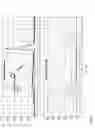
FIG. 1 Preparative HPLC chromatogram for purification of compound 28
FIG. 2 Analytical HPLC chromatogram of compound 28 (Gamma detection).
FIG. 3 Analytical HPLC chromatogram of compound 10 (UV detection).
FIG. 4 Autoradiographical analysis of binding of compound 28 to brain sections from cortex of Alzheimer's disease patients (AD) with amyloid beta plaques. Control sections without amyloid beta pathology stem from healthy volunteers (HC) and fronto-temporal dementia (FTD) patients. Blocking of specific signals was performed with an excess of cold compound. Arrows point to plaque-specific signals.
EXPERIMENTAL SECTION
General: All solvents and chemicals were obtained from commercial sources and used without further purification if not stated otherwise. The following table lists the abbreviations used in this paragraph and in the Examples section as far as they are not explained within the text body.
| Abbreviations |
| Bq | Bequerel | |
| br | broad signal (in NMR) | |
| d | doublet | |
| dd | doublet of doublet | |
| ddd | doublet of doublet of doublet | |
| GBq | giga Bequerel | |
| h | hour | |
| HPLC | High Performance Liquid Chromatography | |
| K2.2.2 | Kryptofix 2.2.2 | |
| kBq | kilo Bequerel | |
| m | multiplet | |
| MBq | mega Bequerel | |
| min | minute | |
| PBS | phosphate buffered saline | |
| r.t. | room temperature | |
| s | singlet | |
| sec | second | |
| t | triplet | |
Preparation of Intermediates
General Procedure for N,N-Dimethylformamide Dimethyl Acetal Condensation (B)
The acetophenone (25 mmol) was solved in ethanol (20 mL) and N,N-dimethylformamide dimethyl acetal (37 mmol) was added. The reaction mixture was stirred under reflux for 6 h and concentrated. The residue was elutriated in hexane and the remaining precipitate was filtered off, washed several times with hexane and dried.
Intermediate B1: (E)-3-(Dimethylamino)-1-(4-fluorophenyl)prop-2-en-1-one
Yield: 76%
1H-NMR (300 MHz, d6-DMSO): α=7.92 (m, 2H), 7.67 (d, 1H), 7.20 (m, 2H), 5.77 (d, 1H), 3.10 (bs, 3H), 2.87 (br s, 3H) ppm.
Intermediate B2: (E)-3-(Dimethylamino)-1-[4-fluoro-3-(trifluoromethyl)phenyl]prop-2-en-1-one
Yield: 54%
1H-NMR (300 MHz, d6-DMSO): δ=8.26 (m, 1H), 8.16 (m, 1H), 7.75 (d, 1H), 7.54 (m, 1H), 5.87 (d, 1H), 3.13 (bs, 3H), 2.92 (br s, 3H) ppm.
ESI-MS m/z 262 (M+1).
Intermediate B3: 5-[(E)-3-(Dimethylamino)acryloyl)-2-fluorobenzonitrile
Yield: 20%
1H-NMR (300 MHz, d6-DMSO): δ=8.46 (dd, 1H), 8.25 (m, 1H), 7.74 (d, 1H), 7.56 (t, 1H), 5.89 (d, 1H), 3.10 (d, 3H), 2.90 (d, 3H) ppm.
Intermediate B4: (E)-3-(Dimethylamino)-1-(6-fluoropyridin-3-yl)prop-2-en-1-one
Yield: 85%
1H-NMR (400 MHz, d6-DMSO): δ=8.73 (d, 1H), 8.38 (ddd, 1H), 7.73 (d, 1H), 7.20 (dd, 1H), 5.82 (d, 1H), 3.13 (bs, 3H), 2.90 (br s, 3H) ppm.
ESI-MS m/z 195 (M+1).
Intermediate B5: (E)-1-Biphenyl-4-yl-3-(dimethylamino)prop-2-en-1-one
Yield: 79%
1H-NMR (300 MHz, CDCl3): δ=8.03 (d, 2H), 7.89 (d, 1H), 7.67-7.70 (m, 4H), 7.48-7.53 (m, 2H), 7.41 (m, 1H), 5.82 (d, 1H), 3.19 (bs, 3H), 3.01 (br s, 3H) ppm.
ESI-MS m/z 252 (M+1).
Intermediate B6: (E)-1-(6-Bromopyridin-3-yl)-3-(dimethylamino)prop-2-en-1-one
Yield: 55%
1H-NMR (400 MHz, d6-DMSO): δ=8.80 (d, 1H), 8.10 (dd, 1H), 7.70 (d, 1H), 7.65 (d, 1H), 5.80 (d, 1H), 3.15 (s, 3H), 2.90 (s, 3H) ppm.
Intermediate B7: (E)-1-(6-Chloropyridin-3-yl)-3-(dimethylamino)prop-2-en-1-one
Yield: 52%
1H-NMR (400 MHz, d6-DMSO): δ=8.89 (d, 1H), 8.23 (dd, 1H), 7.73 (d, 1H), 7.52 (d, 1H), 5.81 (d, 1H), 3.13 (s, 3H), 2.91 (s, 3H) ppm.
Intermediate B8: (E)-3-(Dimethylamino)-1-(6-nitropyridin-3-yl)prop-2-en-1-one
Yield: 45%
1H-NMR (400 MHz, d6-DMSO): δ=9.06 (s, 1H), 8.57 (dd, 1H), 8.31 (d, 1H), 7.80 (d, 1H), 5.90 (d, 1H), 3.19 (s, 3H), 2.96 (s, 3H) ppm.
Intermediate B9: (E)-3-(Dimethylamino)-1-(6-iodopyridin-3-yl)prop-2-en-1-one
Yield: 63%
1H-NMR (300 MHz, CDCl3): δ=8.80 (s, 1H), 7.75-7.95 (ser m, 3H), 5.58 (d, 1H), 3.19 (s, 3H), 2.93 (s, 3H) ppm.
General Procedure Nitrophenol Alkylation (C)
Nitrophenol (18 mmol) was solved in N,N-dimethylformamide (16 mL) followed by the addition of caesium carbonate (18 mmol) and the alkylbromide (27 mmol). The reaction mixture was heated at 100° C. for 15 min under microwave irradiation and was then concentrated. The residue was taken up in water and dichloromethane. The phases were separated and the aqueous phase was extracted three times with dichloromethane. The combined organic phases were dried over sodium sulfate, filtrated and concentrated. The residue was purified by chromatography on silica gel.
Intermediate C1: 1-(2-Fluoromethoxy)-4-nitrobenzene
Yield: 84%
1H-NMR (400 MHz, CDCl3): δ=8.25 (d, 2H), 7.17 (d, 2H), 5.79 (d, 2H) ppm.
CI+−MS m/z 189 (M+1+NH3).
Intermediate C2: 1-(2-Fluoroethoxy)-4-nitrobenzene
Yield: 82%
1H-NMR (300 MHz, CDCl3): δ=8.21 (d, 2H), 6.99 (d, 2H), 4.78 (dm, 2H), 4.33 (dm, 2H) ppm. CI+−MS m/z 203 (M+1+NH3).
Intermediate C3: 1-(3-Fluoropropoxy)-4-nitrobenzene
Yield: 68%
1H-NMR (300 MHz, CDCl3): δ=8.21 (d, 2H), 6.97 (d, 2H), 4.66 (td, 2H), 4.20 (t, 2H), 2.23 (dp, 2H) ppm.
Intermediate C4: 2-(4-N itrophenoxy)ethyl acetate
Yield: 58%
1H-NMR (300 MHz, CDCl3): δ=8.21 (d, 2H), 6.97 (d, 2H), 4.46 (t, 2H), 4.27 (t, 2H), 2.11 (s, 3H) ppm.
CI+−MS m/z 243 (M+1+NH3).
Intermediate C5: 3-(4-Nitrophenoxy)propan-1-ol
Yield: 75%
1H-NMR (300 MHz, CDCl3): δ=8.25 (1/2 ABq, 2H), 6.98 (1/2ABq, 2H), 4.26 (m, 2H), 3.89 (m, 2H), 2.08 (m, 2H) ppm.
General Procedure for Nitro Group Reduction (D)
Nitrobenzene C (5.84 mmol) was solved in ethanol (40 mL) followed by the addition of Pd/C (0.94 mmol). The mixture was stirred under hydrogen over night, filtrated and concentrated. The residue was purified by chromatography on silica gel.
Intermediate D1: 4-(Fluoromethoxy)aniline
Yield: 98%
1H-NMR (300 MHz, CDCl3): δ=6.91 (d, 2H), 6.64 (d, 2H), 5.61 (d, 2H), 3.56 (bs, 2H) ppm.
Intermediate D2: 4-(2-Fluoroethoxy)aniline
Yield: 87%
1H-NMR (400 MHz, CDCl3): δ=6.78 (d, 2H), 6.64 (d, 2H), 4.70 (dm, 2H), 4.14 (dm, 2H), 3.44 (bs, 2H) ppm.
CI+−MS m/z 173 (M+1+NH3).
Intermediate D3: 4-(3-Fluoropropoxy)aniline
Yield: 54%
1H-NMR (300 MHz, CDCl3): δ=6.75 (d, 2H), 6.64 (d, 2H), 4.64 (dt, 2H), 4.02 (t, 2H), 3.25 (bs, 2H), 2.13 (dp, 2H) ppm.
Intermediate D4: 2-(4-Aminophenoxy)ethyl acetate
Yield: 88%
1H-NMR (300 MHz, CDCl3): δ=6.81 (d, 2H), 6.68 (d, 2H), 4.42 (t, 2H), 4.14 (t, 2H), 3.30 (bs, 2H), 2.14 (s, 3H) ppm.
CI+−MS m/z 213 (M+1+NH3).
Intermediate D5: 3-(4-Aminophenoxy)propan-1-ol
Yield: 77%
1H-NMR (300 MHz, d6-DMSO): δ=6.58 (1/2 ABq, 2H), 6.46 (1/2ABq, 2H), 4.58 (br s, 2H), 4.48 (m, 1H), 3.81 (m, 2H), 3.50 (m, 2H), 1.75 (m, 2H) ppm.
Intermediate D6: 3-(4-Aminophenyl)propan-1-ol
Yield: 99%
1H-NMR (400 MHz, CDCl3): δ=6.99 (d, 2H), 6.63 (d, 2H), 3.66 (t, 2H), 2.60 (t, 2H), 1.84 (p, 2H) ppm.
CI+−MS m/z 213 (M+1+NH3).
Preparation of Compounds According to the Invention
General Procedure for Enamine Condensation
(Dimethylamino)prop-2-en-1-one (1 mmol) and the aniline (1 mmol) were solved in acetic acid (3 mL) and stirred at 90° C. for 10 min. After cooling to rt the precipitate was filtered off and washed with ethyl acetate and ether and dried.
Example 1
(E/Z)-3-{[4-(Fluoromethoxy)phenyl]amino}-1-phenylprop-2-en-1-one
Yield: 47%
1H-NMR (300 MHz, d6-DMSO): E/Z 0.6/1 δ=12.04 (d, 1H), 10.06 (bd, 0.6H), 8.00 (dd, 0.6H), 7.90 (d, 2H), 7.82 (m, 2.5H), 7.51-7.45 (m, 5H), 7.31 (d, 2H), 7.15-7.04 (m, 4.5H), 6.36 (d, 0.6H), 6.08 (d, 1H), 5.79 (d, 2H), 5.77 (d, 1.2H) ppm.
Example 2
(E/Z)-3-{[4-(2-Fluoroethoxy)phenyl]amino}-1-phenylprop-2-en-1-one
Yield: 72%
1H-NMR (300 MHz, d6-DMSO): E/Z1/2 δ=12.08 (d, 1H), 10.0 (bs, 0.5H), 8.00 (d, 0.5H), 7.91 (d, 2H), 7.82 (m, 2.5H), 7.53-7.43 (m, 5H), 7.26 (d, 1H), 7.08 (d, 1H), 6.93 (m, 3H), 6.32 (d, 0.5H), 6.03 (d, 1H), 4.70 (dm, 3H), 4.17 (dm, 3H) ppm.
ESI-MS m/z 286.4 (M+1).
Example 3
(E/Z)-1-(4-Bromophenyl)-3-{[4-(2-fluoroethoxy)phenyl]amino}prop-2-en-1-one
Yield: 64%
1H-NMR (300 MHz, d6-DMSO): E/Z 0.6/1 δ=12.08 (d, 1H), 10.09 (bs, 0.5H), 8.04 (bd, 0.6H), 7.85 (d, 2H), 7.82 (d, 1.2H), 7.75 (d, 1.2H), 7.65 (d, 2H), 7.64 (d, 1.2H), 7.27 (d, 2H), 7.10 (d, 1.2H), 6.97-6.93 (m, 3.2H), 6.28 (d, 0.6H), 6.02 (d, 1H), 4.70 (dm, 3.2H), 4.19 (dm, 3.2H) ppm.
ESI-MS m/z 366 (M+1).
Example 4
(Z)-3-{[4-(3-Fluoropropoxy)phenyl]amino}-1-phenylprop-2-en-1-one
Yield: 27%
1H-NMR (300 MHz, CDCl3): only signals of Z-isomer detected: 12.19 (d, 1H), 7.93 (d, 2H), 7.52-7.43 (m, 4H), 7.05 (d, 2H), 6.90 (d, 2H), 5.98 (d, 1H), 4.65 (dt, 2H), 4.09 (t, 2H), 2.17 (dp, 2H) ppm.
Example 5
(E/Z)-1-(4-Fluorophenyl)-3-[(4-methoxyphenyl)amino]prop-2-en-1-one
Yield: 57%
1H-NMR (400 MHz, d6-DMSO): E/Z 0.6/1 δ=12.05 (d, 1H), 10.09 (bs, 0.5H), 7.98 (m, 2.6H), 7.88 (m, 1.2H), 7.81 (dd, 1H), 7.29-7.24 (m, 5.2H), 7.08 (d, 1.2H), 6.92-6.88 (m, 3.2H), 6.29 (d, 0.6H), 6.01 (d, 1H), 3.71 (s, 3H), 3.69 (s, 1.8H) ppm.
ESI-MS m/z 272 (M+1).
Example 6
(E/Z)-3-{[4-(Dimethylamino)phenyl]amino}-1-(4-fluorophenyl)prop-2-en-1-one
Yield: 44%
1H-NMR (300 MHz, d6-DMSO): E/Z 0.5/1 δ=12.14 (d, 1H), 10.09 (bs, 0.4H), 7.96 (m, 2.5H), 7.85 (m, 1H), 7.77 (dd, 1H), 7.28-7.24 (m, 3H), 7.15 (d, 2H), 7.01 (d, 1H), 6.71 (d, 3H), 6.24 (d, 0.5H), 5.96 (d, 1H), 2.84 (s, 6H), 2.82 (s, 3H) ppm.
ESI-MS m/z 285 (M+1).
Example 7
(E/Z)-3-{[4-(Dimethylamino)phenyl]amino}-1-[4-fluoro-3-(trifluoromethyl)phenyl]prop-2-en-1-one
Yield: 48%
1H-NMR (300 MHz, d6-DMSO): E/Z 0.6/1 δ=12.23 (d, 1H), 10.18 (bs, 0.4H), 8.28 (m, 1H), 8.21-8.08 (m, 2.6H), 7.85 (dd, 1H), 7.58 (dd, 1.6H), 7.19 (d, 2H), 7.02 (d, 1.2H), 6.74-6.69 (m, 3.2H), 6.26 (d, 0.6H), 6.06 (d, 1H), 2.85 (s, 6H), 2.82 (s, 3.6H) ppm.
ESI-MS m/z 353 (M+1).
Example 8
5-[(E/Z)-3-{[4-(Dimethylamino)phenyl]amino}acryloyl]-2-fluorobenzonitrile
Yield: 10%
1H-NMR (300 MHz, d6-DMSO): δ=12.20 (d, 1H), 8.43 (dd, 1H), 8.27 (m, 1H), 7.88 (dd, 1H), 7.60 (t, 1H), 7.20 (d, 2H), 6.72 (d, 2H), 6.06 (d, 1H), 2.85 (s, 6H) ppm.
Example 9
(E/Z)-1-[4-Fluoro-3-(trifluoromethyl)phenyl]-3-[(4-methoxyphenyl)amino]prop-2-en-1-one
Yield: 25%
1H-NMR (300 MHz, d6-DMSO): E/Z 0.6/1 δ=12.10 (d, 1H), 10.19 (bs, 0.5H), 8.30 (m, 1H), 8.22-8.08 (m, 3.0H), 7.87 (dd, 1H), 7.63 (dd, 1.2H), 7.29 (d, 2H), 7.11 (d, 1.2H), 6.95-6.88 (m, 3.4H), 6.31 (d, 0.6H), 6.10 (d, 1H), 3.71 (s, 3H), 3.70 (s, 1.8H) ppm.
ESI-MS m/z 340 (M+1).
Example 10
(E/Z)-3-{[4-(Dimethylamino)phenyl]amino}-1-(6-fluoropyridin-3-yl)prop-2-en-1-one
Yield: 58%
1H-NMR (400 MHz, d6-DMSO): E/Z 0.5/1 δ=12.21 (d, 1H), 10.2 (bs, 0.4H), 8.77 (d, 1H), 8.64 (d, 0.5H), 8.42 (ddd, 1H), 8.32 (ddd, 0.5H), 7.84 (dd, 1H), 7.27-7.18 (m, 3.5H), 7.12-7.02 (m, 1.5H), 6.73-6.68 (m, 3.5H), 6.01 (d, 1H), 2.84 (s, 9H), 2.82 (s, 3H) ppm.
ESI-MS m/z 286 (M+1).
Example 11
(E/Z)-1-(6-Fluoropyridin-3-yl)-3-[(4-methoxyphenyl)amino]prop-2-en-1-one
Yield: 39%
1H-NMR (400 MHz, d6-DMSO): E/Z 0.6/1 δ=12.19 (d, 1H), 10.22 (bs, 0.4H), 8.79 (d, 1H), 8.66 (d, 0.6H), 8.45 (ddd, 1H), 8.33 (ddd, 0.6H), 8.09 (bm, 0.6H), 7.87 (dd, 1H), 7.30-7.20 (m, 3.6H), 7.13 (d, 1.2H), 6.93-6.88 (m, 3.2H), 6.27 (d, 0.6H), 6.06 (d, 1H), 3.71 (s, 3H), 3.69 (s, 1.8H) ppm.
ESI-MS m/z 273 (M+1).
Example 12
(E/Z)-3-[(4-Fluorophenyl)amino]-1-phenylprop-2-en-1-one
Yield: 81%
1H-NMR (300 MHz, d6-DMSO): E/Z 0.65/1 δ=12.04 (d, 1H), 10.15 (bs, 0.6H), 8.08 (m, 0.65H), 7.97 (dd, 2H), 7.90-7.84 (m, 2.2H), 7.59-7.45 (m, 5H), 7.43-7.37 (m, 2H), 7.25-7.15 (m, 4.7H), 6.42 (d, 0.65H), 6.13 (d, 1H) ppm.
ESI-MS m/z 242 (M+1).
Example 13
(E/Z)-3-[(3-Bromo-4-fluorophenyl)amino]-1-phenylprop-2-en-1-one
Yield: 85%
1H-NMR (300 MHz, d6-DMSO): E/Z 0.65/1 δ=11.89 (d, 1H), 10.12 (bs, 0.6H), 8.04 (m, 0.65H), 7.97 (dd, 2H), 7.87-7.76 (m, 3H), 7.56-7.44 (m, 6H), 7.38-7.26 (m, 2.6H), 7.19-7.15 (m, 0.65H), 6.40 (d, 0.65H), 6.11 (d, 1H) ppm.
ESI-MS m/z 322 (M+1).
Example 14
(E/Z)-1-Biphenyl-4-yl-3-{[4-(2-fluoroethoxy)phenyl]amino}prop-2-en-1-one
Yield: 83%
1H-NMR (400 MHz, d6-DMSO): E/Z 0.6/1 δ=12.11 (d, 1H), 10.03 (bs, 0.5H), 8.01 (d, 2H), 7.91 (d, 1.2H), 7.84 (dd, 1.2H), 7.76 (d, 3.2H), 7.71 (dm, 3.2H), 7.47 (t, 3.2H), 7.38 (t, 1.6H), 7.28 (d, 2H), 7.10 (d, 1.2H), 6.95 (t, 3.2H), 6.38 (d, 0.6H), 6.09 (d, 1H), 4.70 (dm, 3.2H), 4.19 (dm, 3.2H) ppm. ESI-MS m/z 362 (M+1).
Example 15
(E/Z)-1-(6-Bromopyridin-3-yl)-3-{[4-(dimethylamino)phenyl]amino}prop-2-en-1-one
Yield: 77%
1H-NMR (400 MHz, CDCl3): δ=12.32 (d, 1H), 8.80 (d, 1H), 8.05 (d, 1H), 7.57 (d, 1H), 7.50 (m, 1H), 7.07 (d, 2H), 6.72 (d, 2H), 5.88 (d, 1H), 3.00 (s, 6H) ppm.
Example 16
(E/Z)-1-(6-Chloropyridin-3-yl)-3-{[4-(dimethylamino)phenyl]amino}prop-2-en-1-one
Yield: 65%
1H-NMR (400 MHz, CDCl3): δ=12.30 (d, 1H), 8.90 (d, 1H), 8.19 (d, 1H), 7.48-7.54 (m, 1H), 7.40 (d, 1H), 7.06 (d, 2H), 6.73 (d, 2H), 5.88 (d, 1H), 2.96 (s, 6H) ppm.
Example 17
(E/Z)-3-{[4-(Dimethylamino)phenyl]amino}-1-(6-nitropyridin-3-yl)prop-2-en-1-one
Yield: 92%
1H-NMR (400 MHz, CDCl3): δ=12.45 (br s, 1H), 9.09 s, 1H), 8.50 (d, 1H), 8.32 (d, 1H), 7.58 (m, 1H), 7.08 (d, 2H), 6.77 (br s, 2H), 5.91 (d, 1H), 3.00 (s, 6H) ppm.
Example 18
(E/Z)-3-{[4-(Dimethylamino)phenyl]amino}-1-(6-iodopyridin-3-yl)prop-2-en-1-one
Yield: 65%
1H-NMR (300 MHz, CDCl3): δ=12.30 (d, 1H), 8.82 (s, 1H), 7.80 (s, 2H), 7.45 (dd, 1H), 7.08 (1/2 ABq, 2H), 6.75 (br s, 2H), 5.86 (d, 1H), 2.98 (s, 6H) ppm.
Example 19
(E/Z)-3-{[4-(3-Fluoropropyl)phenyl]amino}-1-phenylprop-2-en-1-one
Yield: 30%
1H-NMR (400 MHz, CDCl3): δ=12.15 (d, 1H), 7.93 (d, 2H), 7.40-7.56 (m, 4H), 7.19 (d, 2H), 7.08 (d, 2H), 6.01 (d, 1H), 4.40-4.55 (m, 2H), 2.72 (m, 2H), 1.90-2.10 (m, 2H) ppm.
Example 20
(E/Z)-3-{[4-(2-Hydroxyethoxy)phenyl]amino}-1-phenylprop-2-en-1-one
Yield: 45%
1H-NMR (300 MHz, d6-DMSO) δ=12.09 (d, 1H), 7.90 (m, 2H), 7.77 (m, 2H), 7.45 (m, 1H), 7.23 (d, 2H), 7.08 (d, 1H), 6.90 (d, 2H), 6.02 (d, 1H), 4.84 (m, 1H), 3.92 (m, 2H), 3.66 (m, 2H) ppm.
Example 21
3-[4-(3-Hydroxypropoxy)phenylamino]-1-phenylpropenone
Yield: 62%
1H-NMR (300 MHz, CDCl3): δ=12.20 (d, 1H), 7.95 (d, 2H), 7.40-7.30 (m, 4H), 7.05 (d, 2H), 6.90 (d, 2H), 6.01 (d, 1H), 4.01 (m, 2H), 3.89 (m, 2H), 2.05 (m, 2H) ppm.
Example 22
(E/Z)-3-{[4-(3-Hydroxypropyl)phenyl]amino}-1-phenylprop-2-en-1-one
Yield: 56%
1H-NMR (300 MHz, CDCl3): Z only: δ=12.13 (d, 1H), 7.93 (d, 2H), 7.54-7.43 (m, 4H), 7.17 (d, 2H), 7.04 (d, 2H), 6.01 (d, 1H), 3.69 (t, 2H), 2.69 (t, 2H), 1.88 (p, 2H) ppm.
General Procedure for Sulfonyl Precursor Formation
Alcohol 20 (0.35 mmol) was solved in dichloromethane (7 mL) at 0° C. followed by the addition of triethylamine (1 mmol) and sulfonic acid chloride (0.53 mmol). The mixture was stirred at r.t. for 1 h, diluted with dichloromethane, washed with saturated ammonium chloride solution, dried over sodium sulfate, filtrated and concentrated. The residue was purified by chromatography on silica gel to give compound 23.
Example 23
2-({4-[(E/Z)-(3-Oxo-3-phenylprop-1-en-1-yl)amino]phenyl}oxy)ethyl methane-sulfonate
Yield: 70%
1H-NMR (300 MHz, CDCl3): only signals of Z-isomer detected: δ=12.18 (d, 1H), 7.93 (d, 2H), 7.53-7.40 (m, 4H), 7.06 (d, 2H), 6.90 (d, 2H), 6.00 (d, 1H), 4.57 (t, 2H), 4.23 (t, 2H), 3.10 (s, 3H) ppm.
ESI-MS m/z 362 (M+1).
Example 24
3-({4-[(E/Z)-(3-Oxo-3-phenylprop-1-en-1-yl)amino]phenyl}oxy)propyl methanesulfonate
Yield: 71%
1H-NMR (300 MHz, CDCl3): δ=12.2 (d, 1H), 7.94 (d, 2H), 7.46 (m, 4H), 7.07 (d, 2H), 6.88 (d, 2H), 5.98 (d, 1H), 4.45 (m, 2H), 4.08 (m, 2H), 3.00 (s, 3H), 2.23 (m, 2H) ppm.
Example 25
3-{4-[(E/Z)-(3-Oxo-3-phenylprop-1-en-1-vl)amino]phenyl}propyl methanesulfonate
Yield: 60%
1H-NMR (300 MHz, CDCl3): δ=12.15 (d, 1H), 7.94 (d, 2H), 7.41-7.57 (m, 4H), 7.19 (d, 2H), 7.06 (d, 2H), 6.01 (d, 1H), 4.25 (m, 2H), 3.01 (s, 3H), 2.72 (m, 2H), 2.02-2.12 (m, 2H) ppm.
General Procedure for BOC-Protection of Amino Propenones
The aminopropenone 17 (1 mmol) was dissolved in 10 mL of dry N,N-dimethylformamide containing triethylamine (1 equivalent) and di-tert-butyl dicarbonate (1.5 equivalents). The resulting solution was heated under an atmosphere of nitrogen and exclusion of moisture for 3 h at 80° C. Subsequently, the cooled reaction mixture was diluted with ethyl acetate, the organic phase was thoroughly washed with water and brine. After drying over sodium sulfate, the solution was filtered, the volatiles evaporated, and the product isolated by silica gel column chromatography.
Example 26
tert-Butyl N-[4-(dimethylamino)phenyl]-N-[(E/Z)-3-(6-nitropyridin-3-yl)-3-oxoprop-1-en-1-yl]carbamate
Yield: 30%
1H-NMR (300 MHz, CDCl3): δ=8.90 (s, 1H), 8.70 (d, 1H), 8.35 (d, 1H), 8.24 (d, 1H), 7.02 (d, 2H), 6.82 (d, 2H), 5.75 (d, 1H), 3.05 (s, 6H), 1.50 (s, 9H) ppm.
Example 27
tert-Butyl N-[4-(dimethylamino)phenyl]-N-[(E/Z)-3-(6-iodopyridin-3-yl)-3-oxoprop-1-en-1-yl]carbamate
Yield: 10%
1H-NMR (300 MHz, CDCl3): δ=8.68 (d, 1H), 8.59 (s, 1H), 7.78 (d, 1H), 7.70 (d, 1H), 7.05 (s, 2H), 6.78 (d, 2H), 5.72 (d, 1H), 3.03 (s, 6H), 1.48 (s, 9H) ppm.
Radiolabeling Examples
Example 28
(E/Z)-3-{[4-(Dimethylamino)phenyl]amino}-1-(6-[18F]-fluoropyridin-3-yl)prop-2-en-1-one
Aqueous [18F]Fluoride (14.4 GBq) was trapped on a QMA cartridge (Waters) and eluted with 2 mL Kryptofix-solution (5 mg potassium carbonate in 0.95 mL acetonitrile+1 mg K2.2.2 in 0.05 mL water) into the reactor. The solvent was removed by heating at 80° C. for 3 min (N2 stream and vacuum) and at 120° C. for additional 3 min (vacuum). Anhydrous acetonitrile (1 mL) was added and evaporated as before. A solution of precursor 17 (5 mg) in 1 mL anhydrous dimethyl sulfoxide was added. After heating at 130° C. for 10 min the crude reaction mixture was cooled down to 50° C. and diluted with 10 mL water and pushed through a Sep-Pak C18 Plus cartridge (Waters). The F-18 labeled crude product was eluted from the cartridge with 2 mL acetonitrile and diluted with a 3 mL solvent-mixture (acetonitrile/water=18/82+0.1% trifluoro acetic acid) and purified by preparative HPLC: SEPSERV UltraSep ES AMID H RP18P 250×8 mm; 5 μm Ser. Nr. H01801; B. 730/07; isocratic, acetonitrile/water=18/82+0.1% trifluoro acetic acid, flow: 3 mL/min; tR˜17 min (FIG. 1).
The collected HPLC fraction was diluted with 40 mL water and immobilized on a Sep-Pak plus short tC18 cartridge (Waters), which was washed with 10 mL water and eluted with 1 mL ethanol into the product vial to deliver the F-18 labeled product 28 (750 MBq) in a radiochemical yield of 8% corrected for decay (radiochemical purity >97% (HPLC). The desired F-18 labeled product 28 (FIG. 2, tR=2.8 min) was analyzed using analytical HPLC: ACE3-C18 50 mm×4.6 mm; solvent gradient: start 5% acetonitrile-95% acetonitrile in 0.1% trifluoroacetic acid in 7 min., flow: 2 mL/min and confirmed by co-injection with the corresponding non-radioactive F-19 fluoro-standard 10 on the analytical HPLC (FIG. 3, tR=2.6 min).
Biological Methods and Results
Binding Studies Using Human Brain Homogenate
A competition assay with a tritiated amyloid ligand was performed in 96-well plates (Greiner bio-one; Cat. 651201; Lot. 06260130) using brain homogenate from AD patients. Homogenates were prepared by homogenizing (Ultra-Turrax, setting 2, 30 s, 24000 rpm) dissected frontal cortex containing grey matter and white matter from AD patients in phosphate buffered saline (PBS, pH 7.4). The homogenate with a concentration of 100 mg wet tissue/mL was divided into aliquots of 300 μL and stored at −80° C. Varying concentrations of the unlabeled test substances were incubated with 100 μg/mL homogenate and 10 nM of the tritiated ligand in PBS, 0.1% BSA (final volume 200 μL) for 3 h at room temperature. Subsequently the binding mixture was filtered through Whatman GF/B filters (wetted with PBS, 0.1% BSA) using a Filtermate 196 harvester (Packard). Filters were then washed twice with PBS, 0.1% BSA and 40 μL scintillator was added to each well before the bound radioactivity was measured in a TopCount devise (Perkin Elmer). Non-specific binding was assessed by adding an excess of the reference ligand to the reaction mixture. Finally IC50 values were calculated with the help of appropriate analysis software.
| TABLE 1 |
| Binding affinity of compounds towards |
| human AD brain homogenate (ADH) |
| Compound | IC50 human ADH | |
| No. | [nM] | |
| 1 | 9 | |
| 2 | 17 | |
| 3 | 13 | |
| 4 | 18 | |
| 5 | 400 | |
| 6 | 5 | |
| 7 | 258 | |
| 10 | 4 | |
| 11 | 28 | |
| 12 | 26 | |
| 13 | 46 | |
| 14 | 140 | |
Autoradiographical Analysis
Fresh frozen as well as paraffin embedded sections of the frontal lobe from Alzheimer's dementia patients, frontotemporal dementia patients and age matched controls were used for the study.
Frozen sections, sliced at 18 μm thickness on a cryostate (Leica, Germany) and paraffin sections, sliced on a sliding microtom (Leica) at a thickness of 6 μm, were mounted onto glass slides (Superfrost Plus, Fa. Menzel, Braunschweig Germany). Frozen sections were allowed to adhere to the slides for several nights at −20° C. The paraffin sections were deparaffinized using routine histological methods. For binding studies sections were incubated with the labeled test compound at 10-20 Bq/μL diluted in 25 mM Hepes buffer, pH 7.4, 0.1% BSA (200-300 μL/slide) for 1.5 h. in a humidified chamber. For blocking experiments an excess of the unlabeled test substance was added to the incubation mixture. After hybridization, sections were washed four times with Hepes buffer, 0.1% BSA (or alternatively two times with 40% ethanol) and finally dipped two times into water for 10 sec. The air-dried sections were exposed to imaging plates and signals were detected by a phosphoimager device (Fuji BAS5000).
Biodistribution
Biodistribution and excretion studies were performed in male NMRI mice (body weight app. 30 g; 3 animals per time point). The animals were kept under normal laboratory conditions at a temperature of 22±2° C. and a dark/light rhythm of 12 h. Food and water were provided ad libitium. During an acclimation period of at least 3 days before the beginning of the study animals were clinically examined to ascertain the absence of abnormal clinical signs.
At 2 min, 5 min, 30 min, 1 h, 4 h post intravenous injection via the tail vein of ca. 185 kBq of the test compound, urine and feces were quantitatively collected. At the same time points, animals were sacrificed by decapitation under isoflurane anaesthesia and organs and tissues of interest were removed for the determination of radioactivity using a gamma-counter. For analysis the decay corrected percentage of the injected dose per tissue weight (% ID/g±standard deviation) was calculated.
| TABLE 2 |
| Brain uptake and brain wash-out of compound 28 expressed |
| as percentage of injected dose per gram tissue [% ID/g]. |
| Brain wash-out | |||
| Brain uptake | Brain uptake | ratio | |
| Compound | at 2 min | at 30 min | [% ID/g at 2 min]/ |
| (Example) | [% ID/g] | [% ID/g] | [% ID/g at 30 min] |
| 28 | 7.66 | 0.78 | 9.8 |
| The [18F] signal was detected at 2 min and 30 min after compound administration to mice. Note the favourable high brain uptake and fast wash-out from healthy mouse brain, which is devoid of plaques. |
The tracer 28 shows an advantageous rapid elimination of the radioactive background signal from the brain.
The studies described above indicate that radiolabeled compounds of the invention are useful as imaging agents for amyloid beta plaques. They can penetrate the intact blood-brain barrier and bind specifically to amyloid beta deposits.
Claims
1. A Compound of formula I
for use as diagnostic agent or imaging agent for imaging diseases associated with beta amyloid deposits
wherein
R1 is H, phenyl or X;
R2 is H, OCH3, N(CH3)2, O—(CH2)n—X; (CH2)n—X or X;
R3 is H;
R4 is H or Br;
X is F or 18F;
Y is CH, CCN, CCF3 or N; and
n is 1, 2 or 3;
with the proviso that one of the substituents R1 and R2 comprises 18F or is 18F,
or an isomeric form of said compound;
and pharmaceutically acceptable salts and salt complexes thereof.
2. A pharmaceutical diagnostic or imaging agent composition comprising a compound of claim 1 and a pharmaceutically acceptable excipient.
3. A method of diagnosing or treating a disease associated with beta amyloid deposits comprising administering a compound of claim 1.
4. The method of claim 3, wherein the disease is Alzheimer's disease.
5. The method of claim 3, wherein the disease is amyloidosis.
Images & Drawings included:








Sources:
- United States Patent and Trademark Office - verify current appl. status at the USPTO↗
Recent applications in this class:
- » 20250042856 2025-02-06
CRYSTALLINE FORM OF (R)-2-(TERT-BUTYLAMINO)-1-(5-FLUOROPYRIDIN-3-YL)-ETHAN-1-OL HEMI-TARTRATE SALT FOR THE TREATMENT OF HYPERGLYCEMIA AND DIABETES 2 - » 20250019350 2025-01-16
SYNTHESIS OF THE PROSTATE SPECIFIC MEMBRANE ANTIGEN (PSMA) RADIOLABELED INHIBITOR [18F]DCFPYL - » 20240182418 2024-06-06
1-methyl-4-[(4-phenylphenyl)sulfonylmethyl]cyclohexyanol and 1-methyl-4-[[4-(2-pyridyl)phenyl]sulfonylmethyl]cyclohexanol compounds and their therapeutic use - » 20240124401 2024-04-18
USE OF SILICON COMPOUNDS IN CYCLIZATION REACTIONS - » 20240018106 2024-01-18
A PROCESS FOR THE PREPARATION OF SUBSTITUTED PYRIDINE COMPOUNDS AND INTERMEDIATES THEREOF - » 20230312473 2023-10-05
PROCESS FOR THE PREPARATION OF BIHETEROARYL COMPOUNDS AND CRYSTAL FORMS THEREOF - » 20230295093 2023-09-21
Mechanochemical based synthesis of perfluoropyridine monomers for polymerization - » 20230295092 2023-09-21
F-tagged inhibitors of prostate specific membrane antigen (PSMA) and their use as imaging agents for prostate cancer - » 20230121359 2023-04-20
Mechanochemical based synthesis of perfluoropyridine monomers for polymerization - » 20230107239 2023-04-06
Mechanochemical based synthesis of perfluoropyridine monomers for polymerization
Recent applications for this Assignee:
- » 20250154175 2025-05-15
DIAZABICYCLIC SUBSTITUTED IMIDAZOPYRIMIDINES AND THEIR USE FOR THE TREATMENT OF BREATHING DISORDERS - » 20250034111 2025-01-30
SUBSTITUTED INDAZOLES, METHODS FOR THE PRODUCTION THEREOF, PHARMACEUTICAL PREPARATIONS THAT CONTAIN SAID NEW SUBSTITUTED INDAZOLES, AND USE OF SAID NEW SUBSTITUTED INDAZOLES TO PRODUCE DRUGS - » 20240382495 2024-11-21
COMBINATIONS OF COPANLISIB WITH ANTI-PD-1 ANTIBODY - » 20240376103 2024-11-14
METHOD FOR THE PREPARATION OF (4S)-4-(4-CYANO-2-METHOXYPHENYL)-5-ETHOXY-2,8-DIMETHYL-1,4-DIHYDRO-1-6-NAPHTHYRIDINE-3-CARBOX-AMIDE BY RACEMATE SEPARATION BY MEANS OF DIASTEREOMERIC TARTARIC ACID ESTERS - » 20240366620 2024-11-07
COMPOUNDS, COMPOSITIONS AND METHODS FOR CANCER PATIENT STRATIFICATION AND CANCER TREATMENT - » 20240294505 2024-09-05
2-HETEROARYL-3-OXO-2,3-DIHYDROPYRIDAZINE-4-CARBOXAMIDES FOR THE TREATMENT OF CANCER - » 20240252690 2024-08-01
Formulation of contrast media and process of preparation thereof - » 20240182452 2024-06-06
6-PHENYL-4,5-DIHYDROPYRIDAZIN-3(2H)-ONE DERIVATIVES AS PDE3A AND PDE3B INHIBITORS FOR TREATING CANCER - » 20240148715 2024-05-09
Treatment of cardiopulmonary disorders - » 20240124522 2024-04-18
MASP INHIBITORY COMPOUNDS AND USES THEREOF