DIPHENYL-AMINE DERIVATIVES: USES, PROCESS OF SYNTHESIS AND PHARMACEUTICAL COMPOSITIONS
US20130296346A1
2013-11-07
13/988,331
2011-11-22
Abstract:
The invention relates to compounds of formula (I): or a pharmaceutically acceptable salt, prodrug or solvate thereof, a method of synthesis of said compounds, pharmaceutical compositions comprising them and their use as a medicament for treating inflammatory diseases.
Inventors:
- Rosa Rodes Solanes 1 🇪🇸 Vizcaya, Spain
- Neftali Garcia Dominguez 3 🇪🇸 Vizcaya, Spain
- Beatriz Lopez Ortega 1 🇪🇸 Vizcaya, Spain
- Melchor Alvarez De Mon Soto 1 🇪🇸 Vizcaya, Spain
- Antonio De La Hera Martinez 1 🇪🇸 Vizcaya, Spain
- Ana Munoz Munoz 1 🇪🇸 Vizcaya, Spain
- Francisco Ledo Gomez 1 🇪🇸 Vizcaya, Spain
Assignee:
- Faes Farma, S.A. 4 🇪🇸 Vizcaya, Spain
Interested in similar patents?
Get notified when new applications in this technology area are published.
Classification:
C07C211/28 » CPC main
Compounds containing amino groups bound to a carbon skeleton having amino groups bound to acyclic carbon atoms of an unsaturated carbon skeleton containing at least one six-membered aromatic ring having amino groups linked to the six-membered aromatic ring by unsaturated carbon chains
C07D333/20 » CPC further
Heterocyclic compounds containing five-membered rings having one sulfur atom as the only ring hetero atom not condensed with other rings not substituted on the ring sulphur atom with only hydrogen atoms, hydrocarbon or substituted hydrocarbon radicals, directly attached to the ring carbon atoms; Radicals substituted by singly bound hetero atoms other than halogen by nitrogen atoms
C07D307/52 » CPC further
Heterocyclic compounds containing five-membered rings having one oxygen atom as the only ring hetero atom not condensed with other rings having two or three double bonds between ring members or between ring members and non-ring members with substituted hydrocarbon radicals attached to ring carbon atoms Radicals substituted by nitrogen atoms not forming part of a nitro radical
C07D487/04 » CPC further
Heterocyclic compounds containing nitrogen atoms as the only ring hetero atoms in the condensed system, not provided for by groups - in which the condensed system contains two hetero rings Ortho-condensed systems
C07D235/14 » CPC further
Heterocyclic compounds containing 1,3-diazole or hydrogenated 1,3-diazole rings, condensed with other rings condensed with carbocyclic rings or ring systems; Benzimidazoles; Hydrogenated benzimidazoles with only hydrogen atoms, hydrocarbon or substituted hydrocarbon radicals, directly attached in position 2 Radicals substituted by nitrogen atoms
C07D235/08 » CPC further
Heterocyclic compounds containing 1,3-diazole or hydrogenated 1,3-diazole rings, condensed with other rings condensed with carbocyclic rings or ring systems; Benzimidazoles; Hydrogenated benzimidazoles with only hydrogen atoms, hydrocarbon or substituted hydrocarbon radicals, directly attached in position 2 Radicals containing only hydrogen and carbon atoms
C07D233/58 » CPC further
Heterocyclic compounds containing 1,3-diazole or hydrogenated 1,3-diazole rings, not condensed with other rings having two double bonds between ring members or between ring members and non-ring members with only hydrogen atoms or radicals containing only hydrogen and carbon atoms, attached to ring carbon atoms with only hydrogen atoms or radicals containing only hydrogen and carbon atoms, attached to ring nitrogen atoms
C07D473/34 » CPC further
Heterocyclic compounds containing purine ring systems with an oxygen, sulphur, or nitrogen atom directly attached in position 2 or 6, but not in both; Nitrogen atom attached in position 6, e.g. adenine
C07C217/58 » CPC further
Compounds containing amino and etherified hydroxy groups bound to the same carbon skeleton having etherified hydroxy groups bound to carbon atoms of at least one six-membered aromatic ring and amino groups bound to acyclic carbon atoms or to carbon atoms of rings other than six-membered aromatic rings of the same carbon skeleton with amino groups linked to the six-membered aromatic ring, or to the condensed ring system containing that ring, by carbon chains not further substituted by singly-bound oxygen atoms with amino groups and the six-membered aromatic ring, or the condensed ring system containing that ring, bound to the same carbon atom of the carbon chain
C07D213/38 » CPC further
Heterocyclic compounds containing six-membered rings, not condensed with other rings, with one nitrogen atom as the only ring hetero atom and three or more double bonds between ring members or between ring members and non-ring members having three double bonds between ring members or between ring members and non-ring members having no bond between the ring nitrogen atom and a non-ring member or having only hydrogen or carbon atoms directly attached to the ring nitrogen atom with substituted hydrocarbon radicals attached to ring carbon atoms; Radicals substituted by singly-bound nitrogen atoms having only hydrogen or hydrocarbon radicals attached to the substituent nitrogen atom
Description
FIELD OF THE INVENTION
The present invention relates to diphenyl-derivatives, method of synthesis, compositions comprising them and their use in the preparation of a medicament for immune-modulatory therapy (for example, immune diseases or certain types of cancer).
STATE OF THE ART
Inflammation is a complex immune system reaction innate to vascularized tissues consisting of the accumulation and activation of leukocytes and of plasma proteins at a site of infection, exposure to toxins or cell injury.
The inflammation begins with changes in the blood vessels which promote leukocyte recruitment.
Local adaptive immune responses can stimulate inflammation. Although this has a protective effect on controlling infections and enhancing tissue repair, it can also cause tissue injury and disease.
The so-called immune inflammation is a consequence of an adaptive immune response to the antigen. The cell infiltrate at the inflammation site can contain cells of the innate immune system, such as neutrophils and macrophages, which are recruited as a consequence of the actions of the cytokines produced by T cells.
Cytokines are a family of proteins which mediate many innate immunity and adaptive immunity responses. The same cytokines can be produced by many types of cells, and one and the same cytokine often acts on different cell types.
Cytokines are synthesized as a response to inflammatory or antigenic stimuli and they normally act locally in an autocrine or paracrine manner, binding to high affinity receptors present in the target cells. Certain cytokines can be produced in sufficient quantities to circulate and exert endocrine actions. Cytokines further act as growth factors for many cell types.
Cytokines mediate their actions through a high affinity binding to receptors which belong to a limited number of structural families. Different cytokines use specialized signaling pathways, such as the JAK/STAT pathway.
Cytokines mediating innate immunity are mainly produced by activated microphages and include: TNF and IL-1 as mediators of acute inflammatory reactions to microorganisms; chemokines as leukocyte recruiters at the foci of inflammation; IL-12 as a macrophage-activating cytokine (IFN-gamma) production stimulant; type I interferons as antiviral cytokines, and IL-10 as a macrophage inhibitor.
Cytokines mediating and regulating the activation and effector phases of adaptive immunity are mainly produced by antigen-stimulated T-cells and include: IL-2 as the main T-cell growth factor; IL-4 as a stimulant of IgE synthesis and the development of Th2 cells from collaborating virgin T-cells; IL-5 as an eosinophil activator; IFN-gamma as a macrophage activator, and TGF-beta as a T-cell proliferation and leukocyte activation inhibitor.
CD4+ collaborating T-cells can differentiate into specialized Th1 effector cells, which secrete IFN-gamma, which favors phagocyte-mediated immunity, or into Th2 cells, which secrete IL-4 and IL-5, which favor IgE-, eosinophil- and mastocyte-mediated immunity.
In summary, cytokines perform many functions which are critical for defending the host against pathogens and they provide a nexus of union between innate and adaptive immunity. Cytokines also regulate the magnitude and the nature of immune responses, affecting lymphocyte growth and differentiation. Finally, cytokines provide important amplification mechanisms which allow a small number of lymphocytes specific for any one antigen to activate various effector mechanisms to eliminate the antigen. An excessive production or action of the cytokines may have pathological consequences.
The administration of cytokines, soluble receptors or inhibitors of cytokines has become, at present, a novel and effective approach for modifying biological responses associated with both acute and chronic immune and inflammatory diseases, and also for the treatment of many types of cancer. The possibility of treating patients with cancer by means of immune strategies has given hope to immunologists and biologists of cancer. The main reason for this interest is based on the fact that current cancer therapies depend on drugs which destroy dividing cells or block cell division, and these treatments have serious effects on normal proliferating cells in cancer patients. Cancer treatment therefore causes significant morbidity and mortality. Unlike these treatments, immune-modulatory therapy has the potential to be a treatment with the highest specificity and lowest toxicity that can be imagined.
However, virtually all of these new therapeutic tools have a biological origin and are highly specific for a single cytokine. This involves a series of tolerance risks, and the risks of generating immune reactions and induction reactions involving a considerable imbalance in the complex immune system.
The series of compounds presented in this invention, in addition to being small molecules and not biological compounds, have the particularity of acting clearly on more than one related cytokine but not on others, potentially acting as modulators more than strict inhibitors, without modifying cell viability and normal cell physiology, but with the capacity to favor the return to normal of the actual immunological mechanisms of the host experiencing an acute or chronic inflammatory disease or even some types of cancer.
Eur. J. Med. Chem. 2008, 43, 2404 discloses benzyl-(4,4-diphenyl-but-3-enyl)-amine, 2-[(4,4-diphenyl-but-3-enylamino)-methyl]-phenol, 3-[(4,4-diphenyl-but-3-enylamino)-methyl]-phenol, 5-[(4,4-diphenyl-but-3-enylamino)-methyl]-2-methoxy-phenol and 4-[(4,4-diphenyl-but-3-enylamino)-methyl]-2,6-difluoro-phenol as inhibitors of the murine GABA transporters. Eur. J. Med. Chem. 1993, 28, 555, 727 and 783 discloses benzyl-(4,4-diphenyl-but-3-enyl)-amine and vasodilation as a putative therapeutic application of said compound. Org. Lett. 1999, 1, 849 discloses benzyl-(5,5-diphenyl-pent-4-enyl)-ethyl-amine but does not report any biological activity of the compound. U.S. Pat. No. 5,795,756 describes 6-Chloro-9-(4,4-diphenyl-but-3-enyl)-9H-purine and 9-(4,4-Diphenyl-but-3-enyl)-9H-purin-6-ylamine, i.e.
as adenil cyclase inhibitors. Also Also, Falch, E. et al in Drug Dev. Res., 1990, 21, 169-188, describes 5-(4,4-Diphenyl-but-3-enyl)-4,5,6,7-tetrahydro-isoxazolo[4,5-c]pyridin-3-ol
as a GABA uptake inhibitor.
SUMMARY OF THE INVENTION
The authors of the present invention have surprisingly found that compounds of formula (I) show an interesting activity for immune-modulatory therapy.
Therefore, according to a first aspect, the present invention is directed to a compound of formula (I), or a salt, prodrug or solvate thereof:
wherein:
Ph is phenyl;
n is 2, 3 or 4;
R1 is selected from the group consisting of hydrogen and C1-C6 alkyl;
R2 is a radical of formula —[[CH(R3)]m—R4], wherein
-
- m is 1;
- R3, where appropriate, is selected from the group consisting of hydrogen, phenyl and C1-C6 alkyl;
- R4 is selected from the group consisting of an unsubstituted heteroaryl, a substituted heteroaryl and a substituted aryl radical,
- said substituents being selected from the group consisting of C1-C6 alkyl, arylalkyl, phenyl, 5- or 6-membered heteroaryl, F, Cl, Br, I, trifluoromethyl, cyano, —N(Ra)(Rb), —ORc, —SRd or —C(O)Re; wherein Ra, Rb, Re, Rd, and Re are independently selected from hydrogen, C1-C6 alkyl, phenyl and trifluoromethyl; or
- if R1 and/or R3 are different from hydrogen, then R4 may also be unsubstituted phenyl;
or
R1 and R2, together with the nitrogen atom to which they are attached, form a substituted or unsubustited heteroaryl group, wherein said sub stituents are as defined above; with the proviso that:
- 2-[(4,4-diphenyl-but-3-enylamino)-methyl]-phenol,
- 3-[(4,4-diphenyl-but-3-enylamino)-methyl]-phenol,
- 5-[(4,4-diphenyl-but-3-enylamino)-methyl]-2-methoxy-phenol,
- 4-[(4,4-diphenyl-but-3-enylamino)-methyl]-2,6-difluoro-phenol,
- benzyl-(5,5-diphenyl-pent-4-enyl)-ethyl-amine,
- 6-Chloro-9-(4,4-diphenyl-but-3-enyl)-9H-purine,
- 9-(4,4-Diphenyl-but-3-enyl)-9H-purin-6-ylamine, and
- 5-(4,4-Diphenyl-but-3-enyl)-4,5,6,7-tetrahydro-isoxazolo[4,5-c]pyridin-3-ol
are not included in formula (I).
According to a further aspect, the present invention is directed to a pharmaceutical composition comprising a compound of formula (I) as defined above, or a pharmaceutically acceptable salt, prodrug or solvate thereof, and at least one pharmaceutically acceptable carrier.
A further aspect of the invention refers to a compound of formula (I) as defined above, or a pharmaceutically acceptable salt, prodrug or solvate thereof, for use as a medicament.
A further aspect of the invention refers to the compounds of formula (I), or a pharmaceutically acceptable salt, prodrug or solvate thereof,
wherein:
Ph is phenyl;
n is 2, 3 or 4;
R1 is selected from the group consisting of hydrogen and C1-C6 alkyl;
R2 is a radical of formula —[[CH(R3)]mR4], wherein
-
- m is an integer selected from the group consisting of 1, 0 or 2;
- each R3, where appropriate, is selected from the group consisting of hydrogen and C1-C6 alkyl;
- R4 is selected from the group consisting of an unsubstituted heteroaryl, a substituted heteroaryl, unsubstitued aryl and a substituted aryl radical,
- said substituents being selected from the group consisting of C1-C6 alkyl, C7-C11 arylalkyl, phenyl, 5- or 6-membered heteroaryl, F, Cl, Br, I, trifluoromethyl, cyano, —N(Ra)(Rb), —SRd or —C(O)Re; wherein Ra, Rb, Re, Rd, and Re are independently selected from hydrogen, C1-C6 alkyl, phenyl and trifluoromethyl;
or
R1 and R2, together with the nitrogen atom to which they are attached, form a substituted or unsubustited heteroaryl group, wherein said substituents are as defined above;
for use as a medicament for treating inflammatory diseases.
According to a further aspect, the present invention is directed to the use of a compound of formula (I) or a pharmaceutically acceptable salt, prodrug or solvate thereof, in the preparation of a medicament for the treatment of inflammatory diseases.
In a further aspect, the invention is directed to a method of treating inflammatory diseases, said method comprising administering to a patient in need of such a treatment a therapeutically effective amount of at least one compound of formula (I) as described above, or a pharmaceutically acceptable salt, prodrug or solvate thereof.
According to a further aspect, the present invention is directed to a process for the synthesis of the compounds of formula (I), or a pharmaceutically acceptable salt, prodrug or solvate thereof.
BRIEF DESCRIPTION OF THE FIGURES
FIG. 1: chronic lymphocytic leukaemia (CLL) inhibition of compound 3 in a xenograft animal model as compared with a control group treated with vehicle.
FIG. 2: multiple myeloma (MM) inhibition of compound 3 in a xenograft animal model as compared with a control group treated with vehicle.
FIG. 3: Viavility of cells from patients with chronic lymphocytic leukaemia.
FIG. 4: colon cancer inhibition of compound 3 in a orthotopic animal model. A: pictures showing the tumor volume reduction effect of Compound 3,5-F uracil (5-FU; not active in the tested experimental conditions) and Oxaliplatinum (OXA) as compared with a control group treated with vehicle. B: graph showing the human colorectal cancer tumor weight from mice treated with Compound 3 (NF), Oxaliplatinum (OXA), 5-F uracil (5-FU) and combinations thereof.
FIG. 5: melanoma inhibition of compound 3 in a orthotopic animal model as compared with a control group treated with vehicle. A: PET picture of melanoma tumor luciferase activity in vivo. B: ex vivo melanoma tumours from animals at the end of the treatment. C: melanoma tumor weight after control or Compound 3 treatment (n=4). D: melanoma tumor weight after control or Compound 3 treatment (n=9).
FIG. 6: ovarian cancer inhibition of compound 3 in a orthotopic animal model as compared with a control group treated with vehicle. A: PET picture of tumor luciferase activity in vivo. B: quantification of luciferase signal from control and Compound 3 treated animals.
FIG. 7: EHEB cells (B-cell chronic lymphocytic leukemia) treated with Compound 3 (10 μM). A: histograms showing the apoptosis induced in EHEB cells by Compound 3. B: expression of different proteins in Compound 3-treated EHEB cells.
FIG. 8: HCT-116 cells (colon carcinoma) treated with Compound 3 (10 μM) A: histograms showing the apoptosis induced in human colon cancer HCT-116 cell line by Compound 3. B: expression of different apoptosis-related proteins during Compound 3 treatment.
DETAILED DESCRIPTION OF THE INVENTION
In the context of the present invention, the following terms have the meaning detailed below:
The term “C1-C6 alkyl” refers to a linear or branched hydrocarbon chain radical consisting of carbon and hydrogen atoms, containing no insaturation, having between 1 and 6, preferably between 1 and 3 (“C1-C3 alkyl”), carbon atoms and which is attached to the rest of the molecule by a single bond, including for example and in a non-limiting sense, methyl, ethyl, n-propyl, i-propyl, n-butyl, t-butyl, n-pentyl, etc.
The term “aryl” refers to an aromatic group having, unless otherwise provided, between 6 and 18, preferably between 6 and 10, even more preferably 6 or 10 carbon atoms, comprising 1, 2 or 3 aromatic nuclei, bound by means of a carbon-carbon bond or fused, including for example and in a non-limiting sense, phenyl, naphthyl, diphenyl, indenyl, phenanthryl, etc. Preferably “aryl” refers to phenyl.
“Heteroaryl” refers to a stable 3- to 10-membered aromatic ring radical, preferably a 5- or 6-membered aromatic ring, which consists of carbon atoms and from one to five heteroatoms selected from the group consisting of nitrogen, oxygen, and sulphur. For the purposes of this invention, the heteroaryl can be a monocyclic, bicyclic or tricyclic ring system, which can include systems of fused rings, each of them being a stable 3- to 10-membered aromatic ring radical, preferably a 5- or 6-membered aromatic ring, which consists of carbon atoms and from one to five heteroatoms selected from the group consisting of nitrogen, oxygen, and sulphur. The nitrogen, carbon or sulfur atoms in the heteroaryl radical may be optionally oxidized; and the nitrogen atom may be optionally quaternized. Examples of such heteroaryl include, but are not limited to, benzimidazole, benzothiazole, furan, pyrrole, thiophene, pyridine, pyrimidine, isothiazole, imidazole, indole, purine, quinoline, thiadiazole. Preferably, “heteroaryl” refers to furan, thiophene, pyridine and benzimidazole.
“Aralkyl” refers to an aryl group linked to the rest of the molecule by an alkyl group such as benzyl and phenethyl.
The term “halogen” refers to bromo, chloro, iodo or fluoro.
Compounds of Formula (I)
According to a preferred embodiment, “substituted” refers to a radical selected from the group consisting of C1-C6 alkyl, C7-C11 arylalkyl, phenyl, 5- or 6-membered heteroaryl, F, Br, I, trifluoromethyl, cyano, —N(Ra)(Rb), —ORc, —SRd or —C(O)Re; wherein Ra, Rb, Rd, and Re are independently selected from hydrogen, C1-C6 alkyl, phenyl and trifluoromethyl; and Rc is selected from the group consisting of C1-C6 alkyl, phenyl and trifluoromethyl, provided that —N(Ra)(Rb) is not —NH2. Substituted radicals, e.g. aryl or heteroaryl, may be so in any of their free positions. In an embodiment of the invention, substituted radicals are substituted in 1, 2, 3 or 4 of their positions, preferably in 1 or 2.
According to an embodiment of the invention the substituents are selected from the group consisting of methyl, isopropyl, phenylmethyl, phenyl, thiophene, pyridine, F, Br, I, trifluoromethyl, cyano, amino, methoxi, trifluoromethoxi, and thiometoxi.
An embodiment of the invention is directed to a compound of formula (IA), or a salt, prodrug or solvate thereof,
wherein Ph, n, R1 and R4 are as defined above.
According to an embodiment of the invention, R4 is an heteroaryl selected from the group consisting of thienyl, furyl, pyridil, 1H-benzimidazol, 9H-Purine, 1H-Imidazole, and 1H-Pyrazolo[3,4-d]pyrimidine, wherein each group may be substituted as defined above.
A further embodiment of the invention is a compound of formula (I) or (IA) or the salts, prodrugs or solvates thereof, wherein R4 is a group of formula (V) or (VI)
wherein,
A and B are independently selected from —CH— and —N—;
D is independently selected from the group consisting of —O—, —S— and —NH—;
p is an integer selected from the group consisting of 0, 1, 2 or 3;
each R5 is selected from the group consisting of C1-C3 alkyl, phenyl, phenylmethyl, 5- or 6-membered heteroaryl, F, Cl, Br, I, trifluoromethyl, —N(Ra)(Rb), —SRd or —C(O)Re;
wherein Ra, Rb, Rd, and Re are independently selected from hydrogen, C1-C3 alkyl, phenyl and trifluoromethyl, provided that in a compound of formula (V) —N(Ra)(Rb) is not —NH2;
said group of formula (V) or (VI) being attached to the rest of the molecule through any of the free positions.
According to an embodiment of the invention, each R5, if any, is independently selected from the group consisting of methyl, isopropyl, phenylmethyl, phenyl, thiophene, pyridine, F, Cl, Br, I, trifluoromethyl, cyano, amino, methoxi, trifluoromethoxi, and thiometoxi. According to a further embodiment, p is 1 or 2.
According to an embodiment of the invention R4 is a group of formula (VII)
wherein R6 is selected from the group consisting of —OCF3, OC1-C3alkyl, F, Cl, Br, I and —CN; and q is an integer selected from the group consisting of 0, 1, 2 or 3, and said group of formula (VII) is attached to the rest of the molecule through any of the free positions.
According to an embodiment of the invention, R1 and R2, together with the nitrogen atom to which they are attached, form a radical selected from the group consisting of 1H-benzimidazol, 9H-Purine, 1H-Imidazole, and 1H-Pyrazolo[3,4-d]pyrimidine.
According to an embodiment of the invention R1 is hydrogen or methyl.
In an embodiment of the invention, compounds of formula (I) are selected from the group consisting of:
or a salt, prodrug and/or solvate thereof.
The compounds of formula (I) may be in the form of salts, preferably pharmaceutically acceptable salts, in the form of solvates or in the form of prodrugs. The term “pharmaceutically acceptable salts, solvates or prodrugs thereof” relates to salts, solvates or prodrugs which, when administered to the recipient, can provide (directly or indirectly) a compound such as the one described herein. Nevertheless, it will be observed that pharmaceutically unacceptable salts are also within the scope of the invention because they can be useful for preparing pharmaceutically acceptable salts. Salts, prodrugs and derivatives can be prepared by means of methods known in the state of the art. “Pharmaceutically acceptable” preferably relates to molecular entities and compositions which are physiologically tolerable and do not typically cause an allergic reaction or a similar unfavorable reaction, such as gastric disorders, dizziness and the like, when administered to a human or animal. The term “pharmaceutically acceptable” means that it is approved by a regulatory agency of a federal or state government or is included in the US pharmacopoeia or another generally recognized pharmacopoeia for use in animals, and more particularly in humans.
The term “solvate” according to this invention is to be understood as meaning any form of the active compound according to the invention which has another molecule (most likely a polar solvent) attached to it via non-covalent bonding. Examples of solvates include hydrates and alcoholates, e.g. methanolate. Preferably, the solvates are pharmaceutically acceptable solvates.
The preparation of salts and solvates can be carried out by methods known in the art. For instance, pharmaceutically acceptable salts of compounds provided herein are synthesized from the parent compound, which contains one or more basic moieties, by conventional chemical methods. Generally, such salts are, for example, prepared by reacting the free base forms of these compounds with the appropriate base or acid in water or in an organic solvent or in a mixture of the two. Generally, non-aqueous media like ether, ethyl acetate, ethanol, isopropanol or acetonitrile are preferred. Examples of the acid addition salts include mineral acid addition salts such as, for example, hydrochloride, hydrobromide, hydroiodide, sulphate, nitrate, phosphate, and organic acid addition salts such as, for example, acetate, maleate, fumarate, citrate, oxalate, succinate, tartrate, malate, mandelate, methanesulphonate and p-toluenesulphonate. In a preferred embodiment, the salt is the hydrochloride or fumarate salt.
One preferred pharmaceutically acceptable form is the crystalline form, including such form in a pharmaceutical composition. In the case of salts and solvates the additional ionic and solvent moieties must also be non-toxic. The compounds of the invention may present different polymorphic forms, it is intended that the invention encompasses all such forms.
Any compound that is a prodrug of a compound of formula (I) is within the scope of the invention. The term “prodrug” is used in its broadest sense and encompasses those derivatives that are converted in vivo to the compounds of the invention. Examples of well known methods of producing a prodrug of a given acting compound are known to those skilled in the art and can be found e.g. in Krogsgaard-Larsen et al., Textbook of Drug design and Discovery, Taylor & Francis (April 2002). Such derivatives would readily occur to those skilled in the art, and include, depending on the functional groups present in the molecule and without limitation, the following derivatives of the present compounds: esters, amino acid esters, phosphate esters, metal salts sulfonate esters, carbamates, and amides.
The compounds of the invention are also meant to include compounds which differ only in the presence of one or more isotopically enriched atoms. For example, compounds having the present structures except for the replacement of a hydrogen by a deuterium or tritium, or the replacement of a carbon by a 13C- or 14C-enriched carbon or a nitrogen by 15N-enriched nitrogen are within the scope of this invention.
The compounds of the present invention represented by the above described formula (I) may include enantiomers depending on the presence of chiral centres or isomers depending on the presence of multiple bonds (e.g. Z, E). The single isomers, enantiomers or diastereoisomers and mixtures thereof fall within the scope of the present invention.
Uses of Compounds of Formula (I)
According to a preferred embodiment, the inflammatory disease is selected from Inflammatory Bowel Disease (IBD), Rheumatoid Arthritis (RA), benign prostatic hyperplasia, Barrett's disease, asthma, skeletal muscle and tendon repair, ulcerative colitis, leishmaniasis and autoimmune diseases, preferably Crohn's disease. According to a further embodiment, the disease is cancer, for example, selected from the group consisting of metastasis, breast cancer, esophageal cancer, colon cancer, colon carcinomas, stomach cancer, Leukemias, Melanoma, carcinomas of the uterus, non-small cell lung cancer, small cell lung cancer, ovarian cancer, ovarian carcinomas, prostate cancer, renal cancer, liver cancer, carcinomas of the pancreas, kidney cancer, bladder cancer, prostate cancer, testicular cancer, bone cancer, skin cancer, sarcoma, Kaposi sarcomas, brain tumours, myosarcomas, neuroblastomas, limphomas and multiple myeloma.
The term “treatment” or “to treat” or “treating” in the context of this specification means administration of a compound or formulation according to the invention to prevent, ameliorate or eliminate the disease or one or more symptoms associated with said disease. “Treatment” also encompasses preventing, ameliorating or eliminating the physiological sequelae of the disease.
The term “ameliorate” in the context of this invention is understood as meaning any improvement on the situation of the patient treated—either subjectively (feeling of or on the patient) or objectively (measured parameters).
Pharmaceutical Compositions
According to a further aspect, the present invention is directed to a pharmaceutical composition comprising a compound of formula (I) as defined above, or a pharmaceutically acceptable salt, prodrug or solvate thereof, and at least one pharmaceutically acceptable carrier.
The term “carrier” refers to a diluent, adjuvant, excipient, or vehicle with which the active ingredient is administered. Such pharmaceutical carriers can be sterile liquids, such as water and oils, including those of petroleum, animal, vegetable or synthetic origin, such as peanut oil, soybean oil, mineral oil, sesame oil and the like. Water or aqueous solution saline solutions and aqueous dextrose and glycerol solutions are preferably employed as carriers, particularly for injectable solutions. Suitable pharmaceutical carriers are described in “Remington's Pharmaceutical Sciences” by E. W. Martin, 21st Edition, 2005; or “Handbook of Pharmaceutical Excipients”, Rowe C. R.; Paul J. S.; Marian E. Q., sixth Edition. Preferably, the carriers of the invention are approved by a regulatory agency of the Federal or a state government or listed in the U.S. Pharmacopeia or other generally recognized pharmacopeia for use in animals, and more particularly in humans.
The carriers and auxiliary substances necessary to manufacture the desired pharmaceutical form of administration of the pharmaceutical composition of the invention will depend, among other factors, on the elected administration pharmaceutical form. Said pharmaceutical forms of administration of the pharmaceutical composition will be manufactured according to conventional methods known by the skilled person in the art. A review of different active ingredient administration methods, excipients to be used and processes for producing them can be found in “Remington's Pharmaceutical Sciences” by E. W. Martin, 21st Edition, 2005; or “Handbook of Pharmaceutical Excipients”, Rowe C. R.; Paul J. S.; Marian E. Q., sixth Edition.
Examples of pharmaceutical compositions include any solid (tablets, pills, capsules, granules etc.) or liquid (solutions, suspensions or emulsions) compositions for oral, topical or parenteral administration.
In a preferred embodiment the pharmaceutical compositions are in oral form. Suitable dose forms for oral administration may be tablets and capsules and may contain conventional excipients known in the art such as binding agents, for example syrup, acacia, gelatin, sorbitol, tragacanth, or polyvinylpyrrolidone; fillers, for example lactose, sugar, maize starch, calcium phosphate, sorbitol or glycine; tabletting lubricants, for example magnesium stearate; disintegrants, for example starch, polyvinylpyrrolidone, sodium starch glycolate or microcrystalline cellulose; or pharmaceutically acceptable wetting agents such as sodium lauryl sulfate.
The solid oral compositions may be prepared by conventional methods of blending, filling or tabletting. Repeated blending operations may be used to distribute the active agent throughout those compositions employing large quantities of fillers. Such operations are conventional in the art. The tablets may for example be prepared by wet or dry granulation and optionally coated according to methods well known in normal pharmaceutical practice, in particular with an enteric coating.
The pharmaceutical compositions may also be adapted for parenteral administration, such as sterile solutions, suspensions or lyophilized products in the appropriate unit dosage form. Adequate excipients can be used, such as bulking agents, buffering agents or surfactants.
The mentioned formulations will be prepared using standard methods such as those described or referred to in the Spanish and US Pharmacopoeias and similar reference texts.
Generally an effective administered amount of a compound of the invention will depend on the relative efficacy of the compound chosen, the severity of the disorder being treated and the weight of the sufferer. However, active compounds will typically be administered once or more times a day for example 1, 2, 3 or 4 times daily, with typical total daily doses in the range of from 0.01 to 1000 mg/kg/day.
These pharmaceutical compositions of the invention can be used in combination with other active ingredients, such as further compounds for use in the treatment of inflammatory diseases. Said compositions can be used, as preparations of each component (a compound according to formula (I) or a pharmaceutically acceptable salt, prodrug or solvate thereof and a further active ingredient), for their administration in a simultaneous, separately or sequential way.
Synthesis of Compounds of Formula (I)
The compounds of the present invention can be synthesized in a multi-step sequence by available synthetic procedures. For example, they can be prepared by the process summarized in the general scheme 1 shown below:
In a particular embodiment, the compounds of formula (I) can be prepared by substitution reaction of the derivative (II) with an amine carrying the R1 and R2 radicals in the presence of a base and an organic solvent. According to a preferred embodiment, diisopropylethylamine or potassium carbonate are used as base. According to another preferred embodiment, the organic solvent is acetonitrile or ethanol. The leaving group (LG) present in compounds (II) is preferably selected from halide and sulfonate. More preferably, it is bromide.
Additionally, when the amine is a primary amine (R1═H), the resulting compound (I) can be further alkylated by treatment with an alkyl halide (R1—X; wherein R1 is C1-C6 alkyl or C7-C15 aralkyl) in the presence of a base.
In a particular embodiment, the compounds of formula (II) can be prepared by addition of the phenyl-lithium halide to an ester of formula (IV) and further dehydration reaction. According to a preferred embodiment, the organolithium compound is prepared by addition of n-butillithium to the phenyl halide. According to another preferred embodiment, the dehydration step is performed in the presence of an acid. In a preferred embodiment, the acid is H2SO4. Preferably the synthesis of compounds (II) is performed in the presence of an ethereal solvent. More preferably, it is selected from diethyl ether and tetrahydrofuran.
In a particular embodiment, the compounds of formula (VI), i.e. a compound of formula (I) wherein R1 is hydrogen, R2 is —[[CH(R3)]m—R4]—, m being O and R4 being a substituted or unsubstituted heteroaryl as defined herein, can be can be prepared by reaction of an amine of formula (VIII) with the corresponding substituted or unsubstituted halogenated heteroaryl derivative (Het-X; X being F, Br, Cl or I) in the presence of a base and an organic solvent. According to a preferred embodiment, diisopropylethylamine or potassium carbonate are used as base. According to another preferred embodiment, the organic solvent is ethanol. Further conditions for the alkylation of amines are known to the skilled person.
In a particular embodiment, the compounds of formula (VIII) can be prepared by reaction of a compound (III) with sodium azide in DMF and subsequent reduction of this azides with triphenylphosphine in THF.
The present invention is additionally explained below by means of examples. This explanation must by no means be interpreted as a limitation of the scope of the invention as it is defined in the claims.
EXAMPLES
Compounds of formula (I) according to the present invention were prepared following the general preparation strategy detailed below. The detailed preparation of some of the compounds is described hereinafter. All the reactants used are commercially available.
Example 1
Synthesis of (5,5-diphenyl-pent-4-enyl)-(4-fluoro-benzyl)-amine hydrocloride (Compound 3)
Step 1
Synthesis of 5-bromo-1,1-bisphenylpentene
A solution of bromobenzene (20.86 mL, 0.225 mol) in anhydrous Et2O (60 mL) was added, under argon atmosphere, to a mixture of 2.5M n-butyllithium (100 mL, 0.250 mol) in anhydrous Et2O (100 mL) while keeping the temperature at 5-10° C. Stirring was continued at 10° C. for another 15 min before the mixture was cooled down to ˜70° C. A solution of ethyl 5-bromovalerate (14.54 mL, 0.090 mol) in anhydrous Et2O (60 mL) was added while keeping the temperature below −65° C. When the addition was completed the mixture was stirred at ˜70° C. for 2.5 h. Cold water (75 mL) and cold aqueous 1N HCl (35 mL) were added successively while the temperature was kept bellow 0° C. The reaction mixture was stirred for 15 min to allow the temperature to rise at >0° C., and the phases were separated. The aqueous phase was extracted with Et2O (75 mL), and the combined organic phases were washed with water (60 mL) and brine (60 mL). The solution was dried over anhydrous sodium sulphate and the solvent was evaporated under vacuum to give 46.5 g of a solid, which was dissolved in 2-propanol (225 mL). A 20% aqueous H2SO4 solution (25 mL) was added, and the mixture was stirred under reflux for 1 h. The solvents were evaporated under vacuum to give a residue which was partitioned between CH2Cl2 (400 mL) and a saturated NaHCO3 solution (75 mL). The phases were separated, and the aqueous phase was extracted further with CH2Cl2 (75 mL). The combined organic phases were washed with water (75 mL), brine (75 mL), and dried over anhydrous sodium sulphate. The solvent was evaporated under vacuum to give 5-bromo-1-1-bisphenylpentene (20.0 g, 73.7%) as a yellow oil. 1H NMR (CDCl3), δ(ppm): 7.2-7.4 (m, 10H); 6.2 (t, 1H); 3.3 (t, 2H); 2.3 (q, 2H); 1.9 (q, 2H).
Further Compounds
Step 2
Synthesis of (5,5-diphenyl-pent-4-enyl)-(4-fluoro-benzyl)-amine
4-Fluoro-benzylamine (0.62 g, 5 mmol) and K2CO3 (0.7 g, 5 mmol) were added to a solution of 5-bromo-1-1-bisphenylpentene (0.75 g, 2.5 mmol) in 25 mL of acetonitrile. The reaction was heated to reflux under stirring for 16 hours. The solvent was removed under reduced pressure, water was added and the mixture was extracted with CH2Cl2 (3×50 mL). The organic layers were dried over anhydrous sodium sulphate and the solvent was evaporated under vacuum to give an oil which was purified by flash chromatography (AcOEt/Heptane/TEA 45:55:1) to give 0.58 g (67.1% yield) of (5,5-diphenyl-pent-4-enyl)-(4-fluoro-benzyl)-amine as a yellow oil. 1H NMR (CDCl3), δ(ppm): 7.2-7.5 (m, 12H); 7.0-7.1 (m, 2H); 6.2 (t, 1H); 3.8 (s, 2H); 2.7 (t, 2H); 2.3 (c, 2H); 1.7 (q, 2H). 13C NMR (CDCl3), δ(ppm): 163.2; 143.4; 141.9; 139.5; 132.5; 132.3; 129.6; 128.3; 128.1; 127.1; 126.6; 125.7; 116.3; 115.9; 49.6; 45.3; 26.7; 25.8.
Step 3
Synthesis of (5,5-diphenyl-pent-4-enyl)-(4-fluoro-benzyl)-amine hydrocloride Compound 3
A solution of HCl 1M in anhydrous Et2O (3 mL, 3 mmol) was added within 10 min. to a solution of (5,5-Diphenyl-pent-4-enyl)-(4-fluoro-benzyl)-amine (1 g, 3 mmol) in 100 mL of anhydrous Et2O. The reaction was stirred for 30 min. The solid was filtered, transferred to a crystallising dish and dried at 50° C. in a vacuum oven (0.9 g, 84.7% yield). MP=128.0-130.1° C. 1H NMR (CDCl3), δ(ppm): 9.9 (bs, 2H); 7.6-7.5 (m, 2H); 7.3-7.0 (m, 12H); 5.9 (t, 1H); 4.0 (bs, 2H); 2.7 (t, 2H); 2.2-1.9 (m, 4H). 13C NMR (CDCl3), δ(ppm): 163.2; 143.4; 141.9; 139.5; 132.5; 132.3; 129.6; 128.3; 128.1; 127.1; 126.6; 125.7; 116.3; 115.9; 49.6; 45.3; 26.7; 25.8.
The following compounds were obtained following the general synthetic process described above for compounds of formula (I), concretely by reaction of 5-bromo-1-1-bisphenylpentene with corresponding arylbenzylamines:
Example 2
(5,5-diphenyl-pent-4-enyl)-(4-trifluoromethoxybenzyl) amine hydrochloride (Compound 2)
1H-NMR(CDCl3), δ (ppm): 7.2 (m, 14H), 6.1 (t, 1H); 3.8 (s, 2H); 2.7 (t, 2H); 2.2 (q, 2H); 1.7 (m, 2H).
Example 3
(5,5-diphenyl-pent-4-enyl)-(4-trifluoromethylbenzyl)amine hydrochloride (Compound 1)
m.p.: 121.4-122.7° C.
1H-NMR (CDCl3), δ (ppm): 10.1 (s, 2H); 7.7-7.6 (m, 4H); 7.0-6.8 (m, 10H); 5.9 (t, 2H); 4.0 (s, 2H); 2.6 (bs 2H); 2.1-1.9 (m, 4H).
Example 4
(5,5-diphenyl-pent-4-enyl)-(4-methoxybenzyl)amine hydrochloride (Compound 4)
m.p.: 69.2-73.8° C.
1H-NMR (CDCl3), δ (ppm): 9.7 (bs, 2H); 7.4 (d, 2H); 7.3-7.0 (m, 10H); 6.8 (d, 2H); 5.9 (t, 1H); 3.9 (bs 2H); 3.7 (s, 3H); 2.6 (bs, 2H); 2.1-1.9 (m, 4H).
Example 5
(5,5-diphenyl-pent-4-enyl)-thiophen-3-ylmethylamine hydrochloride (Compound 5)
m.p.: 108.0-109.7° C. 1H-NMR(CDCl3) δ (ppm): 9.8 (bs, 2H); 7.5-7.4 (m, 1H); 7.3-7.0 (m, 12H); 5.9 (t, 1H); 4.0 (bs, 2H); 2.7 (bs, 2H); 2.1-1.9 (m, 4H).
Example 6
(5,5-diphenyl-pent-4-enyl)-thiophen-2-ylmethyl-amine hydrochloride (Compound 6)
m.p.: 161.0-161.6° C. 1H-NMR (CDCl3), δ (ppm): 7.4-7.1 (m, 11H), 6.9 (m, 2H); 6.1 (t, 1H); 4.0 (s, 2H); 2.7 (t, 2H); 2.2 (q, 2H); 1.6 (m, 2H).
Example 7
(5,5-diphenyl-pent-4-enyl)pyridin-2-ylmethylamine hydrochloride (Compound 7)
m.p.: 125.0-126.9° C. 1H-NMR (CDCl3), δ (ppm): 8.5 (m, 1H); 7.8 (m, 2H); 7.4-7.0 (m, 11H), 5.9 (t, 1H); 4.4 (s, 2H); 2.9 (t, 2H); 2.2-2.0 (m, 4H).
Example 8
(5,5-diphenyl-pent-4-enyl)furan-2-ylmethylamine hydrochloride (Compound 8)
m.p.: 139.0-141.3° C. 1H-NMR (DMSO-d6), δ (ppm): 9.5 (bs, 2H); 7.7 (m, 1H); 7.5-7.0 (m, 10H); 6.6 (m, 1H); 6.5 (m, 1H); 6.0 (t, 1H); 4.1 (bs, 2H); 2.8 (bs, 2H)); 2.1-2.0 (m, 2H); 1.8-1.7 (m, 2H).
Example 9
(5,5-diphenyl-pent-4-enyl)-(3-trifluoromethoxy-benzyl)amine hydrochloride (Compound 9)
m.p.: 102.4-104.0° C. 1H-NMR (CDCl3), δ (ppm): 10.0 (bs 2H); 7.6-7.0 (m, 14H), 5.9 (t, 1H); 4.0 (s, 2H); 2.7 (bs, 2H); 2.1-1.9 (m, 4H).
Example 10
(5,5-diphenyl-pent-4-enyl)-(2-trifluoromethoxybenzyl)amine hydrochloride (Compound 10)
m.p.: 109.0-110.7° C. 1H-NMR (CDCl3), δ (ppm): 10.0 (bs, 2H), 8.0 (m, 1H); 7.4-7.0 (m, 13H); 5.9 (t, 1H); 4.2 (s, 2H); 2.7 (bs, 2H); 2.1-2.0 (m, 4H).
Example 11
(1H-benzoimidazol-2-ylmethyl)-(5,5-diphenyl-pent-4-enyl)amine hydrochloride (Compound 11)
m.p.: 251.0-253.8° C. 1H-NMR (DMSO-d6), δ (ppm): 10.1 (bs, 2H); 7.8-7.1 (m, 14H), 6.2 (bs 2H); 6.1 (t, 1H); 4.6 (s, 2H); 3.0 (bs, 2H); 2.1-2.0 (m, 2H); 1.8-1.0 (m, 2H).
Example 12
(4,4-diphenyl-but-3-enyl)-(4-trifluoromethoxybenzyl)amine hydrochloride (Compound 12)
m.p.: 126-128° C. 1H-NMR (CDCl3), δ (ppm): 10.1 (s, 1H); 6.1 (t, 1H); 7.5 (d, 2H); 7.3-7.0 (m, 12H); 3.9 (s, 2H); 2.8 (m, 2H); 2.6 (m, 2H).
Example 13
(4,4-diphenyl-but-3-enyl)-thiophen-2-ylmethyl-amine hydrochloride (Compound 13)
m.p.: 163-165.5° C. 1H-NMR (CDCl3), δ(ppm): 2.3 (q, 2H); 2.8 (t, 2H); 4.0 (s, 2H); 6.1 (t, 1H); 6.9 (m, 2H); 7.0 (m, 8H); 7.4 (m, 3H).
Example 14
(6,6-diphenyl-hex-5-enyl)-(4-trifluoromethoxybenzyl)amine hydrochloride (Compound 14)
m.p.: 109-110.5° C. 1H-NMR (CDCl3), δ(ppm): 10.0 (m, 2H); 7.6 (d, 2H); 7.4-7.0 (m, 14H); 6.0 (t, 1H); 3.9 (s, 2H); 2.7 (s, 2H); 2.1 (q, 2H); 1.8 (m, 2H); 1.5 (m, 2H).
Example 15
(6,6-diphenyl-hex-5-enyl)-(3-trifluoromethoxybenzyl)amine hydrochloride (Compound 15)
m.p.: 96.6-98.5° C. 1H-NMR (CDCl3), δ(ppm): 7.4-7.0 (m, 13H), 6.1 (t, 1H); 3.8 (s, 2H); 2.6 (t, 2H), 2.2 (q, 2H); 1.6 (m, 4H).
Example 16
Benzyl-(5,5-diphenyl-pent-4-enyl)-methyl-amine hydrochloride (Compound 16)
1H-NMR (CDCl3), δ(ppm): 12.5 (s, 1H); 7.0-7.6 (m, 15H), 5.9 (t, 1H); 4.1 (s, 2H); 2.9-2.6 (m, 2H); 2.6 (s, 3H); 2.2-1.8 (m, 4H).
Example 17
(5,5-Diphenyl-pent-4-enyl)-(1-phenyl-ethyl)-amine hydrochloride (Compound 17)
1H-NMR (CDCl3), δ (ppm): 10.1 (bs 1H); 9.8 (bs, 1H); 7.6-7.0 (m, 15H); 5.9 (t, 1H); 4.16 (t, 1H); 2.6 (bs, 2H); 2.0 (m, 4H); 1.9 (d, 3H).
Example 18
Benzhydryl-(5,5-diphenyl-pent-4-enyl)-amine hydrochloride (Compound 18)
1H-NMR (CDCl3), δ (ppm): 10.3 (bs, 2H); 7.6-7.0 (m, 20H); 5.8 (t, 1H); 5.1 (bs, 1H); 2.5 (bs 2H); 1.9-1.7 (m, 4H).
Example 19
(5,5-Diphenyl-pent-4-enyl)-(2-fluorobenzyl)amine hydrochloride (Compound 19)
1H-NMR (CDCl3) δ (ppm): 10.0 (s, 2H); 7.4-6.9 (m, 15H), 6.0 (t, 1H); 4.0 (s, 2H); 2.7 (m, 2H); 2.2-2.0 (m, 4H).
Example 20
(4-Chlorobenzyl)-(5,5-diphenyl-pent-4-enyl)amine hydrochloride (Compound 20)
1H-NMR (CDCl3), δ (ppm): 1.7 (m, 2H); 2.2 (m, 2H); 2.7 (m, 2H); 4.0 (s, 2H); 6.1 (t, 1H); 7.5-7.0 (m, 14H), 10.0 (bs, 2H).
Example 21
4-[(5,5-Diphenyl-pent-4-enylamino)-methyl]benzonitrile hydrochloride
1H-NMR (CDCl3), δ (ppm): 10.2 (s, 2H); 7.8-7.6 (m, 4H); 7.4-7.0 (m, 10H); 5.9 (t, 1H); 4.1 (s, 2H); 2.7 (m, 2H); 2.2 (m, 2H); 2.0 (m, 2H).
Example 22
(4,4-Diphenyl-but-3-enyl)-(4-trifluoromethylbenzyl)amine hydrochloride
1H-NMR (CDCl3) δ (ppm): 11.0 (bs, 2H); 7.6 (m, 4H); 7.4-7.2 (m, 8H); 7.1(m, 2H); 6.1 (t, 1H); 4.0 (s, 2H); 2.9 (t, 2H); 2.6 (m, 2H).
Example 23
(4,4-Diphenyl-but-3-enyl)-(4-fluor-benzyl-amine hydrochloride
1H-NMR (CDCl3), δ (ppm): 10.0 (s, 2H); 7.6-7.4 (m, 10H); 7.0-6.8 (m, 4H); 6.1 (t, 1H); 3.9 (m, 2H); 2.8 (m, 2H); 2.5 (m, 2H).
Example 24
Benzyl-(4,4-diphenyl-but-3-enyl)amine hydrochloride
1H-NMR (CDCl3), δ (ppm): 10.0 (bs, 2H); 7.5-7.2 (m, 13H); 7.0 (m, 2H); 6.1 (t, 1H); 3.9 (s 2H); 2.9 (m, 2H); 2.6 (m, 2H).
Example 25
(4,4-Diphenyl-but-3-enyl)-(3-trifluoromethoxylbenzyl)amine hydrochloride
1H-NMR (CDCl3, δ (ppm): 10.2 (bs, 2H); 7.8 (d, 1H); 7.6 (m, 2H); 7.5 (m, 1H); 7.7-7.4 (m, 10H); 6.1 (t, 1H); 4.0 (s, 2H); 2.9 (m, 2H); 2.6 (m, 2H).
Example 26
(4,4-Diphenyl-but-3-enyl)-(3-fluorobenzyl)amine hydrochloride
1H-NMR (CDCl3), δ (ppm): 10.0 (bs, 2H); 7.4-7.7 (m, 14H); 6.1 (t, 1H); 4.0 (s, 2H); 2.9 (m, 2H); 2.6 (m, 2H).
Example 27
Synthesis of (1-(5,5-Diphenyl-pent-4-enyl)-2-methyl-1H-benzoimidazole (Compound 27)
Sodium hydride (0.24 g, 60% in oil dispersion, 6.0 mmol) was slowly added portionwise onto a precooled solution (ice/water cooling bath) of 2-methyl-benzimidazole (0.66 g, 5.0 mmol) in 20 mL of anhydrous DIVIF. After 2 h, 5-bromo-1,1-bisphenylpentene (1.5 g, 5.0 mmol) was added portionwise, and the resulting mixture was stirred for 20 h. The reaction was quenched by addition of methanol (3 mL), until cessation of gas evolution. It was diluted with water (120 mL) and extracted with ethyl acetate (3×25 mL). The organic extract was washed with brine (1×20 mL), dried over anhydrous sodium sulfate and the solvent eliminated under low pressure, to obtain a residue (1.9 g), which was purified by flash chromatography (DCM/MeOH 98:2) to give 1.5 g (4.2 mmol, 60% yield) of a yellow solid. 1H-NMR (CDCl3), δ (ppm): 7.7 (m, 1H); 7.4-7.0 (m, 13H); 6.0 (t, 1H); 4.0 (t, 2H); 2.5 (s, 3H); 2.3 (q, 2H); 1.9 (m, 2H).
The following compounds were prepared in an analogous way:
Example 28
1-(5,5-Diphenyl-pent-4-enyl)-1H-imidazole (compound 28)
1H-NMR (CDCl3), δ (ppm): 7.5-7.2 (m, 11H); 7.0 (s, 1H); 6.8 (s, 1H); 6.1 (t, 1H); 3.9 (t, 2H); 2.2 (q, 2H); 1.9 (m, 2H).
Example 29
Synthesis of (2-Chloro-9H-purin-6-yl)-(6,6-diphenyl-hex-5-enyl)-amine (Compound 29)
Step 1
Synthesis of 6-azide-1,1-diphenyl-1-hexene Intermediate [D]
A mixture of 6-bromo-1,1-diphenyl-1-hexene (50.0 g, 158 mmol) and sodium azide (31.0 g, 476 mmol) DMF (250 mL) was stirred at ambient temperature for 16 h. The reaction mixture was diluted with ethyl acetate (400 mL) and washed with a saturated aqueous solution of NH4Cl (3×100 mL). The organic extract was washed with brine (lx 60 mL), dried over anhydrous sodium sulfate and the solvent was eliminated at low pressure, to obtain 41 g (148 mmol, 96.68%) of a colorless oil, identified as 6-azide-1,1-diphenyl-1-hexene. 1H-NMR (CDCl3), δ (ppm): 7.4-7.1 (m, 10H); 6.1 (t, 1H); 3.2 (t, 2H); 2.1 (m, 2H); 1.5 (m, 4H).
The following intermediate compound was prepared by reaction of intermediate [A] (see example 27) with sodium azide in an analogous way:
Intermediate [E] 5-azide-1,1-diphenyl-1-pentene 1H-NMR (CDCl3), δ (ppm): 7.4-7.0 (m, 10H); 6.1 (t, 1H); 3.3 (t, 2H); 2.1 (m, 2H); 1.6 (m, 2H).
Step 2
Synthesis of 6,6-Diphenyl-hex-5-enylamine. Intermediate [F]
A mixture of 6-azide-1,1-diphenyl-1-hexene (2.7 g, 9.7 mmol) and triphenylphosphine (3.1 g, 12 mmol) in THF (50 mL) and water (2.5 mL), was stirred at ambient temperature for 20 h. The solvent was removed under reduced pressure to give an oil, which was purified by flash chromatography (DCM/MeOH/Et3N 95:5:5) to yield of 6,6-diphenyl-hex-5-enylamine as a yellow oil (2.4 g, 98% yield) 1H-NMR (CDCl3), δ (ppm): 1.4 (m, 4H); 7.3 (m, 10H); 6.1 (t, 1H); 2.6 (m, 2H); 2.2 (q, 2H); 1.6 (s, 2H).
The following intermediate compound was prepared in an analogous way:
Intermediate [G] 5,5-Diphenyl-pent-4-enylamine 1H-NMR (CDCl3), δ (ppm): 7.4-7.2 (m, 10H); 6.1 (t, 1H); 2.7 (t, 2H); 2.2 (q, 2H); 1.9 (s, 2H); 1.6 (m, 2H).
Step 3
(2-Chloro-9H-purin-6-yl)-(6,6-diphenyl-hex-5-enyl)-amine
To a solution of 6,6-diphenyl-hex-5-enylamine (25.6 g, 103 mmol) in ethanol (500 mL), purine (17.0 g, 90 mmol) and DIPEA (15.7 mL, 90 mmol) were added. The resulting mixture was heated to reflux for 3 h. Once this time has elapsed, the solvent was eliminated at low pressure, water (150 mL) was added and the precipitate filtered and washed with methanol to obtain (2-Chloro-9H-purin-6-yl)-(6,6-diphenyl-hex-5-enyl)-amine (31.76 g, (78.6 mmol, 87.3% yield) as a white solid (m.p.: 205.7°-207.0° C. 1H-NMR (CDCl3), δ (ppm): 8.1 (s, 2H); 7.5-7.0 (m, 10H); 6.1 (t, 1H); 2.5 (m, 2H); 2.1 (m, 2H); 1.7-1.4 (m, 4H).
The following compounds were prepared in an analogous way, by reaction of 6,6-diphenyl-hex-5-enylamine with the corresponding commercial 6-chloropurine derivatives or 4-chloro-1H-pyrazolo[3,4-d]pyrimidine derivatives. Non-commercial compounds were prepared by known literature methods such as those described in US6936713; Eur. J. Med. Chem., 2003, 38, 199-214; WO2005/009348; Synthesis, 1994, 1401; J. Am. Chem. Soc. 1956, 78, 784-790; J. Med. Chem. 2005, 6887; J. Med. Chem. 2006, 1549; and/or Eur. J. Med. Chem., 2004, 939.
Example 30
(9-Benzyl-2-iodo-9H-purin-6-yl)-(6,6-diphenyl-hex-5-enyl)amine hydrochloric salt (Compound 30)
The reaction with 6-chloro-2-iodo-9H-purine yielded the title compound. 1H-NMR (CDCl3), δ (ppm): 7.5 (s, 1H); 7.4-7.0 (m, 15H); 6.1 (t, 1H); 5.7 (s, 1H); 5.3 (s, 2H); 3.6 (s, 2H); 2.1 (q, 2H); 1.6 (m, 5H).
Example 31
9-Benzyl-N-(6,6-diphenyl-hex-5-enyl)-9H-purine-2,6-diamine (Compound 31)
The reaction with 9-benzyl-6-chloro-9H-purin-2-ylamine yielded the title compound. 1H-NMR (CDCl3), δ (ppm): 7.4-7.1 (m, 15H), 6.1 (t, 1H), 5.5 (m, 1H, NH); 5.2 (s, 2H); 4.7 (s, 2H, NH2); 3.5 (m, 2H); 2.2 (m, 2H); 1.6 (m, 4H).
Example 32
(6,6-Diphenyl-hex-5-enyl)-(2-phenyl-9H-purin-6-yl)amine (Compound 32)
The reaction with 6-chloro-2-phenyl-9H-purine yielded the title compound. 1H-NMR (CDCl3+DMSO-d6), δ(ppm): 8.2 (m, 2H); 7.7 (s, 1H); 7.4-7.0 (m, 14H); 6.9 (bs, 1H); 6.0 (t, 1H); 3.6 (m, 2H); 2.1 (q, 2H); 1.8-1.4 (m, 4H).
Example 33
(6,6-Diphenyl-hex-5-enyl)-(9-methyl-2-trifluoromethyl-9H-purin-6-yl)amine (Compound 33)
The reaction with 6-chloro-9-methyl-2-trifluoromethyl-9H-purine yielded the title compound. 1H-NMR (CDCl3), δ (ppm): 7.8 (s, 1H); 7.4-7.0 (m, 10H); 6.1 (t, 1H); 5.8 (bs, 1H); 3.9 (s, 3H); 3.6 (bs, 2H); 2.2 (q, 2H); 1.8-1.5 (m, 4H).
Example 34
(5,5-Diphenyl-pent-4-enyl)-(9-methyl-9H-purin-6-yl)amine (Compound 34)
The reaction with 6-chloro-9-methyl-9H-purine yielded the title compound. 1H-NMR (CDCl3), δ (ppm): 8.4 (s, 1H); 7.7 (s, 1H); 7.4-7.0 (m, 10H); 6.1 (t, 1H); 5.7 (s, 1H, NH); 3.9 (s, 3H); 3.6 (m, 2H); 2.3 (q, 2H); 1.9 (m, 2H).
Example 35
Synthesis of (2-Chloro-9-methyl-9H-purin-6-yl)-(6,6-diphenyl-hex-5-enyl)amine (Compound 35)
To a solution of (2-chloro-9H-purin-6-yl)-(6,6-diphenyl-hex-5-enyl)-amine (2.0 g, 5.0 mmol) in DMF (50 mL), potassium carbonate (1.4 g, 10 mmol) was added, and the resulting suspension was treated with methyl iodide (0.5 mL, 7.92 mmol). The reaction mixture was stirred at ambient temperature for 72 h. Water (250 mL) was added and the resulting mixture was extracted with ethyl acetate (3×50 mL). The organic extract was washed with a brine (1×25 mL), dried over anhydrous sodium sulfate and the solvent was eliminated at low pressure, to obtain a solid residue (2.30 g), which was purified by flash chromatography (EtOAc/Heptane 60:30) to give 2-chloro-9-methyl-9H-purin-6-yl)-(6,6-diphenyl-hex-5-enyl)amine (1.45 g, 70% yield) as a white solid 1H-NMR (CDCl3), δ (ppm): 7.7 (s, 1H); 7.4-7.0 (m, 10H); 6.1 (t, 1H); 5.9 (bs, 1H); 3.8 (s, 3H); 3.6 (bs, 2H); 2.2 (q, 2H); 1.7-1.5 (2q, 4H).
Example 36
Synthesis of (9-Benzyl-2-methylsulfanyl-9H-purin-6-yl)-(6,6-diphenyl-hex-5-enyl)amine (Compound 36)
In a 250 mL high pressure reactor, a solution of (9-benzyl-2-iodo-9H-purin-6-yl)-(6,6-diphenyl-hex-5-enyl)-amine (compound 30) (2.4 g, 4.1 mmol in a mixture of ethanol (30 mL) and water (30 mL), was treated with sodium thiomethoxide (1.4 g, 20.5 mmol). Reactor vessel was closed and the mixture heated at 130° C. for 6 h. (maximum internal pressure: 2 bar.) Once this time elapsed, the solvent was removed at low pressure, water (120 mL) was added and the resulting mixture was extracted with ethyl acetate (3×50 mL). The organic layers were dried over anhydrous sodium sulphate and the solvent was evaporated under vacuum to give a residue, which was purified by flash chromatography (EtOAc/Heptane 1:1) to give (9-benzyl-2-methylsulfanyl-9H-purin-6-yl)-(6,6-diphenyl-hex-5-enyl)amine (1.68 g, 3.3 mmol, 81%) as a yellow solid. 1H-NMR (CDCl3), δ (ppm): 7.55 (s, 1H); 7.45-7.12 (m, 15H); 6.07 (1H, t); 5.65 (bs, 1H); 5.29 (s, 2H); 3.58 (bs, 2H); 2.55 (s, 3H); 2.16 (q, 2H); 1.79-1.51 (m, 4H).
Example 37
(6,6-Diphenyl-hex-5-enyl)-(9-methyl-2-phenyl-9H-purin-6-yl)amine (Compound 37)
A suspension of 2-chloro-9-methyl-9H-purin-6-yl)-(6,6-diphenyl-hex-5-enyl)amine (3.0 g, 7.0 mmol), sodium carbonate (1.3 g, 12.28 mmol), phenyl boronic acid (1.05 g, 8.6 mmol) and tetrakis(triphenylphosphine palladium (0) (1.21 g, 1.05 mmol, 15 mol %) in DME (50 mL) was stirred at 100° C. for 40 h under Ar.
Once this time elapsed, the solvent was removed at low pressure and water (34 mL) was added. The resulting mixture was stirred for 10 min. and the precipitate filtered and washed with water (2×20 mL) and ether (2×20 mL). The so-obtained material was dried under vacuum yielding 2-chloro-9-methyl-9H-purin-6-yl)-(6,6-diphenyl-hex-5-enyl)amine (2.6 g, 5.7 mmol, 81% yield) as a yellow solid. 1H-NMR (CDCl3), δ(ppm): 8.5 (d, 2H); 7.7 (s, 1H); 7.5-7.1 (m, 13H); 6.1 (t, 1H); 5.7 (m, 1H, NH); 3.9 (s, 3H); 3.7 (m, 2H); 2.3 (q, 2H); 1.8 (m, 2H); 1.6 (q, 2H).
The following compounds were prepared in an analogous way, by reaction of 2-chloro-9-methyl-9H-purin-6-yl)-(6,6-diphenyl-hex-5-enyl)amine with the corresponding heteroaryl boronic acids derivatives:
Example 38
(6,6-Diphenyl-hex-5-enyl)-(9-methyl-2-thiophen-2-yl-9H-purin-6-yl)amine (Compound 38)
1H-NMR (CDCl3), δ(ppm): 7.7-7.5 (m, 2H); 7.5-7.0 (m, 1H); 6.1 (t, 1H); 5.4 (bs, 1H); 3.7 (s, 3H); 3.6 (bs, 2H); 2.1 (q, 2H); 1.8-1.5 (2q, 4H).
Example 39
(6,6-Diphenyl-hex-5-enyl)-(9-methyl-2-pyridin-4-yl-9H-purin-6-yl)amine (Compound 39)
1H-NMR (CDCl3, δ(ppm): 8.7 (d, 2H); 8.3 (d, 2H); 7.7 (s, 1H); 7.3-7.0 (m, 10H); 6.1 (t, 1H); 5.5 (bs, 1H); 3.9 (s, 3H); 3.7 (bs, 2H); 2.2 (q, 2H); 1.8-1.5 (2q, 4H).
Example 40
(6,6-Diphenyl-hex-5-enyl)-(1H-pyrazolo[3,4-d]pyrimidin-4-yl)amine. (Compound 40)
1H-NMR (CDCl3, DMSO-d6), δ (ppm): 12.81 (bs, 1H); 8.22 (s, 1H); 7.92 (s, 1H); 7.02-7.26 (m, 10H); 6.80 (bs, 1H); 5.95 (t, 1H); 3.41-3.45 (m, 2H); 2.45-2.58 (m, 2H); 2.03-2.10 (m, 2H); 1.42-1.62 (m, 4H).
Example 41
(5,5-Diphenyl-pent-4-enyl)-(1H-pyrazolo[3,4-d]pyrimidin-4-yl)amine (Compound 41)
1H-NMR (DMSO-d6), δ (ppm): 13.35 (bs, 1H); 8.11 (bs, 1H); 8.04 (s, 1H); 7.05-7.33 (m, 10H); 6.16 (t, 1H); 3.42-3.49 (m, 2H); 2.08-2.15 (m, 2H); 1.72-1.77 (m, 2H);
The following compounds were prepared in an analogous way that compound 35, by reaction of compound 41 with the corresponding alkyl benzyl halides derivatives.
Example 42
(6,6-Diphenyl-hex-5-enyl)-(1-methyl-1H-pyrazolo[3,4-d]pyrimidin-4-yl)amine hydrochloric salt. (Compound 42)
1H-NMR (CDCl3), δ (ppm): 8.35 (bs, 1H); 7.83 (s, 1H); 7.14-7.39 (m, 10H); 6.07 (t, 1H); 4.04 (s, 3H); 3.5-3.6 (m, 2H); 2.19 (q, 2H); 1.67-1.75 (m, 2H); 1.56-1.63 (m, 2H).
Example 43
(1-Benzyl-1H-pyrazolo[3,4-d]pyrimidin-4-yl)-(6,6-diphenyl-hex-5-enyl)amine hydrochloric salt (Compound 43)
1H-NMR (CDCl3), δ (ppm): 8.4 (bs, 1H); 7.9 (s, 1H); 7.4-7.2 (m, 16H); 6.1 (t, 1H); 5.6 (s, 2H); 3.6-3.5 (m, 2H); 2.2 (q, 2H); 1.9-1.8 (m, 2H); 1.6-1.5 (m, 2H).
Example 44
(6,6-Diphenyl-hex-5-enyl)-(1-isopropyl-1H-pyrazolo[3,4-d]pyrimidin-4-yl)amine hydrochloric salt. (Compound 44)
1H-NMR (DMSO-d6), δ (ppm): 11.0 (bs, 1H); 8.8 (s, 1H); 8.4 (s, 1H); 7.3-7.1 (m, 10H); 6.1 (t, 1H); 5.0 (hept, 1H); 3.7-3.4 (m, 2H); 2.1-1.9 (m, 2H); 1.7-1.6 (m, 2H); 1.6-1.40 (m, 2H); 1.39 (d, 6H).
Biological Assays
Generation of Transfectants.
All transfectants had a common cellular base devoid of those key receptors of the routes under study. The secreted phosphatase sPase was used as reporter for its ability to process the luminiscent or colorimetric substrates from the culture based in the hydrolysis of substrates chemically similar to nitrophenol phosphate. Five generation of transfectants were developed as described:
-
- 1. IL-4R. Chains of Type II IL-4-r, which is the common one within non-haematopoietic cells were transfected, as well as STAT6 which the key molecule in the nuclear signalling route by IL-4-r, and finally a reporter gene to measure the response to STAT6 was introduced. Endogenously, cells had Janus Associated Kinase 1 (JAK1) which was previously known to be associated with STAT6 via p62/aPKC.
- 2. IL-6R. Chains of IL-6R were transfected and a reporter gene able to measure the response to STAT3 was introduced. As it is well known, STAT3 is a transductional molecule and a nuclear factor physiologically produced in the standard responses IL-6/IL-6R.
- 3. TNF-R. In this case, a reporter gene able to measure the response to NF-kB was introduced, as this is the transductional molecule and the nuclear factor physiologically produced in response to TNF-alpha. The TNF-alpha transfectants did not respond to potent activators of NFkB as LPS.
- 4. LPS-Receptor complex represented by TLR4/MD2/CD14. Reporter genes with elements of response to NFkB were used as in the previous case, but the selectivity was achieved by the co-transfection of components of the LPS-R complex. The LPS is captured from the serum through the union to one plasma protein known as LBP, which transfers the LPS to the membrane protein CD14. The LBP inclusion accounts for an increase of 1000-fold the sensitivity versus media or cultures LBP-frees. The molecule CD14 is not an LPS-receptor but a module of the receptor complex which captures LBP, allowing the transference of LPS in the cellular surface to MD2. CD14 has not a cytoplasmic tail and it is not able to be a signal transducer but it substantially increases the sensitivity of the system. In a similar way, MD2 is not a signal transducer but the combination of CD14 and MD2 allows the increase of the sensitivity by 10000-fold.
- 5. IL-1R. Reporter genes with elements of response to NFkB were used as in the previous case, but the selectivity was achieved by the expression of components belonging to the receptor complex IL-1R. IL-1R belongs to a receptors superfamily which uses TIR transduction domains (Toll-like IL-1R). It is known that the IL-1R route activates mitogen-activated protein kinases (MAPK) of JNK type which in turn generate nuclear factors transcriptionally active as AP-1. The reporter gene includes NFkB and AP-1 sites chained in order to simulate the physiological situation.
| Compound | Results | |
| Compound 28 | Inhibition of TNFr 25% | |
| Inhibition of IL6r down-low (*) | ||
| Inhibition of IL4r 75% | ||
| Compound 27 | Inhibition of TNFr total | |
| Inhibition of IL6r low-75% | ||
| Inhibition of IL4r total | ||
| Compound 13 | Inhibition of TNFr total | |
| Inhibition of IL6r total | ||
| Inhibition of IL4r total | ||
| Compound 11 | Inhibition of TNFr total | |
| Inhibition of IL6r total | ||
| Inhibition of IL4r total | ||
| Compound 10 | Inhibition of TNFr up 30% | |
| Inhibition of IL6r down 5% | ||
| Inhibition of IL4r total | ||
| Compound 8 | Inhibition of TNFr total | |
| Inhibition of IL6r total | ||
| Inhibition of IL4r total | ||
| Compound 6 | Inhibition of TNFr total | |
| Inhibition of IL6r total | ||
| Inhibition of IL4r total | ||
Murine Endotoxemia: Activity of Compound 11 and Compound 8 on Blood Serum Levels of TNF-α.
MATERIAL AND METHODS: Male CD1 mice, weighing between 30 and 35 g and housed under controlled standard conditions, were used. These animal fasted (for 14-16 hours; 12 per group; 6 per cage≅500 cm2), with a nutritional solution made of Saccharose (8%) and NaCl (0.2%), ad libitum. Oral test treatments were given in suspensions (vehicle: Tween 80 0.1%—NaCl 0.9%), in a 10 ml/kg volume ratio. One hour later, murine endotoxemia was induced by intraperitoneal injection of Lipopolysaccharides from Escherichia coli serotype 055:B5 (Sigma L-2880), at 1 mg/kg dose and in a 10 ml/kg volume ratio, dissolved in sterile saline. Ninety minutes after LPS injection (i.p.), under Isoflurane anaesthesia, 0.5-0.8 ml of blood was extracted by cardiac punction; the blood sample was centrifuged (6000 rpm; 10 minutes; 4° C.) and 2 serum samples were taken and kept frozen at −70° C. until serum TNF-α concentrations were measured (EIA: Mouse TNF/TNF SF1A Quantikine from R&D Systems).
The compounds 11 and 8, given orally at 100 mg/kg/10 ml doses, show activity in this experimental model of LPS (i.p.) from E. coli induced murine endotoxemia; they reduce 35.42% and 37.7% respectively, in a statistically significant way, blood serum levels of TNF-α, in relation to its vehicle group.
Blood Serum Levels of IL6 in Mice Treated with Parathyroid Hormone. Activity of Compound 15.
MATERIAL AND METHODS: Male CD1 mice, between 5 and 7 week and housed under controlled standard conditions, were used. These animal fasted (for 14-16 hours; 12 per group; 6 per cage≅1100 cm2), with solid and liquid food ad libitum. During 5 days, the animals were treated with 8 i.p. administration of pTH-rp (1-34, human) 15 microgram/0.1 ml/injection
Oral test treatments were given in suspensions (vehicle: Tween 80 0.1%—NaCl 0.9%), in a 10 ml/kg volume ratio., one hour later of pTH injection.
Two hours after last pTH administration and under Isoflurane anaesthesia, 0.5-0.8 ml of blood was extracted by cardiac punction; the blood sample was centrifuged (6000 rpm; 10 minutes; 4° C.) and 2 serum samples were taken and kept frozen at −70° C. until serum IL6 concentrations were measured (EIA: reference number 555240. BD Bioscience).
The compounds 15, given orally at 25 mg/kg/10 ml doses, show activity in this experimental model; it reduces 64.58%, in a statistically significant way, blood serum levels of IL6, in relation to its vehicle group.
Antitumoral Activity.
Cell Line NCI Pannel (Primary Screening)
The distinct human cell lines used in this study were obtained from the American Type Culture Collection, and were cultured in RPMI-1640 medium containing 10% (v/v) heat-inactivated fetal bovine serum, 2 mM L-glutamine, 100 U/ml penicillin, and 100 μg/ml streptomycin at 37° C. in humidified 95% air and 5% CO2.
Distinct amounts of exponentially growing human cell lines were seeded in 96-well flat-bottomed microtiter plates in a final volume of 100 μl, and incubated at 37° C. in a humidified atmosphere of 5% CO2/95% air for 24 h to allow the cells attach to the plates. Then, cells were incubated with different concentrations of the assayed compound at 37° C. under the 5% CO2/95% air atmosphere for 72 h. Cell proliferation was quantified using the XTT (3′[1′-(phenylamino)carbonyl]-3,4-tetrazolium-bis(4-methoxy-6-nitro)benzene sulfonic acid sodium salt hydrate) cell proliferation kit (Roche Molecular Biochemicals, Mannheim, Germany) following the manufacturer's instructions. Briefly, a freshly prepared mixture solution (50 μl) of XTT labeling reagent and PMS (N-methyldibenzopyrazine methyl sulfate) electron coupling reagent was added to each well. The resulting mixtures were further incubated for 4 h in a humidified atmosphere (37° C., 5% CO2), and the absorbance of the formazan product generated was measured with a microtiter plate reader at a test wavelength of 490 nm and a reference wavelength of 655 nm. The IC50 (50% inhibitory concentration) was then calculated as the drug concentration causing a 50% inhibition of cell proliferation. Data are shown as mean values (±S.D.) of four independent experiments each performed in triplicates. Table 1 shows some of the 1050 concentrations for the tested compounds after the screening in both 3 and 60 cell-line panels.
| TABLE 1 |
| IC50 (micromolar) in cell-lines screening |
| IC50 (Molar) |
| Cell line | Tissue | Compound 3 | Compound 6 |
| BT-549 | Breast | 1.6 ± 0.01E−05 | 2.1 ± 0.16E-05 |
| HS 578T | Breast | 1.1 ± 0.08E−05 | 1.5 ± 0.12E−05 |
| MCF-7 | Breast | 1.3 ± 0.08E−05 | 2.1 ± 0.58E−05 |
| MDA-MB-231 | Breast | 1.3 ± 0.11E−05 | 2.1 ± 0.09E−05 |
| MDA-MB-435 | Breast | 1.5 ± 0.41E−05 | 5.8 ± 0.63E−06 |
| MDA-MB-468 | Breast | 8.7 ± 0.01E−06 | 1.4 ± 0.04E−05 |
| NCI/ADR-RES | Breast | 1.4 ± 0.08E−05 | 1.9 ± 0.05E−05 |
| SK-BR-3 | Breast | 1.2 ± 0.25E−05 | 1.3 ± 0.11E−05 |
| T-47D | Breast | 1.1 ± 0.29E−05 | 1.4 ± 0.08E−05 |
| SF-268 | CNS | 8.9 ± 0.42E−06 | 2.9 ± 0.27E−05 |
| SF-295 | CNS | 8.1 ± 0.15E−06 | 1.5 ± 0.25E−05 |
| SF-539 | CNS | 6.6 ± 0.32E−06 | 1.3 ± 0.18E−05 |
| SNB-19 | CNS | 1.5 ± 0.05E−05 | 1.5 ± 0.01E−05 |
| SNB-75 | CNS | 1.5 ± 0.08E−05 | 1.5 ± 0.05E−05 |
| U251 | CNS | 1.6 ± 0.01E−05 | 1.6 ± 0.01E−05 |
| COLO-205 | Colon | 1.3 ± 0.11E−05 | 1.4 ± 0.05E−05 |
| HCT-15 | Colon | 4.8 ± 2.10E−06 | 1.3 ± 0.11E−05 |
| HCT-116 | Colon | 6.0 ± 1.10E−06 | 8.1 ± 1.60E−06 |
| HT-29 | Colon | 1.5 ± 0.12E−05 | 2.7 ± 0.52E−05 |
| KM12 | Colon | 1.6 ± 0.05E−05 | 1.5 ± 0.04E−05 |
| SW-620 | Colon | 8.8 ± 0.74E−06 | 1.3 ± 0.21E−05 |
| CCRF-CEM | Leukemia | 6.1 ± 0.04E−06 | 1.8 ± 1.1E−05 |
| HL-60 | Leukemia | 1.2 ± 0.05E−05 | 1.4 ± 0.28E−05 |
| K-562 | Leukemia | 4.6 ± 1.60E−06 | 1.4 ± 0.24E−05 |
| MOLT-4 | Leukemia | 1.5 ± 0.07E−05 | 1.7 ± 0.34E−05 |
| LOX IMVI | Melanoma | 1.1 ± 0.04E−05 | 8.7 ± 0.33E−06 |
| M14 | Melanoma | 7.5 ± 0.30E−06 | 7.0 ± 0.18E−06 |
| MALME-3M | Melanoma | 8.7 ± 0.33E−06 | 1.3 ± 0.20E−05 |
| SK-MEL-2 | Melanoma | 1.4 ± 0.04E−05 | 1.6 ± 0.01E−05 |
| SK-MEL-5 | Melanoma | 1.4 ± 0.20E−05 | 1.6 ± 0.05E−05 |
| SK-MEL-28 | Melanoma | 1.2 ± 0.11E−05 | 1.5 ± 0.08E−05 |
| UACC-62 | Melanoma | 1.6 ± 0.05E−05 | 1.6 ± 0.04E−05 |
| UACC-257 | Melanoma | 3.7 ± 0.07E−06 | 6.1 ± 0.14E−06 |
| RPMI-8226 | MM | 5.9 ± 0.67E−06 | 2.9 ± 0.19E−06 |
| A549 | Non-Small Cell Lung | 1.3 ± 0.18E−05 | 2.0 ± 0.41E−05 |
| EKVX | Non-Small Cell Lung | 1.6 ± 0.04E−05 | 1.7 ± 0.08E−05 |
| HOP-62 | Non-Small Cell Lung | 1.3 ± 0.11E−05 | 1.6 ± 0.05E−05 |
| HOP-92 | Non-Small Cell Lung | 6.2 ± 0.55E−06 | 1.5 ± 0.04E−05 |
| NCI-H23 | Non-Small Cell Lung | 8.8 ± 0.56E−06 | 1.4 ± 0.07E−05 |
| NCI-H322M | Non-Small Cell Lung | 1.1 ± 0.04E−05 | 2.9 ± 0.18E−05 |
| NCI-H226 | Non-Small Cell Lung | 8.7 ± 0.27E−06 | 1.7 ± 0.05E−05 |
| NCI-H460 | Non-Small Cell Lung | 1.3 ± 0.15E−05 | 1.7 ± 0.32E−05 |
| NCI-H522 | Non-Small Cell Lung | 1.1 ± 0.08E−05 | 1.5 ± 0.17E−05 |
| IGR-OV1 | Ovarian | 6.2 ± 0.19E−06 | 1.1 ± 0.04E−05 |
| OVCAR-3 | Ovarian | 1.2 ± 0.17E−05 | 1.8 ± 0.21E−05 |
| OVCAR-5 | Ovarian | 6.5 ± 0.27E−06 | 8.2 ± 0.20E−06 |
| OVCAR-8 | Ovarian | 1.5 ± 0.08E−05 | 1.6 ± 0.18E−05 |
| SK-OV-3 | Ovarian | 1.2 ± 0.12E−05 | 1.8 ± 0.16E−05 |
| DU-145 | Prostate | 1.3 ± 0.16E−05 | 2.9 ± 0.11E−05 |
| PC-3 | Prostate | 1.4 ± 0.08E−05 | 1.6 ± 0.05E−05 |
| 786-0 | Renal | 2.6 ± 0.22E−05 | 1.7 ± 0.12E−05 |
| A498 | Renal | 3.3 ± 0.11E−05 | 3.1 ± 0.18E−05 |
| ACHN | Renal | 1.5 ± 0.01E−05 | 3.5 ± 0.0E−05 |
| CAKI-1 | Renal | 1.2 ± 0.12E−05 | 3.3 ± 0.19E−05 |
| SN12C | Renal | 6.7 ± 0.17E−06 | 1.1 ± 0.08E−05 |
| TK-10 | Renal | 1.5 ± 0.04E−05 | 1.4 ± 0.07E−05 |
| UO-31 | Renal | 1.3 ± 0.15E−05 | 1.6 ± 0.05E−05 |
| DMS 114 | Small Cell Lung | 1.5 ± 0.13E−05 | 8.8 ± 0.49E−06 |
| SHP-77 | Small Cell Lung | 8.1 ± 0.88E−06 | 1.3 ± 0.19E−05 |
In Vitro Cytotoxicity of Compounds 6, 8, 40, 41 and 44 in Melanoma (B16-F1, MALM-3M), Colon Cancer(HCT-116, SW260), Hepatoma (HEPG2), Glioblastoma (SF268) and Lung (NCI-H460) Cancer Cell Lines.
SRB method was followed (Wieland, V., et al. Sulforhodamine B Assay and Chemosensitivity. Chemosensitivity, volume 1, In Vitro Assays. Methods in Molecular Medicine. Edited by Rosalyn D. Blumenthal. Humana Press, Totowa, N.J., 2005).
Cells were seeded in microplates of 96 wells. In each well, according to the cell type, specific number of cells were seeded in 200 microliters. In these conditions, cells were cultured for 3 days, with the aim of reaching their exponential phase of growing to assay the product cytotoxicity. The product concentrations were prepared just the day of treatments, after thawing the stock solutions (10 mM). After harvesting the microplate with the seeded cells for 3 days, the culture medium was discarded and replaced by 150 μl of fresh medium in each well. This was followed by the addition of 50 μl of the corresponding product dilution so as the final concentration in the final volume of 200 microliters in each well was the one scheduled. The products, at the assayed concentrations, were in contact with the cell growing monolayer for 72 hours and incubated at 37° C., 5% CO2. Finally, cells were growth arrested adding 50 μA of cold TCA (Trichloroacetic acid) 50%, (final concentration of 10% in the well). Microplate was then maintained at 4° C. for over 60 min to fix cellular proteins till initiation of washing and staining with SRB.
Cell viability (%)=(Cell population of the treated well/Maximum cell population of the Standard curve)×100.
Mean viability values for each concentration were calculated from the values obtained for each well in which that concentration was assayed.
IC50 concentrations for the tested compounds in the seven different cell types are shown Table 2.
| TABLE 2 |
| IC50 (micromolar) in cell-lines screening |
| Cell lines | Compound 8 | Compound 6 | Compound 40 | Compound 44 | Compound 41 |
| B16-F1 | IC50 = 14 μM | IC50 = 16 μM | IC50 = 9 μM | IC50 = 8 μM | IC50 = 6 μM |
| HepG2 | 50 μM > IC50 > 5 μM | 50 μM > IC50 > 5 M | 50 μM > IC50 > 5 μM | 50 μM > IC50 > 5 μM | 50 μM > IC50 > 5 μM |
| Malm-3M | IC50 = 16 μM | IC50 = 13 μM | IC50 = 30 μM | IC50 = 40 μM | IC50 = 44 μM |
| SF268 | 50 μM > IC50 > 5 μM | IC50 = 29 μM | IC50 = 33 μM | IC50 = 31 μM | IC50 = 17 μM |
| SW260 | 50 μM > IC50 > 5 μM | IC50 = 13 μM | IC50 = 50 μM | IC50 = 50 μM | 50 μM > IC50 > 5 μM |
| HCT116 | 50 μM > IC50 > 5 μM | IC50 = 8.1 μM | 50 μM > IC50 > 5 μM | 50 μM > IC50 > 5 μM | 50 μM > IC50 > 5 μM |
| NCI-H460 | 50 μM > IC50 > 5 μM | IC50 = 17 μM | IC50 = 8.1 μM | IC50 = 9.4 μM | IC50 = 2 μM |
Human Non-Tumoral Cells (Secondary Screening)
The cytotoxicity of the compounds for human non-tumoral cells was studied in fibroblasts, HUVEC cells and resting PBLs (Peripheral Blood lymphocytes).
Tested compounds show certain cytotoxicity against HUVEC and fibroblasts in the range of 10−5 M. Regarding other PBLs, compounds hardly affect PBLs even at 10−4 M. Because compounds induce apoptosis in haematological cancer cell lines at the range 10−5-10−6 M concentration, these data show a therapeutic window for haematological cancers as compared to normal blood cells. HUVEC cells were obtained by treating human cords with collagenase type I, 01% in Hank's medium incubating 20 minutes at 37° C. Cells were collected afterwards and cultivated in medium M199 with supplements of 20% FBS, 1% P/S and 25 mg/500 ml of medium ECGF, Cells were grown on a 0.2% gelatin matrix.
Distinct amounts of exponentially growing cells were seeded in 96-well flat-bottomed microtiter plates in a final volume of 100 μl were seeded in 96-well flat-bottomed microtiter plates, and incubated at 37° C. in a humidified atmosphere of 5% CO2/95% air for 24 h to allow the cells attach to the plates. Then, cells were incubated with different concentrations of the assayed compound at 37° C. under the 5% CO2/95% air atmosphere for 72 h. Cell proliferation was quantified using the XTT cell proliferation kit (Roche Molecular Biochemicals, Mannheim, Germany) following the manufacturer's instructions. Briefly, a freshly prepared mixture solution (50 μl) of XTT labelling reagent and PMS (N-methyldibenzopyrazine methyl sulfate) electron coupling reagent was added to each well. The resulting mixtures were further incubated for 4 h in a humidified atmosphere (37° C., 5% CO2), and the absorbance of the formazan product generated was measured with a microtiter plate reader at a test wavelength of 490 nm and a reference wavelength of 655 nm. The IC50 (50% inhibitory concentration) was then calculated as the drug concentration causing a 50% inhibition of cell proliferation. Data are shown as mean values of four independent experiments each performed in triplicate. The results are shown in Table 3.
| TABLE 3 |
| IC50 for human non-tumoral cells |
| IC50 (M) |
| Compound | HUVEC | Fibroblasts | |
| Compound 3 | 1.6 ± 0.1 × 10⁻⁵ | 1.9 ± 0.3 × 10⁻⁵ | |
| Compound 40 | 3.6 ± 0.3 × 10⁻⁵ | — | |
| Compound 44 | 55 ± 0.4 × 10⁻⁵ | — | |
| Compound 41 | 52 ± 0.1 × 10⁻⁵ | — | |
| Compound 6 | 2.7 ± 0.1 × 10⁻⁵ | 2.4 ± 0.3 × 10⁻⁵ | |
| Doxorubicin | 2.3 ± 0.1 × 10⁻⁷ | — | |
| Taxol | 4.7 ± 0.7 × 10⁻¹⁰ | 7.5 ± 0.5 × 10⁻¹⁰ | |
To isolate normal peripheral blood lymphocytes (PBLs), mononuclear cells were obtained from fresh human peripheral blood from healthy volunteers by centrifugation on Ficoll-Hypaque density gradients, washed with phosphate-buffered saline (PBS), and resuspended in RPMI-1640 medium containing 10% (v/v) heat-inactivated FBS, 2 mM L-glutamine, 100 U/ml penicillin, and 100 μg/ml streptomycin as described (Cabaner et al. Br. J. Pharmacol 127:813-825.1999). Monocytes were depleted by culture dish adherence after overnight incubation. Nonadherent cells (lymphocytes) were washed with PBS and collected. PBL preparations were typically 70-75% CD3+, 24-29% CD 19+, and less than 0.4% CD 14+.
| TABLE 4 |
| Effect of Compounds3 and 6 on resting humanPBLs. |
| % Apoptosis PBLs |
| Compound | 10−4 M | 10−5 M | |
| Compound 3 | 7.5 | 1.3 | |
| Compound 6 | 7.2 | 4.1 | |
| Doxorubucin | 21.7 | 13.2 | |
Compounds 3 and 6, hardly affect PBLs even at 10−4M showing again less cytototoxicity than Doxorubicin. Because these compounds induce apoptosis in hematological cancer cell lines at the range of 10−6M concentration, these data show a therapeutic window for hematological cancers as compared to normal blood cells.
In Vivo Antitumor Activity of Compound 3 in a Chronic Lymphocytic Leukaemia Xenograft Animal Model.
The chronic lymphocytic leukaemia (CLL) EHEB cell line was cultured in RPMI-1640 medium containing 10% (v/v) heat-inactivated fetal bovine serum, 2 mM L-glutamine, 100 U/ml penicillin, and 100 μg/ml streptomycin at 37° C. in humidified 95% air and 5% CO2. Cells were periodically tested for Mycoplasma infection and found to be negative. CB17-severe combined immunodeficiency (SCID) mice (Charles River laboratories, Lyon, France), kept and handled according to institutional guidelines, complying with Spanish legislation under a 12/12 h light/dark cycle at a temperature of 22° C., received a standard diet and acidified water ad libitum. CB17-SCID mice were inoculated subcutaneously into their lower dorsum with 1.5×10⁷ EHEB cells in 100 μl PBS and 100 μl Matrigel basement membrane matrix (Becton Dickinson). When tumors were palpable, mice were randomly assigned into cohorts of 10 mice each, receiving i.v. administration (3 times/week) of the compound at the tail. The volume used for each i. v. administration was 200 rendering a final drug concentration of 2.5 mg/kg (body weight). Mice i. v. administered with an equal volume of vehicle were run in parallel. The shortest and longest diameter of the tumor were measured with calipers, and tumor volume (10−3 cm3) was calculated using the following standard formula: (the shortest diameter)2×(the longest diameter)×0.5. Animals were sacrificed, according to institutional guidelines, when the diameter of their tumors reached 3 cm or when significant toxicity was observed. Animal body weight and any sign of morbidity were monitored. Drug treatment lasted for 41 days. Then, tumor xenografts were isolated, measured and weighed, and a necropsy analysis involving tumors and distinct organs was carried out. All values were expressed as means±SD. Statistical differences between groups were assessed using the Mann-Whitney test or the Student's t-test. A p value of less than 0.05 was considered statistically significant. Results are depicted in FIG. 1. Compound 3 significantly (**, p<0.01) inhibited CLL tumor growth compared with the control group (treated with vehicle).
After the completion of the in vivo assay, control and Compound 3-treated mice were sacrificed, tumor xenografts were isolated and tumor weight and volume were measured, showing a remarkable and significant (p<0.01) reduction in tumor size and weight in Compound 3-treated mice as compared to control untreated mice.
| CLL mouse xenograft |
| Control | Compound 3 | Inhibition (%) | ||
| Tumor | 1.939 | 0.487 | 74.88** | |
| Volume (cm3) | ||||
| Tumor | 1.89 | 0.932 | 50.69** | |
| Weight (g) | ||||
| **p < 0.01 (Student's test) |
Once the mice were killed, a necropsy analysis involving tumors and distinct organs was carried out. No significant events or changes in the distinct organs analyzed were detected after the necropsy analysis. The weight of the mice was similar in both untreated control and treated mice. These data suggest the lack of significant side effects in the treatment of mice with Compound 3. The tumors isolated from Compound 3-treated mice showed very little vascularization as compared to drug-free tumor-bearing control mice, suggesting that Compound 3 may have anti-angiogenic activities that could potentiate their antitumor cytotoxic activities. These results indicate that compound 3 displays a significant and potent in vivo antitumor activity in a CLL xenograft mouse model. In addition, treatment of both drugs was well tolerated and no apparent toxicity was detected in necropsy studies.
For all measure days, the difference of compound 3 over the control was stadistically significant (p<0.05).
In Vivo Antitumor Activity of Compound 3 in a Multiple Myeloma Xenograft Animal Model.
The multiple myeloma (MM) MM1S cell line was cultured in RPMI-1640 medium containing 10% (v/v) heat-inactivated fetal bovine serum, 2 mM L-glutamine, 100 U/ml penicillin, and 100 μg/ml streptomycin at 37° C. in humidified 95% air and 5% CO2. Cells were periodically tested for Mycoplasma infection and found to be negative.
CB 17-severe combined immunodeficiency (SCID) mice (Charles River laboratories, Lyon, France), kept and handled according to institutional guidelines, complying with Spanish legislation under a 12/12 h light/dark cycle at a temperature of 22° C., received a standard diet and acidified water ad libitum. CB17-SCID mice were inoculated subcutaneously into their lower dorsum with 3×10⁷MM1S cells in 100 μl PBS and 100 μl Matrigel basement membrane matrix (Becton Dickinson). When tumors were palpable, mice were randomly assigned into cohorts of 10 mice each, receiving i.v. administration (3 times/week) of the compound at the tail. The volume used for each i. v. administration was 200 rendering a final drug concentration of 2.5 mg/kg (body weight). Mice i.v. administered with an equal volume of vehicle were run in parallel. The shortest and longest diameter of the tumor were measured with calipers, and tumor volume (10−3 cm3) was calculated using the following standard formula: (the shortest diameter)×(the longest diameter)×0.5. Animals were sacrificed, according to institutional guidelines, when the diameter of their tumors reached 3 cm or when significant toxicity was observed. Animal body weight and any sign of morbidity were monitored. Drug treatment was for 1 month. Then, tumors were isolated, measured and weighed, and a necropsy analysis involving tumors and distinct organs was carried out. For all measure days, the difference of compound 3 over the control was stadistically significant (p<0.05). Results are shown in FIG. 2. The following table shows the ex vivo tumor data at the end of the treatment.
| MM1S mouse xenograft |
| Control | Compound 3 | Inhibition (%) | ||
| Tumor | 3.722 | 0.288 | 92.26** | |
| Volume (cm3) | ||||
| Tumor | 4.569 | 0.647 | 85.84* | |
| Weight (g) | ||||
| *p < 0.05, | ||||
| **p < 0.01 (Student's test) |
Antitumoral Activity of Compound 3 on Chronic Lymphocytic Leukaemia Cells from Patients.
A panel of 6 human patient chronic lymphocytic leukaemia cells was chosen showing different patterns of ZAP70 expression (see cytogenetic changes notated in the table 5). Cells were incubated in the presence of compound 3. Results of this study, showing the viability are depicted in FIG. 3.
| TABLE 5 | ||||||
| % | Cytogenetic | |||||
| Patient | Diagnostic | CD19/ | % | alterations | ||
| code | age | sex | Estadio | CD5 | ZAP70 | (FISH) |
| CLL 07/86 | 69 | M | B/C | 95 | 70 | normal |
| CLL 07/133 | 46 | F | B/C | 94 | >20 | 13q deletion |
| CLL 07/151 | 54 | M | A | 95 | 19 | normal |
The decrease of viability was more significant in cell with a low expression of ZAP70, in a dose-dependant way.
In Vivo Antitumor Activity of Compound 3 in a Mutated Kras Colon Cancer Orthotopic Animal Model.
Using an animal model based on colorectal cancer cells from patients with Kras mutation, implanted on mice in the colon area (Yao, M. Cyclooxygenase-2 selective inhibition with NS-398 suppresses proliferation and invasiveness and delays liver metastasis in colorectal cancer. Br. J. Cancer, 2004 Feb. 9; 90(3):712-9), the effects of Compound 3 were tested.
Pictures in FIG. 4A show a clear reduction effect of the tumour volume of a human colorectal cancer. Direct comparative effect of Compound 3 and two different widely used antitumour drugs for colon cancer: 5-FU and Oxaliplatinum (OXA) is shown. Human colon cancer tumor weight from mice treated with Compound 3 (NF), Oxaliplatinum (OXA), 5-F uracil (5-FU) and combinations thereof are shown in FIG. 4B.
In Vivo Antitumor Activity of Compound 3 in a Melanoma Orthotopic Animal Model.
Using an animal model based on B16 melanoma mouse cells (Szende, B., et al, Effect of a novel somatostatin analogue combined with cytotoxic drugs on human tumour xenografts and metastasis of B16 melanoma. British Journal of Cancer (2003) 88, 132-136), Compound 3 exhibited a potent in vivo antitumor activity in the melanoma orthotopic mouse model. Compound 3 dose was 30 mg/kg intraperitoneal in all of these experiments. Results are shown in FIG. 5.
FIG. 5A represents a PET picture of melanoma tumor luciferase activity in vivo. The intensity of the signal is higher on tumours with more proliferative cells. FIG. 5B shows ex vivo melanoma tumours from animals at the end of the treatment. FIG. 5C is a graph showing melanoma tumor weight after control or Compound 3 treatment. 4 different and independent experiments with n=4 animals per group were carried out.
FIG. 5D is a graph showing an individual experiment for melanoma B 16 in vivo model with n=9 animals per group.
In Vivo Antitumor Activity of Compound 3 in an Ovarian Tumor Orthotopic Animal Model.
Compound 3 exhibited a potent in vivo antitumor activity reducing the tumor area. Experiments were performed using MOSEC IDB cells (mouse ovarian surface epithelial cells) with cloned luciferase reporter and cells implanted on mice ovarian region (Yu-Hung Huang et al, Claudin-3 gene silencing with siRNA suppresses ovarian tumor growth and metastasis. 3426-3430 PNAS 2009. vol. 106, no. 9). Results are shown in FIG. 6.
FIG. 6A represents a Pet picture of luciferase activity in vivo tumor (Compound 3 treated mice: 30 mg/Kg i.p. 5 days per week during 2 weeks). FIG. 6B shows quantification of luciferase signal from control and Compound 3 treated animals.
Mechanism of Action
Haematological Cancer Cell Lines.
Incubation of Compound 3 with different human hematological cancer cell lines, including CLL, MM, acute T-cell and acute myeloid leukaemia cell lines, induced apoptosis, as assessed by the appearance of cells with a DNA content less than G1, characteristic of early apoptosis (sub-G1 peak; after 6-9 h treatment). More than 20% apoptosis was induced after 24 h treatment of 10 μM Compound 3 with EHEB (CLL), RPMI-8226 (MM), Jurkat (acute T-cell leukaemia) and HL-60 (acute myeloid leukaemia) cells.
The induction of apoptosis cell death was further supported by the rapid cleavage of PARP, a substrate of caspase-3, as well as by caspase-3 activation. When EHEB cells were treated with Compound 3, caspase-9 was also activated, suggesting the involvement of intrinsic mitochondrial-mediated signalling in the drug action. Caspase-4 resulted activated suggesting a putative involvement on endoplasmic reticulum stress. Interestingly, a very rapid and potent induction of autophagy was observed following Compound 3 treatment, as assessed by a strong formation of the lipidated microtubule-associated protein 1 light chain 3 (LC3-II) along the incubation time.
Induction of apoptosis in EHEB cells by Compound 3 (FIG. 7A): EHEB cells were incubated for the indicated times with 10 μM Compound 3, and apoptosis was then quantitated as percentage of cells in the sub-G1 region in cell cycle analysis by flow cytometry. The position of the sub-G1 peak (hypodiploidy), integrated by apoptotic cells, as well as the G0/G1 and G2/M peaks are indicated by arrows. Untreated control cells were run in parallel. The percentage of cells with a DNA content less than G1 (sub-G1) is indicated in each histogram. The experiment shown is representative of three performed. Briefly, cells (5×10⁵) were centrifuged and fixed overnight in 70% ethanol at 4° C. Cells were washed 3 times with PBS, incubated for 1 h with 1 mg/ml RNaseA and 20 μg/ml propidium iodide at room temperature, and then analyzed for cell cycle with a Becton Dickinson FACS Calibur flow cytometer (San Jose, Calif.). Quantitation of apoptotic cells was calculated as the percentage of cells in the sub-G1 region (hypodiploidy) in cell cycle analysis.
Expression of different proteins in Compound 3-treated EHEB cells (FIG. 7B). Cells were treated with 10 μM Compound 3 for the indicated times and analyzed by immunoblotting with specific antibodies for the indicated proteins. The migration positions of the different proteins are indicated. β-actin was used as a loading control. Data shown are representative of three experiments performed.
Colon Carcinoma Cells.
Results obtained indicate that Compound 3 induces apoptosis in human colon carcinoma cell lines (SW620, HCT-116), as assessed by the appearance of a sub-G1 peak (hypodiploidy) in cell cycle analysis and by caspase activation. A putative involvement of the mitochondrial-mediated intrinsic apoptotic signalling in Compound 3-induced apoptosis is suggested by the induction of caspse-9. Moreover, Compound 3 induced the expression of the alternatively spliced shorter gene product of the myeloid cell leukaemia-1 (Mcl-1), named Mcl-1S (short), which is a promoter of apoptosis. The protein level of p53 was also increased with Compound 3 treatment. Summarizing, this data indicates that Compound 3 promotes the upregulation of Mcl-1S and p53, which could be involved in the killing of colon cancer cells.
Induction of apoptosis in human colon cancer HCT-116 cell line by Compound 3 (FIG. 8A). The induction of apoptosis was quantitated as the percentage of cells in the sub-G1 region (hypodiplody) of cell cycle analysis. Briefly, cells (5×10⁵) were centrifuged and fixed overnight in 70% ethanol at 4° C. Cells were washed 3 times with PBS, incubated for 1 h with 1 mg/ml RNaseA and 20 μg/ml propidium iodide at room temperature, and then analyzed for cell cycle with a Becton Dickinson FACSCalibur flow cytometer (San Jose, Calif.). HCT-116 cells were incubated for the indicated times with 10 μM Compound 3, and apoptosis was then quantitated as percentage of cells in the sub-G1 region in cell cycle analysis by flow cytometry. The position of the sub-G1 peak (hypodiploidy), integrated by apoptotic cells, as well as the G0/G1 and G2/M peaks are indicated by arrows. Untreated control cells were run in parallel. The percentage of cells with a DNA content less than G1 (sub-G1) is indicated in each histogram. The experiment shown is representative of three performed Expression of different apoptosis-related proteins during Compound 3 treatment (FIG. 8B), HCT-116 and SW620 cells were treated with 10 μM Compound 3 for the indicated times and analyzed by immunoblotting with specific antibodies for the indicated proteins. The migration positions of the different proteins are indicated. β-actin was used as a loading control. Data shown are representative of three experiments performed. About 107 cells were pelleted by centrifugation, washed with PBS, and lysed. Proteins (20 μg) were run on sodium dodecyl sulfate (SDS)-polyacrylamide gels, transferred to nitrocellulose filters, blocked with 5% (w/v) defatted milk in TBST (50 mM Tris-HCl (pH 8.0), 150 mM NaCl, and 0.1% Tween 20) for 90 min at room temperature, and incubated for 1 h at room temperature or overnight at 4° C. with specific antibodies: anti-poly(ADP-ribose) polymerase(PARP) (1:1000 dilution) mouse monoclonal antibody (BD Biosciences Pharmingen); anti-Bcl-XL (1:500 dilution) rabbit polyclonal antibody (BD Biosciences Pharmingen); anti-Bcl-2 (1:250 dilution) mouse monoclonal antibody (BD Biosciences Pharmingen); anti-caspase-3 (1:500 dilution) rabbit polyclonal antibody (BD Biosciences Pharmingen); anti-caspase-9 (1:1000 dilution) rabbit polyclonal antibody (Oncogene); anti-Mcl-1 (1:1000 dilution) rabbit polyclonal antibody (BD Biosciences Pharmingen); anti-p53 (1:500 dilution) mouse monoclonal antibody (Santa Cruz Biotechnology); anti-β-actin (1:5000 dilution) mouse monoclonal antibody (Sigma). Mouse, rabbit (GE Healthcare) and goat (Santa Cruz Biotechnology) secondary HRP-antibodies were incubated at 1:5000 dilution in 5% (w/v) defatted milk in TBST for 1 h at room temperature. Signals were developed using an enhanced chemiluminescence detection kit (Amersham).
Claims
1. A compound of formula (I), or a salt, prodrug or solvate thereof:
wherein:
Ph is phenyl;
n is 2, 3 or 4;
R1 is selected from the group consisting of hydrogen and C1-C6 alkyl;
R2 is a radical of formula —[[CH(R3)]m—R4], wherein
m is 1;
R3, where appropriate, is selected from the group consisting of hydrogen, phenyl and C1-C6 alkyl;
R4 is selected from the group consisting of an unsubstituted heteroaryl, a substituted heteroaryl and a substituted aryl radical,
said substituents being selected from the group consisting of C1-C6 alkyl, C7-C11 arylalkyl, phenyl, 5- or 6-membered heteroaryl, F, Cl, Br, I, trifluoromethyl, cyano, —N(Ra)(Rb), —ORe, —SRd or —C(O)Re; wherein Ra, Rb, Rc, Rd, and Re are independently selected from hydrogen, C1-C6 alkyl, phenyl and trifluoromethyl;
or
if R1 and/or R3 are different from hydrogen, then R4 may also be unsubstituted phenyl;
or
R1 and R2, together with the nitrogen atom to which they are attached, form a substituted or unsubstituted heteroaryl group, wherein said substituents are as defined above with the proviso that:
2-[(4,4-diphenyl-but-3-enylamino)-methyl]-phenol,
3-[(4,4-diphenyl-but-3-enylamino)-methyl]-phenol,
5-[(4,4-diphenyl-but-3-enylamino)-methyl]-2-methoxy-phenol,
4-[(4,4-diphenyl-but-3-enylamino)-methyl]-2,6-difluoro-phenol,
benzyl-(5,5-diphenyl-pent-4-enyl)-ethyl-amine,
6-Chloro-9-(4,4-diphenyl-but-3-enyl)-9H-purine,
9-(4,4-Diphenyl-but-3-enyl)-9H-purin-6-ylamine, and
5-(4,4-Diphenyl-but-3-enyl)-4,5,6,7-tetrahydro-isoxazolo[4,5-c]pyridin-3-ol
are not included in formula (I).
2. A compound according to claim 1 wherein each of said substituents is selected from the group consisting of C1-C6 alkyl, C7-C11 arylalkyl, phenyl, 5- or 6-membered heteroaryl, F, Br, I, trifluoromethyl, cyano, —N(Ra)(Rb), —ORc, —SRd or —C(O)Re; wherein Ra, Rb, Rd, and Re are independently selected from hydrogen, C1-C6 alkyl, phenyl and trifluoromethyl; and R1 is selected from the group consisting of C1-C6 alkyl, phenyl and trifluoromethyl, provided that —N(Ra)(Rb) is not —NH2.
3. A compound according to claim 1, of formula (IA), or a salt, prodrug and/or solvate thereof
wherein Ph is phenyl, n is 2, 3, or 4, R1 is selected from the group consisting of hydrogen and C1-C6 alkyl, and R4 is selected from the group consisting of an unsubstituted heteroaryl, a substituted heteroaryl and a substituted aryl radical,
said substituents being selected from the group consisting of C1-C6 alkyl, C7-C11 arylalkyl, phenyl, 5- or 6-membered heteroaryl, F, Cl, Br, I, trifluoromethyl, cyano, —N(Ra)(Rb), —ORc, SRd or —C(O)Re; wherein Ra, RbRc, Rd, and Re are independently selected from hydrogen, C1-C6 alkyl, phenyl and trifluoromethyl.
4. A compound according to claim 3 wherein R4 is an unsubstituted heteroaryl or a substituted heteroaryl selected from the group consisting of thienyl, furyl, pyridil, 1H-benzimidazol, 9H-Purine, 1H-Imidazole, and 1H-Pyrazolo[3,4-d]pyrimidine.
5. A compound according to claim 1, wherein R4 is a group of formula (V) or (VI)
wherein,
A and B are independently selected from —CH— and —N—;
D is independently selected from the group consisting of —O—, —S— and —NH—;
p is an integer selected from the group consisting of 0, 1, 2 or 3;
each R5 is selected from the group consisting of C1-C3 alkyl, phenyl, phenylmethyl, 5- or 6-membered heteroaryl, F, Br, I, trifluoromethyl, —N(Ra)(Rb), —SRd or —C(O)Re; wherein Ra, Rb, Rd, and Re are independently selected from hydrogen, C1-C3 alkyl, phenyl and trifluoromethyl, provided that in a compound of formula (V) —N(Ra)(Rb) is not —NH2,
said group of formula (V) or (VI) being attached to the rest of the molecule through any of the free positions.
6. A compound according to claim 1 wherein R1 and R2, together with the nitrogen atom to which they are attached, form a radical selected from the group consisting of 1H-benzimidazol, 9H-Purine, 1H-Imidazole, and 1H-Pyrazolo[3,4-d]. pyrimidine.
7. A compound according to claim 1, wherein R4 is a group of formula (VII)
wherein R6 is selected from the group consisting of —OCF3, OC1-C3alkyl, F, Cl, Br, I and —CN;
and q is an integer selected from the group consisting of 1, 2 or 3, and said group of formula (VII) is attached to the rest of the molecule through any of the free positions.
8. A compound according to claim 1, wherein R1 is hydrogen or methyl.
9. A compound according to claim 1 selected from the group consisting of:
or a salt, prodrug and/or solvate thereof.
10. A pharmaceutical composition comprising a compound of formula (I) as defined in claim 1 or a pharmaceutically acceptable salt, prodrug or solvate thereof, and at least one pharmaceutically acceptable carrier.
11. A compound according to claim 2, of formula (IA), or a pharmaceutically acceptable salt, prodrug or solvate thereof.
wherein Ph is phenyl, n is 2, 3, or 4, R1 is selected from the group consisting of hydrogen and C1-C6 alkyl, and R4 is selected from the group consisting of an unsubstituted heteroaryl, a substituted heteroaryl and a substituted aryl radical,
said substituents being selected from the group consisting of C1-C6 alkyl, C7-C11 arylalkyl, phenyl, 5- or 6-membered heteroaryl, F, Cl, Br, I, trifluoromethyl, cyano, —N(Ra)(Rb), —ORc, —SRd or —C(O)Re; wherein Ra, Rb, Rc, Rd, and Re are independently selected from hydrogen, C1-C6 alkyl, phenyl and trifluoromethyl.
12. A method for treating inflammatory disease, comprising administering to a patient in need of such treatment a therapeutically amount of a compound of formula (I), or a pharmaceutically acceptable salt, prodrug or solvate thereof:
wherein:
Ph is phenyl;
n is 2, 3 or 4;
R1 is selected from the group consisting of hydrogen and C1-C6 alkyl;
R2 is a radical of formula —[[CH(R3)]m—R4], wherein
m is an integer selected from the group consisting of 1, 0 or 2;
each R3, where appropriate, is selected from the group consisting of hydrogen and C1-C6 alkyl;
R4 is selected from the group consisting of an unsubstituted heteroaryl, a substituted heteroaryl, unsubstitued aryl and a substituted aryl radical,
said substituents being selected from the group consisting of C1-C6 alkyl, C7-C11 arylalkyl, phenyl, 5- or 6-membered heteroaryl, F, Cl, Br, I, trifluoromethyl, cyano, —N(Ra)(Rb), —ORc, —SRd or —C(O)Re; wherein Ra, Rb, Rc, Rd, and Re are independently selected from hydrogen, C1-C6 alkyl, phenyl and trifluoromethyl;
or
R1 and R2, together with the nitrogen atom to which they are attached, form a substituted or unsubstituted heteroaryl group, wherein said substituents are as defined above.
13. A method according to claim 12, wherein the inflammatory disease comprises a disease that is selected from the group consisting of Inflammatory Bowel Disease (IBD), Rheumatoid Arthritis (RA), benign prostatic hyperplasia, Barrett's disease, asthma, skeletal muscle and tendon repair, ulcerative colitis, leishmaniasis, autoimmune diseases, and Crohn's disease.
14. A method according to claim 12, wherein said disease comprises cancer.
15. A method according to claim 14 wherein the cancer is selected from the group consisting of metastasis, breast cancer, esophageal cancer, colon cancer, colon carcinomas, stomach cancer, Leukemias, Melanoma, carcinomas of the uterus, non-small cell lung cancer, small cell lung cancer, ovarian cancer, ovarian carcinomas, prostate cancer, renal cancer, liver cancer, carcinomas of the pancreas, kidney cancer, bladder cancer, prostate cancer, testicular cancer, bone cancer, skin cancer, sarcoma, Kaposi sarcomas, brain tumors, myosarcomas, neuroblastomas, lymphomas, and multiple myeloma.
Images & Drawings included:
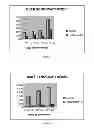


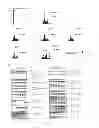


Sources:
- United States Patent and Trademark Office - verify current appl. status at the USPTO↗
Recent applications in this class:
- » 20190225573 2019-07-25
Vinylogous phenethylamines as neurotransmitter releasers - » 20180230080 2018-08-16
Adenylyl cyclase inhibitors for neuropathic and inflammatory pain - » 20160272572 2016-09-22
Adenylyl cyclase inhibitors for neuropathic and inflammatory pain - » 20150344407 2015-12-03
FENDILINE DERIVATIVES AND METHODS OF USE THEREOF - » 20080286671 2008-11-20
Electrophotographic photoreceptor containing enamine compound, image formation apparatus provided with the same, enamine compound and method for producing the same
Recent applications for this Assignee:
- » 20210186869 2021-06-24
Aqueous compositions comprising bilastine and mometasone - » 20170348249 2017-12-07
Calcifediol soft capsules - » 20100004283 2010-01-07
4-[(3-FLUOROPHENOXY)PHENYLMETHYL]PIPERIDINE METHANESULFONATE: USES, PROCESS OF SYNTHESIS AND PHARMACEUTICAL COMPOSITIONS