Multiplex assay for the detection of citrus pathogens
US20140030698A1
2014-01-30
13/945,350
2013-07-18
✅ Patent granted
US 9,347,106 B2
2016-05-24
-
-
Stephanie K Mummert | Aaron Priest
Kilpatrick Townsend & Stockton LLP
2033-07-18
Abstract:
The present invention provides methods and compositions for detecting multiple citrus pathogens using a multiplex branched DNA signal amplification reaction.
Assignee:
- The Regents of the University of California 12,685 🇺🇸 Oakland, CA, United States
Applicant:
Interested in similar patents?
Get notified when new applications in this technology area are published.
Classification:
C12Q1/701 » CPC main
Measuring or testing processes involving enzymes, nucleic acids or microorganisms ; Compositions therefor; Processes of preparing such compositions involving virus or bacteriophage Specific hybridization probes
C12Q1/70 IPC
Measuring or testing processes involving enzymes, nucleic acids or microorganisms ; Compositions therefor; Processes of preparing such compositions involving virus or bacteriophage
C12Q1/68 IPC
Measuring or testing processes involving enzymes, nucleic acids or microorganisms ; Compositions therefor; Processes of preparing such compositions involving nucleic acids
Description
CROSS-REFERENCE TO RELATED APPLICATIONS
This application claims priority benefit to U.S. provisional application No. 61/673,090, filed Jul. 18, 2012, which application is herein incorporated by reference for all purposes.
STATEMENT OF GOVERNMENTAL SUPPORT
This invention was made with Government support under Grant Nos. 58-5302-1-119 and 58-5302-1-226, awarded by the U.S. Department of Agriculture. The Government has certain rights in this invention.
BACKGROUND OF THE INVENTION
Citrus is susceptible to numerous disease caused by plant pathogens. There is a need for efficient and sensitive methods of detecting pathogens.
The method of the present invention provides a method for the detection of nine citrus pathogens in a single sample using a multiplex branched signal amplification reaction. The present invention thus provides an accurate, efficient, and quick method of detecting multiple citrus pathogens that is also suitable for high throughput screenings.
BRIEF SUMMARY OF THE INVENTION
The present invention provides methods and kits for detecting up to nine citrus pathogens where the pathogens are Citrus tristeza virus (CTV) universal, CTV genotype T30 and CTV genotype VT; Citrus psorosis virus (CPsV); Citrus tatter leaf virus (CTLV); Citrus leaf blotch virus (CLBV); Citrus exocortis viroid (CEVd); Hop stunt viroid (HSVd); and Citrus leprosis virus (CiLV). In some embodiments, the methods and kits additionally comprise components for detecting a housekeeping citrus gene, NADH dehydrogenase gene (Nad5) as an internal control.
In some aspects, the invention provides the following illustrative embodiments:
Embodiment 1
A method for detecting the presence of at least one citrus pathogen selected from Citrus tristeza virus (CTV) universal, CTV genotype T30, CTV genotype VT, Citrus psorosis virus, Citrus tatter leaf virus, Citrus leaf blotch virus, Citrus exocortis viroid, Hop stunt viroid, or Citrus leprosis virus in a plant sample, the method comprising:
extracting RNA from said sample;
performing a multiplex branched DNA signal amplification reaction; wherein the reaction comprises at least one capture extender probe and at least one label extender probe that targets the pathogen, wherein the at least one capture extender probe and the at least one label extender probe each comprises at least 8, 9, or 10 contiguous nucleotide of a probe sequence shown in Table 1; and
detecting the presence or absence of a signal above background, wherein the presence of the signal is indicative of the presence of the pathogen.
Embodiment 2
The method of embodiment 1, wherein the reaction comprises multiple capture extender probes and multiple label extender probes that target the pathogen, wherein each of the multiple capture extender probes and multiple label extender probes that target the pathogen comprises at least 8, 9, or 10 contiguous nucleotides of a probe sequence as shown in Table 1.
Embodiment 3
The method of embodiment 1 or 2, wherein each of the probes that target the pathogen comprises a probe sequence set forth in Table 1.
Embodiment 4
The method of embodiment 1, further comprising detecting the presence or absence of a second pathogen selected from Citrus tristeza virus (CTV) universal, CTV genotype T30, CTV genotype VT, Citrus psorosis virus, Citrus tatter leaf virus, Citrus leaf blotch virus, Citrus exocortis viroid, Hop stunt viroid, or Citrus leprosis virus in the plant sample, wherein the reaction comprises at least one capture extender probe and at least one label extender probe that target the second pathogen, wherein the capture extender probe and the label extender probe that target the second pathogen each comprise at least 8, 9, or 10 contiguous nucleotides of a probe sequence as shown in Table 1.
Embodiment 5
The method of embodiment 4, wherein the reaction comprises multiple capture extender probes and multiple label extender probes that target the second pathogen, wherein each of the multiple capture extender probes and multiple label extender probes that target the second pathogen comprise at least 8, 9, or 10 contiguous nucleotides of a probe sequence as shown in Table 1.
Embodiment 6
The method of embodiment 4 or 5, wherein each of the probes that target the second pathogen comprises a probe sequence as shown in Table 1.
Embodiment 7
The method of embodiment 4, further comprising detecting the presence or absence of a third, fourth, fifth, sixth, seventh, or eighth pathogen selected from Citrus tristeza virus (CTV) universal, CTV genotype T30, CTV genotype VT, Citrus psorosis virus, Citrus tatter leaf virus, Citrus leaf blotch virus, Citrus exocortis viroid, Hop stunt viroid, or Citrus leprosis virus in the plant sample, wherein the reaction comprises at least one capture extender probe and at least one label extender probe that target the third, fourth, fifth, sixth, seventh, or eighth pathogen, wherein the capture extender probe and the label extender probe each comprise at least 8, 9, or 10 contiguous nucleotides of a probe sequence as shown in Table 1.
Embodiment 8
The method of embodiment 7, wherein the reaction comprises multiple capture extender probes and multiple label extender probes that target the third, fourth, fifth, sixth, seventh, or eighth pathogen, wherein each of the multiple probes comprises at least 8, 9, or contiguous nucleotides of a probe sequence as shown in Table 1.
Embodiment 9
The method of embodiment 7 or 8, wherein each of the probes that target the third, fourth, fifth, sixth, seventh, or eighth pathogen comprises a probe sequence as shown in Table 1.
Embodiment 10
The method of embodiment 1, comprising detecting the presence or absence of the nine pathogens Citrus tristeza virus (CTV) universal, CTV genotype T30, CTV genotype VT, Citrus psorosis virus, Citrus tatter leaf virus, Citrus leaf blotch virus, Citrus exocortis viroid, Hop stunt viroid, and Citrus leprosis virus in the plant sample, wherein for each of the nine pathogens, the reaction comprises a capture extender probe and a label extender probe, wherein each capture extender probe and each label extender probe comprises at least 8, 9, or 10 contiguous nucleotides of a probe sequence as shown in Table 1.
Embodiment 11
The method of embodiment 10, wherein the reaction comprises multiple capture extender probes and multiple label extender probes that target each of the nine pathogens, wherein each of the multiple capture extender probes and each of the multiple label extender probes comprises at least 8, 9, or 10 contiguous nucleotides of a probe sequence shown in Table 1.
Embodiment 12
The method of embodiment 10 or 11, wherein each of the probes that target the nine pathogens comprises a probe sequence shown in Table 1.
Embodiment 13
The method of any one of embodiments 1 to 12, wherein the reaction comprises at least one blocking probe listed in Table 1 for the corresponding pathogen.
Embodiment 14
The method of any one of embodiment 1 to 12, wherein the reaction comprises all of the blocking probes listed in Table 1.
Embodiment 15
The method of any one of embodiments 1 to 14, wherein the reaction further comprises using one of the capture extender probes and one of the label extender probes for Nad5 listed in Table 1.
Embodiment 16
The method of embodiment 15, wherein the reaction comprises using all of the label extender probes and all of the capture extender probes for Nad5 listed in Table 1.
Embodiment 17
The method of any one of embodiments 1 to 16, wherein the plant sample is from seed, foliage, limbs, trunk, bark, rootstock, fruit, germplasm, propagule, cuttings, or budwood.
Embodiment 18
A reaction mixture for detecting the presence of at least one citrus pathogen selected from Citrus tristeza virus (CTV) universal, CTV genotype T30, CTV genotype VT, Citrus psorosis virus, Citrus tatter leaf virus, Citrus leaf blotch virus, Citrus exocortis viroid, Hop stunt viroid, or Citrus leprosis virus in a plant sample, wherein the reaction mixture comprises at least one capture extender probe and at least one label extender probe that target the pathogen, where the at least one capture extender probe and at least one label extender probe comprises 8, 9, or 10 contiguous nucleotide of a probe sequence as shown in Table 1.
Embodiment 19
The reaction mixture of embodiment 18, wherein the reaction comprises multiple capture extender probes and multiple label extender probes that target the pathogen, wherein each of the multiple capture extender probes and multiple label extender probes comprises at least 8, 9, or 10 contiguous nucleotides of a probe sequence as shown in Table 1.
Embodiment 20
The reaction mixture of embodiment 18 or 19, wherein each of the probes that target the pathogen comprises a probe sequence set forth in Table 1.
Embodiment 21
The reaction mixture of embodiment 18, further comprising at least one capture extender probe and at least one label extender probe that target a second pathogen selected from Citrus tristeza virus (CTV) universal, CTV genotype T30, CTV genotype VT, Citrus psorosis virus, Citrus tatter leaf virus, Citrus leaf blotch virus, Citrus exocortis viroid, Hop stunt viroid, or Citrus leprosis virus, wherein the capture extender probe and the label extender probe that target the second pathogen each comprise at least 8, 9, or 10 contiguous nucleotides of a probe sequence as shown in Table 1.
Embodiment 22
The reaction mixture of embodiment 21, wherein the reaction comprises multiple capture extender probes and multiple label extender probes that target the second pathogen, wherein each of the multiple capture extender probes and multiple label extender probes comprises at least 8, 9, or 10 contiguous nucleotides of a probe sequence as shown in Table 1.
Embodiment 23
The reaction mixture of embodiment 21 or 22, wherein each of the probes that target the second pathogen comprises a probe sequence as shown in Table 1.
Embodiment 24
The reaction mixture of embodiment 21, further comprising at least one capture extender probe and at least one label extender probe that target a third, fourth, fifth, sixth, seventh, or eighth pathogen selected from Citrus tristeza virus (CTV) universal, CTV genotype T30, CTV genotype VT, Citrus psorosis virus, Citrus tatter leaf virus, Citrus leaf blotch virus, Citrus exocortis viroid, Hop stunt viroid, or Citrus leprosis virus, wherein the capture extender probe and the label extender probe each comprise at least 8, 9, or 10 contiguous nucleotides of a probe sequence as shown in Table 1.
Embodiment 25
The reaction mixture of embodiment 24, wherein the reaction comprises multiple capture extender probes and multiple label extender probes that target the third, fourth, fifth, sixth, seventh, or eighth pathogen, wherein each of the multiple probes comprises at least 8, 9, or 10 contiguous nucleotides of a probe sequence as shown in Table 1.
Embodiment 26
The reaction mixture of embodiment 24 or 25, wherein each of the probes that target the third, fourth, fifth, sixth, seventh, or eighth pathogen comprises a probe sequence as shown in Table 1.
Embodiment 27
The reaction mixture of embodiment 18, comprising a capture extender probe and a label extender probe for each of the nine pathogens Citrus tristeza virus (CTV) universal, CTV genotype T30, CTV genotype VT, Citrus psorosis virus, Citrus tatter leaf virus, Citrus leaf blotch virus, Citrus exocortis viroid, Hop stunt viroid, and Citrus leprosis virus, wherein each capture extender probe and each label extender probe comprises at least 8, 9, or 10 contiguous nucleotides of a probe sequence as shown in Table 1.
Embodiment 28
The reaction mixture of embodiment 27, comprising multiple capture extender probes and multiple label extender probes that target each of the nine pathogens, wherein each of the multiple capture extender probes and each of the multiple label extender probes comprises at least 8, 9, or 10 contiguous nucleotides of a probe sequence shown in Table 1.
Embodiment 29
The reaction mixture of embodiment 27 or 28, wherein each of the probes that target the nine pathogens comprises a probe sequence shown in Table 1.
Embodiment 30
The reaction mixture of any one of embodiments 18 to 29, wherein the reaction comprises at least one blocking probe listed in Table 1 for the corresponding pathogen.
Embodiment 31
The reaction mixture of any one of embodiments 18 to 29, wherein the reaction mixture comprises all of the blocking probes listed in Table 1.
Embodiment 32
The reaction mixture of any one of embodiments 18 to 31, wherein the reaction mixture further comprises one of the capture extender probes and one of the label extender probes for Nad5 listed in Table 1, or all of the capture extender probes and all of the label extender probes for Nad5 listed in Table 1.
Embodiment 33
A kit mixture for detecting the presence of at least one citrus pathogen selected from Citrus tristeza virus (CTV) universal, CTV genotype T30, CTV genotype VT, Citrus psorosis virus, Citrus tatter leaf virus, Citrus leaf blotch virus, Citrus exocortis viroid, Hop stunt viroid, or Citrus leprosis virus in a plant sample, wherein the kit comprises at least one capture extender probe and at least one label extender probe that target the pathogen, where the at least one capture extender probe and at least one label extender probe comprises 8, 9, or 10 contiguous nucleotide of a probe sequence as shown in Table 1.
Embodiment 34
The kit of embodiment 33, wherein the kit comprises multiple capture extender probes and multiple label extender probes that target the pathogen, wherein each of the multiple capture extender probes and multiple label extender probes comprises at least 8, 9, or 10 contiguous nucleotides of a probe sequence as shown in Table 1.
Embodiment 35
The kit of embodiment 33 or 34, wherein each of the probes that target the pathogen comprises a probe sequence set forth in Table 1.
Embodiment 36
The kit of embodiment 33, further comprising at least one capture extender probe and at least one label extender probe that target a second pathogen selected from Citrus tristeza virus (CTV) universal, CTV genotype T30, CTV genotype VT, Citrus psorosis virus, Citrus tatter leaf virus, Citrus leaf blotch virus, Citrus exocortis viroid, Hop stunt viroid, or Citrus leprosis virus, wherein the capture extender probe and the label extender probe that target the second pathogen each comprise at least 8, 9, or 10 contiguous nucleotides of a probe sequence as shown in Table 1.
Embodiment 37
The kit of embodiment 36, wherein the reaction comprises multiple capture extender probes and multiple label extender probes that target the second pathogen, wherein each of the multiple capture extender probes and multiple label extender probes comprises at least 8, 9, or 10 contiguous nucleotides of a probe sequence as shown in Table 1.
Embodiment 38
The kit of embodiment 36 or 37, wherein each of the probes that target the second pathogen comprises a probe sequence as shown in Table 1.
Embodiment 39
The kit of embodiment 36, further comprising at least one capture extender probe and at least one label extender probe that target a third, fourth, fifth, sixth, seventh, or eighth pathogen selected from Citrus tristeza virus (CTV) universal, CTV genotype T30, CTV genotype VT, Citrus psorosis virus, Citrus tatter leaf virus, Citrus leaf blotch virus, Citrus exocortis viroid, Hop stunt viroid, or Citrus leprosis virus, wherein the capture extender probe and the label extender probe each comprise at least 8, 9, or 10 contiguous nucleotides of a probe sequence as shown in Table 1.
Embodiment 40
The kit of embodiment 39, wherein the kit comprises multiple capture extender probes and multiple label extender probes that target the third, fourth, fifth, sixth, seventh, or eighth pathogen, wherein each of the multiple probes comprises at least 8, 9, or 10 contiguous nucleotides of a probe sequence as shown in Table 1.
Embodiment 41
The kit of embodiment 39 or 40, wherein each of the probes that target the third, fourth, fifth, sixth, seventh, or eighth pathogen comprises a probe sequence as shown in Table 1.
Embodiment 42
The kit of embodiment 33, comprising a capture extender probe and a label extender probe for each of the nine pathogens Citrus tristeza virus (CTV) universal, CTV genotype T30, CTV genotype VT, Citrus psorosis virus, Citrus tatter leaf virus, Citrus leaf blotch virus, Citrus exocortis viroid, Hop stunt viroid, and Citrus leprosis virus, wherein each capture extender probe and each label extender probe comprises at least 8, 9, or 10 contiguous nucleotides of a probe sequence as shown in Table 1.
Embodiment 43
The kit of embodiment 42, comprising multiple capture extender probes and multiple label extender probes that target each of the nine pathogens, wherein each of the multiple capture extender probes and each of the multiple label extender probes comprises at least 8, 9, or 10 contiguous nucleotides of a probe sequence shown in Table 1.
Embodiment 44
The kit of embodiment 42 or 43, wherein each of the probes that target the nine pathogens comprises a probe sequence shown in Table 1.
Embodiment 45
The kit of any one of embodiments 33 to 44, wherein the kit comprises at least one blocking probe listed in Table 1 for the corresponding pathogen.
Embodiment 46
The kit of any one of embodiments 33 to 44, wherein the kit comprises all of the blocking probes listed in Table 1.
Embodiment 47
The kit of any one of embodiments 33 to 46, wherein the kit further comprises one of the capture extender probes and one of the label extender probes for Nad5 listed in Table 1, or all of the capture extender probes and all of the label extender probes for Nad5 listed in Table 1.
BRIEF DESCRIPTION OF THE DRAWINGS
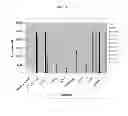
FIG. 1 provides illustrative data showing a 10-Plex reaction detecting citrus pathogens.
FIG. 2 provides illustrative data showing universal and genotype-specific detection of citrus pathogen CTV.
FIG. 3 provides illustrative data showing specific detection of citrus viroids CEVd and HSVd.
DETAILED DESCRIPTION OF THE INVENTION
As used herein, a “probe that targets a pathogen” refers to a nucleotide sequence that hybridizes to a desired region of a target nucleic acid in the pathogen.
The term “hybridization” refers to the formation of a duplex structure by two single stranded nucleic acids due to complementary base pairing. Hybridization can occur between exactly complementary nucleic acid strands or between nucleic acid strands that contain minor regions of mismatch. As used herein, the term “substantially complementary” refers to sequences that are complementary except for minor regions of mismatch. Typically, the total number of mismatched nucleotides over a hybridizing region is not more than 3 nucleotides for sequences about 15 nucleotides in length.
The term “probe” refers to an oligonucleotide that selectively hybridizes to a target nucleic acid under suitable conditions. A hybridization assay carried out using a probe under sufficiently stringent hybridization conditions enables the selective detection of a specific target sequence comprising the region of interest of a pathogen nucleic acid. The probe hybridizing region is preferably from about 10 to about 35 nucleotides in length. In some embodiments, the probe hybridizing region is 15 to about 35 nucleotides in length. The use of modified bases or base analogues which affect the hybridization stability, which are well known in the art, may enable the use of shorter or longer probes with comparable stability.
The term “target sequence” or “target region” refers to a region of a nucleic acid in a pathogen of interest to which a probe to the pathogen binds.
A “capture extender probe” or “CE probe” as used here is a polynucleotide that is capable of hybridizing to a nucleic acid of interest from a citrus pathogen and to a capture probe. The capture extender probe has a first polynucleotide sequence that is complementary to a capture probe, and a second polynucleotide sequence, e.g., a sequence as shown in Table 1, which is complementary to a citrus pathogen nucleic acid as described herein. The capture probe is typically immobilized to a solid support, including but not limited to a chip (e.g., an array), well, bead, or other solid support or matrix.
A “label extender probe” or “LE” as used here is a polynucleotide that is capable of hybridizing to a nucleic acid of interest from a pathogen and to a label probe system. The label extender probe has a first polynucleotide sequence that is complementary to a polynucleotide sequence of the label probe system and a second polynucleotide sequence, e.g., a sequence as shown in Table 1, which is complementary to a citrus pathogen as described herein. The signal-amplifying probe in the present invention typically comprises branched DNA, e.g., may include a pre-Amplifier probe, an Amplifier probe, and a Label probe.
INTRODUCTION
The present invention provides methods to diagnose infection with citrus pathogens. In some embodiments, the methods can be used in high-throughput screenings of thousands of plant samples in regulatory and research programs. Branched DNA technology (bDNA) employs a sandwich nucleic acid hybridization assay for nucleic acid detection and quantification that amplifies the reporter signal rather than the target sequence of interest that is to be detected. Thus, bDNA technology amplifies signal directly from captured target RNA without purification or reverse transcription. RNA quantitation is performed directly from a tissue sample. By measuring the nucleic acid at the sample source, the assay avoids variations or errors inherent to extraction and amplification of target polynucleotides. The QuantiGene Plex technology can be combined with multiplex bead based assay system such as the Luminex system described below to enable simultaneous detection of multiple pathogens of interest.
In brief, in an assay of the invention, a target nucleic acid to be detected is released from cells and captured by a Capture Probe (CP) on a solid surface (e.g., a well of a microtiter plate) through synthetic oligonucleotide probes called Capture Extenders (CEs). Each capture extender has a first polynucleotide sequence that can hybridize to the target nucleic acid and a second polynucleotide sequence that can hybridize to the capture probe. Typically, two or more capture extenders are used. Probes of another type, called Label Extenders (LEs), hybridize to different sequences on the target nucleic acid and to sequences on an amplification multimer. Additionally, Blocking Probes (BPs), which hybridize to regions of the target nucleic acid not occupied by CEs or LEs, are typically used to reduce non-specific target probe binding. A probe set for a given nucleic acid thus has CEs, LEs, and typically BPs for the target citrus pathogen. The CEs, LEs, and BPs are complementary to nonoverlapping sequences in the target nucleic acid from the citrus pathogen, and are typically, but not necessarily, contiguous.
Signal amplification begins with the binding of the LEs to the target mRNA. An amplification multimer is then typically hybridized to the LEs. The amplification multimer has multiple copies of a sequence that is complementary to a label probe (it is worth noting that the amplification multimer is typically, but not necessarily, a branched-chain nucleic acid; for example, the amplification multimer can be a branched, forked, or comb-like nucleic acid or a linear nucleic acid). A label, for example, alkaline phosphatase, is covalently attached to each label probe. (Alternatively, the label can be noncovalently bound to the label probes.) In the final step, labeled complexes are detected, e.g., by the alkaline phosphatase-mediated degradation of a chemilumigenic substrate, e.g., dioxetane. Luminescence is reported as relative light unit (RLUs) on a microplate reader. The amount of chemiluminescence is proportional to the level of mRNA expressed from the target gene.
The present invention provides a method and compositions for detecting the presence or absence of at least one, at least two, at least three, at least four, at least five, at least six, at least seven, at least eight, or all nine of the citrus pathogens described herein. As explained above, detection is performed using bDNA signal amplification technology and capture extender probes and label extender probes that target the pathogen nucleic acid regions described herein. The general design of branched amplification assays, e.g., suitable amplification multimers, considerations in designing capture probes that bind to the capture extenders, etc.; configuration; and hybridization conditions for such reactions can be determined using methods known in the art (see, e.g., U.S. Patent Application Publication No. 20120003648 and the references cited therein).
Citrus Pathogen Probes
The nine pathogen targets and internal citrus gene were developed based on specific genomic sequences and characteristics in the pathogens' genome. The probes (Table 1) included Capture Extenders (CE), Label Extenders (LE), Blocking Probes (BL) as per manufacturer's recommendations were designed and developed based on the conserved sequences in the genome of each pathogen. CTV-Pan (universal) probes was designed based on the pathogen sequence alignment of CTV isolates worldwide and included all major CTV genotypes. CTV-T30 (mild strain) probes were designed based on the sequence alignment of worldwide T30 genotype isolates. CTV-VT probes were designed based on sequence alignment of worldwide CTV isolates having a VT genotype. Similarly, probes for CPV, CTLV, CLBV, CEVd, HSVd and CiLV were based on pathogen sequence alignment from data deposited in GenBank. In the present invention, the CE and LE probe sequences shown in Table 1 are the regions of the CE and LE oligonucleotides that target the pathogen.
The present invention employs CE and LE probes that comprise sequences presented in Table 1 or are variants of the sequences in Table 1 that retain the ability to hybridize to the same target nucleic acid sequence as the probes shown in Table 1 such that the presence of the pathogen in a plant sample can be detected. Such variant probe sequences typically have no more than 1, 2, 3, 4, 5, 6, 7, or 8 nucleotide changes relative to a probe sequence as shown in Table 1. In some embodiments, a variant probe useful in the invention comprises at least 7, 8, 9, 10, 11, 12, 13, 14, 15, 16, 17, 18, 19, or 20, or more, contiguous nucleotides of a sequence shown in Table 1.
The methods and compositions for detecting one or more of the 9 citrus pathogens as described herein may also include probe to detect a control nucleic acid sequence. In some embodiments, the control is a housekeeping gene that is common to citrus plants. In some embodiments, the housekeeping gene is NADH dehydrogenase gene. In some embodiments, the CE and LE probes comprises the NAD sequences shown in Table 1 or are variants of the sequences that retain the ability to hybridize to the target region in the NAD sequence. In some embodiments, such a variant probe comprises at least 7, 8, 9, 10, 11, 12, 13, 14, 15, 16, 17, 18, 19, or 20, or more, contiguous nucleotides of a sequence shown in Table 1; or has no more than 1, 2, 3, 4, 5, 6, 7, or 8 nucleotide changes relative to the sequence shown in Table 1.
In some embodiments, one or more blocking probes may be employed. Table 1 provides examples of sequences that may be employed in blocking probes useful in the invention.
In some embodiments, multiple capture extender and/or label extender probes shown in Table 1, or variants thereof as described herein, are used in the invention. In some embodiments, each of the probes that target a pathogen is shown in Table 1. In some embodiments, all of the probes, including any blocking probes, shown in Table 1, or variants thereof as described herein, for a given pathogen are used in the invention.
Plant Samples
The sample evaluated for the presence of citrus pathogens can be from any plant material (e.g., seed, foliage, limbs, trunk, bark, rootstock, fruit, germplasm, propagule, cuttings, and budwood). RNA is extracted using well known techniques. Such an RNA sample may also comprise DNA. Methods for extracting RNA from a plant samples are known to those skilled in the art and are described in Bilgin et al., Nature Protocols, 4:333-340, (2009); Berendzen et al., Plant Methods, 1:4 (2005); Elspeth MacRae, Methods in Molecular Biology, vol. 353: Protocols for Nucleic Acid Analysis by Nonradioactive Probes, Second Edition, Humana Press, New Jersey, 15-24, (2007). Non-limiting examples of commercially available plant RNA extraction kits include include RNAeasy Plant Mini Kit (Qiagen, Hilden, Germany), PrepEase Plant Spin Kit (Affymetrix, Santa Clara, Calif.), Agilent Plant RNA Isolation Mini Kit (Agilent Technologies, Santa Clara, Calif.), Plant RNA Isolation Aid (Ambion, Austin, Tex.), and Spectrum Plant total RNA kit (Sigma-Aldrich, St. Louis, Mo.).
The following examples are offered to illustrate, but not to limit, the claimed invention.
EXAMPLES
Example 1
High Throughput Assays for Rapid and Accurate 10-Plex Detection of Citrus Pathogens
The assay was developed using a QuantiGene Plex and Luminex based assay procedure. The probes used for detecting the pathogens are shown in Table 1.
| TABLE 1 |
| Sequence of specific probes including Capture Extenders (CE), Label |
| Extenders (LE), Blocking Probes (BL) designed and developed for the |
| specific detection of nine citrus pathogen targets and a housekeeping citrus |
| gene as an internal control with QuantiGene Plex and Luminex based assay. |
| Targetsa | Probes | Probe sequence (5′→3′) |
| CTV-Pan | CTV001 CE | ctccgcctgaaacactcagactc |
| (all major CTV | CTV002 CE | atgaagtggtgttcacggagaa |
| genotypes) | CTV003 CE | attttaaagactttacccatccggt |
| CTV004 CE | ggttcacgcatacgttaagcc | |
| CTV005 CE | aacacacactctaaggagaacttcttt | |
| CTV006 CE | cccccatagggacagtgtgttgg | |
| CTV007 LE | gaacttattccgtccacttcaatcag | |
| CTV008 LE | aagggtttttaccaacccgacata | |
| CTV009 LE | tattgtctagtgatacatcaccatcat | |
| CTV010 LE | atatggttaattttcccctcgatc | |
| CTV011 LE | gggagcttagaccaacgagagg | |
| CTV012 LE | tcacttgagaccactaccactctgt | |
| CTV-T30 (CTV- | T30001 CE | cgggtgaatttgaatcgaaatt |
| T30 genotype) | T30002 CE | ggatcgagctccggagata |
| T30003 CE | ccaagtcccgcagggtcc | |
| T30004 CE | aaccgtctggttgggatttaca | |
| T30005 CE | tgtattgatattatgggcgtagaac | |
| T30006 CE | aagggacgatcggcccagcagcc | |
| T30007 CE | catacctccaagcgcccgcaa | |
| T30008 CE | tggggactttcacgcacagt | |
| T30009 LE | agcgaaagtcgaggacttgaa | |
| T30010 LE | cgaaattatgtaatcgctgcgtac | |
| T30011 LE | aggcgcgccagatgcg | |
| T30012 LE | tgcaggactccaacggtattaa | |
| T30013 LE | ggttgtatcagtgccgaagaag | |
| T30014 LE | gaaaactccttaaccaccgtagt | |
| T30015 LE | ttaatcgcgcgaacagca | |
| T30016 LE | aataggacgtccggcagct | |
| T30017 LE | cggagcgcggagcgtc | |
| T30018 LE | ggaggccacagaggcatc | |
| T30019 LE | acaccagatgtgtcgaaaacag | |
| T30020 LE | cagagcggggacgcacg | |
| T30023 LE | tcttcgccttgcgaatgga | |
| T30024 LE | ggctgagaaagaatgcagaatctt | |
| T30025 LE | cgagagaagagagaagaagccc | |
| T30026 LE | gtgccgcaagggacttcc | |
| T30027 LE | gcctgcgaagtctgtgacgc | |
| T30028 LE | agggtcaactagtttcgcaacac | |
| T30029 BL | gctagctccgagtttcgacatat | |
| T30031 BL | gcgcgaactgagaacgga | |
| CTV-VT (CTV- | VT002 CE | ggacgtgatttccggaggg |
| VT genotype) | VT003 CE | accgattcccgcagcgt |
| VT004 CE | ggcaatttgccgggatttac | |
| VT005 CE | atttgtttgtatgggcgtagtg | |
| VT007 CE | agaatacctccaaatgcccg | |
| VT008 CE | ggcgtcccttaagtttgatct | |
| VT009 LE | gaaagtcaaggacttgaagcg | |
| VT010 LE | tgatgtaatcgctgcgtacagc | |
| VT011 LE | gcgccagatgcgcgaga | |
| VT012 LE | gactccaacggtgttaaaggc | |
| VT013 LE | ggttgtttcagtaccgaagaagt | |
| VT014 LE | aaaattccttaaccaccttggt | |
| VT015 LE | ttaatcgcgcgaacagca | |
| VT016 LE | tgggacgtccggcagct | |
| VT017 LE | agagcgcggagcgtcaa | |
| VT018 LE | ggaggccacagaggcatcc | |
| VT019 LE | cgacaccagatgtgtcgataacag | |
| VT020 LE | cgacagagcggggacgta | |
| VT021 LE | gcagtaaggggaggtttacacag | |
| VT022 LE | tggacttcttggcggcg | |
| VT023 LE | tctttcttcgccttgcgaa | |
| VT024 LE | ccggctaagaaagaaagcagaa | |
| VT025 LE | cgtgccgcaggggactt | |
| VT026 LE | gcgcctacgaagtctatgacg | |
| VT027 LE | atggtagggtctactcgtttcataac | |
| VT028 LE | cgtcttggggactctcgtgc | |
| VT029 BL | agctccgagtttcgacatgttat | |
| VT030 BL | aaacaggatttccgtagaggg | |
| VT031 BL | gcgcgaacagaaaacgga | |
| VT032 BL | cccgtgagaagagtgaagaagc | |
| Psorosis (CPsV) | psoro001 CE | tggcgatggtgaagggcc |
| psoro002 CE | aagaacaaggggtttcagaatgatag | |
| psoro003 CE | agcctcactccagatggcaga | |
| psoro004 CE | tcaattgcaataagagattttctgaa | |
| psoro005 CE | ctcctgaatccctgatgccatt | |
| psoro006 CE | atctgtgagatatgctgggtttgc | |
| psoro007 CE | aacaaagaaattccctgcaaggg | |
| psoro008 CE | gtgaggaattgagccatgctcc | |
| psoro009 LE | catggagtgtgttgacaaaacca | |
| psoro010 LE | attgacatggccgagaggataataa | |
| psoro011 LE | aaaaggcttcatcctttatctgatga | |
| psoro012 LE | tggagggacaatggaagaatcag | |
| psoro013 LE | gctggaaaccaatcaaaagattgaaaaa | |
| psoro014 LE | gtcccctgctgttggtgcaa | |
| psoro015 LE | tgtttctcaagattgatatagacaactt | |
| psoro016 LE | gaagctgtatgatggtgatgtaagttt | |
| CTLV | CTLV001 CE | tgctgagagggacctaaatcctct |
| CTLV002 CE | gggaggaaccgtcagaagttcc | |
| CTLV003 CE | gtgattgcagagaagaaggtaaagctc | |
| CTLV004 CE | aagaaattcacgagccaaatcagc | |
| CTLV005 CE | caaaagctttgggccatttctt | |
| CTLV006 CE | cctgcctcgaaaaccccttt | |
| CTLV007 LE | tgttgaagcacgtcttccaaactcat | |
| CTLV008 LE | gaaactgggtcttatcagatgaccc | |
| CTLV009 LE | agaagtagcagcaaaggttttcaattc | |
| CTLV010 LE | ttgtccttcagtacgaaaaagcct | |
| CTLV011 LE | cgactcctaaccctccagttcca | |
| CTLV012 LE | cctgcaagaccgcgaccaa | |
| CTLV013 LE | ttaagtataaaggcaggcatgtcaa | |
| CLBV | CLBV001 CE | cagctctgaattttcgaatgatgtca |
| CLBV002 CE | ttgagtgactcattcaattcttcaa | |
| CLBV003 CE | cccagccaaaattgcagct | |
| CLBV004 CE | atctttgggaaatgtctttcaact | |
| CLBV005 CE | gctcatgccctttttttttcaaatt | |
| CLBV006 LE | tgaggaatggttcaactatggct | |
| CLBV007 LE | tcagaatttctgtcctcatcagatg | |
| CLBV008 LE | tctccatgctcggccacta | |
| CLBV009 LE | tcagggtccacctcctctgtg | |
| CLBV010 LE | tgtgatctcaagctgtgatgcat | |
| CLBV011 LE | ttcaagctgctgctctctatctgc | |
| CLBV012 LE | ccactgccggtcagtggtt | |
| CLBV013 LE | cagcatgtaccggttcagaagat | |
| CLBV014 LE | actgtggagcgtgtgctgatt | |
| CLBV015 LE | gcagatcattcaccacatgca | |
| CLBV016 BL | ggaaaaaatggcgaagaagacc | |
| CLBV017 BL | ctttttttgaataaactctgccgtac | |
| CLBV018 BL | tgtttctcagatcttctgcttctgc | |
| CEVd | CEVd001 CE | tcttttttcttttcctgcctgc |
| CEVd002 CE | ggatccctgaaggacttctt | |
| CEVd003 CE | tcctccaggtttccccgg | |
| CEVd004 CE | ttctccgctggacgccag | |
| CEVd005 CE | cctcgcccggagagcagt | |
| CEVd006 CE | tagggttccgagggctttcac | |
| CEVd007 LE | ggaacctcaagaaagatcccg | |
| CEVd008 LE | agggtcaggtgagcaccaca | |
| CEVd009 LE | cccccccgacctcgact | |
| CEVd010 LE | tgatccgcggcgaccg | |
| CEVd011 LE | aaaggaaggagacgagctcctgt | |
| CEVd012 LE | ggatgtggagccagcagcg | |
| CEVd013 LE | tcagttgtttccaccgggtagt | |
| CEVd014 LE | gcggtttggggttgaagct | |
| HSVd | CVdII001 CE | ttttctttgcttgcccatgc |
| CVdII002 CE | ggattctgagaagagttgcccc | |
| CVdII003 CE | agctagaagcctctactccagagc | |
| CVdII004 CE | ggacgatcgatggtgtttcga | |
| CVdII005 CE | agccaggagaaggtaaaagaagaag | |
| CVdII006 CE | cgaaccgagaggtgatgcca | |
| CVdII007 LE | ggcaactcgagaattccccag | |
| CVdII008 LE | ggggctcctttctcaggtaagt | |
| CVdII009 LE | accgcggccctctctcc | |
| CVdII010 LE | ccggtcgcgtctcatcgga | |
| CVdII011 LE | ggcagaggctcagatagacaaaaa | |
| CVdII012 LE | gggctcaagagaggatccgc | |
| Leprosis (CiLV) | leprosis3|CE | tgctaatatcacgcagaccttca |
| leprosis9|CE | ggccttctgcttagcaggttt | |
| leprosis11|CE | tgggtggagcaagctgctt | |
| leprosis14|CE | cggcatattttgggcagtg | |
| leprosis18|CE | gcttccattaccttaaaatcaggta | |
| leprosis19|CE | gacggcaactaggtcctcagaa | |
| leprosis1|LE | ctcaatggcctgcataatctca | |
| leprosis2|LE | ggaacagacacgttgtgccg | |
| leprosis4|LE | actgctgcttcttcttagtaggct | |
| leprosis5|LE | gtgacagttgttgaggttgcg | |
| leprosis7|LE | ccgggttgcagttgctgag | |
| leprosis8|LE | cttggcctgataaccactagga | |
| leprosis16|LE | ttataatatgtcatccctatctgcttc | |
| leprosis17|LE | acgcatagggctcggatatc | |
| leprosis21|LE | atactatataagcgcttctcaaagct | |
| leprosis22|LE | gtcgcttcgggaagccc | |
| leprosis23|LE | ccgggacaacgttctttatgg | |
| leprosis24|LE | caatgtagtgatcactgaactcgaata | |
| Nad5 | Nad54|CE | ggtcattatagcggttccttctga |
| Nad55|CE | gaagagaatgaaacgcacgtagt | |
| Nad59|CE | caaacatttccgatgagatcca | |
| Nad515|CE | aataacacataaatcgagggctatg | |
| Nad519|CE | aaatatgaagcaagacctactccct | |
| Nad522|CE | ctcgattgacaggcatagcttt | |
| Nad51|LE | gggcaaaaatacgataagtagataca | |
| Nad52|LE | ctgctacggaactaccgagaag | |
| Nad56|LE | tcataaaaagcaatcagagataagatc | |
| Nad57|LE | actagctcccggtgcgact | |
| Nad510|LE | caagaagccccaagaagcat | |
| Nad511|LE | actacggtcgggctatcgaa | |
| Nad512|LE | cttatggatgtaaccacaattaacatc | |
| Nad513|LE | tggaataaagatggaccaagcta | |
| Nad517|LE | gagagttatctccagtcaccaacat | |
| Nad518|LE | cccatcccaggaataattgaa | |
| Nad520|LE | gtcgtgtaaaccagaaatgaattaac | |
| Nad521|LE | tgtagctgctttatctgcctgaa | |
| aCTV-Pan: Citrus tristeza virus major genotypes (universal), CTV-T30: CTV genotype T30, CTV-VT: CTV genotype VT, Psorosis: Citrus psorosis virus (CPsV), CTLV: Citrus tatter leaf virus, CLBV: Citrus leaf blotch virus, CEVd: Citrus exocortis viroid, HSVd: Hop stunt viroid (syn. citrus viroid IIa, IIb, and IIc), Leprosis: Citrus leprosis virus (CiLV), Nad5: NADH dehydrogenase gene, a housekeeping citrus gene, used as an internal control. |
The procedure from the QuantiGene Plex 2.0 Assay User Manual from Affymetrix/Panomics Inc is shown below:
Capturing Target RNA from Total, Purified, In Vitro Transcribed RNA or Total Nucleic Acid
1. Sample and reagent preparation: thaw probe set, blocking reagent and total nucleic acid samples (both RNA and DNA or RNA only), and place them on ice.
2. Pre-warm lysis mixture at 37° C. for 30 minutes.
3. Prepare a working bead mix including nuclease-free water, lysis mixture, blocking reagent, capture beads, probe set, according to reaction composition (Table 2).
| TABLE 2 |
| Working Bead Mix Set Up |
| Order of addition | Reagent | Per well (μl) |
| 1 | Nuclease-free water | 38.7 |
| 2 | Lysis mixture | 33.3 |
| 3 | Blocking reagent | 2 |
| 4 | Capture beads | 1 |
| 5 | Probe set | 5 |
| Total | 80 | |
4. Vortex working bead mix for 30 sec, transfer 80 μl to each well of the hybridization plate.
5. Add 20 μl nucleic acid samples (or RNA sample) to each well of the above plate.
6. Seal the hybridization plate with a pressure seal and mount the plate into the shaking incubator.
7. Incubate for 18-22 hours at 54° C. at 600 rpm.
Signal Amplification and Detection of RNA Targets
1. Place label probe diluent and SAPE diluent to room temperature. Incubate amplifier diluent at 37° C. for 20 minutes.
2. Prepare 200 ml wash buffer including 0.6 ml wash buffer Component 1, 10 ml wash buffer Component 2 and 189.4 ml nuclease-free water.
3. Add 36 μl pre-amplifier to 12 ml amplifier diluent.
4. Take the hybridization plate out of the shaking incubator, and spin at 240 g for 60 seconds.
5. Open the pressure seal, mix with pipette, then transfer the hybridization mixture to the magnetic separation plate.
6. Put the magnetic separation plate on the plate holder of the plate washer for 60 seconds, then empty the magnetic separation and wash three times with 100 μl wash buffer.
7. Add 100 μl pre-amplifier solution to each well.
8. Seal the magnetic separation plate with a foil plate seal and shake for 60 minutes at 50° C. with 600 rpm.
9. Add 36 μl amplifier to 12 ml amplifier diluent.
10. Take the magnetic separation plate out of the shaking incubator.
11. Open the foil plate seal.
12. Put the magnetic separation plate on the plate holder of the plate washer for 60 seconds, then empty the magnetic separation plate and wash three times with 100 μl wash buffer.
13. Add 100 μl amplifier solution to each well.
14. Seal the magnetic separation plate with a foil plate seal and shake for 60 minutes at 50° C. with 600 rpm.
15. Add 36 μl label probe to 12 ml label probe diluent.
16. Take the magnetic separation plate out of the shaking incubator and open the foil plate seal.
17. Put the magnetic separation plate on the plate holder of the plate washer for 60 seconds, then empty the magnetic separation plate and wash three times with 100 μl wash buffer.
18. Add 100 μl label probe solution to each well.
19. Seal the magnetic separation plate with a foil plate seal and shake for 60 minutes at 50° C. with 600 rpm.
20. Add 36 μl SAPE to 12 ml SAPE diluent.
21. Take the magnetic separation plate out of the shaking incubator and open the foil plate seal.
22. Put the magnetic separation plate on the plate holder of the plate washer for 60 seconds, then empty the magnetic separation plate and wash three times with 100 μl wash buffer.
23. Add 100 μl SAPE solution to each well.
24. Seal the magnetic separation plate with a foil plate seal and shake for 30 minutes at 50° C. with 600 rpm.
25. Take the magnetic separation plate out of the shaking incubator, open the foil plate seal.
26. Put the magnetic separation plate on the plate holder of the plate washer for 60 seconds, then empty the magnetic separation plate and wash three times with 100 μl SAPE wash buffer.
27. Add 130 μl SAPE wash buffer to each well.
28. Seal the magnetic separation plate with a foil plate seal and cover the magnetic separation plate with foil and shake for 2-3 minutes at room temperature with 600 rpm, then use Luminex instrument to read.
Initially, the assay was performed using nine samples from healthy and infected citrus plants with CTV genotype T30, CTV genotype VT, CPsV (Psorosis), CTLV, CLBV, CEVd, HSVd, CiLV (Leprosis), respectively (FIG. 1). A procedure for high throughput robotic extraction and purification of nucleic acid targets, optimized for citrus tissues, was developed and used with the Luminex-based QuantiGene Plex system to increase uniformity and cost effectiveness of the test. Sample CTV-T30 was detected to show positive reactions with both CTV-Pan and CTV-T30, but not CTV-VT and other pathogen targets. In addition, sample CTV-T30 was detected to show positive reactions with Nad5, the positive internal control for citrus plants, which could be used to access the RNA extraction quality and to normalize data for accurate quantification of the pathogen populations among samples. Sample CTV-VT was confirmed to have CTV genotype VT and HSVd from other studies. In contrast to sample CTV-T30, CTV-VT was detected to show positive reactions with Nad5, CTV-Pan, CTV-VT, and HSVd, but not CTV-T30 and the other RNA pathogen targets. Sample HSVd showed positive reactions with Nad5 and HSVd, but not other pathogen targets. Similarly, samples CEVd, CPsV and CTLV showed positive reactions with Nad5 and their pathogen targets, respectively, but not other pathogen targets. Sample CLBV was confirmed to have HSVd and CLBV from other studies. In the assay, sample CLBV showed positive reactions with Nad5, CLBV and HSVd, but not other pathogen targets. Sample Leprosis was confirmed to have CTV, HSVd and Psorosis from other studies. In the assay, sample Leprosis showed positive reactions with Leprosis, Nad5, CTV-Pan, CTV-T30, CTV-VT, and HSVd. Finally, the healthy Navel sweet orange control sample showed positive reaction with Nad5 but not to any pathogen targets. These data showed that the assay is capable of specific detection of each target including Nad5, CTV-Pan, CTV genotype T30, CTV genotype VT, Psorosis, CTLV, CLBV, CEVd, HSVd, and Leprosis.
Developmental assays were performed using more CTV samples from healthy and infected citrus plants (FIG. 2). Every sample tested had a positive reaction with Nad5 indicating that nucleic acid extracted per plant was effective. In addition, sample CTV-1 containing CTV genotype T30 showed positive reactions with both CTV-Pan and CTV-T30, but not CTV-VT. Sample CTV-2 containing CTV genotype VT showed positive reactions with both CTV-Pan and CTV-VT, but not CTV-T30. Sample CTV-3 containing CTV genotype T36 showed positive reaction with CTV-Pan only, but not to CTV-T30 or CTV-VT. Lastly, samples 4 and 5 containing both T30 and VT genotypes showed positive reactions with CTV-Pan, CTV-T30 and CTV-VT. These data further validate the 10-plex detection system could detect broad-spectrum CTV strains but also the major genotypes T30 and VT.
The assay was also performed using healthy citrus and citrus infected with citrus viroids (FIG. 3). There are seven known distinct viroid species representing four genera in the Pospiviroidae family. They are: Citrus exocortis viroid (CEVd, genus Pospiviroid), Hop stunt viroid (HSVd, genus Hostuviroid), Citrus bark cracking viroid (CBCVd, genus Cocadviroid) and Citrus bent leaf viroid (CBLVd), Citrus dwarfing viroid (CDVd), Citrus viroid V (CVd-V) and CVd-VI of the genus Apscaviroid. Collectively, these various citrus viroids cause abnormal growth. All samples tested were positive for Nad5 and demonstrated good quality nucleic acid extraction and purification. Viroid-3, -5 and -7 contained HSVd and showed positive reaction with HSVd but not CEVd. Viroid-6 contained CEVd and showed a positive reaction with CEVd but not HSVd. Samples infected with known multiple viroid species were also tested in the assay. Sample viroid-2 contained CEVd and CBCVd and showed a positive reaction with CEVd, but not HSVd. Sample viroid-4 containing CBLVd, HSVd, CDVd, CBCVd, CVd-V and CEVd showed positive reactions with both CEVd and HSVd. In short, it was further validated that the 10-plex detection system could detect specifically different citrus viroid species CEVd and HSVd, respectively.
The high throughput robotic extraction and purification of nucleic acid targets, optimized for citrus tissues, it showed that samples obtained from fresh or frozen tissue crude extraction using QuantiGene sample processing kit were consistently detected. Finally, sensitivity studies using serial dilutions of CTV and HSVd samples, respectively, suggested that those samples, obtained by the high throughput robotic extraction and purification of nucleic acid targets, were consistently detected after dilution of up to 1000 times.
All publications, patents, accession numbers, and patent applications cited in this specification are herein incorporated by reference as if each individual publication or patent application were specifically and individually indicated to be incorporated by reference.
Although the foregoing invention has been described in some detail by way of illustration and example for purposes of clarity of understanding, it will be readily apparent to those of ordinary skill in the art in light of the teachings of this invention that certain changes and modifications may be made thereto without departing from the spirit or scope of the appended claims.
Claims
What is claimed is:1. A method for detecting the presence of at least one citrus pathogen selected from Citrus tristeza virus (CTV) universal, CTV genotype T30, CTV genotype VT, Citrus psorosis virus, Citrus tatter leaf virus, Citrus leaf blotch virus, Citrus exocortis viroid, Hop stunt viroid, or Citrus leprosis virus in a plant sample, the method comprising:
extracting RNA from said sample;
performing a multiplex branched DNA signal amplification reaction; wherein the reaction comprises at least one capture extender probe and at least one label extender probe that target the pathogen, wherein the at least one capture extender probe and the at least one label extender probe each comprises at least 8, 9, or 10 contiguous nucleotide of a probe sequence shown in Table 1; and
detecting the presence or absence of a signal above background, wherein the presence of the signal is indicative of the presence of the pathogen.
2. The method of claim 1, wherein the reaction comprises multiple capture extender probes and multiple label extender probes that target the pathogen, wherein each of the multiple capture extender probes and multiple label extender probes that target the pathogen comprises at least 8, 9, or 10 contiguous nucleotides of a probe sequence as shown in Table 1; or each of the probes that target the pathogen comprises a probe sequence set forth in Table 1.
3. The method of claim 1, further comprising detecting the presence or absence of a second, third, fourth, fifth, sixth, seventh, or eighth pathogen selected from Citrus tristeza virus (CTV) universal, CTV genotype T30, CTV genotype VT, Citrus psorosis virus, Citrus tatter leaf virus, Citrus leaf blotch virus, Citrus exocortis viroid, Hop stunt viroid, or Citrus leprosis virus in the plant sample, wherein the reaction comprises at least one capture extender probe and at least one label extender probe that target the second, third, fourth, fifth, sixth, seventh, or eighth pathogen, wherein the capture extender probe and the label extender probe that target the second, third, fourth, fifth, sixth, seventh, or eighth pathogen each comprise at least 8, 9, or 10 contiguous nucleotides of a probe sequence as shown in Table 1.
4. The method of claim 3, wherein the reaction comprises multiple capture extender probes and multiple label extender probes that target the second, third, fourth, fifth, sixth, seventh, or eighth pathogen, wherein each of the multiple capture extender probes and multiple label extender probes that target the second, third, fourth, fifth, sixth, seventh, or eighth pathogen comprise at least 8, 9, or 10 contiguous nucleotides of a probe sequence as shown in Table 1; or each of the probes that target the second, third, fourth, fifth, sixth, seventh, or eighth pathogen comprises a probe sequence as shown in Table 1.
5. The method of claim 1, comprising detecting the presence or absence of the nine pathogens Citrus tristeza virus (CTV) universal, CTV genotype T30, CTV genotype VT, Citrus psorosis virus, Citrus tatter leaf virus, Citrus leaf blotch virus, Citrus exocortis viroid, Hop stunt viroid, and Citrus leprosis virus in the plant sample, wherein for each of the nine pathogens, the reaction comprises a capture extender probe and a label extender probe, wherein each capture extender probe and each label extender probe comprises at least 8, 9, or 10 contiguous nucleotides of a probe sequence as shown in Table 1.
6. The method of claim 5, wherein the reaction comprises multiple capture extender probes and multiple label extender probes that target each of the nine pathogens, wherein each of the multiple capture extender probes and each of the multiple label extender probes comprises at least 8, 9, or 10 contiguous nucleotides of a probe sequence shown in Table 1; or each of the probes that target the nine pathogens comprises a probe sequence shown in Table 1.
7. The method of claim 1, wherein the reaction comprises at least one blocking probe listed in Table 1 for the corresponding pathogen; or the reaction comprises all of the blocking probes listed in Table 1.
8. The method of claim 1, wherein the reaction further comprises using one of the capture extender probes and one of the label extender probes for Nad5 listed in Table 1; or using all of the label extender probes and all of the capture extender probes for Nad5 listed in Table 1.
9. The method of claim 1, wherein the plant sample is from seed, foliage, limbs, trunk, bark, rootstock, fruit, germplasm, propagule, cuttings, or budwood.
10. A reaction mixture for detecting the presence of at least one citrus pathogen selected from Citrus tristeza virus (CTV) universal, CTV genotype T30, CTV genotype VT, Citrus psorosis virus, Citrus tatter leaf virus, Citrus leaf blotch virus, Citrus exocortis viroid, Hop stunt viroid, or Citrus leprosis virus in a plant sample, wherein the reaction mixture comprises at least one capture extender probe and at least one label extender probe that target the pathogen, where the at least one capture extender probe and at least one label extender probe each comprise 8, 9, or 10 contiguous nucleotide of a probe sequence as shown in Table 1.
11. The reaction mixture of claim 10, wherein the reaction comprises multiple capture extender probes and multiple label extender probes that target the pathogen, wherein each of the multiple capture extender probes and multiple label extender probes comprises at least 8, 9, or 10 contiguous nucleotides of a probe sequence as shown in Table 1; or each of the probes that target the pathogen comprises a probe sequence set forth in Table 1.
12. The reaction mixture of claim 10, further comprising at least one capture extender probe and at least one label extender probe that target a second, third, fourth, fifth, sixth, seventh, or eighth pathogen selected from Citrus tristeza virus (CTV) universal, CTV genotype T30, CTV genotype VT, Citrus psorosis virus, Citrus tatter leaf virus, Citrus leaf blotch virus, Citrus exocortis viroid, Hop stunt viroid, or Citrus leprosis virus, wherein the capture extender probe and the label extender probe each comprise at least 8, 9, or 10 contiguous nucleotides of a probe sequence as shown in Table 1.
13. The reaction mixture of claim 12, wherein the reaction comprises multiple capture extender probes and multiple label extender probes that target the second, third, fourth, fifth, sixth, seventh, or eighth pathogen, wherein each of the multiple probes comprises at least 8, 9, or 10 contiguous nucleotides of a probe sequence as shown in Table 1; or wherein each of the probes that target the second, third, fourth, fifth, sixth, seventh, or eighth pathogen comprises a probe sequence as shown in Table 1.
14. The reaction mixture of claim 10, comprising a capture extender probe and a label extender probe for each of the nine pathogens Citrus tristeza virus (CTV) universal, CTV genotype T30, CTV genotype VT, Citrus psorosis virus, Citrus tatter leaf virus, Citrus leaf blotch virus, Citrus exocortis viroid, Hop stunt viroid, and Citrus leprosis virus, wherein each capture extender probe and each label extender probe comprises at least 8, 9, or 10 contiguous nucleotides of a probe sequence as shown in Table 1.
15. The reaction mixture of claim 14, comprising multiple capture extender probes and multiple label extender probes that target each of the nine pathogens, wherein each of the multiple capture extender probes and each of the multiple label extender probes comprises at least 8, 9, or 10 contiguous nucleotides of a probe sequence shown in Table 1; or wherein each of the probes that target the nine pathogens comprises a probe sequence shown in Table 1.
16. A kit for detecting the presence of at least one citrus pathogen selected from Citrus tristeza virus (CTV) universal, CTV genotype T30, CTV genotype VT, Citrus psorosis virus, Citrus tatter leaf virus, Citrus leaf blotch virus, Citrus exocortis viroid, Hop stunt viroid, or Citrus leprosis virus in a plant sample, wherein the kit comprises at least one capture extender probe and at least one label extender probe that target the pathogen, where the at least one capture extender probe and at least one label extender probe comprises 8, 9, or 10 contiguous nucleotide of a probe sequence as shown in Table 1.
17. The kit of claim 16, wherein the kit comprises multiple capture extender probes and multiple label extender probes that target the pathogen, wherein each of the multiple capture extender probes and multiple label extender probes comprises at least 8, 9, or 10 contiguous nucleotides of a probe sequence as shown in Table 1; or each of the probes that target the pathogen comprises a probe sequence set forth in Table 1.
18. The kit of claim 16, further comprising at least one capture extender probe and at least one label extender probe that target a second, third, fourth, fifth, sixth, seventh, or eighth pathogen selected from Citrus tristeza virus (CTV) universal, CTV genotype T30, CTV genotype VT, Citrus psorosis virus, Citrus tatter leaf virus, Citrus leaf blotch virus, Citrus exocortis viroid, Hop stunt viroid, or Citrus leprosis virus, wherein the capture extender probe and the label extender probe each comprise at least 8, 9, or 10 contiguous nucleotides of a probe sequence as shown in Table 1.
19. The kit of claim 18, wherein the kit comprises multiple capture extender probes and multiple label extender probes that target the second, third, fourth, fifth, sixth, seventh, or eighth pathogen, wherein each of the multiple probes comprises at least 8, 9, or 10 contiguous nucleotides of a probe sequence as shown in Table 1 or each of the probes that target the second, third, fourth, fifth, sixth, seventh, or eighth pathogen comprises a probe sequence as shown in Table 1.
20. The kit of claim 16, comprising a capture extender probe and a label extender probe for each of the nine pathogens Citrus tristeza virus (CTV) universal, CTV genotype T30, CTV genotype VT, Citrus psorosis virus, Citrus tatter leaf virus, Citrus leaf blotch virus, Citrus exocortis viroid, Hop stunt viroid, and Citrus leprosis virus, wherein each capture extender probe and each label extender probe comprises at least 8, 9, or 10 contiguous nucleotides of a probe sequence as shown in Table 1.
21. The kit of claim 20, comprising multiple capture extender probes and multiple label extender probes that target each of the nine pathogens, wherein each of the multiple capture extender probes and each of the multiple label extender probes comprises at least 8, 9, or 10 contiguous nucleotides of a probe sequence shown in Table 1; or each of the probes that target the nine pathogens comprises a probe sequence as shown in Table 1.
Images & Drawings included:


Sources:
- United States Patent and Trademark Office - verify current appl. status at the USPTO↗
Similar patent applications:
Recent applications in this class:
- » 20250290166 2025-09-18
RNA SEPARATION AND RELATED TECHNIQUES FOR DETERMINING VIRUSES SUCH AS CORONAVIRUSES - » 20250290165 2025-09-18
VIRAL VARIANT DETECTION - » 20250283182 2025-09-11
METHODS AND SYSTEMS FOR DETECTING A TARGET USING BRCAS12B AND GENETICALLY ENGINEERED VARIANTS THEREOF - » 20250277281 2025-09-04
LENTIVIRUS INTEGRATION JUNCTION ANALYSIS - » 20250277280 2025-09-04
METHODS FOR SPATIALLY DETECTING RNA MOLECULES - » 20250277279 2025-09-04
SAMPLE POOLING ASSAY - » 20250270664 2025-08-28
KIT FOR DETECTING PATHOGENS CAUSING SEXUALLY TRANSMITTED INFECTIONS AND METHOD FOR DETECTING PATHOGENS CAUSING SEXUALLY TRANSMITTED INFECTIONS USING SAME - » 20250270663 2025-08-28
CAS13-BASED COMPOSITIONS AND METHODS OF USE THEREOF - » 20250270662 2025-08-28
METHOD FOR ENUMERATION AND PHYSICAL CHARACTERIZATION OF NANOPARTICLES - » 20250270661 2025-08-28
NOVEL FISH TOTIVIRUS
Recent applications for this Assignee:
- » 20250292872 2025-09-18
BAMBAM: PARALLEL COMPARATIVE ANALYSIS OF HIGH-THROUGHPUT SEQUENCING DATA - » 20250292600 2025-09-18
SYSTEMS AND METHODS FOR THE DETECTION AND CLASSIFICATION OF LIVE MICROORGANISMS USING THIN FILM TRANSISTOR (TFT) IMAGE SENSOR AND DEEP LEARNING - » 20250290844 2025-09-18
METHODS OF USING SHAPED PARTICLES IN FLOW CYTOMETERS FOR ASSAYS ON B CELLS AND T CELLS - » 20250290150 2025-09-18
METHODS AND SYSTEMS FOR CHARACTERIZATION, DIAGNOSIS, AND TREATMENT OF CANCER - » 20250290099 2025-09-18
MATERIALS AND METHODS FOR TARGETED GENETIC MANIPULATIONS IN CELLS - » 20250288613 2025-09-18
COMPOSITIONS AND METHODS TARGETING SAT1 FOR ENHANCING ANTI-TUMOR IMMUNITY DURING TUMOR PROGRESSION - » 20250288149 2025-09-18
Automated Modular Kitchen Systems - » 20250287942 2025-09-18
FORMULATIONS FOR REPELLING BEES AND OTHER INSECTS - » 20250283051 2025-09-11
CELLS DIFFERENTIATED FROM IMMUNOENGINEERED PLURIPOTENT CELLS - » 20250282954 2025-09-11
SCALABLE TEMPERATURE ADAPTIVE RADIATIVE COATING WITH OPTIMIZED SOLAR ABSORPTION