Permanent attachment of agents to surfaces containing C-H functionality
US20140121333A1
2014-05-01
14/124,045
2012-07-12
✅ Patent granted
US 9,315,628 B2
2016-04-19
WO; PCT/US2012/046400; 20120712
WO; WO2013/012664; 20130124
Ana Woodward
Thomas Horstemeyer, LLP
2032-07-12
Abstract:
An embodiment of the present disclosure can include a compound, a structure bonded to the compound, and the like. In an embodiment, the compound can be a linker between an agent and a structure, where the agent can be a dye or a pigment and the structure can be a fiber, hair, or another structure. In an embodiment, the compound can be a linker between an agent and a structure, where the agent can be a fluorinated compound and the structure can be a counter top, metal, or the like.
Assignee:
- University of Georgia Research Foundation, Inc. 521 🇺🇸 Athens, GA, United States
Applicant:
Interested in similar patents?
Get notified when new applications in this technology area are published.
Classification:
C08B15/00 » CPC further
Preparation of other cellulose derivatives or modified cellulose, e.g. complexes
C08G63/91 » CPC further
Macromolecular compounds obtained by reactions forming a carboxylic ester link in the main chain of the macromolecule Polymers modified by chemical after-treatment
C09B1/02 » CPC further
Dyes with anthracene nucleus not condensed with any other ring Hydroxy-anthraquinones; Ethers or esters thereof
C09B21/00 » CPC further
Thiazine dyes
C09B23/16 IPC
Methine or polymethine dyes, e.g. cyanine dyes the polymethine chain containing hetero atoms
C09B23/166 » CPC further
Methine or polymethine dyes, e.g. cyanine dyes the polymethine chain containing hetero atoms only nitrogen atoms containing two or more nitrogen atoms
C08G69/48 » CPC main
Macromolecular compounds obtained by reactions forming a carboxylic amide link in the main chain of the macromolecule Polymers modified by chemical after-treatment
C09B68/46 » CPC further
Organic pigments surface-modified by grafting, e.g. by establishing covalent or complex bonds, in order to improve the pigment properties, e.g. dispersibility or rheology characterised by the chemical nature of the attached groups Aromatic cyclic groups
C08G63/00 IPC
Macromolecular compounds obtained by reactions forming a carboxylic ester link in the main chain of the macromolecule
D06M13/127 » CPC further
Treating fibres, threads, yarns, fabrics or fibrous goods made from such materials, with non-macromolecular organic compounds ; Such treatment combined with mechanical treatment with compounds containing oxygen; Aldehydes; Ketones Mono-aldehydes, e.g. formaldehyde; Monoketones
B05D5/083 » CPC further
Processes for applying liquids or other fluent materials to surfaces to obtain special surface effects, finishes or structures to obtain an anti-friction or anti-adhesive surface involving the use of fluoropolymers
A61Q5/10 » CPC further
Preparations for care of the hair Preparations for permanently dyeing the hair
D06M10/10 » CPC further
Physical treatment of fibres, threads, yarns, fabrics, or fibrous goods made from such materials, e.g. ultrasonic, corona discharge, irradiation, electric currents, or magnetic fields; Physical treatment combined with treatment with chemical compounds or elements; Physical treatment combined with treatment with chemical compounds or elements; Organic compounds Macromolecular compounds
C09B68/41 » CPC further
Organic pigments surface-modified by grafting, e.g. by establishing covalent or complex bonds, in order to improve the pigment properties, e.g. dispersibility or rheology characterised by the chemical nature of the attached groups Polymers attached to the pigment surface
C09B69/101 » CPC further
Dyes not provided for by a single group of this subclass; Polymeric dyes; Reaction products of dyes with monomers or with macromolecular compounds containing an anthracene dye
C09B69/103 » CPC further
Dyes not provided for by a single group of this subclass; Polymeric dyes; Reaction products of dyes with monomers or with macromolecular compounds containing a diaryl- or triarylmethane dye
C09B69/106 » CPC further
Dyes not provided for by a single group of this subclass; Polymeric dyes; Reaction products of dyes with monomers or with macromolecular compounds containing an azo dye
C09B69/109 » CPC further
Dyes not provided for by a single group of this subclass; Polymeric dyes; Reaction products of dyes with monomers or with macromolecular compounds containing other specific dyes
A61K8/35 » CPC further
Cosmetics or similar toilet preparations characterised by the composition containing organic compounds containing oxygen Ketones, e.g. benzophenone
D06P1/651 IPC
General processes of dyeing or printing textiles, or general processes of dyeing leather, furs, or solid macromolecular substances in any form, classified according to the dyes, pigments, or auxiliary substances employed using insoluble pigments or auxiliary substances, e.g. binders using compositions containing low-molecular-weight organic compounds without sulfate or sulfonate groups Compounds without nitrogen
D06P1/65112 » CPC further
General processes of dyeing or printing textiles, or general processes of dyeing leather, furs, or solid macromolecular substances in any form, classified according to the dyes, pigments, or auxiliary substances employed using insoluble pigments or auxiliary substances, e.g. binders using compositions containing low-molecular-weight organic compounds without sulfate or sulfonate groups; Compounds without nitrogen; Oxygen-containing compounds Compounds containing aldehyde or ketone groups
D06P5/2005 » CPC further
Other features in dyeing or printing textiles, or dyeing leather, furs, or solid macromolecular substances in any form; Physical treatments affecting dyeing, e.g. ultrasonic or electric Treatments with alpha, beta, gamma or other rays, e.g. stimulated rays
B05D7/54 » CPC further
Processes, other than flocking, specially adapted for applying liquids or other fluent materials to particular surfaces or for applying particular liquids or other fluent materials; Multilayers; Two layers No clear coat specified
D06M2400/01 » CPC further
Specific information on the treatment or the process itself not provided in - Creating covalent bondings between the treating agent and the fibre
D06P5/20 IPC
Other features in dyeing or printing textiles, or dyeing leather, furs, or solid macromolecular substances in any form Physical treatments affecting dyeing, e.g. ultrasonic or electric
D06M15/256 » CPC further
Treating fibres, threads, yarns, fabrics, or fibrous goods made from such materials, with macromolecular compounds; Such treatment combined with mechanical treatment with synthetic macromolecular compounds; Macromolecular compounds obtained by reactions only involving carbon-to-carbon unsaturated bonds of halogenated hydrocarbons containing fluorine
C09B67/00 IPC
Influencing the physical, e.g. the dyeing or printing properties of dyestuffs without chemical reactions, e.g. by treating with solvents grinding or grinding assistants, coating of pigments or dyes ; Process features in the making of dyestuff preparations; Dyestuff preparations of a special physical nature, e.g. tablets, films
B05D5/08 IPC
Processes for applying liquids or other fluent materials to surfaces to obtain special surface effects, finishes or structures to obtain an anti-friction or anti-adhesive surface
C09B69/10 IPC
Dyes not provided for by a single group of this subclass Polymeric dyes; Reaction products of dyes with monomers or with macromolecular compounds
B05D7/00 IPC
Processes, other than flocking, specially adapted for applying liquids or other fluent materials to particular surfaces or for applying particular liquids or other fluent materials
Description
CROSS-REFERENCE TO RELATED APPLICATION
This application claims priority to U.S. provisional application entitled “PERMANENT ATTACHMENT OF PIGMENTS AND DYES TO SURFACES CONTAINING C—H FUNCTIONALITY,” having Ser. No. 61/508,438 filed on Jul. 15, 2011, which is entirely incorporated herein by reference.
BACKGROUND
Covalent attachment of dyes and pigments to structures such as fabrics and hair can be challenging. Thus, solutions for attaching dyes and pigments to structures are actively being pursued.
SUMMARY
An embodiment of the present disclosure can include a compound, a structure bonded to the compound, and the like. In an embodiment, the compound can be a linker between an agent and a structure, where the agent can be a dye or a pigment and the structure can be a fiber, hair, or another structure. In an embodiment, the compound can be a linker between an agent and a structure, where the agent can be a fluorinated compound and the structure can be a counter top, metal, or the like.
An embodiment of the compound, among others, includes: R1-(C═O)—R2-X—W, where R1 and R2 are independently selected from the group consisting of: a substituted or unsubstituted aliphatic group, a substituted or unsubstituted aryl group, and a substituted or unsubstituted heteroaryl group; X is selected from the group consisting of: O, NR3, a substituted or unsubstituted alkyl group, a S group, a substituted or unsubstituted aryl group, and a substituted or unsubstituted heteroaryl group; wherein R3 is selected from the group consisting of: a substituted or unsubstituted aliphatic group, a substituted or unsubstituted aryl group, and a substituted or unsubstituted heteroaryl group; and wherein W is a pigment or a dye.
An embodiment of the article, among others, includes: R1-(C(Struc)OH)—R2-X—W, where R1 and R2 are independently selected from the group consisting of: a substituted or unsubstituted aliphatic group, a substituted or unsubstituted aryl group, and a substituted or unsubstituted heteroaryl group; X is selected from the group consisting of: O, NR3, a substituted or unsubstituted alkyl group, a S group, a substituted or unsubstituted aryl group, and a substituted or unsubstituted heteroaryl group; wherein R3 is selected from the group consisting of: a substituted or unsubstituted aliphatic group, a substituted or unsubstituted aryl group, and a substituted or unsubstituted heteroaryl group; wherein W is a pigment or a dye; and wherein Struc is a structure having C—H functionality.
An embodiment of the compound, among others, includes: R1-(C═O)—R2-X—W, where R1 and R2 are independently selected from the group consisting of: a substituted or unsubstituted aliphatic group, a substituted or unsubstituted aryl group, and a substituted or unsubstituted heteroaryl group; X is selected from the group consisting of: O, NR3, a substituted or unsubstituted alkyl group, a S group, a substituted or unsubstituted aryl group, and a substituted or unsubstituted heteroaryl group; wherein R3 is selected from the group consisting of: a substituted or unsubstituted aliphatic group, a substituted or unsubstituted aryl group, and a substituted or unsubstituted heteroaryl group; and wherein W is a fluorinated group.
An embodiment of the article, among others, includes: R1-(C(Struc)OH)—R2-X—W, where R1 and R2 are independently selected from the group consisting of: a substituted or unsubstituted aliphatic group, a substituted or unsubstituted aryl group, and a substituted or unsubstituted heteroaryl group; X is selected from the group consisting of: O, NR3, a substituted or unsubstituted alkyl group, a S group, a substituted or unsubstituted aryl group, and a substituted or unsubstituted heteroaryl group; wherein R3 is selected from the group consisting of: a substituted or unsubstituted aliphatic group, a substituted or unsubstituted aryl group, and a substituted or unsubstituted heteroaryl group; wherein W is a fluorinated group; and wherein the Struc is a structure having C—H functionality.
BRIEF DESCRIPTION OF THE DRAWINGS
Many aspects of the disclosed devices and methods can be better understood with reference to the following drawings. The components in the drawings are not necessarily to scale, emphasis instead being placed upon clearly illustrating the relevant principles. Moreover, in the drawings, like reference numerals designate corresponding parts throughout the several views
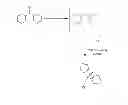
FIG. 1 illustrates an embodiment of a method used for activation of C—H functionality.
FIG. 2 illustrates embodiments of the present disclosure.
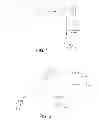
FIG. 3 illustrates an embodiment of a method used for activation of C—H functionality.
FIG. 4 illustrates an embodiment of a method used for activation of C—H functionality.
FIG. 5 illustrates an embodiment of a method used for activation of C—H functionality.
DETAILED DESCRIPTION
Before the present disclosure is described in greater detail, it is to be understood that this disclosure is not limited to particular embodiments described, as such may, of course, vary. It is also to be understood that the terminology used herein is for the purpose of describing particular embodiments only, and is not intended to be limiting, since the scope of the present disclosure will be limited only by the appended claims.
Unless defined otherwise, all technical and scientific terms used herein have the same meaning as commonly understood by one of ordinary skill in the art to which this disclosure belongs. Although any methods and materials similar or equivalent to those described herein can also be used in the practice or testing of the present disclosure, the preferred methods and materials are now described.
All publications and patents cited in this specification are herein incorporated by reference as if each individual publication or patent were specifically and individually indicated to be incorporated by reference and are incorporated herein by reference to disclose and describe the methods and/or materials in connection with which the publications are cited. The citation of any publication is for its disclosure prior to the filing date and should not be construed as an admission that the present disclosure is not entitled to antedate such publication by virtue of prior disclosure. Further, the dates of publication provided could be different from the actual publication dates that may need to be independently confirmed.
As will be apparent to those of skill in the art upon reading this disclosure, each of the individual embodiments described and illustrated herein has discrete components and features that may be readily separated from or combined with the features of any of the other several embodiments without departing from the scope or spirit of the present disclosure. Any recited method can be carried out in the order of events recited or in any other order that is logically possible.
Embodiments of the present disclosure will employ, unless otherwise indicated, techniques of chemistry, polymer chemistry, biology, and the like, which are within the skill of the art. Such techniques are explained fully in the literature.
The following examples are put forth so as to provide those of ordinary skill in the art with a complete disclosure and description of how to perform the methods and use the compositions and compounds disclosed and claimed herein. Efforts have been made to ensure accuracy with respect to numbers (e.g., amounts, temperature, etc.), but some errors and deviations should be accounted for. Unless indicated otherwise, parts are parts by weight, temperature is in ° C., and pressure is in atmospheres. Standard temperature and pressure are defined as 25° C. and 1 atmosphere.
Before the embodiments of the present disclosure are described in detail, it is to be understood that, unless otherwise indicated, the present disclosure is not limited to particular materials, reagents, reaction materials, manufacturing processes, or the like, as such can vary. It is also to be understood that the terminology used herein is for purposes of describing particular embodiments only, and is not intended to be limiting. It is also possible in the present disclosure that steps can be executed in different sequence where this is logically possible.
It must be noted that, as used in the specification and the appended claims, the singular forms “a,” “an,” and “the” include plural referents unless the context clearly dictates otherwise. Thus, for example, reference to “a support” includes a plurality of supports. In this specification and in the claims that follow, reference will be made to a number of terms that shall be defined to have the following meanings unless a contrary intention is apparent.
DEFINITIONS
The term “substituted” refers to any one or more hydrogens on the designated atom that can be replaced with a selection from the indicated group, provided that the designated atom's normal valence is not exceeded, and that the substitution results in a stable compound. In an embodiment, the indicated group can include in or more halogens, aliphatic groups, and the like.
The term “aliphatic group” refers to a saturated or unsaturated linear or branched hydrocarbon group and encompasses alkyl, alkenyl, and alkynyl groups, for example.
As used herein, “alkyl” or “alkyl group” refers to a saturated aliphatic hydrocarbon chain and a substituted saturated aliphatic hydrocarbon chain which may be straight, branched, or cyclic, having 1 to 20 carbon atoms, where the stated range of carbon atoms includes each intervening integer individually, as well as sub-ranges. Examples of alkyl groups include, but are not limited to, methyl, ethyl, i-propyl, n-propyl, n-butyl, t-butyl, pentyl, hexyl, septyl, octyl, nonyl, decyl, and the like. The substitution can be with a halogen, for example.
As used herein, “alkenyl” or “alkenyl group” refers to an aliphatic hydrocarbon which can be straight or branched, containing at least one carbon-carbon double bond, having 2 to 20 carbon atoms, wherein the stated range of carbon atoms includes each intervening integer individually, as well as sub-ranges. Examples of alkenyl groups include, but are not limited to, ethenyl, propenyl, n-butenyl, i-butenyl, 3-methylbut-2-enyl, n-pentenyl, heptenyl, octenyl, decenyl, and the like.
The term “alkynyl” refers to straight or branched chain hydrocarbon groups, containing at least one triple carbon to carbon bond having 2 to 20 carbon atoms, wherein the stated range of carbon atoms includes each intervening integer individually, as well as sub-ranges. An alkynyl group can be optionally substituted, unless stated otherwise, with one or more groups.
The term “arylalkyl” refers to an arylalkyl group wherein the aryl and alkyl are as herein described. Examples of arylalkyl include, but are not limited to, -phenylmethyl, -phenylethyl, -phenylpropyl, -phenylbutyl, and -phenylpentyl.
The term “aryl” as used herein, refers to an aromatic monocyclic or multicyclic ring system of about 6 to about 14 carbon atoms, preferably of about 6 to about 10 carbon atoms. Exemplary aryl groups include phenyl or naphthyl, or phenyl substituted or naphthyl substituted.
The term “heteroaryl” is used herein to denote an aromatic ring or fused ring structure of carbon atoms with one or more non-carbon atoms, such as oxygen, nitrogen, and sulfur, in the ring or in one or more of the rings in fused ring structures. Examples are furanyl, pyranyl, thienyl, imidazyl, pyrrolyl, pyridyl, pyrazolyl, pyrazinyl, pyrimidinyl, indolyl, quinolyl, isoquinolyl, quinoxalyl, and quinazolinyl. Preferred examples are furanyl, imidazyl, pyranyl, pyrrolyl, and pyridyl.
The term “substituted,” as in “substituted alkyl”, “substituted cycloalkyl,” “substituted cycloalkenyl,” substituted aryl,” substituted biaryl,” “substituted fused aryl” and the like means that the substituted group may contain in place of one or more hydrogens a group such as hydroxy, amino, halo, trifluoromethyl, cyano, —NH(lower alkyl), —N(lower alkyl)2, lower alkoxy, lower alkylthio, or carboxy, and thus embraces the terms haloalkyl, alkoxy, fluorobenzyl, and the sulfur and phosphorous containing substitutions referred to below.
As used herein, “halo”, “halogen”, or “halogen radical” refers to a fluorine, chlorine, bromine, and iodine, and radicals thereof. Further, when used in compound words, such as “haloalkyl” or “haloalkenyl”, “halo” refers to an alkyl or alkenyl group in which one or more hydrogens are substituted by halogen radicals. Examples of haloalkyl include, but are not limited to, trifluoromethyl, trichloromethyl, pentafluoroethyl, and pentachloroethyl.
As used herein, the term “fiber” refers to filamentous material that can be used in fabric and yarn as well as textile fabrication. One or more fibers can be used to produce a fabric or yarn. Fibers include, without limitation, materials such as cellulose, fibers of animal origin (e.g., alpaca, angora, wool and vicuna), hemicellulose, lignin, polyesters, polyamides, rayon, modacrylic, aramids, polyacetates, polyxanthates, acrylics and acrylonitriles, polyvinyls and functionalized derivatives, polyvinylidenes, PTFE, latex, polystyrene-butadiene, polyethylene, polyacetylene, polycarbonates, polyethers and derivatives, polyurethane-polyurea copolymers, polybenzimidazoles, silk, lyocell, carbon fibers, polyphenylene sulfides, polypropylene, polylactides, polyglycolids, cellophane, polycaprolactone, “M5” (poly{diimidazo pyridinylene (dihydroxy) phenylene}), melamine-formadehyde, plastarch, PPOs (e.g., Zylon®), polyolefins, and polyurethane.
The term “textile article” can include garments, fabrics, carpets, apparel, furniture coverings, drapes, upholstery, bedding, automotive seat covers, fishing nets, rope, articles including fibers (e.g., natural fibers, synthetic fibers, and combinations thereof), articles including yarn (e.g., natural fibers, synthetic fibers, and combinations thereof), and the like.
Discussion
An embodiment of the present disclosure includes a compound, a structure bonded to the compound, and the like. In an embodiment, the compound can be a linker between an agent and a structure, where the agent can be a dye or a pigment and the structure can be a fiber, hair, or another structure. In an embodiment, the compound can be a linker between an agent and a structure, where the agent can be a fluorinated compound and the structure can be a counter top, metal, or the like.
An embodiment of the present disclosure includes a compound (linker) such as that shown below. In an embodiment, the compound can covalently bond to a structure or a surface having C—H functionality, while also bonding to a dye, pigment, and/or a fluorinated compound. In an embodiment, the surface or structure inherently has C—H functionality. In this regard, an agent, such as a pigment or dye, can be attached to a surface or structure having C—H functionality. In an embodiment, the surface or structure can be coated with a film or material (functionalized layer) that has C—H functionality or otherwise modified to have C—H functionality.
In an embodiment, the compound can be used to bind to a surface or structure having C—H functionality such as a polypropylene fiber, a polyethylene fiber, a polyester fiber, a polyamide fiber, an aramid fiber, a natural fiber, as well as natural surfaces, or another surface or structure having C—H functionality. In addition, the compound can be used to bind to a surface or structure having C—H functionality such as textile articles, counters, processing equipment, utensils, food packaging materials, metals, plastic structures, medical instruments, medical implants, diapers, leathers, flooring, and the like, so that a dye or pigment can be attached to these.
In an embodiment, the compound can have the following formula: R1-(C═O)—R2-X—W. In an embodiment, R1 and R2 are independently selected from aliphatic group (substituted or unsubstituted and/or linear, branched, or cyclic) (e.g., alkyl, alkenyl, alkynyl), an aryl group (substituted or unsubstituted), or a heteroaryl group (substituted or unsubstituted). In an embodiment, at least one of R1 and R2 is a substituted or unsubstituted aryl group. In an embodiment, at least one of R1 and R2 is a substituted or unsubstituted phenyl group.
In an embodiment, X can be, an aliphatic group (substituted or unsubstituted and/or linear, branched, or cyclic) (e.g., alkyl, alkenyl, alkynyl), an aryl group (substituted or unsubstituted), a heteroaryl group (substituted or unsubstituted), an oxygen group (e.g., O—R1′), an amine group (e.g., primary, secondary, or tertiary, where each can have an appropriate number of R1′ groups that are independently selected), a sulfur group (e.g., S—R1′, wherein one or more R1′ can be present), and the like. In an embodiment, R1′ can be an aliphatic group (substituted or unsubstituted and/or linear, branched or cyclic), an aromatic group (substituted or unsubstituted), an aryl group (substituted or unsubstituted), a heteroaryl group (substituted or unsubstituted), and the like.
In an embodiment, W can be a dye, a pigment, or a fluorinated compound.
In an embodiment, the compound functions to at least undergo a photochemical change to covalently bond with a surface or a layer on the surface of a structure having a C—H group. In an embodiment, the composition is covalently bonded via the interaction of the polymer with a UV light (e.g., about 250 nm to 500 nm or about 340 to 370 nm) that causes a C—C bond to form between the polymer and the surface or a layer on the surface having the C—H group. The UV light can be generated from a UV light source such as those known in the art.
In an embodiment, the compound can include an aryl ketone (about 340 to 400 nm), an aryl azide group (about 250 to 450 nm or about 350 to 375 nm), a diazirine group (about 340 to 375 nm), and the polymer can include a combination of these groups. In an embodiment, the linker can include alkyl-arylketones and diarylketones bearing at least one condensed ring system substituent such as naphtyl and anthracenyl (See Example IV). In an embodiment, the aryl ketone group can include benzophenone (about 340 to 380 nm), acetophenone (about 340 to 400 nm), a naphthylmethylketone (about 320 to 380 nm), a dinaphthylketone (about 310 to 380 nm), a dinaphtylketone derivative (about 320 to 420 nm), or derivatives of each of these. In an embodiment, the linker is a benzophenone group. In an embodiment, the aryl azide group can include phenyl azide, alkyl substituted phenyl azide, halogen substituted phenyl azide, or derivatives of each of these. In an embodiment, the diazirine group can include 3,3 dialkyl diazirine (e.g., 3,3 dimethyl diazirine, 3,3 diethyl diazirine), 3,3 diaryl diazirine (e.g., 3,3 diphenyl diazirine), 3-alkyl 3-aryl diazirine, (e.g., 3-methyl-3-phenyl diazirine), or derivatives of each of these.
As noted above, the compound can be covalently bonded to a structure. In an embodiment, the article including the compound can be represented as: R1-(C(Struc)OH)—R2-X—W. R1, R2, X, and W are defined herein. “Struc” can include structures defined herein that include C—H functionality.
As noted above, the compound can be attached to pigments and dyes. Although not intending to be limited to the dyes and pigments described herein, the following presents some illustrative examples of dyes and pigments.
Organic pigments are varied in their structures and functionalities. However, the most common pigments are derivatives of aromatic amines, quinones, azo compounds, or quinonediimines. The structures of some common pigments/dyes appear below, without any intent to limit the applicability of this technology to the pigments described herein:
Morindone [CAS 478-29-5], a red compound that requires a mordant and may yield different shades of red depending on the mordant used.
Alizarin [CAS 72-48-0], also a red dye, frequently used in the textile industry.
Anthrapurpurin [CAS 602-65-3], a purple dye
Carminic acid [CAS 1260-17-9], a naturally occurring dye with a crimson color
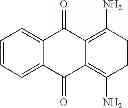
1,4-Diamino-2,3,dihudroanthraquinone [CAS81-63-0], also known as Disperse Red 9 or Solvent Violet 47, an important industrial dye.
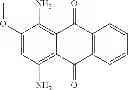
1,4-diamino-2-methoxy anthraquinone, [CAS 2872-48-2], also known as Disperse Red 11 or C.I. 62015 is a common red dye.
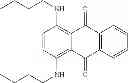
1,4-bis(butylamino) anthraquinone [CAS 17354-14-2], also called Oil Blue 35, Solvent Blue 35, Blue 2N, Blue B, Oil Blue B, 1,4-bis(butylamino) anthraquinone and CI 61554 is a deep blue dye
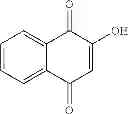
Lawsone (2-hydroxy-1,4-naphthoquinone), also known as hennotannic acid [CAS 83-72-7] is a naturally occurring dye derived from the henna plant, which renders skin and hair surfaces with a tint ranging from orange to brown. It is also used a as natural UV filter in sunless tanning sunscreens.
Pararosaniline (Basic red 9; C.I. 42500; [CAS 569-61-9] is a magenta/red dye. When modified by successive methylation of the amino groups, it yields several other important pigments, as below
Methyl violet
Crystal violet (Methyl violet 10B; [548-62-9]
Methyl green
Methyl violet 2B [8004-87-3]
Methylene blue [61-73-4] is an example of a blue pigment used only in temporary staining and normally not used in the textile industry, but that can be permanently attached to surfaces using the chemistry described herein.
Carotenes, which are yellow-orange pigments
Bixin (annatto) is a natural pigment with an intense orange color, normally used in the food industry, and not in the textile industry. As with other dyes/pigments, it can be permanently affixed onto C—OH containing surfaces through the use of this technology.
Other common dyes include:
Brilliant Green [633-03-04]
Light Green SF yellowish (FD&C Green #2, Pencil Green CF) [5141-20-8]
Tartrazine, E102, FD&C Yellow 5 [1934-21-0], which is a lemon-yellow dye
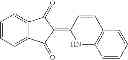
Quinoline yellow, C.I. 47005, Food Yellow 13 CAS [8004-92-0]
Quinoline yellow SS [8003-22-3]
As mentioned above, W can be a fluorinated compound such a fluorinated aliphatic group (substituted or unsubstituted and/or linear, branched, or cyclic) (e.g., alkyl, alkenyl, alkynyl), a fluorinated aryl group (substituted or unsubstituted), a fluorinated heteroaryl group (substituted or unsubstituted), a fluorinated oxygen group (e.g., O—R1′), a fluorinated amine group (e.g., primary, secondary, or tertiary, where each can have an appropriate number of R1′ groups that are independently selected), a fluorinated sulfur group (e.g., S—R1′, wherein one or more R1′ can be present), and the like.
In an embodiment, the fluorinated compound can be a fluoropolymer. In addition, one or both of R1 and R2 can be fluorinated (e.g., a fluorinated aryl group). The term “fluoropolymer” can include a polymer having at least one fluorine-containing monomer and can be a homopolymer, copolymer, and terpolymer. Embodiments of the fluoropolymer can include polymers such as, but not limited to, polytetrafluoroethylene (PTFE), fluorinated ethylene-propylene (FEP), perfluoroalkoxy polymer resin (PFA), polychlorotrifluoroethylene (PCTFE), polytrifluoroethylene, polyvinylidene fluoride (PVDF), polyvinyl fluoride (PVF), tetrafluoroethylene-ethylene copolymer resin (ETFE), fluoroethylene propylene ether resin (EPE), copolymers of each, terpolymers of each, and the like. In an embodiment, the fluoropolymer can be PTFE, PFA, FEP, copolymers of each, terpolymers of each, or a combination thereof, where PTFE, PFA, and FEP refer to a chemical that can be used to form Teflon®. In an embodiment, the fluoropolymer is PTFE.
As used herein, the term “PTFE” includes polytetrafluoroethylene as well as its derivatives, composites and copolymers thereof, wherein the bulk of the copolymer material can be polytetrafluoroethylene, including copolymers of tetrafluoroethylene and hexafluoro(propyl vinyl ether), copolymers of tetrafluoroethylene and perfluoro-2,2-dimethyl-1,3-dioxole, and copolymers of tetrafluoroethylene and vinyl fluoride, poly(vinyl fluoride), poly(vinylidene fluoride), polychlorotrifluoroethylene, vinyl fluoride/vinylidene fluoride copolymer, vinylidene fluoride/hexafluoroethylene copolymer, perfluoroalkoxy polymer resin (PFA), and/or fluorinated ethylene-propylene (FEP). Where the term “PTFE” is used herein to describe polytetrafluoroethylene that is copolymerized with one of the above-named polymers, it is contemplated that the actual polytetrafluoroethylene content in the copolymer can be about 80% by weight, or higher, although lower amounts are also contemplated depending on the desired properties of the resulting compound.
EXAMPLE
Now having described the embodiments of the disclosure, in general, the examples describe some additional embodiments. While embodiments of the present disclosure are described in connection with the example and the corresponding text and figures, there is no intent to limit embodiments of the disclosure to these descriptions. On the contrary, the intent is to cover all alternatives, modifications, and equivalents included within the spirit and scope of embodiments of the present disclosure.
Example 1
Permanent Affixation of Pigments and Dyes onto Surfaces
The method used herein benefits from the activation of C—H functionality on surfaces by radicals such as dephenylketyl ([Ø2C—O]) to yield an ether through the insertion of the dephenylketyl group into the CH bond (FIG. 1).
A ligating agent (linker) for which the structure (A) is shown below, can be used to form a derivative of a dye (e.g., (B) and (C) below; R=phenyl and X═CH2)) which is then permanently attached to a substrate by the light-initiated insertion reaction described in FIG. 2 (D) (e.g., using polyethylene as substrate).
R=alkyl, aryl. Preferably, at least one of R is an aryl group
X═O, NR, (CH2)n, S, aryl
(B) Morindone Derivative
FIG. 2 illustrates (D) morindone and methylene blue permanently attached to polyethylene.
It will be apparent for someone skilled in the art that the linker (A) may be attached to any of the pigments described herein and the derivatives thereof and reacted at a surface C—H group, through light activation, to covalently attach pigments to those surfaces.
Surfaces of the present disclosure can be other polymeric surfaces, such as for instance, and without intending to be limiting, polyesters, polyamides, aramids, cellulose (some or which are shown below). In fact, any surface with a C—H bond is amenable to undergo modification by this method.
Example 2
Permanent Attachment of Dyes to Hair
The most popular way to achieve permanent hair coloring is through the use of oxidation dyes. The ingredients include 1,4-diaminobenzene (historically) or 2,5-diaminotoluene (currently), a coupling agent, and an oxidant. The process is typically performed under basic conditions.
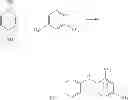
The mechanism of oxidation dyes involves three steps: 1) Oxidation of 1,4-diaminobenzene derivative to the quinone state. 2) Reaction of this diimine with a coupler (more detail below). 3) Oxidation of the resulting compound to give the final dye. The preparation (dye precursors) is in the leuco (colorless) form. Oxidizing agents are usually hydrogen peroxide, and the alkaline environment is usually provided by ammonia. The combination of hydrogen peroxide and the primary intermediate causes the natural hair to be lightened, which provides a blank canvas for the dye. Ammonia opens the hair shaft so that the dye can actually bond with the hair, and ammonia speeds up the reaction of the dye with the hair.
Various combinations of primary intermediates and couplers provide a spectrum of shades of hair colors. The primary intermediates are aromatic para compounds, such as 1,4-diaminobenzene or 4-aminophenol. The couplers are meta-substituted derivatives of aniline. They come in three major classes based on the color that they produce when they react with the primary intermediate.
Couplers are chemical compounds that define the color of the hair dye. Shown above are three red couplers (A,B,C), two yellow-green couplers (D,E) and a blue coupler (F).
Blue couplers include 1,3-diaminobenzene and its derivatives.
Red couplers include phenols and naphthols, such as 3-aminophenol (CAS#591-27-5), 5-amino-2-methylphenol (CAS#2835-95-2) and 1-naphthol (CAS#90-15-3). The combination of 2,5-diaminotoluene with the coupler 3-aminophenol gives a magenta-brown dye, while the combination of 2,5-diaminotoluene with the coupler 1-naphthol gives a purple dye.
Yellow-green couplers include resorcinol, 4-chlororesorcinol, and benzodioxoles. These compounds produce broad-band absorption when they react to form dyes, allowing for more natural-looking hair colors. The combination of 2,5-diaminotoluene with the coupler resorcinol gives a greenish brown dye.
The first step shows the oxidation of p-phenylenediamine to the quinonediimine (C6H4(NH)2):
This species exists in equilibrium with the monoprotonated form (C6H4(NH)(NH2)+) (not shown). The second step involves the attack of this quinonediimine on the coupler. In organic chemistry, this reaction is called electrophilic aromatic substitution:
In the third and final step, the product from the quinonediimine-coupler reaction oxidizes to the final hair dye.
The resulting hair dye is also much larger than the precursor molecules, which causes the dye to bond to the hair.
One embodiment of the present disclosure permits the permanent coloring of hair (especially bleached hair), using a strategy that is similar to that used. The linker (A) above may be used to affix the coupler to hair, following the reaction with quinonediimine and oxidation (FIG. 3).
Example 3
Modification of the Hydrophilicity and Polarity of Surfaces
Modification of the hydrophilic character of surfaces is process of industrial importance especially in the manufacture of textiles, glasses, certain metal surfaces. Turning a surface hydrophobic, or coating an already hydrophobic surface with a secondary layer of hydrophobic material, is a key component in the manufacture of textiles capable to prevent staining, self-cleaning glass, impermeabilization of outdoor gear (military, sports), corrosion prevention of metals exposed to humidity, etc.
Hydrophobic coatings can be made of, for instance, polyethylene. However, coating with polyfluoro polymers is often preferred, given their inertia toward solvents, acids, bases, exposure to sunlight and, more importantly, very low surface drag coefficient. For instance, poly (fluorinated ethylepropilene)—a copolymer of F2C═CF2 and CF3—CF2═CF2—is used as coatings on glass panels rendering these “self-cleaning”. Coating with fluorocarbon compounds is also important to render materials inert to fire. An embodiment of the present disclosure is suited to promote the attachment of monomeric and polymeric materials onto surfaces containing C—H bonds, through insertion of dephenylketyl as discussed above.
For this purpose, the materials to be attached onto a substrate are derivatized with the linker (A) and the resulting compound is sprayed onto a surface which is then exposed to UV or direct sunlight:
In an embodiment, the linkers could also be, for example, without intending to be limiting:
Glass and metal surfaces can also be modified according to the method of the present disclosure, through the use of the OH groups present in the termination layer of these materials. That termination layer can be modified, for instance, through reaction with silanes, to provide for a second, C—H rich layer, which is then modified according to the method of the of the present disclosure, as shown in FIGS. 4 and 5.
Claims
1. A compound comprising:
R1-(C═O)—R2-X—W, where R1 and R2 are independently selected from the group consisting of: a substituted or unsubstituted aliphatic group, a substituted or unsubstituted aryl group, and a substituted or unsubstituted heteroaryl group; X is selected from the group consisting of: O, NR3, a substituted or unsubstituted alkyl group, a S group, a substituted or unsubstituted aryl group, and a substituted or unsubstituted heteroaryl group; wherein R3 is selected from the group consisting of: a substituted or unsubstituted aliphatic group, a substituted or unsubstituted aryl group, and a substituted or unsubstituted heteroaryl group; and wherein W is a pigment or a dye.
2. The compound of claim 1, wherein one of R1 and R2 is a substituted or unsubstituted aryl group.
3. The compound of claim 1, wherein both of R1 and R2 is a substituted or unsubstituted aryl group.
4. The compound of claim 1, wherein one of R1 and R2 is a substituted or unsubstituted phenyl group.
5. The compound of claim 1, wherein both of R1 and R2 is a substituted or unsubstituted phenyl group.
6. An article comprising:
R1-(C(Struc)OH)—R2-X—W, where R1 and R2 are independently selected from the group consisting of: a substituted or unsubstituted aliphatic group, a substituted or unsubstituted aryl group, and a substituted or unsubstituted heteroaryl group; X is selected from the group consisting of: O, NR3, a substituted or unsubstituted alkyl group, a S group, a substituted or unsubstituted aryl group, and a substituted or unsubstituted heteroaryl group; wherein R3 is selected from the group consisting of: a substituted or unsubstituted aliphatic group, a substituted or unsubstituted aryl group, and a substituted or unsubstituted heteroaryl group; wherein W is a pigment or a dye; and wherein Struc is a structure having C—H functionality.
7. The article of claim 6, wherein the structure is selected from the group consisting of: a polypropylene fiber, a polyethylene fiber, a polyester fiber, a polyamide fiber, an aramid fiber, and a natural fiber.
8. The article of claim 7, wherein the structure is a textile article.
9. The article of claim 6, wherein the structure is selected from the group consisting of: a counter top, processing equipment, a utensil, a food packaging material, a metal, a plastic structure, a medical instrument, a medical implant, a diaper, leather, and flooring.
10. A compound comprising:
R1-(C═O)—R2-X—W, where R1 and R2 are independently selected from the group consisting of: a substituted or unsubstituted aliphatic group, a substituted or unsubstituted aryl group, and a substituted or unsubstituted heteroaryl group; X is selected from the group consisting of: O, NR3, a substituted or unsubstituted alkyl group, a S group, a substituted or unsubstituted aryl group, and a substituted or unsubstituted heteroaryl group; wherein R3 is selected from the group consisting of: a substituted or unsubstituted aliphatic group, a substituted or unsubstituted aryl group, and a substituted or unsubstituted heteroaryl group; and wherein W is a fluorinated group.
11. The compound of claim 10, wherein one of R1 and R2 is a fluorinated phenyl group.
12. The compound of claim 10, wherein both of R1 and R2 are a fluorinated phenyl group.
13. An article comprising:
R1-(C(Struc)OH)—R2-X—W, where R1 and R2 are independently selected from the group consisting of: a substituted or unsubstituted aliphatic group, a substituted or unsubstituted aryl group, and a substituted or unsubstituted heteroaryl group; X is selected from the group consisting of: O, NR3, a substituted or unsubstituted alkyl group, a S group, a substituted or unsubstituted aryl group, and a substituted or unsubstituted heteroaryl group; wherein R3 is selected from the group consisting of: a substituted or unsubstituted aliphatic group, a substituted or unsubstituted aryl group, and a substituted or unsubstituted heteroaryl group; wherein W is a fluorinated group; and wherein the Struc is a structure having C—H functionality.
14. The article of claim 13, wherein the structure is selected from the group consisting of: a textile article, a counter top, processing equipment, a utensil, a food packaging material, a metal, a plastic structure, a medical instrument, a medical implant, a diaper, leather, and flooring.
15. The article of claim 13, wherein one of R1 and R2 is a fluorinated phenyl group.
16. The article of claim 13, wherein both of R1 and R2 are a fluorinated phenyl group.
Images & Drawings included:








Sources:
- United States Patent and Trademark Office - verify current appl. status at the USPTO↗
Recent applications in this class:
- » 20250270370 2025-08-28
Polymers with thioamide repeating units - » 20250145768 2025-05-08
CROSS-LINKED POLY (ASPARTIC ACID) PRODUCT AND METHOD FOR PRODUCING SAME - » 20250002651 2025-01-02
POLYETHERAMIDE SYNERGIST - » 20240301137 2024-09-12
HIGHLY-PURE PH-RESPONSIVE POLYMER AND METHOD FOR PRODUCING SAME - » 20240026080 2024-01-25
METHOD FOR PRODUCING NYLON - » 20230374218 2023-11-23
POLYAMIDES WITH PENDENT OPTICAL ABSORBERS AND RELATED METHODS - » 20230159704 2023-05-25
Polyamides with pendent pigments and related methods - » 20230159703 2023-05-25
CHAIN SCISSION TO MAKE IMPROVED POLYMERS FOR 3D PRINTING - » 20230094088 2023-03-30
Three-dimensional spherical alpha-helix cationic polypeptide having high-efficiency gene delivery capability, and preparation method and application thereof - » 20220289910 2022-09-15
Method of making an acid neutralizing polymer through reactive compounding
Recent applications for this Assignee:
- » 20250213663 2025-07-03
IMMUNOGENIC ANTI-FUNGAL POLYPEPTIDES, COMPOSITIONS AND METHODS THEREOF - » 20250188153 2025-06-12
HMPV ANTIBODIES AND THEIR USE - » 20250063959 2025-02-20
BLUEBERRY PLANT NAMED 'IBUGA002' - » 20250024762 2025-01-16
BLUEBERRY PLANT NAMED 'IBUGA001' - » 20250019650 2025-01-16
NEURAL CELL EXTRACELLULAR VESICLES - » 20240255745 2024-08-01
Light Sheet Microscopy - » 20240226274 2024-07-11
RECOMBINANT VIRAL CLASS I FUSION PROTEINS AND USES THEREOF - » 20240199675 2024-06-20
Oligosaccharide analytical standards - » 20240148851 2024-05-09
BROADLY REACTIVE IMMUNOGENS OF DENGUE VIRUS, COMPOSITIONS, AND METHODS OF USE THEREOF - » 20240117019 2024-04-11
HUMAN MONOCLONAL ANTIBODIES AGAINST PNEUMOCOCCAL ANTIGENS