Method for reducing uremic toxins by probiotic composition and the manufacturing method thereof
US20140193367A1
2014-07-10
13/835,316
2013-03-15
Abstract:
The invention relates to a probiotic composition for reducing uremic toxins and the manufacturing method thereof. The probiotic composition comprises at least one selected from the group consisting of: Lactobacillus plantarum BCRC 12251, Lactobacillus paracasei BCRC 12188, Streptococcus thermophilus BCRC 13869 and pharmaceutically acceptable vehicles, excipients, diluents, adjuvants, etc. The invention further relates to a probiotic composition consisted of Lactobacillus plantarum BCRC 12251, Lactobacillus paracasei BCRC 12188, Streptococcus thermophilus BCRC 13869 and pharmaceutically acceptable vehicles, excipients, diluents, adjuvants, etc. In addition, the invention relates to a novel use of the probiotic composition for reducing uremic toxins, wherein the uremic toxins are protein-bound uremic toxins.
Inventors:
- Chen-Yu Fang 1 🇹🇼 Taipei, Taiwan
- Bao-Ji Chen 1 🇹🇼 Taipei, Taiwan
- Ming-Ju Chen 4 🇹🇼 Taipei, Taiwan
- Je-Ruei Liu 3 🇹🇼 Taipei, Taiwan
- CONMED PHARMACEUTICAL & BIO-MEDICAL CORPORATION 1 🇺🇸 , United States
Assignee:
- NATIONAL TAIWAN UNIVERSITY 262 🇹🇼 Taipei City, Taiwan
- CONMED PHARMACEUTICAL & BIO-MEDICAL CORPORATION 1 🇹🇼 Taipei, Taiwan
Interested in similar patents?
Get notified when new applications in this technology area are published.
Classification:
A61K35/747 » CPC main
Medicinal preparations containing materials or reaction products thereof with undetermined constitution; Microorganisms or materials therefrom; Bacteria; Probiotics; Lactic acid bacteria, e.g. enterococci, pediococci, lactococci, streptococci or leuconostocs Lactobacilli, e.g. L. acidophilus or L. brevis
A61K35/74 IPC
Medicinal preparations containing materials or reaction products thereof with undetermined constitution; Microorganisms or materials therefrom Bacteria
Description
BACKGROUND OF THE INVENTION
1. Field of the Invention
The invention provided herein relates to a method for preparation of a probiotic composition, most particularly, the applications of a probiotic composition for reducing uremic toxins.
2. Description of the Prior Art
Chronic kidney disease (CKD) is a disorder where the kidneys gradually less-lose their normal function and has become a worldwide health problem. In addition, the disorder also dramatically affects the quality of life in CKD patients. Progressive loss of kidney functions in CKD patients inevitably results in the accumulation of waste that originally was eliminated or metabolized by the kidneys as well as the increase of blood concentrations of these wastes, which consequently induces toxicity in various organs in vivo. Uremic retention solutes (URMs) found in patients with kidney failure are various molecules, that were normally removed by the healthy kidneys, and are accumulated in the blood or tissues in the progression of chronic kidney disease to kidney failure. Since uremic retention solutes contribute to the development of uremia, they are also called uremic toxins. URMs, according to characteristics that affect their removal pattern during dialysis, are classified into three groups by European Toxin Work Group: (1) small water-soluble molecules (<500 Da) which can easily pass any dialysis filter; (2) larger molecules (≧500 Da), sometimes also called middle molecules, are molecules with restricted passage based on the features of the filter; and (3) protein-bound solutes in which the clearance of these solutes through dialysis depends greatly on the balance between bound and free fractions. Additionally, adsorptive techniques may affect the efficacy of reducing the protein-bound solutes.
Classification of the URMS can facilitate the medical field to further understand the features of various uremic toxins and to develop better treatment methods. For a long time the majority of the studies have been focused on the effects of small water-soluble molecules on kidney diseases, or even used these molecules as the basis for evaluation of the treatment results. However, with more research results being published, a new theory has been gradually developed, which is, the protein-bound solutes play far more important roles in the development of kidney diseases, and therefore, their effects on treating patients with kidney disease need to be reassessed.
Protein-Bound Uremic Toxins
Protein-bound uremic toxins is not only associated with uremic syndrome, but may also related to the high mortality rate found in patients with CKD. Thus, numerous researches have been devoted to the reduction of the plasma concentration of protein-bound uremic toxins, which mainly include two methods: (1) reduction of the absorption of protein-bound uremic toxins in intestine; and (2) improvement of the blood clearance of the protein-bound uremic toxins.
Indoxyl sulfate (IS) and p-cresyl sulfate are two very important protein-bound uremic toxins, and are the most widely used marker molecules in studying the effects of protein-bound uremic toxins on hemodialysis, hemodiafiltration or peritoneal dialysis. Moreover, Indoxyl sulfate (IS) and p-cresyl sulfate are also considered to have direct association with the development of uremic syndrome.
At present, the key method used for removal of the uremic toxins is dialysis which can eliminate uremic toxins that are water-soluble small molecules. Yet, none of these methods can efficiently remove protein-bound uremic toxins from blood. Furthermore, some studies even suggested that dialysis membranes are superior in the elimination of water-soluble small molecules, whereas their clearance rates of protein-bound uremic toxins are extremely low.
In addition, Marier et al. disclosed a method for treating chronic kidney disease by the administration of an oral adsorbent (AST-120, Kremezin, Kureha Corporation, Tokyo, Japan). AST-120 (an activated charcoal adsorbent) was given, which functions in the large intestine and can adsorb different organic compounds, such as indoxyl sulfate and p-cresol, so as to reduce adsorption of the protein-bound uremic toxins by the body. Nonetheless, the oral adsorbent is currently in clinical trial for determining of its most effective and adequate dosages.
In summary, further improvements in traditional methods for removal of uremic toxins are highly desired.
SUMMARY OF THE INVENTION
To further improve the methods for removal of uremic toxins, the inventor of the present invention has developed a technology for reducing uremic toxins using probiotics, and said uremic toxins, in particular, refer to protein-bound uremic toxins. The present invention comprises of a method for preparation of the probiotic compositions and applications of the compositions for reducing various uremic toxins.
In one aspect, the present invention provides a method that overcomes the issues faced by other traditional methods for eliminating uremic toxins, such as inefficient clearance of protein-bound uremic toxins found in hemodialysis.
In another aspect, the present invention further discloses a method for preparation of a probiotic composition for reducing uremic toxins, wherein the probiotic composition comprises at least one selected from the group consisting of: Lactobacillus plantarum BCRC 12251, Lactobacillus paracasei BCRC 12188, Streptococcus thermophilus BCRC 13869 and Enterococcus faecalis, and the probiotic composition can be used for the removal of blood uremic toxins.
Wherein, the Pm-1 probiotic composition (Probiotic mix-1) comprising of Lactobacillus plantarum BCRC 12251, Lactobacillus paracasei BCRC 12188, and Streptococcus thermophilus BCRC 13869 exhibits the best effects in the clearance of uremic toxins; wherein, the uremic toxins are protein-bound uremic toxins; furthermore, said protein-bound uremic toxins are indoxyl sulfate, p-cresol or phenol. The concentration of the probiotics in Pm-1 is 107-1010 CFU/mL; the ratios of various probiotics in Pm-1 are 40-60%, 20-30%, and 20-30% for Lactobacillus plantarum BCRC 12251, Lactobacillus paracasei BCRC 12188, and Streptococcus thermophilus BCRC 13869, respectively.
Although currently other methods are available for the removal of uremic toxins, such as hemodialysis and oral adsorbent (AST-120), hemodialysis is mainly used for eliminating small-molecule compounds and cannot effectively remove protein-bound uremic toxins in blood. On the other hand, oral adsorbents can reduce the absorption of uremic toxins in vivo, but it is now under investigation in clinical trials. Therefore, a certain waiting period is necessary before its actual application in treatment. On the contrary, the Pm-1 probiotic composition disclosed in present invention not only has superior effects on the removal of protein-bound uremic toxins, but also is easy to prepare and hence is more economic.
BRIEF DESCRIPTION OF THE DRAWINGS
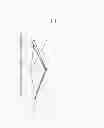
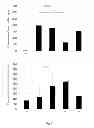
FIG. 1 shows variations of indoxyl sulfate levels in blood collected from mice given different strains of bacteria (Control; Kefir; ME Lb kefiranofaciens suspension in PBS; 107: mixture of BCRC 12251 107 CFU/m L and BCRC 12188 107 CFU/mL; mixture of BCRC 12251 108 CFU/mL and BCRC 12188 108 CFU/mL).
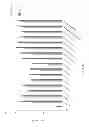
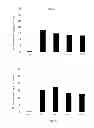
FIG. 2 shows the indoxyl sulfate clearance efficiency of various probiotic compositions including single strains 12188, 12251, 13869 and EF, and mixed strains including 12251+12188, 12251+EF, 12188+EF and 12251+12188+13869.
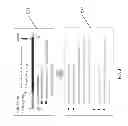
FIG. 3 is the flow chart for animal study of the present invention. S31 is the flow chart for animal study using Cisplatin for induction of acute kidney injury in rats, and S32 demonstrates the method selected for analyzing Cisplatin-induced kidney injury in rats.
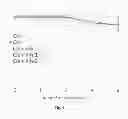
FIG. 4 shows the weight variations of the rats during the study period of the present invention (ctrl: control group, not injected with Cisplatin; Cis: positive control group, injected with Cisplatin but no probiotics treatment; Cis+Wk: injected with Cisplatin and received Wk (Wakamoto) treatment; Cis+Pm-1: injected with Cisplatin and received probiotic mix-1 treatment; Cis+Pm-2: injected with Cisplatin and received probiotic mix-2 treatment).
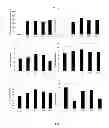
FIG. 5 shows indoxyl sulfate levels in plasma and urine collected from rats with Cisplatin-induced acute kidney injury (ctrl: control group, not injected with Cisplatin; Cis: positive control group, injected with Cisplatin but received no probiotics treatment; Cis+Wk: injected with Cisplatin and received Wk treatment; Cis+Pm-1: injected with Cisplatin and received probiotic mix-1 treatment; Cis+Pm-2: injected with Cisplatin and received probiotic mix-2 treatment).
FIG. 6 shows indoxyl sulfate levels in kidney and liver collected from rats with Cisplatin-induced kidney injury (ctrl: control group, not injected with Cisplatin; Cis: positive control group, injected with Cisplatin but received no probiotics treatment; Cis+Wk: injected with Cisplatin and received Wk treatment; Cis+Pm-1: injected with Cisplatin and received probiotic mix-1 treatment; Cis+Pm-2: injected with Cisplatin and received probiotic mix-2 treatment).
FIG. 7 shows the results of blood biochemical analysis of rats with Cisplatin-induced acute kidney injury (*p<0.05, **p<0.01, ctrl: control group, not injected with Cisplatin; Cis: positive control group, injected with Cisplatin but received no probiotics treatment; Cis+Wk: injected with Cisplatin and received Wk treatment; Cis+Pm-1: injected with Cisplatin and received probiotic mix-1 treatment; Cis+Pm-2: injected with Cisplatin and received probiotic mix-2 treatment).
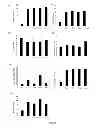
FIG. 8 shows the results of urine biochemical analysis results of rats with Cisplatin-induced acute kidney injury (ctrl: control group, not injected with Cisplatin; Cis: positive control group, injected with Cisplatin but received no probiotics treatment; Cis+Wk: injected with Cisplatin and received Wk treatment; Cis+Pm-1: injected with Cisplatin and received probiotic mix-1 treatment; Cis+Pm-2: injected with Cisplatin and received probiotic mix-2 treatment. Wherein, in FIG. 8E, various symbols are used including c, ab, c, a, and bc, and groups labeled with the same symbol indicate that no statistical differences was found.)
DETAILED DESCRIPTION OF THE PREFERRED EMBODIMENT
The invention will now be further illustrated by the following examples. However, it should be noted that the scope of present invention is not limited by the examples provided herein.
Example 1
In example 1 of the invention, a probiotic bacteria strain is provided by the screening of probiotics that exhibit better clearance rates for the removal of uremic toxins:
1. The Process of Probiotics Selection:
-
- (1) An aliquot of 100 μL activated bacteria culture was inoculated into culture media containing different uremic toxins and samples were collected at 0 hr, 24 hr, and 48 hr, wherein the concentrations of the uremic toxins in the culture media are 60 μg/ml indoxyl sulfate, 200 μg/ml phenol and 500 μg/ml p-cresol.
- (2) The collected samples were subjected to HPLC (High performance liquid chromatography) analysis for their uremic toxins clearance rates.
- (3) The analyzed uremic toxins were indoxyl sulfate, p-cresol or phenol.
2. Results:
-
- (1) The clearance rate of indoxyl sulfate (IS)
- The clearance rates of IS obtained from various probiotic stains are analyzed by HPLC and then converted into percentages (as shown in Table 1), and the results indicated that all probiotic strains can decrease IS levels in all the samples collected. Among which, strain no. 12251 shows the most significant reduction with a clearance rate of 19.45% at 48 hr, followed by strains no. 14039 and no. 12195 with a clearance rate of 19.18% and 18.6%, respectively.
- (1) The clearance rate of indoxyl sulfate (IS)
| TABLE 1 |
| The clearance rates of indoxyl sulfate (IS) |
| Clearance | Clearance | |||
| rate (%) | rate (%) |
| Strains* | 24 hr | 48 hr | Strains | 24 hr | 48 hr | |
| 12251 | 12.41 | 19.45 | 12586 | 2.42 | 11.50 | |
| 14039 | 16.94 | 19.18 | 10695 | 6.03 | 11.17 | |
| 12195 | 9.03 | 18.60 | 14079 | 3.13 | 10.82 | |
| 12936 | 9.16 | 17.61 | 14669 | 5.70 | 10.54 | |
| 14008 | 8.65 | 17.05 | 10696 | −0.03 | 10.42 | |
| 12263 | 11.66 | 16.80 | 14667 | 2.39 | 9.86 | |
| 11846 | 9.38 | 15.69 | 14668 | 4.70 | 9.63 | |
| 14660 | 10.52 | 15.39 | 12272 | 2.70 | 9.61 | |
| 14620 | 4.75 | 15.21 | 14628 | −0.83 | 8.48 | |
| 14666 | 5.99 | 15.15 | 14622 | 0.57 | 8.26 | |
| 10361 | 9.10 | 14.72 | 14011 | 1.88 | 6.60 | |
| 16000 | 6.17 | 13.92 | 12187 | 1.75 | 4.45 | |
| 12188 | 5.23 | 13.72 | 12247 | 1.67 | 4.35 | |
| 17394 | 7.65 | 13.29 | 14023 | 0.38 | 3.30 | |
| 10069 | 2.26 | 13.19 | 10940 | 0.28 | 2.35 | |
| 17638 | 2.34 | 12.81 | 10697 | 0.27 | 2.23 | |
| 14615 | 6.44 | 12.03 | ||||
| Strain*: Probiotic strains were purchased from Bioresource Collection and Research Center (BCRC) (a total of 33 strains including10069, 10361, 10695, 10696, 10697, 10940, 11846, 12187, 12188, 12195, 12247, 12251, 12263, 12272, 12586, 12936, 14008, 14011, 14023, 14039, 14079, 14615, 14620, 14622, 14628, 14660, 14666, 14667, 14668, 14669, 16000, 17394, 17638 were obtained) and cultured in Lactobaci11i MRS media (Difco Laboratories, Detroit, MD) to activate the bacteria. |
-
-
- The collected samples were analyzed by HPLC and then converted into percentages, and the clearance rates of p-cresol of each strain are shown in Table 2. The clearance rates at 48 hr post inoculation are showed from the highest to the lowest: strain 14615, 14666 and 12188, and all three strains have a clearance rate of p-cresol above 4%.
-
| TABLE 2 |
| The clearance rates of p-cresol |
| Clearance | Clearance | |||
| rate (%) | rate (%) |
| Strain | 24 hr | 48 hr | Strain | 24 hr | 48 hr | |
| 14615 | 3.61 | 4.57 | 10069 | 1.11 | 2.48 | |
| 14666 | 0.79 | 4.44 | 14660 | 2.20 | 2.47 | |
| 12188 | 3.63 | 4.03 | 10695 | 0.66 | 2.28 | |
| 14668 | 1.80 | 3.80 | 14628 | 1.54 | 2.23 | |
| 10697 | 3.13 | 3.72 | 10361 | 2.06 | 2.06 | |
| 12247 | 1.49 | 3.64 | 12263 | 0.29 | 1.93 | |
| 14667 | 3.14 | 3.56 | 14622 | 1.06 | 1.70 | |
| 12251 | −2.46 | 3.54 | 14079 | −3.28 | 1.35 | |
| 17394 | −0.53 | 3.52 | 12272 | −0.15 | 0.93 | |
| 16000 | 2.60 | 3.48 | 12195 | 0.75 | 0.88 | |
| 10696 | −0.23 | 3.41 | 12586 | 0.76 | 0.86 | |
| 14669 | 3.75 | 3.39 | 10940 | 0.40 | 0.73 | |
| 14620 | 2.21 | 3.03 | 17638 | 0.35 | 0.72 | |
| 11846 | 1.15 | 2.85 | 14039 | 0.39 | 0.70 | |
| 12936 | 2.13 | 2.82 | 12187 | −6.15 | 0.62 | |
| 14023 | 2.16 | 2.56 | 14008 | 2.62 | −3.71 | |
| 14011 | 0.46 | 2.54 | ||||
-
- (3) The clearance rate of phenol
- The collected samples were analyzed by HPLC and then converted into percentages, and the clearance rates of phenol of each strain are shown in Table 3. Strains 12188, 12187 and 12247 are the three strains with highest clearance rates at 48 hr post inoculation, and the clearance rates are 6.83%, 6.37% and 4.96%, respectively.
- (3) The clearance rate of phenol
| TABLE 3 |
| The clearance rates of phenol |
| Clearance | Clearance | |||
| rate (%) | rate (%) |
| Strain | 24 hr | 48 hr | Strain | 24 hr | 48 hr | |
| 12188 | −2.63 | 6.83 | 12272 | 2.18 | 1.36 | |
| 12187 | 2.28 | 6.37 | 10069 | 0.12 | 1.26 | |
| 12247 | 2.43 | 4.96 | 17394 | −1.11 | 0.84 | |
| 14615 | 3.61 | 4.57 | 11846 | 2.85 | 0.70 | |
| 14666 | 0.84 | 4.07 | 14039 | 1.74 | 0.60 | |
| 12586 | −4.13 | 3.98 | 14079 | 2.68 | 0.18 | |
| 14669 | 2.71 | 3.92 | 14008 | 5.40 | −0.78 | |
| 14622 | 3.07 | 3.52 | 17638 | 2.85 | −0.80 | |
| 14620 | 4.23 | 3.22 | 12251 | 2.83 | −1.43 | |
| 10696 | 1.39 | 3.19 | 12263 | −3.81 | −1.50 | |
| 14011 | 1.61 | 3.01 | 14660 | 0.95 | −1.80 | |
| 14667 | 2.12 | 2.41 | 16000 | 1.60 | −2.60 | |
| 10361 | 3.93 | 1.98 | 12936 | 1.72 | −2.61 | |
| 10697 | 1.98 | 1.91 | 14023 | 1.99 | −2.90 | |
| 10695 | 0.13 | 1.74 | 14668 | 2.03 | −3.20 | |
| 12195 | 1.23 | 1.70 | 14628 | 0.02 | −3.90 | |
| 10940 | −0.01 | 1.61 | ||||
| TABLE 4 |
| Comparison of the clearance rates of indoxyl sulfate, p-cresol and phenol. |
| Clearance rate (%) |
| Indoxyl sulfate | p-cresol | Phenol |
| Strain | 24 hr | 48 hr | 24 hr | 48 hr | 24 hr | 48 hr | |
| 10069 | 2.26 | 13.19 | 1.11 | 2.48 | 0.12 | 1.26 | |
| 10361 | 9.10 | 14.72 | 2.06 | 2.06 | 3.93 | 1.98 | |
| 10695 | 6.03 | 11.17 | 0.66 | 2.28 | 0.13 | 1.74 | |
| 10696 | −0.03 | 10.42 | −0.23 | 3.41 | 1.39 | 3.19 | |
| 10697 | 0.27 | 2.23 | 3.13 | 3.72 | 1.98 | 1.91 | |
| 10940 | 0.28 | 2.35 | 0.40 | 0.73 | −0.01 | 1.61 | |
| 11846 | 9.38 | 15.69 | 1.15 | 2.85 | 2.85 | 0.70 | |
| 12187 | 1.75 | 4.45 | −6.15 | 0.62 | 2.28 | 6.37 | |
| 12188 | 5.23 | 13.72 | 3.36 | 4.03 | −2.63 | 6.83 | |
| 12195 | 9.03 | 18.60 | 0.75 | 0.88 | 1.23 | 1.70 | |
| 12247 | 1.67 | 4.35 | 1.49 | 3.64 | 2.43 | 4.96 | |
| 12251 | 12.41 | 19.45 | −2.46 | 3.54 | 2.83 | −1.43 | |
| 12263 | 11.66 | 16.80 | 0.29 | 1.93 | −3.81 | −1.50 | |
| 12272 | 2.70 | 9.61 | −0.15 | 0.93 | 2.18 | 1.36 | |
| 12586 | 2.42 | 11.50 | 0.76 | 0.86 | −4.13 | 3.98 | |
| 12936 | 9.16 | 17.61 | 2.13 | 2.82 | 1.72 | −2.61 | |
| 14008 | 8.65 | 17.05 | 2.62 | −3.71 | 5.40 | −0.78 | |
| 14011 | 1.88 | 6.60 | 0.46 | 2.54 | 1.61 | 3.01 | |
| 14023 | 0.38 | 3.30 | 2.16 | 2.56 | −1.99 | −2.9 | |
| 14039 | 16.94 | 19.18 | 0.39 | 0.70 | 1.74 | 0.60 | |
| 14079 | 3.13 | 10.82 | −3.28 | 1.35 | 2.68 | 0.18 | |
| 14615 | 6.44 | 12.03 | 3.61 | 4.57 | 3.61 | 4.57 | |
| 14620 | 4.75 | 15.21 | 2.21 | 3.03 | 4.23 | 3.22 | |
| 14622 | 0.57 | 8.26 | 1.06 | 1.70 | 3.07 | 3.52 | |
| 14628 | −0.83 | 8.48 | 1.54 | 2.23 | 0.02 | −3.90 | |
| 14660 | 10.52 | 15.39 | 2.20 | 2.47 | 0.95 | −1.80 | |
| 14666 | 5.99 | 15.15 | 0.79 | 4.44 | 0.84 | 4.07 | |
| 14667 | 2.39 | 9.86 | 3.14 | 3.56 | 2.12 | 2.41 | |
| 14668 | 4.70 | 9.63 | 1.80 | 3.80 | 2.03 | −3.20 | |
| 14669 | 5.70 | 10.54 | 3.75 | 3.39 | 2.71 | 3.92 | |
| 16000 | 6.17 | 13.92 | 2.60 | 3.48 | 1.60 | −2.60 | |
| 17394 | 7.65 | 13.29 | −0.53 | 3.52 | −1.11 | 0.84 | |
| 17638 | 2.34 | 12.81 | 0.35 | 0.72 | 2.85 | −0.80 | |
| Control | 2.99 | 4.36 | 2.29 | 0.63 | 1.67 | 1.72 | |
| group | |||||||
3. Conclusion:
-
- As indicated in the comparison table, Table 4, amongst the top five strains that have the best clearance effects, strains no. 14615, 14666 and 12188 exhibit better effects on clearing phenol and p-cresol. Likewise, the three strains also demonstrates IS clearance effects with the rate of 12.03%, 15.15% and 13.72%, respectively. However, the strains that have better IS clearance effects all exhibit lower phenol and p-cresol clearance.
- In addition, according to Tables 1, 2, and 3, most strains show better clearance effects on indoxyl sulfate than on phenol and p-cresol. The clearance rate of indoxyl sulfate obtained from majority strains are all over 10% at 48 hr post inoculation, some even up to 18˜19%. On the contrary, the best clearance rates obtained for phenol and p-cresol are between 4˜6%, and most strains show only limited clearance effects, around 1˜2%, on both phenol and p-cresol. Hence, we speculated that the significant variations found between various clearance rates may be due to different concentrations of the added uremic toxins.
- The concentration of indoxyl sulfate added in the above mentioned indoxyl sulfate clearance study is 60 μg/mL, while the concentrations of phenol and p-cresol added in the clearance studies are 200 μg/mL and 500 μg/mL, respectively, which are both significantly higher than 60 μg/mL. Therefore, from the results it may imply the amounts of the uremic toxins which can be removed by probiotics may have limitation, and this limitation accounts for the differences observed in the clearance rates for difference uremic toxins.
- For the positive control groups that are not inoculated, their concentrations all show certain decrease and may be due to spontaneous volatilization or disassembling of the compounds. However, because the reduced amount is rather limited, the analyzed results of the example are not affected.
- Negative clearance rate might be due to sampling or analysis errors since no uremic toxins were detected in the negative control group that contains no uremic toxins. Hence, the negative value cannot be resulted from the toxins produced by the probiotics.
- In summary, for mixed probiotics treatments and animal studies conducted afterwards, stains 12251 and 12188 were selected for testing the effectiveness of reducing uremic toxins due to their high efficacies on reducing indoxyl sulfate and phenol and p-cresol, respectively.
Example 2
In the example 2 of the present invention, the probiotic strains 12251 and 12188 which exhibited better uremic toxin clearance in example 1 are selected for preparation of a probiotic composition for clearing uremic toxins.
1. Animal Study in Mice:
-
- (1) Administration of the probiotic composition
- Six-week old BALB/c mice were obtained and fed for 4 weeks before subjected to oral administration of the probiotic composition for 28 days every day at the age of 10-week old. The mice were randomly divided into five groups (8 mice in each group): control group and Kefir group were administered with PBS (phosphate buffer saline) and Kefir, respectively. The remaining three groups were given 200 μL of different probiotics suspended in PBS at different concentrations: Lb. kefiranofaciens M1 at 1×10⁸ CFU/mL, the mixture of BCRC 12251 and 12188 at 1×10⁷ CFU/mL each, and the mixture of BCRC 12251 and 12188 at 1×10⁸ CFU/mL each.
- (2) Serum sample collection
- The serum samples were collected on the day 0, 7, 14, and 21 by cheek-pouch blood collection. The collected blood was centrifuged at 6,000×g for 90 seconds and the serum was separated and subjected to the measurement of indoxyl sulfate concentration.
- (3) Indoxyl sulfate clearance test
- On day 28, the mice were abstained from eating for 20 hrs before orally administered with 5 mg/mL indoxyl sulfate in 0.5% methyl cellulose. The final dose, 50 mg/kg, was adjusted according to the body weights of the mice, and blood samples were collected 2 hrs and 8 hrs after giving IS by cheek-pouch blood collection followed by measurement of serum IS concentration.
- (4) Indoxyl sulfate (IS) analysis:
- The samples obtained by cheek-pouch blood collection were then subjected to HPLC analysis for indole. CAPCELLPARK MF Ph-1 SG80 column (4.6*150 mm) with Guards (4.0*10 mm) was used in the present study. The solution used at mobile phase was 50 mM ammonium acetate solution (3.854 g/1 L) with a flow rate at 1 mL/min, and then examined by a fluorescence detector. Standards ranging from 15 to 120 μg/mL were prepared by adding indoxyl sulfate to de-ionized water. HPLC analysis was performed according to the above conditions, and the calibration curve was then calculated and used as standards for determining the IS levels in the samples.
- (1) Administration of the probiotic composition
2. Results:
-
- Blood IS levels of the mice following oral administration with 1×10⁸ CFU/mL mixed bacteria for 3 weeks are significantly reduced (FIG. 1), whereas in other treatment groups as well as the control groups, blood IS levels decreased notably at week 2, but then raised again at week 3. The findings are not observed in the groups treated with the mixed bacteria; thus, reproducing the data is necessary in order to confirm the results.
- Following oral administration of the probiotic compositions for 4 weeks (Table 5), the mice were given 5 mg/mL IS dissolved in 0.5% methyl cellulose by tube feeding. Two hrs later, the blood IS levels of these mice that received bacteria are all lower than the control groups that received no treatment, and the Kefir group shows the lowest IS level. This result is not consistent with the result obtained from the toxin-challenged groups (FIG. 1).
| TABLE 5 |
| Blood indoxyl sulfate (IS) levels at 2 hrs post IS treatment |
| following oral administration of bacteria for 4 weeks. |
| Indoxyl sulfate | ||
| Sample | concentration (ug/mL) | |
| Control | 298.7423 | |
| Kefir | 252.8100 | |
| M1 | 260.5693 | |
| 107 | 264.1978 | |
| 108 | 263.9259 | |
3. Conclusion:
-
- The results indicate that all probiotic compositions can reduce IS levels in mice, but the results are not consistent between mice with or without IS treatment. Oral feeding IS might not be a good animal model for testing IS clearance efficiency. Moreover, additional positive control group may be necessary for further comparison. Urine and blood collections are also rather restricted in mice. Thus, rats with Cisplatin-induced acute kidney injury are used instead in the following testing to repeat the experiment with inclusion of urine analysis and additional positive control groups.
Example 3
1. To Provide a Probiotic Composition, Pm-1, for Clearing Uremic Toxins:
-
- (1) The composition comprises Lactobacillus plantarum BCRC 12251, Lactobacillus paracasei BCRC 12188, Streptococcus thermophilus BCRC 13869;
- (2) Said composition further comprises pharmaceutically acceptable vehicles, excipients, diluents and adjuvants;
- (3) The concentration of various probiotics in Pm-1 is 109CFU/mL;
- (4) The ratios of various probiotics in Pm-1 are 40˜60%, 20˜30% and 20˜30% for Lactobacillus plantarum BCRC 12251, Lactobacillus paracasei BCRC 12188, Streptococcus thermophilus BCRC 13869, respectively.
- (5) Said Pm-1 probiotic composition can be used for reducing the protein-bound uremic toxins in blood.
2. The Effects of Probiotics on Uremic Toxin Clearance
-
- (1) The effect of a single strain on indoxyl sulfate (IS) clearance:
- An aliquot of 100 μL sample was collected from 12 different activated bacterial cultures (wherein strains 12251 and 12188 are the strains that exhibit better clearance effects in the Example 1) and then inoculated into culture media containing different uremic toxins. The inoculated cultures were centrifuged at 12,000 rpm for 5 min at 0 hr, 48 hrs and 96 hrs post inoculation, and the supernatant were then subjected to filtration using a 0.22 μm filter membrane (Pall, N.Y., USA). MRS culture media containing indoxyl sulfate but without probiotic bacteria and plain MRS were used as the positive and negative (NC) controls, respectively.
- Next, the collected samples were analyzed by HPLC and then converted into percentages as shown in Table 6. The concentrations obtained at 0 hr is used as the initial concentrations for calculation of clearance rates at 48 hr and 96 hr. The results indicate that strains EF, 12188, 12251 and 13869 have better clearance rates for indoxyl sulfate.
| TABLE 6 |
| The clearance rates of indoxyl sulfate (IS) |
| Clearance rate (%) |
| Strain | 0 hr | 48 hr | 96 hr | |
| NC* | 0 | 1.67 | 0.52 | |
| 12188 | 0 | 25.30 | 29.73 | |
| 12251 | 0 | 22.68 | 28.69 | |
| M1 | 0 | 18.37 | 26.99 | |
| M2 | 0 | 13.78 | 15.58 | |
| M3 | 0 | 11.53 | 15.12 | |
| M4 | 0 | 16.49 | 19.73 | |
| T1 | 0 | 8.09 | 11.78 | |
| T4 | 0 | 10.60 | 13.52 | |
| EF | 0 | 23.63 | 31.09 | |
| Mali | 0 | 23.65 | 28.02 | |
| 14008 | 0 | 20.89 | 28.65 | |
| 13869 | 0 | 18.22 | 29.47 | |
| NC*: negative control |
-
- (2) The effects of mixed strains on indoxyl sulfate clearance:
- FIG. 2 shows the IS clearance rates of the single strains 12188, 12251, 13869 and EF, and mixed strains 12251+12188, 12251+EF, 12188+EF and 12251+12188+13869, wherein the concentrations at 0 hr were used as the initial concentration for calculating the clearance rates at 48 hr and 96 hr. The results suggested that 12251+12188+13869 and 12251+EF have the best clearance effects on IS.
Example 4
Cisplatin-Induced Acute Kidney Injury in Rats
1. Probiotic Compositions:
-
- The two probiotic compositions with better IS clearance effect were selected to treat Cisplatin-induced kidney injury in rats so as to examine their effects. As shown in FIG. 7, the probiotic compositions that have better IS clearance effect are probiotic mix-1 (Pm-1) and probiotic mix-2 (Pm-2) according to prior in vitro testing.
| TABLE 7 |
| Mixed probiotic compositions: |
| Strain of bacteria | Source | |
| Probiotic mix-1 (Pm-1) | ||
| Lactobacillus plantarum | BCRC 12251 | |
| Lactobacillus paracasei | BCRC 12188 | |
| Streptococcus thermophilus | BCRC 13869 | |
| Probiotic mix-2 (Pm-2) | ||
| Enterococcus faecalis | Lab kefir | |
| Lactobacillus plantarum | BCRC 12251 | |
2. Animal Study:
-
- Male SD rats at the age of 14 weeks were orally administered with the mixed probiotic compositions for 5 days continuously, and Cisplatin (10 mg/kg of the rat body weight) was intraperitoneally (i.p.) injected on day 2 following oral administration to induce kidney damage. The blood samples were collected every two days and examined for IS concentrations and kidney biomedical parameters. Four days after i.p. injection, the kidneys were separated from the rats for histological sections and IS concentrations in various organs was also determined. A total of five groups were included:
- (1) control group: rats received only PBS (phosphate buffer saline) injection, no Cisplatin;
- (2) positive control group: rats received Cisplatin injection without administration of the probiotic composition;
- (3) test group 1: rats received Cisplatin injection and orally administrated with Pm-1 probiotic composition (strains 12251+12188+13869);
- (4) test group 2: rats received Cisplatin injection and orally administrated with Pm-2 probiotic composition (strains 12251+EF);
- (5) Wk (Wakamoto) group: rats received Cisplatin injection and orally administrated with Wk (Wakamoto) tablets.
- For detailed animal study design, please see FIG. 3.
3. Results:
-
- (1) Body weight change (as shown in FIG. 4)
- On day 4 of the experiment, the body weights of the rats in the control group received PBS show no significant change (98.43±6.39%), whereas the weights of the rats in the test group received Cisplatin reduced dramatically (88.33±4.77%, p<0.01). In addition, the body weight lost due to Cisplatin injection cannot be recovered in the rats received Wk tablet (86.39±4.23%), Pm-1 (86.39±8.98%), or Pm-2(86.65±2.27%).
- (2) IS concentrations in serum and urine (FIG. 5)
- The plasma IS levels of Cisplatin-injected rats are as high as 395.51±184.55 μg/mL, which indicate the animal model for acute kidney damage was well established. According to the results, high IS levels induced by acute kidney damage can be significantly reduced only in rats treated with Pm-1 probiotic composition (130.69±68.07 μg/mL, p<0.05). Although the plasma IS levels are also slightly reduced in both groups administered with Wk tablet and Pm-2 probiotic composition, no statistical differences were found.
- In comparison with normal mice, the indoxyl sulfate in urine of rats with acute kidney damage show no significant increase. Yet, interestingly, the indoxyl sulfate levels in urine collected from the rats treated with Wk tablets and Pm-1 probiotic composition are both higher than either control or positive control groups. Nonetheless, no statistically significant differences were found due to substantial variations between individual rat. As for the rats treated with Pm-2 probiotic composition, no effects on urine IS levels were observed.
- (3) IS levels in various organs (FIG. 6):
- The IS levels in the kidneys and livers obtained from rats with Cisplatin-induced acute kidney injury are notably higher than the control group (p<0.05). Although orally administering Pm-1 and Pm-2 can reduce the accumulation of IS induced by acute kidney injury in the kidneys and liver, no significant differences were found when compared with the positive control group due to substantial variations between rats and high standard deviation.
- (4) Analysis of blood biochemical parameters (FIG. 7):
- (a) Blood urea nitrogen (FIG. 7A)
- Clinically, blood urea nitrogen (BUN) is one of the most common indicators for analyzing renal function. BUN is accumulated in vivo if the kidneys were damaged and lost their toxin removal functions. In the present example, Cisplatin treatment leads to dramatic increase of BUN levels in rats with acute kidney damage (177.75±34.06 mg/dL; p<0.005); but raised blood urea nitrogen levels in rats with acute kidney damage were not reduced by administrations of Pm-1, Pm-2 and Wk.
- (b) Creatinine (FIG. 7B)
- Creatinine is also one of the most common indicator in clinical for analyzing kidney function, and its level is associated with the damage in glomerular cells of the kidneys. In this example, Cisplatin treatment leads to dramatic increase of creatinine levels in rats with acute kidney damage (4.45±1.16 mg/dL; p<0.01); but raised creatinine levels in rats with acute kidney damage were not reduced by administrations of Pm-1, Pm-2 and Wk.
- (c) Uric acid (FIG. 7C)
- Kidney malfunctions may result in accumulation of uric acid in vivo; and in this example, no significant differences were observed amongst all treatment groups (p>0.05).
- (d) Calcium (FIG. 7D)
- Impaired electrolyte regulation of the kidneys may sometimes cause hypocalcemia; however, according to the animal model for inducing acute kidney damage presented in the present example, no hypocalcemia was found. On the contrary, the concentration of blood calcium increases considerably (p<0.05), which indicates that injection of Cisplatin may result in altered electrolyte regulation in the kidneys without causing hypocalcemia. In addition, administrations with Pm-1 and Pm-2 probiotic compositions in the test groups reduced elevated calcium levels caused by acute kidney damage, and Pm-2 significantly reduced blood calcium concentrations induced by acute kidney damage (p<0.05).
- (e) Magnesium (FIG. 7E)
- In clinical, polyuria is a commonly experienced symptom in patients with acute kidney failure when recovering and often leads to hypomagnesemia. In this example, no hypomagnesemia was observed following injection of Cisplatin, which suggests the rats have not yet entered the polyuria stage upon acute kidney damage; moreover, no significant differences were discovered among all treatment groups except the rats administered with Wk tablets exhibiting higher blood magnesium levels, but the differences are not statistically significant (p>0.05).
- (f) Blood ammonia (FIG. 7F)
- Clinically, elevated blood ammonia level is mainly associated with liver and metabolic diseases; in contrast, low blood ammonia level is correlated with hypertension and certain medication drugs. In this example, Cisplatin induced low blood ammonia; however, administrations of Wk tablets (p<0.05) and Pm-1 (p<0.01) composition notably reversed the reduced blood ammonia levels, whereas no significant differences were observed in rats administered with Pm-2 probiotic composition.
- (a) Blood urea nitrogen (FIG. 7A)
- (5) Urine analysis (FIG. 8)
- (a) Urine bilirubin
- Detectable bilirubin in urine indicates liver disease, bile duct obstruction, and severe kidney glomerular damage. In the example, no bilirubin was detected in the urine samples of the control and all treatment groups, which suggests both the liver and the bile duct of all treatment groups are not damaged.
- (b) Urobilinogen
- Elevated urobilinogen level implies liver disease or bile ductobstruction. In the present example, the urobilinogen levels of the control and all treatment groups are within the normal range, which indicates both the liver and the bile duct of all treatment groups are not damaged.
- (c) Nitrite
- In urinary infection, nitrates is reduced to nitrite salts by bacteria. In the example, no nitrite salts are detected in either the control or the treatment groups. Hence, no urinary infections in rats of any treatment group.
- (d) Urine glucose (FIG. 8A)
- Damage in the kidneys may increase glucose levels in urine. As shown in FIG. 8A, Cisplatin-induced acute kidney toxicity in rats increases glucose levels in urine; nonetheless, neither Wk nor probiotic compositions administrations can reduce the elevated glucose levels.
- (e) Urine proteins (FIG. 8B)
- Kidney damage, especially glomerular or tubular damage or diseases, will increase protein levels in urine as indicated in FIG. 8B that Cisplatin increases the protein levels in urine. In addition, oral administrations of Wk tablets or probiotic compositions are unable to reduce the elevated protein levels in urine.
- (f) The pH (FIG. 8C)
- In clinical, diet or kidney inflammation may reduce the pH value of urine. In this example, Cisplatin reduces the pH of urine, which is then recovered by administration with Pm-2 probiotic composition. Because the decrease of pH value in urine shows no statistical differences. As for other treatment groups, no effects are found.
- (g) Urine specific gravity (FIG. 8D)
- Decreased urine specific gravity may be due to kidney diseases, impaired renal medulla, diabetes insipitus and excess water intake, and increased urine SG may be results from dehydration or diuretics treatment. However, in present example, no differences are observed between the control and all the treatment groups.
- (h) Urine blood (FIG. 8E)
- Kidney and urinary system diseases or inflammation may result in detection of blood in urine. In this example, administrations of Wk tablets and Pm-2 probiotic composition considerably reduced the hematuria induced by Cisplatin (p<0.05).
- (i) Leukocytes (FIG. 8F)
- The cause of leukocytes in urine may be due to infections in the kidney or urinary systems, or kidney medulla damage triggered by toxins. According to the example, leukocytes increase induced by Cisplatin cannot be reduced by administrations of either Wk tablets or probiotic compositions.
- (j) Ketone (FIG. 8G)
- Clinically, elevated ketone in urine may be due to prolonged abstention, alcoholic or diabetic ketoacidosis, hyperthyroidism and fever. In the example, Cisplatin raises the ketone level in urine, which is reversed by the administration of Wk tablets and Pm-2 probiotic composition, but no statistical differences are found. Additionally, no effects are observed in other treatment groups.
- (1) Body weight change (as shown in FIG. 4)
4. Conclusion:
-
- (1) Cisplatin:
- Kidney damage induced by peritoneal injection of Cisplatin dramatically reduces the body weights of rats; considerably increases IS levels in blood, kidney and liver; and notably lowers blood urea nitrogen, creatinine and uric acid levels as well as blood nitrates. Furthermore, Cisplatin injection also remarkably increases glucose, protein, WBC, and ketone bodies levels in urine as well as the pH and hematouria.
- (2) Pm-1 probiotic composition:
- The Pm-1 probiotic mix significantly reduces elevated blood IS level in the Cisplatin-treated rats, increases removal of urine IS as well as decreases IS levels in the kidneys and livers. Moreover, it can also reverse low blood ammonia caused by Cisplatin and reduce blood calcium elevation resulted from acute kidney injury.
- (3) Pm-2 probiotic composition:
- Although Pm-2 probiotic composition cannot reduce elevated blood IS levels in the Cisplatin-treated rats, the results nonetheless demonstrates the decrease of IS levels in the kidneys and liver as well as dramatic reduction of hematuria caused by kidney damage. In addition, the Pm-2 composition may also reverse ketone body increase resulted from injection of Cisplatin, while considerably reducing elevated blood calcium caused by acute kidney damage.
- (1) Cisplatin:
It can be concluded from the above examples that the Pm-1 probiotic composition of the present invention can effectively clear the uremic toxins. Most particularly, these uremic toxins are protein-bound uremic toxins, such as indoxyl sulfate, p-cresyl sulfate and phenol. Additionally, Pm-1 can efficiently reduce the rise of blood indoxyl sulfate induced by kidney damage, increase elimination of indoxyl sulfate, as well as decrease IS concentrations in the kidneys and livers. In addition to the above mentioned advantages, said Pm-1 probiotic composition is not only easy to prepare and use, but also is very cost-effective and highly economical when compared with other traditional methods for clearing uremic toxins.
The foregoing examples and embodiments are merely better examples of the present invention; therefore, it should be understood that they are only for illustration purpose and shall not limit the scope of the present invention. Any variations or modifications made according to the claims of the present invention are remained within the scope of the present invention.
In summary, present invention provides a method of preparation of a probiotic composition and its applications thereof for clearing uremic toxins. Hence, the invention meets the requirements of novelty and inventive step as well as provides multiple advantages that are not found in other known methods for clearing uremic toxins.
Claims
What is claimed is:1. A method for reducing uremic toxins by using probiotic compositions, wherein the probiotic composition comprises at least one selected from the group consisting of: Lactobacillus plantarum BCRC 12251, Lactobacillus paracasei BCRC 12188, Streptococcus thermophilus BCRC 13869 and pharmaceutically acceptable vehicles, excipients, diluents, and adjuvants.
2. The method of claim 1 wherein the uremic toxins are protein-bound uremic toxins.
3. The method of claim 2 wherein the protein-bound uremic toxins are indoxyl sulfate, p-cresol and phenol.
4. A probiotic composition for reducing uremic toxins, and said composition comprises Lactobacillus plantarum BCRC 12251, Lactobacillus paracasei BCRC 12188, Streptococcus thermophilus BCRC 13869 and pharmaceutically acceptable vehicles, excipients, diluents and adjuvants.
5. The probiotic composition of claim 4 wherein the uremic toxins are protein-bound uremic toxins.
6. The probiotic composition of claim 5 wherein the protein-bound uremic toxins are indoxyl sulfate, p-cresol and phenol.
7. The probiotic composition of claim 4 wherein the concentrations of the probiotics are 107-1010 CFU/mL.
8. The probiotic composition of claim 4 wherein the amounts of Lactobacillus plantarum BCRC 12251, Lactobacillus paracasei BCRC 12188, and Streptococcus thermophilus BCBR 13869 are 40-60%, 20-30% and 20-30%, respectively.
Images & Drawings included:
Sources:
- United States Patent and Trademark Office - verify current appl. status at the USPTO↗
Recent applications in this class:
- » 20250170194 2025-05-29
MICROBIAL COMPOSITIONS AND METHODS FOR PRODUCING UPGRADED PROBIOTIC ASSEMBLAGES - » 20250170193 2025-05-29
LACTOBACILLUS PARACASEI GLU70 STRAIN WITH GLUTEN-DEGRADING ABILITY AND ANTIBACTERIAL ACTIVITY AND PROBIOTIC PROPERTIES AND USES THEREOF - » 20250170192 2025-05-29
PROBIOTICS FOR THE PREVENTION OR TREATMENT OF VIRAL RESPIRATORY INFECTIONS - » 20250170191 2025-05-29
Composition with Mitochondria-Activating Ingredient NRF, which has Telomere-Extending, Anti-Aging and Cell-Rejuvenating Function, and Method for Anti-Aging - » 20250161382 2025-05-22
COMPOSITIONS FOR GUT HEALTH - » 20250161381 2025-05-22
COMPOSITION COMPRISING LACTOBACILLUS GASSERI FOR PREVENTING AND TREATING SARCOPENIA - » 20250161380 2025-05-22
USE OF PROBIOTICS FOR MODULATING ALLERGIC IMMUNE RESPONSES - » 20250152641 2025-05-15
LACTOBACILLUS PARACASEI NB23 STRAIN AND METHOD OF USING THE SAME TO INCREASE MUSCLE MASS AND TO PREVENT/TREAT METABOLIC SYNDROME - » 20250134939 2025-05-01
LACTICASEIBACILLUS RHAMNOSUS GOLDGUT-L818 AND APPLICATION THEREOF - » 20250127832 2025-04-24
Lactobacillus Plantarum and Application Thereof in Production of Urolithin A
Recent applications for this Assignee:
- » 20250171600 2025-05-29
CRIMPED PROTEINACEOUS NANOFIBERS, PREPARATION AND USE THEREOF - » 20250032015 2025-01-30
BLOOD PHYSIOLOGICAL PARAMETER SENSING DEVICE AND SYSTEM - » 20240395936 2024-11-28
SEMICONDUCTOR DEVICE AND MANUFACTURING METHOD THEREOF - » 20240383785 2024-11-21
METHOD OF WASTEWATER TREATMENT - » 20240347203 2024-10-17
Methods and Systems for Predicting Risk of Cardiovascular Disease - » 20240233330 2024-07-11
ULTRASOUND IMAGE DETECTION SYSTEM AND METHOD THEREOF BASED ON ARTIFICIAL INTELLIGENCE (AI) AUTOMATIC LABELING OF ANATOMICAL STRUCTURES - » 20240212139 2024-06-27
AUTOMATIC CALCULATION METHOD OF GRAY-TO-WHITE-MATTER RATIO FOR HEAD COMPUTED TOMOGRAPHY OF PATIENTS WITH CARDIAC ARREST - » 20240032999 2024-02-01
METHOD AND APPARATUS FOR NON-INVASIVE IMAGE-OBSERVING DENSITY OF INTRA-EPIDERMAL NERVE FIBER OF HUMAN SKIN - » 20230154570 2023-05-18
DATA PROCESSING SYSTEM FOR PROCESSING GENE SEQUENCING DATA - » 20230010001 2023-01-12
PHOTOCROSSLINKED HYDROGELS BLENDED COMPOSITION, PREPARATION AND USE THEREOF