2-hydroxyarylamide derivative or pharmaceutically acceptable salt thereof, preparation method thereof, and pharmaceutical composition for preventing or treating cancer containing same as active ingredient
US20140221411A1
2014-08-07
14/256,808
2014-04-18
✅ Patent granted
US 9,266,872 B2
2016-02-23
-
-
Deepak Rao
Sheridan Ross P.C.
2034-04-18
Abstract:
The present invention relates to a 2-hydroxyarylamide derivative or a pharmaceutically acceptable salt thereof, a preparation method thereof, and a pharmaceutical composition for preventing or treating cancer comprising the same as an active ingredient. The 2-hydroxyarylamide derivative prepared by the present invention is excellent in the inhibition of the activity of TMPRSS4 serine protease and the suppression of the infiltration of TMPRSS4-expressed cancer cells, and thus can be useful as a composition for preventing or treating cancer by inhibiting TMPRSS4 over-expressed in cancer cells, particularly, colorectal cancer, lung cancer, breast cancer, prostate cancer, ovarian cancer, pancreatic cancer, or stomach cancer cells.
Inventors:
- Semi Kim 9 🇰🇷 Daejeon, South Korea
- Ill Young LEE 6 🇰🇷 Daejeon, South Korea
- Hye-Jin MIN 3 🇰🇷 Daejeon, South Korea
- Eun-Hee NAM 1 🇰🇷 Daejeon, South Korea
- Pilho KIM 8 🇰🇷 Daejeon, South Korea
- Chang Soo YUN 14 🇰🇷 Daejeon, South Korea
- Dong Joon KO 1 🇰🇷 Daejeon, South Korea
Assignee:
- KOREA RESEARCH INSTITUTE OF BIOSCIENCE AND BIOTECHNOLOGY 322 🇰🇷 Daejeon, South Korea
- Korea Research Institute of Bioscience and Biotechnology 23 🇰🇷 , South Korea
Applicant:
Interested in similar patents?
Get notified when new applications in this technology area are published.
Classification:
C07C235/64 » CPC main
Carboxylic acid amides, the carbon skeleton of the acid part being further substituted by oxygen atoms having carbon atoms of carboxamide groups bound to carbon atoms of six-membered aromatic rings and singly-bound oxygen atoms bound to the same carbon skeleton with carbon atoms of carboxamide groups and singly-bound oxygen atoms bound to carbon atoms of the same non-condensed six-membered aromatic ring with carbon atoms of carboxamide groups and singly-bound oxygen atoms, bound in ortho-position to carbon atoms of the same non-condensed six-membered aromatic ring having the nitrogen atom of at least one of the carboxamide groups bound to a carbon atom of a six-membered aromatic ring
C07C235/66 » CPC further
Carboxylic acid amides, the carbon skeleton of the acid part being further substituted by oxygen atoms having carbon atoms of carboxamide groups bound to carbon atoms of six-membered aromatic rings and singly-bound oxygen atoms bound to the same carbon skeleton with carbon atoms of carboxamide groups bound to carbon atoms of six-membered aromatic rings being part of condensed ring systems and singly-bound oxygen atoms, bound to the same carbon skeleton
A61K31/167 » CPC further
Medicinal preparations containing organic active ingredients; Amides, e.g. hydroxamic acids having aromatic rings, e.g. colchicine, atenolol, progabide having the nitrogen of a carboxamide group directly attached to the aromatic ring, e.g. lidocaine, paracetamol
C07D215/38 » CPC further
Heterocyclic compounds containing quinoline or hydrogenated quinoline ring systems having no bond between the ring nitrogen atom and a non-ring member or having only hydrogen atoms or carbon atoms directly attached to the ring nitrogen atom with hetero atoms or with carbon atoms having three bonds to hetero atoms with at the most one bond to halogen, e.g. ester or nitrile radicals, directly attached to ring carbon atoms Nitrogen atoms
C07D285/135 » CPC further
Heterocyclic compounds containing rings having nitrogen and sulfur atoms as the only ring hetero atoms, not provided for by groups - ; Five-membered rings; Thiadiazoles; Hydrogenated thiadiazoles not condensed with other rings 1,3,4-Thiadiazoles; Hydrogenated 1,3,4-thiadiazoles with oxygen, sulfur or nitrogen atoms, directly attached to ring carbon atoms, the nitrogen atoms not forming part of a nitro radical Nitrogen atoms
A61K31/426 » CPC further
Medicinal preparations containing organic active ingredients; Heterocyclic compounds having nitrogen as a ring hetero atom, e.g. guanethidine or rifamycins having five-membered rings with two or more ring hetero atoms, at least one of which being nitrogen, e.g. tetrazole; Thiazoles 1,3-Thiazoles
C07D417/04 » CPC main
Heterocyclic compounds containing two or more hetero rings, at least one ring having nitrogen and sulfur atoms as the only ring hetero atoms, not provided for by group containing two hetero rings directly linked by a ring-member-to-ring-member bond
C07D213/75 » CPC further
Heterocyclic compounds containing six-membered rings, not condensed with other rings, with one nitrogen atom as the only ring hetero atom and three or more double bonds between ring members or between ring members and non-ring members having three double bonds between ring members or between ring members and non-ring members having no bond between the ring nitrogen atom and a non-ring member or having only hydrogen or carbon atoms directly attached to the ring nitrogen atom with hetero atoms or with carbon atoms having three bonds to hetero atoms with at the most one bond to halogen, e.g. ester or nitrile radicals, directly attached to ring carbon atoms; Nitrogen atoms Amino or imino radicals, acylated by carboxylic or carbonic acids, or by sulfur or nitrogen analogues thereof, e.g. carbamates
C07D239/42 » CPC further
Heterocyclic compounds containing 1,3-diazine or hydrogenated 1,3-diazine rings not condensed with other rings having three or more double bonds between ring members or between ring members and non-ring members with hetero atoms or with carbon atoms having three bonds to hetero atoms with at the most one bond to halogen, directly attached to ring carbon atoms; One oxygen, sulfur or nitrogen atom One nitrogen atom
C07D277/46 » CPC further
Heterocyclic compounds containing 1,3-thiazole or hydrogenated 1,3-thiazole rings not condensed with other rings having two or three double bonds between ring members or between ring members and non-ring members with hetero atoms or with carbon atoms having three bonds to hetero atoms with at the most one bond to halogen, e.g. ester or nitrile radicals, directly attached to ring carbon atoms; Nitrogen atoms; Acylated amino or imino radicals by carboxylic acids, or sulfur or nitrogen analogues thereof
C07D213/82 » CPC further
Heterocyclic compounds containing six-membered rings, not condensed with other rings, with one nitrogen atom as the only ring hetero atom and three or more double bonds between ring members or between ring members and non-ring members having three double bonds between ring members or between ring members and non-ring members having no bond between the ring nitrogen atom and a non-ring member or having only hydrogen or carbon atoms directly attached to the ring nitrogen atom with hetero atoms or with carbon atoms having three bonds to hetero atoms with at the most one bond to halogen, e.g. ester or nitrile radicals, directly attached to ring carbon atoms; Carbon atoms having three bonds to hetero atoms, with at the most one bond to halogen, e.g. ester or nitrile radicals; Amides; Imides in position 3
C07D215/56 » CPC further
Heterocyclic compounds containing quinoline or hydrogenated quinoline ring systems having no bond between the ring nitrogen atom and a non-ring member or having only hydrogen atoms or carbon atoms directly attached to the ring nitrogen atom with hetero atoms or with carbon atoms having three bonds to hetero atoms with at the most one bond to halogen, e.g. ester or nitrile radicals, directly attached to ring carbon atoms; Carbon atoms having three bonds to hetero atoms with at the most one bond to halogen attached in position 3 with oxygen atoms in position 4
C07D277/82 » CPC further
Heterocyclic compounds containing 1,3-thiazole or hydrogenated 1,3-thiazole rings condensed with carbocyclic rings or ring systems; Benzothiazoles with hetero atoms or with carbon atoms having three bonds to hetero atoms with at the most one bond to halogen, e.g. ester or nitrile radicals, directly attached in position 2 Nitrogen atoms
A61K31/4439 » CPC further
Medicinal preparations containing organic active ingredients; Heterocyclic compounds having nitrogen as a ring hetero atom, e.g. guanethidine or rifamycins having six-membered rings with one nitrogen as the only ring hetero atom; Non condensed pyridines; Hydrogenated derivatives thereof containing further heterocyclic ring systems containing a five-membered ring with nitrogen as a ring hetero atom, e.g. omeprazole
A61K31/428 » CPC further
Medicinal preparations containing organic active ingredients; Heterocyclic compounds having nitrogen as a ring hetero atom, e.g. guanethidine or rifamycins having five-membered rings with two or more ring hetero atoms, at least one of which being nitrogen, e.g. tetrazole; Thiazoles condensed with carbocyclic rings
A61K31/433 » CPC further
Medicinal preparations containing organic active ingredients; Heterocyclic compounds having nitrogen as a ring hetero atom, e.g. guanethidine or rifamycins having five-membered rings with two or more ring hetero atoms, at least one of which being nitrogen, e.g. tetrazole Thidiazoles
A61K31/44 » CPC further
Medicinal preparations containing organic active ingredients; Heterocyclic compounds having nitrogen as a ring hetero atom, e.g. guanethidine or rifamycins having six-membered rings with one nitrogen as the only ring hetero atom Non condensed pyridines; Hydrogenated derivatives thereof
A61K31/4709 » CPC further
Medicinal preparations containing organic active ingredients; Heterocyclic compounds having nitrogen as a ring hetero atom, e.g. guanethidine or rifamycins having six-membered rings with one nitrogen as the only ring hetero atom; Quinolines; Isoquinolines Non-condensed quinolines and containing further heterocyclic rings
A61K31/505 » CPC further
Medicinal preparations containing organic active ingredients; Heterocyclic compounds having nitrogen as a ring hetero atom, e.g. guanethidine or rifamycins having six-membered rings with two nitrogen atoms as the only ring heteroatoms, e.g. piperazine Pyrimidines; Hydrogenated pyrimidines, e.g. trimethoprim
A61K31/5377 » CPC further
Medicinal preparations containing organic active ingredients; Heterocyclic compounds having nitrogen as a ring hetero atom, e.g. guanethidine or rifamycins having six-membered rings with at least one nitrogen and one oxygen as the ring hetero atoms, e.g. 1,2-oxazines 1,4-Oxazines, e.g. morpholine not condensed and containing further heterocyclic rings, e.g. timolol
Description
CROSS REFERENCE TO RELATED APPLICATIONS
This application is a Continuation-in-Part of PCT Application No. PCT/KR2012/008626 having an international filing date of 19 Oct. 2012, which designated the United States, which PCT application claimed the benefit of Korean Patent Application No. 10-2011-0107934 filed Oct. 21, 2011, and Korean Patent Application No. 10-2012-0116733 filed 19 Oct. 2012, the disclosures of which are incorporated herein by reference.
REFERENCE TO SEQUENCE LISTING
This application contains a Sequence Listing submitted as an electronic text file named “14fpo—03—009_ST25.txt”, having a size in bytes of 2 KB, and created on Apr. 18, 2014. The information contained in this electronic file is hereby incorporated by reference in its entirety pursuant to 37 CFR §1.52(e)(5).
BACKGROUND OF THE INVENTION
1. Field of the Invention
The present invention relates to the method for treatment of cancer using 2-hydroxyarylamide derivative or a pharmaceutically acceptable salt thereof.
2. Description of the Related Art
In the clinical treatment of cancer patients, side effects accompanied particularly by chemo-therapy and radio-therapy are the major problem. So, it is an urgent request to develop an anticancer agent to reduce side effects accompanied by chemo-therapy. If only the gene products only expressed or specifically over-expressed in cancer cells are identified and if their expressions are inhibited without destroying cell differentiation or cell metabolism in normal cells, an anticancer agent that kills cancer cells specifically without destroying normal cells would be developed based on that. Thus, it is regarded as a promising method for the development of an anticancer agent having excellent therapeutic effect with less side effects to identify a protein expressed by an oncogene or a tumor suppressor gene inducing abnormal functioning of signal transduction pathway so as to convert the malfunctioning signal transduction pathway into normal functioning one.
In particular, the importance of a protease as a tumor and cancer related factor is increased day by day. Cell growth, angiogenesis, infiltration, migration, metastasis, survival, expansion, and progression of cancer cells are all mediated by signal transduction control system and proteolytic activities of various proteases. One of the most peculiar phenomenon is degradation and remodeling of extracellular matrix composing intercellular space matrix and basement membrane by unregulated protease. Cancer cells infiltrate into the neighboring tissues locally and far away by the said system. Infiltration and metastasis of cancer cells are clinically very important factors to determine the treatment prognosis of cancer patients.
Infiltration of cancer cells composed of three serial steps of adhesion, degradation of basement membrane, and migration is essential not only for metastasis but also for angiogenesis. For example in metastasis, cancer cell infiltration is inevitable process for cancer cells to migrate into blood stream or to other tissues through blood stream. Precisely, cancer cells are adhered on the adhesion molecule expressed on basement membrane and then induce the secretion of various proteases to decompose the basement membrane thereon, leading to the migration through the broken basement membrane. Marimastat, the inhibitor belonging to matrix metalloproteinase family, which is involved in the protein decomposition essential for cell infiltration, has been known to inhibit metastasis and angiogenesis as well by inhibiting cancer cell infiltration.
Therefore, protease can regulate cancer cell metastasis and those genes involved in the same can be used as cancer prognostic markers, suggesting that protease or those genes involved in the same are important targets of cancer treatment. The most representative metastasis related proteins are MMPs (matrix metalloproteinases), cathepsin B, cathepsin D, and serine protease including uPA (urokinase plasminogen activator) (non-patent reference 1). Among many proteases, TMPRSS4 has recently been identified in its biological functions to cancer (non-patent reference 2). According to the recent reports, TMPRSS4 is an important mediator for infiltration, metastasis, migration, and adhesion as well as EMP (epithelial mesenchymal transition) in human epithelial cancer cells. It has been pointed therefore that TMPRSS4 has a great potential as a target of cancer treatment. Nevertheless, studies on TMPRSS4 are not plenty enough. Considering the great potential of TMPRSS4 as a powerful and independent prognostic marker and as a target for the development of an inhibitor of infiltration and metastasis, it is also important to develop TMPRSS4 inhibitor as an anticancer target.
TMPRSS4 gene is also over-expressed in malignant thyroid neoplasms. Therefore, The gene is proposed as a diagnostic and prognostic marker in such types of cancer (non-patent references 3 and 4).
Up to date, various compositions for treating cancer have been studied, which have been mainly focused on the inhibition of cancer specific marker. However, the studies on TMPRSS4 considered as a target of cancer treatment have not been actively undergoing.
The present inventors have studied to develop an anticancer agent to inhibit metastasis by suppressing cancer cell infiltration by inhibiting TMPRSS4 over-expressed specifically in cancer cells. In the course of the study, the inventors prepared a 2-hydroxyarylamide derivative and confirmed that the compound had excellent effect of inhibiting TMPRSS4, leading to the completion of this invention.
SUMMARY OF THE INVENTION
It is an object of the present invention to provide a 2-hydroxyayrlamide derivative or a pharmaceutically acceptable salt thereof.
It is another object of the present invention to provide a preparation method of the 2-hydroxyarylamide derivative.
It is also an object of the present invention to provide a pharmaceutical composition for preventing or treating cancer which comprises the 2-hydroxyarylamide derivative or the pharmaceutically acceptable salt thereof as an active ingredient.
It is further an object of the present invention to provide a pharmaceutical composition for inhibiting TMPRSS4 (transmembrane protease serine-4) which comprises the 2-hydroxyarylamide derivative or the pharmaceutically acceptable salt thereof as an active ingredient.
To achieve the above objects, the present invention provides a 2-hydroxyarylamide derivative represented by the below Formula 1 or a pharmaceutically acceptable salt thereof:
(R1˜R6, A and B are as defined in this description).
Further, the present invention provides a preparation method of the 2-hydroxyarylamide derivative represented by the above Formula 1.
The present invention also provides a pharmaceutical composition for preventing or treating cancer which comprises the 2-hydroxyarylamide derivative represented by the above Formula 1 or the pharmaceutically acceptable salt thereof as an active ingredient.
In addition, the present invention provides a pharmaceutical composition for inhibiting TMPRSS4 (transmembrane protease serine-4) which comprises the 2-hydroxyarylamide derivative represented by the above Formula 1 or the pharmaceutically acceptable salt thereof as an active ingredient.
Advantageous Effect
As explained hereinbefore, the 2-hydroxyarylamide derivative compound prepared in this invention has the effect of inhibiting the activity of TMPRSS4 serine protease and suppressing the infiltration of cancer cells expressing TMPRSS4, so that it can be useful as a composition for preventing or treating cancer by inhibiting TMPRSS4 over-expressed in cancer cells, particularly, colorectal cancer, lung cancer, breast cancer, prostate cancer, ovarian cancer, pancreatic cancer, or stomach cancer cells.
BRIEF DESCRIPTION OF THE DRAWINGS
The application of the preferred embodiments of the present invention is best understood with reference to the accompanying drawings, wherein:
FIG. 1 is a diagram illustrating the cleavage site of FlagX2-enterokinase inserted in N-terminal of TMPRSS4 serine protease domain of Experimental Example 1.
FIG. 2 is a diagram illustrating the effect of the treatment of enterokinase after the expression/purification of protein from E. coli of Experimental Example 1.
FIG. 3 is a diagram illustrating the activity against trypsin peptide matrix of Experimental Example 1.
FIG. 4 is a diagram illustrating the activity against kallikrein peptide matrix of Experimental Example 1.
DESCRIPTION OF THE PREFERRED EMBODIMENTS
Hereinafter, the present invention is described in detail.
The present invention provides a 2-hydroxyarylamide derivative represented by the below Formula 1 or a pharmaceutically acceptable salt thereof.
In Formula 1,
R1 is hydrogen, C1-C6 straight or branched alkylcarbonyl or benzyl,
R2, R3, R4, and R5 are independently hydrogen, halogen, C1-C6 straight or branched alkyl, C1-C6 straight or branched alkoxy, C1-C6 straight or branched haloalkyl, nitro, cyano, hydroxy, amino, aminocarbonyl, C1-C6 straight or branched alkylcarbonylamino, and C5-C7 aryl substituted with one or more halogens,
R2 and R3 can form C5-C7 aryl or heteroaryl along with atoms which are conjugated to the same,
R6 is unsubstituted C5-C7 aryl or C5-C7 aryl substituted with one or more compounds selected from the group consisting of halogen, C1-C6 straight or branched alkyl, C1-C6 straight or branched alkoxy, C1-C6 straight or branched haloalkyl, cyano, amino, and nitro; or C5-C12 monocyclic or bicyclic heteroaryl substituted with one or more compounds selected from the group consisting of halogen, C1-C6 straight or branched alkyl, C1-C6 straight or branched haloalkyl, and C5-C7 aryl. At this time, the said heteroaryl can include one or more hetero atoms selected from the group consisting of N, P, and S, and
A and B are independently carbon (C) or nitrogen (N), and at this time both A and B can not be nitrogen at the same time.
Preferably,
R1 is hydrogen, C1-C4 straight or branched alkylcarbonyl or benzyl,
R2, R3, R4, and R5 are independently hydrogen, halogen, C1-C4 straight or branched alkyl, C1-C4 straight or branched alkoxy, C1-C4 straight or branched haloalkyl, nitro, cyano, hydroxy, amino, aminocarbonyl, C1-C4 straight or branched alkylcarbonylamino, and phenyl substituted with one or more halogens,
R2 and R3 can form C5-C7 aryl along with atoms which are conjugated to the same,
R6 is unsubstituted phenyl or phenyl substituted with one or more compounds selected from the group consisting of halogen, C1-C4 straight or branched alkyl, C1-C4 straight or branched alkoxy, C1-C4 straight or branched haloalkyl, cyano, amino, and nitro; or pyridine, pyrimidine, thiazole, thiadiazole or isoquinoline substituted with one or more compounds selected from the group consisting of halogen, C1-C4 straight or branched alkyl, C1-C4 straight or branched haloalkyl, and C5-C7 aryl, and
A and B are independently carbon (C) or nitrogen (N), and at this time both A and B can not be nitrogen at the same time.
More preferably,
R1 is hydrogen, acetyl or benzyl,
R2 is hydrogen, halogen, methyl or ethyl,
R3 is hydrogen, halogen or trifluoromethyl,
R2 and R3 can form phenyl along with atoms which are conjugated to the same,
R4 is a compound selected from the group consisting of hydrogen, halogen, methyl, ethyl, methoxy, ethoxy, nitro, cyano, amino, methylcarbonylamino, aminocarbonyl and 2,4-difluorophenyl,
R5 is hydrogen,
R6 is a compound selected from the group consisting of
and
A and B are independently carbon (C) or nitrogen (N), and at this time both A and B can not be nitrogen at the same time.
The 2-hydroxyarylamide derivative represented by Formula 1 is more specifically exemplified by followings:
- (1) N-(3,5-bis(trifluoromethyl)phenyl)-5-chloro-2-hydroxybenzamide;
- (2) N-(3,5-bis(trifluoromethyl)phenyl)3,5-dichloro-2-hydroxybenzamide;
- (3) N-(3,5-bis(trifluoromethyl)phenyl)-2-hydroxy-5-methylbenzamide;
- (4) 5-chloro-N-(4-fluoro-3-(trifluoromethyl)phenyl)-2-hydroxybenzamide;
- (5) N-(3,5-bis(trifluoromethyl)phenyl)-2-hydroxybenzamide;
- (6) 5-chloro-2-hydroxy-N-(3-methoxy-5-(trifluoromethyl)phenyl)benzamide;
- (7) N-(3,5-bis(trifluoromethyl)phenyl)-2-hydroxy-5-methoxybenzamide;
- (8) N-(3,5-bis(trifluoromethyl)phenyl)-3-hydroxy-2-naphthaamide;
- (9) N-(3,5-bis(trifluoromethyl)phenyl)-5-bromo-2-hydroxybenzamide;
- (10) 5-chloro-N-(3-(trifluoromethyl)phenyl)-2-hydroxybenzamide;
- (11) 5-chloro-N-(3-cyanophenyl)-2-hydroxybenzamide;
- (12) 5-chloro-N-(4-cyanophenyl)-2-hydroxybenzamide;
- (13) N-(3,5-bis(trifluoromethyl)phenyl)-4-(trifluoromethyl)-2-hydroxybenzamide;
- (14) N-(3,5-bis(trifluoromethyl)phenyl)-5-fluoro-2-hydroxybenzamide;
- (15) 5-chloro-N-(4-(trifluoromethyl)phenyl)-2-hydroxybenzamide;
- (16) N-(4-bromo-3-(trifluoromethyl)phenyl)-5-chloro-2-hydroxybenzamine;
- (17) 5-chloro-N-(3-(trifluoromethyl)-2-methylphenyl)-2-hydroxybenzamide;
- (18) N-(2,5-bis(trifluoromethyl)phenyl)-5-chloro-2-hydroxybenzamine;
- (19) 5-chloro-N-(4-cyano-3-(trifluoromethyl)phenyl)-2-hydroxybenzamide;
- (20) N-(2-bromo-5-(trifluoromethyl)phenyl)-5-chloro-2-hydroxybenzamide;
- (21) 5-chloro-N-(2-fluoro-5-(trifluoromethyl)phenyl)-2-hydroxybenzamide;
- (22) N-(3-bromo-5-(trifluoromethyl)phenyl)-5-chloro-2-hydroxybenzamide;
- (23) 5-chloro-N-(2-chloro-5-(trifluoromethyl)phenyl)-2-hydroxybenzamide;
- (24) N-(3,5-bis-trifluoromethyl-benzyl)-5-chloro-2-hydroxy-benzamide;
- (25) 5-chloro-2-hydroxy-N-quinoline-3-yl-benzamide;
- (26) N-(3,5-bis-trifluoromethyl-phenyl)-3-chloro-2-hydroxy-benzamide;
- (27) 5-chloro-N-(2-chloro-4-cyano-phenyl)-2-hydroxy-benzamide;
- (28) 5-chloro-2-hydroxy-N-(5-trifluoromethyl-[1,3,4]thiadiazole-2-yl)-benzamide;
- (29) 5-chloro-N-(2-chloro-3,5-bis-trifluoromethyl-phenyl)-2-hydroxy-benzamide;
- (30) N-(2-chloro-3,5-bis(trifluoromethyl)phenyl)-4′,6′-difluoro-4-hydroxybiphenyl-3-carboxyamide;
- (31) 5-amino-N-(3,5-bis(trifluoromethyl)phenyl)-2-hydroxybenzamide;
- (32) 5-chloro-N-(4-chloro-3-(trifluoromethyl)phenyl)-2-hydroxybenzamide;
- (33) 5-chloro-2-hydroxy-N-(4-methyl-3,5-bis(trifluoromethyl)phenyl)benzamide;
- (34) N-(3,5-bis(trifluoromethyl)phenyl)-5-chloro-2-hydroxy-3-methylbenzamide;
- (35) 5-acetoamido-N-(3,5-bis(trifluoromethyl)phenyl)-2-hydroxybenzamide;
- (36) 5-chloro-2-hydroxy-N-(2-nitro-4-trifluoromethyl-phenyl)-benzamide;
- (37) 5-chloro-N-(5-cyano-pyridine-2-yl)-2-hydroxy-benzamide;
- (38) N3-(3,5-bis-trifluoromethyl-phenyl)-4-hydroxy-isophthalamide;
- (39) 5-chloro-2-hydroxy-N-(4-methoxy-3,5-bis-trifluoromethyl-phenyl)-benzamide;
- (40) 5-chloro-2-hydroxy-N-(pyridine-2-yl)benzamide;
- (41) 5-chloro-2-hydroxy-N-(5-(trifluoromethyl)pyridine-2-yl)benzamide;
- (42) 5-chloro-N-(5-chloropyridine-2-yl)-2-hydroxybenzamide;
- (43) 5-chloro-2-hydroxy-N-(perfluoropyridine-4-yl)benzamide;
- (44) 5-chloro-N-(2-chloropyridine-3-yl)-2-hydroxybenzamide;
- (45) 5-chloro-N-(6-chloropyridine-3-yl)-2-hydroxybenzamide;
- (46) 5-chloro-N-(3-chloro-5-(trifluoromethyl)pyridine-2-yl)-2-hydroxybenzamide;
- (47) 5-chloro-N-(2-chloropyridine-4-yl)-2-hydroxybenzamide;
- (48) 5-chloro-N-(4,6-dimethylpyrimidine-2-yl)-2-hydroxybenzamide;
- (49) 5-chloro-2-hydroxy-N-(pyrimidine-2-yl)benzamide;
- (50) 5-chloro-2-hydroxy-N-(4-methylthiazole-2-yl)benzamide;
- (51) 5-chloro-2-hydroxy-N-(thiazole-2-yl)benzamide;
- (52) 5-chloro-2-hydroxy-N-(4-(trifluoromethyl)thiazole-2-yl)benzamide;
- (53) 5-chloro-2-hydroxy-N-(4-phenylthiazole-2-yl)benzamide;
- (54) N-(3,5-bis(trifluoromethyl)phenyl)-4-chloro-2-hydroxybenzamide;
- (55) N-(3,5-bis(trifluoromethyl)phenyl)-2-hydroxy-5-nitrobenzamide;
- (56) N-(3,5-bis(trifluoromethyl)phenyl)-5-cyano-2-hydroxybenzamide;
- (57) 2-(3,5-bis(trifluoromethyl)phenylcarbamoyl)-4-chlorophenylacetate;
- (58) 2-benzyloxy-N-(3,5-bis-trifluoromethyl-phenyl)-5-chlorobenzamide;
- (59) 5-chloro-2-hydroxy-N-phenylbenzamide;
- (60) 5-chloro-N-(3,5-dimethylphenyl)-2-hydroxybenzamide;
- (61) 5-chloro-N-(3,5-dichlorophenyl)-2-hydroxybenzamide;
- (62) N-(3,4-bis(trifluoromethyl)phenyl)-5-chloro-2-hydroxybenzamide;
- (63) N-(4-bromo-3-(trifluoromethyl)phenyl)-5-chloro-2-hydroxybenzamide;
- (64) 5-chloro-N-(2-fluoro-5-(trifluoromethyl)phenyl)-2-hydroxybenzamide;
- (65) N-(4-bromo-3,5-bis(trifluoromethyl)phenyl)-5-chloro-2-hydroxybenzamide;
- (66) 5-chloro-2-hydroxy-N-(3,4,5-trichloro-phenyl)benzamide;
- (67) N-(3,5-bis(trifluoromethyl)phenyl)-5-chloro-2-hydroxynicotineamide;
- (68) N-(3,5-bis(trifluoromethyl)phenyl)-4-hydroxyquinoline-3-carboxyamide;
- (69) 5-chloro-N-(4,5-dihydrothiazol-2-yl)-2-hydroxybenzamide;
- (70) 5-chloro-2-hydroxy-N-(4,5,6,7-tetrahydrobenzo[d]thiazol-2-yl)benzamide;
- (71) 5-chloro-2-hydroxy-N-(5-methylthiazole-2-yl)benzamide;
- (72) 5-chloro-N-(4,5-dimethylthiazol-2-yl)-2-hydroxybenzamide;
- (73) 5-chloro-N-(4-((2,6-dimethylmorpholino)methyl)thiazol-2-yl)-2-hydroxybenzamide;
- (74) 5-chloro-2-hydroxy-N-(1-methyl-1H-pyrazol-3-yl)benzamide;
- (75) 5-chloro-2-hydroxy-N-(5-methyl-1H-1,2,4-triazol-3-yl)benzamide; and
- (76) 5-chloro-2-hydroxy-N-(4-(pyridin-3-yl)thiazol-2-yl)benzamide.
The preferable structure of the 2-hydroxyarylamide derivative represented by Formula of the present invention is presented in Table 1.
| TABLE 1 | ||
| No. | Structural Formula | |
| 1 | ||
| 2 | ||
| 3 | ||
| 4 | ||
| 5 | ||
| 6 | ||
| 7 | ||
| 8 | ||
| 9 | ||
| 10 | ||
| 11 | ||
| 12 | ||
| 13 | ||
| 14 | ||
| 15 | ||
| 16 | ||
| 17 | ||
| 18 | ||
| 19 | ||
| 20 | ||
| 21 | ||
| 22 | ||
| 23 | ||
| 24 | ||
| 25 | ||
| 26 | ||
| 27 | ||
| 28 | ||
| 29 | ||
| 30 | ||
| 31 | ||
| 32 | ||
| 33 | ||
| 34 | ||
| 35 | ||
| 36 | ||
| 37 | ||
| 38 | ||
| 39 | ||
| 40 | ||
| 41 | ||
| 42 | ||
| 43 | ||
| 44 | ||
| 45 | ||
| 46 | ||
| 47 | ||
| 48 | ||
| 49 | ||
| 50 | ||
| 51 | ||
| 52 | ||
| 53 | ||
| 54 | ||
| 55 | ||
| 56 | ||
| 57 | ||
| 58 | ||
| 59 | ||
| 60 | ||
| 61 | ||
| 62 | ||
| 63 | ||
| 64 | ||
| 65 | ||
| 66 | ||
| 67 | ||
| 68 | ||
| 69 | ||
| 70 | ||
| 71 | ||
| 72 | ||
The derivative of Formula 1 of the present invention can be used as a form of a pharmaceutically acceptable salt, in which the salt is preferably acid addition salt formed by pharmaceutically acceptable free acids. The acid addition salt herein can be obtained from inorganic acids such as hydrochloric acid, nitric acid, phosphoric acid, sulfuric acid, hydrobromic acid, hydroiodic acid, nitrous acid, or phosphorous acid; or non-toxic organic acids such as aliphatic mono/di-carboxylate, phenyl-substituted alkanoate, hydroxy alkanoate/alkanedioate, aromatic acids, aliphatic and aromatic sulfonic acids. The pharmaceutically non-toxic salt is exemplified by sulfate, pyrosulfate, bisulfate, sulfite, bisulfite, nitrate, phosphate, monohydrogen phosphate, dihydrogen phosphate, metaphosphate, pyrophosphate chloride, bromide, iodide, fluoride, acetate, propionate, decanoate, caprylate, acrylate, formate, isobutylate, caprate, heptanoate, propiolate, oxalate, malonate, succinate, suberate, sebacate, fumarate, maliate, butin-1,4-dioate, hexane-1,6-dioate, benzoate, chlorobenzoate, methylbenzoate, dinitro benzoate, hydroxybenzoate, methoxybenzoate, phthalate, terephthalate, benzenesulfonate, toluenesulfonate, chlorobenzenesulfonate, xylenesulfonate, phenylacetate, phenylpropionate, phenylbutylate, citrate, lactate, β-hydroxybutylate, glycolate, malate, tartrate, methanesulfonate, propanesulfonate, naphthalene-1-sulfonate, naphthalene-2-sulfonate, or mandelate.
The acid addition salt in this invention can be prepared by the conventional method known to those in the art. For example, the derivative of Formula 1 of the present invention is dissolved in an organic solvent such as methanol, ethanol, acetone, methylenechloride, and acetonitrile, followed by adding organic acid or inorganic acid. The obtained precipitate is filtered, and then dried to give acid addition salt. Or the precipitate is vacuum-distillated with a solvent and excessive acid, followed by drying or crystallization in an organic solvent to give acid addition salt.
A pharmaceutically acceptable metal salt can be prepared by using a base. Alkali metal or alkali earth metal salt is obtained by the following processes: dissolving the compound in excessive alkali metal hydroxide or alkali earth metal hydroxide solution; filtering non-soluble compound salt; evaporating the remaining solution and drying thereof. At this time, the metal salt is preferably prepared in the pharmaceutically suitable form of sodium, potassium, or calcium salt. And the corresponding silver salt is prepared by the reaction of alkali metal or alkali earth metal salt with proper silver salt (ex; silver nitrate).
The present invention not only includes the 2-hydroxyarylamide derivative represented by Formula 1 but also includes the pharmaceutically acceptable salts thereof, every possible solvates, and hydrates constructed from the same.
In addition, the present invention provides a preparation method of the 2-hydroxyarylamide derivative represented by Formula 1.
Preparation Method 1
The preparation method of the derivative represented by Formula 1 of the present invention includes the step of preparing the compound of Formula 1 through amidation with the 2-hydroxyaryl acid compound represented by Formula 2 and the amine compound represented by Formula 3:
(In Reaction Formula 1, R1˜R6, A and B are as defined in Formula 1).
In the preparation method 1 of the present invention, the 2-hydroxyarylamide derivative represented by Formula 1 is prepared as follows: the 2-hydroxyaryl acid compound represented by Formula 2 and an amide synthesis reagent are dissolved in an organic solvent; the amine compound represented by Formula 3 is added thereto; and the mixture is stirred to give the 2-hydroxyarylamide derivative represented by Formula 1.
The said amide reagent can be diisopropylethylamine, triethylamine, dimethylaminopyridine (DMAP), benzotriazole-1-yl-oxy-tris(dimethylamino)-phosphoniumhexafluorophosphate (Py-BOP), O-benzotriazole-N,N,N,N-tetramethyl-uronium-hexafluoro-phosphate (HBTU), 2-(7-aza-1H-benzotriazole-1-yl)-1,1,3,3-tetramethyluroniumhexafluorophosphate (HATU), hydroxybenzotriazole (HOBt), dicyclohexylcarbodiimide (DCC), 1-ethyl-3-(3-dimethylaminopropyl)carbodiimide (EDC), or carbonyldiimidazole (CDI), and preferably hydroxybenzotriazole (HOBt) and/or O-benzotriazole-N,N,N,N-tetramethyl-uronium-hexafluoro-phosphate (HBTU).
The usable organic solvent herein is selected from the group consisting of methanol, dimethylformamide, tetrahydrofurane, dichloromethane, and toluene, which have no effect on the reaction, and preferably is dichloromethane.
Preparation Method 2
The preparation method of the derivative represented by Formula 1 of the present invention includes the step of preparing the compound of Formula 1 through coupling reaction with the 2-hydroxyaryl acid compound represented by Formula 2 and the amine compound represented by Formula 3 using a chlorinating agent:
(In Reaction Formula 2, R1˜R6, A and B are as defined in Formula 1).
In the preparation method 2 of the present invention, the 2-hydroxyarylamide derivative represented by Formula 1 is prepared as follows: the 2-hydroxyaryl acid compound represented by Formula 2 is dissolved in an organic solvent in the presence of argon gas; a chlorinating agent is added thereto in the presence of a base; the amine compound represented by Formula 3 is added thereto; and the mixture is reflux-stirred to give the 2-hydroxyarylamide derivative represented by Formula 1.
The said chlorinating agent is selected from the group consisting of PCl3, POCl3, SOCl2, SO2Cl2, and COCl2, and is preferably PCl3.
The base herein is selected from the group consisting of methylamine, ethylamine, dimethylamine, diethylamine, trimethylamine, triethylamine, cyclohexylamine, diethylisopropylamine, and pyridine, and is preferably pyridine or triethylamine, but not always limited thereto.
The usable organic solvent herein can be dichloromethane, chloroform, tetrahydrofurane, diethylether, toluene, xylene, benzene, chlorobenzene, or dimethylformamide, which has no effect on the reaction, and is preferably toluene.
The reaction temperature is not limited to a specific range, but the range from room temperature to boiling point of a solvent is preferred.
Preparation Method 3
The preparation method of the derivative represented by Formula 1 of the present invention, as shown in the below Reaction Formula 3, is composed of the following steps:
inducing coupling of the compound represented by Formula 2 and the amine compound represented by Formula 3 (step 1); and
inducing deprotection of the protected hydroxy group of the compound represented by Formula 6 prepared in step (step 2).
(In Reaction Formula 3, R1 is hydrogen, R2˜R6, A and B are as defined in Formula 1, and P is a protecting group).
In step 1 of the preparation method 3 of the present invention, the compound represented by Formula 6 is prepared as follows: the aryl acid compound having protected hydroxy group represented by Formula 5 is dissolved in an organic solvent in the presence of argon gas; the amine compound represented by Formula 3 is added thereto; and the mixture is reflux-stirred to give the compound represented by Formula 6.
At this time, the conditions for the coupling reaction of step 1 are as described in the preparation method 2.
The protecting group P to protect hydroxy group is methyl group, t-butyl group, benzyl group, acetyl group, phenylcarbonyl group, pivaloyl group, t-butyldimethylsilyl (TBDMS) group, t-butyldiphenylsilyl (TBDPS) group, or methoxymethyl (MOM) group.
In step 2, the hydroxy group of the compound represented by Formula 6 prepared in step 1 is deprotected to give the compound represented by Formula 1b.
The deprotection is performed by the conventional method generally used in this field to deprotect the hydroxy group protected by the protecting group P.
Preparation Method 4
The preparation method of the derivative represented by Formula 1 of the present invention, as shown in the below Reaction Formula 4, is composed of the following steps:
inducing coupling of the 2-hydroxyaryl acid compound represented by Formula 2a and the amine compound represented by Formula 3 (step 1); and
inducing reduction of the compound represented by Formula 1a prepared in step 1 (step 2).
(In Formula 4, R1˜R3, R5, R6, A and B are as defined in Formula 1; 1a and 1b are the compounds of Formula 1; 2a is the compound of Formula 1).
In the preparation method 4 of the present invention, the 2-hydroxyarylamide derivative represented by Formula 1a is prepared as follows: the 2-hydroxyaryl acid compound represented by Formula 2a is dissolved in an organic solvent in the presence of argon gas; a chlorinating agent is added thereto in the presence of a base; the amine compound represented by Formula 3 is added thereto; and the mixture is reflux-stirred to give the 2-hydroxyarylamide derivative represented by Formula 1a.
At this time, the conditions for the coupling reaction of step 1 are as described in the preparation method 2.
In step 2, the compound represented by Formula 1b is prepared by reducing the compound represented by Formula 1a prepared in step 1 using a reducing agent. More precisely, nitro group of the compound represented by Formula 1a is reduced to amine group of the compound represented by Formula 1b in this step.
At this time, the usable reducing agent herein is ammonium chloride (NH4Cl) or hydrogen (H2) gas, and preferably ammonium chloride (NH4Cl).
The acceptable catalyst for the above reduction is iron powder, Pd/C, Pd(OAc)2, or PtO2, and preferably iron powder.
The usable organic solvent herein can be methanol, ethanol, isopropanol, tetrahydrofurane, distilled water, or a mixed solvent thereof, which has no effect on the reaction, and preferably isopropanol.
Preparation Method 5
The preparation method of the derivative of Formula of the present invention, as shown in the below Reaction Formula 5, includes the step of preparing the compound represented by Formula 1c through acylation of the compound represented by Formula 1b:
(In Formula 5, R1˜R3, R5, R6, A and B are as defined in Formula 1; 1b and 1c are the compounds of Formula 1).
In the preparation method 5 of the present invention, the 2-hydroxyarylamide derivative represented by Formula 1c is prepared by reacting amine group of the 2-hydroxyarylamide compound represented by Formula 1b with an acylating agent.
The acylating agent herein is acetic anhydride or acetyl chloride, and preferably acetic anhydride.
The usable organic solvent herein can be acetic acid which does not affect the reaction.
The present invention also provides a pharmaceutical composition for preventing or treating cancer comprising the 2-hydroxyarylamide derivative represented by Formula 1 or the pharmaceutically acceptable salt thereof as an active ingredient.
The cancer herein includes colorectal cancer, lung cancer, breast cancer, prostate cancer, ovarian cancer, pancreatic cancer, and stomach cancer.
The 2-hydroxyarylamide derivative represented by Formula 1 of the present invention was confirmed by the investigation of TMPRSS4 serine protease activity using peptide substrate to inhibit the activity of TMPRSS4 serine protease dose-dependently. In particular, the compounds of Examples 1, 2, 4, 6, 8, 9, 16, 21-23, 26, 32, 33, 36, 39, 65, 66, 70, 71, 73, 75 demonstrated 51˜100% inhibitory effect at the concentration of 10 μM (see Experimental Example 1 and Table 2).
The inhibitory effect on the infiltration of colorectal cancer cells expressing TMPRSS4 was investigated. As a result, the compounds of Examples 1, 8, 19, 22, 25, 27, 28, 32, 33, 36, 37, 53, 55 and 65 were confirmed to inhibit the infiltration up to 26˜81%. In particular, the compound of Example 19 inhibited 81% of the infiltration (see Experimental Example 2 and Table 3).
Therefore, it was confirmed that the compound of the present invention is excellent in the inhibition of the activity of TMPRSS4 serine protease and the suppression of the infiltration of TMPRSS4-expressed cancer cells, and thus can be useful as a composition for preventing or treating cancer by inhibiting TMPRSS4 over-expressed in cancer cells, particularly, colorectal cancer, lung cancer, breast cancer, prostate cancer, ovarian cancer, pancreatic cancer, or stomach cancer cells.
The present invention also provides a pharmaceutical composition for inhibiting TMPRSS4 (transmembrane protease serine-4) which comprises the 2-hydroxyarylamide derivative represented by the above Formula 1 or the pharmaceutically acceptable salt thereof as an active ingredient.
The present invention also provides a pharmaceutical composition for suppressing cancer metastasis which comprises the 2-hydroxyarylamide derivative represented by the above Formula 1 or the pharmaceutically acceptable salt thereof as an active ingredient.
The 2-hydroxyarylamide derivative represented by Formula 1 of the present invention has excellent effect of inhibiting the activity of TMPRSS4 serine protease which is an important mediator for infiltration, metastasis, migration, and adhesion as well as EMP (epithelial mesenchymal transition) in human epithelial cancer cells. That is, the derivative of the present invention is excellent in inhibiting cancer cell infiltration and metastasis particularly induced by TMPRSS4 serine protease (see Experimental Examples 1 and 2).
The pharmaceutical composition comprising the 2-hydroxyarylamide derivative represented by the above Formula 1 or the pharmaceutically acceptable salt thereof as an active ingredient of the present invention can be administered orally or parenterally and be used in general forms of pharmaceutical formulation, but not always limited thereto.
The formulations for oral administration are exemplified by tablets, pills, hard/soft capsules, solutions, suspensions, emulsions, syrups, granules, and elixirs, etc. These formulations can include diluents (for example, lactose, dextrose, sucrose, mannitol, sorbitol, cellulose, and/or glycine) and lubricants (for example, silica, talc, stearate and its magnesium or calcium salt, and/or polyethylene glycol) in addition to the active ingredient. Tablets can include binding agents such as magnesium aluminum silicate, starch paste, gelatin, methylcellulose, sodium carboxymethylcellulose and/or polyvinylpyrolidone, and if necessary disintegrating agents such as starch, agarose, alginic acid or its sodium salt or azeotropic mixtures and/or absorbents, coloring agents, flavors, and sweeteners can be additionally included thereto.
The pharmaceutical composition comprising the 2-hydroxyarylamide derivative represented by Formula 1 as an active ingredient of the present invention can be administered by parenterally and the parenteral administration includes subcutaneous injection, intravenous injection, intramuscular injection and intrathoracic injection.
To prepare the pharmaceutical composition of the present invention as a formulation for parenteral administration, the 2-hydroxyarylamide derivative represented by Formula 1 or the pharmaceutically acceptable salt thereof is mixed with a stabilizer or a buffering agent to produce a solution or suspension, which is then formulated as ampoules or vials. The composition can be sterilized and/or can additionally include preservatives, resolvents, stabilizers, wetting agents, emulsifiers, sweetening agents, pigments, flavoring agents, osmosis controlling salts, buffering agents, coating agents, or antioxidants. The composition can also include other therapeutically valuable additives. The composition can be formulated by the conventional method such as mixing, granulation, or coating.
The effective dosage of the pharmaceutical composition comprising the 2-hydroxyarylamide derivative represented by Formula 1 as an active ingredient of the present invention can be determined according to age, weight, gender, administration method, health condition, and severity of disease. The preferable dosage is 0.01˜200 mg/kg per day, which can be administered orally or parenterally several times a day or preferably 1˜3 times a day according to the decision of a doctor or a pharmacist.
Practical and presently preferred embodiments of the present invention are illustrative as shown in the following Examples, Experimental Examples and Manufacturing Examples.
However, it will be appreciated that those skilled in the art, on consideration of this disclosure, may make modifications and improvements within the spirit and scope of the present invention.
Example 1
Preparation of N-(3,5-bis(trifluoromethyl)phenyl)-5-chloro-2-hydroxybenzamide
To 30 ml and of toluene were added 5-chlorosalicylic acid (862 mg, 5 mmol), 3,5-bis(trifluoromethyl)aniline (1.37 g, 6 mmol), and phosphoroustrichloride (755 mg, 5.5 mmol) in the presence of argon gas, followed by stirring for 6 hours through heat-reflux. Sodium hydrogen carbonate was added to the mixture to adjust pH to 7, followed by concentration under reduced pressure. The mixture was dissolved in 60 ml and of ethylacetate, which was washed with water (40 ml×2). The organic layer was concentrated under reduced pressure, followed by column chromatography to give 1.09 g of the target compound (yield: 57%).
m.p: 172-173° C.;
1H-NMR (300 MHz, DMSO-d6): δ 7.05 (1H, d, J=8.7 Hz), 7.49 (1H, dd, J=8.7, 2.7 Hz), 7.85 (1H, s), 7.87 (1H, d, J=2.7 Hz), 8.45 (2H, s), 10.85 (1H, s), 11.39 (1H, s).
Example 2
Preparation of N-(3,5-bis(trifluoromethyl)phenyl)3,5-dichloro-2-hydroxybenzamide
550 mg of the target compound (yield: 26%) was obtained by the same manner as described in Example 1 except that 3,5-dichloro-2-hydroxybenzoic acid was used instead of 5-chlorosalicylic acid.
m.p: 141-143° C.;
1H-NMR (300 MHz, DMSO-d6) δ 7.84 (s, 1H), 8.00 (s, 1H), 8.01 (s, 1H), 8.41 (s, 2H), 11.13 (s, 1H).
Example 3
Preparation of N-(3,5-bis(trifluoromethyl)phenyl)-2-hydroxy-5-methylbenzamide
400 mg of the target compound (yield: 22%) was obtained by the same manner as described in Example 1 except that 2-hydroxy-5-methylbenzoic acid was used instead of 5-chlorosalicylic acid.
m.p: 145-147° C.;
1H-NMR (300 MHz, DMSO-D6) δ 2.28 (s, 3H), 6.90 (d, J=5.0 Hz, 1H), 7.26 (dd, J=2.3, 2.0 Hz, 1H), 7.69 (s, 1H), 7.83 (s, 1H), 8.46 (s, 2H), 10.81 (s, 1H), 10.86 (s, 1H).
Example 4
Preparation of 5-chloro-N-(4-fluoro-3-(trifluoromethyl)phenyl)-2-hydroxybenzamide
982 mg of the target compound (yield: 59%) was obtained by the same manner as described in Example 1 except that 4-fluoro-3-(trifluoromethyl)aniline was used instead of 3,5-bis(trifluoromethyl)aniline.
m.p: 203-205° C.;
1H-NMR (300 MHz, DMSO-d6) δ 7.02 (d, J=8.8 Hz, 1H) 7.56-7.45 (m, 2H), 7.46-7.57 (m, 1H), 8.02-7.98 (m, 1H), 8.19 (dd, J=2.1, 2.0 Hz, 1H), 10.62 (s, 1H), 11.55 (s, 1H).
Example 5
Preparation of N-(3,5-bis(trifluoromethyl)phenyl)-2-hydroxybenzamide
594 mg of the target compound (yield: 34%) was obtained by the same manner as described in Example 1 except that 2-hydroxybenzoic acid was used instead of 5-chlorosalicylic acid.
m.p: 181-182° C.;
1H-NMR (300 MHz, DMSO-d6) δ 7.02-6.96 (m, 2H), 7.48-7.42 (m, 1H), 7.87-7.83 (m, 2H), 8.46 (s, 2H), 10.85 (s, 1H).
Example 6
Preparation of 5-chloro-2-hydroxy-N-(3-methoxy-5-(trifluoromethyl)phenyl)benzamide
847 mg of the target compound (yield: 49%) was obtained by the same manner as described in Example 1 except that 3-methoxy-5-(trifluoromethyl)aniline was used instead of 3,5-bis(trifluoromethyl)aniline.
m.p: 191-192° C.;
1H-NMR (300 MHz, DMSO-d6) δ 3.84 (s, 3H) 7.01-7.04 (m, 2H) 7.47 (dd, J=8.8, 2.6 Hz, 1H), 7.60 (s, 1H), 7.76 (s, 1H), 7.88 (d, J=2.6 Hz, 1H), 10.57 (s, 1H), 11.53 (s, 1H).
Example 7
Preparation of N-(3,5-bis(trifluoromethyl)phenyl)-2-hydroxy-5-methoxybenzamide
986 mg of the target compound (yield: 52%) was obtained by the same manner as described in Example 1 except that 2-hydroxy-5-methoxybenzoic acid was used instead of 5-chlorosalicylic acid.
m.p: 208-210° C.;
1H-NMR (300 MHz, DMSO-d6) δ 6.96-6.6.94 (d, J=8.9 Hz, 1H), 3.75 (s, 3H), 7.06-7.10 (dd, J=8.9, 3.1 Hz, 1H), 7.42 (d, J=3.0 Hz, 1H), 7.81 (s, 1H), 8.45 (s, 2H), 10.83 (s, 1H), 10.95 (s, 1H).
Example 8
Preparation of N-(3,5-bis(trifluoromethyl)phenyl)-2-hydroxy-3-naphthaamide
340 mg of the target compound (yield: 17%) was obtained by the same manner as described in Example 1 except that 3-hydroxy-2-naphthoic acid was used instead of 5-chlorosalicylic acid.
m.p: 226-229° C.;
1H-NMR (300 MHz, DMSO-d6) δ 7.34-7.38 (m, 2H), 7.49-7.53 (m, 1H), 7.77 (d, J=7.8 Hz, 1H), 7.84 (s, 1H), 7.92 (d, J=7.7 Hz, 1H), 8.40 (s, 1H), 8.50 (s, 2H), 10.99 (s, 1H).
Example 9
Preparation of N-(3,5-bis(trifluoromethyl)phenyl)-5-bromo-2-hydroxybenzamide
340 mg of the target compound (yield: 17%) was obtained by the same manner as described in Example 1 except that 2-hydroxy-5-bromobenzoic acid was used instead of 5-chlorosalicylic acid.
m.p: 194-195° C.;
1H-NMR (300 MHz, DMSO-d6) δ 6.98 (d, J=8.3 Hz, 1H), 7.60 (dd, J=8.8, 2.6 Hz, 1H), 7.84 (s, 1H), 7.97 (d, J=2.5 Hz, 1H), 8.44 (s, 2H), 10.85 (s, 1H), 11.41 (s, 1H).
Example 10
Preparation of 5-chloro-N-(3-(trifluoromethyl)phenyl)-2-hydroxybenzamide
805 mg of the target compound (yield: 51%) was obtained by the same manner as described in Example 1 except that 3-(trifluoromethyl)aniline was used instead of 3,5-bis(trifluoromethyl)aniline.
m.p: 181-182° C.;
1H-NMR (300 MHz, DMSO-d6) δ 7.02 (d, J=8.8 Hz, 1H), 7.45-7.50 (m, 2H), 7.61 (dd, J=8.0, 8.0 Hz, 1H), 7.89 (d, J=2.6 Hz, 1H), 7.94 (d, J=8.3 Hz, 1H), 8.20 (s, 1H), 10.63 (s, 1H), 11.57 (s, 1H).
Example 11
Preparation of 5-chloro-N-(3-cyanophenyl)-2-hydroxybenzamide
286 mg of the target compound (yield: 21%) was obtained by the same manner as described in Example 1 except that 3-(cyano)aniline was used instead of 3,5-bis(trifluoromethyl)aniline.
m.p: 240-241° C.;
1H-NMR (300 MHz, DMSO-d6) δ 7.02 (d, J=8.8 Hz, 1H), 7.45-7.49 (dd, J=8.8, 2.6 Hz, 1H), 7.55-7.61 (m, 2H), 7.86 (d, J=2.6 Hz, 1H), 7.95-7.99 (m, 1H), 8.20 (s, 1H), 10.62 (s, 1H), 11.56 (s, 1H).
Example 12
Preparation of 5-chloro-N-(4-cyanophenyl)-2-hydroxybenzamide
96 mg of the target compound (yield: 7%) was obtained by the same manner as described in Example 1 except that 4-(cyano)aniline was used instead of 3,5-bis(trifluoromethyl)aniline.
m.p: 246-247° C.;
1H-NMR (300 MHz, DMSO-d6) δ 7.00 (d, J=8.8 Hz, 1H), 7.43-7.47 (dd, J=8.8, 2.6 Hz, 1H), 7.81-7.84 (m, 3H), 7.91 (d, J=8.7 Hz, 2H), 10.82 (s, 1H).
Example 13
Preparation of N-(3,5-bis(trifluoromethyl)phenyl)-4-(trifluoromethyl)-2-hydroxybenzamide
647 mg of the target compound (yield: 31%) was obtained by the same manner as described in Example 1 except that 3-trifluoromethyl-2-hydroxybenzoic acid was used instead of 5-chlorosalicylic acid.
1H-NMR (300 MHz, DMSO-d6) δ 7.30 (d, J=7.7 Hz, 2H), 7.85 (s, 1H), 7.92 (d, J=8.0 Hz, 1H), 8.44 (s, 2H), 10.94 (s, 1H), 11.48 (s, 1H).
Example 14
Preparation of N-(3,5-bis(trifluoromethyl)phenyl)-5-fluoro-2-hydroxybenzamide
881 mg of the target compound (yield: 48%) was obtained by the same manner as described in Example 1 except that 3-fluoro-2-hydroxybenzoic acid was used instead of 5-chlorosalicylic acid.
m.p: 187-178° C.;
1H-NMR (300 MHz, DMSO-d6) δ 7.01-7.05 (dd, J=9.0, 4.6 Hz, 1H), 7.29-7.36 (m, 1H), 7.63-7.67 (dd, J=9.4, 3.2 Hz, 1H), 7.84 (s, 1H), 8.45 (s, 1H), 10.82 (s, 1H), 11.21 (s, 1H).
Example 15
Preparation of 5-chloro-N-(4-(trifluoromethyl)phenyl)-2-hydroxybenzamide
286 mg of the target compound (yield: 21%) was obtained by the same manner as described in Example 1 except that 4-(trifluoromethyl)aniline was used instead of 3,5-bis(trifluoromethyl)aniline.
m.p: 222-223° C.;
1H-NMR (300 MHz, DMSO-d6) δ 7.02 (d, J=8.8 Hz, 1H), 7.45-7.49 (dd, J=8.8, 2.7 Hz, 1H), 7.74 (d, J=8.6 Hz, 2H), 7.88 (d, J=2.6 Hz, 1H), 7.94 (d, J=8.5 Hz, 1H), 10.65 (s, 1H), 11.56 (s, 1H).
Example 16
Preparation of N-(4-bromo-3-(trifluoromethyl)phenyl)-5-chloro-2-hydroxybenzamine
513 mg of the target compound (yield: 26%) was obtained by the same manner as described in Example 1 except that 4-bromo-3-(trifluoromethyl)aniline was used instead of 3,5-bis(trifluoromethyl)aniline.
1H-NMR (300 MHz, DMSO-d6) δ 7.02 (d, J=8.8 Hz, 1H), 7.44-7.48 (dd, J=8.8, 2.6 Hz, 1H), 7.85-7.93 (m, 3H), 8.29 (s, 1H), 10.65 (s, 1H), 11.53 (s, 1H).
Example 17
Preparation of 5-chloro-N-(3-(trifluoromethyl)-2-methylphenyl)-2-hydroxybenzamide
594 mg of the target compound (yield: 36%) was obtained by the same manner as described in Example 1 except that 2,3-bis(trifluoromethyl)aniline was used instead of 3,5-bis(trifluoromethyl)aniline.
m.p: 163-164° C.;
1H-NMR (300 MHz, DMSO-d6) δ 2.37 (s, 3H), 7.04 (d, J=8.8 Hz, 1H), 7.42-7.51 (m, 2H), 7.59 (d, J=7.6 Hz, 1H), 7.97-8.01 (m, 2H), 10.44 (s, 1H), 12.09 (s, 1H).
Example 18
Preparation of N-(2,5-bis(trifluoromethyl)phenyl)-5-chloro-2-hydroxybenzamine
556 mg of the target compound (yield: 29%) was obtained by the same manner as described in Example 1 except that 2,5-bis(trifluoro)aniline was used instead of 3,5-bis(trifluoromethyl)aniline.
m.p: 202-203° C.;
1H-NMR (300 MHz, DMSO-d6) δ 7.06 (d, J=8.8 Hz, 1H), 7.51-7.55 (dd, J=8.8, 2.8 Hz, 1H), 7.75 (d, J=8.3 Hz, 1H), 7.97 (d, J=2.8 Hz, 1H), 8.03 (s, 1H), 8.73 (s, 1H), 11.04 (s, 1H), 12.36 (s, 1H).
Example 19
Preparation of 5-chloro-N-(4-cyano-3-(trifluoromethyl)phenyl)-2-hydroxybenzamide
273 mg of the target compound (yield: 16%) was obtained by the same manner as described in Example 1 except that 3-(trifluoromethyl)-4-(cyano)aniline was used instead of 3,5-bis(trifluoromethyl)aniline.
m.p: 214-215° C.;
1H-NMR (300 MHz, DMSO-d6) δ 7.03 (d, J=8.8 Hz, 1H), 7.46-7.50 (dd, J=8.8, 2.6 Hz, 1H), 7.79 (d, J=2.6 Hz, 1H), 8.15 (s, 2H), 8.42 (s, 1H), 10.97 (s, 1H), 11.34 (s, 1H).
Example 20
Preparation of N-(2-bromo-5-(trifluoromethyl)phenyl)-5-chloro-2-hydroxybenzamide
868 mg of the target compound (yield: 44%) was obtained by the same manner as described in Example 1 except that 2-(bromo)-5-(trifluoro)aniline was used instead of 3,5-bis(trifluoromethyl)aniline.
m.p: 174-175° C.;
1H-NMR (300 MHz, DMSO-d6) δ 7.09 (d, J=8.8 Hz, 1H), 7.44-7.53 (m, 2H), 7.95-7.97 (m, 2H), 8.80 (s, 1H), 11.02 (s, 1H), 12.37 (s, 1H).
Example 21
Preparation of 5-chloro-N-(2-fluoro-5-(trifluoromethyl)phenyl)-2-hydroxybenzamide
634 mg of the target compound (yield: 38%) was obtained by the same manner as described in Example 1 except that 3-(trifluoromethyl)-6-(fluoro)aniline was used instead of 3,5-bis(trifluoromethyl)aniline.
m.p: 199-200° C.;
1H-NMR (300 MHz, DMSO-d6) δ 7.06 (d, J=8.8 Hz, 1H), 7.49-7.53 (m, 1H), 7.59 (d, J=8.1 Hz, 2H), 7.94 (d, J=2.8 Hz, 1H), 8.72 (s, 1H), 10.91 (s, 1H), 12.25 (s, 1H).
Example 22
Preparation of N-(3-bromo-5-(trifluoromethyl)phenyl)-5-chloro-2-hydroxybenzamide
1010 mg of the target compound (yield: 51%) was obtained by the same manner as described in Example 1 except that 3-(trifluoromethyl)-5-(bromo)aniline was used instead of 3,5-bis(trifluoromethyl)aniline.
m.p: 200-202° C.;
1H-NMR (300 MHz, DMSO-d6) δ 7.03 (d, J=8.8 Hz, 1H), 7.46-7.49 (dd, J=8.8, 2.6 Hz, 1H), 7.71 (s, 1H), 7.84 (d, J=2.6 Hz, 1H), 8.15 (s, 1H), 8.27 (s, 1H), 10.72 (s, 1H), 11.45 (s, 1H).
Example 23
Preparation of 5-chloro-N-(2-chloro-5-(trifluoromethyl)phenyl)-2-hydroxybenzamide
1400 mg of the target compound (yield: 80%) was obtained by the same manner as described in Example 1 except that 3-(trifluoromethyl)-6-(chloro)aniline was used instead of 3,5-bis(trifluoromethyl)aniline.
m.p: 180-182° C.;
1H-NMR (300 MHz, DMSO-d6) δ 7.08 (d, J=8.8 Hz, 1H), 7.50-7.56 (m, 2H), 7.82 (d, J=8.4 Hz, 1H), 7.97 (d, J=2.8 Hz, 1H), 8.87 (d, J=2.0 Hz, 1H), 11.19 (s, 1H), 12.43 (s, 1H).
Example 24
Preparation of N-(3,5-bis-trifluoromethyl-benzyl)-5-chloro-2-hydroxy-benzamide
To 12 ml and of dichloromethane were added 5-chlorosalicylic acid (690 mg, 4 mmol), 3,5-bis(trifluoromethyl)aniline (972 mg, 4 mmol), EDCI (1.2 g, 8 mmol), and DMAP (49 mg, 0.4 mmol) in the presence of argon gas, followed by stirring for 12 hours at room temperature. The mixture was concentrated under reduced pressure, and then dissolved in 60 ml and of ethylacetate, which was washed with water (40 ml×2). The organic layer was concentrated under reduced pressure, followed by column chromatography (developing solvent: hexane/ethylacetate=1/10) to give 609 mg of the target compound (yield: 38%).
m.p: 125-127° C.;
1H-NMR (300 MHz, DMSO-d6) δ 4.68 (d, J=5.8 Hz, 2H), 6.97 (d, J=8.8 Hz, 1H), 7.44 (dd, J=8.8, 2.6 Hz, 1H), 7.89 (d, J=2.7 Hz, 1H), 8.03 (d, J=10.9 Hz, 3H), 9.41 (t, J=5.8 Hz, 1H), 12.09 (s, 1H).
Example 25
Preparation of 5-chloro-2-hydroxy-N-quinoline-3-yl-benzamide
104 mg of the target compound (yield: 7%) was obtained by the same manner as described in Example 1 except that quinoline-3-amine was used instead of 3,5-bis(trifluoromethyl)aniline.
m.p: 253-255° C.;
1H-NMR (300 MHz, DMSO-d6) δ 7.05-7.12 (m, 1H), 7.46-7.67 (m, 3H), 7.98 (dd J=6.6 Hz, 3H), 8.79 (s, 1H), 9.04 (s, 1H), 10.77 (s, 1H), 11.73 (s, br, 1H).
Example 26
Preparation of N-(3,5-bis-trifluoromethyl-phenyl)-3-chloro-2-hydroxy-benzamide
1.13 mg of the target compound (yield: 59%) was obtained by the same manner as described in Example 1 except that 3-chloro-2-hydroxybenzoic acid was used instead of 5-chlorosalicylic acid.
m.p: 156-157° C.;
1H-NMR (300 MHz, DMSO-d6) δ 7.00-7.07 (m, 1H), 7.66-7.71 (m, 1H), 7.88-7.94 (m, 2H), 8.44 (d, J=3.4 Hz, 2H), 11.02 (s, 1H), 11.94 (s, br, 1H).
Example 27
Preparation of 5-chloro-N-(2-chloro-4-cyano-phenyl)-2-hydroxy-benzamide
415 mg of the target compound (yield: 27%) was obtained by the same manner as described in Example 1 except that 4-(cyano)-3-(chloro)aniline was used instead of 3,5-bis(trifluoromethyl)aniline.
1H-NMR (300 MHz, DMSO-d6) δ 7.08 (d, J=8.8 Hz, 1H), 7.52 (dd, J=8.8, 2.8 Hz, 1H), 7.87 (dd, J=8.7, 2.0 Hz, 1H), 7.95 (d, J=2.8 Hz, 1H), 8.17 (d, J=1.8 Hz, 1H), 8.70 (d, J=8.7 Hz, 1H), 11.24 (s, 1H), 12.42 (s, br, 1H).
Example 28
Preparation of 5-chloro-2-hydroxy-N-(5-trifluoromethyl-[1,3,4]thiadiazole-2-yl)-benzamide
728 mg of the target compound (yield: 45%) was obtained by the same manner as described in Example 1 except that 5-(trifluoromethyl)-1,3,4-thiadiazole-2-amine was used instead of 3,5-bis(trifluoromethyl)aniline.
1H-NMR (300 MHz, DMSO-d6) δ 6.96 (d, J=8.8 Hz, 1H), 7.42 (dd, J=8.8, 2.8 Hz, 1H), 7.83 (d, J=2.8 Hz, 1H).
Example 29
Preparation of 5-chloro-N-(2-chloro-3,5-bis-trifluoromethyl-phenyl)-2-hydroxy-benzamide
878 mg of the target compound (yield: 42%) was obtained by the same manner as described in Example 1 except that 3,5-bis(trifluoromethyl)-6-(chloro)aniline was used instead of 3,5-bis(trifluoromethyl)aniline.
1H-NMR (300 MHz, DMSO-d6) δ7.09 (d, J=8.7 Hz, 1H), 7.53 (dd, J=8.8, 2.8 Hz, 1H), 7.93 (s, 1H), 7.95 (d, J=2.8 Hz, 1H), 9.14 (s, 1H), 11.31 (s, 1H), 12.45 (s, 1H).
Example 30
Preparation of N-(2-chloro-3,5-bis(trifluoromethyl)phenyl)-4′,6′-difluoro-4-hydroxybiphenyl-3-carboxamide
1360 mg of the target compound (yield: 59%) was obtained by the same manner as described in Example 1 except that 4′,6′-difluoro-4-hydroxybiphenyl-3-carboxylic acid was used instead of 5-chlorosalicylic acid.
1H-NMR (300 MHz, DMSO-d6) δ 7.13 (d, J=8.6 Hz, 1H), 7.20-7.25 (m, 1H), 7.35-7.42 (m, 1H), 7.57-7.65 (m, 2H), 7.85 (s, 1H), 8.02 (s, 1H), 8.48 (s, 2H), 10.90 (s, 1H), 11.47 (s, 1H).
Example 31
Preparation of 5-amino-N-(3,5-bis(trifluoromethyl)phenyl)-2-hydroxybenzamide
Step 1: Preparation of N-(3,5-bis-trifluoromethyl-phenyl)-2-hydroxy-5-nitro-benzamide
517 mg of the target compound (yield: 26%) was obtained by the same manner as described in Example 1 except that 2-hydroxy-5-nitrobenzoic acid was used instead of 5-chlorosalicylic acid.
1H-NMR (300 MHz, DMSO-d6) δ 7.17 (d, J=8.9 Hz, 1H), 7.87 (s, 1H), 8.30 (d, J=9.1 Hz, 1H), 8.45 (s, 2H), 8.69 (s, 1H), 11.13 (s, 1H).
Step 2: Preparation of 5-amino-N-(3,5-bis(trifluoromethyl)phenyl)-2-hydroxybenzamide
N-(3,5-bis-trifluoromethyl-phenyl)-2-hydroxy-5-nitro-benzamide (400 mg, 1.4 mmol) prepared in step 1 was dissolved in 4.2 ml of isopropanol (IPA), to which 3 g of iron powder and 3 ml of NH4Cl saturated solution were added.
The mixture was stirred for 3 hours. The reaction mixture was filtered by using silica gel and celite. The filtered solution was concentrated under reduced pressure. The obtained residue was purified by silica gel column chromatography (hexane:ethylacetate=5:1) to give 280 mg of the target compound (yield: 77%).
1H-NMR (300 MHz, DMSO-d6) δ 4.79 (s, 2H), 6.76 (d, J=8.0 Hz, 2H), 7.08 (s, 1H), 7.79 (s, 1H), 8.44 (s, 2H), 10.37 (s, 1H), 10.82 (s, 1H).
Example 32
Preparation of 5-chloro-N-(4-chloro-3-(trifluoromethyl)phenyl)-2-hydroxybenzamide
655 mg of the target compound (yield: 38%) was obtained by the same manner as described in Example 1 except that 3-(chloro)-4-(trifluoromethyl)aniline was used instead of 3,5-bis(trifluoromethyl)aniline.
m.p: 230-232° C.;
1H-NMR (300 MHz, DMSO-d6) δ 7.02 (d, J=8.7 Hz, 1H), 7.46 (d, J=7.5 Hz, 1H), 7.72 (d, J=9.0 Hz, 1H), 7.85 (s, 1H), 7.99 (d, J=8.4 Hz, 1H), 8.30 (s, 1H), 10.68 (s, 1H).
Example 33
Preparation of 5-chloro-2-hydroxy-N-(4-methyl-3,5-bis(trifluoromethyl)phenyl)benzamide
1010 mg of the target compound (yield: 51%) was obtained by the same manner as described in Example 1 except that 4-methyl-3,5-bis(trifluoromethyl)aniline was used instead of 3,5-bis(trifluoromethyl)aniline.
m.p: 192-193° C.;
1H-NMR (300 MHz, DMSO-d6) δ 2.49 (s, 3H), 7.02 (d, J=8.8 Hz, 1H), 7.47 (dd, J=8.8, 2.7 Hz, 1H), 7.87 (d, J=2.6, 1H), 8.41 (s, 2H), 10.75 (s, 1H), 11.48 (s, 1H).
Example 34
Preparation of N-(3,5-bis(trifluoromethyl)phenyl)-5-chloro-2-hydroxy-3-methylbenzamide
Step 1: Preparation of N-(3,5-bis(trifluoromethyl)phenyl)-5-chloro-2-methoxy-3-methylbenzamide
1500 mg of the target compound (yield: 94%) was obtained by the same manner as described in Example 1 except that 5-chloro-2-methoxy-3-methylbenzoic acid was used instead of 5-chlorosalicylic acid.
1H-NMR (300 MHz, DMSO-d6) δ 2.29 (s, 3H), 3.75 (s, 3H), 7.49-7.51 (m, 2H), 7.83 (s, 1H), 8.41 (s, 2H), 11.00 (s, 1H).
Step 2: Preparation of N-(3,5-bis(trifluoromethyl)phenyl)-5-chloro-2-hydroxy-3-methylbenzamide
N-(3,5-bis(trifluoromethyl)phenyl)-5-chloro-2-methoxy-3-methylbenzamide (1 g, 2.43 mmol) prepared in step 1 was dissolved in CH2Cl2 (15 ml), to which boron tribromide (3.54 ml, 12.15 mmol) was added at −70° C., followed by stirring at room temperature for 3 hours. The mixture was dropped in 20 ml of cold ice water, followed by stirring for 30 more minutes. The mixture was cooled down at room temperature, to which aqueous sodium hydroxide was dropped 6˜7 drops. Extraction was performed with dichloromethane. The organic extract was mixed, dried over MgSO4, and concentrated under reduced pressure, followed by chromatography (ethylacetate:hexane=1:5) to give 930 mg of the target compound (yield: 96%).
1H-NMR (300 MHz, DMSO-d6) δ 2.20 (s, 3H), 7.49 (d, J=1.8 Hz, 1H), 7.89 (s, 1H), 7.98 (d, J=2.4 Hz, 1H), 8.43 (s, 2H), 10.91 (s, 1H), 11.86 (s, 1H).
Example 35
Preparation of 5-acetamido-N-(3,5-bis(trifluoromethyl)phenyl)-2-hydroxybenzamide
5-Amino-N-(3,5-bis(trifluoromethyl)phenyl)-2-hydroxybenzamide (364.24 mg, 1 mmol) obtained in Example 31 was dissolved in acetic anhydride (0.09 ml, 1 mmol), to which AcOH (3 ml) was added, followed by stirring at room temperature for 3 hours. The mixture was extracted by using ethylacetate. The extract was washed with saturated sodium hydrogen carbonate, and dried over MgSO4. After eliminating ethylacetate, the non-purified compound was purified by silica gel column chromatography (ethylacetate:hexane=1:1) to give 340 mg of the target compound (yield: 84%).
1H-NMR (300 MHz, DMSO-d6) δ 2.01 (s, 3H), 6.94 (d, J=8.8 Hz, 1H), 7.58 (dd, J=8.8, 2.6 Hz, 1H), 7.80 (s, 1H), 7.98 (d, J=2.6 Hz, 1H), 8.44 (s, 2H), 9.87 (s, 1H), 11.18 (s, 2H).
Example 36
Preparation of 5-chloro-2-hydroxy-N-(2-nitro-4-trifluoromethyl-phenyl)-benzamide
166 mg of the target compound (yield: 9.2%) was obtained by the same manner as described in Example 1 except that 2-nitro-4-(trifluoromethyl)aniline was used instead of 3,5-bis(trifluoromethyl)aniline.
1H-NMR (300 MHz, DMSO-d6) δ 7.08 (dd, J=8.7, 1.2 Hz, 1H), 7.51-7.55 (m, 1H), 7.94 (dd, J=2.7, 1.4 Hz, 1H), 8.15-8.18 (m, 1H), 8.45 (s, 1H), 8.88 (d, J=9.0 Hz, 1H), 12.20 (s, 1H).
Example 37
Preparation of 5-chloro-N-(5-cyano-pyridine-2-yl)-2-hydroxy-benzamide
mg of the target compound (yield: 3%) was obtained by the same manner as described in Example 1 except that 6-aminonicotinonitrile was used instead of 3,5-bis(trifluoromethyl)aniline.
1H-NMR (300 MHz, DMSO-d6) δ 7.09 (d, J=8.8 Hz, 1H), 7.52 (dd, J=8.8, 2.8 Hz, 1H), 7.92 (d, J=2.8 Hz, 1H), 8.32-8.41 (m, 2H), 8.83 (t, J=1.3 Hz, 1H), 11.21 (s, 1H), 12.09 (s, 1H).
Example 38
Preparation of N3-(3,5-bis-trifluoromethyl-phenyl)-4-hydroxy-isophthalamide
Step 1: Preparation of N-(3,5-bis-trifluoromethyl-phenyl)-5-cyano-2-hydroxy-benzamide
973 mg of the target compound (yield: 52%) was obtained by the same manner as described in Example 1 except that 5-cyano-2-hydroxybenzoic acid was used instead of 5-chlorosalicylic acid.
1H-NMR (300 MHz, DMSO-d6) δ 7.15 (d, J=8.6 Hz, 1H), 7.85-7.89 (m, 2H), 8.22 (d, J=2.1 Hz, 1H), 8.44 (s, 2H), 10.98 (s, 1H), 12.10 (s, 1H).
Step 2: Preparation of N-(3,5-bis-trifluoromethyl-phenyl)-4-hydroxy-isophthalamide
N-(3,5-bis-trifluoromethyl-phenyl)-5-cyano-2-hydroxy-benzamide (150 mg, 0.4 mmol) obtained in step 1 was dissolved in ethanol (1.74 ml) and DMSO (0.8 ml). 1 M NaOH (0.33 ml) was added thereto, to which 30% H2O2 (0.33 ml) was added. The reaction mixture was stirred overnight at room temperature. The solution was eliminated under reduced pressure. The residue proceeded to column chromatography (5% MeOH—CHCl3) to give 149 mg of the target compound (yield: 95%).
m.p: 227-228° C.;
1H-NMR (300 MHz, DMSO-d6) δ 7.05 (d, J=8.6 Hz, 1H), 7.30-7.32 (m, 1H), 7.86 (s, 1H), 7.92-7.94 (m, 1H), 7.97 (dd, J=8.7, 2.1 Hz, 1H), 8.42 (d, J=2.1 Hz, 1H), 8.49 (s, 2H), 10.98 (s, 1H), 11.65 (s, 1H).
Example 39
Preparation of 5-chloro-2-hydroxy-N-(4-methoxy-3,5-bis-trifluoromethyl-phenyl)-benzamide
889 mg of the target compound (yield: 43%) was obtained by the same manner as described in Example 1 except that 3-methoxy-2,4-bis(trifluoromethyl)aniline was used instead of 3,5-bis(trifluoromethyl)aniline.
m.p: 168-170° C.;
1H-NMR (300 MHz, CDCl3) δ 3.97 (s, 3H), 7.02 (d, J=8.82 Hz, 1H), 7.42-7.51 (m, 2H), 7.97 (d, J=0.54 Hz, 1H), 8.08 (s, 2H), 11.39 (s, 1H).
Example 40
Preparation of 5-chloro-2-hydroxy-N-(pyridine-2-yl)benzamide
137 mg of the target compound (yield: 11%) was obtained by the same manner as described in Example 1 except that pyridine-2-amine was used instead of 3,5-bis(trifluoromethyl)aniline.
1H-NMR (300 MHz, DMSO-d6) δ 7.06 (d, J=8.7 Hz, 1H), 7.17 (dd, J=6.8, 5.1 Hz, 1H), 7.49 (dd, J=8.7, 2.8 Hz, 1H), 7.83-7.88 (m, 1H), 7.96 (d, J=2.7 Hz, 1H), 8.24 (d, J=8.3 Hz, 1H), 8.35 (d, J=3.9 Hz, 1H), 10.95 (bs, 1H).
Example 41
Preparation of 5-chloro-2-hydroxy-N-(5-(trifluoromethyl)pyridine-2-yl)benzamide
341 mg of the target compound (yield: 26%) was obtained by the same manner as described in Example 1 except that 5-(trifluoromethyl)pyridine-2-amine was used instead of 3,5-bis(trifluoromethyl)aniline.
m.p: 241-243° C.;
1H-NMR (300 MHz, DMSO-d6) δ 7.08 (d, J=8.7 Hz, 1H), 7.51 (dd, J=8.7, 2.8 Hz, 1H), 7.93 (d, J=2.7 Hz, 1H), 8.26 (dd, J=8.8, 2.2 Hz, 1H), 8.43 (d, J=8.7 Hz, 1H), 8.74 (d, J=1.4 Hz, 1H), 11.18 (bs, 1H).
Example 42
Preparation of 5-chloro-N-(5-chloropyridine-2-yl)-2-hydroxybenzamide
184 mg of the target compound (yield: 13%) was obtained by the same manner as described in Example 1 except that 5-(chloro)pyridine-2-amine was used instead of 3,5-bis(trifluoromethyl)aniline.
1H-NMR (300 MHz, DMSO-d6) δ 7.07 (d, J=8.7 Hz, 1H), 7.49 (dd, J=8.7, 2.8 Hz, 1H), 7.94 (d, J=2.7 Hz, 1H), 7.98 (dd, J=8.9, 2.6 Hz, 1H), 8.27 (d, J=8.9 Hz, 1H), 8.41 (d, J=2.1 Hz, 1H), 10.99 (bs, 1H).
Example 43
Preparation of 5-chloro-2-hydroxy-N-(perfluoropyridine-4-yl)benzamide
112 mg of the target compound (yield: 7%) was obtained by the same manner as described in Example 1 except that 3-(cyano)benzamine was used instead of 3,5-bis(trifluoromethyl)aniline.
1H-NMR (300 MHz, DMSO-d6) δ 7.07 (d, J=8.8 Hz, 1H), 7.53 (dd, J=8.8, 2.7 Hz, 1H), 7.86 (d, J=2.7 Hz, 1H).
Example 44
Preparation of 5-chloro-N-(2-chloropyridine-3-yl)-2-hydroxybenzamide
297 mg of the target compound (yield: 21%) was obtained by the same manner as described in Example 1 except that 3-chloropyridine-4-amine was used instead of 3,5-bis(trifluoromethyl)aniline.
1H-NMR (300 MHz, DMSO-d6) δ 7.08 (d, J=8.8 Hz, 1H), 7.48-7.54 (m, 2H), 7.96 (d, J=2.6 Hz, 2H), 8.19 (d, J=4.5 Hz, 1H), 8.79 (d, J=8.1 Hz, 1H), 11.02 (bs, 1H).
Example 45
Preparation of 5-chloro-N-(6-chloropyridine-3-yl)-2-hydroxybenzamide
156 mg of the target compound (yield: 11%) was obtained by the same manner as described in Example 1 except that 6-chloropyridine-3-amine was used instead of 3,5-bis(trifluoromethyl)aniline.
m.p: 250-252° C.;
1H-NMR (300 MHz, DMSO-d6) δ 7.01 (d, J=8.7 Hz, 1H), 7.46 (dd, J=8.7, 2.7 Hz, 1H), 7.53 (d, J=8.7 Hz, 1H), 8.20 (dd, J=8.6, 2.7 Hz, 1H), 8.72 (d, J=2.6 Hz, 1H), 10.79 (bs, 1H).
Example 46
Preparation of 5-chloro-N-(3-chloro-5-(trifluoromethyl)pyridine-2-yl)-2-hydroxybenzamide
119 mg of the target compound (yield: 8%) was obtained by the same manner as described in Example 1 except that 3-chloro-5-(trifluoromethyl)pyridine-2-amine was used instead of 3,5-bis(trifluoromethyl)aniline.
1H-NMR (300 MHz, DMSO-d6) δ 7.21 (d, J=8.7 Hz, 1H), 7.67 (dd, J=8.6, 2.5 Hz, 1H), 7.84 (d, J=2.5 Hz, 1H), 8.61 (s, 1H), 8.91 (s, 1H).
Example 47
Preparation of 5-chloro-N-(2-chloropyridine-4-yl)-2-hydroxybenzamide
Step 1: Preparation of 4-chloro-2-(2-chloropyridine-4-ylcarbamoyl) phenylbenzonate
4-Chloro-2-(chlorocarbonyl)phenylbenzonate (1.18 mg, 4 mmol) was dissolved in toluene (18 ml). Triethylamine (0.66 mL, 4.8 mmol) was added thereto, to which 4-amino-2-chloropyridine (460 mg, 3.6 mmol) was added, followed by reflux-stirring. Upon completion of the reaction, column chromatography (ethylacetate:hexane=1:5) was performed to give 540 mg of the target compound (yield: 23%).
1H-NMR (300 MHz, CDCl3) δ 7.22 (dd, J=5.6, 1.8 Hz, 1H), 7.26 (d, J=8.6 Hz, 1H), 7.48 (d, J=1.6 Hz, 1H), 7.54-7.59 (m, 3H), 7.72 (t, J=7.4 Hz, 1H), 7.92 (d, J=2.5 Hz, 1H), 8.16 (s, 1H), 8.19 (d, J=2.5 Hz, 1H), 8.59 (bs, 1H).
Step 2: Preparation of 5-chloro-N-(2-chloropyridine-4-yl)-2-hydroxybenzamide
4-Chloro-2-(2-chloropyridine-4-ylcarbamoyl)phenylbenzonate (560 mg, 1.2 mmol) obtained in step 1 was added in the mixed solution of methanol (5 ml) and 1,4-dioxane (5 mL), to which potassium carbonate (K2CO3, 244 mg, 1.8 mmol) was added. Upon completion of the reaction, column chromatography (ethylacetate:hexane=1:5) was performed to give 272 mg of the target compound (yield: 80%).
m.p: 223-225° C.;
1H-NMR (300 MHz, DMSO-d6) δ 7.03 (d, J=8.8 Hz, 1H), 7.47 (dd, J=8.7, 2.6 Hz, 1H), 7.66 (dd, J=5.6, 1.7 Hz, 1H), 7.77 (d, J=2.6 Hz, 1H), 7.90 (d, J=1.5 Hz, 1H), 8.31 (d, J=5.6 Hz, 1H), 10.78 (s, 1H), 11.36 (s, 1H).
Example 48
Preparation of 5-chloro-N-(4,6-dimethylpyrimidine-2-yl)-2-hydroxybenzamide
mg of the target compound (yield: 14%) was obtained by the same manner as described in Example 1 except that 4,6-dimethylpyridine-2-amine was used instead of 3,5-bis(trifluoromethyl)aniline.
1H-NMR (300 MHz, DMSO-d6) δ 2.38 (s, 6H), 7.02 (t, J=4.3 Hz, 1H), 7.47 (dd, J=8.7, 2.6 Hz, 1H), 7.92 (d, J=2.6 Hz, 1H), 10.92 (s, 1H), 11.92 (s, 1H).
Example 49
Preparation of 5-chloro-2-hydroxy-N-(pyrimidine-2-yl)benzamide
87 mg of the target compound (yield: 29%) was obtained by the same manner as described in Example 1 except that pyridine-2-amine was used instead of 3,5-bis(trifluoromethyl)aniline.
m.p: 248-251° C.;
1H-NMR (300 MHz, DMSO-d6) δ 7.03 (d, J=8.7 Hz, 1H), 7.26 (t, J=4.8 Hz, 1H), 7.41-7.51 (m, 2H), 7.90 (d, J=2.6 Hz, 1H), 8.71 (d, J=4.8 Hz, 2H), 11.15 (s, 1H).
Example 50
Preparation of 5-chloro-2-hydroxy-N-(4-methylthiazole-2-yl)benzamide
121 mg of the target compound (yield: 9%) was obtained by the same manner as described in Example 1 except that 4-methylthiazole-2-amine was used instead of 3,5-bis(trifluoromethyl)aniline.
1H-NMR (300 MHz, DMSO-d6) δ 2.27 (s, 3H), 6.79 (s, 1H), 6.96 (d, J=8.7 Hz, 1H), 7.43 (dd, J=8.8, 2.6 Hz, 1H), 7.89 (d, J=2.7 Hz, 1H).
Example 51
Preparation of 5-chloro-2-hydroxy-N-(thiazole-2-yl)benzamide
140 mg of the target compound (yield: 11%) was obtained by the same manner as described in Example 1 except that thiazole-2-amine was used instead of 3,5-bis(trifluoromethyl)aniline.
1H-NMR (300 MHz, DMSO-d6) δ 6.99 (d, J=8.7 Hz, 1H), 7.26 (d, J=3.8 Hz, 1H), 7.46 (dd, J=8.7, 2.5 Hz, 1H), 7.57 (d, J=3.9 Hz, 1H), 7.91 (d, J=2.6 Hz, 1H).
Example 52
Preparation of 5-chloro-2-hydroxy-N-(4-(trifluoromethyl)thiazole-2-yl)benzamide
436 mg of the target compound (yield: 27%) was obtained by the same manner as described in Example 1 except that 4-(trifluoromethyl)-2-amine was used instead of 3,5-bis(trifluoromethyl)aniline.
1H-NMR (300 MHz, DMSO-d6) δ 7.07 (d, J=8.8 Hz, 1H), 7.52 (dd, J=8.8, 2.6 Hz, 1H), 7.89 (d, J=2.6 Hz, 1H), 8.05 (s, 1H), 11.69 (s, 1H), 12.33 (s, 1H).
Example 53
Preparation of 5-chloro-2-hydroxy-N-(4-phenylthiazole-2-yl)benzamide
103 mg of the target compound (yield: 26%) was obtained by the same manner as described in Example 1 except that 4-phenylthiazole-2-amine was used instead of 3,5-bis(trifluoromethyl)aniline.
1H-NMR (300 MHz, DMSO-d6) δ 7.04 (d, J=8.8 Hz, 1H), 7.31 (t, J=7.1 Hz, 1H), 7.41 (t, J=7.4 Hz, 2H), 7.48 (dd, J=8.7, 2.4 Hz, 1H), 7.68 (s, 1H), 7.89 (d, J=7.5 Hz, 1H), 7.93 (d, J=2.7 Hz, 1H), 12.12 (s, 1H).
Example 54
Preparation of N-(3,5-bis(trifluoromethyl)phenyl)-4-chloro-2-hydroxybenzamide
The target compound (yield: 52%) was obtained by the same manner as described in Example 1 except that 4-chloro-2-hydroxybenzoic acid was used instead of 5-chlorosalicylic acid.
mp. 204-205° C.;
1H-NMR (300 MHz, DMSO-d6) δ 11.52 (brs, 1H), 10.80 (s, 1H), 8.43 (s, 2H), 7.81-7.86 (m, 2H), 7.03-7.06 (m, 2H).
Example 55
Preparation of N-(3,5-bis(trifluoromethyl)phenyl)-2-hydroxy-5-nitrobenzamide
The target compound (yield: 26%) was obtained by the same manner as described in Example 1 except that 2-hydroxy-5-nitrobenzoic acid was used instead of 5-chlorosalicylic acid.
mp. 225-226° C.;
1H-NMR (300 MHz, DMSO-d6) δ 11.13 (s, 1H), 8.69 (s, 1H), 8.45 (s, 2H), 8.30 (d, J=9.1 Hz, 1H), 7.87 (s, 1H), 7.17 (d, J=8.9 Hz, 1H).
Example 56
Preparation of N-(3,5-bis(trifluoromethyl)phenyl)-5-cyano-2-hydroxybenzamide
The target compound (yield: 52%) was obtained by the same manner as described in Example 1 except that 5-cyano-2-hydroxybenzoic acid was used instead of 5-chlorosalicylic acid.
mp. 251-253° C.;
1H-NMR (300 MHz, DMSO-d6) δ 12.10 (brs, 1H), 10.98 (s, 1H), 8.44 (s, 2H), 8.22 (d, J=2.1 Hz, 1H), 7.85-7.89 (m, 2H), 7.15 (d, J=8.6 Hz, 1H).
Example 57
Preparation of 2-(3,5-bis(trifluoromethyl)phenylcarbamoyl)-4-chlorophenylacetate
Step 1: Preparation of N-(3,5-bis(trifluoromethyl)phenyl)-5-chloro-2-hydroxybenzamide
The target compound was obtained by the same manner as described in Example 1.
*1H-NMR (300 MHz, DMSO-d6): δ 7.05 (1H, d, J=8.7 Hz), 7.49 (1H, dd, J=8.7, 2.7 Hz), 7.85 (1H, s), 7.87 (1H, d, J=2.7 Hz), 8.45 (2H, s), 10.85 (1H, s), 11.39 (1H, s).
Step 2: Preparation of 2-(3,5-bis(trifluoromethyl)phenylcarbamoyl)-4-chlorophenylacetate
N-(3,5-bis(trifluoromethyl)phenyl)-5-chloro-2-hydroxybenzamide (191.8 mg) obtained in step 1 was dissolved in dimethylformamide (DMF, 1.5 ml), to which acetic anhydride (0.99 ml, 10.5 mmol) was added. The reaction mixture was stirred at 100° C. for 4 hours, which was filtered and washed with n-hexane. The washed reactant was dried to give 115.6 mg of the target compound (yield: 54%).
mp. 117-118° C.;
1H-NMR (300 MHz, DMSO-d6) δ 11.06 (s, 1H), 8.37 (s, 2H), 7.86-7.90 (m, 2H), 7.71 (dd, J=8.7 Hz, J=2.6 Hz, 1H), 7.36 (d, J=8.7 Hz, 1H), 2.23 (s, 3H).
Example 58
Preparation of 2-benzyloxy-N-(3,5-bis-trifluoromethyl-phenyl)-5-chlorobenzamide
Step 1: Preparation of N-(3,5-bis(trifluoromethyl)phenyl)-5-chloro-2-hydroxybenzamide
The target compound was obtained by the same manner as described in Example 1.
1H-NMR (300 MHz, DMSO-d6): δ 7.05 (1H, d, J=8.7 Hz), 7.49 (1H, dd, J=8.7, 2.7 Hz), 7.85 (1H, s), 7.87 (1H, d, J=2.7 Hz), 8.45 (2H, s), 10.85 (1H, s), 11.39 (1H, s).
Step 2: Preparation of 2-benzyloxy-N-(3,5-bis-trifluoromethyl-phenyl)-5-chlorobenzamide
N-(3,5-bis(trifluoromethyl)phenyl)-5-chloro-2-hydroxybenzamide (191.8 mg) obtained in step 1 was dissolved in dimethylformamide (DMF, 1.5 ml), to which benzylbromide (0.07 ml, 0.55 mmol) and potassium carbonate (K2CO3, 82.9 mg, 0.6 mmol) were added. The reaction mixture was stirred at room temperature for 4 hours. Dimethylformamide was distillated under reduced pressure, followed by extraction with ethylacetate (EtOAc). The extracted organic layer was dried over MgSO4, filtered and concentrated. The concentrated reactant was separated by column chromatography (developing solvent: hexane/ethylacetate=15/1) to give 220 mg of the target compound (yield: 93%).
mp. 178-180° C.;
1H-NMR (300 MHz, DMSO-d6) δ 10.84 (s, 1H), 8.26 (s, 1H), 7.80 (s, 1H), 7.68 (d, J=2.73 Hz, 1H), 7.60 (dd, J=11.6 Hz, J=2.7 Hz, 1H), 7.47-7.48 (m, 2H), 7.30-7.34 (m, 4H), 5.23 (s, 2H).
Example 59
Preparation of 5-chloro-2-hydroxy-N-phenylbenzamide
The target compound (yield: 16%) was obtained by the same manner as described in Example 1 except that aniline was used instead of 3,5-bis(trifluoromethyl)aniline.
mp. 211-212° C.;
1H-NMR (300 MHz, DMSO-d6) δ 11.84 (s, 1H), 10.40 (s, 1H), 7.96 (d, J=2.6 Hz, 1H), 7.69 (d, J=8.3 Hz, 2H), 7.46 (dd, J=8.8 Hz, J=2.7 Hz, 1H), 7.34-7.39 (m, 2H), 7.15 (dd, J=7.2 Hz, J=7.2 Hz, 1H), 7.00 (d, J=8.8 Hz, 1H).
Example 60
Preparation of 5-chloro-N-(3,5-dimethylphenyl)-2-hydroxybenzamide
The target compound (yield: 22%) was obtained by the same manner as described in Example 1 except that 3,5-dimethylaniline was used instead of 3,5-bis(trifluoromethyl)aniline.
mp. 183-184° C.;
1H-NMR (300 MHz, DMSO-d6) δ 11.91 (s, 1H), 10.28 (s, 1H), 7.97 (d, J=2.6, 1H) 7.46 (dd, J=8.8 Hz, J=2.6 Hz, 1H), 7.32 (s, 2H), 7.00 (d, J=8.8 Hz, 1H), 6.79 (s, 1H), 2.49 (s, 6H).
Example 61
Preparation of 5-chloro-N-(3,5-dichlorophenyl)-2-hydroxybenzamide
The target compound (yield: 24%) was obtained by the same manner as described in Example 1 except that 3,5-dichloroaniline was used instead of 3,5-bis(trifluoromethyl)aniline.
mp. 247-249° C.;
1H-NMR (300 MHz, DMSO-d6) δ 11.44 (brs, 1H), 10.61 (s, 1H), 7.81-7.83 (m, 3H), 7.47 (dd, J=8.8 Hz, J=2.6 Hz, 1H), 7.36-7.37 (m, 1H), 7.02 (d, J=8.8 Hz, 1H).
Example 62
Preparation of N-(3,4-bis(trifluoromethyl)phenyl)-5-chloro-2-hydroxybenzamide
The target compound (yield: 5%) was obtained by the same manner as described in Example 1 except that 3,4-bis(trifluoromethyl)aniline was used instead of 3,5-bis(trifluoromethyl)aniline.
mp. 215-217° C.;
1H-NMR (300 MHz, CDCl3) δ 8.14-8.16 (m, 2H), 7.97 (d, J=2.3 Hz, 1H), 7.84 (d, J=8.6 Hz, 1H), 7.38 (dd, J=8.8 Hz, J=2.3 Hz, 1H), 6.95 (d, J=8.8 Hz, 1H).
Example 63
Preparation of N-(4-bromo-3-(trifluoromethyl)phenyl)-5-chloro-2-hydroxybenzamide
The target compound (yield: 26%) was obtained by the same manner as described in Example 1 except that 4-bromo-3-trifluoromethylaniline was used instead of 3,5-bis(trifluoromethyl)aniline.
mp. 238-240° C.;
1H-NMR (300 MHz, DMSO-d6) δ 11.53 (brs, 1H), 10.65 (s, 1H), 8.29 (s, 1H), 7.85-7.93 (m, 3H), 7.44-7.48 (dd, J=8.8 Hz, J=2.6 Hz, 1H), 7.02 (d, J=8.8 Hz, 1H).
Example 64
Preparation of 5-chloro-N-(2-fluoro-5-(trifluoromethyl)phenyl)-2-hydroxybenzamide
The target compound (yield: 38%) was obtained by the same manner as described in Example 1 except that 2-fluoro-5-trifluoromethylaniline was used instead of 3,5-bis(trifluoromethyl)aniline.
mp. 199-200;
1H-NMR (300 MHz, DMSO-d6) δ 12.25 (brs, 1H), 10.91 (s, 1H), 8.72 (d, J=8.2 Hz, 1H), 7.94 (d, J=2.8 Hz, 1H), 7.59 (d, J=8.1 Hz, 2H), 7.51 (dd, J=9.3 Hz, J=2.8 Hz, 1H), 7.06 (d, J=8.8 Hz, 1H).
Example 65
Preparation of N-(4-bromo-3,5-bis(trifluoromethyl)phenyl)-5-chloro-2-hydroxybenzamide
The target compound (yield: 20%) was obtained by the same manner as described in Example 1 except that 4-bromo-3,5-bis(trifluoromethyl)aniline was used instead of 3,5-bis(trifluoromethyl)aniline.
mp. 196-197;
1H-NMR (300 MHz, DMSO-d6) δ 10.91 (s, 1H), 8.55 (s, 2H), 7.83 (d, J=2.7, 1H), 7.49 (dd, J=8.7 Hz J=2.7 Hz, 1H), 7.03 (d, J=8.7 Hz, 1H).
Example 66
Preparation of 5-chloro-2-hydroxy-N-(3,4,5-trichloro-phenyl)benzamide
The target compound (yield: 44%) was obtained by the same manner as described in Example 1 except that 3,4,5-trichloroaniline was used instead of 3,5-bis(trifluoromethyl)aniline.
mp. 287-290;
1H-NMR (300 MHz, DMSO-d6) δ 11.41 (brs, 1H), 10.68 (s, 1H), 8.05 (s, 2H), 7.81 (d, J=2.5 Hz, 1H), 7.47 (dd, J=8.7 Hz, J=2.5 Hz, 1H), 7.02 (d, J=8.8 Hz, 1H).
Example 67
Preparation of N-(3,5-bis(trifluoromethyl)phenyl)-5-chloro-2-hydroxynicotineamide
The target compound (yield: 49%) was obtained by the same manner as described in Example 1 except that 5-chloro-2-hydroxynicotinic acid was used instead of 5-chlorosalicylic acid.
mp. 333-335;
1H-NMR (300 MHz, DMSO-d6) δ 13.29 (brs, 1H), 12.46 (s, 1H), 8.37 (s, 2H), 8.34 (d, J=2.7 Hz, 1H), 8.13 (d, J=2.9 Hz, 1H), 7.79 (s, 1H).
Example 68
Preparation of N-(3,5-bis(trifluoromethyl)phenyl)-4-hydroxyquinoline-3-carboxamide
The target compound (yield: 10%) was obtained by the same manner as described in Example 1 except that 4-hydroxyquinoline-3-carboxylic acid was used instead of 5-chlorosalicylic acid.
1H-NMR (300 MHz, DMSO-d6) δ 11.47 (s, 1H), 9.11 (s, 1H), 8.40 (s, 2H), 8.37 (d, J=8.3 Hz, 1H), 8.20 (d, J=8.2 Hz, 1H), 8.00 (dd, J=7.2 Hz, J=7.2 Hz, 1H), 7.87-7.91 (m, 2H).
Example 69
Preparation of 5-chloro-N-(4,5-dihydrothiazol-2-yl)-2-hydroxybenzamide
The target compound was purchased by Enamine (Enamine, Z68175643)
Example 70
Preparation of 5-chloro-2-hydroxy-N-(4,5,6,7-tetrahydrobenzo[d]thiazol-2-yl)benzamide
The target compound was purchased by Enamine (Enamine, Z68484867)
Example 71
Preparation of 5-chloro-2-hydroxy-N-(5-methylthiazole-2-yl)benzamide
The target compound was purchased by Enamine (Enamine, Z68683800)
Example 72
Preparation of 5-chloro-N-(4,5-dimethylthiazol-2-yl)-2-hydroxybenzamide
The target compound was purchased by Enamine (Enamine, Z203227614)
Example 73
Preparation of 5-chloro-N-(4-((2,6-dimethylmorpholino)methyl)thiazol-2-yl)-2-hydroxybenzamide
The target compound was purchased by Enamine (Enamine, Z230310192)
Example 74
Preparation of 5-chloro-2-hydroxy-N-(1-methyl-1H-pyrazol-3-yl)benzamide
The target compound was purchased by Enamine (Enamine, Z240293532)
Example 75
Preparation of 5-chloro-2-hydroxy-N-(5-methyl-1H-1,2,4-triazol-3-yl)benzamide
The target compound was purchased by Enamine (Enamine, Z1255527342)
Example 76
Preparation of 5-chloro-2-hydroxy-N-(4-(pyridin-3-yl)thiazol-2-yl)benzamide
The target compound was purchased by Enamine (Enamine, Z68700988)
Experimental Example 1
Inhibitory Effect on TMPRSS4 Serine Protease Activity
The following experiment was performed to investigate the inhibitory effect of the compound of the present invention on the activity of TMPRSS4 serine protease expressed in cancer cells.
Step 1: Expression and Purification of TMPRSS4/MT-SP2 Serine Protease Domain
TMPRSS4 serine protease domain (205th Val˜437th Leu) was cloned in pET21b/NdeI-XhoI, which was introduced in E. coli BL21 (DE3). At this time, FlagX2-enterokinase cleavage site (DYKDDDGDYKDDDDK; total 15 amino acids) was inserted in N-terminal of TMPRSS4 serine protease domain as shown in FIG. 1. The forward and reverse primers for PCR used for the cloning were presented by SEQ. ID. NO: 1 and NO: 2.
The cells were cultured in 10 ml and of LB containing ampicillin at 37° C. overnight. IL of LB+ampicillin was added thereto, followed by further culture until OD reached 0.6˜0.8. 0.1 mM IPTG was added thereto, followed by further culture for 16 hours. Cell pellet was obtained, purified by Ni-NTA (Qiagen), and dialyzed. TMPRSS4 serine protease (pro-form) labeled with 2 mg of 2Xflag-enterokinase cleavage site was conjugated to Ni-NTA resin (4°, overnight). Enterokinase (NEB) was treated thereto at the concentration of 0.0002%/w/w at room temperature for 5 hours. The sample was washed, eluted with 50 mM imidazole in 20 mM of sodium phosphate buffer, and then dialyzed. As a result, active form of TMPRSS4 serine protease was obtained (FIG. 2).
Step 2: Investigation of TMPRSS4 Serine Protease Activity Using Peptide Substrate
To investigate whether or not the purified TMPRSS4 serine protease active form had protease activity, the following experiment was performed using trypsin peptide substrate (Boc-Gln-Ala-Arg-7-amido-4-methylcoumarin hydrochloride; Sigma B4153) and kallikrein peptide substrate (Z-Phe-Arg 7-amido-4-methylcoumarin hydrochloride; Sigma C9521). The protein activity was evaluated by measuring fluorescence shown during hydrolysis of the peptide. As a result, the TMPRSS4 serine protease active form could hydrolyze the peptide substrate dose-dependently. It was also confirmed that such activity was inhibited by 1 mM of AEBSF (Sigma), the conventional serine protease inhibitor. TMPRSS4 pro-form (before digesting with enterokinase) did not show any activity, as expected, and trypsin (Try (0.04 μg)) was used as the control (FIG. 3 and FIG. 4). Reaction was induced after adding 100 μM of the peptide substrate into reaction buffer (50 mM Tris-HCl (pH 8.0), 10 mM CaCl2, 1 μM ZnCl2). Then, fluorescence was measured at 5 minutes interval (excitation 385 nm, emission 455 nm).
The TMPRSS4 hydrolase activity of the compounds of Examples 1˜68 was measured by the similar method to the above in order to evaluate the effect of the compounds: 2 μg of the TMPRSS4 serine protease active form and 100 μM kallikrein peptide substrate (Z-Phe-Arg7-amido-4-methylcoumarin hydrochloride; Sigma C9521) were mixed in reaction buffer (50 mM Tris-HCl (pH8.0), 10 mM CaCl2, 1 μM ZnCl2). Then, fluorescence (excitation 385 nm/emission 455 nm) was measured at 5 minutes interval for 150 minutes. At this time, after adding each compound of the present invention to the reaction buffer, reaction was induced and then the inhibitory effect of each compound on the TMPRSS4 serine protease activity was investigated. Dimethylsulfoxide (DMSO) was used as the negative control. The results are shown in Table 2.
| Intracellular protease activity | ||
| Inhibition % |
| Formula | 100 uM | 30 uM | 10 uM | |
| Example 1 | 100 | 96 | 64 | |
| Example 2 | N/D | 100 | 100 | |
| Example 3 | N/D | 64 | 0 | |
| Example 4 | 98 | 86 | 64 | |
| Example 5 | N/D | 20 | 0 | |
| Example 6 | 99 | 88 | 67 | |
| Example 7 | N/D | 53 | 0 | |
| Example 8 | N/D | 96 | 58 | |
| Example 9 | N/D | 84 | 54 | |
| Example 10 | N/D | 91 | 37 | |
| Example 11 | 88 | 47 | 12 | |
| Example 12 | 69 | 29 | N/D | |
| Example 13 | N/D | 79 | 32 | |
| Example 14 | N/D | 55 | 0 | |
| Example 15 | N/D | 100 | 22 | |
| Example 16 | 98 | 93 | 80 | |
| Example 17 | N/D | 77 | 29 | |
| Example 18 | N/D | 54 | 46 | |
| Example 19 | 100 | 88 | N/D | |
| Example 20 | N/D | 100 | 40 | |
| Example 21 | N/D | 100 | 100 | |
| Example 22 | 100 | 100 | 64 | |
| Example 23 | 100 | 99 | 64 | |
| Example 24 | N/D | 63 | 36 | |
| Example 25 | 75 | 8 | N/D | |
| Example 26 | N/D | 93 | 61 | |
| Example 27 | 100 | 92 | N/D | |
| Example 28 | 100 | 75 | N/D | |
| Example 29 | N/D | 100 | 43 | |
| Example 30 | N/D | 31 | 5 | |
| Example 31 | N/D | 30 | 3 | |
| Example 32 | 99 | 95 | 71 | |
| Example 33 | N/D | 94 | 51 | |
| Example 34 | N/D | 78 | 33 | |
| Example 35 | N/D | 0 | 0 | |
| Example 36 | N/D | 98 | 53 | |
| Example 37 | N/D | 63 | 26 | |
| Example 38 | N/D | 21 | 0 | |
| Example 39 | N/D | 80 | 56 | |
| Example 40 | 11 | 0 | N/D | |
| Example 41 | 47 | 25 | N/D | |
| Example 42 | 55 | 14 | N/D | |
| Example 43 | 51 | 31 | N/D | |
| Example 44 | 18 | 8 | N/D | |
| Example 45 | 39 | 6 | N/D | |
| Example 46 | 0 | 0 | N/D | |
| Example 47 | 21 | 35 | N/D | |
| Example 48 | 0 | 0 | N/D | |
| Example 49 | 2 | 0 | N/D | |
| Example 50 | 67 | 0 | N/D | |
| Example 51 | 90 | 44 | N/D | |
| Example 52 | 100 | 61 | N/D | |
| Example 53 | 98 | 91 | N/D | |
| Example 54 | N/D | 74 | 29 | |
| Example 55 | N/D | 78 | 33 | |
| Example 56 | N/D | 53 | 15 | |
| Example 57 | N/D | 4 | 0 | |
| Example 58 | N/D | 6 | 0 | |
| Example 59 | 75 | 13 | N/D | |
| Example 60 | 56 | 44 | N/D | |
| Example 61 | N/D | 58 | 15 | |
| Example 62 | N/D | 59 | 37 | |
| Example 63 | 98 | 46 | 30 | |
| Example 64 | 100 | 100 | 67 | |
| Example 65 | N/D | 85 | 58 | |
| Example 66 | N/D | 23 | 6 | |
| Example 67 | N/D | 19 | 0 | |
| Example 68 | N/D | 0 | 0 | |
| Example 69 | N/D | N/D | 17 | |
| Example 70 | N/D | N/D | 77 | |
| Example 71 | N/D | N/D | 66 | |
| Example 72 | N/D | N/D | 16 | |
| Example 73 | N/D | N/D | 85 | |
| Example 74 | N/D | N/D | 14 | |
| Example 75 | N/D | N/D | 58 | |
| Example 76 | N/D | N/D | 30 | |
| * N/D indicates No Data. |
As shown in Table 2, it was confirmed that the compounds of Examples 1˜76 of the present invention could inhibit the TMPRSS4 serine protease activity dose-dependently by the examination using peptide substrate. The TMPRSS4 serine protease activity was 47˜100% inhibited by those compounds of Examples 1˜4, 6˜11, 13˜24, 26˜29, 32˜34, 36, 37, 52˜55, 61˜63, 65, at the concentration of 30 μM. Particularly, the compounds of Examples 1, 2, 4, 6, 8, 9, 16, 21˜23, 26, 32, 33, 36, 39, 65, 66, 70, 71, 73, 75 could inhibit the activity 51˜100% at the concentration of 10 μM.
Therefore, the compounds of the present invention had excellent inhibitory effect on TMPRSS4 serine protease activity, suggesting that they could be effectively used as a composition for preventing or treating cancer by inhibiting TMPRSS4 over-expressed in cancer cells, particularly in lung cancer, colorectal cancer, and stomach cancer cells.
Experimental Example 2
Inhibitory Effect on Infiltration of Cancer Cells Over-Expressing TMPRSS4
The following experiment was performed to investigate the inhibitory effect of the compounds confirmed to have excellent effect of inhibiting TMPRSS4 serine protease activity in Experimental Example 1 on infiltration of cancer cells over-expressing TMPRSS4.
Step 1: Construction of Cancer Cell Line Over-Expressing TMPRSS4
Colorectal cancer cell line SW480 was mixed with 4 μg of pCMV-myc-TMPRSS4 expression vector (Korean Patent No. 10-0906145; Heekyung Jung, et al., Oncogene, 27(18), 2635-2647 (2008)) and 10 μl of lipofectamine (Invitrogen, USA) in 2.5 ml of Opti-MEM medium, followed by transfection according to the manufacturer's protocol (Invitrogen, USA). The cells were distributed in a E-well plate at the density of 3×10⁵ cells/well, followed by transfection. 48 hours later, the medium was replaced with a selection medium (800 μg/μl G418 medium). G418-resistant clone was separated, followed by culture for 2 weeks, during which selection was performed. As a result, TMPRSS4 over-expressing cell line was constructed.
Step 2: Effect on Cancer Cell Infiltration
The cancer cell line constructed in step 1 was distributed in a 24-well trans-well plate (8 μm pore size; Costar, USA) whose porous membrane was coated with 100 μl of matrigel (BD Biosciences, USA) diluted with serum-free medium at the concentration of 250 μg/μl, which stood at room temperature for 1 hour for solidification. Lower chamber of the trans-well plate was coated with 100 μl of collagen type I (Sigma) at the concentration of 20 μg/ml. 4×10⁴ cells resuspended in the serum-free medium containing the compounds of Examples 1˜68 of the present invention were distributed in the upper chamber. The serum-free medium containing the compounds of the present invention was distributed in the lower chamber. While culturing the cells in a 37, 5% CO2 incubator for 48 hours, cell migration from the upper chamber to lower chamber was allowed. Those cells that did not migrate were eliminated from the surface of the upper chamber. The cells migrated from the upper chamber to the lower chamber were fixed in 3.7% paraformaldehyde dissolved in PBS, followed by staining with 2% crystal violet solution. The excessive crystal violet solution was washed away with distilled water. The migrated cell number was counted from 5 randomly selected areas (×200). The experiment was repeated at least twice under the same condition, and the representative result was presented.
The inhibitory effect of each compound on the infiltration of TMPRSS4 over-expressing colorectal cancer cell line SW480 was calculated by Mathematical Formula 1, which presents the number of infiltrated cells with % by the number of infiltrated cells in the negative control treated with DMSO. The results are shown in Table 3.
Infiltration Inhibition Rate (%)=100−Infiltrated cell number with the treatment of each compound/Infiltrated cell number with the treatment of DMSO×100 [Mathematical Formula 1]
| Inhibition rate of target-expressing | ||
| colorectal cancer cell activity | ||
| Formula | (%, 0.1~2 uM) | |
| Example 1 | 76 (0.8 uM) | |
| Example 6 | 49 (0.8 uM) | |
| Example 8 | 72 (0.8 uM) | |
| Example 19 | 81 (2 uM) | |
| Example 22 | 43 (0.1 uM) | |
| Example 25 | 51 (25 uM) | |
| Example 27 | 54 (2 uM) | |
| Example 28 | 52 (2 uM) | |
| Example 32 | 68 (0.8 uM) | |
| Example 33 | 43 (0.1 uM) | |
| Example 36 | 76 (0.8 uM) | |
| Example 37 | 44 (5 uM) | |
| Example 53 | 34 (0.1 uM), 56 (1 uM) | |
| Example 55 | 26 (0.1 uM) | |
| Example 65 | 53 (0.1 uM) | |
As shown in Table 3, the compounds of Examples 1, 6, 8, 19, 22, 25, 27, 28, 32, 33, 36, 37, 53, 55 and 65 were confirmed to inhibit the infiltration of colorectal cancer cells expressing TMPRSS4 26˜81%. The compounds of Examples 1, 8, 19, 25, 27, 28, 32, 36, 53 and 65 inhibited the infiltration 51˜81%. In particular, the compound of Example 19 inhibited the infiltration 81%.
Therefore, the compounds of the present invention had excellent effect of inhibiting the infiltration of cancer cells expressing TMPRSS4, suggesting that they could be effectively used as a composition for preventing or treating cancer owing to their excellent effect of inhibiting cancer cell infiltration.
Claims
What is claimed is:1. A method for treatment of cancer comprising:
administrating a pharmaceutically effective dose of a 2-hydroxyarylamide derivative represented by the below Formula 1 or a pharmaceutically acceptable salt thereof:
(In Formula 1,
R1 is hydrogen, C1-C6 straight or branched alkylcarbonyl or benzyl,
R2, R3, R4, and R5 are independently hydrogen, halogen, C1-C6 straight or branched alkyl, C1-C6 straight or branched alkoxy, C1-C6 straight or branched haloalkyl, nitro, cyano, hydroxy, amino, aminocarbonyl, C1-C6 straight or branched alkylcarbonylamino, and C5-C7 aryl substituted with one or more halogens,
R2 and R3 can form C5-C7 aryl or heteroaryl along with atoms which are conjugated to the same,
R6 is unsubstituted C5-C7 aryl or C5-C7 aryl substituted with one or more compounds selected from the group consisting of halogen, C1-C6 straight or branched alkyl, C1-C6 straight or branched alkoxy, C1-C6 straight or branched haloalkyl, cyano, amino, and nitro; or C5-C12 monocyclic or bicyclic heteroaryl substituted with one or more compounds selected from the group consisting of halogen, C1-C6 straight or branched alkyl, C1-C6 straight or branched haloalkyl, and C5-C7 aryl. At this time, the said heteroaryl can include one or more hetero atoms selected from the group consisting of N, P, and S, and
A and B are independently carbon (C) or nitrogen (N), and at this time both A and B can not be nitrogen at the same time).
2. The method of claim 1, wherein:
R1 is hydrogen, C1-C4 straight or branched alkylcarbonyl or benzyl,
R2, R3, R4, and R5 are independently hydrogen, halogen, C1-C4 straight or branched alkyl, C1-C4 straight or branched alkoxy, C1-C4 straight or branched haloalkyl, nitro, cyano, hydroxy, amino, aminocarbonyl, C1-C4 straight or branched alkylcarbonylamino, and phenyl substituted with one or more halogens,
R2 and R3 can form C5-C7 aryl along with atoms which are conjugated to the same,
R6 is unsubstituted phenyl or phenyl substituted with one or more compounds selected from the group consisting of halogen, C1-C4 straight or branched alkyl, C1-C4 straight or branched alkoxy, C1-C4 straight or branched haloalkyl, cyano, amino, and nitro; or pyridine, pyrimidine, thiazole, thiadiazole or isoquinoline substituted with one or more compounds selected from the group consisting of halogen, C1-C4 straight or branched alkyl, C1-C4 straight or branched haloalkyl, and C5-C7 aryl, and
A and B are independently carbon (C) or nitrogen (N), and at this time both A and B cannot be nitrogen at the same time.
3. The method of claim 1, wherein:
R1 is hydrogen, acetyl or benzyl,
R2 is hydrogen, halogen, methyl or ethyl,
R3 is hydrogen, halogen or trifluoromethyl,
R2 and R3 can form phenyl along with atoms which are conjugated to the same,
R4 is a compound selected from the group consisting of hydrogen, halogen, methyl, ethyl, methoxy, ethoxy, nitro, cyano, amino, methylcarbonylamino, aminocarbonyl and 2,4-difluorophenyl,
R5 is hydrogen,
R6 is a compound selected from the group consisting of
and
A and B are independently carbon (C) or nitrogen (N), and at this time both A and B can not be nitrogen at the same time.
4. The method of claim 1, wherein the 2-hydroxyarylamide derivative represented by Formula 1 is selected from the group consisting of:
(1) N-(3,5-bis(trifluoromethyl)phenyl)-5-chloro-2-hydroxybenzamide;
(2) N-(3,5-bis(trifluoromethyl)phenyl)3,5-dichloro-2-hydroxybenzamide;
(3) N-(3,5-bis(trifluoromethyl)phenyl)-2-hydroxy-5-methylbenzamide;
(4) 5-chloro-N-(4-fluoro-3-(trifluoromethyl)phenyl)-2-hydroxybenzamide;
(5) N-(3,5-bis(trifluoromethyl)phenyl)-2-hydroxybenzamide;
(6) 5-chloro-2-hydroxy-N-(3-methoxy-5-(trifluoromethyl)phenyl)benzamide;
(7) N-(3,5-bis(trifluoromethyl)phenyl)-2-hydroxy-5-methoxybenzamide;
(8) N-(3,5-bis(trifluoromethyl)phenyl)-3-hydroxy-2-naphthaamide;
(9) N-(3,5-bis(trifluoromethyl)phenyl)-5-bromo-2-hydroxybenzamide;
(10) 5-chloro-N-(3-(trifluoromethyl)phenyl)-2-hydroxybenzamide;
(11) 5-chloro-N-(3-cyanophenyl)-2-hydroxybenzamide;
(12) 5-chloro-N-(4-cyanophenyl)-2-hydroxybenzamide;
(13) N-(3,5-bis(trifluoromethyl)phenyl)-4-(trifluoromethyl)-2-hydroxybenzamide;
(14) N-(3,5-bis(trifluoromethyl)phenyl)-5-fluoro-2-hydroxybenzamide;
(15) 5-chloro-N-(4-(trifluoromethyl)phenyl)-2-hydroxybenzamide;
(16) N-(4-bromo-3-(trifluoromethyl)phenyl)-5-chloro-2-hydroxybenzamine;
(17) 5-chloro-N-(3-(trifluoromethyl)-2-methylphenyl)-2-hydroxybenzamide;
(18) N-(2,5-bis(trifluoromethyl)phenyl)-5-chloro-2-hydroxybenzamine;
(19) 5-chloro-N-(4-cyano-3-(trifluoromethyl)phenyl)-2-hydroxybenzamide;
(20) N-(2-bromo-5-(trifluoromethyl)phenyl)-5-chloro-2-hydroxybenzamide;
(21) 5-chloro-N-(2-fluoro-5-(trifluoromethyl)phenyl)-2-hydroxybenzamide;
(22) N-(3-bromo-5-(trifluoromethyl)phenyl)-5-chloro-2-hydroxybenzamide;
(23) 5-chloro-N-(2-chloro-5-(trifluoromethyl)phenyl)-2-hydroxybenzamide;
(24) N-(3,5-bis-trifluoromethyl-benzyl)-5-chloro-2-hydroxy-benzamide;
(25) 5-chloro-2-hydroxy-N-quinoline-3-yl-benzamide;
(26) N-(3,5-bis-trifluoromethyl-phenyl)-3-chloro-2-hydroxy-benzamide;
(27) 5-chloro-N-(2-chloro-4-cyano-phenyl)-2-hydroxy-benzamide;
(28) 5-chloro-2-hydroxy-N-(5-trifluoromethyl-[1,3,4]thiadiazole-2-yl)-benzamide;
(29) 5-chloro-N-(2-chloro-3,5-bis-trifluoromethyl-phenyl)-2-hydroxy-benzamide;
(30) N-(2-chloro-3,5-bis(trifluoromethyl)phenyl)-4′,6′-difluoro-4-hydroxybiphenyl-3-carboxyamide;
(31) 5-amino-N-(3,5-bis(trifluoromethyl)phenyl)-2-hydroxybenzamide;
(32) 5-chloro-N-(4-chloro-3-(trifluoromethyl)phenyl)-2-hydroxybenzamide;
(33) 5-chloro-2-hydroxy-N-(4-methyl-3,5-bis(trifluoromethyl)phenyl)benzamide;
(34) N-(3,5-bis(trifluoromethyl)phenyl)-5-chloro-2-hydroxy-3-methylbenzamide;
(35) 5-acetoamido-N-(3,5-bis(trifluoromethyl)phenyl)-2-hydroxybenzamide;
(36) 5-chloro-2-hydroxy-N-(2-nitro-4-trifluoromethyl-phenyl)-benzamide;
(37) 5-chloro-N-(5-cyano-pyridine-2-yl)-2-hydroxy-benzamide;
(38) N3-(3,5-bis-trifluoromethyl-phenyl)-4-hydroxy-isophthalamide;
(39) 5-chloro-2-hydroxy-N-(4-methoxy-3,5-bis-trifluoromethyl-phenyl)-benzamide;
(40) 5-chloro-2-hydroxy-N-(pyridine-2-yl)benzamide;
(41) 5-chloro-2-hydroxy-N-(5-(trifluoromethyl)pyridine-2-yl)benzamide;
(42) 5-chloro-N-(5-chloropyridine-2-yl)-2-hydroxybenzamide;
(43) 5-chloro-2-hydroxy-N-(perfluoropyridine-4-yl)benzamide;
(44) 5-chloro-N-(2-chloropyridine-3-yl)-2-hydroxybenzamide;
(45) 5-chloro-N-(6-chloropyridine-3-yl)-2-hydroxybenzamide;
(46) 5-chloro-N-(3-chloro-5-(trifluoromethyl)pyridine-2-yl)-2-hydroxybenzamide;
(47) 5-chloro-N-(2-chloropyridine-4-yl)-2-hydroxybenzamide;
(48) 5-chloro-N-(4,6-dimethylpyrimidine-2-yl)-2-hydroxybenzamide;
(49) 5-chloro-2-hydroxy-N-(pyrimidine-2-yl)benzamide;
(50) 5-chloro-2-hydroxy-N-(4-methylthiazole-2-yl)benzamide;
(51) 5-chloro-2-hydroxy-N-(thiazole-2-yl)benzamide;
(52) 5-chloro-2-hydroxy-N-(4-(trifluoromethyl)thiazole-2-yl)benzamide;
(53) 5-chloro-2-hydroxy-N-(4-phenylthiazole-2-yl)benzamide;
(54) N-(3,5-bis(trifluoromethyl)phenyl)-4-chloro-2-hydroxybenzamide;
(55) N-(3,5-bis(trifluoromethyl)phenyl)-2-hydroxy-5-nitrobenzamide;
(56) N-(3,5-bis(trifluoromethyl)phenyl)-5-cyano-2-hydroxybenzamide;
(57) 2-(3,5-bis(trifluoromethyl)phenylcarbamoyl)-4-chlorophenylacetate;
(58) 2-benzyloxy-N-(3,5-bis-trifluoromethyl-phenyl)-5-chlorobenzamide;
(59) 5-chloro-2-hydroxy-N-phenylbenzamide;
(60) 5-chloro-N-(3,5-dimethylphenyl)-2-hydroxybenzamide;
(61) 5-chloro-N-(3,5-dichlorophenyl)-2-hydroxybenzamide;
(62) N-(3,4-bis(trifluoromethyl)phenyl)-5-chloro-2-hydroxybenzamide;
(63) N-(4-bromo-3-(trifluoromethyl)phenyl)-5-chloro-2-hydroxybenzamide;
(64) 5-chloro-N-(2-fluoro-5-(trifluoromethyl)phenyl)-2-hydroxybenzamide;
(65) N-(4-bromo-3,5-bis(trifluoromethyl)phenyl)-5-chloro-2-hydroxybenzamide;
(66) 5-chloro-2-hydroxy-N-(3,4,5-trichloro-phenyl)benzamide;
(67) N-(3,5-bis(trifluoromethyl)phenyl)-5-chloro-2-hydroxynicotineamide;
(68) N-(3,5-bis(trifluoromethyl)phenyl)-4-hydroxyquinoline-3-carboxyamide;
(69) 5-chloro-N-(4,5-dihydrothiazol-2-yl)-2-hydroxybenzamide;
(70) 5-chloro-2-hydroxy-N-(4,5,6,7-tetrahydrobenzo[d]thiazol-2-yl)benzamide;
(71) 5-chloro-2-hydroxy-N-(5-methylthiazole-2-yl)benzamide;
(72) 5-chloro-N-(4,5-dimethylthiazol-2-yl)-2-hydroxybenzamide;
(73) 5-chloro-N-(4-((2,6-dimethylmorpholino)methyl)thiazol-2-yl)-2-hydroxybenzamide;
(74) 5-chloro-2-hydroxy-N-(1-methyl-1H-pyrazol-3-yl)benzamide;
(75) 5-chloro-2-hydroxy-N-(5-methyl-1H-1,2,4-triazol-3-yl)benzamide; and
(76) 5-chloro-2-hydroxy-N-(4-(pyridin-3-yl)thiazol-2-yl)benzamide.
5. The method of claim 1, wherein the compound represented by Formula 1 is prepared through amidation with the 2-hydroxyaryl acid compound represented by Formula 2 and the amine compound represented by Formula 3 as shown in Reaction Formula 1:
(In Reaction Formula 1, R1˜R6, A and B are as defined in Formula 1).
6. The method of claim 1, wherein the compound represented by Formula 1 is prepared through coupling reaction with the 2-hydroxyaryl acid compound represented by Formula 2 and the amine compound represented by Formula 3 using a chlorinating agent as shown in Reaction Formula 2:
(In Reaction Formula 2, R1˜R6, A and B are as defined in Formula 1).
7. The method of claim 1, wherein the 2-hydroxyarylamide derivative of claim 1 is prepared through the following steps as shown in Reaction Formula 3:
inducing coupling of the compound represented by Formula 5 and the amine compound represented by Formula 3 (step 1); and
inducing deprotection of the protected hydroxy group of the compound represented by Formula 6 prepared in step 1 (step 2).
(In Reaction Formula 3, R1 is hydrogen, R2˜R6, A and B are as defined in Formula 1, and P is a protecting group).
8. The method of claim 1, wherein the 2-hydroxyarylamide derivative of claim 1 is prepared through the following steps as shown in Reaction Formula 4:
inducing coupling of the 2-hydroxyaryl acid compound represented by Formula 2a and the amine compound represented by Formula 3 (step 1); and
inducing reduction of the compound represented by Formula 1a prepared in step 1 (step 2).
(In Formula 4, R1˜R3, R5, R6, A and B are as defined in Formula 1; 1a and 1b are the compounds of Formula 1; 2a is the compound of Formula 2).
9. The method of claim 1, wherein the 2-hydroxyarylamide derivative of claim 1 is prepared through the step of preparing the compound represented by Formula 1c through acylation with the compound represented by Formula 1b as shown in Reaction Formula 5:
(In Formula 5, R1˜R3, R5, R6, A and B are as defined in Formula 1; 1b and 1c are the compounds of Formula 1).
10. The method of claim 1, wherein the cancer is selected from the group consisting of colorectal cancer, lung cancer, breast cancer, prostatic cancer, ovarian cancer, pancreatic cancer, and stomach cancer.
11. The method of claim 1, wherein administered orally or parenterally.
12. The method of claim 1, wherein the 2-hydroxyarylamide derivative represented Formula 1 or a pharmaceutically acceptable salt thereof is characterized by inhibiting the activity of TMPRSS4 (transmembrane protease serine-4).
13. A method for inhibiting cancer metastasis comprising:
administrating a pharmaceutically effective dose of a 2-hydroxyarylamide derivative represented by the below Formula 1 or a pharmaceutically acceptable salt thereof:
(In Formula 1,
R1 is hydrogen, C1-C6 straight or branched alkylcarbonyl or benzyl,
R2, R3, R4, and R5 are independently hydrogen, halogen, C1-C6 straight or branched alkyl, C1-C6 straight or branched alkoxy, C1-C6 straight or branched haloalkyl, nitro, cyano, hydroxy, amino, aminocarbonyl, C1-C6 straight or branched alkylcarbonylamino, and C5-C7 aryl substituted with one or more halogens,
R2 and R3 can form C5-C7 aryl or heteroaryl along with atoms which are conjugated to the same,
R6 is unsubstituted C5-C7 aryl or C5-C7 aryl substituted with one or more compounds selected from the group consisting of halogen, C1-C6 straight or branched alkyl, C1-C6 straight or branched alkoxy, C1-C6 straight or branched haloalkyl, cyano, amino, and nitro; or C5-C12 monocyclic or bicyclic heteroaryl substituted with one or more compounds selected from the group consisting of halogen, C1-C6 straight or branched alkyl, C1-C6 straight or branched haloalkyl, and C5-C7 aryl. At this time, the said heteroaryl can include one or more hetero atoms selected from the group consisting of N, P, and S, and
A and B are independently carbon (C) or nitrogen (N), and at this time both A and B can not be nitrogen at the same time).
14. The method of claim 13, wherein:
R1 is hydrogen, C1-C4 straight or branched alkylcarbonyl or benzyl,
R2, R3, R4, and R5 are independently hydrogen, halogen, C1-C4 straight or branched alkyl, C1-C4 straight or branched alkoxy, C1-C4 straight or branched haloalkyl, nitro, cyano, hydroxy, amino, aminocarbonyl, C1-C4 straight or branched alkylcarbonylamino, and phenyl substituted with one or more halogens,
R2 and R3 can form C5-C7 aryl along with atoms which are conjugated to the same,
R6 is unsubstituted phenyl or phenyl substituted with one or more compounds selected from the group consisting of halogen, C1-C4 straight or branched alkyl, C1-C4 straight or branched alkoxy, C1-C4 straight or branched haloalkyl, cyano, amino, and nitro; or pyridine, pyrimidine, thiazole, thiadiazole or isoquinoline substituted with one or more compounds selected from the group consisting of halogen, C1-C4 straight or branched alkyl, C1-C4 straight or branched haloalkyl, and C5-C7 aryl, and
A and B are independently carbon (C) or nitrogen (N), and at this time both A and B cannot be nitrogen at the same time.
15. The method of claim 13, wherein:
R1 is hydrogen, acetyl or benzyl,
R2 is hydrogen, halogen, methyl or ethyl,
R3 is hydrogen, halogen or trifluoromethyl,
R2 and R3 can form phenyl along with atoms which are conjugated to the same,
R4 is a compound selected from the group consisting of hydrogen, halogen, methyl, ethyl, methoxy, ethoxy, nitro, cyano, amino, methylcarbonylamino, aminocarbonyl and 2,4-difluorophenyl,
R5 is hydrogen,
R6 is a compound selected from the group consisting of
and
A and B are independently carbon (C) or nitrogen (N), and at this time both A and B can not be nitrogen at the same time.
16. The method of claim 13, wherein the 2-hydroxyarylamide derivative represented by Formula 1 is selected from the group consisting of:
(1) N-(3,5-bis(trifluoromethyl)phenyl)-5-chloro-2-hydroxybenzamide;
(2) N-(3,5-bis(trifluoromethyl)phenyl)3,5-dichloro-2-hydroxybenzamide;
(3) N-(3,5-bis(trifluoromethyl)phenyl)-2-hydroxy-5-methylbenzamide;
(4) 5-chloro-N-(4-fluoro-3-(trifluoromethyl)phenyl)-2-hydroxybenzamide;
(5) N-(3,5-bis(trifluoromethyl)phenyl)-2-hydroxybenzamide;
(6) 5-chloro-2-hydroxy-N-(3-methoxy-5-(trifluoromethyl)phenyl)benzamide;
(7) N-(3,5-bis(trifluoromethyl)phenyl)-2-hydroxy-5-methoxybenzamide;
(8) N-(3,5-bis(trifluoromethyl)phenyl)-3-hydroxy-2-naphthaamide;
(9) N-(3,5-bis(trifluoromethyl)phenyl)-5-bromo-2-hydroxybenzamide;
(10) 5-chloro-N-(3-(trifluoromethyl)phenyl)-2-hydroxybenzamide;
(11) 5-chloro-N-(3-cyanophenyl)-2-hydroxybenzamide;
(12) 5-chloro-N-(4-cyanophenyl)-2-hydroxybenzamide;
(13) N-(3,5-bis(trifluoromethyl)phenyl)-4-(trifluoromethyl)-2-hydroxybenzamide;
(14) N-(3,5-bis(trifluoromethyl)phenyl)-5-fluoro-2-hydroxybenzamide;
(15) 5-chloro-N-(4-(trifluoromethyl)phenyl)-2-hydroxybenzamide;
(16) N-(4-bromo-3-(trifluoromethyl)phenyl)-5-chloro-2-hydroxybenzamine;
(17) 5-chloro-N-(3-(trifluoromethyl)-2-methylphenyl)-2-hydroxybenzamide;
(18) N-(2,5-bis(trifluoromethyl)phenyl)-5-chloro-2-hydroxybenzamine;
(19) 5-chloro-N-(4-cyano-3-(trifluoromethyl)phenyl)-2-hydroxybenzamide;
(20) N-(2-bromo-5-(trifluoromethyl)phenyl)-5-chloro-2-hydroxybenzamide;
(21) 5-chloro-N-(2-fluoro-5-(trifluoromethyl)phenyl)-2-hydroxybenzamide;
(22) N-(3-bromo-5-(trifluoromethyl)phenyl)-5-chloro-2-hydroxybenzamide;
(23) 5-chloro-N-(2-chloro-5-(trifluoromethyl)phenyl)-2-hydroxybenzamide;
(24) N-(3,5-bis-trifluoromethyl-benzyl)-5-chloro-2-hydroxy-benzamide;
(25) 5-chloro-2-hydroxy-N-quinoline-3-yl-benzamide;
(26) N-(3,5-bis-trifluoromethyl-phenyl)-3-chloro-2-hydroxy-benzamide;
(27) 5-chloro-N-(2-chloro-4-cyano-phenyl)-2-hydroxy-benzamide;
(28) 5-chloro-2-hydroxy-N-(5-trifluoromethyl-[1,3,4]thiadiazole-2-yl)-benzamide;
(29) 5-chloro-N-(2-chloro-3,5-bis-trifluoromethyl-phenyl)-2-hydroxy-benzamide;
(30) N-(2-chloro-3,5-bis(trifluoromethyl)phenyl)-4′,6′-difluoro-4-hydroxybiphenyl-3-carboxyamide;
(31) 5-amino-N-(3,5-bis(trifluoromethyl)phenyl)-2-hydroxybenzamide;
(32) 5-chloro-N-(4-chloro-3-(trifluoromethyl)phenyl)-2-hydroxybenzamide;
(33) 5-chloro-2-hydroxy-N-(4-methyl-3,5-bis(trifluoromethyl)phenyl)benzamide;
(34) N-(3,5-bis(trifluoromethyl)phenyl)-5-chloro-2-hydroxy-3-methylbenzamide;
(35) 5-acetoamido-N-(3,5-bis(trifluoromethyl)phenyl)-2-hydroxybenzamide;
(36) 5-chloro-2-hydroxy-N-(2-nitro-4-trifluoromethyl-phenyl)-benzamide;
(37) 5-chloro-N-(5-cyano-pyridine-2-yl)-2-hydroxy-benzamide;
(38) N3-(3,5-bis-trifluoromethyl-phenyl)-4-hydroxy-isophthalamide;
(39) 5-chloro-2-hydroxy-N-(4-methoxy-3,5-bis-trifluoromethyl-phenyl)-benzamide;
(40) 5-chloro-2-hydroxy-N-(pyridine-2-yl)benzamide;
(41) 5-chloro-2-hydroxy-N-(5-(trifluoromethyl)pyridine-2-yl)benzamide;
(42) 5-chloro-N-(5-chloropyridine-2-yl)-2-hydroxybenzamide;
(43) 5-chloro-2-hydroxy-N-(perfluoropyridine-4-yl)benzamide;
(44) 5-chloro-N-(2-chloropyridine-3-yl)-2-hydroxybenzamide;
(45) 5-chloro-N-(6-chloropyridine-3-yl)-2-hydroxybenzamide;
(46) 5-chloro-N-(3-chloro-5-(trifluoromethyl)pyridine-2-yl)-2-hydroxybenzamide;
(47) 5-chloro-N-(2-chloropyridine-4-yl)-2-hydroxybenzamide;
(48) 5-chloro-N-(4,6-dimethylpyrimidine-2-yl)-2-hydroxybenzamide;
(49) 5-chloro-2-hydroxy-N-(pyrimidine-2-yl)benzamide;
(50) 5-chloro-2-hydroxy-N-(4-methylthiazole-2-yl)benzamide;
(51) 5-chloro-2-hydroxy-N-(thiazole-2-yl)benzamide;
(52) 5-chloro-2-hydroxy-N-(4-(trifluoromethyl)thiazole-2-yl)benzamide;
(53) 5-chloro-2-hydroxy-N-(4-phenylthiazole-2-yl)benzamide;
(54) N-(3,5-bis(trifluoromethyl)phenyl)-4-chloro-2-hydroxybenzamide;
(55) N-(3,5-bis(trifluoromethyl)phenyl)-2-hydroxy-5-nitrobenzamide;
(56) N-(3,5-bis(trifluoromethyl)phenyl)-5-cyano-2-hydroxybenzamide;
(57) 2-(3,5-bis(trifluoromethyl)phenylcarbamoyl)-4-chlorophenylacetate;
(58) 2-benzyloxy-N-(3,5-bis-trifluoromethyl-phenyl)-5-chlorobenzamide;
(59) 5-chloro-2-hydroxy-N-phenylbenzamide;
(60) 5-chloro-N-(3,5-dimethylphenyl)-2-hydroxybenzamide;
(61) 5-chloro-N-(3,5-dichlorophenyl)-2-hydroxybenzamide;
(62) N-(3,4-bis(trifluoromethyl)phenyl)-5-chloro-2-hydroxybenzamide;
(63) N-(4-bromo-3-(trifluoromethyl)phenyl)-5-chloro-2-hydroxybenzamide;
(64) 5-chloro-N-(2-fluoro-5-(trifluoromethyl)phenyl)-2-hydroxybenzamide;
(65) N-(4-bromo-3,5-bis(trifluoromethyl)phenyl)-5-chloro-2-hydroxybenzamide;
(66) 5-chloro-2-hydroxy-N-(3,4,5-trichloro-phenyl)benzamide;
(67) N-(3,5-bis(trifluoromethyl)phenyl)-5-chloro-2-hydroxynicotineamide;
(68) N-(3,5-bis(trifluoromethyl)phenyl)-4-hydroxyquinoline-3-carboxyamide.
(69) 5-chloro-N-(4,5-dihydrothiazol-2-yl)-2-hydroxybenzamide;
(70) 5-chloro-2-hydroxy-N-(4,5,6,7-tetrahydrobenzo[d]thiazol-2-yl)benzamide;
(71) 5-chloro-2-hydroxy-N-(5-methylthiazole-2-yl)benzamide;
(72) 5-chloro-N-(4,5-dimethylthiazol-2-yl)-2-hydroxybenzamide;
(73) 5-chloro-N-(4-((2,6-dimethylmorpholino)methyl)thiazol-2-yl)-2-hydroxybenzamide;
(74) 5-chloro-2-hydroxy-N-(1-methyl-1H-pyrazol-3-yl)benzamide;
(75) 5-chloro-2-hydroxy-N-(5-methyl-1H-1,2,4-triazol-3-yl)benzamide; and
(76) 5-chloro-2-hydroxy-N-(4-(pyridin-3-yl)thiazol-2-yl)benzamide.
17. The method of claim 13, wherein the cancer is selected from the group consisting of colorectal cancer, lung cancer, breast cancer, prostatic cancer, ovarian cancer, pancreatic cancer, and stomach cancer.
18. The method of claim 13, wherein administered orally or parenterally.
19. The method of claim 13, wherein the 2-hydroxyarylamide derivative represented Formula 1 or a pharmaceutically acceptable salt thereof is characterized by inhibiting the activity of TMPRSS4 (transmembrane protease serine-4).
Images & Drawings included:


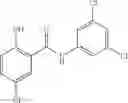


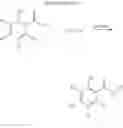


Sources:
- United States Patent and Trademark Office - verify current appl. status at the USPTO↗
Recent applications in this class:
- » 20250289780 2025-09-18
N,N'-DIPHENYL-4,4'-BIPHENYLDICARBOXAMIDE ANALOGS AND THEIR USE IN CANCER TREATMENT - » 20250129013 2025-04-24
COMPOUND WITH BROAD-SPECTRUM ANTIBACTERIAL ACTIVITY AND ITS ANTIBACTERIAL COMPOSITION - » 20240360077 2024-10-31
METHODS - » 20240059646 2024-02-22
RESORCINOL-BASED COMPOUNDS AND USES THEREOF - » 20230286907 2023-09-14
Carboxamides as modulators of sodium channels - » 20230022235 2023-01-26
DUAL ANDROGEN RECEPTOR/AKR1C3 INHIBITORS - » 20220356147 2022-11-10
COMPOUNDS AND METHODS FOR POTENTIATING COLISTIN ACTIVITY - » 20220081391 2022-03-17
Methods of treating or controlling cytotoxic cerebral edema consequent to an ischemic stroke - » 20210317074 2021-10-14
HISTONE ACETYLTRANSFERASE ACTIVATORS AND USES THEREOF - » 20210114973 2021-04-22
PHARMACEUTICAL FORMULATIONS
Recent applications for this Assignee:
- » 20250215397 2025-07-03
TWO-DIMENSIONAL CULTURE METHOD HAVING CLEAR CHEMICAL COMPOSITION FOR CULTURING THREE-DIMENSIONAL INTESTINAL ORGANOID-DERIVED INTESTINAL STEM CELL AGGREGATE - » 20250171559 2025-05-29
METHOD OF TREATING CANCER USING WRS INHIBITORS - » 20250082620 2025-03-13
NOVEL CINNAMAMIDE DERIVATIVES AND USE THEREOF - » 20250064867 2025-02-27
METHOD FOR PREVENTING OR TREATING MUSCLE DISEASE - » 20240402184 2024-12-05
DUAL ENZYME AMPLIFICATION BASED COLORIMETRIC SENSOR SYSTEM FOR ON-SITE DETECTION OF PATHOGEN - » 20240400997 2024-12-05
TRANSFORMED HUMAN HEPATIC STELLATE CELL LINE AND USE THEREOF - » 20240335538 2024-10-10
NOVEL CHIMERIC ANTIGEN RECEPTOR AND IMMUNE CELLS EXPRESSING SAME - » 20240327883 2024-10-03
Method for producing multi-hydroxy derivatives of polyunsaturated fatty acids - » 20240261356 2024-08-08
COMPOSITION CONTAINING ACANTHOPANAX EXTRACT AND GARCINIA CAMBOGIA EXTRACT OR COMPOUND ISOLATED THEREFROM AS ACTIVE INGREDIENT FOR PREVENTION OR TREATMENT OF LIVER DISEASE - » 20240254155 2024-08-01
NOVEL COMPOUND ISOLATED FROM SPINACH, AND COMPOSITION COMPRISING SAME FOR PREVENTING OR TREATING INFLAMMATORY DISEASES