CYCLOPEPTIDE FERMENTATION AT INCREASED METAL ION CONCENTRATION
US20140349345A1
2014-11-27
14/371,789
2013-01-07
Abstract:
The present invention relates to a method for the fermentation of cyclopeptides such as pneumocandins in the presence of increased concentrations of any or all of calcium, copper, iron, magnesium, manganese, molybdenum and zinc ions.
Inventors:
- Wouter Adrianus Van Winden 3 🇳🇱 Echt, Netherlands
- Rudolf Van Der Pol 1 🇳🇱 Echt, Netherlands
Interested in similar patents?
Get notified when new applications in this technology area are published.
Classification:
C07K7/64 » CPC main
Peptides having 5 to 20 amino acids in a fully defined sequence; Derivatives thereof Cyclic peptides containing only normal peptide links
C12P21/02 » CPC further
Preparation of peptides or proteins having a known sequence of two or more amino acids, e.g. glutathione
Description
FIELD OF THE INVENTION
The present invention relates to a method for the fermentation of cyclopeptides such as pneumocandins in the presence of increased concentrations of any or all of calcium, copper, iron, magnesium, manganese, molybdenum and zinc ions.
BACKGROUND OF THE INVENTION
Cyclopeptides are polypeptides in which the terminal amine and carboxyl groups form an internal peptide bond. Hence, cyclopeptides do not have a terminal amine or carboxyl group, although non-terminal amine and carboxyl groups may be present stemming from individual amino acids such as aspartic acid, glutamic acid, lysine and the like. Several cyclopeptides are known for their advantageous medicinal properties. An excellent example is the class of echinocandins which are potent antifungals. Cyclopeptides can be naturally occurring compounds but may also be obtained by total synthesis or by synthetic or enzymatic modification of naturally occurring or naturally produced precursors; the latter class is referred to as semi synthetic cyclopeptides. Examples of medicinally useful echinocandins are the cyclic hexapeptides anidulafungin, caspofungin, cilofungin and micafungin which are useful in treating fungal infections especially those caused by Aspergillus, Blastomyces, Candida, Coccidioides and Histoplasma. These cyclic hexapeptides are characterized in that they comprise threonine and a proline derivative such as 3-hydroxyproline, 4-hydroxyproline and/or 3-hydroxy-4-methylproline. Anidulafungin, caspofungin and micafungin are all semi synthetic cyclopeptides derivable from naturally occurring echinocandins such as for instance echinocandin B, pneumocandin A0 or pneumocandin B0.
Pneumocandin B0 (1, with R1=C(O)(CH2)8CH(CH3)CH2CH(CH3)CH2CH3), first disclosed in U.S. Pat. No. 5,202,309, is a compound that can be obtained fermentatively, for instance in Glarea lozoyensis as described in WO 00/08197. The compound is an important intermediate in the preparation of therapeutically active semi synthetic cyclopeptides such as caspofungin, as described in WO 2010/128096 and references cited therein.
Although nature can provide a substantive part of the complex chemical structure of semi synthetic cyclopeptides, and in many cases having all chiral centers in the required configuration, a major disadvantage nevertheless is that during fermentation often side products are formed that carry through the process and eventually end up as impurities. Only in few cases and after extensive research resulting in unpredictable breakthroughs, can fermentation processes be tuned in such a way as to prevent formation of these impurities. Particularly when these impurities are structurally closely related to the main product, their removal is usually tedious and often requires unprecedented purification approaches as the main products in question are chemically unstable and/or prone to racemization.
In the case of pneumocandin B0 a multitude of structurally related impurities occurring during fermentation has been described. Examples are compounds having an additional methyl function (such as pneumocandin A0, pneumocandin A1, pneumocandin A2, pneumocandin A3, pneumocandin A4, pneumocandin A5, pneumocandin A6), compounds lacking one or two hydroxyl groups (such as pneumocandin B1, pneumocandin B2, pneumocandin B5, pneumocandin B6, pneumocandin E0), compounds having a 4-hydroxy proline rather than a 3-hydroxy proline moiety (pneumocandin C0) or compounds having additional hydroxyl groups (such as pneumocandin D0, pneumocandin D2).
Improvement of the fermentation process is the subject of WO 00/08197, which document addresses increase in the production titer of pneumocandin B0, but also reduction of the formation of unwanted structurally related impurities. Notably favorable results where achieved by supplementing the amino acids arginine, glutamine, hydroxyproline, ornithine, proline or threonine and the trace elements boron, calcium, cobalt, copper, iron, manganese, molybdenum, nickel and zinc. Despite the above improvements, still efforts are required to further optimize the productivity of the process and/or the quality (notably the purity) of the product. For instance, minimizing the pneumocandin C0 impurity is the subject of US 2009/0291996 advocating to purify crude pneumocandin B0 by chromatography followed by crystallization from a solvent-antisolvent mixture. Given the very high similarity between desired structure and impurity, not only in terms of the many different chemical reactive sites present in both molecules, but also in terms of charge, hydrophilicity and molecular weight, such a separation is laborious, time consuming and usually has a significant negative effect on the recovery yield of the desired product. Hence, there remains a need to further improve the pneumocandin B0 fermentation process, either in terms of productivity of the desired product or in terms of reduction of undesired side products or both. Given the limited knowledge available on the mechanism of these highly complex natural processes combined with the endless permutations that could be envisaged in process development studies, such process improvements are difficult to predict and require inventive breakthroughs.
DETAILED DESCRIPTION OF THE INVENTION
In the context of the present invention, the term “cyclopeptide” (also known as cyclic peptide or cyclic protein) refers to a polypeptide chain of which the amino and carboxyl termini are linked together with a peptide bond that forms a circular chain. The cyclopeptides of the present invention may be equipped with substituents such as acyl groups connected through an amide bond to an amino group. In addition the cyclopeptides of the present invention comprise natural and/or non-natural amino acids. In the context of the present invention the cyclopeptides comprise an amino acid chosen from the list consisting of 3-hydroxyproline, 3-hydroxy-4-methylproline, 4-hydroxyproline and proline. The number of amino acids linked together in the cyclopeptides of the present invention is from 3 to 20, preferably from 4 to 12, more preferably from 5 to 10, most preferably from 6 to 8. Preferred cyclopeptides in this respect are cyclohexapeptides such as aculeacin, echinocandin B (A30912A), FR901379, L-671329, mulundocandin, pneumocandin (pneumocandin A0, A1, A2, A3, A4, A5, A6, B0, B1, B2, B5, B6, C0, D0, D2, E0), S31794/F1 and sporiofungin. All such antifungals are structurally characterized by a cyclohexapeptide core, or nucleus, the amino group of one of the amino acids bearing a fatty acid acyl group forming a side chain.
The term “metal ion concentration” refers to the total amount of the metal ion referred to as added prior to or during the fermentation, per amount of initial medium present at the start of the fermentation and can be expressed in g.kg−1, mg.kg−1, mol.kg−1, mmol.kg−1 and the like.
The term “nutrient” refers to a chemical that an organism can use to live and grow or to a substance used in an organism's metabolism which must be taken in from its environment. Organic nutrients include carbohydrates, fats, proteins (or their building blocks, amino acids) and vitamins. Inorganic nutrients include water, oxygen and dietary minerals such as metal ions, examples of which are calcium, cobalt, copper, iron, magnesium, manganese, molybdenum, zinc and the like. A nutrient is said to be essential if it must be obtained from an external source, either because the organism cannot synthesize it or produces it in insufficient quantities. The effects of nutrients are dose-dependent and shortages are referred to as deficiencies.
In the first aspect of the present invention there is disclosed a method for the preparation of a cyclopeptide comprising an amino acid chosen from the list consisting of 3-hydroxyproline, 3-hydroxy-4-methylproline, 4-hydroxyproline and proline which method comprises fermenting a culture of Aspergillus sp., Coleophoma sp. or Glarea sp. in the presence of nutrients comprising calcium ions, copper ions, iron ions, magnesium ions, manganese ions, molybdenum ions and zinc ions, characterized in that the metal ion concentration of said calcium ions is at least 0.4 mg.kg−1 and/or of said copper ions is at least 0.15 mg.kg−1 and/or of said iron ions is at least 3 mg.kg−1 and/or of said magnesium ions is at least 70 mg.kg−1 and/or of said manganese ions is at least 5 mg.kg−1 and/or of said molybdenum ions is at least 0.15 mg.kg−1 and/or of said zinc ions is at least 0.7 mg.kg−1.
Suitable microorganisms are Aspergillus sp., Coleophoma sp. and Glarea sp. Notably Aspergillus aculeatus (for instance for the production of aculeacin as described in Takeshima et al., J. Biochem. (1989) 105, 606), Aspergillus nidulans and Aspergillus rugulosus (for instance for the production of echinocandin B), Aspergillus sydowii (for instance for the production of mulundocandin as described in Mukhopadhyay et al., J. Antibiotics (1992) 45, 618), Coleophoma empetri F-11899 (for instance for the production of FR901379) or Glarea lozoyensis (for instance for the production of pneumocandins as described in WO 00/08197) are suitable in the context of the present invention. Optimal results in terms of productivity and decrease of side products are achieved when the cyclopeptide contains at least one amino acid chosen from the list consisting of 3-hydroxyproline, 3-hydroxy-4-methylproline, 4-hydroxyproline and proline. A preferred example is pneumocandin B0 as produced by Glarea lozoyensis, preferably Glarea lozoyensis CBS 131548.
The predominant conclusion from the prior art such as WO 00/08197 is that fermentation of pneumocandin B0 in Glarea lozoyensis benefits from a nutrient medium containing a high residual sugar concentration, trace elements, proline and threonine. The only investigation with respect to metals deals with the trace elements zinc, cobalt and nickel leading to the conclusion that zinc and cobalt reduce the titer of the main product with concomitant increase of the titer of unwanted impurities whereas nickel had no effect on the titer of the main product but increases the formation of almost all impurities. Similar detrimental effects are also reported for copper and zinc by N. Connors et al. (Appl. Microbiol. Biotechnol. (2000) 54, 814-818) and L. A. Petersen et al. (J. Ind. Microbiol. Biotechnol. (2001) 26, 216-221). Although there is no suggestion as to how to improve cyclopeptide fermentation, metal ion concentrations suggested in WO 00/08197, to be 0.23 mg.kg−1 for calcium ions (0.83 mg.kg−1 CaCl2.2H2O), 0.08 mg.kg−1 for copper ions (0.21 mg.kg−1 CuC12.2H2O), 1.67 mg.kg−1 for iron ions (8.3 mg.kg−1 FeSO4.7H2O), 39.44 mg.kg−1 for magnesium ions (0.4 g.kg−1 MgSO4.7H2O), 2.70 mg.kg−1 for manganese ions (8.3 mg.kg−1 MnSO4.H2O), 0.09 mg.kg−1 for molybdenum ions (0.16 mg.kg−1 (NH4)6Mo7O24.4H2O) and 0.39 mg.kg−1 for zinc ions (1.7 mg.kg−1 ZnSO4.7H2O).
In the present invention it is surprisingly found that both an increase in biomass growth, productivity and a decrease in unwanted impurities can be obtained when increasing the metal ion concentration of any or all of the metal ions calcium, copper, iron, magnesium, manganese, molybdenum and zinc to a level that is from 1.5 to 10 times as high as used in the prior art and against what is advocated in the prior art, preferably from 1.7 to 5 times as high, more preferably from 1.8 to 2.5 times as high. Thus, preferred metal ion concentrations for these metal ions according to the present invention are: calcium, between 0.4 and 1 mg.kg−1; copper, between 0.15 and 0.5 mg.kg−1; iron, between 3 and 10 mg.kg−1; magnesium, between 70 and 200 mg.kg−1; manganese, between 5 and 15 mg.kg−1; molybdenum, between 0.15 and 0.5 mg.kg−1;
zinc, between 0.7 and 2 mg.kg−1. A major advantage of increased biomass growth and productivity is that fermentations can be performed under a carbon limitation regime. Any of the said seven metal ions may be present at the concentration ranges mentioned above, however also two or more or all seven metals may be present at said metal ion concentration ranges.
In one embodiment the cyclopeptide is isolated following its formation during fermentation. Isolation can be carried out according to procedures known to the skilled person such as precipitation, extraction using organic solvents, crystallization, chromatography and combinations thereof.
In another embodiment, for the production of pneumocandin B0 a continuous or repeated discontinuous feed of nitrogen in the form of ammonia or ammonium hydroxide during the fermentation is found advantageous as high titers could be obtained while at the same time the consumption of proline could be drastically minimized. Proline is an amino acid that, according to WO 00/08197, is an important nutrient for reduction of the levels of pneumocandin C0, however when following this prior art process also a high consumption of the relatively expensive proline occurs. Yet another advantage is that the present invention not only results in reduction of the amount of proline needed, but also in the circumvention of the need for proline dosing resulting in a less complicated and more robust process design. Preferably said feed of nitrogen in the form of ammonia or ammonium hydroxide during the fermentation is carried out such as to maintain an ammonia concentration in a range of from 0.1-5 g.L−1.
In yet another embodiment, the cyclopeptide obtained according to the present invention may be further converted to other, semi synthetic cyclopeptides. Thus, pneumocandin B0 is converted into caspofungin according to known procedures as described in WO 2010/128096 and references cited therein. This may be carried out with pneumocandin B0 as directly obtained during fermentation but preferably with pneumocandin B0 obtained during fermentation and further purified and/or isolated.
In the second aspect of the present invention there is disclosed a strain of a Glarea sp. that is Glarea lozoyensis CBS 131548, deposited at the Centraalbureau voor Schimmelcultures, Uppsalalaan 8, 3584 CT Utrecht, The Netherlands. The strain of the second aspect is suitable for producing cyclopeptides according to the method of the first aspect and thus exhibits increased productivity and/or decreased side product formation at increased metal ion concentrations, particularly upon production of pneumocandin B0.
LEGEND TO THE FIGURES
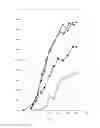
FIG. 1 depicts the production of pneumocandin B0 by Glarea lozoyensis (see Examples for details). X-axis: time in hours after inoculation, Y-axis: production of pneumocandin B0 in mg.kg−1.
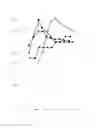
FIG. 2 depicts the ratio of the unwanted impurity pneumocandin C0 during the production of pneumocandin B0 by Glarea lozoyensis. X-axis: time in hours after inoculation, Y-axis: ratio (pneumocandin C0/(pneumocandin B0+pneumocandin C0)).
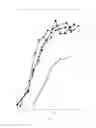
FIG. 3 depicts the biomass formation during the production of pneumocandin B0 by Glarea lozoyensis. X-axis: time in hours after inoculation, Y-axis:
production of biomass in g.kg−1.
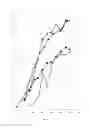
FIG. 4 depicts the production of pneumocandin B0 per gram of biomass by Glarea lozoyensis. X-axis: time in hours after inoculation, Y-axis: production of pneumocandin B0 per gram of dry weight biomass in mg.g−1.
All Figures depict results in the four different media outlined below. In all media except medium 1, the fermentation is carried out under carbon limitation.
- Medium 1 (□): Using Expresa yeast extract and metal ion concentrations of 0.23 mg.kg−1 for Ca2+, 0.08 mg.kg−1 for Cu2+, 1.67 mg.kg−1 for Fe2+, 39.44 mg.kg−1 for Mg2+, 2.70 mg.kg−1 for Mn2+, 0.09 mg.kg−1 for Mo6+ and 0.39 mg.kg−1 for Zn2+.
- Medium 2 (▪): As medium 1 with double metal ion concentrations.
- Medium 3 (▴): As medium 1 with double metal ion concentrations and Gistex yeast extract paste LS instead of Expresa yeast extract.
- Medium 4 (): As medium 1 with triple metal ion concentrations and Gistex yeast extract paste LS instead of Expresa yeast extract.
EXAMPLES
Equipment Used
Laboratory fermentors with a gross volume of 10 L were equipped with a Rushton turbine and a pH and DO probe both of Ingold. Control of fermentations took place with
Braun DCCU-2 equipment and a Braun MFCS/WIN system version 3.0 both supplied by B. Braun Biotech International. Shake flasks (2000 mL) equipped with three bottom baffles and a foam plug were used in an Innova 4330 refrigerated incubation shaker.
Stock Solutions
Glucose Stock Solution:
Dextrose (500 g) was dissolved or suspended in approximately 800 mL of de-mineralized water, the volume was adjusted to 1 L and the mixture was sterilized for 20 minutes at 121° C. and cooled down to room temperature before use.
Trace Elements Stock Solution:
| Concentration | ||
| Component | Formula | (g · kg−1) |
| Hydrochloric acid 4N | HCl | 250 |
| Iron(II)sulphate.7aq | FeSO4•7H2O | 8.3 |
| Manganese sulphate.1aq | MnSO4•H2O | 8.3 |
| Copper chloride.2aq | CuCl2•2H2O | 0.21 |
| Calcium chloride.2aq | CaCl2•2H2O | 0.83 |
| Boric acid | H3BO3 | 0.47 |
| Ammonium molybdate.4aq | (NH4)6Mo7O24•4H2O | 0.16 |
| Zinc sulphate.7aq | ZnSO4•7H2O | 1.7 |
The indicated amount of hydrochloric acid was added to approximately 250 mL of de-mineralized water after which all other components were dissolved and the weight was adjusted to 1 kg by addition of water. The mixture was stored at 4° C. (shelf life 6 months).
Seed Fermentation
Expresa 2200S Yeast Extract Medium Preparation (Seed medium 1):
| Concentration | |||
| Component | Formula | (g · L−1) | Fraction |
| Citric acid monohydrate | C6H8O7•H2O | 5 | 1 |
| Expresa 2200S yeast extract | N.A. | 8.5 | 1 |
| Di-potassium hydrogen | K2HPO4 | 2.24 | 1 |
| phosphate | |||
| Magnesium sulphate | MgSO4•7H2O | 0.4 | 1 |
| Sodium sulphate | Na2SO4 | 5 | 1 |
| Trace elements stock solution | N.A. | 1.0 | 1 |
| 50% Dextrose stock solution | C6H12O6•H2O | 25 mL | 2 |
Gistex Yeast Extract LS Paste Medium Preparation (Seed medium 2):
| Concentration | |||
| Component | Formula | (g · L−1) | Fraction |
| Citric acid monohydrate | C6H8O7•H2O | 5 | 1 |
| Gistex yeast extract LS paste | N.A. | 12 | 1 |
| Di-potassium hydrogen | K2HPO4 | 2.24 | 1 |
| phosphate | |||
| Magnesium sulphate | MgSO4•7H2O | 0.4 | 1 |
| Sodium sulphate | Na2SO4 | 5 | 1 |
| Trace elements stock solution | N.A. | 1.0 | 1 |
| 50% Dextrose stock solution | C6H12O6•H2O | 25 mL | 2 |
Materials of fraction 1 were dissolved or suspended in the order given, in 80% of the final volume of tap water. The pH was brought to 5.7±0.1 with NaOH 4N or H2SO4 4N and the volume was adjusted to the desired volume. Shake flasks (2000 mL) equipped with three baffles were filled with 500 mL of medium and were sterilized for 20 minutes at 121° C. After sterilization and cooling down 25 mL of sterile dextrose solution was added to the 2000 mL flasks containing fraction 1.
Seed Incubation:
| Phase 1 | Phase 2 | |
| Seed1) | Complete vial | 0.5 ml of phase 1 |
| (approximately 1 mL) | ||
| Culture volume | 500 ml | 500 ml |
| Flask gross volume | 2000 ml | 2000 ml |
| Type of shake flask | With baffles | With baffles |
| Type of plug | Foam plug | Foam plug |
| Temperature incubator | 25.0° C. | 25.0° C. |
| Agitation speed/pitch | 220 rpm/2.54 cm | 220 rpm/2.54 cm |
| Incubation time | 168 ± 4 hours | 216 ± 4 hours |
| Transfer criterion | Time | Time |
| 1)Glarea lozoyensis CBS 131548, deposited at the Centraalbureau voor Schimmelcultures, Utrecht, The Netherlands. Vials comprise mycelium in glycerol solution |
In the next stage, the fermentor was inoculated with the whole content of seed phase 2.
Fermentation
For the fermentation of pneumocandin B0, four different media were used:
Medium 1:
Based on WO 00/08197, Table 2; concentrations of di-potassium hydrogen phosphate, magnesium sulphate, trace elements stock solution and L-proline were equal. Sodium sulphate was added to increase osmotic pressure. The original recipe contained mono sodium glutamate, which was replaced on N-basis replaced by ammonium sulphate and Difco Yeast extract, which was on N-basis replaced by Expresa yeast extract. Citric acid was added as a chelating agent to prevent precipitations.
Medium 2:
As medium 1 however with double concentrations of di-potassium hydrogen phosphate, magnesium sulphate and trace elements stock solution.
Medium 3:
As medium 1 however with double concentrations of di-potassium hydrogen phosphate, magnesium sulphate and trace elements stock solution and with Gistex yeast extract LS paste instead of Expresa yeast extract.
Medium 4:
As medium 1 however with triple concentrations of di-potassium hydrogen phosphate, magnesium sulphate and trace elements stock solution and with Gistex yeast extract LS paste instead of Expresa yeast extract. Also the fermentations using this medium were carried out with a simplified feed scheme in which the sugar, normally dosed during the exponential part of the feed, was now dosed directly in the batch.
| Medium |
| 1 | 2 | 3 | 4 | |||
| Component | Formula | g · kg−1 | g · kg−1 | g · kg−1 | g · kg−1 | Fraction |
| Citric acid monohydrate | C6H8O7•H2O | 5.0 | 10.0 | 10.0 | 5.0 | 1 |
| Ammonium sulfate | (NH4)2SO4 | 7.0 | 7.0 | 7.0 | 7.0 | 1 |
| Yeast extract powder | Expresa 2200S | 8.5 | 8.5 | — | 1 | |
| Yeast extract paste LS | DSM | — | — | 12.0 | 12.0 | 1 |
| Di potassium phosphate | K2HPO4 | 2.24 | 4.48 | 4.48 | 6.72 | 1 |
| Magnesium sulphate | MgSO4•7H2O | 0.4 | 0.8 | 0.8 | 1.2 | 1 |
| L-proline | C5H9NO2 | 20.0 | 20.0 | 20.0 | 20.0 | 1 |
| Sodium sulfate | Na2SO4 | 5.0 | 5.0 | 5.0 | 5.0 | 1 |
| Trace elements stock solution | Not applicable | 1.0 | 2.0 | 2.0 | 3.0 | 1 |
| Anti foam Basildon 86/013 | Not applicable | 0.05 | 0.05 | 0.05 | 0.05 | 1 |
| D-Fructose | C6H12O6 | 40 | 40 | 40 | 70 | 2 |
Media were prepared in two fractions that are sterilized separately. Fraction 1 is ⅚ of the total volume after sterilization, fraction 2 is ⅙ of the total volume.
Preparation fraction 1: components were dissolved in tap water, representing 80% of the fraction volume, after which water was added to the appropriate volume and the solution was sterilized for 30 minutes at 121° C.
Preparation fraction 2: D-fructose was dissolved in tap water, representing 50% of the fraction volume, after which water was added to the appropriate volume and the solution was sterilized for 30 minutes at 121° C.
Both fractions were added to the fermentor after cooling down and the pH was adjusted to 5.35±0.15 using ammonium hydroxide 12.5%.
Fermentation Conditions:
The fermentation was carried out under atmospheric pressure using an amount of seed of 8.3%. The DO probe was calibrated at 100% under the fermentation conditions described below, and before inoculation. During the fermentation the following set points were applied:
| Item | Set point | Remarks |
| Temperature (° C.) | 25.0 ± 0.1 | |
| Airflow (VVM) | 1 | |
| pH | 5.35 ± 0.15 | Control with H2SO4 4N and NaOH |
| 4N or NH4OH (Depending on | ||
| the experiment) | ||
| Stirrer speed (rpm) | 150 | Maximum 900 rpm see also |
| Cascade DO | DO-control | |
| DO-control (scale | 75 ± 5% | Calibrate the DO- electrode at 100 |
| units) | scale units Primary control with | |
| stirrer speed (automatically) | ||
| Anti foam | If needed | Anti foam Basildon 86/013 |
| End of fermentation | 240-288 h | |
Feed Preparation:
The feed (D-fructose 200 g.kg−1) was prepared by dissolving D-fructose in 50% of the desired volume of hot tap water after which water was added to the desired value and the solution was sterilized for 20 minutes at 121° C.
Feed Start:
After start of growth the pH drops to the lower boundary of the control (pH=5.20) and base was added. When batch sugar was finished the pH value increased. Feed was started when the pH reached a value of 5.35.
Feed Profile:
For fermentations 1-3 using 40 g.kg −1 D-fructose as batch dosage the following feed profile was applied:
| Time | Set point | |
| (Hours after feed start) | (g_S · kg−1 starting weight) | |
| FS - 36 | 3.0 × e(0.015×HAFS) | |
| 36 EOF | 5.15 | |
For fermentation 4 with medium 4 the sugar (70 g.kg−1 D-fructose), normally dosed during the exponential part of the profile, was already added to the batch. For this experiment the following feed profile was used:
| Time | Set point | |
| (Hours after feed start) | (g_S · kg−1 starting weight) | |
| 36 EOF | 5.15 | |
Claims
1. Method for the preparation of a cyclopeptide comprising an amino acid chosen from the list consisting of 3-hydroxyproline, 3-hydroxy-4-methylproline, 4-hydroxyproline and proline which method comprises fermenting a culture of Aspergillus sp., Coleophoma sp. or Glarea sp. in the presence of nutrients comprising calcium ions, copper ions, iron ions, magnesium ions, manganese ions, molybdenum ions and zinc ions, characterized in that the metal ion concentration of said calcium ions is between 0.4 and 1 mg.kg−1 and/or of said copper ions is between 0.15 and 0.5 mg.kg−1 and/or of said iron ions is between 3 and 10 mg.kg−1 and/or of said magnesium ions is between 70 and 200 mg.kg−1 and/or of said manganese ions is between 5 and 15 mg.kg−1 and/or of said molybdenum ions is between 0.15 and 0.5 mg.kg−1 and/or of said zinc ions is between 0.7 and 2 mg.kg−1.
2. Method according to claim 1 wherein said calcium ions, copper ions, iron ions, magnesium ions, manganese ions, molybdenum ions and zinc ions are all present at said metal ion concentrations.
3. Method according to claim 1 wherein said culture is Aspergillus aculeatus, Aspergillus nidulans, Aspergillus rugulosus, Aspergillus sydowii, Coleophoma empetri F-11899 or Glarea lozoyensis.
4. Method according to claim 1 wherein said cyclopeptide is aculeacin, echinocandin B, FR901379, L-671329, mulundocandin, pneumocandin A0, pneumocandin A1, pneumocandin A2, pneumocandin A3, pneumocandin A4, pneumocandin A5, pneumocandin A6, pneumocandin B0, pneumocandin B1, pneumocandin B2, pneumocandin B5, pneumocandin B6, pneumocandin C0, pneumocandin D0, pneumocandin D2, pneumocandin E0, S31794/F1 or sporiofungin.
5. Method according to claim 1 wherein said cyclopeptide is pneumocandin B0 and said culture is Glarea lozoyensis.
6. Method according to claim 1 subsequently comprising isolating said cyclopeptide.
7. Method according to claim 1 wherein said cyclopeptide is pneumocandin B0 further comprising conversion of said pneumocandin B0 into caspofungin or a pharmaceutically acceptable salt thereof.
8. Method according to claim 1 wherein ammonia and/or ammonium hydroxide is added during said fermenting in such a way as to maintain the ammonia concentration in a range of from 0.1-5 g.L−1.
9. A microorganism that is Glarea lozoyensis CBS 131548.
Images & Drawings included:
Sources:
- United States Patent and Trademark Office - verify current appl. status at the USPTO↗
Recent applications in this class:
- » 20250154202 2025-05-15
CYCLIC EPITOPE TAGS - » 20250154201 2025-05-15
PEPTIDE BINDING TO MESOTHELIN, AND USE THEREOF - » 20250154200 2025-05-15
CYCLIC PEPTIDE FOR CANCER IMMUNOTHERAPY - » 20250145666 2025-05-08
INTERLEUKIN-13 BINDING CYCLIC OLIGOPEPTIDES AND METHODS OF USE THEREOF - » 20250136642 2025-05-01
CYCLIC PEPTIDE COMPOUNDS AND METHODS OF USE THEREOF - » 20250129125 2025-04-24
MACROCYCLIC COMPOUNDS AND METHODS OF USE THEREOF - » 20250122242 2025-04-17
SELECTION SYSTEMS, PEPTIDES DETERMINED THEREWITH, AND METHODS OF USING SAME - » 20250092093 2025-03-20
Androgen receptor protein degradation-inducing peptides for prostate cancer treatment - » 20250074944 2025-03-06
ACYLATED tRNA, INTRODUCTION OF PHARMACOLOGICALLY ACTIVE MOTIF IN PEPTIDE USING RIBOSOME CATALYSIS AND METHOD OF PREPARING SAME - » 20250066423 2025-02-27
SESTRIN-MAPK COMPLEX INHIBITORS