Agent for treatment of schizophrenia
US20140371236A1
2014-12-18
14/471,919
2014-08-28
✅ Patent granted
US 9,815,827 B2
2017-11-14
-
-
Snigdha Maewall
Oblon, McClelland, Maier & Neustadt, L.L.P.
2035-02-28
Abstract:
The present invention provides a novel method for treatment of schizophrenia which can improve wide-ranging symptoms of schizophrenia, especially positive symptoms and negative symptoms without being accompanied by extrapyramidal symptoms, which comprises orally administering as an active compound (1R,23,3R,4S)-N-[(1R,2R)-2-[4-(1,2-benzoisothiazol-3-yl)-1-piperazinylmethyl]-1-cyclohexylmethyl]-2,3-bicyclo[2.2.1]heptanedicarboxyimide or a pharmaceutically acceptable salt thereof (e.g., hydrochloride) at a daily dose of 5 mg to 120 mg once a day to a patient with schizophrenia, and a therapeutic agent to be used in said method.
Inventors:
- Mitsutaka Nakamura 1 🇯🇵 Osaka-Shi, Japan
- Masaaki Ogasa 2 🇯🇵 Osaka-shi, Japan
- Shunsuke Sami 2 🇯🇵 Osaka-shi, Japan
- Masaaki Ogasa 2 🇯🇵 Tokyo, Japan
- Mitsutaka Nakamura 1 🇯🇵 Kawanishi, Japan
- Shunsuke Sami 1 🇯🇵 Kawasaki, Japan
Assignee:
- Sumitomo Dainippon Pharma Co., Ltd. 130 🇯🇵 Osaka, Japan
Applicant:
Interested in similar patents?
Get notified when new applications in this technology area are published.
Classification:
C07D417/12 » CPC main
Heterocyclic compounds containing two or more hetero rings, at least one ring having nitrogen and sulfur atoms as the only ring hetero atoms, not provided for by group containing two hetero rings linked by a chain containing hetero atoms as chain links
A61K31/496 » CPC further
Medicinal preparations containing organic active ingredients; Heterocyclic compounds having nitrogen as a ring hetero atom, e.g. guanethidine or rifamycins having six-membered rings with two nitrogen atoms as the only ring heteroatoms, e.g. piperazine Non-condensed piperazines containing further heterocyclic rings, e.g. rifampin, thiothixene
Description
TECHNICAL FIELD
The present invention relates to a novel method for treatment of schizophrenia and a novel therapeutic agent used therein. More particularly, the present invention relates to a method for improving schizophrenia without being accompanied by extrapyramidal symptoms by orally administering a prescribed dose of a specific bicycloheptane dicarboximide derivative once a day, and a therapeutic agent used in said method.
BACKGROUND ART
Schizophrenia (split personality) is a kind of endogenous psychosis, and it is developed mainly during adolescence, and after a chronic course, the personality of patient is progressively decayed, and some of patients may culminate in a mental decay. The symptoms of this disease are, for example, positive symptoms often observed during the early stage of the disease such as hallucination, delusion, etc., or negative symptoms such as apathy and withdrawal, or cognitive dysfunction such as impairments of concentration and learning abilities, etc. Moreover, there are other symptoms such as depression, anxiety, etc. as related symptoms thereof.
Medication is mainly employed in the treatment of schizophrenia, but the treatment of schizophrenia should be continued for a long time, and even though schizophrenia is once healed, there is a large risk of reoccurring of schizophrenia after drug withdrawal so that it is necessary to continue the medication forever. Therefore, any side effects of medication may always be serious problems, and based on this perspective, it has been desired to develop a medicine being suitable for prolonged medication.
The agents for treatment of schizophrenia are various medicaments such as ones classified in the category of antipsychotic, for example, phenothiazine derivatives (e.g., chlorpromazine, methoxy-promazine, etc.), thioxanthin derivatives having a similar structure to phenothiazine (e.g., chlorprothixene, flupentixol, etc.); benzamide derivatives (e.g., sulpiride, sultopride, etc.), thienodiazepine derivatives (e.g., clotiazepam, etizolam, etc.), and further butyrophenone derivatives (e.g., haloperidol, triperidol, etc.), diphenylbutylamine derivatives (e.g., pimozide, etc.), etc.
However, phenothiazine derivatives, phenothiazine analogues, and butyrophenone derivatives may cause serious side effects of extrapyramidal symptoms showing parkinsonism such as the stiff gait of skeletal muscles, tremor of muscles, lack of facial expression, salivation, etc. Further, diphenylbutylamine derivatives may cause extrapyramidal symptoms in addition to insomnia. In addition, these conventional antipsychotics may be effective on only some of symptoms among positive symptoms, negative symptoms, cognitive dysfunctions of schizophrenia, and there has been no drug being effective on all of these symptoms.
Therefore, it has been desired to develop a safe medicament which exhibits an excellent effect on various schizophrenia as an antipsychotic without causing side effects such as extrapyramidal symptoms.
On the other hand, it has been known that the imide derivative of the following formula, which was found by the co-workers of the present inventors, may be useful as an antipsychotic (c.f., neuroleptic agent, antiaxiety, etc.), especially as an agent for treatment of schizophrenia, senile insanity, manic depressive psychoses, and nervous breakdown (U.S. Pat. No. 5,532,372).
wherein Z is
D is a group of the formula: —(CH2)p-A-(CH2)q-,
etc., and
Ar is an aromatic group, or an aromatic heterocyclic group, etc.
DISCLOSURE OF INVENTION
The present inventor has intensively studied on a series of imide derivatives with respect to many aspects including a use and a dose thereof in order to find a novel agent for treatment of schizophrenia, which may exhibit an excellent effect in the treatment of schizophrenia and have no side effect such as extrapyramidal symptoms, which are often observed in many conventional antipsychotics, and can safely be administered for a long time. As a result, the present inventors have found that (1R,2S,3R,4S)-N-[(1R,2R)-2-[4-(1,2-benzoisothiazo-3-yl)-1-piperazinylmethyl]-1-cyclohexylmethyl]-2,3-bicyclo[2.2.1]heptane-dicarboximide of the following formula:
or a pharmaceutically acceptable salt thereof such as a hydrochloride thereof is effective for relieving the wide-ranging symptoms of schizophrenia, and may treat schizophrenia quite safely without being accompanied by extrapyramidal symptoms by orally administering a prescribed dose thereof once a day.
Namely, the present invention provides a method for treatment of schizophrenia without being accompanied by extrapyramidal symptoms by orally administration of a prescribed amount of (1R,2S,3R,4S) -N-[(1R,2R)-2-[4-(1,2-benzoisothiazol-3-yl)-1-piperazinyl-methyl]-1-cyclohexylmethyl]-2,3-bicyclo[2.2.1]heptanedicarboximide of the above formula (1) or a pharmaceutically acceptable salt thereof once a day, and further provides an agent for treatment of schizophrenia which is used in said method.
BRIEF DESCRIPTION OF DRAWINGS
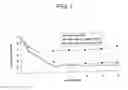
FIG. 1 is a graph showing the change with time in scores of Brief Psychiatric Rating Scale: BPRS, which are indexes for the effects on schizophrenia, of the active compound of the present invention, (1R,2 S,3R,4 S) -N-[(1R,2R)-2-[4-(1,2-benzoisothiazol-3 -yl)-1-piperazinyl-methyl]-1-cyclohexylmethyl]-2,3-bicyclo[2.2.1]heptanedicarboximide hydrochloride and placebo in the double blind clinical trial.
DETAILED DESCRIPTION OF INVENTION
As shown in Examples as described hereinafter, when orally administering a prescribed dose of (1R,2S,3R,4S)-N-[(1R,2R)-2-[4-(1,2-benzoisothiazol-3-yl)-1-piperazinylmethyl]-1-cyclohexylmethyl]-2,3-bicyclo[2.2.1]heptanedicarboximide hydrochloride once a day for 6 weeks to the patients with schizophrenia in the acute exacerbation, the present inventors have found that the excellent effects on the wide-ranging symptoms were obtained, and surprisingly, any extrapyramidal symptoms as observed in the conventional antipsychotics were hardly observed, especially, abnormal electrocardiogram which progresses to sudden death is not recognized, and hence, that this compound may be quite safely used in the treatment of schizophrenia.
Namely, the present invention provides a novel method for treatment of schizophrenia improving a wide-ranging schizophrenia including positive symptoms, negative symptoms, and cognitive dysfunction, especially positive symptoms and negative symptoms, without being accompanied by extrapyramidal symptoms which comprises orally administering a prescribed dose of (1R,2S,3R,4S)-N-[(1R,2R)-2-[4-(1,2-benzoisothiazol-3-yl)-1-piperazinylmethyl]-1-cyclohexylmethyl]-2,3-bicyclo[2.2.1]heptanedicarboximide of the above formula (1) or a pharmaceutically acceptable salt thereof, especially a hydrochloride thereof, to a patient with schizophrenia once a day.
The present invention also provides a novel agent for treatment of such schizophrenia.
According to the present invention, excellent improving effects on the wide-ranging symptoms of schizophrenia may be obtained by orally administering (1R,2S3R,4S)-N-[(1R,2R)-2-[4-(1,2-benzoisothiazol-3-yl) -1-piperazinylmethyl]-1-cyclohexylmethyl]-2,3-bicyclo[2.2.1]-heptanedicarboximide or a pharmaceutically acceptable salt thereof, for example, a hydrochloride, at a daily dose of 5 mg to 120 mg, preferably at a daily dose of 10 mg to 100 mg, more preferably at a daily dose of 20 mg to 80 mg, once a day. Further, in the therapeutic method of the present invention, side effects such as extrapyramidal symptoms such as parkinsonism, dyskinesia, akathisia, etc., abnormal electro-cardiogram, hepatic dysfunction are hardly observed, and hence, the present method may be quite safely used and suitable for a prolonged medication.
Besides, when the present method is applied to a patient with schizophrenia in chronic phase, the above active compound should preferably be administered to said patient for a long time at a dose as low as possible, and in such a case, the daily dose of the active compound is in the range of 5 mg to 80 mg, preferably in the range of 5 mg to 60 mg, more preferably in the range of 10 mg to 40 mg, and it is orally administered once a day.
The therapeutic agent used in the method for treatment of schizophrenia of the present invention is in the form of an oral preparation, which contains the compound of the above formula (1) or a pharmaceutically acceptable salt thereof, especially (1R,2S,3R,4S)-N-[(1R,2R)-2-[4-(1,2-benzoisothiazol-3-yl)-1-piperazinylmethyl]-1-cyclo-hexylmethyl]-2,3-bicyclo[2.2.1]heptanedicarboximide hydrochloride in an amount of 5 mg to 120 mg, preferably in an amount of 10 mg to 100 mg, more preferably in an amount of 20 mg to 80 mg per a single dosage unit. The oral preparation includes, for example, tablets, granules, fine granules, powders, capsules, syrups, etc. These preparations should be in the form of a preparation for administration once a day.
The above preparations may be prepared by a conventional method by using a conventional pharmaceutically acceptable carrier which is usually used in the preparation of a conventional pharmaceutical formulation, for example, excipients such as lactose, white sugar, glucose, starch, calcium carbonate, kaolin, talc, crystalline cellulose, silicic acid, etc, binders such as water, ethanol, gelatin, carboxymethylcellulose, shellac, methylcellulose, gum arabic, tragacanth powder, polyvinylpyrrolidone, etc., disintegrating agents such as sodium arginate, agar powder, laminaran powder, sodium hydrogen carbonate, polyoxyethylenesorbitan fatty acid esters, sodium laurylsulfate, stearic acid monoglyceride, etc., lubricants such as purified talc, stearate, boric acid powder, polyethyleneglycol, etc.
EXPERIMENTS
The method for treatment of the present invention and the effects thereof are illustrated in more detail by Experiments as described hereinafter.
The active compound SM-13496 used in Experiments means (1R,2S,3R,4S)-N-1[(1R,2R)-2-[4-(1,2-benzoisothiazol-3-yl)-1-piperazinyl-methyl]-1-cyclohexylmethyl]-2,3-bicyclo[2.2.1]heptanedicarboximide hydrochloride, and the meanings of the abbreviations used in Experiments are as follows.
DSM-IV: Diagnostic and Statistical Manual of Mental Disorders, 4th ed.
-
- CGI-S; Clinical Global Impressions scale-Severity of Illness
- CGI-I: Clinical Global Impressions scale-Improvement
- AIMS: Abnormal Involuntary Movement Scale
- EPS: Extrapyramidal symptoms
- LOCF: Last Observation Carried Forward (LOCF Analysis: a method of using last not-missing data in cases of dropouts)
- BAS: Barnes Akathisia Scale
- SAS: Simpson-Angust Rating Scale (Rating Scale For Extrapyramidal Reactions)
- PANSS: Positive and Negative Syndrome Scale (Rating Scale For Positive Negative symptoms)
Experiment 1
First Stage Phase II Clinical Trial
(1) Test Method
According to the procedures as shown in Table 1 as described below, the placebo-controlled double blind experiment was done on 149 patients with schizophrenia in the acute exacerbation phase at 15 facilities in USA. The efficacy and safeness were studied when SM-13495 at a dose of 40 mg or 120 mg, or a placebo was orally administered once a day for 6 weeks after placebo washout.
| TABLE 1 | |
| Name of | A double-blind, randomized, fixed dose, placebo- |
| Clinical Trial | controlled, parallel-group, 6-week, efficacy, safety, and |
| tolerability study of two dose levels of SM-13496 in | |
| patients with schizophrenia by DSM-IV criteria who are | |
| experiencing an acute exacerbation of symptoms | |
| Purpose | The efficacy and safety on patients with schizophrenia |
| in the acute exacerbation phase (DSM-IV criteria) were | |
| studied in the placebo-controlled, parallel-group, | |
| double-blind test. | |
| Subjects | Selection criteria: |
| 1) | Patients with scchizophrenia determined according to | |
| DSM-IV criteria who are experiencing an acute | ||
| exacerbation of symptoms | ||
| 2) | Patients having 42 or more of Extracted-BPRS Score | |
| as well as 4 or more of CGI-S Score | ||
| 3) | Patients having less than 2 of Simpson-Angus Score | |
| as well as less than 3 of AIMS Score | ||
| 4) | Patients suffering from schizophrenia for more than 1 | |
| year | ||
| 5) | Males and females aged 18-64 years |
| Factors for patient exclusion: |
| 1) | Patients with treatment-resistant schizophrenia | |
| 2) | Patients being taking depot injections before finishing | |
| the therapy cycle | ||
| 3) | Patients having a strong suicidal ideation | |
| 4) | Patients with Parkinson's disease, Alzheimer disease, | |
| drug addiction, convulsive disorders, epilepsy | ||
| 5) | Pregnant women and any women having a possilbility | |
| of pregnancy, and lactating women | ||
| 6) | Patients having drug hypersensitivity | |
| 7) | Any patients who are examined not to be suitable as | |
| subjects by principal investigator |
| Design of | Placebo-controlled, randomized, comparison with |
| Clinical Trial | parallel-group, double-blind |
| Dosage and | Oral administration of the test compound at a dose of |
| Admin- | 40 mg/day, 120 mg/day or a placebo once a day for 6 |
| istration | weeks |
| route | Washout with placebo for one week (at least for 3 day) |
| Hospitalization during the washout period and two | |
| weeks after medication |
| Combined | 1) | Another antipsychotic is not administered. When |
| Drug and | another antipsychotic is taken, then it is necessary | |
| Combination | to set up a washout period before the trial at least 3 | |
| Therapy | days for oral drug or for one therapy cycle for depot | |
| injection. | ||
| 2) | In case of onset of extrapyramidal symptoms, then | |
| the administration of an antiparkinson agent is | ||
| allowed. | ||
| 3) | In case of onset of insomnia, lorazepam is used. |
| Number of | In the planning stages: 132 subjects (each 44 subjects |
| subjects | for the placebo-treated group, the 40 mg-treated group |
| and the 120 mg-treated group) | |
| After the completion of the trial: 149 subjects (50 | |
| subjects for the placebo-treated group, 50 subjects for | |
| the 40 mg-treated group, and 49 subjects for the 120 mg- | |
| treated group) | |
| Evaluation | Efficacy: PANSS, Extracted-BPRS, CGI-S/I |
| Items | Safety: EPS Rating scale (Simpson-Angus, Barnes, |
| AIMS), vital signs (body temperature, blood pressure, | |
| pulse), 12-lead electrocardiogram, laboratory test | |
| [hematologic test, biochemical test of blood, prolactin, | |
| urine test] psychosomatic conditions, eyeground-slit- | |
| lamp microscopy, adverse event | |
(2) Test Results:
1) Evaluation of Efficacy:
(i) The data by BPRS and PANSS (LOCF), and CGI-S and CGI-I at the end of the trial are shown in Table 2 and Table 3, respectively. As is shown in Table 2 and Table 3, the reductions in the scores at the end of the trial (6 weeks after the administration) from those prior to the administration in the groups treated by SM-13496 40 mg or 120 mg are statistically significant as compared to that in the placebo-treated group with respect to BPRS, CGI-I and CGI-S evaluations. With respect to PANSS evaluation, the reduction in the score at the end of the experiment in the SM-13496 120 mg-treated group is statistically significant as compared to that in the placebo-treated group, which means the psychotic manifestations are improved by BM-13496.
| TABLE 2 | ||
| Dose (No. of Subjects) |
| Placebo | SM-13496 | SM-13496 | |||
| (45) | 40 mg (47) | 120 mg (44) |
| Rating | Average | Average | Average | ||
| scale | (SD) | (SD) | p value# | (SD) | p value# |
| BPRS | −4.0 | −10.0 | 0.014 | −11.3 | 0.003 |
| Total | (8.45) | (12.79) | (8.89) | ||
| Score | |||||
| PANSS | −5.8 | −14.1 | 0.063 | −17.4 | 0.010 |
| Total | (14.06) | (23.10) | (15.70) | ||
| Score | |||||
| #Two-sided Dunnett's t-test (comparison between the groups treated by each dose and the placebo-treated group) | |||||
| Covariance analysis using faculty and Groups as factors and the values before administration as covariate |
| TABLE 3 | |
| Dose |
| Placebo | SM-13496 40 mg | SM-13496 120 mg |
| Rating | Average | Average | Average | ||
| Scale | (SD) | (SD) | p value# | (SD) | p value# |
| CGI-S | (n = 41) | (n = 41) | 0.004 | (n = 40) | 0.002 |
| 0.0 (0.77) | −0.7 (1.12) | −0.8 (1.03) | |||
| CGI-I | (n = 45) | (n = 47) | 0.013 | (n = 42) | 0.005 |
| 4.0 (1.41) | 3.2 (1.56) | 3.0 (1.29) | |||
| #Two-sided Dunnett's t-test (comparison between the groups treated by each dose and the placebo-treated group) | |||||
| Covariance analysis using faculty and Groups as factors and the values before administration as covariate |
(ii) Further, the appended FIG. 1 shows the changes in BPRS total score (LOCF). As is shown in FIG. 1, the BPRS scores in the SM-13496-treated groups are statistically significantly reduced from those of prior to the administration as compared to that in the placebo-treated group at the 2 weeks or later (p<0.05).
(iii) The ratio of the patients of which the BPRS reduction at the end of the experiment is 20% or more, or the patients who showed 1 or 2 of CGI-I, those patients are considered as responder, is shown in Table 4. As is apparent from Table 4, there was a statistically significant difference between the SM-13496 40 mg- or 120 mg-treated group and the placebo-treated group.
| TABLE 4 | |
| Dose (No. of Subjects) |
| Placebo | SM-13496 | SM-13496 | |
| (45) | 40 mg (47) | 120 mg (44) |
| Number | Number | p value# | Number | p value# | |
| Responder | 10 | 26 | 0.002 | 22 | 0.007 |
| #Cochran-Mantel-Haenszel test adjusting the faculties (comparison between the groups treated by each dose and the placebo-treated group) |
2) Evaluation of Safety:
(i) Adverse events observed in 10% or more of the patients are shown in Table 5.
| TABLE 5 | |||
| Placebo | 40 mg | 120 mg | |
| Number of Subjects | 50 | 50 | 49 |
| Number of subjects showing adverse | 36 (72) | 40 (80) | 38 (78) |
| events (%) | |||
| Number of subjects showing serious | 3 (6) | 3 (6) | 3 (6) |
| adverse events (%) | |||
| Number of subjects who drop out from | 2 (4) | 6 (12) | 6 (12) |
| the trial due to adverse events (%) |
| Occurrence of Adverse events (%) |
| Digestive disturbance | 6 (12) | 4 (8) | 2 (4) |
| Nausea | 2 (4) | 5 (10) | 11 (22) |
| Headache | 5 (10) | 8 (16) | 3 (6) |
| Akathisia | 0 (0) | 4 (8) | 7 (14) |
| Free-floating vertigo (excluding | 3 (6) | 6 (12) | 5 (10) |
| rotatory vertigo) | |||
| Suppression | 5 (10) | 9 (18) | 7 (14) |
| Drowsiness | 2 (4) | 4 (8) | 5 (10) |
| Exacerbation of schizophrenia | 5 (10) | 2 (4) | 1 (2) |
Subject having multiple adverse events was accounted as 1.
As is shown in Table 5, 114 subjects among 149 subjects (77%) showed adverse events, but most of them were mild or moderate ones. The number of subjects who dropped out from the trial due to the adverse events was higher in both of the groups treated by two doses of SM-13496 than in the placebo-treated group.
The main adverse events are suppression, nausea, headache, akathisia, and free-floating vertigo (excluding rotatory vertigo). The ratio of the subjects showing suppression was 10%, 18%, 14% in the placebo-treated group, the SM-13496 40 mg-treated group, and the SM-13496 120 mg-treated group, respectively. In the SM-13496 120 mg-treated group, nausea was more observed as compared to the other groups, but digestive disturbance was less observed than in the placebo-treated group. Exacerbation of schizophrenia was less observed in the SM-13496 40 mg- and 120 mg-treated groups (4% and 2%, respectively) than in the placebo-treated group (10%). Akathisia was observed only in the SM-13496 treated groups, Le., 8% and 14% in the 40 mg-treated group and in the 120 mg-treated group, respectively. The occurrence of the adverse events in the groups treated by SM 13496 were the same as that in the placebo-treated group. Either body weight gain, bulimia, impotence, erectile dysfunction or convulsion was not observed.
(ii) The serious adverse events observed in the above phase Ii clinical trial are shown in Table 6 as described below.
| TABLE 6 | |||
| Placebo | 40 mg | 120 mg | |
| Number of Subjects | 50 | 50 | 49 | |
| Total (%) | 4 (8) | 3 (6) | 2 (4) |
| Occurrence of Serious Adverse Events (%) |
| Exacerbation of | 0 (0) | 1 (2) | 0 (0) | |
| paranoia | ||||
| Psychosis aggravated | 0 (0) | 1 (2) | 0 (0) | |
| Exacerbation of | 4 (8) | 1 (2) | 1 (2) | |
| schizophrenia | ||||
| Paranoid | 0 (0) | 0 (0) | 1 (2) | |
| schizophrenia | ||||
As is shown in Table 6 the serious adverse events were observed in 4 cases of the placebo-treated group, 3 cases of the SM-13496 40 mg-treated group and 2 cases of the SM 13496 120 mg-treated group, but the relationship to the tested medicament was denied.
(iii) Further, the side effects observed in this clinical trial are listed in the following Table 7.
| TABLE 7 | |||
| Placebo | 40 mg | 120 mg | |
| Number of Subjects | 50 | 50 | 49 | |
| Occurrence of side | 22 (44) | 33 (66) | 35 (71) | |
| effects (%) |
| Mental disturbance |
| Restlessness | 0 (0) | 1 (2) | 1 (2) | |
| Psychosis aggravated | 0 (0) | 0 (0) | 2 (4) | |
| Agitation | 0 (0) | 0 (0) | 1 (2) | |
| Agitation aggravated | 0 (0) | 0 (0) | 2 (4) | |
| Anxiety aggravated | 0 (0) | 1 (2) | 0 (0) | |
| Insomnia | 0 (0) | 1 (2) | 1 (2) | |
| Exacerbation of | 0 (0) | 0 (0) | 1 (2) | |
| insornnia | ||||
| Nightmare | 0 (0) | 0 (0) | 1 (2) |
| Metabolic disturbances and nutritional disturbance |
| Anorexia | 1 (2) | 1 (2) | 0 (0) | |
| Decrease in appetite | 1 (2) | 1 (2) | 1 (2) |
| Disturbance in Skin and Hypodermis |
| Pruritus | 1 (2) | 0 (0) | 0 (0) |
| Infection and parasitosis |
| Tinea pedis | 0 (0) | 0 (0) | 1 (2) | |
| External otitis | 0 (0) | 1 (2) | 0 (0) | |
| Parotiditis | 1 (2) | 0 (0) | 0 (0) | |
| Urinary tract | 0 (0) | 1 (2) | 0 (0) | |
| infection |
| Vascular diseases |
| Flushing | 1 (2) | 0 (0) | 0 (0) | |
| Hot flashes | 0 (0) | 0 (0) | 1 (2) |
| Disturbance in respiratory organ, chest and mediastinum |
| Laryngopharynx pain | 0 (0) | 1 (2) | 0 (0) | |
| Breathing difficulty | 0 (0) | 0 (0) | 1 (2) |
| Heart problems |
| Sinus tachycardia | 0 (0) | 0 (0) | 1 (2) | |
| Palpitation | 0 (0) | 0 (0) | 1 (2) |
| Gastroenteric disturbance |
| Nausea | 2 (4) | 4 (8) | 9 (18) | |
| Vomiting | 0 (0) | 2 (4) | 3 (6) | |
| Constipation | 1 (2) | 2 (4) | 0 (0) | |
| Diarrhea | 3 (6) | 3 (6) | 0 (0) | |
| Loose stools | 0 (0) | 0 (0) | 1 (2) | |
| Tongue disturbance | 0 (0) | 1 (2) | 0 (0) | |
| Dyspepsia | 2 (4) | 3 (6) | 2 (4) | |
| Flatulence | 0 (0) | 1 (2) | 0 (0) | |
| Dry mouth | 1 (2) | 0 (0) | 0 (0) | |
| Salivary | 1 (2) | 0 (0) | 0 (0) | |
| hypersecretion | ||||
| Abdominal pain | 2 (4) | 0 (0) | 0 (0) |
| Total disability and local condition |
| Fatigue | 3 (6) | 3 (6) | 1 (2) | |
| Fatigue aggravated | 0 (0) | 1 (2) | 0 (0) | |
| Hot sensation | 1 (2) | 0 (0) | 0 (0) | |
| Sleepiness | 1 (2) | 1 (2) | 2 (4) |
| Nervous system disorder |
| Suppression | 3 (6) | 9 (18) | 7 (14) | |
| Akathisia | 0 (0) | 4 (8) | 7 (14) | |
| Free-floating vertigo | 0 (0) | 5 (10) | 5 (10) | |
| (excluding rotatory | ||||
| vertigo) | ||||
| Drowsiness | 2 (4) | 4 (8) | 5 (10) | |
| Headache | 3 (6) | 6 (12) | 1 (2) | |
| Extrapyramidal | 0 (0) | 1 (2) | 3 (6) | |
| disease | ||||
| Tremor | 0 (0) | 3 (6) | 3 (6) | |
| Akathisia aggravated | 0 (0) | 1 (2) | 0 (0) | |
| Dystonic reaction | 0 (0) | 1 (2) | 0 (0) | |
| Anarthria | 0 (0) | 0 (0) | 1 (2) | |
| Glossoplegia | 1 (2) | 0 (0) | 0 (0) | |
| Cogwheel rigidity | 0 (0) | 0 (0) | 1 (2) | |
| Trismus | 0 (0) | 0 (0) | 1 (2) |
| Musculoskeletal system and connective tissue disorder |
| Muscle stiffness | 1 (2) | 2 (4) | 1 (2) | |
| Myalgic pain | 0 (0) | 0 (0) | 1 (2) | |
| Cervical rigidity | 0 (0) | 1 (2) | 0 (0) | |
| Articular rigidity | 0 (0) | 1 (2) | 0 (0) | |
| Melalgia | 0 (0) | 0 (0) | 1 (2) | |
| Heavy feeling | 0 (0) | 1 (2) | 0 (0) |
| Laboratory assay |
| Increase in prolactin | 0 (0) | 1 (2) | 1 (2) | |
| level in the blood | ||||
| Increase in creatine | 0 (0) | 1 (2) | 0 (0) | |
| phosphokinase level | ||||
| in the blood | ||||
| Abnormal | 1 (2) | 0 (0) | 0 (0) | |
| electrocardiogram | ||||
| Weight loss | 1 (2) | 1 (2) | 2 (4) | |
| Increase in total | 0 (0) | 1 (2) | 0 (0) | |
| protein | ||||
| Abnormal liver | 0 (0) | 0 (0) | 1 (2) | |
| function tests |
| Renal Injury and urinary disorder |
| Polyuria | 1 (2) | 0 (0) | 0 (0) | |
| Frequent urination | 1 (2) | 0 (0) | 0 (0) |
| Ocular disturbance |
| Blurred vision | 0 (0) | 1 (2) | 1 (2) | |
| Dry eye | 1 (2) | 0 (0) | 0 (0) | |
As is shown in Table 7, among the adverse events, the main side effects, a relationship of which to the SM-13496 cannot be denied, was suppression, nausea, akathisia, free-floating vertigo (excluding rotatory vertigo), sleepiness, headache. The occurrence of dystonic reaction was low (less than 4%) in the SM-13496-treated groups. There was no clinically significant change in 12-lead electrocardiogram. There was no significant difference in the ratio of the patients having an abnormal change in laboratory values among the groups. In the SM-13496-treated groups, the moderate increase in the prolactin level in the blood was observed, but there was no clinically significant change in the body temperature, respiration rate, funduscopic examination and slit-lamp microscopy.
(iv) Further, the results of the evaluation for dyskinesia (by AIMS), akathisia (by BAS), parkinsonism (by SAS), those symptoms being extrapyramidal symptoms, are shown in Table 8.
| TABLE 8 | |||
| Placebo* | SM-13496 40 mg* | SM-13496 120 mg* |
| Rating | Average | Average | Average | ||
| Scale | (SD) | (SD) | p value# | (SD) | p value# |
| AIMS | 0.7 (2.63) | 0.7 (2.88) | 0.978 | 0.2 (2.21) | 0.467 |
| BAS** | 0.0 (0.97) | 0.1 (1.04) | 0.687 | 0.4 (0.94) | 0.352 |
| SAS | −0.1 (0.96) | 0.1 (1.08) | 0.588 | 0.1 (1.11) | 0.808 |
| #Two-sided Dunnett's t-test (comparison between the groups treated by each dose and the placebo-treated group) | |||||
| Covariance analysis using faculty and Groups as factors and the values before administration as covariate | |||||
| *n = 44-47 for each rating score | |||||
| **BAS Global score |
As is apparent from the results in Table 8, there was no significant difference in the changes in the score prior to the treatment or in the total score between the treated groups. The ratio of the patients requiring benztropine was 24% in the SM-13496-treated groups and 18% in the placebo-treated group.
INDUSTRIAL APPLICABILITY
The method for treatment of schizophrenia and the agent intended to be used therein of the present invention exhibit an excellent effect on the improvement of wide-ranging schizophrenia including positive symptoms, negative symptoms, cognitive dysfunctions, especially positive symptoms and negative symptoms, without accompanied by extrapyramidal symptoms by orally administering a prescribed amount of (1R,2S,3R,4S)-N-[(1R,2R)-2-[4-(1,2-benzo-isothiazol-3-yl)-1-piperazinylmethyl]-1-cyclohexylmethyl -2,3-bicyclo-2.2.1]heptanedicarboximide or a pharmaceutically acceptable salt thereof, especially a hydrochloride thereof once a day to a patient with schizophrenia. Besides, since the present method and the agent used therein do not cause an abnormal electrocardiogram which may progress to sudden death, or do not show excessive suppression effects, they may be quite safely employed and may be suitable even to a prolonged medication, and further they may be applied safely to even elder patients, and hence, the present method and the agent used therein are extremely excellent.
Claims
1-19. (canceled)
20. A method for treating schizophrenia in a patient, without causing clinically significant body weight gain in the patient, the method comprising administering to the patient a dose of 5 mg to 120 mg of the active compound: (1R,2S,3R,4S)N-[(1R,2R)-2-[4-(1,2-benzoisothiazol-3-yl)-1-piperazinylmethyl]-1-cyclohexylmethyl]-2,3-bicyclo[2.2.1]heptanedicarboximide or a pharmaceutically acceptable salt thereof.
21. The method of claim 20, wherein said active compound is (1R,2S,3R,4S)N-[(1R,2R)-2-[4-(1,2-benzoisothiazol-3-yl)-1-piperazinylmethyl]-1 -cyclohexylmethyl]-2,3-bicyclo[2.2.1]heptanedicarboximide hydrochloride.
22. The method of claim 20, wherein 20 mg to 120 mg of said active compound is administered to said patient.
23. The method of claim 20, wherein said active compound is administered to said patient orally.
24. The method of claim 20, wherein said active compound is administered to said patient without concurrently administering another antipsychotic medication.
25. The method of claim 20, wherein said active compound is administered to said patient for a period of at least six weeks.
26. The method of claim 20, wherein said patient has a BPRS score of at least 42 and wherein the patient's BPRS score is significantly reduced from a baseline measurement prior to the administering of said active compound.
27. The method of claim 20, wherein said active compound is administered once daily.
Images & Drawings included:


Sources:
- United States Patent and Trademark Office - verify current appl. status at the USPTO↗
Similar patent applications:
Recent applications in this class:
- » 20250263407 2025-08-21
Compounds - » 20250263406 2025-08-21
DEUTERATED DERIVATIVES OF LANIFIBRANOR - » 20250250265 2025-08-07
BENZOTHIAZOLE-PHENYLSULFONYL-PIPERIDINE ANALOGS AS ACTIVATORS OF NACYLPHOSPHATIDYLETHANOLAMINE HYDROLYZING PHOSPHOLIPASE D - » 20250243192 2025-07-31
CRYSTALLINE FORM OF LANIFIBRANOR - » 20250214987 2025-07-03
THIOBENZIMIDAZOLE DERIVATIVE PREPARATION METHOD AND NOVEL INTERMEDIATE THEREFOR - » 20250214986 2025-07-03
P2X3 INHIBITOR COMPOUND, SALT THEREOF, POLYMORPH THEREOF AND USE THEREOF - » 20250206731 2025-06-26
COMPOUND, POLYMERIZABLE COMPOSITION, POLYMER, HOLOGRAPHIC RECORDING MEDIUM, OPTICAL MATERIAL, AND OPTICAL COMPONENT - » 20250206730 2025-06-26
THIAZOLE DERIVATIVE COMPOUND AND USES THEREOF - » 20250197387 2025-06-19
BCL-XL DEGRADERS AND USES THEREOF - » 20250179061 2025-06-05
RIP1 MODULATORS, PREPARATIONS, AND USES THEREOF
Recent applications for this Assignee:
- » 20220315551 2022-10-06
2-ALKYLCARBONYL[2,3-b]FURAN-4,9-DIONE PRODUCTION METHOD AND PRODUCTION INTERMEDIATE THEREFOR - » 20220267282 2022-08-25
Carboxylic acid compounds - » 20220223253 2022-07-14
FUNCTION RECOVERY TRAINING SYSTEM, FUNCTION RECOVERY TRAINING DEVICE AND PROGRAM - » 20220213079 2022-07-07
ALIPHATIC ACID AMIDE DERIVATIVE - » 20220119764 2022-04-21
Production method for retinal tissue - » 20220112457 2022-04-14
PRODUCTION METHOD FOR NERVE TISSUE - » 20220081441 2022-03-17
Cycloalkylurea derivative - » 20220073506 2022-03-10
Aliphatic acid amide derivative - » 20220062421 2022-03-03
TRANSDERMAL CANCER ANTIGEN PEPTIDE PREPARATION - » 20210398686 2021-12-23
Virtual reality video reproduction apparatus, and method of using the same