Nanoformulation of musk-derived bioactive ingredients for nanocosmetic applications
US20150223451A1
2015-08-13
14/614,849
2015-02-05
✅ Patent granted
US 9,700,042 B2
2017-07-11
-
-
Layla Berry
Schmeiser, Olsen & Watts, LLP
2035-03-28
Abstract:
The composition of the Nano carrier or Nano polymers composed of Hyaluronic Acid (15-25%) and fatty acids (50-70%) cross linked with ultra-Low molecular weight chitosan (15-25%) encapsulating isolated compounds from musk and their combinations for cosmetic use as anti-aging, anti-microbial, and fragrance. Additionally, these nano-encapsulated Musk bioactive compounds (MBC) at 0.1-10% (w/w MBC/Nano polymers) could be used in textile manufacturing (carpet/rugs and clothes) to provide anti-microbial and fragrance properties. Furthermore, Musk derived products are chemically conjugated to HA polymer, FA polymer, CH polymer, HA-CH co-polymer, FA-CH co-polymer or HA-CH-FA co-polymer to be incorporated into the fabric of the textile products (carpet/rugs or clothes).
Inventors:
- Shaker A. Mousa 63 🇺🇸 Wynantskill, NY, United States
- Amna Saddiq 1 🇸🇦 Jeddah, Saudi Arabia
Applicant:
Interested in similar patents?
Get notified when new applications in this technology area are published.
Classification:
A01N25/10 » CPC main
Biocides, pest repellants or attractants, or plant growth regulators, characterised by their forms, or by their non-active ingredients or by their methods of application, e.g. seed treatment or sequential application ; Substances for reducing the noxious effect of the active ingredients to organisms other than pests containing solids as carriers or diluents Macromolecular compounds
A01N25/28 » CPC main
Biocides, pest repellants or attractants, or plant growth regulators, characterised by their forms, or by their non-active ingredients or by their methods of application, e.g. seed treatment or sequential application ; Substances for reducing the noxious effect of the active ingredients to organisms other than pests in coated particulate form Microcapsules or nanocapsules
Description
RELATED APPLICATION
The present invention claims priority to U.S. Provisional No. 61/936,919, filed on Feb. 7, 2014, which is incorporated herein by reference in its entirety.
FIELD OF THE INVENTION
The present invention relates to a nanoformulation applicable to cosmetic and textile (carpet/rugs, and clothes) manufacturing for providing fragrance and antimicrobial properties in cosmetic and textile products.
BACKGROUND OF THE INVENTION
Existing textile (carpet/rugs, and clothes) products might easily be a carrier of different microbes from the environment including bacteria, fungi and certain viruses along with bed smells. Additionally, having naturally driven anti-microbial with fragrance in cosmetic could be extremely valuable for infection prevention while it has appealing smell.
Hence, there is a need for naturally driven anti-microbial with appealing musk fragrance to be impeded within the cosmetic products and to be impeded within the polymeric fibers of the different textile products.
SUMMARY OF THE INVENTION
The present invention provides a composition, comprising: a nano-polymer comprising hyaluronic acid (HA polymer) and fatty acids (FA Polymer) cross linked with chitosan (CH) resulting in HA-CH, FA-CH or HA-CH-FA; and compounds encapsulated within the nano-polymer, said compounds derived from musk. Additionally, musk derived products are chemically conjugated to HA polymer, FA polymer, CH polymer, HA-CH co-polymer, FA-CH co-polymer or HA-CH-FA co-polymer to be incorporated into the fabric of the textile products (carpet/rugs or clothes).
BRIEF DESCRIPTION OF THE DRAWINGS
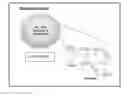
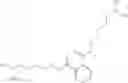
FIG. 1 depicts Nano-encapsulation of musk derived bioactive compounds (M1 and/or M2) with anti-microbial and fragrance characteristics using natural chitosan (derived from mushroom) cross-linked nano-polymer, in accordance with embodiments of the present invention.
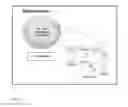
FIG. 2 depicts Nano-encapsulation of musk derived bioactive compounds (M1 and/or M2) with anti-microbial and fragrance characteristics using natural chitosan cross linked with Hyaluronic acid, in accordance with embodiments of the present invention.
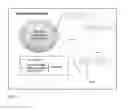
FIG. 3 depicts Nano-encapsulation of musk derived bioactive compounds (M1 and/or M2) with anti-microbial and fragrance characteristics using natural chitosan cross linked with Musk derived fatty acids, in accordance with embodiments of the present invention.
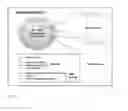
FIG. 4 depicts Nano-encapsulation of musk derived bioactive compounds (M1 and/or M2) with anti-microbial and fragrance characteristics using Musk derived fatty acids.
FIG. 5 depicts Nano-encapsulation of musk derived bioactive compounds (M1 and/or M2) with anti-microbial and fragrance characteristics using natural chitosan cross linked with Musk derived fatty acids and alcohol, in accordance with embodiments of the present invention.
In FIG. 1-5, Musk derived products such as M1 and/or M2 are chemically conjugated to HA polymer, FA polymer, CH polymer, HA-CH co-polymer, FA-CH co-polymer or HA-CH-FA co-polymer to be incorporated into the fabric of the textile products (carpet/rugs or clothes).
DETAILED DESCRIPTION OF THE INVENTION
The present invention provides a nanoformulation applicable that may be used for cosmetic and textile manufacturing to providing fragrance and antimicrobial properties in cosmetic and textile products such as carpet, rugs or clothes.
Hyaluronic acid (HA) is present in the extracellular matrix in the basal layer of the epidermis and it promotes keratin productions which affect skin hydration. HA also interacts with a cell-surface glycoprotein to support collagen synthesis and normal skin function.
Fatty acids (FA) derived from different types of musk including white musk and others. FA examples—Tetradecanoic acid, other fatty acids isolated from Musk as shown in the detailed isolated FA.
Chitosan (CH) is derived from mushroom and processed to produce low to ultra-low molecular weight for cross bridging with HA and FA.
Musk derived products such as M1 and/or M2 are chemically conjugated to HA polymer, FA polymer, CH polymer, HA-CH co-polymer, FA-CH co-polymer or HA-CH-FA co-polymer to be incorporated into the fabric of the textile products (carpet/rugs or clothes).
Encapsulation of Different Ingredients Isolated from Musk and Derivatives Include:
P-Anisaldehyde, P-hydroxyacetophenone, 3-hydroxy P-Anisaldehyde, and their combination for synergistic anti-microbial activity encapsulated into HA-FA-CH Nanoparticles having 100-300 nm and zeta potential of +5 to 20 my. Using Honey for wound dressing.
List all isolated aromatic compounds that are isolated and synthesized having anti-microbial activity to be encapsulated in the above Nano carrier (Tables and FIGS. below).
Antimicrobial efficacy of 3-hydroxyl p-Anisaldehyde (C8H8O3) and p-Hydroxy-acetophenone (C8H8O2) compounds:
Example 1
Materials and Methods
(i) Musk: Natural Musk (animal Musk) used in this study was extracted from navel (deer) as a powder.
(ii) Test organisms:
Pathogenic Fungi: Aspergillus niger, Aspergillus fumigatus, Aspergillus flavus, Fusarium oxysporum and Candida albicans were cultured on sabaroud dextrous agar media (Oxioid CM 41) at 25° C.
Pathogenic bacteria: Staphylococcus aureus and Pseudomonas aeroginosa were cultured on Mueller Hinton media (Oxioid CM 41) at 37° C.
Example 2
Extraction of non-alkaloid compounds from musk: 6 g of lipid free musk powder were placed into a soxhlet apparatus and extracted with 50 ml methanol for 8 hours at a temperature of 40-60° C. The filtered solution was then concentrated to dryness under vacuum at 45° C. The obtained dry extract was mixed with acidic water (PH=2). The supernatant was filtered through a 0.22-μm nylon membrane. The filtrate was then extracted by diethyl ether using separating funnel. The layer of diethyl ether was then separated and evaporated. The obtained gummy residue was then subjected to thin layer chromatography using petroleum ether and ethyl acetate for separating the active compounds. Two compounds were separated namely hydroxyl p-Anisaldehyde (C8H8O3) (0.011 g) (Rf=0.47) and p-Hydroxyacetophenone C8H8O2) (0.009 g) (Rf=0.47). The two compounds were identified by GC mass and HPLC.
Example 3
HPLC Analysis of separated compounds: The hydroxyl p-Anisaldehyde (C8H8O3) and p-Hydroxyacetophenone were quantified by HPLC coupled with UV detection (HPLC-UV). HPLC analysis was performed with an HPLC instrument (Agilent 1100, USA) equipped with a quaternary solvent delivery system, a column oven, and an UV detector (Agilent 1100, VWD, USA). Twenty microliters of sample solution were injected into the column manually. Separation was achieved on an Hypersil ODS2 column (4.6 mm×250 mm, 5 μm) from Dalian Elite Analytical Instruments Co., Ltd. The column temperature was set to 25° C. and the detection wavelength was set at 280 nm. The mobile phase was 25% methanol with isocratic elution at a flow rate of 1.0 ml/min. FIGS. 1 and 2 show a chromatogram for the simultaneous determination of the two compounds respectively
Example 4
Biological activity: Antimicrobial activities of the 3-hydroxyl p-Anisaldehyde (C8H8O3) and p-Hydroxy-acetophenone (C8H8O2) compounds were tested against the fungal species Aspergillus niger, Aspergillus fumigatus, Aspergillus flavus, Fusarium oxysporum and Candida albicans. Also both tested compounds were tested the bacterial species Staphylococcus aureus and Pseudomonas aeroginosa.
Example 5
Antifungal activities: The agar disc diffusion method was used to evaluate the antifungal activities of the tested compounds Haseneko{hacek over (g)}lu (1990). 50 ml of sabaroud dextrous agar media contained 1 ml from Suspension of fungi, then poured into sterile Petri dishes (9 cm in diameter) and left to solidify. Filter paper discs (6 mm in diameter) were soaked with 20 μl of the stock solutions (0.5 ml of the 3-hydroxyl p-Anisaldehyde (C8H8O3) and p-Hydroxyacetophenone (C8H8O2) dissolved in Chloroform (CHCl3) (100.0 μgml−1)) and placed on the inoculated plates. The diameter of the inhibition zones were measured in millimeters after 4 days at 25±2° C. Table (1).
Example 6
Antibacterial activities: Antibacterial activities of the tested compounds were employed by used the agar disc diffusion method Haseneko{hacek over (g)}lu (1990). Suspension of the tested bacteria (106 CFU/μl, O.D was measured calorimetry using spectrophotometer (Spectro, labomed, Inc.) at 620 mm) were spread on Mueller Hinton Agar (Oxioid). Each test solutions was prepared in CHCl3 filter paper discs (6 mm in diameter) were soaked with 20 μl of the stock solutions and placed on the inoculated plates. The diameter of the inhibition zones were measured in millimeters after 24 h at 37° C. The results were confirmed using another method which was the agar well diffusion method would be employed for the determination of antibacterial and anti-fungal activities of 3-hydroxyl p-Anisaldehyde (C8H8O3) and p-Hydroxyacetophenone (C8H8O3) at and 0.5% (Collins, et at 1989).
Example 7
Anti-Microbial Activities: The results showed that the 3-hydroxyl p-Anisaldehyde (C8H8O3) and p-Hydroxyacetophenone (C8H8O3) have the ability to inhibit the growth of tested microorganisms fungi and bacteria. Inhibition clear zones were observed around the filter paper discs (Table 1). From the results it was observed that the best inhibition of Pathogenic bacteria and fungi were obtained when using the two compounds together who use each one separately.
FIG. 1 depicts Nano-encapsulation of musk derived bioactive compounds (M1 and/or M2) with anti-microbial and fragrance characteristics using natural chitosan (derived from mushroom) cross linked nano-polymer, in accordance with embodiments of the present invention.
FIG. 2 depicts Nano-encapsulation of musk derived bioactive compounds (M1 and/or M2) with anti-microbial and fragrance characteristics using natural chitosan cross linked with Hyaluronic acid, in accordance with embodiments of the present invention.
FIG. 3 depicts Nano-encapsulation of musk derived bioactive compounds (M1 and/or M2) with anti-microbial and fragrance characteristics using natural chitosan cross linked with Musk derived fatty acids, in accordance with embodiments of the present invention.
FIG. 4 depicts Nano-encapsulation of musk derived bioactive compounds (M1 and/or M2) with anti-microbial and fragrance characteristics using Musk derived fatty acids.
FIG. 5 depicts Nano-encapsulation of musk derived bioactive compounds (M1 and/or M2) with anti-microbial and fragrance characteristics using natural chitosan cross linked with Musk derived fatty acids and alcohol, in accordance with embodiments of the present invention.
FIG. 1-5, Musk derived products such as M1 and/or M2 are chemically conjugated to HA polymer, FA polymer, CH polymer, HA-CH co-polymer, FA-CH co-polymer or HA-CH-FA co-polymer to be incorporated into the fabric of the textile products (carpet/rugs or clothes). Table 1: Diameter of inhibition zone of 3-hydroxyl p-Anisaldehyde (C8H8O3) and p-Hydroxy-acetophenone (C8H8O2) compounds against Aspergillus niger, Aspergillus fumigatus, Aspergillus flavus, Fusarium oxysporum, Candida albicans Staphylococcus aureus and Pseudomonas aeruginosa
| Diameter of inhibition | ||
| Test Organisms | Zone (mm) | |
| Control | 00.00 | |
| Aspergillus niger | 32.00 | |
| Aspergillus fumigatus | 27.50 | |
| Aspergillus flavus | 15.00 | |
| Candida albicans | 23.00 | |
| Staphylococcus aureus | 20.00 | |
| Pseudomonas aeroginosa | 18.00 | |
| TABLE 2 |
| Bioactive Compounds Isolated from Musk Extracts |
| Musk Extracts | Structure | Symbol |
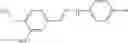
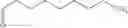
| Vanillin | M1 | |
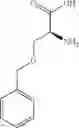
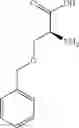
| O-Benzyl-L-serine | M2 | |
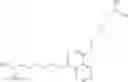
| N-Cbz-L-tyrosine | M3 | |
| Benzyloxycarbonyl- L-arginine | M4 | |
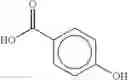
| Benzoic acid, 4- hydroxyl-3- methoxy | M5 | |
| P-Anisaldehyde, 3-hydroxy | *M6 | |
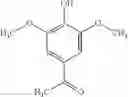
| Acetophenone,4′- hydroxyl- 3′, 5′- dimethoxy | *M7 | |
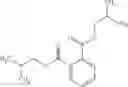
| Diisooctyl phthalate | M8 | |
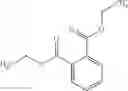
| Diethyl Phthalate | M9 | |
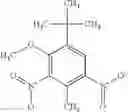
| Musk ambrette Benzene, 1-[1,1- dimethylethyl]2- methoxy-4-methyl- 3,5-dinitro | M10 | |
| Isobutyl phthalate | M11 | |
| Diisooctyl phthalate | M12 | |
| Myristic acid | MA | |
| n-Caprylic acid | CA | |
| Oleic acid | OA | |
| Triethylene glycol methyl ether | TEGME | |
| Alfol 14 | Alfol 14 | |
| 2-Methylhexadecan- 1-ol | MHD | |
| *M6 and *M7 have synergistic antimicrobial activity (Against Aspergillus Niger, Aspergillus fumigetus, Aspergillus flavus, Fusarium oxysporium) |
Bioactive Compounds in Musk Extract
| TABLE 3 |
| Musk Extracts (I, II, III, IV) |
| Extract “I” | Extract “II” | Extracts “III” | Extract “IV” |
| Vanillin | Dihydroergotamine | [2S,3S]-[+]-2,3- | Heptanol |
| Butanediol | |||
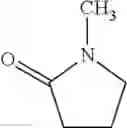
| O-Benzyl-L-serine | N-Methyl-2-pyrrolidone | 1-Methoxy-2-propyl | n-Caprylaldehyde |
| acetate | |||
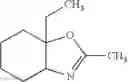
| N-Cbz-L-tyrosine | 2-Methyl-4,5- | n-Nonanal | n-Nonanal |
| tetramethylene-5-ethyl-2- | |||
| oxazoline | |||
| Benzyloxycarbonyl- | Prolog [1,2-a]pyrazine- | n-Doccosane | n-Hepatadecane |
| L-arginine | 1,4-dione, hexahydro-3- | ||
| [2-methylpropyl] | |||
| Myristic acid | Acetophenone, 4′- | Hexadecanal cyclic | Diethyl Phthalate |
| hydroxy-3′,5′-dimethoxy | ethylene acetal | ||
| Benzoic acid, 4- | Phenol, o-ter-butyl | 3-Pentanol, 2,4- | Fornesan |
| hydroxyl -3- | dimethyl | ||
| methoxy | |||
| Benzoic acid 3, | Uracil, 1,3,5-trimethyl | Alfol 14 | n-Heptadecane |
| hydroxy | |||
| Benzoic acid 4, | Phenol, 2,4- di-tert-butyl | n-Nonylphenol | Benzene, 1-[1,1- |
| hydroxy | dimethylethyl]2- | ||
| methoxy-4-methyl- | |||
| 3,5-dinitro | |||
| Ethanone, 1- [4- | Acetophenone,4′- | n-pentadecane | Isobutyl phthalate |
| hydroxy-3- | hydroxyl- 3′,5′- | ||
| methoxyphenyl] | dimethoxy | ||
| Ethanone, 1- [4- | Isobutyl phthalate | n-Nonadecane | |
| hydroxyphenyl] | |||
| P-Anisaldehyde, 3- | 1,2- | Oleic acid | |
| hydroxy | Benzenedicarboxylic | ||
| acid, dibutyl ester | |||
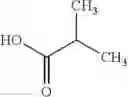
| Isobutyric acid | Eicosane | n-Heneicosane | |
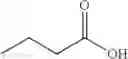
| n- Butyric acid | Heneicosane | Diisooctyl phthalate | |
| [s]-[+]-3-Methyl-2- | n-Hexatriacontane | ||
| butanol | |||
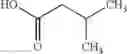
| Butanoic acid, 3- | Hexanedioic acid, | ||
| methyl | diisooctyl ester | ||
| 2- Methyl butanoic | 2-Methylhexadecan-1- | ||
| acid | ol | ||
| Pentanoic acid | Diisooctyl phthalate | ||
| Acetoin | |||
| n-Hexanoic acid | |||
| Benzylaxycarbonyl- | |||
| L-arginine | |||
| N-Cbz-L-tyrosine | |||
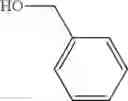
| Benzyl alcohol | |||
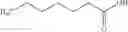
| Heptoic acid | |||
| Benzeneethanol | |||
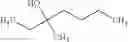
| 3-Methyl-3- | |||
| heptanol | |||
| n-Caprylic acid | |||
| Retardex | |||
| B-Hydroxyethyl | |||
| phenyl ether | |||
| Phenylacetic acid | |||
| Phenol, o-tert-butyl | |||
| O-benzyl-L-serine | |||
| Phenylpropionic | |||
| acid | |||
Bioactive Compounds in Musk Extracts
| TABLE 4 |
| Musk Extracts “I”: |
| Extract “I” | Structure |
| Vanillin | |
| O-Benzyl-L-serine | |
| N-Cbz-L-tyrosine | |
| Benzyloxycarbonyl- L-arginine | |
| Myristic acid | |
| Benzoic acid, 4- hydroxyl-3- methoxy | |
| Benzoic acid 3, hydroxy | |
| Benzoic acid 4, hydroxy | |
| Ethanone, 1-[4- hydroxy-3- methoxyphenyl] | |
| Ethanone, 1-[4- hydroxyphenyl] | |
| P-Anisaldehyde, 3- hydroxy | |
| Isobutyric acid | |
| n- Butyric acid | |
| [s]-[+]-3-Methyl-2- butanol | |
| Butanoic acid, 3- methyl | |
| 2-Methyl butanoic acid | |
| Pentanoic acid | |
| Acetoin | |
| n-Hexanoic acid | |
| Benzyl alcohol | |
| Heptoic acid | |
| Benzeneethanol | |
| 3-Methyl-3- heptanol | |
| n-Caprylic acid | |
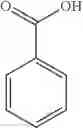
| Benzoic acid | |
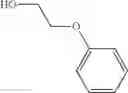
| 2-Phenoxy ethanol | |
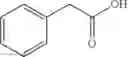
| Phenylacetic acid | |
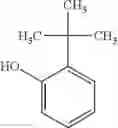
| Phenol, o-tert-butyl | |
| O-benzyl-L-serine | |
| Phenylpropionic acid | |
| TABLE 5 |
| Musk Extracts “II”: |
| Extract “II” | Structure |
| Di- hydro- ergotamine | |
| N-Methyl-2- pyrrolidone | |
| 2-Methyl-4,5- tetramethylene- 5-ethyl-2- oxazoline | |
| Pyrrolo [1,2-a] pyrazine- 1,4-dione, hexahydro-3-[2- methylpropyl] | |
| Phenol, 2[1,1- dimethylethyl] 2-tert- butylphenol | |
| Uracil, 1,3,5- trimethyl | |
| Phenol, 2,4- di-tert- butyl | |
| Acetophenone, 4′-hydroxyl- 3′, 5′- dimethoxy | |
| 2-Piperidone | |
| Triethylene glycol | |
| methyl ether | |
| TABLE 6 |
| Musk Extracts “III”: |
| Extracts “III” | Structure |
| [2S,3S]-[+]- 2,3- Butanediol | |
| 1-Methoxy- 2-propyl acetate | |
| n-Nonanal | |
| n-Doccosane | |
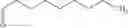
| Hexadecanal cyclic ethylene acetal | |
| 3-Pentanol, 2,4- dimethyl | |
| Alfol 14 | |
| n-Nonylphenol | |
| n-pentadecane | |
| Isobutyl phthalate | |
| 1,2- Benzene- dicarboxylic acid, dibutyl ester | |
| Eicosane | |
| Heneicosane | |
| n-Hexa- triacontane | |
| Hexanedioic acid, diisooctyl ester | |
| 2-Methylhexa- decan-1-ol | |
| Diisooctyl phthalate | |
| TABLE 7 |
| Musk Extracts “IV”: |
| Extract “IV” | Structure |
| Heptanol | |
| n-Caprylaldehyde | |
| n-Nonanal | |
| n-Hepatadecane | |
| Diethyl Phthalate | |
| Dodecane, 2,6,10- trimethyl | |
| n-Heptadecane | |
| Musk ambrette Benzene, 1-[1,1- dimethylethyl]2- methoxy-4- methyl-3,5-dinitro | |
| Isobutyl phthalate | |
| n-Nonadecane | |
| Oleic acid | |
| n-Heneicosane | |
| Diisooctyl phthalate | |
While particular embodiments of the present invention have been described herein for purposes of illustration, many modifications and changes will become apparent to those skilled in the art. Accordingly, the appended claims are intended to encompass all such modifications and changes as fall within the true spirit and scope of this invention.
Claims
What is claimed is:1. A composition, comprising:
a nano-polymer comprising hyaluronic acid (HA) polymer, fatty acids (FA) polymer cross linked with chitosan (CH) forming HA-CH, FA-CH or HA-CH-FA copolymers; and
compounds encapsulated within the nano-polymer, said compounds derived from musk and are chemically conjugated to HA polymer, FA polymer, CH polymer, HA-CH co-polymer of the nano-polymer, said FA-CH co-polymer or HA-CH-FA co-polymer to be incorporated into the fabric of textile products comprising carpet/rugs or clothes.
2. The composition of claim 1, where said compounds derived from the musk include aldehyde or ketone type compounds with broad spectrum anti-microbial activities and appropriate fragrance.
Images & Drawings included:


































Sources:
- United States Patent and Trademark Office - verify current appl. status at the USPTO↗
Recent applications in this class:
- » 20250287939 2025-09-18
INCORPORATED INSECTICIDAL COMPOSITION IN POLYMER MATRIX - » 20250268248 2025-08-28
ANTIBACTERIAL POLYMER AND PROCESS OF PREPARING THE SAME - » 20250255295 2025-08-14
Insecticidal Formulation for Vector and Pest Control with Increased Contact Efficacy - » 20250248395 2025-08-07
ANTIMICROBIAL POROUS FRAMEWORKS - » 20250241299 2025-07-31
Polymer Emulson Drift Reduction Adjuvant Formulations - » 20250228238 2025-07-17
Antimicrobial Solid Surfaces and Treatments and Processes for Preparing the Same - » 20250221404 2025-07-10
BIOCIDAL PRODUCT WITH LUMINESCENT MARKER ADDITIVE FOR TEXTILE SURFACES OR THE LIKE - » 20250176537 2025-06-05
POLYESTER-POLYETHER SOLID ARTICLE COMPRISING PHEROMONE - » 20250176536 2025-06-05
ANTIMICROBIAL AND/OR ANTIVIRAL MATERIALS - » 20250176535 2025-06-05
COMPOSITIONS AND METHODS FOR TARGETED DELIVERY OF CHEMICALS AND BIOMOLECULES TO PLANTS AND FUNGI