Methods for Identifying Compounds That Modulate Ion Channel Activity of a Kir Channel
US20150323549A1
2015-11-12
14/813,396
2015-07-30
Abstract:
Methods for identifying compounds that modulate the ion channel activity of a Kir channel are provided. Methods for identifying compounds that selectively modulate the ion channel activity of specific types of Kir channels based on the turret region of a Kir channel are also provided. Methods for identifying compounds to treat conditions associated with abnormal ion channel activity are also provided. Compounds including purified antibodies and methods of making antibodies which bind to the turret region of a Kir channel are provided. Purified polypeptides including at least a portion of the turret region of a Kir channel and nucleic acid sequences encoding these polypeptides are also provided.
Interested in similar patents?
Get notified when new applications in this technology area are published.
Classification:
G01N33/6872 » CPC main
Investigating or analysing materials by specific methods not covered by groups -; Biological material, e.g. blood, urine ; Haemocytometers; Chemical analysis of biological material, e.g. blood, urine; Testing involving biospecific ligand binding methods; Immunological testing involving proteins, peptides or amino acids Intracellular protein regulatory factors and their receptors, e.g. including ion channels
G01N2500/04 » CPC further
Screening for compounds of potential therapeutic value Screening involving studying the effect of compounds C directly on molecule A (e.g. C are potential ligands for a receptor A, or potential substrates for an enzyme A)
G01N2500/10 » CPC further
Screening for compounds of potential therapeutic value involving cells
G01N33/68 IPC
Investigating or analysing materials by specific methods not covered by groups -; Biological material, e.g. blood, urine ; Haemocytometers; Chemical analysis of biological material, e.g. blood, urine; Testing involving biospecific ligand binding methods; Immunological testing involving proteins, peptides or amino acids
Description
FIELD OF INVENTION
The present invention relates to Kir channel proteins and methods for identifying compounds that modulate ion channel activity by Kir channels. In particular, the present invention relates to identifying compounds which are useful for treating diseases related to the function of Kir channel proteins.
BACKGROUND OF THE INVENTION
Inward rectifier K+ charnels (Kir channel proteins) are involved in the control of many physiological processes that are important to human health. Kir channel proteins normally function as K+ (potassium) selective pores that span cell membranes. The Kir channels are referred to as inward rectifier K+ (Kir) channels based on a fundamental ion conduction property of these channels: given an equal but opposite electrochemical driving force K+ conductance into the cell far exceeds conductance out of the cell.
Among their many functions Kir channel proteins control the pace of the heart, regulate secretion of hormones into the blood stream, generate electrical impulses underlying information transfer in the nervous system and control airway and vascular smooth muscle tone. It is believed that various disease states are directly related to the function of Kir channel proteins. Members of this channel family include Kir1-Kir7, (Kubo et al., Pharmacological Rev., 57:509-526, 2005) Hypertension, atrial fibrillation, and type 2 diabetes are related to Kir channel protein function and are serious conditions for which new therapies are needed. Specific links between Kir channel proteins and disease have been found. Kir1.1 channels are present in the kidney and regulate salt secretion into the urine. Heritable mutations involving Kir1.1 cause Barter's syndrome and hypotension. Compounds which selectively inhibit Kir1.1 have the potential to serve as a new form of anti-hypertensive agent in which hypokalemia, a major side-effect of currently used diuretics, should in principle not be a problem. Thus, hypertensive individuals could benefit from Kir1.1 inhibitor-based therapies. Kir3.1 and Kir3.4 channels, which assemble to form a heteromultimer, are called G-protein-gated K+ channels (GIRK). These channels control heart rate through stimulation by the parasympathetic nervous system. GIRK channel knock-out mice do not develop atrial fibrillation under any of the usual stimuli that induce this arrhythmia in mice. (Claphan et al., JACC 37, 2136-2143 (Jun. 15, 2001)) Accordingly, inhibition of GIRK channels in humans might provide effective treatment for atrial fibrillation. Kir6 channels are expressed in beta cells of the pancreas and control insulin secretion. With the identification of compounds that selectively inhibit the Kir6 channel new therapies could be realized for the treatment of type 2 diabetes. Accordingly, Kir channel proteins are good targets for the treatment of various diseases.
The Kir channel family of proteins are very similar to each other in both sequence and, by inference, structure; thus, it has been very difficult to identify compounds that can specifically modulate one kind of Kir channel protein without cross-reacting with other types of Kir channel proteins.
For the first time the structure of a eukaryotic Kir channel has been determined, and a structural feature “the turret region” has been identified that is highly ordered in structure and, based on the amino acid sequences will differ among Kir channels. Prior to this structure, only the structure of a prokaryotic Kir channel had been determined. (Nishida et al., EMBO, vol. 26, pp. 4005-4015 (2007)) The turret is an important functional region of the protein and faces the outside of the cell making this region an attractive target for identifying potential therapeutic compounds. Given the identification of the turret region in the various Kir channel proteins and the structure in a prototype, the present invention provides a variety of methods by which the turret region may be used to identify compounds having therapeutic utility for treating the various diseases related to the function of Kir channels.
The present invention provides for the first time the expression and purification of a eukaryotic Kir channel as explained in detail below. Study of the structure of this eukaryotic Kir channel resulted in a realization of the importance of the turret region and the invention of methods which allow identification of therapeutic compounds that can selectively bind to different members of the Kir channel family of proteins.
SUMMARY OF THE INVENTION
The present invention relates to methods for identifying a compound that modulates ion channel activity of a Kir channel including identifying a compound which binds the turret region of a Kir channel; and determining if the compound modulates ion channel activity of the Kir channel.
In particular embodiments, the method may be used to identify an antibody that binds the turret region of a Kir channel and modulates the Kir channel's activity. The antibody may be human, chimeric or humanized. The antibody may also be a polyclonal antibody, monoclonal antibody, an intact immunoglobulin molecule, an antibody fragment, a scFv, a Fab, a F(ab)2, a Fv, or a disulfide linked Fv.
In another embodiment, the method may be used to identify suitable nucleic acid molecules that can modulate a Kir channel's activity by binding to its turret region. In such an embodiment, the nucleic acid may be a DNA or RNA molecule. In certain embodiments the nucleic acid is an aptamer. The method may also include identifying a suitable nucleic acid by using in vitro selection techniques.
In another embodiment, the method is used to identify a protein or peptide that can bind a turret region of a Kir channel and modulate the Kir channel. In this embodiment, the protein/peptide may be attached to a protein scaffold or displayed on the surface of a phage.
In another embodiment, the method discussed above is used to screen for small molecules that can modulate Kir channel activity by binding to the Kir channel's turret region.
In any of the methods discussed above, the Kir channel may be a human Kir channel or a chicken/human hybrid Kir channel. Typically, the chicken/human hybrid Kir channel will comprise a human Kir channel turret region.
Various standard biochemical assays may be used to identify whether a compound binds to the turret region of a Kir channel in the method of the present invention. For example, the identifying step may comprise an ELISA and a Western blot to determine if the compound binds to a properly folded Kir channel but not to a denatured Kir channel. Moreover, the identifying step may comprise determining if the compound binds to a Kir channel with a normal turret region but not a mutated turret region.
Regarding the determining whether a compound modulates the activity of a Kir channel, various electrophysiological assays may be used such as two-electrode voltage clamp, patch clamp, and planar lipid bilayer assays. Alternatively or additionally, the determining step may include a fluorescent assay such as one utilizing a thallium specific fluorescent dye.
In another aspect, the present invention relates to a method for identifying a compound that selectively modulates ion channel activity of a specific type of Kir channel including identifying a compound which binds the turret region of a specific type of Kir channel but does not bind to other types of Kir channels; and determining if the compound modulates the activity of the Kir channel.
In another embodiment, the present invention relates to a method of identifying a compound to treat a condition associated with abnormal ion channel activity by a Kir channel including identifying a compound which binds the turret region of a Kir channel; determining if the compound modulates ion channel activity of the Kir channel; and administering the compound which modulates ion channel activity to a subject to determine if the compound is able to treat the condition. In such a method, the condition may be diabetes mellitus, hypertension, cardiac arrhythmia, or epilepsy.
In another aspect, the present invention relates to a purified antibody that specifically binds to an epitope in the turret region of a Kir channel. In this embodiment, the purified antibody may be a polyclonal antibody, a monoclonal antibody, an intact immunoglobulin molecule, an antibody fragment, a scFv, a Fab, a F(ab)2, a Fv, or a disulfide linked Fv. The antibody may specifically bind to a human Kir channel such as a Kir1, Kir2, Kir3, Kir4, Kir5, Kir6, or Kir7 channel. The antibody preferably binds to an epitope within the turret region of a human Kir channel such as Kir1.1, Kir1.2, Kir2.1, Kir2.2, Kir2.3, Kir2.4, Kir3.1, Kir3.4, Kir4.1, Kir4.2, Kir5.1, Kir6.1, or Kir6.2 channel. Even more preferably, the antibody binds to the variable portion of the turret region of a human Kir channel.
In another embodiment, the present invention relates to a method of making an antibody that specifically binds to an epitope in the turret region of a human Kir channel, including providing a chicken/human hybrid Kir channel, wherein the chicken/human hybrid comprises a human Kir channel turret region; immunizing a non-human animal with the chicken/human hybrid Kir channel; and determining whether the antibody is binding to the human Kir channel turret region. In this embodiment, the chicken portion of the chicken/human hybrid Kir channel may be derived from a chicken Kir2.2 channel. Moreover, in this embodiment, the human Kir channel turret region may be derived from Kir1, Kir2, Kir3, Kir4, Kir5, Kir6, or Kir7. Preferably, the human Kir channel turret region is derived from a human Kir1.1, Kir1.2, Kir2.1, Kir2.2, Kir2.3, Kir2.4, Kir3.1, Kir3.4, Kir4.1, Kir4.2, Kir5.1, Kir6.1, or Kir6.2 channel.
In another embodiment, the present invention relates to a method of making an antibody that specifically binds to an epitope in the turret region of a human Kir channel, including providing a human Kir channel; immunizing a non-human animal with the Kir channel; and determining whether the antibody is binding to the human Kir channel turret region.,
In another embodiment, the present invention relates to a purified polypeptide that consists of the turret region of human Kir channels such as Kir1.1, Kir1.2, Kir2.1, Kir2.2, Kir2.3, Kir2.4, Kir3.1, Kir3.4, Kir4.1, Kir4.2, Kir5.1, Kir6.1, or Kir6.2. In another aspect, the present invention relates to an isolated nucleic acid comprising a nucleotide sequence that encodes a polypeptide that consists of the turret region of human Kir channels such as Kir1.1, Kir1.2, Kir2.1, Kir2.2, Kir2.3, Kir2.4, Kir3.1, Kir3.4, Kir4.1, Kir4.2, Kir5.1, Kir6.1, or Kir6.2.
BRIEF DESCRIPTION OF THE DRAWINGS
FIG. 1A-1C shows key residues in eukaryotic Kir channels. A sequence alignment of chicken Kir2.2 (GI: 118097849), human Kir2.2 (GI:23110982), human Kir2.1 (GI:8132301), human Kir1.1 (GI:1352479), human Kir3.1 (GI:1352482), human Kir3.4 (GI:1352484), human Kir6.1 (GI:2493600), human Kir7.1 (GI:3150184), KirBac1.1 (GI:33357898), KcsA (GI:39654804), and rat Kv1.2 (G1:73536156) is shown. For all the Kir sequences only the core region corresponding to the expressed protein and atomic structure of Kir2.2 is included in the alignment. For Kv1.2 only the transmembrane pore region is shown. Secondary structure elements are indicated above the sequences and the turret is shown in small dotted lines above the sequence. Residues discussed in the text are boxed in a series of alternating dashes and dots (acidic residues), a series of large dots (two disulfide-bonded cysteines), alternating dashes and pairs of dots (the inner helix bundle activation gate), series of small dashes (conserved residues among the turrets of eukaryotic Kir channels), a series of small dots (the selectivity filter and E139), and a series of large dashes (critical residues for channel-PIP2 interactions).
FIG. 2A-2E illustrates a structure of Kir2.2. (FIG. 2A) Stereoview of a ribbon representation of the Kir2.2 tetramer from the side with the extracellular solution above. Four subunits of the channel are shown. Approximate boundaries of the lipid bilayer are shown as bars. (FIG. 2B) A close-up view of the pore-region of a single subunit (in ribbon representation) with the turret, pore helix and selectivity filter labeled. Side chains of residues E139, R149 and a pair of disulfide-bonded cysteines (C123 and C155) are shown as sticks. Ionized hydrogen-bonds are indicated by dashed black lines. The region flanked by the two disulfide-bonded cysteines is stippled. (FIG. 2C) Electron density (wire mesh, 2Fo-Fc, calculated from 50-3.1 Å using phases from the final model and contoured at 1.0σ) is shown for the side chains of E139 and R149 forming a salt-bridge. (FIG. 2D) (FIG. 2E) K+ selectivity filter of the Kir2.2 channel (FIG. 2 D) compared with that of the Kv1.2-Kv2.1 paddle chimera channel (FIG. 2E, PDB ID 2R9R). For clarity, only two of the four subunits are shown. K+(cross hatched circles), water molecules (solid spheres), and hydrogen bonds between R149 and E139 (Kir, dashed black lines), or between D379, M380 and waters (Kv, dashed black lines) are shown,
FIG. 3A-3G illustrates the cavity and gates region of a Kir channel. (FIG. 3A) (FIG. 3B) Electron density in the cavity of the Kir2.2 channel (A, Fo-Fc omit map, calculated from 50-3.1 Å using phases from the final model and contoured at 2.0σ) and of the KcsA channel (FIG. 3B, PDB ID 1K4C, Fo-Fc omit map, calculated from 50-3.1 Å using phases from the final model and contoured at 2.8σ). The channels are shown as ribbon representations with the subunit closest to the viewer removed. Only the side chains facing the cavity are shown (sticks). (FIG. 3C) (FIG. 3D) Comparison of the transmembrane inner helix bundle activation gate of Kir2.2 (FIG. 3C) with the KcsA structure (FIG. 3D, PDB ID 1K4C). For clarity, only two of the four subunits (ribbon) are shown. Side chains of the residues in the bundle crossing are shown as sticks and van der Waals surfaces. K+ ions are shown as cross hatched spheres. Inner and Outer helices are indicated. (FIG. 3E) Superposition of the chicken Kir2.2 cytoplasmic domain (α-carbon trace) and the mouse Kir2.1 cytoplasmic domain (α-carbon trace, PDB ID 1U4F) in stereo viewed from the extracellular side. (FIG. 3F) (FIG. 30) Comparison of the apex (G-loop) of the cytoplasmic pores of Kir2.2 (FIG. 3F) and mouse Kir2.1 (FIG. 3G), with the same view as FIG. 3E. The cytoplasmic domains are shown as α-carbon traces, with residues 303-309 (Kir2.2) and 302-308 (Kir2.1) shown as CPK models.
FIG. 4A-4F illustration of ion binding sites. (FIG. 4A) (FIG. 4B) (FIG. 4C) Electron density (wire mesh) of Rb+ (FIG. 4A, Fo-Fc map calculated to 4.0 Å, contoured at 3.5σ for density in the filter and 2.0σ for density elsewhere), Sr2+ (FIG. 4B, 10 mM, Fo-Fc map calculated to 3.3 Å, contoured at 1.5σ for density in the cavity and 3.0σ for density elsewhere) and Eu3+ (FIG. 4C, 10 mM, anomalous difference map calculated to 6.0 Å, contoured at 2.8σ) inside the Kir2.2 channel ion conduction pathway. Kir2.2 is represented as a α-carbon trace with the transmembrane domain and cytoplasmic domain closest to viewer removed for clarity. The ions are shown as spheres. (FIG. 4D) Electron density (200 mM Sr2+, Fo-Fc map calculated from 50-3.8 Å, contoured at 2.5σ, wire mesh) of Sr2+ (spheres) in the cavity of Kir2.2. The channel is shown as a ribbon with the subunit closest to the viewer removed. Only the side chains facing the cavity are shown (sticks). (FIG. 4E) Stereoview of the ion binding site near the upper ring of charges in the cytoplasmic domain of Kir2.2, viewed from the extracellular side. Residues E225, H227, E300, and Q311 are shown as sticks, and hydrogen bonds between them are indicated as dashed black lines. Electron density (200 mM Sr2+, Fo-Fc map calculated from 50-3.8 Å, contoured at 4.5σ) of Sr2+ (spheres) is shown as wire mesh. (FIG. 4F) Stereoview of the ion binding site at the lower ring of charges in the cytoplasmic domain of Kir2.2, viewed from the intracellular side. Residues F255, D256, and K257 are shown as sticks, and hydrogen bonds between D256 from different subunits are indicated as dashed black lines. Electron density (200 mM Sr2+, Fo-Fc map calculated from 50-3.8 Å, contoured at 4.5 a) of Sr2+ (spheres) is shown as wire mesh.
FIG. 5A-5D illustrates the unique structure of the extracellular entryway. (FIG. 5A) (FIG. 5B) Surface representation of chicken Kir2.2 (FIG. 5A) and Kv1.2-Kv2.1 paddle chimera (FIG. 5B, PDB ID 2R9R) in stereo, viewed from the extracellular side. The four protrusions formed by the top of the turrets are highlighted with a black perimeter and F148 in Kir2.2 is labeled. (FIG. 5C) Stereo representation of electron density (wire mesh) for the turret region (2Fo-Fc, calculated from 50-3.1 Å using phases from the final model and contoured at 1.0σ). The turret is shown as sticks (colored according to atom types), and residues corresponding to the highlighted protrusions in panel A are labeled. (FIG. 5D) A close-up view of the turret region in a single subunit in stereo. Side chains of those conserved residues among the turrets of eukaryotic Kir channels, as well as C155 are shown as sticks. Hydrogen bonds between H108, D110 and C123 are indicated as dashed black lines.
FIG. 6A-6D results showing the chicken Kir2.2 channel is a strong inward rectifier. (FIG. 6A) (FIG. 6B) Macroscopic currents are shown from an uninjected oocyte (FIG. 6A) and a chicken Kir2.2 channel injected oocyte (FIG. 6B) without subtracting leak and capacitive currents. The currents were recorded from oocytes using two-electrode voltage-clamp. Voltage pulses: holding potential (h.p.) 0 mV, depolarizing steps: −80 mV to +80 mV, ΔV=10 mV, stepping back to 0 mV. (FIG. 6C) Macroscopic currents recorded from oocytes using patch-clamp. The three current traces show a current trace recorded on-cell (labeled B), a trace recorded immediately after excision of the inside-out patch (labeled C), and a trace recorded approximately 10 minutes after the excision (labeled A) Voltage pulses: ramp from −80 mV to =80 mV over 10 seconds duration, (FIG. 6D) I-V curve from a patch containing only a few channels. The single channel current is graphed as a function of voltage (inset).
FIG. 7 provides a surface representation of Kir2.2, viewed from the side with the extracellular side above. The surface is shaded for qualitative assessment of the negative and positive electrostatic potential at the surface.
FIG. 8 illustrates ion binding sites of Kir2.2 in the selectivity filter, central cavity, upper and lower rings of charges are shown as sticks (oxygens and stippled). The channel is represented as a a-carbon trace with the transmembrane domain and cytoplasmic domain closest to viewer removed for clarity.
DETAILED DESCRIPTION OF THE INVENTION
The present invention is based in part on the discovery of an important structural feature present in Kir channel proteins. in particular, the present invention relates to the discovery of a “turret region” which is highly ordered in structure and which differs in sequence among different Kir channel proteins. In addition, this turret region faces the outside of the cell making the protein accessible to compounds that bind or otherwise interact with this turret region thereby affecting the ability of the Kir channel to function. The discovery of the fact that this turret region, which differs in sequence among members of the Kir channel family, is structured provides a basis to identify compounds which can treat disease states related to Kir channel functions.
Example 1 provided below presents a determination of the crystal structure of a eukaryotic Kir channel protein. In particular, the crystal structure of the chicken Kir channel protein, Kir2.2 is presented. Excluding unstructured amino and carboxy termini, the chicken Kir2.2 protein is 90% identical to human Kir2.2. More importantly, for the purposes of the present invention, these structural studies demonstrate that Kir channels have a large structured turret region which provide the basis for the development of compounds that may be used to bind and interact with these turrets and treat disease states related to the functioning of Kir channels. In particular, these turret regions suggest approaches to the development of inhibitory compounds which will bind to a specific member of the Kir channel family of proteins and inhibit Kir channel function.
The turret region of a variety of Kir channel proteins are identified in FIGS. 1A-1C and in the sequence listings of the present application. In particular, FIGS. 1A-1C illustrates that a sequence alignment of various human Kir channels indicates that the turret region begins with a consensus sequence HGDL (or minor sequence variations thereof) and extends six amino acid residues after a highly conserved cysteine residue labeled as C123 in FIGS. 1A-1C. This turret region is highly conserved and most of the variation that occurs in the sequence is located in a variable portion located after the sequence HGDL up to the cysteine labeled as C123. This variable portion within the turret region constitutes a basis for differentiating Kir channels from one another and provides a target for mutagenesis assays to identify compounds capable of turret specific binding.
Given the identification of the structured turret region in the crystal structure, the turret region of other Kir channels may be identified using sequence alignment programs and the teachings of the present invention relating to the consensus sequence and structural features of the Kir channels.
Based on this structural information, methods are presented below in which the identification of the turret region and knowledge of the amino acid sequence of the turret may be used to develop assays to identify therapeutic compounds which include, but are not limited to, antibodies, nucleic acids, peptides and small molecules that are capable of selective binding to Kir channel proteins.
In general the methods of the present invention for identifying a compound that modulates ion channel activity of a Kir channel comprises a two step process: a first step of identifying a compound which binds the turret region of a Kir channel; and a second step of determining if the compound modulates the ion channel activity of the Kir channel.
Production of Antibodies
In a first method for identifying compounds that modulate the ion channel activity of a Kir Channel, antibodies are prepared against a Kir channel. A variety of Kir channels are known and the methods described below may be used to prepare antibodies against any Kir channel.
Given the present discovery of the importance of the turret region in distinguishing one Kir channel from another, it is particularly useful to obtain antibodies which bind the turret region,
The Antigens and Assay Reagents
Two types of Kir channel proteins may be of particular utility in preparing antibodies. The first type are human Kir channel proteins. The second type are chimeric constructs which utilize a non-human sequence, preferably a eukaryotic sequence, such as a chicken sequence, in particular a chicken Kir 2.2 sequence into which a human Kir channel turret region has been inserted, thereby replacing the native turret region. As an example, chimeric proteins which utilize a chicken Kir2.2 “scaffold” into which the turret region from a given human Kir channel is inserted may be used to prepare antibodies which are specific for different human Kir channel proteins. Both human and chimeric Kir channels may be full length proteins or may contain deletions at the amino and/or carboxy termini of the protein if desired.
Conventional molecular biology, microbiology, and recombinant DNA techniques within the skill of the art may be used in order to prepare human and chimeric Kir channel proteins. Such techniques are explained fully in the literature. See, e.g., Sambrook, Fritsch & Maniatis, Molecular Cloning: A Laboratory Manual, Second Edition (1989) Cold Spring Harbor Laboratory Press, Cold Spring Harbor, N.Y. (herein “Sambrook et al., 1989”); DNA Cloning: A Practical Approach, Volumes I and II (D. N. Glover ed. 1985); Oligonucleotide Synthesis (M. J. Gait ed. 1984); Nucleic Acid Hybridization [B. D. Hames & S. J. Higgins eds. (1985)]; Transcription And Translation [B. D. Hames & S. J. Higgins, eds. (1984)]; Animal Cell Culture [R. I. Freshney, ed. (1986)]; Immobilized Cells And Enzymes [IRL Press, (1986)]; B. Perbal, A Practical Guide To Molecular Cloning (1984); F. M. Ausubel et al, (eds.), Current Protocols in Molecular Biology, John Wiley & Sons, Inc. (1994); Molecular Cloning: A Laboratory Manual Third Edition [Joseph Sambrook and David W, Russell Cold Spring Harbor Laboratory Press (2001)]; The Condensed Protocols from Molecular Cloning: A Laboratory Manual [Joseph Sambrook and David W. Russell, Cold Spring Harbor Laboratory Press (2006)]; Gene Cloning and Manipulation Second Edition [Christopher Howe, Cambridge University Press (2007)].
The cDNA sequences for exemplary human Kir channels are presented in SEQ ID NOS 30-43. The cDNA sequence of the chicken Kir2.2 channel is presented in SEQ ID NO: 45. DNA and cDNA sequences for other types of Kir channels are available in public databases, The turret regions of exemplary human Kir proteins are identified in SEQ ID NOs: 46-56.
Expression of Chicken Kir 2.2
As an example of expression and purification of a eukaryotic Kir channel a protocol for preparing a chicken Kir 2.2 channel protein is provided below. Using standard techniques this procedure may be modified to prepare any of the human Kir channel proteins or a desired chimeric Kir channel protein.
To prepare the chicken Kir 2.2 channel, a synthetic gene fragment (Bio Basic, Inc.) encoding residues 38 to 369 of chicken Kir2.2 channel (GI:118097849) was ligated into the XhoI/EcoRI cloning sites of a modified pPICZ-B vector (Invitrogen). The resulting protein has green fluorescent protein (GFP) and a 1D4 antibody recognition sequence (TETSQVAPA) on the C terminus (I), separated by a PreScission protease cleavage site (SNSLEVLFQ/GP).
The construct was linearized using PmeI and transformed into a HIS+ strain of SMD1163 of Pichia pastoris (Invitrogen) by electroporation (BioRad Micropulser). Transformants were selected on YPDS plates containing 400-1200 μ/ml Zeocin (Invitrogen). Resistant colonies were tested for expression by anti-1D4 tag Western Blot. For large-scale expression, small cultures grown from the best expressing colony were diluted into BMGY media (Invitrogen) and inoculated at 29° C. overnight, until OD600 reached between 20-30. Cells were then pelleted, resuspended in BMM media (Invitrogen) and expressed overnight at 24° C. Cells were harvested, flash-frozen in liquid N2, and stored at −80° C. until needed.
Cells were lysed in a Retsch, Inc. Model MM301 mixer mill (5×3.0 minutes at 25 cps). The lysis buffer contained 150 mM KCl, 50 mM TRIS-HCl pH 8.0, 0.1 mg/ml deoxyribonuclease I, 0.1 μg/ml pepstatin, 1 μg/ml leupeptin, 1 μg/ml aprotinin, 0.1 mg/ml soy trypsin inhibitor, 1 mM benzamidine, 0.1 mg/ml AEBSF, with 1 mM phenylmethysulfonyl fluoride added just before lysis (3.0 ml lysis buffer/g cells). pH of the lysate was adjusted to 8.0 with KOH. The lysate was extracted with 100 mM DM (n2 decyl-β-D-maltopyranoside, Anatrace, solgrade) at room temperature for 1 hour with stirring, and then centrifuged for 40 minutes at 30,000 g, 10° C. Supernatant was added to 1D4-affinity resin pre-equilibrated with 150 mM KCl, 50 mM TRIS-HCl pH 8.0, and 4 mM DM. Suspension was layered with Argon and mixed by inversion for 2 hours at room temperature. Beads were collected on a column by gravity, washed with 2 column volumes of buffer (150 mM KCl, 50 mM TRIS-HCl pH 8.0, 1 mM EDTA pH 8.0, and 4 mM DM), and eluted with buffer plus 1 mg/ml 1D4 peptide (AnaSpec, Inc.) over 1 hour at room temperature. 20 mM DTT (Dithiothreitol) and 3 mM TECP were added to eluted protein. The protein was then digested with PreScission protease (20:1 w/w ratio) overnight at 4° C. Concentrated protein was further purified on a Superdex-200 gel filtration column in 150 mM KCl, 20 mM TRIS-HCl pH 8.0, 4 mM DM (anagrade), 3 mM TCEP, 20 mM DTT and 1 mM EDTA at 4° C. In a preferred embodiment, the protein extract is maintained in a mild detergent, such as DM, which will maintain the three-dimensional structure of the Kir channel.
Preparation of Human/Chicken Hybrid Kir Channels
Using standard techniques in molecular biology, chimeric Kir channel protein may be prepared by inserting the turret region of a human Kir channel protein into the Kir2.2 chicken sequence described above. The location of the turret regions are identified in FIGS. 1A-1C.
By way of example, site-directed mutagenesis procedures may be used to insert the coding sequence for a human turret region into a eukaryotic “scaffold” Kir channel coding region. In a preferred embodiment, Strategene's QuickChange® is used. QuickChange® utilizes a supercoiled double-stranded DNA (dsDNA) vector with an insert of interest and two synthetic oligonucleotide primers containing the desired mutation. The oligonucleotide primers, each complementary to opposite strands of the vector, are extended during temperature cycling by PfuTurbo DNA polymerase. The desired mutation (in this case—the insertion of the human turret region) should be in the middle of the primer with about 10-15 bases of correct sequence on both sides. Incorporation of the oligonucleotide primers generates a mutated plasmid containing staggered nicks. Following temperature cycling, the product is treated with Dpn I. The Dpn I endonuclease (target sequence: 5′-Gm6ATC-3′) is specific for methylated and hemimethylated DNA and is used to digest the parental DNA template and to select for mutation-containing synthesized DNA. DNA isolated from almost all E. coli strains is Dam methylated and therefore susceptible to Dpn I digestion. The nicked vector DNA containing the desired mutations is then transformed into XL1-Blue supercompetent cells. See, e.g. U.S. Pat. Nos. 5,789,166, 5,932,419, and 6,391,548.
As an example, the chicken Kir2.2 protein may be used as a scaffold and the human Kir2.2 channel turret region synthesized for insertion. This methodology can be repeated with any combination of scaffold protein and human turret region.
Preparation of Mutated Turret Regions
Given the identification of the turret regions in the human Kir channels site directed mutagenesis or other techniques known in the art may be used to prepare proteins having mutations in the DNA sequence of the turret. In a preferred embodiment, Strategene's QuickChange® is used. Such mutations should be non-silent mutations—that is the mutations should result in amino acid changes at positions within the turret region.
Generation of Antibodies
A human Kir protein or a chimeric Kir channel protein is prepared using standard techniques such as those outlined herein, and used in standard techniques to obtain antibodies.
A variety of antibodies may be used in the present invention and such antibodies include but are not limited to polyclonal, monoclonal, human, humanized chimeric, an intact immunoglobulin molecule, an antibody fragment, single chain, ScFv, Fab fragments, F(ab)2 Fab, Fv and a disulfide linked Fv.
Various procedures known in the art may be used for the production of antibodies. Host animals can be immunized by injection with a human Kir channel protein, or chimeric Kir protein or fragments of these proteins. Animals which may be used to generate antibodies include, but are not limited to, rabbits, mice, rats, sheep, goats, and others known in the art. The human and chimeric proteins of the present invention may also be conjugated to an immunogenic carrier, e.g., bovine serum albumin (BSA) or keyhole limpet hemocyanin (KLH). Various adjuvants may be used to increase the immunological response, depending on the host species, including but not limited to Freund's (complete and incomplete), mineral gels such as aluminum hydroxide, surface active substances such as lysolecithin, pluronic polyols, polyanions, peptides, oil emulsions, keyhole limpet hernocyanins, dinitrophenol, and potentially useful human adjuvants such as BCG (Bacille Calmette-Guerin) and Corynebacterium parvum.
For preparation of monoclonal antibodies directed toward a Kir channel protein of the present invention, any technique that provides for the production of antibody molecules by continuous cell lines in culture may be used, These include but are not limited to the hybridoma technique originally developed by Kohler and Milstein [Nature 256:495-497 (1975)], as well as the trioma technique, the human B-cell hybridoma technique [Kozbor et al., Immunology Today 4:72 1983); Cote et al., Proc. Nail. Acad. Sci. U.S.A. 80:2026-2030 (1983)], and the EBV-hybridoma technique to produce human monoclonal antibodies [Cole et al., in Monoclonal Antibodies and Cancer Therapy, Alan R. Liss, Inc., pp. 77-96 (1985)]. In addition, techniques developed for the production of “chimeric antibodies” [Morrison et al., J. Bacterial. 159:870 (1984); Neuberger et al., Nature 312:604-608 (1984); Takeda et al., Nature 314:452-454 (1985)] by splicing the genes from a mouse antibody molecule specific for an isolated Kir channel protein of the present invention, or conserved variants thereof, together with a fragment of a human antibody molecule of appropriate biological activity can be used.
Human antibodies can be prepared using any technique. Examples of techniques for human monoclonal antibody production include those described by Cole et al, (Monoclonal Antibodies and Cancer Therapy, Alan R. Liss, p. 77, 1985) and by Boemer et al, (J. Immunol., 147(1):86-95, 1991). Human antibodies (and fragments thereof) can also be produced using phage display libraries (Hoogenboom et al., J. Mol. Biol., 227:331, 1991; Marks et al., J. Mol, Biol., 222:581, 1991), Information on monoclonal and other types of therapeutic antibodies can also be found in Cellular and Molecular Immunology, 6th Edition, [A. K. Abbas, A. H. Lichtman, S. Pillai (Saunders Elsevier Press, 2007)], and U.S. Pat. Nos. 7,390,887 and 7,629,171. For a discussion of various types of therapeutic antibodies, see Strategies and Challenges for the Next Generation of Therapeutic Antibodies, A. Beck, T. Wurch, C. Bailly and N. Corvaia, Nature Rev. Immuno. 10, 345-352 (2010).
Human antibodies can also be obtained from transgenic animals. For example, transgenic, mutant mice that are capable of producing a full repertoire of human antibodies, in response to immunization, have been described (see, e.g., Jakobovits et al., Proc. Natl. Acad. Sci. USA, 90:2551-255 (1993); Jakobovits et al., Nature, 362:255-258 (1993); Bruggennann et al., Year in Immunol., 7:33 (1993)).
Humanized antibodies may also be used in the present invention. Antibody humanization techniques generally involve the use of recombinant DNA technology to manipulate the DNA sequence encoding one or more polypeptide chains of an antibody molecule. Accordingly, a humanized form of a non-human antibody (or a fragment thereof) is a chimeric antibody or antibody chain (or a fragment thereof, such as an Fv, Fab, Fab′, or other antigen-binding portion of an antibody) which contains a portion of an antigen binding site from a non-human (donor) antibody integrated into the framework of a human (recipient) antibody. Methods for humanizing non-human antibodies are well known in the art. For example, humanized antibodies can be generated according to the methods of Winter and co-workers (Jones et al., Nature, 321:522-525 (1986), Riechmann et al., Nature, 332:323-327 (1988), Verhoeyen et al., Science, 239:1534-1536 (1988)), by substituting rodent CDRs or CDR sequences for the corresponding sequences of a human antibody. Methods that can be used to produce humanized antibodies are also described in U.S. Pat. No. 4,816,567 (Cabilly et al.), U.S. Pat. No. 5,565,332 (1-Hoogenboom et al.), U.S. Pat. No. 5,721,367 (Kay et al.), U.S. Pat. No. 5,837,243 (Deo et al.), U.S. Pat. No. 5,939,598 (Kucherlapati et al.), U.S. Pat. No. 6,130,364 (Jakobovits et al.), and U.S. Pat. No. 6,180,377 (Morgan et al.).
Techniques described for the production of single chain antibodies [U.S. Pat. Nos. 5,476,786 and 5,132,405 to Huston; U.S. Pat. No. 4,946,778] can be adapted to produce single chain antibodies specific for a Kir channel protein. An additional embodiment of the invention utilizes the techniques described for the construction of Fab expression libraries [Huse et al., Science 246:1275-1281(1989)] to allow rapid and easy identification of monoclonal Fab fragments with the desired specificity for the Kir channel proteins.
Antibody fragments which contain the idiotype of the antibody molecule can be generated by known techniques. For example, such fragments include but are not limited to: the F(ab′)2 fragment which can be produced by pepsin digestion of the antibody molecule; the Fab′ fragments which can be generated by reducing the disulfide bridges of the F(ab′)2 fragment, and the Fab fragments which can be generated by treating the antibody molecule with papain and a reducing agent.
Antibodies or fragments thereof, whether attached to other sequences or not, can also include insertions, deletions, substitutions, or other selected modifications of particular regions or specific amino acids residues, provided the activity of the antibody or antibody fragment is not significantly altered or impaired compared to the non-modified antibody or antibody fragment. Such methods are readily apparent to a skilled practitioner in the art and can include site-specific mutagenesis of the nucleic acid encoding the antibody or antibody fragment.
Nucleic Acids
The compounds of the present invention include nucleic acids. In particular, nucleic acid sequences capable of binding to a Kir channel may be used in the practice of the present invention. These nucleic acids may be identified using in vitro selection of sequences which bind Kir channel proteins, in particular the turret region of the Kir channel proteins. One type of nucleic acid that is of particular interest is an aptamer. Typically aptamers are small nucleic acid sequences ranging from 15-50 bases in length that fold into defined secondary and tertiary structures that bind to another molecule. This binding is not the typical nucleic acid to nucleic acid hydrogen bond formation but the binding of aptamers can include all other types of covalent and noncovalent binding. In a preferred embodiment, the nucleic acid is DNA, however, other nucleic acids such as RNA may be used. The nucleic acids may be modified or prepared using techniques known in the art to increase the stability of nucleic acids. Representative examples of how to make and use aptamers to bind a variety of different target molecules can be found in the following U.S. Pat. Nos. 5,582,981; 5,595,877; 5,637,459; 6,020,130; 6,028,186; 6,030,776; and 6,051,698. See also Published U.S. patent application Ser. No. 11/917,884 (publication No. US2009/0155779A1); Bock L C, Griffin L C, Latham J A, Vermaas E H, Took J J (February 1992). “Selection of single-stranded DNA molecules that bind and inhibit human thrombin” Nature 355(6360): 564-6; Bunka D H, Stockley P G (August 2006) “Aptamers come of age—at last” Nat Rev Microbio. 4(8): 588-96.
Small Protein/Peptide Compounds
Small Protein/Peptide Compounds may also be used in the practice of the present invention. In particular, small proteins may be prepared and screened for the ability to bind to a Kir channel protein based on binding assays disclosed herein and known in the art. Small molecules such as toxins may also be used in the practice of the invention. In particular, small proteins/peptides modeled on toxins which bind to Kir channel proteins may be prepared and tested for the ability to bind and modulate the activity of Kir channel proteins. (Ramu, et al. (2008) Engineered specific and high affinity inhibition for a subtype of inward rectifier Kir channels Proc. Nat'l Acid Sci USA 105:10774-10778)
A variety of toxins may provide information useful in designing a compound useful in the practice of the present invention. In particular, scorpion toxins (Lu and Mackinnon, 1997 Biochemistry, vol. 36, no, 23, pp 6936 to 6940) snake toxins (for example, the 57 amino acid δ-dendrotoxin from the green mamba snake which inhibits Kir 1.1 channels, (J. P. Imredy, C. Chen, R. Mackinnon, BioChemistry 37, 14867 (Oct. 20, 1998)) and bee venom toxins (Ramu, et al. (2008) Engineered specific and high affinity inhibition for a subtype of inward rectifier Kir channels Proc. Nat'l Acid Sci USA 105:10774-10778) may be helpful in synthesizing libraries of protein/peptide compounds that can bind and effect a Kir channel. Known toxins are often small proteins typically between 20 and 50 amino acids in size containing disulfide bridges. For some of these toxins, the surface important for binding to a Kir channel protein is known and stretches of amino acids of less than 10 amino acids are believed to be important for binding specificity.
A library of these toxin-based compounds may be prepared while maintaining the key amino acids such as cysteine residues that are important for the folding and structure of the proteins. The amino acid residues important for binding to a Kir channel may be randomized to generate proteins/peptides with enhanced binding strength and turret based specificity for the different members of the Kir channel family of proteins.
Phage Display
One method known in the art to rapidly screen a large variety of potential binding proteins/peptides is a phage display assay.
Phage display libraries may be prepared using known protocols. “Filamentous fusion phage: novel expression vectors that display cloned antigens on the virion surface”. Science 288 (4705): 1315-1317. Smith G P, Petrenko V A (1997). “Phage display”. Chem. Rev. 97 (2): 391-410. Kehoe J W, Kay B K (2005), “Filamentous phage display in the new millennium”. Chem. Rev. 105 (11): 4056-4072. Hufton S E, Moerkerk P T, Meulemans E V, de Brüine A, Arends J W, Hoogenboom H R (1999). “Phage display of cDNA repertoires: the pVI display system and its applications for the selection of immunogenic ligands.” J. Immunol. Methods 231 (1-2): 39-51, Lunder M, Bratkovic T, Doljak B, Kreft S, Urleb U, Strukelj B, Plazar N. (2005). “Comparison of bacterial and phage display peptide libraries in search of target-binding motif”. Appl. Biochem. Biotechnol. 127 (2): 125-31. Lunder M, Bratkovic T, Kreft S, Strukelj B (2005). “Peptide inhibitor of pancreatic lipase selected by phage display using different elution strategies”. J. Lipid Res. 2005 46 (7): 1512-6.)
Using phage display the protein/peptide constructs may be expressed on the outer coat of the phage. To identify useful sequences a Kir channel protein may be immobilized on the surface of a well of a standard assay plate, and a phage that displays a protein that binds to Kir channels will bind the target Kir channel protein and remain bound while non-binding phage are removed by washing the plates. The bound phage can be eluted and used to produce more phage for further binding assays. These binding assays may be performed with Kir channels having mutated turrets and wild type turrets to select for proteins/peptides that bind in the turret region. Repeated cycles of these binding assays (‘panning’) results in the identification of phage containing potentially strong binding sequences.
Phage that contain these strong binding sequences can be used to infect a suitable bacterial host, and phagemids are collected and the DNA sequence of interest encoding the binding region excised and sequenced to identify the protein/peptide compound which be further tested using the assays described below.
Small Molecules
Small molecules may also be used in the practice of the present invention. In particular, small molecules may be prepared and screened for the ability to bind to a Kir channel protein based on binding assays disclosed herein and known in the art. See for example U.S. Pat. No. 6,641,997. Additionally, small molecule libraries may also be screened.
Immunoassays
Once an antibody has been generated by the methods described above, a variety of different immunoassays may be performed to identify antibodies that bind property folded Kir channels, are specific for the turret region of the Kir channel and can differentiate between different members of the Kir family based on the turret region.
It is believed that ELISA and Western blot assays are straightforward and efficient assays to identify such antibodies before performing functional assays such as electrophysiological assays.
In general, immunoassays involve contacting a Kir channel protein with an anti-Kir channel antibody under conditions effective, and for a period of time sufficient, to allow the formation of immune complexes (primary immune complexes). Forming such complexes is generally a matter of simply bringing into contact the antibody and the Kir channel protein sample and incubating the mixture for a period of time long enough for the antibodies to form immune complexes with, i.e., to bind to, any molecule (e.g., antigens) present to which the antibodies can bind.
In many forms of immunoassay, the sample-antibody composition, such as an ELISA plate or Western blot, can then be washed to remove any non-specifically bound antibody species, allowing only those antibodies specifically bound within the primary immune complexes to be detected. Immunoassays can include methods for detecting or quantifying the amount of a molecule of interest (such as the disclosed biomarkers or their antibodies) in a sample. In general, the detection of an immunocomplex formation is well known in the art and can be achieved by numerous approaches. These methods are generally based upon the detection of a label or marker, such as any radioactive, fluorescent, biological or enzymatic tags or any other known label. Such assays include but are not limited to ELISA, western blots, radioimmunoassay, (enzyme-linked immunosorbant assay), “sandwich” immunoassays, immunoradiometric assays, gel diffusion precipitin reactions, immunodiffusion assays, in situ immunoassays (using colloidal gold, enzyme or radioisotope labels, for example), precipitation reactions, agglutination assays (e.g., gel agglutination assays, hemagglutination assays), complement fixation assays, immunofluorescence assays, protein A assays, and immunoelectrophoresis assays, and other assays known in the art.
Antibody binding can be detected by detecting a label on the primary antibody or the primary antibody is detected by detecting binding of a secondary antibody or reagent to the primary antibody. For some assays, the secondary antibody is labeled. Many means are known in the art for detecting binding in an immunoassay and are within the scope of the present invention.
The use of immunoassays to detect a specific protein can involve the separation of the proteins by electrophoresis. Electrophoresis is the migration of charged molecules in solution in response to an electric field. Their rate of migration depends on the strength of the field; on the net charge, size and shape of the molecules and also on the ionic strength, viscosity and temperature of the medium in which the molecules are moving. As an analytical tool, electrophoresis is simple, rapid and highly sensitive. It is used analytically to study the properties of a single charged species, and as a separation technique. Electrophoresis is used in the Western blots described below.
ELISA
Enzyme-Linked Immunosorbent Assay (ELISA), or more generically termed EIA (Enzyme ImmunoAssay), is an immunoassay that can detect an antibody specific for a protein. In such an assay, a detectable label bound to either an antibody-binding or antigen-binding reagent is an enzyme. When exposed to its substrate, this enzyme reacts in such a manner as to produce a chemical moiety which can be detected, for example, by spectrophotometric, fluorometric or visual means. Enzymes which can be used to detectably label reagents useful for detection include, but are not limited to, horseradish peroxidase, alkaline phosphatase, glucose oxidase, galactosidase, ribonuclease, urease, catalase, malate dehydrogenase, staphylococcal nuclease, asparaginase, yeast alcohol dehydrogenase, alpha.-glycerophosphate dehydrogenase, triose phosphate isomerase, glucose-6-phosphate dehydrogenase, glucoamylase and acetylcholinesterase. For descriptions of ELISA procedures, see Voller, A. et al., J. Clin. Pathol. 31:507-520 (1978); Butler, J. E., Meth. Enzymol. 73:482-523 (1981); Maggio, E. (ed.), Enzyme Immunoassay, CRC Press, Boca Raton, 1980; Butler, J. E., In: Structure of Antigens, Vol. 1 (Van Regenmortel, M., CRC Press, Boca Raton, 1992, pp. 209-259; Butler, J. E., In: van Oss, C. J. et al., (eds), Immunochemistry, Marcel Dekker, Inc., New York, 1994, pp. 759-803; Butler, J. E. (ed.), Immunochemistry of Solid-Phase Immunoassay, CRC Press, Boca Raton, 1991); Crowther, “ELISA: Theory and Practice,” In: Methods in Molecule Biology, Vol. 42, Humana Press; New Jersey, 1995; U.S. Pat. No. 4,376,110, each of which is incorporated herein by reference in its entirety and specifically for teachings regarding ELISA methods.
In preferred embodiments of the present invention, ELISA assays are used to identify antibodies that bind to the Kir channel proteins and are specific to the turret region.
As illustrated in FLOWCHART I, a first ELISA assay is performed to identify antibodies that bind to the Kir channel protein. As an example, if a human Kir 2.2 channel protein is used as an antigen, an ELISA Assay is performed to identify antibodies that bind to human Kir 2.2 channel protein.
By way of an example ELISA assay, solutions are prepared as follows:
-
- Buffer A: Protein buffer containing detergent slightly above CMC
- Coating Solution—Buffer A+20 ug/ml Protein (50 ul/well, 5.0 ml./plate)
- Wash Solution—Buffer A (200 ul/well×14 washes; 2.8 ml/well, 280 ml total/plate)
- Blocking Solution—Buffer A+5% BSA (0.45u filtered) (400 u/well, 40 ml./plate)
- Primary Ab solution—Cell culture supernatant (diluted 1:1 with 2×Buffer A/2% BSA) or control sera (1:100 in Buffer A+2% BSA)
- Secondary Ab Solution—1:10,000 goat α mouse-Horseradish peroxidase conjugate in Buffer A+2% BSA (100ul/well, 10 ml/plate)
Substrate Solution—1:1 TMB:H2O2 (100 ul/well, 10 ml/plate)
-
- Stop Solution—2M H2SO4 (100 ul/well, 10 ml./plate)
The following steps are then performed:
- Stop Solution—2M H2SO4 (100 ul/well, 10 ml./plate)
a) Add 50 ul of coating solution to each well. Prepare coated plates the day before the assay and store at 4° C. overnight, or prepare on day of assay and allow to shake for 1 hour at room temperature. Add solution directly to the bottom of the well, avoiding the sides as much as possible. Coat at least 2 more wells than you have samples for (+) and (−) controls, Leave at least 2 wells uncoated (just wash solution) as negative controls.
b) Remove coating solution by pouring out and smacking plate face down on a paper towel. Wash wells 3× by adding 200 ul of wash solution to each well, shaking for 1 minute, pouring out wash solution and smacking plates face down on paper towels.
c) Add 300 ul of blocking solution to each well and let plates sit at room temperature for 2 hour.
d) Remove blocking solution and wash wells 3× with 200 ul of washing solution.
e) Add 50 ul 2×Buffer to each well (except controls)
f) Add 50 ul primary antibody solution to the 50 ul 2×buffer in each well and mix. Add diluted (+) control serum to a coated and uncoated well and diluted (−) control serum to coated and uncoated well. Let plates sit at room temperature for 1 hour on orbital shaker.
g) Remove Primary Ab solution and wash wells 3× with 200 ul washing solution.
h) Add 100 ul secondary Ab solution to each well and let plates sit at room temperature for 1 hour.
The plates are then examined to determine if antibodies for a Kir channel protein are present using standard techniques as described above.
Western Blot
Western blotting or immunoblotting allows the determination of the molecular mass of a protein and the measurement of relative amounts of the protein present in different samples. Detection methods include chemiluminescence and chromagenic detection. Standard methods for Western blot analysis can be found in, for example, D. M. Bollag et al., Protein Methods (2d edition 1996) and E. Harlow & D. Lane, Antibodies, a Laboratory Manual (1988), U.S. Pat. No. 4,452,901, each of which is herein incorporated by reference in their entirety for teachings regarding Western blot methods. Generally, proteins are separated by gel electrophoresis, usually SDS-PAGE. For the assays used in the present invention for initial antibody screening, it is preferred to use an SDS-PAGE so as to denature the Kir channel proteins used in the blot. The proteins are transferred to a sheet of special blotting paper, e.g., nitrocellulose, though other types of paper, or membranes, can be used. The proteins retain the same pattern of separation they had on the gel. The blot is incubated with a generic protein (such as milk proteins) to bind to any remaining sticky places on the nitrocellulose. An antibody is then added to the solution which is able to bind to its specific protein.
The attachment of specific antibodies to specific immobilized antigens can be readily visualized by indirect enzyme immunoassay techniques, usually using a chromogenic substrate (e.g. alkaline phosphatase or horseradish peroxidase) or chemiluminescent substrates. Other possibilities for probing include the use of fluorescent or radioisotope labels (e.g., fluorescein, 125I). Probes for the detection of antibody binding can be conjugated anti-immunoglobulins, conjugated staphylococcal Protein A (binds IgG), or probes to biotinylated primary antibodies (e.g., conjugated avidin/streptavidin).
As illustrated in FLOWCHART 1, a western blot is performed to determine if an antibody binds to the denatured form of a Kir channel protein, The combination of the ELISA and the Western blot Kir channel assays as illustrated in FLOWCHART 1 facilitates the identification of antibodies that recognize the properly folded native Kir channel (ELISA Positive) but not the denatured (Western Negative) form of the protein.
In particular, if a given antibody binds to a Kir channel protein in an ELISA assay (“ELISA Positive”), but fails to bind to the same Kir channel protein in a Western blot (Western Negative), then the antibody is binding to the native conformation of the protein but not the denatured form.
Identification of Antibodies with Turret Specificity
Given the discovery in the present invention of the importance of the turret regions and the identification of the region of the Kir proteins which constitute the turret region it is possible to prepare Kir channel proteins which contain mutations located in the turret region. This in turn provides the basis for identification of antibodies that are specific for the turret region of the Kir channel proteins. In particular, the determination of the atomic structure of what constitutes the turret region of the Kir channels identifies where to introduce such mutations so as to selectively identify anti-Kir Channel antibodies that are directed against the turret. Such mutations may be made in a variety of places, such as following the L residue in the sequence HGDL (or slight variations of that sequence) and up to but not including the conserved cysteine labeled C123 in the structure of the proteins (see FIGS. 1A-1C). Examples of these variable portions of certain turret regions is provided in SEQ ID NOs 1-13. Kir channel proteins which contain mutations in the turret region, or preferably in the variable portion, may be used in assays described below.
To identify antibodies that are specific for the turret region of the Kir channel further ELISA assays may be performed as illustrated in FLOWCHART 1. These ELISA assays utilize Kir channels with mutated turret regions. Antibodies that bind a normal Kir channel in an ELISA assay but do not bind a channel with a mutated turret will be isolated since these antibodies may be considered turret specific—that is the epitope for the antibody is located in the turret region of the protein. The source of these antibodies will be used to prepare monoclonal antibodies using standard techniques as described above. An additional assay described below and presented in FLOWCHART 2 identifies antibodies or other compounds with the ability to bind the turret region using a fluorescent assay.
Assays for Kir Channel Activity
Even if an antibody or other type of compound binds the turret region its utility as a therapeutic compound is based on its functional effect on a Kir channel, Accordingly, the next step is to determine if an antibody which binds the turret region of a Kir channel is capable of modulating electrolyte processing. Monoclonal antibodies prepared from turret specific antibodies identified above can be used in electrophysiological assays as can other compounds found to have binding specificity for the turret region of Kir channels.
There are a variety of electrophysiological assays known to those with skill in the art which may be used to determine whether the compounds of the present invention have an effect on the electrophysiological state of a Kir Channel.
Useful electrophysiological assays include a variety of in vitro and in vivo assays, e.g., measuring voltage, current, measuring membrane potential, measuring ion flux, e.g., potassium or rubidium, measuring potassium concentration, measuring second messengers and transcription levels, and using e.g., voltage-sensitive dyes, radioactive tracers, electrode voltage clamps and patch-clamp electrophysiology. Such assays can be used to test for both inhibitors and activators of Kir channels.
Modulators of the Kir channels may be tested using biologically active, functional Kir channels, either recombinant or naturally occurring. In recombinantly based assays, the subunits are typically expressed and modulation is tested using one of the in vitro or in vivo assays described herein.
In brief, samples or assays that are treated with a potential Kir channel turret binding compounds inhibitors or activators are compared to control samples without the test compound, to examine the extent of modulation. Control samples e.g. those untreated with the compounds are assigned a relative Kir channel activity value of 100. Inhibition is present when Kir channel activity value relative to the control is about 90%, preferably 50%, more preferably 25%.
It should be noted that the compounds may also result in activation of Kir channels. Activation of channels is achieved when the select Kir channel activity value relative to the control is 110%, more preferably 150%, more preferable 200% higher. It is possible that for treating some diseases states such activating compounds may be useful alone or in combination with inhibitors.
Changes in ion flux may be assessed by determining changes in polarization (i.e., electrical potential) of the cell or membrane expressing the Kir channels of this invention. A preferred means to determine changes in cellular polarization is by measuring changes in current (thereby measuring changes in polarization) with voltage-clamp and patch-clamp techniques, e.g., the “outside-out” mode, and the “whole cell” mode (see, e.g., Ackerman et al., New Engl. J. Med. 336:1575-1595 (1997) and Single Channel Recording, Plenum Press, B. Sakmann and E. Neher eds). Whole cell currents are conveniently determined using the standard methodology (see, e.g., Hamil et al., P Fingers. Archly. 391:85 (1981). Other known assays include: radiolabeled rubidium flux assays and fluorescence assays using voltage-sensitive dyes (see, e.g., Vestergarrd-Bogind et al., J. Membrane Biol. 88:67-75 (1988); Daniel et al., J. Pharmacol. Meth. 25:185-193 (1991); Holevinsky et al., J. Membrane Biology 137:59-70 (1994)). Assays for compounds capable of inhibiting or increasing potassium flux through the channel proteins can be performed by application of the compounds to a bath solution in contact with and comprising cells having an channel of the present invention (see e.g., Blatz et al., Nature 323:718-720 (1986); Park, J. Physiol. 481:555-570 (1994)). Generally, the compounds to be tested are present in the range from 1 pM to 100 μM.
The effects of the test compounds upon the function of the Kir channels can be measured by changes in the electrical currents or ionic flux or by the consequences of changes in currents and flux. Changes in electrical current or ionic flux are measured by either increases or decreases in flux of cations such as potassium or rubidium ions. The cations can be measured in a variety of standard ways. They can be measured directly by concentration changes of the ions or indirectly by membrane potential or by radiolabeling of the ions. Consequences of the test compound on ion flux can be quite varied. Accordingly, any suitable physiological change can be used to assess the influence of a test compound on the Kir channels of this invention. The effects of a test compound can be measured by a toxin binding assay. When the functional consequences are determined using intact cells or animals, one can also measure a variety of effects such as transmitter release (e.g., dopamine), hormone release (e.g., insulin), transcriptional changes to both known and uncharacterized genetic markers (e.g., northern blots), cell volume changes (e.g., in red blood cells), immunoresponses (e.g., T cell activation), changes in cell metabolism such as cell growth or pH changes, and changes in intracellular second messengers such as [Ca2+].
Two Electrode Voltage Clamp Assay
One assay that may be of particular use in the present invention is a two electrode voltage clamp assay. This assay may be performed using any of these Kir channel proteins and compounds of the present invention using modifications readily known to those in the art. In the example below, this assay was conducted using the chicken Kir 2.2 channel. To perform this assay, Xenopus oocytes will be harvested from mature female Xenopus laevis and defolliculated by collagenase treatment for 1-2 hours. Oocytes will then rinsed thoroughly and stored in ND96 solution (96 mM NaCl, 2 mM KCl, 1.8 mM CaCl2, 1.0 mM MgCl2, 5 mM HEPES, 50 μg/ml gentamycin, pH 7.6 with NaOH). Defolliculated oocytes will be selected 2-4 hours after collagenase treatment and injected with cRNA the next day. The injected oocytes will be incubated in ND96 solution for 1-5 days before recording. All oocytes will be stored in an incubator at 18° C.
The desired human or chimeric Kir channel protein DNA will be sub-cloned into the pGEM vector (Promega). cRNA will be prepared using T7 RNA polymerase (Promega) from NdeI-linearized plasmid DNA.
All recordings will be performed at room temperature. For two-electrode voltage-clamp experiments, oocytes will be held at 0 mV and pulsed from −80 mV to +80 mV with 10 mV increment steps. Recording solution will contain 98 mM KCl, 0.3 mM CaCl2, 1 mM MgCl2, and 5 mM HEPES pH 7.6. The ionic currents will be recorded with an oocyte clamp amplifier (OC-725C, Warner Instrument Corp.). The recorded signal will be filtered at 1 kHz and sampled at 10 kHz using an analogue-to-digital converter (Digidata 1440A, Axon Instruments, Inc) interfaced with a computer. pClamp10.1 software (Axon Instruments, Inc) will be used for controlling the amplifier and data acquisition.
Patch Clamp Assays
Patch clamp assays use a micropipette attached to a cell membrane to allow recording from a single ion channel in the cell membrane.
To perform this type of assay a micropipette which serves as a microelectrode is positioned next to a cell, and a piece of the cell membrane (the ‘patch’) is drawn into the microelectrode tip; the glass tip of the micropipette forms a high resistance ‘seal’ with the cell membrane, then whole cell mode is entered by applying suction. Next, the pipette is moved away from the cell to form an outside-out patch. Examples of useful protocols may be found in Single Channel Recording, Plenum Press, B. Sakmann and E. Neher eds. This configuration can be used to study Kir channels present in the isolated patch of membrane. Variations of this technique include the “perforated patch” technique, or the patch of membrane can be pulled away from the rest of the cell.
As an example, for patch-clamp experiments in the outside-out mode, each oocyte will be incubated in a hypertonic solution containing 200 mM NaCl, 130 mM KCl, 5 mM K2EDTA, 5 mM K2HPO4, 5 mM KH2PO4 pH 7.2 for 5-10 minutes and the vitelline membrane will be removed before seal formation. Currents will be recorded in either cell-attached or outside-out configuration with an Axopatch 200B amplifier, Digidata 1440A analogue-to-digital converter and pClamp10.1 software to control membrane voltage and record. During the current recordings, the membrane will be first held at 0 mV followed by a 10-second voltage ramp from +80 mV to −80 mV. The pipette solution will contain 140 mM KCl, 5 mM K2HPO4, 5 mM KH2PO4, 0.3 mM CaCl2, 1 mM MgCl2, pH 7.2 with KOH. The bath solution will contain 130 mM KCl, 5 mM K2EDTA, 5 mM K2HPO4, 5 mM KH2PO4, pH 7.2 with KOH.
To measure a compound for activity, first a control current is measured while perfusing with the recording solution without the compound present. Then, a second current is recorded while perfusing with the solution and the compound of interest. Any difference in current levels indicates that the compound acts to modulate the activity of the Kir channel. An example of this type of assay may be found in Lu and MacKinnon 1997 Biochemistry, vol. 36, no. 23, pp. 6936-6940 or Namba et al., 1996 FEBS Letters vol. 386, pp. 211-214.
Planar Lipid Assay
Another electrophysiological assay which may be used in the present invention is a planar lipid bilayer assay. In this type of assay a lipid bilayer is created and the Kir channel protein is introduced into the lipid bilayer. A hydrophobic material such as Teflon is used to prepare the lipid bilayer by making a small hole (an aperture) in a sheet of Teflon. A syringe containing a solution of lipids dissolved in an organic solvent is introduced to the hole and a bilayer is formed in the center of the aperture, with solvent forming the perimeter of the newly formed bilayer.
The Teflon sheet provides a partition between two chambers allowing the placement of electrodes on both sides of the sheet. Preferably, the purified Kir channel is reconstituted into lipid vesicles and then fused with the bilayer after it is formed. The detergent coating facilitates insertion into the bilayer. (See U.S. Pat. No. 6,191,254 and Guillermo et al J. Membrane Biol (2008) 223: 13-26).
The amount of lipid desired (preferably PE:PG 3:1) is pipetted into a glass vial (about 5-10 mg). The lipid is dried under argon and then further under a room temperature vacuum for about 3 hours.
The lipid is rehydrated with hydration buffer (10 mM HEPES 7.4 (KOH), 450 mM KCl, 4 mM N-methylglucamine, 2 mM DM to a final lipid concentration of 10 mg/ml and vortexed briefly. The glass vial is flushed with argon and the lipid mixture is sonicated mildly, i.e., with short pulses of no longer than 30 seconds each. In between sonication pulses, the lipid mixture is cooled in a room temperature water bath to ensure that the lipid mixture does not get too hot. This procedure is repeated until the lipid mixture becomes translucent with a distinct pink shade.
A solution containing 50 mM DM in the hydration buffer is prepared. The DM solution is added to the lipid mixture to give a final concentration of 10 mM of DM and rotated at room temperature for 2 hours. To the detergent/lipid mixture, the Kir channel is added to the desired ratios (e.g., about 0.05-0.1). The concentration of DM is then raised to 17.5 mM and the mixture is rotated at room temperature for 1 hour. The detergent/lipid mixture is then put into dialysis tubing and dialysed against the hydration buffer.
Fluorescent Dye Assay
Another assay which may be used to identify compounds which specifically bind the Kir channel turret region is an assay utilizing a fluorescent dye. An example of a suitable dye is FIuxOR™ available from Invitrogen (catalog nos, F10016, E10017), An example of this method is shown in FLOWCHART 2.
The FluxOR™ reagent is a fluorogenic indicator dye, which is loaded into cells as a mernbrance-permeable Acetoxymethanol (AM) ester. According to the protocol, the FluxOR™ reagent is dissolved in DMSO and further diluted with the FluxOR™ assay buffer, a physiological Hank's balanced salt solution, for loading into cells. Pluronic® surfactants, which disperse and stabilize the dye are used to facilitate loading in aqueous solution.
Mammalian cells such as HEK, COS or CHO cells are grown in culture and incubated with the dye. Inside the cell, the non-fluorescent AM ester form of the FluxOR™ dye is cleaved by endogenous esterases into a flourogenic thallium-sensitive indicator. The thallium-sensitive form is retained in the cytosol and its extrusion is inhibited by water-soluble Probenecid, which blocks organic anion pumps. The dye-loading buffer is replaced with fresh, dye-free assay buffer, composed of physiological HBSS containing Probenecid, before the assay. During the assay, a small amount of thallium is added to the cells with a stimulus solution that opens potassium-permeant ion channels with a mild depolarization or agonist addition. Thallium then passes into cells through open potassium channels according to a strong inward driving force. Upon binding cytosolic thallium, the de-esterified FluxOR™ dye exhibits a strong increase in fluorescence intensity at its peak emission of 525 mm Baseline and stimulated fluorescence is monitored in real time to give a dynamic, functional readout of thallium redistribution across the membrance with no interference from quencher dyes.
inhibitors such as, for example, the compounds of the present invention may slow the rate of entry of thallium and thus reduce the onset of a fluorescent signal. This assay may be used for the selection of compounds that specifically bind to the turret regions of the Kir proteins. To identify such compounds a first group of cells would be transfected with wild type Kir channels and a second group of cells transfected with Kir channel having mutated turrets as illustrated in FLOWCHART 2. Test compounds such as the antibodies identified in the assays above would be added to the cells to screen for those compounds which inhibit or reduce the onset of fluorescence upon addition of the thallium dye due to inhibition of the channel. Compounds which reduced the rate of thallium intake in cells with normal turrets but had no effect on cells with mutant turrets would be classified as turret specific inhibitor compounds.
This assay may also be used to determine the specificity of the compounds for given turrets, in other words, the compounds may be introduced into cells which have been transfected with different versions of the Kir Channel to determine if the compound is specific for a given type of Kir Channel protein.
Assay for Selective Binding to Specific Types of Kir Channels
In order to determine whether a given antibody is specific for a given type of Kir Channel, assays such as an ELISA assay may be performed in which an antibody is tested against a variety of different Kir Channels to determine if the antibody is specific for a single type of Kir Channel. Ideally, antibodies that would be used as therapeutic compounds will bind to only one type of Kir channel in the turret region.
Methods to Identify Compounds to Treat Conditions
Compounds that bind to the turret region of a Kir channel and which modulate the ion channel activity of a Kir channel may be administered to a subject to determine if such compounds are able to treat a given condition. As an example, a compound may be administered to a subject such as a mammal with a given disease state using known methods of administration and the subject is then monitored clinically and tested using biochemical assays to determine if the compound is able to treat the condition using known assays for the disease state. It is believed that a variety of conditions may be treated with the compounds of the present invention, including, but not limited to, diabetes mellitus, hypertension, cardiac arrhythmia and epilepsy.
The present invention may be better understood by reference to the following non-limiting example, which is provided as exemplary of the invention. This example should in no way be construed, however, as limiting the broad scope of the invention. Example 1, which follows below, provides the first determination of the crystal structure of a euraryotic Kir channel protein and identification of the structured turret region present in Kir channel proteins. (See Crystal Structure of the Eukaryotic Strong Inward-Rectifier K+ Channel Kir2.2 at 3.1 Å Resolution, X. Tao, J. L. Avalos, J. Chen and R. MacKinnon, Science 2009 December 18; 326 (5960); 1668.)
Example 1
Crystal Structure of the Eukaryotic Strong Inward-Rectifier K+ Channel Kir2.2 at 3.1 Å Resolution
Inward-rectifier K+ channels conduct K+ ions most efficiently in one direction, into the cell. Kir2 channels control the resting membrane voltage in many electrically excitable cells and heritable mutations cause periodic paralysis and cardiac arrhythmia. We present the crystal structure of Kir2.2 from chicken, which, excluding the unstructured N- and C-termini, is 90% identical to human Kir2.2, Crystals containing Rb+, Sr2+ and Eu3+ reveal binding sites along the ion conduction pathway that are both conductive and inhibitory. The sites correlate with extensive electrophysiological data and provide a structural basis for understanding rectification. The channel's extracellular surface, with large structured turrets and an unusual selectivity filter entryway, might explain the relative insensitivity of eukaryotic inward rectifiers to toxins. These same surface features also suggest a possible approach to the development of inhibitory agents specific to each member of the inward-rectifier K+ channel family. A crystal structure reveals the structural basis of diode-like conduction properties and relative toxin insensitivity in inward rectifier K+ channels.
Introduction
In 1949 Bernard Katz introduced the term ‘anomalous rectification’ to distinguish the K+ currents he observed in frog skeletal muscle from the ‘delayed rectification’ K+ currents of the squid axon action potential (1, 2). Today we know that ‘delayed rectifiers’ are a subset of the large family of voltage-dependent K+ (Kv) channels, while ‘anomalous rectifiers’ are members of a different family of channels more commonly known as inward rectifier K+ (Kir) channels (3). The name inward rectifier refers to a fundamental ion conduction property exhibited to a greater or lesser degree by all members of the family: given an equal but opposite electrochemical driving force, K+ conductance into the cell far exceeds conductance out of the cell. Thus, Kir channels are analogous to one-way conductors, or diodes, in solid-state electronic devices.
Electrophysiological experiments have shown that inward rectification is a consequence of voltage-dependent pore blockage by intracellular multivalent cations, especially Mg2+ and polyamines (4-8). At internal negative (hyperpolarizing) membrane voltages the blocking ions are cleared from the pore so that K+conducts, whereas at internal positive (depolarizing) membrane voltages the blocking ions are driven into the pore from the cytoplasm so that K+ conduction is blocked. As a result, Kir channels are conductive when an excitable cell is at rest and non-conductive during excitation. This property is thought to foster energy efficiency because it enables Kir channels to regulate the resting membrane potential, but not dissipate the K+ gradient during an action potential (3).
A central mechanistic question is why are Kir channels blocked by intracellular multivalent cations? Mutational studies have identified several amino acids that confer sensitivity to blocking ions (9-19), but a structural description of these sites has remained elusive. Structures of prokaryotic Kir channels, due to their low sequence similarity to eukaryotic Kir channels, do not contain the specific amino acids that are known to underlie blockage and rectification (20, 21).
Another longstanding puzzle in eukaryotic Kir channel studies is their relative insensitivity to natural toxins that typically inhibit other K+ channels (22-24). Snake, spider and scorpion venoms, for example, contain numerous toxins against various Kv channels and Ca2+-activated K+ channels (25-27). By contrast, Kir channel toxins are rare, and no specific toxins against Kir2 channels have been discovered.
Results and Discussion
Eukaryotic Kir Channels as a Molecular Family
The eukaryotic Kir channels contain several amino acid sequence motifs and conserved amino acids that are essential to their functional properties (FIGS. 1A-1C). For example, in most other K+ channels the selectivity filter comprises the ‘canonical’ filter sequence TXGYGDX, where X represents an aliphatic amino acid (FIGS. 1A-1C). The corresponding sequence in eukaryotic Kir channels is TXGYGFR, with F sometimes replaced by another amino acid. In light of the structural importance of DX in the canonical sequence, the amino acids FR signify a marked variation on the filter sequence. Eukaryotic Kir channels also contain an absolutely conserved pair of cysteine residues flanking the pore-region, which is the re-entrant peptide segment that forms the pore-helix and selectivity filter of K+ channels. Between the outer helix (the first transmembrane segment) and pore-region the ‘turret’, though varied amongst inward rectifiers, contains the sequence HGDL that could be considered a signature of eukaryotic Kir channels, Finally, through extensive studies combining electrophysiology and mutagenesis several acidic amino acids (D and E) are known to be critical to inward rectification (9-19), and motifs containing basic amino acids (e.g. PKKR) are critical to PIP2 activation of Kir channels (28-35). These positions are enclosed in boxes on the sequences in FIGS. 1A-1C.
The Kir2.2 channel from chicken is 90% identical to the human ortholog (excluding the N- and C-termini) and contains all of the sequence characteristics of a strong inward rectifier (36). FIGS. 6A-6D shows that the chicken Kir2.2 channel expressed in Xenopus oocytes indeed functions as a strong rectifier. In oocyte two-electrode voltage clamp recordings with 98 mM KCl in the bath solution inward currents are much larger than outward currents (FIG. 6B). In on-cell and excised gigaseal patch recordings channel activity is observed at hyperpolarizing (negative internal) membrane voltages but not at depolarizing (positive internal) voltages (FIG. 6C). The single channel conductance measured near −80 mV is approximately 40 pS, which is very similar to the values reported for the guinea pig and mouse Kir2.2 channels (37, 38) (FIG. 6D, inset). The sharp transition between channel conductance and non-conductance as a function of membrane voltage is characteristic of a strong rectifier (36). Note that upon patch excision from the oocyte surface some outward current is observed at voltages slightly positive to the reversal potential because the concentration of intracellular blockers is decreased (FIG. 6C, trace labeled (C)). However, the current still decreases with further depolarization (negative conductance) as channels become blocked in a voltage-dependent manner: this behavior reflects the inherent difficulty in washing away trace yet still active concentrations of polyamine molecules due to their very high affinity for the pore in strong rectifiers (39, 40). Several minutes following patch excision the currents decrease (FIG. 6C, trace labeled (A)). This ‘run-down’ reflects altered channel regulation mediated by kinases, phosphatases and lipid signaling (34, 36, 41, 42).
In order to obtain diffracting crystals the intrinsically disordered N- and C-terminal regions were removed, The electrophysiological recordings shown in FIGS. 6A-6D were made using a similar construct with N- and C-terminal truncations, confirming that the crystal structure corresponds to a functional channel unit with strong rectifying properties. The Kir2.2 model, consisting of the cytoplasmic domain and transmembrane channel, was refined at 3.1 Å to a free R-factor of 0.27. A ribbon diagram in stereo shows the transmembrane pore (above) and the cytoplasmic pore (below) (FIG. 2A). Lateral openings between the transmembrane and cytoplasmic pores, at the level of the lipid membrane headgroup layer, contain many arginine and lysine residues. The high density of positive charges makes it unlikely that K+ ions would pass through these openings (FIG. 7). In FIG. 7 the shading at the top of the Figure illustrates a negative electrostatic potential at the surface and the darker shaded region in the center of the Figure illustrates regions of positive electrostatic potential. The structure is therefore consistent with mutagenesis studies, which support the conclusion that the ion pathway extends across the full length of the transmembrane and cytoplasmic pores (9-19). The overall architecture is similar to prokaryotic Kir channels but with a notable difference: the Kir2.2 channel contains prominent, highly structured turrets on the extracellular face of the channel. These surround as if to protect the pore entryway.
The Selectivity Filter
At a detailed structural level Kir2.2 is quite different from prokaryotic Kir channels owing to minimal (<20%) sequence conservation. The cysteine pair that is absolutely conserved among eukaryotic Kir channels creates a circularized pore region through covalent linkage of the segment preceding the pore helix (C123) to the segment following the selectivity filter (C155) (FIG. 2B). The existence of a disulfide bond was correctly predicted on the basis of mutagenesis studies: mutation of the corresponding cysteines in Kir2.1 led to the absence of currents even though expressed protein was detectable by Western Blot analysis (43, 44). Application of 10 mM DTT or reduced glutathione to the outside of cells expressing the wild-type channels did not affect currents. From these two observations it was concluded that a disulfide bridge must be essential for proper folding, but apparently not for function (43, 44), The structure provides an alternative interpretation. The disulfide bridge is buried beneath the protein surface at the level of the membrane interface. Furthermore, the Kir2.2 channel was purified and crystallized in the presence of 20 mM DTT and 3 mM TCEP, and yet the disulfide bridge remained intact. It is therefore possible that the disulfide bridge remains intact upon exposure to moderate concentrations of DTT, and that the bridge may be important for channel function.
The pore region is further stapled together by an ionized hydrogen bond between R149 in the filter sequence TXGYGFR and E139 (FIGS. 2B and 2C). The Glu O-ε to Arg distance is 2.4 Å, compatible with an energetically strong interaction. Mutations altering this interaction are known to alter channel function (45, 46). On the basis of studies with concatenated subunits the salt bridge was thought to be inter-subunit, but the crystal structure shows that this interaction ties together two segments of the pore-region within a single subunit (46).
Despite the presence of substantially different protein contacts surrounding the selectivity filter, the main-chain structure of the filter in Kir2.2 is the same as in other K+ channels (47). For example, the main chain RMSD between Kv1.2 and Kir2.2 is 0.4 Å, which is within the margin of certainty to discriminate atomic positions with 3.1 Å diffraction data (FIGS. 2D and 2E) (20, 48, 49), One structural difference near the filter could possibly account for important pharmacological differences between Kir and other K+ channels. In the canonical filter sequence the Asp (D) residue in the filter sequence is buried, creating a flat surface surrounding the filter opening. By contrast, in Kir channels the Phe (F) residue at the corresponding position projects directly into aqueous solution, creating four protrusions on the perimeter where the filter opens to the extracellular solution.
The Cavity and Gates
The pore lining on the intracellular side of the selectivity filter is mainly hydrophobic in nearly all K+ channels. Eukaryotic Kir channels are an exception in which the central region of the pore—known as the central cavity—contains four polar amino acids (one from each subunit) projecting toward the ion pathway (FIG. 3A). In Kir2.2 and other strong rectifiers these polar amino acids are Asp (D173), whereas in weak rectifiers such as Kir1.1 and Kir6.1 they are Asn (FIG. 1A-1C). On the basis of electrophysiological studies, Asp residues in the central cavity of strong rectifiers are hypothesized to influence the affinity of Mg2+ and polyamines by an electrostatic mechanism (12, 18).
Beneath the central cavity, residues I177 and M181 on the inner helices form two hydrophobic seals that close off the pore leading to the cytoplasm (FIG. 3C). Kir2.2 is therefore physically shut at the ‘activation gate’ (50). Amino acids corresponding to positions 177 and 181 are also large and hydrophobic in most other eukaryotic Kir channels, but not in many other K+ channels (FIGS. 1A-1C). For example, in KcsA, Kv channels and prokaryotic Kir channels, the position corresponding to 177 usually contains a small and sometimes polar amino acid, typically Ala or Thr. In KcsA both seal positions contain small amino acids (FIG. 3D). Because of the large hydrophobic residues at positions 177 and 181, the inner helices of Kir2.2 do not come as close together in the closed conformation as in KcsA (FIGS. 3C and 3D).
FIG. 3E shows the cytoplasmic domain tetramer from the Kir2.2 channel superimposed onto the domain from Kir2.1, which was solved by crystallography in the absence of a transmembrane channel (11). Over most of the domain these structures are nearly identical. This observation supports the expectation (based on 80% sequence identity) that Kir2.2 should represent an excellent model for the complete Kir2.1 channel. In addition to the activation gate formed by the transmembrane inner helices, Kir channels have been proposed to have a second gate (G-loop) at the apex of the cytoplasmic domain tetramer (11, 51). The G-loop is physically open in Kir2.2 and closed in the Kir2.1 domain (FIGS. 3F and 3G). The differences in conformation are due to local movements of the G-loop rather than rigid body motions of the cytoplasmic domains. Local G-loop movements contrast observations on the cytoplasmic domain of Kir3.1, in which G-loop opening appears associated with rigid body movements of domains in the tetramer (20).
Ion Binding Sites for Conduction and Inward Rectification
FIG. 4A-F shows the locations of ions in difference Fourier maps from crystals containing Rb+, Sr2+, and Eu3+. Rb+ is a K+ analog that conducts. Density for this ion is observed at multiple sites in the selectivity filter and at three positions within the pore on the intracellular side of the selectivity filter, but is absent in the central cavity (FIG. 4A). The three occupied intracellular positions are: immediately internal to the activation gate in the transmembrane pore, in the cytoplasmic pore internal to the G-loop, and at the entryway to the cytoplasmic pore. We refer to the two sites in the cytoplasmic pore as the upper and lower rings of charges, respectively (FIG. 8). The presence of multiple sites along the pore occupied by conducting ions area prerequisite for strong voltage-dependent block by intracellular cations that cannot pass through the selectivity filter (12, 52-57).
Crystals of Kir2.2 were grown in the presence of 650 mM Rb+ and yet electron density for Rh+ is not observed in the cavity (FIG. 4A). This finding is noteworthy because under similar conditions a strong monovalent cation peak is observed in the cavity of KcsA (47, 58). Native crystals of Kir2.2, grown in the presence of 150 mM K+ and 500 mM Na+, show a weak electron density peak at the cavity center with additional peaks on the perimeter, apparently bridging toward the D173 side-chain (FIG. 3A). We can not discern whether these peaks represent a disordered ion, multiple ions, or a low occupancy K+ (or Na+) in the center, perhaps surrounded by water molecules hydrogen bonded to the Asp carboxylate. We can conclude, however, that the central cavity in Kir2.2, at least in the closed conformation, has cation attractive properties that are different from KcsA.
The divalent cation Sr2+ should behave as an electron dense mimic of Mg2+, a biologically important metal ion inhibitor of eukaryotic Kir channels (7, 8). In Fo-Fc Fourier maps from crystals with 10 mM Si2+, 500 mM Na+ and 150 mM K+, density peaks due to Sr2+ are observed at three sites inside the pore intracellular to the selectivity filter: in the cavity, at the upper ring and at the lower ring of charges (FIGS. 8 and 4B). The magnitude of the Sr2+ peak is small in the cavity (3.4σ) compared to the peaks at the upper (9.6σ) and lower (7.2σ) rings of charges. Separate experiments with crystals containing 200 mM Sr2+ support that the weak cavity peak is indeed due to Sr2+, which is present apparently at relatively low occupancy. Detailed views of these sites are shown (FIGS. 4D-F). They each consist of planar rings of acidic amino acids arranged on the pore's perimeter. All three sites exhibit a preference for Sr2+:10 mM Sr2+ out competes 150 mM K+. This selectivity is likely to be electrostatic in origin. The sites are too wide (10.5 Å, 8.9 Å and 9.3 Å diameter for the cavity, upper and lower ring of charges) to mediate direct coordination of an ion at the center. Presumably ions at the center of these sites interact through bridging water molecules. Since each site has the potential to contain multiple negatively charged carboxyl groups, the resulting strong electric field is expected to create a good match for a multivalent cation. Crystals containing the lanthanide Eu3+, which we assume to be trivalent (59), provide support for this hypothesis. An anomalous difference Fourier map shows that Eu3+ binds at only one site, the upper ring of charges. This site appears to be more electronegative than the others because it contains two concentric rings of acidic amino acids, E225 and E300.
Mutagenesis studies have identified several amino acids that, when mutated, affect the affinity of Mg2+ and polyamines in strong rectifiers. D173 in the cavity, E225 and E300 forming the upper ring of charges, and D256 forming the lower ring of charges are among those known to be important (9-19). The weak Sr2+ peak in the cavity might seem incompatible with the large influence that mutations of the cavity Asp (D173) have on Mg2+ affinity. However, the channel in the crystal is not in an applied electric field: in an electric field imposed by a depolarized (positive inside) membrane we expect that the distribution of blocker occupancies among the multiple sites will change. Specifically, we expect the blocking cations to be driven deeper into the pore toward the cavity. In correlating the crystallographic with electrophysiological data, it is most significant that the amino acids forming the Sr2+ sites in the crystal are the same amino acids that are known to affect blockage and rectification in electrophysiology experiments (36). Beyond providing a structural basis with which to explain past electrophysiological studies, the Kir2.2 structure also suggests many new experiments. For example, most studies on the mechanism of rectification have focused on electrostatic interactions between the positively charged blocker and negatively charged groups on the protein. But hydrophobic interactions between methylene groups of polyamine molecules and hydrophobic residues in the channel may be important. In particular, we might anticipate that when the pore opens polyamines could interact strongly with the large hydrophobic amino acids at positions 177 and 181 when the leading amino group of the polyamine reaches into the central cavity (FIG. 3C) (54).
Since the earliest investigations of strong inward rectifiers two important properties have been noted: a sharp transition from a conductive state to a non-conductive (blocked) state over a very narrow voltage range, and a dependence of the transition on the extracellular K+ concentration (60-63). Specifically, the voltage at which the transition occurs shifts to more depolarizing values as extracellular K4 concentration is increased. Both properties, the sharp transition (i.e. strong voltage dependence) and its dependence on extracellular K+, have been attributed to the simple notion that conducting ions and blocking ions compete for sites in the pore (12, 52-57, 64-66). The crystallographic data presented here support this conclusion. We observe in the crystal Rb+binding at the same sites that can bind multivalent blocking ions. Therefore a high extracellular K+ (or Rb+) concentration should favor occupation of the sites by conducting ions, and a more depolarizing voltage should be required to drive blocking ions into the pore from the cytoplasm to replace the conducting ions. Moreover, as blocking ions enter the pore from the intracellular side, the displaced conducting ions must move through the selectivity filter to the extracellular side. This is to say that movements of blocking and conducting ions must be coupled. Such coupling would have energetic consequences because movement of an ion across the membrane voltage difference constitutes work. In other words a blocking ion entering the pore will exhibit a voltage dependence that results from a combination of its own charge and the charge of the displaced ions. This can be the origin of strong voltage dependent block, which can be the origin of a biologically important property of strong rectifiers—their diode property of a sharp transition from a conductive to a non-conductive state as a function of membrane voltage (12, 52-55, 64).
The Extracellular Pore Entryway and Pharmacology of Kir Channels
Two aspects of the structure may account for the fact that eukaryotic Kir channels, especially members of the Kir2 subfamily, are relatively insensitive to K+ channel toxins (22-24). The turrets in Kir2.2 are larger and come closer together, constricting the pore entryway compared to Kv1.2; and F148 in the sequence TXGYGFR creates four protrusions on the surface at the pore opening (FIGS. 5A and 5B). Thus, in Kv channels the entryway is wider and the pore opens onto intersecting grooves with a flat base, which form the docking surface for pore-blocking scorpion toxins (FIG. 5B). In Kir2.2 the entryway is constricted and the grooves are absent (FIG. 5A).
Though the shape of the eukaryotic Kir channel pore entryway might offer fewer opportunities for inhibitory protein-protein interactions, inhibition might occur by a somewhat different strategy. Inhibitors of Kir1.1 and Kir3.4 channels have been identified. A bee venom toxin, tertiapin, inhibits both of these channels (22). At 21 amino acids tertiapin is smaller than most other venom toxins so it might fit between the turrets more effectively, Alternatively, the turrets themselves might form the binding site for tertiapin (67-69). At 57 amino acids δ-dendrotoxin from the green mamba snake is rather large and yet it inhibits Kir1.1 channels (23). Compared to tertiapin less is known about the binding site on the channel for δ-dendrotoxin, but one aspect of its inhibition is intriguing: the blocked state reduces single channel conductance to about 10% rather than inhibiting all the way. δ-dendrotoxin most likely binds to the turrets but is too large to fit tightly over the pore, which would imply that binding to the turret may be sufficient to alter the channel's function.
The idea that binding to the turrets could alter function is not surprising when one considers that the turret in Kir2.2 is not a loop, but forms a highly ordered structure (FIG. 5C). The base of the turret is formed and pinned together by the HGDL sequence, which with only minor variation is found in all eukaryotic Kir channels (FIGS. 1A-1C and FIG. 5D.) H108 stabilizes D110 through a hydrogen bond. The Asp (D) itself is hydrogen bonded to the amide nitrogen of C123, which effectively holds the two ends of the turret together. L111 projects from the surface of a short 310 helix into the protein interior to make stabilizing hydrophobic interactions. Thus, the turrets are structurally important elements of the channel. Between the sequence HGDL and the first Cys of the disulfide bridge the turret sequence is highly variable among Kir channel subtypes. The Kir2.1 channel becomes sensitive to tertiapin if the variable sequence is mutated to be Kir3.4-like (68). Therefore, the turrets appear to be structures through which specific inhibition of Kir channel subtypes might be achievable through directed evolution of specific protein binding partners.
SUMMARY
This presents the atomic structure of a eukaryotic Kir channel, Kir2.2, a strong inward rectifier. The sequence TXGYGFR gives rise to a K+ selectivity filter stabilized by disulfide bridges and salt bridges that distinguish eukaryotic Kir channels. Multiple ion binding sites on the intracellular side of the selectivity filter can be occupied by conducting ions but exhibit higher affinity for multivalent blocking ions. Thus, blocking ions entering from the cytoplasm must displace conducting ions through the pore. This situation is expected to give rise to strong voltage-dependent block and diode-like conduction properties. Structural features of the extracellular pore entryway offer an explanation for the relative insensitivity of Kir channels to venomous toxins and a possible approach to the development of selective Kir channel inhibitors,
REFERENCES AND NOTES
- 1. H. A, Hodgkin A L, Katz B, Archives des Sciences Physiologiques 3, 129 (1949).
- 2. B. Katz, Arch. Sci. Physiol. (Paris) 3, 285 (1949).
- 3. B. Hille, Ion Channels of Excitable Membranes. (Sinauer Associates, Inc., Sunderland, Mass., 2001).
- 4. B. Fakler et al., Cell 80, 149 (Jan. 13, 1995).
- 5. A. N, Lopatin, E. N. Makhina, C. G. Nichols, Nature 372, 366 (Nov. 24, 1994).
- 6. M. Haile, H. Irisawa, A. Noma, J Physiol 387, 251 (June 1987).
- 7. H. Matsuda, A. Saigusa, H. Irisawa, Nature 325, 156 (Jan. 8-14, 1987).
- 8. C. A. Vandenberg, Proc Natl Acad Sci USA 84, 2560 (April 1987).
- 9. H. T. Kuraia, W. W. Cheng, C. Ambit, P. A. Slesinger, C. G. Nichols, J Gen Physiol 130, 145 (August 2007).
- 10. Y. Fujiwara, Y. Kubo, J Gen Physiol 127, 401 (April 2006).
- 11. S. Pegan et al., Nat Neurosci 8, 279 (March 2005).
- 12. D. Guo, Z. Lu, J Gen Physiol 122, 485 (November 2003).
- 13. Y, Kubo, Y. Murata, J Physiol 531, 645 (Mar. 15, 2001),
- 14. J. Yang, Y. N. Jan, L. Y. Jan, Neuron 14, 1047 (May, 1995).
- 15. M. Taglialatela, E. Ficker, B. A. Wible, A. M. Brown, EMBO J 14, 5532 (Nov. 15, 1995).
- 16. B. A. Wible, M. Taglialatela, E. Ficker, A. M. Brown, Nature 371, 246 (Sep. 15, 1994).
- 17. P. R. Stanfield et al., J Physiol 478 (Pt 1), 1 (Jul. 1, 1994).
- 18. Z. Lu, R. MacKinnon, Nature 371, 243 (Sep. 15, 1994).
- 19. B. Fakler et al., FEBS Lett 356, 199 (Dec. 19, 1994),
- 20. M. Nishida, M. Cadene, B. T. Chait, R. MacKinnon, EMBO J 26, 4005 (Sep. 5, 2007).
- 21. A. Kuo et al., Science 300, 1922 (Jun. 20, 2003),
- 22. W. Jin, Z. Lu, Biochemistry 37, 13291 (Sep. 22, 1998).
- 23. J. P. Imredy, C. Chen, R. MacKinnon, Biochemistry 37, 14867 (Oct. 20, 1998).
- 24. Z. Lu, R. MacKinnon, Biochemistry 36, 6936 (Jun. 10, 1997).
- 25. A. L. Harvey, B. Robertson, Curr Med Chem 11, 3065 (December 2004).
- 26. K. J. Swartz, R. MacKinnon, Neuron 15, 941 (October 1995).
27. M. L. Garcia, M. Hanner, H. G. Knaus, R. Slaughter, G. J. Kaczorowski, Methods Enzymol 294, 624 (1999).
- 28. D. Schulze, T. Krauter, H. Fritzenschaft, M. Soom, T. Baukrowitz, J Biol Chem 278, 10500 (Mar. 21, 2003).
- 29. W. Z. Zeng, H. H. Lieu, U, M. Krishna, J. R. Faick, C. L. Huang, Am J Physiol Renal Physiol 282, F826 (May, 2002).
- 30. C. M. Lopes et al., Neuron 34, 933 (Jun. 13, 2002).
- 31. M. Scorn et at, FEBS Lett 490, 49 (Feb. 9, 2001).
- 32. S. L. Shyng, C. A. Cukras, J. Harwood, C. G. Nichols, J Gen Physiol 116, 599 (November 2000).
- 33. H. Zhang, C. He, X. Yan, T. Mirshahi, D. E. Logothetis, Nat Cell Biol 1, 183 (July 1999).
- 34. C. L. Huang, S. Feng, D. W. Hilgemann, Nature 391, 803 (Feb. 19, 1998).
- 35, Z. Fan, J. C. Makielski, J Biol Chem 272, 5388 (Feb 28, 1997).
- 36. P. R. Stanfield, S. Nakajima, Y. Nakajima, Rev. Physiol Biochem. Pharmacol. 145, 47 (2002).
- 37. N, Takahashi et al., J Biol Chem 269, 23274 (Sep. 16, 1994).
- 38. G. X. Liu et al., J Physiol 532, 115 (Apr. 1, 2001).
- 39. Z. Lu, Annu Rev Physiol 66, 103 (2004).
- 40. C. G. Nichols, A. N. Lopatin, Annu Rev Physiol 59, 171 (1997).
- 41. P. Henry, W. L. Pearson, C. G. Nichols, J Physiol 495 (Pt 3), 681 (Sep. 15, 1996),
- 42. B. Fakler, U. Brandle, E. Glowatzki, H. P. Zenner, J. P. Ruppersberg, Neuron 13, 1413 (December 1994).
- 43. H, C, Cho, R, G. Tsushima, T. T, Nguyen, H. R. Guy, P. H. Backx, Biochemistry 39, 4649 (Apr. 25, 2000).
- 44. M. L. Leyland, C. Dart, P. J. Spencer, M. J. Sutcliffe, P. R. Stanfield, Pflugers Arch 438, 778 (November 1999).
- 45. K. M. Dibb et al., J Biol Chem 278, 49537 (Dec. 5, 2003).
- 46. J. Yang, M. Yu, Y. N. Jan, L. Y. Jan, Proc Natl Acad Sci USA 94, 1568 (Feb. 18, 1997).
- 47. Y. Thou, J. H. Morais-Cabral, A. Kaufman, R. MacKinnon, Nature 414, 43 (Nov. 1, 2001).
- 48. S. B. Long, X. Tao, E. B. Campbell, R. MacKinnon, Nature 450, 376 (Nov. 15, 2007).
- 49. S. B. Long, E, B. Campbell, R. Mackinnon, Science 309, 897 (Aug. 5, 2005).
- 50. Y. Jiang et al., Nature 417, 523 (May 30, 2002).
- 51. S. Pegan, C. Arrabit, P. A, Slesinger, S. Choe, Biochemistry 45, 8599 (Jul. 18, 2006).
- 52. H. G. Shin, Z. Lu, J Gen Physiol 125, 413 (April 2005).
- 53. H. G. Shin, Y. Xu, Z. Lu, J Gen Physiol 126, 123 (August 2005).
- 54. D. Guo, Y. Rarnu, A. M. Klein, Z. Lu, J Gen Physiol 121, 261 (April 2003).
- 55. D. Guo, Z. Lu, J Gen Physiol 115, 799 (June 2000).
- 56. M. Spassova, Z. Lu, J Gen Physiol 112, 211 (August 1998).
- 57. W. L. Pearson, C. G. Nichols, J Gen Physiol 112, 351 (September 1998).
- 58. Y. Thou, R. MacKinnon, Biochemistry 43, 4978 (May 4, 2004).
- 59. A. Cotton, G. Wilkinson, Wiley interscience.
- 60. D. Noble, R. W. Tsien, J Physiol 195, 185 (March 1968).
- 61. C. A. Leech, P. R. Stanfield, J Physiol 319, 295 (1981).
- 62. S. Hagiwara, M. Yoshii, J Physiol 292, 251 (July 1979).
- 63. A. L, Hodgkin, P. Horowicz, J Physiol 148, 127 (October 1959).
- 64. D. Guo, Z. Lu, J Gen Physiol 117, 395 (May, 2001).
- 65. D. Oliver, H. Hahn, C. Antz, J. P. Ruppersberg, B. Faller, Biophys J 74, 2318 (May, 1998).
- 66. M. Spassova, Z. Lu, J Gen Physiol 114, 415 (September 1999).
- 67. J. P. Felix et al., Biochemistry 45, 10129 (Aug. 22, 2006),
- 68. Y. Ramu, A. M. Klem, Z. Lu, Biochemistry 43, 10701 (Aug. 24, 2004).
- 69. W. Jin, A. M. Klem, J. H. Lewis, Z. Lu, Biochemistry 38, 14294 (Oct. 26, 1999).
- 70. The X-ray crystallographic coordinates and structure factor files have been deposited in the Protein Data Bank with accession ID 3JYC.
Materials and Methods
Cloning, Expression and Purification
A synthetic gene fragment (Bio Basic, Inc) encoding residues 38 to 369 of chicken Kir2.2 channel (GI:118097849) was ligated into the XhoI/EcoRI cloning sites of a modified pPICZ-B vector (Invitrogen). The resulting protein has green fluorescent protein (GFP) and a 1D4 antibody recognition sequence (TETSQVAPA) on the C-terminus (1), separated by a PreScission protease cleavage site (SNSLEVLPQ/GP).
The construct was linearized using PmeI and transformed into a HIS+ strain of SMD1163 of Pichia pastoris (Invitrogen) by electroporation (BioRad Micropulser). Transformants were selected on YPDS plates containing 400-1200 μg/ml Zeocin (Invitrogen). Resistant colonies were tested for expression by anti-1D4 tag Western Blot. For large-scale expression, small cultures grown from the best expressing colony were diluted into BMGY media (Invitrogen) and inoculated at 29° C. overnight, until OD600 reached between 20-30. Cells were then pelleted, resuspended in BMM media (Invitrogen) and expressed overnight at 24° C. Cells were harvested, flash-frozen in liquid N2, and stored at −80° C. until needed.
Cells were lysed in a Retsch, Inc. Model MM301 mixer mill (5×3.0 minutes at 25 cps). The lysis buffer contained 150 mM KCl, 50 mM TRIS-HCl pH 8.0, 0.1 mg/ml deoxyribonuclease I, 0.1 μg/ml pepstatin, 1 μl/ml leupeptin, 1 μg/ml aprotinin, 0.1 mg/ml soy trypsin inhibitor, 1 mM benzamidine, 0.1 mg/ml AEBSF, with 1 mM phenylmethysulfonyl fluoride added just before lysis (3.0 ml lysis buffer/g cells). pH of the lysate was adjusted to 8.0 with KOH. The lysate was extracted with 100 mM DM (n-decyl-β-D-maltopyranoside, Anatrace, solgrade) at room temperature for 1 hour with stirring, and then centrifuged for 40 minutes at 30,000 g, 10° C. Supernatant was added to 1D4-affinity resin pre-equilibrated with 150 mM KCl, 50 mM TRIS-HCl pH 8.0, and 4 mM DM. Suspension was layered with Argon and mixed by inversion for 2 hours at room temperature. Beads were collected on a column by gravity, washed with 2 column volumes of buffer (150 mM KCl, 50 mM TRIS-HCl pH 8.0, 1 mM EDTA pH 8.0, and 4 mM DM), and eluted with buffer plus 1 mg/ml 1D4 peptide (AnaSpec, Inc.) over 1 hour at room temperature. 20 mM DTT (Dithiothreitol) and 3 mM TECP were added to eluted protein. The protein was then digested with PreScission protease (20:1 w/w ratio) overnight at 4° C. Concentrated protein was further purified on a Superdex-200 gel filtration column in 150 mM KCl, 20 mM TRIS-HCl pH 8.0, 4 mM DM (anagrade), 3 mM TCEP, 20 mM DTT and 1 mM EDTA at 4° C.
The fraction corresponding to the tetramer peak was concentrated to about 8 mg/ml, mixed 1:1 with crystallization solution and set up as hanging drops over reservoirs containing 0.1 ml crystallization solution. Crystals appeared in 7-20% PEG400 or 2-10% PEG4000, with 500 mM KCl or NaCl, and 50 mM buffer pH 6.0-9.5 at 4° C. overnight and grew to full size within 2-3 days.
For studies with RbCl, the protein was purified in a similar fashion except that KCl was replaced with RbCl in all buffer solutions and crystals were grown in 10-20% PEG400, 500 mM RbCl, and 50 mM MES pH 6.5. For studies with 10 mM EuCl3, crystals were grown in 7-20% PEG400, 1 M ammonium formate, 50 mM TRIS-HCl pH 8.5, and 10 mM EuCl3. For studies with 10 mM SrCl2, crystals were grown in 10-20% PEG400, 500 mM NaCl, 50 mM HEPES pH 7.5, and 10 mM SrCl2. For studies with 200 mM SrCl2, crystals were grown in 3-7% PEG4000, 200 mM SrCl2, and 50 mM Na Citrate pH 5.6.
Structure Determination
Crystals were cryo-protected in reservoir plus 25% glycerol (v/v), 4 mM DM, 20 mM DTT, 3 mM TCEP, and 1 mM EDTA in a step-wise manner (5% glycerol increase each step) and flash-frozen in liquid nitrogen. Diffraction data from native crystals were collected to 3.1 Å at beamline 24ID-C (APS) and for crystals in various metal ions (Rb+, Sr+, and Eu3+) at beamline X29 (Brookhaven NSLS). Images were processed with DENZO and intensities merged with SCALEPACK (2). Data were further processed using the CCP4 suite (3). The crystals belong to the 14 space group. The structure was solved by molecular replacement using the program MOLREP (4), with the 2.4 Å resolution structure of the cytoplasmic domain of mouse Kir2.1 (PDB 1U4F) as a search model. There is one copy of the subunit in the asymmetric unit. The model was built using O (5) and refined with CNS (50-3.1 Å) to Rfree=27.2% (6). The final model contains residues 43-60 and 70-369 (residues 70 to 78 are modeled as alanines) of chicken Kir2.2, three additional residues SNS on the C-terminus corresponding to the PreScission cleavage site, and five K+ ions. During the final minimization refinement step in CNS, occupancies of the K+ ions were set to 0.5 (which gave rise to a lower R free compared to occupancy of 1.0) and B-factors of the K+ ions were set to 85 (roughly the average B-factor of surrounding protein atoms). Crystallographic data and refinement statistics are shown in Table S1. Figures were made using PYMOL (www.pymol.org) (7).
Ion binding was assessed by calculating anomalous difference Fourier maps for data with Eu3+ and Fo-Fc maps for data with Rb+ and Sr2+ using fft in the CCP4 suite (3), Sr2+ was analyzed at two different concentrations to discern whether the weak cavity peak was due to Sr2+. This peak became stronger when Sr2+ was increased from 10 mM to 200 mM while the monovalent cation concentration was decreased, consistent with Sr2+ being present in the cavity but probably at low occupancy. Phases used to calculate Fo-Fc omit maps were derived from a channel model devoid of ions in the cavity or cytoplasmic domain throughout refinement,
Electrophysiology
Xenopus oocytes were harvested from mature female Xenopus laevis and defolliculated by collagenase treatment for 1-2 hours. Oocytes were then rinsed thoroughly and stored in ND96 solution (96 mM NaCl, 2 mM KCl, 1.8 mM CaCl2, 1.0 mM MgCl2, 5 mM HEPES, 50 μg/ml gentamycin, pH 7.6 with NaOH). Defolliculated oocytes were selected 2-4 hours after collagenase treatment and injected with cRNA the next day. The injected oocytes were incubated in ND96 solution for 1-5 days before recording. All oocytes were stored in an incubator at 18° C.
The chicken Kir2.2 (residues 38 to 369) gene was sub-cloned into the pGEM vector (Promega). cRNA was prepared using T7 RNA polymerase (Promega) from NdeI-linearized plasmid DNA.
All recordings were performed at room temperature. For two-electrode voltage-clamp experiments, oocytes were held at 0 mV and pulsed from −80 mV to +80 mV with 10 mV increment steps. Recording solution contained 98 mM KCl, 0.3 mM CaCl2, 1 mM MgCl2, and 5 mM HEPES pH 7.6. The ionic currents were recorded with an oocyte clamp amplifier (OC-725C, Warner Instrument Corp.). The recorded signal was filtered at 1 kHz and sampled at 10 kHz using an analogue-to-digital converter (Digidata 1440A, Axon Instruments, Inc) interfaced with a computer. pClamp10.1 software (Axon Instruments, Inc) was used for controlling the amplifier and data acquisition. For patch-clamp experiments, each oocyte was incubated in a hypertonic solution containing 200 mM NaCl, 130 mM KCl, 5 mM K2EDTA, 5 mM K2HPO4, 5 mM KH2PO4 pH 7.2 for 5-10 minutes and the vitelline membrane was removed before seal formation. Currents were recorded in either cell-attached or inside-out configuration with an Axopatch 200B amplifier, Digidata 1440A analogue-to-digital converter and pClamp10.1 software to control membrane voltage and record. During the current recordings, the membrane was first held at 0 mV followed by a 10-second voltage ramp from +80 mV to −80 mV .The pipette solution contained 140 mM KCl, 5 mM K2HPO4, 5 mM KH2PO4, 0.3 mM CaCl2, 1 mM MgCl2, pH 7.2 with KOH. The bath solution contained 130 mM KCl, 5 mM K2EDTA, 5 mM K2HPO4, 5 mM KH2PO4, pH 7.2 with KOH.
For the single channel I-V curve shown in Figure S1D inset, each data point represents the current difference at a given voltage associated with the opening of a single channel.
REFERENCES
- 1. J. P. Wong, E. Reboul, R. S. Molday, J. Kast, J Proteome Res 8, 2388 (May, 2009).
- 2. Z. Otwinowski, W. Minor, Methods Enzymol. 276, 307 (1997).
- 3. N. Collaborative Computational Project, Acta Cryst. D50, 60 (1994).
- 4. A. Vagin, A. Teplyakov, Acta Crystallogr. D. Biol. Crystallogr. 56 Pt 12:1622-4., 1622 (2000).
- 5. T. A. Jones, J. Y. Zola, S. W. Cowan, M. Kjeldgaard, Acta Cryst. A47, 110 (1991).
- 6. A. T. Brunger et al., Acta Cryst. D54, 905 (1998).
- 7. W. L. DeLano, DeLano Scientific, Palo Alto, Calif., USA. http://www.pymol.org, (2002).
The present invention is not to be limited in scope by the specific embodiments described herein. Indeed, various modifications of the invention in addition to those described herein will become apparent to those skilled in the art from the foregoing description. Such modifications are intended to fall within the scope of the appended claims.
It is further to be understood that all values are approximate, and are provided for description.
All patents, applications, publications, test methods, literature, and other materials cited herein are hereby incorporated by reference.
| TABLE S1 |
| Crystallographic data and refinement statistics |
| Data Collection | |||||
| Data set | Native | Rb+ (650 mM) | Sr2+ (10 mM) | Sr2+ (200 mM) | Eu3+ (10 mM) |
| Space group | I4 | I4 | I4 | I4 | I4 |
| Lattice constants (Å) | a = b = 84.018, | a = b = 82.714, | a = b = 82.806, | a = b = 83.268, | a = b = 84.221, |
| c = 196.121 | c =196.142 | c = 195.605 | c = 197.143 | c = 195.915 | |
| α = β = γ = 90° | α = β = γ = 90° | α = β = γ = 90° | α = β = γ = 90° | α = β = γ = 90° | |
| Source | APS 24ID-C | BNL X29 | BNL X29 | BNL X29 | BNL X29 |
| Wavelength (Å) | 0.97949 | 1.0809 | 1.0809 | 1.0809 | 1.5222 |
| Resolution (Å) | 50-3.1 | 50-4.0 | 50-3.3 | 50-3.8 | 50-6.0 |
| Total/unique observations | 65,452/12,153 | 25,333/5,231 | 60,844/9,910 | 31,462/6,571 | 5,649/1,517 |
| I/sigma (I) a | 33.1 (23) | 20.0 (1.8) | 24.3 (2.4) | 20.8 (2.7) | 24.7 (1.6) |
| Redundancy a | 5.4 (4.6) | 4.8 (4.3) | 6.1 (5.9) | 4.8 (4.7) | 3.7 (1.4) |
| Completeness (%) a | 99.7 (99.9) | 93.3 (83.8) | 99.8 (100.0) | 99.7 (100.0) | 87.9 (49.4) |
| Rsym (%) a,b | 6.8 (73.6) | 10.1 (78.3) | 11.5 (89.4) | 9.6 (69.3) | 7.0 (35.7) |
| Model refinement | |||||
| Resolution (Å) | 50-3.1 | 50-4.0 | 50-3.3 | 50-3.8 | 50-6.0 |
| Number of reflections | 12,122 (609) | 5,221 (272) | 9,895 (504) | 6,569 (346) | 1,517 (76) |
| Rwork/Rfree | 24.4/27.2 | 29.6/35.0 | 24.9/28.6 | 25.8/30.4 | 36.5/39.9 |
| R.m.s. deviation of bond length (Å) | 0.010 | ||||
| R.m.s. deviation of bond angles (°) | 1.59 | ||||
| Protein atoms/K+ ions | 2.530/5 | ||||
| Mean B value | 112.1 | ||||
| Ramachandran plot c | 76.0/21.9/2.1 | ||||
| R.m.s., root mean-squared. | |||||
| a Number in the parentheses represents statistics for data in the highest resolution shell. | |||||
| b Rsym = Σ|Ii − <Ii>|/ΣIi, where <Ii> is the average intensity of symmetry equivalent reflections. | |||||
| c The three numbers represent the percentage of residues in most favored/additionally allowed/generously allowed regions. |
| SEQUENCES: |
| 1. human Kir 1.1- variable portion of turret region |
| PEFHPSANHTP |
| 2. human Kir 1.2- variable portion of turret region |
| LELDPPANHTP |
| 3. human Kir 2.1- variable portion of turret region |
| DASKEGKA |
| 4. human Kir 2.2- variable portion of turret region |
| EPAEGRGRTP |
| 5. human Kir 2.3- variable portion of turret region |
| EASPGVPAAGGPAAGGGGAAPVAPKP |
| 6. human Kir 2.4- variable portion of turret region |
| AAPPPPAP |
| 7. human Kir 3.1- variable portion of turret region |
| NKAHVGNYTP |
| 8. human Kir 3.4- variable portion of turret region |
| DHVGDQEWIP |
| 9. human Kir 6.1- variable portion of turret region |
| YAYMEKSGMEKSGLESTV |
| 10. human Kir 6.2- variable portion of turret region |
| APSEGTAEP |
| 11. human Kir 7.1- variable portion of turret region |
| ELDHDAPPENHTI |
| 12. chicken Kir 2.1- variable portion of turret region |
| ENQENNKP |
| 13. chicken Kir 2.2- variable portion of turret region |
| ENPGGDDTFKP |
| 14. human Kir 1.1- amino acid sequence |
| 1 | MNASSRNVFD TLIRVLTESM FKHLRKWVVT REFGHSRQRA RLVSKDGRCN IEFGNVEAQS |
| 61 | RFIFFVDIWT TVLDLKWRYK MTIFITAFLG SWEFFGLLWY AVAYIHKDLP EFHPSANHTP |
| 121 | CVENINGLTS AFLFSLETQV TIGYGFRCVT EQCATAIFLL IFQSILGVII NSFMCGAILA |
| 181 | KISRPKKRAK TITFSKNAVI SKRGGKLCLL IRVANLRKSL LIGSHIYGKL LKTTVTPEGE |
| 241 | TIILDQININ FVVDAGNENL FFISPLTIYH VIDHNSPFFH MAAETLLQQD FELVVFLDGT |
| 301 | VESTSATCQV RTSYVPEEVL WGYRFAPLVS KTKEGKYRVD FHNFSKTVEV ETPHCAMCLY |
| 361 | NEKDVRARMK RGYDNPNFIL SEVNETDDTK M |
| 15. human Kir 1.2- amino acid sequence |
| 1 | MTSVAKVYYS QTTQTESRPL MGPGIRRRRV LTKDGRSNVR MEHIADKRFL YLKDLWTTFI |
| 61 | DMQWRYKLLL FSATFAGTWF LFGVVWYLVA VAHGDLLELD PPANHTPCVV QVHTLTGAFL |
| 121 | FSLESQTTIG YGFRYISEEC PLAIVLLIAQ LVLTTILEIF ITGTFLAKIA RPKKRAETIR |
| 181 | FSQHAVVASH NGKFCLMIRV ANMRKSLLIG CQVTGKLLQT HQTKEGENIR LNQVNVTFQV |
| 241 | DTASDSPFLI LPLTFYHVVD ETSPLKDLPL RSGEGDFELV LILSGTVEST SATCQVRTSY |
| 301 | LPEEILWGYE FTPAISLSAS GKYIADFSLF DQVVKVASPS GLRDSTVRYG DPEKLKLEES |
| 361 | LREQAEKEGS ALSVRISNV |
| 16. human Kir 2.1- amino acid sequence |
| 1 | MGSVRTNRYS IVSSEEDGMK LATMAVANGF GNGKSKVHTR QQCRSRFVKK DGHCNVQFIN |
| 61 | VGEKGQRYLA DTFTTCVDIR WRWMLVIFCL AFVLSWLFFG CVFWLIALLH GDLDASKFGK |
| 121 | ACVSEVNSFT AAFLFSIETQ TTIGYGFRCV TDECPIAVFM VVFQSIVGCI IDAFIIGAVM |
| 181 | AKMAKPKKRN ETLVFSHNAV IAMRDGKLCL MWRVGNLRKS HLVEAHVRAQ LLKSRITSEG |
| 241 | EYIPLDQIDI NVGFDSGIDR IFLVSPITIV HEIDED5PLY DLSKQDIDNA DFEIVVILEG |
| 301 | MVEATAMITQ CRSSYLANEI LVGHRYEPVL FEEKHYYKVD YSRFHKTYEV PNTPLCSARD |
| 361 | LAEKKYILSN ANSFCYENEV ALTSKEEDDS ENGVPESTST DTPPDIDLHN QASVPLEPRP |
| 421 | LRRESEI |
| 17. human Kir 2.2- amino acid sequence |
| 1 | MTAASRANPY SIVSSEEDGL HLVTMSGANG FGNGKVHTRR RCRNRFVKKN GQCNIEFANM |
| 61 | DEKSQRYLAD MFTTCVDIRW RYMLLIFSLA FLASWLLEGI IFWVIAVAHG DLEPAEGRGR |
| 121 | TPCVMQVHGE MAAFLPSIET QTTIGYGLRC VTEECPVAVF MVVAQSIVGC IIDSFMIGAI |
| 181 | MAKMARPKKR AQTLLFSHNA VVALRDGKLC LMWRVGNLRK SHIVEAHVRA QLIKPRVTEE |
| 241 | GEYIPLDQID IDVGFDKGLD RIFLVSPITI LHEIDEASPL FGISRQDLET DDFEIVVILE |
| 301 | GMVEATAMTT QARSSYLANE ILWGHRFEPV LFEEKNQYKI DYSHFHKTYE VPSTPRCSAX |
| 361 | DLVENKFLLP SANSFCYENE LAFLSRDEED EADGDQDGRS RDGLSPQARH DFDRLQAGGG |
| 421 | VLEQRPYRRE SEI |
| 18. human Kir 2.3- amino acid sequence |
| 1 | MHGHSRNGQA HVPRRKRRNR FVKKNGQCNV YFANLSNKSQ RYMADIFTTC VDTRWRYMLM |
| 61 | IFSAAFLVSW LFFGLLFWCI AFFHGDLEAS PGVPAAGGPA AGGGGAAPVA PKPCIMHVNG |
| 121 | FLCAFLFSVE TQTTIGYGFR CVTEECPLAV IAVVVQSIVG CVIDSFMIGT IMAKMARPKK |
| 181 | RAQTLLFSHH AVISVRDGKL CLMWRVGNLR KSHIVEAHVR AQLIKPYMTQ EGEYLPLDQR |
| 241 | DLNVGYDIGL DRIFLVSPII IVHEIDEDSP LYGMGKEELE SEDFEIVVIL EGMVEATAMT |
| 301 | TQARSSYLAS EILWGHRFEP VVFEEKSHYK VDYSRFHKTY EVAGTPCCSA RELQESKITV |
| 361 | LPAPPPPPSA FCYENELALM SQEEEEMEEE AAAAAAVAAG LGLEAGSKEE AGIIRMLEFG |
| 421 | SHLDLERMQA SLPLDNISYR RESAI |
| 19. human Kir 2.4- sequence |
| 1 | MGLARALRRL SGALDSGDSR AGDEEEAGPG LCRNGWAPAP VQSPVGRRRG RFVKKDGHCN |
| 61 | VREVNLGGQG ARYLSDLFTT CVDVRWRWMC LLFSCSFLAS WLLFGLAFWL IASLHGDLAA |
| 121 | PPPPAPCFSH VASFLAAFLF ALETQTSIGY GVRSVTEECP AAVAAVVLQC IAGCVLDAFV |
| 181 | VGAVMAXMAK PKKRNEILVF SENAVVALRD HRLCLMWRVG NLRRSHLVEA HVRAQLLQPR |
| 241 | VTPEGEYIPL DHQDVDVGFD GGTDRIFLVS PITIVHEIDS ASPLYELGRA ELARADFELV |
| 301 | VILEGMVEAT AMTTQCRSSY LPGELLWGHR FEPVLFQRGS QYEVDYRHFH RTYEVPGTPV |
| 361 | CSAKELDERA EQASHSLKSS FPGSLTAFCY ENELALSCCQ EEDEDDETEE GNGVETEDGA |
| 421 | ASPRVLTPTL ALTLPP |
| 20. human Kir 3.1- amino acid sequence |
| 1 | MSALRRKFGD DYQVVTTSSS GSGLQPQGPG QDPQQQLVPK KKRQRFVDKN GRCNVQHGNL |
| 61 | GSETSRYLSD LFTTLVDLKW RWNLFIFILT YTVAWLFMAS MNWVIAYTRG DLNKAHVGNY |
| 121 | TPCVANVYNF PSAFLEFIET EATIGYGYRY ITDKCPEGII LFLFQSILGS IVDAFLIGCM |
| 181 | FIKMSQPKKR AETLMFSEHA VISMRDGKLT LMERVGNERN SHMVSAQIRC KLLKSRQTPE |
| 241 | GEFLPLDQLE LDVGFSTGAD QLFLVSPLTI CHVIDAKSPF YDLSQRSMQT EQFEIVVILE |
| 301 | GIVETTGMTC QARTSYTEDE VLWGHRFFPV ISLEEGFFKV DYSQFHATFE VPTPPYSVKE |
| 361 | QEEMLLMSSP LIAPAITNSK ERHNSVECLD GLDDITITLP SKLQKITGRE DFPKKLLRMS |
| 421 | STTSEKAYSL GDLPMKLQRI SSVPGNSEEK LVSKTTKMLS DPMSQSVADL PPKLQKMAGG |
| 481 | AARMEGNLPA KLRKMNSDRF T |
| 21. human Kir 3.4- amino acid sequence |
| 1 | MAGDSRNAMN QDKEIGVTPW DPKKIPKQAR DYVPIATDRT RLLAEGKKPR QRYNEKSGKC |
| 61 | NVHHGNVQET YRYLSDLFTT LVDLKWRFNL LVFTMVYTVT WLFEGFIWWL IAYIRGDLDH |
| 121 | VGDQEWIPCV ENLSGFVSAF LFSIETETTI GYGFRVITEK CPEGIILLLV QAILGSIVNA |
| 181 | FMVGCMFVKI SQPKKRAETL MESNNAVISM RDEKLCLMFR VGDLRNSHIV EASIRAKLIK |
| 241 | SRQTKEGEFI PLNQTDINVG FDTGDDRLFL VSPLIISHEI NQKSPFWEMS QAQLHQEEFE |
| 301 | VVVILEGMVE ATGMTCQARS SYMDTEVLWG HRFTPVLTLE KGFYEVDYNT FHDTYETNTP |
| 361 | SCCAKELAEM KREGRLLQYL PSPPLLGGCA EAGLDAEAEQ NEEDEPKGLG GSREARGSV |
| 22. human Kir 4.1- amino acid sequence |
| 1 | MTSVARVYYS QTTQTESRPL MGPGIRRRRV LTKDGRSNVR MEHIADKRFL YLKDLWTTFI |
| 61 | DMQWRYKLLL FSATFAGTWF LFGVVWYLVA VAHGDLLELD PPANHTPCVV QVHTLTGAFL |
| 121 | FSLESQTTIG YGFRYISEEC PLAIVLLIAQ LVLTTILEIF ITGTFLAKIA RPKKRAETIR |
| 181 | FSQHAVVASH NGKPCLMIRV ANMRKSLLIG CQVTGKLLQT HQTKEGENIR LNQVNVTFQV |
| 241 | DTASDSPFLI LPLTFYHVVD ETSPLKDLPL RSGEGDFELV LILSGTVEST SATCQVRTSY |
| 301 | LPEEILWGYE FTPAISLSAS GKYIADFSLF DQVVKVASPS GLRDSTVRYG DPEKLKLEES |
| 361 | LREQAEKEGS ALSVRISNV |
| 23. human Kir 4.2- amino acid sequence |
| 1 | MDAIHIGMSS TPLVKHTAGA GLKANRPRVM SKSGHSNVRI DKVDGIYLLY LQDLWTTVID |
| 61 | NKWRYKLTLF AATFVMTWFL FGVIYYAIAF IHGDLEPGEP ISNHTPCINE VDSLTGAFLF |
| 121 | SLESQTTIGY GVRSITEECP HAIFILVAQL VITTLIEIFI TGTFLAKIAR PKKRAETIKF |
| 181 | SHCAVITXQN GKLCLVIQVA NMRKSLLIQC QLSGKLLQTH VTKEGERILL NQATVKFHVD |
| 241 | SSSESPFLIL PMTFYHVLDE TSPLRDLTPQ NLKEKEFELV VLLNATVEST SAVCQSRTSY |
| 301 | IPEEIYWGFE FVPVVSLSKN GKYVADFSQF EQIRKSPDCT FYCADSEKQQ LEEKYRQEDQ |
| 361 | RERELRTLLL QQSNV |
| 24. human Kir 5.1- amino acid sequence |
| 1 | MSYYGSSYHI INADAKYPGY PPEHIIAEKR RARRRLLHKD GSCNVYFKHI FGEWGSYVVD |
| 61 | IFTTLVDTKW RHMEVIFSLS YILSWLIFGS VFWLIAFHHG OLLNDPDITP CVDNVHSFTG |
| 121 | AFLFSLETQT TIGYGYRCVT EECSVAVLMV ILQSILSCII NTFIIGAALA KMATARKRAQ |
| 181 | TIRESYFALI GMRDGKLCLM WRIGDFRPNH VVEGTVRAQL LRYTEDSEGR MTMAFKDLKL |
| 241 | VNDQIILVTP VTIVHEIDHE SPLYALDRKA VAKDNFEILV TFIYTGDSTG TSHQSRSSYV |
| 301 | PREILWOHRF NOVLEVKRKY YKVNCLQFEG SVEVYAPFCS AKQLDWKDQQ LHIEKAPPVR |
| 361 | ESCTSDTKAR RRSFSAVAIV SSCENPEETT TSATHEYRET PYQKALLTLN RISVESQM |
| 25. human Kir 6.1- amino acid sequence |
| 1 | MLARKSIIPE EYVLARIAAE NLRKPRIRDR LPKARFIAKS GACNLAHKNI REQGRFLQDI |
| 61 | FTTLVDLKWR HTLVIFTMSF LCSWLLFAIM WWLVAFAHGD IYAYMEKSGM EKSGLFSTVC |
| 121 | VTNVRSFTSA FLFSIEVQVT IGFGGRMMTE ECPLAITVLI LQNIVGLIIN AVMLGCIFMK |
| 181 | TAQAHRRAET LIFSRHAVIA VRNGKLCFMF RVGDLRKSMI ISASVRIQVV KKTTTPEGEV |
| 241 | VPIHQLDIPV DNPIESNNIF LVAPLIICHV IDKRSPLYDI SATDLANQDL EVIVILEGVV |
| 301 | ETTGITTQAR TSYIAEEIQW GHRFVSIVTE EEGVYSVDYS KFGNTVKVAA PRCSARELDE |
| 361 | KPSILIQTLQ KSELSHQNSL RKRNSMRRNN SMRRNNSIRR NNSSLMVPKV QFMTPEGNQN |
| 421 | TSES |
| 26. human Kir 6.2- amino acid sequence |
| 1 | MLSRKGIIPE EYVLTRLAED PAKPRYRARQ RRARFVSKKG NCNVAHKNIR EQGRFLQDVF |
| 61 | TTLVDLKWPH TLLIFTMSFL CSWLLFAMAW WLEAFAHGDL APSEGTAEPC VTSIHSFSSA |
| 121 | FLFSIEVQVT IGFGGRMVTE ECPLAILILI VQNIVGLMIN AIMLGCIFMK TAQAHRRAET |
| 181 | LIFSKHAVIA LRHGRLCFML RVGDLRKSMI ISATIHMQVV RKTTSPEGEV VPLHQVDIPM |
| 241 | ENGVGGNSIF LVAPLIIYHV IDANSPLYDL APSDLHHHQD LEIIVILEGV VETTGITTQA |
| 301 | RTSYLADEIL WGQRFVPIVA EEDGRYSVDY SKFGNTVKVP TPLCTARQLD EDHSLLEALT |
| 361 | LASARGPLRK RSVPMAKAKP KFSISPDSLS |
| 27. human Kir 7.1- amino acid sequence |
| 1 | mdssnckvia pllsgryrrm vtkdghstlq mdgagrglay lrdawgilmd mrwrwmmlvf |
| 61 | sasfvvhwlv favlwyvlae mngdleldhd appenhticv kyitsftaaf sfsletqlti |
| 121 | gygtmfpsgd cpsaiallai gmllglmlea fitgafvaki arpknrafsi rftdtavvah |
| 181 | mdgkpnlifq vantrpsplt svrvsavlyq erengklygt svdfhldgis sdecpffifp |
| 241 | ltyyhsitps sp1atllghe npshfelvvf lsamgegtge icgrrtsylp seimlhhcfa |
| 301 | slltrgskge ygikmenfdk typefptply skspnrtdld ihinggsidn fqisetglte |
| 28. chicken Kir 2.1- amino acid sequence |
| 1 | MGSVRTNRYS IVSSEEDGMK LATMAVANGF GNGKSKVHTR QQCRSRFVXK DGHCNVQFIN |
| 61 | VGEKGQRYLA DIFTTCVDIR WRWMLVIFCL TEILSWLFFG CVFWLIALLH GDLENQENNK |
| 121 | PCVSQVSSFT AAFLFSIETQ TTIGYGFRCV TDECPIAVFM VVFQSIVGCI IDAFIIGAVM |
| 181 | AKMAKPKKRN ETLVFSHNAV VAMRDGKLCL MWRVGNLRKS HLVEAHVRAQ LLKSRITSEG |
| 241 | EYIPLDEIDI NVGFDSGIDR IFLVSPITIV HEIDEDSPLY DLSKQDMDNA DFEIVVILEG |
| 301 | MVEATAMTTQ CRSSYLANEI LWGHRYEPVL FEEKNYYKVD YSRFHKTYEV PNTPICSARD |
| 361 | LAEKKYILSN ANSFCYENEV ALTSKEEDEI DTGVPESTST DTHPDMDHHN QAGVPLEPRP |
| 421 | LRRESEI |
| 29. chicken Kir 2.2- amino acid sequence |
| 1 | mtagrvnpys ivsseedglr lttmpgingf gngkihtrrk crnrfvkkng qcnveftnmd |
| 61 | dkpqryiadm fttcvdirwr ymlllfslaf lvswllfgli fwlialihgd lenpggddtf |
| 121 | kpcvlqvngf vaallfsiet qttigygfrc vteecplavf mvvvqsivgc iidsfmigai |
| 181 | makmarpkkr aqtllfshna vvamrdgklc lmwrvgnlrk shiveahvra qlikpritee |
| 241 | geyipldgid idvgfdkgld riflvspiti lheinedspl fgisrqdlet ddfeivvile |
| 301 | gmveatamtt qarssylase ilwghrfepv lfeeknqykv dyshfhktye vpstprcsak |
| 361 | dlvenkfllp stnsfcyene lafmsrdede edddsrgldd lspdnrhefd rlqatialdq |
| 421 | rsyrresei |
| 30. human Kir 1.1- cDNA |
| 1 | atgaatgctt ccagtcggaa tgtgtttgac acgttgatca gggtgttgac agaaagtatg |
| 61 | ttcaaacatc ttcggaaatg ggtcgtcact cgcttttttg ggcattctcg gcaaagagca |
| 121 | aggctagtct ccaaagatgg aaggtgcaac atagaatttg gcaatgtgga ggcacagtca |
| 181 | aggtttatat tctttgtgga catctggaca acggtacttg acctcaagtg gagatacaaa |
| 241 | atgaccattt tcatcacagc cttcttgggg agttggtttt tctttggtct cctgtggtat |
| 301 | gcagtagcgt acattcacaa agacctcccg gaattccatc cttctgccaa tcacactccc |
| 361 | tgtgtggaga atattaatgg cttgacctca gcttttctgt tttctctgga gactcaagtg |
| 421 | accattggat atggattcag gtgtgtgaca gaacagtgtg ccactgccat ttttctgctt |
| 481 | atctttcagt ctatacttgg agttataatc aattctttca tgtgtggggc catcttagcc |
| 541 | aagatctcca ggcccaaaaa acgtgccaag accattacgt tcagcaagaa cgcagtgatc |
| 601 | agcaaacggg gagggaagct ttgcctccta atccgagcgg ctaatctcag gaagagcctt |
| 661 | cttattggca gtcacattta tggaaagctt ctgaagacca cagtcactcc tgaaggagag |
| 721 | accattattt tggaccagat caatatcaac tttgtagttg acgctgggaa tgaaaattta |
| 781 | ttcttcatct ccccattgac aatttaccat gtcattgatc acaacagccc tttcttccac |
| 841 | atggcagcgg agacccttct ccagcaggac tttgaattag tggtgttttt agatggcaca |
| 901 | gtggagtcca ccagtgctac ctgccaagtc cggacatcct atgtcccaga ggaggtgctt |
| 961 | tggggctacc gttttgctcc catagtatcc aagacaaagg aagggaaata ccgagtggat |
| 1021 | ttccataact ttagcaagac agtggaagtg gagacccctc actgtgccat gtgcctttat |
| 1081 | aatgagaaag atgttagagc caggatgaag agaggctatg acaaccccaa cttcatcttg |
| 1141 | tcagaagtca atgaaacaga tgacaccaaa atgtaa |
| 31. human Kir 1.2- cDNA |
| 1 | cttttctgat cccagctccg ggtttaagag tcctggcacg gcccgtcgca cagctctgct |
| 61 | cctaactcct gcccgccccg tccgtccatc tgtcccgctg ccccgcggcc catccaaggg |
| 121 | gccactccac ctcggaccca agatgacgtc agttgccaag gtgtattaca gtcagaccac |
| 181 | tcagacagaa agccggcccc taatgggccc agggatacga cggcggagag tcctgacaaa |
| 241 | agatggtcgc agcaacgtga gaatggagca cattgccgac aagcgcttcc tctacctcaa |
| 301 | ggacctgtgg acaaccttca ttgacatgca gtggcgctac aagcttctgc tcttctctgc |
| 361 | gacctttgca ggcacatggt tcctctttgt cgtggtgtgg tatctggtag ctgtggcaca |
| 421 | tggggacctg ctggagctgg accccccggc caaccacacc ccctgtgtgg tacaggtgca |
| 481 | cacactcact ggagccttcc tcttctccct tgaatcccaa accaccattg gctatggctt |
| 541 | ccgctacatc agtgaggaat gtccactagc cattgtgctt cttattgccc agctggtgct |
| 601 | caccaccatc ctggaaatct tcatcacagg taccttcctg gcgaagattg cccggcccaa |
| 661 | gaagcgggct gagaccattc gtttcagcca gcatgcagtt gtggcctccc acaatggcaa |
| 721 | gccctgcctc atgatccgag ttgccaatat gcgcaaaagc ctcctcattg gctgccaggt |
| 781 | gacaggaaaa ctgcttcaga cccaccaaac caaggaaggg gagaacaccc ggctcaacca |
| 841 | ggtcaatgtg actttccaag tagacacagc ccctgacagc cccttcctta ttctacccct |
| 901 | taccttctat catgtggtag atgagaccag tcccttgaaa gatctccctc ttcgcagcgg |
| 961 | tgagggtgac tttgagctgg tgctgatcct aagtgggaca gtggagtcca ccagtgccac |
| 1021 | ctgtcaggtg cgcacttcct acctgccaga ggagatcctt tggggctacg agttcacacc |
| 1081 | tgccatctca ctgtcagcca gtggtaaata catagctgac tttagccttt ttgaccaagt |
| 1141 | tgtgaaagtg gcctctccta gtggcctccg tgacagcact gtacgctacg gagaccctga |
| 1201 | aaagctcaag ttggaggagt cattaaggga gcaagctgag aaggagggca gtgcccttag |
| 1261 | tgtgcgcatc agcaatgtct ga |
| 32. human Kir 2.1- cDNA |
| 1 | atgggcagtg tgcgaaccaa ccgctacagc atcgtctctt cagaagaaga cggtatgaag |
| 61 | ttggccacca tggcagttgc aaatggcttt gggaacggga agagtaaagt ccacacccga |
| 121 | caacagtgca ggagccgctt tgtgaagaaa gatggccact gtaatgttca gttcatcaat |
| 181 | gtgggtgaga aggggcaacg gtacctcgca gacatcttca ccacgtgtgt ggacattcgc |
| 241 | tggcggtgga tgctggttat cttctgcctg gctttcgtcc tgtcatggct gttttttggc |
| 301 | Lgtgtgcttt ggttgatagc tctgctccat ggggacctgg atgcatccaa agagggcaaa |
| 361 | gcttgtgtgt ccgaggtcaa cagcttcacg gctgccttcc tcttctccat tgagacccag |
| 421 | acaaccatag gctatggttt cagatgtgtc acggatgaat gcccaattgc tgttttcatg |
| 481 | gtggtgttcc agtcaatcgt gggctgcatc atcgatgctt tcatcattgg cgcagtcatg |
| 541 | gccaagatgg caaagccaaa gaagagaaac gagactcttg tcttcagtca caatgccgtg |
| 601 | attgccatga gagacggcaa gctgtgtttg atgtggcgag tgggcaatct tcggaaaagc |
| 661 | cacttggtgg aagctcatgt tcgagcacag ctcctcaaat ccagaattac ttctgaaggg |
| 721 | gagtatatcc ctctggatca aatagacatc aatgttgggt ttgagagcgg aatcgatcgt |
| 781 | atatttctgg tgtccccaat cactatagtc catgaaatag atgaagacag tcctttatat |
| 841 | gatttgagta aacaggacat tgacaacgca gactttgaaa tcgtggtcat actggaaggc |
| 901 | atggtggaag ccactgccat gacgacacag tgccgtagct cttatctagc aaatgaaatc |
| 961 | ctgtggggcc accgctatga gcctgtgctc tttgaagaga agcactacta caaagtggac |
| 1021 | tattccaggt tccacaaaac ttacgaagtc cccaacactc ccctttgtag tgccagagac |
| 1081 | ttagcagaaa agaaatatat cctctcaaat gcaaattcat tttgctatga aaatgaagtt |
| 1141 | gccctcacaa gcaaagagga agacgacagt gaaaatggag ttccagaaag cactagtacg |
| 1201 | gacacgcccc ctgacataga ccttcacaac caggcaagtg tacctctaga gcccaggccc |
| 1261 | ttacggcgag agtcggagat atga |
| 33. human Kir 2.2- cDNA |
| 1 | atgaccgcgg ccagccgggc caacccctac agcatcgtgt catcggagga ggacgggctg |
| 61 | cacctggtca ccatgtcggg cgccaacggc ttcggcaacg gcaaggtgca cacgcgccgc |
| 121 | aggtgccgca accgcttcgt caagaagaat ggccagtgca acattgagtt cgccaacatg |
| 181 | gacgagaagt cacagcgcta cctggctgac atgtccacca cctgtgcgga catccgctgg |
| 241 | cggtacatgc tgctcatctt ctcgctggcc ttccttgcct cctggctgct gttcggcatc |
| 301 | atcttctggg tcatcgcggt ggcacacggt gacctggagc cggctgaggg ccggggccgc |
| 361 | acaccctgtg tgatgcaggt gcacggcttc atggcggcct tcctcttctc catcgagacg |
| 421 | cagaccacca tcggctacgg gctgcgctgt gtgacggagg agtgcccggt ggccgtcttc |
| 481 | atggtggtgg cccagtccat cgtgggctgc atcatcgact cctccatgat tggtgccatc |
| 541 | atggccaaga tggcaaggcc caagaagcgg gcacagacgc tgctgttgag ccacaacgcc |
| 601 | gtggtggccc tgcgtgacgg caagctctgc ctcatgtggc gtgtgggtaa cctgcgcaag |
| 661 | agccacattg tggaggccca tgtgcgcgcg cagctcatca agccgcgggt caccgaggag |
| 721 | ggcgagtaca tcccgctgga ccagatcgac atcgatgtgg gcttcgacaa gggcctggac |
| 781 | cgcatctttc tggtgtcgcc catcaccatc ttgcatgaga ttgacgaggc caggccgctc |
| 841 | ttcggcatca gccggcagga cctggagacg gacgactttg agatcgtggt catcctggaa |
| 901 | ggcatggtgg aggccacagc catgaccacc caggcccgca gctcctacct ggccaatgag |
| 961 | atcttctggg gtcaccgctt tgagcccgtg ctcttcgagg agaagaacca gtacaagatt |
| 1021 | gactactcgc acttccacaa gacctatgag gtgccctcta cgccccgctg cagtgcgaag |
| 1081 | gatctggtag agaacaagtt cctgctgccc agcgccaact ccttctgcta cgagaacgag |
| 1141 | ctggccttcc tgagccgtga cgaggaggat gaggcggacg gagaccagga cggccgaagc |
| 1201 | cgggacggcc tcagccccca ggccaggcat gactttgaca gactccaggc tggcggcggg |
| 1261 | gacctggagc agcggcccta cagacgggag tcagagatct ga |
| 34. human Kir 2.3- cDNA |
| 1 | atgcacggac acagccgcaa cggccaggcc cacgtgcccc ggcggaagcg ccgcaaccgc |
| 61 | ttcgtcaaga agaacggcca atgcaacgtg tacttcgcca acctgagcaa caagtcgcag |
| 121 | cgctacatgg cggacatctt caccacctgc gtggacacgc gctggcgcta catgctcatg |
| 181 | atcttctccg cggccttcct tgtctcctgg ctctttttcg gcctcctctt ctggtgtatc |
| 241 | gccttcttcc acggtgacct ggaggccagc ccaggggtgc ctgcggcggg gggcccggcg |
| 301 | gcgggtggtg gcggaggagc cccggtggcc cccaagccct gcatcatgca cgtgaacggc |
| 361 | ttcctgggtg ccttcctgtt ctcggtggag acgcagacga ccatcggcta tgggttccgg |
| 421 | tgcgtgacag aggagtgccc gctggcagtc atcgctgtgg tggtccagtc catcgtgggc |
| 481 | tgcgtcatcg actccttcat gattggcacc atcatggcca agatggcgcg gcccaagaag |
| 541 | cgggcgcaga cgttgctgtt cagccaccac gcggtcattt cggtgcgcga cggcaagctc |
| 601 | tgcctcatgt ggcgcgtggg caacctgcgc aagagccaca ttgtggaggc ccacgtgcgg |
| 661 | gcccagctca tcaagccata catgacccag gagggcgagt acctgcccct ggaccagcgg |
| 721 | gacctcaacg tgggctatga catcggcctg gaccgcatct tcctggtgtc gcccatcatc |
| 781 | attgtccacg agatcgacga ggacagcccg ctttatggca tgggcaagga ggagctggag |
| 841 | tcggaggact ttgagatcgt ggtcatcctg gagggcatgg tggaggccac ggccatgacc |
| 901 | acccaggccc gcagctccta cctggccagc gagatcctgt ggggccaccg ctttgagcct |
| 961 | gtggtcttcg aggagaagag ccactacaag gtggactact cacgttttca caagacctac |
| 1021 | gaggtggccg gcacgccctg ctgctcggcc cgggagctgc aggagagtaa gatcaccgtg |
| 1081 | ctgcccgccc caccgccccc tcccagtgcc ttctgctacg agaacgagct ggcccttatg |
| 1141 | agccaggagg aagaggagat ggaggaggag gcagctgcgg cggccgcggt ggccgcaggc |
| 1201 | ctgggcctgg aggcgggttc caaggaggag gcgggcatca tccggatgct ggagttcggc |
| 1261 | agccacctgg acctggagcg catgcaggct tccctcccgc tggacaacat ctcctaccgc |
| 1321 | agggagtctg ccatctga |
| 35. human Kir 2.4- cDNA |
| 1 | atgggcctgg ccagggccct acgccgcctc agcggcgccc tggattcggg agacagccgg |
| 61 | gcgggcgatg aagaggaggc cgggcccggg ttgtgccgca acgggtgggc gccggcaccg |
| 121 | gtgcagtcac ccgtgggccg gcgccgcggt cgcttcgtca agaaagacgg gcactgcaac |
| 181 | gtgcgtttcg taaacctggg tggccagggc gcgcgctacc tgagcgacct gttcaccaca |
| 241 | tgcgtggacg tgcgctggcg ctggatgtgc ctgctcttct cctgctcctt cctcgcctcc |
| 301 | tggctgctct tcggcctggc cttctggctc attgcctcgc tgcacggcga cctggccgcc |
| 361 | ccgccaccgc ccgcgccctg cttctcacac gtggccagct tcctggccgc cttcctcttc |
| 421 | gcgctggaga cgcagacgtc catcggctac ggcgtgcgca gcgtcaccga ggagtgcccg |
| 481 | gccgctgtgg ccgccgtggt gctgcagtgc attgccggct gcgtgctcga cgccttcgtc |
| 541 | gtgggtgctg tcatggccaa gatggccaaa cccaagaagc gcaacgagac gctggtcttc |
| 601 | agcgagaacg ccgtcgtggc gctgcgcgac caccgcctct gcctcatgtg gcgcgtcggc |
| 661 | aacctgcgcc gcagccacct ggtcgagacc cacgtgcgtg cccagctgct gcagccccgt |
| 721 | gtgaccccag agggtgagta catcccgctg gaccaccagg atgtggatgt gggctttgat |
| 781 | ggaggcaccg atcgtatctt cctcgtgtcc cccatcacca tcgtccatga gatcgactct |
| 841 | gccagtcctc tgtatgagct aggacgtgcc gagctggcca gggctgactt tgagctggtg |
| 901 | gtcattctcg aggggatggt tgaggccaca gccatgacca cacagtgtcg ctcgtcctac |
| 961 | ctccctggtg aactgctctg gggccatcgt tttgagccag ttctcttcca gcgtggctcc |
| 1021 | cagtatgagg tcgactatcg ccacttccat cgcacttatg aggtcccagg gacaccggtc |
| 1081 | tgcagtgcta aggagctgga tgaacgggca gagcaggctt cccacagcct caagtctagt |
| 1141 | ttccccggct ctctgactgc attttgttat gagaatgaac ttgctctgag ctgctgccag |
| 1201 | gaggaagatg aggacgatga gactgaggaa gggaatgggg tggaaacaga agatggggct |
| 1261 | gctagccccc gagttctcac accaaccctg gcgctgaccc tgcctccatg a |
| 36. human Kir 3.1- cDNA |
| 1 | atgtctgcac tccgaaggaa atttggggac gattatcagg tagtgaccac atcgtccagc |
| 61 | ggctcgggct tgcagcccca ggggccaggc caggaccctc aggaggagct tgtgcccaag |
| 121 | aagaagcggc agcggttcgt ggacaagaac ggccggtgca atgtacagca cggcaacctg |
| 181 | ggcagcgaga caagccgcta cctctcggac ctcttcacca cgctggtgga cctcaagtgg |
| 241 | cgctggaacc tcttcatctt cattctcacc tacaccgtgg cctggctttt catggcgtcc |
| 301 | atgtggtggg tgatcgccta cactcggggc gacctgaaca aagcccacgt cggtaactac |
| 361 | acgccttgcg tggccaatgt ctataacttc ccttctgcct tcctcttctt catcgagacg |
| 421 | gaggccacca tcggctatgg ctaccgatac atcacagaca agtgccccga gggcatcatc |
| 481 | ctcttcctct tccagtccat cctgggctcc atcgtggacg ccttcctcat cggctgcatg |
| 541 | ttcatcaaga tgtcccagcc caagaagcgc gccgagaccc tcatgttcag cgagcacgcg |
| 601 | gtgatctcca tgagggacgg aaaactcacg cttatgttcc gggtgggcaa cctgcgcaac |
| 661 | agccacatgg tctccgcgca gattcgctgc aagctgctca aatctcggca gacacctgag |
| 721 | ggtgagttcc ttccccttga ccaacttgaa ctggatgtag gttttagtac aggggcagat |
| 781 | caactttttc ttgtgtcccc cctcacaatt tgccacgtga tcgatgccaa aagccccttt |
| 841 | tatgacctat cccagcgaag catgcaaact gaacagttcg agattgtcgt catcctagaa |
| 901 | ggcattgtgg aaacaactgg gatgacttgt caagctcgaa catcatatac tgaagatgaa |
| 961 | gttctttggg gtcatcgttt ttttcctgta atttccttag aagagggatt ctttaaagtt |
| 1021 | gattactccc agttccatgc aacatttgaa gtccccaccc caccttacag tgtgaaagag |
| 1081 | caggaggaaa tgcttctcat gtcgtcccct ttaatagcac cagccataac taacagcaaa |
| 1141 | gaaagacata attctgtgga atgcttagat ggactagatg atattactac aaaactacca |
| 1201 | tctaagctgc agaaaattac tggaagagaa gactttccca aaaaactctt gaggatgagt |
| 1261 | tctacaactt cagaaaaagc ctacagcttg ggagacttgc ccatgaaact tcaacgaata |
| 1321 | agttcagttc cgggcaactc agaagaaaaa ctggtatcta aaaccaccaa gatgttatct |
| 1381 | gatcccatga gccagtctgt ggctgatttg ccaccaaagc ttcaaaagat ggctggagga |
| 1441 | gcagctagga tggaagggaa ccttccagcc aaattaagaa aaatgaactc tgatcgcttc |
| 1501 | acataa |
| 37. human Kir 3.4- cDNA |
| 1 | atggctggcg attctaggaa tgccatgaac caggacatgg agattggagt cactccctgg |
| 61 | gaccccaaga agattccaaa acaggcccgc gattatgtcc ccattgccac agaccgtacg |
| 121 | cgcctgctgg ccgagggcaa gaagccacgc cagcgctaca tggagaagag tggcaagtgc |
| 181 | aacgtgcacc acggcaacgt ccaggagacc taccggtacc tgagtgacct cttcaccacc |
| 241 | ctggtggacc tcaagtggcg cttcaacttg ctcgtcttca ccatggttta cactgtcacc |
| 301 | tggctgttct tcggcttcat ttggtggctc attgcttata tccggggtga cctggaccat |
| 361 | gttggcgacc aagagtggat tccttgtgtt gaaaacctca gtggcttcgt gtccgctttc |
| 421 | ctgttctcca ttgagaccga aacaaccatt gggtatggct tccgagtcat cacagagaag |
| 481 | tgtccagagg ggattatact cctcttggtc caggccaLcc tgggctccat cgtcaatgcc |
| 541 | ttcatggtgg ggtgcatgtt tgtcaagatc agccagccca agaagagagc ggagaccctc |
| 601 | atgttttcca acaacgcagt catctccatg cgggacgaga agctgtgcct catgttccgg |
| 661 | gttggcgacc tccgcaactC CCacatcgtg gaggcctcca tccgggccaa gctcatcaag |
| 721 | tcccggcaga ccaaagaggg ggagttcatc cccctgaacc agacagacat caacgtgggc |
| 781 | tttgacacgg gcgacgaccg cctcttcctt gtgtctcctc tgatcatctc ccatgagatc |
| 841 | aaccagaaga gccctttctg ggagatgtct caggctcagc tgcatcagga agagtttgaa |
| 901 | gttgtggtca ttctagaagg gatggtggaa gccacaggca tgacctgcca agcccggagc |
| 961 | tcctacatgg atacagaggt gctctggggc caccgattca ccaccatcct caccttggaa |
| 1021 | aagggcttct atgaggtgga ctacaacacc ttccatgata cctatgagac caacacaccc |
| 1081 | agctgctgtg ccaaggagct ggcagaaatg aagagggaag gccggctcct ccagtacctc |
| 1141 | cccagccccc cactgctggg gggctgtgct gaggcagggc tggatgcaga ggctgagcag |
| 1201 | aatgaagaag atgagcccaa ggggctgggt gggtccaggg aggccagggg ctcggtgtga |
| 38. human Kir 4.1- cDNA |
| 1 | atgacgtcag ttgccaaggt gtattacagt cagaccactc agacagaaag ccggccccta |
| 61 | atgggcccag ggatacgacg gcggagagtc ctgacaaaag atggtcgcag caacgtgaga |
| 121 | atggagcaca ttgccgacaa gcgcttcctc tacctcaagg acctgtggac aaccttcatt |
| 181 | gacatgcagt ggcgctacaa gcttctgctc ttctctgcga cctttgcagg cacatggttc |
| 241 | ctctttggcg tggtgtggta tctggtagct gtggcacatg gggacctgct ggagctggac |
| 301 | cccccggcca accacacccc ctgtgtggta caggtgcaca cactcactgg agccttcctc |
| 361 | ttctcccttg aatcccaaac caccattggc tatggcttcc gctacatcag tgaggaatgt |
| 421 | ccactggcca ttgtgcttct tattgcccag ctggtgctca ccaccatcct ggaaatcttc |
| 481 | atcacaggta ccttcctggc gaagattgcc cggcccaaga agcgggctga gaccattcgt |
| 541 | ttcagccagc atgcagttgt ggcctcccac aatggcaagc cctgcctcat gatccgagtt |
| 601 | gccaatatgc gcaaaagcct cctcattggc tgccaggtga caggaaaact gcttcagacc |
| 661 | caccaaacca aggaagggga gaacatccgg ctcaaccagg tcaatgtgac tttccaagta |
| 721 | gacacagcct ctgacagccc cttccttatt ctacccctta ccttctatca tgtggtagat |
| 781 | gagaccagtc ccttgaaaga tctccctctt cgcagtggtg agggtgactt tgagctggtg |
| 841 | ctgatcctaa gtgggacagt ggagtccacc agtgccacct gtcaggtgcg cacttcctac |
| 901 | ctgccagagg agatcctttg gggctacgag ttcacacctg ccatctcact gtcagccagt |
| 961 | ggtaaataca tagctgactt tagccttttt gaccaagttg tgaaagtggc ctctcctagt |
| 1021 | ggcctccgtg acagcactgt acgctacgga gaccctgaaa agctcaagtt ggaggagtca |
| 1081 | ttaagggagc aagctgagaa ggagggcagt gcccttagtg tgcgcatcag caatgtctga |
| 39. human Kir 4.2- cDNA |
| 1 | atggatgcca ttcacatcgg catgtccagc acccccctgg tgaagcacac tgctggggct |
| 61 | gggctcaagg ccaacagacc ccgcgtcatg tccaagagtg ggcacagcaa cgtgagaatt |
| 121 | gacaaagtgg atggcatata cctactctac ctgcaagacc tgtggaccac agttatcgac |
| 181 | atgaagtgga gatacaaact caccctgttc gotgccactt ttgtgatgac ctggttcctt |
| 241 | tttggagtca tctactatgc catcgcgttt attcatgggg acttagaacc cggtgagccc |
| 301 | atttcaaatc ataccccctg catcatgaaa gtggactctc tcactggggc gtttctcttt |
| 361 | tccctggaat cccagacaac cattggctat ggagtccgtt ccatcacaga ggaatgtcct |
| 421 | catgccatct tcctgttggt tgctcagttg gtcatcacga ccttgattga gatcttcatc |
| 481 | accggaacct tcctggccaa aatcgccaga cccaaaaagc gggctgagac catcaagttc |
| 541 | agccactgtg cagtcatcac caagcagaat gggaagctgt gcttggtgat tcaggtagcc |
| 601 | aatatgagga agagcctctt gattcagtgc cagctctctg gcaagctcct gcagacccac |
| 661 | gtcaccaagg agggggagcg gattctcctc aaccaagcca ctgtcaaatt ccacgtggac |
| 721 | tcctcctctg agagcccctt cctcattctg cccatgacat tctaccatgt gctggatgag |
| 781 | acgagccccc tgagagacct cacaccccaa aacctaaagg agaaggagtt tgagcttgtg |
| 841 | gtcctcctca atgccactgt ggaatccacc agcgctgtct gccagagccg aacatcttat |
| 901 | atcccagagg aaatctactg gggttttgag tttgtgcctg tggtatctct ctccaaaaat |
| 961 | ggaaaatatg tggctgattt cagtcagttt gaacagattc ggaaaagccc agattgcaca |
| 1021 | ttttactgtg cagattctga gaaacagcaa ctcgaggaga agtacaggca ggaggatcag |
| 1081 | agggaaagag aactgaggac acttttatta caacagagca atgtctga |
| 40. human Kir 5.1- cDNA |
| 1 | atgagctatt acggcagcag ctatcatatt atcaatgcgg acgcaaaata cccaggctac |
| 61 | ccgccagagc acattatagc tgagaagaga agagcaagaa gacgattact tcacaaagat |
| 121 | ggcagctgta atgtctactt caagcacatt tttggagaat ggggaagcta tgtggttgac |
| 181 | atcttcacca ctcttgtgga caccaagtgg cgccatatgt ttgtgatatt ttctttatct |
| 241 | tatattctct cgtggttgat atttggctct gtcttttggc tcatagcctt tcatcatggc |
| 301 | gatctattaa atgatccaga catcacacct tgtgttgaca acgtccattc tttcacaggg |
| 361 | gcctttttgt tctccctaga gacccaaacc accataggat atggttatcg ctgtgttact |
| 421 | gaagaatgtt ctgtggccgt gctcatggtg atcctccagt ccatcttaag ttgcatcata |
| 481 | aataccttta tcattggagc tgccttggcc aaaatggcaa ctgctcgaaa gagagcccaa |
| 541 | accattcgtt tcagctactt tgcacttata ggtatgagag atgggaagct ttgcctcatg |
| 601 | tggcgcattg gtgattttcg gccaaaccac gtggtagaag gaacagttag agcccaactt |
| 661 | ctccgctata cagaagacag tgaagggagg atgacgatgg catttaaaga cctcaaatta |
| 721 | gtcaacgacc aaatcatcct ggtcaccccg gtaactattg tccatgaaat tgaccatgag |
| 781 | agccctctgt atgcccttga ccgCaaagca gtagccaaag ataactttga gattttggtg |
| 841 | acatttatct atactggtga ttccactgga acatctcacc aatctagaag ctcctatgtt |
| 901 | ccccgagaaa ttctctgggg ccataggttt aatgatgtct tggaagttaa gaggaagtat |
| 961 | tacaaagtga actgcttaca gtttgaagga agtgtggaag tatatgcccc cttttgcagt |
| 1021 | gccaagcaat tggactggaa agaccagcag ctccacatag aaaaagcacc accagttcga |
| 1081 | gaatcctgca cgtcggacac caaggcgaga cgaaggtcat ttagtgcagt tgccattgtc |
| 1141 | agcagctgtg aaaaccctga ggagaccacc acttccgcca cacatgaata tagggaaaca |
| 1201 | ccttatcaga aagctctcct gactttaaac agaatctctg tagaatccca aatgtag |
| 41. human Kir 6.1- cDNA |
| 1 | atgttggcca gaaagagtat catcccggag gagaatgtgc tggcgcgcat cgccgcagag |
| 61 | aacctgcgca agccgcgcat ccgagaccgc ctccccaaag cccgcttcat cgccaagagc |
| 121 | ggggcctgca acctggcgca taagaacatc cgtgagcaag gacgctttct acaggacatc |
| 181 | ttcaccacct tggtggacct gaaatggcgc cacacgctgg tcatctttac catgtccttc |
| 241 | ctctgcagct ggctgctctt cgctatcatg tggtggctgg tggcctttgc ccatggggac |
| 301 | atctatgctt acatggagaa aagtggaatg gagaaaagtg gtttggagtc cactgtgtgt |
| 361 | gtgactaatg tcaggtcttt cacttctgct tttctcttct ccattgaagt tcaagttacc |
| 421 | attgggtttg gagggaggat gatgacagag gaatgccctt tggccatcac ggttttgatt |
| 481 | ctccagaata ttgtgggttt gatcatcaat gcagtcatgt taggctgcat tttcatgaaa |
| 541 | acagctcagg ctcacagaag ggcagaaact ttgattttca gccgccatgc tgtgattgcc |
| 601 | gtccgaaatg gcaagctgtg cttcatgttc cgagtgggtg acctgaggaa aagcatgatc |
| 661 | attagtgcct ctgtgcgcat ccaggtggtc aagaaaacaa ctacacctga aggggaggtg |
| 721 | gttcctattc accaactgga cattcctgtt gataacccaa tcgagagcaa taacattttt |
| 781 | ctggtggccc ctttgatcat ctgccacgtg attgacaagc gcagtcccct gtatgacatc |
| 841 | tcagcaactg acctggccaa ccaagacttg gaggtcatag ttattctgga aggagtggtt |
| 901 | gaaactactg gcatcaccac acaagcacga acctcctaca ttgctgagga gatccaatgg |
| 961 | ggccaccgct ttgtgtccat tgtgactgag gaagaaggag tgtattctgt ggattactcc |
| 1021 | aaatttggca acactgttaa agtagctgct ccacggtgca gtgcccgaga gctggatgag |
| 1081 | aaaccttcca tccttattca gaccctccaa aagagtgaac tgtctcatca aaattctctg |
| 1141 | aggaagcgca actccatgag aagaaacaat tccatgagga ggaacaattc tatccgaagg |
| 1201 | aacaattctt ccctcatggt accaaaggtg caatttatga ctccagaagg aaatcaaaac |
| 1261 | acatcggaat catga |
| 42. human Kir 6.2- cDNA |
| 1 | atgctgtccc gcaagggcat catccccgag gaatacgtgc tgacacgcct ggcagaggac |
| 61 | cctgccaagc ccaggtaccg tgcccgccag cggagggccc gctttgcgtc caagaaaggc |
| 121 | aactgcaacg tggcccacaa gaacatccgg gagcagggcc gcttcctgca ggacgtgttc |
| 181 | accacgctgg tggacctcaa gtggccacac acattgctca tcctCaccat gtccttcctg |
| 241 | tgcagctggc tgctcttcgc catggcctgg tggctcatcg ccttcgccca cggtgacctg |
| 301 | gcccccagcg agggcactgc tgagccctgt gtcaccagca tccactcctt ctcgtctgcc |
| 361 | ttccttttct ccattgaggt ccaagtgact attggctttg gggggcgcat ggtgactgag |
| 421 | gagtgcccac tggccatcct gatcctcatc gtgcagaaca tcgtggggct catgatcaac |
| 481 | gccatcatgc ttggctgcat cttcatgaag actgcccaag cccaccgcag ggctgagacc |
| 541 | ctcatcttca gcaagcatgc ggtgatcgcc ctgcgccacg gccgcctctg catcatgcta |
| 601 | cgtgtgggtg acctccgcaa gagcatgatc atcagcgcca ccatccacat gcaggtggta |
| 661 | cgcaagacca ccagccccga gggcgaggtg gtgcccctcc accaggtgga catccccatg |
| 721 | gagaacggcg tgggtggcaa cagcatcttc ctggtggccc cgctgatcat ctaccatgtc |
| 781 | attgatgcca acagcccact ctacgacctg gcacccagcg acctgcacca ccaccaggac |
| 841 | ctcgagatca tcgtcatcct ggaaggcgtg gtggaaacca cgggcatcac cacccaggcc |
| 901 | cgcacctcct acctggccga tgagatcctg tggggccagc gctttgtgcc cattgtagct |
| 961 | gaggaggacg gacgttactc tgtggactac tccaagtttg gcaacaccgt caaagtgccc |
| 1021 | acaccactct gcacggcccg ccagcttgat gaggaccaca gcctactgga agctctgacc |
| 1081 | ctcgcctcag cccgcgggcc cctgcgcaag cgcagcgtgc ccatggccaa ggccaagccc |
| 1141 | aagttcagca tctctccaga ttccctgtcc tga |
| 43. human Kir 7.1- cDNA |
| 1 | atggacagca gtaattgcaa agttattgct cctctcctaa gtcaaagata ccggaggatg |
| 61 | gtcaccaagg atggccacag cacacttcaa atggatggcg ctcaaagagg tcttgcatat |
| 121 | cttcgagatg cttggggaat cctaatggac atgcgctggc gttggatgat gttggtcttt |
| 181 | tctgcttctt ttgttgtcca ctggcttgtc tttgcagtgc tctggtatgt tctggctgag |
| 241 | atgaatggtg atctggaact agatcatgat gccccacctg aaaaccacac tatctgtgtc |
| 301 | aagtatatca ccagtttcac agctgcattc tccttctccc tggagacaca actcacaatt |
| 361 | ggttatggta ccatgttccc cagcggcgac tgtccaagtg caatcgcctt acttgccata |
| 421 | caaatgctcc taggcctcat gctagaggct tttatcacag gtgcttttgt ggcgaagatt |
| 481 | gcccggccaa aaaatcgagc tttttcaatt cgctttactg acacagcagt agtagctcac |
| 541 | atggatggca aacctaatct tatcttccaa gtggccaaca cccgacctag ccctctaacc |
| 601 | agtgtccggg tctcagctgt actctatcag gaaagagaaa atggcaaact ctaccagacc |
| 661 | agtgtggatt tccaccttga tggcatcagt tctgacgaat gtccattctt catctttcca |
| 721 | ctaacgtact atcactccat tacaccatca agtcctctgg ctactctgct ccagcatgaa |
| 781 | aatccttctc actttgaatt agtagtattc ctttcagcaa tgcaggaggg cactggagaa |
| 841 | atatgccaaa ggaggacatc ctacctaccg tctgaaatca tgttacatca ctgttttgca |
| 901 | tctctgttga cccgaggttc caaaggtgaa tatcaaatca agatggagaa ttttgacaag |
| 961 | actgtccctg aatttccaac tcctctggtt Cctaaaagcc caaacaggac tgacctggat |
| 1021 | atccacatca atggacaaag cattgacaat tttcagatct ctgaaacagg actgacagaa |
| 1081 | taa |
| 44. chicken Kir 2.1- cDNA |
| 1 | atgggcagcg tgcgaaccaa ccgctacagc atcgtgtctt cggaagagga cggcatgaag |
| 61 | ctggcaacca tggccgttgc caatggcttt gggaatggaa aaagtaaggt acacaccagg |
| 121 | cagcagtgca ggagccgctt tgtcaaaaaa gatggccact gcaacgtcca gtttattaat |
| 181 | gtgggtgaga agggacagcg atacctcgca gacatcttca ccacttgcgt ggacatccgc |
| 241 | tggaggtgga tgctggttat cttctgcctg acattcatcc tctcctggct tttctttggc |
| 301 | tgtgtgtttt ggttgattgc gctgttgcac ggggatctgg agaaccaaga aaataacaaa |
| 361 | ccgtgtgtct cgcaagtgag cagcttcact gcagcctttc tgttctccat tgagacccag |
| 421 | accacgatcg gctatggctt caggtgcgtc acagacgagt gccccattgc tgttttcatg |
| 481 | gtggttttcc agtctatagt aggctgcatc attgacgcct tcatcattgg tgccgtcatg |
| 541 | gcaaagatgg ctaagccaaa aaagagaaac gaaactcttg tcttcagcca caatgccgtg |
| 601 | gtggccatga gagatgggaa actgtgcctg atgtggcgtg tcggaaacct gaggaaaagc |
| 661 | cacttggttg aggcacacgt gcgagcacag ctcctcaagt ccaggatcac gtcagaaggg |
| 721 | gagtacatcc ctttggatga aatagacatc aatgtagggt ttgacagcgg gatagaccgc |
| 781 | atattcctgg tctccccaat tacaatagta cacgaaatag atgaagatag tcctttgtat |
| 841 | gacttgagca aacaagacat ggacaatgct gactttgaaa ttgtagtcat tttagagggc |
| 901 | atggtggaag ccactgccat gactacccag tgccgcagct catatctggc aaatgaaatc |
| 961 | ctctggggcc accgctatga gcccgtactc tttgaagaaa aaaactacta caaagtggac |
| 1021 | tattcaaggt tccacaaaac atacgaagtg cccaacacac ccatctgcag tgccagagac |
| 1081 | ttagcagaaa agaaatacat tctctcgaac gcaaactcct tttgctacga gaacgaagtg |
| 1141 | gccctcacca gcaaggagga ggacgagatc gacacggggg tgcccgagag cacaagcaca |
| 1201 | gacacccacc ccgacatgga ccaccacaac caggcaggag tgcccctaga gccacggccg |
| 1261 | ctgcggcgtg agtcggaaat atga |
| 45. chicken Kir 2.2- cDNA |
| 1 | atgactgcag gcagggtcaa cccttacagc atagtgtcct ccgaggaaga cggactgagg |
| 61 | ttgaccacca tgccagggat taacggcttt ggcaatggga aaatccacac caggaggaaa |
| 121 | tgcaggaaca ggtttgtaaa gaagaacggt cagtgcaatg tggagttcac caacatggat |
| 181 | gacaagccac agaggtacat tgcagacatg ttcaccacgt gcgttgacat ccgttggagg |
| 241 | tatatgctct cgctcttctc cctggcattt ctggtatcct ggttattgtt tgggctgatt |
| 301 | ttctggctaa ttgcactcat tcatggagat ctagaaaacc caggtggaga tgataccttc |
| 361 | aagccttgcg ttctgcagga caatggcttt gtggctgctt ttctgttctc catcgagacc |
| 421 | caaacgacta ttggttatgg cttccgctgt gtgacagagg agtgcccgct cgcagtcttc |
| 481 | atggtggtgg ttcagtccat cgtggggtgt ataatcgact ctttcatgat tggtgcaata |
| 541 | atggcaaaga tggccaggcc caaaaaaagg gcccagacat tgcttttcag ccataatgca |
| 601 | gtagtggcaa tgagagatgg aaaactctgc ctgatgtgga gagttgggaa tctccggaaa |
| 661 | agccacatag tagaagccca cgtacgagct caattaatta agcccagaat cacagaagaa |
| 721 | ggggagtaca tcccactcga ccaaatagac atcgacgtgg ggtttgacaa aggcttggac |
| 781 | cgaatcttct tggtgtcccc cattaccatt ctccatgaga tcaacgaaga cagcccgctg |
| 841 | ttcgggatca gccgccagga cttggagacg gatgactttg agattgtggt catcctcgaa |
| 901 | ggcatggtag aagccaccgc gatgacgaca caagctcgga gctcctacct ggccagcgag |
| 961 | atcctgtggg gccaccgctt cgagcccgtc ttgttcgagg agaaaaacca gtacaaagta |
| 1021 | gactattccc acttccacaa aacatacgag gtcccgtcca caccccgctg cagcgccaag |
| 1081 | gacttggtgg agaacaaatt cctgctgccc agcaccaact ccttctgcta cgagaatgag |
| 1141 | ctggccttca tgagccgcga tgaggatgag gaggatgatg acagcagggg tttggacgac |
| 1201 | ctgagcccag acaacaggca cgagttcgac cggcttcagg caacgatagc gttggatcag |
| 1261 | aggtcatacc ggagggagtc agaaatatga |
| 46. human Kir 1.1- turret region |
| HKDLPEFHPSANHTPCVENING |
| 47. human Kir 1.2- turret region |
| HGDLLELDPPANHTPCVVQVHT |
| 48. human Kir 2.1- turret region |
| HGDLDASKEGKACVSEVNS |
| 49. human Kir 2.2- turret region |
| HGDLEPAEGRGRTPCVMQVHG |
| 50. human Kir 2.3- turret region |
| HGDLEASPGVPAAGGPAAGGGGAAPVAPKPCIMHVNG |
| 51. human Kir 2.4- turret region |
| HGDLAAPPPPAPCFSHVAS |
| 52. human Kir 3.1- turret region |
| RGDLNKAHVGNYTPCVANVYN |
| 53. human Kir 3.4- turret region |
| RGDLDHVGDQEWIPCVENLSG |
| 54. human Kir 6.1- turret region |
| HGDIYAYMEKSGMEKSGLESTVCVTNVRS |
| 55. human Kir 6.2- turret region |
| HGDLAPSEGTAEPCVTSIHS |
| 56. human Kir 7.1- turret region |
| NGDLELDHDAPPENHTICVKYITS |
| 57. chicken Kir 2.1- turret region |
| HGDLENQENNKPCVSQVSS |
| 58. chicken Kir 2.2- turret region |
| HGDLENPGGDDTFKPCVLQVNG |
| 59. Kir Bac 1.1- turret region |
| SPARKPPRGGRRIWSGTREVIAYGMPASVWRDLYYWALKVSWPVFFASLAALF |
| VVNNTLFALLYQLGDAPIANQSPPGFVGAFFFSVETLATVGYGDMHPQTVYAH |
| AIATLEIFVGMSGIALSTGLVFARFARPRAKIMFARHAIVRPFNGRMTLMVRA |
| ANARQNVIAEARAKMRLMRREHSSEGYSLMKIHDLKLVRNEHPIFLLGWNMMH |
| VIDESSPLFGETPESLAEGRAMLLVMIEGSDETTAQVMQARHAWEHDDIRWHH |
| RYVDLMSDVDGMTHIDYTRFNDTEPVEPPGAAPDAQAFAAKPGE |
| 60. KcsA- turret region |
| MAPMLSGLLARLVKLLLGRHGSALHWRAAGAATVLLVIVLLAGSYLAVLAERG |
| APGAQLITYPRALWWSVETATTVGYGDLYPVTLWGRCVAVVVMVAGITSFGLV |
| TAALATWFVGREQERRGH |
| 61. rKv1.2- turret region |
| MRELGLLIFFLFIGVILFSSAVYFAEADERDSQFPSIPDAFWWAVVSMTTVGY |
| GDMVPTTIGGKIVGSLCAIAGVLTIALPVPVIVSNFNYFYHRETEGE |
Claims
1. A method for identifying a compound that modulates ion channel activity of a Kir channel comprising:
identifying a compound which binds the turret region of a Kir channel; and
determining if the compound modulates ion channel activity of the Kir channel.
2. The method of claim 1, wherein the compound is an antibody.
3. The method of claim 2, wherein the antibody is human, chimeric, or humanized.
4. The method of claim 2, wherein the antibody is selected from the group consisting of polyclonal antibodies, monoclonal antibodies, an intact immunoglobulin molecule, an antibody fragment, a scFv, a Fab, a F(ab)2, a Fv, and a disulfide linked Fv.
5. The method of claim 1, wherein the compound is a nucleic acid.
6. The method of claim 5, wherein the nucleic acid is selected from the group consisting of DNA and RNA.
7. The method of claim 5, wherein the identifying includes in vitro selection of the nucleic acid.
8. The method of claim 1, wherein the compound is a protein/peptide.
9. The method of claim 8, wherein the protein/peptide is attached to a protein scaffold.
10. The method of claim 8, wherein the protein/peptide is displayed on the surface of a phage.
11. The method of claim 1, wherein the compound is a small molecule.
12. The method of claim 1, wherein the Kir channel is human.
13. The method of claim 1, wherein the Kir channel is a chicken/human hybrid.
14. The method of claim 13, wherein the chicken/human hybrid Kir channel comprises a human Kir channel turret region.
15. The method of claim 1, wherein the identifying step comprises an ELISA and a Western blot to determine if the compound binds to a properly folded Kir channel but not to a denatured Kir channel.
16. The method of claim 1, wherein the identifying step comprises determining if the compound binds to a Kir channel with a normal turret region but not a mutated turret region.
17. The method of claim 1 wherein the determining step comprises an electrophysiological assay.
18. The method of claim 17, wherein the electrophysiological assay is selected from the group consisting of two-electrode voltage clamp, patch clamp, and planar lipid bilayer assays.
19. The method of claim 1, wherein the determining step comprises a fluorescent assay.
20. The method of claim 19, wherein the fluorescent assay utilizes a thallium specific fluorescent dye.
21. A method for identifying a compound that selectively modulates ion channel activity of a specific type of Kir channel comprising:
identifying a compound which binds the turret region of a specific type of Kir channel but does not bind to other types of Kir channels; and
determining if the compound modulates the activity of the Kir channel.
22. The method of claim 21, wherein the identifying comprises deter pining if the compound binds the turret region of the specific type of Kir channel but does not bind the turret region of other type of Kir channels.
23. A method of identifying a compound to treat a condition associated with abnormal ion channel activity by a Kir channel comprising:
identifying a compound which binds the turret region of a Kir channel;
determining if said compound modulates ion channel activity of the Kir channel; and
administering said compound which modulates ion channel activity to a subject to determine if the compound is able to treat said condition.
24. The method of claim 23, wherein the condition is selected from the group consisting of diabetes mellitus, hypertension, cardiac arrhythmia, and epilepsy.
25.-43. (canceled)
Images & Drawings included:
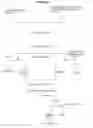


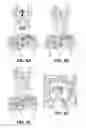


Sources:
- United States Patent and Trademark Office - verify current appl. status at the USPTO↗
Recent applications in this class:
- » 20250164502 2025-05-22
Mutant Human Nax Proteins and Screening Methods - » 20250138025 2025-05-01
ANTIBODY, IMMOBILIZED ANTIBODY USING THE SAME, ANTIBODY COMPOSITION, REAGENT FOR IMMUNOASSAY AND IMMUNOASSAY METHOD, AS WELL AS METHOD FOR IMPROVING REACTIVITY OF ANTIBODY WITH ANTIGEN - » 20250116673 2025-04-10
METHODS TO DETERMINE CD4+ MEMORY T CELL RESPONSES TO SARS-COV-2 INFECTION OR VACCINATION - » 20250076311 2025-03-06
ANTI-MYOSTATIN ANTIBODIES, POLYPEPTIDES CONTAINING VARIANT FC REGIONS, AND METHODS OF USE - » 20250052767 2025-02-13
CD28 BINDING ANTIBODIES AND ANTIGEN BINDING FRAGMENTS THEREOF - » 20250027955 2025-01-23
ETHYLENE RECEPTORS AND BINDING DOMAINS WITH MODIFIED BINDING KINETICS FOR ETHYLENE - » 20250012809 2025-01-09
Tissue-Specific Extracellular Vesicle Isolation and Validation - » 20240295565 2024-09-05
NALCN Channel Protein and Modulators Thereof - » 20240159774 2024-05-16
DEFECTIVE CALCIUM SIGNALING AS A TOOL IN AUTISM SPECTRUM DISORDERS - » 20240103013 2024-03-28
PROTEIN BINDING DOMAINS STABILIZING FUNCTIONAL CONFORMATIONAL STATES OF GPCRS AND USES THEREOF