Composition
US20150351393A1
2015-12-10
14/762,927
2014-01-29
✅ Patent granted
US 9,930,888 B2
2018-04-03
WO; PCT/EP2014/051731; 20140129
WO; WO2014/118240; 20140807
Johann R Richter | Genevieve S Alley
Greenberg Traurig, LLP
2034-04-02
Abstract:
Antimicrobial composition comprising a lactam and a hydrotrope. Antimicrobial additive composition containing a lactam and a hydrotrope.
Inventors:
- Neil James PARRY 1 🇬🇧 Bunbury, Cheshire, United Kingdom
- Joanne Clare O'KEEFFE 1 🇬🇧 Prenton, Wirral, United Kingdom
- Christopher Francis SMITH 1 🇬🇧 Mansfield, Nottinghamshire, United Kingdom
- Christopher Francis SMITH 2 🇬🇧 Mansfield, United Kingdom
- Neil James Parry 1 🇬🇧 Bunbury, United Kingdom
- Joanne Clare O'Keeffe 1 🇬🇧 Wirral, United Kingdom
Assignee:
- CONOPCO, INC., D/B/A UNILEVER 1,274 🇺🇸 Englewood Cliffs, NJ, United States
- CONOPCO INC. 915 🇺🇸 Englewood Cliffs, NJ, United States
Applicant:
Interested in similar patents?
Get notified when new applications in this technology area are published.
Classification:
A61K8/92 IPC
Cosmetics or similar toilet preparations characterised by the composition Oils, fats or waxes; Derivatives thereof, e.g. hydrogenation products thereof
A61K8/345 » CPC further
Cosmetics or similar toilet preparations characterised by the composition containing organic compounds containing oxygen; Alcohols containing more than one hydroxy group
A61K8/4913 » CPC further
Cosmetics or similar toilet preparations characterised by the composition containing organic compounds containing heterocyclic compounds with one nitrogen as the only hetero atom having five membered rings, e.g. pyrrolidone carboxylic acid
A61K8/922 » CPC further
Cosmetics or similar toilet preparations characterised by the composition; Oils, fats or waxes; Derivatives thereof, e.g. hydrogenation products thereof of vegetable origin
A61Q5/12 » CPC further
Preparations for care of the hair Preparations containing hair conditioners
A61K8/34 IPC
Cosmetics or similar toilet preparations characterised by the composition containing organic compounds containing oxygen Alcohols
A61Q15/00 » CPC further
Anti-perspirants or body deodorants
A01N25/00 » CPC further
Biocides; Pest repellants or attractants; Plant growth regulators
A01N25/00 » CPC further
Biocides, pest repellants or attractants, or plant growth regulators, characterised by their forms, or by their non-active ingredients or by their methods of application, e.g. seed treatment or sequential application ; Substances for reducing the noxious effect of the active ingredients to organisms other than pests
A61Q5/02 » CPC further
Preparations for care of the hair Preparations for cleaning the hair
A61K2800/591 » CPC further
Properties of cosmetic compositions or active ingredients thereof or formulation aids used therein and process related aspects; Chemical, physico-chemical or functional or structural properties of particular ingredients; Mixtures Mixtures of compounds not provided for by any of the codes -
A61K8/49 IPC
Cosmetics or similar toilet preparations characterised by the composition containing organic compounds containing heterocyclic compounds
A61Q17/00 IPC
Barrier preparations; Preparations brought into direct contact with the skin for affording protection against external influences, e.g. sunlight, X-rays or other harmful rays, corrosive materials, bacteria or insect stings
A61K8/69 » CPC further
Cosmetics or similar toilet preparations characterised by the composition containing organic compounds containing fluorine
A61Q19/10 » CPC further
Preparations for care of the skin Washing or bathing preparations
A01N43/36 » CPC main
Biocides, pest repellants or attractants, or plant growth regulators containing heterocyclic compounds having rings with one nitrogen atom as the only ring hetero atom five-membered rings
A61Q17/005 » CPC further
Barrier preparations; Preparations brought into direct contact with the skin for affording protection against external influences, e.g. sunlight, X-rays or other harmful rays, corrosive materials, bacteria or insect stings Antimicrobial preparations
Description
The present invention relates to an improved antimicrobial composition comprising a lactam.
WO 2007/085042 and WO 2004/016588 disclose lactams for antimicrobial benefit.
Despite the prior art there remains a need for improved antimicrobial compositions.
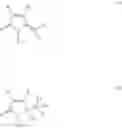
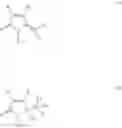
Accordingly, and in a first aspect of the present invention there is provided an antimicrobial composition comprising a lactam and a hydrotrope preferably wherein the lactam is of formula (I) or (II):
In a second aspect, there is provided an antimicrobial additive composition containing a lactam and a hydrotrope.
Preferably the anti-microbial composition and additive composition contains 0.000001 to 50% wt. lactam, more preferably 0.001 to 50% wt. even more preferably 0.01 to 5% wt, most preferably 0.01-2%.
In a third aspect of the invention there is provided an antimicrobial composition comprising an antimicrobial additive composition of the second aspect.
In a fourth aspect there is provided a method for making an antimicrobial composition comprising the steps:
(i) directly mixing a lactam with a hydrotrope to form an antimicrobial additive composition
(ii) mixing the antimicrobial additive composition of (i) with an aqueous carrier.
In a fifth aspect there is provided a method for making an antimicrobial additive composition comprising the step of directly mixing a hydrotrope with a lactam.
In a sixth aspect, the present invention provides the use of an antimicrobial composition according to the first and third aspect or an antimicrobial additive composition according to the second aspect for preventing or disrupting microbial growth.
Preferably the antimicrobial additive composition and the method of making said additive composition is substantially free of further components.
The term “substantially free” as used herein shall be understood to mean relatively little to no amount of any content. Preferably the antimicrobial contains less than 1 wt. % more preferably less than 0.1 wt. % of further components.
Preferably the aqueous carrier is suitable for use as a carrier for a home or personal care product. Preferred personal care products include shampoos, hair conditioners, deodorants, skin cleansing compositions and oral care products such as toothpastes and mouthwashes. Preferred home care products are for example a hard surface cleaner or laundry composition.
The antimicrobial additive composition according to the invention can be used as an antimicrobial raw material where it would be diluted in a further composition or the composition may be a consumer product the application of which is intended to provide antimicrobial effect to a substrate or even as a preservative when added to a consumer composition.
Preferably the lactam is of formula (I) or (II):
Preferably the lactam is of formula (I) or (II) wherein:
R1 and R2 are each independently selected from hydrogen, halogen, alkyl, cycloalkyl, alkoxy, oxoalkyl, alkenyl, heterocyclyl, heteroaryl, aryl and aralalkyl; and
R3 is selected from hydrogen, hydroxyl, alkyl, cycloalkyl, alkoxy, oxoalkyl, alkenyl, heterocyclyl, heteroaryl, cycloalkyl, aryl, aralalkyl and —C(O)CR6=CH2;
R4 and R5 are independently selected from hydrogen, aryl, heterocyclyl, heteroaryl, and arylalkyl; and
R6 is selected from hydrogen and methyl; and
R7 is selected from hydrogen and —C(O)CR6=CH2; and
Preferably, at least one of R4 and R5 is hydrogen; and
Preferably, at least one of R1 and R2 is selected from hetercyclyl, heteroaryl, aryl and arylalkyl; and
Preferably, R1 is hydrogen. Preferably, R3 is hydrogen. Preferably, R4 is hydrogen. Preferably, R5 is hydrogen. Preferably, R6 is hydrogen; and
Preferably, R2 is aryl or aralalkyl. More preferably, R2 comprises a halogen substituted phenyl group.
Preferably, the hydrotrope is selected from monopropylene glycol, dimethylsulphoxide, polyoxyethylene sorbitan fatty acid ester, polyoxyethylene derivatives of castor oil and ethanol.
Preferably, the hydroptrope is present at from 0.001 to 25% wt. of the composition.
Preferred lactams are:
- 5-methylene-4-(4′-bromophenyl)-dihydroprrol-2-one (Ref. 295)
- 5-methylene-4-(2′-fluorophenyl)-dihydropyrrol-2-one (Ref. 310)
- 5-methylene-4-phenyl-1H-pyrrol-2(5H)-one (Ref. unsubstituted)
- methyl 2-(3-(4-fluorophenyl)-2-methylene-5-oxo-2,5-dihydro-1H-pyrrol-1-yl) (Ref. 309)
- 3-Bromo-4-hexyl-5-(bromomethylene)-2(5H)-furanone (Ref. 113)
- 4-(4-Trifluoromethyl)phenyl)-2(5H)-furanone (Ref. 265)
- 5-Hydroxy-5-methyl-4-(2′-fluorophenyl)-dihydropyrrol-2-one (Ref. 313)
- 5-(Thiophenyl-3-methylene)furan-(2H)-one (Ref. 350)
The most preferred lactams are:
- 5-methylene-4-(4′-bromophenyl)-dihydroprrol-2-one (Ref. 295)
- 5-methylene-4-(2′-fluorophenyl)-dihydropyrrol-2-one (Ref. 310)
- 5-methylene-4-phenyl-1H-pyrrol-2(5H)-one (Ref. unsubstituted)
- methyl 2-(3-(4-fluorophenyl)-2-methylene-5-oxo-2,5-dihydro-1H-pyrrol-1-yl) (Ref. 309)
Preferably, the hydrotrope is selected from monopropylene glycol, dimethylsulphoxide, polyoxyethylene sorbitan fatty acid ester, polyoxyethylene derivatives of castor oil and ethanol.
Preferably, the polyoxyethylene sorbitan fatty ester is a monoester selected from monolaurate, monopalmitate, monostearate and monooleate.
Preferably, the polyoxyethylene sorbitan fatty ester comprises from 5 to 80 oxyethylene units, more preferably from 10 to 45 and most preferably 20. Examples include Polysorbates 20, 40, 60 and 80.
The most preferred polyoxyethylene sorbitan fatty ester is Polysorbate 20.
Preferably, the polyoxyethylene derivative of castor oil comprises from 10 to 50 oxyethylene units, more preferably from 30 to 45 and most preferably 40. Examples include PEG-20, 40 and 60 hydrogenated castor oil.
The most preferred polyoxyethylene derivative of castor oil is PEG-40 hydrogenated castor oil.
Preferably, the composition is a home care or personal care product.
Preferred personal care products include shampoos, hair conditioners, deodorants, skin cleansing compositions and oral care products such as toothpastes and mouthwashes. Preferred home care products include a hard surface cleaner or laundry composition.
Lactams
Suitable lactams are disclosed in WO 2007/085042 and WO 2004/016588 the contents of which with particular regard to the manufacture of lactams and from WO 2007/085042 the manufacture of acrylate polymers with certain lactams associated thereto, is incorporated by reference.
For example:
EXAMPLE 1
The following data illustrates the antimicrobial efficacy of a laundry composition (hereinafter ‘base composition’) comprising a lactam (Ref. 295 and Ref. Unsubstituted) and a hydroptrope (monopropylene glycol) but only where hydroptrope is mixed with lactam before adding to the remainder of the composition. The test samples were as follows:
A lactam and hydroptrope only
B lactam added directly to base formulation (which contains MPG)—no pre-mixing prior to addition
C lactam pre-mixed with hydrotrope and then added to base formulation
D hydrotrope only added to base formulation
Base Formulation
| % | % | Amount | |
| activity | required | Component | in 100 g |
| 100 | 45.87 | Demin Water | 39.05 |
| 100 | 4.13 | Glycerol | 4.13 |
| 100 | 7.43 | Mono Propylene Glycol (with or | 7.43 |
| without lactam according to BDC | |||
| above) | |||
| 47 | 2.12 | NaOH | 4.51 |
| 100 | 2.10 | Triethanolamine (TEA) | 2.10 |
| 100 | 16.59 | Primary Alcohol Ethoxylate (7EO) | 16.59 |
| 68 | 0.10 | Optical Brightener | 0.15 |
| 50 | 0.81 | Citric Acid | 1.62 |
| 97.1 | 11.06 | LAS Acid | 11.39 |
| 100 | 3.10 | Fatty Acid | 3.10 |
| 70 | 5.53 | SLES 3EO | 7.90 |
| 32 | 0.41 | Diethylenetriamine penta(methylene | 1.28 |
| phosphonic acid) | |||
| 100 | 0.75 | Liquid Protease | 0.75 |
| 100.00 | |||
Test samples were diluted in sterile water to achieve a 11.5 ppm level of lactam. Dilute solution (80 μl) was added to a S. epidermidis suspension (20 μl) of bacteria at a concentration of 8 logs in a microplate. Growth media (100 μl tryptone soya broth) was added to each well of the microplate and incubated for 20 hours. Bacterial respiration was measured every 30 minutes and the results were:
A—lactam+hydrotrope only (respiration of surviving bacteria detected ˜4-5 h)
B—lactam added directly to base formulation (which contains MPG)—no pre-mixing prior to addition (respiration of surviving bacteria detected 4-5 hrs)
C—lactam pre-mixed with hydrotrope and then added to base formulation (respiration of surviving bacteria not detected—20 hrs is max detection time)
D—hydrotrope added to base formulation (respiration of surviving bacteria detected 3-4 hrs).
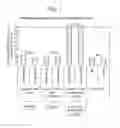
The results are shown in FIG. 1.
EXAMPLE 2
The following illustrates the broad application of the invention within the realm of lactams.
The example below is from data obtained when pre-blending lactams with hydrotrope before adding to the remainder of the composition, and diluting to 11.5 ppm and 0.575 ppm in sterile water in order to assess efficacy against S. epidermidis suspension Dilute solution (80 μl) was added to a S. epidermidis suspension (20 μl) of bacteria at a concentration of 8 logs in a microplate. Growth media (100 μl tryptone soya broth) was added to each well of the microplate and incubated for 20 hours. Bacterial respiration was measured every 30 minutes. Data of the test samples were then compared to un-treated cell suspensions (sterile water added instead of test samples) and percent inhibition calculated.
| Result (inhibition of | ||
| bacterial respiration | ||
| Test | versus water control) | |
| 5-methylene-4-(2′-fluorophenyl)- | 79.4% | |
| dihydropyrrol-2-one | ||
| 5-methylene-4-(4′-bromophenyl)- | 82.5% | |
| dihydroprrol-2-one | ||
| 5-methylene-4-phenyl-1H-pyrrol-2(5H)- | 82.5% | |
| one | ||
EXAMPLE 3
The aim of this example was to investigate methods of achieving solubility of 5-methylene-4-phenyl-1H-pyrrol-2(5H)-one (Ref. unsubstituted) into the following above described base formulation.
An Ultrasonic mixer was used to obtain determine solubility.
We used a Hielscher UP200S (200W) Sonic Tip on batches of 5-20 ml. We sonicated for up to 60 minutes.
| Observations | |||
| % lactam in | Observations of | when added to | |
| solvent | Mixing method | solvent solution | base @ 5% |
| 3% in | Magnetic stirring | ~25% of lactam | Clear solution with |
| Polysorbate | 1 hour | solubilised. | a large quantity of |
| 20 | Particles visible. | particles visible | |
| 3% in PEG- | Magnetic stirring | ~25% of lactam | Clear solution with |
| 40 | 1 hour | solubilised. | a large quantity of |
| Hydrogenated | Particles visible. | particles visible | |
| Castor Oil | |||
| 3% in | Magnetic stirring | No solubility | — |
| Isopentyldiol | 1 hour | observed. | |
| 3% in MMB | Magnetic stirring | No solubility | — |
| 1 hour | observed. | ||
| 3% in | Magnetic stirring | No solubility | — |
| Diglycerin | 1 hour | observed. | |
| 3% in | Magnetic stirring | No solubility | — |
| Diglycerin | 1 hour | observed. | |
| 3% in | Magnetic stirring | No solubility | — |
| Pentylene | 1 hour | observed. | |
| Glycol | |||
| 3% in | Magnetic stirring | No solubility | — |
| Hexylene | 1 hour | observed. | |
| Glycol | |||
| 3% in | Magnetic stirring | No solubility | — |
| Hexylene | 1 hour | observed. | |
| Glycol | |||
| 3% in PEG- | Magnetic stirring | ~10% of lactam | Cloudy in solution |
| 60 | 1 hour | solubilised. | |
| Hydrogenated | Particles visible. | ||
| Castor Oil | |||
| 3% in | Magnetic stirring | ~10% of lactam | Cloudy and gel-like |
| Polysorbate | 1 hour, 50 C. | solubilised. | lumps in solution |
| 60 | Particles visible. | ||
| 3% in | Magnetic stirring | ~10% of lactam | Cloudy and gel-like |
| Polysorbate | 1 hour | solubilised. | lumps in solution |
| 80 | Particles visible. | ||
| 3% in | Magnetic stirring | ~5% of lactam | — |
| Dipropylene | 1 hour | solubilised | |
| Glycol | (slight colour | ||
| change observed | |||
| showing this. | |||
| Particles visible. | |||
| 3% in | Magnetic stirring | ~5% of lactam | Cloudy when cooled |
| Sorbitan | 1 hour, 50 C. | solubilised | or added to M30 |
| Oleate | (slight colour | ||
| change observed | |||
| showing this. | |||
| Particles visible. | |||
| 3% in | Magnetic stirring | ~5% of lactam | Cloudy solution with |
| Sisterna | 1 hour | solubilised | large number of |
| SP30-C | (slight colour | particles visible. | |
| change observed | |||
| showing this. | |||
| Particles visible. | |||
| 3% in | Magnetic stirring | ~5% of lactam | Hazy solution with |
| Sisterna | 1 hour | solubilised | large number of |
| SP50-C | (slight colour | particles visible. | |
| change observed | |||
| showing this. | |||
| Particles visible. | |||
| 3% in | Magnetic stirring | ~5% of lactam | Cloudy solution with |
| Sisterna | 1 hour | solubilised | large number of |
| SP70-C | (slight colour | particles visible. | |
| change observed | |||
| showing this. | |||
| Particles visible. | |||
The polysorbates and Pegylated castor oil were considered suitable enough to pursue further experimentation.
Further Evaluations with Each Candidate Solubiliser
We then tested the candidate solubilisers with 1% lactam, both with 72 hours high speed magnetic stirring (with held temperature of ˜500 in the cases of solubilisers that solidify alone at room temperature) and also 20 minutes Sonication.
Preparation of the Lactam Solutions
In each case we incorporated the lactam powder into the solubilisers (at the levels indicated in the below table) using high speed stirring to avoid lumps from forming. Once the powder was added, the described mixing method (either continued high speed stirring or Ultrasonic mixing) commenced. In the cases of Sorbitan Oleate and Polysorbate-60, we applied initial heating to approx. 500 to ensure the solubilisers were fully liquid prior to commencing addition of the lactam. Both of these materials are non-flowing at room temperature. PEG-40 Hydrogenated Castor required initial heating to ˜350 to ensure complete fluidity prior to commencing.
Incorporation of the Lactam Solutions into Base
The base sample provided had a 5% ‘gap’ purposely left out as space for the lactam solution to be added. We ensured the lactam solutions were fully uniform through constant mechanical agitation (to avoid the settling of any unsolubilised lactam material) and added them to base using slow speed stirring to incorporate them without generating aeration.
Stability Testing
We conducted stability testing on all test variants that looked positive (i.e. a reasonable proportion of lactam was solubilised). We prepared samples of the test variants in clear plastic jars and placed them at various temperature conditions:
-
- Ambient temperature.
- 40 C.
- 50 C.
- Refrigerator.
- High light (‘shop’ window).
The aim was to observe any difference in colour, viscosity, solubility or general physical stability. The samples were evaluated every day and compared to the ambient temperature sample to note any changes. All samples were allowed to equilibrate to ambient temperature before being evaluated.
Isopentyldiol
| Observations | |||
| % lactam in | Observations of | when added to | |
| solvent | Mixing method | solvent solution | M30 @ 5% |
| 1% in | Magnetic stirring | No solubility | — |
| Isopentyldiol | 72 hours | observed at any | |
| stage. | |||
| 1% in | 20 minutes | ~5% of lactam | — |
| Isopentyldiol | sonication. Temp | solubilised | |
| reached 60-70 C. | (forced). Large | ||
| number of | |||
| particles visible. | |||
3-Methoxy-3-methyl-1-butanol
| Observations | |||
| % lactam in | Observations of | when added to | |
| solvent | Mixing method | solvent solution | M30 @ 5% |
| 1% | Magnetic stirring | No solubility | — |
| 72 hours | observed at any | ||
| stage. | |||
| 1% | 20 minutes | ~5% of lactam | — |
| sonication. Temp | solubilised | ||
| reached 60-70 C. | (forced). Large | ||
| number of | |||
| particles visible. | |||
Diglycerin
| Observations | |||
| % lactam in | Observations of | when added to | |
| solvent | Mixing method | solvent solution | M30 @ 5% |
| 1% | Magnetic stirring | No solubility | — |
| 72 hours | observed at any | ||
| stage. | |||
| 1% | 20 minutes | No solubility | — |
| sonication. Temp | observed. | ||
| reached 60-70 C. | |||
Pentylene Glycol
| Observations | |||
| % lactam in | Observations of | when added to | |
| solvent | Mixing method | solvent solution | M30 @ 5% |
| 1% | Magnetic stirring | ~5% of lactam | — |
| 72 hours | solubilised. Large | ||
| number of | |||
| particles visible. | |||
| 1% | 20 minutes | ~5% of lactam | — |
| sonication. Temp | solubilised. Large | ||
| reached 60-70 C. | number of | ||
| particles visible. | |||
PEG-60 Hydrogenated Castor Oil
| Observations | |||
| % lactam in | Observations of | when added to | |
| solvent | Mixing method | solvent solution | M30 @ 5% |
| 1% | Magnetic stirring | ~25% of lactam | Cloudy in solution. |
| 72 hours at 50 C. | solubilised. | Particles visible. | |
| Particles visible. | |||
| 1% | 20 minutes | ~25% of lactam | Cloudy in solution. |
| sonication. Temp | solubilised. | Particles visible. | |
| reached 60-70 C. | Particles visible. | ||
Polysorbate 60
| Observations | |||
| % lactam in | Observations of | when added to | |
| solvent | Mixing method | solvent solution | M30 @ 5% |
| 1% | Magnetic stirring | ~25% of lactam | Cloudy in solution. |
| 72 hours at 50 C. | solubilised. | Particles visible. | |
| Particles visible. | |||
| 1% | 20 minutes | ~25% of lactam | Cloudy in solution. |
| sonication. Temp | solubilised. | Particles visible. | |
| reached 60-70 C. | Particles visible. | ||
Polysorbate 80
| Observations | |||
| % lactam in | Observations of | when added to | |
| solvent | Mixing method | solvent solution | M30 @ 5% |
| 1% | Magnetic stirring | ~25% of lactam | Cloudy in solution. |
| 72 hours at 50 C. | solubilised. | Particles visible. | |
| Particles visible. | |||
| 1% | 20 minutes | ~25% of lactam | Cloudy in solution. |
| sonication. Temp | solubilised. | Particles visible. | |
| reached 60-70 C. | Particles visible. | ||
Sisterna SP30-C
| Observations | |||
| % lactam in | Observations of | when added to | |
| solvent | Mixing method | solvent solution | M30 @ 5% |
| 1% | Magnetic stirring | ~25% of lactam | Cloudy in solution. |
| 72 hours at 50 C. | solubilised. | Particles visible. | |
| Particles visible. | |||
| 1% | 20 minutes | ~25% of lactam | Cloudy in solution. |
| sonication. Temp | solubilised. | Particles visible. | |
| reached 60-70 C. | Particles visible. | ||
Sisterna SP50-C
| Observations | |||
| % lactam in | Observations of | when added to | |
| solvent | Mixing method | solvent solution | M30 @ 5% |
| 1% | Magnetic stirring | ~25% of lactam | Cloudy in solution. |
| 72 hours at 50 C. | solubilised. | Particles visible. | |
| Particles visible. | |||
| 1% | 20 minutes | ~25% of lactam | Cloudy in solution. |
| sonication. Temp | solubilised. | Particles visible. | |
| reached 60-70 C. | Particles visible. | ||
Sisterna SP70-C
| Observations | |||
| % lactam in | Observations of | when added to | |
| solvent | Mixing method | solvent solution | M30 @ 5% |
| 1% | Magnetic stirring | ~25% of lactam | Cloudy in solution. |
| 72 hours at 50 C. | solubilised. | Particles visible. | |
| Particles visible. | |||
| 1% | 20 minutes | ~25% of lactam | Cloudy in solution. |
| sonication. Temp | solubilised. | Particles visible. | |
| reached 60-70 C. | Particles visible. | ||
Polysorbate 20
| Observations | |||
| % lactam in | Observations of | when added to | |
| solvent | Mixing method | solvent solution | M30 @ 5% |
| 3% | Magnetic stirring | ~25% of lactam | Clear solution with |
| 1 hour | solubilised. | a large quantity of | |
| Particles visible. | particles visible | ||
| 4.2% | Magnetic stirring. | ~25% of lactam | Clear solution with |
| 24 hours | solubilised, | a large quantity of | |
| Particles visible. | particles visible | ||
| 4.2% | Magnetic stirring. | ~25% of lactam | Clear solution with |
| 24 hours. | solubilised, | a large quantity of | |
| Particles visible. | particles visible | ||
| Initially stirred for | |||
| 2, 4 and 6 hours. | |||
| No real changed | |||
| observed during | |||
| this time (all max. | |||
| 25% solubilised). | |||
| 4.2% | 20 minutes | ~50% of lactam | Clear solution with |
| sonication. Temp | solubilised. | a large quantity of | |
| reached 60-70 C. | Particles visible | particles visible | |
| 4.2% | 60 minutes | ~60-70% of lactam | Clear solution with |
| sonication. Temp | solubilised. | a large quantity of | |
| reached 90 C. | Particles visible | particles visible | |
| 2.1% | 20 minutes | ~90% of lactam | Clear solution. A |
| sonication. Temp | solubilised. Dark | very small number | |
| reached 60-70 C. | colour formed | of remaining | |
| unsolubilised | |||
| lactam particles | |||
| visible | |||
| 2.1% | 60 minutes | 90% of lactam | Clear solution with |
| sonication. Temp | solubilised. Some | a minute number | |
| reached 90-100 C. | small particles | of particles visible. | |
| visible. | |||
| 4.2% | Magnetic stirring. | ~25% of lactam | Clear solution with |
| 48 hours | solubilised, | a large quantity of | |
| Particles visible. | particles visible | ||
| 2.1% | Magnetic stirring. | ~50% of lactam | Clear solution with |
| 24 hours | solubilised, | a large quantity of | |
| Particles visible. | particles visible | ||
| 2.1% | Magnetic stirring. | ~75% of lactam | Clear solution with |
| 48 hours | solubilised, | a large quantity of | |
| Particles visible. | particles visible | ||
| 2.1% | Magnetic stirring, | ~50% of lactam | Clear solution with |
| heated to 50 C. 8 | solubilised, | a large quantity of | |
| hours. | Particles visible. | particles visible | |
| 3% | 20 minutes | ~50% of lactam | Clear solution with |
| sonication. Temp | solubilised. | a large quantity of | |
| reached 60-70 C. | Particles visible | particles visible | |
| Observations | |||
| % lactam in | Observations of | when added to | |
| solvent | Mixing method | solvent solution | base @ 5% |
| 3% | 60 minutes | ~60-70% of lactam | Clear solution with |
| sonication. Temp | solubilised. | a large quantity of | |
| reached 90 C. | Particles visible | particles visible | |
| 1% | Magnetic stirring. | ~75% of lactam | Clear solution with |
| 24 hours | solubilised, | a few particles | |
| Particles visible. | visible | ||
| 1% | Magnetic stirring. | ~95% of lactam | Clear solution with |
| 72 hours | solubilised A few | a few particles | |
| particles visible. | visible | ||
| After 48 hours it | |||
| was approx. 80- | |||
| 85%. | |||
| 2.1% | Magnetic stirring, | ~75% of lactam | Clear solution with |
| heated to 50 C. 72 | solubilised, | a large quantity of | |
| hours. | Particles visible. | particles visible | |
| 1.5% | Magnetic stirring. | ~50% of lactam | Clear solution with |
| 48 hours | solubilised, | a large quantity of | |
| Particles visible. | particles visible | ||
| 1.5 | Magnetic stirring, | ~75% of lactam | Clear solution with |
| heated to 50 C. 72 | solubilised, | a large quantity of | |
| hours. | Particles visible. | particles visible | |
| 1.5% | 20 minutes | ~75% of lactam | Clear solution with |
| sonication. Temp | solubilised. Some | a number of | |
| reached 60-70 C. | Particles visible | particles visible | |
| 1.5% | 60 minutes | ~95% of lactam | Clear solution with |
| sonication. Temp | solubilised. | a minute number | |
| reached 80-90 C. | Particles visible. | of particles visible | |
| Dark brown colour. | |||
| 2.1% | 60 minutes | 90% of lactam | Clear solution with |
| sonication. Temp | solubilised. Some | a minute number | |
| reached 80 C. | small particles | of particles visible. | |
| visible. | |||
PEG-40 Hydrogenated Castor Oil
| Observations | |||
| % lactam | Observations of | when added to | |
| in solvent | Mixing method | solvent solution | M30 @ 5% |
| 3% | Magnetic stirring | ~25% of lactam | Clear solution with |
| 1 hour | solubilised. | a large quantity of | |
| Particles visible. | particles visible | ||
| 4.2% | Magnetic stirring. | ~25% of lactam | Clear solution with |
| 24 hours | solubilised, | a large quantity of | |
| Particles visible. | particles visible | ||
| 4.2% | Magnetic stirring. | ~25% of lactam | Clear solution with |
| 24 hours. | solubilised, | a large quantity of | |
| Particles visible. | particles visible | ||
| Initially stirred for | |||
| 2, 4 and 6 hours. | |||
| No real changed | |||
| observed during | |||
| this time (all max. | |||
| 25% solubilised). | |||
| 4.2% | Magnetic stirring. | ~25% of lactam | Clear solution with |
| 48 hours | solubilised, | a large quantity of | |
| Particles visible. | particles visible | ||
| 2.1% | Magnetic stirring. | ~50% of lactam | Clear solution with |
| 24 hours | solubilised, | a large quantity of | |
| Particles visible. | particles visible | ||
| 2.1% | Magnetic stirring. | ~75% of lactam | Clear solution with |
| 48 hours | solubilised, | a large quantity of | |
| Particles visible. | particles visible | ||
| 4.2% | 20 minutes | 50% of lactam | Clear solution with |
| sonication. Temp | solubilised. Large | a large number of | |
| reached 60-70 C. | number of | particles visible | |
| particles visible. | |||
| Very dark colour. | |||
| 4.2% | 60 minutes | 75% of lactam | Some fragments |
| sonication. Temp | solubilised. Very | visible in M30, | |
| reached 110 C. | dark colour. | suggesting partial | |
| breakdown of | |||
| solvent. | |||
| 4.2% | 60 minutes | 75% of lactam | Fragments |
| sonication. Temp | solubilised. Very | avoided due to | |
| reached 80 C. | dark colour. | temperature | |
| control. Clear | |||
| solution with some | |||
| small particles | |||
| visible. | |||
| 2.1% | 20 minutes | 90% of lactam | Clear solution with |
| sonication. Temp | appeared to | a small number of | |
| reached 80 C. | solubilise however | black particles | |
| small amount of | visible | ||
| ‘burnt’ spots | |||
| visible. | |||
| 2.1% | 60 minutes | lactam solubilised. | Some fragments |
| sonication. Temp | Very dark colour. | visible in M30, | |
| reached 110 C. | suggesting partial | ||
| breakdown of | |||
| solvent. | |||
| 2.1% | Magnetic stirring, | ~50% of lactam | Clear solution with |
| heated to 50 C. 8 | solubilised, | a large quantity of | |
| hours. | Particles visible. | particles visible | |
| 3% | 20 minutes | ~75% of lactam | Clear solution with |
| sonication. Temp | solubilised. | a large quantity of | |
| reached 60-70 C. | Particles visible | particles visible | |
| 3% | 60 minutes | ~75% of lactam | Clear solution with |
| sonication. Temp | solubilised. | a large quantity of | |
| reached 80 C. | Particles visible | particles visible | |
| 1% | Magnetic stirring. | ~75% of lactam | Clear solution with |
| 24 hours | solubilised, | a few particles | |
| Particles visible. | visible | ||
| 1% | Magnetic stirring. | ~90% of lactam | Clear solution with |
| 72 hours | solubilised, A few | a few particles | |
| particles | visible | ||
| 1% | Magnetic stirring. | ~99% of lactam | Clear solution with |
| 72 hours with | solubilised, A tiny | a very small | |
| temp. at 50 C. | number of | number of | |
| particles remained | particles visible | ||
| 2.1% | 30 minutes | lactam appeared | Clear solution with |
| sonication. Temp | to solubilise | a small number of | |
| reached 90 C. | however ‘burnt’ | black particles | |
| spots visible. | visible | ||
Observation and Formulation Rules
Temperature and Colour Change
One of our first observations was the colour change which was visible in all successful (or partially successful) samples. We saw development of a slight amber tinge to the solution when some lactam was starting to become solubilised. This colour change progressed rapidly when samples exceeded 50 C, resulting in a dark brown colour. When the temperature reached 65C, the dark brown colour was virtually opaque*.
*This level of temperature was only tested for the Polysorbate-20 and PEG-40 Hydrogenated Castor Oil variants.
From observations throughout the project, we concluded that ˜50 C was the optimum temperature for solubilising the lactam.
Mixing Conditions
Very long periods of mechanical stirring (48-72 hours) resulted in improvements in solubilisation compared to shorter periods; however we did not find this length of mixing to be sufficient for full solubilisation. Ultrasonic mixing did prove to be far more successful and we concluded would be required for effective solubilisation, certainly with the shortlisted Polysorbate-20 and PEG-40 Hydrogenated Castor Oil candidates.
From all of the trials conducted, we believe with the right Ultrasonic mixing conditions (of energy versus batch size versus controlled max. 50 C temperature), efficient solubilisation could be achieved.
Claims
1. Antimicrobial additive composition containing a lactam and a hydrotrope, wherein the hydrotrope is selected from the group consisting of monopropylene glycol, dimethylsulphoxide, polyoxyethylene sorbitan fatty acid ester, polyoxyethylene derivatives of castor oil and ethanol.
2. Antimicrobial additive composition according to claim 1 wherein the additive composition is substantially free of further components.
3. Antimicrobial composition comprising a lactam and a hydrotrope, wherein the hydrotrope is selected from the group consisting of monopropylene glycol, dimethylsulphoxide, polyoxyethylene sorbitan fatty acid ester, polyoxyethylene derivatives of castor oil and ethanol.
4. Antimicrobial composition comprising an antimicrobial additive composition of claim 1.
5. (canceled)
6. Antimicrobial composition according to claim 1 wherein the hydrotrope is present at from 0.001 to 5% wt. of the composition.
7. Antimicrobial composition or additive composition according to claim 1 wherein the lactam is of formula (I) or (II):
preferably wherein:
R1 and R2 are each independently selected from the group consisting of hydrogen, halogen, alkyl, cycloalkyl, alkoxy, oxoalkyl, alkenyl, heterocyclyl, heteroaryl, aryl and aralalkyl;
R3 is selected from hydrogen, hydroxyl, alkyl, cycloalkyl, alkoxy, oxoalkyl, alkenyl, heterocyclyl, heteroaryl, cycloalkyl, aryl, aralalkyl and —C(O)CR6=CH2;
R4 and R5 are independently selected from hydrogen, aryl, heterocyclyl, heteroaryl, and arylalkyl; and
R6 is selected from hydrogen and methyl; and
R7 is selected from hydrogen and —C(O)CR6=CH2; and
8. Antimicrobial composition or additive composition according to claim 1 wherein the lactam is selected from the group consisting of:
5-methylene-4-(4′-bromophenyl)-dihydroprrol-2-one (Ref. 295), 5-methylene-4-(2′-fluorophenyl)-dihydropyrrol-2-one (Ref. 310), 5-methylene-4-phenyl-1H-pyrrol-2(5H)-one (Ref. unsubstituted), methyl 2-(3-(4-fluorophenyl)-2-methylene-5-oxo-2,5-dihydro-1H-pyrrol-1-yl) (Ref. 309), 5-methylene-4-phenyl-dihydro-pyrrol-2-one (Ref. 219), 3-Bromo-4-hexyl-5-(bromomethylene)-2(5H)-furanone (Ref. 113), 4-(4-Trifluoromethyl)phenyl)-2(5H)-furanone (Ref. 265), 5-Hydroxy-5-methyl-4-(2′-fluorophenyl)-dihydropyrrol-2-one (Ref. 313), 5-(Thiophenyl-3-methylene)furan-(2H)-one (Ref. 350) and mixtures thereof.
9. Antimicrobial composition or additive composition according to claim 1 wherein the lactam is selected from the group consisting of:
5-methylene-4-(4′-bromophenyl)-dihydroprrol-2-one (Ref. 295), 5-methylene-4-(2′-fluorophenyl)-dihydropyrrol-2-one (Ref. 310), 5-methylene-4-phenyl-1H-pyrrol-2(5H)-one (Ref. unsubstituted), methyl 2-(3-(4-fluorophenyl)-2-methylene-5-oxo-2,5-dihydro-1H-pyrrol-1-yl) (Ref. 309) and mixtures thereof.
10. Antimicrobial composition or additive composition according to claim 1 wherein the lactam is present at from 0.001 to 50% wt. of the composition.
11. Antimicrobial composition or additive composition according to claim 5 wherein the polyoxyethylene derivative of castor comprises 40 oxyethylene units.
12. Antimicrobial composition or additive composition according to claim 5 wherein the polyoxyethylene sorbitan fatty ester comprises from 5 to 80 oxyethylene units.
13. Antimicrobial composition or additive composition according to claim 1 which is a home or personal care composition.
14. Antimicrobial composition or additive composition according to claim 13 which is selected from a shampoo, conditioner, deodorant, skin cleansing composition, antiperspirant.
15. Antimicrobial composition or additive composition according to claim 13 which is selected from a laundry composition, hard surface cleaner and toilet cleaner.
16. (canceled)
17. Method for making an antimicrobial composition comprising the steps:
(i) directly mixing a lactam with a hydrotrope to form an antimicrobial additive composition; and
(ii) mixing the antimicrobial additive composition of step (i) with an aqueous carrier.
18. (canceled)
19. (canceled)
20. Use of an antimicrobial additive composition or composition according to claim 1 for preventing or disrupting microbial growth.
21. (canceled)
Images & Drawings included:



Sources:
- United States Patent and Trademark Office - verify current appl. status at the USPTO↗
Similar patent applications:
- » 20230330002
ANTIBACTERIAL AGENT AGAINST PERIODONTAL DISEASE-ASSOCIATED BACTERIUM AND DENTAL CARIES-ASSOCIATED BACTERIUM, COMPOSITION FOR PERIODONTAL DISEASE PROPHYLAXIS AND TREATMENT, COMPOSITION FOR CAVITY PROPHYLAXIS AND TREATMENT, COMPOSITION FOR GUM IMPROVEMENT, COMPOSITION FOR GUM RIDGE IMPROVEMENT, COMPOSITION FOR INHIBITING PLAQUE ACCUMULATION, COMPOSITION FOR XEROSTOMIA IMPROVEMENT, COMPOSITION FOR SALIVA IMPROVEMENT, COMPOSITION FOR INHIBITING BAD BREATH, AND COMPOSITION FOR CONSTIPATION IMPROVEMEN - » 20210050590
Composite, electrochemical active material composite using the composite, electrode including the composite or electrochemical active material composite, lithium battery including the electrode, field emission device including the composite, biosensor including the composite, semiconductor device including the composite, and thermoelectric device including the composite - » 20150380728
Composite, electrochemical active material composite using the composite, electrode including the composite or electrochemical active material composite, lithium battery including the electrode, field emission device including the composite, biosensor including the composite, semiconductor device including the composite, and thermoelectric device including the composite - » 20190190014
Composite, electrochemical active material composite using the composite, electrode including the composite or electrochemical active material composite, lithium battery including the electrode, field emission device including the composite, biosensor including the composite, semiconductor device including the composite, and thermoelectric device including the composite - » 20210057729
Composite, electrochemical active material composite using the composite, electrode including the composite or electrochemical active material composite, lithium battery including the electrode, field emission device including the composite, biosensor including the composite, semiconductor device including the composite, and thermoelectric device including the composite - » 20190190013
Composite, electrochemical active material composite using the composite, electrode including the composite or electrochemical active material composite, lithium battery including the electrode, field emission device including the composite, biosensor including the composite, semiconductor device including the composite, and thermoelectric device including the composite - » 20190190015
Composite, electrochemical active material composite using the composite, electrode including the composite or electrochemical active material composite, lithium battery including the electrode, field emission device including the composite, biosensor including the composite, semiconductor device including the composite, and thermoelectric device including the composite - » 20130122395
Composition, composite prepared from the composition, electrode using the composition or the composite, composite membrane including the composite, and fuel cell including the composite membrane - » 20230296982
POLYMER, COMPOSITION, METHOD FOR PRODUCING POLYMER, COMPOSITION, COMPOSITION FOR FILM FORMATION, RESIST COMPOSITION, RADIATION-SENSITIVE COMPOSITION, COMPOSITION FOR UNDERLAYER FILM FORMATION FOR LITHOGRAPHY, RESIST PATTERN FORMATION METHOD, METHOD FOR PRODUCING UNDERLAYER FILM FOR LITHOGRAPHY, CIRCUIT PATTERN FORMATION METHOD, AND COMPOSITION FOR OPTICAL MEMBER FORMATION - » 20130196248
Compound, composition including compound, composite formed therefrom, electrode using composition or composite, composite membrane using composite, and fuel cell including at least one selected from electrode and composite membrane
Recent applications in this class:
- » 20250287947 2025-09-18
BIOCIDES AND ADHESIVE BINDING THEREOF - » 20250204528 2025-06-26
USE OF 2-AMINO-3-INDOLYL BUTYRIC ACID OR 3-METHYLPYRROLIDINE-2-CARBOXYLIC ACID AS PLANT IMMUNITY ELICITOR - » 20250194598 2025-06-19
PHYTOREGULATOR FOR PLANTS - » 20250031699 2025-01-30
Method for Controlling Parasitic Plants - » 20240108003 2024-04-04
COMPOSITIONS AND METHODS FOR IMPROVING PLANT PERFORMANCE - » 20240032538 2024-02-01
COMPOSITION OF FLUROCLORIDONE IN MICROEMULSION FORM - » 20230389545 2023-12-07
ANTIMICROBIAL COMPOSITION - » 20230371510 2023-11-23
APPLICATION OF PYRROLE-2-CARBOXALDEHYDE IN CONTROLLING PLANT ROOT-KNOT NEMATODES - » 20230270111 2023-08-31
PYRROLIDINONES HERBICIDES - » 20230225321 2023-07-20
ARTHROPOD REPELLENTS OBTAINED BY CHEMICALLY CONVERTING LACTIC ACID, LACTATES OR OTHER LACTIC ACID DERIVATIVES
Recent applications for this Assignee:
- » 20250290158 2025-09-18
METHOD FOR ASSESSING SKIN - » 20250288700 2025-09-18
METHOD FOR EVALUATING A COSMETIC COMPOSITION OR COMPONENT THEREOF - » 20250282517 2025-09-11
CUP AND BLANK FOR FORMING - » 20250268810 2025-08-28
AERATED COSMETIC COMPOSITION - » 20250261671 2025-08-21
COMPOSITION FOR MAKING BOUILLONS - » 20250261661 2025-08-21
FAT TISSUE MIMETIC - » 20250230383 2025-07-17
COMPOSITIONS - » 20250229945 2025-07-17
CONTAINER FOR FOOD PRODUCTS - » 20250221905 2025-07-10
HAIR CARE COMPOSITION - » 20250221437 2025-07-10
SEMI-SOLID OIL-IN-WATER EMULSIFIED FOOD COMPOSITION COMPRISING CELLULOSE MICROFIBRILS