Treatment of neurological disorders
US20150366902A1
2015-12-24
14/842,650
2015-09-01
✅ Patent granted
US 9,415,063 B2
2016-08-16
-
-
Ernst V Arnold
Knobbe, Martens, Olson & Bear LLP
2035-09-01
Abstract:
A treatment of a neurological disorder, including hypoxia, oxygen-glucose deprivation and acute brain trauma in a subject involves administering an effective amount of selenate or a pharmaceutically acceptable salt thereof to the subject. The treatment prevents incurring a symptom, holds in check a symptom or treats an existing symptom of the neurological disorder.
Inventors:
- GRANT MORLEY 3 🇦🇺 ASCOT VALE VIC, Australia
- CHRISTOPHER HOVENS 3 🇦🇺 SURRY HILLS VIC, Australia
Assignee:
- Velacor Therapeutics Pty Ltd 4 🇦🇺 Parkville, Australia
Applicant:
Interested in similar patents?
Get notified when new applications in this technology area are published.
Classification:
A61K33/04 » CPC main
Medicinal preparations containing inorganic active ingredients Sulfur, selenium or tellurium; Compounds thereof
A61K31/12 » CPC further
Medicinal preparations containing organic active ingredients Ketones
A61K31/135 » CPC further
Medicinal preparations containing organic active ingredients; Amines having aromatic rings, e.g. ketamine, nortriptyline
A61K31/137 » CPC further
Medicinal preparations containing organic active ingredients; Amines having aromatic rings, e.g. ketamine, nortriptyline Arylalkylamines, e.g. amphetamine, epinephrine, salbutamol, ephedrine or methadone
A61K31/15 » CPC further
Medicinal preparations containing organic active ingredients; Amines Oximes (>C=N—O—); Hydrazines (>N—N<); Hydrazones (>N—N=) ; Imines (C—N=C)
A61K31/165 » CPC further
Medicinal preparations containing organic active ingredients; Amides, e.g. hydroxamic acids having aromatic rings, e.g. colchicine, atenolol, progabide
A61K31/198 » CPC further
Medicinal preparations containing organic active ingredients; Acids; Anhydrides, halides or salts thereof, e.g. sulfur acids, imidic, hydrazonic, hydroximic acids; Carboxylic acids, e.g. valproic acid having an amino group the amino and the carboxyl groups being attached to the same acyclic carbon chain, e.g. gamma-aminobutyric acid [GABA], beta-alanine, epsilon-aminocaproic acid, pantothenic acid Alpha-aminoacids, e.g. alanine, edetic acids [EDTA]
A61K31/275 » CPC further
Medicinal preparations containing organic active ingredients Nitriles; Isonitriles
A61K31/428 » CPC further
Medicinal preparations containing organic active ingredients; Heterocyclic compounds having nitrogen as a ring hetero atom, e.g. guanethidine or rifamycins having five-membered rings with two or more ring hetero atoms, at least one of which being nitrogen, e.g. tetrazole; Thiazoles condensed with carbocyclic rings
A61K31/4453 » CPC further
Medicinal preparations containing organic active ingredients; Heterocyclic compounds having nitrogen as a ring hetero atom, e.g. guanethidine or rifamycins having six-membered rings with one nitrogen as the only ring hetero atom; Non condensed pyridines; Hydrogenated derivatives thereof; Non condensed piperidines, e.g. piperocaine only substituted in position 1, e.g. propipocaine, diperodon
A61K31/46 » CPC further
Medicinal preparations containing organic active ingredients; Heterocyclic compounds having nitrogen as a ring hetero atom, e.g. guanethidine or rifamycins having six-membered rings with one nitrogen as the only ring hetero atom 8-Azabicyclo [3.2.1] octane; Derivatives thereof, e.g. atropine, cocaine
A61K31/473 » CPC further
Medicinal preparations containing organic active ingredients; Heterocyclic compounds having nitrogen as a ring hetero atom, e.g. guanethidine or rifamycins having six-membered rings with one nitrogen as the only ring hetero atom; Quinolines; Isoquinolines ortho- or peri-condensed with carbocyclic ring systems, e.g. acridines, phenanthridines
A61K31/48 » CPC further
Medicinal preparations containing organic active ingredients; Heterocyclic compounds having nitrogen as a ring hetero atom, e.g. guanethidine or rifamycins having six-membered rings with one nitrogen as the only ring hetero atom; Quinolines; Isoquinolines Ergoline derivatives, e.g. lysergic acid, ergotamine
A61K31/4985 » CPC further
Medicinal preparations containing organic active ingredients; Heterocyclic compounds having nitrogen as a ring hetero atom, e.g. guanethidine or rifamycins having six-membered rings with two nitrogen atoms as the only ring heteroatoms, e.g. piperazine Pyrazines or piperazines ortho- or peri-condensed with heterocyclic ring systems
A61K45/06 » CPC further
Medicinal preparations containing active ingredients not provided for in groups - Mixtures of active ingredients without chemical characterisation, e.g. antiphlogistics and cardiaca
A61K33/06 IPC
Medicinal preparations containing inorganic active ingredients Aluminium, calcium or magnesium; Compounds thereof, e.g. clay
Description
FIELD OF THE INVENTION
This invention relates to the use of selenate or a pharmaceutically acceptable salt thereof in methods and compositions of treating or preventing non-tauopathy neurological disorders. In some embodiments, the invention relates to the use of selenate or a pharmaceutically acceptable salt thereof in combination with other therapies for use in methods of treating or preventing non-tauopathy neurological disorders.
BACKGROUND OF THE INVENTION
Neurological disorders are disorders that affect the central nervous system, the peripheral nervous system or the autonomic nervous system.
There has recently been some evidence presented in the literature that tau protein is not only implicated in neurodegenerative disorders such as Alzheimer's disease, but also in other neurological disorders, [Satch et al., 2006; Wen et al., 2004; Roberson et al., 2007; Deutsch et al., 2006; Bartosik-Psujek, 2006, Ost et al., 2006].
One type of abnormal tau protein is hyperphosphorylated tau protein. Tau protein is known to be phosphorylated at a number of phosphorylation sites by glycogen synthase kinase 3β (GSK3β) in vivo, including the Alzheimer's disease specific Ser396 residue [Li and Paudel, 2006]. In turn, GSK3β is known to be phosphorylated by the protein kinase Akt and the activity of Akt is known to be attenuated by the protein phosphatase PP2A.
It has recently been shown that PP2A accounts for approximately 71% of the total tau phosphatase activity of human brain [Liu et al., 2005]. The total phosphatase activity and the activities of PP2A toward tau are significantly decreased in brains of Alzheimer's disease patients whereas that of other phosphatases such as PP2B are actually increased in the Alzheimer's disease brain [Liu et al., 2005]. PP2A activity negatively correlates to the level of tau phosphorylation at most phosphorylation sites in human brains. This indicates that PP2A is the major tau phosphatase that regulates its phosphorylation at multiple sites in human brain. This implies that the abnormal hyperphosphorylation of tau is partially due to a downregulation of PP2A activity in the Alzheimer's disease brain and that agents that can act to boost the activity of PP2A would have clinical utility in treating and/or preventing development of some neurological disorders.
There is a need for agents that reduce the amount of tau protein or affect the phosphorylation of tau protein and are clinically useful in the treatment or prevention of neurological disorders.
SUMMARY OF THE INVENTION
The present invention is based, at least in part, on the implication of tau protein, such as hyperphosphorylated tau protein, in a number of non-tauopathy neurological diseases and that the activity of the protein phosphatase PP2A may be enhanced by exposure to selenate or a pharmaceutically acceptable salt thereof. The enhancement of the activity of PP2A may reduce or inhibit phosphorylation of tau protein, especially hyperphosphorylation, with a two pronged approach: i) dephosphorylation and inactivation of Akt, thereby reducing phosphorylation of GSK3β and consequently reducing phosphorylation of tau protein, and ii) direct dephosphorylation of tau protein. A reduction in the phosphorylation, including hyperphosphorylation of tau protein reduces or prevents the accumulation or deposition of abnormal tau protein in neurons and glial cells and therefore is useful in the treatment or prevention of neurological disorders.
Accordingly, in one aspect, the present invention provides a method for the treatment or prevention of a non-tauopathy neurological disorder in a subject comprising administering to the subject an effective amount of selenate or a pharmaceutically acceptable salt thereof and wherein the non-tauopathy neurological disorder is not an α-synucleopathy. In some embodiments the non-tauopathy neurological disorder is selected from the group consisting of Creutzfeldt-Jakob disease, Huntington's disease, stroke, cerebral ischaemia, dementia associated with stroke or cerebral ischaemia, dementia associated with HIV, disorders associated with excitotoxicity, epilepsy, seizures, schizophrenia, multiple sclerosis, acute brain trauma (severe traumatic brain injury) and oxygen glucose deprivation.
In another aspect of the invention, there is provided a use of selenate or a pharmaceutically acceptable salt thereof in the manufacture of a medicament for treating or preventing a non-tauopathy neurological disorder, wherein the non-tauopathy neurological disorder is not an α-synucleopathy.
In some embodiments of the methods and uses broadly described above, the selenate or a pharmaceutically acceptable salt thereof is administered in combination with other therapies suitable for treatment or prevention of non-tauopathy neurological disorders or therapies suitable for relieving the symptoms of non-tauopathy neurological disorders.
In another aspect of the invention there is provided a method of reducing the amount of tau protein in a cell comprising exposing the cell to an effective amount of selenate or a pharmaceutically acceptable salt thereof.
DESCRIPTION OF THE INVENTION
1. Definitions
Unless defined otherwise, all technical and scientific terms used herein have the same meaning as commonly understood by those of ordinary skill in the art to which the invention belongs. Although any methods and materials similar or equivalent to those described can be used in the practice or testing of the present invention, preferred methods and materials are described. For the purposes of the present invention, the following terms are defined below.
The articles “a” and “an” are used herein to refer to one or to more than one (i.e. to at least one) of the grammatical object of the article. By way of example, “an element” means one element or more than one element.
As used herein, the term “about” refers to a quantity, level, value, dimension, size or amount that varies by as much as 30%, 20% or 10% to a reference quantity, level, value, dimension, size or amount.
Throughout the specification and the claims which follow, unless the context requires otherwise, the word “comprise”, and variations such as “comprises” and “comprising”, will be understood to imply the inclusion of a stated integer or step or group of integers or steps but not the exclusion of any other integer or step or group of integers or steps.
The term “dephosphorylation” as used herein, refers to the chemical removal of a phosphate group (PO42−) from a biochemical entity such as a protein. Under cellular conditions, dephosphorylation is achieved enzymatically by an enzyme such as a phosphatase.
The term “hyperphosphorylation” refers to the circumstance where phosphorylation sites on a biochemical entity such as a protein, are phosphorylated at a level higher than normal. The phrase “inhibiting or reducing hyperphosphorylation” includes preventing all sites or some sites on a biochemical entity from being phosphorylated and decreasing the number of biochemical entities that have all or some of their phosphorylation sites phosphorylated.
As used herein, the term “in combination with” refers to the treatment of a subject with at least two agents such that their effects on the neurological disorder occur, at least in part, over the same time period. Administration of at least two agents may occur simultaneously in a single composition, or each agent may be simultaneously or sequentially administered in separate compositions.
The term “non-tauopathy neurological disorder” as used herein refers to a neurological disorder which does not display the pathology of classical tauopathies. In general tauopathies are considered to be a group of diverse dementias and movement disorders which have as a common pathological feature, the presence of intracellular aggregations of abnormal filaments of tau protein. The tau protein in the aggregations may be hyperphosphorylated tau. These aggregations of tau protein filaments in tauopathies can be identified by standard diagnostic techniques such as staining and light microscopy. In contrast, non-tauopathy neurological disorders, some of which while associated with aberrant tau protein, such as hyperphosphorylated tau protein, or to an abnormal amount of tau protein, do not display intracellular aggregations of abnormal tau. Examples of non-tauopathy neurological disorders include Creutzfeldt-Jakob disease, Huntington's disease, stroke, cerebral ischaemia, dementia associated with stroke or cerebral ischaemia, dementia associated with HIV, disorders associated with excitotoxicity, epilepsy, seizures, schizophrenia, multiple sclerosis, acute brain trauma (severe traumatic brain injury) and oxygen glucose deprivation.
As used herein the term “α-synucleopathy” refers to a neurodegenerative disorder or disorder that involves aggregation of α-synuclein or abnormal α-synuclein in nerve cells in the brain. The non-tauopathy neurological disorders of the present invention are not α-synucleopathies.
As used herein, the term “disorders associated with excitotoxicity”′ are disorders that involve excessive activation of glutamate receptors in the brain. Disorders associated with excitotoxicity include, ischaemia during stroke, trauma, hypoxia, hypoglycaemia and hepatic encephalopathy; disorders related to long term plastic changes in the central nervous system such as chronic pain, drug tolerance, drug dependence, drug addiction and tardive dyskinesia, epilepsy, schizophrenia, anxiety, depression, acute pain and tinnitis.
As used herein, the term “nutritional amount” includes an amount of selenium that is less than the maximum FDA restricted dietary supplement dose. In the United States, the maximum daily dose for a dietary supplement is 400 μg per day.
By “pharmaceutically salt” as used herein in relation to selenate, means salts which are toxicologically safe for human and animal administration. For example, suitable pharmaceutically acceptable salts include, but are not limited to, salts of pharmaceutically acceptable inorganic acids such as hydrochloric, sulphuric, phosphoric, nitric, carbonic, boric, sulfamic, and hydrobromic acids, or salts of pharmaceutically acceptable organic acids such as acetic, propionic, butyric, tartaric, maleic, hydroxymaleic, fumaric, maleic, citric, lactic, mucic, gluconic, benzoic, succinic, oxalic, phenylacetic, methanesulphonic, toluenesulphonic, benezenesulphonic, salicyclic sulphanilic, aspartic, glutamic, edetic, stearic, palmitic, oleic, lauric, pantothenic, tannic, ascorbic and valeric acids.
Base salts include, but are not limited to, those formed with pharmaceutically acceptable cations, such as sodium, potassium, lithium, calcium, magnesium, iron, nickel, zinc, ammonium and alkylammonium.
Basic nitrogen-containing groups may be quarternised with such agents as lower alkyl halide, such as methyl, ethyl, propyl and butyl chlorides, bromides and iodides; dialkyl sulfates like dimethyl and diethyl sulfate; and others.
Suitable metal ion salts of selenate include, but are not limited to, sodium, potassium, lithium, magnesium, calcium, iron, nickel, zinc, ammonium and alkylammonium salts. A preferred salt of selenate is the sodium salt, Na2SeO4.
The term “phosphorylation” as used herein refers to the chemical addition of a phosphate group (PO42−) to a biochemical entity such as a protein. Under cellular conditions phosphorylation is achieved enzymatically by an enzyme such as a kinase. The phrase “inhibiting or reducing phosphorylation” includes preventing phosphorylation of one or more phosphorylation sites on a biochemical entity, including preventing phosphorylation of all phosphorylation sites as in hyperphosphorylation. This phrase also includes decreasing the extent of phosphorylation of a biochemical entity by preventing phosphorylation occurring at one or more phosphorylation sites or as a result of dephosphorylation occurring at one or more phosphorylated sites on the biochemical entity.
The terms “subject” or “individual” or “patient”, used interchangeably herein, refer to any subject, particularly a vertebrate subject and more particularly a mammalian subject, for whom prophylaxis or treatment is desired. Suitable vertebrate animals that fall within the scope of the invention include, but are not limited to, primates, avians, livestock animals (e.g. pigs, sheep, cows, horses, donkeys), laboratory test animals (e.g. rabbits, mice, rats, guinea pigs, hamsters), companion animals (e.g. cats and dogs) and captive wild animals (e.g. foxes, deer, dingoes). A preferred subject is a human in need of treatment or prophylaxis of a neurological disorder. However, it will be understood that the aforementioned terms do not imply that symptoms are present.
The term “supranutritional” as used herein, refers to an amount which is greater than the amount considered as a nutritional requirement. In the United States, the FDA defined maximum daily dose for selenium dietary supplementation is 400 μg per day. A supranutritional amount of selenium provides selenium to a subject above the maximum daily dose for dietary supplementation. For example, a supranutritional amount of selenium per day may be 5 μg/kg to 1.0 mg/kg, 5 μg/kg to 0.5 mg/kg per day, 5 μg/kg to 0.3 mg/kg, 0.01 mg/kg to 1.0 mg/kg, 0.01 mg/kg to 0.5 mg/kg, 0.025 mg/kg to 1.0 mg/kg, 0.025 mg/kg to 0.5 mg/kg, 0.05 mg/kg to 1.0 mg/kg, 0.05 mg/kg to 0.5 mg/kg, 0.05 mg/kg to 0.3 mg/kg, 0.1 mg/kg to 1.0 mg/kg, 0.1 mg/kg to 0.5 mg/kg or 0.1 mg/kg to 0.3 mg/kg, especially 0.025 mg/kg to 0.3 mg/kg or 0.01 mg/kg to 0.3 mg/kg per day.
As used herein, the term “effective amount” in the context of treating or preventing a neurodegenerative disease or inhibiting or reducing phosphorylation of tau protein or inhibiting the activity of GSK3β is meant the administration or addition of an amount of selenate or a pharmaceutically acceptable salt thereof, either in a single dose or as part of a series of doses, that is effective in enhancing the activity of PP2A and especially that is effective for the prevention of incurring a symptom, holding in check such symptoms, and/or treating existing symptoms, associated with the neurological disorder. The effective amount will vary depending on the health and physical condition of the individual to be treated, the taxonomic group of the individual to be treated, the formulation of the composition, the assessment of the medical situations and other relevant factors. It is expected that the amount will fall within a relatively broad range. In specific embodiments, an effective amount is a nutritional or supranutritional amount.
2. Methods of Treating or Preventing Non-Tauopathy Neurological Disorders
The present invention is predicated in part on the determination that selenate or a pharmaceutically acceptable salt thereof, is effective in enhancing the activity of PP2A which in turn may result in a reduction in phosphorylation of tau protein by GSK3β and/or an increase in the rate of dephosphorylation of tau protein. It has also been observed that selenate or a pharmaceutically acceptable salt thereof is effective in decreasing the level or amount of tau protein present in cells.
The present invention can be used effectively to treat or prevent non-tauopathy neurological disorders. Suitably, the effective amount of selenate or a pharmaceutically acceptable salt thereof is a nutritional or supranutritional amount of selenate. In some embodiments, the amount of selenate or a pharmaceutically acceptable salt thereof delivers a supranutritional dose of selenium in an amount of from about 5 μg/kg to about 1.0 mg/kg, usually from about 0.01 mg/kg to 1.0 mg/kg or 0.01 mg/kg to 0.5 mg/kg per day or 0.01 mg/kg to 0.3 mg/kg per day. In preferred embodiments, the selenate or a pharmaceutically acceptable salt thereof is sodium selenate (Na2SeO4).
In some embodiments, the selenate or a pharmaceutically acceptable salt thereof is administered to a subject in combination with another therapy for treating or preventing a non-tauopathy neurological disorder. Illustrative examples of therapies for treating or preventing a non-tauopathy neurological disorder that may be used in combination with selenate or a pharmaceutically acceptable salt thereof include, but are not limited to, antiplatelet agents such as aspirin (e.g., 50-325 mg/day), clopidogrel (e.g., 75 mg/day), aspirin and dipyridamole (e.g., 25/200 mg twice daily) and ticlopidine, antihypertensive agents, antidepressants, anti-convulsant drugs such as carbamazepine (Tegretol™), clobazam (Frisium™), clonazepam (Klonopin™), ethosuximide (Zarontin™), felbamate (Felbatol™), fosphenytoin (Cerebyx™), flurazepam (Dalmane™), gabapentin (Neurontin™), lamotrigine (Lanictal™), levetiracetam (Keppra™), oxcarbazepine (Trileptal™), mephenytoin (Mesantoin™), phenobarbital (Luminal™), phenytoin (Dilantin™), pregabalin (Lyrica™), primidone (Mysoline™), sodium valproate (Epilim™), tiagabine (Gabitril™), topiramate (Topamax™), valproate semisodium (Depakoke™, Epival™), valproic acid (Depakene™, Convulex™), vigabatrin (Sabril™), diazepam (Valium™), lorazepam (Ativan™), paraldehyde (Paral™) and pentobarbital (Nembutal™); anti-psychotic drugs including typical anti-psychotic drugs such as phenothiazines including chlorpromazine (Thorazine™), fluphenazine (Prolixin™), perphenazine (Trilafon™), prochlorperazine (Compazine™), thioridazine (Mellaril™), trifluoperazine (Stelazine™), mesoridazine, promazine, triflupromazine (Vesprin™) and levomepromazine (Nozinan™); thioxanthenes such as chlorprothixene, flupenthixol (Depixol™ and Fluanxol™), thiothixene (Navane™) and zuclopenthixol (Clopixol™ and Acuphase™) and butyrophenones such as haloperidol (Haldol™), droperidol, pimozide (Orap™) and melperone; atypical anti-psychotic drugs including clozapine (Clozaril™), olanzapine (Zyprexa™), risperidone (Risperdal™), quetiapine (Seroquel™), ziprasidone (Geodon™), amisulpride (Solian™) and paliperidone (Invega™); dopamine partial agonists such as aripiprazole (Abilify™), bifeprunox and norclozapine (ACP-104), interferons such as interferon β-1a (Aronex™, Rebif™, CinnoVex™) and interferon β-1b (Betaseron™); glatiramer acetate (Copaxone™); mitoxantrone (Novantrone™); natalizumab (Tysabri™) and riluzole (Rilutek™).
Combination therapies could include effective amounts of selenate or a pharmaceutically acceptable salt thereof together with an agent used for treating or preventing a non-tauopathy neurological disorder in an amount normally used in the absence of selenate. Alternatively the amount of agent used in the treatment of non-tauopathy neurological disorders may be decreased upon co-administration with selenate or a pharmaceutically acceptable salt thereof. In some embodiments, the combination may display a synergistic effect.
Certain embodiments of the present invention are directed to methods for treating or preventing non-tauopathy neurological disorders in a subject, which methods generally comprise administering to the subject an effective amount of selenate or a pharmaceutically acceptable salt thereof. To practice these methods, the person managing the subject can determine the effective dosage form of selenate or a pharmaceutically acceptable salt thereof for the particular condition and circumstances of the subject. An effective amount of selenate is one that is effective for the treatment or prevention of a non-tauopathy neurological disorder, including prevention of incurring a symptom, holding in check a symptom and treating a symptom. In some embodiments, the effective amount is a nutritional amount. In other embodiments, the effective amount is a supranutritional amount. In specific embodiments, the selenate or a pharmaceutically acceptable salt thereof is sodium selenate.
Modes of administration, amounts of selenate administered, and selenate formulations, for use in the methods of the present invention, are discussed below. The non-tauopathy neurological disorder to be treated may be determined by measuring one or more diagnostic parameters indicative of the course of the disease, compared to a suitable control. In the case of a human subject, a “suitable control” may be the individual before treatment, or may be a human (e.g., an age-matched or similar control) treated with a placebo. In accordance with the present invention, the treatment of non-tauopathy neurological disorders includes and encompasses without limitation: (i) preventing a non-tauopathy neurological disorder in a subject who may be predisposed to the disease but has not yet been diagnosed with the disease and, accordingly, the treatment constitutes prophylactic treatment for the non-tauopathy neurological disorder; (ii) inhibiting a non-tauopathy neurological disorder, i.e., arresting the development of the non-tauopathy neurological disorder; or (iii) relieving symptoms resulting from the non-tauopathy neurological disorder.
The methods of the present invention are suitable for treating an individual who has been diagnosed with a non-tauopathy neurological disorder, who is suspected of having a non-tauopathy neurological disorder, or who is known to be susceptible and who is considered likely to develop a non-tauopathy neurological disorder.
In particular embodiments, the selenate is sodium selenate.
Exemplary subjects for treatment with the methods of the invention are vertebrates, especially mammals. In certain embodiments, the subject is selected from the group consisting of humans, sheep, cattle, horses, bovine, pigs, dogs and cats. A preferred subject is a human.
The selenate or a pharmaceutically acceptable salt thereof may be formulated by following any number of techniques known in the art of drug delivery. Selenate or a pharmaceutically acceptable salt thereof may of course be administered by a number of means keeping in mind that all formulations are not suitable for every route of administration. Selenate or a pharmaceutically acceptable salt thereof can be administered in solid or liquid form. The application may be oral, rectal, nasal, topical (including buccal and sublingual), or by inhalation. Selenate or a pharmaceutically acceptable salt thereof may be administered together with conventional pharmaceutical acceptable adjuvant, carriers and/or diluents.
The solid forms of application comprise tablets, capsules, powders, pills, pastilles, suppositories and granular forms of administration. They may also include carriers or additives, such as flavors, dyes, diluents, softeners, binders, preservatives, lasting agents and/or enclosing materials. Liquid forms of administration include solutions, suspensions and emulsions. These may also be offered together with the above-mentioned additives.
Solutions and suspensions of selenate or a pharmaceutically acceptable salt thereof, assuming a suitable viscosity for ease of use, may be injected. Suspensions too viscous for injection may be implanted using devices designed for such purposes, if necessary. Sustained release forms are generally administered via parenteral or enteric means. Parenteral administration is another route of administration of the selenate or a pharmaceutically acceptable salt thereof used to practice the invention. “Parenteral” includes formulations suitable for injection and for nasal, vaginal, rectal, and buccal administration.
The administration of selenate or a pharmaceutically acceptable salt thereof may involve an oral dose formulation. Oral dose formulations are preferably administered once daily to three times daily in the form of a capsule or tablet, or alternatively as an aqueous based solution. Selenate or a pharmaceutically acceptable salt thereof may be administered intravenously either daily, continuously, once a week or three times a week.
The administration of selenate or a pharmaceutically acceptable salt thereof may include daily administration, preferably once daily in the form of a sustained release capsule or tablet, or once daily as an aqueous solution.
Combinations of selenate or a pharmaceutically acceptable salt thereof and at least one agent that is suitable, for treating a neurological disorder and may be administered in solid or liquid form in a single formulation or composition or in separate formulations or compositions. In some embodiments, the selenate or a pharmaceutically acceptable salt thereof and the agent for treating a neurological disorder are administered orally as a single tablet or capsule or separate tablets or capsules. In other embodiments, the selenate or a pharmaceutically acceptable salt thereof and the agent for treating a neurological disorder are administered intravenously in a single composition or separate compositions.
The present invention also provides pharmaceutical compositions for treating or preventing a neurological disorder, comprising a nutritional or supranutritional amount of selenate or a pharmaceutically acceptable salt thereof. In some embodiments, the compositions contain an amount of selenate that delivers selenium in an amount of from about 40 μg to about 80 mg, for example, 400 μg to 80 mg, of selenium as part of selenate or a pharmaceutically acceptable salt thereof, and a pharmaceutically acceptable carrier. In some embodiments, the selenate or its pharmaceutically acceptable salt delivers selenium in an amount of about 40 μg to about 80 mg or 400 μg to 80 mg. In illustrative examples, the selenate or a pharmaceutically acceptable salt thereof delivers selenium in an amount of about 400 μg to 80 mg, 401 μg to 80 mg, 500 μg to 40 mg, especially 800 μg to 40 mg, for a single or divided daily dose.
The pharmaceutical compositions comprising selenate or a pharmaceutically acceptable salt thereof may further comprise another agent for treating or preventing a neurological disorder. For example, the composition may contain selenate or a pharmaceutically acceptable salt thereof and at least one antiplatelet agent such as aspirin (e.g., 50-325 mg/day), clopidogrel (e.g., 75 mg/day), aspirin and dipyridamole (e.g., 25/200 mg twice daily) and ticlopidine, antihypertensive agents, antidepressants, anti-convulsant drugs such as carbamazepine (Tegretol™), clobazam (Frisium™), clonazepam (Klonopin™), ethosuximide (Zarontin™), felbamate (Felbatol™), fosphenytoin (Cerebyx™), flurazepam (Dalmane™), gabapentin (Neurontin™), lamotrigine (Lanictal™), levetiracetam (Keppra™), oxcarbazepine (Trileptal™), mephenytoin (Mesantoin™), phenobarbital (Luminal™), phenytoin (Dilantin™), pregabalin (Lyrica™), primidone (Mysoline™), sodium valproate (Epilim™), tiagabine (Gabitril™), topiramate (Topamax™), valproate semisodium (Depakoke™, Epival™), valproic acid (Depakene™, Convulex™), vigabatrin (Sabril™), diazepam (Valium™), lorazepam (Ativan™), paraldehyde (Paral™) and pentobarbital (Nembutal™); anti-psychotic drugs including typical anti-psychotic drugs such as phenothiazines including chlorpromazine (Thorazine™), fluphenazine (Prolixin™), perphenazine (Trilafon™), prochlorperazine (Compazine™), thioridazine (Mellaril™), trifluoperazine (Stelazine™), mesoridazine, promazine, triflupromazine (Vesprin™) and levomepromazine (Nozinan™); thioxanthenes such as chlorprothixene, flupenthixol (Depixol™ and Fluanxol™), thiothixene (Navane™) and zuclopenthixol (Clopixol™ and Acuphase™) and butyrophenones such as haloperidol (Haldol™), droperidol, pimozide (Orap™) and melperone; atypical anti-psychotic drugs including clozapine (Clozaril™), olanzapine (Zyprexa™), risperidone (Risperdal™), quetiapine (Seroquel™), ziprasidone (Geodon™), amisulpride (Solian™) and paliperidone (Invega™); dopamine partial agonists such as aripiprazole (Abilify™), bifeprunox and norclozapine (ACP-104), interferons such as interferon β-1a (Aronex™, Rebif™, CinnoVex™) and interferon β-1b (Betaseron™); glatiramer acetate (Copaxone™); mitoxantrone (Novantrone™); natalizumab (Tysabri™) and riluzole (Rilutek™).
The pharmaceutical composition of the present invention may include any additional components that are non-immunogenic and biocompatible with selenate, as well as capable of bioabsorption, biodegradation, elimination as an intact molecule. The formulation may be supplied in a ready-to-use form or may be supplied as a sterile powder or liquid requiring vehicle addition prior to administration. If sterility is desired, the formulation may be made under sterile conditions, the individual components of the mixture may be sterile, or the formulation may be sterile filtered prior to use. Such a solution can also contain appropriate pharmaceutically acceptable carriers, such as but not limited to buffers, salts, excipients, preservatives, etc.
In some embodiments, oral formulations are used for administering selenate or a pharmaceutically acceptable salt thereof in the methods of the invention. These formulations generally comprise selenate or a pharmaceutically acceptable salt thereof having decreased solubility in order to delay absorption into the bloodstream. In addition, these formulations may include other components, agents, carriers, etc., which may also serve to delay absorption of the selenate or a pharmaceutically acceptable salt thereof. Microencapsulation, polymeric entrapment systems, and osmotic pumps, which may or may not be bioerodible, may also be used to allow delayed or controlled diffusion of the selenate or a pharmaceutically acceptable salt thereof from a capsule or matrix.
The selenate or a pharmaceutically acceptable salt thereof can be used solus or as part of another agent. Accordingly, the present invention also contemplates an agent that comprises selenate or a pharmaceutically acceptable salt thereof for the treatment of a neurological disorder.
In another aspect of the invention there is provided a method of reducing the amount of tau protein in a cell comprising exposing the cell to an effective amount of selenate or a pharmaceutically acceptable salt thereof.
In some embodiments of this aspect, the tau protein is abnormally phosphorylated such as hyperphosphorylated.
In other embodiments, the tau protein has a normal amount of phosphorylation.
While not wishing to be bound by theory, tau protein appears to be implicated in neurological disease and appears to be a mediator of neurotoxic insults. Reduction of the amount of tau protein, with normal levels of phosphorylation or hyperphosphorylation, may be neuroprotective.
BRIEF DESCRIPTION OF THE FIGURES
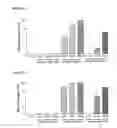
FIG. 1 is a graphical representation showing the tissue culture toxicity of sodium selenate, sodium selenite and selenomethionine in serum free media at 5 μM, 25 μM and 100 μM after 24 hours exposure.
FIG. 2 is a graphical representation showing the tissue culture toxicity of sodium selenate, sodium selenite and selenomethionine in serum free media at 5 μM, 25 μM and 100 μM after 48 hours exposure.
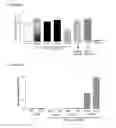
FIG. 3 is a bar chart graphical representation illustrating the effects of sodium selenate, sodium selenite and selenomethionine on hypoxia induced neurodegeneration compared with the neuroprotectant MnTBAP.
FIG. 4 is a bar chart graphical representation illustrating the toxicity of sodium selenate in tissue culture at 100 μM, 250 μM and 500 μM.
FIG. 5 is a bar chart representation showing the effects of sodium selenate, sodium selenite and selenomethionine on ischaemia induced neurodegeneration.
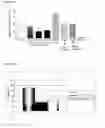
FIG. 6 is a graphical representation illustrating the number of PTZ induced seizures in rats exposed to 120 μg and 1.2 mg of sodium selenate (mean±SEM).
FIG. 7 is a graphical representation illustrating the number of PTZ induced severe seizures in rats exposed to 120 μg and 1.2 mg of sodium selenate (mean±SEM).
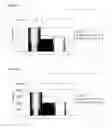
FIG. 8 is a graphical representation illustrating the duration of seizure activity in rats injected with PTZ exposed to 120 μg and 1.2 mg of sodium selenate (mean±SEM).
FIG. 9 is a graphical representation illustrating the latency to seizure onset in rats injected with PTZ exposed to 120 μg and 1.2 mg of sodium selenate (mean±SEM).
In order that the nature of the present invention may be more clearly understood and put into practical effect, particular preferred embodiments thereof will now be described with reference to the following non-limited examples.
EXAMPLES
Example 1
Investigation into the neuroprotective effects of sodium selenate, sodium selenite and selenomethionine, against excitotoxicity, hypoxia and ischaemia in cultured rat hippocampal slices.
Methods:
Organotypic hippocampal slice cultures were prepared using the basic method of Pringle et al 1997, modified as follows:
Wistar rat pups (8-11 days old) were decapitated and the hippocampus rapidly dissected into ice-cold Gey's balanced salt solution supplemented with 4.5 mg/mL glucose. Transverse sections (400 μm) were cut on a McIlwain tissue chopper and placed back into ice-cold Gey's balanced salt solution. Slices were separated and plated onto Millicell CM culture inserts (4 per well) and maintained at 37° C./5% CO2 for 14 days. Maintenance medium consists of 25% heat-inactivated horse serum, 25% Hank's balanced salt solution (HBSS) and 50% minimum essential medium with added Earle's salts (MEM), supplemented with 1 mM glutamine and 4.5 mg/mL glucose. Medium was changed every 3-4 days.
Hypoxia:
Experimental hypoxia was performed previously (Pringle et al., 1996; 1997). Briefly, 14 day cultures were transferred to serum free medium (SFM—75% MEM, 25% HBSS supplemented with 1 mM glutamine and 4.5 mg/mL glucose) containing 5 μg/mL of the fluorescent exclusion dye propidium iodide (PI). Cultures were allowed to equilibrate in SFM for 60 minutes prior to imaging. PI fluorescence was detected using a Leica DMIL inverted microscope fitted with a rhodamine filter set. Any cultures in which PI fluorescence is detected at this stage was excluded from further study. Hypoxia was induced by transferring cultures to serum free media (SFM) (+PI) which had been saturated with 95% N2/5% CO2. Culture plates (without lids) were sealed into an airtight chamber in which the atmosphere was saturated with 95% N2/5% CO2 by continuously blowing through gas at 10 L/min for ten minutes before being sealed and placed in the incubator for 170 minutes (total time of hypoxia was therefore 180 minutes). At the end of the hypoxic period cultures were returned to normoxic SFM containing PI and placed back in the incubator for 24 hours. Mn(III)tetrakis(4-benzoic acid)porphyrin chloride (MnTBAP) at 100 μM was used as a positive neuroprotective control. The efficacy of the compounds under investigation was assessed using a pre, during and post-hypoxia paradigm—compounds being present in the medium 24 hours pre-hypoxia, during the 3 hours of hypoxia and 24 hours post-hypoxia.
Ischaemia:
Experimental ischaemia was induced by transferring cultures to glucose deficient media (GFM-75% MEM, 25% HBSS supplemented with 1 mM glutamine)+PI, which had been saturated with 95% N2/5% CO2. Culture plates (without lids) were then sealed into an airtight chamber in which the atmosphere was saturated with 95% N2/5% CO2 by continuously blowing through gas at 10 L/min for ten minutes before being sealed and placed in the incubator for 50 minutes (total time of ischaemia was therefore 60 minutes). At the end of the ischaemic period cultures were returned to normoxic SFM containing PI and placed back in the incubator for 24 hours. MnTBAP at 100 μM was used as a positive neuroprotective control. The efficacy of the compounds under investigation was assessed using a pre, during and post-hypoxia paradigm—compounds being present in the medium 24 hours pre-ischaemia, during the 1 hour of ischaemia and 24 hours post-ischaemia.
Determination of Neuronal Damage
Neuronal damage was assessed using ImageJ software running on a PC. Images being captured using a monochrome CCD camera and saved for offline analysis. Light transmission images were captured prior to the addition of drugs, and PI fluorescence images recorded at the end of the 24-hour recovery period. The area of the CA1 region was then determined from the transmission image. The area of PI fluorescence in the CA1 is measured using the threshold function on ImageJ, and neuronal damage expressed as the percentage of the CA1 in which PI fluorescence is detected above background (Pringle et al., 1997).
Compounds
The experimental compounds tested were all obtained from Sigma Aldrich
Sodium selenate (cat.# S8295)
Sodium selenite (cat.#00163)
Selenomethionine (cat.# S3132)
A preliminary toxicity screen was carried out on the compounds to determine tissue culture exposure levels that would cause toxicity. Each compound was made to 5 mM in SFM, then used at 1 μL/mL, 5 μK/mL and 20 μL/mL, to give final concentrations of 5 μM, 25 μM and 100 μM. Damage was measured after 24 hours and 48 hours. (Results shown in FIGS. 1 and 2). Sodium selenite was found to be toxic above 5 μM and selenomethionine was toxic above 25 μM. Sodium selenate was not found to be toxic at any concentration tested up to 100 μM. These results were used to determine the concentrations used in subsequent experiments.
The compounds were made to 10 mM in SFM. Sodium selenate was serially diluted with SFM to 1 mM, 100 μM and 5 μM, each of these was used at 10 μL/mL, to give final concentrations of 50 nm, 1 μM, 10 μM and 100 μM. Sodium selenite was diluted to 100 μM, selenomethionine to 500 μM. These were then used at 10 μL/mL to give final concentrations of 1 μM and 5 μM.
In view of the results obtained from the hypoxia experiment, (Results FIG. 3), the concentrations of sodium selenate used in the OGD experiment were increased.
In this case the sodium selenate was made to 50 mM in SFM, then serially diluted to 25 mM, 10 mM and 1 mM, each of these used at 10 μL/mL to give final concentrations of 10 μM, 100 μM, 250 μM and 500 μM. Sodium selenite and selenomethionine as before. An experiment to assess the toxicity of sodium selenate at these higher concentrations was run in parallel with the OGD (Results FIG. 4).
Results
In cultures exposed to hypoxia alone, PI fluorescence was observed 48%±4.4% of the CA1 region (n=48), and this was prevented by 100 μM MnTBAP (n=24, P<0.01 vs hypoxia alone). Significant attenuation of damage was also seen with 100 μM sodium selenate (P<0.05 vs hypoxia alone, n=24) but not with the other test compounds. FIG. 3.
In cultures exposed to oxygen glucose deprivation (OGD) ischaemia alone, PI fluorescence was observed in 47% 4.5% of the CA1 region (n=48), and this was prevented by 100 μM MnTBAP (n=24, P<0.01 vs OGD alone). Significant attenuation of damage was seen with 100 μM sodium selenate (P<0.01 vs OGD alone, n=24), and with 250 μM sodium selenate (P<0.05 vs OGD alone, n=24) but not with the other test compounds (see FIG. 5). There was a significant increase in toxicity seen with 500 μM sodium selenate after hypoxia but which was subsequently shown to be due to neurotoxicity of the compound at this concentration in the absence of hypoxia (FIG. 4).
Example 2
PTZ Induced Seizure Activity in Rats
Materials and Methods
Animals
All animal experiments were carried out according to the National Institute of Health (NIH) guidelines for the care and use of laboratory animals, and approved by the Ethical Committee of the National Laboratory Animal Center, Kuopio, Finland. Altogether 30 adult male Sprague-Dawley rats (Taconic, Denmark) weighing 200-240 g were used. Animals were housed at a standard temperature (22±1° C.) and in a light-controlled environment (lights on from 7 am to 8 pm) with ad libitum access to food and water.
Animals were grouped as follows:
-
- 10 rats treated with vehicle (sterile water as drinking water).
- 10 rats treated with sodium selenate anhydrous (120 microgram in 100 mL sterile water), p.o in drinking water for 7 days prior to PTZ injection.
- 10 rats treated with sodium selenate anhydrous (1.2 milligram in 100 mL sterile water), p.o in drinking water for 7 days prior to PTZ injection.
PTZ Induced Seizures
Pentylenetetrazol (PTZ) (60 mg/kg) is administered intraperitoneally (i.p., 2 mL/kg in saline) to male Sprague-Dawley rats.
Drug Delivery
Sodium selenate is administered p.o in drinking water for 7 days prior to PTZ injection. The rats have ad libitum access to water (normal daily consumption of water is 30 mL/rat/day).
Monitoring of Seizure Activity
Behavioural changes were observed for 30 minutes following PTZ administration. The incidence of seizures (seizure and severe seizure), the latency for the first seizure appearance and the duration of seizure activity were used as indices of anticonvulsant effect. Seizure numbers were not counted if the animal died. Mortality typically was the result of one very severe seizure which was recorded as a single severe seizure. Animals that died were assigned the maximum seizure duration of 30 minutes. In one instant an animal (no.1) had only one very intense and prolonged seizure, in this case only 1 single severe seizure was recorded. Severe seizure was defined as a prolonged seizure involving stretching and twisting convulsions.
Statistical Analysis
Values are presented as percentages and differences are considered to be statistically significant at the P<0.05 level. Statistical analysis was performed using StatsDirect software. Differences among groups were analyzed by 1-way-ANOVA followed by Dunnet's test (comparison to the control (=vehicle treated PTZ rats) group).
Results
Mortality
Mortality was observed in the vehicle group (1 animal) and the 120 μg sodium selenate group (1 animal).
Number of Seizures
Animals receiving vehicle experienced 22.8±4.9 seizures. Sodium selenate significantly reduced the number of seizures to 8.5±2.1 in the 120 μg group and 9.9±2.2 in the 1.2 mg group (FIG. 6).
Number of Severe Seizures
Animals receiving vehicle experienced 1.5±0.3 severe seizures. Sodium selenate significantly reduced the number of seizures to 0.8±0.1 in the 120 μg group. Animals treated with 1.2 mg sodium selenate experienced 0.9±0.1 severe seizures (FIG. 7).
Duration of Seizure Activity
The duration of seizure activity of animals receiving vehicle was 1443.4±166.3 seconds. Sodium selenate treatment significantly reduced duration of seizure activity at both 120 μg (770.9±189.9 secs) and 1.2 mg (808.6±126.1 secs) (FIG. 8).
Latency to Seizure Onset
Animals receiving vehicle experienced seizure onset at 76.4±10.7 seconds. Animals receiving sodium selenate at 120 μg and 1.2 mg experienced seizure onset at 217.6±117.6 seconds and 107.6±26.9 seconds respectively. There were no significant differences in seizure onset between groups (FIG. 9).
CONCLUSIONS
These data demonstrate that sodium selenate reduces the number of seizures and duration of seizure activity at both 120 μg and 1.2 mg in response to PTZ administration. Sodium selenate at 120 μg also reduced the number of severe seizures experienced following PTZ administration. Neither dose of compound had a significant effect on the latency to seizure onset in this model.
REFERENCES
- Bartosik-Psujek, H. and Stelmasiak, Z., The CSF levels of total-tau and phosphotau in patients with relapsing-remitting multiple sclerosis. J. Neural. Transm. 2006. March; 113(3):339-45.
- Deutsch, S. I., Rosse, R. B. and Lakshman, R. M., Dysregulation of tau phosphorylation is a hypothesized point of convergence in the pathogenesis of alzheimer's disease, frontoemporal dementia and schizophrenia with therapeutic implications. Progress in neuro-psychopharmacology & biological psychiatry. 2006. vol. 30, 8:1369-1380.
- Li, T. and Paudel, H. K., Glycogen Synthase Kinase 3β phosphorylates Alzheimer's disease-specific Ser 396 of microtubule-associated protein tau by a sequential mechanism. Biochemistry, 2006, 45(10): p.3125-3133.
- Liu, F., et al., Contributions of protein phophatases PP1, PP2A, PP2B and PP5 to the regulation of tau phosphorylation. Eur. J. Neurosci. 2005. 22(8): p. 1942-50.
- Ost, M., Nylén, K., Csajbok, L., Ohrfelt, A. O., Tullberg, M., Wikkelsö, C., Nellg{hacek over (a)}rd, P., Rosengren, L., Blennow, K. and Nellg{hacek over (a)}rd, B., Initial CSF total tau correlates with 1-year outcome in patients with traumatic brain injury. Neurology. 2006. Nov. 14; 67(9):16004.
- Pringle, A. K., Benham, C. D., Sim, L., Kennedy, J., Iannotti, F., Sundstrom, L. E., Selective N-type calcium channel agonist omega conotoxin MVIIA is neuroprotective against hypoxic neurodegeneration in organotypic hippocampal slice cultures. Stroke. 1996. November; 27(10:2124-30.
- Pringle, A. K., Angunawela, R., Wilde, G. J., Mepham, J. A., Sundstrom, L. E., Iannotti, F., Induction of 72 kDa heat-shock protein following sub-lethal oxygen deprivation in organotypic hippocampal slice cultures. Neuropathal. Appl. Neurobiol. 1997. August 23(4):289-98.
- Roberson, E. D., Scearce-Levie, K., Palop, J. J., Yan, F., Cheng, I. H., Wu, T., Gerstein, H., Yu, G. Q. and Mucke, L., Reducing endogenous tau ameliorates amyloid beta-induced deficits in an Alzheimer's disease mouse model. Science, 2007, 316, 750.
- Satoh, K., Shirabe, S., Eguchi, H., Tsujino, A., Eguchi, K., Satoh, A., Tsujihata, M., Niwa, M., Katamine. S., Kurihara, S. and Matsuo, H., 14-3-3 protein, total tau and phosphorylated tau in cerebrospinal fluid of patients with Creutzfeldt-Jakob disease and neurodegenerative disease in Japan. Cell Mol. Neurobiol. 2006. February; 26(1):45-52.
- Wen, Y., Yang, S., Liu, R. and Simpkins, J. W., Transient cerebral ischemia induces site-specific hyperphosphorylation of tau protein. Brain Res. 2004. October 1; 1022(1-2):30-8.
Claims
What is claimed is:1. A method for the treatment of a neurological disorder selected from the group consisting of hypoxia, oxygen-glucose deprivation and acute brain trauma in a subject comprising administering an effective amount of selenate or a pharmaceutically acceptable salt thereof, wherein the treatment prevents incurring a symptom, holds in check a symptom or treats an existing symptom of said neurological disorder.
2. The method according to claim 1 wherein the effective amount of selenate or a pharmaceutically acceptable salt thereof delivers a supranutritional amount of selenium.
3. The method according to claim 2 wherein the supranutritional amount of selenium is 5 μg/kg to 1.0 mg/kg per day.
4. The method according to claim 1 wherein the selenate is in the form of sodium selenate.
5. The method according to claim 1 further comprising administration of the selenate or pharmaceutically acceptable salt thereof is in combination with another therapy for the treatment or prevention of neurological disorders selected from hypoxia, oxygen-glucose deprivation and acute brain trauma.
6. A method according to claim 1 wherein the symptoms of stroke are caused by ischaemia.
7. A method according to claim 6 wherein the acute brain trauma is traumatic brain injury.
8. A method according to claim 2 wherein the supranutritional amount of selenium is 0.05 mg/kg to 1 mg/kg per day.
Images & Drawings included:
Sources:
- United States Patent and Trademark Office - verify current appl. status at the USPTO↗
Similar patent applications:
- » 20050075321
Neurological disorder treatment methods - » 20070213785
Probabilistic neurological disorder treatment - » 20120150257
Seizure prediction and neurological disorder treatment - » 13414483
Oxazine derivatives and their use in the treatment of neurological disorders - » 10042614
JNK inhibitors for the treatment of neurological disorders - » 10059910
Tetrahydropteridines and pyridylpiperazines for treatment of neurological disorders - » 20050014779
Compositions and methods for treatment of neurological disorders - » 14713309
D-serine treatment for neurological disorders that cause seizures - » 10036988
Compositions and methods for treatment of neurological disorders - » 10797355
Compounds active at a novel site on receptor-operated calcium channels useful for treatment of neurological disorders and diseases
Recent applications in this class:
- » 20250281524 2025-09-11
THERAPY OF HIGH-RISK HUMAN PAPILLOMAVIRUS INFECTIONS - » 20250276009 2025-09-04
Therapeutic use of hydrogen sulfide in frostbite injury - » 20250099500 2025-03-27
COMPOSITIONS AND METHODS FOR THE TREATMENT OF CONTACT LENS DISCOMFORT - » 20240390414 2024-11-28
USE OF SODIUM THIOSULFATE (STS) WITH AND WITHOUT COFACTORS FOR THE TREATMENT OF INFLAMMATORY, NEURODEGENERATIVE AND NEUROPSYCHIATRIC CONDITIONS - » 20240382518 2024-11-21
PHARMACEUTICAL COMPOSITION AND HEALTH FUNCTIONAL FOOD FOR PREVENTION OR TREATMENT OF OSTEOARTHRITIS - » 20240350533 2024-10-24
HYPERTONIC PHARMACEUTICAL COMPOSITIONS CONTAINING AN ANTI-PLATINUM CHEMOPROTECTANT AGENT - » 20240299445 2024-09-12
SELENIUM DISULFIDE COMPOSITIONS FOR USE IN TREATING MEIBOMIAN GLAND DYSFUNCTION - » 20240285679 2024-08-29
COMPOSITIONS AND METHODS FOR VISION IMPROVEMENT - » 20240277758 2024-08-22
USE OF SODIUM THIOSULFATE FOR THE TREATMENT OF SULFUR MUSTARD EXPOSURE - » 20240226141 2024-07-11
METHODS OF OTOPROTECTION AGAINST PLATINUM-BASED ANTINEOPLASTIC AGENTS
Recent applications for this Assignee:
- » 20140141104 2014-05-22
TREATMENT OF NEURODEGENERATIVE DISEASES - » 20090169649 2009-07-02
Treatment of neurodegenerative diseases - » 20080081039 2008-04-03
Inorganic Selenium For Treatment Of Cancer