MULTI-EPITOPIC VACCINE
US20160031946A1
2016-02-04
14/883,668
2015-10-15
Abstract:
The present invention relates to isolated polypeptides comprising: (i) a protein transduction domain consisting of ZEBRA or a fragment thereof that retains the capacity of internalization, (ii) at least one CD4+ epitope; and (iii) at least one CD8+ epitope. It also relates to antigen presenting cells loaded with said polypeptides, and the use thereof in immunotherapy including prevention and/or treatment of cancers or infectious diseases.
Inventors:
- Pierre-Yves Dietrich 4 🇫🇷 St Julien en Genevois, France
- MADIHA SABIHA DEROUAZI 2 🇨🇭 GRAND-SACONNEX, Switzerland
- PAUL R. WALKER 2 🇫🇷 VIRY, France
Interested in similar patents?
Get notified when new applications in this technology area are published.
Classification:
C12N2710/16234 » CPC further
dsDNA viruses; Details; Herpesviridae; Lymphocryptovirus, e.g. human herpesvirus 4, Epstein-Barr Virus Use of virus or viral component as vaccine, e.g. live-attenuated or inactivated virus, VLP, viral protein
C12N2710/16222 » CPC further
dsDNA viruses; Details; Herpesviridae; Lymphocryptovirus, e.g. human herpesvirus 4, Epstein-Barr Virus New viral proteins or individual genes, new structural or functional aspects of known viral proteins or genes
C07K14/005 » CPC main
Peptides having more than 20 amino acids; Gastrins; Somatostatins; Melanotropins; Derivatives thereof from viruses
C12N7/00 » CPC further
Viruses; Bacteriophages; Compositions thereof; Preparation or purification thereof
A61K39/245 » CPC further
Medicinal preparations containing antigens or antibodies; Viral antigens Herpetoviridae, e.g. herpes simplex virus
Description
CROSS-REFERENCE TO RELATED APPLICATIONS
This application is a continuation of U.S. Ser. No. 13/415,877, filed Mar. 9, 2012, which claims the benefit of U.S. Provisional Patent Application 61/451,615, filed Mar. 11, 2011, the disclosure of which is hereby incorporated by reference in its entirety, including all figures, tables, amino acid sequences and polynucleotide sequences.
The Sequence Listing for this application is labeled “Seq-List.txt” which was created on May 25, 2014 and is 73 KB. The entire contents of the sequence listing is incorporated herein by reference in its entirety.
FIELD OF THE INVENTION
The present invention relates to a multi-epitopic vaccine and its use in immunotherapy including prevention and/or treatment of cancers or infectious diseases.
BACKGROUND OF THE INVENTION
Immunotherapy is gaining importance for the treatment and prevention of various human diseases, including infectious diseases and cancers.
Regarding immunotherapy in cancers, with the recent FDA approval of the Sipuleucel-T vaccine for prostate cancer, the feasibility of active immunization for the treatment of established cancer has been demonstrated.
It is now established that the immune system can recognize and to some extent eliminate tumor cells through different cells subsets including CD8 cytotoxic T lymphocytes (CTLs). Modulating the immune system in order to track and specifically destroy the tumor cells is a promising therapeutic approach (also called anti-tumoral immunotherapy) for treating patients.
Tumor-associated antigens recognized by CTLs are 8 to 11 residue peptides called CD8+ epitopes which are bound to MHC class I molecules and displayed at the tumor cell surface. In the last decade, an increasing number of these peptides derived from the processing of tumor proteins have been identified and classified as tumor specific antigens (TSA) or tumor-associated antigens (TAAs). The main goal of current research on immunotherapy approaches is to elicit potent anti-tumor immunity after therapeutic vaccination against these antigens. Approaches widely developed and transferred to clinical trials include peptide vaccination and adoptive immunotherapy with ex-vivo loaded dendritic cells (DCs).
However, the clinical successes of these approaches have been modest. Among other reasons, this failure can be explained both by the very immunosuppressive properties of the tumor microenvironment and by the different immune escape mechanisms developed by the tumor cells including the loss of individual antigens.
Recently, the key role of another subset of T cells, called CD4+ helper T cells (Th), has been described in anti-tumor immunity. Indeed, it has been reported that this CD4 compartment plays a crucial role in mounting an efficient anti-tumoral immune response (Bos and Sherman, 2010, Cancer Res. 70:8368-8377). As for CD8 T cells, Th cells are also involved in the maintenance of long-lasting cellular immunity (immunological memory), and tumor infiltration by Th cells is an essential step for the recruitment and function of CTLs.
Tumor-associated antigens recognized by Th cells are typically 12-25 residue peptides (although some are much longer) called CD4+ epitopes which are bound to MHC class II molecules and displayed at the tumor cell surface.
The use of protein rather than peptides to induce anti-tumor immunity would allow multi-epitopic (CD8+ and CD4+ epitopes) antigen delivery to antigen presenting cells (APCs) such as dendritic cells (DCs). However, protein uptake by APCs is limited and frequently results in presentation of only CD4 epitopes by MHC class II molecules. This is because protein antigens taken up from the extracellular milieu do not efficiently enter the cytoplasm from where their constituent peptide epitopes can bind to MHC class I molecules being assembled in the endoplasmic reticulum (a process called cross-presentation). Therefore, there is a need to develop new approaches to increase the efficiency of protein uptake by DCs, and to facilitate presentation of both CD4 and CD8 epitopes.
Different vectors have been developed and evaluated to deliver different MHC class I restricted epitopes; these include viral vectors (Durantez et al., 2009, Scand. J. Immunol 69:80-89; Mateo et al., 1999, J. Immunol. 163:4058-4063; Tine et al., 2005, Vaccine 23:1085-1091), cDNA-based vaccine (Ishioka et al., 1999, J. Immunol. 162:3915-3925; Scardino et al., 2007, Cancer Res. 67:7028-7036) and mRNA electroporated dendritic cells (Waeckerle-Men et al., 2006, Cancer Immunol. Immunother. 55:1524-1533).
In addition to minimizing immune escape, targeting multiple epitopes allows a greater proportion of tumor cells in a heterogenous tumor (i.e. different individual tumor cells expressing different antigens within same tumor) to be attacked. Some progress has been made for vaccinia virus vectors encoding multiple epitopes associated with infectious diseases (Thomson et al., 1996, J. Immunol. 157:822-826; Thomson et al., 1995, Proc. Natl. Acad. Sci.
USA. 92:5845-5849; Anton et al., 1997, J. Immunol. 158:2535-2542). However, several limitations have been noted. The first is that vaccinia virus vectors encoded antigens are preferentially presented by MHC class I restricted molecules; second, there is a limitation of the size of insert; third, there is rapid degradation of the encoded antigens, and finally there are many regulatory hurdles for clinical translation.
An alternative approach that has several inherent advantages is a multi-epitope vaccine based on protein rather than on a viral or DNA based vaccine. This offers the major advantage of long-lasting MHC presentation of the cargo antigens to T lymphocytes (van Montfoort et al., 2009, Proc. Natl. Acad. Sci. USA. 106:6730-6735), but low immunogenicity of the vector-allowing for multiple vaccinations.
In the past decade, protein transduction domains (PTDs) are emerging as promising vectors to deliver different therapeutic targets, including proteins. PTDs are peptide sequences facilitating efficient protein translocation across biological membranes, independently of transporters or specific receptors. PTDs also offer the advantage of cost-efficient production. Since the discovery 20 years ago of the membrane translocating property of human immunodeficiency virus transactivating regulatory protein (HIV TAT), several PTDs have been identified including penetratin (Antennapedia homeodomain), VP22 (Herpes simplex virus) and the synthetic polyarginine (polyR). Different cargoes have been linked to PTD with the perspective of novel vaccine design. These include tumor-associated antigen for cancer immunotherapy.
The most widely studied PTD, TAT, was fused to different antigens and used to transduce dendritic cells (in virtually all studies) before testing immunogenicity in vivo (Brooks et al., 2010, Biochimica et Biophysica Acta 1805:25-34). In all these studies, a CTL-mediated immune response (i.e. mediated by CD8 T cells and restricted by MHC class I) was demonstrated after loading the DCs with the TAT-fusion protein, in contrast to the protein alone, and in some cases, CD4 T cells were also implicated. Moreover, vaccination with TAT fused to TRP2 resulted in long-term protection as shown in tumor-free mice re-challenged with the tumor, suggesting a superior memory response. However, there are several potential drawbacks concerning TAT. The first is that the use of TAT based vaccines directly in vivo without prior transduction of DCs remains largely unexplored. The second is that the nature of the cargo transported into the cell by TAT influences intracellular localisation; large TAT-fusion proteins can remain entrapped in endosomes where they are degraded, which is predicted to limit access to the cross-presentation pathway resulting in poor stimulation of CD8 T cells (Tünnemann et al., 2006, FASEB J., 20: 1775-1784).
Therefore, there is still a need for developing anti-tumor and anti-pathogen vaccines able to induce strong and broad T-cell responses specific for multiple epitopes of a given antigen, involving both CD4+ and CD8+ cells, preferably applicable to a broad range of patients, and that have the potential for direct injection into patients, without requiring DCs. The present invention solves this problem by providing a PTD fusion protein allowing efficient delivery and presentation of multiple CD4+- and CD8+-restricted epitopes. The multi-epitopic PTD fusion protein of the invention, thus, is useful in immunotherapy for treating and/or preventing cancers or infectious diseases.
SUMMARY OF THE INVENTION
A first aspect of the invention provides an isolated polypeptide comprising:
-
- (i) a protein transduction domain consisting of ZEBRA or a fragment thereof that retains the capacity of internalization,
- (ii) at least one CD4+ epitope; and
- (iii) at least one CD8+ epitope.
A second aspect of the invention provides an isolated polynucleotide encoding a polypeptide of the invention, a recombinant vector comprising said polynucleotide, as well as a host cell comprising said recombinant vector.
A third aspect of the invention provides antigen presenting cells loaded with a polypeptide of the invention.
A fourth aspect of the invention provides a vaccine composition comprising a polypeptide of the invention or antigen presenting cells of the invention, for preventing, treating, or stabilizing cancers or infectious diseases.
A fifth aspect of the invention provides a use of a polypeptide of the invention or the use of antigen presenting cells loaded with a polypeptide of the invention in the manufacture of a medicament.
A sixth aspect of the invention provides a method of preventing, treating or stabilizing a cancer or an infectious disease in a subject said method comprising administering in a subject in need thereof a therapeutically effective amount of a polypeptide of the invention or antigen presenting cells of the invention, and at least one pharmaceutically acceptable carrier.
A seventh aspect of the invention provides a method for eliciting or improving, in a subject, an immunologic response against multiple epitopes that is dependent on CD4+ helper T cells and CD8+ cytotoxic T cells, wherein said method comprises administering either a polypeptide of the invention or antigen presenting cells of the invention to said subject.
An eighth aspect of the invention provides a method for eliciting or improving, in a subject, an immunologic response against multiple epitopes that is restricted by multiple MHC class I molecules and multiple MHC class II molecules, wherein said method comprises administering either a polypeptide of the invention or antigen presenting cells of the invention to said subject.
DESCRIPTION OF THE FIGURES
FIG. 1 shows different ZEBRA-fusion proteins used in the experimental section.
Construct 1: ZEBRA-β-lactamase: encodes β-lactamase from E. Coli deleted for the secretion signal (residues 1-23) and residue 24 His was changed to Asp to create an optimal Kozak sequence.
Construct 2: ZEBRA-OVA: encodes a truncated form of the chicken ovalbumin (OVA234-386). This construction contains both CD8 epitope OVA257-264 and CD4 epitope OVA323-339.
Construct 3: ZEBRA-MultiE: encodes a chimeric protein with three CD8 epitopes from the ovalbumin OVA257-264, from lymphocytic choriomengitis virus glycoprotein LCMV-GP33-41 and from the murine tumor-associated antigen GP10025-33 and two CD4 epitopes: OVA323-339 and LCMV-GP61-80. The spacers between each epitope are the natural flanking 4 amino acid residues.
FIG. 2 shows CD8+ multi-epitopic presentation after ZEBRA-multiE fusion protein loading into DCs.
Bone marrow dendritic cells from C57BL/6 mice were loaded with 0.3 μM ZEBRA-MultiE during 4 h and matured overnight with a cocktail containing IFNα, IFNγ, IL-4 and PolyIC. CFSE stained CD8 T cells from either OT-1, Pmel or P14 mice were added at a ratio 10:1. After 5 days of proliferation, dilution of CFSE was monitored by flow cytometry.
FIG. 3 shows CD4+ multi-epitopic presentation after ZEBRA-multiE fusion protein loading into DCs.
Bone marrow dendritic cells from C57BL/6 mice were loaded with 0.3 μM ZEBRA-MultiE during 4 h and matured overnight with a cocktail containing IFNα, IFNγ, IL-4 and PolyIC. CFSE stained CD4 T cells from either OT-2 or SMARTA mice were added at a ratio 10:1. After 5 days of proliferation, dilution of CFSE was monitored by flow cytometry.
FIG. 4 shows effector function of T cells primed in vitro by DCs loaded with ZEBRA-MultiE fusion protein.
Bone marrow dendritic cells from C57BL/6 mice were loaded with 0.3 μM ZEBRA-MultiE during 4 h and matured overnight with a cocktail containing IFNα, IFNγ, IL-4 and PolyIC. CFSE stained CD8 T cells from either OT-1, Pmel or P14 mice and CD4 T cells from either OT-2 or SMARTA mice were added at a ratio 10:1. After 5 days of proliferation, the supernatant was tested for cytokine expression using the Multiplex cytokine detection kits (BD Biosciences Pharmingen, San Diego, Calif.) and analyzed by flow cytometry.
FIG. 5 shows the results of vaccination of mice with DCs loaded with ZEBRA-MultiE fusion protein.
C57BL/6 mice were vaccinated subcutaneously twice with a 14 days of interval with 1×10⁶ mature dendritic cells loaded with ZEBRA-MultiE. 7 days after the last vaccination, splenocytes were recovered and re-stimulated during 7 days with 10 μM of the respective peptides. The T cells were re-stimulated with 10 μM of the respective peptide during 4 h and intracellular staining for IFNγ, TNFα and IL-2 was performed and analyzed by flow cytometry. Multi-functional analysis was performed with SPICE (Roeder et al, 2011, Cytometry, 79A:167-174). The figures show the percentage of positive cells gated on CD8+ or CD4+ T cells, respectively.
FIG. 6 shows the results of vaccination of mice with ZEBRA-MultiE fusion protein.
C57BL/6 mice were vaccinated subcutaneously twice with a 14 days of interval with 2×6 μg ZEBRA-MultiE and 100 μg PolyIC. 7 days after the last vaccination, splenocytes were recovered and re-stimulated during 7 days with 10 μM of the respective peptides. The T cells were re-stimulated with 10 μM of the respective peptide during 4 h and intracellular staining for IFNγ, TNFα and IL-2 was performed and analyzed by flow cytometry. Multi-functional analysis was performed with SPICE.
FIG. 7 shows that Zebra-MultiE can be processed and presented by dendritic cells with different MHC molecules.
Bone marrow derived dendritic cells from mice on BALB/c background were loaded for 4 h with 0.3 μM Zebra-MultiE and matured overnight with poly ICLC (Hiltonol®). Zebra-MultiE loaded and matured dendritic cells were co-incubated with CFSE stained splenocytes from DO11.10 TCR transgenic mice in which all of the CD4+ T cells are specific for the immunodominant ovalbumin epitope OVA257-264. Negative control: splenocytes were incubated with non-loaded dendritic cells. Positive control: dendritic cells were pulsed with peptide. After five days of culture, T cell proliferation by CFSE dilution was monitored by flow cytometry.
FIG. 8 shows that Zebra-MultiE translocates into endogenous dendritic cells in vivo, is processed leading to cross-presentation on MHC class I molecules.
C57BL/6 mice were vaccinated with PBS (negative control), 200 μg peptides and 100 μg anti-CD40 subcutaneously and 50 μg Poly ICLC (Hiltonol®) intramuscularly (positive control) or 10 μg ZEBRA-MultiE protein and 100 μg anti-CD40 subcutaneously and 50 μg Poly ICLC (Hiltonol®) intramuscularly. The same day, 1.5×10⁶ CFSE stained splenocytes from either P14 or OT1 TCR transgenic mice were adoptively transferred by intravenous injection. Four days after vaccination/adoptive transfer, the mice were sacrificed and proliferation of adoptively transferred T cell from draining lymph nodes was assessed by CFSE dilution.
FIG. 9 shows that vaccination of mouse with ZEBRA-MultiE can induce polyclonal immune responses.
C57BL/6 mice were vaccinated twice at 14-days of interval by subcutaneous injection of 10 μg ZEBRA-MultiE protein and 100 μg anti-CD40 and intramuscular injection of 50 μg Poly ICLC (Hiltonol®). Seven days after the boost, the mice were sacrificed and the percentages of CD8+ T cells specific for either OVA323-339, LCMV-GP33-41, or GP10025-33 were assessed in the draining lymph nodes by tetramer staining.
DETAILED DESCRIPTION OF THE INVENTION
The term “ZEBRA” (also known as Zta, Z, EB1, or BZLF1) generally means the basic-leucine zipper (bZIP) transcriptional activator of the Epstein—Barr virus (EBV). It also includes, herewith, a truncated form thereof retaining the capacity for internalization, such as the minimal domain (MD) currently known as spanning from residue 170 to residue 220 of ZEBRA (Rothe et al., 2010, J. Biol. Chem. 285: 20224-20233), as well as any fragment of the minimal domain mentioned above such as a fragment comprising or consisting of amino acid sequence SEQ ID NO: 8, or any peptide with a similar amino acid sequence as ZEBRA or ZEBRA fragment, provided said fragment or similar peptide still retains the capacity of internalization. The amino acid sequence of ZEBRA is disclosed under NCBI accession number YP—401673.
The term “epitope”, also known as “antigenic determinant”, is the part of an antigen that is recognized by the immune system, specifically by antibodies, B cells, or T cells. In the present application, the term “epitope” is mainly used to designate T cell epitopes, which are presented on the surface of an antigen-presenting cell, where they are bound to Major Histocompatibility Complex (MHC). T cell epitopes presented by MHC class I molecules are typically, but not exclusively, peptides between 8 and 11 amino acids in length, whereas MHC class II molecules present longer peptides, generally, but not exclusively, between 12 and 25 amino acids in length.
The term “CD4 epitope” or “CD4+-restricted epitope” designates, herewith, an epitope recognized by a CD4 T cell, said epitope consisting of an antigen fragment lying in the groove of a MHC class II molecule.
“CD8+ epitope” or “CD8+-restricted epitope” designates, herewith, an epitope recognized by a CD8+ T cell, said epitope consisting of an antigen fragment lying in the groove of a MHC class I molecule.
“MHC class I” designates one of the two primary classes of the Major Histocompatibility Complex molecules. The MHC class I (also noted “MHC I”) molecules are found on every nucleated cell of the body. The function of MHC class I is to display an epitope to cytotoxic cells (CTLs). In humans, MHC class I molecules consist of two polypeptide chains, α- and β2-microglobulin (b2m). Only the α chain is polymorphic and encoded by a HLA gene, while the b2m subunit is not polymorphic and encoded by the Beta-2 microglobulin gene.
“MHC class II” designates the other primary class of the Major Histocompatibility Complex molecules. The MHC class II (also noted “MHC II”) molecules are found only on a few specialized cell types, including macrophages, dendritic cells and B cells, all of which are professional antigen-presenting cells (APCs).
“Tumor epitope” means, herewith, an epitope from a tumor-associated antigen or from a tumor-specific antigen. Examples of tumor-associated and tumor-specific epitopes are provided in Tables 1-4.
“Pathogen epitope” means, herewith, an epitope from an antigenic protein from a pathogen including viruses, bacteria, fungi, protozoa and multicellular parasites. Antigenic proteins from pathogens include, herewith, proteins from pathogens responsible of diseases which can be a target for vaccination including, for instance, Amoebiasis, Anthrax, Buruli Ulcer (Mycobacterium ulcerans), Caliciviruses associated diarrhoea, Campylobacter diarrhoea, Cervical Cancer (Human papillomavirus), Chlamydia trachomatis associated genital diseases, Cholera, Crimean-Congo haemorrhagic fever, Dengue Fever, Diptheria, Ebola haemorrhagic fever, Enterotoxigenic Escherichia coli (ETEC) diarrhoea, Gastric Cancer (Helicobacter pylori), Gonorrhea, Group A Streptococcus associated diseases, Group B Streptococcus associated diseases, Haemophilus influenzae B pneumonia and invasive disease, Hepatitis A, Hepatitis B, Hepatitis C, Hepatitis E diarrhoea, Herpes simplex type 2 genital ulcers, HIV/AIDS, Hookworm Disease, Influenza, Japanese encephalitis, Lassa Fever, Leishmaniasis, Leptospirosi, Liver cancer (Hepatitis B), Liver Cancer (Hepatitis C), Lyme Disease, Malaria, Marburg haemorrhagic fever, Measles, Mumps, Nasopharyngeal cancer (Epstein-Barr virus), Neisseria meningitidis Meningitis, Parainfluenza associated pneumonia, Pertussis, Plague, Poliomyelitis, Rabies, Respiratory syncytial virus (RSV) pneumonia, Rift Valley fever, Rotavirus diarrhoea, Rubella, Schistosomiasis, Severe Acute Respiratory Syndrome (SARS), Shigellosis, Smallpox, Staphylococcus aureus associated diseases, Stomach Cancer (Helicobacter pylori), Streptococcus pneumoniae and invasive disease, Tetanus, Tick-borne encephalitis, Trachoma, Tuberculosis, Tularaemia, Typhoid fever, West-Nile virus associated disease, Yellow fever.
As used herein, “treatment” and “treating” and the like generally mean obtaining a desired pharmacological and physiological effect. The effect may be prophylactic in terms of preventing or partially preventing a disease, symptom or condition thereof and/or may be therapeutic in terms of a partial or complete cure of a disease, condition, symptom or adverse effect attributed to the disease. The term “treatment” as used herein covers any treatment of a disease in a mammal, particularly a human, and includes: (a) preventing the disease from occurring in a subject which may be predisposed to the disease but has not yet been diagnosed as having it such as a preventive early asymptomatic intervention; (b) inhibiting the disease, i.e., arresting its development; or relieving the disease, i.e., causing regression of the disease and/or its symptoms or conditions such as improvement or remediation of damage. In particular, the methods, uses, formulations and compositions according to the invention are useful in the treatment of cancers or infectious diseases and/or in the prevention of evolution of cancers into an advanced or metastatic stage in patients with early stage cancer, thereby improving the staging of the cancer.
When applied to cancers, prevention of a disease or disorder includes the prevention of the appearance or development of a cancer in an individual identified as at risk of developing said cancer, for instance due to past occurrence of said cancer in the circle of the individual's relatives, and prevention of infection with tumor promoting pathogens such as, for example, Epstein-Barr virus (EBV), Human papillomavirus (HPV), Hepatitis B virus (HBV), Hepatitis C virus (HCV), Human Herpes virus 8 (HHV8), human T-cell leukemia virus type 1 (HTLV-1), Merkel cell polyomavirus (MCV) and Helicobacter pylori.
Also covered by the terms “prevention/treatment” of a cancer is the stabilization of an already diagnosed cancer in an individual. By “stabilization”, it is meant the prevention of evolution of cancer into advanced or metastatic stage in patients with early stage cancer.
The term “subject” as used herein refers to mammals. For examples, mammals contemplated by the present invention include human, primates, domesticated animals such as cattle, sheep, pigs, horses, laboratory rodents and the like.
The term “effective amount” as used herein refers to an amount of at least one polypeptide, cells loaded with said polypeptide, composition or pharmaceutical formulation thereof according to the invention, that elicits the biological or medicinal response in a tissue, system, animal or human that is being sought. In one embodiment, the effective amount is a “therapeutically effective amount” for the alleviation of the symptoms of the disease or condition being treated. In another embodiment, the effective amount is a “prophylactically effective amount” for prophylaxis of the symptoms of the disease or condition being prevented. The term also includes herein the amount of active polypeptide sufficient to reduce the progression of the disease, notably to reduce or inhibit the tumor growth or infection and thereby elicit the response being sought (i.e. an “inhibition effective amount”).
The term “efficacy” of a treatment according to the invention can be measured based on changes in the course of disease in response to a use or a method according to the invention. For example, the efficacy of a treatment of cancer can be measured by a reduction of tumor volume, and/or an increase of progression free survival time, and/or a decreased risk of relapse post-resection for primary cancer. More specifically for cancer treated by immunotherapy, assessment of efficacy can be by the spectrum of clinical patterns of antitumor response for immunotherapeutic agents through novel immune-related response criteria (irRC), which are adapted from Response Evaluation Criteria in Solid Tumors (RECIST) and World Health Organization (WHO) criteria (J. Natl. Cancer Inst. 2010, 102(18): 1388-1397). The efficacy of prevention of infectious disease is ultimately assessed by epidemiological studies in human populations, which often correlates with titres of neutralizing antibodies in sera, and induction of multifunctional pathogen specific T cell responses. Preclinical assessment can include resistance to infection after challenge with infectious pathogen. Treatment of an infectious disease can be measured by inhibition of the pathogen's growth or elimination of the pathogen (and, thus, absence of detection of the pathogen), correlating with pathogen specific antibodies and/or T cell immune responses.
The term “pharmaceutical formulation” refers to preparations which are in such a form as to permit biological activity of the active ingredient(s) to be unequivocally effective and which contain no additional component which would be toxic to subjects to which the said formulation would be administered.
Polypeptides According to the Invention
In a first embodiment, it is provided an isolated polypeptide comprising:
-
- (i) a protein transduction domain consisting of ZEBRA or a fragment thereof that retains the capacity of internalization,
- (ii) at least one, preferably at least two, CD4+ epitope(s); and
- (iii) at least one, preferably at least two, CD8+ epitope(s).
In the polypeptide according to the invention, “ZEBRA” covers the basic-leucine zipper (bZIP) transcriptional activator of the Epstein-Barr virus (EBV), as well as a truncated form thereof retaining the capacity of internalization, such as the ZEBRA fragment comprising or consisting of amino acid sequence SEQ ID NO: 8, or any peptide with an identical or similar amino acid sequence, provided said ZEBRA fragment or identical or similar peptide retains the capacity of internalization of the protein comprising it.
Internalization of the fusion protein of the invention comprising ZEBRA or ZEBRA fragment can be checked by standard methods known to one skilled in the art, including flow cytometry or fluorescence microscopy of live and fixed cells, immunocytochemistry of cells transduced with said fusion protein, and Western blot.
In a preferred aspect, the polypeptide of the invention comprises a ZEBRA fragment comprising or consisting of SEQ ID NO: 8 or any peptide having at least 80%, at least 90%, at least 95%, at least 96%, at least 97%, at least 98%, or at least 99% identity with SEQ ID NO: 8.
The percentage of identity between two amino acid sequences or two nucleic acid sequences can be determined by visual inspection and/or mathematical calculation, or more easily by comparing sequence information using a computer program such as Clustal package version 1.83.
Therefore, according to one aspect of the invention, the ZEBRA protein or fragment thereof that is comprised in the polypeptide of the invention comprises an amino acid sequence having at least one conservatively substituted amino acid from the native sequence, meaning that a given amino acid residue is replaced by a residue having similar physiochemical characteristics. Generally, substitutions for one or more amino acids present in the native amino acid sequence should be made conservatively. Examples of conservative substitutions include substitution of one aliphatic residue for another, such as Ile, VaI, Leu, or Ala for one another, or substitutions of one polar residue for another, such as between Lys and Arg; Glu and Asp; or Gln and Asn. Other such conservative substitutions, for example, substitutions of entire regions having similar hydrophobicity properties, are well known (Kyte and Doolittle, 1982, J. Mol. Biol. 157(1): 105-132).
The CD4+ epitope(s) comprised in the polypeptide of the invention correspond(s) to antigenic determinant(s) of a tumor-associated antigen, a tumor-specific antigen, or an antigenic protein from a pathogen. The CD4+ epitopes comprised in the polypeptide of the invention generally, and preferably, consist of about 12-25 amino acids. They can also consist of about 8-25 amino acids or about 6-100 amino acids.
The CD8+ epitope(s) comprised in the polypeptide of the invention correspond(s) to antigenic determinant(s) of an antigen such as a tumor-associated antigen, a tumor-specific antigen, or an antigenic protein from a pathogen. The CD8+ epitopes comprised in the polypeptide of the invention generally, and preferably, consist of about 8-11 amino acids. They may also consist of about 8-15 amino acids or about 6-100 amino acids.
It will be clear for one skilled in the art that each of the epitopes comprised in the polypeptide of the invention can be either directly linked to each other or linked via spacers consisting of a few amino acids present between two successive epitopes.
In a specific aspect of the invention, two successive epitopes comprised in the polypeptide of the invention are linked to each other by spacers consisting of the natural flanking regions of said epitopes. Preferably, the spacer used to link a first epitope to a second epitope consists of about 8 amino acids corresponding to about 4 amino acids of the flanking region of the first epitope, followed by about 4 amino acids of the flanking region of the second epitope.
In a particular aspect of the invention, the CD4+ and CD8+ epitopes are antigenic determinants from a tumor-associated antigen or a tumor-specific antigen.
Exemplary tumor-associated antigens may be selected from the group of Melan A, MART-1, melanoma antigen family (MAGE-A1, MAGE-A2, MAGE-A3, MAGE-A4, MAGE-A6, MAGE-A9, MAGE-A10, MAGE-A12, MAGE-C1, MAGE-C2), cancer/testis antigen family (LAGE-1, LAGE2), synovial sarcoma X breakpoint 2 (SSX-2), synovial sarcoma X breakpoint 4 (SSX-4), Transient axonal glycoprotein family (TAG-1, TAG-2, TAG-72), Taxol-resistant-associated gene 3 (TRAG-3), gp100, gp75, v-erb-b2 erythroblastic leukemia viral oncogene homolog 2/glioblastoma oncogene homolog (HER-2/neu), prostate specific antigen (PSA), mucin 1(MUC-1), mucin 16 (CA-125), tumor protein p53, mammaglobin-A, acid phosphatase prostate (PAP), tyrosine-related protein 2 (TRP-2), tyrosinase, kallikrein 4, carcinoembryonic antigen-related cell adhesion molecule 5 (CEA), preferentially expressed antigen in melanoma (PRAME), hydrolase prostate-specific membrane antigen 1 (PSMA), renal tumor antigen (RAGE-1), regulator of G-protein signaling 5 (RGS5), ring finger protein 43 (RNF43), sex determining region Y-box 10 (SOX-10), six transmembrane epithelial antigen of the prostate 1 (STEAP1), Wils tumor 1 (WT1), B melanoma antigen (BAGE-1), G antigen family (GAGE 1, 2, 8, 3, 4, 5, 6, 7), mannosyl (alpha-1,6-)-glycoprotein beta-1,6-N-acetyl-glucosaminyltransferase (GnTV), sarcoma antigen 1 (SAGE), sperm autoantigenic protein 17 (SP17), dopachrome tautomerase (TRP2), X antigen family, member 1B (XAGE-1b), KK-LC-1, KM-HN-1, ankyrin repeat domain 30A (NY-BR-1), G protein-coupled receptor 143 (OA1), RAB38 member RAS oncogene family, cyclin D1, vascular endothelial growth factor A (VEGF), fibroblast growth factor 5 (FGF5), Stn, KSA (17-1A), RAS, EGF-R, GD2, GM2, GD3, Anti-Id, CD20, CD19, CD22, CD36, Aberrant class II, B1, CD25, or BPV, EPH receptor A2 (EphA2), IL-13 receptor α2 chain (IL13Rα2), chitinase 3-like 1 (CHI3L1,YKL40), ADP-Ribosylation factor 4-like (ARF4L), UDP-Gal:βGlcNAc β1,3-galactosyltransferase polypeptide 3 (GALT3), squamous cell carcinoma antigen recognized by T cells 1 (SART-1), squamous cell carcinoma antigen recognized by T cells 3 (SART-3), Antigen isolated from immunoselected melanoma-2 (AIM-2), type III variant of the epidermal growth factor receptor EGFRvIII, Brevican (BCA), chitinase 3-like 2 (CHI), chondroitin sulfate proteoglycan 4, fatty acid binding protein 7, insulin-like growth factor 2 mRNA binding protein 3, neuroligin 4, X-linked, neuronal cell adhesion molecule, protein tyrosine phosphatase receptor-type, Z polypeptide 1, tenascin C, surviving, met proto-oncogene.
However, any epitope of any cancer- or tumor-associated antigen, as well as any epitope of any tumor-specific antigen, may be used.
Examples of tumor-associated antigens, tumor-specific antigens, and epitopes thereof, which can be comprised in the polypeptides of the invention are disclosed in Tables 1-4. This list is not limitative. Underlined are HLA alleles of MHC class II.
| TABLE 1 |
| “Tumor-specific antigens resulting from |
| mutations”: antigens that are unique to |
| the tumor of an individual patient |
| or restricted to very few patients |
| HLA | |||
| Cancer | Antigen | allele | Epitope |
| chronic | breakpoint cluster | A2 | SSKALQRPV |
| myeloid | region-c | B8 | (SEQ ID |
| leukemia | (BCR)-abl oncogene 1, | DR4 | NO: 9) |
| (ABL) fusion protein | DR9 | GFKQSSKAL | |
| (b3a2) | (SEQ ID | ||
| NO: 10) | |||
| ATGFKQSSKAL | |||
| QRPVAS (SEQ | |||
| ID NO: 11) | |||
| ATGFKQSSKAL | |||
| QRPVAS (SEQ | |||
| ID NO: 11) | |||
| acute | ets variant 6 (ETV6) | A2 | RIAECILGM |
| lympho- | runt-related tran- | DP5 | (SEQ ID |
| blastic | scription factor 1 | DP17 | NO: 12) |
| leukemia | (AML1) fusion protein | IGRIAECILG | |
| MNPSR (SEQ | |||
| ID NO: 13) | |||
| IGRIAECILG | |||
| MNPSR (SEQ | |||
| ID NO: 13) | |||
| glioma | type III variant of the | A2 | LEEKKGNYV |
| epidermal growth factor | (SEQ ID | ||
| receptor EGFRvIII | NO: 14) | ||
| TABLE 2 |
| “Shared tumor-specific antigens”: Antigens that are shared |
| between many tumors but not present in normal tissues |
| HLA | ||
| Antigen | allele | Epitope |
| coiled-coil domain | A24 | NYNNFYRFL (SEQ ID NO: 15) |
| containing 110 | A24 | EYSKECLKEF (SEQ ID NO: 16) |
| (KM-HN-1) | A24 | EYLSLSDKI (SEQ ID NO: 17) |
| cancer/testis antigen 2 | A2 | MLMAQEALAFL (SEQ ID NO: 18) |
| (LAGE-1) | A2 | SLLMWITQC (SEQ ID NO: 19) |
| A31 | LAAQERRVPR (SEQ ID NO: 20) | |
| A68 | ELVRRILSR (SEQ ID NO: 21) | |
| B7 | APRGVRMAV (SEQ ID NO: 22) | |
| DP4 | SLLMWITQCFLPVF (SEQ ID NO: 23) | |
| DR3 | QGAMLAAQERRVPRAAEVPR (SEQ ID | |
| DR4 | NO: 24) | |
| DR11 | AADHRQLQLSISSCLQQL (SEQ ID NO: | |
| DR12 | 25) | |
| DR13 | CLSRRPWKRSWSAGSCPGMPHL (SEQ | |
| DR15 | ID NO: 26) | |
| CLSRRPWKRSWSAGSCPGMPHL (SEQ | ||
| ID NO: 26) | ||
| ILSRDAAPLPRPG (SEQ ID NO: 27) | ||
| AGATGGRGPRGAGA (SEG ID NO: 28) | ||
| melanoma antigen family | A1 | EADPTGHSY (SEQ ID NO: 29) |
| A, 1 (MAGE-A1) | A2 | KVLEYVIKV (SEQ ID NO: 30) |
| A3 | SLFRAVITK (SEQ ID NO: 31) | |
| A68 | EVYDGREHSA (SEQ ID NO: 32) | |
| B7 | RVRFFFPSL (SEQ ID NO: 33) | |
| B35 | EADPTGHSY (SEQ ID NO: 29) | |
| B37 | REPVTKAEML (SEQ ID NO: 34) | |
| B53 | DPARYEFLW (SEQ ID NO: 35) | |
| B57 | ITKKVADLVGF (SEQ ID NO: 36) | |
| Cw2 | SAFPTTINF (SEQ ID NO: 37) | |
| Cw3 | SAYGEPRKL (SEQ ID NO: 38) | |
| Cw16 | SAYGEPRKL (SEQ ID NO: 38) | |
| DP4 | TSCILESLFRAVITK (SEQ ID NO: 39) | |
| DP4 | PRALAETSYVKVLEY (SEQ ID NO: 40) | |
| DR13 | FLLLKYRAREPVTKAE (SEQ ID NO: 41) | |
| DR15 | EYVIKVSARVRF (SEQ ID NO: 42) | |
| melanoma antigen family | A2 | YLQLVFGIEV (SEQ ID NO: 43) |
| A, 2 (MAGE-A2) | A24 | EYLQLVFGI (SEQ ID NO: 44) |
| B37 | REPVTKAEML (SEQ ID NO: 34) | |
| Cw7 | EGDCAPEEK (SEQ ID NO: 45) | |
| DR13 | LLKYRAREPVTKAE (SEQ ID NO: 46) | |
| melanoma antigen family | A1 | EVDPIGHLY (SEQ ID NO: 47) |
| A, 3 (MAGE-A3) | A2 | FLWGPRALV (SEQ ID NO: 48) |
| A2 | KVAELVHFL (SEQ ID NO: 49) | |
| A24 | TFPDLESEF (SEQ ID NO: 50) | |
| A24 | VAELVHFLL (SEQ ID NO: 51) | |
| B18 | MEVDPIGHLY (SEQ ID NO: 52) | |
| B35 | EVDPIGHLY (SEQ ID NO: 47) | |
| B37 | REPVTKAEML (SEQ ID NO: 34) | |
| B40 | AELVHFLLL (SEQ ID NO: 53) | |
| B44 | MEVDPIGHLY (SEQ ID NO: 52) | |
| B52 | WQYFFPVIF (SEQ ID NO: 54) | |
| Cw7 | EGDCAPEEK (SEQ ID NO: 45) | |
| DP4 | KKLLTQHFVQENYLEY (SEQ ID NO: 55) | |
| DQ6 | KKLLTQHFVQENYLEY (SEQ ID NO: 55) | |
| DR1 | ACYEFLWGPRALVETS (SEQ ID NO: 56) | |
| DR4 | RKVAELVHFLLLKYR (SEQ ID NO: 57) | |
| DR4 | VIFSKASSSLQL (SEQ ID NO: 58) | |
| DR7 | VIFSKASSSLQL (SEQ ID NO: 58) | |
| DR7 | VFGIELMEVDPIGHL (SEQ ID NO: 59) | |
| DR11 | GDNQIMPKAGLLIIV (SEQ ID NO: 60) | |
| DR11 | TSYVKVLHHMVKISG (SEQ ID NO: 61) | |
| DR13 | RKVAELVHFLLLKYRA (SEQ ID NO: 62) | |
| DR13 | FLLLKYRAREPVTKAE (SEQ ID NO: 41) | |
| melanoma antigen family | A1 | EVDPASNTY (SEQ ID NO: 63) |
| A, 4 (MAGE-A4) | A2 | GVYDGREHTV (SEQ ID NO: 64) |
| A24 | NYKRCFPVI (SEQ ID NO: 65) | |
| B37 | SESLKMIF (SEQ ID NO: 66) | |
| melanoma antigen family | A34 | MVKISGGPR (SEQ ID NO: 67) |
| A, 6 (MAGE-A6) | B35 | EVDPIGHVY (SEQ ID NO: 68) |
| B37 | REPVTKAEML (SEQ ID NO: 34) | |
| Cw7 | EGDCAPEEK (SEQ ID NO: 45) | |
| Cw16 | ISGGPRISY (SEQ ID NO: 69) | |
| DR13 | LLKYRAREPVTKAE (SEQ ID NO: 46) | |
| melanoma antigen family | A2 | ALSVMGVYV (SEQ ID NO: 70) |
| A, 9 (MAGE-A9) | ||
| melanoma antigen family | A2 | GLYDGMEHL (SEQ ID NO: 71) |
| A, 10 (MAGE-A10) | B53 | DPARYEFLW (SEQ ID NO: 35) |
| melanoma antigen family | A2 | FLWGPRALV (SEQ ID NO: 48) |
| A, 12 (MAGE-Al2) | Cw7 | VRIGHLYIL (SEQ ID NO: 72) |
| Cw7 | EGDCAPEEK (SEQ ID NO: 45) | |
| DP4 | REPFTKAEMLGSVIR (SEQ ID NO: 73) | |
| DR13 | AELVHFLLLKYRAR (SEQ ID NO: 74) | |
| melanoma antigen family | DQ6 | SSALLSIFQSSPE (SEQ ID NO: 75) |
| C, 1 (MAGE-C1) | DQ6 | SFSYTLLSL (SEQ ID NO: 76) |
| DR15 | VSSFFSYTL (SEQ ID NO: 77) | |
| melanoma antigen family | A2 | LLFGLALIEV (SEQ ID NO: 78) |
| C, 2 (MAGE-C2) | A2 | ALKDVEERV (SEQ ID NO: 79) |
| B44 | SESIKKKVL (SEQ ID NO: 80) | |
| cancer/testis antigen 1B | A2 | SLLMWITQC (SEQ ID NO: 19) |
| (NY-ESO 1/LAGE-2) | A2 | MLMAQEALAFL (SEQ ID NO: 18) |
| A31 | ASGPGGGAPR (SEQ ID NO: 81) | |
| A31 | LAAQERRVPR (SEQ ID NO: 20) | |
| A68 | TVSGNILTIR (SEQ ID NO: 82) | |
| B7 | APRGPHGGAASGL (SEQ ID NO: 83) | |
| B35 | MPFATPMEA (SEQ ID NO: 84) | |
| B49 | KEFTVSGNILTI (SEQ ID NO: 85) | |
| B51 | MPFATPMEA (SEQ ID NO: 84) | |
| Cw3 | LAMPFATPM (SEQ ID NO: 86) | |
| Cw6 | ARGPESRLL (SEQ ID NO: 87) | |
| DP4 | SLLMWITQCFLPVF (SEQ ID NO: 23) | |
| DP4 | LLEFYLAMPFATPMEAELARRSLAQ | |
| DR1 | (SEQ ID NO: 88) | |
| DR1 | LLEFYLAMPFATPMEAELARRSLAQ | |
| DR1 | (SEQ ID NO: 88) | |
| DR2 | EFYLAMPFATPM (SEQ ID NO: 89) | |
| DR3 | PGVLLKEFTVSGNILTIRLTAADHR (SEQ | |
| DR4 | ID NO: 90) | |
| DR4 | RLLEFYLAMPFA (SEQ ID NO: 91) | |
| DR4 | QGAMLAAQERRVPRAAEVPR (SEQ ID | |
| DR4 | NO: 24) | |
| DR4 | PFATPMEAELARR (SEQ ID NO: 92) | |
| DR52b | PGVLLKEFTVSGNILTIRLT (SEQ ID NO: | |
| DR7 | 93) | |
| DR7 | VLLKEFTVSG (SEQ ID NO: 94) | |
| DR8 | AADHRQLQLSISSCLQQL (SEQ ID NO: | |
| DR9 | 25) | |
| DR15 | LLEFYLAMPFATPMEAELARRSLAQ | |
| (SEQ ID NO: 88) | ||
| LKEFTVSGNILTIRL (SEQ ID NO: 95) | ||
| PGVLLKEFTVSGNILTIRLTAADHR (SEQ | ||
| ID NO: 90) | ||
| LLEFYLAMPFATPMEAELARRSLAQ | ||
| (SEQ ID NO: 88) | ||
| KEFTVSGNILT (SEQ ID NO: 96) | ||
| LLEFYLAMPFATPM (SEQ ID NO: 97) | ||
| AGATGGRGPRGAGA (SEQ ID NO: 28) | ||
| synovial sarcoma, X | A2 | KASEKIFYV (SEQ ID NO: 98) |
| breakpoint 2 (SSX-2) | DP1 | EKIQKAFDDIAKYFSK (SEQ ID NO: 99) |
| DR3 | WEKMKASEKIFYVYMKRK (SEQ ID NO: | |
| DR4 | 100) | |
| DR11 | KIFYVYMKRKYEAMT (SEQ ID NO: 101) | |
| KIFYVYMKRKYEAM (SEQ ID NO: 102) | ||
| synovial sarcoma, X | DP10 | INKTSGPKRGKHAWTHRLRE (SEQ ID |
| breakpoint 4 (SSX-4) | DR3 | NO: 103) |
| DR8 | YFSKKEWEKMKSSEKIVYVY (SEQ ID | |
| DR8 | NO: 104) | |
| DR11 | MKLNYEVMTKLGFKVTLPPF (SEQ ID | |
| DR15 | NO: 105) | |
| DR52 | KHAWTHRLRERKQLVVYEEI (SEQ ID | |
| NO: 106) | ||
| LGFKVTLPPFMRSKRAADFH (SEQ ID | ||
| NO: 107) | ||
| KSSEKIVYVYMKLNYEVMTK (SEQ ID | ||
| NO: 108) | ||
| KHAWTHRLRERKQLVVYEEI (SEQ ID | ||
| NO: 106) | ||
| Transient axonal | A2 | SLGWLFLLL (SEQ ID NO: 109) |
| glycoprotein 1 (TAG-1) | B8 | LSRLSNRLL (SEQ ID NO: 110) |
| Taxol-resistant-associated | DR1 | CEFHACWPAFTVLGE (SEQ ID NO: 111) |
| gene 3 (TRAG-3) | DR4 | CEFHACWPAFTVLGE (SEQ ID NO: 111) |
| DR7 | CEFHACWPAFTVLGE (SEQ ID NO: 111) | |
| TABLE 3 |
| “Differentiation antigens”: Antigens that are shared between |
| many tumors, and are also expressed in the normal tissue |
| of origin of the malignancy |
| HLA | |||
| Cancer | Antigen | allele | Epitope |
| Gut | carcinoembryonic | A2 | YLSGANLN (SEQ ID NO: 112) |
| carcinoma | antigen-related cell | A2 | IMIGVLVGV (SEQ ID NO: 113) |
| adhesion molecule 5 | A2 | GVLVGVALI (SEQ ID NO: 114) | |
| (CEA) | A3 | HLFGYSWYK (SEQ ID NO: 115) | |
| A24 | QYSWFVNGTF (SEQ ID NO: 116) | ||
| A24 | TYACFVSNL (SEQ ID NO: 117) | ||
| DR3 | AYVCGIQNSVSANRS (SEQ ID NO: 118) | ||
| DR4 | DTGFYTLHVIKSDLVNEEATGQFRV | ||
| DR4 | (SEQ ID NO: 119) | ||
| DR7 | YSWRINGIPQQHTQV (SEQ ID NO: 120) | ||
| DR7 | TYYRPGVNLSLSC (SEQ ID NO: 121) | ||
| DR9 | EIIYPNASLLIQN (SEQ ID NO: 122) | ||
| DR11 | YACFVSNLATGRNNS (SEQ ID NO: | ||
| DR13 | 123) | ||
| DR14 | LWWVNNQSLPVSP (SEQ ID NO: 124) | ||
| DR14 | LWWVNNQSLPVSP (SEQ ID NO: 124) | ||
| DR14 | LWWVNNQSLPVSP (SEQ ID NO: 124) | ||
| EIIYPNASLLIQN (SEQ ID NO: 122) | |||
| NSIVKSITVSASG (SEQ ID NO: 125) | |||
| Melanoma | gp100/Pme17 | A2 | KTWGQYWQV (SEQ ID NO: 126) |
| A2 | (A)MLGTHTMEV (SEQ ID NO: 127) | ||
| A2 | ITDQVPFSV (SEQ ID NO: 128) | ||
| A2 | YLEPGPVTA (SEQ ID NO: 129) | ||
| A2 | LLDGTATLRL (SEQ ID NO: 130) | ||
| A2 | VLYRYGSFSV (SEQ ID NO: 131) | ||
| A2 | SLADTNSLAV (SEQ ID NO: 132) | ||
| A2 | RLMKQDFSV (SEQ ID NO: 133) | ||
| A2 | RLPRIFCSC (SEQ ID NO: 134) | ||
| A3 | LIYRRRLMK (SEQ ID NO: 135) | ||
| A3 | ALLAVGATK (SEQ ID NO: 136) | ||
| A3 | IALNFPGSQK (SEQ ID NO: 137) | ||
| A3 | ALNFPGSQK (SEQ ID NO: 138) | ||
| A11 | ALNFPGSQK (SEQ ID NO: 138) | ||
| A24 | VYFFLPDHL (SEQ ID NO: 139) | ||
| A32 | RTKQLYPEW (SEQ ID NO: 140) | ||
| A68 | HTMEVTVYHR (SEQ ID NO: 141) | ||
| B7 | SSPGCQPPA (SEQ ID NO: 142) | ||
| B35 | VPLDCVLYRY (SEQ ID NO: 143) | ||
| B35 | LPHSSSHWL (SEQ ID NO: 144) | ||
| Cw8 | SNDGPTLI (SEQ ID NO: 145) | ||
| DQ6 | GRAMLGTHTMEVTVY (SEQ ID NO: | ||
| DR4 | 146) | ||
| DR7 | WNRQLYPEWTEAQRLD (SEQ ID NO: | ||
| DR7 | 147) | ||
| DR53 | TTEWVETTARELPIPEPE (SEQ ID NO: | ||
| 148) | |||
| TGRAMLGTHTMEVTVYH (SEQ ID NO: | |||
| 149) | |||
| GRAMLGTHTMEVTVY (SEQ ID NO: | |||
| 146) | |||
| Prostate | Kallikrein 4 | DP4 | SVSESDTIRSISIAS (SEQ ID NO: 150) |
| cancer | DP4 | LLANGRMPTVLQCVN (SEQ ID NO: | |
| DR7 | 151) | ||
| RMPTVLQCVNVSVVS (SEQ ID NO: | |||
| 152) | |||
| Breast cancer | Mammaglobin-A | A3 | PLLENVISK (SEQ ID NO: 153) |
| melanoma | Melan-A/MART-1 | A2 | (E)AAGIGILTV (SEQ ID NO: 154) |
| A2 | ILTVILGVL (SEQ ID NO: 155) | ||
| B35 | EAAGIGILTV (SEQ ID NO: 156) | ||
| B45 | AEEAAGIGIL(T) (SEQ ID NO: 157) | ||
| Cw7 | RNGYRALMDKS (SEQ ID NO: 158) | ||
| DQ6 | EEAAGIGILTVI (SEQ ID NO: 159) | ||
| DR1 | AAGIGILTVILGVL (SEQ ID NO: 160) | ||
| DR1 | APPAYEKLpSAEQ (phosphopeptide) | ||
| DR3 | (SEQ ID NO: 161) | ||
| DR4 | EEAAGIGILTVI (SEQ ID NO: 159) | ||
| DR11 | RNGYRALMDKSLHVGTQCALTRR | ||
| DR52 | (SEQ ID NO: 162) | ||
| MPREDAHFIYGYPKKGHGHS (SEQ ID | |||
| NO: 163) | |||
| KNCEPVVPNAPPAYEKLSAE (SEQ ID | |||
| NO: 164) | |||
| Prostate | acid phosphatase, | A2 | FLFLLFFWL (SEQ ID NO: 165) |
| carcinoma | prostate (PAP) | A2 | TLMSAMTNL (SEQ ID NO: 166) |
| A2 | ALDVYNGLL (SEQ ID NO: 167) | ||
| Prostate | prostate specific | A2 | FLTPKKLQCV (SEQ ID NO: 168) |
| carcinoma | antigen (PSA) | A2 | VISNDVCAQV (SEQ ID NO: 169) |
| Melanoma | tyrosinase-related | A31 | MSLQRQFLR (SEQ ID NO: 170) |
| protein 1 (TRP- | DR4 | ISPNSVFSQWRVVCDSLEDYD (SEQ ID | |
| 1/qp75) | DR15 | NO: 171) | |
| SLPYWNFATG (SEQ ID NO: 172) | |||
| Melanoma | tyrosinase-related | A2 | SVYDFFVWL (SEQ ID NO: 173) |
| protein 2 (TRP-2) | A2 | TLDSQVMSL (SEQ ID NO: 174) | |
| A31 | LLGPGRPYR (SEQ ID NO: 175) | ||
| A33 | LLGPGRPYR (SEQ ID NO: 175) | ||
| Cw8 | ANDPIFVVL (SEQ ID NO: 176) | ||
| DR3 | QCTEVRADTRPWSGP (SEQ ID NO: | ||
| DR15 | 177) | ||
| ALPYWNFATG (SEQ ID NO: 178) | |||
| Melanoma | tyrosinase | A1 | KCDICTDEY (SEQ ID NO: 179) |
| A1 | SSDYVIPIGTY (SEQ ID NO: 180) | ||
| A2 | MLLAVLYCL (SEQ ID NO: 181) | ||
| A2 | CLLWSFQTSA (SEQ ID NO: 182) | ||
| A2 | YMDGTMSQV (SEQ ID NO: 183) | ||
| A24 | AFLPWHRLF (SEQ ID NO: 184) | ||
| A26 | QCSGNFMGF (SEQ ID NO: 185) | ||
| B35 | TPRLPSSADVEF (SEQ ID NO: 186) | ||
| B35 | LPSSADVEF (SEQ ID NO: 187) | ||
| B38 | LHHAFVDSIF (SEQ ID NO: 188) | ||
| B44 | SEIWRDIDF (SEQ ID NO: 189) | ||
| DR4 | QNILLSNAPLGPQFP (SEQ ID NO: 190) | ||
| DR4 | SYLQDSDPDSFQD (SEQ ID NO: 191) | ||
| DR15 | FLLHHAFVDSIFEQWLQRHRP (SEQ ID | ||
| NO: 192) | |||
| TABLE 4 |
| “Overexpressed antigens”: Antigens that are shared between many tumors, over- |
| expressed in tumors and are also expressed in a wide variety of normal tissues |
| Normal | |||
| tissue | HLA | ||
| expression | Antigen | alleles | epitopes |
| Ubiquitous (low | enhancer of zeste | A2 | FMVEDETVL (SEQ ID NO: |
| level) | homolog 2 (EZH-2) | A2 | 193) |
| A24 | FINDEIFVEL (SEQ ID NO: 194) | ||
| A24 | KYDCFLHPF (SEQ ID NO: 195) | ||
| KYVGIEREM (SEQ ID NO: 196) | |||
| Ubiquitous (low | v-erb-b2 erythroblastic | A2 | KIFGSLAFL (SEQ ID NO: 197) |
| level) | leukemia viral oncogene | A2 | IISAVVGIL (SEQ ID NO: 198) |
| homolog 2, | A2 | ALCRWGLLL (SEQ ID NO: | |
| neuro/glioblastoma | A2 | 199) | |
| derived oncogene | A2 | ILHNGAYSL (SEQ ID NO: 200) | |
| homolog (HER-2/neu) | A2 | RLLQETELV (SEQ ID NO: 201) | |
| A2 | VVLGVVFGI (SEQ ID NO: 202) | ||
| A2 | YMIMVKCWMI (SEQ ID NO: | ||
| A2 | 203) | ||
| A2 | HLYQGCQVV (SEQ ID NO: | ||
| A2 | 204) | ||
| A2 | YLVPQQGFFC (SEQ ID NO: | ||
| A2 | 205) | ||
| A3 | PLQPEQLQV (SEQ ID NO: 206) | ||
| A24 | TLEEITGYL (SEQ ID NO: 207) | ||
| ALIHHNTHL (SEQ ID NO: 208) | |||
| PLTSIISAV (SEQ ID NO: 209) | |||
| VLRENTSPK (SEQ ID NO: 210) | |||
| TYLPTNASL (SEQ ID NO: 211) | |||
| liver | alpha-foetoprotein | A2 | GVALQTMKQ (SEQ ID NO: |
| A2 | 212) | ||
| DR13 | FMNKFIYEI (SEQ ID NO: 213) | ||
| QLAVSVILRV (SEQ ID NO: | |||
| 214) | |||
| glandular | mucin 1, cell surface | A2 | STAPPVHNV (SEQ ID NO: 215) |
| epithelia | associated (MUC-1) | A2 | LLLLTVLTV (SEQ ID NO: 216) |
| DR3 | PGSTAPPAHGVT (SEQ ID NO: | ||
| 217) | |||
| Ubiquitous (low | tumor protein p53 (p53) | A2 | LLGRNSFEV (SEQ ID NO: 218) |
| level) | A2 | RMPEAAPPV (SEQ ID NO: 219) | |
| B46 | SQKTYQGSY (SEQ ID NO: | ||
| DP5 | 220) | ||
| DR14 | PGTRVRAMAIYKQ (SEQ ID | ||
| NO: 221) | |||
| HLIRVEGNLRVE (SEQ ID NO: | |||
| 222) | |||
| Testis, ovary, | preferentially expressed | A2 | VLDGLDVLL (SEQ ID NO: |
| endometrium, | antigen in melanoma | A2 | 223) |
| adrenals | (PRAME) | A2 | SLYSFPEPEA (SEQ ID NO: |
| A2 | 224) | ||
| A24 | ALYVDSLFFL (SEQ ID NO: | ||
| 225) | |||
| SLLQHLIGL (SEQ ID NO: 226) | |||
| LYVDSLFFL (SEQ ID NO: 227) | |||
| Prostate, Central | hydrolase (prostate- | A24 | NYARTEDFF (SEQ ID NO: 228) |
| Nervous System, | specific membrane | ||
| liver | antigen) 1 (PSMA) | ||
| retina | renal tumor antigen | A2 | LKLSGVVRL (SEQ ID NO: 229) |
| (RAGE-1) | A2 | PLPPARNGGL (SEQ ID NO: | |
| B7 | 230) | ||
| SPSSNRIRNT (SEQ ID NO: 231) | |||
| heart, skeletal | regulator of G-protein | A2 | LAALPHSCL (SEQ ID NO: 232) |
| muscle, pericytes | signaling 5 (RGS5) | A3 | GLASFKSFLK (SEQ ID NO: |
| 233) | |||
| ring finger protein 43 | A2 | ALWPWLLMA(T) (SEQ ID NO: | |
| (RNF43) | A24 | 234) | |
| NSQPVWLCL (SEQ ID NO: | |||
| 235) | |||
| Ubiquitous (low | sex determining region | A2 | AWISKPPGV (SEQ ID NO: 236) |
| level) | Y)-box 10 (SOX-10) | A2 | SAWISKPPGV (SEQ ID NO: |
| 237) | |||
| prostate | six transmembrane | A2 | MIAVFLPIV (SEQ ID NO: 238) |
| epithelial antigen of the | A2 | HQQYFYKIPILVINK (SEQ ID | |
| prostate 1 (STEAP1) | NO: 239) | ||
| testis, thymus, | Telomerase | A2 | ILAKFLHWL (SEQ ID NO: 240) |
| bone marrow, | A2 | RLVDDFLLV (SEQ ID NO: 241) | |
| lymph nodes | DR7 | RPGLLGASVLGLDDI (SEQ ID | |
| DR11 | NO: 242) | ||
| LTDLQPYMRQFVAHL (SEQ | |||
| ID NO: 243) | |||
| testis, ovary, | Wils tumor 1 (WT1) | A1 | TSEKRPFMCAY (SEQ ID NO: |
| bone marrow, | A24 | 244) | |
| spleen | DP5 | CMTWNQMNL (SEQ ID NO: | |
| DR4 | 245) | ||
| LSHLQMHSRKH (SEQ ID NO: | |||
| 246) | |||
| KRYFKLSHLQMHSRKH (SEQ | |||
| ID NO: 247) | |||
| Skin, lung, small | EPH receptor A2 | A2 | TLADFDPRV (SEQ ID NO: 248) |
| intestine | (EphA2) | ||
| Ubiquitous, low | sex-determining region | A2 | ALSPASSSRSV (SEQ ID NO: |
| level | Y-box protein 2 (SOX2) | 249) | |
| Reactive | chitinase 3-like 1 | A2 | SIMTYDFHGA (SEQ ID NO: |
| astrocytes, | (CHI3L1,YKL40) | 250) | |
| macrophages, | |||
| chondrocytes, | |||
| neutrophils | |||
| synovial cells | |||
| Ubiquitous (at | adenosine diphosphate- | A2 | FLPHFQALHV (SEQ ID NO: |
| mRNA level) | ribosylation factor 4-like | 251) | |
| (ARF4L) protein | |||
| Ubiquitous, low | squamous cell | A24 | EYRGFTQDF (SEQ ID NO: 252) |
| level | carcinoma antigen | ||
| recognized by T cells 1 | |||
| (SART-1) | |||
| Ubiquitous, low | squamous cell | A24 | VYDYNCHVDL (SEQ ID NO: |
| level | carcinoma antigen | 253) | |
| recognized by T cells 3 | |||
| (SART-3) | |||
| Lung epithelial | IL-13 receptor a2 chain | A2 | ALPFGFILV (SEQ ID NO: 254) |
| cells, fibroblasts | |||
| Lung, kidney, | UDP-Gal:βG1cNAc | A2 | TIMAFRWVT (SEQ ID NO: |
| spleen | β1,3- | 255) | |
| galactosyltransferase, | |||
| polypeptide 3 (GALT3) | |||
| Note | |||
| that the epitopes of the 8 last antigens of Table 4 have been described in glioma. |
In another aspect of the invention, the CD4+ and CD8+ epitopes are antigenic determinants from a pathogen antigenic protein.
Examples of viral antigens can be selected from the group consisting of viral meningitis, tuberculosis, encephalitis, dengue or smallpox, or it can be an antigen of a virus selected from the group consisting of smallpox virus, hepatitis type A, hepatitis type B, hepatitis type C, influenza, varicella, adenovirus, herpes simplex type I (HSV-I), herpes simplex type U (HSV-II), rinderpest, rhinovirus, echovirus, rotavirus, respiratory syncytial virus, human papilloma virus (including HPV 16 and HPV 18), papova virus, cytomegalovirus, echinovirus, arbovirus, huntavirus, coxsackie virus, mumps virus, measles virus, rubella virus, polio virus, human immunodeficiency virus (HIV), human immunodeficiency virus type I (HIV-I), human immunodeficiency virus type II (HIV-II), rabies virus, Human T-lymphotropic virus-1 (HTLV-1), Kaposi's sarcoma herpesvirus (KSHV), Merkel cell polyomavirus (MCV), and Epstein Barr virus. In certain embodiments, the HIV vaccine comprises the GPI antigen or a portion or mutant thereof.
Examples of bacterial antigens can be selected from the group consisting of antigens of Helicobacter pylori, Chlamydia pneumoniae, Chlamydia trachomatis, Ureaplasma urealyticum, Mycoplasma pneumoniae, Staphylococcus spp., Staphylococcus aureus, Streptococcus spp., Streptococcus pyogenes, Streptococcus pneumoniae, Streptococcus viridans, Enterococcus faecalis, Neisseria meningitidis, Neisseria gonorrhoeae, Bacillus anthracis, Salmonella spp., Salmonella typhi, Vibrio cholera, Pasteurella pestis, Pseudomonas aeruginosa, Campylobacter spp., Campylobacter jejuni, Clostridium spp., Clostridium difficile, Mycobacterium spp., Mycobacterium tuberculosis, Treponema spp., Borrelia spp., Borrelia burgdorferi, Leptospria spp., Hemophilus ducreyi, Corynebacterium diphtheria, Bordetella pertussis, Bordetella parapertussis, Bordetella bronchiseptica, hemophilus influenza, Escherichia coli, Shigella spp., Erlichia spp., Rickettsia spp. and combinations thereof.
Examples of protozoal antigens can be selected from the group consisting of antigens of leishmania, kokzidioa, and trypanosoma.
| TABLE 5 |
| Examples of epitopes from antigenic protein |
| from pathogens which can be comprised in |
| the polypeptide of the invention |
| HLA | |||
| Pathogen | Antigen | allele | Epitope |
| Lassa Virus | GPC | A2 | GLVGLVTFL |
| (SEQ ID NO: 256) | |||
| A2 | SLYKGVYEL | ||
| (SEQ ID NO: 257) | |||
| A2 | YLISIFLHL, | ||
| (SEQ ID NO: 258) | |||
| DRB1* | NSFYYMKGGVNTFLI | ||
| 0101 | (SEQ ID NO: 259) | ||
| DRB1* | SKTHLNFERSLKAFF | ||
| 0101 | (SEQ ID NO: 260) | ||
| Human | E7 | A2 | TLGIVZPI |
| Papilloma- | (SEQ ID NO: 261) | ||
| virus | E7 | A2 | YMLDLQPETT |
| (HPV 16) | (SEQ ID NO: 262) | ||
| E7 | DR17 | CCKCDSTLRLC | |
| (SEQ ID NO: 263) | |||
| Mycobac- | CFP10 | B4501 | AEMKTDAA |
| terium | (SEQ ID NO: 264) | ||
| tubercu- | CFP10 | B1502 | NIRQAGVQY |
| losis | (SEQ ID NO: 265) | ||
| MPT63 | DR# | MKLTTMIKTAVAVVAM | |
| HSP 65 | DRB1* | AAIATFAAP | |
| 030I | (SEQ ID NO: 266) | ||
| KTIAYDEEARR | |||
| (SEQ ID NO: 267) | |||
| Chlamydia | MOMP | A2 | RLNMFTPYI |
| tracho- | (SEQ ID NO: 268) | ||
| matis | |||
| Clos- | Tetanus | DPI* | FNNFTVSFWLRVPKVS |
| tridium | toxin | 0401 | ASHLE |
| tetani | (SEQ ID NO: 269) | ||
| Human | GP | DP1* | TEKLWVTVYYGVPVW |
| Immuno- | Nef | 0401 | (SEQ ID NO: 270) |
| deficiency | p24 | Cw* | KRQEILDLWVY |
| Virus | 0701 | (SEQ ID NO: 271) | |
| (HIV) | B*57/ | TSTLQEQIAW | |
| 5801 | (SEQ ID NO: 272) | ||
| # Promiscuous binding to multiple DR alleles |
In a further aspect, the polypeptide of the invention comprises at least two CD4+ epitopes and/or at least two CD8+ epitopes.
In humans, the epitopes that are presented to CD8+ T cells are bound to highly polymorphic MHC class I molecules, specifically the alleles of HLA-A (>400 alleles), HLA-B (>700 alleles), and HLA-C(>200 alleles). The polymorphic MHC class II isotypes responsible for binding peptides recognized by CD4+ T cells are HLA-DR (DRA 3 alleles, DRB>500 alleles), HLA-DP (DPA>20 alleles, DPB>100 allotypes) and HLA-DQ (DQA>30 alleles, DQB>60 alleles). Although the HLA genes are extremely polymorphic, the same alleles are frequently associated in the same individual, and within an ethnic group, diversity is more restricted.
Therefore, in order to cover a broad range of epitopes presented in a broad context of MHC molecules representative of a given population, and, thus, to render the polypeptides of the invention useful for patients of disparate MHC alleles, it is preferable that the polypeptides of the invention comprise multiple epitopes restricted by multiple MHC class I or class II molecules of said population.
Preferably, when two or more CD4+ epitopes are comprised in the polypeptide of the invention, said CD4+ epitopes are restricted by at least two MHC class II molecules of the patient population.
Preferably, when two or more CD8+ epitopes are comprised in the polypeptide of the invention, said CD8+ epitopes are restricted by at least two MHC class I molecules of the patient population.
More preferably, when two or more CD4+ epitopes and two or more CD8+ epitopes are comprised in the polypeptides of the invention, said CD4+ epitopes are restricted by at least two MHC class II molecules and said CD8+ epitopes are restricted by at least two MHC class I molecules of the patient population.
There is no upper limit as to how many epitopes can be included in the polypeptide of the invention except for practical feasibility. In a specific aspect, the polypeptide of the invention comprises about 10 epitopes, or any number comprised between 10 to 100 epitopes, preferably 10, 11, 12, 13, 14, 15, 16, 17, 18, 19, 20, 25, 30, 40, 50, 60, 70, 80, 90 or 100 epitopes.
Polynucleotides Encoding the Polypeptides of the Invention
According to another embodiment, it is provided an isolated polynucleotide encoding a polypeptide comprising:
-
- (i) a protein transduction domain consisting of ZEBRA or a fragment thereof that retains the capacity of internalization,
- (ii) at least one, preferably at least two, CD4+ epitope(s); and
- (iii) at least one, preferably at least two, CD8+ epitope(s).
In a preferred aspect of the polynucleotide of the invention, the protein transduction domain comprises a nucleotide sequence having at least 80%, at least 90%, at least 95%, at least 96%, at least 97%, at least 98%, or at least 99% identity with SEQ ID NO: 7.
In an even more preferred aspect of the polynucleotide of the invention, the protein transduction domain comprises or consists of the nucleotide sequence SEQ ID NO: 7.
Production and Purification of the Polypeptides of the Invention
In another embodiment, it is provided a recombinant vector comprising a polynucleotide according to the invention.
Numerous expression systems can be used, including without limitation chromosomes, episomes, and derived viruses. More particularly, the recombinant vectors used can be derived from bacterial plasmids, transposons, yeast episomes, insertion elements, yeast chromosome elements, viruses such as baculovirus, papilloma viruses such as SV40, vaccinia viruses, adenoviruses, fox pox viruses, pseudorabies viruses, retroviruses.
These recombinant vectors can equally be cosmid or phagemid derivatives. The nucleotide sequence can be inserted in the recombinant expression vector by methods well known to a person skilled in the art such as, for example, those that are described in MOLECULAR CLONING: A LABORATORY MANUAL, Sambrook et al., 4th Ed., Cold Spring Harbor Laboratory Press, Cold Spring Harbor, N. Y., 2001.
The recombinant vector can include nucleotide sequences that control the regulation of the polynucleotide expression as well as nucleotide sequences permitting the expression and the transcription of a polynucleotide of the invention and the translation of a polypeptide of the invention, these sequences being selected according to the host cells that are used.
Thus, for example, an appropriate secretion signal can be integrated in the recombinant vector so that the polypeptide, encoded by the polynucleotide of the invention, will be directed towards the lumen of the endoplasmic reticulum, towards the periplasmic space, on the membrane or towards the extracellular environment. The choice of an appropriate secretion signal may facilitate subsequent protein purification.
In a further embodiment, it is provided a host cell comprising a recombinant vector according to the invention.
The introduction of the recombinant vector in a host cell can be carried out according to methods that are well known to a person skilled in the art, such as those described in BASIC METHODS IN MOLECULAR BIOLOGY, Davis et al., 2nd ed., McGraw-Hill Professional Publishing, 1995, and MOLECULAR CLONING: A LABORATORY MANUAL, supra, such as transfection by calcium phosphate, transfection by DEAE dextran, transfection, microinjection, transfection by cationic lipids, electroporation, transduction or infection.
The host cell can be, for example, bacterial cells such as E. coli, cells of fungi such as yeast cells and cells of Aspergillus, Streptomyces, insect cells, Chinese Hamster Ovary cells (CHO), C127 mouse cell line, BHK cell line of Syrian hamster cells, Human Embryonic Kidney 293 (HEK 293) cells.
The host cells can be used, for example, to express a polypeptide of the invention. After purification by standard methods, the polypeptide of the invention can be used in a method described hereinafter.
It is a further object of the invention to provide a method for preparing a polypeptide according to the invention, comprising cultivating a host cell as mentioned above in a culture medium and separating said polypeptide from the culture medium or separating said polypeptide from the host cell lysate after host cell lysis.
Antigen-Presenting Cells Loaded with the Polypeptide of the Invention
In another embodiment, it is provided antigen-presenting cells loaded with the polypeptides of the invention.
In an aspect of the invention, the antigen presenting cells are selected among dendritic cells, macrophages and B-cells. Dendritic cells, in particular dendritic cells (conventional and plasmacytoid) from the patient to be treated, are preferred.
Methods to extract antigen-presenting cells, in particular dendritic cells, from the patient are known to the skilled person. They include harvesting monocytes or hematopoietic stem cells from bone marrow, cord blood, or peripheral blood. They also include the use of embryonic stem (ES) cells and induced pluripotent stem cells (iPS). Antigen presenting cells, in particular dendritic cells or their precursors, can be enriched by methods including elutriation and magnetic bead based separation, which may involve enrichment for CD14+ precursor cells.
Methods to load the polypeptide of the invention into the above-mentioned antigen presenting cells and further prepare such cells before administration to the patient are known to one skilled in the art. Preparation of dendritic cells can include their culture or differentiation using cytokines that may include GM-CSF and IL-4. Dendritic cell lines may also be employed. Loading of the polypeptide of the invention to the dendritic cells can involve co-incubation of the polypeptide of the invention with the cells in culture, making use of the intrinsic properties of the invention (i.e. the protein transduction domain). Further culture of the dendritic cells thus loaded to induce efficient maturation can include addition of cytokines including IL-1β, IL-6, TNFα, PGE2, IFNα, and adjuvants which may include poly-IC.
It is also an object of the invention to provide a method for preparing antigen presenting cells as mentioned above, comprising transducing antigen presenting cells with a polypeptide of the invention, cultivating said cells in a culture medium and separating said cells from the culture medium.
Compositions According to the Invention
The invention provides pharmaceutical compositions, in particular vaccine compositions, and methods for treating a subject, preferably a mammalian subject, and most preferably a human patient who is suffering from a medical disorder, and in particular a disorder that can be treated by immunotherapy such as cancers, infectious diseases, autoimmunity disorders and transplant rejections.
Pharmaceutical compositions, in particular vaccine compositions, or formulations according to the invention may be administered as a pharmaceutical formulation which can contain a polypeptide according to the invention in any form described herein.
Pharmaceutical compositions, in particular vaccine compositions, or formulations according to the invention may also be administered as a pharmaceutical formulation which can contain antigen presenting cells loaded with a polypeptide according to the invention in any form described herein.
The compositions according to the invention, together with a conventionally employed adjuvant, carrier, diluent or excipient may be placed into the form of pharmaceutical compositions and unit dosages thereof, and in such form may be employed as solids, such as tablets or filled capsules, or liquids such as solutions, suspensions, emulsions, elixirs, or capsules filled with the same, all for oral use, or in the form of sterile injectable solutions for parenteral (including subcutaneous and intradermal) use by injection or continuous infusion. Injectable compositions are typically based upon injectable sterile saline or phosphate-buffered saline or other injectable carriers known in the art. Such pharmaceutical compositions and unit dosage forms thereof may comprise ingredients in conventional proportions, with or without additional active compounds or principles, and such unit dosage forms may contain any suitable effective amount of the active ingredient commensurate with the intended daily dosage range to be employed.
Examples of suitable adjuvants include MPL® (Corixa), aluminum-based minerals including aluminum compounds (generically called Alum), ASO1-4, MF59, CalciumPhosphate, Liposomes, Iscom, polyinosinic:polycytidylic acid (polyIC), including its stabilized form poly-ICLC (Hiltonol), CpG oligodeoxynucleotides, Granulocyte-macrophage colony-stimulating factor (GM-CSF), lipopolysaccharide (LPS), Montanide, PLG, Flagellin, QS21, RC529, IC31, Imiquimod, Resiquimod, ISS, and Fibroblast-stimulating lipopeptide (FSL1).
Compositions of the invention may be liquid formulations including, but not limited to, aqueous or oily suspensions, solutions, emulsions, syrups, and elixirs. The compositions may also be formulated as a dry product for reconstitution with water or other suitable vehicle before use. Such liquid preparations may contain additives including, but not limited to, suspending agents, emulsifying agents, non-aqueous vehicles and preservatives. Suspending agents include, but are not limited to, sorbitol syrup, methyl cellulose, glucose/sugar syrup, gelatin, hydroxyethyl cellulose, carboxymethyl cellulose, aluminum stearate gel, and hydrogenated edible fats. Emulsifying agents include, but are not limited to, lecithin, sorbitan monooleate, and acacia. Preservatives include, but are not limited to, methyl or propyl p-hydroxybenzoate and sorbic acid. Dispersing or wetting agents include but are not limited to poly(ethylene glycol), glycerol, bovine serum albumin, Tween®, Span®.
Compositions of the invention may also be formulated as a depot preparation, which may be administered by implantation or by intramuscular injection.
Solid compositions of this invention may be in the form of tablets or lozenges formulated in a conventional manner. For example, tablets and capsules for oral administration may contain conventional excipients including, but not limited to, binding agents, fillers, lubricants, disintegrants and wetting agents. Binding agents include, but are not limited to, syrup, accacia, gelatin, sorbitol, tragacanth, mucilage of starch and polyvinylpyrrolidone. Fillers include, but are not limited to, lactose, sugar, microcrystalline cellulose, maizestarch, calcium phosphate, and sorbitol. Lubricants include, but are not limited to, magnesium stearate, stearic acid, talc, polyethylene glycol, and silica. Disintegrants include, but are not limited to, potato starch and sodium starch glycollate. Wetting agents include, but are not limited to, sodium lauryl sulfate. Tablets may be coated according to methods well known in the art.
The compounds of this invention can also be administered in sustained release forms or from sustained release drug delivery systems.
According to a particular embodiment, compositions according to the invention are for subcutaneous use.
In another particular aspect, the compositions according to the invention are adapted for delivery by repeated administration.
Further materials as well as formulation processing techniques and the like are set out in Part 5 of Remington's Pharmaceutical Sciences, 21st Edition, 2005, Lippincott Williams & Wilkins, which is incorporated herein by reference.
Another object of the invention is to provide a method of preparing a pharmaceutical composition according to the invention comprising the step of mixing a polypeptide according to the invention or antigen-presenting cells loaded with a polypeptide of the invention, and a pharmaceutically acceptable carrier.
The polypeptides according to the invention, antigen-presenting cells loaded with the polypeptides of the invention, compositions according to the invention, formulations thereof or a method according to the invention are useful in the prevention and/or treatment of a disease or a disorder, in particular those that can be treated or prevented by immunotherapy such as cancers and infectious diseases.
Another object of the invention is a vaccination kit for treating, preventing or stabilizing a cancer or an infectious disease, comprising the pharmaceutical composition according to the invention and instructions for use of said pharmaceutical composition.
Methods and Uses According to the Invention
According to one embodiment, it is provided a method for eliciting or improving, in a subject, an immunologic response against multiple epitopes that is dependent on CD4+ helper T cells and CD8+ cytotoxic T cells, wherein said method comprises administering a polypeptide of the invention to said subject.
According to another embodiment, it is provided a method for eliciting or improving, in a subject, an immunologic response against multiple epitopes that is dependent on CD4+ helper T cells and CD8+ cytotoxic T cells, wherein said method comprises administering antigen-presenting cells loaded with a polypeptide of the invention to said subject.
An immunologic response that is dependent on CD4+ and CD8+ response can be determined by evaluating an inflammatory response, a pro-inflammatory cytokine response, including an increase in the expression of one or more of IFN-γ, TNF-α and IL-2 mRNA or protein relative to the level before administration of the compounds of the invention. It can also be measured by an increase in the frequency or absolute number of antigen-specific T cells after administration of the compounds of the invention, measured by HLA-peptide multimer staining, ELISPOT assays, and delayed type hypersensitivity tests. It can also be indirectly measured by an increase in antigen-specific serum antibodies that are dependent on antigen-specific T helper cells.
According to another embodiment, it is provided a method for eliciting or improving, in a subject, an immunologic response against multiple epitopes that is restricted by multiple MHC class I molecules and multiple MHC class II molecules, wherein said method comprises administering a polypeptide of the invention.
According to another aspect, it is provided a method for eliciting or improving, in a subject, an immunologic response against multiple epitopes that is restricted by multiple MHC class I molecules and multiple MHC class II molecules, wherein said method comprises administering antigen presenting cells of the invention to said subject.
A method for eliciting or improving, in a subject, an immunologic response against multiple epitopes that is restricted by multiple MHC class I molecules and multiple MHC class II molecules can be determined by evaluating a cytokine response, including an increase in the expression of one or more of IFN-γ, TNF-α and IL-2 mRNA or protein relative to the level before administration of the compounds of the invention, after in vitro stimulation of T cells with individual peptides binding to discrete MHC class I and class II molecules on antigen presenting cells. Restriction to different MHC molecules can also be validated by using antigen presenting cells expressing different MHC molecules, or by using MHC blocking antibodies. It can also be measured by an increase in the frequency or absolute number of antigen-specific T cells after administration of the compounds of the invention, measured by HLA-peptide multimer staining, which uses multimers assembled with discrete MHC molecules.
In a preferred aspect of the methods for eliciting or improving an immunologic response against multiple epitopes according to the invention, the immune response is directed against multiple epitopes of a tumor-associated antigen or a tumor-specific antigen. In another preferred aspect, the immune response is directed against multiple epitopes of an antigenic protein from a pathogen.
Another embodiment of the invention provides the use of a polypeptide of the invention or the use of antigen-presenting cells loaded with a polypeptide of the invention for the preparation of a medicament for the prevention, treatment or stabilization of a disease or disorder, such as those which can be treated by immunotherapy, including cancers, infectious diseases, autoimmunity disorders and transplant rejections.
According to another aspect, the invention provides a method of preventing, treating or repressing a disease or disorder such as those which can be treated by immunotherapy, including cancers, infectious diseases, autoimmunity disorders and transplant rejections, wherein said method comprises administering a polypeptide of the invention, antigen presenting cells of the invention, or a pharmaceutical formulation thereof, to said subject.
In a preferred, uses and methods of the invention comprises administration of a polypeptide according to the invention.
Preferred cancers for the uses and methods of the invention include brain cancer, prostate cancer, breast cancer, ovarian cancer, esophageal cancer, lung cancer, liver cancer, kidney cancer, melanoma, gut carcinoma, lung carcinoma, head and neck squamous cell carcinoma, chronic myeloid leukemia, colorectal carcinoma, gastric carcinoma, endometrial carcinoma, myeloid leukemia, lung squamous cell carcinoma, acute lymphoblastic leukemia, acute myelogenous leukemia, bladder tumor, promyelocytic leukemia, non-small cell lung carcinoma, sarcoma.
The cancer may be a solid tumor, blood cancer, or lymphatic cancer. The cancer may be benign or metastatic.
More preferred cancers are brain tumors, in particular gliomas including glioblastoma multiforme (GBM).
Preferred infectious diseases for the uses and methods of the invention include diseases caused by viruses, bacteria, fungi, protozoa and multicellular parasites. They include, for instance, Amoebiasis, Anthrax, Buruli Ulcer (Mycobacterium ulcerans), Caliciviruses associated diarrhoea, Campylobacter diarrhoea, Cervical Cancer (Human papillomavirus), Chlamydia trachomatis associated genital diseases, Cholera, Crimean-Congo haemorrhagic fever, Dengue Fever, Diphtheria, Ebola haemorrhagic fever, Enterotoxigenic Escherichia coli (ETEC) diarrhoea, Gastric Cancer (Helicobacter pylori), Gonorrhea, Group A Streptococcus associated diseases, Group B Streptococcus associated diseases, Haemophilus influenzae B pneumonia and invasive disease, Hepatitis A, Hepatitis B, Hepatitis C, Hepatitis E diarrhoea, Herpes simplex type 2 genital ulcers, HIV/AIDS, Hookworm Disease, Influenza, Japanese encephalitis, Lassa Fever, Leishmaniasis, Leptospirosi, Liver cancer (Hepatitis B), Liver Cancer (Hepatitis C), Lyme Disease, Malaria, Marburg haemorrhagic fever, Measles, Mumps, Nasopharyngeal cancer (Epstein-Barr virus), Neisseria meningitidis Meningitis, Parainfluenza associated pneumonia, Pertussis, Plague, Poliomyelitis, Rabies, Respiratory syncytial virus (RSV) pneumonia, Rift Valley fever, Rotavirus diarrhoea, Rubella, Schistosomiasis, Severe Acute Respiratory Syndrome (SARS), Shigellosis, Smallpox, Staphylococcus aureus associated diseases, Stomach Cancer (Helicobacter pylori), Streptococcus pneumoniae and invasive disease, Tetanus, Tick-borne encephalitis, Trachoma, Tuberculosis, Tularaemia, Typhoid fever, West-Nile virus associated disease, Yellow fever.
In a preferred aspect of the use and method of the invention, the antigen presenting cells are dendritic cells, more preferably dendritic cells from the subject to be treated.
Typically, for cancer treatment, the therapeutically effective dose of a polypeptide according to the invention is from about 0.1 mg to 2 mg per injection.
Typically, for cancer treatment, the therapeutically effective dose of an antigen presenting cell loaded with a polypeptide according to the invention is from about 0.2 million cells to 2 million cells per injection.
The dosage administered, as single or multiple doses, to an individual will vary depending upon a variety of factors, including pharmacokinetic properties, patient conditions and characteristics (sex, age, body weight, health, size), extent of symptoms, concurrent treatments, frequency of treatment and the effect desired.
Mode of Administration
Compounds, compositions, in particular vaccine compositions, and formulations thereof according to this invention may be administered in any manner including orally, parenterally, intravenously, rectally, or combinations thereof. Parenteral administration includes, but is not limited to, intravenous, intra-arterial, intra-peritoneal, subcutaneous, intradermal and intramuscular. The compositions of this invention may also be administered in the form of an implant, which allows slow release of the compositions as well as a slow controlled i.v. infusion.
Preferentially, the compounds, compositions, in particular vaccine compositions, and formulations thereof according to the invention are administered subcutaneously.
In one embodiment of the invention, the administration of the polypeptides, antigen presenting cells and compositions of the invention requires multiple successive injections. Thus, the administration can be repeated at least two times, once as primary immunization injections and, later, as booster injections.
In a preferred embodiment of the invention, the vaccine composition may be administered repeatedly or continuously. The vaccine composition can be administered repeatedly or continuously for a period of at least 1, 2, 3, or 4 weeks; 2, 3, 4, 5, 6, 8, 10, or 12 months; or 2, 3, 4, or 5 years.
Combination
According to a further embodiment, the administration of the pharmaceutical compositions in the methods and uses according to the invention can be carried out alone or in combination with a co-agent useful for treating and/or stabilizing the disease or disorder to be treated or repressed. In the case of treatment, prevention, or stabilization of a cancer, the administration of the pharmaceutical compositions in the methods and uses according to the invention can be carried out in combination with substances used in conventional chemotherapy directed against solid tumors and for control of establishment of metastases or any other molecule that act by triggering programmed cell death e.g. for example a co-agent selected from Tumor Necrosis Family Members including, but not limited, to Fas Ligand and tumor necrosis factor (TNF)-related apoptosis inducing (TRAIL) ligand. According to a further embodiment, the administration of the pharmaceutical compositions in the methods and uses according to the invention can be carried out in parallel of radiotherapy.
The invention encompasses the administration of a polypeptide of the invention, or an antigen-presenting cell of the invention, or a pharmaceutical composition thereof according to the invention, wherein it is administered to a subject prior to, simultaneously or sequentially with other therapeutic regimens or co-agents useful for treating, and/or stabilizing a cancer and/or preventing cancer relapsing (e.g. multiple drug regimens), in a therapeutically effective amount. A polypeptide of the invention, or an antigen-presenting cell of the invention, or a pharmaceutical composition thereof according to the invention that is administered simultaneously with said co-agents can be administered in the same or different composition(s) and by the same or different route(s) of administration.
Said other therapeutic regimens or co-agents may be selected from the group consisting of radiation therapy, chemotherapy, surgery, targeted therapy (including small molecules, peptides and monoclonal antibodies), and anti-angiogenic therapy. Anti-angiogenic therapy is defined herein as the administration of an agent that directly or indirectly targets tumor-associated vasculature.
According to one embodiment, is provided a pharmaceutical formulation comprising a polypeptide of the invention or an antigen-presenting cell of the invention, combined with at least one co-agent useful for treating and/or stabilizing a cancer and/or preventing a cancer relapsing, and at least one pharmaceutically acceptable carrier.
According to another embodiment of the invention, the compounds according to the invention and pharmaceutical formulations thereof can be administered after surgery where solid tumors have been removed as a prophylaxis against relapsing and/or metastases.
Patients
In an embodiment, patients according to the invention are patients suffering from a cancer.
In a particular embodiment, patients according to the invention have been subjected to a chirurgical removal of a tumor.
In another embodiment, patients according to the invention are patients suffering from an infectious disease.
References cited herein are hereby incorporated by reference in their entirety. The present invention is not to be limited in scope by the specific embodiments and drawings described herein, which are intended as single illustrations of individual aspects of the invention, and functionally equivalent methods and components are within the scope of the invention. The examples illustrating the invention are not intended to limit the scope of the invention in any way.
EXAMPLES
The following examples have been conducted to support the effectiveness of the ZEBRA-multiepitopic fusion proteins of the invention in the induction of a cytotoxic T cells and helper T cells dependent immune response.
Example 1
Zebra-Fusion Proteins Constructs
Three different constructs (FIG. 1) were engineered and cloned in a modified pET-15b vector deleted for thrombin and stop codons. N-terminal fusion proteins comprising amino acids residues 178-220 of ZEBRA (NCBI Accession Number YP—401673) were made carrying His-Tag allowing protein purification. The amino acid sequence of the ZEBRA fragment comprised in the ZEBRA fusion proteins described in the examples is SEQ ID NO: 8.
Construct 1: ZEBRA-β-lactamase: encodes β-lactamase from E. Coli deleted for the secretion signal (residues 1-23) and residue 24 His was changed to Asp to create an optimal Kozak sequence.
Construct 2: ZEBRA-OVA: encodes a truncated form of the chicken ovalbumin (OVA234-386). This construction contains both CD8 epitope OVA257-264 and CD4 epitope OVA323-339.
Construct 3: ZEBRA-MultiE: encodes a chimeric protein with three CD8 epitopes from the ovalbumin OVA257-2645 from lymphocytic choriomengitis virus glycoprotein LCMV-GP33-41 and from the murine tumor-associated antigen GP10025-33 and two CD4 epitopes: OVA323-339 and LCMV-GP61-80. The spacers between each epitope are the natural flanking 4 amino acids residues.
Example 2
Protein Loading into DCs
A standard and reproducible protein delivery protocol for DCs was established using the quantifiable reporter protein β-lactamase and CCF2-AM its membrane-permeable substrate that allows monitoring of free cytoplasmic protein. Indeed, CCF2-AM is a lipophilic and esterified substrate, which can enter into the cells. Endogenous cytoplasmic esterase rapidly converts CCF2-AM into a negatively charged form (CCF2), which is not able to cross cell membranes, including endosomal membranes. Therefore, the β-lactamase transduced into cells with ZEBRA (construct 1) can cleave the CCF2 that is free in the cytoplasm.
A direct correlation between the protein concentration and time of incubation was observed. With increasing time and protein concentration, higher transduction efficiencies up to 70% were observed. For all the experiments described below a protein concentration of 0.3 μM and a loading time of 4 h were used, reaching transduction efficiencies of 70%. Under these experimental conditions, addition of β-lactamase without ZEBRA did not result in any detectable cleavage of CCF2. This indicated that the protein uptake was in majority mediated by ZEBRA rather than by the phagocytic capacity of dendritic cells.
Example 3
MHC Class I Restricted Presentation after Zebra-Ova Fusion Protein Loading into DCs
Functional MHC I restricted presentation by DCs after loading with a truncated ovalbumin (OVA) protein (amino acids 234-386) fused to the PTDs (construct 2) was verified. Presentation of the immunodominant CD8+ epitope from ovalbumin (SIINFEKL, OVA257-264) was detected with the specific T cells from OT-1 T cell receptor (TCR) transgenic mice in vitro. TCR transgenic mice have all the CD8+ or CD4+ T cells specific for one epitope. The CD8+ TCR transgenic mice used here are OT-1, specific for the OVA257-264 epitope.
Bone marrow derived dendritic cells (BMDCs) were loaded with ZEBRA-OVA257-264 during 4 h, washed and matured overnight with maturation cocktail containing IFNα, IFNγ, IL-4 and PolyIC (Fujita et al., 2009, Cancer Res. 69:1587-1595). OT-1 cells were stained with the non-toxic dye carboxyfluorescein succinimidyl ester (CFSE). Cell proliferation results in dilution of CFSE, which can be monitored by flow cytometry. CFSE stained OT-1 cells were incubated with matured BMDCs at a ratio 10:1 during 5 day. As positive control, mature BMDCs were pulsed with 10 μM Ova peptide. As negative control, OT-1 T cells were incubated without any stimulation. DCs loaded with ZEBRA-OVA257-264 had the same priming capacity as peptide pulsed DCs with 81% and 93% proliferating CD8+ T cells, respectively. The same experiment was performed with BMDCs loaded with ZEBRA-OVA257-264 after maturation. BMDCs loaded before or after maturation had the same priming capacity with 69% and 70% proliferating CD8+ respectively, confirming that cross-presentation results from ZEBRA-mediated antigen delivery.
Example 4
MHC Class II Restricted Presentation after Zebra-Ova Fusion Protein Loading into DCs
The presentation of the OVA-specific CD4 epitope (OVA323-339) was monitored with the OT-2 TCR transgenic mice. DCs loaded with ZEBRA-OVA257-264 were able to activate OVA-specific CD4+ T-cells.
Example 5
Multi-Epitopic CD4+ and CD8+ Presentation after Zebra-Multiple Fusion Protein Loading into DCs
Similarly, a chimeric protein (called ZEBRA-MultiE fusion protein corresponding to construct 3) encoding OVA, the tumor-associated antigen gp100 and the viral LCMV-GP peptides was loaded into DCs and MHC I restricted presentation was monitored in vitro with lymphocytes from OT-1 mice, Pmel-1 mice transgenic for the gp100-specific TCR (GP10025-33) and P14 mice transgenic for the LCMV-GP-specific TCR (LCMV-GP33-41), respectively. MHC II restricted presentation was also monitored with lymphocytes from OT-2 mice and SMARTA mice transgenic for the LCMV-GP-specific TCR (LCMV-GP61-80). Multi-epitopic presentation was observed with 3 CD8+ epitopes (FIGS. 2) and 2 CD4+ (FIG. 3) epitopes being efficiently presented. The presentation of gp100 was low, but significant. This may reflect the low affinity interaction of murine gp100 with the murine MHC class I molecule H-2Db. The percentage of proliferating T cells after priming with DC loaded with ZEBRA-MultiE is similar to peptide pulsed DCs.
Example 6
Effector Function of T Cells Primed In Vitro by DCs Loaded with Zebra-Multie Fusion Protein
The proliferation of T cells described in the previous results indicates T cell activation through engagement of the T cell receptor (TCR) with the epitope-MHC complex. However, full differentiation to functional T cells includes expression of cytokines including IFNγ, TNFα and some IL-2. Moreover CD4 Th cells can polarize into Th1 (IFNγ+ IL-2+ TNFα+) promoting cell-mediated immune responses, or Th2 (IL-4+) promoting antibody mediated immune response. The goal here was to assess the cytokine profiles of CD8+ and CD4+ T cells activated in vitro. The supernatant was analyzed after 5 days of culture (FIG. 4). CD8+ T cells primed with BMDCs loaded with ZEBRA-MultiE were producing IFNγ and TNFα as the same level as the CD8+ T cells primed with peptide pulsed DCs (FIG. 4). No IL-2 was found in the culture supernatant of CD8+ T cells cultivated with ZEBRA-MultiE loaded BMDCs. CD4+ T cells showed a Th1 polarization with secretion of IFNγ and TNFα, and again no IL-2 was found.
To clarify whether the absence of IL-2 in the supernatants reflected consumption by the CD8+ and CD4+ T cells primed with ZEBRA-MultiE loaded BMDCs, intracellular cytokine staining after 4 days of culture was performed. 45% of OT-1 CD8+ T cells were positive for IL-2 expression, and 21% of the P14 CD8+ T cells. Similarly, around 60% of the SMARTA and OT-2 CD4+ T cells were positive for IL-2 expression. It is most likely, that the produced IL-2 is not accumulating in the culture medium but rapidly used by the proliferating T cells. Therefore, in vitro primed T cells by ZEBRA-MultiE loaded BMDCs are able to proliferate as well as producing effector cytokines, including Th1 cytokines that will support cell mediated immunity.
The potential of ZEBRA to deliver antigens in vivo was then evaluated by either vaccinating with ZEBRA-MultiE transduced DC, or directly with the ZEBRA-MultiE fusion protein.
Example 7
Vaccination of Mice with DCs Loaded with Zebra-Multie Fusion Protein
For DC vaccination, mice were vaccinated twice with a 14-days interval with type 1 polarized (Fujita et al., 2009, Cancer Res. 69:1587-1595) BMDC (106 mature DCs per vaccination) loaded with ZEBRA-MultiE. Seven days after the second vaccination, cells were isolated from lymph node and spleen, restimulated with the peptides contained in MultiE, and intracellular cytokine expression was measured in both CD4 and CD8 T cell populations (FIG. 5). The proportion of CD8+ (top panel) or CD4+ (bottom panel) T cells expressing each cytokine after in vitro restimulation with each peptide epitope is plotted in the bar chart. The multifunctionality of the response (capacity to express 1, 2, or 3 cytokines) is illustrated in the pie chart. Some multifunctionality (≧2 cytokines) is present for every epitope tested, although the proportions of multifunctional T cells vary according to the epitope.
Example 8
Vaccination of Mice with Zebra-Multie Fusion Protein
Mice were vaccinated subcutaneously twice with a 14-days interval with 6 μg ZEBRA-MultiE and 100 μg PolyIC. Seven days after the second vaccination, cells were isolated from lymph node and spleen, restimulated with the peptides contained in ZEBRA-MultiE, and intracellular cytokine expression was measured in both CD4 and CD8 T cell populations (FIG. 6). The proportion of CD8+ (top panel) or CD4+ (bottom panel) T cells expressing each cytokine after in vitro restimulation with each peptide epitope is plotted in the bar chart. The multifunctionality of the response (capacity to express 1, 2, or 3 cytokines) is illustrated in the pie chart. Interestingly, the proportion of cells showing multifunctionality was higher than with the DC based vaccine, including the number of IL-2 expressing cells. Moreover, since the tested epitopes contained in ZEBRA-MultiE are presented by 3 different H-2 molecules, positive T cell responses to these epitopes validates that a T cell immune response restricted by multiple MHC molecules has been induced. The MHC restriction elements for each epitope are: OVA257-264: H-2Kb; OVA323-339: H-2-I-Ab; LCMV-GP33-41:H-2Db; gp10025-33:H-2Db; LCMV-GP61-80:H-2-IAb).
Example 9
Zebra-Multie can be Processed and Presented by Dendritic Cells with Different MHC Molecules
Bone marrow derived dendritic cells from mice on BALB/c background were loaded for 4 h with 0.3 μM Zebra-MultiE and matured overnight with poly ICLC (Hiltonol®). Zebra-MultiE loaded and matured dendritic cells were co-incubated with CFSE stained splenocytes from DO11.10 TCR transgenic mice in which all of the CD4+ T cells are specific for the immunodominant ovalbumin epitope OVA257-264. As negative control, splenocytes were incubated with non-loaded dendritic cells. For the positive control, the dendritic cells were pulsed with peptide. After five days of culture, T cell proliferation by CFSE dilution was monitored by flow cytometry.
Results of FIG. 7 show that Zebra-MultiE can be processed and presented by dendritic cells with different MHC molecules.
Example 10
Zebra-Multie Translocates into Endogenous Dendritic Cells In Vivo and is Processed, Leading to Cross-Presentation on MHC Class I Molecules
C57BL/6 mice were vaccinated with PBS for the negative control, 200 μg peptides and 100 μg anti-CD40 subcutaneously and 50 μg Poly ICLC (Hiltonol®) intramuscularly for the positive control or 10 μg ZEBRA-MultiE protein and 100 μg anti-CD40 subcutaneously and 50 μg Poly ICLC (Hiltonol®) intramuscularly. The same day, 1.5×10⁶ CFSE stained splenocytes from either P14 or OT1 TCR transgenic mice were adoptively transferred by intravenous injection. Four days after vaccination/adoptive transfer, the mice were sacrificed and proliferation of adoptively transferred T cell from draining lymph nodes was assessed by CFSE dilution.
Results of FIG. 8 show that Zebra-MultiE translocates into endogenous dendritic cells in vivo and is processed, leading to cross-presentation on MHC class I molecules.
Example 11
Vaccination of Mouse with Zebra-Multie can Induce Polyclonal Immune Responses
C57BL/6 mice were vaccinated twice at 14-days of interval by subcutaneous injection of 10 μg ZEBRA-MultiE protein and 100 μg anti-CD40 and intramuscular injection of 50 μg Poly ICLC (Hiltonol®). Seven days after the boost, the mice were sacrificed and the percentages of CD8+ T cells specific for either OVA323-339, LCMV-GP33-41, or GP10025-33 were assessed in the draining lymph nodes by tetramer staining.
The results of FIG. 9 show that vaccination of mouse with ZEBRA-MultiE can induce polyclonal immune responses.
Claims
We claim:1. An isolated polypeptide comprising:
(i) a protein transduction domain consisting of ZEBRA consisting of amino acids residues 178-220 of ZEBRA or a fragment thereof or a variant thereof having at least one conservatively substituted amino acid from the native sequence, that retains the capacity of internalization,
(ii) at least one CD4+ epitope(s); and
(iii) at least one CD8+ epitope(s).
2. The isolated polypeptide according to claim 1, wherein the protein transduction domain comprises or consists of the amino acid sequence having at least 80%, at least 90% identity with SEQ ID NO: 8.
3. The isolated polypeptide according to claim 1, wherein:
(i) the CD4+ and CD8+ epitopes are selected from the group consisting of epitopes from a tumor-associated antigen, epitopes from a tumor-specific antigen, and epitopes from an antigenic protein from a pathogen; and
(ii) said CD4+ epitope consists of about 6-100 amino acids and said CD8+ epitope consists of about 6-100 amino acids.
4. The isolated polypeptide according to claim 1, wherein:
(i) said at least two CD4+ epitopes are restricted to at least two MHC class II molecules; and
(ii) said at least two CD8+ epitopes are restricted to at least two MHC class I molecules of the human population.
5. An isolated polynucleotide encoding a polypeptide comprising:
(i) a protein transduction domain consisting of ZEBRA consisting of amino acids residues 178-220 of ZEBRA or a fragment thereof or a variant thereof having at least one conservatively substituted amino acid from the native sequence, that retains the capacity of internalization,
(ii) at least one CD4+ epitope(s); and
(iii) at least one CD8+ epitope(s).
6. The isolated polynucleotide according to claim 5, wherein the nucleotide sequence corresponding to the protein transduction domain comprises or consists of any nucleotide sequence having at least 80%, at least 90%, at least 95%, at least 96%, at least 97%, at least 98%, or at least 99% identity with SEQ ID NO: 7.
7. A recombinant vector comprising the polynucleotide of claim 5.
8. A host cell comprising the recombinant vector of claim 7.
9. A method for preparing the polypeptide comprising cultivating the host cell according to claim 8 in a culture medium and separating said polypeptide from the culture medium or separating said polypeptide from the host cell lysate after host cell lysis.
10. Antigen-presenting cells loaded with the polypeptide according to claim 1.
11. Antigen presenting cells according to claim 10, which are selected among dendritic cells, macrophages and B-cells or dendritic cells.
12. A method for preparing antigen presenting cells, comprising transducing antigen presenting cells with the polypeptide of claim 1, cultivating said cells in a culture medium and separating said cells from the culture medium.
13. A pharmaceutical composition comprising the polypeptide of claim 1 and a pharmaceutically acceptable carrier.
14. A method of preparing the pharmaceutical composition comprising the step of mixing the polypeptide of claim 1 and a pharmaceutically acceptable carrier.
15. A method for eliciting or improving, in a subject, an immunologic response against multiple epitopes that is (i) dependent on CD4+ helper T cells and CD8+ cytotoxic T cells and/or (ii) is restricted by multiple MHC class I molecules and multiple MHC class II molecules, wherein said method comprises administering the composition of claim 13 to said subject.
16. A method of preventing, treating or stabilizing a disease or disorder in a subject, said method comprising administering, in a subject in need thereof, a therapeutically effective amount of a composition of claim 13.
17. The method of claim 16, wherein the disease or disorder is a cancer, an infectious disease, an auto-immunity disorder or a transplant rejection.
18. The method of claim 17, wherein the antigen presenting cells are dendritic cells from the subject to be treated.
19. The method of claim 16, wherein the composition is administered subcutaneously.
20. The method of claim 17, wherein said method is for treating, preventing or stabilizing a cancer and is carried out in combination with chemotherapy, radiotherapy, surgery, targeted therapy (including small molecules, peptides and monoclonal antibodies) and/or anti-angiogenic therapy.
Images & Drawings included:
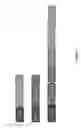
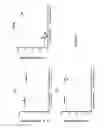
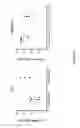
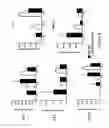
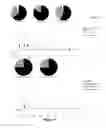
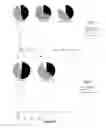
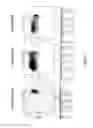
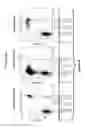
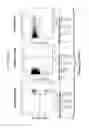
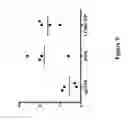
Sources:
- United States Patent and Trademark Office - verify current appl. status at the USPTO↗
Similar patent applications:
- » 20240424080
Multi-Epitope Vaccine Platform - » 20240009299
MULTI-EPITOPE VACCINE - » 20240238409
SARS-COV-2 MULTI-EPITOPE VACCINES - » 20240343769
Multi-epitope vaccine for the treatment of Alzheimer's disease - » 20120231030
Multi-epitopic vaccine - » 20230183304
Multi-Epitope Vaccine for the Treatment of Alzheimer's Disease - » 20230295254
Multi-epitope vaccine for the treatment of Alzheimer's disease - » 20230312662
Multi-epitope vaccine for the treatment of Alzheimer's disease - » 20230322876
Multi-epitope vaccine for the treatment of Alzheimer's disease - » 20190307871
Multi-epitope DNA vaccine for heartwater
Recent applications in this class:
- » 20250171505 2025-05-29
Mutated Glycoprotein of Vesicular Stomatitis Virus - » 20250171504 2025-05-29
Mutated Glycoprotein of Vesicular Stomatitis Virus - » 20250171503 2025-05-29
GENETICALLY ENCODED POLYPEPTIDE FOR AFFINITY CAPTURE AND PURIFICATION OF BIOLOGICS - » 20250171502 2025-05-29
RECOMBINANT ROTA VIRUS EXPRESSION SYSTEM AND RECOMBINANT ROTA VIRUSES - » 20250171501 2025-05-29
A SUBUNIT VACCINE FOR TREATMENT OR PREVENTION OF A RESPIRATORY TRACT INFECTION - » 20250171500 2025-05-29
CONFORMATIONALLY STABILIZED RSV PRE-FUSION F PROTEINS - » 20250163108 2025-05-22
SELF-ASSEMBLING PROTEIN NANOPARTICLES WITH BUILT-IN SIX-HELIX BUNDLE PROTEINS - » 20250163107 2025-05-22
FUSION PROTEIN AND USE THEREOF - » 20250163106 2025-05-22
CHIMERIC LUNG TROPIC AAV CAPSIDS - » 20250163105 2025-05-22
IMMUNOGENICITY OF A CPG-ADJUVANTED HERPES ZOSTER VACCINE