Battery system with heat exchange device
US20160276722A1
2016-09-22
14/967,372
2015-12-14
✅ Patent granted
US 10,035,401 B2
2018-07-31
-
-
Lisa S Park
Kilpatrick Townsend & Stockton LLP
2035-12-14
Abstract:
A battery pack is provided including: a plurality of battery cells arranged in multiple battery cell rows; one or more heat exchange spaces; and a device for providing heat exchange to the battery pack. Further, the device includes a heat conduction medium passage arranged in the heat exchange spaces, such that the heat conduction medium passage surrounds multiple battery cells in each battery cell row. The heat conduction medium passage is provided with at least a first group of channels and a second group of channels, which are in contact with the surface of each battery cell, and a heat conduction medium is provided in the first group of channels and the second group of channels. The heat conduction medium flows in the first group of channels in a direction opposite from the flow of the heat conduction medium in the second group of channels.
Assignee:
- THUNDER POWER NEW ENERGY VEHICLE DEVELOPMENT COMPANY LIMITED 181 🇭🇰 Central, Hong Kong
Applicant:
Interested in similar patents?
Get notified when new applications in this technology area are published.
Classification:
H01M10/482 » CPC further
Secondary cells; Manufacture thereof; Methods or arrangements for servicing or maintenance of secondary cells or secondary half-cells; Accumulators combined with arrangements for measuring, testing or indicating the condition of cells, e.g. the level or density of the electrolyte for several batteries or cells simultaneously or sequentially
H01M10/486 » CPC further
Secondary cells; Manufacture thereof; Methods or arrangements for servicing or maintenance of secondary cells or secondary half-cells; Accumulators combined with arrangements for measuring, testing or indicating the condition of cells, e.g. the level or density of the electrolyte for measuring temperature
H01M10/613 » CPC further
Secondary cells; Manufacture thereof; Heating or cooling; Temperature control; Types of temperature control Cooling or keeping cold
H01M2220/20 » CPC further
Batteries for particular applications Batteries in motive systems, e.g. vehicle, ship, plane
H01M10/6557 » CPC main
Secondary cells; Manufacture thereof; Heating or cooling; Temperature control; Means for temperature control structurally associated with the cells; Solid structures for heat exchange or heat conduction; Solid parts with flow channel passages or pipes for heat exchange arranged between the cells
B60H1/00021 » CPC further
Heating, cooling or ventilating [HVAC] devices; Combined heating, ventilating, or cooling devices Air flow details of HVAC devices
B60H1/00328 » CPC further
Heating, cooling or ventilating [HVAC] devices; Heat exchangers for air-conditioning devices of the liquid-air type
B60H1/00571 » CPC further
Heating, cooling or ventilating [HVAC] devices; Details, e.g. mounting arrangements, desaeration devices; Details of ducts or cables of liquid ducts, e.g. for coolant liquids or refrigerants
B60H1/00278 » CPC main
Heating, cooling or ventilating [HVAC] devices; HVAC devices specially adapted for particular vehicle parts or components and being connected to the vehicle HVAC unit for the battery
B29C65/002 » CPC further
Joining of preformed parts ; Apparatus therefor Joining methods not otherwise provided for
B32B3/266 » CPC further
Layered products comprising a layer with external or internal discontinuities or unevennesses, or a layer of non-planar form ; Layered products having particular features of form characterised by a particular shape of the outline of the cross-section of a continuous layer; characterised by a layer with cavities or internal voids ; characterised by an apertured layer characterised by an apertured layer, the apertures going through the whole thickness of the layer, e.g. expanded metal, perforated layer, slit layer regular cells
B32B7/04 » CPC further
Layered products characterised by the relation between layers; Layered products characterised by the relative orientation of features between layers, or by the relative values of a measurable parameter between layers, i.e. products comprising layers having different physical, chemical or physicochemical properties; Layered products characterised by the interconnection of layers Interconnection of layers
B32B15/00 » CPC further
Layered products comprising a layer of metal
B32B15/01 » CPC further
Layered products comprising a layer of metal all layers being exclusively metallic
B60H1/00321 » CPC further
Heating, cooling or ventilating [HVAC] devices Heat exchangers for air-conditioning devices
B60H1/00392 » CPC further
Heating, cooling or ventilating [HVAC] devices; Air-conditioning arrangements specially adapted for particular vehicles for vehicles having an electrical drive, e.g. hybrid or fuel cell for electric vehicles having only electric drive means
B60H1/00428 » CPC further
Heating, cooling or ventilating [HVAC] devices; Driving arrangements for parts of a vehicle air-conditioning electric
B60H1/00564 » CPC further
Heating, cooling or ventilating [HVAC] devices; Details, e.g. mounting arrangements, desaeration devices; Details of ducts or cables of air ducts
B60H1/00885 » CPC further
Heating, cooling or ventilating [HVAC] devices; Control systems or circuits; Control members or indication devices for heating, cooling or ventilating devices; Control systems or circuits characterised by their output, for controlling particular components of the heating, cooling or ventilating installation the components being temperature regulating devices Controlling the flow of heating or cooling liquid, e.g. valves or pumps
B60H1/143 » CPC further
Heating, cooling or ventilating [HVAC] devices the heat being derived from the propulsion plant otherwise than from cooling liquid of the plant, e.g. heat from the grease oil, the brakes, the transmission unit the heat being derived from cooling an electric component, e.g. electric motors, electric circuits, fuel cells or batteries
B60H1/2215 » CPC further
Heating, cooling or ventilating [HVAC] devices the heat being derived otherwise than from the propulsion plant the heat being derived from electric heaters
B60K1/04 » CPC further
Arrangement or mounting of electrical propulsion units of the electric storage means for propulsion
B60K11/04 » CPC further
Arrangement in connection with cooling of propulsion units with liquid cooling Arrangement or mounting of radiators, radiator shutters, or radiator blinds
B60K11/085 » CPC further
Arrangement in connection with cooling of propulsion units; Air inlets for cooling; Shutters or blinds therefor with adjustable shutters or blinds
B60L1/02 » CPC further
Supplying electric power to auxiliary equipment of vehicles to electric heating circuits
B60R1/00 » CPC further
Optical viewing arrangements; Real-time viewing arrangements for drivers or passengers using optical image capturing systems, e.g. cameras or video systems specially adapted for use in or on vehicles
C09J5/00 » CPC further
Adhesive processes in general; Adhesive processes not provided for elsewhere, e.g. relating to primers
F16B3/005 » CPC further
Key-type connections; Keys the key being formed by solidification of injected material
F16B5/04 » CPC further
Joining sheets or plates, e.g. panels, to one another or to strips or bars parallel to them by means of riveting
F16B11/00 » CPC further
Connecting constructional elements or machine parts by sticking or pressing them together, e.g. cold pressure welding
F25B29/00 » CPC further
Combined heating and refrigeration systems, e.g. operating alternately or simultaneously
G06F3/005 » CPC further
Input arrangements for transferring data to be processed into a form capable of being handled by the computer; Output arrangements for transferring data from processing unit to output unit, e.g. interface arrangements; Specific input/output arrangements not covered by - Input arrangements through a video camera
G06F3/017 » CPC further
Input arrangements for transferring data to be processed into a form capable of being handled by the computer; Output arrangements for transferring data from processing unit to output unit, e.g. interface arrangements; Input arrangements or combined input and output arrangements for interaction between user and computer Gesture based interaction, e.g. based on a set of recognized hand gestures
G06F3/0416 » CPC further
Input arrangements for transferring data to be processed into a form capable of being handled by the computer; Output arrangements for transferring data from processing unit to output unit, e.g. interface arrangements; Input arrangements or combined input and output arrangements for interaction between user and computer; Arrangements for converting the position or the displacement of a member into a coded form; Digitisers, e.g. for touch screens or touch pads, characterised by the transducing means Control or interface arrangements specially adapted for digitisers
G06F3/0482 » CPC further
Input arrangements for transferring data to be processed into a form capable of being handled by the computer; Output arrangements for transferring data from processing unit to output unit, e.g. interface arrangements; Input arrangements or combined input and output arrangements for interaction between user and computer; Interaction techniques based on graphical user interfaces [GUI] based on specific properties of the displayed interaction object or a metaphor-based environment, e.g. interaction with desktop elements like windows or icons, or assisted by a cursor's changing behaviour or appearance Interaction with lists of selectable items, e.g. menus
G06F3/0486 » CPC further
Input arrangements for transferring data to be processed into a form capable of being handled by the computer; Output arrangements for transferring data from processing unit to output unit, e.g. interface arrangements; Input arrangements or combined input and output arrangements for interaction between user and computer; Interaction techniques based on graphical user interfaces [GUI] for the control of specific functions or operations, e.g. selecting or manipulating an object, an image or a displayed text element, setting a parameter value or selecting a range Drag-and-drop
G06F3/0488 » CPC further
Input arrangements for transferring data to be processed into a form capable of being handled by the computer; Output arrangements for transferring data from processing unit to output unit, e.g. interface arrangements; Input arrangements or combined input and output arrangements for interaction between user and computer; Interaction techniques based on graphical user interfaces [GUI] using specific features provided by the input device, e.g. functions controlled by the rotation of a mouse with dual sensing arrangements, or of the nature of the input device, e.g. tap gestures based on pressure sensed by a digitiser using a touch-screen or digitiser, e.g. input of commands through traced gestures
G06F3/04842 » CPC further
Input arrangements for transferring data to be processed into a form capable of being handled by the computer; Output arrangements for transferring data from processing unit to output unit, e.g. interface arrangements; Input arrangements or combined input and output arrangements for interaction between user and computer; Interaction techniques based on graphical user interfaces [GUI] for the control of specific functions or operations, e.g. selecting or manipulating an object, an image or a displayed text element, setting a parameter value or selecting a range Selection of displayed objects or displayed text elements
G06F3/04847 » CPC further
Input arrangements for transferring data to be processed into a form capable of being handled by the computer; Output arrangements for transferring data from processing unit to output unit, e.g. interface arrangements; Input arrangements or combined input and output arrangements for interaction between user and computer; Interaction techniques based on graphical user interfaces [GUI] for the control of specific functions or operations, e.g. selecting or manipulating an object, an image or a displayed text element, setting a parameter value or selecting a range Interaction techniques to control parameter settings, e.g. interaction with sliders or dials
H01M10/63 » CPC further
Secondary cells; Manufacture thereof; Heating or cooling; Temperature control Control systems
H01M10/658 » CPC further
Secondary cells; Manufacture thereof; Heating or cooling; Temperature control; Means for temperature control structurally associated with the cells by thermal insulation or shielding
H01M10/6563 » CPC further
Secondary cells; Manufacture thereof; Heating or cooling; Temperature control; Means for temperature control structurally associated with the cells characterised by the type of heat-exchange fluid; Gases with forced flow, e.g. by blowers
H01M10/6566 » CPC further
Secondary cells; Manufacture thereof; Heating or cooling; Temperature control; Means for temperature control structurally associated with the cells characterised by the type of heat-exchange fluid; Gases Means within the gas flow to guide the flow around one or more cells, e.g. manifolds, baffles or other barriers
H01M10/6568 » CPC further
Secondary cells; Manufacture thereof; Heating or cooling; Temperature control; Means for temperature control structurally associated with the cells characterised by the type of heat-exchange fluid; Liquids characterised by flow circuits, e.g. loops, located externally to the cells or cell casings
H01M10/663 » CPC further
Secondary cells; Manufacture thereof; Heating or cooling; Temperature control; Heat-exchange relationships between the cells and other systems, e.g. central heating systems or fuel cells the system being an air-conditioner or an engine
H02J7/0019 » CPC further
Circuit arrangements for charging or depolarising batteries or for supplying loads from batteries acting upon several batteries simultaneously or sequentially; Circuits for equalisation of charge between batteries using switched or multiplexed charge circuits
H02J7/0021 » CPC further
Circuit arrangements for charging or depolarising batteries or for supplying loads from batteries acting upon several batteries simultaneously or sequentially Monitoring or indicating circuits
B32B2605/00 » CPC further
Vehicles
B32B2605/08 » CPC further
Vehicles Cars
B32B2605/18 » CPC further
Vehicles Aircraft
B60H2001/003 » CPC further
Heating, cooling or ventilating [HVAC] devices; HVAC devices specially adapted for particular vehicle parts or components and being connected to the vehicle HVAC unit Component temperature regulation using an air flow
B60H2001/00092 » CPC further
Heating, cooling or ventilating [HVAC] devices; Combined heating, ventilating, or cooling devices; Air flow details of HVAC devices; Assembling, manufacturing or layout details of air deflecting or air directing means inside the device
B60H2001/00949 » CPC further
Heating, cooling or ventilating [HVAC] devices; Control systems or circuits; Control members or indication devices for heating, cooling or ventilating devices; Control systems or circuits characterised by their output, for controlling particular components of the heating, cooling or ventilating installation the components being temperature regulating devices comprising additional heating/cooling sources, e.g. second evaporator
B60K2001/005 » CPC further
Arrangement or mounting of electrical propulsion units with means for cooling the electrical propulsion units the electric storage means
B60K2001/006 » CPC further
Arrangement or mounting of electrical propulsion units with means for cooling the electrical propulsion units the electric motors
B60R2300/8006 » CPC further
Details of viewing arrangements using cameras and displays, specially adapted for use in a vehicle characterised by the intended use of the viewing arrangement for monitoring and displaying scenes of vehicle interior, e.g. for monitoring passengers or cargo
B60Y2200/91 » CPC further
Type of vehicle; Vehicles comprising electric prime movers Electric vehicles
B60Y2306/07 » CPC further
Other features of vehicle sub-units Heating of passenger cabins
B60Y2400/112 » CPC further
Special features of vehicle units; Electric energy storages Batteries
F16B11/006 » CPC further
Connecting constructional elements or machine parts by sticking or pressing them together, e.g. cold pressure welding by gluing
Y10T428/24347 » CPC further
Stock material or miscellaneous articles; Structurally defined web or sheet [e.g., overall dimension, etc.] including aperture; Composite web or sheet including nonapertured component; Keyed From both sides
B60H1/00 IPC
Heating, cooling or ventilating [HVAC] devices
H02J7/00 IPC
Circuit arrangements for charging or depolarising batteries or for supplying loads from batteries
B29C65/00 IPC
Joining of preformed parts ; Apparatus therefor
B32B3/26 IPC
Layered products comprising a layer with external or internal discontinuities or unevennesses, or a layer of non-planar form ; Layered products having particular features of form characterised by a particular shape of the outline of the cross-section of a continuous layer; characterised by a layer with cavities or internal voids ; characterised by an apertured layer
B60H1/14 IPC
Heating, cooling or ventilating [HVAC] devices the heat being derived from the propulsion plant otherwise than from cooling liquid of the plant, e.g. heat from the grease oil, the brakes, the transmission unit
G06F3/00 IPC
Input arrangements for transferring data to be processed into a form capable of being handled by the computer; Output arrangements for transferring data from processing unit to output unit, e.g. interface arrangements
G06F3/01 IPC
Input arrangements for transferring data to be processed into a form capable of being handled by the computer; Output arrangements for transferring data from processing unit to output unit, e.g. interface arrangements Input arrangements or combined input and output arrangements for interaction between user and computer
G06F3/041 IPC
Input arrangements for transferring data to be processed into a form capable of being handled by the computer; Output arrangements for transferring data from processing unit to output unit, e.g. interface arrangements; Input arrangements or combined input and output arrangements for interaction between user and computer; Arrangements for converting the position or the displacement of a member into a coded form Digitisers, e.g. for touch screens or touch pads, characterised by the transducing means
G06K9/00 IPC
Methods or arrangements for recognising patterns
H01M10/625 » CPC further
Secondary cells; Manufacture thereof; Heating or cooling; Temperature control specially adapted for specific applications Vehicles
H01M10/48 IPC
Secondary cells; Manufacture thereof; Methods or arrangements for servicing or maintenance of secondary cells or secondary half-cells Accumulators combined with arrangements for measuring, testing or indicating the condition of cells, e.g. the level or density of the electrolyte
B60K11/08 IPC
Arrangement in connection with cooling of propulsion units Air inlets for cooling; Shutters or blinds therefor
B60H1/22 IPC
Heating, cooling or ventilating [HVAC] devices the heat being derived otherwise than from the propulsion plant
F16B3/00 IPC
Key-type connections; Keys
G06F3/0484 IPC
Input arrangements for transferring data to be processed into a form capable of being handled by the computer; Output arrangements for transferring data from processing unit to output unit, e.g. interface arrangements; Input arrangements or combined input and output arrangements for interaction between user and computer; Interaction techniques based on graphical user interfaces [GUI] for the control of specific functions or operations, e.g. selecting or manipulating an object, an image or a displayed text element, setting a parameter value or selecting a range
B60K1/00 IPC
Arrangement or mounting of electrical propulsion units
B60K1/00 IPC
Arrangement or mounting of propulsion units in vehicles
Description
CROSS-REFERENCE TO RELATED APPLICATIONS
The present application is a continuation of Non-Provisional U.S. application Ser. No. 14/821,789, filed Aug. 10, 2015, which claims priority to U.S. Provisional Patent Application No. 62/133,991, filed on Mar. 16, 2015, and U.S. Provisional Patent Application No. 62/150,848, filed on Apr. 22, 2015, the disclosures of which are hereby incorporated by reference in their entireties for all purposes.
BACKGROUND
Example embodiments of the present disclosure relate to a battery pack and a battery system, and more particularly, to a heat exchange device of the battery pack.
An electric vehicle uses a battery pack as an energy source. In order to ensure that the electric vehicle operates properly, the battery pack in the electric vehicle must be maintained within a certain range of temperature, i.e., the working temperature. Operating within the working temperature ensures that the battery pack performs efficiently and has a long service life. Due to the large influence of temperature on the performance and the service life of the battery pack, the working temperature of the battery pack and the consistency of the working states of the battery cells within the battery pack are very important in the design of the electric vehicle and the battery pack. As such, a need exists for a battery system with improved temperature regulation.
SUMMARY
Exemplary embodiments of the present disclosure may address at least some of the above-noted problems. For example, according to first aspects of the disclosure, systems for providing more effective heat exchange for a battery pack, e.g. a battery pack in an electric vehicle, are provided.
According to further aspects of the disclosure, a battery pack is provided including a plurality of battery cells, wherein the plurality of battery cells are arranged in multiple battery cell rows, and each battery cell row includes multiple battery cells. In some examples, one or more heat exchange spaces may be included, wherein each heat exchange space is arranged between adjacent battery cell rows or at one side of each battery cell row.
Embodiments may also include a device for providing heat exchange to the battery pack, wherein the device comprises a heat conduction medium passage arranged in the heat exchange spaces. In some examples, the heat conduction medium passage surrounds multiple battery cells in each battery cell row, and the heat conduction medium passage may be provided with at least a first group of channels and a second group of channels extending in a direction substantially perpendicular to the axial direction of each battery cell and arranged up and down along the axial direction of each battery cell.
In embodiments, the first group of channels and the second group of channels may be in contact with the surface of each battery cell, and the first group of channels and the second group of channels may be provided with at least one inlet and at least one outlet, respectively. A heat conduction medium may be provided in the first group of channels and the second group of channels, with the heat conduction medium in the first group of channels flowing from the inlets to the outlets of the channels thereof, and the heat conduction medium in the second group of channels flowing from the inlets to the outlets of the channels thereof. A heat insulation layer may also be arranged between the first group of channels and the second group of channels.
According to further aspects of the disclosure, a battery system is provided including a battery pack with a plurality of battery cells, wherein the plurality of battery cells are arranged in multiple battery cell rows, and each battery cell row comprises multiple battery cells. In embodiments, one or more heat exchange spaces may be provided, with each heat exchange space arranged between adjacent battery cell rows or at one side of each battery cell row. Embodiments may also include a device for providing heat exchange to the battery pack, the device including a heat conduction medium passage arranged in the heat exchanging spaces. In embodiments, the heat conduction medium passage may surround the multiple battery cells in each battery cell row. The heat conduction medium passage may be provided with at least a first group of channels and a second group of channels extending in a direction substantially perpendicular to the axial direction of each battery cell and arranged up and down along the axial direction of each battery cell.
In embodiments, the first group of channels and the second group of channels may be in contact with the surface of each battery cell. The first group of channels and the second group of channels may be provided with at least one inlet and at least one outlet, respectively, and a heat conduction medium may be provided in the first group of channels and the second group of channels, with the heat conduction medium in the first group of channels flowing from the inlets to the outlets of the channels thereof, and the heat conduction medium in the second group of channels flowing from the inlets to the outlets of the channels thereof.
In embodiments, a heat insulation layer may be arranged between the first group of channels and the second group of channels. The heat insulation layer may include, for example, a thermal insulating material made of glass fiber, asbestos, rock wool, and/or aerogel felt. In some examples, the heat insulation layer may include an air-filled space between the first group of channels and the second group of channels.
In embodiments, the battery system may include one or more of a sensor for detecting the temperature of the battery pack, a controller for determining and sending a control signal according to the temperature value detected by the sensor, a heat conduction medium source for providing the heat conduction medium to the heat conduction medium passage, a pump for controlling the flow rate of the heat conduction medium according to the control signal sent by the controller, and/or a heat treatment device for heating or cooling the heat conduction medium entering into the heat conduction medium passage. Embodiments may include another passage, wherein the heat conduction medium source, the pump, the heat treatment device and the heat conduction medium passage are in fluid communication by means of the other passage.
According to yet further aspects of the present disclosure, an electric vehicle is provided, such that the electric vehicle includes a battery system as described herein.
Compared with the existing battery pack in the related art, advantages of various exemplary embodiments described herein may include effectively maintaining the temperature of the battery pack within a certain range of working temperature and guaranteeing the consistency of the temperatures of the battery cells. The above-noted advantages may be achieved, at least in part, by designing the heat exchange device in the battery pack to include at least two groups of heat conduction medium channels and a heat insulation layer between the two groups of channels. Further, the heat conduction medium may flow through the two groups of channels in opposite directions. Thus, various embodiments of the disclosure may improve the operating efficiency of the battery pack and effectively increase the service life of the battery pack.
Additional features, advantages, and embodiments of the invention may be set forth or apparent from consideration of the following detailed description, drawings, and claims. Moreover, it is to be understood that both the foregoing summary of the invention and the following detailed description are exemplary and intended to provide further explanation without limiting the scope of the invention claimed. The detailed description and the specific examples, however, indicate only preferred embodiments of the invention. Various changes and modifications within the spirit and scope of the invention will become apparent to those skilled in the art from this detailed description.
BRIEF DESCRIPTION OF THE DRAWINGS
The accompanying drawings, which are included to provide a further understanding of the invention, are incorporated in and constitute a part of this specification, illustrate embodiments of the invention and together with the detailed description serve to explain the principles of the invention. No attempt is made to show structural details of the invention in more detail than may be necessary for a fundamental understanding of the invention and various ways in which it may be practiced. In the drawings:
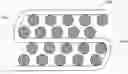
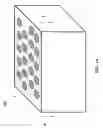
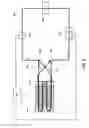
FIG. 1A is a perspective schematic view of a battery pack, according to an exemplary embodiment of the present disclosure;
FIG. 1B is a top structural schematic view of the battery pack, according to an exemplary embodiment of the present disclosure;
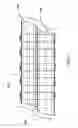
FIG. 2 is a sectional view along line A-A in FIG. 1A;
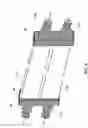
FIG. 3 is a perspective schematic view of a heat conduction medium passage, according to an exemplary embodiment of the present disclosure;
FIG. 4 is a schematic view of a port connecting structure of the heat conduction medium passage, according to an exemplary embodiment of the present disclosure; and
FIG. 5 is a structural block diagram of a battery system, according to an exemplary embodiment of the present disclosure.
DETAILED DESCRIPTION
Various example embodiments of the present disclosure will be described below with reference to the drawings constituting a part of the description. It should be understood that, although terms representing directions are used in the present disclosure, such as “front”, “rear”, “upper”, “lower”, “left”, “right”, and the like, for describing various exemplary structural parts and elements of the present disclosure, these terms are used herein only for the purpose of convenience of explanation and are determined based on the exemplary orientations shown in the drawings. Since the embodiments disclosed by the present disclosure can be arranged according to different directions, these terms representing directions are merely used for illustration and should not be regarded as limiting. Wherever possible, the same or similar reference marks used in the present disclosure refer to the same components.
Unless defined otherwise, all technical terms used herein have the same meanings as commonly understood by one of ordinary skill in the art to which the invention pertains. The embodiments of the invention and the various features and advantageous details thereof are explained more fully with reference to the non-limiting embodiments and examples that are described and/or illustrated in the accompanying drawings and detailed in the following description. It should be noted that the features illustrated in the drawings are not necessarily drawn to scale, and features of one embodiment may be employed with other embodiments as the skilled artisan would recognize, even if not explicitly stated herein. Descriptions of well-known components and processing techniques may be omitted so as to not unnecessarily obscure the embodiments of the invention. The examples used herein are intended merely to facilitate an understanding of ways in which the invention may be practiced and to further enable those of skill in the art to practice the embodiments of the invention. Accordingly, the examples and embodiments herein should not be construed as limiting the scope of the invention, which is defined solely by the appended claims and applicable law. Moreover, it is noted that like reference numerals reference similar parts throughout the several views of the drawings.
As shown in FIG. 1A, FIG. 1B, and FIG. 2, a battery pack 101 is provided with a plurality of battery cells 1011 arranged within a shell. The plurality of battery cells 1011 are arranged in one or more rows, i.e., battery cell rows, and each battery cell row includes one or more battery cells 1011. In an example embodiment, the battery cell rows include the same number of battery cells, and the battery cell rows are arranged to be approximately parallel with one another. Such an arrangement of the battery cells 1011 in the battery pack 101 facilitates the addition of a heat exchange device into the battery pack 101 and benefits the heat exchange consistency of the battery cells.
In an example embodiment, a heat exchange space 102 is arranged between two adjacent battery cell rows in order to reserve enough space between the two adjacent battery cell rows for placing the heat exchange device. In addition, the heat exchange space 102 may be provided at one side of a battery cell row, for example, at one side of the outermost battery cell row.
An example of providing the heat exchange spaces is illustrated below in detail with reference to FIG. 1B. FIG. 1B illustrates an example of a battery pack with four battery cell rows, which are respectively a first battery cell row, a second battery cell row, a third battery cell row, and a fourth battery cell row from top to bottom in sequence. The heat exchange spaces 102 are respectively reserved on the outer side (namely, the side nearest to the shell) of the first battery cell row, between the second and the third battery cell rows, and on the outer side (namely, the side nearest to the shell) of the fourth battery cell row. While FIG. 1B shows an example of four battery cell rows, the present disclosure is not limited thereto. As such, more or less than four battery cell rows may be provided in the battery pack 101.
In addition, in yet another example embodiment, all heat exchange spaces may be provided between the adjacent battery cell rows, as shown in FIG. 5. Notably, in FIG. 5, two battery cell rows are arranged between each pair of adjacent heat exchange spaces 102. This arrangement ensures that heat exchange may be carried out to each battery cell row while saving space so that the external volume of the battery pack is reduced. Of course, one or more than two battery cell rows may be arranged between each two adjacent heat exchange spaces 102. That is, the present disclosure is not limited to the arrangement of two battery cell rows between each pair of adjacent heat exchange spaces 102.
Referring to FIG. 1B, FIG. 2, FIG. 3, and FIG. 4, a heat conduction medium passage 103 may be arranged in the heat exchange spaces 102. Further, a heat conduction medium may flow in the heat conduction medium passage 103, thereby cooling or heating the battery via heat exchange between the heat conduction medium and the battery cell. For example, the heat conduction medium passage 103 may be made from materials with relatively high heat conductivity, such as a metal, and the heat conduction medium may be cooling water obtained by mixing water with ethylene glycol. However, the present disclosure is not limited to the above-noted examples. As such, the heat conduction medium passage 103 may be made from materials other than metal, and the heat conduction medium may be a mixture other than the mixture of water and ethylene glycol.
The heat conduction medium passage 103 extends in a serpentine manner through the battery pack 101, as shown in FIG. 1B. For example, the heat conduction medium passage 103 extends around the battery cell rows and surrounds multiple battery cells 1011 in the battery cell rows. Each battery cell 1011 is placed in a substantially vertical manner relative to the heat conduction medium passage 103. Referring to FIG. 2, as an example, the heat conduction medium passage 103 is formed with two groups of channels, namely, a first group of channels 201 and a second group of channels 202. The first group of channels 201 and the second group of channels 202 are arranged up and down along the axial direction of each battery cell 1011 and extend in a direction substantially perpendicular to the axial direction of each battery cell 1011. The first group of channels 201 and the second group of channels 202 are in contact with the surface of each battery cell 1011 to carry out the exchanging of heat.
Since the first group of channels 201 and the second group of channels 202 are arranged along the axial direction of each battery cell 1011, as shown in FIG. 2, a particular battery cell 1011 makes contact with the first group of channels 201 and the second group of channels 202 at the same time. As such, the heat conduction medium in the two groups of channels may exchange heat with the same battery cell 1011. Additionally, arranging the two groups of channels in this manner is an efficient use of the space within the battery pack.
FIG. 3 illustrates a perspective view of the heat conduction medium passage 103. For convenience of illustration, only the parts close to an inlet and an outlet of the heat conduction medium passage 103 are illustrated in FIG. 3, while the middle portion that extends in a serpentine manner is omitted. As shown in FIG. 3, the first group of channels 201 and the second group of channels 202 respectively include two channels arranged up and down along the axial direction of battery cells. For example, the first group of channels 201, which is arranged near the top of battery cell 1011, may include two channels. Further, the second group of channels 202, which is arranged near the bottom of the battery cell 1011, may also include two channels. Of course, the example in FIG. 3 is not intended to limit the number of the channels in each group of channels. Each group of channels may also respectively include one channel or more than two channels. In this example embodiment, providing two channels in each group of channels increases the area of the passage wall made from a heat conduction material, while ensuring the utilization of the heat exchange spaces, so as to improve the heat conduction speed.
As shown in FIG. 2 and FIG. 3, a heat insulation layer 203 is provided between the first group of channels 201 and the second group of channels 202. By providing the heat insulation layer 203, the heat exchange between the heat conduction medium in the first group of channels 201 and the second group of channels 202 may be effectively insulated, so as to avoid decreasing the heat exchange efficiency between the heat conduction medium passage 103 and the battery cells 1011.
The heat insulation layer 203 may be a thermal insulating material with high heat insulation, such as glass fiber, asbestos, rock wool, aerogel felt, etc., however, the present disclosure is not limited thereto. Further, the material of the heat insulation layer may be directly adhered to the material of the two groups of channels.
Alternatively, in another example embodiment, the first group of channels 201 and the second group of channels 202 are spaced apart, and the air in the space between the first group of channels 201 and the second group of channels 202 serves as the heat insulation layer 203. In this example embodiment, the first group of channels 201 and the second group of channels 202 may be attached to a bracket in order to be spaced apart from each other, so that a space can be reserved for the air heat insulation layer 203.
Referring again to FIG. 3, the first group of channels 201 includes two channels 2011 and 2012, and each channel is respectively provided with an inlet 2011i/2012i and an outlet 2011o/2012o. Similarly, the second group of channels 202 includes two channels 2021 and 2022, and each channel is respectively provided with an inlet 2021i/2022i and an outlet 2021o/2022o. The heat conduction medium flows into the first group of channels 201 from the inlets 2011i, 2012i of the two channels of the first group of channels 201 and flows out of the first group of channels 201 from the outlets 2011o, 2012o of the two channels. Similarly, the heat conduction medium flows into the second group of channels 202 from the inlets 2021i, 2022i of the two channels of the second group of channels 202 and flows out of the second group of channels 202 from the outlets 2021o, 2022o of the two channels. The inlets and outlets of the respective channels of the first group of channels 201 and the second group of channels 202 are arranged in such a manner that the flow direction of the heat conduction medium in the first group of channels 201 is opposite to the flow direction of the heat conduction medium in the second group of channels 202. For example, the channel inlets of the first group of channels 201 and the channel outlets of the second group of channels 202 are located at one end of the heat conduction medium passage 103, and the channel outlets of the first group of channels 201 and the channel inlets of the second group of channels 202 are located at the other end of the heat conduction medium passage 103.
Since the flow directions of the heat conduction medium in the first group of channels 201 and the second group of channels 202 are opposite, the heat exchanging capacity of the heat conduction medium in the first group of channels 201 compensates for the heat exchanging capacity of the second group of channels 202 for a given battery cell 1011. As such, the respective heat exchange amounts of the first group of channels 201 and the second group of channels 202 in the heat conduction medium passage 103 are substantially the same for all battery cells in the battery pack.
As a description of the heat exchanging capacity of the first group of channels 201 and the second group of channels 202 for a given battery cell 1011, take for an example, a battery cell 1011 located near the channel inlets of the first group of channels 201 and near the channel outlets of the second group of channels 202. Here, the heat conduction medium in the first group of channels 201 enters the channels and then flows into the channels. Thus, the heat exchange capacity of the heat conduction medium in the first group of channels 201 at this point is relatively high. However, at this same location, the heat conduction medium in the second group of channels 202 has already exchanged heat with all battery cells it passed by while flowing to the channel outlets from the channel inlets. Thus, the heat exchange capacity of the heat conduction medium in the second group of channels 202 at this point is relatively low.
Additionally, for a battery cell 1011 located near the channel outlets of the first group of channels 201 and near the channel inlets of the second group of channels 202, the heat conduction medium in the second group of channels 202 enters the channels and then flows into the channels. Thus, the heat exchange capacity of the heat conduction medium in the second group of channels 202 at this point is relatively high. Further, at this location, the heat conduction medium in the first group of channels 201 has already exchanged heat with all battery cells it passed by while flowing to the channel outlets from the channel inlets. Thus, the heat exchange capacity of the heat conduction medium in the first group of channels 201 at this point is relatively low.
Accordingly, the heat exchange capacities of the heat conduction medium in the two groups of channels are mutually combined or compensated. In other words, the sum of the heat exchange capacity of the heat conduction medium in the two groups of channels for one particular battery cell is substantially the same as the sum of the heat exchange capacity of the heat conduction medium in the two groups of channels for any other battery cell. Thus, when the heating value of the battery pack is large, this balanced heat exchange capacity for each battery cell is particularly important.
In other example embodiments, the heat conduction medium passage 103 may also be provided with additional channel groups besides the first group of channels 201 and the second group of channels 202. Further, in other example embodiments, the balance of heat exchange for the battery pack is achieved using an even number of additional channel groups, however, the present disclosure is not limited thereto. In addition, the flow directions of the heat conduction medium in each pair of groups are opposite. For example, if the heat conduction medium passage 103 has four channel groups, the flow direction of the heat conduction medium in two groups of channels would be opposite to the flow direction of the heat conduction medium in the other two groups of channels.
As mentioned above, since the flow directions of the heat conduction medium in the first group of channels 201 and the second group of channels 202 are opposite, the temperature difference of the heat conduction medium in the two groups of channels at a particular position of the heat conduction medium passage 103 may be large. Additionally, since the channels themselves have high heat conductivity, if the two groups of channels make contact with each other, heat exchange will occur between those two groups of channels. However, by providing the heat insulation layer between the two groups of channels, heat exchange between the heat conduction medium in the first group of channels 201 and the second group of channels 202 may be effectively insulated, thereby ensuring consistent heat exchange of the heat conduction medium for the respective battery cells of the battery pack 101.
In addition, the cross-section of each channel in any of the above-mentioned groups of channels may be of a square shape as shown in FIG. 4, however, the present disclosure is not limited thereto. As such, the cross-section of each channel may also be of other shapes, such as a circle.
Referring to FIG. 4, a port connecting structure of the heat conduction medium passage 103 is illustrated. As shown in FIG. 4, the heat conduction medium is introduced into and guided out of the ends of the heat conduction medium passage 103 via port connecting devices 301 and 302. Using port connecting device 301 as an example, one end of the port connecting device 301 communicates with the channel inlet/outlet of the heat conduction medium passage 103, and the other end communicates with an external equipment, for example, a heat conduction medium source. The same structure applies to port connecting device 302. Further, each of the port connecting devices 301 and 302 is provided with two ports, and each port is in fluid communication with a group of channels, including one or more channels. For example, the port connecting device 301 is provided with a first input port 3011 and a second output port 3012. The first input port 3011 is in fluid communication with the two channel inlets 2011i, 2012i of the first group of channels 201, and the second output port 3012 is in fluid communication with the two channel outlets 2021o, 2022o of the second group of channels 202. In addition, the port connecting device 302 is provided with a second input port 3022 and a first output port 3021. The second input port 3022 is in fluid communication with the two channel inlets 2021i, 2022i of the second group of channels 202, and the first output port 3021 is in fluid communication with the two channel outlets 2011o, 2012o of the first group of channels 201. By employing the port connecting devices 301 and 302, the heat conduction medium passage 103 may be easily connected with an external equipment, for example, a heat conduction medium source, regardless of the number of channels arranged in each group of channels.
Referring now to FIG. 5, a structural block diagram of a battery system, according to example embodiments of the present disclosure is illustrated. The battery system illustrated in FIG. 5 may include the battery pack as shown in FIG. 1-FIG 4. To facilitate illustration of the flow directions of the heat conduction medium in the two groups of channels, in the example embodiment as shown in FIG. 5, the two groups of channels are arranged side by side. However, this is to merely indicate that two groups of channels are provided in the heat exchange spaces and not intended to limit the specific arrangement manner of the two groups of channels. The two groups of channels are respectively arranged at an upper portion and a lower portion of each battery cell 1011, along the axial direction of each battery cell as described above.
Referring to FIG. 5, the battery system includes the battery pack 101 as shown in FIG. 1-FIG. 4, and the heat conduction medium passage of the battery pack 101 includes the first group of channels 201 and the second group of channels 202. For the sake of brevity, the specific structure of the battery pack 101, which was described above, is omitted here.
Besides the battery pack 101, the battery system further includes a heat conduction medium source 505, a heat treatment device 504 and/or a heater, a pump 503, and a passage 506. The passage 506 is used for connecting the heat conduction medium passage 103 in the battery pack 101, the heat conduction medium source 505, the heat treatment device 504, and the pump 503 into a circuit.
The battery system is further provided with a sensor 501 and a controller 502. For example, the sensor 501 is arranged in the battery pack 101 for detecting the temperature of the battery pack 101 and sending a detection result to the controller 502. The controller 502 is in communication connection with the sensor 501 for determining and sending a control signal according to the temperature value detected by the sensor 501. The controller 502 is further in communication connection with the pump 503 and the heat treatment device 504 to send the control signal to the pump 503 and the heat treatment device 504.
The heat conduction medium source 505 is used for providing supplementary heat conduction medium to the battery system. The pump 503 may determine the flow rate of the heat conduction medium in the battery system according to the control signal sent by the controller 502. The heat treatment device 504 is used for heating or cooling the heat conduction medium flowing into or flowing out of the battery pack. The connecting sequence of the above components is not limited to the manner shown in FIG. 5, as long as the fluid communication of the heat conduction medium in the components can be achieved.
The working manner of the above-described battery system is discussed below by taking an example in which the battery pack is cooled.
For example, when cooling the battery pack, the sensor 501 detects the temperature of the battery pack 101 and sends the temperature information to the controller 502. The controller 502 judges whether the temperature is within the normal working temperature range of the battery pack. If the temperature exceeds the normal working temperature range, the controller sends the control signal to the pump 503 and/or the heat treatment device 504. After receiving the control signal, the pump 503 accelerates the flow rate of the heat conduction medium in the heat exchange system of the battery pack. The heat conduction medium flows into the battery pack 101 from the heat conduction medium source 505 and flows out of the battery pack 101 after cooling the battery pack. Before the heat conduction medium flows back into the heat conduction medium source 505, the heat treatment device 504 carries out heat treatment on the heat conduction medium which absorbed the heat of the battery pack 101 to restore its initial temperature. After the initial temperature of the heat conduction medium is restored, the heat conduction medium flows back into the heat conduction medium source 505.
As shown in FIG. 5, the heat conduction medium flows into the battery pack 101 from an inlet connector 507. The inlet connector 507 splits the heat conduction medium to enable the heat conduction medium to respectively flow into the first group of channels 201 and the second group of channels 202. Further, the heat conduction medium in the first group of channels 201 and the second group of channels 202 is gathered by an outlet connector 508 and flows back into the heat conduction medium source 505 after being treated by the heat treatment device 504.
In other example embodiments, the heat treatment device 504 may not be connected with the controller.
The present disclosure further provides an electric vehicle using the above-mentioned battery system.
Although the present disclosure has been described with reference to the specific embodiments shown in the drawings, it should be understood that the lightweight fastening methods provided by the present disclosure can have a variety of variations without departing from the spirit, scope and background of the present disclosure. The description given above is merely illustrative and is not meant to be an exhaustive list of all possible embodiments, applications or modifications of the invention. Those of ordinary skill in the art should be still aware that, parameters in the embodiments disclosed by the present disclosure can be changed in different manners, and these changes shall fall within the spirit and scope of the present disclosure and the claims. Thus, various modifications and variations of the described methods and systems of the invention will be apparent to those skilled in the art without departing from the scope and spirit of the invention.
Claims
1. A battery pack, comprising:
a plurality of battery cells, wherein the plurality of battery cells are arranged in multiple battery cell rows, and each battery cell row comprises multiple battery cells;
one or more heat exchange spaces, wherein each heat exchange space is arranged between adjacent battery cell rows or at one side of each battery cell row; and
a device to provide heat exchange to the battery pack,
wherein, the device comprises a heat conduction medium passage arranged in the one or more heat exchange spaces, such that the heat conduction medium passage surrounds the multiple battery cells in each battery cell row,
the heat conduction medium passage is provided with at least a first group of channels and a second group of channels extending in a direction substantially perpendicular to an axial direction of each battery cell and arranged up and down along the axial direction of each battery cell,
the first group of channels and the second group of channels are in contact with a surface of each battery cell,
the first group of channels and the second group of channels are provided with at least one inlet and at least one outlet, respectively,
a heat conduction medium is provided in the first group of channels and in the second group of channels, the heat conduction medium in the first group of channels configured to flow from the at least one inlet to the at least one outlet, the heat conduction medium in the second group of channels configured to flow from the at least one inlet to the at least one outlet, and
a heat insulation layer is disposed between the first group of channels and the second group of channels.
2. The battery pack of claim 1, wherein the heat insulation layer comprises a thermal insulating material made of at least one of glass fiber, asbestos, rock wool, and aerogel felt.
3. The battery pack of claim 1, wherein the first group of channels and the second group of channels are spaced apart, and air in the space between the first group of channels and the second group of channels forms the heat insulation layer..
4. The battery pack of claim 1, wherein a flow direction of the heat conduction medium in the first group of channels is opposite to a flow direction of the heat conduction medium in the second group of channels.
5. The battery pack of claim 1, wherein the battery pack is provided with the one or more heat exchange spaces, and two battery cell rows are arranged between each pair of adjacent heat exchange spaces..
6. The battery pack of claim 1, wherein at least one channel is arranged in the first group of channels, each channel of the first group of channels having a first inlet and a first outlet; and at least one channel is arranged in the second group of channels, and each channel of the second group of channels having a second inlet and a second outlet.
7. The battery pack of claim 6, wherein the first inlet of the first group of channels is connected with a first input port, the first outlet of the first group of channels is connected with a first output port, the second inlet of the second group of channels is connected with a second input port, and the second outlet of the second group of channels is connected with a second output port.
8. A battery system, comprising:
a battery pack, wherein the battery pack includes:
a plurality of battery cells, wherein the plurality of battery cells are arranged in multiple battery cell rows, and each battery cell row comprises multiple battery cells,
one or more heat exchange spaces, wherein each heat exchange space is arranged between adjacent battery cell rows or at one side of each battery cell row,
a device for providing heat exchange to the battery pack, wherein the device includes a heat conduction medium passage arranged in the one or more heat exchanging spaces, wherein the heat conduction medium passage surrounds the multiple battery cells in each battery cell row, the heat conduction medium passage is provided with at least a first group of channels and a second group of channels extending in a direction substantially perpendicular to an axial direction of each battery cell and arranged up and down along the axial direction of each battery cell, the first group of channels and the second group of channels are in contact with a surface of each battery cell, the first group of channels and the second group of channels are provided with at least one inlet and at least one outlet, respectively, a heat conduction medium is provided in the first group of channels and the second group of channels, the heat conduction medium in the first group of channels flows from the at least one inlet to the at least one outlet, and the heat conduction medium in the second group of channels flows from the at least one inlet to the at least one outlet, and a heat insulation layer is arranged between the first group of channels and the second group of channels,
a sensor to detect a temperature of the battery pack;
a controller configured to determine and send a control signal according to a temperature value detected by the sensor;
a heat conduction medium source configured to provide the heat conduction medium to the heat conduction medium passage;
a pump configured to control the flow rate of the heat conduction medium according to the control signal sent by the controller;
a heat treatment device configured to heat or cool the heat conduction medium entering into the heat conduction medium passage; and
a passage, wherein the heat conduction medium source, the pump, the heat treatment device, and the heat conduction medium passage are in fluid communication via the passage.
9. The battery system of claim 8, wherein the heat insulation layer comprises a thermal insulating material made from at least one of glass fiber, asbestos, rock wool, and aerogel felt.
10. The battery system of claim 8, wherein the first group of channels and the second group of channels are spaced apart, and air in the space between the first group of channels and the second group of channels forms the heat insulation layer.
11. The battery system of claim 8, wherein a flow direction of the heat conduction medium in the first group of channels is opposite to a flow direction of the heat conduction medium in the second group of channels.
12. An electric vehicle, comprising:
an electric motor;
a battery pack configured to power the electric motor, the battery pack including:
a plurality of battery cells, wherein the plurality of battery cells are arranged in multiple battery cell rows, and each battery cell row comprises multiple battery cells,
one or more heat exchange spaces, wherein each heat exchange space is arranged between adjacent battery cell rows or at one side of each battery cell row,
a device for providing heat exchange to the battery pack, wherein the device includes a heat conduction medium passage arranged in the one or more heat exchanging spaces, wherein the heat conduction medium passage surrounds the multiple battery cells in each battery cell row, the heat conduction medium passage is provided with at least a first group of channels and a second group of channels extending in a direction substantially perpendicular to an axial direction of each battery cell and arranged up and down along the axial direction of each battery cell, the first group of channels and the second group of channels are in contact with a surface of each battery cell, the first group of channels and the second group of channels are provided with at least one inlet and at least one outlet, respectively, a heat conduction medium is provided in the first group of channels and the second group of channels, the heat conduction medium in the first group of channels flows from the at least one inlet to the at least one outlet, and the heat conduction medium in the second group of channels flows from the at least one inlet to the at least one outlet, and a heat insulation layer is arranged between the first group of channels and the second group of channels,
a sensor to detect a temperature of the battery pack;
a controller configured to determine and send a control signal according to a temperature value detected by the sensor;
a heat conduction medium source configured to provide the heat conduction medium to the heat conduction medium passage;
a pump configured to control the flow rate of the heat conduction medium according to the control signal sent by the controller;
a heat treatment device configured to heat or cool the heat conduction medium entering into the heat conduction medium passage; and
a passage, wherein the heat conduction medium source, the pump, the heat treatment device, and the heat conduction medium passage are in fluid communication via the passage.
13. The vehicle of claim 12, wherein the heat insulation layer comprises a thermal insulating material made from at least one of glass fiber, asbestos, rock wool, and aerogel felt.
14. The vehicle of claim 12, wherein the first group of channels and the second group of channels are spaced apart, and air in the space between the first group of channels and the second group of channels forms the heat insulation layer.
15. The vehicle of claim 12, wherein a flow direction of the heat conduction medium in the first group of channels is opposite to a flow direction of the heat conduction medium in the second group of channels.
Images & Drawings included:


Sources:
- United States Patent and Trademark Office - verify current appl. status at the USPTO↗
Similar patent applications:
- » 20170297409
Battery system with heat exchange device - » 20160336628
Battery system with heat exchange device - » 20170057374
BATTERY SYSTEM WITH HEAT EXCHANGE DEVICE - » 20160276721
Battery system with heat exchange device - » 20180212293
BATTERY SYSTEM WITH HEAT EXCHANGE DEVICE - » 20240326547
HEAT EXCHANGE DEVICE AND BATTERY HEAT EXCHANGE SYSTEM - » 20200338998
Electric vehicle fast charging and battery cooling system using a charger cooled fluid-to-battery cooled fluid heat exchange device
Recent applications in this class:
- » 20250293342 2025-09-18
BATTERY AND ELECTRIC DEVICE - » 20250293341 2025-09-18
BATTERY MODULE AND BATTERY PACK - » 20250286167 2025-09-11
THERMAL MANAGEMENT COMPONENT, THERMAL MANAGEMENT ASSEMBLY, BATTERY, AND ELECTRIC DEVICE - » 20250279504 2025-09-04
HEAT EXCHANGE ASSEMBLY, BATTERY AND ELECTRICAL DEVICE - » 20250273764 2025-08-28
BATTERY MODULE, BATTERY PACK - » 20250260090 2025-08-14
Battery Module and Battery Pack Including the Same - » 20250246714 2025-07-31
BATTERY AND ELECTRICAL APPARATUS - » 20250246713 2025-07-31
BATTERY MODULE AND BATTERY SYSTEM - » 20250246712 2025-07-31
BATTERY MODULE AND BATTERY SYSTEM - » 20250246711 2025-07-31
BATTERY MODULE AND BATTERY SYSTEM
Recent applications for this Assignee:
- » 20200395791 2020-12-17
LASER WIRELESS PATH SEGMENTATION CHARGING SYSTEM - » 20190355349 2019-11-21
Voice control system with dialect recognition - » 20190351786 2019-11-21
SEAT RAIL - » 20190315306 2019-10-17
PEDESTRIAN AND VEHICLE PROTECTION SYSTEM - » 20190225200 2019-07-25
Vehicle hazard detection and warning system - » 20190102048 2019-04-04
Interchangeable display of information panels on a dashboard - » 20180331346 2018-11-15
Integrated busbar and battery connection for electric vehicle battery packs - » 20180323409 2018-11-08
Offset vehicle crash elements - » 20180304854 2018-10-25
PLATFORM FOR WIRELESS INTERACTION WITH VEHICLE - » 20180277817 2018-09-27
Battery system assembly press