Liquid pharmaceutical composition of adalimumab
US20170106090A1
2017-04-20
15/301,421
2015-02-18
✅ Patent granted
US 10,688,187 B2
2020-06-23
WO; PCT/IN2015/000092; 20150218
WO; WO2015/151115; 20151008
Yunsoo Kim
Brooks Kushman P.C.
2035-07-30
Abstract:
A liquid pharmaceutical composition having an anti-TNFα antibody, a buffer, a stabilizer, and a surfactant.
Inventors:
- Himanshu GADGIL 3 🇮🇳 Sanand Ahmedabad, India
- Chandresh CHHATBAR 4 🇮🇳 Sanand Ahmedabad, India
- Vijaykant PANDEY 4 🇮🇳 Sanand Ahmedabad, India
Assignee:
- INTAS PHARMACEUTICALS LTD. 15 🇮🇳 Ahmedabad, India
Applicant:
Interested in similar patents?
Get notified when new applications in this technology area are published.
Classification:
A61K9/0019 » CPC further
Medicinal preparations characterised by special physical form; Galenical forms characterised by the site of application Injectable compositions; Intramuscular, intravenous, arterial, subcutaneous administration; Compositions to be administered through the skin in an invasive manner
A61K39/39591 » CPC further
Medicinal preparations containing antigens or antibodies; Antibodies ; Immunoglobulins; Immune serum, e.g. antilymphocytic serum Stabilisation, fragmentation
A61K9/08 » CPC further
Medicinal preparations characterised by special physical form Solutions
C07K16/241 » CPC further
Immunoglobulins [IGs], e.g. monoclonal or polyclonal antibodies against material from animals or humans against cytokines, lymphokines or interferons Tumor Necrosis Factors
A61K39/395 IPC
Medicinal preparations containing antigens or antibodies Antibodies ; Immunoglobulins; Immune serum, e.g. antilymphocytic serum
A61K9/00 IPC
Medicinal preparations characterised by special physical form
C07K16/24 IPC
Immunoglobulins [IGs], e.g. monoclonal or polyclonal antibodies against material from animals or humans against cytokines, lymphokines or interferons
A61K9/19 » CPC further
Medicinal preparations characterised by special physical form; Particulate form, e.g. powders, Processes for size reducing of pure drugs or the resulting products, Pure drug nanoparticles lyophilised, i.e. freeze-dried, solutions or dispersions
A61K47/26 » CPC main
Medicinal preparations characterised by the non-active ingredients used, e.g. carriers or inert additives; Targeting or modifying agents chemically bound to the active ingredient; Organic compounds, e.g. natural or synthetic hydrocarbons, polyolefins, mineral oil, petrolatum or ozokerite Carbohydrates, e.g. sugar alcohols, amino sugars, nucleic acids, mono-, di- or oligo-saccharides; Derivatives thereof, e.g. polysorbates, sorbitan fatty acid esters or glycyrrhizin
Description
RELATED APPLICATIONS
This application is related to Indian Provisional Application 1248/MUM/2014 filed 2 Apr. 2014 and is incorporated herein in its entirety.
FIELD OF THE INVENTION
The present invention relates to a liquid pharmaceutical composition comprising an anti-TNFα antibody, buffer, sugar, and surfactant.
BACKGROUND OF THE INVENTION
Tumor necrosis factor is a polypeptide cytokine involved in inflammation and the acute phase response. TNF-alpha is present in larger quantities in persons with rheumatoid arthritis or Crohn's disease. It is also involved in Juvenile Idiopathic Arthritis (JIA), Psoriatic Arthritis (PA), Ankylosing Spondylitis (AS), Ulcerative Colitis and Plaque Psoriasis. Direct inhibition of TNF-alpha by the biological agents has produced significant advances in rheumatoid arthritis and other auto-immune disease treatment and has validated the extra-cellular inhibition of this pro-inflammatory cytokine as an effective therapy. One such biological agent is Adalimumab.
Adalimumab (Anti-TNFα antibody), marketed as HUMIRA® by Abort Inc., is a recombinant human IgG1 monoclonal antibody specific for human tumor necrosis factor (TNF). Adalimumab was created using phage display technology resulting in an antibody with human derived heavy and light chain variable regions and human IgG1 constant regions. Adalimumab is produced by recombinant DNA technology in a mammalian cell expression system and is purified by a process that includes specific viral inactivation and removal steps. It consists of 1330 amino acids and has a molecular weight of approximately 148 kilodaltons.
Generally, proteins have a very short half-life, and undergo denaturation (such as aggregation, dissociation, and adsorption on the surface of vessels) upon exposure to various factors such as unfavorable temperatures, water-air interface, high-pressure, physical/mechanical stress, organic solvents and microbial contamination. Consequently, the denatured protein loses intrinsic physicochemical properties and physiological activity. Denaturation of proteins is often irreversible, and therefore proteins, once denatured, may not recover their native properties to the initial state.
In the biopharmaceutical industry, the long term storage of proteins, prepared using recombinant DNA technology in aqueous formulations, is generally a difficult task. To overcome the stability problem of proteins in aqueous formulations, therapeutic protein products are made more stable via lyophilization (freeze-drying). Lyophilized products are usually accompanied by sterile aqueous media for reconstitution. After reconstitution, the formulations typically have short useful storage lives, even when stored at low temperatures (e.g., 5° C.). Example of TNF alpha inhibitors which are available in the market in the lyophilized form are Enbrel® and Remicade® and both the compositions should be reconstituted before use.
Typical practices to improve polypeptide stability can be addressed by varying the concentration of elements with the formulation, or by adding excipients to modify the formulation.
U.S. Pat. No. 5,580,856 discloses the stabilization of dried proteins against loss of biological activity in the formulations by adding a reconstitution stabilizer upon rehydration of the dried protein. A kit for producing a formulation by dissolving the dried composition in a solvent containing the reconstitution stabilizer is also described.
U.S. Pat. No. 6,171,586 discloses a stable aqueous pharmaceutical formulation comprising a therapeutically effective amount of an antibody not subjected to prior lyophilization, a buffer maintaining the pH in the range from about 4.5 to about 6.0, a surfactant and a polyol, along with uses for such a formulation.
EP1314437 relates to an invention of stabilized preparations containing an antibody in a glycine buffer and/or a histidine butter and also provides processes for preparing a protein-containing stabilized preparation, comprising adjusting the pH with a basic amino acid or a basic amino acid derivative or a salt thereof.
EP1478394 discloses about the invention that relates to an aqueous pharmaceutical composition suitable for long-term storage of polypeptides containing an Fc domain of an immunoglobulin, methods of manufacture, methods of administration and kits containing same.
U.S. Pat. No. 8,216,583 disclose formulation of human antibodies for treating TNF-α associated disorder. The antibody claimed in the invention is adalimumab. It discloses a liquid aqueous pharmaceutical formulation is described which has a high protein concentration, a pH of between about 4 and about 8, and enhanced stability.
U.S. Pat. No. 8,420,081 discloses an aqueous formulation comprising water and a protein, and methods of making the same. The invention is directed towards the findings that proteins formulated in water maintain solubility, as well as stability, even at high concentrations, during long-term liquid storage or other processing steps, such as freeze/thawing and lyophilization.
Hence, there is a need for a stable aqueous pharmaceutical formulation with an extended shelf life, comprising an antibody which is suitable for therapeutic use to inhibit or counteract detrimental TNFα activity. There is also a need for a stable aqueous pharmaceutical formulation with an extended shelf life, comprising an antibody suitable for therapeutic use which is easily administered and contains a high protein concentration.
OBJECT OF THE INVENTION
The main object of the present invention is to provide a novel and stable pharmaceutical composition of anti-TNFα antibody along with pharmaceutically acceptable carriers.
Another object of the present invention is to provide a novel and stable pharmaceutical composition comprising adalimumab (anti-TNFα antibody), buffer, stabilizer, surfactant and pH range of 4.5 to 6.5.
Yet another object of the present invention is to provide a novel and stable pharmaceutical composition of anti-TNFα antibody comprising a buffer system selected from the group consisting of glycine, acetate, arginine, succinate, histidine either alone or a combination thereof.
Yet another object of the present invention is to provide a novel and stable pharmaceutical composition of anti-TNFα antibody comprising sugar or polyol stabilizer selected from the group consisting of monosaccharide such as glucose and mannose, and the like either alone or in combination thereof, disaccharides such as sucrose, trehalose, and maltose, and the like either alone or in combination thereof, sugar alcohols; such as mannitol and xylitol, and the like either alone or in combination thereof.
Yet another object of the present invention is to provide a novel and stable pharmaceutical composition of anti-TNFα antibody comprising the ionic surfactant selected from the group consisting of a polysorbate-based non-ionic surfactant and a poloxamer-based non-ionic surfactant or a combination thereof.
Yet another object of the present invention is to provide a novel and stable pharmaceutical composition of anti-TNFα antibody wherein the formulation is maintained at a pH of about 4.5 to 6.5, more preferably at pH 5.0 to 6.0, in a buffer system selected from the group consisting of glycine, acetate, arginine, succinate, histidine either alone or a combination thereof.
Yet another object of the present invention is to provide a novel and stable pharmaceutical composition which encompasses adalimumab as anti-TNFα antibody comprising glycine, acetate and arginine as buffer either alone or in combination thereof, sucrose as stabilizer, polysorbate 80 as surfactant and formulation is maintained at pH of about 5.0 to 6.0.
Yet another object of the present invention is to provide a novel and stable pharmaceutical composition comprising adalimumab as anti-TNFα antibody, buffer, stabilizer and surfactant; wherein buffer is at concentration of 5 mM to 25 mM and wherein the pH of the composition is in a range of about 4.5 to 6.5; wherein stabilizer is at concentration of 0.1% to 20% w/v; wherein surfactant is at concentration of 0.004% to 0.4% w/v.
SUMMARY OF THE INVENTION
The main aspect of the present invention is to provide a novel and stable pharmaceutical composition of anti-TNFα antibody along with pharmaceutically acceptable carriers.
Another aspect of the present invention is to provide a novel and stable pharmaceutical composition comprising adalimumab (of anti-TNFα antibody), buffer, stabilizer, surfactant and pH range of 4.5 to 6.5.
Yet another aspect of the present invention is to provide a novel and stable pharmaceutical composition of anti-TNFα antibody comprising a buffer system selected from the group consisting of glycine, acetate, arginine, succinate, histidine either alone or a combination thereof.
Yet another aspect of the present invention is to provide a novel and stable pharmaceutical composition of anti-TNFα antibody comprising sugar or polyol stabilizer selected from the group consisting of monosaccharide such as glucose and mannose, and the like either alone or in combination thereof, disaccharides such as sucrose, trehalose, and maltose, and the like either alone or in combination thereof, sugar alcohols such as mannitol and xylitol, and the like either alone or in combination thereof.
Yet another aspect of the present invention is to provide a novel and stable pharmaceutical composition of anti-TNFα antibody comprising the ionic surfactant selected from the group consisting of a polysorbate-based non-ionic surfactant and a poloxamer-based non-ionic surfactant or a combination thereof.
Yet another aspect of the present invention is to provide a novel and stable pharmaceutical composition of anti-TNFα antibody wherein the formulation is maintained at a pH of about 4.5 to 6.5, more preferably at pH 5.0 to 6.0, in a buffer system selected from the group consisting of glycine, acetate, arginine, succinate, histidine, arginine either alone or a combination thereof.
Yet another aspect of the present invention is to provide a novel and stable pharmaceutical composition which encompasses adalimumab as anti-TNFα antibody comprising glycine, acetate and arginine as buffer either alone or in combination thereof, sucrose as stabilizer, polysorbate 80 as surfactant and formulation is maintained at pH of about 5.0 to 6.0.
Yet another aspect of the present invention is to provide a novel and stable pharmaceutical composition comprising adalimumab as anti-TNFα antibody, buffer, stabilizer and surfactant; wherein buffer is at concentration of 5 mM to 25 mM and wherein the pH of the composition is in a range of about 4.5 to 6.5; wherein stabilizer is at concentration of 0.1% to 20% w/v; wherein surfactant is at concentration of 0.004% to 0.4% w/v.
BRIEF DESCRIPTION OF THE FIGURES
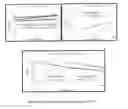
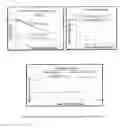
FIG. 1 shows the comparative CEX-HPLC profile of Adalimumab Formulations 1, 2, 3 & RMP at 0D, 7D & 14D days.
FIG. 2 shows the comparative SEC-H-PLC profile of Adalimumab Formulations 1, 2, 3 & RMP at 0D, 7D & 14D days.
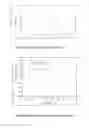
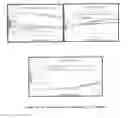
FIG. 3, FIG. 4, FIG. 5 & FIG. 6 shows DSC profile of Formulations 1, 2, 3 & RMP respectively.
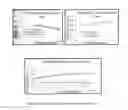
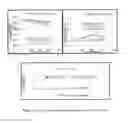
FIG. 7 shows the stress study CEX-HPLC profile of Formulation 1, 2 & 3 at 40° C. for 0D, 7D & 14D days.
FIG. 8 shows the Real Time (RT) CEX-HPLC profile of Formulation 1, 2 & 3 at 5° C. for 0 day, 1M, 2M, 3M & 6M.
FIG. 9 shows the Accelerated Temperature (AT) CEX-HPLC profile of Formulation 1, 2 & 3 at 5° C. for 0 day, 1M, 2M & 3M.
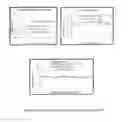
FIG. 10 shows the stress study SEC-HPLC profile of Formulation 1, 2 & 3 at 40° C. for 0D, 7D & 14D days.
FIG. 11 shows the Real Time (RT) SEC-HPLC profile of Formulation 1, 2 & 3 at 5° C. for 0 day, 1M, 2M, 3M & 6M.
FIG. 12 shows the Accelerated Temperature (AT) SEC-HPLC profile of Formulation 1, 2 & 3 at 5° C. for 0 day, 1M, 2M & 3M.
DETAILED DESCRIPTION OF THE INVENTION
The following definitions are provided to facilitate understanding of certain terms used throughout the specification.
The present invention relates to a liquid pharmaceutical composition comprising an anti-TNFα antibody, buffer, sugar, and surfactant.
The term “human TNFα” (which may be abbreviated as hTNFα, or simply hTNF), as used herein, is intended to refer to a human cytokine that exists as a 17 kD secreted form and a 26 kD membrane associated form, the biologically active form of which is composed of a trimer of noncovalently bound 17 kD molecules. Treatment with anti-TNF monoclonal antibodies (infliximab, adalimumab and certolizumab pegol) has been shown to provide substantial benefit to patients through reductions in both localized and systemic expression of markers associated with inflammation.
The present invention relates to a novel and stable pharmaceutical composition comprising adalimumab (of anti-TNFα antibody), buffer, stabilizer and surfactant having pH range of 4.5 to 6.5.
Adalimumab is the first phage-display-derived human antibody brought into the clinic, and was generated by ‘guided selection’ using a mouse monoclonal antibody. (Jespers L. S., Biotechnology 12, 899-903, 1994). Adalimumab (Anti-TNFα antibody), marketed as HUMIRA® by Abott Inc., is a recombinant human IgG1 monoclonal antibody specific for human tumor necrosis factor (TNF). Adalimumab was created using phage display technology resulting in an antibody with human derived heavy and light chain variable regions and human IgG1 constant regions. Adalimumab is produced by recombinant DNA technology in a mammalian cell expression system and is purified by a process that includes specific viral inactivation and removal steps. It consists of 1330 amino acids and has a molecular weight of approximately 148 kilodaltons.
In the present invention, buffers are required for maintaining pH of the formulation. The buffer system of the present invention comprises glycine, acetate, arginine, succinate, histidine either alone or a combination thereof giving desired pH range from 4.5 to 6.5.
In one embodiment, stabilizers used in the present invention are selected from the group that consists of: sugar or polyol stabilizer selected from the group consisting of monosaccharide such as glucose and mannose, and the like either alone or in combination thereof, disaccharides such as sucrose, trehalose, and maltose, and the like either alone or in combination thereof, sugar alcohols such as mannitol and xylitol, and the like either alone or in combination thereof.
In the present invention, surfactant is used in order to prevent adsorption of antibody on the surface of the vial, ampoule, carpoule, cartridge or syringe. Surfactants lower surface tension of a protein solution, thereby, preventing its adsorption or aggregation on to a hydrophobic surface. Preferred surfactants of the present invention include a polysorbate based non-ionic surfactant and polyoxyethylene copolymer, polyvinylpyrrolidone, either alone or in combination.
The novel aqueous pharmaceutical composition of anti-TNFα antibody described in the present invention has the following advantages:
-
- 1. Involves use of a buffer system which is selected from the group consisting of glycine, acetate, arginine either alone or a combination thereof maintains the pH of the formulation between 4.5 to 6.5, more preferably between 5.0 to 6.0 and also maintains the purity of the formulation at elevated temperature.
- 2. Involves use of surfactant to prevent adsorption of anti-TNFα antibody on container.
- 3. Involves use of a stabilizer which provides better stability.
- 4. The pharmaceutical composition of present invention is maintained at pH between 5.0 to 6.0 which is critical in maintaining the purity and stability of the aqueous composition at elevated temperatures during storage.
- 5. Involves operational simplicity.
The specific embodiments described herein are offered by way of example only, and the invention is to be limited by the terms of the appended claims, along with the full scope of equivalents to which such claims are entitled.
Example 1
Screening and Selection of Buffer
| TABLE 1 |
| Formulation composition |
| Reference | |||||
| formulation | |||||
| (Generic | |||||
| Components | Ingredient | Formulation 1 | Formulation 2 | Formulation 3 | DP) |
| Active | Adalimumab | 50 mg/mL | 50 mg/mL | 50 mg/mL | 50 mg/mL |
| Protein | DS | ||||
| Buffer | Glycine | 15 mM | — | — | — |
| Acetate | — | 10 mM | — | — | |
| Arginine | — | — | 15 mM | — | |
| Phosphate | — | — | — | 14.1 mM | |
| Citrate | — | — | — | 7.21 mM | |
| Stabilizer | Sucrose | 9.5% | 9.5% | 9.5% | — |
| and | Mannitol | — | — | — | 1.2% |
| Isotonicity | Sodium | — | — | — | 0.62% |
| modifier | Chloride | ||||
| Nonionic | Polysorbate | 0.1% | 0.1% | 0.1% | 0.1% |
| surfactant | 80 | ||||
| Vehicle | Water for | Qs to 1 mL | Qs to 1 mL | Qs to 1 mL | Qs to 1 mL |
| injection | |||||
Method of Preparation:
Adalimumab formulation was prepared in formulation composition given in the above table by dissolving the excipients in water for injection. The protein concentration was set to 50 mg/mL and the pH of the formulation is set to 5.2 similar to the reference formulation. 0.8 mL solution filled in 2 mL USP type 1 vial and sealed with coated bromobutylated rubber stopper and aluminum seal. Filled vial were charged at 40° C. for 15 days stress stability study. During stability study following test were done:
| TABLE 2 |
| Purpose of the tests |
| Tests | Purpose of the tests |
| SEC-HPLC | To monitor aggregates (H.M.W. impurities) |
| CEX HPLC | To monitor charge related impurities |
| DSC | To monitor effect on thermo stability profile |
| Potency | To monitor effect on in vitro bioassay |
| pH | To monitor effect on pH |
| Physical appearance | To monitor physical appearance |
Stress Stability Data (14 Day at 40° C.) for Selection of Buffer:
a) Physical Appearance:
-
- All the samples were observed to be clear and colorless till 14 Day at 40° C. for ST.
b) pH:
| TABLE 3 |
| pH of Formulation 1, 2 & 3 |
| pH | ||
| Time point |
| Buffers | 0 D | 14 D | |
| Formulation 1 | 5.4 | 5.2 | |
| Formulation 2 | 5.3 | 5.2 | |
| Formulation 3 | 5.3 | 5.2 | |
| Generic DP | 5.2 | 5.2 | |
c) CEX-HPLC:
-
- Ion exchange chromatography separates analytes based on differences in the surface charge of the molecules and their concomitant varying strengths of interaction with the stationary phase. Charge-related variants expected in Molecule and their variability during storage. Propac WCX-10 column from Thermo Scientific was used on Agilent HPLC.
| TABLE 4 |
| CEX data of Formulation 1, 2 & 3 (FIG.-1) |
| % Purity | % Acidic | % Basic |
| Buffers | 0 D | 7 D | 14 D | 0 D | 7 D | 14 D | 0 D | 7 D | 14 D |
| Formu- | 69.0 | 62.6 | 56.1 | 25.5 | 31.9 | 38.3 | 5.5 | 5.5 | 5.6 |
| lation 1 | |||||||||
| Formul- | 69.0 | 61.9 | 55.1 | 25.5 | 32.8 | 39.6 | 5.4 | 5.4 | 5.3 |
| ation 2 | |||||||||
| Formu- | 70.6 | 64.3 | 59.1 | 24.2 | 30.3 | 34.5 | 5.2 | 5.4 | 6.4 |
| lation 3 | |||||||||
| Generic | 71.5 | 65.6 | 58.3 | 26.9 | 31.3 | 37.4 | 1.6 | 3.1 | 4.2 |
| DP | |||||||||
-
- Observation: Based on 14 days stress data the purity of the formulation 1, 2 and 3 was comparable with the reference formulation (generic DP). Results are shown in FIG. 1.
d) SEC-HPLC:
-
- Size exclusion chromatography (SEC) is size based separation of molecules. High molecular weight and low molecular weight related variants (HMWs and LMWs) can be resolved and detected using this technique. TSK G3000SWXL (7.8 mm×300 mm) column from Tosoh Haas was used on Agilent HPLC.
| TABLE 5 |
| SEC data of Formulation 1, 2 & 3 (FIG.-2) |
| % Monomer | % L.M.W | % H.M.W |
| Buffers | 0 D | 7 D | 14 D | 0 D | 7 D | 14 D | 0 D | 7 D | 14 D |
| Formu- | 99.5 | 96.1 | 97.6 | 0.0 | 0.4 | 2.1 | 1.2 | 1.3 | 1.4 |
| lation 1 | |||||||||
| Formu- | 99.6 | 99.0 | 95.2 | 0.0 | 0.4 | 2.2 | 1.3 | 1.6 | 1.8 |
| lation 2 | |||||||||
| Formu- | 99.6 | 97.3 | 97.2 | 0.0 | 0.3 | 2.0 | 1.3 | 1.5 | 1.5 |
| lation 3 | |||||||||
| Generic | 98.3 | 95.9 | 94.8 | 0.1 | 2.4 | 3.4 | 1.6 | 1.6 | 1.9 |
| DP | |||||||||
-
- Observation: Formulation 1, 2 and 3 all shows less HMW and LMW compared to the reference formulation (Generic DP). Results are shown in FIG. 2.
e) Relative Potency:
-
- The biological activity of Adalimumab is determined by cell based in-vitro bio-assay. The assay is based on the neutralization of cytotoxic effect of TNF-α on L929 (mouse connective tissue) cell line expressing TNF receptor 1 (TNFR1). Adalimumab specifically neutralizes the cytotoxic activity of TNF-α in a dose dependent manner.
| TABLE 6 |
| % Potency data of Formulation 1, 2 & 3 |
| % Potency | ||
| Time point |
| Buffers | 0 D | 14 D | |
| Formulation 1 | 94 | 103 | |
| Formulation 2 | 103 | 104 | |
| Formulation 3 | 114 | 101 | |
| Generic DP | 113 | 110 | |
-
- Observation: There is no change in potency at 40° C. after 14 days as compared to initial in all Formulation.
f) Differential Scanning Calorimetry:
-
- DSC measures the difference in heat energy uptake between a sample solution and appropriate reference (buffer/solvent) with increase in temperature. The transition temperatures Tm (where 50% of protein is in folded form, while 50% in unfolded) is indicator of protein stability.
- Samples were analyzed on DSC (MicroCal, LLC Microcalorimeter, Model No.: VP-DSC). The scan rate was set to 60 C/h and the protein concentration of the samples loaded was 0.5 mg/mL.
| TABLE 7 |
| Tm value of Formulation 1, 2 & 3 |
| Batch no. |
| Tm1 | Tm2 | |
| Formulation 1 | 75.0 | 85.4 | |
| Formulation 2 | 74.3 | 84.8 | |
| Formulation 3 | 74.0 | 84.5 | |
| Generic DP | 69.5 | 77.8 | |
-
- Observation: The thermo gram of generic DP shows the down fall signal which is exothermic in nature and denote the aggregation of the protein at that temperature. Hence it can be said that the protein in the generic formulation matrix is susceptible to the aggregation. Formulation 1, 2 and 3 shows good thermal stability as compared to the generic formulation and Tm1 and Tm2 shows the higher value for all three formulation as compared to generic formulation. Based on the DSC results it can be predict that the protein (Adalimumab) will be more stable at long term in test formulation 1, 2 and 3 as compared to generic formulation. This can also be seen when correlated with the stress stability data. Results are shown in FIGS. 3 to 6.
Example 2
Stability Test of Adalimumab Aqueous Thermostable Formulation
Rationale:
Based on the above data, all three buffer shows a good buffering capacity, and thermo stability profile. To confirm the results obtained during the initial screening, another set of stability study were carried out with the formulation 1, 2 and 3. Composition of all formulation buffer as given in below table.
| TABLE 8 |
| Study condition and Time points for Formulation 1, 2 & 3 |
| Sr. No. | Condition | Temperature | Time points |
| 1 | Stress | 40° C. ± 2° C. | 7 D & 14 D |
| 2 | RT | 5° C. ± 3° C. | 1 M, 2 M, 3 M & 6 M |
| 3 | AT | 25° C. ± 2° C. | 1 M, 2 M, & 3 M |
Method of Preparation:
Adalimumab formulation was prepared in formulation composition given in the above table by dissolving the excipients in water for injection. The protein concentration was set to 50 mg/mL and the pH of the formulation is set to 5.2 similar to the reference formulation. 0.8 mL solution filled in 2 mL USP type 1 vial and sealed with coated bromobutylated rubber stopper and aluminum seal. Filled vial were charged at 40° C. for 15 days stress stability study, At 5° C. for 6 months and at 25° C. for 6 months as described in the above table. During stability study following test were done:
| TABLE 9 |
| Purpose of the tests |
| Tests | Purpose of the tests |
| SE-HPLC | To monitor aggregates (H.M.W. impurities) |
| CEX HPLC | To monitor charge related impurities |
| Potency | To monitor effect on in vitro bioassay |
| pH | To monitor effect on pH |
| Physical appearance | To monitor physical appearance |
a) Physical Appearance:
-
- Samples were observed to be clear and colorless till 14D ST, 6M RT & 3M AT.
b) pH
-
- STRESS DATA: at 40° C.
| TABLE 10 |
| pH data of Formulation 1, 2 & 3 |
| pH | ||
| Time point |
| Buffers | 0 D | 14 D | |
| Formulation 1 | 5.2 | 5.3 | |
| Formulation 2 | 5.2 | 5.3 | |
| Formulation 3 | 5.2 | 5.3 | |
-
- REAL TIME DATA (AT 5° C.)
| TABLE 11 |
| pH data of Formulation 1, 2 & 3 |
| pH | |
| Time point |
| Buffers | 0 D | 1 M | 2 M | 3 M | 6 M | |
| Formulation 1 | 5.2 | 5.5 | 5.2 | 5.2 | 5.4 | |
| Formulation 2 | 5.3 | 5.4 | 5.4 | 5.5 | 5.4 | |
| Formulation 3 | 5.3 | 5.3 | 5.2 | 5.2 | 5.2 | |
-
- ACCELERATED TEMPERATURE DATE: at 25° C.
| TABLE 12 |
| pH data of Formulation 1, 2 & 3 |
| pH | ||
| Time point |
| Buffers | 0 D | 1 M | 2 M | 3 M | |
| Formulation 1 | 5.2 | 5.5 | 5.2 | 5.2 | |
| Formulation 2 | 5.3 | 5.4 | 5.4 | 5.5 | |
| Formulation 3 | 5.3 | 5.3 | 5.2 | 5.2 | |
c) CEX Data
-
- STRESS DATA: at 40° C.
| TABLE 13 |
| CEX data of Formulation 1, 2 & 3 buffers (FIG.-7) |
| % Acidic variants | % Principal peak | % Basic Variants |
| Time points |
| Buffers | 0 D | 7 D | 14 D | 0 D | 7 D | 14 D | 0 D | 7 D | 14 D |
| Formu- | 28.0 | 31.4 | 35.9 | 67.6 | 62.7 | 57.9 | 4.4 | 5.8 | 6.2 |
| lation 1 | |||||||||
| Formu- | 27.8 | 33.0 | 38.7 | 68.0 | 61.1 | 54.6 | 4.2 | 5.9 | 6.7 |
| lation 2 | |||||||||
| Formu- | 27.4 | 32.3 | 37.3 | 68.3 | 61.6 | 56.0 | 4.4 | 6.2 | 6.8 |
| lation 3 | |||||||||
-
- Observation: All the formulation are showing good stability and comparable. Results are shown in FIG. 7.
- REAL TIME DATA (AT 5° C.)
| TABLE 14 |
| CEX data of Formulation 1, 2 & 3 buffers (RT) (FIG.-8) |
| % Acidic | % Principal | % Basic | |
| variants | peak | Variants |
| Time points |
| Buffers | 0 D | 1 M | 2 M | 3 M | 6 M | 0 D | 1 M | 2 M | 3 M | 6 M | 0 D | 1 M | 2 M | 3 M | 6 M |
| Formulation 1 | 22.7 | 25.3 | 25.1 | 25.8 | 25.4 | 72.7 | 70.7 | 70.4 | 70.1 | 70.0 | 4.6 | 4.0 | 4.4 | 4.1 | 4.6 |
| Formulation 2 | 22.2 | 25.3 | 25.7 | 26.9 | 27.0 | 73.2 | 70.7 | 69.4 | 69.4 | 68.5 | 4.6 | 4.1 | 4.9 | 3.7 | 4.4 |
| Formulation 3 | 22.1 | 25.1 | 26.0 | 27.0 | 26.7 | 73.8 | 70.5 | 69.1 | 69.0 | 68.6 | 4.1 | 4.3 | 4.9 | 4.0 | 4.7 |
-
- Observation: At 5° C. after 6 month all three formulations shows similar stability profile when analyze by CEX HPLC; there is no significant increase in the acidic or basic variant observed in all three formulation. Results are shown in FIG. 8.
- ACCELERATED TEMPERATURE DATA: at 25° C.
| TABLE 15 |
| CEX data of Formulation 1, 2 & 3 buffers (AT) (FIG.-9) |
| % Acidic variants | % Principal peak | % Basic Variants |
| Time points |
| Buffers | 0 D | 1 M | 2 M | 3 M | 0 D | 1 M | 2 M | 3 M | 0 D | 1 M | 2 M | 3 M |
| Formulation 1 | 22.7 | 27.4 | 30.2 | 32.2 | 72.7 | 68.2 | 64.1 | 63.1 | 4.6 | 4.4 | 5.7 | 4.7 |
| Formulation 2 | 22.2 | 31.6 | 39.2 | 47.7 | 73.2 | 64.2 | 55.5 | 48.8 | 4.6 | 4.3 | 5.3 | 3.5 |
| Formulation 3 | 22.1 | 27.6 | 31.5 | 36.3 | 73.8 | 67.8 | 62.0 | 59.3 | 4.1 | 4.6 | 6.5 | 4.4 |
-
- Observation: The overall stability of all three formulations is good at 25° C. after 3 month. Results are shown in FIG. 9.
d) SEC-HPLC Data
-
- STRESS DATA: at 40° C.
| TABLE 16 |
| SEC data of Formulation 1, 2 & 3 buffers (FIG.-10) |
| % Monomer | % L.M.W | % H.M.W |
| Time points |
| Buffers | 0 D | 7 D | 14 D | 0 D | 7 D | 14 D | 0 D | 7 D | 14 D |
| Formu- | 99.2 | 98.9 | 97.5 | 0.0 | 0.2 | 1.5 | 0.8 | 0.9 | 1.0 |
| lation 1 | |||||||||
| Formu- | 99.3 | 98.6 | 96.8 | 0.0 | 0.3 | 1.8 | 0.7 | 1.1 | 1.3 |
| lation 2 | |||||||||
| Formu- | 99.3 | 98.7 | 96.8 | 0.0 | 0.3 | 1.9 | 0.7 | 1.1 | 1.3 |
| lation 3 | |||||||||
| TABLE 17 |
| % Change in % Purity of Principal peak (SEC) at 14 D ST from initial |
| Batch no. | % Change | |
| Formulation 1 | 1.7 | |
| Formulation 2 | 2.4 | |
| Formulation 3 | 2.5 | |
Observation: All three formulations are showing good stability and comparable in SEC profile. Results are shown in FIG. 10.
Real Time Data (at 5° C.)
| TABLE 18 |
| SEC data of Formulation 1, 2 & 3 buffers (RT) (FIG.-11) |
| % Monomer | % L.M.W | % H.M.W |
| Time points |
| Buffers | 0 D | 1 M | 2 M | 3 M | 6 M | 0 D | 1 M | 2 M | 3 M | 6 M | 0 D | 1 M | 2 M | 3 M | 6 M |
| Formulation 1 | 99.2 | 99.2 | 99.0 | 99.1 | 99.1 | 0.0 | 0.1 | 0.1 | 0.1 | 0.1 | 0.8 | 0.8 | 0.9 | 0.9 | 0.8 |
| Formulation 2 | 99.3 | 99.0 | 99.0 | 99.0 | 98.8 | 0.0 | 0.0 | 0.1 | 0.1 | 0.2 | 0.7 | 0.9 | 0.9 | 0.9 | 1.0 |
| Formulation 3 | 99.3 | 99.1 | 99.0 | 98.9 | 98.8 | 0.0 | 0.0 | 0.1 | 0.1 | 0.1 | 0.7 | 0.9 | 0.9 | 1.0 | 1.0 |
-
- Observation: At 5° C. after 6 month all three formulations shows similar stability profile when analyze by SE HPLC; there is no significant increase in the HMW and LMW observed in all three formulation. Results are shown in FIG. 11.
ACCELERATED TEMPERATURE DATA: At 25° C.
| TABLE 19 |
| SEC data of Formulation 1, 2 & 3 buffers (AT) (FIG.-12) |
| % Monomer | % L.M.W | % H.M.W |
| Time points |
| Buffers | 0 D | 1 M | 2 M | 3 M | 0 D | 1 M | 2 M | 3 M | 0 D | 1 M | 2 M | 3 M |
| Formulation 1 | 99.2 | 99.0 | 98.5 | 98.5 | 0.0 | 0.1 | 0.5 | 0.4 | 0.8 | 0.9 | 1.0 | 1.1 |
| Formulation 2 | 99.3 | 98.4 | 97.5 | 97.5 | 0.0 | 0.2 | 0.5 | 0.8 | 0.7 | 1.4 | 2.0 | 1.7 |
| Formulation 3 | 99.3 | 98.7 | 98.3 | 97.9 | 0.0 | 0.2 | 0.5 | 0.7 | 0.7 | 1.1 | 1.2 | 1.4 |
-
- Observation: At 25° C. after 3 month all three formulations shows similar stability profile when analyze by SE HPLC; there is no significant increase in the HMW and LMW observed in all three formulation. It shows that these formulations are preventing Adalimumab from aggregation and fragmentation. Results are shown in FIG. 12.
e) Potency
Stress Data: At 40° C.
| TABLE 20 |
| % Potency data of Formulation 1, 2 & 3 buffers |
| % Potency | ||
| Time point |
| Buffers | 0 D | 14 D | |
| Formulation 1 | 99 | 97 | |
| Formulation 2 | 95 | 100 | |
| Formulation 3 | 118 | 100 | |
-
- Observation: There is no change in potency at 40° C. after 14 days as compared to initial in all formulations.
Real Time Data (at 5° C.)
| TABLE 21 |
| % Potency data of Formulation 1, 2 & 3 buffers |
| % Potency | ||
| Time point |
| Buffers | 0 D | 1 M | 2 M | 3 M | |
| Formulation 1 | 99 | 99 | 104 | 120 | |
| Formulation 2 | 95 | 107 | 103 | 117 | |
| Formulation 3 | 118 | 111 | 114 | 109 | |
-
- Observation: There is no change in potency at after 3 Months as compared to initial in all formulations.
ACCELERATED TEMPERATURE DATA: At 25° C.
| TABLE 22 |
| % Potency data of Formulation 1, 2 & 3 buffers |
| % Potency | ||
| Time point |
| Buffers | 0 D | 1 M | 2 M | 3 M | |
| Formulation 1 | 99 | 110 | 105 | 106 | |
| Formulation 2 | 95 | 108 | 92 | 118 | |
| Formulation 3 | 118 | 116 | 107 | 99 | |
-
- Observation: There is no change in potency at after 3 Months at 25° C. as compared to initial in all formulations.
Claims
1. An aqueous pharmaceutical formulation comprising an anti-TNFα antibody, buffer which is selected from the group consisting of acetate, arginine, glycine or a combination thereof, Polysorbate 80 as surfactant and Sucrose as stabilizer.
2. A The aqueous pharmaceutical formulation of claim 1, wherein an anti-TNFα antibody is Adalimumab.
3. The aqueous pharmaceutical formulation of claim 1, wherein the concentration of Adalimumab is between 1 mg/mL to 100 mg/mL.
4. The aqueous pharmaceutical formulation of claim 1, wherein the pH of the formulation is between pH 4.5 to 6.5.
5. The aqueous pharmaceutical formulation of claim 1, wherein the buffer is in the concentration of 1 mM to 100 mM.
6. The aqueous pharmaceutical formulation of claim 1, wherein the Polysorbate 80 is present in the concentration of 0.001% to 1%.
7. The aqueous pharmaceutical formulation of claim 1, wherein the Sucrose is present in the concentration from 1% to 10%.
8. An aqueous pharmaceutical formulation Adalimumab comprising acetate as buffer, sucrose and Polysorbate 80 at pH 5.2 wherein Adalimumab is present at a concentration of 1 mg/mL to 100 mg/mL.
9. An aqueous pharmaceutical formulation as claimed in claim 8 comprising:
a) 50 mg/mL Adalimumab,
b) 1.0 mM acetate buffer,
c) 9.5% sucrose, and
d) 0.1% Polysorbate 80 at pH 5.2.
10. An aqueous pharmaceutical formulation Adalimumab comprising arginine as buffer, sucrose and Polysorbate 80 at pH 5.2 wherein Adalimumab is present at a concentration of 1 mg/mL to 100 mg/mL.
11. The aqueous pharmaceutical formulation as claimed in claim 10 comprising:
e) 50 mg/mL Adalimumab,
f) 15 mM arginine buffer,
g) 9.5% sucrose, and
h) 0.1% Polysorbate 80 at pH 5.2.
12. An aqueous pharmaceutical formulation of Adalimumab comprising glycine as buffer, sucrose and Polysorbate 80 at pH 5.2 wherein Adalimumab is present at a concentration of 1 mg/mL to 100 mg/mL.
13. AR The aqueous pharmaceutical formulation as claimed in claim 12 comprising:
a) 50 mg/mL Adalimumab,
b) 15 mM glycine buffer,
c) 9.5% sucrose, and
d) 0.1% Polysorbate 80 at pH 5.2.
Images & Drawings included:



Sources:
- United States Patent and Trademark Office - verify current appl. status at the USPTO↗
Similar patent applications:
- » 20200405864
LIQUID PHARMACEUTICAL COMPOSITION OF ADALIMUMAB
Recent applications in this class:
- » 20250288679 2025-09-18
METHODS FOR TREATMENT USING ANTI-ALPHA4BETA7 ANTIBODY - » 20250262305 2025-08-21
INTRANASAL EPINEPHRINE FORMULATIONS AND METHODS FOR THE TREATMENT OF DISEASE - » 20250255966 2025-08-14
CORN PHYTOGLYCOGEN FORMULATIONS FOR STABILIZING PROTEINS - » 20250228948 2025-07-17
METHODS OF TREATING OR PREVENTING STENT THROMBOSIS - » 20250108116 2025-04-03
GLYCOSYL BARBITURATE-BASED GELLING AGENTS - » 20250041424 2025-02-06
METHODS FOR TREATMENT USING ANTI-ALPHA4BETA7 ANTIBODY - » 20250000981 2025-01-02
METHODS FOR TREATMENT USING ANTI-ALPHA4BETA7 ANTIBODY - » 20240408212 2024-12-12
PHARMACEUTICAL COMPOSITION COMPRISING BIOPHARMACEUTICAL DRUG COMPOUNDS - » 20240398957 2024-12-05
ADDITIVES FOR PROTEIN FORMULATIONS TO IMPROVE THERMAL STABILITY - » 20240350639 2024-10-24
CLINICAL FORMULATIONS
Recent applications for this Assignee:
- » 20230181595 2023-06-15
Stable extended release pharmaceutical composition of clozapine - » 20220211709 2022-07-07
Stable, ready to use aqueous pharmaceutical composition of pemetrexed - » 20210161871 2021-06-03
Non-pulsatile prolonged-release betahistine oral solid compositions - » 20200405864 2020-12-31
LIQUID PHARMACEUTICAL COMPOSITION OF ADALIMUMAB - » 20200054573 2020-02-20
Extended release pharmaceutical composition of clozapine - » 20190358253 2019-11-28
COMPOSITION COMPRISING IMMEDIATE RELEASE AND EXTENDED RELEASE CAPECITABINE - » 20190142755 2019-05-16
TABLET-IN-TABLET PHARMACEUTICAL COMPOSITION COMPRISING CYCLOPHOSPHAMIDE AND CAPECITABINE - » 20170304328 2017-10-26
Pharmaceutical composition having improved content uniformity - » 20170112903 2017-04-27
Lyophilized pharmaceutical composition of Fc-peptide fusion protein - » 20170112901 2017-04-27
Liquid pharmaceutical composition of conjugated erythropoietin