Method for preparation of alkylated or fluoro, chloro and fluorochloro alkylated compounds by heterogeneous catalysis
US20170158695A1
2017-06-08
15/310,295
2015-06-04
✅ Patent granted
US 9,771,367 B2
2017-09-26
WO; PCT/EP2015/062474; 20150604
WO; WO2015/185677; 20151210
Shawquia Jackson
Dority & Manning, PA
2035-06-04
Abstract:
The invention discloses a method for preparation of alkylated or fluoro, chloro and fluorochloro alkylated compounds by a heterogeneous Pt/C-catalyzed alkylation or fluoro, chloro and fluorochloro alkylation with alkyl halides or with fluoro, chloro and fluorochloro alkyl halides in the presence of Cs2C03 or CsHC03.
Inventors:
- Stefan Ellinger 16 🇨🇭 Visp, Switzerland
- Matthias Beller 36 🇩🇪 Nienhagen, Germany
- Florencio Zaragoza Doerwald 16 🇨🇭 Visp, Switzerland
- HELFRIED NEUMANN 23 🇩🇪 Rostock, Germany
- Christoph Taeschler 11 🇨🇭 Visp, Switzerland
- Lin He 2 🇩🇪 Rostock, Germany
- Kishore Natte 2 🇩🇪 Rostock, Germany
Assignee:
- LONZA LTD. 115 🇨🇭 Visp, Switzerland
Applicant:
Interested in similar patents?
Get notified when new applications in this technology area are published.
Classification:
C07D207/323 » CPC further
Heterocyclic compounds containing five-membered rings not condensed with other rings, with one nitrogen atom as the only ring hetero atom with only hydrogen or carbon atoms directly attached to the ring nitrogen atom having two double bonds between ring members or between ring members and non-ring members with only hydrogen atoms, hydrocarbon or substituted hydrocarbon radicals, directly attached to ring carbon atoms with only hydrogen atoms or radicals containing only hydrogen and carbon atoms directly attached to the ring nitrogen atoms
C07D213/26 » CPC further
Heterocyclic compounds containing six-membered rings, not condensed with other rings, with one nitrogen atom as the only ring hetero atom and three or more double bonds between ring members or between ring members and non-ring members having three double bonds between ring members or between ring members and non-ring members having no bond between the ring nitrogen atom and a non-ring member or having only hydrogen or carbon atoms directly attached to the ring nitrogen atom with substituted hydrocarbon radicals attached to ring carbon atoms Radicals substituted by halogen atoms or nitro radicals
C07C22/08 » CPC further
Cyclic compounds containing halogen atoms bound to an acyclic carbon atom having unsaturation in the rings containing six-membered aromatic rings containing fluorine
C07D213/127 » CPC further
Heterocyclic compounds containing six-membered rings, not condensed with other rings, with one nitrogen atom as the only ring hetero atom and three or more double bonds between ring members or between ring members and non-ring members having three double bonds between ring members or between ring members and non-ring members having no bond between the ring nitrogen atom and a non-ring member or having only hydrogen or carbon atoms directly attached to the ring nitrogen atom containing only hydrogen and carbon atoms in addition to the ring nitrogen atom Preparation from compounds containing pyridine rings
C07D333/12 » CPC further
Heterocyclic compounds containing five-membered rings having one sulfur atom as the only ring hetero atom not condensed with other rings not substituted on the ring sulphur atom with only hydrogen atoms, hydrocarbon or substituted hydrocarbon radicals, directly attached to the ring carbon atoms Radicals substituted by halogen atoms or nitro or nitroso radicals
C07B37/04 » CPC further
Reactions without formation or introduction of functional groups containing hetero atoms, involving either the formation of a carbon-to-carbon bond between two carbon atoms not directly linked already or the disconnection of two directly linked carbon atoms Substitution
C07D333/28 » CPC further
Heterocyclic compounds containing five-membered rings having one sulfur atom as the only ring hetero atom not condensed with other rings not substituted on the ring sulphur atom with hetero atoms or with carbon atoms having three bonds to hetero atoms with at the most one bond to halogen, e.g. ester or nitrile radicals, directly attached to ring carbon atoms Halogen atoms
C07C17/32 » CPC further
Preparation of halogenated hydrocarbons by reactions involving an increase in the number of carbon atoms in the skeleton by introduction of halogenated alkyl groups into ring compounds
C07D473/12 » CPC main
Heterocyclic compounds containing purine ring systems with oxygen, sulphur, or nitrogen atoms directly attached in positions 2 and 6 two oxygen atoms with radicals containing only hydrogen and carbon atoms, attached in position 1 or 3 with methyl radicals in positions 1, 3, and 7, e.g. caffeine
Description
The invention discloses a method for preparation of alkylated or fluoro, chloro and fluorochloro alkylated compounds by a heterogeneous Pt/C-catalyzed alkylation or fluoro, chloro and fluorochloro alkylation with alkyl halides or with fluoro, chloro and fluorochloro alkyl halides in the presence of Cs2CO3 or CsHCO3.
BACKGROUND OF THE INVENTION
Organofluorine chemistry plays an importance role in medicinal, agricultural, and material sciences and fields. Fluoroalkyl groups have strong effects such as high stability and lipophilicity, in addition, longer fluoroalkyl groups have high water-, oil-resistance and low fricition.
Homogeneous catalysis still suffers from the inherent problems associated with homogeneous catalyzed reactions due to the use of unrecoverable metals and ligands, as well as inconveniences with regard to catalyst handling, recyclability, and separation of the catalyst from products, impede the transfer of these advances to large-scale industrial processes. Furthermore expensive and structurally complicated ligands are required in homogeneous catalysis, which are often not even comnmercially available for use on industrial scale.
EP 0 114 359 A1 discloses a process for the manufacture of perfluoralkyl substituted carbocyclic or heterocyclic compounds by reaction of perfluoroalkyl iodides with unsubstituted or substituted carbocyclic or heterocyclic compounds at elevated temperatures and in presence of at least one alkaline salt, characterized by carrying out the reaction in the presence of at least one metal of the first or eight auxiliary group of the periodic table or in the presence of a complex compound containing said metal as the central atom.
The examples show the use of K2CO3 as base and reaction temperatures of 150° C., 160° C. and 170° C. for the heterogeneously catalyzed reactions. For the preparation of C8F17—C6H5 in Example 1 using a Ru/C catalyst a yield of 89.2% is disclosed.
In case of Pt/C in examples 5 to 7 a yield of 55 to 76 mol % is disclosed for the conversion of benzene with three different perfluoroalkyl iodides.
WO 93/16969 A discloses a process for the catalytic perfluoroalkylation of aromatic compounds, wherein a perfluoroalkyl iodide or mixture of iodides is reacted with an aromatic compound in the presence of an aqueous base, such as an alkali metal hydroxide or carbonate, and discloses that further improvements in rate and yield are secured by employing, as the catalyst, a noble metal supported on porous silica microspheres.
The examples show the use of K2CO3 and KOH as bases and reaction temperature of 170° C., 180° C. and 200° C.
Example 1 reports a yield of 93% using a catalyst consisting of 2% Pd and 0.1% Pt on a silica support.
The use of a support different from silica is reported in example 2, 17 and 18, example 2 discloses a yield of only 55% using 5% Ru/C as catalyst, example 17 and 18 disclose a yield of only 4.5% and 2.5% respectively using 2% Pd/C as catalyst.
Example 19 and 20 disclose the use of 5% Pd and 1% cobalt respectively on high surface area carbon (surface area 2000 m2/gram) and a yield of 87% and 88% respectively.
A special procedure for the preparation of the silica supported catalyst is disclosed.
EP 1 947 092 A1 discloses perfluoroalkylation of nucleobases with a perfluoroalkyl halide in the presence of a sulfoxide, a peroxide and an iron compound. A specifically mentioned catalytic system is a Fe2(SO4)3/H2SO4/H2O2 system.
There was a need for a heterogeneously catalyzed process for the preparation of perfluoroalkylated compounds, which provides high yields, which does not require high temperatures and does not require the use of catalysts prepared according to special procedures. The method should be applicable to a wide variety of substrates and should be compatible with a wide variety of functional groups. Furthermore the method should not be restricted to iodides as alkylating agent only, but should also work with other halides. And the method should work not only with perfluorinated alkyl iodides, but also with fluorinated and chlorinated alkyl halides.
Unexpectedly the use of Cs2CO3 or CsHCO3 as base together with Pt/C as catalyst meets these requirements. No dialkylated products are observed. The reaction does not mandatorily require inert atmosphere but can even be done under air atmosphere. The catalyst can be reused and is not deactivated by the reaction.
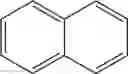
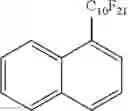
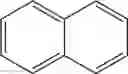
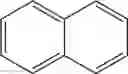
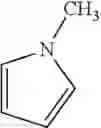
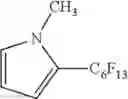
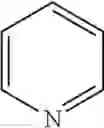
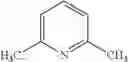
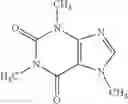
Compared to prior art, various advantages are observed as outlined in the examples below, e.g. in case of naphtalene not only the yield is higher but also the selectivity is better, only the alpha position is substituted. The method is applicable both to aromatic and non-aromatic compounds. Also heteroaromatic compounds can be converted, even nonactivated thiophenes react smoothly at comparably low temperatures, n-methyl pyrrole reacts under mild conditions at 50° C. Also the notoriously difficult pyridines, which are very stable to many alkylating reagents and even can be used as a solvent in some perfluoroalkylation reactions, were converted with high yields. Also with caffeine high yields are obtained.
In this text, the following meanings are used, if not otherwise stated:
- alkyl linear or branched alkyl;
- DBU 1,8-diazabicyclo[5.4.0]undec-7-en
- halide F−, Cl−, Br− or I−, preferably Cl−, Br−, and I−, more preferably Br− and I−;
- halogen F, Cl, Br or I; preferably F, Cl or Br; more preferably F or Cl;
- HRMS EI: High Resolution Mass Spectrometry Electron Impact
- “linear” and “n-” are used synonymously with respect to the respective isomers of alkanes;
- MTBE methyl tert-butyl ether;
- Pt/C platinum on charcoal
- RT room temperature, it is used synonymously with the expression ambient temperature;
- THF tetrahydrofurane
- “wt %”, “% by weight” and “weight-%” are used synonymously and mean percent by weight.
SUMMARY OF THE INVENTION
Subject of the invention is a method for the preparation of a alkylated or a fluoro, chloro or fluorochloro alkylated compound by a reaction of a compound COMPSUBST with a compound FCLALKYLHALIDE with heterogeneous catalysis using a catalyst CAT in the presence of a compound CAESCARB;
FCLALKYLHALIDE is a compound of formula (III);
R3-X (III)
- X is Cl, Br or I;
- R3 is C1-20 alkyl or a C1-20 alkyl wherein in the alkyl chain at least one hydrogen is substituted by F or Cl;
- CAESCARB is Cs2CO3, CsHCO3 or a mixture thereof;
- CAT is Pt/C;
- COMPSUBST is selected from the group consisting of a compound COMPSUBST-I, compound of formula (II), compound of formula (IV), polystyrene, ethene and ethine;
- the ethene being unsubstituted or substituted by 1, 2 or 3 substitutents selected from the group consisting of C1-10 alkyl, C3-8 cycloalkyl, C1-4 alkoxy, N(R10)R11, CN, NO, NO2, F, Cl, Br, I, CF3, (CH2)m—C(O)Y1, S(O)2R50, CH═C(H)R28,
-
- benzyl, phenyl and naphthyl;
- the ethine being unsubstituted or substituted by 1 substitutent selected from the group consisting of C1-10 alkyl, C3-8 cycloalkyl, C1-4 alkoxy, N(R10)R11, CN, NO, NO2, F, Cl, Br, I, CF3, (CH2)m—C(O)Y1, S(O)2R50, CH═C(H)R28,
-
- benzyl, phenyl and naphthyl;
- R40 and R41 are identical or different and independently from each other selected from the group consisting of (CH2)q—C(O)R13 and CN;
- R42 is selected from the group consisting of (CH2)q—C(O)R13, CN, R13;
- COMPSUBST-I contains a ring RINGA;
- RINGA is a 5 or 6 membered carbocyclic or heterocyclic ring,
- when RINGA is a heterocyclic ring, then RINGA has 1, 2 or 3 identical or different endocyclic heteroatoms independently from each other selected from the group consisting of N, O and S,
- when RINGA is a 5 membered ring, then RINGA is unsubstituted or substituted by 1, 2, 3 or 4 identical or different substitutents,
- when RINGA is a 6 membered ring then RINGA is unsubstituted or substituted by 1, 2, 3, 4 or 5 identical or different substitutents,
- any of said substitutents of RINGA is independently from any other of said substitutent of RINGA selected from the group consisting of C1-10 alkyl, C3-8 cycloalkyl, C1-4 alkoxy, OH, N(R10)R11, CN, NH—OH, NO, NO2, F, Cl, Br, I, CF3, (CH2)m—C(O)Y1, S(O)2R50, CH═C(H)R28,
-
- benzyl, phenyl and naphthyl;
- RINGA can be condensed with a ring RINGB, RINGB is a 5 or 6 membered carbocyclic or heterocyclic ring,
- when RINGB is a heterocyclic ring, is contains 1, 2 or 3 identical or different endocyclic heteroatoms independently from each other selected from the group consisting of N, O and S;
- RINGB is unsubstituted or substituted with 1, 2 or 3 in case of RINGB being a 5 membered ring, with 1, 2, 3 or 4 in case of RINGB being a 6 membered ring, identical or different substitutents independently from each other selected from the group consisting of C1-10 alkyl, C3-8 cycloalkyl, C1-4 alkoxy, OH, N(R17)R18, CN, NH—OH, NO, NO2, F, Cl, Br, I, CF3, (CH2)n—C(O)Y2, S(O)2R51, CH═C(H)R38,
-
- benzyl, phenyl and naphthyl;
- any of said C1-10 alkyl substitutent of RINGA or RINGB is unsubstituted or substituted with 1, 2, 3, 4 or 5 identical or different substituents selected from the group consisting of halogen, OH, O—C(O)—C1-5 alkyl, O—C1-10 alkyl, S—C1-10 alkyl, S(O)—C1-10 alkyl, S(O2)—C1-10 alkyl, O—C1-6 alkylen-O—C1-6 alkyl, C3-8 cycloalkyl and 1,2,4-triazolyl;
- any of said benzyl, phenyl and naphthyl substitutent of RINGA or RINGB is independently from each other unsubstituted or substituted with 1, 2, 3, 4 or 5 identical or different substituents selected from the group consisting of halogen, C1-4 alkoxy, NO2 and CN;
- m, n and q are identical or different and independently from each other 0, 1, 2, 3, 4, 5, 6, 7, 8, 9 or 10;
- Y1, Y2 and R13 are identical or different and independently from each other selected from the group consisting of H, OH, C(R14)(R15)R16, C1-6 alkyl, O—C1-6 alkyl, phenyl, benzyl, O-phenyl, O—C1-6 alkylen-O—C1-6 alkyl and N(R19)R20;
- R14, R15 and R16 are identical or different and independently from each other selected from the group consisting of H, F, Cl and Br;
- R10, R11, R17, R18, R19 and R20 are identical or different and are independently from each other H or C1-6 alkyl, or R10 and R11, R17 and R18 or R19 and R20 represent together a tetramethylene or a pentamethylene chain;
- R50 and R51 are identical or different and independently from each other selected from the group consisting of OH, C1-6 alkyl and C1-6 alkoxy;
- R24, R34, R28 and R38 are identical or different and independently from each other selected from the group consisting of H, C1-10 alkyl, C(R25)(R26)-O—R27;
- R25, R26 and R27 are identical or different and independently from each other selected from the group consisting of H and C1-10 alkyl.
DETAILED DESCRIPTION OF THE INVENTION
Preferably, COMPSUBST is selected from the group consisting of compound COMPSUBST-I, compound of formula (II), compound of formula (IV), polystyrene, ethene and ethine;
-
- the ethene being unsubstituted or substituted by 1 or 2 substitutents selected from the group consisting of C1-10 alkyl, C3-6 cycloalkyl, C1-4 alkoxy, N(R10)R11, CN, F, Cl, Br, I, CF3, (CH2)m—C(O)Y1, S(O)2R50, benzyl, phenyl and naphthyl;
- the ethine being unsubstituted or substituted by 1 substitutent selected from the group consisting of C1-10 alkyl, C3-6 cycloalkyl, C1-4 alkoxy, N(R10)R11, CN, F, Cl, Br, I, CF3, (CH2)m—C(O)Y1, S(O)2R50, benzyl, phenyl and naphthyl;
with COMPSUBST-I being selected from the group consisting of
with COMPSUBST-I being unsubstituted or substituted
-
- by 1, 2, 3 or 4 in case of COMPSUBST-I being a monocyclic compound with 5 endocyclic atoms,
- by 1, 2, 3, 4 or 5 in case of COMPSUBST-I being a monocyclic compound with 6 endocyclic atoms,
- by 1, 2, 3, 4, 5 or 6 in case of COMPSUBST-I being a bicyclic compound wherein a 5-membered and a 6-membered ring are ortho-fused,
- by 1, 2, 3, 4, 5, 6 or 7 in case of COMPSUBST-I being a bicyclic compound wherein two 6-membered rings are ortho-fused,
- preferably, COMPSUBST I is unsubstituted or substituted by 1, 2, 3, 4 or 5,
- identical or different substituents independently from each other selected from the group consisting of C1-10 alkyl, C3-8 cycloalkyl, C1-4 alkoxy, OH, C(H)═O, N(R10)R11, CN, NH—OH, NO, NO2, F, Cl, Br, I, CF3, (CH2)m—C(O)Y1, S(O)2R50, CH═C(H)R28,
-
- benzyl, phenyl and naphthyl;
- said C1-10 alkyl substitutent of COMPSUBST-I is unsubstituted or substituted with 1, 2, 3, 4 or 5 identical or different substituents selected from the group consisting of halogen, OH, O—C(O)—C1-5 alkyl, O—C1-10 alkyl, S—C1-10 alkyl, S(O)—C1-10 alkyl, S(O2)—C1-10 alkyl, O—C1-6 alkylen-O—C1-6 alkyl, C3-8 cycloalkyl and 1,2,4-triazolyl;
- said benzyl, phenyl and naphthyl substitutent of COMPSUBST-I is independently from each other unsubstituted or substituted with 1, 2, 3, 4 or 5 identical or different substituents selected from the group consisting of halogen, C1-4 alkoxy, NO2 and CN;
- compound of formula (II), compound of formula (IV), R10, R11, m, n, Y1, Y2, R28, R50 and R24 are defined as above, also with all their embodiments.
Preferably, m, n and q are identical or different and independently from each other 0, 1, 2, 3 or 4;
more preferably, m, n and q are 0 or 4.
In another embodiment, Y1, Y2 and R13 are identical or different and independently from each other selected from the group consisting of H, OH, C(R14)(R15)R16, C2-6 alkyl, O—C1-6 alkyl, phenyl, benzyl, O-phenyl, O—C1-6 alkylen-O—C1-6 alkyl and N(R19)R20.
Preferably, Y1, Y2 and R13 are identical or different and independently from each other selected from the group consisting of H, OH, C1-2 alkyl, and O—C1-2 alkyl.
More preferably, COMPSUBST-I is unsubstituted or substituted
-
- by 1, 2 or 3 in case of COMPSUBST-I being a monocyclic compound with 5 endocyclic atoms,
- by 1, 2, 3, 4 or 5 in case of COMPSUBST-I being a monocyclic compound with 6 endocyclic atoms,
- by 1, 2, 3, 4 or 5 in case of COMPSUBST-I being a bicyclic compound wherein a 5-membered and a 6-membered ring are ortho-fused,
- by 1, 2, 3 or 4 in case of COMPSUBST-I being a bicyclic compound wherein two 6-membered rings are ortho-fused,
- identical or different substituents independently from each other selected from the group consisting of C1-4 alkyl, C1-4 alkoxy, OH, C(H)═O, N(R10)R11, CN, F, Cl, Br, CF3, (CH2)m—C(O)Y1, and S(O)2R50;
- said C1-4 alkyl substitutent of COMPSUBST-I is unsubstituted or substituted with 1, 2 or 3 identical or different substituents selected from the group consisting of halogen;
- with R10, R11, Y1 and R50 as defined above, also with all their embodiments.
Especially, COMPSUBST is selected from the group consisting of benzene, pyrazole,
-
- compound of formula (V), compound of formula (VI), polystyrene, ethene and ethine;
- Y is C1-6 alkyl;
- the ethene being unsubstituted or substituted by 1 or 2 substitutents selected from the group consisting of C1-10 alkyl, C1-4 alkoxy, N(R10)R11, CN, F, Cl, Br, I, CF3, (CH2)m—C(O)Y1, benzyl and phenyl;
- the ethine being unsubstituted or substituted by 1 substitutent selected from the group consisting of C1-10 alkyl, C1-4 alkoxy, N(R10)R11, CN, F, Cl, Br, I, CF3, (CH2)m—C(O)Y1, benzyl and phenyl;
wherein
- R43 is H or CH3;
- R44 is selected from the group consisting of C1-10 alkyl, C1-4 alkoxy, OH, N(R10)R11, CN, NO, NO2, F, Cl, Br, I, CF3, (CH2)m—C(O)Y1, S(O)2R50;
- with R10, R11, m, Y1 and R50 as defined above, also with all their embodiments.
Embodiments of the substituted ethene are propene, ethene-1,1-diyldibenzene and 3,3-dimethylbut-1-ene.
An embodiment of the substituted ethine is 1-octyne.
Preferably, Y is methyl or ethyl.
An embodiment of COMPSUBST is
Y is methyl or ethyl, preferably ethyl.
The alkylated or fluoro, chloro or fluorochloro alkylated compound is called compound ALKYLCOMPSUBST in the following.
Preferably, FCLALKYLHALIDE is a compound of formula (III);
R3-X (III)
-
- X is Cl, Br or I;
- R3 is C1-20 alkyl or a C1-20 alkyl, wherein any of the hydrogens is substituted by F or Cl; more preferably,
- R3 is C1-15 alkyl or C1-15 alkyl, wherein any of the hydrogens is substituted by F or Cl; even more preferably,
- R3 is C1-10 alkyl or C1-10 alkyl, wherein any of the hydrogens is substituted by F or Cl.
The expression “wherein any of the hydrogens is substituted by F or Cl” means, that at least one hydrogen in the alkyl chain is substituted by F or Cl, and any other hydrogen in the alkyl chain can independently from any other hydrogen in the alkyl chain also be substituted by F or Cl.
Therefore, preferably, FCLALKYLHALIDE is a compound of formula (III);
R3-X (III)
-
- X is Cl, Br or I;
- R3 is C1-20 alkyl or a C1-20 alkyl wherein in the alkyl chain at least one hydrogen is substituted by F or Cl;
more preferably, - R3 is C1-15 alkyl or C1-15 alkyl wherein in the alkyl chain at least one hydrogen is substituted by F or Cl;
even more preferably, - R3 is C1-10 alkyl or C1-10 alkyl wherein in the alkyl chain at least one hydrogen is substituted by F or Cl.
Preferably,
-
- X is Br or I;
more preferably, - X is I;
also with R3 in all its embodiments.
- X is Br or I;
In an especial ambodiment, compound FCLALKYLHADLIDE is a perfluoroalkyl halide, F2HC—Cl or F2HC—Br, preferably FCLALKYLHADLIDE is a perfluoroalkylated bromide or iodide, F2HC—Cl or F2HC—Br;
preferably
-
- X is Cl, Br or I, and
- R3 is perfluoro C1-20 alkyl; or
- FCLALKYLHADLIDE is F2HC—Cl or F2HC—Br;
more preferably, - X is Br or I, and
- R3 is perfluoro C1-20 alkyl; or
- FCLALKYLHADLIDE is F2HC—Cl or F2HC—Br;
even more preferably, - X is Br or I, and
- R3 is perfluoro C1-15 alkyl; or
- FCLALKYLHADLIDE is F2HC—Cl or F2HC—Br.
In particular, FCLALKYLHALIDE is selected from the group consisting of F21C10—I, F17C8—I, F13C6—I, F9C4—I, F3C—I, F3C—Br, F3C—Cl, F2HC—Cl, and F2HC—Br;
more in particular, FCLALKYLHALIDE is selected from the group consisting of n-F21C10—I, n-F17C8—I, n-F13C6—I, n-F9C4—I, F3C—I, F3C—Br, F3C—Cl, F2HC—Cl, and F2HC—Br.
In one embodiment, the reaction is done in the presence of a compound COMPSALT;
- COMPSALT is selected from the group consisting of NaI, KI, CsI and N(R30)(R31)(R32)R33I;
- R30, R31, R32 and R33 are identical or different and independently from each other selected from the group consisting of H and C1-10 alkyl;
- preferably, R30, R31, R32 and R33 are identical or different and independently from each other selected from the group consisting of H and C2-6 alkyl;
- more preferably, COMPSALT is selected from the group consisting of NaI and (n-Bu)4NI.
The reaction is preferably done in the presence of a compound COMPSALT and X is Cl or Br, preferably X is Cl.
CAT is Pt/C, that is CAT is platinum supported on carbon.
Preferably, CAT is Pt supported on charcoal, more preferably on activated charcoal.
Preferably, the amount of Pt in CAT is from 0.1 to 20%, more preferably from 0.5 to 15%, even more preferably from 1 to 12.5%, especially from 2 to 12.5%, the % are % by weight and are based on the combined weight of Pt and C in CAT.
Preferably, from 0.001 to 20%, more preferably from 0.01 to 15%, even more preferably from 0.025 to 12.5%, especially from 0.05 to 10%, of Pt are used in the reaction, the % are % by weight % and are based on the weight of FCLALKYLHALIDE.
Preferably, from 1 to 20 mol equivalents, more preferably 1 to 15 mol equivalents, even more preferably from 1 to 10 mol equivalents, of COMPSUBST are used in the reaction, the mol equivalents are based on the molar amount of FCLALKYLHALIDE.
Preferably, from 0.1 to 10 mol equivalents, more preferably 0.5 to 5 mol equivalents, even more preferably from 0.75 to 2.5 mol equivalents, of CAESCARB are used in the reaction, the mol equivalents are based on the molar amount of FCLALKYLHALIDE.
The reaction temperature of the reaction is preferably from 20 to 200° C., more preferably from 20 to 150° C., even more preferably from 30 to 140° C., especially from 30 to 130° C.
The reaction time of the reaction is preferably from 30 min to 48 h, more preferably from 1 h to 48 h, even more preferably from 2 h to 36 h.
Preferably, the reaction is done under inert atmosphere. Preferably, the inert atmosphere is achieved by the use if an inert gas preferably selected from the group consisting of argon, another noble gas, lower boiling alkane, nitrogen and mixtures thereof.
The lower boiling alkane is preferably a C1-3 alkane, i.e. methane, ethane or propane.
The reaction can be done in a closed system, it can be done at a pressure caused by the chosen temperature in a closed system. It is also possible to apply pressure with said inert gas. It is also possible to carry out the reaction at ambient pressure.
The reaction can be done in a solvent SOL, SOL is preferably selected from the group consisting of alkanes, chlorinated alkanes, ketones, ethers, esters, aliphatic nitrils, aliphatic amides, sulfoxides, and mixtures thereof;
preferably SOL is selected from the group consisting of C5-8 alkane, chlorinated C5-8 alkane, acetone, methylethylketone, diethylketone, MTBE, tetrahydrofuran, methyltetrahydrofuran, ethylacetate, butylacetate, valeronitril, acetonitrile, dimethylformamide, dimethylacetamide, N-methylpyrrolidone, dimethylsulfoxide, and mixtures thereof.
It is also possible to use COMPSUBST simultaneously as substrate and as solvent.
As an alternative, the reaction can also be carried out in the absence of a solvent. In another embodiment, COMPSUBST is used as SOL.
The amount of SOL is preferably from 0.1 to 100 fold, more preferably from 1 to 50 fold, even more preferably from 1 to 25 fold, of the weight of FCLALKYLHALIDE.
After the reaction, ALKYLCOMPSUBST can be isolated by standard methods such as evaporation of volatile components, extraction, washing, drying, concentration, crystallization, chromatography and any combination thereof, which are known per se to the person skilled in the art.
COMPSUBST, CAESCARB, CAT and FCLALKYLHALIDE, are commercially available and can be prepared according to known procedures.
EXAMPLES
Yield:
The yield is given as a molar yield of the expected ALKYLCOMPSUBST based on molar amount of FCLALKYLHALIDE and was determined by quantitative GC analysis with hexadecane as internal standard, if not otherwise stated.
Conversion:
Conversion was determined by dection of the remaining FCLALKYLHALIDE by quantitative GC analysis with hexadecane as internal standard, if not otherwise stated.
Ratio of Isomers and Position of Alkylation
were determined by NMR spectroscopy
Example 1: Perfluoralkylation of Benzene
A mixture of benzene (0.44 g, 5.6 mmol), n-C10F21I (0.13 g, 0.2 mmol), Pt/C (Sigma-aldrich 330159, with 5 wt % Pt, the wt % are based on the combined weight of Pt and C, with ca. 50 wt % water, the wt % based on the combined amount of Pt, C and water, 78 mg, 0.01 mmol, 5 mol % Pt based on n-C10F21I), and Cs2CO3 (65 mg, 0.2 mmol) were placed in a magnetically stirred Wheaton vial, the Wheaton vial was placed in a well-plate in a Parr autoclave (Parr Instruments 4560 series). After replacing the air in the autoclave with nitrogen and increasing the pressure to 10 bars with nitrogen, the reaction mixture was stirred at 100° C. for 20 h. Then the reaction mixture was cooled, and then the pressure was released from the autoclave. After the addition of 25 ml dichloromethane the solids were removed by filtration. The filtrate showed a yield of 96%. Conversion of the n-C10F21I was 100%. The filtrate was then extracted with water, concentrated, dissolved in a minimal amount of benzene and purified by pipette column chromatography using FluoroFlash® reverse phase silica gel (eluting with a gradient of 4:1 MeOH:H2O (10 mL), then MeOH (10 mL), then acetone (10 mL). The methanol fraction and the aceton fraction were collected, dried with MgSO4, filtered and concentrated under vacuum to give 107 mg product with a content of 99 wt % of compound of formula (1)
according to quantitative GC analysis. The identity of the product was confirmed using HRMS EI (m/z): [M]+ calculated for C16H5F21; 596.00504. found: 596.00502.
Example 2: Trifluormethylation of Benzene
Step (a) Preparation of CF3Br Stock Solution
A stock solution of CF3Br in benzene was prepared by bubbling CF3Br into a 5 mL benzene. The solution was weighed before and after the CF3Br was added to measure the amount of CF3Br in the CF3Br stock solution.
Step (b) Reaction
CF3Br stock solution (0.5 mL, 0.2 mmol, prepared according to step (a)), Pt/C (Sigma-aldrich 330159, with 5 wt % Pt, the wt % are based on the combined weight of Pt and C, with ca. 50 wt % water, the wt % based on the combined amount of Pt, C and water, 78 mg, 0.01 mmol, 5 mol % Pt based on CF3Br), and Cs2CO3 (65 mg, 0.2 mmol) were placed in a magnetically stirred Wheaton vial, the Wheaton vial was placed in a well-plate in a Parr autoclave (Parr Instruments 4560 series). After replacing the air in the autoclave with nitrogen and increasing the pressure to 15 bars with nitrogen, the reaction mixture was stirred at 100° C. for 20 h. Then the reaction mixture was cooled, and then the pressure was released from the autoclave, and the solids were removed by filtration. The crude reaction mixture was analyzed by 19F-NMR using as internal standard 1,4-difluorobenzene showing an yield of 21% of trifluormethyl benzene.
Example 3: Perfluoroalkylation of Polystyrene
A mixture of polystyrene (0.10 g, corresponding to 1 mmol styrene), n-C10F21I (0.13 g, 0.2 mmol), THF (1 mL), Pt/C (Sigma-aldrich 330159 with 5 wt % Pt, the wt % are based on the combined weight of Pt and C, with ca. 50 wt % water, the wt % based on the combined amount of Pt, C and water, 78 mg, 0.01 mmol, 5 mol % Pt based on n-C10F21I), and Cs2CO3 (65 mg, 0.2 mmol) were placed in a magnetically stirred Wheaton vial, the Wheatopn vial was placed in a well-plate in a Parr autoclave (Parr Instruments 4560 series). After replacing the air in the autoclave with nitrogen and increasing the pressure to 10 bars with nitrogen, the reaction mixture was stirred at 80° C. for 20 h. Then the reaction mixture was cooled, and then the pressure was released from the autoclave, and the solids were removed by filtration. Analysis of the product by 19F-NMR using as internal standard 1,4-difluorobenzene showed a yield of 95% based on the consumption of C10F21I and a perfluoroalkylation of the polystyrene. Perfluoroalkylation ratio is ca. 20%, measured by 19F NMR using as internal standard 1,4-diflourobenzene.
Examples 4, 5 and 6
Example 1 was repeated with the differences given in table 1.
| TABLE 1 | ||||
| T | t | Conversion | Yield | |
| Example | [° C.] | [h] | [%] | [%] |
| 4 | 80 | 36 | 95 | 92 |
| 5 | 80 | 36 | 91 | 90 |
| 6 | 80 | 36 | 87 | 84 |
Further differences were:
Example 5 was not inertized and was stirred under atmospheric pressure and under air atmosphere.
Example 6 shows the results of the third run of CAT.
Comparative Examples 1 to 14
Comparative examples 1 to 14 were done according to example 1 with the conditions and any differences given in table 2.
| TABLE 2 | ||||||
| Comparative | T | t | Conversion | Yield | ||
| example | Catalyst | Bases | [° C.] | [h] | [%] | [%] |
| 1 | Pd/C | Cs2CO3 | 100 | 20 | 63 | 61 |
| 2 | Ru/C | Cs2CO3 | 100 | 20 | 27 | 24 |
| 3 | Ru/Al2O3 | Cs2CO3 | 100 | 20 | 25 | 21 |
| 4 | Rh/C | Cs2CO3 | 100 | 20 | 41 | 39 |
| 5 | Pt/TiO2 | Cs2CO3 | 100 | 20 | 46 | 45 |
| 6 | Pt/Al2O3 | Cs2CO3 | 100 | 20 | 79 | 77 |
| 7 | Pt/ZrO2 | Cs2CO3 | 100 | 20 | 62 | 61 |
| 8 | Pt/CeO2 | Cs2CO3 | 100 | 20 | 51 | 49 |
| 9 | Pt/C | DBU | 100 | 8 | 100 | 56 |
| 10 | Pt/C | K3PO4 | 100 | 20 | 67 | 60 |
| 11 | Pt/C | K2CO3 | 100 | 20 | 54 | 49 |
| 12 | Pt/C | NEt3 | 100 | 20 | 74 | 51 |
| 13 | PtCl2 | Cs2CO3 | 80 | 36 | 19 | 18 |
| 14 | PtI2 | Cs2CO3 | 80 | 36 | 15 | 14 |
The comparative examples, when compared with the inventive examples, show that the combination Pt/C with Cs2CO3 according to instant invention gives superior results, the catalysts different from Pt/C or bases different from Cs2CO3 give lower yields. In case of Example 12, where NEt3 was used as base, undesired formation of appreciable amount of C10F21H was observed.
Example 10: Perfluoroalkylation of 1,4-dibromobenzene
A mixture of 1,4-dibromobenzene (0.236 g, corresponding to 1 mmol 1,4-dibromobenzene), n-C10F21I (0.13 g, 0.2 mmol), DMSO (0.5 mL), (Sigma-aldrich 330159 with 5 wt % Pt, the wt % are based on the combined weight of Pt and C, with ca. 50 wt % water, the wt % based on the combined amount of Pt, C and water, 78 mg, 0.01 mmol, 5 mol % Pt based on n-C10F21I), and Cs2CO3 (65 mg, 0.2 mmol) were placed in a magnetically stirred Wheaton vial, the Wheatopn vial was placed in a well-plate in a Parr autoclave (Parr Instruments 4560 series). After replacing the air in the autoclave with nitrogen and increasing the pressure to 10 bars with nitrogen, the reaction mixture was stirred at 100° C. for 24 h. Then the reaction mixture was cooled, and then the pressure was released from the autoclave, and the solids were removed by filtration. Analysis of the product by 19F-NMR using the internal standard 1,4-difluorobenzene showed a conversion of 21% based on the perfluorodecyl iodide.
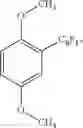
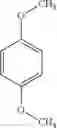
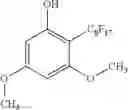
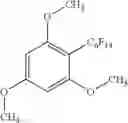
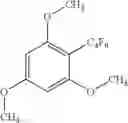
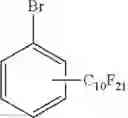
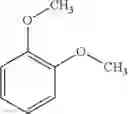
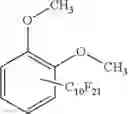
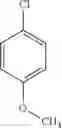
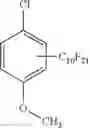
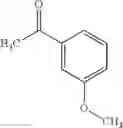
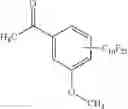
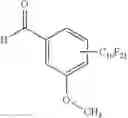
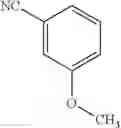
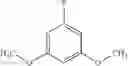
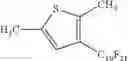
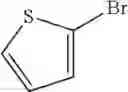
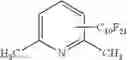
Examples 17 to 44 show the versatility of the method with different compounds ALKYLCOMPSUBST and FCLALKYLHALIDES, they were done in analogy to example 1, reaction conditions were 0.2 mmol of FCLALKYLHALIDE, CAT was Pt/C (Pt: 5 mol % relative to FCLALKYLHALIDE) and Cs2CO3 (1 molar equivalent based on FCLALKYLHALIDE). ALKYLCOMPSUBST was used in the amount of 0.5 mL in case of a ALKYLCOMPSUBST being liquid and 1 mmol in case of ALKYLCOMPSUBST being solid, reaction was done under N2 atmosphere at 10 bar. Yield is isolated yield, in example 28 the yield was determined with 19F NMR with 1,4-difluorobenzene as an internal standard.
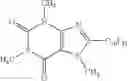
The reaction of example 44 was done with caffeine (1 mmol) in DMSO (0.5 mL) as SOL. The yield according to 19F-NMR with 1,4-difluorobenzene as an internal standard was 61%, isolated yield by pipette column using perfluorinated reverse phase silica gel was 49%.
Further details such as COMPSUBST, FCLALKYLHALIDE, ALKYLCOMPSUBST, T, t, yield and ratio of isomers of examples 17 to 44 are given in Tables 3 and 4.
| TABLE 3 | |||
| FCLALKYL- | |||
| Example | COMPSUBST | HALIDE | ALYKLCOMPSUBST |
| 17 | n-F21C10—I | ||
| 18 | n-F21C10—I | ||
| 19 | n-F17C8—I | ||
| 20 | n-F13C6—I | ||
| 21 | n-F21C10—I | ||
| 22 | n-F17C8—I | ||
| 23 | n-F13C6—I | ||
| 24 | n-F9C4—I | ||
| 25 | n-F21C10—I | ||
| 26 | n-F17C8—I | ||
| 27 | n-F9C4—I | ||
| 29 | n-F21C10—I | ||
| 30 | n-F21C10—I | ||
| 31 | n-F21C10—I | ||
| 32 | n-F21C10—I | ||
| 33 | n-F21C10—I | ||
| 34 | n-F21C10—I | ||
| 35 | n-F21C10—I | ||
| 36 | n-F21C10—I | ||
| 37 | n-F21C10—I | ||
| 38 | n-F21C10—I | ||
| 39 | n-F21C10—I | ||
| 40 | n-F21C10—I | ||
| 41 | n-F13C6—I | ||
| 42 | n-F21C10—I | ||
| 43 | n-F21C10—I | ||
| 44 | n-F21C10—I | ||
| TABLE 4 | ||||
| T | t | Yield in [%] | ||
| Ex. | [° C.] | [h] | (Ratio of Isomers in [%]) | |
| 17 | 100 | 20 | 90 | |
| 18 | 100 | 15 | 87 | |
| 19 | 100 | 15 | 81 | |
| 20 | 100 | 30 | 59 | |
| 21 | 100 | 15 | 73 | |
| 22 | 100 | 15 | 71 | |
| 23 | 100 | 30 | 54 | |
| 24 | 100 | 15 | 70 | |
| 25 | 100 | 20 | 81 | |
| 26 | 100 | 20 | 80 | |
| 27 | 100 | 20 | 79 | |
| 28 | 100 | 20 | 21 | |
| 29 | 100 | 20 | 75 | |
| 30 | 100 | 24 | 77 | |
| (2-, 3-, 4- = 24, 39, 37) | ||||
| 31 | 120 | 20 | 75 | |
| (2, 3-, 4- = 18, 41, 41) | ||||
| 32 | 120 | 20 | 81 | |
| (2-, 4- = 11, 89) | ||||
| 33 | 100 | 24 | 71 | |
| (2-, 3- = 23, 77) | ||||
| 34 | 100 | 24 | 77 | |
| (2-, 4, 5-, 6- = 12, 54, 5, 29) | ||||
| 35 | 100 | 24 | 73 | |
| (2-, 4, 5-, 6- = 4, 80, 1, 15) | ||||
| 36 | 120 | 20 | 69 | |
| (2-, 4, 5-, 6- = 24, 24, 17, 35) | ||||
| 37 | 100 | 20 | 78 | |
| (2-, 4- = 62, 38) | ||||
| 38 | 120 | 20 | 65 | |
| 39 | 120 | 20 | 47 | |
| (2-, 3, 4- = 81, 11, 8) | ||||
| 40 | 50 | 20 | 94 | |
| 41 | 50 | 30 | 68 | |
| 42 | 100 | 20 | 65 | |
| (2-, 3, 4- = 45, 46, 9) | ||||
| 43 | 100 | 20 | 63 | |
| (2-, 3- = 80, 20) | ||||
| 44 | 100 | 20 | 49 | |
Example 45: Perfluoralkylation of ethene-1,1-diyldibenzene
A mixture of 1,1-diphenylethylene (180 mg, 1 mmol), n-C10F21I (130 mg, 0.2 mmol), Pt/C (Sigma-aldrich 330159, with 5 wt % Pt, the wt % are based on the combined weight of Pt and C with ca. 50 wt % water, the wt % based on the combined amount of Pt, C and water, 78 mg, 0.01 mmol, 5 mol % Pt based on n-C10F21I), and Cs2CO3 (65 mg, 0.2 mmol) were placed in a Parr autoclave (25 mL capacity). After replacing the air in the autoclave with nitrogen and increasing the pressure to 10 bars with nitrogen, the reaction mixture was stirred at 100° C. for 20 h. Then the reaction mixture was cooled, and then the pressure was released from the autoclave. The solids were removed by filtration. The filtrate was extracted 4 times with CH2Cl2. The combined organic phase dried with MgSO4, filtered, and concentrated under vacuum. The crude product was purified by column chromatography on silica gel to give 119 mg fluorinated product. The major product is the (3,3,4,4,5,5,6,6,7,7,8,8,9,9,10,10,11,11,12,12,12-henicosafluorododec-1-ene-1,1-diyl)dibenzene. The identity of the product was confirmed using HRMS EI (m/z): [M]+ calculated for C24H11F21, 698.051999. found, 698.05131. The minor product is (3,3,4,4,5,5,6,6,7,7,8,8,9,9,10,10,11,11,12,12,12-henicosafluorododecane-1,1-diyl)dibenzene. The identity of the product was confirmed using HRMS EI (m/z): [M]+ calculated for C24H13F21, 700.06764. found, 700.06668. The position of C10F21 was determined by NMR of the major product. 1H NMR (300 MHz, CDCl3) delta=7.44 to 7.26 (m, 10H), 6.14 (t, J=14.7, 1H). 19F NMR (282 MHz, CDCl3) delta=−80.33 (3F), −103.13 (2F), −120.90 to −122.59 (14F), −125.79 (2F).
Example 46: Perfluoralkylation of 3,3-dimethylbut-1-ene
A mixture of 3,3-dimethylbut-1-ene (374 mg, 3.39 mmol), n-C10F21I (130 mg, 0.2 mmol), Pt/C (Sigma-aldrich 330159, with 5 wt % Pt, the wt % are based on the combined weight of Pt and C with ca. 50 wt % water, the wt % based on the combined amount of Pt, C and water, 78 mg, 0.01 mmol, 5 mol % Pt based on n-C10F21I), and Cs2CO3 (65 mg, 2 mmol) were placed in a magnetically stirred Wheaton vial, the Wheaton vial was placed in a Parr autoclave (Parr Instruments 4560 series). After replacing the air in the autoclave with nitrogen and increasing the pressure to 10 bars with nitrogen, the reaction mixture was stirred at 60° C. for 20 h. Then the reaction mixture was cooled, and then the pressure was released from the autoclave. The solids were removed by filtration. The filtrate was extracted 4 times with CH2Cl2. The combined organic phase dried with MgSO4, filtered, and concentrated under vacuum to give 102 mg fluorinated mixture (determined by 19F NMR). The major identified product is 5,5,6,6,7,7,8,8,9,9,10,10,11,11,12,12,13,13,14,14,14-henicosafluoro-2,2-dimethyltetradec-3-ene. The identity of the product was confirmed using HRMS EI (m/z): [M]+ calculated for C16H11F21, 602.05199. found, 602.05105.
Example 47: Perfluoralkylation of 1-octyne
A mixture of 1-octyne (327 mg, 3.88 mmol), n-C10F21I (130 mg, 0.2 mmol), Pt/C (Sigma-aldrich 330159, with 5 wt % Pt, the wt % are based on the combined weight of Pt and C with ca. 50 wt % water, the wt % based on the combined amount of Pt, C and water, 78 mg, 0.01 mmol, 5 mol % Pt based on n-C10F21I), and Cs2CO3 (65 mg, 2 mmol) were placed in a magnetically stirred Wheaton vial, the Wheaton vial was placed in a Parr autoclave (Parr Instruments 4560 series). After replacing the air in the autoclave with nitrogen and increasing the pressure to 10 bars with nitrogen, the reaction mixture was stirred at 60° C. for 20 h. Then the reaction mixture was cooled, and then the pressure was released from the autoclave. The solids were removed by filtration. The filtrate was extracted 4 times with CH2Cl2. The combined organic phase dried with MgSO4, filtered, and concentrated under vacuum to give 111 mg fluorinated product. The identity of the product was confirmed using NMR. 1H NMR (300 MHz, CDCl3) delta=2.61 to 2.51 (m, 2H), 1.89 to 1.42 (m, 2H), 1.23 (s, 6H), 0.82 (t, J=6.5, 3H). 19F NMR (282 MHz, CDCl3) delta=−80.65 (3F), −105.04 (2F), −121.16 to −123.01 (14F), −125.93 (2F).
Claims
1-16. (canceled)
17. A method for the preparation of a fluoro, chloro or fluorochloro alkylated compound by a reaction of a compound COMPSUBST with a compound FCLALKYLHALIDE with heterogeneous catalysis using a catalyst CAT in the presence of a compound CAESCARB; wherein
FCLALKYLHALIDE is a compound of formula (III);
R3-X (III)
X is Cl, Br or I;
R3 is C1-20 alkyl or a C1-20 alkyl wherein in the alkyl chain at least one hydrogen is substituted by F or Cl;
CAESCARB is Cs2CO3, CsHCO3 or a mixture thereof;
CAT is Pt/C;
COMPSUBST is selected from the group consisting of a compound COMPSUBST-I, ethene, propene, ethine, and polystyrene;
COMPSUBST-I contains a ring RINGA;
RINGA is a 5 or 6 membered carbocyclic or heterocyclic aromatic ring,
when RINGA is a heterocyclic ring, then RINGA has 1, 2 or 3 identical or different endocyclic heteroatoms independently from each other selected from the group consisting of N, O and S,
when RINGA is a 5 membered ring, then RINGA is unsubstituted or substituted by 1, 2, 3 or 4 identical or different substituents,
when RINGA is a 6 membered ring then RINGA is unsubstituted or substituted by 1, 2, 3, 4 or 5 identical or different substituents,
any of said substituents of RINGA is independently from any other of said substituent of RINGA selected from the group consisting of C1-10 alkyl, C3-8 cycloalkyl, alkoxy, OH, N(R10)R11, CN, NH—OH, NO, NO2, F, Cl, Br, I, CF3, (CH2)m—C(O)Y1, S(O)2R50, CH═C(H)R28,
benzyl, phenyl and naphthyl;
RINGA can be condensed with a ring RINGB, RINGB is a 5 or 6 membered carbocyclic or heterocyclic ring,
when RINGB is a heterocyclic ring, is contains 1, 2 or 3 identical or different endocyclic heteroatoms independently from each other selected from the group consisting of N, O and S;
RINGB is unsubstituted or substituted with 1, 2 or 3 in case of RINGB being a 5 membered ring, with 1, 2, 3 or 4 in case of RINGB being a 6 membered ring, identical or different substituents independently from each other selected from the group consisting of C1-10 alkyl, Cm cycloalkyl, C1-4 alkoxy, OH, N(R17)R18, CN, NH—OH, NO, NO2, F, Cl, Br, I, CF3, (CH2)n—C(O)Y2, S(O)2R51, CH═C(H)R38,
benzyl, phenyl and naphthyl;
any of said C1-10 alkyl substitutent of RINGA or RINGB is unsubstituted or substituted with 1, 2, 3, 4 or 5 identical or different substituents selected from the group consisting of halogen, OH, O—C(O)—C1-5 alkyl, O—C1-10 alkyl, S—C1-10 alkyl, S(O)—C1-10 alkyl, S(O2)—C1-10 alkyl, O—C1-6 alkylen-O—C1-6 alkyl, Cm cycloalkyl and 1,2,4-triazolyl;
any of said benzyl, phenyl and naphthyl substitutent of RINGA or RINGB is independently from each other unsubstituted or substituted with 1, 2, 3, 4 or 5 identical or different substituents selected from the group consisting of halogen, C1-4 alkoxy, NO2 and CN;
m, n and q are identical or different and independently from each other 0, 1, 2, 3, 4, 5, 6, 7, 8, 9 or 10;
Y1, Y2 and R13 are identical or different and independently from each other selected from the group consisting of H, OH, C(R14)(R15)R16, C2-6 alkyl, O—C1-6 alkyl, phenyl, benzyl, O-phenyl, O—C1-6 alkylen-O—C1-6 alkyl and N(R19)R20;
R14, R15 and R16 are identical or different and independently from each other selected from the group consisting of H, F, Cl and Br;
R10, R11, R17, R18, R19 and R20 are identical or different and are independently from each other H or C1-6 alkyl, or R10 and R11, R17 and R18 or R19 and R20 represent together a tetramethylene or a pentamethylene chain;
R50 and R51 are identical or different and independently from each other selected from the group consisting of OH, C1-6 alkyl and C1-6 alkoxy;
R24, R34, R28 and R38 are identical or different and independently from each other selected from the group consisting of H, C1-10 alkyl, C(R25)(R26)-O—R27;
R25, R26 and R27 are identical or different and independently from each other selected from the group consisting of H and C1-10 alkyl.
18. The method according to claim 1, wherein
COMPSUBST is selected from the group consisting of compound COMPSUBST-I and polystyrene;
wherein COMPSUBST-I is selected from the group consisting of
wherein COMPSUBST-I is unsubstituted or substituted
by 1, 2, 3 or 4 in case of COMPSUBST-I being a monocyclic compound with 5 endocyclic atoms,
by 1, 2, 3, 4 or 5 in case of COMPSUBST-I being a monocyclic compound with 6 endocyclic atoms,
by 1, 2, 3, 4, 5 or 6 in case of COMPSUBST-I being a bicyclic compound wherein a 5-membered and a 6-membered ring are ortho-fused,
by 1, 2, 3, 4, 5, 6 or 7 in case of COMPSUBST-I being a bicyclic compound wherein two 6-membered rings are ortho-fused,
identical or different substituents independently from each other selected from the group consisting of C1-10 alkyl, C3-8 cycloalkyl, C1-4 alkoxy, OH, C(H)═O, N(R10)R11, CN, NH—OH, NO, NO2, F, Cl, Br, I, CF3, (CH2)m—C(O)Y1, S(O)2R50, CH═C(H)R28,
benzyl, phenyl and naphthyl,
said C1-10 alkyl substitutent of COMPSUBST-I is unsubstituted or substituted with 1, 2, 3, 4 or 5 identical or different substituents selected from the group consisting of halogen, OH, O—C(O)—C1-5 alkyl, O—C1-10 alkyl, S—C1-10 alkyl, S(O)—C1-10 alkyl, S(O2)—C1-10 alkyl, O—C1-6 alkylen-O—C1-6 alkyl, C3-8 cycloalkyl and 1,2,4-triazolyl;
said benzyl, phenyl and naphthyl substitutent of COMPSUBST-I is independently from each other unsubstituted or substituted with 1, 2, 3, 4 or 5 identical or different substituents selected from the group consisting of halogen, C1-4 alkoxy, NO2 and CN.
19. The method according to claim 17, wherein
m, n and q are identical or different and independently from each other 0, 1, 2, 3 or 4.
20. The method according to claim 17, wherein
COMPSUBST is selected from the group consisting of benzene, pyrazole,
and
polystyreneR44 is selected from the group consisting of C.
21. The method according to claim 17, wherein
X is Br or I.
22. The method according to claim 17, wherein
X is I.
23. The method according to claim 17, wherein
compound FCLALKYLHADLIDE is a perfluoroalkyl halide, F2HC—Cl or F2HC—Br.
24. The method according to claim 17, wherein
X is Cl, Br or I, and
R3 is perfluoro C1-20 alkyl; or
FCLALKYLHADLIDE is F2HC—Cl or F2HC—Br.
25. The method according to claim 17, wherein
FCLALKYLHALIDE is selected from the group consisting of F21C10—I, F17C8—I, F13C6—I, F9C4—I, F3C—I, F3C—Br, F3C—Cl, F2HC—Cl and F2HC—Br.
26. The method according to claim 17, wherein
the reaction is done in the presence of a compound COMPSALT;
wherein COMPSALT is selected from the group consisting of NaI, KI, CsI and N(R30)(R31)(R32)R33I; and
R30, R31, R32 and R33 are identical or different and independently from each other selected from the group consisting of H and C1-10 alkyl.
27. The method according to claim 26, wherein
R30, R31, R32 and R33 are identical or different and independently from each other selected from the group consisting of H and C2-6 alkyl.
28. The method according to claim 26, wherein
COMPSALT is selected from the group consisting of NaI and (n-Bu)4NI.
29. The method according to claim 17, wherein
the amount of Pt in CAT is from 0.1 to 20%, the % are % by weight and are based on the combined weight of Pt and C in CAT.
30. The method according to claim 17, wherein
from 0.001 to 20% of Pt are used in the reaction, the % are % by weight % and are based on the weight of FCLALKYLHALIDE.
31. The method according to claim 17, wherein
from 1 to 20 mol equivalents of COMPSUBST are used in the reaction, the mol equivalents are based on the molar amount of FCLALKYLHALIDE.
32. The method according to claim 17, wherein
from 0.1 to 10 mol equivalents of CAESCARB are used in the reaction, the mol equivalents are based on the molar amount of FCLALKYLHALIDE.
Images & Drawings included:

































Sources:
- United States Patent and Trademark Office - verify current appl. status at the USPTO↗
Similar patent applications:
Recent applications in this class:
- » 20220411424 2022-12-29
COMPOSITIONS PROVIDING SLOW RELEASE OF CAFFEINE - » 20220242864 2022-08-04
Supercritical fluid extraction process with integrated pressure exchanger - » 20220048911 2022-02-17
Co-crystals, method and apparatus for forming the same - » 20140194447 2014-07-10
Caffeinated compounds and compositions for treatment of amyloid diseases and synucleinopathies - » 20120052005 2012-03-01
COMBINATION THERAPY TO IMPROVE DRUG EFFICIENCY - » 20110189278 2011-08-04
Pterostilbene cocrystals - » 20110189277 2011-08-04
Pterostilbene cocrystals - » 20110189276 2011-08-04
Pterostilbene cocrystals - » 20110189275 2011-08-04
Pterostilbene cocrystals - » 20110014177 2011-01-20
Methods for Enhancing Physical and Mental Energy
Recent applications for this Assignee:
- » 20240132830 2024-04-25
METHOD AND SYSTEM FOR PROVIDING BUFFER SOLUTIONS - » 20230279330 2023-09-07
Process and system for propagating cell cultures while preventing lactate accumulation - » 20230204421 2023-06-29
AUTOMATED CONTROL OF CELL CULTURE USING RAMAN SPECTROSCOPY - » 20230183623 2023-06-15
Variable diameter bioreactors - » 20230174971 2023-06-08
Methods of cell selection and modifying cell metabolism - » 20220290456 2022-09-15
Customizable facility - » 20220268792 2022-08-25
COMPOSITIONS AND METHODS FOR THE DETECTION OF HOST CELL PROTEINS - » 20220268791 2022-08-25
Compositions and methods for the detection of host cell proteins - » 20220259608 2022-08-18
Promoter variants for protein production - » 20220228954 2022-07-21
SAMPLING SYSTEM WITH A REPLACEABLE CASSETTE ASSEMBLY AND METHODS OF USING THE SAME