Thermally conductive resin and thermal interface material comprising the same
US20170158934A1
2017-06-08
15/046,973
2016-02-18
✅ Patent granted
US 10,329,468 B2
2019-06-25
-
-
Jessica M Roswell
Birch, Stewart, Kolasch & Birch, LLP
2036-07-19
Abstract:
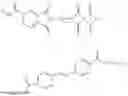
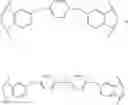
A thermally conductive resin is provided. The thermally conductive resin has the formula
In the formula, X1 is
X2 is
m is an integer ranging from 0 to 95, n is an integer ranging from 1 to 50, and o is an integer ranging from 1 to 80. A thermal interface material including the thermally conductive resin is also provided.
Inventors:
- Kuo-Chan CHIOU 36 🇹🇼 Tainan City, Taiwan
- Yen-Chun LIU 9 🇹🇼 Taipei City, Taiwan
- Hui-Wen CHANG 5 🇹🇼 Hsinchu City, Taiwan
- Min-Chian WANG 2 🇹🇼 New Taipei City, Taiwan
- Kuo-Chan Chiou 25 🇹🇼 Tainan, Taiwan
- Yen-Chun Liu 6 🇹🇼 Taipei, Taiwan
- Hui-Wen Chang 3 🇹🇼 Hsinchu, Taiwan
- Min-Chian Wang 2 🇹🇼 New Taipei, Taiwan
Assignee:
- INDUSTRIAL TECHNOLOGY RESEARCH INSTITUTE 7,890 🇹🇼 HSINCHU, Taiwan
Applicant:
Interested in similar patents?
Get notified when new applications in this technology area are published.
Classification:
C08G73/14 » CPC further
Macromolecular compounds obtained by reactions forming a linkage containing nitrogen with or without oxygen or carbon in the main chain of the macromolecule, not provided for in groups - ; Polycondensates having nitrogen-containing heterocyclic rings in the main chain of the macromolecule; Polyimides; Polyester-imides; Polyamide-imides; Polyamide acids or similar polyimide precursors Polyamide-imides
C09K5/14 » CPC main
Heat-transfer, heat-exchange or heat-storage materials, e.g. refrigerants; Materials for the production of heat or cold by chemical reactions other than by combustion; Materials not undergoing a change of physical state when used Solid materials, e.g. powdery or granular
C08G73/1035 » CPC further
Macromolecular compounds obtained by reactions forming a linkage containing nitrogen with or without oxygen or carbon in the main chain of the macromolecule, not provided for in groups - ; Polycondensates having nitrogen-containing heterocyclic rings in the main chain of the macromolecule; Polyimides; Polyester-imides; Polyamide-imides; Polyamide acids or similar polyimide precursors; Preparatory processes from tetracarboxylic acids or derivatives and diisocyanates
C08K3/22 IPC
Use of inorganic substances as compounding ingredients; Oxygen-containing compounds, e.g. metal carbonyls; Oxides; Hydroxides of metals
C08K2003/2227 » CPC further
Use of inorganic substances as compounding ingredients; Oxygen-containing compounds, e.g. metal carbonyls; Oxides; Hydroxides of metals of aluminium
C08L79/08 » CPC further
Compositions of macromolecular compounds obtained by reactions forming in the main chain of the macromolecule a linkage containing nitrogen with or without oxygen or carbon only, not provided for in groups - ; Polycondensates having nitrogen-containing heterocyclic rings in the main chain; Polyhydrazides; Polyamide acids or similar polyimide precursors Polyimides; Polyester-imides; Polyamide-imides; Polyamide acids or similar polyimide precursors
C08G73/1046 » CPC further
Macromolecular compounds obtained by reactions forming a linkage containing nitrogen with or without oxygen or carbon in the main chain of the macromolecule, not provided for in groups - ; Polycondensates having nitrogen-containing heterocyclic rings in the main chain of the macromolecule; Polyimides; Polyester-imides; Polyamide-imides; Polyamide acids or similar polyimide precursors Polyimides containing oxygen in the form of ether bonds in the main chain
C08K3/34 » CPC further
Use of inorganic substances as compounding ingredients Silicon-containing compounds
C08K2003/282 » CPC further
Use of inorganic substances as compounding ingredients; Nitrogen-containing compounds Binary compounds of nitrogen with aluminium
C08K2003/382 » CPC further
Use of inorganic substances as compounding ingredients; Boron-containing compounds and nitrogen
C08G73/10 » CPC further
Macromolecular compounds obtained by reactions forming a linkage containing nitrogen with or without oxygen or carbon in the main chain of the macromolecule, not provided for in groups - ; Polycondensates having nitrogen-containing heterocyclic rings in the main chain of the macromolecule Polyimides; Polyester-imides; Polyamide-imides; Polyamide acids or similar polyimide precursors
C08K3/28 IPC
Use of inorganic substances as compounding ingredients Nitrogen-containing compounds
C08K3/38 IPC
Use of inorganic substances as compounding ingredients Boron-containing compounds
Description
CROSS REFERENCE TO RELATED APPLICATIONS
This Application claims the priority of Taiwan Patent Application No. 104140917, filed on Dec. 7, 2015, the entirety of which is incorporated by reference herein.
TECHNICAL FIELD
The technical field relates to thermally conductive resin and thermal interface material.
BACKGROUND
In order to improve the development of electronic products with multi-functionality, high-speed and high-power, a thermal interface material plays a key role in thermal management design. How to increase thermal conductivity efficiency between elements and heat sinks, the characteristics of thermal conductivity and thermal resistance of the thermal interface material play an important role.
The resin composition of the current thermal interface material is mostly epoxy resin, siloxane resin, polyamideimide resin and polyimide resin, and high-thermal-conductive powder capable of improving thermal conductivity, for example ceramic powder such as aluminum oxide or boron nitride is added thereto, and then made into the form of flakes, gaskets, ribbon, or film. In order to improve the thermal conductivity value of the thermal interface material, the amount of thermally conductive powder that is added is usually greater than 80 wt % based on the total composition. As more thermally conductive powder is added, the thermal conductivity value gets higher. However, in this situation, it is often difficult to exhibit other characteristics of the resin composition, resulting in deteriorated characteristics such as inadequate electrical insulation, softness, mechanical strength or heat resistance of the thermal interface material, substantially restricting its use.
Accordingly, there is a need for a novel high-thermal-conductive resin which can be conducted with less inorganic thermally conductive powder to meet the requirements of high thermal conductivity and high dielectric insulation.
SUMMARY
One embodiment of the disclosure provides a thermally conductive resin, represented by formula (I):
In formula (I), X1 is
X2 is
m is an integer ranging from 0 to 95, n is an integer ranging from 1 to 50, and o is an integer ranging from 1 to 80.
One embodiment of the disclosure provides a thermal interface material comprising the disclosed thermally conductive resin.
A detailed description is given in the following embodiments.
DETAILED DESCRIPTION
In the following detailed description, for purposes of explanation, numerous specific details are set forth in order to provide a thorough understanding of the disclosed embodiments. It will be apparent, however, that one or more embodiments may be practiced without these specific details. In other instances, well-known structures and devices are schematically shown in order to simplify the drawing.
One embodiment of the disclosure provides a thermally conductive resin, represented by formula (I):
In formula (I), X1 may be
X2 may be
Additionally, in formula (I), m may be an integer ranging from about 0 to 95, n may be an integer ranging from about 1 to 50, and o may be an integer ranging from about 1 to 80.
In some embodiments, in formula (I), m may be an integer ranging from about 0 to 75, n may be an integer ranging from about 5 to 50, and o may be an integer ranging from about 20 to 80.
In some embodiments, in formula (I), m may be 0, n may be an integer ranging from about 20 to 50, and o may be an integer ranging from about 50 to 80.
In some embodiments, in formula (I), m may be an integer ranging from about 5 to 75, n may be an integer ranging from about 5 to 30, and o may be an integer ranging from about 20 to 80.
One embodiment of the disclosure provides a thermal interface material comprising a thermally conductive resin.
In some embodiments, the thermally conductive resin may be represented by formula (I):
In formula (I), Xi may be
X2 may be
Additionally, in formula (I), m may be an integer ranging from about 0 to 95, n may be an integer ranging from about 1 to 50, and o may be an integer ranging from about 1 to 80.
In some embodiments, in formula (I), m may be an integer ranging from about 0 to 75, n may be an integer ranging from about 5 to 50, and o may be an integer ranging from about 20 to 80.
In some embodiments, in formula (I), m may be 0, n may be an integer ranging from about 20 to 50, and o may be an integer ranging from about 50 to 80.
In some embodiments, in formula (I), m may be an integer ranging from about 5 to 75, n may be an integer ranging from about 5 to 30, and o may be an integer ranging from about 20 to 80.
In some embodiments, the thermal interface material further comprises thermally conductive powder mixed in the thermal interface material.
In some embodiments, the disclosed thermally conductive powder may comprise ceramic powder, for example boron nitride, silicon carbide, aluminum nitride or aluminum oxide.
In some embodiments, the thermally conductive powder has a weight ratio less than or equal to about 50% in the thermal interface material.
In the disclosure, trimellitic anhydride (TMA) and the specific diisocyanate (for example MDI, TODI, NDI or a mixture thereof), dianhydride (for example PMDA, BTDA, ODPA, BPDA or a mixture thereof) and dicarboxylic acid (for example StDA) are adopted to proceed to polymerization reaction with the specific ratios to prepare a thermally conductive resin (PAI or PI) with characteristics of high thermal conductivity and high dielectric insulation.
EXAMPLES
Example 1
The Preparation of the Thermally Conductive Resin (PAI resin) (1)
Under room temperature, a stirrer and heating mantle were shelved on a one-liter four-mouth reactor. 71.98 g of trimellitic anhydride (TMA), 125.00 g of 4,4′-methylenediphenyl diisocyanate (MDI), 7.35 g of 3,3′,4,4′-biphenyl tetracarboxylic dianhydride (BPDA) and 26.80 g of 4,4′-stilbenedicarboxylic acid (StDA) were added to the reactor. 693.37 g of NMP solvent was then added to the reactor to proceed to dissolution reaction with uniform stirring. The reaction temperature was raised to 80° C. for one-hour reaction, and then raised to 120° C. for two-hour reaction. Next, the reaction temperature was continuously raised to 170° C. for two-hour reaction. After the reaction was completed, the reactor was cooled down to room temperature. A thermally conductive resin (PAI resin) of this example was prepared. Next, the thermal conductivity value of the resin material was tested and is listed in Table 1. After the above steps were completed, the resin was kept in a sealed PE bottle.
Example 2
The Preparation of the Thermally Conductive Resin (PAI resin) (2)
Under room temperature, a stirrer and heating mantle were shelved on a one-liter four-mouth reactor. 36.24 g of trimellitic anhydride (TMA), 118.00 g of 4,4′-methylenediphenyl diisocyanate (MDI), 41.62 g of 3,3′,4,4′-biphenyl tetracarboxylic dianhydride (BPDA) and 37.95 g of 4,4′-stilbenedicarboxylic acid (StDA) were added to the reactor. 701.41 g of NMP solvent was then added to the reactor to proceed to dissolution reaction with uniform stirring. The reaction temperature was raised to 80° C. for one-hour reaction, and then raised to 120° C. for two-hour reaction. Next, the reaction temperature was continuously raised to 170° C. for two-hour reaction. After the reaction was completed, the reactor was cooled down to room temperature. A thermally conductive resin (PAI resin) of this example was prepared. Next, the thermal conductivity value of the resin material was tested and is listed in Table 1. After the above steps were completed, the resin was kept in a sealed PE bottle.
Example 3
The Preparation of the Thermally Conductive Resin (PI resin) (3)
Under room temperature, a stirrer and heating mantle were shelved on a one-liter four-mouth reactor. 108.00 g of 4,4′-methylenediphenyl diisocyanate (MDI), 63.49 g of 3,3′,4,4′-biphenyl tetracarboxylic dianhydride (BPDA) and 57.89 g of 4,4′-stilbenedicarboxylic acid (StDA) were added to the reactor. 688.12 g of n-methylpyrrolidinone (NMP) solvent was then added to the reactor to proceed to dissolution reaction with uniform stirring. The reaction temperature was raised to 80° C. for one-hour reaction, and then raised to 120° C. for two-hour reaction. Next, the reaction temperature was continuously raised to 170° C. for two-hour reaction. After the reaction was completed, the reactor was cooled down to room temperature. A thermally conductive resin (PI resin) of this example was prepared. Next, the thermal conductivity value of the resin material was tested and is listed in Table 1. After the above steps were completed, the resin was kept in a sealed PE bottle.
Example 4
The Preparation of the Thermally Conductive Resin (PI resin) (4)
Under room temperature, a stirrer and heating mantle were shelved on a one-liter four-mouth reactor. 110.00 g of 4,4′-methylenediphenyl diisocyanate (MDI), 25.87 g of 3,3′,4,4′-biphenyl tetracarboxylic dianhydride (BPDA) and 94.33 g of 4,4′-stilbenedicarboxylic acid (StDA) were added to the reactor. 690.59 g of n-methylpyrrolidinone (NMP) solvent was then added to the reactor to proceed to dissolution reaction with uniform stirring. The reaction temperature was raised to 80° C. for one-hour reaction, and then raised to 120° C. for two-hour reaction. Next, the reaction temperature was continuously raised to 170° C. for two-hour reaction. After the reaction was completed, the reactor was cooled down to room temperature. A thermally conductive resin (PI resin) of this example was prepared. Next, the thermal conductivity value of the resin material was tested and is listed in Table 1. After the above steps were completed, the resin was kept in a sealed PE bottle.
Example 5
The Preparation of the Thermally Conductive Resin (PI resin) (5)
Under room temperature, a stirrer and heating mantle were shelved on a one-liter four-mouth reactor. 108.00 g of 4,4′-methylenediphenyl diisocyanate (MDI), 31.74 g of 3,3′,4,4′-biphenyl tetracarboxylic dianhydride (BPDA), 33.47 g of 4,4′-oxydiphthalic anhydride (ODPA) and 57.89 g of 4,4′-stilbenedicarboxylic acid (StDA) were added to the reactor. 693.30 g of n-methylpyrrolidinone (NMP) solvent was then added to the reactor to proceed to dissolution reaction with uniform stirring. The reaction temperature was raised to 80° C. for one-hour reaction, and then raised to 120° C. for two-hour reaction. Next, the reaction temperature was continuously raised to 170° C. for two-hour reaction. After the reaction was completed, the reactor was cooled down to room temperature. A thermally conductive resin (PI resin) of this example was prepared. Next, the thermal conductivity value of the resin material was tested and is listed in Table 1. After the above steps were completed, the resin was kept in a sealed PE bottle.
Example 6
The Preparation of the Thermally Conductive Resin (PI resin) (6)
Under room temperature, a stirrer and heating mantle were shelved on a one-liter four-mouth reactor. 53.50 g of 4,4′-methylenediphenyl diisocyanate (MDI), 56.50 g of 3,3′-dimethylbiphenyl-4,4′-diisocyanate (TODI), 31.45 g of 3,3′,4,4′-biphenyl tetracarboxylic dianhydride (BPDA), 33.16 g of 4,4′-oxydiphthalic anhydride (ODPA) and 57.35 g of 4,4′-stilbenedicarboxylic acid (StDA) were added to the reactor. 695.87 g of n-methylpyrrolidinone (NMP) solvent was then added to the reactor to proceed to dissolution reaction with uniform stirring. The reaction temperature was raised to 80° C. for one-hour reaction, and then raised to 120° C. for two-hour reaction. Next, the reaction temperature was continuously raised to 170° C. for two-hour reaction. After the reaction was completed, the reactor was cooled down to room temperature. A thermally conductive resin (PI resin) of this example was prepared. Next, the thermal conductivity value of the resin material was tested and is listed in Table 1. After the above steps were completed, the resin was kept in a sealed PE bottle.
| TABLE 1 | ||||||
| Examples | 1 | 2 | 3 | 4 | 5 | 6 |
| Trimellitic | + | + | − | − | − | − |
| anhydride | ||||||
| (TMA) | ||||||
| Diisocyanate | MDI | MDI | MDI | MDI | MDI | MDI |
| TODI | ||||||
| Dianhydride | BPDA | BPDA | BPDA | BPDA | BPDA | BPDA |
| ODPA | ODPA | |||||
| Dicarboxylic | StDA | StDA | StDA | StDA | StDA | StDA |
| acid | ||||||
| Thermal | 0.35 | 0.41 | 0.42 | 0.45 | 0.41 | 0.36 |
| conductivity | ||||||
| value | ||||||
| (W/mK) | ||||||
| Molar ratio | 75:5:20 | 40:30:30 | 0:50:50 | 0:20:80 | 0:50:50 | 0:50:50 |
| (m:n:o) | ||||||
Example 7
The Preparation of the Thermally Conductive Resin (PI resin) (7)
Under room temperature, a stirrer and heating mantle were shelved on a one-liter four-mouth reactor. 56.50 g of 4,4′-methylenediphenyl diisocyanate (MDI), 47.45 g of 1, 5-naphthalene diisocyanate (NDI), 66.43 g of 3,3′,4,4′-biphenyl tetracarboxylic dianhydride (BPDA) and 60.57 g of 4,4′-stilbenedicarboxylic acid (StDA) were added to the reactor. 692.84 g of n-methylpyrrolidinone (NMP) solvent was then added to the reactor to proceed to dissolution reaction with uniform stirring. The reaction temperature was raised to 80° C. for one-hour reaction, and then raised to 120° C. for two-hour reaction. Next, the reaction temperature was continuously raised to 170° C. for two-hour reaction. After the reaction was completed, the reactor was cooled down to room temperature. A thermally conductive resin (PI resin) of this example was prepared. Next, the thermal conductivity value of the resin material was tested and is listed in Table 2. After the above steps were completed, the resin was kept in a sealed PE bottle.
Example 8
The Preparation of the Thermally Conductive Resin (PAI resin) (8)
Under room temperature, a stirrer and heating mantle were shelved on a one-liter four-mouth reactor. 35.62 g of trimellitic anhydride (TMA), 116.00 g of 4,4′-methylenediphenyl diisocyanate (MDI), 20.46 g of 3,3′,4,4′-biphenyl tetracarboxylic dianhydride (BPDA), 22.40 g of 3,3′,4,4′-benzophenone tetracarboxylic dianhydride (BTDA) and 37.30 g of 4,4′-stilbenedicarboxylic acid (StDA) were added to the reactor. 695.37 g of n-methylpyrrolidinone (NMP) solvent was then added to the reactor to proceed to dissolution reaction with uniform stirring. The reaction temperature was raised to 80° C. for one-hour reaction, and then raised to 120° C. for two-hour reaction. Next, the reaction temperature was continuously raised to 170° C. for two-hour reaction. After the reaction was completed, the reactor was cooled down to room temperature. A thermally conductive resin (PAI resin) of this example was prepared. Next, the thermal conductivity value of the resin material was tested and is listed in Table 2. After the above steps were completed, the resin was kept in a sealed PE bottle.
Example 9
The Preparation of the Thermally Conductive Resin (PAI resin) (9)
Under room temperature, a stirrer and heating mantle were shelved on a one-liter four-mouth reactor. 36.54 g of trimellitic anhydride (TMA), 119.00 g of 4,4′-methylenediphenyl diisocyanate (MDI), 20.99 g of 3,3′,4,4′-biphenyl tetracarboxylic dianhydride (BPDA), 15.56 g of pyromellitic dianhydride (PMDA) and 38.27 g of 4,4′-stilbenedicarboxylic acid (StDA) were added to the reactor. 691.07 g of n-methylpyrrolidinone (NMP) solvent was then added to the reactor to proceed to dissolution reaction with uniform stirring. The reaction temperature was raised to 80° C. for one-hour reaction, and then raised to 120° C. for two-hour reaction. Next, the reaction temperature was continuously raised to 170° C. for two-hour reaction. After the reaction was completed, the reactor was cooled down to room temperature. A thermally conductive resin (PAI resin) of this example was prepared. Next, the thermal conductivity value of the resin material was tested and is listed in Table 2. After the above steps were completed, the resin was kept in a sealed PE bottle.
Example 10
The Preparation of the Thermally Conductive Resin (PAI resin) (10)
Under room temperature, a stirrer and heating mantle were shelved on a one-liter four-mouth reactor. 35.62 g of trimellitic anhydride (TMA), 116.00 g of 4,4′-methylenediphenyl diisocyanate (MDI), 20.46 g of 3,3′,4,4′-biphenyl tetracarboxylic dianhydride (BPDA), 21.57 g of 4,4′-oxydiphthalic anhydride (ODPA) and 37.30 g of 4,4′-stilbenedicarboxylic acid (StDA) were added to the reactor. 692.86 g of n-methylpyrrolidinone (NMP) solvent was then added to the reactor to proceed to dissolution reaction with uniform stirring. The reaction temperature was raised to 80° C. for one-hour reaction, and then raised to 120° C. for two-hour reaction. Next, the reaction temperature was continuously raised to 170° C. for two-hour reaction. After the reaction was completed, the reactor was cooled down to room temperature. A thermally conductive resin (PAI resin) of this example was prepared. Next, the thermal conductivity value of the resin material was tested and is listed in Table 2. After the above steps were completed, the resin was kept in a sealed PE bottle.
Example 11
The Preparation of the Thermally Conductive Resin (PAI resin) (11)
Under room temperature, a stirrer and heating mantle were shelved on a one-liter four-mouth reactor. 26.03 g of trimellitic anhydride (TMA), 56.50 g of 4,4′-methylenediphenyl diisocyanate (MDI), 59.67 g of 3,3′-dimethylbiphenyl-4,4′-diisocyanate (TODI), 39.86 g of 3,3′,4,4′-biphenyl tetracarboxylic dianhydride (BPDA) and 48.45 g of 4,4′-stilbenedicarboxylic acid (StDA) were added to the reactor. 691.50 g of n-methylpyrrolidinone (NMP) solvent was then added to the reactor to proceed to dissolution reaction with uniform stirring. The reaction temperature was raised to 80° C. for one-hour reaction, and then raised to 120° C. for two-hour reaction. Next, the reaction temperature was continuously raised to 170° C. for two-hour reaction. After the reaction was completed, the reactor was cooled down to room temperature. A thermally conductive resin (PAI resin) of this example was prepared. Next, the thermal conductivity value of the resin material was tested and is listed in Table 2. After the above steps were completed, the resin was kept in a sealed PE bottle.
Example 12
The Preparation of the Thermally Conductive Resin (PAI resin) (12)
Under room temperature, a stirrer and heating mantle were shelved on a one-liter four-mouth reactor. 27.87 g of trimellitic anhydride (TMA), 60.50 g of 4,4′-methylenediphenyl diisocyanate (MDI), 50.81 g of 1,5-naphthalene diisocyanate (NDI), 14.23 g of 3,3′,4,4′-biphenyl tetracarboxylic dianhydride (BPDA) and 77.82 g of 4,4′-stilbenedicarboxylic acid (StDA) were added to the reactor. 693.70 g of n-methylpyrrolidinone (NMP) solvent was then added to the reactor to proceed to dissolution reaction with uniform stirring. The reaction temperature was raised to 80° C. for one-hour reaction, and then raised to 120° C. for two-hour reaction. Next, the reaction temperature was continuously raised to 170° C. for two-hour reaction. After the reaction was completed, the reactor was cooled down to room temperature. A thermally conductive resin (PAI resin) of this example was prepared. Next, the thermal conductivity value of the resin material was tested and is listed in Table 2. After the above steps were completed, the resin was kept in a sealed PE bottle.
Example 13
The Preparation of the Thermally Conductive Resin (PAI resin) (13)
Under room temperature, a stirrer and heating mantle were shelved on a one-liter four-mouth reactor. 27.06 g of trimellitic anhydride (TMA), 47.00 g of 4,4′-methylenediphenyl diisocyanate (MDI), 29.61 g of 1,5-naphthalene diisocyanate (NDI), 37.23 g of 3,3′-dimethylbiphenyl-4,4′-diisocyanate (TODI), 13.81g of 3,3′,4,4′-biphenyl tetracarboxylic dianhydride (BPDA) and 75.57 g of 4,4′-stilbenedicarboxylic acid (StDA) were added to the reactor. 690.85 g of n-methylpyrrolidinone (NMP) solvent was then added to the reactor to proceed to dissolution reaction with uniform stirring. The reaction temperature was raised to 80° C. for one-hour reaction, and then raised to 120° C. for two-hour reaction. Next, the reaction temperature was continuously raised to 170° C. for two-hour reaction. After the reaction was completed, the reactor was cooled down to room temperature. A thermally conductive resin (PAI resin) of this example was prepared. Next, the thermal conductivity value of the resin material was tested and is listed in Table 2. After the above steps were completed, the resin was kept in a sealed PE bottle.
| TABLE 2 | |||||||
| Examples | 7 | 8 | 9 | 10 | 11 | 12 | 13 |
| Trimellitic | − | + | + | + | + | + | + |
| anhydride | |||||||
| (TMA) | |||||||
| Diisocyanate | MDI | MDI | MDI | MDI | MDI | MDI | MDI |
| NDI | TODI | NDI | NDI | ||||
| TODI | |||||||
| Dianhydride | BPDA | BPDA | BPDA | BPDA | BPDA | BPDA | BPDA |
| BTDA | PMDA | ODPA | |||||
| Dicarboxylic | StDA | StDA | StDA | StDA | StDA | StDA | StDA |
| acid | |||||||
| Thermal | 0.42 | 0.32 | 0.36 | 0.31 | 0.37 | 0.45 | 0.41 |
| conductivity | |||||||
| value | |||||||
| (W/mK) | |||||||
| Molar ratio | 0:50:50 | 40:30:30 | 40:30:30 | 40:30:30 | 30:30:40 | 30:10:60 | 30:10:60 |
| (m:n:o) | |||||||
Example 14
The Preparation of the Thermally Conductive Resin (PAI resin) (14)
Under room temperature, a stirrer and heating mantle were shelved on a one-liter four-mouth reactor. 27.42 g of trimellitic anhydride (TMA), 50.00 g of 1,5-naphthalene diisocyanate (NDI), 62.87 g of 3,3′-dimethylbiphenyl-4,4′-diisocyanate (TODI), 14.00 g of 3,3′,4,4′-biphenyl tetracarboxylic dianhydride (BPDA) and 76.58 g of 4,4′-stilbenedicarboxylic acid (StDA) were added to the reactor. 692.59 g of n-methylpyrrolidinone (NMP) solvent was then added to the reactor to proceed to dissolution reaction with uniform stirring. The reaction temperature was raised to 80° C. for one-hour reaction, and then raised to 120° C. for two-hour reaction. Next, the reaction temperature was continuously raised to 170° C. for two-hour reaction. After the reaction was completed, the reactor was cooled down to room temperature. A thermally conductive resin (PAI resin) of this example was prepared. Next, the thermal conductivity value of the resin material was tested and is listed in Table 3. After the above steps were completed, the resin was kept in a sealed PE bottle.
Example 15
The Preparation of the Thermally Conductive Resin (PAI resin) (15)
Under room temperature, a stirrer and heating mantle were shelved on a one-liter four-mouth reactor. 4.49 g of trimellitic anhydride (TMA), 58.50 g of 4,4′-methylenediphenyl diisocyanate (MDI), 49.13 g of 1,5-naphthalene diisocyanate (NDI), 10.32 g of 3,3′,4,4′-biphenyl tetracarboxylic dianhydride (BPDA), 7.65 g of pyromellitic dianhydride (PMDA) and 100.34 g of 4,4′-stilbenedicarboxylic acid (StDA) were added to the reactor. 691.28 g of n-methylpyrrolidinone (NMP) solvent was then added to the reactor to proceed to dissolution reaction with uniform stirring. The reaction temperature was raised to 80° C. for one-hour reaction, and then raised to 120° C. for two-hour reaction. Next, the reaction temperature was continuously raised to 170° C. for two-hour reaction. After the reaction was completed, the reactor was cooled down to room temperature. A thermally conductive resin (PAI resin) of this example was prepared. Next, the thermal conductivity value of the resin material was tested and is listed in Table 3. After the above steps were completed, the resin was kept in a sealed PE bottle.
Example 16
The Preparation of the Thermally Conductive Resin (PAI resin) (16)
Under room temperature, a stirrer and heating mantle were shelved on a one-liter four-mouth reactor. 4.43 g of trimellitic anhydride (TMA), 48.50 g of 1,5-naphthalene diisocyanate (NDI), 60.98 g of 3,3′-dimethylbiphenyl-4,4′-diisocyanate (TODI), 10.18 g of 3,3′,4,4′-biphenyl tetracarboxylic dianhydride (BPDA), 7.55 g of pyromellitic dianhydride (PMDA) and 99.04 g of 4,4′-stilbenedicarboxylic acid (StDA) were added to the reactor. 692.06 g of n-methylpyrrolidinone (NMP) solvent was then added to the reactor to proceed to dissolution reaction with uniform stirring. The reaction temperature was raised to 80° C. for one-hour reaction, and then raised to 120° C. for two-hour reaction. Next, the reaction temperature was continuously raised to 170° C. for two-hour reaction. After the reaction was completed, the reactor was cooled down to room temperature. A thermally conductive resin (PAI resin) of this example was prepared. Next, the thermal conductivity value of the resin material was tested and is listed in Table 3. After the above steps were completed, the resin was kept in a sealed PE bottle.
| TABLE 3 | ||||
| Examples | 14 | 15 | 16 | |
| Trimellitic anhydride | + | + | + | |
| (TMA) | ||||
| Diisocyanate | NDI | MDI | NDI | |
| TODI | NDI | TODI | ||
| Dianhydride | BPDA | BPDA | BPDA | |
| PMDA | PMDA | |||
| Dicarboxylic acid | StDA | StDA | StDA | |
| Thermal conductivity value | 0.42 | 0.46 | 0.44 | |
| (W/mK) | ||||
| Molar ratio (m:n:o) | 30:10:60 | 5:15:80 | 5:15:80 | |
Comparative Example 1
The Preparation of Conventional Thermally Conductive Resin (PAI resin)
Under room temperature, a stirrer and heating mantle were shelved on a one-liter four-mouth reactor. 100.57 g of trimellitic anhydride (TMA) and 131.00 g of 4,4′-methylenediphenyl diisocyanate (MDI) were added to the reactor. 263.04 g of n-methylpyrrolidinone (NMP) solvent was then added to the reactor to proceed to dissolution reaction with uniform stirring. The reaction temperature was raised to 80° C. for one-hour reaction, and then raised to 120° C. for two-hour reaction. Next, the reaction temperature was continuously raised to 170° C. for two-hour reaction. After the reaction was completed, the reactor was cooled down to room temperature. A thermally conductive resin (PAI resin) of this comparative example was prepared. Next, the thermal conductivity value of the resin material was tested and is listed in Table 4. After the above steps were completed, the resin was kept in a sealed PE bottle.
Comparative Example 2
The Preparation of Conventional Thermally Conductive Resin (PAI resin)
Under room temperature, a stirrer and heating mantle were shelved on a one-liter four-mouth reactor. 94.82 g of trimellitic anhydride (TMA), 130.00 g of 4,4′-methylenediphenyl diisocyanate (MDI) and 6.97 g of 4,4′-stilbenedicarboxylic acid (StDA) were added to the reactor. 695.35 g of n-methylpyrrolidinone (NMP) solvent was then added to the reactor to proceed to dissolution reaction with uniform stirring. The reaction temperature was raised to 80° C. for one-hour reaction, and then raised to 120° C. for two-hour reaction. Next, the reaction temperature was continuously raised to 170° C. for two-hour reaction. After the reaction was completed, the reactor was cooled down to room temperature. A thermally conductive resin (PAI resin) of this comparative example was thus prepared. Next, the thermal conductivity value of the resin material was tested and is listed in Table 4. After the above steps were completed, the resin was kept in a sealed PE bottle.
| TABLE 4 | |||
| Comparative Example | 1 | 2 | |
| Trimellitic anhydride | + | + | |
| (TMA) | |||
| Diisocyanate | MDI | MDI | |
| Dianhydride | − | − | |
| Dicarboxylic acid | − | StDA | |
| Thermal conductivity value | 0.18 | 0.24 | |
| (W/mK) | |||
| Molar ratio (m:n:o) | 100:0:0 | 95:0:5 | |
Example 17
The Preparation of the Thermal Interface Material (1) (with 50% thermally conductive powder of aluminum oxide)
The thermally conductive resin (PI resin) prepared by Example 4 was mixed with 50 wt % of thermally conductive powder of aluminum oxide to form a thermal interface material of this example. The thermal conductivity value and volume resistivity of the thermal interface material were then tested and are listed in Table 5.
Example 18
The Preparation of the Thermal Interface Material (2) (with 50% thermally conductive powder of aluminum oxide)
The thermally conductive resin (PAI resin) prepared by Example 15 was mixed with 50 wt % of thermally conductive powder of aluminum oxide to form a thermal interface material of this example. The thermal conductivity value and volume resistivity of the thermal interface material were then tested and are listed in Table 5.
Comparative Example 3
The Preparation of Conventional Thermal Interface Material (with 85% thermally conductive powder of aluminum oxide)
The thermally conductive resin (PAI resin) prepared by Comparative Example 1 was mixed with 85 wt % of thermally conductive powder of aluminum oxide to form a thermal interface material of this example. The thermal conductivity value and volume resistivity of the thermal interface material were then tested and are listed in Table 5.
| TABLE 5 | |||
| Example 17 | Example 18 | Com. Example 3 | |
| Thermally | PI | PAI | PAI |
| conductive resin | |||
| Thermally | Aluminum | Aluminum | Aluminum |
| conductive powder | oxide | oxide | oxide |
| (50 wt %) | (50 wt %) | (85 wt %) | |
| Thermal | 4.6 | 5.0 | 3.2 |
| conductivity value | |||
| (W/mK) | |||
| Volume resistivity | 1013 | 1013 | 1011 |
| (Ω-cm) | |||
| Breakdown voltage | 1.5 | 1.5 | 1.1 |
| (V) | |||
In the disclosure, trimellitic anhydride (TMA) and the specific diisocyanate (for example MDI, TODI, NDI or a mixture thereof), dianhydride (for example PMDA, BTDA, ODPA, BPDA or a mixture thereof) and dicarboxylic acid (for example StDA) are adopted to proceed to polymerization reaction with the specific ratios to prepare a thermally conductive resin (PAI or PI) with characteristics of high thermal conductivity and high dielectric insulation. The thermal conductivity value of the present thermally conductive resin is higher than that of conventional thermally conductive resin about 1.3 to 2.3 times. Additionally, when a thermal interface material is further prepared, merely a small amount (about 50 wt % below) of thermally conductive powder (for example ceramic powder) is added in the thermally conductive resin, and the thermal interface material with characteristic of high thermal conductivity is thus obtained due to the present thermally conductive resin with superior characteristic of thermal conductivity. In a conventional thermal interface material, however, even though more than 80 wt % of thermally conductive powder is added, it still fails to reach the thermal conductivity value of the present thermally conductive resin.
It will be apparent to those skilled in the art that various modifications and variations can be made to the disclosed embodiments. It is intended that the specification and examples be considered as exemplary only, with the true scope of the disclosure being indicated by the following claims and their equivalents.
Claims
What is claimed is:1. A thermally conductive resin, represented by formula (I):
wherein
Xi is
X2 is
m is an integer ranging from 0 to 95,
n is an integer ranging from 1 to 50, and
o is an integer ranging from 1 to 80.
2. The thermally conductive resin as claimed in claim 1, wherein m is an integer ranging from 0 to 75, n is an integer ranging from 5 to 50, and o is an integer ranging from 20 to 80.
3. The thermally conductive resin as claimed in claim 1, wherein m is 0, n is an integer ranging from 20 to 50, and o is an integer ranging from 50 to 80.
4. The thermally conductive resin as claimed in claim 1, wherein m is an integer ranging from 5 to 75, n is an integer ranging from 5 to 30, and o is an integer ranging from 20 to 80.
5. A thermal interface material comprising a thermally conductive resin as claimed in claim 1.
6. The thermal interface material as claimed in claim 5, further comprising thermally conductive powder mixed in the thermal interface material.
7. The thermal interface material as claimed in claim 6, wherein the thermally conductive powder comprises ceramic powder.
8. The thermal interface material as claimed in claim 6, wherein the thermally conductive powder comprises boron nitride, silicon carbide, aluminum nitride or aluminum oxide.
9. The thermal interface material as claimed in claim 6, wherein the thermally conductive powder has a weight ratio less than or equal to 50% in the thermal interface material.
Images & Drawings included:








Sources:
- United States Patent and Trademark Office - verify current appl. status at the USPTO↗
Recent applications in this class:
- » 20250282986 2025-09-11
HEAT CONDUCTION SHEET, HEAT DISSIPATING DEVICE, AND METHOD OF MANUFACTURING HEAT CONDUCTION SHEET - » 20250270435 2025-08-28
BORON NITRIDE POWDER, METHOD FOR PRODUCING SAME, AND HEAT-DISSIPATING SHEET - » 20250236776 2025-07-24
HEAT DISSIPATION COMPONENT WITH ANISOTROPIC HEAT CONDUCTION AND METHOD OF FABRICATING THE SAME AND SEMICONDUCTOR DEVICE - » 20250215303 2025-07-03
EPOXY-BASED COMPOSITION FOR THERMAL INTERFACE MATERIALS - » 20250215302 2025-07-03
COPPER-BASED COMPOSITE METAL OXIDE HEAT STORAGE MATERIAL AND PREPARATION METHOD THEREOF - » 20250215301 2025-07-03
Thermally Conductive Grease Composition - » 20250215300 2025-07-03
THERMALLY CONDUCTIVE FILLER, METHOD FOR PRODUCING THERMALLY CONDUCTIVE FILLER, AND THERMALLY CONDUCTIVE RESIN COMPOSITION - » 20250207011 2025-06-26
Thermally Conductive Filler - » 20250188335 2025-06-12
SHEET COMPRISING A COMPOSITE MATERIAL OF A POLYMER AND HEXAGONAL BORON NITRIDE PARTICLES AND PROCESSES FOR PRODUCING THE SAME - » 20250171674 2025-05-29
LIGHT-ABSORBING HEAT-STORAGE COMPOSITE MATERIAL AND PREPARATION METHOD THEREOF
Recent applications for this Assignee:
- » 20250289330 2025-09-18
MOBILE VEHICLE CHARGING PROTECTION DEVICE FOR ELECTRICAL SAFETY IN LIVESTOCK HOUSES - » 20250287224 2025-09-11
COMMUNICATION DEVICE AND COMMUNICATION METHOD - » 20250286593 2025-09-11
COMMUNICATION DEVICE AND METHOD OF BEAM MANAGEMENT - » 20250284336 2025-09-11
SYSTEM AND METHOD FOR ADJUSTING IMAGE BASED ON PHYSIOLOGICAL INFORMATION AND POSTURE - » 20250281908 2025-09-11
ELECTROCATALYST COMPOSITION AND PREPARATION METHOD THEREOF - » 20250273403 2025-08-28
CAPACITOR AND ELECTRONIC DEVICE - » 20250271759 2025-08-28
POLYMER, POSITIVE PHOTORESIST COMPOSITION, AND METHOD FOR FORMING PATTERNED PHOTORESIST LAYER - » 20250265803 2025-08-21
MULTI-SENSOR COORDINATION METHOD, PROCESSING DEVICE, AND INFORMATION DISPLAY SYSTEM - » 20250263659 2025-08-21
METHOD AND KIT FOR PREPARING AN IMMUNE CELL DIFFERENTIATED FROM A STEM CELL - » 20250252547 2025-08-07
CORROSION POSITIONING SYSTEM, CORROSION INSPECTION VEHICLE AND CORROSION POSITIONING METHOD USING THE SAME