Antibody drug conjugates
US20170190736A1
2017-07-06
15/009,775
2016-01-28
✅ Patent granted
US 10,590,165 B2
2020-03-17
-
-
Patricia Duffy
McNeill Baur PLLC
2036-12-19
Abstract:
There is disclosed a Dolastatin derivative, conjugated to an antibody, comprising a Dolastatin derivative moiety of Formula IV.
Inventors:
- Zhenwei MIAO 70 🇺🇸 San Diego, CA, United States
- Hong ZHANG 38 🇺🇸 San Diego, CA, United States
- Tong Zhu 43 🇺🇸 San Diego, CA, United States
- Gang Chen 61 🇺🇸 San Diego, CA, United States
- Alisher B. Khasanov 12 🇺🇸 San Diego, CA, United States
- Dylan Deng 2 🇺🇸 San Diego, CA, United States
Assignee:
- Sorrento Therapeutics, Inc. 165 🇺🇸 San Diego, CA, United States
Applicant:
Interested in similar patents?
Get notified when new applications in this technology area are published.
Classification:
C07K5/06052 » CPC main
Peptides containing up to four amino acids in a fully defined sequence; Derivatives thereof containing only normal peptide links; Dipeptides with the first amino acid being neutral and aliphatic the side chain containing 2 to 4 carbon atoms Val-amino acid
C07K16/32 » CPC further
Immunoglobulins [IGs], e.g. monoclonal or polyclonal antibodies against material from animals or humans against translation products of oncogenes
A61K47/68 IPC
Medicinal preparations characterised by the non-active ingredients used, e.g. carriers or inert additives; Targeting or modifying agents chemically bound to the active ingredient the non-active ingredient being chemically bound to the active ingredient, e.g. polymer-drug conjugates the non-active ingredient being a modifying agent the modifying agent being an antibody, an immunoglobulin or a fragment thereof, e.g. an Fc-fragment
A61K47/6811 » CPC further
Medicinal preparations characterised by the non-active ingredients used, e.g. carriers or inert additives; Targeting or modifying agents chemically bound to the active ingredient the non-active ingredient being chemically bound to the active ingredient, e.g. polymer-drug conjugates the non-active ingredient being a modifying agent the modifying agent being an antibody, an immunoglobulin or a fragment thereof, e.g. an Fc-fragment; Drug-antibody or immunoglobulin conjugates defined by the pharmacologically or therapeutically active agent; Drugs conjugated to an antibody or immunoglobulin, e.g. cisplatin-antibody conjugates the drug being a protein or peptide, e.g. transferrin or bleomycin
A61K47/6871 » CPC further
Medicinal preparations characterised by the non-active ingredients used, e.g. carriers or inert additives; Targeting or modifying agents chemically bound to the active ingredient the non-active ingredient being chemically bound to the active ingredient, e.g. polymer-drug conjugates the non-active ingredient being a modifying agent the modifying agent being an antibody, an immunoglobulin or a fragment thereof, e.g. an Fc-fragment the modifying agent being an antibody or an immunoglobulin bearing at least one antigen-binding site the antibody targeting an enzyme
A61K47/6889 » CPC further
Medicinal preparations characterised by the non-active ingredients used, e.g. carriers or inert additives; Targeting or modifying agents chemically bound to the active ingredient the non-active ingredient being chemically bound to the active ingredient, e.g. polymer-drug conjugates the non-active ingredient being a modifying agent the modifying agent being an antibody, an immunoglobulin or a fragment thereof, e.g. an Fc-fragment Conjugates wherein the antibody being the modifying agent and wherein the linker, binder or spacer confers particular properties to the conjugates, e.g. peptidic enzyme-labile linkers or acid-labile linkers, providing for an acid-labile immuno conjugate wherein the drug may be released from its antibody conjugated part in an acidic, e.g. tumoural or environment
A61P35/00 » CPC further
Antineoplastic agents
Description
CROSS REFERENCE TO PRIOR APPLICATION
This patent application claims priority to pending U.S. provisional patent application 62/108,894 filed 28 Jan. 2015.
TECHNICAL FIELD
The present disclosure provides antibody drug conjugates (Formula I) comprising a Dolastatin derivative moiety of Formula II as the drug component.
BACKGROUND
Dolastatins, such as natural product Dolastatin 10, and its synthetic derivatives Monomethyl Auristatin E (MMAE) and Monomethyl Auristatin F (MMAF) are products that show potent antineoplastic and tubulin inhibitory property. Because of their high toxicity, the direct use of Dolastatins as therapeutic agents has not been effective. Instead, they were conjugated to an antibody for targeted delivery to kill cancer cells.
SUMMARY
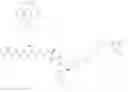
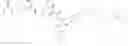
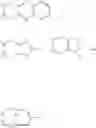
The present disclosure provides a compound comprising a Dolastatin derivative moiety of Formula IV:
wherein Y is OH, or NH2,
R4 is OH, NH2, F, Cl, Br, I, OR5, wherein R5 is C1-C4 alkyl.
The present disclosure further provides an antibody drug-conjugate having the structure of Formula I:
AbL1-L2-D)n (I)
or a pharmaceutically acceptable salt thereof,
wherein:
Ab is a monoclonal antibody
L1 is a connector
L2 is a linker
D is an active agent having the structure of Formula II
wherein Y is O, or NH, the wavy line indicates the point of attachment,
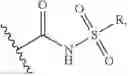
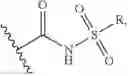
X is —CH2N3 or
wherein R is C1-C8 alkyl, C3-C6 cyclic alkyl, aryl or heteroaryl.
n is an integer from 1-8.
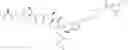
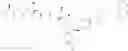
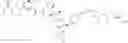
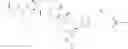
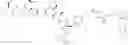
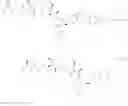
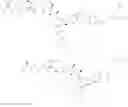
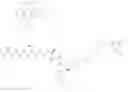
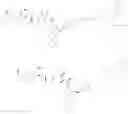
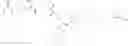
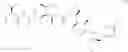
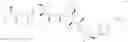
Preferably, L2 is selected from the group consisting of an amino acid, peptide, —(CH2)n—, —(CH2CH2O)n—, p-aminobenzyl (PAB), Val-Cit (Citrulline)-PAB, Val-Ala-PAB, Ala-Ala-Asn-PAB, or combinations thereof. Preferably, -L1-L2 is selected from the group consisting of
Preferably, Ab-L1-L2 is selected from the group consisting of
The present disclosure further provides a method for synthesizing an antibody drug-conjugate having the structure of Formula I:
AbL1-L2-D)n (I)
or a pharmaceutically acceptable salt thereof,
wherein:
Ab is a monoclonal antibody
L1 is a connector
L2 is a linker
D is an active agent having the structure of Formula II
wherein Y═O, or NH, the wavy line indicates the point of attachment
X is —CH2N3 or
wherein R is C1-C8 alkyl, C3-C6 cyclic alkyl, aryl or heteroaryl.
n is an integer from 1-8, comprising
reacting a compound of formula III with a Lys on an Ab
wherein G is selected from the group consisting of —F, —Cl, —Br, —I, —N3, —OR, SR, —ONRR, RC(═O)O—, and RSO2—O—; and
R is optionally substituted alkyl, or optionally substituted aryl.
m=0, or 1.
BRIEF DESCRIPTION OF THE FIGURES
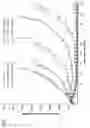
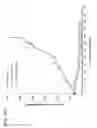
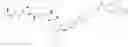
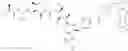
FIG. 1 shows a single dose of conjugate 16 administered to BALB/c nude mice (n=8) by intravenous administration.
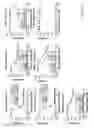
FIG. 2 shows a single dose of conjugate 16 administered to BALB/c nude mice (n=8) by intravenous administration.
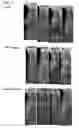
FIG. 3 shows pictures of the mice 35 days after treatment.
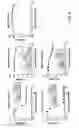
FIG. 4A shows in vitro activity of ADC-23 (anti-Her2 antibody) in a group of tumor cell lines.
FIG. 4B shows in vitro activity of ADC-16 (anti-Her2 antibody) in a group of tumor cell lines.
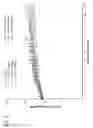
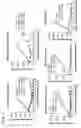
FIG. 5 shows in vivo efficacy of ADC-65, ADC-23 and ADC-19 in various xenograft tumor models.
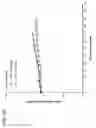
FIGS. 6A and 6B shows a single dose of conjugate 16 and 19 administered to BALB/c nude mice (n=8) by intravenous administration.
DETAILED DESCRIPTION
The present disclosure provides compounds and conjugates, such as ADC (antibody drug conjugates), wherein a linker moiety that is peptide based has an attaching point at its C terminal which reacts with either Cys or Lys on an antibody in a controlled fashion. For Lys conjugation, for example, the DAR (drug antibody ratio) is 2. The DAR (drug antibody ratio) of the majority of conjugate is 4, when conjugation occurred on Cys.
| TABLE 1 |
| Examples of structures of drug-linker moieties for Lys conjugation onto an antibody. |
| Com- | |
| pound | |
| ID | Structures |
| 1 | |
| 2 | |
| 4 | |
| 62 | |
| TABLE 2 |
| Examples of structures of drug-linker compounds (for Cys conjugation) to be conjugated onto a hinge region of an IgG class antibody. |
| Com- | ||
| pound | ||
| ID | Structures | |
| 6 | ||
| 7 | ||
| 8 | ||
| 9 | ||
| 13 | ||
| 63 | ||
| TABLE 3 |
| Examples of structures of antibody (Ab)-drug conjugates. |
| Com- | ||
| pound | ||
| ID | Structures | |
| 16 | ||
| 17 | ||
| 19 | ||
| 64 | ||
| 21 | ||
| 22 | ||
| 23 | ||
| 24 | ||
| 28 | ||
| 65 | ||
Definitions
Abbreviations are defined as follows:
- Ac Acetyl
- aq. Aqueous
- BOC or Boc tert-Butoxycarbonyl
- BrOP bromo tris(dimethylamino) phosphonium hexafluorophosphate
- Bu n-Butyl
- ° C. Temperature in degrees Centigrade
- Cit Citrulline
- DCM methylene chloride
- DEPC Diethylcyanophosphonate
- DIC diisopropylcarbodiimide
- DIEA Diisopropylethylamine
- DMA N,N′-Dimethylacetamide
- DMF N,N′-Dimethylformamide
- EDC 1-Ethyl-3-(3-dimethylaminopropyl)carbodiimide
- Et Ethyl
- EtOAc Ethyl acetate
- Eq Equivalents
- Fmoc 9-Fluorenylmethoxycarbonyl
- g Gram(s)
- h Hour (hours)
- HATU 2-(1H-7-azabenzotriazol-1-yl)-1,1,3,3-tetramethyl uronium hexafluorophosphate
- HOBT N-Hydroxybenzotriazole
- HOSu N-Hydroxysuccinimide
- HPLC High-performance liquid chromatography
- LC/MS Liquid chromatography-mass spectrometry
- Me Methyl
- MeOH Methanol
- MeCN Acetonitrile
- mL Milliliter(s)
- MS mass spectrometry
- PAB p-aminobenzyl
- RP-HPLC reverse phase HPLC
- rt room temperature
- t-Bu tert-Butyl
- TEA Triethylamine
- Tert, t tertiary
- TFA Trifluoracetic acid
- THF Tetrahydrofuran
- TLC Thin-layer chromatography
- μL Microliter(s)
General Synthesis Procedure—
Formation of an activated ester (e.g. NHS) from an acid An acid was dissolved in DCM (methylene chloride) and DMF (N,N′ dimethyl formamide) was added to aid dissolution if necessary. N-hydroxysuccinimide (1.5 eq) was added, followed by EDC.HCl (1-Ethyl-3-(3-dimethylaminopropyl)carbodiimide) (1.5 eq). The reaction mixture was stirred at room temperature for 1 h until most of the acid was consumed. The progress of the reaction was monitored by RP-HPLC. The mixture was then diluted with DCM and washed successively with citric acid (aq. 10%) and brine. The organic layer was dried and concentrated to dryness. The crude product was optionally purified by RP-HPLC or silica gel column chromatography.
Example 1
Preparation of Compound 1
To a crude solution of compound 47 (0.1 mmol) in THF (3 mL) was added a solution of piperidine 4-carboxylic acid (60 mg) in sat. aq. NaHCO3 (1 mL). The mixture was stirred at room temperature for 30 min, then acidified with 1N aq. HCl to pH=4-5. The reaction mixture was concentrated and the residue was purified by reverse phase HPLC to give compound 1 as a white powder after lyophilization (68 mg). MS m/z 1020.7 (M+H).
Example 2
Preparation of Compound 2
Compound 52 (185 mg, 0.2 mmol) was dissolved in DCM/DMF (5/1, v/v, 5 mL).
EDC.HCl (0.5 mmol) and HOSu (0.3 mmol) were added. The mixture was stirred at room temperature for 30 min. HPLC analysis confirmed that all of compound 52 was consumed. The reaction was diluted with DCM (50 mL) and washed with brine. The organic layer was concentrated to 1 mL and diluted with acetonitrile/water (6/4, v/v, 3 mL). A solution of pyrrolidine 3-carboxylic acid (60 mg) in sat. aq. NaHCO3 (1 mL) was added and the mixture was stirred at room temperature for 10 min. The reaction was acidified with HOAc and concentrated. The crude product was purified by RP-HPLC to give compound 2 (138 mg, 68%). MS m/z 1020.6 (M+H).
Example 3
Preparation of Compound 4
Preparation of Compound 38:
To compound 37 (261 mg, 0.52 mmol) in 6 mL of DMF was added HATU (217 mg, 0.57 mmol), DIEA (362 μL, 2.08 mmol), and amine 36 (213 mg, 0.52 mmol). The mixture was stirred for 30 min, then 400 μL of piperidine was added and stirred for 10 min. The mixture was evaporated and purified by HPLC to give compound 38 (171 mg, 60%). MS m/z 548.3 (M+H).
Preparation of Compound 40:
To compound 39 (37 mg, 0.15 mmol) in 4 mL of DMF was added HATU (59 mg, 0.15 mmol), DIEA (108 μL, 0.6 mmol), and amine 38 (102 mg, 0.15 mmol). The mixture was stirred for 30 min, then evaporated to dryness. The residue was dissolved in 2 mL of DCM, then 1 mL of TFA was added and stirred for 10 min. The mixture was evaporated and purified by HPLC to give compound 40 (94 mg, 78%). MS m/z 673.4 (M+H).
Preparation of Compound 4:
To compound 41 (85 mg, 0.12 mmol) in 2 mL of DMF was added HATU (48 mg, 0.12 mmol), DIEA (83 μL, 0.48 mmol), and amine 40 (94 mg, 0.12 mmol). The mixture was stirred for 30 min, then a solution of 90 mg of NaOH in 1 mL of water was added and stirred for 30 min. The mixture purified by HPLC to give compound 4 (86 mg, 58%). MS m/z 1239.7 (M+H).
Example 4
Preparation of Compound 6
Preparation of Compound 46:
To compound 41 (1000 mg, 1.67 mmol) in 20 mL of DMF was added HATU (640 mg, 1.68 mmol), DIEA (870 μL, 5.00 mmol), and amine 45 (535 mg, 1.67 mmol). The mixture was stirred for 30 min, then evaporated and purified by HPLC to give compound 46 (1140 mg, 70%). MS m/z 865.5 (M+H).
Preparation of Compound 47:
To compound 46 (500 mg, 0.57 mmol) in 10 mL of DMA was added bis(p-nitropenyl)carbonate (210 mg, 0.69 mmol), and DIEA (35 μL, 0.2 mmol). The mixture was stirred for 18 h, then 100 mL of ether was added and the precipitate was collected by filtration to give compound 47 (500 mg, 85%). MS m/z 1030.6 (M+H).
Preparation of Compound 49:
To compound 47 (125 mg, 0.12 mmol) in 4 mL of DMF was added HOBt (7 mg, 0.05 mmol), DIEA (21 μL, 0.12 mmol), and amine 48 (40 mg, 0.12 mmol). The mixture was stirred for 16 h, then 200 μL of piperidine was added and stirred for 10 min. The mixture was evaporated and purified by HPLC to give compound 49 (72 mg, 60%). MS m/z 1005.6 (M+H).
Preparation of Compound 6:
To compound 49 (30 mg, 0.027 mmol) in 2 mL of DCM was added DIEA (15 μL, 0.086 mmol), DIEA (50 μL, 0.288 mmol), and anhydride 50 (19 mg, 0.027 mmol). The mixture was stirred for 30 min, then evaporated and purified by HPLC to give compound 6 (32 mg, 88%). MS m/z 1347.5 (M+H).
Example 5
Preparation of Compound 7.
Compound 7 was synthesized from compound 49 (0.1 mmol) and anhydride 63 (0.1 mmol) as described for the synthesis of compound 6. Yield: 79%. MS m/z 1296.8 (M+H).
Example 6
Preparation of Compound 8.
To a solution of compound 47 (0.1 mmol) in THF (3 mL) was added a solution of compound 64 (0.15 mmol, 67 mg) in acetonitrile/water (1/1, v/v, 1 mL), followed by DIEA (50 μL). After 30 min, the reaction was acidified and concentrated. The residue was purified by reverse phase HPLC to give compound 8 as a white solid (87 mg). MS m/z 1243.6 [M+H]+.
Example 7
Preparation of Compound 9.
Preparation of Compound 52:
To compound 46 (120 mg, 0.12 mmol) in 3 mL of DMF was added K2CO3 (118 mg, 0.85 mmol), and bromoacetate 51 (35 mg, 0.18 mmol). The mixture was stirred for 16 h, then evaporated. The residue was dissolved in 2 mL of DCM, filtered, and 2 mL of TFA was added. After 20 min the mixture was evaporated and purified by HPLC to give compound 52 (92 mg, 83%). MS m/z 923.5 (M+H).
Preparation of Compound 53:
To compound 52 (92 mg, 0.1 mmol) in 2 mL of DMF was added HATU (38 mg, 0.1 mmol), DIEA (70 μL, 0.4 mmol), and boc-hydrazine (15 mg, 0.12 mmol). The mixture was stirred for 30 min, then evaporated to dryness. The residue was dissolved in 2 mL of DCM, then 1 mL of TFA was added and stirred for 10 min. The mixture was evaporated and purified by HPLC to give compound 53 (82 mg, 78%). MS m/z 937.5 (M+H).
Preparation of Compound 9:
To compound 54 (53 mg, 0.156 mmol) in 2 mL of DCM was added DIC (10 mg, 0.078 mmol) and stirred for 10 min. Then DIEA (54 μL, 0.312 mmol) and amine 53 (82 mg, 0.078 mmol) was added and the mixture was stirred for 15 min. The mixture was evaporated and purified by HPLC to give compound 9 (62 mg, 63%). MS m/z 1260.5 (M+H).
Example 8
Preparation of Compound 13
To compound 37 (130 mg, 0.26 mmol) in 3 mL of DMF was added HATU (110 mg, 0.29 mmol), DIEA (175 μL, 1 mmol), and amine 36 (110 mg, 0.27 mmol). The mixture was stirred for 30 min, then concentrated to dryness. The residue was then treated with TFA/DCM (1/4, v/v, 5 mL) for 30 min. The mixture was evaporated and purified by HPLC to give compound 66 (108 mg, 65%). MS m/z 670.5 (M+H).
To compound 41 (85 mg, 0.12 mmol) in 2 mL of DMF was added HATU (48 mg, 0.12 mmol), DIEA (83 μL, 0.48 mmol), and amine 66 (94 mg, 0.12 mmol). The mixture was stirred for 30 min, then piperidine (0.2 mL) was added and stirred for 30 min. The mixture was concentrated and purified by HPLC to give compound 67 (87 mg, 63%). MS m/z 1028.7 (M+H).
To a solution of compound 67 (57 mg, 0.05 mmol) and acid 68 (22 mg) in DCM/DMF (3/1, v/v, 4 mL) was added PyBrOP (0.055 mmol) and DIEA (35 μL). The mixture was stirred at room temperature for 30 min and then concentrated to about 2 mL. The residue was purified by reverse phase HPLC to give compound 13 (41 mg). MS m/z 1425.7 (M+H).
Example 9
This example provides the results of EC50 assays of the designated drug conjugated antibodies measured in vitro in specified cells. The antibody used was an anti-HER2 IgG class of antibody.
| MDA- | MDA- | MDA-MB- | |||||
| SBKR3 | HCC1954 | SKOV-3 | BT474 | MB-453 | MB-175 | 361 | |
| Conjugate | (Her2+++) | (Her2+++) | (Her2+++) | (Her2+++) | (Her2++) | (Her2+) | (Her2+++) |
| ID | EC50 [nM] |
| 16 | 0.040 | 0.138 | 0.405 | 0.423 | 1.195 | 3.635 | |
| 17 | 0.106 | 0.237 | 0.334 | 0.623 | 26.42 | 20.08 | |
| 19 | 0.156 | 0.193 | 0.340 | 0.232 | 3.946 | 0.640 | |
| 21 | 0.3432 | 0.1788 | 1.065 | 0.4904 | 0.1326 | ||
| 22 | 0.06349 | 0.04926 | 0.346 | 0.137 | 0.2628 | 0.04987 | |
| 23 | 0.04644 | 0.03678 | 0.345 | 0.118 | 0.2095 | 0.04657 | |
| 65 | 0.158 | 0.117 | 0.100 | 4.762 | |||
Example 10
This example shows in vivo efficacy of ADC 16 (an anti-Her2 antibody conjugate) in a Subcutaneous N87 Xenograft Model. FIG. 1 shows a single dose of conjugate 16 administered to BALB/c nude mice by intravenous administration. There were 8 mice in each group and total 6 groups of mice were studied: 3 groups were injected with T-DM1 (Trastuzumab—DM1 conjugate) at different doses; 2 groups were injected with ADC 16 at different doses; and one vehicle control. All the drugs were administered in the same manner (single dose). A single dose of ADC-16 iv. at 1 mg/kg or 3 mg/kg outperformed T-DM1 at 3 mg/kg or 10 mg/kg respectively. 3 mg/kg ADC-16 completely inhibited tumor growth up to 100 days.
Example 11
This example shows in vivo safety of ADC 16 (an anti-Her2 antibody conjugate) in a Subcutaneous N87 Xenograft Model. FIG. 2 shows a single dose of conjugate 16 administered to BALB/c nude mice by intravenous administration. There were 8 mice in each group and total 7 groups of mice were studied: 3 groups were injected with T-DM1 (Trastuzumab—DM1 conjugate) at different doses; 3 groups were injected with ADC 16 at different doses; and one vehicle control. All the drugs were administered in the same manner (single dose). A single dose of ADC-16 iv. at 1 mg/kg, 3 mg/kg or 10 mg/kg did not retard body weight gain. The difference of the body weights between T-DM1 and ADC-16 groups were caused by the difference of tumor weight. FIG. 3 shows pictures of the mice 35 days after treatment.
Example 12
This example (FIG. 4A) shows ADC-23 induces equivalent or stronger anti-proliferative activity in breast cancer cell lines, compared to MMAE conjugates. In these studies, the cells were all treated with either ADC-23 or MMAE conjugates for 3 d. IC50 is determined as the concentration that showed 50% inhibition of cell growth.
Example 13
This example (FIG. 4B) shows ADC-16 induces equivalent or stronger anti-proliferative activity in breast cancer cell lines, compared to MMAE conjugates. In the above studies, the cells were all treated with either ADC-16 or MMAE conjugates for 3 d. IC50 is determined as the concentration that showed 50% inhibition of cell growth.
Example 14
This example (FIG. 5) shows the in vivo efficacy of ADC-65, ADC-23 and ADC-19 in LoVo (Colon), MDA-MB-468 (Breast), BxPC-3 (Pancreatic), PA-1 (Ovarian) and H1975 NSCLC xenograft nude mice. All ADCs were given as single dose via iv. at indicated concentrations. The ADCs tested outperformed MMAF in most cases at the same level, and completely inhibited tumor growth by single dose.
Example 15
This example shows in vivo safety and efficacy of ADC 19 (an anti-Her2 antibody conjugate) in a Subcutaneous N87 Xenograft Model. FIGS. 6A and 6B shows a single dose of conjugate 19 administered to BALB/c nude mice by intravenous administration. There were 8 mice in each group and total 3 groups of mice were studied: 1 group of mice was injected with ADC 16; 1 group of mice was injected with ADC 19; and one vehicle control. All the drugs were administered in the same manner (single dose). A single dose of ADC-19 iv. at 2 mg/kg was comparable to that of ADC-16 at the same dose and completely inhibited tumor growth up to 49 days and did not retard body weight gain that was comparable to ADC-16.
Example 16
This example shows the general conjugation procedure for synthesizing antibody drug conjugates 16, 17, 19, and 64. To a solution of 0.5-50 mgs/mL of antibody in buffer at pH 6.0-9.0 with 0-30% organic solvent, was added 0.1-10 eq of activated drug linker conjugate (1, or 2,
Definitions
Abbreviations are defined as follows:
- Ac Acetyl
- aq. Aqueous
- BOC or Boc tert-Butoxycarbonyl
- BrOP bromo tris(dimethylamino) phosphonium hexafluorophosphate
- Bu n-Butyl
- ° C. Temperature in degrees Centigrade
- Cit Citrulline
- DCM methylene chloride
- DEPC Diethylcyanophosphonate
- DIC diisopropylcarbodiimide
- DIEA Diisopropylethylamine
- DMA N,N′-Dimethylacetamide
- DMF N,N′-Dimethylformamide
- EDC 1-Ethyl-3-(3-dimethylaminopropyl)carbodiimide
- Et Ethyl
- EtOAc Ethyl acetate
- Eq Equivalents
- Fmoc 9-Fluorenylmethoxycarbonyl
- g Gram(s)
- h Hour (hours)
- HATU 2-(1H-7-azabenzotriazol-1-yl)-1,1,3,3-tetramethyl uronium hexafluorophosphate
- HOBT N-Hydroxybenzotriazole
- HOSu N-Hydroxysuccinimide
- HPLC High-performance liquid chromatography
- LC/MS Liquid chromatography-mass spectrometry
- Me Methyl
- MeOH Methanol
- MeCN Acetonitrile
- mL Milliliter(s)
- MS mass spectrometry
- PAB p-aminobenzyl
- RP-HPLC reverse phase HPLC
- rt room temperature
- t-Bu tert-Butyl
- TEA Triethylamine
- Tert, t tertiary
- TFA Trifluoracetic acid
- THF Tetrahydrofuran
- TLC Thin-layer chromatography
- μL Microliter(s)
General Synthesis Procedure—
Formation of an activated ester (e.g. NHS) from an acid An acid was dissolved in DCM (methylene chloride) and DMF (N,N′ dimethyl formamide) was added to aid dissolution if necessary. N-hydroxysuccinimide (1.5 eq) was added, followed by EDC.HCl (1-Ethyl-3-(3-dimethylaminopropyl)carbodiimide) (1.5 eq). The reaction mixture was stirred at room temperature for 1 h until most of the acid was consumed. The progress of the reaction was monitored by RP-HPLC. The mixture was then diluted with DCM and washed successively with citric acid (aq. 10%) and brine. The organic layer was dried and concentrated to dryness. The crude product was optionally purified by RP-HPLC or silica gel column chromatography.
Example 1
Preparation of Compound 1
To a crude solution of compound 47 (0.1 mmol) in THF (3 mL) was added a solution of piperidine 4-carboxylic acid (60 mg) in sat. aq. NaHCO3 (1 mL). The mixture was stirred at room temperature for 30 min, then acidified with 1N aq. HCl to pH=4-5. The reaction mixture was concentrated and the residue was purified by reverse phase HPLC to give compound 1 as a white powder after lyophilization (68 mg). MS m/z 1020.7 (M+H).
Example 2
Preparation of Compound 2
Compound 52 (185 mg, 0.2 mmol) was dissolved in DCM/DMF (5/1, v/v, 5 mL). EDC.HCl (0.5 mmol) and HOSu (0.3 mmol) were added. The mixture was stirred at room temperature for 30 min. HPLC analysis confirmed that all of compound 52 was consumed. The reaction was diluted with DCM (50 mL) and washed with brine. The organic layer was concentrated to 1 mL and diluted with acetonitrile/water (6/4, v/v, 3 mL). A solution of pyrrolidine 3-carboxylic acid (60 mg) in sat. aq. NaHCO3 (1 mL) was added and the mixture was stirred at room temperature for 10 min. The reaction was acidified with HOAc and concentrated. The crude product was purified by RP-HPLC to give compound 2 (138 mg, 68%). MS m/z 1020.6 (M+H).
Example 3
Preparation of Compound 4
Preparation of Compound 38:
To compound 37 (261 mg, 0.52 mmol) in 6 mL of DMF was added HATU (217 mg, 0.57 mmol), DIEA (362 μL, 2.08 mmol), and amine 36 (213 mg, 0.52 mmol). The mixture was stirred for 30 min, then 400 μL of piperidine was added and stirred for 10 min. The mixture was evaporated and purified by HPLC to give compound 38 (171 mg, 60%). MS m/z 548.3 (M+H).
Preparation of Compound 40:
To compound 39 (37 mg, 0.15 mmol) in 4 mL of DMF was added HATU (59 mg, 0.15 mmol), DIEA (108 μL, 0.6 mmol), and amine 38 (102 mg, 0.15 mmol). The mixture was stirred for 30 min, then evaporated to dryness. The residue was dissolved in 2 mL of DCM, then 1 mL of TFA was added and stirred for 10 min. The mixture was evaporated and purified by HPLC to give compound 40 (94 mg, 78%). MS m/z 673.4 (M+H).
Preparation of Compound 4:
To compound 41 (85 mg, 0.12 mmol) in 2 mL of DMF was added HATU (48 mg, 0.12 mmol), DIEA (83 μL, 0.48 mmol), and amine 40 (94 mg, 0.12 mmol). The mixture was stirred for 30 min, then a solution of 90 mg of NaOH in 1 mL of water was added and stirred for 30 min. The mixture purified by HPLC to give compound 4 (86 mg, 58%). MS m/z 1239.7 (M+H).
Example 4
Preparation of Compound 6
Preparation of Compound 46:
To compound 41 (1000 mg, 1.67 mmol) in 20 mL of DMF was added HATU (640 mg, 1.68 mmol), DIEA (870 μL, 5.00 mmol), and amine 45 (535 mg, 1.67 mmol). The mixture was stirred for 30 min, then evaporated and purified by HPLC to give compound 46 (1140 mg, 70%). MS m/z 865.5 (M+H).
Preparation of Compound 47:
To compound 46 (500 mg, 0.57 mmol) in 10 mL of DMA was added bis(p-nitropenyl)carbonate (210 mg, 0.69 mmol), and DIEA (35 μL, 0.2 mmol). The mixture was stirred for 18 h, then 100 mL of ether was added and the precipitate was collected by filtration to give compound 47 (500 mg, 85%). MS m/z 1030.6 (M+H).
Preparation of Compound 49:
To compound 47 (125 mg, 0.12 mmol) in 4 mL of DMF was added HOBt (7 mg, 0.05 mmol), DIEA (21 μL, 0.12 mmol), and amine 48 (40 mg, 0.12 mmol). The mixture was stirred for 16 h, then 200 μL of piperidine was added and stirred for 10 min. The mixture was evaporated and purified by HPLC to give compound 49 (72 mg, 60%). MS m/z 1005.6 (M+H).
Preparation of Compound 6:
To compound 49 (30 mg, 0.027 mmol) in 2 mL of DCM was added DIEA (15 μL, 0.086 mmol), DIEA (50 μL, 0.288 mmol), and anhydride 50 (19 mg, 0.027 mmol). The mixture was stirred for 30 min, then evaporated and purified by HPLC to give compound 6 (32 mg, 88%). MS m/z 1347.5 (M+H).
Example 5
Preparation of Compound 7.
Compound 7 was synthesized from compound 49 (0.1 mmol) and anhydride 63 (0.1 mmol) as described for the synthesis of compound 6. Yield: 79%. MS m/z 1296.8 (M+H).
Example 6
Preparation of Compound 8.
To a solution of compound 47 (0.1 mmol) in THF (3 mL) was added a solution of compound 64 (0.15 mmol, 67 mg) in acetonitrile/water (1/1, v/v, 1 mL), followed by DIEA (50 μL). After 30 min, the reaction was acidified and concentrated. The residue was purified by reverse phase HPLC to give compound 8 as a white solid (87 mg). MS m/z 1243.6 [M+H]+.
Example 7
Preparation of Compound 9.
Preparation of Compound 52.
To compound 46 (120 mg, 0.12 mmol) in 3 mL of DMF was added K2CO3 (118 mg, 0.85 mmol), and bromoacetate 51 (35 mg, 0.18 mmol). The mixture was stirred for 16 h, then evaporated. The residue was dissolved in 2 mL of DCM, filtered, and 2 mL of TFA was added. After 20 min the mixture was evaporated and purified by HPLC to give compound 52 (92 mg, 83%). MS m/z 923.5 (M+H).
Preparation of Compound 53:
To compound 52 (92 mg, 0.1 mmol) in 2 mL of DMF was added HATU (38 mg, 0.1 mmol), DIEA (70 μL, 0.4 mmol), and boc-hydrazine (15 mg, 0.12 mmol). The mixture was stirred for 30 min, then evaporated to dryness. The residue was dissolved in 2 mL of DCM, then 1 mL of TFA was added and stirred for 10 min. The mixture was evaporated and purified by HPLC to give compound 53 (82 mg, 78%). MS m/z 937.5 (M+H).
Preparation of Compound 9:
To compound 54 (53 mg, 0.156 mmol) in 2 mL of DCM was added DIC (10 mg, 0.078 mmol) and stirred for 10 min. Then DIEA (54 μL, 0.312 mmol) and amine 53 (82 mg, 0.078 mmol) was added and the mixture was stirred for 15 min. The mixture was evaporated and purified by HPLC to give compound 9 (62 mg, 63%). MS m/z 1260.5 (M+H).
Example 8
Preparation of Compound 13
To compound 37 (130 mg, 0.26 mmol) in 3 mL of DMF was added HATU (110 mg, 0.29 mmol), DIEA (175 μL, 1 mmol), and amine 36 (110 mg, 0.27 mmol). The mixture was stirred for 30 min, then concentrated to dryness. The residue was then treated with TFA/DCM (1/4, v/v, 5 mL) for 30 min. The mixture was evaporated and purified by HPLC to give compound 66 (108 mg, 65%). MS m/z 670.5 (M+H).
To compound 41 (85 mg, 0.12 mmol) in 2 mL of DMF was added HATU (48 mg, 0.12 mmol), DIEA (83 μL, 0.48 mmol), and amine 66 (94 mg, 0.12 mmol). The mixture was stirred for 30 min, then piperidine (0.2 mL) was added and stirred for 30 min. The mixture was concentrated and purified by HPLC to give compound 67 (87 mg, 63%). MS m/z 1028.7 (M+H).
To a solution of compound 67 (57 mg, 0.05 mmol) and acid 68 (22 mg) in DCM/DMF (3/1, v/v, 4 mL) was added PyBrOP (0.055 mmol) and DIEA (35 μL). The mixture was stirred at room temperature for 30 min and then concentrated to about 2 mL. The residue was purified by reverse phase HPLC to give compound 13 (41 mg). MS m/z 1425.7 (M+H).
Example 9
This example provides the results of EC50 assays of the designated drug conjugated antibodies measured in vitro in specified cells. The antibody used was an anti-HER2 IgG class of antibody.
| MDA- | MDA- | MDA-MB- | |||||
| SBKR3 | HCC1954 | SKOV-3 | BT474 | MB-453 | MB-175 | 361 | |
| Conjugate | (Her2+++) | (Her2+++) | (Her2+++) | (Her2+++) | (Her2++) | (Her2+) | (Her2+++) |
| ID | EC50 [nM] |
| 16 | 0.040 | 0.138 | 0.405 | 0.423 | 1.195 | 3.635 | |
| 17 | 0.106 | 0.237 | 0.334 | 0.623 | 26.42 | 20.08 | |
| 19 | 0.156 | 0.193 | 0.340 | 0.232 | 3.946 | 0.640 | |
| 21 | 0.3432 | 0.1788 | 1.065 | 0.4904 | 0.1326 | ||
| 22 | 0.06349 | 0.04926 | 0.346 | 0.137 | 0.2628 | 0.04987 | |
| 23 | 0.04644 | 0.03678 | 0.345 | 0.118 | 0.2095 | 0.04657 | |
| 65 | 0.158 | 0.117 | 0.100 | 4.762 | |||
Example 10
This example shows in vivo efficacy of ADC 16 (an anti-Her2 antibody conjugate) in a Subcutaneous N87 Xenograft Model. FIG. 1 shows a single dose of conjugate 16 administered to BALB/c nude mice by intravenous administration. There were 8 mice in each group and total 6 groups of mice were studied: 3 groups were injected with T-DM1 (Trastuzumab—DM1 conjugate) at different doses; 2 groups were injected with ADC 16 at different doses; and one vehicle control. All the drugs were administered in the same manner (single dose). A single dose of ADC-16 iv. at 1 mg/kg or 3 mg/kg outperformed T-DM1 at 3 mg/kg or 10 mg/kg respectively. 3 mg/kg ADC-16 completely inhibited tumor growth up to 100 days.
Example 11
This example shows in vivo safety of ADC 16 (an anti-Her2 antibody conjugate) in a Subcutaneous N87 Xenograft Model. FIG. 2 shows a single dose of conjugate 16 administered to BALB/c nude mice by intravenous administration. There were 8 mice in each group and total 7 groups of mice were studied: 3 groups were injected with T-DM1 (Trastuzumab—DM1 conjugate) at different doses; 3 groups were injected with ADC 16 at different doses; and one vehicle control. All the drugs were administered in the same manner (single dose). A single dose of ADC-16 iv. at 1 mg/kg, 3 mg/kg or 10 mg/kg did not retard body weight gain. The difference of the body weights between T-DM1 and ADC-16 groups were caused by the difference of tumor weight. FIG. 3 shows pictures of the mice 35 days after treatment.
Example 12
This example (FIG. 4A) shows ADC-23 induces equivalent or stronger anti-proliferative activity in breast cancer cell lines, compared to MMAE conjugates. In these studies, the cells were all treated with either ADC-23 or MMAE conjugates for 3 d. IC50 is determined as the concentration that showed 50% inhibition of cell growth.
Example 13
This example (FIG. 4B) shows ADC-16 induces equivalent or stronger anti-proliferative activity in breast cancer cell lines, compared to MMAE conjugates. In the above studies, the cells were all treated with either ADC-16 or MMAE conjugates for 3 d. IC50 is determined as the concentration that showed 50% inhibition of cell growth.
Example 14
This example (FIG. 5) shows the in vivo efficacy of ADC-65, ADC-23 and ADC-19 in LoVo (Colon), MDA-MB-468 (Breast), BxPC-3 (Pancreatic), PA-1 (Ovarian) and H1975 NSCLC xenograft nude mice. All ADCs were given as single dose via iv. at indicated concentrations. The ADCs tested outperformed MMAF in most cases at the same level, and completely inhibited tumor growth by single dose.
Example 15
This example shows in vivo safety and efficacy of ADC 19 (an anti-Her2 antibody conjugate) in a Subcutaneous N87 Xenograft Model. FIGS. 6A and 6B shows a single dose of conjugate 19 administered to BALB/c nude mice by intravenous administration. There were 8 mice in each group and total 3 groups of mice were studied: 1 group of mice was injected with ADC 16; 1 group of mice was injected with ADC 19; and one vehicle control. All the drugs were administered in the same manner (single dose). A single dose of ADC-19 iv. at 2 mg/kg was comparable to that of ADC-16 at the same dose and completely inhibited tumor growth up to 49 days and did not retard body weight gain that was comparable to ADC-16.
Example 16
This example shows the general conjugation procedure for synthesizing antibody drug conjugates 16, 17, 19, and 64. To a solution of 0.5-50 mgs/mL of antibody in buffer at pH 6.0-9.0 with 0-30% organic solvent, was added 0.1-10 eq of activated drug linker conjugate (1, or 2, or 3, or 4, or 5, or 62) in a manner of portion wise or continuous flow. The reaction was performed at 0-40° C. for 0.5-50 hours with gentle stirring or shaking, monitored by HIC-HPLC. The resultant crude ADC product underwent necessary down-stream steps of desalt, buffet changes/formulation, and optionally, purification, using the state-of-art procedures. The ADC product was characterized by HIC-HPLC, SEC, RP-HPLC, and optionally LC-MS.
Example 17
This example shows a general conjugation procedure for synthesizing antibody drug conjugates 21, 22, 23, 24, 28, and 65. To a solution of antibody, 0.5-50 mgs/mL, in a certain buffet at pH 5.0-9.0, such as PBS, was added 0.5-100 eq of reducing agent such as TCEP and DTT. The reduction was performed at 0-40° C. for 0.5-40 hours with gentle stirring or shaking, and then the reducing agent was removed by column or ultrafiltration. To the reduced antibody, 0.5-50 mgs/mL, in a certain buffet at pH 5.0-9.0, such as PBS, with 0-30% of organic co-solvent such as DMA, was added 0.5-10 eq of the drug-linker reactant (selected from compound 6-15, or 63). The reaction was conducted at 0-40° C. for 0.5-40 hours with gentle stirring or shaking, monitored by HIC-HPLC. The resultant crude ADC product underwent necessary down-stream steps of desalt, buffet changes/formulation, and optionally, purification, using the state-of-art procedures. The final ADC product was characterized by HIC-HPLC, SEC, RP-HPLC, and optionally LC-MS.
Claims
We claim:1. A compound comprising Formula IV:
wherein Y is OH, or NH2,
R4 is OH, NH2, F, Cl, Br, I, OR5, wherein R5 is C1-C4 alkyl.
2. An antibody drug-conjugate (ADC) comprising Formula I:
AbL1-L2-D)n (I)
or a pharmaceutically acceptable salt thereof,
wherein:
Ab is a monoclonal antibody
L1 is a connector
L2 is a linker selected from the group consisting of an amino acid, peptide, —(CH2)n—, —(CH2CH2O)n—, PAB, Val-Cit-PAB, Val-Ala-PAB, Ala-Ala-Asn-PAB, or combinations thereof wherein -L1-L2 is selected from the group consisting of
wherein Ab-L1-L2 is
D is an active agent having the structure of Formula II
wherein Y is O, or NH,
X is CH2N3 or
where R is C1-C8 alkyl, C3-C6 cyclic alkyl, aryl n is an integer from 1-8.
3. The ADC of claim 2, wherein X is CH2N3
4. The ADC of claim 2, wherein X is
wherein R is C1-C8 alkyl, C3-C6 cyclic alkyl, aryl or heteroaryl.
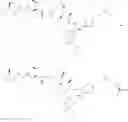
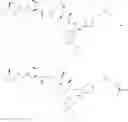
5. The ADC of claim 2, wherein the structure of Formula I has a structure selected from the group consisting of
Images & Drawings included:





















Sources:
- United States Patent and Trademark Office - verify current appl. status at the USPTO↗
Similar patent applications:
- » 20200172484
Method for the synthesis of monoprotected bifunctional prodrugs and antibody drug conjugates based thereon as well as a method for preparing antibody drug conjugates - » 20210069342
Antibody-drug conjugate comprising antibody against human ROR1 and use for the same - » 20230405139
ANTIBODY-DRUG CONJUGATE COMPRISING ANTIBODY AGAINST HUMAN ROR1 AND USE FOR THE SAME - » 20250242043
ANTIBODY-DRUG CONJUGATE COMPRISING ANTIBODY AGAINST HUMAN TROP2 AND USE THEREOF - » 20240131178
ANTIBODY-DRUG CONJUGATE INCLUDING ANTIBODY AGAINST HUMAN CLDN18.2, AND USE THEREOF - » 20220111063
ANTIBODY-DRUG CONJUGATES AND USE OF ANTIBODIES FOR DRUG DELIVERY - » 20200254111
Antibody-drug conjugate comprising modified antibody - » 20190041394
Identification and quantification of conjugated peptides in antibody drug conjugates by mass spectrometry - » 20180169256
Antibody drug conjugates (ADCS) and antibody prodrug conjugates (APDCS) with enzymatically cleavable groups - » 20220105197
Antibody-drug conjugate comprising modified antibody
Recent applications in this class:
- » 20190085024 2019-03-21
Alpha-Ketoamide Inhibitors Of Cysteine Proteases - » 20180155392 2018-06-07
Cystargolide compounds and uses thereof - » 20180079781 2018-03-22
Benzodiazepine dimers, conjugates thereof, and methods of making and using - » 20180044376 2018-02-15
Method for preparing largazole analogs and uses thereof - » 20170233436 2017-08-17
Benzodiazepine dimers, conjugates thereof, and methods of making and using - » 20170190737 2017-07-06
Macrocyclic inhibitors of flaviviridae viruses - » 20160194352 2016-07-07
AMORPHOUS FORMS OF DACLATASVIR DIHYDROCHLORIDE - » 20160075735 2016-03-17
Cytotoxic and anti-mitotic compounds, and methods of using the same - » 20150344521 2015-12-03
Macrocyclic inhibitors of flaviviridae viruses - » 20150322108 2015-11-12
CRYSTALLINE POLYMORPHS
Recent applications for this Assignee:
- » 20250092363 2025-03-20
PLACENTA-DERIVED ALLOGENEIC CAR-T CELLS AND USES THEREOF - » 20250084163 2025-03-13
Antigen Binding Proteins That Bind ROR1 - » 20250000842 2025-01-02
Formulation of Resiniferatoxin - » 20250000841 2025-01-02
Administration of Resiniferatoxin For Treatment of Prostate Cancer - » 20240261330 2024-08-08
CD19-Directed Chimeric Antigen Receptor Constructs - » 20240261258 2024-08-08
Presurgical Perineural Administration of Resiniferatoxin For Reduction of Post-Operative Pain - » 20240197881 2024-06-20
Dimeric Antigen Receptors (DARs) that Bind GD2 - » 20240019426 2024-01-18
Lateral Flow Devices for High Sensitivity Detection of Coronavirus Infection, and Methods of Making and Using the Same - » 20230416343 2023-12-28
Neutralizing Antibodies that Bind the SARS-COV-2 S Protein - » 20230406907 2023-12-21
Neutralizing Antibodies that Bind the SARS-COV-2 S Protein