ApoE mimetic peptides and higher potency to clear plasma cholesterol
US20170209537A1
2017-07-27
15/329,735
2015-07-20
✅ Patent granted
US 10,653,747 B2
2020-05-19
WO; PCT/US2015/041162; 20150720
WO; WO2016/018665; 20160204
Julie Ha | Kristina M Hellman
Ballard Spahr LLP
2035-07-20
Abstract:
Disclosed are synthetic apolipoprotein E-mimicking peptides, derivatives thereof, and related peptides, which are useful as therapeutic agents for reducing plasma cholesterol; synthetic methods of making the peptides; pharmaceutical compositions comprising the peptides, and methods of treating lipid and metabolic disorders using the disclosed synthetic apolipoprotein E-mimicking peptides and compositions thereof. This abstract is intended as a scanning tool for purposes of searching in the particular art and is not intended to be limiting of the present invention.
Inventors:
- Dennis Goldberg 2 🇺🇸 Sudbury, MA, United States
- Gattadahalli M. Anantharamaiah 22 🇺🇸 Birmingham, AL, United States
- Dennis Golberg 1 🇺🇸 Sudbury, MA, United States
Assignee:
- UAB Research Foundation 89 🇺🇸 Birmingham, AL, United States
- LIPIMETIX DEVELOPMENT, LLC 1 🇺🇸 Natick, MA, United States
Applicant:
Interested in similar patents?
Get notified when new applications in this technology area are published.
Classification:
A61K38/1709 » CPC main
Medicinal preparations containing peptides; Peptides having more than 20 amino acids; Gastrins; Somatostatins; Melanotropins; Derivatives thereof from animals; from humans from vertebrates from mammals
A61K38/17 IPC
Medicinal preparations containing peptides; Peptides having more than 20 amino acids; Gastrins; Somatostatins; Melanotropins; Derivatives thereof from animals; from humans
C07K14/775 » CPC further
Peptides having more than 20 amino acids; Gastrins; Somatostatins; Melanotropins; Derivatives thereof from animals; from humans Apolipopeptides
A61K38/00 » CPC further
Medicinal preparations containing peptides
A61P3/06 » CPC further
Drugs for disorders of the metabolism Antihyperlipidemics
A61P9/10 » CPC further
Drugs for disorders of the cardiovascular system for treating ischaemic or atherosclerotic diseases, e.g. antianginal drugs, coronary vasodilators, drugs for myocardial infarction, retinopathy, cerebrovascula insufficiency, renal arteriosclerosis
C07K14/47 IPC
Peptides having more than 20 amino acids; Gastrins; Somatostatins; Melanotropins; Derivatives thereof from animals; from humans from vertebrates from mammals
C07K14/00 IPC
Peptides having more than 20 amino acids; Gastrins; Somatostatins; Melanotropins; Derivatives thereof
Description
CROSS-REFERENCE TO RELATED APPLICATIONS
This application claims the benefit of U.S. Provisional Application No. 62/031,585, filed on Jul. 31, 2014, which is incorporated herein by reference in its entirety.
STATEMENT REGARDING FEDERALLY SPONSORED RESEARCH
This invention was made with government support under RO1 HL 090803 awarded by the National Institutes of Health. The government has certain rights in the invention.
REFERENCE TO A SEQUENCE LISTING SUBMITTED AS A TEXT FILE VIA EFS-WEB
The Sequence Listing submitted Jul. 20, 2015 as a text file named “21085.0187P1_ST25.txt,” created on Jul. 20, 2015, and having a size 229,376 bytes is hereby incorporated by reference pursuant to 37 C.F.R. §1.52(e)(5).
BACKGROUND
In the United States, heart disease is the leading cause of death in both men and women. Several causative factors are implicated in the development of cardiovascular disease including hereditary predisposition to the disease, gender, lifestyle factors such as smoking and diet, age, hypertension, and hyperlipidemia, including hypercholesterolemia. Several of these factors, particularly hyperlipidemia and hypercholesteremia (high blood cholesterol concentrations) provide a significant risk factor associated with atherosclerosis.
Atherosclerosis is associated with an inflammatory response caused by the accumulation of low-density lipoprotein (LDL) molecules in blood vessels. It can be asymptomatic for years. Atherosclerosis causes hardening and narrowing of blood vessels. There are several treatments for atherosclerosis, such as lifestyle change, medication and medical procedures. Statins are a well-known treatment for atherosclerosis. Statins have proven to reduce cardiac risk however the withdrawal of statin therapy abrogrates the protective effect (Heeschen et al. Circulation. 105:1446-1452, 2002).
The current approach to treating atherosclerosis is to provide earlier intervention and life-long treatment. This approach is problematic as it requires identifying asymptomatic patients early in their life cycle and, since risk increases with age, maintaining therapy for the duration of their life. Further, the most efficacious currently available therapies are unable to prevent major cardiac events in all patients whether as primary or secondary interventions. Therefore, there is a need for therapies that can provide rapid benefit in reducing atherosclerosis and have long-term effects that do not require constant administration. The compositions and methods disclosed herein provide an atherosclerosis therapy with sustained therapeutic effects even after the treatment is withdrawn.
BRIEF SUMMARY
Disclosed are synthetic apolipoprotein E (ApoE)-mimicking peptides comprising a receptor binding domain of ApoE and a lipid-associating peptide, wherein the synthetic ApoE-mimicking peptide comprises an acetylated amino hexanoic acid (Ac-Aha).
Also disclosed are synthetic ApoE-mimicking peptides comprising a receptor binding domain of ApoE and a lipid-associating peptide, wherein the synthetic ApoE-mimicking peptide comprises an Ac-Aha, wherein the Ac-Aha can be at the N-terminus of the peptide.
Also disclosed are synthetic ApoE-mimicking peptides comprising a receptor binding domain of ApoE and a lipid-associating peptide, wherein the synthetic ApoE-mimicking peptide comprises an Ac-Aha, wherein the lipid-associating peptide comprises a class A amphipathic-helical domain. For example, the class A amphipathic-helical domain can be DWLKAFYDKVAEKLKEAF (SEQ ID NO:5), DWLRAFYDKVAEKLREAF (SEQ ID NO:618), DWLRALYDKVAEKLREAL (SEQ ID NO:619), DLLRALYDKVAEKLREAW (SEQ ID NO:620), or FAEKLKEAVKDYFAKLWD (SEQ ID NO:616).
Also disclosed are synthetic ApoE-mimicking peptides comprising a receptor binding domain of ApoE and a lipid-associating peptide, wherein the synthetic ApoE-mimicking peptide comprises an Ac-Aha, wherein the receptor binding domain of ApoE can be covalently linked to the lipid-associating peptide.
Also disclosed are synthetic ApoE-mimicking peptides comprising a receptor binding domain of ApoE and a lipid-associating peptide, wherein the synthetic ApoE-mimicking peptide comprises an Ac-Aha, wherein said apolipoprotein E is from a species selected from the group consisting of human, mouse, rabbit, monkey, rat, bovine, pig and dog.
Also disclosed are synthetic ApoE-mimicking peptides comprising a receptor binding domain of ApoE and a lipid-associating peptide, wherein the synthetic ApoE-mimicking peptide comprises an Ac-Aha, wherein said synthetic peptide is protected using an amide group at the C-terminus.
Also disclosed are synthetic ApoE-mimicking peptides comprising a receptor binding domain of ApoE and a lipid-associating peptide, wherein the synthetic ApoE-mimicking peptide comprises an Ac-Aha, wherein the receptor binding domain of ApoE is LRKLRKRLLR (SEQ ID NO:4), LRRLRRRLLR (SEQ ID NO:11), LRKMRKRLMR (SEQ ID NO:7), or RLTRKRGLK (SEQ ID NO:13).
Also disclosed are synthetic ApoE-mimicking peptides comprising a receptor binding domain of ApoE and a lipid-associating peptide, wherein the synthetic ApoE-mimicking peptide comprises an Ac-Aha, wherein the receptor binding domain of ApoE is LRKLRKRLLR (SEQ ID NO:4), LRRLRRRLLR (SEQ ID NO:11), LRKMRKRLMR (SEQ ID NO:7), RLTRKRGLK (SEQ ID NO:13), LRRMRRRLMR (SEQ ID NO:621), or RLTRRRGK (SEQ ID NO:622).
Also disclosed are synthetic ApoE-mimicking peptides comprising a receptor binding domain of ApoE and a lipid-associating peptide, wherein the synthetic ApoE-mimicking peptide comprises an Ac-Aha, wherein the synthetic ApoE-mimicking peptide can be Ac-Aha-hE18A-NH2 or Ac-Aha-[R]hE18A-NH2.
Disclosed are synthetic ApoE-mimicking peptides comprising a receptor binding domain of ApoE and a lipid-associating peptide, wherein the synthetic ApoE-mimicking peptide comprises a fatty acid moiety, ω-amino fatty acid moiety, or an acetylated ω-amino fatty acid moiety.
Disclosed are synthetic ApoE-mimicking peptides comprising a receptor binding domain of ApoE and a lipid-associating peptide, wherein the synthetic ApoE-mimicking peptide comprises an acetylated ω-amino fatty acid moiety, wherein the acetylated ω-amino fatty acid moiety is at the N-terminus of the peptide. In some aspects the ω-amino fatty acid moiety can be inserted between the lipid-associating peptide and the receptor binding domain of apoE.
Disclosed are synthetic ApoE-mimicking peptides comprising a receptor binding domain of ApoE and a lipid-associating peptide, wherein the synthetic ApoE-mimicking peptide comprises a fatty acid moiety, ω-amino fatty acid moiety, or an acetylated ω-amino fatty acid moiety, wherein the lipid-associating peptide comprises a class A amphipathic-helical domain. For example, the class A amphipathic-helical domain is DWLKAFYDKVAEKLKEAF (SEQ ID NO:5), DWLRAFYDKVAEKLREAF (SEQ ID NO:618), DWLRALYDKVAEKLREAL (SEQ ID NO:619), DLLRALYDKVAEKLREAW (SEQ ID NO:620), or FAEKLKEAVKDYFAKLWD (SEQ ID NO:616).
Disclosed are synthetic ApoE-mimicking peptides comprising a receptor binding domain of ApoE and a lipid-associating peptide, wherein the synthetic ApoE-mimicking peptide comprises a fatty acid moiety, ω-amino fatty acid moiety, or an acetylated ω-amino fatty acid moiety, wherein the lipid-associating peptide comprises a class A amphipathic-helical domain, wherein the receptor binding domain of ApoE can be covalently linked to the lipid-associating peptide.
Disclosed are synthetic ApoE-mimicking peptides comprising a receptor binding domain of ApoE and a lipid-associating peptide, wherein the synthetic ApoE-mimicking peptide comprises a fatty acid moiety, ω-amino fatty acid moiety, or an acetylated ω-amino fatty acid moiety, wherein said apolipoprotein E can be from a species selected from the group consisting of human, mouse, rabbit, monkey, rat, bovine, pig and dog.
Disclosed are synthetic ApoE-mimicking peptides comprising a receptor binding domain of ApoE and a lipid-associating peptide, wherein the synthetic ApoE-mimicking peptide comprises a fatty acid moiety, ω-amino fatty acid moiety, or an acetylated ω-amino fatty acid moiety, wherein said synthetic peptide is protected using an amide group at the C-terminus.
Disclosed are synthetic ApoE-mimicking peptides comprising a receptor binding domain of ApoE and a lipid-associating peptide, wherein the synthetic ApoE-mimicking peptide comprises a fatty acid moiety, ω-amino fatty acid moiety, or an acetylated ω-amino fatty acid moiety, wherein the receptor binding domain of ApoE can be LRKLRKRLLR (SEQ ID NO:4), LRRLRRRLLR (SEQ ID NO:11), LRKMRKRLMR (SEQ ID NO:7), or RLTRKRGLK (SEQ ID NO:13). The receptor binding domain of ApoE can also be, but is not limited to, LRKLRKRFFR (SEQ ID NO:12), LRKLPKRLLR (SEQ ID NO:8), LRNVRKRLVR (SEQ ID NO:9), MRKLRKRVLR (SEQ ID NO:10), LRRLRRRLLR (SEQ ID NO:11), LRKLRKRFFR (SEQ ID NO:12), LRKLRKRLLR (SEQ ID NO:4), or LRKMRKRLMR (SEQ ID NO:7).
Disclosed are synthetic ApoE-mimicking peptides comprising a receptor binding domain of ApoE and a lipid-associating peptide, wherein the synthetic ApoE-mimicking peptide comprises a fatty acid moiety, ω-amino fatty acid moiety, or an acetylated ω-amino fatty acid moiety, wherein the receptor binding domain of ApoE can be LRKLRKRLLR (SEQ ID NO:4), LRRLRRRLLR (SEQ ID NO:11), LRKMRKRLMR (SEQ ID NO:7), RLTRKRGLK (SEQ ID NO:13), LRRMRRRLMR (SEQ ID NO:621), or RLTRRRGK (SEQ ID NO:22).
Disclosed are synthetic ApoE-mimicking peptides comprising a receptor binding domain of ApoE and a lipid-associating peptide, wherein the synthetic ApoE-mimicking peptide comprises a fatty acid moiety, ω-amino fatty acid moiety, or an acetylated ω-amino fatty acid moiety, wherein the synthetic ApoE-mimicking peptide can be: butanoyl-LRRLRRRLLR-DWLKAFYDKVAEKLKEAF-NH2 (SEQ ID NO: 623); hexanoyl-LRRLRRRLLR-DWLKAFYDKVAEKLKEAF-NH2 (SEQ ID NO: 624); octanoyl-LRRLRRRLLR-DWLKAFYDKVAEKLKEAF-NH2 (SEQ ID NO: 625); decanoyl-LRRLRRRLLR-DWLKAFYDKVAEKLKEAF-NH2 (SEQ ID NO: 626); lauroyl-LRRLRRRLLR-DWLKAFYDKVAEKLKEAF-NH2 (SEQ ID NO: 627); myristoyl-LRRLRRRLLR-DWLKAFYDKVAEKLKEAF-NH2 (SEQ ID NO: 628); palmitoyl-LRRLRRRLLR-DWLKAFYDKVAEKLKEAF-NH2 (SEQ ID NO: 629); stearoyl-LRRLRRRLLR-DWLKAFYDKVAEKLKEAF-NH2 (SEQ ID NO: 630); palmitoleoyl-LRRLRRRLLR-DWLKAFYDKVAEKLKEAF-NH2 (SEQ ID NO: 631); arachidoyl-LRRLRRRLLR-DWLKAFYDKVAEKLKEAF-NH2 (SEQ ID NO: 632); behenoyl-LRRLRRRLLR-DWLKAFYDKVAEKLKEAF-NH2 (SEQ ID NO: 633); oleoyl-LRRLRRRLLR-DWLKAFYDKVAEKLKEAF-NH2 (SEQ ID NO: 634); ricinoleoyl-LRRLRRRLLR-DWLKAFYDKVAEKLKEAF-NH2 (SEQ ID NO: 635); linolenoyl-LRRLRRRLLR-DWLKAFYDKVAEKLKEAF-NH2 (SEQ ID NO: 636); vacceoyl-LRRLRRRLLR-DWLKAFYDKVAEKLKEAF-NH2 (SEQ ID NO: 637); gadoleoyl-LRRLRRRLLR-DWLKAFYDKVAEKLKEAF-NH2 (SEQ ID NO: 638); erucoyl-LRRLRRRLLR-DWLKAFYDKVAEKLKEAF-NH2 (SEQ ID NO: 639); cetoleoyl-LRRLRRRLLR-DWLKAFYDKVAEKLKEAF-NH2 (SEQ ID NO: 640); nervonoyl-LRRLRRRLLR-DWLKAFYDKVAEKLKEAF-NH2 (SEQ ID NO: 641); adrenoyl-LRRLRRRLLR-DWLKAFYDKVAEKLKEAF-NH2 (SEQ ID NO: 642); α-linolenoyl-LRRLRRRLLR-DWLKAFYDKVAEKLKEAF-NH2 (SEQ ID NO: 643); γ-linolenoyl-LRRLRRRLLR-DWLKAFYDKVAEKLKEAF-NH2 (SEQ ID NO: 644); EPA-LRRLRRRLLR-DWLKAFYDKVAEKLKEAF-NH2 (SEQ ID NO: 645); or DHA-LRRLRRRLLR-DWLKAFYDKVAEKLKEAF-NH2 (SEQ ID NO: 646). In the foregoing, the fatty acid moiety is shown at the left side and is linked to the peptide LRRLRRRLLR (SEQ ID NO:11). “EPA” indicates a moiety derived from 5,8,11,14,17-eicosapentaenoic acid; and “DHA” indicates a moiety derived from 4,7,10,13,16,19-docosahexaenoic acid.
Disclosed are synthetic ApoE-mimicking peptides comprising a receptor binding domain of ApoE and a lipid-associating peptide, wherein the synthetic ApoE-mimicking peptide comprises a fatty acid moiety derived from a natural oil or fat, e.g. fish oil, wherein the synthetic ApoE-mimicking peptide can be: (fish oil)-LRRLRRRLLR-DWLKAFYDKVAEKLKEAF-NH2 (SEQ ID NO: 647). In the foregoing “(fish oil)” indicates that the fatty acids in fish oil, including, but not limited to, fish oil components such as EPA and DHA, are linked to linked to the peptide LRRLRRRLLR (SEQ ID NO:11). Thus, the synthetic ApoE-mimicking peptide is a mixture of peptides comprising fatty acid groups derived from the fish oil used to prepare them.
Disclosed are synthetic ApoE-mimicking peptides comprising a receptor binding domain of ApoE and a lipid-associating peptide, wherein the synthetic ApoE-mimicking peptide comprises a fatty acid moiety, ω-amino fatty acid moiety, or an acetylated ω-amino fatty acid moiety, wherein the synthetic ApoE-mimicking peptide can be: 4-amino-butanoyl-LRRLRRRLLR-DWLKAFYDKVAEKLKEAF-NH2 (SEQ ID NO: 648); 6-amino-hexanoyl-LRRLRRRLLR-DWLKAFYDKVAEKLKEAF-NH2 (SEQ ID NO: 649); 8-amino-octanoyl-LRRLRRRLLR-DWLKAFYDKVAEKLKEAF-NH2 (SEQ ID NO: 650); 10-amino-decanoyl-LRRLRRRLLR-DWLKAFYDKVAEKLKEAF-NH2 (SEQ ID NO: 651); 12-amino-lauroyl-LRRLRRRLLR-DWLKAFYDKVAEKLKEAF-NH2 (SEQ ID NO: 652); 14-amino-myristoyl-LRRLRRRLLR-DWLKAFYDKVAEKLKEAF-NH2 (SEQ ID NO: 653); 16-amino-palmitoyl-LRRLRRRLLR-DWLKAFYDKVAEKLKEAF-NH2 (SEQ ID NO: 654); 16-amino-palmitoleoyl-LRRLRRRLLR-DWLKAFYDKVAEKLKEAF-NH2 (SEQ ID NO: 655); 18-amino-stearoyl-LRRLRRRLLR-DWLKAFYDKVAEKLKEAF-NH2 (SEQ ID NO: 656); 18-amino-oleoyl-LRRLRRRLLR-DWLKAFYDKVAEKLKEAF-NH2 (SEQ ID NO: 657); 18-amino-linolenoyl-LRRLRRRLLR-DWLKAFYDKVAEKLKEAF-NH2 (SEQ ID NO: 658); or 20-amino-arachidoyl-LRRLRRRLLR-DWLKAFYDKVAEKLKEAF-NH2 (SEQ ID NO: 659). In the foregoing, the fatty acid moiety is shown at the left side and is linked to the peptide LRRLRRRLLR (SEQ ID NO:11).
Disclosed are pharmaceutical compositions comprising any one of the herein disclosed synthetic ApoE-mimicking peptides and a pharmaceutically acceptable carrier.
Disclosed are methods comprising administering any one of the disclosed synthetic ApoE-mimicking peptides to a subject, whereby plasma LDL, plasma VLDL, or both, are affected.
Disclosed are methods comprising administering any one of the disclosed synthetic ApoE-mimicking peptides to a subject, whereby plasma LDL, plasma VLDL, or both, are affected, wherein the synthetic apolipoprotein E-mimicking peptide is administered as a composition comprising the synthetic apolipoprotein E-mimicking peptide and a pharmaceutically acceptable carrier.
Disclosed are methods comprising administering any one of the disclosed synthetic ApoE-mimicking peptides to a subject, whereby plasma LDL, plasma VLDL, or both, are affected, wherein binding of LDL to a cell of the subject is enhanced.
Disclosed are methods comprising administering any one of the disclosed synthetic ApoE-mimicking peptides to a subject, whereby plasma LDL, plasma VLDL, or both, are affected, wherein degradation of LDL by a cell of the subject is increased.
Disclosed are methods comprising administering any one of the disclosed synthetic ApoE-mimicking peptides to a subject, whereby plasma LDL, plasma VLDL, or both, are affected, wherein LDL cholesterol in the subject is lowered.
Disclosed are methods comprising administering any one of the disclosed synthetic ApoE-mimicking peptides to a subject, whereby plasma LDL, plasma VLDL, or both, are affected, wherein binding of VLDL to a cell of the subject is enhanced.
Disclosed are methods comprising administering any one of the disclosed synthetic ApoE-mimicking peptides to a subject, whereby plasma LDL, plasma VLDL, or both, are affected, wherein degradation of VLDL by a cell of the subject is increased.
Disclosed are methods comprising administering any one of the disclosed synthetic ApoE-mimicking peptides to a subject, whereby plasma LDL, plasma VLDL, or both, are affected, wherein VLDL cholesterol in the subject is lowered.
Disclosed are methods comprising administering any one of the disclosed synthetic ApoE-mimicking peptides to a subject, whereby plasma LDL, plasma VLDL, or both, are affected, wherein total plasma concentration of cholesterol in the subject is lowered.
Disclosed are methods comprising administering any one of the disclosed synthetic ApoE-mimicking peptides to a subject, whereby plasma LDL, plasma VLDL, or both, are affected, wherein said synthetic apolipoprotein E-mimicking peptide is administered in an amount of about 0.01 mg/kg to about 12 mg/kg.
Disclosed are methods comprising administering any one of the disclosed synthetic ApoE-mimicking peptides to a subject, whereby plasma LDL, plasma VLDL, or both, are affected, wherein the subject has coronary artery disease, rheumatoid arthritis, diabetes, Alzheimer's disease, peripheral artery disease (PAD), cerebral vascular disease, diabetes-derived cardiovascular diseases, macular degeneration, congestive heart failure, and/or systemic lupus.
Also disclosed are methods of reducing plasma cholesterol comprising administering to a subject an effective amount of a composition comprising any one of the disclosed synthetic apolipoprotein E-mimicking peptides.
Disclosed are methods of reducing plasma cholesterol comprising administering to a subject an effective amount of a composition comprising any one of the disclosed synthetic apolipoprotein E-mimicking peptides, wherein the synthetic apolipoprotein E-mimicking peptide is administered as a composition comprising the synthetic apolipoprotein E-mimicking peptide and a pharmaceutically acceptable carrier.
Disclosed are methods of reducing plasma cholesterol comprising administering to a subject an effective amount of a composition comprising any one of the disclosed synthetic apolipoprotein E-mimicking peptides, wherein binding of LDL to a cell of the subject is enhanced.
Disclosed are methods of reducing plasma cholesterol comprising administering to a subject an effective amount of a composition comprising any one of the disclosed synthetic apolipoprotein E-mimicking peptides, wherein degradation of LDL by a cell of the subject is increased.
Disclosed are methods of reducing plasma cholesterol comprising administering to a subject an effective amount of a composition comprising any one of the disclosed synthetic apolipoprotein E-mimicking peptides, wherein LDL cholesterol in the subject is lowered.
Disclosed are methods of reducing plasma cholesterol comprising administering to a subject an effective amount of a composition comprising any one of the disclosed synthetic apolipoprotein E-mimicking peptides, wherein binding of VLDL to a cell of the subject is enhanced.
Disclosed are methods of reducing plasma cholesterol comprising administering to a subject an effective amount of a composition comprising any one of the disclosed synthetic apolipoprotein E-mimicking peptides, wherein degradation of VLDL by a cell of the subject is increased.
Disclosed are methods of reducing plasma cholesterol comprising administering to a subject an effective amount of a composition comprising any one of the disclosed synthetic apolipoprotein E-mimicking peptides, wherein VLDL cholesterol in the subject is lowered.
Disclosed are methods of reducing plasma cholesterol comprising administering to a subject an effective amount of a composition comprising any one of the disclosed synthetic apolipoprotein E-mimicking peptides, wherein total plasma concentration of cholesterol in the subject is lowered.
Disclosed are methods of reducing plasma cholesterol comprising administering to a subject an effective amount of a composition comprising any one of the disclosed synthetic apolipoprotein E-mimicking peptides, wherein said synthetic apolipoprotein E-mimicking peptide is administered in an amount of about 0.01 mg/kg to about 12 mg/kg.
Disclosed are methods of reducing plasma cholesterol comprising administering to a subject an effective amount of a composition comprising any one of the disclosed synthetic apolipoprotein E-mimicking peptides, wherein the subject has coronary artery disease, rheumatoid arthritis, diabetes, Alzheimer's disease, PAD, cerebral vascular disease, diabetes-derived cardiovascular diseases, macular degeneration, congestive heart failure, and/or systemic lupus.
Also disclosed are methods of treating atherosclerosis comprising administering to a subject an effective amount of a composition comprising any one of the disclosed synthetic apolipoprotein E-mimicking peptides.
Disclosed are methods of treating atherosclerosis comprising administering to a subject an effective amount of a composition comprising any one of the disclosed synthetic apolipoprotein E-mimicking peptides, wherein the synthetic apolipoprotein E-mimicking peptide is administered as a composition comprising the synthetic apolipoprotein E-mimicking peptide and a pharmaceutically acceptable carrier.
Disclosed are methods of treating atherosclerosis comprising administering to a subject an effective amount of a composition comprising any one of the disclosed synthetic apolipoprotein E-mimicking peptides, wherein binding of LDL to a cell of the subject is enhanced.
Disclosed are methods of treating atherosclerosis comprising administering to a subject an effective amount of a composition comprising any one of the disclosed synthetic apolipoprotein E-mimicking peptides, wherein degradation of LDL by a cell of the subject is increased.
Disclosed are methods of treating atherosclerosis comprising administering to a subject an effective amount of a composition comprising any one of the disclosed synthetic apolipoprotein E-mimicking peptides, wherein LDL cholesterol in the subject is lowered.
Disclosed are methods of treating atherosclerosis comprising administering to a subject an effective amount of a composition comprising any one of the disclosed synthetic apolipoprotein E-mimicking peptides, wherein binding of VLDL to a cell of the subject is enhanced.
Disclosed are methods of treating atherosclerosis comprising administering to a subject an effective amount of a composition comprising any one of the disclosed synthetic apolipoprotein E-mimicking peptides, wherein degradation of VLDL by a cell of the subject is increased.
Disclosed are methods of treating atherosclerosis comprising administering to a subject an effective amount of a composition comprising any one of the disclosed synthetic apolipoprotein E-mimicking peptides, wherein VLDL cholesterol in the subject is lowered.
Disclosed are methods of treating atherosclerosis comprising administering to a subject an effective amount of a composition comprising any one of the disclosed synthetic apolipoprotein E-mimicking peptides, wherein total plasma concentration of cholesterol in the subject is lowered.
Disclosed are methods of treating atherosclerosis comprising administering to a subject an effective amount of a composition comprising any one of the disclosed synthetic apolipoprotein E-mimicking peptides, wherein said synthetic apolipoprotein E-mimicking peptide is administered in an amount of about 0.01 mg/kg to about 12 mg/kg.
Disclosed are methods of treating atherosclerosis comprising administering to a subject an effective amount of a composition comprising any one of the disclosed synthetic apolipoprotein E-mimicking peptides, wherein the subject has coronary artery disease, rheumatoid arthritis, diabetes, Alzheimer's disease, PAD, cerebral vascular disease, diabetes-derived cardiovascular diseases, macular degeneration, congestive heart failure, and/or systemic lupus.
Also disclosed are methods for treating a subject with a Lipid Disorder, the method comprising administering to the subject an effective amount of any one of the disclosed synthetic apolipoprotein E-mimicking peptides, or a composition thereof.
Disclosed are methods for treating a subject with a Lipid Disorder, the method comprising administering to the subject an effective amount of any one of the disclosed synthetic apolipoprotein E-mimicking peptides, or a composition thereof, wherein the synthetic apolipoprotein E-mimicking peptide is administered as a composition comprising the synthetic apolipoprotein E-mimicking peptide and a pharmaceutically acceptable carrier.
Disclosed are methods for treating a subject with a Lipid Disorder, the method comprising administering to the subject an effective amount of any one of the disclosed synthetic apolipoprotein E-mimicking peptides, or a composition thereof, wherein binding of LDL to a cell of the subject is enhanced.
Disclosed are methods for treating a subject with a Lipid Disorder, the method comprising administering to the subject an effective amount of any one of the disclosed synthetic apolipoprotein E-mimicking peptides, or a composition thereof, wherein degradation of LDL by a cell of the subject is increased.
Disclosed are methods for treating a subject with a Lipid Disorder, the method comprising administering to the subject an effective amount of any one of the disclosed synthetic apolipoprotein E-mimicking peptides, or a composition thereof, wherein LDL cholesterol in the subject is lowered.
Disclosed are methods for treating a subject with a Lipid Disorder, the method comprising administering to the subject an effective amount of any one of the disclosed synthetic apolipoprotein E-mimicking peptides, or a composition thereof, wherein binding of VLDL to a cell of the subject is enhanced.
Disclosed are methods for treating a subject with a Lipid Disorder, the method comprising administering to the subject an effective amount of any one of the disclosed synthetic apolipoprotein E-mimicking peptides, or a composition thereof, wherein degradation of VLDL by a cell of the subject is increased.
Disclosed are methods for treating a subject with a Lipid Disorder, the method comprising administering to the subject an effective amount of any one of the disclosed synthetic apolipoprotein E-mimicking peptides, or a composition thereof, wherein VLDL cholesterol in the subject is lowered.
Disclosed are methods for treating a subject with a Lipid Disorder, the method comprising administering to the subject an effective amount of any one of the disclosed synthetic apolipoprotein E-mimicking peptides, or a composition thereof, wherein total plasma concentration of cholesterol in the subject is lowered.
Disclosed are methods for treating a subject with a Lipid Disorder, the method comprising administering to the subject an effective amount of any one of the disclosed synthetic apolipoprotein E-mimicking peptides, or a composition thereof, wherein said synthetic apolipoprotein E-mimicking peptide is administered in an amount of about 0.01 mg/kg to about 12 mg/kg.
Disclosed are methods for treating a subject with a Lipid Disorder, the method comprising administering to the subject an effective amount of any one of the disclosed synthetic apolipoprotein E-mimicking peptides, or a composition thereof, wherein the lipid disorder is coronary artery disease, rheumatoid arthritis, diabetes, Alzheimer's disease, PAD, cerebral vascular disease, diabetes-derived cardiovascular diseases, macular degeneration, congestive heart failure, and/or systemic lupus.
Also disclosed are dosing regimens comprising at least one treatment cycle followed by a rest phase, wherein the treatment cycle comprises administering an effective amount of any of the disclosed Apo E-mimicking peptides to allow for a sustained therapeutic effect after withdrawal of the Apo E-mimicking peptide, wherein the Apo E-mimicking peptide is not administered during the rest phase. In some instances, the treatment cycle comprises administration of an effective amount of the Apo E-mimicking peptide once a week for three months. In some instances, the treatment cycle comprises administration of an effective amount of the Apo E-mimicking peptide once every two weeks for up to 12 weeks.
Disclosed are dosing regimens comprising at least one treatment cycle followed by a rest phase, wherein the treatment cycle comprises administering an effective amount of any of the disclosed Apo E-mimicking peptides to allow for a sustained therapeutic effect after withdrawal of the Apo E-mimicking peptide, wherein the Apo E-mimicking peptide is not administered during the rest phase, wherein the dosing regimen further comprises a second treatment cycle after the rest phase.
Also disclosed are methods of treating acute coronary syndrome (ACS) comprising administering to a subject an effective amount of any of the disclosed Apo E-mimicking peptides for at least one treatment cycle, wherein the treatment cycle comprises administering an effective amount of an Apo E-mimicking peptide to allow for a sustained therapeutic effect after withdrawal of the Apo E-mimicking peptide, wherein the treatment cycle is followed by a rest phase, wherein Apo E-mimicking peptide is not administered during the rest phase.
Disclosed are methods of treating acute coronary syndrome (ACS) comprising administering to a subject an effective amount of any of the disclosed Apo E-mimicking peptides for at least one treatment cycle, wherein the treatment cycle comprises administering an effective amount of an Apo E-mimicking peptide to allow for a sustained therapeutic effect after withdrawal of the Apo E-mimicking peptide, wherein the treatment cycle is followed by a rest phase, wherein Apo E-mimicking peptide is not administered during the rest phase, wherein the rest phase is at least four weeks.
Disclosed are methods of treating acute coronary syndrome (ACS) comprising administering to a subject an effective amount of any of the disclosed Apo E-mimicking peptides for at least one treatment cycle, wherein the treatment cycle comprises administering an effective amount of an Apo E-mimicking peptide to allow for a sustained therapeutic effect after withdrawal of the Apo E-mimicking peptide, wherein the treatment cycle is followed by a rest phase, wherein Apo E-mimicking peptide is not administered during the rest phase, further comprising a second treatment cycle after the rest phase. In some instances, the second treatment cycle can be administered after a four week rest phase. In some instances, the second treatment cycle can be administered one year from the beginning of the initial treatment cycle.
Disclosed are methods of treating acute coronary syndrome (ACS) comprising administering to a subject an effective amount of any of the disclosed Apo E-mimicking peptides for at least one treatment cycle, wherein the treatment cycle comprises administering an effective amount of an Apo E-mimicking peptide to allow for a sustained therapeutic effect after withdrawal of the Apo E-mimicking peptide, wherein the treatment cycle is followed by a rest phase, wherein Apo E-mimicking peptide is not administered during the rest phase, further comprising a second treatment cycle after the rest phase, wherein an ACS therapeutic other than an Apo E-mimicking peptide is administered during the rest phase.
Disclosed are methods of treating acute coronary syndrome (ACS) comprising administering to a subject an effective amount of any of the disclosed Apo E-mimicking peptides for at least one treatment cycle, wherein the treatment cycle comprises administering an effective amount of an Apo E-mimicking peptide to allow for a sustained therapeutic effect after withdrawal of the Apo E-mimicking peptide, wherein the treatment cycle is followed by a rest phase, wherein Apo E-mimicking peptide is not administered during the rest phase, further comprising a second treatment cycle after the rest phase, wherein an ACS therapeutic other than an Apo E-mimicking peptide is administered during the rest phase, wherein the ACS therapeutic other than an Apo E-mimicking peptide is a conventional LDL lowering therapy or HDL elevating therapy. In some instances, the conventional LDL lowering therapy can be a statin. In some instances, the HDL elevating therapy can be an Apo A1 elevating drug, a CETP inhibitor, a phospholipase A2 inhibitor, an Apo A1 Milano, or an Apo A1 mimetic.
Disclosed are methods of treating acute coronary syndrome (ACS) comprising administering to a subject an effective amount of any of the disclosed Apo E-mimicking peptides for at least one treatment cycle, wherein the treatment cycle comprises administering an effective amount of an Apo E-mimicking peptide to allow for a sustained therapeutic effect after withdrawal of the Apo E-mimicking peptide, wherein the treatment cycle is followed by a rest phase, wherein Apo E-mimicking peptide is not administered during the rest phase, further comprising a second treatment cycle after the rest phase, wherein an ACS therapeutic other than an Apo E-mimicking peptide is administered during the rest phase, wherein the ACS therapeutic other than an Apo E-mimicking peptide is a conventional LDL lowering therapy or HDL elevating therapy, wherein the treatment cycle comprises administration of an effective amount of an Apo E-mimicking peptide once a week for three months.
Also disclosed are monoclonal antibodies that specifically bind to any one of the disclosed synthetic ApoE peptides.
Also disclosed are synthetic ApoE-mimicking peptides comprising a receptor binding domain of ApoE and a lipid-associating peptide, wherein the synthetic ApoE-mimicking peptide comprises an Ac-AHA, wherein the receptor binding domain of apolipoprotein E is scrambled.
Also disclosed are synthetic apolipoprotein E-mimicking peptides consisting of a receptor binding domain of apolipoprotein E and a lipid-associating peptide, wherein receptor binding domain is covalently linked to said lipid-associating peptide, wherein both the receptor binding domain of apolipoprotein E and the lipid-associating peptide are scrambled.
BRIEF DESCRIPTION OF THE DRAWINGS
The accompanying drawings, which are incorporated in and constitute a part of this specification, illustrate several embodiments of the disclosed method and compositions and together with the description, serve to explain the principles of the disclosed method and compositions.
FIG. 1 describes several strategies used to develop a highly effective peptide.
FIGS. 2A-2G shows the comparative analytical HPLC profiles of the indicated ApoE mimetic peptide analogs. Chromatography was carried out as follows: C-18 column-250×4.6 mm; mobile phase was a gradient of 30-70% acetonitrile in water over 35 minutes (with 0.1% TFA).
FIG. 3 shows cholesterol reduction (percent reduction in plasma cholesterol) by the indicated apoE mimetic peptide analogs in apoE null Mice (100 μg/mouse) following a single dose administration (n=4 animals/group). The baseline level is the relative plasma cholesterol level at the time of dose administration. The time points show the plasma cholesterol levels at the indicated times following a single dose administration. A single dose was administered using a saline vehicle.
FIG. 4 shows the comparative analytical HPLC profiles of three active ApoE mimetic peptide analogs. Chromatography was carried out as follows: C-18 column-250×4.6 mm; mobile phase was a gradient of 30-70% acetonitrile in water over 12 minutes (with 0.1% TFA).
FIGS. 5A-5B shows representative data for the effect of three active ApoE mimetic peptide analogs in reducing plasma cholesterol (% reduction) at a dose level was either 50 μg (FIG. 5A) or a dose level was either 100 μg (FIG. 5B). The study was carried out in apoE null mice (n=4 animals/group). The time points show the plasma cholesterol levels at the indicated times following a single dose administration. A single dose was administered using a saline vehicle. The data show that AC-Aha-[R]hE18A-NH2 is highly effective in reducing plasma cholesterol in ApoE-null mice at both 50 and 100 μg/mouse.
FIG. 6 shows a model for CH3—(CH2)n—CO-(apoE mimetic peptide) molecules to more avidly attach to a lipid particle than an apoE mimetic peptide that does not comprise an alkyl carboxyl moiety, and thus provides a model for enhanced hepatic clearance.
FIG. 7 is a table showing experimental design. ApoE-null mice were dosed with the peptides Ac-he18A-NH2 (AEM-28), Ac—[R]he18A-NH2 (AEM-28(R)), or Ac-Aha-[R]he18A-NH2 (AES-21), in saline via tail vein injection at a concentration of 100 ug/mouse. Blood was collected via a cheek bleed at pre-dose, and at 1, 6 and 24 hours post dose. Serum samples can be analyzed for total serum cholesterol (using Waco total cholesterol kit).
FIGS. 8A and 8B are graphs showing total cholesterol (mg/dL) versus time (FIG. 8A) and total cholesterol (% of pre-dose) versus time (FIG. 8B), respectively. Three different peptides were administered via tail vein injections into female apoE null mice, approximately 10 wks of age, using 100 ug of peptide in saline. Error bars shown are standard error of the mean (SEM). All results (n=5 animals) except Group 1 (n=4 animals all timepoints).
FIG. 9 is a table showing the results from the mouse injections described in FIG. 8.
FIG. 10 is a table showing the results of total serum cholesterol (as % of pre-dose level).
FIG. 11 shows an experimental design. ApoE-null mice were dosed with AC-hE18A-NH2 (AEM-28), AC-[R]hE18A-NH2 (AEM-28(R)), or AC-Aha-[R]he18A-NH2 (AES2-21), in saline via tail vein injection at a concentration of 50 μg/mouse. Blood was collected via a cheek bleed at pre-dose, and at 1, 6 and 24 hours post dose. Serum samples will be analyzed for total serum cholesterol (using a total cholesterol kit (Wako Chemicals USA, Inc., Richmond, Va.)).
FIGS. 12A and 12B are graphs showing total cholesterol (mg/dL) vs time and total cholesterol (% of pre-dose) vs time, respectively. Three different peptides were administered via tail vein injections into female ApoE KO mice, approximately 10 wks of age, using 100 ug of peptide in saline. Animals were allowed to recover for 2 weeks prior to second dosing with 50 μg of peptide in saline. Error bars shown are standard error of the mean (SEM). All results (n=5 animals). “AEM-28 saline” indicates the peptide AC-hE18A-NH2; “AEM-28(R) saline” indicates the peptide AC-[R]hE18A-NH2; and “AES2-21” indicates the peptide AC-Aha-[R]he18A-NH2.
FIG. 13 is a table showing raw cholesterol values.
FIG. 14 is a table showing % of pre-dose cholesterol.
FIG. 15 shows representative data for the plasma triglyceride profile in a sucrose-fed rat model. The data show that following two weeks of a diet containing 65% (w/v) sucrose there was an increase in triglyceride levels. The study was carried out in male Sprague-Dawley rats.
FIG. 16 show representative data for the effect of disclosed synthetic apolipoprotein E-mimicking peptides on triglyceride levels in rats fed a high sucrose (65% (w/v)) diet for two weeks at the indicated times post-administration of the indicated peptide (in saline vehicle) or control (saline) via a single dose (via intravenous tail vein injection). “Control” indicates rats administered administered saline; “AEM-28” indicates rats administered (i.v. via tail vein) 5 mg/kg of the peptide Ac-hE18A-NH2; “R-AEM-28” indicates rats administered (i.v. via tail vein) 5 mg/kg of the peptide Ac—[R]hE18A-NH2; and “Aha-R-AEM-28” indicates rats administered (i.v. via tail vein) 5 mg/kg of the peptide Aha-[R]hE18A-NH2.
FIG. 17 show representative data for the effect of disclosed synthetic apolipoprotein E-mimicking peptides on triglyceride levels in rats fed a high sucrose (65% (w/v)) diet for two weeks at 48 h post-dosing with the indicated peptide or control (saline). “Saline” indicates rats administered administered (i.v. via tail vein) saline; “AEM-28” indicates rats administered (i.v. via tail vein) 5 mg/kg of the peptide Ac-hE18A-NH2; “R-AEM-28” indicates rats administered (i.v. via tail vein) 5 mg/kg of the peptide Ac—[R]hE18A-NH2; and “Aha-R-AEM-28” indicates rats administered (i.v. via tail vein) 5 mg/kg of the peptide Aha-[R]hE18A-NH2.
FIG. 18 show representative data for the effect of disclosed synthetic apolipoprotein E-mimicking peptides on plasm cholesterol levels in rats fed a high sucrose (65% (w/v)) diet for two weeks at 48 h post-dosing with the indicated peptide or control (saline). “Saline” indicates rats administered administered (i.v. via tail vein) saline; “AEM-28” indicates rats administered (i.v. via tail vein) 5 mg/kg of the peptide Ac-hE18A-NH2; “R-AEM-28” indicates rats administered (i.v. via tail vein) 5 mg/kg of the peptide Ac—[R]hE18A-NH2; and “Aha-R-AEM-28” indicates rats administered (i.v. via tail vein) 5 mg/kg of the peptide Aha-[R]hE18A-NH2.
FIG. 19 show representative data for the effect of disclosed synthetic apolipoprotein E-mimicking peptides on plasma glucose levels in rats at 48 h post-dosing with the indicated peptide (in saline vehicle) or control (saline). The rats had been fed a high sucrose (65% (w/v)) diet for two weeks prior to peptide injection. “Saline” indicates rats administered administered (i.v. via tail vein) saline; “AEM-28” indicates rats administered (i.v. via tail vein) 5 mg/kg of the peptide Ac-hE18A-NH2; “R-AEM-28” indicates rats administered (i.v. via tail vein) 5 mg/kg of the peptide Ac—[R]hE18A-NH2; and “Aha-R-AEM-28” indicates rats administered (i.v. via tail vein) 5 mg/kg of the peptide Aha-[R]hE18A-NH2.
FIGS. 20A-20E shows representative analytical HPLC profiles for the indicated disclosed synthetic apolipoprotein E-mimicking peptides comprising a fatty acid moiety. Chromatography was carried out as follows: C-18 Vydac column-250×4.6 mm; mobile phase was a gradient of water/acetonitrile (0.1% TFA), 35-70% in 12 minutes.
FIG. 21 shows representative data for the effect of for disclosed synthetic apolipoprotein E-mimicking peptides comprising a fatty acid moiety on plasma cholesterol levels (% reduction in plasma cholesterol). The data were obtained using apoE null mice (female; group=4) administered 100 μg of the indicated peptide (in saline vehicle) at the indicated times post-administration of the peptide. The peptides administered in this study were dialyzed following synthesis without further HPLC purification. Baseline levels are the plasma cholesterol levels at the time of peptide administration. All peptides were administered via intravenous tail vein injection.
FIG. 22 shows representative data for the effect of for disclosed synthetic apolipoprotein E-mimicking peptides comprising a fatty acid moiety on plasma cholesterol levels. The data were obtained using apoE null mice (female; group=3) administered 50 μg of the indicated peptide. The study was otherwise carried out as described for FIG. 21. The indicated times are the times post-administration of a single 50 μg dose via intravenous tail vein injection.
FIG. 23 shows representative data for the effect of for disclosed synthetic apolipoprotein E-mimicking peptides comprising a fatty acid moiety on plasma cholesterol levels. The data were obtained using apoE null mice (female; group=3) administered 100 μg of the indicated peptide. The study was otherwise carried out as described for FIG. 21. The indicated times are the times post-administration of a single 50 μg dose via intravenous tail vein injection.
FIG. 24 show representative dose response data for the effect of myristoyl-LRRLRRRLLR-18A-NH2 (i.e., myristoyl-LRRLRRRLLR-DWLKAFYDKVAEKLKEAF-NH2 (SEQ ID NO: 628)) on plasma cholesterol levels. The data were obtained using apoE null mice (female; group=5) administered the indicated dose levels. Samples were collected at 24 hr post-administration of the peptide. The study was otherwise carried out as described for FIG. 21. The indicated doses were administered via intravenous tail vein injection.
FIG. 25 show representative dose response data for the effect of myristoyl-LRRLRRRLLR-18A-NH2 (i.e., myristoyl-LRRLRRRLLR-DWLKAFYDKVAEKLKEAF-NH2 (SEQ ID NO: 628)) on plasma cholesterol levels. The data were obtained using apoE null mice (female; group=5) administered the indicated dose levels. Samples were collected at the indicated times post-administration of the peptide. The study was otherwise carried out as described for FIG. 21. The indicated doses were administered via intravenous tail vein injection.
FIG. 26 shows data from the study described for FIG. 25 replotted in terms of maximum percent decrease in plasma cholesterol (at 5 hr) versus dose level (μg). The data are show as closed circles with the line the result of a hyperbolic curve fit to the data.
FIG. 27 shows data from the study described for FIG. 25 replotted in terms of the percent decrease in plasma cholesterol at 24 hr versus dose level (μg). The data are show as closed circles with the line the result of a hyperbolic curve fit to the data.
FIG. 28 show representative dose response data for the effect of octanoyl-LRRLRRRLLR-18A-NH2 (i.e., octanoyl-LRRLRRRLLR-DWLKAFYDKVAEKLKEAF-NH2 (SEQ ID NO: 625)) on plasma cholesterol levels (mg/dL). The data were obtained using apoE null mice (female; group=5) administered the indicated dose levels. Samples were collected at the indicated times post-administration of the peptide. The study was otherwise carried out as described for FIG. 21. The indicated doses were administered via intravenous tail vein injection.
FIG. 29 show representative dose response data for the effect of octanoyl-LRRLRRRLLR-18A-NH2 (i.e., octanoyl-LRRLRRRLLR-DWLKAFYDKVAEKLKEAF-NH2 (SEQ ID NO: 625)) on plasma cholesterol levels (percent of baseline plasma cholesterol levels). The baseline level is the plasma cholesterol level at the time of the peptide administration. The data were obtained using apoE null mice (female; group=5) administered the indicated dose levels. Samples were collected at the indicated times post-administration of the peptide. The study was otherwise carried out as described for FIG. 21. The indicated doses were administered via intravenous tail vein injection.
FIG. 30 shows data from the study described for FIGS. 28-29 replotted in terms of maximum percent decrease in plasma cholesterol (at 5 hr) versus dose level (μg). The data are show as closed circles with the line the result of a hyperbolic curve fit to the data.
FIG. 31 shows data from the study described for FIGS. 28-29 replotted in terms of the percent decrease in plasma cholesterol at 24 hr versus dose level (μg). The data are show as closed circles with the line the result of a hyperbolic curve fit to the data.
DETAILED DESCRIPTION
The disclosed method and compositions may be understood more readily by reference to the following detailed description of particular embodiments and the Example included therein and to the Figures and their previous and following description.
It is to be understood that the disclosed method and compositions are not limited to specific synthetic methods, specific analytical techniques, or to particular reagents unless otherwise specified, and, as such, may vary. It is also to be understood that the terminology used herein is for the purpose of describing particular embodiments only and is not intended to be limiting.
A. Definitions
The terminology used herein is for the purpose of describing particular embodiments only and is not intended to be limiting.
As used in the specification and the appended claims, the singular forms “a,” “an” and “the” can include plural referents unless the context clearly dictates otherwise. Thus, for example, reference to “a compound” includes mixtures of compounds, reference to “a pharmaceutical carrier” includes mixtures of two or more such carriers, and the like.
The word “or” as used herein means any one member of a particular list and also includes any combination of members of that list.
Ranges may be expressed herein as from “about” one particular value, and/or to “about” another particular value. The term “about” is used herein to mean approximately, in the region of, roughly, or around. When the term “about” is used in conjunction with a numerical range, it modifies that range by extending the boundaries above and below the numerical values set forth. In general, the term “about” is used herein to modify a numerical value above and below the stated value by a variance of 20%. When such a range is expressed, another embodiment includes from the one particular value and/or to the other particular value. Similarly, when values are expressed as approximations, by use of the antecedent “about,” it will be understood that the particular value forms another embodiment. It will be further understood that the endpoints of each of the ranges are significant both in relation to the other endpoint, and independently of the other endpoint.
As used herein, the term “amino acid sequence” refers to a list of abbreviations, letters, characters or words representing amino acid residues. The amino acid abbreviations used herein are conventional one letter codes for the amino acids and are expressed as follows: A, alanine; C, cysteine; D aspartic acid; E, glutamic acid; F, phenylalanine; G, glycine; H histidine; I isoleucine; K, lysine; L, leucine; M, methionine; N, asparagine; P, proline; Q, glutamine; R, arginine; S, serine; T, threonine; V, valine; W, tryptophan; and Y, tyrosine.
A residue of a chemical species, as used in the specification and concluding claims, refers to the moiety that is the resulting product of the chemical species in a particular reaction scheme or subsequent formulation or chemical product, regardless of whether the moiety is actually obtained from the chemical species. Thus, an ethylene glycol residue in a polyester refers to one or more —OCH2CH2O— units in the polyester, regardless of whether ethylene glycol was used to prepare the polyester. Similarly, a sebacic acid residue in a polyester refers to one or more —CO(CH2)8CO— moieties in the polyester, regardless of whether the residue is obtained by reacting sebacic acid or an ester thereof to obtain the polyester.
“Peptide” as used herein refers to any peptide, oligopeptide, polypeptide, gene product, expression product, or protein. A peptide is comprised of consecutive amino acids. The term “peptide” encompasses naturally occurring or synthetic molecules.
As used herein, the term “Apo E mimetic” is interchangeable with apolipoprotein-E mimicking peptide. Apo E mimetics are peptides that are related to, characteristic of, or mimic Apo E. Apo E mimetics include Apo E peptides (i.e. peptides derived from full length Apo E).
As used herein, “reverse oriented”, “reversed orientation”, “reverse analog” or “reverse sequence” refers to a peptide, or a portion of the peptide, has a reverse amino acid sequence as compared to a non-reverse oriented peptide (i.e., the original sequence is read (or written) from right to left). For example, if one peptide has the amino acid sequence ABCDE, its reverse analog or a peptide having its reverse sequence is as follows: EDCBA. In a dual domain peptide for example, Ac-hE-18A-NH2, either the hE sequence is read from right to left or the 18A sequence is read from right to left. For a reverse analog of, LRKLRKRLLR-DWLKAFYDKVAEKLKEAF (SEQ ID NO:1) can be RLLRKRLKRL-DWLKAFYDKVAEKLKEAF (SEQ ID NO:2) or LRKLRKRLLR-FAEKLKEAVKDYFAKLWD (SEQ ID NO:3).
As used herein a “dual-domain peptide”, a “dual-domain synthetic peptide”, or a “dual-domain Apo E mimicking peptide” is meant to mean a peptide comprising a lipid-associating peptide/domain and a receptor binding peptide/domain.
As used herein a “single-domain peptide”, a “single-domain synthetic peptide”, or a “single-domain Apo E mimicking peptide” is meant to mean a peptide comprising either a lipid-associating peptide/domain or a receptor binding peptide/domain, but not both.
As used herein “domain switched”, “switched domain”, or “switched” peptide is meant to mean that the lipid-associating peptide is covalently linked to the receptor binding domain of apolipoprotein E such that the lipid-associating peptide is at the N-terminus of the synthetic apolipoprotein E-mimicking peptide. For example, the peptide 18A-hE is exemplary of a domain switched peptide.
As used herein, “scrambled” “scrambled version”, or “scrambled peptide” is meant to mean that the composition of the amino acid sequence is the same as the unscrambled peptide, however the sequence of the amino acids is altered thus rendering the peptide unable to form either an α-amphipathic helix or does not possess lipid associating (or HSPG associating) properties. However, in some cases, as described in this invention, the scrambled peptide remains able to form a different helical structure, such as a i-helix. For example, if one peptide has the amino acid sequence ABCDE, the scrambled version of the peptide could have the amino acid sequence DEABC. Scrambled peptides are often denoted as having a “Sc” prior to the portion of the peptide that is scrambled. For example, Sc-hE-18A denoted that the hE portion of the peptide is scrambled.
As used herein, “sample” is meant to mean an animal; a tissue or organ from an animal; a cell (either within a subject, taken directly from a subject, or a cell maintained in culture or from a cultured cell line); a cell lysate (or lysate fraction) or cell extract; or a solution containing one or more molecules derived from a cell or cellular material (e.g. a polypeptide or nucleic acid), which is assayed as described herein. A sample may also be any body fluid or excretion (for example, but not limited to, blood, urine, stool, saliva, tears, bile) that contains cells or cell components.
As used herein, “subject” refers to the target of administration, e.g. an animal. Thus the subject of the disclosed methods can be a vertebrate, such as a mammal. For example, the subject can be a human. The term does not denote a particular age or sex. Subject can be used interchangeably with “individual” or “patient”.
As used herein, “modulate” is meant to mean to alter, by increasing or decreasing.
As used herein “lipid binding domain E” and “lipid-associating peptide” are used interchangeably. As used herein, both terms can mean the lipid binding domain of Apolipoprotein E.
As used herein, “isolated polypeptide” or “purified polypeptide” is meant to mean a polypeptide (or a fragment thereof) that is substantially free from the materials with which the polypeptide is normally associated in nature. The polypeptides of the invention, or fragments thereof, can be obtained, for example, by extraction from a natural source (for example, a mammalian cell), by expression of a recombinant nucleic acid encoding the polypeptide (for example, in a cell or in a cell-free translation system), or by chemically synthesizing the polypeptide. In addition, polypeptide fragments may be obtained by any of these methods, or by cleaving full length proteins and/or polypeptides.
As used herein, “18A” when used in the context of a peptide or peptide sequence refers to the peptide DWLKAFYDKVAEKLKEAF (SEQ ID NO:5). The peptide sequence can occur as an isolated peptide, or as a sequence within a larger peptide sequence.
As used herein, “hE” when used in the context of a peptide or peptide sequence refers to the peptide LRKLRKRLLR (SEQ ID NO:4). The peptide sequence can occur as an isolated peptide, or as a sequence within a larger peptide sequence.
As used herein, “[R]hE” when used in the context of a peptide or peptide sequence refers to the peptide LRRLRRRLLR (SEQ ID NO:11). The peptide sequence can occur as an isolated peptide, or as a sequence within a larger peptide sequence.
As used herein, the term “aliphatic” includes both saturated and unsaturated, straight chain (i.e., unbranched) or branched aliphatic hydrocarbons, which are optionally substituted with one or more functional groups. As will be appreciated by one of ordinary skill in the art, “aliphatic” is intended herein to include, but is not limited to, alkyl, alkenyl, alkynyl moieties. Thus, as used herein, the term “alkyl” includes straight and branched alkyl groups. An analogous convention applies to other generic terms such as “alkenyl”, “alkynyl” and the like. In certain embodiments, as used herein, “lower alkyl” is used to indicate those alkyl groups (substituted, unsubstituted, branched or unbranched) having about 1-6 carbon atoms. “Substituted alkyl” refers to alkyl groups that are substituted with one or more functional groups. Substituents include, but are not limited to, any of the substituents mentioned below, i.e., the substituents recited below resulting in the formation of a stable compound.
As used herein, “alkenyl” denotes a monovalent group derived from a hydrocarbon moiety having at least one carbon-carbon double bond by the removal of a single hydrogen atom.
As defined herein, “Cn,” where “n” is an integer, describes a hydrocarbon molecule or fragment (e.g., an alkyl group) wherein “n” denotes the number of carbon atoms in the fragment or molecule.
As used herein, “fatty acid moiety” refers to any molecular species and/or molecular fragment comprising the acyl component of a fatty (carboxylic) acid. That is, a fatty acid moiety is a group encompassing an acyl moiety derivable from a fatty acid, namely being generally of the form RC(═O)—, wherein R represents the aliphatic chain of the corresponding fatty acid.
As used herein the term “fatty acid” is meant to encompass a mono carboxylic acid having an aliphatic chain (“tail”), wherein said aliphatic chain may be either saturated, monounsaturated (having one unsaturated bond anywhere on the aliphatic chain) or poly unsaturated (having at least two unsaturated bonds anywhere on the aliphatic chain). An unsaturated bond on the aliphatic chain may be a double (in the cis and/or trans configuration) or a triple bond. The length of the aliphatic chain (being either saturated, monounsaturated or polyunsaturated) of a fatty acid may vary between 8 and 32 carbon atoms. Fatty acids may be derived from a natural source (either an animal or plant source), synthetic source or semi-synthetic source.
As used herein, the term “fatty acid” includes saturated fatty acids, which do not contain any double or triple bonds in the hydrocarbon chain. Saturated fatty acids include, but are not limited to propionic acid (C3) (by way of example, C3 indicates propionic acid has 3 carbon atoms in its hydrocarbon chain; the number of carbon atoms in the hydrocarbon chain of other example fatty acids is denoted in analogous fashion herein), butyric acid (C4), valeric acid (C5), caproic acid (C6), enanthic acid (C7), caprylic acid (C8), pelargonic acid (C9), capric acid (C10), undecylic acid (C11), lauric acid (C12), tridecylic acid (C13), myristic acid (C14), pentadecylic acid (C15), palmitic acid (C16), margaric acid (C17), stearic acid (C18), isostearic acid (C18), nonadecylic acid (C19), arachidic acid (C20), heneicosylic acid (C21), behenic acid (C22), tricosylic acid (C23), lignoceric acid (C24), pentacosylic acid (C25), cerotic acid (C26), heptacosylic acid (C27), montanic acid (C28), nonacocylic acid (C29), melissic acid (C30), henatriacontylic acid (C31), lacceroic acid (C32), psyllic acid (C33), geddic acid (C34), ceroplastic acid (C35) and hexatriacontylic acid (C36).
As used herein, the term “fatty acid” also includes monounsaturated fatty acids, which contain one double or triple bond in the hydrocarbon chain, and polyunsaturated fatty acids, which contain more than one double and/or triple bond in the hydrocarbon chain. Such acids include, but are not limited to the omega 3, omega 6, omega 9 fatty acids, other fatty acids such as myristoleic and palmitoleic acid and conjugated fatty acids. Examples of monounsaturated and polyunsaturated fatty acids include but are not limited to, (a) omega 3 fatty acids, such as hexadecatrienoic acid (C16:3); (by way of example, C16:3 indicates hexadecatrienoic acid has 16 carbon atoms in its hydrocarbon chain and 3 double bonds; the number of carbon atoms and double bonds in the hydrocarbon chain of other example unsaturated fatty acids is denoted in analogous fashion herein), alpha linolenic acid (C18:3) and eicosapentanoic acid (20:5), (b) omega 6 fatty acids, such as linoleic acid (18:2), docosadienoic acid (C22:2), arachidonic acid (C20:4) and tetracosatetraenoic acid (C24:5), (c) omega 9 fatty acids, such as oleic acid (C18:1), eicosenoic acid (C20:1) and nevronic acid (C24:1), and (d) conjugated fatty acids such as rumenic acid (C18:2), eleostatic acid (C18:3), and rumelenic acid (C18:3).
As used herein, the term “fatty acid” also includes branched fatty acids. Examples of branched fatty acids include, but are not limited to, monomethyl branched fatty acids, such as 14-methyl pentadecanoic acid, 6-methyl caprylic acid, 4-methyl-3-pentenoic acid, (pyroterebic acid), 2-methyl-2E-butenoic acid (tiglic acid), 2-methyl-2Z-butenoic acid (angelic acid), multimethyl branched acids, isoprenoid fatty acids (vittatalactone, all-trans-retinoic acid), branched methoxy fatty acids and hydroxy and other fatty acids such as 2-hydroxyoctanoic acid and 4-oxopentanoic acid (levulinic acid).
The term “fatty acid” also includes mixtures comprising fatty acids such as natural oils or fats which may comprise components that are not fatty acids. Natural oils or fats understood to comprise mixtures of fatty acids include, but are not limited to, animal fats, soya bean oil, coconut oil, palm oil, palm kernel oil, rapeseed oil, cottonseed oil, linseed oil, sunflower oil, fish oil, algae oil, and the like.
The term “ω-amino-fatty acid” refers to fatty acids which feature an amino group at the distal carbon of the hydrocarbon chain thereof. The ω-amino-fatty acid moieties that are used in the context of the present invention can be saturated or unsaturated hydrocarbon chains. These moieties have a carboxylic group at one end of the hydrocarbon chain and an amine group at the other. The hydrocarbon chain connecting the carboxylic and amine groups in such an ω-amino-fatty acid moiety typically has from 3 to 32 carbon atoms.
Exemplary ω-amino-fatty acids include, without limitation, 4-amino-butyric acid, 6-amino-caproic acid, 8-amino-caprylic acid, 10-amino-capric acid (10-amino-decanoic acid), 12-amino-lauric acid (12-amino-dodecanoic acid), 14-amino-myristic acid (14-amino-tetradecanoic acid), 14-amino-myristoleic acid, 16-amino-palmitic acid (16-amino-hexadecanoic acid), 18-amino-stearic acid, 18-amino-oleic acid, 16-amino-palmitoleic acid, 18-amino-linoleic acid, 18-amino-linolenic acid and 20-amino-arachidonic acid.
“Dosing regimen” as used herein refers to at least one treatment cycle followed by at least one rest phase. A dosing regimen can include more than one treatment cycle and more than one rest phase. For example, a dosing regimen can be a three month treatment cycle followed by a one year rest phase. Another example can be a six month treatment cycle followed by a six month rest phase and then a three month treatment cycle followed by a one year rest phase.
“Dose” or “dosage” as used herein refers to a specific quantity of a therapeutic agent, such as an Apo E mimetic, that is taken at specific times.
As used herein, “treat” is meant to mean administer one of the disclosed compositions to a subject, such as a human or other mammal (for example, an animal model), that has atherosclerosis, in order to prevent or delay a worsening of the effects of the disease or condition, or to partially or fully reverse the effects of the disease.
As used herein, “prevent” is meant to mean minimize the chance that a subject who has an increased susceptibility for developing atherosclerosis will develop atherosclerosis.
As used herein, the term “treatment cycle” refers to the administration of Apo E mimetics for an established period of time. A treatment cycle includes a wide range of dosages of Apo E mimetics as well as different lengths of time for administering the Apo E mimetics. For example, a treatment cycle can be a three month period wherein an Apo E mimetic is administered twice a week for the three month period.
As used herein, “effective amount” is meant to mean a sufficient amount of the composition or Apo E mimetic to provide the desired effect. For example, an effective amount of an Apo E mimetic can be an amount that provides a therapeutic affect and provides sustained therapeutic effects after withdrawal of the treatment. An effective amount of an Apo E mimetic is an amount that is able to cause a benefit illustrated by a decrease in atherosclerosis, a decrease in artery wall stiffness, a decrease in isolated systolic hypertension, a decrease in arterial inflammation, an increase in anti-oxidant capability of the HDL fraction and/or an improvement in myocardial function, as well as an amount that allows for a sustained therapeutic effect after withdrawal of the Apo E mimetic. The exact amount required will vary from subject to subject, depending on the species, age, and general condition of the subject, the severity of disease (or underlying genetic defect) that is being treated, the particular compound used, its mode of administration, and the like. Thus, it is not possible to specify an exact “effective amount.” However, an appropriate “effective amount” may be determined by one of ordinary skill in the art using only routine experimentation.
As used herein, “sustained therapeutic effect” is a therapeutic effect that persists after the therapeutic has been withdrawn. For example, the sustained therapeutic effect is maintained even after the acute cholesterol lowering effect is gone.
“Rest phase” as used herein refers to a period of time wherein an Apo E mimetic is not administered.
“Atherosclerotic burden” as used herein is the amount of atherosclerosis in the arteries of a patient. This may include the coronary, carotid, peripheral and other arteries. The atheroma may be complex lesions with a smooth muscle and collagen containing fibrous cap, areas of calcification, cholesterol crystals and cholesterol laden macrophages (foam cells) and/or less complex and more unstable lesions with less calcification and a thinner fibrous cap, and more foam cells and cholesterol (unstable lesions). The unstable lesions may intrude into the lumen of the artery or expand away from the lumen of the artery.
The phrase “lipid disorder” is meant to mean when a subject has an excess of lipids or increased inflammatory lipids in their blood. Lipids include, but are not limited to lipids such as ox-LDL (i.e., oxidized PAPC (1-palmitoyl 2-arachidonyl phophyatidyl choline)). Oxidation of PAPC or PLPC, the lipid components of LDL, produce oxidized lipids. Having a lipid disorder can make one more likely to develop inflammatory disease such as atherosclerosis and heart disease. Lipid disorders can be caused by genetic predispositions or diet.
As used herein, “lipoprotein” or “lipoproteins” is meant to mean a biochemical assembly that contains both proteins and lipids. The lipids or their derivatives may be covalently or non-covalently bound to the proteins. Many enzymes, transporters, structural proteins, antigens, adhesins, and toxins are lipoproteins. Examples include the high density and low density lipoproteins of the blood, the transmembrane proteins of the mitochondrion and the chloroplast, and bacterial lipoproteins
As used herein, “high-density lipoprotein” (HDL) is meant to mean a class of lipoproteins, varying somewhat in their size (8-11 nm in diameter), that can transport cholesterol. HDL cholesterol is cholesterol that is associated with HDLs. About one-fourth to one-third of blood cholesterol is carried by high-density lipoprotein (HDL). HDL cholesterol is known as “good” cholesterol, because high levels of HDL seem to protect against heart attack. Low levels of HDL (less than 40 mg/dL in men and less than 50 mg/dL in women) also increase the risk of heart disease. Medical experts think that HDL tends to carry cholesterol away from the arteries and back to the liver, where it is passed from the body. Some experts believe that that HDL removes excess cholesterol from arterial plaque, thus slowing its buildup
As used herein, “very Low Density Lipoproteins” (VLDL) is meant to mean a lipoprotein subclass. It is assembled in the liver from cholesterol and apolipoproteins. It is converted in the bloodstream to low density lipoprotein (LDL). VLDL particles have a diameter of 30-80 nm. VLDL transports endogenous products where chylomicrons transport exogenous (dietary) products.
As used herein, “low-density lipoprotein” or “LDL” is meant to mean a lipoprotein that varies in size (approx. 22 nm) and can contain a changing number of triglycerides and cholesteryl esters they actually have a mass and size distribution. Each native LDL particle contains a single apolipoproteinB-100 molecule (Apo B-100, a protein with 4536 amino acid amino acid residues) and a phospholipid coat that circles the triglycerides and cholesteryl esters, keeping them soluble in the aqueous environment. LDL is commonly referred to as bad cholesterol. LDL cholesterol is cholesterol that is associated with LDLs. When too much LDL cholesterol circulates in the blood, it can slowly build up in the inner walls of the arteries that feed the heart and brain. Together with other substances, it can form plaque, a thick, hard deposit that can narrow the arteries and make them less flexible. This condition is known as atherosclerosis. If a clot forms and blocks a narrowed artery, then heart attack or stroke can result.
Cholesterol cannot dissolve in the blood. It has to be transported to and from the cells by carriers called lipoproteins. LDLs and HDLs along with triglyceride-rich lipoproteins (VLDL) and Lp(a) cholesterol, make up your total cholesterol count, which can be determined through a blood test.
The phrase “nucleic acid” as used herein refers to a naturally occurring or synthetic oligonucleotide or polynucleotide, whether DNA or RNA or DNA-RNA hybrid, single-stranded or double-stranded, sense or antisense, which is capable of hybridization to a complementary nucleic acid by Watson-Crick base-pairing. Nucleic acids of the invention can also include nucleotide analogs (e.g., BrdU), and non-phosphodiester internucleoside linkages (e.g., peptide nucleic acid (PNA) or thiodiester linkages). In particular, nucleic acids can include, without limitation, DNA, RNA, cDNA, gDNA, ssDNA, dsDNA or any combination thereof
Unless defined otherwise, all technical and scientific terms used herein have the same meanings as commonly understood by one of skill in the art to which the disclosed method and compositions belong. Although any methods and materials similar or equivalent to those described herein can be used in the practice or testing of the present method and compositions, the particularly useful methods, devices, and materials are as described. Publications cited herein and the material for which they are cited are hereby specifically incorporated by reference. Nothing herein is to be construed as an admission that the present invention is not entitled to antedate such disclosure by virtue of prior invention. No admission is made that any reference constitutes prior art. The discussion of references states what their authors assert, and applicants reserve the right to challenge the accuracy and pertinency of the cited documents. It will be clearly understood that, although a number of publications are referred to herein, such reference does not constitute an admission that any of these documents forms part of the common general knowledge in the art.
B. Apo E-Mimicking Peptides
Disclosed are apolipoprotein E-mimicking peptides or Apo E mimetics. Non-limiting examples of the Apo E-mimicking peptides are provided herein. The Apo E-mimicking peptides can be single domain or dual domain peptides. Compositions containing the Apo E-mimicking peptides are also disclosed.
Disclosed are synthetic ApoE-mimicking peptides comprising a receptor binding domain of ApoE and a lipid-associating peptide, wherein the synthetic ApoE-mimicking peptide comprises an acetylated amino hexanoic acid (Ac-Aha).
Disclosed are synthetic ApoE-mimicking peptides comprising a receptor binding domain of ApoE and a lipid-associating peptide, wherein the synthetic ApoE-mimicking peptide comprises an Ac-Aha, wherein the Ac-Aha is at the N-terminus of the peptide. In some aspects the Aha can be inserted between the lipid-associating peptide comprises a class A amphipathic-helical domain.
Disclosed are synthetic ApoE-mimicking peptides comprising a receptor binding domain of ApoE and a lipid-associating peptide, wherein the synthetic ApoE-mimicking peptide comprises an Ac-Aha, wherein the lipid-associating peptide comprises a class A amphipathic-helical domain. For example, the class A amphipathic-helical domain is DWLKAFYDKVAEKLKEAF (SEQ ID NO:5), DWLRAFYDKVAEKLREAF (SEQ ID NO:618), DWLRALYDKVAEKLREAL (SEQ ID NO:619), DLLRALYDKVAEKLREAW (SEQ ID NO:620), or FAEKLKEAVKDYFAKLWD (SEQ ID NO:616).
Disclosed are synthetic ApoE-mimicking peptides comprising a receptor binding domain of ApoE and a lipid-associating peptide, wherein the synthetic ApoE-mimicking peptide comprises an Ac-Aha, wherein the lipid-associating peptide comprises a class A amphipathic-helical domain, wherein the receptor binding domain of ApoE can be covalently linked to the lipid-associating peptide.
Disclosed are synthetic ApoE-mimicking peptides comprising a receptor binding domain of ApoE and a lipid-associating peptide, wherein the synthetic ApoE-mimicking peptide comprises an Ac-Aha, wherein said apolipoprotein E can be from a species selected from the group consisting of human, mouse, rabbit, monkey, rat, bovine, pig and dog.
Disclosed are synthetic ApoE-mimicking peptides comprising a receptor binding domain of ApoE and a lipid-associating peptide, wherein the synthetic ApoE-mimicking peptide comprises an Ac-Aha, wherein said synthetic peptide is protected using an amide group at the C-terminus.
Disclosed are synthetic ApoE-mimicking peptides comprising a receptor binding domain of ApoE and a lipid-associating peptide, wherein the synthetic ApoE-mimicking peptide comprises an Ac-Aha, wherein the receptor binding domain of ApoE can be LRKLRKRLLR (SEQ ID NO:4), LRRLRRRLLR (SEQ ID NO:11), LRKMRKRLMR (SEQ ID NO:7), or RLTRKRGLK (SEQ ID NO:13). The receptor binding domain of ApoE can also be, but is not limited to, LRKLRKRFFR (SEQ ID NO:4), LRKLPKRLLR (SEQ ID NO:8), LRNVRKRLVR (SEQ ID NO:9), MRKLRKRVLR (SEQ ID NO:10), LRRLRRRLLR (SEQ ID NO:11), LRKLRKRFFR (SEQ ID NO:12), LRKLRKRLLR (SEQ ID NO:4), or LRKMRKRLMR (SEQ ID NO:7).
Disclosed are synthetic ApoE-mimicking peptides comprising a receptor binding domain of ApoE and a lipid-associating peptide, wherein the synthetic ApoE-mimicking peptide comprises an Ac-Aha, wherein the receptor binding domain of ApoE can be LRKLRKRLLR (SEQ ID NO:4), LRRLRRRLLR (SEQ ID NO:11), LRKMRKRLMR (SEQ ID NO:7), RLTRKRGLK (SEQ ID NO:13), LRRMRRRLMR (SEQ ID NO:621), or RLTRRRGK (SEQ ID NO:622).
Disclosed are synthetic ApoE-mimicking peptides comprising a receptor binding domain of ApoE and a lipid-associating peptide, wherein the synthetic ApoE-mimicking peptide comprises an Ac-Aha, wherein the synthetic ApoE-mimicking peptide can be Ac-Aha-hE18A-NH2 or Ac-Aha-[R]hE18A-NH2. The ApoE-mimicking peptide of Ac-Aha-hE18A-NH2 is Ac-Aha-LRKLRKRLLR-DWLKAFYDKVAEKLKEAF-NH2 (SEQ ID NO:1). The ApoE-mimicking peptide of Ac-Aha-[R]hE18A-NH2 is Ac-Aha-LRRLRRRLLR-DWLKAFYDKVAEKLKEAF-NH2. (SEQ ID NO:662)
Disclosed are synthetic ApoE-mimicking peptides comprising a receptor binding domain of ApoE and a lipid-associating peptide, wherein the synthetic ApoE-mimicking peptide comprises a fatty acid moiety, ω-amino fatty acid moiety, or an acetylated ω-amino fatty acid moiety.
Disclosed are synthetic ApoE-mimicking peptides comprising a receptor binding domain of ApoE and a lipid-associating peptide, wherein the synthetic ApoE-mimicking peptide comprises an acetylated ω-amino fatty acid moiety, wherein the acetylated ω-amino fatty acid moiety is at the N-terminus of the peptide. In some aspects the ω-amino fatty acid moiety can be inserted between the lipid-associating peptide comprises a class A amphipathic-helical domain.
Disclosed are synthetic ApoE-mimicking peptides comprising a receptor binding domain of ApoE and a lipid-associating peptide, wherein the synthetic ApoE-mimicking peptide comprises a fatty acid moiety, ω-amino fatty acid moiety, or an acetylated ω-amino fatty acid moiety, wherein the lipid-associating peptide comprises a class A amphipathic-helical domain. For example, the class A amphipathic-helical domain is DWLKAFYDKVAEKLKEAF (SEQ ID NO:5), DWLRAFYDKVAEKLREAF (SEQ ID NO:618), DWLRALYDKVAEKLREAL (SEQ ID NO:619), DLLRALYDKVAEKLREAW (SEQ ID NO:620), or FAEKLKEAVKDYFAKLWD (SEQ ID NO:616).
Disclosed are synthetic ApoE-mimicking peptides comprising a receptor binding domain of ApoE and a lipid-associating peptide, wherein the synthetic ApoE-mimicking peptide comprises a fatty acid moiety, ω-amino fatty acid moiety, or an acetylated ω-amino fatty acid moiety, wherein the lipid-associating peptide comprises a class A amphipathic-helical domain, wherein the receptor binding domain of ApoE can be covalently linked to the lipid-associating peptide.
Disclosed are synthetic ApoE-mimicking peptides comprising a receptor binding domain of ApoE and a lipid-associating peptide, wherein the synthetic ApoE-mimicking peptide comprises a fatty acid moiety, ω-amino fatty acid moiety, or an acetylated ω-amino fatty acid moiety, wherein said apolipoprotein E can be from a species selected from the group consisting of human, mouse, rabbit, monkey, rat, bovine, pig and dog.
Disclosed are synthetic ApoE-mimicking peptides comprising a receptor binding domain of ApoE and a lipid-associating peptide, wherein the synthetic ApoE-mimicking peptide comprises a fatty acid moiety, ω-amino fatty acid moiety, or an acetylated ω-amino fatty acid moiety, wherein said synthetic peptide is protected using an amide group at the C-terminus.
Disclosed are synthetic ApoE-mimicking peptides comprising a receptor binding domain of ApoE and a lipid-associating peptide, wherein the synthetic ApoE-mimicking peptide comprises a fatty acid moiety, ω-amino fatty acid moiety, or an acetylated ω-amino fatty acid moiety, wherein the receptor binding domain of ApoE can be LRKLRKRLLR (SEQ ID NO:4), LRRLRRRLLR (SEQ ID NO:11), LRKMRKRLMR (SEQ ID NO:7), or RLTRKRGLK (SEQ ID NO:13). The receptor binding domain of ApoE can also be, but is not limited to, LRKLRKRFFR (SEQ ID NO:4), LRKLPKRLLR (SEQ ID NO:8), LRNVRKRLVR (SEQ ID NO:9), MRKLRKRVLR (SEQ ID NO:10), LRRLRRRLLR (SEQ ID NO:11), LRKLRKRFFR (SEQ ID NO:12), LRKLRKRLLR (SEQ ID NO:4), or LRKMRKRLMR(SEQ ID NO:7).
Disclosed are synthetic ApoE-mimicking peptides comprising a receptor binding domain of ApoE and a lipid-associating peptide, wherein the synthetic ApoE-mimicking peptide comprises a fatty acid moiety, ω-amino fatty acid moiety, or an acetylated ω-amino fatty acid moiety, wherein the receptor binding domain of ApoE can be LRKLRKRLLR (SEQ ID NO:4), LRRLRRRLLR (SEQ ID NO:11), LRKMRKRLMR (SEQ ID NO:7), RLTRKRGLK (SEQ ID NO:13), LRRMRRRLMR (SEQ ID NO:621), or RLTRRRGK (SEQ ID NO:622).
Disclosed are synthetic ApoE-mimicking peptides comprising a receptor binding domain of ApoE and a lipid-associating peptide, wherein the synthetic ApoE-mimicking peptide comprises a fatty acid moiety, ω-amino fatty acid moiety, or an acetylated ω-amino fatty acid moiety, wherein the synthetic ApoE-mimicking peptide can be: butanoyl-LRRLRRRLLR-DWLKAFYDKVAEKLKEAF-NH2 (SEQ ID NO: 623); hexanoyl-LRRLRRRLLR-DWLKAFYDKVAEKLKEAF-NH2 (SEQ ID NO: 624); octanoyl-LRRLRRRLLR-DWLKAFYDKVAEKLKEAF-NH2 (SEQ ID NO: 625); decanoyl-LRRLRRRLLR-DWLKAFYDKVAEKLKEAF-NH2 (SEQ ID NO: 626); lauroyl-LRRLRRRLLR-DWLKAFYDKVAEKLKEAF-NH2 (SEQ ID NO: 627); myristoyl-LRRLRRRLLR-DWLKAFYDKVAEKLKEAF-NH2 (SEQ ID NO: 628); palmitoyl-LRRLRRRLLR-DWLKAFYDKVAEKLKEAF-NH2 (SEQ ID NO: 629); stearoyl-LRRLRRRLLR-DWLKAFYDKVAEKLKEAF-NH2 (SEQ ID NO: 630); palmitoleoyl-LRRLRRRLLR-DWLKAFYDKVAEKLKEAF-NH2 (SEQ ID NO: 631); arachidoyl-LRRLRRRLLR-DWLKAFYDKVAEKLKEAF-NH2 (SEQ ID NO: 632); behenoyl-LRRLRRRLLR-DWLKAFYDKVAEKLKEAF-NH2 (SEQ ID NO: 633); oleoyl-LRRLRRRLLR-DWLKAFYDKVAEKLKEAF-NH2 (SEQ ID NO: 634); ricinoleoyl-LRRLRRRLLR-DWLKAFYDKVAEKLKEAF-NH2 (SEQ ID NO: 635); linolenoyl-LRRLRRRLLR-DWLKAFYDKVAEKLKEAF-NH2 (SEQ ID NO: 636); vacceoyl-LRRLRRRLLR-DWLKAFYDKVAEKLKEAF-NH2 (SEQ ID NO: 637); gadoleoyl-LRRLRRRLLR-DWLKAFYDKVAEKLKEAF-NH2 (SEQ ID NO: 638); erucoyl-LRRLRRRLLR-DWLKAFYDKVAEKLKEAF-NH2 (SEQ ID NO: 6239); cetoleoyl-LRRLRRRLLR-DWLKAFYDKVAEKLKEAF-NH2 (SEQ ID NO: 640); nervonoyl-LRRLRRRLLR-DWLKAFYDKVAEKLKEAF-NH2 (SEQ ID NO: 641); adrenoyl-LRRLRRRLLR-DWLKAFYDKVAEKLKEAF-NH2 (SEQ ID NO: 642); α-linolenoyl-LRRLRRRLLR-DWLKAFYDKVAEKLKEAF-NH2 (SEQ ID NO: 643); γ-linolenoyl-LRRLRRRLLR-DWLKAFYDKVAEKLKEAF-NH2 (SEQ ID NO: 644); EPA-LRRLRRRLLR-DWLKAFYDKVAEKLKEAF-NH2 (SEQ ID NO: 645); or DHA-LRRLRRRLLR-DWLKAFYDKVAEKLKEAF-NH2 (SEQ ID NO: 646).
In the foregoing, the fatty acid moiety is shown at the left side and is linked to the peptide LRRLRRRLLR (SEQ ID NO:11). “EPA” indicates a moiety derived from 5,8,11,14,17-eicosapentaenoic acid; and “DHA” indicates a moiety derived from 4,7,10,13,16,19-docosahexaenoic acid.
Disclosed are synthetic ApoE-mimicking peptides comprising a receptor binding domain of ApoE and a lipid-associating peptide, wherein the synthetic ApoE-mimicking peptide comprises a fatty acid moiety derived from a natural oil or fat, e.g. fish oil, wherein the synthetic ApoE-mimicking peptide can be: (fish oil)-LRRLRRRLLR-DWLKAFYDKVAEKLKEAF-NH2 (SEQ ID NO:663). In the foregoing “(fish oil)” indicates that the fatty acids in fish oil, including, but not limited to, fish oil components such as EPA and DHA, are linked to linked to the peptide LRRLRRRLLR (SEQ ID NO:11). Thus, the synthetic ApoE-mimicking peptide is a mixture of peptides comprising fatty acid groups derived from the fish oil used to prepare them.
In some instances, the synthetic ApoE-mimicking peptide can be any of the disclosed peptides comprising a fatty acid.
In some instances, the synthetic ApoE-mimicking peptide can be any of the disclosed peptides comprising an acetylated fatty acid.
Also disclosed are synthetic ApoE-mimicking peptides comprising a receptor binding domain of ApoE and a lipid-associating peptide, wherein the synthetic ApoE-mimicking peptide comprises an Ac-Aha, wherein the receptor binding domain of apolipoprotein E is scrambled. Examples of scrambled receptor binding domains of ApoE are provided below.
Also disclosed are synthetic apolipoprotein E-mimicking peptide, consisting of: a receptor binding domain of apolipoprotein E and a lipid-associating peptide, wherein receptor binding domain is covalently linked to said lipid-associating peptide, wherein both the receptor binding domain of apolipoprotein E and the lipid-associating peptide are scrambled. Examples of scrambled receptor binding domains of ApoE and scrambled lipid-associating peptides are provided below.
Apolipoprotein E-mimicking peptides have both direct cholesterol lowering effects by providing an alternative ligand for receptors on the liver to clear atherogenic Apolipoprotein B containing lipoproteins (LDL, VLDL, and β-VLDL), and direct beneficial effects on the artery wall. New, more effective methods of imaging coronary atherosclerosis allow for direct measurement of benefits to the artery wall (Van Velzen, et al. Hellenic J Cardiol 50: 245-263, 2009). The Apo E-mimicking peptides can enhance the removal of cholesterol from the artery wall, working in conjunction with HDL, increasing the formation of lipid poor preβ-HDL that accept cholesterol from macrophages. The Apo E-mimicking peptides can stimulate macrophage-mediated clearance of dead and dying cells in the artery wall (efferocytosis), improve the quality of HDL by increasing PON-1 levels and bringing down plasma lipid hydroperoxide levels, decrease macrophage content in atherosclerotic lesions resulting in more stable lesions, and decrease inflammation in the artery wall. As a result, the Apo E-mimicking peptides reduce the size of atherosclerotic lesions more rapidly than apoA-I mimetic peptides and more rapidly than the statins (HMG-CoA reductase inhibitors). Atherosclerotic lesion regression persists in Apo E-mimicking peptides treated animals even when cholesterol levels are the same as in saline treated animals. Thus, the effects cannot be simply explained by cholesterol lowering.
1. Apolipoprotein E
Apolipoprotein E (Apo E) plays an important role in the metabolism of triglyceride-rich lipoproteins, such as very low density lipoprotein (VLDL) and chylomicrons. Apolipoprotein E mediates the high affinity binding of Apo E-containing lipoproteins to the low density lipoprotein (LDL) receptor (Apo B, E receptor) and the members of its gene family, including LDL receptor related protein (LRP), very low density lipoprotein receptor (VLDLR) and the Apo E2 receptor (Apo E2R) (Mahley, R. W., (1988) Science 240, 622-630). The putative and complex role of Apo E in atherosclerosis has been emphasized by several observations: (i) mice that over express human Apo E have lower levels of total plasma cholesterol levels (Shimono, H. N., et al., (1992) Eur. J. Clin. Invest. 90, 2084-2991), (ii) intravenous injection of human Apo E into cholesterol-fed rabbits protects these animals from atherosclerosis (Yamada, et al., (1989) Proc. Natl. Acad. Sci. U.S.A. 86, 665-669), and (iii) loss of the Apo E gene in mice produces spontaneous atherosclerosis (Zhang, S. H., et al., (1992) Science 258, 468-471) which is ameliorated when macrophage-specific apo E expression is initiated in Apo E-deficient mice (Spangenberg, J., et al., (1997) Biochem. Biophys. Acta 1349, 109-121).
Apo E is a protein that binds lipid and has two major domains (Mahley, R. W., et al. J. Lipid Res. 1999, 40:622-630). The 22 kDa amino terminal domain has been shown by X-ray crystallographic studies to be a 4-helix bundle (Wilson, C., et al. Science 1991; 252:1817-1822) and to contain a positively-charged receptor binding domain. For this region to mediate very low-density lipoprotein (VLDL) binding to its receptors, the apolipoprotein must associate with the lipoprotein surface; this is enabled by the C-terminal amphipathic helical region. If the 4-helix bundle that contains the positively charged receptor-binding domain does not open up on the lipoprotein surface, then the VLDL is defective in binding to receptors. Thus, the positively charged arginine (Arg)-rich cluster domain of the Apo E and the C-terminal amphipathic helical domain, are both required for the enhanced uptake of atherogenic Apo E-containing lipoproteins.
Apo E is secreted as a 299 amino acid residue protein with a molecular weight of 34,200. Based on thrombin cleavage of Apo E into two fragments, a two-domain hypothesis was initially suggested to explain the fact that the C-terminal region of Apo E (192-299) is essential for its binding to hypertriglyceridemic VLDL and the N-terminal 22 kDa domain (1-191), binds to the LDL-R (Bradley, W. A., et al., (1986) J. Lipid Res. 27, 40-48). Additional physical-chemical characterization of the protein and its mutants have extended this concept and have shown that the region 192-211 binds to phospholipid while the amino terminal domain (1-191) is a globular structure that contains the LDL receptor binding domain in the 4-helix bundle (Wilson, C., et al., (1991) Science 252, 1817-1822). Studies with synthetic peptides (Sparrow et al. Biochemistry 31(4):1065-8, 1992) and monoclonal antibodies pinpointed the LDL receptor binding domain of apo E between residues 129-169, a domain enriched in positively charged amino acids, Arg and Lys (Rall, S. C., Jr., et al., (1982) PNAS USA 79, 4696-4700; Lalazar, A., et al., (1988) J. Biol. Chem. 263, 3542-2545; Dyer, C. A., et al., (1991) J. Biol. Chem. 296, 22803-22806; and Dyer, C. A., et al., (1991) J. Biol. Chem. 266, 15009-15015).
To test the hypothesis that a minimal arginine-rich Apo E receptor binding domain (141-150) was sufficient to enhance low density lipoprotein (LDL) and very low density lipoprotein (VLDL) uptake and clearance when covalently linked to a class A amphipathic helix, a peptide was synthesized in which the receptor binding domain of human Apo E, LRKLRKRLLR (SEQ ID NO:4) (hApo E[141-150] also referred to as “hE”), was linked to 18A, a well characterized high affinity lipid-associating peptide (DWLKAFYDKVAEKLKEAF (SEQ ID NO:5), also referred to as “18A”) to produce a peptide denoted as hApo E[141-150]-18A (also referred to as “hE-18A”) (see U.S. Pat. No. 6,506,880, which is hereby incorporated by reference in its entirety for its teaching of specific Apo E mimetics and their uses). Also synthesized was an end protected analog of hE-18A, denoted Ac-hE18A-NH2. The importance of the lysine residues and the role of the hydrophobic residues in the receptor binding domain were also studied using two analogs, LRRLRRRLLR (SEQ ID NO:11)-18A (also referred to as “hE(R)-18A”) and LRKMRKRLMR (SEQ ID NO:7)-18A (also referred to as “mE18A”), whereby the receptor binding domain of human Apo E was modified to substitute arginine (R) residues for lysine (K) residues at positions 143 and 146 (LRRLRRRLLR; SEQ ID NO:11) and whereby the receptor binding domain of mouse Apo E (LRKMRKRLMR; SEQ ID NO:7), were linked to 18A, respectively. The effect of the dual character peptides on the uptake and degradation of human LDL/VLDL by cells was then determined.
It was determined that in MEF 1 cells with induced LDL receptors, LDL internalization was enhanced three, five and seven times by Ac-mE-18A-NH2, Ac-hE-18A-NH2, and Ac-hE(R)-18A-NH2 respectively. All three peptides increased degradation of LDL by 100 percent. Both Ac-hE-18A-NH2 and the control peptide Ac-18A-NH2 interacted with VLDL to cause a displacement of apo E from VLDL. However, only Ac-hE-18A-NH2-associated VLDL enhanced the uptake of VLDL six fold and degradation three fold compared to VLDL alone in spite of the absence of apoE. The LDL binding to fibroblasts in the presence of these peptides was not saturable, however, over the LDL concentration range studied.
Furthermore, a similar enhancement of LDL internalization independent of the presence of the LDL receptor related protein (LRP) or LDL receptor or both was seen. Pretreatment of cells with heparinase and heparitinase however abolished greater than 80% of enhanced peptide-mediated LDL uptake and degradation by cells. The data indicated that the dual-domain peptides enhanced LDL uptake and degradation by binding to the LDL through the amphipathic lipid binding domain (18A). However, the minimal 141-150 Arg-rich domain did not decrease LDL levels but did so only in combination with 18A lipid associating domain, did not confer LDL-receptor binding but directed the LDL-peptide complex to the HSPG pathway for uptake and degradation by fibroblasts.
2. Fatty Acids
The disclosed peptides can be linked to a fatty acid moiety, an ω-amino fatty acid moiety, or an acetylated ω-amino fatty acid moiety. In various aspects, the fatty acid moiety, the ω-amino fatty acid moiety, or the acetylated ω-amino fatty acid moiety is linked to a disclosed peptide via the N-terminal amino group of the peptide.
In various aspects, the linkage between the fatty acid moiety, the ω-amino fatty acid moiety, or the acetylated ω-amino fatty acid moiety and the N-terminal amino group of the peptide has the a structure represented by the following formulas, respectively:
wherein A is an aliphatic group have 2-32 carbon atoms. In a further aspect, the aliphatic group is an alkyl group. In a still further aspect, the aliphatic group comprises 0-3 double bonds. In a yet further aspect, the aliphatic group is an alkenyl group.
In a further aspect, the fatty acid moiety linked to the disclosed peptide is derived from a purified fatty acid. In a still further aspect, the fatty acid moiety linked to the disclosed peptide is derived from a saturated fatty acid. In a yet further aspect, the fatty acid moiety linked to the disclosed peptide is derived from an unsaturated fatty acid. In an even further aspect, the unsaturated fatty acid is a polyunsaturated fatty acid with two or more double bonds.
In various aspects, the synthetic ApoE-mimicking peptide comprises a fatty acid moiety.
Exemplary fatty acids from which a fatty acid moiety is derived include, without limitation, butyric acid, caproic acid, caprylic acid, capric acid, decanoic acid, lauric acid, myristic acid, palmitic acid, pentadecanoic acid, stearic acid, arachidic acid, behenic acid, erucic acid, lignoceric acid, margaric acid, myristoleic acid, palmitoleic acid, oleic acid, gadoleic acid, ricinoleic acid, vaccenic acid, linoleic acid, linolenic acid, alpha-linolenic acid, gamma-linolenic acid, licanic acid, margaroleic acid, arachidic acid, gadoleic acid, nervonic acid, arachidonic acid, docosapentaenoic (DPA), eicosapentaenoic acid (EPA), docosahexaenoic acid (DHA), and the like.
Exemplary saturated fatty acids include, but are not limited to, propanoic acid, butanoic acid, pentanoic acid, hexanoic acid, heptanoic acid, octanoic acid, nonanoic acid, decanoic acid, undecanoic acid, dodecanoic acid, tridecanoic acid, tetradecanoic acid, pentadecanoic acid, hexadecanoic acid, heptadecanoic acid, octadecanoic acid, nonadecanoic acid, eicosanoic acid, heneicosanoic acid, docosanoic acid, tricosanoic acid, tetracosanoic acid, pentacosanoic acid, hexacosanoic acid, heptacosanoic acid, octacosanoic acid, nonacosanoic acid, triacontanoic acid, henatriacontanoic acid, dotriacontanoic acid, tritriacontanoic acid, tetratriacontanoic acid, pentatriacontanoic acid, and hexatriacontanoic acid.
Exemplary unsaturated fatty acids include, but are not limited to, myristoleic acid, palmitoleic acid, sapienic acid, oleic acid, linoleic acid, α-linolenic acid, arachidonic acid, eicosapentaenoic acid (EPA), erucic acid, docosahexaenoic acid (DHA), and docosapentaenoic acid.
In various aspects, the fatty acid moiety linked to the disclosed peptide is derived from an unpurified fatty acid or mixture of fatty acids such as natural oil or fat. Typically, a natural oil or fat is a heterogeneous mixture of generally hydrophobic compounds comprising one or more fatty acids. The fatty acid source may comprise a natural oil or fat, such as (but not limited to) animal fats, biological oils, or vegetable oils such as soya bean oil, coconut oil, palm oil, palm kernel oil, rapeseed oil, cottonseed oil, linseed oil, sunflower oil, fish oil, algae oil, and the like.
In a further aspect, the natural oil or fat is one that contains or is enriched for one or more omega-3 fatty acids, for example, marine oil, for example, fish oil, krill oil and algae oil. Any oil containing DHA and/or EPA can be used. In a further aspect, the natural oil or fat contains at least 70% or about 70%, by weight, DHA, for example, at least 75% or about 75%, at least 80% or about 80%, at least 85% or about 85%, or at least 90% or about 90%, by weight, DHA. In a still further aspect, the natural oil or fat contains between 5% or about 5% and 15% or about 15% EPA, for example, 5, 6, 7, 8, 9, 10, 11, 12, 13, 14 or 15%, by weight, EPA. In a yet further aspect, the natural oil or fat contains not more than 10% or about 10% EPA or less than 10% or about 10%, EPA.
In a further aspect, the fatty acid moiety is derived from an omega-3 fatty acid. As used herein, the term “omega-3 polyunsaturated fatty acid(s)” or “omega-3 fatty acid” refers to a family of unsaturated fatty carboxylic acids that have in common a carbon-carbon bond in the n-3 position (i.e., the third bond from the methyl end of the molecule). Typically, they contain from about 16 to about 24 carbon atoms and from three to six carbon-carbon double bonds. Omega-3 polyunsaturated fatty acids can be found in nature, and these natural omega-3 polyunsaturated fatty acids frequently have all of their carbon-carbon double bonds in the cis-configuration.
Exemplary omega-3 fatty acids include, but are not limited to, 7,10,13-hexadecatrienoic acid (sometimes abbreviated as 16:3 (n-3)); 9,12,15-octadecatetrienoic acid (α-linolenic acid (ALA), 18:3 (n-3)); 6,9,12,15-octadecatetraenoic acid (stearidonic acid (STD), 18:4 (n-3)); 11,14,17-eicosatrienoic acid (eicosatrienoic acid (ETE), 20:3 (n-3)); 8,11,14,17-eicosatetraenoic acid (eicosatetraenoic acid (ETA), 20:4 (n-3)); 5,8,11,14,17-eicosapentaenoic acid (eicosapentaenoic acid (EPA), (20:5 (n-3)); 7,10,13,16,19-docosapentaenoic acid (docosapentaenoic acid (DPA), 22:5 (n-3)); 4,7,10,13,16,19-docosahexaenoic acid (docosahexaenoic acid (DHA), 22:6 (n-3)); 9,12,15,18,21-tetracosapentaenoic acid (tetracosapentaenoic acid, 24:5 (n-3)); and 6,9,12,15,18,21-tetracosahexaenoic acid (tetracosahexaenoic acid, 24:6 (n-3)). Eicosapentaenoic acid (EPA) and docosahexaenoic acid (DHA) are found in nature in fish oils, and have been used in a variety of dietary/therapeutic compositions.
Various lengths of fatty acids are contemplated. In one aspect, a fatty acid comprises a chain length between C6 and C24, C10 and C24, C10 and C28, or C10 and C32, including synthetic fatty acids with odd carbon numbers. In a further aspect, a fatty acid comprises a chain length selected from the group consisting of: C10, C12, C14, C16, C18, C20, C20, C22 and C24. In a still further aspect, the fatty acid has a chain length selected from the group consisting of C14, C16 and C18. In a yet further aspect, the fatty acid has a chain length selected from the group consisting of C13, C15 and C17. In a still further aspect, the fatty acid has between 4 and 28 carbons.
In various aspects of the present invention, the fatty acid aliphatic chain comprises 4, 6, 8, 10, 12, 14, 16, 18, 20, 22, 24, 26, 28, 30, or 32 carbon atoms.
In various aspects, the fatty acid is a naturally-occurring fatty acid. In a further aspect, the fatty acid is a short chain fatty acid (e.g., less than six carbons), a medium chain fatty acid (e.g., 6-12 carbons), long chain fatty acids (e.g., longer than 12 carbons), or a very long chain fatty acid (e.g., longer than 22 carbons). In a still further aspect, the fatty acid is an unsaturated fatty acid in the cis configuration. In still another embodiment, the fatty acid is an unsaturated fatty acid in the trans configuration.
In various aspects, the synthetic ApoE-mimicking peptide comprises a ω-amino fatty acid moiety.
Exemplary ω-amino-fatty acid moieties are derived from ω-amino-fatty acids including, without limitation, 4-amino-butyric acid, 6-amino-caproic acid, 8-amino-caprylic acid, 10-amino-capric acid (10-amino-decanoic acid), 12-amino-lauric acid (12-amino-dodecanoic acid), 14-amino-myristic acid (14-amino-tetradecanoic acid), 14-amino-myristoleic acid, 16-amino-palmitic acid (16-amino-hexadecanoic acid), 18-amino-stearic acid, 18-amino-oleic acid, 16-amino-palmitoleic acid, 18-amino-linoleic acid, 18-amino-linolenic acid and 20-amino-arachidonic acid. In a further aspect, the ω-amino-fatty acid moieties are derived from 6-amino-caproic acid.
In further aspects, the ω-amino fatty acid moiety is 4-amino-butanoyl, 6-amino-caproyl, 8-amino-octanoyl, 10-amino-decanoyl, 12-amino-lauroyl, 14-amino-myristoyl, 14-amino-myristoleoyl, 16-amino-palmiteoyl, 18-amino-stearoyl, 18-amino-oleoyl, 16-amino-palmitoleoyl, 18-amino-linoleoyl, 18-amino-linolenoyl, or 20-amino-arachidonoyl. In a still further aspect, ω-amino fatty acid moiety is 6-amino-caproyl (or alternatively referred to as 6-amino hexanoyl).
In various aspects, the ω-amino-fatty acid moiety is derived from a ω-amino-fatty acid having the structure:
wherein A is an aliphatic group have 2-32 carbon atoms. In a further aspect, the aliphatic group is an alkyl group. In a still further aspect, the aliphatic group comprises 0-3 double bonds. In a yet further aspect, the aliphatic group is an alkenyl group. In various aspects, A is —(CH2)5—.
In a further aspect, the ω-amino-fatty acid moiety is linked to the peptide via the N-terminal amino group of the peptide, and following linking to the peptide, the ω-amino-fatty acid moiety has the structure:
wherein A is an aliphatic group have 2-32 carbon atoms. In a further aspect, the aliphatic group is an alkyl group. In a still further aspect, the aliphatic group comprises 0-3 double bonds. In a yet further aspect, the aliphatic group is an alkenyl group. In various aspects, A is —(CH2)5—.
In various aspects, the synthetic ApoE-mimicking peptide comprises an acetylated ω-amino fatty acid moiety. In a further aspect, the disclosed peptides can be linked any of the disclosed ω-amino-fatty acids, and then further comprise an acetyl moiety on the ω-amino group.
In a further aspect, the ω-amino-fatty acid moiety is linked to the peptide via the N-terminal amino group of the peptide, and following linking to the peptide, the ω-amino group is acetylated, and the ω-amino-fatty acid moiety has the structure:
wherein A is an aliphatic group have 2-32 carbon atoms. In a further aspect, the aliphatic group is an alkyl group. In a still further aspect, the aliphatic group comprises 0-3 double bonds. In a yet further aspect, the aliphatic group is an alkenyl group. In various aspects, A is —(CH2)5—.
The fatty acids from which the fatty acid moiety is derived are commercially available and can be prepared by different chemical methods (Recent Developments in the Synthesis of Fatty Acid Derivatives, Editors: Knothe G and Derksen J T B, AOCS Press 1999, ISBN 1-893997-00-6.)
3. Single Domain Peptides
Disclosed are single-domain synthetic Apo E mimetics. The single-domain synthetic Apo E mimetics can consist of a receptor binding domain of Apo E or a lipid-associating peptide.
i. Receptor Binding Domain Peptides
The receptor binding domain peptide for the synthetic Apo E mimetics can be a human receptor binding domain peptide of Apo E. For example, receptor binding domain peptide of the disclosed synthetic Apo E mimetics can comprise the amino acid sequence of LRKLRKRLLR, LRRLRRRLLR, or LRKLRKRFFR. The receptor binding domain peptide of such synthetic Apo E mimetics can also be from a species selected from the group consisting of mouse, rabbit, monkey, rat, bovine, pig and dog.
Examples of receptor binding domain peptides that can be used in the disclosed synthetic Apo E mimetics are provided in Table 1.
| TABLE 1 |
| Disclosed Synthetic Apo E mimetics |
| Starting | ||
| Residue | ||
| Species | NO: | Sequence |
| Human | 141 | LRKLRKRLLR (SEQ ID NO: 4) |
| Rabbit | 134 | LRKLRKRLLR (SEQ ID NO: 4) |
| Monkey | 141 | LRKLRKRLLR (SEQ ID NO: 4) |
| Mouse | 133 | LRKMRKRLMR (SEQ ID NO: 7) |
| Rat | 133 | LRKMRKRLMR (SEQ ID NO: 7) |
| Bovine | 140 | LRKL KRLLR (SEQ ID NO: 8) |
| Pig | 140 | LRNVRKRLVR (SEQ ID NO: 9) |
| Dog | 133 | MRKLRKRVLR (SEQ ID NO: 10) |
| R Modified | 141 | LRRLRRRLLR (SEQ ID NO: 11) |
| F Modified | 141 | LRKLRKR R (SEQ ID NO: 12) |
| ApoB | (SEQ ID NO: 13) | |
The italicized residues in Table 1 indicate changes from the human sequence; however, the property of the amino acid is conserved. The bold-italicized residues in Table 1 indicate the difference from the human sequence at that position.
The receptor binding domain peptide for the synthetic Apo E mimetics can also be the LDL receptor (LDLR) binding domain of apolipoprotein B (ApoB). The LDL receptor (LDLR) binding domain of ApoB can have the sequence RLTRKRGLK. ApoB-100 is a 550,000 Da glycoprotein with nine amino acids (3359-3367) serving as the binding domain for the LDL receptor (Segrest et al., J. Lipid. Res. 42, pp. 1346-1367 (2001)). Upon binding to LDLR in clathrin coated pits, LDL is internalized via endocytosis and moves into the endosome where a drop in pH causes the receptor to dissociate from the LDL. The receptor is recycled back to the surface of the cell while the LDL is moved into the lysosome where the particle is degraded (Goldstein et al., Ann. Rev. Cell Biol. 1, pp. 1-39 (1985)). The LDL receptor (LDLR) binding domain of ApoB when used with the disclosed peptides can also be altered and/or modified as described throughout this application for Apo E. For example, LDL receptor (LDLR) binding domain of ApoB can be used with the disclosed lipid-associating peptides, wherein the LDL receptor (LDLR) binding domain of ApoB is covalently linked to said lipid-associating peptide. In addition, the LDL receptor (LDLR) binding domain of ApoB can be scrambled, reverse-oriented, can be part of a domain switched peptide as described below.
ii. Lipid-Associating Peptides
Lipid-associating peptides can be used alone or in combination with the Apo E-mimicking peptides. The lipid associating peptide for these synthetic Apo E mimetics can be, but are not limited to, class A amphipathic helical peptides, class A amphipathic helical peptide mimetics of apoA-I having aromatic or aliphatic residues in the non-polar face, small peptides including pentapeptides, tetrapeptides, tripeptides, dipeptides and pairs of amino acids, Apo-J (G* peptides), and peptide mimetics, e.g., as described below.
a. Class A Amphipathic Helical Peptides
In one aspect, the lipid-associating peptides for use in the disclosed methods include class A amphipathic helical peptides, e.g. as described in U.S. Pat. No. 6,664,230, and PCT Publications WO 02/15923 and WO 2004/034977. It was discovered that peptides comprising a class A amphipathic helix (“class A peptides”), are capable of mitigating one or more symptoms of atherosclerosis as well as treating other disorders.
Class A peptides are characterized by formation of an α-helix that produces a segregation of polar and non-polar residues thereby forming a polar and a nonpolar face with the positively charged residues residing at the polar-nonpolar interface and the negatively charged residues residing at the center of the polar face (see, e.g., Anantharamaiah (1986) Meth. Enzymol, 128: 626-668). It is noted that the fourth exon of apo A-I, when folded into 3.667 residues/turn produces a class A amphipathic helical structure.
One class A peptide, designated 18A (see, e.g., Anantharamaiah (1986) Meth. Enzymol, 128: 626-668) was modified as described herein to produce peptides orally administrable and highly effective at inhibiting or preventing one or more symptoms of atherosclerosis and/or other indications described herein. Without being bound by a particular theory, it is believed that the disclosed peptides can act in vivo by picking up seeding molecule(s) that mitigate oxidation of LDL.
Increasing the number of Phe residues on the hydrophobic face of 18A can increase lipid affinity as determined by the computation described by Palgunachari et al. (1996) Arteriosclerosis, Thrombosis, & Vascular Biol. 16: 328-338. Theoretically, a systematic substitution of residues in the nonpolar face of 18A with Phe could yield six peptides. Peptides with an additional 2, 3 and 4 Phe would have theoretical lipid affinity (2) values of 13, 14 and 15 units, respectively. However, the λ values jumped four units if the additional Phe were increased from 4 to 5 (to 19λ units). Increasing to 6 or 7 Phe would produce a less dramatic increase (to 20 and 21λ units, respectively).
A number of these class A peptides were made including, the peptide designated 4F, D4F, 5F, and D5F, and the like. Various class A peptides inhibited lesion development in atherosclerosis-susceptible mice and rabbits. In addition, the peptides show varying, but significant degrees of efficacy in mitigating one or more symptoms of the various pathologies described herein. A number of such peptides are illustrated in Table 2.
| TABLE 2 |
| Class A peptides. |
| Peptide | |
| Name | Amino Acid Sequence |
| 18F | D-W-L-K-A-F-Y-D-K-V-A-E-K-L-K-E-A-F (SEQ ID NO: 5) |
| 2F | Ac-D-W-L-K-A-F-Y-D-K-V-A-E-K-L-K-E-A-F-NH2 (SEQ ID NO: 5) |
| 3F | Ac-D-W-F-K-A-F-Y-D-K-V-A-E-K-L-K-E-A-F-NH2 (SEQ ID NO: 14) |
| 3F14 | Ac-D-W-L-K-A-F-Y-D-K-V-A-E-K-F-K-E-A-F-NH2 (SEQ ID NO: 15) |
| 4F | Ac-D-W-F-K-A-F-Y-D-K-V-A-E-K-F-K-E-A-F-NH2 (SEQ ID NO: 16) |
| 5F | Ac-D-W-L-K-A-F-Y-D-K-V-F-E-K-F-K-E-F-F-NH2 (SEQ ID NO: 17) |
| 6F | Ac-D-W-L-K-A-F-Y-D-K-F-F-E-K-F-K-E-F-F-NH2 (SEQ ID NO: 18) |
| 7F | Ac-D-W-F-K-A-F-Y-D-K-F-F-E-K-F-K-E-F-F-NH2 (SEQ ID NO: 19) |
| Ac-D-W-L-K-A-F-Y-D-K-V-A-E-K-L-K-E-F-F-NH2 (SEQ ID NO: 20) | |
| Ac-D-W-L-K-A-F-Y-D-K-V-F-E-K-F-K-E-A-F-NH2 (SEQ ID NO: 21) | |
| Ac-D-W-L-K-A-F-Y-D-K-V-F-E-K-L-K-E-F-F-NH2 (SEQ ID NO: 22) | |
| Ac-D-W-L-K-A-F-Y-D-K-V-A-E-K-F-K-E-F-F-NH2 (SEQ ID NO: 23) | |
| Ac-D-W-L-K-A-F-Y-D-K-V-F-E-K-F-K-E-F-F-NH2 (SEQ ID NO: 24) | |
| Ac-E-W-L-K-L-F-Y-E-K-V-L-E-K-F-K-E-A-F-NH2 (SEQ ID NO: 25) | |
| Ac-E-W-L-K-A-F-Y-ID-K-V-A-E-K-F-K-E-A-F-NH2 (SEQ ID NO: 26) | |
| Ac-E-W-L-K-A-F-Y-D-K-V-A-E-K-L-K-E-F-F-NH2 (SEQ ID NO: 27) | |
| Ac-E-W-L-K-A-F-Y-D-K-V-F-E-K-F-K-E-A-F-NH2 (SEQ ID NO: 28) | |
| Ac-E-W-L-K-A-F-Y-D-K-V-F-E-K-L-K-E-F-F-NH2 (SEQ ID NO: 29) | |
| Ac-E-W-L-K-A-F-Y-D-K-V-A-E-K-F-K-E-F-F-NH2 (SEQ ID NO: 30) | |
| Ac-E-W-L-K-A-F-Y-D-K-V-F-E-K-F-K-E-F-F-NH2 (SEQ ID NO: 31) | |
| Ac-A-F-Y-D-K-V-A-E-K-L-K-E-A-F-NH2 (SEQ ID NO: 32) | |
| Ac-A-F-Y-D-K-V-A-E-K-F-K-E-A-F-NH2 (SEQ ID NO: 33) | |
| Ac-A-F-Y-D-K-V-A-E-K-F-K-E-A-F-NH2 (SEQ ID NO: 34) | |
| Ac-A-F-Y-D-K-F-F-E-K-F-K-E-F-F-NH2 (SEQ ID NO: 35) | |
| Ac-A-F-Y-D-K-F-F-E-K-F-K-E-F-F-NH2 (SEQ ID NO: 36) | |
| Ac-A-F-Y-D-K-V-A-E-K-F-K-E-A-F-NH2 (SEQ ID NO: 37) | |
| Ac-A-F-Y-D-K-V-A-E-K-L-K-E-F-F-NH2 (SEQ ID NO: 38) | |
| Ac-A-F-Y-D-K-V-F-E-K-F-K-E-A-F-NH2 (SEQ ID NO: 39) | |
| Ac-A-F-Y-D-K-V-F-E-K-L-K-E-F-F-NH2 (SEQ ID NO: 40) | |
| Ac-A-F-Y-D-K-V-A-E-K-F-K-E-F-F-NH2 (SEQ ID NO: 41) | |
| Ac-K-A-F-Y-D-K-V-F-E-K-F-K-E-F-NH2 (SEQ ID NO: 42) | |
| Ac-L-F-Y-E-K-V-L-E-K-F-K-E-A-F-NH2 (SEQ ID NO: 43) | |
| Ac-A-F-Y-D-K-V-A-E-K-F-K-E-A-F-NH2 (SEQ ID NO: 44) | |
| Ac-A-F-Y-D-K-V-A-E-K-L-K-E-F-F-NH2 (SEQ ID NO: 45) | |
| Ac-A-F-Y-D-K-V-F-E-K-F-K-E-A-F-NH2 (SEQ ID NO: 46) | |
| Ac-A-F-Y-D-K-V-F-E-K-L-K-E-F-F-NH2 (SEQ ID NO: 47) | |
| Ac-A-F-Y-D-K-V-A-E-K-F-K-E-F-F-NH2 (SEQ ID NO: 48) | |
| Ac-A-F-Y-D-K-V-F-E-K-F-K-E-F-F-NH2 (SEQ ID NO: 49) | |
| Ac-D-W-L-K-A-L-Y-D-K-V-A-E-K-L-K-E-A-L-NH2 (SEQ ID NO: 50) | |
| Ac-D-W-F-K-A-F-Y-E-K-V-A-E-K-L-K-E-F-F-NH2 (SEQ ID NO: 51) | |
| Ac-D-W-F-K-A-F-Y-E-K-F-F-E-K-F-K-E-F-F-NH2 (SEQ ID NO: 52) | |
| Ac-E-W-L-K-A-L-Y-E-K-V-A-E-K-L-K-E-A-L-NH2 (SEQ ID NO: 53) | |
| Ac-E-W-L-K-A-F-Y-E-K-V-A-E-K-L-K-E-A-F-NH2 (SEQ ID NO: 54) | |
| Ac-E-W-F-K-A-F-Y-E-K-V-A-E-K-L-K-E-F-F-NH2 (SEQ ID NO: 55) | |
| Ac-E-W-L-K-A-F-Y-E-K-V-F-E-K-F-K-E-F-F-NH2 (SEQ ID NO: 56) | |
| Ac-E-W-L-K-A-F-Y-E-K-F-F-E-K-F-K-E-F-F-NH2 (SEQ ID NO: 57) | |
| Ac-E-W-F-K-A-F-Y-E-K-F-F-E-K-F-K-E-F-F-NH2 (SEQ ID NO: 58) | |
| Ac-D-F-L-K-A-W-Y-D-K-V-A-E-K-L-K-E-A-W-NH2 (SEQ ID NO: 59) | |
| Ac-E-F-L-K-A-W-Y-E-K-V-A-E-K-L-K-E-A-W-NH2 (SEQ ID NO: 60) | |
| Ac-D-F-W-K-A-W-Y-D-K-V-A-E-K-L-K-E-W-W-NH2 (SEQ ID NO: 61) | |
| Ac-E-F-W-K-A-W-Y-E-K-V-A-E-K-L-K-E-W-W-NH2 (SEQ ID NO: 62) | |
| Ac-D-K-L-K-A-F-Y-D-K-V-F-E-W-A-K-E-A-F-NH2 (SEQ ID NO: 63) | |
| Ac-D-K-W-K-A-V-Y-D-K-F-A-E-A-F-K-E-F-L-NH2 (SEQ ID NO: 64) | |
| Ac-E-K-L-K-A-F-Y-E-K-V-F-E-W-A-K-E-A-F-NH2 (SEQ ID NO: 65) | |
| Ac-E-K-W-K-A-V-Y-E-K-F-A-E-A-F-K-E-F-L-NH2 (SEQ ID NO: 66) | |
| Ac-D-W-L-K-A-F-V-D-K-F-A-E-K-F-K-E-A-Y-NH2 (SEQ ID NO: 67) | |
| Ac-E-K-W-K-A-V-Y-E-K-F-A-E-A-F-K-E-F-L-NH2 (SEQ ID NO: 68) | |
| Ac-D-W-L-K-A-F-V-Y-D-K-V-F-K-L-K-E-F-F-NH2 (SEQ ID NO: 69) | |
| Ac-E-W-L-K-A-F-V-Y-E-K-V-F-K-L-K-E-F-F-NH2 (SEQ ID NO: 70) | |
| Ac-D-W-L-R-A-F-Y-D-K-V-A-E-K-L-K-E-A-F-NH2 (SEQ ID NO: 71) | |
| Ac-E-W-L-R-A-F-Y-E-K-V-A-E-K-L-K-E-A-F-NH2 (SEQ ID NO: 72) | |
| Ac-D-W-L-K-A-F-Y-D-R-V-A-E-K-L-K-E-A-F-NH2 (SEQ ID NO: 73) | |
| Ac-E-W-L-K-A-F-Y-E-R-V-A-E-K-L-K-E-A-F-NH2 (SEQ ID NO: 74) | |
| Ac-D-W-L-K-A-F-Y-D-K-V-A-E-R-L-K-E-A-F-NH2 (SEQ ID NO: 75) | |
| Ac-E-W-L-K-A-F-Y-E-K-V-A-E-R-L-K-E-A-F-NH2 (SEQ ID NO: 76) | |
| Ac-D-W-L-K-A-F-Y-D-K-V-A-E-K-L-R-E-A-F-NH2 (SEQ ID NO: 77) | |
| Ac-E-W-L-K-A-F-Y-E-K-V-A-E-K-L-R-E-A-F-NH2 (SEQ ID NO: 78) | |
| Ac-D-W-L-K-A-F-Y-D-R-V-A-E-R-L-K-E-A-F-NH2 (SEQ ID NO: 79) | |
| Ac-E-W-L-K-A-F-Y-E-R-V-A-E-R-L-K-E-A-F-NH2 (SEQ ID NO: 80) | |
| Ac-D-W-L-R-A-F-Y-D-K-V-A-E-K-L-R-E-A-F-NH2 (SEQ ID NO: 81) | |
| Ac-E-W-L-R-A-F-Y-E-K-V-A-E-K-L-R-E-A-F-NH2 (SEQ ID NO: 82) | |
| Ac-D-W-L-R-A-F-Y-D-R-V-A-E-K-L-K-E-A-F-NH2 (SEQ ID NO: 83) | |
| Ac-E-W-L-R-A-F-Y-E-R-V-A-E-K-L-K-E-A-F-NH2 (SEQ ID NO: 84) | |
| Ac-D-W-L-K-A-F-Y-D-K-V-A-E-R-L-R-E-A-F-NH2 (SEQ ID NO: 85) | |
| Ac-E-W-L-K-A-F-Y-E-K-V-A-E-R-L-R-E-A-F-NH2 (SEQ ID NO: 86) | |
| Ac-D-W-L-R-A-F-Y-D-K-V-A-E-R-L-K-E-A-F-NH2 (SEQ ID NO: 87) | |
| Ac-E-W-L-R-A-F-Y-E-K-V-A-E-R-L-K-E-A-F-NH2 (SEQ ID NO: 88) | |
| D-W-L-K-A-F-Y-D-K-V-A-E-K-L-K-E-A-F-P-D-W | |
| L-K-A-F-Y-D-K-V-A-E-K-L-K-E-A-F (SEQ ID NO: 89) | |
| D-W-L-K-A-F-Y-D-K-V-A-E-K-L-K-E-F-F-P-D-W | |
| L-K-A-F-Y-D-K-V-A-E-K-L-K-E-F-F (SEQ ID NO: 90) | |
| D-W-F-K-A-F-Y-D-K-V-A-E-K-L-K-E-A-F-P-D-W | |
| F-K-A-F-Y-D-K-V-A-E-K-L-K-E-A-F (SEQ ID NO: 91) | |
| D-K-L-K-A-F-Y-D-K-V-F-E-W-A-K-E-A-F-P-D-K | |
| L-K-A-F-Y-D-K-V-F-E-W-L-K-E-A-F (SEQ ID NO: 92) | |
| D-K-W-K-A-V-Y-D-K-F-A-E-A-F-K-E-F-L-P-D-K | |
| W-K-A-V-Y-D-K-F-A-E-A-F-K-E-F-L (SEQ ID NO: 93) | |
| D-W-F-K-A-F-Y-D-K-V-A-E-K-F-K-E-A-F-P-D-W | |
| F-K-A-F-Y-D-K-V-A-E-K-F-K-E-A-F (SEQ ID NO: 94) | |
| D-W-L-K-A-F-V-Y-D-K-V-F-K-L-K-E-F-F-P-D-W | |
| L-K-A-F-V-Y-D-K-V-F-K-L-K-E-F-F (SEQ ID NO: 95) | |
| D-W-L-K-A-F-Y-D-K-F-A-E-K-F-K-E-F-F-P-D-W | |
| L-K-A-F-Y-D-K-F-A-E-K-F-K-E-F-F (SEQ ID NO: 96) | |
| Ac-E-W-F-K-A-F-Y-E-K-V-A-E-K-F-K-E-A-F-NH2 (SEQ ID NO: 97) | |
| Ac-D-W-F-K-A-F-Y-D-K-V-A-E-K-F-NH2 (SEQ ID NO: 98) | |
| Ac-F-K-A-F-Y-D-K-V-A-E-K-F-K-E-NH2 (SEQ ID NO: 99) | |
| Ac-F-K-A-F-Y-E-K-V-A-E-K-F-K-E-NH2 (SEQ ID NO: 100) | |
| NMA-F-K-A-F-Y-D-K-V-A-E-K-F-K-E-NH2 (SEQ ID NO: 101) | |
| NMA-F-K-A-F-Y-E-K-V-A-E-K-F-K-E-NH2 (SEQ ID NO: 102) | |
| NMA-D-W-F-K-A-F-Y-D-K-V-A-E-K-F-K-E-A-F-NH2 (SEQ ID | |
| NO: 103) | |
| NMA-E-W-F-K-A-F-Y-E-K-V-A-E-K-F-K-E-A-F-NH2 (SEQ ID NO: 104) | |
| NMA-A-F-Y-D-K-V-A-E-K-F-K-E-A-F-NH2 (SEQ ID NO: 105) | |
| NMA-D-W-F-K-A-F-Y-D-K-V-A-E-K-F-NH2 (SEQ ID NO: 106) | |
| Ac-D-W-L-K-A-F-Y-D-K-V-F-E-K-F-K-E-F-F-NH2 (SEQ ID NO: 107) | |
| NMA-D-W-L-K-A-F-Y-D-K-V-F-E-K-F-K-E-F-F-NH2 (SEQ ID NO: 108) | |
| Ac-E-W-L-K-A-F-Y-E-K-V-F-E-K-F-K-E-F-F-NH2 (SEQ ID NO: 109) | |
| NMA-E-W-L-K-A-F-Y-E-K-V-F-E-K-F-K-E-F-F-NH2 (SEQ ID NO: 110) | |
| Ac-A-F-Y-D-K-V-F-E-K-F-K-E-F-F-NH2 (SEQ ID NO: 111) | |
| NMA-A-F-Y-D-K-V-F-E-K-F-K-E-F-F-NH2 (SEQ ID NO: 112) | |
| Ac-A-F-Y-E-K-V-F-E-K-F-K-E-F-F-NH2 (SEQ ID NO: 113) | |
| NMA-A-F-Y-E-K-V-F-E-K-F-K-E-F-F-NH2 (SEQ ID NO: 114) | |
| Ac-D-W-L-K-A-F-Y-D-K-V-F-E-K-F-NH2 (SEQ ID NO: 115) | |
| NMA-D-W-L-K-A-F-Y-D-K-V-F-E-K-F-NH2 (SEQ ID NO: 116) | |
| Ac-E-W-L-K-A-F-Y-E-K-V-F-E-K-F-NH2 (SEQ ID NO: 117) | |
| NMA-E-W-L-K-A-F-Y-E-K-V-F-E-K-F-NH2 (SEQ ID NO: 118) | |
| Ac-L-K-A-F-Y-D-K-V-F-E-K-F-K-E-NH2 (SEQ ID NO: 119) | |
| NMA-L-K-A-F-Y-D-K-V-F-E-K-F-K-E-NH2 (SEQ ID NO: 120) | |
| Ac-L-K-A-F-Y-E-K-V-F-E-K-F-K-E-NH2 (SEQ ID NO: 121) | |
| NMA-L-K-A-F-Y-E-K-V-F-E-K-F-K-E-NH2 (SEQ ID NO: 122) | |
| *Linkers are underlined; NMA is N-Methyl Anthranilyl |
In certain aspects, the peptides include variations of 4F (D-W—F—K-A-F—Y-D-K—V-A-E-K—F—K-E-A-F (SEQ ID NO:16) in Table 2), also known as L-4F, where all residues are L form amino acids) or D-4F where one or more residues are D form amino acids). In any of the peptides described herein, the C-terminus, and/or N-terminus, and/or internal residues can be blocked with one or more blocking groups as described herein.
While various peptides of Table 2, are illustrated with an acetyl group or an N-methylanthranilyl group protecting the amino terminus and an amide group protecting the carboxyl terminus, any of these protecting groups may be eliminated and/or substituted with another protecting group as described herein. The peptides can comprise one or more D-form amino acids as described herein. In certain aspects, every amino acid (e.g., every enantiomeric amino acid) of the peptides of Table 2 is a D-form amino acid.
It is also noted that Table 2 is not fully inclusive. Using the teachings provided herein, other suitable class A amphipathic helical peptides can routinely be produced (e.g., by conservative or semi-conservative substitutions (e.g., D replaced by E), extensions, deletions, and the like). Thus, for example, one embodiment utilizes truncations of any one or more of peptides shown herein (e.g., peptides identified as 2F, 3F, 3F14, 4F, 5F, 6F, or 7F—in Table 2). Thus, for example, A-F—Y-D-K—V-A-E-K-L-K-E-A-F (amino acids 5-18 of SEQ ID NO:5) illustrates a peptide comprising 14 amino acids from the C-terminus of 18A comprising one or more D amino acids, while others illustrate other truncations.
Longer peptides are also suitable. Such longer peptides may entirely form a class A amphipathic helix, or the class A amphipathic helix (helices) can form one or more domains of the peptide. In addition, this invention contemplates multimeric versions of the peptides (e.g., concatamers). Thus, for example, the peptides illustrated herein can be coupled together (directly or through a linker (e.g., a carbon linker, or one or more amino acids) with one or more intervening amino acids). Illustrative polymeric peptides include 18A-Pro-18A and the peptides in the following table (Table 2B), in certain embodiments comprising one or more D amino acids, more preferably with every amino acid a D amino acid as described herein and/or having one or both termini protected.
| TABLE 2B |
| Multimeric peptides. |
| Amino Acid Sequence |
| D-W-L-K-A-F-Y-D-K-V-A-E-K-L-K-E-A-F-P-D-W | |
| L-K-A-F-Y-D-K-V-A-E-K-L-K-E-A-F (SEQ ID | |
| NO: 90) | |
| D-W-L-K-A-F-Y-D-K-V-A-E-K-L-K-E-F-F-P-D-W | |
| L-K-A-F-Y-D-K-V-A-E-K-L-K-E-F-F (SEQ ID | |
| NO: 91) | |
| D-W-F-K-A-F-Y-D-K-V-A-E-K-L-K-E-A-F-P-D-W | |
| F-K-A-F-Y-D-K-V-A-E-K-L-K-E-A-F (SEQ ID | |
| NO: 92) | |
| D-K-L-K-A-F-Y-D-K-V-F-E-W-A-K-E-A-F-P-D-K | |
| L-K-A-F-Y-D-K-V-F-E-W-L-K-E-A-F (SEQ ID | |
| NO: 93) | |
| D-K-W-K-A-V-Y-D-K-F-A-E-A-F-K-E-F-L-P-D-K | |
| W-K-A-V-Y-D-K-F-A-E-A-F-K-E-F-L (SEQ ID | |
| NO: 94) | |
| D-W-F-K-A-F-Y-D-K-V-A-E-K-F-K-E-A-F-P-D-W | |
| F-K-A-F-Y-D-K-V-A-E-K-F-K-E-A-F (SEQ ID | |
| NO: 95) | |
| D-W-L-K-A-F-V-Y-D-K-V-F-K-L-K-E-F-F-P-D-W | |
| L-K-A-F-V-Y-D-K-V-F-K-L-K-E-F-F (SEQ ID | |
| NO: 96) | |
| D-W-L-K-A-F-Y-D-K-F-A-E-K-F-K-E-F-F-P-D-W | |
| L-K-A-F-Y-D-K-F-A-E-K-F-K-E-F-F (SEQ ID | |
| NO: 97) | |
b. Class A Amphipathic Helical Peptide Mimetics of apoA-I Having Aromatic or Aliphatic Residues in the Non-Polar Face.
Also disclosed are modified class A amphipathic helix peptides. Certain preferred peptides incorporate one or more aromatic residues at the center of the nonpolar face, e.g., 3FCπ, (as present in 4F), or with one or more aliphatic residues at the center of the nonpolar face, e.g., 3FIπ, see, e.g., Table 3. Without being bound to a particular theory, the central aromatic residues on the nonpolar face of the peptide 3FCπ, due to the presence of π electrons at the center of the nonpolar face can allow water molecules to penetrate near the hydrophobic lipid alkyl chains of the peptide-lipid complex, which in turn would enable the entry of reactive oxygen species (such as lipid hydroperoxides) shielding them from the cell surface. The peptides with aliphatic residues at the center of the nonpolar face, e.g., 3FIπ, can act similarly but not quite as effectively as 3FCπ.
In one aspect, the peptides can convert pro-inflammatory HDL to anti-inflammatory HDL or make anti-inflammatory HDL more anti-inflammatory, and/or decrease LDL-induced monocyte chemotactic activity generated by artery wall cells equal to or greater than D4F or other peptides shown in Table 2.
| TABLE 3 |
| Modified class A peptides. |
| Name | Sequence |
| (3Fcn) | Ac-DKWKAVYDKFAEAFKEFL-NH2 (SEQ ID NO: 123) |
| (3F1n) | Ac-DKLKAFYDKVFEWAKEAF-NH2 (SEQ ID NO: 124) |
c. Other Class A and Some Class Y Amphipathic Helical Peptides.
Class A amphipathic helical peptides that have an amino acid composition identical to one or more of the class A amphipathic helical peptides described above. Thus, for example, in certain embodiments this invention contemplates peptides having an amino acid composition identical to 4F. Thus, in certain embodiments, this invention includes active agents that comprise a peptide that consists of 18 amino acids, where the 18 amino acids consist of 3 alanines (A), 2 aspartates (D), 2 glutamates (E), 4 phenylalanines (F), 4 lysines (K), 1 valine (V), 1 tryptophan (W), and 1 tyrosine (Y); and where the peptide forms a class A amphipathic helix; and protects a phospholipid against oxidation by an oxidizing agent. In various embodiments, the peptides comprise least one “D” amino acid residue; and in certain embodiments, the peptides comprise all “D: form amino acid residues. A variety of such peptides are illustrated in Table 4. Reverse (retro-), inverse, retro-inverso-, and circularly permuted forms of these peptides are also contemplated. Table 4 provides the sequences and identifier names for representative 18 amino acid length class A amphipathic helical peptides with the amino acid composition comprising 3 alanines (A), 2 aspartates (D), 2 glutamates (E), 4 phenylalanines (F), 4 lysines (K), 1 valine (V), 1 tryptophan (W), and 1 tyrosine (Y).
| TABLE 4 |
| 18 amino acid length class A amphipathic helical |
| peptides. |
| Name | Sequence |
| [Switch D-E]-4F analogs |
| [Switch D-E]-1-4F | Ac-EWFKAFYEKVADKFKDAF-NH2 |
| (SEQ ID NO: 125) | |
| [Switch D-E]-2-4F | Ac-EWFKAFYDKVADKFKEAF-NH2 |
| (SEQ ID NO: 126) | |
| [Switch D-E]-3-4F | Ac-DWFKAFYEKVADKFKEAF-NH2 |
| (SEQ ID NO: 127) | |
| [Switch D-E]-4-4F | Ac-DWFKAFYEKVAEKFKDAF-NH2 |
| (SEQ ID NO: 128) | |
| [W-2, F-3 positions reversed] |
| 4F-2 | Ac-DFWKAFYDKVAEKFKEAF-NH2 |
| (SEQ ID NO: 129) | |
| [Switch D-E]-1-4F-2 | Ac-EFWKAFYEKVADKFKDAF-NH2 |
| (SEQ ID NO: 130) | |
| [Switch D-E]-2-4F-2 | Ac-EFWKAFYDKVADKFKEAF-NH2 |
| (SEQ ID NO: 131) | |
| [Switch D-E]-3-4F-2 | Ac-DFWKAFYEKVADKFKEAF-NH2 |
| (SEQ ID NO: 132) | |
| [Switch D-E]-4-4F-2 | Ac-DFWKAFYEKVAEKFKDAF-NH2 |
| (SEQ ID NO: 133) | |
| [F-6 and Y-7 positions switched] |
| 4F-3 | Ac-DWFKAYFDKVAEKFKEAF-NH2 |
| (SEQ ID NO: 134) | |
| [Switch D-E]-1-4F-5 | Ac-EWFKAYFEKVADKFKDAF-NH2 |
| (SEQ ID NO: 135) | |
| [Switch D-E]-2-4F-5 | Ac-EWFKAYFDKVADKFKEAF-NH2 |
| (SEQ ID NO: 136) | |
| [Switch D-E]-3-4F-5 | Ac-DWFKAYFEKVADKFKEAF-NH2 |
| (SEQ ID NO: 137) | |
| [Switch D-E]-4-4F-5 | Ac-DWFKAYFEKVAEKFKDAF-NH2 |
| (SEQ ID NO: 138) | |
| [Y-land 10V positions switched] |
| 4F-4 | Ac-DWFKAFVDKYAEKFKEAF-NH2 |
| (SEQ ID NO: 139) | |
| [Switch D-E]-1-4F-4 | Ac-EWFKAFVEKYADKFKDAF-NH2 |
| (SEQ IDN 0:140) | |
| [Switch D-E]-2-4F-4 | Ac-EWFKAFVDKYADKFKEAF-NH2 |
| (SEQ ID NO: 141) | |
| [Switch D-E]-3-4F-4 | Ac-DWFKAFVEKYADKFKEAF-NH2 |
| (SEQ ID NO: 142) | |
| [Switch D-E]-4-4F | Ac-DWFKAFVEKYAEKFKDAF-NH2 |
| (SEQ ID NO: 143) | |
| [V-10 and A-11 switched] |
| 4-F-5 | Ac-DWFKAFYDKAVEKFKEAF-NH2 |
| (SEQ ID NO: 144) | |
| [Switch D-E]-1-4F-5 | Ac-EWFKAFYEKAVDKFKDAF-NH2 |
| (SEQ ID NO: 145) | |
| [Switch D-E]-2-4F-5 | Ac-EWFKAFYDKAVDKFKEAF-NH2 |
| (SEQ ID NO: 146) | |
| [Switch D-E]-3-4F-5 | Ac-DWFKAFYEKAVDKFKEAF-NH2 |
| (SEQ ID NO: 147) | |
| [Switch D-E]-4-4F-5 | Ac-DWFKAFYEKAVEKFKDAF-NH2 |
| (SEQ ID NO: 148) | |
| [A-11 and F-14 switched] |
| 4F-6 | Ac-DWFKAFYDKVFEKAKEAF-NH2 |
| (SEQ ID NO: 149) | |
| [Switch D-E]-1-4F-6 | Ac-EWFKAFYEKVFDKAKDAF-NH2 |
| (SEQ ID NO: 150) | |
| [Switch D-E]-2-4F-6 | Ac-EWFKAFYDKVFDKAKEAF-NH2 |
| (SEQ ID NO: 151) | |
| [Switch D-E]-3-4F-6 | Ac-DWFKAFYEKVFDKAKEAF-NH2 |
| (SEQ ID NO: 152) | |
| [Switch D-E]-4-4F-6 | Ac-DWFKAFYEKVFEKAKDAF-NH2 |
| (SEQ ID NO: 153) | |
| [F-14 and A-17 switched] |
| 4F-7 | Ac-DWFKAFYDKVAEKAKEFF-NH2 |
| (SEQ ID NO: 154) | |
| [Switch D-E]-1-4F-7 | Ac-EWFKAFYEKVADKAKDFF-NH2 |
| (SEQ ID NO: 155) | |
| [Switch D-E]-2-4F-7 | Ac-EWFKAFYDKVADKAKEFF-NH2 |
| (SEQ ID NO: 156) | |
| [Switch D-E]-3-4F-7 | Ac-DWFKAFYEKVADKAKEFF-NH2 |
| (SEQ ID NO: 157) | |
| [Switch D-E]-4-4F-7 | Ac-DWFKAFYEKVAEKAKDFF-NH2 |
| (SEQ I D NO: 158) | |
| [A-17 and F-18 switched] |
| 4F-8 | Ac-DWFKAFYDKVAEKFKEFA-NH2 |
| (SEQ ID NO: 159) | |
| [Switch D-E]-1-4F-8 | Ac-EWFKAFYEKVADKFKDFA-NH2 |
| (SEQ ID NO: 160) | |
| [Switch D-E]-2-4F-8 | Ac-EWFKAFYDKVADKFKEFA-NH2 |
| (SEQ ID NO: 161) | |
| [Switch D-E]-3-4F-8 | Ac-DWFKAFYEKVADKFKEFA-NH2 |
| (SEQ ID NO: 162) | |
| [Switch D-E]-4-4F-8 | Ac-DWFKAFYEKVAEKFKDFA-NH2 |
| (SEQ ID NO: 163) | |
| [W-2 and A-17 switched] |
| 4F-9 | Ac-DAFKAFYDKVAEKFKEWF-NH2 |
| (SEQ ID NO: 164) | |
| [Switch D-E]-1-4F-9 | Ac-EAFKAFYEKVADKFKDWF-NH2 |
| (SEQ ID NO: 165) | |
| [Switch D-E]-2-4F-9 | Ac-EAFKAFYDKVADKFKEWF-NH2 |
| (SEQ ID NO: 166) | |
| [Switch D-E]-3 4F-9 | Ac-DAFKAFYEKVADKFKEWF-NH2 |
| (SEQ ID NO: 167) | |
| [Switch D-E]-4-4F-9 | Ac-DAFKAFYEKVAEKFKDWF-NH2 |
| (SEQ ID NO: 168) | |
| [W-2 and A-11 switched] |
| 4F-10 | Ac-DAFKAFYDKVWEKFKEAF-NH2 |
| (SEQ ID NO: 169) | |
| [Switch D-E]-1-4F-10 | Ac-EAFKAFYEKVWDKFKDAF-NH2 |
| (SEQ ID NO: 170) | |
| [Switch D-E]-2-4F-10 | Ac-EAFKAFYDKVWDKFKEAF-NH2 |
| (SEQ ID NO: 171) | |
| [Switch D-E]-3-4F-10 | Ac-DAFKAFYEKVWDKFKEAF-NH2 |
| (SEQ ID NO: 172) | |
| [Switch D-E]-4-4F-10 | Ac-DAFKAFYEKVWEKFKDAF-NH2 |
| (SEQ ID NO: 173) | |
| [W-2 and Y-7 switched] |
| 4F-11 | Ac-DYFKAFWDKVAEKFKEAF-NH2 |
| (SEQ ID NO: 174) | |
| [Switch D-E]-1-4F-11 | Ac-EYFKAFWEKVADKFKDAF-NH2 |
| (SEQ ID NO: 175) | |
| [Switch D-E]-2-4F-11 | Ac-EYFKAFWDKVADKFKEAF-NH2 |
| (SEQ ID NO: 176) | |
| [Switch D-E]-3-4F-11 | Ac-DYFKAFWEKVADKFKEAF-NH2 |
| (SEQ ID NO: 177) | |
| [Switch D-E]-4-4F-11 | Ac-DYFKAFWEKVAEKFKDAF-NH2 |
| (SEQ ID NO: 178) | |
| [F-3 and A-17 switched] |
| 4F-12 | Ac-DWAKAFYDKVAEKFKEFF-NH2 |
| (SEQ ID NO: 179) | |
| [Switch D-E]-1-4F-12 | Ac-EWAKAFYEKVADKFKDFF-NH2 |
| (SEQ ID NO: 180) | |
| [Switch D-E]-2-4F-12 | Ac-EWAKAFYDKVADKFKEFF-NH2 |
| (SEQ ID NO: 181) | |
| [Switch D-E]-3-4F-12 | Ac-DWAKAFYEKVADKFKEFF-NH2 |
| (SEQ ID NO: 182) | |
| [Switch D-E]-4-4F-12 | Ac-DWAKAFYEKVAEKFKDFF-NH2 |
| (SEQ ID NO: 183) | |
| [F-6 and A-17 switched] |
| 4F-13 | Ac-DWFKAAYDKVAEKFKEFF-NH2 |
| (SEQ ID NO: 184) | |
| [Switch D-E]-1-4F-13 | Ac-EWFKAAYEKVADKFKDFF-NH2 |
| (SEQ ID NO: 185) | |
| [Switch D-E]-2-4F-13 | Ac-EWFKAAYDKVADKFKEFF-NH2 |
| (SEQ ID NO: 186) | |
| [Switch D-E]-3-4F-13 | Ac-DWFKAAYEKVADKFKEFF-NH2 |
| (SEQ ID NO: 187) | |
| [Switch D-E]-4-4F-13 | Ac-DWFKAAYEKVAEKFKDFF-NH2 |
| (SEQ I DNO: 188) | |
| [Y-7 and A-17 switched |
| 4F-14 | Ac-DWFKAFADKVAEKFKEYF-NH2 |
| (SEQ ID NO: 189) | |
| [Switch D-E]-1-4F-14 | Ac-EWFKAFAEKVADKFKDYF-NH2 |
| (SEQ ID NO: 190) | |
| [Switch D-E]-2-4F-14 | Ac-EWFKAFADKVADKFKEYF-NH2 |
| (SEQ ID NO: 191) | |
| [Switch D-E]-3-4F-14 | Ac-DWFKAFAEKVADKFKEYF-NH2 |
| (SEQ ID NO: 192) | |
| [Switch D-E]-4-4F | Ac-DWFKAFAEKVAEKFKDYF-NH2 |
| (SEQ ID NO: 193) | |
| [V-10 and A-17 switched] |
| 4F-15 | Ac-DWFKAFYDKAAEKFKEVF-NH2 |
| (SEQ ID NO: 194) | |
| [Switch D-E]-1-4F-15 | Ac-EWFKAFYEKAADKFKDVF-NH2 |
| (SEQ ID NO: 195) | |
| [Switch D-E]-2-4F-15 | Ac-EWFKAFYDKAADKFKEVF-NH2 |
| (SEQ ID NO: 196) | |
| [Switch D-E]-3-4F-15 | Ac-DWFKAFYEKAADKFKEVF-NH2 |
| (SEQ ID NO: 197) | |
| [Switch D-E]-4-4F-15 | Ac-DWFKAFYEKAAEKFKDVF-NH2 |
| (SEQ ID NO: 198) | |
| [F3 and Y-7 switched] |
| 4F-16 | Ac-DWYKAFFDKVAEKFKEAF-NH2 |
| (SEQ ID NO: 199) | |
| [Switch D-E]-1-4F-16 | Ac-EWYKAFFEKVADKFKDAF-NH2 |
| (SEQ ID NO: 200) | |
| [Switch D-E]-2-4F-16 | Ac-EWYKAFFDKVADKFKEAF-NH2 |
| (SEQ ID NO: 201) | |
| [Switch D -E]-3-4F-16 | Ac-DWYKAFFEKVADKFKEAF-NH2 |
| (SEQ ID NO: 202) | |
| [Switch D-E]-4-4F-16 | Ac-DWYKAFFEKVAEKFKDAF-NH2 |
| (SEQ ID NO: 203) | |
| [F-3 and V-10 switched] |
| 4F-17 | Ac-DWVKAFYDKFAEKFKEAF-NH2 |
| (SEQ ID NO: 204) | |
| [Switch D-E]-1-4F-17 | Ac-EWVKAFYEKFADKFKDAF-NH2 |
| (SEQ ID NO: 205) | |
| [Switch D-E]-2-4F-17 | Ac-EWVKAFYDKFADKFKEAF-NH2 |
| (SEQ ID NO: 206) | |
| [Switch D-E]-3-4F-17 | Ac-DWVKAFYEKFADKFKEAF-NH2 |
| (SEQ ID NO: 207) | |
| [Switch D-E]-4-4F-17 | Ac-DWVKAFYEKFAEKFKDAF-NH2 |
| (SEQ ID NO: 208) | |
| [Y-7 and F-14 switched] |
| 4F-18 | Ac-DWFKAFFDKVAEKYKEAF-NH2 |
| (SEQ ID NO: 209) | |
| [Switch D-E]-1-4F-18 | Ac-EWFKAFFEKVADKYKDAF-NH2 |
| (SEQ ID NO: 210) | |
| [Switch D-E]-2-4F-18 | Ac-EWFKAFFDKVADKYKEAF-NH2 |
| (SEQ ID NO: 211) | |
| [Switch D-E]-3-4F-18 | Ac-DWFKAFFEKVADKYKEAF-NH2 |
| (SEQ ID NO: 212) | |
| [Switch D-E]-3-4F-18 | Ac-DWFKAFFEKVADKYKEAF-NH2 |
| (SEQ ID NO: 213) | |
| [Y-7 and F-18 switched] |
| 4F-19 | Ac-DWFKAFFDKVAEKFKEAY-NH2 |
| (SEQ ID NO: 214) | |
| [Switch D-E]-1-4F-19 | Ac-EWFKAFFEKVADKFKDAY-NH2 |
| (SEQ ID NO: 215) | |
| [Switch D-E]-2-4F-19 | Ac-EWFKAFFDKVADKFKEAY-NH2 |
| (SEQ ID NO: 216) | |
| [Switch D-E]-3-4F-19 | Ac-DWFKAFFEKVADKFKEAY-NH2 |
| (SEQ ID NO: 217) | |
| [Switch D-E]-4-4F-19 | Ac-DWFKAFFEKVAEKFKDAY-NH2 |
| (SEQ ID NO: 218) | |
| [V-10 and F-18 switched] |
| 4F-20 | Ac-DWFKAFYDKFAEKFKEAV-NH2 |
| (SEQ ID NO: 219) | |
| [Switch D-E]-1-4F-20 | Ac-EWFKAFYEKFADKFKDAV-NH2 |
| (SEQ ID NO: 220) | |
| [Switch D-E]-2-4F-20 | Ac-EWFKAFYDKFADKFKEAV-NH2 |
| (SEQ ID NO: 221) | |
| [Switch D-E]-3-4F-20 | Ac-DWFKAFYEKFADKFKEAV-NH2 |
| (SEQ ID NO: 222) | |
| [Switch D-E]-4-4F-20 | Ac-DWFKAFYEKFAEKFKDAV-NH2 |
| (SEQ ID NO: 223) | |
| [W-2 and K13 switched] |
| 4F-21 | Ac-DKFKAFYDKVAEKFWEAF-NH2 |
| (SEQ ID NO: 224) | |
| [Switch D-E]-1-4F-21 | Ac-EKFKAFYEKVADKFWDAF-NH2 |
| (SEQ ID NO: 225) | |
| [Switch D-E]-2-4F-21 | Ac-EKFKAFYDKVADKFWEAF-NH2 |
| (SEQ ID NO: 226) | |
| [Switch D-E]-3-4F-21 | Ac-DKFKAFYEKVADKFWEAF-NH2 |
| (SEQ ID NO: 227) | |
| [Switch D-E]-4-4F-21 | Ac-DKFKAFYEKVAEKFWDAF-NH2 |
| (SEQ ID NO: 228) | |
| [W-3, F-13 and K-2 4F] |
| 4F-22 | Ac-DKWKAFYDKVAEKFFEAF-NH2 |
| (SEQ ID NO :229) | |
| [Switch D-E]-1-4F-22 | Ac-EKWKAFYEKVADKFFDAF-NH2 |
| (SEQ ID NO: 230) | |
| [Switch D-E]-2-4F-22 | Ac-EKWKAFYDKVADKFFEAF-NH2 |
| (SEQ ID NO: 231) | |
| [Switch D-E]-3-4F-22 | Ac-DKWKAFYEKVADKFFEAF-NH2 |
| (SEQ ID NO: 232) | |
| [Switch D-E]-4-4F-22 | Ac-DKWKAFYEKVAEKFFDAF-NH2 |
| (SEQ ID NO: 233) | |
| [K-2, W10, V-13] |
| 4F-23 | Ac-DKFKAFYDKWAEVFKEAF-NH2 |
| (SEQ ID NO: 234) | |
| [Switch D-E]-4F analogs |
| [Switch D-E]-1-4F-23 | Ac-EKFKAFYEKWADVFKDAF-NH2 |
| (SEQ ID NO: 235) | |
| [Switch D-E]-2-4F-23 | Ac-EKFKAFYDKWADVFKEAF-NH2 |
| (SEQ ID NO: 236) | |
| [Switch D-E]-3-4F-23 | Ac-DKFKAFYEKWADVFKEAF-NH2 |
| (SEQ ID NO: 237) | |
| [Switch D-E]-4-4F-23 | Ac-DKFKAFYEKWAEVFKDAF-NH2 |
| (SEQ ID NO: 238) | |
| [K-2, F-13, W-14 4F] |
| 4F-24 | Ac-DKFKAFYDKVAEFWKEAF-NH2 |
| (SEQ ID NO: 239) | |
| [Switch D-E]-4F analogs |
| [Switch D-E]-1-4F-24 | Ac-EKFKAFYEKVADFWKDAF-NH2 |
| (SEQ ID NO :240) | |
| [Switch D-E]-2-4F-24 | Ac-EKF1CAFYDKVADFWKEAF- |
| NH2 (SEQ ID NO: 241) | |
| [Switch D-E]-3-4F-24 | Ac-DKFKAFYEKVADFWKEAF-NH2 |
| (SEQ ID NO: 242) | |
| [Switch D-E]-4-4F-24 | Ac-DKFKAFYEKVAEFWKDAF-NH2 |
| (SEQ ID NO: 243) | |
| Reverse 4F analogs |
| Rev-4F | Ac-FAEKFKEAVKDYFAKFWD-NH2 |
| (SEQ ID NO: 244) | |
| [Switch D-E]-1-Rev-4F | Ac-FADKFKDAVKEYFAKFWE-NH2 |
| (SEQ ID NO: 245) | |
| [Switch D-E]-2-Rev-4F | Ac-FADKFKEAVKDYFAKFWE-NH2 |
| (SEQ ID NO: 246) | |
| [Switch D-E]-3-Rev-4F | Ac-FAEKFKDAVKEYFAKFWD-NH2 |
| (SEQ ID NO: 247) | |
| [Switch D-E]-4-Rev-4F | Ac-FAEKFKDAVKDYFAKFWE-NH2 |
| (SEQ ID NO: 248) | |
| [A-2 and W-17 switched] |
| Rev-4F -1 | Ac-FWEKFKEAVKDYFAKFAD-NH2 |
| (SEQ ID NO: 249) | |
| [Switch D-E]-1-Rev-4F-1 | Ac-FWDKFKDAVKEYFAKFAE-NH2 |
| (SEQ ID NO: 250) | |
| [Switch D-E]-2-Rev-4F-1 | Ac-FADKFKEAVKDYFAKFWE-NH2 |
| (SEQ ID NO: 251) | |
| [Switch D-E]-3-Rev-4F-1 | Ac-FAEKFKDAVKEYFAKFWD-NH2 |
| (SEQ ID NO: 252) | |
| [Switch D-E]-4-Rev-4F-1 | Ac-FAEKFKDAVKDYFAKFWE-NH2 |
| (SEQ ID NO: 253) | |
| [Switch A-2 and F-16] |
| Rev-4F-2 | Ac-FFEKFKEAVKDYFAKAWD-NH2 |
| (SEQ ID NO :254) | |
| [Switch D-E]-1-Rev-4F-2 | Ac-FFDKFKDAVKEYFAKAWE-NH2 |
| (SEQ ID NO: 255) | |
| [Switch D-E]-2-Rev-4F-2 | Ac-FFDKFKEAVKDYFAKAWE-NH2 |
| (SEQ ID NO: 256) | |
| [Switch D-E]-3-Rev-4F-2 | Ac-FFEKFKDAVKEYFAKAWD-NH2 |
| (SEQ ID NO: 257) | |
| [Switch D-E]-4-Rev-4F-2 | Ac-FFEKFKDAVKDYFAKAWE-NH2 |
| (SEQ ID NO: 258) | |
| [switch F-5 and A-8] |
| Rev-4F-3 | Ac-FAEKAKEFVKDYFAKFWD-NH2 |
| (SEQ ID NO: 259) | |
| [Switch D-E]-1-Rev-4F-3 | Ac-FADKAKDFVKEYFAKFWE-NH2 |
| (SEQ ID NO: 260) | |
| [Switch D-E]-2-Rev-4F-3 | Ac-FADKAKEFVKDYFAKFWE-NH2 |
| (SEQ ID NO: 261) | |
| [Switch D-E]-3-Rev-4F-3 | Ac-FAEKAKDFVKEYFAKFWD-NH2 |
| (SEQ ID NO: 262) | |
| [Switch D-E]-4-Rev-4F-3 | Ac-FAEKAKDFVKDYFAKFWE-NH2 |
| (SE0 ID NO: 263) | |
| [Switch A-8 and V9] |
| Rev-4F-4 | Ac-FAEKFKEVAKDYFAKFWD-NH2 |
| (SEQ ID NO: 264) | |
| [Switch D-E]-1-Rev-4F-4 | Ac-FADKFKDVAKEYFAKFWE-NH2 |
| (SEQ ID NO: 265) | |
| [Switch D-E]-2-Rev-4F-4 | Ac-FADKFKEVAKDYFAKFWE-NH2 |
| (SEQ ID NO: 266) | |
| [Switch D-E]-3-Rev-4F-4 | Ac-FAEKFKDVAKEYFAKFWD-NH2 |
| (SEQ ID NO: 267) | |
| [Switch D-E]-4-Rev-4F-4 | Ac-FAEKFKDVAKDYFAKFWE-NH2 |
| (SEQ ID NO: 268) | |
| [Switch V-9 to Y-12] |
| Rev-4F-5 | Ac-FAEKFKEAYKDVFAKFWD-NH2 |
| (SEQ ID NO: 267) | |
| [Switch D-E]-1-Rev-4F-5 | Ac-FADKFKDAYKEVFAKFWE-NH2 |
| (SEQ ID NO: 268) | |
| [Switch D-E]-2-Rev-4F-5 | Ac-FADKFKEAYKDVFAKFWE-NH2 |
| (SEQ ID NO: 269) | |
| [Switch D-E]-3-Rev-4F-5 | Ac-FAEKFKDAYKEVFAKFWD-NH2 |
| (SEQ ID NO: 270) | |
| [Switch D-E]-4-Rev-4F-5 | Ac-FAEKFKDAYKDVFAKFWE-NH2 |
| (SEQ ID NO: 271) | |
| [Switch Y-12 and F-13] |
| Rev-4F-6 | Ac-FAEKFKEAVKDFYAKFWD-NH2 |
| (SEQ ID NO: 272) | |
| [Switch D-E]-1-Rev-4F-6 | Ac-FADKFKDAVKEFYAKFWE-NH2 |
| (SEQ ID NO: 273) | |
| [Switch D-E]-2-Rev-4F-6 | Ac-FADKFKEAVKDFYAKFWE-NH2 |
| (SEQ ID NO: 274) | |
| [Switch D-E]-3-Rev-4F-6 | Ac-FAEKFKDAVKEFYAKFWD-NH2 |
| (SEQ ID NO: 275) | |
| [Switch D-E]-4-Rev-4F-6 | Ac-FAEKFKDAVKDFYAKFWE-NH2 |
| (SEQ ID NO: 276) | |
| [Switch K-6 and W-17] |
| Rev-4F-7 | Ac-FAEKFWEAVKDYFAKFKD-NH2 |
| (SEQ ID NO: 277) | |
| [Switch D-E]-1-Rev-4F-7 | Ac-FADKFWDAVKEYFAKFKE-NH2 |
| (SEQ ID NO: 278) | |
| [Switch D-E]-2-Rev-4F-7 | Ac-FADKFWEAVKDYFAKFKE-NH2 |
| (SEQ ID NO: 279) | |
| [Switch D-E]-3-Rev-4F-7 | Ac-FAEKFWDAVKEYFAKFKD-NH2 |
| (SEQ ID NO: 280) | |
| [Switch D-E]-4-Rev-4F-7 | Ac-FAEKFWDAVKDYFAKFKE-NH2 |
| (SEQ ID NO: 281) | |
| [Switch F-1 and A-2] |
| Rev-4F-8 | Ac-A FEKFKEAVKDYFAKFWD-NH2 |
| (SEQ ID NO: 282) | |
| [Switch D-E]-1-Rev-4F-8 | Ac-AFDKFKDAVKEYFAKFWE-NH2 |
| (SEQ ID NO: 283) | |
| [Switch D-E]-2-Rev-4F-8 | Ac-AFDKFKEAVKDYFAKFWE-NH2 |
| (SEQ ID NO: 284) | |
| [Switch D-E]-3-Rev-4F-8 | Ac-AFEKFKDAVKEYFAKFWD-NH2 |
| (SEQ ID NO: 285) | |
| [Switch D-E]-4-Rev-4F-8 | Ac-AFEKFKDAVKDYFAKFWE-NH2 |
| (SEQ ID NO: 286) | |
| [F-1 and V-9 are switched] |
| Rev-F-9 | Ac-VAEKFKEAFKDYFAKFWD-NH2 |
| (SEQ ID NO: 287) | |
| [Switch D-E]-1-Rev-4F-9 | Ac-VADKFKDAFKEYFAKFWE-NH2 |
| (SEQ ID NO: 288) | |
| [Switch D-E]-2-Rev-4F-9 | Ac-VADKFKEAFKDYFAKFWE-NH2 |
| (SEQ ID NO: 289) | |
| [Switch D-E]-3-Rev-4F-9 | Ac-VAEKFKDAFKEYFAKFWD-NH2 |
| (SEQ ID NO: 290) | |
| [Switch D-E]-4-Rev-4F-9 | Ac-VAEKFKDAFKDYFAKFWE-NH2 |
| (SEQ ID NO: 291) | |
| [F-1 and Y-12 are switched] |
| Rev-4F -10 | Ac-YAEKFKEAVKDFFAKFWD-NH2 |
| (SEQ ID NO: 292) | |
| [Switch D-E]-1-Rev-4F-10 | Ac-YADKFKDAVKEFFAKFWE-NH2 |
| (SEQ ID NO: 293) | |
| [Switch D-E]-2-Rev-4F-10 | Ac-YADKFKEAVKDFFAKFWE-NH2 |
| (SEQ ID NO: 294) | |
| [Switch D-E]-3-Rev-4F-10 | Ac-YAEKFKDAVKEFFAKFWD-NH2 |
| (SEQ ID NO: 295) | |
| [Switch D-E]-4-Rev-4F-10 | Ac-YAEKFKDAVKDFFAKFWE-NH2 |
| (SEQ ID NO: 296) | |
| [F-1 and A-8 are switched] |
| Rev-4F-11 | Ac-AAEKFKEFVKDYFAKFWD-NH2 |
| (SEQ ID NO: 297) | |
| [Switch D-E]-1-Rev-4F-11 | Ac-AADKFKDFVKEYFAKFWE-NH2 |
| (SEQ ID NO: 298) | |
| [Switch D-E]-2-Rev-4F-11 | Ac-AADKFKEFVKDYFAKFWE-NH2 |
| (SEQ ID NO :299) | |
| [Switch D-E]-3-Rev-4F-11 | Ac-AAEKFKDFVKEYFAKFWD-NH2 |
| (SEQ ID NO: 300) | |
| Switch D-E]-4-Rev-4F-11 | Ac-AAEKFKDFVKDYFAKFWE-NH2 |
| (SEQ ID NO: 301) | |
| [A-2 and F-5 are switched] |
| Rev-4F -12 | Ac-FFEKAKEAVKDYFAKFWD-NH2 |
| (SEQ ID NO: 302) | |
| [Switch D-E]-1-Rev-4F-12 | Ac-FFDKAKDAVKEYFAKFWE-NH2 |
| (SEQ ID NO: 303) | |
| [Switch D-E]-2-Rev-4F-12 | Ac-FFDKAKEAVKDYFAKFWE-NH2 |
| (SEQ ID NO: 304) | |
| [Switch D-E]-3-Rev-4F-12 | Ac-141-EKAKDAVKEYFAKFWD- |
| NH2 (SEQ ID NO: 305) | |
| [Switch D-E]-4-Rev-4F-12 | Ac-1-1-EKAKDAVKDYFAKFWE- |
| NH2 (SEQ ID NO: 306) | |
| [A-2 and Y12 are switched |
| Rev-4F -13 | Ac-FYEKFKEAVKDAFAKFWD-NH2 |
| (SEQ ID NO: 307) | |
| [Switch D-E]-1-Rev-4F-13 | Ac-FYDKFKDAVKEAFAKFWE-NH2 |
| (SEQ ID NO: 308) | |
| [Switch D-E]-2-Rev-4F-13 | Ac-FYDKFKEAVKDAFAKFWE-NH2 |
| (SEQ ID NO: 309) | |
| [Switch D-E]-3-Rev-4F-13 | Ac-FYEKFKDAVKEAFAKFWD-NH2 |
| (SEQ ID NO: 310) | |
| [Switch D-E]-4-Rev-4F-13 | Ac-FYEKFKDAVKDAFAKFWE-NH2 |
| (SEQ ID NO: 311) | |
| [A-2 and V-9 are switched] |
| Rev-4F -14 | Ac-FVEKFKEAAKDYFAKFWD-NH2 |
| (SEQ ID NO: 312) | |
| [Switch D-E]-1-Rev-4F-14 | Ac-FVDKFKDAAKEYFAKFWE-NH2 |
| (SEQ ID NO: 313) | |
| [Switch D-E]-2-Rev-4F-14 | Ac-FVDKFKEAAKDYFAKFWE-NH2 |
| (SEQ ID NO: 314) | |
| [Switch D-E]-3-Rev-4F-14 | Ac-FVEKFKDAAKEYFAKFWD-NH2 |
| (SEQ ID NO: 315) | |
| [Switch D-E]-4-Rev-4F-14 | Ac-FVEKFKDAAKDYFAKFWE-NH2 |
| (SEQ ID NO: 316) | |
| [F-5 and Y-12 are switched] |
| Rev-4F -15 | Ac-FAEKYKEAVKDFFAKFWD-NH2 |
| (SEQ ID NO: 317) | |
| [Switch D-E]-1-Rev-4F-15 | Ac-FADKYKDAVKEFFAKFWE-NH2 |
| (SEQ ID NO: 318) | |
| [Switch D-E]-2-Rev-4F-15 | Ac-FADKYKEAVKDFFAKFWE-NH2 |
| (SEQ ID NO: 319) | |
| [Switch D-E]-3-Rev-4F-15 | Ac-FAEKYKDAVKEFFAKFWD-NH2 |
| (SEQ ID NO: 320) | |
| [Switch D-E]-4-Rev-4F-15 | Ac-FAEKYKDAVKDFFAKFWE-NH2 |
| (SE0 ID NO: 321) | |
| [F-5 and V-9 are switched] |
| Rev-4F -16 | Ac-FAEKVKEAFKDYFAKFWD-NH2 |
| (SEQ ID NO: 322) | |
| [Switch D-E]-1-Rev-4F-16 | Ac-FADKVKDAFKEYFAKFWE-NH2 |
| (SEQ ID NO: 323) | |
| [Switch D-E]-2-Rev-4F-16 | Ac-FADKVKEAFKDYFAKFWE-NH2 |
| (SEQ ID NO: 324) | |
| [Switch D-E]-3-Rev-4F-16 | Ac-FAEKVKDAFKEYFAKFWD-NH2 |
| (SEQ ID NO: 325) | |
| [Switch D-E]-4-Rev-4F-16 | Ac-FAEKVKDAFKDYFAKFWE-NH2 |
| (SEQ ID NO: 326) | |
| [A-8 and Y-12 switched] |
| Rev-4F -17 | Ac-FAEKFKEYVKDAFAKFWD-NH2 |
| (SEQ ID NO: 327) | |
| [Switch D-E]-1-Rev-4F-17 | Ac-FADKFKDYVKEAFAKFWE-NH2 |
| (SEQ ID NO: 328) | |
| [Switch D-E]-2-Rev-4F-17 | Ac-FADKFKEYVKDAFAKFWE-NH2 |
| (SEQ ID NO: 329) | |
| [Switch D-E]-3-Rev-4F-17 | Ac-FAEKFKDYVKEAFAKFWD-NH2 |
| (SEQ ID NO: 330) | |
| [Switch D-E]-4-Rev-4F-17 | Ac-FAEKFKDYVKDAFAKFWE-NH2 |
| (SEQ ID NO: 331) | |
| [V-9 and F-13 are switched] |
| Rev-4F -18 | Ac-FAEKFKEAFKDYVAKFWD-NH2 |
| (SEQ ID NO: 332) | |
| [Switch D-E]-1-Rev-4F-18 | Ac-FADKFKDAFKEYVAKFWE-NH2 |
| (SEQ ID NO: 333) | |
| [Switch D-E]-2-Rev-4F-18 | Ac-FADKFKEAFKDYVAKFWE-NH2 |
| (SEQ ID NO: 334) | |
| [Switch D-E]-3-Rev-4F-18 | Ac-FAEKFKDAFKEYVAKFWD-NH2 |
| (SEQ ID NO: 335) | |
| [Switch D-E]-4-Rev-4F-18 | Ac-FAEKFKDAFKDYVAKFWE-NH2 |
| (SEQ ID NO: 336) | |
| [V-9 and F-16 switched] |
| Rev-4F -19 | Ac-FAEKFKEAFKDYFAKVWD-NH2 |
| (SEQ ID NO: 337) | |
| [Switch D-E]-1-Rev-4F-19 | Ac-FADKFKDAFKEYFAKVWE-NH2 |
| (SEQ ID NO: 338) | |
| [Switch D-E]-2-Rev-4F-19 | Ac-FADKFKEAFKDYFAKVWE-NH2 |
| (SEQ ID NO: 339) | |
| [Switch D-E]-3-Rev-4F-19 | Ac-FAEKFKDAFKEYFAKVWD-NH2 |
| (SEQ ID NO: 340) | |
| Switch D-E]-4-Rev-4F-19 | Ac-FAEKFKDAFKDYFAKVWE-NH2 |
| (SEQ ID NO: 341) | |
| [Y-12 and F-16 are switched |
| Rev-4F-20 | Ac-FAEKFKEAVKDFFAKYWD-NH2 |
| (SEQ ID NO: 342) | |
| [Switch D-E]-1-Rev-4F-20 | Ac-FADKFKDAVKEFFAKYWE-NH2 |
| (SEQ ID NO: 343) | |
| [Switch D-E]-2-Rev-4F-20 | Ac-FADKFKEAVKDFFAKYWE-NH2 |
| (SEQ ID NO: 344) | |
| [Switch D-E]-3-Rev-4F-20 | Ac-FAEKFKDAVKEFFAKYWD-NH2 |
| (SEQ ID NO: 345) | |
| [Switch D-E]-4-Rev-4F-20 | Ac-FAEKFKDAVKDFFAKYWE-NH2 |
| (SEQ ID NO: 346) | |
| [W-1, F-6 and K-17 Rev 4F] |
| Rev-4F -21 | Ac-WAEKFFEAVKDYFAKFKD-NH2 |
| (SEQ ID NO: 347) | |
| [Switch D-E]-1-Rev-4F-7 | Ac-WADKFFDAVKEYFAKFKE-NH2 |
| (SEQ ID NO: 348) | |
| [Switch D-E]-2-Rev-4F-7 | Ac-WADKFFEAVKDYFAKFKE-NH2 |
| (SEQ ID NO: 349) | |
| [Switch D-E]-3-Rev-4F-7 | Ac-WAEKFFDAVKEYFAKFKD-NH2 |
| (SEQ ID NO: 350) | |
| Switch D-E]-4-Rev-4F-7 | Ac-WAEKFFDAVKDYFAKFKE-NH2 |
| (SEQ ID NO: 351) | |
| [W-5, F-6 and K-17 Rev-4F] |
| Rev-4F-22 | Ac-FAEKWFEAVKDYFAKFKD-NH2 |
| (SEQ ID NO: 352) | |
| [Switch D-E]-1-Rev-4F-22 | Ac-FADKWFDAVKEYFAKFKE-NH2 |
| (SEQ ID NO: 353) | |
| [Switch D-E]-2-Rev-4F-22 | Ac-FADKWFEAVKDYFAKFKE-NH2 |
| (SEQ ID NO: 354) | |
| [Switch D-E]-3-Rev-4F-22 | Ac-FAEKWFDAVKEYFAKFKD-NH2 |
| (SEQ ID NO: 355) | |
| [Switch D-E]-4-Rev-4F-22 | Ac-FAEKWFDAVKDYFAKFKE-NH2 |
| (SEQ ID NO: 356) | |
| [V-6, W-9, K-17 Rev-4F] |
| Rev-4F-23 | Ac-FAEKFVEAWKDYFAKFKD-NH2 |
| (SEQ ID NO: 357) | |
| [Switch D-E]-1-Rev-4F-23 | Ac-FADKFVDAWKEYFAKFKE-NH2 |
| (SEQ ID NO: 358) | |
| [Switch D-E]-2-Rev-4F-23 | Ac-FADKFVEAWKDYFAKFKE-NH2 |
| (SEQ ID NO: 359) | |
| [Switch D-E]-3-Rev-4F-23 | Ac-FAEKFVDAWKEYFAKFKD-NH2 |
| (SEQ ID NO: 360) | |
| [Switch D-E]-4-Rev-4F-23 | Ac-FAEKFVDAWKDYFAKFKE-NH2 |
| (SEQ ID NO: 361) | |
| [Y-2, A-4, W-12, K-17 Rev-4F] |
| Rev-4F-24 | Ac-FYEKFAEAVKDWFAKFKD-NH2 |
| (SEQ ID NO: 362) | |
| [Switch D-E]-1-Rev-4F-24 | Ac-FYDKFADAVKEWFAKFKE-NH2 |
| (SEQ ID NO: 363) | |
| [Switch D-E]-2-Rev-4F-24 | Ac-FYDKFAEAVKDWFAKFKE-NH2 |
| (SEQ ID NO: 364) | |
| [Switch D-E]-3-Rev-4F-24 | Ac-FYEKFADAVKEWFAKFKD-NH2 |
| (SEQ ID NO: 365) | |
| [Switch D-E]-4-Rev-4F-24 | Ac-FYEKFADAVKDWFAKFKE-NH2 |
| (SEQ ID NO: 366) | |
It is possible to readily identify biologically active and useful peptides. Thus, for example, the following peptides have been accurately identified as active: 3F1; 3F2; 4F the reverse (retro) forms thereof and the retro-inverso forms thereof. Lipid-associating peptides can comprise a peptide that is 18 amino acids in length and forms a class A amphipathic helix where the peptide has the amino acid composition 2 aspartates, 2 glutamates, 4 lysines, 1 tryptophan, 1 tyrosine, no more than one leucine, no more than 1 valine, no less than 1 and no more than 3 alanines, and with 3 to 6 amino acids from the group: phenylalanine, alpha-naphthalanine, beta-naphthalanine, histidine, and contains either 9 or 10 amino acids on the polar face in a helical wheel representation of the class A amphipathic helix including 4 amino acids with positive charge at neutral pH with two of the positively charged residues residing at the interface between the polar and non-polar faces and with two of the four positively charged residues on the polar face that are contiguous and on the non-polar face two of the amino acid residues from the group: phenylalanine, alpha-naphthalanine, beta-naphthalanine, histidine are also contiguous and if there are 4 or more amino acids from this group on the non-polar face there are also at least 2 residues from this group that are not contiguous. In some instances, all of the acidic amino acids are glutamic acid rather than having two aspartic acids and two glutamic acids. In some aspects, the lipid associating peptide can be 18A, wherein each of the acidic amino acids of 18A are Glu residues.
Certain class Y as well as class A amphipathic helical peptides are disclosed. Class Y amphipathic helical peptides are known to those of skill in the art (see, e.g., Segrest et al. (1992) J. Lipid Res. 33: 141-166; Oram and Heinecke (2005) Physiol Rev. 85: 1343-1372, and the like). These peptides include, but are not limited to, an 18 amino acid peptide that forms a class A amphipathic helix or a class Y amphipathic helix described by formula I:
| (SEQ ID NO: 367) | |
| D X X K Y X X D K X Y D K X K D Y X (I) |
where the D's are independently Asp or Glu; the Ks are independently Lys or Arg; the Xs are independently Leu, nor Leu, Val, Ile, Trp, Phe, Tyr, β-Nal, or α-Nal and all X residues are on the non-polar face (e.g., when viewed in a helical wheel diagram) except for one that can be on the polar face between two K residues; the Y's are independently Ala, His, Ser, Gln, Asn, or Thr non-polar face (e.g., when viewed in a helical wheel diagram) and the Y's are independently one Ala on the polar face, one His, one Ser, one Gln one Asn, or one Thr on the polar face (e.g., when viewed in a helical wheel diagram), where no more than two K are be contiguous (e.g., when viewed in a helical wheel diagram); and where no more than 3 D's are contiguous (e.g., when viewed in a helical wheel diagram) and the fourth D is be separated from the other D's by a Y. Representative peptides of this kind which include peptides with histidine, and/or alpha- and/or beta-napthalanine are shown in Table 5. Reverse (retro-), inverse, retro-inverso-, and circularly permuted forms of these peptides are also contemplated.
| TABLE 5 |
| Class Y Amphipathic Helical Peptides. |
| Table 5 |
| Short Name | Peptide Sequence |
| [A-5 > H]4F | Ac-DWFKHFYDKVAEKFKEAF-NH2 |
| (SEQ ID NO: 368) | |
| [A-5 > H, D-E switched] 4F | Ac-EWFKHFYEKVADKFKDAF-NH2 |
| (SEQ ID NO: 369) | |
| [A-5 > H, D-1 > E]4F | Ac-EWFKHFYDKVAEKFKEAF-NH2 |
| (SEQ ID NO: 370) | |
| [A-5 > H, D-8 > E]4-F | Ac-DWFKHFYEKVAEKFKEAF-NH2 |
| (SEQ ID NO: 371) | |
| [A-5 > H, E-12 > D]4F | Ac-DWFKHFYDKVADKFKEAF-NH2 |
| (SEQ ID NO: 372) | |
| [A-5 > H, E-16 > D]4F | Ac-DWFKHFYDKVAEKFKDAF-NH2 |
| (SEQ ID NO: 373) | |
| [F-3 > H, A-5 > F]-4F | Ac-DWHKFFYDKVAEKFKEAF-NH2 |
| (SEQ ID NO: 374) | |
| [F-3 > H, A-5 > F, D-E switched]-4F | Ac-EWHKFFYEKVADKFKDAF-NH2 |
| (SEQ ID NO: 375) | |
| [F-3 > H, A-5 > F, D-1 > E]-4F | Ac-EWHKFFYDKVAEKFKEAF-NH2 |
| (SEQ ID NO: 376) | |
| [F-3 > H, A-5 > F, D-8 > E]-4F | Ac-DWHKFFYEKVAEKFKEAF-NH2 |
| (SEQ ID NO: 377) | |
| [F-3 > H, A-5 > F, E- 12 > D]-4F | Ac-DWHKFFYDKVADKFKEAF-NH2 |
| (SEQ ID NO: 378) | |
| [F-3 > H, A-5 > F, E-16 > D]-4F | Ac-DWHKFFYDKVAEKFKDAF-NH2 |
| (SEQ ID NO: 379) | |
| [A-5 > F, F-6 > H]4F | Ac-DWFKFHYDKVAEKFKEAF-NH2 |
| (SEQ ID NO: 380) | |
| [A-5 > F, F-6 > H, D-E switched]4F | Ac-EWFKFHYEKVADKFKDAF-NH2 |
| (SEQ ID NO: 381) | |
| [[A-5 > F, F-6 > H, D- 1 > E]4F | Ac-EWFKFHYDKVAEKFKEAF-NH2 |
| (SEQ ID NO: 382) | |
| [A-5 > F, F-6 > H, D-8 > E]4F | Ac-DWFKFHYEKVAEKFKEAF-NH2 |
| (SEQ ID NO: 383) | |
| [A-5 > F, F-6 > H, E-12 > D]4F | Ac-DWFKFHYDKVADKFKEAF-NH2 |
| (SEQ ID NO: 384) | |
| [A-5 > F, F-6 > H, E- 16 > D]4F | Ac-DWFKFHYDKVAEKFKDAF-NH2 |
| (SEQ ID NO: 385) | |
| [A-5 > V, V-10 > H]4F | Ac-DWFKVFYDKHAEKFKEAF-NH2 |
| (SEQ ID NO: 386) | |
| [A-5 > V, V-10 > H, D-E switched]4F | Ac-EWFKVFYEKHADKFKDAF-NH2 |
| (SEQ ID NO: 387) | |
| [A-5 > V, V-10 > H, D-1 > E]4F | Ac-EWFKVFYDKHAEKFKEAF-NH2 |
| (SEQ ID NO: 388) | |
| [A-5 > V, V-10 > H, D-8 > E]4F | Ac-DWFKVFYEKHAEKFKEAF-NH2 |
| (SEQ ID NO: 389) | |
| [A-5 > V, V-10 > H, E-12 > D]4F | Ac-DWFKVFYDKHADKFKEAF-NH2 |
| (SEQ ID NO: 390) | |
| [A-5 > V, V-10 > H, E16 > D]4F | Ac-DWFKVFYDKHAEKFKDAF-NH2 |
| (SEQ ID NO: 391) | |
| [[A-17 > H]4F | Ac-DWFKAFYDKVAEKFKEHF-NHA: |
| (SEQ ID NO: 392) | |
| [A-17 > H, D-E switched]4F | Ac-EWFKAFYEKVADKFKDHF-NH2 |
| (SEQ ID NO: 393) | |
| [[A-17 > H, D-1 > E]4F | Ac-EWFKAFYDKVAEKFKEHF-NH2 |
| (SEQ ID NO: 394) | |
| [[A-17 > H, D-8 > E]4F | Ac-DWFKAFYEKVAEKFKEHF-NH2 |
| (SEQ ID NO: 395) | |
| [[A-17 > H, E-12 > D]4F | Ac-DWFKAFYDKVADKFKEHF-NH2 |
| (SEQ ID NO: 396) | |
| [[A-17 > H, E16 > D]4F | Ac-DWFKAFYDKVAEKFKDHF-NH2 |
| (SEQ ID NO: 397) | |
| [A-17 > F, F-18 > H]4F | Ac-DWFKAFYDKVAEKFKEFH-NH2 |
| (SEQ ID NO: 398) | |
| [A-17 > F, F-18 > H, D-E switched]4F | Ac-EWFKAFYEKVADKFKDFH-NH2 |
| (SEQ ID NO: 399) | |
| [A-17 > F, F-18 > H, D-1 > E]-4F | Ac-EWFKAFYDKVAEKFKEFH-NH2 |
| (SEQ ID NO: 400) | |
| [A-17 > F, F-18 > H]4F | Ac-DWFKAFYDKVAEKFKEFH-NH2 |
| (SEQ ID NO: 401) | |
| [A-17 > F, F-18 > H, D-8 > E]-4F | Ac-DWFKAFYEKVAEKFKEFH-NH2 |
| (SEQ ID NO: 402) | |
| [A-17 > F, F-18 > H, E-12 > D]4F | Ac-DWFKAFYDKVAEKFKEFH-NH2 |
| (SEQ ID NO: 403) | |
| [A-17 > F, F-1 8 > H], E-16 > D]-4F | Ac-DWFKAFYDKVAEKFKDFH-NH2( |
| (SEQ ID NO: 404) | |
| Rev-4F | Ac-FAEKFKEAVKDYFAKFWD-NH2 |
| (SEQ ID NO: 405) | |
| [A-2 > H]Rev4F | Ac-FHEKFKEAVKDYFAKFWD-NH2 |
| (SEQ ID NO: 406) | |
| Rev-[A-2 > H, D > E]-4F | Ac-FHEKFKEAVKEYFAKFWE-NH2 |
| (SEQ ID NO: 407) | |
| Rev-[A-2 > H, E > D]4F | Ac-FHDKFKDAVKDYFAKFWD-NH2 |
| (SEQ ID NO: 408) | |
| [A-2 > H, D-E switched]Rev-4F | Ac-FHDKFKDAVKEYFAKFWE-NH2 |
| (SEQ ID NO: 409) | |
| [A-2 > H, E-3 > D]Rev-4F | Ac-FHDKFKEAVKDYFAKFWD-NH2 |
| (SEQ ID NO: 410) | |
| [A-2 > H, E-7 > D]Rev-4F | Ac-FHEKFKDAVKDYFAKFWD-NH2 |
| (SEQ ID NO: 411) | |
| [A-2 > 2H, D-11 > E]Rev-4F | Ac-FHEKFKEAVKEYFAKFWD-NH2 |
| (SEQ ID NO: 412) | |
| [A-2 > H, D-18 > E]Rev-4F | Ac-FHEKFKEAVKDYFAKFWE-NH2 |
| (SEQ ID NO: 413) | |
| [F-1 > H, A-2 > F]Rev-4F | Ac-HFEKFKEAVKDYFAKFWD-NH2 |
| (SEQ ID NO: 414) | |
| [F-1 > H, A-2 > F, D-E switched]Rev-4F | Ac-HFDKFKDAVKEYFAKFWE-NH2 |
| (SEQ ID NO: 415) | |
| [F-1 > H, A-2 > F, D > E]Rev-4F | Ac-HFEKFKEAVKEYFAKFWE-NH2 |
| (SEQ ID NO: 416) | |
| [F-1 > H, A-2 > F, E-3 > D]Rev-4F | Ac-HFDKFKEAVKDYFAKFWD-NH2 |
| (SEQ ID NO: 417) | |
| [F-1 > H, A-2 > F, E-7 > D]Rev-4F | Ac-HFEKFKDAVKDYFAKFWD-NH2 |
| (SEQ ID NO: 418) | |
| [F-1 > H, A-2 > F, D-11 > E]Rev-4F | Ac-HFEKFKEAVKEYFAKFWD-NH2 |
| (SEQ ID NO: 419) | |
| [F-1 > H, A-2 > F, D-18 > E]Rev-4F | Ac-HFEKFKEAVKDYFAKFWE-NH2 |
| (SEQ ID NO: 420) | |
| [A-2 > F, F-5 > H]Rev D-4F | Ac-FFEKHKEAVKDYFAKFWD-NH2 |
| (SEQ ID NO: 421) | |
| [A-2 > F, F-5 > H, D-E switched]Rev D-4F | Ac-FFDKHKDAVKEYFAKFWE-NH2 |
| (SEQ ID NO: 422) | |
| [A-2 > F, F-5 > H, D > E]Rev D-4F | Ac-FFEKHKEAVKEYFAKFWE-NH2 |
| (SEQ ID NO: 423) | |
| [A-2 > F, F-5 > H, E > D]Rev D-4F [ | Ac-FFDKHKDAVKDYFAKFWD-NH2 |
| (SEQ ID NO: 424) | |
| A-2 > F, F-5 > H, E-3 > D]Rev | Ac-FFDKHKEAVKDYFAKFWD-NH2 |
| (SEQ ID NO: 425) | |
| D-4F [A-2 > F, F-5 > H, D-11 > E]Rev D-4F | Ac-FFEKHKEAVKEYFAKFWD-NH2 |
| (SEQ ID NO: 426) | |
| [A-2 > F, F-5 > H, D-18 > E]Rev D-4F | Ac-FFEKHKEAVKDYFAKFWE-NH2 |
| (SEQ ID NO: 427) | |
| [A-2 > V, V-9 > H]Rev D-4F | Ac-FVEKFKEAHKDYFAKFWD-NH2 |
| (SEQ ID NO: 428) | |
| [A-2 > V, V-9 > H, D- E switched]Rev D-4 | Ac-FVDKFKDAHKEYFAKFWE-NH2 |
| (SEQ ID NO: 429) | |
| [A-2 > V, V-9 > H, D > E]Rev D-4F | Ac-FVEKFKEAHKEYFAKFWE-NH2 |
| (SEQ ID NO: 430) | |
| [A-2 > V, V-9 > H, E > D]Rev D-4F | Ac-FVDKFKDAHKDYFAKFWD-NH2 |
| (SEQ ID NO: 431) | |
| [A-2 > V, V-9 > H, E-3 > D]Rev D-4F | Ac-FVDKFKEAHKDYFAKFWD-NH2 |
| (SEQ ID NO: 432) | |
| [A-2 > V, V-9 > H, E-7 > D]Rev D-4F | Ac-FVEKFKDAHKDYFAKFWD-NH2 |
| (SEQ ID NO: 433) | |
| [A-2 > V, V-9 > H, D-11 > E]Rev D-4F | Ac-FVEKFKEAHKEYFAKFWD-NH2 |
| (SEQ ID NO: 434) | |
| [A-2 > V, V-9 > H, D-18 > E]Rev D-4F | Ac-FVEKFKEAHKDYFAKFWE-NH2 |
| (SEQ ID NO: 435) | |
| [A-8 > H]Rev-4F | Ac-FAEKFKEHVKDYFAKFWD-NH2 |
| (SEQ ID NO: 436) | |
| [A-8 > H, D-E switched]Rev-4F | Ac-FADKFKDHVKEYFAKFWE-NH2 |
| (SEQ ID NO: 437) | |
| [A-8 > H, D > E]Rev-4F | Ac-FAEKFKEHVKEYFAKFWE-NH2 |
| (SEQ ID NO: 438) | |
| [A-8 > H, E > D]Rev-4F | Ac-FADKFKDHVKDYFAKFWD-NH2 |
| (SEQ ID NO: 439) | |
| [A-8 > H, E-3 > D]Rev-4F | Ac-FADKFKEHVKDYFAKFWD-NH2( |
| (SEQ ID NO: 440) | |
| [A-8 > H, E-7 > D]Rev-4F | Ac-FAEKFKDHVKDYFAKFWD-NH2 |
| (SEQ ID NO: 441) | |
| [A-8 > H, D-11 > E]Rev-4F | Ac-FAEKFKEHVKEYFAKFWD-NH2 |
| (SEQ ID NO: 442) | |
| [A-8 > H, D-18 > E]Rev-4F | Ac-FAEKFKEHVKDYFAKFWE-NH2 |
| (SEQ ID NO: 443) | |
| [A-8 > F, F-13 > H]Rev-4F | Ac-FAEKFKEFVKDYHAKFWD-NH2 |
| (SEQ ID NO: 444) | |
| [A-8 > F, F-13 > H, D-E switched]Rev-4F | Ac-FADKFKDFVKEYHAKFWE-NH2 |
| (SEQ ID NO: 445) | |
| [A-8 > F, F-13 > H, E-3 > D]Rev-4F | Ac-FADKFKEFVKDYHAKFWD-NH2 |
| (SEQ ID NO: 446) | |
| [A-8 > F, F-13 > H, E-7 > D]Rev-4F | Ac-FAEKFKDFVKDYHAKFWD-NH2 |
| (SEQ ID NO: 447) | |
| [A-8 > F, F-13 > H, E > D]Rev-4F | Ac-FADKFKDFVKDYHAKFWD-NH2 |
| (SEQ ID NO: 448) | |
| [A-8 > F, F-13 > H, D > E]Rev-4F | Ac-FAEKFKEFVKEYHAKFWE-NH2 |
| (SEQ ID NO: 449) | |
| [A-8 > F, F-13 > H, D-11 > E]Rev-4F | Ac-FAEKFKEFVKEYHAKFWD-NH2 |
| (SEQ ID NO: 450) | |
| [A-8 > F, F-13 > H, D-18 > E]Rev-4F | Ac-FAEKFKEFVKDYHAKFWE-NH2 |
| (SEQ ID NO: 451) | |
| [A-8 > F, F16 > H]Rev-4F | Ac-FAEKFKEFVKDYFAKHWD-NH2 |
| (SEQ ID NO: 452) | |
| [A-8 > F, F16 > H, D-E switched]Rev-4F | Ac-FADKFKDFVKEYFAKHWE-NH2 |
| (SEQ ID NO: 453) | |
| [A-8 > F, F16 > H, D > E]Rev-4F | Ac-FAEKFKEFVKEYFAKHWE-NH2 |
| (SEQ ID NO: 454) | |
| [A-8 > F, F16 > H, E > D]Rev-4F | Ac-FADKFKDFVKDYFAKHWD-NH2 |
| (SEQ ID NO: 455) | |
| [A-8 > F, F16 > H, E- 3 > D]Rev-4F | Ac-FADKFKEFVKDYFAKHWD-NH2 |
| (SEQ ID NO: 456) | |
| [A-8 > F, F16 > H, E-7 > D]Rev-4F | Ac-FAEKFKDFVKDYFAKHWD-NH2 |
| (SEQ ID NO: 457) | |
| [A-8 > F, F16 > H, D- 11 > E]Rev-4F | Ac-FAEKFKEFVKEYFAKHWD-NH2 |
| (SEQ ID NO: 458) | |
| [A-8 > F, F16 > H, D-18 > E]Rev-4F | Ac-FAEKFKEFVKDYFAKHWE-NH2 |
| (SEQ ID NO: 459) | |
Examples of class A 4F and Rev 4F analogs with beta-Nph. Similarly, alpha-Nph analogs can be designed. Similarly to the above analogs, His can be incorporated to Nph analogs. D>E analogs, E>D analogs and D−E switch analogs are additional possibilities similarly to the above described analogs.
| 4Nph | |
| (SEQ ID NO: 460) | |
| Ac-DWNphKANphYDKVAEKNphKEANph-NH2 | |
| [D-E switched] 4Nph | |
| (SEQ ID NO: 461) | |
| Ac-EWNphKANphYEKVADKNphKDANph-NH2 | |
| [D > E]4Nph | |
| (SEQ ID NO: 462) | |
| Ac-EWNphKANphYEKVAEKNphKEANph-NH2 | |
| [E > D]4Nph | |
| (SEQ ID NO: 463) | |
| Ac-DWNphKANphYDKVADKNphKDANph-NH2 | |
| [D-1 > E]4Nph | |
| (SEQ ID NO: 464) | |
| Ac-EWNphKANphYDKVAEKNphKEANph-NH2 | |
| [D-8 > E]4Nph | |
| (SEQ ID NO: 465) | |
| Ac-DWNphKANphYEKVAEKNphKEANph-NH2 | |
| [E-12 > D]4Nph | |
| (SEQ ID NO: 466) | |
| Ac-DWNphKANphYDKVADKNphKEANph-NH2 | |
| [E-16 > D]4Nph | |
| (SEQ ID NO: 467 | |
| Ac-DWNphKANphYDKVAEKNphKDANph-NH2 |
As described above for 4 Nph, a minimum of 7 additional analogs for each of the analogs given below.
| [F-3, 6, > Nph]4F | |
| (SEQ ID NO: 468) | |
| Ac-DWNphKANphYDKVAEKFKEAF-NH2 | |
| [F-14, 18 > Nph]4F | |
| (SEQ ID NO: 469) | |
| Ac-DWFKAFYDKVAEKNphKEANph-NH2 | |
| [[F-3 > Nph]4F | |
| (SEQ ID NO: 470) | |
| Ac-DWNphKAFYDKVAEKFKEAF-NH2 | |
| [F-6 > Nph]4F | |
| (SEQ ID NO: 471) | |
| Ac-DWFKANphYDKVAEKFKEAF-NH2 | |
| [F-14 > Nph]4F | |
| (SEQ ID NO: 472) | |
| Ac-DWFKAFYDKVAEKNphKEAF-NH2 | |
| [F-18 > Nph]4F | |
| (SEQ ID NO: 473) | |
| Ac-DWFKAFYDKVAEKFKEANph-NH2 |
For each of the analog described below, a minimum of 7 additional analogs are possible as described above by switching D−E, D>E and E>D and single D or E analogs.
| Rev-4Nph | |
| (SEQ ID NO: 474) | |
| Ac-NphAEKNphKEAVKDYNphAKNphWD-NH2 | |
| [F-3, 6 > Nph]Rev | |
| (SEQ ID NO: 475) | |
| Ac-NphAEKNphKEAVKDYFAKFWD-NH2 | |
| 4F [F-13, 16]Rev-4F | |
| (SEQ ID NO: 476) | |
| Ac-FAEKFKEAVKDYNphAKNphWD-NH2 | |
| [F-3 > Nph]Rev-4F | |
| (SEQ ID NO: 477) | |
| Ac-NphAEKFKEAVKDYFAKFWD-NH2 | |
| [F-6 > Nph]Rev-4F | |
| (SEQ ID NO: 478) | |
| Ac-FAEKNphKEAVKDYFAKFWD-NH2 | |
| [F-13 > Nph]Rev-4F | |
| (SEQ ID NO: 479) | |
| Ac-FAEKFKEAVKDYNphAKFWD-NH2 | |
| [F-16 > Nph]Rev-4F | |
| (SEQ ID NO: 480) | |
| Ac-FAEKEKEAVKDYFAKNphWD-NH2 |
For the analogs described below, additional analogs are possible by incorporating His or alpha-Nph and beta-Nph
| Rev-[D > E]-4F | |
| (SEQ ID NO: 481) | |
| Ac-FAEKFKEAVKEYFAKFWE-NH2 | |
| Rev-[E > D]4F | |
| (SEQ ID NO: 482) | |
| Ac-FADKFKDAVKDYFAKFWD-NH2 | |
| Rev-R4-4F | |
| (SEQ ID NO: 483) | |
| Ac-FAERFREAVKDYFAKFWD-NH2 | |
| Rev-R6-4F | |
| (SEQ ID NO: 484) | |
| Ac-FAEKFREAVKDYFAKFWD-NH2 | |
| Rev-R10-4F | |
| (SEQ ID NO: 485) | |
| Ac-FAEKFKEAVRDYFAKFWD-NH2 | |
| Rev-R14-4F | |
| (SEQ ID NO: 486) | |
| Ac-FAEKFKEAVKDYFARFWD-NH2 | |
| Rev-[D > E]-4F | |
| (SEQ ID NO: 481) | |
| Ac-FAEKFKEAVKEYFAKFWE-NH2 | |
| Rev-[E > D]4F | |
| (SEQ ID NO: 482) | |
| Ac-FADKFKDAVKDYFAKFWD-NH2 | |
| Rev-R4-4F | |
| (SEQ ID NO: 483) | |
| Ac-FAERFREAVKDYFAKFWD-NH2 | |
| Rev-R6-4F | |
| (SEQ ID NO: 484) | |
| Ac-FAEKFREAVKDYFAKFWD-NH2 | |
| Rev-R10-4F | |
| (SEQ ID NO: 485) | |
| Ac-FAEKFKEAVRDYFAKFWD-NH2 | |
| Rev-R14-4F | |
| (SEQ ID NO: 486) | |
| Ac-FAEKFKEAVKDYFARFWD-NH2 | |
| Rev-[D > E]-4F | |
| (SEQ ID NO: 481) | |
| Ac-FAEKFKEAVKEYFAKFWE-NH2 | |
| Rev-[E > D]4F | |
| (SEQ ID NO: 482) | |
| Ac-FADKFKDAVKDYFAKFWD-NH2 | |
| Rev-R4-4F | |
| (SEQ ID NO: 483) | |
| Ac-FAERFREAVKDYFAKFWD-NH2 | |
| Rev-R6-4F | |
| (SEQ ID NO: 484) | |
| Ac-FAEKFREAVKDYFAKFWD-NH2 | |
| Rev-R10-4F | |
| (SEQ ID NO: 485) | |
| Ac-FAEKFKEAVRDYFAKFWD-NH2 | |
| Rev-R14-4F | |
| (SEQ ID NO: 486) | |
| Ac-FAEKFKEAVKDYFARFWD-NH2 | |
| Rev-R4-4F | |
| (SEQ ID NO: 483) | |
| Ac-FAERFREAVKDYFAKFWD-NH2 | |
| Rev-R6-4F | |
| (SEQ ID NO: 487) | |
| Ac-FAEKFREAVKDYEAKFWD-NH2 | |
| Rev-R10-4F | |
| (SEQ ID NO: 485) | |
| Ac-FAEKFKEAVRDYFAKFWD-NH2 | |
| Rev-R14-4F | |
| (SEQ ID NO: 486) | |
| Ac-FAEKFKEAVKDYFARFWD-NH2 | |
| Rev-[D > E]-4F | |
| (SEQ ID NO: 481) | |
| Ac-FAEKFKEAVKEYFAKFWE-NH2 | |
| Rev-[E > D]4F | |
| (SEQ ID NO: 482) | |
| Ac-FADKFKDAVKDYFAKFWD-NH2 | |
| Rev-R4-4F | |
| (SEQ ID NO: 483) | |
| Ac-FAERFREAVKDYFAKFWD-NH2 | |
| Rev-R6-4F | |
| (SEQ ID NO: 484) | |
| Ac-FAEKFREAVKDYFAKFWD-NH2 | |
| Rev-R10-4F | |
| (SEQ ID NO: 485) | |
| Ac-FAEKFKEAVRDYFAKFWD-NH2 | |
| Rev-R14-4F | |
| (SEQ ID NO: 486) | |
| Ac-FAEKFKEAVKDYFARFWD-NH2 |
For each of the analogs below, additional H and Nph analogs are possible using the examples described above. Each analog can yield 7 analogs with the changes described in the examples given above.
| Rev3F-2 | |
| (SEQ ID NO: 488) | |
| Ac-LFEKFAEAFKDYVAKWKD-NH2 | |
| RevR4-3F-2 | |
| (SEQ ID NO: 489) | |
| Ac-LFERFAEAFKDYVAKWKD-NH2 | |
| RevR10-3F2 | |
| (SEQ ID NO: 490) | |
| Ac-LFEKFAEAFRDYVAKWKD-NH2 | |
| RevR15-3F-2 | |
| (SEQ ID NO: 491) | |
| Ac-LFEKFAEAFKDYVARWKD-NH2 | |
| RevR17 3F-2 | |
| (SEQ ID NO: 492) | |
| Ac-LFEKFAEAFKDYVAKWRD-NH2 | |
| Rev[D > E]3F2 | |
| (SEQ ID NO: 493) | |
| Ac-LFEKFAEAFKEYVAKWKE-NH2 | |
| Rev[E > D]3F-2 | |
| (SEQ ID NO: 494) | |
| Ac-LFDKFADAFKDYVAKWKD-NH2 | |
| Rev-[E3 > D]-3F-2 | |
| (SEQ ID NO: 495) | |
| Ac-LFDKFAEAFKDYVAKWKD-NH2 | |
| Rev-[E7 > D]-3F-2 | |
| (SEQ ID NO: 496) | |
| Ac-LFEKFADAFKDYVAKWKD-NH2 | |
| Rev[D11 > E]3F-2 | |
| (SEQ ID NO: 497) | |
| Ac-LFEKFAEAFKEYVAKWKD-NH2 | |
| Rev-[D18 > E]3F-2 | |
| (SEQ ID NO: 498) | |
| Ac-LFEKFAEAFKDYVAKWKE-NH2 | |
| Rev3F-1 | |
| (SEQ ID NO: 499) | |
| Ac-FAEKAWEFVKDYFAKLKD-NH2 | |
| RevR4-3F-1 | |
| (SEQ ID NO: 500) | |
| Ac-FAERAWEFVKDYFAKLKD-NH2 | |
| RevR10-3F-1 | |
| (SEQ ID NO: 501) | |
| Ac-FAEKAWEFVKDYFAKLKD-NH2 | |
| RevR15-3F-1 | |
| (SEQ ID NO: 502) | |
| Ac-FAEKAWEFVKDYFAKLKD-NH2 | |
| RevR17-3F-1 | |
| (SEQ ID NO: 503) | |
| Ac-FAEKAWEFVKDYFAKLRD-NH2 | |
| Rev[D > E]3F-1 | |
| (SEQ ID NO: 504) | |
| Ac-FAEKAWEFVKEYFAKLKE-NH2 | |
| Rev[E > D]3F-1 | |
| (SEQ ID NO: 505) | |
| Ac-FADKAWDFVKDYFAKLKD-NH2 | |
| Rev[E3 > D}-3F-1 | |
| (SEQ ID NO: 506) | |
| Ac-FADKAWEFVKDYFAKLKD-NH2 | |
| Rev[E7 > D]3F-1 | |
| (SEQ ID NO: 507) | |
| Ac-FAEKAWDFVKDYFAKLKD-NH2 | |
| Rev-[D11 > E]3F-1 | |
| (SEQ ID NO: 508) | |
| Ac-FAEKAWEFVKEYFAKLKD-NH2 | |
| Rev-[D18 > E]3F-1 | |
| (SEQ ID NO: 509) | |
| Ac-FAEKAWEFVKDYFAKLKE-NH2 | |
| Rev-5F | |
| (SEQ ID NO: 510) | |
| Ac-FFEKFKEFVKDYFAKLWD-NH2 | |
| Rev-[D > E]5F | |
| (SEQ ID NO: 511) | |
| Ac-FFEKFKEFVKEYFAKLWE-NH2 | |
| Rev-[E > D]5F | |
| (SEQ ID NO: 512) | |
| Ac-FFDKFKDFVKDYFAKLWD-NH2 | |
| Rev-R4-5F | |
| (SEQ ID NO: 513) | |
| Ac-FFERFKEFVKDYFAKLWD-NH2 | |
| Rev-R6-5F | |
| (SEQ ID NO: 514) | |
| Ac-FFEKFREFVKDYFAKLWD-NH2 | |
| Rev-R10-5F | |
| (SEQ ID NO: 515) | |
| Ac-FFEKFKEFVRDYFAKLWD-NH2 | |
| Rev-R15-5F | |
| (SEQ ID NO: 516) | |
| Ac-FFEKFKEFVKDYFARLWD-NH2 | |
| Rev-[E3 > D]-5F | |
| (SEQ ID NO: 517) | |
| Ac-FFDKFKEFVKDYFAKLWD-NH2 | |
| Rev-[E7 > D]5F | |
| (SEQ ID NO: 518) | |
| Ac-FFEKFKDFVKDYFAKLWD-NH2 | |
| Rev-[D11 > E]-5F | |
| (SEQ ID NO: 519) | |
| Ac-FFEKFKEFVKEYFAKLWD-NH2 | |
| Rev-[D18 > E]-5F | |
| (SEQ ID NO: 520) | |
| Ac-FFEKFKEFVKDYFAKLWE-NH2 | |
| Rev-5F-2 | |
| (SEQ ID NO: 521) | |
| Ac-FLEKFKEFVKDYFAKFWD-NH2 | |
| Rev-[D > E]-5F-2 | |
| (SEQ ID NO: 522) | |
| Ac-FLEKFKEFVKEYFAKFWE-NH2 | |
| Rev-[E > D]-5F-2 | |
| (SEQ ID NO: 523) | |
| Ac-FLDKFKEFVKDYFAKFWD-NH2 | |
| Rev-[E3 > D]-5F-2 | |
| (SEQ ID NO: 524) | |
| Ac-FLDKFKEFVKDYFAKFWD-NH2 | |
| Rev-[E7 > D]-5F-2 | |
| (SEQ ID NO: 525) | |
| Ac-FLEKFKDFVKDYFAKFWD-NH2 | |
| Rev-[D11 > E]-5F-2 | |
| (SEQ ID NO: 526) | |
| Ac-FLEKFKEFVKEYFAKFWD-NH2 | |
| Rev-[D18 > E]-5F-2 | |
| (SEQ ID NO: 527) | |
| Ac-FLEKFKEFVKDYFAKFWE-NH2 | |
| Rev-R4-5F-2 | |
| (SEQ ID NO: 528) | |
| Ac-FLERFKEFVKDYFAKFWD-NH2 | |
| Rev-R6-5F-2 | |
| (SEQ ID NO: 529) | |
| Ac-FLEKFREFVKDYFAKFWD-NH2 | |
| RevR10-5F-2 | |
| (SEQ ID NO: 530) | |
| Ac-FLEKFKEFVRDYFAKFWD-NH2 | |
| Rev-R16-5F-2 | |
| (SEQ ID NO: 531) | |
| Ac-FLEKFKEFVKDYFARFWD-NH2 | |
| Rev-6F | |
| (SEQ ID NO: 532) | |
| Ac-FFEKFKEFFKDYFAKLWD-NH2 | |
| Rev-[D > E]-6F | |
| (SEQ ID NO: 533) | |
| Ac-FFEKFKEFFKEYFAKLWE-NH2 | |
| Rev-[E > D]-6F | |
| (SEQ ID NO: 534) | |
| Ac-FF KFK FFKDYFAKLWD-NH2 | |
| Rev-R4-6F | |
| (SEQ ID NO: 535) | |
| Ac-FFERFKEFFKDYFAKLWD-NH2 | |
| Rev-R6-6F | |
| (SEQ ID NO: 536) | |
| Ac-FFEKFREFFKDYFAKLWD-NH2 | |
| Rev-R10-6F | |
| (SEQ ID NO: 537) | |
| Ac-FFEKFKEFFRDYFAKLWD-NH2 | |
| Rev-R14-6F | |
| (SEQ ID NO: 538) | |
| Ac-FFERFKEFFKDYFARLWD-NH2 | |
| Rev-[E3 > D]-6F | |
| (SEQ ID NO: 539) | |
| Ac-FFDKFKEFFKDYFAKLWD-NH2 | |
| Rev-[E7 > D]-6F | |
| (SEQ ID NO: 540) | |
| Ac-FFEKEKDFFKDYFAKLWD-NH2 | |
| Rev-[D11 > E]-6F | |
| (SEQ ID NO: 541) | |
| Ac-FFEKFKEFFKEYFAKLWD-NH2 | |
| Rev-[D18 > E]-6F | |
| (SEQ ID NO: 542) | |
| Ac-FFEKFKEFFKDYFAKLWE-NH2 | |
| Rev-4F | |
| (SEQ ID NO: 543) | |
| Ac-FAEKFKEAVKDYFAKFWD-NH2 | |
| Rev-[D > E]-4F | |
| (SEQ ID NO: 481) | |
| Ac-FAEKFKEAVKEYFAKFWE-NH2 | |
| Rev-[E > D]4F | |
| (SEQ ID NO: 482) | |
| Ac-FADKFKDAVKDYFAKFWD-NH2 | |
| Rev-R4-4F | |
| (SEQ ID NO: 483) | |
| Ac-FAERFREAVKDYFAKFWD-NH2 | |
| Rev-R6-4F | |
| (SEQ ID NO: 484) | |
| Ac-FAEKFREAVKDYFAKFWD-NH2 | |
| Rev-R10-4F | |
| (SEQ ID NO: 485) | |
| Ac-FAEKFKEAVRDYFAKFWD-NH2 | |
| Rev-R14-4F | |
| (SEQ ID NO: 486) | |
| Ac-FAEKFKEAVKDYFARFWD-NH2 | |
| 4F-2 | |
| (SEQ ID NO: 544) | |
| Ac-DKWKAVYDKFAEAFKEFF-NH2 | |
| [D > E]-4F-2 | |
| (SEQ ID NO: 545) | |
| Ac-EKWKAVYEKFAEAFKEFF-NH2 | |
| [E > D]-4F-2 | |
| (SEQ ID NO: 546) | |
| Ac-DKWKAVYDKFADAFKDFF-NH2 | |
| R2-4F-2 | |
| (SEQ ID NO: 547) | |
| Ac-DRWKAVYDKFAEAFKEFF-NH2 | |
| R4-4F-2 | |
| (SEQ ID NO: 548) | |
| Ac-DKWRAVYDKFAEAFKEFF-NH2 | |
| R9-4F-2 | |
| (SEQ ID NO: 549) | |
| Ac-DKWKAVYDRFAEAFKEFF-NH2 | |
| R14-4F-2 | |
| (SEQ ID NO: 550) | |
| Ac-DKWKAVYDKFAEAFREFF-NH2 | |
| Rev4F-2 | |
| (SEQ ID NO: 551) | |
| Ac-FFEKFAEAFKDYVAKWKD-NH2 | |
| Rev-[D > E]-4F-2 | |
| (SEQ ID NO: 552) | |
| Ac-FFEKFAEAFKEYVAKWKE-NH2 | |
| Rev-[E > D]-3F-2 | |
| (SEQ ID NO: 553) | |
| Ac-FFDKFADAFKDYVAKWKD-NH2 | |
| Rev-R4-4F-2 | |
| (SEQ ID NO: 554) | |
| Ac-FFERFAEAFKDYVAKWKD-NH2 | |
| Rev-R10-4F-2 | |
| (SEQ ID NO: 555) | |
| Ac-EFERFAEAFRDYVAKWKD-NH2 | |
| Rev-R15-4F-2 | |
| (SEQ ID NO: 556) | |
| Ac-FFEKFAEAFKDYVARWKD-NH2 | |
| Rev-R17-4F-2 | |
| (SEQ ID NO: 557) | |
| Ac-FFERFAEAFKDYVAKWRD-NH2 | |
| Rev-[E3 > D]-4F-2 | |
| (SEQ ID NO: 558) | |
| Ac-FFDKFAEAFKDYVAKWKD-NH2 | |
| Rev-[E7 > D]-4F-2 | |
| (SEQ ID NO: 559) | |
| Ac-FFEKFADAFKDYVAKWKD-NH2 | |
| Rev-[D11 > E]-4F-2 | |
| (SEQ ID NO: 560) | |
| Ac-FFERFAEAFKEYVAKWKD-NH2 | |
| Rev- [D18 > E]-4F-2 | |
| (SEQ ID NO: 561) | |
| Ac-FFERFAEAFKDYVAKWKE-NH2 | |
| Rev-7F | |
| (SEQ ID NO: 562) | |
| Ac-FFEKFKEFFKDYFAKFWD-NH2 | |
| Rev-[E > D]-7F | |
| (SEQ ID NO: 563) | |
| Ac-FFDKFKDFFKDYFAKFWD-NH2 | |
| Rev-[D > E]-7F | |
| (SEQ ID NO: 564) | |
| Ac-FFEKFKEFFKEYFAKFWE-NH2 | |
| Rev-R4-7F | |
| (SEQ ID NO: 565) | |
| Ac-FFERFKEFFKDYFAKFWD-NH2 | |
| Rev-R6-7F | |
| (SEQ ID NO: 566) | |
| Ac-FFEKFREFFKDYFAKFWD-NH2 | |
| Rev-R10-7F | |
| (SEQ ID NO: 567) | |
| Ac-FFEKFKEFFRDYFAKFWD-NH2 | |
| Rev-R14-7F | |
| (SEQ ID NO: 568) | |
| Ac-FFEKFKEFFKDYFARFWD-NH2 | |
| Rev-[E3 > D]-7F | |
| (SEQ ID NO: 569) | |
| Ac-FFDKFKEFFKDYFAKFWD-NH2 | |
| Rev-[E7 > D]7F | |
| (SEQ ID NO: 570) | |
| Ac-FFEKFKDFFKDYFAKFWD-NH2 | |
| Rev-[D11 > E]-7F | |
| (SEQ ID NO: 571) | |
| Ac-FFEKFKEFFKEYFAKFWD-NH2 | |
| Rev-[D18 > E]-7F | |
| (SEQ ID NO: 572) | |
| Ac-FFEKFKEFFKDYFAKFWE-NH2 |
It is also noted that any of the peptides described herein can comprise non-natural amino acids in addition to or instead of the corresponding the natural amino acids identified herein. Such modifications include, but are not limited to acetylation, amidation, formylation, methylation, sulfation, and the like. Illustrative non-natural amino acids include, but are not limited to Ornithine, norleucine, norvaline, N-methylvaline, 6-N-methyllysine, N-methylisoleucine, N-methylglycine, sarcosine, inosine, allo-isoleucine, isodesmolysine, 4-hydroxyproline, 3-hydroxyproline, allo-hydroxylysine, hydoxylisine, N-ethylasparagine, N-ethylglycine, 2,3-diaminopropionic acid, 2,2′-diaminopropionic acid, desmosine, 2,4-diaminobutyric acid, 2-aminopimelic acid, 3-aminoisobutyric acid, 2-aminoisobutyric acid, 2-aminoheptanoic acid, 6-aminocaproic acid, 4-aminobutyric acid, 2-aminobutyric acid, beta-alanine, 3-aminoadipic acid, 2-aminoadipic acid, and the like. In certain embodiments and one or more of the “natural” amino acids of the peptides described herein, can be substituted with the corresponding non-natural amino acid (e.g. as describe above).
In certain embodiments, this invention contemplates particularly the use of modified lysines. Such modifications include, but are not limited to, biotin modification of epsilon lysines and/or methylation of the epsilon lysines. Illustrative peptide comprising epsilon methylated lysines include, but are not limited to: Ac-D-W—F—K(eCH3)2-A-F—Y-D-K(eCH3)2—V-A-E-K(eCH3)—2—F—K(eCH3)2-E-A-F—NH(CH3)2 (SEQ ID NO:573) and: Ac-DWFK(eCH3)2AFYDK(eCH3)2VAEK(eCH3)2FK(eCH3)2EAF-NH(CH3) (SEQ ID NO:574). Other modified amino acids include but are not limited to ornithine analogs and homoaminoalanine analogs (instead of (CH2)4—NH2 for Lys it can be —(CH2)2—NH2 for Haa and —(CH2)3—NH2 for Orn] and the like. It is noted that these modifications are illustrative and not intended to be limiting. Illustrative 4F analogues that possess modified amino acids are shown in Table 6.
| TABLE 6 |
| Illustrative 4F analogs that comprise modified amino acids. |
| εN-Dimethyl-Lys derivative of 4F (εN-Dime) |
| Ac-D-W-F-K(εN-Dime)-A-F-Y-D-K(εN-Dime)-V-A-E-K(εN-Dime)-F- |
| K(εN-Dime)-E-A-F-NH2 (SEQ ID NO: 575) |
| Ac-D-W-F-K-(εN-Dime)-A-F-Y-D-K(εN-Dime)-V-A-E-K(εN-Dime)-F- |
| K((εN- Dime)-E-A-F-NH-Me (SEQ ID NO: 576) |
| Ac-D-W-F-K-(εN-Dime)-A-F-Y-D-K(εN-Dime)-V-A-E-K(εN-Dime)-F- |
| K(εN- Dime)-E-A-F-N-(Me)2 (SEQ ID NO: 577) |
| εN-Diethyl-Lys derivatives of 4F (εN-Diet) |
| Ac-D-W-F-K(εN-Diet)-A-F-Y-D-K(εN-Diet)-V-A-E-K(εN-Diet)-F-K(εN- |
| Diet)- E-A-F-NH2 (SEQ ID NO: 578) |
| Ac-D-W-F-K(εN -Diet)-A-F-Y-D-K(εN -Diet)-V-A-E-K(εN -Diet)-F-K(εN - |
| Diet)- E-A-F-NH-Et (SEQ ID NO: 579) |
| Ac-D-W-F-K(εN -Diet)-A-F-Y-D-K(εN -Diet)-V-A-E-K(εN -Diet)-F-K(εN - |
| Diet)- E-A-F-NH-(Et)2 (SEQ ID NO: 580) |
| εN-Monomethyl-Lys derivative of 4F (εN -Me) |
| Ac-D-W-F-K(EN Me)-A-F-Y-D-K(εN -Me)-V-A-E-K(εN -Me)-F-K(εN- |
| Me)- E-A-F-NH2 (SEQ ID NO: 581) |
| Ac-D-W-F-K(εN -Me)-A-F-Y-D-K(εN -Me)-V-A-E-K(εN -Me)-F-K(εN- |
| Me)- E-A-F-NH-Me (SEQ ID NO: 582) |
| Ac-D-W-F-K(εN -Me)-A-F-Y-D-K(εN -Me)-V-A-E-K(εN -Me)-F-K(εN- |
| Me)- E-A-F-N-(Me)2 (SEQ ID NO: 583) |
| εN-ethylLys derivative of 4F (εN -Et) |
| Ac-D-W-F-K(εN -Et)-A-F-Y-D-K(εN -E0-V-A-E-K(εN -Et)-F-K(εN - |
| Et)-E- A-F-NH2 (SEQ ID NO: 584) |
| Ac-D-W-F-K(εN -Et)-A-F-Y-D-K(εN -E0-V-A-E-K(εN -Et)-F-K(εN - |
| E0-E- A-F-NH-Et (SEQ ID NO: 585) |
| Ac-D-W-F-K(εN -Et)-A-F-Y-D-K(εN -Et)-V-A-E-K(εN -Et)-F-K(εN - |
| Et)-E- A-F-NH-(Et)2 (SEQ ID NO: 586) |
| HomoLys analogs of 4F (hK) (--CH2)5-NH2 |
| Ac-D-W-F-hK-A-F-Y-D-hK-V-A-E-hK-F-hK-E-A-F-NH2 (SEQ ID |
| NO: 587) |
| Ac-D-W-F-hK(εN-Dime)-A-F-Y-D-hK(εN -Dime)-V-A-E-hK(εN -Dime)-F- |
| hK(εN -Dime)-E-A-F-NH2 (SEQ ID NO: 588) |
| Ac-D-W-F-hK(εN -Dime)-A-F-Y-DhK(εN -Dime)-V-A-E-hK(εN -Dime)-F- |
| hK(εN -Dime)-E-A-F-N-(Me)2 (SEQ ID NO: 589) |
| Ac-D-W-F-hK(εN -Dime)-A -F -Y - D - hK(εN -Dime)-V-A-E-hK(εN - |
| Dime)-F- hK(εN -Dime)-E-A-F-NH-Me (SEQ ID NO: 590) |
| Ac-D-W-F-hK(εN -Diet)-AF-Y-D-hK(εN -Diet)-V-A-E-hK(εN -Diet)-F- |
| hK(εN -Diet)-E-A-F-NH-Et (SEQ ID NO: 591) |
| Ac-D-W-F-hK(εN -Me)-A-F-Y-D-hK(εN -Me)-V-A-E-hK(εN -Me)-F- |
| hK(εN -Me)-E-A-F-NH2 (SEQ ID NO: 592) |
| Ac-D-W-F-hK(εN -Me)-A-F-Y-D-hK(εN -Me)-V-A-E-hK(εN -Me)-F- |
| hK(εN -Me)-E-A-F-NH-Me (SEQ ID NO: 593) |
| Ac-D-W-F-hK(εN -Me)-A-F-Y-D-hK(εN -Me)-V-A-E-hK(εN -Me)-F- |
| hK(εN -Me)-E-A-F-N-(Me)2 (SEQ ID NO: 594) |
| Ac-D-W-F-hK(εN -Et)-A-F-D-hK(εN -Et)-V-A-E-hK(εN -Et)-F- |
| hK(εN -Et)-E-A-F-NH2 (SEQ ID NO: 595) |
| Ac-D-W-F-hK(εN-Et-A-F-Y-D-hK(εN -Et)-V-A-E-hK(εN -Et)-F- |
| hK(εN -Et)-E-A-F-NH-Et (SEQ ID NO: 596) |
| Ac-D-W-F-hK(εN -Et)-A-F-Y-D-hK(εN -Et)-V-A-E-hK(εN -Et)-F- |
| hK(εN -Et)-E-A-F-NH-(Et)2 (SEQ ID NO: 597) |
| 4F analogs in which K is replaced O (O = Ornithine, --(CH2)3-NH2) |
| Ac-D-W-F-O-A-F-Y-D-O-V-A-E-O-F-O-E-A-F-NH2(SEQ ID NO: 598) |
| Ac-D-W-F-O(δN-Dime)-A-F-Y-D-O(δN-Dime)-V-A-E-O(δN -Dime)-F-O(δN - |
| Dime)-E-A-F-NH2 (SEQ ID NO: 599) |
| Ac-D-W-F-O(δN -Dime)-A-F-Y-D-O(δN-Dime)-V-A-E-O(δN -Dime)-F-O(δN- |
| Dime)-E-A-F-N-(Me)2 (SEQ ID NO: 600) |
| Ac-D-W-F-O(δN -Dime)-A-F-Y-D-O(δN -Dime)-V-A-E-O(δN -Dime)-F-O(δN - Dime)- |
| E-A-F-NH-Me (SEQ ID NO: 601) |
| Ac-D-W-F-O(δN -Diet)-A-F-Y-D-O(δN -Diet)-V-A-E-O(δN -Diet)-F-O(δN - Diet)-E- |
| A-F-NH-Et (SEQ ID NO: 602) |
| Ac-D-W-F-O(δN-Me)-A-F-Y-D-O(δN-Me)-V-A-E-O(δN-Me)-F-O(δN- |
| Me)- E-A-F-NH2 (SEQ ID NO: 603) |
| Ac-D-W-F-O(δN-Me)-A-F-Y-D-O(δN-Me)-V-A-E-O(δN-Me)-F-O(δN- |
| Me)- E-A-F-NH-Me (SEQ ID NO: 604) |
| Ac-D-W-F-O(δN-Me)-A-F-Y-D-O(δN-Me)-V-A-E-O(δN-Me)-F-O(δN- |
| Me)- E-A-F-N-(Me)2 (SEQ ID NO: 605) |
| Ac-D-W-F-O(δN -Et)-A-F-Y-D-O(δN -Et)-V-A-E-O(δN -Et)-F-O(δN - |
| Et)-E- A-F-NH2 (SEQ ID NO: 606) |
| Ac-D-W-F-O(δN -Et)-A-F-Y-D-O(δN -Et)-V-A-E-O(δN -Et)-F-O(δN - |
| Et)-E- A-F-NH-Et (SEQ ID NO: 607) |
| Ac-D-W-F-O(δN -Et)-A-F-Y-D-O(δN-Et)-V-A-E-OdεN-Et)-F-O(δN-Et)-E- |
| A-F-NH-(Et)2 (SEQ ID NO: 608) |
4. Dual Domain Peptides
Dual domain peptides are also disclosed. Dual domain peptides can be synthetic Apo E-mimicking peptides, consisting of a combination of the disclosed receptor binding domains of apolipoprotein E and the disclosed lipid-associating peptides, wherein said receptor binding domain is covalently linked to said lipid-associating peptide.
Also disclosed are synthetic Apo E-mimicking peptides, consisting of a combination of the disclosed receptor binding domains of apolipoprotein B and the disclosed lipid-associating peptides, wherein said receptor binding domain is covalently linked to said lipid-associating peptide. Non-limiting examples of the disclosed synthetic Apo E-mimicking peptides are provided in Table 7. The disclosed synthetic Apo E-mimicking peptides can also be N-terminally protected using acetyl and amino groups. Table 7 provides non-limiting representative examples of the disclosed synthetic Apo E-mimicking peptides comprising a dual domain.
| TABLE 7 |
| Dual domain peptides. |
| Table 7 - Non-limiting Examples of the Disclosed |
| Synthetic Apo E mimetics |
| Receptor Binding | |
| Domains of Apo E | Lipid-Associating Peptides |
| LRKLRKRLLR | DWLKAFYDKVAEKLKEAF |
| (SEQ ID NO: 4) | (SEQ ID NO: 5) |
| LRKLRKRLLR | DWLKAFYDKVAEKLKEAF |
| (SEQ ID NO: 4) | (SEQ ID NO: 5) |
| LRKLRKRLLR | DWLKAFYDKVAEKLKEAF |
| (SEQ ID NO: 4) | (SEQ ID NO: 5) |
| LRKMRKRLMR | DWLKAFYDKVAEKLKEAF |
| (SEQ ID NO: 7) | (SEQ ID NO: 5) |
| LRKMRKRLMR | DWLKAFYDKVAEKLKEAF |
| (SEQ ID NO: 7) | (SEQ ID NO: 5) |
| LRKL KRLLR | DWLKAFYDKVAEKLKEAF |
| (SEQ ID NO: 8) | (SEQ ID NO: 5) |
| LRNVRKRLVR | DWLKAFYDKVAEKLKEAF |
| (SEQ ID NO: 9) | (SEQ ID NO: 5) |
| MRKLRKRVLR | DWLKAFYDKVAEKLKEAF |
| (SEQ ID NO: 10) | (SEQ ID NO: 5) |
| LRRLRRRLLR | DWLKAFYDKVAEKLKEAF |
| (SEQ ID NO: 11) | (SEQ ID NO: 5) |
| LRKLRKR FFR | DWLKAFYDKVAEKLKEAF |
| (SEQ ID NO: 12) | (SEQ ID NO: 5) |
| LRKLRKRLLR | DWFKAFYDKVAEKFKEAF |
| (SEQ ID NO: 4) | (SEQ ID NO: 16) |
| LRKLRKRLLR | DWFKAFYDKVAEKFKEAF |
| (SEQ ID NO: 4) | (SEQ ID NO: 16) |
| LRKLRKRLLR | DWFKAFYDKVAEKFKEAF |
| (SEQ ID NO: 4) | (SEQ ID NO: 16) |
| LRKMRKRLMR | DWFKAFYDKVAEKFKEAF |
| (SEQ ID NO: 7) | (SEQ ID NO: 16) |
| LRKMRKRLMR | DWFKAFYDKVAEKFKEAF |
| (SEQ ID NO: 7) | (SEQ ID NO: 16) |
| LRKL KRLLR | DWFKAFYDKVAEKFKEAF |
| (SEQ ID NO: 8) | (SEQ ID NO: 16) |
| LRNVRKRLVR | DWFKAFYDKVAEKFKEAF |
| (SEQ ID NO: 9) | (SEQ ID NO: 16) |
| MRKLRKRVLR | DWFKAFYDKVAEKFKEAF |
| (SEQ ID NO: 10) | (SEQ ID NO: 16) |
| LRRLRRRLLR | DWFKAFYDKVAEKFKEAF |
| (SEQ ID NO: 11) | (SEQ ID NO: 16) |
| LRKLRKR FFR | DWFKAFYDKVAEKFKEAF |
| (SEQ ID NO: 12) | (SEQ ID NO: 16) |
i. Domain Switched Peptides
Also disclosed are synthetic Apo E mimetics, consisting of a combination of the disclosed receptor binding domains of apolipoprotein E and the disclosed lipid-associating peptides, wherein said receptor binding domain is covalently linked to said lipid-associating peptide in a domain switched orientation. Also disclosed are synthetic Apo E mimetics, consisting of a combination of the disclosed receptor binding domains of apolipoprotein B and the disclosed lipid-associating peptides, wherein said receptor binding domain is covalently linked to said lipid-associating peptide in a domain switched orientation. These peptides can be referred to as “domain switched” “switched domain”, or “switched” peptides. For example, disclosed are synthetic Apo E mimetics, consisting of a combination of the disclosed receptor binding domains of apolipoprotein E and the disclosed lipid-associating peptides, wherein said receptor binding domain is covalently linked to said lipid-associating peptide in a domain switched orientation to those described above and in Table 7. Specifically, the lipid-associating peptide is covalently linked to the receptor binding domain of apolipoprotein E such that the lipid-associating peptide is at the N-terminus of the synthetic apolipoprotein E-mimicking peptide. Table 8 provides non-limiting examples of the disclosed synthetic Apo E mimetics comprising a combination of the disclosed receptor binding domains of apolipoprotein E and the disclosed lipid-associating peptides, wherein said receptor binding domain is covalently linked to said lipid-associating peptide in a domain switched orientation.
| TABLE 8 |
| Domain Switched Peptides. |
| Table 8 - Non-limiting Examples of Disclosed |
| Synthetic Apo E mimetics |
| Lipid-Associating | Receptor Binding Domains |
| Peptides | of ApoE |
| DWLKAFYDKVAEKLKEAF | LRKLRKRLLR (SEQ ID NO: 6) |
| (SEQ ID NO: 5) | |
| DWLKAFYDKVAEKLKEAF | LRKLRKRLLR (SEQ ID NO: 6) |
| (SEQ ID NO: 5) | |
| DWLKAFYDKVAEKLKEAF | LRKLRKRLLR (SEQ ID NO: 6) |
| (SEQ ID NO: 5) | |
| DWLKAFYDKVAEKLKEAF | LRKMRKRLMR (SEQ ID NO: 7) |
| (SEQ ID NO: 5) | |
| DWLKAFYDKVAEKLKEAF | LRKMRKRLMR (SEQ ID NO: 7) |
| (SEQ ID NO: 5) | |
| DWLKAFYDKVAEKLKEAF | LRKL KRLLR (SEQ ID NO: 8) |
| (SEQ ID NO: 5) | |
| DWLKAFYDKVAEKLKEAF | LRNVRKRLVR (SEQ ID NO: 9) |
| (SEQ ID NO: 5) | |
| DWLKAFYDKVAEKLKEAF | MRKLRKRVLR (SEQ ID NO: 10) |
| (SEQ ID NO: 5) | |
| DWLKAFYDKVAEKLKEAF | LRRLRRRLLR (SEQ ID NO: 11) |
| (SEQ ID NO: 5) | |
| DWLKAFYDKVAEKLKEAF | LRKLRKR FFR (SEQ ID NO: 12) |
| (SEQ ID NO: 5) | |
| DWFKAFYDKVAEKFKEAF | LRKLRKRLLR (SEQ ID NO: 6) |
| (SEQ ID NO: 16) | |
| DWFKAFYDKVAEKFKEAF | LRKLRKRLLR (SEQ ID NO: 6) |
| (SEQ ID NO: 16) | |
| DWFKAFYDKVAEKFKEAF | LRKLRKRLLR (SEQ ID NO: 6) |
| (SEQ ID NO: 16) | |
| DWFKAFYDKVAEKFKEAF | LRKMRKRLMR (SEQ ID NO: 7) |
| (SEQ ID NO: 16) | |
| DWFKAFYDKVAEKFKEAF | LRKMRKRLMR (SEQ ID NO: 7) |
| (SEQ ID NO: 16) | |
| DWFKAFYDKVAEKFKEAF | LRKL KRLLR (SEQ ID NO: 8) |
| (SEQ ID NO: 16) | |
| DWFKAFYDKVAEKFKEAF | LRNVRKRLVR (SEQ ID NO: 9) |
| (SEQ ID NO: 16) | |
| DWFKAFYDKVAEKFKEAF | MRKLRKRVLR (SEQ ID NO: 10) |
| (SEQ ID NO: 16) | |
| DWFKAFYDKVAEKFKEAF | LRRLRRRLLR (SEQ ID NO: 11) |
| (SEQ ID NO: 16) | |
| DWFKAFYDKVAEKFKEAF | LRKLRKR FFR (SEQ ID NO: 12) |
| (SEQ ID NO: 16) | |
The disclosed domain switched synthetic Apo E mimetics can also be N-terminally protected using acetyl and amino groups.
ii. Peptides with Reverse Orientation
Also disclosed are synthetic Apo E-mimicking peptides, consisting of a combination of the disclosed receptor binding domains of apolipoprotein E and the disclosed lipid-associating peptides, wherein said receptor binding domain is covalently linked to said lipid-associating peptide in a reversed orientation. For example, disclosed are synthetic Apo E-mimicking peptides, consisting of a combination of the disclosed receptor binding domains of apolipoprotein E and the disclosed lipid-associating peptides, wherein either the sequence of the receptor binding domain or the sequence of the lipid-associating peptide or both sequences are in the reversed orientation. Also disclosed are synthetic Apo E-mimicking peptides, consisting of a combination of the disclosed receptor binding domains of apolipoprotein B and the disclosed lipid-associating peptides, wherein said receptor binding domain is covalently linked to said lipid-associating peptide in a reversed orientation. Table 9 provides non-limiting examples of the disclosed synthetic Apo E-mimicking peptides comprising a combination of the disclosed receptor binding domains of apolipoprotein E and the disclosed lipid-associating peptides, wherein said receptor binding domain is covalently linked to said lipid-associating peptide in a reversed orientation.
| TABLE 9 |
| Reverse Orientation Peptides. |
| Table 9 - Non-limiting Examples of Synthetic |
| Apo E mimetics |
| Receptor Binding | ||
| Domains of Apo E | Lipid-Associating Peptides | |
| RLLRKRLKRL | DWLKAFYDKVAEKLKEAF | |
| (SEQ ID NO: 609) | (SEQ ID NO: 5) | |
| RLLRKRLKRL | DWLKAFYDKVAEKLKEAF | |
| (SEQ ID NO: 609) | (SEQ ID NO: 5) | |
| RLLRKRLKRL | DWLKAFYDKVAEKLKEAF | |
| (SEQ ID NO: 609) | (SEQ ID NO: 5) | |
| RMLRKRMKRL | DWLKAFYDKVAEKLKEAF | |
| (SEQ ID NO: 610) | (SEQ ID NO: 5) | |
| RMLRKRMKRL | DWLKAFYDKVAEKLKEAF | |
| (SEQ ID NO: 610) | (SEQ ID NO: 5) | |
| RLLRKPLKRL | DWLKAFYDKVAEKLKEAF | |
| (SEQ ID NO: 611) | (SEQ ID NO: 5) | |
| RVLRKRVNRL | DWLKAFYDKVAEKLKEAF | |
| (SEQ ID NO: 612) | (SEQ ID NO: 5) | |
| RLVRKRLKRM | DWLKAFYDKVAEKLKEAF | |
| (SEQ ID NO: 613) | (SEQ ID NO: 5) | |
| RLLRRRLRRL | DWLKAFYDKVAEKLKEAF | |
| (SEQ ID NO: 614) | (SEQ ID NO: 5) | |
| RFFRKRLKRL | DWLKAFYDKVAEKLKEAF | |
| (SEQ ID NO: 615) | (SEQ ID NO: 5) | |
| RLLRKRLKRL | DWFKAFYDKVAEKFKEAF | |
| (SEQ ID NO: 609) | (SEQ ID NO: 16) | |
| RLLRKRLKRL | DWFKAFYDKVAEKFKEAF | |
| (SEQ ID NO: 609) | (SEQ ID NO: 16) | |
| RLLRKRLKRL | DWFKAFYDKVAEKFKEAF | |
| (SEQ ID NO: 609) | (SEQ ID NO: 16) | |
| RMLRKRMKRL | DWFKAFYDKVAEKFKEAF | |
| (SEQ ID NO: 610) | (SEQ ID NO: 16) | |
| RMLRKRMKRL | DWFKAFYDKVAEKFKEAF | |
| (SEQ ID NO: 610) | (SEQ ID NO: 16) | |
| RLLRKPLKRL | DWFKAFYDKVAEKFKEAF | |
| (SEQ ID NO: 611) | (SEQ ID NO: 16) | |
| RVLRKRVNRL | DWFKAFYDKVAEKFKEAF | |
| (SEQ ID NO: 612) | (SEQ ID NO: 16) | |
| RLVRKRLKRM | DWFKAFYDKVAEKFKEAF | |
| (SEQ ID NO: 613) | (SEQ ID NO: 16) | |
| RLLRRRLRRL | DWFKAFYDKVAEKFKEAF | |
| (SEQ ID NO: 614) | (SEQ ID NO: 16) | |
| RFFRKRLKRL | DWFKAFYDKVAEKFKEAF | |
| (SEQ ID NO: 615) | (SEQ ID NO: 16) | |
| LRKLRKRLLR | FAEKLKEAVKDYFAKLWD | |
| (SEQ ID NO: 4) | (SEQ ID NO: 616) | |
| LRKLRKRLLR | FAEKLKEAVKDYFAKLWD | |
| (SEQ ID NO: 4) | (SEQ ID NO: 616) | |
| LRKLRKRLLR | FAEKLKEAVKDYFAKLWD | |
| (SEQ ID NO: 4) | (SEQ ID NO: 616) | |
| LRKMRKRLMR | FAEKLKEAVKDYFAKLWD | |
| (SEQ ID NO: 7) | (SEQ ID NO: 616) | |
| LRKMRKRLMR | FAEKLKEAVKDYFAKLWD | |
| (SEQ ID NO: 7) | (SEQ ID NO: 616) | |
| LRKLPKRLLR | FAEKLKEAVKDYFAKLWD | |
| (SEQ ID NO: 4) | (SEQ ID NO: 616) | |
| LRNVRKRLVR | FAEKLKEAVKDYFAKLWD | |
| (SEQ ID NO: 9) | (SEQ ID NO: 616) | |
| MRKLRKRVLR | FAEKLKEAVKDYFAKLWD | |
| (SEQ ID NO: 10) | (SEQ ID NO: 616) | |
| LRRLRRRLLR | FAEKLKEAVKDYFAKLWD | |
| (SEQ ID NO: 6) | (SEQ ID NO: 616) | |
| LRKLRKRFFR | FAEKLKEAVKDYFAKLWD | |
| (SEQ ID NO: 12) | (SEQ ID NO: 616) | |
| LRKLRKRLLR | FAEKFKEAVKDYFAKFWD | |
| (SEQ ID NO: 4) | (SEQ ID NO: 617) | |
| LRKLRKRLLR | FAEKFKEAVKDYFAKFWD | |
| (SEQ ID NO: 4) | (SEQ ID NO: 617) | |
| LRKLRKRLLR | FAEKFKEAVKDYFAKFWD | |
| (SEQ ID NO: 4) | (SEQ ID NO: 617) | |
| LRKMRKRLMR | FAEKFKEAVKDYFAKFWD | |
| (SEQ ID NO: 7) | (SEQ ID NO: 617) | |
| LRKMRKRLMR | FAEKFKEAVKDYFAKFWD | |
| (SEQ ID NO: 7) | (SEQ ID NO: 617) | |
| LRKLPKRLLR | FAEKFKEAVKDYFAKFWD | |
| (SEQ ID NO: 8) | (SEQ ID NO: 617) | |
| LRNVRKRLVR | FAEKFKEAVKDYFAKFWD | |
| (SEQ ID NO: 9) | (SEQ ID NO: 617) | |
| MRKLRKRVLR | FAEKFKEAVKDYFAKFWD | |
| (SEQ ID NO: 10) | (SEQ ID NO: 617) | |
| LRRLRRRLLR | FAEKFKEAVKDYFAKFWD | |
| (SEQ ID NO: 4) | (SEQ ID NO: 617) | |
| LRKLRKRFFR | FAEKFKEAVKDYFAKFWD | |
| (SEQ ID NO: 12) | (SEQ ID NO: 617) | |
iii. Scrambled Peptides
Also disclosed are synthetic Apo E-mimicking peptides, consisting of: a receptor binding domain of apolipoprotein E and a lipid-associating peptide, wherein said receptor binding domain is covalently linked to said lipid-associating peptide, wherein the receptor binding domain of apolipoprotein E is scrambled. For example, disclosed is a synthetic apolipoprotein E-mimicking peptide, consisting of: a receptor binding domain of apolipoprotein E comprising the amino acid sequence of D-W-L-K-A-F—V—Y-D-K—V—F—K-L-K-E-F—F (SEQ ID NO:69); and a lipid-associating peptide, wherein said receptor binding domain is covalently linked to said lipid-associating peptide. Also disclosed are synthetic Apo E-mimicking peptides, consisting of: a receptor binding domain of apolipoprotein B and a lipid-associating peptide, wherein said receptor binding domain is covalently linked to said lipid-associating peptide, wherein the receptor binding domain of apolipoprotein B is scrambled.
Also disclosed are synthetic Apo E-mimicking peptides, consisting of: a receptor binding domain of apolipoprotein E and a lipid-associating peptide, wherein said receptor binding domain is covalently linked to said lipid-associating peptide, wherein the lipid-associating peptide is scrambled. For example, disclosed herein is a synthetic Apo E-mimicking peptides, comprising: a lipid binding domain of apolipoprotein E comprising the amino acid sequence of E-W-L-K-A-F—V—Y-E-K—V—F—K-L-K-E-F—F (SEQ ID NO:70) and a receptor binding domain peptide, wherein said lipid binding domain is covalently linked to said receptor binding domain peptide.
Also disclosed are synthetic Apo E mimetics, consisting of: a receptor binding domain of apolipoprotein E and a lipid-associating peptide of apolipoprotein E, wherein receptor binding domain is covalently linked to said lipid-associating peptide, wherein both the receptor binding domain and the lipid-associating peptide are scrambled. Table 10 provides non-limiting examples of the disclosed scrambled synthetic Apo E mimetics comprising a receptor binding domain of apolipoprotein E and a lipid-associating peptide, wherein said receptor binding domain is covalently linked to said lipid-associating peptide, wherein the receptor binding domain of apolipoprotein E is scrambled.
| TABLE 10 |
| Scrambled Domain Peptides. |
| Receptor Binding | Lipid-Associating | |
| Name | Domains of Apo E | Peptides |
| hE-Sc18A | LRKLRKRLLR | KAFEEVLAKKFYDKALWD |
| (hE with | (SEQ ID NO: 4) | (SEQ ID NO: 660) |
| Sc18A also | ||
| referred | ||
| toas Sc2F) | ||
| SchE-18A | LRLLRKLKRR | DWLKAFYDKVAEKLKEAF |
| (SEQ ID NO: 661) | (SEQ ID NO: 5) | |
The disclosed scrambled synthetic Apo E mimetics can also be N-terminally and C-terminally protected using acetyl and amide groups. The disclosed scrambled synthetic Apo E mimetics can also be reverse-oriented as described above.
iv. Linkages
Any suitable linker can be used in accordance with the present invention. The peptide linkages can be selected from the group consisting of: —CH2NH—, —CH2S—, —CH2—CH2—, —CH═CH—(cis and trans), —COCH2—, —CH(OH)CH2—, —CH2SO—, etc. by methods known in the art and further described in the following references: Spatola (1983) p. 267 in Chemistry and Biochemistry of Amino Acids, Peptides, and Proteins, B. Weinstein, eds., Marcel Dekker, New York; Spatola (1983) Vega Data 1(3) Peptide Backbone Modifications. (general review); Morley (1980) Trends Pharm Sci pp. 463-468 (general review); Hudson et al. (1979) Int J PeptProt Res 14:177-185 (—CH2NH—, CH2CH2—); Spatola et al. (1986) Life Sci 38:1243-1249 (—CH2—S); Hann, (1982) J ChemSoc Perkin Trans I 307-314 (—CH—CH—, cis and trans); Almquist et al. (1980) J Med. Chem. 23:1392-1398 (—COCH2—); Jennings-White et al. (1982) Tetrahedron Lett. 23:2533 (—COCH2—); Szelke et al., European Appln. EP 45665 (1982) CA: 97:39405 (1982) (—CH(OH)CH2-); Holladay et al. (1983) Tetrahedron Lett 24:4401-4404 (—C(OH)CH2—); and Hruby (1982) Life Sci., 31:189-199 (—CH2—S—)).
One particularly preferred non-peptide linkage is —CH2NH—. Such peptide mimetics may have significant advantages over polypeptide embodiments, including, for example: more economical production, greater chemical stability, enhanced pharmacological properties (half-life, absorption, potency, efficacy, etc.), reduced antigenicity, and others.
In one aspect, the linker is a cleavable linker. To give but a few examples, cleavable linkers include protease cleavable peptide linkers, nuclease sensitive nucleic acid linkers, lipase sensitive lipid linkers, glycosidase sensitive carbohydrate linkers, pH sensitive linkers, hypoxia sensitive linkers, photo-cleavable linkers, heat-labile linkers, enzyme cleavable linkers (e.g., esterase cleavable linker), ultrasound-sensitive linkers, x-ray cleavable linkers, etc.
5. Variants
The receptor binding domain or the lipid-associating peptide can be modified or altered as described above. For example, the receptor binding domain or the lipid-associating peptide can be mutated, scrambled, and/or reverse-oriented. Any other modifications or alterations disclosed herein for the dual-domain polypeptides can also be used for the single-domain peptides.
Numerous other variants or derivatives of the peptides disclosed herein are also contemplated. For example, scrambled peptides can also be reverse-oriented, or can be in a switched orientation. Additionally, reverse-oriented peptides can be in a switched orientation. All other combinations of the disclosed peptides are also contemplated. Non-limiting examples of the peptides have been described herein (see Tables 1-5, for example). As used herein, the term “analog” is used interchangeably with “variant” and “derivative.” Variants and derivatives are well understood to those of skill in the art and can involve amino acid sequence modifications. Such, amino acid sequence modifications typically fall into one or more of three classes: substantial; insertional; or deletional variants. Insertions include amino and/or carboxyl terminal fusions as well as intrasequence insertions of single or multiple amino acid residues. Insertions ordinarily are smaller insertions than those of amino or carboxyl terminal fusions, for example, on the order of one to four residues. These variants ordinarily are prepared by site-specific mutagenesis of nucleotides in the DNA encoding the protein, thereby producing DNA encoding the variant, and thereafter expressing the DNA in recombinant cell culture. Techniques for making substitution mutations at predetermined sites in DNA having a known sequence are well known, for example M13 primer mutagenesis and PCR mutagenesis. Amino acid substitutions are typically of single residues, but can occur at a number of different locations at once. Substitutions, deletions, insertions or any combination thereof may be combined to arrive at a final derivative or analog. Substitutional variants are those in which at least one residue has been removed and a different residue inserted in its place. Such substitutions generally are made in accordance with Tables 11 and 12 and are referred to as conservative substitutions.
Substantial changes in function or immunological identity are made by selecting substitutions that are less conservative than those in Table 11, i.e., selecting residues that differ more significantly in their effect on maintaining (a) the structure of the polypeptide backbone in the area of the substitution, for example as a sheet or helical conformation, (b) the charge or hydrophobicity of the molecule at the target site, or (c) the bulk of the side chain. The substitutions which in general are expected to produce the greatest changes in the protein properties are those in which: (a) the hydrophilic residue, e.g. seryl or threonyl, is substituted for (or by) a hydrophobic residue, e.g., leucyl, isoleucyl, phenylalanyl, valyl or alanyl; Tryptophan, Tyrosinyl (b) a cysteine or proline is substituted for (or by) any other residue; (c) a residue having an electropositive side chain, e.g., lysyl, arginyl, or hystidyl, is substituted for (or by) an electronegative residue, e.g. glutamyl or aspartyl; or (d) a residue having a bulky side chain, e.g., phenylalanine, is substituted for (or by) one not having a side chain, e.g., glycine, in this case, or (e) by increasing the number of sites for sulfation and/or glycosylation.
| TABLE 11 |
| Amino Acid Substitutions |
| Non-limiting | ||
| Exemplary | ||
| Original | Conservative | |
| Residue | Substitutions | |
| Ala | Ser | |
| Arg | Gly; Gln; Lys | |
| Asn | Gln; His | |
| Asp | Glu | |
| Cys | Ser | |
| Gln | Asn; Lys | |
| Glu | Asp | |
| Gly | Ala | |
| His | Asn; Gln | |
| Ile | Leu; Val | |
| Leu | Ile; Val | |
| Lys | Arg; Gln | |
| Met | Leu; Ile | |
| Phe | Met; Leu; Tyr | |
| Ser | Thr | |
| Thr | Ser | |
| Trp | Tyr | |
| Tyr | Trp; Phe | |
| Val | Ile; Leu | |
| TABLE 12 |
| Amino Acid Abbreviations |
| Amino Acid | Abbreviations | |
| Alanine | Ala (A) | |
| Allosoleucine | AIle | |
| Arginine | Arg (R) | |
| Asparagine | Asn (N) | |
| Aspartic Acid | Asp (D) | |
| Cysteine | Cys (C) | |
| Glutamic Acid | Glu (E) | |
| Glutamine | Gln (Q) | |
| Glycine | Gly (G) | |
| Histidine | His (H) | |
| Isolelucine | Ile (I) | |
| Leucine | Leu (L) | |
| Lysine | Lys (K) | |
| Phenylalanine | Phe (F) | |
| Praline | Pro (P) | |
| Pyroglutamic Acid | PGlu (U) | |
| Serine | Ser (S) | |
| Threonine | Thr (T) | |
| Tyrosine | Tyr (Y) | |
| Tryptophan | Trp (W) | |
| Valine | Val (V) | |
It is understood that one way to define the variants and derivatives of the disclosed proteins herein is to define them in terms of homology/identity to specific known sequences. Specifically disclosed are variants of synthetic Apo E mimetics and other proteins or peptides herein disclosed which have at least, 70% or at least 75% or at least 80% or at least 85% or at least 90% or at least 95% homology to the synthetic Apo E mimetics specifically recited herein. Those of skill in the art readily understand how to determine the homology of two proteins.
The polypeptides can be modified by either natural processes, such as posttranslational processing, or by chemical modification techniques which are well known in the art. Modifications can occur anywhere in the polypeptide, including the peptide backbone, the amino acid side-chains and the amino or carboxyl termini. The same type of modification can be present in the same or varying degrees at several sites in a given polypeptide. Also, a given polypeptide can have many types of modifications. Modifications include, without limitation, acetylation, acylation, ADP-ribosylation, amidation, covalent cross-linking or cyclization, covalent attachment of flavin, covalent attachment of a heme moiety, covalent attachment of a nucleotide or nucleotide derivative, covalent attachment of a lipid or lipid derivative, covalent attachment of a phosphytidylinositol, disulfide bond formation, demethylation, formation of cysteine or pyroglutamate, formylation, gamma-carboxylation, glycosylation, GPI anchor formation, hydroxylation, iodination, methylation, myristolyation, oxidation, pegylation, proteolytic processing, phosphorylation, prenylation, racemization, selenoylation, sulfation, and transfer-RNA mediated addition of amino acids to protein such as arginylation. (See Proteins—Structure and Molecular Properties 2nd Ed., T. E. Creighton, W.H. Freeman and Company, New York (1993); Posttranslational Covalent Modification of Proteins, B. C. Johnson, Ed., Academic Press, New York, pp. 1-12 (1983)).
Variants can also include peptidomimetics. As used herein, “peptidomimetic” means a mimetic of a function of a protein which includes some alteration of the normal peptide chemistry. Peptidomimetics typically are short sequences of amino acids that in biological properties mimic one or more function(s) of a particular protein. Peptide analogs enhance some property of the original peptide, such as increases stability, increased efficacy, enhanced delivery, increased half-life, etc. Methods of making peptidomimetics based upon a known polypeptide sequence is described, for example, in U.S. Pat. Nos. 5,631,280; 5,612,895; and 5,579,250. Use of peptidomimetics can involve the incorporation of a non-amino acid residue with non-amide linkages at a given position. One embodiment of the present invention is a peptidomimetic wherein the compound has a bond, a peptide backbone or an amino acid component replaced with a suitable mimic Some non-limiting examples of unnatural amino acids which may be suitable amino acid mimics include β-alanine, L-α-amino butyric acid, L-γ-amino butyric acid, L-α-amino isobutyric acid, L-ε-amino caproic acid, 7-amino heptanoic acid, L-aspartic acid, L-glutamic acid, N-ε-Boc-N-α-CBZ-L-lysine, N-ε-Boc-N-α-Fmoc-L-lysine, L-methionine sulfone, L-norleucine, L-norvaline, N-α-Boc-N-δCBZ-L-omithine, N-δ-Boc-N-α-CBZ-L-ornithine, Boc-p-nitro-L-phenylalanine, Boc-hydroxyproline, and Boc-L-thioproline.
6. Nucleic Acids
As this specification discusses various peptide sequences it is understood that the nucleic acids that can encode those polypeptide sequences are also disclosed. This would include all degenerate sequences related to a specific polypeptide sequence, i.e. all nucleic acids having a sequence that encodes one particular polypeptide sequence as well as all nucleic acids, including degenerate nucleic acids, encoding the disclosed variants and derivatives of the protein sequences. Thus, while each particular nucleic acid sequence may not be written out herein, it is understood that each and every sequence is in fact disclosed and described herein through the disclosed polypeptide sequences.
7. Blocking/Protecting Groups and D Residues
The disclosed compositions can comprise an acetyl group followed by a protecting group. The protecting group can be, but is not limited to, a fatty acid. The fatty acids can be saturated, unsaturated or essential fatty acids. Fatty acids can include but are not limited to DHA, EPA, linoleic acid, or any other saturated amino acid such as myristic acid.
While the various compositions described herein may be shown with no protecting groups, in certain embodiments (e.g., particularly for oral administration), they can bear one, two, three, four, or more protecting groups. The protecting groups can be coupled to the C- and/or N-terminus of the peptide(s) and/or to one or more internal residues comprising the peptide(s) (e.g., one or more R-groups on the constituent amino acids can be blocked). Thus, for example, in certain embodiments, any of the peptides described herein can bear, e.g., an acetyl group protecting the amino terminus and/or an amide group protecting the carboxyl terminus. One example of such a “dual protected peptide” is Ac-LRKLRKRLLRDWLKAFYDKVAEKLKEAF-NH2 (SEQ ID NO:1) with blocking groups), either or both of these protecting groups can be eliminated and/or substituted with another protecting group as described herein. Without being bound by a particular theory, it was a discovery of this invention that blockage, particularly of the amino and/or carboxyl termini of the subject peptides of this invention can improve oral delivery and can also increase serum half-life.
A wide number of protecting groups are suitable for this purpose. Such groups include, but are not limited to acetyl, amide, and alkyl groups with acetyl and alkyl groups being particularly preferred for N-terminal protection and amide groups being preferred for carboxyl terminal protection. For example, the protecting groups can include, but are not limited to alkyl chains as in fatty acids, propeonyl, formyl, and others. Carboxyl protecting groups include amides, esters, and ether-forming protecting groups can also be used. For example, an acetyl group can be used to protect the amino terminus and an amide group can be used to protect the carboxyl terminus. These blocking groups enhance the helix-forming tendencies of the peptides. Additional blocking groups include alkyl groups of various lengths, e.g., groups having the formula: CH3(CH2)nCO where n ranges from about 1 to about 20, preferably from about 1 to about 16 or 18, more preferably from about 3 to about 13, and most preferably from about 3 to about 10.
Additionally, the protecting groups include, but are not limited to alkyl chains as in fatty acids, propeonyl, formyl, and others. For example, carboxyl protecting groups can include amides, esters, and ether-forming protecting groups. These blocking groups can enhance the helix-forming tendencies of the peptides. Blocking groups can include alkyl groups of various lengths, e.g., groups having the formula: CH3(CH2)nCO where n ranges from about 3 to about 20, preferably from about 3 to about 16, more preferably from about 3 to about 13, and most preferably from about 3 to about 10.
Other protecting groups include, but are not limited to Fmoc, t-butoxycarbonyl (t-BOC), 9-fluoreneacetyl group, 1-fluorenecarboxylic group, 9-florenecarboxylic group, 9-fluorenone-1-carboxylic group, benzyloxycarbonyl, Xanthyl (Xan), Trityl (Trt), 4-methyltrityl (Mtt), 4-methoxytrityl (Mmt), 4-methoxy-2,3,6-trimethyl-benzenesulphonyl (Mtr), Mesitylene-2-sulphonyl (Mts), 4,4-dimethoxybenzhydryl (Mbh), Tosyl (Tos), 2,2,5,7,8-pentamethyl chroman-6-sulphonyl (Pmc), 4-methylbenzyl (MeBzl), 4-methoxybenzyl (MeOBzl), Benzyloxy (BzlO), Benzyl (Bzl), Benzoyl (Bz), 3-nitro-2-pyridinesulphenyl (Npys), 1-(4,4-dimentyl-2,6-diaxocyclohexylidene)ethyl (Dde), 2,6-dichlorobenzyl (2,6-DiCl-Bzl), 2-chlorobenzyloxycarbonyl (2-Cl—Z), 2-bromobenzyloxy-carbonyl (2-Br—Z), Benzyloxymethyl (Bom), cyclohexyloxy (cHxO), t-butoxymethyl (Bum), t-butoxy (tBuO), t-Butyl (tBu), Acetyl (Ac), and Trifluoroacetyl (TFA).
Protecting/blocking groups are well known to those of skill as are methods of coupling such groups to the appropriate residue(s) comprising the peptides of this invention (see, e.g., Greene et al., (1991) Protective Groups in Organic Synthesis, 2nd ed., John Wiley & Sons, Inc. Somerset, N.J.). For example, acetylation can be accomplished during the synthesis when the peptide is on the resin using acetic anhydride. Amide protection can be achieved by the selection of a proper resin for the synthesis.
The compositions disclosed herein can also comprise one or more D-form (dextro rather than levo) amino acids as described herein. For example, at least two enantiomeric amino acids, at least 4 enantiomeric amino acids or at least 8 or 10 enantiomeric amino acids can be in the “D” form amino acids. Additionally, every other, or even every amino acid (e.g., every enantiomeric amino acid) of the peptides described herein is a D-form amino acid.
Additionally, at least 50% of the enantiomeric amino acids can be “D” form, at least 80% of the enantiomeric amino acids are “D” form, at least 90%, or even all of the enantiomeric amino acids can be in the “D” form amino acids.
FMOC-Aha can be added to the growing chain as the last amino acid using the normal amino acid chain extension procedure (use of HOBt+DCC or HBTU as condensing agents). After the removal of the FMOC group using 20% piperidine in DMF, the NH2 can be acetylated using either excess of acetic anhydride under basic conditions or by condensing acetic acid using amino acid condensing agents used for peptide chain elongation.
C. Pharmaceutical Compositions
Disclosed are pharmaceutical compositions comprising any of the synthetic ApoE-mimicking peptides disclosed herein and a pharmaceutically acceptable carrier.
By “pharmaceutically acceptable” is meant a material or carrier that would be selected to minimize any degradation of the active ingredient and to minimize any adverse side effects in the subject, as would be well known to one of skill in the art. Examples of carriers include dimyristoylphosphatidyl (DMPC), phosphate buffered saline or a multivesicular liposome. For example, PG:PC:Cholesterol:peptide or PC:peptide can be used as carriers in this invention. Other suitable pharmaceutically acceptable carriers and their formulations are described in Remington: The Science and Practice of Pharmacy (19th ed.) ed. A. R. Gennaro, Mack Publishing Company, Easton, Pa. 1995. Typically, an appropriate amount of pharmaceutically-acceptable salt is used in the formulation to render the formulation isotonic. Other examples of the pharmaceutically-acceptable carrier include, but are not limited to, saline, Ringer's solution and dextrose solution. The pH of the solution can be from about 5 to about 8, or from about 7 to about 7.5. Further carriers include sustained release preparations such as semi-permeable matrices of solid hydrophobic polymers containing the composition, which matrices are in the form of shaped articles, e.g., films, stents (which are implanted in vessels during an angioplasty procedure), liposomes or microparticles. It will be apparent to those persons skilled in the art that certain carriers may be more preferable depending upon, for instance, the route of administration and concentration of composition being administered. These most typically would be standard carriers for administration of drugs to humans, including solutions such as sterile water, saline, and buffered solutions at physiological pH.
Pharmaceutical compositions can also include carriers, thickeners, diluents, buffers, preservatives and the like, as long as the intended activity of the polypeptide, peptide, nucleic acid, vector of the invention is not compromised. Pharmaceutical compositions may also include one or more active ingredients (in addition to the composition of the invention) such as antimicrobial agents, anti-inflammatory agents, anesthetics, and the like. The pharmaceutical composition may be administered in a number of ways depending on whether local or systemic treatment is desired, and on the area to be treated.
Preparations of parenteral administration include sterile aqueous or non-aqueous solutions, suspensions, and emulsions. Examples of non-aqueous solvents are propylene glycol, polyethylene glycol, vegetable oils such as olive oil, and injectable organic esters such as ethyl oleate. Aqueous carriers include water, alcoholic/aqueous solutions, emulsions or suspensions, including saline and buffered media. Parenteral vehicles include sodium chloride solution, Ringer's dextrose, dextrose and sodium chloride, lactated Ringer's, or fixed oils. Intravenous vehicles include fluid and nutrient replenishers, electrolyte replenishers (such as those based on Ringer's dextrose), and the like. Preservatives and other additives may also be present such as, for example, antimicrobials, anti-oxidants, chelating agents, and inert gases and the like.
Formulations for optical administration may include ointments, lotions, creams, gels, drops, suppositories, sprays, liquids and powders. Conventional pharmaceutical carriers, aqueous, powder or oily bases, thickeners and the like may be necessary or desirable.
Compositions for oral administration include powders or granules, suspensions or solutions in water or non-aqueous media, capsules, sachets, or tablets. Thickeners, flavorings, diluents, emulsifiers, dispersing aids, or binders may be desirable. Some of the compositions may potentially be administered as a pharmaceutically acceptable acid- or base-addition salt, formed by reaction with inorganic acids such as hydrochloric acid, hydrobromic acid, perchloric acid, nitric acid, thiocyanic acid, sulfuric acid, and phosphoric acid, and organic acids such as formic acid, acetic acid, propionic acid, glycolic acid, lactic acid, pyruvic acid, oxalic acid, malonic acid, succinic acid, maleic acid, and fumaric acid, or by reaction with an inorganic base such as sodium hydroxide, ammonium hydroxide, potassium hydroxide, and organic bases such as mon-, di-, trialkyl and aryl amines and substituted ethanolamines.
D. Methods for Affecting LDL and VLDL
Disclosed are methods comprising administering any one of the disclosed synthetic ApoE-mimicking peptides to a subject, whereby plasma LDL, plasma VLDL, or both, are affected. The ApoE-mimicking peptide can be a synthetic ApoE-mimicking peptide comprising a receptor binding domain of ApoE and a lipid-associating peptide, wherein the synthetic ApoE-mimicking peptide comprises an Ac-Aha. For example, the synthetic ApoE-mimicking peptide can be Ac-Aha-hE18A-NH2 or Ac-Aha-[R]hE18A-NH2.
Disclosed are methods comprising administering any one of the disclosed synthetic ApoE-mimicking peptides to a subject, whereby plasma LDL, plasma VLDL, or both, are affected, wherein the synthetic ApoE-mimicking peptide is administered as a composition comprising the synthetic ApoE-mimicking peptide and a pharmaceutically acceptable carrier.
Disclosed are methods comprising administering any one of the disclosed synthetic ApoE-mimicking peptides to a subject, whereby plasma LDL, plasma VLDL, or both, are affected, wherein binding of LDL to a cell of the subject is enhanced.
Disclosed are methods comprising administering any one of the disclosed synthetic ApoE-mimicking peptides to a subject, whereby plasma LDL, plasma VLDL, or both, are affected, wherein degradation of LDL by a cell of the subject is increased.
Disclosed are methods comprising administering any one of the disclosed synthetic ApoE-mimicking peptides to a subject, whereby plasma LDL, plasma VLDL, or both, are affected, wherein LDL cholesterol in the subject is lowered.
Disclosed are methods comprising administering any one of the disclosed synthetic ApoE-mimicking peptides to a subject, whereby plasma LDL, plasma VLDL, or both, are affected, wherein binding of VLDL to a cell of the subject is enhanced.
Disclosed are methods comprising administering any one of the disclosed synthetic ApoE-mimicking peptides to a subject, whereby plasma LDL, plasma VLDL, or both, are affected, wherein degradation of VLDL by a cell of the subject is increased.
Disclosed are methods comprising administering any one of the disclosed synthetic ApoE-mimicking peptides to a subject, whereby plasma LDL, plasma VLDL, or both, are affected, wherein VLDL cholesterol in the subject is lowered.
Disclosed are methods comprising administering any one of the disclosed synthetic ApoE-mimicking peptides to a subject, whereby plasma LDL, plasma VLDL, or both, are affected, wherein total plasma concentration of cholesterol in the subject is lowered.
Disclosed are methods comprising administering any one of the disclosed synthetic ApoE-mimicking peptides to a subject, whereby plasma LDL, plasma VLDL, or both, are affected, wherein said synthetic ApoE-mimicking peptide is administered in an amount of about 0.01 mg/kg to about 20 mg/kg. For example, the concentration of the ApoE-mimicking peptide can be 0.01, 0.1, 1, 2, 3, 4, 5, 6, 7, 8, 9, 10, 11, 12, 13, 14, 15, 16, 17, 18, 19, 20 mg/kg, or any range in between.
Disclosed are methods comprising administering any one of the disclosed synthetic ApoE-mimicking peptides to a subject, whereby plasma LDL, plasma VLDL, or both, are affected, wherein the subject has coronary artery disease, rheumatoid arthritis, systemic lupus, diabetes, Alzheimer's disease, PAD, cerebral vascular disease, diabetes-derived cardiovascular diseases, macular degeneration, and/or congestive heart failure, or bacterial infections.
E. Methods of Reducing Plasma Cholesterol
Disclosed are methods of reducing plasma cholesterol comprising administering to a subject an effective amount of a composition comprising any one of the disclosed synthetic ApoE-mimicking peptides. The ApoE-mimicking peptide can be a synthetic ApoE-mimicking peptide comprising a receptor binding domain of ApoE and a lipid-associating peptide, wherein the synthetic ApoE-mimicking peptide comprises an Ac-Aha. For example, the synthetic ApoE-mimicking peptide can be Ac-Aha-hE18A-NH2 or Ac-Aha-[R]hE18A-NH2.
Disclosed are methods of reducing plasma cholesterol comprising administering to a subject an effective amount of a composition comprising any one of the disclosed synthetic ApoE-mimicking peptides, wherein the synthetic ApoE-mimicking peptide is administered as a composition comprising the synthetic ApoE-mimicking peptide and a pharmaceutically acceptable carrier.
Disclosed are methods of reducing plasma cholesterol comprising administering to a subject an effective amount of a composition comprising any one of the disclosed synthetic ApoE-mimicking peptides, wherein binding of LDL to a cell of the subject is enhanced.
Disclosed are methods of reducing plasma cholesterol comprising administering to a subject an effective amount of a composition comprising any one of the disclosed synthetic ApoE-mimicking peptides, wherein degradation of LDL by a cell of the subject is increased.
Disclosed are methods of reducing plasma cholesterol comprising administering to a subject an effective amount of a composition comprising any one of the disclosed synthetic ApoE-mimicking peptides, wherein LDL cholesterol in the subject is lowered.
Disclosed are methods of reducing plasma cholesterol comprising administering to a subject an effective amount of a composition comprising any one of the disclosed synthetic ApoE-mimicking peptides, wherein binding of VLDL to a cell of the subject is enhanced.
Disclosed are methods of reducing plasma cholesterol comprising administering to a subject an effective amount of a composition comprising any one of the disclosed synthetic ApoE-mimicking peptides, wherein degradation of VLDL by a cell of the subject is increased.
Disclosed are methods of reducing plasma cholesterol comprising administering to a subject an effective amount of a composition comprising any one of the disclosed synthetic ApoE-mimicking peptides, wherein VLDL cholesterol in the subject is lowered.
Disclosed are methods of reducing plasma cholesterol comprising administering to a subject an effective amount of a composition comprising any one of the disclosed synthetic ApoE-mimicking peptides, wherein total plasma concentration of cholesterol in the subject is lowered.
Disclosed are methods of reducing plasma cholesterol comprising administering to a subject an effective amount of a composition comprising any one of the disclosed synthetic ApoE-mimicking peptides, wherein said synthetic ApoE-mimicking peptide is administered in an amount of about 0.01 mg/kg to about 20 mg/kg. For example, the concentration of the ApoE-mimicking peptide can be 0.01, 0.1, 1, 2, 3, 4, 5, 6, 7, 8, 9, 10, 11, 12, 13, 14, 15, 16, 17, 18, 19, 20 mg/kg, or any range in between.
Disclosed are methods of reducing plasma cholesterol comprising administering to a subject an effective amount of a composition comprising any one of the disclosed synthetic ApoE-mimicking peptides, wherein the subject has coronary artery disease, rheumatoid arthritis, systemic lupus, diabetes, Alzheimer's disease, PAD, cerebral vascular disease, diabetes-derived cardiovascular diseases, macular degeneration, and/or congestive heart failure.
F. Methods of Treating Atherosclerosis
Disclosed are methods of treating atherosclerosis comprising administering to a subject an effective amount of a composition comprising any one of the disclosed synthetic ApoE-mimicking peptides. The ApoE-mimicking peptide can be a synthetic ApoE-mimicking peptide comprising a receptor binding domain of ApoE and a lipid-associating peptide, wherein the synthetic ApoE-mimicking peptide comprises an Ac-Aha. For example, the synthetic ApoE-mimicking peptide can be Ac-Aha-hE18A-NH2 or Ac-Aha-[R]hE18A-NH2.
Disclosed are methods of treating atherosclerosis comprising administering to a subject an effective amount of a composition comprising any one of the disclosed synthetic ApoE-mimicking peptides, wherein the synthetic ApoE-mimicking peptide is administered as a composition comprising the synthetic ApoE-mimicking peptide and a pharmaceutically acceptable carrier.
Disclosed are methods of treating atherosclerosis comprising administering to a subject an effective amount of a composition comprising any one of the disclosed synthetic ApoE-mimicking peptides, wherein binding of LDL to a cell of the subject is enhanced.
Disclosed are methods of treating atherosclerosis comprising administering to a subject an effective amount of a composition comprising any one of the disclosed synthetic ApoE-mimicking peptides, wherein degradation of LDL by a cell of the subject is increased.
Disclosed are methods of treating atherosclerosis comprising administering to a subject an effective amount of a composition comprising any one of the disclosed synthetic ApoE-mimicking peptides, wherein LDL cholesterol in the subject is lowered.
Disclosed are methods of treating atherosclerosis comprising administering to a subject an effective amount of a composition comprising any one of the disclosed synthetic ApoE-mimicking peptides, wherein binding of VLDL to a cell of the subject is enhanced.
Disclosed are methods of treating atherosclerosis comprising administering to a subject an effective amount of a composition comprising any one of the disclosed synthetic ApoE-mimicking peptides, wherein degradation of VLDL by a cell of the subject is increased.
Disclosed are methods of treating atherosclerosis comprising administering to a subject an effective amount of a composition comprising any one of the disclosed synthetic ApoE-mimicking peptides, wherein VLDL cholesterol in the subject is lowered.
Disclosed are methods of treating atherosclerosis comprising administering to a subject an effective amount of a composition comprising any one of the disclosed synthetic ApoE-mimicking peptides, wherein total plasma concentration of cholesterol in the subject is lowered.
Disclosed are methods of treating atherosclerosis comprising administering to a subject an effective amount of a composition comprising any one of the disclosed synthetic ApoE-mimicking peptides, wherein said synthetic ApoE-mimicking peptide is administered in an amount of about 0.01 mg/kg to about 20 mg/kg. For example, the concentration of the ApoE-mimicking peptide can be 0.01, 0.1, 1, 2, 3, 4, 5, 6, 7, 8, 9, 10, 11, 12, 13, 14, 15, 16, 17, 18, 19, 20 mg/kg, or any range in between.
Disclosed are methods of treating atherosclerosis comprising administering to a subject an effective amount of a composition comprising any one of the disclosed synthetic ApoE-mimicking peptides, wherein the subject has coronary artery disease, rheumatoid arthritis, systemic lupus, diabetes, Alzheimer's disease, PAD, cerebral vascular disease, diabetes-derived cardiovascular diseases, macular degeneration, and/or congestive heart failure.
G. Methods for Treating Lipid Disorders
Disclosed are methods of treating a subject with a lipid disorder comprising administering to the subject an effective amount of any one of the disclosed ApoE-mimicking peptides or a composition thereof. The ApoE-mimicking peptide can be a synthetic ApoE-mimicking peptide comprising a receptor binding domain of ApoE and a lipid-associating peptide, wherein the synthetic ApoE-mimicking peptide comprises an Ac-Aha. For example, the synthetic ApoE-mimicking peptide can be Ac-Aha-hE18A-NH2 or Ac-Aha-[R]hE18A-NH2.
Disclosed are methods of treating a subject with a lipid disorder comprising administering to the subject an effective amount of any one of the disclosed ApoE-mimicking peptides or a composition thereof, wherein the synthetic ApoE-mimicking peptide is administered as a composition comprising the synthetic ApoE-mimicking peptide and a pharmaceutically acceptable carrier.
Disclosed are methods of treating a subject with a lipid disorder comprising administering to the subject an effective amount of any one of the disclosed ApoE-mimicking peptides or a composition thereof, wherein binding of LDL to a cell of the subject is enhanced.
Disclosed are methods of treating a subject with a lipid disorder comprising administering to the subject an effective amount of any one of the disclosed ApoE-mimicking peptides or a composition thereof, wherein degradation of LDL by a cell of the subject is increased.
Disclosed are methods of treating a subject with a lipid disorder comprising administering to the subject an effective amount of any one of the disclosed ApoE-mimicking peptides or a composition thereof, wherein LDL cholesterol in the subject is lowered.
Disclosed are methods of treating a subject with a lipid disorder comprising administering to the subject an effective amount of any one of the disclosed ApoE-mimicking peptides or a composition thereof, wherein binding of VLDL to a cell of the subject is enhanced.
Disclosed are methods of treating atherosclerosis comprising administering to a subject an effective amount of a composition comprising any one of the disclosed synthetic ApoE-mimicking peptides, wherein degradation of VLDL by a cell of the subject is increased.
Disclosed are methods of treating a subject with a lipid disorder comprising administering to the subject an effective amount of any one of the disclosed ApoE-mimicking peptides or a composition thereof, wherein VLDL cholesterol in the subject is lowered.
Disclosed are methods of treating a subject with a lipid disorder comprising administering to the subject an effective amount of any one of the disclosed ApoE-mimicking peptides or a composition thereof, wherein total plasma concentration of cholesterol in the subject is lowered.
Disclosed are methods of treating a subject with a lipid disorder comprising administering to the subject an effective amount of any one of the disclosed ApoE-mimicking peptides or a composition thereof, wherein said synthetic ApoE-mimicking peptide is administered in an amount of about 0.01 mg/kg to about 20 mg/kg. For example, the concentration of the ApoE-mimicking peptide can be 0.01, 0.1, 1, 2, 3, 4, 5, 6, 7, 8, 9, 10, 11, 12, 13, 14, 15, 16, 17, 18, 19, 20 mg/kg, or any range in between.
Disclosed are methods of treating a subject with a lipid disorder comprising administering to the subject an effective amount of any one of the disclosed ApoE-mimicking peptides or a composition thereof, wherein the lipid disorder can be coronary artery disease, rheumatoid arthritis, systemic lupus, diabetes, Alzheimer's disease, PAD, cerebral vascular disease, diabetes-derived cardiovascular diseases, macular degeneration, and/or congestive heart failure.
H. Monoclonal Antibodies
Disclosed are monoclonal antibodies that specifically bind to any one of the synthetic ApoE-mimicking peptides described herein.
I. Dosing Regimens
Disclosed are dosing regimens comprising at least one treatment cycle of an effective amount of any of the disclosed Apo E-mimicking peptides followed by a rest phase. The rest phase of the dosing regimen is a period of time where the Apo E-mimicking peptide is not administered. The ApoE-mimicking peptide can be, but is not limited to, Ac-Aha-hE18A-NH2 or Ac-Aha-[R]hE18A-NH2.
Disclosed are dosing regimens comprising at least one treatment cycle followed by a rest phase, wherein the treatment cycle comprises administering an effective amount of an Apo E-mimicking peptide to allow for a sustained therapeutic effect after withdrawal of the Apo E-mimicking peptide, wherein the Apo E-mimicking peptide is not administered during the rest phase. Not only does an effective amount of Apo E-mimicking peptide result in sustained therapeutic effects, but it is also an amount sufficient to cause an acute beneficial effect. Thus, the effects of the Apo E-mimicking peptide can be measured and seen during the treatment cycle, at the end of the treatment cycle and during the rest phase. The sustained therapeutic effects are the therapeutic effects seen even after an acute cholesterol lowering effect is gone.
Disclosed herein are dosing regimens comprising at least one treatment cycle followed by a rest phase, wherein the treatment cycle comprises administering an effective amount of an Apo E-mimicking peptide to allow for a sustained therapeutic effect after withdrawal of the Apo E mimetic, wherein the Apo E-mimicking peptide is not administered during the rest phase, wherein the treatment cycle comprises administration of an effective amount of the Apo E-mimicking peptide once a week for three months or wherein the treatment cycle comprises administration of an effective amount of the Apo E-mimicking peptide once every two weeks for up to 12 weeks.
Disclosed are dosing regimens comprising at least one treatment cycle followed by a rest phase, wherein the treatment cycle comprises administering an effective amount of an Apo E-mimicking peptide to allow for a sustained therapeutic effect after withdrawal of the Apo E-mimicking peptide, wherein the Apo E-mimicking peptide is not administered during the rest phase, wherein the dosing regimen further comprises a second treatment cycle after the rest phase.
In one aspect, dosing regimens can comprise at least one treatment cycle followed by a rest phase, wherein the treatment cycle comprises administering an effective amount of a synthetic ApoE-mimicking peptide comprising a receptor binding domain of ApoE and a lipid-associating peptide to allow for a sustained therapeutic effect after withdrawal of the Apo E-mimicking peptide, wherein the Apo E-mimicking peptide is not administered during the rest phase, wherein the synthetic ApoE-mimicking peptide comprises an Ac-Aha.
Dosing regimens can further include a second treatment cycle after the rest phase. A second rest phase can occur after the second treatment cycle. In some instances a third, fourth, fifth, sixth, seventh, eighth, ninth or tenth treatment cycle can be administered wherein each treatment cycle is followed by a rest phase. In one aspect, the dosing regimen includes infinite treatment cycles, each followed by a rest phase. For example, a subject may be prescribed a dosing regimen that involves consecutive treatment cycles followed by rest phases for the duration of their life.
In one aspect, a second dosing regimen can be prescribed based on the re-occurrence of atherosclerotic lesions or other atherosclerosis factors. The second dosing regimen can be administered 1, 2, 3, 4, 5 years or more than 5 years after the initial dosing regimen was administered. The second dosing regimen can be the same as the initial dosing regimen or can be different. For example, the initial dosing regimen can be a three month treatment cycle followed by a one year rest phase. After the one year rest phase the subject can be tested and if atherosclerotic lesions are building up again then a second dosing regimen consisting of another three month treatment cycle followed by a rest phase or a six month treatment cycle followed by a rest phase can be prescribed. The dose of Apo E mimetic can vary between the initial dosing regimen and any additionally prescribed dosing regimens.
In some instances, the second dosing can be administered based on vasoresponsiveness, presence of isolated systolic hypertension, or exercise-induced angina determined in the subject after the first treatment. In some instances, the second dose can be administered based on the amount of plasma cholesterol. The frequency of administration can be altered depending on the need for reducing plasma cholesterol to minimize or eliminate the risk for any of the disorders disclosed herein.
1. Treatment Cycle
Treatment cycles can include the administration of different dosages of ApoE-mimicking peptide as well as administration at different time points. The ApoE-mimicking peptide can be administered for varying amounts of time for up to 6 months. In some instances, the administration can occur for up to one, two, three, four, five or six months. For example, the ApoE-mimicking peptide can be administered once a week for 4, 6, 8, 10, 12, 14, 16, 18, 20, 22, or 24 weeks.
The length of time for each treatment cycle can vary depending on the amount of ApoE-mimicking peptide administered per dosage. A treatment cycle can include the administration of ApoE-mimicking peptide once, twice or three times a week. In some aspects, the ApoE-mimicking peptide can be administered daily. In some aspects, the ApoE-mimicking peptide can be administered once every two weeks or even once a month. In some instances, the Apo E mimetic can be administered every two weeks for 4, 6, 8, 10, 12, 14, 16, 18, 20, 22, or 24 weeks. For example, the treatment cycle can include administering an ApoE-mimicking peptide once a week for four weeks or once every two weeks for up to six months. Thus, each treatment cycle includes an established length of time for administration as well as an established dosing schedule during that time frame.
In one aspect, more than one ApoE-mimicking peptide can be administered during the treatment cycles. The more than one ApoE-mimicking peptide can be formulated together or in separate compositions. In some instances, one or more Apo E mimetic is administered in combination with one or more other therapeutic agents, such as cholesterol lowering drugs.
2. Rest Phase
The disclosed dosing regimens can include at least one treatment cycle followed by a rest phase. The rest phase is a period of time wherein ApoE-mimicking peptide is not administered and the length of the period of time can vary. The length of the rest phase is dependent on how long the sustained therapeutic effects of the Apo E mimetic administered during the treatment cycle last. In some instances the rest phase can be at least 1, 2, 3, 4, 5, 6, 7, 8, 9, 10, 11, or 12 months. In some instances the rest phase can be at least 1, 2, 3, 4, 5, 6, 7, 8, 9, or 10 years. For example, the rest phase can be at least four weeks (one month).
One way to determine how long the rest phase should last is to test the subject to determine the progression of the atherosclerosis burden in the subject's arteries. If the atherosclerosis burden has progressed to a level that increases the risk of cardiovascular disease, then the subject can be prescribed a second dosing regimen. If the atherosclerosis burden is stable then the rest phase can be prolonged. The length of the reset phase can also be based on VLDL reduction, LDL reduction, glucose reduction, inflammation reduction, vasoresponsiveness, presence of isolated systolic hypertension, or exercise-induced angina, or amount of plasma cholesterol. Subjects can be tested on a regular basis. For example, a subject can be tested every 3, 6, 9, 12, 18, 24, 30 or 36 months.
In one aspect, the rest phase can be decreased or extended depending on the dose of ApoE-mimicking peptide administered and the reduction in atherosclerosis achieved during the treatment cycle. For example, the rest phase can be extended if the dose of ApoE-mimicking peptide during the treatment cycle is increased and the atherosclerosis burden is substantially reduced. The length of the rest phase can also vary based on the length of the treatment cycle. For instance, if a subject receives a certain dose of ApoE-mimicking peptide once a week for three months then the rest phase may be shorter than a subject that receives the same dose of Apo E mimetic once a week for six months.
Although an Apo E mimetic is not administered during the rest phase, an atherosclerosis therapeutic other than an Apo E mimetic can be administered during the rest phase. The atherosclerosis therapeutic other than an Apo E mimetic can be a conventional lipid lowering therapy, such as a statin, a bile acid sequestrant or a fibrate, or a novel anti-atherosclerosis therapeutic like a CETP inhibitor, a VLDL synthesis inhibitor, a PCSK9 inhibitor, and/or an arterial inflammation inhibitor. In other words, the atherosclerosis therapeutic other than an Apo E mimetic can be a conventional LDL lowering therapeutic or a HDL elevating therapeutic.
In some instances, the beneficial effects of the Apo E mimetic can still be present in a subject even after the treatment cycle is complete. In one instance, the half-life of the Apo E mimetic is less than 1, 2, 3, 4, 5, 10, 15, 20, 25, or 30 days. In some instances the Apo E mimetic is no longer detectable in a subject after the treatment cycle is complete. Thus, the long-term therapeutic effects are not from residual Apo E mimetic.
3. Dose
The dose or dosage of ApoE-mimicking peptide can vary depending on many factors, such as but not limited to, age, condition, sex and extent of the disease in the patient, route of administration, length of treatment cycle, or whether other drugs are included in the regimen, and can be determined by one of skill in the art.
Effective dosages can be determined empirically, and making such determinations is within the skill in the art. The dosage ranges for the administration of the compositions are those large enough to produce the desired effect in which the disease is treated. For example, the dosage can be an amount effective to provide therapeutic effects and provide or allow for sustained therapeutic effects even after the treatment (i.e. ApoE-mimicking peptide) is withdrawn. The therapeutic effects can be, but are not limited to, a reduction in atherosclerotic lesions, decrease in arterial stiffness, decrease in isolated systolic hypertension, increase in vasoresponsiveness or improvement in cardiac function. The therapeutic effects can be measured by markers of arterial inflammation such as, but not limited to, C-reactive protein. The therapeutic effects can be measured by atherosclerosis imaging techniques, including MRI, intravascular ultrasound, ultrafast imaging CT scans, B-mode ultrasonography, virtual histology intravascular ultrasound, optical coherence tomography, or other known methods.
The dosage should not be so large as to cause adverse side effects, such as unwanted cross-reactions, anaphylactic reactions, and the like. The dosage can be adjusted by the individual physician in the event of any counter-indications. Dosage can vary, and can be administered in one or more dose administrations daily, for one or several days. Guidance can be found in the literature for appropriate dosages for given classes of pharmaceutical products.
Suitable dosages include, but are not limited to amounts between 0.01 mg/kg and 20 mg/kg. For example, disclosed herein are methods involving administering one or more of the disclosed ApoE-mimicking peptide to a subject, wherein the ApoE-mimicking peptide is administered in an amount of about 0.01 mg/kg to about 20 mg/kg. For example, the concentration of the ApoE-mimicking peptide can be 0.01, 0.1, 1, 2, 3, 4, 5, 6, 7, 8, 9, 10, 11, 12, 13, 14, 15, 16, 17, 18, 19, or 20 mg/kg.
The ApoE-mimicking peptide dose can be administered as a bolus injection or as an infusion over one or more hours.
J. Methods of Treating Using Dosing Regimens
Methods of treating acute coronary syndrome (ACS) or atherosclerosis comprising administering an effective amount of any one of the disclosed Apo E-mimicking peptides for at least one treatment cycle followed by a rest phase are provided. For example, the Apo E-mimicking peptide can be Ac-Aha-hE18A-NH2 or Ac-Aha-[R]hE18A-NH2. Thus, the disclosed methods involve administering an Apo E-mimicking peptide using one or more of the disclosed dosing regimens. Thus, any of the disclosed treatment cycles or rest phases can be used in the disclosed methods. The methods disclosed herein can allow for prolonged therapeutic effects even in the absence of the therapeutic. The disclosed methods can include the administration of an effective amount of Apo E mimetic. The effective amount of an Apo E mimetic can be an amount that allows for sustained therapeutic effects after the Apo E mimetic has been withdrawn.
Disclosed herein are methods of treating ACS comprising administering an effective amount of any one of the disclosed Apo E-mimicking peptides for at least one treatment cycle, wherein the treatment cycle comprises administering an effective amount of an Apo E-mimicking peptide to allow for a sustained therapeutic effect after withdrawal of the Apo E-mimicking peptide, wherein the treatment cycle is followed by a rest phase, wherein Apo-E mimicking peptide is not administered during the rest phase.
Disclosed herein are methods of treating ACS comprising administering an effective amount of any one of the disclosed Apo E-mimicking peptides for at least one treatment cycle, wherein the treatment cycle comprises administering an effective amount of an Apo E-mimicking peptide to allow for a sustained therapeutic effect after withdrawal of the Apo E-mimicking peptide, wherein the treatment cycle is followed by a rest phase, wherein Apo-E mimicking peptide is not administered during the rest phase, wherein the rest phase is at least four weeks.
Disclosed herein are methods of treating ACS comprising administering an effective amount of any one of the disclosed Apo E-mimicking peptides for at least one treatment cycle, wherein the treatment cycle comprises administering an effective amount of an Apo E-mimicking peptide to allow for a sustained therapeutic effect after withdrawal of the Apo E-mimicking peptide, wherein the treatment cycle is followed by a rest phase, wherein Apo-E mimicking peptide is not administered during the rest phase, further comprising a second treatment cycle after the rest phase. The second treatment cycle can be administered after a four week rest phase or one year from the beginning of the initial treatment cycle.
Disclosed herein are methods of treating ACS comprising administering an effective amount of any one of the disclosed Apo E-mimicking peptides for at least one treatment cycle, wherein the treatment cycle comprises administering an effective amount of an Apo E-mimicking peptide to allow for a sustained therapeutic effect after withdrawal of the Apo E-mimicking peptide, wherein the treatment cycle is followed by a rest phase, wherein Apo-E mimicking peptide is not administered during the rest phase, wherein an ACS therapeutic other than an Apo E-mimicking peptide is administered during the rest phase. The ACS therapeutic other than an Apo E-mimicking peptide can be a conventional LDL lowering therapy or HDL elevating therapy. A conventional LDL lowering therapy can be, but is not limited to, a statin. An HDL elevating therapy can be, but is not limited to, Apo A1 elevating drug, a CETP inhibitor, a phospholipase A2 inhibitor, an Apo A1 Milano, or an Apo A1 mimetic.
Disclosed herein are methods of treating atherosclerosis comprising administering to a subject an effective amount of an Apo E mimetic for at least one treatment cycle, wherein the treatment cycle comprises administering an effective amount of an Apo E mimetic to allow for a sustained therapeutic effect after withdrawal of the Apo E mimetic, wherein the Apo E mimetic consists of the Ac-Aha-hE18A-NH2 or Ac-Aha-[R]hE18A-NH2 peptide, wherein the treatment cycle is followed by a rest phase, wherein Apo E mimetic is not administered during the rest phase.
Disclosed herein are methods of treating ACS comprising administering an effective amount of any one of the disclosed Apo E-mimicking peptides for at least one treatment cycle, wherein the treatment cycle comprises administering an effective amount of an Apo E-mimicking peptide to allow for a sustained therapeutic effect after withdrawal of the Apo E-mimicking peptide, wherein the treatment cycle is followed by a rest phase, wherein Apo-E mimicking peptide is not administered during the rest phase, wherein the treatment cycle comprises administration of an effective amount of an Apo E-mimicking peptide once a week for three months.
The disclosed methods of treating can occur at different times depending on the subject. In particular, treatment can occur in a subject considered to be of high, or high residual risk of a cardio- or cerebrovascular event. In one instance, the treatment can be initiated after a subject is stabilized following an acute coronary event. In one instance, the treatment can be initiated immediately after the acute coronary event, or 3, 6, 9, or 12 months after the acute coronary event. The treatment can be initiated following acute interventional cardiology procedures such as coronary artery bypass surgery (CABG), percutaneous coronary intervention (angioplasty, PCI), or implant of a stent into a coronary artery. Subjects considered as high risk can be those individuals that have homozygous familial hypercholesterolemia (FH), severe refractory FH, diabetes or an individual following acute coronary syndrome (ACS). In high risk subjects, treatment can be extended.
1. Treatment Cycle
The treatment cycle, as previously described with respect to the dosing regimens, can vary in length of time. The treatment cycle can be at least four weeks but can last up to six months. In one instance, the disclosed methods have a treatment cycle that involves the administration of an effective amount of an ApoE-mimicking peptide once a week for one month (four weeks), three months (12 weeks) or six months (24 weeks). A treatment cycle can include the administration of ApoE-mimicking peptide once, twice or three times a week. In some aspects, the ApoE-mimicking peptide can be administered daily. In some aspects, the ApoE-mimicking peptide can be administered once every two weeks or even once a month. In some instances, the ApoE-mimicking peptide can be administered every two weeks for 4, 6, 8, 10, 12, 14, 16, 18, 20, 22, or 24 weeks. Each treatment cycle can include an established length of time for administration as well as an established dosing schedule during that time frame.
The methods can further include a second treatment cycle after the rest phase. In one aspect, the second treatment cycle can be administered after a four week rest phase. In another aspect, the second treatment cycle can be administered at least one year from the beginning of the initial treatment cycle.
2. Rest Phase
The rest phase, as previously described with regards to the dosing regimen, can be at least four weeks but can last for several years. The ApoE-mimicking peptide is not administered during the rest phase.
The length of the rest phase is dependent on how long the sustained therapeutic effects of the ApoE-mimicking peptide administered during the treatment cycle last. In some instances the rest phase can be at least 1, 2, 3, 4, 5, 6, 7, 8, 9, 10, 11, or 12 months. In some instances the rest phase can be at least 1, 2, 3, 4, 5, 6, 7, 8, 9, or 10 years. For example, the rest phase can be at least four weeks (one month).
In one aspect, the rest phase can be decreased or extended depending on the dose of ApoE-mimicking peptide administered during the treatment cycle. For example, the rest phase can be extended if the dose of ApoE-mimicking peptide during the treatment cycle is increased. The length of the rest phase can also vary based on the length of the treatment cycle. For instance, if a subject receives a certain dose of ApoE-mimicking peptide once a week for three months then the rest phase may be shorter than a subject that receives the same dose of ApoE-mimicking peptide once a week for six months.
Although an ApoE-mimicking peptide is not administered during the rest phase, an atherosclerosis therapeutic other than an ApoE-mimicking peptide can be administered during the rest phase. The atherosclerosis therapeutic other than an Apo E mimetic can be a conventional lipid lowering therapy, such as a statin, or bile acid sequestrant, and/or a therapeutic such as a PCSK9 inhibitor, a VLDL synthesis inhibitor and/or a CETP inhibitor.
3. Atherosclerosis
The combination of LDL accumulation in a vessel wall and an inflammatory response to the LDL's is responsible for initiating atherosclerosis. The LDL within the vessel wall becomes oxidized which damages the vessel wall and triggers an immune response. Immune cells, such as macrophages, are not able to process the oxidized-LDL and eventually rupture which leads to more oxidized cholesterol in the artery wall. This cycle continues which causes more and more damage to the vessel walls. The increase in cholesterol leads to plaques which ultimately results in hardening and narrowing of the vessel wall. The disclosed methods are useful for treating atherosclerosis and other lipid disorders.
K. Delivery
In the methods described herein, administration or delivery of the ApoE-mimicking peptides can be via a variety of mechanisms. As defined above, disclosed herein are methods of treating, dosing regimens and methods of using those dosing regimens to treat. The dosing regimens and methods include compositions containing any one or more of the polypeptides or nucleic acids described herein that can also include a carrier such as a pharmaceutically acceptable carrier. For example, disclosed are pharmaceutical compositions, comprising the ApoE-mimicking peptide disclosed herein, and a pharmaceutically acceptable carrier.
The disclosed ApoE-mimicking peptide can be in solution or in suspension (for example, incorporated into microparticles, liposomes, or cells). These compositions can be targeted to a particular cell type via antibodies, receptors, or receptor ligands. One of skill in the art knows how to make and use such targeting agents with the disclosed compositions. A targeting agent can be a vehicle such as an antibody conjugated liposomes; receptor mediated targeting of DNA through cell specific ligands, and highly specific retroviral targeting of cells in vivo. Any such vehicles can be part of the compositions herein. For example, targeting agents that direct the ApoE-mimicking peptide to the blood vessel walls can be included in the compositions.
Any suitable route of administration can be used for the disclosed compositions. Suitable routes of administration can, for example, include topical, enteral, local, systemic, or parenteral. For example, administration can be epicutaneous, inhalational, enema, conjunctival, eye drops, ear drops, alveolar, nasal, intranasal, enteral, oral, intraoral, transoral, intestinal, rectal, intrarectal, transrectal, injection, infusion, intravenous, intraarterial, intramuscular, intracerebral, intraventricular, intracerebroventricular, intracardiac, subcutaneous, intraosseous, intradermal, intrathecal, intraperitoneal, intravesical, intracavernosal, intramedullar, intraocular, intracranial, transdermal, transmucosal, transnasal, inhalational, intracisternal, epidural, peridural, intravitreal, etc. The disclosed compositions can be used in and with any other therapy.
Unlike typical peptide formulations, the peptides of this invention comprising D-form amino acids can be administered, even orally, without protection against proteolysis by stomach acid, etc. Nevertheless, in certain embodiments, peptide delivery can be enhanced by the use of protective excipients. This is typically accomplished either by complexing the polypeptide with a composition to render it resistant to acidic and enzymatic hydrolysis or by packaging the polypeptide in an appropriately resistant carrier such as a liposome. Means of protecting polypeptides for oral delivery are well known in the art (see, e.g., U.S. Pat. No. 5,391,377 describing lipid compositions for oral delivery of therapeutic agents).
Elevated serum half-life can be maintained by the use of sustained-release protein “packaging” systems. Such sustained release systems are well known to those of skill in the art. In one preferred embodiment, the ProLease biodegradable microsphere delivery system for proteins and peptides (Tracy (1998) Biotechnol. Prog., 14: 108; Johnson et al. (1996) Nature Med. 2: 795; Herbert et al. (1998), Pharmaceut. Res. 15, 357) a dry powder composed of biodegradable polymeric microspheres containing the active agent in a polymer matrix that can be compounded as a dry formulation with or without other agents.
The ProLease microsphere fabrication process was specifically designed to achieve a high encapsulation efficiency while maintaining integrity of the active agent. The process consists of (i) preparation of freeze-dried drug particles from bulk by spray freeze-drying the drug solution with stabilizing excipients, (ii) preparation of a drug-polymer suspension followed by sonication or homogenization to reduce the drug particle size, (iii) production of frozen drug-polymer microspheres by atomization into liquid nitrogen, (iv) extraction of the polymer solvent with ethanol, and (v) filtration and vacuum drying to produce the final dry-powder product. The resulting powder contains the solid form of the active agents, which is homogeneously and rigidly dispersed within porous polymer particles. The polymer most commonly used in the process, poly(lactide-co-glycolide) (PLG), is both biocompatible and biodegradable.
Encapsulation can be achieved at low temperatures (e.g., −40° C.). During encapsulation, the protein is maintained in the solid state in the absence of water, thus minimizing water-induced conformational mobility of the protein, preventing protein degradation reactions that include water as a reactant, and avoiding organic-aqueous interfaces where proteins may undergo denaturation. A preferred process uses solvents in which most proteins are insoluble, thus yielding high encapsulation efficiencies (e.g., greater than 95%).
In another embodiment, one or more components of the solution can be provided as a “concentrate”, e.g., in a storage container (e.g., in a premeasured volume) ready for dilution, or in a soluble capsule ready for addition to a volume of water.
The foregoing formulations and administration methods are intended to be illustrative and not limiting. It will be appreciated that, using the teaching provided herein, other suitable formulations and modes of administration can be readily devised.
1. Combination Therapy
In one aspect of the disclosed methods, the Apo E mimetics can be administered alone or in combination with one or more additional therapeutic agents. The additional therapeutic agents are selected based on the disease or symptom to be treated. A description of the various classes of suitable pharmacological agents and drugs may be found in Goodman and Gilman, The Pharmacological Basis of Therapeutics, (11th Ed., McGraw-Hill Publishing Co.) (2005). For example, pharmaceutical compositions containing Apo E mimetics can be administered in combination with one or more known therapeutic agents for treating atherosclerosis. Therapeutic agents for treating atherosclerosis include, but are not limited to, cholesterol-lowering agents, HDL elevating agents, blood pressure-lowering agents, blood thinning agents (i.e. medicines that prevent blood clots), anti-inflammatory agents, and anti-atherogenic agents. Examples of cholesterol-lowering agents include, but are not limited to, a cholesterol absorption inhibitor, a bile acid sequestrant, a fibrate, a PCSK9 inhibitor, a microsomal triglyceride transfer protein inhibitor, an apolipoprotein B synthesis inhibitor, or a CETP inhibitor.
The Apo E mimetics can be administered in conjunction with or followed by any of the disclosed additional therapeutics. The treatments can be administered in conjunction with or followed by LDL apheresis.
The combination therapies can include administering the Apo E mimetic and an additional therapeutic agent during the treatment cycle of a dosing regimen. The combination therapies can also include administering the Apo E mimetic during the treatment cycle and an additional therapeutic agent during the rest phase.
EXAMPLES
It is understood that the disclosed method and compositions are not limited to the particular methodology, protocols, and reagents described as these may vary. It is also to be understood that the terminology used herein is for the purpose of describing particular embodiments only, and is not intended to limit the scope of the present invention which will be limited only by the appended claims.
Those skilled in the art will recognize, or be able to ascertain using no more than routine experimentation, many equivalents to the specific embodiments of the method and compositions described herein. Such equivalents are intended to be encompassed by the following claims.
Example 1: Preparation and Analysis of Synthetic ApoE-Mimicking Peptides Analogs
The synthetic ApoE-mimicking peptides used in the studies described in FIGS. 3-14 were prepared were prepared by standard Fmoc solid-phase peptide synthesis techniques. Various peptides and the rationale for preparation are shown in FIG. 1. Representative analytical HPLC profiles of the synthesized peptides are shown in FIGS. 2A-2G.
Example 2: Effect of AEM Analogs in ApoE Null Mice
Studies showing the effects of various synthetic ApoE-mimicking peptides on plasma cholesterol levels are shown in FIGS. 3-14.
Example 3: Effect of AEM Analogs in High-Sucrose Fed Rats
Male Sprague-Dawley rats were purchased from Charles River and fed a diet containing 65% sucrose for two weeks. The lipoprotein profile (FIG. 15) showed an increase of triglycerides. The rats weighed 370+/−2 Og at the time of administration of peptides. The peptides administered (5 mg/kg tail vein) were as follows: Ac-hE18A-NH2, Ac—[R]hE18A-NH2 and Ac-Aha-[R]hE18A-NH2 where hE refers to LRKLRKRLLR (SEQ ID NO:4) and [R]hE refers to LRRLRRRLLR (SEQ ID NO:6) and Aha refers to H2N—(CH2)5—COOH. Blood was drawn at the times indicated in graphs and after separating cells, plasma was analyzed for cholesterol, triglycerides and glucose levels. Plasma triglycerid levels at different time points are shown in FIG. 16. Data were also obtained at 48 h post-administration of the peptide for plasma triglyceride (FIG. 17), cholesterol levels (FIG. 18), and plasma glucose levels (FIG. 19).
Example 4: Preparation and Analysis of Fatty Acid Containing Peptides
The following peptides were prepared: (1) octanoyl-LRRLRRRLLR-18A-NH2 (SEQ ID NO:625); (2) myristoyl-LRRLRRRLLR-18A-NH2 (SEQ ID NO:628); (3) oleoyl-LRRLRRRLLR-18A-NH2 (SEQ ID NO:634); (4) palmitoyl-LRRLRRRLLR-18A-NH2 (SEQ ID NO:629); and (5) Fish oil-LRRLRRRLLR-18A-NH2 (SEQ ID NO:647), in which fish oil was principally a mixture of eicosapentaenoic acid (EPA) and docosahexaenoic acid (DHA), with other components in small amounts.
The peptides were synthesized on a Rink amide resin (5 mM of the functional group present on 10 g of the resin was used). Suitable FMOC-amino acid derivatives were added using HBTu method of condensation (three couplings for each amino acid at 5×, 3×, and 2× for three couplings). After the last amino acid leucine (L) was added, the resin weighed approximately 40 g, indicating quantitative yield for the coupling of amino acids. Resin (2 g) was taken for each fatty acid and each fatty acid was added two times with 10× and 5× couplings using HBTu in DMF. The peptide was released from the resin using TFA:water:anisole:ethylenedithiol (95:2:2:1 by volume, 10 ml/G of the reagent) for 3.5 hr at room temperature. After filtration of the resin, the peptide was precipitated by adding ether, washed by centrifugation with ether three times. Peptide was first dialyzed and then purified by HPLC. Since fish oil derivative is known to contain mixture that was very difficult to purify, this was not purified but the ability of this peptide to reduce plasma cholesterol in apoE null mice was compared with other dialyzed peptides. Purification of peptides was achieved using C18 silica gel column, and FIGS. 20A-20E shows representative analytical HPLC profiles of the peptides (C-18 Vydac column-250×4.6 mm; solvent system was a gradient of water/acetonitrile (0.1% TFA), 35-70% in 12 minutes).
Example 5: Effect of Fatty Acid Containing Peptides in ApoE Null Mice
The effects of synthetic ApoE-mimicking peptides comprising a fatty acid moiety at the N-terminus of the peptide on plasma cholesterol are shown in FIGS. 21-31.
It will be apparent to those skilled in the art that various modifications and variations can be made in the present invention without departing from the scope or spirit of the invention. Other embodiments of the invention will be apparent to those skilled in the art from consideration of the specification and practice of the invention disclosed herein. It is intended that the specification and examples be considered as exemplary only, with a true scope and spirit of the invention being indicated by the following claims.
Claims
1. A synthetic apolipoprotein E(ApoE)-mimicking peptide comprising a receptor binding domain of ApoE and a lipid-associating peptide, wherein the synthetic ApoE-mimicking peptide comprises a fatty acid moiety, a ω-amino fatty acid moiety, or an acetylated ω-amino fatty acid moiety.
2. The peptide of claim 1, wherein the synthetic ApoE-mimicking peptide comprises the acetylated ω-amino fatty acid moiety.
3. The peptide of claim 2, wherein the acetylated ω-amino fatty acid moiety is Ac-Aha.
4. The peptide of claim 2, wherein the Ac-Aha is at the N-terminus of the peptide.
5. The peptide of claim 1, wherein the synthetic ApoE-mimicking peptide comprises the ω-amino fatty acid moiety.
6. The peptide of claim 5, wherein the ω-amino fatty acid moiety is 4-amino-butanoyl, 6-amino-caproyl, 8-amino-octanoyl, 10-amino-decanoyl, 12-amino-lauroyl, 14-amino-myristoyl, 14-amino-myristoleoyl, 16-amino-palmitoyl, 18-amino-stearoyl, 18-amino-oleoyl, 16-amino-palmitoleoyl, 18-amino-linoleoyl, 18-amino-linolenoyl, or 20-amino-arachidonoyl.
7. The peptide of claim 6, wherein the ω-amino group is acetylated.
8. The peptide of claim 1, wherein the fatty acid moiety, the ω-amino fatty acid moiety, or the acetylated ω-amino fatty acid moiety is at the N-terminus of the peptide.
9. The peptide of claim 1, wherein the lipid-associating peptide comprises a class A amphipathic-helical domain.
10. The peptide of claim 9, wherein the class A amphipathic-helical domain is DWLKAFYDKVAEKLKEAF (SEQ ID NO:5), DWLRAFYDKVAEKLREAF (SEQ ID NO:618), DWLRALYDKVAEKLREAL (SEQ ID NO:619), DLLRALYDKVAEKLREAW (SEQ ID NO:620), or FAEKLKEAVKDYFAKLWD (SEQ ID NO:616).
11. The peptide of claim 9, wherein the receptor binding domain of ApoE is covalently linked to the lipid-associating peptide.
12. The peptide of claim 1, wherein said apolipoprotein E is from a species selected from the group consisting of human, mouse, rabbit, monkey, rat, bovine, pig and dog.
13. The peptide of claim 1, wherein said synthetic peptide is protected using an amide group at the C-terminus.
14. The peptide of claim 1, LRKLRKRLLR (SEQ ID NO:4), LRRLRRRLLR (SEQ ID NO:11), LRKMRKRLMR (SEQ ID NO:7), RLTRKRGLK (SEQ ID NO:13), LRRMRRRLMR (SEQ ID NO:621), or RLTRRRGK (SEQ ID NO:622).
15. The peptide of claim 14, wherein the receptor binding domain of ApoE is LRKLRKRLLR (SEQ ID NO:4), LRRLRRRLLR (SEQ ID NO:11), LRKMRKRLMR (SEQ ID NO:7), or RLTRKRGLK (SEQ ID NO:13).
16. The peptide of claim 1, wherein the synthetic ApoE-mimicking peptide is Ac-Aha-hE18A-NH2 or Ac-Aha-[R]hE18A-NH2.
17. The peptide of claim 1, wherein the synthetic ApoE-mimicking peptide is butanoyl-LRRLRRRLLR-DWLKAFYDKVAEKLKEAF-NH2 (SEQ ID NO: 623); hexanoyl-LRRLRRRLLR-DWLKAFYDKVAEKLKEAF-NH2 (SEQ ID NO: 624); octanoyl-LRRLRRRLLR-DWLKAFYDKVAEKLKEAF-NH2 (SEQ ID NO: 625); decanoyl-LRRLRRRLLR-DWLKAFYDKVAEKLKEAF-NH2 (SEQ ID NO: 626); lauroyl-LRRLRRRLLR-DWLKAFYDKVAEKLKEAF-NH2 (SEQ ID NO: 627); myristoyl-LRRLRRRLLR-DWLKAFYDKVAEKLKEAF-NH2 (SEQ ID NO: 628); palmitoyl-LRRLRRRLLR-DWLKAFYDKVAEKLKEAF-NH2 (SEQ ID NO: 629); stearoyl-LRRLRRRLLR-DWLKAFYDKVAEKLKEAF-NH2 (SEQ ID NO: 630); palmitoleoyl-LRRLRRRLLR-DWLKAFYDKVAEKLKEAF-NH2 (SEQ ID NO: 631); arachidoyl-LRRLRRRLLR-DWLKAFYDKVAEKLKEAF-NH2 (SEQ ID NO: 632); behenoyl-LRRLRRRLLR-DWLKAFYDKVAEKLKEAF-NH2 (SEQ ID NO: 633); oleoyl-LRRLRRRLLR-DWLKAFYDKVAEKLKEAF-NH2 (SEQ ID NO: 634); ricinoleoyl-LRRLRRRLLR-DWLKAFYDKVAEKLKEAF-NH2 (SEQ ID NO: 635); linolenoyl-LRRLRRRLLR-DWLKAFYDKVAEKLKEAF-NH2 (SEQ ID NO: 636); vacceoyl-LRRLRRRLLR-DWLKAFYDKVAEKLKEAF-NH2 (SEQ ID NO: 637); gadoleoyl-LRRLRRRLLR-DWLKAFYDKVAEKLKEAF-NH2 (SEQ ID NO: 638); erucoyl-LRRLRRRLLR-DWLKAFYDKVAEKLKEAF-NH2 (SEQ ID NO: 639); cetoleoyl-LRRLRRRLLR-DWLKAFYDKVAEKLKEAF-NH2 (SEQ ID NO: 640); nervonoyl-LRRLRRRLLR-DWLKAFYDKVAEKLKEAF-NH2 (SEQ ID NO: 641); adrenoyl-LRRLRRRLLR-DWLKAFYDKVAEKLKEAF-NH2 (SEQ ID NO: 642); α-linolenoyl-LRRLRRRLLR-DWLKAFYDKVAEKLKEAF-NH2 (SEQ ID NO: 643); γ-linolenoyl-LRRLRRRLLR-DWLKAFYDKVAEKLKEAF-NH2 (SEQ ID NO: 644); EPA-LRRLRRRLLR-DWLKAFYDKVAEKLKEAF-NH2 (SEQ ID NO: 645); or DHA-LRRLRRRLLR-DWLKAFYDKVAEKLKEAF-NH2 (SEQ ID NO: 646).
18. The peptide of claim 1, wherein the synthetic ApoE-mimicking peptide is octanoyl-LRRLRRRLLR-DWLKAFYDKVAEKLKEAF-NH2 (SEQ ID NO: 625); myristoyl-LRRLRRRLLR-DWLKAFYDKVAEKLKEAF-NH2 (SEQ ID NO: 628); oleoyl-LRRLRRRLLR-DWLKAFYDKVAEKLKEAF-NH2 (SEQ ID NO: 634); or palmitoyl-LRRLRRRLLR-DWLKAFYDKVAEKLKEAF-NH2 (SEQ ID NO: 629).
19. The peptide of claim 1, wherein the synthetic ApoE-mimicking peptide is myristoyl-LRRLRRRLLR-DWLKAFYDKVAEKLKEAF-NH2 (SEQ ID NO: 628).
20. The peptide of claim 1, wherein the synthetic ApoE-mimicking peptide is 4-amino-butanoyl-LRRLRRRLLR-DWLKAFYDKVAEKLKEAF-NH2 (SEQ ID NO: 648); 6-amino-hexanoyl-LRRLRRRLLR-DWLKAFYDKVAEKLKEAF-NH2 (SEQ ID NO: 649); 8-amino-octanoyl-LRRLRRRLLR-DWLKAFYDKVAEKLKEAF-NH2 (SEQ ID NO: 650); 10-amino-decanoyl-LRRLRRRLLR-DWLKAFYDKVAEKLKEAF-NH2 (SEQ ID NO: 651); 12-amino-lauroyl-LRRLRRRLLR-DWLKAFYDKVAEKLKEAF-NH2 (SEQ ID NO: 652); 14-amino-myristoyl-LRRLRRRLLR-DWLKAFYDKVAEKLKEAF-NH2 (SEQ ID NO: 653); 16-amino-palmitoyl-LRRLRRRLLR-DWLKAFYDKVAEKLKEAF-NH2 (SEQ ID NO: 654); 16-amino-palmitoleoyl-LRRLRRRLLR-DWLKAFYDKVAEKLKEAF-NH2 (SEQ ID NO: 655); 18-amino-stearoyl-LRRLRRRLLR-DWLKAFYDKVAEKLKEAF-NH2 (SEQ ID NO: 656); 18-amino-oleoyl-LRRLRRRLLR-DWLKAFYDKVAEKLKEAF—NH2 (SEQ ID NO: 657); 18-amino-linolenoyl-LRRLRRRLLR-DWLKAFYDKVAEKLKEAF-NH2 (SEQ ID NO: 658); or 20-amino-arachidoyl-LRRLRRRLLR-DWLKAFYDKVAEKLKEAF-NH2 (SEQ ID NO: 659).
21. The peptide of claim 1, wherein the synthetic ApoE-mimicking peptide is 4-amino-butanoyl-LRRLRRRLLR-DWLKAFYDKVAEKLKEAF-NH2 (SEQ ID NO:648); 6-amino-hexanoyl-LRRLRRRLLR-DWLKAFYDKVAEKLKEAF-NH2 (SEQ ID NO:649); 8-amino-octanoyl-LRRLRRRLLR-DWLKAFYDKVAEKLKEAF-NH2 (SEQ ID NO:650); 10-amino-decanoyl-LRRLRRRLLR-DWLKAFYDKVAEKLKEAF-NH2 (SEQ ID NO:651); 12-amino-lauroyl-LRRLRRRLLR-DWLKAFYDKVAEKLKEAF-NH2 (SEQ ID NO:652); 14-amino-myristoyl-LRRLRRRLLR-DWLKAFYDKVAEKLKEAF-NH2 (SEQ ID NO:653); or 16-amino-palmitoyl-LRRLRRRLLR-DWLKAFYDKVAEKLKEAF-NH2 (SEQ ID NO:654).
22. The peptide of claim 1, wherein the synthetic ApoE-mimicking peptide is 6-amino-hexanoyl-LRRLRRRLLR-DWLKAFYDKVAEKLKEAF-NH2 (SEQ ID NO:649).
23. A pharmaceutical composition, comprising the synthetic apolipoprotein E-mimicking peptide of claim 1 and a pharmaceutically acceptable carrier.
24. A method comprising administering any one of the synthetic apolipoprotein E-mimicking peptides of claim 1 to a subject, whereby plasma LDL, plasma VLDL, or both, are affected.
25. The method of claim 24, wherein the synthetic apolipoprotein E-mimicking peptide is administered as a composition comprising the synthetic apolipoprotein E-mimicking peptide and a pharmaceutically acceptable carrier.
26. The method of claim 24, wherein binding of LDL to a cell of the subject is enhanced.
27. The method of claim 24, wherein degradation of LDL by a cell of the subject is increased.
28. The method of claim 24, wherein LDL cholesterol in the subject is lowered.
29. The method of claim 24, wherein binding of VLDL to a cell of the subject is enhanced.
30. The method of claim 24, wherein degradation of VLDL by a cell of the subject is increased.
31. The method of claim 24, wherein VLDL cholesterol in the subject is lowered.
32. The method of claim 24, wherein total plasma concentration of cholesterol in the subject is lowered.
33. The method of claim 24, wherein said synthetic apolipoprotein E-mimicking peptide is administered in an amount of about 0.01 mg/kg to about 12 mg/kg.
34. The method of claim 24, wherein the subject has coronary artery disease, rheumatoid arthritis, diabetes, Alzheimer's disease, PAD, cerebral vascular disease, diabetes-derived cardiovascular diseases, macular degeneration, congestive heart failure, and/or systemic lupus.
35. A method of reducing plasma cholesterol comprising administering to a subject an effective amount of a composition comprising any one of the synthetic apolipoprotein E-mimicking peptides of claim 1.
36. The method of claim 35, wherein the synthetic apolipoprotein E-mimicking peptide is administered as a composition comprising the synthetic apolipoprotein E-mimicking peptide and a pharmaceutically acceptable carrier.
37. The method of claim 35, wherein binding of LDL to a cell of the subject is enhanced.
38. The method of claim 35, wherein degradation of LDL by a cell of the subject is increased.
39. The method of claim 35, wherein LDL cholesterol in the subject is lowered.
40. The method of claim 35, wherein binding of VLDL to a cell of the subject is enhanced.
41. The method of claim 35, wherein degradation of VLDL by a cell of the subject is increased.
42. The method of claim 35, wherein VLDL cholesterol in the subject is lowered.
43. The method of claim 22, wherein total plasma concentration of cholesterol in the subject is lowered.
44. The method of claim 35, wherein said synthetic apolipoprotein E-mimicking peptide is administered in an amount of about 0.01 mg/kg to about 12 mg/kg.
45. The method of claim 35, wherein the subject has coronary artery disease, rheumatoid arthritis, diabetes, Alzheimer's disease, PAD, cerebral vascular disease, diabetes-derived cardiovascular diseases, macular degeneration, congestive heart failure, and/or systemic lupus.
46. A method of treating atherosclerosis comprising administering to a subject an effective amount of a composition comprising any one of the synthetic apolipoprotein E-mimicking peptides of claim 1.
47. The method of claim 46, wherein the synthetic apolipoprotein E-mimicking peptide is administered as a composition comprising the synthetic apolipoprotein E-mimicking peptide and a pharmaceutically acceptable carrier.
48. The method of claim 46, wherein binding of LDL to a cell of the subject is enhanced.
49. The method of claim 46, wherein degradation of LDL by a cell of the subject is increased.
50. The method of claim 46, wherein LDL cholesterol in the subject is lowered.
51. The method of claim 46, wherein binding of VLDL to a cell of the subject is enhanced.
52. The method of claim 46, wherein degradation of VLDL by a cell of the subject is increased.
53. The method of claim 46, wherein VLDL cholesterol in the subject is lowered.
54. The method of claim 46, wherein total plasma concentration of cholesterol in the subject is lowered.
55. The method of claim 46, wherein said synthetic apolipoprotein E-mimicking peptide is administered in an amount of about 0.01 mg/kg to about 12 mg/kg.
56. The method of claim 46, wherein the subject has coronary artery disease, rheumatoid arthritis, diabetes, Alzheimer's disease, PAD, cerebral vascular disease, diabetes-derived cardiovascular diseases, macular degeneration, congestive heart failure, and/or systemic lupus.
57. A method for treating a subject with a lipid disorder, the method comprising administering to the subject an effective amount of any one of the synthetic apolipoprotein E-mimicking peptides of claim 1, or a composition thereof.
58. The method of claim 57, wherein the synthetic apolipoprotein E-mimicking peptide is administered as a composition comprising the synthetic apolipoprotein E-mimicking peptide and a pharmaceutically acceptable carrier.
59. The method of claim 57, wherein binding of LDL to a cell of the subject is enhanced.
60. The method of claim 57, wherein degradation of LDL by a cell of the subject is increased.
61. The method of claim 57, wherein LDL cholesterol in the subject is lowered.
62. The method of claim 57, wherein binding of VLDL to a cell of the subject is enhanced.
63. The method of claim 57, wherein degradation of VLDL by a cell of the subject is increased.
64. The method of claim 57, wherein VLDL cholesterol in the subject is lowered.
65. The method of claim 57, wherein total plasma concentration of cholesterol in the subject is lowered.
66. The method of claim 57, wherein said synthetic apolipoprotein E-mimicking peptide is administered in an amount of about 0.01 mg/kg to about 12 mg/kg.
67. The method of claim 57, wherein the lipid disorder is coronary artery disease, rheumatoid arthritis, diabetes, Alzheimer's disease, PAD, cerebral vascular disease, diabetes-derived cardiovascular diseases, macular degeneration, congestive heart failure, and/or systemic lupus.
68. A dosing regimen comprising at least one treatment cycle followed by a rest phase, wherein the treatment cycle comprises administering an effective amount of any of the Apo E-mimicking peptides of claim 1, to allow for a sustained therapeutic effect after withdrawal of the Apo E-mimicking peptide, wherein the Apo E-mimicking peptide is not administered during the rest phase.
69. The dosing regimen of claim 68, wherein the treatment cycle comprises administration of an effective amount of the Apo E-mimicking peptide once a week for three months.
70. The dosing regimen of claim 68, wherein the treatment cycle comprises administration of an effective amount of the Apo E-mimicking peptide once every two weeks for up to 12 weeks.
71. The dosing regimen of claim 68, wherein the dosing regimen further comprises a second treatment cycle after the rest phase.
72. A method of treating acute coronary syndrome (ACS) comprising administering to a subject an effective amount of any of the Apo E-mimicking peptides of claim 1 for at least one treatment cycle, wherein the treatment cycle comprises administering an effective amount of an Apo E-mimicking peptide to allow for a sustained therapeutic effect after withdrawal of the Apo E-mimicking peptide, wherein the treatment cycle is followed by a rest phase, wherein Apo E-mimicking peptide is not administered during the rest phase.
73. The method of claim 72, wherein the rest phase is at least four weeks.
74. The method of claim 72, further comprising a second treatment cycle after the rest phase.
75. The method of claim 74, wherein the second treatment cycle is administered after a four week rest phase.
76. The method of claim 74, wherein the second treatment cycle is administered one year from the beginning of the initial treatment cycle.
77. The method of claim 59, wherein an ACS therapeutic other than an Apo E-mimicking peptide is administered during the rest phase.
78. The method of claim 64, wherein the ACS therapeutic other than an Apo E-mimicking peptide is a conventional LDL lowering therapy or HDL elevating therapy.
79. The method of claim 65, wherein the conventional LDL lowering therapy is a statin.
80. The method of claim 65, wherein the HDL elevating therapy is an Apo A1 elevating drug, a CETP inhibitor, a phospholipase A2 inhibitor, an Apo A1 Milano, or an Apo A1 mimetic.
81. The method of claim 72, wherein the treatment cycle comprises administration of an effective amount of an Apo E-mimicking peptide once a week for three months.
82. A monoclonal antibody that specifically binds to claim 1.
83. A synthetic ApoE-mimicking peptide comprising a receptor binding domain of ApoE and a lipid-associating peptide, wherein the synthetic ApoE-mimicking peptide comprises an acetylated amino hexanoic acid (Ac-AHA), wherein the receptor binding domain of apolipoprotein E is scrambled.
84. A synthetic apolipoprotein E-mimicking peptide, consisting of: a receptor binding domain of apolipoprotein E and a lipid-associating peptide, wherein receptor binding domain is covalently linked to said lipid-associating peptide, wherein both the receptor binding domain of apolipoprotein E and the lipid-associating peptide are scrambled.
Images & Drawings included:




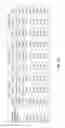



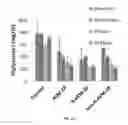




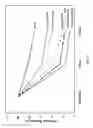
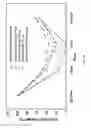
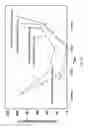


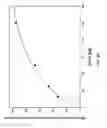


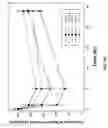
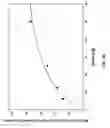

Sources:
- United States Patent and Trademark Office - verify current appl. status at the USPTO↗
Recent applications in this class:
- » 20250288644 2025-09-18
Gene Therapy For Neurodegenerative Disorders - » 20250288643 2025-09-18
ENGINEERED SIRPá VARIANTS AND METHODS OF USE THEREOF - » 20250288642 2025-09-18
COMPOSITION FOR INDUCING REVERSE-AGING CONTAINING SLIT2 AND METHOD FOR INDUCING REVERSE-AGING - » 20250288641 2025-09-18
MICRO-DYSTROPHIN FOR HEART PROTECTION - » 20250281573 2025-09-11
Methods of Treating Retinal Degenerative Diseases Using AIMP2-DX2 and Optionally a Target Sequence for miR-142 and Compositions Thereof - » 20250276037 2025-09-04
METHODS OF TREATING FRIEDREICH'S ATAXIA - » 20250276036 2025-09-04
COMPOSITION FOR THE INHIBITION OF NRF2 AND USES THEREOF IN CANCER THERAPY - » 20250268981 2025-08-28
METHODS AND COMPOSITIONS FOR MODULATION OF TAU PROTEINS - » 20250255931 2025-08-14
METHODS FOR TREATING LEUKOCYTOSIS, ENDOTHELIAL DYSFUNCTION AND CARDITIS USING LIPID BINDING PROTEIN-BASED COMPLEXES - » 20250249070 2025-08-07
ACTRII PROTEINS FOR THE TREATMENT OF PULMONARY ARTERIAL HYPERTENSION (PAH)
Recent applications for this Assignee:
- » 20230339860 2023-10-26
Compounds for the treatment of acute and chronic kidney disease - » 20230219958 2023-07-13
Development of potential antidotes for arsenicals - » 20220153702 2022-05-19
Compounds for the treatment of acute and chronic kidney disease - » 20210323933 2021-10-21
Piperazine-2,5-diones as TGF-beta inhibitors - » 20210205266 2021-07-08
MRSA biofilm inhibition - » 20210199671 2021-07-01
Biomarkers and methods for assessing myocardial infarction and serious infection risk in rheumatoid arthritis patients - » 20210115007 2021-04-22
glucosyl transferase inhibitors for dental caries therapy - » 20200292559 2020-09-17
Biomarkers and methods for assessing myocardial infarction and serious infection risk in rheumatoid arthritis patients - » 20200222371 2020-07-16
Oxadiazoles and thiadiazoles as TGF-β inhibitors - » 20190248855 2019-08-15
Modified cystic fibrosis transmembrane conductance regulator (CFTR) polypeptides with increased stability and uses thereof