POULTRY FEED WITH COMBINATION OF 25-HYDROXYVITAMIN D AND ANTIOXIDANTS/ANTI-INFLAMMATORIES
US20180000124A1
2018-01-04
15/541,852
2016-01-15
Abstract:
This invention relates to the use of the combination of 25-hydroxyvitamin D3 (“25-OH D3”) and antioxidants/anti-inflammatories (ascorbic acid vitamin E and canthaxanthin) to make a premix or feed which can ameliorate various problems observed in poultry which have been subject to overfeeding. Feeds containing the 25-OH D3 and antioxidants/anti-inflammatories and premixes are also provided.
Inventors:
- Shuen Ei CHEN 9 🇨🇭 Kaiseraugst, Switzerland
- Thau Kiong CHUNG 9 🇨🇭 Kaiseraugst, Switzerland
Interested in similar patents?
Get notified when new applications in this technology area are published.
Classification:
A61K9/0056 » CPC further
Medicinal preparations characterised by special physical form; Galenical forms characterised by the site of application; Mouth and digestive tract, i.e. intraoral and peroral administration Mouth soluble or dispersible forms; Suckable, eatable, chewable coherent forms; Forms rapidly disintegrating in the mouth; Lozenges; Lollipops; Bite capsules; Baked products; Baits or other oral forms for animals
A23K20/174 » CPC main
Accessory food factors for animal feeding-stuffs; Organic substances Vitamins
A23K20/179 » CPC further
Accessory food factors for animal feeding-stuffs; Organic substances Colouring agents, e.g. pigmenting or dyeing agents
A61K33/26 » CPC further
Medicinal preparations containing inorganic active ingredients; Heavy metals; Compounds thereof Iron; Compounds thereof
A61K33/04 » CPC further
Medicinal preparations containing inorganic active ingredients Sulfur, selenium or tellurium; Compounds thereof
A61K31/675 » CPC further
Medicinal preparations containing organic active ingredients; Phosphorus compounds having nitrogen as a ring hetero atom, e.g. pyridoxal phosphate
A61K31/593 » CPC further
Medicinal preparations containing organic active ingredients; Compounds containing 9, 10- seco- cyclopenta[a]hydrophenanthrene ring systems 9,10-Secocholestane derivatives, e.g. cholecalciferol, i.e. vitamin D
A61K31/525 » CPC further
Medicinal preparations containing organic active ingredients; Heterocyclic compounds having nitrogen as a ring hetero atom, e.g. guanethidine or rifamycins having six-membered rings with two nitrogen atoms as the only ring heteroatoms, e.g. piperazine; Pyrimidines; Hydrogenated pyrimidines, e.g. trimethoprim ortho- or peri-condensed with heterocyclic rings Isoalloxazines, e.g. riboflavins, vitamin B
A61K31/519 » CPC further
Medicinal preparations containing organic active ingredients; Heterocyclic compounds having nitrogen as a ring hetero atom, e.g. guanethidine or rifamycins having six-membered rings with two nitrogen atoms as the only ring heteroatoms, e.g. piperazine; Pyrimidines; Hydrogenated pyrimidines, e.g. trimethoprim ortho- or peri-condensed with heterocyclic rings
A61K31/455 » CPC further
Medicinal preparations containing organic active ingredients; Heterocyclic compounds having nitrogen as a ring hetero atom, e.g. guanethidine or rifamycins having six-membered rings with one nitrogen as the only ring hetero atom; Non condensed pyridines; Hydrogenated derivatives thereof Nicotinic acids, e.g. niacin; Derivatives thereof, e.g. esters, amides
A61K31/4188 » CPC further
Medicinal preparations containing organic active ingredients; Heterocyclic compounds having nitrogen as a ring hetero atom, e.g. guanethidine or rifamycins having five-membered rings with two or more ring hetero atoms, at least one of which being nitrogen, e.g. tetrazole 1,3-Diazoles condensed with other heterocyclic ring systems, e.g. biotin, sorbinil
A61K31/375 » CPC further
Medicinal preparations containing organic active ingredients; Heterocyclic compounds having oxygen as the only ring hetero atom, e.g. fungichromin; Lactones Ascorbic acid, i.e. vitamin C; Salts thereof
A61K31/355 » CPC further
Medicinal preparations containing organic active ingredients; Heterocyclic compounds having oxygen as the only ring hetero atom, e.g. fungichromin having six-membered rings with one oxygen as the only ring hetero atom condensed with carbocyclic rings, e.g. cannabinols, methantheline 3,4-Dihydrobenzopyrans, e.g. chroman, catechin Tocopherols, e.g. vitamin E
A61K31/197 » CPC further
Medicinal preparations containing organic active ingredients; Acids; Anhydrides, halides or salts thereof, e.g. sulfur acids, imidic, hydrazonic, hydroximic acids; Carboxylic acids, e.g. valproic acid having an amino group the amino and the carboxyl groups being attached to the same acyclic carbon chain, e.g. gamma-aminobutyric acid [GABA], beta-alanine, epsilon-aminocaproic acid, pantothenic acid
A61K31/122 » CPC further
Medicinal preparations containing organic active ingredients; Ketones having the oxygen directly attached to a ring, e.g. quinones, vitamin K, anthralin
A61K9/00 IPC
Medicinal preparations characterised by special physical form
A23K50/75 » CPC further
Feeding-stuffs specially adapted for particular animals for birds for poultry
A61K33/32 » CPC further
Medicinal preparations containing inorganic active ingredients; Heavy metals; Compounds thereof Manganese; Compounds thereof
A61K33/34 » CPC further
Medicinal preparations containing inorganic active ingredients; Heavy metals; Compounds thereof Copper; Compounds thereof
Description
BRIEF DESCRIPTION OF THE INVENTION
This invention relates to the combination of 25-hydroxyvitamin D (“25-OH D3” and/or “25-OH D2”) and antioxidants/anti-inflammatories (ascorbic acid, Vitamin E and canthaxanthin) for use in poultry feed. This combination of nutritional supplements protects poultry against various adverse effects associated with hyperphagia and related obesity. It also relates to feed and feed premixes containing the combination of 25-hydroxyvitamin D and the antioxidants/anti-inflammatories.
BACKGROUND OF THE INVENTION
Reproductive efficiency and the incidence of pathogenic disorders are directly influenced by the extent of ovary development and nutrition in poultry. For example, the finely tuned reproductive system of the broiler breeder female requires ovary, oviduct, brain, liver and skeletal system to communicate among themselves under the influence of lighting in the production of hatching eggs. The hypothalamus, located within the brain, is directly stimulated by light energy at photostimulation. The mature (reproductively functional) hypothalamus then secretes luteinizing hormone releasing hormone (LHRH), which acts on anterior pituitary to stimulate the production of luteinizing hormone (LH) and follicle stimulating hormone (FSH). Both LH and FSH target the ovary and stimulate ovarian hormone production and early follicle development, respectively.
The ovary of an immature pullet has only small undifferentiated follicles invisible to the naked eye. These follicles, upon sexual maturity, increase in size to form an array of small follicles as well as a hierarchy of large follicles varying in size. The small follicles produce estrogen after hypothalamic maturation. The large yellow follicles are usually defined as being greater than 1 cm in diameter, and their numbers are directly influenced by lighting program, plane of nutrition and breeder age. Progesterone released from the largest follicle triggers the ovulation process. Mature follicles are capable of producing progesterone only a few hours prior to ovulation. The liver is a key organ in egg production as it is the site of lipogenesis, leading to formation of fatty acids and subsequently triglycerides that contribute to egg yolk formation, which is in turn driven by estrogen. The skeletal system is intimately associated with egg production for its role in mobilizing, storing and releasing calcium under the influence of estrogen.
Hyperphagia and therefore adiposity occurs in broiler breeder females, and has increased in parallel with the perpetual genetic selection for rapid growth in broiler chickens. Overfeeding-induced ovarian dysfunction and reproductive inefficiency as well as metabolic disorders like ascites, sudden death syndrome and fatty liver in broiler breeder females is a consequence of lipotoxicity development as result of fuel overloading the biological system. Therefore, the challenge of managing modern female broiler breeder strains is the inability of these hens to adequately self-regulate feed intake during growth and development to achieve an optimal body weight and composition to support efficient egg and chick production. As such, broiler breeder females are subject to a high degree of restricted feeding regimen. The primary mechanism in which feed restriction benefits reproductive efficiency in broiler breeder females is the control of follicle development or rather limiting the formation of excessive numbers of ovarian yellow follicles arranged in multiple hierarchies.
Broiler breeder females overfed during reproductive development not only produce excess large yellow ovarian follicles but also generate a greater number of atretic yellow follicles and commonly display erratic oviposition and defective egg syndrome (EODES) that include several reproductive problems such as follicular atresia, the production of soft-shelled or membranous eggs, double-yolked eggs, egg yolk peritonitis (presence of egg yolk in the abdominal cavity), multiple egg days and oviposition not occurring in sequence, resulting in increased production of unsettable eggs.
Controlled studies reported that voluntary feeding (i.e., broiler breeder hens to satiation) resulted in poor egg production, high rate of mortality and abnormal ovarian structure (mainly overt hierarchical follicle atresia). In contrast to feed-restricted hens, voluntary feeding also induced metabolic dysregulations that comprised enhanced adiposity;
hepatic triacylglycerol accumulation; and elevated concentrations of plasma glucose, non-esterified fatty acids, very low density lipoprotein, triacylglycerol, phospholipids, ceramide and sphingomyelin. Furthermore, hepatic and circulating ceramide and sphingomyelin accumulation, and up-regulation of proinflammatory IL-1β expression in liver and adipose tissues systemically manifested the development of lipotoxicity in feed-satiated hens. Ceramide is a key intermediate linking certain nutrients (i.e. saturated fats) and inflammatory cytokines (e.g. tumor necrosis factor-α, TNFα) to the regulation of cell function and antagonizing insulin signaling and mitochondrial function. Moreover, as a result of its toxic effects on particularly susceptible cell types, ceramide has the capacity to damage the heart, pancreas, and vasculature. Lipotoxicity leading to impaired ovarian dysfunctions, including follicle atresia, ovarian regression, and a decline of circulating estradiol levels in feed-satiated hens, was further exemplified by ceramide accumulation and up-regulation of IL-1β, serine palmitoyltransferase, and sphingomyelinase transcript abundance, but suppressed protein kinase Akt activation within the hierarchical follicles. In vivo evidence has thus delineated the actions of ceramide and IL-1β in mediating overfeeding-induced follicle atresia and progression of ovarian involution in broiler hens.
Despite restricted feeding regimen strictly implemented in commercial broiler breeder flocks, it is still very easy to overfeed breeder hens due to their intrinsic hyperphagia. Furthermore, breeder farm managers are confronted as to when and how to feed before and during the start of egg production as well as towards, during and after peak production. The basic fundamental question to ask what and how management and nutritional tools breeder farm managers can apply and implement to ameliorate the adverse and deleterious effects of reproductive efficiency associated with obesity in overweight hens.
Hy•D® (registered trademark for 25-OH-D3; available from DSM Nutritional Products, Switzerland has been used to promote bone health in poultry.
The combination of 25-OH D3 and canthaxanthin has also been used in poultry. WO2010/057811 (DSM IP ASSETS, BV) describes the combination of 25-OH D3 and canthaxanthin for use in improving hatchability, fertility, and lower embryo mortality in poultry. The combination is commercially available under the trademark MAXICHICK.
There is no mention in the patent publication of the inclusion of ascorbic acid and high vitamin E levels, nor the uses to ameliorate the adverse effects of hyperphagia-related obesity.
Vitamin C (ascorbic acid) is often not included as a supplement in poultry diets, as the chicken can produce sufficient Vitamin C under normal rearing conditions. However, it has been used in some specific conditions, such as in heat stress situations.
Vitamin E is generally added to poultry feed. Recommended doses for poultry species tends to range from about 50-100 IU/kg feed, depending on the age of the animal.
WO14/202433 (DSM IP ASSETS B.V) teaches the combination of canthaxanthin and 25-OH D3 to improve internal egg quality, i.e. enhancing the strength of vitelline membrane that envelops the yolk. There is no teaching to add ascorbic acid to the combination, nor for its use in ameliorating the adverse effects of hyperphagia-related obesity.
WO14/191153 (DSM IP ASSETS B.V) teaches the combination of canthaxanthin and at least one of Vitamin C, Vitamin E, selenium, and optionally at least one of thymol, eugenol, vanillin and gamma-terpinene can improve immune statues, bone health, skeletal development and growth and feed conversion, particularly when flocks are subject to stress associated with vaccination.
There is a need to reduce or ameliorate the metabolic and hormonal dysregulations as a result of hyperphagia in broiler breeder hens which induce pathophysiology with obesity progression including leading to impaired glucose regulation, insulin actions, cardiomyopathies, and ultimately ascites and sudden death.
DETAILED DESCRIPTION OF THE INVENTION
It has been found, accordance with this invention that the combination of 25-hydroxyvitamin D (25-OH D3 and/or 25-OH D2) and antioxidants/anti-inflammatories ameliorates adverse metabolic conditions observed when poultry is fed ad libitum or experiences hyperphagia-related obesity. It has also been found in accordance with this invention, that the bio-actives traditionally included in the feed as antioxidants also possess an anti-inflammatory activity which mitigates the adverse effects of hyperphagia-related obesity.
As 25-OH D2 and 25-OH D3 may act in a similar fashion after administration, it is envisioned that either may be used separately in combination with antioxidants/anti-inflammatories, or a mixture of both 25-OH D3 and 25-OH D2 may be used in combination with antioxidants/anti-inflammatories. If used together, the ratio of 25-OH D3: 25-OH D2 is not a critical part of the invention. 25-OH D3 used alone is preferred.
The antioxidants/anti-inflammatories of this invention comprise the combination of ascorbic acid, vitamin E and canthaxanthin. Thus one aspect of this invention is the combination of 25-OH D3, canthaxanthin, vitamin E and ascorbic acid. Another embodiment is the combination of 25-OHD2, canthaxanthin, Vitamin E and ascorbic acid. Another embodiment is the combination of 25-OHD3, 25-OHD2, canthaxanthin, Vitamin E and ascorbic acid.
In preferred embodiments, the combination 25-OH D, canthaxanthin, vitamin E and ascorbic acid are added to a basal diet which contains all the necessary ingredients for complete poultry nutrition, i.e. the combination provides a supra-physiological amount of the components. Thus, this can be distinguished from prior use of one or several of the ingredients which are provided in order to merely meet nutritional requirements so that the poultry is not vitamin or nutrient deficient.
Another aspect of this invention is the combination of 25-OH D, canthaxanthin, vitamin E and ascorbic acid, which optionally further comprises at least one further bio-active ingredient selected from the group consisting of:
-
- Vitamin D, Vitamin B2, Vitamin B6, Niacin, Zinc, Copper, Manganese, and Selenium. Preferably the 25-OH D is 25-OH D3. Preferably at least Vitamin D is a further bio-active ingredient. Sometimes the further bio-active ingredients include at least Vitamin D and Selenium. In some cases, all the further bio-active ingredients are added.
A further aspect is the combination of 25-OH D, canthaxanthin, vitamin E and ascorbic acid which optionally further comprises at least one further bio-active ingredient selected from the group consisting of Vitamin D, Vitamin B2, Vitamin B6, Niacin, Pantothenic Acid, Folic Acid, Biotin, Zinc, Copper, Manganese, Selenium, and combinations thereof. Preferably the 25-OH D is 25-OH D3. Sometimes, the further bio-active ingredient includes biotin. Sometimes the further bio-active ingredient includes Vitamin D and biotin. Sometimes the further bio-active ingredient includes all the aforementioned optionally bio-active ingredients.
Another aspect of this invention is a poultry feed comprising the combination of 25-OH D2 or 25-OH D3 or mixtures thereof, ascorbic acid, Vitamin E and canthaxanthin.
Yet another embodiment is poultry feed comprising the combination of 25-OH D, canthaxanthin, vitamin E and ascorbic acid, which optionally further comprises at least one further bio-active ingredient selected from the group consisting of: Vitamin D, Vitamin B2, Vitamin B6, Niacin, Zinc, Copper, Manganese, Selenium and combinations thereof. Preferably the 25-OH D is 25-OH D3. Sometimes the further bio-active ingredients include at least Vitamin D and Selenium. In some cases, all the further bio-active ingredients are added.
In preferred embodiments, a complete basal poultry feed contains the combination of 25-OH D, canthaxanthin, vitamin E and ascorbic acid, and at least one further bio-active ingredient selected from the group consisting of: Vitamin D, Vitamin B2, Vitamin B6, Niacin, Zinc, Copper, Manganese, Selenium and combinations thereof. Preferably the 25-OH D is 25-OH D3. Sometimes the further bio-active ingredients include at least Vitamin D and Selenium. In some cases, all the further bio-active ingredients are added. Thus the combination and additional further bio-active ingredients of this invention are above those ingredients required for normal poultry nutrition, i.e. they are a supra-physiological dose.
Another embodiment is poultry feed comprising the combination of 25-OH D, canthaxanthin, vitamin E and ascorbic acid, which optionally further comprises at least one further bio-active ingredient selected from the group consisting of: Vitamin D, Vitamin B2, Vitamin B6, Niacin, Pantothenic Acid, Folic Acid, Biotin, Zinc, Copper, Manganese, Selenium and combinations thereof. Sometimes, the further bio-active ingredient includes biotin. Preferably the 25-OH D is 25-OH D3. Sometimes the further bio-active ingredient includes Vitamin D and biotin. Sometimes the further bio-active ingredient includes all the aforementioned optionally bio-active ingredients.
Another aspect of this invention are premixes for poultry feed which comprise the combination of 25-OH D, vitamin E, ascorbic acid and canthaxanthin. Preferably, the 25-OH D is 25-OH D3. The premixes and subsequent feed, when fed to an animal prone to hyperphagia or obesity improves/ameliorates adverse metabolic conditions associated with hyperphagia. In some embodiments the feed and premix also comprises at least one further bio-active ingredient selected from the group consisting of:
-
- Vitamin D, Vitamin B2, Vitamin B6, Niacin, Zinc, Copper, Manganese, Selenium and combinations thereof. Sometimes the further bio-active ingredients include at least Vitamin D and Selenium. In some cases, all the further bio-active ingredients are added.
Another aspect of this invention are premixes for poultry feed which comprise which further comprise at least one further bio-active ingredient selected from the group consisting of: Vitamin D, Vitamin B2, Vitamin B6, Niacin, Pantothenic Acid, Folic Acid, Biotin, Zinc, Copper, Manganese, Selenium and combinations thereof. Sometimes, the further bio-active ingredient includes biotin. Sometimes the further bio-active ingredient includes Vitamin D and biotin. Sometimes the further bio-active ingredient includes all the aforementioned optionally bio-active ingredients.
When using the poultry feed of this invention, the animals may be fed ad libitum and the ill effects normally experienced will be experienced to a lesser degree or not at all. This results in easier flock management, and eliminates the problems encountered where the flock is fed a restricted diet, but certain individual birds still exhibit hyperphagia, and may show aggressive behaviors towards other birds.
Further, it has been found that the combination of 25-OH D3 and anti-oxidants/anti-inflammatories of this invention improves flock survival rate.
BRIEF DESCRIPTION OF THE FIGURES
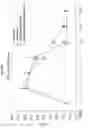
FIG. 1 shows glucose clearance and insulin secretion of broiler breeder hens in response to ad libitum feed intake in combination with 25-OH D3+antioxidants/anti-inflammatories. Hens were injected with a single dose of glucose (0.5 g/kg BW) through wing vein after 3 weeks of feeding. Blood samples were collected through cannulation of wing vein at indicated time points after glucose infusion, n=3.
FIG. 2 shows t issue interleukin-1β contents and plasma IL-6 levels of broiler breeder hens in response to ad libitum feed intake in combination with 25-OH D3 and antioxidants/anti-inflammatories. Tissues and blood samples were collected after 10 weeks of the feeding trial. Means with different superscript letters are significantly different (P<0.05), n=3.
FIG. 3. shows tissue STAT-3 activation of broiler breeder hens in response to ad libitum feed intake in combination with 25-OH D3 and antioxidants/anti-inflammatories inclusion. Tissues and blood samples were collected after 10 weeks of the feeding trial. Means with different superscript letters are significantly different (P<0.05), n=3.
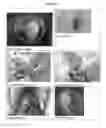
FIGS. 4-6 show pictures taken during the necropsy of broiler hens in response to ad libitum feed intake in combination with 25-OH D3 and antioxidants/anti-inflammatories inclusion. Hens were necropsied after 10 weeks of the feeding trial.
FIG. 7 shows the effect of dietary supplementation of 25-OH-D3+antioxidants/anti-inflammatories on egg production of broiler hens with restricted or ad libitum feed intake.
FIG. 8 shows the effect of dietary supplementation of 25-OH-D3+antioxidants/anti-inflammatories on the survival rate of broiler hens with restricted or ad libitum feed intake.
FIG. 9 shows the effect of dietary supplementation of 25-OH-D3+antioxidants/anti-inflammatories on body weight of broiler hens with restricted or ad libitum feed intake.
FIG. 10 is a series of photos showing the gross morphology of the heart of dead hens with dietary supplementation of 25-OH-D3+antioxidants/anti-inflammatories under restricted or ad libitum feed intake.
FIG. 11 is a series of photographs showing the gross morphology of the heart of dead hens with dietary supplementation of 25-OH-D3+antioxidants/anti-inflammatories under restricted or ad libitum feed intake
FIG. 12 is a series of electrocardiograms (EGCs) demonstrating the effect of dietary supplementation of 25-OH-D3+antioxidants/anti-inflammatories on EGC of broiler hens with restricted or ad libitum feed intake. The arrows point to irregularities in the patterns.
FIG. 13 is a series of EGSs showing the effect of dietary supplementation of 25-OH-D3+antioxidants/anti-inflammatories on arrhythmic ECG pattern of broiler hens with restricted or ad libitum feed intake.
FIG. 14 shows photos and a graph demonstrating the effect of dietary supplementation of 25-OH-D3+antioxidants/anti-inflammatories on cardiac fibrosis of broiler hens with restricted or ad libitum feed intake. (at age of 35 weeks)
FIG. 15 are graphs showing the effect of dietary supplementation of 25-OH-D3+antioxidants/anti-inflammatories on plasma IL-6 and IL-1β concentration of broiler hens with restricted or ad libitum feed intake.
FIG. 16 are photos showing the effect of dietary supplementation of 25-OH-D3+antioxidants/anti-inflammatories on cardiac cell apoptosis of broiler hens with restricted or ad libitum feed intake. (at age of 35 weeks)
As used throughout this specification and claims, the following definitions apply: “25-OH D” refers to any form of 25-hydroxyvitamin D (i.e. either 25-OH D2 or 25-OH D3, or mixes thereof). 25-OH D3 specifically refers to 25-hydroxyvitamin D3; 25-OH D2 specifically refers to 25-hydroxyvitamin D2.
“Vitamin D” means either Vitamin D2, Vitamin D3 or a combination. Vitamin D3 is preferred.
“Poultry” means any domesticated fowl, including meat-producing, table egg-producing and fertile egg-producing chickens, ducks, geese, turkeys, quail, and ostriches.
“Hyperphagia” is excessive eating; the animal does not voluntarily limit its feeding.
“Ameliorating weight gain” means that there is a significant lower amount of weight the poultry would gain when feeding ad libitum with ingesting the combination of 25-OH D3 and antioxidants/anti-inflammatories described herein. The birds ingesting the combination may gain more than those fed a restricted diet.
“Ascorbic Acid” and “Vitamin C” are used interchangeably throughout the specification and claims.
“Basal diet” means that the feed used supplies the poultry with sufficient vitamins and minerals so that the poultry are vitamin and mineral replete.
“25-OH-D3+antioxidants/anti-inflammatories” means the combination of 25-OH D3, vitamin E, canthaxanthin and ascorbic acid, administered in feed as an addition to a basal diet, at a dosage range as set forth in the specification. Optionally, and preferably, additional bio-active ingredients, selected from the group consisting of: Vitamin D, Vitamin B2, Vitamin B6, Niacin, Pantothenic Acid, Folic Acid, Biotin, Zinc, Copper, Manganese, Selenium and combinations thereof are added to the 25-OHD3, vitamin E, canthaxanthin and ascorbic acid combination.
“Sudden Death” means that the individual bird died without showing previous signs or illness or trauma. Birds appear healthy, but die rapidly with a short period of wing beating and leg movement, during which they frequently flip onto their backs. They also may be found dead on their sides or breasts. There are no specific gross lesions. Recent studies indicate that dead birds have lesions in cardiomyocytes and subendocardial Purkinje cells, and this may help in diagnosis.
Adverse Conditions Associated with Hyperphagia
1. Ovarian Problems
It has been found in accordance with this invention, that the use of feed comprising 25-OH D3, vitamin E, canthaxanthin and ascorbic acid can specifically contribute to ovarian health. Broiler breeder females overfed during reproductive development not only produce excess large yellow ovarian follicles but also generate a greater number of atretic yellow follicles and commonly display erratic oviposition and defective egg syndrome (EODES) that include several reproductive problems such as follicular atresia, the production of soft-shelled or membranous eggs, double-yolked eggs, egg yolk peritonitis (presence of egg yolk in the abdominal cavity), multiple egg days and oviposition not occurring in sequence, resulting in increased production of unsettable eggs. Use of the feed/premix of this invention can lessen, reduce, ameliorate or eliminate each of these conditions.
Further, it has been surprisingly found, in accordance with this invention that the combination of 25-OH D3 and antioxidants/anti-inflammatories can improve total egg yield in a flock by promoting survival of more birds. In individual birds, it was found that the combination had no effect on egg yield/production in birds fed ad libitum, and even could decrease egg yield in individual birds fed a restricted diet. However, 25-OH D3 in combination with the antioxidants/anti-inflammatories of this invention increased overall egg yield (although not egg production rate).
These results suggested that 25-OH-D3+antioxidants/anti-inflammatories accelerated the progression into death in restricted-fed birds that are susceptible to sudden death, and thus acting as a flock culler to exclude the sudden death-susceptible birds for longer survival and thereby reduced the flock maintenance cost.
2. Metabolic Problems
Metabolic problems associated with hyperphagia and which can be lessened, reduced or eliminated through use of the feed/premix of this invention include:
-
- a) clearance of non-esterified fatty acids
- b) amelioration of plasma dyslipidemia (triglycerides, sphingomyelin, and ceramide)
- c) amelioration of triglyceride and ceraminde accumulation in the liver, leg, breast muscle, and heart
- d) suppression the tissue pro-inflammatory IL-1β production and plasma IL-6 concentration
- e) cardiac protection and enhanced cardiac function through the up-regulation of the phosphorylation of STAT-3 (signal transducer and activator of transcription 3) in the heart.
- f) suppression of the infiltration of immune cells into the heart
- g) decreasing the incidence of ascites.
These above-mentioned observed improved conditions result in a lowering of mortality rate, improved insulin signaling, reduced lipotoxic development and systemic inflammation, and activation of cardio-protective mechanisms against fuel-overload induced cardiac pathogenesis.
3. Cardio-Vascular Problems, Including Sudden Death
Birds in a flock can experience a sudden death, i.e. the cause of death is not readily apparent. We investigated this further, as is detailed in EXAMPLE 4. We investigated this phenomenon in flocks fed ad libitum and a restricted diet, with or without the combination of 25-OH D3 and antioxidants/anti-inflammatories. Some of our results are set forth below.
It has been found, in accordance with this invention, that in In birds fed ad libitum, sudden death birds (i.e, birds which have undergone sudden death) which had been fed with 25-OH-D3+antioxidants/anti-inflammatories had higher body weight, but lower relative liver, abdominal fat, and heart weight.
In the birds with sudden death, ad libitum feeding caused cardiac adaptive hypertrophy; and some of the hypertrophic growth may develop pathologically into ventricle dilation. As a result, the heart requires a higher contractility to maintain pumping function to meet the need of blood supply for oxygen delivery to the peripheral tissues. This condition may have caused heart failure.
Importantly, we found that 25-OH-D3+antioxidants/anti-inflammatories decreased cardiac pathogenic progression and thereby the incidence of heart failure in birds fed ad libitum. Thus another aspect of this invention is the use of 25-OH-D3+antioxidants/inflammatories to reduce the amount of cardiac problems leading to sudden death.
In both restricted and ad libitum fed birds, birds with 25-OH-D3+antioxidants/anti-inflammatories exhibited less adaptive hypertrophic growth, supporting the hypothesis that most excessive fuels may be partitioned to the muscle, and thereby, hypertrophic growth of the heart for increased pumping function cannot meet the need of oxygen supply for higher growth rate (muscle) and thus may provoke cardiac arrhythmia and failure.
25-OH-D3+antioxidants/anti-inflammatories inclusion was seen to have the following effects:
-
- decreased the incidence of cardiac morbidities (dilation, pericardial effusion, rupture) observed in necropsies of in the dead birds.
- Decreased the amount of irregular incidence of ECG patterns
- Decreased arrhythmia of broiler hens fed ad libitum
- ameliorated sudden death induced by cardiac morbidities
- ameliorated cardiac fibrosis in hens fed ad libitum.
- ameliorated chronic systemic inflammation in hens fed ad libitum.
- ameliorated cardiac cell apoptosis in hens with restricted or ad libitum feed intake.
Thus, the 250H D3+antioxidants can protect the cardiovascular system.
3. Doses
In one aspect of this invention the combination of 25-OH D3 and the antioxidants/anti-inflammatories are given to poultry which are vitamin replete rather than vitamin deficient. The vitamin replete status is preferably due to the use of a basal feed which supplies at least the minimum amount of vitamins and minerals for the poultry. The combination of this invention is thus preferably used in addition to the basal diet.
25-OH D3: The amount of 25-OH D3 can range from 15-200 μg/kg feed. Preferably, the amount of 25-OH D3 is from 35-150 μg/kg feed. For feed with a low dose of the combination of the invention, 35 μg per kg 25-OH D3/feed is preferred; for food with a medium dose of the combination, 69 μg per kg feed is preferred; and for food with a high dose of 150 μg feed is preferred.
Vitamin E: The amount of Vitamin E can range from 40-400 mg/kg feed. Preferably the amount is 80-300 mg/kg feed. For feed with a low dose of the combination of the invention, 80 mg/kg Vitamin E is preferred. For feed with a medium dose, 150 mg Vitamin E is preferred; for feed with a high dose, 300 mg/kg Vitamin E is preferred.
Canthaxanthin: The amount of canthaxanthin can range from 1-15 mg/kg feed. Preferably the amount is 3-12 mg/kg feed. For feed with a low dose of the combination of the invention, 3 mg/kg canthaxanthin is preferred. For feed with a medium dose, 6 mg canthaxanthin is preferred; for feed with a high dose, 12 mg/kg canthaxanthin is preferred.
Ascorbic Acid: The amount of ascorbic acid can range from 40-400 mg/kg feed. Preferably the amount is 100-300 mg feed. For feed with a low dose of the combination of the invention, 100 mg/kg ascorbic acid is preferred. For feed with a medium dose, 150 mg ascorbic acid is preferred; for feed with a high dose, 300 mg/kg ascorbic acid is preferred.
Thus specific preferred feeds of this invention comprise the following dosages (all amounts are per kg/feed):
Preferred Feed #1:
-
- 25-OH D3: 15-200 μg,
- Vitamin E: 40-400 mg,
- Canthaxanthin: 1-15 mg; and
- Ascorbic acid: 40-400 mg.
Preferred Feed #2:
-
- 25-OH D3: 35-150 μg,
- Vitamin E: 80-300 mg,
- Canthaxanthin: 3-12 mg, and
- Ascorbic acid: 80-300 mg
Preferred Feed #3: (Low dose feed) This feed is preferred for mildly obese poultry.
-
- 25-OH D3: 35 μg
- Vitamin E: 80 mg
- Canthaxanthin: 3 mg
- Ascorbic acid: 80 mg.
Preferred Feed #4 (medium dose feed) This feed is preferred for moderately to severely obese poultry:
-
- 25-OH D3: 69 μg
- Vitamin E: 150 mg
- Canthaxanthin: 6 mg
- Ascorbic acid: 150 mg.
Preferred Feed #5 (high dose feed) This feed is preferred for severely obese poultry:
-
- 25-OH D3: 150 μg
- Vitamin E: 300 mg
- Canthaxanthin: 12 mg
- Ascorbic acid: 300 mg.
The ratios of the above antioxidants/anti-inflammatories relative to each other may range as follows:
-
- Vitamin E to Vitamin C may range from 1-10:10-1; preferably 1-5:5-1; and more preferably 1.5:1 to 1:1.5, and most preferably 1:1.
- Vitamin E or Vitamin C to Canthaxanthin may range from 40:1 to 1:1; preferably from 20:1 to 1:1; and more preferably from 10:1 to 1:1
Preferred ratios include the following
| Vit E | Vit C | Canthaxanthin |
| 40 | 40 | 1 |
| 20 | 20 | 1 |
| 10 | 10 | 1 |
Optional Additional Ingredients
To each of the feeds listed above, at least one of the additional ingredients may be added. Preferably at least one, and more preferably more than one of the following ingredients are added. In other embodiments, all the following ingredients are added:
-
- Vitamin D3—generally this is present in poultry diets at approximately 2500 IU per kg feed. In accordance with this invention, if desired, the amount of Vitamin D is increased to at least 3000 IU per kg.
- Vitamin B2: this can be added at 3-25 mg per kg; preferably from 6-20 mg/kg. For low dose feed, 6 mg/kg is preferred. For medium dose feed, 14 mg/kg is preferred; and for high dose feed 20 mg/kg is preferred.
- Niacin: this can be added at 25-300 mg per kg feed. Preferably it ranges from 60-200 mg/kg. For low dose feed, 60 mg/kg is preferred. For medium dose feed, 120 mg/kg is preferred; and for high dose feed 200 mg/kg is preferred.
- Pantothenic acid: this can be added at 10-120 mg per kg feed. Preferably it ranges from 15-80 mg/kg. For low dose feed, 15 mg/kg is preferred. For medium dose feed, 30 mg/kg is preferred; and for high dose feed 80 mg/kg is preferred.
- Folic acid: this can be added at 1-8 mg per kg feed. Preferably it ranges from 2-6 mg/kg. For low dose feed, 2 mg/kg is preferred. For medium dose feed, 4 mg/kg is preferred; and for high dose feed 6 mg/kg is preferred.
- Biotin: this can be added at 0.05-1.0 mg/kg feed. Preferably it ranges from 0.2-0.8 mg/kg. For low dose feed, 0.2 mg/kg is preferred. For medium dose feed, 0.4 mg/kg is preferred; and for high dose feed 0.8 mg/kg is preferred.
- Zinc: this can be added at 50-300 mg/kg feed. Preferably it ranges from 70-250 mg/kg. For low dose feed, 70 mg/kg is preferred. For medium dose feed, 125 mg/kg is preferred; and for high dose feed 250 mg/kg is preferred.
- Copper: this can be added at 5-50 mg/kg feed. Preferably it ranges from 10-30 mg/kg. For low dose feed, 10 mg/kg is preferred. For medium dose feed, 20 mg/kg is preferred; and for high dose feed 30 mg/kg is preferred.
- Manganese: this can be added at 50-300 mg/feed. Preferably it ranges from 80-270 mg/kg. For low dose feed, 80 mg/kg is preferred. For medium dose feed, 150 mg/kg is preferred; and for high dose feed 270 mg/kg is preferred.
- Selenium: this can be added at 0.05-0.6 mg/kg feed. Preferably it ranges from 0.1-0.4 mg/kg. For low dose feed, 0.1 mg/kg is preferred. For medium dose feed, 0.3 mg/kg is preferred; and for high dose feed 0.5 mg/kg is preferred.
Premixes can be made to give the above-mentioned doses and preferred doses. One premix which forms part of this invention is formulated so that 1 gram of premix is added to one kilogram feed, and that the resulting feed contains the dosages described in any of the given dosages above. The amounts of the individual ingredients can, of course be varied so that one kilogram of premix is added to one metric ton of feed, and that the resulting feed contains the dosages described in any of the given dosages above. There are specific illustrations of this in the Examples, below.
Further, it is envisioned that the combinations specified herein may be added to any commercially available poultry food, and thus the total amount of 25-OHD3 and antioxidants/anti-inflammatories present may be equal to the amount originally present in the food plus the addition as specified herein. It is also envisioned that the 25-OHD3 and antioxidants/anti-inflammatories as specified herein are the sole additions to a basal diet which contains at least the minimum required nutrients for poultry nutrition.
The following non-limiting Examples are presented to better illustrate the invention
EXAMPLES
Example 1
A total of thirty 45-week-old broiler breeder hens (ROSS 308) were obtained from a commercial flock for the study. A basal broiler breeder laying diet was formulated as shown in Table 1. The calculated nutrient composition is shown in Table 2.
| TABLE 1 |
| Ingredient composition of the basal broiler breeder laying diets. |
| Composition | %, w/w | |
| Corn | 66.9 | |
| Soybean meal | 22.2 | |
| Oil fat | 1.67 | |
| Ca Carbonate (ground | 6.36 | |
| oyster shell) | ||
| Dicalcium phosphate | 1.8 | |
| Choline-Cl (70%) | 0.1 | |
| Mineral Premix1 | 0.1 | |
| Copper sulfate | 0.05 | |
| Vitamin Premix2 | 0.1 | |
| 1Mineral premix provided (per kg of diet for treatment groups 1, 2 and 3): | ||
| Cu 18 mg; I 1.1 mg; Fe 80 mg; Mn 150 mg; Zn 125 mg; and Se 0.25 mg. | ||
| 2Refer to Table 2 for further detail. |
| TABLE 2 |
| Vitamin premix composition (provided per kg of diet) |
| Treatments 1 | Treatment 3 | ||
| and 2 | 3 = ad libitum | ||
| 1 = restricted | feeding + | ||
| feeding | 25-OH-D3 + | ||
| 2 = ad libitum | antioxidants/ | ||
| Vitamin | feeding | anti-inflammatories | |
| A (IU) | 10000 | 12000 | |
| D3 (IU) | 2500 | 3000 | |
| E (mg) | 100 | 150 | |
| K3 (mg) | 3 | 5 | |
| B1 (mg) | 3 | 5 | |
| B2 (mg) | 8 | 14 | |
| B6 (mg) | 6 | 8 | |
| B12 (mg) | 0.03 | 0.03 | |
| Niacin (mg) | 60 | 120 | |
| Pantothenic acid (mg) | 18 | 30 | |
| Folic acid (mg) | 1 | 4 | |
| Biotin (mg) | 0.2 | 0.4 | |
| C (ascorbic acid) (mg) | 0 | 150 | |
| 25-OH-D3 (mcg) | 0 | 69 | |
| Canthaxanthin (mg) | 0 | 6 | |
| TABLE 3 |
| Calculated nutrient composition (%) of |
| the basal broiler breeder laying diets. |
| Composition | % w/w | |
| Crude protein | 16 | |
| Crude fat | 4.2 | |
| Calcium | 3.1 | |
| Sodium | 0.16 | |
| Total Phosphorus | 0.64 | |
| Total ME | 2910 kcal/kg | |
Diet was supplemented with or without 25-OH D3 at 69 mcg/kg diet in combination with antioxidants/anti-inflammatories (vitamin E, ascorbic acid, canthaxanthin) and enriched levels of selected vitamins. Hens were randomly allocated to 3 treatment groups according to feeding regimen (restricted and ad libitum) as follows:
Basal diet—restricted feeding (140 g/day)
Basal diet—ad libitum feeding
Basal diet—ad libitum feeding+25-OH-D3 at 69 mcg/kg diet+antioxidants/anti-inflammatories
They were individually-housed in wire cages placed in a controlled room with 14 h:10 h light:dark period and at a temperature of 25±3° C. Water was available ad libitum. The experimental period was lasted for 10 weeks. Three weeks after the feeding trial, some birds were used for relevant plasma parameter analyses. At the end of experiment, hens were euthanized and sacrificed for tissue sample collection for further studies: Necropsy of tissue morphology
-
- Determination of lipid and sphingolipid profile—serum and tissues
- Determination of tissue pro-inflammatory cytokines
- Determination of insulin resistance
- Collection of tibia for bone strength analysis
- Harvesting heart (cardiomyopathy) and skeletal muscle (breast and thigh) for myopathy analyses.
Example 2
Results and Discussion
25-OH D3 and Antioxidants/Anti-Inflammatories Suppressed Adiposity and Abdominal Fat in Overfed Broiler Hens
Breeder hens are capable of storing large quantities of excess energy (in the form of triglycerides) in the liver, adipose tissue and yolk of developing oocytes. Lipogenesis (i.e., the conversion of glucose to triglycerides) takes place primarily in the liver of birds and involves a series of linked, enzyme catalyzed reactions including glycolysis, the citric acid cycle and fatty acid synthesis. Hepatic lipogenesis is subject to both nutritional and hormonal control and is highly responsive to changes in the diet. Adipose tissue serves primarily as a storage site for lipid with little lipogenic activity. Differential lipogenic capacity of liver vs. adipose tissue in birds is a function of the expression of a key transcription factor, sterol regulatory element binding protein-1 (SREBP-1). The gene for SREBP-1 is highly expressed in the liver, but to a much lesser extent in adipose tissue. Moreover, the expression of a number of lipogenic enzyme genes such as fatty acid synthase, malic enzyme, acetyl CoA carboxylase, ATP citrate lyase and steroyl CoA desaturase 1 is directly influenced by SREBP-1.
Breeder hens fed ad libitum accreted more abdominal fat than those restricted fed. Dietary supplementation of 25-OHD3 and antioxidants/anti-inflammatories ameliorated the deleterious effect of ad libitum feeding on body and tissue weight, particularly on relative adipose tissue weight (adiposity) (Table 4). Tibial strength of ad libitum-fed hens was enhanced by 25-OH D3 and antioxidants/anti-inflammatories.
| TABLE 4 |
| 25-OH D3 and antioxidants/anti-inflammatories on body |
| weight, liver weight, abdominal fat weight and tibial |
| strength of ad libitum-fed broiler breeder hens |
| Ad libitum | ||||
| feeding + | ||||
| 25-OH-D3 + | ||||
| Ad | Antioxidants + | |||
| Restricted | libitum | anti-inflam- | Pooled | |
| feeding | feeding | matories | SEM1 | |
| Body weight (kg) | 3.67c | 4.60a | 4.04b | 0.26 |
| Liver weight (g) | 41.4b | 48.5a | 49.6a | 5.6 |
| Liver/body | 1.14 | 1.06 | 1.23 | 0.18 |
| weight (%) | ||||
| Abdominal fat | 40.9c | 185.9a | 110.8b | 28.9 |
| weight (g) | ||||
| Abdominal fat | 1.11c | 4.01a | 2.74b | 0.70 |
| weight/body | ||||
| weight (%) | ||||
| Tibial strength | 32.3b | 38.3ab | 44.3a | 3.57 |
| (kg/cm2) | ||||
| a-cWithin a row, means without a common superscript differ (P < 0.05). | ||||
| 1Pooled standard error of the mean. |
25-OH D3 and Antioxidants/Anti-Inflammatories Lowered Mortality and Improved Egg Production, Ovarian Morphology and Plasma 17β Estradiol Level
Secretion of estradiol is the hallmark of successful ovulatory follicles. In addition to its role in triggering the preovulatory surge of gonadotropins, estradiol is an important intra-ovarian growth, differentiation, and survival factor. Inclusion of 25-OH D3 and antioxidants/anti-inflammatories reduced mortality and incidence of ovarian degeneration and ovarian-tumor-like morphology, increased egg production and sustained plasma estradiol levels in birds under ad libitum feed intake.
25-OH D3 and Antioxidants/Anti-Inflammatories Ameliorated Impaired Glucose Clearance and Insulin Sensitivity
Dietary inclusion of 25-OH D3 and antioxidants/anti-inflammatories improves insulin resistance as evidenced by ameliorating fasting plasma glucose and non-esterifed fatty acid level in overfed hens for 10 weeks (Table 6). In glucose clearance test, lean hens showed a very sharp clearance rate between 30-60 min after glucose infusion, and conversely obese hens had a very sluggish clearance rate between 30-90 min (FIG. 1). In insulin secretion, obese hens showed a higher plasma insulin level under fasting status and after glucose infusion when compared to lean hens (FIG. 1). Both glucose clearance and glucose-induced insulin secretion were corrected by 25-OH D3 and antioxidants/anti-inflammatories inclusion in overfed hens for 3 weeks (FIG. 1).
| TABLE 5 |
| 25-OH D3 and antioxidants/anti-inflammatories on |
| plasma glucose, non-esterified fatty acid (NEFA) |
| and insulin of ad libitum-fed broiler breeder hens |
| Ad libitum | ||||
| feeding + | ||||
| 25-OH-D3 ++ | ||||
| Ad | antioxidants/ | |||
| Restricted | libitum | anti-inflam- | Pooled | |
| feeding | feeding | matories | SEM1 | |
| After 3 weeks | ||||
| of feeding | ||||
| Plasma glucose | 181.5 | 202.5 | 188.5 | 11.9 |
| (mg/dL) | ||||
| Plasma NEFA | 0.21b | 0.35a | 0.25b | 0.05 |
| (μmole/mL) | ||||
| After 10 weeks | ||||
| of feeding | ||||
| Plasma glucose | 180.6b | 212.6a | 195.6b | 12.7 |
| (mg/dL) | ||||
| Plasma NEFA | 0.35b | 0.44a | 0.33b | 0.05 |
| (μmole/mL) | ||||
| Fasting plasma | 1.38 | 1.15 | 1.59 | 0.21 |
| insulin | ||||
| Glucose-induced | 2.66a | 1.97b | 2.46a | 0.36 |
| insulin | ||||
| a-bWithin a row, means without a common superscript differ (P < 0.05). | ||||
| 1Pooled standard error of the mean. |
25-OH D3 and Antioxidants/Anti-Inflammatories Ameliorated Dyslipidemia
Ad libitum-fed hens elevated plasma triglyceride, ceramide and sphingomyelin levels. However, supplementation of combined 25-OH D3 and antioxidants/anti-inflammatories lowered the level of these lipid metabolites in the plasma of ad libitum-fed hens (Table 6).
| TABLE 6 |
| 25-OH D3 and antioxidants/anti-inflammatories |
| on plasma triacyglycerol, ceramide and sphingomyelin |
| of ad libitum-fed broiler breeder hens |
| Ad libitum | ||||
| feeding + | ||||
| 25-OH-D3 ++ | ||||
| Ad | antioxidants/ | |||
| Restricted | libitum | anti-inflam- | Pooled | |
| feeding | feeding | matories | SEM1 | |
| After 3 weeks | ||||
| of feeding | ||||
| Plasma | 15.6 | 17.4 | 14.5 | 2.9 |
| triacyglycerol | ||||
| (mg/mL) | ||||
| Plasma ceramide | 11.5b | 18.2a | 13.5b | 2.83 |
| (nmole/mL) | ||||
| Plasma | 0.14b | 0.28a | 0.16b | 0.05 |
| sphingomyelin | ||||
| (μmole/mL) | ||||
| After 10 weeks | ||||
| of feeding | ||||
| Plasma | 12.75b | 15.2a | 11.5b | 2.2 |
| triacyglycerol | ||||
| (mg/mL) | ||||
| Plasma ceramide | 8.1b | 12.3a | 8.8b | 1.65 |
| (nmole/mL) | ||||
| Plasma | 0.15b | 0.22a | 0.12b | 0.05 |
| sphingomyelin | ||||
| (μmole/mL) | ||||
| a-bWithin a row, means without a common superscript differ (P < 0.05). | ||||
| 1Pooled standard error of the mean. |
25-OH D3 and Antioxidants/Anti-Inflammatories Reduced Accumulation of Tissue Triglyceride and Ceramide Content
Accumulation of triglyceride and ceramide in the liver, heart and leg muscles was lower in hens fed supplemental 25-OH D3 and antioxidants/anti-inflammatories than in those fed ad libitum (Table 7).
| TABLE 7 |
| 25-OH D3 and antioxidants/anti-inflammatories on tissue triacyglycerol |
| and ceramide content of ad libitum-fed broiler breeder hens |
| Ad libitum | ||||
| feeding + | ||||
| 25-OH-D3 + | ||||
| Ad | Antioxidants + | |||
| Restricted | libitum | anti-inflam- | Pooled | |
| feeding | feeding | matories | SEM1 | |
| Triacyglycerol | ||||
| (mg/g tissue) | ||||
| Liver | 69.0b | 94.8a | 79.8a | 10.6 |
| Heart | 33.1b | 55.6a | 45.6a | 6.8 |
| Breast muscle | 15.6 | 18.0 | 17.4 | 0.05 |
| Leg muscle | 30.2c | 52.3a | 41.2b | 6.6 |
| Ceramide | ||||
| (mg/g tissue) | ||||
| Liver | 174.5b | 287.9a | 235.0a | 52.7 |
| Heart | 17.5c | 30.2a | 23.5b | 2.4 |
| Breast muscle | 2.25 | 2.91 | 2.52 | 0.54 |
| Leg muscle | 4.12b | 7.12a | 6.01a | 0.85 |
| a-bWithin a row, means without a common superscript differ (P < 0.05). | ||||
| 1Pooled standard error of the mean. |
25-OH D3 and Antioxidants/Anti-Inflammatories Depressed Tissue Proinflammatory IL-1β Production and Plasma IL-6 Concentrations in Overfed Broiler Hens
Obesity-associated inflammation was ameliorated by dietary 25-OH D3 and antioxidants/anti-inflammatories supplementation as evidenced by suppressed circulating IL-6 levels and IL-1β production in adipose tissue, liver, leg and breast muscle, and heart (FIG. 2).
25-OH D3 and Antioxidants/Anti-Inflammatories Ameliorated Lipotoxicity in Broiler Breeder Hens Fed Ad Libitum
A central complication of obesity is the development of insulin resistance, which is when insulin is incapable of eliciting postprandial nutrient storage in its primary target tissues, skeletal muscle and liver. Without wishing to be bound by theory, it appears that two probable mechanisms may explain how increased adipose stores affect overall insulin sensitivity throughout the body, contributing to the down regulation of insulin signaling in peripheral tissues. Firstly, the delivery of nutrients to cells or tissues is in excess of their storage capacities and thus this leads to the generation of metabolites that inhibit insulin action. Of particular importance, lipid derivatives, such as triacylglycerol and ceramide, have been shown to inhibit specific insulin signaling intermediates, thus blocking postprandial glucose uptake and/or glycogen synthesis. In the case of broiler breeder females being fed ad libitum, the persistent accumulation of these metabolites in peripheral tissues likely contributes to a sustained state of insulin resistance throughout the hen and of lipotoxic development. Secondly, increased adiposity induces a chronic inflammatory state characterized by elevated circulating levels of pro-inflammatory cytokines produced from adipocytes or from macrophages infiltrating the fat pad. These inflammatory mediators have been shown to antagonize insulin signaling directly, and also to induce catabolic processes, thus further increasing the delivery of nutrient metabolites to insulin-responsive organs.
Overall, excess supply of glucose leading to the formation of excess saturated fatty acids and therefore accumulation of lipids in non-adipose tissues elevates the cellular levels of—active lipids (sphingolipids) that inhibit the signaling pathways implicated in metabolic regulation together with activated inflammatory responses and lipotoxic development. In particular, ceramide is a putative intermediate linking both excess nutrients (i.e., saturated fatty acids) and inflammatory cytokines to the induction of insulin resistance. Moreover, ceramide is toxic in a variety of different cell types and is capable of damaging the heart, pancreas and vasculature. Moreover, 25-hydroxy D3 and antioxidants/anti-inflammatories were effective in ameliorating the deleterious effect of metabolic and endocrine dysregulations and pro-inflammatory responses resulting from increased adiposity occurring in broiler breeder hens fed to satiation.
25-OH D3 and Antioxidants/Anti-Inflammatories Ameliorate Cardiac Morbidities, Ascites, and Inflammation in Overfed Broiler Hens
The heart may become dysfunctional due to excess lipid accumulation. That ad libitum feeding promoted triglyceride accumulation in the heart suggested that increased cardiac fatty acid availability is adaptively esterified into triglyceride. In addition, ceramide content of the heart was also increased as a result of ad libitum feeding. Ceramide is a cardiotoxin in lipotoxic cardiomyopathy, which elicited inflammatory responses as evidenced by more cardiac infiltration of immune cells. (Table 9).
| TABLE 8 |
| 25-OH D3 and antioxidants/anti-inflammatories on cardiac |
| responses of ad libitum-fed broiler breeder hens |
| Ad libitum | ||||
| feeding + | ||||
| 25-OH-D3 + | ||||
| Ad | antioxidants + | |||
| Restricted | libitum | anti-inflam- | Pooled | |
| feeding | feeding | matories | SEM1 | |
| Heart weight (g) | 14.5b | 19.2a | 17.3a | 1.8 |
| Heart/body weight | 0.40 | 0.47 | 0.43 | 0.17 |
| (%) | ||||
| Heart septum (HS) | 2.73 | 3.01 | 2.83 | 0.57 |
| weight (g) | ||||
| HS weight/heart | 18.7 | 14.6 | 15.7 | 3.9 |
| weight (%) | ||||
| Right atrium (RA) | 1.20b | 1.97a | 1.72ab | 0.38 |
| wall weight (g) | ||||
| RA wall weight/ | 8.2 | 9.6 | 9.6 | 1.9 |
| heart weight (%) | ||||
| Right ventricle | 0.95b | 1.51a | 1.73a | 0.27 |
| (RV) wall weight | ||||
| (g) | ||||
| RV wall weight/ | 6.3b | 7.5ab | 9.4a | 1.5 |
| heart weight (%) | ||||
| Left atrium (LA) | 1.17b | 2.26a | 2.02a | 0.43 |
| wall weight (g) | ||||
| LA wall weight/ | 12.2 | 11.1 | 10.9 | 3.1 |
| heart weight (%) | ||||
| Left ventricle (LV) | 3.78b | 4.45a | 4.65a | 0.34 |
| wall weight (g) | ||||
| LV wall weight/ | 25.5a | 21.7b | 25.8ab | 2.4 |
| heart weight (%) | ||||
| Incidence of | 1/7 | 5/10 | 3/10 | |
| transudate within | ||||
| pericardium | ||||
| (heart/total) | ||||
| Incidence of heart | 1/7 | 6/10 | 3/10 | |
| ventricle dilation | ||||
| (heart/total) | ||||
| Incidence of | 0/7 | 3/10 | 1/10 | |
| ascites (hen/total) | ||||
| Cardiac immune | 97.9a | 127.7a | 57.7b | 32.4 |
| cell count | ||||
| (cells/mm2) | ||||
| a-bWithin a row, means without a common superscript differ (P < 0.05). | ||||
| 1Pooled standard error of the mean. |
Cardiac hypertrophy represents clinically an adaptive response to increased workload on the heart. However, cardiac responses to neural and hormonal factors can also incite hypertrophic changes independent of increases in afterload or vascular resistance. Fuel overloading-induced cardiac compensatory growth occurred in broiler breeder hens (Table 8). Cardiac hypertrophy may become maladaptive and eventually develop into pathological conditions, leading to heart failure. These results supported the fact that lipotoxic development and hypertrophic growth in the heart tend to elicit inflammatory responses.
The cardioprotective role of phosphorylated STAT-3 (signal transducer and activator of transcription 3) is becoming increasingly clear in recent years. Interestingly, combined 25-OH D3 and antioxidants/anti-inflammatories induced greater activation of STAT-3 (i.e., phosphorylation of STAT-3) in the heart than restricted-fed breeder hens (FIG. 3), with the lowest activation being observed in ad libitum-fed broiler breeder hens. The incidence of transudate fluid within pericardium, heart ventricle dilation and ascites was alleviated in ad-libitum-fed breeder hens when supplemented with combined 25-hydroxy D3 and antioxidants/anti-inflammatories.
Example 3
Premixes
Table 9, below, presents some of the final dose ranges of the composition of this invention to be added to the feed.
| Ranges per | Low per | Medium per | High per | ||
| Vitamin | Unit | kg feed | kg feed | kg feed | kg feed |
| 25-OH-D3 | mcg | 15-200 | 35 | 69 | 150 |
| Vit E | mg | 40-400 | 80 | 150 | 300 |
| Canthaxanthin | mg | 1-15 | 3 | 6 | 12 |
| VIt C | mg | 40-400 | 100 | 150 | 300 |
| TABLE 10 |
| below presents the quantity of premix dosed per 1 kg feed: |
| 0.3 g | 0.6 g | 1 g | 1.8 g | 2 g | ||
| Vitamin | Unit | premix | premix | premix | premix | premix |
| 25-OH-D3 | mg | 0.0207 | 0.0414 | 0.069 | 0.1242 | 0.138 |
| E | mg | 45 | 90 | 150 | 270 | 300 |
| Canthaxanthin | mg | 1.8 | 3.6 | 6 | 10.8 | 12 |
| C | mg | 45 | 90 | 150 | 270 | 300 |
| TABLE 11 |
| 1 gram premix can be made with the following ingredients: |
| Vitamin | Unit | 1 g premix | |
| 25-OH-D3 | mg | 0.069 | |
| Vit E | mg | 150 | |
| Canthaxanthin | mg | 6 | |
| Vit C | mg | 150 | |
| Carrier and others | mg | to 1000 mg or 1 g | |
Example 4
Cardio-Myopathy Trial
Materials and Methods
A total of thirty 45-week-old broiler breeder hens (ROSS 308) were obtained from a commercial flock for the study. A basal broiler breeder laying diet was formulated as shown in Table 12. The calculated nutrient composition is shown in Table 13.
| TABLE 12 |
| Ingredient composition of the basal broiler breeder laying diets. |
| Composition | %, w/w | |
| Corn | 66.9 | |
| Soybean meal | 22.2 | |
| Oil fat | 1.67 | |
| Calcium carbonate | 6.36 | |
| (ground oyster shell) | ||
| Dicalcium phosphate | 1.8 | |
| Salt | 0.08 | |
| Choline-Cl (70%) | 0.1 | |
| Mineral premix1 | 0.1 | |
| Cooper sulfate | 0.05 | |
| Vitamin premix2 | 0.1 | |
| 1Mineral premix provided (per kg of diet for treatment groups 1, 2 and 3): Cu, 18 mg; I, 1.1 mg; Fe, 80 mg; Mn, 150 mg; Zn, 125 mg; and Se, 0.25 mg. | ||
| 2Refer to Table 13, below for further detail. |
| TABLE 13 |
| Vitamin premix composition (provided per kg of diet) |
| Treatments 2 and 4 | ||
| 2 = restricted feeding + | ||
| 25-OH-D3 + | ||
| Treatments 1 | antioxidants/ | |
| and 3 | anti-inflammatories | |
| 1 = restricted | 4 = ad libitum feeding + | |
| feeding | 25-OH-D3 + | |
| 3 = ad libitum | antioxidants/ | |
| Vitamin | feeding | anti-inflammatories |
| A (IU) | 10000 | 12000 |
| D3 (IU) | 2500 | 3000 |
| E (mg) | 100 | 150 |
| K3 (mg) | 3 | 5 |
| B1 (mg) | 3 | 5 |
| B2 (mg) | 8 | 14 |
| B6 (mg) | 6 | 8 |
| B12 (mg) | 0.03 | 0.03 |
| Niacin (mg) | 60 | 120 |
| Pantothenic acid (mg) | 18 | 30 |
| Folic acid (mg) | 1 | 4 |
| Biotin (mg) | 0.2 | 0.4 |
| C (mg) | 0 | 150 |
| 25-OH-D3 (mcg) | 0 | 69 |
| Canthaxanthin (mg) | 0 | 6 |
| TABLE 14 |
| Calculated nutrient composition (%) of |
| the basal broiler breeder laying diets. |
| Composition | %, w/w | |
| Crude protein | 16 | |
| Crude fat | 4.2 | |
| Calcium | 3.1 | |
| Potassium | 0.44 | |
| Sodium | 0.16 | |
| Total phosphorus | 0.64 | |
| Total ME | 2910 kcal/kg | |
Diet was supplemented with or without Hy•D® at 69 mcg 25-OH-D3/kg diet in combination with antioxidants (ascorbic acid, canthaxanthin) and enriched levels of selected vitamins. Hens were randomly allocated to treatment groups according to feeding regimen (restricted and ad libitum) as follows:
-
- 1. Basal diet—restricted feeding (140 g/day)
- 2. Basal diet—restricted feeding+Hy•D® (25-OH-D3 at 69 mcg/kg diet)+antioxidants/anti-inflammatories
- 3. Basal diet—ad libitum feeding
- 4. Basal diet—ad libitum feeding+Hy•D® (25-OH-D3 at 69 mcg/kg diet)+antioxidants/anti-inflammatories
Results:
| TABLE 15 |
| Effect of dietary supplementation of 25-OH-D3+antioxidants/anti-inflammatories |
| on egg production of broiler hens with restricted or ad libitum feed intake. |
| Restriction + 25- | Ad libitum + | |||
| OH-D3+ | 25-OH-D3+ | |||
| antioxidant/ | antioxidant/ | |||
| anti- | anti- | |||
| Restriction | inflammatories | Ad libitum | inflammatories |
| Dead | Dead | Dead | Dead | |||||
| Whole | bird | Whole | bird | Whole | bird | Whole | bird | |
| flock | flock | flock | flock | flock | flock | flock | flock | |
| (n = 68) | (n = 19) | (n = 70) | (n = 11) | (n = 80) | (n = 58) | (n = 79) | (n = 47) | |
| PROD | 51.4 ± 2.5a | 47.2 ± 1.9a | 51.3 ± 2.7a | 40.2 ± 1.8b | 32.0 ± 2.9b | 43.4 ± 1.7ab | 34.8 ± 2.7b | 45.8 ± 2.1ab |
| YIELD | 129.0 ± 5.5b | 47.9 ± 2.5b | 143.2 ± 5.7a | 33.3 ± 1.9b | 41.1 ± 5.3d | 41.5 ± 2.1b | 54.7 ± 5.9c | 41.1 ± 2.0b |
| PROD = Egg production rate (eggs/day/hen, %); | ||||||||
| YIELD = Egg yield (eggs/hen) | ||||||||
| Results were expressed with mean ± SEM. | ||||||||
| Means with different superscript letters are significantly different within the same flock (P < 0.05). |
FIG. 7 shows the effect of dietary supplementation of 25-OH-D3+antioxidants/anti-inflammatories on egg production of broiler hens with restricted or ad libitum feed intake. From TABLE 15 and FIG. 7, it can be concluded that:
- 1. 25-OH-D3+antioxidants/anti-inflammatories improved total egg yield by promoting survival.
- 2. In dead birds, 25-OH-D3+antioxidants/anti-inflammatories had no effect on egg yield and egg production rate in bird fed ad libitum, but decreased egg yield and egg production rate in restricted birds. In the whole flock, however, 25-OH-D3+antioxidants/anti-inflammatories increased egg yield but not egg production rate.
- 3. These results suggested that 25-OH-D3+antioxidants/anti-inflammatories accelerated the progression into death in restricted birds that are susceptible to sudden death, and thus acting as a flock culler to exclude the sudden death-susceptible birds for longer survival and thereby reduced the flock maintenance cost.
| TABLE 16 |
| Effect of dietary supplementation of 25-OH-D3 + antioxidants/anti-inflammatories on mortality |
| of broiler hens with restricted or ad libitum feed intake and body characteristics of the dead hens |
| Restriction + | Ad libitum ++ | |||
| 25-OH-D3 + | 25-OH-D3 + | |||
| antioxidant/ | antioxidant/ | |||
| anti-inflam- | Ad | anti-inflam- | ||
| Restriction | matories | libitum | matories | |
| (n = 19) | (n = 11) | (n = 58) | (n = 47) | |
| Mortality | 19/68 | 11/70 | 58/80 | 47/79 |
| (dead birds | (26.47%) | (15.71%) | (72.5%) | (59.49%) |
| of the total) | ||||
| Body weight | 3.91 ± 0.090c | 4.01 ± 0.084bc | 4.07 ± 0.083b | 4.37 ± 0.082a |
| of the dead | ||||
| birds (kg) | ||||
| Liver weight | 89.10 ± 6.79b | 99.27 ± 7.92ab | 105.52 ± 5.48a | 106.70 ± 4.68a |
| of the dead | ||||
| birds (g) | ||||
| Relative | 2.28 ± 0.0016d | 2.47 ± 0.0020b | 2.59 ± 0.0011a | 2.44 ± 0.0009c |
| liver weight | ||||
| of the dead | ||||
| birds (g/100 | ||||
| g BW) | ||||
| Abdominal | 60.45 ± 4.56b | 68.54 ± 6.05b | 148.64 ± 8.45c | 133.54 ± 9.44a |
| fat weight | ||||
| of the dead | ||||
| birds (g) | ||||
| Relative | 1.55 ± 0.0013d | 1.71 ± 0.0016c | 3.65 ± 0.0014a | 3.06 ± 0.0009b |
| abdominal | ||||
| fat weight | ||||
| of the dead | ||||
| birds (g/100 | ||||
| g BW) | ||||
| Heart | 18.12 ± 0.81c | 19.93 ± 0.87b | 23.66 ± 0.96a | 22.29 ± 0.86a |
| weight of | ||||
| the dead | ||||
| birds (g) | ||||
| Relative | 0.46 ± 0.00023c | 0.50 ± 0.00021b | 0.58 ± 0.00024a | 0.51 ± 0.00018b |
| heart | ||||
| weight of | ||||
| the dead | ||||
| birds (g/100 | ||||
| g BW) | ||||
| Results were expressed with mean ± SEM. | ||||
| Means with different superscript letters are significantly different (P < 0.05) |
FIG. 8 shows the effect of dietary supplementation of 25-OH-D3+antioxidants/anti-inflammatories on the survival rate of broiler hens with restricted or ad libitum feed intake
From Table 16 and FIG. 8 it can be concluded that:
- 1. 25-OH-D3+antioxidants/anti-inflammatories improved bird survival rate.
- 2. In birds fed ad libitum, dead birds with 25-OH-D3+antioxidants/anti-inflammatories had higher body weight, but lower relative liver, abdominal fat, and heart weight, suggesting that most excessive fuels may be partitioned to the muscle, and thereby, adaptive hypertrophic growth of the heart for increased pumping function cannot meet the need of oxygen supply for higher growth rate (muscle) and thus may provoke cardiac arrhythmia and failure.
| TABLE 17 |
| Effect of dietary supplementation of 25-OH-D3 + antioxidants/anti- |
| inflammatories on carcass characteristics at age of 35 and 50 weeks |
| of broiler hens with restricted or ad libitum feed intake |
| Restriction + | Ad libitum + | |||
| 25-OH-D3 + | 25-OH-D3 + | |||
| antioxidant/ | antioxidant/ | |||
| anti-inflam- | Ad | anti-inflam- | ||
| Restriction | matories | libitum | matories | |
| (n = 6) | (n = 6) | (n = 6) | (n = 6) | |
| Body wt (kg): | ||||
| at 35 wks | 3.57 ± 0.19b | 3.66 ± 0.15 b | 4.32 ± 0.27a | 4.36 ± 0.33a |
| at 50 wks | 3.78 ± 0.21b | 3.83 ± 0.23b | 4.62 ± 0.34a | 4.71 ± 0.38a |
| Liver wt(g): | ||||
| at 35 wks | 55.35 ± 4.42b | 57.37 ± 2.27b | 98.45 ± 4.76a | 83.37 ± 4.17b |
| at 50 wks | 58.67 ± 3.84b | 59.75 ± 4.67b | 72.56 ± 5.14a* | 68.45 ± 3.42b* |
| Relative liver wt | ||||
| (g/100 g BW, %): | ||||
| at 35 wks | 1.55 ± 0.06d | 1.57 ± 0.11b | 2.28 ± 0.10a | 1.91 ± 0.09b |
| at 50 wks | 1.55 ± 0.05 | 1.56 ± 0.14 | 1.57 ± 0.13* | 1.45 ± 0.07* |
| Abdominal fat wt | ||||
| of the dead birds | ||||
| (g): | ||||
| at 35 wks | 47.63 ± 2.16c | 50.57 ± 3.64c | 123.84 ± 9.84a | 95.47 ± 8.12b |
| at 50 wks | 51.24 ± 2.38c | 53.12 ± 2.57c | 147.62 ± 8.55c* | 112.47 ± 9.01c |
| Relative | ||||
| abdominal fat wt | ||||
| (g/100 g BW, %): | ||||
| at 35 wks | 1.35 ± 0.11c | 1.38 ± 0.06c | 2.86 ± 0.0a | 2.19 ± 0.03b |
| at 50 wks | 1.36 ± 0.12c | 1.39 ± 0.50c | 3.20 ± 0.06a* | 2.39 ± 0.08b* |
| Heart wt (g): | ||||
| at 35 wks | 12.69 ± 0.38b | 12.09 ± 0.31b | 17.33 ± 0.65a | 17.76 ± 0.70a |
| at 50 wks | 14.12 ± 0.41b | 13.88 ± 0.0.36b | 22.21 ± 0.71a* | 20.88 ± 0.73a* |
| Relative heart wt | ||||
| (g/100 g BW, %): | ||||
| at 35 wks | 0.357 ± 0.024b | 0.331 ± 0.011b | 0.401 ± 0.016a | 0.414 ± 0.046ab |
| at 50 wks | 0.374 ± 0.025b | 0.362 ± 0.024b | 0.481 ± 0.015a* | 0.443 ± 0.024ab |
| Results were expressed with mean ± SEM. | ||||
| Means with different superscript letters are significantly different (P < 0.05) | ||||
| *significant difference vs. age at 35 wks. |
The low relative liver weight in ad libitum birds at age of 50 weeks appears to be due to ovarian regression developed and thus decreased estrogen secretion leading to decreased lipid synthesis in the liver for yolk deposition.
FIG. 9 shows the effect of dietary supplementation of 25-OH-D3+antioxidants/anti-inflammatories on body weight of broiler hens with restricted or ad libitum feed intake.
| TABLE 18 |
| Effect of dietary supplementation of 25-OH-D3 + antioxidants/anti- |
| inflammatories on the cardiac morbidities of the dead hens |
| with restricted or ad libitum feed intake |
| Restriction + | Ad libitum + | |||
| 25-OH-D3 + | (25-OH-D3 + | |||
| antioxidant/ | antioxidant/ | |||
| anti-inflam- | Ad | anti-inflam- | ||
| Restriction | matories | libitum | matories | |
| (n = 19) | (n = 11) | (n = 58) | (n = 47) | |
| Mortality (dead | 19/68 | 11/70 | 58/80 | 47/79 |
| birds of the | (26.47%) | (15.71%) | (72.5%) | (59.49%) |
| total) |
| Cardiac morbidities (birds of the death) |
| 1. hypertrophy | 6/19 | 0/11 | 20/58 | 14/47 |
| 2. ventricle | 3/19 | 3/11 | 16/58 | 10/47 |
| dilation | ||||
| 3. effusion in | 6/19 | 0/11 | 26/58 | 15/47 |
| the pericardial | ||||
| cavity | ||||
| 4. ascites | 2/19 | 0/11 | 7/58 | 5/47 |
| 5. myocardial | 1/19 | 0/11 | 6/58 | 4/47 |
| rupture trauma | ||||
| 1 + 3 | 2/19 | 0/11 | 10/58 | 7/47 |
| 2 + 3 | 2/19 | 1/11 | 11/58 | 6/47 |
| 1 + 4 | 2/19 | 0/11 | 3/58 | 0/47 |
| 3 + 4 | 1/19 | 0/11 | 2/58 | 1/47 |
| 2 + 5 | 0/19 | 0/11 | 3/58 | 1/47 |
| 2 + 3 + 4 | 0/19 | 0/11 | 2/58 | 1/47 |
| Results were expressed as a ratio. |
FIGS. 10-11 illustrate the gross morphology of the heart of dead hens with dietary supplementation of 25-OH-D3+antioxidants/anti-inflammatories under restricted or ad libitum feed intake.
Conclusions and annotations from Tables 17 and 18 and FIGS. 9-11:
- 1. Ad libitum feeding caused cardiac adaptive hypertrophy, and some of the hypertrophic growth may develop pathologically into ventricle dilation. As a result, the heart requires a higher contractility to maintain pumping function to meet the need of blood supply for oxygen delivery to the peripheral tissues and thus may provoke heart failure.
- 2. 25-OH-D3+antioxidants/anti-inflammatories decreased the incidence of cardiac morbidities (dilation, pericardial effusion, rupture) in the dead birds.
- 3. In both restricted and ad libitum fed birds, birds with 25-OH-D3+antioxidants/anti-inflammatories exhibited less adaptive hypertrophic growth. This supports the hypothesis that most excessive fuels may be partitioned to the muscle, and thereby, hypertrophic growth of the heart for increased pumping function cannot meet the need of oxygen supply for higher growth rate (muscle) and thus may provoke cardiac arrhythmia and failure.
| TABLE 19 |
| Effect of dietary supplementation of 25-OH-D3 + antioxidants/anti- |
| inflammatories on electrocardiogram (ECG) pattern and arrhythmia |
| of broiler hens with restricted or ad libitum feed intake. See |
| FIGS. 12 and 13 for examples of the EGC patterns. |
| Restriction + | Ad libitum + | |||
| 25-OH-D3 + | 25-OH-D3 + | |||
| antioxidant/ | antioxidant/ | |||
| anti-inflam- | Ad | anti-inflam- | ||
| Restriction | matories | libitum | matories | |
| (n = 8) | (n = 8) | (n = 8) | (n = 8) | |
| ECG pattern | 4/8 | 4/8 | 1/8 | 3/8 |
| A at age of | ||||
| 35 wks | ||||
| ECG pattern | 2/8 | 3/8 | 2/8 | 3/8 |
| B or C at | ||||
| age of 35 | ||||
| wks | ||||
| ECG pattern | 2/8 | 1/8 | 5/8 | 2/8 |
| D, E, F, or | ||||
| G at age of | ||||
| 35 weeks | ||||
| ECG pattern | 3/8 | 4/8 | 0/8 | 2/8 |
| A at age of | ||||
| 50 wks | ||||
| ECG pattern | 3/8 | 2/8 | 1/8 | 3/8 |
| B or C at | ||||
| age of | ||||
| 50 wks | ||||
| ECG pattern | 2/8 | 2/8 | 7/8 | 3/8 |
| D, E, F, or | ||||
| G at age of | ||||
| 50 weeks | ||||
| Arrhythmic | 0/8 | 0/8 | 2/8 | 1/8 |
| ECG pattern | ||||
| at age of | ||||
| 35 wks | ||||
| Arrhythmic | 1/8 | 1/8 | 4/8 | 2/8 |
| ECG pattern | ||||
| at age of | ||||
| 50 wks | ||||
Conclusions and annotations from Table 19 and FIGS. 12 and 13:
-
- 25-OH-D3+antioxidants/anti-inflammatories decreased irregular incidence of ECG pattern (pattern D to G) and arrhythmia of broiler hens fed ad libitum and ameliorated sudden death induced by cardiac morbidities.
FIG. 14 shows the effect of dietary supplementation of 25-OH-D3+antioxidants/anti-inflammatories on cardiac fibrosis of broiler hens with restricted or ad libitum feed intake. (at age of 35 weeks) Means with letters over the bars are significantly different (P<0.05)
Conclusions and annotations from FIG. 14:
- 1. 25-OH-D3+antioxidants/anti-inflammatories ameliorated cardiac fibrosis in hens fed ad libitum.
FIG. 15 shows the effect of dietary supplementation of 25-OH-D3+antioxidants/anti-inflammatories on plasma IL-6 (top graphs) and IL-1β concentration (lower graphs) of broiler hens with restricted or ad libitum feed intake. Results were expressed with mean±SEM (n=6). Means with different letters over the bars are significantly different (P<0.05)
Conclusions and annotations from FIG. 15:
-
- 25-OH-D3+antioxidants/anti-inflammatories ameliorated chronic systemic inflammation in hens fed ad libitum.
FIG. 16 shows the effect of dietary supplementation of 25-OH-D3+antioxidants/anti-inflammatories on cardiac cell apoptosis of broiler hens with restricted or ad libitum feed intake. (at age of 35 weeks). Results were expressed with mean±SEM (n=3). Means with different letters over the bars are significantly different (P<0.05)
Conclusions and annotations from FIG. 16:
- 1. 25-OH-D3+antioxidants/anti-inflammatories ameliorated cardiac cell apoptosis in hens with restricted or ad libitum feed intake.
CONCLUSIONS
Supplemental 25-OH D3 and antioxidants/anti-inflammatories ameliorated deleterious effects associated with overfeeding of broiler breeder females by:
-
- lowering mortality rate and improving ovary function and therefore reproductive performance of overfed broiler breeder hens.
- improving endocrine (insulin) signaling
- reducing lipotoxic development and systemic inflammation
- activating cardio-protective mechanisms against fuel-overload induced cardiac pathogenesis.
Claims
1. A basal poultry feed additive composition comprising a combination of 25-Hydroxyvitamin D (25-OH D), Vitamin C, Vitamin E and canthaxathin.
2. A combination according to claim 1 further comprising at least one bio-active ingredient selected from the group consisting of Vitamin D, Vitamin B2, Vitamin B6, Niacin, Pantothenic Acid, Folic Acid, Biotin, Zinc, Copper, Manganese, and Selenium.
3. A combination according to claim 1 wherein the amount of Vitamin E or Vitamin C to Canthaxanthin may range from 40:1 to 1:1; preferably from 20:1 to 1:1; and more preferably from 10:1 to 1:1
4. A feed or premix comprising a combination according to claim 1.
5. A feed, or premix according to claim 1 which is suitable for poultry.
6. A combination, feed, or premix according to claim 1 wherein the 25-hydroxy vitamin D is 25-hydroxy vitamin D3 (25-OH D3).
7. A feed or according to claim 4 wherein:
the amount of 25-OH D3 is from 15-200μg/kg
the amount of Vitamin E is from 40-400 mg/kg
the amount of ascorbic acid is from 40-400 mg/kg; and
the amount of canthaxanthin is from 1-15 mg/kg
8. A feed according to claim 4 wherein:
the amount of 25-OH D3 is from 80-150 μg/kg;
the amount of Vitamin E is from 30-300 mg/kg;
the amount of ascorbic acid is from 80-300 mg/kg; and
the amount of canthaxanthin is from 1-15 mg/kg.
9. A feed according to claim 4 comprising:
25-OH D3: 35-150μg/kg;
Vitamin E: 80-300 mg/kg;
Canthaxanthin: 3-12 mg/kg; and
Ascorbic acid: 100-300 mg/kg.
10. A feed according to claim 4 comprising:
25-OH D3: 35 μg/kg
Vitamin E: 80 mg/kg
Canthaxanthin: 3 mg/kg; and
Ascorbic acid: 100 mg/kg.
11. A feed according to claim 4 comprising:
25-OH D3: 69 μg/kg
Vitamin E: 150 mg/kg
Canthaxanthin: 6 mg/kg; and
Ascorbic acid: 150 mg/kg.
12. A feed according to claim 4 comprising:
25-OH D3: 150μg/kg
Vitamin E: 300 mg/kg
Canthaxanthin: 12 mg/kg, and
Ascorbic acid: 300 mg/kg.
13. A premix which, when mixed with 1 kg of feed provides the feed of claim 4.
Images & Drawings included:




Sources:
- United States Patent and Trademark Office - verify current appl. status at the USPTO↗
Recent applications in this class:
- » 20240108032 2024-04-04
NEW FEED ADDITIVES OF FAT-SOLUBLE VITAMINS - » 20220304336 2022-09-29
FEED ADDITIVE FOR REDUCING SOMATIC CELL COUNT - » 20220218000 2022-07-14
ADDITIVE FOR INCREASING THE REPRODUCTIVE FUNCTIONS AND FERTILITY OF INSECTS - » 20220211077 2022-07-07
Combination of 25-hydroxyvitamin D and antioxidants/anti-inflammatories for poultry ovarian health - » 20210321641 2021-10-21
METHOD FOR IMPROVING PERFORMANCE PARAMETERS OF AN ANIMAL - » 20210161175 2021-06-03
Vitamin and carotenoid powder and its preparation method and application - » 20200345037 2020-11-05
NEW FORMULATION - » 20200323240 2020-10-15
PALATABILITY ENHANCERS FOR PET FOOD, METHOD OF PREPARATION AND USES THEREOF - » 20200060311 2020-02-27
A METHOD FOR IMPROVING PERFORMANCE PARAMETERS OF AN ANIMAL - » 20190254312 2019-08-22
Vitamin D Compounds and Methods for Preparing Same