Anti-ROR1 antibodies
US20180142016A1
2018-05-24
15/574,810
2016-05-17
✅ Patent granted
US 11,155,615 B2
2021-10-26
WO; PCT/US2016/032911; 20160517
WO; WO2016/187220; 20161124
Stephen L Rawlings
Cooley LLP
2037-08-17
Abstract:
The invention relates to antibodies, and in particular, to antibodies exhibiting specificity for Receptor tyrosine kinase-like Orphan Receptors (ROR), and to uses thereof, for example in the treatment of cancer. The invention extends to polynucleotide and polypeptide sequences encoding the antibodies, and therapeutic uses thereof, and to diagnostic kits comprising these molecules. The invention also extends to antibody-drug conjugates and to uses thereof in therapy.
Inventors:
- Cheng Liu 47 🇺🇸 Emeryville, CA, United States
- Emma Masteller 2 🇺🇸 South San Francisco, CA, United States
- HONG LIU 6 🇺🇸 Emeryville, CA, United States
- Brian WONG 1 🇺🇸 South San Francisco, CA, United States
- Yiyang XU 6 🇺🇸 Emeryville, CA, United States
- Su YAN 4 🇺🇸 Emeryville, CA, United States
- Jingyi XIANG 2 🇺🇸 Emeryville, CA, United States
- Pei WANG 1 🇺🇸 Emeryville, CA, United States
Assignee:
- EUREKA THERAPEUTICS, INC. 63 🇺🇸 Emeryville, CA, United States
Applicant:
Interested in similar patents?
Get notified when new applications in this technology area are published.
Classification:
C07K16/00 IPC
Immunoglobulins [IGs], e.g. monoclonal or polyclonal antibodies
G01N33/574 IPC
Investigating or analysing materials by specific methods not covered by groups -; Biological material, e.g. blood, urine ; Haemocytometers; Chemical analysis of biological material, e.g. blood, urine; Testing involving biospecific ligand binding methods; Immunological testing; Immunoassay; Biospecific binding assay; Materials therefor for cancer
A61K51/1027 » CPC further
Preparations containing radioactive substances for use in therapy or testing characterised by the carrier, i.e. characterised by the agent or material covalently linked or complexing the radioactive nucleus; Organic compounds; Peptides, e.g. proteins, carriers being peptides, polyamino acids, proteins; Antibodies or immunoglobulins; Fragments thereof, the carrier being an antibody, an immunoglobulin or a fragment thereof, e.g. a camelised human single domain antibody or the Fc fragment of an antibody against receptors, cell-surface antigens or cell-surface determinants
A61K51/1096 » CPC further
Preparations containing radioactive substances for use in therapy or testing characterised by the carrier, i.e. characterised by the agent or material covalently linked or complexing the radioactive nucleus; Organic compounds; Peptides, e.g. proteins, carriers being peptides, polyamino acids, proteins; Antibodies or immunoglobulins; Fragments thereof, the carrier being an antibody, an immunoglobulin or a fragment thereof, e.g. a camelised human single domain antibody or the Fc fragment of an antibody conjugates with carriers being antibodies radioimmunotoxins, i.e. conjugates being structurally as defined in , and including a radioactive nucleus for use in radiotherapeutic applications
A61P35/00 » CPC further
Antineoplastic agents
C07K16/2809 » CPC further
Immunoglobulins [IGs], e.g. monoclonal or polyclonal antibodies against material from animals or humans against receptors, cell surface antigens or cell surface determinants against the immunoglobulin superfamily against the T-cell receptor (TcR)-CD3 complex
G01N33/57492 » CPC further
Investigating or analysing materials by specific methods not covered by groups -; Biological material, e.g. blood, urine ; Haemocytometers; Chemical analysis of biological material, e.g. blood, urine; Testing involving biospecific ligand binding methods; Immunological testing; Immunoassay; Biospecific binding assay; Materials therefor for cancer involving compounds serving as markers for tumor, cancer, neoplasia, e.g. cellular determinants, receptors, heat shock/stress proteins, A-protein, oligosaccharides, metabolites involving compounds localized on the membrane of tumor or cancer cells
A61K2039/505 » CPC further
Medicinal preparations containing antigens or antibodies comprising antibodies
C07K2317/14 » CPC further
Immunoglobulins specific features characterized by their source of isolation or production Specific host cells or culture conditions, e.g. components, pH or temperature
C07K2317/21 » CPC further
Immunoglobulins specific features characterized by taxonomic origin from primates, e.g. man
C07K2317/31 » CPC further
Immunoglobulins specific features characterized by aspects of specificity or valency multispecific
C07K2317/34 » CPC further
Immunoglobulins specific features characterized by aspects of specificity or valency Identification of a linear epitope shorter than 20 amino acid residues or of a conformational epitope defined by amino acid residues
C07K2317/55 » CPC further
Immunoglobulins specific features characterized by immunoglobulin fragments Fab or Fab'
C07K2317/56 » CPC further
Immunoglobulins specific features characterized by immunoglobulin fragments variable (Fv) region, i.e. VH and/or VL
C07K2317/565 » CPC further
Immunoglobulins specific features characterized by immunoglobulin fragments variable (Fv) region, i.e. VH and/or VL Complementarity determining region [CDR]
C07K2317/622 » CPC further
Immunoglobulins specific features characterized by non-natural combinations of immunoglobulin fragments comprising only variable region components Single chain antibody (scFv)
C07K2317/732 » CPC further
Immunoglobulins specific features characterized by effect upon binding to a cell or to an antigen; Inducing cell death, e.g. apoptosis, necrosis or inhibition of cell proliferation Antibody-dependent cellular cytotoxicity [ADCC]
C07K2317/734 » CPC further
Immunoglobulins specific features characterized by effect upon binding to a cell or to an antigen; Inducing cell death, e.g. apoptosis, necrosis or inhibition of cell proliferation Complement-dependent cytotoxicity [CDC]
C07K2317/76 » CPC further
Immunoglobulins specific features characterized by effect upon binding to a cell or to an antigen Antagonist effect on antigen, e.g. neutralization or inhibition of binding
C07K2317/77 » CPC further
Immunoglobulins specific features characterized by effect upon binding to a cell or to an antigen Internalization into the cell
C07K2317/92 » CPC further
Immunoglobulins specific features characterized by (pharmaco)kinetic aspects or by stability of the immunoglobulin Affinity (KD), association rate (Ka), dissociation rate (Kd) or EC50 value
C07K16/28 IPC
Immunoglobulins [IGs], e.g. monoclonal or polyclonal antibodies against material from animals or humans against receptors, cell surface antigens or cell surface determinants
A61K51/10 IPC
Preparations containing radioactive substances for use in therapy or testing characterised by the carrier, i.e. characterised by the agent or material covalently linked or complexing the radioactive nucleus; Organic compounds; Peptides, e.g. proteins, carriers being peptides, polyamino acids, proteins Antibodies or immunoglobulins; Fragments thereof, the carrier being an antibody, an immunoglobulin or a fragment thereof, e.g. a camelised human single domain antibody or the Fc fragment of an antibody
A61K47/68 IPC
Medicinal preparations characterised by the non-active ingredients used, e.g. carriers or inert additives; Targeting or modifying agents chemically bound to the active ingredient the non-active ingredient being chemically bound to the active ingredient, e.g. polymer-drug conjugates the non-active ingredient being a modifying agent the modifying agent being an antibody, an immunoglobulin or a fragment thereof, e.g. an Fc-fragment
A61P35/02 » CPC further
Antineoplastic agents specific for leukemia
C07K16/005 » CPC further
Immunoglobulins [IGs], e.g. monoclonal or polyclonal antibodies constructed by phage libraries
C07K2319/00 » CPC further
Fusion polypeptide
A61K47/6851 » CPC further
Medicinal preparations characterised by the non-active ingredients used, e.g. carriers or inert additives; Targeting or modifying agents chemically bound to the active ingredient the non-active ingredient being chemically bound to the active ingredient, e.g. polymer-drug conjugates the non-active ingredient being a modifying agent the modifying agent being an antibody, an immunoglobulin or a fragment thereof, e.g. an Fc-fragment the modifying agent being an antibody or an immunoglobulin bearing at least one antigen-binding site the antibody targeting a determinant of a tumour cell
A61K47/6881 » CPC further
Medicinal preparations characterised by the non-active ingredients used, e.g. carriers or inert additives; Targeting or modifying agents chemically bound to the active ingredient the non-active ingredient being chemically bound to the active ingredient, e.g. polymer-drug conjugates the non-active ingredient being a modifying agent the modifying agent being an antibody, an immunoglobulin or a fragment thereof, e.g. an Fc-fragment the modifying agent being an antibody or an immunoglobulin bearing at least one antigen-binding site Cluster-antibody conjugates, i.e. the modifying agent consists of a plurality of antibodies covalently linked to each other or of different antigen-binding fragments covalently linked to each other
G01N2333/912 » CPC further
Assays involving biological materials from specific organisms or of a specific nature; Enzymes; Proenzymes; Transferases (2.) transferring phosphorus containing groups, e.g. kinases (2.7)
A61K39/00 IPC
Medicinal preparations containing antigens or antibodies
C07K16/2803 » CPC main
Immunoglobulins [IGs], e.g. monoclonal or polyclonal antibodies against material from animals or humans against receptors, cell surface antigens or cell surface determinants against the immunoglobulin superfamily
A61K38/05 » CPC further
Medicinal preparations containing peptides; Peptides having up to 20 amino acids in a fully defined sequence; Derivatives thereof Dipeptides
C07K16/30 » CPC further
Immunoglobulins [IGs], e.g. monoclonal or polyclonal antibodies against material from animals or humans against receptors, cell surface antigens or cell surface determinants from tumour cells
C07K2317/52 » CPC further
Immunoglobulins specific features characterized by immunoglobulin fragments Constant or Fc region; Isotype
Description
CROSS REFERENCE TO RELATED APPLICATIONS
This application claims the benefit under 35 U.S.C. § 119(e) of U.S. Provisional Application No. 62/193,237, filed Jul. 16, 2015, and U.S. Provisional Application No. 62/163,241, filed May 18, 2015, each of which is incorporated by reference herein in its entirety.
STATEMENT REGARDING SEQUENCE LISTING
The Sequence Listing associated with this application is provided in text format in lieu of a paper copy, and is hereby incorporated by reference into the specification. The name of the text file containing the Sequence Listing is FIVE_00_4_02WO_ST25.txt. The text file is 185 KB, was created on May 17, 2016, and is being submitted electronically via EFS-Web, concurrent with the filing of the specification.
FIELD OF THE INVENTION
The present invention relates to antibodies, and in particular, to antibodies exhibiting specificity for Receptor tyrosine kinase-like Orphan Receptors (ROR), and to use thereof, for example in the treatment of cancer. The invention extends to polynucleotide and polypeptide sequences encoding the antibodies, and compositions comprising these molecules and therapeutic uses thereof. Diagnostic kits and methods comprising these molecules are also described. The invention also extends to antibody-drug conjugates and to uses thereof in therapy.
BACKGROUND OF THE INVENTION
Receptor tyrosine kinase-like orphan receptors (ROR) belong to a conserved family of receptor tyrosine kinases, which consists of two family members, ROR1 and ROR2, which are type-I transmembrane receptor tyrosine kinases. The extracellular region of ROR1 and ROR2 contains an immunoglobulin (Ig) domain, a cysteine-rich domain (CRD), also called a Frizzled (Fz) domain, and a Kringle (Kr) domain. All three domains are involved in protein-protein interactions. Intracellularly, ROR1 and ROR2 possess a tyrosine kinase (TK) domain and a proline-rich domain (PRD) straddled by two serine/threonine-rich domains
The cellular function of this family is to regulate cell migration, planar cell polarity (PCP) and apical-basal cell polarity, and axon outgrowth in developmental processes, including skeletal and neuronal development. Wnt5a, a glycoprotein critical in carcinogenesis, has been identified as regulating these functions by binding and activating ROR1 and ROR2 (Nishita et al., 2010, Trends Cell Biol. 20(6):346-54). Wnt5a binding to ROR2 and its co-receptor, Frizzled domain, can activate the INK pathway and filamin A to regulate cell migration and invasion, cause Racl and Rho A to regulate cell polarity, and induce Src family members to modulate the expression of matrix metalloproteases, such as MMP 1, 2, 13, and inhibit the canonical Wnt pathways. Unlike ROR2, the molecular mechanism behind the regulation of ROR1 cellular function is still not clear. A recent study showed that ROR1 could promote cell proliferation through NF-B when co-expressed with Wnt5a (Fukuda et al., 2008, Proc Natl. Acad Sci USA. 105(8):3047-52). ROR proteins are embryonic proteins. In mice, they are expressed only during the developmental stage. ROR expression is quickly silenced after birth, and is undetectable in adult tissues. ROR1 or ROR2 knockout mice exhibit neonatal lethality and die shortly after birth. Mice with ROR1 knockout develop normally and show no visible phenotype. Mice with ROR2 knockout express skeletal defects such as shortened snouts, limbs, tails and a cleft palate, and a defect in the membranous part of ventricular septum.
ROR1 is aberrantly expressed in B-cell chronic lymphocytic leukemia (CLL) and mantle cell lymphoma (MCL). Like its mouse counterpart, human ROR1 expression cannot be detected in normal blood cells and other adult tissues, apart from low levels in adipose tissue. Studies have demonstrated that knockdown of ROR1 and fibromodulin results in significantly increased apoptosis of CLL cells (Choudhury et al., 2010, Br J Haematol. 151(4):327-35).
CLL is the most common form of human leukemia in the Western hemisphere. According to the Leukemia and Lymphoma Society, approximately 16,000 new cases of CLL are diagnosed in the U.S. each year, and 4,400 people die from the disease annually. CLL is characterized by the accumulation of functionally immature cells in the bone marrow, blood, lymph tissue and other organs. It is a malignancy of mature B-cells, and most often affects adults over the age of 55, of which two-thirds are men, though sometimes occurs in young adults. There is a significant unmet medical need for new and improved therapeutic options for CLL. Despite treatment using chemotherapy and stem cell transplantation, CLL is an incurable disease with average five year survival of only 50%.
It has been reported, with statistical significance, that a high level of ROR1 and ROR2 expression is correlated with a lower survival rate in neuroblastoma patients (FIGS. 1 and 2). Gene expression profiling data from pre-B ALL patients also suggest a correlation between ROR1 upregulation and t(1; 19) translocation, which generates the E2A-PBX1 fusion protein and serves as a biomarker of a subtype of pre-B-ALL (FIG. 3).
Recent advances in monoclonal antibodies (mAbs) for oncology indications have yielded new options for the treatment of CLL, either as stand-alone therapies or in combination with chemotherapy regimens. In 2007, Campath (anti-CD52 humanized antibody) received FDA approval as a first-line treatment for CLL. Previously, Campath was approved as a second-line treatment for CLL patients that stopped responding to alkylating agents and Fludara. Campath treatment showed significantly superior patient response compared to using chlorambucil as an initial treatment. Campath also exhibited a favorable toxicity profile. Rituxan, an anti-CD20 antibody drug, was approved by the FDA for treatment of patients with CLL in combination with two other chemotherapy drugs, fludarabine and cyclophosphamide. With all of these advances, approximately 20% of patients still do not achieve complete disease control, and most patients eventually developed resistance to the available therapies. Therefore, there is still a great need for more effective and innovative CLL therapies.
BRIEF DESCRIPTION OF THE DRAWINGS
For a better understanding of the invention, and to show how embodiments of the same may be carried into effect, reference will now be made, by way of example, to the accompanying diagrammatic drawings.
FIG. 1 is a graph showing statistically significant lower survival of neuroblastoma patients with high levels of ROR1 gene expression.
FIG. 2 is a graph showing statistically significant lower survival of neuroblastoma patients with high levels of ROR2 gene expression.
FIG. 3 shows ROR1 mRNA expression in pre-B ALL patients.
FIG. 4 represents the ROR1 phage display panning strategy.
FIG. 5 is a graph showing an example of ROR1 phage antibody ELISA results.
FIG. 6 is a graph showing an example of ROR1 phage antibody cell ELISA results.
FIG. 7 illustrates methodology for affinity ranking by phage competition ELISA.
FIG. 8 illustrates epitope Class I antibody CDR sequence analysis.
FIG. 9 illustrates epitope Class II antibody CDR sequence analysis.
FIG. 10 illustrates epitope Class III antibody CDR sequence analysis.
FIG. 11 illustrates epitope Class IV antibody CDR sequence analysis.
FIG. 12 is a graph showing an example of the binding specificity of ROR1 positive phage clones by ELISA.
FIG. 13 is a graph showing an example of positive phage clones binding to both human ROR1 and human ROR2 by ELISA.
FIGS. 14a and 14b are plasmid maps of human anti-ROR1 full-length IgG1 antibody expression vectors.
FIG. 15 shows protein sequences of human antibody constant domains of an embodiment of the anti-ROR1 full-length IgG1 antibody of the invention.
FIG. 16 illustrates SDS-PAGE of purified human anti-ROR1 full-length IgG1 antibodies.
FIGS. 17a and 17b show Kd binding affinity analysis of anti-ROR1 full-length IgG1 antibodies by bio-layer interferometry.
FIGS. 18A and 18B represent antibody 601-3-2 epitope mapping ELISA data. The highlighted regions illustrate the 601-3-2 epitope in human ROR1 protein sequence.
FIGS. 19A and 19B represent antibody 601-3-12 epitope mapping ELISA data. The highlighted regions illustrate the 601-3-12 epitope in human ROR1 protein sequence.
FIGS. 20A and 20B represent antibody 601-3-16 epitope mapping ELISA data. The highlighted regions illustrate the 601-3-16 epitope in human ROR1 protein sequence.
FIG. 21a-21c are graphs showing ELISA results of anti-ROR1 full-length IgG1 antibodies against human ROR1, human ROR2, and mouse ROR1.
FIG. 22a-22c are graphs showing binding analysis of anti-ROR1 full-length IgG1 antibodies by FACS.
FIG. 23 is a graph showing Clq binding of anti-ROR1 full-length IgG1 antibodies.
FIG. 24a-24c are graphs showing ADCC activity of anti-ROR1 full-length IgG1 antibodies against MDA-MB-231.
FIG. 25 show blocking of Wnt5a ligand binding by anti-ROR1 full-length IgG1 antibodies; and
FIG. 26 is a graph showing ROR1 antibody internalization.
FIG. 27 shows normalized sensosgrams of anti-ROR1 antibodies binding to ROR1 extracellular domain monomer and dimer forms.
FIG. 28 shows binding of anti-ROR1 antibodies to CLL cells from patient 13 at four different concentrations (10, 2.5, 0.63, 0.16 μg/mL from left to right for each antibody), with signal correction by subtracting MFI obtained for the same concentration of isotype control antibody.
FIG. 29 shows binding of anti-ROR1 antibodies to CLL cells from patient 13 at four different concentrations (10, 2.5, 0.63, 0.16 μg/mL from left to right for each antibody) with signal correction by subtracting the MFI obtained for the same concentration of isotype control antibody.
DETAILED DESCRIPTION OF THE INVENTION
The inventors focused their investigations on Receptor Tyrosine Kinase-Like Orphan Receptor 1 (ROR1), as they considered it to be a promising novel cancer target for CLL, as well as other cancers. However, the inventors found that a significant problem involved in the development of effective ROR1-targeting monoclonal antibody diagnostics and therapies is that ROR1 has very low expression levels on the surface of CLL cancer cells. Indeed, studies have shown that ROR1 expression on CLL cancer cells is estimated to be only few thousand molecules per cell (Baskar et al., 2008, Clin Cancer Res. January 15; 14(2):396-404. In contrast, most antibody therapies target molecules that are highly-expressed on cancer cell surfaces. For example, Roche's antibody breast cancer drug Herceptin targets the Her2 antigen, which has an expression level estimated at >50,000 copies per cell. Accordingly, an effective antibody treatment for CLL must be able to identify CLL cancer cells despite the incredibly low ROR1 copy number. One way to overcome the challenge of low copy number of ROR1 on cancer cell surface is to identify a high affinity antibody that can bind to ROR1 positive cancer cells efficiently despite the low density of ROR1.
The objective of the present invention therefore is to develop highly-specific and high-affinity anti-ROR1 monoclonal antibodies that will target and kill cancerous cells with minimal side effects to normal tissues. By laborious panning against the human ROR1 extracellular domain (ECD) protein using a fully-human antibody phage library, the inventors have been able to isolate a highly specific human ROR1 specific antibody.
Therefore, according to a first aspect of the invention, there is provided a human anti-Receptor Tyrosine Kinase-Like Orphan Receptor 1 (ROR1) antibody, or a functional fragment thereof.
Advantageously, the inventors have isolated the first human ROR1-immunospecific antibody, and developed a ROR1-targeting antibody therapy for ROR1-positive cancer types, such as B-cell Chronic Lymphocytic Leukemia (CLL), the most common form of human leukemia in the Western hemisphere, thereby addressing an unmet medical need. Targeting ROR1 by the antibody according to the invention for cancer therapy is based on the important scientific finding that ROR1 is aberrantly expressed in cancer cells, but absent in normal blood cells and normal adult tissues, and therefore provides a highly specific therapy targeting only cancerous cells and tumors.
As described in the Examples, several different embodiments of the fully human and unique anti-ROR1 antibody of the invention have been isolated, each of these antibodies being capable of recognizing distinct binding epitopes on ROR1 protein with surprisingly high affinity. Advantageously, as described in the Examples the antibody of the invention can: (i) mediate complement-dependent cytotoxicity (CDC), (ii) mediate antibody-dependent cellular cytotoxicity (ADCC) against various ROR1-positive cancer cell lines, (iii) block Wnt5a binding to ROR1, and/or (iv) inhibit Wnt5a induced ROR1 phosphorylation. The inventors believe that this is first time that a fully human anti-ROR1 antibody has been isolated, identified and sequenced. The antibody of the invention therefore presents a highly effective therapeutic agent when used alone, or as a vehicle that is capable of delivering potent anti-cancer reagents, or as an engineered antibody exhibiting enhanced immune functions. Additionally, the antibody of the invention may also be used as a diagnostic or prognostic tool. Advantageously, based on its unique expression profile as a foetal antigen expressed only during embryonic development, and preferential expression profiling in multiple cancers, an effective antibody therapy targeting ROR1 will improve and lengthen life for a broad cancer patient population, and reduce long-term healthcare costs.
The invention extends to both whole antibodies (i.e., immunoglobulins) with immunospecificity for a ROR1 protein, preferably an extracellular domain thereof, as well as to functional fragments thereof. Such fragments retain at least one antigen binding region of a corresponding full-length antibody. The antibody or functional fragment thereof may comprise a monoclonal or polyclonal antibody or functional fragment thereof.
The antibody or functional fragment may be monovalent, divalent or polyvalent. Monovalent antibodies are dimers (HL) comprising a heavy (H) chain associated by a disulphide bridge with a light chain (L). Divalent antibodies are tetramer (H2L2) comprising two dimers associated by at least one disulphide bridge. Polyvalent antibodies may also be produced, for example by linking multiple dimers. A ROR1 antibody of the present invention can be a chimeric antibody, bi-specific antibody, multi-specific antibody, humanized antibody and/or human antibody. The basic structure of an antibody molecule consists of two identical light chains and two identical heavy chains which associate non-covalently and can be linked by disulphide bonds. Each heavy and light chain contains an amino-terminal variable region of about 110 amino acids, and constant sequences in the remainder of the chain. The variable region includes several hypervariable regions, or Complementarity Determining Regions (CDRs), that form the antigen-binding site of the antibody molecule and determine its specificity for the antigen, e.g., ROR1 or an epitope thereof. On either side of the CDRs of the heavy and light chains is a framework region, a relatively conserved sequence of amino acids that anchors and orients the CDRs.
The constant region consists of one of five heavy chain sequences (μ, γ, ζ, α or ε) and one of two light chain sequences (κ or λ). The heavy chain constant region sequences determine the isotype of the antibody and the effector functions of the molecule.
As used herein, the term “human antibody” can mean an antibody, such as a monoclonal antibody, which comprises substantially the same heavy and light chain CDR amino acid sequences as found in a particular human antibody exhibiting immunospecificity for ROR1 protein. An amino acid sequence, which is substantially the same as a heavy or light chain CDR, exhibits a considerable amount of sequence identity when compared to a reference sequence. Such identity is definitively known or recognizable as representing the amino acid sequence of the particular human antibody. Substantially the same heavy and light chain CDR amino acid sequence can have, for example, minor modifications or conservative substitutions of amino acids. Such a human antibody maintains its function of selectively binding to ROR1 protein. Human antibodies include, but are not limited to, antibodies produced in non-human animals that comprise human immunoglobulin genes, such as XenoMouse®, and antibodies selected using in vitro methods, such as phage display, wherein the antibody repertoire is based on human immunoglobulin sequences.
The term “human monoclonal antibody” can include a monoclonal antibody with substantially human CDR amino acid sequences produced, for example by recombinant methods such as production by a phage library, by lymphocytes or by hybridoma cells.
The term “humanized antibody” can mean an antibody from a non-human species (e.g., mouse) whose protein sequences have been modified to increase their similarity to antibodies produced naturally in humans The term “humanized antibody” refers to an antibody in which at least one amino acid in a framework region of a non-human variable region (such as mouse, rat, cynomolgus monkey, chicken, etc.) has been replaced with the corresponding amino acid from a human variable region. In some embodiments, a humanized antibody comprises at least one human constant region or fragment thereof. In some embodiments, a humanized antibody is an Fab, an scFv, a (Fab′)2, etc.
A “chimeric antibody” as used herein refers to an antibody comprising at least one variable region from a first species (such as mouse, rat, cynomolgus monkey, etc.) and at least one constant region from a second species (such as human, cynomolgus monkey, chicken, etc.). In some embodiments, a chimeric antibody comprises at least one mouse variable region and at least one human constant region. In some embodiments, a chimeric antibody comprises at least one cynomolgus variable region and at least one human constant region. In some embodiments, all of the variable regions of a chimeric antibody are from a first species and all of the constant regions of the chimeric antibody are from a second species.
A “bispecific antibody” as used herein refers to an antibody comprising a first arm comprising a heavy chain/light chain combination that binds a first antigen and a second arm comprising a heavy chain/light chain combination that binds a second antigen. In some embodiments, one of the arms of a bispecific antibody comprises a heavy chain/light chain combination that binds ROR1.
The antibody may be a recombinant antibody. The term “recombinant human antibody” can include a human antibody produced using recombinant DNA technology. The term “antigen binding region” can mean a region of the antibody having specific binding affinity for its target antigen, e.g., the ROR1 protein. The binding region may be a hypervariable CDR or a functional portion thereof. The term “functional portion” of a CDR can mean a sequence within the CDR which shows specific affinity for the target antigen. The functional portion of a CDR may comprise a ligand which specifically binds to ROR1 protein.
The term “CDR” can mean a hypervariable region in the heavy and light variable chains. There may be one, two, three or more CDRs in each of the heavy and light chains of the antibody. Normally, there are at least three CDRs on each chain which, when configured together, form the antigen-binding site, i.e., the three-dimensional combining site with which the antigen binds or specifically reacts. It has however been postulated that there may be four CDRs in the heavy chains of some antibodies.
The definition of CDR also includes overlapping or subsets of amino acid residues when compared against each other. The exact residue numbers which encompass a particular CDR, or a functional portion thereof, will vary depending on the sequence and size of the CDR. Those skilled in the art can routinely determine which residues comprise a particular CDR given the variable region amino acid sequence of the antibody.
The term “functional fragment” of an antibody can mean a portion of the antibody which retains a functional activity. A functional activity can be, for example antigen binding activity or specificity (e.g., an antigen-binding fragment). A functional activity can also be, for example, an effector function provided by an antibody constant region. The term “functional fragment” is also intended to include, for example, fragments produced by protease digestion or reduction of a human monoclonal antibody and by recombinant DNA methods known to those skilled in the art. Human monoclonal antibody functional fragments include, for example individual heavy or light chains and fragments thereof, such as VL, VH, and Fd; monovalent fragments, such as Fv, Fab, and Fab′; bivalent fragments such as F(ab′)2; single chain Fv (scFv); and Fc fragments.
The term “VL fragment” can mean a fragment of the light chain of a human monoclonal antibody which includes all or part of the light chain variable region, including the CDRs. A VL fragment can further include light chain constant region sequences.
The term “VH fragment” can means a fragment of the heavy chain of a human monoclonal antibody which includes all or part of the heavy chain variable region, including the CDRs.
The term “Fd fragment” can mean the light chain variable and constant regions coupled to the heavy chain variable and constant regions, i.e., VL CL and VH CH-1.
The term “Fv fragment” can mean a monovalent antigen-binding fragment of a human monoclonal antibody, including all or part of the variable regions of the heavy and light chains, and absent of the constant regions of the heavy and light chains. The variable regions of the heavy and light chains include, for example, the CDRs. For example, an Fv fragment includes all or part of the amino terminal variable region of about 110 amino acids of both the heavy and light chains.
The term “Fab fragment” means a monovalent antigen-binding fragment of a human monoclonal antibody that is larger than an Fv fragment. For example, a Fab fragment includes the variable regions, and all or part of the first constant domain of the heavy and light chains. Thus, a Fab fragment additionally includes, for example, amino acid residues from about 110 to about 220 of the heavy and light chains.
The term “Fab′ fragment” can means a monovalent antigen-binding fragment of a human monoclonal antibody that is larger than a Fab fragment. For example, a Fab′ fragment includes all of the light chain, all of the variable region of the heavy chain, and all or part of the first and second constant domains of the heavy chain. For example, a Fab′ fragment can additionally include some or all of amino acid residues 220 to 330 of the heavy chain.
The term “F(ab′)2 fragment” can mean a bivalent antigen-binding fragment of a human monoclonal antibody. An F(ab′)2 fragment includes, for example, all or part of the variable regions of two heavy chains- and two light chains, and can further include all or part of the first constant domains of two heavy chains and two light chains.
The term “single chain Fv (scFv)” can mean a fusion of the variable regions of the heavy (VH) and light chains (VL) connected with a short linker peptide.
One skilled in the art knows that the exact boundaries of a fragment of a human monoclonal antibody are not important, so long as the fragment maintains a functional activity. Using well-known recombinant methods, one skilled in the art can engineer a polynucleotide sequence to express a functional fragment with any endpoints desired for a particular application. A functional fragment of the antibody may comprise fragments with substantially the same heavy and light chain variable regions as the human antibody. Preferably, the functional fragment is ROR1-specific.
The functional fragment may include fragments wherein at least one of the binding region sequences has substantially the same amino acid sequence as the binding region sequences of the antibody, more preferably the ROR1-specific human antibody. The functional fragment may comprise any of the fragments selected from a group consisting of VH, VL, Fd, Fv, Fab, Fab′, scFv, F (ab′)2 and Fc fragment.
The functional fragment may comprise any one of the antigen binding region sequences of the VL, any one of the antigen binding region sequences of the VH, or a combination of VL and VH antigen binding regions of a human antibody. The appropriate number and combination of VH and VL antigen binding region sequences may be determined by those skilled in the art depending on the desired affinity and specificity and the intended use of the functional fragment. Functional fragments of antibodies may be readily produced and isolated using methods well known to those skilled in the art. Such methods include, for example, proteolytic methods, recombinant methods and chemical synthesis. Proteolytic methods for the isolation of functional fragments comprise using human antibodies as a starting material. Enzymes suitable for proteolysis of human immunoglobulins may include, for example, papain, and pepsin. The appropriate enzyme may be readily chosen by one skilled in the art, depending on, for example, whether monovalent or bivalent fragments are required. For example, papain cleavage results in two monovalent Fab′ fragments that bind antigen and an Fc fragment. Pepsin cleavage, for example, results in a bivalent F(ab′) fragment. An F(ab′)2 fragment of the invention may be further reduced using, for example, DTT or 2-mercaptoethanol to produce two monovalent Fab′ fragments.
Functional fragments produced by proteolysis may be purified by affinity and column chromatographic procedures. For example, undigested antibodies and Fc fragments may be removed by binding to protein A. Additionally, functional fragments may be purified by virtue of their charge and size, using, for example, ion exchange and gel filtration chromatography. Such methods are well known to those skilled in the art.
The human antibody or functional fragment thereof may be produced by recombinant methodology. Preferably, one initially isolates a polynucleotide encoding desired regions of the antibody heavy and light chains. Such regions may include, for example, all or part of the variable region of the heavy and light chains. Preferably, such regions can particularly include the antigen binding regions of the heavy and light chains, preferably the antigen binding sites, most preferably, the CDRs.
The polynucleotide encoding the human antibody or functional fragment of the invention may be produced using methods known to those skilled in the art. The polynucleotide encoding the antibody or a functional fragment thereof may be directly synthesized by methods of oligonucleotide synthesis known in the art. Alternatively, smaller fragments may be synthesized and joined to form a larger functional fragment using recombinant methods known in the art.
As used herein, the term “immunospecificity” can mean the binding region is capable of immunoreacting with a ROR1 protein, by specifically binding therewith. The antibody or functional fragment thereof can selectively interact with an antigen (e.g., ROR1 peptide) with an affinity constant of approximately 10−5 to 10−13 M−1, preferably 10−6 to 10−9 M−1, even more preferably, 10−10 to 1012 M−1.
A “subject” may be a vertebrate, mammal, or domestic animal. Hence, medicaments according to the invention may be used to treat any mammal, for example livestock (e.g., a horse), pets, or may be used in other veterinary applications. Most preferably, the subject is a human being.
A “therapeutically effective amount” of the antibody or fragment thereof is any amount which, when administered to a subject, is the amount of agent that is needed to treat the cancer, or produce the desired effect.
The term “anti-cancer composition” can mean a pharmaceutical formulation used in the therapeutic amelioration, prevention or treatment of cancer in a subject.
A “pharmaceutically acceptable vehicle” as referred to herein, is any known compound or combination of known compounds that are known to those skilled in the art to be useful in formulating pharmaceutical compositions.
As shown in FIG. 17, kinetic binding analysis confirmed specific binding of the full length IgG1 antibodies to hROR1-ECD, with a Kd in picomolar range. Thus, preferably the KD of the antibody or fragment thereof for ROR1 may be less than 1×10⁻¹⁰, preferably less than 1×10⁻¹¹, more preferably less than 1×10⁻¹². The antibody or fragment thereof may exhibit an IC50 for ROR1 of about 10−7 to 10−10 M−1.
The term “immunoreact” can mean the binding region is capable of eliciting an immune response upon binding with an ROR1 protein, or an epitope thereof.
The term “epitope” can mean any region of an antigen with ability to elicit, and combine with, a binding region of the antibody or fragment thereof.
As shown in FIGS. 23 and 24, the antibody or fragment thereof may be capable of mediating killing of ROR1-expressing tumor cells. Killing may be via Complement-Dependent-Cytotoxicity (CDC) and/or via Antibody-Dependent Cellular Cytotoxicity (ADCC).
As illustrated in FIG. 25, the antibody or fragment thereof may be capable of blocking binding of Wnt5a to ROR1 protein.
As shown in FIG. 26, the antibody of fragment thereof may be capable of being endocytosed upon binding to ROR1.
The antibody or fragment thereof may be capable of blocking Wnt5a ROR1 phosphorylation. The antibody or fragment thereof may be capable of inhibiting cancer cell proliferation.
The term “ROR1” can refer to family 1 of the receptor tyrosine kinase-like orphan receptors (mRNA: NM 005012.2, protein: NP 005003.2). The DNA sequence encoding one embodiment of human ROR1 is provided herein as SEQ ID NO:1.
The polypeptide sequence of one embodiment of human ROR1 is provided herein as SEQ ID NO:2.
As described in the Examples, the inventors have isolated 45 different embodiments of the antibody or functional fragment according to the first aspect of the invention. The inventors have carried out epitope mapping, and found that embodiments of the antibody or fragment thereof are capable of binding to various different epitopes on the ROR1 protein, these epitopes being designated herein as epitope class I-IV. Epitope I may be defined as being residues KNDAPVVQEPRRLSFRSTIYGSR (SEQ ID NO:237; i.e., amino acids 93-115 of SEQ ID NO:2) and AANCIRIGIPMADPI (SEQ ID NO:238; i.e., amino acids 293-307 of SEQ ID NO:2), epitope II may be defined as being residues SSTGVLFVKFGPPPTASPG (SEQ ID NO:239; i.e., amino acids 141-159 of SEQ ID NO:2) and SNPMILMRLKLPNCE (SEQ ID NO:240; i.e., amino acids 269-283 of SEQ ID NO:2), and epitope III and epitope IV may be defined as being the rest of the extracellular sequence of SEQ ID NO:2. Thus, the antibody or fragment thereof is preferably capable of binding to one or more of epitopes I to IV on ROR1 protein, or a functional fragment or variant of any one of these epitopes. It will be appreciated that knowledge of these various epitopes can be used to generate a novel ROR1-specific antibody.
Hence, in a second aspect, there is provided use of an epitope for generating an anti-Receptor Tyrosine Kinase-Like Orphan Receptor 1 (ROR1) antibody, or a functional fragment thereof, wherein the epitope is selected from a group of epitopes consisting of KNDAPVVQEPRRLSFRSTIYGSR (SEQ ID NO:237; i.e., amino acids 93-115 of SEQ ID NO:2); AANCIRIGIPMADPI (SEQ ID NO:238; i.e., amino acids 293-307 of SEQ ID NO:2); SSTGVLFVKFGPPPTASPG (SEQ ID NO:239; i.e., amino acids 141-159 of SEQ ID NO:2); SNPMILMRLKLPNCE (SEQ ID NO:240; i.e., amino acids 269-283 of SEQ ID NO:2); and the rest of the extracellular sequence of SEQ ID NO:2; or a functional fragment or variant of any of these epitopes.
In some embodiments, an anti-ROR1 antibody is provided that binds to a peptide having the sequence KNDAPVVQEPRRLSFRSTIYGSR (SEQ ID NO:237; i.e., amino acids 93-115 of SEQ ID NO:2). In some embodiments, an anti-ROR1 antibody is provided that binds to a peptide having the sequence AANCIRIGIPMADPI (SEQ ID NO:238; i.e., amino acids 293-307 of SEQ ID NO:2). In some embodiments, an anti-ROR1 antibody is provided that binds to a peptide having the sequence SSTGVLFVKFGPPPTASPG (SEQ ID NO:239; i.e., amino acids 141-159 of SEQ ID NO:2). In some embodiments, an anti-ROR1 antibody is provided that binds to a peptide having the sequence SNPMILMRLKLPNCE (SEQ ID NO:240; i.e., amino acids 269-283 of SEQ ID NO:2).
In some embodiments, an anti-ROR1 antibody is provided that competes for binding to ROR1 with antibody 601-3-2. In some embodiments, an anti-ROR1 antibody is provided that competes for binding to ROR1 with antibody 601-3-12. In some embodiments, an anti-ROR1 antibody is provided that competes for binding to ROR1 with antibody 601-3-16.
The inventors have also determined the Complementarity Determining Regions (CDRs) of both the heavy and light chains of the ROR1-specific antibodies of the invention, and have found highly conserved motifs within each of these four epitope classes. Surprisingly, as illustrated in FIGS. 8-11, they found that there are three sub-groups in epitope class I (i.e., sub-groups Ia, Ib and Ic), five sub-groups in epitope class II (i.e., sub-groups IIa, IIb, IIc and IId), and two sub-groups in each of epitope classes III (i.e., sub-groups IIIa and IIIb) and IV (i.e., sub-groups IVa and IVb) to which embodiments of the antibody can bind. In some embodiments, an antibody is provided that competes for ROR1 binding with an antibody in epitope class I (e.g., competes with an antibody in sub-group Ia, Ib or Ic). In some embodiments, an antibody is provided that competes for ROR1 binding with an antibody in epitope class II (e.g., competes with an antibody in sub-group IIa, IIb, IIc or IId. In some embodiments, an antibody is provided that competes for ROR1 binding with an antibody in epitope class III (e.g., competes with an antibody in sub-group Ma or Mb). In some embodiments, an antibody is provided that competes for ROR1 binding with an antibody in epitope class IV (e.g., competes with an antibody in sub-group IVa or IVb).
As described in Example 2, the inventors have isolated a total of 45 antibodies, which are immunospecific for ROR1, 14 of which are preferred. These 14 preferred antibodies: (i) represent all of the above-mentioned epitope classes and their sub-groups, (ii) have high ROR1-binding affinity; and (iii) form a pool that can be converted into full IgG molecules. All of the antibodies described herein can be developed for therapeutic and diagnostic use and so are clearly valuable.
In some embodiments, and anti-ROR1 antibody is provided, wherein the antibody comprises the heavy chain variable region and the light chain variable region of an anti-ROR1 antibody selected from Antibody 601-1; Antibody 601-2 (3-12); Antibody 601-3 (3-16); Antibody 601-4; Antibody 601-5 (3-2); Antibody 601-6; Antibody 601-9; Antibody 601-13; Antibody 601-14; Antibody 601-17; Antibody 601-18 Antibody 601-28; Antibody 601-37; Antibody 601-40; Antibody 601-43; Antibody 601-50; Antibody 601-51; Antibody 601-56; Antibody 601-57; Antibody 601-65; Antibody 601-66; Antibody 601-69; Antibody 601-70; Antibody 601-81; Antibody 601-86; Antibody 601-87; Antibody 601-100; Antibody 601-101; Antibody 601-102; Antibody 601-103; Antibody 601-108; Antibody 601-109; Antibody 601-110; Antibody 601-112; Antibody 601-119; Antibody 601-120; Antibody 601-128; Antibody 601-130; Antibody 601-134; Antibody 601-136; Antibody 601-137; Antibody 601-141; Antibody 601-147; Antibody 601-149; or Antibody 601-153. The heavy chain and light chain variable regions of those antibodies are shown, for example, in the tables herein titled “Table of Certain Light Chain Variable Region Sequences” and “Table of Certain Heavy Chain Variable Region Sequences.”
In some embodiments, and anti-ROR1 antibody is provided, wherein the antibody comprises the heavy chain variable region that is at least 90%, at least 91%, at least 92%, at least 93%, at least 94%, at least 95%, at least 96%, at least 97%, at least 98%, or at least 99% identical to a heavy chain variable region of anti-ROR1 antibody selected from Antibody 601-1; Antibody 601-2 (3-12); Antibody 601-3 (3-16); Antibody 601-4; Antibody 601-5 (3-2); Antibody 601-6; Antibody 601-9; Antibody 601-13; Antibody 601-14; Antibody 601-17; Antibody 601-18; Antibody 601-28; Antibody 601-37; Antibody 601-40; Antibody 601-43; Antibody 601-50; Antibody 601-51; Antibody 601-56; Antibody 601-57; Antibody 601-65; Antibody 601-66; Antibody 601-69; Antibody 601-70; Antibody 601-81; Antibody 601-86; Antibody 601-87; Antibody 601-100; Antibody 601-101; Antibody 601-102; Antibody 601-103; Antibody 601-108; Antibody 601-109; Antibody 601-110; Antibody 601-112; Antibody 601-119; Antibody 601-120; Antibody 601-128; Antibody 601-130; Antibody 601-134; Antibody 601-136; Antibody 601-137; Antibody 601-141; Antibody 601-147; Antibody 601-149; or Antibody 601-153. In some such embodiments, the antibody comprises the heavy chain CDRs of the reference antibody. The heavy chain CDRs of each of those antibodies are shown, for example, in the table herein titled “Table of Certain Heavy Chain CDR Sequences.”
In some embodiments, and anti-ROR1 antibody is provided, wherein the antibody comprises the light chain variable region that is at least 90%, at least 91%, at least 92%, at least 93%, at least 94%, at least 95%, at least 96%, at least 97%, at least 98%, or at least 99% identical to a light chain variable region of anti-ROR1 antibody selected from Antibody 601-1; Antibody 601-2 (3-12); Antibody 601-3 (3-16); Antibody 601-4; Antibody 601-5 (3-2); Antibody 601-6; Antibody 601-9; Antibody 601-13; Antibody 601-14; Antibody 601-17; Antibody 601-18 Antibody 601-28; Antibody 601-37; Antibody 601-40; Antibody 601-43; Antibody 601-50; Antibody 601-51; Antibody 601-56; Antibody 601-57; Antibody 601-65; Antibody 601-66; Antibody 601-69; Antibody 601-70; Antibody 601-81; Antibody 601-86; Antibody 601-87; Antibody 601-100; Antibody 601-101; Antibody 601-102; Antibody 601-103; Antibody 601-108; Antibody 601-109; Antibody 601-110; Antibody 601-112; Antibody 601-119; Antibody 601-120; Antibody 601-128; Antibody 601-130; Antibody 601-134; Antibody 601-136; Antibody 601-137; Antibody 601-141; Antibody 601-147; Antibody 601-149; or Antibody 601-153. In some such embodiments, the antibody comprises the light chain CDRs of the reference antibody. The light chain CDRs of each of those antibodies are shown, for example, in the table herein titled “Table of Certain Light Chain CDR Sequences.”
FIGS. 8-11 show that the inventors have determined consensus sequences for the variable regions of the heavy and light chains of the isolated antibodies, which form the CDRs (L1, L2 and L3 being the three CDRs of the light chain, and H1, H2 and H3 being the three CDRs of the heavy chain). Clearly, these conserved residues are important for defining the antibodies' binding specificity and affinity for the ROR1 protein, preferably the extracellular domain (ECD) thereof, and hence provide useful information for antibody engineering in order to modify and improve the binding profile of the antibody. The inventors have determined the amino acid and DNA sequences of each of the preferred 14 antibodies, as described in Example 2.
Thus, in one embodiment, the antibody or functional fragment thereof may comprise at least one antigen binding region comprising an amino acid sequence selected from a group consisting of: (i) SEQ ID NO:8; (ii) SEQ ID NO:9; (iii) SEQ ID NO:10; (iv) SEQ ID NO:16; (v) SEQ ID NO:17; and (vi) SEQ ID NO:18.
In another embodiment, the antibody or functional fragment thereof may comprise at least one antigen binding region comprising an amino acid sequence selected from a group consisting of: (i) SEQ ID NO:24; (ii) SEQ ID NO:25; (iii) SEQ ID NO:26; (iv) SEQ ID NO:32; (v) SEQ ID NO:33; and (vi) SEQ ID NO:34.
In another embodiment, the antibody or functional fragment thereof may comprise at least one antigen binding region comprising an amino acid sequence selected from a group consisting of: (i) SEQ ID NO:40; (ii) SEQ ID NO:41; (iii) SEQ ID NO:42; (iv) SEQ ID NO:48; (v) SEQ ID NO:49; and (vi) SEQ ID NO:50.
In another embodiment, the antibody or functional fragment thereof may comprise at least one antigen binding region comprising an amino acid sequence selected from a group consisting of: (i) SEQ ID NO:56; (ii) SEQ ID NO:57; (iii) SEQ ID NO:58; (iv) SEQ ID NO:64; (v) SEQ ID NO:65; and (vi) SEQ ID NO:66.
In another embodiment, the antibody or functional fragment thereof may comprise at least one antigen binding region comprising an amino acid sequence selected from a group consisting of: (i) SEQ ID NO:72; (ii) SEQ ID NO:73; (iii) SEQ ID NO:74; (iv) SEQ ID NO:80; (v) SEQ ID NO:81; and (vi) SEQ ID NO:82.
In another embodiment, the antibody or functional fragment thereof may comprise at least one antigen binding region comprising an amino acid sequence selected from a group consisting of: (i) SEQ ID NO:88; (ii) SEQ ID NO:89; (iii) SEQ ID NO:90; (iv) SEQ ID NO:96; (v) SEQ ID NO:97; and (vi) SEQ ID NO:98.
In another embodiment, the antibody or functional fragment thereof may comprise at least one antigen binding region comprising an amino acid sequence selected from a group consisting of: (i) SEQ ID NO:104; (ii) SEQ ID NO:105; (iii) SEQ ID NO:106; (iv) SEQ ID NO:112; (v) SEQ ID NO:113; and (vi) SEQ ID NO:114.
In another embodiment, the antibody or functional fragment thereof may comprise at least one antigen binding region comprising an amino acid sequence selected from a group consisting of: (i) SEQ ID NO:120; (ii) SEQ ID NO:121; (iii) SEQ ID NO:122; (iv) SEQ ID NO:128; (v) SEQ ID NO:129; and (vi) SEQ ID NO:130.
In another embodiment, the antibody or functional fragment thereof may comprise at least one antigen binding region comprising an amino acid sequence selected from a group consisting of: (i) SEQ ID NO:136; (ii) SEQ ID NO:137; (iii) SEQ ID NO:138; (iv) SEQ ID NO:144; (v) SEQ ID NO:145; and (vi) SEQ ID NO:146.
In another embodiment, the antibody or functional fragment thereof may comprise at least one antigen binding region comprising an amino acid sequence selected from a group consisting of: (i) SEQ ID NO:152; (ii) SEQ ID NO:153; (iii) SEQ ID NO:154; (iv) SEQ ID NO:160; (v) SEQ ID NO:161; and (vi) SEQ ID NO:162.
In another embodiment, the antibody or functional fragment thereof may comprise at least one antigen binding region comprising an amino acid sequence selected from a group consisting of: (i) SEQ ID NO:168; (ii) SEQ ID NO:169; (iii) SEQ ID NO:170; (iv) SEQ ID NO:176; (v) SEQ ID NO:177; and (vi) SEQ ID NO:178.
In another embodiment, the antibody or functional fragment thereof may comprise at least one antigen binding region comprising an amino acid sequence selected from a group consisting of: (i) SEQ ID NO:184; (ii) SEQ ID NO:185; (iii) SEQ ID NO:186;
(iv) SEQ ID NO:192; (v) SEQ ID NO:193; and (vi) SEQ ID NO:194.
In another embodiment, the antibody or functional fragment thereof may comprise at least one antigen binding region comprising an amino acid sequence selected from a group consisting of: (i) SEQ ID NO:200; (ii) SEQ ID NO:201; (iii) SEQ ID NO:202; (iv) SEQ ID NO:208; (v) SEQ ID NO:209; and (vi) SEQ ID NO:210.
In another embodiment, the antibody or functional fragment thereof may comprise at least one antigen binding region comprising an amino acid sequence selected from a group consisting of: (i) SEQ ID NO:216; (ii) SEQ ID NO:217; (iii) SEQ ID NO:218; (iv) SEQ ID NO:224; (v) SEQ ID NO:225; and (vi) SEQ ID NO:226.
In one embodiment, the antibody or functional fragment thereof may comprise at least one antigen binding region encoded by a nucleic acid comprising a nucleotide sequence selected from a group consisting of: (i) SEQ ID NO:5; (ii) SEQ ID NO:6; (iii) SEQ ID NO:7; (iv) SEQ ID NO:13; (v) SEQ ID NO:14; and (vi) SEQ ID NO:15.
In another embodiment, the antibody or functional fragment thereof may comprise at least one antigen binding region encoded by a nucleic acid comprising a nucleotide sequence selected from a group consisting of: (i) SEQ ID NO:21; (ii) SEQ ID NO:22; (iii) SEQ ID NO:23; (iv) SEQ ID NO:29; (v) SEQ ID NO:30; and (vi) SEQ ID NO:31.
In one embodiment, the antibody or functional fragment thereof may comprise at least one antigen binding region encoded by a nucleic acid comprising a nucleotide sequence selected from a group consisting of: (i) SEQ ID NO:37; (ii) SEQ ID NO:38; (iii) SEQ ID NO:39; (iv) SEQ ID NO:45; (v) SEQ ID NO:46; and (vi) SEQ ID NO:47.
In one embodiment, the antibody or functional fragment thereof may comprise at least one antigen binding region encoded by a nucleic acid comprising a nucleotide sequence selected from a group consisting of: (i) SEQ ID NO:53; (ii) SEQ ID NO:54; (iii) SEQ ID NO:55; (iv) SEQ ID NO:61; (v) SEQ ID NO:62; and (vi) SEQ ID NO:63.
In one embodiment, the antibody or functional fragment thereof may comprise at least one antigen binding region encoded by a nucleic acid comprising a nucleotide sequence selected from a group consisting of: (i) SEQ ID NO:69; (ii) SEQ ID NO:70; (iii) SEQ ID NO:71; (iv) SEQ ID NO:77; (v) SEQ ID NO:78; and (vi) SEQ ID NO:79.
In one embodiment, the antibody or functional fragment thereof may comprise at least one antigen binding region encoded by a nucleic acid comprising a nucleotide sequence selected from a group consisting of: (i) SEQ ID NO:85; (ii) SEQ ID NO:86; (iii) SEQ ID NO:87; (iv) SEQ ID NO:93; (v) SEQ ID NO:94; and (vi) SEQ ID NO:95.
In one embodiment, the antibody or functional fragment thereof may comprise at least one antigen binding region encoded by a nucleic acid comprising a nucleotide sequence selected from a group consisting of: (i) SEQ ID NO:101; (ii) SEQ ID NO:102; (iii) SEQ ID NO:103; (iv) SEQ ID NO:109; (v) SEQ ID NO:110; and (vi) SEQ ID NO:111.
In one embodiment, the antibody or functional fragment thereof may comprise at least one antigen binding region encoded by a nucleic acid comprising a nucleotide sequence selected from a group consisting of: (i) SEQ ID NO:117; (ii) SEQ ID NO:118; (iii) SEQ ID NO:119; (iv) SEQ ID NO:125; (v) SEQ ID NO:126; and (vi) SEQ ID NO:127.
In one embodiment, the antibody or functional fragment thereof may comprise at least one antigen binding region encoded by a nucleic acid comprising a nucleotide sequence selected from a group consisting of: (i) SEQ ID NO:133; (ii) SEQ ID NO:134; (iii) SEQ ID NO:135; (iv) SEQ ID NO:141; (v) SEQ ID NO:142; and (vi) SEQ ID NO:143.
In one embodiment, the antibody or functional fragment thereof may comprise at least one antigen binding region encoded by a nucleic acid comprising a nucleotide sequence selected from a group consisting of: (i) SEQ ID NO:149; (ii) SEQ ID NO:150; (iii) SEQ ID NO:151; (iv) SEQ ID NO:157; (v) SEQ ID NO:158; and (vi) SEQ ID NO:159.
In one embodiment, the antibody or functional fragment thereof may comprise at least one antigen binding region encoded by a nucleic acid comprising a nucleotide sequence selected from a group consisting of: (i) SEQ ID NO:165; (ii) SEQ ID NO:166; (iii) SEQ ID NO:167; (iv) SEQ ID NO:173; (v) SEQ ID NO:174; and (vi) SEQ ID NO:175.
In one embodiment, the antibody or functional fragment thereof may comprise at least one antigen binding region encoded by a nucleic acid comprising a nucleotide sequence selected from a group consisting of: (i) SEQ ID NO:181; (ii) SEQ ID NO:182; (iii) SEQ ID NO:183; (iv) SEQ ID NO:189; (v) SEQ ID NO:190; and (vi) SEQ ID NO:191.
In one embodiment, the antibody or functional fragment thereof may comprise at least one antigen binding region encoded by a nucleic acid comprising a nucleotide sequence selected from a group consisting of: (i) SEQ ID NO:197; (ii) SEQ ID NO:198; (iii) SEQ ID NO:199; (iv) SEQ ID NO:205; (v) SEQ ID NO:206; and (vi) SEQ ID NO:207.
In one embodiment, the antibody or functional fragment thereof may comprise at least one antigen binding region encoded by a nucleic acid comprising a nucleotide sequence selected from a group consisting of: (i) SEQ ID NO:213; (ii) SEQ ID NO:214; (iii) SEQ ID NO:215; (iv) SEQ ID NO:221; (v) SEQ ID NO:222; and (vi) SEQ ID NO:223.
It will be appreciated that the antigen binding region may comprises a Complementarily Determining Region (CDR) of the antibody, or functional fragment thereof, and that mutations may reside in framework regions between the CDRs of the antibody or functional fragment thereof. The recombinant immunoglobulin may comprise any, or all, of the antigen binding regions described herein. The recombinant immunoglobulin may comprise an antigen binding site with which the antigen binds, preferably eliciting an immunological response. Preferably, the at least one antigen binding region forms at least part of the antigen binding site. The antibody or functional fragment thereof may comprise at least two, suitably at least three, more suitably at least four antigen binding regions defined in the first aspect. The antibody or functional fragment may comprise at least five, more preferably at least six antigen binding regions. The antibody or fragment thereof may therefore comprise at least one, two, three, four, five or six amino acid sequences defined in (i) to (vi) in any embodiment of antibody described herein. Preferably, the antibody or fragment thereof comprises all of (i) to (vi) in any embodiment.
In one embodiment of the antibody or a functional fragment thereof, the polypeptide sequence of the variable region of the light chain may comprise an amino acid sequence substantially as set out in SEQ ID NO: 4, 20, 36, 52, 68, 84, 100, 116, 132, 148, 164, 180, 196 or 212, or a functional variant or fragment thereof.
The polypeptide sequence of the variable region of the heavy chain of the antibody or functional fragment thereof may comprise an amino acid sequence substantially as set out in SEQ ID NO: 12, 28, 44, 60, 76, 92, 108, 124, 140, 156, 172, 188, 204 or 220, or a functional variant or fragment thereof.
The antibody or functional fragment thereof may comprise a light chain variable region (VL) and/or a heavy chain variable region (VH), the light chain variable region comprising an amino acid sequence which is substantially as set out in SEQ ID NO: 4, 20, 36, 52, 68, 84, 100, 116, 132, 148, 164, 180, 196 or 212, or a functional fragment or variant thereof, the heavy chain variable region comprising the amino acid sequence which is substantially as set out in SEQ ID NO: 12, 28, 44, 60, 76, 92, 108, 124, 140, 156, 172, 188, 204 or 220, or a functional fragment or variant thereof.
In one embodiment of the antibody or a functional fragment thereof, the DNA sequence of the variable region of the light chain may comprise a nucleotide sequence substantially as set out in SEQ ID NO: 3, 19, 35, 51, 67, 83, 99, 115, 131, 147, 163, 179, 195 or 211, or a functional variant or fragment thereof. In one embodiment of the antibody or a functional fragment thereof, the DNA sequence of the variable region of the heavy chain may comprise a nucleotide sequence substantially as set out in SEQ ID NO: 11, 27, 43, 59, 75, 91, 107, 123, 139, 155, 171, 187, 203 or 219, or a functional variant or fragment thereof.
The antibody or functional fragment thereof may comprise a light chain variable region (VL) and/or a heavy chain variable region (VH), the light chain variable region being encoded by a polynucleotide comprising a nucleotide sequence which is substantially as set out in SEQ ID NO: 3, 19, 35, 51, 67, 83, 99, 115, 131, 147, 163, 179, 195 or 211, or a functional fragment or variant thereof, the heavy chain variable region being encoded by a polynucleotide comprising a nucleotide sequence which is substantially as set out in SEQ ID NO: 11, 27, 43, 59, 75, 91, 107, 123, 139, 155, 171, 187, 203 or 219, or a functional fragment or variant thereof.
The polypeptide sequence of the constant region of the light chain of one embodiment of the antibody of the invention may comprise an amino acid sequence which is substantially as set out in SEQ ID NO: 227, or a functional fragment or variant thereof. The polypeptide sequence of the constant region of the heavy chain of one embodiment of the antibody of the invention may comprise an amino acid sequence which is substantially as set out in SEQ ID NO: 228, or a functional fragment or variant thereof.
The DNA sequence encoding the constant region of the light chain of one embodiment of the antibody of the invention may comprise a nucleotide sequence which is substantially as set out in SEQ ID NO: 229, or a functional fragment or variant thereof. The DNA sequence encoding the constant region of the heavy chain of one embodiment of the antibody of the invention may comprise a nucleotide sequence which is substantially as set out in SEQ ID NO: 230, or a functional fragment or variant thereof.
According to a third aspect, there is provided an isolated peptide capable of binding to Receptor Tyrosine Kinase-Like Orphan Receptor 1 (ROR1) protein, the peptide comprising an amino acid sequence selected from a group consisting of:
(i) SEQ ID NO:8, 9, 10, 16, 17 and/or 18;
(ii) SEQ ID NO:24, 25, 26, 32, 33 and/or 34;
(iii) SEQ ID NO:40, 41, 42, 48, 49 and/or 50;
(iv) SEQ ID NO:56, 57, 58, 64, 65 and/or 66;
(v) SEQ ID NO:72, 73, 74, 80, 81 and/or 82;
(vi) SEQ ID NO:88, 89, 90, 96, 97 and/or 98;
(vii) SEQ ID NO:104, 105, 106, 112, 113 and/or 114;
(viii) SEQ ID NO:120, 121, 122, 128, 129 and/or 130;
(ix) SEQ ID NO:136, 137, 138, 144, 145 and/or 146;
(x) SEQ ID NO:152, 153, 154, 160, 161 and/or 162;
(xi) SEQ ID NO:168, 169, 170, 176, 177 and/or 178;
(xii) SEQ ID NO:184, 185, 186, 192, 193 and/or 194;
(xiii) SEQ ID NO:200, 201, 202, 208, 209 and/or 210; and/or
(xiv) SEQ ID NO:216, 217, 218, 224, 225 and/or 226.
The peptide of the third aspect is preferably capable of binding to an extracellular domain of ROR1 protein. Thus, the isolated peptide of the third aspect may be an anti-Receptor Tyrosine Kinase-Like Orphan Receptor 1 (ROR1) antibody, or a functional fragment thereof. The antibody may or may not be human. For example, the antibody or fragment thereof may be murine. It may also be recombinant. It will be appreciated that the amino acid sequences defined in each of (i) to (xiv) of the third aspect are the CDRs of the antibody or a functional fragment thereof of the first aspect. The isolated peptide may therefore comprise at least two, three, four, five or six amino acid sequences defined in any of (i) to (xiv). Preferably, the peptide comprises all of the amino acid sequences defined in any of (i) to (xiv).
The peptide may comprise an amino acid sequence substantially as set out in SEQ ID NO: 4, 20, 36, 52, 68, 84, 100, 116, 132, 148, 164, 180, 196 or 212, or a functional variant or fragment thereof. The peptide may comprise an amino acid sequence substantially as set out in SEQ ID NO: 12, 28, 44, 60, 76, 92, 108, 124, 140, 156, 172, 188, 204 or 220, or a functional variant or fragment thereof. The peptide may comprise an amino acid sequence which is substantially as set out in SEQ ID NO: 227 or 228, or a functional fragment or variant thereof.
According to a fourth aspect, there is provided an isolated nucleic acid encoding a peptide capable of binding to Receptor Tyrosine Kinase-Like Orphan Receptor 1 (ROR1) protein, the nucleic acid comprising a nucleotide sequence selected from a group consisting of:
(i) SEQ ID NO:5, 6, 7, 13, 14 and/or 15;
(ii) SEQ ID NO:21, 22, 23, 29, 30 and/or 31;
(iii) SEQ ID NO:37, 38, 39, 45, 46 and/or 47;
(iv) SEQ ID NO:53, 54, 55, 61, 62 and/or 63;
(v) SEQ ID NO:69, 70, 71, 77, 78 and/or 79;
(vi) SEQ ID NO:85, 86, 87, 93, 94 and/or 95;
(vii) SEQ ID NO:101, 102, 103, 109, 110 and/or 111;
(viii) SEQ ID NO:117, 118, 119, 125, 126 and/or 127;
(ix) SEQ ID NO:133, 134, 135, 141, 142 and/or 143;
(x) SEQ ID NO:149, 150, 151, 157, 158 and/or 159;
(xi) SEQ ID NO:165, 166, 167, 173, 174 and/or 175;
(xii) SEQ ID NO:181, 182, 183, 189, 190 and/or 191;
(xiii) SEQ ID NO:197, 198, 199, 205, 206 and/or 207; and/or
(xiv) SEQ ID NO:213, 214, 215, 221, 222 and/or 223.
Preferably, the nucleic acid may encode an anti-Receptor Tyrosine Kinase-Like Orphan Receptor 1 (ROR1) antibody, or a functional fragment thereof. The antibody may or may not be human. For example, the antibody may be murine. It may also be recombinant. It will be appreciated that the nucleotide sequences defined in each of (i) to (xiv) of the fourth aspect encode the CDRs of the antibody or a functional fragment thereof of the first aspect. Thus, the nucleic acid may comprise at least two, three, four, five or six nucleotide sequences defined in any of (i) to (xiv). Preferably, the nucleic acid comprises all of the nucleotide sequences defined in any of (i) to (vi). Preferably, the nucleic acid comprises a nucleotide sequence substantially encoding an amino acid sequence of at least one antigen binding region of the human antibody, or functional fragment thereof.
The nucleic acid may comprise a nucleotide sequence substantially as set out in SEQ ID NO: 3, 19, 35, 51, 67, 83, 99, 115, 131, 147, 163, 179, 195 or 211, or a functional variant or fragment thereof. The nucleic acid may comprise a nucleotide sequence substantially as set out in SEQ ID NO: 11, 27, 43, 59, 75, 91, 107, 123, 139, 155, 171, 187, 203 or 219, or a functional variant or fragment thereof. The nucleic acid may comprise a nucleotide sequence which is substantially as set out in SEQ ID NO: 229 or 230, or a functional fragment or variant thereof.
Advantageously, the antibody or functional fragment thereof has utility of a therapeutic agent in its own right, and is a significant improvement on therapies which use antibodies comprising a non-human region (e.g., murine), such as a Fc fragment or framework regions, or at least one murine antigen binding region or Complementarity Determining Region (CDR). However, in addition, technologies to maximize drug efficacy have been evaluated, including glycosylation engineering to enhance the ADCC (Antibody-Dependent Cell-Mediated Cytotoxicity) and/or CDC (Complement-Dependent Cytotoxicity) activity of the antibody or functional fragment thereof, conjugation to a cytotoxic moiety, such as radiation, a cytotoxic drug or toxin, and generation of a bispecific antibody with one arm targeting a tumor cell, and the other arm attracting cytotoxic T cells.
Thus, in a fifth aspect, there is provided an antibody-drug conjugate (ADC) comprising the antibody or a functional fragment thereof of the first aspect, and a cytotoxic moiety.
Antibody-drug conjugates (ADCs) can be used to deliver a potent cytotoxic drug selectively to a target cell via an antibody. Such methods, when applied to a tumor antigen target, can enhance the antitumor activity of antibodies and improve the tumor-to-normal tissue selectivity of chemotherapy. One key parameter for ADC development is that the antibody can be endocytosed once bound to target antigen, and therefore, deliver the conjugated drug into target cancer cells. FIG. 26 shows that the antibody of the invention is effectively endocytosed.
The cytotoxic moiety may be a toxin, such as monomethyl auristatin E (MMAE), monomethyl auristatin F (MMAF) or maytansine. The drug moiety may be an alpha-emitting radionucleotide, such as a 225Ac label. These toxins can be linked to the antibody or functional fragment thereof (i.e., an antigen-binding fragment thereof) via a cleavable linker, such as a disulfide bond, a hydrazone linker or a peptide linker, or via a non-cleavable linkers, such as a thioether bond using a SMCC (N-succinimidyl-4-(N-maleimidomethyl)-cyclohexane-1-carboxylate) linker.
According to a sixth aspect, there is provided an antibody or a functional fragment thereof as defined in the first aspect, a peptide as defined in the third aspect, a nucleic acid as defined in the fourth aspect, or an antibody-drug conjugate as defined in the fifth aspect, each being optionally derivatized, for use in therapy or in diagnosis.
The antibody or functional fragment thereof as defined in the first aspect, the peptide as defined in the third aspect, the nucleic acid as defined in the fourth aspect, or the antibody-drug conjugate as defined in the fifth aspect, may be used as a medicament, which is preferably adapted for use in the treatment, amelioration or prevention of cancer.
Therefore, according to a seventh aspect, there is provided an antibody or a functional fragment thereof as defined in the first aspect, a peptide as defined in the third aspect, a nucleic acid as defined in the fourth aspect, or an antibody-drug conjugate as defined in the fifth aspect, each being optionally derivatized, for use in treating, preventing or ameliorating cancer.
The term “derivatized” can mean that the antibody or functional fragment thereof, peptide, nucleic acid or conjugate may be modified prior to use, preferably to produce a derivative or variant thereof. Examples of derivatization may include PEGylated antibodies or PEGylated antibody fragments, or antibody-cytokine fusion proteins. However, in some embodiments, the antibody or functional fragment thereof, peptide, nucleic acid or conjugate may not be derivatized.
ROR1 is expressed in a wide range of human cancer types, and so the antibody or functional fragment thereof, peptide, a nucleic acid or conjugate may be used in the treatment, prevention, amelioration or diagnosis of a ROR1-positive cancer type.
Non-limiting exemplary cancers that may be treated with an anti-ROR1 antibody include carcinoma, lymphoma, blastoma, sarcoma, and leukemia. More particular non-limiting examples of such cancers include squamous cell cancer, small-cell lung cancer, pituitary cancer, esophageal cancer, astrocytoma, soft tissue sarcoma, non-small cell lung cancer, adenocarcinoma of the lung, squamous carcinoma of the lung, cancer of the peritoneum, hepatocellular cancer, gastrointestinal cancer, pancreatic cancer, glioblastoma, cervical cancer, ovarian cancer, liver cancer, bladder cancer, hepatoma, breast cancer, colon cancer, colorectal cancer, endometrial or uterine carcinoma, salivary gland carcinoma, kidney cancer, renal cancer, liver cancer, prostate cancer, vulval cancer, thyroid cancer, hepatic carcinoma, brain cancer, neuroblastoma, endometrial cancer, testis cancer, cholangiocarcinoma, gallbladder carcinoma, gastric cancer, melanoma, and various types of head and neck cancer. In some embodiments, lung cancer is non-small cell lung cancer or lung squamous cell carcinoma. In some embodiments, leukemia is acute myeloid leukemia, B-cell acute lymphoblastic leukemia (B-ALL); or chronic lymphocytic leukemia (CLL). In some embodiments, lymphoma is mantle cell lymphoma (MCL) or marginal zone lymphoma (MZL). In some embodiments, breast cancer is breast invasive carcinoma. In some embodiments, ovarian cancer is ovarian serous cystadenocarcinoma. In some embodiments, kidney cancer is kidney renal clear cell carcinoma. In some embodiments, colon cancer is colon adenocarcinoma. In some embodiments, bladder cancer is bladder urothelial carcinoma. In any of the cancers described above, the cancer may be an ROR1-positive cancer.
According to an eighth aspect, there is provided a method of treating, preventing or ameliorating cancer in a subject, the method comprising administering, to a patient in need of such treatment, a therapeutically effective amount of an antibody or a functional fragment thereof as defined in the first aspect, a peptide as defined in the third aspect, a nucleic acid as defined in the fourth aspect, or an antibody-drug conjugate as defined in the fifth aspect, each being optionally derivatized.
It will be appreciated that antibodies, fragments, peptides, nucleic acids and conjugates according to the invention (collectively referred to herein as “agents”) may be used in a monotherapy (e.g., the use of an antibody or fragment thereof alone, or the use of the antibody-drug conjugate alone), for treating, ameliorating or preventing cancer. Alternatively, agents according to the invention may be used as an adjunct to, or in combination with, known therapies for treating, ameliorating, or preventing cancer. Such therapies include, but are not limited to, chemotherapy, anti-angiogenesis agents, growth inhibitory agents, immunotherapy, radiation therapy, etc.
Nonlimiting exemplary chemotherapeutic agents that may be combined with the anti-ROR1 antibodies described herein include, but are not limited to, alkylating agents such as thiotepa and Cytoxan® cyclosphosphamide; alkyl sulfonates such as busulfan, improsulfan and piposulfan; aziridines such as benzodopa, carboquone, meturedopa, and uredopa; ethylenimines and methylamelamines including altretamine, triethylenemelamine, trietylenephosphoramide, triethiylenethiophosphoramide and trimethylolomelamine; acetogenins (especially bullatacin and bullatacinone); a camptothecin (including the synthetic analogue topotecan); bryostatin; callystatin; CC-1065 (including its adozelesin, carzelesin and bizelesin synthetic analogues); cryptophycins (particularly cryptophycin 1 and cryptophycin 8); dolastatin; duocarmycin (including the synthetic analogues, KW-2189 and CB1-TM1); eleutherobin; pancratistatin; a sarcodictyin; spongistatin; nitrogen mustards such as chlorambucil, chlornaphazine, cholophosphamide, estramustine, ifosfamide, mechlorethamine, mechlorethamine oxide hydrochloride, melphalan, novembichin, phenesterine, prednimustine, trofosfamide, uracil mustard; nitrosureas such as carmustine, chlorozotocin, fotemustine, lomustine, nimustine, and ranimnustine; antibiotics such as the enediyne antibiotics (e.g., calicheamicin, especially calicheamicin gammal I and calicheamicin omegall (see, e.g., Agnew, Chem Intl. Ed. Engl., 33: 183-186 (1994)); dynemicin, including dynemicin A; bisphosphonates, such as clodronate; an esperamicin; as well as neocarzinostatin chromophore and related chromoprotein enediyne antiobiotic chromophores), aclacinomysins, actinomycin, authramycin, azaserine, bleomycins, cactinomycin, carabicin, carminomycin, carzinophilin, chromomycinis, dactinomycin, daunorubicin, detorubicin, 6-diazo-5-oxo-L-norleucine, Adriamycin® doxorubicin (including morpholino-doxorubicin, cyanomorpholino-doxorubicin, 2-pyrrolino-doxorubicin and deoxydoxorubicin), epirubicin, esorubicin, idarubicin, marcellomycin, mitomycins such as mitomycin C, mycophenolic acid, nogalamycin, olivomycins, peplomycin, potfiromycin, puromycin, quelamycin, rodorubicin, streptonigrin, streptozocin, tubercidin, ubenimex, zinostatin, zorubicin; anti-metabolites such as methotrexate and 5-fluorouracil (5-FU); folic acid analogues such as denopterin, methotrexate, pteropterin, trimetrexate; purine analogs such as fludarabine, 6-mercaptopurine, thiamiprine, thioguanine; pyrimidine analogs such as ancitabine, azacitidine, 6-azauridine, carmofur, cytarabine, dideoxyuridine, doxifluridine, enocitabine, floxuridine; androgens such as calusterone, dromostanolone propionate, epitiostanol, mepitiostane, testolactone; anti-adrenals such as aminoglutethimide, mitotane, trilostane; folic acid replenisher such as frolinic acid; aceglatone; aldophosphamide glycoside; aminolevulinic acid; eniluracil; amsacrine; bestrabucil; bisantrene; edatraxate; defofamine; demecolcine; diaziquone; elfornithine; elliptinium acetate; an epothilone; etoglucid; gallium nitrate; hydroxyurea; lentinan; lonidainine; maytansinoids such as maytansine and ansamitocins; mitoguazone; mitoxantrone; mopidanmol; nitraerine; pentostatin; phenamet; pirarubicin; losoxantrone; podophyllinic acid; 2-ethylhydrazide; procarbazine; PSK® polysaccharide complex (JHS Natural Products, Eugene, Oreg.); razoxane; rhizoxin; sizofiran; spirogermanium; tenuazonic acid; triaziquone; 2,2′,2″-trichlorotriethylamine; trichothecenes (especially T-2 toxin, verracurin A, roridin A and angui dine); urethan; vindesine; dacarbazine; mannomustine; mitobronitol; mitolactol; pipobroman; gacytosine; arabinoside (“Ara-C”); cyclophosphamide; thiotepa; taxoids, e.g., Taxol® paclitaxel (Bristol-Myers Squibb Oncology, Princeton, N.J.), Abraxane® Cremophor-free, albumin-engineered nanoparticle formulation of paclitaxel (American Pharmaceutical Partners, Schaumberg, Ill.), and Taxotere® doxetaxel (Rhone-Poulenc Rorer, Antony, France); chloranbucil; Gemzar® gemcitabine; 6-thioguanine; mercaptopurine; methotrexate; platinum analogs such as cisplatin, oxaliplatin and carboplatin; vinblastine; platinum; etoposide (VP-16); ifosfamide; mitoxantrone; vincristine; Navelbine® vinorelbine; novantrone; teniposide; edatrexate; daunomycin; aminopterin; xeloda; ibandronate; irinotecan (Camptosar, CPT-11) (including the treatment regimen of irinotecan with 5-FU and leucovorin); topoisomerase inhibitor RFS 2000; difluorometlhylornithine (DMFO); retinoids such as retinoic acid; capecitabine; combretastatin; leucovorin (LV); oxaliplatin, including the oxaliplatin treatment regimen (FOLFOX); inhibitors of PKC-alpha, Raf, H-Ras, EGFR (e.g., erlotinib (Tarceva®)) and VEGF-A that reduce cell proliferation and pharmaceutically acceptable salts, acids or derivatives of any of the above.
Further nonlimiting exemplary chemotherapeutic agents include anti-hormonal agents that act to regulate or inhibit hormone action on cancers such as anti-estrogens and selective estrogen receptor modulators (SERMs), including, for example, tamoxifen (including Nolvadex® tamoxifen), raloxifene, droloxifene, 4-hydroxytamoxifen, trioxifene, keoxifene, LY117018, onapristone, and Fareston® toremifene; aromatase inhibitors that inhibit the enzyme aromatase, which regulates estrogen production in the adrenal glands, such as, for example, 4(5)-imidazoles, aminoglutethimide, Megase® megestrol acetate, Aromasin® exemestane, formestanie, fadrozole, Rivisor® vorozole, Femara® letrozole, and Arimidex® anastrozole; and anti-androgens such as flutamide, nilutamide, bicalutamide, leuprolide, and goserelin; as well as troxacitabine (a 1,3-dioxolane nucleoside cytosine analog); antisense oligonucleotides, particularly those which inhibit expression of genes in signaling pathways implicated in abherant cell proliferation, such as, for example, PKC-alpha, Ralf and H-Ras; ribozymes such as a VEGF expression inhibitor (e.g., Angiozyme® ribozyme) and a HER2 expression inhibitor; vaccines such as gene therapy vaccines, for example, Allovectin® vaccine, Leuvectin® vaccine, and Vaxid® vaccine; Proleukin® rIL-2; Lurtotecan® topoisomerase 1 inhibitor; Abarelix® rmRH; and pharmaceutically acceptable salts, acids or derivatives of any of the above.
Non-limiting exemplary an anti-angiogenesis agents include antibodies or other antagonists to an angiogenic agent, e.g., antibodies to VEGF-A (e.g., bevacizumab (Avastin)) or to the VEGF-A receptor (e.g., KDR receptor or Flt-1 receptor), anti-PDGFR inhibitors such as Gleevec® (Imatinib Mesylate), small molecules that block VEGF receptor signaling (e.g., PTK787/ZK2284, SU6668, Sutent®/SU11248 (sunitinib malate), AMG706, or those described in, e.g., international patent application WO 2004/113304). Anti-angiogensis agents also include native angiogenesis inhibitors, e.g., angiostatin, endostatin, etc. See, e.g., Klagsbrun and D′ Amore (1991) Annu. Rev. Physiol. 53:217-39; Streit and Detmar (2003) Oncogene 22:3172-3179 (e.g., Table 3 listing anti-angiogenic therapy in malignant melanoma); Ferrara & Alitalo (1999) Nature Medicine 5(12):1359-1364; Tonini et al. (2003) Oncogene 22:6549-6556 (e.g., Table 2 listing known anti-angiogenic factors); and, Sato (2003) Int. J. Clin. Oncol. 8:200-206 (e.g., Table 1 listing anti-angiogenic agents used in clinical trials).
Examples of growth inhibitory agents include, but are not limited to, agents that block cell cycle progression (at a place other than S phase), such as agents that induce G1 arrest and M-phase arrest. Classical M-phase blockers include the vincas (vincristine and vinblastine), taxanes, and topoisomerase II inhibitors such as doxorubicin, epirubicin, daunorubicin, etoposide, and bleomycin. Those agents that arrest G1 also spill over into S-phase arrest, for example, DNA alkylating agents such as tamoxifen, prednisone, dacarbazine, mechlorethamine, cisplatin, methotrexate, 5-fluorouracil, and ara-C. Further information can be found in Mendelsohn and Israel, eds., The Molecular Basis of Cancer, Chapter 1, entitled “Cell cycle regulation, oncogenes, and antineoplastic drugs” by Murakami et al. (W.B. Saunders, Philadelphia, 1995), e.g., p. 13. The taxanes (paclitaxel and docetaxel) are anticancer drugs both derived from the yew tree. Docetaxel (Taxotere®, Rhone-Poulenc Rorer), derived from the European yew, is a semisynthetic analogue of paclitaxel (Taxol®, Bristol-Myers Squibb). Paclitaxel and docetaxel promote the assembly of microtubules from tubulin dimers and stabilize microtubules by preventing depolymerization, which results in the inhibition of mitosis in cells.
Exemplary therapeutic agents that may be combined with the anti-ROR1 antibodies described herein include chemotherapeutic agents, growth inhibitory agents, cytotoxic agents, agents used in radiation therapy, anti-angiogenesis agents, cancer immunotherapeutic agents, apoptotic agents, anti-tubulin agents, and other-agents to treat cancer, such as anti-HER-2 antibodies, anti-CD20 antibodies, an epidermal growth factor receptor (EGFR) antagonist (e.g., a tyrosine kinase inhibitor), HER1/EGFR inhibitor (e.g., erlotinib (Tarceva®), platelet derived growth factor inhibitors (e.g., Gleevec® (Imatinib Mesylate)), a COX-2 inhibitor (e.g., celecoxib), interferons, CTLA4 inhibitors (e.g., anti-CTLA antibody ipilimumab (YERVOY®)), PD-1 inhibitors (e.g., anti-PD1 antibodies, BMS-936558), PDL1 inhibitors (e.g., anti-PDL1 antibodies, MPDL3280A), PDL2 inhibitors (e.g., anti-PDL2 antibodies), TIM3 inhibitors (e.g., anti-TIM3 antibodies), cytokines, antagonists (e.g., neutralizing antibodies) that bind to one or more of the following targets ErbB2, ErbB3, ErbB4, PDGFR-beta, BlyS, APRIL, BCMA, PD-1, PDL1, PDL2, CTLA4, TIM3, or VEGF receptor(s), TRAIL/Apo2, and other bioactive and organic chemical agents, etc. Combinations thereof are also included in the invention.
The agents according to the invention may be combined in compositions having a number of different forms depending, in particular, on the manner in which the composition is to be used. Thus, for example, the composition may be in the form of a powder, tablet, capsule, liquid, ointment, cream, gel, hydrogel, aerosol, spray, micellar solution, transdermal patch, liposome suspension or any other suitable form that may be administered to a person or animal in need of treatment. It will be appreciated that the vehicle of medicaments according to the invention should be one which is well-tolerated by the subject to whom it is given, and preferably enables delivery of the agents across the blood-brain barrier.
Medicaments comprising agents of the invention may be used in a number of ways. For instance, oral administration may be required, in which case the agents may be contained within a composition that may, for example, be ingested orally in the form of a tablet, capsule or liquid. Compositions comprising agents and medicaments of the invention may be administered by inhalation (e.g., intranasally). Compositions may also be formulated for topical use. For instance, creams or ointments may be applied to the skin. Agents and medicaments according to the invention may also be incorporated within a slow- or delayed-release device. Such devices may, for example, be inserted on or under the skin, and the medicament may be released over weeks or even months. The device may be located at least adjacent the treatment site. Such devices may be particularly advantageous when long-term treatment with agents used according to the invention is required and which would normally require frequent administration (e.g., at least daily injection).
In a preferred embodiment, agents and medicaments according to the invention may be administered to a subject by injection into the blood stream or directly into a site requiring treatment. Injections may be intravenous (bolus or infusion) or subcutaneous (bolus or infusion), or intradermal (bolus or infusion). It will be appreciated that the amount of the antibodies, fragments, peptides and nucleic acids (i.e., agent) that is required is determined by its biological activity and bioavailability, which in turn depends on the mode of administration, the physiochemical properties of the agent, and whether it is being used as a monotherapy or in a combined therapy. The frequency of administration will also be influenced by the half-life of the agent within the subject being treated. Optimal dosages to be administered may be determined by those skilled in the art, and will vary with the particular agent in use, the strength of the pharmaceutical composition, the mode of administration, and the advancement of the bacterial infection. Additional factors depending on the particular subject being treated will result in a need to adjust dosages, including subject age, weight, gender, diet, and time of administration.
Generally, a daily dose of between 0.001 μg/kg of body weight and 10 mg/kg of body weight of agent according to the invention may be used for treating, ameliorating, or preventing cancer, depending upon which agent. More preferably, the daily dose of agent is between 0.01 μg/kg of body weight and 1 mg/kg of body weight, more preferably between 0.1 μg/kg and 100 μg/kg body weight, and most preferably between approximately 0.1 μg/kg and 10 μg/kg body weight.
The agent may be administered before, during or after onset of cancer. Daily doses may be given as a single administration (e.g., a single daily injection). Alternatively, the agent may require administration twice or more times during a day. As an example, agents may be administered as two (or more depending upon the severity of the cancer infection being treated) daily doses of between 0.07 g and 700 mg (i.e., assuming a body weight of 70 kg). A patient receiving treatment may take a first dose upon waking and then a second dose in the evening (if on a two dose regime) or at 3- or 4-hourly intervals thereafter. Alternatively, a slow release device may be used to provide optimal doses of agents according to the invention to a patient without the need to administer repeated doses. Known procedures, such as those conventionally employed by the pharmaceutical industry (e.g., in vivo experimentation, clinical trials, etc.), may be used to form specific formulations of the agents according to the invention and precise therapeutic regimes (such as daily doses of the agents and the frequency of administration).
In a ninth aspect of the invention, there is provided a pharmaceutical composition comprising an antibody or a functional fragment thereof as defined in the first aspect, a peptide as defined in the third aspect, a nucleic acid as defined in the fourth aspect, or an antibody-drug conjugate as defined in the fifth aspect, each being optionally derivatized; and optionally a pharmaceutically acceptable vehicle.
The composition may be an anti-cancer composition.
The antibody or a functional fragment thereof, peptide or a nucleic acid may not be derivatized.
The invention also provides in a tenth aspect, a process for making the composition according to the ninth aspect, the process comprising combining a therapeutically effective amount of an antibody or a functional fragment thereof as defined in the first aspect, a peptide as defined in the third aspect, a nucleic acid as defined in the fourth aspect, or an antibody-drug conjugate as defined in the fifth aspect, each being optionally derivatized, with a pharmaceutically acceptable vehicle.
The antibody or fragment thereof may be as defined with respect to the first aspect.
In some embodiments, a therapeutically effective amount of antibody or fragment thereof used may be from about 0.001 ng to about 1 mg, and preferably from about 0.01 ng to about 100 ng. It is preferred that the amount of antibody or fragment is an amount from about 0.1 ng to about 10 ng, and most preferably from about 0.5 ng to about 5 ng.
In one embodiment, the pharmaceutically acceptable vehicle may be a solid, and the composition may be in the form of a powder or tablet. A solid pharmaceutically acceptable vehicle may include one or more substances which may also act as flavoring agents, lubricants, solubilizers, suspending agents, dyes, fillers, glidants, compression aids, inert binders, sweeteners, preservatives, dyes, coatings, or tablet-disintegrating agents. The vehicle may also be an encapsulating material. In powders, the vehicle is a finely divided solid that is in admixture with the finely divided active agents according to the invention. In tablets, the active agent may be mixed with a vehicle having the necessary compression properties in suitable proportions and compacted in the shape and size desired. The powders and tablets preferably contain up to 99% of the active agents. Suitable solid vehicles include, for example calcium phosphate, magnesium stearate, talc, sugars, lactose, dextrin, starch, gelatin, cellulose, polyvinylpyrrolidine, low melting waxes and ion exchange resins. In another embodiment, the pharmaceutical vehicle may be a gel and the composition may be in the form of a cream or the like.
However, the pharmaceutical vehicle may be a liquid, and the pharmaceutical composition is in the form of a solution. Liquid vehicles are used in preparing solutions, suspensions, emulsions, syrups, elixirs and pressurized compositions. The active agent according to the invention may be dissolved or suspended in a pharmaceutically acceptable liquid vehicle such as water, an organic solvent, a mixture of both or pharmaceutically acceptable oils or fats. The liquid vehicle can contain other suitable pharmaceutical additives such as solubilizers, emulsifiers, buffers, preservatives, sweeteners, flavoring agents, suspending agents, thickening agents, colors, viscosity regulators, stabilizers or osmo-regulators. Suitable examples of liquid vehicles for oral and parenteral administration include water (partially containing additives as above, e.g., cellulose derivatives, preferably sodium carboxymethyl cellulose solution), alcohols (including monohydric alcohols and polyhydric alcohols, e.g., glycols) and their derivatives, and oils (e.g., fractionated coconut oil and arachis oil). For parenteral administration, the vehicle can also be an oily ester such as ethyl oleate and isopropyl myristate. Sterile liquid vehicles are useful in sterile liquid form compositions for parenteral administration. The liquid vehicle for pressurized compositions can be a halogenated hydrocarbon or other pharmaceutically acceptable propellant.
Liquid pharmaceutical compositions, which are sterile solutions or suspensions, can be utilized by, for example, intramuscular, intrathecal, epidural, intraperitoneal, intravenous and particularly subcutaneous injection. The agent may be prepared as a sterile solid composition that may be dissolved or suspended at the time of administration using sterile water, saline, or other appropriate sterile injectable medium.
The agents and compositions of the invention may be administered orally in the form of a sterile solution or suspension containing other solutes or suspending agents (for example, enough saline or glucose to make the solution isotonic), bile salts, acacia, gelatin, sorbitan monoleate, polysorbate 80 (oleate esters of sorbitol and its anhydrides copolymerized with ethylene oxide) and the like. The agents used according to the invention can also be administered orally either in liquid or solid composition form. Compositions suitable for oral administration include solid forms, such as pills, capsules, granules, tablets, and powders, and liquid forms, such as solutions, syrups, elixirs, and suspensions. Forms useful for parenteral administration include sterile solutions, emulsions, and suspensions.
The invention also provides a kit for diagnosing patients suffering from cancer. Hence, according to an eleventh aspect of the invention, there is provided a kit for diagnosing a subject suffering from cancer, or a pre-disposition thereto, or for providing a prognosis of the subject's condition, the kit comprising detection means for detecting the concentration of antigen present in a sample from a test subject, wherein the detection means comprising an antibody or functional fragment thereof as defined by the first aspect, a peptide as defined by the third aspect, or a nucleic acid as defined by the fourth aspect, each being optionally derivatized, wherein presence of antigen in the sample suggests that the subject suffers from cancer.
According to a twelfth aspect, there is provided a method for diagnosing a subject suffering from cancer, or a pre-disposition thereto, or for providing a prognosis of the subject's condition, the method comprising detecting the concentration of antigen present in a sample obtained from a subject, wherein the detection is achieved using an antibody or functional fragment thereof as defined by the first aspect, a peptide as defined by the third aspect, or a nucleic acid as defined by the fourth aspect, each being optionally derivatized, and wherein presence of antigen in the sample suggests that the subject suffers from cancer.
In some embodiments, methods of selecting a patient for treatment with the anti-ROR1 antibodies described herein comprise determining whether the subject has an ROR1-expressing cancer. Such methods may comprise detecting the presence of ROR1 on cancer cells from the patient, for example, using an anti-ROR1 antibody described herein.
Preferably, the antigen comprises ROR1 protein, more preferably an extracellular domain thereof. The sample may comprise blood, urine, tissue etc.
Preferably, the kit or method is used to identify the presence or absence of ROR1-positive cells in the sample, or determine the concentration thereof in the sample. The term “ROR1-positive cells” can mean a cell expressing ROR1 on its surface. The detection means may comprise an assay adapted to detect the presence and/or absence of ROR1-positive cells in the sample. The kit or method may comprise the use of a positive control and/or a negative control against which the assay may be compared. For example, the kit may comprise a reference for the concentration of ROR1-positive cells in a sample from an individual who does (i.e., positive control) or does not (i.e., a negative control) suffer from cancer. The kit may further comprise a label which may be detected. The term “label” can mean a moiety that can be attached to the antibody, fragment, peptide or nucleic acid. Moieties can be used, for example, for therapeutic or diagnostic procedures. Therapeutic labels include, for example, moieties that can be attached to an antibody or fragment thereof of the invention and used to monitor the binding of the antibody to an ROR1 protein. Diagnostic labels include, for example, moieties which can be detected by analytical methods. Analytical methods include, for example, qualitative and quantitative procedures. Qualitative analytical methods include, for example, immunohistochemistry and indirect immunofluorescence. Quantitative analytical methods include, for example, immunoaffinity procedures such as radioimmunoassay, ELISA or FACS analysis. Analytical methods also include both in vitro and in vivo imaging procedures. Specific examples of diagnostic labels that can be detected by analytical means include enzymes, radioisotopes, fluorochromes, chemiluminescent markers, and biotin. A label can be attached directly to an antibody of the invention, fragment thereof, peptide or nucleic acid, or be attached to a secondary binding agent that specifically binds a molecule of the invention. Such a secondary binding agent can be, for example, a secondary antibody. A secondary antibody can be either polyclonal or monoclonal, and of human, rodent or chimeric origin.
As described in Example 3, the inventors have demonstrated how a recombinant full length IgG1 human monoclonal antibody of the invention may be made. For example, the antibody or functional fragment thereof may be produced by a bacteriophage expression system. Preferably, the bacteriophage expression system comprises a phage display library.
A useful procedure for isolating the polynucleotide which encodes the antibody or functional fragment thereof begins with isolation of cDNA which can be reverse-transcribed from RNA isolated from an individual suffering from cancer, such as CLL. This disease state is characterized by the presence of antibodies with immunospecificity against ROR1. Methods for cDNA synthesis are well known in the art. A cDNA encoding an antibody or functional fragment thereof including a heavy or light chain can be amplified using, for example, the polymerase chain reaction (PCR), preferably reverse transcription PCR (RT-PCR).
Suitable primers for PCR may be determined by those skilled in the art using conserved sequences which flank the particular functional fragment of a heavy or light chain. Suitable PCR conditions may be determined by those skilled in the art.
Preferably, the PCR is adapted to amplify the heavy chain, more preferably the VH CH1 fragment, and even more preferably, the heavy chain variable fragment (VH). Alternatively, or additionally, the PCR may be adapted to amplify the light chain, more preferably the VL CL fragment, and even more preferably, the light chain variable fragment (VL). Preferably, the PCR products are cloned into a suitable expression vector, more preferably a phage expression vector, one embodiment of which is illustrated in FIGS. 14a and 14b. Preferably, the vector is introduced into a suitable host, for example, Chinese hamster ovary (CHO) cells, for expression of the heavy and preferably, the light fragment, to occur. A suitable vector and host cell system can allow, for example, co-expression and assembly of functional fragments of the heavy and light chains. Preferably, the vector is introduced into the host by electroporation. Other suitable systems for the expression of antibody fragments can be determined by those skilled in the art and include, for example, M13 phage expression vectors. Recombinant monoclonal antibodies or functional fragments thereof can be substantially purified using methods known in the art, and which depend on the particular vector and host expression system used.
In a thirteenth aspect, there is provided a genetic construct comprising the nucleic acid of the fourth aspect. Genetic constructs of the invention may be in the form of an expression cassette, which may be suitable for expression of the encoded polypeptide in a host cell. The genetic construct may be introduced in to a host cell without it being incorporated in a vector. For instance, the genetic construct, which may be a nucleic acid molecule, may be incorporated within a liposome or a virus particle. Alternatively, a purified nucleic acid molecule (e.g., histone-free DNA, or naked DNA) may be inserted directly into a host cell by suitable means, e.g., direct endocytotic uptake. The genetic construct may be introduced directly in to cells of a host subject (e.g., a bacterial cell) by transfection, infection, electroporation, microinjection, cell fusion, protoplast fusion or ballistic bombardment. Alternatively, genetic constructs of the invention may be introduced directly into a host cell using a particle gun. Alternatively, the genetic construct may be harbored within a recombinant vector, for expression in a suitable host cell.
Therefore, in a fourteenth aspect, there is provided a recombinant vector comprising the genetic construct according to the thirteenth aspect.
The recombinant vector may be a plasmid, cosmid or phage. Such recombinant vectors are useful for transforming host cells with the genetic construct of the thirteenth aspect, and for replicating the expression cassette therein. The skilled technician will appreciate that genetic constructs of the invention may be combined with many types of backbone vector for expression purposes. Examples of suitable backbone vectors include those shown in FIGS. 14a and 14b. Recombinant vectors may include a variety of other functional elements including a suitable promoter to initiate gene expression. For instance, the recombinant vector may be designed such that it autonomously replicates in the cytosol of the host cell. In this case, elements which induce or regulate DNA replication may be required in the recombinant vector. Alternatively, the recombinant vector may be designed such that it integrates into the genome of a host cell. In this case, DNA sequences which favor targeted integration (e.g., by homologous recombination) are envisaged.
The recombinant vector may also comprise DNA coding for a gene that may be used as a selectable marker in the cloning process, i.e., to enable selection of cells that have been transfected or transformed, and to enable the selection of cells harboring vectors incorporating heterologous DNA. Alternatively, the selectable marker gene may be in a different vector to be used simultaneously with vector containing the gene of interest. The vector may also comprise DNA involved with regulating expression of the coding sequence, or for targeting the expressed polypeptide to a certain part of the host cell.
In a fifteenth aspect, there is provided a host cell comprising the genetic construct according to the thirteenth aspect, or the recombinant vector according to the fourteenth aspect.
The host cell may be a bacterial cell. The host cell may be an animal cell, for example a mouse or rat cell. It is preferred that the host cell is not a human cell. The host cell may be transformed with genetic constructs or vectors according to the invention, using known techniques. Suitable means for introducing the genetic construct into the host cell will depend on the type of cell. According to a sixteenth aspect, there is provided a method of preparing a recombinant antibody or functional fragment thereof, the method comprising (i) culturing at least one cell defined in the fifteenth aspect capable of expressing the required antibody or functional fragment thereof; and (ii) isolating the antibody or functional fragment thereof.
As described herein, antibodies according to the invention can bind to ROR1. However, the inventors realize that the antibody or functional fragment thereof of the invention may be used to act as a framework for the development of antibodies showing immunospecificity against other members of the ROR family. For example, through introducing mutations into the CDRs of the ROR1-specific antibodies described herein, it is possible to isolate antibodies that can recognize ROR2 in one embodiment, or both ROR 1 and ROR2 in another embodiment.
Hence, according to a seventeenth aspect, there is provided a method of isolating an antibody or a functional fragment thereof having ability to bind to Receptor Tyrosine Kinase-Like Orphan Receptor 2 (ROR2), the method comprising:
-
- (i) mutating an antibody or functional fragment thereof as defined in the first aspect to produce a mutant, and
- (ii) selecting the mutant for immunospecificity against ROR2.
The mutant may be specific for ROR2, or for both ROR1 and ROR2.
In a first embodiment, said mutating step may comprise random mutagenesis, for example using degenerative PCR. For example, cDNA for the antibody is used as a template in a PCR reaction which may be doped with a mutagen, such as a mutagenic nucleoside triphosphate, for example dP and 8oxo-2′deoxyguanosine. Advantageously, this allows the introduction of mutations in a highly controlled manner throughout the cDNA to produce a mutant library. The resultant library of mutants may be displayed on the surface of a phage, and antibodies may then be selected against ROR2.
The resultant library of mutant antibodies may be selected against ROR2 using biopanning. For example, an ELISA plate may be coated with ROR2, such as with 100 μl of a 1 pg/ml−1 solution of ROR2 in bicarbonate buffer pH 8.6, and incubated overnight at 4° C. The plate may then be washed with buffer, such as TBS. The plate may then be blocked, for example with 5% BSA in PBS and incubated for one hour at 37° C. After two further washes, 100 μl phage suspension may be added to each well and the plate may be incubated for two hours at 37° C.
The phage may be removed and the wells filled with TBS 0.05% Tween 20 (TBST) and pipetted vigorously. After 5 minutes, the TBST may be removed, and for a first round of panning, the plate may be washed by this method once. In a second round of panning, 5 washes may be used, and in a third and subsequent rounds 10 washes may be used. The phage may then be eluted with 50 pl of elution buffer per well and incubated at room temperature for 10 minutes. After vigorous pipetting, eluted phage may be removed and neutralized with 3 pl of 2M Tris base.
In a second embodiment, said mutating may comprise introducing at least one ligand having immunospecificity against ROR2 into at least one antigen binding region of the antibody of the first aspect. The at least one ligand may comprise at least one of the six CDRs of a ROR2-specific antibody, which may include:
| Light Chain CDR1: | |
| (SEQ ID NO: 231) | |
| RSSQSLVHSDGNTYLN; | |
| Light Chain CDR2: | |
| (SEQ ID NO: 232) | |
| KVSNRDS; | |
| Light Chain CDR3: | |
| (SEQ ID NO: 233) | |
| MQGTQWPIT; | |
| Heavy Chain CDR1: | |
| (SEQ ID NO: 234) | |
| SYSMN; | |
| Heavy Chain CDR2: | |
| (SEQ ID NO: 235) | |
| YISSSSSTIYYADSVKG; | |
| and | |
| Heavy Chain CDR3: | |
| (SEQ ID NO: 236) | |
| DYGGNSGYYYYYYMDV. |
The at least one antigen binding region may be in the heavy and/or light chain variable fragment. Preferably, the at least one ligand is introduced into any of the antigen binding regions in the heavy chain of the immunoglobulin or functional fragment thereof.
The ligand may be inserted by restriction enzyme digestion at an appropriate site determined by a variety of techniques including molecular modelling. A polynucleotide sequence encoding the ligand peptide sequence may be ligated into the cut restriction site, the exact details of this depending on the nature of ligand and the CDR being used.
According to an eighteenth aspect, there is provided a library or panel of recombinant antibodies or functional fragments thereof, generated using the method defined in the seventeenth aspect.
It will be appreciated that the invention extends to any nucleic acid or peptide or variant, derivative or analogue thereof, which comprises substantially the amino acid or nucleic acid sequences of any of the sequences referred to herein, including functional variants or functional fragments thereof. The terms “substantially the amino acid/nucleotide/peptide sequence”, “functional variant” and “functional fragment”, can be a sequence that has at least 40% sequence identity with the amino acid/nucleotide/peptide sequences of any one of the sequences referred to herein, for example 40% identity with the sequence identified as SEQ ID NO:2 (i.e., the polypeptide sequence of one embodiment of human ROR1) or the nucleotide identified as SEQ ID NO:1 (i.e., the DNA sequence encoding one embodiment of human ROR1), and so on.
Amino acid/polynucleotide/polypeptide sequences with a sequence identity which is greater than 50%, more preferably greater than 65%, 70%, 75%, and still more preferably greater than 80% sequence identity to any of the sequences referred to are also envisaged. Preferably, the amino acid/polynucleotide/polypeptide sequence has at least 85% identity with any of the sequences referred to, more preferably at least 90%, 92%, 95%, 97%, 98%, and most preferably at least 99% identity with any of the sequences referred to herein.
The skilled technician will appreciate how to calculate the percentage identity between two amino acid/polynucleotide/polypeptide sequences. In order to calculate the percentage identity between two amino acid/polynucleotide/polypeptide sequences, an alignment of the two sequences must first be prepared, followed by calculation of the sequence identity value. The percentage identity for two sequences may take different values depending on: (i) the method used to align the sequences, for example, ClustalW, BLAST, FASTA, Smith-Waterman (implemented in different programs), or structural alignment from 3D comparison; and (ii) the parameters used by the alignment method, for example, local vs global alignment, the pair-score matrix used (e.g., blosum62, pam250, gonnet etc.), and gap-penalty, e.g., functional form and constants.
Having made the alignment, there are many different ways of calculating percentage identity between the two sequences. For example, one may divide the number of identities by: (i) the length of shortest sequence; (ii) the length of alignment; (iii) the mean length of sequence; (iv) the number of non-gap positions; or (iv) the number of equivalenced positions excluding overhangs. Furthermore, it will be appreciated that percentage identity is also strongly length dependent. Therefore, the shorter a pair of sequences is, the higher the sequence identity one may expect to occur by chance.
Hence, it will be appreciated that the accurate alignment of protein or DNA sequences is a complex process. The popular multiple alignment program ClustalW (Thompson et al., 1994, Nucleic Acids Research, 22, 4673-4680; Thompson et al., 1997, Nucleic Acids Research, 24, 4876-4882) is a preferred way for generating multiple alignments of proteins or DNA in accordance with the invention. Suitable parameters for ClustalW may be as follows: For DNA alignments: Gap Open Penalty=15.0, Gap Extension Penalty=6.66, and Matrix=Identity. For protein alignments: Gap Open Penalty=10.0, Gap Extension Penalty=0.2, and Matrix=Gonnet. For DNA and Protein alignments: ENDGAP=−1, and GAPDIST=4. Those skilled in the art will be aware that it may be necessary to vary these and other parameters for optimal sequence alignment.
Preferably, calculation of percentage identities between two amino acid/polynucleotide/polypeptide sequences may then be calculated from such an alignment as (N/T)*100, where N is the number of positions at which the sequences share an identical residue, and T is the total number of positions compared including gaps but excluding overhangs. hence, a most preferred method for calculating percentage identity between two sequences comprises (i) preparing a sequence alignment using the clustalw program using a suitable set of parameters, for example, as set out above; and (ii) inserting the values of n and t into the following formula: sequence identity=(N/T)*100.
Alternative methods for identifying similar sequences will be known to those skilled in the art. For example, a substantially similar nucleotide sequence will be encoded by a sequence which hybridizes to any of the nucleic acid sequences shown herein, or their complements under stringent conditions. By stringent conditions, we mean the nucleotide hybridises to filter-bound DNA or RNA in 3× sodium chloride/sodium citrate (SSC) at approximately 45° C. followed by at least one wash in 0.2×ssc/0.1% SDS at approximately 20-65° c. Alternatively, a substantially similar polypeptide may differ by at least 1, but less than 5, 10, 20, 50 or 100 amino acids from the sequences shown herein.
Due to the degeneracy of the genetic code, it is clear that any nucleic acid sequence described herein could be varied or changed without substantially affecting the sequence of the protein encoded thereby, to provide a functional variant thereof. Suitable nucleotide variants are those having a sequence altered by the substitution of different codons that encode the same amino acid within the sequence, thus producing a silent change. Other suitable variants are those having homologous nucleotide sequences but comprising all, or portions of, sequence, which are altered by the substitution of different codons that encode an amino acid with a side chain of similar biophysical properties to the amino acid it substitutes, to produce a conservative change. For example small non-polar, hydrophobic amino acids include glycine, alanine, leucine, isoleucine, valine, proline, and methionine. Large non-polar, hydrophobic amino acids include phenylalanine, tryptophan and tyrosine. The polar neutral amino acids include serine, threonine, cysteine, asparagine and glutamine. The positively charged (basic) amino acids include lysine, arginine and histidine. The negatively charged (acidic) amino acids include aspartic acid and glutamic acid. It will therefore be appreciated which amino acids may be replaced with an amino acid having similar biophysical properties, and the skilled technician will know the nucleotide sequences encoding these amino acids.
All of the features described herein (including any accompanying claims, abstract and drawings), and/or all of the steps of any method or process so disclosed, may be combined with any of the above aspects in any combination, except combinations where at least some of such features and/or steps are mutually exclusive.
EXAMPLES
Example 1—Generation of Candidates of Therapeutic Human mAbs Immunospecific for Human ROR1 Extracellular Domain (ECD)
Through panning against the human ROR1 extracellular domain (ECD) protein using a fully-human antibody phage library, multiple ROR1-specific antibodies were identified that exhibited a wide range of affinity (IC50=0.11-263 nM on phage level; see Table 1).
| TABLE 1 |
| Affinity ranking of ROR1-positive phage clones by IC50 |
| Clone No. | IC50 (nM) | |
| P601-1 | 0.11 | |
| P601-40 | 0.20 | |
| P601-109 | 0.22 | |
| P601-43 | 0.23 | |
| P601-3(601-3-16)* | 0.27 | |
| P601-17 | 0.62 | |
| P601-51 | 0.62 | |
| P601-108 | 0.76 | |
| P601-4 | 0.93 | |
| P601-13 | 1.21 | |
| P601-101 | 1.50 | |
| P601-153 | 1.53 | |
| P601-2 (601-3-12)* | 1.75 | |
| P601-137 | 1.82 | |
| P601-86 | 1.84 | |
| P601-56 | 1.85 | |
| P601-120 | 1.92 | |
| P601-6 | 2.12 | |
| P601-18 | 2.44 | |
| P601-134 | 2.68 | |
| P601-81 | 2.76 | |
| P601-149 | 2.76 | |
| P601-112 | 2.89 | |
| P601-136 | 3.02 | |
| P601-130 | 3.08 | |
| P601-14 | 3.22 | |
| P601-87 | 3.86 | |
| P601-66 | 4.05 | |
| P601-147 | 4.05 | |
| P601-57 | 4.08 | |
| P601-65 | 4.23 | |
| P601-110 | 4.57 | |
| P601-141 | 5.68 | |
| P601-100 | 5.80 | |
| P601-5 (601-3-2)* | 7.99 | |
| P601-28 | 8.05 | |
| P601-103 | 8.72 | |
| P601-69 | 9.81 | |
| P601-102 | 10.21 | |
| P601-9 | 14.62 | |
| P601-119 | 17.70 | |
| P601-50 | 24.06 | |
| P601-37 | 27.93 | |
| P601-70 | 74.00 | |
| P601-128 | 263.18 | |
| *Clones selected to convert into full-length human IgG1 antibodies |
The process is described in the flow chart shown in FIG. 4. A total of 1519 single-chain variable fragment (scFv) and fragment antigen-binding (Fab) phage antibodies were screened from enriched panning pools by protein ELISA and cell ELISA to identify antibodies recognizing native conformation of human ROR1 ECD. Using protein ELISA, the inventors selected over 100 unique clones exhibiting positive binding to both human ROR1 (hROR1) monomeric and dimeric ECD-Fc fusion proteins, and negative binding to the control Fc-fusion protein and blank control (FIG. 5).
Through cell ELISA, the inventors further identified 45 unique clones recognizing ROR1 positive cells, but not ROR1 negative cells (FIG. 6). These 45 cell ELISA-positive phage antibody clones possessing unique DNA coding sequences (as shown in Table 2) were then subjected to further characterization.
| TABLE 2 |
| ROR1 phage antibody display panning summary |
| ELISA | Cell | |||
| Type of | positive | Unique | ELISA | |
| Libraries | Planning methods | rate | clone | positive |
| scFvnaïve | Plastic panning | 87/120 | 15/120 | 5/120 |
| scFvnaïve | Plastic panning | 574/1079 | 119/1079 | 38/1079 |
| Panning in solution | 24/96 | 5/96 | 0/96 | |
| Cell panning | 29/92 | 4/92 | 2/92 | |
| Fab naïve | Plastic panning | 83/108 | 14/108 | — |
| Spleen | Panning in solution | 11/24 | 2/24 | — |
Binding affinities of the 45 unique cell ELISA-positive phage clones were estimated by competitive phage-binding ELISA. A diagram demonstrating the design of ROR1 competitive ELISA is shown in FIG. 7. Purified phage antibodies were first diluted serially in PBST buffer, and tested for binding to a ROR1-coated plate. The dilution that gave 50-80% saturating signal was used in the solution binding assay in which phage were first incubated with increasing concentration of ROR1 for one to two hours, and then transferred to a ROR1-coated plate for 10-15 minutes to capture the unbound phage. IC50 was calculated as the concentration of ROR1 in solution-binding stage that inhibited 50% of the phage from binding to immobilized ROR1, and Table 1 summarizes the IC50s of the 45 clones tested.
By epitope grouping assay, the 45 unique phage antibodies were then grouped into four different classes according to their distinct binding epitopes on ROR1, as shown in Table 3).
| TABLE 3 |
| Epitope bucket summary of ROR1-positive phage clones |
| Total | 45 | |
| Epitope Class I | 16 | |
| Epitope Class II | 10 | |
| Epitope Class III | 11 | |
| Epitope Class IV | 8 | |
In this assay, ROR1 was captured by immobilized anti-ROR1 monoclonal full-length antibodies with known and distinct binding epitopes. Then, purified phage antibodies were added to the solution. In cases where the binding between ROR1 and immobilized mAb blocked the binding of the phage antibody to ROR1, this phage antibody was considered to have a binding epitope very close to, or the same as, the immobilized mAb. Otherwise, the phage antibody is thought to have a different epitope.
The complementary determining regions (CDR) regions of both heavy chain and light chain of ROR1-specific antibodies have been analyzed and highly conserved motifs have been identified within each epitope class (Class I to IV), as illustrated in FIGS. 8-11. FIG. 8 illustrates epitope Class I antibody CDR sequence analysis, FIG. 9 illustrates epitope Class II CDR sequence analysis, FIG. 10 illustrates epitope Class III CDR sequence analysis, and FIG. 11 illustrates epitope Class IV CDR sequence analysis.
As can be seen in the Figures, there are three subgroups in epitope Class I, five subgroups in epitope Class II, and two subgroups in each of epitope classes III and IV. The conserved residues are important for defining the antibodies' binding specificity and affinity to hROR1-ECD, and provide useful information for future protein engineering to modify the binding profile.
Binding specificities of the 45 phage antibodies were determined by protein ELISA against human ROR1-ECD, human ROR2-ECD and mouse ROR1-ECD (FIG. 12). All 45 antibodies show specific binding to ROR1. Thirty-eight out of the 45 antibodies recognize both human and mouse ROR1-ECD (hROR1 and mROR1, respectively), as summarized in Table 4, which is a desired property facilitating future preclinical animal studies.
| TABLE 4 |
| Binding specificity of ROR1 phage antibodies |
| Specificity | Positive rate | |
| hROR1 positive only | 7/45 | |
| hROR1 and mROR1 positive | 38/45 | |
| hROR1 and hROR2 positive | 0/45 | |
In another panning effort, the inventors discovered clones that bind to both Ror1 and Ror2, demonstrating that development of ROR1/ROR2 bi-specific antibodies is highly feasible (FIG. 13).
Example 2—Summary of Preferred ROR1 Specific Antibodies
The inventors isolated 45 antibodies according to the invention. The antibodies may be developed for therapeutic or diagnostic use. Fourteen antibodies were selected by the following criteria:
1. They represent all epitope classes and sub-groups;
2. They have high ROR1-binding affinity; and
3. They form the pool that is likely to be converted into full IgG molecules for further analysis.
For each antibody, the information is organized as following:
1. Name of antibody;
2. Epitope class and sub-group;
3. Light chain variable region DNA sequence;
4. Light chain variable region protein sequence;
5. Light chain CDRs: L1, L2, L3 DNA sequence;
6. Light chain CDRs: L1, L2, L3 amino acid sequence;
7. Heavy chain variable region DNA sequence;
8. Heavy chain variable region protein sequence;
9. Heavy chain CDRs: H1, H2, H3 DNA sequence; and
10. Heavy chain CDRs: H1, H2, H3 amino acid sequence.
1) Antibody 601-1; Epitope Class I; Subgroup 1a 601-1 Light Chain Variable Region (DNA Sequence)
| [SEQ ID NO: 3] |
| Gccatccggatgacccagtctccatcctccctgtctgcatctgtaggaga |
| cagagtcaccatcacttgccaggcgagtcaggacattagcaactatttaa |
| attggtatcagcagaaaccagggaaagcccctaagctcctgatctacgat |
| gcatccaatttggaaacaggggtcccatcaaggttcagtggaagtggatc |
| tgggacagattttactttcaccatcagcagcctgcagcctgaagatattg |
| caacatattactgtcaacagtatgataatctccccctcactttcggcgga |
| gggaccaaggtggaaatcaaacgt |
| 601-1 Light chain variable region (protein |
| sequence) |
| [SEQ ID NO: 4] |
| AIRMTQSPSSLSASVGDRVTITCQASQDISNYLNWYQQKPGKAPKLLIYD |
| ASNLETGVPSRFSGSGSGTDFTFTISSLQPEDIATYYCQQYDNLPLTFGG |
| GTKVEIKR |
| 601-1 Light chain CDRs: L1, L2, L3 (DNA sequence) |
| [SEQ ID NO: 5] |
| caggcgagtcaggacattagcaactatttaaat |
| [SEQ ID NO: 6] |
| gatgcatccaatttggaaaca |
| [SEQ ID NO: 7] |
| caacagtatgataatctccccctcact |
| 601-1 Light chain CDRs: L1, L2, L3 (protein |
| sequence) |
| [SEQ ID NO: 8] |
| QASQDISNYLN |
| [SEQ ID NO: 9] |
| DASNLET |
| [SEQ ID NO: 10] |
| QQYDNLPLT |
| 601-1 heavy chain variable region (DNA sequence) |
| [SEQ ID NO: 11] |
| gaggtgcagctggtggagtctgggggaggcttggtcaagcctggaggatc |
| cctgagactctcctgtgcagcctctggattcaccttcagtgactactaca |
| tgagctggatccgccaggctccagggaaggggctggagtgggtttcatac |
| attagtgatagtactaataccatatactacgcagactctgtgaagggccg |
| attcaccgtctccagggacaaccccaaaaactcactctatctgcaaatga |
| tcagcctgagagccgaggacacggccgtgtattattgtgcgagagctgtg |
| ggagctggcgagggctttgaccactggggccagggaaccctggtcaccgt |
| ctcctca |
| 601-1 heavy chain variable region (protein |
| sequence) |
| [SEQ ID NO: 12] |
| EVQLVESGGGLVKPGGSLRLSCAASGFTFSDYYMSWIRQAPGKGLEWVSY |
| ISDSTNTIYYADSVKGRFTVSRDNPKNSLYLQMISLRAEDTAVYYCARAV |
| GAGEGFDHWGQGTLVTVSS |
| 601-1 heavy chain CDRs: H1, H2, H3 (DNA sequence) |
| [SEQ ID NO: 13] |
| gactactacatgagc |
| [SEQ ID NO: 14] |
| tacattagtgatagtactaataccatatactacgcagactctgtgaaggg |
| c |
| [SEQ ID NO: 15] |
| gctgtgggagctggcgagggctttgaccac |
| 601-1 heavy chain CDRs: H1, H2, H3 (protein |
| sequence) |
| [SEQ ID NO: 16] |
| DYYMS |
| [SEQ ID NO: 17] |
| YISDSTNTIYYADSVKG |
| [SEQ ID NO: 18] |
| AVGAGEGFDH |
2) Antibody 601-5; Epitope Class I; Subgroup 1a
| 601-5 Light chain variable region (DNA sequence) |
| [SEQ ID NO: 19] |
| gacatccagatgacccagtctccatcctccctgtctgcatctgtaggaga |
| cagagtcaccatcacttgccaggcgagtcaggacattagcaactatttaa |
| attggtatcagcagaaaccagggaaagcccctaagctcctgatctacgat |
| gcatccaatttggaaacaggggtcccatcaaggttcagtggaagtggatc |
| tgggacagattttaccttcaccatcagcagcctgcagcctgaagatattg |
| caacatattactgtcaacagtatgataatctccccctcactttcggcgga |
| gggaccaagctggagatcaaacgt |
| 601-5 Light chain variable region (protein |
| sequence) |
| [SEQ ID NO: 20] |
| DIQMTQSPSSLSASVGDRVTITCQASQDISNYLNWYQQKPGKAPKLLIYD |
| ASNLETGVPSRFSGSGSGTDFTFTISSLQPEDIATYYCQQYDNLPLTFGG |
| GTKLEIKR |
| 601-5 Light chain CDRs: L1, L2, L3 (DNA sequence) |
| [SEQ ID NO: 21] |
| caggcgagtcaggacattagcaactatttaaat |
| [SEQ ID NO: 22] |
| gatgcatccaatttggaaaca |
| [SEQ ID NO: 23] |
| caacagtatgataatctccccctcact |
| 601-5 Light chain CDRs: L1, L2, L3 (protein |
| sequence) |
| [SEQ ID NO: 24] |
| QASQDISNYLN |
| [SEQ ID NO: 25] |
| DASNLET |
| [SEQ ID NO: 26] |
| QQYDNLPLT |
| 601-5 heavy chain variable region (DNA sequence) |
| [SEQ ID NO: 27] |
| gaggtgcagctggtggagtctgggggaggcttggtcaagcctggagggtc |
| cctgagactctcctgtgcagcctctggattcaccttcagtgactactaca |
| tgggctgggtccgccaggctccggggaagggccttaagtggctttcatac |
| attagtgatcgtgcgcataccatatacgacacagactctgtgaagggccg |
| attcaccatttccagggacgacgccaagagttcgctttatctgcgaatga |
| acaacctgagagtcgaggacacggccgtttactactgtgcgagggcagtg |
| ggagctggggagggctttgactactggggccaaggcaccctggtgaccgt |
| ctcctca |
| 601-5 heavy chain variable region (protein |
| sequence) |
| [SEQ ID NO: 28] |
| EVQLVESGGGLVKPGGSLRLSCAASGFTFSDYYMGWVRQAPGKGLKWLSY |
| ISDRAHTIYDTDSVKGRFTISRDDAKSSLYLRMNNLRVEDTAVYYCARAV |
| GAGEGFDYWGQGTLVTVSS |
| 601-5 heavy chain CDRs: H1, H2, H3 (DNA sequence) |
| [SEQ ID NO: 29] |
| gactactacatgggc |
| [SEQ ID NO: 30] |
| tacattagtgatcgtgcgcataccatatacgacacagactctgtgaaggg |
| c |
| [SEQ ID NO: 31] |
| gcagtgggagctggggagggctttgactac |
| 601-5 heavy chain CDRs: H1, H2, H3 (protein |
| sequence) |
| [SEQ ID NO: 32] |
| DYYMG |
| [SEQ ID NO: 33] |
| YISDRAHTIYDTDSVKG |
| [SEQ ID NO: 34] |
| AVGAGEGFDY |
3) Antibody 601-51; Epitope Class I; Subgroup 1b
| 601-51 Light chain variable region (DNA sequence) |
| [SEQ ID NO: 35] |
| cagtctgccctgactcagcctgcctccgtgtctgggtctcctggacagtc |
| gatcaccatctcctgcactggaaccagcagtgactttggtgattatgact |
| atgtctcttggtaccaacaacacccaggcaaagcccccaaactcatgatt |
| tatgatgtcagtgatcggccctcaggggtttctaatcgcttctctggctc |
| caagtctggcaacacggcctccctgaccatctctgggctccaggctgagg |
| acgaggctgattatttctgcagctcatttacaaccagcagcactctggtg |
| ttcggcggagggaccaagctgaccgtcctaggt |
| 601-51 Light chain variable region (protein |
| sequence) |
| [SEQ ID NO: 36] |
| QSALTQPASVSGSPGQSITISCTGTSSDFGDYDYVSWYQQHPGKAPKLMI |
| YDVSDRPSGVSNRFSGSKSGNTASLTISGLQAEDEADYFCSSFTTSSTLV |
| FGGGTKLTVLG |
| 601-51 Light chain CDRs: L1, L2, L3 (DNA |
| sequence) |
| [SEQ ID NO: 37] |
| actggaaccagcagtgactttggtgattatgactatgtctct |
| [SEQ ID NO: 38] |
| gatgtcagtgatcggccctca |
| [SEQ ID NO: 39] |
| agctcatttacaaccagcagcactctggtg |
| 601-51 Light chain CDRs: L1, L2, L3 (protein |
| sequence) |
| [SEQ ID NO: 40] |
| TGTSSDFGDYDYVS |
| [SEQ ID NO: 41] |
| DVSDRPS |
| [SEQ ID NO: 42] |
| SSFTTSSTLV |
| 601-51 heavy chain variable region (DNA sequence) |
| [SEQ ID NO: 43] |
| caggtgcagctggtgcagtctggggctgaggtgaagaagcctggggcctc |
| agtgaaggtctcctgcaaggcttctggatacaccttcaccggctactata |
| tgcactgggtgcgacaggcccctggacaagggcttgagtggatgggatgg |
| atcaaccctaacagtggtggcacaaactatgcacagaagtttcagggcag |
| ggtcaccatgaccagggacacgtccatcagcacagcctacatggagctga |
| gcaggctgagatctgacgacacggccgtgtattactgtgcgagagatggg |
| gatatggtctatgatagtagtgggcctgactactggggccagggaaccct |
| ggtcaccgtctcctca |
| 601-51 heavy chain variable region (protein |
| sequence) |
| [SEQ ID NO: 44] |
| QVQLVQSGAEVKKPGASVKVSCKASGYTFTGYYMHWVRQAPGQGLEWMGW |
| INPNSGGTNYAQKFQGRVTMTRDTSISTAYMELSRLRSDDTAVYYCARDG |
| DMVYDSSGPDYWGQGTLVTVSS |
| 601-51 heavy chain CDRs: H1, H2, H3 (DNA sequence) |
| [SEQ ID NO: 45] |
| Ggctactatatgcac |
| [SEQ ID NO: 46] |
| Tggatcaaccctaacagtggtggcacaaactatgcacagaagtttcaggg |
| c |
| [SEQ ID NO: 47] |
| Gatggggatatggtctatgatagtagtgggcctgactac |
| 601-51 heavy chain CDRs: H1, H2, H3 (protein |
| sequence) |
| [SEQ ID NO: 48] |
| GYYMH |
| [SEQ ID NO: 49] |
| WINPNSGGTNYAQKFQG |
| [SEQ ID NO: 50] |
| DGDMVYDSSGPDY |
4) Antibody 601-4; Epitope Class I; Subgroup 1c
| 601-4 Light chain variable region (DNA sequence) |
| [SEQ ID NO: 51] |
| cagtctgtgctgactcagccaccctcagcgtctggggcccccgggcagag |
| ggtcaccatctcctgttccggaggcatctccaacgtcgggactaatggtg |
| ttaactggtaccagcacctcccaggaacggcccccaaactcctcgtcgat |
| gctatgaatcagcggccctcaggagtccctgaccgattctctggctccag |
| gtctggcacgtcaggctccctggccatcactgggctccggtctgaagatg |
| aggctgactattattgtgcaacatgggatgacagcctgagtggtgtacta |
| ttcggcggagggaccaagctgaccgtcctaggt |
| 601-4 Light chain variable region (protein sequence) |
| [SEQ ID NO: 52] |
| QSVLTQPPSASGAPGQRVTISCSGGISNVGTNGVNWYQHLPGTAPKLLVD |
| AMNQRPSGVPDRFSGSRSGTSGSLAITGLRSEDEADYYCATWDDSLSGVL |
| FGGGTKLTVLG |
| 601-4 Light chain CDRs: L1, L2, L3 (DNA sequence) |
| [SEQ ID NO: 53] |
| tccggaggcatctccaacgtcgggactaatggtgttaac |
| [SEQ ID NO: 54] |
| gctatgaatcagcggccctca |
| [SEQ ID NO: 55] |
| gcaacatgggatgacagcctgagtggtgtacta |
| 601-4 Light chain CDRs: L1, L2, L3 (protein sequence) |
| [SEQ ID NO: 56] |
| SGGISNVGTNGVN |
| [SEQ ID NO: 57] |
| AMNQRPS |
| [SEQ ID NO: 58] |
| ATWDDSLSGVL |
| 601-4 heavy chain variable region (DNA sequence) |
| [SEQ ID NO: 59] |
| gaggtgcagctggtgcagtctggcccaggactggtgaagccttcggggac |
| cctgtccctcacctgcgctgtctctggtggctccatcagcagtagtaact |
| ggtggagttgggtccgccagcccccagggaaggggctggagtggattggg |
| gaaatctatcatagtgggagcaccaactacaacccgtccctcaagagtcg |
| agtcaccatatcagtagacaagtccaagaaccagttctccctgaagctgg |
| gctctgtgaccgccgcggacacagccacatattactgtgcgcgcgatctg |
| tggctgggtgagtgggatttgtggggccaaggcaccctggtcaccgtctc |
| ctca |
| 601-4 heavy chain variable region (protein |
| sequence) |
| [SEQ ID NO: 60] |
| EVQLVQSGPGLVKPSGTLSLTCAVSGGSISSSNWWSWVRQPPGKGLEWIG |
| EIYHSGSTNYNPSLKSRVTISVDKSKNQFSLKLGSVTAADTATYYCARDL |
| WLGEWDLWGQGTLVTVSS |
| 601-4 heavy chain CDRs: H1, H2, H3 (DNA sequence) |
| [SEQ ID NO: 61] |
| agtagtaactggtggagt |
| [SEQ ID NO: 62] |
| gaaatctatcatagtgggagcaccaactacaacccgtccctcaagagt |
| [SEQ ID NO: 63] |
| gatctgtggctgggtgagtgggatttg |
| 601-4 heavy chain CDRs: H1, H2, H3 (protein |
| sequence) |
| [SEQ ID NO: 64] |
| SSNWWS |
| [SEQ ID NO: 65] |
| EIYHSGSTNYNPSLKS |
| [SEQ ID NO: 66] |
| DLWLGEWDL |
5) Antibody 601-2; Epitope Class II; Subgroup 2a 601-2 Light Chain Variable Region (DNA Sequence)
| [SEQ ID NO: 67] |
| gaaattgtgttgacgcagtctccagacaccctgtccttgtctccagggga |
| aagagccaccctctcctgcagggccagtcagagtgttagcagcaacttag |
| cctggtaccagcagaaacctggccaggctcccaggctcctcatctatggt |
| gcatccaccagggccactggtatcccagccaggttcagtggcagtgggtc |
| tgggacagagttcactctcaccatcagcagcctgcagtctgaagattttg |
| cagtttattactgtcagcagtataataactggcctccgtacacttttggc |
| caggggaccaaggtggaaatcaaacgt |
| 601-2 Light chain variable region (protein |
| sequence) |
| [SEQ ID NO: 68] |
| EIVLTQSPDTLSLSPGERATLSCRASQSVSSNLAWYQQKPGQAPRLLIYG |
| ASTRATGIPARFSGSGSGTEFTLTISSLQSEDFAVYYCQQYNNWPPYTFG |
| QGTKVEIKR |
| 601-2 Light chain CDRs: L1, L2, L3 (DNA sequence) |
| [SEQ ID NO: 69] |
| agggccagtcagagtgttagcagcaacttagcc |
| [SEQ ID NO: 70] |
| ggtgcatccaccagggccact |
| [SEQ ID NO: 71] |
| cagcagtataataactggcctccgtacact |
| 601-2 Light chain CDRs: L1, L2, L3 (protein |
| sequence) |
| [SEQ ID NO: 72] |
| RASQSVSSNLA |
| [SEQ ID NO: 73] |
| GASTRAT |
| [SEQ ID NO: 74] |
| QQYNNWPPYT |
| 601-2 heavy chain variable region (DNA sequence) |
| [SEQ ID NO: 75] |
| caggtcaccttgaaggagtctgggcccacgctggtgaaacccacacagac |
| cctcacgctgacgtgcaccttctctggcttctcactcagtagttttggag |
| tggctgtgggctggttccgtcagcccccaggaaaggccctggagtggctt |
| ggacttatttattgggatgatgataagcgctacagcccatctctgaagac |
| caggctcaccatcaccaaggacacctccaaaaaccaggtggtccttacaa |
| tgaccaacatggaccctgtggacacagccacatattattgtgcccacaaa |
| gggggtatagcaacaactggcagccccaactggttcgacccctggggcca |
| gggaaccctggtcaccgtctcctca |
| 601-2 heavy chain variable region (protein |
| sequence) |
| [SEQ ID NO: 76] |
| QVTLKESGPTLVKPTQTLTLTCTFSGFSLSSFGVAVGWFRQPPGKALEWL |
| GLIYWDDDKRYSPSLKTRLTITKDTSKNQVVLTMTNMDPVDTATYYCAHK |
| GGIATTGSPNWFDPWGQGTLVTVSS |
| 601-2 heavy chain CDRs: H1, H2, H3 (DNA sequence) |
| [SEQ ID NO: 77] |
| agttttggagtggctgtgggc |
| [SEQ ID NO: 78] |
| cttatttattgggatgatgataagcgctacagcccatctctgaagacc |
| [SEQ ID NO: 79] |
| aaagggggtatagcaacaactggcagccccaactggttcgacccc |
| 601-2 heavy chain CDRs: H1, H2, H3 (protein |
| sequence) |
| [SEQ ID NO: 80] |
| SFGVAVG |
| [SEQ ID NO: 81] |
| LIYWDDDKRYSPSLKT |
| [SEQ ID NO: 82] |
| KGGIATTGSPNWFDP |
6) Antibody 601-17; Epitope Class II; Subgroup 2b
| 601-17 Light chain variable region (DNA sequence) |
| [SEQ ID NO: 83] |
| gaaattgtgttgacgcagtctccaggcaccctgtctttgtctccagggga |
| aagagccaccctctcctgcagggccagtcagagtgttagcagcagctact |
| tagcctggtaccagcagaaacctggccaggctcccaggctcctcatctat |
| ggtgcatccagcagggccactggcatcccagacaggttcagtggcagtgg |
| gtctgggacagacttcactctcaccatcagcagactggagcctgaagatt |
| ttgcagtgtattactgtcagcagtatggtagcctttttggccaggggacc |
| aaggtggagatcaaacgt |
| 601-17 Light chain variable region (protein |
| sequence) |
| [SEQ ID NO: 84] |
| EIVLTQSPGTLSLSPGERATLSCRASQSVSSSYLAWYQQKPGQAPRLLIY |
| GASSRATGIPDRFSGSGSGTDFTLTISRLEPEDFAVYYCQQYGSLFGQGT |
| KVEIKR |
| 601-17 Light chain CDRs: L1, L2, L3 (DNA sequence) |
| [SEQ ID NO: 85] |
| agggccagtcagagtgttagcagcagctacttagcct |
| [SEQ ID NO: 86] |
| ggtgcatccagcagggccact |
| [SEQ ID NO: 87] |
| cagcagtatggtagcctt |
| 601-17 Light chain CDRs: L1, L2, L3 (protein |
| sequence) |
| [SEQ ID NO: 88] |
| RASQSVSSSYLA |
| [SEQ ID NO: 89] |
| GASSRAT |
| [SEQ ID NO: 90] |
| QQYGSL |
| 601-17 heavy chain variable region (DNA sequence) |
| [SEQ ID NO: 91] |
| gaggtccagctggtacagtctggggctgaggtgaggaaacctgggtcctc |
| ggtgaaggtctcctgcaaggcctctggaggctccctcagcagtcatggtg |
| tcagttgggtgcgtcaggcccctggacaagggcttgagtggatggccagg |
| atcatccccatgtttggtctaacagactacgcacagaacttccaggccag |
| agtcacgatttccgcggacagatccacgaacacagtttacatggagatca |
| gcaacctgggatctgaagacacggccgtctatttctgtgcgagagagagt |
| ctgggagcaacatttgagtattggggccagggaaccctggtcaccgtctc |
| ctca |
| 601-17 heavy chain variable region (protein |
| sequence) |
| [SEQ ID NO: 92] |
| EVQLVQSGAEVRKPGSSVKVSCKASGGSLSSHGVSWVRQAPGQGLEWMAR |
| IIPMFGLTDYAQNFQARVTISADRSTNTVYMEISNLGSEDTAVYFCARES |
| LGATFEYWGQGTLVTVSS |
| 601-17 heavy chain CDRs: H1, H2, H3 (DNA sequence) |
| [SEQ ID NO: 93] |
| agtcatggtgtcagt |
| [SEQ ID NO: 94] |
| aggatcatccccatgtttggtctaacagactacgcacagaacttccagg |
| cc |
| [SEQ ID NO: 95] |
| gagagtctgggagcaacatttgagtat |
| 601-17 heavy chain CDRs: H1, H2, H3 (protein |
| sequence) |
| [SEQ ID NO: 96] |
| SHGVS |
| [SEQ ID NO: 97] |
| RIIPMFGLTDYAQNFQA |
| [SEQ ID NO: 98] |
| ESLGATFEY |
7) Antibody 601-119; Epitope Class II; Subgroup 2c
| 601-119 Light chain variable region (DNA sequence) |
| [SEQ ID NO: 99] |
| cagtctgccctgactcagcctgcctccgtgtctgcgtctcctggacagtc |
| gatcaccatctcctgcactggaaccagcagtgacgttggtggttataact |
| atgtcacctggtaccaacagcacccaggcaaagcccccaaactcatgatt |
| tatgatgtcagtaagcggccctcaggggtccttgatcgcttctctggctc |
| caagtctggcaacacggcctccctgaccatctctgggctccaggctgagg |
| acgaggctgattatttctgcagctcatatacaagcagttccaccctggtg |
| tttggcggagggaccaagctgaccgtcctaggt |
| 601-119 Light chain variable region (protein |
| sequence) |
| [SEQ ID NO: 100] |
| QSALTQPASVSASPGQSITISCTGTSSDVGGYNYVTWYQQHPGKAPKLMI |
| YDVSKRPSGVLDRFSGSKSGNTASLTISGLQAEDEADYFCSSYTSSSTLV |
| FGGGTKLTVLG |
| 601-119 Light chain CDRs: L1, L2, L3 (DNA |
| sequence) |
| [SEQ ID NO: 101] |
| actggaaccagcagtgacgttggtggttataactatgtcacc |
| [SEQ ID NO: 102] |
| gatgtcagtaagcggccctca |
| [SEQ ID NO: 103] |
| agctcatatacaagcagttccaccctggtg |
| 601-119 Light chain CDRs: L1, L2, L3 (protein |
| sequence) |
| [SEQ ID NO: 104] |
| TGTSSDVGGYNYVT |
| [SEQ ID NO: 105] |
| DVSKRPS |
| [SEQ ID NO: 106] |
| SSYTSSSTLV |
| 601-119 heavy chain variable region (DNA sequence) |
| [SEQ ID NO: 107] |
| caggtgcagctggtgcaatctgggggaggcctggtcaagcctggggggtc |
| cctgagactctcctgtgcagcctctggattcaccttcggtacctatagca |
| tgaactgggtccgccaggctccaggaaaggggctggagtgggtctcatcc |
| attagtagtagtagtagttacatatactacgcagactcagtgaagggccg |
| attcaccatctccagagacaacgccaagaactcactgtatctgcaaatga |
| acagcctgagagccgaggacacggctgtgtattactgtgcgagaggtctc |
| ggtggctggacccatgatgcttttgatatctggggccaagggaccacggt |
| caccgtctcctca |
| 601-119 heavy chain variable region (protein |
| sequence) |
| [SEQ ID NO: 108] |
| QVQLVQSGGGLVKPGGSLRLSCAASGFTFGTYSMNWVRQAPGKGLEWVSS |
| ISSSSSYIYYADSVKGRFTISRDNAKNSLYLQMNSLRAEDTAVYYCARGL |
| GGWTHDAFDIWGQGTTVTVSS |
| 601-119 heavy chain CDRs: H1, H2, H3 (DNA |
| sequence) |
| [SEQ ID NO: 109] |
| acctatagcatgaac |
| [SEQ ID NO: 110] |
| tccattagtagtagtagtagttacatatactacgcagactcagtgaagg |
| gc |
| [SEQ ID NO: 111] |
| ggtctcggtggctggacccatgatgcttttgatatc |
| 601-119 heavy chain CDRs: H1, H2, H3 (protein |
| sequence) |
| [SEQ ID NO: 112] |
| TYSMN |
| [SEQ ID NO: 113] |
| SISSSSSYIYYADSVKG |
| [SEQ ID NO: 114] |
| GLGGWTHDAFDI |
8) Antibody 601-14; Epitope Class II; Subgroup 2d
| 601-14 Light chain variable region (DNA sequence) |
| [SEQ ID NO: 115] |
| cagtctgtgctgactcagcctgcctccgtgtctgggtctcctggacagtc |
| gatcaccatctcctgcactggaaccagcagtgacgttggtggttataact |
| atgtctcctggtaccaacaacacccaggcaaagcccccaaactcatgatt |
| tatgatgtcagtaatcggccctcaggggtttctaatcgcttctctggctc |
| caagtctggcaacacggcctccctgaccatctctgggctccaggctgagg |
| acgaggctgattattactgcagctcatatacaagcagcagcactctttgg |
| gtgttcggcggagggaccaagctgaccgtcctaggt |
| 601-14 Light chain variable region (protein |
| sequence) |
| [SEQ ID NO: 116] |
| QSVLTQPASVSGSPGQSITISCTGTSSDVGGYNYVSWYQQHPGKAPKLMI |
| YDVSNRPSGVSNRFSGSKSGNTASLTISGLQAEDEADYYCSSYTSSSTLW |
| VFGGGTKLTVLG |
| 601-14 Light chain CDRs: L1, L2, L3 (DNA sequence) |
| [SEQ ID NO: 117] |
| actggaaccagcagtgacgttggtggttataactatgtctcc |
| [SEQ ID NO: 118] |
| gatgtcagtaatcggccctca |
| [SEQ ID NO: 119] |
| agctcatatacaagcagcagcactctttgggtg |
| 601-14 Light chain CDRs: L1, L2, L3 (protein |
| sequence) |
| [SEQ ID NO: 120] |
| TGTSSDVGGYNYVS |
| [SEQ ID NO: 121] |
| DVSNRPS |
| [SEQ ID NO: 122] |
| SSYTSSSTLWV |
| 601-14 heavy chain variable region (DNA sequence) |
| [SEQ ID NO: 123] |
| caggtgcagctggtgcagtctggagcagaggtgaaaaagcccggggagtc |
| tctgaagatctcctgtaaggattctggatacagctttaccaactactggc |
| tcggctgggtgcgccagatgcccgggaaaggcctggagtggatgggaatc |
| atctatccgggtgactctgataccagatacagcccgtccttccgaggcca |
| ggtcaccatctcagccgacaagtccatcagcaccgcctacctgcagtgga |
| gcagcctgaaggcctcggacaccgccatgtattactgtgcgagacttaat |
| cttgccacacatacagcttttgacatatggggccaagggaccacggtcac |
| cgtctcctca |
| 601-14 heavy chain variable region (protein |
| sequence) |
| [SEQ ID NO: 124] |
| QVQLVQSGAEVKKPGESLKISCKDSGYSFTNYWLGWVRQMPGKGLEWMGI |
| IYPGDSDTRYSPSFRGQVTISADKSISTAYLQWSSLKASDTAMYYCARLN |
| LATHTAFDIWGQGTTVTVSS |
| 601-14 heavy chain CDRs: H1, H2, H3 (DNA sequence) |
| [SEQ ID NO: 125] |
| aactactggctcggc |
| [SEQ ID NO: 126] |
| atcatctatccgggtgactctgataccagatacagcccgtccttccgag |
| gc |
| [SEQ ID NO: 127] |
| cttaatcttgccacacatacagcttttgacata |
| 601-14 heavy chain CDRs: H1, H2, H3 (protein |
| sequence) |
| [SEQ ID NO: 128] |
| NYWLG |
| [SEQ ID NO: 129] |
| IIYPGDSDTRYSPSFRG |
| [SEQ ID NO: 130] |
| LNLATHTAFDI |
9) Antibody 601-86; Epitope Class II; Subgroup 2e
| 601-86 Light chain variable region (DNA sequence) |
| [SEQ ID NO: 131] |
| gacatccagatgacccagtctccatcttctgtgtctgcatctgtaggaga |
| cagagtcaccatcacttgtcgggcgagtcaaggtattagcaccttgttgg |
| cctggtatcagcagaaaccagggaaagcccctaagctcctgatatcttct |
| gcatccagtttgcaaagtggggtcccagcaaggttcagcggcagtggatc |
| tgggacagatttcactctcactatcagcagcctgcagcctgaggattttg |
| caacttactactgccagcaaagttacagagccccgactttcggccagggg |
| accaaggtggagatcaaacgt |
| 601-86 Light chain variable region |
| (protein sequence) |
| [SEQ ID NO: 132] |
| DIQMTQSPSSVSASVGDRVTITCRASQGISTLLAWYQQKPGKAPKLLISS |
| ASSLQSGVPARFSGSGSGTDFTLTISSLQPEDFATYYCQQSYRAPTFGQG |
| TKVEIKR |
| 601-86 Light chain CDRs: L1, L2, L3 |
| (DNA sequence) |
| [SEQ ID NO: 133] |
| cgggcgagtcaaggtattagcaccttgttggcc |
| [SEQ ID NO: 134] |
| tctgcatccagtttgcaaagt |
| [SEQ ID NO: 135] |
| cagcaaagttacagagccccgact |
| 601-86 Light chain CDRs: L1, L2, L3 |
| (protein sequence) |
| [SEQ ID NO: 136] |
| RASQGISTLLA |
| [SEQ ID NO: 137] |
| SASSLQS |
| [SEQ ID NO: 138] |
| QQSYRAPT |
| 601-86 heavy chain variable region (DNA sequence) |
| [SEQ ID NO: 139] |
| caggtcaccttgaaggagtctggtcctacgctgctgaaacccacacagac |
| cctcacgctgacctgcaccttctctgggttctcactcagtactagaggag |
| tgggggtgggctggatccgtcagcccccaggacaggccctggagtggctt |
| acactcatttattgggatgatgataagcgctacagcccttctctaaagag |
| caggctcaccatcaccaaggacacatccaaaaaccaggtggtccttacaa |
| tgaccaacatggaatctgtggacacagccacatattactgtgcacagcag |
| actatgaccggtgcttttgatatctggggccaagggaccacggtcaccgt |
| ctcctca |
| 601-86 heavy chain variable region |
| (protein sequence) |
| [SEQ ID NO: 140] |
| QVTLKESGPTLLKPTQTLTLTCTFSGFSLSTRGVGVGWIRQPPGQALEWL |
| TLIYWDDDKRYSPSLKSRLTITKDTSKNQVVLTMTNMESVDTATYYCAQQ |
| TMTGAFDIWGQGTTVTVSS |
| 601-86 heavy chain CDRs: H1, H2, H3 |
| (DNA sequence) |
| [SEQ ID NO: 141] |
| actagaggagtgggggtgggc |
| [SEQ ID NO: 142] |
| ctcatttattgggatgatgataagcgctacagcccttctctaaagagc |
| [SEQ ID NO: 143] |
| cagactatgaccggtgcttttgatatc |
| 601-86 heavy chain CDRs: H1, H2, H3 |
| (protein sequence) |
| [SEQ ID NO: 144] |
| TRGVGVG |
| [SEQ ID NO: 145] |
| LIYWDDDKRYSPSLKS |
| [SEQ ID NO: 146] |
| QTMTGAFDI |
10) Antibody 601-40; Epitope Class III; Subgroup 3a
| 601-40 Light chain variable region (DNA sequence) |
| [SEQ ID NO: 147] |
| gacatccagttgacccagtctccatcctccctgtctgcatctgtaggaga |
| cagagtcaccatcacttgccgggcaagtcagaacattaacaactatttaa |
| attggtatcagcagaaaccagggaaagcccctaagctcctgctctatgct |
| gcatccagtttgcaaagtggggtcccatcaaggttcagtggcagtggatc |
| tgggacagaattcactctcaccatcagcagtctgcaccctgaagattttg |
| caacttactactgtcaacagagttacaataccccattcaccttcggccct |
| gggaccaaagtggatatcaaacgt |
| 601-40 Light chain variable region |
| (protein sequence) |
| [SEQ ID NO: 148] |
| DIQLTQSPSSLSASVGDRVTITCRASQNINNYLNWYQQKPGKAPKLLLYA |
| ASSLQSGVPSRFSGSGSGTE |
| FTLTISSLHPEDFATYYCQQSYNTPFTFGPGTKVDIKR |
| 601-40 Light chain CDRs: L1, L2, L3 (DNA sequence) |
| [SEQ ID NO: 149] |
| cgggcaagtcagaacattaacaactatttaaat |
| [SEQ ID NO: 150] |
| gctgcatccagtttgcaaagt |
| [SEQ ID NO: 151] |
| caacagagttacaataccccattcacc |
| 601-40 Light chain CDRs: L1, L2, L3 |
| (protein sequence) |
| [SEQ ID NO: 152] |
| RASQNINNYLN |
| [SEQ ID NO: 153] |
| AASSLQS |
| [SEQ ID NO: 154] |
| QQSYNTPFT |
| 601-40 heavy chain variable region (DNA sequence) |
| [SEQ ID NO: 155] |
| caggtacagctgcagcagtcaggagctgaggtgaagaagcctggggcctc |
| agtgaaggtctcctgcaaggcttctggttacacctctaccaactatggta |
| tcagctgggtgcgacaggcccctggacaagggcttgagtggatgggatgg |
| atcagcacttacaatggtaacacaaactatgcacagaagctccagggcag |
| agtcaccatgaccacagacacatccacgagcacagcctacatggagctga |
| ggagcctgagatctgacgacacggccgtgtattactgtgcgagagactat |
| tactctgatagtagtggttattgggacgatgcttttgatatctggggcca |
| agggacaatggtcaccgtctcttca |
| 601-40 heavy chain variable region |
| (protein sequence) |
| [SEQ ID NO: 156] |
| QVQLQQSGAEVKKPGASVKVSCKASGYTSTNYGISWVRQAPGQGLEWMGW |
| ISTYNGNTNYAQKLQGRVTMTTDTSTSTAYMELRSLRSDDTAVYYCARDY |
| YSDSSGYWDDAFDIWGQGTMVTVSS |
| 601-40 heavy chain CDRs: H1, H2, H3 (DNA sequence) |
| [SEQ ID NO: 157] |
| aactatggtatcagc |
| [SEQ ID NO: 158] |
| tggatcagcacttacaatggtaacacaaactatgcacagaagctccaggg |
| c |
| [SEQ ID NO: 159] |
| gactattactctgatagtagtggttattgggacgatgcttttgatatc |
| 601-40 heavy chain CDRs: H1, H2, H3 |
| (protein sequence) |
| [SEQ ID NO: 160] |
| NYGIS |
| [SEQ ID NO: 161] |
| WISTYNGNTNYAQKLQG |
| [SEQ ID NO: 162] |
| DYYSDSSGYWDDAFDI |
11) Antibody 601-13; Epitope Class III; Subgroup 3b
| 601-13 Light chain variable region (DNA sequence) |
| [SEQ ID NO: 163] |
| gacatcgtgatgacccagtctccatcctccctgtctgcatctgtaggaga |
| cagagtcaccatcacttgccaggcgagtcaggacattagcaactatttaa |
| attggtatcagcagaaaccagggaaagcccctaagctcctgatctacgat |
| gcatccaatttggaaacaggggtcccatcaaggttcagtggaagtggatc |
| tgggacagattttattttcaccatcagcagcctgcagcctgaagatattg |
| caacatattactgtcaacagtttgataatctcccttacacttttggccag |
| gggaccaaggtggagatcaaacgt |
| 601-13 Light chain variable region |
| (protein sequence) |
| [SEQ ID NO: 164] |
| DIVMTQSPSSLSASVGDRVTITCQASQDISNYLNWYQQKPGKAPKLLIYD |
| ASNLETGVPSRFSGSGSGTDFIFTISSLQPEDIATYYCQQFDNLPYTFGQ |
| GTKVEIKR |
| 601-13 Light chain CDRs: L1, L2, L3 (DNA sequence) |
| [SEQ ID NO: 165] |
| caggcgagtcaggacattagcaactatttaaat |
| [SEQ ID NO: 166] |
| gatgcatccaatttggaaaca |
| [SEQ ID NO: 167] |
| caacagtttgataatctcccttacact |
| 601-13 Light chain CDRs: L1, L2, L3 |
| (protein sequence) |
| [SEQ ID NO: 168] |
| QASQDISNYLN |
| [SEQ ID NO: 169] |
| DASNLET |
| [SEQ ID NO: 170] |
| QQFDNLPYT |
| 601-13 heavy chain variable region (DNA sequence) |
| [SEQ ID NO: 171] |
| gaggtccagctggtgcagtctggggctgaggtgaagaagcctgggtcctc |
| ggtgaaggtctcctgcaaggcttctggtggcaccttcagcacctttgcga |
| tcaactgggtgcgacaggcccctggacaagggcttgagtggatgggaggg |
| gtcatccctgtctctggaacagaagactactcacagaagttccagggcag |
| actctcacttaccgcggacgagtccacgggcacagcctacatggagctga |
| gcagcctgagatctgacgacacggccgtgtattactgtgcgagagatcga |
| agtggccgcgattgggactactttgactattggggccagggaaccctggt |
| caccgtctcctca |
| 601-13 heavy chain variable region |
| (protein sequence) |
| [SEQ ID NO: 172] |
| EVQLVQSGAEVKKPGSSVKVSCKASGGTFSTFAINWVRQAPGQGLEWMGG |
| VIPVSGTEDYSQKFQGRLSLTADESTGTAYMELSSLRSDDTAVYYCARDR |
| SGRDWDYFDYWGQGTLVTVSS |
| 601-13 heavy CDRs: H1, H2, H3 (DNA sequence) |
| [SEQ ID NO: 173] |
| acctttgcgatcaac |
| [SEQ ID NO: 174] |
| ggggtcatccctgtctctggaacagaagactactcacagaagttccaggg |
| c |
| [SEQ ID NO: 175] |
| gatcgaagtggccgcgattgggactactttgactat |
| 601-13 heavy CDRs: H1, H2, H3 (protein sequence) |
| [SEQ ID NO: 176] |
| TFAIN |
| [SEQ ID NO: 177] |
| GVIPVSGTEDYSQKFQG |
| [SEQ ID NO: 178] |
| DRSGRDWDYFDY |
12) Antibody 601-109; Epitope Class IV; Subgroup 4a
| 601-109 Light chain variable region (DNA sequence) |
| [SEQ ID NO: 179] |
| caatctgccctgactcagcctgcctccgtgtctgggtctcctggacagtc |
| gatcaccatctcctgcactggaaccagcagtgacgttggtggttataact |
| atgtctcctggtaccaacagcacccaggcaaagcccccaaactcttgatt |
| tatgaggtcagtcagcggccctcaggggtccctgatcgattctctggctc |
| caagtctggcaacacggcctccctgaccgtctctggcctccaggctgaag |
| atgaggctgactattattgcagctcatatgcaggcgacagggacgtcttc |
| ggaactgggacccagctcaccgttttaagt |
| 601-109 Light chain variable region |
| (protein sequence) |
| [SEQ ID NO: 180] |
| QSALTQPASVSGSPGQSITISCTGTSSDVGGYNYVSWYQQHPGKAPKLLI |
| YEVSQRPSGVPDRFSGSKSGNTASLTVSGLQAEDEADYYCSSYAGDRDVF |
| GTGTQLTVLS |
| 601-109 Light chain CDRs: L1, L2, L3 |
| (DNA sequence) |
| [SEQ ID NO: 181] |
| actggaaccagcagtgacgttggtggttataactatgtctcc |
| [SEQ ID NO: 182] |
| gaggtcagtcagcggccctca |
| [SEQ ID NO: 183] |
| agctcatatgcaggcgacagggacgtc |
| 601-109 Light chain CDRs: L1, L2, L3 |
| (protein sequence) |
| [SEQ ID NO: 184] |
| TGTSSDVGGYNYVS |
| [SEQ ID NO: 185] |
| EVSQRPS |
| [SEQ ID NO: 186] |
| SSYAGDRDV |
| 601-109 heavy chain variable region (DNA sequence) |
| [SEQ ID NO: 187] |
| cagatgcagctggtgcagtctgggggagacttggtccagcctggggggtc |
| cctgagactctcctgtgcagcctctggattcaccttcagtagctatagca |
| tgaactgggtccgccaggctccaggaaaggggctggagtgggtctcatcc |
| attagtagtagtagtagttacatatactacgcagactcagtgaagggccg |
| attcaccatctccagagacaacgccaagaactcactgtatctgcaaatga |
| acagcctgagagccgaggacacggctgtgtattactgtgcgagaggtctc |
| ggtggctggacccatgatgcttttgatatctggggccaagggaccacggt |
| caccgtctcctca |
| 601-109 heavy chain variable region |
| (protein sequence) |
| [SEQ ID NO: 188] |
| QMQLVQSGGDLVQPGGSLRLSCAASGFTFSSYSMNWVRQAPGKGLEWVSS |
| ISSSSSYIYYADSVKGRFTISRDNAKNSLYLQMNSLRAEDTAVYYCARGL |
| GGWTHDAFDIWGQGTTVTVSS |
| 601-109 heavy chain CDRs: H1, H2, H3 |
| (DNA sequence) |
| [SEQ ID NO: 189] |
| agctatagcatgaac |
| [SEQ ID NO: 190] |
| tccattagtagtagtagtagttacatatactacgcagactcagtgaaggg |
| c |
| [SEQ ID NO: 191] |
| ggtctcggtggctggacccatgatgcttttgatatc |
| 601-109 heavy chain CDRs: H1, H2, H3 |
| (protein sequence) |
| [SEQ ID NO: 192] |
| SYSMN |
| [SEQ ID NO: 193] |
| SISSSSSYIYYADSVKG |
| [SEQ ID NO: 194] |
| GLGGWTHDAFDI |
13) Antibody 601-137; Epitope Class IV; Subgroup 4b
| 601-137 Light chain variable region (DNA sequence) |
| [SEQ ID NO: 195] |
| cagtctgccctgactcagccaccctcagcgtctgggacccccgggcagag |
| ggtcaccatctcttgttctggaagcagctccaacatcggaagtaattatg |
| tatactggtaccagcagctcccaggaacggcccccaaactcctcatctat |
| aggaataatcagcggccctcaggggtccctgaccgattctctggctccaa |
| gtctggcacctcagcctccctggccatcagtgggctccggtccgaggatg |
| aggctgattattactgtgcagcatgggatgacagcctgagtgcctgggtg |
| ttcggcggagggaccaagctgaccgtcctaggt |
| 601-137 Light chain variable region |
| (protein sequence) |
| [SEQ ID NO: 196] |
| QSALTQPPSASGTPGQRVTISCSGSSSNIGSNYVYWYQQLPGTAPKLLIY |
| RNNQRPSGVPDRFSGSKSGTSASLAISGLRSEDEADYYCAAWDDSLSAWV |
| FGGGTKLTVLG |
| 601-137 Light chain CDRs: L1, L2, L3 |
| (DNA sequence) |
| [SEQ ID NO: 197] |
| tctggaagcagctccaacatcggaagtaattatgtatac |
| [SEQ ID NO: 198] |
| aggaataatcagcggccctca |
| [SEQ ID NO: 199] |
| gcagcatgggatgacagcctgagtgcctgggtg |
| 601-137 Light chain CDRs: L1, L2, L3 |
| (protein sequence) |
| [SEQ ID NO: 200] |
| SGSSSNIGSNYVY |
| [SEQ ID NO: 201] |
| RNNQRPS |
| [SEQ ID NO: 202] |
| AAWDDSLSAWV |
| 601-137 heavy chain variable region (DNA sequence) |
| [SEQ ID NO: 203] |
| caggtacagctgcagcagtcaggggctgaggtgaagaagcctggggcctc |
| agtgaaggtttcctgcaaggcatctggatacaccttctccagatactata |
| tccactgggtgcgacaggcccctggtcaagggcttgagtggatgggaata |
| atcaacactgatggtggcaccacaacctacgcacagaagtttcagggcag |
| actcaccatgaccagggacacgtccacgagcaccgtctacatggaactga |
| gcagcctgagatctgacgacacggccgtctattactgtgcgagagattat |
| gggactatagatgctcgtcgttttgactactggggccagggaaccctggt |
| caccgtctcctca |
| 601-137 heavy chain variable region |
| (protein sequence) |
| [SEQ ID NO: 204] |
| QVQLQQSGAEVKKPGASVKVSCKASGYTFSRYYIHWVRQAPGQGLEWMGI |
| INTDGGTTTYAQKFQGRLTMTRDTSTSTVYMELSSLRSDDTAVYYCARDY |
| GTIDARRFDYWGQGTLVTVSS |
| 601-137 heavy chain CDRs: H1, H2, H3 |
| (DNA sequence) |
| [SEQ ID NO: 205] |
| agatactatatccac |
| [SEQ ID NO: 206] |
| ataatcaacactgatggtggcaccacaacctacgcacagaagtttcaggg |
| c |
| [SEQ ID NO: 207] |
| gattatgggactatagatgctcgtcgttttgactac |
| 601-137 heavy chain CDRs: H1, H2, H3 |
| (protein sequence) |
| [SEQ ID NO: 208] |
| RYYIH |
| [SEQ ID NO: 209] |
| IINTDGGTTTYAQKFQG |
| [SEQ ID NO: 210] |
| DYGTIDARRFDY |
14) Antibody 601-3; Epitope Class II; Subgroup 2a
| 601-3 Light chain variable region (DNA sequence) |
| [SEQ ID NO: 211] |
| gaaatagtgatgacgcagtccccagccaccctgtctgtgtctccagggga |
| aagagccaccctctcctgcagggccagtcagagtgttagcagcaacttag |
| cctggtaccagcagaaacctggccaggctcccaggctcctcatctatggt |
| gcatccaccagggccactggtatcccagccaggttcagtggcagtgggtc |
| tgggacagagttcactctcaccatcagcagcctgcagtctgaagattttg |
| cagtttattactgtcagcagtataataactggcctccgtacacttttggc |
| caggggaccaaggtggagatcaaacgt |
| 601-3 Light chain variable region |
| (protein sequence) |
| [SEQ ID NO: 212] |
| EIVMTQSPATLSVSPGERATLSCRASQSVSSNLAWYQQKPGQAPRLLIYG |
| ASTRATGIPARFSGSGSGTEFTLTISSLQSEDFAVYYCQQYNNWPPYTFG |
| QGTKVEIKR |
| 601-3 Light chain CDRs: L1, L2, L3 (DNA sequence) |
| [SEQ ID NO: 213] |
| agggccagtcagagtgttagcagcaacttagcc |
| [SEQ ID NO: 214] |
| ggtgcatccaccagggccact |
| [SEQ ID NO: 215] |
| cagcagtataataactggcctccgtacact |
| 601-3 Light chain CDRs: L1, L2, L3 |
| (protein sequence) |
| [SEQ ID NO: 216] |
| RASQSVSSNLA |
| [SEQ ID NO: 217] |
| GASTRAT |
| [SEQ ID NO: 218] |
| QQYNNWPPYT |
| 601-3 heavy chain variable region (DNA sequence) |
| [SEQ ID NO: 219] |
| caggtcaccttgaaggagtctgggcccacgctggtgaaacccacacagac |
| cctcacgctgacgtgcaccttctctggcttctcactcaatagttttggag |
| tggctgtgggctggttccgtcagcccccaggaaaggccctggagtggctt |
| ggacttatttattgggatgatgacaggcgctacttcccatcgctggaggg |
| caggctctccatcaccaaggacgcctccgataacaacgtggtcctgacaa |
| tgatgaacgtggaccctgcggacacagccacatattattgtgcacggact |
| tcccctatggttcagggaattgcaaactactacgctatggacgtctgggg |
| ccaagggaccacggtcaccgtctcctca |
| 601-3 heavy chain variable region |
| (protein sequence) |
| [SEQ ID NO: 220] |
| QVTLKESGPTLVKPTQTLTLTCTFSGFSLNSFGVAVGWFRQPPGKALEWL |
| GLIYWDDDRRYFPSLEGRLSITKDASDNNVVLTMMNVDPADTATYYCART |
| SPMVQGIANYYAMDVWGQGTTVTVSS |
| 601-3 heavy chain CDRs: H1, H2, H3 (DNA sequence) |
| [SEQ ID NO: 221] |
| agttttggagtggctgtgggc |
| [SEQ ID NO: 222] |
| cttatttattgggatgatgacaggcgctacttcccatcgctggagggc |
| [SEQ ID NO: 223] |
| acttcccctatggttcagggaattgcaaactactacgctatggacgtc |
| 601-3 heavy chain CDRs: H1, H2, H3 |
| (protein sequence) |
| [SEQ ID NO: 224] |
| SFGVAVG |
| [SEQ ID NO: 225] |
| LIYWDDDRRYFPSLEG |
| [SEQ ID NO: 226] |
| TSPMVQGIANYYAMDV |
The inventors have also determined the amino acid and DNA sequences for the constant regions of one embodiment of the antibody, as follows.
| Antibody light chain constant region |
| (protein sequence) |
| [SEQ ID NO: 227] |
| EIVMTQSPATLSVSPGERATLSCRASQSVSSNLAWYQQKPGQAPRLLIYG |
| ASTRATGIPARFSGSGSGTEFTLTISSLQSEDFAVYYCQQYNNWPPYTFG |
| QGTKVEIKR |
| Antibody heavy chain constant region |
| (protein sequence) |
| [SEQ ID NO: 228] |
| QVTLKESGPTLVKPTQTLTLTCTFSGFSLNSFGVAVGWFRQPPGKALEWL |
| GLIYWDDDRRYFPSLEGRLSITKDASDNNVVLTMMNVDPADTATYYCART |
| SPMVQGIANYYAMDVWGQGTTVTVSS |
| Antibody light chain constant region |
| (DNA sequence) |
| [SEQ ID NO: 229] |
| gaaatagtgatgacgcagtccccagccaccctgtctgtgtctccagggga |
| aagagccaccctctcctgcagggccagtcagagtgttagcagcaacttag |
| cctggtaccagcagaaacctggccaggctcccaggctcctcatctatggt |
| gcatccaccagggccactggtatcccagccaggttcagtggcagtgggtc |
| tgggacagagttcactctcaccatcagcagcctgcagtctgaagattttg |
| cagtttattactgtcagcagtataataactggcctccgtacacttttggc |
| caggggaccaaggtggagatcaaacgt |
| Antibody heavy chain constant region |
| (DNA sequence) |
| [SEQ ID NO: 230] |
| caggtcaccttgaaggagtctggacccacgctggtgaaacccacacagac |
| cctcacgctgacgtgcaccttctctggcttctcactcaatagttttggag |
| tggctgtgggctggttccgtcagcccccaggaaaggccctggagtggctt |
| ggacttatttattgggatgatgacaggcgctacttcccatcgctggaggg |
| caggctctccatcaccaaggacgcctccgataacaacgtggtcctgacaa |
| tgatgaacgtggaccctgcggacacagccacatattattgtgcacggact |
| tcccctatggttcagggaattgcaaactactacgctatggacgtctgggg |
| ccaagggaccacggtcaccgtctcctca |
Example 3—Engineering Full Length Monoclonal Antibodies Using the Selected scFv Fragments
Although the phage display technology allows for the rapid selection and production of antigen-specific scFv fragments, the complete monoclonal antibodies (mAbs) including the Fc domains have a number of advantages over the scFv. Firstly, only full lengths antibodies exert immunological function such as complement-dependent cytotoxicity (CDC) and antibody-dependent cytotoxicity (ADCC) mediated via the Fc domain. Secondly, bivalent monoclonal antibodies offer stronger antigen-binding affinity than monomeric Fab Abs. Thirdly, plasma half-life and renal clearance will be different with the Fab and bivalent mAb. Fourthly, bivalent mAb may be internalized at different rates from scFv, altering immune function or carrier function. Alpha emitters do not need to be internalized to kill the targets, but many drugs and toxins will benefit from internalization of the immune complex. Therefore, according to the affinity ranking result obtained through competitive ELISA (see Table 1), three clones with high binding affinity were then selected and reconstructed into full-length human IgG1 recombinant antibodies and characterized further.
To produce recombinant human monoclonal IgG in Chinese hamster ovary (CHO) cells, the inventors engineered full length IgG1 mAbs based on the method by Tomomatsu et al., 2009, Biosci Biotechnol Biochem 73(7): 1465-1469. Antibody variable regions were sub-cloned into mammalian expression vectors (FIGS. 14a and 14b), with matching Kappa light chain constant sequences and IgG1 subclass Fc (FIG. 15). Purified full-length IgG1 antibodies showed expected molecular weights under both reducing and non-reducing conditions (FIG. 16). Kinetic binding analysis confirmed specific binding of the full length IgG1 antibodies to hROR1-ECD, with a Kd in picomolar range (FIG. 17).
Example 4—Characterization of the ROR1-Specific Full Length IgG1 Monoclonal Antibodies
1. Epitope Mapping:
To better understand the structural basis of the ROR1-specific antibody as a drug candidate, a standard epitope mapping was performed by ELISA against a ROR1 peptide array. The peptide array covered the whole length of the ROR1 protein extracellular domain with 96 overlapping peptides (15 amino acids each with a 5 amino acid overlap). The peptides were biotinylated at the N-terminal to immobilize them onto streptavidin ELISA plates. A spacer (SGSG) was used to provide flexibility. ELISA assays were performed with the ROR1 antibodies as the primary antibody and an anti-human Fc AP-conjugated antibody was used for detection.
As shown in FIGS. 18, 19 and 20, antibody 601-3-12 (FIG. 19) and 601-3-16 (FIG. 20) share similar binding epitopes, while antibody 601-3-2 (FIG. 18) has distinct binding epitopes different from 601-3-12 and 601-3-16.
2. Binding Property:
Binding specificity was tested again using the three purified full length IgG1 antibodies. Protein ELISA confirmed that they all recognize both human and mouse ROR1 ECDs, but not human ROR2 ECD (FIG. 21).
Binding of the hIgG1 mAbs to the cell surface ROR1 was determined by FACS analysis using different cancer cell lines positive for ROR1 expression, including MDA-MB-231, A549, H1299 and Jeko-1. All three antibodies recognize ROR1 expressed on the surface of cancer cells. An example of FACS using MDA-MB-231 cells is shown in FIG. 22. The antibodies at 0.1 ug/ml, 1 ug/ml, 10 ug/ml and 100 ug/ml were incubated with MDA-MB-231 cells, then with FITC-labeled secondary antibody after washing. The binding was measured by FACS and expressed as mean fluorescence intensity (MFI). Cells incubated with secondary antibody only were used as negative control. FIG. 22 shows the results of 10 ug/ml ROR1-specific mAbs.
3. Immune Activity:
The inventors then evaluated in vitro immune effector mechanisms of the ROR1-specific IgG1 mAbs, such as CDC and ADCC:
A) Complement-Dependent Cytotoxicity (CDC) Activity
An important mechanism by which mAbs kill cells is that antibody bound to target cell surface fixes complement, which results in initiation of the complement cascade and assembly of the membrane attack complex (MAC) that ultimately results in lysis of the target cell. The inventors investigated whether the ROR1-specific IgG mAbs were capable of attracting Clq binding, the first step of initiating complement complex formation. Various concentrations of ROR1 antibodies were coated onto plate, and 2 ug/mL of the Clq protein was used as a probe. Horse Radish Protein (HRP)-conjugated anti-Clq antibody was used to report the binding signal. As shown in FIG. 23, all three antibodies were able to bind to Clq in a dose-dependent manner, proving that the antibodies can mediate complement-dependent cytotoxicity (CDC) of the target cells.
B) Antibody-Dependent Cellular Cytotoxicity (ADCC) Against ROR1 Positive Cancer Cell Lines
Antibody-dependent cellular cytotoxicity is one of the important effector mechanisms of mAb therapy. The antibody can bridge tumor cells expressing the target molecules and cytotoxic cells such as NK cells, and mediate NK-directed target cell killing. The ADCC assay was performed as follows. 100 ul of target cell suspension (MDA-MB-231 or Jeko-1) were pre-incubated with 50 ul of the testing mAbs at the various concentrations in 96-well plate at 37° C. for half hour. 50 ul of freshly isolated human peripheral blood mononuclear cells (PBMC) were then added at the effector/target cell ratio of 25:1. After incubated for 16 hours, the plate was spun down and 50 ul of cell-free supernatants were transferred to a new plate. The released LDH from killed cancer cells was measured by CytoTox96 Non-radioactive Cytotoxicity Assay from Promega. The cell lysis was calculated by the formula (E-S)/(M-S) (E: experimental release, S: spontaneous release, M: maximal release). Non-specific antibody was used as a negative control. The inventors found that all three antibodies were capable of mediating killing of ROR1-expressing tumor cells in the ADCC assay. FIG. 24 shows the results of ADCC against MDA-MB-231 cells by ROR1-specific mAbs.
4. Blockade of Wnt5a Ligand Binding:
Furthermore, the three mAbs were tested in three biological assays to evaluate their functional activities:
-
- (i) Blocking of Wnt5a binding to ROR1; and
- (ii) Blocking of Wnt-5a induced ROR1 phosphorylation
A ForteBio assay was designed to test the ability of the three antibody candidates to block Wnt-5a binding to ROR1. ROR1/Wnt5A interaction was measured using ForteBio Octet. Three anti-ROR1 mAbs and one hIgG1 negative control antibody M901 were then added, respectively, to measure the reduction of binding (measured a Pseudo ka (1/M.$). Compared with the negative control IgG1 antibody, all the three antibodies were able to block Wnt-5a binding to ROR1 to various extents (FIG. 25).
Upon binding to ROR1, Wnt5a triggers ROR1 phosphorylation and downstream signaling cascade activation. ROR1 phosphorylation leads to the slower migration of Ror1 on SDS-PAGE electrophoresis. To determine if their lead candidate antibodies against ROR1 could functionally block Wnt5a binding to ROR1, they made use of this assay as the surrogate experiment to test this possibility. They incubated serum-starved ROR1-expressing cell line Jeko-1 with 300 nM Wnt5a treated with or without 10 lag of the antibodies for 2 hours. The cells were lysed, separated by SDS-PAGE electrophoresis, and blotted with antibody against ROR1. Treating the cells with Wnt5a alone caused slower migration of ROR1 when compared to the non-phosphorylation.
However, the effect of Wnt5a on ROR1 migration was completely abrogated by two out of three lead candidates (clone 3-12 and clone 3-16) when both Wnt5a and the antibodies were co-incubated with the cells. The results demonstrate that these antibodies can effectively prevent Wnt5a from binding to ROR1, and that this blockade of the ligand binding abolishes ROR1 activation.
5. Inhibition of Cancer Cell Proliferation
Cell proliferation assays were performed to determine if the antibodies inhibit cancer cell proliferation. Target cells (MDA-MB-231 or SKBR3 cells) were plated into 96-well plate at 5×10³ cells per well. 10 ug/ml ROR1-specific mAbs were added to the cells and incubated at 37° C. in a 5% CO2 incubator. After 72-h treatment, cells were assayed for proliferation using CellTiter 96 AQueous One Solution Cell Proliferation Assay (Promega) according to the manufacturer's instructions. Untreated cell viability was set as 100% and data was shown as percentage compared to untreated cells. A non-specific antibody (901) was used as a negative control. Each data point represents mean±S.D. (n=3).
Example 5—Exploration of Further Improvement of ROR1 Antibody Druggability
1. Conjugation to Cytotoxic Moieties
1) Antibody Drug Conjugate
Antibody-drug conjugate (ADC) is used for an antibody to deliver a potent cytotoxic drug selectively to a target cell. Such methods, when applied to a tumor antigen target, can enhance the antitumor activity of antibodies and improve the tumor-to-normal tissue selectivity of chemotherapy. One key parameter for ADC development is that the antibody can be endocytosed once bound to target antigen, and therefore, deliver the conjugated drug into target cancer cells.
To explore the possibility of developing ADC strategy with the ROR1 antibodies of the invention, the inventors evaluated endocytosis of the antibodies induced by ROR1-antibody binding. In the assay, Jeko cells were surface-labeled for 60 min on ice with FITC-labeled ROR1 antibodies (10 ug/ml) in PBS with 5% FBS, and then washed three times with cold PBS and incubated at 37° C. in RPMI with 5% FBS for 3 hrs to internalize surface fluorescence. Cells were rapidly chilled, washed and incubated with (stripped) or without (non-stripped) 500 ul stripping buffer (150 mM NaCl+HCL, pH 2.5) for 5 min at RT, spin down, wash twice with PBS and then fixed with cold 1% PFA/PBS and immediately analyzed by flow cytometry. Internalized fluorescence was calculated from stripped and non-stripped sample data after correcting from incomplete surface stripping.
As shown in FIG. 26, the inventors found that ROR1 antibodies were slowly internalized.
2) Conjugation to Alpha Emitting Radionucleotides
Alpha particles are high energy, high linear energy transfer helium nuclei capable of strong, yet selective single cell cytotoxicity. Targetable nanogenerators are 225Ac-labeled monoclonal antibodies that have been demonstrated to be extremely potent and specific in killing leukemia, lymphoma, and other solid tumors (McDevitt et al., 2001, Science 294 (5546): 1537-1540). The inventors decided to conjugate the ROR1 antibodies to alpha particle emitters with bi-functional chelates. Given their exquisite specificity for the ROR1, full-length mAb and ScFv/Fab can be excellent vehicles for delivering potent anti-tumor reagents. Their small size, rapid clearance from blood and tumor penetration properties should make ScFv/Fab an ideal format of choice for tumor-targeted alpha emitters. The inventors conjugated all forms of mAbs (full length IgG, scFV and Fab) to alpha particle emitters using the two-step labeling method as described in Borchardt et al., 2003, Cancer Res 63: 5-84-5090.
3) Test the In Vitro Cytotoxicity of the Conjugates Against ROR1 Positive Cancer Cell Lines
A panel of ROR1 positive cell lines was treated with or without conjugated ROR1 IgG antibodies ranging from 0.01-10 ug/ml and negative control antibody conjugates for 24-96 hours. Cell proliferation was determined by 3H-thymidine incorporation, and viability by ATPlite assay (Griffiths, et al., 2011, Methods Mol Biol 731: 451-65 Sun, et al., 2005, Oncogene 24: 7381-88).
4) Test the In Vivo Anti-Tumor Activity of the Conjugates in a NOD/SCID Mouse Bearing Cancer Cells Expressing ROR1.
A) Therapeutic Efficacy of the Constructs on NOD/SCID Xenograft Model
The NOD/SCID mice are characterized by a functional deficit in NK cells, an absence of circulating complement and defects in the differentiation and function of APCs (antigen-presenting cells). Therefore, the NOD/SCID model is suitable for xenografts of human tumor cell lines and to test the direct effects of mAb against tumor cells expressing targeted molecules. A similar protocol was used to establish the mouse model and to perform therapeutic studies to determine the therapeutic efficacy of the conjugated mAbs (Francisco, et al., 2003, Blood 102:1458-1465).
B) Bio-Distribution of the Conjugates
This was measured by labeling both forms of mAbs with 111In, and counting the radioactivity from various tissues from mice at different time points, after injection (Singh Jaggi et al., 2007, Plos One 2(3): e267). Based on the results obtained from the normal mice, the tumor uptake of the constructs was determined using the NOD/SCID xenograft of human leukemia, by gamma imaging as described previously.
5) Engineer Novel Forms of the Antibodies to Enhance their Cytotoxic Abilities
1. Bispecific Antibody
Bispecific antibodies were constructed to recognize both ROR1 and CD3 on immune T cells as described (Gunasekaran et al., 2010, J. Biol. Chem. 285: 19637-19646; Rossi E A et al., 2006, Proc Natl Aca Sci USA 103:6841-6) with a human IgG1 Fc. Bispecific antibodies were expected to recruit and target cytotoxic T cells to ROR1 positive cancer cells, while maintaining Fc effector functions and long half-life in vivo. Three mechanisms are involved in the specific killing of cancer cells mediated by bispecific antibodies: (i) killing by activated T cells; (ii) ADCC activity; (iii) CDC activity. Other formats of bispecific antibodies can be constructed, such tandem scFv molecules (taFv), diabodies (Db), or single chain diabodies (scDb), and fusion protein with human serum albumin (Asano et al., J. Biol. Chem. 286: 1812-1818; Loffler et al., Blood 95(6): 2098-2103; Weiner et al., J. Immunology 152(5): 2385-2392; Muller et al., J. Biol. Chem. 282: 12650-12660), but are devoid of Fc effector functions with distinct pharmacokinetic profiles.
2. ADCC Enhancement
ROR1 target specific ADCC activity was enhanced by expressing antibodies recombinantly in glycol-engineered CHO cells as described in PCT/US2010/0081195. The modified oligosaccharide N-glycan on Asn297 alters effector functions as follows: higher affinity binding to CD16/FcRIIIa for improved ADCC activity mediated by human Natural Killer cells; 2) reduced binding affinity to CD32b/FcRIIb, an inhibitory receptor expressed in multiple types of immune cells (except NK cells), for improved ADCC activity mediated by effector cells such as neutrophils and antigen presentation by macrophage and DC cells.
Example 6—Anti-ROR1 Antibody Binding Affinity
The binding affinities of ROR1 extracellular domain dimer and monomer for anti-ROR1 antibodies were determined by surface plasmon resonance (SPR). ROR1 extracellular domain Fc-fusion, “dimer,” and ROR1 extracellular domain Fc fusion:Fc heterodimer, “monomer,” are the dimer and monomeric forms of ROR1 used for affinity analysis, respectively. Briefly, ROR1 dimer and monomer were directly immobilized to a CM4 chip using an amine coupling kit and 100 mM ethylenediamine in 100 mM Sodium Borate buffer, pH 8.0 as the blocking reagent. Approximately 100-150 RU of ROR1 dimer and monomer were immobilized on separate flow cells and an un-derivatized flow cell was used as a reference control. Each anti-ROR1 antibody was diluted in HBS-P+ running buffer and injected at 5 or 6 concentrations (0 nM, 1.23 nM, 3.7 nM, 11.1 nM, 33.3 nM, and 100 nM) at 30 μl/min for 120 seconds. Dissociation was followed for 180 seconds. The association constant, dissociation constant, and affinity of each anti-ROR1 antibody was calculated using the Biacore T200 Evaluation Software 1:1 binding model.
The binding studies demonstrated that 19 anti-ROR1 antibodies bind to both ROR1 monomer and dimer with similar affinity when fit with the 1:1 binding model, as shown in Table 5. While the interaction between anti-ROR1 and ROR1-Fc fusion dimer could be analyzed with the bivalent analyte, analysis was performed using the 1:1 binding model as binding curves for both ROR1 monomer and dimer are similar. Apparent affinity for anti-ROR1 antibody binding to ROR1 dimer is shown. FIG. 27 shows normalized sensorgrams of antibodies binding to both ROR1 monomer and dimer. Sensorgrams were normalized to 100 RU using the “binding stability point” at the end of the association phase but before the dissociation phase.
| TABLE 5 |
| ROR1 extracellular domain monomer and dimer binding |
| kinetics and affinity to anti-ROR1 antibodies by SPR |
| Anti-ROR1 | ||||
| Ab | ROR1 analyte | ka (1/Ms) | kd (1/s) | KD (nM)* |
| 601-13 | dimer | 1.6E+06 | 8.7E−04 | 0.5 |
| monomer | 1.8E+06 | 1.4E−03 | 0.8 | |
| 601-14 | dimer | 2.7E+06 | 6.6E−04 | 0.2 |
| monomer | 3.2E+06 | 1.3E−03 | 0.4 | |
| 601-17 | dimer | 1.8E+06 | 9.0E−04 | 0.5 |
| monomer | 2.3E+06 | 1.0E−03 | 0.4 | |
| 601-18 | dimer | 4.9E+06 | 1.5E−03 | 0.3 |
| monomer | 6.0E+06 | 2.2E−03 | 0.4 | |
| 601-100 | dimer | 4.4E+05 | 1.7E−03 | 3.9 |
| monomer | 3.5E+05 | 2.8E−03 | 8.2 | |
| 601-103 | dimer | 1.7E+05 | 3.5E−03 | 20.7 |
| monomer | 1.2E+05 | 5.0E−03 | 40.2 | |
| 601-112 | dimer | 3.4E+05 | 3.2E−04 | 1.0 |
| monomer | 2.7E+05 | 1.2E−03 | 4.6 | |
| 601-119 | dimer | 4.4E+05 | 7.9E−02 | 178.0 |
| monomer | 2.3E+05 | 9.5E−02 | 407.3 | |
| 601-128A | dimer | 4.1E+05 | 2.1E−03 | 5.0 |
| monomer | 3.4E+05 | 2.1E−03 | 6.3 | |
| 601-128B | dimer | 4.3E+06 | 2.7E−03 | 0.6 |
| monomer | 3.6E+06 | 2.9E−03 | 0.8 | |
| 601-130 | dimer | 5.2E+05 | 1.2E−03 | 2.2 |
| monomer | 4.5E+05 | 1.8E−03 | 4.1 | |
| 601-134 | dimer | 1.8E+05 | 1.2E−03 | 6.7 |
| monomer | 3.2E+05 | 4.8E−03 | 14.9 | |
| 601-14 | dimer | 2.4E+06 | 1.5E−03 | 0.6 |
| monomer | 2.4E+06 | 2.1E−03 | 0.8 | |
| 601-141 | dimer | 1.8E+06 | 2.2E−02 | 11.9 |
| monomer | 1.2E+06 | 2.6E−02 | 20.6 | |
| 601-147 | dimer | 6.8E+05 | 6.3E−04 | 0.9 |
| monomer | 5.9E+05 | 1.7E−03 | 2.8 | |
| 601-149 | dimer | 1.9E+06 | 2.3E−04 | 0.1 |
| monomer | 1.6E+06 | 6.9E−04 | 0.4 | |
| 601-28 | dimer | 3.4E+05 | 9.7E−03 | 28.5 |
| monomer | 3.2E+05 | 1.2E−02 | 36.4 | |
| 601-37 | dimer | 1.0E+06 | 1.8E−03 | 1.7 |
| monomer | 9.2E+05 | 2.7E−03 | 3.0 | |
| 601-4 | dimer | 3.6E+06 | 7.6E−04 | 0.2 |
| monomer | 4.6E+06 | 1.6E−03 | 0.3 | |
| 601-5 | dimer | 2.5E+06 | 2.9E−04 | 0.1 |
| monomer | 2.3E+06 | 8.4E−04 | 0.4 | |
| 601-50 | dimer | 9.4E+05 | 1.1E−03 | 1.1 |
| monomer | 1.1E+06 | 1.6E−03 | 1.5 | |
| 601-65 | dimer | 1.1E+06 | 7.2E−03 | 6.4 |
| monomer | 1.7E+06 | 1.1E−02 | 6.6 | |
| 601-66 | dimer | 3.1E+06 | 5.1E−03 | 1.7 |
| monomer | 2.5E+06 | 5.9E−03 | 2.4 | |
| 601-70 | dimer | 5.1E+06 | 1.8E−02 | 3.5 |
| monomer | 3.6E+06 | 1.9E−02 | 5.4 | |
| 601-87 | dimer | 7.6E+05 | 5.8E−04 | 0.8 |
| monomer | 6.0E+05 | 1.3E−03 | 2.2 | |
| 601-9 | dimer | 1.4E+06 | 2.1E−02 | 15.3 |
| monomer | 6.3E+05 | 1.7E−02 | 27.6 | |
| *Apparent affinity is reported for ROR1 dimer binding to antibody |
Example 7—Anti-ROR1 Antibody Binding to CLL Cells
The ability of the antibodies to bind to ROR1 on the surface of primary chronic lymphocytic leukemia (CLL) cells was determined by flow cytometry. ROR1 is not expressed on normal, healthy adult blood cells, but is found on malignant cells of virtually all cases of CLL and on different types of solid tumors. Thirty-seven of the antibodies tested showed detectable binding to CLL cells by flow cytometry.
Methods
Cell Surface Staining of CLL Cells by the CD5, CD19, and Anti-ROR1 Antibodies
Anti-ROR1 and control IgG1 antibodies were labeled using a Zenon® Alexa Fluor® 647 human IgG labeling kit (Life Technologies) according to the manufacturer's directions. Frozen peripheral blood mononuclear cells (PBMC) from CLL patients (AllCells LLC) were thawed and washed in FACS buffer (PBS, 2% heat inactivated FBS, 0.1% NaN3). CLL cells were counted and resuspended at 4×10E6 cell/mL in FACS buffer. 2×10E5 cells per test were then incubated in 100 pt FACS buffer with phycoerythrin (PE)-labeled anti-CD5, flu601-5cein isothiocyanate (FITC)-labeled anti-CD19 (BD Biosciences) and Zenon® Alexa Fluor® 647-labelled anti-ROR1 or control human IgG1 ET901 (Eureka Therapeutics) for 30 minutes on ice. Following incubation, the cells were washed twice in FACS buffer and fixed in 2% paraformaldehyde in PBS (final concentration). Cells were run on a BD LSRII flow cytometer (BD Biosciences) and analyzed using FlowJo software (Treestar).
CLL cells identified as CD5 and CD19 double positive were assessed for anti-ROR1 or control Ig staining. FIGS. 28 and 29 show the geometric mean fluorescence intensity (gMFI) of various concentrations of the anti-ROR1 antibody on CLL cells.
SUMMARY
The invention is directed to a human ROR1-specific antibody. Advantageously, the antibody is human in origin, and is therefore likely to minimize any immune response upon administration to a human patient in contrast to using antibodies comprising non-human elements. In addition, the antibody or functional fragment thereof, amino acid sequences and nucleotide sequences encoding the antibody or functional fragment thereof, and conjugates described herein, may be effectively used for the manufacture of compositions and diagnostics, and uses thereof, for example, in treating cancer.
| TABLE 6 |
| Certain Light Chain Variable Region Sequences |
| SEQ | ||||
| ID | kappa/ | Antibody | Epitope | |
| NO: | lambda | name | class | Sequence |
| 4 | kappa | Antibody | Epitope | AIRMTQSPSS LSASVGDRVT ITCQASQDIS |
| 601-1 | Class I | NYLNWYQQKP GKAPKLLIYD ASNLETGVPS | ||
| RFSGSGSGTD FTFTISSLQP EDIATYYCQQ | ||||
| YDNLPLTFGG GTKVEIKR | ||||
| 68 | kappa | Antibody | Epitope | EIVLTQSPDT LSLSPGERAT LSCRASQSVS |
| 601-2(3- | Class II | SNLAWYQQKP GQAPRLLIYG ASTRATGIPA | ||
| 12) | RFSGSGSGTE FTLTISSLQS EDFAVYYCQQ | |||
| YNNWPPYTFG QGTKVEIKR | ||||
| 212 | kappa | Antibody | Epitope | EIVMTQSPAT LSVSPGERAT LSCRASQSVS |
| 601-3(3- | Class II | SNLAWYQQKP GQAPRLLIYG ASTRATGIPA | ||
| 16) | RFSGSGSGTE FTLTISSLQS EDFAVYYCQQ | |||
| YNNWPPYTFG QGTKVEIKR | ||||
| 52 | lambda | Antibody | Epitope | QSVLTQPPSA SGAPGQRVTI SCSGGISNVG |
| 601-4 | Class I | TNGVNWYQHL PGTAPKLLVD AMNQRPSGVP | ||
| DRFSGSRSGT SGSLAITGLR SEDEADYYCA | ||||
| TWDDSLSGVL FGGGTKLTVL G | ||||
| 20 | kappa | Antibody | Epitope | DIQMTQSPSS LSASVGDRVT ITCQASQDIS |
| 601-5(3- | Class I | NYLNWYQQKP GKAPKLLIYD ASNLETGVPS | ||
| 2) | RFSGSGSGTD FTFTISSLQP EDIATYYCQQ | |||
| YDNLPLTFGG GTKLEIKR | ||||
| 241 | kappa | Antibody | Epitope | DIQMTQSPSS LSASVGDRVT ITCQASQDIR |
| 601-6 | Class I | NYLNWYQQKP GKAPKLLIYA ASNLETGVPS | ||
| RFSGSGSGTD FTFTISSLQP EDIATYYCQQ | ||||
| DDNLPLTFGG GTKLEIKR | ||||
| 242 | lambda | Antibody | Epitope | QSVLTQPPSV SVAPGETARI TCGGTNIGSE |
| 601-9 | Class III | SVHWYQQRPG QAPVLVVYDD TDRPSGIPER | ||
| FSGSNSGNTA TLTISRVEAG DGADYYCQVW | ||||
| DSVSDRYVFG TGTKVTVLG | ||||
| 164 | kappa | Antibody | Epitope | DIVMTQSPSS LSASVGDRVT ITCQASQDIS |
| 601-13 | Class III | NYLNWYQQKP GKAPKLLIYD ASNLETGVPS | ||
| RFSGSGSGTD FIFTISSLQP EDIATYYCQQ | ||||
| FDNLPYTFGQ GTKVEIKR | ||||
| 116 | lambda | Antibody | Epitope | QSVLTQPASV SGSPGQSITI SCTGTSSDVG |
| 601-14 | Class II | GYNYVSWYQQ HPGKAPKLMI YDVSNRPSGV | ||
| SNRFSGSKSG NTASLTISGL QAEDEADYYC | ||||
| SSYTSSSTLW VFGGGTKLTV LG | ||||
| 84 | kappa | Antibody | Epitope | EIVLTQSPGT LSLSPGERAT LSCRASQSVS |
| 601-17 | Class II | SSYLAWYQQK PGQAPRLLIY GASSRATGIP | ||
| DRFSGSGSGT DFTLTISRLE PEDFAVYYCQ | ||||
| QYGSLFGQGT KVEIKR | ||||
| 243 | kappa | Antibody | Epitope | EIVLTQSPGT LSLSPGERAT LSCRASQSVS |
| 601-18 | Class II | SSYLAWYQQK PGQAPRLLIY GASSRATGIP | ||
| DRFSGSGSGT DFTLTISRLE PEDFAVYYCQ | ||||
| QYGSSFGPGT KVDIKR | ||||
| 244 | lambda | Antibody | Epitope | QSALTQPASV SGSPGQSITI SCTGTSSDVG |
| 601-28 | Class IV | GYNYVSWYQQ HPGKAPKLMI FDVSNRPSGV | ||
| SNRFSGSKSG NTASLTISGL QAEDEADYYC | ||||
| SSYTSSSTLF GGGTKLTVLG | ||||
| 245 | kappa | Antibody | Epitope | AIRMTQSPSS LSASVGDRVT ITCQASQDIS |
| 601-37 | Class I | NYLNWYQQKP GKAPKLLIYA ASSLQSGVPS | ||
| RFSGSGSGTD FTLTISSLQP EDFATYYCQQ | ||||
| SYSTPFTFGP GTKVDIKR | ||||
| 148 | kappa | Antibody | Epitope | DIQLTQSPSS LSASVGDRVT ITCRASQNIN |
| 601-40 | Class III | NYLNWYQQKP GKAPKLLLYA ASSLQSGVPS | ||
| RFSGSGSGTE FTLTISSLHP EDFATYYCQQ | ||||
| SYNTPFTFGP GTKVDIKR | ||||
| 246 | kappa | Antibody | Epitope | DIQLTQSPSS LSASVGDRVT ITCRASQSIS |
| 601-43 | Class III | SYLNWYQQKP GKAPKLLIYA ASSLQSGVPS | ||
| RFSGSGSGTD FTLTISSLQP EDFATYYCQQ | ||||
| SYSTPPWTFG QGTKVEIKR | ||||
| 247 | lambda | Antibody | Epitope | QSALTQPPSA SGTPGQRVTI SCPGSSSNIG |
| 601-50 | Class IV | SNYVYWYQQL PGTAPKLLIY RNNQRPSGVP | ||
| DRFSGSKSGT SATLGITGLQ TGDEADYYCG | ||||
| TWDSSLSAYV FGTGTKVTVLG | ||||
| 36 | lambda | Antibody | Epitope | QSALTQPASV SGSPGQSITI SCTGTSSDFG |
| 601-51 | Class I | DYDYVSWYQQ HPGKAPKLMI YDVSDRPSGV | ||
| SNRFSGSKSG NTASLTISGL QAEDEADYFC | ||||
| SSFTTSSTLV FGGGTKLTVLG | ||||
| 248 | lambda | Antibody | Epitope | QSVLTQPASV SGSPGQSITI SCTGTSSDFG |
| 601-56 | Class I | DYDYVSWYQQ HPGKAPKLMI YDVSDRPSGV | ||
| SNRFSGSKSG NTASLTISGL QAEDEADYFC | ||||
| SSLTTSSTLV FGGGTKLTVLG | ||||
| 249 | kappa | Antibody | Epitope | AIQMTQSPSS LSASVGDRVT ITCRTSQSIS |
| 601-57 | Class III | SYLNWYQQKP GKAPKLLIYA ASSLQSGVPS | ||
| RFSGSGSGTD FTLTISSLQP EDFATYYCQQ | ||||
| SYSTPFTFGP GTKVDIKR | ||||
| 250 | lambda | Antibody | Epitope | QSVLTQPPSV SGTPGQRVTI FCSGGSNNIG |
| 601-65 | Class III | RSSVYWYRQA AGTAPKLLIY KTDQRPSGVP | ||
| DRFAASKSGA SASLAISGLR SEDEADYHCA | ||||
| TWDDSLSAVV FGGGTKLTVLG | ||||
| 251 | lambda | Antibody | Epitope | QSALTQPALT QPASVSGSPG QSITISCTGT |
| 601-66 | Class I | SSDFGDYDYV SWYQQHPGKA PKLMIYDVSD | ||
| RPSGVSNRFS GSKSGNTASL TISGLQAEDE | ||||
| ADYFCSSFTT SSTLVFGGGTKLTVLG | ||||
| 252 | lambda | Antibody | Epitope | QSALTQPASV SGSPGQSITI SCTGTSSDVG |
| 601-69 | Class II | GYNYVSWYQQ HPGKAPKLMI YDVSNRPSGV | ||
| SNRFSGSKSG NTASLTISGL QAEDEADYYC | ||||
| SSYTSSSIPW VFGGGTKLTVLG | ||||
| 253 | lambda | Antibody | Epitope | QSALTQPALT QPASVSGSPG QSITISCTGT |
| 601-70 | Class I | SSDFGDYDYV SWYQQHPGKA PKLMIYDVSD | ||
| RPSGVSNRFS GSKSGNTASL TISGLQAEDE | ||||
| ADYFCSSFTT SSTLVFGGGTKLTVLG | ||||
| 254 | lambda | Antibody | Epitope | NFMLTQPRSV SESPGKTVTI SCTGNGGRVA |
| 601-81 | Class I | NNYVQWYQQR PGSAPTTVIY EDNQRPSGVP | ||
| ARFSGSIDSS SNSASLTISG LKTDDEADYY | ||||
| CQSYDISNQR VFGGGTKLTVLG | ||||
| 132 | kappa | Antibody | Epitope | DIQMTQSPSS VSASVGDRVT ITCRASQGIS |
| 601-86 | Class II | TLLAWYQQKP GKAPKLLISS ASSLQSGVPA | ||
| RFSGSGSGTD FTLTISSLQP EDFATYYCQQ | ||||
| SYRAPTFGQG TKVEIKR | ||||
| 255 | kappa | Antibody | Epitope | ETTLTQSPAF MSATPGDKVN ISCKASQDID |
| 601-87 | Class I | DDLNWYQQKP GEAPILIIQE ATTLVPGIPP | ||
| RFSGSGFGTD FTLTINSMQS EDVAYYFCLQ | ||||
| HDNFPPTFGQ GTKVEIKR | ||||
| 256 | lambda | Antibody | Epitope | QSALTQPASV SGSPGQSITI SCTGTSRDVG |
| 601-100 | Class IV | GYDYVSWYQQ YPGNAPKLMI YDVSRRPSGV | ||
| SHRFSASKSG NTASLTISGL QTEDEADYYC | ||||
| SSYTSSSTRV FGGGTKVTVLG | ||||
| 257 | kappa | Antibody | Epitope | DIQLAQSPSS LSASVGDRVT ITCRASQSIS |
| 601-101 | Class I | NYLNWYQQKP GKAPKLLIYA ASSLQSGVPS | ||
| RFSGSGSGTD FTLTISSLQP EDFATYYCQQ | ||||
| SYSTPFTFGP GTKVEIKR | ||||
| 258 | lambda | Antibody | Epitope | QSALTQPASV SGSPGQSITI SCTGTSSDVG |
| 601-102 | Class II | GYNYVSWYQQ HPGKAPKLMI YDVSKRPSGV | ||
| SNRFSGSKSG NTASLTISGL QAEDEADYYC | ||||
| SSYTSSSTSV VFGGGTKLTVLG | ||||
| 259 | lambda | Antibody | Epitope | QSVLTQPASV SGSPGQSITI SCTGTTSDVG |
| 601-103 | Class IV | GYNYVSWYQQ HPGKAPKLMI YDVSKRPSGV | ||
| SNRFSGSKSG NTASLTISGL QAEDEADYYC | ||||
| SSYTSSSTDV FGTGTKLTVLG | ||||
| 260 | lambda | Antibody | Epitope | QSVVTQPPSV SAAPGQKVTI SCSGSSSNIG |
| 601-108 | Class I | KNYVSWYQQF PGTAPKLLIY DNNERPSGIP | ||
| ARFSGSKSGT SATLGITGLQ TGDEADYYCA | ||||
| TFDTSLWAAV FGGGTKLTVLG | ||||
| 180 | lambda | Antibody | Epitope | QSALTQPASV SGSPGQSITI SCTGTSSDVG |
| 601-109 | Class IV | GYNYVSWYQQ HPGKAPKLLI YEVSQRPSGV | ||
| PDRFSGSKSG NTASLTVSGL QAEDEADYYC | ||||
| SSYAGDRDVF GTGTQLTVLS | ||||
| 261 | lambda | Antibody | Epitope | QSALTQPASV SGSPGQSITL SCTGTSSDVG |
| 601-110 | Class II | GYNYVSWYQQ HPGNGPKLII YDVTKRPSGV | ||
| SNRFSGSKSG NTAYLTISGL QAEDEADYYC | ||||
| ASYTRSTTLV FGGGTKLTVLG | ||||
| 262 | lambda | Antibody | Epitope | QSALTQPASV SGSPGQSITI SCTGTSSDVG |
| 601-112 | Class IV | GYNYVSWYQQ HPGKAPKLMI YDVSKRPSGV | ||
| SNRFSGSKSG NTASLTISGL QAEDEADYYC | ||||
| SSYTGRSTVF GGGTKLTVLG | ||||
| 100 | lambda | Antibody | Epitope | QSALTQPASV SASPGQSITI SCTGTSSDVG |
| 601-119 | Class II | GYNYVTWYQQ HPGKAPKLMI YDVSKRPSGV | ||
| LDRFSGSKSG NTASLTISGL QAEDEADYFC | ||||
| SSYTSSSTLV FGGGTKLTVLG | ||||
| 263 | lambda | Antibody | Epitope | QSALTQPASV SGSPGQSITI SCTGTSSDVG |
| 601-120 | Class IV | GYNYVSWYQQ HPGKAPKLMI YDVSNRPSGV | ||
| SNRFSGSKSG NTASLTISGL QAEDEADYYC | ||||
| SSYTSSSTRV FGGGTKLTVLG | ||||
| 264 | kappa | Antibody | Epitope | DIQMTQSPSS VSASVGDRVT ITCRASQGIS |
| 601-128 | Class IV | SWLAWYQQKP GKAPKLLIYA ASSLQSGVPS | ||
| RFSGSGSGTD FTLTISSLQP EDFATYYCQQ | ||||
| ANSFPLTFGG GTKVEIKR | ||||
| 265 | lambda | Antibody | Epitope | QSVLTQPPSV SGAPGQRVTI SCTGSSSNIG |
| 601-130 | Class I | AGYDVHWYQQ LPGTAPKLLI YGNSNRPSGV | ||
| PDRFSGSKSG TSASLAITGL QAEDEADYYC | ||||
| QSYDSSLSGY VFGTGTKLTV LG | ||||
| 266 | lambda | Antibody | Epitope | SSELTQDPAV SVALGQTVRI TCQGDSLRSY |
| 601-134 | Class I | YASWYQQKPG QAPVLVIYGK NNRPSGIPDR | ||
| FSGSSSGNTA SLTITGAQAE DEADYYCNSR | ||||
| DSSGNHLVFG GGTKLTVLG | ||||
| 267 | lambda | Antibody | Epitope | QSVLTQPPSA SGTPGQRVTI SCSGSSSNIG |
| 601-136 | Class IV | SNTVNWYQQL PGTAPKLLIY SNNQRPSGVP | ||
| DRFSGSKSGT SASLAIRGLQ SDDEAEYYCA | ||||
| AWDDSLKSFV FGKGTKVTVLG | ||||
| 196 | lambda | Antibody | Epitope | QSALTQPPSA SGTPGQRVTI SCSGSSSNIG |
| 601-137 | Class IV | SNYVYWYQQL PGTAPKLLIY RNNQRPSGVP | ||
| DRFSGSKSGT SASLAISGLR SEDEADYYCA | ||||
| AWDDSLSAWV FGGGTKLTVLG | ||||
| 268 | kappa | Antibody | Epitope | AIQMTQSPSS LSASVGDRVT ITCRASQSIS |
| 601-141 | Class III | SHLNWYQQKP GKAPKLLIYA ASSLQSGVPS | ||
| RFSGSGSGTD FTLTISSLQP EDFATYYCQQ | ||||
| SYSTPFTFGP GTKVDIKR | ||||
| 269 | lambda | Antibody | Epitope | QSALTQPPSA SGTPGQRVTI SCSGSSSNIG |
| 601-147 | Class III | SNYVYWYQQL PGTAPKLLIY RNNQRPSGVP | ||
| DRFSGSKSGT SASLAISGLR SEDEADYYCA | ||||
| AWDDSLSGYV FGTGTKVTVLG | ||||
| 270 | kappa | Antibody | Epitope | DIQLTQSPSS LSASVGDRVT ITCQASQDVR |
| 601-149 | Class I | NYLNWYQQKP GKAPNLLIYD ATNLESGVPS | ||
| RFSGSGSGTD FTFTISSLQP EDFATYYCQQ | ||||
| YDNLPLSFGG GTKVEIKR | ||||
| 271 | lambda | Antibody | Epitope | QSALTQPASV SGSPGQSITI SCTGTSSDVG |
| 601-153 | Class III | GYNYVSWYQQ HPGKAPKFMI YDVSKRPSGV | ||
| SNRFSGSKSG NTASLTISGL QAEDEADYYC | ||||
| GSFTSSITYV FGTGTKVTVL G | ||||
| TABLE 7 |
| Certain Heavy Chain Variable Region Sequences |
| SEQ | |||
| ID | Epitope | ||
| NO: | Antibody | Class | Sequence |
| 12 | Antibody | Epitope | EVQLVESGGG LVKPGGSLRL SCAASGFTFS DYYMSWIRQA |
| 601-1 | Class I | PGKGLEWVSY ISDSTNTIYY ADSVKGRFTV SRDNPKNSLY | |
| LQMISLRAED TAVYYCARAV GAGEGFDHWG QGTLVTVSS | |||
| 76 | Antibody | Epitope | QVTLKESGPT LVKPTQTLTL TCTFSGFSLS SFGVAVGWFR |
| 601-2 (3- | Class II | QPPGKALEWL GLIYWDDDKR YSPSLKTRLT ITKDTSKNQV | |
| 12) | VLTMTNMDPV DTATYYCAHK GGIATTGSPN WFDPWGQGTL VTVSS | ||
| 220 | Antibody | Epitope | QVTLKESGPT LVKPTQTLTL TCTFSGFSLN SFGVAVGWFR |
| 601-3 (3- | Class II | QPPGKALEWL GLIYWDDDRR YFPSLEGRLS ITKDASDNNV | |
| 16) | VLTMMNVDPA DTATYYCART SPMVQGIANY YAMDVWGQGT TVTVSS | ||
| 60 | Antibody | Epitope | EVQLVQSGPG LVKPSGTLSL TCAVSGGSIS SSNWWSWVRQ |
| 601-4 | Class I | PPGKGLEWIG EIYHSGSTNY NPSLKSRVTI SVDKSKNQFS | |
| LKLGSVTAAD TATYYCARDL WLGEWDLWGQ GTLVTVSS | |||
| 28 | Antibody | Epitope | EVQLVESGGG LVKPGGSLRL SCAASGFTFS DYYMGWVRQA |
| 601-5 (3- | Class I | PGKGLKWLSY ISDRAHTIYD TDSVKGRFTI SRDDAKSSLY | |
| 2) | LRMNNLRVED TAVYYCARAV GAGEGFDYWG QGTLVTVSS | ||
| 272 | Antibody | Epitope | EVQLVESGGG LVKPGGSLKL SCAASGFTFS DYYMGWVRQA |
| 601-6 | Class I | PGKGLKWLSY ISDRAHTIYD THSVKGRFTI SRDDAKSSLY | |
| LRMNNLRVED TAVYYCARAV GAGEGFDYWC QGTLVTVSS | |||
| 273 | Antibody | Epitope | QLQLQESGPG VVKPSGTLSL TCTVSGGSIS RSDGYWGWVR |
| 601-9 | Class | QPPGKGLEWI GSIYDTGTTY YSPSLKSRLI ISVDTSKNQF | |
| III | SLTLNSVTAA DTAVYYCASM GGLRSSSSDA FHTWGPGTMV TVSS | ||
| 172 | Antibody | Epitope | EVQLVQSGAE VKKPGSSVKV SCKASGGTFS TFAINWVRQA |
| 601-13 | Class | PGQGLEWMGG VIPVSGTEDY SQKFQGRLSL TADESTGTAY | |
| III | MELSSLRSDD TAVYYCARDR SGRDWDYFDY WGQGTLVTVSS | ||
| 124 | Antibody | Epitope | QVQLVQSGAE VKKPGESLKI SCKDSGYSFT NYWLGWVRQM |
| 601-14 | Class II | PGKGLEWMGI IYPGDSDTRY SPSFRGQVTI SADKSISTAY | |
| LQWSSLKASD TAMYYCARLN LATHTAFDIW GQGTTVTVSS | |||
| 92 | Antibody | Epitope | EVQLVQSGAE VRKPGSSVKV SCKASGGSLS SHGVSWVRQA |
| 601-17 | Class II | PGQGLEWMAR IIPMFGLTDY AQNFQARVTI SADRSTNTVY | |
| MEISNLGSED TAVYFCARES LGATFEYWGQ GTLVTVSS | |||
| 274 | Antibody | Epitope | QVQLVQSGTE VKKPGSSVKV SCQASGGSLS SHGVSWLRQA |
| 601-18 | Class II | PGQGLEWVGR IIPMFGVTDY AQKFQDRVTI TADKSTSTVY | |
| MELISLGSDD TAVYFCARES RGATFEYWGQ GTLVTVSS | |||
| 275 | Antibody | Epitope | EVQLVQSGGD LVQPGGSLRL SCAASGFTFS SYSMNWVRQA |
| 601-28 | Class | PGKGLEWVSS ISSSSSYIYY ADSVKGRFTI SRDNAKNSLY | |
| IV | LQMNSLRAED TAVYYCARGL GGWTHDAFDI WGQGTTVTVSS | ||
| 276 | Antibody | Epitope | EVQLVQSGAE VKKPGASVKV SCKASGYTFN NYGFSWVRQA |
| 601-37 | Class I | PGQGLEWMGW ISVYNGNTNY AQKLQGRVTM TTDTSTSTAY | |
| MELRSLRSDD TAVYYCARDY YSDSSGYWDD AFDIWGQGTM VTVSS | |||
| 156 | Antibody | Epitope | QVQLQQSGAE VKKPGASVKV SCKASGYTST NYGISWVRQA |
| 601-40 | Class | PGQGLEWMGW ISTYNGNTNY AQKLQGRVTM TTDTSTSTAY | |
| III | MELRSLRSDD TAVYYCARDY YSDSSGYWDD AFDIWGQGTM VTVSS | ||
| 277 | Antibody | Epitope | QVQLQQSGAE VKKPGASVRV SCKASGYSFG NNGITWVRQA |
| 601-43 | Class | PGQGLEWMGW ISTYNGNTNY AQKLQGRVTM TTDTSTSTAY | |
| III | MELRSLRSDD TAVYYCARDY YSDSSGYWDD AFDIWGQGTT VTVSS | ||
| 278 | Antibody | Epitope | QVQLQQSGAE VKKPGASVKV SCKASGYTFS RYYIHWVRRA |
| 601-50 | Class | PGQGLEWMGL INPGGGSTNY AQKFQGRVTM TRDTSTNTVY | |
| IV | LELSSLRSDD TAVYYCARDY GTIDARRFDF WGQGTLVTVS S | ||
| 44 | Antibody | Epitope | QVQLVQSGAE VKKPGASVKV SCKASGYTFT GYYMHWVRQA |
| 601-51 | Class I | PGQGLEWMGW INPNSGGTNY AQKFQGRVTM TRDTSISTAY | |
| MELSRLRSDD TAVYYCARDG DMVYDSSGPD YWGQGTLVTV SS | |||
| 279 | Antibody | Epitope | QLQLQESGPG LVKPSETLSL TCTVSGGSIS SSSYYWGWIR |
| 601-56 | Class I | QPPGKGLEWI GSIYYSGSTY YNPSLKSRVT ISVDTSKNQF | |
| SLKLGSVTAA DTAVYYCARH DGTDAFDIWG QGTTVTVSS | |||
| 280 | Antibody | Epitope | EVQLVQSGAE VKKPGSSVKI SCKASGGAFT NFGISWVRQA |
| 601-57 | Class | PGQGLEWMGW ISTYNSETNY AQKLQGRVTM TTDTSTSTAY | |
| III | MELRSLRSDD TAVYYCARDY YSDSSGYWDD AFDIWGQGTL VTVSS | ||
| 281 | Antibody | Epitope | QVQLQQSGPG LVKPSQTLSL TCAISGDSVS SNSATWNWIR |
| 601-65 | Class | QSPSRGLEWL GRTYYRSKWY NDYAVSVKSR IIINPDTSKN | |
| III | QFSLQLNSVT PEDTAVYYCA RGVRAFDIWG QGTTVTVSS | ||
| 282 | Antibody | Epitope | QVQLVQSGAE VKEPGASVKV SCKASGYTFR NSGITWVRQA |
| 601-66 | Class I | PGQGLEWMGW INPNSGGAMY VDNFQGRATM TRDTSINTAY | |
| MELRSLSSDD TAVYYCARGM ADLIDVFDIW GQGTLVTVSS | |||
| 283 | Antibody | Epitope | QVQLVQSGAE VKKPGESLKI SCKGSGYSFT SYWIGWVRQM |
| 601-69 | Class II | PGKGLEWMGI IYPGDSDTRY SPSFQGQVTI SADKSISTAY | |
| LQWSSLKASD TAMYYCARLS SSSYDAFDIW GQGTMVTVSS | |||
| 284 | Antibody | Epitope | EVQLVQSGAE LKKPGSSVRV SCKTSGGSFK THGISWVRQA |
| 601-70 | Class I | PGQGLEWMGW INPNSGGALY VDNFQGRATM TRDTSINTAY | |
| MELRSLSSDD TAVYYCARGM ADLIDVFDIW GQGTMVTVSS | |||
| 285 | Antibody | Epitope | EVQLVESGGG VVRPGGSLRL SCATSGFNFD NYGLSWVRQG |
| 601-81 | Class I | PGKGLEWMGF IYKSVNTNYS PSLKSRLTIS MDTSKNQFSL | |
| NLASVTTADT AIYYCARGKV ETSVVDYWGQ GTLVTVSS | |||
| 140 | Antibody | Epitope | QVTLKESGPT LLKPTQTLTL TCTFSGFSLS TRGVGVGWIR |
| 601-86 | Class II | QPPGQALEWL TLIYWDDDKR YSPSLKSRLT ITKDTSKNQV | |
| VLTMTNMESV DTATYYCAQQ TMTGAFDIWG QGTTVTVSS | |||
| 286 | Antibody | Epitope | QVQLQESGPG LVKSSETLSL TCTVSGGSMN NYYWSWIRQP |
| 601-87 | Class I | AGKGLEWMGR IYSSGSTNYN PALKSRVTMS VDTSKNQFSL | |
| NLSSVTAADT AIYYCARASW SGTYWALFDY WGQGTLVTVSS | |||
| 287 | Antibody | Epitope | EVQLVQSGGG VVQPGGPLRL SCAASGFTFS SYSMNWVRQA |
| 601-100 | Class | PGKGLEWVSS ISSSSSYIYY ADSVKGRFTI SRDNAKNSLY | |
| IV | LQMNSLRAED TAVYYCARGL GGWTHDAFDI WGQGTMVTVS S | ||
| 288 | Antibody | Epitope | EVQLVQSGNE VKRPGASVKV SCKASGHSFS TYGFSWVRQA |
| 601-101 | Class I | PGQGLEWMGW ISTYNGNTNY AQKLQGRVTM TTDTSTSTAY | |
| MELRSLRSDD TAVYYCARDY YSDSSGYWDD AFDIWGQGTL VTVSS | |||
| 289 | Antibody | Epitope | QMQLVQSGGD LVQPGGSLRL SCAASGFTFS SYSMNWVRQA |
| 601-102 | Class II | PGKGLEWVSS ISSSSSYIYY ADSVKGRFTI SRDNAKNSLY | |
| LQMNSLRAED TAVYYCARGL GGWTHDAFDI WGQGTTVTVS S | |||
| 290 | Antibody | Epitope | EVQLVQSGGD LVQPGGSLRL SCAASGFTFS SYSMNWVRQA |
| 601-103 | Class | PGKGLEWVSS ISSSSSYIYY ADSVKGRFTI SRDNAKNSLY | |
| IV | LQMNSLRAED TAVYYCARGL GGWTHDAFDI WGQGTTVTVS S | ||
| 291 | Antibody | Epitope | QLQLQESGPG LVKPSETLSL TCTVSGGSIS SNSYYWGWIR |
| 601-108 | Class I | QPPGKGLEWI GSIYYSGSTY YNPSLKSRVT ISVDTSKNQF | |
| SLKLGSVTAA DTAVYYCARH DGTDAFDIWG QGTTVTVSS | |||
| 188 | Antibody | Epitope | QMQLVQSGGD LVQPGGSLRL SCAASGFTFS SYSMNWVRQA |
| 601-109 | Class | PGKGLEWVSS ISSSSSYIYY ADSVKGRFTI SRDNAKNSLY | |
| IV | LQMNSLRAED TAVYYCARGL GGWTHDAFDI WGQGTTVTVS S | ||
| 292 | Antibody | Epitope | QVQLVQSGGD LVQPGGSLRL SCAASGFTFS SYSMNWVRQA |
| 601-110 | Class II | PGKGLEWVSS ISSSSSYIYY ADSVKGRFTI SRDNAKNSLY | |
| LQMNSLRAED TAVYYCARGL GGWTHDAFDI WGQGTTVTVS S | |||
| 293 | Antibody | Epitope | EVQLVQSGGD LVQPGGSLRL SCAASGFTFS SYSMNWVRQA |
| 601-112 | Class | PGKGLEWVSS ISSSSSYIYY ADSVKGRFTI SRDNAKNSLY | |
| IV | LQMNSLRAED TAVYYCARGL GGWTHDAFDI WGQGTTVTVS S | ||
| 108 | Antibody | Epitope | QVQLVQSGGG LVKPGGSLRL SCAASGFTFG TYSMNWVRQA |
| 601-119 | Class II | PGKGLEWVSS ISSSSSYIYY ADSVKGRFTI SRDNAKNSLY | |
| LQMNSLRAED TAVYYCARGL GGWTHDAFDI WGQGTTVTVS S | |||
| 294 | Antibody | Epitope | EVQLVQSGGD LVQPGGSLRL SCAASGFTFS SYSMNWVRQA |
| 601-120 | Class | PGKGLEWVSS ISSSSSYIYY ADSVKGRFTI SRDNAKNSLY | |
| IV | LQMNSLRAED TAVYYCARGL GGWTHDAFDI WGQGTTVTVS S | ||
| 295 | Antibody | Epitope | EVQLVQSGAE VKKPGESLKI SCKGSGYSFS RYWIGWVRQM |
| 601-128 | Class | PGKGLEWMGI IYPRDSDTRY SPSFQGQVTI SADKSISTAY | |
| IV | LQWSSLKASD TAMYYCATPV VTAGAFDIWG QGTMVTVSS | ||
| 296 | Antibody | Epitope | EVQLVETGGG LVKPGGSLRL SCEASGFSLS SYSMNWVRQA |
| 601-130 | Class I | PGKGLEWVSS ISSSSTHIYY ADSLKGRFTI SRDNAKNSLF | |
| LQMDNLRAED TAVYYCARAT IGFDYWGQGT LVTVSS | |||
| 297 | Antibody | Epitope | EVQLVQSGAE VKKPGASVKV SCKASGYTFT DYYIHWVRQA |
| 601-134 | Class I | PGQGLEWMGW MNPNSGNSVS AQKFQGRVTM TRDTSINTAY | |
| MELSSLTSDD TAVYYCARNS EWHPWGYYDY WGQGTLVTVS | |||
| S | |||
| 298 | Antibody | Epitope | QVQLVQSGAE VKKPGASVKV SCKASGYTFS RYYIHWVRQA |
| 601-136 | Class | PGQGLEWMGL INPGGGSTNY AQKFQGRVTM TRDTSTNTVY | |
| IV | LELSSLRSDD TAVYYCARDY GTIDARRFDF WGQGTLVTVS S | ||
| 204 | Antibody | Epitope | QVQLQQSGAE VKKPGASVKV SCKASGYTFS RYYIHWVRQA |
| 601-137 | Class | PGQGLEWMGI INTDGGTTTY AQKFQGRLTM TRDTSTSTVY | |
| IV | MELSSLRSDD TAVYYCARDY GTIDARRFDY WGQGTLVTVS S | ||
| 299 | Antibody | Epitope | QVQLQQSGAE VKKPGASVKV SCKASGHTFS NYGISWVRQA |
| 601 4 41 | Class | PGQGLEWMGW ISTYNGNTNY AQKLQGRVTM TTDTSTSTAY | |
| III | MELRSLRSDD TAVYYCARDY YSDSSGYWDD AFDIWGQGTT VTVSS | ||
| 300 | Antibody | Epitope | QMQLVQSGAE VKKPGASVKV SCKASGYTFS RYYIHWVRQA |
| 601 4 47 | Class | PGQGLEWMGL INPGGGSTNY AQKFQGRVTM TRDTSTNTVY | |
| III | LELSSLRSDD TAVYYCARDY GTIDARRFDF WGQGTLVTVS S | ||
| 301 | Antibody | Epitope | EAQLVESGGG LVKPGGSLRL SCAASGFTFS DYYMGWVRQA |
| 601 4 49 | Class I | PGKGLKWLSY ISDRAHTIYD TDSVKGRFTI SRDDAKSSLY | |
| LRMNNLRVED TAVYYCARAV GAGEGFDYWG QGTLVTVSS | |||
| 302 | Antibody | Epitope | QMQLVQSGAE VKKPGASVKV SCKASGYTFT SYYMHWVRQA |
| 601 4 53 | Class | PGQGLEWMGI INPSGGSTSY AQKFQGRVTM TRDTSTSTVY | |
| III | MELSSLRSED TAVYYCARGG YTGWSPSDPW GQGTLVTVSS | ||
| TABLE 8 |
| Certain Light Chain CDR Sequences |
| SEQ ID | ||||
| NOS: | Antibody | LC CDR1 | LC CDR2 | LC CDR3 |
| 8-10 | Antibody 601-1 | QASQDISNYLN | DASNLET | QQYDNLPLT |
| 72-74 | Antibody 601-2 | RASQSVSSNLA | GASTRAT | QQYNNWPPYT |
| (3-12) | ||||
| 216-218 | Antibody 601-3 | RASQSVSSNLA | GASTRAT | QQYNNWPPYT |
| (3-16) | ||||
| 56-58 | Antibody 601-4 | SGGISNVGTNGVN | AMNQRPS | ATWDDSLSGVL |
| 24-26 | Antibody 601-5 | QASQDISNYLN | DASNLET | QQYDNLPLT |
| (3-2) | ||||
| 303-305 | Antibody 601-6 | QASQDIRNYLN | AASNLET | QQDDNLPLT |
| 306-308 | Antibody 601-9 | GGTNIGSESVH | DDTDRPS | QVWDSVSDRYV |
| 168-170 | Antibody 601-13 | QASQDISNYLN | DASNLET | QQFDNLPYT |
| 120-122 | Antibody 601-14 | TGTSSDVGGYNYVS | DVSNRPS | SSYTSSSTLWV |
| 88-90 | Antibody 601-17 | RASQSVSSSYLA | GASSRAT | QQYGSL |
| 309-311 | Antibody 601-18 | RASQSVSSSYLA | GASSRAT | QQYGSS |
| 312-314 | Antibody 601-28 | TGTSSDVGGYNYVS | DVSNRPS | SSYTSSSTL |
| 315-317 | Antibody 601-37 | QASQDISNYLN | AASSLQS | QQSYSTPFT |
| 152-154 | Antibody 601-40 | RASQNINNYLN | AASSLQS | QQSYNTPFT |
| 318-320 | Antibody 601-43 | RASQSISSYLN | AASSLQS | QQSYSTPPWT |
| 321-323 | Antibody 601-50 | PGSSSNIGSNYVY | RNNQRPS | GTWDSSLSAYV |
| 40-42 | Antibody 601-51 | TGTSSDFGDYDYVS | DVSDRPS | SSFTTSSTLV |
| 324-326 | Antibody 601-56 | TGTSSDFGDYDYVS | DVSDRPS | SSLTTSSTLV |
| 327-329 | Antibody 601-57 | RTSQSISSYLN | AASSLQS | QQSYSTPFT |
| 330-332 | Antibody 601-65 | SGGSNNIGRSSVY | KTDQRPS | ATWDDSLSAVV |
| 333-335 | Antibody 601-66 | TGTSSDFGDYDYVS | DVSDRPS | SSFTTSSTLV |
| 336-338 | Antibody 601-69 | TGTSSDVGGYNYVS | DVSNRPS | SSYTSSSIPWV |
| 339-341 | Antibody 601-70 | TGTSSDFGDYDYVS | DVSDRPS | SSFTTSSTLV |
| 342-344 | Antibody 601-81 | TGNGGRVANNYVQ | EDNQRPS | QSYDISNQRV |
| 136-138 | Antibody 601-86 | RASQGISTLLA | SASSLQS | QSYRAPT |
| 345-347 | Antibody 601-87 | KASQDIDDDLN | EATTLVP | LQHDNFPPT |
| 348-350 | Antibody 601-100 | TGTSRDVGGYDYVS | DVSRRPS | SSYTSSSTRV |
| 351-353 | Antibody 601-101 | RASQSISNYLN | AASSLQS | QQSYSTPFT |
| 354-356 | Antibody 601-102 | TGTSSDVGGYNYVS | DVSKRPS | SSYTSSSTSVV |
| 357-359 | Antibody 601-103 | TGTTSDVGGYNYVS | DVSKRPS | SSYTSSSTDV |
| 360-362 | Antibody 601-108 | SGSSSNIGKNYVS | DNNERPS | ATFDTSLWAAV |
| 184-186 | Antibody 601-109 | TGTSSDVGGYNYVS | EVSQRPS | SSYAGDRDV |
| 363-365 | Antibody 601-110 | TGTSSDVGGYNYVS | DVTKRPS | ASYTRSTTLV |
| 366-368 | Antibody 601-112 | TGTSSDVGGYNYVS | DVSKRPS | SSYTGRSTV |
| 104-106 | Antibody 601-119 | TGTSSDVGGYNYVT | DVSKRPS | SSYTSSSTLV |
| 369-371 | Antibody 601-120 | TGTSSDVGGYNYVS | DVSNRPS | SSYTSSSTRV |
| 372-374 | Antibody 601-128 | RASQGISSWLA | AASSLQS | QQANSFPLT |
| 375-377 | Antibody 601-130 | TGSSSNIGAGYDVH | GNSNRPS | QSYDSSLSGYV |
| 378-380 | Antibody 601-134 | QGDSLRSYYAS | GKNNRPS | NSRDSSGNHLV |
| 381-383 | Antibody 601-136 | SGSSSNIGSNTVN | SNNQRPS | AAWDDSLKSFV |
| 200-202 | Antibody 601-137 | SGSSSNIGSNYVY | RNNQRPS | AAWDDSLSAWV |
| 384-386 | Antibody 601-141 | RASQNSISSHLN | AASSLQS | QQSYSTPFT |
| 387-389 | Antibody 601-147 | SGSSSIGSNYVY | RNNQRPS | AAWDDSLSGYV |
| 390-392 | Antibody 601-149 | QASQDVRNYLN | DATNLES | QQYDNLPLS |
| 393-395 | Antibody 601-153 | TGTSSDVGGYNYVS | DVSKRPS | GSFTSSITYV |
| TABLE 9 |
| Certain Heavy Chain CDR Sequences |
| SEQ ID | ||||
| NOS | Antibody | HC CDR1 | HC CDR2 | HC CDR3 |
| 396, 17, 18 | Antibody 601- | GFTFSDYYMS | YISDSTNTIYYADSVKG | AVGAGEGFDH |
| 1 | ||||
| 397, 81, 82 | Antibody 601- | GFSLSSFGVAVG | LIYWDDDKRYSPSLKT | KGGIATTGSPNWFDP |
| 2 (3-12) | ||||
| 398, 225, | Antibody 601- | GFSLNSFGVAVG | LIYWDDDRRYFPSLEG | TSPMVQGIANYYAMDV |
| 226 | 3 (3-16) | |||
| 399, 65, 66 | Antibody 601- | GGSISSSNWWS | EIYHSGSTNYNPSLKS | DLWLGEWDL |
| 4 | ||||
| 400, 33, 34 | Antibody 601- | GFTFSDYYMG | YISDRAHTIYDTDSVKG | AVGAGEGFDY |
| 5(3-2) | ||||
| 401-403 | Antibody 601- | GFTFSDYYMG | YISDRAHTIYDTHSVKG | AVGAGEGFDY |
| 6 | ||||
| 404-406 | Antibody 601- | GGSISRSDGYWG | SIYDTGTTYYSPSLKS | MGGLRSSSSDAFHT |
| 9 | ||||
| 407, 177, | Antibody 601- | GGTFSTFAIN | GVIPVSGTEDYSQKFQG | DRSGRDWDYFDY |
| 178 | 13 | |||
| 408, 129, | Antibody 601- | GYSFTNYWLG | IIYPGDSDTRYSPSFRG | LNLATHTAFDI |
| 130 | 14 | |||
| 409, 97, 98 | Antibody 601- | GGSLSSHGVS | RIIPMFGLTDYAQNFQA | ESLGATFEY |
| 17 | ||||
| 410-412 | Antibody 601- | GGSLSSHGVS | RIIPMFGVTDYAQKFQD | ESRGATFEY |
| 18 | ||||
| 413-415 | Antibody 601- | GFTFSSYSMN | SISSSSSYIYYADSVKG | GLGGWTHDAFDI |
| 28 | ||||
| 416-418 | Antibody 601- | GYTFNNYGFS | WISVYNGNTNYAQKLQG | DYYSDSSGYWDDAFDI |
| 37 | ||||
| 419, 161, | Antibody 601- | GYTSTNYGIS | WISTYNGNTNYAQKLQG | DYYSDSSGYWDDAFDI |
| 162 | 40 | |||
| 420-422 | Antibody 601- | GYSFGNNGIT | WISTYNGNTNYAQKLQG | DYYSDSSGYWDDAFDI |
| 43 | ||||
| 423-425 | Antibody 601- | GYTFSRYYIH | LINPGGGSTNYAQKFQG | DYGTIDARRFDF |
| 50 | ||||
| 426, 49, 50 | Antibody 601- | GYTFTGYYMH | WINPNSGGTNYAQKFQG | DGDMVYDSSGPDY |
| 51 | ||||
| 427-429 | Antibody 601- | GGSISSSSYYWG | SIYYSGSTYYNPSLKS | HDGTDAFDI |
| 56 | ||||
| 430-432 | Antibody 601- | GGAFTNFGIS | WISTYNSETNYAQKLQG | DYYSDSSGYWDDAFDI |
| 57 | ||||
| 433-435 | Antibody 601- | GDSVSSNSATWN | RTYYRSKWYNDYAVSVKS | GVRAFDI |
| 65 | ||||
| 436-438 | Antibody 601- | GYTFRNSGIT | WINPNSGGAMYVDNFQG | GMADLIDVFDI |
| 66 | ||||
| 439-441 | Antibody 601- | GYSFTSYWIG | IIYPGDSDTRYSPSFQG | LSSSSYDAFDI |
| 69 | ||||
| 442-444 | Antibody 601- | GGSFKTHGIS | WINPNSGGALYVDNFQG | GMADLIDVFDI |
| 70 | ||||
| 445-447 | Antibody 601- | GFNFDNYGLS | FIYKSVNTNYSPSLKS | GKVETSVVDY |
| 81 | ||||
| 448, 145, | Antibody 601- | GFSLSTRGVGVG | LIYWDDDKRYSPSLKS | QTMTGAFDI |
| 146 | 86 | |||
| 449-451 | Antibody 601- | GGSMNNYYWS | RIYSSGSTNYNPALKS | ASWSGTYWALFDY |
| 87 | ||||
| 452-454 | Antibody 601- | GFTFSSYSMN | SISSSSSYIYYADSVKG | GLGGWTHDAFDI |
| 100 | ||||
| 455-457 | Antibody 601- | GHSFSTYGFS | WISTYNGNTNYAQKLQG | DYYSDSSGYWDDAFDI |
| 101 | ||||
| 458-460 | Antibody 601- | GFTFSSYSMN | SISSSSSYIYYADSVKG | GLGGWTHDAFDI |
| 102 | ||||
| 461-463 | Antibody 601- | GFTFSSYSMN | SISSSSSYIYYADSVKG | GLGGWTHDAFDI |
| 103 | ||||
| 464-466 | Antibody 601- | GGSISSNSYYWG | SIYYSGSTYYNPSLKS | HDGTDAFDI |
| 108 | ||||
| 467, 193, | Antibody 601- | GFTFSSYSMN | SISSSSSYIYYADSVKG | GLGGWTHDAFDI |
| 104 | 109 | |||
| 468-470 | Antibody 601- | GFTFSSYSMN | SISSSSSYIYYADSVKG | GLGGWTHDAFDI |
| 110 | ||||
| 471-473 | Antibody 601- | GFTFSSYSMN | SISSSSSYIYYADSVKG | GLGGWTHDAFDI |
| 112 | ||||
| 474, 113, | Antibody 601- | GFTFGTYSMN | SISSSSSYIYYADSVKG | GLGGWTHDAFDI |
| 114 | 119 | |||
| 475-477 | Antibody 601- | GFTFSSYSMN | SISSSSSYIYYADSVKG | GLGGWTHDAFDI |
| 120 | ||||
| 478-480 | Antibody 601- | GYSFSRYWIG | IIYPRDSDTRYSPSFQG | PVVTAGAFDI |
| 128 | ||||
| 481-483 | Antibody 601- | GFSLSSYSMN | SISSSSTHIYYADSLKG | ATIGFDY |
| 130 | ||||
| 484-486 | Antibody 601- | GYTFTDYYIH | WMNPNSGNSVSAQKFQG | NSEWHPWGYYDY |
| 134 | ||||
| 487-489 | Antibody 601- | GYTFSRYYIH | LINPGGGSTNYAQKFQG | DYGTIDARRFDF |
| 136 | ||||
| 490, 209, | Antibody 601- | GYTFSRYYIH | IINTDGGTTTYAQKFQG | DYGTIDARRFDY |
| 210 | 137 | |||
| 491-493 | Antibody 601- | GHTFSNYGIS | WISTYNGNTNYAQKLQG | DYYSDSSGYWDDAFDI |
| 141 | ||||
| 494-496 | Antibody 601- | GYTFSRYYIH | LINPGGGSTNYAQKFQG | DYGTIDARRFDF |
| 147 | ||||
| 497-499 | Antibody 601- | GFTFSDYYMG | YISDRAHTIYDTDSVKG | AVGAGEGFDY |
| 149 | ||||
| 500-502 | Antibody 601- | GYTFTSYYMH | IINPSGGSTSYAQKFQG | GGYTGWSPSDP |
| 153 | ||||
Claims
1. An isolated human anti-Receptor Tyrosine Kinase-Like Orphan Receptor 1 (ROR1) antibody or a functional fragment thereof.
2. The isolated antibody or functional fragment thereof according to claim 1, wherein the functional fragment comprises a fragment selected from a group consisting of VH, VL, Fd, Fv, Fab, Fab′, scFv, F(ab′)2 and Fc fragment.
3. The isolated antibody or functional fragment thereof according to claim 1, wherein the antibody or functional fragment thereof selectively interacts with ROR1 peptide with an affinity constant of approximately 10−5 to 10−13 M−1, preferably 10−6 to 10−9 M−1, even more preferably, 10−10 to 10−12 M−1.
4. The isolated antibody or functional fragment thereof according to claim 1, wherein the antibody or fragment thereof exhibits an IC50 for ROR1 of about 10−7 to 10−10 M−1.
5. The isolated antibody or functional fragment thereof according to claim 1, wherein the antibody or fragment thereof is capable of mediating killing of ROR1-expressing tumor cells.
6. The isolated antibody or functional fragment thereof according to claim 1, wherein the antibody or fragment thereof is capable of blocking binding of Wnt5a to ROR1 protein.
7. The isolated antibody or functional fragment thereof according to claim 1, wherein the antibody or fragment thereof is capable of blocking Wnt5a ROR1 phosphorylation.
8. The isolated antibody or functional fragment thereof according to claim 1, wherein the antibody or fragment thereof is capable of inhibiting cancer cell proliferation.
9. The isolated antibody or functional fragment thereof according to claim 1, wherein the antibody of fragment thereof is capable of being endocytosed upon binding to ROR 1.
10. The isolated antibody or functional fragment thereof according to claim 1, wherein the antibody or fragment thereof is capable of binding to one or more of epitopes I to IV on ROR1 protein, wherein epitope I comprises residues KNDAPVVQEPRRLSFRSTIYGSR (SEQ ID NO:237) and AANCIRIGIPMADPI (SEQ ID NO:238), epitope II comprises residues SSTGVLFVKFGPPPTASPG (SEQ ID NO:239) and SNPMILMRLKLPNCE (SEQ ID NO:240), and epitope III and epitope IV comprise the rest of the extracellular sequence of SEQ ID NO:2, or a functional fragment or variant of any one of these epitopes.
11. The isolated antibody or functional fragment thereof according to claim 1, wherein the antibody or functional fragment thereof comprises at least one antigen binding region comprising an amino acid sequence selected from a group consisting of:
(i) SEQ ID NO:8, 9, 10, 16, 17 and/or 18;
(ii) SEQ ID NO:24, 25, 26, 32, 33 and/or 34;
(iii) SEQ ID NO:40, 41, 42, 48, 49 and/or 50;
(iv) SEQ ID NO:56, 57, 58, 64, 65 and/or 66;
(v) SEQ ID NO:72, 73, 74, 80, 81 and/or 82;
(vi) SEQ ID NO:88, 89, 90, 96, 97 and/or 98;
(vii) SEQ ID NO:104, 105, 106, 112, 113 and/or 114;
(viii) SEQ ID NO:120, 121, 122, 128, 129 and/or 130;
(ix) SEQ ID NO:136, 137, 138, 144, 145 and/or 146;
(x) SEQ ID NO:152, 153, 154, 160, 161 and/or 162;
(xi) SEQ ID NO:168, 169, 170, 176, 177 and/or 178;
(xii) SEQ ID NO:184, 185, 186, 192, 193 and/or 194;
(xiii) SEQ ID NO:200, 201, 202, 208, 209 and/or 210; and/or
(xiv) SEQ ID NO: 216, 217, 218, 224, 225 and/or 226.
12. The isolated antibody, or functional fragment thereof, according to claim 1, wherein the antibody or functional fragment thereof comprises at least one antigen binding region encoded by a nucleotide sequence selected from a group consisting of:
(i) SEQ ID NO:5, 6, 7, 13, 14 and/or 15;
(ii) SEQ ID NO:21, 22, 23, 29, 30 and/or 31;
(iii) SEQ ID NO:37, 38, 39, 45, 46 and/or 47;
(iv) SEQ ID NO:53, 54, 55, 61, 62 and/or 63;
(v) SEQ ID NO:69, 70, 71, 77, 78 and/or 79;
(vi) SEQ ID NO:85, 86, 87, 93, 94 and/or 95;
(vii) SEQ ID NO:101, 102, 103, 109, 110 and/or 111;
(viii) SEQ ID NO:117, 118, 119, 125, 126 and/or 127;
(ix) SEQ ID NO:133, 134, 135, 141, 142 and/or 143;
(x) SEQ ID NO:149, 150, 151, 157, 158 and/or 159;
(xi) SEQ ID NO:165, 166, 167, 173, 174 and/or 175;
(xii) SEQ ID NO:181, 182, 183, 189, 190 and/or 191;
(xiii) SEQ ID NO:197, 198, 199, 205, 206 and/or 207; and/or
(xiv) SEQ ID NO: 213, 214, 215, 221, 222 and/or 223.
13. The isolated antibody or functional fragment thereof according to claim 12, wherein the antibody or functional fragment comprises at least two, three, four, five or six antigen binding regions defined in any of (i) to (xiv).
14. The isolated antibody or functional fragment thereof according to claim 1, wherein the antibody or functional fragment thereof comprises a light chain variable region (VL) and/or a heavy chain variable region (VH), the light chain variable region comprising an amino acid sequence which is substantially as set out in SEQ ID NO: 4, 20, 36, 52, 68, 84, 100, 116, 132, 148, 164, 180, 196 or 212, or a functional fragment or variant thereof, the heavy chain variable region comprising the amino acid sequence which is substantially as set out in SEQ ID NO: 12, 28, 44, 60, 76, 92, 108, 124, 140, 156, 172, 188, 204 or 220, or a functional fragment or variant thereof.
15. The isolated antibody or functional fragment thereof according to claim 1, wherein the antibody or functional fragment thereof comprises a light chain variable region (VL) and/or a heavy chain variable region (VH), the light chain variable region being encoded by a polynucleotide comprising a nucleotide sequence which is substantially as set out in SEQ ID NO: 3, 19, 35, 51, 67, 83, 99, 115, 131, 147, 163, 179, 195 or 211, or a functional fragment or variant thereof, the heavy chain variable region being encoded by a polynucleotide comprising a nucleotide sequence which is substantially as set out in SEQ ID NO: 11, 27, 43, 59, 75, 91, 107, 123, 139, 155, 171, 187, 203 or 219, or a functional fragment or variant thereof.
16. An isolated antibody that competes for binding to ROR1 with any one of the antibodies of claims 1-15.
17. An isolated peptide capable of binding to Receptor Tyrosine Kinase-Like Orphan Receptor 1 (ROR1) protein, the peptide comprising an amino acid sequence selected from a group consisting of:
(i) SEQ ID NO:8, 9, 10, 16, 17 and/or 18;
(ii) SEQ ID NO:24, 25, 26, 32, 33 and/or 34;
(iii) SEQ ID NO:40, 41, 42, 48, 49 and/or 50;
(iv) SEQ ID NO:56, 57, 58, 64, 65 and/or 66;
(v) SEQ ID NO:72, 73, 74, 80, 81 and/or 82;
(vi) SEQ ID NO:88, 89, 90, 96, 97 and/or 98;
(vii) SEQ ID NO:104, 105, 106, 112, 113 and/or 114;
(viii) SEQ ID NO:120, 121, 122, 128, 129 and/or 130;
(ix) SEQ ID NO:136, 137, 138, 144, 145 and/or 146;
(x) SEQ ID NO:152, 153, 154, 160, 161 and/or 162;
(xi) SEQ ID NO:168, 169, 170, 176, 177 and/or 178;
(xii) SEQ ID NO:184, 185, 186, 192, 193 and/or 194;
(xiii) SEQ ID NO:200, 201, 202, 208, 209 and/or 210; and/or
(xiv) SEQ ID NO: 216, 217, 218, 224, 225 and/or 226.
18. The isolated peptide according to claim 17, wherein the isolated peptide is an anti-Receptor Tyrosine Kinase-Like Orphan Receptor 1 (ROR1) antibody, or a functional fragment thereof.
19. The isolated peptide according to claim 17, wherein the isolated peptide comprises at least two, three, four, five or six amino acid sequences defined in any of (i) to (xiv).
20. The isolated peptide according to claim 17, wherein the peptide comprises an amino acid sequence substantially as set out in SEQ ID NO: 4, 20, 36, 52, 68, 84, 100, 116, 132, 148, 164, 180, 196 or 212, or a functional variant or fragment thereof, or an amino acid sequence substantially as set out in SEQ ID NO: 12, 28, 44, 60, 76, 92, 108, 124, 140, 156, 172, 188, 204 or 220, or a functional variant or fragment thereof.
21. An isolated nucleic acid encoding a peptide capable of binding to Receptor Tyrosine Kinase-Like Orphan Receptor 1 (ROR1) protein, the nucleic acid comprising a nucleotide sequence selected from a group consisting of:
(i) SEQ ID NO:5, 6, 7, 13, 14 and/or 15;
(ii) SEQ ID NO:21, 22, 23, 29, 30 and/or 31;
(iii) SEQ ID NO:37, 38, 39, 45, 46 and/or 47;
(iv) SEQ ID NO:53, 54, 55, 61, 62 and/or 63;
(v) SEQ ID NO:69, 70, 71, 77, 78 and/or 79;
(vi) SEQ ID NO:85, 86, 87, 93, 94 and/or 95;
(vii) SEQ ID NO:101, 102, 103, 109, 110 and/or 111;
(viii) SEQ ID NO:117, 118, 119, 125, 126 and/or 127;
(ix) SEQ ID NO:133, 134, 135, 141, 142 and/or 143;
(x) SEQ ID NO:149, 150, 151, 157, 158 and/or 159;
(xi) SEQ ID NO:165, 166, 167, 173, 174 and/or 175;
(xii) SEQ ID NO:181, 182, 183, 189, 190 and/or 191;
(xiii) SEQ ID NO:197, 198, 199, 205, 206 and/or 207; and/or
(xiv) SEQ ID NO: 213, 214, 215, 221, 222 and/or 223.
22. The isolated nucleic acid according to claim 21, wherein the nucleic acid encodes an anti-Receptor Tyrosine Kinase-Like Orphan Receptor 1 (ROR1) antibody, or a functional fragment thereof, optionally, wherein the nucleic acid comprises at least two, three, four, five or six nucleotide sequences defined in any of (i) to (xiv).
23. The isolated nucleic acid according to claim 21, wherein the nucleic acid comprises a nucleotide sequence substantially as set out in SEQ ID NO: 3, 19, 35, 51, 67, 83, 99, 115, 131, 147, 163, 179, 195 or 211, or a functional variant or fragment thereof, or a nucleotide sequence substantially as set out in SEQ ID NO: 11, 27, 43, 59, 75, 91, 107, 123, 139, 155, 171, 187, 203 or 219, or a functional variant or fragment thereof.
24. An antibody-drug conjugate (ADC) comprising the antibody or a functional fragment thereof according to claim 1, and a cytotoxic moiety.
25. The conjugate according to claim 24, wherein the cytotoxic moiety is a toxin, such as monomethyl auristatin E (MMAE), monomethyl auristatin F (MMAF) or maytansine, or an alpha-emitting radionucleotide, such as a 225Ac label.
26. A method of treating, preventing or ameliorating cancer in a subject, the method comprising administering, to a patient in need of such treatment, a therapeutically effective amount of an antibody or a functional fragment thereof as defined in claim 1, a peptide as defined in claim 17, a nucleic acid as defined in claim 21, or an antibody-drug conjugate as defined in claim 24, each being optionally derivatized.
27. The method according to claim 26, wherein the antibody or functional fragment thereof, peptide, a nucleic acid or conjugate is used in the treatment, prevention, amelioration or diagnosis of a ROR1-positive cancer type.
28. The method according to claim 26, wherein the cancer is chronic lymphocytic leukemia (CLL); mantle cell lymphoma (MCL); B-cell acute lymphoblastic leukemia (B-ALL); marginal zone lymphoma (MZL); neuroblastoma; renal cancer; lung cancer; or breast cancer.
29. A pharmaceutical composition comprising an antibody or a functional fragment thereof as defined in claim 1, a peptide as defined in claim 17, a nucleic acid as defined in claim 21, or an antibody-drug conjugate as defined in claim 24, each being optionally derivatized; and optionally a pharmaceutically acceptable vehicle.
30. A composition according to claim 29, wherein the composition is an anti-cancer composition.
31. A process for making the composition according to claim 29, the process comprising combining a therapeutically effective amount of an antibody or a functional fragment thereof as defined in claim 1, a peptide as defined in claim 17, a nucleic acid as defined in claim 21, or an antibody-drug conjugate as defined in claim 24, each being optionally derivatized, with a pharmaceutically acceptable vehicle.
32. A kit for diagnosing a subject suffering from cancer, or a pre-disposition thereto, or for providing a prognosis of the subject's condition, the kit comprising detection means for detecting the concentration of antigen present in a sample from a test subject, wherein the detection means comprises an antibody or functional fragment thereof as defined in claim 1, a peptide as defined in claim 17, or a nucleic acid as defined in claim 21, each being optionally derivatized, wherein presence of antigen in the sample suggests that the subject suffers from cancer.
33. The kit according to claim 32, wherein the antigen comprises ROR1 protein, more preferably an extracellular domain thereof.
34. The kit according to claim 32, wherein the kit is used to identify the presence or absence of ROR1-positive cells in the sample, or determine the concentration thereof in the sample.
35. The kit according to claim 32, wherein the kit comprises a positive control and/or a negative control against which the assay is compared.
36. The kit according to claim 32, wherein the kit further comprises a label which may be detected.
37. A method for diagnosing a subject suffering from cancer, or a pre-disposition thereto, or for providing a prognosis of the subject's condition, the method comprising detecting the concentration of antigen present in a sample obtained from a subject, wherein the detection is achieved using an antibody or functional fragment thereof as defined in claim 1, a peptide as defined in claim 17, or a nucleic acid as defined in claim 21, each being optionally derivatized, and wherein presence of antigen in the sample suggests that the subject suffers from cancer.
38. A genetic construct comprising the nucleic acid according to claim 21.
39. A recombinant vector comprising the genetic construct according to claim 38.
40. A host cell comprising the genetic construct according to claim 38.
41. A method of preparing a recombinant antibody or functional fragment thereof, the method comprising (i) culturing at least one cell defined in claim 40 capable of expressing the required antibody or functional fragment thereof; and (ii) isolating the antibody or functional fragment thereof.
42. A method of isolating an antibody or a functional fragment thereof having ability to bind to Receptor Tyrosine Kinase-Like Orphan Receptor 2 (ROR2), the method comprising:
(i) mutating an antibody or functional fragment thereof as defined in claim 1 to produce a mutant, and
(ii) selecting the mutant for immunospecificity against ROR2.
43. A library or panel of recombinant antibodies or functional fragments thereof, generated using the method of claim 42.
44. Use of an epitope for generating an anti-Receptor Tyrosine Kinase-Like Orphan Receptor 1 (ROR1) antibody, or a functional fragment thereof, wherein the epitope is selected from a group of epitopes consisting of KNDAPVVQEPRRLSFRSTIYGSR (SEQ ID NO:237; i.e., amino acids 93-115 of SEQ ID NO:2); AANCIRIGIPMADPI (SEQ ID NO:238; i.e., amino acids 293-307 of SEQ ID NO:2); SSTGVLFVKFGPPPTASPG (SEQ ID NO:239: i.e., amino acids 141-159 of SEQ ID NO:2); SNPMILMRLKLPNCE (SEQ ID NO:240; i.e., amino acids 269-283 of SEQ ID NO:2); and the rest of the extracellular sequence of SEQ ID NO:2; or a functional fragment or variant of any of these epitopes.
Images & Drawings included:
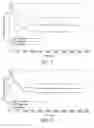
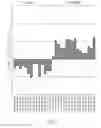
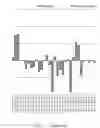
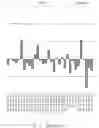
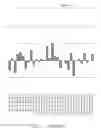
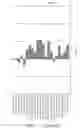
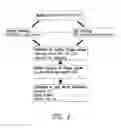
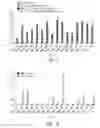
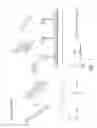
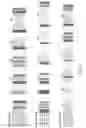
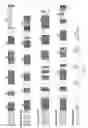
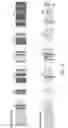
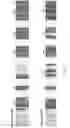
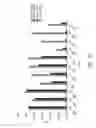
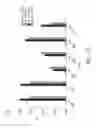
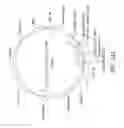
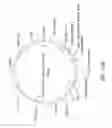
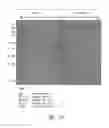
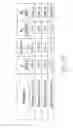
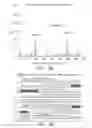
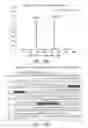
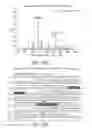
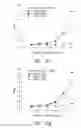
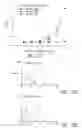
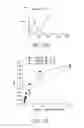
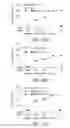
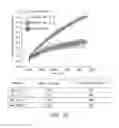
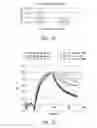
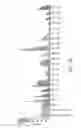
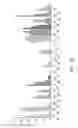
Sources:
- United States Patent and Trademark Office - verify current appl. status at the USPTO↗
Similar patent applications:
- » 20250121081
ANTI-ROR1 ANTIBODY, AND ANTI-ROR1 ANTIBODY-DRUG CONJUGATE AND MEDICAL USES THEREOF - » 20240058467
Anti-ROR1 antibody conjugates, compositions comprising anti ROR1 antibody conjugates, and methods of making and using anti-ROR1 antibody conjugates preliminary class - » 20240058465
Anti-ROR1 antibody conjugates, compositions comprising anti ROR1 antibody conjugates, and methods of making and using anti-ROR1 antibody conjugates - » 20250135025
ANTI-ROR1 ANTIBODY CONJUGATES, COMPOSITIONS COMPRISING ANTI ROR1 ANTIBODY CONJUGATES, AND METHODS OF MAKING AND USING ANTI-ROR1 ANTIBODY CONJUGATES - » 20250018054
ANTI-ROR1 ANTIBODY CONJUGATES, COMPOSITIONS COMPRISING ANTI ROR1 ANTIBODY CONJUGATES, AND METHODS OF MAKING AND USING ANTI-ROR1 ANTIBODY CONJUGATES - » 20200338210
ANTI-ROR1 ANTIBODY AND CONJUGATES THEREOF - » 20190153092
Anti-ROR1 antibodies - » 20170210799
ANTI-ROR1, ANTIBODIES, ROR1 X CD3 BISPECIFIC ANTIBODIES, AND METHODS OF USING THE SAME - » 20190040132
Anti-ROR1 antibodies and uses thereof - » 20130251723
Anti-ROR1 antibodies and methods of use for treatment of cancer
Recent applications in this class:
- » 20250289887 2025-09-18
INTEIN-BASED SORTING SYSTEM AND MODULAR CHIMERIC POLYPEPTIDES - » 20250289886 2025-09-18
ANTI-CD300C ANTIBODY OR ANTIGEN-BINDING FRAGMENT THEREOF, AND USES THEREOF FOR PREVENTING OR TREATING DEGENERATIVE BRAIN DISEASE - » 20250282868 2025-09-11
ANTI-TREM2 ANTIBODIES AND METHODS OF USE - » 20250282867 2025-09-11
Pharmaceutical Composition for Preventing or Treating Sjogren's Syndrome Comprising Anti-SEMA4D Blocking Antibody as Active Ingredient - » 20250282866 2025-09-11
TREATMENT OF DISEASES RELATED TO ATP-BINDING CASSETTE TRANSPORTER 1 DYSFUNCTION USING TREM2 AGONISTS - » 20250282865 2025-09-11
COMBINATION OF ANTIBODY-DRUG CONJUGATE AND ANTI-SIRPa ANTIBODY - » 20250282864 2025-09-11
SUBCUTANEOUS ADMINISTRATION OF CD19-BINDING T CELL ENGAGERS - » 20250277034 2025-09-04
Caninized Antibodies - » 20250277033 2025-09-04
TIM-3-TARGETING ANTIBODIES AND USES THEREOF - » 20250277032 2025-09-04
ANTI-ILT3 ANTIBODIES AND USE THEREOF
Recent applications for this Assignee:
- » 20250281538 2025-09-11
COMPOSITIONS TARGETING GPC2 AND GPC3 AND THEIR USE FOR TREATING SOLID TUMORS - » 20250059283 2025-02-20
CHIMERIC ANTIGEN RECEPTORS TARGETING FC RECEPTOR-LIKE 5 AND USES THEREOF - » 20240335475 2024-10-10
METHODS OF USING CHIMERIC ANTIGEN RECEPTORS TARGETING B-CELL MATURATION ANTIGEN AND USES THEREOF - » 20240294599 2024-09-05
CHIMERIC ANTIGEN RECEPTORS TARGETING G-PROTEIN COUPLED RECEPTOR AND USES THEREOF - » 20240076370 2024-03-07
ANTIBODIES TARGETING G-PROTEIN COUPLED RECEPTOR AND METHODS OF USE - » 20230020729 2023-01-19
Chimeric antigen receptors targeting Fc receptor-like 5 and uses thereof - » 20220315660 2022-10-06
Antibodies targeting B-cell maturation antigen and methods of use - » 20220267420 2022-08-25
FOXP3 TARGETING AGENT COMPOSITIONS AND METHODS OF USE FOR ADOPTIVE CELL THERAPY - » 20220235143 2022-07-28
HUMANIZED ANTIBODIES TO MUCIN-16 AND METHODS OF USE THEREOF - » 20220185910 2022-06-16
Constructs targeting prostate-specific membrane antigen (PSMA) and uses thereof