Packaged semiconductor devices and methods of packaging semiconductor devices
US20180190559A1
2018-07-05
15/906,399
2018-02-27
✅ Patent granted
US 10,269,673 B2
2019-04-23
-
-
Jasmine Clark
Slater Matsil, LLP
2038-04-29
Abstract:
Packaged semiconductor devices and methods of packaging semiconductor devices are disclosed. In some embodiments, a packaged semiconductor device includes an integrated circuit die, a molding compound disposed around the integrated circuit die, and an interconnect structure disposed over the integrated circuit die and the molding compound. The molding compound is thicker than the integrated circuit die.
Inventors:
- Ming-Da Cheng 238 🇹🇼 Jhubei City, Taiwan
- Chen-Hua YU 1,372 🇹🇼 Hsinchu, Taiwan
- Wei-Hung Lin 114 🇹🇼 Xinfeng Township, Taiwan
- Chung-Shi LIU 438 🇹🇼 Hsinchu, Taiwan
- Chih-Wei Lin 70 🇹🇼 Zhubei City, Taiwan
- CHIH-FAN HUANG 44 🇹🇼 Kaohsiung, Taiwan
- Chih-Fan Huang 46 🇹🇼 Kaohsiung City, Taiwan
- Chih-Wei Lin 74 🇹🇼 Zhubei, Taiwan
- Ming-Da Cheng 238 🇹🇼 Jhubei, Taiwan
Assignee:
- Taiwan Semiconductor Manufacturing Company 371 🇹🇼 Hsin-Chu, Taiwan
Applicant:
Interested in similar patents?
Get notified when new applications in this technology area are published.
Classification:
H01L23/3114 » CPC main
Details of semiconductor or other solid state devices; Encapsulations, e.g. encapsulating layers, coatings, e.g. for protection characterised by the arrangement or shape the device being completely enclosed the device being a chip scale package, e.g. CSP
H01L21/561 » CPC further
Processes or apparatus adapted for the manufacture or treatment of semiconductor or solid state devices or of parts thereof; Manufacture or treatment of semiconductor devices or of parts thereof the devices having at least one potential-jump barrier or surface barrier, e.g. PN junction, depletion layer or carrier concentration layer; Assembly of semiconductor devices using processes or apparatus not provided for in a single one of the subgroups - , e.g. sealing of a cap to a base of a container; Encapsulations, e.g. encapsulation layers, coatings Batch processing
H01L21/565 » CPC further
Processes or apparatus adapted for the manufacture or treatment of semiconductor or solid state devices or of parts thereof; Manufacture or treatment of semiconductor devices or of parts thereof the devices having at least one potential-jump barrier or surface barrier, e.g. PN junction, depletion layer or carrier concentration layer; Assembly of semiconductor devices using processes or apparatus not provided for in a single one of the subgroups - , e.g. sealing of a cap to a base of a container; Encapsulations, e.g. encapsulation layers, coatings Moulds
H01L21/568 » CPC further
Processes or apparatus adapted for the manufacture or treatment of semiconductor or solid state devices or of parts thereof; Manufacture or treatment of semiconductor devices or of parts thereof the devices having at least one potential-jump barrier or surface barrier, e.g. PN junction, depletion layer or carrier concentration layer; Assembly of semiconductor devices using processes or apparatus not provided for in a single one of the subgroups - , e.g. sealing of a cap to a base of a container; Encapsulations, e.g. encapsulation layers, coatings Temporary substrate used as encapsulation process aid
H01L21/82 » CPC further
Processes or apparatus adapted for the manufacture or treatment of semiconductor or solid state devices or of parts thereof; Manufacture or treatment of devices consisting of a plurality of solid state components formed in or on a common substrate or of parts thereof; Manufacture of integrated circuit devices or of parts thereof; Manufacture or treatment of devices consisting of a plurality of solid state components or integrated circuits formed in, or on, a common substrate with subsequent division of the substrate into plural individual devices to produce devices, e.g. integrated circuits, each consisting of a plurality of components
H01L23/00 IPC
Details of semiconductor or other solid state devices
H01L23/498 IPC
Details of semiconductor or other solid state devices; Arrangements for conducting electric current to or from the solid state body in operation, e.g. leads, terminal arrangements ; Selection of materials therefor consisting of soldered constructions Leads, on insulating substrates,
H01L23/3142 » CPC further
Details of semiconductor or other solid state devices; Encapsulations, e.g. encapsulating layers, coatings, e.g. for protection characterised by the arrangement or shape the device being completely enclosed Sealing arrangements between parts, e.g. adhesion promotors
H01L23/04 » CPC further
Details of semiconductor or other solid state devices; Containers; Seals characterised by the shape of the container or parts, e.g. caps, walls
H01L23/538 IPC
Details of semiconductor or other solid state devices; Arrangements for conducting electric current within the device in operation from one component to another, i.e. interconnections, e.g. wires, lead frames the interconnection structure between a plurality of semiconductor chips being formed on, or in, insulating substrates
H01L23/49811 » CPC further
Details of semiconductor or other solid state devices; Arrangements for conducting electric current to or from the solid state body in operation, e.g. leads, terminal arrangements ; Selection of materials therefor consisting of soldered constructions; Leads, on insulating substrates, Additional leads joined to the metallisation on the insulating substrate, e.g. pins, bumps, wires, flat leads
H01L23/49822 » CPC further
Details of semiconductor or other solid state devices; Arrangements for conducting electric current to or from the solid state body in operation, e.g. leads, terminal arrangements ; Selection of materials therefor consisting of soldered constructions; Leads, on insulating substrates, Multilayer substrates
H01L23/5384 » CPC further
Details of semiconductor or other solid state devices; Arrangements for conducting electric current within the device in operation from one component to another, i.e. interconnections, e.g. wires, lead frames the interconnection structure between a plurality of semiconductor chips being formed on, or in, insulating substrates Conductive vias through the substrate with or without pins, e.g. buried coaxial conductors
H01L23/5389 » CPC further
Details of semiconductor or other solid state devices; Arrangements for conducting electric current within the device in operation from one component to another, i.e. interconnections, e.g. wires, lead frames the interconnection structure between a plurality of semiconductor chips being formed on, or in, insulating substrates the chips being integrally enclosed by the interconnect and support structures
H01L24/18 » CPC further
Arrangements for connecting or disconnecting semiconductor or solid-state bodies; Methods or apparatus related thereto; Means for bonding being attached to, or being formed on, the surface to be connected, e.g. chip-to-package, die-attach, "first-level" interconnects; Manufacturing methods related thereto High density interconnect [HDI] connectors; Manufacturing methods related thereto
H01L24/19 » CPC further
Arrangements for connecting or disconnecting semiconductor or solid-state bodies; Methods or apparatus related thereto; Means for bonding being attached to, or being formed on, the surface to be connected, e.g. chip-to-package, die-attach, "first-level" interconnects; Manufacturing methods related thereto; High density interconnect [HDI] connectors; Manufacturing methods related thereto Manufacturing methods of high density interconnect preforms
H01L24/96 » CPC further
Arrangements for connecting or disconnecting semiconductor or solid-state bodies; Methods or apparatus related thereto; Batch processes at chip-level, i.e. with connecting carried out on a plurality of singulated devices, i.e. on diced chips the devices being encapsulated in a common layer, e.g. neo-wafer or pseudo-wafer, said common layer being separable into individual assemblies after connecting
H01L24/97 » CPC further
Arrangements for connecting or disconnecting semiconductor or solid-state bodies; Methods or apparatus related thereto; Batch processes at chip-level, i.e. with connecting carried out on a plurality of singulated devices, i.e. on diced chips the devices being connected to a common substrate, e.g. interposer, said common substrate being separable into individual assemblies after connecting
H01L25/105 » CPC further
Assemblies consisting of a plurality of individual semiconductor or other solid state devices ; Multistep manufacturing processes thereof all the devices being of a type provided for in the same subgroup of groups - , e.g. assemblies of rectifier diodes the devices having separate containers the devices being of a type provided for in group
H01L23/3128 » CPC further
Details of semiconductor or other solid state devices; Encapsulations, e.g. encapsulating layers, coatings, e.g. for protection characterised by the arrangement or shape the device being completely enclosed a substrate forming part of the encapsulation the substrate having spherical bumps for external connection
H01L23/49816 » CPC further
Details of semiconductor or other solid state devices; Arrangements for conducting electric current to or from the solid state body in operation, e.g. leads, terminal arrangements ; Selection of materials therefor consisting of soldered constructions; Leads, on insulating substrates,; Additional leads joined to the metallisation on the insulating substrate, e.g. pins, bumps, wires, flat leads Spherical bumps on the substrate for external connection, e.g. ball grid arrays [BGA]
H01L24/73 » CPC further
Arrangements for connecting or disconnecting semiconductor or solid-state bodies; Methods or apparatus related thereto Means for bonding being of different types provided for in two or more of groups , , , , , , ,
H01L2224/12105 » CPC further
Indexing scheme for arrangements for connecting or disconnecting semiconductor or solid-state bodies and methods related thereto as covered by; Means for bonding being attached to, or being formed on, the surface to be connected, e.g. chip-to-package, die-attach, "first-level" interconnects; Manufacturing methods related thereto; Bump connectors; Manufacturing methods related thereto; Structure, shape, material or disposition of the bump connectors prior to the connecting process Bump connectors formed on an encapsulation of the semiconductor or solid-state body, e.g. bumps on chip-scale packages
H01L2224/73204 » CPC further
Indexing scheme for arrangements for connecting or disconnecting semiconductor or solid-state bodies and methods related thereto as covered by; Means for bonding being of different types provided for in two or more of groups; Location after the connecting process on the same surface; Bump and layer connectors the bump connector being embedded into the layer connector
H01L2224/73265 » CPC further
Indexing scheme for arrangements for connecting or disconnecting semiconductor or solid-state bodies and methods related thereto as covered by; Means for bonding being of different types provided for in two or more of groups; Location after the connecting process on different surfaces Layer and wire connectors
H01L2225/1035 » CPC further
Details relating to assemblies covered by the group but not provided for in its subgroups; All the devices being of a type provided for in the same subgroup of groups - the devices having separate containers the devices being of a type provided for in group the containers being in a stacked arrangement the lowermost container comprising a device support the device being entirely enclosed by the support, e.g. high-density interconnect [HDI]
H01L2225/1058 » CPC further
Details relating to assemblies covered by the group but not provided for in its subgroups; All the devices being of a type provided for in the same subgroup of groups - the devices having separate containers the devices being of a type provided for in group the containers being in a stacked arrangement; Details of electrical connections between containers Bump or bump-like electrical connections, e.g. balls, pillars, posts
H01L2924/12042 » CPC further
Indexing scheme for arrangements or methods for connecting or disconnecting semiconductor or solid-state bodies as covered by; Details of semiconductor or other solid state devices to be connected; Device type; Passive devices, e.g. 2 terminal devices; Optical Diode LASER
H01L2924/15311 » CPC further
Indexing scheme for arrangements or methods for connecting or disconnecting semiconductor or solid-state bodies as covered by; Details of package parts other than the semiconductor or other solid state devices to be connected; Die mounting substrate; Connection portion the connection portion being formed only on the surface of the substrate opposite to the die mounting surface being a ball array, e.g. BGA
H01L2924/181 » CPC further
Indexing scheme for arrangements or methods for connecting or disconnecting semiconductor or solid-state bodies as covered by; Details of package parts other than the semiconductor or other solid state devices to be connected Encapsulation
H01L2924/18162 » CPC further
Indexing scheme for arrangements or methods for connecting or disconnecting semiconductor or solid-state bodies as covered by; Details of package parts other than the semiconductor or other solid state devices to be connected; Encapsulation; Shape; Exposing the passive side of the semiconductor or solid-state body of a chip with build-up interconnect
H01L21/56 IPC
Processes or apparatus adapted for the manufacture or treatment of semiconductor or solid state devices or of parts thereof; Manufacture or treatment of semiconductor devices or of parts thereof the devices having at least one potential-jump barrier or surface barrier, e.g. PN junction, depletion layer or carrier concentration layer; Assembly of semiconductor devices using processes or apparatus not provided for in a single one of the subgroups - , e.g. sealing of a cap to a base of a container Encapsulations, e.g. encapsulation layers, coatings
H01L21/768 » CPC further
Processes or apparatus adapted for the manufacture or treatment of semiconductor or solid state devices or of parts thereof; Manufacture or treatment of devices consisting of a plurality of solid state components formed in or on a common substrate or of parts thereof; Manufacture of integrated circuit devices or of parts thereof; Manufacture of specific parts of devices defined in group Applying interconnections to be used for carrying current between separate components within a device comprising conductors and dielectrics
H01L23/31 IPC
Details of semiconductor or other solid state devices; Encapsulations, e.g. encapsulating layers, coatings, e.g. for protection characterised by the arrangement or shape
H01L23/367 » CPC further
Details of semiconductor or other solid state devices; Arrangements for cooling, heating, ventilating or temperature compensation ; Temperature sensing arrangements; Selection of materials, or shaping, to facilitate cooling or heating, e.g. heatsinks Cooling facilitated by shape of device
H01L2224/73267 » CPC further
Indexing scheme for arrangements for connecting or disconnecting semiconductor or solid-state bodies and methods related thereto as covered by; Means for bonding being of different types provided for in two or more of groups; Location after the connecting process on different surfaces Layer and HDI connectors
H01L23/528 » CPC further
Details of semiconductor or other solid state devices; Arrangements for conducting electric current within the device in operation from one component to another, i.e. interconnections, e.g. wires, lead frames including external interconnections consisting of a multilayer structure of conductive and insulating layers inseparably formed on the semiconductor body layout of the interconnection structure
H01L23/3135 » CPC further
Details of semiconductor or other solid state devices; Encapsulations, e.g. encapsulating layers, coatings, e.g. for protection characterised by the arrangement or shape the device being completely enclosed Double encapsulation or coating and encapsulation
H01L2224/04105 » CPC further
Indexing scheme for arrangements for connecting or disconnecting semiconductor or solid-state bodies and methods related thereto as covered by; Means for bonding being attached to, or being formed on, the surface to be connected, e.g. chip-to-package, die-attach, "first-level" interconnects; Manufacturing methods related thereto; Bonding areas; Manufacturing methods related thereto; Structure, shape, material or disposition of the bonding areas prior to the connecting process Bonding areas formed on an encapsulation of the semiconductor or solid-state body, e.g. bonding areas on chip-scale packages
H01L25/10 IPC
Assemblies consisting of a plurality of individual semiconductor or other solid state devices ; Multistep manufacturing processes thereof all the devices being of a type provided for in the same subgroup of groups - , e.g. assemblies of rectifier diodes the devices having separate containers
Description
PRIORITY CLAIM AND CROSS-REFERENCE
This application claims the benefit and is a continuation of U. S. patent application Ser. No. 14/995,865, filed on Jan. 14, 2016, and entitled “Packaged Semiconductor Devices and Methods of Packaging Semiconductor Devices,” which is a divisional of U.S. patent application Ser. No. 14/180,208, filed on Feb. 13, 2014, and entitled “Packaged Semiconductor Devices and Methods of Packaging Semiconductor Devices,” now U.S. Pat. No. 9,252,135 issued on Feb. 2, 2016, which applications are incorporated herein by reference.
BACKGROUND
Semiconductor devices are used in a variety of electronic applications, such as personal computers, cell phones, digital cameras, and other electronic equipment, as examples. Semiconductor devices are typically fabricated by sequentially depositing insulating or dielectric layers, conductive layers, and semiconductive layers of material over a semiconductor substrate, and patterning the various material layers using lithography to form circuit components and elements thereon.
Dozens or hundreds of integrated circuits are typically manufactured on a single semiconductor wafer. The individual dies are singulated by sawing the integrated circuits along a scribe line. The individual dies are then packaged separately, in multi-chip modules, or in other types of packaging, as examples.
The semiconductor industry continues to improve the integration density of various electronic components (e.g., transistors, diodes, resistors, capacitors, etc.) by continual reductions in minimum feature size, which allow more components to be integrated into a given area. These smaller electronic components also require smaller packages that utilize less area than packages of the past, in some applications.
BRIEF DESCRIPTION OF THE DRAWINGS
Aspects of the present disclosure are best understood from the following detailed description when read with the accompanying figures. It is noted that, in accordance with the standard practice in the industry, various features are not drawn to scale. In fact, the dimensions of the various features may be arbitrarily increased or reduced for clarity of discussion.
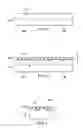
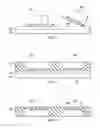
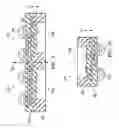
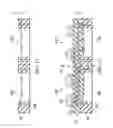
FIGS. 1 through 10 illustrate cross-sectional views of a method of packaging semiconductor devices at various stages in accordance with some embodiments of the present disclosure.
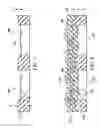
FIGS. 11 and 12 illustrate cross-sectional views of a method of packaging semiconductor devices at various stages in accordance with some embodiments.
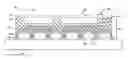
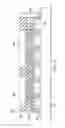
FIG. 13 is a cross-sectional view illustrating a packaged semiconductor device in accordance with some embodiments.
FIG. 14 is a cross-sectional view illustrating a packaged semiconductor device in accordance with other embodiments.
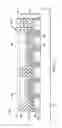
FIG. 15 is a cross-sectional view illustrating a packaged semiconductor device in accordance with some embodiments.
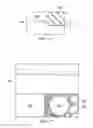
FIGS. 16 and 17 are more detailed views of portions of the packaged semiconductor device shown in FIG. 15 in accordance with some embodiments.
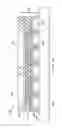
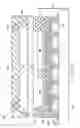
FIG. 18 is a cross-sectional view illustrating a packaged semiconductor device in accordance with some embodiments.
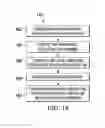
FIG. 19 is a flow chart of a method of packaging a semiconductor device in accordance with some embodiments.
DETAILED DESCRIPTION
The following disclosure provides many different embodiments, or examples, for implementing different features of the provided subject matter. Specific examples of components and arrangements are described below to simplify the present disclosure. These are, of course, merely examples and are not intended to be limiting. For example, the formation of a first feature over or on a second feature in the description that follows may include embodiments in which the first and second features are formed in direct contact, and may also include embodiments in which additional features may be formed between the first and second features, such that the first and second features may not be in direct contact. In addition, the present disclosure may repeat reference numerals and/or letters in the various examples. This repetition is for the purpose of simplicity and clarity and does not in itself dictate a relationship between the various embodiments and/or configurations discussed.
Further, spatially relative terms, such as “beneath,” “below,” “lower,” “above,” “upper” and the like, may be used herein for ease of description to describe one element or feature's relationship to another element(s) or feature(s) as illustrated in the figures. The spatially relative terms are intended to encompass different orientations of the device in use or operation in addition to the orientation depicted in the figures. The apparatus may be otherwise oriented (rotated 90 degrees or at other orientations) and the spatially relative descriptors used herein may likewise be interpreted accordingly.
Some embodiments of the present disclosure provide novel methods and structures for packaging semiconductor devices. A sacrificial layer is formed over integrated circuit dies prior to forming a molding compound around the dies, and the sacrificial layer is later removed. The sacrificial layer prevents molding compound residue from forming on the integrated circuit dies, and the formation of recesses between the integrated circuit dies and the molding compound is reduced or prevented.
FIGS. 1 through 10 illustrate cross-sectional views of a method of packaging semiconductor devices at various stages in accordance with some embodiments. Referring first to FIG. 1, a workpiece 110 is provided that includes a plurality of integrated circuit dies 106. The workpiece 110 may include a semiconductor substrate comprising silicon or other semiconductor materials and may be covered by an insulating layer, for example. The workpiece 110 may also include other active components or circuits, not shown. The workpiece 110 may comprise silicon oxide over single-crystal silicon, for example. The workpiece 110 may conductive layers or semiconductor elements, e.g., transistors, diodes, etc. Compound semiconductors, GaAs, InP, Si/Ge, or SiC, as examples, may be used in place of silicon. The workpiece 110 may comprise a silicon-on-insulator (SOI) or a germanium-on-insulator (GOI) substrate, as examples. The workpiece 110 may comprise a wafer or strip comprising the plurality of integrated circuit dies 106, for example. Alternatively, the workpiece 110 may comprise other types of materials, material layers, and components formed thereon.
The integrated circuit dies 106 are formed within and/or over the workpiece 110 may include a plurality of connectors such as contact pads 114 disposed on a surface thereof. The contact pads 114 may comprise Cu, Al, other metals, or alloys, combinations, or multiple layers thereof, for example. The contact pads 114 may be disposed within an insulating material (not shown) which may comprise silicon nitride, silicon dioxide, other insulators or polymers, or combinations or multiple layers thereof, for example. The contact pads 114 may be coupled to internal wiring of the integrated circuit dies 106, such as to vias and/or conductive lines in metallization layers or polysilicon layers of the integrated circuit dies 106, as examples, not shown.
Referring next to FIG. 2, a sacrificial layer 108 is formed over the workpiece 110, e.g., over the integrated circuit dies 106. The sacrificial layer 108 comprises a photoresist material, an organic material, a polymer material, other materials that solidify after curing, and/or combinations of multiple layers thereof, in some embodiments, for example. In some embodiments, the sacrificial layer 108 comprises polybenzoxazole (PBO), as an example. The sacrificial layer 108 is formed in some embodiments using a spin-on method, chemical vapor deposition (CVD), a spin coating process, a printing process, or other coating methods, as examples. The sacrificial layer 108 comprises a material layer having a thickness comprising dimension d1, wherein dimension d1 comprises about 2 μm to about 5 μm in some embodiments. In some embodiments, dimension d1 comprises about 1 μm to about 10 μm, as another example. Alternatively, the sacrificial layer 108 may comprise other materials, dimensions, and formation methods.
The integrated circuit dies 106 are singulated along scribe lines (not shown) using a die saw, laser, or other device, to form a plurality of separated integrated circuit dies 106, as shown in FIG. 3, which shows a single integrated circuit die 106. In some embodiments, a backside of the workpiece 110 may be thinned using a grinding process prior to the singulation process, for example. In other embodiments, the backside of the workpiece 110 is not thinned.
Next, a carrier 100 is provided, as shown in FIG. 4. The carrier 100 may comprise a wafer such as a semiconductor wafer, or the carrier 100 may comprise an organic substrate or other types of substrates. The carrier 100 comprises a sacrificial component that will be removed after one or more integrated circuit dies 106 are packaged, such as integrated circuit dies 106 shown in FIG. 3. The carrier 100 may later be cleaned and used to package other semiconductor devices, for example. Alternatively, the carrier 100 may be discarded after the packaging process.
The carrier 100 includes a foil and die bond material 102 formed thereon. The foil facilitates in the later removal of the carrier 100 from integrated circuit dies 106, for example. The die bond material assists in adhering the integrated circuit dies 106 to the carrier 100, for example. In some embodiments, the die bond material of the foil and die bond material 102 also includes a temperate bond layer that is coated on the top surface of the carrier 100. The temperate bond layer may comprise about 1 μm to about 10 μm of a light to heat conversion (LTHC) material supplied by 3M, for example. The temperate bond layer may be formed using a deposition process or a spin coating process, as examples. Alternatively, the foil and die bond material 102 may comprise other materials, dimensions, and formation methods. In some embodiments, the foil and die bond material 102 is not included.
A plurality of the integrated circuit dies 106 shown in FIG. 3 are inverted and are attached to the carrier 100, as shown in FIG. 4. The sacrificial layer 108 disposed over the integrated circuit dies 106 is coupled to the top surface of the carrier 100, for example. In some embodiments, a die attach film (DAF) (not shown) may be formed over the sacrificial layer 108 before or after the singulation process for the integrated circuit dies 106, for example. The DAF may comprise a glue, an adhesive, or an adhesive film that is adapted to adhere the integrated circuit dies 106 to the foil and die bond material 102 disposed over the carrier 100 in some embodiments, for example. In some embodiments, a DAF is not included. The integrated circuit dies 106 may be attached over the carrier 100 (e.g., over the foil and die bond material 102 disposed over the carrier 100) using a pick-and-place machine, other mechanism, or manually, for example.
In some embodiments, a single integrated circuit die 106 is coupled over the carrier 100 (not shown). In other embodiments, a plurality of integrated circuit dies 106 are coupled over the carrier 100. In some embodiments, the integrated circuit dies 106 are packaged individually in separate packages. In other embodiments, a plurality of the integrated circuit dies 106 are packaged together side-by-side in a single package, e.g., in a two-dimensional (2D) packaging scheme. Two or more of the integrated circuit dies 106 may be packaged together in accordance with some embodiments, for example.
After the integrated circuit dies 106 are coupled to the carrier 100, a molding compound 120 is disposed around the integrated circuit dies 106 over the carrier 100, as shown in FIG. 5. The molding compound 120 is formed using a laminating process or other process, in some embodiments. The molding compound 120 fills spaces between the dies 106 and encapsulates the dies 106, for example. The molding compound 120 comprises a molding material and may comprise epoxy, an organic polymer, or a polymer with a silica-based or glass filler added, as examples. In some embodiments, the molding compound 120 comprises a liquid molding compound (LMC) that is a gel type liquid when applied. Alternatively, the molding compound 120 may comprise other insulating materials and may be applied using other methods. The molding compound 120 is then cured using a heating process, infrared (IR) energy exposure process, an ultraviolet (UV) light exposure process, or other methods, as examples.
If the molding compound 120 extends over a top surface of the integrated circuit dies 106 after the curing process, the molding compound 120 is removed from over the integrated circuit dies 106 using a chemical-mechanical polish (CMP), grinding process, etch process, and/or other methods in some embodiments, for example. Because the sacrificial layer 108 is disposed over the integrated circuit dies 106 during the molding compound 120 application and curing process, the molding compound 120 does not reside over the integrated circuit dies 106 after the application and curing process for the molding compound 120 in some embodiments, for example. The molding compound 120 is formed around the integrated circuit dies 106 in some embodiments.
The carrier 100 and foil and die bond material 102 are removed, as shown in FIG. 6. The carrier 100 may be removed using a de-bonding process, and the foil and die bond material 102 are removed by peeling the foil and using a cleaning process to remove the die bond material, for example.
The sacrificial layer 108 is removed, as shown in FIG. 7. The sacrificial layer 108 is removed in some embodiments using an organic solvent, an organic acid, or other materials. The sacrificial layer 108 may be removed using as isopropyl alcohol (IPA), acetone, or ethanol in some embodiments, as examples. A surface of the integrated circuit dies 106 and the contact pads 114 is left exposed after the removal of the sacrificial layer 108. In some embodiments, a top portion of the molding compound 120 in the view shown in FIG. 7 may be removed in the removal process for the sacrificial layer 108. In other embodiments, a top portion of the molding compound 120 is not removed.
Because the sacrificial layer 108 was disposed over the integrated circuit dies 106 during the molding compound 120 application and curing process, the molding compound 120 does not reside over the integrated circuit dies 106 in some embodiments, for example. In other embodiments, a portion of the molding compound 120 may form over the sacrificial layer 108, and the portion of the molding compound 120 disposed over the sacrificial layer 108 is advantageously removed during the removal of the sacrificial layer 108.
The molding compound 120 has a first thickness comprising dimension d2 in some embodiments, and the integrated circuit dies 106 have a second thickness comprising dimension d3 in some embodiments. Dimensions d2 and d3 may comprise about 100 μm to about 500 μm, as examples. Dimension d2 is greater than dimension d3 in some embodiments. Dimension d2 is greater than dimension d3 by about dimension d1 in some embodiments, for example. Dimension d1 comprises a thickness of the sacrificial layer 108, and dimension d1 also comprises a difference in the thicknesses of the molding compound 120 and the integrated circuit dies 106, for example.
Dimension d1 also comprises an amount of a step height between the integrated circuit dies 106 and the molding compound 120, as another example. In other words, dimension d1 comprises a distance between a top surface of the molding compound 120 and a top surface of the integrated circuit dies 106 in the view shown in FIG. 7.
The novel structure of the packaging device at the packaging step shown in FIG. 7 comprises integrated circuit dies 106 encapsulated by molding compound 120, yet the molding compound 120 is not disposed over the top surfaces of the integrated circuit dies 106 in the view shown in FIG. 7. The molding compound 120 top surface is higher than the integrated circuit die 106 top surface in the view shown in FIG. 7, for example.
An interconnect structure 122 is formed over the integrated circuit dies 106 and the molding compound 120, as shown in FIG. 8. The interconnect structure 122 includes a plurality of insulating material layers 124 and a plurality of conductive lines 126 and a plurality of conductive vias 128 formed within the insulating material layers 124. The interconnect structure 122 may include a plurality of contact pads 130 formed proximate a surface thereof. The contact pads 130 may comprise ball grid array (BGA) ball mounts in some embodiments, for example. In some embodiments, portions of the interconnect structure 122 comprise an under-ball metallization (UBM) structure, as another example. The insulating material layers 124 may comprise polybenzoxazole (PBO) or other insulators, and the conductive lines 126, conductive vias 128, and contact pads 130 may comprise Cu, Al, other metals, or alloys or multiple layers thereof, in some embodiments, as examples. The plurality of insulating material layers 124, plurality of conductive lines 126, plurality of conductive vias 128, and contact pads 130 of the interconnect structure 122 may be formed using subtractive etch techniques, by damascene techniques, other methods, or combinations thereof, for example. The interconnect structure 122 is disposed over the integrated circuit dies 106 and the molding compound 120, for example.
In some embodiments, the interconnect structure 122 may comprise a redistribution layer (RDL) or a post-passivation interconnect (PPI) structure, for example. In some embodiments, the interconnect structure 122 comprises horizontal electrical connections for the packaged semiconductor devices (see packaged semiconductor devices 140 shown in FIG. 9), for example. The interconnect structure 122 may comprise fan-out electrical connections in some embodiments. In embodiments wherein two or more of the integrated circuit dies 106 are packaged together, the interconnect structure 122 may comprise horizontal electrical connections between the integrated circuit dies 106, for example. Alternatively, the interconnect structure 122 may comprise other types of electrical connection structures.
Because of the step height comprising dimension d1 between the integrated circuit dies 106 and the molding compound 120, a portion of the interconnect structure 122 extends downwardly below a top surface of the molding compound 120 in the view shown in FIG. 8. For example, a portion of a lower level insulating material 124 layer and a lower portion of conductive vias 128 coupled to the contact pads 114 of the integrated circuit dies 106 extend below a top surface of the molding compound 120 to make electrical contact to the integrated circuit dies 106.
In some embodiments, a plurality of conductors 132 are coupled to the interconnect structure 122, as shown in FIG. 9. The plurality of conductors 132 are coupled to portions of the interconnect structure 122 in some embodiments, for example. The plurality of conductors 132 may be coupled to the contact pads 130 of the interconnect structure 122 in some embodiments, as shown in FIG. 9. The conductors 132 are formed over and are coupled to portions of the horizontal electrical connections of the interconnect structure 122 in some embodiments, for example.
The conductors 132 may comprise a eutectic material such as solder that is coupled to contact pads 130 or bond pads of the interconnect structure 122, for example. The conductors 132 may each comprise a solder bump or a solder ball, as examples. The conductors 132 may function as electrical connectors for the packaged semiconductor device. The eutectic material of the conductors 132 may be re-flowed to electrically and mechanically connect the packaged semiconductor device to another device or object, for example.
The use of the word “solder” herein includes both lead-based and lead-free solders, such as Pb—Sn compositions for lead-based solder; lead-free solders including InSb; tin, silver, and copper (“SAC”) compositions; and other eutectic materials that have a common melting point and form conductive solder connections in electrical applications. For lead-free solder, SAC solders of varying compositions may be used, such as SAC 105 (Sn 98.5%, Ag 1.0%, Cu 0.5%), SAC 305, and SAC 405, as examples. Lead-free conductors 132 such as solder balls may be formed from SnCu compounds as well, without the use of silver (Ag). Alternatively, lead-free solder connectors may include tin and silver, Sn—Ag, without the use of copper. The conductors 132 may be one among an array of the conductors 132 formed as a grid, referred to as a “ball grid array” or “BGA”. The conductors 132 may alternatively be arranged in other shapes. The conductors 132 may also comprise non-spherical conductive connectors, for example. In some embodiments, the conductors 132 are not included.
In some embodiments, the interconnect structure 122 and the molding compound 120 are singulated using a die saw, laser, or other device to form a plurality of packaged semiconductor devices 140, as shown in FIG. 10, with each of the plurality of packaged semiconductor devices 140 including one of the plurality of integrated circuit dies 106. The interconnect structure 122 and the molding compound 120 may be singulated on scribe lines 133 between adjacent integrated circuit dies 106, as shown in FIG. 9, for example. In some embodiments, the packaged semiconductor devices 140 may be attached to a dicing tape (not shown) before the singulation process, and the dicing tape is removed after the singulation process.
In other embodiments, the interconnect structure 122 and the molding compound 120 are singulated to form a plurality of packaged semiconductor devices 140 (see FIGS. 13, 14 and 15), each of the plurality of packaged semiconductor devices 140 including two or more of the plurality of integrated circuit dies 106. The integrated circuit dies 106 packaged together in the packaged semiconductor device 140 may comprise similar, the same, or different functions, for example. The molding compound 120 is disposed around the integrated circuit dies 106 and between adjacent integrated circuit dies 106.
FIGS. 11 and 12 illustrate cross-sectional views of a method of packaging semiconductor devices at various stages in accordance with some embodiments. After the packaging process steps shown in FIGS. 1 through 7, a plurality of through-vias 138 are formed within the molding compound 120. The through-vias 138 may be formed using an etch process or laser drilling process after the molding compound 120 is applied to form apertures in the molding compound 120, and a conductive material may be filled into the apertures using a deposition or plating process to form the through-vias 138, for example. In other embodiments, before the integrated circuits dies 106 are attached to the carrier 100, the through-vias 138 may be plated onto the carrier 100 by forming a seed layer over the carrier 100, forming a photoresist over the seed layer, patterning the photoresist using a lithography process, and plating a conductive material such as Cu, a Cu alloy, or other metals over the seed layer through the patterned photoresist to form the through-vias 138. The photoresist is then removed. The packaging process steps shown in FIGS. 4 through 7 are then performed. Alternatively, the through-vias 138 may be formed using other methods. The packaging process steps shown in FIGS. 8 and 9 are then performed, to form the interconnect structure 122 and conductors 132, as shown in FIG. 12, and the packaged semiconductor devices 140′ are singulated along scribe lines 133.
In some embodiments, the plurality of conductors 132 of the packaged semiconductor devices 140 (and also packaged semiconductor devices 140′, not shown) are coupled to a substrate 144, as shown in FIG. 13 in a cross-sectional view. The substrate 144 may comprise a printed circuit board (PCB) in some embodiments. Alternatively, the substrate 144 may comprise other materials, such as an interposer, another integrated circuit die, or other objects, as example. The packaged semiconductor device 150 includes the packaged semiconductor device 140 that is coupled to the substrate 144.
In some embodiments, an underfill material 146 may be disposed between the plurality of conductors 132 and between the substrate 144 and the interconnect structure 122, also illustrated in FIG. 13. The underfill material 146 may comprise an epoxy material, a SiO2 filler or other fillers, or other materials, as example. The underfill material 146 may be applied using a needle along one or more sides of the packaged semiconductor device 150 or through an aperture formed within the molding compound 120 and interconnect structure 122, for example, not shown.
The molding compound 120 is also referred to herein as a first molding compound 120. In some embodiments, a second molding compound 134 is disposed around the plurality of conductors 132, as shown in FIG. 14. The second molding compound 134 may comprise similar materials described for the first molding compound 120, for example. In some embodiments, the second molding compound 134 comprises an LMC. In some embodiments, the second molding compound 134 is not included. In other embodiments, the second molding compound 134 is included, and an underfill material 146 is not included, not shown.
In some embodiments, the second molding compound 134 is included, and an underfill material 146 is also included in the packaged semiconductor device 150, also shown in FIG. 14. The second molding compound 134 may be disposed between the plurality of conductors 132 and between the underfill material 146 and the interconnect structure 122, for example.
In some embodiments, a lid, a heat spreader, or a backside protective film 142 is disposed over the molding compound 120 and the integrated circuit die or dies 106, as shown in FIG. 15. The lid or heat spreader 142 may comprise Al, Cu, alloys thereof, ceramic, or other materials comprising a thickness of about 100 μm to about 1,000 μm, or other dimensions, as examples. The protective film 142 may comprise about 10 μm to about 100 μm of a polymer, an epoxy, or other materials, as examples. The lid, heat spreader, or backside protective film 142 may be attached using an adhesive or formed using a deposition or coating process, for example. Alternatively, a lid, heat spreader, or backside protective film 142 may not be included.
In some embodiments, the interconnect structure 122 is disposed over a first side of the integrated circuit die or dies 106 and the molding compound 120 (e.g., the bottom side in the view shown in FIG. 15). The lid, heat spreader, or backside protective film 142 is disposed over a second side of the integrated circuit die or dies 106 and the molding compound 120 (e.g., the top side in the view shown in FIG. 15). The second side is opposite the first side of the integrated circuit die or dies 106 and the molding compound 120.
FIGS. 16 and 17 are more detailed views of portions of the packaged semiconductor device 150 shown in FIG. 15 in accordance with some embodiments. FIG. 16 shows a cross-sectional view of a lower corner of an integrated circuit die 106 proximate the molding compound 120. A portion of the interconnect structure 122 comprising dimension d1 due to the step height between the molding compound and the integrated circuit die 106 is shown; e.g., after applying the molding compound 120, the integrated circuit die 106 surface is different than the molding compound 120 surface. The step height comprising dimension d1 advantageously prevents or reduces a recess from forming between the integrated circuit dies 106 proximate the interconnect structure 122 and/or molding compound 120, e.g., which may form during a curing process for the molding compound 120 or from grinding processes used to package the semiconductor devices.
In some embodiments, the molding compound 120 includes a filler that comprises glass spheres 152, as shown in FIG. 17 in a cross-sectional view. Advantageously, grinding processes used in the packaging processes are prevented from deleteriously affecting the filler materials of the molding compound 120, because of the inclusion of the backside protective film 142 in some embodiments, for example.
FIG. 18 is a cross-sectional view illustrating a packaged semiconductor device 160 in accordance with some embodiments. The packaged semiconductor device 160 comprises a package-on-a package (PoP) device in accordance with some embodiments. The PoP device 160 includes a packaged semiconductor device 150 described herein that is coupled to a packaged semiconductor device 170. The packaged semiconductor device 150 comprises a first packaged semiconductor device, and the packaged semiconductor device 170 comprises a second packaged semiconductor device that is coupled to the packaged semiconductor device 150 in accordance with some embodiments, for example.
The packaged semiconductor device 150 includes a plurality of through-vias 138 formed within the molding compound 120. The through-vias 138 provide vertical connections for the packaged semiconductor devices 150 and 160. Contact pads 164 are coupled to the through-vias 138. The contact pads 164 may be formed over or within the molding compound 120, as illustrated in FIG. 18. The contact pads 164 of the packaged semiconductor device 150 are coupled to contact pads (not shown) of packaged semiconductor device 170 by conductors 178 which may comprise solder balls or other materials. The conductors 178 may comprise similar materials described for conductors 132, for example.
Packaged semiconductor device 170 includes one or more integrated circuit dies 176 coupled to a substrate 174. Wire bonds 172 may be coupled to contact pads on a top surface of the integrated circuit die or dies 176, which are coupled to bond pads (not shown) on the substrate 174. A molding compound 168 may be disposed over the wire bonds 172, integrated circuit die or dies 176, and the substrate 174.
Alternatively, a PoP device 160 may include two packaged semiconductor devices 150 described herein that are coupled together in some embodiments, not shown in the drawings. In some embodiments, the PoP device 160 may comprise a system-on-a-chip (SOC) device, as another example.
In FIGS. 13 through 15 and 18, the step height comprising dimension d1 is not shown; however, the packaged semiconductor devices 150 and 160 shown in FIGS. 13 through 15 and 18 include the step height between the molding compound 120 and the integrated circuit dies 106 that is shown in FIGS. 7 through 12, in accordance with some embodiments of the present disclosure.
FIG. 19 is a flow chart 180 of a method of packaging semiconductor devices in accordance with some embodiments. In step 182, a sacrificial layer 108 (see also FIG. 2) is disposed over an integrated circuit die 106. In step 184, the integrated circuit die 106 is coupled to a carrier 100 (FIG. 4). In step 186, a molding compound 120 is disposed around the integrated circuit die 106 (FIG. 5). In step 188, the sacrificial layer 108 is removed (FIG. 7). In step 190, an interconnect structure 122 is formed over the integrated circuit die 106 and the molding compound 120 (FIG. 8).
Embodiments of the present disclosure include methods of packaging semiconductor devices, and also include packaged semiconductor devices that have been packaged using the methods described herein. Some embodiments include PoP devices that include the packaged semiconductor devices described herein. Some embodiments are particularly beneficial when implemented in wafer level packaging (WLP) applications, fan-out WLP (FOWLP) applications, 2D packages, 3D packages, and other types of packaging, as examples.
Advantages of some embodiments of the present disclosure include providing a novel sacrificial layer 108 and packaging process that results in reduced recessing between a molding compound and integrated circuit dies encapsulated by the molding compound. The sacrificial layer 108 also prevents or reduces overflow of the molding compound over the integrated circuit dies, preventing molding compound residue from forming on the integrated circuit dies in some embodiments. Residual molding compound that may form over the sacrificial layer 108 is removed when the sacrificial layer 108 is removed, thus avoiding a need for a grinding process to remove excess molding compound from over the integrated circuit dies. The sacrificial layer 108 also prevents failure of the interconnect structures by preventing or reducing recesses between the molding compound and integrated circuit dies. Increased packaging yields are achievable by implementing embodiments of the present disclosure. Furthermore, the novel packaged semiconductor devices and methods are easily implementable into packaging process flows.
In an embodiment, a method includes: disposing a sacrificial layer over an integrated circuit die, the integrated circuit die having an upper surface extending from a first outermost edge of the integrated circuit die to a second outermost edge of the integrated circuit die, the sacrificial layer covering the upper surface; disposing a first molding compound around the integrated circuit die and the sacrificial layer; removing the sacrificial layer to form a step between the upper surface of the integrated circuit die and a upper surface of the first molding compound, the step having a non-zero step height; forming a through via extending through the first molding compound; and forming an interconnect structure over the integrated circuit die and the first molding compound, the interconnect structure electrically connecting the through via to the integrated circuit die.
In some embodiments, the method further includes: after disposing the sacrificial layer over the integrated circuit die, singulating the integrated circuit die and the sacrificial layer; and placing the integrated circuit die on a carrier, the first molding compound dispensed on the carrier. In some embodiments, the method further includes: singulating the interconnect structure and the first molding compound to form a first packaged semiconductor device. In some embodiments, the method further includes: connecting the interconnect structure to a substrate with a plurality of conductors. In some embodiments, the method further includes: disposing a second molding compound around the plurality of conductors. In some embodiments of the method, disposing the second molding compound includes disposing a liquid molding compound (LMC). In some embodiments, the method further includes: dispensing an underfill material around the plurality of conductors, the underfill material extending from the second molding compound to the substrate. In some embodiments, the method further includes: connecting a second packaged semiconductor device to the through via of the first packaged semiconductor device. In some embodiments of the method, forming the interconnect structure includes forming a redistribution layer (RDL) structure. In some embodiments of the method, forming the interconnect structure includes forming a post-passivation interconnect (PPI) structure. In some embodiments of the method, the sacrificial layer includes one of a photoresist material, an organic material, a polymer material, or combinations thereof.
In an embodiment, a method includes: providing a wafer including a plurality of integrated circuit dies; disposing a sacrificial layer on respective first surfaces of the integrated circuit dies; singulating the integrated circuit dies, portions of the sacrificial layer disposed on each of the singulated integrated circuit dies; disposing a first molding compound around the integrated circuit dies and the portions of the sacrificial layer, the first molding compound having a first surface that is co-planar with second surfaces of the portions of the sacrificial layer; removing the portions of the sacrificial layer to form steps between the first surface of the first molding compound and the respective first surfaces of the integrated circuit dies, the steps each having a non-zero step height; forming a plurality of through vias in the first molding compound; and forming an interconnect structure over the integrated circuit dies and the first molding compound, the interconnect structure electrically connecting the through vias and the integrated circuit dies.
In some embodiments, the method further includes: coupling a plurality of conductors to the interconnect structure. In some embodiments, the method further includes: singulating the interconnect structure and the first molding compound to form a plurality of packaged semiconductor devices, each of the plurality of packaged semiconductor devices including at least one of the integrated circuit dies and at least one of the through vias. In some embodiments of the method, the sacrificial layer includes one of a photoresist material, an organic material, a polymer material, or combinations thereof.
In an embodiment, a method includes: forming a first sacrificial layer on a major surface of a first integrated circuit die; forming a second sacrificial layer on a major surface of a second integrated circuit die; placing the first integrated circuit die and the second integrated circuit die on a carrier such that each respective major surface faces the carrier; encapsulating the first integrated circuit die and the second integrated circuit die with a molding compound; forming a plurality of through vias in the molding compound between the first integrated circuit die and the second integrated circuit die; removing the carrier; removing the first sacrificial layer to form a first step between the major surface of the first integrated circuit die and a major surface of the molding compound; and removing the second sacrificial layer to form a second step between the major surface of the second integrated circuit die and the major surface of the molding compound.
In some embodiments, the method further includes: after removing the first sacrificial layer and the second sacrificial layer, singulating the first integrated circuit die and the second integrated circuit die. In some embodiments, the method further includes: forming an interconnect structure over the first integrated circuit die and the second integrated circuit die, the interconnect structure electrically connected to the through vias. In some embodiments, the method further includes: coupling a plurality of conductors to the interconnect structure. In some embodiments of the method, the first sacrificial layer and the second sacrificial layer include one of a photoresist material, an organic material, a polymer material, or combinations thereof.
The foregoing outlines features of several embodiments so that those skilled in the art may better understand the aspects of the present disclosure. Those skilled in the art should appreciate that they may readily use the present disclosure as a basis for designing or modifying other processes and structures for carrying out the same purposes and/or achieving the same advantages of the embodiments introduced herein. Those skilled in the art should also realize that such equivalent constructions do not depart from the spirit and scope of the present disclosure, and that they may make various changes, substitutions, and alterations herein without departing from the spirit and scope of the present disclosure.
Claims
What is claimed is:1. A method comprising:
disposing a sacrificial layer over an integrated circuit die, the integrated circuit die having an upper surface extending from a first outermost edge of the integrated circuit die to a second outermost edge of the integrated circuit die, the sacrificial layer covering the upper surface;
disposing a first molding compound around the integrated circuit die and the sacrificial layer;
removing the sacrificial layer to form a step between the upper surface of the integrated circuit die and a upper surface of the first molding compound, the step having a non-zero step height;
forming a through via extending through the first molding compound; and
forming an interconnect structure over the integrated circuit die and the first molding compound, the interconnect structure electrically connecting the through via to the integrated circuit die.
2. The method of claim 1, further comprising:
after disposing the sacrificial layer over the integrated circuit die, singulating the integrated circuit die and the sacrificial layer; and
placing the integrated circuit die on a carrier, the first molding compound dispensed on the carrier.
3. The method of claim 1, further comprising:
singulating the interconnect structure and the first molding compound to form a first packaged semiconductor device.
4. The method of claim 3, further comprising:
connecting the interconnect structure to a substrate with a plurality of conductors.
5. The method of claim 4, further comprising:
disposing a second molding compound around the plurality of conductors.
6. The method of claim 5, wherein disposing the second molding compound comprises disposing a liquid molding compound (LMC).
7. The method of claim 5, further comprising:
dispensing an underfill material around the plurality of conductors, the underfill material extending from the second molding compound to the substrate.
8. The method of claim 3, further comprising:
connecting a second packaged semiconductor device to the through via of the first packaged semiconductor device.
9. The method of claim 1, wherein forming the interconnect structure comprises forming a redistribution layer (RDL) structure.
10. The method of claim 1, wherein forming the interconnect structure comprises forming a post-passivation interconnect (PPI) structure.
11. The method of claim 1, wherein the sacrificial layer comprises one of a photoresist material, an organic material, a polymer material, or combinations thereof.
12. A method comprising:
providing a wafer including a plurality of integrated circuit dies;
disposing a sacrificial layer on respective first surfaces of the integrated circuit dies;
singulating the integrated circuit dies, portions of the sacrificial layer disposed on each of the singulated integrated circuit dies;
disposing a first molding compound around the integrated circuit dies and the portions of the sacrificial layer, the first molding compound having a first surface that is co-planar with second surfaces of the portions of the sacrificial layer;
removing the portions of the sacrificial layer to form steps between the first surface of the first molding compound and the respective first surfaces of the integrated circuit dies, the steps each having a non-zero step height;
forming a plurality of through vias in the first molding compound; and
forming an interconnect structure over the integrated circuit dies and the first molding compound, the interconnect structure electrically connecting the through vias and the integrated circuit dies.
13. The method of claim 12, further comprising:
coupling a plurality of conductors to the interconnect structure.
14. The method of claim 13, further comprising:
singulating the interconnect structure and the first molding compound to form a plurality of packaged semiconductor devices, each of the plurality of packaged semiconductor devices including at least one of the integrated circuit dies and at least one of the through vias.
15. The method of claim 12, wherein the sacrificial layer comprises one of a photoresist material, an organic material, a polymer material, or combinations thereof.
16. A method comprising:
forming a first sacrificial layer on a major surface of a first integrated circuit die;
forming a second sacrificial layer on a major surface of a second integrated circuit die;
placing the first integrated circuit die and the second integrated circuit die on a carrier such that each respective major surface faces the carrier;
encapsulating the first integrated circuit die and the second integrated circuit die with a molding compound;
forming a plurality of through vias in the molding compound between the first integrated circuit die and the second integrated circuit die;
removing the carrier;
removing the first sacrificial layer to form a first step between the major surface of the first integrated circuit die and a major surface of the molding compound; and
removing the second sacrificial layer to form a second step between the major surface of the second integrated circuit die and the major surface of the molding compound.
17. The method of claim 16, further comprising:
after removing the first sacrificial layer and the second sacrificial layer, singulating the first integrated circuit die and the second integrated circuit die.
18. The method of claim 16, further comprising:
forming an interconnect structure over the first integrated circuit die and the second integrated circuit die, the interconnect structure electrically connected to the through vias.
19. The method of claim 18, further comprising:
coupling a plurality of conductors to the interconnect structure.
20. The method of claim 16, wherein the first sacrificial layer and the second sacrificial layer comprise one of a photoresist material, an organic material, a polymer material, or combinations thereof.
Images & Drawings included:
Sources:
- United States Patent and Trademark Office - verify current appl. status at the USPTO↗
Similar patent applications:
- » 20170154858
Packaged semiconductor devices, methods of packaging semiconductor devices, and PoP devices - » 20200312791
Packaged semiconductor devices, methods of packaging semiconductor devices, and PoP devices - » 20150050779
Packaged semiconductor devices, methods of packaging semiconductor devices, and PoP devices - » 20160276278
Packaged semiconductor devices, methods of packaging semiconductor devices, and PoP devices - » 20180350756
Packaged semiconductor devices, methods of packaging semiconductor devices, and PoP devices - » 20200144202
Packaged semiconductor devices, methods of packaging semiconductor devices, and PoP devices - » 20120112351
SEMICONDUCTOR DEVICE PACKAGING METHOD AND SEMICONDUCTOR DEVICE PACKAGE - » 20140264839
Packaged semiconductor devices, methods of packaging semiconductor devices, and PoP devices - » 20120286410
SEMICONDUCTOR DEVICE PACKAGING METHOD AND SEMICONDUCTOR DEVICE PACKAGE - » 20160013138
Semiconductor device packages, packaging methods, and packaged semiconductor devices
Recent applications in this class:
- » 20250293106 2025-09-18
SEMICONDUCTOR PACKAGE - » 20250266311 2025-08-21
Methods for Manufacturing Semiconductor Packages - » 20250246492 2025-07-31
IC PACKAGE WITH INTERCONNECT - » 20250218882 2025-07-03
CHIP INTEGRATION INTO CAVITIES OF A HOST WAFER USING LATERAL DIELECTRIC MATERIAL BONDING - » 20250191988 2025-06-12
HEAT DISSIPATION THROUGH SEAL RINGS - » 20250105077 2025-03-27
PACKAGE-ON-PACKAGE STRUCTURE AND MANUFACTURING METHOD THEREOF - » 20250105076 2025-03-27
SEMICONDUCTOR PACKAGE FOR A PCB - » 20250069975 2025-02-27
SEMICONDUCTOR STRUCTURE HAVING AN ANTI-ARCING PATTERN DISPOSED ON A PASSIVATION LAYER - » 20250069974 2025-02-27
WAFER LEVEL PACKAGING COMPONENT HAVING SIDE WETTABLE STRUCTURE - » 20250069973 2025-02-27
CHIP SCALE SEMICONDUCTOR PACKAGE HAVING BACK SIDE METAL LAYER AND RAISED FRONT SIDE PAD AND METHOD OF MAKING THE SAME
Recent applications for this Assignee:
- » 20230395588 2023-12-07
Semiconductor device packages, packaging methods, and packaged semiconductor devices - » 20230343634 2023-10-26
Mechanism for finFET well doping - » 20230207531 2023-06-29
Semiconductor package for thermal dissipation - » 20230112658 2023-04-13
Methods for non-resist nanolithography - » 20230107176 2023-04-06
Interconnect structure having a carbon-containing barrier layer - » 20220320029 2022-10-06
Dummy structure of stacked and bonded semiconductor device - » 20220302079 2022-09-22
Tools and systems for processing semiconductor devices, and methods of processing semiconductor devices - » 20220288627 2022-09-15
Spin dispenser module substrate surface protection system - » 20220189942 2022-06-16
Semiconductor device packages, packaging methods, and packaged semiconductor devices - » 20210358799 2021-11-18
Mechanism for FinFET well doping