VACCINATIONS AGAINST LYME DISEASE
US20180243391A1
2018-08-30
15/550,319
2016-02-12
Abstract:
The presently disclosed subject matter relates to vaccinations against Lyme disease, in particular vaccinations including one or more isolated polypeptides of Borrelia.
Inventors:
- Benoit JAULHAC 2 🇫🇷 Strasbourg, France
- Nathalie BOULANGER 2 🇫🇷 Heiligenstein, France
- Laurence SABATIER 2 🇫🇷 Molsheim, France
- Gilles SCHNELL 2 🇫🇷 Schiltigheim, France
Interested in similar patents?
Get notified when new applications in this technology area are published.
Classification:
A61K39/0225 » CPC main
Medicinal preparations containing antigens or antibodies; Bacterial antigens Spirochetes, e.g. Treponema, Leptospira, Borrelia
A61K39/02 IPC
Medicinal preparations containing antigens or antibodies Bacterial antigens
A61P31/04 » CPC further
Antiinfectives, i.e. antibiotics, antiseptics, chemotherapeutics Antibacterial agents
Description
CROSS REFERENCE TO RELATED APPLICATION(S)
This application is a national phase filing under 35 C.F.R. § 371 of and claims priority to PCT Patent Application No. PCT/FR2016/050319, filed on Feb. 12, 2016, which claims the priority benefit under 35 U.S.C. § 119 of French Patent Application No. 1551182, filed on Feb. 13, 2015, the contents of each of which are hereby incorporated in their entireties by reference.
BACKGROUND
The presently disclosed subject matter relates to vaccines against Lyme disease, in particular vaccines including one or more isolated polypeptides of Borrelia.
The presently disclosed subject matter has applications in the veterinary and medical fields.
In the description below, the references between square brackets ([ ]) refer to the list of references presented at the end of the examples.
Lyme borreliosis, also known as Lyme borreliosis, is a vector-transmitted disease transmitted by a hard tick of the Ixodes genus. It is rife mainly in the northern hemisphere where it constitutes the most common vector-transmitted disease. Recent data also lead to the supposition that its area of distribution also extends into the southern hemisphere with human cases in Australia (Mayne et al., 2011 [1]) and ticks infected with Borrelia identified in South America (Barbieri et al., 2013 [2]; Ivanova et al., 2014 [36]). The bacterium responsible for borreliosis is a spirochete belonging to the group Borrelia burgdorferi sensu lato with approximately 20 species identified.
Lyme borreliosis usually develops in the wild fauna in a wide range of vertebrate hosts and manifests itself incidentally in humans first through a skin inflammation, erythema migrans, then through very varied—articular, cardiac, neurological and cutaneous—clinical manifestations (Radolf et al., 2012 [3]; Stanek et al., 2012 [4]). The skin thus constitutes an essential interface in the transmission during the tick bite and the development of the disease. The clinical symptoms of borreliosis observed in dogs are very similar to those observed in humans, but more specifically, in dogs, borreliosis induces glomerulonephritis (Little et al., 2010 [5]).
Although antibiotic treatments are efficacious at an early stage of the infection, many patients develop borreliosis because of an absence of erythema migrans or because erythema migrans has not been noticed, or because of a treatment which is inappropriate or too late. A vaccine approach appears to be more promising for preventing or treating Lyme disease, in particular in animals in which the early skin stage cannot be observed because of the coat.
There are currently several vaccines on the market for preventing canine borreliosis. In the United States, they are directed only against a single species, Borrelia burgdorferi sensu stricto. Moreover, based on the concept of the “transmission blocking vaccine”, a vaccine was marketed in the United States for humans, based on an OspA (outer surface protein A) surface lipoprotein, LYMErix (trademark), but its marketing was stopped in 2002 following side effects in some patients (Hanson and Edelman, 2003 [6]). A new vaccine is again being trialed in mice, based on the same concept, but the epitope which posed potential autoimmunity problems has been eliminated (Comstedt et al., 2014 [37]). Using this same recombinant antigen, OspA, two vaccines are currently used in dogs in the United States (Nobivac (registered trademark) sold by Intervet and Recombitek (registered trademark) sold by Merial. They have shown a certain efficacy, but only against the species B. burgdorferi ss (Lafleur et al., 2009 [7]). Indeed, the population of Borrelia transmitted by ticks is in Europe very heterogeneous, and the vaccines currently on the market are not efficacious against the other virulent species of Borrelia which are predominant in Europe. A third vaccine is marketed using a bacterial lysate of B. burgdorferi ss (Fort Dodge). In Europe, only two companies (Merial and Bioveta) market a vaccine also based on Borrelia lysates, B. burgdorferi ss for Merial and B. afzelii and B. garinii for Bioveta. For these various vaccines, generally three injections may be required in order to obtain sufficient protection, generally monitored by measuring the antibodies by ELISA (Topfer and Straubinger, 2007 [8]). However, the use of bacterial lysate as vaccine base is not satisfactory for mass production.
SUMMARY
Thus, the existing vaccines use either bacterial lysates for which mass production is difficult to implement, or the OspA recombinant protein, which is not immunogenic and not greatly expressed at the beginning of the infection in humans, or the OspC recombinant protein, for which proof of concept in vaccine terms has not been proven given its wide variety of sequences.
There is thus a real need to develop new vaccines which overcome these deficiencies, drawbacks and obstacles of the related art, in particular vaccines which are strongly immunogenic and efficacious on various Borrelia populations, and which can be produced en masse at low cost.
The presently disclosed subject matter specifically meets the abovementioned needs of the related art, by providing vaccine compositions for preventing Lyme disease.
To this effect, the inventors have developed a proteomic approach in order to identify and select polypeptides that are efficacious for preventing Lyme disease. This approach has been carried out on the basis of three species of Borrelia that the inventors have determined as being the most highly involved in human and animal pathology, in particular in dogs, namely Borrelia burgdorferi ss, Borrelia afzelii and Borrelia garinii.
Thus, a subject of the presently disclosed subject matter is in particular a vaccine composition including at least one polypeptide of Borrelia burgdorferi ss, Borrelia afzelii or Borrelia garinii chosen from the sequences described hereinafter.
In particular, sequences 103 to 125 presented in table 1 below are described, in which table are shown the numbers of the sequences of the appended sequence listing, the names of the corresponding polypeptides and the names of the corresponding loci in the Borrelia burgdorferi ss genome.
In other words, table 1 describes the isolated polypeptides including or consisting of a sequence chosen from SEQ ID NOs: 103 to 125 that can be used in the vaccine composition of some embodiments.
| TABLE 1 |
| Sequences of the polypeptides that can be used in |
| a vaccine composition according to some embodiments |
| Accession No. | Locus tag | ||
| SEQ ID | B. burgdorferi | B. burgdorferi | |
| Polypeptide name | NO. | B31 | B31 |
| BppC | 103 | gi|11497175 | BB_R38 |
| chemotaxis protein | 104 | gi|15595016 | BB_0671 |
| CheX | |||
| methyl-accepting | 105 | gi|365992392 | BB_0681 |
| chemotaxis protein | |||
| DNA polymerase I | 106 | gi|6225284 | BB_0548 |
| Flagellar protein | 107 | gi|365992326 | BB_0285 |
| GroES protein | 108 | gi|23830956 | BB_0741 |
| (=10 kDa chaperonin) | |||
| NapA | 109 | gi|365992394 | BB_0690 |
| Putative ankyrin repeat | 110 | gi|14195537 | BB_B28 |
| protein BB_B28 | |||
| Triose-phosphate | 111 | gi|3915900 | BB_0055 |
| isomerase | |||
| Uncharacterized | 112 | gi|3915385 | BB_0752 |
| protein BB_0752 | |||
| hypothetical protein | 113 | gi|15595079 | BB_0734 |
| BB0734 → | |||
| Sua5/YciO/YrdC/YwlC | |||
| family protein | |||
| hypothetical protein | 114 | gi|15594671 | BB_0326 |
| BB_0326 | |||
| hypothetical protein | 115 | gi|15594694 | BB_0349 |
| BB_0349 | |||
| hypothetical protein | 116 | gi|11496595 | BB_D09 |
| BB_D09 | |||
| hypothetical protein | 117 | gi|11496705 | BB_H27 |
| BB_H27 | |||
| hypothetical protein | 118 | gi|364556746 | BB_J29 |
| BB_J29 | |||
| Decorin-binding | 119 | gi|17373807 | BB_A24 |
| protein A (DbpA) | |||
| Enolase | 120 | gi|3913583 | BB_0337 |
| Flagellin | 121 | gi|120230 | BB_0147 |
| Glyceraldehyde-3- | 122 | gi|238828321, | |
| Phosphate | gi|3915702 | ||
| Dehydrogenase | |||
| (GAPDH) | |||
| GroEL protein | 123 | gi|229553917 | BB_0649 |
| (=60 kDa chaperonin) | |||
| Lipoprotein | 124 | gi|365823350 | BB_A36 |
| OspC | 125 | gi|3914248 | BB_B19 |
Thus, a first subject of some embodiments relates to a vaccine composition including at least one polypeptide of Borrelia burgdorferi ss chosen from SEQ ID NOs: 103 to 125.
Any polypeptide of sequence SEQ ID NOs: 103 to 125, or any combination of at least two of the different polypeptides of sequence SEQ ID NOs: 103 to 125, can be used in the vaccine composition according to some embodiments.
For example, the combination of polypeptides can include 2 different polypeptides of sequence SEQ ID NOs: 103 to 125, for example 3, 4, 5, 6, 7, 8, 9 or even more than 9 different polypeptides of sequence chosen from SEQ ID NOs: 103 to 125.
Advantageously, the vaccine composition of some embodiments includes at least one polypeptide of sequence SEQ ID NO: 120 or SEQ ID NO: 124.
Advantageously, the vaccine composition of some embodiments includes at least the polypeptides of sequence SEQ ID NO: 120 and SEQ ID NO: 124, and optionally at least one different polypeptide chosen from SEQ ID NOs: 103 to 119 and 121 to 123.
In one particular embodiment, the vaccine composition of some embodiments includes at least one polypeptide chosen from the sequences SEQ ID NOs: 103, 107, 118, 120 and 124, and optionally at least one different polypeptide chosen from SEQ ID NOs: 103 to 118.
For example, the vaccine composition according to some embodiments can include a combination of polypeptides as presented in table 2 below.
| TABLE 2 |
| Combination of polypeptides in the vaccine |
| composition according to some embodiments |
| Polypeptide | |
| of sequence | Possible combination with the following |
| SEQ ID NO: | polypeptides of sequence SEQ ID NO: |
| 103 | At least one among: 104 to 125 |
| 104 | At least one among: 103 and 105 to 125 |
| 105 | At least one among: 103, 104 and 106 to 125 |
| 106 | At least one among: 103 to 105 and 107 to 125 |
| 107 | At least one among: 103 to 106 and 108 to 125 |
| 108 | At least one among: 103 to 107 and 109 to 125 |
| 109 | At least one among: 103 to 108 and 110 to 125 |
| 110 | At least one among: 103 to 109 and 111 to 125 |
| 111 | At least one among: 103 to 110 and 112 to 125 |
| 112 | At least one among: 103 to 111 and 113 to 125 |
| 113 | At least one among: 103 to 112 and 114 to 125 |
| 114 | At least one among: 103 to 113 and 115 to 125 |
| 115 | At least one among: 103 to 114 and 116 to 125 |
| 116 | At least one among: 103 to 115 and 117 to 125 |
| 117 | At least one among: 103 to 116 and 118 to 125 |
| 118 | At least one among: 103 to 117 and 119 to 125 |
| 119 | At least one among: 103 to 118 and 120 to 125 |
| 120 | At least one among: 103 to 119 and 121 to 125 |
| 121 | At least one among: 103 to 120 and 122 to 125 |
| 122 | At least one among: 103 to 121 and 123 to 125 |
| 123 | At least one among: 103 to 122 and 124 to 125 |
| 124 | At least one among: 103 to 123 and 125 |
| 125 | At least one among: 103 to 124 |
The polypeptides that can be used in the vaccine composition according to some embodiments are not limited to the polypeptides including or consisting of the sequence SEQ ID NOs: 103 to 125. Those of ordinary skill in the art clearly understand that sequences which have a homology or an identity with these sequences can also be used, in an equivalent manner, in the vaccine composition according to some embodiments, provided that they have the same effect as the polypeptides of sequence SEQ ID NOs: 103 to 125, namely an immunogenic effect, that is of use in the prevention of Lyme disease. Those of ordinary skill in the art are able to identify homologous sequences from the sequences of the polypeptides that can be used in the vaccine composition according to some embodiments. For example, a sequence used can have a homology or an identity greater than 80% with a sequence described in table 1, for example an identity or a homology greater than 85%, or than 90%, or than 95%, or than 99% with a sequence described in table 1. Various methods, well known to those of ordinary skill in the art, can be used to determine the homology between several sequences. A method used may for example be the BLAST (Basic Local Alignment Search Tool) method described in the document Altschul, S. F. et al., J. Mol. Biol. 1990 [27].
The vaccine composition of some embodiments can include, in addition to the at least one polypeptide as defined above, at least one polypeptide of Borrelia burgdorferi ss, Borrelia afzelii or Borrelia garinii chosen from SEQ ID NOs: 1 to 92.
In particular, the sequences SEQ ID NOs: 1 to 92 presented in table 3 below are described, in which table are shown the numbers of the sequences of the appended sequence listing, the names of the corresponding polypeptides and the names of the corresponding loci in the Borrelia burgdorferi ss, Borrelia afzelii or Borrelia garinii genome.
In other words, table 3 describes the isolated polypeptides including or consisting of a sequence chosen from SEQ ID NOs: 1 to 92 that can be used in the vaccine composition of some embodiments in combination with the polypeptides of sequence SEQ ID NOs: 103 to 125.
| TABLE 3 |
| Sequences of the polypeptides that can be used in |
| a vaccine composition according to some embodiments |
| SEQ | Name of the | SEQ | Name of the | SEQ | Name of the | |
| ID | locus in | ID | locus in | ID | locus in | |
| Polypeptide name | NO. | B. burgdorferiss | NO. | B. afzelii | NO. | B. garinii |
| n/a | 1 | BB0213 | — | — | — | — |
| UDP-N- | 2 | BB0304 | — | — | — | — |
| acetylmuramoylalanyl- | ||||||
| D-glutamyl-2,6- | ||||||
| diaminopimelateD- | ||||||
| alanyl-D-alanine ligase | ||||||
| (murF) | ||||||
| fibronectin/fibrinogen- | 3 | BB0347 | — | — | — | — |
| binding protein, | ||||||
| putative | ||||||
| penicillin-binding | 4 | BB0718 | — | — | — | — |
| protein (pbp-2) | ||||||
| n/a | 5 | BB0761 | — | — | — | — |
| n/a | 6 | BB0823 | — | — | — | — |
| outer membrane | 7 | BB0167 | — | — | — | — |
| protein (tnp50) | ||||||
| alanine racemase (alr) | 8 | BB0160 | — | — | — | — |
| hemolysin III (yplQ) | 9 | BB0117 | — | — | — | — |
| n/a | 10 | BB0566 | 11 | BAPKO0596 | 12 | BG0576 |
| n/a | 13 | BB0173 | 14 | BAPKO0175 | 15 | BG0172 |
| n/a | 16 | BB0722 | 17 | BAPKO0766 | 18 | BG0744 |
| 50 S ribosomal protein | 19 | BB0229 | — | — | 20 | BG0232 |
| L31 type B | ||||||
| flagellar hook-basal | 21 | BB0292 | — | — | 22 | BG0295 |
| body protein FliE | ||||||
| Beta glucosidase, | 23 | BB0620 | — | — | 24 | BG0639 |
| putative | ||||||
| 30S ribosomal protein | 25 | BB0491 | — | — | 26 | BG0503 |
| S14 type Z | ||||||
| n/a | 27 | BB0765 | — | — | 28 | BG0788 |
| n/a | 29 | BB0748 | 30 | BAPKO0794 | — | — |
| Preprotein translocase | 31 | BB0395 | 32 | BAPKO0410 | — | — |
| subsunit SecE | ||||||
| Holo ACP synthase | 33 | BB0010 | 34 | BAPKO009 | — | — |
| n/a | 35 | BB0029 | 36 | BAPKO028 | — | — |
| n/a | 37 | BB0081 | 38 | BAPKO0081 | — | — |
| n/a | 39 | BB0102 | 40 | BAPKO0103 | — | — |
| RNA polymerase | 41 | BB0450 | 42 | BAPKO0472 | — | — |
| sigma-54 factor | ||||||
| Type III pantothenate | 43 | BB0527 | 44 | BAPKO0553 | — | — |
| kinase | ||||||
| tRNA (guanine-N(1)-)- | 45 | BB0698 | 46 | BAPKO0742 | — | — |
| methyltransferase | ||||||
| n/a | — | — | 47 | BAPKO0189 | 48 | BG0186 |
| n/a | — | — | 49 | BAPKO0265 | 50 | BG0258 |
| flagellar biosynthesis | — | — | 51 | BAPKO0285 | 52 | BG0278 |
| protein FliP | ||||||
| Nucleoid associated | — | — | 53 | BAPKO0491 | 54 | BG0475 |
| protein EbfC | ||||||
| Acyl carrier porter | — | — | 55 | BAPKO0747 | 56 | BG0726 |
| (ACP) | ||||||
| n/a | — | — | 57 | BAPKO0861 | 58 | BG0834 |
| n/a | — | — | 59 | BAPKO0873 | 60 | BG0845 |
| n/a | — | — | 61 | BAPKO4502 | 62 | BGP215 |
| n/a | — | — | 63 | BAPKO0132 | 64 | BG0132 |
| n/a | — | — | 65 | BAPKO0215 | 66 | BG0210 |
| tRNA | — | — | 67 | BAPKO0874 | 68 | BG0846 |
| dimethylallyltransferase | ||||||
| exonuclease SbcD | — | — | 69 | BAPKO0882 | 70 | BG0854 |
| Hypothetical protein | — | — | 71 | BAPKO0366 | 72 | BG0366 |
| RNA polymerase | 73 | BB0388 | 74 | BAPKO0029 | — | — |
| subunit beta | ||||||
| replicative DNA | 75 | BB0111 | 76 | BAPKO0112 | — | — |
| helicase | ||||||
| 6-phosphogluconate | 77 | BB0561 | 78 | BAPKO0590 | — | — |
| dehydrogenase | ||||||
| flagellum-specific ATP | 79 | BB0288 | 80 | BAPKO0298 | — | — |
| synthase Flil | ||||||
| putative | 81 | BB0627 | 82 | BAPKO0669 | — | — |
| aminopeptidase 2 | ||||||
| flagellar hook protein | 83 | BB0283 | 84 | BAPKO0293 | — | — |
| FlgE | ||||||
| phosphofructokinase | 85 | BB0727 | 86 | BAPKO0771 | — | — |
| 5-methylthioadenosine/S- | — | — | 87 | BAPKO0619 | 88 | BG0601 |
| adenosylhomocysteine | ||||||
| nucleosidase, putative | ||||||
| n/a | — | — | 89 | BAPKO0034 | 90 | BG0034 |
| PTS system, maltose | — | — | 91 | BAPKO0027 | 92 | BGB26 |
| and glucose-specific | ||||||
| IIABC component | ||||||
In the presently disclosed subject matter, unless otherwise indicated, “Borrelia burgdorferi” means “Borrelia burgdorferi ss” or “Borrelia burgdorferi sensu stricto” as opposed to the indication “Borrelia burgdorferi sensu lato” which covers approximately 20 different species.
In addition, unless otherwise indicated, the letters determining the sequences of the polypeptides described in the present document correspond to the one-letter abbreviation proposed by Leder (Leder et al. Introduction to molecular medicine, Ed Scientific American, 1994 [9]).
Thus, the vaccine composition can also include at least one polypeptide of Borrelia burgdorferi ss, Borrelia afzelii or Borrelia garinii chosen from the sequences SEQ ID NOs: 1 to 92. Preferably, the at least one polypeptide is chosen from the sequences SEQ ID NOs: 10 to 92, preferably 10 to 18, preferably 10 to 15.
Any polypeptide of sequence SEQ ID NOs: 1 to 92, or any combination of at least two of the polypeptides of sequence SEQ ID NOs: 1 to 92, can be used in the vaccine composition according to some embodiments.
For example, the combination of polypeptides can include 2 different polypeptides of sequence SEQ ID NOs: 1 to 92, for example 3, 4, 5, 6, 7, 8, 9 or even more than 9 different polypeptides of sequence SEQ ID NOs: 1 to 92. A combination of the different polypeptides of sequence SEQ ID NOs: 1 to 92 can in fact make it possible to increase the therapeutic and/or prophylactic effect of the vaccine composition according to some embodiments. For example, the vaccine composition according to some embodiments can include a combination of two polypeptides as presented in table 4 below.
| TABLE 4 |
| Combination of polypeptides in the vaccine |
| composition according to some embodiments |
| Polypeptide | |
| of sequence | Possible combination with the following |
| SEQ ID NO: | polypeptides of sequence SEQ ID NO: |
| 1 | At least one among: 2 to 92, preferably at least |
| one among: 10 to 18, 47 to 72 and 87 to 92 | |
| 2 | At least one among: 1 and 3 to 92, preferably at least |
| one among: 10 to 18, 47 to 72 and 87 to 92 | |
| 3 | At least one among: 1, 2 and 4 to 92, preferably at least |
| one among: 10 to 18, 47 to 72 and 87 to 92 | |
| 4 | At least one among: 1 to 3 and 5 to 92, preferably at least |
| one among: 10 to 18, 47 to 72 and 87 to 92 | |
| 5 | At least one among: 1 to 4 and 6 to 92, preferably at least |
| one among: 10 to 18, 47 to 72 and 87 to 92 | |
| 6 | At least one among: 1 to 5 and 7 to 92, preferably at least |
| one among: 10 to 18, 47 to 72 and 87 to 92 | |
| 7 | At least one among: 1 to 6 and 8 to 92, preferably at least |
| one among: 10 to 18, 47 to 72 and 87 to 92 | |
| 8 | At least one among: 1 to 7 and 9 to 92, preferably at least |
| one among: 10 to 18, 47 to 72 and 87 to 92 | |
| 9 | At least one among: 1 to 8 and 10 to 92, preferably at least |
| one among: 10 to 18, 47 to 72 and 87 to 92 | |
| 10 | At least one among: 1 to 9 and 11 to 92, preferably at least |
| one among: 13 to 18 | |
| 11 | At least one among: 1 to 10 and 12 to 92, preferably at least |
| one among: 13 to 18 | |
| 12 | At least one among: 1 to 11 and 13 to 92, preferably at least |
| one among: 13 to 18 | |
| 13 | At least one among: 1 to 12 and 14 to 92, preferably at least |
| one among: 10 to 12 and 16 to 18 | |
| 14 | At least one among: 1 to 13 and 15 to 92, preferably at least |
| one among: 10 to 12 and 16 to 18 | |
| 15 | At least one among: 1 to 14 and 16 to 92, preferably at least |
| one among: 10 to 12 and 16 to 18 | |
| 16 | At least one among: 1 to 15 and 17 to 92, preferably at least |
| one among: 10 to 15 | |
| 17 | At least one among: 1 to 16 and 18 to 92, preferably at least |
| one among: 10 to 15 | |
| 18 | At least one among: 1 to 17 and 19 to 92, preferably at least |
| one among: 10 to 15 | |
| 19 | At least one among: 1 to 18 and 20 to 92, preferably at least |
| one among: 10 to 18 and 29 to 92 | |
| 20 | At least one among: 1 to 19 and 21 to 92, preferably at least |
| one among: 10 to 18 and 29 to 92 | |
| 21 | At least one among: 1 to 20 and 22 to 92, preferably at least |
| one among: 10 to 18 and 29 to 92 | |
| 22 | At least one among: 1 to 21 and 23 to 92, preferably at least |
| one among: 10 to 18 and 29 to 92 | |
| 23 | At least one among: 1 to 22 and 24 to 92, preferably at least |
| one among: 10 to 18 and 29 to 92 | |
| 24 | At least one among: 1 to 23 and 25 to 92, preferably at least |
| one among: 10 to 18 and 29 to 92 | |
| 25 | At least one among: 1 to 24 and 26 to 92, preferably at least |
| one among: 10 to 18 and 29 to 92 | |
| 26 | At least one among: 1 to 25 and 27 to 92, preferably at least |
| one among: 10 to 18 and 29 to 92 | |
| 27 | At least one among: 1 to 26 and 28 to 92, preferably at least |
| one among: 10 to 18 and 29 to 92 | |
| 28 | At least one among: 1 to 27 and 29 to 92, preferably at least |
| one among: 10 to 18 and 29 to 92 | |
| 29 | At least one among: 1 to 28 and 30 to 92, preferably at least |
| one among: 10 to 28, 47 to 72 and 87 to 92 | |
| 30 | At least one among: 1 to 29 and 31 to 92, preferably at least |
| one among: 10 to 28, 47 to 72 and 87 to 92 | |
| 31 | At least one among: 1 to 30 and 32 to 92, preferably at least |
| one among: 10 to 28, 47 to 72 and 87 to 92 | |
| 32 | At least one among: 1 to 31 and 33 to 92, preferably at least |
| one among: 10 to 28, 47 to 72 and 87 to 92 | |
| 33 | At least one among: 1 to 32 and 34 to 92, preferably at least |
| one among: 10 to 28, 47 to 72 and 87 to 92 | |
| 34 | At least one among: 1 to 33 and 35 to 92, preferably at least |
| one among: 10 to 28, 47 to 72 and 87 to 92 | |
| 35 | At least one among: 1 to 34 and 36 to 92, preferably at least |
| one among: 10 to 28, 47 to 72 and 87 to 92 | |
| 36 | At least one among: 1 to 35 and 37 to 92, preferably at least |
| one among: 10 to 28, 47 to 72 and 87 to 92 | |
| 37 | At least one among: 1 to 36 and 38 to 92, preferably at least |
| one among: 10 to 28, 47 to 72 and 87 to 92 | |
| 38 | At least one among: 1 to 37 and 39 to 92, preferably at least |
| one among: 10 to 28, 47 to 72 and 87 to 92 | |
| 39 | At least one among: 1 to 38 and 40 to 92, preferably at least |
| one among: 10 to 28, 47 to 72 and 87 to 92 | |
| 40 | At least one among: 1 to 39 and 41 to 92, preferably at least |
| one among: 10 to 28, 47 to 72 and 87 to 92 | |
| 41 | At least one among: 1 to 40 and 42 to 92, preferably at least |
| one among: 10 to 28, 47 to 72 and 87 to 92 | |
| 42 | At least one among: 1 to 41 and 43 to 92, preferably at least |
| one among: 10 to 28, 47 to 72 and 87 to 92 | |
| 43 | At least one among: 1 to 42 and 44 to 92, preferably at least |
| one among: 10 to 28, 47 to 72 and 87 to 92 | |
| 44 | At least one among: 1 to 43 and 45 to 92, preferably at least |
| one among: 10 to 28, 47 to 72 and 87 to 92 | |
| 45 | At least one among: 1 to 44 and 46 to 92, preferably at least |
| one among: 10 to 28, 47 to 72 and 87 to 92 | |
| 46 | At least one among: 1 to 45 and 47 to 92, preferably at least |
| one among: 10 to 28, 47 to 72 and 87 to 92 | |
| 47 | At least one among: 1 to 46 and 48 to 92, preferably at least |
| one among: 1 to 46 and 73 to 86 | |
| 48 | At least one among: 1 to 47 and 49 to 92, preferably at least |
| one among: 1 to 46 and 73 to 86 | |
| 49 | At least one among: 1 to 48 and 50 to 92, preferably at least |
| one among: 1 to 46 and 73 to 86 | |
| 50 | At least one among: 1 to 49 and 51 to 92, preferably at least |
| one among: 1 to 46 and 73 to 86 | |
| 51 | At least one among: 1 to 50 and 52 to 92, preferably at least |
| one among: 1 to 46 and 73 to 86 | |
| 52 | At least one among: 1 to 51 and 53 to 92, preferably at least |
| one among: 1 to 46 and 73 to 86 | |
| 53 | At least one among: 1 to 52 and 54 to 92, preferably at least |
| one among: 1 to 46 and 73 to 86 | |
| 54 | At least one among: 1 to 53 and 55 to 92, preferably at least |
| one among: 1 to 46 and 73 to 86 | |
| 55 | At least one among: 1 to 54 and 56 to 92, preferably at least |
| one among: 1 to 46 and 73 to 86 | |
| 56 | At least one among: 1 to 55 and 57 to 92, preferably at least |
| one among: 1 to 46 and 73 to 86 | |
| 57 | At least one among: 1 to 56 and 58 to 92, preferably at least |
| one among: 1 to 46 and 73 to 86 | |
| 58 | At least one among: 1 to 57 and 59 to 92, preferably at least |
| one among: 1 to 46 and 73 to 86 | |
| 59 | At least one among: 1 to 58 and 60 to 92, preferably at least |
| one among: 1 to 46 and 73 to 86 | |
| 60 | At least one among: 1 to 59 and 61 to 92, preferably at least |
| one among: 1 to 46 and 73 to 86 | |
| 61 | At least one among: 1 to 60 and 62 to 92, preferably at least |
| one among: 1 to 46 and 73 to 86 | |
| 62 | At least one among: 1 to 61 and 63 to 92, preferably at least |
| one among: 1 to 46 and 73 to 86 | |
| 63 | At least one among: 1 to 62 and 64 to 92, preferably at least |
| one among: 1 to 46 and 73 to 86 | |
| 64 | At least one among: 1 to 63 and 65 to 92, preferably at least |
| one among: 1 to 46 and 73 to 86 | |
| 65 | At least one among: 1 to 64 and 66 to 92, preferably at least |
| one among: 1 to 46 and 73 to 86 | |
| 66 | At least one among: 1 to 65 and 67 to 92, preferably at least |
| one among: 1 to 46 and 73 to 86 | |
| 67 | At least one among: 1 to 66 and 68 to 92, preferably at least |
| one among: 1 to 46 and 73 to 86 | |
| 68 | At least one among: 1 to 67 and 69 to 92, preferably at least |
| one among: 1 to 46 and 73 to 86 | |
| 69 | At least one among: 1 to 68 and 70 to 92, preferably at least |
| one among: 1 to 46 and 73 to 86 | |
| 70 | At least one among: 1 to 69 and 71 to 92, preferably at least |
| one among: 1 to 46 and 73 to 86 | |
| 71 | At least one among: 1 to 70 and 72 to 92, preferably at least |
| one among: 1 to 46 and 73 to 86 | |
| 72 | At least one among: 1 to 71 and 73 to 92, preferably at least |
| one among: 1 to 46 and 73 to 86 | |
| 73 | At least one among: 1 to 72 and 74 to 92, preferably at least |
| one among: 10 to 28, 47 to 72 and 87 to 92 | |
| 74 | At least one among: 1 to 73 and 75 to 92, preferably at least |
| one among: 10 to 28, 47 to 72 and 87 to 92 | |
| 75 | At least one among: 1 to 74 and 76 to 92, preferably at least |
| one among: 10 to 28, 47 to 72 and 87 to 92 | |
| 76 | At least one among: 1 to 75 and 77 to 92, preferably at least |
| one among: 10 to 28, 47 to 72 and 87 to 92 | |
| 77 | At least one among: 1 to 76 and 78 to 92, preferably at least |
| one among: 10 to 28, 47 to 72 and 87 to 92 | |
| 78 | At least one among: 1 to 77 and 79 to 92, preferably at least |
| one among: 10 to 28, 47 to 72 and 87 to 92 | |
| 79 | At least one among: 1 to 78 and 80 to 92, preferably at least |
| one among: 10 to 28, 47 to 72 and 87 to 92 | |
| 80 | At least one among: 1 to 79 and 81 to 92, preferably at least |
| one among: 10 to 28, 47 to 72 and 87 to 92 | |
| 81 | At least one among: 1 to 80 and 82 to 92, preferably at least |
| one among: 10 to 28, 47 to 72 and 87 to 92 | |
| 82 | At least one among: 1 to 81 and 83 to 92, preferably at least |
| one among: 10 to 28, 47 to 72 and 87 to 92 | |
| 83 | At least one among: 1 to 82 and 84 to 92, preferably at least |
| one among: 10 to 28, 47 to 72 and 87 to 92 | |
| 84 | At least one among: 1 to 83 and 85 to 92, preferably at least |
| one among: 10 to 28, 47 to 72 and 87 to 92 | |
| 85 | At least one among: 1 to 84 and 86 to 92, preferably at least |
| one among: 10 to 28, 47 to 72 and 87 to 92 | |
| 86 | At least one among: 1 to 85 and 87 to 92, preferably at least |
| one among: 10 to 28, 47 to 72 and 87 to 92 | |
| 87 | At least one among: 1 to 86 and 88 to 92, preferably at least |
| one among: 1 to 46 and 73 to 86 | |
| 88 | At least one among: 1 to 87 and 89 to 92, preferably at least |
| one among: 1 to 46 and 73 to 86 | |
| 89 | At least one among: 1 to 88 and 90 to 92, preferably at least |
| one among: 1 to 46 and 73 to 86 | |
| 90 | At least one among: 1 to 89, 91 and 92, preferably at least |
| one among: 1 to 46 and 73 to 86 | |
| 91 | At least one among: 1 to 90 and 92, preferably at least |
| one among: 1 to 46 and 73 to 86 | |
| 92 | At least one among: 1 to 91, preferably at least |
| one among: 1 to 46 and 73 to 86 | |
The vaccine composition according to some embodiments can include, in addition to any of the combinations of two polypeptides presented in table 2 above, at least one third polypeptide different than those of the combination, or even a fourth different polypeptide, etc. Preferably, the vaccine composition includes a combination of 2, 3, 4, 5, 6 or 7 different polypeptides.
The polypeptides that can be used in the vaccine composition according to some embodiments are not limited to the polypeptides including or consisting of the sequence SEQ ID NOs: 1 to 92. Those of ordinary skill in the art clearly understand that sequences having a homology or an identity with these sequences can also be used, in an equivalent manner, in the vaccine composition according to some embodiments, provided that they have the same effect as the polypeptides of sequence SEQ ID NOs: 1 to 92, namely an immunogenic effect, that is of use in the prevention of Lyme disease. Those of ordinary skill in the art are able to identify homologous sequences from the sequences of the polypeptides that can be used in the vaccine composition according to some embodiments. For example, a sequence used can have a homology or an identity greater than 80% with a sequence described in table 1, for example an identity or a homology greater than 85%, or than 90%, or than 95%, or than 99% with a sequence described in table 1. Various methods, well known to those of ordinary skill in the art, can be used to determine the homology between several sequences. A method used may for example be the BLAST (Basic Local Alignment Search Tool) method described in the document Altschul, S. F. et al., J. Mol. Biol. 1990 [27].
In table 3 above, the polypeptide sequences that appear on one and the same row represent one and the same protein, the name of which is indicated in the left-hand column. “n/a” means that the name of the protein in question has not been identified or is not yet known.
Although the polypeptides which appear on one and the same row represent one and the same protein, their amino acid sequences are not strictly identical. This may be due to the possible mutations which have occurred distinctly in the various species of the Borrelia genus. By way of example, the sequences SEQ ID NOs: 10, 11 and 12, isolated from the species Borrelia burgdorferi ss, Borrelia afzelii and Borrelia garinii respectively, represent one and the same protein.
Polypeptides that can be used in the vaccine composition according to some embodiments can be specific to a given species of Borrelia, or common to two or three species of Borrelia chosen from Borrelia burgdorferi ss, Borrelia afzelii and Borrelia garinii. For example:
-
- the polypeptides of sequence SEQ ID NOs: 1 to 9 are proteins specific to the virulent clone of Borrelia burgdorferi ss;
- the polypeptides of sequence SEQ ID NOs: 10 to 18 are proteins common to the virulent clones of Borrelia burgdorferi ss, Borrelia afzelii and Borrelia garinii;
- the polypeptides of sequence SEQ ID NOs: 19 to 28 are proteins common to the virulent clones of Borrelia burgdorferi ss and Borrelia garinii;
- the polypeptides of sequence SEQ ID NOs: 29 to 46 are proteins common to the virulent clones of Borrelia burgdorferi ss and Borrelia afzelii;
- the polypeptides of sequence SEQ ID NOs: 47 to 72 are proteins common to the two virulent clones of Borrelia afzelii and Borrelia garinii;
- the polypeptides of sequence SEQ ID NOs: 73 to 86 are proteins common to Borrelia burgdorferi ss and Borrelia afzelii; and
- the polypeptides of sequence SEQ ID NOs: 87 to 92 are proteins common to Borrelia afzelii and Borrelia garinii.
The polypeptides of sequence SEQ ID NOs: 1 to 9, 13 to 18, 29 to 32, 37, 38, 51, 52, 57, 58, 71, 72 and 87 to 92 are membrane proteins of Borrelia.
Advantageously, when the composition includes a combination of at least one polypeptide of sequence SEQ ID NOs: 103 to 125, and optionally at least one polypeptide of sequence SEQ ID NOs: 1 to 92, the polypeptides are polypeptides of different sequences. Likewise advantageously, when the composition includes a combination of polypeptides of sequence SEQ ID NOs: 1 to 92, the polypeptides represent different proteins.
Advantageously, when the composition includes a combination of polypeptides of sequence SEQ ID NOs: 1 to 92, the polypeptides can be proteins the combination of which makes it possible to obtain an immunization simultaneously against two species or the three species Borrelia burgdorferi ss, Borrelia afzelii and Borrelia garinii. In other words, advantageously, the composition according to some embodiments includes a protein common to the three species mentioned above or a mixture of several proteins, for example 2, 3 or 4 proteins, or even more, covering these three species. This embodiment makes it possible to provide universal vaccine compositions with respect to the Borrelia populations.
According to one particular embodiment, the vaccine composition according to some embodiments can include at least one polypeptide of Borrelia burgdorferi ss, Borrelia afzelii or Borrelia garinii chosen from SEQ ID NOs: 2, 7 to 15, 19, 20, 25, 26, 29, 30, 33 to 36, 41 to 50, 53, 54, 57 to 72 and 85 to 92. Preferably, the at least one polypeptide is chosen from SEQ ID NOs: 10 to 15.
In this embodiment, the vaccine composition can also include at least one other polypeptide of Borrelia burgdorferi ss, Borrelia afzelii or Borrelia garinii chosen from SEQ ID NOs: 1, 3 to 6, 16 to 18, 21 to 24, 27, 28, 31, 32, 37 to 40, 51, 52, 55, 56 and 73 to 84.
In addition, in this embodiment, the vaccine composition can also include at least one other polypeptide of Borrelia burgdorferi, Borrelia afzelii or Borrelia garinii chosen from the groups (c1), (c2) and (c3),
said group (c1) including SEQ ID NOs: 19 to 28,
said group (c2) including SEQ ID NOs: 29 to 46 and 73 to 86,
said group (c3) including SEQ ID NOs: 47 to 72 and 87 to 92,
on the condition that, if said at least one polypeptide chosen from SEQ ID NOs: 2, 7 to 15, 19, 20, 25, 26, 29, 30, 33 to 36, 41 to 50, 53, 54, 57 to 72 and 85 to 92:
-
- is included in one of the groups (c1), (c2) and (c3), said at least one other polypeptide is included in a different group (c1), (c2) or (c3), or
- is SEQ ID NO: 2, 7, 8 or 9, said at least one other polypeptide is included in the group (c3), or
- is SEQ ID NO: 10, 11, 12, 13, 14 or 15, said at least one other polypeptide is included in any of the groups (c1), (c2) and (c3).
According to another embodiment, the vaccine composition can include, in addition to at least one polypeptide of sequence chosen from SEQ ID NOs: 103 to 125, at least one polypeptide of Borrelia burgdorferi ss, chosen from the sequences SEQ ID NOs: 10, 2, 8, 9, 13, 19, 25, 29, 33, 35, 43, 45 and 85. Preferably, the at least one polypeptide is SEQ ID NO: 10.
In this other embodiment, the vaccine composition can also include at least one other polypeptide of Borrelia burgdorferi ss, Borrelia afzelii or Borrelia garinii chosen from SEQ ID NOs: 1, 3 to 7, 11, 12, 14 to 18, 20 to 24, 26 to 28, 30 to 32, 34, 36 to 42, 44, 46 to 84 and 86 to 92.
In addition, in this other embodiment, the vaccine composition can also include at least one other polypeptide of Borrelia burgdorferi, Borrelia afzelii or Borrelia garinii chosen from the groups (c1), (c2) and (c3),
said group (c1) including SEQ ID NOs: 19 to 28,
said group (c2) including SEQ ID NOs: 29 to 46 and 73 to 86,
said group (c3) including SEQ ID NOs: 47 to 72 and 87 to 92,
on the condition that, if said at least one polypeptide chosen from SEQ ID NOs: 10, 2, 8, 9, 13, 19, 25, 29, 33, 35, 43, 45 and 85:
-
- is SEQ ID NOs: 19 and 25, said at least one other polypeptide is included in the group (c2) or (c3), or
- is SEQ ID NO: 29, 33, 35, 43, 45 or 85, said at least one other polypeptide is included in the group (c1) or (c3), or
- is SEQ ID NO: 2, 8 or 9, said at least one other polypeptide is included in the group (c3), or
- is SEQ ID NO: 10 or 13, said at least one other polypeptide is included in any of the groups (c1), (c2) and (c3).
Advantageously, the composition of some embodiments can include a pharmaceutically acceptable carrier.
In the present document, the term “pharmaceutically acceptable carrier” is intended to mean any substance which makes it possible to dilute or transport at least one polypeptide of the vaccine composition according to some embodiments. Preferably, the pharmaceutically acceptable carrier does not affect the efficacy of the polypeptide. The pharmaceutically acceptable carrier can, for example, be an aqueous solution or an emulsion.
When the pharmaceutically acceptable carrier is an aqueous solution, this can be, for example, any of the solutions presented in the document Heitz et al., 2009 (Twenty years of cell-penetrating peptides: from molecular mechanisms to therapeutics. Heitz F et al., Br J Pharmacol. 2009 May; 157(2):195-206 [10]) or in the document Wehrlé P. (Wehrlé P., Pharmacie galénique, Formulation et technologie pharmaceutiques, 2007 [11]).
When the pharmaceutically acceptable carrier is an emulsion, this can be a water-in-oil, oil-in-water, or water-in-oil-in-water emulsion (Wehrlé P. [11]).
The vaccine composition according to some embodiments can include an adjuvant. The term “adjuvant” is intended to mean any substance capable of facilitating and amplifying the immune response to the at least one polypeptide of the vaccine composition according to some embodiments. It may for example be any adjuvant known to those of ordinary skill in the art for the administration of polypeptides.
For example, the adjuvant can be an adjuvant that induces a humoral response and/or a cell-mediated response. By way of nonlimiting examples, the adjuvant can be chosen from alumina hydroxide, saponin extracts, immune stimulation complexes (also known as “ISCOMs”), inulin, Toll-like receptor (TLR) agonists, cytosine phosphate guanine (CPG) complexes, chitosan or else mycolic acids. It may also be saponin (Roatt et al., 2012 [14]) or alumina hydroxide (Livey et al., 2011 [15]; Wressnigg et al. 2013 [16]).
The vaccine composition according to the presently disclosed subject matter can be used alone or in combination with any known treatment for preventing Lyme disease and/or one or more pathology or pathologies distinct from Lyme disease. By way of example, the pathology or pathologies distinct from Lyme disease can be chosen from the group including leptospirosis, rabies, canine distemper, parvovirosis and Bordetella infections.
According to some embodiments, the term “used in combination” is intended to mean a use of the vaccine composition according to some embodiments jointly or simultaneously, concomitantly, or successively, with any known treatment for preventing Lyme disease. The administration mode may be identical or different depending on the molecules co-administered.
The term “jointly or simultaneously” is intended to mean the use of the composition according to some embodiments with any known treatment for preventing Lyme disease in a single composition containing them.
The term “concomitantly” is intended to mean the separate use of the vaccine composition according to some embodiments and of any known treatment for preventing Lyme disease, via identical or different administration routes during the same administration period.
The term “successively” is intended to mean the separate use of the vaccine composition according to some embodiments and of any known treatment for preventing Lyme disease, via identical or different administration routes during different administration periods.
The term “administration period” is intended to mean the time during which a treatment is administered. It may for example be several days, for example two days, three days, four days, etc., for example one or more weeks, for example one week, two weeks, three weeks, etc., for example one or more months, for example one month, two months, three months, etc., for example one or more years, for example one year, two years, three years, etc.
The presently disclosed subject matter also relates to a vaccine composition according to the embodiments, for use as a medicament.
The presently disclosed subject matter also relates to a vaccine composition according to the embodiments, for use in the prevention of Lyme disease.
The vaccine composition according to some embodiments can thus be used for producing a medicament, in particular a medicament intended for preventing Lyme disease.
The vaccine composition for use as a medicament or for use in the prevention of Lyme disease can be intended for any mammal capable of contracting or having contracted Lyme disease. In particular, it can be intended for humans or dogs, horses, cattle or other ruminants. Preferably, the vaccine composition according to some embodiments is intended for the prevention of Lyme disease in dogs.
The vaccine composition according to some embodiments, used as a medicament, can be in any suitable administration form. This may be one of the forms known to those of ordinary skill in the art for administering an active molecule which is a polypeptide (Peppas N A, Carr D A, Chemical Engineering Science, 64, 4553-4565 (2009) [12]; Morishita M, Peppas N A, Drug Discovery Today, 11, 905-910 (2006) [13]).
The vaccine composition according to the presently disclosed subject matter can, for example, be intended for an administration by injection.
Thus, the vaccine composition according to some embodiments can be packaged in any form known to those of ordinary skill in the art with a view to being administered by injection. This can for example be a bottle or a vial.
For example, the injection can be an intramuscular, intradermal or subcutaneous injection. According to one embodiment, the injection is carried out intradermally. According to another advantageous embodiment, the injection is carried out intramuscularly or subcutaneously.
The vaccine composition of the presently disclosed subject matter can be administered as a medicament, preferably in an amount sufficient to prevent Lyme disease, in particular to prevent Lyme disease in dogs. For example, the polypeptides of the vaccine composition according to some embodiments can be inoculated at doses of between 1 and 500 μg, preferably between 10 and 100 μg (Wressnigg et al., 2013 [16]).
The synthesis of the polypeptides that can be used in the vaccine composition according to the presently disclosed subject matter can be carried out by any process known to those of ordinary skill in the art. It can for example be a synthesis by genetic engineering.
When the synthesis of the polypeptides of the vaccine composition according to some embodiments is carried out by genetic engineering, it is possible, for example, to construct a large polypeptide including the polypeptide of the vaccine composition of the presently disclosed subject matter and to digest it with restriction enzymes in order to collect said polypeptide of the vaccine composition according to some embodiments. Use may, for example, be made of the protocol described in F. Cordier-Ochsenbein et al. J. Mol. Biol. 279, 1177-1185 ([17]).
The vaccine composition according to some embodiments can be produced according to any method well known to those of ordinary skill in the art. This can for example be simple mixing of the various constituents of the vaccine composition. The document by Ramamoorthi and Smooker (2009) [18] describes a process for producing a vaccine composition that can be used in the context of the presently disclosed subject matter.
Thus, the presently disclosed subject matter provides efficacious solutions for the prevention of Lyme disease.
It will be possible for other advantages to also emerge to those of ordinary skill in the art on reading the examples below, which are given by way of illustration and which are nonlimiting.
BRIEF DESCRIPTION OF THE FIGURES
FIG. 1 represents the PCR quantification of B. burgdorferi, native 297 strain, and of its virulent clone 297c4, in mouse skin, relative to the time after inoculation of the strain. “N Fla/104 GAPDH” signifies the number of flagellin 104 of glyceraldehyde 3-phosphate dehydrogenase.
FIG. 2 represents an RT-PCR expression profile of a protein common to the three species of Borrelia: B. burgdorferi ss, B. afzelii and B. garinii, namely BB0566 (SEQ ID NO: 10) in mouse skin during early transmission of the bacterium.
FIG. 3 represents the analytical strategy for identifying the proteins. After inoculation of Borrelia intradermally with a syringe and dissemination of the bacterium in the organism, skin biopsy samples are taken from the mice on days 5 and 7; the fla gene is quantified by PCR. The proteins are extracted from the sufficiently infected mouse skin, fractionated on SDS-PAGE gel, and then the bands are excised and subjected to in-gel trypsin digestion. NanoLC chromatography coupled to MS and MS/MS mass spectrometry is carried out, then the MS and MS/MS spectra are interpreted (Mascot, OMSSA) to enable the identification of the proteins.
EXAMPLES
Example 1: Strategy for Identifying Borrelia Vaccine Candidates for Lyme Disease
The inventors developed a proteomic approach in order to identify and select polypeptides efficacious for the prevention of Lyme disease.
They selected, by cloning in solid medium (De Martino et al., 2006 [19]), Borrelia burgdorferi ss, Borrelia afzelii and Borrelia garinii strains virulent and non-virulent on mice. A Gel-LC-MS/MS strategy was used to compare the proteins in each Borrelia culture.
1.1 Materials and Methods
1.1.1 Mice, Bacterial Strains and Culture Conditions
C3H/HeN mice three to four weeks old were used (Charles River Laboratories, L'Arbresle, France).
Three strains of Borrelia burgdorferi sensu lato were analyzed:
-
- Borrelia burgdorferi ss, strain 297 (A. Steere, USA), isolated from the cerebrospinal fluid (CSF) of a patient,
- B. garinii (B. bavariensis), strain PBi (B. Wilske, Germany) isolated from the CSF of a patient,
- B. afzelii, strain 163/98 (E. Ruzic-Sabljic, Slovenia) isolated from the CSF of a patient.
For each species, the bacteria were cloned on BSK-S. The bacterial clones were then cultured on BSK-H medium (Sigma) and tested on a mouse model according to the protocol described in De Martino et al. [19]. The bacterial clones were selected for their virulence in mice (dissemination speed). All or most of the strains were cultured in complete BSK-H medium (Sigma) at 33° C. and used at low passage (<7). The Borrelia were counted and the viability was verified by dark-field microscopy.
1.1.2 Identification of Proteins, after Digestion with Trypsin and nanoLC-MS/MS
For each strain and its clone, the proteins were extracted with a Laemmli buffer [20]. After sonication and centrifugation, the pellet was removed and the protein concentration of the supernatant was determined. The proteins (75 μg) underwent a prefactionation step on one-dimensional SDS-PAGE (12% acrylamide) electrophoresis gel (electrophoresis). The resulting lanes were stained with Coomassie blue [21]. Gel bands of 2 mm were systematically manually excised. The digestion of the proteins contained in the gel was carried out as described in Villiers et al. [22], and the (tryptic) peptides obtained were extracted by adding 35 μl of 60% (v/v) acetonitrile (ACN) and of 0.1% (v/v) HCO2H. The nanoLC-MS/MS analysis was carried out using a system of nanoLC-Chip/MS type (Agilent Technologies, Palo Alto, Calif.) coupled to an amaZon ion trap (Bruker, Bremen, Germany). The chromatographic system was composed of a pre-column (40 nl, 5 μm) and of a column (150 mm×75 μm, 5 μm) including the same Zorbax 300SB-C18 stationary phase. The solvent system was composed of 2% ACN, 0.1% HCO2H in water (solvent A) and of 2% water, 0.1% HCO2H in ACN (solvent B). 1 μl of peptide extract ( 1/20 of the total volume) was loaded in duplicate onto the pre-column (in the enrichment column) at a loading flow rate of (a flow speed fixed at) 3.75 μl/min with the solvent A (at 100% of solvent A). The elution was carried out at a flow rate of 300 nl/min by application of a linear gradient of 8-40% of solvent B for 30 minutes, followed by a step of 4 min at 70% of solvent B before reconditioning of the column with 8% of solvent B. The acquisition parameters of the MS and MS/MS spectra are the following: temperature of the source regulated at 145° C. and gas flow rate at 4 l/min. The voltage applied to the needle of the (nanoelectrospray) sprayer was regulated at −1900 V. The MS spectra were acquired in positive (ion) mode on a mass range of 250 to 1500 m/z at a scan speed of 8100 m/z per s. The maximum number of ions (control of the ion load) and the maximum accumulation time were respectively set at 200 000 and 200 ms, with a mean over two scans. The acquisition of the MS/MS spectra was carried out by sequentially selecting the 8 most intense (abundant) precursor ions, with a preference for the doubly charged ions. The threshold of selection of an ion for fragmentation (absolute threshold) was set at 100 000. The fragmentation was carried out using argon as collision gas. The ions selected were excluded for 0.6 min. The MS/MS spectra were carried out on a mass range of from 100 to 2000 m/z. The maximum number of ions able to be accumulated in MS/MS (control of the ion load) was set at 400 000, with a mean over 5 scans. The complete system was controlled by the Hystar 3.2 software (Bruker).
1.1.3 Data Analysis
The raw data of the MS and MS/MS spectra (mass data collected during the nanoLC-MS/MS) were processed, converted into “.mgf” files with the DataAnalysis 4.0 software (Bruker) and interpreted using the MASCOT 2.4.3 (Matrix Science, London, United Kingdom) [23] and OMSSA 2.1.7 (Open Mass Spectrometry Search Algorithm, Maryland, USA) [24] algorithms.
The searches were carried out with no molecular-weight or isoelectric-point restriction in databanks of proteins composed respectively of (protein) sequences of Borrelia burgdorferi ss B31, Borrelia garinii PBi and Borrelia afzelii PKo downloaded from the non-redundant databank of the National Center for Biotechnology Information (NCBInr, on Aug. 16, 2012). The known contaminating proteins such as human keratin and trypsin were added to each databank and linked with reverse copies of all or most of the sequences (B. burgdorferi ss B31: 1758 entries; B. garinii PBi: 1720 entries; B. afzelii PKo: 2157 entries). The B. burgdorferi ss B31 and B. afzelii PKo databanks were used since the B. burgdorferi ss 297 and B. afzelii 163 strains, respectively, have not yet been sequenced. Trypsin was chosen as enzyme. The tolerance on the mass of the precursors and of the fragments was set at 0.5 Da. A maximum of 2 missed cleavages was accepted and some post-translational modifications were taken into account: carbamidomethylation (C), N-terminal acetylation, oxidation (M). The results of the MASCOT and OMSSA algorithms were independently loaded into the Scaffold software (Proteome Software, Portland, Oreg.). The level of false positives was set at 1% with a minimum of one peptide per protein.
The number of spectra assigned to each protein within each duplicate was used in order to demonstrate proteins overexpressed in the virulent clones. The beta-binomial test [25] was used in R to determine the overexpression of the proteins (p<0.05) in each virulent clone relative to the wild-type strain. The test was carried out independently for each of the search engines since the spectral identifications are dependent on the algorithms.
1.2 Results
1.2.1 Reproducibility of the Bacterial Protein Identification According to the Injection and the Search Algorithm Used
Each sample was analyzed in duplicate. The proteins present in each repetition were identified using a combination of the two search engines: Mascot and OMSSA. Thus, the reproducibility of the identifications was evaluated for the two search algorithms. The number of proteins common to the injection duplicates (overlap) is high (>90% in most cases) and some proteins were specifically identified in a replicate. This proportion is higher in Mascot compared with OMSSA. These specific identifications could be explained either by the small amount of these proteins, or by the variability due to the data-dependent acquisition (DDA) mode. In order to compare the identifications obtained using the search engines, the identifications of the duplicates were merged. For all or most of the samples, there is a high number (>85%) of proteins identified (overlap) both by Mascot and by OMSSA. Some proteins are specifically observed by a single algorithm. The combination of the search engines leads to more than 5% of additional identifications.
1.2.2 Protein (Polypeptides) Involved in the Bacterial Transmission
For each species, the identifications obtained by Mascot or OMSSA were merged and the protein profiles of the wild-type clones and of the virulent clones were compared by the inventors. More than 800 proteins were identified in each case and a considerable coverage (overlap) between the native (or wild-type) strains and the virulent clones was observed: close to 90% for B. burgdorferi ss and B. garinii and 80% for B. afzelii. A higher proportion of proteins detected in the virulent cones compared with the native strain (up to 110 for B. burgdorferi ss) was thus noted for each species.
Moreover, proteins present both in the virulent clone and in the native strain of Borrelia but overexpressed in the virulent clone were detected. Consequently, a strategy based on the number of spectra assigned to each protein (spectral counting) coupled with an appropriate statistical test (beta-binomial) [25] was used to demonstrate the proteins overexpressed in the virulent clone compared with the native strain (p<0.05). Statistical tests were carried out independently for Mascot and OMSSA since the number of spectra assigned is generally variable between the two search engines [26]. A protein with a p value of less than 0.05 both for Mascot and for OMSSA was considered to be overexpressed in order to limit the number of false positives. The number of overexpressed proteins depends on the species in question. Among the overexpressed proteins, 31 were detected for B. burgdorferi ss, 43 for B. garinii and 72 for B. afzelii.
The proteins homologous in the three species were determined using the blastp program [27] with an E-value threshold set at 10−30. Three proteins are thus common to the three Borrelia species analyzed and 27 proteins are common to at least two of the three species (see table 1 above).
Forty Borrelia proteins were thus retained (represented by the 92 sequences of polypeptides of sequence SEQ ID NOs: 1 to 92 in table 1 above) among more than one thousand proteins identified for the species belonging to this genus.
-
- Three proteins are common to all or most of the virulent clones and were not detected in native strains: the first, BB0173 (SEQ ID NO: 13) has a type A von Willebrand (VWA) factor domain which is known to be involved in cell adhesion. The second, BB0566 (SEQ ID NO: 10), has a “Sulfate Transporter and Anti-sigma factor antagonist” (STAS) domain. The sigma factors are key elements in the activation of the transcription of RNA polymerase (RNAP) involved in the regulation of Borrelia. The third protein, BB0722 (SEQ ID NO: 16), has not yet been described in the literature, but appears to be a bacterial membrane-associated protein.
- Other proteins are linked to the catalytic nucleus RNAP: the 3-unit (rpoC) and the sigma-54 factor (RpoN). For example, BAPKO0873 (SEQ ID NO: 59) contains an ω domain of an RNA polymerase subunit (RpoZ). BB0765 (SEQ ID NO: 27) contains a DNA polymerase domain III (DNAX). These proteins are associated with the RpoN-RpoS pathway which plays a role in pathogenicity and bacterial survival (Radolf et al., 2012 [3]). In B. burgdorferi, RpoN directly activates the transcription of RpoS which, in turn, controls the expression of the virulence-associated membrane lipoproteins (OspA, OspC, decorin-binding proteins). A nucleotide-associated protein EBfC appears to be an overall regulator of gene expression in Borrelia. An increase in EBfC levels influences the expression of the B. burgdorferi genes by about 4.5%, including the infection-associated genes. Other proteins involved in DNA replication, recombination and repair (DNA helicase and SBCD exonuclease), or in tRNA processing, were also identified.
- Four identified proteins relate to the periplasmic flagella: FliE, FliP, FlgE and flagellum-specific ATP synthase (FliI). Mobility is essential for the infectious cycle of B. burgdorferi and the periplasmic flagella are essential for providing the bacteria with sufficient mobility. It has been shown that the inactivation of genes encoding flagellum proteins results in non-mobile bacteria. Another study has shown that the loss of flagella decreases B. garinii infection.
- BB0527 (SEQ ID NO: 43) homologous to Baf (accessory factor Bvg) was also identified. This protein has an inhibitory effect on the activity of alkaline phosphatase and thus directly influences the expression of the P66 outer membrane protein. Among the proteins overexpressed, 5-methylthioadenosine/S-adenosylhomocystein (SEQ ID NO: 87) was also identified. This protein is an integral part of the methylation cycle. A recent study showed that the inhibition of this enzyme can attenuate bacterial virulence.
- Several proteins identified are involved in carbohydrate metabolism, such as the proteins associated with the phosphotransferase system (PTS), or in the biosynthesis of lipids and metabolism, such as the acyl carrier protein (ACP). Other proteins are hypothetical and have no function defined to date.
Example 2: Study of Skin Inflammation in Mice, after Inoculations of Various Human Pathotypes of Borrelia burgdorferi Sensu Stricto
The skin constitutes an essential organ in the development of Lyme borreliosis since Borrelia is inoculated therein and multiplies therein before disseminating in the organism and reaching the target organs: the joints, the nervous system and distant skin.
Various human clinical isolates of B. burgdorferi ss (pathotypes), with various virulence factors of RSTs type (16S-23S rRNA intergenic spacer type) were selected. The inflammatory responses in the skin in a murine model were compared according to the protocol described hereinafter in order to determine whether the immunity of the skin played a role in the organotropism of the bacterial strains.
The mouse in fact constitutes a model of choice for understanding the pathogenicity mechanisms of B. burgdorferi sl [28].
2.1 Materials and Methods
2.1.1 Mice and Bacterial Strains
C3H/HeN mice three to four weeks old were used (Charles River Laboratories, L'Arbresle, France). The strains of Borrelia burgdorferi sensu stricto were isolated from patients suffering from various clinical manifestations: the PBre strain (RST1) of an erythema migrans (EM) (single lesion—Germany), the MR726 strain (RST3) of a multiple erythema migrans (United States), the 1808/03 strain (RST1) of cerebrospinal fluid (Slovenia) and the 297 strain (RST2) also of cerebrospinal fluid (United States). The Borrelia c297/4 clone was selected by culturing on solid BSK medium [19]. All or most of the strains were cultured in complete BSK-H medium (Sigma) at 33° C. and used at low passage (<7). The Borrelia were compared and the viability was verified by dark-field microscopy.
2.1.2 Monitoring of the Infection of the Mice
The mice were infected with 103 spirochetes in 0.1 ml of BSK medium intradermally in the dorsolumbar region. The control mice were injected with an equal volume of sterile BSK medium and kept under the same conditions as the infected animals. The evaluation of the arthritis was carried out every week by measuring the thickness of the two tibiotarsal joints with a metric caliper. Combined measurements provided an indication of the seriousness of the arthritis. The serology was carried out as described in Kern et al. [29].
At various times after the start of the experiment (0 h, 5 h, 24 h, 3 d, 5 d, 7 d, 15 d and 30 d after the infection), the mice were killed by an overdose of isoflurane gas. Approximately 1 cm of skin was collected from the site of inoculation and stored in Trizol (registered trademark) (Invitrogen). The ear, the base of the heart, the bladder and the tibiotarsal joints of each mouse were collected aseptically and divided into two parts, for the PCR and the culture of Borrelia. The organs of the mice not infected were collected under the same conditions as those of the positive mice.
2.1.3 Detection of B. Burgdorferi in the Mouse Organs
For the detection of the spirochetes by culture, the organs removed were placed in 6 ml of BSK-H medium containing 30 μg of rifampicin (BioRad). The tubes were kept at 33′C, and the presence of spirochetes was examined every week by dark-field microscopy.
For the PCR, the DNA was extracted from the organs of each mouse on a MagNA Pure system (Roche Diagnostics, France), using a MagNA Pure LC large-volume isolation kit after external lysis. The heart, the bladder, the ear and the skin were placed in 500 μl of lysis buffer containing proteinase K.
Other samples were treated with external lysis by collagenase A, then proteinase K. All or most of the DNA samples were finally eluted in 100 μl of elution buffer. Ten μl of Borrelia DNA were used as positive control for the detection. The qualitative amplification was carried out as described in Woods et al. [30], while targeting the flagellin gene.
2.1.4 Quantification of the Spirochete Load and of the Inflammatory Genes of the Mouse Skin
On the inoculation site, the flagellin gene specific for B. burgdorferi was quantified on a LightCycler system (Roche Diagnostics, France). The primers used to amplify the fla gene were those described in Kern et al [29].
In order to measure the inflammation at the inoculation site, the total RNA was extracted from 10 mg of mouse skin using the Trizol reagent according to the manufacturer's indications (Invitrogen). The samples were treated with DNAse (Ambion, USA) and then a first cDNA strand was synthesized from 1 μg of total RNA using the SuperScript II reverse transcriptase (Invitrogen Life Technologies). The quantification of gapdh was carried out as an internal standard. The relative expression levels were calculated using an infected animal as calibrator. The amplification and the detection were carried out with an ABI 7000 system with the thermal profile hereinafter: 95° C. for 10 minutes, 50 cycles of 95° C. for 15 s, at 60° C. for 1 min. The primers used for all or most of the genes studied are described in Kern et al. [29].
2.1.5 Comparison of the Protein Profile of the B. burgdorferi 297 Strain, of the Wild-Type Strain and of the Virulent Clone c297/4
The cultures of B. burgdorferi 297, of the wild-type strain and of the virulent clone c297/4 were suspended in Laemmli buffer [20]. The protocol presented in examples 1.1.2 and 1.1.3 above was then applied.
2.1.6 Dynamics of the genes of B. burgdorferi 297, of the wile-type strain and of the virulent clone c297/4, in the mouse skin at the inoculation site
At various times (0 h, 5 h, 24 h, 3 d, 5 d, 7 d, 15 d and 30 d after the infection), skin samples were taken from each mouse at the inoculation site. The total RNA was purified using the Trizol reagent according to the manufacturer's instructions. The concentration and the purity of the RNAs extracted were determined by measuring the optical density at A260 and A280. The samples were then treated with gDNAse (Qiagen) in order to eliminate the contamination by DNA. The total RNAs extracted were subjected to Quantiscript Reverse Transcription (Qiagen) to produce the cDNA. The cDNA was used to quantify the ospC and bbk32 genes. For B. burgdorferi C297/4, the selected genes corresponding to cell envelope proteins were retained for the RT-PCR. The relative expression levels were calculated using the ΔΔCt method with flagellin as internal standard. The amplification and the detection were carried out with an ABI 7500 system with the thermal profile hereinafter: 95° C. for 10 minutes, 50 cycles of 95° C. for 15 s, at 50° C. for 30 s and 60° C. for 1 min. Each amplification condition was compared on day 3 for the relative quantification. The correlation factors were calculated by comparing the cDNA amplification of each time-course point for the native strain with the cDNA amplification of each point of the virulent clone. The curve obtained for the clone was then standardized by these factors so as to obtain a second curve, representative of the wild-type strain, and quantitatively comparable to the clone.
2.1.7 Statistical Analysis
Each experiment was carried out at least three times. For each of the RT-PCRs, at least two extractions were carried out for each mouse in each experiment, with two to three mice for each point.
2.2 Results
2.2.1 Transmission and Diffusion of the Various Pathotypes of B. burgdorferi ss in Mice
All or most of the strains studied showed a similar diffusion tendency. Borrelia was detected on day 3 by PCR in the skin, in the inoculation site, for all or most of the strains. They diffused rapidly in the joints, where they were first detected on day 5 or 7, then to the heart and the bladder on day 5, 7 or 15, and the slowest dissemination occurred in the ear (skin distant from the inoculation site). The PBre pathotype, isolated from erythema migrans (EM), diffused more slowly to the heart and the bladder, compared with the others. By ELISA, all or most the mice became positive for the Borrelia antigens 15 days after the bacterial inoculation.
2.2.2 Quantification of the Borrelia Pathotypes and Measurement of the Inflammation at the Inoculation Site
The bacterial load of the skin was measured. All or most of the strains multiplied intensively on day 7, but with no significant difference observed between the strains tested.
The inflammatory profile in the skin of the mice was compared for these various strains of B. burgdorferi ss. The antimicrobial peptides (AMPs), markers for the innate immunity of epithelia, were measured. The PBre strain (EM) induced a significant amount of cathelicidin with a peak on day 3. The MR726 strain (MEM) strongly induced the defensin mBD-3. The wild-type 297 strain (CSF) exhibited an mBD-3 peak at 24 h while the 1808/03 strain (CSF) induced a negligible amount of all or most of the three AMPs tested. The induction of supplementary pro-inflammatory molecules was then measured: TNF-α, IL-6, IL-22 and the chemokine MCP-1. For each of them, a TNF-α and/or MCP-1 induction peak was observed on day 7. The MR726 strain isolated from an MEM lesion induced the strongest inflammatory profile in the mouse skin with an MCP-1 peak (150 times) on day 7.
2.2.3 Specific Analysis of the Inflammation Induced by B. burgdorferi ss 297 Wild-Type Strain and its Virulent Clone
The Borrelia infection could be initiated with a heterogeneous population of Borrelia in the vertebrate host. A B. burgdorferi ss 297 clone C297/4 was selected in the laboratory for its rapid diffusion and its neurological manifestations in mice [31]. The virulent clone C297/4 caused an inflammation of the skin with a greater induction of the defensins, MBD-14, and of cathelicidin, compared with the native strain. A very strong induction of MCP-1 and of IL-6, approximately 100 times more induction, was observed for the C297/4 clone compared with the native strain.
The results of the native 297 strain and of the virulent clone were also compared in the C3H/HeN mouse. The virulent clone diffused more rapidly to the joints, whereas the diffusion to the other organs was similar to that of the native strain. The quantification of the bacterial load in the tissues confirmed the intense multiplication occurring in the skin on day 7, regardless of the strain used, but no significant difference was observed between the virulent clone and the native 297 strain.
2.2.4 Proteomic Characterization of the Native B. burgdorferi ss 297 Strains and of the Virulent Clone
The protocol presented in examples 1.2.1 and 1.2.2 above was applied.
A total of 887 proteins were identified with 848 c297/4 proteins and 777 proteins in the native strain. An overlap of 738 proteins, which represents 83% of the total number, was observed. 110 proteins are specific for the virulent clone.
2.2.5 Comparative Expression of the Proteins Specific for the Wild-Type and Virulent Clones of B. burgdorferi 297 in the Mouse Skin by RT-PCR
The kinetics of expression of ospC and bbk32, two of the many important proteins in the transmission of Borrelia, were determined for the wild-type and c297/4 strains. The two strains exhibit a first OspC expression peak on day 5, while a bbk32 expression peak was observed on day 7. Borrelia surface proteins were then selected among the 110 proteins specific for the hypervirulent clone, and their expression was monitored during the skin inflammation in the C3H/HeN mouse. Three genes are strongly expressed in the two strains, bb0304, bb0213 and bb0347 with an expression peak on day 5 for the virulent clone and on day 7 for the native strain.
Example 3: Selection of the Vaccine Candidates and Determination of the Immunogenic Effect
The various proteins are tested in a C3H/HeN murine model in order to see their expression in the skin, during the transmission of the bacterium. This is because the skin interface appears to play a key role in the selection of certain bacterial populations (Brisson et al., 2011 [32]). The skin of the intradermally infected mice is sampled at 3, 5, 7 and 15 days. After having designed specific primers for each of the proteins, the RT-PCR technique is used to monitor the expression of these proteins in the skin. Those which are the most expressed in the skin are then retained. They are then cloned (Steere et al., 1998 [33]; Ramamoorthi and Smooker, 2009 [18]; Livey et al., 2011 [15]) and expressed in E. coli. They are inoculated intradermally into the mouse and the antibody titer is measured by ELISA. Indeed, the antibody response appears to be essential for measuring a protective effect during Lyme borreliosis (Embers and Narasimhan, 2013 [34]). Their protective effect is tested by means of a challenge with Borrelia inoculated with a syringe, or better still with ticks infected with Borrelia. The vaccinated and challenged mice are then dissected and their organs are cultured or tested by PCR in order to measure the absence of Borrelia multiplication in the skin and of dissemination to the target organs (Kern et al., 2011 [29]).
Five proteins were retained for in vivo tests in mice, namely the three “hypothetical proteins” only detected in the virulent clones and common to the three species of Borrelia (SEQ ID NOs: 10 (BB0566), 13 (BB0173) and 16 (BB0722) of Borrelia burgdorferi ss and the respective corresponding sequences SEQ ID NOs: 11 (BAPKO0596), 14 (BAPKO0175) and 17 (BAPKO0766) of B. afzelii and 12 (BG0576), 15 (BG0172) and 18 (BG0744) of B. garinii), the RpoN protein (SEQ ID NO: 41 (BB0450) of Borrelia burgdorferi ss and the corresponding sequence SEQ ID NO: 42 (BAPKO0472) of B. afzelii) and the Gnd protein (SEQ ID NO: 77 (BB0561) of Borrelia burgdorferi ss and the corresponding sequence SEQ ID NO: 42 (BAPKO0590) of B. afzelii).
In parallel, in the skins of mice infected 7 days after the intradermal inoculation, all or most of the Borrelia proteins expressed in the skins of infected mice were analyzed by a non-targeted proteomic approach. This is because 7 days corresponds to an intense multiplication peak of the bacteria after intradermal inoculation and thus probably plays a key role in the initiation of the bacterial infection (Kern et al., 2011 [29]). The strategy included or consisted of extracting the proteins contained in the infected skins, in prefractionating them by gel electrophoresis and then in identifying them by liquid chromatography coupled to tandem mass spectrometry (Gel-LC-MS/MS strategy).
3.1 Materials and Methods
3.1.1 Inoculation of the Bacteria and Sampling of the Infected Skins
C3H/HeN mice three to four weeks old were purchased from Charles River Laboratories (L'Arbresle, France).
The inventors were particularly interested in the B. burgdorferi ss 297 strain, isolated from cerebrospinal fluid in the United States (Sterre et al., 1893 [35]).
Various clones of B. burgdorferi ss were obtained by culturing on a solid BSK medium ([19]). The 297c4 clone was selected for its rate of dissemination in mice and its location in the brain in particular.
All or most of the Borrelia strains were cultured in BSK-H medium (Sigma) at 33° C. and used at low passage (<7) for the mouse infection. The spirochetes were counted and the viability was verified using a dark-field microscope. The mice were infected with 103 spirochetes in 0.1 ml BSK per intradermal injection in the dorsal thoracic region.
At various points after the inoculation (3 d, 5 d, 7 d, 15 d), the mice were killed with isoflurane. An area of 1 cm of mouse skin was collected at the site of inoculation and stored in Trizol (Invitrogen) for the RT-PCR analyses.
For the quantification of the Borrelia in the skin, the sample is stored dry at −80′C.
3.1.2 PCR Quantification of the Skins Infected with Borrelia
At the site of inoculation, the detection of the presence of B. burgdorferi ss was carried out by PCR by targeting the flagellin gene on a LightCycler system (Roche Diagnostics, France). The primers used to amplify the fla gene are those previously described ([29]).
3.1.3 RT-PCR on the Mouse Skins for Gene Detection
At the various points of the time course, the skin samples were taken from each mouse at the site of inoculation. The total RNA was purified using the Trizol reagent according to the manufacturer's instructions. The concentration and the purity of the RNA extracted were determined by measuring the A260 and A280. The samples were then treated with gDNAse wipeout (Qiagen). The total RNA extracted was synthesized to give cDNA using Quantiscript reverse transcription (Qiagen). The cDNA was used to quantify the bbk32 genes (positive control). For B. burgdorferi ss 297 and 297c4, the genes corresponding to the three common proteins and RpoN and Gnd were tested by RT-PCR using the primers described in table 3 below.
| TABLE 3 |
| Primers used for the RT-PCR |
| SEQ ID | ||
| Proteins | NO. | Sequences |
| BB0566 | 93 | F-AGG CCT GAA GGA GAG CTT GT |
| 94 | R-AAA CCT CAT CGG ATG GAT ACT CAA | |
| BB0722 | 95 | F-GCT GAT TTT GCC AGC GAG CTT A |
| 96 | R-TCG GTC CAA ATA CTT CCG TAA CC | |
| BB0173 | 97 | F-TCG CCT AGT ATG GGG GCT GTT |
| 98 | R-AGC AGA ACC ATT GCC AAG ATC C | |
| RpoN | 99 | F-AAG TGA AAA CCC CCA AAA ACA AAA A |
| 100 | R-TTG CTC CAC CAA CAG AGC TAA AAA G | |
| Gnd | 101 | F-GGA ATG AAG GCG ATC TTT CAG GG |
| 102 | R-GCT GGC AAA GGA ATC CCA ATT TCAC | |
The relative expression levels were calculated using the ΔΔCt method with flagellin as internal standard. The amplification and the detection were carried out with an ABI 7500 system with the following thermal profile: 95′C for 10 min, 50 cycles of 95° C. for 15 s, and 60° C. for 1 min. Each amplification condition was compared on day 3 for the relative quantification.
3.1.4 Proteomic Analysis of the Infected Skins
The biopsies were selected according to the PCR quantification. Fragments of approximately 4 mg were cut up and the proteins were extracted in 200 μl of Laemmli buffer and then assayed. The proteins (50 μg) were prefractionated on an SDS-PAGE electrophoresis gel and then the migration lanes were excised and treated as described in example 1. The tryptic peptides were analyzed by nanoLC-MS/MS using the nanoLC-Chip/MS system coupled to the amaZon ion trap, as described in example 1. The MS and MS/MS spectra were acquired with the same parameters and the searches were carried out in the same way, except for the databanks. In the present case, the searches were carried out in databanks composed of B. burgdorferi ss B31 and mouse sequences, downloaded from the NCBInr and the UniProtKB-SwissProt databank, respectively (B. burgdorferi B31: Aug. 16, 2012; mouse: Apr. 19, 2013).
3.2 Results
3.2.1 Borrelia Multiplication Peak on Day 7
The quantification of the Borrelia in the skin at various points after the intradermal inoculation reveals an intense multiplication of the bacteria on day 7, this being regardless of the Borrelia strain tested (FIG. 1).
3.2.2 Kinetics of Expression of Certain Genes in the Skin
The expression profile, by RT-PCR, of the BB0566 protein (SEQ ID NO: 10), which is a protein common to the three species of Borrelia: B. burgdorferi ss, B. afzelii and B. garinii, in the mouse skin during the early transmission of the bacterium is represented in FIG. 2.
These results show that the protein of sequence SEQ ID NO: 10 is strongly overexpressed in the mouse skin from the fifth day after inoculation for the two strains 297 and 297c4.
3.2.3 Proteomic Analysis of the Skins of Infected Mice on Day Seven after Intradermal Inoculation
On average, 1350 mouse proteins and also 25 Borrelia proteins were identified in the skin biopsies from infected mice. Among the Borrelia proteins detected, the RpoN and Gnd proteins were identified, thereby confirming the expression of these proteins in the skin seven days after the inoculation and their potential role during the early transmission of the bacterium. Other proteins, such as enolase, a lipoprotein (gi|365823350) or GroEL are also among these 25 proteins.
Example 4: Vaccine Trial
The dose of recombinant proteins to be administered is determined according to a prior dose-effect study well known to those of ordinary skill in the art, generally between 1 and 500 μg. According to the vaccination protocol in dogs, ideally, two administrations will be carried out, 2 to 4 weeks apart, followed by an annual booster. The adjuvant is chosen according to its ability to stimulate the humoral response and/or the cell-mediated response. Those of ordinary skill in the art know how to determine which adjuvant to choose in order to efficiently stimulate the humoral response and/or the cell-mediated response. The vaccine is administered intradermally, subcutaneously or intramuscularly, preferably intramuscularly or subcutaneously.
Example 5: Identification of the Proteins in the Infected Skin Biopsies
The biopsies were selected according to the PCR quantification. Fragments of approximately 4 mg were cut up and the proteins were extracted in 200 μl of Laemmli buffer and then assayed. The proteins (50 μg) were prefractionated on an SDS-PAGE electrophoresis gel (12% acrylamide) and gel bands of 2 mm were systematically manually excised. The digestion of the proteins contained in the gel was carried out as described in Villiers et al. ([22]), and the peptides obtained were extracted by adding 35 μl of 60% (v/v) acetonitrile (ACN) and 0.1% (v/v) HCO2H. The nanoLC-MS/MS analyses were carried out either on a system of nanoLC-Chip type coupled to an ion trap, or on a nanoUPLC system coupled to a Q-TOF.
For the nanoLC-Chip/MS system (Agilent Technologies, Palo Alto, Calif.) coupled to an amaZon ion trap (Bruker, Bremen, Germany), the chromatographic system was composed of a pre-column (40 nl, 5 μm) and a column (150 mm×75 μm, 5 μm) including the same Zorbax 300SB-C18 stationary phase. The solvent system was composed of 2% ACN, 0.1% HCO2H in water (solvent A) and of 2% water, 0.1% HCO2H in ACN (solvent B). 1 μl of peptide extract ( 1/20 of the total volume) was loaded onto the pre-column at a loading flow rate of 3.75 μl/min with solvent A. The elution was carried out at a flow rate of 300 nl/min by applying a linear gradient of 8-40% of solvent B for 30 minutes followed by a step of 4 min with 70% of solvent B before reconditioning of the column with 8% of solvent B. The acquisition parameters of the MS and MS/MS spectra were the following: temperature of the source regulated at 145° C. and gas flow rate at 4 l/min. The voltage applied to the sprayer needle was regulated at −1900 V. The acquisition of the MS spectra was carried out in positive mode on a mass range of 250 to 1500 m/z at a scan speed of 8100 m/z per s. The maximum number of ions and the maximum accumulation time were respectively set at 200 000 and 200 ms, with an average over two scans. The acquisition of the MS/MS spectra was carried out by sequentially selecting the 8 most intense precursor ions, with a preference for the doubly charged ions. The threshold of selection of an ion for the fragmentation was set at 100 000. The fragmentation was carried out using argon as collision gas. The ions selected were excluded for 0.6 min. The MS/MS spectra were carried out over a mass range of from 100 to 2000 m/z. The maximum number of ions able to be accumulated in MS/MS was set at 400 000, with an average over 5 scans. The complete system was controlled by the Hystar 3.2 software (Bruker).
For the nanoUPLC system (Waters, Milford, Mass.) coupled to a Q-TOF MaxiS 4G (Bruker, Bremen, Germany), the chromatographic system was composed of a pre-column (Symmetry C18, 20 mm×180 μm, 5 μm) and a column (BEH 130 C18, 250 mm×75 μm, 1.7 μm). The solvent system was composed of 0.1% HCO2H in water (solvent A) and of 0.1% HCO2H in ACN (solvent B). 1 μl of peptide extract ( 1/200 of the total volume) was loaded onto the pre-column at a loading flow rate of 5 μl/min with solvent A. The elution was carried out at a flow rate of 450 nl/min by applying a nonlinear gradient of 1-35% of solvent B over the course of 28 minutes, followed by a step of 2 min with 85% of solvent B before reconditioning of the column with 1% of solvent B. The acquisition of the MS and MS/MS spectra was carried out in positive mode over a mass range of 100 to 2200 m/z at a scan speed of 2.5 Hz. The acquisition of the MS/MS spectra was carried out by sequentially selecting the maximum amount of precursors for a cycle time of 3.5 s, with a preference for the multicharged ions and strict exclusion of the singly charged ions. The MS/MS acquisition rate was adjusted according to the intensity of the precursor (3 Hz for an intensity of 4000 counts/1000 summations and 25 Hz for an intensity of 40 000 counts/1000 summations). The threshold of selection of an ion for the fragmentation was set at 800 counts per 1000 summations. The fragmentation was carried out using argon as collision gas. The ions selected were excluded for 1 min. The complete system was controlled by the Hystar 3.2 software (Bruker).
The raw data of the MS and MS/MS spectra (mass data collected during the nanoLC-MS/MS) were processed, converted into “.mgf” files with the DataAnalysis 4.0 software (Bruker) and interpreted using the MASCOT 2.4.3 (Matrix Science, London, United Kingdom) ([23]) and OMSSA 2.1.7 (Open Mass Spectrometry Search Algorithm, Maryland, USA) ([24]) algorithms. The searches were carried out with no molecular-weight or isoelectric-point restriction in databanks of proteins composed respectively of B. burgdorferi ss B31 and mouse sequences, downloaded from the NCBInr and the UniProtKB-SwissProt databank respectively (B. burgdorferi B31: Aug. 16, 2012; mouse: Apr. 19, 2013). The known contaminating proteins, such as human keratin and trypsin, were added to each databank and linked with reverse copies of all or most of the sequences. Trypsin was chosen as enzyme. The tolerance with regard to the mass of the precursors and of the fragments was set at 0.5 Da. A maximum of 2 missed cleavages was accepted and some post-translation modifications were taken into account: carbamidomethylation (C), N-terminal acetylation, oxidation (M). The results of the MASCOT and OMSSA algorithms were independently loaded into the Scaffold software (Proteome Software, Portland, Oreg.). The level of false positives was set at 1% with a minimum of one peptide per protein.
REFERENCE LIST
- [1] Mayne P J. Emerging incidence of Lyme borreliosis, babesiosis, bartonellosis, and granulocytic ehrlichiosis in Australia. Int J Gen Med. 2011; 4:845-52.
- [2] Barbieri A M et al. Borrelia burgdorferi sensu lato infecting ticks of the ixodes ricinus complex in Uruguay: first report for the Southern Hemisphere. Vector Borne Zoonotic Dis. 2013 March; 13(3):147-53.
- [3] Radolf J D et al. Of ticks, mice and men: understanding the dual-host lifestyle of Lyme disease spirochaetes. Nat Rev Microbiol. 2012 Jan. 9; 10(2):87-99.
- [4] Stanek G et al. Lyme borreliosis. Lancet. 2012 Feb. 4; 379(9814):461-73. doi: 10.1016/S0140-6736(11)60103-7.
- [5] Little S E et al. Lyme borreliosis in dogs and humans in the USA. Trends Parasitol. 2010; 26:213-8.
- [6] Hanson M S, Edelman R. Progress and controversy surrounding vaccines against Lyme disease. Expert Rev Vaccines. 2003; 2:683-703.
- [7] LaFleur R L et al Bacterin that induces anti-OspA and anti-OspC borreliacidal antibodies provides a high level of protection against canine Lyme disease. Clin Vaccine Immunol. 2009; 16:253-9.
- [8] Töpfer K H, Straubinger R K. Characterization of the humoral immune response in dogs after vaccination against the Lyme borreliosis agent A study with five commercial vaccines using two different vaccination schedules. Vaccine. 2007; 25:314-26.
- [9] Leder et al. “Introduction to molecular medicine”, Ed Scientific American, 1994.
- [10] Heitz F et al. “Twenty years of cell-penetrating peptides: from molecular mechanisms to therapeutics”. Br J Pharmacol. 2009 May; 157(2):195-206.
- [11] Wehrlé P., Pharmacie galénique, Formulation et technologie pharmaceutiques [Galenic Pharmacy, Pharmaceutical formulation and technology], 2007.
- [12] Peppas N A and Carr D A: Impact of Absorption and Transport on Intelligent Therapeutics and Nano-scale Delivery of Protein Therapeutic Agents. Chemical Engineering Science, 64, 4553-4565 (2009).
- [13] Morishita M and Peppas N A: Is the oral route possible for peptide and protein drug delivery? Drug Discovery Today, 11, 905-910 (2006).
- [14] Roatt B M et al. Performance of LBSap vaccine after intradermal challenge with L. infantum and saliva of Lu. longipalpis: immunogenicity and parasitological evaluation. PLoS One. 2012; 7(11):e49780. doi: 10.1371/journal.pone.0049780. Epub 2012 Nov. 26.
- [15] Livey I et al. A new approach to a Lyme disease vaccine. Clin Infect Dis. 2011 February; 52 Suppl 3:s266-70.
- [16] Wressnigg N et al. Safety and immunogenicity of a novel multivalent OspA vaccine against Lyme borreliosis in healthy adults: a double-blind, randomised, dose-escalation phase 1/2 trial. Lancet Infect Dis. 2013 August; 13(8):680-9.
- [17] Cordier-Ochsenbein et al. (1998). “Exploring the folding pathways of annexin I, a multidomain protein. II. Hierarchy in domain folding propensities may govern the folding process.” J Mol Biol 279(5): 1177-85.
- [18] Ramamoorthi J, Smooker P. M. (2009) So you need a protein—a guide to the production of recombinant proteins. The Open Veterinary Science Journal, 3, 28-34.
- [19] De Martino et al., Enhanced culture of Borrelia garinii and Borrelia afzelii strains on a solid BSK-based medium in anaerobic conditions. Res. Microbiol. 2006, 157, 726-729.
- [20] Laemmli, U. K. (1970) “Cleavage of structural proteins during the assembly of the head of bacteriophage T4” Nature 227, 680-685.
- [21] Candiano et al. Blue silver: a very sensitive colloidal Coomassie G-250 staining for proteome analysis. Electrophoresis 2004, 25, 1327-1333.
- [22] Villiers, C et al. From secretome analysis to immunology: chitosan induces major alterations in the activation of dendritic cells via a TLR4-dependent mechanism. Mol. Cell. Proteomics MCP 2009, 8, 1252-1264.
- [23] Perkins, D. N. et al. Probability-based protein identification by searching sequence databases using mass spectrometry data. Electrophoresis 1999, 20, 3551-3567.
- [24] Geer, L. Y. et al., Open mass spectrometry search algorithm. J. Proteome Res. 2004, 3, 958-964.
- [25] Pham, T. V. et al. On the beta-binomial model for analysis of spectral count data in label-free tandem mass spectrometry-based proteomics. Bioinforma. Oxf. Engl. 2010, 26, 363-369.
- [26] Balgley, B. M. et al. Comparative evaluation of tandem MS search algorithms using a target-decoy search strategy. Mol. Cell. Proteomics MCP 2007, 6, 1599-1608.
- [27] Altschul, S. F. et al. Basic local alignment search tool. J. Mol. Biol. 1990, 215, 403-410.
- [28] Barthold, S. W. et al. 1993. Chronic Lyme borreliosis in the laboratory mouse. Am. J. Pathol. 143:959-971.
- [29] Kern A et al Tick saliva represses innate immunity and cutaneous inflammation in a murine model of Lyme disease. Vector Borne Zoonotic Dis. 2011 October; 11(10):1343-50.
- [30] Woods, A et al. 2008. MyD88 negatively controls hypergammaglobulinemia with autoantibody production during bacterial infection. Infect. Immun. 76: 1657-1667.
- [31] Ouyang Z et al. 2012. Activation of the RpoN-RpoS regulatory pathway during the enzootic life cycle of Borrelia burgdorferi. BMC Microbiol. 12:44.
- [32] Brisson D et al. Biodiversity of Borrelia burgdorferi strains in tissues of Lyme disease patients. PLoS One. 2011; 6(8):e22926.
- [33] Steere A C et al. Vaccination against Lyme disease with recombinant Borrelia burgdorferi outer-surface lipoprotein A with adjuvant. Lyme Disease Vaccine Study Group. N Engl J Med. 1998 Jul. 23; 339(4):209-15.
- [34] Embers M E, Narasimhan S. Vaccination against Lyme disease: past, present, and future. Front Cell Infect Microbiol. 2013; 3:6.
- [35] Sterre et al. 1983. The spirochetal etiology of Lyme disease. N. Engl. J. Med. 308:733-740.
- [36] Ivanova L B, Tomova A, González-Acuña D, Murúa R, Moreno C X, Hernández C, Cabello J, Cabello C, Daniels T J, Godfrey H P, Cabello F C. Borrelia chilensis, a new member of the Borrelia burgdorferi sensu lato complex that extends the range of this genospecies in the Southern Hemisphere. Environ Microbiol. 2014 April; 16(4):1069-80.
- [37] Comstedt P, Hanner M, Schuler W, Meinke A, Lundberg U. Design and development of a novel vaccine for protection against Lyme borreliosis. PLoS One. 2014 Nov. 19; 9(11):e113294.
Claims
1. A vaccine composition, comprising:
at least one polypeptide of Borrelia burgdorferi ss chosen from SEQ ID NOs: 103 to 125.
2. The vaccine composition according to claim 1, further comprising at least two different polypeptides of Borrelia burgdorferi ss chosen from SEQ ID NOs: 103 to 125.
3. The vaccine composition according to claim 1, wherein the at least one polypeptide is the polypeptide of sequence SEQ ID NO: 120 or SEQ ID NO: 124.
4. The vaccine composition according to claim 2, wherein the at least two different polypeptides are the polypeptides of sequence SEQ ID NO: 120 and SEQ ID NO: 124.
5. The vaccine composition according to claim 1, wherein the at least one polypeptide is chosen from the sequences SEQ ID NOs: 103, 107, 118, 120 and 124.
6. The vaccine composition according to claim 1, further comprising at least one polypeptide of Borrelia burgdorferi ss, Borrelia afzelii or Borrelia garinii chosen from SEQ ID NOs: 1 to 92.
7. The vaccine composition according to claim 1, further comprising at least one polypeptide of Borrelia burgdorferi ss chosen from SEQ ID NOs: 10, 13, 2, 8, 9, 19, 25, 29, 33, 35, 43, 45 and 85.
8. The composition according to claim 1, further comprising a pharmaceutically acceptable carrier.
9. The vaccine composition according to claim 1, further comprising an adjuvant.
10. The vaccine composition according to claim 1, further comprising at least one other active ingredient.
11. The vaccine composition according to claim 1, for use as a medicament.
12. The vaccine composition according to claim 1, for use in the prevention of Lyme disease.
13. The vaccine composition according to claim 2, further comprising at least one polypeptide of Borrelia burgdorferi ss, Borrelia afzelii or Borrelia garinii chosen from SEQ ID NOs: 1 to 92.
14. The vaccine composition according to claim 2, further comprising at least one polypeptide of Borrelia burgdorferi ss chosen from SEQ ID NOs: 10, 13, 2, 8, 9, 19, 25, 29, 33, 35, 43, 45 and 85.
15. The composition according to claim 1, further comprising a pharmaceutically acceptable carrier.
16. The composition according to claim 1, further comprising a pharmaceutically acceptable carrier.
17. The composition according to claim 1, further comprising a pharmaceutically acceptable carrier.
18. The composition according to claim 1, further comprising a pharmaceutically acceptable carrier.
19. The composition according to claim 1, further comprising a pharmaceutically acceptable carrier.
20. The composition according to claim 1, further comprising a pharmaceutically acceptable carrier.
Images & Drawings included:
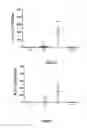
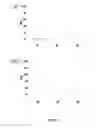
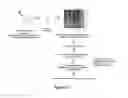
Sources:
- United States Patent and Trademark Office - verify current appl. status at the USPTO↗
Similar patent applications:
- » 20150093408
Lyme disease vaccine, genetic construct, recombinant protein, method for designing genetic construct, method for producing vaccine, method for producing recombinant proteins, use of recombinant proteins in the production of lyme disease vaccine - » 20110262475
LYME DISEASE VACCINE - » 20200289634
Canine lyme disease vaccine - » 20120141530
Canine Lyme disease vaccine - » 20140212451
Lyme disease vaccine - » 20050147999
Lyme disease vaccines - » 20240181027
CANINE LYME DISEASE VACCINE - » 20080181916
Canine lyme disease vaccine - » 20170114106
Lyme disease vaccine - » 20160220653
LYME DISEASE VACCINES
Recent applications in this class:
- » 20250161425 2025-05-22
SIGNAL SEQUENCES FOR NUCLEIC ACID VACCINES - » 20250152689 2025-05-15
VACCINE AGAINST LEPTOSPIROSIS - » 20250041397 2025-02-06
EXPRESSION OF BORRELIA BURGDORFERI OUTER SURFACE PROTEIN A IN PLANTS AND PLANT PRODUCED VACCINE FOR SAME - » 20250032599 2025-01-30
COMPOSITION AND METHOD FOR GENERATING IMMUNITY TO BORRELIA BURGDORFERI - » 20250009863 2025-01-09
LYME DISEASE RNA VACCINE - » 20240277823 2024-08-22
LEPTOSPIRAL VIRULENCE MODULATING PROTEINS AND USES THEREOF - » 20240207382 2024-06-27
Composition and method for generating immunity to borrelia burgdorferi - » 20240181027 2024-06-06
CANINE LYME DISEASE VACCINE - » 20240108708 2024-04-04
IMMUNOGENIC AND VACCINE COMPOSITIONS AGAINST SWINE DYSENTERY - » 20230355734 2023-11-09
A FACTOR H BINDING PROTEIN B (FHBB) BASED CHIMERIC VACCINE FOR THE PREVENTION AND TREATMENT OF PERIODONTAL DISEASE