Compositions and methods for making (S)-norcoclaurine and (S)-norlaudanosoline, and synthesis intermediates thereof
US20190062793A1
2019-02-28
16/122,050
2018-09-05
✅ Patent granted
US 10,662,453 B2
2020-05-26
-
-
Robert B Mondesi | Mohammad Y Meah
Bereskin & Parr LLP/S.E.N.C.R.L., s.r.l. | Micheline Gravelle
2038-09-05
Abstract:
Methods that may be used for the manufacture of the chemical compound (S)-norcoclaurine, (S)-norlaudanosoline, and (S)-norcoclaurine or (S)-norlaudanosoline synthesis intermediates are provided. (S)-Norcoclaurine, (S)-norlaudanosoline, and (S)-norcoclaurine or (S)-norlaudanosoline synthesis intermediates are useful as precursor products in the manufacture of certain medicinal agents.
Assignee:
- Willow Biosciences, Inc. 6 🇨🇦 Calgary, Canada
Applicant:
Interested in similar patents?
Get notified when new applications in this technology area are published.
Classification:
C12N9/0059 » CPC further
Enzymes; Proenzymes; Compositions thereof ; Processes for preparing, activating, inhibiting, separating or purifying enzymes; Oxidoreductases (1.) acting on diphenols and related substances as donors (1.10) with oxygen as acceptor (1.10.3) Catechol oxidase (1.10.3.1), i.e. tyrosinase
C12N9/0022 » CPC further
Enzymes; Proenzymes; Compositions thereof ; Processes for preparing, activating, inhibiting, separating or purifying enzymes; Oxidoreductases (1.) acting on nitrogen containing compounds as donors (1.4, 1.5, 1.6, 1.7) acting on the CH-NH group of donors (1.4) with oxygen as acceptor (1.4.3)
C12P13/001 » CPC further
Preparation of nitrogen-containing organic compounds Amines; Imines
C12Y201/01128 » CPC further
Transferases transferring one-carbon groups (2.1); Methyltransferases (2.1.1) (RS)-Norcoclaurine 6-O-methyltransferase (2.1.1.128)
C12N9/90 IPC
Enzymes; Proenzymes; Compositions thereof ; Processes for preparing, activating, inhibiting, separating or purifying enzymes Isomerases (5.)
C12N15/00 IPC
Mutation or genetic engineering; DNA or RNA concerning genetic engineering, vectors, e.g. plasmids, or their isolation, preparation or purification; Use of hosts therefor
C07H21/04 IPC
Compounds containing two or more mononucleotide units having separate phosphate or polyphosphate groups linked by saccharide radicals of nucleoside groups, e.g. nucleic acids with deoxyribosyl as saccharide radical
C12P7/24 » CPC further
Preparation of oxygen-containing organic compounds containing a carbonyl group
C12P13/22 » CPC further
Preparation of nitrogen-containing organic compounds; Alpha- or beta- amino acids Tryptophan; Tyrosine; Phenylalanine; 3,4-Dihydroxyphenylalanine
C12P17/182 » CPC further
Preparation of heterocyclic carbon compounds with only O, N, S, Se or Te as ring hetero atoms containing at least two hetero rings condensed among themselves or condensed with a common carbocyclic ring system, e.g. rifamycin Heterocyclic compounds containing nitrogen atoms as the only ring heteroatoms in the condensed system
C12P17/12 » CPC main
Preparation of heterocyclic carbon compounds with only O, N, S, Se or Te as ring hetero atoms; Nitrogen as only ring hetero atom containing a six-membered hetero ring
C12P13/00 IPC
Preparation of nitrogen-containing organic compounds
C12N9/88 » CPC further
Enzymes; Proenzymes; Compositions thereof ; Processes for preparing, activating, inhibiting, separating or purifying enzymes Lyases (4.)
C12N15/82 IPC
Mutation or genetic engineering; DNA or RNA concerning genetic engineering, vectors, e.g. plasmids, or their isolation, preparation or purification; Use of hosts therefor; Recombinant DNA-technology; Introduction of foreign genetic material using vectors; Vectors; Use of hosts therefor; Regulation of expression; Vectors or expression systems specially adapted for eukaryotic hosts for plant cells, e.g. plant artificial chromosomes (PACs)
C12P17/18 IPC
Preparation of heterocyclic carbon compounds with only O, N, S, Se or Te as ring hetero atoms containing at least two hetero rings condensed among themselves or condensed with a common carbocyclic ring system, e.g. rifamycin
Description
RELATED APPLICATIONS
This application is a continuation of U.S. application Ser. No. 15/319,568 filed Dec. 16, 2016 (now allowed), which is a national phase entry application of Patent Cooperation Treaty Application No. PCT/CA2015/050542, which claims the benefit under 35 USC § 119(e) from U.S. Provisional Patent Application No. 62/014,367, filed on Jun. 19, 2014 (now abandoned), both of which are incorporated by reference herein in their entirety.
FIELD OF THE DISCLOSURE
The compositions and methods disclosed herein relate to secondary metabolites and processes for manufacturing the same. More particularly, the present disclosure relates to (S)-norcoclaurine and (S)-norlaudanosoline, and synthesis intermediates thereof and methods for manufacturing (S)-norcoclaurine, (S)-norlaudanosoline, and synthesis intermediates thereof.
BACKGROUND OF THE DISCLOSURE
The following paragraphs are provided by way of background to the present disclosure. They are not however an admission that anything discussed therein is prior art or part of the knowledge of persons skilled in the art.
The biochemical pathways of living organisms are commonly classified as being either part of primary metabolism or part of secondary metabolism. Pathways that are part of a living cell's primary metabolism are involved in catabolism for energy production or in anabolism for building block production for the cell. On the other hand, secondary metabolites are produced by living cells and may lack any obvious anabolic or catabolic function. It has however long been recognized that many secondary metabolites are useful in many respects, including for example as therapeutic agents.
The secondary metabolite (S)-norcoclaurine is produced by opium poppy (Papaver somniferum) and by other members mainly of the Papaveraceae, Ranunculaceae, Berberidaceae and Menispermaceae families of plants. (S)-norlaudansoline has not been found in nature, but is structurally similar to (S)-norcoclaurine and can be synthesized using the same suite of natural enzymes. (S)-norcoclaurine, (S)-norlaudanosoline, and synthesis intermediates thereof may be used as a raw material to manufacture alkaloid compounds that are useful as medicinal compounds, as well as recreational drugs or stimulants. Examples of such alkaloid compounds include the narcotic analgesics codeine and morphine, the antimicrobial agents sanguinerine and berberine, the muscle relaxants papaverine and (+)-tubocurarine, and the cough suppressant and potential anticancer drug noscapine.
Currently (S)-norcoclaurine and certain (S)-norcoclaurine synthesis intermediates may be harvested from natural sources, such as opium poppy. Alternatively these compounds may be prepared synthetically. (S)-norlaudanosoline may be prepared synthetically. However, the existing manufacturing methods for (S)-norcoclaurine, (S)-norlaudanosoline, and synthesis intermediates thereof suffer from low yields of (S)-norcoclaurine, (S)-norlaudanosoline, and synthesis intermediates and/or are expensive. In addition, synthetic manufacturing methods commonly lead to high volumes of waste materials such as organic solvents and metal catalysts. There exists therefore in the art a need for improved methods for the synthesis of (S)-norcoclaurine, (S)-norlaudanosoline, and synthesis intermediates thereof.
SUMMARY OF THE DISCLOSURE
The following paragraphs are intended to introduce the reader to the more detailed description that follows and not to define or limit the claimed subject matter of the present disclosure.
The present disclosure relates to the secondary metabolite (S)-norcoclaurine, the non-naturally occurring compound (S)-norlauranosoline, and synthesis intermediates thereof, as well as to methods of making (S)-norcoclaurine, (S)-norlaudanosoline, and synthesis intermediates thereof. The current disclosure further relates to certain enzymes capable of catalyzing reactions resulting in the conversion of certain synthesis intermediates to form (S)-norcoclaurine and/or (S)-norlaudanosoline.
Accordingly, the present disclosure provides, in at least one aspect, at least one embodiment of making (S)-norcoclaurine, (S)-norlaudanosoline, or synthesis intermediates thereof comprising:
-
- (a) providing at least one (S)-norcoclaurine or (S)-norlaudanosoline pathway precursor selected from L-tyrosine or a first L-tyrosine derivative; and
- (b) contacting the (S)-norcoclaurine or (S)-norlaudanosoline pathway precursor with at least one of the enzymes selected from the group of enzymes consisting of (i) TYR; (ii) TYDC; (iii) DODC; (iv); MAO and (v) NCS under reaction conditions permitting the catalysis of the pathway precursor to form (S)-norcoclaurine, (S)-norlaudanosoline, or a synthesis intermediate thereof, wherein the (S)-norcoclaurine or (S)-norlaudanosoline synthesis intermediate is a second L-tyrosine derivative;
- and
- wherein the first and second L-tyrosine derivative have the chemical formula (I):
-
- wherein R1 represents hydrogen or hydroxyl;
- wherein R2 represents hydrogen or an amino group —(NH2); and
- wherein R3 represents a carboxyl group —(COOH), or an amino group —(NH2);
- wherein R3′ represents a hydrogen atom; or
- R3 and R3′ taken together, form a carbonyl group.
In preferred embodiments of the disclosure, the first and/or second L-tyrosine derivative is L-DOPA; tyramine; dopamine; 4-hydroxyphenylacetaldehyde; or 3,4-dihydroxyphenylacetaldehyde.
In a further aspect, the present disclosure provides at least one embodiment of making (S)-norcoclaurine, (S)-norlaudanosoline, and each of the following synthesis intermediates: tyramine, dopamine, L-DOPA, 4-hydroxyphenylacetaldehyde, and 3,4-dihydroxyphenylacetaldehyde. Accordingly, the present disclosure further provides, in at least one aspect:
-
- (I) at least one embodiment of making (S)-norcoclaurine comprising:
- (a) providing L-tyrosine; and
- (b) contacting L-tyrosine with a mixture of enzymes comprising catalytic quantities of the enzymes TYR, DODC, TYDC, MAO, and NCS under reaction conditions permitting an enzyme catalyzed chemical conversion of L-tyrosine to (S)-norcoclaurine.
- (II) at least one embodiment of making dopamine comprising:
- (a) providing L-tyrosine; and
- (b) contacting L-tyrosine with a mixture of enzymes comprising catalytic quantities of the enzymes TYR and DODC under reaction conditions permitting an enzyme catalyzed chemical conversion of L-tyrosine to dopamine.
- (III) at least one embodiment of making 4-hydroxyphenylacetaldehyde comprising:
- (a) providing L-tyrosine; and
- (b) contacting L-tyrosine with catalytic quantities of enzymes TYDC and MAO under reaction conditions permitting an enzyme catalyzed chemical conversion of L-tyrosine to 4-hydroxyphenylacetaldehyde; and
- (IV) at least one embodiment of making L-DOPA comprising:
- (a) providing L-tyrosine; and
- (b) contacting L-tyrosine with catalytic quantities of the enzyme TYR under reaction conditions permitting an enzyme catalyzed chemical conversion of L-tyrosine to L-DOPA;
- (V) at least one embodiment of making tyramine comprising:
- (a) providing L-tyrosine; and
- (b) contacting L-tyrosine with catalytic quantities of the enzyme TYDC under reaction conditions permitting an enzyme catalyzed chemical conversion of L-tyrosine to tyramine;
- (VI) at least one embodiment of making (S)-norlaudanosoline comprising:
- (a) providing L-tyrosine; and
- (b) contacting L-tyrosine with a mixture of enzymes comprising catalytic quantities of the enzymes TYR, DODC, MAO, and NCS under reaction conditions permitting an enzyme catalyzed chemical conversion of L-tyrosine to (S)-norlaudanosoline; and
- (VII) at least one embodiment of making 3,4-dihydroxy-phenylacetaldehyde comprising:
- (a) providing L-tyrosine; and
- (b) contacting L-tyrosine with a mixture of enzymes comprising catalytic quantities of the enzymes TYR, DODC and MAO under reaction conditions permitting an enzyme catalyzed chemical conversion of L-tyrosine to 3,4-dihydroxy-phenylacetaldehyde.
- (I) at least one embodiment of making (S)-norcoclaurine comprising:
In yet a further aspect, the present disclosure provides in at least one embodiment, the aforementioned embodiments wherein the enzyme, or mixtures comprising catalytic quantities of enzymes, as the case may be, and the (S)-norcoclaurine and/or (S)-norlaudanosoline synthesis intermediates are brought together under in vitro reaction conditions. In another embodiment, the enzyme, or mixtures comprising catalytic quantities of enzymes, as the case may be, and the (S)-norcoclaurine and/or (S)-norlaudanosoline synthesis intermediates are brought together under in vivo reaction conditions.
The present disclosure further provides in substantially pure form (S)-norcoclaurine and (S)-norlaudanosoline, and the following (S)-norcoclaurine and/or (S)-norlaudanosoline synthesis intermediates: L-DOPA; dopamine; tyramine; 4-hydroxyphenylacetaldehyde, and 3,4-hydroxyphenylacetaldehyde.
Other features and advantages of the present disclosure will become apparent from the following detailed description. It should be understood, however, that the detailed description, while indicating preferred implementations of the disclosure, are given by way of illustration only, since various changes and modifications within the spirit and scope of the disclosure will become apparent to those of skill in the art from the detailed description.
BRIEF DESCRIPTION OF THE DRAWINGS
For a better understanding of the various example embodiments described herein, and to show more clearly how these various embodiments may be carried into effect, reference will be made, by way of example, to the accompanying figures which show at least one example embodiment, and the figures will now be briefly described. It should be understood that the figures herein are provided for illustration purposes only and are not intended to limit the present disclosure.
FIG. 1 depicts a synthesis pathway for the manufacture of (S)-norcoclaurine and synthesis intermediates thereof. Included are the chemical structures of the synthesis intermediates and enzymes capable of catalyzing chemical conversion of the synthesis intermediates.
FIG. 2 depicts a synthesis pathway for the manufacture of (S)-norlaudanosoline and synthesis intermediates thereof. Included are the chemical structures of the synthesis intermediates and enzymes capable of catalyzing chemical conversion of the synthesis intermediates.
FIG. 3A-H depicts the chemical structures for (S)-norcoclaurine (FIG. 3F), (S)-norlaudanosoline (FIG. 3H), and the following synthesis intermediates thereof: L-tyrosine (FIG. 3A); tyramine (FIG. 3B); L-DOPA (FIG. 3C); dopamine (FIG. 3E), 4-hydroxyphenylacetaldehyde (FIG. 3D); and 3,4-dihydroxyphenylacetaldehyde (FIG. 3G), respectively.
FIG. 4 depicts nucleic acid sequence fragments obtained from various plant species encoding multiple NCS polypeptides. NCS coding regions are represented by black boxes. PSON=Papaver somniferum; PBR=Papaver bracteatum; CMA=Chelidonium majus; CCH=Chordyalis cheilantifolia; SDI=Stylophorum diphyllum; and ECA=Eschscholzia californica.
FIG. 5 depicts an immunoblot using anti-His-tag antibodies showing expression of NCS polypeptides of various plant species in E. coli. Polypeptide sequences used are: SCANCS1 (SEQ.ID. NO: 14); TFLNCS2 (SEQ.ID. NO: 22); SDINSC1 (SEQ.ID. NO: 17); CCHNCS2 (SEQ.ID. NO: 28); NDONCS3 (SEQ.ID. NO: 34); CMANCS1 (SEQ.ID. NO: 53); (PBRNSC3 (SEQ.ID. NO: 11); ECANCS1 (SEQ.ID. NO: 18); CCHNCS1 (SEQ.ID. NO: 27); PBRNCS4 (SEQ.ID. NO: 12); CCHNCS5 (SEQ.ID. NO: 31); PBRNCS5 (SEQ.ID. NO: 13); XSINCS1 (SEQ.ID. NO: 41); and PSONCS3 (SEQ.ID. NO: 42).
FIG. 6A-C depicts TLPC plates showing norcoclaurine production in E. coli using various intact NCS polypeptide sequences (FIG. 6A; FIG. 6B) and truncated NCS sequences FIG. 6C. Intact NCS sequences used are SCANCS1 (SEQ.ID. NO: 14); SDINSC1 (SEQ.ID. NO: 17); CCHNCS2 (SEQ.ID. NO: 28); NDONCS3 (SEQ.ID. NO: 34); PBRNCS5 (SEQ.ID. NO: 13); and PSONCS3 (SEQ.ID. NO: 42), TFLNCS2 (SEQ.ID. NO: 87); CMANCS1 (SEQ.ID. NO: 85); PBRNSC3 (SEQ.ID. NO: 83); ECANCS1 (SEQ.ID. NO: 56); CCHNCS1 (SEQ.ID. NO: 65); PBRNCS4 (SEQ.ID. NO: 50); CCHNCS5 (SEQ.ID. NO: 92); XSINCS1 (SEQ.ID. NO: 93). Truncated sequences are TFINCSΔ19 (SEQ.ID NO: 112); TFINCS2Δ25 (SEQ.ID. NO: 109); CMANCS1Δ25 (SEQ.ID. NO: 105); PBRNCS3Δ25 (SEQ.ID. NO: 107); ECANCS1Δ25 (SEQ.ID. NO: 106); CCHNCS1Δ25 (SEQ.ID. NO: 103); PBRNCS4Δ25 (SEQ.ID. NO: 108); CCHNCS5Δ25 (SEQ.ID. NO: 104); XSINCS1Δ25 (SEQ.ID. NO: 113).
FIG. 7A-B depicts an immunoblot using anti-His-tag antibodies showing expression of NCS polypeptides in yeast (FIG. 7A) and TLPC plates showing norcoclaurine production in yeast using various NCS polypeptides (FIG. 7B). Expression is shown using TFINCSΔ19 (SEQ.ID. NO: 112); PBRNCS5 (SEQ.ID. NO: 13); CCHNCS2 (SEQ.ID. NO: 28); NDONCS3 (SEQ.ID. NO: 34); SCANCS1 (SEQ.ID. NO: 14); SDINCS1 (SEQ.ID.NO: 89), PSONCS3 (SEQ.ID.NO: 42); TFINCS2Δ25 (SEQ.ID. NO: 109); XSINCS1Δ25 (SEQ.ID. NO: 113) and PSONCS2 (SEQ.ID. NO: 111) polypeptides. PBRNCS5 (SEQ.ID. NO: 13); CCHNCS2 (SEQ.ID. NO: 28); NDONCS3 (SEQ.ID. NO: 34); and SCANCS1 (SEQ.ID. NO: 14) polypeptides. Norcoclaurine production is shown using TFINCSΔ19 (SEQ.ID. NO: 112); PBRNCS5 (SEQ.ID. NO: 13); CCHNCS2 (SEQ.ID. NO: 28); NDONCS3 (SEQ.ID. NO: 34); SCANCS1 (SEQ.ID. NO: 14); SDINCS1 (SEQ.ID.NO: 89), PSONCS3 (SEQ.ID.NO: 42); TFINCS2Δ25 (SEQ.ID. NO: 109); XSINCS1Δ25 (SEQ.ID. NO: 113) and PSONCS2 (SEQ.ID. NO: 111) PBRNCS5 (SEQ.ID. NO: 13); CCHNCS2 (SEQ.ID. NO: 28); NDONCS3 (SEQ.ID. NO: 34); and SCANCS1 (SEQ.ID. NO: 14) polypeptides. Controls as are yeast transformed with a vector not comprising an NCS gene (“empty vector”); and yeast and E. coli expressing TFLNCSΔ19 (SEQ.ID. NO: 112).
DETAILED DESCRIPTION OF THE DISCLOSURE
Various compositions and methods will be described below to provide an example of an embodiment of each claimed subject matter. No embodiment described below limits any claimed subject matter and any claimed subject matter may cover methods, processes, compositions or systems that differ from those described below. The claimed subject matter is not limited to compositions or methods having all of the features of any one composition, method, system or process described below or to features common to multiple or all of the compositions, systems or methods described below. It is possible that a composition, system, method or process described below is not an embodiment of any claimed subject matter. Any subject matter disclosed in a composition, system, method or process described below that is not claimed in this document may be the subject matter of another protective instrument, for example, a continuing patent application, and the applicants, inventors or owners do not intend to abandon, disclaim or dedicate to the public any such subject matter by its disclosure in this document.
All publications, patents and patent applications are herein incorporated by reference in their entirety to the same extent as if each individual publication, patent or patent application was specifically and individually indicated to be incorporated by reference in its entirety.
Definitions
The term “(S)-norcoclaurine” as used herein refers to a chemical compound having the chemical structure depicted in FIG. 3F.
The term “(S)-norlaudanosoline” as used herein refers to a chemical compound having the chemical structure depicted in FIG. 3H.
The term “L-tyrosine” as used herein refers to a chemical compound having the chemical structure depicted in FIG. 3A.
The term “tyramine” as used herein refers to a chemical compound having the chemical structure depicted in FIG. 3B.
The terms “L-DOPA” and “L-3,4-dihydroxyphenylalanine”, which may be used interchangeably herein, refer to a chemical compound having the chemical structure depicted in FIG. 3C.
The term “dopamine” as used herein refers to a chemical compound having the chemical structure depicted in FIG. 3E.
The terms “4-hydroxyphenylacetaldehyde” or “4HPAA”, which may be used interchangeably herein, refer to a chemical compound having the chemical structure depicted in FIG. 3D.
The terms “3,4-dihydroxyphenylacetaldehyde” or “3,4DHPAA”, which may be used interchangeably herein, refer to a chemical compound having the chemical structure depicted in FIG. 3G.
The terms “(S)-norcoclaurine synthesis pathway” and “(S)-norlaudanosoline synthesis pathway”, refer to the metabolic pathway for the synthesis of “(S)-norcoclaurine” depicted in FIG. 1, and “(S)-norlaudanosoline” depicted in FIG. 2, respectively. When a first chemical compound within the (S)-norcoclaurine or (S)-norlaudanosoline synthesis pathways is referenced as “upstream” of a second chemical compound in the pathway, it is meant herein that synthesis of the first chemical compound precedes synthesis of the second chemical compound. Conversely, when a first chemical compound is referenced as “downstream” from a second chemical compound in the (S)-norcoclaurine or (S)-norlaudanosoline synthesis pathways, it is meant herein that synthesis of the second chemical compound precedes synthesis of the first chemical compound.
The terms “(S)-norcoclaurine pathway precursor” and “(S)-norlaudanosoline pathway precursor”, as used herein, refer to any of the chemical compounds in the (S)-norcoclaurine or (S)-norlaudanosoline synthesis pathways set forth in FIG. 3A; FIG. 3B; FIG. 3C; FIG. 3D; FIG. 3E; and FIG. 3G; in conjunction with the term “(S)-norcoclaurine synthesis intermediate”, “(S)-norcoclaurine pathway precursor” refers to a compound synthesized upstream of a (S)-norcoclaurine synthesis intermediate.
The terms “(S)-norcoclaurine synthesis intermediate” and “(S)-norlaudanosoline synthesis intermediate” as used herein refer to any of the chemical compounds in the (S)-norcoclaurine or (S)-norlaudanosoline synthesis pathways set forth in FIG. 3B; FIG. 3C; FIG. 3D; FIG. 3E and FIG. 3G; in conjunction with the terms “(S)-norcoclaurine pathway precursor” or “(S)-norlaudanosoline pathway precursor”, “(S)-norcoclaurine synthesis intermediate” and “(S)-norlaudanosoline synthesis intermediate” refer to a compound synthesized downstream of a (S)-norcoclaurine or (S)-norlaudanosoline pathway precursor.
The terms “tyrosine hydroxylase”, polyphenol oxidase” and “TYR”, which may be used interchangeably herein, refer to any and all enzymes comprising a sequence of amino acid residues which is (i) substantially identical to the amino acid sequences constituting any TYR polypeptide set forth herein, including, for example, SEQ.ID. NO: 98, or (ii) encoded by a nucleic acid sequence capable of hybridizing under at least moderately stringent conditions to any nucleic acid sequence encoding any TYR polypeptide set forth herein, but for the use of synonymous codons.
The terms “tyrosine decarboxylase” and “TYDC”, as may be used interchangeably herein, refer to any and all enzymes comprising a sequence of amino acid residues which is (i) substantially identical to the amino acid sequences constituting any TYDC polypeptide set forth herein, including, for example, SEQ.ID. NO: 102 or (ii) encoded by a nucleic acid sequence capable of hybridizing under at least moderately stringent conditions to any nucleic acid sequence encoding any TYDC polypeptide set forth herein, but for the use of synonymous codons.
The terms “dihydroxyphenylalanine decarboxylase”, “DOPA decarboxylase” and “DODC”, as may be used interchangeably herein, refer to any and all enzymes comprising a sequence of amino acid residues which is (i) substantially identical to the amino acid sequences constituting any DODC polypeptide set forth herein, including, for example, SEQ.ID. NO: 100 or (ii) encoded by a nucleic acid sequence capable of hybridizing under at least moderately stringent conditions to any nucleic acid sequence encoding any DODC polypeptide set forth herein, but for the use of synonymous codons.
The terms “monoamine oxidase” or “MAO”, as may be used interchangeably herein, refer to any and all enzymes comprising a sequence of amino acid residues which is (i) substantially identical to the amino acid sequences constituting any MAO polypeptide set forth herein, including, for example, SEQ.ID. NO: 96, or (ii) encoded by a nucleic acid sequence capable of hybridizing under at least moderately stringent conditions to any nucleic acid sequence encoding any MAO polypeptide set forth herein, but for the use of synonymous codons.
The terms “norcoclaurine synthase” and “NCS”, as may be used interchangeably herein, refer to any and all enzymes comprising a sequence of amino acid residues which is (i) substantially identical to the amino acid sequences constituting any NCS polypeptide set forth herein, including, for example, SEQ.ID. NO: 1 to SEQ.ID. NO: 42, or (ii) encoded by a nucleic acid sequence capable of hybridizing under at least moderately stringent conditions to any nucleic acid sequence encoding any NCS polypeptide set forth herein, but for the use of synonymous codons.
The term “nucleic acid sequence” as used herein refers to a sequence of nucleoside or nucleotide monomers consisting of naturally occurring bases, sugars and intersugar (backbone) linkages. The term also includes modified or substituted sequences comprising non-naturally occurring monomers or portions thereof. The nucleic acid sequences of the present disclosure may be deoxyribonucleic acid sequences (DNA) or ribonucleic acid sequences (RNA) and may include naturally occurring bases including adenine, guanine, cytosine, thymidine and uracil. The sequences may also contain modified bases. Examples of such modified bases include aza and deaza adenine, guanine, cytosine, thymidine and uracil, and xanthine and hypoxanthine.
The herein interchangeably used terms “nucleic acid sequence encoding TYR” and “nucleic acid sequence encoding a TYR polypeptide”, refer to any and all nucleic acid sequences encoding a TYR polypeptide, including, for example, SEQ.ID. NO: 97. Nucleic acid sequences encoding a TYR polypeptide further include any and all nucleic acid sequences which (i) encode polypeptides that are substantially identical to the TYR polypeptide sequences set forth herein; or (ii) hybridize to any TYR nucleic acid sequences set forth herein under at least moderately stringent hybridization conditions or which would hybridize thereto under at least moderately stringent conditions but for the use of synonymous codons.
The herein interchangeably used terms “nucleic acid sequence encoding TYDC” and “nucleic acid sequence encoding a TYDC polypeptide”, refer to any and all nucleic acid sequences encoding a TYDC polypeptide, including, for example, SEQ.ID. NO: 101. Nucleic acid sequences encoding a TYDC polypeptide further include any and all nucleic acid sequences which (i) encode polypeptides that are substantially identical to the TYDC polypeptide sequences set forth herein; or (ii) hybridize to any TYDC nucleic acid sequences set forth herein under at least moderately stringent hybridization conditions or which would hybridize thereto under at least moderately stringent conditions but for the use of synonymous codons.
The herein interchangeably used terms “nucleic acid sequence encoding MAO” and “nucleic acid sequence encoding a MAO polypeptide”, refer to any and all nucleic acid sequences encoding an MAO polypeptide, including, for example, SEQ.ID. NO: 95. Nucleic acid sequences encoding a MAO polypeptide further include any and all nucleic acid sequences which (i) encode polypeptides that are substantially identical to the NCS polypeptide sequences set forth herein; or (ii) hybridize to any MAO nucleic acid sequences set forth herein under at least moderately stringent hybridization conditions or which would hybridize thereto under at least moderately stringent conditions but for the use of synonymous codons.
The herein interchangeably used terms “nucleic acid sequence encoding NCS” and “nucleic acid sequence encoding an NCS polypeptide”, refer to any and all nucleic acid sequences encoding an NCS polypeptide, including, for example, SEQ.ID. NO: 43 to SEQ.ID. NO: 80. Nucleic acid sequences encoding an NCS polypeptide further include any and all nucleic acid sequences which (i) encode polypeptides that are substantially identical to the NCS polypeptide sequences set forth herein; or (ii) hybridize to any NCS nucleic acid sequences set forth herein under at least moderately stringent hybridization conditions or which would hybridize thereto under at least moderately stringent conditions but for the use of synonymous codons.
By the term “substantially identical” it is meant that two polypeptide sequences preferably are at least 70% identical, and more preferably are at least 85% identical and most preferably at least 95% identical, for example 96%, 97%, 98% or 99% identical. In order to determine the percentage of identity between two polypeptide sequences the amino acid sequences of such two sequences are aligned, using for example the alignment method of Needleman and Wunsch (J. Mol. Biol., 1970, 48: 443), as revised by Smith and Waterman (Adv. Appl. Math., 1981, 2: 482) so that the highest order match is obtained between the two sequences and the number of identical amino acids is determined between the two sequences. Methods to calculate the percentage identity between two amino acid sequences are generally art recognized and include, for example, those described by Carillo and Lipton (SIAM J. Applied Math., 1988, 48:1073) and those described in Computational Molecular Biology, Lesk, e.d. Oxford University Press, New York, 1988, Biocomputing: Informatics and Genomics Projects. Generally, computer programs will be employed for such calculations. Computer programs that may be used in this regard include, but are not limited to, GCG (Devereux et al., Nucleic Acids Res., 1984, 12: 387) BLASTP, BLASTN and FASTA (Altschul et al., J. Molec. Biol., 1990: 215:403). A particularly preferred method for determining the percentage identity between two polypeptides involves the Clustal W algorithm (Thompson, J D, Higgines, D G and Gibson T J, 1994, Nucleic Acid Res 22(22): 4673-4680 together with the BLOSUM 62 scoring matrix (Henikoff S & Henikoff, J G, 1992, Proc. Natl. Acad. Sci. USA 89: 10915-10919 using a gap opening penalty of 10 and a gap extension penalty of 0.1, so that the highest order match obtained between two sequences wherein at least 50% of the total length of one of the two sequences is involved in the alignment.
By “at least moderately stringent hybridization conditions” it is meant that conditions are selected which promote selective hybridization between two complementary nucleic acid molecules in solution. Hybridization may occur to all or a portion of a nucleic acid sequence molecule. The hybridizing portion is typically at least 15 (e.g. 20, 25, 30, 40 or 50) nucleotides in length. Those skilled in the art will recognize that the stability of a nucleic acid duplex, or hybrids, is determined by the Tm, which in sodium containing buffers is a function of the sodium ion concentration and temperature (Tm=81.5° C.−16.6 (Log 10 [Na+])+0.41(% (G+C)−600/1), or similar equation). Accordingly, the parameters in the wash conditions that determine hybrid stability are sodium ion concentration and temperature. In order to identify molecules that are similar, but not identical, to a known nucleic acid molecule a 1% mismatch may be assumed to result in about a 1° C. decrease in Tm, for example if nucleic acid molecules are sought that have a >95% identity, the final wash temperature will be reduced by about 5° C. Based on these considerations those skilled in the art will be able to readily select appropriate hybridization conditions. In preferred embodiments, stringent hybridization conditions are selected. By way of example the following conditions may be employed to achieve stringent hybridization: hybridization at 5× sodium chloride/sodium citrate (SSC)/5× Denhardt's solution/1.0% SDS at Tm (based on the above equation)−5° C., followed by a wash of 0.2×SSC/0.1% SDS at 60° C. Moderately stringent hybridization conditions include a washing step in 3×SSC at 42° C. It is understood however that equivalent stringencies may be achieved using alternative buffers, salts and temperatures. Additional guidance regarding hybridization conditions may be found in: Current Protocols in Molecular Biology, John Wiley & Sons, N.Y., 1989, 6.3.1.-6.3.6 and in: Sambrook et al., Molecular Cloning, a Laboratory Manual, Cold Spring Harbor Laboratory Press, 1989, Vol. 3.
The term “chimeric” as used herein in the context of nucleic acid sequences refers to at least two linked nucleic acid sequences, which are not naturally linked. Chimeric nucleic acid sequences include linked nucleic acid sequences of different natural origins. For example, a nucleic acid sequence constituting a yeast promoter linked to a nucleic acid sequence encoding a TYR protein is considered chimeric. Chimeric nucleic acid sequences also may comprise nucleic acid sequences of the same natural origin, provided they are not naturally linked. For example, a nucleic acid sequence constituting a promoter obtained from a particular cell-type may be linked to a nucleic acid sequence encoding a polypeptide obtained from that same cell-type, but not normally linked to the nucleic acid sequence constituting the promoter. Chimeric nucleic acid sequences also include nucleic acid sequences comprising any naturally occurring nucleic acid sequence linked to any non-naturally occurring nucleic acid sequence.
The terms “substantially pure” and “isolated”, as may be used interchangeably herein describe a compound, e.g., a pathway synthesis intermediate or a polypeptide, which has been separated from components that naturally accompany it. Typically, a compound is substantially pure when at least 60%, more preferably at least 75%, more preferably at least 90%, 95%, 96%, 97%, or 98%, and most preferably at least 99% of the total material (by volume, by wet or dry weight, or by mole percent or mole fraction) in a sample is the compound of interest. Purity can be measured by any appropriate method, e.g., in the case of polypeptides, by chromatography, gel electrophoresis or HPLC analysis.
The term “in vivo” as used herein to describe methods of making (S)-norcoclaurine, (S)-norlaudanosoline, or synthesis intermediates thereof refers to contacting a (S)-norcoclaurine pathway precursor, or a (S)-norlaudanosoline pathway precursor with an enzyme capable of catalyzing conversion of a (S)-norcoclaurine or (S)-norlaudanosoline precursor within a living cell, including, for example, a microbial cell or a plant cell, to form a (S)-norcoclaurine synthesis intermediate or a (S)-norlaudanosoline synthesis intermediate, or to form (S)-norcoclaurine or (S)-norlaudanosoline.
The term “in vitro” as used herein to describe methods of making (S)-norcoclaurine, (S)-norlauanosoline, or synthesis intermediates thereof refer to contacting a (S)-norcoclaurine pathway precursor or a (S)-norlauanosoline pathway precursor with an enzyme capable of catalyzing conversion of a (S)-norcoclaurine or (S)-norlauanosoline precursor in an environment outside a living cell, including, without limitation, for example, in a microwell plate, a tube, a flask, a beaker, a tank, a reactor and the like, to form a (S)-norcoclaurine synthesis intermediate or (S)-norlauanosoline synthesis intermediate, or to form (S)-norcoclaurine or (S)-norlauanosoline.
It should be noted that terms of degree such as “substantially”, “about” and “approximately” as used herein mean a reasonable amount of deviation of the modified term such that the end result is not significantly changed. These terms of degree should be construed as including a deviation of the modified term if this deviation would not negate the meaning of the term it modifies.
As used herein, the wording “and/or” is intended to represent an inclusive-or. That is, “X and/or Y” is intended to mean X or Y or both, for example. As a further example, “X, Y, and/or Z” is intended to mean X or Y or Z or any combination thereof.
General Implementation
As hereinbefore mentioned, the present disclosure relates to the secondary metabolites (S)-norcoclaurine, (S)-norlaudanosoline, and synthesis intermediates thereof, as well as to methods of making (S)-norcoclaurine, (S)-norlaudanosoline, and synthesis intermediates thereof. The current disclosure further relates to certain enzymes capable of catalyzing chemical reactions resulting in the conversion of (S)-norcoclaurine and (S)-norlaudanosoline synthesis intermediates to form (S)-norcoclaurine and (S)-norlaudanosoline, respectively. The herein provided methods represent a novel and efficient means of manufacturing (S)-norcoclaurine, (S)-norlaudanosoline, and synthesis intermediates thereof. The methods provided herein do not rely on chemical synthesis and may be conducted at commercial scale. To the best of the inventor's knowledge, the current disclosure provides for the first time a methodology to manufacture NCS, (S)-norcoclaurine, and (S)-norlaudanosoline using yeast cells not normally capable of synthesizing (S)-norcoclaurine or (S)-norlaudanosoline. Such cells may be used as a source whence (S)-norcoclaurine and/or (S)-norlaudanosoline may be economically extracted. (S)-norcoclaurine and/or (S)-norlaudanosoline produced in accordance with the present disclosure is useful inter alia in the manufacture of pharmaceutical compositions.
Accordingly, the present disclosure provides, in at least one aspect, at least one embodiment of making (S)-norcoclaurine, (S)-norlaudanosoline, or a synthesis intermediate thereof comprising:
-
- (a) providing at least one (S)-norcoclaurine or (S)-norlaudanosoline biosynthetic precursor selected from L-tyrosine or a first L-tyrosine derivative; and
- (b) contacting the (S)-norcoclaurine or (S)-norlaudanosoline biosynthetic precursor with at least one of the enzymes selected from the group of enzymes consisting of (i) TYR; (ii) TYDC; (iii) DODC; (iv) MAO; and (v) NCS under reaction conditions permitting the catalysis of the (S)-norcoclaurine or (S)-norlaudanosoline biosynthetic precursor to form (S)-norcoclaurine, (S)-norlaudanosoline, or a synthesis intermediate thereof, wherein the synthesis intermediate is a second L-tyrosine derivative;
- and
- wherein the first and second L-tyrosine derivative have the chemical formula (I):
-
- wherein R1 represents hydrogen or hydroxyl;
- wherein R2 represents hydrogen or an amino group —(NH2); and
- wherein R3 represents a carboxyl group —(COOH), or an amino group —(NH2);
- wherein R3′ represents a hydrogen atom; or
- R3 and R3′ taken together, form a carbonyl group.
In preferred embodiments of the disclosure, the first and/or second L-tyrosine derivative is L-DOPA; tyramine; dopamine; 4-hydroxyphenylacetaldehyde, or 3,4-dihydroxyphenylacetaldehyde.
(S)-Norcoclaurine Synthesis
In one embodiment of the present disclosure, there is provided a method of making (S)-norcoclaurine comprising:
-
- (a) providing L-tyrosine; and
- (b) contacting L-tyrosine with a mixture of enzymes comprising catalytic quantities of the enzymes (i) TYR; (ii) TYDC; (iii) DODC; (iv) MAO; and (v) NCS; under reaction conditions permitting an enzyme catalyzed chemical conversion of L-tyrosine to (S)-norcoclaurine.
In a further embodiment, there is provided a method of making (S)-norcoclaurine comprising:
-
- (a) providing L-DOPA and L-tyrosine; and
- (b) contacting the L-DOPA and L-tyrosine with a mixture of enzymes comprising catalytic quantities of the enzymes (i) TYDC; (ii) DODC; (iv) MAO; and (iv) NCS under reaction conditions permitting an enzyme catalyzed chemical conversion of L-DOPA and L-tyrosine to (S)-norcoclaurine.
In a further embodiment, there is provided a method of making (S)-norcoclaurine comprising:
-
- (a) providing dopamine and L-tyrosine; and
- (b) contacting the dopamine and L-tyrosine with a mixture of enzymes comprising catalytic quantities of the enzymes (i) TYDC; (ii) MAO; and (iii) NCS; under reaction conditions permitting an enzyme catalyzed chemical conversion of dopamine and L-tyrosine to (S)-norcoclaurine.
In a further embodiment there is provided a method of making (S)-norcoclaurine comprising:
-
- (a) providing dopamine and tyramine; and
- (b) contacting dopamine and tyramine with catalytic quantities of the enzymes (i) MAO and (ii) NCS under reaction conditions permitting an enzyme catalyzed chemical conversion of dopamine and tyramine to (S)-norcoclaurine.
In a further embodiment, there is provided a method of making (S)-norcoclaurine comprising:
-
- (a) providing L-tyrosine and tyramine; and
- (b) contacting dopamine and tyramine with catalytic quantities of the enzymes (i) TYR, (ii) DODC; (iii) MAO and (iv) NCS under reaction conditions permitting an enzyme catalyzed chemical conversion of L-tyrosine and tyramine to (S)-norcoclaurine.
In a further embodiment, there is provided a method of making (S)-norcoclaurine comprising:
-
- (a) providing L-DOPA and tyramine; and
- (b) contacting L-DOPA and tyramine with catalytic quantities of the enzymes (i) DODC; (ii) MAO and (iii) NCS under reaction conditions permitting an enzyme catalyzed chemical conversion of L-DOPA and tyramine to (S)-norcoclaurine.
In a further embodiment, there is provided a method of making (S)-norcoclaurine comprising:
-
- (a) providing L-tyrosine and 4-hydroxyphenylacetaldehyde; and
- (b) contacting L-tyrosine and 4-hydroxyphenylacetaldehyde with catalytic quantities of the enzymes (i) TYR; (ii) DODC and (iii) NCS under reaction conditions permitting an enzyme catalyzed chemical conversion of L-tyrosine and 4-hydroxyphenylacetaldehyde to (S)-norcoclaurine.
In a further embodiment, there is provided a method of making (S)-norcoclaurine comprising:
-
- (a) providing L-DOPA and 4-hydroxyphenylacetaldehyde; and
- (b) contacting L-DOPA and 4-hydroxyphenylacetaldehyde with catalytic quantities of the enzymes (i) DODC and (iii) NCS under reaction conditions permitting an enzyme catalyzed chemical conversion of L-DOPA and 4-hydroxyphenylacetaldehyde to (S)-norcoclaurine.
In a further embodiment, there is provided a method of making (S)-norcoclaurine comprising:
-
- (a) providing dopamine and 4-hydroxyphenylacetaldehyde; and
- (b) contacting the dopamine and 4-hydroxyphenylacetaldehyde with catalytic quantities of the enzyme NCS under reaction conditions permitting an enzyme catalyzed chemical conversion of dopamine and 4-hydroxyphenylacetaldehyde to (S)-norcoclaurine.
The foregoing embodiments of the disclosure to make (S)-norcoclaurine are further illustrated in Table A.
The foregoing reactions may be performed under in vivo or in vitro conditions as hereinafter further detailed.
Dopamine Synthesis
In one embodiment of the disclosure, there is provided a method making dopamine. Accordingly there is provided a method of making dopamine comprising:
-
- (a) providing L-tyrosine; and
- (b) contacting the L-tyrosine, with a mixture of enzymes comprising catalytic quantities of the enzymes (i) DODC; and (ii) TYR under reaction conditions permitting an enzyme catalyzed chemical conversion of L-tyrosine to dopamine;
In a further embodiment, there is provided a method of making dopamine comprising:
-
- (a) providing L-DOPA; and
- (b) contacting the L-DOPA with catalytic quantities of the enzyme DO DC under reaction conditions permitting an enzyme catalyzed chemical conversion of L-DOPA to dopamine.
The foregoing reactions may be performed under in vivo or in vitro conditions as hereinafter further detailed.
4-Hydroxyphenylacetaldehyde Synthesis
In one embodiment of the disclosure, there is provided a method making 4-hydroxyphenylacetaldehyde. Accordingly, there is provided a method of making 4-hydroxyphenylacetaldehyde comprising:
-
- (a) providing L-tyrosine; and
- (b) contacting the L-tyrosine with catalytic quantities of the enzymes (i) TYDC and (ii) MAO under reaction conditions permitting an enzyme catalyzed chemical conversion of L-tyrosine to 4-hydroxyphenylacetaldehyde.
In a further embodiment, there is provided a method of making 4-hydroxyphenylacetaldehyde comprising:
-
- (a) providing tyramine; and
- (b) contacting the tyramine with catalytic quantities of the enzyme MAO under reaction conditions permitting an enzyme catalyzed chemical conversion of tyramine to 4-hydroxyphenylacetaldehyde.
The foregoing reaction may be performed under in vivo or in vitro conditions as hereinafter further detailed.
L-DOPA Synthesis
In one embodiment of the disclosure, there is provided a method making L-DOPA. Accordingly, there is provided a method of making L-DOPA comprising:
-
- (a) providing-tyrosine; and
- (b) contacting the L-tyrosine with catalytic quantities of the enzyme TYR under reaction conditions permitting an enzyme catalyzed chemical conversion of L-tyrosine to form L-DOPA.
The foregoing reaction may be performed under in vivo or in vitro conditions as hereinafter further detailed.
Tyramine Synthesis
In one embodiment of the disclosure, there is provided a method making tyramine. Accordingly, there is provided a method of making tyramine comprising:
-
- (a) providing L-tyrosine; and
- (b) contacting the L-tyrosine with catalytic quantities of the enzyme TYDC under reaction conditions permitting an enzyme catalyzed chemical conversion of L-tyrosine to form tyramine.
The foregoing reaction may be performed under in vivo or in vitro conditions as hereinafter further detailed.
(S)-Norlaudanosoline Synthesis
In a further embodiment, there is provided a method of making (S)-norlaudanosoline comprising:
-
- (a) providing L-tyrosine; and
- (b) contacting the L-tyrosine with catalytic quantities of the enzymes (i) TYR; (ii) DODC; (iii) MAO and (iv) NCS under reaction conditions permitting an enzyme catalyzed chemical conversion of L-tyrosine to (S)-norlaudanosoline.
In a further embodiment, there is provided a method of making (S)-norlaudanosoline comprising:
-
- (a) providing L-DOPA; and
- (b) contacting the L-DOPA with catalytic quantities of the enzymes (i) DODC; (ii) MAO and (iii) NCS under reaction conditions permitting an enzyme catalyzed chemical conversion of L-DOPA to (S)-norlaudanosoline.
In a further embodiment, there is provided a method of making (S)-norlaudanosoline comprising:
-
- (a) providing dopamine; and
- (b) contacting the dopamine with catalytic quantities of the enzymes (i) MAO and (ii) NCS under reaction conditions permitting an enzyme catalyzed chemical conversion of dopamine to (S)-norlaudanosoline;
In a further embodiment, there is provided a method of making (S)-norlaudanosoline comprising:
-
- (a) providing dopamine and 3,4-dihydroxyphenylacetaldehyde; and
- (b) contacting the dopamine and 3,4-dihydroxyphenylacetaldehyde with catalytic quantities of the enzyme NCS under reaction conditions permitting an enzyme catalyzed chemical conversion of dopamine and 4-hydroxyphenylacetaldehyde to (S)-norlaudanosoline.
In a further embodiment, there is provided a method of making (S)-norlaudanosoline comprising:
-
- (a) providing L-tyrosine and 3,4-dihydroxyphenylacetaldehyde; and
- (b) contacting the L-tyrosine and 3,4-dihydroxyphenylacetaldehyde with catalytic quantities of the enzymes (i) TYR; (ii) DODC and (iii) NCS under reaction conditions permitting an enzyme catalyzed chemical conversion of L-tyrosine and 4-hydroxyphenylacetaldehyde to (S)-norlaudanosoline.
In a further embodiment, there is provided a method of making (S)-norlaudanosoline comprising:
-
- (a) providing L-DOPA and 3,4-dihydroxyphenylacetaldehyde; and
- (b) contacting the L-DOPA and 3,4-dihydroxyphenylacetaldehyde with catalytic quantities of the enzymes (i) DODC and (ii) NCS under reaction conditions permitting an enzyme catalyzed chemical conversion of L-DOPA and 4-hydroxyphenylacetaldehyde to (S)-norlaudanosoline.
The foregoing embodiments of the disclosure to make (S)-norlaudanosoline are further illustrated in Table B.
The foregoing reactions may be performed under in vivo or in vitro conditions as hereinafter further detailed.
3,4-Dihydroxyphenylacetaldehyde Synthesis
In one embodiment of the disclosure, there is provided a method making 3,4-dihydroxyphenylacetaldehyde. Accordingly there is provided a method of making 3,4-dihydroxyphenylacetaldehyde comprising:
-
- (a) providing L-tyrosine; and
- (b) contacting the L-tyrosine with catalytic quantities of the enzymes (i) TYR; (ii) DODC; and (iii) MAO under reaction conditions permitting an enzyme catalyzed chemical conversion of L-tyrosine to 3,4-dihydroxyphenylacetaldehyde.
In a further embodiment, there is provided a method of making 3,4-dihydroxyphenylacetaldehyde comprising:
-
- (a) providing L-DOPA; and
- (b) contacting the L-DOPA with catalytic quantities of the enzymes (i) DODC; and (ii) MAO under reaction conditions permitting an enzyme catalyzed chemical conversion of L-DOPA to 3,4-dihydroxyphenylacetaldehyde.
In a further embodiment, there is provided a method of making 3,4-dihydroxyphenylacetaldehyde comprising:
-
- (a) providing dopamine; and
- (b) contacting the dopamine with catalytic quantities of the enzyme MAO under reaction conditions permitting an enzyme catalyzed chemical conversion of dopamine to 3,4-dihydroxyphenylacetaldehyde.
The foregoing reaction may be performed under in vivo or in vitro conditions as hereinafter further detailed.
In Vitro Production of (S)-Norcoclaurine, (S)-Norlaudanosoline, and Synthesis Intermediates Thereof
In accordance with certain aspects of the present disclosure, (S)-norcoclaurine and (S)-norlaudanosoline synthesis precursors and/or (S)-norcoclaurine and (S)-norlaudanosoline synthesis intermediates are brought in contact with catalytic quantities of one or more of the enzymes TYR; DODC; TYDC; MAO; and NCS under reaction conditions permitting an enzyme catalyzed chemical conversion of (S)-norcoclaurine and (S)-norlaudanosoline synthesis precursors and/or (S)-norcoclaurine and (S)-norlaudanosoline synthesis intermediates under in vitro reaction conditions. Under such in vitro reaction conditions the initial reaction constituents are provided in more or less pure form and are mixed under conditions that permit the requisite chemical reactions, upon enzyme catalysis, to substantially proceed. Substantially pure forms of the initial (S)-norcoclaurine and (S)-norlaudanosoline synthesis precursors and/or (S)-norcoclaurine and (S)-norlaudanosoline synthesis intermediates may be chemically synthesized or isolated from natural sources including Papaver somniferum and other members of the Papaveraceae, Ranunculacae, Berberidaceae and Menispermaceae families of plants comprising such compounds as desired. Suitable Papaveraceae members include, but are not limited to, species belonging to the genus Papaver; Argenome; Corydalis; Chelidonium; Eschscholzia; Glaucium; Romeria; Sanguineria; and Stylophorum. Such species may be able to make (S)-norcoclaurine, include, but are not limited to, plant species selected from Argemone mexicana; Chelidonium majus; Corydalis bulbosa; Corydalis cava; Chordyalis cheilanthifolia; Corydalis ochotenis; Corydalis ophiocarpa; Corydalis platycarpa; Corydalis saxicola; Corydalis tuberosa; Eschscholzia californica; Glaucium flavum; Papaver armeniacum; Papaver bracteatum, Papaver cylindricum; Papaver decaisnei; Papaver fugax; Papaver oreophyllum; Papaver orientate; Papaver paeonifolium; Papaver persicum; Papaver pseudo-orientale; Papaver rhoeas; Papaver rhopalothece; Papaver setigerum; Papaver somniferum; Papaver tauricolum; Papaver triniaefolium; Romeria carica; Sanguineria canadensis; Stylophorum diphyllum. Suitable Ranunculacaea members include, but are not limited to, species belonging to the genus Thalictrum; Hydrastis; Nigella; Coptis and Xanthoriza. Such species may be able to make (S)-norcoclaurine, include, but not are not limited to, plant species selected from: Thalictrum flavum; Hydrastis canadensis; Nigella sativa; Coptis japonica and Xanthorhiza simplicissima. Suitable Berberidaceae members include, but are not limited to, species belonging to the genus Berberis; Mahonia; Jeffersonia and Nandina. Such species may be able to make (S)-norcoclaurine, include, but not are not limited to, plant species selected from Berberis thunbergii; Mahonia aquifolium; Jeffersonia diphylla, and Nandina domestica. Suitable Menispermaceae members, include, but are not limited to, plant species selected from: Menispermum, Cocculus, Tinospora and Cissempelos. Such species may be able to make (S)-norcoclaurine, include, but not are not limited to, plant species selected from Menispermum canadense; Coccolus trilobus; Tinospora cordifolia and Cissempelos mucronata. All of the aforementioned plant species may be able to produce norcoclaurine synthesis pathway precursors and/or (S)-norcoclaurine synthesis intermediates.
In accordance herewith more or less pure forms, of the enzymes may be isolated from natural sources, microbial species, and the hereinbefore mentioned plant species, including Papaver somniferum, or they may be prepared recombinantly. Thus, provided herein is further a method for preparing an enzyme selected from the group of enzymes consisting of TYR; DODC; TYDC; MAO; and NCS comprising:
-
- (a) providing a chimeric nucleic acid sequence comprising as operably linked components:
- (i) one or more nucleic acid sequences encoding one or more of the polypeptides selected from the group of polypeptides consisting of TYR; DODC; TYDC; MAO; and NCS; and
- (ii) one or more nucleic acid sequences capable of controlling expression in a host cell;
- (b) introducing the chimeric nucleic acid sequence into a host cell and growing the host cell to produce one or more of the polypeptide selected from the group of polypeptides consisting of TYR; DODC; TYDC; MAO; and NCS; and
- (c) recovering TYR; DODC; TYDC; MAO; and NCS from the host cell.
- (a) providing a chimeric nucleic acid sequence comprising as operably linked components:
In preferred embodiments, the enzymes are polypeptides having a polypeptide sequence represented by SEQ.ID. NO: 98 (TYR); SEQ.ID. NO: 100 (DODC); SEQ.ID. NO: 102 (TYDC); SEQ.ID. NO: 96 (MAO); and SEQ.ID. NO: 1 to SEQ.ID. NO: 42 (NCS).
Growth of the host cells leads to production of the TYR; DODC; TYDC; MAO and/or NCS. The polypeptides subsequently may be recovered, isolated and separated from other host cell components by a variety of different protein purification techniques including, e.g. ion-exchange chromatography, size exclusion chromatography, affinity chromatography, hydrophobic interaction chromatography, reverse phase chromatography, gel filtration, etc. Further general guidance with respect to protein purification may for example be found in: Cutler, P. Protein Purification Protocols, Humana Press, 2004, Second Ed. Thus substantially pure preparations of the TYR; DODC; TYDC; MAO and/or NCS polypeptides may be obtained. Combinations and mixtures of the TYR; DODC; TYDC; MAO and NCS polypeptides may be prepared and selected in accordance and any and all of the combinations of the enzymes set forth herein in are specifically included.
In accordance herewith, norcoclaurine synthesis pathway precursors or (S)-norcoclaurine synthesis intermediates are brought in contact with catalytic quantities of one or more of the enzymes TYR; DODC; TYDC; MAO and/or NCS under reaction conditions permitting an enzyme catalyzed chemical conversion of the (S)-norcoclaurine and (S)-norlaudanosoline synthesis precursors and/or (S)-norcoclaurine and (S)-norlaudanosoline synthesis intermediates. In preferred embodiments, the agents are brought in contact with each other and mixed to form a mixture. In preferred embodiments, the mixture is an aqueous mixture comprising water and further optionally additional agents to facilitate enzyme catalysis, including buffering agents, salts, pH modifying agents, as well as co-factors, for example NAD+ and NADP+. The reaction may be performed at a range of different temperatures. In preferred embodiments the reaction is performed at a temperature between about 18° C. and 37° C. Upon completion of the in vitro reaction (S)-norcoclaurine, (S)-norlaudanosoline or synthesis intermediates thereof may be obtained in more or less pure form. It is noted that in embodiments of the present disclosure where (S)-norlaudanosoline synthesis requires that a portion of the available dopamine substrate is converted to 3,4-DHPAA, and a portion is used to be coupled to 3,4-DHPAA in order to produce (S)-norlaudanosoline in the presence of NCS, activity of MAO may be regulated in order to obtain a stoichiometric balance of the both NCS substrates. Such regulation may be achieved at for example the transcriptional or translational level.
In Vivo Production of (S)-Norcoclaurine, (S)-Norlaudanosoline, and Synthesis Intermediates Thereof
In accordance with certain aspects of the present disclosure (S)-norcoclaurine synthesis pathway precursors and/or (S)-norcoclaurine synthesis intermediates are brought in contact with catalytic quantities of one or more of the enzymes TYR; DODC; TYDC; MAO: and/or NCS under reaction conditions permitting an enzyme catalyzed chemical conversion of the (S)-norcoclaurine and (S)-norlaudanosoline synthesis precursors, and (S)-norcoclaurine and (S)-norlaudanosoline synthesis intermediates under in vivo reaction conditions. Under such in vivo reaction conditions living cells are modified in such a manner that they produce (S)-norcoclaurine, (S)-norlaudanosoline, or synthesis intermediates thereof. In certain embodiments, the living cells are microorganisms, including bacterial cells and fungal cells. In other embodiments, the living cells are multicellular organisms, including plants.
In one embodiment, the living cells are selected to be host cells capable of producing at least one of the (S)-norcoclaurine or (S)-norlaudanosoline synthesis intermediates of the present disclosure, but are unable to produce (S)-norcoclaurine, or one or more of (S)-norcoclaurine, (S)-norlaudanosoline, or synthesis intermediates of the present disclosure. Such cells include, without limitation, bacteria, yeast, other fungal cells, plant cells, or animal cells. Thus, by way of example only, a host cell may be a yeast host cell capable of producing L-tyrosine, but not dopamine, (S)-norcoclaurine, or (S)-norlaudanosoline. In order to modulate such host cells in such a manner that they produce (S)-norcoclaurine, (S)-norlaudanosoline, or synthesis intermediates thereof, one or more of the enzymes selected from the group of enzymes consisting of TYR; DODC; TYDC; MAO and NCS in accordance herewith may be heterologously introduced and expressed in the host cells.
In other embodiments, the living cells naturally produce one or more of the (S)-norcoclaurine and (S)-norlaudanosoline synthesis precursors, and/or synthesis intermediates, thereof, and/or (S)-norcoclaurine, and/or (S)-norlaudanosoline of the present disclosure, however the living cells are modulated in such a manner that the levels of one or more of the (S)-norcoclaurine and (S)-norlaudanosoline synthesis intermediates, or (S)-norcoclaurine and/or (S)-norlaudanosoline produced in the cells is modulated, relative to the levels produced by the cells without heterologous introduction of any of the aforementioned enzymes in such living cells.
In order to produce (S)-norcoclaurine, (S)-norlaudanosoline, or a (S)-norcoclaurine or (S)-norlaudanosoline synthesis intermediate, provided herein is further a method for preparing (S)-norcoclaurine, (S)-norlaudanosoline, and/or one or more of the (S)-norcoclaurine or (S)-norlaudanosoline synthesis intermediates selected from the group of (S)-norcoclaurine or (S)-norlaudanosoline synthesis intermediates consisting of: tyramine; L-DOPA; 4-hydroxyphenylacetaldehyde, 3,4-dihydroxyphenylacetaldehyde; and dopamine comprising:
-
- (a) providing a chimeric nucleic acid sequence comprising as operably linked components:
- (i) one or more nucleic acid sequences encoding one or more of the polypeptides selected from the group of polypeptides consisting of TYR; DODC; TYDC, MAO; and NCS; and
- (ii) one or more nucleic acid sequences capable of controlling expression in a host cell;
- (b) introducing the chimeric nucleic acid sequence into a host cell and growing the host cell to produce the polypeptide selected from the group of polypeptides consisting of TYR; DODC; TYDC; MAO; and NCS and to produce one or more of (S)-norcoclaurine, (S)-norlaudanosoline, or one of the (S)-norcoclaurine or (S)-norlaudanosoline synthesis intermediates; and
- (c) recovering (S)-norcoclaurine, (S)-norlaudanosoline, or a (S)-norcoclaurine of (S)-norlaudanosoline synthesis intermediate.
- (a) providing a chimeric nucleic acid sequence comprising as operably linked components:
In some embodiments, the nucleic acid sequences may be isolated from the hereinbefore mentioned plant species, including Popover somniferum, or from microbial species. In preferred embodiments, the nucleic acid sequences are selected from the nucleic acid sequences set forth herein as one or more of SEQ.ID. NO: 43 to SEQ. ID. NO.: 80; SEQ. ID. NO: 95; SEQ. ID. NO: 97; SEQ. ID. NO: 99; or SEQ. ID. NO: 101. In certain embodiments, the nucleic acid sequence encoding the TYR, DODC, TYDC, MAO or NCS may contain multiple nucleic acids sequences encoding a TYR, DODC, TYDC, MAO or NCS polypeptide, e.g. 2, 3, 4, or 5 nucleic acid sequences. Specific nucleic acid sequences that encode multiple NCS sequences that may be used in accordance herewith include SEQ. ID. NO: 80; SEQ. ID. NO: 48; SEQ. ID. NO: 51; SEQ. ID. NO: 53; SEQ ID. NO: 54; SEQ. ID. NO: 65; SEQ ID. NO: 66; SEQ. ID. NO: 55; and SEQ ID. NO: 57. It will be clear to those of skill in the art that a nucleic acid sequence encoding fewer NCS coding regions (e.g. 1 coding region, 2 coding regions, 3 coding regions, 4 coding regions, 5 coding regions or 6 coding) than those provided for by the multiple coding region containing nucleic acid sequences may be isolated from the aforementioned nucleic acid sequences. In this respect, FIG. 4 identifies the NCS coding regions of each of these nucleic acid sequences. Furthermore, a single coding region may be selected, e.g. one of the coding regions shown in FIG. 4, and used to prepare multimers (e.g. a homo-dimer, homo-trimer, homo-tetramer, homo-pentamer or homo-hexamer). In other embodiments, two or more coding regions, from the same or different organisms, may be selected and combined to prepare multimers (e.g. a hetero-dimer, hetero-trimer, hetero-tetramer, hetero-pentamer or hetero-hexamer). It is further noted that a nucleic acid sequence encoding full length or truncated forms of TYR, DODC, TYDC, MAO and NSC may be used, for example the N-terminal signal peptides, representing typically no more than up to 30 amino acids, may be removed from the N-termini, as provided in or SEQ. ID. NO: 103-SEQ. ID. NO: 110. As illustrated in Example 3, truncated sequences may provide more significant levels of norcoclaurine than the intact sequence, and thus be used in preferred embodiments of the present disclosure. The hereinbefore mentioned polypeptide or polypeptides are selected are selected in accordance with the specific (S)-norcoclaurine or (S)-norlaudanosoline synthesis intermediate(s), or (S)-norcoclaurine or (S)-norlaudanosoline that is desirable to obtain. Thus, by way of non-limiting example, if one wishes to prepare (S)-norcoclaurine one may introduce in a host cell capable of producing L-tyrosine, a chimeric nucleic acid sequence into a host cell encoding the polypeptides TYR; DODC; TYDC; MAO; and NCS (i.e. a nucleic acid sequence comprising SEQ.ID. NO: 97 (TYR); SEQ.ID. NO: 99 (DODC); SEQ.ID. NO: 101 (TYDC); SEQ.ID. NO: 95 (MAO); and one of SEQ.ID. NO: 43-SEQ.ID. NO: 80 (NCS).
It is further noted that in certain embodiments of the present disclosure, the chimeric nucleic acid sequence may encode multiple TYR, DODC, TYDC; MAO; and/or NCS polypeptides. Thus in certain embodiments of the present disclosure, the chimeric nucleic acid sequence may additionally encode, a second; second and third; second, third and fourth; second, third, fourth and fifth; or a second, third, fourth, fifth and sixth polypeptide selected from the group of polypeptides consisting of TYR; DODC; TYDC; MAO and NCS. In embodiments were chimeric nucleic acid sequences encoding multiple polypeptides are provided, each of the additional nucleic acid sequences and/or the polypeptides may be identical or non-identical. Nucleic acid sequences that may be used in accordance with these embodiments are CCHNCS2 (SEQ.ID. NO: 66); CMANCS1 (SEQ.ID. NO: 85); CCHNCS1 (SEQ.ID. NO: 65); PBRNCS5 (SEQ.ID. NO: 90); and PSONCS3 (SEQ.ID. NO: 94) (of which expression and (S)-norcoclaurine production is shown in Example 2 and Example 3, respectively) and PBRNCS2 (SEQ.ID. NO: 48), SDINCS1 (SEQ.ID. NO: 89) and CMANSC2 (SEQ.ID. NO: 54).
In accordance herewith, the nucleic acid sequence encoding TYR; DODC; TYDC; MAO; and/or NCS is linked to a nucleic acid sequence capable of controlling expression of TYR; DODC; TYDC; MAO; and/or NCS in a host cell. Accordingly, the present disclosure also provides a nucleic acid sequence encoding TYR; DODC; TYDC; MAO; and/or NCS linked to a promoter capable of controlling expression in a host cell. Nucleic acid sequences capable of controlling expression in host cells that may be used herein include any transcriptional promoter capable of controlling expression of polypeptides in host cells. Generally, promoters obtained from bacterial cells are used when a bacterial host is selected in accordance herewith, while a fungal promoter will be used when a fungal host is selected, a plant promoter will be used when a plant cell is selected, and so on. Further nucleic acid elements capable elements of controlling expression in a host cell include transcriptional terminators, enhancers and the like, all of which may be included in the chimeric nucleic acid sequences of the present disclosure.
In accordance with the present disclosure, the chimeric nucleic acid sequences comprising a promoter capable of controlling expression in host cell linked to a nucleic acid sequence encoding TYR; DODC; TYDC; MAO; and NCS, can be integrated into a recombinant expression vector which ensures good expression in the host cell. Accordingly, the present disclosure includes a recombinant expression vector comprising in the 5′ to 3′ direction of transcription as operably linked components:
-
- (i) a nucleic acid sequence capable of controlling expression in a host cell; and
- (ii) a nucleic acid sequence encoding TYR; DODC; TYDC; MAO; and NCS,
wherein the expression vector is suitable for expression in a host cell. The term “suitable for expression in a host cell” means that the recombinant expression vector comprises the chimeric nucleic acid sequence of the present disclosure linked to genetic elements required to achieve expression in a host cell. Genetic elements that may be included in the expression vector in this regard include a transcriptional termination region, one or more nucleic acid sequences encoding marker genes, one or more origins of replication and the like. In preferred embodiments, the expression vector further comprises genetic elements required for the integration of the vector or a portion thereof in the host cell's genome, for example if a plant host cell is used the T-DNA left and right border sequences which facilitate the integration into the plant's nuclear genome.
Pursuant to the present disclosure, the expression vector may further contain a marker gene. Marker genes that may be used in accordance with the present disclosure include all genes that allow the distinction of transformed cells from non-transformed cells, including all selectable and screenable marker genes. A marker gene may be a resistance marker such as an antibiotic resistance marker against, for example, kanamycin or ampicillin. Screenable markers that may be employed to identify transformants through visual inspection include β-glucuronidase (GUS) (U.S. Pat. Nos. 5,268,463 and 5,599,670) and green fluorescent protein (GFP) (Niedz et al., 1995, Plant Cell Rep., 14: 403).
One host cell that particularly conveniently may be used is Escherichia coli. The preparation of the E. coli vectors may be accomplished using commonly known techniques such as restriction digestion, ligation, electrophoresis, DNA sequencing, the Polymerase Chain Reaction (PCR) and other methodologies. A wide variety of cloning vectors is available to perform the necessary steps required to prepare a recombinant expression vector. Among the vectors with a replication system functional in E. coli, are vectors such as pBR322, the pUC series of vectors, the M13 mp series of vectors, pBluescript etc. Typically, these cloning vectors contain a marker allowing selection of transformed cells. Nucleic acid sequences may be introduced in these vectors, and the vectors may be introduced in E. coli by preparing competent cells, electroporation or using other well known methodologies to a person of skill in the art. E. coli may be grown in an appropriate medium, such as Luria-Broth medium and harvested. Recombinant expression vectors may readily be recovered from cells upon harvesting and lysing of the cells. Further, general guidance with respect to the preparation of recombinant vectors and growth of recombinant organisms may be found in, for example: Sambrook et al., Molecular Cloning, a Laboratory Manual, Cold Spring Harbor Laboratory Press, 2001, Third Ed.
Further included in the present disclosure are a host cell wherein the host cell comprises a chimeric nucleic acid sequence comprising in the 5′ to 3′ direction of transcription as operably linked components one or more nucleic acid sequences encoding one or more of the polypeptides selected from the group of polypeptides consisting of TYR; DODC; TYDC; MAO; and NCS. As hereinbefore mentioned the host cell is preferably a host cell capable of producing at least one of the (S)-norcoclaurine or (S)-norlaudanosoline synthesis intermediates, or (S)-norcoclaurine or (S)-norlaudanosoline precursors of the present disclosure, but is unable to produce (S)-norcoclaurine, (S)-norlaudanosoline, or one or more of (S)-norcoclaurine or (S)-norlaudanosoline, or other (S)-norcoclaurine and (S)-norlaudanosoline synthesis intermediates of the present disclosure, but for the introduction of the chimeric nucleic acid sequences of the present disclosure. Combinations of nucleic acid sequences in order to produce (S)-norcoclaurine or (S)-norlaudanosoline in accordance herewith may be selected by referring to Table A and Table B, any and all of the combinations of nucleic acid sequences encoding the polypeptides set forth in Tables A and Table B are specifically included herein.
As hereinbefore mentioned, in other embodiments, the living cells naturally produce one or more of the (S)-norcoclaurine and (S)-norlaudanosoline synthesis intermediates, (S)-norcoclaurine and (S)-norlaudanosoline precursors, or (S)-norcoclaurine and (S)-norlaudanosoline of the present disclosure, however the living cells are modulated in such a manner that the levels of one or more of the (S)-norcoclaurine or (S)-norlaudanosoline synthesis intermediates, or (S)-norcoclaurine or (S)-norlaudanosoline produced in the cells is modulated, without heterologous introduction of any of the aforementioned enzymes in such living cells. Such modulations may be achieved by a variety of modification techniques, including, but not limited to, the modulation of one or more of the enzymatic activities of TYR; DODC; TYDC; MAO; and NCS, for example by modulating the native nucleic acid sequences encoding TYR; DODC; TYDC; MAO; and NCS, for example by gene silencing methodologies, such as antisense methodologies; or by the use of modification techniques resulting in modulation of activity of the enzymes using for example site directed mutagenesis, targeted mutagenesis, random mutagenesis, virus-induced gene silencing, the addition of organic solvents, gene shuffling or a combination of these and other techniques known to those of skill in the art, each methodology designed to alter the activity of the enzymes of TYR; DODC; TYDC; MAO; and NCS, in such a manner that the accumulation of one or more of (S)-norcoclaurine or the (S)-norcoclaurine or (S)-norlaudanosoline intermediates in the living cells increases. Thus the present disclosure further includes embodiments which involve modulating living cells by reducing the production of NCS in order to produce dopamine and/or 4-hydroxyphenylacetaldehyde and/or 3,4-dihydroxyphenylacetaldehyde; modulating living cells by reducing the production of DODC in order to produce L-DOPA; modulating living cells by reducing the production of TYR in order to produce L-tyrosine; modulating living cells by reducing the production of TYDC in order to produce L-tyrosine; modulating living cells by reducing the production of MAO in order to produce dopamine. Thus it will be clear that in accordance with the foregoing embodiments, (S)-norcoclaurine or (S)-norlaudanosoline synthesis intermediates, and (S)-norcoclaurine or (S)-norlaudanosoline precursors may be produced by inhibiting an enzyme that converts the (S)-norcoclaurine or (S)-norlaudanosoline synthesis intermediate immediately downstream of the desired (S)-norcoclaurine or (S)-norlaudanosoline synthesis intermediate, or the desired (S)-norcoclaurine or (S)-norlaudanosoline precursor, and providing the (S)-norcoclaurine or (S)-norlaudanosoline intermediate or the (S)-norcoclaurine or (S)-norlaudanosoline precursor immediately upstream (as depicted in FIG. 1 and FIG. 2) of the desired (S)-norcoclaurine or (S)-norlaudanosoline synthesis intermediate, or (S)-norcoclaurine or (S)-norlaudanosoline precursor under conditions that permit the production of the desired (S)-norcoclaurine or (S)-norlaudanosoline synthesis intermediate, or (S)-norcoclaurine or (S)-norlaudansoline precursors from the immediate upstream component. Thus, strictly by way of example, one may select a plant comprising the entire synthesis pathway depicted in FIG. 1 (Papaver somniferum, for example), and inhibit NCS in such plant, thereby providing L-DOPA and/or tyramine under conditions that permit the production of dopamine or 4-hydroxyphenylacetaldehyde, respectively; or, and again, strictly by way of example, one may select a plant comprising the entire synthesis pathway depicted in FIG. 1 (Papaver somniferum, for example), and inhibit DODC in such plant, thereby providing L-tyrosine under conditions that permit the production of L-DOPA.
Provided herein is further a method for preparing an (S)-norcoclaurine or (S)-norlaudanosoline synthesis intermediate, or an (S)-norcoclaurine or (S)-norlaudanosoline precursor selected from the group of (S)-norcoclaurine or (S)-norlaudanosoline synthesis intermediates and (S)-norcoclaurine or (S)-norlaudanosoline precursors consisting of: L-tyrosine; L-DOPA; dopamine; tyramine; 4-hydroxyphenylacetaldehyde, and 3,4-dihydroxyphenylacetaldehyde; and comprising:
-
- (a) providing a chimeric nucleic acid sequence comprising (i) one or more nucleic acid sequences complementary all or a portion of the mRNA synthesized by the nucleic acid sequence encoding the polypeptides selected from the group of polypeptides consisting of TYR; DODC; TYDC; MAO; and NCS; and (ii) one or more elements capable of controlling transcription of the complementary nucleic acid sequence, wherein the chimeric nucleic acid sequence is capable of producing an antisense RNA complementary all or a portion of the mRNA of the nucleic acid sequence encoding the polypeptides selected from the group of polypeptides consisting of TYR; DODC; TYDC; MAO; and NCS;
- (b) introducing the chimeric nucleic acid sequence into a host cell;
- (c) growing the host cell to produce the antisense RNA and inhibit synthesis of the polypeptide selected from the group of polypeptides consisting of TYR; DODC; TYDC; MAO; and NCS and to produce one or more of an (S)-norcoclaurine or (S)-norlaudanosoline synthesis intermediate or a (S)-norcoclaurine p or (S)-norlaudanosoline pathway precursor selected from the group of (S)-norcoclaurine or (S)-norlaudanosoline synthesis intermediates and (S)-norcoclaurine or (S)-norlaudanosoline precursors consisting of L-tyrosine; L-DOPA; dopamine; tyramine; 4-hydroxyphenylacetaldehyde, and 3,4-dihydroxyphenylacetaldehyde; and
- (d) recovering a (S)-norcoclaurine or (S)-norlaudanosoline synthesis intermediate, or (S)-norcoclaurine or (S)-norlaudanosoline precursor selected from the group of (S)-norcoclaurine or (S)-norlaudanosoline synthesis intermediates, and (S)-norcoclaurine or (S)-norlaudanosoline precursors consisting of L-tyrosine; L-DOPA; dopamine; tyramine; 4-hydroxyphenylacetaldehyde, and 3,4-dihydroxyphenylacetaldehyde.
Compositions Comprising (S)-Norcoclaurine and (S)-Norlaudanosoline Synthesis Intermediates
In accordance with present disclosure, methods are provided to make various (S)-norcoclaurine or (S)-norlaudanosoline synthesis intermediates. Accordingly, further included in the present disclosure are substantially pure or isolated forms of such (S)-norcoclaurine or (S)-norlaudanosoline intermediates. Included in the present disclosure are substantially pure or isolated tyramine having the chemical formula set forth in FIG. 3B; substantially pure or isolated L-DOPA having the chemical formula set forth in FIG. 3C; a substantially pure or isolated dopamine having the chemical formula set forth in FIG. 3E; substantially pure or isolated 4-hydroxyphenylacetaldehyde having the chemical formula set forth in FIG. 3D; and substantially pure or isolated 3,4-dihydroxyphenylacetaldehyde having the chemical formula set forth in FIG. 3G; and substantially pure or isolated (S)-norlaudanosoline having the chemical formula set forth in FIG. 3H.
Nucleic Acid Sequences Encoding Polypeptides, and Polypeptides Involved in (S)-Norcoclaurine, (S)-Norlaudanosoline, and Synthesis Intermediates Thereof
The present disclosure relates to nucleic acid sequences encoding polynucleotides involved in (S)-norcoclaurine, (S)-norlaudanosoline, and synthesis intermediates thereof. Accordingly the present disclosure provides the following nucleic acid sequences encoding NCS polypeptides: SEQ. ID. NO: 1 to SEQ. ID. NO: 42. The foregoing nucleotide sequences may be obtained in pure or substantially pure form and be provided in expression vectors. Accordingly the present disclosure further comprises an expression vector comprising any one of SEQ. ID. NO: 1 to SEQ. ID. NO: 41.
The present disclosure also provides the following NCS polypeptides: SEQ. ID. NO: 42 to SEQ. ID. NO: 79. The foregoing polypeptides in accordance with the present disclosure may be obtained in more or less pure form in accordance with the present disclosure.
Use of (S)-Norcoclaurine, (S)-Norlaudanosoline, and Synthesis Intermediates Thereof
The (S)-norcoclaurine, (S)-norlaudanosoline, and synthesis intermediates thereof obtained in accordance with the present disclosure may be formulated for use as a source material or chemical intermediate to manufacture a pharmaceutical drug, recreational drug, stimulant, therapeutic agent or medicinal agent, including the stimulants caffeine and nicotine, the stimulant and local anesthetic cocaine, the anti-malarial drug quinine, the analgesic morphine, the antimicrobials sanguinerine and berberine, the muscle relaxant papaverine, and the cough suppressant noscapine, and derivatives of any of the foregoing. Further (S)-norcoclaurine, (S)-norlaudanosoline, and (S)-norcoclaurine or (S)-norlaudanosoline synthesis intermediates may be used as a pharmaceutical drug, recreational drug, stimulant, therapeutic agent or medicinal agent. Thus the present disclosure further includes a pharmaceutical composition or pharmaceutical precursor composition comprising (S)-norcoclaurine, (S)-norlaudanosoline, and synthesis intermediates thereof prepared in accordance with the methods of the present disclosure. Pharmaceutical or pharmaceutical precursor drug preparations comprising (S)-norcoclaurine, (S)-norlaudanosoline, and synthesis intermediates thereof in accordance with the present disclosure preferably further comprise vehicles, excipients and auxiliary substances, such as wetting or emulsifying agents, pH buffering substances and the like. These vehicles, excipients and auxiliary substances are generally pharmaceutical agents that may be administered without undue toxicity. Pharmaceutically acceptable excipients include, but are not limited to, liquids such as water, saline, polyethyleneglycol, hyaluronic acid, glycerol and ethanol. Pharmaceutically acceptable salts can also be included therein, for example, mineral acid salts such as hydrochlorides, phosphates, sulfates, and the like; and the salts of organic acids such as acetates, propionates, benzoates, and the like. It is also preferred, although not required, that the preparation will contain a pharmaceutically acceptable excipient that serves as a stabilizer. Examples of suitable carriers that also act as stabilizers for peptides include, without limitation, pharmaceutical grades of dextrose, sucrose, lactose, sorbitol, inositol, dextran, and the like. Other suitable carriers include, again without limitation, starch, cellulose, sodium or calcium phosphates, citric acid, glycine, polyethylene glycols (PEGs), and combinations thereof. The pharmaceutical composition may be formulated for oral and intravenous administration and other routes of administration as desired. Dosing may vary.
In further embodiments, the present disclosure provides methods for treating a patient with a pharmaceutical composition comprising (S)-norcoclaurine, (S)-norlaudanosoline, and synthesis intermediates thereof prepared in accordance with the present disclosure. Accordingly, the present disclosure further provides a method for treating a patient with (S)-norcoclaurine, (S)-norlaudanosoline, and synthesis intermediates thereof prepared according to the methods of the present disclosure, said method comprising administering to the patient a composition comprising (S)-norcoclaurine, (S)-norlaudanosoline, and synthesis intermediates thereof, wherein (S)-norcoclaurine, (S)-norlaudanosoline, and synthesis intermediates thereof are administered in an amount sufficient to ameliorate a medical condition in the patient.
The present disclosure also provides a use of a composition comprising (S)-norcoclaurine, (S)-norlaudanosoline, and synthesis intermediates thereof, for ameliorating a medical condition in a patient. The present disclosure further provides (S)-norcoclaurine, (S)-norlaudanosoline, and synthesis intermediates thereof for use in ameliorating a medical condition in a patient. (S)-norcoclaurine may be used to improve vascular relaxation and as a bronchodilatory stimulant.
EXAMPLES
Hereinafter are provided examples of specific embodiments for performing the methods of the present disclosure, as well as embodiments representing the compositions of the present disclosure. The examples are provided for illustrative purposes only, and are not intended to limit the scope of the present disclosure in any way.
Example 1
Isolation of Candidate Nucleic Acid Sequences Encoding NCS
Full-length NCS candidate genes were identified by web-based BLAST searches with query sequences including PsNSCs (see: SEQ. ID. NO: 7; SEQ. ID. NO: 8), TfNCS (see: SEQ. ID. NO: 3) and AmNCSs (SEQ. ID. NO: 4; SEQ. ID. NO: 5). The first strand cDNA was synthesized from total RNA of each of 20 plant species using reverse transcriptase and oligo-dT primers, and cDNAs encoding full-length NCS candidate genes were amplified by the polymerase chain reaction (PCR) using the forward and reverse primers listed in Table C. The following plant species were used: Argenome mexicana; Chelidonium majus; Chordyalis cheilanthifolia; Eschscholzia californica; Glaucium flavum; Papaver bracteatum; Sanguineria canadensis; Stylophorum majus; Thalictrum flavum; Hydrastis canadensis; Nigella sativa; Xanthorhiza simplicissima; Berberis thunbergii; Mahonia aquifolium; Jeffersonia diphylla; Nandina domestica; Menispermum canadense; Coccolus trilobus; Tinospora cordifolia and Cissempelos mucronata. Thirty cycles of the PCR consisting of 94° C. for 30 seconds, 52° C. for 30 seconds and extension at 72° C. for 2 min were performed. The reaction contained each deoxynucleoside triphosphate at a concentration of 0.3 mM, 0.3 mM of each primer, 50 ng f template and 5× KAPAhifi reaction buffer, and KAPA Hifi DNA polymerase (Kapa biosystems). Each amplified product was cloned in the pGEM-T easy vector and used as a template for further PCR reaction. To obtain the coding region of NCS candidate genes cloned into an expression vector, primers were designed to include either HindIII or BamHI or XhoI in their sequences as provided in Table D. PCR was performed under the conditions described for these constructs, then they were cloned into pGEMT-easy vector first and the resulting plasmid was digested with either HindIII and XhoI or BamHI and XhoI. The internal NCS candidate gene fragment [SEQ. ID. NO: 80-SEQ. ID. NO: 93] was subcloned in the pET 29b vector and was ligated to T4 DNA ligase (Invitrogen), and the ligation mixture was transformed into either E. coli BL21 pLysS or ER2566 pLysS. To obtain truncated versions of NCS candidate genes which lack 25 amino acid residues of the intact protein, forward primers were designed, except the primer for truncated SDINCS1 protein missing the first 30 amino acid residues as provided in Table E [SEQ.ID. NO: 103 to SEQ.ID. NO: 110]. After PCR for truncated NCS candidate genes, the resulting PCR products were purified and ligated into the pGEM-T easy vector. The resulting plasmid was sub-cloned using HindIII/XhoI or BamHI/XhoI restriction sites into pET 29 b vector and BL21 pLys. Nucleic acid sequences of 32 NCS encoding nucleic acid sequence fragments (SEQ. ID. NO: 48-SEQ. ID. NO: 80) were determined and the deduced amino acid sequences (SEQ. ID. NO: 10-SEQ. ID. NO: 42) were obtained. In certain instances the nucleotide fragment encoding the NCS polypeptide comprise multiple (i.e. 2, 3, 4 or 5) NCS coding regions. These fragments and relative orientation of multiple NCS coding regions are shown in FIG. 4.
Example 2
Expression of NCS Polypeptides in Escherichia Coli
A total of 14 6×-His fusion protein constructs containing either full-length or truncated NCS candidate cDNAs were expressed in E. coli by induction with 0.5 mM IPTG for 4.5 h at 37° C. For PSONCS3 protein, low temperature induction (4° C.) for overnight was applied. The following nucleic acid sequences were used: SCANCS1 (SEQ.ID. NO: 52); TFLNCS2 (SEQ.ID. NO: 87); SDINSC1 (SEQ.ID. NO: 89); CCHNCS2 (SEQ.ID. NO: 66); NDONCS3 (SEQ.ID. NO: 72); CMANCS1 (SEQ.ID. NO: 85); (PBRNSC3 (SEQ.ID. NO: 83); ECANCS1 (SEQ.ID. NO: 56); CCHNCS1 (SEQ.ID. NO: 65); PBRNCS4 (SEQ.ID. NO: 50); CCHNCS5 (SEQ.ID. NO: 92); PBRNCS5 (SEQ.ID. NO: 90); XSINCS1 (SEQ.ID. NO: 93); and PSONCS3 (SEQ.ID. NO: 94). Cultures were harvested by centrifugation at 8,000 g for 10 min and resuspended in cold 20 mM Tris, pH 7.5, 100 mM KCl, 10% glycerol. The cells were routinely disrupted by sonication, followed by separation into soluble and insoluble proteins by centrifugation. Recombinant protein from each lysate was separated on SDS-PAGE (12% gels) and examined by immunoblot using anti-His-tag antibody. The immunoblot showing 14 expressed NCS polypeptides (SCANCS1 (SEQ.ID. NO: 14); TFLNCS2 (SEQ.ID. NO: 22); SDINSC1 (SEQ.ID. NO: 17); CCHNCS2 (SEQ.ID. NO: 28); NDONCS3 (SEQ.ID. NO: 34); CMANCS1 (SEQ.ID. NO: 53); (PBRNSC3 (SEQ.ID. NO: 11); ECANCS1 (SEQ.ID. NO: 18); CCHNCS1 (SEQ.ID. NO: 27); PBRNCS4 (SEQ.ID. NO: 12); CCHNCS5 (SEQ.ID. NO: 31); PBRNCS5 (SEQ.ID. NO: 13); XSINCS1 (SEQ.ID. NO: 41); and PSONCS3 (SEQ.ID. NO: 42)) is shown in FIG. 5.
Example 3
Norcoclaurine Production in Recombinant Escherichia Coli Expressing NCS
NCS activity was measured as described by Liscombe, D K, Macleod B P, Loukanina N, Nandi O I, and Facchini P J, 2005. Erratum to “Evidence for the monophyletic evolution of bensoisoquinoline alkaloid biosynthesis in angiosperms” Phytochemistry 66: 1374-1393. In summary, reaction mixtures containing each recombinant protein with 1 nmol [8-14C] dopamine and 10 nmol 4-HPAA were incubated for 1.5 hr at 37° C. The reaction mixtures were spotted onto a silica gel 60 F254 TLC and developed in n-BuOH:HOAC:H2O (4:1:5, v/v/v). The TLC plates were visualized and analyzed using a Bio-Imaging Analyzer. The Results are shown in FIG. 6. A total of 14 E. coli strains, each expressing one of the polypeptides isolated in Example 1 were analyzed. FIG. 6A Shows the results obtained using E. coli expressing the 6 intact NCS polypeptide sequences: SCANCS1 (SEQ.ID. NO: 14); NDONCS3 (SEQ.ID. NO: 34); CCHNCS2 (SEQ.ID. NO: 28); SDINSC1 (SEQ.ID. NO: 17); PBRNCS5 (SEQ.ID. NO: 13); and PSONCS3 (SEQ.ID. NO: 42) and that all provided for substantial levels of norcoclaurine production. FIG. 6B shows the results obtained using E. coli expressing 8 intact polypeptide sequences: TFLNCS2 (SEQ.ID. NO: 87); CMANCS1 (SEQ.ID. NO: 85); (PBRNSC3 (SEQ.ID. NO: 83); ECANCS1 (SEQ.ID. NO: 56); CCHNCS1 (SEQ.ID. NO: 65); PBRNCS4 (SEQ.ID. NO: 50); CCHNCS5 (SEQ.ID. NO: 92); XSINCS1 (SEQ.ID. NO: 93) and that all provided for no visually detectable norcoclaurine production. Truncated nucleic acid sequences [see: SEQ.ID. NO: 103-SEQ.ID. NO: 110] were prepared using the following intact NCS encoding nucleic acid sequences: TFLNCS2 (SEQ.ID. NO: 87), (generating TFLNCS2Δ25 (SEQ.ID. NO: 109)); CMANCS1 (SEQ.ID. NO: 85), (generating TMANCS1Δ25 (SEQ.ID. NO: 105)); (PBRNCS3 (SEQ.ID. NO: 83) (generating PBRNCS3Δ25 (SEQ.ID. NO: 107)); ECANCS1 (SEQ.ID. NO: 56) (generating ECANSC1Δ25 (SEQ.ID. NO: 106)); CCHNCS1 (SEQ.ID. NO: 65) (generating CCHNCS1Δ25 (SEQ.ID. NO: 103)); PBRNCS4 (SEQ.ID. NO: 50) (generating PBRNCS4Δ25 (SEQ.ID. NO: 108)); CCHNCS5 (SEQ.ID. NO: 92) (generating CCHNCS5Δ25 (SEQ.ID. NO: 104)); and XSINCS1 (SEQ.ID. NO: 93) (generating XSINCSΔ25 (SEQ.ID. NO: 113)); An NCS gene from Thalictrum flavum (TFLNCS) was used as a control. Norcoclaurine production of the truncated sequences is shown in FIG. 6C. It is noted that truncation of two sequences (TLFNCS 2 (SEQ.ID. NO: 87) and XSIN (SEQ.ID. NO: 93) resulted in a more substantial production of norcoclaurine is obtained when the truncated form is expressed, relative to when the intact form of these proteins is expressed in E. coli.
Example 4
Expression of NCS Polypeptides in Yeast
The synthetic SDINCS1 gene included a C-terminal His6-tag and was flanked by NotI and SacI restriction sites for direct insertion into the pESC-leu2d yeast expression vector (Agilent). C-terminal His6-tags were fused to other NCS candidates by re-amplifying NCS gene candidates by PCR using reverse primers that included sequences encoding the His6-tag (Table F). Amplicons were ligated into pESC-leu2d using NotI and BglII, NotI and SpeI, SpeI and PacI, or NotI and SacI, and expression vectors were used to transform Saccharomyces cerevisiae strain YPH 499 (Gietz and Schiestl, 2007). A single transformed yeast colony was used to inoculate 2 mL of Synthetic Complete (SC) medium lacking leucine, but containing 2% (w/v) glucose, and grown overnight at 30° C. and 200 rpm. A flask containing 50 mL of SC medium lacking leucine, but containing 1.8% (w/v) galactose, 0.2% (w/v) glucose and 0.1% (w/v) raffinose, was inoculated with 1 mL of the overnight culture and grown at 30° C. and 200 rpm for approximately 55 h. Yeast cells were collected by centrifugation and suspended in 3 mL of 50 mM phosphate buffer, pH 7.3. Cells were lysed by sonication, cell debris was removed at 4° C. by centrifugation for 30 min at 20,000×g, and the supernatant was used for enzyme assays. FIG. 7A shows the expression results using TFLNCSΔ19 (SEQ.ID. NO: 112); PBRNCS5 (SEQ.ID. NO: 13); CCHNCS2 (SEQ.ID. NO: 28); NDONCS3 (SEQ.ID. NO: 34); SCANCS1 (SEQ.ID. NO: 14); SDINCS1 (SEQ.ID.NO: 89), PSONCS3 (SEQ.ID.NO: 42); TFLNCS2Δ25 (SEQ.ID. NO: 109); XSINCS1Δ25 (SEQ.ID. NO: 113) and PSONCS2 (SEQ.ID. NO: 111) polypeptides.
Example 5
Norcoclaurine Synthase Activity in Recombinant Yeast Expressing NCS
NCS reaction mixtures containing crude recombinant protein, 1 nmol [8-14C] dopamine and 10 nmol 4-HPAA were incubated for 1.5 h at 37° C. The reaction mixtures were spotted onto a silica gel 60 F254 TLC and developed in n-BuOH:HOAc:H2O (4:1:5, v/v/v). The TLC plate was visualized and analyzed using a Bio-Imaging Analyzer. FIG. 7B shows norcoclaurine production for TFLNCSΔ19 (SEQ.ID. NO: 112); PBRNCS5 (SEQ.ID. NO: 13); CCHNCS2 (SEQ.ID. NO: 28); NDONCS3 (SEQ.ID. NO: 34); SCANCS1 (SEQ.ID. NO: 14); SDINCS1 (SEQ.ID.NO: 89), PSONCS3 (SEQ.ID.NO: 42); TFLNCS2Δ25 (SEQ.ID. NO: 109); XSINCS1Δ25 (SEQ.ID. NO: 113) and PSONCS2 (SEQ.ID. NO: 111). Controls as are yeast transformed with a vector not comprising an NCS gene (“empty vector”); and yeast and E. coli expressing TFLNCSΔ19 (SEQ.ID. NO: 112).
While the present invention has been described with reference to what are presently considered to be the preferred examples, it is to be understood that the invention is not limited to the disclosed examples. To the contrary, the invention is intended to cover various modifications and equivalent arrangements included within the spirit and scope of the appended claims.
All publications, patents and patent applications are herein incorporated by reference in their entirety to the same extent as if each individual publication, patent or patent application was specifically and individually indicated to be incorporated by reference in its entirety.
| TABLE A |
| (S)-norcoclaurine |
| TYR | TYDC | DODC | MAO | NCS | |
| ✓ | ✓ | ✓ | ✓ | ✓ | |
| ✓ | ✓ | ✓ | ✓ | ||
| ✓ | ✓ | ✓ | |||
| ✓ | ✓ | ||||
| ✓ | |||||
| TABLE B |
| (S)-norlaudanosoline |
| TYR | DODC | MAO | NCS | |
| ✓ | ✓ | ✓ | ✓ | |
| ✓ | ✓ | ✓ | ||
| ✓ | ✓ | |||
| ✓ | ||||
| ✓ | ✓ | ✓ | ||
| ✓ | ✓ | |||
| TABLE C | ||
| SEQ ID | ||
| Primers | Description | NO. |
| PBR_rep_c6824-F (PBRNCS2) | AGTGTTTCAGAGAGTATGATGAGGA | 114 |
| PBR_rep_c6824-R (PBRNCS2) | CCCGCAATGACATCTAGCTT | 115 |
| PBRContig25754-F (PBRNCS4) | ACATCGACCGTGTAAAGCGA | 116 |
| PBRContig25754-R (PBRNCS4) | ACCTTAGAGTGGAACACGTCC | 117 |
| PBR_rep_c8842-F (PBRNCS3) | ACTTCCTGGTGTCTTCGTGAAA | 118 |
| PBR_rep_c8842-R (PBRNCS3) | ACTTGGCTTATGCTTTTAGACCTC | 119 |
| PBRContig45733-F (PBRNCS5) | AGTGAGTGAGTGTTTCAGAGAGT | 120 |
| PBRContig45733-R (PBRNCS5) | ACCTTAGAGTGGAACACGTCC | 121 |
| SCAContig30427-F (SCANCS1) | AGAGAGAGAAAATGAGGAAGGAACT | 122 |
| SCAContig30427-R (SCANCS1) | ACCGAACTTAGAATGGAACACCT | 123 |
| CMAContig5713-F (CMANCS2) | GTGTTTCAGAGAGAACGATGAGG | 124 |
| CMAContig5713-R (CMANCS2) | ACCTTAGAGTGGAACACCAGC | 125 |
| CMA_rep_c1557-F (CMANCS1) | CACGAGAAGCGATTGAAAGAGGTG | 126 |
| CMA_rep_c1557-R (CMANCS1) | TGGACCGGACGGTATACATGACCAT | 127 |
| SDI_rep_c489-F (SDINCS1) | GAGAAAATGAGGAAGGAAGTACGATA | 128 |
| SDI_rep_c489-R (SDINCS2) | CCGGTACTTAGAGTGGAACACC | 129 |
| ECAContig18893-F (ECANCS2) | AACCAAGAGAAGCGACTCAA | 130 |
| ECAContig18893-R (ECANCS2) | ACCTAAAGTAACTGAAACTATGCTG | 131 |
| ECA_rep_c12486-F (ECANCS1) | GCGAAAATACAGAGAGAAGTTTGTGA | 132 |
| ECA_rep_c12486-R (ECANCS1) | CCCCTGGAGGAAAAACAATTTGG | 133 |
| AME_rep_c2186-F (AMENCS1) | AGGGAGAGAAAATGAGGAAAGAAGT | 134 |
| AME_rep_c2186-R (AMENCS1) | CCTCAATGACATCTAACTTTTC | 135 |
| AMEcomp935-F (AMENCS2) | CAACCCTGCTATCTCCAAGTATGTT | 136 |
| AMEcomp935-R (AMENCS2) | AACAGGTAGCTAGGGCAGCTGTTTAT | 137 |
| TFLcomp2119-F (TFLNCS4) | AATGAGGAAGGAACTAACACATGAGA | 138 |
| TFLcomp2119-R (TFLNCS4) | GTGGCCTATCTCATCTTCACAGTACT | 139 |
| TFLcomp21856-F (TFLNCS5) | CAAGTTCATCACACTAACACAAGTAAG | 140 |
| TFLcomp21856-R (TFLNCSS) | CTTCGAATTCTAGGCAGAAGAATCCAC | 141 |
| TFL_rep_c456-F (TFLNCS2) | ACCAAAGGTCCTATTACCGAAGATGA | 142 |
| TFL_rep_c456-R (TFLNCS2) | CTCTAGACTACATCTTTCAAGCCCCA | 143 |
| TFL_rep_c2110-F (TFLNCS3) | GAATATATATGAAGATGGAAGCTAC | 144 |
| TFL_rep_c2110-R (TFLNCS3) | CCACTTAAGTACCTACAAACCCCAA | 145 |
| BTH_c15840-F (BTHNCS1) | GAATTGGTAAATGAGATGGTAGTGGC | 146 |
| BTH_c15840-R (BTHNCS2) | GTAGTATCTTGTTAACACGATTTGTC | 147 |
| MCAcomp5594-F (MCANCS1) | CAGTCCATCCCTTCTCAGTCAATTAA | 148 |
| MCAcomp5594-R (MCANCS1) | GTCAATCCCATAAGCCTAATAACCA | 149 |
| CCH_rep_c1173-F (CCHNCS1) | AGATGGAAGTGGCTACTTCAGCTGAT | 150 |
| CCH_rep_c1173-R (CCHNCS1) | TCTTGATTGAATTGGATCCCCTCAAT | 151 |
| CCH_rep_c7133-F (CCHNCS2) | GAGTGTGATAGTAGAAAGAAATGAG | 152 |
| CCH_rep_c7133-R (CCHNCS2) | CATTGCCTTCAATGACATCCTAGTC | 153 |
| CCH_rep_c1524-F (CCHNCS3) | CGAGAGACTAAAAGTAAGGAAAAG | 154 |
| CCH_rep_c1524-R (CCHNCS3) | ACCTTGACACCATTATTAGTACTTCC | 155 |
| CCH_rep_c156-F (CCHNCS4) | TAGCAAGAATGAGGAAGCATCTTG | 156 |
| CCH_rep_c156-R (CCHNCS4) | AGCTAGCTAGGTGCATCCATCATAAG | 157 |
| CCH_rep_c2691-F (CCHNCS5) | AATGAGGAAGGAACTCACAAATGAGT | 158 |
| CCH_rep_c2691-R (CCHNCS5) | TCTCCCAAGCAAACAAAGCATTG | 159 |
| NDO_rep_c12880-F (NDONCS1) | TCTAGTTTGCATTATCAAGGAGAGGA | 160 |
| NDO_rep_c12880-R (NDONCS1) | ACATAGCGATGATGATTATATTTCGA | 161 |
| NDO_rep_c17645-F (NDONCS2) | CTTGAAATGGTATTTCCTCCAGGA | 162 |
| NDO_rep_c17645-R (NDONCS2) | AGTCGCATACATCCACATTTTGTTTC | 163 |
| NDO_rep_c11505-F (NDONCS3) | AATGAGGAGTGGAATTGTTTTCCTG | 164 |
| NDO_rep_c11505-R (NDONCS3) | GATTACACTACACGATGCAACTTTG | 165 |
| NDO_rep_c14985-F (NDONCS4) | GTAAATGAGATGGAAGTGGCTGCGT | 166 |
| NDO_rep_c14985-R (NDONCS4) | AGCATACATCTTGTTAATGACGCTTC | 167 |
| CTR_c5246-1-F (CTRNCS1) | GCCTGCATCAGCTTAGAACAC | 168 |
| CTR_c5246-1-R (CTRNCS1) | TGGCAGTCCACTTCCAATTCA | 169 |
| HCA_rep_c19-F (HCANCS1) | CGATCTTGCATCTGTAAACATTTCA | 170 |
| HCA_rep_c19-R (HCANCS1) | GCGTACGTACTCAAACAAGTATTTCT | 171 |
| NCA_rep_c28-F (NCANCS1) | TAAATAAGATGGTTCAGTTCAGCAGA | 172 |
| NCA_rep_c28-R (NCANCS1) | GAGCAGAAGTTGTGTTCCTCAGATTG | 173 |
| NCA_rep_c877-F (NCANCS2) | TGAGAGGAAGCAAGCACAAGG | 174 |
| NCA_rep_c877-R (NCANCS2) | CGGTCTTGTACCTGGGATGAT | 175 |
| XSIcomp133-F (XSINCS1) | GCAAGAAGGTTTCCTTAGTGCAA | 176 |
| XSIcomp133-R (XSINCS1) | TCAGTAGCTGCTTTGAACCAT | 177 |
| PSO_rep_c3975-F (PSONCS3) | TCGAGTGTTTCAGAGAGAACGA | 178 |
| PSO_rep_c3975-R (PSONCS3) | ACCCATTTTTCAAACATCGCCA | 179 |
| TABLE D | ||
| SEQ. | ||
| Primers | Description | ID. NO. |
| CCHNCS1- | CCAAGCTTATGGAAGTGGCTACTTCA | 180 |
| HindIII | ||
| CCHNCS1-XhoI | GCTCGAGTATCGAAACACCGCCGAT | 181 |
| CCHNCS2- | CCAAGCTTATGAGGAAGGAATTAAGA | 182 |
| HindIII | ||
| CCHNCS2-XhoI | GCTCGAGGTCTTCGAAAACTCCA | 183 |
| CCHNCS5- | CCAAGCTTATGAGGAAGGAACTCACA | 184 |
| HindIII | ||
| CCHNCS5-XhoI | GCTCGAGACCCAAACAATTGAAAGG | 185 |
| CMANCS1- | CGGGATCCTATGATTGAAGGAGGGTA | 186 |
| BamHI | ||
| CMANCS1-XhoI | GCTCGAGGAGTGGAACACCCCCAAT | 187 |
| ECANCS1- | CCAAGCTTATGATCGGAGGATTCTTA | 188 |
| HindIII | ||
| ECANCS1-XhoI | GCTCGAGATGACTTCTAACTTTTCGA | 189 |
| NDONCS3- | CCAAGCTTATGAGGAGTGGAATTGTT | 190 |
| HindIII | ||
| NDONCS3-XhoI | GCTCGAGTATTTCGATAAACCCCTT | 191 |
| PBRNCS3- | CCAAGCTTATGGATATCATAGAAGGG | 192 |
| HindIII | ||
| PBRNCS3-XhoI | GCTCGAGTGCTTTTAGACCTCCAAT | 193 |
| PBRNCS4- | CCAAGCTTATGATCGAAGGAGGGTAT | 194 |
| HindIII | ||
| PBRNCS4-XhoI | GCTCGAGGAGTGGAACACGTCCAAT | 195 |
| PBRNCS5- | CCAAGCTTATGATGAGGAAAGTAATC | 196 |
| HindIII | ||
| PBRNCS5-XhoI | GCTCGAGGAGTGGAACACGTCCA | 197 |
| SCANCS1- | CCAAGCTTATGAGGAAGGAACTGACA | 198 |
| HindIII | ||
| SCANCS1-XhoI | GCTCGAGGAATGGAACACCTCCAAT | 199 |
| SDINCS1- | CGGATCCTATGAGGAAGGAAGTACG | 200 |
| BamHI | ||
| SDINCS1-XhoI | GCTCGAGGAGTGGAACACCTC | 201 |
| TFLNCS1- | CCAAGCTTATGAAGATGGAAGTTGTA | 202 |
| HindIII | ||
| TFLNCS1-XhoI | CCAAGCTTATGAGGATGGAAGTTGTT | 203 |
| XSINCS1- | GCTCGAGCTCTGATCTCTTGTATTTCT | 204 |
| HindIII | ||
| XSINCS1-XhoI | CCAAGCTTATGAGGAAAGTAATCAAAT | 205 |
| PSONCS3- | CCAAGCTTATGAGGAAAGTAATCAAAT | 206 |
| HindIII | ||
| PSONCS3-XhoI | GCTCGAGGCTTAGCCATTTTACCA | 207 |
| TABLE E | ||
| SEQ. | ||
| Primers | Description | ID. NO. |
| PBRNCS3-25- | CCAAGCTTAGTTACAAGGAGAGATTTG | 208 |
| HindIII | ||
| PBRNCS3-XhoI | GCTCGAGTGCTTTTAGACCTCCAAT | 209 |
| ECANCS1-25- | CCAAGCTTTCATGTATTATCAAATCAAC | 210 |
| HindIII | ||
| ECANCS1-XhoI | GCTCGAGATGACTTCTAACTTTTCGA | 211 |
| CMANCS1-25- | CGGGATCCTAATTCATGCGTTATTGCAT | 212 |
| BamHI | ||
| CMANCS1- | CGGGATCCTATGATTGAAGGAGGGTA | 213 |
| BamHI | ||
| CCHNCS2-25- | CCAAGCTTGATATCCCAAGACTTC | 214 |
| HindIII | ||
| CCHNCS2-XhoI | GCTCGAGGTCTTCGAAAACTCCA | 215 |
| TFLNCS2-25- | CCAAGCTTAGGCCATTTCTTAACCG | 216 |
| HindIII | ||
| TFLNCS1-XhoI | CCAAGCTTATGAGGATGGAAGTTGTT | 217 |
| PBRNCS4-25- | CCAAGCTTAGCTCATGTGTTATTGAATC | 218 |
| HindIII | ||
| PBRNCS4-XhoI | GCTCGAGGAGTGGAACACGTCCAAT | 219 |
| CCHNCS5-25- | CCAAGCTTGATCTCCCAAAAATCATA | 220 |
| HindIII | ||
| CCHNCS5-XhoI | GCTCGAGACCCAAACAATTGAAAGG | 221 |
| XSINCS1-25- | CCAAGCTTGGGCGTCCTCTCCT | 222 |
| HindIII | ||
| XSINCS1-XhoI | CCAAGCTTATGAGGAAAGTAATCAAAT | 223 |
| TABLE F | ||
| SEQ. | ||
| Primer | Description | ID. NO. |
| SCANCS1- | TAAAGGGCGGCCGCAAAAATGAGGAAGGAACT | 224 |
| NotI | GACACACG | |
| SCANCS1- | AGACTGAGATCTTCAATGGTGATGGTGATGATG | 225 |
| BglII | GAATGGAACACCTCCAATCAATAAC | |
| NDONCS3- | TCAAGTGCGGCCGCAAAAATGAGGAGTGGAATT | 226 |
| NotI | GTTTTCC | |
| NDONCS3- | GTACCTAGATCTTCAATGGTGATGGTGATGATG | 227 |
| BglII | TATTTCGATAAACCCCTTGTG | |
| CCHNCS2- | TAAAGGGCGGCCGCAAAAATGAGGAAGGAATT | 228 |
| NotI | AAGACATG | |
| CCHNCS2- | CGCGATACTAGTTCAATGGTGATGGTGATGATG | 229 |
| SpeI | GTCTTCGAAAACTCCAGGAA | |
| PBRNCS5- | TTAAGGGCGGCCGCAAAAATGATGAGGAAAGTA | 230 |
| NotI | ATCAAATACG | |
| PBRNCS5- | GTACTCAGATCTTCAATGGTGATGGTGATGATG | 231 |
| BglII | GAGTGGAACACGTCCAATC | |
Claims
1-14. (canceled)
15. A host cell comprising a chimeric nucleic acid sequence comprising a promoter capable or controlling expression in a host cell linked to a nucleic acid sequence encoding monoamine oxidase (MAO) or norcoclaurine synthase (NCS).
16. The host cell according to claim 15 comprising a chimeric nucleic acid sequence comprising a promoter capable of controlling expression in a host cell linked to a nucleic acid sequence encoding monoamine oxidase (MAO), wherein the host cell is able to produce at least one of L-tyrosine, L-DOPA, dopamine, tyramine, 4-hydroxy-phenylacetaldehyde (4-HPAA), and 3,4-dihydroxy-phenylacetaldehyde (3,4-DHPAA), and wherein the host cell is unable to produce (S)-norcoclaurine or (S)-norlaudanosoline, but for the presence of the chimeric nucleic acid sequence.
17. The host cell according to claim 15 comprising a chimeric nucleic acid sequence comprising a promoter capable of controlling expression in a host cell linked to a nucleic acid sequence encoding norcoclaurine synthase (NCS), wherein the host cell is able to produce at least one of L-tyrosine, L-DOPA, dopamine, tyramine, 4-hydroxy-phenylacetaldehyde (4-HPAA), and 3,4-dihydroxy-phenylacetaldehyde (3,4-DHPAA), and wherein the host cell is unable to produce (S)-norcoclaurine or (S)-norlaudanosoline, but for the presence of the chimeric nucleic acid sequence.
18. The host cell according to claim 16, wherein the nucleic acid sequence encoding MAO is SEQ.ID NO: 95, or encodes the polypeptide set forth in SEQ.ID NO: 96.
19. The host cell according to claim 17, wherein the nucleic acid sequence encoding NCS is selected from the group of sequences set forth in SEQ.ID NO: 13; SEQ.ID NO: 14; SEQ.ID NO: 17; SEQ.ID NO: 28; SEQ.ID NO: 34; and SEQ.ID NO: 42; or is encoded by SEQ.ID NO: 109 or SEQ.ID NO: 113.
20. The host cell according to claim 16 wherein the nucleic acid sequence encoding MAO further comprises a nucleic acid sequence selected from a nucleic acid sequence encoding tyrosine hydroxylase (TYR), tyrosine decarboxylase (TYDC) and dihydroxyphenylalanine decarboxylase (DODC).
21. The host cell according to claim 17 wherein the nucleic acid sequence encoding NCS further comprises a nucleic acid sequence selected from a nucleic acid sequence encoding tyrosine hydroxylase (TYR), tyrosine decarboxylase (TYDC) and dihydroxyphenylalanine decarboxylase (DODC).
22. The host cell according to claim 15 comprising a chimeric nucleic acid sequence comprising a promoter capable or controlling expression in a host cell linked to a nucleic acid sequence encoding monoamine oxidase (MAO) and norcoclaurine synthase (NCS).
23. The host cell according to claim 22 wherein the nucleic acid sequence encoding MAO and NCS further comprises a nucleic acid sequence selected from a nucleic acid sequence encoding tyrosine hydroxylase (TYR), tyrosine decarboxylase (TYDC) and dihydroxyphenylalanine decarboxylase (DODC).
24. The host cell according to claim 15, wherein the host cell is a microbial cell or a plant cell.
25. The host cell according to claim 24, wherein the microbial cell is a bacterial cell or a yeast cell.
26. A recombinant expression vector comprising in the 5′ to 3′ direction of transcription as operably linked components:
(i) a nucleic acid sequence capable of controlling expression in a host cell; and
(ii) a nucleic acid sequence encoding monoamine oxidase (MAO) or a nucleic acid sequence encoding norcoclaurine synthase (NCS).
27. The recombinant expression vector according to claims 26 comprising in the 5′ to 3′ direction of transcription as operably linked components:
(i) a nucleic acid sequence capable of controlling expression in a host cell; and
(ii) a nucleic acid sequence encoding monoamine oxidase (MAO).
28. The recombinant expression vector according to claim 26 comprising in the 5′ to 3′ direction of transcription as operably linked components:
(i) a nucleic acid sequence capable of controlling expression in a host cell; and
(ii) a nucleic acid sequence encoding norcoclaurine synthase (NCS).
29. The recombinant expression vector according to claim 27, wherein the nucleic acid sequence encoding MAO is SEQ.ID NO: 95, or encodes the polypeptide set forth in SEQ.ID NO: 96.
30. The recombinant expression vector according to claim 28, wherein the nucleic acid sequence encoding NCS is selected from the group of sequences set forth in SEQ.ID NO: 13; SEQ.ID NO: 14; SEQ.ID NO: 17; SEQ.ID NO: 28; SEQ.ID NO: 34; and SEQ.ID NO: 42; or is encoded by SEQ.ID NO: 109 or SEQ.ID NO: 113.
31. The recombinant expression vector according to claim 26 comprising in the 5′ to 3′ direction of transcription as operably linked components:
(i) a nucleic acid sequence capable of controlling expression in a host cell; and
(ii) a nucleic acid sequence encoding monoamine oxidase (MAO) and a nucleic acid sequence encoding norcoclaurine synthase (NCS).
32. The recombinant expression vector according to claim 27 wherein the vector further comprises a nucleic acid sequence selected from a nucleic acid sequence encoding tyrosine hydroxylase (TYR), tyrosine decarboxylase (TYDC) and dihydroxyphenylalanine decarboxylase (DODC).
33. The recombinant expression vector according to claim 28 wherein the vector further comprises a nucleic acid sequence selected from a nucleic acid sequence encoding tyrosine hydroxylase (TYR), tyrosine decarboxylase (TYDC) and dihydroxyphenylalanine decarboxylase (DODC).
34. The recombinant expression vector according to claim 31 wherein the vector further comprises a nucleic acid sequence selected from a nucleic acid sequence encoding tyrosine hydroxylase (TYR), tyrosine decarboxylase (TYDC) and dihydroxyphenylalanine decarboxylase (DODC).
Images & Drawings included:
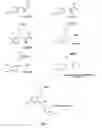
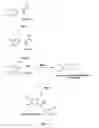
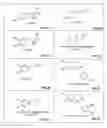

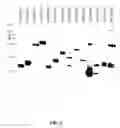
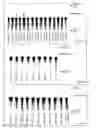
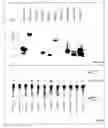
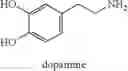


Sources:
- United States Patent and Trademark Office - verify current appl. status at the USPTO↗
Similar patent applications:
Recent applications in this class:
- » 20250236897 2025-07-24
PROCESSES FOR PREPARATION OF AVACOPAN AND INTERMEDIATES THEREOF - » 20250197903 2025-06-19
ELECTRONICALLY CONTROLLED SWAY BAR DAMPING LINK - » 20250179542 2025-06-05
BIOCATALYSTS AND METHODS FOR HYDROXYLATION OF CHEMICAL COMPOUNDS - » 20250101476 2025-03-27
SYNTHETIC BIOLOGY APPROACH TO SYNTHESIZE NICOTINIC ACID FROM 3-PICOLINE - » 20250101475 2025-03-27
MONOOXYGENASE MUTANTS FOR BIOSYNTHESIS OF 2,6-BIS(HYDROXYMETHYL)PYRIDINE AND A METHOD FOR PREPARATION OF 2,6-BIS(HYDROXYMETHYL)PYRIDINE USING THE SAID MONOOXYGENASE MUTANTS - » 20250092432 2025-03-20
NITRILASE MUTANT AND USE THEREOF IN CATALYTIC SYNTHESIS OF 2-CHLORONICOTINIC ACID - » 20240287562 2024-08-29
PROCESS FOR THE PREPARATION OF 2,4- OR 2,5-PYRIDINEDICARBOXYLIC ACID AND COPOLYMERS DERIVED THEREFROM - » 20240218408 2024-07-04
Methods of Producing Epimerases and Benzylisoquinoline Alkaloids - » 20240209403 2024-06-27
METHODS OF PRODUCING MORPHINAN ALKALOIDS AND DERIVATIVES - » 20240124908 2024-04-18
Method for preparing (S)-nicotine by reduction
Recent applications for this Assignee:
- » 20240401019 2024-12-05
RECOMBINANT OLIVETOLIC ACID CYCLASE POLYPEPTIDES ENGINEERED FOR ENHANCED BIOSYNTHESIS OF CANNABINOIDS - » 20240101994 2024-03-28
Recombinant olivetolic acid cyclase polypeptides engineered for enhanced biosynthesis of cannabinoids - » 20230279449 2023-09-07
COMPOSITIONS AND METHODS FOR ENHANCING RECOMBINANT BIOSYNTHESIS OF CANNABINOIDS - » 20220186231 2022-06-16
RECOMBINANT ACYL ACTIVATING ENZYME (AAE) GENES FOR ENHANCED BIOSYNTHESIS OF CANNABINOIDS AND CANNABINOID PRECURSORS - » 20200002339 2020-01-02
Compositions and methods for making terpenoid indole alkaloids