Oleo gel composition and delivery system with active compounds from cannabis sativa and mentha arvensis for reduction of inflammation and pain in deep tissues
US20190167749A1
2019-06-06
16/093,149
2017-04-07
✅ Patent granted
US 10,918,686 B2
2021-02-16
WO; PCT/IB2017/052004; 20170407
WO; WO2017/178937; 20171019
Russell G Fiebig
AAA Law | Shannon K. Stauffer
2037-09-23
Abstract:
Disclosed is an oleo gel composition including essential combination of synergistically acting phyto-active materials, non-psychotropic phytocannabinoids from the plant of Cannabis sativa: Cannabidiol, Cannabidiolic acid, Cannabivarin and Cannabigerol in combination with extract of Olive europaea Fruit Oil, Mentha arvensis leaf oil, and Silica colloidal anhydrous ensuring the delivery of cannabinoids to the deep tissues in order to reduce pain and inflammation of skeletal muscles and joints caused by trauma or/and induced by arthritis/osteoarthritis.
Assignee:
- UAB Satimed 2 🇱🇹 Vilnius, Lithuania
Applicant:
Interested in similar patents?
Get notified when new applications in this technology area are published.
Classification:
A61P19/02 » CPC further
Drugs for skeletal disorders for joint disorders, e.g. arthritis, arthrosis
A61P25/04 » CPC further
Drugs for disorders of the nervous system Centrally acting analgesics, e.g. opioids
A61K31/192 » CPC further
Medicinal preparations containing organic active ingredients; Acids; Anhydrides, halides or salts thereof, e.g. sulfur acids, imidic, hydrazonic, hydroximic acids; Carboxylic acids, e.g. valproic acid having aromatic groups, e.g. sulindac, 2-arylpropionic acids, ethacrynic acid
A61K2236/37 » CPC further
Isolation or extraction methods of medicinal preparations of undetermined constitution containing material from algae, lichens, fungi or plants, or derivatives thereof, e.g. traditional herbal medicine; Extraction of the material Extraction at elevated pressure or temperature, e.g. pressurized solvent extraction [PSE], supercritical carbon dioxide extraction or subcritical water extraction
A61K36/63 » CPC main
Medicinal preparations of undetermined constitution containing material from algae, lichens, fungi or plants, or derivatives thereof, e.g. traditional herbal medicines; Magnoliophyta (angiosperms); Magnoliopsida (dicotyledons) Oleaceae (Olive family), e.g. jasmine, lilac or ash tree
A61K36/534 » CPC further
Medicinal preparations of undetermined constitution containing material from algae, lichens, fungi or plants, or derivatives thereof, e.g. traditional herbal medicines; Magnoliophyta (angiosperms); Magnoliopsida (dicotyledons); Lamiaceae or Labiatae (Mint family), e.g. thyme, rosemary or lavender Mentha (mint)
A61K9/00 » CPC further
Medicinal preparations characterised by special physical form
A61K9/0014 » CPC further
Medicinal preparations characterised by special physical form; Galenical forms characterised by the site of application Skin, i.e. galenical aspects of topical compositions
A61K47/02 » CPC further
Medicinal preparations characterised by the non-active ingredients used, e.g. carriers or inert additives; Targeting or modifying agents chemically bound to the active ingredient Inorganic compounds
A61K31/352 » CPC further
Medicinal preparations containing organic active ingredients; Heterocyclic compounds having oxygen as the only ring hetero atom, e.g. fungichromin having six-membered rings with one oxygen as the only ring hetero atom condensed with carbocyclic rings, e.g. cannabinols, methantheline
A61K9/06 » CPC further
Medicinal preparations characterised by special physical form Ointments; Bases therefor; Other semi-solid forms, e.g. creams, sticks, gels
A61K47/44 » CPC further
Medicinal preparations characterised by the non-active ingredients used, e.g. carriers or inert additives; Targeting or modifying agents chemically bound to the active ingredient Oils, fats or waxes according to two or more groups of -; Natural or modified natural oils, fats or waxes, e.g. castor oil, polyethoxylated castor oil, montan wax, lignite, shellac, rosin, beeswax or lanolin
A61K36/185 » CPC further
Medicinal preparations of undetermined constitution containing material from algae, lichens, fungi or plants, or derivatives thereof, e.g. traditional herbal medicines; Magnoliophyta (angiosperms) Magnoliopsida (dicotyledons)
A61K47/00 » CPC further
Medicinal preparations characterised by the non-active ingredients used, e.g. carriers or inert additives; Targeting or modifying agents chemically bound to the active ingredient
Description
FIELD OF THE INVENTION
Present invention relates to oleo gel compositions comprising phytocannabinoids from the plant Cannabis sativa for reduction of pain and post traumatic inflammation and/or arthritis/osteoarthritis (OA) in the deep tissues of joints and muscles.
BACKGROUND OF THE INVENTION
The inflammation mechanism of deep muscle and/or skeletal tissues resulted by trauma and osteoarthritis (OA) is related to the metabolism of arachidonic acid by cyclooxygenases (COX1 and COX 2) and or by lipoxygenase which produces regulatory molecules eicosanoids: prostaglandins or thromboxanes and leukotrienes respectively (see section below). The treatment of post-traumatic inflammation and OA is based on therapy using nonsteroidal anti-inflammatory drugs (NSAIDs) and/or synthetic corticosteroids, which can be used orally or/and topically. The intensive consumption of NSAIDs and corticosteroids can cause side effects, such as lesions of gastrointestinal track, renal and cardiac systems (Nderitu et al. 2013) (Rainsford, Roberts, and Brown 1997) (Roth 2012).
Herein provided invention describes a topical composition in the form of oleo gel comprising essential combination of synergistically acting phyto-active materials, non-psychotropic phytocannabinoids from the plant Cannabis sativa: Cannabidiol (CBD), Cannabidiolic acid (CBDA), Cannabivarin (CBV), and Cannabigerol (CBG) in combination with a matrix for delivery of cannabinoids to the deep tissues in order to reduce pain and inflammation of skeletal muscles and joints caused by trauma or/and induced by arthritis/osteoarthritis (OA). Differently from NSAIDs and synthetic corticosteroids there are no published data, to this date, which would describe pharmacological side effects or lesions caused by natural phytocannabinoids. Therefore the present invention can substitute or complement a therapy based on synthetic NSAIDs and corticosteroids for reduction of inflammation lesions in the deep tissues of skeletal system.
Pharmacological features of cannabinoids. Centuries ago the extracts of Cannabis sativa plant were used as pain relievers and anti-inflammatory agents. Currently, the topic of pharmacological features of cannabinoids became a great research focus and it is rapidly growing. The increasing research focus on the naturally occurring therapeutic value possessing phyto-compounds such as cannabinoids, could be explained by the fact that many of the synthetic medical drugs lack therapeutic efficiency or/and may induce drastic side effects. The C. sativa contains 3 major classes of bioactive molecules: flavonoids, terpenoids and phytocannabinoids. The family of phytocannabinoids compromises approximately 60 types of terpenophenolic compounds, which are the most important chemicals in the C. sativa plant, possessing highest therapeutic value. Phytocannabinoids are the only natural analogues of the mammal endocannabinoids. Phytocannabinoids are accumulated in the glandular structures of cannabis plants, known as trichomes. Depending on the species, cannabis can accumulate Δ9-tetrahydrocannabinol (Δ9-THC) which is a major psychoactive ingredient and/or cannabidiols (CBD) which are non-psychoactive ingredients of cannabis plant (Fisar 2009). The most common, therapeutic value possessing, but non-psychoactive cannabinoids from C. sativa are Cannabidiol (CBD), Cannabionic acid (CBDA), Cannabichromene (CBC), Cannabicyclol (CBL), Cannabivarin (CBV), Cannabigerol (CBG), Tetrahydrocannabivarin (THCV), Cannabichromevarin (CBCV), Cannabigerovarin (CBGV), and Cannabigerol Monoethyl Ether (Fisar 2009). Family of non-psychoactive phytocannabinoids has a very low affinity towards CB1 and CB2—endocannabinoid system related receptors (Pertwee 2008). However, they modulate pharmacological effects by utilizing other endocannabinoid system related receptors, i.e. transient receptor potential (TRP) channels (Hassan et al. 2014), the peroxisome proliferators—activated receptor g (PPARg), GPR55, the putative abnormal-CBD receptor, 5-hydroxytryptamine receptor subtype 1A (5-HT1A), glycine al and alb receptors, the adenosine membrane transporter phospholipase A2, lipoxygenase (LOX) and cyclooxygenase-2 (COX-2) enzymes (Izzo et al. 2009) and Ca2+ homeostasis regulation system (Ryan et al. 2009). For example, the phytocannabinoid based anti-inflammatory action occurs via inhibition of inflammatory COX-2 protein (Takeda et al. 2008), or inhibition of inactivation of endogenous cannabinoid anandamide, which is an intracellular messenger for regulation of ion channel activity (van der Stelt and Di Marzo 2005). In addition, CBD driven modulation of intracellular Ca2+ concentration is related to many therapeutic effects. For example, one of them is anticancer effect via generation of reactive oxygen species (ROS) for induction of apoptosis in cancer cells (Ramer et al. 2013). Cannabidiol and—Δ-9-tetrahydrocannabinol are neuroprotective antioxidants (Hampson et al. 1998). Within the human body the CB1 and CB2 receptors are interacting with the endogenous ligands—endocannabinoids, which should not be confused with their analogues—phytocannabinoids. The physiological action of endocannabinoids and psychoactive phytocannabinoids is driven via their interactions with the specific class of Gαi protein-coupled receptors known as a Central Cannabinoid Receptor (CB1) and Peripheral Cannabinoid Receptor (CB2), respectively. The highest abundance of CB1 is located in the central nervous system (basal ganglia, hippocampus, cerebellum and cortex), where they mediate cannabinoid related psychoactive effects. In addition, the CB1 receptors are present in the nerve-terminals of testis, uterus, vascular endothelium, eye, spleen, ileum, and in adipocytes. In addition, the CB2 receptors are distributed within the immune system of the body, in the enriched areas of B lymphocytes (Schwitzer et al. 2015). The molecules of endocannabinoids are interacting with CB1 and CB2 receptors via moieties of esters, ethers, long-chain polyunsaturated fatty acids and amides. The function of endocannabinoids is mainly related with regulation of various neurotransmitter release in the peripheral and neural tissues, regulation of fat and energy metabolism and they are also very important in inflammation processes. Therefore, the components of endocannabinoid system -CB1 and CB2 receptors and endogenous cannabinoids—are the targets for the treatment of neurodegenerative (Parkinson's, Alzheimer's and Huntington's) diseases, inflammatory pain, multiple sclerosis, glaucoma, neuropathic pain, obesity and oncological diseases (Maccarrone and Finazzi-Agro 2003).
Inflammation is a biological process during which arachidonic acid is released from the phospholipid-based cell membranes and metabolized by cyclooxygenases (COX1 and COX 2) to produce regulatory molecules eicosanoids: prostaglandins or thromboxanes. The second possibility for metabolism of the arachidonic acid is the pathway controlled by lipoxygenase (LOX) where the enzymatic reaction leads to production of regulatory molecules belonging to the family of the leukotrienes. Prostaglandins play a key role in the generation of the inflammatory response. Biosynthesis of prostaglandins is significantly increased in inflamed tissue and is contributing to the development of the cardinal signs of acute inflammation. Certain eicosanoids which are derived from arachidonic acid are potent mediators of skin inflammation and modulators of certain T-lymphocyte activities (Samuelsson 1990). The levels of the cyclooxygenase product, prostaglandin E2 (PGE2) and the lipoxygenase products, leukotriene B4 (LTB4), 12- and 15-hydroxyeicosatetraenoic acid, elevated in biopsy specimens obtained by keratome from lesional, perilesional, and patients with AD and psoriasis compared to clinically unaffected patients (Fogh, Herlin and Kragballe 1989).
Osteoarthritis (OA) is the leading cause of disability among the elderly population. The etiology, pathogenesis, and progression of OA are still not fully understood. OA has a multifactorial origin and is slowly progressive. The disease process can be described as degradation and loss of articular cartilage accompanied by hypertrophic bone changes, with osteophyte formation and subchondral plate thickening. The process includes changes in articular cartilage and surrounding bone, an imbalance in loss of cartilage (due to matrix degradation, and an attempt to repair this matrix) (Neogi and Zhang 2013). Osteoblasts—specialized mesenchymal cells produce prostaglandins via both COX-1 and COX-2 activities. Prostaglandins stimulate bone resorption by increasing the number and activity of osteoclasts, and PGE2 is the most potent agonist. The roles of a number of stimulators of formation of tartrate-resistant acid phosphatase-positive giant cells with osteoclast features are blocked by inhibiting endogenous prostaglandin synthesis. Prostaglandins also enhance bone formation by stimulating the replication and differentiation of osteoblasts with an increase in the production of growth factors. In fully differentiated osteoblasts, high concentrations of prostaglandins can inhibit collagen synthesis. Prostaglandins may also mediate the response to mechanical forces in bone, because bone formation stimulated by impact loading can be blocked by NSAIDs (Shrivastava and Pandey 2012).
The therapeutic potential of cannabinoids for treatment of arthritis. The therapeutic potential of cannabidiol (CBD), the major non-psychoactive component of cannabis, was already explored in murine collagen-induced arthritis (CIA). CIA was elicited by immunizing DBA/1 mice with type II collagen (CII) in complete Freund's adjuvant. The CII used was either bovine or murine, resulting in classical acute CIA or in chronic relapsing CIA, respectively. CBD was administered orally in both models of arthritis. The treatment effectively blocked progression of arthritis. CBD was equally effective when administered i.p. or orally. The dose dependency showed a bell-shaped curve, with an optimal effect at 5 mg/kg per day i.p. or 25 mg/kg per day orally. Clinical improvement was associated with protection of the joints against severe damage. Ex vivo, draining lymph node cells from CBD-treated mice showed a diminished CII-specific proliferation and IFN-gamma production, as well as a decreased release of tumour necrosis factor by knee synovial cells. In vitro effects of CBD included a dose-dependent suppression of lymphocyte proliferation, both mitogen-stimulated and antigen-specific, and the blockade of the Zymosan-triggered reactive oxygen burst by peritoneal granulocytes. It was also found that CBD administration was capable of blocking the lipopolysaccharide-induced rise in serum tumour necrosis factor in C57/BL mice. Taken together, this data shows that CBD, through its combined immunosuppressive and anti-inflammatory actions, has a potent anti-arthritic effect in CIA. In summary anti-inflammatory effect of cannabis compounds −CBD and CBDA is related to the selectivity to cyclooxygenase-2 (COX-2) and the CBD derivative, CBD-2′,6′-dimethyl ether (CBDD), that exhibits inhibitory activity toward 15-lipoxygenase (15-LOX), an enzyme responsible for the production of oxidized low-density lipoprotein (LDL) (Malfait et al. 2000)(Sumariwalla et al. 2004)(Takeda 2013).
Injury of skeletal muscle, and especially mechanically induced damages such as contusion injury, frequently occurs in contact sports or domestic accidents. There are large variations with regard to injury severity and affected muscle group, as well as non-specificity of reported symptoms. The most important of these processes is post traumatic inflammation. The magnitude of the inflammatory response depends on two main factors, namely the severity of injury and the degree of vascularization of the tissue at the time of injury (Baoge et al. 2012). The early recovery phase is characterized by the overlapping processes of inflammation and occurrence of secondary damage. Although neutrophil infiltration has been named as a contributor to the latter, no clear evidence exists to support this claim. Macrophages, although forming part of the inflammatory response, have been shown to have a role in recovery, rather than in exacerbating secondary damage. Several probable roles for this cell type in the second phase of recovery, involving resolution processes, have been identified and include the following: (i) phagocytosis to remove cellular debris; (ii) switching from a pro- to anti-inflammatory phenotype in regenerating muscle; (iii) preventing muscle cells from undergoing apoptosis; (iv) releasing factors to promote muscle precursor cell activation and growth, and (v) secretion of cytokines and growth factors to facilitate vascular and muscle fibre repair. As a result of muscle injury and capillary rupture, blood-borne inflammatory cells and cytokines gain direct access to the site of injury.
In addition, although it is generally accepted that cytokines (e.g. tumour necrosis factor-a [TNFa], interleukin [IL]-1b and IL-6) are integral to the inflammatory response (Smith et al. 2000), in the early response to skeletal muscle injury, neutrophils are the most abundant immune cells at the injury site, but within the first 24 hours, neutrophil numbers start to decline and the number of macrophages increases (Li, Cummins, and Huard 2001). Nonsteroidal anti-inflammatory drugs (NSAIDs) are commonly prescribed for contusion injury, and many athletes use over-the-counter NSAIDs over long periods of time to reduce post-exercise pain and swelling (Schneider 2011). Although short-term NSAID treatment during the early repair phase (1-3 days) may result in a modest inhibition of inflammatory symptoms (swelling and pain), it may in fact have negative effects on the healing of the injured muscle if taken for a longer period (in excess of 3 days) (Almekinders 1999).
More direct evidence of immune involvement was reported in an animal model of contusion injury, where cyclo-oxygenase-2 (COX-2) inhibition by NSAID infusion was shown to result in faster restoration of microcirculation disrupted as a result of a mass-drop injury, thereby reducing skeletal muscle secondary tissue damage—measured in this study as leucocyte rolling and adhesion to the vascular endothelium. Although this seems to prove a positive effect of NSAIDs immediately after injury, other studies suggest that total inhibition of the inflammatory phase does not benefit the capacity for regeneration. For example, a study using myogenic precursor cells isolated from COX-2 knockout mice showed a decreased capacity for fusion of these cells in culture. This result is supported by an in vivo study, where a model of freeze injury was used. The results showed a decreased myofibre regeneration after long-term treatment with another COX-2 inhibitor. In summary the NSAID treatment does not have a negative effect on muscle recovery from injury if its use is limited to 3 days post-injury, but that long-term treatment has definite detrimental effects on speed of recovery. By taking into account the inflammatory actions of phytocannabinoids which are described above, the CBD and CBDA could be used as NSAIDs at the early phases of post injury skeletal muscles (Shen et al. 2005)(Shen et al. 2006)(Bondesen et al. 2004).
There are several examples of topical compositions comprising cannabidiol in combination with herbal extracts and can be dissolved in lipotropic solvent selected from a group consisting of triglycerides, hydrocarbons, alcohols, ketones, esters or ethers or they can be dissolved in the oil from Cannabis sativa seeds or they can be dissolved in hydrophilic solvent selected from the group consisting of aliphatic polar alcohols or their mixtures with water.
Document U.S. Pat. No. 6,949,582B1 describes the method of relieving analgesia and reducing inflammation based on composition containing from about 97.5% to about 99.5% by weight a 70% monohydric alcohol solution, and from about 0.5% to about 2.5% by weight of a synergistic cannabinoid mixture extracted from the female plant Cannabis sativa L, including in combination: 9-Tetrahydrocannabinol (delta-9-THC), 9-THC Propyl Analogue (THC-V), Cannabidiol (CBD), Cannabidiol Propyl Analogue (CBD-V), Cannabinol (CBN), Cannabichromene (CBC), Cannabichromene Propyl Analogue (CBC-V), Cannabigerol (CBG), terpenoids, and flavonoids. The liniment is applied topically, preferably by spraying, and the constituents of the mixture are absorbed through the skin and interact with cannabinoid receptors in the body and tissues of a human patient to produce therapeutic analgesic and anti-inflammatory effects without undesirable psychotropic side effects.
The presented composition is very different from the composition of herein presented invention, due to differences in the formulation—matrix, thickening agents, solubilising agents, active materials. Furthermore, the U.S. Pat. No. 6,949,582B1 composition comprises a dominating THC which is euphoric and can cause side effects—dizziness, psychosis, etc.
Document US20120264818A1—Topical Compositions with Cannabis Extracts invention discloses a method of making a topical composition for the treatment of pain. The topical composition includes a heat-treated cannabis material in a carrier. The carrier is typically an aprotic solvent that serves as both an extraction solvent and a skin penetrator. The topical composition may be applied, for example, directly to the skin or through a patch, strip, bandage, or covering. Suitable preservatives, antioxidants, and chemical stabilizers include, for example, alcohol, benzyl alcohol, butylated hydroxyanisole, butylparaben, calcium acetate, castor oil, chlorocresol, 4-chloro-m-cresol, citric acid, disodium edetate, edetate disodium, ethoxylated alcohol, ethyl alcohol, glycerin, methylparaben, parabens, potassium sorbate, propyl gallate, propylene glycol, propylparaben, sodium bisulfite, sodium citrate, sodium metabisulfite, sorbic acid, tannic acid, triglycerides of saturated fatty acids, zinc stearate, and combinations thereof. Suitable thickening, stiffening and suspending agents include, for example, aluminum stearate, beeswax, synthetic beeswax, carbomer 934, carbomer 934P, carbomer 940, cetostearyl alcohol, cetyl alcohol, cetyl esters wax, dextrin, glyceryl monostearate, hydroxypropyl cellulose, kaolin, paraffin, petrolatum, polyethylene, propylene glycol stearate, starch, stearyl alcohol, wax, white wax, xanthan gum, bentonite, and combinations thereof. In one embodiment, the topical composition is used to treat pain, inflammation, muscle tightness, muscle spasms, skin ulcerations, and scleroderma. In one embodiment, the topical composition is used to treat joint pain, muscle pain, or arthritis. The topical compositions, as described herein, may also include one or more optional ingredients, for example, palliative agents, skin conditioning agents, emollients, humectants, odorants, preservatives, solvents, thickening, stiffening and suspending agents, other agents, or a combination thereof. Other optional agents may be added to the composition including, for example, aloe, arachis oil, benzoic acid, cocoa butter, coenzyme Q10, Q10, dimethicone, eucalyptus oil, resorcinol, retinol, retinyl palmitate, retinyl acetate, fennel extract, whey protein, ceramide, silicone, alpha-hydroxy acids, beta-hydroxy acids, sorbitol, vitamin A, vitamin B, vitamin C, vitamin D, vitamin E.
The reference discloses a topical composition for treating pain (joint pain, arthritis, etc.) comprising cannabis extracts. However, olive oil and mint oil is not mentioned, silica is not listed as suitable thickening agent. The described composition comprises heat treated cannabis extract in which all anti-inflammatory compounds will be decarboxylated thus the pharmacological features of these cannabinoids will be lost or altered. The ratio between cannabinoids is not described as an essential to have a synergetic anti-inflammatory effect. The composition comprises synthetic alcohols, esters, waxes and other compounds which could have side effects such as skin irritation.
Document EP1186298B1 describes Structures and methods for administering cannabis to patients, where cannabis formulation is prepared with a total of 10 percent of a selected cannabinoid mixture in the drug formulation (comprising delta 8 THC 3%, delta 9 THC 30%, and cannabidiol 35% and cannabinol 32%). The cannabinoids are dispersed in the USP grade light mineral oil (Penta Mfg.), and a mixture of N,N-dimethyl amide (Hallcomid M 8-10) and linear alcohol ethoxylate (Rexonic® N4) in equal proportion (total of 20% of formulation) is dispersed also in the formulation. The formulation is then gelled for ease of processing by using silica particles (3% of formulation) (Spectrum Lab. Products). The permeation enhancing compounds are incorporated to increase skin permeability to the cannabinoids and to control the flux of cannabinoids through the skin.
“Cannabis”, as used herein, means a cannabis solution which has been preferably extracted from its natural source such as marijuana and hashish, or any one or more compound or chemical component thereof, including tetrahydrocannabinol (THC), cannabinol (CBN), cannabidiol (CBD) and cannabichromene (CBC). As used herein, the term “oil” comprises any one or mixture of pharmaceutical grade light mineral oils, vegetable oils, fish and animal oils. Examples of vegetable oils are sesame, corn cottonseed, almond, orange, lemon, eucalyptus, olive, peanut, safflower, cinnamon, clove, and soybean. Other usable oils are cod liver and castor oils. The presented composition is very different from the composition of herein presented invention, due to differences in the formulation—matrix, thickening agents, solubilising agents, active materials—the composition comprises THC, which is euphoric and can cause side effects—dizziness, psychosis, etc. The anti-inflammatory COX 2 inhibitors—cannabidiolic acids—CBDA—is not listed as a key compound of the composition.
SUMMARY OF THE INVENTION
Herein presented invention relates to oleo gel composition comprising Cannabis sativa for the treatment and/or reduction of deep tissue join and muscle inflammation resulted from mechanical trauma of skeletal muscles or arthritis/ osteoarthritis (OA). The oleo gel composition is based on Cannabis sativa extract comprising Cannabidiol (CBD), Cannabidiolic acid (CBDA), Cannabivarin (CBV) Cannabigerol (CB-G) (amount of phytocannabinoids—2% from total mass). The phytocannabinoids are introduced with the ratio of CBDA and CBD 1:1, 1%:1%, respectively, wherein the CBD and CBDA enriched extract is produced using an approach of supercritical extraction with CO2. Following this, the Cannabis extract is mixed with extract from Olive europaea (Olive) Fruit (82%), Mentha arvensis leaf oil (0.5%), and Silica colloidal anhydrous (8.2%). Phytocannabinoids exert anti-inflammatory, anti-oxidative and bactericidal features. The synergetic effect of phytocannabinoids results in deep hydration, reduces inflammatory effect, Mentha oil acts as a CBD/CBDA transporter.
BRIEF DESCRIPTION OF DRAWINGS
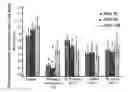
FIG. 1 Shows data presented as group averages ±SN. Differences between control/edema and phytocannabinoid preparation groups are considered significant at p<0.05*.
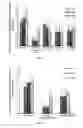
FIG. 2 Shows data presented as group averages ±SN. Differences between control/edema and phytocannabinoid preparation groups are considered significant at p<0.05*.
DETAILED DESCRIPTION OF THE INVENTION
Materials and Methods
Preparation of Cannabis Sativa Extract
Cannabis extract is produced using pulverized, dried (passive drying process for 52 hours at 35-40° C., to reach residual moisture level of approximate 10 %) biomass of Cannabis sativa “Benico” variety which is derived from the mixture comprising upper plant parts—blossoms, and leaves. However, other non-psychotropic Cannabis sativa varieties can be used, where THC concentration rages from 0.0001 to 1%. The CBD and CBDA enriched lipophilic fraction (extract) is produced using an approach of supercritical extraction with CO2 with the following parameters: pressure −465 bar, extraction temperature −70° C., process length −120 minutes. The CBD resin is produced by decarboxylation of CBDA resin at 160° C. for 5-6 hours.
The amount of major cannabinoids: CBD, CBDA, CBG, CBV in the cannabis extract is determined according to the ST/NAR/40 “Recommended Methods for the Identification and Analysis of Cannabis Products” (United Nations, New York, 2009). 10 mg of the resin is homogenised in the 1 mL mixture of methanol and chloroform (v/v, 9:1), for 15 min in the ultrasound bath. After centrifugation for 10 min at max g to separate insolubilities, the prepared samples were analysed using Shimadzu HPLC chromatography system with 30AC automatic injector, CTO-20AC column thermostat, DGU 20A5 vacuum degas unit, LC-30AD pump and SPD-M20A diode matrix detector. The analysed cannabinoids were fractionated in Supelco Discovery HS C18 (25×4.6 mm, 5 μm) (RP) with C18 pre-column under the isocratic elution conditions. The temperature of the column −30° C., mobile phase: acetonitrile 0.1%, flow 0.8 ml/min., separation time 30 min.; injection volume −20 μl; detection at the two channels 225 nm and 306 nm. The data was analysed by Lab Solutions software. The following internal standards were used from Cerilliant: Cannabinol, 1.0 mg/mL (C-046), Cannabidiolic acid (CBDA), 1.0 mg/mL (C-144), Cannabidivarin (CBDV), 1.0 mg/mL (C-140), Cannabigerol (CBG), 1.0 mg/mL (C-141).
Characteristics of Cannabis sativa extract—Protein fraction (Kjeldahl Method)—0.63%, Lipids (Soxlet Method)—96.60%, water Gravimetric Method (103 dgr centigrade)—1.73%, sum of CBD/CBDA/CBDV/CBG ˜18%, where the extract comprises 80% of CBDA from the total cannabinoids, THC<0.1%.
Preparation of Tropical Composition
| Content | Vendor and | ||
| Compound | (%) | specifications | |
| Silica colloidal anhydrous | 8.2 | — | |
| Olive europaea fruit oil | 82 | — | |
| Mentha arvensis leaf oil | 0.5 | — | |
| Decarboxylated Cannabis sativa | 6% | 15-18% CBD | |
| extract CBD (~20 mg/g WW) | CBD | resin [Satimed] | |
| Non-carboxylated Cannabis sativa | 6% | 15-18% CBDA | |
| extract CBDA (~20 mg/g WW) | CBDA | resin [Satimed] | |
| Phenoxyethanol | 0.5 | — | |
Initially, decarboxylated and non-carboxylated extracts of Cannabis sativa are mixed one by one into the pre-warmed (40° C.) Olive europaea (Olive) Fruit Oil followed by the addition of required amounts of Mentha arvensis leaf oil and Phenoxyethanol. At this point the mixing is increased up to 100 rpm and the amount of Silica colloidal anhydrous is added stepwise to reach the required amounts. The homogenisation is continued for 30-45 minutes at the temperature of 40° C. to acquire required consistency and product is filled into the required vessels.
EXAMPLES
Example 1
Experimental Procedures
The effects of two phytocannabinoid preparations (JSC SATIMED): “Preparation 1” (in which the concentration of phytocannabinoids is 40 mg/ml, extract diluted 4.5 fold with raw Cannabis sativa seed oil) and “Preparation 2” (10 mg/ml of phytocannabinoids, extract diluted 10 fold with raw Cannabis sativa seed oil), were analysed on the model of acute inflammation (paw edema) in mice. Three single doses of preparation “Preparation 1” (0.33 mg/kg, 1 mg/kg and 10 mg/kg phytocannabinoids) and one dose of “Preparation 2” (0.23 mg phytocannabinoids) were tested. The experiment was performed on 48 mice (BALB/c strain ♀, 6-7 weeks old, average weight 23 g), which were divided into 6 groups (6 mice per group), and in all of them paw edema was induced:
1 group. Edema/control—no treatment
2 group. 50 mg/kg prednisolone/control i.p.
3 group. 0.33 mg/kg phytocannabinoids “Preparation 1”p.o.
4 group. 1 mg/kg phytocannabinoids “Preparation 1”p.o.
5 group. 10 mg/kg phytocannabinoids “Preparation 1”p.o.
6 group. 0.23 mg phytocannabinoids “Preparation 2” (topical application) (i.p.—intraperitoneally, p.o.—orally)
Prior to the study, the thickness of the right hind foot of each mouse was measured by a digital micrometre (Mitutoyo, Japan). Acute inflammation (paw edema) was induced to all mice by an injection of 20 μl of 1% λ—carrageenan into their right paw. The effects of phytocannabinoids on acute inflammation (paw edema) were measured by analysing the differences between the thickness of the affected and unaffected paw. The test and control materials were administered to animals one hour after carrageenan injection. Digital micrometre measurements were carried out after 4, 6 and 24 hours of carrageenan injection.
Results: Cannabis sativa extract of topical composition reduces inflammation of Paw edema in mice model after oral administration and topical treatment.
Paw edema was reduced by all analysed doses of “Preparation 1”. The most effective inhibition was observed at 1 mg/kg phytocannabinoid dose, which reduced the rates of paw edema (in comparison to the control group) by 43.2%-57.5% depicted in FIG. 1.
Local application of preparation “Preparation 2” statistically significantly reduced paw edema (up to 44.4%) as shown in FIG. 2.
REFERENCES
- 1. Almekinders, L. C. 1999. “Anti-Inflammatory Treatment of Muscular Injuries in Sport. An Update of Recent Studies.” Sports Medicine (Auckland, N.Z.) 28 (6): 383-88.
- 2. Baoge, L., E. Van Den Steen, S. Rimbaut, N. Philips, E. Witvrouw, K. F. Almqvist, G. Vanderstraeten, and L. C. Vanden Bossche. 2012. “Treatment of Skeletal Muscle Injury: A Review.” ISRN Orthopedics 2012: 689012. doi:10.5402/2012/689012.
- 3. Bondesen, Brenda A., Stephen T. Mills, Kristy M. Kegley, and Grace K. Pavlath. 2004. “The COX-2 Pathway Is Essential during Early Stages of Skeletal Muscle Regeneration.”American Journal of Physiology. Cell Physiology 287 (2): C475-83. doi:10.1152/ajpcell.00088.2004.
- 4. Fisar, Zdenek. 2009. “Phytocannabinoids and Endocannabinoids.” Current Drug Abuse Reviews 2 (1): 51-75.
- 5. Fogh, Karsten, Troels Herlin, and Knud Kragballe. 1989. “Eicosanoids in Skin of Patients with Atopic Dermatitis: Prostaglandin E 2 and Leukotriene B 4 Are Present in Biologically Active Concentrations.” Journal of Allergy and Clinical Immunology 83 (2): 450-55.
- 6. Hampson, A. J., M. Grimaldi, J. Axelrod, and D. Wink. 1998. “Cannabidiol and (−)Delta9-Tetrahydrocannabinol Are Neuroprotective Antioxidants.” Proc Natl Acad Sci USA 95 (14): 8268-73.
- 7. Hassan, Samia, Khalil Eldeeb, Paul J. Millns, Andrew J. Bennett, Stephen P. H. Alexander, and David A. Kendall. 2014. “Cannabidiol Enhances Microglial Phagocytosis via Transient Receptor Potential (TRP) Channel Activation.” Br J Pharmacol 171 (9): 2426-39. doi:10.1111/bph.12615.
- 8. Izzo, Angelo A., Francesca Borrelli, Raffaele Capasso, Vincenzo Di Marzo, and Raphael Mechoulam. 2009. “Non-Psychotropic Plant Cannabinoids: New Therapeutic Opportunities from an Ancient Herb.” Trends Pharmacol Sci 30 (10): 515-27. doi:10.1016/j.tips.2009.07.006.
- 9. Li, Yong, James Cummins, and Johnny Huard. 2001. “Muscle Injury and Repair.” Current Opinion in Orthopaedics 12 (5): 409-15.
- 10. Maccarrone, M., and A. Finazzi-Agro. 2003. “The Endocannabinoid System, Anandamide and the Regulation of Mammalian Cell Apoptosis.” Cell Death & Differentiation 10 (9): 946-55.
- 11. Malfait, A. M., R. Gallily, P. F. Sumariwalla, A. S. Malik, E. Andreakos, R. Mechoulam, and M. Feldmann. 2000. “From the Cover: The Nonpsychoactive Cannabis Constituent Cannabidiol Is an Oral Anti-Arthritic Therapeutic in Murine Collagen-Induced Arthritis.” Proceedings of the National Academy of Sciences of the United States of America 97 (17): 9561.doi:10.1073/pnas.160105897.
- 12. Nderitu, Paul, Lucy Doos, Peter W. Jones, Simon J. Davies, and Umesh T. Kadam. 2013. “Non-Steroidal Anti-Inflammatory Drugs and Chronic Kidney Disease Progression: A Systematic Review.” Family Practice 30 (3): 247-55.doi:10.1093/fampra/cms086.
- 13. Neogi, Tuhina, and Yuqing Zhang. 2013. “Epidemiology of OA.” Rheumatic Diseases Clinics of North America 39 (1): 1.doi:10.1016/j.rdc.2012.10.004.
- 14. Pertwee, R. G. 2008. “The Diverse CB1 and CB2 Receptor Pharmacology of Three Plant Cannabinoids: delta9-Tetrahydrocannabinol, Cannabidiol and delta9-Tetrahydrocannabivarin.” Br J Pharmacol 153 (2): 199-215.doi:10.1038/sj.bjp.0707442.
- 15. Rainsford, K. D., S. C. Roberts, and S. Brown. 1997. “Ibuprofen and Paracetamol: Relative Safety in Non-prescription Dosages.” Journal of Pharmacy and Pharmacology 49 (4): 345-76.doi:10.1111/j.2042-7158.1997.tb06809. x.
- 16. Ramer, Robert, Katharina Heinemann, Jutta Merkord, Helga Rohde, Achim Salamon, Michael Linnebacher, and Burkhard Hinz. 2013. “COX-2 and PPAR-γ Confer Cannabidiol-Induced Apoptosis of Human Lung Cancer Cells.” Mol Cancer Ther 12 (1): 69-82. doi:10.1158/1535-7163.MCT-12-0335.
- 17. Roth, Dr Sanford H. 2012. “Coming to Terms with Nonsteroidal Anti-Inflammatory Drug Gastropathy.” Drugs 72 (7): 873-79.doi:10.2165/11633740-000000000-00000.
- 18. Ryan, Duncan, Alison J. Drysdale, Carlos Lafourcade, Roger G. Pertwee, and Bettina Platt. 2009. “Cannabidiol Targets Mitochondria to Regulate Intracellular Ca2+ Levels.” J Neurosci 29 (7): 2053-63.doi:10.1523/JNEUROSCI.4212-08.2009.
- 19. Samuelsson, B. 1990. “Arachidonic Acid Metabolism: Role in Inflammation.” Zeitschrift Fur Rheumatologie 50: 3-6.
- 20. Schneider, Christian. 2011. “Traumeel—an Emerging Option to Nonsteroidal Anti-Inflammatory Drugs in the Management of Acute Musculoskeletal Injuries.” International Journal of General Medicine 4: 225-34.doi:10.2147/IJGM.S16709.
- 21. Schwitzer, Thomas, Raymund Schwan, Karine Angioi-Duprez, Isabelle Ingster-Moati, Laurence Lalanne, Anne Giersch, and Vincent Laprevote. 2015. “The Cannabinoid System and Visual Processing: A Review on Experimental Findings and Clinical Presumptions.” Eur Neuropsychopharmacol 25 (1): 100-112.doi:10.1016/j.euroneuro.2014.11.002.
- 22. Shen, Wei, Yong Li, Ying Tang, James Cummins, and Johnny Huard. 2005. “NS-398, a Cyclooxygenase-2-Specific Inhibitor, Delays Skeletal Muscle Healing by Decreasing Regeneration and Promoting Fibrosis.” The American Journal of Pathology 167 (4): 1105-17.doi:10.1016/S0002-9440(10)61199-6.
- 23. Shen, Wei, Victor Prisk, Yong Li, William Foster, and Johnny Huard. 2006. “Inhibited Skeletal Muscle Healing in Cyclooxygenase-2 Gene-Deficient Mice: The Role of PGE2 and PGF2alpha.” Journal of Applied Physiology (Bethesda, Md.: 1985) 101 (4): 1215-21. doi:10.1152/japplphysio1.01331.2005.
- 24. Shrivastava, Amit Kumar, and Aparna Pandey. 2012. “Inflammation and Rheumatoid Arthritis.” Journal of Physiology and Biochemistry 69 (2): 335-47.doi:10.1007/s13105-012-0216-5.
- 25. Smith, L. L., A. Anwar, M. Fragen, C. Rananto, R. Johnson, and D. Holbert. 2000“Cytokines and Cell Adhesion Molecules Associated with High-Intensity Eccentric Exercise.” European Journal of Applied Physiology 82 (1-2): 61-67.doi:10.1007/s004210050652.
- 26. Sumariwalla, Percy F., Ruth Gallily, Susanna Tchilibon, Ester Fride, Raphael Mechoulam, and Marc Feldmann. 2004. “A Novel Synthetic, Nonpsychoactive Cannabinoid Acid (HU-320) with Antiinflammatory Properties in Murine Collagen-induced Arthritis.” Arthritis & Rheumatism 50 (3): 985-98.doi:10.1002/art.20050.
- 27. Takeda, Shuso. 2013. “[Medicinal chemistry and pharmacology focused on cannabidiol, a major component of the fiber-type cannabis].” Yakugaku Zasshi: Journal of the Pharmaceutical Society of Japan 133 (10): 1093-1101.
- 28. Takeda, Shuso, Koichiro Misawa, Ikuo Yamamoto, and Kazuhito Watanabe. 2008. “Cannabidiolic Acid as a Selective Cyclooxygenase-2 Inhibitory Component in Cannabis.” Drug Metab Dispos 36 (9): 1917-21.doi:10.1124/dmd.108.020909.
- 29. van der Stelt, Mario, and Vincenzo Di Marzo. 2005. “Anandamide as an Intracellular Messenger Regulating Ion Channel Activity.” Prostaglandins Other Lipid Mediat 77 (1-4): 111-22.doi:10.1016/j.prostaglandins.2004.09.007
- 30. U.S. Pat. No. 6,949,582B1
- 31. Patent US20120264818A1
- 32. Patent EP1186298B1
Claims
1. A composition comprising Olive europaea (Olive) Fruit Oil (82%), Mentha arvensis leaf oil (0.5%), and Silica colloidal anhydrous (8.2%), wherein it comprises about 1% Cannabidiol (CBD) and 1% of Cannabidiolic acid (CBDA), with traces of Cannabivarin (CBV) and Cannabigerol (CBG), where Cannabis sativa extract comprises ˜80% of CBDA from the total cannabinoids, and THC is less than 0.1%.
2. The composition according to claim 1, wherein Cannabis sativa extract is made from any non-psychotropic Cannabis sativa variety, preferably “Benico” variety.
3. A method for producing a non-Newtonian fluid oleo gel composition for relieving skin discomfort comprising steps:
a) extraction of Cannabis sativa extract which comprises 80% of CBDA from the total cannabinoids using supercritical extraction with CO2 with the following parameters: pressure −465 bar, extraction temperature −70° C., process length −120 minutes
b) decarboxylation of CBDA resin to produce CBD at 160° C. for 5-6 hours
c) mixing decarboxylated and non-carboxylated Cannabis sativa extracts with Olive europaea (Olive) Fruit Oil, Mentha arvensis leaf oil, and Silica colloidal anhydrous to achieve the gel composition with CBDA and CBD concentration of −20 mg/g, w/w.
4. A method for relieving human pain and inflammation of the deep tissues of skeletal muscles and/or joints resulted from mechanical injury/trauma and/or arthritis/osteoarthritis, comprising applying an effective amount of the composition of claim 1.
5. A a pharmaceutical patch comprising a system to release of active compounds in a desired location for long-term treatment, the pharmaceutical patch comprising the composition of claim 1.
Images & Drawings included:
Sources:
- United States Patent and Trademark Office - verify current appl. status at the USPTO↗
Recent applications in this class:
- » 20240335495 2024-10-10
Essential oil composition and preparation method thereof - » 20240269216 2024-08-15
OLIVE DERIVED CELL CULTURE AND METHODS FOR PREPARING AND USING THE SAME - » 20240216461 2024-07-04
TryNOVID boosts immune system against viruses and variants - » 20240165187 2024-05-23
ANTIVIRAL OLIVE EXTRACT COMPOSITIONS AND METHODS - » 20230346867 2023-11-02
WELLNESS SPRAY FORMULATIONS - » 20230256045 2023-08-17
COMPOSITIONS AND METHODS FOR THE PREVENTION OF TREATMENT OF HUMN PAPILLOMA VIRUS (HPV)-ASSOCIATED DISEASE - » 20230190853 2023-06-22
METHOD FOR DELIPIDATING PLANT EXTRACTS - » 20230113829 2023-04-13
HIF-1 ACTIVATOR - » 20230076587 2023-03-09
ALL-NATURAL HEALING AGENT - » 20230041103 2023-02-09
COMPOSITION FOR THE PREVENTION AND TREATMENT OF DYSBIOSIS
Recent applications for this Assignee:
- » 20220296664 2022-09-22
Topical composition with active compounds from and for reduction of skin lesions