Methods and compounds for targeted autophagy
US20190290778A1
2019-09-26
16/362,573
2019-03-22
✅ Patent granted
US 11,666,661 B2
2023-06-06
-
-
John M Mauro
Mintz, Levin, Cohn, Ferris, Glovsky and Popeo, P.C.
2040-04-01
Abstract:
Provided herein, inter alia, are methods and compounds for targeted autophagy.
Inventors:
- Daniel K. Nomura 5 🇺🇸 Berkeley, CA, United States
- Roberto Zoncu 3 🇺🇸 San Francisco, CA, United States
- Carl Ward 2 🇺🇸 Berkeley, CA, United States
- Sin Ki Fung 2 🇺🇸 Berkeley, CA, United States
- Chris Kumar Varma 2 🇺🇸 Portola Valley, CA, United States
- Benjamin Fontaine 2 🇺🇸 Berkeley, CA, United States
- Daniel K. Nomura 7 🇺🇸 Walnut Creek, CA, United States
Assignee:
- The Regents of the University of California 12,685 🇺🇸 Oakland, CA, United States
- Frontier Medicines Corporation 1 🇺🇸 Portola Valley, CA, United States
Applicant:
Interested in similar patents?
Get notified when new applications in this technology area are published.
Classification:
A61K47/6889 » CPC main
Medicinal preparations characterised by the non-active ingredients used, e.g. carriers or inert additives; Targeting or modifying agents chemically bound to the active ingredient the non-active ingredient being chemically bound to the active ingredient, e.g. polymer-drug conjugates the non-active ingredient being a modifying agent the modifying agent being an antibody, an immunoglobulin or a fragment thereof, e.g. an Fc-fragment Conjugates wherein the antibody being the modifying agent and wherein the linker, binder or spacer confers particular properties to the conjugates, e.g. peptidic enzyme-labile linkers or acid-labile linkers, providing for an acid-labile immuno conjugate wherein the drug may be released from its antibody conjugated part in an acidic, e.g. tumoural or environment
A61K47/6803 » CPC further
Medicinal preparations characterised by the non-active ingredients used, e.g. carriers or inert additives; Targeting or modifying agents chemically bound to the active ingredient the non-active ingredient being chemically bound to the active ingredient, e.g. polymer-drug conjugates the non-active ingredient being a modifying agent the modifying agent being an antibody, an immunoglobulin or a fragment thereof, e.g. an Fc-fragment; Drug-antibody or immunoglobulin conjugates defined by the pharmacologically or therapeutically active agent Drugs conjugated to an antibody or immunoglobulin, e.g. cisplatin-antibody conjugates
A61K47/68 IPC
Medicinal preparations characterised by the non-active ingredients used, e.g. carriers or inert additives; Targeting or modifying agents chemically bound to the active ingredient the non-active ingredient being chemically bound to the active ingredient, e.g. polymer-drug conjugates the non-active ingredient being a modifying agent the modifying agent being an antibody, an immunoglobulin or a fragment thereof, e.g. an Fc-fragment
A61K45/06 » CPC further
Medicinal preparations containing active ingredients not provided for in groups - Mixtures of active ingredients without chemical characterisation, e.g. antiphlogistics and cardiaca
C07K16/28 » CPC further
Immunoglobulins [IGs], e.g. monoclonal or polyclonal antibodies against material from animals or humans against receptors, cell surface antigens or cell surface determinants
A61P35/00 » CPC further
Antineoplastic agents
A61P25/14 » CPC further
Drugs for disorders of the nervous system for treating abnormal movements, e.g. chorea, dyskinesia
A61P37/06 » CPC further
Drugs for immunological or allergic disorders; Immunomodulators Immunosuppressants, e.g. drugs for graft rejection
A61P3/10 » CPC further
Drugs for disorders of the metabolism for glucose homeostasis for hyperglycaemia, e.g. antidiabetics
A61P25/28 » CPC further
Drugs for disorders of the nervous system for treating neurodegenerative disorders of the central nervous system, e.g. nootropic agents, cognition enhancers, drugs for treating Alzheimer's disease or other forms of dementia
C07D495/04 » CPC further
Heterocyclic compounds containing in the condensed system at least one hetero ring having sulfur atoms as the only ring hetero atoms in which the condensed system contains two hetero rings Ortho-condensed systems
C07D417/12 » CPC further
Heterocyclic compounds containing two or more hetero rings, at least one ring having nitrogen and sulfur atoms as the only ring hetero atoms, not provided for by group containing two hetero rings linked by a chain containing hetero atoms as chain links
Description
CROSS-REFERENCES TO RELATED APPLICATIONS
This application claims the benefit of U.S. Provisional Application No. 62/647,569, filed Mar. 23, 2018, which is incorporated herein by reference in its entirety and for all purposes.
REFERENCE TO A “SEQUENCE LISTING,” A TABLE, OR A COMPUTER PROGRAM LISTING APPENDIX SUBMITTED AS AN ASCII FILE
The Sequence Listing written in file 052103-514001US Sequence Listing ST25.txt, created Mar. 22, 2019, 74,034 bytes, machine format IBM-PC, MS Windows operating system, is hereby incorporated by reference.
STATEMENT AS TO RIGHTS TO INVENTIONS MADE UNDER FEDERALLY SPONSORED RESEARCH AND DEVELOPMENT
This invention was made with government support under CA172667 awarded by the National Institutes of Health. The government has certain rights in the invention.
BACKGROUND
Even with the identification of many novel protein targets to treat human diseases, these potential therapy targets have remained largely untranslated, because the majority of the proteome is “undruggable” or difficult to target with small-molecules. These undruggable proteins do not necessarily possess known functional binding pockets or “druggable hotspots” that conventional small-molecules may bind to affect their function. This represents a major challenge in developing next-generation disease cures. Disclosed herein, inter alfa, are solutions to these and other problems in the art.
BRIEF SUMMARY
In an aspect is provided a compound including a monovalent cellular component binder covalently bound to a monovalent targeted autophagy protein binder. In embodiments, the monovalent targeted autophagy protein binder is a monovalent autophagy adapter protein binder (e.g., a monovalent compound described herein). In embodiments, the targeted autophagy protein binder (e.g., autophagy adapter protein binder) has the formula:
wherein z1 is an integer from 0 to 9;
wherein z1 is an integer from 0 to 5;
wherein z1 is an integer from 0 to 6;
wherein z1 is an integer from 0 to 4, z2 is an integer from 0 to 8, and z3 is an integer from 0 to 4;
wherein z1 is an integer from 0 to 11;
wherein z1 is an integer from 0 to 5 and z2 is an integer from 0 to 3;
wherein z1 is an integer from 0 to 7 and z2 is an integer from 0 to 3;
wherein z1 is an integer from 0 to 10;
wherein z1 is an integer from 0 to 5 and z3 is an integer from 0 to 4;
wherein z1 is an integer from 0 to 8;
wherein z1 is an integer from 0 to 7, z2 is an integar from 0 to 5, and z5 is 1 or 2;
wherein z1 is an integer from 0 to 2, z2 is an integer from 0 to 5, and z3 is an integer from 0 to 5;
wherein z1 is an integer from 0 to 6;
wherein z1 is an integer from 0 to 6;
wherein z1 is an integer from 0 to 4, z2 is an integer from 0 to 6, and z3 is an integer from 0 to 6;
wherein z1 is an integer from 0 to 5 and z2 is an integer from 0 to 8; or
wherein z1 is an integer from 0 to 15 and z2 is an integer from 0 to 8. R1, z1, R2, z2, R3, z3, L5, L6, and R4 are as described herein.
In an aspect is provided an autophagy adapter protein (e.g., LC3, p62, NBR1, NDP52, Optineurin, NUFIP1, WDFY3, RETREG1, Nix, TOLLIP, or TAX1BP1) covalently bonded to a compound described herein.
In an aspect is provided a method for treating a disease associated with a cellular component (e.g., aberrant level of a cellular component), the method including contacting the cellular component with a targeted autophagy degrader (e.g., as described herein). In an aspect is provided a method for treating a disease associated with a cellular component (e.g., aberrant level of a cellular component), the method including administering to a subject in need thereof a therapeutically effective amount of a compound described herein.
In an aspect is provided a method for treating cancer, the method including contacting a cellular component associated with cancer with a targeted autophagy degrader (e.g., as described herein).
In an aspect is provided a method for treating neurodegenerative disease, the method including contacting a cellular component associated with the neurodegenerative disease with a targeted autophagy degrader (e.g., as described herein).
In an aspect is provided a method for treating a metabolic disease, the method including contacting a cellular component associated with the metabolic disease with a targeted autophagy degrader (e.g., as described herein).
In an aspect is provided a method for treating a metabolic disease, the method including administering to a subject in need thereof a therapeutically effective amount of a compound described herein. In an aspect is provided a method for treating a metabolic disease, the method including administering to a subject in need thereof a therapeutically effective amount of a targeted autophagy degrader (e.g., as described herein).
In an aspect is provided a method for treating an infectious disease, the method including contacting a cellular component associated with the infectious disease with a targeted autophagy degrader (e.g., as described herein).
In an aspect is provided a method for treating an autoimmune disease, the method including contacting a cellular component associated with the autoimmune disease with a targeted autophagy degrader (e.g., as described herein).
In an aspect is provided a method for treating an inflammatory disease, the method including contacting a cellular component associated with the inflammatory disease with a targeted autophagy degrader (e.g., as described herein).
In an aspect is provided a pharmaceutical composition including a compound described herein (e.g., a targeted autophagy degrader) and a pharmaceutically acceptable excipient.
BRIEF DESCRIPTION OF THE DRAWINGS
FIGS. 1A-1B. Activity-based protein profiling (ABPP) to map druggable hotspots in complex proteomes. FIG. 1A: Reactivity-based probes consist of a reactive warhead that can covalently modify nucleophilic hotspots in proteins and an alkyne handle which can be conjugated to analytical handles (e.g., fluorescent tags or biotin handles) by CuAAC for subsequent analysis of reactive protein hotspots. Shown are examples of reactivity-based probes. FIG. 1B: Isotopic tandem orthogonal proteolysis-enabled activity-based protein profiling (isoTOP-ABPP) for mapping druggable hotspots in complex proteomes. Proteomes can be labeled with reactivity-based probes, followed by conjugation of probe-labeled proteins with a biotin-azide tag with a TEV protease cleavage site, followed by avidin-enrichment, tryptic digest, enrichment of probe-labeled tryptic peptides, elution of modified peptides by TEV protease, and LC-LC/MS/MS analysis of probe-modified peptides. The sites of modification represent potential druggable hotspots. The sequences shown in FIG. 1B are as follows: protein 1: YWKDAC*SHR (SEQ ID NO:1) and protein 2: SYC*WHIL (SEQ ID NO:2).
FIGS. 2A-2C. Covalent ligand screening to pharmacologically target undruggable proteins. FIG. 2A: Examples of scaffolds in our covalent ligand library. FIG. 2B: Gel-based or fluorescence polarization-based ABPP. Pure protein is incubated with vehicle or covalent ligand, followed by labeling of protein with the corresponding reactivity-based probe. Rhodamine-azide can be conjugated to probe-labeled proteins using CuAAC and read-out by SDS/PAGE and in-gel fluorescence or fluorescence polarization in a 96 or 384-well plate. FIG. 2C: Competitive isoTOP-ABPP platform for mapping druggable hotspots targeted by covalent ligand or natural product leads. Complex proteomes can be treated with vehicle or compound, followed by labeling with reactivity-based probe, and appendage of a biotin-azide tag bearing a TEV protease recognition sequence and an isotopically light (control) or heavy (treated) tag. Probe labeled proteomes can then be combined in a 1:1 ratio, avidin enriched, tryptically digested, and probe-modified tryptic peptides can be released by TEV protease. Light/heavy peptides can then be analyzed by quantitative proteomics to identify all sites of probe labeling and sites where the covalent ligand displaced probe labeling, enabling the identification of targets and druggable hotspots targeted by covalent ligands. The sequences shown in FIG. 2C are as follows: protein 1: YWKDAC*SHR (SEQ ID NO:1) and protein 2: SYC*WHIL (SEQ ID NO:2).
FIG. 3. Targeted Protein Autophagy. Targeted protein autophagy utilizes bifunctional targeted protein autophagy degraders that consist of a protein-targeting ligand, a linker, and a autophagy adapter recruiter to recruit autophagy adapter proteins to a target of interest to degrade the protein through autophagy and lysosomal degradation.
FIG. 4. LC3A is ligandable. LC3A pure protein was incubated with various concentration of the IA-alkyne or NHS-ester-alkyne probe for 30 min at room temperature before appending rhodamine-azide using copper-catalyzed click chemistry. Proteins were separated by SDS/PAGE and in-gel fluorescence was analyzed.
FIGS. 5A-5D. Covalent ligand screen against LC3A. Gel-based ABPP screen of cysteine-reactive ligand library against IA-alkyne labeling of LC3A. Cysteine-reactive covalent ligands were pre-incubated with LC3A pure protein (50 microM) for 30 min at room temperature prior to IA-alkyne labeling of the protein (10 microM) for 30 min at room temperature. Proteins were run on SDS/PAGE and in-gel fluorescence was analyzed. Hits refer to compounds that showed displacement of probe labeling resulting in loss of fluorescence by gel.
FIG. 6. Gel-based ABPP analysis of EN7 against LC3A shows EN7 targeting of C17 down to 1 microM.
FIGS. 7A-7C. Synthesis of JQ1 targeted protein autophagy degrader for BRD4.
FIG. 8. Synthesis of Thioflavin T targeted protein autophagy degrader for targeted protein autophagy-mediated lysosomal degradation of neurodegenerative disease protein aggregates.
FIGS. 9A-9G. Compounds used in the gel-based ABPP screen of LC3A depicted in FIG. 4. It is understood that when a compound as shown anywhere in the specification (e.g., in FIGS. 9A-9G) is connected (e.g., bonded) to another moiety through a linker, it is understood the compound is intended to be a monovalent form of the standalone compound at any attachment point following the replacement of a substituent (e.g., hydrogen or halogen), for example, a monovalent form of
may be understood as
FIGS. 10A-10B. FIG. 10A: Dose-response of hits from a cysteine-reactive screen against autophagy adapter protein SQSTM1 (p62) using gel-based ABPP. In this screen, we have pre-incubated vehicle or cysteine-reactive covalent ligands (50 microM) against a cysteine-reactive probe (rhodamine-functionalized iodoacetamide probe (IA-rhodamine)), followed by SDS/PAGE, and analysis by in-gel fluorescence. Silver staining of the protein is also shown as a protein loading control. FIG. 10B: Structures of ligands tested.
FIG. 11. Synthesis of p62-based BRD4 degrader. Described is the synthetic route for linking EN96 to the BRD4 inhibitor JQ 1.
FIG. 12. BMF-1-64 still interacts with SQSTM1. Gel-based ABPP of EN96 and BMF-1-64 against pure SQSTM1 human protein. DMSO vehicle or EN96 or BMF-1-64 were pre-incubated with SQSTM1 protein before incubation with IA-rhodamine. BMF-1-64 still interacts with SQSTM1 with an IC50 of 0.42 microM.
FIG. 13. BMF-1-64 degrades BRD4 in a proteasome-independent, dose-responsive, and time-dependent manner. U2OS cells were treated with vehicle or BMF-1-64 in the upper panel at 1 microM for 12 hours and BRD4 levels were monitored by Western blotting. Cells were pre-treated with vehicle or BTZ for 1 h prior to vehicle or BMF-1-64. In the bottom left panel, U2OS cells were treated with BMF-1-64 at various concentrations for 12 h. In the bottom right panel, U2OS cells were treated with BMF-1-64 at 1 microM for various time points.
FIG. 14. MS/MS data corresponding to the direct adduct of EN96 on a peptide derived from p62/SQSTM1. The p62/SQSTM1 protein binder EN96 reacts with C113 of the p62/SQSTM1 protein.
FIG. 15. Synthetic route for making BMF-1-141 linking a Thioflavin T derivative that recognizes Huntingtin (HTT) aggregates to the p62/SQSTM1 covalent ligand EN96.
FIG. 16. BMF-1-141 treatment leads to reduction in HTT levels. U2OS mCherry-HTT-exonl-polyQ cells were treated with DMSO vehicle or BMF-1-141 at 10, 5, and 1 microM for 18 h and polyQ-HTT levels were assessed by Western blotting and quantified against loading control vinculin levels by densitometry. Values shown in bar graph are average +/− sem from n=3 biological replicates. Significance is expressed as *p<0.001 and **p<0.0001 compared to DMSO vehicle-treated controls.
DETAILED DESCRIPTION
Disclosed herein are methods which use bifunctional small-molecule degraders that consist of a protein-targeting ligand, a linker, and a recruiter for autophagy adapter proteins to target specific substances, for example proteins, misfolded proteins, protein aggregates, organelles, or microorganisms to autophagasomes for lysosomal degradation.
I. DEFINITIONS
The abbreviations used herein have their conventional meaning within the chemical and biological arts. The chemical structures and formulae set forth herein are constructed according to the standard rules of chemical valency known in the chemical arts.
Where substituent groups are specified by their conventional chemical formulae, written from left to right, they equally encompass the chemically identical substituents that would result from writing the structure from right to left, e.g., —CH2O— is equivalent to —OCH2—.
The term “alkyl,” by itself or as part of another substituent, means, unless otherwise stated, a straight (i.e., unbranched) or branched carbon chain (or carbon), or combination thereof, which may be fully saturated, mono- or polyunsaturated and can include mono-, di- and multivalent radicals. The alkyl may include a designated number of carbons (e.g., C1-C10 means one to ten carbons). Alkyl is an uncyclized chain. Examples of saturated hydrocarbon radicals include, but are not limited to, groups such as methyl, ethyl, n-propyl, isopropyl, n-butyl, t-butyl, isobutyl, sec-butyl, methyl, homologs and isomers of, for example, n-pentyl, n-hexyl, n-heptyl, n-octyl, and the like. An unsaturated alkyl group is one having one or more double bonds or triple bonds. Examples of unsaturated alkyl groups include, but are not limited to, vinyl, 2-propenyl, crotyl, 2-isopentenyl, 2-(butadienyl), 2,4-pentadienyl, 3-(1,4-pentadienyl), ethynyl, 1- and 3-propynyl, 3-butynyl, and the higher homologs and isomers. An alkoxy is an alkyl attached to the remainder of the molecule via an oxygen linker (—O—). An alkyl moiety may be an alkenyl moiety. An alkyl moiety may be an alkynyl moiety. An alkyl moiety may be fully saturated. An alkenyl may include more than one double bond and/or one or more triple bonds in addition to the one or more double bonds. An alkynyl may include more than one triple bond and/or one or more double bonds in addition to the one or more triple bonds. In embodiments, alkyl refers to an aliphatic hydrocarbyl.
The term “alkylene,” by itself or as part of another substituent, means, unless otherwise stated, a divalent radical derived from an alkyl, as exemplified, but not limited by, —CH2CH2CH2CH2—. Typically, an alkyl (or alkylene) group will have from 1 to 24 carbon atoms, with those groups having 10 or fewer carbon atoms being preferred herein. A “lower alkyl” or “lower alkylene” is a shorter chain alkyl or alkylene group, generally having eight or fewer carbon atoms. The term “alkenylene,” by itself or as part of another substituent, means, unless otherwise stated, a divalent radical derived from an alkene.
The term “heteroalkyl,” by itself or in combination with another term, means, unless otherwise stated, a stable straight or branched chain, or combinations thereof, including at least one carbon atom and at least one heteroatom (e.g., O, N, P, Si, and S), and wherein the nitrogen and sulfur atoms may optionally be oxidized, and the nitrogen heteroatom may optionally be quaternized. The heteroatom(s) (e.g., N, S, Si, or P) may be placed at any interior position of the heteroalkyl group or at the position at which the alkyl group is attached to the remainder of the molecule. Heteroalkyl is an uncyclized chain. Examples include, but are not limited to: —CH2—CH2—O—CH3, —CH2—CH2—NH—CH3, —CH2—CH2—N(CH3)—CH3, —CH2—S—CH2—CH3, —S—CH2—CH2, —S(O)—CH3, —CH2—CH2—S(O)2—CH3, —CH═CH—O—CH3, —Si(CH3)3, —CH2—CH=N—OCH3, —CH═CH—N(CH3)—CH3, —O—CH3, —O—CH2—CH3, and —CN. Up to two or three heteroatoms may be consecutive, such as, for example, —CH2—NH—OCH3 and —CH2—O—Si(CH3)3. A heteroalkyl moiety may include one heteroatom (e.g., O, N, S, Si, or P). A heteroalkyl moiety may include two optionally different heteroatoms (e.g., O, N, S, Si, or P). A heteroalkyl moiety may include three optionally different heteroatoms (e.g., O, N, S, Si, or P). A heteroalkyl moiety may include four optionally different heteroatoms (e.g., O, N, S, Si, or P). A heteroalkyl moiety may include five optionally different heteroatoms (e.g., O, N, S, Si, or P). A heteroalkyl moiety may include up to 8 optionally different heteroatoms (e.g., O, N, S, Si, or P). The term “heteroalkenyl,” by itself or in combination with another term, means, unless otherwise stated, a heteroalkyl including at least one double bond. A heteroalkenyl may optionally include more than one double bond and/or one or more triple bonds in additional to the one or more double bonds. The term “heteroalkynyl,” by itself or in combination with another term, means, unless otherwise stated, a heteroalkyl including at least one triple bond. A heteroalkynyl may optionally include more than one triple bond and/or one or more double bonds in additional to the one or more triple bonds.
Similarly, the term “heteroalkylene,” by itself or as part of another substituent, means, unless otherwise stated, a divalent radical derived from heteroalkyl, as exemplified, but not limited by, —CH2—CH2—S—CH2—CH2— and —CH2—S—CH2—CH2—NH—CH2—. For heteroalkylene groups, heteroatoms can also occupy either or both of the chain termini (e.g., alkyleneoxy, alkylenedioxy, alkyleneamino, alkylenediamino, and the like). Still further, for alkylene and heteroalkylene linking groups, no orientation of the linking group is implied by the direction in which the formula of the linking group is written. For example, the formula —C(O)2R′— represents both —C(O)2R′— and —R′C(O)2—. As described above, heteroalkyl groups, as used herein, include those groups that are attached to the remainder of the molecule through a heteroatom, such as —C(O)R1, —C(O)NR′, —NR′R″, —OR′, —SR′, and/or —SO2R′. Where “heteroalkyl” is recited, followed by recitations of specific heteroalkyl groups, such as —NR′R″ or the like, it will be understood that the terms heteroalkyl and —NR′R″ are not redundant or mutually exclusive. Rather, the specific heteroalkyl groups are recited to add clarity. Thus, the term “heteroalkyl” should not be interpreted herein as excluding specific heteroalkyl groups, such as —NR′R″ or the like.
The terms “cycloalkyl” and “heterocycloalkyl,” by themselves or in combination with other terms, mean, unless otherwise stated, cyclic versions of “alkyl” and “heteroalkyl,” respectively. Cycloalkyl and heterocycloalkyl are not aromatic. Additionally, for heterocycloalkyl, a heteroatom can occupy the position at which the heterocycle is attached to the remainder of the molecule. Examples of cycloalkyl include, but are not limited to, cyclopropyl, cyclobutyl, cyclopentyl, cyclohexyl, 1-cyclohexenyl, 3-cyclohexenyl, cycloheptyl, and the like. Examples of heterocycloalkyl include, but are not limited to, 1-(1,2,5,6-tetrahydropyridyl), 1-piperidinyl, 2-piperidinyl, 3-piperidinyl, 4-morpholinyl, 3-morpholinyl, tetrahydrofuran-2-yl, tetrahydrofuran-3-yl, tetrahydrothien-2-yl, tetrahydrothien-3-yl, 1-piperazinyl, 2-piperazinyl, and the like. A “cycloalkylene” and a “heterocycloalkylene,” alone or as part of another sub stituent, means a divalent radical derived from a cycloalkyl and heterocycloalkyl, respectively.
The terms “halo” or “halogen,” by themselves or as part of another substituent, mean, unless otherwise stated, a fluorine, chlorine, bromine, or iodine atom. Additionally, terms such as “haloalkyl” are meant to include monohaloalkyl and polyhaloalkyl. For example, the term “halo(C1-C4)alkyl” includes, but is not limited to, fluoromethyl, difluoromethyl, trifluoromethyl, 2,2,2-trifluoroethyl, 4-chlorobutyl, 3-bromopropyl, and the like.
The term “acyl” means, unless otherwise stated, —C(O)R where R is a substituted or unsubstituted alkyl, substituted or unsubstituted cycloalkyl, substituted or unsubstituted heteroalkyl, substituted or unsubstituted heterocycloalkyl, substituted or unsubstituted aryl, or substituted or unsubstituted heteroaryl.
The term “aryl” means, unless otherwise stated, a polyunsaturated, aromatic, hydrocarbon substituent, which can be a single ring or multiple rings (preferably from 1 to 3 rings) that are fused together (i.e., a fused ring aryl) or linked covalently. A fused ring aryl refers to multiple rings fused together wherein at least one of the fused rings is an aryl ring. The term “heteroaryl” refers to aryl groups (or rings) that contain at least one heteroatom such as N, O, or S, wherein the nitrogen and sulfur atoms are optionally oxidized, and the nitrogen atom(s) are optionally quaternized. Thus, the term “heteroaryl” includes fused ring heteroaryl groups (i.e., multiple rings fused together wherein at least one of the fused rings is a heteroaromatic ring). A 5,6-fused ring heteroarylene refers to two rings fused together, wherein one ring has 5 members and the other ring has 6 members, and wherein at least one ring is a heteroaryl ring. Likewise, a 6,6-fused ring heteroarylene refers to two rings fused together, wherein one ring has 6 members and the other ring has 6 members, and wherein at least one ring is a heteroaryl ring. And a 6,5-fused ring heteroarylene refers to two rings fused together, wherein one ring has 6 members and the other ring has 5 members, and wherein at least one ring is a heteroaryl ring. A heteroaryl group can be attached to the remainder of the molecule through a carbon or heteroatom. Non-limiting examples of aryl and heteroaryl groups include phenyl, naphthyl, pyrrolyl, pyrazolyl, pyridazinyl, triazinyl, pyrimidinyl, imidazolyl, pyrazinyl, purinyl, oxazolyl, isoxazolyl, thiazolyl, furyl, thienyl, pyridyl, pyrimidyl, benzothiazolyl, benzoxazoyl benzimidazolyl, benzofuran, isobenzofuranyl, indolyl, isoindolyl, benzothiophenyl, isoquinolyl, quinoxalinyl, quinolyl, 1-naphthyl, 2-naphthyl, 4-biphenyl, 1-pyrrolyl, 2-pyrrolyl, 3-pyrrolyl, 3-pyrazolyl, 2-imidazolyl, 4-imidazolyl, pyrazinyl, 2-oxazolyl, 4-oxazolyl, 2-phenyl-4-oxazolyl, 5-oxazolyl, 3-isoxazolyl, 4-isoxazolyl, 5-isoxazolyl, 2-thiazolyl, 4-thiazolyl, 5-thiazolyl, 2-furyl, 3-furyl, 2-thienyl, 3-thienyl, 2-pyridyl, 3-pyridyl, 4-pyridyl, 2-pyrimidyl, 4-pyrimidyl, 5-benzothiazolyl, purinyl, 2-benzimidazolyl, 5-indolyl, 1-isoquinolyl, 5-isoquinolyl, 2-quinoxalinyl, 5-quinoxalinyl, 3-quinolyl, and 6-quinolyl. Substituents for each of the above noted aryl and heteroaryl ring systems are selected from the group of acceptable substituents described below. An “arylene” and a “heteroarylene,” alone or as part of another substituent, mean a divalent radical derived from an aryl and heteroaryl, respectively. A heteroaryl group substituent may be —O— bonded to a ring heteroatom nitrogen.
Spirocyclic rings are two or more rings wherein adjacent rings are attached through a single atom. The individual rings within spirocyclic rings may be identical or different.
Individual rings in spirocyclic rings may be substituted or unsubstituted and may have different substituents from other individual rings within a set of spirocyclic rings. Possible substituents for individual rings within spirocyclic rings are the possible substituents for the same ring when not part of spirocyclic rings (e.g., substituents for cycloalkyl or heterocycloalkyl rings). Spirocylic rings may be substituted or unsubstituted cycloalkyl, substituted or unsubstituted cycloalkylene, substituted or unsubstituted heterocycloalkyl or substituted or unsubstituted heterocycloalkylene and individual rings within a spirocyclic ring group may be any of the immediately previous list, including having all rings of one type (e.g., all rings being substituted heterocycloalkylene wherein each ring may be the same or different substituted heterocycloalkylene). When referring to a spirocyclic ring system, heterocyclic spirocyclic rings means a spirocyclic rings wherein at least one ring is a heterocyclic ring and wherein each ring may be a different ring. When referring to a spirocyclic ring system, substituted spirocyclic rings means that at least one ring is substituted and each substituent may optionally be different.
The symbol “” denotes the point of attachment of a chemical moiety to the remainder of a molecule or chemical formula.
The term “oxo,” as used herein, means an oxygen that is double bonded to a carbon atom.
The term “alkylarylene” as an arylene moiety covalently bonded to an alkylene moiety (also referred to herein as an alkylene linker). In embodiments, the alkylarylene group has the formula:
An alkylarylene moiety may be substituted (e.g., with a substituent group) on the alkylene moiety or the arylene linker (e.g., at carbons 2, 3, 4, or 6) with halogen, oxo, —N3, —CF3, —CCl3, —CBr3, —Cl3, —CN, —CHO, —OH, —NH2, —COOH, —CONH2, —NO2, —SH, —SO2CH3 —SO3H, —OSO3H, —SO2NH2, —NHNH2, —ONH2, —NHC(O)NHNH2, substituted or unsubstituted C1-C5 alkyl or substituted or unsubstituted 2 to 5 membered heteroalkyl). In embodiments, the alkylarylene is unsubstituted.
Each of the above terms (e.g., “alkyl,” “heteroalkyl,” “cycloalkyl,” “heterocycloalkyl,” “aryl,” and “heteroaryl”) includes both substituted and unsubstituted forms of the indicated radical. Preferred substituents for each type of radical are provided below.
Substituents for the alkyl and heteroalkyl radicals (including those groups often referred to as alkylene, alkenyl, heteroalkylene, heteroalkenyl, alkynyl, cycloalkyl, heterocycloalkyl, cycloalkenyl, and heterocycloalkenyl) can be one or more of a variety of groups selected from, but not limited to, —OR′, ═O, ═NR′, ═N-OR′, —NR′R″, —SR′, halogen, —SiR'R″R′″, —OC(O)R1, —C(O)R1, —CO2R1, —CONR′R″, —OC(O)NR′R″, —NR″C(O)R1, —NR'—C(O)NR″R′″, —NR″C(O)2R1, —NR—C(NR′R″R″')=NR″″—NR—C(NR′R″)═NR′″, —S(O)R1, —S(O)2R1, —S(O)2NR′R″, —NRSO2R1, —NR′NR″R′″, —ONR′R″, —NR′C(O)NR″NR″'R″″—CN, —NO2, —NR′SO2R″, —NR′C(O)R″, —NR′C(O)—OR″, —NR′OR″, in a number ranging from zero to (2m′+1), where m′ is the total number of carbon atoms in such radical. R, R′, R″, R′″, and R″″ each preferably independently refer to hydrogen, substituted or unsubstituted heteroalkyl, substituted or unsubstituted cycloalkyl, substituted or unsubstituted heterocycloalkyl, substituted or unsubstituted aryl (e.g., aryl substituted with 1-3 halogens), substituted or unsubstituted heteroaryl, substituted or unsubstituted alkyl, alkoxy, or thioalkoxy groups, or arylalkyl groups. When a compound described herein includes more than one R group, for example, each of the R groups is independently selected as are each R′, R″, R′″, and R″″ group when more than one of these groups is present. When R′ and R″ are attached to the same nitrogen atom, they can be combined with the nitrogen atom to form a 4-, 5-, 6-, or 7-membered ring. For example, —NR′R″ includes, but is not limited to, 1-pyrrolidinyl and 4-morpholinyl. From the above discussion of substituents, one of skill in the art will understand that the term “alkyl” is meant to include groups including carbon atoms bound to groups other than hydrogen groups, such as haloalkyl (e.g., —CF3 and —CH2CF3) and acyl (e.g., —C(O)CH3, —C(O)CF3, —C(O)CH2OCH3, and the like).
Similar to the substituents described for the alkyl radical, substituents for the aryl and heteroaryl groups are varied and are selected from, for example: —OR′, —NR′R″, —SR′, halogen, —SiR'R″R′″, —OC(O)R1, —C(O)R1, —CO2R1, —CONR′R″, —OC(O)NR′R″, —NR″C(O)R1, —NR'—C(O)NR″R′″, —NR″C(O)2R1, —NR—C(NR′R″R″')=NR″″—NR—C(NR′R″)=NR′″, —S(O)R1, —S(O)2R1, —S(O)2NR′R″, —NRSO2R1, NR′NR″R′″, ONR′R″, NR′C(O)NR″NR″'R″″—CN, —NO2, —R1, —N3, —CH(Ph)2, fluoro(C1-C4)alkoxy, and fluoro(C1-C4)alkyl, —NR′SO2R″, —NR′C(O)R″, —NR′C(O)—OR″, —NR′OR″, in a number ranging from zero to the total number of open valences on the aromatic ring system; and where R′, R″, R′″, and R″″ are preferably independently selected from hydrogen, substituted or unsubstituted alkyl, substituted or unsubstituted heteroalkyl, substituted or unsubstituted cycloalkyl, substituted or unsubstituted heterocycloalkyl, substituted or unsubstituted aryl, and substituted or unsubstituted heteroaryl. When a compound described herein includes more than one R group, for example, each of the R groups is independently selected as are each R′, R″, R′″, and R″″ groups when more than one of these groups is present.
Substituents for rings (e.g., cycloalkyl, heterocycloalkyl, aryl, heteroaryl, cycloalkylene, heterocycloalkylene, arylene, or heteroarylene) may be depicted as substituents on the ring rather than on a specific atom of a ring (commonly referred to as a floating substituent). In such a case, the substituent may be attached to any of the ring atoms (obeying the rules of chemical valency) and in the case of fused rings or spirocyclic rings, a substituent depicted as associated with one member of the fused rings or spirocyclic rings (a floating substituent on a single ring), may be a substituent on any of the fused rings or spirocyclic rings (a floating substituent on multiple rings). When a substituent is attached to a ring, but not a specific atom (a floating substituent), and a subscript for the substituent is an integer greater than one, the multiple substituents may be on the same atom, same ring, different atoms, different fused rings, different spirocyclic rings, and each substituent may optionally be different. Where a point of attachment of a ring to the remainder of a molecule is not limited to a single atom (a floating substituent), the attachment point may be any atom of the ring and in the case of a fused ring or spirocyclic ring, any atom of any of the fused rings or spirocyclic rings while obeying the rules of chemical valency. Where a ring, fused rings, or spirocyclic rings contain one or more ring heteroatoms and the ring, fused rings, or spirocyclic rings are shown with one more floating substituents (including, but not limited to, points of attachment to the remainder of the molecule), the floating substituents may be bonded to the heteroatoms. Where the ring heteroatoms are shown bound to one or more hydrogens (e.g., a ring nitrogen with two bonds to ring atoms and a third bond to a hydrogen) in the structure or formula with the floating substituent, when the heteroatom is bonded to the floating substituent, the substituent will be understood to replace the hydrogen, while obeying the rules of chemical valency.
Two or more substituents may optionally be joined to form aryl, heteroaryl, cycloalkyl, or heterocycloalkyl groups. Such so-called ring-forming substituents are typically, though not necessarily, found attached to a cyclic base structure. In one embodiment, the ring-forming substituents are attached to adjacent members of the base structure. For example, two ring-forming substituents attached to adjacent members of a cyclic base structure create a fused ring structure. In another embodiment, the ring-forming substituents are attached to a single member of the base structure. For example, two ring-forming substituents attached to a single member of a cyclic base structure create a spirocyclic structure. In yet another embodiment, the ring-forming substituents are attached to non-adjacent members of the base structure.
Two of the substituents on adjacent atoms of the aryl or heteroaryl ring may optionally form a ring of the formula -T—C(O)—(CRR′)q-U—, wherein T and U are independently —NR—, —O—, —CRR′—, or a single bond, and q is an integer of from 0 to 3. Alternatively, two of the substituents on adjacent atoms of the aryl or heteroaryl ring may optionally be replaced with a substituent of the formula -A-(CH2)r-B—, wherein A and B are independently —CRR′—, —O—, —NR—, —S—, —S(O)—, —S(O)2—, —S(O)2NR′—, or a single bond, and r is an integer of from 1 to 4. One of the single bonds of the new ring so formed may optionally be replaced with a double bond. Alternatively, two of the substituents on adjacent atoms of the aryl or heteroaryl ring may optionally be replaced with a substituent of the formula —(CRR′)s—X′— (C″R″R′″)d—, where s and d are independently integers of from 0 to 3, and X′ is —O—, —S13 , —S(O)—, —S(O)2—, or —S(O)2NR′—. The substituents R, R1, R″, and R′″ are preferably independently selected from hydrogen, substituted or unsubstituted alkyl, substituted or unsubstituted heteroalkyl, substituted or unsubstituted cycloalkyl, substituted or unsubstituted heterocycloalkyl, substituted or unsubstituted aryl, and substituted or unsubstituted heteroaryl.
As used herein, the terms “heteroatom” or “ring heteroatom” are meant to include oxygen (O), nitrogen (N), sulfur (S), phosphorus (P), and silicon (Si).
A “substituent group,” as used herein, means a group selected from the following moieties:
-
- (A) oxo, halogen, —CCl3, —CBr3, —CF3, —Cl3, —CH2Cl, —CH2Br, —CH2F, —CH2I, —CHCl2, —CHBr2, —CHF2, —CHI2, —CN, —OH, —NH2, —COOH, —CONH2, —NO2, —SH, —SO3H, —SO4H, —SO2NH2, —NHNH2, —ONH2, —NHC(O)NHNH2, —NHC(O)NH2, —NHSO2H, —NHC(O)H, —NHC(O)OH, —NHOH, —OCCl3, —OCF3, —OCBr3, —OCl3,—OCHCl2, —OCHBr2, —OCHI2, —OCHF2, —N3, unsubstituted alkyl (e.g., C1-C8 alkyl, C1-C6 alkyl, or C1-C4 alkyl), unsubstituted heteroalkyl (e.g., 2 to 8 membered heteroalkyl, 2 to 6 membered heteroalkyl, or 2 to 4 membered heteroalkyl), unsubstituted cycloalkyl (e.g., C3-C8 cycloalkyl, C3-C6 cycloalkyl, or C5-C6 cycloalkyl), unsubstituted heterocycloalkyl (e.g., 3 to 8 membered heterocycloalkyl, 3 to 6 membered heterocycloalkyl, or 5 to 6 membered heterocycloalkyl), unsubstituted aryl (e.g., C6-C10 aryl, C10 aryl, or phenyl), or unsubstituted heteroaryl (e.g., 5 to 10 membered heteroaryl, 5 to 9 membered heteroaryl, or 5 to 6 membered heteroaryl), and
- (B) alkyl, heteroalkyl, cycloalkyl, heterocycloalkyl, aryl, heteroaryl, substituted with at least one substituent selected from:
- (i) oxo, halogen, —CCl3, —CBr3, —CF3, —Cl3, —CH2Cl, —CH2Br, —CH2F, —CH2I, —CHCl2, —CHBr2, —CHF2, —CHI2, —CN, —OH, —N112, —COOH, —CONH2, —NO2, —SH, —SO3H, —SO4H, —SO2NH2, —NHNH2, —ONH2, —NHC(O)NHNH2, —NHC(O)NH2, —NHSO2H, —NHC(O)H, —NHC(O)OH, —NHOH, —OCCl3, —OCF3, —OCBr3, —OCl3,—OCHCl2, —OCHBr2, —OCHI2, —OCHF2, —N3, unsubstituted alkyl (e.g., C1-C8 alkyl, C1-C6 alkyl, or C1-C4 alkyl), unsubstituted heteroalkyl (e.g., 2 to 8 membered heteroalkyl, 2 to 6 membered heteroalkyl, or 2 to 4 membered heteroalkyl), unsubstituted cycloalkyl (e.g., C3-C8 cycloalkyl, C3-C6 cycloalkyl, or C5-C6 cycloalkyl), unsubstituted heterocycloalkyl (e.g., 3 to 8 membered heterocycloalkyl, 3 to 6 membered heterocycloalkyl, or 5 to 6 membered heterocycloalkyl), unsubstituted aryl (e.g., C6-C10 aryl, C10 aryl, or phenyl), or unsubstituted heteroaryl (e.g., 5 to 10 membered heteroaryl, 5 to 9 membered heteroaryl, or 5 to 6 membered heteroaryl), and
- (ii) alkyl, heteroalkyl, cycloalkyl, heterocycloalkyl, aryl, heteroaryl, substituted with at least one substituent selected from:
- (a) oxo, halogen, —CCl3, —CBr3, —CF3, —Cl3, —CH2Cl, —CH2Br, —CH2F, —CH2I, —CHCl2, —CHBr2, —CHF2, —CHI2, —CN, —OH, —NH2, —COOH, —CONH2, —NO2, —SH, —SO3H, —SO4H, —SO2NH2, —NHNH2, —ONH2, —NHC(O)NHNH2, —NHC(O)NH2, —NHSO2H, —NHC(O)H, —NHC(O)OH, —NHOH, —OCCl3, —OCF3, —OCBr3, —OCl3, —OCHCl2, —OCHBr2, —OCHI2, —OCHF2, —N3, unsubstituted alkyl (e.g., C1-C8 alkyl, C1-C6 alkyl, or C1-C4 alkyl), unsubstituted heteroalkyl (e.g., 2 to 8 membered heteroalkyl, 2 to 6 membered heteroalkyl, or 2 to 4 membered heteroalkyl), unsubstituted cycloalkyl (e.g., C3-C8 cycloalkyl, C3-C6 cycloalkyl, or C5-C6 cycloalkyl), unsubstituted heterocycloalkyl (e.g., 3 to 8 membered heterocycloalkyl, 3 to 6 membered heterocycloalkyl, or 5 to 6 membered heterocycloalkyl), unsubstituted aryl (e.g., C6-C10 aryl, C10 aryl, or phenyl), or unsubstituted heteroaryl (e.g., 5 to 10 membered heteroaryl, 5 to 9 membered heteroaryl, or 5 to 6 membered heteroaryl), and
- (b) alkyl, heteroalkyl, cycloalkyl, heterocycloalkyl, aryl, heteroaryl, substituted with at least one substituent selected from: oxo, halogen, —CCl3, —CBr3, —CF3, —Cl3, —CH2Cl, —CH2Br, —CH2F, —CH2I, —CHCl2, —CHBr2, —CHF2, —CHI2, —CN, —OH, —NH2, —COOH, —CONH2, —NO2, —SH, —SO3H, —SO4H, —SO2NH2, —NHNH2, —OH2, —NHC(O)NHNH2, —NHC(O)NH2, —NHSO2H, —NHC(O)H, —NHC(O)OH, —NHOH, —OCCl3, —OCF3, —OCBr3, —OCl3,—OCHCl2, —OCHBr2, —OCHI2, —OCHF2, —N3, unsubstituted alkyl (e.g., C1-C8 alkyl, C1-C6 alkyl, or C1-C4 alkyl), unsubstituted heteroalkyl (e.g., 2 to 8 membered heteroalkyl, 2 to 6 membered heteroalkyl, or 2 to 4 membered heteroalkyl), unsubstituted cycloalkyl (e.g., C3-C8 cycloalkyl, C3-C6 cycloalkyl, or C5-C6 cycloalkyl), unsubstituted heterocycloalkyl (e.g., 3 to 8 membered heterocycloalkyl, 3 to 6 membered heterocycloalkyl, or 5 to 6 membered heterocycloalkyl), unsubstituted aryl (e.g., C6-C10 aryl, C10 aryl, or phenyl), or unsubstituted heteroaryl (e.g., 5 to 10 membered heteroaryl, 5 to 9 membered heteroaryl, or 5 to 6 membered heteroaryl).
A “size-limited substituent” or “ size-limited substituent group,” as used herein, means a group selected from all of the substituents described above for a “substituent group,” wherein each substituted or unsubstituted alkyl is a substituted or unsubstituted C1-C20 alkyl, each substituted or unsubstituted heteroalkyl is a substituted or unsubstituted 2 to 20 membered heteroalkyl, each substituted or unsubstituted cycloalkyl is a substituted or unsubstituted C3-C8 cycloalkyl, each substituted or unsubstituted heterocycloalkyl is a substituted or unsubstituted 3 to 8 membered heterocycloalkyl, each substituted or unsubstituted aryl is a substituted or unsubstituted C6-C10 aryl, and each substituted or unsubstituted heteroaryl is a substituted or unsubstituted 5 to 10 membered heteroaryl.
A “lower substituent” or “ lower substituent group,” as used herein, means a group selected from all of the substituents described above for a “substituent group,” wherein each substituted or unsubstituted alkyl is a substituted or unsubstituted C1-C8 alkyl, each substituted or unsubstituted heteroalkyl is a substituted or unsubstituted 2 to 8 membered heteroalkyl, each substituted or unsubstituted cycloalkyl is a substituted or unsubstituted C3-C7 cycloalkyl, each substituted or unsubstituted heterocycloalkyl is a substituted or unsubstituted 3 to 7 membered heterocycloalkyl, each substituted or unsubstituted aryl is a substituted or unsubstituted C6-C10 aryl, and each substituted or unsubstituted heteroaryl is a substituted or unsubstituted 5 to 9 membered heteroaryl.
In some embodiments, each substituted group described in the compounds herein is substituted with at least one substituent group. More specifically, in some embodiments, each substituted alkyl, substituted heteroalkyl, substituted cycloalkyl, substituted heterocycloalkyl, substituted aryl, substituted heteroaryl, substituted alkylene, substituted heteroalkylene, substituted cycloalkylene, substituted heterocycloalkylene, substituted arylene, and/or substituted heteroarylene described in the compounds herein are substituted with at least one substituent group. In other embodiments, at least one or all of these groups are substituted with at least one size-limited substituent group. In other embodiments, at least one or all of these groups are substituted with at least one lower substituent group.
In other embodiments of the compounds herein, each substituted or unsubstituted alkyl may be a substituted or unsubstituted C1-C20 alkyl, each substituted or unsubstituted heteroalkyl is a substituted or unsubstituted 2 to 20 membered heteroalkyl, each substituted or unsubstituted cycloalkyl is a substituted or unsubstituted C3-C8 cycloalkyl, each substituted or unsubstituted heterocycloalkyl is a substituted or unsubstituted 3 to 8 membered heterocycloalkyl, each substituted or unsubstituted aryl is a substituted or unsubstituted C6-C10 aryl, and/or each substituted or unsubstituted heteroaryl is a substituted or unsubstituted 5 to 10 membered heteroaryl. In some embodiments of the compounds herein, each substituted or unsubstituted alkylene is a substituted or unsubstituted C1-C20 alkylene, each substituted or unsubstituted heteroalkylene is a substituted or unsubstituted 2 to 20 membered heteroalkylene, each substituted or unsubstituted cycloalkylene is a substituted or unsubstituted C3-C8 cycloalkylene, each substituted or unsubstituted heterocycloalkylene is a substituted or unsubstituted 3 to 8 membered heterocycloalkylene, each substituted or unsubstituted arylene is a substituted or unsubstituted C6-C10 arylene, and/or each substituted or unsubstituted heteroarylene is a substituted or unsubstituted 5 to 10 membered heteroarylene.
In some embodiments, each substituted or unsubstituted alkyl is a substituted or unsubstituted C1-C8 alkyl, each substituted or unsubstituted heteroalkyl is a substituted or unsubstituted 2 to 8 membered heteroalkyl, each substituted or unsubstituted cycloalkyl is a substituted or unsubstituted C3-C7 cycloalkyl, each substituted or unsubstituted heterocycloalkyl is a substituted or unsubstituted 3 to 7 membered heterocycloalkyl, each substituted or unsubstituted aryl is a substituted or unsubstituted C6-C10 aryl, and/or each substituted or unsubstituted heteroaryl is a substituted or unsubstituted 5 to 9 membered heteroaryl. In some embodiments, each substituted or unsubstituted alkylene is a substituted or unsubstituted C1-C8 alkylene, each substituted or unsubstituted heteroalkylene is a substituted or unsubstituted 2 to 8 membered heteroalkylene, each substituted or unsubstituted cycloalkylene is a substituted or unsubstituted C3-C7 cycloalkylene, each substituted or unsubstituted heterocycloalkylene is a substituted or unsubstituted 3 to 7 membered heterocycloalkylene, each substituted or unsubstituted arylene is a substituted or unsubstituted C6-C10 arylene, and/or each substituted or unsubstituted heteroarylene is a substituted or unsubstituted 5 to 9 membered heteroarylene. In some embodiments, the compound is a chemical species set forth in the Examples section, figures, or tables below.
In embodiments, a substituted or unsubstituted moiety (e.g., substituted or unsubstituted alkyl, substituted or unsubstituted heteroalkyl, substituted or unsubstituted cycloalkyl, substituted or unsubstituted heterocycloalkyl, substituted or unsubstituted aryl, substituted or unsubstituted heteroaryl, substituted or unsubstituted alkylene, substituted or unsubstituted heteroalkylene, substituted or unsubstituted cycloalkylene, substituted or unsubstituted heterocycloalkylene, substituted or unsubstituted arylene, and/or substituted or unsubstituted heteroarylene) is unsubstituted (e.g., is an unsubstituted alkyl, unsubstituted heteroalkyl, unsubstituted cycloalkyl, unsubstituted heterocycloalkyl, unsubstituted aryl, unsubstituted heteroaryl, unsubstituted alkylene, unsubstituted heteroalkylene, unsubstituted cycloalkylene, unsubstituted heterocycloalkylene, unsubstituted arylene, and/or unsubstituted heteroarylene, respectively). In embodiments, a substituted or unsubstituted moiety (e.g., substituted or unsubstituted alkyl, substituted or unsubstituted heteroalkyl, substituted or unsubstituted cycloalkyl, substituted or unsubstituted heterocycloalkyl, substituted or unsubstituted aryl, substituted or unsubstituted heteroaryl, substituted or unsubstituted alkylene, substituted or unsubstituted heteroalkylene, substituted or unsubstituted cycloalkylene, substituted or unsubstituted heterocycloalkylene, substituted or unsubstituted arylene, and/or substituted or unsubstituted heteroarylene) is substituted (e.g., is a substituted alkyl, substituted heteroalkyl, substituted cycloalkyl, substituted heterocycloalkyl, substituted aryl, substituted heteroaryl, substituted alkyl ene, substituted heteroalkylene, substituted cycloalkylene, substituted heterocycloalkylene, substituted arylene, and/or substituted heteroarylene, respectively).
In embodiments, a substituted moiety (e.g., substituted alkyl, substituted heteroalkyl, substituted cycloalkyl, substituted heterocycloalkyl, substituted aryl, substituted heteroaryl, substituted alkylene, substituted heteroalkylene, substituted cycloalkylene, substituted heterocycloalkylene, substituted arylene, and/or substituted heteroarylene) is substituted with at least one substituent group, wherein if the substituted moiety is substituted with a plurality of substituent groups, each substituent group may optionally be different. In embodiments, if the substituted moiety is substituted with a plurality of substituent groups, each substituent group is different.
In embodiments, a substituted moiety (e.g., substituted alkyl, substituted heteroalkyl, substituted cycloalkyl, substituted heterocycloalkyl, substituted aryl, substituted heteroaryl, substituted alkylene, substituted heteroalkylene, substituted cycloalkylene, substituted heterocycloalkylene, substituted arylene, and/or substituted heteroarylene) is substituted with at least one size-limited substituent group, wherein if the substituted moiety is substituted with a plurality of size-limited substituent groups, each size-limited substituent group may optionally be different. In embodiments, if the substituted moiety is substituted with a plurality of size-limited substituent groups, each size-limited substituent group is different.
In embodiments, a substituted moiety (e.g., substituted alkyl, substituted heteroalkyl, substituted cycloalkyl, substituted heterocycloalkyl, substituted aryl, substituted heteroaryl, substituted alkylene, substituted heteroalkylene, substituted cycloalkylene, substituted heterocycloalkylene, substituted arylene, and/or substituted heteroarylene) is substituted with at least one lower substituent group, wherein if the substituted moiety is substituted with a plurality of lower substituent groups, each lower substituent group may optionally be different. In embodiments, if the substituted moiety is substituted with a plurality of lower substituent groups, each lower substituent group is different.
In embodiments, a substituted moiety (e.g., substituted alkyl, substituted heteroalkyl, substituted cycloalkyl, substituted heterocycloalkyl, substituted aryl, substituted heteroaryl, substituted alkylene, substituted heteroalkylene, substituted cycloalkylene, substituted heterocycloalkylene, substituted arylene, and/or substituted heteroarylene) is substituted with at least one substituent group, size-limited substituent group, or lower substituent group; wherein if the substituted moiety is substituted with a plurality of groups selected from substituent groups, size-limited substituent groups, and lower substituent groups; each substituent group, size-limited substituent group, and/or lower substituent group may optionally be different. In embodiments, if the substituted moiety is substituted with a plurality of groups selected from substituent groups, size-limited substituent groups, and lower substituent groups; each substituent group, size-limited substituent group, and/or lower substituent group is different.
Certain compounds of the present disclosure possess asymmetric carbon atoms (optical or chiral centers) or double bonds; the enantiomers, racemates, diastereomers, tautomers, geometric isomers, stereoisometric forms that may be defined, in terms of absolute stereochemistry, as (R)-or (S)- or, as (D)- or (L)- for amino acids, and individual isomers are encompassed within the scope of the present disclosure. The compounds of the present disclosure do not include those that are known in art to be too unstable to synthesize and/or isolate. The present disclosure is meant to include compounds in racemic and optically pure forms. Optically active (R)- and (S)-, or (D)- and (L)-isomers may be prepared using chiral synthons or chiral reagents, or resolved using conventional techniques. When the compounds described herein contain olefinic bonds or other centers of geometric asymmetry, and unless specified otherwise, it is intended that the compounds include both E and Z geometric isomers.
As used herein, the term “isomers” refers to compounds having the same number and kind of atoms, and hence the same molecular weight, but differing in respect to the structural arrangement or configuration of the atoms.
The term “tautomer,” as used herein, refers to one of two or more structural isomers which exist in equilibrium and which are readily converted from one isomeric form to another.
It will be apparent to one skilled in the art that certain compounds of this disclosure may exist in tautomeric forms, all such tautomeric forms of the compounds being within the scope of the disclosure.
Unless otherwise stated, structures depicted herein are also meant to include all stereochemical forms of the structure; i.e., the R and S configurations for each asymmetric center. Therefore, single stereochemical isomers as well as enantiomeric and diastereomeric mixtures of the present compounds are within the scope of the disclosure.
Unless otherwise stated, structures depicted herein are also meant to include compounds which differ only in the presence of one or more isotopically enriched atoms. For example, compounds having the present structures except for the replacement of a hydrogen by a deuterium or tritium, or the replacement of a carbon by 13C- or 14C-enriched carbon are within the scope of this disclosure.
The compounds of the present disclosure may also contain unnatural proportions of atomic isotopes at one or more of the atoms that constitute such compounds. For example, the compounds may be radiolabeled with radioactive isotopes, such as for example tritium (3H), iodine-125 (125I) or carbon-14 (14C). All isotopic variations of the compounds of the present disclosure, whether radioactive or not, are encompassed within the scope of the present disclosure.
It should be noted that throughout the application that alternatives are written in Markush groups, for example, each amino acid position that contains more than one possible amino acid. It is specifically contemplated that each member of the Markush group should be considered separately, thereby comprising another embodiment, and the Markush group is not to be read as a single unit.
As used herein, the term “bioconjugate reactive moiety” and “bioconjugate linker” refers to the resulting association between atoms or molecules of bioconjugate reactive groups. The association can be direct or indirect. For example, a conjugate between a first bioconjugate reactive group (e.g., —NH2, —COOH, —N-hydroxysuccinimide, or maleimide) and a second bioconjugate reactive group (e.g., sulfhydryl, sulfur-containing amino acid, amine, amine sidechain containing amino acid, or carboxylate) provided herein can be direct, e.g., by covalent bond or linker (e.g., a first linker of second linker), or indirect, e.g., by non-covalent bond (e.g., electrostatic interactions (e.g. ionic bond, hydrogen bond, halogen bond), van der Waals interactions (e.g., dipole-dipole, dipole-induced dipole, London dispersion), ring stacking (pi effects), hydrophobic interactions and the like). In embodiments, bioconjugates or bioconjugate linkers are formed using bioconjugate chemistry (i.e., the association of two bioconjugate reactive groups) including, but are not limited to nucleophilic substitutions (e.g., reactions of amines and alcohols with acyl halides, active esters), electrophilic substitutions (e.g., enamine reactions) and additions to carbon-carbon and carbon-heteroatom multiple bonds (e.g., Michael reaction, Diels-Alder addition). These and other useful reactions are discussed in, for example, March, ADVANCED ORGANIC CHEMISTRY, 3rd Ed., John Wiley & Sons, New York, 1985; Hermanson, BIOCONJUGATE TECHNIQUES, Academic Press, San Diego, 1996; and Feeney et al., MODIFICATION OF PROTEINS; Advances in Chemistry Series, Vol. 198, American Chemical Society, Washington, D.C., 1982. In embodiments, the first bioconjugate reactive group (e.g., maleimide moiety) is covalently attached to the second bioconjugate reactive group (e.g. a sulfhydryl). In embodiments, the first bioconjugate reactive group (e.g., haloacetyl moiety) is covalently attached to the second bioconjugate reactive group (e.g., a sulfhydryl). In embodiments, the first bioconjugate reactive group (e.g., pyridyl moiety) is covalently attached to the second bioconjugate reactive group (e.g., a sulfhydryl). In embodiments, the first bioconjugate reactive group (e.g., —N-hydroxysuccinimide moiety) is covalently attached to the second bioconjugate reactive group (e.g., an amine). In embodiments, the first bioconjugate reactive group (e.g., maleimide moiety) is covalently attached to the second bioconjugate reactive group (e.g., a sulfhydryl). In embodiments, the first bioconjugate reactive group (e.g., sulfoN-hydroxysuccinimide moiety) is covalently attached to the second bioconjugate reactive group (e.g., an amine).
Useful bioconjugate reactive moieties used for bioconjugate chemistries herein include, for example:
-
- (a) carboxyl groups and various derivatives thereof including, but not limited to, N-hydroxysuccinimide esters, N-hydroxybenztriazole esters, acid halides, acyl imidazoles, thioesters, p-nitrophenyl esters, alkyl, alkenyl, alkynyl and aromatic esters;
- (b) hydroxyl groups which can be converted to esters, ethers, aldehydes, etc.;
- (c) haloalkyl groups wherein the halide can be later displaced with a nucleophilic group such as, for example, an amine, a carboxylate anion, thiol anion, carbanion, or an alkoxide ion, thereby resulting in the covalent attachment of a new group at the site of the halogen atom;
- (d) dienophile groups which are capable of participating in Diels-Alder reactions such as, for example, maleimido or maleimide groups;
- (e) aldehyde or ketone groups such that subsequent derivatization is possible via formation of carbonyl derivatives such as, for example, imines, hydrazones, semicarbazones or oximes, or via such mechanisms as Grignard addition or alkyllithium addition;
- (f) sulfonyl halide groups for subsequent reaction with amines, for example, to form sulfonamides;
- (g) thiol groups, which can be converted to disulfides, reacted with acyl halides, or bonded to metals such as gold, or react with maleimides;
- (h) amine or sulfhydryl groups (e.g., present in cysteine), which can be, for example, acylated, alkylated or oxidized;
- (i) alkenes, which can undergo, for example, cycloadditions, acylation, Michael addition, etc;
- (j) epoxides, which can react with, for example, amines and hydroxyl compounds;
- (k) phosphoramidites and other standard functional groups useful in nucleic acid synthesis;
- (l) metal silicon oxide bonding;
- (m) metal bonding to reactive phosphorus groups (e.g., phosphines) to form, for example, phosphate diester bonds;
- (n) azides coupled to alkynes using copper catalyzed cycloaddition click chemistry; and
- (o) biotin conjugate can react with avidin or strepavidin to form a avidin-biotin complex or streptavidin-biotin complex.
The bioconjugate reactive groups can be chosen such that they do not participate in, or interfere with, the chemical stability of the conjugate described herein. Alternatively, a reactive functional group can be protected from participating in the crosslinking reaction by the presence of a protecting group. In embodiments, the bioconjugate comprises a molecular entity derived from the reaction of an unsaturated bond, such as a maleimide, and a sulfhydryl group.
“Analog” or “analogue” is used in accordance with its plain ordinary meaning within Chemistry and Biology and refers to a chemical compound that is structurally similar to another compound (i.e., a so-called “reference” compound) but differs in composition, e.g., in the replacement of one atom by an atom of a different element, or in the presence of a particular functional group, or the replacement of one functional group by another functional group, or the absolute stereochemistry of one or more chiral centers of the reference compound. Accordingly, an analog is a compound that is similar or comparable in function and appearance but not in structure or origin to a reference compound. A “derivative” is a compound derived from a chemical compound via a chemical reaction. A derivative of a compound described herein may refer to the compound described herein with the addition or removal of a substituent.
The terms “a” or “an,” as used in herein means one or more. In addition, the phrase “substituted with a[n],” as used herein, means the specified group may be substituted with one or more of any or all of the named substituents. For example, where a group, such as an alkyl or heteroaryl group, is “substituted with an unsubstituted C1-C20 alkyl, or unsubstituted 2 to 20 membered heteroalkyl,” the group may contain one or more unsubstituted C1-C20 alkyls, and/or one or more unsubstituted 2 to 20 membered heteroalkyls.
Moreover, where a moiety is substituted with an R substituent, the group may be referred to as “R-substituted.” Where a moiety is R-substituted, the moiety is substituted with at least one R substituent and each R substituent is optionally different. Where a particular R group is present in the description of a chemical genus (such as Formula (I)), a Roman alphabetic symbol may be used to distinguish each appearance of that particular R group. For example, where multiple R13 substituents are present, each R13 substituent may be distinguished as R13A, R13B, R13C, R13D, etc., wherein each of R13A, R13B, R13C, R13D, etc. is defined within the scope of the definition of R13 and optionally differently.
Descriptions of compounds of the present disclosure are limited by principles of chemical bonding known to those skilled in the art. Accordingly, where a group may be substituted by one or more of a number of substituents, such substitutions are selected so as to comply with principles of chemical bonding and to give compounds which are not inherently unstable and/or would be known to one of ordinary skill in the art as likely to be unstable under ambient conditions, such as aqueous, neutral, and several known physiological conditions. For example, a heterocycloalkyl or heteroaryl is attached to the remainder of the molecule via a ring heteroatom in compliance with principles of chemical bonding known to those skilled in the art thereby avoiding inherently unstable compounds.
The term “pharmaceutically acceptable salts” is meant to include salts of the active compounds that are prepared with relatively nontoxic acids or bases, depending on the particular substituents found on the compounds described herein. When compounds of the present disclosure contain relatively acidic functionalities, base addition salts can be obtained by contacting the neutral form of such compounds with a sufficient amount of the desired base, either neat or in a suitable inert solvent. Examples of pharmaceutically acceptable base addition salts include sodium, potassium, calcium, ammonium, organic amino, or magnesium salt, or a similar salt. When compounds of the present disclosure contain relatively basic functionalities, acid addition salts can be obtained by contacting the neutral form of such compounds with a sufficient amount of the desired acid, either neat or in a suitable inert solvent. Examples of pharmaceutically acceptable acid addition salts include those derived from inorganic acids like hydrochloric, hydrobromic, nitric, carbonic, monohydrogencarbonic, phosphoric, monohydrogenphosphoric, dihydrogenphosphoric, sulfuric, monohydrogensulfuric, hydriodic, or phosphorous acids and the like, as well as the salts derived from relatively nontoxic organic acids like acetic, propionic, isobutyric, maleic, malonic, benzoic, succinic, suberic, fumaric, lactic, mandelic, phthalic, benzenesulfonic, p-tolylsulfonic, citric, tartaric, oxalic, methanesulfonic, and the like. Also included are salts of amino acids such as arginate and the like, and salts of organic acids like glucuronic or galactunoric acids and the like (see, for example, Berge et al., “Pharmaceutical Salts”, Journal of Pharmaceutical Science, 1977, 66, 1-19). Certain specific compounds of the present disclosure contain both basic and acidic functionalities that allow the compounds to be converted into either base or acid addition salts.
Thus, the compounds of the present disclosure may exist as salts, such as with pharmaceutically acceptable acids. The present disclosure includes such salts. Non-limiting examples of such salts include hydrochlorides, hydrobromides, phosphates, sulfates, methanesulfonates, nitrates, maleates, acetates, citrates, fumarates, propionates, tartrates (e.g., (+)-tartrates, (−)-tartrates, or mixtures thereof including racemic mixtures), succinates, benzoates, and salts with amino acids such as glutamic acid, and quaternary ammonium salts (e.g. methyl iodide, ethyl iodide, and the like). These salts may be prepared by methods known to those skilled in the art.
The neutral forms of the compounds are preferably regenerated by contacting the salt with a base or acid and isolating the parent compound in the conventional manner. The parent form of the compound may differ from the various salt forms in certain physical properties, such as solubility in polar solvents.
In addition to salt forms, the present disclosure provides compounds, which are in a prodrug form. Prodrugs of the compounds described herein are those compounds that readily undergo chemical changes under physiological conditions to provide the compounds of the present disclosure. Prodrugs of the compounds described herein may be converted in vivo after administration. Additionally, prodrugs can be converted to the compounds of the present disclosure by chemical or biochemical methods in an ex vivo environment, such as, for example, when contacted with a suitable enzyme or chemical reagent.
Certain compounds of the present disclosure can exist in unsolvated forms as well as solvated forms, including hydrated forms. In general, the solvated forms are equivalent to unsolvated forms and are encompassed within the scope of the present disclosure. Certain compounds of the present disclosure may exist in multiple crystalline or amorphous forms. In general, all physical forms are equivalent for the uses contemplated by the present disclosure and are intended to be within the scope of the present disclosure.
The terms “polypeptide,” “peptide,” and “protein” are used interchangeably herein to refer to a polymer of amino acid residues, wherein the polymer may optionally be conjugated to a moiety that does not consist of amino acids. The terms apply to amino acid polymers in which one or more amino acid residue is an artificial chemical mimetic of a corresponding naturally occurring amino acid, as well as to naturally occurring amino acid polymers and non-naturally occurring amino acid polymer.
A polypeptide, or a cell is “recombinant” when it is artificial or engineered, or derived from or contains an artificial or engineered protein or nucleic acid (e.g., non-natural or not wild-type). For example, a polynucleotide that is inserted into a vector or any other heterologous location, e.g., in a genome of a recombinant organism, such that it is not associated with nucleotide sequences that normally flank the polynucleotide as it is found in nature is a recombinant polynucleotide. A protein expressed in vitro or in vivo from a recombinant polynucleotide is an example of a recombinant polypeptide. Likewise, a polynucleotide sequence that does not appear in nature, for example a variant of a naturally occurring gene, is recombinant.
“Co-administer” it is meant that a composition described herein is administered at the same time, just prior to, or just after the administration of one or more additional therapies. The compounds of the invention can be administered alone or can be coadministered to the patient. Coadministration is meant to include simultaneous or sequential administration of the compounds individually or in combination (more than one compound). Thus, the preparations can also be combined, when desired, with other active substances (e.g., to reduce metabolic degradation). The compositions of the present invention can be delivered transdermally, by a topical route, or formulated as applicator sticks, solutions, suspensions, emulsions, gels, creams, ointments, pastes, jellies, paints, powders, and aerosols.
A “cell” as used herein, refers to a cell carrying out metabolic or other function sufficient to preserve or replicate its genomic DNA. A cell can be identified by well-known methods in the art including, for example, presence of an intact membrane, staining by a particular dye, ability to produce progeny or, in the case of a gamete, ability to combine with a second gamete to produce a viable offspring. Cells may include prokaryotic and eukaroytic cells. Prokaryotic cells include but are not limited to bacteria. Eukaryotic cells include but are not limited to yeast cells and cells derived from plants and animals, for example mammalian, insect (e.g., spodoptera) and human cells. Cells may be useful when they are naturally nonadherent or have been treated not to adhere to surfaces, for example by trypsinization.
The terms “treating” or “treatment” refers to any indicia of success in the treatment or amelioration of an injury, disease, pathology or condition, including any objective or subjective parameter such as abatement; remission; diminishing of symptoms or making the injury, pathology or condition more tolerable to the patient; slowing in the rate of degeneration or decline; making the final point of degeneration less debilitating; improving a patient's physical or mental well-being. The treatment or amelioration of symptoms can be based on objective or subjective parameters; including the results of a physical examination, neuropsychiatric exams, and/or a psychiatric evaluation. For example, the certain methods presented herein successfully treat cancer by decreasing the incidence of cancer and or causing remission of cancer. In some embodiments of the compositions or methods described herein, treating cancer includes slowing the rate of growth or spread of cancer cells, reducing metastasis, or reducing the growth of metastatic tumors. The term “treating” and conjugations thereof, include prevention of an injury, pathology, condition, or disease. In embodiments, treating is preventing. In embodiments, treating does not include preventing. In embodiments, the treating or treatment is no prophylactic treatment.
An “effective amount” is an amount sufficient for a compound to accomplish a stated purpose relative to the absence of the compound (e.g., achieve the effect for which it is administered, treat a disease, reduce enzyme activity, increase enzyme activity, reduce signaling pathway, reduce one or more symptoms of a disease or condition (e.g., reduce signaling pathway stimulated by an autophagy adapter protein, reduce the signaling pathway activity of an autophagy protein). An example of an “effective amount” is an amount sufficient to contribute to the treatment, prevention, or reduction of a symptom or symptoms of a disease, which could also be referred to as a “therapeutically effective amount” when referred to in this context. A “reduction” of a symptom or symptoms (and grammatical equivalents of this phrase) means decreasing of the severity or frequency of the symptom(s), or elimination of the symptom(s). A “prophylactically effective amount” of a drug is an amount of a drug that, when administered to a subject, will have the intended prophylactic effect, e.g., preventing or delaying the onset (or reoccurrence) of an injury, disease, pathology or condition, or reducing the likelihood of the onset (or reoccurrence) of an injury, disease, pathology, or condition, or their symptoms. The full prophylactic effect does not necessarily occur by administration of one dose, and may occur only after administration of a series of doses. Thus, a prophylactically effective amount may be administered in one or more administrations. An “activity decreasing amount,” as used herein, refers to an amount of antagonist required to decrease the activity of an enzyme relative to the absence of the antagonist. A “function disrupting amount,” as used herein, refers to the amount of antagonist required to disrupt the function of an enzyme or protein relative to the absence of the antagonist. The exact amounts will depend on the purpose of the treatment, and will be ascertainable by one skilled in the art using known techniques (see, e.g., Lieberman, Pharmaceutical Dosage Forms (vols. 1-3, 1992); Lloyd, The Art, Science and Technology of Pharmaceutical Compounding (1999); Pickar, Dosage Calculations (1999); and Remington: The Science and Practice of Pharmacy, 20th Edition, 2003, Gennaro, Ed., Lippincott, Williams & Wilkins).
“Control” or “control experiment” is used in accordance with its plain ordinary meaning and refers to an experiment in which the subjects or reagents of the experiment are treated as in a parallel experiment except for omission of a procedure, reagent, or variable of the experiment. In some instances, the control is used as a standard of comparison in evaluating experimental effects. In some embodiments, a control is the measurement of the activity (e.g., signaling pathway) of a protein in the absence of a compound as described herein (including embodiments, examples, figures, or Tables).
“Contacting” is used in accordance with its plain ordinary meaning and refers to the process of allowing at least two distinct species (e.g., chemical compounds including biomolecules, or cells) to become sufficiently proximal to react, interact or physically touch. It should be appreciated; however, the resulting reaction product can be produced directly from a reaction between the added reagents or from an intermediate from one or more of the added reagents which can be produced in the reaction mixture.
The term “contacting” may include allowing two species to react, interact, or physically touch, wherein the two species may be a compound as described herein and a cellular component (e.g., protein, ion, lipid, nucleic acid, nucleotide, amino acid, protein, particle, organelle, cellular compartment, microorganism, virus, lipid droplet, vesicle, small molecule, protein complex, protein aggregate, or macromolecule). In some embodiments contacting includes allowing a compound described herein to interact with a cellular component (e.g., protein, ion, lipid, nucleic acid, nucleotide, amino acid, protein, particle, virus, lipid droplet, organelle, cellular compartment, microorganism, vesicle, small molecule, protein complex, protein aggregate, or macromolecule) that is involved in a signaling pathway.
As defined herein, the term “inhibition,” “inhibit,” “inhibiting” and the like in reference to a cellular component-inhibitor interaction means negatively affecting (e.g., decreasing) the activity or function of the cellular component (e.g., decreasing the signaling pathway stimulated by a cellular component (e.g., protein, ion, lipid, virus, lipid droplet, nucleic acid, nucleotide, amino acid, protein, particle, organelle, cellular compartment, microorganism, vesicle, small molecule, protein complex, protein aggregate, or macromolecule)), relative to the activity or function of the cellular component in the absence of the inhibitor. In some embodiments inhibition refers to reduction of a disease or symptoms of disease. In some embodiments, inhibition refers to a reduction in the activity of a signal transduction pathway or signaling pathway (e.g., reduction of a pathway involving the cellular component). Thus, inhibition includes, at least in part, partially or totally blocking stimulation, decreasing, preventing, or delaying activation, or inactivating, desensitizing, or down-regulating the signaling pathway or enzymatic activity or the amount of a cellular component.
The term “modulator” refers to a composition that increases or decreases the level of a target molecule or the function of a target molecule or the physical state of the target of the molecule (e.g., a target may be a cellular component (e.g., protein, ion, lipid, virus, lipid droplet, nucleic acid, nucleotide, amino acid, protein, particle, organelle, cellular compartment, microorganism, vesicle, small molecule, protein complex, protein aggregate, or macromolecule)) relative to the absence of the composition.
The term “modulate” is used in accordance with its plain ordinary meaning and refers to the act of changing or varying one or more properties. “Modulation” refers to the process of changing or varying one or more properties. For example, as applied to the effects of a modulator on a target protein, to modulate means to change by increasing or decreasing a property or function of the target molecule or the amount of the target molecule.
“Patient” or “subject in need thereof” refers to a living organism suffering from or prone to a disease or condition that can be treated by administration of a pharmaceutical composition as provided herein. Non-limiting examples include humans, other mammals, bovines, rats, mice, dogs, monkeys, goat, sheep, cows, deer, and other non-mammalian animals. In some embodiments, a patient is human.
“Disease” or “condition” refer to a state of being or health status of a patient or subject capable of being treated with the compounds or methods provided herein. In some embodiments, the disease is a disease related to (e.g., caused by) a cellular component (e.g., protein, ion, lipid, nucleic acid, nucleotide, amino acid, protein, particle, organelle, cellular compartment, microorganism, vesicle, small molecule, protein complex, protein aggregate, or macromolecule).
As used herein, the term “cancer” refers to all types of cancer, neoplasm or malignant tumors found in mammals (e.g., humans), including leukemia, lymphoma, carcinomas and sarcomas. Exemplary cancers that may be treated with a compound or method provided herein include cancer of the thyroid, endocrine system, brain, breast, cervix, colon, head & neck, liver, kidney, lung, non-small cell lung, melanoma, mesothelioma, ovary, sarcoma, stomach, uterus,
Medulloblastoma, colorectal cancer, pancreatic cancer. Additional examples include, Hodgkin's Disease, Non-Hodgkin's Lymphoma, multiple myeloma, neuroblastoma, glioma, glioblastoma multiforme, ovarian cancer, rhabdomyosarcoma, primary thrombocytosis, primary macroglobulinemia, primary brain tumors, cancer, malignant pancreatic insulanoma, malignant carcinoid, urinary bladder cancer, premalignant skin lesions, testicular cancer, lymphomas, thyroid cancer, neuroblastoma, esophageal cancer, genitourinary tract cancer, malignant hypercalcemia, endometrial cancer, adrenal cortical cancer, neoplasms of the endocrine or exocrine pancreas, medullary thyroid cancer, medullary thyroid carcinoma, melanoma, colorectal cancer, papillary thyroid cancer, hepatocellular carcinoma, or prostate cancer.
The term “leukemia” refers broadly to progressive, malignant diseases of the blood-forming organs and is generally characterized by a distorted proliferation and development of leukocytes and their precursors in the blood and bone marrow. Leukemia is generally clinically classified on the basis of (1) the duration and character of the disease-acute or chronic; (2) the type of cell involved; myeloid (myelogenous), lymphoid (lymphogenous), or monocytic; and (3) the increase or non-increase in the number abnormal cells in the blood-leukemic or aleukemic (subleukemic). Exemplary leukemias that may be treated with a compound or method provided herein include, for example, acute nonlymphocytic leukemia, chronic lymphocytic leukemia, acute granulocytic leukemia, chronic granulocytic leukemia, acute promyelocytic leukemia, adult T-cell leukemia, aleukemic leukemia, a leukocythemic leukemia, basophylic leukemia, blast cell leukemia, bovine leukemia, chronic myelocytic leukemia, leukemia cutis, embryonal leukemia, eosinophilic leukemia, Gross' leukemia, hairy-cell leukemia, hemoblastic leukemia, hemocytoblastic leukemia, histiocytic leukemia, stem cell leukemia, acute monocytic leukemia, leukopenic leukemia, lymphatic leukemia, lymphoblastic leukemia, lymphocytic leukemia, lymphogenous leukemia, lymphoid leukemia, lymphosarcoma cell leukemia, mast cell leukemia, megakaryocytic leukemia, micromyeloblastic leukemia, monocytic leukemia, myeloblastic leukemia, myelocytic leukemia, myeloid granulocytic leukemia, myelomonocytic leukemia, Naegeli leukemia, plasma cell leukemia, multiple myeloma, plasmacytic leukemia, promyelocytic leukemia, Rieder cell leukemia, Schilling's leukemia, stem cell leukemia, subleukemic leukemia, or undifferentiated cell leukemia.
As used herein, the term “lymphoma” refers to a group of cancers affecting hematopoietic and lymphoid tissues. It begins in lymphocytes, the blood cells that are found primarily in lymph nodes, spleen, thymus, and bone marrow. Two main types of lymphoma are non-Hodgkin lymphoma and Hodgkin's disease. Hodgkin's disease represents approximately 15% of all diagnosed lymphomas. This is a cancer associated with Reed-Sternberg malignant B lymphocytes. Non-Hodgkin's lymphomas (NHL) can be classified based on the rate at which cancer grows and the type of cells involved. There are aggressive (high grade) and indolent (low grade) types of NHL. Based on the type of cells involved, there are B-cell and T-cell NHLs. Exemplary B-cell lymphomas that may be treated with a compound or method provided herein include, but are not limited to, small lymphocytic lymphoma, Mantle cell lymphoma, follicular lymphoma, marginal zone lymphoma, extranodal (MALT) lymphoma, nodal (monocytoid B-cell) lymphoma, splenic lymphoma, diffuse large cell B-lymphoma, Burkitt's lymphoma, lymphoblastic lymphoma, immunoblastic large cell lymphoma, or precursor B-lymphoblastic lymphoma. Exemplary T-cell lymphomas that may be treated with a compound or method provided herein include, but are not limited to, cunateous T-cell lymphoma, peripheral T-cell lymphoma, anaplastic large cell lymphoma, mycosis fungoides, and precursor T-lymphoblastic lymphoma.
The term “sarcoma” generally refers to a tumor which is made up of a substance like the embryonic connective tissue and is generally composed of closely packed cells embedded in a fibrillar or homogeneous substance. Sarcomas that may be treated with a compound or method provided herein include a chondrosarcoma, fibrosarcoma, lymphosarcoma, melanosarcoma, myxosarcoma, osteosarcoma, Abemethy's sarcoma, adipose sarcoma, liposarcoma, alveolar soft part sarcoma, ameloblastic sarcoma, botryoid sarcoma, chloroma sarcoma, chorio carcinoma, embryonal sarcoma, Wilms' tumor sarcoma, endometrial sarcoma, stromal sarcoma, Ewing's sarcoma, fascial sarcoma, fibroblastic sarcoma, giant cell sarcoma, granulocytic sarcoma, Hodgkin's sarcoma, idiopathic multiple pigmented hemorrhagic sarcoma, immunoblastic sarcoma of B cells, lymphoma, immunoblastic sarcoma of T-cells, Jensen's sarcoma, Kaposi's sarcoma, Kupffer cell sarcoma, angiosarcoma, leukosarcoma, malignant mesenchymoma sarcoma, parosteal sarcoma, reticulocytic sarcoma, Rous sarcoma, serocystic sarcoma, synovial sarcoma, or telangiectaltic sarcoma.
The term “melanoma” is taken to mean a tumor arising from the melanocytic system of the skin and other organs. Melanomas that may be treated with a compound or method provided herein include, for example, acral-lentiginous melanoma, amelanotic melanoma, benign juvenile melanoma, Cloudman's melanoma, S91 melanoma, Harding-Passey melanoma, juvenile melanoma, lentigo maligna melanoma, malignant melanoma, nodular melanoma, subungal melanoma, or superficial spreading melanoma.
The term “carcinoma” refers to a malignant new growth made up of epithelial cells tending to infiltrate the surrounding tissues and give rise to metastases. Exemplary carcinomas that may be treated with a compound or method provided herein include, for example, medullary thyroid carcinoma, familial medullary thyroid carcinoma, acinar carcinoma, acinous carcinoma, adenocystic carcinoma, adenoid cystic carcinoma, carcinoma adenomatosum, carcinoma of adrenal cortex, alveolar carcinoma, alveolar cell carcinoma, basal cell carcinoma, carcinoma basocellulare, basaloid carcinoma, basosquamous cell carcinoma, bronchioalveolar carcinoma, bronchiolar carcinoma, bronchogenic carcinoma, cerebriform carcinoma, cholangiocellular carcinoma, chorionic carcinoma, colloid carcinoma, comedo carcinoma, corpus carcinoma, cribriform carcinoma, carcinoma en cuirasse, carcinoma cutaneum, cylindrical carcinoma, cylindrical cell carcinoma, duct carcinoma, carcinoma durum, embryonal carcinoma, encephaloid carcinoma, epiermoid carcinoma, carcinoma epitheliale adenoides, exophytic carcinoma, carcinoma ex ulcere, carcinoma fibrosum, gelatiniforni carcinoma, gelatinous carcinoma, giant cell carcinoma, carcinoma gigantocellulare, glandular carcinoma, granulosa cell carcinoma, hair-matrix carcinoma, hematoid carcinoma, hepatocellular carcinoma, Hurthle cell carcinoma, hyaline carcinoma, hypernephroid carcinoma, infantile embryonal carcinoma, carcinoma in situ, intraepidermal carcinoma, intraepithelial carcinoma, Krompecher's carcinoma, Kulchitzky-cell carcinoma, large-cell carcinoma, lenticular carcinoma, carcinoma lenticulare, lipomatous carcinoma, lymphoepithelial carcinoma, carcinoma medullare, medullary carcinoma, melanotic carcinoma, carcinoma molle, mucinous carcinoma, carcinoma muciparum, carcinoma mucocellulare, mucoepidermoid carcinoma, carcinoma mucosum, mucous carcinoma, carcinoma myxomatodes, nasopharyngeal carcinoma, oat cell carcinoma, carcinoma ossificans, osteoid carcinoma, papillary carcinoma, periportal carcinoma, preinvasive carcinoma, prickle cell carcinoma, pultaceous carcinoma, renal cell carcinoma of kidney, reserve cell carcinoma, carcinoma sarcomatodes, schneiderian carcinoma, scirrhous carcinoma, carcinoma scroti, signet-ring cell carcinoma, carcinoma simplex, small-cell carcinoma, solanoid carcinoma, spheroidal cell carcinoma, spindle cell carcinoma, carcinoma spongiosum, squamous carcinoma, squamous cell carcinoma, string carcinoma, carcinoma telangiectaticum, carcinoma telangiectodes, transitional cell carcinoma, carcinoma tuberosum, tuberous carcinoma, verrucous carcinoma, or carcinoma villosum.
As used herein, the term “autoimmune disease” refers to a disease or condition in which a subject's immune system has an aberrant immune response against a substance that does not normally elicit an immune response in a healthy subject. Examples of autoimmune diseases that may be treated with a compound, pharmaceutical composition, or method described herein include Acute Disseminated Encephalomyelitis (ADEM), Acute necrotizing hemorrhagic leukoencephalitis, Addison's disease, Agammaglobulinemia, Alopecia areata, Amyloidosis, Ankylosing spondylitis, Anti-GBM/Anti-TBM nephritis, Antiphospholipid syndrome (APS), Autoimmune angioedema, Autoimmune aplastic anemia, Autoimmune dysautonomia, Autoimmune hepatitis, Autoimmune hyperlipidemia, Autoimmune immunodeficiency, Autoimmune inner ear disease (AIED), Autoimmune myocarditis, Autoimmune oophoritis,
Autoimmune pancreatitis, Autoimmune retinopathy, Autoimmune thrombocytopenic purpura (ATP), Autoimmune thyroid disease, Autoimmune urticaria, Axonal or neuronal neuropathies, Balo disease, Behcet's disease, Bullous pemphigoid, Cardiomyopathy, Castleman disease, Celiac disease, Chagas disease, Chronic fatigue syndrome, Chronic inflammatory demyelinating polyneuropathy (CIDP), Chronic recurrent multifocal ostomyelitis (CRMO), Churg-Strauss syndrome, Cicatricial pemphigoid/benign mucosal pemphigoid, Crohn's disease, Cogans syndrome, Cold agglutinin disease, Congenital heart block, Coxsackie myocarditis, CREST disease, Essential mixed cryoglobulinemia, Demyelinating neuropathies, Dermatitis herpetiformis, Dermatomyositis, Devic's disease (neuromyelitis optica), Discoid lupus, Dressler's syndrome, Endometriosis, Eosinophilic esophagitis, Eosinophilic fasciitis, Erythema nodosum, Experimental allergic encephalomyelitis, Evans syndrome, Fibromyalgia, Fibrosing alveolitis, Giant cell arteritis (temporal arteritis), Giant cell myocarditis, Glomerulonephritis, Goodpasture's syndrome, Granulomatosis with Polyangiitis (GPA) (formerly called Wegener's Granulomatosis), Graves' disease, Guillain-Barre syndrome, Hashimoto's encephalitis, Hashimoto's thyroiditis, Hemolytic anemia, Henoch-Schonlein purpura, Herpes gestationis, Hypogammaglobulinemia, Idiopathic thrombocytopenic purpura (ITP), IgA nephropathy, IgG4-related sclerosing disease, Immunoregulatory lipoproteins, Inclusion body myositis, Interstitial cystitis, Juvenile arthritis, Juvenile diabetes (Type 1 diabetes), Juvenile myositis, Kawasaki syndrome, Lambert-Eaton syndrome, Leukocytoclastic vasculitis, Lichen planus, Lichen sclerosus, Ligneous conjunctivitis, Linear IgA disease (LAD), Lupus (SLE), Lyme disease, chronic, Meniere's disease, Microscopic polyangiitis, Mixed connective tissue disease (MCTD), Mooren's ulcer, Mucha-Habermann disease, Multiple sclerosis, Myasthenia gravis, Myositis, Narcolepsy, Neuromyelitis optica (Devic's), Neutropenia, Ocular cicatricial pemphigoid, Optic neuritis, Palindromic rheumatism, PANDAS (Pediatric Autoimmune Neuropsychiatric Disorders Associated with Streptococcus), Paraneoplastic cerebellar degeneration, Paroxysmal nocturnal hemoglobinuria (PNH), Parry Romberg syndrome, Parsonnage-Turner syndrome, Pars planitis (peripheral uveitis), Pemphigus, Peripheral neuropathy, Perivenous encephalomyelitis, Pernicious anemia, POEMS syndrome, Polyarteritis nodosa, Type I, II, & III autoimmune polyglandular syndromes, Polymyalgia rheumatica, Polymyositis, Postmyocardial infarction syndrome, Postpericardiotomy syndrome, Progesterone dermatitis, Primary biliary cirrhosis, Primary sclerosing cholangitis, Psoriasis, Psoriatic arthritis, Idiopathic pulmonary fibrosis, Pyoderma gangrenosum, Pure red cell aplasia, Raynauds phenomenon, Reactive Arthritis, Reflex sympathetic dystrophy, Reiter's syndrome, Relapsing polychondritis, Restless legs syndrome, Retroperitoneal fibrosis, Rheumatic fever, Rheumatoid arthritis, Sarcoidosis, Schmidt syndrome, Scleritis, Scleroderma, Sjogren's syndrome, Sperm & testicular autoimmunity, Stiff person syndrome, Subacute bacterial endocarditis (SBE), Susac's syndrome, Sympathetic ophthalmia, Takayasu's arteritis, Temporal arteritis/Giant cell arteritis, Thrombocytopenic purpura (TTP), Tolosa-Hunt syndrome, Transverse myelitis, Type 1 diabetes, Ulcerative colitis, Undifferentiated connective tissue disease (UCTD), Uveitis, Vasculitis, Vesiculobullous dermatosis, Vitiligo, or Wegener's granulomatosis (i.e., Granulomatosis with Polyangiitis (GPA).
As used herein, the term “neurodegenerative disease” refers to a disease or condition in which the function of a subject's nervous system becomes impaired. Examples of neurodegenerative diseases that may be treated with a compound, pharmaceutical composition, or method described herein include Alexander's disease, Alper's disease, Alzheimer's disease, Amyotrophic lateral sclerosis, Ataxia telangiectasia, Batten disease (also known as Spielmeyer-Vogt-Sjogren-Batten disease), Bovine spongiform encephalopathy (BSE), Canavan disease, Cockayne syndrome, Corticobasal degeneration, Creutzfeldt-Jakob disease, frontotemporal dementia, Gerstmann-Strussler-Scheinker syndrome, Huntington's disease, HIV-associated dementia, Kennedy's disease, Krabbe's disease, kuru, Lewy body dementia, Machado-Joseph disease (Spinocerebellar ataxia type 3), Multiple sclerosis, Multiple System Atrophy, Narcolepsy, Neuroborreliosis, Parkinson's disease, Pelizaeus-Merzbacher Disease, Pick's disease, Primary lateral sclerosis, Prion diseases, Refsum's disease, Sandhoff's disease, Schilder's disease, Subacute combined degeneration of spinal cord secondary to Pernicious Anaemia, Schizophrenia, Spinocerebellar ataxia (multiple types with varying characteristics), Spinal muscular atrophy, Steele-Richardson-Olszewski disease, or Tabes dorsalis.
Neurodegenerative diseases may be caused by (i.e., associated with) the accumulation of (e.g., insoluble) protein aggregates in and around neurons. In Huntington's disease, the huntingtin protein may form protein aggregates, also known as “huntingtin aggregates”.
The term “polyglutamine diseases” or “polyQ diseases” refers to a group of neurodegenerative diseases caused by expanded cytosine-adenine-guanine (CAG) repeats encoding a long polyQ tract in the respective proteins. The protein including the polyQ tract may form a protein aggregate (“polyQ protein aggregate”). In Huntington's disease, the huntingtin protein may include a polyQ tract and may form a protein aggregate or “polyQ huntingtin aggregate”.
As used herein, the term “metabolic disease” or “metabolic disorder” refers to a disease or condition in which a subject's metabolism or metabolic system (e.g., function of storing or utilizing energy) becomes impaired. Examples of metabolic diseases that may be treated with a compound, pharmaceutical composition, or method described herein include diabetes (e.g., type I or type II), obesity, metabolic syndrome, or a mitochondrial disease (e.g., dysfunction of mitochondria or aberrant mitochondrial function).
The term “cellular component associated disease” (e.g., the cellular component may be a protein, ion, lipid, nucleic acid, nucleotide, amino acid, protein, particle, organelle, cellular compartment, microorganism, virus, vesicle, small molecule, protein complex, protein aggregate, or macromolecule; the disease may be a neurodegenerative disease, cancer, a metabolic disease, authoimmune disease, inflammatory disease, or infectious disease) (also referred to herein as “cellular component related disease”) refers to a disease caused by the celllular component. Other diseases that are associated with aberrant activity or level of the cellular component are well known in the art and determining such diseases are within the skill of a person of skill in the art.
“Pharmaceutically acceptable excipient” and “pharmaceutically acceptable carrier” refer to a substance that aids the administration of an active agent to and absorption by a subject and can be included in the compositions of the present invention without causing a significant adverse toxicological effect on the patient. Non-limiting examples of pharmaceutically acceptable excipients include water, NaCl, normal saline solutions, lactated Ringer's, normal sucrose, normal glucose, binders, fillers, disintegrants, lubricants, coatings, sweeteners, flavors, salt solutions (such as Ringer's solution), alcohols, oils, gelatins, carbohydrates such as lactose, amylose or starch, fatty acid esters, hydroxymethycellulose, polyvinyl pyrrolidine, and colors, and the like. Such preparations can be sterilized and, if desired, mixed with auxiliary agents such as lubricants, preservatives, stabilizers, wetting agents, emulsifiers, salts for influencing osmotic pressure, buffers, coloring, and/or aromatic substances and the like that do not deleteriously react with the compounds of the invention. One of skill in the art will recognize that other pharmaceutical excipients are useful in the present invention.
The term “preparation” is intended to include the formulation of the active compound with encapsulating material as a carrier providing a capsule in which the active component with or without other carriers, is surrounded by a carrier, which is thus in association with it. Similarly, cachets and lozenges are included. Tablets, powders, capsules, pills, cachets, and lozenges can be used as solid dosage forms suitable for oral administration.
As used herein, the term “administering” means oral administration, administration as a suppository, topical contact, intravenous, intraperitoneal, intramuscular, intralesional, intrathecal, intranasal or subcutaneous administration, or the implantation of a slow-release device, e.g., a mini-osmotic pump, to a subject. Administration is by any route, including parenteral and transmucosal (e.g., buccal, sublingual, palatal, gingival, nasal, vaginal, rectal, or transdermal). Parenteral administration includes, e.g., intravenous, intramuscular, intra-arteriole, intradermal, subcutaneous, intraperitoneal, intraventricular, and intracranial. Other modes of delivery include, but are not limited to, the use of liposomal formulations, intravenous infusion, transdermal patches, etc. By “co-administer” it is meant that a composition described herein is administered at the same time, just prior to, or just after the administration of one or more additional therapies, for example cancer therapies such as chemotherapy, hormonal therapy, radiotherapy, or immunotherapy. The compounds of the invention can be administered alone or can be coadministered to the patient. Co-administration is meant to include simultaneous or sequential administration of the compounds individually or in combination (more than one compound). Thus, the preparations can also be combined, when desired, with other active substances (e.g., to reduce metabolic degradation). The compositions of the present invention can be delivered by transdermally, by a topical route, formulated as applicator sticks, solutions, suspensions, emulsions, gels, creams, ointments, pastes, jellies, paints, powders, and aerosols.
The term “administer (or administering) a targeted autophagy degrader” means administering a compound that inhibits the activity or level (e.g., amount) or level of a signaling pathway of a cellular component targeted by the targeted autophagy degrader to a subject. Administration may include, without being limited by mechanism, allowing sufficient time for the targeted autophagy degrader to reduce the level or activity of the cellular component or for the targeted autophagy degrader to reduce one or more symptoms of a disease.
The compounds described herein can be used in combination with one another, with other active agents known to be useful in treating a disease associated with cells expressing a disease associated cellular component, or with adjunctive agents that may not be effective alone, but may contribute to the efficacy of the active agent.
In some embodiments, co-administration includes administering one active agent within 0.5, 1, 2, 4, 6, 8, 10, 12, 16, 20, or 24 hours of a second active agent. Co-administration includes administering two active agents simultaneously, approximately simultaneously (e.g., within about 1, 5, 10, 15, 20, or 30 minutes of each other), or sequentially in any order. In some embodiments, co-administration can be accomplished by co-formulation, i.e., preparing a single pharmaceutical composition including both active agents. In other embodiments, the active agents can be formulated separately. In another embodiment, the active and/or adjunctive agents may be linked or conjugated to one another.
As a non-limiting example, the compounds described herein can be co-administered with conventional chemotherapeutic agents including alkylating agents (e.g., cyclophosphamide, ifosfamide, chlorambucil, busulfan, melphalan, mechlorethamine, uramustine, thiotepa, nitrosoureas, etc.), anti-metabolites (e.g., 5-fluorouracil, azathioprine, methotrexate, leucovorin, capecitabine, cytarabine, floxuridine, fludarabine, gemcitabine, pemetrexed, raltitrexed, etc.), plant alkaloids (e.g., vincristine, vinblastine, vinorelbine, vindesine, podophyllotoxin, paclitaxel, docetaxel, etc.), topoisomerase inhibitors (e.g., irinotecan, topotecan, amsacrine, etoposide (VP16), etoposide phosphate, teniposide, etc.), antitumor antibiotics (e.g., doxorubicin, adriamycin, daunorubicin, epirubicin, actinomycin, bleomycin, mitomycin, mitoxantrone, plicamycin, etc.), platinum-based compounds (e.g., cisplatin, oxaloplatin, carboplatin, etc.), and the like.
The compounds described herein can also be co-administered with conventional hormonal therapeutic agents including, but not limited to, steroids (e.g., dexamethasone), finasteride, aromatase inhibitors, tamoxifen, and gonadotropin-releasing hormone agonists (GnRH) such as goserelin.
Additionally, the compounds described herein can be co-administered with conventional immunotherapeutic agents including, but not limited to, immunostimulants (e.g., Bacillus Calmette-Gurin (BCG), levamisole, interleukin-2, alpha-interferon, etc.), monoclonal antibodies (e.g., anti-CD20, anti-HER2, anti-CD52, anti-HLA-DR, and anti-VEGF monoclonal antibodies), immunotoxins (e.g., anti-CD33 monoclonal antibody-calicheamicin conjugate, anti-CD22 monoclonal antibody-pseudomonas exotoxin conjugate, etc.), and radioimmunotherapy (e.g., anti-CD20 monoclonal antibody conjugated to 111In, 90Y or 131I, etc.).
In a further embodiment, the compounds described herein can be co-administered with conventional radiotherapeutic agents including, but not limited to, radionuclides such as 47Sc, 64Cu, 67Cu, 89Sr, 86Y, 87Y, 90Y, 105Rh, 111Ag, 111In, 117mSn, 149Pm, 153Sm, 166Ho, 177Lu, 186Re, 188Re, 211At and 212Bi, optionally conjugated to antibodies directed against tumor antigens.
In therapeutic use for the treatment of cancer, compound utilized in the pharmaceutical compositions of the present invention may be administered at the initial dosage of about 0.001 mg/kg to about 1000 mg/kg daily. A daily dose range of about 0.01 mg/kg to about 500 mg/kg, or about 0.1 mg/kg to about 200 mg/kg, or about 1 mg/kg to about 100 mg/kg, or about 10 mg/kg to about 50 mg/kg, can be used. The dosages, however, may be varied depending upon the requirements of the patient, the severity of the condition being treated, and the compound or drug being employed. For example, dosages can be empirically determined considering the type and stage of cancer diagnosed in a particular patient. The dose administered to a patient, in the context of the present invention, should be sufficient to affect a beneficial therapeutic response in the patient over time. The size of the dose will also be determined by the existence, nature, and extent of any adverse side effects that accompany the administration of a compound in a particular patient. Determination of the proper dosage for a particular situation is within the skill of the practitioner. Generally, treatment is initiated with smaller dosages which are less than the optimum dose of the compound. Thereafter, the dosage is increased by small increments until the optimum effect under circumstances is reached. For convenience, the total daily dosage may be divided and administered in portions during the day, if desired.
The compounds described herein can be used in combination with one another, with other active agents known to be useful in treating cancer or with adjunctive agents that may not be effective alone, but may contribute to the efficacy of the active agent.
The term “associated” or “associated with” in the context of a substance or substance activity or function associated with a disease (e.g., a protein associated disease, disease associated with a cellular component) means that the disease (e.g., neurodegenerative disease, cancer) is caused by (in whole or in part), or a symptom of the disease is caused by (in whole or in part) the substance or substance activity or function or the disease or a symptom of the disease may be treated by modulating (e.g., inhibiting or activating) the substance (e.g., cellular component). For example, a neurodegenerative disease associated with a protein aggregate may be a neurodegenerative disease that results (entirely or partially) from aberrant protein aggregation or a neurodegenerative disease wherein a particular symptom of the disease is caused (entirely or partially) by aberrant protein aggregation. As used herein, what is described as being associated with a disease, if a causative agent, could be a target for treatment of the disease. For example, a neurodegenerative disease associated with aberrant protein aggregation or a protein aggregate associated neurodegenerative disease, may be treated with a protein aggregate modulator or protein aggregate targeted autophagy degrader, in the instance where increased protein aggregation causes the neurodegenerative disease.
The term “aberrant” as used herein refers to different from normal. When used to describe enzymatic activity, aberrant refers to activity that is greater or less than a normal control or the average of normal non-diseased control samples. Aberrant activity may refer to an amount of activity that results in a disease, wherein returning the aberrant activity to a normal or non-disease-associated amount (e.g., by administering a compound or using a method as described herein), results in reduction of the disease or one or more disease symptoms.
“Anti-cancer agent” is used in accordance with its plain ordinary meaning and refers to a composition (e.g., compound, drug, antagonist, inhibitor, modulator) having antineoplastic properties or the ability to inhibit the growth or proliferation of cells. In some embodiments, an anti-cancer agent is a chemotherapeutic. In some embodiments, an anti-cancer agent is an agent identified herein having utility in methods of treating cancer. In some embodiments, an anti-cancer agent is an agent approved by the FDA or similar regulatory agency of a country other than the USA, for treating cancer.
“Chemotherapeutic” or “chemotherapeutic agent” is used in accordance with its plain ordinary meaning and refers to a chemical composition or compound having antineoplastic properties or the ability to inhibit the growth or proliferation of cells.
The term “electrophilic” as used herein refers to a chemical group that is capable of accepting electron density. An “electrophilic substituent,” “electrophilic chemical moiety,” or “electrophic moiety” refers to an electron-poor chemical group, substitutent, or moiety (monovalent chemical group), which may react with an electron-donating group, such as a nucleophile, by accepting an electron pair or electron density to form a bond. In some embodiments, the electrophilic substituent of the compound is capable of reacting with a cysteine residue. In some embodiments, the electrophilic substituent is capable of forming a covalent bond with a cysteine residue (e.g., LC3, p62, NBR1, NDP52, or Optineurin cysteine residue) and may be referred to as a “covalent cysteine modifier” or “covalent cysteine modifier moiety” or “covalent cysteine modifier substituent.” The covalent bond formed between the electrophilic substituent and the sulfhydryl group of the cysteine may be a reversible or irreversible bond. In some embodiments, the electrophilic substituent of the compound is capable of reacting with a lysine residue. In some embodiments, the electrophilic substituent of the compound is capable of reacting with a serine residue. In some embodiments, the electrophilic substituent of the compound is capable of reacting with a methionine residue.
“Nucleophilic” as used herein refers to a chemical group that is capable of donating electron density.
An amino acid residue in a protein “corresponds” to a given residue when it occupies the same essential structural position within the protein as the given residue. For example, a selected residue in a selected protein corresponds to C17 of human LC3A protein when the selected residue occupies the same essential spatial or other structural relationship as C17 in human LC3A protein. In some embodiments, where a selected protein is aligned for maximum homology with the human LC3A protein, the position in the aligned selected protein aligning with C17 is said to correspond to C17. Instead of a primary sequence alignment, a three dimensional structural alignment can also be used, e.g., where the structure of the selected protein is aligned for maximum correspondence with the human LC3A protein and the overall structures compared. In this case, an amino acid that occupies the same essential position as C17 in the structural model is said to correspond to the C17 residue.
An amino acid residue in a protein “corresponds” to a given residue when it occupies the same essential structural position within the protein as the given residue. For example, a selected residue in a selected protein corresponds to C26 of human p62/SQSTM1 protein when the selected residue occupies the same essential spatial or other structural relationship as C26 in human p62/SQSTM1 protein. In some embodiments, where a selected protein is aligned for maximum homology with the human p62/SQSTM1 protein, the position in the aligned selected protein aligning with C26 is said to correspond to C26. Instead of a primary sequence alignment, a three dimensional structural alignment can also be used, e.g., where the structure of the selected protein is aligned for maximum correspondence with the human p62/SQSTM1 protein and the overall structures compared. In this case, an amino acid that occupies the same essential position as C26 in the structural model is said to correspond to the C26 residue.
An amino acid residue in a protein “corresponds” to a given residue when it occupies the same essential structural position within the protein as the given residue. For example, a selected residue in a selected protein corresponds to C27 of human p62/SQSTM1 protein when the selected residue occupies the same essential spatial or other structural relationship as C27 in human p62/SQSTM1 protein. In some embodiments, where a selected protein is aligned for maximum homology with the human p62/SQSTM1 protein, the position in the aligned selected protein aligning with C27 is said to correspond to C27. Instead of a primary sequence alignment, a three dimensional structural alignment can also be used, e.g., where the structure of the selected protein is aligned for maximum correspondence with the human p62/SQSTM1 protein and the overall structures compared. In this case, an amino acid that occupies the same essential position as C27 in the structural model is said to correspond to the C27 residue.
An amino acid residue in a protein “corresponds” to a given residue when it occupies the same essential structural position within the protein as the given residue. For example, a selected residue in a selected protein corresponds to C120 of human NBR1 protein when the selected residue occupies the same essential spatial or other structural relationship as C120 in human NBR1 protein. In some embodiments, where a selected protein is aligned for maximum homology with the human NBR1 protein, the position in the aligned selected protein aligning with C120 is said to correspond to C120. Instead of a primary sequence alignment, a three dimensional structural alignment can also be used, e.g., where the structure of the selected protein is aligned for maximum correspondence with the human NBR1 protein and the overall structures compared. In this case, an amino acid that occupies the same essential position as C120 in the structural model is said to correspond to the C120 residue.
An amino acid residue in a protein “corresponds” to a given residue when it occupies the same essential structural position within the protein as the given residue. For example, a selected residue in a selected protein corresponds to C321 of human NDP52/CALCOCO2 protein when the selected residue occupies the same essential spatial or other structural relationship as C321 in human NDP52/CALCOCO2 protein. In some embodiments, where a selected protein is aligned for maximum homology with the human NDP52/CALCOCO2 protein, the position in the aligned selected protein aligning with C321 is said to correspond to C321. Instead of a primary sequence alignment, a three dimensional structural alignment can also be used, e.g., where the structure of the selected protein is aligned for maximum correspondence with the human NDP52/CALCOCO2 protein and the overall structures compared. In this case, an amino acid that occupies the same essential position as C321 in the structural model is said to correspond to the C321 residue.
An amino acid residue in a protein “corresponds” to a given residue when it occupies the same essential structural position within the protein as the given residue. For example, a selected residue in a selected protein corresponds to C558 of human OPTN protein when the selected residue occupies the same essential spatial or other structural relationship as C558 in human OPTN protein. In some embodiments, where a selected protein is aligned for maximum homology with the human OPTN protein, the position in the aligned selected protein aligning with C558 is said to correspond to C558. Instead of a primary sequence alignment, a three dimensional structural alignment can also be used, e.g., where the structure of the selected protein is aligned for maximum correspondence with the human OPTN protein and the overall structures compared. In this case, an amino acid that occupies the same essential position as C558 in the structural model is said to correspond to the C558 residue.
The term “isolated,” when applied to a nucleic acid or protein, denotes that the nucleic acid or protein is essentially free of other cellular components with which it is associated in the natural state. It can be, for example, in a homogeneous state and may be in either a dry or aqueous solution. Purity and homogeneity are typically determined using analytical chemistry techniques such as polyacrylamide gel electrophoresis or high performance liquid chromatography. A protein that is the predominant species present in a preparation is substantially purified.
The term “amino acid” refers to naturally occurring and synthetic amino acids, as well as amino acid analogs and amino acid mimetics that function in a manner similar to the naturally occurring amino acids. Naturally occurring amino acids are those encoded by the genetic code, as well as those amino acids that are later modified, e.g., hydroxyproline, y-carboxyglutamate, and O-phosphoserine. Amino acid analogs refers to compounds that have the same basic chemical structure as a naturally occurring amino acid, i.e., an a carbon that is bound to a hydrogen, a carboxyl group, an amino group, and an R group, e.g., homoserine, norleucine, methionine sulfoxide, methionine methyl sulfonium. Such analogs have modified R groups (e.g., norleucine) or modified peptide backbones, but retain the same basic chemical structure as a naturally occurring amino acid. Amino acid mimetics refers to chemical compounds that have a structure that is different from the general chemical structure of an amino acid, but that functions in a manner similar to a naturally occurring amino acid. The terms “non-naturally occurring amino acid” and “unnatural amino acid” refer to amino acid analogs, synthetic amino acids, and amino acid mimetics which are not found in nature.
Amino acids may be referred to herein by either their commonly known three letter symbols or by the one-letter symbols recommended by the IUPAC-IUB Biochemical Nomenclature Commission. Nucleotides, likewise, may be referred to by their commonly accepted single-letter codes.
The terms “polypeptide,” “peptide,” and “protein” are used interchangeably herein to refer to a polymer of amino acid residues, wherein the polymer may in embodiments be conjugated to a moiety that does not consist of amino acids. The terms apply to amino acid polymers in which one or more amino acid residue is an artificial chemical mimetic of a corresponding naturally occurring amino acid, as well as to naturally occurring amino acid polymers and non-naturally occurring amino acid polymers.
“Percentage of sequence identity” is determined by comparing two optimally aligned sequences over a comparison window, wherein the portion of the polynucleotide or polypeptide sequence in the comparison window may comprise additions or deletions (i.e., gaps) as compared to the reference sequence (which does not comprise additions or deletions) for optimal alignment of the two sequences. The percentage is calculated by determining the number of positions at which the identical nucleic acid base or amino acid residue occurs in both sequences to yield the number of matched positions, dividing the number of matched positions by the total number of positions in the window of comparison and multiplying the result by 100 to yield the percentage of sequence identity.
The terms “identical” or percent “identity,” in the context of two or more nucleic acids or polypeptide sequences, refer to two or more sequences or subsequences that are the same or have a specified percentage of amino acid residues or nucleotides that are the same (i.e., about 60% identity, preferably 65%, 70%, 75%, 80%, 85%, 90%, 91%, 92%, 93%, 94%, 95%, 96%, 97%, 98%, 99%, or higher identity over a specified region, when compared and aligned for maximum correspondence over a comparison window or designated region) as measured using a BLAST or BLAST 2.0 sequence comparison algorithms with default parameters described below, or by manual alignment and visual inspection (see, e.g., NCBI web site http://www.ncbi.nlm.nih.gov/BLAST/ or the like). Such sequences are then said to be “substantially identical.” This definition also refers to, or may be applied to, the complement of a test sequence. The definition also includes sequences that have deletions and/or additions, as well as those that have substitutions. As described below, the preferred algorithms can account for gaps and the like. Preferably, identity exists over a region that is at least about 25 amino acids or nucleotides in length, or more preferably over a region that is 50-100 amino acids or nucleotides in length.
“Percentage of sequence identity” is determined by comparing two optimally aligned sequences over a comparison window, wherein the portion of the polynucleotide or polypeptide sequence in the comparison window may comprise additions or deletions (i.e., gaps) as compared to the reference sequence (which does not comprise additions or deletions) for optimal alignment of the two sequences. The percentage is calculated by determining the number of positions at which the identical nucleic acid base or amino acid residue occurs in both sequences to yield the number of matched positions, dividing the number of matched positions by the total number of positions in the window of comparison and multiplying the result by 100 to yield the percentage of sequence identity.
An amino acid or nucleotide base “position” is denoted by a number that sequentially identifies each amino acid (or nucleotide base) in the reference sequence based on its position relative to the N-terminus (or 5′-end). Due to deletions, insertions, truncations, fusions, and the like that must be taken into account when determining an optimal alignment, in general the amino acid residue number in a test sequence determined by simply counting from the N-terminus will not necessarily be the same as the number of its corresponding position in the reference sequence. For example, in a case where a variant has a deletion relative to an aligned reference sequence, there will be no amino acid in the variant that corresponds to a position in the reference sequence at the site of deletion. Where there is an insertion in an aligned reference sequence, that insertion will not correspond to a numbered amino acid position in the reference sequence. In the case of truncations or fusions there can be stretches of amino acids in either the reference or aligned sequence that do not correspond to any amino acid in the corresponding sequence.
The terms “numbered with reference to” or “corresponding to,” when used in the context of the numbering of a given amino acid or polynucleotide sequence, refers to the numbering of the residues of a specified reference sequence when the given amino acid or polynucleotide sequence is compared to the reference sequence.
As used herein, “biomolecule” is used in its customary sense and refers to a molecule found in nature or derivatives thereof, including macromolecules such as proteins, carbohydrates, lipids, and nucleic acids, as well as small molecules such as primary metabolites, secondary metabolites, and natural products. A biomolecule may be present as a moiety attached to the remainder of a compound. A biomolecule includes but is not limited to nucleic acids (e.g., DNA and RNA), peptide nucleic acids, sugars, peptides, proteins, antibodies, aptamers, lipids, small molecule affinity ligands (e.g., inhibitors, biotin, and haptens).
The term “targeted autophagy degrader” refers to a first substance (e.g., compound, biomolecule) capable of binding a targeted second substance (e.g., protein, protein aggregate, cellular component) and also binding a third substance, wherein the third substance is a component of an autophagy pathway or is associated with an autophagosome or with autophagy and wherein the targeted autophagy degrader binding to both the targeted second substance and third substance results in encapsulation of the targeted second substance in an autophagosome and subsequent degradation by autophagy. In embodiments, a targeted autophagy binder is a compound described herein.
The term “autophagy adapter protein binder” as used herein refers to a substance (e.g., a biomolecule, macromolecule, or compound) which is capable of binding (e.g., covalently binding) an autophagy adapter protein. In embodiments, autophagy adapter protein binder is a targeted autophagy binder. In embodiments, autophagy adapter protein binder is a part of a targeted autophagy binder. The term “targeted autophagy binder” refers to a substance (e.g., a biomolecule, macromolecule, or compound) which is capable of contacting a component of an autophagy pathway or component (e.g., protein) of a complex involved in the autophagy and/or formation of the autophagosome. In embodiments, the targeted autophagy binder is capable of binding (e.g., covalently binding) an autophagy adapter protein.
The term “autophagy adapter protein” as used herein refers to a protein which act as cargo receptor for degradation by autophagy. In embodiments, the autophagy adapter protein is LC3, p62, NBR1, NDP52, Optineurin, or a derivative, fragment, or homolog thereof. Additional information and characterization of the mechanisms involved with autophagy adapter proteins may be found in Johansen and Lamark (Johansen T, Lamark T. Selective autophagy mediated by autophagic adapter proteins. Autophagy. 2011; 7(3):279-296. doi:10.4161/auto.7.3.14487), which is incorporated herein by reference in its entirety.
The term “cellular component binder” as used herein refers to a substance (e.g., a biomolecule, macromolecule, or compound) which is capable of binding a cellular component. In embodiments, the cellular component binder is a compound (e.g., a compound described herein). In embodiments, the cellular component binder is capable of binding a protein (e.g., BRD4). In embodiments, the cellular component binder is capable of binding a protein aggregate. In embodiments, the cellular component binder is a protein (e.g., antibody, antibody fragment, or receptor), nucleic acid (e.g., siRNA, antisense nucleic acid), aptamer, or compound).
The term “cellular component” as used herein refers to matter contained inside a cell (i.e., intracellular). Cellular components include matter naturally inside the cell (i.e., on the interior of the cell's lipid bilayer) as well as originally foreign agents (e.g., microorganisms, viruses, asbestos, or compounds or extracellular origin) that exist inside the cell. Non-limiting examples of a cellular component includes a protein (e.g., LC3, p62, NBR1, NDP52, Optineurin, or a derivative, fragment, or homolog thereof), ion (e.g., Na+, Mg+, Cu+, Cu2+, Zn2+, Mn2+, Fe2+, and Co2+), polysaccharides, lipid (e.g., fats, waxes, sterols, fat-soluble vitamins such as vitamins A, D, E, and K, monoglycerides, diglycerides, triglycerides, or phospholipids), nucleic acid (e.g., DNA or RNA), nucleotide, amino acid, particle (e.g., nanoparticle), fibers (e.g., asbestos fibers), organelle (e.g., mitochondria, peroxisome, plastid, endoplasmic reticulum, flagellum, or Golgi apparatus), cellular compartment, microorganism (e.g., bacterium, virus, or fungus), virus, vesicle (e.g., lysosome, peroxisome), small molecule, protein complex, protein aggregate, or a macromolecule). In embodiments, the cellular component is a biomolecule. In embodiments, the cellular component is a protein aggregate, soluble protein, midbody ring, damaged mitochodria, peroxisomes, intracellular bacteria, phagocytic membrane remnants, or viral capsid proteins. Non-limiting examples of intracellular proteins include BRD4, KRAS, MYC, YAP, TAZ, CTNNB1, APP, HTT, SNCA, NRF2, and MAPT. In embodiments, the cellular component is a protein aggregate (e.g., HTT, APP, SNCA, or MAPT). In embodiments, the cellular component is PINK1, ATG32, ESYT, PI3KC3, RAB10, or ATGL. In embodiments, the cellular component is a microorganism. In embodiments, the cellular component is a bacterial cell-surface glycan or bacterial cell surface protein.
The term “microorganism” is used in accordance with its plain ordinary meaning and refers to a single-cell organism, or multi-cellular organism (e.g., bacteria, fungi, protozoa) that is not visible to the naked eye. In embodiments, the microorganism is a bacterium.
The terms “virus” or “virus particle” are used according to their plain ordinary meanings within Virology and refer to a virion including the viral genome (e.g., DNA, RNA, single strand, double strand), viral capsid and associated proteins, and in the case of enveloped viruses (e.g., herpesvirus), an envelope including lipids and optionally components of host cell membranes, and/or viral proteins.
The term “small molecule” is used in accordance with its plain ordinary meaning and refers to a low molecular weight (e.g., with a molecular weight equal to or less than 900 Daltons) compound. In embodiments, the molecular weight of the small molecule is less than 500 Daltons. In embodiments, metabolites (e.g., secondary metabolites) are considered small molecules.
The term “protein complex” is used in accordance with its plain ordinary meaning and refers to a protein which is associated with an additional substance (e.g., another protein, protein subunit, or a compound). Protein complexes typically have defined quaternary structure. The association between the protein and the additional substance may be a covalent bond. In embodiments, the association between the protein and the additional substance (e.g., compound) is via non-covalent interactions. In embodiments, a protein complex refers to a group of two or more polypeptide chains. Proteins in a protein complex are linked by non-covalent protein—protein interactions. A non-limiting example of a protein complex is the proteasome.
The term “proteasome” is used in accordance with its plain ordinary meaning and refers to a protein complex which degrade proteins by proteolysis. The proteasome is made up of two subcomplexes: a catalytic core particle (also known as the 20S proteasome) and one or two terminal 19S regulatory particle(s) (RP) that serves as a proteasome activator with a molecular mass of approximately 700 kDa (called PA700). In embodiments, the proteasome degrades proteins thereby generating oligopeptides ranging in length from 3 to 15 amino-acid residues. Further information regarding the proteasome may be found in Tanaka (Tanaka K. The proteasome: Overview of structure and functions. Proceedings of the Japan Academy Series B, Physical and Biological Sciences. 2009; 85(1):12-36. doi:10.2183/pjab.85.12), which is incorporated herein by reference in its entirety for all purposes.
The term “protein aggregate” is used in accordance with its plain ordinary meaning and refers to an aberrant collection or accumulation of proteins (e.g., misfolded proteins). Protein aggregates are often associated with diseases (e.g., amyloidosis). Typically, when a protein misfolds as a result of a change in the amino acid sequence or a change in the native environment which disrupts normal non-covalent interactions, and the misfolded protein is not corrected or degraded, the unfolded/misfolded protein may aggregate. There are three main types of protein aggregates that may form: amorphous aggregates, oligomers, and amyloid fibrils. In embodiments, protein aggregates are termed aggresomes. In embodiments, the protein aggregate is HTT, APP, SNCA, or MAPT. In embodiments, the protein aggregate includes the protein Beta amyloid, Amyloid precursor protein, IAPP (Amylin), Alpha-synuclein, PrPSc, PrPSc, Huntingtin, Calcitonin, Atrial natriuretic factor, Apolipoprotein AI, Serum amyloid A, Medin, Prolactin, Transthyretin, Lysozyme, Beta-2 microglobulin, Gelsolin, Keratoepithelin, Beta amyloid, Cystatin, Immunoglobulin light chain AL, or S-IBM.
The term “amyloid” is used in accordance with its plain ordinary meaning and refers to a protein aggregate wherein the protein is folded into a shape that allows multiple copies of that protein to stick together. In embodiments, amyloids form fibrils. In embodiments, the compound described herein binds an amyloid, and is therefore an “amyloid binder”.
The term “macromolecule” is used in accordance with its plain ordinary meaning and refers to a substance (e.g., compound, protein, nucleic acid, carbohydrate, lipid, or macrocycle) of high relative molecular mass, the structure of which may be derived from molecules of low relative molecular mass. In embodiments, a macromolecule has a molecular weight of greater than 900 Da. In embodiments, a macromolecule has a molecular weight of greater than 1500 Da. In embodiments, a macromolecule has a molecular weight of greater than 3000 Da.
A “nanoparticle,” as used herein, is a particle wherein the longest diameter is from 1 to 1000 nanometers. The longest dimension of the nanoparticle may be referred to herein as the length of the nanoparticle. The shortest dimension of the nanoparticle may be referred to herein refer as the width of the nanoparticle. Nanoparticles may be composed of any appropriate material.
The term “vesicle” is used in accordance with its plain ordinary meaning and refers to a small membrane enclosed compartment within a cell. Vesicles are typically involved in transport, buoyancy control, or enzyme storage within a cell. Some vesicles, for example a lysosome, may include enzymes, proteins, polysaccharides, lipids, nucleic acids, or organelles within the compartment. Vesicles are typically formed within cells as a result of exocytosis or phagocytosis, however some vesicles are formed at the Golgi complex and transported to the cell membrane. Vesicles may be unilamellar or multilamellar.
The term “Sequestosome-1” or “SQSTM1” or “p62/SQSTM1” or “ubiquitin-binding protein p62” or “p62” refers to an autophagosome cargo protein (including homologs, isoforms, and functional fragments thereof) that targets other proteins that bind to it for selective autophagy. p62 harbors active nuclear import and export signals and shuttles between the nucleus and cytoplasm. The term “p62” refers to the nucleotide sequences or proteins of human p62. The term “p62” includes both the wild-type form of the nucleotide sequences or proteins as well as any mutants thereof. In some embodiments, “p62” is wild-type p62. In some embodiments, “p62” is one or more mutant forms. The term “p62” XYZ refers to a nucleotide sequence or protein of a mutant p62 wherein the Y numbered amino acid of p62 that has an X amino acid in the wildtype instead has a Z amino acid in the mutant. In embodiments, p62 is a functional fragment thereof In some embodiments p62 refers to UniProt C9J6J8, having the sequence:
| (SEQ ID NO: 3) |
| MASLTVKAYLLGKEDAAREIRRFSFCCSPEPEAEAEAAAGPGPCERLL |
| SRVAALFPALRPGGFQAHYRGGGFR. |
In some embodiments p62 refers to UniProt Q13501, having the sequence:
| (SEQ ID NO: 4) |
| MASLTVKAYLLGKEDAAREIRRFSFCCSPEPEAEAEAAAGPGPCERLL |
| SRVAALFPALRPGGFQAHYRDEDGDLVAFSSDEELTMAMSYVKDDIFR |
| IYIKEKKECRRDHRPPCAQEAPRNMVHPNVICDGCNGPVVGTRYKCSV |
| CPDYDLCSVCEGKGLHRGHTKLAFPSPFGHLSEGFSHSRWLRKVKHGH |
| FGWPGWEMGPPGNWSPRPPRAGEARPGPTAESASGPSEDPSVNFLKNV |
| GESVAAALSPLGIEVDIDVEHGGKRSRLTPVSPESSSTEEKSSSQPSS |
| CCSDPSKPGGNVEGATQSLAEQMRKIALESEGRPEEQMESDNCSGGDD |
| DWTHLSSKEVDPSTGELQSLQMPESEGPSSLDPSQEGPTGLKEAALYP |
| HLPPEADPRLIESLSQMLSMGFSDEGGWLTRLLQTKNYDIGAALDTIQ |
| YSKHPPPL. |
In some embodiments p62 refers to the sequence:
| (SEQ ID NO: 5) | |
| RFSFCCSPEPEAEAEAAAGPGPCERL. |
The term “Next to BRCA1 gene 1 protein” or “NBR1” refers to a protein (including homologs, isoforms, and functional fragments thereof) which acts as a cargo receptor in selective autophagy. The term “NBR1” refers to the nucleotide sequences or proteins of human NBR1. The term “NBR1” includes both the wildtype form of the nucleotide sequences or proteins as well as any mutants thereof. In some embodiments, “NBR1” is wild-type NBR1. In some embodiments, “NBR1” is one or more mutant forms. The term “NBR1” XYZ refers to a nucleotide sequence or protein of a mutant NBR1 wherein the Y numbered amino acid of NBR1 that has an X amino acid in the wildtype instead has a Z amino acid in the mutant. In embodiments, NBR1 is a functional fragment thereof. In some embodiments NBR1 refers to UniProt B7Z5R6, having the sequence:
| (SEQ ID NO: 6) |
| MEPQVTLNVTFKNEIQSFLVSDPENTTWADIEAMVSINSQGEYEEALK |
| MAVKQGNQLQMQVHEGHHVVDEAPPPVVGAKRLAARAGKKPLAHYSSL |
| VRVLGSDMKTPEDPAVQSFPLVPCDTDQPQDKPPDWFTSYLETFREQV |
| VNETVEKLEQKLHEKLVLQNPSLGSCPSEVSMPTSEETLFLPENQFSW |
| HIACNNCQRRIVGVRYQCSLCPSYNICEDCEAGPYGHDTNHVLLKLRR |
| PVVGSSEPFCHSKYSTPRLPAALEQVRLQKQVDKNFLKAEKQRLRAEK |
| KQRKAEVKELKKQLKLHRKIHLWNSIHGLQSPKSPLGRPESLLQSNTL |
| MLPLQPCTSVMPMLSAAFVDENLPDGTHLQPGTKFIKHWRMKNTGNVK |
| WSADTKLKFMWGNLTLASTEKKDVLVPCLKAGHVGVVSVEFIAPALEG |
| TYTSHWRLSHKGQQFGPRVWCSIIVDPFPSEESPDNIEKGMISSSKTD |
| DLTCQQEETFLLAKEERQLGEVTEQTEGTAACIPQKAKNVASERELYI |
| PSVDLLTAQDLLSFELLDINIVQELERVPHNTPVDVTPCMSPLPHDSP |
| LIEKPGLGQIEEENEGAGFKALPDSMVSVKRKAENIASVEEAEEDLSG |
| TQFVCETVIRSLTLDAAPDHNPPCRQKSLQMTFALPEGPLGNEKEEII |
| HIAEEEAVMEEEEDEEDEEEEDELKDEVQSQSSASSEDYIIILPECFD |
| TSRPLGDSMYSSALSQPGLERGAEGKPGVEAGQEPAEAGERLPGGENQ |
| PQEHSISDILTTSQTLETVPLIPEVVELPPSLPRSSPCVMHGSPGVDL |
| PVTIPEVSSVPDQIRGANNF. |
In some embodiments NBR1 refers to the sequence:
| (SEQ ID NO: 7) | |
| KTPEDPAVQSFPLVPCDTDQPQDKPPDWFTSYLETFRE. |
The term “Calcium-binding and coiled-coil domain-containing protein 2” or “CALCOCO2” or “NDP52” or “NDP52/CALCOCO2” refers to a protein (including homologs, isoforms, and functional fragments thereof) that in humans is encoded by the CALCOCO2 gene. NDP52 proteins are believed to be associated with the nuclear matrix on the basis of their resistance to nuclease digestion and salt extraction. The term “NDP52” refers to the nucleotide sequences or proteins of human NDP52. The term “NDP52” includes both the wild-type form of the nucleotide sequences or proteins as well as any mutants thereof. In some embodiments, “NDP52” is wildtype NDP52. In some embodiments, “NDP52” is one or more mutant forms. The term “NDP52” XYZ refers to a nucleotide sequence or protein of a mutant NDP52 wherein the Y numbered amino acid of NDP52 that has an X amino acid in the wildtype instead has a Z amino acid in the mutant. In embodiments, NDP52 is a functional fragment thereof. In some embodiments NDP52 refers to UniProt Q13137, having the sequence:
| (SEQ ID NO: 8) |
| MEETIKDPPTSAVLLDHCHFSQVIFNSVEKFYIPGGDVTCHYTFTQHFIP |
| RRKDWIGIFRVGWKTTREYYTFMWVTLPIDLNNKSAKQQEVQFKAYYLPK |
| DDEYYQFCYVDEDGVVRGASIPFQFRPENEEDILVVTTQGEVEEIEQHNK |
| ELCKENQELKDSCISLQKQNSDMQAELQKKQEELETLQSINKKLELKVKE |
| QKDYWETELLQLKEQNQKMSSENEKMGIRVDQLQAQLSTQEKEMEKLVQG |
| DQDKTEQLEQLKKENDHLFLSLTEQRKDQKKLEQTVEQMKQNETTAMKKQ |
| QELMDENFDLSKRLSENEIICNALQRQKERLEGENDLLKRENSRLLSYMG |
| LDFNSLPYQVPTSDEGGARQNPGLAYGNPYSGIQESSSPSPLSIKKCPIC |
| KADDICDHTLEQQQMQPLCFNCPICDKIFPATEKQIFEDHVFCHSL. |
In some embodiments NDP52 refers to the sequence:
| (SEQ ID NO: 9) | |
| RLSENEIICNALQRQ. |
The term “Optineurin” or “OPTN” refers to a protein (including homologs, isoforms, and functional fragments thereof) that in humans is encoded by the OPTN gene. Optineurin may function in cellular morphogenesis and membrane trafficking, vesicle trafficking, and transcription activation through its interactions with the RAB8, huntingtin, and transcription factor IIIA proteins The term “OPTN” refers to the nucleotide sequences or proteins of human OPTN. The term “OPTN” includes both the wild-type form of the nucleotide sequences or proteins as well as any mutants thereof In some embodiments, “OPTN” is wildtype OPTN. In some embodiments, “OPTN” is one or more mutant forms. The term “OPTN” XYZ refers to a nucleotide sequence or protein of a mutant OPTN wherein the Y numbered amino acid of OPTN that has an X amino acid in the wildtype instead has a Z amino acid in the mutant. In embodiments, OPTN is a functional fragment thereof. In some embodiments OPTN refers to UniProt Q96CV9, having the sequence:
| (SEQ ID NO: 10) |
| MSHQPLSCLTEKEDSPSESTGNGPPHLAHPNLDTFTPEELLQQMKELLTE |
| NHQLKEAMKLNNQAMKGRFEELSAWTEKQKEERQFFEIQSKEAKERLMAL |
| SHENEKLKEELGKLKGKSERSSEDPTDDSRLPRAEAEQEKDQLRTQVVRL |
| QAEKADLLGIVSELQLKLNSSGSSEDSFVEIRMAEGEAEGSVKEIKHSPG |
| PTRTVSTGTALSKYRSRSADGAKNYFEHEELTVSQLLLCLREGNQKVERL |
| EVALKEAKERVSDFEKKTSNRSEIETQTEGSTEKENDEEKGPETVGSEVE |
| ALNLQVTSLFKELQEAHTKLSKAELMKKRLQEKCQALERKNSAIPSELNE |
| KQELVYTNKKLELQVESMLSEIKMEQAKTEDEKSKLTVLQMTHNKLLQEH |
| NNALKTIEELTRKESEKVDRAVLKELSEKLELAEKALASKQLQMDEMKQT |
| IAKQEEDLETMTILRAQMEVYCSDFHAERAAREKIHEEKEQLALQLAVLL |
| KENDAFEDGGRQSLMEMQSRHGARTSDSDQQAYLVQRGAEDRDWRQQRNI |
| PIHSCPKCGEVLPDIDTLQIHVMDCII. |
In some embodiments OPTN refers to the sequence:
| (SEQ ID NO: 11) | |
| KCGEVLPDIDTLQIHVMDCII. |
The term “Nuclear fragile X mental retardation-interacting protein 1” or “NUFIP1” refers to a protein (including homologs, isoforms, and functional fragments thereof) that in humans is encoded by the NUFIP1 gene. This protein is associated with the nuclear matrix in perichromatin fibrils and, in neurons, localizes to the cytoplasm in association with endoplasmic reticulum ribosomes. This protein interacts with the fragile X mental retardation protein (FMRP), the tumor suppressor protein BRCA1, upregulates RNA polymerase II transcription, and is involved in box C/D snoRNP biogenesis. The term “NUFIP1” refers to the nucleotide sequences or proteins of human NUFIP1. The term “NUFIP1” includes both the wild-type form of the nucleotide sequences or proteins as well as any mutants thereof In some embodiments, “NUFIP1” is wild-type NUFIP1. In some embodiments, “NUFIP1” is one or more mutant forms. The term “NUFIP1” XYZ refers to a nucleotide sequence or protein of a mutant NUFIP1 wherein the Y numbered amino acid of NUFIP1 that has an X amino acid in the wild-type instead has a Z amino acid in the mutant. In embodiments, NUFIP1 is a functional fragment thereof. In some embodiments NUFIP1 refers to UniProt Q9UHKO, having the sequence:
| (SEQ ID NO: 12) |
| MAEPTSDFETPIGWHASPELTPTLGPLSDTAPPRDSWMFWAMLPPPPPPL |
| TSSLPAAGSKPSSESQPPMEAQSLPGAPPPFDAQILPGAQPPFDAQSPLD |
| SQPQPSGQPWNFHASTSWYWRQSSDRFPRHQKSFNPAVKNSYYPRKYDAK |
| FTDFSLPPSRKQKKKKRKEPVFHFFCDTCDRGFKNQEKYDKHMSEHTKCP |
| ELDCSFTAHEKIVQFHWRNMHAPGMKKIKLDTPEEIARWREERRKNYPTL |
| ANIERKKKLKLEKEKRGAVLTTTQYGKMKGMSRHSQMAKIRSPGKNHKWK |
| NDNSRQRAVTGSGSHLCDLKLEGPPEANADPLGVLINSDSESDKEEKPQH |
| SVIPKEVTPALCSLMSSYGSLSGSESEPEETPIKTEADVLAENQVLDSSA |
| PKSPSQDVKATVRNFSEAKSENRKKSFEKTNPKRKKDYHNYQTLFEPRTH |
| HPYLLEMLLAPDIRHERNVILQCVRYIIKKDFFGLDTNSAKSKDV. |
The term “WD repeat and FYVE domain-containing protein 3” or “WDFY3” refers to a protein (including homologs, isoforms, and functional fragments thereof) that in humans is encoded by the WDFY3 gene. This protein is required for selective macroautophagy. WDFY3 acts as an adapter protein by linking specific proteins destined for degradation to the core autophagic machinery members, such as SQSTM1 and LC3. The term “WDFY3” refers to the nucleotide sequences or proteins of human WDFY3. The term “WDFY3” includes both the wild-type form of the nucleotide sequences or proteins as well as any mutants thereof. In some embodiments, “WDFY3” is wild-type WDFY3. In some embodiments, “WDFY3” is one or more mutant forms. The term “WDFY3” XYZ refers to a nucleotide sequence or protein of a mutant WDFY3 wherein the Y numbered amino acid of WDFY3 has an X amino acid in the wild-type instead has a Z amino acid in the mutant. In embodiments, WDFY3 is a functional fragment thereof. In some embodiments WDFY3 refers to UniProt Q8IZQ1, having the sequence:
| (SEQ ID NO: 13) |
| MNMVKRIMGRPRQEECSPQDNALGLMHLRRLFTELCHPPRHMTQKEQEEK |
| LYMMLPVFNRVFGNAPPNTMTEKFSDLLQFTTQVSRLMVTEIRRRASNKS |
| TEAASRAIVQFLEINQSEEASRGWMLLTTINLLASSGQKTVDCMTTMSVP |
| STLVKCLYLFFDLPHVPEAVGGAQNELPLAERRGLLQKVFVQILVKLCSF |
| VSPAEELAQKDDLQLLFSAITSWCPPYNLPWRKSAGEVLMTISRHGLSVN |
| VVKYIHEKECLSTCVQNMQQSDDLSPLEIVEMFAGLSCFLKDSSDVSQTL |
| LDDFRIWQGYNFLCDLLLRLEQAKEAESKDALKDLVNLITSLTTYGVSEL |
| KPAGITTGAPFLLPGFAVPQPAGKGHSVRNVQAFAVLQNAFLKAKTSFLA |
| QIILDAITNIYMADNANYFILESQHTLSQFAEKISKLPEVQNKYFEMLEF |
| VVFSLNYIPCKELISVSILLKSSSSYHCSIIAMKTLLKFTRHDYIFKDVF |
| REVGLLEVMVNLLHKYAALLKDPTQALNEQGDSRNNSSVEDQKHLALLVM |
| ETLTVLLQGSNTNAGIFREFGGARCAHNIVKYPQCRQHALMTIQQLVLSP |
| NGDDDMGTLLGLMHSAPPTELQLKTDILRALLSVLRESHRSRTVFRKVGG |
| FVYITSLLVAMERSLSCPPKNGWEKVNQNQVFELLHTVFCTLTAAMRYEP |
| ANSHFFKTEIQYEKLADAVRFLGCFSDLRKISAMNVFPSNTQPFQRLLEE |
| DVISIESVSPTLRHCSKLFIYLYKVATDSFDSRAEQIPPCLTSESSLPSP |
| WGTPALSRKRHAYHSVSTPPVYPPKNVADLKLHVTTSSLQSSDAVIIHPG |
| AMLAMLDLLASVGSVTQPEHALDLQLAVANILQSLVHTERNQQVMCEAGL |
| HARLLQRCSAALADEDHSLHPPLQRMFERLASQALEPMVLREFLRLASPL |
| NCGAWDKKLLKQYRVHKPSSLSYEPEMRSSMITSLEGLGTDNVFSLHEDN |
| HYRISKSLVKSAEGSTVPLTRVKCLVSMTTPHDIRLHGSSVTPAFVEFDT |
| SLEGFGCLFLPSLAPHNAPTNNTVTTGLIDGAVVSGIGSGERFFPPPSGL |
| SYSSWFCIEHFSSPPNNHPVRLLTVVRRANSSEQHYVCLAIVLSAKDRSL |
| IVSTKEELLQNYVDDFSEESSFYEILPCCARFRCGELIIEGQWHHLVLVM |
| SKGMLKNSTAALYIDGQLVNTVKLHYVHSTPGGSGSANPPVVSTVYAYIG |
| TPPAQRQIASLVWRLGPTHFLEEVLPSSNVTTIYELGPNYVGSFQAVCMP |
| CKDAKSEGVVPSPVSLVPEEKVSFGLYALSVSSLTVARIRKVYNKLDSKA |
| IAKQLGISSHENATPVKLIHNSAGHLNGSARTIGAALIGYLGVRTFVPKP |
| VATTLQYVGGAAAILGLVAMASDVEGLYAAVKALVCVVKSNPLASKEMER |
| IKGYQLLAMLLKKKRSLLNSHILHLTFSLVGTVDSGHETSIIPNSTAFQD |
| LLCDFEVWLHAPYELHLSLFEHFIELLTESSEASKNAKLMREFQLIPKLL |
| LTLRDMSLSQPTIAAISNVLSFLLQGFPSSNDLLRFGQFISSTLPTFAVC |
| EKFVVMEINNEEKLDTGTEEEFGGLVSANLILLRNRLLDILLKLIYTSKE |
| KTSINLQACEELVKTLGFDWIMMFMEEHLHSTTVTAAMRILVVLLSNQSI |
| LIKFKEGLSGGGWLEQTDSVLTNKIGTVLGFNVGRSAGGRSTVREINRDA |
| CHFPGFPVLQSFLPKHTNVPALYFLLMALFLQQPVSELPENLQVSVPVIS |
| CRSKQGCQFDLDSIWTFIFGVPASSGTVVSSIHNVCTEAVFLLLGMLRSM |
| LTSPWQSEEEGSWLREYPVTLMQFFRYLYHNVPDLASMWMSPDFLCALAA |
| TVFPFNIRPYSEMVTDLDDEVGSPAEEFKAFAADTGMNRSQSEYCNVGTK |
| TYLTNHPAKKFVFDFMRVLIIDNLCLTPASKQTPLIDLLLEASPERSTRT |
| QQKEFQTYILDSVMDHLLAADVLLGEDASLPITSGGSYQVLVNNVFYFTQ |
| RVVDKLWQGMFNKESKLLIDFIIQLIAQSKRRSQGLSLDAVYHCLNRTIL |
| YQFSRAHKTVPQQVALLDSLRVLTVNRNLILGPGNHDQEFISCLAHCLIN |
| LHVGSNVDGFGLEAEARMTTWHIMIPSDIEPDGSYSQDISEGRQLLIKAV |
| NRVWTELIHSKKQVLEELFKVTLPVNERGHVDIATARPLIEEAALKCWQN |
| HLAHEKKCISRGEALAPTTQSKLSRVSSGFGLSKLTGSRRNRKESGLNKH |
| SLSTQEISQWMFTHIAVVRDLVDTQYKEYQERQQNALKYVTEEWCQIECE |
| LLRERGLWGPPIGSHLDKWMLEMTEGPCRMRKKMVRNDMFYNHYPYVPET |
| EQETNVASEIPSKQPETPDDIPQKKPARYRRAVSYDSKEYYMRLASGNPA |
| IVQDAIVESSEGEAAQQEPEHGEDTIAKVKGLVKPPLKRSRSAPDGGDEE |
| NQEQLQDQIAEGSSIEEEEKTDNATLLRLLEEGEKIQHMYRCARVQGLDT |
| SEGLLLFGKEHFYVIDGFTMTATREIRDIETLPPNMHEPIIPRGARQGPS |
| QLKRTCSIFAYEDIKEVHKRRYLLQPIAVEVFSGDGRNYLLAFQKGIRNK |
| VYQRFLAVVPSLTDSSESVSGQRPNTSVEQGSGLLSTLVGEKSVTQRWER |
| GEISNFQYLMHLNTLAGRSYNDLMQYPVFPWILADYDSEEVDLTNPKTFR |
| NLAKPMGAQTDERLAQYKKRYKDWEDPNGETPAYHYGTHYSSAMIVASYL |
| VRMEPFTQIFLRLQGGHFDLADRMFHSVREAWYSASKHNMADVKELIPEF |
| FYLPEFLFNSNNFDLGCKQNGTKLGDVILPPWAKGDPREFIRVHREALEC |
| DYVSAHLHEWIDLIFGYKQQGPAAVEAVNVFHHLFYEGQVDIYNINDPLK |
| ETATIGFINNFGQIPKQLFKKPHPPKRVRSRLNGDNAGISVLPGSTSDKI |
| FFHHLDNLRPSLTPVKELKEPVGQIVCTDKGILAVEQNKVLIPPTWNKTF |
| AWGYADLSCRLGTYESDKAMTVYECLSEWGQILCAICPNPKLVITGGTST |
| VVCVWEMGTSKEKAKTVTLKQALLGHTDTVTCATASLAYHIIVSGSRDRT |
| CIIWDLNKLSFLTQLRGHRAPVSALCINELTGDIVSCAGTYIHVWSINGN |
| PIVSVNTFTGRSQQIICCCMSEMNEWDTQNVIVTGHSDGVVRFWRMEFLQ |
| VPETPAPEPAEVLEMQEDCPEAQIGQEAQDEDSSDSEADEQSISQDPKDT |
| PSQPSSTSHRPRAASCRATAAWCTDSGSDDSRRWSDQLSLDEKDGFIFVN |
| YSEGQTRAHLQGPLSHPHPNPIEVRNYSRLKPGYRWERQLVFRSKLTMHT |
| AFDRKDNAHPAEVTALGISKDHSRILVGDSRGRVFSWSVSDQPGRSAADH |
| WVKDEGGDSCSGCSVRFSLTERRHHCRNCGQLFCQKCSRFQSEIKRLKIS |
| SPVRVCQNCYYNLQHERGSEDGPRNC. |
The term “Reticulophagy regulator 1” or “RETREG1” or “FAM134B” refers to a protein (including homologs, isoforms, and functional fragments thereof) that mediates endoplasmic reticulum delivery into lysosomes through sequestration into autophagosomes. The term “RETREG1” refers to the nucleotide sequences or proteins of human RETREG1. The term “RETREG1” includes both the wild-type form of the nucleotide sequences or proteins as well as any mutants thereof. In some embodiments, “RETREG1” is wild-type RETREG1. In some embodiments, “RETREG1” is one or more mutant forms. The term “RETREG1” XYZ refers to a nucleotide sequence or protein of a mutant RETREG1 wherein the Y numbered amino acid of RETREG1 has an X amino acid in the wild-type instead has a Z amino acid in the mutant. In embodiments, RETREG1 is a functional fragment thereof. In some embodiments RETREG1 refers to UniProt Q9H6L5, having the sequence:
| (SEQ ID NO: 14) |
| MASPAPPEHAEEGCPAPAAEEQAPPSPPPPQASPAERQQQEEEAQEAGAA |
| EGAGLQVEEAAGRAAAAVTWLLGEPVLWLGCRADELLSWKRPLRSLLGFV |
| AANLLFWFLALTPWRVYHLISVMILGRVIMQIIKDMVLSRTRGAQLWRSL |
| SESWEVINSKPDERPRLSHCIAESWMNFSIFLQEMSLFKQQSPGKFCLLV |
| CSVCTFFTILGSYIPGVILSYLLLLCAFLCPLFKCNDIGQKIYSKIKSVL |
| LKLDFGIGEYINQKKRERSEADKEKSHKDDSELDFSALCPKISLTVAAKE |
| LSVSDTDVSEVSWTDNGTFNLSEGYTPQTDTSDDLDRPSEEVFSRDLSDF |
| PSLENGMGTNDEDELSLGLPTELKRKKEQLDSGHRPSKETQSAAGLTLPL |
| NSDQTFHLMSNLAGDVITAAVTAAIKDQLEGVQQALSQAAPIPEEDTDTE |
| EGDDFELLDQSELDQIESELGLTQDQEAEAQQNKKSSGFLSNLLGGH. |
The term “BNIP3L” or “NIP3-like protein X” or “Nix” refers to a protein (including homologs, isoforms, and functional fragments thereof) that in humans is encoded by the Nix gene. Nix is a protein that induces autophagy. The protein directly targets mitochondria and causes apoptotic changes. The term “Nix” refers to the nucleotide sequences or proteins of human Nix. The term “Nix” includes both the wild-type form of the nucleotide sequences or proteins as well as any mutants thereof In some embodiments, “Nix” is wild-type Nix. In some embodiments, “Nix” is one or more mutant forms. The term “Nix” XYZ refers to a nucleotide sequence or protein of a mutant Nix wherein the Y numbered amino acid of Nix has an X amino acid in the wild-type instead has a Z amino acid in the mutant. In embodiments, Nix is a functional fragment thereof In some embodiments Nix refers to UniProt 060238, having the sequence:
| (SEQ ID NO: 15) |
| MSSHLVEPPPPLHNNNNNCEENEQSLPPPAGLNSSWVELPMNSSNGNDNG |
| NGKNGGLEHVPSSSSIHNGDMEKILLDAQHESGQSSSRGSSHCDSPSPQE |
| DGQIMFDVEMHTSRDHSSQSEEEVVEGEKEVEALKKSADWVSDWSSRPEN |
| IPPKEFHFRHPKRSVSLSMRKSGAMKKGGIFSAEFLKVFIPSLFLSHVLA |
| LGLGIYIGKRLSTPSASTY. |
The term “Toll interacting protein” or “TOLLIP” refers to a protein (including homologs, isoforms, and functional fragments thereof) that in humans is encoded by the TOLLIP gene. TOLLIP is a protein that connects the ubiquitin pathway to autophagy by functioning as a uniquitin-ATG8 family adapter. The term “TOLLIP” refers to the nucleotide sequences or proteins of human TOLLIP. The term “TOLLIP” includes both the wild-type form of the nucleotide sequences or proteins as well as any mutants thereof In some embodiments, “TOLLIP” is wild-type TOLLIP. In some embodiments, “TOLLIP” is one or more mutant forms. The term “TOLLIP” XYZ refers to a nucleotide sequence or protein of a mutant TOLLIP wherein the Y numbered amino acid of TOLLIP has an X amino acid in the wild-type instead has a Z amino acid in the mutant. In embodiments, TOLLIP is a functional fragment thereof. In some embodiments TOLLIP refers to UniProt Q9HOE2, having the sequence:
| (SEQ ID NO: 16) |
| MATTVSTQRGPVYIGELPQDFLRITPTQQQRQVQLDAQAAQQLQYGGAVGT |
| VGRLNITVVQAKLAKNYGMTRMDPYCRLRLGYAVYETPTAHNGAKNPRWNK |
| VIHCTVPPGVDSFYLEIFDERAFSMDDRIAWTHITIPESLRQGKVEDKWYS |
| LSGRQGDDKEGMINLVMSYALLPAAMVMPPQPVVLMPTVYQQGVGYVPITG |
| MPAVCSPGMVPVALPPAAVNAQPRCSEEDLKAIQDMFPNMDQEVIRSVLEA |
| QRGNKDAAINSLLQMGEEP. |
The term “Taxi-binding protein 1” or “TAX1BP1” refers to a protein (including homologs, isoforms, and functional fragments thereof) that in humans is encoded by the TAX1BP1 gene. TAX1BP1 is a protein that inhibits TNF-induced apoptosis by mediating the TNPAIP3 anti-apoptotic activity. The term “TAX1BP1” refers to the nucleotide sequences or proteins of human TAX1BP1. The term “TAX 1BP1” includes both the wild-type form of the nucleotide sequences or proteins as well as any mutants thereof In some embodiments, “TAX1BP1” is wild-type TAX1BP1. In some embodiments, “TAX1BP1” is one or more mutant forms. The term “TAX1BP1” XYZ refers to a nucleotide sequence or protein of a mutant TAX1BP1 wherein the Y numbered amino acid of TAX1BP1 has an X amino acid in the wild-type instead has a Z amino acid in the mutant. In embodiments, TAX1BP1 is a functional fragment thereof. In some embodiments TAX1BP1 refers to UniProt Q86VP1, having the sequence:
| (SEQ ID NO: 17) |
| MTSFQEVPLQTSNFAHVIFQNVAKSYLPNAHLECHYTLTPYIHPHPKDWVG |
| IFKVGWSTARDYYTFLWSPMPEHYVEGSTVNCVLAFQGYYLPNDDGEFYQF |
| CYVTHKGEIRGASTPFQFRASSPVEELLTMEDEGNSDMLVVTTKAGLLELK |
| IEKTMKEKEELLKLIAVLEKETAQLREQVGRMERELNHEKERCDQLQAEQK |
| GLTEVTQSLKMENEEFKKRFSDATSKAHQLEEDIVSVTHKAIEKETELDSL |
| KDKLKKAQHEREQLECQLKTEKDEKELYKVHLKNTEIENTKLMSEVQTLKN |
| LDGNKESVITHFKEEIGRLQLCLAEKENLQRTFLLTTSSKEDTCFLKEQLR |
| KAEEQVQATRQEVVFLAKELSDAVNVRDRTMADLHTARLENEKVKKQLADA |
| VAELKLNAMKKDQDKTDTLEHELRREVEDLKLRLQMAADHYKEKFKECQRL |
| QKQINKLSDQSANNNNVFTKKTGNQQKVNDASVNTDPATSASTVDVKPSPS |
| AAEADFDIVTKGQVCEMTKEIADKTEKYNKCKQLLQDEKAKCNKYADELAK |
| MELKWKEQVKIAENVKLELAEVQDNYKELKRSLENPAERKMEGQNSQSPQC |
| FKTCSEQNGYVLTLSNAQPVLQYGNPYASQETRDGADGAFYPDEIQRPPVR |
| VPSWGLEDNVVCSQPARNFSRPDGLEDSEDSKEDENVPTAPDPPSQHLRGH |
| GTGFCFDSSFDVHKKCPLCELMFPPNYDQSKFEEHVESHWKVCPMCSEQFP |
| PDYDQQVFERHVQTHFDQNVLNFD. |
The term “autophagosome” is used in accordance with its plain ordinary meaning and refers to a vesicle that contains a cellular component slated to be degraded by autophagy. In embodiments, autophagosome formation is a multistep process that includes the biogenesis of the phagophore, followed by its elongation and closure. In embodiments, more than 15 autophagy-related ATG proteins, as well as class III PI3 kinases, may be required to construct the autophagosome, including the transmembrane ATG protein ATG9, along with membranes from multiple sources cellular sources.
“Nucleic acid” refers to nucleotides (e.g., deoxyribonucleotides or ribonucleotides) and polymers thereof in either single-, double- or multiple-stranded form, or complements thereof. The terms “polynucleotide,” “oligonucleotide,” “oligo” or the like refer, in the usual and customary sense, to a linear sequence of nucleotides. The term “nucleotide” refers, in the usual and customary sense, to a single unit of a polynucleotide, i.e., a monomer. Nucleotides can be ribonucleotides, deoxyribonucleotides, or modified versions thereof. Examples of polynucleotides contemplated herein include single and double stranded DNA, single and double stranded RNA, and hybrid molecules having mixtures of single and double stranded DNA and RNA. Examples of nucleic acid, e.g., polynucleotides contemplated herein include any types of RNA, e.g., mRNA, siRNA, miRNA, and guide RNA and any types of DNA, genomic DNA, plasmid DNA, and minicircle DNA, and any fragments thereof. The term “duplex” in the context of polynucleotides refers, in the usual and customary sense, to double strandedness. Nucleic acids can be linear or branched. For example, nucleic acids can be a linear chain of nucleotides or the nucleic acids can be branched, e.g., such that the nucleic acids comprise one or more arms or branches of nucleotides. Optionally, the branched nucleic acids are repetitively branched to form higher ordered structures such as dendrimers and the like.
Nucleic acids, including, e.g., nucleic acids with a phosphothioate backbone, can include one or more reactive moieties. As used herein, the term reactive moiety includes any group capable of reacting with another molecule, e.g., a nucleic acid or polypeptide through covalent, non-covalent or other interactions. By way of example, the nucleic acid can include an amino acid reactive moiety that reacts with an amio acid on a protein or polypeptide through a covalent, non-covalent or other interaction.
The terms also encompass nucleic acids containing known nucleotide analogs or modified backbone residues or linkages, which are synthetic, naturally occurring, and non-naturally occurring, which have similar binding properties as the reference nucleic acid, and which are metabolized in a manner similar to the reference nucleotides. Examples of such analogs include, include, without limitation, phosphodiester derivatives including, e.g., phosphoramidate, phosphorodiamidate, phosphorothioate (also known as phosphothioate having double bonded sulfur replacing oxygen in the phosphate), phosphorodithioate, phosphonocarboxylic acids, phosphonocarboxylates, phosphonoacetic acid, phosphonoformic acid, methyl phosphonate, boron phosphonate, or O-methylphosphoroamidite linkages (see Eckstein, OLIGONUCLEOTIDES AND ANALOGUES: A PRACTICAL APPROACH, Oxford University Press) as well as modifications to the nucleotide bases such as in 5-methyl cytidine or pseudouridine.; and peptide nucleic acid backbones and linkages. Other analog nucleic acids include those with positive backbones; non-ionic backbones, modified sugars, and non-ribose backbones (e.g., phosphorodiamidate morpholino oligos or locked nucleic acids (LNA) as known in the art), including those described in U.S. Pat. Nos. 5,235,033 and 5,034,506, and Chapters 6 and 7, ASC Symposium Series 580, CARBOHYDRATE MODIFICATIONS IN ANTISENSE RESEARCH, Sanghui & Cook, eds. Nucleic acids containing one or more carbocyclic sugars are also included within one definition of nucleic acids. Modifications of the ribose-phosphate backbone may be done for a variety of reasons, e.g., to increase the stability and half-life of such molecules in physiological environments or as probes on a biochip. Mixtures of naturally occurring nucleic acids and analogs can be made; alternatively, mixtures of different nucleic acid analogs, and mixtures of naturally occurring nucleic acids and analogs may be made. In embodiments, the internucleotide linkages in DNA are phosphodiester, phosphodiester derivatives, or a combination of both.
Nucleic acids can include nonspecific sequences. As used herein, the term “nonspecific sequence” refers to a nucleic acid sequence that contains a series of residues that are not designed to be complementary to or are only partially complementary to any other nucleic acid sequence. By way of example, a nonspecific nucleic acid sequence is a sequence of nucleic acid residues that does not function as an inhibitory nucleic acid when contacted with a cell or organism.
An “antisense nucleic acid” as referred to herein is a nucleic acid (e.g., DNA or RNA molecule) that is complementary to at least a portion of a specific target nucleic acid (e.g., a nucleic acid coding for one or more amino acids corresponding to C17 of human LC3A protein; C26 of human p62/SQSTM1 protein; C27 of human p62/SQSTM1protein; C120 of human NBR1 protein; C321 of human NDP52/CALCOCO2 protein; or C558 of human OPTN protein) and is capable of reducing transcription of the target nucleic acid (e.g., mRNA from DNA), reducing the translation of the target nucleic acid (e.g. mRNA), altering transcript splicing (e.g., single stranded morpholino oligo), or interfering with the endogenous activity of the target nucleic acid. See, e.g., Weintraub, Scientific American, 262:40 (1990). Typically, synthetic antisense nucleic acids (e.g., oligonucleotides) are generally between 15 and 25 bases in length. Thus, antisense nucleic acids are capable of hybridizing to (e.g., selectively hybridizing to) a target nucleic acid (e.g., a nucleic acid coding for one or more amino acids corresponding to C17 of human LC3A protein; C26 of human p62/SQSTM1 protein; C27 of human p62/SQSTM1protein; C120 of human NBR1 protein; C321 of human NDP52/CALCOCO2 protein; or C558 of human OPTN protein). In embodiments, the antisense nucleic acid hybridizes to the target nucleic acid (e.g., a nucleic acid coding for one or more amino acids corresponding to C17 of human LC3A protein; C26 of human p62/SQSTM1 protein; C27 of human p62/SQSTM1protein; C120 of human NBR1 protein; C321 of human NDP52/CALCOCO2 protein; or C558 of human OPTN protein) in vitro. In embodiments, the antisense nucleic acid hybridizes to the target nucleic acid (e.g., a nucleic acid coding for one or more amino acids corresponding to C17 of human LC3A protein; C26 of human p62/SQSTM1 protein; C27 of human p62/SQSTM1protein; C120 of human NBR1 protein; C321 of human NDP52/CALCOCO2 protein; or C558 of human OPTN protein) in a cell. In embodiments, the antisense nucleic acid hybridizes to the target nucleic acid (e.g., a nucleic acid coding for one or more amino acids corresponding to C17 of human LC3A protein; C26 of human p62/SQSTM1 protein; C27 of human p62/SQSTM1protein; C120 of human NBR1 protein; C321 of human NDP52/CALCOCO2 protein; or C558 of human OPTN protein) in an organism. In embodiments, the antisense nucleic acid hybridizes to the target nucleic acid (e.g., a nucleic acid coding for one or more amino acids corresponding to C17 of human LC3A protein; C26 of human p62/SQSTM1 protein; C27 of human p62/SQSTM1protein; C120 of human NBR1 protein; C321 of human NDP52/CALCOCO2 protein; or C558 of human OPTN protein) under physiological conditions. Antisense nucleic acids may comprise naturally occurring nucleotides or modified nucleotides such as, e.g., phosphorothioate, methylphosphonate, and -anomeric sugar-phosphate, backbone-modified nucleotides.
In the cell, the antisense nucleic acids hybridize to the corresponding RNA (e.g., a nucleic acid coding for one or more amino acids corresponding to C17 of human LC3A protein; C26 of human p62/SQSTM1 protein; C27 of human p62/SQSTM1protein; C120 of human NBR1 protein; C321 of human NDP52/CALCOCO2 protein; or C558 of human OPTN protein) forming a double-stranded molecule. The antisense nucleic acids interfere with the endogenous behavior of the RNA (e.g., a nucleic acid coding for one or more amino acids corresponding to C17 of human LC3A protein; C26 of human p62/SQSTM1 protein; C27 of human p62/SQSTM1protein; C120 of human NBR1 protein; C321 of human NDP52/CALCOCO2 protein; or C558 of human OPTN protein) and inhibit its function relative to the absence of the antisense nucleic acid. Furthermore, the double-stranded molecule may be degraded via the RNAi pathway. The use of antisense methods to inhibit the in vitro translation of genes is well known in the art (Marcus-Sakura, Anal. Biochem., 172:289, (1988)). Further, antisense molecules which bind directly to the DNA may be used. Antisense nucleic acids may be single or double stranded nucleic acids. Non-limiting examples of antisense nucleic acids include siRNAs (including their derivatives or pre-cursors, such as nucleotide analogs), short hairpin RNAs (shRNA), micro RNAs (miRNA), saRNAs (small activating RNAs) and small nucleolar RNAs (snoRNA) or certain of their derivatives or precursors.
The term “complement,” as used herein, refers to a nucleotide (e.g., RNA or DNA) or a sequence of nucleotides capable of base pairing with a complementary nucleotide or sequence of nucleotides. As described herein and commonly known in the art the complementary (matching) nucleotide of adenosine is thymidine and the complementary (matching) nucleotide of guanidine is cytosine. Thus, a complement may include a sequence of nucleotides that base pair with corresponding complementary nucleotides of a second nucleic acid sequence. The nucleotides of a complement may partially or completely match the nucleotides of the second nucleic acid sequence. Where the nucleotides of the complement completely match each nucleotide of the second nucleic acid sequence, the complement forms base pairs with each nucleotide of the second nucleic acid sequence. Where the nucleotides of the complement partially match the nucleotides of the second nucleic acid sequence only some of the nucleotides of the complement form base pairs with nucleotides of the second nucleic acid sequence. Examples of complementary sequences include coding and non-coding sequences, wherein the non-coding sequence contains complementary nucleotides to the coding sequence and thus forms the complement of the coding sequence. A further example of complementary sequences are sense and antisense sequences, wherein the sense sequence contains complementary nucleotides to the antisense sequence and thus forms the complement of the antisense sequence.
As described herein the complementarity of sequences may be partial, in which only some of the nucleic acids match according to base pairing, or complete, where all the nucleic acids match according to base pairing. Thus, two sequences that are complementary to each other, may have a specified percentage of nucleotides that are the same (i.e., about 60% identity, preferably 65%, 70%, 75%, 80%, 85%, 90%, 91%, 92%, 93%, 94%, 95%, 96%, 97%, 98%, 99%, or higher identity over a specified region).
The term “antibody” refers to a polypeptide encoded by an immunoglobulin gene or functional fragments thereof that specifically binds and recognizes an antigen. The recognized immunoglobulin genes include the kappa, lambda, alpha, gamma, delta, epsilon, and mu constant region genes, as well as the myriad immunoglobulin variable region genes. Light chains are classified as either kappa or lambda. Heavy chains are classified as gamma, mu, alpha, delta, or epsilon, which in turn define the immunoglobulin classes, IgG, IgM, IgA, IgD and IgE, respectively.
An exemplary immunoglobulin (antibody) structural unit comprises a tetramer. Each tetramer is composed of two identical pairs of polypeptide chains, each pair having one “light” (about 25 kDa) and one “heavy” chain (about 50-70 kDa). The N-terminus of each chain defines a variable region of about 100 to 110 or more amino acids primarily responsible for antigen recognition. The terms “variable heavy chain,” “VH,” or “VH” refer to the variable region of an immunoglobulin heavy chain, including an Fv, scFv, dsFv or Fab; while the terms “variable light chain,” “VL,” or “VL” refer to the variable region of an immunoglobulin light chain, including of an Fv, scFv, dsFv or Fab.
Examples of antibody functional fragments include, but are not limited to, complete antibody molecules, antibody fragments, such as Fv, single chain Fv (scFv), complementarity determining regions (CDRs), VL (light chain variable region), VH (heavy chain variable region), Fab, F(ab)2′ and any combination of those or any other functional portion of an immunoglobulin peptide capable of binding to target antigen (see, e.g., FUNDAMENTAL IMMUNOLOGY (Paul ed., 4th ed. 2001). As appreciated by one of skill in the art, various antibody fragments can be obtained by a variety of methods, for example, digestion of an intact antibody with an enzyme, such as pepsin; or de novo synthesis. Antibody fragments are often synthesized de novo either chemically or by using recombinant DNA methodology. Thus, the term antibody, as used herein, includes antibody fragments either produced by the modification of whole antibodies, or those synthesized de novo using recombinant DNA methodologies (e.g., single chain Fv) or those identified using phage display libraries (see, e.g., McCafferty et al., (1990) Nature 348:552). The term “antibody” also includes bivalent or bispecific molecules, diabodies, triabodies, and tetrabodies. Bivalent and bispecific molecules are described in, e.g., Kostelny et al. (1992) J. Immunol. 148:1547, Pack and Pluckthun (1992) Biochemistry 31:1579, Hollinger et al. (1993), PNAS. USA 90:6444, Gruber et al. (1994) J. Immunol. 152:5368, Zhu et al. (1997) Protein Sci. 6:781, Hu et al. (1996) Cancer Res. 56:3055, Adams et al. (1993) Cancer Res. 53:4026, and McCartney, et al. (1995) Protein Eng. 8:301.
The term “irreversible covalent bond” is used in accordance with its plain ordinary meaning in the art and refers to the resulting association between atoms or molecules of (e.g., electrophilic chemical moiety and nucleophilic moiety) wherein the probability of dissociation is low. In embodiments, the irreversible covalent bond does not easily dissociate under normal biological conditions. In embodiments, the irreversible covalent bond is formed through a chemical reaction between two species (e.g., electrophilic chemical moiety and cysteine).
II. COMPOUNDS AND COMPOSITIONS
In an aspect is provided a compound including a monovalent cellular component binder covalently bound to a monovalent targeted autophagy protein binder. In embodiments, the monovalent targeted autophagy protein binder is a monovalent autophagy adapter protein binder (e.g., a monovalent compound described herein).
In embodiments, the cellular component binder is a compound described herein. In embodiments, the cellular component binder is an oligonucleotide (e.g., DNA, RNA, or siRNA), protein (e.g., antibody or antibody fragment), or compound (e.g., compound described herein).
In embodiments, the targeted autophagy protein binder is a compound described herein. In embodiments, the targeted autophagy protein binder is an oligonucleotide (e.g., DNA, RNA, or siRNA), protein (e.g., antibody, anti-LC3 antibody, anti-p62 antibody, anti-NBR1 antibody, anti-NDP52 antibody, anti-Optineurin antibody, anti-NUFIP1 antibody, anti-WDFY3 antibody, anti-RETREG1 antibody, anti-Nix antibody, anti-TOLLIP antibody, anti-TAX1BP1 antibody, anti-LC3 binding antibody fragment, anti-p62 binding antibody fragment, anti-NBR1 binding antibody fragment, anti-NDP52 binding antibody fragment, anti-Optineurin binding antibody fragment, anti-NUFIP1 binding antibody fragment, anti-WDFY3 binding antibody fragment, anti-RETREG1 binding antibody fragment, anti-Nix binding antibody fragment, anti-TOLLIP binding antibody fragment, or anti-TAX1BP1 binding antibody fragment), or compound (e.g., compound described herein).
In embodiments, the oligonucleotide is an antisense nucleic acid. In embodiments, the antisense nucleic acid hybridizes to the target nucleic acid (e.g., a nucleic acid coding for one or more amino acids corresponding to C17 of human LC3A protein; C26 of human p62/SQSTM1 protein; C27 of human p62/SQSTM1protein; C113 of human p62/SQSTM1 protein; C120 of human NBR1 protein; C321 of human NDP52/CALCOCO2 protein; or C558 of human OPTN protein) in vitro. In embodiments, the antisense nucleic acid hybridizes to the target nucleic acid (e.g., a nucleic acid coding for one or more amino acids corresponding to C17 of human LC3A protein; C26 of human p62/SQSTM1 protein; C27 of human p62/SQSTM1protein; C113 of human p62/SQSTM1 protein; C120 of human NBR1 protein; C321 of human NDP52/CALCOCO2 protein; or C558 of human OPTN protein) in a cell. In embodiments, the antisense nucleic acid hybridizes to the target nucleic acid (e.g., a nucleic acid coding for one or more amino acids corresponding to C17 of human LC3A protein; C26 of human p62/SQSTM1 protein; C27 of human p62/SQSTM1protein; C113 of human p62/SQSTM1 protein; C120 of human NBR1 protein; C321 of human NDP52/CALCOCO2 protein; or C558 of human OPTN protein) in an organism. In embodiments, the antisense nucleic acid hybridizes to the target nucleic acid (e.g., a nucleic acid coding for one or more amino acids corresponding to C17 of human LC3A protein; C26 of human p62/SQSTM1 protein; C27 of human p62/SQSTM1protein; C113 of human p62/SQSTM1 protein; C120 of human NBR1 protein; C321 of human NDP52/CALCOCO2 protein; or C558 of human OPTN protein) under physiological conditions.
In embodiments, the compound is a targeted autophagy degrader. In embodiments, the targeted autophagy binder is capable of contacting an autophagy adapter protein. In embodiments, the targeted autophagy binder is capable of binding (e.g., covalently binding) an autophagy adapter protein. In embodiments, the monovalent targeted autophagy binder is capable of contacting an autophagy adapter protein. In embodiments, the monovalent targeted autophagy binder is capable of binding (e.g., covalently binding) an autophagy adapter protein.
In embodiments, a divalent linker binds the monovalent cellular component binder to the monovalent targeted autophagy protein binder (e.g., monovalent autophagy adapter protein binder).
In embodiments, the divalent linker has the formula -L1-L2-L3-L4-.
L1 is connected directly to the monovalent targeted autophagy protein binder (e.g., monovalent autophagy adapter protein binder). L1 is —S(O)2—, —S(O)—, —NH—, —O—, —S—, —C(O)—, —C(O)NH—, —NHC(O)—, —NHC(O)NH—, —C(O)O—, —OC(O)—, substituted or unsubstituted alkylene, substituted or unsubstituted heteroalkylene, substituted or unsubstituted cycloalkylene, substituted or unsubstituted heterocycloalkylene, substituted or unsubstituted arylene, substituted or unsubstituted heteroarylene, or a bioconugate linker. In embodiments, L1 is —S(O)2—, —S(O)—, —NH—, —O—, —S—, —C(O)—, —C(O)NH—, —NHC(O)—, —NHC(O)NH—, —C(O)O—, —OC(O)—, substituted or unsubstituted alkylene, substituted or unsubstituted heteroalkylene, substituted or unsubstituted cycloalkylene, substituted or unsubstituted heterocycloalkylene, substituted or unsubstituted arylene, or substituted or unsubstituted heteroarylene. In embodiments, L1 is a bioconjugate linker.
L2 is a bond, —S(O)2—, —S(O)—, —NH—, —O—, —S—, —C(O)—, —C(O)NH—, —NHC(O)—, —NHC(O)NH—, —C(O)O—, —OC(O)—, substituted or unsubstituted alkylene, substituted or unsubstituted heteroalkylene, substituted or unsubstituted cycloalkylene, substituted or unsubstituted heterocycloalkylene, substituted or unsubstituted arylene, substituted or unsubstituted heteroarylene, or a bioconjugate linker. In embodiments, L2 is a bond, —S(O)2—, —S(O)—, —NH—, —O—, —S—, —C(O)—, —C(O)NH—, —NHC(O)—, —NHC(O)NH—, —C(O)O—, —OC(O)—, substituted or unsubstituted alkylene, substituted or unsubstituted heteroalkylene, substituted or unsubstituted cycloalkylene, substituted or unsubstituted heterocycloalkylene, substituted or unsubstituted arylene, or substituted or unsubstituted heteroarylene. In embodiments, L2 is a bioconjugate linker.
L3 is a bond, —S(O)2—, —S(O)—, —NH—, —O—, —S—, —C(O)—, —C(O)NH—, —NHC(O)—, —NHC(O)NH—, —C(O)O—, —OC(O)—, substituted or unsubstituted alkylene, substituted or unsubstituted heteroalkylene, substituted or unsubstituted cycloalkylene, substituted or unsub stituted heterocycl oalkylene, substituted or unsub stituted arylene, substituted or unsubstituted heteroarylene, or a bioconugate linker. In embodiments, L3 is a bond, —S(O)2—, —S(O)—, —NH—, —O—, —S—, —C(O)—, —C(O)NH—, —NHC(O)—, —NHC(O)NH—, —C(O)O—, —OC(O)—, substituted or unsubstituted alkylene, substituted or unsubstituted heteroalkylene, substituted or unsubstituted cycloalkylene, substituted or unsubstituted heterocycloalkylene, substituted or unsubstituted arylene, or substituted or unsubstituted heteroarylene. In embodiments, L3 is a bioconjugate linker.
L4 is a bond, —S(O)2—, —S(O)—, —NH—, —O—, —S—, —C(O)—, —C(O)NH—, —NHC(O)—, —NHC(O)NH—, —C(O)O—, —OC(O)—, substituted or unsubstituted alkylene, substituted or unsubstituted heteroalkylene, substituted or unsubstituted cycloalkylene, substituted or unsub stituted heterocycl oalkylene, substituted or unsub stituted arylene, substituted or unsubstituted heteroarylene, or a bioconugate linker. In embodiments, L4 is a bond, —S(O)2—, —S(O)—, —NH—, —O—, —S—, —C(O)—, —C(O)NH—, —NHC(O)—, —NHC(O)NH—, —C(O)O—, —OC(O)—, substituted or unsubstituted alkylene, substituted or unsubstituted heteroalkylene, substituted or unsubstituted cycloalkylene, substituted or unsubstituted heterocycloalkylene, substituted or unsubstituted arylene, or substituted or unsubstituted heteroarylene. In embodiments, L4 is a bioconjugate linker.
In embodiments, the divalent linker -L1-L2-L3-L4- has the formula —O—L2-L3-L4- and L2, L3, and L4 are as described herein. In embodiments, the divalent linker has the formula —O-L2-L3-O— and L2 and L3 are as described herein. In embodiments, the divalent linker -L1-L2-L3-L4- has the formula -L1-L2-L3-O— and L1, L2, and L3 are as described herein. In embodiments, the divalent linker -L1-L2-L3-L4- has the formula —O-L2-L3—O—, L2 is R44-substituted or unsubstituted alkylene (e.g., C1-C8 alkylene, C1-C6 alkylene, or C1-C4 alkylene), L3 is R45-substituted or unsubstituted alkylene (e.g., C1-C8 alkylene, C1-C6 alkylene, or C1-C4 alkylene), and R44 and R45 are as described herein. In embodiments, the divalent linker -L1-L2-L3-L4- has the formula —O-L2-L3—O—, L2 is unsubstituted alkylene (e.g., C1-C8 alkylene, C1-C6 alkylene, or C1-C4 alkylene), and L3 is unsubstituted alkylene (e.g., C1-C8 alkylene, C1-C6 alkylene, or C1-C4 alkylene). In embodiments, the divalent linker -L1-L2-L3-L4- has the formula —O-L2-O—, L2 is R44-substituted or unsubstituted alkylene (e.g., C1-C8 alkylene, C1-C6 alkylene, or C1-C4 alkylene), and R44 is as described herein. In embodiments, the divalent linker -L1-L2-L3-L4- has the formula —O-L2-L3-O—, L3 is a bond, L2 is unsubstituted alkylene (e.g., C1-C8 alkylene, C1-C6 alkylene, or C1-C4 alkylene). In embodiments, of the divalent linker of formula -L1-L2-L3-L4-; L1, L3, and L4 are a bond; L2 is R44-substituted or unsubstituted heteroalkylene (e.g., 2 to 8 membered heteroalkylene, 2 to 6 membered heteroalkylene, or 2 to 4 membered heteroalkylene); and R44 is as described herein. In embodiments, of the divalent linker of formula -L1-L2-L3-L4-; L1, L3, and L4 are a bond; L2 is R44-substituted heteroalkylene (e.g., 2 to 8 membered heteroalkylene, 2 to 6 membered heteroalkylene, or 2 to 4 membered heteroalkylene); and R44 is as described herein. In embodiments, of the divalent linker of formula -L1-L2-L3-L4-; L1, L3, and L4 are a bond; L2 is R44-substituted heteroalkylene (e.g., 2 to 8 membered heteroalkylene, 2 to 6 membered heteroalkylene, or 2 to 4 membered heteroalkylene); and R44 is oxo. In embodiments, of the divalent linker of formula -L1-L2-L3-L4-; L1, L3, and L4 are a bond; L2 is unsubstituted heteroalkylene (e.g., 2 to 8 membered heteroalkylene, 2 to 6 membered heteroalkylene, or 2 to 4 membered heteroalkylene). In embodiments, of the divalent linker of formula -L1-L2-L3-L4-; L1, L3, and L4 are a bond; L2 is unsubstituted 2 to 8 membered heteroalkylene. In embodiments, of the divalent linker of formula -L1-L2-L3-L4-; L1, L3, and L4 are a bond; L2 is unsubstituted 2 to 6 membered heteroalkylene. In embodiments, of the divalent linker of formula -L1-L2-L3-L4-; L1, L3, and L4 are a bond; L2 is unsubstituted 2 to 4 membered heteroalkylene. In embodiments, of the divalent linker of formula -L1-L2-L3-L4-; L1, L3, and L4 are a bond; L2 is unsubstituted 2 to 12 membered heteroalkylene. In embodiments, of the divalent linker of formula -L1-L2-L3-L4-; L1, L3, and L4 are a bond; L2 is unsubstituted 2 to 10 membered heteroalkylene. In embodiments, of the divalent linker of formula -L1-L2-L3-L4-; L1, L3, and L4 are a bond; L2 is unsubstituted 2 to 8 membered heteroalkylene. In embodiments, of the divalent linker of formula -L1-L2-L3-L4-; L1, L3, and L4 are a bond; L2 is unsubstituted 4 to 12 membered heteroalkylene. In embodiments, of the divalent linker of formula -L1-L2-L3-L4-; L1, L3, and L4 are a bond; L2 is unsubstituted 4 to 10 membered heteroalkylene. In embodiments, of the divalent linker of formula -L1-L2-L3-L4-; L1, L3, and L4 are a bond; L2 is unsubstituted 6 to 12 membered heteroalkylene. In embodiments, of the divalent linker of formula -L1-L2-L3-L4-; L1, L3, and L4 are a bond; L2 is unsubstituted 8 to 12 membered heteroalkylene.
In embodiments, the linker is a linker described in US20160272639A1, WO2017079723A1, US20130190340A1, or WO2013106643A2 which are incorporated herein by reference in their entirety for ail purposes. In embodiments, the linker is
In embodiments, the linker is:
In embodiments, the linker is
In embodiments, the cellular component is a protein, ion, lipid, nucleic acid, nucleotide, amino acid, protein, particle, organelle, cellular compartment, microorganism, virus, lipid droplet, vesicle, small molecule, protein complex, protein aggregate, or macromolecule. In embodiments, the cellular component is a protein. In embodiments, the cellular component is an ion. In embodiments, the cellular component is a lipid. In embodiments, the cellular component is a nucleic acid. In embodiments, the cellular component is a nucleotide. In embodiments, the cellular component is an amino acid. In embodiments, the cellular component is a protein. In embodiments, the cellular component is a particle. In embodiments, the cellular component is an organelle. In embodiments, the cellular component is a cellular compartment. In embodiments, the cellular component is a microorganism. In embodiments, the cellular component is a vesicle. In embodiments, the cellular component is a small molecule. In embodiments, the cellular component is a protein complex. In embodiments, the cellular component is a protein aggregate. In embodiments, the cellular component is a macromolecule. In embodiments, the cellular component is a lipid droplet. In embodiments, the cellular component is a virus.
In embodiments, the compound including a monovalent cellular component binder covalently bound to a monovalent targeted autophagy protein binder, includes a plurality of optionally different monovalent targeted autophagy protein binders.
In embodiments, the cellular component is a ion (e.g., Na+, Mg+, Cu+, Zn2+, Mn2+, Fe2+, and Co2+). In embodiments, the cellular component is a polysaccharide. In embodiments, the cellular component is a lipid (e.g., fats, waxes, sterols, fat-soluble vitamins such as vitamins A, D, E, and K, monoglycerides, diglycerides, triglycerides, or phospholipids). In embodiments, the cellular component is a nucleic acid (e.g., DNA or RNA). In embodiments, the cellular component is a nucleotide. In embodiments, the cellular component is an amino acid. In embodiments, the cellular component is a particle (e.g., nanoparticle). In embodiments, the cellular component is a plurality of fiber (e.g., asbestos fibers). In embodiments, the cellular component is an organelle (e.g., mitochondria, peroxisome, plastid, endoplasmic reticulum, flagellum, or Golgi apparatus). In embodiments, the cellular component is a cellular compartment. In embodiments, the cellular component is a microorganism (e.g., bacterium, virus, or fungus). In embodiments, the cellular component is a virus. In embodiments, the cellular component is a vesicle (e.g., lysosome, peroxisome). In embodiments, the cellular component is a small molecule. In embodiments, the cellular component is a protein complex. In embodiments, the cellular component is a protein aggregate. In embodiments, the cellular component is a macromolecule. In embodiments, the cellular component is a biomolecule. In embodiments, the cellular component is a protein aggregate, soluble protein, midbody ring, damaged mitochodria, peroxisomes, intracellular bacteria, phagocytic membrane remnants, or viral capsid proteins. In embodiments, the cellular component is a misfolded protein.
In embodiments, the monovalent cellular component binder is a substituted or unsubstituted alkyl, substituted or unsubstituted heteroalkyl, substituted or unsubstituted cycloalkyl, substituted or unsubstituted heterocycloalkyl, substituted or unsubstituted aryl, or substituted or unsubstituted heteroaryl.
In embodiments, the monovalent cellular component binder is a substituted or unsubstituted alkyl (e.g., C1-C8 alkyl, C1-C6 alkyl, or C1-C4 alkyl), substituted or unsubstituted heteroalkyl (e.g., 2 to 8 membered heteroalkyl, 2 to 6 membered heteroalkyl, or 2 to 4 membered heteroalkyl), substituted or unsubstituted cycloalkyl (e.g., C3-C8 cycloalkyl, C3-C6 cycloalkyl, or
C5-C6 cycloalkyl), substituted or unsubstituted heterocycloalkyl (e.g., 3 to 8 membered heterocycloalkyl, 3 to 6 membered heterocycloalkyl, or 5 to 6 membered heterocycloalkyl), substituted or unsubstituted aryl (e.g., C6-C10 aryl, C10 aryl, or phenyl), or substituted or unsubstituted heteroaryl (e.g., 5 to 10 membered heteroaryl, 5 to 9 membered heteroaryl, or 5 to 6 membered heteroaryl).
In embodiments, the monovalent cellular component binder is a substituted or unsubstituted alkyl (e.g., C1-C8 alkyl, C1-C6 alkyl, or C1-C4 alkyl). In embodiments, the monovalent cellular component binder is a substituted alkyl (e.g., C1-C8 alkyl, C1-C6 alkyl, or C1-C4 alkyl). In embodiments, the monovalent cellular component binder is an unsubstituted alkyl (e.g., C1-C8 alkyl, C1-C6 alkyl, or C1-C4 alkyl). In embodiments, the monovalent cellular component binder is a substituted or unsubstituted heteroalkyl (e.g., 2 to 8 membered heteroalkyl, 2 to 6 membered heteroalkyl, or 2 to 4 membered heteroalkyl). In embodiments, the monovalent cellular component binder is a substituted heteroalkyl (e.g., 2 to 8 membered heteroalkyl, 2 to 6 membered heteroalkyl, or 2 to 4 membered heteroalkyl). In embodiments, the monovalent cellular component binder is an unsubstituted heteroalkyl (e.g., 2 to 8 membered heteroalkyl, 2 to 6 membered heteroalkyl, or 2 to 4 membered heteroalkyl). In embodiments, the monovalent cellular component binder is a substituted or unsubstituted cycloalkyl (e.g., C3-C8 cycloalkyl, C3-C6 cycloalkyl, or C5-C6 cycloalkyl). In embodiments, the monovalent cellular component binder is a substituted cycloalkyl (e.g., C3-C8 cycloalkyl, C3-C6 cycloalkyl, or C5-C6 cycloalkyl). In embodiments, the monovalent cellular component binder is an unsubstituted cycloalkyl (e.g., C3-C8 cycloalkyl, C3-C6 cycloalkyl, or C5-C6 cycloalkyl). In embodiments, the monovalent cellular component binder is a substituted or unsubstituted heterocycloalkyl (e.g., 3 to 8 membered heterocycloalkyl, 3 to 6 membered heterocycloalkyl, or 5 to 6 membered heterocycloalkyl). In embodiments, the monovalent cellular component binder is a substituted heterocycloalkyl (e.g., 3 to 8 membered heterocycloalkyl, 3 to 6 membered heterocycloalkyl, or 5 to 6 membered heterocycloalkyl). In embodiments, the monovalent cellular component binder is an unsubstituted heterocycloalkyl (e.g., 3 to 8 membered heterocycloalkyl, 3 to 6 membered heterocycloalkyl, or 5 to 6 membered heterocycloalkyl). In embodiments, the monovalent cellular component binder is a substituted or unsubstituted aryl (e.g., C6-C10 aryl, C10 aryl, or phenyl). In embodiments, the monovalent cellular component binder is a substituted aryl (e.g., C6-C10 aryl, C10 aryl, or phenyl). In embodiments, the monovalent cellular component binder is an unsubstituted aryl (e.g., C6-C10 aryl, C10 aryl, or phenyl). In embodiments, the monovalent cellular component binder is a substituted or unsubstituted heteroaryl (e.g., 5 to 10 membered heteroaryl, 5 to 9 membered heteroaryl, or 5 to 6 membered heteroaryl). In embodiments, the monovalent cellular component binder is a substituted heteroaryl (e.g., 5 to 10 membered heteroaryl, 5 to 9 membered heteroaryl, or 5 to 6 membered heteroaryl). In embodiments, the monovalent cellular component binder is an unsubstituted heteroaryl (e.g., 5 to 10 membered heteroaryl, 5 to 9 membered heteroaryl, or 5 to 6 membered heteroaryl).
In embodiments, the monovalent cellular component binder is a R49-substituted or unsubstituted alkyl (e.g., C1-C8 alkyl, C1-C6 alkyl, or C1-C4 alkyl), R49-substituted or unsubstituted heteroalkyl (e.g., 2 to 8 membered heteroalkyl, 2 to 6 membered heteroalkyl, or 2 to 4 membered heteroalkyl), R49-substituted or unsubstituted cycloalkyl (e.g., C3-C8 cycloalkyl, C3-C6 cycloalkyl, or C5-C6 cycloalkyl), R49-substituted or unsubstituted heterocycloalkyl (e.g., 3 to 8 membered heterocycloalkyl, 3 to 6 membered heterocycloalkyl, or 5 to 6 membered heterocycloalkyl), R49-substituted or unsubstituted aryl (e.g., C6-C10 aryl, C10 aryl, or phenyl), or R49-substituted or unsubstituted heteroaryl (e.g., 5 to 10 membered heteroaryl, 5 to 9 membered heteroaryl, or 5 to 6 membered heteroaryl). In embodiments, the monovalent cellular component binder is an unsubstituted alkyl (e.g., C1-C8 alkyl, C1-C6 alkyl, or C1-C4 alkyl), unsubstituted heteroalkyl (e.g., 2 to 8 membered heteroalkyl, 2 to 6 membered heteroalkyl, or 2 to 4 membered heteroalkyl), unsubstituted cycloalkyl (e.g., C3-C8 cycloalkyl, C3-C6 cycloalkyl, or C5-C6 cycloalkyl), unsubstituted heterocycloalkyl (e.g., 3 to 8 membered heterocycloalkyl, 3 to 6 membered heterocycloalkyl, or 5 to 6 membered heterocycloalkyl), unsubstituted aryl (e.g., C6-C10 aryl, C10 aryl, or phenyl), or unsubstituted heteroaryl (e.g., 5 to 10 membered heteroaryl, 5 to 9 membered heteroaryl, or 5 to 6 membered heteroaryl).
In embodiments, the monovalent cellular component binder is a R49-substituted or unsubstituted alkyl (e.g., C1-C8 alkyl, C1-C6 alkyl, or C1-C4 alkyl). In embodiments, the monovalent cellular component binder is a R49-substituted alkyl (e.g., C1-C8 alkyl, C1-C6 alkyl, or C1-C4 alkyl). In embodiments, the monovalent cellular component binder is an unsubstituted alkyl (e.g., C1-C8 alkyl, C1-C6 alkyl, or C1-C4 alkyl). In embodiments, the monovalent cellular component binder is a R49-substituted or unsubstituted heteroalkyl (e.g., 2 to 8 membered heteroalkyl, 2 to 6 membered heteroalkyl, or 2 to 4 membered heteroalkyl). In embodiments, the monovalent cellular component binder is a R49-substituted heteroalkyl (e.g., 2 to 8 membered heteroalkyl, 2 to 6 membered heteroalkyl, or 2 to 4 membered heteroalkyl). In embodiments, the monovalent cellular component binder is an unsubstituted heteroalkyl (e.g., 2 to 8 membered heteroalkyl, 2 to 6 membered heteroalkyl, or 2 to 4 membered heteroalkyl). In embodiments, the monovalent cellular component binder is a R49-substituted or unsubstituted cycloalkyl (e.g., C3-C8 cycloalkyl, C3-C6 cycloalkyl, or C5-C6 cycloalkyl). In embodiments, the monovalent cellular component binder is a R49-substituted cycloalkyl (e.g., C3-C8 cycloalkyl, C3-C6 cycloalkyl, or C5-C6 cycloalkyl). In embodiments, the monovalent cellular component binder is an unsubstituted cycloalkyl (e.g., C3-C8 cycloalkyl, C3-C6 cycloalkyl, or C5-C6 cycloalkyl). In embodiments, the monovalent cellular component binder is a R49-substituted or unsubstituted heterocycloalkyl (e.g., 3 to 8 membered heterocycloalkyl, 3 to 6 membered heterocycloalkyl, or 5 to 6 membered heterocycloalkyl). In embodiments, the monovalent cellular component binder is a R49-substituted heterocycloalkyl (e.g., 3 to 8 membered heterocycloalkyl, 3 to 6 membered heterocycloalkyl, or 5 to 6 membered heterocycloalkyl). In embodiments, the monovalent cellular component binder is an unsubstituted heterocycloalkyl (e.g., 3 to 8 membered heterocycloalkyl, 3 to 6 membered heterocycloalkyl, or 5 to 6 membered heterocycloalkyl). In embodiments, the monovalent cellular component binder is a R49-substituted or unsubstituted aryl (e.g., C6-C10 aryl, C10 aryl, or phenyl). In embodiments, the monovalent cellular component binder is a R49-substituted aryl (e.g., C6-C10 aryl, C10 aryl, or phenyl). In embodiments, the monovalent cellular component binder is an unsubstituted aryl (e.g., C6-C10 aryl, C10 aryl, or phenyl). In embodiments, the monovalent cellular component binder is a R49-substituted or unsubstituted heteroaryl (e.g., 5 to 10 membered heteroaryl, 5 to 9 membered heteroaryl, or 5 to 6 membered heteroaryl). In embodiments, the monovalent cellular component binder is a R49-substituted heteroaryl (e.g., 5 to 10 membered heteroaryl, 5 to 9 membered heteroaryl, or 5 to 6 membered heteroaryl). In embodiments, the monovalent cellular component binder is an unsubstituted heteroaryl (e.g., 5 to 10 membered heteroaryl, 5 to 9 membered heteroaryl, or 5 to 6 membered heteroaryl).
R49 is independently oxo, halogen, —CCl3, —CBr3, —CF3, —Cl3, —CHCl2, —CHBr2, —CHF2, —CH2Cl, —CH2Br, —CH2F, —CN, —OH, —NH2, —COOH, —CONH2, —NO2, —SH, —SO3H, —SO4H, —SO2NH2, —NHNH2, ONH2, NHC(O)NHNH2, NHC(O)NH2, —NHSO2H, —NHC(O)H, —NHC(O)OH, —NHOH, —OCCl3, —OCF3, —OCBr3, —OCl3, —OCHCl2, —OCHBr2, —OCHF2, —OCH2Cl, —OCH2Br, —OCH2F, —N3, R50-substituted or unsubstituted alkyl (e.g., C1-C8 alkyl, C1-C6 alkyl, or C1-C4 alkyl), R50-substituted or unsubstituted heteroalkyl (e.g., 2 to 8 membered heteroalkyl, 2 to 6 membered heteroalkyl, or 2 to 4 membered heteroalkyl), R50-substituted or unsubstituted cycloalkyl (e.g., C3-C8 cycloalkyl, C3-C6 cycloalkyl, or C5-C6 cycloalkyl), R50-substituted or unsubstituted heterocycloalkyl (e.g., 3 to 8 membered heterocycloalkyl, 3 to 6 membered heterocycloalkyl, or 5 to 6 membered heterocycloalkyl), R50-substituted or unsubstituted aryl (e.g., C6-C10 aryl, C10 aryl, or phenyl), or R50-substituted or unsubstituted heteroaryl (e.g., 5 to 10 membered heteroaryl, 5 to 9 membered heteroaryl, or 5 to 6 membered heteroaryl). In embodiments, R49 is independently oxo, halogen, —CF3, —CBr3, —CCl3, —Cl3, —CHF2, —CHBr2, —CHCl2, —CHI2, —CH2F, —CH2Br, —CH2Cl, —CH2I, —OCF3, —OCBr3, —OCCl3, —OCl3, —OCHF2, —OCHBr2, —OCHCl2, —OCHI2, —OCH2F, —OCH2Br, —OCH2Cl, —OCH2I, —CN, —OH, —NH2, —COOH, —CONH2, —NO2, —SH, —SO3H, —SO4H, —SO2NH2, —NHNH2, ONH2, NHC(O)NHNH2, unsubstituted alkyl (e.g., C1-C8 alkyl, C1-C6 alkyl, or C1-C4 alkyl), unsubstituted heteroalkyl (e.g., 2 to 8 membered heteroalkyl, 2 to 6 membered heteroalkyl, or 2 to 4 membered heteroalkyl), unsubstituted cycloalkyl (e.g., C3-C8 cycloalkyl, C3-C6 cycloalkyl, or C5-C6 cycloalkyl), unsubstituted heterocycloalkyl (e.g., 3 to 8 membered heterocycloalkyl, 3 to 6 membered heterocycloalkyl, or 5 to 6 membered heterocycloalkyl), unsubstituted aryl (e.g., C6-C10 aryl, C10 aryl, or phenyl), or unsubstituted heteroaryl (e.g., 5 to 10 membered heteroaryl, 5 to 9 membered heteroaryl, or 5 to 6 membered heteroaryl).
In embodiments, R49 is independently oxo. In embodiments, R49 is independently halogen. In embodiments, R49 is independently —CCl3. In embodiments, R49 is independently —CBr3. In embodiments, R49 is independently —CF3. In embodiments, R49 is independently —CI3. In embodiments, R49 is independently —CHCl2. In embodiments, R49 is independently —CHBr2. In embodiments, R49 is independently —CHF2. In embodiments, R49 is independently —CHI2. In embodiments, R49 is independently —CH2Cl. In embodiments, R49 is independently —CH2Br. In embodiments, R49 is independently —CH2F. In embodiments, R49 is independently —CH2I. In embodiments, R49 is independently —CN. In embodiments, R49 is independently —OH. In embodiments, R49 is independently —NH2. In embodiments, R49 is independently —COOH. In embodiments, R49 is independently —CONH2. In embodiments, R49 is independently —NO2. In embodiments, R49 is independently —SH. In embodiments, R49 is independently —SO3H. In embodiments, R49 is independently —SO4H. In embodiments, R49 is independently —SO2NH2. In embodiments, R49 is independently —NHNH2. In embodiments, R49 is independently —ONH2. In embodiments, R49 is independently —NHC(O)NHNH2. In embodiments, R49 is independently —NHC(O)NH2. In embodiments, R49 is independently —NHSO2H. In embodiments, R49 is independently —NHC(O)H. In embodiments, R49 is independently —NHC(O)OH. In embodiments, R49 is independently —NHOH. In embodiments, R49 is independently —OCCl3. In embodiments, R49 is independently —OCF3. In embodiments, R49 is independently —OCBr3. In embodiments, R49 is independently —OCl3. In embodiments, R49 is independently —OCHCl2. In embodiments, R49 is independently —OCHBr2. In embodiments, R49 is independently —OCHI2. In embodiments, R49 is independently —OCHF2. In embodiments, R49 is independently —OCH2Cl. In embodiments, R49 is independently —OCH2Br. In embodiments, R49 is independently —OCH2I. In embodiments, R49 is independently —OCH2F. In embodiments, R49 is independently —N3. In embodiments, R49 is independently —OCH3. In embodiments, R49 is idenpendently —CH3. In embodiments, R49 is idenpendently —CH2CH3. In embodiments, R49 is independently unsubstituted propyl. In embodiments, R49 is independently unsubstituted isopropyl. In embodiments, R49 is independently unsubstituted butyl. In embodiments, R49 is independently unsubstituted tert-butyl. In embodiments, R49 is independently —F. In embodiments, R49 is independently —Cl. In embodiments, R49 is independently —Br. In embodiments, R49 is independently —I.
In embodiments, R49 is independently R50-substituted or unsubstituted alkyl (e.g., C1-C8 alkyl, C1-C6 alkyl, or C1-C4 alkyl). In embodiments, R49 is independently R50-substituted alkyl (e.g., C1-C8 alkyl, C1-C6 alkyl, or C1-C4 alkyl). In embodiments, R49 is independently an unsubstituted alkyl (e.g., C1-C8 alkyl, C1-C6 alkyl, or C1-C4 alkyl). In embodiments, R49 is independently R50-substituted or unsubstituted heteroalkyl (e.g., 2 to 8 membered heteroalkyl, 2 to 6 membered heteroalkyl, or 2 to 4 membered heteroalkyl). In embodiments, R49 is independently R50-substituted heteroalkyl (e.g., 2 to 8 membered heteroalkyl, 2 to 6 membered heteroalkyl, or 2 to 4 membered heteroalkyl). In embodiments, R49 is independently an unsubstituted heteroalkyl (e.g., 2 to 8 membered heteroalkyl, 2 to 6 membered heteroalkyl, or 2 to 4 membered heteroalkyl). In embodiments, R49 is independently R50-substituted or unsubstituted cycloalkyl (e.g., C3-C8 cycloalkyl, C3-C6 cycloalkyl, or C5-C6 cycloalkyl). In embodiments, R49 is independently R50-substituted cycloalkyl (e.g., C3-C8 cycloalkyl, C3-C6 cycloalkyl, or C5-C6 cycloalkyl). In embodiments, R49 is independently an unsubstituted cycloalkyl (e.g., C3-C8 cycloalkyl, C3-C6 cycloalkyl, or C5-C6 cycloalkyl). In embodiments, R49 is independently R50-substituted or unsubstituted heterocycloalkyl (e.g., 3 to 8 membered heterocycloalkyl, 3 to 6 membered heterocycloalkyl, or 5 to 6 membered heterocycloalkyl). In embodiments, R49 is independently R50-substituted heterocycloalkyl (e.g., 3 to 8 membered heterocycloalkyl, 3 to 6 membered heterocycloalkyl, or 5 to 6 membered heterocycloalkyl). In embodiments, R49 is independently an unsubstituted heterocycloalkyl (e.g., 3 to 8 membered heterocycloalkyl, 3 to 6 membered heterocycloalkyl, or 5 to 6 membered heterocycloalkyl). In embodiments, R49 is independently R50-substituted or unsubstituted aryl (e.g., C6-C10 aryl, C10 aryl, or phenyl). In embodiments, R49 is independently R50-substituted aryl (e.g., C6-C10 aryl, C10 aryl, or phenyl). In embodiments, R49 is independently an unsubstituted aryl (e.g., C6-C10 aryl, C10 aryl, or phenyl). In embodiments, R49 is independently R50-substituted or unsubstituted heteroaryl (e.g., 5 to 10 membered heteroaryl, 5 to 9 membered heteroaryl, or 5 to 6 membered heteroaryl). In embodiments, R49 is independently R50-substituted heteroaryl (e.g., 5 to 10 membered heteroaryl, 5 to 9 membered heteroaryl, or 5 to 6 membered heteroaryl). In embodiments, R49 is independently an unsubstituted heteroaryl (e.g., 5 to 10 membered heteroaryl, 5 to 9 membered heteroaryl, or 5 to 6 membered heteroaryl).
R50 is independently oxo, halogen, —CCl3, —CBr3, —CF3, —Cl3, —CHCl2, —CHBr2, —CHF2, —CHI2, —CH2Cl, —CH2Br, —CH2F, —CH2I, —CN, —OH, —NH2, —COOH, —CONH2, —NO2, —SH, —SO3H, —SO4H, —SO2NH2, —NHNH2, —ONH2, —NHC(O)NHNH2, —NHC(O)NH2, —NHSO2H, —NHC(O)H, —NHC(O)OH, —NHOH, —OCCl3, —OCF3, —OCBr3, —OCl3, —OCHCl2, —OCHBr2, —OCHI2, —OCHF2, —OCH2Cl, —OCH2Br, —OCH2I, —OCH2F, —N3, R51-substituted or unsubstituted alkyl (e.g., C1-C8 alkyl, C1-C6 alkyl, or C1-C4 alkyl), R51-substituted or unsubstituted heteroalkyl (e.g., 2 to 8 membered heteroalkyl, 2 to 6 membered heteroalkyl, or 2 to 4 membered heteroalkyl), R51-substituted or unsubstituted cycloalkyl (e.g., C3-C8 cycloalkyl, C3-C6 cycloalkyl, or C5-C6 cycloalkyl), R51-substituted or unsubstituted heterocycloalkyl (e.g., 3 to 8 membered heterocycloalkyl, 3 to 6 membered heterocycloalkyl, or 5 to 6 membered heterocycloalkyl), R51-substituted or unsubstituted aryl (e.g., C6-C10 aryl, C10 aryl, or phenyl), or R51-substituted or unsubstituted heteroaryl (e.g., 5 to 10 membered heteroaryl, 5 to 9 membered heteroaryl, or 5 to 6 membered heteroaryl). In embodiments, R50 is independently oxo, halogen, —CF3, —CBr3, —CCl3, —Cl3, —CHF2, —CHBr2, —CHCl2, —CHI2, —CH2F, —CH2Br, —CH2Cl, —CH2I, —OCF3, —OCBr3, —OCCl3, —OCl3, —OCHF2, —OCHBr2, —OCHCl2, —OCHI2, —OCH2F, —OCH2Br, —OCH2Cl, —OCH2I, —CN, —OH, —NH2, —COOH, —CONH2, —NO2, —SH, —SO3H, —SO4H, —SO2NH2, —NHNH2, ONH2, NHC(O)NHNH2, unsubstituted alkyl (e.g., C1-C8 alkyl, C1-C6 alkyl, or C1-C4 alkyl), unsubstituted heteroalkyl (e.g., 2 to 8 membered heteroalkyl, 2 to 6 membered heteroalkyl, or 2 to 4 membered heteroalkyl), unsubstituted cycloalkyl (e.g., C3-C8 cycloalkyl, C3-C6 cycloalkyl, or C5-C6 cycloalkyl), unsubstituted heterocycloalkyl (e.g., 3 to 8 membered heterocycloalkyl, 3 to 6 membered heterocycloalkyl, or 5 to 6 membered heterocycloalkyl), unsubstituted aryl (e.g., C6-C10 aryl, C10 aryl, or phenyl), or unsubstituted heteroaryl (e.g., 5 to 10 membered heteroaryl, 5 to 9 membered heteroaryl, or 5 to 6 membered heteroaryl).
In embodiments, R50 is independently R51-substituted or unsubstituted alkyl (e.g., C1-C8 alkyl, C1-C6 alkyl, or C1-C4 alkyl). In embodiments, R50 is independently R51-substituted alkyl (e.g., C1-C8 alkyl, C1-C6 alkyl, or C1-C4 alkyl). In embodiments, R50 is independently an unsubstituted alkyl (e.g., C1-C8 alkyl, C1-C6 alkyl, or C1-C4 alkyl). In embodiments, R50 is independently R51-substituted or unsubstituted heteroalkyl (e.g., 2 to 8 membered heteroalkyl, 2 to 6 membered heteroalkyl, or 2 to 4 membered heteroalkyl). In embodiments, R50 is independently R51-substituted heteroalkyl (e.g., 2 to 8 membered heteroalkyl, 2 to 6 membered heteroalkyl, or 2 to 4 membered heteroalkyl). In embodiments, R50 is independently an unsubstituted heteroalkyl (e.g., 2 to 8 membered heteroalkyl, 2 to 6 membered heteroalkyl, or 2 to 4 membered heteroalkyl). In embodiments, R50 is independently R51-substituted or unsubstituted cycloalkyl (e.g., C3-C8 cycloalkyl, C3-C6 cycloalkyl, or C5-C6 cycloalkyl). In embodiments, R50 is independently R51-substituted cycloalkyl (e.g., C3-C8 cycloalkyl, C3-C6 cycloalkyl, or C5-C6 cycloalkyl). In embodiments, R50 is independently an unsubstituted cycloalkyl (e.g., C3-C8 cycloalkyl, C3-C6 cycloalkyl, or C5-C6 cycloalkyl). In embodiments, R50 is independently R51-substituted or unsubstituted heterocycloalkyl (e.g., 3 to 8 membered heterocycloalkyl, 3 to 6 membered heterocycloalkyl, or 5 to 6 membered heterocycloalkyl). In embodiments, R50 is independently R51-substituted heterocycloalkyl (e.g., 3 to 8 membered heterocycloalkyl, 3 to 6 membered heterocycloalkyl, or 5 to 6 membered heterocycloalkyl). In embodiments, R50 is independently an unsubstituted heterocycloalkyl (e.g., 3 to 8 membered heterocycloalkyl, 3 to 6 membered heterocycloalkyl, or 5 to 6 membered heterocycloalkyl). In embodiments, R50 is independently R51-substituted or unsubstituted aryl (e.g., C6-C10 aryl, C10 aryl, or phenyl). In embodiments, R50 is independently R51-substituted aryl (e.g., C6-C10 aryl, C10 aryl, or phenyl). In embodiments, R50 is independently an unsubstituted aryl (e.g., C6-C10 aryl, C10 aryl, or phenyl). In embodiments, R50 is independently R51-substituted or unsubstituted heteroaryl (e.g., 5 to 10 membered heteroaryl, 5 to 9 membered heteroaryl, or 5 to 6 membered heteroaryl). In embodiments, R50 is independently R51-substituted heteroaryl (e.g., 5 to 10 membered heteroaryl, 5 to 9 membered heteroaryl, or 5 to 6 membered heteroaryl). In embodiments, R50 is independently an unsubstituted heteroaryl (e.g., 5 to 10 membered heteroaryl, 5 to 9 membered heteroaryl, or 5 to 6 membered heteroaryl).
In embodiments, R50 is independently oxo. In embodiments, R50 is independently halogen. In embodiments, R50 is independently —CCl3. In embodiments, R50 is independently —CBr3. In embodiments, R50 is independently —CF3. In embodiments, R50 is independently —CI3. In embodiments, R50 is independently —CHCl2. In embodiments, R50 is independently —CHBr2. In embodiments, R50 is independently —CHF2. In embodiments, R50 is independently —CHI2. In embodiments, R50 is independently —CH2Cl. In embodiments, R50 is independently —CH2Br. In embodiments, R50 is independently —CH2F. In embodiments, R50 is independently —CH2I. In embodiments, R50 is independently —CN. In embodiments, R50 is independently —OH. In embodiments, R50 is independently —NH2. In embodiments, R50 is independently —COOH. In embodiments, R50 is independently —CONH2. In embodiments, R50 is independently —NO2. In embodiments, R50 is independently —SH. In embodiments, R50 is independently —SO3H. In embodiments, R50 is independently —SO4H. In embodiments, R50 is independently —SO2NH2. In embodiments, R50 is independently —NHNH2. In embodiments, R50 is independently —ONH2. In embodiments, R50 is independently —NHC(O)NHNH2. In embodiments, R50 is independently —NHC(O)NH2. In embodiments, R50 is independently —NHSO2H. In embodiments, R50 is independently —NHC(O)H. In embodiments, R50 is independently —NHC(O)OH. In embodiments, R50 is independently —NHOH. In embodiments, R50 is independently —OCCl3. In embodiments, R50 is independently —OCF3. In embodiments, R50 is independently —OCBr3. In embodiments, R50 is independently —OCl3. In embodiments, R50 is independently —OCHCl2. In embodiments, R50 is independently —OCHBr2. In embodiments, R50 is independently —OCHI2. In embodiments, R50 is independently —OCHF2. In embodiments, R50 is independently —OCH2Cl. In embodiments, R50 is independently —OCH2Br. In embodiments, R50 is independently —OCH2I. In embodiments, R50 is independently —OCH2F. In embodiments, R50 is independently —N3. In embodiments, R50 is independently —OCH3. In embodiments, R50 is idenpendently —CH3. In embodiments, R50 is idenpendently —CH2CH3. In embodiments, R50 is independently unsubstituted propyl. In embodiments, R50 is independently unsubstituted isopropyl. In embodiments, R50 is independently unsubstituted butyl. In embodiments, R50 is independently unsubstituted tert-butyl. In embodiments, R50 is independently —F. In embodiments, R50 is independently In embodiments, R50 is independently —Br. In embodiments, R50 is independently —I.
R51 is independently oxo, halogen, —CF3, —CBr3, —CCl3, —Cl3, —CHF2, —CHBr2, —CHCl2, —CH2F, —CH2Br, —CH2Cl, —OCF3, —OCBr3, —OCCl3, —OCl3, —OCHF2, —OCHBr2, —OCHCl2, —OCH2F, —OCH2Br, —OCH2Cl, —CN, —OH, —NH2, —COOH, —CONH2, —NO2, —SH, —SO3H, —SO4H, —SO2NH2, —NHNH2, ONH2, NHC(O)NHNH2, unsubstituted alkyl (e.g., C1-C8 alkyl, C1-C6 alkyl, or C1-C4 alkyl), unsubstituted heteroalkyl (e.g., 2 to 8 membered heteroalkyl, 2 to 6 membered heteroalkyl, or 2 to 4 membered heteroalkyl), unsubstituted cycloalkyl (e.g., C3-C8 cycloalkyl, C3-C6 cycloalkyl, or C5-C6 cycloalkyl), unsubstituted heterocycloalkyl (e.g., 3 to 8 membered heterocycloalkyl, 3 to 6 membered heterocycloalkyl, or 5 to 6 membered heterocycloalkyl), unsubstituted aryl (e.g., C6-C10 aryl, C10 aryl, or phenyl), or unsubstituted heteroaryl (e.g., 5 to 10 membered heteroaryl, 5 to 9 membered heteroaryl, or 5 to 6 membered heteroaryl).
In embodiments, R51 is independently an unsubstituted alkyl (e.g., C1-C8 alkyl, C1-C6 alkyl, or C1-C4 alkyl). In embodiments, R51 is independently an unsubstituted heteroalkyl (e.g., 2 to 8 membered heteroalkyl, 2 to 6 membered heteroalkyl, or 2 to 4 membered heteroalkyl). In embodiments, R51 is independently an unsubstituted cycloalkyl (e.g., C3-C8 cycloalkyl, C3-C6 cycloalkyl, or C5-C6 cycloalkyl). In embodiments, R51 is independently an unsubstituted heterocycloalkyl (e.g., 3 to 8 membered heterocycloalkyl, 3 to 6 membered heterocycloalkyl, or 5 to 6 membered heterocycloalkyl). In embodiments, R51 is independently an unsubstituted aryl (e.g., C6-C10 aryl, C10 aryl, or phenyl). In embodiments, R51 is independently an unsubstituted heteroaryl (e.g., 5 to 10 membered heteroaryl, 5 to 9 membered heteroaryl, or 5 to 6 membered heteroaryl).
In embodiments, R51 is independently oxo. In embodiments, R51 is independently halogen. In embodiments, R51 is independently —CCl3. In embodiments, R51 is independently —CBr3. In embodiments, R51 is independently —CF3. In embodiments, R51 is independently —CI3. In embodiments, R51 is independently —CHCl2. In embodiments, R51 is independently —CHBr2. In embodiments, R51 is independently —CHF2. In embodiments, R51 is independently —CHI2. In embodiments, R51 is independently —CH2Cl. In embodiments, R51 is independently —CH2Br. In embodiments, R51 is independently —CH2F. In embodiments, R51 is independently —CH2I. In embodiments, R51 is independently —CN. In embodiments, R51 is independently —OH. In embodiments, R51 is independently —NH2. In embodiments, R51 is independently —COOH. In embodiments, R51 is independently —CONH2. In embodiments, R51 is independently —NO2. In embodiments, R51 is independently —SH. In embodiments, R51 is independently —SO3H. In embodiments, R51 is independently —SO4H. In embodiments, R51 is independently —SO2NH2. In embodiments, R51 is independently —NHNH2. In embodiments, R51 is independently —ONH2. In embodiments, R51 is independently —NHC(O)NHNH2. In embodiments, R51 is independently —NHC(O)NH2. In embodiments, R51 is independently —NHSO2H. In embodiments, R51 is independently —NHC(O)H. In embodiments, R51 is independently —NHC(O)OH. In embodiments, R51 is independently —NHOH. In embodiments, R51 is independently —OCCl3. In embodiments, R51 is independently —OCF3. In embodiments, R51 is independently —OCBr3. In embodiments, R51 is independently —OCl3. In embodiments, R51 is independently —OCHCl2. In embodiments, R51 is independently —OCHBr2. In embodiments, R51 is independently —OCHI2. In embodiments, R51 is independently —OCHF2. In embodiments, R51 is independently —OCH2Cl. In embodiments, R51 is independently —OCH2Br. In embodiments, R51 is independently —OCH2I. In embodiments, R51 is independently —OCH2F. In embodiments, R51 is independently —N3. In embodiments, R51 is independently —OCH3. In embodiments, R51 is independently —CH3. In embodiments, R51 is independently —CH2CH3. In embodiments, R51 is independently unsubstituted propyl. In embodiments, R51 is independently unsubstituted isopropyl. In embodiments, R51 is independently unsubstituted butyl. In embodiments, R51 is independently unsubstituted tert-butyl. In embodiments, R51 is independently —F. In embodiments, R51 is independently —Cl. In embodiments, R51 is independently —Br. In embodiments, R51 is independently —I.
In embodiments, the monovalent cellular component binder is capable of binding the protein BRD4. In embodiments, the monovalent cellular component binder is capable of binding the protein thioflavin T. In embodiments, the monovalent cellular component binder is capable of binding the protein amyloid beta plaques. In embodiments, the monovalent cellular component binder is capable of binding Bromodomain-containing protein 4 (BRD4), KRAS, Myc proto-oncogene protein (MYC), yes-associated protein 1 (YAP), tafazzin (TAZ), Catenin beta-1 (CTNNB1), Amyloid precursor protein (APP), huntingtin protein (HTT), Alpha-synuclein (SNCA), Nuclear factor (erythroid-derived 2)-like 2 (NRF2), or microtubule-associated protein tau (MAPT). In embodiments, the monovalent cellular component binder is capable of binding a protein aggregate (e.g., HTT, APP, SNCA, or MAPT). In embodiments, the monovalent cellular component binder is capable of binding PTEN-induced putative kinase 1 (PINK1), Autophagy-related protein 32 (ATG32); Extended synaptotagmin-1 (ESYT1), Extended synaptotagmin-2 (ESYT2), Phosphatidylinositol 3-kinase catalytic subunit type 3 (PI3KC3), Ras-related protein Rab-10 (RAB10), or Adipose triglyceride lipase (ATGL). In embodiments, the monovalent cellular component binder is capable of binding a microorganism. In embodiments, the monovalent cellular component binder is capable of binding a virus. In embodiments, the monovalent cellular component binder is capable of binding a lipid droplet. In embodiments, the monovalent cellular component binder is capable of binding a bacterial cell-surface glycan or bacterial cell surface protein.
In embodiments, the protein aggregate is Beta amyloid, Amyloid precursor protein, IAPP (Amylin), Alpha-synuclein, PrPSc, PrPSc, Huntingtin, Calcitonin, Atrial natriuretic factor, Apolipoprotein AI, Serum amyloid A, Medin, Prolactin, Transthyretin, Lysozyme, Beta-2 microglobulin, Gelsolin, Keratoepithelin, Beta amyloid, Cystatin, Immunoglobulin light chain AL, or S-IBM.
In embodiments, the protein aggregate includes Beta amyloid, Amyloid precursor protein, IAPP (Amylin), Alpha-synuclein, PrPSc, PrPSc, Huntingtin, Calcitonin, Atrial natriuretic factor, Apolipoprotein AI, Serum amyloid A, Medin, Prolactin, Transthyretin, Lysozyme, Beta-2 microglobulin, Gelsolin, Keratoepithelin, Beta amyloid, Cystatin, Immunoglobulin light chain AL, or S-IBM.
In embodiments, the protein aggregate includes Beta amyloid. In embodiments, the protein aggregate includes Amyloid precursor protein. In embodiments, the protein aggregate includes IAPP (Amylin). In embodiments, the protein aggregate includes Alpha-synuclein. In embodiments, the protein aggregate includes PrPSc. In embodiments, the protein aggregate includes PrPSc. In embodiments, the protein aggregate includes Huntingtin. In embodiments, the protein aggregate includes Calcitonin. In embodiments, the protein aggregate includes Atrial natriuretic factor. In embodiments, the protein aggregate includes Apolipoprotein AI. In embodiments, the protein aggregate includes Serum amyloid A. In embodiments, the protein aggregate includes Medin. In embodiments, the protein aggregate includes Prolactin. In embodiments, the protein aggregate includes Transthyretin. In embodiments, the protein aggregate includes Lysozyme. In embodiments, the protein aggregate includes Beta-2 microglobulin. In embodiments, the protein aggregate includes Gelsolin. In embodiments, the protein aggregate includes Keratoepithelin. In embodiments, the protein aggregate includes Beta amyloid. In embodiments, the protein aggregate includes Cystatin. In embodiments, the protein aggregate includes Immunoglobulin light chain AL. In embodiments, the protein aggregate includes S-IBM.
In embodiments, the protein aggregate is Beta amyloid. In embodiments, the protein aggregate is Amyloid precursor protein. In embodiments, the protein aggregate is IAPP (Amylin). In embodiments, the protein aggregate is Alpha-synuclein. In embodiments, the protein aggregate is PrPSc. In embodiments, the protein aggregate is PrPSc. In embodiments, the protein aggregate is Huntingtin. In embodiments, the protein aggregate is Calcitonin. In embodiments, the protein aggregate is Atrial natriuretic factor. In embodiments, the protein aggregate is Apolipoprotein AI. In embodiments, the protein aggregate is Serum amyloid A. In embodiments, the protein aggregate is Medin. In embodiments, the protein aggregate is Prolactin. In embodiments, the protein aggregate is Transthyretin. In embodiments, the protein aggregate is Lysozyme. In embodiments, the protein aggregate is Beta-2 microglobulin. In embodiments, the protein aggregate is Gelsolin. In embodiments, the protein aggregate is Keratoepithelin. In embodiments, the protein aggregate is Beta amyloid. In embodiments, the protein aggregate is Cystatin. In embodiments, the protein aggregate is Immunoglobulin light chain AL. In embodiments, the protein aggregate is S-IBM.
In embodiments, the protein aggregate is a huntingtin aggregate. In embodiments, the protein aggregate is a polyQ huntingtin aggregate.
In embodiments, the monovalent cellular component binder is capable of binding a protein aggregate. In embodiments, the monovalent cellular component binder is capable of binding a huntingtin aggregate. In embodiments, the monovalent cellular component binder is capable of binding a polyQ huntingtin aggregate.
In embodiments, the monovalent cellular component binder is capable of binding
BRD4. In embodiments, the monovalent cellular component binder is capable of binding KRAS. In embodiments, the monovalent cellular component binder is capable of binding MYC. In embodiments, the monovalent cellular component binder is capable of binding YAP. In embodiments, the monovalent cellular component binder is capable of binding TAZ. In embodiments, the monovalent cellular component binder is capable of binding CTNNB1. In embodiments, the monovalent cellular component binder is capable of binding APP. In embodiments, the monovalent cellular component binder is capable of binding HTT. In embodiments, the monovalent cellular component binder is capable of binding SNCA. In embodiments, the monovalent cellular component binder is capable of binding NRF2. In embodiments, the monovalent cellular component binder is capable of binding or MAPT.
In embodiments, the monovalent cellular component binder is capable of binding HTT. In embodiments, the monovalent cellular component binder is capable of binding APP. In embodiments, the monovalent cellular component binder is capable of binding SNCA. In embodiments, the monovalent cellular component binder is capable of binding MAPT. In embodiments, the monovalent cellular component binder is capable of binding PINK1. In embodiments, the monovalent cellular component binder is capable of binding ATG32. In embodiments, the monovalent cellular component binder is capable of binding ESYT. In embodiments, the monovalent cellular component binder is capable of binding PI3KC3. In embodiments, the monovalent cellular component binder is capable of binding RAB10. In embodiments, the monovalent cellular component binder is capable of binding or ATGL.
In embodiments, the monovalent cellular component binder has the formula:
In embodiments, the monovalent cellular component binder is capable of binding a protein aggregate. In embodiments, the monovalent cellular component binder has the formula:
In embodiments, the monovalent cellular component binder is capable of binding a protein aggregate. In embodiments, the monovalent cellular component binder is a monovalent form of thioflavin or a derivative thereof In embodiments, the monovalent cellular component binder has the formula:
In embodiments, the monovalent cellular component binder is capable of binding a protein aggregate. In embodiments, the monovalent cellular component binder is a monovalent form of thioflavin or a derivative thereof In embodiments, the monovalent cellular component binder is a monovalent form of the formula:
In embodiments, the monovalent cellular component binder is capable of binding a protein aggregate. In embodiments, the monovalent cellular component binder has the formula:
In embodiments, the targeted autophagy protein binder (e.g., autophagy adapter protein binder) is capable of contacting an autophagy adapter protein. In embodiments, the monovalent targeted autophagy protein binder (e.g., monovalent autophagy adapter protein binder) is capable of contacting an autophagy adapter protein. In embodiments, the autophagy adapter protein is LC3, p62/SQSTM1, NBR1, NDP52, Optineurin (OPTN), NUFIP1, WDFY3, RETREG1 (or FAM134B), Nix, TOLLIP, or TAX1BP1 (CALCOCO3), or an analog, derivative, fragment, or homolog thereof In embodiments, the autophagy adapter protein is human LC3. In embodiments, the autophagy adapter protein is human p62/SQSTM1. In embodiments, the autophagy adapter protein is human NBR1. In embodiments, the autophagy adapter protein is human NDP52. In embodiments, the autophagy adapter protein is human Optineurin/OPTN. In embodiments, the autophagy adapter protein is human NUFIP1. In embodiments, the autophagy adapter protein is human WDFY3. In embodiments, the autophagy adapter protein is human RETREG1/FAM134B. In embodiments, the autophagy adapter protein is human Nix. In embodiments, the autophagy adapter protein is human TOLLIP. In embodiments, the autophagy adapter protein is human TAX1BP1/CALCOCO3.
In embodiments, the targeted autophagy protein binder (e.g., autophagy adapter protein binder) is capable of contacting an amino acid corresponding to C17 of human LC3A protein. In embodiments, the targeted autophagy protein binder (e.g., autophagy adapter protein binder) is capable of contacting an amino acid corresponding to C26 of human p62/SQSTM1 protein. In embodiments, the targeted autophagy protein binder (e.g., autophagy adapter protein binder) is capable of contacting an amino acid corresponding to C27 of human p62/SQSTM1protein. In embodiments, the targeted autophagy protein binder (e.g., autophagy adapter protein binder) is capable of contacting an amino acid corresponding to C113 of human p62/SQSTM1 protein. In embodiments, the targeted autophagy protein binder (e.g., autophagy adapter protein binder) is capable of contacting an amino acid corresponding to C120 of human NBR1 protein. In embodiments, the targeted autophagy protein binder (e.g., autophagy adapter protein binder) is capable of contacting an amino acid corresponding to C321 of human NDP52/CALCOCO2 protein. In embodiments, the targeted autophagy protein binder (e.g., autophagy adapter protein binder) is capable of contacting an amino acid corresponding to C558 of human OPTN protein. In embodiments, the targeted autophagy protein binder (e.g., autophagy adapter protein binder) is capable of forming a covalent bond to the cysteine. In embodiments, the monovalent targeted autophagy protein binder (e.g., monovalent autophagy adapter protein binder) is capable of contacting an amino acid corresponding to C17 of human LC3A protein. In embodiments, the monovalent targeted autophagy protein binder (e.g., monovalent autophagy adapter protein binder) is capable of contacting an amino acid corresponding to C26 of human p62/SQSTM1 protein. In embodiments, the monovalent targeted autophagy protein binder (e.g., monovalent autophagy adapter protein binder) is capable of contacting an amino acid corresponding to C27 of human p62/SQSTM1protein. In embodiments, the monovalent targeted autophagy protein binder (e.g., monovalent autophagy adapter protein binder) is capable of contacting an amino acid corresponding to C120 of human NBR1 protein. In embodiments, the monovalent targeted autophagy protein binder (e.g., monovalent autophagy adapter protein binder) is capable of contacting an amino acid corresponding to C321 of human NDP52/CALCOCO2 protein. In embodiments, the monovalent targeted autophagy protein binder (e.g., monovalent autophagy adapter protein binder) is capable of contacting an amino acid corresponding to C558 of human OPTN protein. In embodiments, the monovalent targeted autophagy protein binder (e.g., monovalent autophagy adapter protein binder) is capable of forming a covalent bond to the cysteine.
In embodiments, the targeted autophagy protein binder (e.g., autophagy adapter protein binder) is capable of forming a covalent bond with an amino acid corresponding to C17 of human LC3A protein. In embodiments, the targeted autophagy protein binder (e.g., autophagy adapter protein binder) is capable of forming a covalent bond with an amino acid corresponding to C26 of human p62/SQSTM1 protein. In embodiments, the targeted autophagy protein binder (e.g., autophagy adapter protein binder) is capable of forming a covalent bond with an amino acid corresponding to C27 of human p62/SQSTM1protein. In embodiments, the targeted autophagy protein binder (e.g., autophagy adapter protein binder) is capable of forming a covalent bond with an amino acid corresponding to C113 of human p62/SQSTM1 protein. In embodiments, the targeted autophagy protein binder (e.g., autophagy adapter protein binder) is capable of forming a covalent bond with an amino acid corresponding to C120 of human NBR1 protein. In embodiments, the targeted autophagy protein binder (e.g., autophagy adapter protein binder) is capable of forming a covalent bond with an amino acid corresponding to C321 of human NDP52/CALCOCO2 protein. In embodiments, the targeted autophagy protein binder (e.g., autophagy adapter protein binder) is capable of forming a covalent bond with an amino acid corresponding to C558 of human OPTN protein. In embodiments, the monovalent targeted autophagy protein binder (e.g., monovalent autophagy adapter protein binder) is capable of forming a covalent bond with an amino acid corresponding to C17 of human LC3A protein. In embodiments, the monovalent targeted autophagy protein binder (e.g., monovalent autophagy adapter protein binder) is capable of forming a covalent bond with an amino acid corresponding to C26 of human p62/SQSTM1 protein. In embodiments, the monovalent targeted autophagy protein binder (e.g., monovalent autophagy adapter protein binder) is capable of forming a covalent bond with an amino acid corresponding to C27 of human p62/SQSTM1protein. In embodiments, the monovalent targeted autophagy protein binder (e.g., monovalent autophagy adapter protein binder) is capable of forming a covalent bond with an amino acid corresponding to C113 of human p62/SQSTM1protein. In embodiments, the monovalent targeted autophagy protein binder (e.g., monovalent autophagy adapter protein binder) is capable of forming a covalent bond with an amino acid corresponding to C120 of human NBR1 protein. In embodiments, the monovalent targeted autophagy protein binder (e.g., monovalent autophagy adapter protein binder) is capable of forming a covalent bond with an amino acid corresponding to C321 of human NDP52/CALCOCO2 protein. In embodiments, the monovalent targeted autophagy protein binder (e.g., monovalent autophagy adapter protein binder) is capable of forming a covalent bond with an amino acid corresponding to C558 of human OPTN protein.
In embodiments, the targeted autophagy protein binder (e.g., autophagy adapter protein binder) has the formula:
wherein z1 is an integer from 0 to 9;
wherein z1 is an integer from 0 to 5;
wherein z1 is an integer from 0 to 6;
wherein z1 is an integer from 0 to 4, z2 is an integer from 0 to 8, and z3 is an integer from 0 to 4;
wherein z1 is an integer from 0 to 11;
wherein z1 is an integer from 0 to 5 and z2 is an integer from 0 to 3;
wherein z1 is an integer from 0 to 7 and z2 is an integer from 0 to 3;
wherein z1 is an integer from 0 to 10;
wherein z1 is an integer from 0 to 5 and z3 is an integer from 0 to 4;
wherein z1 is an integer from 0 to 8;
wherein z1 is an integer from 0 to 7, z2 is an integer from 0 to 5, and z5is 1 or 2;
wherein z1 is an integer from 0 to 2; z2 is an integer from 0 to 5, and z3 is an integer from 0 to 5;
wherein z1 is an integer from 0 to 6;
(XIV), wherein z1 is an integer from 0 to 6;
wherein z1 is an integer from 0 to 4, z2 is an integer from 0 to 6, and z3 is an integer from 0 to 6;
wherein z1 is an integer from 0 to 5 and z2 is an integer from 0 to 8; or
wherein z1 is an integer from 0 to 15 and z2 is an integer from 0 to 8. R1, z1, R2, z2, R3, z3, L5, L6, and R4 are as described herein. It will be understood that floating R-substituents in the formulae described herein may be position on any ring in a fused ring system even though the formula may show the floating R-substituent on a single ring.
In embodiments, the targeted autophagy protein binder (e.g., autophagy adapter protein binder) has the formula:
wherein z1 is an integer from 0 to 9;
wherein z1 is an integer from 0 to 5;
wherein z1 is an integer from 0 to 6;
wherein z1 is an integer from 0 to 4, z2 is an integer from 0 to 8, and z3 is an integer from 0 to 4;
wherein z1 is an integer from 0 to 11;
wherein z1 is an integer from 0 to 5 and z2 is an integer from 0 to 3; or
wherein z1 is an integer from 0 to 7 and z2 is an integer from 0 to 3. R1, z1, R2, z2, R3, z3, L5, L6, and R4 are as described herein. It will be understood that floating R-substituents in the formulae described herein may be at any position on any ring in a fused or bridged ring system even though the formula may show the floating R-substituent on a single ring of the fused or bridged ring system.
The symbol represents either a single bond or a double bond. In embodiments, is a single bond. In embodiments, is a double bond.
In embodiments, the targeted autophagy protein binder (e.g., autophagy adapter protein binder) has the formula:
wherein z1 is an integer from 0 to 9. R1, z1, L5, L6, and R4 are as described herein.
In embodiments, the targeted autophagy protein binder (e.g., autophagy adapter protein binder) has the formula:
wherein z1 is an integer from 0 to 5. R1, z1, R5, L6, and R4 are as described herein.
In embodiments, the targeted autophagy protein binder (e.g., autophagy adapter protein binder) has the formula:
wherein z1 is an integer from 0 to 6. R1, z1, L5, L6, and R4 are as described herein.
In embodiments, the targeted autophagy protein binder (e.g., autophagy adapter protein binder) has the formula:
wherein z1 is an integer from 0 to 4, z2 is an integer from 0 to 8, and z3 is an integer from 0 to 4. R1, z1, R2, z2, R3, z3, L5, L6, and R4 are as described herein.
In embodiments, the targeted autophagy protein binder (e.g., autophagy adapter protein binder) has the formula:
wherein z1 is an integer from 0 to 11. R1, z1, L5, L6, and R4 are as described herein.
In embodiments, the targeted autophagy protein binder (e.g., autophagy adapter protein binder) has the formula:
wherein z1 is an integer from 0 to 5 and z2 is an integer from 0 to 3. R1, z1, R2, z2, L5, L6, and R4 are as described herein.
In embodiments, the targeted autophagy protein binder (e.g., autophagy adapter protein binder) has the formula:
wherein z1 is an integer from 0 to 7 and z2 is an integer from 0 to 3. R1, z1, R2, z2, L5, L6, and R4 are as described herein.
In embodiments, the targeted autophagy protein binder (e.g., autophagy adapter protein binder) has the formula:
wherein z1 is an integer from 0 to 10. R1, z1, L5, L6, and R4 are as described herein.
In embodiments, the targeted autophagy protein binder (e.g., autophagy adapter protein binder) has the formula:
wherein z1 is an integer from 0 to 5 and z3 is an integer from 0 to 4. R1, z1, R2, R3, z3, L5, L6, and R4 are as described herein.
In embodiments, the targeted autophagy protein binder (e.g., autophagy adapter protein binder) has the formula:
wherein z1 is an integer from 0 to 8. R1, z1, R2, R3, L5, L6, and R4 are as described herein.
In embodiments, the targeted autophagy protein binder (e.g., autophagy adapter protein binder) has the formula:
wherein z1 is an integer from 0 to 7, z2 is an integer from 0 to 5, and z5 is 1 or 2. R1, z1, R2, z2, z5, L5, L6, and R4 are as described herein.
In embodiments, the targeted autophagy protein binder (e.g., autophagy adapter protein binder) has the formula:
wherein z1 is an integer from 0 to 2, z2 is an integer from 0 to 5, and z3 is an integer from 0 to 5. R1, z1, R2, z2, R3, z3, L5, L6, and R4 are as described herein.
In embodiments, the targeted autophagy protein binder (e.g., autophagy adapter protein binder) has the formula:
wherein z1 is an integer from 0 to 6. R1, z1, R2, R3, L5, L6, and R4 are as described herein.
In embodiments, the targeted autophagy protein binder (e.g., autophagy adapter protein binder) has the formula:
wherein z1 is an integer from 0 to 6. R1, z1, L5, L6, and R4 are as described herein.
In embodiments, the targeted autophagy protein binder (e.g., autophagy adapter protein binder) has the formula:
wherein z1 is an integer from 0 to 4, z2 is an integer from 0 to 6, and z3 is an integer from 0 to 6. R1, z1, R2, z2, R3, z3, L5, L6, and R4 are as described herein.
In embodiments, the targeted autophagy protein binder (e.g., autophagy adapter protein binder) has the formula:
wherein z1 is an integer from 0 to 5 and z2 is an integer from 0 to 8. R1, z1, R2, z2, L5, L6, and R4 are as described herein.
In embodiments, the targeted autophagy protein binder (e.g., autophagy adapter protein binder) has the formula:
wherein z1 is an integer from 0 to 15 and z2 is an integer from 0 to 8. R1, z1, R2, z2, L5, L6, and R4 are as described herein.
R1 is independently oxo, halogen, —CX13, —CHX12, —CH2X1, —OCX13, —OCH2X1, —OCHX12, —CN, —SOn1R1D, —SOv1NR1AR1B, —NHC(O)NR1AR1B, —N(O)m1, —NR1AR1B, —C(O)R1C, —C(O)—OR1C, —C(O)N1AR1B, —OR1D, —NR1ASO2R1D, —NR1AC(O)R1C, —NR1AC(O)OR1C, —NR1AOR1C, —N3, substituted or unsubstituted alkyl, substituted or unsubstituted heteroalkyl, substituted or unsubstituted cycloalkyl, substituted or unsubstituted heterocycloalkyl, substituted or unsubstituted aryl, or substituted or unsubstituted heteroaryl; two R1 substituents may optionally be joined to form a substituted or unsubstituted cycloalkyl, substituted or unsubstituted heterocycloalkyl, substituted or unsubstituted aryl, or substituted or unsubstituted heteroaryl.
R2 is independently oxo, halogen, —CX23, —CHX22, —CH2X2, —OCX23, —OCH2X2, —OCHX22, —CN, —SOn2R2D, —SOv2NR2AR2B, —NHC(O)NR2AR2B, —N(O)m2, —NR2AR2B, —C(O)R2C, —C(O)—OR2C, —C(O)NR2AR2B, —OR2D, —NR2ASO2R2D, —NR2AC(O)R2C, —NR2AC(O)OR2C, —NR2AOR2C, —N3, substituted or unsubstituted alkyl, substituted or unsubstituted heteroalkyl, substituted or unsubstituted cycloalkyl, substituted or unsubstituted heterocycloalkyl, substituted or unsubstituted aryl, or substituted or unsubstituted heteroaryl; two R2 sub stituents may optionally be joined to form a substituted or unsubstituted cycloalkyl, substituted or unsubstituted heterocycloalkyl, substituted or unsubstituted aryl, or substituted or unsubstituted heteroaryl.
R3 is independently oxo, halogen, —CX33, —CHX32, —CH2X3, —OCX33, —OCH2X3, —OCHX32, —CN, —SOn3R3D, —SOv3NR3AR3B, —NHC(O)NR3AR3B, —N(O)m3, —NR3AR3B, —C(O)R3C, —C(O)—OR3C, —C(O)NR3AR3B, —OR3D, —NR3ASO2R3D, —NR3AC(O)R3C, —NR3AC(O)OR3C, —NR3AOR3C, —N3, substituted or unsubstituted alkyl, substituted or unsubstituted heteroalkyl, substituted or unsubstituted cycloalkyl, substituted or unsubstituted heterocycloalkyl, substituted or unsubstituted aryl, or substituted or unsubstituted heteroaryl; two R3 substituents may optionally be joined to form a substituted or unsubstituted cycloalkyl, substituted or unsubstituted heterocycloalkyl, substituted or unsubstituted aryl, or substituted or unsubstituted heteroaryl.
R4 is hydrogen, halogen, —CX43, —CHX42, —CH2X4, —OCX43, —OCH2X4, —OCHX42, —CN, —SOn4R4D, —SOv4NR4AR4B, —NHC(O)NR4AR4B, —N(O)m4, —NR4AR4B, —C(O)R4C, —C(O)—OR4C, —C(O)NR4AR4B, —OR4D, —NR4ASO2R4D, —NR4AC(O)R4C, —NR4AC(O)OR4C, —NR4AOR4C, —N3, E, substituted or unsubstituted alkyl, substituted or unsubstituted heteroalkyl, substituted or unsubstituted cycloalkyl, substituted or unsubstituted heterocycloalkyl, substituted or unsubstituted aryl, or substituted or unsubstituted heteroaryl.
E is an electrophilic moiety.
L5 is a bond, —S(O)2—, —S(O)—, —NR5—, ═N—, —O—, —S—, —C(O)—, —C(O)NR5—, —NR5C(O)—, —NR5C(O)NH—, —NHC(O)NR5—, —C(O)O-, —OC(O)—, substituted or unsubstituted alkylene, substituted or unsubstituted heteroalkylene, substituted or unsubstituted cycloalkylene, substituted or unsubstituted heterocycloalkylene, substituted or unsubstituted arylene, or substituted or unsubstituted heteroarylene. It will be understood that when L5- is ═N—, one of the two direct covalent connections to L5 shown in “-L5-” is a double bond and L5 may equivalently be shown as “=L5-” and the atom to which the double bond is directly attached must obey standard rules of chemical valency known in the chemical arts and be capable of forming such a double bond. For example, it will be understood that the formula:
may include L5 linkers that are connected to the seven membered ring of the fused ring by a single or double bond and when L5 is connected to the seven membered ring by a single bond, the carbon of the seven membered ring bonded to L5 is bonded to a hydrogen or an L1 as well. When L5 is connected to the seven membered ring by a double bond, the carbon of the seven membered ring bonded to L5 is not directly bonded to a hydrogen or L1, for example, when L5 is ═N—, the formula
may be
It will be understood that the floating substituent R1 may be attached to any one or more of the fused rings and may be optionally different.
R5 is hydrogen, —CX53, —CHX52, —CH2X5, —OCX53, —OCH2X5, —OCHX52, —CN, —C(O)R5C, —C(O)—OR5C, —C(O)NR5AR5B, —OR5D, substituted or unsubstituted alkyl, substituted or unsubstituted heteroalkyl, substituted or unsubstituted cycloalkyl, substituted or unsubstituted heterocycloalkyl, substituted or unsubstituted aryl, or substituted or unsubstituted heteroaryl.
L6 is a bond, —S(O)2—, —S(O)—, —NR6—, ═N—, —O—, —S—, —C(O)—, —C(O)NR6—, —NR6C(O)—, —NR6C(O)NH—, —NHC(O)NR6—, —C(O)O—, —OC(O)—, substituted or unsubstituted alkylene, substituted or unsubstituted heteroalkylene, substituted or unsubstituted cycloalkylene, substituted or unsubstituted heterocycloalkylene, substituted or unsubstituted arylene, or substituted or unsubstituted heteroarylene. It will be understood that when L6- is ═N—, one of the two direct covalent connections to L6 shown in “-L6-” is a double bond and L6 may equivalently be shown as “=L6-” and the atom to which the double bond is directly attached must obey standard rules of chemical valency known in the chemical arts and be capable of forming such a double bond.
R6 is hydrogen, —CX63, —CHX62, —CH2X6, —OCX63, —OCH2X6, —OCHX62, —CN, —C(O)R6C, —C(O)—OR6C, —C(O)NR6AR6B, —OR6D, substituted or unsubstituted alkyl, substituted or unsubstituted heteroalkyl, substituted or unsubstituted cycloalkyl, substituted or unsubstituted heterocycloalkyl, substituted or unsubstituted aryl, or substituted or unsubstituted heteroaryl.
R1A, R1B, R1C, R1D, R2A, R2B, R2C, R2D, R3A, R3B, R1C, R3D, R4A, R4B, R4C, R4D, R5A, R5B, R5C, R5D, R6A, R6B, R6C, and R6D are independently hydrogen, —CX3, —CN, —COOH, —CONH2, —CHX2, —CH2X, substituted or unsubstituted alkyl, substituted or unsubstituted heteroalkyl, substituted or unsubstituted cycloalkyl, substituted or unsubstituted heterocycloalkyl, substituted or unsubstituted aryl, or substituted or unsubstituted heteroaryl; R1A and R1B substituents bonded to the same nitrogen atom may optionally be joined to form a substituted or unsubstituted heterocycloalkyl or substituted or unsubstituted heteroaryl; R2A and R2B substituents bonded to the same nitrogen atom may optionally be joined to form a substituted or unsubstituted heterocycloalkyl or substituted or unsubstituted heteroaryl; R3A and R3B substituents bonded to the same nitrogen atom may optionally be joined to form a substituted or unsubstituted heterocycloalkyl or substituted or unsubstituted heteroaryl; R4A and R4B substituents bonded to the same nitrogen atom may optionally be joined to form a substituted or unsubstituted heterocycloalkyl or substituted or unsubstituted heteroaryl; R5A and R5B substituents bonded to the same nitrogen atom may optionally be joined to form a substituted or unsubstituted heterocycloalkyl or substituted or unsubstituted heteroaryl; R6A and R6B substituents bonded to the same nitrogen atom may optionally be joined to form a substituted or unsubstituted heterocycloalkyl or substituted or unsubstituted heteroaryl.
X, X1, X2, X3, X4, X5, and X6 are independently —F, —Cl, —Br, or —I.
n1, n2, n3, n4, n5, and n6 are independently an integer from 0 to 4.
m1, m2, m3, m4, m5, m6, v1, v2, v3, v4, v5, and v6 are independently 1 or 2.
In embodiments, the targeted autophagy protein binder (e.g., autophagy adapter protein binder) has the formula:
wherein z1 is an integer from 0 to 5;
wherein z3 is 2;
R1, z1, R2, R3, L5, L6, and R4 are as described herein.
In embodiments, the targeted autophagy protein binder (e.g., autophagy adapter protein binder) has the formula:
L5, L6, R1, and R4 are as described herein.
In embodiments, the targeted autophagy protein binder (e.g., autophagy adapter protein binder) has the formula
L5, L6, R1, and R4 are as described herein.
In embodiments, the targeted autophagy protein binder (e.g., autophagy adapter protein binder) has the formula:
L5, L6, R1, and R4 are as described herein.
In embodiments, the targeted autophagy protein binder (e.g., autophagy adapter protein binder) has the formula:
L5, L6, and R4 are as described herein.
In embodiments, the targeted autophagy protein binder (e.g., autophagy adapter protein binder) has the formula:
L5, L6, R1, and R4 are as described herein.
In embodiments, the targeted autophagy protein binder (e.g., autophagy adapter protein binder) has the formula:
L5, L6, and R4 are as described herein.
In embodiments, the targeted autophagy protein binder (e.g., autophagy adapter protein binder) has the formula:
L5, L6, R1, and R4 are as described herein.
In embodiments, the targeted autophagy protein binder (e.g., autophagy adapter protein binder) has the formula:
L5, L6, R1, and R4 are as described herein.
In embodiments, the targeted autophagy protein binder (e.g., autophagy adapter protein binder) has the formula:
L5, L6, R1, and R4 are as described herein.
In embodiments, the targeted autophagy protein binder (e.g., autophagy adapter protein binder) has the formula:
L5, L6, R1, and R4 are as described herein.
In embodiments, the targeted autophagy protein binder (e.g., autophagy adapter protein binder) has the formula:
wherein z1 is an integer from 0 to 5. L5, L6, R1, z1, R2, and R4 are as described herein.
In embodiments, the targeted autophagy protein binder (e.g., autophagy adapter protein binder) has the formula:
L5, L6, R2, R3, and R4 are as described herein.
In embodiments, the targeted autophagy protein binder (e.g., autophagy adapter protein binder) has the formula:
L5, L6, R2, and R4 are as described herein.
In embodiments, the targeted autophagy protein binder (e.g., autophagy adapter protein binder) has the formula:
L5, L6, R2, and R4 are as described herein.
In embodiments, the targeted autophagy protein binder (e.g., autophagy adapter protein binder) has the formula:
wherein z3 is 2. L5, L6, R3, z3, and R4 are as described herein.
In embodiments, the targeted autophagy protein binder (e.g., autophagy adapter protein binder) has the formula:
L5, L6, R3, and R4 are as described herein.
In embodiments, the targeted autophagy protein binder (e.g., autophagy adapter protein binder) has the formula:
L5, L6, R1, and R4 are as described herein.
In embodiments, the targeted autophagy protein binder (e.g., autophagy adapter protein binder) has the formula:
L5, L6, and R4 are as described herein.
In embodiments, the targeted autophagy protein binder (e.g., autophagy adapter protein binder) has the formula:
L5, L6, R1, and R4 are as described herein.
In embodiments, the targeted autophagy protein binder (e.g., autophagy adapter protein binder) has the formula:
L5, L6, and R4 are as described herein.
In embodiments, the targeted autophagy protein binder (e.g., autophagy adapter protein binder) has the formula:
L5, L6, and R4 are as described herein.
In embodiments, the targeted autophagy protein binder (e.g., autophagy adapter protein binder) has the formula:
L5, L6, and R4 are as described herein.
In embodiments, the targeted autophagy protein binder (e.g., autophagy adapter protein binder) has the formula:
L5, L6, and R4 are as described herein.
In embodiments, the targeted autophagy protein binder (e.g., autophagy adapter protein binder) has the formula:
L5, L6, and R4 are as described herein.
In embodiments, the targeted autophagy protein binder (e.g., autophagy adapter protein binder) has the formula:
L5, L6, and R4 are as described herein.
In embodiments, the targeted autophagy protein binder (e.g., autophagy adapter protein binder) has the formula:
L5, L6, and R4 are as described herein.
In embodiments, the targeted autophagy protein binder (e.g., autophagy adapter protein binder) has the formula:
L5, L6, and R4 are as described herein.
In embodiments, the targeted autophagy protein binder (e.g., autophagy adapter protein binder) has the formula:
L5, L6, and R4 are as described herein.
In embodiments, the targeted autophagy protein binder (e.g., autophagy adapter protein binder) has the formula:
L5, L6, and R4 are as described herein.
In embodiments, the targeted autophagy protein binder (e.g., autophagy adapter protein binder) has the formula:
L5, L6, and R4 are as described herein.
In embodiments, the targeted autophagy protein binder (e.g., autophagy adapter protein binder) has the formula:
L5, L6, and R4 are as described herein.
In embodiments, the targeted autophagy protein binder (e.g., autophagy adapter protein binder) has the formula:
L5, L6, and R4 are as described herein.
In embodiments, the targeted autophagy protein binder (e.g., autophagy adapter protein binder) has the formula:
L5, L6, and R4 are as described herein.
In embodiments, the targeted autophagy protein binder (e.g., autophagy adapter protein binder) has the formula:
L5, L6, and R4 are as described herein.
In embodiments, the targeted autophagy protein binder (e.g., autophagy adapter protein binder) has the formula:
L5, L6, and R4 are as described herein.
In embodiments, the targeted autophagy protein binder (e.g., autophagy adapter protein binder) has the formula:
L5, L6, and R4 are as described herein.
In embodiments, the targeted autophagy protein binder (e.g., autophagy adapter protein binder) has the formula:
L5, L6, and R4 are as described herein.
In embodiments, the targeted autophagy protein binder (e.g., autophagy adapter protein binder) has the formula:
L5, L6, and R4 are as described herein.
In embodiments, the targeted autophagy protein binder (e.g., autophagy adapter protein binder) has the formula:
L5, L6, and R4 are as described herein.
In embodiments, the targeted autophagy protein binder (e.g., autophagy adapter protein binder) has the formula:
L5, L6, and R4 are as described herein.
In embodiments, the targeted autophagy protein binder (e.g., autophagy adapter protein binder) has the formula:
L5, L6, and R4 are as described herein.
In embodiments, the targeted autophagy protein binder (e.g., autophagy adapter protein binder) has the formula:
L5, L6, and R4 are as described herein.
In embodiments, the targeted autophagy protein binder (e.g., autophagy adapter protein binder) has the formula:
L5, L6, and R4 are as described herein.
In embodiments, R4 is E.
In embodiments, E is a covalent cysteine modifier, covalent lysine modifier, covalent serine modifier, or covalent methionine modifier. In embodiments, E is a covalent cysteine modifier. In embodiments, E is a covalent lysine modifier. In embodiments, E is a covalent serine modifier. In embodiments, E is a covalent methionine modifier. In embodiments, E is a covalent methionine modifier described in Lin S, Yang X, Jia S, et al. (Redox-based reagents for chemoselective methionine bioconjugation. Science (New York, N.Y.). 2017; 355(6325):597-602. doi:10.1126/science.aa13316), which is incorporated herein by reference in its entirety for all purposes.
In embodiments, E is
R15 is independently hydrogen, halogen, —CX153, —CHX152, —CH2X15, —CN, —SOn15R15D, —SOv15NR15AR15B, —NHC(O)NR15AR15B, —ONR15AR15B, —NHC═(O)NHNR15AR15B, —NHC(O)NR15AR15B, —N(O)m15, —NR15AR15B, —C(O)R15C, —C(O)—OR15C, —C(O)NR15AR15B, —OR15D, —NR15ASO2R15D, —NR15AC(O)R15C, —NR15AC(O)OR15C, —NR15AOR15C, —OCX153, —OCHX152, substituted or unsubstituted alkyl, substituted or unsubstituted heteroalkyl, substituted or unsubstituted cycloalkyl, substituted or unsubstituted heterocycloalkyl, substituted or unsubstituted aryl, substituted or unsubstituted heteroaryl.
R16 is independently hydrogen, halogen, —CX163, —CHX162, —CH2X16, —CN, —SOn16R16D, —SOv16NR16AR16B, —NHNR16AR16B, —ONR16AR16B, —NHC═(O)NHNR16AR16B, —NHC(O)NR16AR16B, —N(O)m16, —NR16AR16B, —C(O)R16C, —C(O)—OR16C, —C(O)NR16AR16B, —OR16D, —NR16ASO2R16D, —NR16AC(O)R16C, —NR16A(O)OR16C, —NR16AOR16C, —OCX163, —OCHX162, substituted or unsubstituted alkyl, substituted or unsubstituted heteroalkyl, substituted or unsubstituted cycloalkyl, substituted or unsubstituted heterocycloalkyl, substituted or unsubstituted aryl, substituted or unsubstituted heteroaryl.
R1-7 is independently hydrogen, halogen, —CX173, —CHX172, —CH2X17, —CN, —SOn17R17D, —SOv17NR17AR17B, —NHNR17AR17B, —ONR17AR17B, —NHC═(O)NHNR17AR17B, —NHC(O)NR17AR17B, —N(O)m17, —NR17AR17B, —C(O)R17C, —C(O)—OR17C, —C(O)NR17AR17B, —OR17D, —NR17ASO2R17D, —NR17AC(O)R17C, —NR17A(O)OR17C, —NR17AOR17C, —OCX173, —OCHX172, substituted or unsubstituted alkyl, substituted or unsubstituted heteroalkyl, substituted or unsubstituted cycloalkyl, substituted or unsubstituted heterocycloalkyl, substituted or unsubstituted aryl, substituted or unsubstituted heteroaryl.
R18 is independently hydrogen, —CX183, —CHX182, —CH2X18, —C(O)R18C, —C(O)OR18C, —C(O)NR18R18B, substituted or unsubstituted alkyl, substituted or unsubstituted heteroalkyl, substituted or unsubstituted cycloalkyl, substituted or unsubstituted heterocycloalkyl, substituted or unsubstituted aryl, substituted or unsubstituted heteroaryl.
R15A, R15B, R15C, R15D, R16A, R16B, R16C, R16D, R17A, R17B, R17C, R17D, R18A, R18B, R18C, and R18D are independently hydrogen, —CX3, —CN, —COOH, —CONH2, —CHX2, —CH2X, substituted or unsubstituted alkyl, substituted or unsubstituted heteroalkyl, substituted or unsubstituted cycloalkyl, substituted or unsubstituted heterocycloalkyl, substituted or unsubstituted aryl, or substituted or unsubstituted heteroaryl; R15A and R15B substituents bonded to the same nitrogen atom may optionally be joined to form a substituted or unsubstituted heterocycloalkyl or substituted or unsubstituted heteroaryl; R16A and R16B substituents bonded to the same nitrogen atom may optionally be joined to form a substituted or unsubstituted heterocycloalkyl or substituted or unsubstituted heteroaryl; R17A and R17B substituents bonded to the same nitrogen atom may optionally be joined to form a substituted or unsubstituted heterocycloalkyl or substituted or unsubstituted heteroaryl; R18A and R18B substituents bonded to the same nitrogen atom may optionally be joined to form a substituted or unsubstituted heterocycloalkyl or substituted or unsubstituted heteroaryl.
X, X15, X16, X17, and X18 are independently —F, —Cl, —Br, or —I.
n15, n16, and n17 are independently an integer from 0 to 4.
m15, m16, m17, v15, v16, and v17 are independently and integer from 1 to 2.
In embodiments, E is
In embodiments, E is
In embodiments, E is
In embodiments, E is
In embodiments, -L6-E is
In embodiments, L5-L6-R4 is C(O)CH2-(halogen). In embodiments, L5-L6-R4 is C(O)CH2—Cl. In embodiments, L5-L6-R4 is —C(O)CH2—Br.
In embodiments, the targeted autophagy protein binder (e.g., autophagy adapter protein binder) has the formula:
wherein z1 is an integer from 0 to 9:
wherein z1 is an integer from 0 to 5;
wherein z1 is an integer from 0 to 5;
wherein z1 is an integer from 0 to 6;
wherein z1 is an integer from 0 to 11;
wherein z1 is an integer from 0 to 5 and z2 is an integer from 0 to 3;
wherein z1 is an integer from 0 to 5 and z2 is an integer from 0 to 3;
wherein z1 is an integer from 0 to 10;
wherein z1 is an integer from 0 to 5 and z3 is an integer from 0 to 4;
wherein z1 is an integer from 0 to 8;
wherein z1 is an integer from 0 to 7, z2 is an integer from 0 to 5, and z5 is 1 or 2;
wherein z1 is an integer from 0 to 2, z2 is an integer from 0 to 5, and z3 is an integer from 0 to 5;
wherein z1 is an integer from 0 to 6;
wherein z1 is an integer from 0 to 6;
wherein z1 is an integer from 0 to 4, z2 is an integer from 0 to 6, and z3 is an integer from 0 to 6;
wherein z1 is an integer from 0 to 5 and z2 is an integer from 0 to 8; or
wherein z1 is an integer from 0 to 15 and z2 is an integer from 0 to 8. R1, z1, R2, z2, R3, z3 and z5 are as described herein.
In embodiments, the targeted autophagy protein binder (e.g., autophagy adapter protein binder) has the formula:
wherein z1 is an integer from 0 to 9;
wherein z1 is an integer from 0 to 5;
wherein z1 is an integer from 0 to 5;
wherein z1 is an integer from 0 to 6;
wherein z1 is an integer from 0 to 4, z2 is an integer from 0 to 8, and z3 is an integer from 0 to 4;
wherein z1 is an integer from 0 to 11;
wherein z1 is an integer from 0 to 5 and z2 is an integer from 0 to 3; or
R1, z1, R2, z2, R3, and z3 are as described herein.
In embodiments, the targeted autophagy protein binder (e.g., autophagy adapter protein binder) has the formula:
wherein z1 is an integer from 0 to 9. Rl and z1 are as described herein.
In embodiments, the targeted autophagy protein binder (e.g., autophagy adapter protein binder) has the formula:
wherein z1 is an integer from 0 to 5. Rl and z1 are as described herein.
In embodiments, the targeted autophagy protein binder (e.g., autophagy adapter protein binder) has the formula:
wherein z1 is an integer from 0 to 5. Rl and z1 are as described herein.
In embodiments, the targeted autophagy protein binder (e.g., autophagy adapter protein binder) has the formula:
wherein z1 is an integer from 0 to 6. Rl and z1 are as described herein.
In embodiments, the targeted autophagy protein binder (e.g., autophagy adapter protein binder) has the formula:
wherein z1 is an integer from 0 to 4, z2 is an integer from 0 to 8, and z3 is an integer from 0 to 4. R1, z1, R2, z2, R3, and z3 are as described herein.
In embodiments, the targeted autophagy protein binder (e.g., autophagy adapter protein binder) has the formula:
wherein z1 is an integer from 0 to 11. R1 and z1 are as described herein.
In embodiments, the targeted autophagy protein binder (e.g., autophagy adapter protein binder) has the formula:
wherein z1 is an integer from 0 to 5 and z2 is an integer from 0 to 3. R1, z1, R2, and z2 are as described herein.
In embodiments, the targeted autophagy protein binder (e.g., autophagy adapter protein binder) has the formula:
wherein z1 is an integer from 0 to 5 and z2 is an integer from 0 to 3. R1, z1, R2, and z2 are as described herein.
In embodiments, the targeted autophagy protein binder (e.g., autophagy adapter protein binder) has the formula:
wherein z1 is an integer from 0 to 10. R1 and z1 are as described herein.
In embodiments, the targeted autophagy protein binder (e.g., autophagy adapter protein binder) has the formula:
wherein z1 is an integer from 0 to 5 and z3 is an integer from 0 to 4. R1, z1, R2, R3, and z3 are as described herein.
In embodiments, the targeted autophagy protein binder (e.g., autophagy adapter protein binder) has the formula:
wherein z1 is an integer from 0 to 8. R1, z1, R2, and R3 are as described herein.
In embodiments, the targeted autophagy protein binder (e.g., autophagy adapter protein binder) has the formula:
wherein z1 is an integer from 0 to 7, z2 is an integer from 0 to 5, and z5 is 1 or 2. R1, z1, R2, z2, and z5 are as described herein.
In embodiments, the targeted autophagy protein binder (e.g., autophagy adapter protein binder) has the formula:
wherein z1 is an integer from 0 to 2, z2 is an integer from 0 to 5, and z3 is an integer from 0 to 5. R1, z1, R2, z2, R3, and z3 are as described herein.
In embodiments, the targeted autophagy protein binder (e.g., autophagy adapter protein binder) has the formula:
wherein z1 is an integer from 0 to 6. R1, z1, R2, and R3 are as described herein.
In embodiments, the targeted autophagy protein binder (e.g., autophagy adapter protein binder) has the formula:
wherein z1 is an integer from 0 to 6. Rl and z1 are as described herein.
In embodiments, the targeted autophagy protein binder (e.g., autophagy adapter protein binder) has the formula:
wherein z1 is an integer from 0 to 4, z2 is an integer from 0 to 6, and z3 is an integer from 0 to 6. R1, z1, R2, z2, R3, and z3 are as described herein.
In embodiments, the targeted autophagy protein binder (e.g., autophagy adapter protein binder) has the formula:
wherein z1 is an integer from 0 to 5 and z2 is an integer from 0 to 8. R1, z1, R2, and z2 are as described herein.
In embodiments, the targeted autophagy protein binder (e.g., autophagy adapter protein binder) has the formula:
wherein z1 is an integer from 0 to 15 and z2 is an integer from 0 to 8. R1, z1, R2, and z2 are as described herein.
In embodiments, the targeted autophagy protein binder (e.g., autophagy adapter protein binder) has the formula:
In embodiments, the targeted autophagy protein binder (e.g., autophagy adapter protein binder) has the formula:
In embodiments, the targeted autophagy protein binder (e.g., autophagy adapter protein binder) has the formula:
In embodiments, the targeted autophagy protein binder (e.g., autophagy adapter protein binder) has the formula:
In embodiments, the targeted autophagy protein binder (e.g., autophagy adapter protein binder) has the formula:
In embodiments, the targeted autophagy protein binder (e.g., autophagy adapter protein binder) has the formula:
In embodiments, the targeted autophagy protein binder (e.g., autophagy adapter protein binder) has the formula:
In embodiments, the targeted autophagy protein binder (e.g., autophagy adapter protein binder) has the formula:
In embodiments, the targeted autophagy protein binder (e.g., autophagy adapter protein binder) has the formula:
In embodiments, the targeted autophagy protein binder (e.g., autophagy adapter protein binder) has the formula:
In embodiments, the targeted autophagy protein binder (e.g., autophagy adapter protein binder) has the formula:
In embodiments, the targeted autophagy protein binder (e.g., autophagy adapter protein binder) has the formula:
In embodiments, the targeted autophagy protein binder (e.g., autophagy adapter protein binder) has the formula:
In embodiments, the targeted autophagy protein binder (e.g., autophagy adapter protein binder) has the formula:
In embodiments, the targeted autophagy protein binder (e.g., autophagy adapter protein binder) has the formula:
In embodiments, the targeted autophagy protein binder (e.g., autophagy adapter protein binder) has the formula:
In embodiments, the targeted autophagy protein binder (e.g., autophagy adapter protein binder) has the formula:
In embodiments, the targeted autophagy protein binder (e.g., autophagy adapter protein binder) has the formula:
In embodiments, the targeted autophagy protein binder (e.g., autophagy adapter protein binder) has the formula:
In embodiments, the targeted autophagy protein binder (e.g., autophagy adapter protein binder) has the formula:
In embodiments, the targeted autophagy protein binder (e.g., autophagy adapter protein binder) has the formula:
In embodiments, the targeted autophagy protein binder (e.g., autophagy adapter protein binder) has the formula:
In embodiments, the targeted autophagy protein binder (e.g., autophagy adapter protein binder) has the formula:
In embodiments, the targeted autophagy protein binder (e.g., autophagy adapter protein binder) has the formula:
In embodiments, the targeted autophagy protein binder (e.g., autophagy adapter protein binder) has the formula:
In embodiments, the targeted autophagy protein binder (e.g., autophagy adapter protein binder) has the formula:
In embodiments, the targeted autophagy protein binder (e.g., autophagy adapter protein binder) has the formula:
In embodiments, the monovalent targeted autophagy protein binder (e.g., monovalent autophagy adapter protein binder) has the formula:
wherein z1 is an integer from 0 to 8. R1, z1, L5, L6, and R4 are as described herein.
In embodiments, the monovalent targeted autophagy protein binder (e.g., monovalent autophagy adapter protein binder) has the formula:
wherein z1 is an integer from 0 to 4. R1, z1, R5, L6, and R4 are as described herein.
In embodiments, the monovalent targeted autophagy protein binder (e.g., monovalent autophagy adapter protein binder) has the formula:
wherein z1 is an integer from 0 to 5. R1, z1, L5, L6, and R4 are as described herein.
In embodiments, the monovalent targeted autophagy protein binder (e.g., monovalent autophagy adapter protein binder) has the formula:
wherein z1 is an integer from 0 to 4, z2 is an integer from 0 to 8, and z3 is an integer from 0 to 3. R1, z1, R2, z2, R3, z3, L5, L6, and R4 are as described herein.
In embodiments, the monovalent targeted autophagy protein binder (e.g., monovalent autophagy adapter protein binder) has the formula:
wherein z1 is an integer from 0 to 4, z2 is an integer from 0 to 8, and z3 is an integer from 0 to 3. R1, z1, R2, z2, R3, z3, L5, L6, and R4 are as described herein.
In embodiments, the monovalent targeted autophagy protein binder (e.g., monovalent autophagy adapter protein binder) has the formula:
wherein z1 is an integer from 0 to 10. R1, z1, L5, L6, and R4 are as described herein.
In embodiments, the monovalent targeted autophagy protein binder (e.g., monovalent autophagy adapter protein binder) has the formula:
wherein z1 is an integer from 0 to 5 and z2 is an integer from 0 to 2. R1, z1, R2, z2, L5, L6, and R4 are as described herein.
In embodiments, the monovalent targeted autophagy protein binder (e.g., monovalent autophagy adapter protein binder) has the formula:
wherein z1 is an integer from 0 to 5 and z2 is an integer from 0 to 2. R1, z1, R2, z2, L5, L6, and R4 are as described herein.
In embodiments, the monovalent targeted autophagy protein binder (e.g., monovalent autophagy adapter protein binder) has the formula:
wherein z1 is an integer from 0 to 7 and z2 is an integer from 0 to 2. R1, z1, R2, z2, L5, L6, and R4 are as described herein.
In embodiments, the monovalent targeted autophagy protein binder (e.g., monovalent autophagy adapter protein binder) has the formula:
wherein z1 is an integer from 0 to 10. R1, z1, L5, L6, and R4 are as described herein.
In embodiments, the monovalent targeted autophagy protein binder (e.g., monovalent autophagy adapter protein binder) has the formula:
wherein z1 is an integer from 0 to 5 and z3 is an integer from 0 to 4. R1, z1, R2, R3, z3, L5, L6, and R4 are as described herein.
In embodiments, the monovalent targeted autophagy protein binder (e.g., monovalent autophagy adapter protein binder) has the formula:
wherein z1 is an integer from 0 to 8. R1, z1, R2, R3, L5, L6, and R4 are as described herein.
In embodiments, the monovalent targeted autophagy protein binder (e.g., monovalent autophagy adapter protein binder) has the formula:
wherein z1 is an integer from 0 to 7, z2 is an integer from 0 to 5, and z4 is 1 or 2. R1, z1, R2, z2, z5, L5, L6, and R4 are as described herein.
In embodiments, the monovalent targeted autophagy protein binder (e.g., monovalent autophagy adapter protein binder) has the formula:
wherein z1 is an integer from 0 to 2, z2 is an integer from 0 to 5, and z3 is an integer from 0 to 5. R1, z1, R2, z2, R3, z3, L5, L6, and R4 are as described herein.
In embodiments, the monovalent targeted autophagy protein binder (e.g., monovalent autophagy adapter protein binder) has the formula:
wherein z1 is an integer from 0 to 2, z2 is an integer from 0 to 5, and z3 is an integer from 0 to 5. R1, z1, R2, z2, R3, z3, L5, L6, and R4 are as described herein.
In embodiments, the monovalent targeted autophagy protein binder (e.g., monovalent autophagy adapter protein binder) has the formula:
wherein z1 is an integer from 0 to 6. R1, z1, R2, R3, L5, L6, and R4 are as described herein.
In embodiments, the monovalent targeted autophagy protein binder (e.g., monovalent autophagy adapter protein binder) has the formula:
wherein z1 is an integer from 0 to 6. R1, z1, L5, L6, and R4 are as described herein.
In embodiments, the monovalent targeted autophagy protein binder (e.g., monovalent autophagy adapter protein binder) has the formula:
wherein z1 is an integer from 0 to 4, z2 is an integer from 0 to 6, and z3 is an integer from 0 to 6. R1, z1, R2, z2, R3, z3, L5, L6, and R4 are as described herein.
In embodiments, the monovalent targeted autophagy protein binder (e.g., monovalent autophagy adapter protein binder) has the formula:
wherein z1 is an integer from 0 to 4, z2 is an integer from 0 to 6, and z3 is an integer from 0 to 6. R1, z1, R2, z2, R3, z3, L5, L6, and R4 are as described herein.
In embodiments, the monovalent targeted autophagy protein binder (e.g., monovalent autophagy adapter protein binder) has the formula:
wherein z1 is an integer from 0 to 5 and z2 is an integer from 0 to 8. R1, z1, R2, z2, L5, L6, and R4 are as described herein.
In embodiments, the monovalent targeted autophagy protein binder (e.g., monovalent autophagy adapter protein binder) has the formula:
wherein z1 is an integer from 0 to 5 and z2 is an integer from 0 to 8. R1, z1, R2, z2, L5, L6, and R4 are as described herein.
In embodiments, the monovalent targeted autophagy protein binder (e.g., monovalent autophagy adapter protein binder) has the formula:
wherein z1 is an integer from 0 to 15 and z2 is an integer from 0 to 8. R1, z1, R2, z2, L5, L6, and R4 are as described herein.
In embodiments, the monovalent targeted autophagy protein binder (e.g., monovalent autophagy adapter protein binder) has the formula:
wherein z1 is an integer from 0 to 15 and z2 is an integer from 0 to 8. R1, z1, R2, z2, L5, L6, and R4 are as described herein.
In embodiments, the monovalent targeted autophagy protein binder (e.g., monovalent autophagy adapter protein binder) has the formula:
In embodiments, the monovalent targeted autophagy protein binder (e.g., monovalent autophagy adapter protein binder) has the formula:
In embodiments, the monovalent targeted autophagy protein binder (e.g., monovalent autophagy adapter protein binder) has the formula:
In embodiments, the monovalent targeted autophagy protein binder (e.g., monovalent autophagy adapter protein binder) has the formula:
In embodiments, the monovalent targeted autophagy protein binder (e.g., monovalent autophagy adapter protein binder) has the formula:
In embodiments, the monovalent targeted autophagy protein binder (e.g., monovalent autophagy adapter protein binder) has the formula:
In embodiments, the monovalent targeted autophagy protein binder (e.g., monovalent autophagy adapter protein binder) has the formula:
In embodiments, the monovalent targeted autophagy protein binder (e.g., monovalent autophagy adapter protein binder) has the formula:
In embodiments, the monovalent targeted autophagy protein binder (e.g., monovalent autophagy adapter protein binder) has the formula:
In embodiments, the monovalent targeted autophagy protein binder (e.g., monovalent autophagy adapter protein binder) has the formula:
In embodiments, the monovalent targeted autophagy protein binder (e.g., monovalent autophagy adapter protein binder) has the formula:
In embodiments, the monovalent targeted autophagy protein binder (e.g., monovalent autophagy adapter protein binder) has the formula:
In embodiments, the monovalent targeted autophagy protein binder (e.g., monovalent autophagy adapter protein binder) has the formula:
In embodiments, the monovalent targeted autophagy protein binder (e.g., monovalent autophagy adapter protein binder) has the formula:
In embodiments, the monovalent targeted autophagy protein binder (e.g., monovalent autophagy adapter protein binder) has the formula:
In embodiments, the monovalent targeted autophagy protein binder (e.g., monovalent autophagy adapter protein binder) has the formula:
In embodiments, the monovalent targeted autophagy protein binder (e.g., monovalent autophagy adapter protein binder) has the formula:
In embodiments, the monovalent targeted autophagy protein binder (e.g., monovalent autophagy adapter protein binder) has the formula:
In embodiments, the monovalent targeted autophagy protein binder (e.g., monovalent autophagy adapter protein binder) has the formula:
In embodiments, the monovalent targeted autophagy protein binder (e.g., monovalent autophagy adapter protein binder) has the formula:
In embodiments, the monovalent targeted autophagy protein binder (e.g., monovalent autophagy adapter protein binder) has the formula:
In embodiments, the monovalent targeted autophagy protein binder (e.g., monovalent autophagy adapter protein binder) has the formula:
In embodiments, the monovalent targeted autophagy protein binder (e.g., monovalent autophagy adapter protein binder) has the formula:
In embodiments, the monovalent targeted autophagy protein binder (e.g., monovalent autophagy adapter protein binder) has the formula:
In embodiments, the monovalent targeted autophagy protein binder (e.g., monovalent autophagy adapter protein binder) has the formula:
In embodiments, the monovalent targeted autophagy protein binder (e.g., monovalent autophagy adapter protein binder) has the formula:
In embodiments, the monovalent targeted autophagy protein binder (e.g., monovalent autophagy adapter protein binder) has the formula:
In embodiments, the monovalent targeted autophagy protein binder (e.g., monovalent autophagy adapter protein binder) has the formula:
In embodiments, the monovalent targeted autophagy protein binder (e.g., monovalent autophagy adapter protein binder) has the formula:
In embodiments, the monovalent targeted autophagy protein binder (e.g., monovalent autophagy adapter protein binder) has the formula:
In embodiments, the monovalent targeted autophagy protein binder (e.g., monovalent autophagy adapter protein binder) has the formula:
In embodiments, the monovalent targeted autophagy protein binder (e.g., monovalent autophagy adapter protein binder) has the formula:
In embodiments, R1 is independently halogen, —CF3, —CBr3, —CCl3, —CI3, —CHF2, —CHBr2, —CHCl2, —CHI2, —CH2F, —CH2Br, —CH2Cl, —CH2I, —OCF3, —OCBr3, —OCCl3, —OCl3, —OCHF2, —OCHBr2, —OCHCl2, —OCHI2, —OCH2F, —OCH2Br, —OCH2Cl, —CN, —OH, —NH2, —COOH, —CONH2, —NO2, —SH, —SO3H, —SO4H, —SO2NH2, —NHNH2, ONH2, —NHC(O)NHNH2, —N3, substituted or unsubstituted alkyl (e.g., C1-C8 alkyl, C1-C6 alkyl, or C1-C4 alkyl), substituted or unsubstituted heteroalkyl (e.g., 2 to 8 membered heteroalkyl, 2 to 6 membered heteroalkyl, or 2 to 4 membered heteroalkyl), substituted or unsubstituted cycloalkyl (e.g., C3-C8 cycloalkyl, C3-C6 cycloalkyl, or C5-C6 cycloalkyl), substituted or unsubstituted heterocycloalkyl (e.g., 3 to 8 membered heterocycloalkyl, 3 to 6 membered heterocycloalkyl, or 5 to 6 membered heterocycloalkyl), substituted or unsubstituted aryl (e.g., C6-C10 aryl, C10 aryl, or phenyl), or substituted or unsubstituted heteroaryl (e.g., 5 to 10 membered heteroaryl, 5 to 9 membered heteroaryl, or 5 to 6 membered heteroaryl).
In embodiments, R1 is independently substituted or unsubstituted alkyl (e.g., C1-C8 alkyl, C1-C6 alkyl, or C1-C4 alkyl). In embodiments, R1 is independently substituted alkyl (e.g., C1-C8 alkyl, C1-C6 alkyl, or C1-C4 alkyl). In embodiments, R1 is independently an unsubstituted alkyl (e.g., C1-C8 alkyl, C1-C6 alkyl, or Cl-C4 alkyl). In embodiments, R1 is independently substituted or unsubstituted heteroalkyl (e.g., 2 to 8 membered heteroalkyl, 2 to 6 membered heteroalkyl, or 2 to 4 membered heteroalkyl). In embodiments, R1 is independently substituted heteroalkyl (e.g., 2 to 8 membered heteroalkyl, 2 to 6 membered heteroalkyl, or 2 to 4 membered heteroalkyl). In embodiments, R1 is independently an unsubstituted heteroalkyl (e.g., 2 to 8 membered heteroalkyl, 2 to 6 membered heteroalkyl, or 2 to 4 membered heteroalkyl). In embodiments, R1 is independently substituted or unsubstituted cycloalkyl (e.g., C3-C8 cycloalkyl, C3-C6 cycloalkyl, or C5-C6 cycloalkyl). In embodiments, R1 is independently substituted cycloalkyl (e.g., C3-C8 cycloalkyl, C3-C6 cycloalkyl, or C5-C6 cycloalkyl). In embodiments, R1 is independently an unsubstituted cycloalkyl (e.g., C3-C8 cycloalkyl, C3-C6 cycloalkyl, or C5-C6 cycloalkyl). In embodiments, R1 is independently substituted or unsubstituted heterocycloalkyl (e.g., 3 to 8 membered heterocycloalkyl, 3 to 6 membered heterocycloalkyl, or 5 to 6 membered heterocycloalkyl). In embodiments, R1 is independently substituted heterocycloalkyl (e.g., 3 to 8 membered heterocycloalkyl, 3 to 6 membered heterocycloalkyl, or 5 to 6 membered heterocycloalkyl). In embodiments, R1 is independently an unsubstituted heterocycloalkyl (e.g., 3 to 8 membered heterocycloalkyl, 3 to 6 membered heterocycloalkyl, or 5 to 6 membered heterocycloalkyl). In embodiments, R1 is independently substituted or unsubstituted aryl (e.g., C6-C10 aryl, C10 aryl, or phenyl). In embodiments, R1 is independently substituted aryl (e.g., C6-C10 aryl, C10 aryl, or phenyl). In embodiments, R1 is independently an unsubstituted aryl (e.g., C6-C10 aryl, C10 aryl, or phenyl). In embodiments, R1 is independently substituted or unsubstituted heteroaryl (e.g., 5 to 10 membered heteroaryl, 5 to 9 membered heteroaryl, or 5 to 6 membered heteroaryl). In embodiments, R1 is independently substituted heteroaryl (e.g., 5 to 10 membered heteroaryl, 5 to 9 membered heteroaryl, or 5 to 6 membered heteroaryl). In embodiments, R1 is independently an unsubstituted heteroaryl (e.g., 5 to 10 membered heteroaryl, 5 to 9 membered heteroaryl, or 5 to 6 membered heteroaryl).
In embodiments, R1 is independently halogen, —CF3, —CBr3, —CCl3, —CI3, —CHF2, —CHBr2, —CHCl2, —CHI2, —CH2F, —CH2Br, —CH2Cl, —CH2I, —OCF3, —OCBr3, —OCCl3, —OCl3, —OCHF2, —OCHBr2, —OCHCl2, —OCHI2, —OCH2F, —OCH2Br, —OCH2Cl, —OCH2I, —CN, —OH, —NH2, —COOH, —CONH2, —NO2, —SH, —SO3H, —SO4H, —SO2NH2, —NHNH2, —ONH2, —NHC(O)NHNH2, R21-substituted or unsubstituted alkyl (e.g., C1-C8 alkyl, C1-C6 alkyl, or C1-C4 alkyl), R21-substituted or unsubstituted heteroalkyl (e.g., 2 to 8 membered heteroalkyl, 2 to 6 membered heteroalkyl, or 2 to 4 membered heteroalkyl), R21-substituted or unsubstituted cycloalkyl (e.g., C3-C8 cycloalkyl, C3-C6 cycloalkyl, or C5-C6 cycloalkyl), R21-substituted or unsubstituted heterocycloalkyl (e.g., 3 to 8 membered heterocycloalkyl, 3 to 6 membered heterocycloalkyl, or 5 to 6 membered heterocycloalkyl), R21-substituted or unsubstituted aryl (e.g., C6-C10 aryl, C10 aryl, or phenyl), or R21-substituted or unsubstituted heteroaryl (e.g., 5 to 10 membered heteroaryl, 5 to 9 membered heteroaryl, or 5 to 6 membered heteroaryl). In embodiments, R1 is independently halogen, —CF3, —CBr3, —CCl3, —CI3, —CHF2, —CHBr2, —CHCl2, —CHI2, —CH2F, —CH2Br, —CH2Cl, —CH2I, —OCF3, —OCBr3, —O CCl3, —OCl3, —OCHF2, —OCHBr2, —OCHCl2, —OCHI2, —OCH2F, —OCH2Br, —OCH2Cl, —OCH2I, —CN, —OH, —NH2, —COOH, —CONH2, —NO2, —SH, —SO3H, —SO4H, —SO2NH2, —NHNH2, —ONH2, —NHC(O)NHNH2, unsubstituted alkyl (e.g., C1-C8 alkyl, C1-C6 alkyl, or C1-C4 alkyl), unsubstituted heteroalkyl (e.g., 2 to 8 membered heteroalkyl, 2 to 6 membered heteroalkyl, or 2 to 4 membered heteroalkyl), unsubstituted cycloalkyl (e.g., C3-C8 cycloalkyl, C3-C6 cycloalkyl, or C5-C6 cycloalkyl), unsubstituted heterocycloalkyl (e.g., 3 to 8 membered heterocycloalkyl, 3 to 6 membered heterocycloalkyl, or 5 to 6 membered heterocycloalkyl), unsubstituted aryl (e.g., C6-C10 aryl, C10 aryl, or phenyl), or unsubstituted heteroaryl (e.g., 5 to 10 membered heteroaryl, 5 to 9 membered heteroaryl, or 5 to 6 membered heteroaryl).
In embodiments, R1 is independently R21-substituted or unsubstituted alkyl (e.g., C1-C8 alkyl, C1-C6 alkyl, or C1-C4 alkyl). In embodiments, R1 is independently 10-substituted alkyl (e.g., C1-C8 alkyl, C1-C6 alkyl, or C1-C4 alkyl). In embodiments, R1 is independently an unsubstituted alkyl (e.g., C1-C8 alkyl, C1-C6 alkyl, or C1-C4 alkyl). In embodiments, R1 is independently R21-substituted or unsubstituted heteroalkyl (e.g., 2 to 8 membered heteroalkyl, 2 to 6 membered heteroalkyl, or 2 to 4 membered heteroalkyl). In embodiments, R1 is independently R21-substituted heteroalkyl (e.g., 2 to 8 membered heteroalkyl, 2 to 6 membered heteroalkyl, or 2 to 4 membered heteroalkyl). In embodiments, R1 is independently an unsubstituted heteroalkyl (e.g., 2 to 8 membered heteroalkyl, 2 to 6 membered heteroalkyl, or 2 to 4 membered heteroalkyl). In embodiments, R1 is independently R21-substituted or unsubstituted cycloalkyl (e.g., C3-C8 cycloalkyl, C3-C6 cycloalkyl, or C5-C6 cycloalkyl). In embodiments, R1 is independently R21-substituted cycloalkyl (e.g., C3-C8 cycloalkyl, C3-C6 cycloalkyl, or C5-C6 cycloalkyl). In embodiments, R1 is independently an unsubstituted cycloalkyl (e.g., C3-C8 cycloalkyl, C3-C6 cycloalkyl, or C5-C6 cycloalkyl). In embodiments, R1 is independently R21-substituted or unsubstituted heterocycloalkyl (e.g., 3 to 8 membered heterocycloalkyl, 3 to 6 membered heterocycloalkyl, or 5 to 6 membered heterocycloalkyl). In embodiments, R1 is independently R21-substituted heterocycloalkyl (e.g., 3 to 8 membered heterocycloalkyl, 3 to 6 membered heterocycloalkyl, or 5 to 6 membered heterocycloalkyl). In embodiments, R1 is independently an unsubstituted heterocycloalkyl (e.g., 3 to 8 membered heterocycloalkyl, 3 to 6 membered heterocycloalkyl, or 5 to 6 membered heterocycloalkyl). In embodiments, R1 is independently R21-substituted or unsubstituted aryl (e.g., C6-C10 aryl, C10 aryl, or phenyl). In embodiments, R1 is independently R21-substituted aryl (e.g., C6-C10 aryl, C10 aryl, or phenyl). In embodiments, R1 is independently an unsubstituted aryl (e.g., C6-C10 aryl, C10 aryl, or phenyl). In embodiments, R1 is independently R21-substituted or unsubstituted heteroaryl (e.g., 5 to 10 membered heteroaryl, 5 to 9 membered heteroaryl, or 5 to 6 membered heteroaryl). In embodiments, R1 is independently R21-substituted heteroaryl (e.g., 5 to 10 membered heteroaryl, 5 to 9 membered heteroaryl, or 5 to 6 membered heteroaryl). In embodiments, R1 is independently an unsubstituted heteroaryl (e.g., 5 to 10 membered heteroaryl, 5 to 9 membered heteroaryl, or 5 to 6 membered heteroaryl).
In embodiments, R1 is independently —CX13. In embodiments, R1 is independently —CHX'2. In embodiments, R1 is independently —CH2X1. In embodiments, R1 is independently —OCX13. In embodiments, R1 is independently —OCH2X1. In embodiments, R1 is independently —OCHX12. In embodiments, R1 is independently —CN. In embodiments, R1 is independently —SR1D. In embodiments, R1 is independently —SOR1D. In embodiments, R1 is independently —SO2R1D. In embodiments, R1 is independently —SO3R1D. In embodiments, R1 is independently —SO4R1D. In embodiments, R1 is independently —SONR1AR1B. In embodiments, R1 is independently —SO2NR1AR1B. In embodiments, R1 is independently —NHC(O)NR1AR1B. In embodiments, R1 is independently —N(O). In embodiments, R1 is independently —N(O)2. In embodiments, R1 is independently —NR1AR1B. In embodiments, R1 is independently —C(O)R1C. In embodiments, R1 is independently —C(O)—OR1C. In embodiments, R1 is independently —C(O)NR1AR1B. In embodiments, R1 is independently —OR1D. In embodiments, R1 is independently —NR1ASO2R1D. In embodiments, R1 is independently —NR1AC(O)R1C. In embodiments, R1 is independently —NR1AC(O)OR1C. In embodiments, R1 is independently —NR1AOR1C.
In embodiments, R1 is independently oxo. In embodiments, R1 is independently halogen. In embodiments, R1 is independently —CCl3. In embodiments, R1 is independently —CBr3. In embodiments, R1 is independently —CF3. In embodiments, R1 is independently —CI3. In embodiments, R1 is independently —CHCl2. In embodiments, R1 is independently —CHBr2. In embodiments, R1 is independently —CHF2. In embodiments, R1 is independently —CHI2. In embodiments, R1 is independently —CH2Cl. In embodiments, R1 is independently —CH2Br. In embodiments, R1 is independently —CH2F. In embodiments, R1 is independently —CH2I. In embodiments, R1 is independently —CN. In embodiments, R1 is independently —OH. In embodiments, R1 is independently —NH2. In embodiments, R1 is independently —COOH. In embodiments, R1 is independently —CONH2. In embodiments, R1 is independently —NO2. In embodiments, R1 is independently —SH. In embodiments, R1 is independently —SO3H. In embodiments, R1 is independently —SO4H. In embodiments, R1 is independently —SO2NH2. In embodiments, R1 is independently —NHNH2. In embodiments, R1 is independently —ONH2. In embodiments, R1 is independently —NHC(O)NHNH2. In embodiments, R1 is independently —NHC(O)NH2. In embodiments, R1 is independently —NHSO2H. In embodiments, R1 is independently —NHC(O)H. In embodiments, R1 is independently —NHC(O)OH. In embodiments, R1 is independently —NHOH. In embodiments, R1 is independently —OCCl3. In embodiments, R1 is independently —OCF3. In embodiments, R1 is independently —OCBr3. In embodiments, R1 is independently —OCl3. In embodiments, R1 is independently —OCHCl2. In embodiments, R1 is independently —OCHBr2. In embodiments, R1 is independently —OCHI2. In embodiments, R1 is independently —OCHF2. In embodiments, R1 is independently —OCH2Cl. In embodiments, R1 is independently —OCH2Br. In embodiments, R1 is independently —OCH2I. In embodiments, R1 is independently —OCH2F. In embodiments, R1 is independently —N3. In embodiments, R1 is independently —OCH3. In embodiments, R1 is idenpendently —CH3. In embodiments, R1 is idenpendently —CH2CH3. In embodiments, R1 is independently unsubstituted propyl. In embodiments, R1 is independently unsubstituted isopropyl. In embodiments, R1 is independently unsubstituted butyl. In embodiments, R1 is independently unsubstituted tert-butyl. In embodiments, R1 is independently —F. In embodiments, R1 is independently —Cl. In embodiments, R1 is independently —Br. In embodiments, R1 is independently —I.
R21 is independently oxo, halogen, —CCl3, —CBr3, —CF3, —Cl3, —CHCl2, —CHBr2, —CHF2, —CHI2, —CH2Cl, —CH2Br, —CH2F, —CH2I, —CN, —OH, —NH2, —COOH, —CONH2, —NO2, —SH, —SO3H, —SO4H, —SO2NH2, —NHNH2, ONH2, NHC(O)NHNH2, NHC(O)NH2, —NHSO2H, —NHC(O)H, —NHC(O)OH, —NHOH, —OCCl3, —OCF3, —OCBr3, —OCl3, —OCHCl2, —OCHBr2, —OCHI2, —OCHF2, —OCH2Cl, —OCH2Br, —OCH2I, —OCH2F, —N3, R22-substituted or unsubstituted alkyl (e.g., C1-C8 alkyl, C1-C6 alkyl, or C1-C4 alkyl), R22-substituted or unsubstituted heteroalkyl (e.g., 2 to 8 membered heteroalkyl, 2 to 6 membered heteroalkyl, or 2 to 4 membered heteroalkyl), R22-substituted or unsubstituted cycloalkyl (e.g., C3-C8 cycloalkyl, C3-C6 cycloalkyl, or C5-C6 cycloalkyl), R22-substituted or unsubstituted heterocycloalkyl (e.g., 3 to 8 membered heterocycloalkyl, 3 to 6 membered heterocycloalkyl, or 5 to 6 membered heterocycloalkyl), R22-substituted or unsubstituted aryl (e.g., C6-C10 aryl, C10 aryl, or phenyl), or R22-substituted or unsubstituted heteroaryl (e.g., 5 to 10 membered heteroaryl, 5 to 9 membered heteroaryl, or 5 to 6 membered heteroaryl). In embodiments, R21 is independently oxo, halogen, —CF3, —CBr3, —CCl3, —Cl3, —CHF2, —CHBr2, —CHCl2, —CHI2, —CH2F, —CH2Br, —CH2Cl, —CH2I, —OCF3, —OCBr3, —OCCl3, —OCl3, —OCHF2, —OCHBr2, —OCHCl2, —OCHI2, —OCH2F, —OCH2Br, —OCH2Cl, —OCH2I, —CN, —OH, —NH2, —COOH, —CONH2, —NO2, —SH, —SO3H, —SO4H, —SO2NH2, —NHNH2, ONH2, NHC(O)NHNH2, unsubstituted alkyl (e.g., C1-C8 alkyl, C1-C6 alkyl, or C1-C4 alkyl), unsubstituted heteroalkyl (e.g., 2 to 8 membered heteroalkyl, 2 to 6 membered heteroalkyl, or 2 to 4 membered heteroalkyl), unsubstituted cycloalkyl (e.g., C3-C8 cycloalkyl, C3-C6 cycloalkyl, or C5-C6 cycloalkyl), unsubstituted heterocycloalkyl (e.g., 3 to 8 membered heterocycloalkyl, 3 to 6 membered heterocycloalkyl, or 5 to 6 membered heterocycloalkyl), unsubstituted aryl (e.g., C6-C10 aryl, C10 aryl, or phenyl), or unsubstituted heteroaryl (e.g., 5 to 10 membered heteroaryl, 5 to 9 membered heteroaryl, or 5 to 6 membered heteroaryl).
In embodiments, R21 is independently oxo. In embodiments, R21 is independently halogen. In embodiments, R21 is independently —CCl3. In embodiments, R21 is independently —CBr3. In embodiments, R21 is independently —CF3. In embodiments, R21 is independently —CI3. In embodiments, R21 is independently —CHCl2. In embodiments, R21 is independently —CHBr2. In embodiments, R21 is independently —CHF2. In embodiments, R21 is independently —CHI2. In embodiments, R21 is independently —CH2Cl. In embodiments, R21 is independently —CH2Br. In embodiments, R21 is independently —CH2F. In embodiments, R21 is independently —CH2I. In embodiments, R21 is independently —CN. In embodiments, R21 is independently —OH. In embodiments, R21 is independently —NH2. In embodiments, R21 is independently —COOH. In embodiments, R21 is independently —CONH2. In embodiments, R21 is independently —NO2. In embodiments, R21 is independently —SH. In embodiments, R21 is independently —SO3H. In embodiments, R21 is independently —SO4H. In embodiments, R21 is independently —SO2NH2. In embodiments, R21 is independently —NHNH2. In embodiments, R21 is independently —ONH2. In embodiments, R21 is independently —NHC(O)NHNH2. In embodiments, R21 is independently —NHC(O)NH2. In embodiments, R21 is independently —NHSO2H. In embodiments, R21 is independently —NHC(O)H. In embodiments, R21 is independently —NHC(O)OH. In embodiments, R21 is independently —NHOH. In embodiments, R21 is independently —OCCl3. In embodiments, R21 is independently —OCF3. In embodiments, R21 is independently —OCBr3. In embodiments, R21 is independently —OCl3. In embodiments, R21 is independently —OCHCl2. In embodiments, R21 is independently —OCHBr2. In embodiments, R21 is independently —OCHI2. In embodiments, R21 is independently —OCHF2. In embodiments, R21 is independently —OCH2Cl. In embodiments, R21 is independently —OCH2Br. In embodiments, R21 is independently —OCH2I. In embodiments, R21 is independently —OCH2F. In embodiments, R21 is independently —N3. In embodiments, R21 is independently —OCH3. In embodiments, R21 is idenpendently —CH3. In embodiments, R21 is idenpendently —CH2CH3. In embodiments, R21 is independently unsubstituted propyl. In embodiments, R21 is independently unsubstituted isopropyl. In embodiments, R21 is independently unsubstituted butyl. In embodiments, R21 is independently unsubstituted tert-butyl. In embodiments, R21 is independently —F. In embodiments, R21 is independently —Cl. In embodiments, R21 is independently —Br. In embodiments, R21 is independently —I.
In embodiments, R21 is independently R22-substituted or unsubstituted alkyl (e.g., C1-C8 alkyl, C1-C6 alkyl, or C1-C4 alkyl). In embodiments, R21 is independently R22-substituted alkyl (e.g., C1-C8 alkyl, C1-C6 alkyl, or C1-C4 alkyl). In embodiments, R21 is independently an unsubstituted alkyl (e.g., C1-C8 alkyl, C1-C6 alkyl, or C1-C4 alkyl). In embodiments, R21 is independently R22-substituted or unsubstituted heteroalkyl (e.g., 2 to 8 membered heteroalkyl, 2 to 6 membered heteroalkyl, or 2 to 4 membered heteroalkyl). In embodiments, R21 is independently R22-substituted heteroalkyl (e.g., 2 to 8 membered heteroalkyl, 2 to 6 membered heteroalkyl, or 2 to 4 membered heteroalkyl). In embodiments, R21 is independently an unsubstituted heteroalkyl (e.g., 2 to 8 membered heteroalkyl, 2 to 6 membered heteroalkyl, or 2 to 4 membered heteroalkyl). In embodiments, R21 is independently R22-substituted or unsubstituted cycloalkyl (e.g., C3-C8 cycloalkyl, C3-C6 cycloalkyl, or C5-C6 cycloalkyl). In embodiments, R21 is independently R22-substituted cycloalkyl (e.g., C3-C8 cycloalkyl, C3-C6 cycloalkyl, or C5-C6 cycloalkyl). In embodiments, R21 is independently an unsubstituted cycloalkyl (e.g., C3-C8 cycloalkyl, C3-C6 cycloalkyl, or C5-C6 cycloalkyl). In embodiments, R20 is independently R22-substituted or unsubstituted heterocycloalkyl (e.g., 3 to 8 membered heterocycloalkyl, 3 to 6 membered heterocycloalkyl, or 5 to 6 membered heterocycloalkyl). In embodiments, R21 is independently R22-substituted heterocycloalkyl (e.g., 3 to 8 membered heterocycloalkyl, 3 to 6 membered heterocycloalkyl, or 5 to 6 membered heterocycloalkyl). In embodiments, R21 is independently an unsubstituted heterocycloalkyl (e.g., 3 to 8 membered heterocycloalkyl, 3 to 6 membered heterocycloalkyl, or 5 to 6 membered heterocycloalkyl). In embodiments, R21 is independently R22-substituted or unsubstituted aryl (e.g., C6-C10 aryl, C10 aryl, or phenyl). In embodiments, R21 is independently R22-substituted aryl (e.g., C6-C10 aryl, C10 aryl, or phenyl). In embodiments, R21 is independently an unsubstituted aryl (e.g., C6-C10 aryl,
C10 aryl, or phenyl). In embodiments, R21 is independently R22-substituted or unsubstituted heteroaryl (e.g., 5 to 10 membered heteroaryl, 5 to 9 membered heteroaryl, or 5 to 6 membered heteroaryl). In embodiments, R21 is independently R22-substituted heteroaryl (e.g., 5 to 10 membered heteroaryl, 5 to 9 membered heteroaryl, or 5 to 6 membered heteroaryl). In embodiments, R21 is independently an unsubstituted heteroaryl (e.g., 5 to 10 membered heteroaryl, 5 to 9 membered heteroaryl, or 5 to 6 membered heteroaryl).
R22 is independently oxo, halogen, —CCl3, —CBr3, —CF3, —CI3, —CHCl2, —CHBr2, —CHF2, —CHI2, —CH2Cl, —CH2Br, —CH2F, —CH2I, —CN, —OH, —NH2, —COOH, —CONH2, —NO2, —SH, —SO3H, —SO4H, —SO2NH2, —NHNH2, —ONH2, —NHC(O)NHNH2, —NHC(O)NH2, —NHSO2H, —NHC(O)H, —NHC(O)OH, —NHOH, —OCCl3, —OCF3, —OCBr3, —OCl3, —OCHCl2, —OCHBr2, —OCHI2, —OCHF2, —OCH2Cl, —OCH2Br, —OCH2I, —OCH2F, —N3, R23-substituted or unsubstituted alkyl (e.g., C1-C8 alkyl, C1-C6 alkyl, or C1-C4 alkyl), R23-substituted or unsubstituted heteroalkyl (e.g., 2 to 8 membered heteroalkyl, 2 to 6 membered heteroalkyl, or 2 to 4 membered heteroalkyl), R23-substituted or unsubstituted cycloalkyl (e.g., C3-C8 cycloalkyl, C3-C6 cycloalkyl, or C5-C6 cycloalkyl), R23-substituted or unsubstituted heterocycloalkyl (e.g., 3 to 8 membered heterocycloalkyl, 3 to 6 membered heterocycloalkyl, or 5 to 6 membered heterocycloalkyl), R23-substituted or unsubstituted aryl (e.g., C6-C10 aryl, C10 aryl, or phenyl), or R23-substituted or unsubstituted heteroaryl (e.g., 5 to 10 membered heteroaryl, 5 to 9 membered heteroaryl, or 5 to 6 membered heteroaryl). In embodiments, R22 is independently oxo, halogen, —CF3, —CBr3, —CCl3, —Cl3, —CHF2, —CHBr2, —CHCl2, —CHI2, —CH2F, —CH2Br, —CH2Cl, —CH2I, —OCF3, —OCBr3, —OCCl3, —OCl3, —OCHF2, —OCHBr2, —OCHCl2, —OCHI2, —OCH2F, —OCH2Br, —OCH2Cl, —OCH2I, —CN, —OH, —NH2, —COOH, —CONH2, —NO2, —SH, —SO3H, —SO4H, —SO2NH2, —NHNH2, —ONT12, —NHC(O)NHNH2, unsubstituted alkyl (e.g., C1-C8 alkyl, C1-C6 alkyl, or C1-C4 alkyl), unsubstituted heteroalkyl (e.g., 2 to 8 membered heteroalkyl, 2 to 6 membered heteroalkyl, or 2 to 4 membered heteroalkyl), unsubstituted cycloalkyl (e.g., C3-C8 cycloalkyl, C3-C6 cycloalkyl, or C5-C6 cycloalkyl), unsubstituted heterocycloalkyl (e.g., 3 to 8 membered heterocycloalkyl, 3 to 6 membered heterocycloalkyl, or 5 to 6 membered heterocycloalkyl), unsubstituted aryl (e.g., C6-C10 aryl, C10 aryl, or phenyl), or unsubstituted heteroaryl (e.g., 5 to 10 membered heteroaryl, 5 to 9 membered heteroaryl, or 5 to 6 membered heteroaryl).
In embodiments, R22 is independently R23-substituted or unsubstituted alkyl (e.g., C1-C8 alkyl, C1-C6 alkyl, or C1-C4 alkyl). In embodiments, R22 is independently R23-substituted alkyl (e.g., C1-C8 alkyl, C1-C6 alkyl, or C1-C4 alkyl). In embodiments, R22 is independently an unsubstituted alkyl (e.g., C1-C8 alkyl, C1-C6 alkyl, or C1-C4 alkyl). In embodiments, R22 is independently R23-substituted or unsubstituted heteroalkyl (e.g., 2 to 8 membered heteroalkyl, 2 to 6 membered heteroalkyl, or 2 to 4 membered heteroalkyl). In embodiments, R22 is independently R23-substituted heteroalkyl (e.g., 2 to 8 membered heteroalkyl, 2 to 6 membered heteroalkyl, or 2 to 4 membered heteroalkyl). In embodiments, R22 is independently an unsubstituted heteroalkyl (e.g., 2 to 8 membered heteroalkyl, 2 to 6 membered heteroalkyl, or 2 to 4 membered heteroalkyl). In embodiments, R22 is independently R23-substituted or unsubstituted cycloalkyl (e.g., C3-C8 cycloalkyl, C3-C6 cycloalkyl, or C5-C6 cycloalkyl). In embodiments, R22 is independently R23-substituted cycloalkyl (e.g., C3-C8 cycloalkyl, C3-C6 cycloalkyl, or C5-C6 cycloalkyl). In embodiments, R22 is independently an unsubstituted cycloalkyl (e.g., C3-C8 cycloalkyl, C3-C6 cycloalkyl, or C5-C6 cycloalkyl). In embodiments, R22 is independently R23-substituted or unsubstituted heterocycloalkyl (e.g., 3 to 8 membered heterocycloalkyl, 3 to 6 membered heterocycloalkyl, or 5 to 6 membered heterocycloalkyl). In embodiments, R22 is independently R23-substituted heterocycloalkyl (e.g., 3 to 8 membered heterocycloalkyl, 3 to 6 membered heterocycloalkyl, or 5 to 6 membered heterocycloalkyl). In embodiments, R22 is independently an unsubstituted heterocycloalkyl (e.g., 3 to 8 membered heterocycloalkyl, 3 to 6 membered heterocycloalkyl, or 5 to 6 membered heterocycloalkyl). In embodiments, R22 is independently R23-substituted or unsubstituted aryl (e.g., C6-C10 aryl, C10 aryl, or phenyl). In embodiments, R22 is independently R23-substituted aryl (e.g., C6-C10 aryl, C10 aryl, or phenyl). In embodiments, R22 is independently an unsubstituted aryl (e.g., C6-C10 aryl, C10 aryl, or phenyl). In embodiments, R22 is independently R23-substituted or unsubstituted heteroaryl (e.g., 5 to 10 membered heteroaryl, 5 to 9 membered heteroaryl, or 5 to 6 membered heteroaryl). In embodiments, R22 is independently R23-substituted heteroaryl (e.g., 5 to 10 membered heteroaryl, 5 to 9 membered heteroaryl, or 5 to 6 membered heteroaryl). In embodiments, R22 is independently an unsubstituted heteroaryl (e.g., 5 to 10 membered heteroaryl, 5 to 9 membered heteroaryl, or 5 to 6 membered heteroaryl).
In embodiments, R22 is independently oxo. In embodiments, R22 is independently halogen. In embodiments, R22 is independently —CCl3. In embodiments, R22 is independently —CBr3. In embodiments, R22 is independently —CF3. In embodiments, R22 is independently —CI3. In embodiments, R22 is independently CHCl2. In embodiments, R22 is independently —CHBr2. In embodiments, R22 is independently —CHF2. In embodiments, R22 is independently —CHI2. In embodiments, R22 is independently —CH2Cl. In embodiments, R22 is independently —CH2Br. In embodiments, R22 is independently —CH2F. In embodiments, R22 is independently —CH2I. In embodiments, R22 is independently —CN. In embodiments, R22 is independently —OH. In embodiments, R22 is independently —NH2. In embodiments, R22 is independently —COOH. In embodiments, R22 is independently —CONH2. In embodiments, R22 is independently —NO2. In embodiments, R22 is independently —SH. In embodiments, R22 is independently —SO3H. In embodiments, R22 is independently —SO4H. In embodiments, R22 is independently —SO2NH2. In embodiments, R22 is independently —NHNH2. In embodiments, R22 is independently —ONH2. In embodiments, R22 is independently —NHC(O)NHNH2. In embodiments, R22 is independently —NHC(O)NH2. In embodiments, R22 is independently —NHSO2H. In embodiments, R22 is independently —NHC(O)H. In embodiments, R22 is independently —NHC(O)OH. In embodiments, R22 is independently —NHOH. In embodiments, R22 is independently —OCCl3. In embodiments, R22 is independently —OCF3. In embodiments, R22 is independently —OCBr3. In embodiments, R22 is independently —OCl3. In embodiments, R22 is independently —OCHCl2. In embodiments, R22 is independently —OCHBr2. In embodiments, R22 is independently —OCHI2. In embodiments, R22 is independently —OCHF2. In embodiments, R22 is independently —OCH2Cl. In embodiments, R22 is independently —OCH2Br. In embodiments, R22 is independently —OCH2I. In embodiments, R22 is independently —OCH2F. In embodiments, R22 is independently —N3. In embodiments, R22 is independently —OCH3. In embodiments, R22 is independently —CH3. In embodiments, R22 is independently —CH2CH3. In embodiments, R22 is independently unsubstituted propyl. In embodiments, R22 is independently unsubstituted isopropyl. In embodiments, R22 is independently unsubstituted butyl. In embodiments, R22 is independently unsubstituted tert-butyl. In embodiments, R22 is independently —F. In embodiments, R22 is independently —Cl. In embodiments, R22 is independently —Br. In embodiments, R22 is independently —I.
R23 is independently oxo, halogen, —CF3, —CBr3, —CCl3, —Cl3, —CHF2, —CHBr2, —CHCl2, —CH2F, —CH2Br, —CH2Cl, —OCF3, —OCBr3, —OCCl3, —OCl3, —OCHF2, —OCHBr2, —OCHCl2, —OCH2F, —OCH2Br, —OCH2Cl, —CN, —OH, —NH2, —COOH, —CONH2, —NO2, —SH, —SO3H, —SO4H, —SO2NH2, —NHNH2, ONH2, NHC(O)NHNH2, unsubstituted alkyl (e.g., C1-C8 alkyl, C1-C6 alkyl, or C1-C4 alkyl), unsubstituted heteroalkyl (e.g., 2 to 8 membered heteroalkyl, 2 to 6 membered heteroalkyl, or 2 to 4 membered heteroalkyl), unsubstituted cycloalkyl (e.g., C3-C8 cycloalkyl, C3-C6 cycloalkyl, or C5-C6 cycloalkyl), unsubstituted heterocycloalkyl (e.g., 3 to 8 membered heterocycloalkyl, 3 to 6 membered heterocycloalkyl, or 5 to 6 membered heterocycloalkyl), unsubstituted aryl (e.g., C6-C10 aryl, C10 aryl, or phenyl), or unsubstituted heteroaryl (e.g., 5 to 10 membered heteroaryl, 5 to 9 membered heteroaryl, or 5 to 6 membered heteroaryl).
In embodiments, R23 is independently an unsubstituted alkyl (e.g., C1-C8 alkyl, C1-C6 alkyl, or C1-C4 alkyl). In embodiments, R23 is independently an unsubstituted heteroalkyl (e.g., 2 to 8 membered heteroalkyl, 2 to 6 membered heteroalkyl, or 2 to 4 membered heteroalkyl). In embodiments, R23 is independently an unsubstituted cycloalkyl (e.g., C3-C8 cycloalkyl, C3-C6 cycloalkyl, or C5-C6 cycloalkyl). In embodiments, R23 is independently an unsubstituted heterocycloalkyl (e.g., 3 to 8 membered heterocycloalkyl, 3 to 6 membered heterocycloalkyl, or 5 to 6 membered heterocycloalkyl). In embodiments, R23 is independently an unsubstituted aryl (e.g., C6-C10 aryl, C10 aryl, or phenyl). In embodiments, R23 is independently an unsubstituted heteroaryl (e.g., 5 to 10 membered heteroaryl, 5 to 9 membered heteroaryl, or 5 to 6 membered heteroaryl).
In embodiments, R23 is independently oxo. In embodiments, R23 is independently halogen. In embodiments, R23 is independently —CCl3. In embodiments, R23 is independently —CBr3. In embodiments, R23 is independently —CF3. In embodiments, R23 is independently —CI3. In embodiments, R23 is independently —CHCl2. In embodiments, R23 is independently —CHBr2. In embodiments, R23 is independently —CHF2. In embodiments, R23 is independently —CHI2. In embodiments, R23 is independently —CH2Cl. In embodiments, R23 is independently —CH2Br. In embodiments, R23 is independently —CH2F. In embodiments, R23 is independently —CH2I. In embodiments, R23 is independently —CN. In embodiments, R23 is independently —OH. In embodiments, R23 is independently —NH2. In embodiments, R23 is independently —COOH. In embodiments, R23 is independently —CONH2. In embodiments, R23 is independently —NO2. In embodiments, R23 is independently —SH. In embodiments, R23 is independently —SO3H. In embodiments, R23 is independently —SO4H. In embodiments, R23 is independently —SO2NH2. In embodiments, R23 is independently —NHNH2. In embodiments, R23 is independently —ONH2. In embodiments, R23 is independently —NHC(O)NHNH2. In embodiments, R23 is independently —NHC(O)NH2. In embodiments, R23 is independently —NHSO2H. In embodiments, R23 is independently —NHC(O)H. In embodiments, R23 is independently —NHC(O)OH. In embodiments, R23 is independently —NHOH. In embodiments, R23 is independently —OCCl3. In embodiments, R23 is independently —OCF3. In embodiments, R23 is independently —OCBr3. In embodiments, R23 is independently —OCI3. In embodiments, R23 is independently —OCHCl2. In embodiments, R23 is independently —OCHBr2. In embodiments, R23 is independently —OCHI2. In embodiments, R23 is independently —OCHF2. In embodiments, R23 is independently —OCH2Cl. In embodiments, R23 is independently —OCH2Br. In embodiments, R23 is independently —OCH2I. In embodiments, R23 is independently —OCH2F. In embodiments, R23 is independently —N3. In embodiments, R23 is independently —OCH3. In embodiments, R23 is independently —CH3. In embodiments, R23 is independently —CH2CH3. In embodiments, R23 is independently unsubstituted propyl. In embodiments, R23 is independently unsubstituted isopropyl. In embodiments, R23 is independently unsubstituted butyl. In embodiments, R23 is independently unsubstituted tert-butyl. In embodiments, R23 is independently —F. In embodiments, R23 is independently —Cl. In embodiments, R23 is independently —Br. In embodiments, R23 is independently —I.
In embodiments, two (e.g., adjacent) R1 substituents are independently joined to form a substituted or unsubstituted cycloalkyl (e.g., C3-C8 cycloalkyl, C3-C6 cycloalkyl, or C5-C6 cycloalkyl), substituted or unsubstituted heterocycloalkyl (e.g., 3 to 8 membered heterocycloalkyl, 3 to 6 membered heterocycloalkyl, or 5 to 6 membered heterocycloalkyl), substituted or unsubstituted aryl (e.g., C6-C10 aryl, C10 aryl, or phenyl), or substituted or unsubstituted heteroaryl (e.g., 5 to 10 membered heteroaryl, 5 to 9 membered heteroaryl, or 5 to 6 membered heteroaryl). In embodiments, two (e.g., adjacent) R1 substituents are independently joined to form a substituted or unsubstituted cycloalkyl (e.g., C3-C8 cycloalkyl, C3-C6 cycloalkyl, or C5-C6 cycloalkyl). In embodiments, two (e.g., adjacent) R1 substituents are independently joined to form a substituted cycloalkyl (e.g., C3-C8 cycloalkyl, C3-C6 cycloalkyl, or C5-C6 cycloalkyl). In embodiments, two (e.g., adjacent) R1 substituents are independently joined to form an unsubstituted cycloalkyl (e.g., C3-C8 cycloalkyl, C3-C6 cycloalkyl, or C5-C6 cycloalkyl).
In embodiments, two (e.g., adjacent) R1 substituents are independently joined to form a substituted or unsubstituted heterocycloalkyl (e.g., 3 to 8 membered heterocycloalkyl, 3 to 6 membered heterocycloalkyl, or 5 to 6 membered heterocycloalkyl). In embodiments, two (e.g., adjacent) R1 substituents are independently joined to form a substituted heterocycloalkyl (e.g., 3 to 8 membered heterocycloalkyl, 3 to 6 membered heterocycloalkyl, or 5 to 6 membered heterocycloalkyl). In embodiments, two (e.g., adjacent) R1 substituents are independently joined to form an unsubstituted heterocycloalkyl (e.g., 3 to 8 membered heterocycloalkyl, 3 to 6 membered heterocycloalkyl, or 5 to 6 membered heterocycloalkyl). In embodiments, two (e.g., adjacent) R1 substituents are independently joined to form a substituted or unsubstituted aryl (e.g., C6-C10 aryl, C10 aryl, or phenyl). In embodiments, two (e.g., adjacent) Rl substituents are independently joined to form a substituted aryl (e.g., C6-C10 aryl, C10 aryl, or phenyl). In embodiments, two (e.g., adjacent) R1 substituents are independently joined to form an unsubstituted aryl (e.g., C6-C10 aryl, C10 aryl, or phenyl). In embodiments, two (e.g., adjacent) R1 substituents are independently joined to form a substituted or unsubstituted heteroaryl (e.g., 5 to 10 membered heteroaryl, 5 to 9 membered heteroaryl, or 5 to 6 membered heteroaryl). In embodiments, two (e.g., adjacent) R1 substituents are independently joined to form a substituted heteroaryl (e.g., 5 to 10 membered heteroaryl, 5 to 9 membered heteroaryl, or 5 to 6 membered heteroaryl). In embodiments, two (e.g., adjacent) R1 substituents are independently joined to form an unsubstituted heteroaryl (e.g., 5 to 10 membered heteroaryl, 5 to 9 membered heteroaryl, or 5 to 6 membered heteroaryl). In embodiments, two (e.g., adjacent) R1 substituents are independently joined to form an R21-substituted or unsubstituted cycloalkyl (e.g., C3-C8 cycloalkyl, C3-C6 cycloalkyl, or C5-C6 cycloalkyl). In embodiments, two (e.g., adjacent) le substituents are independently joined to form an le1-substituted cycloalkyl (e.g., C3-C8 cycloalkyl, C3-C6 cycloalkyl, or C5-C6 cycloalkyl). In embodiments, two (e.g., adjacent) le substituents are independently joined to form an unsubstituted cycloalkyl (e.g., C3-C8 cycloalkyl, C3-C6 cycloalkyl, or C5-C6 cycloalkyl). In embodiments, two (e.g., adjacent) R1 substituents are independently joined to form an le1-substituted or unsubstituted heterocycloalkyl (e.g., 3 to 8 membered heterocycloalkyl, 3 to 6 membered heterocycloalkyl, or 5 to 6 membered heterocycloalkyl). In embodiments, two (e.g., adjacent) R1 substituents are independently joined to form an le1-substituted heterocycloalkyl (e.g., 3 to 8 membered heterocycloalkyl, 3 to 6 membered heterocycloalkyl, or 5 to 6 membered heterocycloalkyl). In embodiments, two (e.g., adjacent) R1 substituents are independently joined to form an unsubstituted heterocycloalkyl (e.g., 3 to 8 membered heterocycloalkyl, 3 to 6 membered heterocycloalkyl, or 5 to 6 membered heterocycloalkyl). In embodiments, two (e.g., adjacent) R1 substituents are independently joined to form an le1-substituted or unsubstituted aryl (e.g., C6-C10 aryl, C10 aryl, or phenyl). In embodiments, two (e.g., adjacent) R1 substituents are independently joined to form an R21-substituted aryl (e.g., C6-C10 aryl, C10 aryl, or phenyl). In embodiments, two (e.g., adjacent) R1 substituents are independently joined to form an unsubstituted aryl (e.g., C6-C10 aryl, C10 aryl, or phenyl). In embodiments, two (e.g., adjacent) R1 substituents are independently joined to form an le1-substituted or unsubstituted heteroaryl (e.g., 5 to 10 membered heteroaryl, 5 to 9 membered heteroaryl, or 5 to 6 membered heteroaryl). In embodiments, two (e.g., adjacent) R1 substituents are independently joined to form an R1 substituted heteroaryl (e.g., 5 to 10 membered heteroaryl, 5 to 9 membered heteroaryl, or 5 to 6 membered heteroaryl). In embodiments, two (e.g., adjacent) R1 substituents are independently joined to form an unsubstituted heteroaryl (e.g., 5 to 10 membered heteroaryl, 5 to 9 membered heteroaryl, or 5 to 6 membered heteroaryl).
In embodiments, the divalent linker bonded to both the monovalent cellular component binder and monovalent targeted autophagy protein binder is attached to the monovalent targeted autophagy protein binder at an R1 position. In embodiments, when the divalent linker bonded to both the monovalent cellular component binder and monovalent targeted autophagy protein binder is attached to the monovalent targeted autophagy protein binder at an R1 position, R1 is replaced with a divalent linker, referred to in this embodiment as LR1.
LR1 is a bond, —S(O)2—, —S(O)—, —NR1A—, ═N—, —O—, —S—, —C(O)—, —C(O)NR1A—, —NR1AC(O)—, —NR1AC(O)NH—, —NHC(O)NR1A—, —C(O)O—, —OC(O)—, substituted or unsubstituted alkylene, substituted or unsubstituted heteroalkylene, substituted or unsubstituted cycloalkylene, substituted or unsubstituted heterocycloalkylene, substituted or unsubstituted arylene, or substituted or unsubstituted heteroarylene. It will be understood that when -LR1- is ═N—, one of the two direct covalent connections to LR1 shown in “-LR1-” is a double bond and LR1 may equivalently be shown as “=LR1-” and the atom to which the double bond is directly attached must obey standard rules of chemical valency known in the chemical arts and be capable of forming such a double bond.
In embodiments, LR1 is independently a bond, —S(O)2—, —S(O)—, —NH—, —O—, —S—, —C(O)—, —C(O)NH—, —NHC(O)—, —NHC(O)NH—, —C(O)O—, —OC(O)—, substituted or unsubstituted alkylene (e.g., C1-C8 alkylene, C1-C6 alkylene, or C1-C4 alkylene), substituted or unsubstituted heteroalkylene (e.g., 2 to 8 membered heteroalkylene, 2 to 6 membered heteroalkylene, or 2 to 4 membered heteroalkylene), substituted or unsubstituted cycloalkylene (e.g., C3-C8 cycloalkylene, C3-C6 cycloalkylene, or C5-C6 cycloalkylene), substituted or unsubstituted heterocycloalkylene (e.g., 3 to 8 membered heterocycloalkylene, 3 to 6 membered heterocycloalkylene, or 5 to 6 membered heterocycloalkylene), substituted or unsubstituted arylene (e.g., C6-C10 arylene, C10 arylene, or phenylene), or substituted or unsubstituted heteroarylene (e.g., 5 to 10 membered heteroarylene, 5 to 9 membered heteroarylene, or 5 to 6 membered heteroarylene). In embodiments, LR1 is independently a —S(O)2—. In embodiments, LR1 is independently a —S(O)—. In embodiments, LR1 is independently a —NH—. In embodiments, LR1 is independently a —O—. In embodiments, LR1 is independently a —S—. In embodiments, LR1 is independently a —C(O)—. In embodiments, LR1 is independently a —C(O)NH—. In embodiments, LR1 is independently a —NHC(O)—. In embodiments, LR1 is independently a —NHC(O)NH—. In embodiments, LR1 is independently a —C(O)O—. In embodiments, LR1 is independently —OC(O)—. In embodiments, LR1 is independently —NR1A—. In embodiments, LR1 is independently —C(O)NR1A—. In embodiments, LR1 is independently —NR1Ac(O)—. In embodiments, LR1 is independently —NR1AC(O)NH—. In embodiments, LR1 is independently —NHC(O)NR1A—. In embodiments, LR1 is independently a bond.
In embodiments, LR1 is substituted or unsubstituted alkylene (e.g., C1-C8 alkylene, C1-C6 alkylene, or C1-C4 alkylene). In embodiments, LR1 is substituted alkylene (e.g., C1-C8 alkylene, C1-C6 alkylene, or C1-C4 alkylene). In embodiments, LR1 is an unsubstituted alkylene (e.g., C1-C8 alkylene, C1-C6 alkylene, or C1-C4 alkylene). In embodiments, LR1 is substituted or unsubstituted heteroalkylene (e.g., 2 to 8 membered heteroalkylene, 2 to 6 membered heteroalkylene, or 2 to 4 membered heteroalkylene). In embodiments, LR1 is substituted heteroalkylene (e.g., 2 to 8 membered heteroalkylene, 2 to 6 membered heteroalkylene, or 2 to 4 membered heteroalkylene). In embodiments, LR1 is an unsubstituted heteroalkylene (e.g., 2 to 8 membered heteroalkylene, 2 to 6 membered heteroalkylene, or 2 to 4 membered heteroalkylene). In embodiments, LR1 is substituted or unsubstituted cycloalkylene (e.g., C3 -C9 cycloalkylene, C3-C6 cycloalkylene, or C5-C6 cycloalkylene). In embodiments, LR1 is substituted cycloalkylene (e.g., C3-C8 cycloalkylene, C3-C6 cycloalkylene, or C5-C6 cycloalkylene). In embodiments, LR1 is an unsubstituted cycloalkylene (e.g., C3-C8 cycloalkylene, C3-C6 cycloalkylene, or C5-C6 cycloalkylene). In embodiments, LR1 is substituted or unsubstituted heterocycloalkylene (e.g., 3 to 8 membered heterocycloalkylene, 3 to 6 membered heterocycloalkylene, or 5 to 6 membered heterocycloalkylene). In embodiments, LR1 is substituted heterocycloalkylene (e.g., 3 to 8 membered heterocycloalkylene, 3 to 6 membered heterocycloalkylene, or 5 to 6 membered heterocycloalkylene). In embodiments, LR1 is an unsubstituted heterocycloalkylene (e.g., 3 to 8 membered heterocycloalkylene, 3 to 6 membered heterocycloalkylene, or 5 to 6 membered heterocycloalkylene). In embodiments, 01 is substituted or unsubstituted arylene (e.g., C6-C10 arylene, C10 arylene, or phenylene). In embodiments, LR1 is substituted arylene (e.g., C6-C10 arylene, C10 arylene, or phenylene). In embodiments, LR1 is an unsubstituted arylene (e.g., C6-C10 arylene, C10 arylene, or phenylene). In embodiments, LR1 is substituted or unsubstituted heteroarylene (e.g., 5 to 10 membered heteroarylene, 5 to 9 membered heteroarylene, or 5 to 6 membered heteroarylene). In embodiments, LR1 is substituted heteroarylene (e.g., 5 to 10 membered heteroarylene, 5 to 9 membered heteroarylene, or 5 to 6 membered heteroarylene). In embodiments, LR1 is an unsubstituted heteroarylene (e.g., 5 to 10 membered heteroarylene, 5 to 9 membered heteroarylene, or 5 to 6 membered heteroarylene).
In embodiments, LR1 is independently a bond, —S(O)2—, —S(O)—, —NH—, —O—, —S—, —C(O)—, —C(O)NH—, —NHC(O)—, —NHC(O)NH—, —C(O)O—, —OC(O)—, R21-substituted or unsubstituted alkylene (e.g., C1-C8 alkylene, C1-C6 alkylene, or C1-C4 alkylene), R21-substituted or unsubstituted heteroalkylene (e.g., 2 to 8 membered heteroalkylene, 2 to 6 membered heteroalkylene, or 2 to 4 membered heteroalkylene), R21-substituted or unsubstituted cycloalkylene (e.g., C3-C8 cycloalkylene, C3-C6 cycloalkylene, or C5-C6 cycloalkylene), R21-substituted or unsubstituted heterocycloalkylene (e.g., 3 to 8 membered heterocycloalkylene, 3 to 6 membered heterocycloalkylene, or 5 to 6 membered heterocycloalkylene), R21-substituted or unsubstituted arylene (e.g., C6-C10 arylene, C10 arylene, or phenylene), or R21-substituted or unsubstituted heteroarylene (e.g., 5 to 10 membered heteroarylene, 5 to 9 membered heteroarylene, or 5 to 6 membered heteroarylene). In embodiments, LR1 is independently a bond —S(O)2—, —S(O)—, —NH—, —O—, —S—, —C(O)—, —C(O)NH—, —NHC(O)—, —NHC(O)NH—, —C(O)O—, —OC(O)—, unsubstituted alkylene (e.g., C1-C8 alkylene, C1-C6 alkylene, or C1-C4 alkylene), unsubstituted heteroalkylene (e.g., 2 to 8 membered heteroalkylene, 2 to 6 membered heteroalkylene, or 2 to 4 membered heteroalkylene), unsubstituted cycloalkylene (e.g., C3-C8 cycloalkylene, C3-C6 cycloalkylene, or C5-C6 cycloalkylene), unsubstituted heterocycloalkylene (e.g., 3 to 8 membered heterocycloalkylene, 3 to 6 membered heterocycloalkylene, or 5 to 6 membered heterocycloalkylene), unsubstituted arylene (e.g., C6-C10 arylene, C10 arylene, or phenylene), or unsubstituted heteroarylene (e.g., 5 to 10 membered heteroarylene, 5 to 9 membered heteroarylene, or 5 to 6 membered heteroarylene).
In embodiments, LR1 is R21-substituted or unsubstituted alkylene (e.g., C1-C8 alkylene, C1-C6 alkylene, or C1-C4 alkylene). In embodiments, LR1 is R21-substituted alkylene (e.g., C1-C8 alkylene, C1-C6 alkylene, or C1-C4 alkylene). In embodiments, LR1 is an unsubstituted alkylene (e.g., C1-C8 alkylene, C1-C6 alkylene, or C1-C4 alkylene). In embodiments, LR1 is R21-substituted or unsubstituted heteroalkylene (e.g., 2 to 8 membered heteroalkylene, 2 to 6 membered heteroalkylene, or 2 to 4 membered heteroalkylene). In embodiments, LR1 is R21-substituted heteroalkylene (e.g., 2 to 8 membered heteroalkylene, 2 to 6 membered heteroalkylene, or 2 to 4 membered heteroalkylene). In embodiments, LR1 is an unsubstituted heteroalkylene (e.g., 2 to 8 membered heteroalkylene, 2 to 6 membered heteroalkylene, or 2 to 4 membered heteroalkylene). In embodiments, LR1 is R21-substituted or unsubstituted cycloalkylene (e.g., C3-C8 cycloalkylene, C3-C6 cycloalkylene, or C5-C6 cycloalkylene). In embodiments, LR1 is R21-substituted cycloalkylene (e.g., C3-C8 cycloalkylene, C3-C6 cycloalkylene, or C5-C6 cycloalkylene). In embodiments, LR1 is an unsubstituted cycloalkylene (e.g., C3-C8 cycloalkylene, C3-C6 cycloalkylene, or C5-C6 cycloalkylene). In embodiments, LR1 is R21-substituted or unsubstituted heterocycloalkylene (e.g., 3 to 8 membered heterocycloalkylene, 3 to 6 membered heterocycloalkylene, or 5 to 6 membered heterocycloalkylene). In embodiments, LR1 is R21-substituted heterocycloalkylene (e.g., 3 to 8 membered heterocycloalkylene, 3 to 6 membered heterocycloalkylene, or 5 to 6 membered heterocycloalkylene). In embodiments, LR1 is an unsubstituted heterocycloalkylene (e.g., 3 to 8 membered heterocycloalkylene, 3 to 6 membered heterocycloalkylene, or 5 to 6 membered heterocycloalkylene). In embodiments, LR1 is R21-substituted or unsubstituted arylene (e.g., C6-C10 arylene, C10 arylene, or phenylene). In embodiments, LR1 is R21-substituted arylene (e.g., C6-C10 arylene, C10 arylene, or phenylene). In embodiments, LR1 is an unsubstituted arylene (e.g., C6-C10 arylene, C10 arylene, or phenylene). In embodiments, LR1 is R21-substituted or unsubstituted heteroarylene (e.g., 5 to 10 membered heteroarylene, 5 to 9 membered heteroarylene, or 5 to 6 membered heteroarylene). In embodiments, LR1 is R21-substituted heteroarylene (e.g., 5 to 10 membered heteroarylene, 5 to 9 membered heteroarylene, or 5 to 6 membered heteroarylene). In embodiments, LR1 is an unsubstituted heteroarylene (e.g., 5 to 10 membered heteroarylene, 5 to 9 membered heteroarylene, or 5 to 6 membered heteroarylene).
In embodiments, R1A is independently hydrogen, halogen, —CF3, —CBr3, —CCl3, —CI3, —CHF2, —CHBr2, —CHCl2, —CHI2, —CH2F, —CH2Br, —CH2Cl, —CH2I, —OCF3, —OCBr3, —OCCl3, —OCl3, —OCHF2, —OCHBr2, —OCHCl2, —OCHI2, —OCH2F, —OCH2Br, —OCH2Cl, —OCH2I, —CN, —OH, —NH2, —COOH, —CONH2, —NO2, —SH, —SO3H, —SO4H, —SO2NH2, —NHNH2, ONH2, —NHC(O)NHNH2, substituted or unsubstituted alkyl (e.g., C1-C8 alkyl, C1-C6 alkyl, or C1-C4 alkyl), substituted or unsubstituted heteroalkyl (e.g., 2 to 8 membered heteroalkyl, 2 to 6 membered heteroalkyl, or 2 to 4 membered heteroalkyl), substituted or unsubstituted cycloalkyl (e.g., C3-C8 cycloalkyl, C3-C6 cycloalkyl, or C5-C6 cycloalkyl), substituted or unsubstituted heterocycloalkyl (e.g., 3 to 8 membered heterocycloalkyl, 3 to 6 membered heterocycloalkyl, or 5 to 6 membered heterocycloalkyl), substituted or unsubstituted aryl (e.g., C6-C10 aryl, C10 aryl, or phenyl), or substituted or unsubstituted heteroaryl (e.g., 5 to 10 membered heteroaryl, 5 to 9 membered heteroaryl, or 5 to 6 membered heteroaryl).
In embodiments, the divalent linker bonded to both the monovalent cellular component binder and monovalent targeted autophagy protein binder is attached to the monovalent targeted autophagy protein binder at an R1A position. In embodiments, when the divalent linker bonded to both the monovalent cellular component binder and monovalent targeted autophagy protein binder is attached to the monovalent targeted autophagy protein binder at an R1A position, R1A is replaced with a divalent linker, referred to in this embodiment as LR1.
In embodiments, R1B is independently hydrogen, halogen, —CF3, —CBr3, —CCl3, —CI3, —CHF2, —CHBr2, —CHCl2, —CHI2, —CH2F, —CH2Br, —CH2Cl, —CH2I, —OCF3, —OCBr3, —OCCl3, —OCl3, —OCHF2, —OCHBr2, —OCHCl2, —OCHI2, —OCH2F, —OCH2Br, —OCH2Cl, —OCH2I, —CN, —OH, —NH2, —COOH, —CONH2, —NO2, —SH, —SO3H, —SO4H, —SO2NH2, —NHNH2, —ONH2, —NHC(O)NHNH2, substituted or unsubstituted alkyl (e.g., C1-C8 alkyl, C1-C6 alkyl, or C1-C4 alkyl), substituted or unsubstituted heteroalkyl (e.g., 2 to 8 membered heteroalkyl, 2 to 6 membered heteroalkyl, or 2 to 4 membered heteroalkyl), substituted or unsubstituted cycloalkyl (e.g., C3-C8 cycloalkyl, C3-C6 cycloalkyl, or C5-C6 cycloalkyl), substituted or unsubstituted heterocycloalkyl (e.g., 3 to 8 membered heterocycloalkyl, 3 to 6 membered heterocycloalkyl, or 5 to 6 membered heterocycloalkyl), substituted or unsubstituted aryl (e.g., C6-C10 aryl, C10 aryl, or phenyl), or substituted or unsubstituted heteroaryl (e.g., 5 to 10 membered heteroaryl, 5 to 9 membered heteroaryl, or 5 to 6 membered heteroaryl).
In embodiments, the divalent linker bonded to both the monovalent cellular component binder and monovalent targeted autophagy protein binder is attached to the monovalent targeted autophagy protein binder at an R1B position. In embodiments, when the divalent linker bonded to both the monovalent cellular component binder and monovalent targeted autophagy protein binder is attached to the monovalent targeted autophagy protein binder at an R1B position, R1B is replaced with a divalent linker, referred to in this embodiment as 01.
In embodiments, R1C is independently hydrogen, halogen, —CF3, —CBr3, —CCl3, —CI3, —CHF2, —CHBr2, —CHCl2, —CHI2, —CH2F, —CH2Br, —CH2Cl, —CH2I, —OCF3, —OCBr3, —OCCl3, —OCl3, —OCHF2, —OCHBr2, —OCHCl2, —OCHI2, —OCH2F, —OCH2Br, —OCH2Cl, —OCH2I, —CN, —OH, —NH2, —COOH, —CONH2, —NO2, —SH, —SO3H, —SO4H, —SO2NH2, —NHNH2, —ONH2, —NHC(O)NHNH2, substituted or unsubstituted alkyl (e.g., C1-C8 alkyl, C1-C6 alkyl, or C1-C4 alkyl), substituted or unsubstituted heteroalkyl (e.g., 2 to 8 membered heteroalkyl, 2 to 6 membered heteroalkyl, or 2 to 4 membered heteroalkyl), substituted or unsubstituted cycloalkyl (e.g., C3-C8 cycloalkyl, C3-C6 cycloalkyl, or C5-C6 cycloalkyl), substituted or unsubstituted heterocycloalkyl (e.g., 3 to 8 membered heterocycloalkyl, 3 to 6 membered heterocycloalkyl, or 5 to 6 membered heterocycloalkyl), substituted or unsubstituted aryl (e.g., C6-C10 aryl, C10 aryl, or phenyl), or substituted or unsubstituted heteroaryl (e.g., 5 to 10 membered heteroaryl, 5 to 9 membered heteroaryl, or 5 to 6 membered heteroaryl).
In embodiments, the divalent linker bonded to both the monovalent cellular component binder and monovalent targeted autophagy protein binder is attached to the monovalent targeted autophagy protein binder at an R1C position. In embodiments, when the divalent linker bonded to both the monovalent cellular component binder and monovalent targeted autophagy protein binder is attached to the monovalent targeted autophagy protein binder at an R1C position, R1C is replaced with a divalent linker, referred to in this embodiment as LR1.
In embodiments, R1D is independently hydrogen, halogen, —CF3, —CBr3, —CCl3, —CI3, —CHF2, —CHBr2, —CHCl2, —CHI2, —CH2F, —CH2Br, —CH2Cl, —CH2I, —OCF3, —OCBr3, —OCCl3, —OCl3, —OCHF2, —OCHBr2, —OCHCl2, —OCHI2, —OCH2F, —OCH2Br, —OCH2Cl, —OCH2I, —CN, —OH, —NH2, —COOH, —CONH2, —NO2, —SH, —SO3H, —SO4H, —SO2NH2, —NHNH2, ONH2, NHC(O)NHNH2, substituted or unsubstituted alkyl (e.g., C1-C8 alkyl, C1-C6 alkyl, or C1-C4 alkyl), substituted or unsubstituted heteroalkyl (e.g., 2 to 8 membered heteroalkyl, 2 to 6 membered heteroalkyl, or 2 to 4 membered heteroalkyl), substituted or unsubstituted cycloalkyl (e.g., C3-C8 cycloalkyl, C3-C6 cycloalkyl, or C5-C6 cycloalkyl), substituted or unsubstituted heterocycloalkyl (e.g., 3 to 8 membered heterocycloalkyl, 3 to 6 membered heterocycloalkyl, or 5 to 6 membered heterocycloalkyl), substituted or unsubstituted aryl (e.g., C6-C10 aryl, C10 aryl, or phenyl), or substituted or unsubstituted heteroaryl (e.g., 5 to 10 membered heteroaryl, 5 to 9 membered heteroaryl, or 5 to 6 membered heteroaryl).
In embodiments, the divalent linker bonded to both the monovalent cellular component binder and monovalent targeted autophagy protein binder is attached to the monovalent targeted autophagy protein binder at an R1D position. In embodiments, when the divalent linker bonded to both the monovalent cellular component binder and monovalent targeted autophagy protein binder is attached to the monovalent targeted autophagy protein binder at an R1D position, R1D is replaced with a divalent linker, referred to in this embodiment as LR1.
In embodiments, R1A and R1B substituents bonded to the same nitrogen atom are independently joined to form a substituted or unsubstituted heterocycloalkyl (e.g., 3 to 8 membered heterocycloalkyl, 3 to 6 membered heterocycloalkyl, or 5 to 6 membered heterocycloalkyl) or substituted or unsubstituted heteroaryl (e.g., 5 to 10 membered heteroaryl, 5 to 9 membered heteroaryl, or 5 to 6 membered heteroaryl). In embodiments, R1A and R1B substituents bonded to the same nitrogen atom are independently joined to form a substituted or unsubstituted heterocycloalkyl (e.g., 3 to 8 membered heterocycloalkyl, 3 to 6 membered heterocycloalkyl, or 5 to 6 membered heterocycloalkyl). In embodiments, R1A and R1B substituents bonded to the same nitrogen atom are independently joined to form a substituted heterocycloalkyl (e.g., 3 to 8 membered heterocycloalkyl, 3 to 6 membered heterocycloalkyl, or 5 to 6 membered heterocycloalkyl). In embodiments, R1A and R1B substituents bonded to the same nitrogen atom are independently joined to form an unsubstituted heterocycloalkyl (e.g., 3 to 8 membered heterocycloalkyl, 3 to 6 membered heterocycloalkyl, or 5 to 6 membered heterocycloalkyl). In embodiments, R1A and R1B substituents bonded to the same nitrogen atom are independently joined to form a substituted or unsubstituted heteroaryl (e.g., 5 to 10 membered heteroaryl, 5 to 9 membered heteroaryl, or 5 to 6 membered heteroaryl). In embodiments, R1A and R1B substituents bonded to the same nitrogen atom are independently joined to form a substituted heteroaryl (e.g., 5 to 10 membered heteroaryl, 5 to 9 membered heteroaryl, or 5 to 6 membered heteroaryl). In embodiments, R1A and R1B substituents bonded to the same nitrogen atom are independently joined to form an unsubstituted heteroaryl (e.g., 5 to 10 membered heteroaryl, 5 to 9 membered heteroaryl, or 5 to 6 membered heteroaryl).
In embodiments, R1A, R1B, R1C, and R1D are independently hydrogen, halogen, —CF3, —CBr3, —CCl3, —CI3, —CHF2, —CHBr2, —CHCl2, —CHI2, —CH2F, —CH2Br, —CH2Cl, —CH2I, —OCF3, —OCBr3, —OCCl3, —OCl3, —OCHF2, —OCHBr2, —OCHCl2, —OCHI2, —OCH2F, —OCH2Br, —OCH2Cl, —OCH2I, —CN, —OH, —NH2, —COOH, —CONH2, —NO2, —SH, —SO3H, —SO4H, —SO2NH2, —NHNH2, —ONH2, —NHC(O)NHNH2, R21-substituted or unsubstituted alkyl (e.g., C1-C8 alkyl, C1-C6 alkyl, or C1-C4 alkyl), R21-substituted or unsubstituted heteroalkyl (e.g., 2 to 8 membered heteroalkyl, 2 to 6 membered heteroalkyl, or 2 to 4 membered heteroalkyl), R21-substituted or unsubstituted cycloalkyl (e.g., C3-C8 cycloalkyl, C3-C6 cycloalkyl, or C5-C6 cycloalkyl), R21-substituted or unsubstituted heterocycloalkyl (e.g., 3 to 8 membered heterocycloalkyl, 3 to 6 membered heterocycloalkyl, or 5 to 6 membered heterocycloalkyl), R21-substituted or unsubstituted aryl (e.g., C6-C10 aryl, C10 aryl, or phenyl), or R21-substituted or unsubstituted heteroaryl (e.g., 5 to 10 membered heteroaryl, 5 to 9 membered heteroaryl, or 5 to 6 membered heteroaryl). In embodiments, R1A and R1B substituents bonded to the same nitrogen atom are independently joined to form an R21-substituted or unsubstituted heterocycloalkyl (e.g., 3 to 8 membered heterocycloalkyl, 3 to 6 membered heterocycloalkyl, or 5 to 6 membered heterocycloalkyl) or R21-substituted or unsubstituted heteroaryl (e.g., 5 to 10 membered heteroaryl, 5 to 9 membered heteroaryl, or 5 to 6 membered heteroaryl). In embodiments, R1A and R1B substituents bonded to the same nitrogen atom are independently joined to form an R21-substituted or unsubstituted heterocycloalkyl (e.g., 3 to 8 membered heterocycloalkyl, 3 to 6 membered heterocycloalkyl. In embodiments, R1A and R1B substituents bonded to the same nitrogen atom are independently joined to form an R21-substituted or unsubstituted heteroaryl (e.g., 5 to 10 membered heteroaryl, 5 to 9 membered heteroaryl, or 5 to 6 membered heteroaryl).
In embodiments, R1A is independently R21-substituted or unsubstituted alkyl (e.g., C1-C8 alkyl, C1-C6 alkyl, or C1-C4 alkyl). In embodiments, R1A is independently R21-substituted alkyl (e.g., C1-C8 alkyl, C1-C6 alkyl, or C1-C4 alkyl). In embodiments, R1A is independently an unsubstituted alkyl (e.g., C1-C8 alkyl, C1-C6 alkyl, or C1-C4 alkyl). In embodiments, R1A is independently R21-substituted or unsubstituted heteroalkyl (e.g., 2 to 8 membered heteroalkyl, 2 to 6 membered heteroalkyl, or 2 to 4 membered heteroalkyl). In embodiments, R1A is independently R21-substituted heteroalkyl (e.g., 2 to 8 membered heteroalkyl, 2 to 6 membered heteroalkyl, or 2 to 4 membered heteroalkyl). In embodiments, R1A is independently an unsubstituted heteroalkyl (e.g., 2 to 8 membered heteroalkyl, 2 to 6 membered heteroalkyl, or 2 to 4 membered heteroalkyl). In embodiments, R1A is independently R21-substituted or unsubstituted cycloalkyl (e.g., C3-C8 cycloalkyl, C3-C6 cycloalkyl, or C5-C6 cycloalkyl). In embodiments, R1A is independently R21-substituted cycloalkyl (e.g., C3-C8 cycloalkyl, C3-C6 cycloalkyl, or C5-C6 cycloalkyl). In embodiments, R1A is independently an unsubstituted cycloalkyl (e.g., C3-C8 cycloalkyl, C3-C6 cycloalkyl, or C5-C6 cycloalkyl). In embodiments, R1A is independently R21-substituted or unsubstituted heterocycloalkyl (e.g., 3 to 8 membered heterocycloalkyl, 3 to 6 membered heterocycloalkyl, or 5 to 6 membered heterocycloalkyl). In embodiments, R1A is independently R21-substituted heterocycloalkyl (e.g., 3 to 8 membered heterocycloalkyl, 3 to 6 membered heterocycloalkyl, or 5 to 6 membered heterocycloalkyl). In embodiments, R1A is independently an unsubstituted heterocycloalkyl (e.g., 3 to 8 membered heterocycloalkyl, 3 to 6 membered heterocycloalkyl, or 5 to 6 membered heterocycloalkyl). In embodiments, R1A is independently R21-substituted or unsubstituted aryl (e.g., C6-C10 aryl, C10 aryl, or phenyl). In embodiments, R1A is independently R21-substituted aryl (e.g., C6-C10 aryl, C10 aryl, or phenyl). In embodiments, R1A is independently an unsubstituted aryl (e.g., C6-C10 aryl, C10 aryl, or phenyl). In embodiments, R1A is independently R21-substituted or unsubstituted heteroaryl (e.g., 5 to 10 membered heteroaryl, 5 to 9 membered heteroaryl, or 5 to 6 membered heteroaryl). In embodiments, R1A is independently R21-substituted heteroaryl (e.g., 5 to 10 membered heteroaryl, 5 to 9 membered heteroaryl, or 5 to 6 membered heteroaryl). In embodiments, R1A is independently an unsubstituted heteroaryl (e.g., 5 to 10 membered heteroaryl, 5 to 9 membered heteroaryl, or 5 to 6 membered heteroaryl).
In embodiments, R1A is independently —CCl3. In embodiments, R1A is independently —CBr3. In embodiments, R1A is independently —CF3. In embodiments, R1A is independently —CI3. In embodiments, R1A is independently —CHCl2. In embodiments, R1A is independently —CHBr2. In embodiments, R1A is independently —CHF2. In embodiments, R1A is independently —CHI2. In embodiments, R1A is independently —CH2Cl. In embodiments, R1A is independently —CH2Br. In embodiments, R1A is independently —CH2F. In embodiments, R1A is independently —CH2I. In embodiments, R1A is independently —CN. In embodiments, R1A is independently —OH. In embodiments, R1A is independently —COOH. In embodiments, R1A is independently —CONH2. In embodiments, R1A is independently —OCCl3. In embodiments, R1A is independently —OCF3. In embodiments, R1A is independently —OCBr3. In embodiments, R1A is independently —OCl3. In embodiments, R1A is independently —OCHCl2. In embodiments, R1A is independently —OCHBr2. In embodiments, R1A is independently —OCHI2. In embodiments, R1A is independently —OCHF2. In embodiments, R1A is independently —OCH2Cl. In embodiments, R1A is independently —OCH2Br. In embodiments, R1A is independently —OCH2I. In embodiments, R1A is independently —OCH2F. In embodiments, R1A is independently —OCH3. In embodiments, R1A is idenpendently —CH3. In embodiments, R1A is idenpendently —CH2CH3. In embodiments, R1A is independently unsubstituted propyl. In embodiments, R1A is independently unsubstituted isopropyl. In embodiments, R1A is independently unsubstituted butyl. In embodiments, R1A is independently unsubstituted tert-butyl. In embodiments, R1A is independently hydrogen.
In embodiments, R1B is independently R21-substituted or unsubstituted alkyl (e.g., C1-C8 alkyl, C1-C6 alkyl, or C1-C4 alkyl). In embodiments, R1B is independently R21-substituted alkyl (e.g., C1-C8 alkyl, C1-C6 alkyl, or C1-C4 alkyl). In embodiments, R1B is independently an unsubstituted alkyl (e.g., C1-C8 alkyl, C1-C6 alkyl, or C1-C4 alkyl). In embodiments, R1B is independently R21-substituted or unsubstituted heteroalkyl (e.g., 2 to 8 membered heteroalkyl, 2 to 6 membered heteroalkyl, or 2 to 4 membered heteroalkyl). In embodiments, R1B is independently R21-substituted heteroalkyl (e.g., 2 to 8 membered heteroalkyl, 2 to 6 membered heteroalkyl, or 2 to 4 membered heteroalkyl). In embodiments, R1B is independently an unsubstituted heteroalkyl (e.g., 2 to 8 membered heteroalkyl, 2 to 6 membered heteroalkyl, or 2 to 4 membered heteroalkyl). In embodiments, R1B is independently R21-substituted or unsubstituted cycloalkyl (e.g., C3-C8 cycloalkyl, C3-C6 cycloalkyl, or C5-C6 cycloalkyl). In embodiments, R1B is independently R21-substituted cycloalkyl (e.g., C3-C8 cycloalkyl, C3-C6 cycloalkyl, or C5-C6 cycloalkyl). In embodiments, 1013 is independently an unsubstituted cycloalkyl (e.g., C3-C8 cycloalkyl, C3-C6 cycloalkyl, or C5-C6 cycloalkyl). In embodiments, R1B is independently R21-substituted or unsubstituted heterocycloalkyl (e.g., 3 to 8 membered heterocycloalkyl, 3 to 6 membered heterocycloalkyl, or 5 to 6 membered heterocycloalkyl). In embodiments, R1B is independently R21-substituted heterocycloalkyl (e.g., 3 to 8 membered heterocycloalkyl, 3 to 6 membered heterocycloalkyl, or 5 to 6 membered heterocycloalkyl). In embodiments, R1B is independently an unsubstituted heterocycloalkyl (e.g., 3 to 8 membered heterocycloalkyl, 3 to 6 membered heterocycloalkyl, or 5 to 6 membered heterocycloalkyl). In embodiments, le3 is independently R21-substituted or unsubstituted aryl (e.g., C6-C10 aryl, C10 aryl, or phenyl). In embodiments, R1B is independently R21-substituted aryl (e.g., C6-C10 aryl, C10 aryl, or phenyl). In embodiments, R1B is independently an unsubstituted aryl (e.g., C6-C10 aryl, C10 aryl, or phenyl). In embodiments, R1B is independently R21-substituted or unsubstituted heteroaryl (e.g., 5 to 10 membered heteroaryl, 5 to 9 membered heteroaryl, or 5 to 6 membered heteroaryl). In embodiments, R1B is independently R21-substituted heteroaryl (e.g., 5 to 10 membered heteroaryl, 5 to 9 membered heteroaryl, or 5 to 6 membered heteroaryl). In embodiments, R1B is independently an unsubstituted heteroaryl (e.g., 5 to 10 membered heteroaryl, 5 to 9 membered heteroaryl, or 5 to 6 membered heteroaryl).
In embodiments, R1B is independently —CCl3. In embodiments, R1B is independently —CBr3. In embodiments, R1B is independently —CF3. In embodiments, R1B is independently —CI3. In embodiments, R1B is independently —CHCl2. In embodiments, R1B is independently —CHBr2. In embodiments, R1B is independently —CHF2. In embodiments, R1B is independently —CHI2. In embodiments, R1B is independently —CH2Cl. In embodiments, R1B is independently —CH2Br. In embodiments, R1B is independently —CH2F. In embodiments, R1B is independently —CH2I. In embodiments, R1B is independently —CN. In embodiments, R1B is independently —OH. In embodiments, R1B is independently —COOH. In embodiments, R1B is independently —CONH2. In embodiments, R1B is independently —OCCl3. In embodiments, R1B is independently —OCF3. In embodiments, R1B is independently —OCBr3. In embodiments, R1B is independently —OCl3. In embodiments, R1B is independently —OCHCl2. In embodiments, R1B is independently —OCHBr2. In embodiments, R1B is independently —OCHI2. In embodiments, R1B is independently —OCHF2. In embodiments, R1B is independently —OCH2Cl. In embodiments, R1B is independently —OCH2Br. In embodiments, R1B is independently —OCH2I. In embodiments, R1B is independently —OCH2F. In embodiments, R1B is independently —OCH3. In embodiments, R1B is independently —CH3. In embodiments, R1B is idenpendently —CH2CH3. In embodiments, R1B is independently unsubstituted propyl. In embodiments, R1B is independently unsubstituted isopropyl. In embodiments, R1B is independently unsubstituted butyl. In embodiments, R1B is independently unsubstituted tert-butyl. In embodiments, R1B is independently hydrogen.
In embodiments, R1C is independently R21-substituted or unsubstituted alkyl (e.g., C1-C8 alkyl, C1-C6 alkyl, or C1-C4 alkyl). In embodiments, R1C is independently R21-substituted alkyl (e.g., C1-C8 alkyl, C1-C6 alkyl, or C1-C4 alkyl). In embodiments, R1C is independently an unsubstituted alkyl (e.g., C1-C8 alkyl, C1-C6 alkyl, or C1-C4 alkyl). In embodiments, R1C is independently R21-substituted or unsubstituted heteroalkyl (e.g., 2 to 8 membered heteroalkyl, 2 to 6 membered heteroalkyl, or 2 to 4 membered heteroalkyl). In embodiments, R1C is independently R21-substituted heteroalkyl (e.g., 2 to 8 membered heteroalkyl, 2 to 6 membered heteroalkyl, or 2 to 4 membered heteroalkyl). In embodiments, R1C is independently an unsubstituted heteroalkyl (e.g., 2 to 8 membered heteroalkyl, 2 to 6 membered heteroalkyl, or 2 to 4 membered heteroalkyl). In embodiments, R1C is independently R21-substituted or unsubstituted cycloalkyl (e.g., C3-C8 cycloalkyl, C3-C6 cycloalkyl, or C5-C6 cycloalkyl). In embodiments, R1C is independently R21-substituted cycloalkyl (e.g., C3-C8 cycloalkyl, C3-C6 cycloalkyl, or C5-C6 cycloalkyl). In embodiments, R1C is independently an unsubstituted cycloalkyl (e.g., C3-C8 cycloalkyl, C3-C6 cycloalkyl, or C5-C6 cycloalkyl). In embodiments, R1C is independently R21-substituted or unsubstituted heterocycloalkyl (e.g., 3 to 8 membered heterocycloalkyl, 3 to 6 membered heterocycloalkyl, or 5 to 6 membered heterocycloalkyl). In embodiments, R1C is independently R21-substituted heterocycloalkyl (e.g., 3 to 8 membered heterocycloalkyl, 3 to 6 membered heterocycloalkyl, or 5 to 6 membered heterocycloalkyl). In embodiments, R1C is independently an unsubstituted heterocycloalkyl (e.g., 3 to 8 membered heterocycloalkyl, 3 to 6 membered heterocycloalkyl, or 5 to 6 membered heterocycloalkyl). In embodiments, R1C is independently R21-substituted or unsubstituted aryl (e.g., C6-C10 aryl, C10 aryl, or phenyl). In embodiments, R1C is independently R21-substituted aryl (e.g., C6-C10 aryl, C10 aryl, or phenyl). In embodiments, R1C is independently an unsubstituted aryl (e.g., C6-C10 aryl, C10 aryl, or phenyl). In embodiments, R1C is independently R21-substituted or unsubstituted heteroaryl (e.g., 5 to 10 membered heteroaryl, 5 to 9 membered heteroaryl, or 5 to 6 membered heteroaryl). In embodiments, R1C is independently R21-substituted heteroaryl (e.g., 5 to 10 membered heteroaryl, 5 to 9 membered heteroaryl, or 5 to 6 membered heteroaryl). In embodiments, R1C is independently an unsubstituted heteroaryl (e.g., 5 to 10 membered heteroaryl, 5 to 9 membered heteroaryl, or 5 to 6 membered heteroaryl).
In embodiments, R1C is independently —CCl3. In embodiments, R1C is independently —CBr3. In embodiments, R1C is independently —CF3. In embodiments, R1C is independently —CI3. In embodiments, R1C is independently —CHCl2. In embodiments, R1C is independently —CHBr2. In embodiments, R1C is independently —CHF2. In embodiments, R1C is independently —CHI2. In embodiments, R1C is independently —CH2Cl. In embodiments, R1C is independently —CH2Br. In embodiments, R1C is independently —CH2F. In embodiments, R1C is independently —CH2I. In embodiments, R1C is independently —CN. In embodiments, R1C is independently —OH. In embodiments, R1C is independently —COOH. In embodiments, R1C is independently —CONH2. In embodiments, R1C is independently —OCCl3. In embodiments, R1C is independently —OCF3. In embodiments, R1C is independently —OCBr3. In embodiments, R1C is independently —OCl3. In embodiments, R1C is independently —OCHCl2. In embodiments, R1C is independently —OCHBr2. In embodiments, R1C is independently —OCHI2. In embodiments, R1C is independently —OCHF2. In embodiments, R1C is independently —OCH2Cl. In embodiments, R1C is independently —OCH2Br. In embodiments, R1C is independently —OCH2I. In embodiments, R1C is independently —OCH2F. In embodiments, R1C is independently —OCH3. In embodiments, R1C is idenpendently —CH3. In embodiments, R1C is idenpendently —CH2CH3. In embodiments, R1C is independently unsubstituted propyl. In embodiments, R1C is independently unsubstituted isopropyl. In embodiments, R1C is independently unsubstituted butyl. In embodiments, R1C is independently unsubstituted tert-butyl. In embodiments, R1C is independently hydrogen.
In embodiments, R1D is independently R21-substituted or unsubstituted alkyl (e.g., C1-C8 alkyl, C1-C6 alkyl, or C1-C4 alkyl). In embodiments, R1D is independently R21-substituted alkyl (e.g., C1-C8 alkyl, C1-C6 alkyl, or C1-C4 alkyl). In embodiments, R1D is independently an unsubstituted alkyl (e.g., C1-C8 alkyl, C1-C6 alkyl, or C1-C4 alkyl). In embodiments, R1D is independently R21-substituted or unsubstituted heteroalkyl (e.g., 2 to 8 membered heteroalkyl, 2 to 6 membered heteroalkyl, or 2 to 4 membered heteroalkyl). In embodiments, R1D is independently R21-substituted heteroalkyl (e.g., 2 to 8 membered heteroalkyl, 2 to 6 membered heteroalkyl, or 2 to 4 membered heteroalkyl). In embodiments, R1D is independently an unsubstituted heteroalkyl (e.g., 2 to 8 membered heteroalkyl, 2 to 6 membered heteroalkyl, or 2 to 4 membered heteroalkyl). In embodiments, R1D is independently R21-substituted or unsubstituted cycloalkyl (e.g., C3-C8 cycloalkyl, C3-C6 cycloalkyl, or C5-C6 cycloalkyl). In embodiments, R1D is independently R21-substituted cycloalkyl (e.g., C3-C8 cycloalkyl, C3-C6 cycloalkyl, or C5-C6 cycloalkyl). In embodiments, Rip is independently an unsubstituted cycloalkyl (e.g., C3-C8 cycloalkyl, C3-C6 cycloalkyl, or C5-C6 cycloalkyl). In embodiments, R1D is independently R21-substituted or unsubstituted heterocycloalkyl (e.g., 3 to 8 membered heterocycloalkyl, 3 to 6 membered heterocycloalkyl, or 5 to 6 membered heterocycloalkyl). In embodiments, R1D is independently R21-substituted heterocycloalkyl (e.g., 3 to 8 membered heterocycloalkyl, 3 to 6 membered heterocycloalkyl, or 5 to 6 membered heterocycloalkyl). In embodiments, R1D is independently an unsubstituted heterocycloalkyl (e.g., 3 to 8 membered heterocycloalkyl, 3 to 6 membered heterocycloalkyl, or 5 to 6 membered heterocycloalkyl). In embodiments, R1D is independently R21-substituted or unsubstituted aryl (e.g., C6-C10 aryl, C10 aryl, or phenyl). In embodiments, R1D is independently R21-substituted aryl (e.g., C6-C10 aryl, C10 aryl, or phenyl). In embodiments, R1D is independently an unsubstituted aryl (e.g., C6-C10 aryl, C10 aryl, or phenyl). In embodiments, R1D is independently R21-substituted or unsubstituted heteroaryl (e.g., 5 to 10 membered heteroaryl, 5 to 9 membered heteroaryl, or 5 to 6 membered heteroaryl). In embodiments, R1D is independently R21-substituted heteroaryl (e.g., 5 to 10 membered heteroaryl, 5 to 9 membered heteroaryl, or 5 to 6 membered heteroaryl). In embodiments, R1D is independently an unsubstituted heteroaryl (e.g., 5 to 10 membered heteroaryl, 5 to 9 membered heteroaryl, or 5 to 6 membered heteroaryl).
In embodiments, R1D is independently —CCl3. In embodiments, R1D is independently —CBr3. In embodiments, R1D is independently —CF3. In embodiments, R1D is independently —CI3. In embodiments, R1D is independently —CHCl2. In embodiments, R1D is independently —CHBr2. In embodiments, R1D is independently —CHF2. In embodiments, R1D is independently —CHI2. In embodiments, R1D is independently —CH2Cl. In embodiments, R1D is independently —CH2Br. In embodiments, R1D is independently —CH2F. In embodiments, R1D is independently —CH2I. In embodiments, R1D is independently —CN. In embodiments, R1D is independently —OH. In embodiments, R1D is independently —COOH. In embodiments, R1D is independently —CONH2. In embodiments, R1D is independently —OCCl3. In embodiments, R1D is independently —OCF3. In embodiments, R1D is independently —OCBr3. In embodiments, R1D is independently —OCl3. In embodiments, R1D is independently —OCHCl2. In embodiments, R1D is independently —OCHBr2. In embodiments, R1D is independently —OCHI2. In embodiments, R1D is independently —OCHF2. In embodiments, R1D is independently —OCH2Cl. In embodiments, R1D is independently —OCH2Br. In embodiments, R1D is independently —OCH2I. In embodiments, R1D is independently —OCH2F. In embodiments, R1D is independently —OCH3. In embodiments, R1D is idenpendently —CH3. In embodiments, R1D is idenpendently —CH2CH3. In embodiments, R1D is independently unsubstituted propyl. In embodiments, R1D is independently unsubstituted isopropyl. In embodiments, R1D is independently unsubstituted butyl. In embodiments, R1D is independently unsubstituted tert-butyl. In embodiments, Rip is independently hydrogen.
In embodiments, R2 is independently halogen, —CF3, —CBr3, —CCl3, —CCl3, —CHF2, —CHBr2, —CHCl2, —CHI2, —CH2F, —CH2Br, —CH2Cl, —CH2I, —OCF3, —OCBr3, —OCCl3, —OCl3, —OCHF2, —OCHBr2, —OCHCl2, —OCHI2, —OCH2F, —OCH2Br, —OCH2Cl, —OCH2I, —CN, —OH, —NH2, —COOH, —CONH2, —NO2, —SH, —SO3H, —SO4H, —SO2NH2, —NHNH2, ONH2, NHC(O)NHNH2, —N3, substituted or unsubstituted alkyl (e.g., C1-C8 alkyl, C1-C6 alkyl, or C1-C4 alkyl), substituted or unsubstituted heteroalkyl (e.g., 2 to 8 membered heteroalkyl, 2 to 6 membered heteroalkyl, or 2 to 4 membered heteroalkyl), substituted or unsubstituted cycloalkyl (e.g., C3-C8 cycloalkyl, C3-C6 cycloalkyl, or C5-C6 cycloalkyl), substituted or unsubstituted heterocycloalkyl (e.g., 3 to 8 membered heterocycloalkyl, 3 to 6 membered heterocycloalkyl, or 5 to 6 membered heterocycloalkyl), substituted or unsubstituted aryl (e.g., C6-C10 aryl, C10 aryl, or phenyl), or substituted or unsubstituted heteroaryl (e.g., 5 to 10 membered heteroaryl, 5 to 9 membered heteroaryl, or 5 to 6 membered heteroaryl).
In embodiments, R2 is independently substituted or unsubstituted alkyl (e.g., C1-C8 alkyl, C1-C6 alkyl, or C1-C4 alkyl). In embodiments, R2 is independently substituted alkyl (e.g., C1-C8 alkyl, C1-C6 alkyl, or C1-C4 alkyl). In embodiments, R2 is independently an unsubstituted alkyl (e.g., C1-C8 alkyl, C1-C6 alkyl, or C1-C4 alkyl). In embodiments, R2 is independently substituted or unsubstituted heteroalkyl (e.g., 2 to 8 membered heteroalkyl, 2 to 6 membered heteroalkyl, or 2 to 4 membered heteroalkyl). In embodiments, R2 is independently substituted heteroalkyl (e.g., 2 to 8 membered heteroalkyl, 2 to 6 membered heteroalkyl, or 2 to 4 membered heteroalkyl). In embodiments, R2 is independently an unsubstituted heteroalkyl (e.g., 2 to 8 membered heteroalkyl, 2 to 6 membered heteroalkyl, or 2 to 4 membered heteroalkyl). In embodiments, R2 is independently substituted or unsubstituted cycloalkyl (e.g., C3-C8 cycloalkyl, C3-C6 cycloalkyl, or C5-C6 cycloalkyl). In embodiments, R2 is independently substituted cycloalkyl (e.g., C3-C8 cycloalkyl, C3-C6 cycloalkyl, or C5-C6 cycloalkyl). In embodiments, R2 is independently an unsubstituted cycloalkyl (e.g., C3-C8 cycloalkyl, C3-C6 cycloalkyl, or C5-C6 cycloalkyl). In embodiments, R2 is independently substituted or unsubstituted heterocycloalkyl (e.g., 3 to 8 membered heterocycloalkyl, 3 to 6 membered heterocycloalkyl, or 5 to 6 membered heterocycloalkyl). In embodiments, R2 is independently substituted heterocycloalkyl (e.g., 3 to 8 membered heterocycloalkyl, 3 to 6 membered heterocycloalkyl, or 5 to 6 membered heterocycloalkyl). In embodiments, R2 is independently an unsubstituted heterocycloalkyl (e.g., 3 to 8 membered heterocycloalkyl, 3 to 6 membered heterocycloalkyl, or 5 to 6 membered heterocycloalkyl). In embodiments, R2 is independently substituted or unsubstituted aryl (e.g., C6-C10 aryl, C10 aryl, or phenyl). In embodiments, R2 is independently substituted aryl (e.g., C6-C10 aryl, C10 aryl, or phenyl). In embodiments, R2 is independently an unsubstituted aryl (e.g., C6-C10 aryl, C10 aryl, or phenyl). In embodiments, R2 is independently substituted or unsubstituted heteroaryl (e.g., 5 to 10 membered heteroaryl, 5 to 9 membered heteroaryl, or 5 to 6 membered heteroaryl). In embodiments, R2 is independently substituted heteroaryl (e.g., 5 to 10 membered heteroaryl, 5 to 9 membered heteroaryl, or 5 to 6 membered heteroaryl). In embodiments, R2 is independently an unsubstituted heteroaryl (e.g., 5 to 10 membered heteroaryl, 5 to 9 membered heteroaryl, or 5 to 6 membered heteroaryl).
In embodiments, R2 is independently halogen, —CF3, —CBr3, —CCl3, —CCl3, —CHF2, —CHBr2, —CHCl2, —CHI2, —CH2F, —CH2Br, —CH2Cl, —CH2I, —OCF3, —OCBr3, —OCCl3, —OCl3, —OCHF2, —OCHBr2, —OCHCl2, —OCHI2, —OCH2F, —OCH2Br, —OCH2Cl, —OCH2I, —CN, —OH, —NH2, —COOH, —CONH2, —NO2, —SH, —SO3H, —SO4H, —SO2NH2, —NHNH2, —ONH2, —NHC(O)NHNH2, R24-substituted or unsubstituted alkyl (e.g., C1-C8 alkyl, C1-C6 alkyl, or C1-C4 alkyl), R24-substituted or unsubstituted heteroalkyl (e.g., 2 to 8 membered heteroalkyl, 2 to 6 membered heteroalkyl, or 2 to 4 membered heteroalkyl), R24-substituted or unsubstituted cycloalkyl (e.g., C3-C8 cycloalkyl, C3-C6 cycloalkyl, or C5-C6 cycloalkyl), R24-substituted or unsubstituted heterocycloalkyl (e.g., 3 to 8 membered heterocycloalkyl, 3 to 6 membered heterocycloalkyl, or 5 to 6 membered heterocycloalkyl), R24-substituted or unsubstituted aryl (e.g., C6-C10 aryl, C10 aryl, or phenyl), or R24-substituted or unsubstituted heteroaryl (e.g., 5 to 10 membered heteroaryl, 5 to 9 membered heteroaryl, or 5 to 6 membered heteroaryl). In embodiments, R2 is independently halogen, —CF3, —CBr3, —CCl3, —Cl3, —CHF2, —CHBr2, —CHCl2, —CHI2, —CH2F, —CH2Br, —CH2Cl, —CH2I, —OCF3, —OCBr3, —OCCl3, —OCl3, —OCHF2, —OCHBr2, —OCHCl2, —OCHI2, —OCH2F, —OCH2Br, —OCH2Cl, —OCH2I, —CN, —OH, —NH2, —COOH, —CONH2, —NO2, —SH, —SO3H, —SO4H, —SO2NH2, —NHNH2, —ONH2, —NHC(O)NHNH2, unsubstituted alkyl (e.g., C1-C8 alkyl, C1-C6 alkyl, or C1-C4 alkyl), unsubstituted heteroalkyl (e.g., 2 to 8 membered heteroalkyl, 2 to 6 membered heteroalkyl, or 2 to 4 membered heteroalkyl), unsubstituted cycloalkyl (e.g., C3-C8 cycloalkyl, C3-C6 cycloalkyl, or C5-C6 cycloalkyl), unsubstituted heterocycloalkyl (e.g., 3 to 8 membered heterocycloalkyl, 3 to 6 membered heterocycloalkyl, or 5 to 6 membered heterocycloalkyl), unsubstituted aryl (e.g., C6-C10 aryl, C10 aryl, or phenyl), or unsubstituted heteroaryl (e.g., 5 to 10 membered heteroaryl, 5 to 9 membered heteroaryl, or 5 to 6 membered heteroaryl).
In embodiments, R2 is independently R24-substituted or unsubstituted alkyl (e.g., C1-C8 alkyl, C1-C6 alkyl, or C1-C4 alkyl). In embodiments, R2 is independently R24-substituted alkyl (e.g., C1-C8 alkyl, C1-C6 alkyl, or C1-C4 alkyl). In embodiments, R2 is independently an unsubstituted alkyl (e.g., C1-C8 alkyl, C1-C6 alkyl, or C1-C4 alkyl). In embodiments, R2 is independently R24-substituted or unsubstituted heteroalkyl (e.g., 2 to 8 membered heteroalkyl, 2 to 6 membered heteroalkyl, or 2 to 4 membered heteroalkyl). In embodiments, R2 is independently R24-substituted heteroalkyl (e.g., 2 to 8 membered heteroalkyl, 2 to 6 membered heteroalkyl, or 2 to 4 membered heteroalkyl). In embodiments, R2 is independently an unsubstituted heteroalkyl (e.g., 2 to 8 membered heteroalkyl, 2 to 6 membered heteroalkyl, or 2 to 4 membered heteroalkyl). In embodiments, R2 is independently R24-substituted or unsubstituted cycloalkyl (e.g., C3-C8 cycloalkyl, C3-C6 cycloalkyl, or C5-C6 cycloalkyl). In embodiments, R2 is independently R24-substituted cycloalkyl (e.g., C3-C8 cycloalkyl, C3-C6 cycloalkyl, or C5-C6 cycloalkyl). In embodiments, R2 is independently an unsubstituted cycloalkyl (e.g., C3-C8 cycloalkyl, C3-C6 cycloalkyl, or C5-C6 cycloalkyl). In embodiments, R2 is independently R24-substituted or unsubstituted heterocycloalkyl (e.g., 3 to 8 membered heterocycloalkyl, 3 to 6 membered heterocycloalkyl, or 5 to 6 membered heterocycloalkyl). In embodiments, R2 is independently R24-substituted heterocycloalkyl (e.g., 3 to 8 membered heterocycloalkyl, 3 to 6 membered heterocycloalkyl, or 5 to 6 membered heterocycloalkyl). In embodiments, R2 is independently an unsubstituted heterocycloalkyl (e.g., 3 to 8 membered heterocycloalkyl, 3 to 6 membered heterocycloalkyl, or 5 to 6 membered heterocycloalkyl). In embodiments, R2 is independently R24-substituted or unsubstituted aryl (e.g., C6-C10 aryl, C10 aryl, or phenyl). In embodiments, R2 is independently R24-substituted aryl (e.g., C6-C10 aryl, C10 aryl, or phenyl). In embodiments, R2 is independently an unsubstituted aryl (e.g., C6-C10 aryl, C10 aryl, or phenyl). In embodiments, R2 is independently R24-substituted or unsubstituted heteroaryl (e.g., 5 to 10 membered heteroaryl, 5 to 9 membered heteroaryl, or 5 to 6 membered heteroaryl). In embodiments, R2 is independently R24-substituted heteroaryl (e.g., 5 to 10 membered heteroaryl, 5 to 9 membered heteroaryl, or 5 to 6 membered heteroaryl). In embodiments, R2 is independently an unsubstituted heteroaryl (e.g., 5 to 10 membered heteroaryl, 5 to 9 membered heteroaryl, or 5 to 6 membered heteroaryl).
In embodiments, R2 is independently —CX23. In embodiments, R2 is independently —CHX22. In embodiments, R2 is independently —CH2X2. In embodiments, R2 is independently -OCX23. In embodiments, R2 is independently —OCH2X2. In embodiments, R2 is independently —OCHX22. In embodiments, R2 is independently —CN. In embodiments, R2 is independently —SR2D. In embodiments, R2 is independently —SOR2D. In embodiments, R2 is independently —SO2R2D. In embodiments, R2 is independently —SO3R2D. In embodiments, R2 is independently —SO4R2D. In embodiments, R2 is independently —SONR2AR2B. In embodiments, R2 is independently —SO2NR2AR2B. In embodiments, R2 is independently —NHC(O)NR2AR2B. In embodiments, R2 is independently —N(O). In embodiments, R2 is independently —N(O)2. In embodiments, R2 is independently —NR2AR2B. In embodiments, R2 is independently —C(O)R2C. In embodiments, R2 is independently —C(O)—OR2C. In embodiments, R2 is independently —C(O)NR2AR2C. In embodiments, R2 is independently —OR2D. In embodiments, R2 is independently —NR2ASO2R2D. In embodiments, R2 is independently —NR2AC(O)R2C. In embodiments, R2 is independently —NR2AC(O)OR2C. In embodiments, R2 is independently —NR2AOR2C.
In embodiments, R2 is independently oxo. In embodiments, R2 is independently halogen. In embodiments, R2 is independently —CCl3. In embodiments, R2 is independently —CBr3. In embodiments, R2 is independently —CF3. In embodiments, R2 is independently —CI3. In embodiments, R2 is independently —CHCl2. In embodiments, R2 is independently —CHBr2. In embodiments, R2 is independently —CHF2. In embodiments, R2 is independently —CHI2. In embodiments, R2 is independently —CH2Cl. In embodiments, R2 is independently —CH2Br. In embodiments, R2 is independently —CH2F. In embodiments, R2 is independently —CH2I. In embodiments, R2 is independently —CN. In embodiments, R2 is independently —OH. In embodiments, R2 is independently —NH2. In embodiments, R2 is independently —COOH. In embodiments, R2 is independently —CONH2. In embodiments, R2 is independently —NO2. In embodiments, R2 is independently —SH. In embodiments, R2 is independently —SO3H. In embodiments, R2 is independently —SO4H. In embodiments, R2 is independently —SO2NH2. In embodiments, R2 is independently —NHNH2. In embodiments, R2 is independently —ONH2. In embodiments, R2 is independently —NHC(O)NHNH2. In embodiments, R2 is independently —NHC(O)NH2. In embodiments, R2 is independently —NHSO2H. In embodiments, R2 is independently —NHC(O)H. In embodiments, R2 is independently —NHC(O)OH. In embodiments, R2 is independently —NHOH. In embodiments, R2 is independently —OCCl3. In embodiments, R2 is independently —OCF3. In embodiments, R2 is independently —OCBr3. In embodiments, R2 is independently —OCl3. In embodiments, R2 is independently —OCHCl2. In embodiments, R2 is independently —OCHBr2. In embodiments, R2 is independently —OCHI2. In embodiments, R2 is independently —OCHF2. In embodiments, R2 is independently —OCH2Cl. In embodiments, R2 is independently —OCH2Br. In embodiments, R2 is independently —OCH2I. In embodiments, R2 is independently —OCH2F. In embodiments, R2 is independently —N3. In embodiments, R2 is independently —OCH3. In embodiments, R2 is independently —CH3. In embodiments, R2 is independently —CH2CH3. In embodiments, R2 is independently unsubstituted propyl. In embodiments, R2 is independently unsubstituted isopropyl. In embodiments, R2 is independently unsubstituted butyl. In embodiments, R2 is independently unsubstituted tert-butyl. In embodiments, R2 is independently —F. In embodiments, R2 is independently —Cl. In embodiments, R2 is independently —Br. In embodiments, R2 is independently —I.
R24 is independently oxo, halogen, —CCl3, —CBr3, —CF3, —Cl3, —CHCl2, —CHBr2, —CHF2, —CH2Cl, —CH2Br, —CH2F, —CN, —OH, —NH2, —COOH, —CONH2, —NO2, —SH, —SO3H, —SO4H, —SO2NH2, —NHNH2, ONH2, NHC(O)NHNH2, NHC(O)NH2, —NHSO2H, —NHC(O)H, —NHC(O)OH, —NHOH, —OCCl3, —OCF3, —OCBr3, —OCl3, —OCHCl2, —OCHBr2, —OCHF2, —OCH2Cl, —OCH2Br, —OCH2F, —N3, R25-substituted or unsubstituted alkyl (e.g., C1-C8 alkyl, C1-C6 alkyl, or C1-C4 alkyl), R25-substituted or unsubstituted heteroalkyl (e.g., 2 to 8 membered heteroalkyl, 2 to 6 membered heteroalkyl, or 2 to 4 membered heteroalkyl), R25-substituted or unsubstituted cycloalkyl (e.g., C3-C8 cycloalkyl, C3-C6 cycloalkyl, or C5-C6 cycloalkyl), R25-substituted or unsubstituted heterocycloalkyl (e.g., 3 to 8 membered heterocycloalkyl, 3 to 6 membered heterocycloalkyl, or 5 to 6 membered heterocycloalkyl), R25-substituted or unsubstituted aryl (e.g., C6-C10 aryl, C10 aryl, or phenyl), or R25-substituted or unsubstituted heteroaryl (e.g., 5 to 10 membered heteroaryl, 5 to 9 membered heteroaryl, or 5 to 6 membered heteroaryl). In embodiments, R24 is independently oxo, halogen, —CF3, —CBr3, —CCl3, —CCl3, —CHF2, —CHBr2, —CHCl2, —CHI2, —CH2F, —CH2Br, —CH2Cl, —CH2I, —OCF3, —OCBr3, —OCCl3, —OCl3, —OCHF2, —OCHBr2, —OCHCl2, —OCHI2, —OCH2F, —OCH2Br, —OCH2Cl, —OCH2I, —CN, —OH, —NH2, —COOH, —CONH2, —NO2, —SH, —SO3H, —SO4H, —SO2NH2, —NHNH2, ONH2, NHC(O)NHNH2, unsubstituted alkyl (e.g., C1-C8 alkyl, C1-C6 alkyl, or C1-C4 alkyl), unsubstituted heteroalkyl (e.g., 2 to 8 membered heteroalkyl, 2 to 6 membered heteroalkyl, or 2 to 4 membered heteroalkyl), unsubstituted cycloalkyl (e.g., C3-C8 cycloalkyl, C3-C6 cycloalkyl, or C5-C6 cycloalkyl), unsubstituted heterocycloalkyl (e.g., 3 to 8 membered heterocycloalkyl, 3 to 6 membered heterocycloalkyl, or 5 to 6 membered heterocycloalkyl), unsubstituted aryl (e.g., C6-C10 aryl, C10 aryl, or phenyl), or unsubstituted heteroaryl (e.g., 5 to 10 membered heteroaryl, 5 to 9 membered heteroaryl, or 5 to 6 membered heteroaryl).
In embodiments, R24 is independently oxo. In embodiments, R24 is independently halogen. In embodiments, R24 is independently —CCl3. In embodiments, R24 is independently —CBr3. In embodiments, R24 is independently —CF3. In embodiments, R24 is independently —CI3. In embodiments, R24 is independently —CHCl2. In embodiments, R24 is independently —CHBr2. In embodiments, R24 is independently —CHF2. In embodiments, R24 is independently —CHI2. In embodiments, R24 is independently —CH2Cl. In embodiments, R24 is independently —CH2Br. In embodiments, R24 is independently —CH2F. In embodiments, R24 is independently —CH2I. In embodiments, R24 is independently —CN. In embodiments, R24 is independently —OH. In embodiments, R24 is independently —NH2. In embodiments, R24 is independently —COOH. In embodiments, R24 is independently —CONH2. In embodiments, R24 is independently —NO2. In embodiments, R24 is independently —SH. In embodiments, R24 is independently —SO3H. In embodiments, R24 is independently —SO4H. In embodiments, R24 is independently —SO2NH2. In embodiments, R24 is independently —NHNH2. In embodiments, R24 is independently —ONH2. In embodiments, R24 is independently —NHC(O)NHNH2. In embodiments, R24 is independently —NHC(O)NH2. In embodiments, R24 is independently —NHSO2H. In embodiments, R24 is independently —NHC(O)H. In embodiments, R24 is independently —NHC(O)OH. In embodiments, R24 is independently —NHOH. In embodiments, R24 is independently —OCCl3. In embodiments, R24 is independently —OCF3. In embodiments, R24 is independently —OCBr3. In embodiments, R24 is independently —OCl3. In embodiments, R24 is independently —OCHCl2. In embodiments, R24 is independently —OCHBr2. In embodiments, R24 is independently —OCHI2. In embodiments, R24 is independently —OCHF2. In embodiments, R24 is independently —OCH2Cl. In embodiments, R24 is independently —OCH2Br. In embodiments, R24 is independently —OCH2I. In embodiments, R24 is independently —OCH2F. In embodiments, R24 is independently —N3. In embodiments, R24 is independently —OCH3. In embodiments, R24 is idenpendently —CH3. In embodiments, R24 is idenpendently —CH2CH3. In embodiments, R24 is independently unsubstituted propyl. In embodiments, R24 is independently unsubstituted isopropyl. In embodiments, R24 is independently unsubstituted butyl. In embodiments, R24 is independently unsubstituted tert-butyl. In embodiments, R24 is independently —F. In embodiments, R24 is independently —Cl. In embodiments, R24 is independently —Br. In embodiments, R24 is independently —I.
In embodiments, R24 is independently R25-substituted or unsubstituted alkyl (e.g., C1-C8 alkyl, C1-C6 alkyl, or C1-C4 alkyl). In embodiments, R24 is independently R25-substituted alkyl (e.g., C1-C8 alkyl, C1-C6 alkyl, or C1-C4 alkyl). In embodiments, R24 is independently an unsubstituted alkyl (e.g., C1-C8 alkyl, C1-C6 alkyl, or C1-C4 alkyl). In embodiments, R24 is independently R25-substituted or unsubstituted heteroalkyl (e.g., 2 to 8 membered heteroalkyl, 2 to 6 membered heteroalkyl, or 2 to 4 membered heteroalkyl). In embodiments, R24 is independently R25-substituted heteroalkyl (e.g., 2 to 8 membered heteroalkyl, 2 to 6 membered heteroalkyl, or 2 to 4 membered heteroalkyl). In embodiments, R24 is independently an unsubstituted heteroalkyl (e.g., 2 to 8 membered heteroalkyl, 2 to 6 membered heteroalkyl, or 2 to 4 membered heteroalkyl). In embodiments, R24 is independently R25-substituted or unsubstituted cycloalkyl (e.g., C3-C8 cycloalkyl, C3-C6 cycloalkyl, or C5-C6 cycloalkyl). In embodiments, R24 is independently R25-substituted cycloalkyl (e.g., C3-C8 cycloalkyl, C3-C6 cycloalkyl, or C5-C6 cycloalkyl). In embodiments, R24 is independently an unsubstituted cycloalkyl (e.g., C3-C8 cycloalkyl, C3-C6 cycloalkyl, or C5-C6 cycloalkyl). In embodiments, R24 is independently R25-substituted or unsubstituted heterocycloalkyl (e.g., 3 to 8 membered heterocycloalkyl, 3 to 6 membered heterocycloalkyl, or 5 to 6 membered heterocycloalkyl). In embodiments, R24 is independently R25-substituted heterocycloalkyl (e.g., 3 to 8 membered heterocycloalkyl, 3 to 6 membered heterocycloalkyl, or 5 to 6 membered heterocycloalkyl). In embodiments, R24 is independently an unsubstituted heterocycloalkyl (e.g., 3 to 8 membered heterocycloalkyl, 3 to 6 membered heterocycloalkyl, or 5 to 6 membered heterocycloalkyl). In embodiments, R24 is independently R25-substituted or unsubstituted aryl (e.g., C6-C10 aryl, C10 aryl, or phenyl). In embodiments, R24 is independently R25-substituted aryl (e.g., C6-C10 aryl, C10 aryl, or phenyl). In embodiments, R24 is independently an unsubstituted aryl (e.g., C6-C10 aryl, C10 aryl, or phenyl). In embodiments, R24 is independently R25-substituted or unsubstituted heteroaryl (e.g., 5 to 10 membered heteroaryl, 5 to 9 membered heteroaryl, or 5 to 6 membered heteroaryl). In embodiments, R24 is independently R25-substituted heteroaryl (e.g., 5 to 10 membered heteroaryl, 5 to 9 membered heteroaryl, or 5 to 6 membered heteroaryl). In embodiments, R24 is independently an unsubstituted heteroaryl (e.g., 5 to 10 membered heteroaryl, 5 to 9 membered heteroaryl, or 5 to 6 membered heteroaryl).
R25 is independently oxo, halogen, —CCl3, —CBr3, —CF3, —CI3, —CHCl2, —CHBr2, —CHF2, —CHI2, —CH2Cl, —CH2Br, —CH2F, —CH2I, —CN, —OH, —NH2, —COOH, —CONH2, —NO2, —SH, —SO3H, —SO4H, —SO2NH2, —NHNH2, —ONH2, —NHC(O)NHNH2, —NHC(O)NH2, —NHSO2H, —NHC(O)H, —NHC(O)OH, —NHOH, —OCCl3, —OCF3, —OCBr3, —OCl3, —OCHCl2, —OCHBr2, —OCHI2, —OCHF2, —OCH2Cl, —OCH2Br, —OCH2I, —OCH2F, —N3, R26-substituted or unsubstituted alkyl (e.g., C1-C8 alkyl, C1-C6 alkyl, or C1-C4 alkyl), R26-substituted or unsubstituted heteroalkyl (e.g., 2 to 8 membered heteroalkyl, 2 to 6 membered heteroalkyl, or 2 to 4 membered heteroalkyl), R26-substituted or unsubstituted cycloalkyl (e.g., C3-C8 cycloalkyl, C3-C6 cycloalkyl, or C5-C6 cycloalkyl), R26-substituted or unsubstituted heterocycloalkyl (e.g., 3 to 8 membered heterocycloalkyl, 3 to 6 membered heterocycloalkyl, or 5 to 6 membered heterocycloalkyl), R26-substituted or unsubstituted aryl (e.g., C6-C10 aryl, C10 aryl, or phenyl), or R26-substituted or unsubstituted heteroaryl (e.g., 5 to 10 membered heteroaryl, 5 to 9 membered heteroaryl, or 5 to 6 membered heteroaryl). In embodiments, R25 is independently oxo, halogen, —CF3, —CBr3, —CCl3, —CI3, —CHF2, —CHBr2, —CHCl2, —CHI2, —CH2F, —CH2Br, —CH2Cl, —CH2I, —OCF3, —OCBr3, —OCCl3, —OCl3, —OCHF2, —OCHBr2, —OCHCl2, —OCHI2, —OCH2F, —OCH2Br, —OCH2Cl, —OCH2I, —CN, —OH, —NH2, —COOH, —CONH2, —NO2, —SH, —SO3H, —SO4H, —SO2NH2, —NHNH2, —ONH2, —NHC(O)NHNH2, unsubstituted alkyl (e.g., C1-C8 alkyl, C1-C6 alkyl, or C1-C4 alkyl), unsubstituted heteroalkyl (e.g., 2 to 8 membered heteroalkyl, 2 to 6 membered heteroalkyl, or 2 to 4 membered heteroalkyl), unsubstituted cycloalkyl (e.g., C3-C8 cycloalkyl, C3-C6 cycloalkyl, or C5-C6 cycloalkyl), unsubstituted heterocycloalkyl (e.g., 3 to 8 membered heterocycloalkyl, 3 to 6 membered heterocycloalkyl, or 5 to 6 membered heterocycloalkyl), unsubstituted aryl (e.g., C6-C10 aryl, C10 aryl, or phenyl), or unsubstituted heteroaryl (e.g., 5 to 10 membered heteroaryl, 5 to 9 membered heteroaryl, or 5 to 6 membered heteroaryl).
In embodiments, R25 is independently R26-substituted or unsubstituted alkyl (e.g., C1-C8 alkyl, C1-C6 alkyl, or C1-C4 alkyl). In embodiments, R25 is independently R26-substituted alkyl (e.g., C1-C8 alkyl, C1-C6 alkyl, or C1-C4 alkyl). In embodiments, R25 is independently an unsubstituted alkyl (e.g., C1-C8 alkyl, C1-C6 alkyl, or C1-C4 alkyl). In embodiments, R25 is independently R26-substituted or unsubstituted heteroalkyl (e.g., 2 to 8 membered heteroalkyl, 2 to 6 membered heteroalkyl, or 2 to 4 membered heteroalkyl). In embodiments, R25 is independently R26-substituted heteroalkyl (e.g., 2 to 8 membered heteroalkyl, 2 to 6 membered heteroalkyl, or 2 to 4 membered heteroalkyl). In embodiments, R25 is independently an unsubstituted heteroalkyl (e.g., 2 to 8 membered heteroalkyl, 2 to 6 membered heteroalkyl, or 2 to 4 membered heteroalkyl). In embodiments, R25 is independently R26-substituted or unsubstituted cycloalkyl (e.g., C3-C8 cycloalkyl, C3-C6 cycloalkyl, or C5-C6 cycloalkyl). In embodiments, R25 is independently R26-substituted cycloalkyl (e.g., C3-C8 cycloalkyl, C3-C6 cycloalkyl, or C5-C6 cycloalkyl). In embodiments, R25 is independently an unsubstituted cycloalkyl (e.g., C3-C8 cycloalkyl, C3-C6 cycloalkyl, or C5-C6 cycloalkyl). In embodiments, R25 is independently R26-substituted or unsubstituted heterocycloalkyl (e.g., 3 to 8 membered heterocycloalkyl, 3 to 6 membered heterocycloalkyl, or 5 to 6 membered heterocycloalkyl). In embodiments, R25 is independently R26-substituted heterocycloalkyl (e.g., 3 to 8 membered heterocycloalkyl, 3 to 6 membered heterocycloalkyl, or 5 to 6 membered heterocycloalkyl). In embodiments, R25 is independently an unsubstituted heterocycloalkyl (e.g., 3 to 8 membered heterocycloalkyl, 3 to 6 membered heterocycloalkyl, or 5 to 6 membered heterocycloalkyl). In embodiments, R25 is independently R26-substituted or unsubstituted aryl (e.g., C6-C10 aryl, C10 aryl, or phenyl). In embodiments, R25 is independently R26-substituted aryl (e.g., C6-C10 aryl, C10 aryl, or phenyl). In embodiments, R25 is independently an unsubstituted aryl (e.g., C6-C10 aryl, C10 aryl, or phenyl). In embodiments, R25 is independently R26-substituted or unsubstituted heteroaryl (e.g., 5 to 10 membered heteroaryl, 5 to 9 membered heteroaryl, or 5 to 6 membered heteroaryl). In embodiments, R25 is independently R26-substituted heteroaryl (e.g., 5 to 10 membered heteroaryl, 5 to 9 membered heteroaryl, or 5 to 6 membered heteroaryl). In embodiments, R25 is independently an unsubstituted heteroaryl (e.g., 5 to 10 membered heteroaryl, 5 to 9 membered heteroaryl, or 5 to 6 membered heteroaryl).
In embodiments, R25 is independently oxo. In embodiments, R25 is independently halogen. In embodiments, R25 is independently —CCl3. In embodiments, R25 is independently —CBr3. In embodiments, R25 is independently —CF3. In embodiments, R25 is independently —CI3. In embodiments, R25 is independently —CHCl2. In embodiments, R25 is independently —CHBr2. In embodiments, R25 is independently —CHF2. In embodiments, R25 is independently —CHI2. In embodiments, R25 is independently —CH2Cl. In embodiments, R25 is independently —CH2Br. In embodiments, R25 is independently —CH2F. In embodiments, R25 is independently —CH2I. In embodiments, R25 is independently —CN. In embodiments, R25 is independently —OH. In embodiments, R25 is independently —NH2. In embodiments, R25 is independently —COOH. In embodiments, R25 is independently —CONH2. In embodiments, R25 is independently —NO2. In embodiments, R25 is independently —SH. In embodiments, R25 is independently —SO3H. In embodiments, R25 is independently —SO4H. In embodiments, R25 is independently —SO2NH2. In embodiments, R25 is independently —NHNH2. In embodiments, R25 is independently —ONH2. In embodiments, R25 is independently —NHC(O)NHNH2. In embodiments, R25 is independently —NHC(O)NH2. In embodiments, R25 is independently —NHSO2H. In embodiments, R25 is independently —NHC(O)H. In embodiments, R25 is independently —NHC(O)OH. In embodiments, R25 is independently —NHOH. In embodiments, R25 is independently —OCCl3. In embodiments, R25 is independently —OCF3. In embodiments, R25 is independently —OCBr3. In embodiments, R25 is independently —OCl3. In embodiments, R25 is independently —OCHCl2. In embodiments, R25 is independently —OCHBr2. In embodiments, R25 is independently —OCHI2. In embodiments, R25 is independently —OCHF2. In embodiments, R25 is independently —OCH2Cl. In embodiments, R25 is independently —OCH2Br. In embodiments, R25 is independently —OCH2I. In embodiments, R25 is independently —OCH2F. In embodiments, R25 is independently —N3. In embodiments, R25 is independently —OCH3. In embodiments, R25 is independently —CH3. In embodiments, R25 is independently —CH2CH3. In embodiments, R25 is independently unsubstituted propyl. In embodiments, R25 is independently unsubstituted isopropyl. In embodiments, R25 is independently unsubstituted butyl. In embodiments, R25 is independently unsubstituted tert-butyl. In embodiments, R25 is independently —F. In embodiments, R25 is independently —Cl. In embodiments, R25 is independently —Br. In embodiments, R25 is independently —I.
R26 is independently oxo, halogen, —CF3, —CBr3, —CCl3, —CI3, —CHF2, —CHBr2, —CHCl2, —CH2F, —CH2Br, —CH2Cl, —OCF3, —OCBr3, —OCCl3, —OCl3, —OCHF2, —OCHBr2, —OCHCl2, —OCH2F, —OCH2Br, —OCH2Cl, —CN, —OH, —NH2, —COOH, —CONH2, —NO2, —SH, —SO3H, —SO4H, —SO2NH2, —NHNH2, ONH2, NHC(O)NHNH2, unsubstituted alkyl (e.g., C1-C8 alkyl, C1-C6 alkyl, or C1-C4 alkyl), unsubstituted heteroalkyl (e.g., 2 to 8 membered heteroalkyl, 2 to 6 membered heteroalkyl, or 2 to 4 membered heteroalkyl), unsubstituted cycloalkyl (e.g., C3-C8 cycloalkyl, C3-C6 cycloalkyl, or C5-C6 cycloalkyl), unsubstituted heterocycloalkyl (e.g., 3 to 8 membered heterocycloalkyl, 3 to 6 membered heterocycloalkyl, or 5 to 6 membered heterocycloalkyl), unsubstituted aryl (e.g., C6-C10 aryl, C10 aryl, or phenyl), or unsubstituted heteroaryl (e.g., 5 to 10 membered heteroaryl, 5 to 9 membered heteroaryl, or 5 to 6 membered heteroaryl).
In embodiments, R26 is independently an unsubstituted alkyl (e.g., C1-C8 alkyl, C1-C6 alkyl, or C1-C4 alkyl). In embodiments, R26 is independently an unsubstituted heteroalkyl (e.g., 2 to 8 membered heteroalkyl, 2 to 6 membered heteroalkyl, or 2 to 4 membered heteroalkyl). In embodiments, R26 is independently an unsubstituted cycloalkyl (e.g., C3-C8 cycloalkyl, C3-C6 cycloalkyl, or C5-C6 cycloalkyl). In embodiments, R26 is independently an unsubstituted heterocycloalkyl (e.g., 3 to 8 membered heterocycloalkyl, 3 to 6 membered heterocycloalkyl, or 5 to 6 membered heterocycloalkyl). In embodiments, R26 is independently an unsubstituted aryl (e.g., C6-C10 aryl, C10 aryl, or phenyl). In embodiments, R26 is independently an unsubstituted heteroaryl (e.g., 5 to 10 membered heteroaryl, 5 to 9 membered heteroaryl, or 5 to 6 membered heteroaryl).
In embodiments, R26 is independently oxo. In embodiments, R26 is independently halogen. In embodiments, R26 is independently —CCl3. In embodiments, R26 is independently —CBr3. In embodiments, R26 is independently —CF3. In embodiments, R26 is independently —CI3. In embodiments, R26 is independently —CHCl2. In embodiments, R26 is independently —CHBr2. In embodiments, R26 is independently —CHF2. In embodiments, R26 is independently —CHI2. In embodiments, R26 is independently —CH2Cl. In embodiments, R26 is independently —CH2Br. In embodiments, R26 is independently —CH2F. In embodiments, R26 is independently —CH2I. In embodiments, R26 is independently —CN. In embodiments, R26 is independently —OH. In embodiments, R26 is independently —NH2. In embodiments, R26 is independently —COOH. In embodiments, R26 is independently —CONH2. In embodiments, R26 is independently —NO2. In embodiments, R26 is independently —SH. In embodiments, R26 is independently —SO3H. In embodiments, R26 is independently —SO4H. In embodiments, R26 is independently —SO2NH2. In embodiments, R26 is independently —NHNH2. In embodiments, R26 is independently —ONH2. In embodiments, R26 is independently —NHC(O)NHNH2. In embodiments, R26 is independently —NHC(O)NH2. In embodiments, R26 is independently —NHSO2H. In embodiments, R26 is independently —NHC(O)H. In embodiments, R26 is independently —NHC(O)OH. In embodiments, R26 is independently —NHOH. In embodiments, R26 is independently —OCCl3. In embodiments, R26 is independently —OCF3. In embodiments, R26 is independently —OCBr3. In embodiments, R26 is independently —OCl3. In embodiments, R26 is independently —OCHCl2. In embodiments, R26 is independently —OCHBr2. In embodiments, R26 is independently —OCHI2. In embodiments, R26 is independently —OCHF2. In embodiments, R26 is independently —OCH2Cl. In embodiments, R26 is independently —OCH2Br. In embodiments, R26 is independently —OCH2I. In embodiments, R26 is independently —OCH2F. In embodiments, R26 is independently —N3. In embodiments, R26 is independently —OCH3. In embodiments, R26 is independently —CH3. In embodiments, R26 is independently —CH2CH3. In embodiments, R26 is independently unsubstituted propyl. In embodiments, R26 is independently unsubstituted isopropyl. In embodiments, R26 is independently unsubstituted butyl. In embodiments, R26 is independently unsubstituted tert-butyl. In embodiments, R26 is independently —F. In embodiments, R26 is independently —Cl. In embodiments, R26 is independently —Br. In embodiments, R26 is independently —I.
In embodiments, two (e.g., adjacent) R2 substituents are independently joined to form a substituted or unsubstituted cycloalkyl (e.g., C3-C8 cycloalkyl, C3-C6 cycloalkyl, or C5-C6 cycloalkyl), substituted or unsubstituted heterocycloalkyl (e.g., 3 to 8 membered heterocycloalkyl, 3 to 6 membered heterocycloalkyl, or 5 to 6 membered heterocycloalkyl), substituted or unsubstituted aryl (e.g., C6-C10 aryl, C10 aryl, or phenyl), or substituted or unsubstituted heteroaryl (e.g., 5 to 10 membered heteroaryl, 5 to 9 membered heteroaryl, or 5 to 6 membered heteroaryl). In embodiments, two (e.g., adjacent) R2 substituents are independently joined to form a substituted or unsubstituted cycloalkyl (e.g., C3-C8 cycloalkyl, C3-C6 cycloalkyl, or C5-C6 cycloalkyl). In embodiments, two (e.g., adjacent) R2 substituents are independently joined to form a substituted cycloalkyl (e.g., C3-C8 cycloalkyl, C3-C6 cycloalkyl, or C5-C6 cycloalkyl). In embodiments, two (e.g., adjacent) R2 substituents are independently joined to form an unsubstituted cycloalkyl (e.g., C3-C8 cycloalkyl, C3-C6 cycloalkyl, or C5-C6 cycloalkyl). In embodiments, two (e.g., adjacent) R2 substituents are independently joined to form a substituted or unsubstituted heterocycloalkyl (e.g., 3 to 8 membered heterocycloalkyl, 3 to 6 membered heterocycloalkyl, or 5 to 6 membered heterocycloalkyl). In embodiments, two (e.g., adjacent) R2 substituents are independently joined to form a substituted heterocycloalkyl (e.g., 3 to 8 membered heterocycloalkyl, 3 to 6 membered heterocycloalkyl, or 5 to 6 membered heterocycloalkyl). In embodiments, two (e.g., adjacent) R2 substituents are independently joined to form an unsubstituted heterocycloalkyl (e.g., 3 to 8 membered heterocycloalkyl, 3 to 6 membered heterocycloalkyl, or 5 to 6 membered heterocycloalkyl). In embodiments, two (e.g., adjacent) R2 substituents are independently joined to form a substituted or unsubstituted aryl (e.g., C6-C10 aryl, C10 aryl, or phenyl). In embodiments, two (e.g., adjacent) R2 substituents are independently joined to form a substituted aryl (e.g., C6-C10 aryl, C10 aryl, or phenyl). In embodiments, two (e.g., adjacent) R2 substituents are independently joined to form an unsubstituted aryl (e.g., C6-C10 aryl, C10 aryl, or phenyl). In embodiments, two (e.g., adjacent) R2 substituents are independently joined to form a substituted or unsubstituted heteroaryl (e.g., 5 to 10 membered heteroaryl, 5 to 9 membered heteroaryl, or 5 to 6 membered heteroaryl). In embodiments, two (e.g., adjacent) R2 substituents are independently joined to form a substituted heteroaryl (e.g., 5 to 10 membered heteroaryl, 5 to 9 membered heteroaryl, or 5 to 6 membered heteroaryl). In embodiments, two (e.g., adjacent) R2 substituents are independently joined to form an unsubstituted heteroaryl (e.g., 5 to 10 membered heteroaryl, 5 to 9 membered heteroaryl, or 5 to 6 membered heteroaryl). In embodiments, two (e.g., adjacent) R2 substituents are independently joined to form an R24-substituted or unsubstituted cycloalkyl (e.g., C3-C8 cycloalkyl, C3-C6 cycloalkyl, or C5-C6 cycloalkyl). In embodiments, two (e.g., adjacent) R2 substituents are independently joined to form an R24-substituted cycloalkyl (e.g., C3-C8 cycloalkyl, C3-C6 cycloalkyl, or C5-C6 cycloalkyl). In embodiments, two (e.g., adjacent) R2 substituents are independently joined to form an unsubstituted cycloalkyl (e.g., C3-C8 cycloalkyl, C3-C6 cycloalkyl, or C5-C6 cycloalkyl). In embodiments, two (e.g., adjacent) R2 substituents are independently joined to form an R24-substituted or unsubstituted heterocycloalkyl (e.g., 3 to 8 membered heterocycloalkyl, 3 to 6 membered heterocycloalkyl, or 5 to 6 membered heterocycloalkyl). In embodiments, two (e.g., adjacent) R2 substituents are independently joined to form an R24-substituted heterocycloalkyl (e.g., 3 to 8 membered heterocycloalkyl, 3 to 6 membered heterocycloalkyl, or 5 to 6 membered heterocycloalkyl). In embodiments, two (e.g., adjacent) R2 substituents are independently joined to form an unsubstituted heterocycloalkyl (e.g., 3 to 8 membered heterocycloalkyl, 3 to 6 membered heterocycloalkyl, or 5 to 6 membered heterocycloalkyl). In embodiments, two (e.g., adjacent) R2 substituents are independently joined to form an R24-substituted or unsubstituted aryl (e.g., C6-C10 aryl, C10 aryl, or phenyl). In embodiments, two (e.g., adjacent) R2 substituents are independently joined to form an R24-substituted aryl (e.g., C6-C10 aryl, C10 aryl, or phenyl). In embodiments, two (e.g., adjacent) R2 substituents are independently joined to form an unsubstituted aryl (e.g., C6-C10 aryl, C10 aryl, or phenyl). In embodiments, two (e.g., adjacent) R2 substituents are independently joined to form an R24-substituted or unsubstituted heteroaryl (e.g., 5 to 10 membered heteroaryl, 5 to 9 membered heteroaryl, or 5 to 6 membered heteroaryl). In embodiments, two (e.g., adjacent) R2 substituents are independently joined to form an R24-substituted heteroaryl (e.g., 5 to 10 membered heteroaryl, 5 to 9 membered heteroaryl, or 5 to 6 membered heteroaryl). In embodiments, two (e.g., adjacent) R2 substituents are independently joined to form an unsubstituted heteroaryl (e.g., 5 to 10 membered heteroaryl, 5 to 9 membered heteroaryl, or 5 to 6 membered heteroaryl).
In embodiments, the divalent linker bonded to both the monovalent cellular component binder and monovalent targeted autophagy protein binder is attached to the monovalent targeted autophagy protein binder at an R2 position. In embodiments, when the divalent linker bonded to both the monovalent cellular component binder and monovalent targeted autophagy protein binder is attached to the monovalent targeted autophagy protein binder at an R2 position, R2 is replaced with a divalent linker, referred to in this embodiment as LR2.
LR2 is a bond, —S(O)2—, —S(O)—, —NR2A—, ═N—, —O—, —S—, —C(O)—, —C(O)NR2A—, —NR2AC(O)—, —NR2AC(O)NH—, —NHC(O)NR2A—, —C(O)O—, —OC(O)—, substituted or unsubstituted alkylene, substituted or unsubstituted heteroalkylene, substituted or unsubstituted cycloalkylene, substituted or unsubstituted heterocycloalkylene, substituted or unsubstituted arylene, or substituted or unsubstituted heteroarylene. It will be understood that when -LR2- is ═N—, one of the two direct covalent connections to LR2 shown in “-LR2-” is a double bond and LR2 may equivalently be shown as “=LR2-” and the atom to which the double bond is directly attached must obey standard rules of chemical valency known in the chemical arts and be capable of forming such a double bond.
In embodiments, LR2 is independently a bond, —S(O)2—, —S(O)—, —NH—, —O—, —S—, —C(O)—, —C(O)NH—, —NHC(O)—, —NHC(O)NH—, —C(O)O—, —OC(O)—, substituted or unsubstituted alkylene (e.g., C1-C8 alkylene, C1-C6 alkylene, or C1-C4 alkylene), substituted or unsubstituted heteroalkylene (e.g., 2 to 8 membered heteroalkylene, 2 to 6 membered heteroalkylene, or 2 to 4 membered heteroalkylene), substituted or unsubstituted cycloalkylene (e.g., C3-C8 cycloalkylene, C3-C6 cycloalkylene, or C5-C6 cycloalkylene), substituted or unsubstituted heterocycloalkylene (e.g., 3 to 8 membered heterocycloalkylene, 3 to 6 membered heterocycloalkylene, or 5 to 6 membered heterocycloalkylene), substituted or unsubstituted arylene (e.g., C6-C10 arylene, C10 arylene, or phenylene), or substituted or unsubstituted heteroarylene (e.g., 5 to 10 membered heteroarylene, 5 to 9 membered heteroarylene, or 5 to 6 membered heteroarylene). In embodiments, LR2 is independently a —S(O)2—. In embodiments, LR2 is independently a —S(O)—. In embodiments, LR2 is independently a —NH—. In embodiments, LR2 is independently a —O—. In embodiments, LR2 is independently a —S—. In embodiments, LR2 is independently a —C(O)—. In embodiments, LR2 is independently a —C(O)NH—. In embodiments, LR2 is independently a —NHC(O)—. In embodiments, LR2 is independently a —NHC(O)NH—. In embodiments, LR2 is independently a —C(O)O—. In embodiments, LR2 is independently —OC(O)—. In embodiments, LR2 is independently —NR2A—. In embodiments, LR2 is independently —C(O)NR2A—. In embodiments, LR2 is independently —NR2AC(O)—. In embodiments, LR2 is independently —NR2AC(O)NH—. In embodiments, LR2 is independently —NHC(O)NR2A—. In embodiments, LR2 is independently a bond.
In embodiments, LR2 is substituted or unsubstituted alkylene (e.g., C1-C8 alkylene, C1-C6 alkylene, or C1-C4 alkylene). In embodiments, LR2 is substituted alkylene (e.g., C1-C8 alkylene, C1-C6 alkylene, or C1-C4 alkylene). In embodiments, LR2 is an unsubstituted alkylene (e.g., C1-C8 alkylene, C1-C6 alkylene, or C1-C4 alkylene). In embodiments, LR2 is substituted or unsubstituted heteroalkylene (e.g., 2 to 8 membered heteroalkylene, 2 to 6 membered heteroalkylene, or 2 to 4 membered heteroalkylene). In embodiments, LR2 is substituted heteroalkylene (e.g., 2 to 8 membered heteroalkylene, 2 to 6 membered heteroalkylene, or 2 to 4 membered heteroalkylene). In embodiments, LR2 is an unsubstituted heteroalkylene (e.g., 2 to 8 membered heteroalkylene, 2 to 6 membered heteroalkylene, or 2 to 4 membered heteroalkylene). In embodiments, LR2 is substituted or unsubstituted cycloalkylene (e.g., C3 -C g cycloalkylene, C3-C6 cycloalkylene, or C5-C6 cycloalkylene). In embodiments, LR2 is substituted cycloalkylene (e.g., C3-C8 cycloalkylene, C3-C6 cycloalkylene, or C5-C6 cycloalkylene). In embodiments, LR2 is an unsubstituted cycloalkylene (e.g., C3-C8 cycloalkylene, C3-C6 cycloalkylene, or C5-C6 cycloalkylene). In embodiments, LR2 is substituted or unsubstituted heterocycloalkylene (e.g., 3 to 8 membered heterocycloalkylene, 3 to 6 membered heterocycloalkylene, or 5 to 6 membered heterocycloalkylene). In embodiments, LR2 is substituted heterocycloalkylene (e.g., 3 to 8 membered heterocycloalkylene, 3 to 6 membered heterocycloalkylene, or 5 to 6 membered heterocycloalkylene). In embodiments, LR2 is an unsubstituted heterocycloalkylene (e.g., 3 to 8 membered heterocycloalkylene, 3 to 6 membered heterocycloalkylene, or 5 to 6 membered heterocycloalkylene). In embodiments, LR2 is substituted or unsubstituted arylene (e.g., C6-C10 arylene, C10 arylene, or phenylene). In embodiments, LR2 is substituted arylene (e.g., C6-C10 arylene, C10 arylene, or phenylene). In embodiments, LR2 is an unsubstituted arylene (e.g., C6-C10 arylene, C10 arylene, or phenylene). In embodiments, LR2 is substituted or unsubstituted heteroarylene (e.g., 5 to 10 membered heteroarylene, 5 to 9 membered heteroarylene, or 5 to 6 membered heteroarylene). In embodiments, LR2 is substituted heteroarylene (e.g., 5 to 10 membered heteroarylene, 5 to 9 membered heteroarylene, or 5 to 6 membered heteroarylene). In embodiments, LR2 is an unsubstituted heteroarylene (e.g., 5 to 10 membered heteroarylene, 5 to 9 membered heteroarylene, or 5 to 6 membered heteroarylene).
In embodiments, LR2 is independently a bond, —S(O)2—, —S(O)—, —NH—, —O—, —S—, —C(O)—, —C(O)NH—, —NHC(O)—, —NHC(O)NH—, —C(O)O—, —OC(O)—, R24-substituted or unsubstituted alkylene (e.g., C1-C8 alkylene, C1-C6 alkylene, or C1-C4 alkylene), R24-substituted or unsubstituted heteroalkylene (e.g., 2 to 8 membered heteroalkylene, 2 to 6 membered heteroalkylene, or 2 to 4 membered heteroalkylene), R24-substituted or unsubstituted cycloalkylene (e.g., C3-C8 cycloalkylene, C3-C6 cycloalkylene, or C5-C6 cycloalkylene), R24-substituted or unsubstituted heterocycloalkylene (e.g., 3 to 8 membered heterocycloalkylene, 3 to 6 membered heterocycloalkylene, or 5 to 6 membered heterocycloalkylene), R24-substituted or unsubstituted arylene (e.g., C6-C10 arylene, C10 arylene, or phenylene), or R24-substituted or unsubstituted heteroarylene (e.g., 5 to 10 membered heteroarylene, 5 to 9 membered heteroarylene, or 5 to 6 membered heteroarylene). In embodiments, LR2 is independently a bond, —S(O)2—, —S(O)—, —NH—, —O—, —S—, —C(O)—, —C(O)NH—, —NHC(O)—, —NHC(O)NH—, —C(O)O—, —OC(O)—, unsubstituted alkylene (e.g., C1-C8 alkylene, C1-C6 alkylene, or C1-C4 alkylene), unsubstituted heteroalkylene (e.g., 2 to 8 membered heteroalkylene, 2 to 6 membered heteroalkylene, or 2 to 4 membered heteroalkylene), unsubstituted cycloalkylene (e.g., C3-C8 cycloalkylene, C3-C6 cycloalkylene, or C5-C6 cycloalkylene), unsubstituted heterocycloalkylene (e.g., 3 to 8 membered heterocycloalkylene, 3 to 6 membered heterocycloalkylene, or 5 to 6 membered heterocycloalkylene), unsubstituted arylene (e.g., C6-C10 arylene, C10 arylene, or phenylene), or unsubstituted heteroarylene (e.g., 5 to 10 membered heteroarylene, 5 to 9 membered heteroarylene, or 5 to 6 membered heteroarylene).
In embodiments, LR2 is R24-substituted or unsubstituted alkylene (e.g., C1-C8 alkylene, C1-C6 alkylene, or C1-C4 alkylene). In embodiments, LR2 is R24-substituted alkylene (e.g., C1-C8 alkylene, C1-C6 alkylene, or C1-C4 alkylene). In embodiments, LR2is an unsubstituted alkylene (e.g., C1-C8 alkylene, C1-C6 alkylene, or C1-C4 alkylene). In embodiments, LR2 is R24-substituted or unsubstituted heteroalkylene (e.g., 2 to 8 membered heteroalkylene, 2 to 6 membered heteroalkylene, or 2 to 4 membered heteroalkylene). In embodiments, LR2 is R24-substituted heteroalkylene (e.g., 2 to 8 membered heteroalkylene, 2 to 6 membered heteroalkylene, or 2 to 4 membered heteroalkylene). In embodiments, LR2 is an unsubstituted heteroalkylene (e.g., 2 to 8 membered heteroalkylene, 2 to 6 membered heteroalkylene, or 2 to 4 membered heteroalkylene). In embodiments, LR2 is R24-substituted or unsubstituted cycloalkylene (e.g., C3-C8 cycloalkylene, C3-C6 cycloalkylene, or C5 -C6 cycloalkylene). In embodiments, LR2 is R24-substituted cycloalkylene (e.g., C3-C8 cycloalkylene, C3-C6 cycloalkylene, or C5-C6 cycloalkylene). In embodiments, LR2 is an unsubstituted cycloalkylene (e.g., C3-C8 cycloalkylene, C3-C6 cycloalkylene, or C5-C6 cycloalkylene). In embodiments, LR2 is R24-substituted or unsubstituted heterocycloalkylene (e.g., 3 to 8 membered heterocycloalkylene, 3 to 6 membered heterocycloalkylene, or 5 to 6 membered heterocycloalkylene). In embodiments, LR2 is R24-substituted heterocycloalkylene (e.g., 3 to 8 membered heterocycloalkylene, 3 to 6 membered heterocycloalkylene, or 5 to 6 membered heterocycloalkylene). In embodiments, LR2 is an unsubstituted heterocycloalkylene (e.g., 3 to 8 membered heterocycloalkylene, 3 to 6 membered heterocycloalkylene, or 5 to 6 membered heterocycloalkylene). In embodiments, LR2 is R24-substituted or unsubstituted arylene (e.g., C6-C10 arylene, C10 arylene, or phenylene). In embodiments, LR2 is R24-substituted arylene (e.g., C6-C10 arylene, C10 arylene, or phenylene). In embodiments, LR2 is an unsubstituted arylene (e.g., C6-C10 arylene, C10 arylene, or phenylene). In embodiments, LR2 is R24-substituted or unsubstituted heteroarylene (e.g., 5 to 10 membered heteroarylene, 5 to 9 membered heteroarylene, or 5 to 6 membered heteroarylene). In embodiments, LR2 is R24-substituted heteroarylene (e.g., 5 to 10 membered heteroarylene, 5 to 9 membered heteroarylene, or 5 to 6 membered heteroarylene). In embodiments, LR2 is an unsubstituted heteroarylene (e.g., 5 to 10 membered heteroarylene, 5 to 9 membered heteroarylene, or 5 to 6 membered heteroarylene).
In embodiments, R2A is independently hydrogen, halogen, —CF3, —CBr3, —CCl3, —CI3, —CHF2, —CHBr2, —CHCl2, —CHI2, —CH2F, —CH2Br, —CH2Cl, —CH2I, —OCF3, —OCBr3, —OCCl3, —OCl3, —OCHF2, —OCHBr2, —OCHCl2, —OCHI2, —OCH2F, —OCH2Br, —OCH2Cl, —OCH2I, —CN, —OH, —NH2, —COOH, —CONH2, —NO2, —SH, —SO3H, —SO4H, —SO2NH2, —NHNH2, ONH2, —NHC(O)NHNH2, substituted or unsubstituted alkyl (e.g., C1-C8 alkyl, C1-C6 alkyl, or C1-C4 alkyl), substituted or unsubstituted heteroalkyl (e.g., 2 to 8 membered heteroalkyl, 2 to 6 membered heteroalkyl, or 2 to 4 membered heteroalkyl), substituted or unsubstituted cycloalkyl (e.g., C3-C8 cycloalkyl, C3-C6 cycloalkyl, or C5-C6 cycloalkyl), substituted or unsubstituted heterocycloalkyl (e.g., 3 to 8 membered heterocycloalkyl, 3 to 6 membered heterocycloalkyl, or 5 to 6 membered heterocycloalkyl), substituted or unsubstituted aryl (e.g., C6-C10 aryl, C10 aryl, or phenyl), or substituted or unsubstituted heteroaryl (e.g., 5 to 10 membered heteroaryl, 5 to 9 membered heteroaryl, or 5 to 6 membered heteroaryl).
In embodiments, the divalent linker bonded to both the monovalent cellular component binder and monovalent targeted autophagy protein binder is attached to the monovalent targeted autophagy protein binder at an R2A position. In embodiments, when the divalent linker bonded to both the monovalent cellular component binder and monovalent targeted autophagy protein binder is attached to the monovalent targeted autophagy protein binder at an R2A position, R2A is replaced with a divalent linker, referred to in this embodiment as LR2.
In embodiments, R2B is independently hydrogen, halogen, —CF3, —CBr3, —CCl3, —CI3, —CHF2, —CHBr2, —CHCl2, —CHI2, —CH2F, —CH2Br, —CH2Cl, —CH2I, —OCF3, —OCBr3, —OCCl3, —OCl3, —OCHF2, —OCHBr2, —OCHCl2, —OCHI2, —OCH2F, —OCH2Br, —OCH2Cl, —OCH2I, —CN, —OH, —NH2, —COOH, —CONH2, —NO2, —SH, —SO3H, —SO4H, —SO2NH2, —NHNH2, ONH2, NHC(O)NHNH2, substituted or unsubstituted alkyl (e.g., C1-C8 alkyl, C1-C6 alkyl, or C1-C4 alkyl), substituted or unsubstituted heteroalkyl (e.g., 2 to 8 membered heteroalkyl, 2 to 6 membered heteroalkyl, or 2 to 4 membered heteroalkyl), substituted or unsubstituted cycloalkyl (e.g., C3-C8 cycloalkyl, C3-C6 cycloalkyl, or C5-C6 cycloalkyl), substituted or unsubstituted heterocycloalkyl (e.g., 3 to 8 membered heterocycloalkyl, 3 to 6 membered heterocycloalkyl, or 5 to 6 membered heterocycloalkyl), substituted or unsubstituted aryl (e.g., C6-C10 aryl, C10 aryl, or phenyl), or substituted or unsubstituted heteroaryl (e.g., 5 to 10 membered heteroaryl, 5 to 9 membered heteroaryl, or 5 to 6 membered heteroaryl).
In embodiments, the divalent linker bonded to both the monovalent cellular component binder and monovalent targeted autophagy protein binder is attached to the monovalent targeted autophagy protein binder at an R2B position. In embodiments, when the divalent linker bonded to both the monovalent cellular component binder and monovalent targeted autophagy protein binder is attached to the monovalent targeted autophagy protein binder at an R2B position, R2B is replaced with a divalent linker, referred to in this embodiment as LR2.
In embodiments, R2C is independently hydrogen, halogen, —CF3, —CBr3, —CCl3, —CI3, —CHF2, —CHBr2, —CHCl2, —CHI2, —CH2F, —CH2Br, —CH2Cl, —CH2I, —OCF3, —OCBr3, —OCCl3, —OCl3, —OCHF2, —OCHBr2, —OCHCl2, —OCHI2, —OCH2F, —OCH2Br, —OCH2Cl, —OCH2I, —CN, —OH, —NH2, —COOH, —CONH2, —NO2, —SH, —SO3H, —SO4H, —SO2NH2, —NHNH2, —ONH2, —NHC(O)NHNH2, substituted or unsubstituted alkyl (e.g., C1-C8 alkyl, C1-C6 alkyl, or C1-C4 alkyl), substituted or unsubstituted heteroalkyl (e.g., 2 to 8 membered heteroalkyl, 2 to 6 membered heteroalkyl, or 2 to 4 membered heteroalkyl), substituted or unsubstituted cycloalkyl (e.g., C3-C8 cycloalkyl, C3-C6 cycloalkyl, or C5-C6 cycloalkyl), substituted or unsubstituted heterocycloalkyl (e.g., 3 to 8 membered heterocycloalkyl, 3 to 6 membered heterocycloalkyl, or 5 to 6 membered heterocycloalkyl), substituted or unsubstituted aryl (e.g., C6-C10 aryl, C10 aryl, or phenyl), or substituted or unsubstituted heteroaryl (e.g., 5 to 10 membered heteroaryl, 5 to 9 membered heteroaryl, or 5 to 6 membered heteroaryl).
In embodiments, the divalent linker bonded to both the monovalent cellular component binder and monovalent targeted autophagy protein binder is attached to the monovalent targeted autophagy protein binder at an R2C position. In embodiments, when the divalent linker bonded to both the monovalent cellular component binder and monovalent targeted autophagy protein binder is attached to the monovalent targeted autophagy protein binder at an R2C position, R2C is replaced with a divalent linker, referred to in this embodiment as 02.
In embodiments, R2D is independently hydrogen, halogen, —CF3, —CBr3, —CCl3, —CI3, —CHF2, —CHBr2, —CHCl2, —CHI2, —CH2F, —CH2Br, —CH2Cl, —CH2I, —OCF3, —OCBr3, —OCCl3, —OCl3, —OCHF2, —OCHBr2, —OCHCl2, —OCHI2, —OCH2F, —OCH2Br, —OCH2Cl, —OCH2I, —CN, —OH, —NH2, —COOH, —CONH2, —NO2, —SH, —SO3H, —SO4H, —SO2NH2, —NHNH2, —ONH2, —NHC(O)NHNH2, substituted or unsubstituted alkyl (e.g., C1-C8 alkyl, C1-C6 alkyl, or C1-C4 alkyl), substituted or unsubstituted heteroalkyl (e.g., 2 to 8 membered heteroalkyl, 2 to 6 membered heteroalkyl, or 2 to 4 membered heteroalkyl), substituted or unsubstituted cycloalkyl (e.g., C3-C8 cycloalkyl, C3-C6 cycloalkyl, or C5-C6 cycloalkyl), substituted or unsubstituted heterocycloalkyl (e.g., 3 to 8 membered heterocycloalkyl, 3 to 6 membered heterocycloalkyl, or 5 to 6 membered heterocycloalkyl), substituted or unsubstituted aryl (e.g., C6-C10 aryl, C10 aryl, or phenyl), or substituted or unsubstituted heteroaryl (e.g., 5 to 10 membered heteroaryl, 5 to 9 membered heteroaryl, or 5 to 6 membered heteroaryl).
In embodiments, the divalent linker bonded to both the monovalent cellular component binder and monovalent targeted autophagy protein binder is attached to the monovalent targeted autophagy protein binder at an R2D position. In embodiments, when the divalent linker bonded to both the monovalent cellular component binder and monovalent targeted autophagy protein binder is attached to the monovalent targeted autophagy protein binder at an R2D position, R2D is replaced with a divalent linker, referred to in this embodiment as LR2.
In embodiments, R2A and R2B substituents bonded to the same nitrogen atom are independently joined to form a substituted or unsubstituted heterocycloalkyl (e.g., 3 to 8 membered heterocycloalkyl, 3 to 6 membered heterocycloalkyl, or 5 to 6 membered heterocycloalkyl) or substituted or unsubstituted heteroaryl (e.g., 5 to 10 membered heteroaryl, 5 to 9 membered heteroaryl, or 5 to 6 membered heteroaryl). In embodiments, R2A and R2B substituents bonded to the same nitrogen atom are independently joined to form a substituted or unsubstituted heterocycloalkyl (e.g., 3 to 8 membered heterocycloalkyl, 3 to 6 membered heterocycloalkyl, or 5 to 6 membered heterocycloalkyl). In embodiments, R2A and R2B substituents bonded to the same nitrogen atom are independently joined to form a substituted heterocycloalkyl (e.g., 3 to 8 membered heterocycloalkyl, 3 to 6 membered heterocycloalkyl, or 5 to 6 membered heterocycloalkyl). In embodiments, R2A and R2B substituents bonded to the same nitrogen atom are independently joined to form an unsubstituted heterocycloalkyl (e.g., 3 to 8 membered heterocycloalkyl, 3 to 6 membered heterocycloalkyl, or 5 to 6 membered heterocycloalkyl). In embodiments, R2A and R2B substituents bonded to the same nitrogen atom are independently joined to form a substituted or unsubstituted heteroaryl (e.g., 5 to 10 membered heteroaryl, 5 to 9 membered heteroaryl, or 5 to 6 membered heteroaryl). In embodiments, R2A and R2B substituents bonded to the same nitrogen atom are independently joined to form a substituted heteroaryl (e.g., 5 to 10 membered heteroaryl, 5 to 9 membered heteroaryl, or 5 to 6 membered heteroaryl). In embodiments, R2A and R2B substituents bonded to the same nitrogen atom are independently joined to form an unsubstituted heteroaryl (e.g., 5 to 10 membered heteroaryl, 5 to 9 membered heteroaryl, or 5 to 6 membered heteroaryl).
In embodiments, R2A, R2B, R2C, and R2D are independently hydrogen, halogen, —CF3, —CBr3, —CCl3, —CI3, —CHF2, —CHBr2, —CHCl2, —CHI2, —CH2F, —CH2Br, —CH2Cl, —CH2I, —OCF3, —OCBr3, —OCCl3, —OCl3, —OCHF2, —OCHBr2, —OCHCl2, —OCHI2, —OCH2F, —OCH2Br, —OCH2Cl, —OCH2I, —CN, —OH, —NH2, —COOH, —CONH2, —NO2, —SH, —SO3H, —SO4H, —SO2NH2, —NHNH2, —ONH2, —NHC(O)NHNH2, R24-substituted or unsubstituted alkyl (e.g., C1-C8 alkyl, C1-C6 alkyl, or C1-C4 alkyl), R24-substituted or unsubstituted heteroalkyl (e.g., 2 to 8 membered heteroalkyl, 2 to 6 membered heteroalkyl, or 2 to 4 membered heteroalkyl), R24-substituted or unsubstituted cycloalkyl (e.g., C3-C8 cycloalkyl, C3-C6 cycloalkyl, or C5-C6 cycloalkyl), R24-substituted or unsubstituted heterocycloalkyl (e.g., 3 to 8 membered heterocycloalkyl, 3 to 6 membered heterocycloalkyl, or 5 to 6 membered heterocycloalkyl), R24-substituted or unsubstituted aryl (e.g., C6-C10 aryl, C10 aryl, or phenyl), or R24-substituted or unsubstituted heteroaryl (e.g., 5 to 10 membered heteroaryl, 5 to 9 membered heteroaryl, or 5 to 6 membered heteroaryl). In embodiments, R2A and R2B substituents bonded to the same nitrogen atom are independently joined to form an R24-substituted or unsubstituted heterocycloalkyl (e.g., 3 to 8 membered heterocycloalkyl, 3 to 6 membered heterocycloalkyl, or 5 to 6 membered heterocycloalkyl) or R24-substituted or unsubstituted heteroaryl (e.g., 5 to 10 membered heteroaryl, 5 to 9 membered heteroaryl, or 5 to 6 membered heteroaryl). In embodiments, R2A and R2B substituents bonded to the same nitrogen atom are independently joined to form an R24-substituted or unsubstituted heterocycloalkyl (e.g., 3 to 8 membered heterocycloalkyl, 3 to 6 membered heterocycloalkyl. In embodiments, R2A and R2B substituents bonded to the same nitrogen atom are independently joined to form an R24-substituted or unsubstituted heteroaryl (e.g., 5 to 10 membered heteroaryl, 5 to 9 membered heteroaryl, or 5 to 6 membered heteroaryl).
In embodiments, R2A is independently R24-substituted or unsubstituted alkyl (e.g., C1-C8 alkyl, C1-C6 alkyl, or C1-C4 alkyl). In embodiments, R2A is independently R24-substituted alkyl (e.g., C1-C8 alkyl, C1-C6 alkyl, or C1-C4 alkyl). In embodiments, R2A is independently an unsubstituted alkyl (e.g., C1-C8 alkyl, C1-C6 alkyl, or C1-C4 alkyl). In embodiments, R2A is independently R24-substituted or unsubstituted heteroalkyl (e.g., 2 to 8 membered heteroalkyl, 2 to 6 membered heteroalkyl, or 2 to 4 membered heteroalkyl). In embodiments, R2A is independently R24-substituted heteroalkyl (e.g., 2 to 8 membered heteroalkyl, 2 to 6 membered heteroalkyl, or 2 to 4 membered heteroalkyl). In embodiments, R2A is independently an unsubstituted heteroalkyl (e.g., 2 to 8 membered heteroalkyl, 2 to 6 membered heteroalkyl, or 2 to 4 membered heteroalkyl). In embodiments, R2A is independently R24-substituted or unsubstituted cycloalkyl (e.g., C3-C8 cycloalkyl, C3-C6 cycloalkyl, or C5-C6 cycloalkyl). In embodiments, R2A is independently R24-substituted cycloalkyl (e.g., C3-C8 cycloalkyl, C3-C6 cycloalkyl, or C5-C6 cycloalkyl). In embodiments, R2A is independently an unsubstituted cycloalkyl (e.g., C3-C8 cycloalkyl, C3-C6 cycloalkyl, or C5-C6 cycloalkyl). In embodiments, R2A is independently R24-substituted or unsubstituted heterocycloalkyl (e.g., 3 to 8 membered heterocycloalkyl, 3 to 6 membered heterocycloalkyl, or 5 to 6 membered heterocycloalkyl). In embodiments, R2A is independently R24-substituted heterocycloalkyl (e.g., 3 to 8 membered heterocycloalkyl, 3 to 6 membered heterocycloalkyl, or 5 to 6 membered heterocycloalkyl). In embodiments, R2A is independently an unsubstituted heterocycloalkyl (e.g., 3 to 8 membered heterocycloalkyl, 3 to 6 membered heterocycloalkyl, or 5 to 6 membered heterocycloalkyl). In embodiments, R2A is independently R24-substituted or unsubstituted aryl (e.g., C6-C10 aryl, C10 aryl, or phenyl). In embodiments, R2A is independently R24-substituted aryl (e.g., C6-C10 aryl, C10 aryl, or phenyl). In embodiments, R2A is independently an unsubstituted aryl (e.g., C6-C10 aryl, C10 aryl, or phenyl). In embodiments, R2A is independently R24-substituted or unsubstituted heteroaryl (e.g., 5 to 10 membered heteroaryl, 5 to 9 membered heteroaryl, or 5 to 6 membered heteroaryl). In embodiments, R2A is independently R24-substituted heteroaryl (e.g., 5 to 10 membered heteroaryl, 5 to 9 membered heteroaryl, or 5 to 6 membered heteroaryl). In embodiments, R2A is independently an unsubstituted heteroaryl (e.g., 5 to 10 membered heteroaryl, 5 to 9 membered heteroaryl, or 5 to 6 membered heteroaryl).
In embodiments, R2A is independently —CCl3. In embodiments, R2A is independently —CBr3. In embodiments, R2A is independently —CF3. In embodiments, R2A is independently —CI3. In embodiments, R2A is independently —CHCl2. In embodiments, R2A is independently —CHBr2. In embodiments, R2A is independently —CHF2. In embodiments, R2A is independently —CHI2. In embodiments, R2A is independently —CH2Cl. In embodiments, R2A is independently —CH2Br. In embodiments, R2A is independently —CH2F. In embodiments, R2A is independently —CH2I. In embodiments, R2A is independently —CN. In embodiments, R2A is independently —OH. In embodiments, R2A is independently —COOH. In embodiments, R2A is independently —CONH2. In embodiments, R2A is independently —OCCl3. In embodiments, R2A is independently —OCF3. In embodiments, R2A is independently —OCBr3. In embodiments, R2A is independently —OCl3. In embodiments, R2A is independently —OCHCl2. In embodiments, R2A is independently —OCHBr2. In embodiments, R2A is independently —OCHI2. In embodiments, R2A is independently —OCHF2. In embodiments, R2A is independently —OCH2Cl. In embodiments, R2A is independently —OCH2Br. In embodiments, R2A is independently —OCH2I. In embodiments, R2A is independently —OCH2F. In embodiments, R2A is independently —OCH3. In embodiments, R2A is idenpendently —CH3. In embodiments, R2A is idenpendently —CH2CH3. In embodiments, R2A is independently unsubstituted propyl. In embodiments, R2A is independently unsubstituted isopropyl. In embodiments, R2A is independently unsubstituted butyl. In embodiments, R2A is independently unsubstituted tert-butyl. In embodiments, R2A is independently hydrogen.
In embodiments, R2B is independently R24-substituted or unsubstituted alkyl (e.g., C1-C8 alkyl, C1-C6 alkyl, or C1-C4 alkyl). In embodiments, R2B is independently R24-substituted alkyl (e.g., C1-C8 alkyl, C1-C6 alkyl, or C1-C4 alkyl). In embodiments, R2B is independently an unsubstituted alkyl (e.g., C1-C8 alkyl, C1-C6 alkyl, or C1-C4 alkyl). In embodiments, R2B is independently R24-substituted or unsubstituted heteroalkyl (e.g., 2 to 8 membered heteroalkyl, 2 to 6 membered heteroalkyl, or 2 to 4 membered heteroalkyl). In embodiments, R2B is independently R24-substituted heteroalkyl (e.g., 2 to 8 membered heteroalkyl, 2 to 6 membered heteroalkyl, or 2 to 4 membered heteroalkyl). In embodiments, R2B is independently an unsubstituted heteroalkyl (e.g., 2 to 8 membered heteroalkyl, 2 to 6 membered heteroalkyl, or 2 to 4 membered heteroalkyl). In embodiments, R2B is independently R24-substituted or unsubstituted cycloalkyl (e.g., C3-C8 cycloalkyl, C3-C6 cycloalkyl, or C5-C6 cycloalkyl). In embodiments, R2B is independently R24-substituted cycloalkyl (e.g., C3-C8 cycloalkyl, C3-C6 cycloalkyl, or C5-C6 cycloalkyl). In embodiments, R2B is independently an unsubstituted cycloalkyl (e.g., C3-C8 cycloalkyl, C3-C6 cycloalkyl, or C5-C6 cycloalkyl). In embodiments, R2B is independently R24-substituted or unsubstituted heterocycloalkyl (e.g., 3 to 8 membered heterocycloalkyl, 3 to 6 membered heterocycloalkyl, or 5 to 6 membered heterocycloalkyl). In embodiments, R2B is independently R24-substituted heterocycloalkyl (e.g., 3 to 8 membered heterocycloalkyl, 3 to 6 membered heterocycloalkyl, or 5 to 6 membered heterocycloalkyl). In embodiments, R2B is independently an unsubstituted heterocycloalkyl (e.g., 3 to 8 membered heterocycloalkyl, 3 to 6 membered heterocycloalkyl, or 5 to 6 membered heterocycloalkyl). In embodiments, R2B is independently R24-substituted or unsubstituted aryl (e.g., C6-C10 aryl, C10 aryl, or phenyl). In embodiments, R2B is independently R24-substituted aryl (e.g., C6-C10 aryl, C10 aryl, or phenyl). In embodiments, R2B is independently an unsubstituted aryl (e.g., C6-C10 aryl, C10 aryl, or phenyl). In embodiments, R2B is independently R24-substituted or unsubstituted heteroaryl (e.g., 5 to 10 membered heteroaryl, 5 to 9 membered heteroaryl, or 5 to 6 membered heteroaryl). In embodiments, R2B is independently R24-substituted heteroaryl (e.g., 5 to 10 membered heteroaryl, 5 to 9 membered heteroaryl, or 5 to 6 membered heteroaryl). In embodiments, R2B is independently an unsubstituted heteroaryl (e.g., 5 to 10 membered heteroaryl, 5 to 9 membered heteroaryl, or 5 to 6 membered heteroaryl).
In embodiments, R2B is independently —CCl3. In embodiments, R2B is independently —CBr3. In embodiments, R2B is independently —CF3. In embodiments, R2B is independently —CI3. In embodiments, R2B is independently —CHCl2. In embodiments, R2B is independently —CHBr2. In embodiments, R2B is independently —CHF2. In embodiments, R2B is independently —CHI2. In embodiments, R2B is independently —CH2Cl. In embodiments, R2B is independently —CH2Br. In embodiments, R2B is independently —CH2F. In embodiments, R2B is independently —CH2I. In embodiments, R2B is independently —CN. In embodiments, R2B is independently —OH. In embodiments, R2B is independently —COOH. In embodiments, R2B is independently —CONH2. In embodiments, R2B is independently —OCCl3. In embodiments, R2B is independently —OCF3. In embodiments, R2B is independently —OCBr3. In embodiments, R2B is independently —OCl3. In embodiments, R2B is independently —OCHCl2. In embodiments, R2B is independently —OCHBr2. In embodiments, R2B is independently —OCHI2. In embodiments, R2B is independently —OCHF2. In embodiments, R2B is independently —OCH2Cl. In embodiments, R2B is independently —OCH2Br. In embodiments, R2B is independently —OCH2I. In embodiments, R2B is independently —OCH2F. In embodiments, R2B is independently —OCH3. In embodiments, R2B is idenpendently —CH3. In embodiments, R2B is idenpendently —CH2CH3. In embodiments, R2B is independently unsubstituted propyl. In embodiments, R2B is independently unsubstituted isopropyl. In embodiments, R2B is independently unsubstituted butyl. In embodiments, R2B is independently unsubstituted tert-butyl. In embodiments, R2B is independently hydrogen.
In embodiments, R2C is independently R24-substituted or unsubstituted alkyl (e.g., C1-C8 alkyl, C1-C6 alkyl, or C1-C4 alkyl). In embodiments, R2C is independently R24-substituted alkyl (e.g., C1-C8 alkyl, C1-C6 alkyl, or C1-C4 alkyl). In embodiments, R2C is independently an unsubstituted alkyl (e.g., C1-C8 alkyl, C1-C6 alkyl, or C1-C4 alkyl). In embodiments, R2C is independently R24-substituted or unsubstituted heteroalkyl (e.g., 2 to 8 membered heteroalkyl, 2 to 6 membered heteroalkyl, or 2 to 4 membered heteroalkyl). In embodiments, R2C is independently R24-substituted heteroalkyl (e.g., 2 to 8 membered heteroalkyl, 2 to 6 membered heteroalkyl, or 2 to 4 membered heteroalkyl). In embodiments, R2C is independently an unsubstituted heteroalkyl (e.g., 2 to 8 membered heteroalkyl, 2 to 6 membered heteroalkyl, or 2 to 4 membered heteroalkyl). In embodiments, R2C is independently R24-substituted or unsubstituted cycloalkyl (e.g., C3-C8 cycloalkyl, C3-C6 cycloalkyl, or C5-C6 cycloalkyl). In embodiments, R2C is independently R24-substituted cycloalkyl (e.g., C3-C8 cycloalkyl, C3-C6 cycloalkyl, or C5-C6 cycloalkyl). In embodiments, R2C is independently an unsubstituted cycloalkyl (e.g., C3-C8 cycloalkyl, C3-C6 cycloalkyl, or C5-C6 cycloalkyl). In embodiments, R2C is independently R24-substituted or unsubstituted heterocycloalkyl (e.g., 3 to 8 membered heterocycloalkyl, 3 to 6 membered heterocycloalkyl, or 5 to 6 membered heterocycloalkyl). In embodiments, R2C is independently R24-substituted heterocycloalkyl (e.g., 3 to 8 membered heterocycloalkyl, 3 to 6 membered heterocycloalkyl, or 5 to 6 membered heterocycloalkyl). In embodiments, R2C is independently an unsubstituted heterocycloalkyl (e.g., 3 to 8 membered heterocycloalkyl, 3 to 6 membered heterocycloalkyl, or 5 to 6 membered heterocycloalkyl). In embodiments, R2C is independently R24-substituted or unsubstituted aryl (e.g., C6-C10 aryl, C10 aryl, or phenyl). In embodiments, R2C is independently R24-substituted aryl (e.g., C6-C10 aryl, C10 aryl, or phenyl). In embodiments, R2C is independently an unsubstituted aryl (e.g., C6-C10 aryl, C10 aryl, or phenyl). In embodiments, R2C is independently R24-substituted or unsubstituted heteroaryl (e.g., 5 to 10 membered heteroaryl, 5 to 9 membered heteroaryl, or 5 to 6 membered heteroaryl). In embodiments, R2C is independently R24-substituted heteroaryl (e.g., 5 to 10 membered heteroaryl, 5 to 9 membered heteroaryl, or 5 to 6 membered heteroaryl). In embodiments, R2C is independently an unsubstituted heteroaryl (e.g., 5 to 10 membered heteroaryl, 5 to 9 membered heteroaryl, or 5 to 6 membered heteroaryl).
In embodiments, R2C is independently —CCl3. In embodiments, R2Cis independently —CBr3. In embodiments, R2Cis independently —CF3. In embodiments, R2Cis independently —CI3. In embodiments, R2C is independently —CHCl2. In embodiments, R2C is independently —CHBr2. In embodiments, R2C is independently —CHF2. In embodiments, R2C is independently —CHI2. In embodiments, R2Cis independently —CH2Cl. In embodiments, R2Cis independently —CH2Br. In embodiments, R2C is independently —CH2F. In embodiments, R2C is independently —CH2I. In embodiments, R2C is independently —CN. In embodiments, R2C is independently —OH. In embodiments, R2Cis independently —COOH. In embodiments, R2Cis independently —CONH2. In embodiments, R2Cis independently —OCCl3. In embodiments, R2Cis independently —OCF3. In embodiments, R2Cis independently —OCBr3. In embodiments, R2Cis independently —OCl3. In embodiments, R2Cis independently —OCHCl2. In embodiments, R2Cis independently —OCHBr2. In embodiments, R2C is independently —OCHI2. In embodiments, R2Cis independently —OCHF2. In embodiments, R2 is independently —OCH2Cl. In embodiments, R2Cis independently —OCH2Br. In embodiments, R2C is independently —OCH2I. In embodiments, R2Cis independently —OCH2F. In embodiments, R2C is independently —OCH3. In embodiments, R2Cis idenpendently —CH3. In embodiments, R2Cis idenpendently —CH2CH3. In embodiments, R2Cis independently unsubstituted propyl. In embodiments, R2Cis independently unsubstituted isopropyl. In embodiments, R2Cis independently unsubstituted butyl. In embodiments, R2Cis independently unsubstituted tert-butyl. In embodiments, R2Cis independently hydrogen.
In embodiments, R2D is independently R24-substituted or unsubstituted alkyl (e.g., C1-C8 alkyl, C1-C6 alkyl, or C1-C4 alkyl). In embodiments, R2D is independently R24-substituted alkyl (e.g., C1-C8 alkyl, C1-C6 alkyl, or C1-C4 alkyl). In embodiments, R2D is independently an unsubstituted alkyl (e.g., C1-C8 alkyl, C1-C6 alkyl, or C1-C4 alkyl). In embodiments, R2D is independently R24-substituted or unsubstituted heteroalkyl (e.g., 2 to 8 membered heteroalkyl, 2 to 6 membered heteroalkyl, or 2 to 4 membered heteroalkyl). In embodiments, R2D is independently R24-substituted heteroalkyl (e.g., 2 to 8 membered heteroalkyl, 2 to 6 membered heteroalkyl, or 2 to 4 membered heteroalkyl). In embodiments, R2D is independently an unsubstituted heteroalkyl (e.g., 2 to 8 membered heteroalkyl, 2 to 6 membered heteroalkyl, or 2 to 4 membered heteroalkyl). In embodiments, R2D is independently R24-substituted or unsubstituted cycloalkyl (e.g., C3-C8 cycloalkyl, C3-C6 cycloalkyl, or C5-C6 cycloalkyl). In embodiments, R2D is independently R24-substituted cycloalkyl (e.g., C3-C8 cycloalkyl, C3-C6 cycloalkyl, or C5-C6 cycloalkyl). In embodiments, R2D is independently an unsubstituted cycloalkyl (e.g., C3-C8 cycloalkyl, C3-C6 cycloalkyl, or C5-C6 cycloalkyl). In embodiments, R2Dis independently R24-substituted or unsubstituted heterocycloalkyl (e.g., 3 to 8 membered heterocycloalkyl, 3 to 6 membered heterocycloalkyl, or 5 to 6 membered heterocycloalkyl). In embodiments, R′ is independently R24-substituted heterocycloalkyl (e.g., 3 to 8 membered heterocycloalkyl, 3 to 6 membered heterocycloalkyl, or 5 to 6 membered heterocycloalkyl). In embodiments, R′ is independently an unsubstituted heterocycloalkyl (e.g., 3 to 8 membered heterocycloalkyl, 3 to 6 membered heterocycloalkyl, or 5 to 6 membered heterocycloalkyl). In embodiments, R2D is independently R24-substituted or unsubstituted aryl (e.g., C6-C10 aryl, C10 aryl, or phenyl). In embodiments, R2D is independently R24-substituted aryl (e.g., C6-C10 aryl, C10 aryl, or phenyl). In embodiments, R2D is independently an unsubstituted aryl (e.g., C6-C10 aryl, C10 aryl, or phenyl). In embodiments, R2D is independently R24-substituted or unsubstituted heteroaryl (e.g., 5 to 10 membered heteroaryl, 5 to 9 membered heteroaryl, or 5 to 6 membered heteroaryl). In embodiments, R2D is independently R24-substituted heteroaryl (e.g., 5 to 10 membered heteroaryl, 5 to 9 membered heteroaryl, or 5 to 6 membered heteroaryl). In embodiments, R2D is independently an unsubstituted heteroaryl (e.g., 5 to 10 membered heteroaryl, 5 to 9 membered heteroaryl, or 5 to 6 membered heteroaryl).
In embodiments, R2D is independently —CCl3. In embodiments, R2D is independently —CBr3. In embodiments, R2D is independently —CF3. In embodiments, R2D is independently —CI3. In embodiments, R2D is independently —CHCl2. In embodiments, R2D is independently —CHBr2. In embodiments, R2D is independently —CHF2. In embodiments, R2D is independently —CHI2. In embodiments, R2D is independently —CH2Cl. In embodiments, R2D is independently —CH2Br. In embodiments, R2D is independently —CH2F. In embodiments, R2D is independently —CH2I. In embodiments, R2D is independently —CN. In embodiments, R2D is independently —OH. In embodiments, R2D is independently —COOH. In embodiments, R2D is independently —CONH2. In embodiments, R2D is independently —OCCl3. In embodiments, R2D is independently —OCF3. In embodiments, R2D is independently —OCBr3. In embodiments, R2D is independently —OCl3. In embodiments, R2D is independently —OCHCl2. In embodiments, R2D is independently —OCHBr2. In embodiments, R2D is independently —OCHI2. In embodiments, R2D is independently —OCHF2. In embodiments, R2D is independently —OCH2Cl. In embodiments, R2D is independently —OCH2Br. In embodiments, R2D is independently —OCH2I. In embodiments, R2D is independently —OCH2F. In embodiments, R2D is independently —OCH3. In embodiments, R2D is idenpendently —CH3. In embodiments, R2D is idenpendently —CH2CH3. In embodiments, R2D is independently unsubstituted propyl. In embodiments, R2D is independently unsubstituted isopropyl. In embodiments, R2D is independently unsubstituted butyl. In embodiments, R2D is independently unsubstituted tert-butyl. In embodiments, R2D is independently hydrogen.
In embodiments, R3 is independently halogen, —CF3, —CBr3, —CCl3, —CI3, —CHF2, —CHBr2, —CHCl2, —CHI2, —CH2F, —CH2Br, —CH2Cl, —CH2I, —OCF3, —OCBr3, —OCCl3, —OCl3, —OCHF2, —OCHBr2, —OCHCl2, —OCHI2, —OCH2F, —OCH2Br, —OCH2Cl, —OCH2I, —CN, —OH, —NH2, —COOH, —CONH2, —NO2, —SH, —SO3H, —SO4H, —SO2NH2, —NHNH2, ONH2, NHC(O)NHNH2, —N3, substituted or unsubstituted alkyl (e.g., C1-C8 alkyl, C1-C6 alkyl, or C1-C4 alkyl), substituted or unsubstituted heteroalkyl (e.g., 2 to 8 membered heteroalkyl, 2 to 6 membered heteroalkyl, or 2 to 4 membered heteroalkyl), substituted or unsubstituted cycloalkyl (e.g., C3-C8 cycloalkyl, C3-C6 cycloalkyl, or C5-C6 cycloalkyl), substituted or unsubstituted heterocycloalkyl (e.g., 3 to 8 membered heterocycloalkyl, 3 to 6 membered heterocycloalkyl, or 5 to 6 membered heterocycloalkyl), substituted or unsubstituted aryl (e.g., C6-C10 aryl, C10 aryl, or phenyl), or substituted or unsubstituted heteroaryl (e.g., 5 to 10 membered heteroaryl, 5 to 9 membered heteroaryl, or 5 to 6 membered heteroaryl).
In embodiments, R3 is independently substituted or unsubstituted alkyl (e.g., C1-C8 alkyl, C1-C6 alkyl, or C1-C4 alkyl). In embodiments, R3 is independently substituted alkyl (e.g., C1-C8 alkyl, C1-C6 alkyl, or C1-C4 alkyl). In embodiments, R3 is independently an unsubstituted alkyl (e.g., C1-C8 alkyl, C1-C6 alkyl, or C1-C4 alkyl). In embodiments, R3 is independently substituted or unsubstituted heteroalkyl (e.g., 2 to 8 membered heteroalkyl, 2 to 6 membered heteroalkyl, or 2 to 4 membered heteroalkyl). In embodiments, R3 is independently substituted heteroalkyl (e.g., 2 to 8 membered heteroalkyl, 2 to 6 membered heteroalkyl, or 2 to 4 membered heteroalkyl). In embodiments, R3 is independently an unsubstituted heteroalkyl (e.g., 2 to 8 membered heteroalkyl, 2 to 6 membered heteroalkyl, or 2 to 4 membered heteroalkyl). In embodiments, R3 is independently substituted or unsubstituted cycloalkyl (e.g., C3-C8 cycloalkyl, C3-C6 cycloalkyl, or C5-C6 cycloalkyl). In embodiments, R3 is independently substituted cycloalkyl (e.g., C3-C8 cycloalkyl, C3-C6 cycloalkyl, or C5-C6 cycloalkyl). In embodiments, R3 is independently an unsubstituted cycloalkyl (e.g., C3-C8 cycloalkyl, C3-C6 cycloalkyl, or C5-C6 cycloalkyl). In embodiments, R3 is independently substituted or unsubstituted heterocycloalkyl (e.g., 3 to 8 membered heterocycloalkyl, 3 to 6 membered heterocycloalkyl, or 5 to 6 membered heterocycloalkyl). In embodiments, R3 is independently substituted heterocycloalkyl (e.g., 3 to 8 membered heterocycloalkyl, 3 to 6 membered heterocycloalkyl, or 5 to 6 membered heterocycloalkyl). In embodiments, R3 is independently an unsubstituted heterocycloalkyl (e.g., 3 to 8 membered heterocycloalkyl, 3 to 6 membered heterocycloalkyl, or 5 to 6 membered heterocycloalkyl). In embodiments, R3 is independently substituted or unsubstituted aryl (e.g., C6-C10 aryl, C10 aryl, or phenyl). In embodiments, R3 is independently substituted aryl (e.g., C6-C10 aryl, C10 aryl, or phenyl). In embodiments, R3 is independently an unsubstituted aryl (e.g., C6-C10 aryl, C10 aryl, or phenyl). In embodiments, R3 is independently substituted or unsubstituted heteroaryl (e.g., 5 to 10 membered heteroaryl, 5 to 9 membered heteroaryl, or 5 to 6 membered heteroaryl). In embodiments, R3 is independently substituted heteroaryl (e.g., 5 to 10 membered heteroaryl, 5 to 9 membered heteroaryl, or 5 to 6 membered heteroaryl). In embodiments, R3 is independently an unsubstituted heteroaryl (e.g., 5 to 10 membered heteroaryl, 5 to 9 membered heteroaryl, or 5 to 6 membered heteroaryl).
In embodiments, R3 is independently halogen, —CF3, —CBr3, —CCl3, —CCl3, —CHF2, —CHBr2, —CHCl2, —CHI2, —CH2F, —CH2Br, —CH2Cl, —CH2I, —OCF3, —OCBr3, —OCCl3, —OCl3, —OCHF2, —OCHBr2, —OCHCl2, —OCHI2, —OCH2F, —OCH2Br, —OCH2Cl, —OCH2I, —CN, —OH, —NH2, —COOH, —CONH2, —NO2, —SH, —SO3H, —SO4H, —SO2NH2, —NHNH2, ONH2, —NHC(O)NHNH2, R27-substituted or unsubstituted alkyl (e.g., C1-C8 alkyl, C1-C6 alkyl, or C1-C4 alkyl), R27-substituted or unsubstituted heteroalkyl (e.g., 2 to 8 membered heteroalkyl, 2 to 6 membered heteroalkyl, or 2 to 4 membered heteroalkyl), R27-substituted or unsubstituted cycloalkyl (e.g., C3-C8 cycloalkyl, C3-C6 cycloalkyl, or C5-C6 cycloalkyl), R27-substituted or unsubstituted heterocycloalkyl (e.g., 3 to 8 membered heterocycloalkyl, 3 to 6 membered heterocycloalkyl, or 5 to 6 membered heterocycloalkyl), R27-substituted or unsubstituted aryl (e.g., C6-C10 aryl, C10 aryl, or phenyl), or R27-substituted or unsubstituted heteroaryl (e.g., 5 to 10 membered heteroaryl, 5 to 9 membered heteroaryl, or 5 to 6 membered heteroaryl). In embodiments, R3 is independently halogen, —CF3, —CBr3, —CCl3, —CI3, —CHF2, —CHBr2, —CHCl2, —CHI2, —CH2F, —CH2Br, —CH2Cl, —CH2I, —OCF3, —OCBr3, —OCCl3, —OCl3, —OCHF2, —OCHBr2, —OCHCl2, —OCHI2, —OCH2F, —OCH2Br, —OCH2Cl, —OCH2I, —CN, —OH, —NH2, —COOH, —CONH2, —NO2, —SH, —SO3H, —SO4H, —SO2NH2, —NHNH2, —ONH2, NHC(O)NHNH2, unsubstituted alkyl (e.g., C1-C8 alkyl, C1-C6 alkyl, or C1-C4 alkyl), unsubstituted heteroalkyl (e.g., 2 to 8 membered heteroalkyl, 2 to 6 membered heteroalkyl, or 2 to 4 membered heteroalkyl), unsubstituted cycloalkyl (e.g., C3-C8 cycloalkyl, C3-C6 cycloalkyl, or C5-C6 cycloalkyl), unsubstituted heterocycloalkyl (e.g., 3 to 8 membered heterocycloalkyl, 3 to 6 membered heterocycloalkyl, or 5 to 6 membered heterocycloalkyl), unsubstituted aryl (e.g., C6-C10 aryl, C10 aryl, or phenyl), or unsubstituted heteroaryl (e.g., 5 to 10 membered heteroaryl, 5 to 9 membered heteroaryl, or 5 to 6 membered heteroaryl).
In embodiments, R3 is independently R27-substituted or unsubstituted alkyl (e.g., C1-C8 alkyl, C1-C6 alkyl, or C1-C4 alkyl). In embodiments, R3 is independently R27-substituted alkyl (e.g., C1-C8 alkyl, C1-C6 alkyl, or C1-C4 alkyl). In embodiments, R3 is independently an unsubstituted alkyl (e.g., C1-C8 alkyl, C1-C6 alkyl, or C1-C4 alkyl). In embodiments, R3 is independently R27-substituted or unsubstituted heteroalkyl (e.g., 2 to 8 membered heteroalkyl, 2 to 6 membered heteroalkyl, or 2 to 4 membered heteroalkyl). In embodiments, R3 is independently R27-substituted heteroalkyl (e.g., 2 to 8 membered heteroalkyl, 2 to 6 membered heteroalkyl, or 2 to 4 membered heteroalkyl). In embodiments, R3 is independently an unsubstituted heteroalkyl (e.g., 2 to 8 membered heteroalkyl, 2 to 6 membered heteroalkyl, or 2 to 4 membered heteroalkyl). In embodiments, R3 is independently R27-substituted or unsubstituted cycloalkyl (e.g., C3-C8 cycloalkyl, C3-C6 cycloalkyl, or C5-C6 cycloalkyl). In embodiments, R3 is independently R27-substituted cycloalkyl (e.g., C3-C8 cycloalkyl, C3-C6 cycloalkyl, or C5-C6 cycloalkyl). In embodiments, R3 is independently an unsubstituted cycloalkyl (e.g., C3-C8 cycloalkyl, C3-C6 cycloalkyl, or C5-C6 cycloalkyl). In embodiments, R3 is independently R27-substituted or unsubstituted heterocycloalkyl (e.g., 3 to 8 membered heterocycloalkyl, 3 to 6 membered heterocycloalkyl, or 5 to 6 membered heterocycloalkyl). In embodiments, R3 is independently R27-substituted heterocycloalkyl (e.g., 3 to 8 membered heterocycloalkyl, 3 to 6 membered heterocycloalkyl, or 5 to 6 membered heterocycloalkyl). In embodiments, R3 is independently an unsubstituted heterocycloalkyl (e.g., 3 to 8 membered heterocycloalkyl, 3 to 6 membered heterocycloalkyl, or 5 to 6 membered heterocycloalkyl). In embodiments, R3 is independently R27-substituted or unsubstituted aryl (e.g., C6-C10 aryl, C10 aryl, or phenyl). In embodiments, R3 is independently R27-substituted aryl (e.g., C6-C10 aryl, C10 aryl, or phenyl). In embodiments, R3 is independently an unsubstituted aryl (e.g., C6-C10 aryl, C10 aryl, or phenyl). In embodiments, R3 is independently R27-substituted or unsubstituted heteroaryl (e.g., 5 to 10 membered heteroaryl, 5 to 9 membered heteroaryl, or 5 to 6 membered heteroaryl). In embodiments, R3 is independently R27-substituted heteroaryl (e.g., 5 to 10 membered heteroaryl, 5 to 9 membered heteroaryl, or 5 to 6 membered heteroaryl). In embodiments, R3 is independently an unsubstituted heteroaryl (e.g., 5 to 10 membered heteroaryl, 5 to 9 membered heteroaryl, or 5 to 6 membered heteroaryl).
In embodiments, R3 is independently —CX33. In embodiments, R3 is independently —CHX32. In embodiments, R3 is independently —CH2X3. In embodiments, R3 is independently —OCX33. In embodiments, R3 is independently —OCH2X3. In embodiments, R3 is independently —OCHX32. In embodiments, R3 is independently —CN. In embodiments, R3 is independently —SR3D. In embodiments, R3 is independently —SOR'. In embodiments, R3 is independently SO2R3D. In embodiments, R3 is independently SO3R3D. In embodiments, R3 is independently SO4R3D. In embodiments, R3 is independently —SONR3AR3B. In embodiments, R3 is independently SO2NR3AR3B. In embodiments, R3 is independently —NHC(O)NR3AR3B. In embodiments, R3 is independently —N(O). In embodiments, R3 is independently —N(O)2. In embodiments, R3 is independently —NR3AR3B. In embodiments, R3 is independently —C(O)R3C. In embodiments, R3 is independently —C(O)—OR3C. In embodiments, R3 is independently —C(O)NR3AR3B. In embodiments, R3 is independently —OR3D. In embodiments, R3 is independently —NR3ASO2R3D. In embodiments, R3 is independently —NR3AC(O)R3C. In embodiments, R3 is independently —NR3AC(O)OR3C. In embodiments, R3 is independently —NR3AOR3C.
In embodiments, R3 is independently oxo. In embodiments, R3 is independently halogen. In embodiments, R3 is independently —CCl3. In embodiments, R3 is independently —CBr3. In embodiments, R3 is independently —CF3. In embodiments, R3 is independently —CI3. In embodiments, R3 is independently —CHCl2. In embodiments, R3 is independently —CHBr2. In embodiments, R3 is independently —CHF2. In embodiments, R3 is independently —CHI2. In embodiments, R3 is independently —CH2Cl. In embodiments, R3 is independently —CH2Br. In embodiments, R3 is independently —CH2F. In embodiments, R3 is independently —CH2I. In embodiments, R3 is independently —CN. In embodiments, R3 is independently —OH. In embodiments, R3 is independently —NH2. In embodiments, R3 is independently —COOH. In embodiments, R3 is independently —CONH2. In embodiments, R3 is independently —NO2. In embodiments, R3 is independently —SH. In embodiments, R3 is independently —SO3H. In embodiments, R3 is independently —SO4H. In embodiments, R3 is independently —SO2NH2. In embodiments, R3 is independently —NHNH2. In embodiments, R3 is independently —ONH2. In embodiments, R3 is independently —NHC(O)NHNH2. In embodiments, R3 is independently —NHC(O)NH2. In embodiments, R3 is independently —NHSO2H. In embodiments, R3 is independently —NHC(O)H. In embodiments, R3 is independently —NHC(O)OH. In embodiments, R3 is independently —NHOH. In embodiments, R3 is independently —OCCl3. In embodiments, R3 is independently —OCF3. In embodiments, R3 is independently —OCBr3. In embodiments, R3 is independently —OCl3. In embodiments, R3 is independently —OCHCl2. In embodiments, R3 is independently —OCHBr2. In embodiments, R3 is independently —OCHI2. In embodiments, R3 is independently —OCHF2. In embodiments, R3 is independently —OCH2Cl. In embodiments, R3 is independently —OCH2Br. In embodiments, R3 is independently —OCH2I. In embodiments, R3 is independently —OCH2F. In embodiments, R3 is independently —N3. In embodiments, R3 is independently —OCH3. In embodiments, R3 is idenpendently —CH3. In embodiments, R3 is idenpendently —CH2CH3. In embodiments, R3 is independently unsubstituted propyl. In embodiments, R3 is independently unsubstituted isopropyl. In embodiments, R3 is independently unsubstituted butyl. In embodiments, R3 is independently unsubstituted tert-butyl. In embodiments, R3 is independently —F. In embodiments, R3 is independently —Cl. In embodiments, R3 is independently —Br. In embodiments, R3 is independently —I.
R27 is independently oxo, halogen, —CCl3, —CBr3, —CF3, —CI3, —CHCl2, —CHBr2, —CHF2, —CHI2, —CH2Cl, —CH2Br, —CH2F, —CH2I, —CN, —OH, —NH2, —COOH, —CONH2, —NO2, —SH, —SO3H, —SO4H, —SO2NH2, —NHNH2, ONH2, NHC(O)NHNH2, NHC(O)NH2, —NHSO2H, —NHC(O)H, —NHC(O)OH, —NHOH, —OCCl3, —OCF3, —OCBr3, —OCl3, —OCHCl2, —OCHBr2, —OCHI2, —OCHF2, —OCH2Cl, —OCH2Br, —OCH2I, —OCH2F, —N3, R28-substituted or unsubstituted alkyl (e.g., C1-C8 alkyl, C1-C6 alkyl, or C1-C4 alkyl), R28-substituted or unsubstituted heteroalkyl (e.g., 2 to 8 membered heteroalkyl, 2 to 6 membered heteroalkyl, or 2 to 4 membered heteroalkyl), R28-substituted or unsubstituted cycloalkyl (e.g., C3-C8 cycloalkyl, C3-C6 cycloalkyl, or C5-C6 cycloalkyl), R28-substituted or unsubstituted heterocycloalkyl (e.g., 3 to 8 membered heterocycloalkyl, 3 to 6 membered heterocycloalkyl, or 5 to 6 membered heterocycloalkyl), R28-substituted or unsubstituted aryl (e.g., C6-C10 aryl, C10 aryl, or phenyl), or R28-substituted or unsubstituted heteroaryl (e.g., 5 to 10 membered heteroaryl, 5 to 9 membered heteroaryl, or 5 to 6 membered heteroaryl). In embodiments, R27 is independently oxo, halogen, —CF3, —CBr3, —CCl3, —CI3, —CHF2, —CHBr2, —CHCl2, —CHI2, —CH2F, —CH2Br, —CH2Cl, —CH2I, —OCF3, —OCBr3, —OCCl3, —OCl3, —OCHF2, —OCHBr2, —OCHCl2, —OCHI2, —OCH2F, —OCH2Br, —OCH2Cl, —OCH2I, —CN, —OH, —NH2, —COOH, —CONH2, —NO2, —SH, —SO3H, —SO4H, —SO2NH2, —NHNH2, —ONH2, —NHC(O)NHNH2, unsubstituted alkyl (e.g., C1-C8 alkyl, C1-C6 alkyl, or C1-C4 alkyl), unsubstituted heteroalkyl (e.g., 2 to 8 membered heteroalkyl, 2 to 6 membered heteroalkyl, or 2 to 4 membered heteroalkyl), unsubstituted cycloalkyl (e.g., C3-C8 cycloalkyl, C3-C6 cycloalkyl, or C5-C6 cycloalkyl), unsubstituted heterocycloalkyl (e.g., 3 to 8 membered heterocycloalkyl, 3 to 6 membered heterocycloalkyl, or 5 to 6 membered heterocycloalkyl), unsubstituted aryl (e.g., C6-C10 aryl, C10 aryl, or phenyl), or unsubstituted heteroaryl (e.g., 5 to 10 membered heteroaryl, 5 to 9 membered heteroaryl, or 5 to 6 membered heteroaryl).
In embodiments, R27 is independently oxo. In embodiments, R27 is independently halogen. In embodiments, R27 is independently —CCl3. In embodiments, R27 is independently —CBr3. In embodiments, R27 is independently —CF3. In embodiments, R27 is independently —CI3. In embodiments, R27 is independently —CHCl2. In embodiments, R27 is independently —CHBr2. In embodiments, R27 is independently —CHF2. In embodiments, R27 is independently —CHI2. In embodiments, R27 is independently —CH2Cl. In embodiments, R27 is independently —CH2Br. In embodiments, R27 is independently —CH2F. In embodiments, R27 is independently —CH2I. In embodiments, R27 is independently —CN. In embodiments, R27 is independently —OH. In embodiments, R27 is independently —NH2. In embodiments, R27 is independently —COOH. In embodiments, R27 is independently —CONH2. In embodiments, R27 is independently —NO2. In embodiments, R27 is independently —SH. In embodiments, R27 is independently —SO3H. In embodiments, R27 is independently —SO4H. In embodiments, R27 is independently —SO2NH2. In embodiments, R27 is independently —NHNH2. In embodiments, R27 is independently —ONH2. In embodiments, R27 is independently —NHC(O)NHNH2. In embodiments, R27 is independently —NHC(O)NH2. In embodiments, R27 is independently —NHSO2H. In embodiments, R27 is independently —NHC(O)H. In embodiments, R27 is independently —NHC(O)OH. In embodiments, R27 is independently —NHOH. In embodiments, R27 is independently —OCCl3. In embodiments, R27 is independently —OCF3. In embodiments, R27 is independently —OCBr3. In embodiments, R27 is independently —OCl3. In embodiments, R27 is independently —OCHCl2. In embodiments, R27 is independently —OCHBr2. In embodiments, R27 is independently —OCHI2. In embodiments, R27 is independently —OCHF2. In embodiments, R27 is independently —OCH2Cl. In embodiments, R27 is independently —OCH2Br. In embodiments, R27 is independently —OCH2I. In embodiments, R27 is independently —OCH2F. In embodiments, R27 is independently —N3. In embodiments, R27 is independently —OCH3. In embodiments, R27 is independently —CH3. In embodiments, R27 is independently —CH2CH3. In embodiments, R27 is independently unsubstituted propyl. In embodiments, R27 is independently unsubstituted isopropyl. In embodiments, R27 is independently unsubstituted butyl. In embodiments, R27 is independently unsubstituted tert-butyl. In embodiments, R27 is independently —F. In embodiments, R27 is independently —Cl. In embodiments, R27 is independently —Br. In embodiments, R27 is independently —I.
In embodiments, R27 is independently R28-substituted or unsubstituted alkyl (e.g., C1-C8 alkyl, C1-C6 alkyl, or C1-C4 alkyl). In embodiments, R27 is independently R28-substituted alkyl (e.g., C1-C8 alkyl, C1-C6 alkyl, or C1-C4 alkyl). In embodiments, R27 is independently an unsubstituted alkyl (e.g., C1-C8 alkyl, C1-C6 alkyl, or C1-C4 alkyl). In embodiments, R27 is independently R28-substituted or unsubstituted heteroalkyl (e.g., 2 to 8 membered heteroalkyl, 2 to 6 membered heteroalkyl, or 2 to 4 membered heteroalkyl). In embodiments, R27 is independently R28-substituted heteroalkyl (e.g., 2 to 8 membered heteroalkyl, 2 to 6 membered heteroalkyl, or 2 to 4 membered heteroalkyl). In embodiments, R27 is independently an unsubstituted heteroalkyl (e.g., 2 to 8 membered heteroalkyl, 2 to 6 membered heteroalkyl, or 2 to 4 membered heteroalkyl). In embodiments, R27 is independently R28-substituted or unsubstituted cycloalkyl (e.g., C3-C8 cycloalkyl, C3-C6 cycloalkyl, or C5-C6 cycloalkyl). In embodiments, R27 is independently R28-substituted cycloalkyl (e.g., C3-C8 cycloalkyl, C3-C6 cycloalkyl, or C5-C6 cycloalkyl). In embodiments, R27 is independently an unsubstituted cycloalkyl (e.g., C3-C8 cycloalkyl, C3-C6 cycloalkyl, or C5-C6 cycloalkyl). In embodiments, R27 is independently R28-substituted or unsubstituted heterocycloalkyl (e.g., 3 to 8 membered heterocycloalkyl, 3 to 6 membered heterocycloalkyl, or 5 to 6 membered heterocycloalkyl). In embodiments, R27 is independently R28-substituted heterocycloalkyl (e.g., 3 to 8 membered heterocycloalkyl, 3 to 6 membered heterocycloalkyl, or 5 to 6 membered heterocycloalkyl). In embodiments, R27 is independently an unsubstituted heterocycloalkyl (e.g., 3 to 8 membered heterocycloalkyl, 3 to 6 membered heterocycloalkyl, or 5 to 6 membered heterocycloalkyl). In embodiments, R27 is independently R28-substituted or unsubstituted aryl (e.g., C6-C10 aryl, C10 aryl, or phenyl). In embodiments, R27 is independently R28-substituted aryl (e.g., C6-C10 aryl, C10 aryl, or phenyl). In embodiments, R27 is independently an unsubstituted aryl (e.g., C6-C10 aryl, C10 aryl, or phenyl). In embodiments, R27 is independently R28-substituted or unsubstituted heteroaryl (e.g., 5 to 10 membered heteroaryl, 5 to 9 membered heteroaryl, or 5 to 6 membered heteroaryl). In embodiments, R27 is independently R28-substituted heteroaryl (e.g., 5 to 10 membered heteroaryl, 5 to 9 membered heteroaryl, or 5 to 6 membered heteroaryl). In embodiments, R27 is independently an unsubstituted heteroaryl (e.g., 5 to 10 membered heteroaryl, 5 to 9 membered heteroaryl, or 5 to 6 membered heteroaryl).
R28 is independently oxo, halogen, —CCl3, —CBr3, —CF3, —CI3, —CHCl2, —CHBr2, —CHF2, —CHI2, —CH2Cl, —CH2Br, —CH2F, —CH2I, —CN, —OH, —NH2, —COOH, —CONH2, —NO2, —SH, —SO3H, —SO4H, —SO2NH2, —NHNH2, ONH2, NHC(O)NHNH2, NHC(O)NH2, —NHSO2H, —NHC(O)H, —NHC(O)OH, —NHOH, —OCCl3, —OCF3, —OCBr3, —OCI3, —OCHCl2, —OCHBr2, —OCHI2, —OCHF2, —OCH2Cl, —OCH2Br, —OCH2I, —OCH2F, —N3, R29-substituted or unsubstituted alkyl (e.g., C1-C8 alkyl, C1-C6 alkyl, or C1-C4 alkyl), R29-substituted or unsubstituted heteroalkyl (e.g., 2 to 8 membered heteroalkyl, 2 to 6 membered heteroalkyl, or 2 to 4 membered heteroalkyl), R29-substituted or unsubstituted cycloalkyl (e.g., C3-C8 cycloalkyl, C3-C6 cycloalkyl, or C5-C6 cycloalkyl), R29-substituted or unsubstituted heterocycloalkyl (e.g., 3 to 8 membered heterocycloalkyl, 3 to 6 membered heterocycloalkyl, or 5 to 6 membered heterocycloalkyl), R29-substituted or unsubstituted aryl (e.g., C6-C10 aryl, C10 aryl, or phenyl), or R29-substituted or unsubstituted heteroaryl (e.g., 5 to 10 membered heteroaryl, 5 to 9 membered heteroaryl, or 5 to 6 membered heteroaryl). In embodiments, R28 is independently oxo, halogen, —CF3, —CBr3, —CCl3, —Cl3, —CHF2, —CHBr2, —CHCl2, —CHI2, —CH2F, —CH2Br, —CH2Cl, —CH2I, —OCF3, —OCBr3, —OCCl3, —OCl3, —OCHF2, —OCHBr2, —OCHCl2, —OCHI2, —OCH2F, —OCH2Br, —OCH2Cl, —OCH2I, —CN, —OH, —NH2, —COOH, —CONH2, —NO2, —SH, —SO3H, —SO4H, —SO2NH2, —NHNH2, ONH2, NHC(O)NHNH2, unsubstituted alkyl (e.g., C1-C8 alkyl, C1-C6 alkyl, or C1-C4 alkyl), unsubstituted heteroalkyl (e.g., 2 to 8 membered heteroalkyl, 2 to 6 membered heteroalkyl, or 2 to 4 membered heteroalkyl), unsubstituted cycloalkyl (e.g., C3-C8 cycloalkyl, C3-C6 cycloalkyl, or C5-C6 cycloalkyl), unsubstituted heterocycloalkyl (e.g., 3 to 8 membered heterocycloalkyl, 3 to 6 membered heterocycloalkyl, or 5 to 6 membered heterocycloalkyl), unsubstituted aryl (e.g., C6-C10 aryl, C10 aryl, or phenyl), or unsubstituted heteroaryl (e.g., 5 to 10 membered heteroaryl, 5 to 9 membered heteroaryl, or 5 to 6 membered heteroaryl).
In embodiments, R28 is independently R29-substituted or unsubstituted alkyl (e.g., C1-C8 alkyl, C1-C6 alkyl, or C1-C4 alkyl). In embodiments, R28 is independently R29-substituted alkyl (e.g., C1-C8 alkyl, C1-C6 alkyl, or C1-C4 alkyl). In embodiments, R28 is independently an unsubstituted alkyl (e.g., C1-C8 alkyl, C1-C6 alkyl, or C1-C4 alkyl). In embodiments, R28 is independently R29-substituted or unsubstituted heteroalkyl (e.g., 2 to 8 membered heteroalkyl, 2 to 6 membered heteroalkyl, or 2 to 4 membered heteroalkyl). In embodiments, R28 is independently R29-substituted heteroalkyl (e.g., 2 to 8 membered heteroalkyl, 2 to 6 membered heteroalkyl, or 2 to 4 membered heteroalkyl). In embodiments, R28 is independently an unsubstituted heteroalkyl (e.g., 2 to 8 membered heteroalkyl, 2 to 6 membered heteroalkyl, or 2 to 4 membered heteroalkyl). In embodiments, R28 is independently R29-substituted or unsubstituted cycloalkyl (e.g., C3-C8 cycloalkyl, C3-C6 cycloalkyl, or C5-C6 cycloalkyl). In embodiments, R28 is independently R29-substituted cycloalkyl (e.g., C3-C8 cycloalkyl, C3-C6 cycloalkyl, or C5-C6 cycloalkyl). In embodiments, R28 is independently an unsubstituted cycloalkyl (e.g., C3-C8 cycloalkyl, C3-C6 cycloalkyl, or C5-C6 cycloalkyl). In embodiments, R28 is independently R29-substituted or unsubstituted heterocycloalkyl (e.g., 3 to 8 membered heterocycloalkyl, 3 to 6 membered heterocycloalkyl, or 5 to 6 membered heterocycloalkyl). In embodiments, R28 is independently R29-substituted heterocycloalkyl (e.g., 3 to 8 membered heterocycloalkyl, 3 to 6 membered heterocycloalkyl, or 5 to 6 membered heterocycloalkyl). In embodiments, R28 is independently an unsubstituted heterocycloalkyl (e.g., 3 to 8 membered heterocycloalkyl, 3 to 6 membered heterocycloalkyl, or 5 to 6 membered heterocycloalkyl). In embodiments, R28 is independently R29-substituted or unsubstituted aryl (e.g., C6-C10 aryl, C10 aryl, or phenyl). In embodiments, R28 is independently R29-substituted aryl (e.g., C6-C10 aryl, C10 aryl, or phenyl). In embodiments, R28 is independently an unsubstituted aryl (e.g., C6-C10 aryl, C10 aryl, or phenyl). In embodiments, R28 is independently R29-substituted or unsubstituted heteroaryl (e.g., 5 to 10 membered heteroaryl, 5 to 9 membered heteroaryl, or 5 to 6 membered heteroaryl). In embodiments, R28 is independently R29-substituted heteroaryl (e.g., 5 to 10 membered heteroaryl, 5 to 9 membered heteroaryl, or 5 to 6 membered heteroaryl). In embodiments, R28 is independently an unsubstituted heteroaryl (e.g., 5 to 10 membered heteroaryl, 5 to 9 membered heteroaryl, or 5 to 6 membered heteroaryl).
In embodiments, R28 is independently oxo. In embodiments, R28 is independently halogen. In embodiments, R28 is independently —CCl3. In embodiments, R28 is independently —CBr3. In embodiments, R28 is independently —CF3. In embodiments, R28 is independently —CI3. In embodiments, R28 is independently —CHCl2. In embodiments, R28 is independently —CHBr2. In embodiments, R28 is independently —CHF2. In embodiments, R28 is independently —CHI2. In embodiments, R28 is independently —CH2Cl. In embodiments, R28 is independently —CH2Br. In embodiments, R28 is independently —CH2F. In embodiments, R28 is independently —CH2I. In embodiments, R28 is independently —CN. In embodiments, R28 is independently —OH. In embodiments, R28 is independently —NH2. In embodiments, R28 is independently —COOH. In embodiments, R28 is independently —CONH2. In embodiments, R28 is independently —NO2. In embodiments, R28 is independently —SH. In embodiments, R28 is independently —SO3H. In embodiments, R28 is independently —SO4H. In embodiments, R28 is independently —SO2NH2. In embodiments, R28 is independently —NHNH2. In embodiments, R28 is independently —ONH2. In embodiments, R28 is independently —NHC(O)NHNH2. In embodiments, R28 is independently —NHC(O)NH2. In embodiments, R28 is independently —NHSO2H. In embodiments, R28 is independently —NHC(O)H. In embodiments, R28 is independently —NHC(O)OH. In embodiments, R28 is independently —NHOH. In embodiments, R28 is independently —OCCl3. In embodiments, R28 is independently —OCF3. In embodiments, R28 is independently —OCBr3. In embodiments, R28 is independently —OCl3. In embodiments, R28 is independently —OCHCl2. In embodiments, R28 is independently —OCHBr2. In embodiments, R28 is independently —OCHI2. In embodiments, R28 is independently —OCHF2. In embodiments, R28 is independently —OCH2Cl. In embodiments, R28 is independently —OCH2Br. In embodiments, R28 is independently —OCH2I. In embodiments, R28 is independently —OCH2F. In embodiments, R28 is independently —N3. In embodiments, R28 is independently —OCH3. In embodiments, R28 is idenpendently —CH3. In embodiments, R28 is idenpendently —CH2CH3. In embodiments, R28 is independently unsubstituted propyl. In embodiments, R28 is independently unsubstituted isopropyl. In embodiments, R28 is independently unsubstituted butyl. In embodiments, R28 is independently unsubstituted tert-butyl. In embodiments, R28 is independently —F. In embodiments, R28 is independently —Cl. In embodiments, R28 is independently —Br. In embodiments, R28 is independently —I.
R29 is independently oxo, halogen, —CF3, —CBr3, —CCl3, —Cl3, —CHF2, —CHBr2, —CHCl2, —CHI2, —CH2F, —CH2Br, —CH2Cl, —CH2I, —OCF3, —OCBr3, —OCCl3, —OCI3, —OCHF2, —OCHBr2, —OCHCl2, —OCHI2, —OCH2F, —OCH2Br, —OCH2Cl, —OCH2I, —CN, —OH, —NH2, —COOH, —CONH2, —NO2, —SH, —SO3H, —SO4H, —SO2NH2, —NHNH2, ONH2, NHC(O)NHNH2, unsubstituted alkyl (e.g., C1-C8 alkyl, C1-C6 alkyl, or C1-C4 alkyl), unsubstituted heteroalkyl (e.g., 2 to 8 membered heteroalkyl, 2 to 6 membered heteroalkyl, or 2 to 4 membered heteroalkyl), unsubstituted cycloalkyl (e.g., C3-C8 cycloalkyl, C3-C6 cycloalkyl, or C5-C6 cycloalkyl), unsubstituted heterocycloalkyl (e.g., 3 to 8 membered heterocycloalkyl, 3 to 6 membered heterocycloalkyl, or 5 to 6 membered heterocycloalkyl), unsubstituted aryl (e.g., C6-C10 aryl, C10 aryl, or phenyl), or unsubstituted heteroaryl (e.g., 5 to 10 membered heteroaryl, 5 to 9 membered heteroaryl, or 5 to 6 membered heteroaryl).
In embodiments, R29 is independently an unsubstituted alkyl (e.g., C1-C8 alkyl, C1-C6 alkyl, or C1-C4 alkyl). In embodiments, R29 is independently an unsubstituted heteroalkyl (e.g., 2 to 8 membered heteroalkyl, 2 to 6 membered heteroalkyl, or 2 to 4 membered heteroalkyl). In embodiments, R29 is independently an unsubstituted cycloalkyl (e.g., C3-C8 cycloalkyl, C3-C6 cycloalkyl, or C5-C6 cycloalkyl). In embodiments, R29 is independently an unsubstituted heterocycloalkyl (e.g., 3 to 8 membered heterocycloalkyl, 3 to 6 membered heterocycloalkyl, or 5 to 6 membered heterocycloalkyl). In embodiments, R29 is independently an unsubstituted aryl (e.g., C6-C10 aryl, C10 aryl, or phenyl). In embodiments, R29 is independently an unsubstituted heteroaryl (e.g., 5 to 10 membered heteroaryl, 5 to 9 membered heteroaryl, or 5 to 6 membered heteroaryl).
In embodiments, R29 is independently oxo. In embodiments, R29 is independently halogen. In embodiments, R29 is independently —CCl3. In embodiments, R29 is independently —CBr3. In embodiments, R29 is independently —CF3. In embodiments, R29 is independently —CI3. In embodiments, R29 is independently —CHCl2. In embodiments, R29 is independently —CHBr2. In embodiments, R29 is independently —CHF2. In embodiments, R29 is independently —CHI2. In embodiments, R29 is independently —CH2Cl. In embodiments, R29 is independently —CH2Br. In embodiments, R29 is independently —CH2F. In embodiments, R29 is independently —CH2I. In embodiments, R29 is independently —CN. In embodiments, R29 is independently —OH. In embodiments, R29 is independently —NH2. In embodiments, R29 is independently —COOH. In embodiments, R29 is independently —CONH2. In embodiments, R29 is independently —NO2. In embodiments, R29 is independently —SH. In embodiments, R29 is independently —SO3H. In embodiments, R29 is independently —SO4H. In embodiments, R29 is independently —SO2NH2. In embodiments, R29 is independently —NHNH2. In embodiments, R29 is independently —ONH2. In embodiments, R29 is independently —NHC(O)NHNH2. In embodiments, R29 is independently —NHC(O)NH2. In embodiments, R29 is independently —NHSO2H. In embodiments, R29 is independently —NHC(O)H. In embodiments, R29 is independently —NHC(O)OH. In embodiments, R29 is independently —NHOH. In embodiments, R29 is independently —OCCl3. In embodiments, R29 is independently —OCF3. In embodiments, R29 is independently —OCBr3. In embodiments, R29 is independently —OCl3. In embodiments, R29 is independently —OCHCl2. In embodiments, R29 is independently —OCHBr2. In embodiments, R29 is independently —OCHI2. In embodiments, R29 is independently —OCHF2. In embodiments, R29 is independently —OCH2Cl. In embodiments, R29 is independently —OCH2Br. In embodiments, R29 is independently —OCH2I. In embodiments, R29 is independently —OCH2F. In embodiments, R29 is independently —N3. In embodiments, R29 is independently —OCH3. In embodiments, R29 is independently —CH3. In embodiments, R29 is independently —CH2CH3. In embodiments, R29 is independently unsubstituted propyl. In embodiments, R29 is independently unsubstituted isopropyl. In embodiments, R29 is independently unsubstituted butyl. In embodiments, R29 is independently unsubstituted tert-butyl. In embodiments, R29 is independently —F. In embodiments, R29 is independently —Cl. In embodiments, R29 is independently —Br. In embodiments, R29 is independently —I.
In embodiments, two (e.g., adjacent) R3 substituents are independently joined to form a substituted or unsubstituted cycloalkyl (e.g., C3-C8 cycloalkyl, C3-C6 cycloalkyl, or C5-C6 cycloalkyl), substituted or unsubstituted heterocycloalkyl (e.g., 3 to 8 membered heterocycloalkyl, 3 to 6 membered heterocycloalkyl, or 5 to 6 membered heterocycloalkyl), substituted or unsubstituted aryl (e.g., C6-C10 aryl, C10 aryl, or phenyl), or substituted or unsubstituted heteroaryl (e.g., 5 to 10 membered heteroaryl, 5 to 9 membered heteroaryl, or 5 to 6 membered heteroaryl). In embodiments, two (e.g., adjacent) R3 substituents are independently joined to form a substituted or unsubstituted cycloalkyl (e.g., C3-C8 cycloalkyl, C3-C6 cycloalkyl, or C5-C6 cycloalkyl). In embodiments, two (e.g., adjacent) R3 substituents are independently joined to form a substituted cycloalkyl (e.g., C3-C8 cycloalkyl, C3-C6 cycloalkyl, or C5-C6 cycloalkyl). In embodiments, two (e.g., adjacent) R3 substituents are independently joined to form an unsubstituted cycloalkyl (e.g., C3-C8 cycloalkyl, C3-C6 cycloalkyl, or C5-C6 cycloalkyl). In embodiments, two (e.g., adjacent) R3 substituents are independently joined to form a substituted or unsubstituted heterocycloalkyl (e.g., 3 to 8 membered heterocycloalkyl, 3 to 6 membered heterocycloalkyl, or 5 to 6 membered heterocycloalkyl). In embodiments, two (e.g., adjacent) R3 substituents are independently joined to form a substituted heterocycloalkyl (e.g., 3 to 8 membered heterocycloalkyl, 3 to 6 membered heterocycloalkyl, or 5 to 6 membered heterocycloalkyl). In embodiments, two (e.g., adjacent) R3 substituents are independently joined to form an unsubstituted heterocycloalkyl (e.g., 3 to 8 membered heterocycloalkyl, 3 to 6 membered heterocycloalkyl, or 5 to 6 membered heterocycloalkyl). In embodiments, two (e.g., adjacent) R3 substituents are independently joined to form a substituted or unsubstituted aryl (e.g., C6-C10 aryl, C10 aryl, or phenyl). In embodiments, two (e.g., adjacent) R3 substituents are independently joined to form a substituted aryl (e.g., C6-C10 aryl, C10 aryl, or phenyl). In embodiments, two (e.g., adjacent) R3 substituents are independently joined to form an unsubstituted aryl (e.g., C6-C10 aryl, C10 aryl, or phenyl). In embodiments, two (e.g., adjacent) R3 substituents are independently joined to form a substituted or unsubstituted heteroaryl (e.g., 5 to 10 membered heteroaryl, 5 to 9 membered heteroaryl, or 5 to 6 membered heteroaryl). In embodiments, two (e.g., adjacent) R3 substituents are independently joined to form a substituted heteroaryl (e.g., 5 to 10 membered heteroaryl, 5 to 9 membered heteroaryl, or 5 to 6 membered heteroaryl). In embodiments, two (e.g., adjacent) R3 substituents are independently joined to form an unsubstituted heteroaryl (e.g., 5 to 10 membered heteroaryl, 5 to 9 membered heteroaryl, or 5 to 6 membered heteroaryl). In embodiments, two (e.g., adjacent) R3 substituents are independently joined to form an IC-substituted or unsubstituted cycloalkyl (e.g., C3-C8 cycloalkyl, C3-C6 cycloalkyl, or C5-C6 cycloalkyl). In embodiments, two (e.g., adjacent) R3 substituents are independently joined to form an IC-substituted cycloalkyl (e.g., C3-C8 cycloalkyl, C3-C6 cycloalkyl, or C5-C6 cycloalkyl). In embodiments, two (e.g., adjacent) R3 substituents are independently joined to form an unsubstituted cycloalkyl (e.g., C3-C8 cycloalkyl, C3-C6 cycloalkyl, or C5-C6 cycloalkyl). In embodiments, two (e.g., adjacent) R3 substituents are independently joined to form an IC-substituted or unsubstituted heterocycloalkyl (e.g., 3 to 8 membered heterocycloalkyl, 3 to 6 membered heterocycloalkyl, or 5 to 6 membered heterocycloalkyl). In embodiments, two (e.g., adjacent) R3 substituents are independently joined to form an IC-substituted heterocycloalkyl (e.g., 3 to 8 membered heterocycloalkyl, 3 to 6 membered heterocycloalkyl, or 5 to 6 membered heterocycloalkyl). In embodiments, two (e.g., adjacent) R3 substituents are independently joined to form an unsubstituted heterocycloalkyl (e.g., 3 to 8 membered heterocycloalkyl, 3 to 6 membered heterocycloalkyl, or 5 to 6 membered heterocycloalkyl). In embodiments, two (e.g., adjacent) R3 substituents are independently joined to form an R27-substituted or unsubstituted aryl (e.g., C6-C10 aryl, C10 aryl, or phenyl). In embodiments, two (e.g., adjacent) R3 substituents are independently joined to form an R27-substituted aryl (e.g., C6-C10 aryl, C10 aryl, or phenyl). In embodiments, two (e.g., adjacent) R3 substituents are independently joined to form an unsubstituted aryl (e.g., C6-C10 aryl, C10 aryl, or phenyl). In embodiments, two (e.g., adjacent) R3 substituents are independently joined to form an R27-substituted or unsubstituted heteroaryl (e.g., 5 to 10 membered heteroaryl, 5 to 9 membered heteroaryl, or 5 to 6 membered heteroaryl). In embodiments, two (e.g., adjacent) R3 substituents are independently joined to form an R27-substituted heteroaryl (e.g., 5 to 10 membered heteroaryl, 5 to 9 membered heteroaryl, or 5 to 6 membered heteroaryl). In embodiments, two (e.g., adjacent) R3 substituents are independently joined to form an unsubstituted heteroaryl (e.g., 5 to 10 membered heteroaryl, 5 to 9 membered heteroaryl, or 5 to 6 membered heteroaryl).
In embodiments, the divalent linker bonded to both the monovalent cellular component binder and monovalent targeted autophagy protein binder is attached to the monovalent targeted autophagy protein binder at an R3 position. In embodiments, when the divalent linker bonded to both the monovalent cellular component binder and monovalent targeted autophagy protein binder is attached to the monovalent targeted autophagy protein binder at an R3 position, R3 is replaced with a divalent linker, referred to in this embodiment as LR3.
LR3 is a bond, —S(O)2—, —S(O)—, —O—, —S—, —C(O)—, —C(O)NR1A—, —NR1AC(O)—, —NR1AC(O)NH—, —NHC(O)NR1A—, —C(O)O—, —OC(O)—, substituted or unsubstituted alkylene, substituted or unsubstituted heteroalkylene, substituted or unsubstituted cycloalkylene, substituted or unsubstituted heterocycloalkylene, substituted or unsubstituted arylene, or substituted or unsubstituted heteroarylene. It will be understood that when LR3- is ═N—, one of the two direct covalent connections to LR3 shown in “-LR3-” is a double bond and LR3 may equivalently be shown as “=LR3-” and the atom to which the double bond is directly attached must obey standard rules of chemical valency known in the chemical arts and be capable of forming such a double bond.
In embodiments, LR3 is independently a bond, —S(O)2—, —S(O)—, —NH—, —O—, —S—, —C(O)—, —C(O)NH—, —NHC(O)—, —NHC(O)NH—, —C(O)O—, —OC(O)—, substituted or unsubstituted alkylene (e.g., C1-C8 alkylene, C1-C6 alkylene, or C1-C4 alkylene), substituted or unsubstituted heteroalkylene (e.g., 2 to 8 membered heteroalkylene, 2 to 6 membered heteroalkylene, or 2 to 4 membered heteroalkylene), substituted or unsubstituted cycloalkylene (e.g., C3-C8 cycloalkylene, C3-C6 cycloalkylene, or C5-C6 cycloalkylene), substituted or unsubstituted heterocycloalkylene (e.g., 3 to 8 membered heterocycloalkylene, 3 to 6 membered heterocycloalkylene, or 5 to 6 membered heterocycloalkylene), substituted or unsubstituted arylene (e.g., C6-C10 arylene, C10 arylene, or phenylene), or substituted or unsubstituted heteroarylene (e.g., 5 to 10 membered heteroarylene, 5 to 9 membered heteroarylene, or 5 to 6 membered heteroarylene). In embodiments, LR3 is independently a —S(O)2—. In embodiments, LR3 is independently a —S(O)—. In embodiments, LR3 is independently a —NH—. In embodiments, LR3 is independently a —O—. In embodiments, LR3 is independently a —S—. In embodiments, LR3 is independently a —C(O)—. In embodiments, LR3 is independently a —C(O)NH—. In embodiments, LR3 is independently a —NHC(O)—. In embodiments, LR3 is independently a —NHC(O)NH—. In embodiments, LR3 is independently a —C(O)O—. In embodiments, LR3 is independently —OC(O)—. In embodiments, LR3 is independently —NR3A—. In embodiments, LR3 is independently —C(O)NR3A—. In embodiments, LR3 is independently —NR3AC(O)—. In embodiments, LR3 is independently —NR3AC(O)NH—. In embodiments, LR3 is independently —NHC(O)NR3A—. In embodiments, LR3 is independently a bond.
In embodiments, LR3 is substituted or unsubstituted alkylene (e.g., C1-C8 alkylene, C1-C6 alkylene, or C1-C4 alkylene). In embodiments, LR3 is substituted alkylene (e.g., C1-C8 alkylene, C1-C6 alkylene, or C1-C4 alkylene). In embodiments, LR3 is an unsubstituted alkylene (e.g., C1-C8 alkylene, C1-C6 alkylene, or C1-C4 alkylene). In embodiments, LR3 is substituted or unsubstituted heteroalkylene (e.g., 2 to 8 membered heteroalkylene, 2 to 6 membered heteroalkylene, or 2 to 4 membered heteroalkylene). In embodiments, LR3 is substituted heteroalkylene (e.g., 2 to 8 membered heteroalkylene, 2 to 6 membered heteroalkylene, or 2 to 4 membered heteroalkylene). In embodiments, LR3 is an unsubstituted heteroalkylene (e.g., 2 to 8 membered heteroalkylene, 2 to 6 membered heteroalkylene, or 2 to 4 membered heteroalkylene). In embodiments, LR3 is substituted or unsubstituted cycloalkylene (e.g., C3-C8 cycloalkylene, C3-C6 cycloalkylene, or C5-C6 cycloalkylene). In embodiments, LR1 is substituted cycloalkylene (e.g., C3-C8 cycloalkylene, C3-C6 cycloalkylene, or C5-C6 cycloalkylene). In embodiments, LR1 is an unsubstituted cycloalkylene (e.g., C3-C8 cycloalkylene, C3-C6 cycloalkylene, or C5-C6 cycloalkylene). In embodiments, LR3 is substituted or unsubstituted heterocycloalkylene (e.g., 3 to 8 membered heterocycloalkylene, 3 to 6 membered heterocycloalkylene, or 5 to 6 membered heterocycloalkylene). In embodiments, LR3 is substituted heterocycloalkylene (e.g., 3 to 8 membered heterocycloalkylene, 3 to 6 membered heterocycloalkylene, or 5 to 6 membered heterocycloalkylene). In embodiments, LR3 is an unsubstituted heterocycloalkylene (e.g., 3 to 8 membered heterocycloalkylene, 3 to 6 membered heterocycloalkylene, or 5 to 6 membered heterocycloalkylene). In embodiments, LR3 is substituted or unsubstituted arylene (e.g., C6-C10 arylene, C10 arylene, or phenylene). In embodiments, LR3 is substituted arylene (e.g., C6-C10 arylene, C10 arylene, or phenylene). In embodiments, LR3 is an unsubstituted arylene (e.g., C6-C10 arylene, C10 arylene, or phenylene). In embodiments, LR3 is substituted or unsubstituted heteroarylene (e.g., 5 to 10 membered heteroarylene, 5 to 9 membered heteroarylene, or 5 to 6 membered heteroarylene). In embodiments, LR3 is substituted heteroarylene (e.g., 5 to 10 membered heteroarylene, 5 to 9 membered heteroarylene, or 5 to 6 membered heteroarylene). In embodiments, LR3 is an unsubstituted heteroarylene (e.g., 5 to 10 membered heteroarylene, 5 to 9 membered heteroarylene, or 5 to 6 membered heteroarylene).
In embodiments, LR3 is independently a bond, —S(O)2—, —S(O)—, —NH—, —O—, —S—, —C(O)—, —C(O)NH—, —NHC(O)—, —NHC(O)NH—, —C(O)O—, —OC(O)—, R27-substituted or unsubstituted alkylene (e.g., C1-C8 alkylene, C1-C6 alkylene, or C1-C4 alkylene), R27-substituted or unsubstituted heteroalkylene (e.g., 2 to 8 membered heteroalkylene, 2 to 6 membered heteroalkylene, or 2 to 4 membered heteroalkylene), R27-substituted or unsubstituted cycloalkylene (e.g., C3-C8 cycloalkylene, C3-C6 cycloalkylene, or C5-C6 cycloalkylene), R27-substituted or unsubstituted heterocycloalkylene (e.g., 3 to 8 membered heterocycloalkylene, 3 to 6 membered heterocycloalkylene, or 5 to 6 membered heterocycloalkylene), R27-substituted or unsubstituted arylene (e.g., C6-C10 arylene, C10 arylene, or phenylene), or R27-substituted or unsubstituted heteroarylene (e.g., 5 to 10 membered heteroarylene, 5 to 9 membered heteroarylene, or 5 to 6 membered heteroarylene). In embodiments, LR3 is independently a bond, —S(O)2—, —S(O)—, —NH—, —O—, —S—, —C(O)—, —C(O)NH—, —NHC(O)—, —NHC(O)NH—, —C(O)O—, —OC(O)—, unsubstituted alkylene (e.g., C1-C8 alkylene, C1-C6 alkylene, or C1-C4 alkylene), unsubstituted heteroalkylene (e.g., 2 to 8 membered heteroalkylene, 2 to 6 membered heteroalkylene, or 2 to 4 membered heteroalkylene), unsubstituted cycloalkylene (e.g., C3-C8 cycloalkylene, C3-C6 cycloalkylene, or C5-C6 cycloalkylene), unsubstituted heterocycloalkylene (e.g., 3 to 8 membered heterocycloalkylene, 3 to 6 membered heterocycloalkylene, or 5 to 6 membered heterocycloalkylene), unsubstituted arylene (e.g., C6-C10 arylene, C10 arylene, or phenylene), or unsubstituted heteroarylene (e.g., 5 to 10 membered heteroarylene, 5 to 9 membered heteroarylene, or 5 to 6 membered heteroarylene).
In embodiments, LR3 is R27-substituted or unsubstituted alkylene (e.g., C1-C8 alkylene, C1-C6 alkylene, or C1-C4 alkylene). In embodiments, LR3 is R27-substituted alkylene (e.g., C1-C8 alkylene, C1-C6 alkylene, or C1-C4 alkylene). In embodiments, LR3 is an unsubstituted alkylene (e.g., C1-C8 alkylene, C1-C6 alkylene, or C1-C4 alkylene). In embodiments, LR3 is R27-substituted or unsubstituted heteroalkylene (e.g., 2 to 8 membered heteroalkylene, 2 to 6 membered heteroalkylene, or 2 to 4 membered heteroalkylene). In embodiments, LR3 is R27-substituted heteroalkylene (e.g., 2 to 8 membered heteroalkylene, 2 to 6 membered heteroalkylene, or 2 to 4 membered heteroalkylene). In embodiments, LR3 is an unsubstituted heteroalkylene (e.g., 2 to 8 membered heteroalkylene, 2 to 6 membered heteroalkylene, or 2 to 4 membered heteroalkylene). In embodiments, LR3 is R27-substituted or unsubstituted cycloalkylene (e.g., C3-C8 cycloalkylene, C3-C6 cycloalkylene, or C5-C6 cycloalkylene). In embodiments, LR3 is R27-substituted cycloalkylene (e.g., C3-C8 cycloalkylene, C3-C6 cycloalkylene, or C5-C6 cycloalkylene). In embodiments, LR3 is an unsubstituted cycloalkylene (e.g., C3-C8 cycloalkylene, C3-C6 cycloalkylene, or C5-C6 cycloalkylene). In embodiments, LR3 is R27-substituted or unsubstituted heterocycloalkylene (e.g., 3 to 8 membered heterocycloalkylene, 3 to 6 membered heterocycloalkylene, or 5 to 6 membered heterocycloalkylene). In embodiments, LR3 is R27-substituted heterocycloalkylene (e.g., 3 to 8 membered heterocycloalkylene, 3 to 6 membered heterocycloalkylene, or 5 to 6 membered heterocycloalkylene). In embodiments, LR3 is an unsubstituted heterocycloalkylene (e.g., 3 to 8 membered heterocycloalkylene, 3 to 6 membered heterocycloalkylene, or 5 to 6 membered heterocycloalkylene). In embodiments, LR3 is R27-substituted or unsubstituted arylene (e.g., C6-C10 arylene, C10 arylene, or phenylene). In embodiments, LR3 is R27-substituted arylene (e.g., C6-C10 arylene, C10 arylene, or phenylene). In embodiments, LR3 is an unsubstituted arylene (e.g., C6-C10 arylene, C10 arylene, or phenylene). In embodiments, LR3 is R27-substituted or unsubstituted heteroarylene (e.g., 5 to 10 membered heteroarylene, 5 to 9 membered heteroarylene, or 5 to 6 membered heteroarylene). In embodiments, LR3 is R27-substituted heteroarylene (e.g., 5 to 10 membered heteroarylene, 5 to 9 membered heteroarylene, or 5 to 6 membered heteroarylene). In embodiments, LR3 is an unsubstituted heteroarylene (e.g., 5 to 10 membered heteroarylene, 5 to 9 membered heteroarylene, or 5 to 6 membered heteroarylene).
In embodiments, R3A is independently hydrogen, halogen, —CF3, —CBr3, —CCl3, —CI3, —CHF2, —CHBr2, —CHCl2, —CHI2, —CH2F, —CH2Br, —CH2Cl, —CH2I, —OCF3, —OCBr3, —OCCl3, —OCl3, —OCHF2, —OCHBr2, —OCHCl2, —OCHI2, —OCH2F, —OCH2Br, —OCH2Cl, —OCH2I, —CN, —OH, —NH2, —COOH, —CONH2, —NO2, —SH, —SO3H, —SO4H, —SO2NH2, —NHNH2, —ONH2, —NHC(O)NHNH2, substituted or unsubstituted alkyl (e.g., C1-C8 alkyl, C1-C6 alkyl, or C1-C4 alkyl), substituted or unsubstituted heteroalkyl (e.g., 2 to 8 membered heteroalkyl, 2 to 6 membered heteroalkyl, or 2 to 4 membered heteroalkyl), substituted or unsubstituted cycloalkyl (e.g., C3-C8 cycloalkyl, C3-C6 cycloalkyl, or C5-C6 cycloalkyl), substituted or unsubstituted heterocycloalkyl (e.g., 3 to 8 membered heterocycloalkyl, 3 to 6 membered heterocycloalkyl, or 5 to 6 membered heterocycloalkyl), substituted or unsubstituted aryl (e.g., C6-C10 aryl, C10 aryl, or phenyl), or substituted or unsubstituted heteroaryl (e.g., 5 to 10 membered heteroaryl, 5 to 9 membered heteroaryl, or 5 to 6 membered heteroaryl).
In embodiments, the divalent linker bonded to both the monovalent cellular component binder and monovalent targeted autophagy protein binder is attached to the monovalent targeted autophagy protein binder at an R3A position. In embodiments, when the divalent linker bonded to both the monovalent cellular component binder and monovalent targeted autophagy protein binder is attached to the monovalent targeted autophagy protein binder at an R3A position, R3A is replaced with a divalent linker, referred to in this embodiment as 03.
In embodiments, R3B is independently hydrogen, halogen, —CF3, —CBr3, —CCl3, —CI3, —CHF2, —CHBr2, —CHCl2, —CHI2, —CH2F, —CH2Br, —CH2Cl, —CH2I, —OCF3, —OCBr3, —OCCl3, —OCl3, —OCHF2, —OCHBr2, —OCHCl2, —OCHI2, —OCH2F, —OCH2Br, —OCH2Cl, —OCH2I, —CN, —OH, —NH2, —COOH, —CONH2, —NO2, —SH, —SO3H, —SO4H, —SO2NH2, —NHNH2, —ONH2, —NHC(O)NHNH2, substituted or unsubstituted alkyl (e.g., C1-C8 alkyl, C1-C6 alkyl, or C1-C4 alkyl), substituted or unsubstituted heteroalkyl (e.g., 2 to 8 membered heteroalkyl, 2 to 6 membered heteroalkyl, or 2 to 4 membered heteroalkyl), substituted or unsubstituted cycloalkyl (e.g., C3-C8 cycloalkyl, C3-C6 cycloalkyl, or C5-C6 cycloalkyl), substituted or unsubstituted heterocycloalkyl (e.g., 3 to 8 membered heterocycloalkyl, 3 to 6 membered heterocycloalkyl, or 5 to 6 membered heterocycloalkyl), substituted or unsubstituted aryl (e.g., C6-C10 aryl, C10 aryl, or phenyl), or substituted or unsubstituted heteroaryl (e.g., 5 to 10 membered heteroaryl, 5 to 9 membered heteroaryl, or 5 to 6 membered heteroaryl).
In embodiments, the divalent linker bonded to both the monovalent cellular component binder and monovalent targeted autophagy protein binder is attached to the monovalent targeted autophagy protein binder at an R3B position. In embodiments, when the divalent linker bonded to both the monovalent cellular component binder and monovalent targeted autophagy protein binder is attached to the monovalent targeted autophagy protein binder at an R3B position, R3B is replaced with a divalent linker, referred to in this embodiment as LR3.
In embodiments, R3C is independently hydrogen, halogen, —CF3, —CBr3, —CCl3, —CI3, —CHF2, —CHBr2, —CHCl2, —CHI2, —CH2F, —CH2Br, —CH2Cl, —CH2I, —OCF3, —OCBr3, —OCCl3, —OCl3, —OCHF2, —OCHBr2, —OCHCl2, —OCHI2, —OCH2F, —OCH2Br, —OCH2Cl, —OCH2I, —CN, —OH, —NH2, —COOH, —CONH2, —NO2, —SH, —SO3H, —SO4H, —SO2NH2, —NHNH2, —ONH2, —NHC(O)NHNH2, substituted or unsubstituted alkyl (e.g., C1-C8 alkyl, C1-C6 alkyl, or C1-C4 alkyl), substituted or unsubstituted heteroalkyl (e.g., 2 to 8 membered heteroalkyl, 2 to 6 membered heteroalkyl, or 2 to 4 membered heteroalkyl), substituted or unsubstituted cycloalkyl (e.g., C3-C8 cycloalkyl, C3-C6 cycloalkyl, or C5-C6 cycloalkyl), substituted or unsubstituted heterocycloalkyl (e.g., 3 to 8 membered heterocycloalkyl, 3 to 6 membered heterocycloalkyl, or 5 to 6 membered heterocycloalkyl), substituted or unsubstituted aryl (e.g., C6-C10 aryl, C10 aryl, or phenyl), or substituted or unsubstituted heteroaryl (e.g., 5 to 10 membered heteroaryl, 5 to 9 membered heteroaryl, or 5 to 6 membered heteroaryl).
In embodiments, the divalent linker bonded to both the monovalent cellular component binder and monovalent targeted autophagy protein binder is attached to the monovalent targeted autophagy protein binder at an R3C position. In embodiments, when the divalent linker bonded to both the monovalent cellular component binder and monovalent targeted autophagy protein binder is attached to the monovalent targeted autophagy protein binder at an R3C position, R3C is replaced with a divalent linker, referred to in this embodiment as LR3.
In embodiments, R3D is independently hydrogen, halogen, —CF3, —CBr3, —CCl3, —CI3, —CHF2, —CHBr2, —CHCl2, —CHI2, —CH2F, —CH2Br, —CH2Cl, —CH2I, —OCF3, —OCBr3, —OCCl3, —OCl3, —OCHF2, —OCHBr2, —OCHCl2, —OCHI2, —OCH2F, —OCH2Br, —OCH2Cl, —OCH2I, —CN, —OH, —NH2, —COOH, —CONH2, —NO2, —SH, —SO3H, —SO4H, —SO2NH2, —NHNH2, —ONH2, —NHC(O)NHNH2, substituted or unsubstituted alkyl (e.g., C1-C8 alkyl, C1-C6 alkyl, or C1-C4 alkyl), substituted or unsubstituted heteroalkyl (e.g., 2 to 8 membered heteroalkyl, 2 to 6 membered heteroalkyl, or 2 to 4 membered heteroalkyl), substituted or unsubstituted cycloalkyl (e.g., C3-C8 cycloalkyl, C3-C6 cycloalkyl, or C5-C6 cycloalkyl), substituted or unsubstituted heterocycloalkyl (e.g., 3 to 8 membered heterocycloalkyl, 3 to 6 membered heterocycloalkyl, or 5 to 6 membered heterocycloalkyl), substituted or unsubstituted aryl (e.g., C6-C10 aryl, C10 aryl, or phenyl), or substituted or unsubstituted heteroaryl (e.g., 5 to 10 membered heteroaryl, 5 to 9 membered heteroaryl, or 5 to 6 membered heteroaryl).
In embodiments, the divalent linker bonded to both the monovalent cellular component binder and monovalent targeted autophagy protein binder is attached to the monovalent targeted autophagy protein binder at an R3D position. In embodiments, when the divalent linker bonded to both the monovalent cellular component binder and monovalent targeted autophagy protein binder is attached to the monovalent targeted autophagy protein binder at an R3D position, R3D is replaced with a divalent linker, referred to in this embodiment as LR3.
In embodiments, R3A and R3B substituents bonded to the same nitrogen atom are independently joined to form a substituted or unsubstituted heterocycloalkyl (e.g., 3 to 8 membered heterocycloalkyl, 3 to 6 membered heterocycloalkyl, or 5 to 6 membered heterocycloalkyl) or substituted or unsubstituted heteroaryl (e.g., 5 to 10 membered heteroaryl, 5 to 9 membered heteroaryl, or 5 to 6 membered heteroaryl). In embodiments, R3A and R3B substituents bonded to the same nitrogen atom are independently joined to form a substituted or unsubstituted heterocycloalkyl (e.g., 3 to 8 membered heterocycloalkyl, 3 to 6 membered heterocycloalkyl, or 5 to 6 membered heterocycloalkyl). In embodiments, R3A and R3B substituents bonded to the same nitrogen atom are independently joined to form a substituted heterocycloalkyl (e.g., 3 to 8 membered heterocycloalkyl, 3 to 6 membered heterocycloalkyl, or 5 to 6 membered heterocycloalkyl). In embodiments, R3A and R3B substituents bonded to the same nitrogen atom are independently joined to form an unsubstituted heterocycloalkyl (e.g., 3 to 8 membered heterocycloalkyl, 3 to 6 membered heterocycloalkyl, or 5 to 6 membered heterocycloalkyl). In embodiments, R3A and R3B substituents bonded to the same nitrogen atom are independently joined to form a substituted or unsubstituted heteroaryl (e.g., 5 to 10 membered heteroaryl, 5 to 9 membered heteroaryl, or 5 to 6 membered heteroaryl). In embodiments, R3A and R3B substituents bonded to the same nitrogen atom are independently joined to form a substituted heteroaryl (e.g., 5 to 10 membered heteroaryl, 5 to 9 membered heteroaryl, or 5 to 6 membered heteroaryl). In embodiments, R3A and R3B substituents bonded to the same nitrogen atom are independently joined to form an unsubstituted heteroaryl (e.g., 5 to 10 membered heteroaryl, 5 to 9 membered heteroaryl, or 5 to 6 membered heteroaryl).
In embodiments, R3A, R3B, R1C, and R3D are independently hydrogen, halogen, —CF3, —CBr3, —CCl3, —CI3, —CHF2, —CHBr2, —CHCl2, —CHI2, —CH2F, —CH2Br, —CH2Cl, —CH2I, —OCF3, —OCBr3, —OCCl3, —OCI3, —OCHF2, —OCHBr2, —OCHCl2, —OCHI2, —OCH2F, —OCH2Br, —OCH2Cl, —OCH2I, —CN, —OH, —NH2, —COOH, —CONH2, —NO2, —SH, —SO3H, —SO4H, —SO2NH2, —NHNH2, —ONH2, —NHC(O)NHNH2, R27-substituted or unsubstituted alkyl (e.g., C1-C8 alkyl, C1-C6 alkyl, or C1-C4 alkyl), R27-substituted or unsubstituted heteroalkyl (e.g., 2 to 8 membered heteroalkyl, 2 to 6 membered heteroalkyl, or 2 to 4 membered heteroalkyl), R27-substituted or unsubstituted cycloalkyl (e.g., C3-C8 cycloalkyl, C3-C6 cycloalkyl, or C5-C6 cycloalkyl), R27-substituted or unsubstituted heterocycloalkyl (e.g., 3 to 8 membered heterocycloalkyl, 3 to 6 membered heterocycloalkyl, or 5 to 6 membered heterocycloalkyl), R27-substituted or unsubstituted aryl (e.g., C6-C10 aryl, C10 aryl, or phenyl), or R27-substituted or unsubstituted heteroaryl (e.g., 5 to 10 membered heteroaryl, 5 to 9 membered heteroaryl, or 5 to 6 membered heteroaryl). In embodiments, R3A and R3B substituents bonded to the same nitrogen atom are independently joined to form an R27-substituted or unsubstituted heterocycloalkyl (e.g., 3 to 8 membered heterocycloalkyl, 3 to 6 membered heterocycloalkyl, or 5 to 6 membered heterocycloalkyl) or R27-substituted or unsubstituted heteroaryl (e.g., 5 to 10 membered heteroaryl, 5 to 9 membered heteroaryl, or 5 to 6 membered heteroaryl). In embodiments, R3A and R3B substituents bonded to the same nitrogen atom are independently joined to form an R27-substituted or unsubstituted heterocycloalkyl (e.g., 3 to 8 membered heterocycloalkyl, 3 to 6 membered heterocycloalkyl. In embodiments, R3A and R3B substituents bonded to the same nitrogen atom are independently joined to form an R27-substituted or unsubstituted heteroaryl (e.g., 5 to 10 membered heteroaryl, 5 to 9 membered heteroaryl, or 5 to 6 membered heteroaryl).
In embodiments, R3A is independently R27-substituted or unsubstituted alkyl (e.g., C1-C8 alkyl, C1-C6 alkyl, or C1-C4 alkyl). In embodiments, R3A is independently R27-substituted alkyl (e.g., C1-C8 alkyl, C1-C6 alkyl, or C1-C4 alkyl). In embodiments, R3A is independently an unsubstituted alkyl (e.g., C1-C8 alkyl, C1-C6 alkyl, or C1-C4 alkyl). In embodiments, R3A is independently R27-substituted or unsubstituted heteroalkyl (e.g., 2 to 8 membered heteroalkyl, 2 to 6 membered heteroalkyl, or 2 to 4 membered heteroalkyl). In embodiments, R3A is independently R27-substituted heteroalkyl (e.g., 2 to 8 membered heteroalkyl, 2 to 6 membered heteroalkyl, or 2 to 4 membered heteroalkyl). In embodiments, R3A is independently an unsubstituted heteroalkyl (e.g., 2 to 8 membered heteroalkyl, 2 to 6 membered heteroalkyl, or 2 to 4 membered heteroalkyl). In embodiments, R3A is independently R27-substituted or unsubstituted cycloalkyl (e.g., C3-C8 cycloalkyl, C3-C6 cycloalkyl, or C5-C6 cycloalkyl). In embodiments, R3A is independently IC-substituted cycloalkyl (e.g., C3-C8 cycloalkyl, C3-C6 cycloalkyl, or C5-C6 cycloalkyl). In embodiments, R3A is independently an unsubstituted cycloalkyl (e.g., C3-C8 cycloalkyl, C3-C6 cycloalkyl, or C5-C6 cycloalkyl). In embodiments, R3A is independently R27-substituted or unsubstituted heterocycloalkyl (e.g., 3 to 8 membered heterocycloalkyl, 3 to 6 membered heterocycloalkyl, or 5 to 6 membered heterocycloalkyl). In embodiments, R3A is independently R27-substituted heterocycloalkyl (e.g., 3 to 8 membered heterocycloalkyl, 3 to 6 membered heterocycloalkyl, or 5 to 6 membered heterocycloalkyl). In embodiments, R3A is independently an unsubstituted heterocycloalkyl (e.g., 3 to 8 membered heterocycloalkyl, 3 to 6 membered heterocycloalkyl, or 5 to 6 membered heterocycloalkyl). In embodiments, R3A is independently R27-substituted or unsubstituted aryl (e.g., C6-C10 aryl, C10 aryl, or phenyl). In embodiments, R3A is independently R27-substituted aryl (e.g., C6-C10 aryl, C10 aryl, or phenyl). In embodiments, R3A is independently an unsubstituted aryl (e.g., C6-C10 aryl, C10 aryl, or phenyl). In embodiments, R3A is independently R27-substituted or unsubstituted heteroaryl (e.g., 5 to 10 membered heteroaryl, 5 to 9 membered heteroaryl, or 5 to 6 membered heteroaryl). In embodiments, R3A is independently R27-substituted heteroaryl (e.g., 5 to 10 membered heteroaryl, 5 to 9 membered heteroaryl, or 5 to 6 membered heteroaryl). In embodiments, R3A is independently an unsubstituted heteroaryl (e.g., 5 to 10 membered heteroaryl, 5 to 9 membered heteroaryl, or 5 to 6 membered heteroaryl).
In embodiments, R3A is independently —CCl3. In embodiments, R3A is independently —CBr3. In embodiments, R3A is independently —CF3. In embodiments, R3A is independently —CI3. In embodiments, R3A is independently —CHCl2. In embodiments, R3A is independently —CHBr2. In embodiments, R3A is independently —CHF2. In embodiments, R3A is independently —CHI2. In embodiments, R3A is independently —CH2Cl. In embodiments, R3A is independently —CH2Br. In embodiments, R3A is independently —CH2F. In embodiments, R3A is independently —CH2I. In embodiments, R3A is independently —CN. In embodiments, R3A is independently —OH. In embodiments, R3A is independently —COOH. In embodiments, R3A is independently —CONH2. In embodiments, R3A is independently —OCCl3. In embodiments, R3A is independently —OCF3. In embodiments, R3A is independently —OCBr3. In embodiments, R3A is independently —OCl3. In embodiments, R3A is independently —OCHCl2. In embodiments, R3A is independently —OCHBr2. In embodiments, R3A is independently —OCHI2. In embodiments, R3A is independently —OCHF2. In embodiments, R3A is independently —OCH2Cl. In embodiments, R3A is independently —OCH2Br. In embodiments, R3A is independently —OCH2I. In embodiments, R3A is independently —OCH2F. In embodiments, R3A is independently —OCH3. In embodiments, R3A is independently CH3. In embodiments, R3A is idenpendently —CH2CH3. In embodiments, R3A is independently unsubstituted propyl. In embodiments, R3A is independently unsubstituted isopropyl. In embodiments, R3A is independently unsubstituted butyl. In embodiments, R3A is independently unsubstituted tert-butyl. In embodiments, R3A is independently hydrogen.
In embodiments, R3B is independently R27-substituted or unsubstituted alkyl (e.g., C1-C8 alkyl, C1-C6 alkyl, or C1-C4 alkyl). In embodiments, R3B is independently R27-substituted alkyl (e.g., C1-C8 alkyl, C1-C6 alkyl, or C1-C4 alkyl). In embodiments, R3B is independently an unsubstituted alkyl (e.g., C1-C8 alkyl, C1-C6 alkyl, or C1-C4 alkyl). In embodiments, R3B is independently R27-substituted or unsubstituted heteroalkyl (e.g., 2 to 8 membered heteroalkyl, 2 to 6 membered heteroalkyl, or 2 to 4 membered heteroalkyl). In embodiments, R3B is independently R27-substituted heteroalkyl (e.g., 2 to 8 membered heteroalkyl, 2 to 6 membered heteroalkyl, or 2 to 4 membered heteroalkyl). In embodiments, R3B is independently an unsubstituted heteroalkyl (e.g., 2 to 8 membered heteroalkyl, 2 to 6 membered heteroalkyl, or 2 to 4 membered heteroalkyl). In embodiments, R3B is independently R27-substituted or unsubstituted cycloalkyl (e.g., C3-C8 cycloalkyl, C3-C6 cycloalkyl, or C5-C6 cycloalkyl). In embodiments, R3B is independently R27-substituted cycloalkyl (e.g., C3-C8 cycloalkyl, C3-C6 cycloalkyl, or C5-C6 cycloalkyl). In embodiments, R3B is independently an unsubstituted cycloalkyl (e.g., C3-C8 cycloalkyl, C3-C6 cycloalkyl, or C5-C6 cycloalkyl). In embodiments, R3B is independently R27-substituted or unsubstituted heterocycloalkyl (e.g., 3 to 8 membered heterocycloalkyl, 3 to 6 membered heterocycloalkyl, or 5 to 6 membered heterocycloalkyl). In embodiments, R3B is independently R27-substituted heterocycloalkyl (e.g., 3 to 8 membered heterocycloalkyl, 3 to 6 membered heterocycloalkyl, or 5 to 6 membered heterocycloalkyl). In embodiments, R3B is independently an unsubstituted heterocycloalkyl (e.g., 3 to 8 membered heterocycloalkyl, 3 to 6 membered heterocycloalkyl, or 5 to 6 membered heterocycloalkyl). In embodiments, R3B is independently R27-substituted or unsubstituted aryl (e.g., C6-C10 aryl, C10 aryl, or phenyl). In embodiments, R3B is independently R27-substituted aryl (e.g., C6-C10 aryl, C10 aryl, or phenyl). In embodiments, R3B is independently an unsubstituted aryl (e.g., C6-C10 aryl, C10 aryl, or phenyl). In embodiments, R3B is independently R27-substituted or unsubstituted heteroaryl (e.g., 5 to 10 membered heteroaryl, 5 to 9 membered heteroaryl, or 5 to 6 membered heteroaryl). In embodiments, R3B is independently R27-substituted heteroaryl (e.g., 5 to 10 membered heteroaryl, 5 to 9 membered heteroaryl, or 5 to 6 membered heteroaryl). In embodiments, R3B is independently an unsubstituted heteroaryl (e.g., 5 to 10 membered heteroaryl, 5 to 9 membered heteroaryl, or 5 to 6 membered heteroaryl).
In embodiments, R3B is independently —CCl3. In embodiments, R3B is independently —CBr3. In embodiments, R3B is independently —CF3. In embodiments, R3B is independently —CI3. In embodiments, R3B is independently —CHCl2. In embodiments, R3B is independently —CHBr2. In embodiments, R3B is independently —CHF2. In embodiments, R3B is independently —CHI2. In embodiments, R3B is independently —CH2Cl. In embodiments, R3B is independently —CH2Br. In embodiments, R3B is independently —CH2F. In embodiments, R3B is independently —CH2I. In embodiments, R3B is independently —CN. In embodiments, R3B is independently —OH. In embodiments, R3B is independently —COOH. In embodiments, R3B is independently —CONH2. In embodiments, R3B is independently —OCCl3. In embodiments, R3B is independently —OCF3. In embodiments, R3B is independently —OCBr3. In embodiments, R3B is independently —OCI3. In embodiments, R3B is independently —OCHCl2. In embodiments, R3B is independently —OCHBr2. In embodiments, R3B is independently —OCHI2. In embodiments, R3B is independently —OCHF2. In embodiments, R3B is independently —OCH2Cl. In embodiments, R3B is independently —OCH2Br. In embodiments, R3B is independently —OCH2I. In embodiments, R3B is independently —OCH2F. In embodiments, R3B is independently —OCH3. In embodiments, R3B is independently —CH3. In embodiments, R3B is independently —CH2CH3. In embodiments, R3B is independently unsubstituted propyl. In embodiments, R3B is independently unsubstituted isopropyl. In embodiments, R3B is independently unsubstituted butyl. In embodiments, R3B is independently unsubstituted tert-butyl. In embodiments, R3B is independently hydrogen.
In embodiments, R3C is independently R27-substituted or unsubstituted alkyl (e.g., C1-C8 alkyl, C1-C6 alkyl, or C1-C4 alkyl). In embodiments, R3C is independently R27-substituted alkyl (e.g., C1-C8 alkyl, C1-C6 alkyl, or C1-C4 alkyl). In embodiments, R3C is independently an unsubstituted alkyl (e.g., C1-C8 alkyl, C1-C6 alkyl, or C1-C4 alkyl). In embodiments, R3C is independently R27-substituted or unsubstituted heteroalkyl (e.g., 2 to 8 membered heteroalkyl, 2 to 6 membered heteroalkyl, or 2 to 4 membered heteroalkyl). In embodiments, R3C is independently R27-substituted heteroalkyl (e.g., 2 to 8 membered heteroalkyl, 2 to 6 membered heteroalkyl, or 2 to 4 membered heteroalkyl). In embodiments, R3C is independently an unsubstituted heteroalkyl (e.g., 2 to 8 membered heteroalkyl, 2 to 6 membered heteroalkyl, or 2 to 4 membered heteroalkyl). In embodiments, R3C is independently R27-substituted or unsubstituted cycloalkyl (e.g., C3-C8 cycloalkyl, C3-C6 cycloalkyl, or C5-C6 cycloalkyl). In embodiments, R3C is independently R27-substituted cycloalkyl (e.g., C3-C8 cycloalkyl, C3-C6 cycloalkyl, or C5-C6 cycloalkyl). In embodiments, R3C is independently an unsubstituted cycloalkyl (e.g., C3-C8 cycloalkyl, C3-C6 cycloalkyl, or C5-C6 cycloalkyl). In embodiments, Ric is independently R27-substituted or unsubstituted heterocycloalkyl (e.g., 3 to 8 membered heterocycloalkyl, 3 to 6 membered heterocycloalkyl, or 5 to 6 membered heterocycloalkyl). In embodiments, R3C is independently R27-substituted heterocycloalkyl (e.g., 3 to 8 membered heterocycloalkyl, 3 to 6 membered heterocycloalkyl, or 5 to 6 membered heterocycloalkyl). In embodiments, R3C is independently an unsubstituted heterocycloalkyl (e.g., 3 to 8 membered heterocycloalkyl, 3 to 6 membered heterocycloalkyl, or 5 to 6 membered heterocycloalkyl). In embodiments, R3C is independently R27-substituted or unsubstituted aryl (e.g., C6-C10 aryl, C10 aryl, or phenyl). In embodiments, R3C is independently R27-substituted aryl (e.g., C6-C10 aryl, C10 aryl, or phenyl). In embodiments, R3C is independently an unsubstituted aryl (e.g., C6-C10 aryl, C10 aryl, or phenyl). In embodiments, R3C is independently R27-substituted or unsubstituted heteroaryl (e.g., 5 to 10 membered heteroaryl, 5 to 9 membered heteroaryl, or 5 to 6 membered heteroaryl). In embodiments, R3C is independently R27-substituted heteroaryl (e.g., 5 to 10 membered heteroaryl, 5 to 9 membered heteroaryl, or 5 to 6 membered heteroaryl). In embodiments, R3C is independently an unsubstituted heteroaryl (e.g., 5 to 10 membered heteroaryl, 5 to 9 membered heteroaryl, or 5 to 6 membered heteroaryl).
In embodiments, R3C is independently —CCl3. In embodiments, R3C is independently —CBr3. In embodiments, R3C is independently —CF3. In embodiments, R3C is independently —CI3. In embodiments, R3C is independently —CHCl2. In embodiments, R3C is independently —CHBr2. In embodiments, R3C is independently —CHF2. In embodiments, R3C is independently —CHI2. In embodiments, R3C is independently —CH2Cl. In embodiments, R3C is independently —CH2Br. In embodiments, R3C is independently —CH2F. In embodiments, R3C is independently —CH2I. In embodiments, R3C is independently —CN. In embodiments, R3C is independently —OH. In embodiments, R3C is independently —COOH. In embodiments, R3C is independently —CONH2. In embodiments, R3C is independently —OCCl3. In embodiments, R3C is independently —OCF3. In embodiments, R3C is independently —OCBr3. In embodiments, R3C is independently —OCl3. In embodiments, R3C is independently —OCHCl2. In embodiments, R3C is independently —OCHBr2. In embodiments, R3C is independently —OCHI2. In embodiments, R3C is independently —OCHF2. In embodiments, R3C is independently —OCH2Cl. In embodiments, R3C is independently —OCH2Br. In embodiments, R3C is independently —OCH2I. In embodiments, R3C is independently —OCH2F. In embodiments, R3C is independently —OCH3. In embodiments, R3C is independently —CH3. In embodiments, R3C is independently —CH2CH3. In embodiments, R3C is independently unsubstituted propyl. In embodiments, R3C is independently unsubstituted isopropyl. In embodiments, R3C is independently unsubstituted butyl. In embodiments, R3C is independently unsubstituted tert-butyl. In embodiments, R3C is independently hydrogen.
In embodiments, R3D is independently R27-substituted or unsubstituted alkyl (e.g., C1-C8 alkyl, C1-C6 alkyl, or C1-C4 alkyl). In embodiments, R3D is independently R27-substituted alkyl (e.g., C1-C8 alkyl, C1-C6 alkyl, or C1-C4 alkyl). In embodiments, R3D is independently an unsubstituted alkyl (e.g., C1-C8 alkyl, C1-C6 alkyl, or C1-C4 alkyl). In embodiments, R3D is independently R27-substituted or unsubstituted heteroalkyl (e.g., 2 to 8 membered heteroalkyl, 2 to 6 membered heteroalkyl, or 2 to 4 membered heteroalkyl). In embodiments, R3D is independently R27-substituted heteroalkyl (e.g., 2 to 8 membered heteroalkyl, 2 to 6 membered heteroalkyl, or 2 to 4 membered heteroalkyl). In embodiments, R3D is independently an unsubstituted heteroalkyl (e.g., 2 to 8 membered heteroalkyl, 2 to 6 membered heteroalkyl, or 2 to 4 membered heteroalkyl). In embodiments, R3D is independently R27-substituted or unsubstituted cycloalkyl (e.g., C3-C8 cycloalkyl, C3-C6 cycloalkyl, or C5-C6 cycloalkyl). In embodiments, R3D is independently IC-substituted cycloalkyl (e.g., C3-C8 cycloalkyl, C3-C6 cycloalkyl, or C5-C6 cycloalkyl). In embodiments, R3D is independently an unsubstituted cycloalkyl (e.g., C3-C8 cycloalkyl, C3-C6 cycloalkyl, or C5-C6 cycloalkyl). In embodiments, R3D is independently R27-substituted or unsubstituted heterocycloalkyl (e.g., 3 to 8 membered heterocycloalkyl, 3 to 6 membered heterocycloalkyl, or 5 to 6 membered heterocycloalkyl). In embodiments, R3D is independently R27-substituted heterocycloalkyl (e.g., 3 to 8 membered heterocycloalkyl, 3 to 6 membered heterocycloalkyl, or 5 to 6 membered heterocycloalkyl). In embodiments, R3D is independently an unsubstituted heterocycloalkyl (e.g., 3 to 8 membered heterocycloalkyl, 3 to 6 membered heterocycloalkyl, or 5 to 6 membered heterocycloalkyl). In embodiments, R3D is independently R27-substituted or unsubstituted aryl (e.g., C6-C10 aryl, C10 aryl, or phenyl). In embodiments, R3D is independently R27-substituted aryl (e.g., C6-C10 aryl, C10 aryl, or phenyl). In embodiments, R3D is independently an unsubstituted aryl (e.g., C6-C10 aryl, C10 aryl, or phenyl). In embodiments, R3D is independently R27-substituted or unsubstituted heteroaryl (e.g., 5 to 10 membered heteroaryl, 5 to 9 membered heteroaryl, or 5 to 6 membered heteroaryl). In embodiments, R3D is independently R27-substituted heteroaryl (e.g., 5 to 10 membered heteroaryl, 5 to 9 membered heteroaryl, or 5 to 6 membered heteroaryl). In embodiments, R3D is independently an unsubstituted heteroaryl (e.g., 5 to 10 membered heteroaryl, 5 to 9 membered heteroaryl, or 5 to 6 membered heteroaryl).
In embodiments, R3D is independently —CCl3. In embodiments, R3D is independently —CBr3. In embodiments, R3D is independently —CF3. In embodiments, R3D is independently —CI3. In embodiments, R3D is independently —CHCl2. In embodiments, R3D is independently —CHBr2. In embodiments, R3D is independently —CHF2. In embodiments, R3D is independently —CHI2. In embodiments, R3D is independently —CH2Cl. In embodiments, R3D is independently —CH2Br. In embodiments, R3D is independently —CH2F. In embodiments, R3D is independently —CH2I. In embodiments, R3D is independently —CN. In embodiments, R3D is independently —OH. In embodiments, R3D is independently —COOH. In embodiments, R3D is independently —CONH2. In embodiments, R3D is independently —OCCl3. In embodiments, R3D is independently —OCF3. In embodiments, R3D is independently —OCBr3. In embodiments, R3D is independently —OCl3. In embodiments, R3D is independently —OCHCl2. In embodiments, R3D is independently —OCHBr2. In embodiments, R3D is independently —OCHI2. In embodiments, R3D is independently —OCHF2. In embodiments, R3D is independently —OCH2Cl. In embodiments, R3D is independently —OCH2Br. In embodiments, R3D is independently —OCH2I. In embodiments, R3D is independently —OCH2F. In embodiments, R3D is independently —OCH3. In embodiments, R3D is idenpendently —CH3. In embodiments, R3D is independently —CH2CH3. In embodiments, R3D is independently unsubstituted propyl. In embodiments, R3D is independently unsubstituted isopropyl. In embodiments, R3D is independently unsubstituted butyl. In embodiments, R3D is independently unsubstituted tert-butyl. In embodiments, R3D is independently hydrogen.
In embodiments, R4 is independently hydrogen, halogen, —CF3, —CBr3, —CCl3, —CI3, —CHF2, —CHBr2, —CHCl2, —CHI2, —CH2F, —CH2Br, —CH2Cl, —CH2I, —OCF3, —OCBr3, —OCCl3, —OCl3, —OCHF2, —OCHBr2, —OCHCl2, —OCHI2, —OCH2F, —OCH2Br, —OCH2Cl, —OCH2I, —CN, —OH, —NH2, —COOH, —CONH2, —NO2, —SH, —SO3H, —SO4H, —SO2NH2, —NHNH2, ONH2, —NHC(O)NHNH2, —N3, E, substituted or unsubstituted alkyl (e.g., C1-C8 alkyl, C1-C6 alkyl, or C1-C4 alkyl), substituted or unsubstituted heteroalkyl (e.g., 2 to 8 membered heteroalkyl, 2 to 6 membered heteroalkyl, or 2 to 4 membered heteroalkyl), substituted or unsubstituted cycloalkyl (e.g., C3-C8 cycloalkyl, C3-C6 cycloalkyl, or C5-C6 cycloalkyl), substituted or unsubstituted heterocycloalkyl (e.g., 3 to 8 membered heterocycloalkyl, 3 to 6 membered heterocycloalkyl, or 5 to 6 membered heterocycloalkyl), substituted or unsubstituted aryl (e.g., C6-C10 aryl, C10 aryl, or phenyl), or substituted or unsubstituted heteroaryl (e.g., 5 to 10 membered heteroaryl, 5 to 9 membered heteroaryl, or 5 to 6 membered heteroaryl).
In embodiments, R4 is independently substituted or unsubstituted alkyl (e.g., C1-C8 alkyl, C1-C6 alkyl, or C1-C4 alkyl). In embodiments, R4 is independently substituted alkyl (e.g., C1-C8 alkyl, C1-C6 alkyl, or C1-C4 alkyl). In embodiments, R4 is independently an unsubstituted alkyl (e.g., C1-C8 alkyl, C1-C6 alkyl, or C1-C4 alkyl). In embodiments, R4 is independently substituted or unsubstituted heteroalkyl (e.g., 2 to 8 membered heteroalkyl, 2 to 6 membered heteroalkyl, or 2 to 4 membered heteroalkyl). In embodiments, R4 is independently substituted heteroalkyl (e.g., 2 to 8 membered heteroalkyl, 2 to 6 membered heteroalkyl, or 2 to 4 membered heteroalkyl). In embodiments, R4 is independently an unsubstituted heteroalkyl (e.g., 2 to 8 membered heteroalkyl, 2 to 6 membered heteroalkyl, or 2 to 4 membered heteroalkyl). In embodiments, R4 is independently substituted or unsubstituted cycloalkyl (e.g., C3-C8 cycloalkyl, C3-C6 cycloalkyl, or C5-C6 cycloalkyl). In embodiments, R4 is independently substituted cycloalkyl (e.g., C3-C8 cycloalkyl, C3-C6 cycloalkyl, or C5-C6 cycloalkyl). In embodiments, R4 is independently an unsubstituted cycloalkyl (e.g., C3-C8 cycloalkyl, C3-C6 cycloalkyl, or C5-C6 cycloalkyl). In embodiments, R4 is independently substituted or unsubstituted heterocycloalkyl (e.g., 3 to 8 membered heterocycloalkyl, 3 to 6 membered heterocycloalkyl, or 5 to 6 membered heterocycloalkyl). In embodiments, R4 is independently substituted heterocycloalkyl (e.g., 3 to 8 membered heterocycloalkyl, 3 to 6 membered heterocycloalkyl, or 5 to 6 membered heterocycloalkyl). In embodiments, R4 is independently an unsubstituted heterocycloalkyl (e.g., 3 to 8 membered heterocycloalkyl, 3 to 6 membered heterocycloalkyl, or 5 to 6 membered heterocycloalkyl). In embodiments, R4 is independently substituted or unsubstituted aryl (e.g., C6-C10 aryl, C10 aryl, or phenyl). In embodiments, R4 is independently substituted aryl (e.g., C6-C10 aryl, C10 aryl, or phenyl). In embodiments, R4 is independently an unsubstituted aryl (e.g.,
C6-C10 aryl, C10 aryl, or phenyl). In embodiments, R4 is independently substituted or unsubstituted heteroaryl (e.g., 5 to 10 membered heteroaryl, 5 to 9 membered heteroaryl, or 5 to 6 membered heteroaryl). In embodiments, R4 is independently substituted heteroaryl (e.g., 5 to 10 membered heteroaryl, 5 to 9 membered heteroaryl, or 5 to 6 membered heteroaryl). In embodiments, R4 is independently an unsubstituted heteroaryl (e.g., 5 to 10 membered heteroaryl, 5 to 9 membered heteroaryl, or 5 to 6 membered heteroaryl).
In embodiments, R4 is independently hydrogen, halogen, —CF3, —CBr3, —CCl3, —CI3, —CHF2, —CHBr2, —CHCl2, —CHI2, —CH2F, —CH2Br, —CH2Cl, —CH2I, —OCF3, —OCBr3, —OCCl3, —OCl3, —OCHF2, —OCHBr2, —OCHCl2, —OCHI2, —OCH2F, —OCH2Br, —OCH2Cl, —OCH2I, —CN, —OH, —NH2, —COOH, —CONH2, —NO2, —SH, —SO3H, —SO4H, —SO2NH2, —NHNH2, —ONH2, —NHC(O)NHNH2, E, R30-substituted or unsubstituted alkyl (e.g., C1-C8 alkyl, C1-C6 alkyl, or C1-C4 alkyl), R30-substituted or unsubstituted heteroalkyl (e.g., 2 to 8 membered heteroalkyl, 2 to 6 membered heteroalkyl, or 2 to 4 membered heteroalkyl), R30-substituted or unsubstituted cycloalkyl (e.g., C3-C8 cycloalkyl, C3-C6 cycloalkyl, or C5-C6 cycloalkyl), R30-substituted or unsubstituted heterocycloalkyl (e.g., 3 to 8 membered heterocycloalkyl, 3 to 6 membered heterocycloalkyl, or 5 to 6 membered heterocycloalkyl), R30-substituted or unsubstituted aryl (e.g., C6-C10 aryl, C10 aryl, or phenyl), or R30-substituted or unsubstituted heteroaryl (e.g., 5 to 10 membered heteroaryl, 5 to 9 membered heteroaryl, or 5 to 6 membered heteroaryl). In embodiments, R4 is independently hydrogen, halogen, —CF3, —CBr3, —CCl3, —CI3, —CHF2, —CHBr2, —CHCl2, —CHI2, —CH2F, —CH2Br, —CH2Cl, —CH2I, —OCF3, —OCBr3, —O CCl3, —OCl3, —OCHF2, —OCHBr2, —OCHCl2, —OCHI2, —OCH2F, —OCH2Br, —OCH2Cl, —OCH2I, —CN, —OH, —NH2, —COOH, —CONH2, —NO2, —SH, —SO3H, —SO4H, —SO2NH2, —NHNH2, ONH2, NHC(O)NHNH2, E, unsubstituted alkyl (e.g., C1-C8 alkyl, C1-C6 alkyl, or C1-C4 alkyl), unsubstituted heteroalkyl (e.g., 2 to 8 membered heteroalkyl, 2 to 6 membered heteroalkyl, or 2 to 4 membered heteroalkyl), unsubstituted cycloalkyl (e.g., C3-C8 cycloalkyl, C3-C6 cycloalkyl, or C5-C6 cycloalkyl), unsubstituted heterocycloalkyl (e.g., 3 to 8 membered heterocycloalkyl, 3 to 6 membered heterocycloalkyl, or 5 to 6 membered heterocycloalkyl), unsubstituted aryl (e.g., C6-C10 aryl, C10 aryl, or phenyl), or unsubstituted heteroaryl (e.g., 5 to 10 membered heteroaryl, 5 to 9 membered heteroaryl, or 5 to 6 membered heteroaryl).
In embodiments, R4 is independently R30-substituted or unsubstituted alkyl (e.g., C1-C8 alkyl, C1-C6 alkyl, or C1-C4 alkyl). In embodiments, R4 is independently R30-substituted alkyl (e.g., C1-C8 alkyl, C1-C6 alkyl, or C1-C4 alkyl). In embodiments, R4 is independently an unsubstituted alkyl (e.g., C1-C8 alkyl, C1-C6 alkyl, or C1-C4 alkyl). In embodiments, R4 is independently R30-substituted or unsubstituted heteroalkyl (e.g., 2 to 8 membered heteroalkyl, 2 to 6 membered heteroalkyl, or 2 to 4 membered heteroalkyl). In embodiments, R4 is independently R30-substituted heteroalkyl (e.g., 2 to 8 membered heteroalkyl, 2 to 6 membered heteroalkyl, or 2 to 4 membered heteroalkyl). In embodiments, R4 is independently an unsubstituted heteroalkyl (e.g., 2 to 8 membered heteroalkyl, 2 to 6 membered heteroalkyl, or 2 to 4 membered heteroalkyl). In embodiments, R4 is independently R30-substituted or unsubstituted cycloalkyl (e.g., C3-C8 cycloalkyl, C3-C6 cycloalkyl, or C5-C6 cycloalkyl). In embodiments, R4 is independently R30-substituted cycloalkyl (e.g., C3-C8 cycloalkyl, C3-C6 cycloalkyl, or C5-C6 cycloalkyl). In embodiments, R4 is independently an unsubstituted cycloalkyl (e.g., C3-C8 cycloalkyl, C3-C6 cycloalkyl, or C5-C6 cycloalkyl). In embodiments, R4 is independently R30-substituted or unsubstituted heterocycloalkyl (e.g., 3 to 8 membered heterocycloalkyl, 3 to 6 membered heterocycloalkyl, or 5 to 6 membered heterocycloalkyl). In embodiments, R4 is independently R30-substituted heterocycloalkyl (e.g., 3 to 8 membered heterocycloalkyl, 3 to 6 membered heterocycloalkyl, or 5 to 6 membered heterocycloalkyl). In embodiments, R4 is independently an unsubstituted heterocycloalkyl (e.g., 3 to 8 membered heterocycloalkyl, 3 to 6 membered heterocycloalkyl, or 5 to 6 membered heterocycloalkyl). In embodiments, R4 is independently R30-substituted or unsubstituted aryl (e.g., C6-C10 aryl, C10 aryl, or phenyl). In embodiments, R4 is independently R30-substituted aryl (e.g., C6-C10 aryl, C10 aryl, or phenyl). In embodiments, R4 is independently an unsubstituted aryl (e.g., C6-C10 aryl, C10 aryl, or phenyl). In embodiments, R4 is independently R30-substituted or unsubstituted heteroaryl (e.g., 5 to 10 membered heteroaryl, 5 to 9 membered heteroaryl, or 5 to 6 membered heteroaryl). In embodiments, R4 is independently R30-substituted heteroaryl (e.g., 5 to 10 membered heteroaryl, 5 to 9 membered heteroaryl, or 5 to 6 membered heteroaryl). In embodiments, R4 is independently an unsubstituted heteroaryl (e.g., 5 to 10 membered heteroaryl, 5 to 9 membered heteroaryl, or 5 to 6 membered heteroaryl).
In embodiments, R4 is independently —CX43. In embodiments, R4 is independently —CHX42. In embodiments, R4 is independently —CH2X4. In embodiments, R4 is independently —OCX43. In embodiments, R4 is independently —OCH2X4. In embodiments, R4 is independently —OCHX42. In embodiments, R4 is independently —CN. In embodiments, R4 is independently —SR4D. In embodiments, R4 is independently —SOR4D. In embodiments, R4 is independently —SO2R4D. In embodiments, R4 is independently —SO3R4D. In embodiments, R4 is independently —SO4R4D. In embodiments, R4 is independently —SONR4AR4B. In embodiments, R4 is independently SO2NR4AR4B. In embodiments, R4 is independently —NHC(O)NR4AR4B. In embodiments, R4 is independently —N(O). In embodiments, R4 is independently —N(O)2. In embodiments, R4 is independently —NR4AR4C. In embodiments, R4 is independently —C(O)R4C. In embodiments, R4 is independently —C(O)—OR4C. In embodiments, R4 is independently —C(O)NR4AR4B. In embodiments, R4 is independently —OR4D. In embodiments, R4 is independently —NR4ASO2R4D. In embodiments, R4 is independently —NR4AC(O)R4C. In embodiments, R4 is independently —NR4AC(O)OR4C. In embodiments, R4 is independently —NR4AOR4C. In embodiments, R4 is independently hydrogen.
In embodiments, R4 is independently halogen. In embodiments, R4 is independently —CCl3. In embodiments, R4 is independently —CBr3. In embodiments, R4 is independently —CF3. In embodiments, R4 is independently —CI3. In embodiments, R4 is independently —CHCl2. In embodiments, R4 is independently —CHBr2. In embodiments, R4 is independently —CHF2. In embodiments, R4 is independently —CHI2. In embodiments, R4 is independently —CH2Cl. In embodiments, R4 is independently —CH2Br. In embodiments, R4 is independently —CH2F. In embodiments, R4 is independently —CH2I. In embodiments, R4 is independently —CN. In embodiments, R4 is independently —OH. In embodiments, R4 is independently —NH2. In embodiments, R4 is independently —COOH. In embodiments, R4 is independently —CONH2. In embodiments, R4 is independently —NO2. In embodiments, R4 is independently —SH. In embodiments, R4 is independently —SO3H. In embodiments, R4 is independently —SO4H. In embodiments, R4 is independently —SO2NH2. In embodiments, R4 is independently —NHNH2. In embodiments, R4 is independently —ONH2. In embodiments, R4 is independently —NHC(O)NHNH2. In embodiments, R4 is independently —NHC(O)NH2. In embodiments, R4 is independently —NHSO2H. In embodiments, R4 is independently —NHC(O)H. In embodiments, R4 is independently —NHC(O)OH. In embodiments, R4 is independently —NHOH. In embodiments, R4 is independently —OCCl3. In embodiments, R4 is independently —OCF3. In embodiments, R4 is independently —OCBr3. In embodiments, R4 is independently —OCI3. In embodiments, R4 is independently —OCHCl2. In embodiments, R4 is independently —OCHBr2. In embodiments, R4 is independently —OCHI2. In embodiments, R4 is independently —OCHF2. In embodiments, R4 is independently —OCH2Cl. In embodiments, R4 is independently —OCH2Br. In embodiments, R4 is independently —OCH2I. In embodiments, R4 is independently —OCH2F. In embodiments, R4 is independently —N3. In embodiments, R4 is independently —OCH3. In embodiments, R4 is independently —CH3. In embodiments, R4 is independently —CH2CH3. In embodiments, R4 is independently unsubstituted propyl. In embodiments, R4 is independently unsubstituted isopropyl. In embodiments, R4 is independently unsubstituted butyl. In embodiments, R4 is independently unsubstituted tert-butyl. In embodiments, R4 is independently —F. In embodiments, R4 is independently —Cl. In embodiments, R4 is independently —Br. In embodiments, R4 is independently —I. In embodiments, R4 is independently E.
R30 is independently oxo, halogen, —CCl3, —CBr3, —CF3, —Cl3, —CHCl2, —CHBr2, —CHF2, —CHI2, —CH2Cl, —CH2Br, —CH2F, —CH2I, —CN, —OH, —NH2, —COOH, —CONH2, —NO2, —SH, —SO3H, —SO4H, —SO2NH2, —NHNH2, —ONH2, —NHC(O)NHNH2, —NHC(O)NH2, —NHSO2H, —NHC(O)H, —NHC(O)OH, —NHOH, —OCCl3, —OCF3, —OCBr3, —OCl3, —OCHCl2, —OCHBr2, —OCHI2, —OCHF2, —OCH2Cl, —OCH2Br, —OCH2I, —OCH2F, —N3, R31-substituted or unsubstituted alkyl (e.g., C1-C8 alkyl, C1-C6 alkyl, or C1-C4 alkyl), R31-substituted or unsubstituted heteroalkyl (e.g., 2 to 8 membered heteroalkyl, 2 to 6 membered heteroalkyl, or 2 to 4 membered heteroalkyl), R31-substituted or unsubstituted cycloalkyl (e.g., C3-C8 cycloalkyl, C3-C6 cycloalkyl, or C5-C6 cycloalkyl), R31-substituted or unsubstituted heterocycloalkyl (e.g., 3 to 8 membered heterocycloalkyl, 3 to 6 membered heterocycloalkyl, or 5 to 6 membered heterocycloalkyl), R31-substituted or unsubstituted aryl (e.g., C6-C10 aryl, C10 aryl, or phenyl), or R31-substituted or unsubstituted heteroaryl (e.g., 5 to 10 membered heteroaryl, 5 to 9 membered heteroaryl, or 5 to 6 membered heteroaryl). In embodiments, R30 is independently oxo, halogen, —CF3, —CBr3, —CCl3, —Cl3, —CHF2, —CHBr2, —CHCl2, —CHI2, —CH2F, —CH2Br, —CH2Cl, —CH2I, —OCF3, —OCBr3, —OCCl3, —OCl3, —OCHF2, —OCHBr2, —OCHCl2, —OCHI2, —OCH2F, —OCH2Br, —OCH2Cl, —OCH2I, —CN, —OH, —NH2, —COOH, —CONH2, —NO2, —SH, —SO3H, —SO4H, —SO2NH2, —NHNH2, —ONH2, —NHC(O)NHNH2, unsubstituted alkyl (e.g., C1-C8 alkyl, C1-C6 alkyl, or C1-C4 alkyl), unsubstituted heteroalkyl (e.g., 2 to 8 membered heteroalkyl, 2 to 6 membered heteroalkyl, or 2 to 4 membered heteroalkyl), unsubstituted cycloalkyl (e.g., C3-C8 cycloalkyl, C3-C6 cycloalkyl, or C5-C6 cycloalkyl), unsubstituted heterocycloalkyl (e.g., 3 to 8 membered heterocycloalkyl, 3 to 6 membered heterocycloalkyl, or 5 to 6 membered heterocycloalkyl), unsubstituted aryl (e.g., C6-C10 aryl, C10 aryl, or phenyl), or unsubstituted heteroaryl (e.g., 5 to 10 membered heteroaryl, 5 to 9 membered heteroaryl, or 5 to 6 membered heteroaryl).
In embodiments, R30 is independently oxo. In embodiments, R30 is independently halogen. In embodiments, R30 is independently —CCl3. In embodiments, R30 is independently —CBr3. In embodiments, R30 is independently —CF3. In embodiments, R30 is independently —CI3. In embodiments, R30 is independently —CHCl2. In embodiments, R30 is independently —CHBr2. In embodiments, R30 is independently —CHF2. In embodiments, R30 is independently —CHI2. In embodiments, R30 is independently —CH2Cl. In embodiments, R30 is independently —CH2Br. In embodiments, R30 is independently —CH2F. In embodiments, R30 is independently —CH2I. In embodiments, R30 is independently —CN. In embodiments, R30 is independently —OH. In embodiments, R30 is independently —NH2. In embodiments, R30 is independently —COOH. In embodiments, R30 is independently —CONH2. In embodiments, R30 is independently —NO2. In embodiments, R30 is independently —SH. In embodiments, R30 is independently —SO3H. In embodiments, R30 is independently —SO4H. In embodiments, R30 is independently —SO2NH2. In embodiments, R30 is independently —NHNH2. In embodiments, R30 is independently —ONH2. In embodiments, R30 is independently —NHC(O)NHNH2. In embodiments, R30 is independently —NHC(O)NH2. In embodiments, R30 is independently —NHSO2H. In embodiments, R30 is independently —NHC(O)H. In embodiments, R30 is independently —NHC(O)OH. In embodiments, R30 is independently —NHOH. In embodiments, R30 is independently —OCCl3. In embodiments, R30 is independently —OCF3. In embodiments, R30 is independently —OCBr3. In embodiments, R30 is independently —OCl3. In embodiments, R30 is independently —OCHCl2. In embodiments, R30 is independently —OCHBr2. In embodiments, R30 is independently —OCHI2. In embodiments, R30 is independently —OCHF2. In embodiments, R30 is independently —OCH2Cl. In embodiments, R30 is independently —OCH2Br. In embodiments, R30 is independently —OCH2I. In embodiments, R30 is independently —OCH2F. In embodiments, R30 is independently —N3. In embodiments, R30 is independently —OCH3. In embodiments, R30 is idenpendently —CH3. In embodiments, R30 is idenpendently —CH2CH3. In embodiments, R30 is independently unsubstituted propyl. In embodiments, R30 is independently unsubstituted isopropyl. In embodiments, R30 is independently unsubstituted butyl. In embodiments, R30 is independently unsubstituted tert-butyl. In embodiments, R30 is independently —F. In embodiments, R30 is independently —Cl. In embodiments, R30 is independently —Br. In embodiments, R30 is independently —I.
In embodiments, R30 is independently R31-substituted or unsubstituted alkyl (e.g., C1-C8 alkyl, C1-C6 alkyl, or C1-C4 alkyl). In embodiments, R30 is independently R31-substituted alkyl (e.g., C1-C8 alkyl, C1-C6 alkyl, or C1-C4 alkyl). In embodiments, R30 is independently an unsubstituted alkyl (e.g., C1-C8 alkyl, C1-C6 alkyl, or C1-C4 alkyl). In embodiments, R30 is independently R31-substituted or unsubstituted heteroalkyl (e.g., 2 to 8 membered heteroalkyl, 2 to 6 membered heteroalkyl, or 2 to 4 membered heteroalkyl). In embodiments, R30 is independently R31-substituted heteroalkyl (e.g., 2 to 8 membered heteroalkyl, 2 to 6 membered heteroalkyl, or 2 to 4 membered heteroalkyl). In embodiments, R30 is independently an unsubstituted heteroalkyl (e.g., 2 to 8 membered heteroalkyl, 2 to 6 membered heteroalkyl, or 2 to 4 membered heteroalkyl). In embodiments, R30 is independently R31-substituted or unsubstituted cycloalkyl (e.g., C3-C8 cycloalkyl, C3-C6 cycloalkyl, or C5-C6 cycloalkyl). In embodiments, R30 is independently R31-substituted cycloalkyl (e.g., C3-C8 cycloalkyl, C3-C6 cycloalkyl, or C5-C6 cycloalkyl). In embodiments, R30 is independently an unsubstituted cycloalkyl (e.g., C3-C8 cycloalkyl, C3-C6 cycloalkyl, or C5-C6 cycloalkyl). In embodiments, R30 is independently R31-substituted or unsubstituted heterocycloalkyl (e.g., 3 to 8 membered heterocycloalkyl, 3 to 6 membered heterocycloalkyl, or 5 to 6 membered heterocycloalkyl). In embodiments, R30 is independently R31-substituted heterocycloalkyl (e.g., 3 to 8 membered heterocycloalkyl, 3 to 6 membered heterocycloalkyl, or 5 to 6 membered heterocycloalkyl). In embodiments, R30 is independently an unsubstituted heterocycloalkyl (e.g., 3 to 8 membered heterocycloalkyl, 3 to 6 membered heterocycloalkyl, or 5 to 6 membered heterocycloalkyl). In embodiments, R30 is independently R31-substituted or unsubstituted aryl (e.g., C6-C10 aryl, C10 aryl, or phenyl). In embodiments, R30 is independently R31-substituted aryl (e.g., C6-C10 aryl, C10 aryl, or phenyl). In embodiments, R30 is independently an unsubstituted aryl (e.g., C6-C10 aryl, C10 aryl, or phenyl). In embodiments, R30 is independently R31-substituted or unsubstituted heteroaryl (e.g., 5 to 10 membered heteroaryl, 5 to 9 membered heteroaryl, or 5 to 6 membered heteroaryl). In embodiments, R30 is independently R31-substituted heteroaryl (e.g., 5 to 10 membered heteroaryl, 5 to 9 membered heteroaryl, or 5 to 6 membered heteroaryl). In embodiments, R30 is independently an unsubstituted heteroaryl (e.g., 5 to 10 membered heteroaryl, 5 to 9 membered heteroaryl, or 5 to 6 membered heteroaryl).
R31 is independently oxo, halogen, —CCl3, —CBr3, —CF3, —CI3, —CHCl2, —CHBr2, —CHF2, —CH2Cl, —CH2Br, —CH2F, —CN, —OH, —NH2, —COOH, —CONH2, —NO2, —SH, —SO3H, —SO4H, —SO2NH2, —NHNH2, ONH2, NHC(O)NHNH2, NHC(O)NH2, —NHSO2H, —NHC(O)H, —NHC(O)OH, —NHOH, —OCCl3, —OCF3, —OCBr3, —OCl3, —OCHCl2, —OCHBr2, —OCHF2, —OCH2Cl, —OCH2Br, —OCH2F, —N3, R32-substituted or unsubstituted alkyl (e.g., C1-C8 alkyl, C1-C6 alkyl, or C1-C4 alkyl), R32-substituted or unsubstituted heteroalkyl (e.g., 2 to 8 membered heteroalkyl, 2 to 6 membered heteroalkyl, or 2 to 4 membered heteroalkyl), R32-substituted or unsubstituted cycloalkyl (e.g., C3-C8 cycloalkyl, C3-C6 cycloalkyl, or C5-C6 cycloalkyl), R32-substituted or unsubstituted heterocycloalkyl (e.g., 3 to 8 membered heterocycloalkyl, 3 to 6 membered heterocycloalkyl, or 5 to 6 membered heterocycloalkyl), R32-substituted or unsubstituted aryl (e.g., C6-C10 aryl, C10 aryl, or phenyl), or R32-substituted or unsubstituted heteroaryl (e.g., 5 to 10 membered heteroaryl, 5 to 9 membered heteroaryl, or 5 to 6 membered heteroaryl). In embodiments, R31 is independently oxo, halogen, —CF3, —CBr3, —CCl3, —Cl3, —CHF2, —CHBr2, —CHCl2, —CHI2, —CH2F, —CH2Br, —CH2Cl, —CH2I, —OCF3, —OCBr3, —OCCl3, —OCl3, —OCHF2, —OCHBr2, —OCHCl2, —OCHI2, —OCH2F, —OCH2Br, —OCH2Cl, —OCH2I, —CN, —OH, —NH2, —COOH, —CONH2, —NO2, —SH, —SO3H, —SO4H, —SO2NH2, —NHNH2, ONH2, NHC(O)NHNH2, unsubstituted alkyl (e.g., C1-C8 alkyl, C1-C6 alkyl, or C1-C4 alkyl), unsubstituted heteroalkyl (e.g., 2 to 8 membered heteroalkyl, 2 to 6 membered heteroalkyl, or 2 to 4 membered heteroalkyl), unsubstituted cycloalkyl (e.g., C3-C8 cycloalkyl, C3-C6 cycloalkyl, or C5-C6 cycloalkyl), unsubstituted heterocycloalkyl (e.g., 3 to 8 membered heterocycloalkyl, 3 to 6 membered heterocycloalkyl, or 5 to 6 membered heterocycloalkyl), unsubstituted aryl (e.g., C6-C10 aryl, C10 aryl, or phenyl), or unsubstituted heteroaryl (e.g., 5 to 10 membered heteroaryl, 5 to 9 membered heteroaryl, or 5 to 6 membered heteroaryl).
In embodiments, R31 is independently R32-substituted or unsubstituted alkyl (e.g., C1-C8 alkyl, C1-C6 alkyl, or C1-C4 alkyl). In embodiments, R31 is independently R32-substituted alkyl (e.g., C1-C8 alkyl, C1-C6 alkyl, or C1-C4 alkyl). In embodiments, R31 is independently an unsubstituted alkyl (e.g., C1-C8 alkyl, C1-C6 alkyl, or C1-C4 alkyl). In embodiments, R31 is independently R32-substituted or unsubstituted heteroalkyl (e.g., 2 to 8 membered heteroalkyl, 2 to 6 membered heteroalkyl, or 2 to 4 membered heteroalkyl). In embodiments, R31 is independently R32-substituted heteroalkyl (e.g., 2 to 8 membered heteroalkyl, 2 to 6 membered heteroalkyl, or 2 to 4 membered heteroalkyl). In embodiments, R31 is independently an unsubstituted heteroalkyl (e.g., 2 to 8 membered heteroalkyl, 2 to 6 membered heteroalkyl, or 2 to 4 membered heteroalkyl). In embodiments, R31 is independently R32-substituted or unsubstituted cycloalkyl (e.g., C3-C8 cycloalkyl, C3-C6 cycloalkyl, or C5-C6 cycloalkyl). In embodiments, R31 is independently R32-substituted cycloalkyl (e.g., C3-C8 cycloalkyl, C3-C6 cycloalkyl, or C5-C6 cycloalkyl). In embodiments, R31 is independently an unsubstituted cycloalkyl (e.g., C3-C8 cycloalkyl, C3-C6 cycloalkyl, or C5-C6 cycloalkyl). In embodiments, R31 is independently R32-substituted or unsubstituted heterocycloalkyl (e.g., 3 to 8 membered heterocycloalkyl, 3 to 6 membered heterocycloalkyl, or 5 to 6 membered heterocycloalkyl). In embodiments, R31 is independently R32-substituted heterocycloalkyl (e.g., 3 to 8 membered heterocycloalkyl, 3 to 6 membered heterocycloalkyl, or 5 to 6 membered heterocycloalkyl). In embodiments, R31 is independently an unsubstituted heterocycloalkyl (e.g., 3 to 8 membered heterocycloalkyl, 3 to 6 membered heterocycloalkyl, or 5 to 6 membered heterocycloalkyl). In embodiments, R31 is independently R32-substituted or unsubstituted aryl (e.g., C6-C10 aryl, C10 aryl, or phenyl). In embodiments, R31 is independently R32-substituted aryl (e.g., C6-C10 aryl, C10 aryl, or phenyl). In embodiments, R31 is independently an unsubstituted aryl (e.g., C6-C10 aryl, C10 aryl, or phenyl). In embodiments, R31 is independently R32-substituted or unsubstituted heteroaryl (e.g., 5 to 10 membered heteroaryl, 5 to 9 membered heteroaryl, or 5 to 6 membered heteroaryl). In embodiments, R31 is independently R32-substituted heteroaryl (e.g., 5 to 10 membered heteroaryl, 5 to 9 membered heteroaryl, or 5 to 6 membered heteroaryl). In embodiments, R31 is independently an unsubstituted heteroaryl (e.g., 5 to 10 membered heteroaryl, 5 to 9 membered heteroaryl, or 5 to 6 membered heteroaryl).
In embodiments, R31 is independently oxo. In embodiments, R31 is independently halogen. In embodiments, R31 is independently —CCl3. In embodiments, R31 is independently —CBr3. In embodiments, R31 is independently —CF3. In embodiments, R31 is independently —CI3. In embodiments, R31 is independently —CHCl2. In embodiments, R31 is independently —CHBr2. In embodiments, R31 is independently —CHF2. In embodiments, R31 is independently —CHI2. In embodiments, R31 is independently —CH2Cl. In embodiments, R31 is independently —CH2Br. In embodiments, R31 is independently —CH2F. In embodiments, R31 is independently —CH2I. In embodiments, R31 is independently —CN. In embodiments, R31 is independently —OH. In embodiments, R31 is independently —NH2. In embodiments, R31 is independently —COOH. In embodiments, R31 is independently —CONH2. In embodiments, R31 is independently —NO2. In embodiments, R31 is independently —SH. In embodiments, R31 is independently —SO3H. In embodiments, R31 is independently —SO4H. In embodiments, R31 is independently —SO2NH2. In embodiments, R31 is independently —NHNH2. In embodiments, R31 is independently —ONH2. In embodiments, R31 is independently —NHC(O)NHNH2. In embodiments, R31 is independently —NHC(O)NH2. In embodiments, R31 is independently —NHSO2H. In embodiments, R30 is independently —NHC(O)H. In embodiments, R30 is independently —NHC(O)OH. In embodiments, R30 is independently —NHOH. In embodiments, R30 is independently —OCCl3. In embodiments, R30 is independently —OCF3. In embodiments, R30 is independently —OCBr3. In embodiments, R30 is independently —OCl3. In embodiments, R30 is independently —OCHCl2. In embodiments, R30 is independently —OCHBr2. In embodiments, R30 is independently —OCHI2. In embodiments, R30 is independently —OCHF2. In embodiments, R30 is independently —OCH2Cl. In embodiments, R30 is independently —OCH2Br. In embodiments, R30 is independently —OCH2I. In embodiments, R30 is independently —OCH2F. In embodiments, R30 is independently —N3. In embodiments, R30 is independently —OCH3. In embodiments, R30 is independently —CH3. In embodiments, R30 is independently —CH2CH3. In embodiments, R30 is independently unsubstituted propyl. In embodiments, R30 is independently unsubstituted isopropyl. In embodiments, R30 is independently unsubstituted butyl. In embodiments, R30 is independently unsubstituted tert-butyl. In embodiments, R30 is independently —F. In embodiments, R31 is independently —Cl. In embodiments, R31 is independently —Br. In embodiments, R31 is independently —I.
R32 is independently oxo, halogen, —CF3, —CBr3, —CCl3, —Cl3, —CHF2, —CHBr2, —CHCl2, —CHI2, —CH2F, —CH2Br, —CH2Cl, —CH2I, —OCF3, —OCBr3, —OCCl3, —OCl3, —OCHF2, —OCHBr2, —OCHCl2, —OCHI2, —OCH2F, —OCH2Br, —OCH2Cl, —OCH2I, —CN, —OH, —NH2, —COOH, —CONH2, —NO2, —SH, —SO3H, —SO4H, —SO2NH2, —NHNH2, ONH2, NHC(O)NHNH2, unsubstituted alkyl (e.g., C1-C8 alkyl, C1-C6 alkyl, or C1-C4 alkyl), unsubstituted heteroalkyl (e.g., 2 to 8 membered heteroalkyl, 2 to 6 membered heteroalkyl, or 2 to 4 membered heteroalkyl), unsubstituted cycloalkyl (e.g., C3-C8 cycloalkyl, C3-C6 cycloalkyl, or C5-C6 cycloalkyl), unsubstituted heterocycloalkyl (e.g., 3 to 8 membered heterocycloalkyl, 3 to 6 membered heterocycloalkyl, or 5 to 6 membered heterocycloalkyl), unsubstituted aryl (e.g., C6-C10 aryl, C10 aryl, or phenyl), or unsubstituted heteroaryl (e.g., 5 to 10 membered heteroaryl, 5 to 9 membered heteroaryl, or 5 to 6 membered heteroaryl).
In embodiments, R32 is independently an unsubstituted alkyl (e.g., C1-C8 alkyl, C1-C6 alkyl, or C1-C4 alkyl). In embodiments, R32 is independently an unsubstituted heteroalkyl (e.g., 2 to 8 membered heteroalkyl, 2 to 6 membered heteroalkyl, or 2 to 4 membered heteroalkyl). In embodiments, R32 is independently an unsubstituted cycloalkyl (e.g., C3-C8 cycloalkyl, C3-C6 cycloalkyl, or C5-C6 cycloalkyl). In embodiments, R32 is independently an unsubstituted heterocycloalkyl (e.g., 3 to 8 membered heterocycloalkyl, 3 to 6 membered heterocycloalkyl, or 5 to 6 membered heterocycloalkyl). In embodiments, R32 is independently an unsubstituted aryl (e.g., C6-C10 aryl, C10 aryl, or phenyl). In embodiments, R32 is independently an unsubstituted heteroaryl (e.g., 5 to 10 membered heteroaryl, 5 to 9 membered heteroaryl, or 5 to 6 membered heteroaryl).
In embodiments, R32 is independently oxo. In embodiments, R32 is independently halogen. In embodiments, R32 is independently —CCl3. In embodiments, R32 is independently —CBr3. In embodiments, R32 is independently —CF3. In embodiments, R32 is independently —CI3. In embodiments, R32 is independently —CHCl2. In embodiments, R32 is independently —CHBr2. In embodiments, R32 is independently —CHF2. In embodiments, R32 is independently —CHI2. In embodiments, R32 is independently —CH2Cl. In embodiments, R32 is independently —CH2Br. In embodiments, R32 is independently —CH2F. In embodiments, R32 is independently —CH2I. In embodiments, R32 is independently —CN. In embodiments, R32 is independently —OH. In embodiments, R32 is independently —NH2. In embodiments, R32 is independently —COOH. In embodiments, R32 is independently —CONH2. In embodiments, R32 is independently —NO2. In embodiments, R32 is independently —SH. In embodiments, R32 is independently —SO3H. In embodiments, R32 is independently —SO4H. In embodiments, R32 is independently —SO2NH2. In embodiments, R32 is independently —NHNH2. In embodiments, R32 is independently —ONH2. In embodiments, R32 is independently —NHC(O)NHNH2. In embodiments, R32 is independently —NHC(O)NH2. In embodiments, R32 is independently —NHSO2H. In embodiments, R32 is independently —NHC(O)H. In embodiments, R32 is independently —NHC(O)OH. In embodiments, R32 is independently —NHOH. In embodiments, R32 is independently —OCCl3. In embodiments, R32 is independently —OCF3. In embodiments, R32 is independently —OCBr3. In embodiments, R32 is independently —OCl3. In embodiments, R32 is independently —OCHCl2. In embodiments, R32 is independently —OCHBr2. In embodiments, R32 is independently —OCHI2. In embodiments, R32 is independently —OCHF2. In embodiments, R32 is independently —OCH2Cl. In embodiments, R32 is independently —OCH2Br. In embodiments, R32 is independently —OCH2I. In embodiments, R32 is independently —OCH2F. In embodiments, R32 is independently —N3. In embodiments, R32 is independently —OCH3. In embodiments, R32 is independently —CH3. In embodiments, R32 is independently —CH2CH3. In embodiments, R32 is independently unsubstituted propyl. In embodiments, R32 is independently unsubstituted isopropyl. In embodiments, R32 is independently unsubstituted butyl. In embodiments, R32 is independently unsubstituted tert-butyl. In embodiments, R32 is independently —F. In embodiments, R32 is independently —Cl. In embodiments, R32 is independently —Br. In embodiments, R32 is independently —I.
In embodiments, R4A is independently hydrogen, halogen, —CF3, —CBr3, —CCl3, —CI3, —CHF2, —CHBr2, —CHCl2, —CH2F, —CH2Br, —CH2Cl, —OCF3, —OCBr3, —OCCl3, —OCl3, —OCHF2, —OCHBr2, —OCHCl2, —OCH2F, —OCH2Br, —OCH2Cl, —CN, —OH, —NH2, —COOH, —CONH2, —NO2, —SH, —SO3H, —SO4H, —SO2NH2, —NHNH2, —ONH2, —NHC(O)NHNH2, substituted or unsubstituted alkyl (e.g., C1-C8 alkyl, C1-C6 alkyl, or C1-C4 alkyl), substituted or unsubstituted heteroalkyl (e.g., 2 to 8 membered heteroalkyl, 2 to 6 membered heteroalkyl, or 2 to 4 membered heteroalkyl), substituted or unsubstituted cycloalkyl (e.g., C3-C8 cycloalkyl, C3-C6 cycloalkyl, or C5-C6 cycloalkyl), substituted or unsubstituted heterocycloalkyl (e.g., 3 to 8 membered heterocycloalkyl, 3 to 6 membered heterocycloalkyl, or 5 to 6 membered heterocycloalkyl), substituted or unsubstituted aryl (e.g., C6-C10 aryl, C10 aryl, or phenyl), or substituted or unsubstituted heteroaryl (e.g., 5 to 10 membered heteroaryl, 5 to 9 membered heteroaryl, or 5 to 6 membered heteroaryl).
In embodiments, R4B is independently hydrogen, halogen, —CF3, —CBr3, —CCl3, —CI3, —CHF2, —CHBr2, —CHCl2, —CH2F, —CH2Br, —CH2Cl, —OCF3, —OCBr3, —OCCl3, —OCl3, —OCHF2, —OCHBr2, —OCHCl2, —OCH2F, —OCH2Br, —OCH2Cl, —CN, —OH, —NH2, —COOH, —CONH2, —NO2, —SH, —SO3H, —SO4H, —SO2NH2, —NHNH2, —ONH2, —NHC(O)NHNH2, substituted or unsubstituted alkyl (e.g., C1-C8 alkyl, C1-C6 alkyl, or C1-C4 alkyl), substituted or unsubstituted heteroalkyl (e.g., 2 to 8 membered heteroalkyl, 2 to 6 membered heteroalkyl, or 2 to 4 membered heteroalkyl), substituted or unsubstituted cycloalkyl (e.g., C3-C8 cycloalkyl, C3-C6 cycloalkyl, or C5-C6 cycloalkyl), substituted or unsubstituted heterocycloalkyl (e.g., 3 to 8 membered heterocycloalkyl, 3 to 6 membered heterocycloalkyl, or 5 to 6 membered heterocycloalkyl), substituted or unsubstituted aryl (e.g., C6-C10 aryl, C10 aryl, or phenyl), or substituted or unsubstituted heteroaryl (e.g., 5 to 10 membered heteroaryl, 5 to 9 membered heteroaryl, or 5 to 6 membered heteroaryl).
In embodiments, R4C is independently hydrogen, halogen, —CF3, —CBr3, —CCl3, —CI3, —CHF2, —CHBr2, —CHCl2, —CHI2, —CH2F, —CH2Br, —CH2Cl, —CH2I, —OCF3, —OCBr3, —OCCl3, —OCl3, —OCHF2, —OCHBr2, —OCHCl2, —OCHI2, —OCH2F, —OCH2Br, —OCH2Cl, —OCH2I, —CN, —OH, —NH2, —COOH, —CONH2, —NO2, —SH, —SO3H, —SO4H, —SO2NH2, —NHNH2, —ONH2, —NHC(O)NHNH2, substituted or unsubstituted alkyl (e.g., C1-C8 alkyl, C1-C6 alkyl, or C1-C4 alkyl), substituted or unsubstituted heteroalkyl (e.g., 2 to 8 membered heteroalkyl, 2 to 6 membered heteroalkyl, or 2 to 4 membered heteroalkyl), substituted or unsubstituted cycloalkyl (e.g., C3-C8 cycloalkyl, C3-C6 cycloalkyl, or C5-C6 cycloalkyl), substituted or unsubstituted heterocycloalkyl (e.g., 3 to 8 membered heterocycloalkyl, 3 to 6 membered heterocycloalkyl, or 5 to 6 membered heterocycloalkyl), substituted or unsubstituted aryl (e.g., C6-C10 aryl, C10 aryl, or phenyl), or substituted or unsubstituted heteroaryl (e.g., 5 to 10 membered heteroaryl, 5 to 9 membered heteroaryl, or 5 to 6 membered heteroaryl).
In embodiments, R4D is independently hydrogen, halogen, —CF3, —CBr3, —CCl3, —CI3, —CHF2, —CHBr2, —CHCl2, —CHI2, —CH2F, —CH2Br, —CH2Cl, —CH2I, —OCF3, —OCBr3, —OCCl3, —OCl3, —OCHF2, —OCHBr2, —OCHCl2, —OCHI2, —OCH2F, —OCH2Br, —OCH2Cl, —OCH2I, —CN, —OH, —NH2, —COOH, —CONH2, —NO2, —SH, —SO3H, —SO4H, —SO2NH2, —NHNH2, —ONH2, —NHC(O)NHNH2, substituted or unsubstituted alkyl (e.g., C1-C8 alkyl, C1-C6 alkyl, or C1-C4 alkyl), substituted or unsubstituted heteroalkyl (e.g., 2 to 8 membered heteroalkyl, 2 to 6 membered heteroalkyl, or 2 to 4 membered heteroalkyl), substituted or unsubstituted cycloalkyl (e.g., C3-C8 cycloalkyl, C3-C6 cycloalkyl, or C5-C6 cycloalkyl), substituted or unsubstituted heterocycloalkyl (e.g., 3 to 8 membered heterocycloalkyl, 3 to 6 membered heterocycloalkyl, or 5 to 6 membered heterocycloalkyl), substituted or unsubstituted aryl (e.g., C6-C10 aryl, C10 aryl, or phenyl), or substituted or unsubstituted heteroaryl (e.g., 5 to 10 membered heteroaryl, 5 to 9 membered heteroaryl, or 5 to 6 membered heteroaryl).
In embodiments, R4A and R4B substituents bonded to the same nitrogen atom are independently joined to form a substituted or unsubstituted heterocycloalkyl (e.g., 3 to 8 membered heterocycloalkyl, 3 to 6 membered heterocycloalkyl, or 5 to 6 membered heterocycloalkyl) or substituted or unsubstituted heteroaryl (e.g., 5 to 10 membered heteroaryl, 5 to 9 membered heteroaryl, or 5 to 6 membered heteroaryl). In embodiments, R4A and R4B substituents bonded to the same nitrogen atom are independently joined to form a substituted or unsubstituted heterocycloalkyl (e.g., 3 to 8 membered heterocycloalkyl, 3 to 6 membered heterocycloalkyl, or 5 to 6 membered heterocycloalkyl). In embodiments, R4A and R4B substituents bonded to the same nitrogen atom are independently joined to form a substituted heterocycloalkyl (e.g., 3 to 8 membered heterocycloalkyl, 3 to 6 membered heterocycloalkyl, or 5 to 6 membered heterocycloalkyl). In embodiments, R4A and R4B substituents bonded to the same nitrogen atom are independently joined to form an unsubstituted heterocycloalkyl (e.g., 3 to 8 membered heterocycloalkyl, 3 to 6 membered heterocycloalkyl, or 5 to 6 membered heterocycloalkyl). In embodiments, R4A and R4B substituents bonded to the same nitrogen atom are independently joined to form a substituted or unsubstituted heteroaryl (e.g., 5 to 10 membered heteroaryl, 5 to 9 membered heteroaryl, or 5 to 6 membered heteroaryl). In embodiments, R4A and R4B substituents bonded to the same nitrogen atom are independently joined to form a substituted heteroaryl (e.g., 5 to 10 membered heteroaryl, 5 to 9 membered heteroaryl, or 5 to 6 membered heteroaryl). In embodiments, R4A and R4B substituents bonded to the same nitrogen atom are independently joined to form an unsubstituted heteroaryl (e.g., 5 to 10 membered heteroaryl, 5 to 9 membered heteroaryl, or 5 to 6 membered heteroaryl).
In embodiments, R4A, R4B, R4C and R4D are independently hydrogen, halogen, —CF3, —CBr3, —CCl3, —CI3, —CHF2, —CHBr2, —CHCl2, —CHI2, —CH2F, —CH2Br, —CH2Cl, —CH2I, —OCF3, —OCBr3, —OCCl3, —OCl3, —OCHF2, —OCHBr2, —OCHCl2, —OCHI2, —OCH2F, —OCH2Br, —OCH2Cl, —OCH2I, —CN, —OH, —NH2, —COOH, —CONH2, —NO2, —SH, —SO3H, —SO4H, —SO2NH2, —NHNH2, —ONH2, —NHC(O)NHNH2, R30-substituted or unsubstituted alkyl (e.g., C1-C8 alkyl, C1-C6 alkyl, or C1-C4 alkyl), R30-substituted or unsubstituted heteroalkyl (e.g., 2 to 8 membered heteroalkyl, 2 to 6 membered heteroalkyl, or 2 to 4 membered heteroalkyl), R30-substituted or unsubstituted cycloalkyl (e.g., C3-C8 cycloalkyl, C3-C6 cycloalkyl, or C5-C6 cycloalkyl), R30-substituted or unsubstituted heterocycloalkyl (e.g., 3 to 8 membered heterocycloalkyl, 3 to 6 membered heterocycloalkyl, or 5 to 6 membered heterocycloalkyl), R30-substituted or unsubstituted aryl (e.g., C6-C10 aryl, C10 aryl, or phenyl), or R30-substituted or unsubstituted heteroaryl (e.g., 5 to 10 membered heteroaryl, 5 to 9 membered heteroaryl, or 5 to 6 membered heteroaryl). In embodiments, R4A and R4B substituents bonded to the same nitrogen atom are independently joined to form an R30-substituted or unsubstituted heterocycloalkyl (e.g., 3 to 8 membered heterocycloalkyl, 3 to 6 membered heterocycloalkyl, or 5 to 6 membered heterocycloalkyl) or R30-substituted or unsubstituted heteroaryl (e.g., 5 to 10 membered heteroaryl, 5 to 9 membered heteroaryl, or 5 to 6 membered heteroaryl). In embodiments, R4A and R4B substituents bonded to the same nitrogen atom are independently joined to form an R30-substituted or unsubstituted heterocycloalkyl (e.g., 3 to 8 membered heterocycloalkyl, 3 to 6 membered heterocycloalkyl. In embodiments, R4A and R4B substituents bonded to the same nitrogen atom are independently joined to form an R30-substituted or unsubstituted heteroaryl (e.g., 5 to 10 membered heteroaryl, 5 to 9 membered heteroaryl, or 5 to 6 membered heteroaryl).
In embodiments, R4A is independently R30-substituted or unsubstituted alkyl (e.g., C1-C8 alkyl, C1-C6 alkyl, or C1-C4 alkyl). In embodiments, R4A is independently R30-substituted alkyl (e.g., C1-C8 alkyl, C1-C6 alkyl, or C1-C4 alkyl). In embodiments, R4A is independently an unsubstituted alkyl (e.g., C1-C8 alkyl, C1-C6 alkyl, or C1-C4 alkyl). In embodiments, R4A is independently R30-substituted or unsubstituted heteroalkyl (e.g., 2 to 8 membered heteroalkyl, 2 to 6 membered heteroalkyl, or 2 to 4 membered heteroalkyl). In embodiments, R4A is independently R30-substituted heteroalkyl (e.g., 2 to 8 membered heteroalkyl, 2 to 6 membered heteroalkyl, or 2 to 4 membered heteroalkyl). In embodiments, R4A is independently an unsubstituted heteroalkyl (e.g., 2 to 8 membered heteroalkyl, 2 to 6 membered heteroalkyl, or 2 to 4 membered heteroalkyl). In embodiments, R4A is independently R30-substituted or unsubstituted cycloalkyl (e.g., C3-C8 cycloalkyl, C3-C6 cycloalkyl, or C5-C6 cycloalkyl). In embodiments, R4A is independently R30-substituted cycloalkyl (e.g., C3-C8 cycloalkyl, C3-C6 cycloalkyl, or C5-C6 cycloalkyl). In embodiments, R4A is independently an unsubstituted cycloalkyl (e.g., C3-C8 cycloalkyl, C3-C6 cycloalkyl, or C5-C6 cycloalkyl). In embodiments, R4A is independently R30-substituted or unsubstituted heterocycloalkyl (e.g., 3 to 8 membered heterocycloalkyl, 3 to 6 membered heterocycloalkyl, or 5 to 6 membered heterocycloalkyl). In embodiments, R4A is independently R30-substituted heterocycloalkyl (e.g., 3 to 8 membered heterocycloalkyl, 3 to 6 membered heterocycloalkyl, or 5 to 6 membered heterocycloalkyl). In embodiments, R4A is independently an unsubstituted heterocycloalkyl (e.g., 3 to 8 membered heterocycloalkyl, 3 to 6 membered heterocycloalkyl, or 5 to 6 membered heterocycloalkyl). In embodiments, R4A is independently R30-substituted or unsubstituted aryl (e.g., C6-C10 aryl, C10 aryl, or phenyl). In embodiments, R4A is independently R30-substituted aryl (e.g., C6-C10 aryl, C10 aryl, or phenyl). In embodiments, R4A is independently an unsubstituted aryl (e.g., C6-C10 aryl, C10 aryl, or phenyl). In embodiments, R4A is independently R30-substituted or unsubstituted heteroaryl (e.g., 5 to 10 membered heteroaryl, 5 to 9 membered heteroaryl, or 5 to 6 membered heteroaryl). In embodiments, R4A is independently R30-substituted heteroaryl (e.g., 5 to 10 membered heteroaryl, 5 to 9 membered heteroaryl, or 5 to 6 membered heteroaryl). In embodiments, R4A is independently an unsubstituted heteroaryl (e.g., 5 to 10 membered heteroaryl, 5 to 9 membered heteroaryl, or 5 to 6 membered heteroaryl).
In embodiments, R4A is independently —CCl3. In embodiments, R4A is independently —CBr3. In embodiments, R4A is independently —CF3. In embodiments, R4A is independently —CI3. In embodiments, R4A is independently —CHCl2. In embodiments, R4A is independently —CHBr2. In embodiments, R4A is independently —CHF2. In embodiments, R4A is independently —CHI2. In embodiments, R4A is independently —CH2Cl. In embodiments, R4A is independently —CH2Br. In embodiments, R4A is independently —CH2F. In embodiments, R4A is independently —CH2I. In embodiments, R4A is independently —CN. In embodiments, R4A is independently —OH. In embodiments, R4A is independently —COOH. In embodiments, R4A is independently —CONH2. In embodiments, R4A is independently —OCCl3. In embodiments, R4A is independently —OCF3. In embodiments, R4A is independently —OCBr3. In embodiments, R4A is independently —OCl3. In embodiments, R4A is independently —OCHCl2. In embodiments, R4A is independently —OCHBr2. I n embodiments, R4A is independently —OCHI2. In embodiments, R4A is independently —OCHF2. In embodiments, R4A is independently —OCH2Cl. In embodiments, R4A is independently —OCH2Br. In embodiments, R4A is independently —OCH2I. In embodiments, R4A is independently —OCH2F. In embodiments, R4A is independently —OCH3. In embodiments, R4A is independently —CH3. In embodiments, R4A is independently —CH2CH3. In embodiments, R4A is independently unsubstituted propyl. In embodiments, R4A is independently unsubstituted isopropyl. In embodiments, R4A is independently unsubstituted butyl. In embodiments, R4A is independently unsubstituted tert-butyl. In embodiments, R4A is independently hydrogen.
In embodiments, R4B is independently R30-substituted or unsubstituted alkyl (e.g., C1-C8 alkyl, C1-C6 alkyl, or C1-C4 alkyl). In embodiments, R4B is independently R30-substituted alkyl (e.g., C1-C8 alkyl, C1-C6 alkyl, or C1-C4 alkyl). In embodiments, R4B is independently an unsubstituted alkyl (e.g., C1-C8 alkyl, C1-C6 alkyl, or C1-C4 alkyl). In embodiments, R4B is independently R30-substituted or unsubstituted heteroalkyl (e.g., 2 to 8 membered heteroalkyl, 2 to 6 membered heteroalkyl, or 2 to 4 membered heteroalkyl). In embodiments, R4B is independently R30-substituted heteroalkyl (e.g., 2 to 8 membered heteroalkyl, 2 to 6 membered heteroalkyl, or 2 to 4 membered heteroalkyl). In embodiments, R4B is independently an unsubstituted heteroalkyl (e.g., 2 to 8 membered heteroalkyl, 2 to 6 membered heteroalkyl, or 2 to 4 membered heteroalkyl). In embodiments, R4B is independently R30-substituted or unsubstituted cycloalkyl (e.g., C3-C8 cycloalkyl, C3-C6 cycloalkyl, or C5-C6 cycloalkyl). In embodiments, R4B is independently R30-substituted cycloalkyl (e.g., C3-C8 cycloalkyl, C3-C6 cycloalkyl, or C5-C6 cycloalkyl). In embodiments, R4B is independently an unsubstituted cycloalkyl (e.g., C3-C8 cycloalkyl, C3-C6 cycloalkyl, or C5-C6 cycloalkyl). In embodiments, R4B is independently R30-substituted or unsubstituted heterocycloalkyl (e.g., 3 to 8 membered heterocycloalkyl, 3 to 6 membered heterocycloalkyl, or 5 to 6 membered heterocycloalkyl). In embodiments, R4B is independently R30-substituted heterocycloalkyl (e.g., 3 to 8 membered heterocycloalkyl, 3 to 6 membered heterocycloalkyl, or 5 to 6 membered heterocycloalkyl). In embodiments, R4B is independently an unsubstituted heterocycloalkyl (e.g., 3 to 8 membered heterocycloalkyl, 3 to 6 membered heterocycloalkyl, or 5 to 6 membered heterocycloalkyl). In embodiments, R4B is independently R30-substituted or unsubstituted aryl (e.g., C6-C10 aryl, C10 aryl, or phenyl). In embodiments, R4B is independently R30-substituted aryl (e.g., C6-C10 aryl, C10 aryl, or phenyl). In embodiments, R4B is independently an unsubstituted aryl (e.g., C6-C10 aryl, C10 aryl, or phenyl). In embodiments, R4B is independently R30-substituted or unsubstituted heteroaryl (e.g., 5 to 10 membered heteroaryl, 5 to 9 membered heteroaryl, or 5 to 6 membered heteroaryl). In embodiments, R4B is independently R30-substituted heteroaryl (e.g., 5 to 10 membered heteroaryl, 5 to 9 membered heteroaryl, or 5 to 6 membered heteroaryl). In embodiments, R4B is independently an unsubstituted heteroaryl (e.g., 5 to 10 membered heteroaryl, 5 to 9 membered heteroaryl, or 5 to 6 membered heteroaryl).
In embodiments, R4B is independently —CCl3. In embodiments, R4B is independently —CBr3. In embodiments, R4B is independently —CF3. In embodiments, R4B is independently —CI3. In embodiments, R4B is independently —CHCl2. In embodiments, R4B is independently —CHBr2. In embodiments, R4B is independently —CHF2. In embodiments, R4B is independently —CHI2. In embodiments, R4B is independently —CH2Cl. In embodiments, R4B is independently —CH2Br. In embodiments, R4B is independently —CH2F. In embodiments, R4B is independently —CH2I. In embodiments, R4B is independently —CN. In embodiments, R4B is independently —OH. In embodiments, R4B is independently —COOH. In embodiments, R4B is independently —CONH2. In embodiments, R4B is independently —OCCl3. In embodiments, R4B is independently —OCF3. In embodiments, R4B is independently —OCBr3. In embodiments, R4B is independently —OCl3. In embodiments, R4B is independently —OCHCl2. In embodiments, R4B is independently —OCHBr2. In embodiments, R4B is independently —OCHI2. In embodiments, R4B is independently —OCHF2. In embodiments, R4B is independently —OCH2Cl. In embodiments, R4B is independently —OCH2Br. In embodiments, R4B is independently —OCH2I. In embodiments, R4B is independently —OCH2F. In embodiments, R4B is independently —OCH3. In embodiments, R4B is independently —CH3. In embodiments, R4B is independently —CH2CH3. In embodiments, R4B is independently unsubstituted propyl. In embodiments, R4B is independently unsubstituted isopropyl. In embodiments, R4B is independently unsubstituted butyl. In embodiments, R4B is independently unsubstituted tert-butyl. In embodiments, R4B is independently hydrogen.
In embodiments, R4C is independently R30-substituted or unsubstituted alkyl (e.g., C1-C8 alkyl, C1-C6 alkyl, or C1-C4 alkyl). In embodiments, R4C is independently R30-substituted alkyl (e.g., C1-C8 alkyl, C1-C6 alkyl, or C1-C4 alkyl). In embodiments, R4C is independently an unsubstituted alkyl (e.g., C1-C8 alkyl, C1-C6 alkyl, or C1-C4 alkyl). In embodiments, R4C is independently R30-substituted or unsubstituted heteroalkyl (e.g., 2 to 8 membered heteroalkyl, 2 to 6 membered heteroalkyl, or 2 to 4 membered heteroalkyl). In embodiments, R4C is independently R30-substituted heteroalkyl (e.g., 2 to 8 membered heteroalkyl, 2 to 6 membered heteroalkyl, or 2 to 4 membered heteroalkyl). In embodiments, R4C is independently an unsubstituted heteroalkyl (e.g., 2 to 8 membered heteroalkyl, 2 to 6 membered heteroalkyl, or 2 to 4 membered heteroalkyl). In embodiments, R4C is independently R30-substituted or unsubstituted cycloalkyl (e.g., C3-C8 cycloalkyl, C3-C6 cycloalkyl, or C5-C6 cycloalkyl). In embodiments, R4C is independently R30-substituted cycloalkyl (e.g., C3-C8 cycloalkyl, C3-C6 cycloalkyl, or C5-C6 cycloalkyl). In embodiments, R4C is independently an unsubstituted cycloalkyl (e.g., C3-C8 cycloalkyl, C3-C6 cycloalkyl, or C5-C6 cycloalkyl). In embodiments, R4C is independently R30-substituted or unsubstituted heterocycloalkyl (e.g., 3 to 8 membered heterocycloalkyl, 3 to 6 membered heterocycloalkyl, or 5 to 6 membered heterocycloalkyl). In embodiments, R4C is independently R30-substituted heterocycloalkyl (e.g., 3 to 8 membered heterocycloalkyl, 3 to 6 membered heterocycloalkyl, or 5 to 6 membered heterocycloalkyl). In embodiments, R4C is independently an unsubstituted heterocycloalkyl (e.g., 3 to 8 membered heterocycloalkyl, 3 to 6 membered heterocycloalkyl, or 5 to 6 membered heterocycloalkyl). In embodiments, R4C is independently R30-substituted or unsubstituted aryl (e.g., C6-C10 aryl, C10 aryl, or phenyl). In embodiments, R4C is independently R30-substituted aryl (e.g., C6-C10 aryl, C10 aryl, or phenyl). In embodiments, R4C is independently an unsubstituted aryl (e.g., C6-C10 aryl, C10 aryl, or phenyl). In embodiments, R4C is independently R30-substituted or unsubstituted heteroaryl (e.g., 5 to 10 membered heteroaryl, 5 to 9 membered heteroaryl, or 5 to 6 membered heteroaryl). In embodiments, R4C is independently R30-substituted heteroaryl (e.g., 5 to 10 membered heteroaryl, 5 to 9 membered heteroaryl, or 5 to 6 membered heteroaryl). In embodiments, R4C is independently an unsubstituted heteroaryl (e.g., 5 to 10 membered heteroaryl, 5 to 9 membered heteroaryl, or 5 to 6 membered heteroaryl).
In embodiments, R4C is independently —CCl3. In embodiments, R4C is independently —CBr3. In embodiments, R4C is independently —CF3. In embodiments, R4C is independently —CI3. In embodiments, R4C is independently —CHCl2. In embodiments, R4C is independently —CHBr2. In embodiments, R4C is independently —CHF2. In embodiments, R4C is independently —CHI2. In embodiments, R4C is independently —CH2Cl. In embodiments, R4C is independently —CH2Br. In embodiments, R4C is independently —CH2F. In embodiments, R4C is independently —CH2I. In embodiments, R4C is independently —CN. In embodiments, R4C is independently —OH. In embodiments, R4C is independently —COOH. In embodiments, R4C is independently —CONH2. In embodiments, R4C is independently —OCCl3. In embodiments, R4C is independently —OCF3. In embodiments, R4C is independently —OCBr3. In embodiments, R4C is independently —OCI3. In embodiments, R4C is independently —OCHCl2. In embodiments, R4C is independently —OCHBr2. In embodiments, R4C is independently —OCHI2. In embodiments, R4C is independently —OCHF2. In embodiments, R4C is independently —OCH2Cl. In embodiments, R4C is independently —OCH2Br. In embodiments, R4C is independently —OCH2I. In embodiments, R4C is independently —OCH2F. In embodiments, R4C is independently —OCH3. In embodiments, R4C is idenpendently —CH3. In embodiments, R4C is independently —CH2CH3. In embodiments, R4C is independently unsubstituted propyl. In embodiments, R4C is independently unsubstituted isopropyl. In embodiments, R4C is independently unsubstituted butyl. In embodiments, R4C is independently unsubstituted tert-butyl. In embodiments, R4C is independently hydrogen.
In embodiments, R4D is independently R30-substituted or unsubstituted alkyl (e.g., C1-C8 alkyl, C1-C6 alkyl, or C1-C4 alkyl). In embodiments, R4D is independently R30-substituted alkyl (e.g., C1-C8 alkyl, C1-C6 alkyl, or C1-C4 alkyl). In embodiments, R4D is independently an unsubstituted alkyl (e.g., C1-C8 alkyl, C1-C6 alkyl, or C1-C4 alkyl). In embodiments, R4D is independently R30-substituted or unsubstituted heteroalkyl (e.g., 2 to 8 membered heteroalkyl, 2 to 6 membered heteroalkyl, or 2 to 4 membered heteroalkyl). In embodiments, R4D is independently R30-substituted heteroalkyl (e.g., 2 to 8 membered heteroalkyl, 2 to 6 membered heteroalkyl, or 2 to 4 membered heteroalkyl). In embodiments, R4D is independently an unsubstituted heteroalkyl (e.g., 2 to 8 membered heteroalkyl, 2 to 6 membered heteroalkyl, or 2 to 4 membered heteroalkyl). In embodiments, R4D is independently R30-substituted or unsubstituted cycloalkyl (e.g., C3-C8 cycloalkyl, C3-C6 cycloalkyl, or C5-C6 cycloalkyl). In embodiments, R4D is independently R30-substituted cycloalkyl (e.g., C3-C8 cycloalkyl, C3-C6 cycloalkyl, or C5-C6 cycloalkyl). In embodiments, R4D is independently an unsubstituted cycloalkyl (e.g., C3-C8 cycloalkyl, C3-C6 cycloalkyl, or C5-C6 cycloalkyl). In embodiments, R4D is independently R30-substituted or unsubstituted heterocycloalkyl (e.g., 3 to 8 membered heterocycloalkyl, 3 to 6 membered heterocycloalkyl, or 5 to 6 membered heterocycloalkyl). In embodiments, R4D is independently R30-substituted heterocycloalkyl (e.g., 3 to 8 membered heterocycloalkyl, 3 to 6 membered heterocycloalkyl, or 5 to 6 membered heterocycloalkyl). In embodiments, R4D is independently an unsubstituted heterocycloalkyl (e.g., 3 to 8 membered heterocycloalkyl, 3 to 6 membered heterocycloalkyl, or 5 to 6 membered heterocycloalkyl). In embodiments, R4D is independently R30-substituted or unsubstituted aryl (e.g., C6-C10 aryl, C10 aryl, or phenyl). In embodiments, R4D is independently R30-substituted aryl (e.g., C6-C10 aryl, C10 aryl, or phenyl). In embodiments, R4D is independently an unsubstituted aryl (e.g., C6-C10 aryl, C10 aryl, or phenyl). In embodiments, R4D is independently R30-substituted or unsubstituted heteroaryl (e.g., 5 to 10 membered heteroaryl, 5 to 9 membered heteroaryl, or 5 to 6 membered heteroaryl). In embodiments, R4D is independently R30-substituted heteroaryl (e.g., 5 to 10 membered heteroaryl, 5 to 9 membered heteroaryl, or 5 to 6 membered heteroaryl). In embodiments, R4D is independently an unsubstituted heteroaryl (e.g., 5 to 10 membered heteroaryl, 5 to 9 membered heteroaryl, or 5 to 6 membered heteroaryl).
In embodiments, R4D is independently —CCl3. In embodiments, R4D is independently —CBr3. In embodiments, R4D is independently —CF3. In embodiments, R4D is independently —CI3. In embodiments, R4D is independently —CHCl2. In embodiments, R4D is independently —CHBr2. In embodiments, R4D is independently —CHF2. In embodiments, R4D is independently —CHI2. In embodiments, R4D is independently —CH2Cl. In embodiments, R4D is independently —CH2Br. In embodiments, R4D is independently —CH2F. In embodiments, R4D is independently —CH2I. In embodiments, R4D is independently —CN. In embodiments, R4D is independently —OH. In embodiments, R4D is independently —COOH. In embodiments, R4D is independently —CONH2. In embodiments, R4D is independently —OCCl3. In embodiments, R4D is independently —OCF3. In embodiments, R4D is independently —OCBr3. In embodiments, R4D is independently —OCl3. In embodiments, R4D is independently —OCHCl2. In embodiments, R4D is independently —OCHBr2. In embodiments, R4D is independently —OCHI2. In embodiments, R4D is independently —OCHF2. In embodiments, R4D is independently —OCH2Cl. In embodiments, R4D is independently —OCH2Br. In embodiments, R4D is independently —OCH2I. In embodiments, R4D is independently —OCH2F. In embodiments, R4D is independently —OCH3. In embodiments, R4D is independently CH3. In embodiments, R4D is independently —CH2CH3. In embodiments, R4D is independently unsubstituted propyl. In embodiments, R4D is independently unsubstituted isopropyl. In embodiments, R4D is independently unsubstituted butyl. In embodiments, R4D is independently unsubstituted tert-butyl. In embodiments, R4D is independently hydrogen.
In embodiments, R5 is independently hydrogen, —CF3, —CBr3, —CCl3, —CI3, —CHF2, —CHBr2, —CHCl2, —CHI2, —CH2F, —CH2Br, —CH2Cl, —CH2I, —OCF3, —OCBr3, —OCCl3, —OCl3, —OCHF2, —OCHBr2, —OCHCl2, —OCHI2, —OCH2F, —OCH2Br, —OCH2Cl, —OCH2I, —CN, —OH, —COOH, —CONH2, substituted or unsubstituted alkyl (e.g., C1-C8 alkyl, C1-C6 alkyl, or C1-C4 alkyl), substituted or unsubstituted heteroalkyl (e.g., 2 to 8 membered heteroalkyl, 2 to 6 membered heteroalkyl, or 2 to 4 membered heteroalkyl), substituted or unsubstituted cycloalkyl (e.g., C3-C8 cycloalkyl, C3-C6 cycloalkyl, or C5-C6 cycloalkyl), substituted or unsubstituted heterocycloalkyl (e.g., 3 to 8 membered heterocycloalkyl, 3 to 6 membered heterocycloalkyl, or 5 to 6 membered heterocycloalkyl), substituted or unsubstituted aryl (e.g., C6-C10 aryl, C10 aryl, or phenyl), or substituted or unsubstituted heteroaryl (e.g., 5 to 10 membered heteroaryl, 5 to 9 membered heteroaryl, or 5 to 6 membered heteroaryl).
In embodiments, R5 is independently substituted or unsubstituted alkyl (e.g., C1-C8 alkyl, C1-C6 alkyl, or C1-C4 alkyl). In embodiments, R5 is independently substituted alkyl (e.g., C1-C8 alkyl, C1-C6 alkyl, or C1-C4 alkyl). In embodiments, R5 is independently an unsubstituted alkyl (e.g., C1-C8 alkyl, C1-C6 alkyl, or C1-C4 alkyl). In embodiments, R5 is independently substituted or unsubstituted heteroalkyl (e.g., 2 to 8 membered heteroalkyl, 2 to 6 membered heteroalkyl, or 2 to 4 membered heteroalkyl). In embodiments, R5 is independently substituted heteroalkyl (e.g., 2 to 8 membered heteroalkyl, 2 to 6 membered heteroalkyl, or 2 to 4 membered heteroalkyl). In embodiments, R5 is independently an unsubstituted heteroalkyl (e.g., 2 to 8 membered heteroalkyl, 2 to 6 membered heteroalkyl, or 2 to 4 membered heteroalkyl). In embodiments, R5 is independently substituted or unsubstituted cycloalkyl (e.g., C3-C8 cycloalkyl, C3-C6 cycloalkyl, or C5-C6 cycloalkyl). In embodiments, R5 is independently substituted cycloalkyl (e.g., C3-C8 cycloalkyl, C3-C6 cycloalkyl, or C5-C6 cycloalkyl). In embodiments, R5 is independently an unsubstituted cycloalkyl (e.g., C3-C8 cycloalkyl, C3-C6 cycloalkyl, or C5-C6 cycloalkyl). In embodiments, R5 is independently substituted or unsubstituted heterocycloalkyl (e.g., 3 to 8 membered heterocycloalkyl, 3 to 6 membered heterocycloalkyl, or 5 to 6 membered heterocycloalkyl). In embodiments, R5 is independently substituted heterocycloalkyl (e.g., 3 to 8 membered heterocycloalkyl, 3 to 6 membered heterocycloalkyl, or 5 to 6 membered heterocycloalkyl). In embodiments, R5 is independently an unsubstituted heterocycloalkyl (e.g., 3 to 8 membered heterocycloalkyl, 3 to 6 membered heterocycloalkyl, or 5 to 6 membered heterocycloalkyl). In embodiments, R5 is independently substituted or unsubstituted aryl (e.g., C6-C10 aryl, C10 aryl, or phenyl). In embodiments, R5 is independently substituted aryl (e.g., C6-C10 aryl, C10 aryl, or phenyl). In embodiments, R5 is independently an unsubstituted aryl (e.g., C6-C10 aryl, C10 aryl, or phenyl). In embodiments, R5 is independently substituted or unsubstituted heteroaryl (e.g., 5 to 10 membered heteroaryl, 5 to 9 membered heteroaryl, or 5 to 6 membered heteroaryl). In embodiments, R5 is independently substituted heteroaryl (e.g., 5 to 10 membered heteroaryl, 5 to 9 membered heteroaryl, or 5 to 6 membered heteroaryl). In embodiments, R5 is independently an unsubstituted heteroaryl (e.g., 5 to 10 membered heteroaryl, 5 to 9 membered heteroaryl, or 5 to 6 membered heteroaryl).
In embodiments, R5 is independently hydrogen, —CF3, —CBr3, —CCl3, —CI3, —CHF2, —CHBr2, —CHCl2, —CHI2, —CH2F, —CH2Br, —CH2Cl, —CH2I, —OCF3, —OCBr3, —OCCl3, —OCl3, —OCHF2, —OCHBr2, —OCHCl2, —OCHI2, —OCH2F, —OCH2Br, —OCH2Cl, —OCH2I, —CN, —OH, —COOH, —CONH2, R33-substituted or unsubstituted alkyl (e.g., C1-C8 alkyl, C1-C6 alkyl, or C1-C4 alkyl), R33-substituted or unsubstituted heteroalkyl (e.g., 2 to 8 membered heteroalkyl, 2 to 6 membered heteroalkyl, or 2 to 4 membered heteroalkyl), R33-substituted or unsubstituted cycloalkyl (e.g., C3-C8 cycloalkyl, C3-C6 cycloalkyl, or C5-C6 cycloalkyl), R33-substituted or unsubstituted heterocycloalkyl (e.g., 3 to 8 membered heterocycloalkyl, 3 to 6 membered heterocycloalkyl, or 5 to 6 membered heterocycloalkyl), R33-substituted or unsubstituted aryl (e.g., C6-C10 aryl, C10 aryl, or phenyl), or R33-substituted or unsubstituted heteroaryl (e.g., 5 to 10 membered heteroaryl, 5 to 9 membered heteroaryl, or 5 to 6 membered heteroaryl). In embodiments, R5 is independently hydrogen, —CF3, —CBr3, —CCl3, —CI3, —CHF2, —CHBr2, —CHCl2, —CHI2, —CH2F, —CH2Br, —CH2Cl, —CH2I, —OCF3, —OCBr3, —OCCl3, —OCl3, —OCHF2, —OCHBr2, —OCHCl2, —OCHI2, —OCH2F, —OCH2Br, —OCH2Cl, —OCH2I, —CN, —OH, —COOH, —CONH2, unsubstituted alkyl (e.g., C1-C8 alkyl, C1-C6 alkyl, or C1-C4 alkyl), unsubstituted heteroalkyl (e.g., 2 to 8 membered heteroalkyl, 2 to 6 membered heteroalkyl, or 2 to 4 membered heteroalkyl), unsubstituted cycloalkyl (e.g., C3-C8 cycloalkyl, C3-C6 cycloalkyl, or C5-C6 cycloalkyl), unsubstituted heterocycloalkyl (e.g., 3 to 8 membered heterocycloalkyl, 3 to 6 membered heterocycloalkyl, or 5 to 6 membered heterocycloalkyl), unsubstituted aryl (e.g., C6-C10 aryl, C10 aryl, or phenyl), or unsubstituted heteroaryl (e.g., 5 to 10 membered heteroaryl, 5 to 9 membered heteroaryl, or 5 to 6 membered heteroaryl).
In embodiments, R5 is independently R33-substituted or unsubstituted alkyl (e.g., C1-C8 alkyl, C1-C6 alkyl, or C1-C4 alkyl). In embodiments, R5 is independently R33-substituted alkyl (e.g., C1-C8 alkyl, C1-C6 alkyl, or C1-C4 alkyl). In embodiments, R5 is independently an unsubstituted alkyl (e.g., C1-C8 alkyl, C1-C6 alkyl, or C1-C4 alkyl). In embodiments, R5 is independently R33-substituted or unsubstituted heteroalkyl (e.g., 2 to 8 membered heteroalkyl, 2 to 6 membered heteroalkyl, or 2 to 4 membered heteroalkyl). In embodiments, R5 is independently R33-substituted heteroalkyl (e.g., 2 to 8 membered heteroalkyl, 2 to 6 membered heteroalkyl, or 2 to 4 membered heteroalkyl). In embodiments, R5 is independently an unsubstituted heteroalkyl (e.g., 2 to 8 membered heteroalkyl, 2 to 6 membered heteroalkyl, or 2 to 4 membered heteroalkyl). In embodiments, R5 is independently R33-substituted or unsubstituted cycloalkyl (e.g., C3-C8 cycloalkyl, C3-C6 cycloalkyl, or C5-C6 cycloalkyl). In embodiments, R5 is independently R33-substituted cycloalkyl (e.g., C3-C8 cycloalkyl, C3-C6 cycloalkyl, or C5-C6 cycloalkyl). In embodiments, R5 is independently an unsubstituted cycloalkyl (e.g., C3-C8 cycloalkyl, C3-C6 cycloalkyl, or C5-C6 cycloalkyl). In embodiments, R5 is independently R33-substituted or unsubstituted heterocycloalkyl (e.g., 3 to 8 membered heterocycloalkyl, 3 to 6 membered heterocycloalkyl, or 5 to 6 membered heterocycloalkyl). In embodiments, R5 is independently R33-substituted heterocycloalkyl (e.g., 3 to 8 membered heterocycloalkyl, 3 to 6 membered heterocycloalkyl, or 5 to 6 membered heterocycloalkyl). In embodiments, R5 is independently an unsubstituted heterocycloalkyl (e.g., 3 to 8 membered heterocycloalkyl, 3 to 6 membered heterocycloalkyl, or 5 to 6 membered heterocycloalkyl). In embodiments, R5 is independently R33-substituted or unsubstituted aryl (e.g., C6-C10 aryl, C10 aryl, or phenyl). In embodiments, R5 is independently R33-substituted aryl (e.g., C6-C10 aryl, C10 aryl, or phenyl). In embodiments, R5 is independently an unsubstituted aryl (e.g., C6-C10 aryl, C10 aryl, or phenyl). In embodiments, R5 is independently R33-substituted or unsubstituted heteroaryl (e.g., 5 to 10 membered heteroaryl, 5 to 9 membered heteroaryl, or 5 to 6 membered heteroaryl). In embodiments, R5 is independently R33-substituted heteroaryl (e.g., 5 to 10 membered heteroaryl, 5 to 9 membered heteroaryl, or 5 to 6 membered heteroaryl). In embodiments, R5 is independently an unsubstituted heteroaryl (e.g., 5 to 10 membered heteroaryl, 5 to 9 membered heteroaryl, or 5 to 6 membered heteroaryl).
In embodiments, R5 is independently —CX53. In embodiments, R5 is independently —CHX52. In embodiments, R5 is independently —CH2X5. In embodiments, R5 is independently —OCX53. In embodiments, R5 is independently —OCH2X5. In embodiments, R5 is independently —OCHX52. In embodiments, R5 is independently —CN. In embodiments, R5 is independently —C(O)R5C. In embodiments, R5 is independently —C(O)—OR5C. In embodiments, R5 is independently —C(O)NR5AR5B. In embodiments, R5 is independently —OR5D. In embodiments, R5 is independently hydrogen. X5 is independently halogen.
In embodiments, R5 is independently —CCl3. In embodiments, R5 is independently —CBr3. In embodiments, R5 is independently —CF3. In embodiments, R5 is independently —CI3. In embodiments, R5 is independently —CHCl2. In embodiments, R5 is independently —CHBr2. In embodiments, R5 is independently —CHF2. In embodiments, R5 is independently —CHI2. In embodiments, R5 is independently —CH2Cl. In embodiments, R5 is independently —CH2Br. In embodiments, R5 is independently —CH2F. In embodiments, R5 is independently —CH2I. In embodiments, R5 is independently —CN. In embodiments, R5 is independently —OH. In embodiments, R5 is independently —COOH. In embodiments, R5 is independently —CONH2. In embodiments, R5 is independently —OCCl3. In embodiments, R5 is independently —OCF3. In embodiments, R5 is independently —OCBr3. In embodiments, R5 is independently —OCl3. In embodiments, R5 is independently —OCHCl2. In embodiments, R5 is independently —OCHBr2. In embodiments, R5 is independently —OCHI2. In embodiments, R5 is independently —OCHF2. In embodiments, R5 is independently —OCH2Cl. In embodiments, R5 is independently —OCH2Br. In embodiments, R5 is independently —OCH2I. In embodiments, R5 is independently —OCH2F. In embodiments, R5 is independently —OCH3. In embodiments, R5 is independently —CH3. In embodiments, R5 is independently —CH2CH3. In embodiments, R5 is independently unsubstituted propyl. In embodiments, R5 is independently unsubstituted isopropyl. In embodiments, R5 is independently unsubstituted butyl. In embodiments, R5 is independently unsubstituted tert-butyl. In embodiments, X5 is independently —F. In embodiments, X5 is independently —Cl. In embodiments, X5 is independently —Br. In embodiments, X5 is independently —I.
R33 is independently oxo, halogen, —CCl3, —CBr3, —CF3, —CI3, —CHCl2, —CHBr2, —CHF2, —CHI2, —CH2Cl, —CH2Br, —CH2F, —CH2I, —CN, —OH, —NH2, —COOH, —CONH2, —NO2, —SH, —SO3H, —SO4H, —SO2NH2, —NHNH2, ONH2, NHC(O)NHNH2, NHC(O)NH2, —NHSO2H, —NHC(O)H, —NHC(O)OH, —NHOH, —OCCl3, —OCF3, —OCBr3, —OCl3, —OCHCl2, —OCHBr2, —OCHI2, —OCHF2, —OCH2Cl, —OCH2Br, —OCH2I, —OCH2F, —N3, R34-substituted or unsubstituted alkyl (e.g., C1-C8 alkyl, C1-C6 alkyl, or C1-C4 alkyl), R34-substituted or unsubstituted heteroalkyl (e.g., 2 to 8 membered heteroalkyl, 2 to 6 membered heteroalkyl, or 2 to 4 membered heteroalkyl), R34-substituted or unsubstituted cycloalkyl (e.g., C3-C8 cycloalkyl, C3-C6 cycloalkyl, or C5-C6 cycloalkyl), R34-substituted or unsubstituted heterocycloalkyl (e.g., 3 to 8 membered heterocycloalkyl, 3 to 6 membered heterocycloalkyl, or 5 to 6 membered heterocycloalkyl), R34-substituted or unsubstituted aryl (e.g., C6-C10 aryl, C10 aryl, or phenyl), or R34-substituted or unsubstituted heteroaryl (e.g., 5 to 10 membered heteroaryl, 5 to 9 membered heteroaryl, or 5 to 6 membered heteroaryl). In embodiments, R33 is independently oxo, halogen, —CF3, —CBr3, —CCl3, —CI3, —CHF2, —CHBr2, —CHCl2, —CHI2, —CH2F, —CH2Br, —CH2Cl, —CH2I, —OCF3, —OCBr3, —OCCl3, —OCl3, —OCHF2, —OCHBr2, —OCHCl2, —OCHI2, —OCH2F, —OCH2Br, —OCH2Cl, —OCH2I, —CN, —OH, —NH2, —COOH, —CONH2, —NO2, —SH, —SO3H, —SO4H, —SO2NH2, —NHNH2, —ONH2, —NHC(O)NHNH2, unsubstituted alkyl (e.g., C1-C8 alkyl, C1-C6 alkyl, or C1-C4 alkyl), unsubstituted heteroalkyl (e.g., 2 to 8 membered heteroalkyl, 2 to 6 membered heteroalkyl, or 2 to 4 membered heteroalkyl), unsubstituted cycloalkyl (e.g., C3-C8 cycloalkyl, C3-C6 cycloalkyl, or C5-C6 cycloalkyl), unsubstituted heterocycloalkyl (e.g., 3 to 8 membered heterocycloalkyl, 3 to 6 membered heterocycloalkyl, or 5 to 6 membered heterocycloalkyl), unsubstituted aryl (e.g., C6-C10 aryl, C10 aryl, or phenyl), or unsubstituted heteroaryl (e.g., 5 to 10 membered heteroaryl, 5 to 9 membered heteroaryl, or 5 to 6 membered heteroaryl).
In embodiments, R33 is independently oxo. In embodiments, R33 is independently halogen. In embodiments, R33 is independently —CCl3. In embodiments, R33 is independently —CBr3. In embodiments, R33 is independently —CF3. In embodiments, R33 is independently —CI3. In embodiments, R33 is independently —CHCl2. In embodiments, R33 is independently —CHBr2. In embodiments, R33 is independently —CHF2. In embodiments, R33 is independently —CHI2. In embodiments, R33 is independently —CH2Cl. In embodiments, R33 is independently —CH2Br. In embodiments, R33 is independently —CH2F. In embodiments, R33 is independently —CH2I. In embodiments, R33 is independently —CN. In embodiments, R33 is independently —OH. In embodiments, R33 is independently —NH2. In embodiments, R33 is independently —COOH. In embodiments, R33 is independently —CONH2. In embodiments, R33 is independently —NO2. In embodiments, R33 is independently —SH. In embodiments, R33 is independently —SO3H. In embodiments, R33 is independently —SO4H. In embodiments, R33 is independently —SO2NH2. In embodiments, R33 is independently —NHNH2. In embodiments, R33 is independently —ONH2. In embodiments, R33 is independently —NHC(O)NHNH2. In embodiments, R33 is independently —NHC(O)NH2. In embodiments, R33 is independently —NHSO2H. In embodiments, R33 is independently —NHC(O)H. In embodiments, R33 is independently —NHC(O)OH. In embodiments, R33 is independently —NHOH. In embodiments, R33 is independently —OCCl3. In embodiments, R33 is independently —OCF3. In embodiments, R33 is independently —OCBr3. In embodiments, R33 is independently —OCl3. In embodiments, R33 is independently —OCHCl2. In embodiments, R33 is independently —OCHBr2. In embodiments, R33 is independently —OCHI2. In embodiments, R33 is independently —OCHF2.
In embodiments, R33 is independently —OCH2Cl. In embodiments, R33 is independently —OCH2Br. In embodiments, R33 is independently —OCH2I. In embodiments, R33 is independently —OCH2F. In embodiments, R33 is independently —N3. In embodiments, R33 is independently —OCH3. In embodiments, R33 is independently —CH3. In embodiments, R33 is independently —CH2CH3. In embodiments, R33 is independently unsubstituted propyl. In embodiments, R33 is independently unsubstituted isopropyl. In embodiments, R33 is independently unsubstituted butyl. In embodiments, R33 is independently unsubstituted tert-butyl. In embodiments, R33 is independently —F. In embodiments, R33 is independently —Cl. In embodiments, R33 is independently —Br. In embodiments, R33 is independently —I.
In embodiments, R33 is independently R34-substituted or unsubstituted alkyl (e.g., C1-C8 alkyl, C1-C6 alkyl, or C1-C4 alkyl). In embodiments, R33 is independently R34-substituted alkyl (e.g., C1-C8 alkyl, C1-C6 alkyl, or C1-C4 alkyl). In embodiments, R33 is independently an unsubstituted alkyl (e.g., C1-C8 alkyl, C1-C6 alkyl, or C1-C4 alkyl). In embodiments, R33 is independently R34-substituted or unsubstituted heteroalkyl (e.g., 2 to 8 membered heteroalkyl, 2 to 6 membered heteroalkyl, or 2 to 4 membered heteroalkyl). In embodiments, R33 is independently R34-substituted heteroalkyl (e.g., 2 to 8 membered heteroalkyl, 2 to 6 membered heteroalkyl, or 2 to 4 membered heteroalkyl). In embodiments, R33 is independently an unsubstituted heteroalkyl (e.g., 2 to 8 membered heteroalkyl, 2 to 6 membered heteroalkyl, or 2 to 4 membered heteroalkyl). In embodiments, R33 is independently R34-substituted or unsubstituted cycloalkyl (e.g., C3-C8 cycloalkyl, C3-C6 cycloalkyl, or C5-C6 cycloalkyl). In embodiments, R33 is independently R34-substituted cycloalkyl (e.g., C3-C8 cycloalkyl, C3-C6 cycloalkyl, or C5-C6 cycloalkyl). In embodiments, R33 is independently an unsubstituted cycloalkyl (e.g., C3-C8 cycloalkyl, C3-C6 cycloalkyl, or C5-C6 cycloalkyl). In embodiments, R33 is independently R34-substituted or unsubstituted heterocycloalkyl (e.g., 3 to 8 membered heterocycloalkyl, 3 to 6 membered heterocycloalkyl, or 5 to 6 membered heterocycloalkyl). In embodiments, R33 is independently R34-substituted heterocycloalkyl (e.g., 3 to 8 membered heterocycloalkyl, 3 to 6 membered heterocycloalkyl, or 5 to 6 membered heterocycloalkyl). In embodiments, R33 is independently an unsubstituted heterocycloalkyl (e.g., 3 to 8 membered heterocycloalkyl, 3 to 6 membered heterocycloalkyl, or 5 to 6 membered heterocycloalkyl). In embodiments, R33 is independently R34-substituted or unsubstituted aryl (e.g., C6-C10 aryl, C10 aryl, or phenyl). In embodiments, R33 is independently R34-substituted aryl (e.g., C6-C10 aryl, C10 aryl, or phenyl). In embodiments, R33 is independently an unsubstituted aryl (e.g., C6-C10 aryl, C10 aryl, or phenyl). In embodiments, R33 is independently R34-substituted or unsubstituted heteroaryl (e.g., 5 to 10 membered heteroaryl, 5 to 9 membered heteroaryl, or 5 to 6 membered heteroaryl). In embodiments, R33 is independently R34-substituted heteroaryl (e.g., 5 to 10 membered heteroaryl, 5 to 9 membered heteroaryl, or 5 to 6 membered heteroaryl). In embodiments, R33 is independently an unsubstituted heteroaryl (e.g., 5 to 10 membered heteroaryl, 5 to 9 membered heteroaryl, or 5 to 6 membered heteroaryl).
R34 is independently oxo, halogen, —CCl3, —CBr3, —CF3, —CI3, —CHCl2, —CHBr2, —CHF2, —CH2Cl, —CH2Br, —CH2F, —CN, —OH, —NH2, —COOH, —CONH2, —NO2, —SH, —SO3H, —SO4H, —SO2NH2, —NHNH2, ONH2, NHC(O)NHNH2, NHC(O)NH2, —NHSO2H, —NHC(O)H, —NHC(O)OH, —NHOH, —OCCl3, —OCF3, —OCBr3, —OCl3, —OCHCl2, —OCHBr2, —OCHF2, —OCH2Cl, —OCH2Br, —OCH2F, —N3, R35-substituted or unsubstituted alkyl (e.g., C1-C8 alkyl, C1-C6 alkyl, or C1-C4 alkyl), R35-substituted or unsubstituted heteroalkyl (e.g., 2 to 8 membered heteroalkyl, 2 to 6 membered heteroalkyl, or 2 to 4 membered heteroalkyl), R35-substituted or unsubstituted cycloalkyl (e.g., C3-C8 cycloalkyl, C3-C6 cycloalkyl, or C5-C6 cycloalkyl), R35-substituted or unsubstituted heterocycloalkyl (e.g., 3 to 8 membered heterocycloalkyl, 3 to 6 membered heterocycloalkyl, or 5 to 6 membered heterocycloalkyl), R35-substituted or unsubstituted aryl (e.g., C6-C10 aryl, C10 aryl, or phenyl), or R35-substituted or unsubstituted heteroaryl (e.g., 5 to 10 membered heteroaryl, 5 to 9 membered heteroaryl, or 5 to 6 membered heteroaryl). In embodiments, R34 is independently oxo, halogen, —CF3, —CBr3, —CCl3, —Cl3, —CHF2, —CHBr2, —CHCl2, —CHI2, —CH2F, —CH2Br, —CH2Cl, —CH2I, —OCF3, —OCBr3, —OCCl3, —OCl3, —OCHF2, —OCHBr2, —OCHCl2, —OCHI2, —OCH2F, —OCH2Br, —OCH2Cl, —OCH2I, —CN, —OH, —NH2, —COOH, —CONH2, —NO2, —SH, —SO3H, —SO4H, —SO2NH2, —NHNH2, ONH2, NHC(O)NHNH2, unsubstituted alkyl (e.g., C1-C8 alkyl, C1-C6 alkyl, or C1-C4 alkyl), unsubstituted heteroalkyl (e.g., 2 to 8 membered heteroalkyl, 2 to 6 membered heteroalkyl, or 2 to 4 membered heteroalkyl), unsubstituted cycloalkyl (e.g., C3-C8 cycloalkyl, C3-C6 cycloalkyl, or C5-C6 cycloalkyl), unsubstituted heterocycloalkyl (e.g., 3 to 8 membered heterocycloalkyl, 3 to 6 membered heterocycloalkyl, or 5 to 6 membered heterocycloalkyl), unsubstituted aryl (e.g., C6-C10 aryl, C10 aryl, or phenyl), or unsubstituted heteroaryl (e.g., 5 to 10 membered heteroaryl, 5 to 9 membered heteroaryl, or 5 to 6 membered heteroaryl).
In embodiments, R34 is independently R35-substituted or unsubstituted alkyl (e.g., C1-C8 alkyl, C1-C6 alkyl, or C1-C4 alkyl). In embodiments, R34 is independently R35-substituted alkyl (e.g., C1-C8 alkyl, C1-C6 alkyl, or C1-C4 alkyl). In embodiments, R34 is independently an unsubstituted alkyl (e.g., C1-C8 alkyl, C1-C6 alkyl, or C1-C4 alkyl). In embodiments, R34 is independently R35-substituted or unsubstituted heteroalkyl (e.g., 2 to 8 membered heteroalkyl, 2 to 6 membered heteroalkyl, or 2 to 4 membered heteroalkyl). In embodiments, R34 is independently R35-substituted heteroalkyl (e.g., 2 to 8 membered heteroalkyl, 2 to 6 membered heteroalkyl, or 2 to 4 membered heteroalkyl). In embodiments, R34 is independently an unsubstituted heteroalkyl (e.g., 2 to 8 membered heteroalkyl, 2 to 6 membered heteroalkyl, or 2 to 4 membered heteroalkyl). In embodiments, R34 is independently R35-substituted or unsubstituted cycloalkyl (e.g., C3-C8 cycloalkyl, C3-C6 cycloalkyl, or C5-C6 cycloalkyl). In embodiments, R34 is independently R35-substituted cycloalkyl (e.g., C3-C8 cycloalkyl, C3-C6 cycloalkyl, or C5-C6 cycloalkyl). In embodiments, R34 is independently an unsubstituted cycloalkyl (e.g., C3-C8 cycloalkyl, C3-C6 cycloalkyl, or C5-C6 cycloalkyl). In embodiments, R34 is independently R35-substituted or unsubstituted heterocycloalkyl (e.g., 3 to 8 membered heterocycloalkyl, 3 to 6 membered heterocycloalkyl, or 5 to 6 membered heterocycloalkyl). In embodiments, R34 is independently R35-substituted heterocycloalkyl (e.g., 3 to 8 membered heterocycloalkyl, 3 to 6 membered heterocycloalkyl, or 5 to 6 membered heterocycloalkyl). In embodiments, R34 is independently an unsubstituted heterocycloalkyl (e.g., 3 to 8 membered heterocycloalkyl, 3 to 6 membered heterocycloalkyl, or 5 to 6 membered heterocycloalkyl). In embodiments, R34 is independently R35-substituted or unsubstituted aryl (e.g., C6-C10 aryl, C10 aryl, or phenyl). In embodiments, R34 is independently R35-substituted aryl (e.g., C6-C10 aryl, C10 aryl, or phenyl). In embodiments, R34 is independently an unsubstituted aryl (e.g., C6-C10 aryl, C10 aryl, or phenyl). In embodiments, R34 is independently R35-substituted or unsubstituted heteroaryl (e.g., 5 to 10 membered heteroaryl, 5 to 9 membered heteroaryl, or 5 to 6 membered heteroaryl). In embodiments, R34 is independently R35-substituted heteroaryl (e.g., 5 to 10 membered heteroaryl, 5 to 9 membered heteroaryl, or 5 to 6 membered heteroaryl). In embodiments, R34 is independently an unsubstituted heteroaryl (e.g., 5 to 10 membered heteroaryl, 5 to 9 membered heteroaryl, or 5 to 6 membered heteroaryl).
In embodiments, R34 is independently oxo. In embodiments, R34 is independently halogen. In embodiments, R34 is independently —CCl3. In embodiments, R34 is independently —CBr3. In embodiments, R34 is independently —CF3. In embodiments, R34 is independently —CI3. In embodiments, R34 is independently —CHCl2. In embodiments, R34 is independently —CHBr2. In embodiments, R34 is independently —CHF2. In embodiments, R34 is independently —CHI2. In embodiments, R34 is independently —CH2Cl. In embodiments, R34 is independently —CH2Br. In embodiments, R34 is independently —CH2F. In embodiments, R34 is independently —CH2I. In embodiments, R34 is independently —CN. In embodiments, R34 is independently —OH. In embodiments, R34 is independently —NH2. In embodiments, R34 is independently —COOH. In embodiments, R34 is independently —CONH2. In embodiments, R34 is independently —NO2. In embodiments, R34 is independently —SH. In embodiments, R34 is independently —SO3H. In embodiments, R34 is independently —SO4H. In embodiments, R34 is independently —SO2NH2. In embodiments, R34 is independently —NHNH2. In embodiments, R34 is independently —ONH2. In embodiments, R34 is independently —NHC(O)NHNH2. In embodiments, R34 is independently —NHC(O)NH2. In embodiments, R34 is independently —NHSO2H. In embodiments, R34 is independently —NHC(O)H. In embodiments, R34 is independently —NHC(O)OH. In embodiments, R34 is independently —NHOH. In embodiments, R34 is independently —OCCl3. In embodiments, R34 is independently —OCF3. In embodiments, R34 is independently —OCBr3. In embodiments, R34 is independently —OCl3. In embodiments, R34 is independently —OCHCl2. In embodiments, R34 is independently —OCHBr2. In embodiments, R34 is independently —OCHI2. In embodiments, R34 is independently —OCHF2. In embodiments, R34 is independently —OCH2Cl. In embodiments, R34 is independently —OCH2Br. In embodiments, R34 is independently —OCH2I. In embodiments, R34 is independently —OCH2F. In embodiments, R34 is independently —N3. In embodiments, R34 is independently —OCH3. In embodiments, R34 is independently —CH3. In embodiments, R34 is independently —CH2CH3. In embodiments, R34 is independently unsubstituted propyl. In embodiments, R34 is independently unsubstituted isopropyl. In embodiments, R34 is independently unsubstituted butyl. In embodiments, R34 is independently unsubstituted tert-butyl. In embodiments, R34 is independently —F. In embodiments, R34 is independently In embodiments, R34 is independently —Br. In embodiments, R34 is independently —I.
R35 is independently oxo, halogen, —CF3, —CBr3, —CCl3, —Cl3, —CHF2, —CHBr2, —CHCl2, —CH2F, —CH2Br, —CH2Cl, —OCF3, —OCBr3, —OCCl3, —OCl3, —OCHF2, —OCHBr2, —OCHCl2, —OCH2F, —OCH2Br, —OCH2Cl, —CN, —OH, —NH2, —COOH, —CONH2, —NO2, —SH, —SO3H, —SO4H, —SO2NH2, —NHNH2, ONH2, NHC(O)NHNH2, unsubstituted alkyl (e.g., C1-C8 alkyl, C1-C6 alkyl, or C1-C4 alkyl), unsubstituted heteroalkyl (e.g., 2 to 8 membered heteroalkyl, 2 to 6 membered heteroalkyl, or 2 to 4 membered heteroalkyl), unsubstituted cycloalkyl (e.g., C3-C8 cycloalkyl, C3-C6 cycloalkyl, or C5-C6 cycloalkyl), unsubstituted heterocycloalkyl (e.g., 3 to 8 membered heterocycloalkyl, 3 to 6 membered heterocycloalkyl, or 5 to 6 membered heterocycloalkyl), unsubstituted aryl (e.g., C6-C10 aryl, C10 aryl, or phenyl), or unsubstituted heteroaryl (e.g., 5 to 10 membered heteroaryl, 5 to 9 membered heteroaryl, or 5 to 6 membered heteroaryl).
In embodiments, R35 is independently an unsubstituted alkyl (e.g., C1-C8 alkyl, C1-C6 alkyl, or C1-C4 alkyl). In embodiments, R35 is independently an unsubstituted heteroalkyl (e.g., 2 to 8 membered heteroalkyl, 2 to 6 membered heteroalkyl, or 2 to 4 membered heteroalkyl). In embodiments, R35 is independently an unsubstituted cycloalkyl (e.g., C3-C8 cycloalkyl, C3-C6 cycloalkyl, or C5-C6 cycloalkyl). In embodiments, R35 is independently an unsubstituted heterocycloalkyl (e.g., 3 to 8 membered heterocycloalkyl, 3 to 6 membered heterocycloalkyl, or 5 to 6 membered heterocycloalkyl). In embodiments, R35 is independently an unsubstituted aryl (e.g., C6-C10 aryl, C10 aryl, or phenyl). In embodiments, R35 is independently an unsubstituted heteroaryl (e.g., 5 to 10 membered heteroaryl, 5 to 9 membered heteroaryl, or 5 to 6 membered heteroaryl).
In embodiments, R35 is independently oxo. In embodiments, R35 is independently halogen. In embodiments, R35 is independently —CCl3. In embodiments, R35 is independently —CBr3. In embodiments, R35 is independently —CF3. In embodiments, R35 is independently —CI3. In embodiments, R35 is independently —CHCl2. In embodiments, R35 is independently —CHBr2. In embodiments, R35 is independently —CHF2. In embodiments, R35 is independently —CHI2. In embodiments, R35 is independently —CH2Cl. In embodiments, R35 is independently —CH2Br. In embodiments, R35 is independently —CH2F. In embodiments, R35 is independently —CH2I. In embodiments, R35 is independently —CN. In embodiments, R35 is independently —OH. In embodiments, R35 is independently —NH2. In embodiments, R35 is independently —COOH. In embodiments, R35 is independently —CONH2. In embodiments, R35 is independently —NO2. In embodiments, R35 is independently —SH. In embodiments, R35 is independently —SO3H. In embodiments, R35 is independently —SO4H. In embodiments, R35 is independently —SO2NH2. In embodiments, R35 is independently —NHNH2. In embodiments, R35 is independently —ONH2. In embodiments, R35 is independently —NHC(O)NHNH2. In embodiments, R35 is independently —NHC(O)NH2. In embodiments, R35 is independently —NHSO2H. In embodiments, R35 is independently —NHC(O)H. In embodiments, R35 is independently —NHC(O)OH. In embodiments, R35 is independently —NHOH. In embodiments, R35 is independently —OCCl3. In embodiments, R35 is independently —OCF3. In embodiments, R35 is independently —OCBr3. In embodiments, R35 is independently —OCI3. In embodiments, R35 is independently —OCHCl2. In embodiments, R35 is independently —OCHBr2. In embodiments, R35 is independently —OCHI2. In embodiments, R35 is independently —OCHF2. In embodiments, R35 is independently —OCH2Cl. In embodiments, R35 is independently —OCH2Br. In embodiments, R35 is independently —OCH2I. In embodiments, R35 is independently —OCH2F. In embodiments, R35 is independently —N3. In embodiments, R35 is independently —OCH3. In embodiments, R35 is independently —CH3. In embodiments, R35 is independently —CH2CH3. In embodiments, R35 is independently unsubstituted propyl. In embodiments, R35 is independently unsubstituted isopropyl. In embodiments, R35 is independently unsubstituted butyl. In embodiments, R35 is independently unsubstituted tert-butyl. In embodiments, R35 is independently —F. In embodiments, R35 is independently —Cl. In embodiments, R35 is independently —Br. In embodiments, R35 is independently —I.
In embodiments, R5A is independently hydrogen, halogen, —CF3, —CBr3, —CCl3, —CI3, —CHF2, —CHBr2, —CHCl2, —CH2F, —CH2Br, —CH2Cl, —OCF3, —OCBr3, —OCCl3, —OCl3, —OCHF2, —OCHBr2, —OCHCl2, —OCH2F, —OCH2Br, —OCH2Cl, —CN, —OH, —NH2, —COOH, —CONH2, —NO2, —SH, —SO3H, —SO4H, —SO2NH2, —NHNH2, —ONH2, —NHC(O)NHNH2, substituted or unsubstituted alkyl (e.g., C1-C8 alkyl, C1-C6 alkyl, or C1-C4 alkyl), substituted or unsubstituted heteroalkyl (e.g., 2 to 8 membered heteroalkyl, 2 to 6 membered heteroalkyl, or 2 to 4 membered heteroalkyl), substituted or unsubstituted cycloalkyl (e.g., C3-C8 cycloalkyl, C3-C6 cycloalkyl, or C5-C6 cycloalkyl), substituted or unsubstituted heterocycloalkyl (e.g., 3 to 8 membered heterocycloalkyl, 3 to 6 membered heterocycloalkyl, or 5 to 6 membered heterocycloalkyl), substituted or unsubstituted aryl (e.g., C6-C10 aryl, C10 aryl, or phenyl), or substituted or unsubstituted heteroaryl (e.g., 5 to 10 membered heteroaryl, 5 to 9 membered heteroaryl, or 5 to 6 membered heteroaryl).
In embodiments, R5B is independently hydrogen, halogen, —CF3, —CBr3, —CCl3, —CI3, —CHF2, —CHBr2, —CHCl2, —CH2F, —CH2Br, —CH2Cl, —OCF3, —OCBr3, —OCCl3, —OCl3, —OCHF2, —OCHBr2, —OCHCl2, —OCH2F, —OCH2Br, —OCH2Cl, —CN, —OH, —NH2, —COOH, —CONH2, —NO2, —SH, —SO3H, —SO4H, —SO2NH2, —NHNH2, —ONH2, —NHC(O)NHNH2, substituted or unsubstituted alkyl (e.g., C1-C8 alkyl, C1-C6 alkyl, or C1-C4 alkyl), substituted or unsubstituted heteroalkyl (e.g., 2 to 8 membered heteroalkyl, 2 to 6 membered heteroalkyl, or 2 to 4 membered heteroalkyl), substituted or unsubstituted cycloalkyl (e.g., C3-C8 cycloalkyl, C3-C6 cycloalkyl, or C5-C6 cycloalkyl), substituted or unsubstituted heterocycloalkyl (e.g., 3 to 8 membered heterocycloalkyl, 3 to 6 membered heterocycloalkyl, or 5 to 6 membered heterocycloalkyl), substituted or unsubstituted aryl (e.g., C6-C10 aryl, C10 aryl, or phenyl), or substituted or unsubstituted heteroaryl (e.g., 5 to 10 membered heteroaryl, 5 to 9 membered heteroaryl, or 5 to 6 membered heteroaryl).
In embodiments, R5C is independently hydrogen, halogen, —CF3, —CBr3, —CCl3, —CI3, —CHF2, —CHBr2, —CHCl2, —CHI2, —CH2F, —CH2Br, —CH2Cl, —CH2I, —OCF3, —OCBr3, —OCCl3, —OCl3, —OCHF2, —OCHBr2, —OCHCl2, —OCHI2, —OCH2F, —OCH2Br, —OCH2Cl, —OCH2I, —CN, —OH, —NH2, —COOH, —CONH2, —NO2, —SH, —SO3H, —SO4H, —SO2NH2, —NHNH2, —ONH2, —NHC(O)NHNH2, substituted or unsubstituted alkyl (e.g., C1-C8 alkyl, C1-C6 alkyl, or C1-C4 alkyl), substituted or unsubstituted heteroalkyl (e.g., 2 to 8 membered heteroalkyl, 2 to 6 membered heteroalkyl, or 2 to 4 membered heteroalkyl), substituted or unsubstituted cycloalkyl (e.g., C3-C8 cycloalkyl, C3-C6 cycloalkyl, or C5-C6 cycloalkyl), substituted or unsubstituted heterocycloalkyl (e.g., 3 to 8 membered heterocycloalkyl, 3 to 6 membered heterocycloalkyl, or 5 to 6 membered heterocycloalkyl), substituted or unsubstituted aryl (e.g., C6-C10 aryl, C10 aryl, or phenyl), or substituted or unsubstituted heteroaryl (e.g., 5 to 10 membered heteroaryl, 5 to 9 membered heteroaryl, or 5 to 6 membered heteroaryl).
In embodiments, R5D is independently hydrogen, halogen, —CF3, —CBr3, —CCl3, —CI3, —CHF2, —CHBr2, —CHCl2, —CHI2, —CH2F, —CH2Br, —CH2Cl, —CH2I, —OCF3, —OCBr3, —OCCl3, —OCl3, —OCHF2, —OCHBr2, —OCHCl2, —OCHI2, —OCH2F, —OCH2Br, —OCH2Cl, —OCH2I, —CN, —OH, —NH2, —COOH, —CONH2, —NO2, —SH, —SO3H, —SO4H, —SO2NH2, —NHNH2, —ONH2, —NHC(O)NHNH2, substituted or unsubstituted alkyl (e.g., C1-C8 alkyl, C1-C6 alkyl, or C1-C4 alkyl), substituted or unsubstituted heteroalkyl (e.g., 2 to 8 membered heteroalkyl, 2 to 6 membered heteroalkyl, or 2 to 4 membered heteroalkyl), substituted or unsubstituted cycloalkyl (e.g., C3-C8 cycloalkyl, C3-C6 cycloalkyl, or C5-C6 cycloalkyl), substituted or unsubstituted heterocycloalkyl (e.g., 3 to 8 membered heterocycloalkyl, 3 to 6 membered heterocycloalkyl, or 5 to 6 membered heterocycloalkyl), substituted or unsubstituted aryl (e.g., C6-C10 aryl, C10 aryl, or phenyl), or substituted or unsubstituted heteroaryl (e.g., 5 to 10 membered heteroaryl, 5 to 9 membered heteroaryl, or 5 to 6 membered heteroaryl).
In embodiments, R5A and R5B substituents bonded to the same nitrogen atom are independently joined to form a substituted or unsubstituted heterocycloalkyl (e.g., 3 to 8 membered heterocycloalkyl, 3 to 6 membered heterocycloalkyl, or 5 to 6 membered heterocycloalkyl) or substituted or unsubstituted heteroaryl (e.g., 5 to 10 membered heteroaryl, 5 to 9 membered heteroaryl, or 5 to 6 membered heteroaryl). In embodiments, R5A and R5B substituents bonded to the same nitrogen atom are independently joined to form a substituted or unsubstituted heterocycloalkyl (e.g., 3 to 8 membered heterocycloalkyl, 3 to 6 membered heterocycloalkyl, or 5 to 6 membered heterocycloalkyl). In embodiments, R5A and R5B substituents bonded to the same nitrogen atom are independently joined to form a substituted heterocycloalkyl (e.g., 3 to 8 membered heterocycloalkyl, 3 to 6 membered heterocycloalkyl, or 5 to 6 membered heterocycloalkyl). In embodiments, R5A and R5B substituents bonded to the same nitrogen atom are independently joined to form an unsubstituted heterocycloalkyl (e.g., 3 to 8 membered heterocycloalkyl, 3 to 6 membered heterocycloalkyl, or 5 to 6 membered heterocycloalkyl). In embodiments, R5A and R5B substituents bonded to the same nitrogen atom are independently joined to form a substituted or unsubstituted heteroaryl (e.g., 5 to 10 membered heteroaryl, 5 to 9 membered heteroaryl, or 5 to 6 membered heteroaryl). In embodiments, R5A and R5B substituents bonded to the same nitrogen atom are independently joined to form a substituted heteroaryl (e.g., 5 to 10 membered heteroaryl, 5 to 9 membered heteroaryl, or 5 to 6 membered heteroaryl). In embodiments, R5A and R5B substituents bonded to the same nitrogen atom are independently joined to form an unsubstituted heteroaryl (e.g., 5 to 10 membered heteroaryl, 5 to 9 membered heteroaryl, or 5 to 6 membered heteroaryl).
In embodiments, R5A, R5B, R5C, and R5D are independently hydrogen, halogen, —CF3, —CBr3, —CCl3, —CI3, —CHF2, —CHBr2, —CHCl2, —CHI2, —CH2F, —CH2Br, —CH2Cl, —CH2I, —OCF3, —OCBr3, —OCCl3, —OCl3, —OCHF2, —OCHBr2, —OCHCl2, —OCHI2, —OCH2F, —OCH2Br, —OCH2Cl, —OCH2I, —CN, —OH, —NH2, —COOH, —CONH2, —NO2, —SH, —SO3H, —SO4H, —SO2NH2, —NHNH2, —ONH2, —NHC(O)NHNH2, R33-substituted or unsubstituted alkyl (e.g., C1-C8 alkyl, C1-C6 alkyl, or C1-C4 alkyl), R33-substituted or unsubstituted heteroalkyl (e.g., 2 to 8 membered heteroalkyl, 2 to 6 membered heteroalkyl, or 2 to 4 membered heteroalkyl), R33-substituted or unsubstituted cycloalkyl (e.g., C3-C8 cycloalkyl, C3-C6 cycloalkyl, or C5-C6 cycloalkyl), R33-substituted or unsubstituted heterocycloalkyl (e.g., 3 to 8 membered heterocycloalkyl, 3 to 6 membered heterocycloalkyl, or 5 to 6 membered heterocycloalkyl), R33-substituted or unsubstituted aryl (e.g., C6-C10 aryl, C10 aryl, or phenyl), or R33-substituted or unsubstituted heteroaryl (e.g., 5 to 10 membered heteroaryl, 5 to 9 membered heteroaryl, or 5 to 6 membered heteroaryl). In embodiments, R5A and R5B substituents bonded to the same nitrogen atom are independently joined to form an R33-substituted or unsubstituted heterocycloalkyl (e.g., 3 to 8 membered heterocycloalkyl, 3 to 6 membered heterocycloalkyl, or 5 to 6 membered heterocycloalkyl) or R33-substituted or unsubstituted heteroaryl (e.g., 5 to 10 membered heteroaryl, 5 to 9 membered heteroaryl, or 5 to 6 membered heteroaryl). In embodiments, R5A and R5B substituents bonded to the same nitrogen atom are independently joined to form an R33-substituted or unsubstituted heterocycloalkyl (e.g., 3 to 8 membered heterocycloalkyl, 3 to 6 membered heterocycloalkyl. In embodiments, R5A and R5B substituents bonded to the same nitrogen atom are independently joined to form an R33-substituted or unsubstituted heteroaryl (e.g., 5 to 10 membered heteroaryl, 5 to 9 membered heteroaryl, or 5 to 6 membered heteroaryl).
In embodiments, R5A is independently R33-substituted or unsubstituted alkyl (e.g., C1-C8 alkyl, C1-C6 alkyl, or C1-C4 alkyl). In embodiments, R5A is independently R33-substituted alkyl (e.g., C1-C8 alkyl, C1-C6 alkyl, or C1-C4 alkyl). In embodiments, R5A is independently an unsubstituted alkyl (e.g., C1-C8 alkyl, C1-C6 alkyl, or C1-C4 alkyl). In embodiments, R5A is independently R33-substituted or unsubstituted heteroalkyl (e.g., 2 to 8 membered heteroalkyl, 2 to 6 membered heteroalkyl, or 2 to 4 membered heteroalkyl). In embodiments, R5A is independently R33-substituted heteroalkyl (e.g., 2 to 8 membered heteroalkyl, 2 to 6 membered heteroalkyl, or 2 to 4 membered heteroalkyl). In embodiments, R5A is independently an unsubstituted heteroalkyl (e.g., 2 to 8 membered heteroalkyl, 2 to 6 membered heteroalkyl, or 2 to 4 membered heteroalkyl). In embodiments, R5A is independently R33-substituted or unsubstituted cycloalkyl (e.g., C3-C8 cycloalkyl, C3-C6 cycloalkyl, or C5-C6 cycloalkyl). In embodiments, R5A is independently R33-substituted cycloalkyl (e.g., C3-C8 cycloalkyl, C3-C6 cycloalkyl, or C5-C6 cycloalkyl). In embodiments, R5A is independently an unsubstituted cycloalkyl (e.g., C3-C8 cycloalkyl, C3-C6 cycloalkyl, or C5-C6 cycloalkyl). In embodiments, R5A is independently R33-substituted or unsubstituted heterocycloalkyl (e.g., 3 to 8 membered heterocycloalkyl, 3 to 6 membered heterocycloalkyl, or 5 to 6 membered heterocycloalkyl). In embodiments, R5A is independently R33-substituted heterocycloalkyl (e.g., 3 to 8 membered heterocycloalkyl, 3 to 6 membered heterocycloalkyl, or 5 to 6 membered heterocycloalkyl). In embodiments, R5A is independently an unsubstituted heterocycloalkyl (e.g., 3 to 8 membered heterocycloalkyl, 3 to 6 membered heterocycloalkyl, or 5 to 6 membered heterocycloalkyl). In embodiments, R5A is independently R33-substituted or unsubstituted aryl (e.g., C6-C10 aryl, C10 aryl, or phenyl). In embodiments, R5A is independently R33-substituted aryl (e.g., C6-C10 aryl, C10 aryl, or phenyl). In embodiments, R5A is independently an unsubstituted aryl (e.g., C6-C10 aryl, C10 aryl, or phenyl). In embodiments, R5A is independently R33-substituted or unsubstituted heteroaryl (e.g., 5 to 10 membered heteroaryl, 5 to 9 membered heteroaryl, or 5 to 6 membered heteroaryl). In embodiments, R5A is independently R33-substituted heteroaryl (e.g., 5 to 10 membered heteroaryl, 5 to 9 membered heteroaryl, or 5 to 6 membered heteroaryl). In embodiments, R5A is independently an unsubstituted heteroaryl (e.g., 5 to 10 membered heteroaryl, 5 to 9 membered heteroaryl, or 5 to 6 membered heteroaryl).
In embodiments, R5A is independently —CCl3. In embodiments, R5A is independently —CBr3. In embodiments, R5A is independently —CF3. In embodiments, R5A is independently —CI3. In embodiments, R5A is independently —CHCl2. In embodiments, R5A is independently —CHBr2. In embodiments, R5A is independently —CHF2. In embodiments, R5A is independently —CHI2. In embodiments, R5A is independently —CH2Cl. In embodiments, R5A is independently —CH2Br. In embodiments, R5A is independently —CH2F. In embodiments, R5A is independently —CH2I. In embodiments, R5A is independently —CN. In embodiments, R5A is independently —OH. In embodiments, R5A is independently —COOH. In embodiments, R5A is independently —CONH2. In embodiments, R5A is independently —OCCl3. In embodiments, R5A is independently —OCF3. In embodiments, R5A is independently —OCBr3. In embodiments, R5A is independently —OCI3. In embodiments, R5A is independently —OCHCl2. In embodiments, R5A is independently —OCHBr2. In embodiments, R5A is independently —OCHI2. In embodiments, R5A is independently —OCHF2. In embodiments, R5A is independently —OCH2Cl. In embodiments, R5A is independently —OCH2Br. In embodiments, R5A is independently —OCH2I. In embodiments, R5A is independently —OCH2F. In embodiments, R5A is independently —OCH3. In embodiments, R5A is independently —CH3. In embodiments, R5A is independently —CH2CH3. In embodiments, R5A is independently unsubstituted propyl. In embodiments, R5A is independently unsubstituted isopropyl. In embodiments, R5A is independently unsubstituted butyl. In embodiments, R5A is independently unsubstituted tert-butyl. In embodiments, R5A is independently hydrogen.
In embodiments, R5B is independently R33-substituted or unsubstituted alkyl (e.g., C1-C8 alkyl, C1-C6 alkyl, or C1-C4 alkyl). In embodiments, R5B is independently R33-substituted alkyl (e.g., C1-C8 alkyl, C1-C6 alkyl, or C1-C4 alkyl). In embodiments, R5B is independently an unsubstituted alkyl (e.g., C1-C8 alkyl, C1-C6 alkyl, or C1-C4 alkyl). In embodiments, R5B is independently R33-substituted or unsubstituted heteroalkyl (e.g., 2 to 8 membered heteroalkyl, 2 to 6 membered heteroalkyl, or 2 to 4 membered heteroalkyl). In embodiments, R5B is independently R33-substituted heteroalkyl (e.g., 2 to 8 membered heteroalkyl, 2 to 6 membered heteroalkyl, or 2 to 4 membered heteroalkyl). In embodiments, R5B is independently an unsubstituted heteroalkyl (e.g., 2 to 8 membered heteroalkyl, 2 to 6 membered heteroalkyl, or 2 to 4 membered heteroalkyl). In embodiments, R5B is independently R33-substituted or unsubstituted cycloalkyl (e.g., C3-C8 cycloalkyl, C3-C6 cycloalkyl, or C5-C6 cycloalkyl). In embodiments, R5B is independently R33-substituted cycloalkyl (e.g., C3-C8 cycloalkyl, C3-C6 cycloalkyl, or C5-C6 cycloalkyl). In embodiments, R5B is independently an unsubstituted cycloalkyl (e.g., C3-C8 cycloalkyl, C3-C6 cycloalkyl, or C5-C6 cycloalkyl). In embodiments, R5B is independently R33-substituted or unsubstituted heterocycloalkyl (e.g., 3 to 8 membered heterocycloalkyl, 3 to 6 membered heterocycloalkyl, or 5 to 6 membered heterocycloalkyl). In embodiments, R5B is independently R3 3 -substituted heterocycloalkyl (e.g., 3 to 8 membered heterocycloalkyl, 3 to 6 membered heterocycloalkyl, or 5 to 6 membered heterocycloalkyl). In embodiments, R5B is independently an unsubstituted heterocycloalkyl (e.g., 3 to 8 membered heterocycloalkyl, 3 to 6 membered heterocycloalkyl, or 5 to 6 membered heterocycloalkyl). In embodiments, R5B is independently R3 3 -substituted or unsubstituted aryl (e.g., C6-C10 aryl, C10 aryl, or phenyl). In embodiments, R5B is independently R33-substituted aryl (e.g., C6-C10 aryl, C10 aryl, or phenyl). In embodiments, R5B is independently an unsubstituted aryl (e.g., C6-C10 aryl, C10 aryl, or phenyl). In embodiments, R5B is independently R33-substituted or unsubstituted heteroaryl (e.g., 5 to 10 membered heteroaryl, 5 to 9 membered heteroaryl, or 5 to 6 membered heteroaryl). In embodiments, R5B is independently R33-substituted heteroaryl (e.g., 5 to 10 membered heteroaryl, 5 to 9 membered heteroaryl, or 5 to 6 membered heteroaryl). In embodiments, R5B is independently an unsubstituted heteroaryl (e.g., 5 to 10 membered heteroaryl, 5 to 9 membered heteroaryl, or 5 to 6 membered heteroaryl).
In embodiments, R5B is independently —CCl3. In embodiments, R5B is independently —CBr3. In embodiments, R5B is independently —CF3. In embodiments, R5B is independently —CI3. In embodiments, R5B is independently —CHCl2. In embodiments, R5B is independently —CHBr2. In embodiments, R5B is independently —CHF2. In embodiments, R5B is independently —CHI2. In embodiments, R5B is independently —CH2Cl. In embodiments, R5B is independently —CH2Br. In embodiments, R5B is independently —CH2F. In embodiments, R5B is independently —CH2I. In embodiments, R5B is independently —CN. In embodiments, R5B is independently —OH. In embodiments, R5B is independently —COOH. In embodiments, R5B is independently —CONH2. In embodiments, R5B is independently —OCCl3. In embodiments, R5B is independently —OCF3. In embodiments, R5B is independently —OCBr3. In embodiments, R5B is independently —OCI3. In embodiments, R5B is independently —OCHCl2. In embodiments, R5B is independently —OCHBr2. In embodiments, R5B is independently —OCHI2. In embodiments, R5B is independently —OCHF2. In embodiments, R5B is independently —OCH2Cl. In embodiments, R5B is independently —OCH2Br. In embodiments, R5B is independently —OCH2I. In embodiments, R5B is independently —OCH2F. In embodiments, R5B is independently —OCH3. In embodiments, R5B is independently —CH3. In embodiments, R5B is independently —CH2CH3. In embodiments, R5B is independently unsubstituted propyl. In embodiments, R5B is independently unsubstituted isopropyl. In embodiments, R5B is independently unsubstituted butyl. In embodiments, R5B is independently unsubstituted tert-butyl. In embodiments, R5B is independently hydrogen.
In embodiments, R5C is independently R33-substituted or unsubstituted alkyl (e.g., C1-C8 alkyl, C1-C6 alkyl, or C1-C4 alkyl). In embodiments, R5C is independently R33-substituted alkyl (e.g., C1-C8 alkyl, C1-C6 alkyl, or C1-C4 alkyl). In embodiments, R5C is independently an unsubstituted alkyl (e.g., C1-C8 alkyl, C1-C6 alkyl, or C1-C4 alkyl). In embodiments, R5C is independently R33-substituted or unsubstituted heteroalkyl (e.g., 2 to 8 membered heteroalkyl, 2 to 6 membered heteroalkyl, or 2 to 4 membered heteroalkyl). In embodiments, R5C is independently R33-substituted heteroalkyl (e.g., 2 to 8 membered heteroalkyl, 2 to 6 membered heteroalkyl, or 2 to 4 membered heteroalkyl). In embodiments, R5C is independently an unsubstituted heteroalkyl (e.g., 2 to 8 membered heteroalkyl, 2 to 6 membered heteroalkyl, or 2 to 4 membered heteroalkyl). In embodiments, R5C is independently R33-substituted or unsubstituted cycloalkyl (e.g., C3-C8 cycloalkyl, C3-C6 cycloalkyl, or C5-C6 cycloalkyl). In embodiments, R5C is independently R33-substituted cycloalkyl (e.g., C3-C8 cycloalkyl, C3-C6 cycloalkyl, or C5-C6 cycloalkyl). In embodiments, R5C is independently an unsubstituted cycloalkyl (e.g., C3-C8 cycloalkyl, C3-C6 cycloalkyl, or C5-C6 cycloalkyl). In embodiments, R5 is independently R33-substituted or unsubstituted heterocycloalkyl (e.g., 3 to 8 membered heterocycloalkyl, 3 to 6 membered heterocycloalkyl, or 5 to 6 membered heterocycloalkyl). In embodiments, R5C is independently R33-substituted heterocycloalkyl (e.g., 3 to 8 membered heterocycloalkyl, 3 to 6 membered heterocycloalkyl, or 5 to 6 membered heterocycloalkyl). In embodiments, R5C is independently an unsubstituted heterocycloalkyl (e.g., 3 to 8 membered heterocycloalkyl, 3 to 6 membered heterocycloalkyl, or 5 to 6 membered heterocycloalkyl). In embodiments, R5C is independently R33-substituted or unsubstituted aryl (e.g., C6-C10 aryl, C10 aryl, or phenyl). In embodiments, R5C is independently R33-substituted aryl (e.g., C6-C10 aryl, C10 aryl, or phenyl). In embodiments, R5C is independently an unsubstituted aryl (e.g., C6-C10 aryl, C10 aryl, or phenyl). In embodiments, R5C is independently R33-substituted or unsubstituted heteroaryl (e.g., 5 to 10 membered heteroaryl, 5 to 9 membered heteroaryl, or 5 to 6 membered heteroaryl). In embodiments, R5C is independently R33-substituted heteroaryl (e.g., 5 to 10 membered heteroaryl, 5 to 9 membered heteroaryl, or 5 to 6 membered heteroaryl). In embodiments, R5C is independently an unsubstituted heteroaryl (e.g., 5 to 10 membered heteroaryl, 5 to 9 membered heteroaryl, or 5 to 6 membered heteroaryl).
In embodiments, R5C is independently —CCl3. In embodiments, R5C is independently —CBr3. In embodiments, R5C is independently —CF3. In embodiments, R5C is independently —CI3. In embodiments, R5C is independently —CHCl2. In embodiments, R5C is independently —CHBr2. In embodiments, R5C is independently —CHF2. In embodiments, R5C is independently —CHI2. In embodiments, R5C is independently —CH2Cl. In embodiments, R5C is independently —CH2Br. In embodiments, R5C is independently —CH2F. In embodiments, R5C is independently —CH2I. In embodiments, R5C is independently —CN. In embodiments, R5C is independently —OH. In embodiments, R5C is independently —COOH. In embodiments, R5C is independently —CONH2. In embodiments, R5C is independently —OCCl3. In embodiments, R5C is independently —OCF3. In embodiments, R5C is independently —OCBr3. In embodiments, R5C is independently —OCI3. In embodiments, R5C is independently —OCHCl2. In embodiments, R5C is independently —OCHBr2. In embodiments, R5C is independently —OCHI2. In embodiments, R5C is independently —OCHF2. In embodiments, R5C is independently —OCH2Cl. In embodiments, R5C is independently —OCH2Br. In embodiments, R5C is independently —OCH2I. In embodiments, R5C is independently —OCH2F. In embodiments, R5C is independently —OCH3. In embodiments, R5C is independently —CH3. In embodiments, R5C is independently —CH2CH3. In embodiments, R5C is independently unsubstituted propyl. In embodiments, R5C is independently unsubstituted isopropyl. In embodiments, R5C is independently unsubstituted butyl. In embodiments, R5 is independently unsubstituted tert-butyl. In embodiments, R5C is independently hydrogen.
In embodiments, R5D is independently R33-substituted or unsubstituted alkyl (e.g., C1-C8 alkyl, C1-C6 alkyl, or C1-C4 alkyl). In embodiments, R5D is independently R33-substituted alkyl (e.g., C1-C8 alkyl, C1-C6 alkyl, or C1-C4 alkyl). In embodiments, R5D is independently an unsubstituted alkyl (e.g., C1-C8 alkyl, C1-C6 alkyl, or C1-C4 alkyl). In embodiments, R5D is independently R33-substituted or unsubstituted heteroalkyl (e.g., 2 to 8 membered heteroalkyl, 2 to 6 membered heteroalkyl, or 2 to 4 membered heteroalkyl). In embodiments, R5D is independently R33-substituted heteroalkyl (e.g., 2 to 8 membered heteroalkyl, 2 to 6 membered heteroalkyl, or 2 to 4 membered heteroalkyl). In embodiments, R5D is independently an unsubstituted heteroalkyl (e.g., 2 to 8 membered heteroalkyl, 2 to 6 membered heteroalkyl, or 2 to 4 membered heteroalkyl). In embodiments, R5D is independently R33-substituted or unsubstituted cycloalkyl (e.g., C3-C8 cycloalkyl, C3-C6 cycloalkyl, or C5-C6 cycloalkyl). In embodiments, R5D is independently R33-substituted cycloalkyl (e.g., C3-C8 cycloalkyl, C3-C6 cycloalkyl, or C5-C6 cycloalkyl). In embodiments, R5D is independently an unsubstituted cycloalkyl (e.g., C3-C8 cycloalkyl, C3-C6 cycloalkyl, or C5-C6 cycloalkyl). In embodiments, R5D is independently R33-substituted or unsubstituted heterocycloalkyl (e.g., 3 to 8 membered heterocycloalkyl, 3 to 6 membered heterocycloalkyl, or 5 to 6 membered heterocycloalkyl). In embodiments, R5D is independently R33-substituted heterocycloalkyl (e.g., 3 to 8 membered heterocycloalkyl, 3 to 6 membered heterocycloalkyl, or 5 to 6 membered heterocycloalkyl). In embodiments, R5D is independently an unsubstituted heterocycloalkyl (e.g., 3 to 8 membered heterocycloalkyl, 3 to 6 membered heterocycloalkyl, or 5 to 6 membered heterocycloalkyl). In embodiments, R5D is independently R33-substituted or unsubstituted aryl (e.g., C6-C10 aryl, C10 aryl, or phenyl). In embodiments, R5D is independently R33-substituted aryl (e.g., C6-C10 aryl, C10 aryl, or phenyl). In embodiments, R5D is independently an unsubstituted aryl (e.g., C6-C10 aryl, C10 aryl, or phenyl). In embodiments, R5D is independently R33-substituted or unsubstituted heteroaryl (e.g., 5 to 10 membered heteroaryl, 5 to 9 membered heteroaryl, or 5 to 6 membered heteroaryl). In embodiments, R5D is independently R33-substituted heteroaryl (e.g., 5 to 10 membered heteroaryl, 5 to 9 membered heteroaryl, or 5 to 6 membered heteroaryl). In embodiments, R5D is independently an unsubstituted heteroaryl (e.g., 5 to 10 membered heteroaryl, 5 to 9 membered heteroaryl, or 5 to 6 membered heteroaryl).
In embodiments, R5D is independently —CCl3. In embodiments, R5D is independently —CBr3. In embodiments, R5D is independently —CF3. In embodiments, R5D is independently —CI3. In embodiments, R5D is independently —CHCl2. In embodiments, R5D is independently —CHBr2. In embodiments, R5D is independently —CHF2. In embodiments, R5D is independently —CHI2. In embodiments, R5D is independently —CH2Cl. In embodiments, R5D is independently —CH2Br. In embodiments, R5D is independently —CH2F. In embodiments, R5D is independently —CH2I. In embodiments, R5D is independently —CN. In embodiments, R5D is independently —OH. In embodiments, R5D is independently —COOH. In embodiments, R5D is independently —CONH2. In embodiments, R5D is independently —OCCl3. In embodiments, R5D is independently —OCF3. In embodiments, R5D is independently —OCBr3. In embodiments, R5D is independently —OCI3. In embodiments, R5D is independently —OCHCl2. In embodiments, R5D is independently —OCHBr2. In embodiments, R5D is independently —OCHI2. In embodiments, R5D is independently —OCHF2. In embodiments, R5D is independently —OCH2Cl. In embodiments, R5D is independently —OCH2Br. In embodiments, R5D is independently —OCH2I. In embodiments, R5D is independently —OCH2F. In embodiments, R5D is independently —OCH3. In embodiments, R5D is independently —CH3. In embodiments, R5D is independently —CH2CH3. In embodiments, R5D is independently unsubstituted propyl. In embodiments, R5D is independently unsubstituted isopropyl. In embodiments, R5D is independently unsubstituted butyl. In embodiments, R5D is independently unsubstituted tert-butyl. In embodiments, R5D is independently hydrogen.
In embodiments, R6 is independently hydrogen, —CF3, —CBr3, —CCl3, —CCl3, —CHF2, —CHBr2, —CHCl2, —CH2F, —CH2Br, —CH2Cl, —OCF3, —OCBr3, —OCCl3, —OCl3, —OCHF2, —OCHBr2, —OCHCl2, —OCH2F, —OCH2Br, —OCH2Cl, —CN, —OH, —COOH, —CONH2, substituted or unsubstituted alkyl (e.g., C1-C8 alkyl, C1-C6 alkyl, or C1-C4 alkyl), substituted or unsubstituted heteroalkyl (e.g., 2 to 8 membered heteroalkyl, 2 to 6 membered heteroalkyl, or 2 to 4 membered heteroalkyl), substituted or unsubstituted cycloalkyl (e.g., C3-C8 cycloalkyl, C3-C6 cycloalkyl, or C5-C6 cycloalkyl), substituted or unsubstituted heterocycloalkyl (e.g., 3 to 8 membered heterocycloalkyl, 3 to 6 membered heterocycloalkyl, or 5 to 6 membered heterocycloalkyl), substituted or unsubstituted aryl (e.g., C6-C10 aryl, C10 aryl, or phenyl), or substituted or unsubstituted heteroaryl (e.g., 5 to 10 membered heteroaryl, 5 to 9 membered heteroaryl, or 5 to 6 membered heteroaryl).
In embodiments, R6 is independently substituted or unsubstituted alkyl (e.g., C1-C8 alkyl, C1-C6 alkyl, or C1-C4 alkyl). In embodiments, R6 is independently substituted alkyl (e.g., C1-C8 alkyl, C1-C6 alkyl, or C1-C4 alkyl). In embodiments, R6 is independently an unsubstituted alkyl (e.g., C1-C8 alkyl, C1-C6 alkyl, or C1-C4 alkyl). In embodiments, R6 is independently substituted or unsubstituted heteroalkyl (e.g., 2 to 8 membered heteroalkyl, 2 to 6 membered heteroalkyl, or 2 to 4 membered heteroalkyl). In embodiments, R6 is independently substituted heteroalkyl (e.g., 2 to 8 membered heteroalkyl, 2 to 6 membered heteroalkyl, or 2 to 4 membered heteroalkyl). In embodiments, R6 is independently an unsubstituted heteroalkyl (e.g., 2 to 8 membered heteroalkyl, 2 to 6 membered heteroalkyl, or 2 to 4 membered heteroalkyl). In embodiments, R6 is independently substituted or unsubstituted cycloalkyl (e.g., C3-C8 cycloalkyl, C3-C6 cycloalkyl, or C5-C6 cycloalkyl). In embodiments, R6 is independently substituted cycloalkyl (e.g., C3-C8 cycloalkyl, C3-C6 cycloalkyl, or C5-C6 cycloalkyl). In embodiments, R6 is independently an unsubstituted cycloalkyl (e.g., C3-C8 cycloalkyl, C3-C6 cycloalkyl, or C5-C6 cycloalkyl). In embodiments, R6 is independently substituted or unsubstituted heterocycloalkyl (e.g., 3 to 8 membered heterocycloalkyl, 3 to 6 membered heterocycloalkyl, or 5 to 6 membered heterocycloalkyl). In embodiments, R6 is independently substituted heterocycloalkyl (e.g., 3 to 8 membered heterocycloalkyl, 3 to 6 membered heterocycloalkyl, or 5 to 6 membered heterocycloalkyl). In embodiments, R6 is independently an unsubstituted heterocycloalkyl (e.g., 3 to 8 membered heterocycloalkyl, 3 to 6 membered heterocycloalkyl, or 5 to 6 membered heterocycloalkyl). In embodiments, R6 is independently substituted or unsubstituted aryl (e.g., C6-C10 aryl, C10 aryl, or phenyl). In embodiments, R6 is independently substituted aryl (e.g., C6-C10 aryl, C10 aryl, or phenyl). In embodiments, R6 is independently an unsubstituted aryl (e.g., C6-C10 aryl, C10 aryl, or phenyl). In embodiments, R6 is independently substituted or unsubstituted heteroaryl (e.g., 5 to 10 membered heteroaryl, 5 to 9 membered heteroaryl, or 5 to 6 membered heteroaryl). In embodiments, R6 is independently substituted heteroaryl (e.g., 5 to 10 membered heteroaryl, 5 to 9 membered heteroaryl, or 5 to 6 membered heteroaryl). In embodiments, R6 is independently an unsubstituted heteroaryl (e.g., 5 to 10 membered heteroaryl, 5 to 9 membered heteroaryl, or 5 to 6 membered heteroaryl).
In embodiments, R6 is independently hydrogen, —CF3, —CBr3, —CCl3, —CCl3, —CHF2, —CHBr2, —CHCl2, —CHI2, —CH2F, —CH2Br, —CH2Cl, —CH2I, —OCF3, —OCBr3, —OCCl3, —OCl3, —OCHF2, —OCHBr2, —OCHCl2, —OCHI2, —OCH2F, —OCH2Br, —OCH2Cl, —OCH2I, —CN, —OH, —COOH, —CONH2, R36-substituted or unsubstituted alkyl (e.g., C1-C8 alkyl, C1-C6 alkyl, or C1-C4 alkyl), R36-substituted or unsubstituted heteroalkyl (e.g., 2 to 8 membered heteroalkyl, 2 to 6 membered heteroalkyl, or 2 to 4 membered heteroalkyl), R36-substituted or unsubstituted cycloalkyl (e.g., C3-C8 cycloalkyl, C3-C6 cycloalkyl, or C5-C6 cycloalkyl), R36-substituted or unsubstituted heterocycloalkyl (e.g., 3 to 8 membered heterocycloalkyl, 3 to 6 membered heterocycloalkyl, or 5 to 6 membered heterocycloalkyl), R36-substituted or unsubstituted aryl (e.g., C6-C10 aryl, C10 aryl, or phenyl), or R36-substituted or unsubstituted heteroaryl (e.g., 5 to 10 membered heteroaryl, 5 to 9 membered heteroaryl, or 5 to 6 membered heteroaryl). In embodiments, R6 is independently hydrogen, —CF3, —CBr3, —CCl3, —CI3, —CHF2, —CHBr2, —CHCl2, —CHI2, —CH2F, —CH2Br, —CH2Cl, —CH2I, —OCF3, —OCBr3, —OCCl3, —OCl3, —OCHF2, —OCHBr2, —OCHCl2, —OCHI2, —OCH2F, —OCH2Br, —OCH2Cl, —OCH2I, —CN, —OH, —COOH, —CONH2, unsubstituted alkyl (e.g., C1-C8 alkyl, C1-C6 alkyl, or C1-C4 alkyl), unsubstituted heteroalkyl (e.g., 2 to 8 membered heteroalkyl, 2 to 6 membered heteroalkyl, or 2 to 4 membered heteroalkyl), unsubstituted cycloalkyl (e.g., C3-C8 cycloalkyl, C3-C6 cycloalkyl, or C5-C6 cycloalkyl), unsubstituted heterocycloalkyl (e.g., 3 to 8 membered heterocycloalkyl, 3 to 6 membered heterocycloalkyl, or 5 to 6 membered heterocycloalkyl), unsubstituted aryl (e.g., C6-C10 aryl, C10 aryl, or phenyl), or unsubstituted heteroaryl (e.g., 5 to 10 membered heteroaryl, 5 to 9 membered heteroaryl, or 5 to 6 membered heteroaryl).
In embodiments, R6 is independently R36-substituted or unsubstituted alkyl (e.g., C1-C8 alkyl, C1-C6 alkyl, or C1-C4 alkyl). In embodiments, R6 is independently R36-substituted alkyl (e.g., C1-C8 alkyl, C1-C6 alkyl, or C1-C4 alkyl). In embodiments, R6 is independently an unsubstituted alkyl (e.g., C1-C8 alkyl, C1-C6 alkyl, or C1-C4 alkyl). In embodiments, R6 is independently R36-substituted or unsubstituted heteroalkyl (e.g., 2 to 8 membered heteroalkyl, 2 to 6 membered heteroalkyl, or 2 to 4 membered heteroalkyl). In embodiments, R6 is independently R36-substituted heteroalkyl (e.g., 2 to 8 membered heteroalkyl, 2 to 6 membered heteroalkyl, or 2 to 4 membered heteroalkyl). In embodiments, R6 is independently an unsubstituted heteroalkyl (e.g., 2 to 8 membered heteroalkyl, 2 to 6 membered heteroalkyl, or 2 to 4 membered heteroalkyl). In embodiments, R6 is independently R36-substituted or unsubstituted cycloalkyl (e.g., C3-C8 cycloalkyl, C3-C6 cycloalkyl, or C5-C6 cycloalkyl). In embodiments, R6 is independently R36-substituted cycloalkyl (e.g., C3-C8 cycloalkyl, C3-C6 cycloalkyl, or C5-C6 cycloalkyl). In embodiments, R6 is independently an unsubstituted cycloalkyl (e.g., C3-C8 cycloalkyl, C3-C6 cycloalkyl, or C5-C6 cycloalkyl). In embodiments, R6 is independently R36-substituted or unsubstituted heterocycloalkyl (e.g., 3 to 8 membered heterocycloalkyl, 3 to 6 membered heterocycloalkyl, or 5 to 6 membered heterocycloalkyl). In embodiments, R6 is independently R36-substituted heterocycloalkyl (e.g., 3 to 8 membered heterocycloalkyl, 3 to 6 membered heterocycloalkyl, or 5 to 6 membered heterocycloalkyl). In embodiments, R6 is independently an unsubstituted heterocycloalkyl (e.g., 3 to 8 membered heterocycloalkyl, 3 to 6 membered heterocycloalkyl, or 5 to 6 membered heterocycloalkyl). In embodiments, R6 is independently R36-substituted or unsubstituted aryl (e.g., C6-C10 aryl, C10 aryl, or phenyl). In embodiments, R6 is independently R36-substituted aryl (e.g., C6-C10 aryl, C10 aryl, or phenyl). In embodiments, R6 is independently an unsubstituted aryl (e.g., C6-C10 aryl, C10 aryl, or phenyl). In embodiments, R6 is independently R36-substituted or unsubstituted heteroaryl (e.g., 5 to 10 membered heteroaryl, 5 to 9 membered heteroaryl, or 5 to 6 membered heteroaryl). In embodiments, R6 is independently R36-substituted heteroaryl (e.g., 5 to 10 membered heteroaryl, 5 to 9 membered heteroaryl, or 5 to 6 membered heteroaryl). In embodiments, R6 is independently an unsubstituted heteroaryl (e.g., 5 to 10 membered heteroaryl, 5 to 9 membered heteroaryl, or 5 to 6 membered heteroaryl).
In embodiments, R6 is independently —CX63. In embodiments, R6 is independently —CHX62. In embodiments, R6 is independently —CH2X6. In embodiments, R6 is independently —OCX63. In embodiments, R6 is independently —OCH2X6. In embodiments, R6 is independently —OCHX62. In embodiments, R6 is independently —CN. In embodiments, R6 is independently —C(O)R6C. In embodiments, R6 is independently —C(O)—OR6C. In embodiments,
R6 is independently —C(O)NR6AR6B. In embodiments, R6 is independently —OR6D. In embodiments, R6 is independently hydrogen. X6 is independently halogen.
In embodiments, R6 is independently —CCl3. In embodiments, R6 is independently —CBr3. In embodiments, R6 is independently —CF3. In embodiments, R6 is independently —CI3. In embodiments, R6 is independently —CHCl2. In embodiments, R6 is independently —CHBr2. In embodiments, R6 is independently —CHF2. In embodiments, R6 is independently —CHI2. In embodiments, R6 is independently —CH2Cl. In embodiments, R6 is independently —CH2Br. In embodiments, R6 is independently —CH2F. In embodiments, R6 is independently —CH2I. In embodiments, R6 is independently —CN. In embodiments, R6 is independently —OH. In embodiments, R6 is independently —COOH. In embodiments, R6 is independently —CONH2. In embodiments, R6 is independently —OCCl3. In embodiments, R6 is independently —OCF3. In embodiments, R6 is independently —OCBr3. In embodiments, R6 is independently —OCl3. In embodiments, R6 is independently —OCHCl2. In embodiments, R6 is independently —OCHBr2. In embodiments, R6 is independently —OCHI2. In embodiments, R6 is independently —OCHF2. In embodiments, R6 is independently —OCH2Cl. In embodiments, R6 is independently —OCH2Br. In embodiments, R6 is independently —OCH2I. In embodiments, R6 is independently —OCH2F. In embodiments, R6 is independently —OCH3. In embodiments, R6 is independently —CH3. In embodiments, R6 is independently —CH2CH3. In embodiments, R6 is independently unsubstituted propyl. In embodiments, R6 is independently unsubstituted isopropyl. In embodiments, R6 is independently unsubstituted butyl. In embodiments, R6 is independently unsubstituted tert-butyl. In embodiments, X6 is independently —F. In embodiments, X6 is independently —Cl. In embodiments, X6 is independently —Br. In embodiments, X6 is independently —I.
R36 is independently oxo, halogen, —CCl3, —CBr3, —CF3, —Cl3, —CHCl2, —CHBr2, —CHF2, —CHI2, —CH2Cl, —CH2Br, —CH2F, —CH2I, —CN, —OH, —NH2, —COOH, —CONH2, —NO2, —SH, —SO3H, —SO4H, —SO2NH2, —NHNH2, ONH2, NHC(O)NHNH2, NHC(O)NH2, —NHSO2H, —NHC(O)H, —NHC(O)OH, —NHOH, —OCCl3, —OCF3, —OCBr3, —OCl3, —OCHCl2, —OCHBr2, —OCHI2, —OCHF2, —OCH2Cl, —OCH2Br, —OCH2I, —OCH2F, —N3, R37-substituted or unsubstituted alkyl (e.g., C1-C8 alkyl, C1-C6 alkyl, or C1-C4 alkyl), R37-substituted or unsubstituted heteroalkyl (e.g., 2 to 8 membered heteroalkyl, 2 to 6 membered heteroalkyl, or 2 to 4 membered heteroalkyl), R37-substituted or unsubstituted cycloalkyl (e.g., C3-C8 cycloalkyl, C3-C6 cycloalkyl, or C5-C6 cycloalkyl), R37-substituted or unsubstituted heterocycloalkyl (e.g., 3 to 8 membered heterocycloalkyl, 3 to 6 membered heterocycloalkyl, or 5 to 6 membered heterocycloalkyl), R37-substituted or unsubstituted aryl (e.g., C6-C10 aryl, C10 aryl, or phenyl), or R37-substituted or unsubstituted heteroaryl (e.g., 5 to 10 membered heteroaryl, 5 to 9 membered heteroaryl, or 5 to 6 membered heteroaryl). In embodiments, R36 is independently oxo, halogen, —CF3, —CBr3, —CCl3, —Cl3, —CHF2, —CHBr2, —CHCl2, —CHI2, —CH2F, —CH2Br, —CH2Cl, —CH2I, —OCF3, —OCBr3, —OCCl3, —OCl3, —OCHF2, —OCHBr2, —OCHCl2, —OCHI2, —OCH2F, —OCH2Br, —OCH2Cl, —OCH2I, —CN, —OH, —NH2, —COOH, —CONH2, —NO2, —SH, —SO3H, —SO4H, —SO2NH2, —NHNH2, ONH2, NHC(O)NHNH2, unsubstituted alkyl (e.g., C1-C8 alkyl, C1-C6 alkyl, or C1-C4 alkyl), unsubstituted heteroalkyl (e.g., 2 to 8 membered heteroalkyl, 2 to 6 membered heteroalkyl, or 2 to 4 membered heteroalkyl), unsubstituted cycloalkyl (e.g., C3-C8 cycloalkyl, C3-C6 cycloalkyl, or C5-C6 cycloalkyl), unsubstituted heterocycloalkyl (e.g., 3 to 8 membered heterocycloalkyl, 3 to 6 membered heterocycloalkyl, or 5 to 6 membered heterocycloalkyl), unsubstituted aryl (e.g., C6-C10 aryl, C10 aryl, or phenyl), or unsubstituted heteroaryl (e.g., 5 to 10 membered heteroaryl, 5 to 9 membered heteroaryl, or 5 to 6 membered heteroaryl).
In embodiments, R36 is independently oxo. In embodiments, R36 is independently halogen. In embodiments, R36 is independently —CCl3. In embodiments, R36 is independently —CBr3. In embodiments, R36 is independently —CF3. In embodiments, R36 is independently —CI3. In embodiments, R36 is independently —CHCl2. In embodiments, R36 is independently —CHBr2. In embodiments, R36 is independently —CHF2. In embodiments, R36 is independently —CHI2. In embodiments, R36 is independently —CH2Cl. In embodiments, R36 is independently —CH2Br. In embodiments, R36 is independently —CH2F. In embodiments, R36 is independently —CH2I. In embodiments, R36 is independently —CN. In embodiments, R36 is independently —OH. In embodiments, R36 is independently —NH2. In embodiments, R36 is independently —COOH. In embodiments, R36 is independently —CONH2. In embodiments, R36 is independently —NO2. In embodiments, R36 is independently —SH. In embodiments, R36 is independently —SO3H. In embodiments, R36 is independently —SO4H. In embodiments, R36 is independently —SO2NH2. In embodiments, R36 is independently —NHNH2. In embodiments, R36 is independently —ONH2. In embodiments, R36 is independently —NHC(O)NHNH2. In embodiments, R36 is independently —NHC(O)NH2. In embodiments, R36 is independently —NHSO2H. In embodiments, R36 is independently —NHC(O)H. In embodiments, R36 is independently —NHC(O)OH. In embodiments, R36 is independently —NHOH. In embodiments, R36 is independently —OCCl3. In embodiments, R36 is independently —OCF3. In embodiments, R36 is independently —OCBr3. In embodiments, R36 is independently —OCl3. In embodiments, R36 is independently —OCHCl2. In embodiments, R36 is independently —OCHBr2. In embodiments, R36 is independently —OCHI2. In embodiments, R36 is independently —OCHF2. In embodiments, R36 is independently —OCH2Cl. In embodiments, R36 is independently —OCH2Br. In embodiments, R36 is independently —OCH2I. In embodiments, R36 is independently —OCH2F. In embodiments, R36 is independently —N3. In embodiments, R36 is independently —OCH3. In embodiments, R36 is idenpendently —CH3. In embodiments, R36 is independently —CH2CH3. In embodiments, R36 is independently unsubstituted propyl. In embodiments, R36 is independently unsubstituted isopropyl. In embodiments, R36 is independently unsubstituted butyl. In embodiments, R36 is independently unsubstituted tert-butyl. In embodiments, R36 is independently —F. In embodiments, R36 is independently —Cl. In embodiments, R36 is independently —Br. In embodiments, R36 is independently —I.
In embodiments, R36 is independently R37-substituted or unsubstituted alkyl (e.g., C1-C8 alkyl, C1-C6 alkyl, or C1-C4 alkyl). In embodiments, R36 is independently R37-substituted alkyl (e.g., C1-C8 alkyl, C1-C6 alkyl, or C1-C4 alkyl). In embodiments, R36 is independently an unsubstituted alkyl (e.g., C1-C8 alkyl, C1-C6 alkyl, or C1-C4 alkyl). In embodiments, R36 is independently R37-substituted or unsubstituted heteroalkyl (e.g., 2 to 8 membered heteroalkyl, 2 to 6 membered heteroalkyl, or 2 to 4 membered heteroalkyl). In embodiments, R36 is independently R37-substituted heteroalkyl (e.g., 2 to 8 membered heteroalkyl, 2 to 6 membered heteroalkyl, or 2 to 4 membered heteroalkyl). In embodiments, R36 is independently an unsubstituted heteroalkyl (e.g., 2 to 8 membered heteroalkyl, 2 to 6 membered heteroalkyl, or 2 to 4 membered heteroalkyl). In embodiments, R36 is independently R37-substituted or unsubstituted cycloalkyl (e.g., C3-C8 cycloalkyl, C3-C6 cycloalkyl, or C5-C6 cycloalkyl). In embodiments, R36 is independently R37-substituted cycloalkyl (e.g., C3-C8 cycloalkyl, C3-C6 cycloalkyl, or C5-C6 cycloalkyl). In embodiments, R36 is independently an unsubstituted cycloalkyl (e.g., C3-C8 cycloalkyl, C3-C6 cycloalkyl, or C5-C6 cycloalkyl). In embodiments, R36 is independently R37-substituted or unsubstituted heterocycloalkyl (e.g., 3 to 8 membered heterocycloalkyl, 3 to 6 membered heterocycloalkyl, or 5 to 6 membered heterocycloalkyl). In embodiments, R36 is independently R37-substituted heterocycloalkyl (e.g., 3 to 8 membered heterocycloalkyl, 3 to 6 membered heterocycloalkyl, or 5 to 6 membered heterocycloalkyl). In embodiments, R36 is independently an unsubstituted heterocycloalkyl (e.g., 3 to 8 membered heterocycloalkyl, 3 to 6 membered heterocycloalkyl, or 5 to 6 membered heterocycloalkyl). In embodiments, R36 is independently R37-substituted or unsubstituted aryl (e.g., C6-C10 aryl, C10 aryl, or phenyl). In embodiments, R36 is independently R37-substituted aryl (e.g., C6-C10 aryl, C10 aryl, or phenyl). In embodiments, R36 is independently an unsubstituted aryl (e.g., C6-C10 aryl,
C10 aryl, or phenyl). In embodiments, R36 is independently R37-substituted or unsubstituted heteroaryl (e.g., 5 to 10 membered heteroaryl, 5 to 9 membered heteroaryl, or 5 to 6 membered heteroaryl). In embodiments, R36 is independently R37-substituted heteroaryl (e.g., 5 to 10 membered heteroaryl, 5 to 9 membered heteroaryl, or 5 to 6 membered heteroaryl). In embodiments, R36 is independently an unsubstituted heteroaryl (e.g., 5 to 10 membered heteroaryl, 5 to 9 membered heteroaryl, or 5 to 6 membered heteroaryl).
R37 is independently oxo, halogen, —CCl3, —CBr3, —CF3, —CI3, —CHCl2, —CHBr2, —CHF2, —CHI2, —CH2Cl, —CH2Br, —CH2F, —CH2I, —CN, —OH, —NH2, —COOH, —CONH2, —NO2, —SH, —SO3H, —SO4H, —SO2NH2, —NHNH2, —ONH2, —NHC(O)NHNH2, —NHC(O)NH2, —NHSO2H, —NHC(O)H, —NHC(O)OH, —NHOH, —OCCl3, —OCF3, —OCBr3, —OCl3, —OCHCl2, —OCHBr2, —OCHI2, —OCHF2, —OCH2Cl, —OCH2Br, —OCH2I, —OCH2F, —N3, R38-substituted or unsubstituted alkyl (e.g., C1-C8 alkyl, C1-C6 alkyl, or C1-C4 alkyl), R38-substituted or unsubstituted heteroalkyl (e.g., 2 to 8 membered heteroalkyl, 2 to 6 membered heteroalkyl, or 2 to 4 membered heteroalkyl), R38-substituted or unsubstituted cycloalkyl (e.g., C3-C8 cycloalkyl, C3-C6 cycloalkyl, or C5-C6 cycloalkyl), R38-substituted or unsubstituted heterocycloalkyl (e.g., 3 to 8 membered heterocycloalkyl, 3 to 6 membered heterocycloalkyl, or 5 to 6 membered heterocycloalkyl), R38-substituted or unsubstituted aryl (e.g., C6-C10 aryl, C10 aryl, or phenyl), or R38-substituted or unsubstituted heteroaryl (e.g., 5 to 10 membered heteroaryl, 5 to 9 membered heteroaryl, or 5 to 6 membered heteroaryl). In embodiments, R37 is independently oxo, halogen, —CF3, —CBr3, —CCl3, —CCl3, —CHF2, —CHBr2, —CHCl2, —CHI2, —CH2F, —CH2Br, —CH2Cl, —CH2I, —OCF3, —OCBr3, —OCCl3, —OCl3, —OCHF2, —OCHBr2, —OCHCl2, —OCHI2, —OCH2F, —OCH2Br, —OCH2Cl, —OCH2I, —CN, —OH, —NH2, —COOH, —CONH2, —NO2, —SH, —SO3H, —SO4H, —SO2NH2, —NHNH2, —ONH2, —NHC(O)NHNH2, unsubstituted alkyl (e.g., C1-C8 alkyl, C1-C6 alkyl, or C1-C4 alkyl), unsubstituted heteroalkyl (e.g., 2 to 8 membered heteroalkyl, 2 to 6 membered heteroalkyl, or 2 to 4 membered heteroalkyl), unsubstituted cycloalkyl (e.g., C3-C8 cycloalkyl, C3-C6 cycloalkyl, or C5-C6 cycloalkyl), unsubstituted heterocycloalkyl (e.g., 3 to 8 membered heterocycloalkyl, 3 to 6 membered heterocycloalkyl, or 5 to 6 membered heterocycloalkyl), unsubstituted aryl (e.g., C6-C10 aryl, C10 aryl, or phenyl), or unsubstituted heteroaryl (e.g., 5 to 10 membered heteroaryl, 5 to 9 membered heteroaryl, or 5 to 6 membered heteroaryl).
In embodiments, R37 is independently R38-substituted or unsubstituted alkyl (e.g., C1-C8 alkyl, C1-C6 alkyl, or C1-C4 alkyl). In embodiments, R37 is independently R38-substituted alkyl (e.g., C1-C8 alkyl, C1-C6 alkyl, or C1-C4 alkyl). In embodiments, R37 is independently an unsubstituted alkyl (e.g., C1-C8 alkyl, C1-C6 alkyl, or C1-C4 alkyl). In embodiments, R37 is independently R38-substituted or unsubstituted heteroalkyl (e.g., 2 to 8 membered heteroalkyl, 2 to 6 membered heteroalkyl, or 2 to 4 membered heteroalkyl). In embodiments, R37 is independently R38-substituted heteroalkyl (e.g., 2 to 8 membered heteroalkyl, 2 to 6 membered heteroalkyl, or 2 to 4 membered heteroalkyl). In embodiments, R37 is independently an unsubstituted heteroalkyl (e.g., 2 to 8 membered heteroalkyl, 2 to 6 membered heteroalkyl, or 2 to 4 membered heteroalkyl). In embodiments, R37 is independently R38-substituted or unsubstituted cycloalkyl (e.g., C3-C8 cycloalkyl, C3-C6 cycloalkyl, or C5-C6 cycloalkyl). In embodiments, R37 is independently R38-substituted cycloalkyl (e.g., C3-C8 cycloalkyl, C3-C6 cycloalkyl, or C5-C6 cycloalkyl). In embodiments, R37 is independently an unsubstituted cycloalkyl (e.g., C3-C8 cycloalkyl, C3-C6 cycloalkyl, or C5-C6 cycloalkyl). In embodiments, R37 is independently R38-substituted or unsubstituted heterocycloalkyl (e.g., 3 to 8 membered heterocycloalkyl, 3 to 6 membered heterocycloalkyl, or 5 to 6 membered heterocycloalkyl). In embodiments, R37 is independently R38-substituted heterocycloalkyl (e.g., 3 to 8 membered heterocycloalkyl, 3 to 6 membered heterocycloalkyl, or 5 to 6 membered heterocycloalkyl). In embodiments, R37 is independently an unsubstituted heterocycloalkyl (e.g., 3 to 8 membered heterocycloalkyl, 3 to 6 membered heterocycloalkyl, or 5 to 6 membered heterocycloalkyl). In embodiments, R37 is independently R38-substituted or unsubstituted aryl (e.g., C6-C10 aryl, C10 aryl, or phenyl). In embodiments, R37 is independently R38-substituted aryl (e.g., C6-C10 aryl, C10 aryl, or phenyl). In embodiments, R37 is independently an unsubstituted aryl (e.g., C6-C10 aryl, C10 aryl, or phenyl). In embodiments, R37 is independently R38-substituted or unsubstituted heteroaryl (e.g., 5 to 10 membered heteroaryl, 5 to 9 membered heteroaryl, or 5 to 6 membered heteroaryl). In embodiments, R37 is independently R38-substituted heteroaryl (e.g., 5 to 10 membered heteroaryl, 5 to 9 membered heteroaryl, or 5 to 6 membered heteroaryl). In embodiments, R37 is independently an unsubstituted heteroaryl (e.g., 5 to 10 membered heteroaryl, 5 to 9 membered heteroaryl, or 5 to 6 membered heteroaryl).
In embodiments, R37 is independently oxo. In embodiments, R37 is independently halogen. In embodiments, R37 is independently —CCl3. In embodiments, R37 is independently —CBr3. In embodiments, R37 is independently —CF3. In embodiments, R37 is independently —CI3. In embodiments, R37 is independently —CHCl2. In embodiments, R37 is independently —CHBr2. In embodiments, R37 is independently —CHF2. In embodiments, R37 is independently —CHI2. In embodiments, R37 is independently —CH2Cl. In embodiments, R37 is independently —CH2Br. In embodiments, R37 is independently —CH2F. In embodiments, R37 is independently —CH2I. In embodiments, R37 is independently —CN. In embodiments, R37 is independently —OH. In embodiments, R37 is independently —NH2. In embodiments, R37 is independently —COOH. In embodiments, R37 is independently —CONH2. In embodiments, R37 is independently —NO2. In embodiments, R37 is independently —SH. In embodiments, R37 is independently —SO3H. In embodiments, R37 is independently —SO4H. In embodiments, R37 is independently —SO2NH2. In embodiments, R37 is independently —NHNH2. In embodiments, R37 is independently —ONH2. In embodiments, R37 is independently —NHC(O)NHNH2. In embodiments, R37 is independently —NHC(O)NH2. In embodiments, R37 is independently —NHSO2H. In embodiments, R37 is independently —NHC(O)H. In embodiments, R37 is independently —NHC(O)OH. In embodiments, R37 is independently —NHOH. In embodiments, R37 is independently —OCCl3. In embodiments, R37 is independently —OCF3. In embodiments, R37 is independently —OCBr3. In embodiments, R37 is independently —OCl3. In embodiments, R37 is independently —OCHCl2. In embodiments, R37 is independently —OCHBr2. In embodiments, R37 is independently —OCHI2. In embodiments, R37 is independently —OCHF2. In embodiments, R37 is independently —OCH2Cl. In embodiments, R37 is independently —OCH2Br. In embodiments, R37 is independently —OCH2I. In embodiments, R37 is independently —OCH2F. In embodiments, R37 is independently —N3. In embodiments, R37 is independently —OCH3. In embodiments, R37 is independently —CH3. In embodiments, R37 is independently —CH2CH3. In embodiments, R37 is independently unsubstituted propyl. In embodiments, R37 is independently unsubstituted isopropyl. In embodiments, R37 is independently unsubstituted butyl. In embodiments, R37 is independently unsubstituted tert-butyl. In embodiments, R37 is independently —F. In embodiments, R37 is independently —Cl. In embodiments, R37 is independently —Br. In embodiments, R37 is independently —I.
R38 is independently oxo, halogen, —CF3, —CBr3, —CCl3, —Cl3, —CHF2, —CHBr2, —CHCl2, —CHI2, —CH2F, —CH2Br, —CH2Cl, —CH2I, —OCF3, —OCBr3, —OCCl3, —OCl3, —OCHF2, —OCHBr2, —OCHCl2, —OCHI2, —OCH2F, —OCH2Br, —OCH2Cl, —OCH2I, —CN, —OH, —NH2, —COOH, —CONH2, —NO2, —SH, —SO3H, —SO4H, —SO2NH2, —NHNH2, ONH2, NHC(O)NHNH2, unsubstituted alkyl (e.g., C1-C8 alkyl, C1-C6 alkyl, or C1-C4 alkyl), unsubstituted heteroalkyl (e.g., 2 to 8 membered heteroalkyl, 2 to 6 membered heteroalkyl, or 2 to 4 membered heteroalkyl), unsubstituted cycloalkyl (e.g., C3-C8 cycloalkyl, C3-C6 cycloalkyl, or C5-C6 cycloalkyl), unsubstituted heterocycloalkyl (e.g., 3 to 8 membered heterocycloalkyl, 3 to 6 membered heterocycloalkyl, or 5 to 6 membered heterocycloalkyl), unsubstituted aryl (e.g., C6-C10 aryl, C10 aryl, or phenyl), or unsubstituted heteroaryl (e.g., 5 to 10 membered heteroaryl, 5 to 9 membered heteroaryl, or 5 to 6 membered heteroaryl).
In embodiments, R38 is independently an unsubstituted alkyl (e.g., C1-C8 alkyl, C1-C6 alkyl, or C1-C4 alkyl). In embodiments, R38 is independently an unsubstituted heteroalkyl (e.g., 2 to 8 membered heteroalkyl, 2 to 6 membered heteroalkyl, or 2 to 4 membered heteroalkyl). In embodiments, R38 is independently an unsubstituted cycloalkyl (e.g., C3-C8 cycloalkyl, C3-C6 cycloalkyl, or C5-C6 cycloalkyl). In embodiments, R38 is independently an unsubstituted heterocycloalkyl (e.g., 3 to 8 membered heterocycloalkyl, 3 to 6 membered heterocycloalkyl, or 5 to 6 membered heterocycloalkyl). In embodiments, R38 is independently an unsubstituted aryl (e.g., C6-C10 aryl, C10 aryl, or phenyl). In embodiments, R38 is independently an unsubstituted heteroaryl (e.g., 5 to 10 membered heteroaryl, 5 to 9 membered heteroaryl, or 5 to 6 membered heteroaryl).
In embodiments, R38 is independently oxo. In embodiments, R38 is independently halogen. In embodiments, R38 is independently —CCl3. In embodiments, R38 is independently —CBr3. In embodiments, R38 is independently —CF3. In embodiments, R38 is independently —CI3. In embodiments, R38 is independently —CHCl2. In embodiments, R38 is independently —CHBr2. In embodiments, R38 is independently —CHF2. In embodiments, R38 is independently —CHI2. In embodiments, R38 is independently —CH2Cl. In embodiments, R38 is independently —CH2Br. In embodiments, R38 is independently —CH2F. In embodiments, R38 is independently —CH2I. In embodiments, R38 is independently —CN. In embodiments, R38 is independently —OH. In embodiments, R38 is independently —NH2. In embodiments, R38 is independently —COOH. In embodiments, R38 is independently —CONH2. In embodiments, R38 is independently —NO2. In embodiments, R38 is independently —SH. In embodiments, R38 is independently —SO3H. In embodiments, R38 is independently —SO4H. In embodiments, R38 is independently —SO2NH2. In embodiments, R38 is independently —NHNH2. In embodiments, R38 is independently —ONH2. In embodiments, R38 is independently —NHC(O)NHNH2. In embodiments, R38 is independently —NHC(O)NH2. In embodiments, R38 is independently —NHSO2H. In embodiments, R38 is independently —NHC(O)H. In embodiments, R38 is independently —NHC(O)OH. In embodiments, R38 is independently —NHOH. In embodiments, R38 is independently —OCCl3. In embodiments, R38 is independently —OCF3. In embodiments, R38 is independently —OCBr3. In embodiments, R38 is independently —OCl3. In embodiments, R38 is independently —OCHCl2. In embodiments, R38 is independently —OCHBr2. In embodiments, R38 is independently —OCHI2. In embodiments, R38 is independently —OCHF2. In embodiments, R38 is independently —OCH2Cl. In embodiments, R38 is independently —OCH2Br. In embodiments, R38 is independently —OCH2I. In embodiments, R38 is independently —OCH2F. In embodiments, R38 is independently —N3. In embodiments, R38 is independently —OCH3. In embodiments, R38 is idenpendently —CH3. In embodiments, R38 is idenpendently —CH2CH3. In embodiments, R38 is independently unsubstituted propyl. In embodiments, R38 is independently unsubstituted isopropyl. In embodiments, R38 is independently unsubstituted butyl. In embodiments, R38 is independently unsubstituted tert-butyl. In embodiments, R38 is independently —F. In embodiments, R38 is independently —Cl. In embodiments, R38 is independently —Br. In embodiments, R38 is independently —I.
In embodiments, R6A is independently hydrogen, halogen, —CF3, —CBr3, —CCl3, —CI3, —CHF2, —CHBr2, —CHCl2, —CHI2, —CH2F, —CH2Br, —CH2Cl, —CH2I, —OCF3, —OCBr3, —OCCl3, —OCl3, —OCHF2, —OCHBr2, —OCHCl2, —OCHI2, —OCH2F, —OCH2Br, —OCH2Cl, —OCH2I, —CN, —OH, —NH2, —COOH, —CONH2, —NO2, —SH, —SO3H, —SO4H, —SO2NH2, —NHNH2, ONH2, —NHC(O)NHNH2, substituted or unsubstituted alkyl (e.g., C1-C8 alkyl, C1-C6 alkyl, or C1-C4 alkyl), substituted or unsubstituted heteroalkyl (e.g., 2 to 8 membered heteroalkyl, 2 to 6 membered heteroalkyl, or 2 to 4 membered heteroalkyl), substituted or unsubstituted cycloalkyl (e.g., C3-C8 cycloalkyl, C3-C6 cycloalkyl, or C5-C6 cycloalkyl), substituted or unsubstituted heterocycloalkyl (e.g., 3 to 8 membered heterocycloalkyl, 3 to 6 membered heterocycloalkyl, or 5 to 6 membered heterocycloalkyl), substituted or unsubstituted aryl (e.g., C6-C10 aryl, C10 aryl, or phenyl), or substituted or unsubstituted heteroaryl (e.g., 5 to 10 membered heteroaryl, 5 to 9 membered heteroaryl, or 5 to 6 membered heteroaryl).
In embodiments, R6B is independently hydrogen, halogen, —CF3, —CBr3, —CCl3, —CI3, —CHF2, —CHBr2, —CHCl2, —CHI2, —CH2F, —CH2Br, —CH2Cl, —CH2I, —OCF3, —OCBr3, —OCCl3, —OCl3, —OCHF2, —OCHBr2, —OCHCl2, —OCHI2, —OCH2F, —OCH2Br, —OCH2Cl, —OCH2I, —CN, —OH, —NH2, —COOH, —CONH2, —NO2, —SH, —SO3H, —SO4H, —SO2NH2, —NHNH2, —ONH2, —NHC(O)NHNH2, substituted or unsubstituted alkyl (e.g., C1-C8 alkyl, C1-C6 alkyl, or C1-C4 alkyl), substituted or unsubstituted heteroalkyl (e.g., 2 to 8 membered heteroalkyl, 2 to 6 membered heteroalkyl, or 2 to 4 membered heteroalkyl), substituted or unsubstituted cycloalkyl (e.g., C3-C8 cycloalkyl, C3-C6 cycloalkyl, or C5-C6 cycloalkyl), substituted or unsubstituted heterocycloalkyl (e.g., 3 to 8 membered heterocycloalkyl, 3 to 6 membered heterocycloalkyl, or 5 to 6 membered heterocycloalkyl), substituted or unsubstituted aryl (e.g., C6-C10 aryl, C10 aryl, or phenyl), or substituted or unsubstituted heteroaryl (e.g., 5 to 10 membered heteroaryl, 5 to 9 membered heteroaryl, or 5 to 6 membered heteroaryl).
In embodiments, R6C is independently hydrogen, halogen, —CF3, —CBr3, —CCl3, —CI3, —CHF2, —CHBr2, —CHCl2, —CHI2, —CH2F, —CH2Br, —CH2Cl, —CH2I, —OCF3, —OCBr3, —OCCl3, —OCl3, —OCHF2, —OCHBr2, —OCHCl2, —OCHI2, —OCH2F, —OCH2Br, —OCH2Cl, —OCH2I, —CN, —OH, —NH2, —COOH, —CONH2, —NO2, —SH, —SO3H, —SO4H, —SO2NH2, —NHNH2, —ONH2, —NHC(O)NHNH2, substituted or unsubstituted alkyl (e.g., C1-C8 alkyl, C1-C6 alkyl, or C1-C4 alkyl), substituted or unsubstituted heteroalkyl (e.g., 2 to 8 membered heteroalkyl, 2 to 6 membered heteroalkyl, or 2 to 4 membered heteroalkyl), substituted or unsubstituted cycloalkyl (e.g., C3-C8 cycloalkyl, C3-C6 cycloalkyl, or C5-C6 cycloalkyl), substituted or unsubstituted heterocycloalkyl (e.g., 3 to 8 membered heterocycloalkyl, 3 to 6 membered heterocycloalkyl, or 5 to 6 membered heterocycloalkyl), substituted or unsubstituted aryl (e.g., C6-C10 aryl, C10 aryl, or phenyl), or substituted or unsubstituted heteroaryl (e.g., 5 to 10 membered heteroaryl, 5 to 9 membered heteroaryl, or 5 to 6 membered heteroaryl).
In embodiments, R6D is independently hydrogen, halogen, —CF3, —CBr3, —CCl3, —CI3, —CHF2, —CHBr2, —CHCl2, —CHI2, —CH2F, —CH2Br, —CH2Cl, —CH2I, —OCF3, —OCBr3, —OCCl3, —OCl3, —OCHF2, —OCHBr2, —OCHCl2, —OCHI2, —OCH2F, —OCH2Br, —OCH2Cl, —OCH2I, —CN, —OH, —NH2, —COOH, —CONH2, —NO2, —SH, —SO3H, —SO4H, —SO2NH2, —NHNH2, ONH2, —NHC(O)NHNH2, substituted or unsubstituted alkyl (e.g., C1-C8 alkyl, C1-C6 alkyl, or C1-C4 alkyl), substituted or unsubstituted heteroalkyl (e.g., 2 to 8 membered heteroalkyl, 2 to 6 membered heteroalkyl, or 2 to 4 membered heteroalkyl), substituted or unsubstituted cycloalkyl (e.g., C3-C8 cycloalkyl, C3-C6 cycloalkyl, or C5-C6 cycloalkyl), substituted or unsubstituted heterocycloalkyl (e.g., 3 to 8 membered heterocycloalkyl, 3 to 6 membered heterocycloalkyl, or 5 to 6 membered heterocycloalkyl), substituted or unsubstituted aryl (e.g., C6-C10 aryl, C10 aryl, or phenyl), or substituted or unsubstituted heteroaryl (e.g., 5 to 10 membered heteroaryl, 5 to 9 membered heteroaryl, or 5 to 6 membered heteroaryl).
In embodiments, R6A and R6B substituents bonded to the same nitrogen atom are independently joined to form a substituted or unsubstituted heterocycloalkyl (e.g., 3 to 8 membered heterocycloalkyl, 3 to 6 membered heterocycloalkyl, or 5 to 6 membered heterocycloalkyl) or substituted or unsubstituted heteroaryl (e.g., 5 to 10 membered heteroaryl, 5 to 9 membered heteroaryl, or 5 to 6 membered heteroaryl). In embodiments, R6A and R6B substituents bonded to the same nitrogen atom are independently joined to form a substituted or unsubstituted heterocycloalkyl (e.g., 3 to 8 membered heterocycloalkyl, 3 to 6 membered heterocycloalkyl, or 5 to 6 membered heterocycloalkyl). In embodiments, R6A and R6B substituents bonded to the same nitrogen atom are independently joined to form a substituted heterocycloalkyl (e.g., 3 to 8 membered heterocycloalkyl, 3 to 6 membered heterocycloalkyl, or 5 to 6 membered heterocycloalkyl). In embodiments, R6A and R6B substituents bonded to the same nitrogen atom are independently joined to form an unsubstituted heterocycloalkyl (e.g., 3 to 8 membered heterocycloalkyl, 3 to 6 membered heterocycloalkyl, or 5 to 6 membered heterocycloalkyl). In embodiments, R6A and R6B substituents bonded to the same nitrogen atom are independently joined to form a substituted or unsubstituted heteroaryl (e.g., 5 to 10 membered heteroaryl, 5 to 9 membered heteroaryl, or 5 to 6 membered heteroaryl). In embodiments, R6A and R6B substituents bonded to the same nitrogen atom are independently joined to form a substituted heteroaryl (e.g., 5 to 10 membered heteroaryl, 5 to 9 membered heteroaryl, or 5 to 6 membered heteroaryl). In embodiments, R6A and R6B substituents bonded to the same nitrogen atom are independently joined to form an unsubstituted heteroaryl (e.g., 5 to 10 membered heteroaryl, 5 to 9 membered heteroaryl, or 5 to 6 membered heteroaryl).
In embodiments, R6A, R6B, R6C and R6D are independently hydrogen, halogen, —CF3, —CBr3, —CCl3, —CI3, —CHF2, —CHBr2, —CHCl2, —CHI2, —CH2F, —CH2Br, —CH2Cl, —CH2I, —OCF3, —OCBr3, —OCCl3, —OCl3, —OCHF2, —OCHBr2, —OCHCl2, —OCHI2, —OCH2F, —OCH2Br, —OCH2Cl, —OCH2I, —CN, —OH, —NH2, —COOH, —CONH2, —NO2, —SH, —SO3H, —SO4H, —SO2NH2, —NHNH2, —ONH2, —NHC(O)NHNH2, R36-substituted or unsubstituted alkyl (e.g., C1-C8 alkyl, C1-C6 alkyl, or C1-C4 alkyl), R36-substituted or unsubstituted heteroalkyl (e.g., 2 to 8 membered heteroalkyl, 2 to 6 membered heteroalkyl, or 2 to 4 membered heteroalkyl), R36-substituted or unsubstituted cycloalkyl (e.g., C3-C8 cycloalkyl, C3-C6 cycloalkyl, or C5-C6 cycloalkyl), R36-substituted or unsubstituted heterocycloalkyl (e.g., 3 to 8 membered heterocycloalkyl, 3 to 6 membered heterocycloalkyl, or 5 to 6 membered heterocycloalkyl), R36-substituted or unsubstituted aryl (e.g., C6-C10 aryl, C10 aryl, or phenyl), or R36-substituted or unsubstituted heteroaryl (e.g., 5 to 10 membered heteroaryl, 5 to 9 membered heteroaryl, or 5 to 6 membered heteroaryl). In embodiments, R6A and R6B substituents bonded to the same nitrogen atom are independently joined to form an R36-substituted or unsubstituted heterocycloalkyl (e.g., 3 to 8 membered heterocycloalkyl, 3 to 6 membered heterocycloalkyl, or 5 to 6 membered heterocycloalkyl) or R36-substituted or unsubstituted heteroaryl (e.g., 5 to 10 membered heteroaryl, 5 to 9 membered heteroaryl, or 5 to 6 membered heteroaryl). In embodiments, R6A and R6B substituents bonded to the same nitrogen atom are independently joined to form an R36-substituted or unsubstituted heterocycloalkyl (e.g., 3 to 8 membered heterocycloalkyl, 3 to 6 membered heterocycloalkyl. In embodiments, R6A and R6B substituents bonded to the same nitrogen atom are independently joined to form an R36-substituted or unsubstituted heteroaryl (e.g., 5 to 10 membered heteroaryl, 5 to 9 membered heteroaryl, or 5 to 6 membered heteroaryl).
In embodiments, R6A is independently R36-substituted or unsubstituted alkyl (e.g., C1-C8 alkyl, C1-C6 alkyl, or C1-C4 alkyl). In embodiments, R6A is independently R36-substituted alkyl (e.g., C1-C8 alkyl, C1-C6 alkyl, or C1-C4 alkyl). In embodiments, R6A is independently an unsubstituted alkyl (e.g., C1-C8 alkyl, C1-C6 alkyl, or C1-C4 alkyl). In embodiments, R6A is independently R36-substituted or unsubstituted heteroalkyl (e.g., 2 to 8 membered heteroalkyl, 2 to 6 membered heteroalkyl, or 2 to 4 membered heteroalkyl). In embodiments, R6A is independently R36-substituted heteroalkyl (e.g., 2 to 8 membered heteroalkyl, 2 to 6 membered heteroalkyl, or 2 to 4 membered heteroalkyl). In embodiments, R6A is independently an unsubstituted heteroalkyl (e.g., 2 to 8 membered heteroalkyl, 2 to 6 membered heteroalkyl, or 2 to 4 membered heteroalkyl). In embodiments, R6A is independently R36-substituted or unsubstituted cycloalkyl (e.g., C3-C8 cycloalkyl, C3-C6 cycloalkyl, or C5-C6 cycloalkyl). In embodiments, R6A is independently R36-substituted cycloalkyl (e.g., C3-C8 cycloalkyl, C3-C6 cycloalkyl, or C5-C6 cycloalkyl). In embodiments, R6A is independently an unsubstituted cycloalkyl (e.g., C3-C8 cycloalkyl, C3-C6 cycloalkyl, or C5-C6 cycloalkyl). In embodiments, R6A is independently R36-substituted or unsubstituted heterocycloalkyl (e.g., 3 to 8 membered heterocycloalkyl, 3 to 6 membered heterocycloalkyl, or 5 to 6 membered heterocycloalkyl). In embodiments, R6A is independently R36-substituted heterocycloalkyl (e.g., 3 to 8 membered heterocycloalkyl, 3 to 6 membered heterocycloalkyl, or 5 to 6 membered heterocycloalkyl). In embodiments, R6A is independently an unsubstituted heterocycloalkyl (e.g., 3 to 8 membered heterocycloalkyl, 3 to 6 membered heterocycloalkyl, or 5 to 6 membered heterocycloalkyl). In embodiments, R6A is independently R36-substituted or unsubstituted aryl (e.g., C6-C10 aryl, C10 aryl, or phenyl). In embodiments, R6A is independently R36-substituted aryl (e.g., C6-C10 aryl,
C10 aryl, or phenyl). In embodiments, R6A is independently an unsubstituted aryl (e.g., C6-C10 aryl, C10 aryl, or phenyl). In embodiments, R6A is independently R36-substituted or unsubstituted heteroaryl (e.g., 5 to 10 membered heteroaryl, 5 to 9 membered heteroaryl, or 5 to 6 membered heteroaryl). In embodiments, R6A is independently R36-substituted heteroaryl (e.g., 5 to 10 membered heteroaryl, 5 to 9 membered heteroaryl, or 5 to 6 membered heteroaryl). In embodiments, R6A is independently an unsubstituted heteroaryl (e.g., 5 to 10 membered heteroaryl, 5 to 9 membered heteroaryl, or 5 to 6 membered heteroaryl).
In embodiments, R6A is independently —CCl3. In embodiments, R6A is independently —CBr3. In embodiments, R6A is independently —CF3. In embodiments, R6A is independently —CI3. In embodiments, R6A is independently —CHCl2. In embodiments, R6A is independently —CHBr2. In embodiments, R6A is independently —CHF2. In embodiments, R6A is independently —CHI2. In embodiments, R6A is independently —CH2Cl. In embodiments, R6A is independently —CH2Br. In embodiments, R6A is independently —CH2F. In embodiments, R6A is independently —CH2I. In embodiments, R6A is independently —CN. In embodiments, R6A is independently —OH. In embodiments, R6A is independently —COOH. In embodiments, R6A is independently —CONH2. In embodiments, R6A is independently —OCCl3. In embodiments, R6A is independently —OCF3. In embodiments, R6A is independently —OCBr3. In embodiments, R6A is independently —OCl3. In embodiments, R6A is independently —OCHCl2. In embodiments, R6A is independently —OCHBr2. In embodiments, R6A is independently —OCHI2. In embodiments, R6A is independently —OCHF2. In embodiments, R6A is independently —OCH2Cl. In embodiments, R6A is independently —OCH2Br. In embodiments, R6A is independently —OCH2I. In embodiments, R6A is independently —OCH2F. In embodiments, R6A is independently —OCH3. In embodiments, R6A is idenpendently —CH3. In embodiments, R6A is idenpendently —CH2CH3. In embodiments, R6A is independently unsubstituted propyl. In embodiments, R6A is independently unsubstituted isopropyl. In embodiments, R6A is independently unsubstituted butyl. In embodiments, R6A is independently unsubstituted tert-butyl. In embodiments, R6A is independently hydrogen.
In embodiments, R6B is independently R36-substituted or unsubstituted alkyl (e.g., C1-C8 alkyl, C1-C6 alkyl, or C1-C4 alkyl). In embodiments, R6B is independently R36-substituted alkyl (e.g., C1-C8 alkyl, C1-C6 alkyl, or C1-C4 alkyl). In embodiments, R6B is independently an unsubstituted alkyl (e.g., C1-C8 alkyl, C1-C6 alkyl, or C1-C4 alkyl). In embodiments, R6B is independently R36-substituted or unsubstituted heteroalkyl (e.g., 2 to 8 membered heteroalkyl, 2 to 6 membered heteroalkyl, or 2 to 4 membered heteroalkyl). In embodiments, R6B is independently R36-substituted heteroalkyl (e.g., 2 to 8 membered heteroalkyl, 2 to 6 membered heteroalkyl, or 2 to 4 membered heteroalkyl). In embodiments, R6B is independently an unsubstituted heteroalkyl (e.g., 2 to 8 membered heteroalkyl, 2 to 6 membered heteroalkyl, or 2 to 4 membered heteroalkyl). In embodiments, R6B is independently R36-substituted or unsubstituted cycloalkyl (e.g., C3-C8 cycloalkyl, C3-C6 cycloalkyl, or C5-C6 cycloalkyl). In embodiments, R6B is independently R36-substituted cycloalkyl (e.g., C3-C8 cycloalkyl, C3-C6 cycloalkyl, or C5-C6 cycloalkyl). In embodiments, R6B is independently an unsubstituted cycloalkyl (e.g., C3-C8 cycloalkyl, C3-C6 cycloalkyl, or C5-C6 cycloalkyl). In embodiments, R6B is independently R36-substituted or unsubstituted heterocycloalkyl (e.g., 3 to 8 membered heterocycloalkyl, 3 to 6 membered heterocycloalkyl, or 5 to 6 membered heterocycloalkyl). In embodiments, R6B is independently R36-substituted heterocycloalkyl (e.g., 3 to 8 membered heterocycloalkyl, 3 to 6 membered heterocycloalkyl, or 5 to 6 membered heterocycloalkyl). In embodiments, R6B is independently an unsubstituted heterocycloalkyl (e.g., 3 to 8 membered heterocycloalkyl, 3 to 6 membered heterocycloalkyl, or 5 to 6 membered heterocycloalkyl). In embodiments, R6B is independently R36-substituted or unsubstituted aryl (e.g., C6-C10 aryl, C10 aryl, or phenyl). In embodiments, R6B is independently R36-substituted aryl (e.g., C6-C10 aryl, C10 aryl, or phenyl). In embodiments, R6B is independently an unsubstituted aryl (e.g., C6-C10 aryl, C10 aryl, or phenyl). In embodiments, R6B is independently R36-substituted or unsubstituted heteroaryl (e.g., 5 to 10 membered heteroaryl, 5 to 9 membered heteroaryl, or 5 to 6 membered heteroaryl). In embodiments, R6B is independently R36-substituted heteroaryl (e.g., 5 to 10 membered heteroaryl, 5 to 9 membered heteroaryl, or 5 to 6 membered heteroaryl). In embodiments, R6B is independently an unsubstituted heteroaryl (e.g., 5 to 10 membered heteroaryl, 5 to 9 membered heteroaryl, or 5 to 6 membered heteroaryl).
In embodiments, R6B is independently —CCl3. In embodiments, R6B is independently —CBr3. In embodiments, R6B is independently —CF3. In embodiments, R6B is independently —CI3. In embodiments, R6B is independently —CHCl2. In embodiments, R6B is independently —CHBr2. In embodiments, R6B is independently —CHF2. In embodiments, R6B is independently —CHI2. In embodiments, R6B is independently —CH2Cl. In embodiments, R6B is independently —CH2Br. In embodiments, R6B is independently —CH2F. In embodiments, R6B is independently —CH2I. In embodiments, R6B is independently —CN. In embodiments, R6B is independently —OH. In embodiments, R6B is independently —COOH. In embodiments, R6B is independently —CONH2. In embodiments, R6B is independently —OCCl3. In embodiments, R6B is independently —OCF3. In embodiments, R6B is independently —OCBr3. In embodiments, R6B is independently —OCl3. In embodiments, R6B is independently —OCHCl2. In embodiments, R6B is independently —OCHBr2. In embodiments, R6B is independently —OCHI2. In embodiments, R6B is independently —OCHF2. In embodiments, R6B is independently —OCH2Cl. In embodiments, R6B is independently —OCH2Br. In embodiments, R6B is independently —OCH2I. In embodiments, R6B is independently —OCH2F. In embodiments, R6B is independently —OCH3. In embodiments, R6B is idenpendently —CH3. In embodiments, R6B is idenpendently —CH2CH3. In embodiments, R6B is independently unsubstituted propyl. In embodiments, R6B is independently unsubstituted isopropyl. In embodiments, R6B is independently unsubstituted butyl. In embodiments, R6B is independently unsubstituted tert-butyl. In embodiments, R6B is independently hydrogen.
In embodiments, R6C is independently R36-substituted or unsubstituted alkyl (e.g., C1-C8 alkyl, C1-C6 alkyl, or C1-C4 alkyl). In embodiments, R6C is independently R36-substituted alkyl (e.g., C1-C8 alkyl, C1-C6 alkyl, or C1-C4 alkyl). In embodiments, R6C is independently an unsubstituted alkyl (e.g., C1-C8 alkyl, C1-C6 alkyl, or C1-C4 alkyl). In embodiments, R6C is independently R36-substituted or unsubstituted heteroalkyl (e.g., 2 to 8 membered heteroalkyl, 2 to 6 membered heteroalkyl, or 2 to 4 membered heteroalkyl). In embodiments, R6C is independently R36-substituted heteroalkyl (e.g., 2 to 8 membered heteroalkyl, 2 to 6 membered heteroalkyl, or 2 to 4 membered heteroalkyl). In embodiments, R6C is independently an unsubstituted heteroalkyl (e.g., 2 to 8 membered heteroalkyl, 2 to 6 membered heteroalkyl, or 2 to 4 membered heteroalkyl). In embodiments, R6C is independently R36-substituted or unsubstituted cycloalkyl (e.g., C3-C8 cycloalkyl, C3-C6 cycloalkyl, or C5-C6 cycloalkyl). In embodiments, R6C is independently R36-substituted cycloalkyl (e.g., C3-C8 cycloalkyl, C3-C6 cycloalkyl, or C5-C6 cycloalkyl). In embodiments, R6C is independently an unsubstituted cycloalkyl (e.g., C3-C8 cycloalkyl, C3-C6 cycloalkyl, or C5-C6 cycloalkyl). In embodiments, R6C is independently R36-substituted or unsubstituted heterocycloalkyl (e.g., 3 to 8 membered heterocycloalkyl, 3 to 6 membered heterocycloalkyl, or 5 to 6 membered heterocycloalkyl). In embodiments, R6C is independently R36-substituted heterocycloalkyl (e.g., 3 to 8 membered heterocycloalkyl, 3 to 6 membered heterocycloalkyl, or 5 to 6 membered heterocycloalkyl). In embodiments, R6C is independently an unsubstituted heterocycloalkyl (e.g., 3 to 8 membered heterocycloalkyl, 3 to 6 membered heterocycloalkyl, or 5 to 6 membered heterocycloalkyl). In embodiments, R6C is independently R36-substituted or unsubstituted aryl (e.g., C6-C10 aryl, C10 aryl, or phenyl). In embodiments, R6C is independently R36-substituted aryl (e.g., C6-C10 aryl, C10 aryl, or phenyl). In embodiments, R6C is independently an unsubstituted aryl (e.g., C6-C10 aryl, C10 aryl, or phenyl). In embodiments, R6C is independently R36-substituted or unsubstituted heteroaryl (e.g., 5 to 10 membered heteroaryl, 5 to 9 membered heteroaryl, or 5 to 6 membered heteroaryl). In embodiments, R6C is independently R36-substituted heteroaryl (e.g., 5 to 10 membered heteroaryl, 5 to 9 membered heteroaryl, or 5 to 6 membered heteroaryl). In embodiments, R6C is independently an unsubstituted heteroaryl (e.g., 5 to 10 membered heteroaryl, 5 to 9 membered heteroaryl, or 5 to 6 membered heteroaryl).
In embodiments, R6C is independently —CCl3. In embodiments, R6C is independently —CBr3. In embodiments, R6C is independently —CF3. In embodiments, R6C is independently —CI3. In embodiments, R6C is independently —CHCl2. In embodiments, R6C is independently —CHBr2. In embodiments, R6C is independently —CHF2. In embodiments, R6C is independently —CHI2. In embodiments, R6C is independently —CH2Cl. In embodiments, R6C is independently —CH2Br. In embodiments, R6C is independently —CH2F. In embodiments, R6C is independently —CH2I. In embodiments, R6C is independently —CN. In embodiments, R6C is independently —OH. In embodiments, R6C is independently —COOH. In embodiments, R6C is independently —CONH2. In embodiments, R6C is independently —OCCl3. In embodiments, R6C is independently —OCF3. In embodiments, R6C is independently —OCBr3. In embodiments, R6C is independently —OCl3. In embodiments, R6C is independently —OCHCl2. In embodiments, R6C is independently —OCHBr2. In embodiments, R6C is independently —OCHI2. In embodiments, R6C is independently —OCHF2. In embodiments, R6C is independently —OCH2Cl. In embodiments, R6C is independently —OCH2Br. In embodiments, R6C is independently —OCH2I. In embodiments, R6C is independently —OCH2F. In embodiments, R6C is independently —OCH3. In embodiments, R6C is idenpendently —CH3. In embodiments, R6C is idenpendently —CH2CH3. In embodiments, R6C is independently unsubstituted propyl. In embodiments, R6C is independently unsubstituted isopropyl. In embodiments, R6C is independently unsubstituted butyl. In embodiments, R6C is independently unsubstituted tert-butyl. In embodiments, R6C is independently hydrogen.
In embodiments, R6D is independently R36-substituted or unsubstituted alkyl (e.g., C1-C8 alkyl, C1-C6 alkyl, or C1-C4 alkyl). In embodiments, R6D is independently R36-substituted alkyl (e.g., C1-C8 alkyl, C1-C6 alkyl, or C1-C4 alkyl). In embodiments, R6D is independently an unsubstituted alkyl (e.g., C1-C8 alkyl, C1-C6 alkyl, or C1-C4 alkyl). In embodiments, R6D is independently R36-substituted or unsubstituted heteroalkyl (e.g., 2 to 8 membered heteroalkyl, 2 to 6 membered heteroalkyl, or 2 to 4 membered heteroalkyl). In embodiments, R′ is independently R36-substituted heteroalkyl (e.g., 2 to 8 membered heteroalkyl, 2 to 6 membered heteroalkyl, or 2 to 4 membered heteroalkyl). In embodiments, R6D is independently an unsubstituted heteroalkyl (e.g., 2 to 8 membered heteroalkyl, 2 to 6 membered heteroalkyl, or 2 to 4 membered heteroalkyl). In embodiments, R6D is independently R36-substituted or unsubstituted cycloalkyl (e.g., C3-C8 cycloalkyl, C3-C6 cycloalkyl, or C5-C6 cycloalkyl). In embodiments, R6D is independently R36-substituted cycloalkyl (e.g., C3-C8 cycloalkyl, C3-C6 cycloalkyl, or C5-C6 cycloalkyl). In embodiments, R6D is independently an unsubstituted cycloalkyl (e.g., C3-C8 cycloalkyl, C3-C6 cycloalkyl, or C5-C6 cycloalkyl). In embodiments, R6D is independently R36-substituted or unsubstituted heterocycloalkyl (e.g., 3 to 8 membered heterocycloalkyl, 3 to 6 membered heterocycloalkyl, or 5 to 6 membered heterocycloalkyl). In embodiments, R6D is independently R36-substituted heterocycloalkyl (e.g., 3 to 8 membered heterocycloalkyl, 3 to 6 membered heterocycloalkyl, or 5 to 6 membered heterocycloalkyl). In embodiments, R6D is independently an unsubstituted heterocycloalkyl (e.g., 3 to 8 membered heterocycloalkyl, 3 to 6 membered heterocycloalkyl, or 5 to 6 membered heterocycloalkyl). In embodiments, R6D is independently R36-substituted or unsubstituted aryl (e.g., C6-C10 aryl, C10 aryl, or phenyl). In embodiments, R6D is independently R36-substituted aryl (e.g., C6-C10 aryl, C10 aryl, or phenyl). In embodiments, R6D is independently an unsubstituted aryl (e.g., C6-C10 aryl, C10 aryl, or phenyl). In embodiments, R6D is independently R36-substituted or unsubstituted heteroaryl (e.g., 5 to 10 membered heteroaryl, 5 to 9 membered heteroaryl, or 5 to 6 membered heteroaryl). In embodiments, R6D is independently R36-substituted heteroaryl (e.g., 5 to 10 membered heteroaryl, 5 to 9 membered heteroaryl, or 5 to 6 membered heteroaryl). In embodiments, R6D is independently an unsubstituted heteroaryl (e.g., 5 to 10 membered heteroaryl, 5 to 9 membered heteroaryl, or 5 to 6 membered heteroaryl).
In embodiments, R6D is independently —CCl3. In embodiments, R6D is independently —CBr3. In embodiments, R6D is independently —CF3. In embodiments, R6D is independently —CI3. In embodiments, R6D is independently —CHCl2. In embodiments, R6D is independently —CHBr2. In embodiments, R6D is independently —CHF2. In embodiments, R6D is independently —CHI2. In embodiments, R6D is independently —CH2Cl. In embodiments, R6D is independently —CH2Br. In embodiments, R6D is independently —CH2F. In embodiments, R6D is independently —CH2I. In embodiments, R6D is independently —CN. In embodiments, R6D is independently —OH. In embodiments, R6D is independently —COOH. In embodiments, R6D is independently —CONH2. In embodiments, R6D is independently —OCCl3. In embodiments, R6D is independently —OCF3. In embodiments, R6D is independently —OCBr3. In embodiments, R6D is independently —OCI3. In embodiments, R6D is independently —OCHCl2. In embodiments, R6D is independently —OCHBr2. In embodiments, R6D is independently —OCHI2. In embodiments, R6D is independently —OCHF2. In embodiments, R6D is independently —OCH2Cl. In embodiments, R6D is independently —OCH2Br. In embodiments, R6D is independently —OCH2I. In embodiments, R6D is independently —OCH2F. In embodiments, R6D is independently —OCH3. In embodiments, R6D is independently CH3. In embodiments, R6D is idenpendently —CH2CH3. In embodiments, R6D is independently unsubstituted propyl. In embodiments, R6D is independently unsubstituted isopropyl. In embodiments, R6D is independently unsubstituted butyl. In embodiments, R6D is independently unsubstituted tert-butyl. In embodiments, R6D is independently hydrogen.
In embodiments, R15 is independently hydrogen, halogen, —CF3, —CBr3, —CCl3, —CI3, —CHF2, —CHBr2, —CHCl2, —CHI2, —CH2F, —CH2Br, —CH2Cl, —CH2I, —OCF3, —OCBr3, —OCCl3, —OCl3, —OCHF2, —OCHBr2, —OCHCl2, —OCHI2, —OCH2F, —OCH2Br, —OCH2Cl, —OCH2I, —CN, —OH, —NH2, —COOH, —CONH2, —NO2, —SH, —SO3H, —SO4H, —SO2NH2, —NHNH2, ONH2, —NHC(O)NHNH2, —N3, substituted or unsubstituted alkyl (e.g., C1-C8 alkyl, C1-C6 alkyl, or C1-C4 alkyl), substituted or unsubstituted heteroalkyl (e.g., 2 to 8 membered heteroalkyl, 2 to 6 membered heteroalkyl, or 2 to 4 membered heteroalkyl), substituted or unsubstituted cycloalkyl (e.g., C3-C8 cycloalkyl, C3-C6 cycloalkyl, or C5-C6 cycloalkyl), substituted or unsubstituted heterocycloalkyl (e.g., 3 to 8 membered heterocycloalkyl, 3 to 6 membered heterocycloalkyl, or 5 to 6 membered heterocycloalkyl), substituted or unsubstituted aryl (e.g., C6-C10 aryl, C10 aryl, or phenyl), or substituted or unsubstituted heteroaryl (e.g., 5 to 10 membered heteroaryl, 5 to 9 membered heteroaryl, or 5 to 6 membered heteroaryl).
In embodiments, R15 is independently substituted or unsubstituted alkyl (e.g., C1-C8 alkyl, C1-C6 alkyl, or C1-C4 alkyl). In embodiments, R15 is independently substituted alkyl (e.g., C1-C8 alkyl, C1-C6 alkyl, or C1-C4 alkyl). In embodiments, R15 is independently an unsubstituted alkyl (e.g., C1-C8 alkyl, C1-C6 alkyl, or C1-C4 alkyl). In embodiments, R15 is independently substituted or unsubstituted heteroalkyl (e.g., 2 to 8 membered heteroalkyl, 2 to 6 membered heteroalkyl, or 2 to 4 membered heteroalkyl). In embodiments, R15 is independently substituted heteroalkyl (e.g., 2 to 8 membered heteroalkyl, 2 to 6 membered heteroalkyl, or 2 to 4 membered heteroalkyl). In embodiments, R15 is independently an unsubstituted heteroalkyl (e.g., 2 to 8 membered heteroalkyl, 2 to 6 membered heteroalkyl, or 2 to 4 membered heteroalkyl). In embodiments, R15 is independently substituted or unsubstituted cycloalkyl (e.g., C3-C8 cycloalkyl, C3-C6 cycloalkyl, or C5-C6 cycloalkyl). In embodiments, R15 is independently substituted cycloalkyl (e.g., C3-C8 cycloalkyl, C3-C6 cycloalkyl, or C5-C6 cycloalkyl). In embodiments, R15 is independently an unsubstituted cycloalkyl (e.g., C3-C8 cycloalkyl, C3-C6 cycloalkyl, or C5-C6 cycloalkyl). In embodiments, R15 is independently substituted or unsubstituted heterocycloalkyl (e.g., 3 to 8 membered heterocycloalkyl, 3 to 6 membered heterocycloalkyl, or 5 to 6 membered heterocycloalkyl). In embodiments, R15 is independently substituted heterocycloalkyl (e.g., 3 to 8 membered heterocycloalkyl, 3 to 6 membered heterocycloalkyl, or 5 to 6 membered heterocycloalkyl). In embodiments, R15 is independently an unsubstituted heterocycloalkyl (e.g., 3 to 8 membered heterocycloalkyl, 3 to 6 membered heterocycloalkyl, or 5 to 6 membered heterocycloalkyl). In embodiments, R15 is independently substituted or unsubstituted aryl (e.g., C6-C10 aryl, C10 aryl, or phenyl). In embodiments, R15 is independently substituted aryl (e.g., C6-C10 aryl, C10 aryl, or phenyl). In embodiments, R15 is independently an unsubstituted aryl (e.g., C6-C10 aryl, C10 aryl, or phenyl). In embodiments, R15 is independently substituted or unsubstituted heteroaryl (e.g., 5 to 10 membered heteroaryl, 5 to 9 membered heteroaryl, or 5 to 6 membered heteroaryl). In embodiments, R15 is independently substituted heteroaryl (e.g., 5 to 10 membered heteroaryl, 5 to 9 membered heteroaryl, or 5 to 6 membered heteroaryl). In embodiments, R15 is independently an unsubstituted heteroaryl (e.g., 5 to 10 membered heteroaryl, 5 to 9 membered heteroaryl, or 5 to 6 membered heteroaryl).
In embodiments, R15 is independently hydrogen, halogen, —CF3, —CBr3, —CCl3, —CI3, —CHF2, —CHBr2, —CHCl2, —CHI2, —CH2F, —CH2Br, —CH2Cl, —CH2I, —OCF3, —OCBr3, —OCCl3, —OCl3, —OCHF2, —OCHBr2, —OCHCl2, —OCHI2, —OCH2F, —OCH2Br, —OCH2Cl, —OCH2I, —CN, —OH, —NH2, —COOH, —CONH2, —NO2, —SH, —SO3H, —SO4H, —SO2NH2, —NHNH2, ONH2, —NHC(O)NHNH2, R39-substituted or unsubstituted alkyl (e.g., C1-C8 alkyl, C1-C6 alkyl, or C1-C4 alkyl), R39-substituted or unsubstituted heteroalkyl (e.g., 2 to 8 membered heteroalkyl, 2 to 6 membered heteroalkyl, or 2 to 4 membered heteroalkyl), R39-substituted or unsubstituted cycloalkyl (e.g., C3-C8 cycloalkyl, C3-C6 cycloalkyl, or C5-C6 cycloalkyl), R39-substituted or unsubstituted heterocycloalkyl (e.g., 3 to 8 membered heterocycloalkyl, 3 to 6 membered heterocycloalkyl, or 5 to 6 membered heterocycloalkyl), R39-substituted or unsubstituted aryl (e.g., C6-C10 aryl, C10 aryl, or phenyl), or R39-substituted or unsubstituted heteroaryl (e.g., 5 to 10 membered heteroaryl, 5 to 9 membered heteroaryl, or 5 to 6 membered heteroaryl). In embodiments, R15 is independently hydrogen, halogen, —CF3, —CBr3, —CCl3, —CI3, —CHF2, —CHBr2, —CHCl2, —CHI2, —CH2F, —CH2Br, —CH2Cl, —CH2I, —OCF3, —OCBr3, —OCCl3, —OCl3, —OCHF2, —OCHBr2, —OCHCl2, —OCHI2, —OCH2F, —OCH2Br, —OCH2Cl, —OCH2I, —CN, —OH, —NH2, —COOH, —CONH2, —NO2, —SH, —SO3H, —SO4H, —SO2NH2, —NHNH2, —ONH2, —NHC(O)NHNH2, unsubstituted alkyl (e.g., C1-C8 alkyl, C1-C6 alkyl, or C1-C4 alkyl), unsubstituted heteroalkyl (e.g., 2 to 8 membered heteroalkyl, 2 to 6 membered heteroalkyl, or 2 to 4 membered heteroalkyl), unsubstituted cycloalkyl (e.g., C3-C8 cycloalkyl, C3-C6 cycloalkyl, or C5-C6 cycloalkyl), unsubstituted heterocycloalkyl (e.g., 3 to 8 membered heterocycloalkyl, 3 to 6 membered heterocycloalkyl, or 5 to 6 membered heterocycloalkyl), unsubstituted aryl (e.g., C6-C10 aryl, C10 aryl, or phenyl), or unsubstituted heteroaryl (e.g., 5 to 10 membered heteroaryl, 5 to 9 membered heteroaryl, or 5 to 6 membered heteroaryl).
In embodiments, R15 is independently R39-substituted or unsubstituted alkyl (e.g., C1-C4 alkyl, C1-C6 alkyl, or C1-C4 alkyl). In embodiments, R15 is independently R39-substituted alkyl (e.g., C1-C8 alkyl, C1-C6 alkyl, or C1-C4 alkyl). In embodiments, R15 is independently an unsubstituted alkyl (e.g., C1-C8 alkyl, C1-C6 alkyl, or C1-C4 alkyl). In embodiments, R15 is independently R39-substituted or unsubstituted heteroalkyl (e.g., 2 to 8 membered heteroalkyl, 2 to 6 membered heteroalkyl, or 2 to 4 membered heteroalkyl). In embodiments, R15 is independently R39-substituted heteroalkyl (e.g., 2 to 8 membered heteroalkyl, 2 to 6 membered heteroalkyl, or 2 to 4 membered heteroalkyl). In embodiments, R15 is independently an unsubstituted heteroalkyl (e.g., 2 to 8 membered heteroalkyl, 2 to 6 membered heteroalkyl, or 2 to 4 membered heteroalkyl). In embodiments, R15 is independently R39-substituted or unsubstituted cycloalkyl (e.g., C3-C8 cycloalkyl, C3-C6 cycloalkyl, or C5-C6 cycloalkyl). In embodiments, R15 is independently R39-substituted cycloalkyl (e.g., C3-C8 cycloalkyl, C3-C6 cycloalkyl, or C5-C6 cycloalkyl). In embodiments, R15 is independently an unsubstituted cycloalkyl (e.g., C3-C8 cycloalkyl, C3-C6 cycloalkyl, or C5-C6 cycloalkyl). In embodiments, R15 is independently R39-substituted or unsubstituted heterocycloalkyl (e.g., 3 to 8 membered heterocycloalkyl, 3 to 6 membered heterocycloalkyl, or 5 to 6 membered heterocycloalkyl). In embodiments, R15 is independently R39-substituted heterocycloalkyl (e.g., 3 to 8 membered heterocycloalkyl, 3 to 6 membered heterocycloalkyl, or 5 to 6 membered heterocycloalkyl). In embodiments, R15 is independently an unsubstituted heterocycloalkyl (e.g., 3 to 8 membered heterocycloalkyl, 3 to 6 membered heterocycloalkyl, or 5 to 6 membered heterocycloalkyl). In embodiments, R15 is independently R39-substituted or unsubstituted aryl (e.g., C6-C10 aryl, C10 aryl, or phenyl). In embodiments, R15 is independently R39-substituted aryl (e.g., C6-C10 aryl, C10 aryl, or phenyl). In embodiments, R15 is independently an unsubstituted aryl (e.g., C6-C10 aryl, C10 aryl, or phenyl). In embodiments, R15 is independently R39-substituted or unsubstituted heteroaryl (e.g., 5 to 10 membered heteroaryl, 5 to 9 membered heteroaryl, or 5 to 6 membered heteroaryl). In embodiments, R15 is independently R39-substituted heteroaryl (e.g., 5 to 10 membered heteroaryl, 5 to 9 membered heteroaryl, or 5 to 6 membered heteroaryl). In embodiments, R15 is independently an unsubstituted heteroaryl (e.g., 5 to 10 membered heteroaryl, 5 to 9 membered heteroaryl, or 5 to 6 membered heteroaryl).
In embodiments, R15 is independently —CX153. In embodiments, R15 is independently —CHX152. In embodiments, R15 is independently —CH2X15. In embodiments, R15 is independently —OCX153. In embodiments, R15 is independently —OCH2X15. In embodiments, R15 is independently —OCHX152. In embodiments, R15 is independently —CN. In embodiments, R15 is independently —SR15D. In embodiments, R15 is independently —SOR15D. In embodiments, R15 is independently SO2R15D. In embodiments, R15 is independently SO3R15D. In embodiments, R15 is independently SO4R15D. In embodiments, R15 is independently —SONR15AR15B. In embodiments, R15 is independently —SO2NR15AR15B. In embodiments, R15 is independently —NHC(O)NR15AR15B. In embodiments, R15 is independently —N(O). In embodiments, R15 is independently —N(O)2. In embodiments, R15 is independently —NR15AR15B. In embodiments, R15 is independently —C(O)R15C. In embodiments, R15 is independently —C(O)—OR15C. In embodiments, R15 is independently —C(O)NR15AR15B. In embodiments, R15 is independently —OR15D . In embodiments, R15 is independently —NR15ASO2R15D. In embodiments, R15 is independently —NR15AC(O)R15C. embodiments, R15 is independently —NR15AC(O)OR15C. In embodiments, R15 is independently —NR15AOR15C. In embodiments, R15 is independently hydrogen.
In embodiments, R15 is independently oxo. In embodiments, R15 is independently halogen. In embodiments, R15 is independently —CCl3. In embodiments, R15 is independently —CBr3. In embodiments, R15 is independently —CF3. In embodiments, R15 is independently —CI3. In embodiments, R15 is independently —CHCl2. In embodiments, R15 is independently —CHBr2. In embodiments, R15 is independently —CHF2. In embodiments, R15 is independently —CHI2. In embodiments, R15 is independently —CH2Cl. In embodiments, R15 is independently —CH2Br. In embodiments, R15 is independently —CH2F. In embodiments, R15 is independently —CH2I. In embodiments, R15 is independently —CN. In embodiments, R15 is independently —OH. In embodiments, R15 is independently —NH2. In embodiments, R15 is independently —COOH. In embodiments, R15 is independently —CONH2. In embodiments, R15 is independently —NO2. In embodiments, R15 is independently —SH. In embodiments, R15 is independently —SO3H. In embodiments, R15 is independently —SO4H. In embodiments, R15 is independently —SO2NH2. In embodiments, R15 is independently —NHNH2. In embodiments, R15 is independently —ONH2. In embodiments, R15 is independently —NHC(O)NHNH2. In embodiments, R15 is independently —NHC(O)NH2. In embodiments, R15 is independently —NHSO2H. In embodiments, R15 is independently —NHC(O)H. In embodiments, R15 is independently —NHC(O)OH. In embodiments, R15 is independently —NHOH. In embodiments, R15 is independently —OCCl3. In embodiments, R15 is independently —OCF3. In embodiments, R15 is independently —OCBr3. In embodiments, R15 is independently —OCI3. In embodiments, R15 is independently —OCHCl2. In embodiments, R15 is independently —OCHBr2. In embodiments, R15 is independently —OCHI2. In embodiments, R15 is independently —OCHF2. In embodiments, R15 is independently —OCH2Cl. In embodiments, R15 is independently —OCH2Br. In embodiments, R15 is independently —OCH2I. In embodiments, R15 is independently —OCH2F. In embodiments, R15 is independently —N3. In embodiments, R15 is independently —OCH3. In embodiments, R15 is independently —CH3. In embodiments, R15 is independently —CH2CH3. In embodiments, R15 is independently unsubstituted propyl. In embodiments, R15 is independently unsubstituted isopropyl. In embodiments, R15 is independently unsubstituted butyl. In embodiments, R15 is independently unsubstituted tert-butyl. In embodiments, R15 is independently —F. In embodiments, R15 is independently In embodiments, R15 is independently —Br. In embodiments, R15 is independently —I.
R39 is independently oxo, halogen, —CF3, —CBr3, —CCl3, —Cl3, —CHF2, —CHBr2, —CHCl2, —CHI2, —CH2F, —CH2Br, —CH2Cl, —CH2I, —OCF3, —OCBr3, —OCCl3, —OCl3, —OCHF2, —OCHBr2, —OCHCl2, —OCHI2, —OCH2F, —OCH2Br, —OCH2Cl, —OCH2I, —CN, —OH, —NH2, —COOH, —CONH2, —NO2, —SH, —SO3H, —SO4H, —SO2NH2, —NHNH2, ONH2, NHC(O)NHNH2, unsubstituted alkyl (e.g., C1-C8 alkyl, C1-C6 alkyl, or C1-C4 alkyl), unsubstituted heteroalkyl (e.g., 2 to 8 membered heteroalkyl, 2 to 6 membered heteroalkyl, or 2 to 4 membered heteroalkyl), unsubstituted cycloalkyl (e.g., C3-C8 cycloalkyl, C3-C6 cycloalkyl, or C5-C6 cycloalkyl), unsubstituted heterocycloalkyl (e.g., 3 to 8 membered heterocycloalkyl, 3 to 6 membered heterocycloalkyl, or 5 to 6 membered heterocycloalkyl), unsubstituted aryl (e.g., C6-C10 aryl, C10 aryl, or phenyl), or unsubstituted heteroaryl (e.g., 5 to 10 membered heteroaryl, 5 to 9 membered heteroaryl, or 5 to 6 membered heteroaryl).
In embodiments, R39 is independently oxo. In embodiments, R39 is independently halogen. In embodiments, R39 is independently —CCl3. In embodiments, R39 is independently —CBr3. In embodiments, R39 is independently —CF3. In embodiments, R39 is independently —CI3. In embodiments, R39 is independently —CHCl2. In embodiments, R39 is independently —CHBr2. In embodiments, R39 is independently —CHF2. In embodiments, R39 is independently —CHI2. In embodiments, R39 is independently —CH2Cl. In embodiments, R39 is independently —CH2Br. In embodiments, R39 is independently —CH2F. In embodiments, R39 is independently —CH2I. In embodiments, R39 is independently —CN. In embodiments, R39 is independently —OH. In embodiments, R39 is independently —NH2. In embodiments, R39 is independently —COOH. In embodiments, R39 is independently —CONH2. In embodiments, R39 is independently —NO2. In embodiments, R39 is independently —SH. In embodiments, R39 is independently —SO3H. In embodiments, R39 is independently —SO4H. In embodiments, R39 is independently —SO2NH2. In embodiments, R39 is independently —NHNH2. In embodiments, R39 is independently —ONH2. In embodiments, R39 is independently —NHC(O)NHNH2. In embodiments, R39 is independently —NHC(O)NH2. In embodiments, R39 is independently —NHSO2H. In embodiments, R39 is independently —NHC(O)H. In embodiments, R39 is independently —NHC(O)OH. In embodiments, R39 is independently —NHOH. In embodiments, R39 is independently —OCCl3. In embodiments, R39 is independently —OCF3. In embodiments, R39 is independently —OCBr3. In embodiments, R39 is independently —OCI3. In embodiments, R39 is independently —OCHCl2. In embodiments, R39 is independently —OCHBr2. In embodiments, R39 is independently —OCHI2. In embodiments, R39 is independently —OCHF2. In embodiments, R39 is independently —OCH2Cl. In embodiments, R39 is independently —OCH2Br. In embodiments, R39 is independently —OCH2I. In embodiments, R39 is independently —OCH2F. In embodiments, R39 is independently —N3. In embodiments, R39 is independently —OCH3. In embodiments, R39 is independently —CH3. In embodiments, R39 is independently —CH2CH3. In embodiments, R39 is independently unsubstituted propyl. In embodiments, R39 is independently unsubstituted isopropyl. In embodiments, R39 is independently unsubstituted butyl. In embodiments, R39 is independently unsubstituted tert-butyl. In embodiments, R39 is independently —F. In embodiments, R39 is independently —Cl. In embodiments, R39 is independently —Br. In embodiments, R39 is independently —I.
In embodiments, R15A is independently hydrogen, halogen, —CF3, —CBr3, —CCl3, —CI3, —CHBr2, —CHCl2, —CHI2, —CH2Br, —CH2Cl, —CH2I, —OCBr3, —OCCl3, —OCl3, —OCHF2, —OCHBr2, —OCHCl2, —OCHI2, —OCH2F, —OCH2Br, —OCH2Cl, —OCH2I, —CN, —OH, —NH2, —COOH, —CONH2, —NO2, —SH, —SO3H, —SO4H, —SO2NH2, —NHNH2, —ONH2, —NHC(O)NHNH2, substituted or unsubstituted alkyl (e.g., C1-C8 alkyl, C1-C6 alkyl, or C1-C4 alkyl), substituted or unsubstituted heteroalkyl (e.g., 2 to 8 membered heteroalkyl, 2 to 6 membered heteroalkyl, or 2 to 4 membered heteroalkyl), substituted or unsubstituted cycloalkyl (e.g., C3-C8 cycloalkyl, C3-C6 cycloalkyl, or C5-C6 cycloalkyl), substituted or unsubstituted heterocycloalkyl (e.g., 3 to 8 membered heterocycloalkyl, 3 to 6 membered heterocycloalkyl, or 5 to 6 membered heterocycloalkyl), substituted or unsubstituted aryl (e.g., C6-C10 aryl, C10 aryl, or phenyl), or substituted or unsubstituted heteroaryl (e.g., 5 to 10 membered heteroaryl, 5 to 9 membered heteroaryl, or 5 to 6 membered heteroaryl).
In embodiments, R15B is independently hydrogen, halogen, —CF3, —CBr3, —CCl3, —CI3, —CHF2, —CHBr2, —CHCl2, —CHI2, —CH2Br, —CH2Cl, —CH2I, —OCBr3, —OCCl3, —OCI3, —OCHF2, —OCHBr2, —OCHCl2, —OCHI2, —OCH2F, —OCH2Br, —OCH2Cl, —OCH2I, —CN, —OH, —NH2, —COOH, —CONH2, —NO2, —SH, —SO3H, —SO4H, —SO2NH2, —NHNH2, —ONH2, —NHC(O)NHNH2, substituted or unsubstituted alkyl (e.g., C1-C8 alkyl, C1-C6 alkyl, or C1-C4 alkyl), substituted or unsubstituted heteroalkyl (e.g., 2 to 8 membered heteroalkyl, 2 to 6 membered heteroalkyl, or 2 to 4 membered heteroalkyl), substituted or unsubstituted cycloalkyl (e.g., C3-C8 cycloalkyl, C3-C6 cycloalkyl, or C5-C6 cycloalkyl), substituted or unsubstituted heterocycloalkyl (e.g., 3 to 8 membered heterocycloalkyl, 3 to 6 membered heterocycloalkyl, or 5 to 6 membered heterocycloalkyl), substituted or unsubstituted aryl (e.g., C6-C10 aryl, C10 aryl, or phenyl), or substituted or unsubstituted heteroaryl (e.g., 5 to 10 membered heteroaryl, 5 to 9 membered heteroaryl, or 5 to 6 membered heteroaryl).
In embodiments, Rise is independently hydrogen, halogen, —CF3, —CBr3, —CCl3, —CI3, —CHF2, —CHBr2, —CHCl2, —CHI2, —CH2F, —CH2Br, —CH2Cl, —CH2I, —OCF3, —OCBr3, —OCCl3, —OCl3, —OCHF2, —OCHBr2, —OCHCl2, —OCHI2, —OCH2F, —OCH2Br, —OCH2Cl, —OCH2I, —CN, —OH, —NH2, —COOH, —CONH2, —NO2, —SH, —SO3H, —SO4H, —SO2NH2, —NHNH2, —ONH2, —NHC(O)NHNH2, substituted or unsubstituted alkyl (e.g., C1-C8 alkyl, C1-C6 alkyl, or C1-C4 alkyl), substituted or unsubstituted heteroalkyl (e.g., 2 to 8 membered heteroalkyl, 2 to 6 membered heteroalkyl, or 2 to 4 membered heteroalkyl), substituted or unsubstituted cycloalkyl (e.g., C3-C8 cycloalkyl, C3-C6 cycloalkyl, or C5-C6 cycloalkyl), substituted or unsubstituted heterocycloalkyl (e.g., 3 to 8 membered heterocycloalkyl, 3 to 6 membered heterocycloalkyl, or 5 to 6 membered heterocycloalkyl), substituted or unsubstituted aryl (e.g., C6-C10 aryl, C10 aryl, or phenyl), or substituted or unsubstituted heteroaryl (e.g., 5 to 10 membered heteroaryl, 5 to 9 membered heteroaryl, or 5 to 6 membered heteroaryl).
In embodiments, R15D is independently hydrogen, halogen, —CF3, —CBr3, —CCl3, —CI3, —CHF2, —CHBr2, —CHCl2, —CHI2, —CH2F, —CH2Br, —CH2Cl, —CH2I, —OCF3, —OCBr3, —OCCl3, —OCl3, —OCHF2, —OCHBr2, —OCHCl2, —OCHI2, —OCH2F, —OCH2Br, —OCH2Cl, —OCH2I, —CN, —OH, —NH2, —COOH, —CONH2, —NO2, —SH, —SO3H, —SO4H, —SO2NH2, —NHNH2, —ONH2, —NHC(O)NHNH2, substituted or unsubstituted alkyl (e.g., C1-C8 alkyl, C1-C6 alkyl, or C1-C4 alkyl), substituted or unsubstituted heteroalkyl (e.g., 2 to 8 membered heteroalkyl, 2 to 6 membered heteroalkyl, or 2 to 4 membered heteroalkyl), substituted or unsubstituted cycloalkyl (e.g., C3-C8 cycloalkyl, C3-C6 cycloalkyl, or C5-C6 cycloalkyl), substituted or unsubstituted heterocycloalkyl (e.g., 3 to 8 membered heterocycloalkyl, 3 to 6 membered heterocycloalkyl, or 5 to 6 membered heterocycloalkyl), substituted or unsubstituted aryl (e.g., C6-C10 aryl, C10 aryl, or phenyl), or substituted or unsubstituted heteroaryl (e.g., 5 to 10 membered heteroaryl, 5 to 9 membered heteroaryl, or 5 to 6 membered heteroaryl).
In embodiments, R15A and R15B substituents bonded to the same nitrogen atom are independently joined to form a substituted or unsubstituted heterocycloalkyl (e.g., 3 to 8 membered heterocycloalkyl, 3 to 6 membered heterocycloalkyl, or 5 to 6 membered heterocycloalkyl) or substituted or unsubstituted heteroaryl (e.g., 5 to 10 membered heteroaryl, 5 to 9 membered heteroaryl, or 5 to 6 membered heteroaryl). In embodiments, R15A and R15B substituents bonded to the same nitrogen atom are independently joined to form a substituted or unsubstituted heterocycloalkyl (e.g., 3 to 8 membered heterocycloalkyl, 3 to 6 membered heterocycloalkyl, or 5 to 6 membered heterocycloalkyl). In embodiments, R15A and R15B substituents bonded to the same nitrogen atom are independently joined to form a substituted heterocycloalkyl (e.g., 3 to 8 membered heterocycloalkyl, 3 to 6 membered heterocycloalkyl, or 5 to 6 membered heterocycloalkyl). In embodiments, R15A and R15B substituents bonded to the same nitrogen atom are independently joined to form an unsubstituted heterocycloalkyl (e.g., 3 to 8 membered heterocycloalkyl, 3 to 6 membered heterocycloalkyl, or 5 to 6 membered heterocycloalkyl). In embodiments, R15A and R15B substituents bonded to the same nitrogen atom are independently joined to form a substituted or unsubstituted heteroaryl (e.g., 5 to 10 membered heteroaryl, 5 to 9 membered heteroaryl, or 5 to 6 membered heteroaryl). In embodiments, R15A and R15B substituents bonded to the same nitrogen atom are independently joined to form a substituted heteroaryl (e.g., 5 to 10 membered heteroaryl, 5 to 9 membered heteroaryl, or 5 to 6 membered heteroaryl). In embodiments, R15A and R15B substituents bonded to the same nitrogen atom are independently joined to form an unsubstituted heteroaryl (e.g., 5 to 10 membered heteroaryl, 5 to 9 membered heteroaryl, or 5 to 6 membered heteroaryl).
In embodiments, R15A, R15B, R15C, and R15D are independently hydrogen, halogen, —CF3, —CBr3, —CCl3, —CI3, —CHF2, —CHBr2, —CHCl2, —CHI2, —CH2F, —CH2Br, —CH2Cl, —CH2I, —OCF3, —OCBr3, —OCCl3, —OCl3, —OCHF2, —OCHBr2, —OCHCl2, —OCHI2, —OCH2F, —OCH2Br, —OCH2Cl, —OCH2I, —CN, —OH, —NH2, —COOH, —CONH2, —NO2, —SH, —SO3H, —SO4H, —SO2NH2, —NHNH2, —ONH2, —NHC(O)NHNH2, R39-substituted or unsubstituted alkyl (e.g., C1-C8 alkyl, C1-C6 alkyl, or C1-C4 alkyl), R39-substituted or unsubstituted heteroalkyl (e.g., 2 to 8 membered heteroalkyl, 2 to 6 membered heteroalkyl, or 2 to 4 membered heteroalkyl), R39-substituted or unsubstituted cycloalkyl (e.g., C3-C8 cycloalkyl, C3-C6 cycloalkyl, or C5-C6 cycloalkyl), R39-substituted or unsubstituted heterocycloalkyl (e.g., 3 to 8 membered heterocycloalkyl, 3 to 6 membered heterocycloalkyl, or 5 to 6 membered heterocycloalkyl), R39-substituted or unsubstituted aryl (e.g., C6-C10 aryl, C10 aryl, or phenyl), or R39-substituted or unsubstituted heteroaryl (e.g., 5 to 10 membered heteroaryl, 5 to 9 membered heteroaryl, or 5 to 6 membered heteroaryl). In embodiments, R15A and R15B substituents bonded to the same nitrogen atom are independently joined to form an R39-substituted or unsubstituted heterocycloalkyl (e.g., 3 to 8 membered heterocycloalkyl, 3 to 6 membered heterocycloalkyl, or 5 to 6 membered heterocycloalkyl) or R39-substituted or unsubstituted heteroaryl (e.g., 5 to 10 membered heteroaryl, 5 to 9 membered heteroaryl, or 5 to 6 membered heteroaryl). In embodiments, R15A and R15B substituents bonded to the same nitrogen atom are independently joined to form an R39-substituted or unsubstituted heterocycloalkyl (e.g., 3 to 8 membered heterocycloalkyl, 3 to 6 membered heterocycloalkyl. In embodiments, R15A and R15B substituents bonded to the same nitrogen atom are independently joined to form an R39-substituted or unsubstituted heteroaryl (e.g., 5 to 10 membered heteroaryl, 5 to 9 membered heteroaryl, or 5 to 6 membered heteroaryl).
In embodiments, R15A is independently R39-substituted or unsubstituted alkyl (e.g., C1-C8 alkyl, C1-C6 alkyl, or C1-C4 alkyl). In embodiments, R15A is independently R39-substituted alkyl (e.g., C1-C8 alkyl, C1-C6 alkyl, or C1-C4 alkyl). In embodiments, R15A is independently an unsubstituted alkyl (e.g., C1-C8 alkyl, C1-C6 alkyl, or C1-C4 alkyl). In embodiments, R15A is independently R39-substituted or unsubstituted heteroalkyl (e.g., 2 to 8 membered heteroalkyl, 2 to 6 membered heteroalkyl, or 2 to 4 membered heteroalkyl). In embodiments, R15A is independently R39-substituted heteroalkyl (e.g., 2 to 8 membered heteroalkyl, 2 to 6 membered heteroalkyl, or 2 to 4 membered heteroalkyl). In embodiments, R15A is independently an unsubstituted heteroalkyl (e.g., 2 to 8 membered heteroalkyl, 2 to 6 membered heteroalkyl, or 2 to 4 membered heteroalkyl). In embodiments, R15A is independently R39-substituted or unsubstituted cycloalkyl (e.g., C3-C8 cycloalkyl, C3-C6 cycloalkyl, or C5-C6 cycloalkyl). In embodiments, R15A is independently R39-substituted cycloalkyl (e.g., C3-C8 cycloalkyl, C3-C6 cycloalkyl, or C5-C6 cycloalkyl). In embodiments, R15A is independently an unsubstituted cycloalkyl (e.g., C3-C8 cycloalkyl, C3-C6 cycloalkyl, or C5-C6 cycloalkyl). In embodiments, R15A is independently R39-substituted or unsubstituted heterocycloalkyl (e.g., 3 to 8 membered heterocycloalkyl, 3 to 6 membered heterocycloalkyl, or 5 to 6 membered heterocycloalkyl). In embodiments, R15A is independently R39-substituted heterocycloalkyl (e.g., 3 to 8 membered heterocycloalkyl, 3 to 6 membered heterocycloalkyl, or 5 to 6 membered heterocycloalkyl). In embodiments, R15A is independently an unsubstituted heterocycloalkyl (e.g., 3 to 8 membered heterocycloalkyl, 3 to 6 membered heterocycloalkyl, or 5 to 6 membered heterocycloalkyl). In embodiments, R15A is independently R39-substituted or unsubstituted aryl (e.g., C6-C10 aryl, C10 aryl, or phenyl). In embodiments, R15A is independently R39-substituted aryl (e.g., C6-C10 aryl, C10 aryl, or phenyl). In embodiments, R15A is independently an unsubstituted aryl (e.g., C6-C10 aryl, C10 aryl, or phenyl). In embodiments, R15A is independently R39-substituted or unsubstituted heteroaryl (e.g., 5 to 10 membered heteroaryl, 5 to 9 membered heteroaryl, or 5 to 6 membered heteroaryl). In embodiments, R15A is independently R39-substituted heteroaryl (e.g., 5 to 10 membered heteroaryl, 5 to 9 membered heteroaryl, or 5 to 6 membered heteroaryl). In embodiments, R15A is independently an unsubstituted heteroaryl (e.g., 5 to 10 membered heteroaryl, 5 to 9 membered heteroaryl, or 5 to 6 membered heteroaryl).
In embodiments, R15A is independently —CCl3. In embodiments, R15A is independently —CBr3. In embodiments, R15A is independently —CF3. In embodiments, R15A is independently —CI3. In embodiments, R15A is independently —CHCl2. In embodiments, R15A is independently —CHBr2. In embodiments, R15A is independently —CHF2. In embodiments, R15A is independently —CHI2. In embodiments, R15A is independently —CH2Cl. In embodiments, R15A is independently —CH2Br. In embodiments, R15A is independently —CH2F. In embodiments, R15A is independently —CH2I. In embodiments, R15A is independently —CN. In embodiments, R15A is independently —OH. In embodiments, R15A is independently —COOH. In embodiments, R15A is independently —CONH2. In embodiments, R15A is independently —OCCl3. In embodiments, R15A is independently —OCF3. In embodiments, R15A is independently —OCBr3. In embodiments, R15A is independently —OCl3. In embodiments, R15A is independently —OCHCl2. In embodiments, R15A is independently —OCHBr2. In embodiments, R15A is independently —OCHI2. In embodiments, R15A is independently —OCHF2. In embodiments, R15A is independently —OCH2Cl. In embodiments, R15A is independently —OCH2Br. In embodiments, R15A is independently —OCH2I. In embodiments, R15A is independently —OCH2F. In embodiments, R15A is independently OCH3. In embodiments, R15A is idenpendently —CH3. In embodiments, R15A is independently CH2CH3. In embodiments, R15A is independently unsubstituted propyl. In embodiments, R15A is independently unsubstituted isopropyl. In embodiments, R15A is independently unsubstituted butyl. In embodiments, R15A is independently unsubstituted tert-butyl. In embodiments, R15A is independently hydrogen.
In embodiments, R15B is independently R39-substituted or unsubstituted alkyl (e.g., C1-C8 alkyl, C1-C6 alkyl, or C1-C4 alkyl). In embodiments, R15B is independently R39-substituted alkyl (e.g., C1-C8 alkyl, C1-C6 alkyl, or C1-C4 alkyl). In embodiments, R15B is independently an unsubstituted alkyl (e.g., C1-C8 alkyl, C1-C6 alkyl, or C1-C4 alkyl). In embodiments, R15B is independently R39-substituted or unsubstituted heteroalkyl (e.g., 2 to 8 membered heteroalkyl, 2 to 6 membered heteroalkyl, or 2 to 4 membered heteroalkyl). In embodiments, R15B is independently R39-substituted heteroalkyl (e.g., 2 to 8 membered heteroalkyl, 2 to 6 membered heteroalkyl, or 2 to 4 membered heteroalkyl). In embodiments, R15B is independently an unsubstituted heteroalkyl (e.g., 2 to 8 membered heteroalkyl, 2 to 6 membered heteroalkyl, or 2 to 4 membered heteroalkyl). In embodiments, R15B is independently R39-substituted or unsubstituted cycloalkyl (e.g., C3-C8 cycloalkyl, C3-C6 cycloalkyl, or C5-C6 cycloalkyl). In embodiments, R15B is independently R39-substituted cycloalkyl (e.g., C3-C8 cycloalkyl, C3-C6 cycloalkyl, or C5-C6 cycloalkyl). In embodiments, R15B is independently an unsubstituted cycloalkyl (e.g., C3-C8 cycloalkyl, C3-C6 cycloalkyl, or C5-C6 cycloalkyl). In embodiments, R15B is independently R39-substituted or unsubstituted heterocycloalkyl (e.g., 3 to 8 membered heterocycloalkyl, 3 to 6 membered heterocycloalkyl, or 5 to 6 membered heterocycloalkyl). In embodiments, R15B is independently R39-substituted heterocycloalkyl (e.g., 3 to 8 membered heterocycloalkyl, 3 to 6 membered heterocycloalkyl, or 5 to 6 membered heterocycloalkyl). In embodiments, R15B is independently an unsubstituted heterocycloalkyl (e.g., 3 to 8 membered heterocycloalkyl, 3 to 6 membered heterocycloalkyl, or 5 to 6 membered heterocycloalkyl). In embodiments, R15B is independently R39-substituted or unsubstituted aryl (e.g., C6-C10 aryl, C10 aryl, or phenyl). In embodiments, R15B is independently R39-substituted aryl (e.g., C6-C10 aryl, C10 aryl, or phenyl). In embodiments, R15B is independently an unsubstituted aryl (e.g., C6-C10 aryl, C10 aryl, or phenyl). In embodiments, R15B is independently R39-substituted or unsubstituted heteroaryl (e.g., 5 to 10 membered heteroaryl, 5 to 9 membered heteroaryl, or 5 to 6 membered heteroaryl). In embodiments, R15B is independently R39-substituted heteroaryl (e.g., 5 to 10 membered heteroaryl, 5 to 9 membered heteroaryl, or 5 to 6 membered heteroaryl). In embodiments, R15B is independently an unsubstituted heteroaryl (e.g., 5 to 10 membered heteroaryl, 5 to 9 membered heteroaryl, or 5 to 6 membered heteroaryl).
In embodiments, R15B is independently —CCl3. In embodiments, R15B is independently —CBr3. In embodiments, R15B is independently —CF3. In embodiments, R15B is independently —CI3. In embodiments, R15B is independently —CHCl2. In embodiments, R15B is independently —CHBr2. In embodiments, R15B is independently —CHF2. In embodiments, R15B is independently —CHI2. In embodiments, R15B is independently —CH2Cl. In embodiments, R15B is independently —CH2Br. In embodiments, R15B is independently —CH2F. In embodiments, R15B is independently —CH2I. In embodiments, R15B is independently —CN. In embodiments, R15B is independently —OH. In embodiments, R15B is independently —COOH. In embodiments, R15B is independently —CONH2. In embodiments, R15B is independently —OCCl3. In embodiments, R15B is independently —OCF3. In embodiments, R15B is independently —OCBr3. In embodiments, R15B is independently —OCl3. In embodiments, R15B is independently —OCHCl2. In embodiments, R15B is independently —OCHBr2. In embodiments, R15B is independently —OCHI2. In embodiments, R15B is independently —OCHF2. In embodiments, R15B is independently —OCH2Cl. In embodiments, R15B is independently —OCH2Br. In embodiments, R15B is independently —OCH2I. In embodiments, R15B is independently —OCH2F. In embodiments, R15B is independently —OCH3. In embodiments, R15B is independently CH3. In embodiments, R15B is independently CH2CH3. In embodiments, R15B is independently unsubstituted propyl. In embodiments, R15B is independently unsubstituted isopropyl. In embodiments, R15B is independently unsubstituted butyl. In embodiments, R15B is independently unsubstituted tert-butyl. In embodiments, R15B is independently hydrogen.
In embodiments, R15C is independently R39-substituted or unsubstituted alkyl (e.g., C1-C8 alkyl, C1-C6 alkyl, or C1-C4 alkyl). In embodiments, R15C is independently R39-substituted alkyl (e.g., C1-C8 alkyl, C1-C6 alkyl, or C1-C4 alkyl). In embodiments, R15C is independently an unsubstituted alkyl (e.g., C1-C8 alkyl, C1-C6 alkyl, or C1-C4 alkyl). In embodiments, R15C is independently R39-substituted or unsubstituted heteroalkyl (e.g., 2 to 8 membered heteroalkyl, 2 to 6 membered heteroalkyl, or 2 to 4 membered heteroalkyl). In embodiments, R15C is independently R39-substituted heteroalkyl (e.g., 2 to 8 membered heteroalkyl, 2 to 6 membered heteroalkyl, or 2 to 4 membered heteroalkyl). In embodiments, R15C is independently an unsubstituted heteroalkyl (e.g., 2 to 8 membered heteroalkyl, 2 to 6 membered heteroalkyl, or 2 to 4 membered heteroalkyl). In embodiments, R15C is independently R39-substituted or unsubstituted cycloalkyl (e.g., C3-C8 cycloalkyl, C3-C6 cycloalkyl, or C5-C6 cycloalkyl). In embodiments, R15C is independently R39-substituted cycloalkyl (e.g., C3-C8 cycloalkyl, C3-C6 cycloalkyl, or C5-C6 cycloalkyl). In embodiments, R15C is independently an unsubstituted cycloalkyl (e.g., C3-C8 cycloalkyl, C3-C6 cycloalkyl, or C5-C6 cycloalkyl). In embodiments, R15C is independently R39-substituted or unsubstituted heterocycloalkyl (e.g., 3 to 8 membered heterocycloalkyl, 3 to 6 membered heterocycloalkyl, or 5 to 6 membered heterocycloalkyl). In embodiments, R15C is independently R39-substituted heterocycloalkyl (e.g., 3 to 8 membered heterocycloalkyl, 3 to 6 membered heterocycloalkyl, or 5 to 6 membered heterocycloalkyl). In embodiments, R15C is independently an unsubstituted heterocycloalkyl (e.g., 3 to 8 membered heterocycloalkyl, 3 to 6 membered heterocycloalkyl, or 5 to 6 membered heterocycloalkyl). In embodiments, R15C is independently R39-substituted or unsubstituted aryl (e.g., C6-C10 aryl, C10 aryl, or phenyl). In embodiments, R15C is independently R39-substituted aryl (e.g., C6-C10 aryl, C10 aryl, or phenyl). In embodiments, R15C is independently an unsubstituted aryl (e.g., C6-C10 aryl, C10 aryl, or phenyl). In embodiments, R15C is independently R39-substituted or unsubstituted heteroaryl (e.g., 5 to 10 membered heteroaryl, 5 to 9 membered heteroaryl, or 5 to 6 membered heteroaryl). In embodiments, R15C is independently R39-substituted heteroaryl (e.g., 5 to 10 membered heteroaryl, 5 to 9 membered heteroaryl, or 5 to 6 membered heteroaryl). In embodiments, R15C is independently an unsubstituted heteroaryl (e.g., 5 to 10 membered heteroaryl, 5 to 9 membered heteroaryl, or 5 to 6 membered heteroaryl).
In embodiments, R15C is independently —CCl3. In embodiments, R15C is independently —CBr3. In embodiments, R15C is independently —CF3. In embodiments, R15C is independently —CI3. In embodiments, R15C is independently —CHCl2. In embodiments, R15C is independently —CHBr2. In embodiments, R15C is independently —CHF2. In embodiments, R15C is independently —CHI2. In embodiments, R15C is independently —CH2Cl. In embodiments, R15C is independently —CH2Br. In embodiments, R15C is independently —CH2F. In embodiments, R15C is independently —CH2I. In embodiments, R15C is independently —CN. In embodiments, R15C is independently —OH. In embodiments, R15C is independently —COOH. In embodiments, R15C is independently —CONH2. In embodiments, R15C is independently —OCCl3. In embodiments, R15C is independently —OCF3. In embodiments, R15C is independently —OCBr3. In embodiments, R15C is independently —OCI3. In embodiments, R15C is independently —OCHCl2. In embodiments, R15C is independently —OCHBr2. In embodiments, R15C is independently —OCHI2. In embodiments, R15C is independently —OCHF2. In embodiments, R15C is independently —OCH2Cl. In embodiments, R15C is independently —OCH2Br. In embodiments, R15C is independently —OCH2I. In embodiments, R15C is independently —OCH2F. In embodiments, R15C is independently —OCH3. In embodiments, R15C is idenpendently —CH3. In embodiments, R15C is idenpendently —CH2CH3. In embodiments, R15C is independently unsubstituted propyl. In embodiments, R15C is independently unsubstituted isopropyl. In embodiments, R15C is independently unsubstituted butyl. In embodiments, R15C is independently unsubstituted tert-butyl. In embodiments, R15C is independently hydrogen.
In embodiments, RR15D is independently R39-substituted or unsubstituted alkyl (e.g., C1-C8 alkyl, C1-C6 alkyl, or C1-C4 alkyl). In embodiments, R15D is independently R39-substituted alkyl (e.g., C1-C8 alkyl, C1-C6 alkyl, or C1-C4 alkyl). In embodiments, R15D is independently an unsubstituted alkyl (e.g., C1-C8 alkyl, C1-C6 alkyl, or C1-C4 alkyl). In embodiments, R15D is independently R39-substituted or unsubstituted heteroalkyl (e.g., 2 to 8 membered heteroalkyl, 2 to 6 membered heteroalkyl, or 2 to 4 membered heteroalkyl). In embodiments, R15D is independently R39-substituted heteroalkyl (e.g., 2 to 8 membered heteroalkyl, 2 to 6 membered heteroalkyl, or 2 to 4 membered heteroalkyl). In embodiments, R15D is independently an unsubstituted heteroalkyl (e.g., 2 to 8 membered heteroalkyl, 2 to 6 membered heteroalkyl, or 2 to 4 membered heteroalkyl). In embodiments, R15D is independently R39-substituted or unsubstituted cycloalkyl (e.g., C3-C8 cycloalkyl, C3-C6 cycloalkyl, or C5-C6 cycloalkyl). In embodiments, R15D is independently R39-substituted cycloalkyl (e.g., C3-C8 cycloalkyl, C3-C6 cycloalkyl, or C5-C6 cycloalkyl). In embodiments, R15D is independently an unsubstituted cycloalkyl (e.g., C3-C8 cycloalkyl, C3-C6 cycloalkyl, or C5-C6 cycloalkyl). In embodiments, R15D is independently R39-substituted or unsubstituted heterocycloalkyl (e.g., 3 to 8 membered heterocycloalkyl, 3 to 6 membered heterocycloalkyl, or 5 to 6 membered heterocycloalkyl). In embodiments, R15D is independently R39-substituted heterocycloalkyl (e.g., 3 to 8 membered heterocycloalkyl, 3 to 6 membered heterocycloalkyl, or 5 to 6 membered heterocycloalkyl). In embodiments, R15D is independently an unsubstituted heterocycloalkyl (e.g., 3 to 8 membered heterocycloalkyl, 3 to 6 membered heterocycloalkyl, or 5 to 6 membered heterocycloalkyl). In embodiments, R15D is independently R39-substituted or unsubstituted aryl (e.g., C6-C10 aryl, C10 aryl, or phenyl). In embodiments, R15D is independently R39-substituted aryl (e.g., C6-C10 aryl, C10 aryl, or phenyl). In embodiments, R15D is independently an unsubstituted aryl (e.g., C6-C10 aryl, C10 aryl, or phenyl). In embodiments, R15D is independently R39-substituted or unsubstituted heteroaryl (e.g., 5 to 10 membered heteroaryl, 5 to 9 membered heteroaryl, or 5 to 6 membered heteroaryl). In embodiments, R15D is independently R39-substituted heteroaryl (e.g., 5 to 10 membered heteroaryl, 5 to 9 membered heteroaryl, or 5 to 6 membered heteroaryl). In embodiments, R15D is independently an unsubstituted heteroaryl (e.g., 5 to 10 membered heteroaryl, 5 to 9 membered heteroaryl, or 5 to 6 membered heteroaryl).
In embodiments, R15D is independently —CCl3. In embodiments, R15D is independently —CBr3. In embodiments, R15D is independently —CF3. In embodiments, R15D is independently —CI3. In embodiments, R15D is independently —CHCl2. In embodiments, R15D is independently —CHBr2. In embodiments, R15D is independently —CHF2. In embodiments, R15D is independently —CHI2. In embodiments, R15D is independently —CH2Cl. In embodiments, R15D is independently —CH2Br. In embodiments, R15D is independently —CH2F. In embodiments, R15D is independently —CH2I. In embodiments, R15D is independently —CN. In embodiments, R15D is independently —OH. In embodiments, R15D is independently —COOH. In embodiments, R15D is independently —CONH2. In embodiments, R15D is independently —OCCl3. In embodiments, R15D is independently —OCF3. In embodiments, R15D is independently —OCBr3. In embodiments, R15D is independently —OCI3. In embodiments, R15D is independently —OCHCl2. In embodiments, R15D is independently —OCHBr2. In embodiments, R15D is independently —OCHI2. In embodiments, R15D is independently —OCHF2. In embodiments, R15D is independently —OCH2Cl. In embodiments, R15D is independently —OCH2Br. In embodiments, R15D is independently —OCH2I. In embodiments, R15D is independently —OCH2F. In embodiments, R15D is independently —OCH3. In embodiments, R15D is idenpendently —CH3. In embodiments, R15D is idenpendently —CH2CH3. In embodiments, R15D is independently unsubstituted propyl. In embodiments, R15D is independently unsubstituted isopropyl. In embodiments, R15D is independently unsubstituted butyl. In embodiments, R15D is independently unsubstituted tert-butyl. In embodiments, R15D is independently hydrogen.
In embodiments, R16 is independently hydrogen, halogen, —CF3, —CBr3, —CCl3, —CI3, —CHF2, —CHBr2, —CHCl2, —CHI2, —CH2F, —CH2Br, —CH2Cl, —CH2I, —OCF3, —OCBr3, —OCCl3, —OCl3, —OCHF2, —OCHBr2, —OCHCl2, —OCHI2, —OCH2F, —OCH2Br, —OCH2Cl, —OCH2I, —CN, —OH, —NH2, —COOH, —CONH2, —NO2, —SH, —SO3H, —SO4H, —SO2NH2, —NHNH2, ONH2, NHC(O)NHNH2, —N3, substituted or unsubstituted alkyl (e.g., C1-C8 alkyl, C1-C6 alkyl, or C1-C4 alkyl), substituted or unsubstituted heteroalkyl (e.g., 2 to 8 membered heteroalkyl, 2 to 6 membered heteroalkyl, or 2 to 4 membered heteroalkyl), substituted or unsubstituted cycloalkyl (e.g., C3-C8 cycloalkyl, C3-C6 cycloalkyl, or C5-C6 cycloalkyl), substituted or unsubstituted heterocycloalkyl (e.g., 3 to 8 membered heterocycloalkyl, 3 to 6 membered heterocycloalkyl, or 5 to 6 membered heterocycloalkyl), substituted or unsubstituted aryl (e.g., C6-C10 aryl, C10 aryl, or phenyl), or substituted or unsubstituted heteroaryl (e.g., 5 to 10 membered heteroaryl, 5 to 9 membered heteroaryl, or 5 to 6 membered heteroaryl).
In embodiments, R16 is independently substituted or unsubstituted alkyl (e.g., C1-C8 alkyl, C1-C6 alkyl, or C1-C4 alkyl). In embodiments, R16 is independently substituted alkyl (e.g., C1-C8 alkyl, C1-C6 alkyl, or C1-C4 alkyl). In embodiments, R16 is independently an unsubstituted alkyl (e.g., C1-C8 alkyl, C1-C6 alkyl, or C1-C4 alkyl). In embodiments, R16 is independently substituted or unsubstituted heteroalkyl (e.g., 2 to 8 membered heteroalkyl, 2 to 6 membered heteroalkyl, or 2 to 4 membered heteroalkyl). In embodiments, R16 is independently substituted heteroalkyl (e.g., 2 to 8 membered heteroalkyl, 2 to 6 membered heteroalkyl, or 2 to 4 membered heteroalkyl). In embodiments, R16 is independently an unsubstituted heteroalkyl (e.g., 2 to 8 membered heteroalkyl, 2 to 6 membered heteroalkyl, or 2 to 4 membered heteroalkyl). In embodiments, R16 is independently substituted or unsubstituted cycloalkyl (e.g., C3-C8 cycloalkyl, C3-C6 cycloalkyl, or C5-C6 cycloalkyl). In embodiments, R16 is independently substituted cycloalkyl (e.g., C3-C8 cycloalkyl, C3-C6 cycloalkyl, or C5-C6 cycloalkyl). In embodiments, R16 is independently an unsubstituted cycloalkyl (e.g., C3-C8 cycloalkyl, C3-C6 cycloalkyl, or C5-C6 cycloalkyl). In embodiments, 106 is independently substituted or unsubstituted heterocycloalkyl (e.g., 3 to 8 membered heterocycloalkyl, 3 to 6 membered heterocycloalkyl, or 5 to 6 membered heterocycloalkyl). In embodiments, R16 is independently substituted heterocycloalkyl (e.g., 3 to 8 membered heterocycloalkyl, 3 to 6 membered heterocycloalkyl, or 5 to 6 membered heterocycloalkyl). In embodiments, R16 is independently an unsubstituted heterocycloalkyl (e.g., 3 to 8 membered heterocycloalkyl, 3 to 6 membered heterocycloalkyl, or 5 to 6 membered heterocycloalkyl). In embodiments, R16 is independently substituted or unsubstituted aryl (e.g., C6-C10 aryl, C10 aryl, or phenyl). In embodiments, 106 is independently substituted aryl (e.g., C6-C10 aryl, C10 aryl, or phenyl). In embodiments, R16 is independently an unsubstituted aryl (e.g., C6-C10 aryl, C10 aryl, or phenyl). In embodiments, 106 is independently substituted or unsubstituted heteroaryl (e.g., 5 to 10 membered heteroaryl, 5 to 9 membered heteroaryl, or 5 to 6 membered heteroaryl). In embodiments, It16 is independently substituted heteroaryl (e.g., 5 to 10 membered heteroaryl, 5 to 9 membered heteroaryl, or 5 to 6 membered heteroaryl). In embodiments, 106 is independently an unsubstituted heteroaryl (e.g., 5 to 10 membered heteroaryl, 5 to 9 membered heteroaryl, or 5 to 6 membered heteroaryl).
In embodiments, It16 is independently hydrogen, halogen, —CF3, —CBr3, —CCl3, —CI3, —CHF2, —CHBr2, —CHCl2, —CHI2, —CH2F, —CH2Br, —CH2Cl, —CH2I, —OCF3, —OCBr3, —OCCl3, —OCl3, —OCHF2, —OCHBr2, —OCHCl2, —OCHI2, —OCH2F, —OCH2Br, —OCH2Cl, —OCH2I, —CN, —OH, —NH2, —COOH, —CONH2, —NO2, —SH, —SO3H, —SO4H, —SO2NH2, —NHNH2, —ONH2, —NHC(O)NHNH2, R40-substituted or unsubstituted alkyl (e.g., C1-C8 alkyl, C1-C6 alkyl, or C1-C4 alkyl), R40-substituted or unsubstituted heteroalkyl (e.g., 2 to 8 membered heteroalkyl, 2 to 6 membered heteroalkyl, or 2 to 4 membered heteroalkyl), R40-substituted or unsubstituted cycloalkyl (e.g., C3-C8 cycloalkyl, C3-C6 cycloalkyl, or C5-C6 cycloalkyl), R40-substituted or unsubstituted heterocycloalkyl (e.g., 3 to 8 membered heterocycloalkyl, 3 to 6 membered heterocycloalkyl, or 5 to 6 membered heterocycloalkyl), R40-substituted or unsubstituted aryl (e.g., C6-C10 aryl, C10 aryl, or phenyl), or R40-substituted or unsubstituted heteroaryl (e.g., 5 to 10 membered heteroaryl, 5 to 9 membered heteroaryl, or 5 to 6 membered heteroaryl). In embodiments, 106 is independently hydrogen, halogen, —CF3, —CBr3, —CCl3, —CI3, —CHF2, —CHBr2, —CHCl2, —CHI2, —CH2F, —CH2Br, —CH2Cl, —CH2I, —OCF3, —OCBr3, —OCCl3, —OCl3, —OCHF2, —OCHBr2, —OCHCl2, —OCHI2, —OCH2F, —OCH2Br, —OCH2Cl, —OCH2I, —CN, —OH, —NH2, —COOH, —CONH2, —NO2, —SH, —SO3H, —SO4H, —SO2NH2, —NHNH2, ONH2, NHC(O)NHNH2, unsubstituted alkyl (e.g., C1-C8 alkyl, C1-C6 alkyl, or C1-C4 alkyl), unsubstituted heteroalkyl (e.g., 2 to 8 membered heteroalkyl, 2 to 6 membered heteroalkyl, or 2 to 4 membered heteroalkyl), unsubstituted cycloalkyl (e.g., C3-C8 cycloalkyl, C3-C6 cycloalkyl, or C5-C6 cycloalkyl), unsubstituted heterocycloalkyl (e.g., 3 to 8 membered heterocycloalkyl, 3 to 6 membered heterocycloalkyl, or 5 to 6 membered heterocycloalkyl), unsubstituted aryl (e.g., C6-C10 aryl, C10 aryl, or phenyl), or unsubstituted heteroaryl (e.g., 5 to 10 membered heteroaryl, 5 to 9 membered heteroaryl, or 5 to 6 membered heteroaryl).
In embodiments, R16 is independently R40-substituted or unsubstituted alkyl (e.g., C1-C8 alkyl, C1-C6 alkyl, or C1-C4 alkyl). In embodiments, R16 is independently R40-substituted alkyl (e.g., C1-C8 alkyl, C1-C6 alkyl, or C1-C4 alkyl). In embodiments, R16 is independently an unsubstituted alkyl (e.g., C1-C8 alkyl, C1-C6 alkyl, or C1-C4 alkyl). In embodiments, R16 is independently R40-substituted or unsubstituted heteroalkyl (e.g., 2 to 8 membered heteroalkyl, 2 to 6 membered heteroalkyl, or 2 to 4 membered heteroalkyl). In embodiments, R16 is independently R40-substituted heteroalkyl (e.g., 2 to 8 membered heteroalkyl, 2 to 6 membered heteroalkyl, or 2 to 4 membered heteroalkyl). In embodiments, R16 is independently an unsubstituted heteroalkyl (e.g., 2 to 8 membered heteroalkyl, 2 to 6 membered heteroalkyl, or 2 to 4 membered heteroalkyl). In embodiments, R16 is independently R40-substituted or unsubstituted cycloalkyl (e.g., C3-C8 cycloalkyl, C3-C6 cycloalkyl, or C5-C6 cycloalkyl). In embodiments, It16 is independently R40-substituted cycloalkyl (e.g., C3-C8 cycloalkyl, C3-C6 cycloalkyl, or C5-C6 cycloalkyl). In embodiments, R16 is independently an unsubstituted cycloalkyl (e.g., C3-C8 cycloalkyl, C3-C6 cycloalkyl, or C5-C6 cycloalkyl). In embodiments, R16 is independently R40-substituted or unsubstituted heterocycloalkyl (e.g., 3 to 8 membered heterocycloalkyl, 3 to 6 membered heterocycloalkyl, or 5 to 6 membered heterocycloalkyl). In embodiments, R16 is independently R40-substituted heterocycloalkyl (e.g., 3 to 8 membered heterocycloalkyl, 3 to 6 membered heterocycloalkyl, or 5 to 6 membered heterocycloalkyl). In embodiments, R16 is independently an unsubstituted heterocycloalkyl (e.g., 3 to 8 membered heterocycloalkyl, 3 to 6 membered heterocycloalkyl, or 5 to 6 membered heterocycloalkyl). In embodiments, R16 is independently R16-substituted or unsubstituted aryl (e.g., C6-C10 aryl, C10 aryl, or phenyl). In embodiments, R16 is independently R16-substituted aryl (e.g., C6-C10 aryl, C10 aryl, or phenyl). In embodiments, R16 is independently an unsubstituted aryl (e.g., C6-C10 aryl, C10 aryl, or phenyl). In embodiments, R16 is independently R40-substituted or unsubstituted heteroaryl (e.g., 5 to 10 membered heteroaryl, 5 to 9 membered heteroaryl, or 5 to 6 membered heteroaryl). In embodiments, R16 is independently R16-substituted heteroaryl (e.g., 5 to 10 membered heteroaryl, 5 to 9 membered heteroaryl, or 5 to 6 membered heteroaryl). In embodiments, R16 is independently an unsubstituted heteroaryl (e.g., 5 to 10 membered heteroaryl, 5 to 9 membered heteroaryl, or 5 to 6 membered heteroaryl).
In embodiments, R16 is independently —CX163. In embodiments, W6 is independently —CHX162. In embodiments, R16 is independently —CH2X16. In embodiments, R16 is independently —OCX163. In embodiments, R16 is independently —OCH2X16. In embodiments, R16 is independently —OCHX162. In embodiments, R16 is independently —CN. In embodiments, R16 is independently —SR16D. In embodiments, R16 is independently —SOR16D. In embodiments, R1-6 is independently SO2R16D. In embodiments, R16 is independently SO3R16D. In embodiments, R16 is independently SO4R16D. In embodiments, R16 is independently —SONR16AR16B. In embodiments, R16 is independently SO2NR16AR16B. In embodiments, R16 is independently —NHC(O)NR16AR16B. In embodiments, R16 is independently —N(O). In embodiments, R16 is independently —N(O)2. In embodiments, R16 is independently —NR16AR16B. In embodiments, R16 is independently —C(O)R16C. In embodiments, R16 is independently —C(O)—OR16C. In embodiments, R16 is independently —C(O)NR16AR16B. In embodiments, R16 is independently —OR16D. In embodiments, R16 is independently —NR16SO2R16D. In embodiments, R16 is independently —NR16AC(O)R16C. In embodiments, R16 is independently —NR16AC(O)OR16C. In embodiments, R16 is independently —NRR16AORR16C. In embodiments, R16 is independently hydrogen.
In embodiments, R16 is independently oxo. In embodiments, R16 is independently halogen. In embodiments, R16 is independently —CCl3. In embodiments, R16 is independently —CBr3. In embodiments, R16 is independently —CF3. In embodiments, R16 is independently —CI3. In embodiments, R16 is independently —CHCl2. In embodiments, R16 is independently —CHBr2. In embodiments, R16 is independently —CHF2. In embodiments, R16 is independently —CHI2. In embodiments, R16 is independently —CH2Cl. In embodiments, R16 is independently —CH2Br. In embodiments, R16 is independently —CH2F. In embodiments, R16 is independently —CH2I. In embodiments, R16 is independently —CN. In embodiments, R16 is independently —OH. In embodiments, R16 is independently —NH2. In embodiments, R16 is independently —COOH. In embodiments, R16 is independently —CONH2. In embodiments, R16 is independently —NO2. In embodiments, R16 is independently —SH. In embodiments, R16 is independently —SO3H. In embodiments, R16 is independently —SO4H. In embodiments, R16 is independently —SO2NH2. In embodiments, R16 is independently —NHNH2. In embodiments, R16 is independently —ONH2. In embodiments, R16 is independently —NHC(O)NHNH2. In embodiments, R16 is independently —NHC(O)NH2. In embodiments, R16 is independently —NHSO2H. In embodiments, R16 is independently —NHC(O)H. In embodiments, R16 is independently —NHC(O)OH. In embodiments, R16 is independently —NHOH. In embodiments, R16 is independently —OCCl3. In embodiments, R16 is independently —OCF3. In embodiments, R16 is independently —OCBr3. In embodiments, R16 is independently —OCI3. In embodiments, R16 is independently —OCHCl2. In embodiments, R16 is independently —OCHBr2. In embodiments, R16 is independently —OCHI2. In embodiments, R16 is independently —OCHF2. In embodiments, R16 is independently —OCH2Cl. In embodiments, R16 is independently —OCH2Br. In embodiments, R16 is independently —OCH2I. In embodiments, R16 is independently —OCH2F. In embodiments, R16 is independently —N3. In embodiments, R16 is independently —OCH3. In embodiments, R16 is idenpendently —CH3. In embodiments, R16 is idenpendently —CH2CH3. In embodiments, R16 is independently unsubstituted propyl. In embodiments, R16 is independently unsubstituted isopropyl. In embodiments, R16 is independently unsubstituted butyl. In embodiments, R16 is independently unsubstituted tert-butyl. In embodiments, R16 is independently —F. In embodiments, R16 is independently —Cl. In embodiments, R16 is independently —Br. In embodiments, R16 is independently —I.
R40 is independently oxo, halogen, —CF3, —CBr3, —CCl3, —CI3, —CHBr2, —CHCl2, —CHI2, —CH2Br, —CH2Cl, —CH2I, —OCBr3, —OCCl3, —OCl3, —OCHF2, —OCHBr2, —OCHCl2, —OCHI2, —OCH2F, —OCH2Br, —OCH2Cl, —OCH2I, —CN, —OH, —NH2, —COOH, —CONH2, —NO2, —SH, —SO3H, —SO4H, —SO2NH2, —NHNH2, ONH2, NHC(O)NHNH2, unsubstituted alkyl (e.g., C1-C8 alkyl, C1-C6 alkyl, or C1-C4 alkyl), unsubstituted heteroalkyl (e.g., 2 to 8 membered heteroalkyl, 2 to 6 membered heteroalkyl, or 2 to 4 membered heteroalkyl), unsubstituted cycloalkyl (e.g., C3-C8 cycloalkyl, C3-C6 cycloalkyl, or C5-C6 cycloalkyl), unsubstituted heterocycloalkyl (e.g., 3 to 8 membered heterocycloalkyl, 3 to 6 membered heterocycloalkyl, or 5 to 6 membered heterocycloalkyl), unsubstituted aryl (e.g., C6-C10 aryl, C10 aryl, or phenyl), or unsubstituted heteroaryl (e.g., 5 to 10 membered heteroaryl, 5 to 9 membered heteroaryl, or 5 to 6 membered heteroaryl).
In embodiments, R40 is independently oxo. In embodiments, R40 is independently halogen. In embodiments, R40 is independently —CCl3. In embodiments, R40 is independently —CBr3. In embodiments, R40 is independently —CF3. In embodiments, R40 is independently —CI3. In embodiments, R40 is independently —CHCl2. In embodiments, R40 is independently —CHBr2. In embodiments, R40 is independently —CHF2. In embodiments, R40 is independently —CHI2. In embodiments, R40 is independently —CH2Cl. In embodiments, R40 is independently —CH2Br. In embodiments, R40 is independently —CH2F. In embodiments, R40 is independently —CH2I. In embodiments, R40 is independently —CN. In embodiments, R40 is independently —OH. In embodiments, R40 is independently —NH2. In embodiments, R40 is independently —COOH. In embodiments, R40 is independently —CONH2. In embodiments, R40 is independently —NO2. In embodiments, R40 is independently —SH. In embodiments, R40 is independently —SO3H. In embodiments, R40 is independently —SO4H. In embodiments, R40 is independently —SO2NH2. In embodiments, R40 is independently —NHNH2. In embodiments, R4° is independently —ONH2. In embodiments, R40 is independently —NHC(O)NHNH2. In embodiments, R40 is independently —NHC(O)NH2. In embodiments, R40 is independently —NHSO2H. In embodiments, R40 is independently —NHC(O)H. In embodiments, R40 is independently —NHC(O)OH. In embodiments, R40 is independently —NHOH. In embodiments, R40 is independently —OCCl3. In embodiments, R40 is independently —OCF3. In embodiments, R40 is independently —OCBr3. In embodiments, R40 is independently —OCl3. In embodiments, R40 is independently —OCHCl2. In embodiments, R40 is independently —OCHBr2. In embodiments, R40 is independently —OCHI2. In embodiments, R40 is independently —OCHF2. In embodiments, R40 is independently —OCH2Cl. In embodiments, R40 is independently —OCH2Br. In embodiments, R40 is independently —OCH2I. In embodiments, R40 is independently —OCH2F. In embodiments, R40 is independently —N3. In embodiments, R40 is independently —OCH3. In embodiments, R40 is independently —CH3. In embodiments, R40 is independently —CH2CH3. In embodiments, R40 is independently unsubstituted propyl. In embodiments, R40 is independently unsubstituted isopropyl. In embodiments, R40 is independently unsubstituted butyl. In embodiments, R40 is independently unsubstituted tert-butyl. In embodiments, R40 is independently —F. In embodiments, R40 is independently —Cl. In embodiments, R40 is independently —Br. In embodiments, R40 is independently —I.
In embodiments, R16A is independently hydrogen, halogen, —CF3, —CBr3, —CCl3, —CI3, —CHF2, —CHBr2, —CHCl2, —CH2F, —CH2Br, —CH2Cl, —OCF3, —OCBr3, —OCCl3, —OCl3, —OCHF2, —OCHBr2, —OCHCl2, —OCH2F, —OCH2Br, —OCH2Cl, —CN, —OH, —NH2, —COOH, —CONH2, —NO2, —SH, —SO3H, —SO4H, —SO2NH2, —NHNH2, —ONH2, —NHC(O)NHNH2, substituted or unsubstituted alkyl (e.g., C1-C8 alkyl, C1-C6 alkyl, or C1-C4 alkyl), substituted or unsubstituted heteroalkyl (e.g., 2 to 8 membered heteroalkyl, 2 to 6 membered heteroalkyl, or 2 to 4 membered heteroalkyl), substituted or unsubstituted cycloalkyl (e.g., C3-C8 cycloalkyl, C3-C6 cycloalkyl, or C5-C6 cycloalkyl), substituted or unsubstituted heterocycloalkyl (e.g., 3 to 8 membered heterocycloalkyl, 3 to 6 membered heterocycloalkyl, or 5 to 6 membered heterocycloalkyl), substituted or unsubstituted aryl (e.g., C6-C10 aryl, C10 aryl, or phenyl), or substituted or unsubstituted heteroaryl (e.g., 5 to 10 membered heteroaryl, 5 to 9 membered heteroaryl, or 5 to 6 membered heteroaryl).
In embodiments, R16B is independently hydrogen, halogen, —CF3, —CBr3, —CCl3, —CI3, —CHF2, —CHBr2, —CHCl2, —CH2F, —CH2Br, —CH2Cl, —OCF3, —OCBr3, —OCCl3, —OCl3, —OCHF2, —OCHBr2, —OCHCl2, —OCH2F, —OCH2Br, —OCH2Cl, —CN, —OH, —NH2, —COOH, —CONH2, —NO2, —SH, —SO3H, —SO4H, —SO2NH2, —NHNH2, —ONH2, —NHC(O)NHNH2, substituted or unsubstituted alkyl (e.g., C1-C8 alkyl, C1-C6 alkyl, or C1-C4 alkyl), substituted or unsubstituted heteroalkyl (e.g., 2 to 8 membered heteroalkyl, 2 to 6 membered heteroalkyl, or 2 to 4 membered heteroalkyl), substituted or unsubstituted cycloalkyl (e.g., C3-C8 cycloalkyl, C3-C6 cycloalkyl, or C5-C6 cycloalkyl), substituted or unsubstituted heterocycloalkyl (e.g., 3 to 8 membered heterocycloalkyl, 3 to 6 membered heterocycloalkyl, or 5 to 6 membered heterocycloalkyl), substituted or unsubstituted aryl (e.g., C6-C10 aryl, C10 aryl, or phenyl), or substituted or unsubstituted heteroaryl (e.g., 5 to 10 membered heteroaryl, 5 to 9 membered heteroaryl, or 5 to 6 membered heteroaryl).
In embodiments, R16C is independently hydrogen, halogen, —CF3, —CBr3, —CCl3, —CI3, —CHF2, —CHBr2, —CHCl2, —CHI2, —CH2F, —CH2Br, —CH2Cl, —CH2I, —OCF3, —OCBr3, —OCCl3, —OCI3, —OCHF2, —OCHBr2, —OCHCl2, —OCHI2, —OCH2F, —OCH2Br, —OCH2Cl, —OCH2I, —CN, —OH, —NH2, —COOH, —CONH2, —NO2, —SH, —SO3H, —SO4H, —SO2NH2, —NHNH2, —ONH2, —NHC(O)NHNH2, substituted or unsubstituted alkyl (e.g., C1-C8 alkyl, C1-C6 alkyl, or C1-C4 alkyl), substituted or unsubstituted heteroalkyl (e.g., 2 to 8 membered heteroalkyl, 2 to 6 membered heteroalkyl, or 2 to 4 membered heteroalkyl), substituted or unsubstituted cycloalkyl (e.g., C3-C8 cycloalkyl, C3-C6 cycloalkyl, or C5-C6 cycloalkyl), substituted or unsubstituted heterocycloalkyl (e.g., 3 to 8 membered heterocycloalkyl, 3 to 6 membered heterocycloalkyl, or 5 to 6 membered heterocycloalkyl), substituted or unsubstituted aryl (e.g., C6-C10 aryl, C10 aryl, or phenyl), or substituted or unsubstituted heteroaryl (e.g., 5 to 10 membered heteroaryl, 5 to 9 membered heteroaryl, or 5 to 6 membered heteroaryl).
In embodiments, R16D is independently hydrogen, halogen, —CF3, —CBr3, —CCl3, —CI3, —CHF2, —CHBr2, —CHCl2, —CHI2, —CH2F, —CH2Br, —CH2Cl, —CH2I, —OCF3, —OCBr3, —OCCl3, —OCl3, —OCHF2, —OCHBr2, —OCHCl2, —OCHI2, —OCH2F, —OCH2Br, —OCH2Cl, —OCH2I, —CN, —OH, —NH2, —COOH, —CONH2, —NO2, —SH, —SO3H, —SO4H, —SO2NH2, —NHNH2, —ONH2, —NHC(O)NHNH2, substituted or unsubstituted alkyl (e.g., C1-C8 alkyl, C1-C6 alkyl, or C1-C4 alkyl), substituted or unsubstituted heteroalkyl (e.g., 2 to 8 membered heteroalkyl, 2 to 6 membered heteroalkyl, or 2 to 4 membered heteroalkyl), substituted or unsubstituted cycloalkyl (e.g., C3-C8 cycloalkyl, C3-C6 cycloalkyl, or C5-C6 cycloalkyl), substituted or unsubstituted heterocycloalkyl (e.g., 3 to 8 membered heterocycloalkyl, 3 to 6 membered heterocycloalkyl, or 5 to 6 membered heterocycloalkyl), substituted or unsubstituted aryl (e.g., C6-C10 aryl, C10 aryl, or phenyl), or substituted or unsubstituted heteroaryl (e.g., 5 to 10 membered heteroaryl, 5 to 9 membered heteroaryl, or 5 to 6 membered heteroaryl).
In embodiments, R16A and R1′ substituents bonded to the same nitrogen atom are independently joined to form a substituted or unsubstituted heterocycloalkyl (e.g., 3 to 8 membered heterocycloalkyl, 3 to 6 membered heterocycloalkyl, or 5 to 6 membered heterocycloalkyl) or substituted or unsubstituted heteroaryl (e.g., 5 to 10 membered heteroaryl, 5 to 9 membered heteroaryl, or 5 to 6 membered heteroaryl). In embodiments, R16A and R16B substituents bonded to the same nitrogen atom are independently joined to form a substituted or unsubstituted heterocycloalkyl (e.g., 3 to 8 membered heterocycloalkyl, 3 to 6 membered heterocycloalkyl, or 5 to 6 membered heterocycloalkyl). In embodiments, R16A and R16B substituents bonded to the same nitrogen atom are independently joined to form a substituted heterocycloalkyl (e.g., 3 to 8 membered heterocycloalkyl, 3 to 6 membered heterocycloalkyl, or 5 to 6 membered heterocycloalkyl). In embodiments, R16A and R16B substituents bonded to the same nitrogen atom are independently joined to form an unsubstituted heterocycloalkyl (e.g., 3 to 8 membered heterocycloalkyl, 3 to 6 membered heterocycloalkyl, or 5 to 6 membered heterocycloalkyl). In embodiments, R16A and R1′ substituents bonded to the same nitrogen atom are independently joined to form a substituted or unsubstituted heteroaryl (e.g., 5 to 10 membered heteroaryl, 5 to 9 membered heteroaryl, or 5 to 6 membered heteroaryl). In embodiments, R16A and R16B substituents bonded to the same nitrogen atom are independently joined to form a substituted heteroaryl (e.g., 5 to 10 membered heteroaryl, 5 to 9 membered heteroaryl, or 5 to 6 membered heteroaryl). In embodiments, R16A and R16B substituents bonded to the same nitrogen atom are independently joined to form an unsubstituted heteroaryl (e.g., 5 to 10 membered heteroaryl, 5 to 9 membered heteroaryl, or 5 to 6 membered heteroaryl).
In embodiments, R16A, R16B, R16C, and R16D are independently hydrogen, halogen, —CF3, —CBr3, —CCl3, —CCl3, —CHF2, —CHBr2, —CHCl2, —CHI2, —CH2F, —CH2Br, —CH2Cl, —CH2I, —OCF3, —OCBr3, —OCCl3, —OCl3, —OCHF2, —OCHBr2, —OCHCl2, —OCHI2, —OCH2F, —OCH2Br, —OCH2Cl, —OCH2I, —CN, —OH, —NH2, —COOH, —CONH2, —NO2, —SH, —SO3H, —SO4H, —SO2NH2, —NHNH2, —ONH2, —NHC(O)NHNH2, R40-substituted or unsubstituted alkyl (e.g., C1-C8 alkyl, C1-C6 alkyl, or C1-C4 alkyl), R40-substituted or unsubstituted heteroalkyl (e.g., 2 to 8 membered heteroalkyl, 2 to 6 membered heteroalkyl, or 2 to 4 membered heteroalkyl), R40-substituted or unsubstituted cycloalkyl (e.g., C3-C8 cycloalkyl, C3-C6 cycloalkyl, or C5-C6 cycloalkyl), R40-substituted or unsubstituted heterocycloalkyl (e.g., 3 to 8 membered heterocycloalkyl, 3 to 6 membered heterocycloalkyl, or 5 to 6 membered heterocycloalkyl), R40-substituted or unsubstituted aryl (e.g., C6-C10 aryl, C10 aryl, or phenyl), or R40-substituted or unsubstituted heteroaryl (e.g., 5 to 10 membered heteroaryl, 5 to 9 membered heteroaryl, or 5 to 6 membered heteroaryl). In embodiments, R16A and R16B substituents bonded to the same nitrogen atom are independently joined to form an R40-substituted or unsubstituted heterocycloalkyl (e.g., 3 to 8 membered heterocycloalkyl, 3 to 6 membered heterocycloalkyl, or 5 to 6 membered heterocycloalkyl) or R40-substituted or unsubstituted heteroaryl (e.g., 5 to 10 membered heteroaryl, 5 to 9 membered heteroaryl, or 5 to 6 membered heteroaryl). In embodiments, R16A and R16B substituents bonded to the same nitrogen atom are independently joined to form an R40-substituted or unsubstituted heterocycloalkyl (e.g., 3 to 8 membered heterocycloalkyl, 3 to 6 membered heterocycloalkyl. In embodiments, R16A and R16B substituents bonded to the same nitrogen atom are independently joined to form an R40-substituted or unsubstituted heteroaryl (e.g., 5 to 10 membered heteroaryl, 5 to 9 membered heteroaryl, or 5 to 6 membered heteroaryl).
In embodiments, R16A is independently R40-substituted or unsubstituted alkyl (e.g., C1-C8 alkyl, C1-C6 alkyl, or C1-C4 alkyl). In embodiments, R16A is independently R40-substituted alkyl (e.g., C1-C8 alkyl, C1-C6 alkyl, or C1-C4 alkyl). In embodiments, R16A is independently an unsubstituted alkyl (e.g., C1-C8 alkyl, C1-C6 alkyl, or C1-C4 alkyl). In embodiments, R16A is independently R40-substituted or unsubstituted heteroalkyl (e.g., 2 to 8 membered heteroalkyl, 2 to 6 membered heteroalkyl, or 2 to 4 membered heteroalkyl). In embodiments, R16A is independently R40-substituted heteroalkyl (e.g., 2 to 8 membered heteroalkyl, 2 to 6 membered heteroalkyl, or 2 to 4 membered heteroalkyl). In embodiments, R16A is independently an unsubstituted heteroalkyl (e.g., 2 to 8 membered heteroalkyl, 2 to 6 membered heteroalkyl, or 2 to 4 membered heteroalkyl). In embodiments, R16A is independently R40-substituted or unsubstituted cycloalkyl (e.g., C3-C8 cycloalkyl, C3-C6 cycloalkyl, or C5-C6 cycloalkyl). In embodiments, R16A is independently R40-substituted cycloalkyl (e.g., C3-C8 cycloalkyl, C3-C6 cycloalkyl, or C5-C6 cycloalkyl). In embodiments, R16A is independently an unsubstituted cycloalkyl (e.g., C3-C8 cycloalkyl, C3-C6 cycloalkyl, or C5-C6 cycloalkyl). In embodiments, R16A is independently R40-substituted or unsubstituted heterocycloalkyl (e.g., 3 to 8 membered heterocycloalkyl, 3 to 6 membered heterocycloalkyl, or 5 to 6 membered heterocycloalkyl). In embodiments, R16A is independently R40-substituted heterocycloalkyl (e.g., 3 to 8 membered heterocycloalkyl, 3 to 6 membered heterocycloalkyl, or 5 to 6 membered heterocycloalkyl). In embodiments, R16A is independently an unsubstituted heterocycloalkyl (e.g., 3 to 8 membered heterocycloalkyl, 3 to 6 membered heterocycloalkyl, or 5 to 6 membered heterocycloalkyl). In embodiments, R16A is independently R40-substituted or unsubstituted aryl (e.g., C6-C10 aryl, C10 aryl, or phenyl). In embodiments, R16A is independently R40-substituted aryl (e.g., C6-C10 aryl, C10 aryl, or phenyl). In embodiments, R16A is independently an unsubstituted aryl (e.g., C6-C10 aryl, C10 aryl, or phenyl). In embodiments, R16A is independently R40-substituted or unsubstituted heteroaryl (e.g., 5 to 10 membered heteroaryl, 5 to 9 membered heteroaryl, or 5 to 6 membered heteroaryl). In embodiments, R16A is independently R40-substituted heteroaryl (e.g., 5 to 10 membered heteroaryl, 5 to 9 membered heteroaryl, or 5 to 6 membered heteroaryl). In embodiments, R16A is independently an unsubstituted heteroaryl (e.g., 5 to 10 membered heteroaryl, 5 to 9 membered heteroaryl, or 5 to 6 membered heteroaryl).
In embodiments, R16A is independently —CCl3. In embodiments, R16A is independently —CBr3. In embodiments, R16A is independently —CF3. In embodiments, R16A is independently —CI3. In embodiments, R16A is independently —CHCl2. In embodiments, R16A is independently —CHBr2. In embodiments, R16A is independently —CHF2. In embodiments, R16A is independently —CHI2. In embodiments, R16A is independently —CH2Cl. In embodiments, R16A is independently —CH2Br. In embodiments, R16A is independently —CH2F. In embodiments, R16A is independently —CH2I. In embodiments, R16A is independently —CN. In embodiments, R16A is independently —OH. In embodiments, R16A is independently —COOH. In embodiments, R16A is independently —CONH2. In embodiments, R16A is independently —OCCl3. In embodiments, R16A is independently —OCF3. In embodiments, R16A is independently —OCBr3. In embodiments, R16A is independently —OCl3. In embodiments, R16A is independently —OCHCl2. In embodiments, R16A is independently —OCHBr2. In embodiments, R16A is independently —OCHI2. In embodiments, R16A is independently —OCHF2. In embodiments, R16A is independently —OCH2Cl. In embodiments, R16A is independently —OCH2Br. In embodiments, R16A is independently —OCH2I. In embodiments, R16A is independently —OCH2F. In embodiments, R16A is independently —OCH3. In embodiments, R16A is independently CH3. In embodiments, R16A is idenpendently —CH2CH3. In embodiments, R16A is independently unsubstituted propyl. In embodiments, R16A is independently unsubstituted isopropyl. In embodiments, R16A is independently unsubstituted butyl. In embodiments, R16A is independently unsubstituted tert-butyl. In embodiments, R16A is independently hydrogen.
In embodiments, R16Bis independently R40-substituted or unsubstituted alkyl (e.g., C1-C8 alkyl, C1-C6 alkyl, or C1-C4 alkyl). In embodiments, R16B is independently R40-substituted alkyl (e.g., C1-C8 alkyl, C1-C6 alkyl, or C1-C4 alkyl). In embodiments, R16B is independently an unsubstituted alkyl (e.g., C1-C8 alkyl, C1-C6 alkyl, or C1-C4 alkyl). In embodiments, R16B is independently R40-substituted or unsubstituted heteroalkyl (e.g., 2 to 8 membered heteroalkyl, 2 to 6 membered heteroalkyl, or 2 to 4 membered heteroalkyl). In embodiments, R16B is independently R40-substituted heteroalkyl (e.g., 2 to 8 membered heteroalkyl, 2 to 6 membered heteroalkyl, or 2 to 4 membered heteroalkyl). In embodiments, R16B is independently an unsubstituted heteroalkyl (e.g., 2 to 8 membered heteroalkyl, 2 to 6 membered heteroalkyl, or 2 to 4 membered heteroalkyl). In embodiments, R16B is independently R40-substituted or unsubstituted cycloalkyl (e.g., C3-C8 cycloalkyl, C3-C6 cycloalkyl, or C5-C6 cycloalkyl). In embodiments, R16B is independently R40-substituted cycloalkyl (e.g., C3-C8 cycloalkyl, C3-C6 cycloalkyl, or C5-C6 cycloalkyl). In embodiments, R16B is independently an unsubstituted cycloalkyl (e.g., C3-C8 cycloalkyl, C3-C6 cycloalkyl, or C5-C6 cycloalkyl). In embodiments, R16B is independently R40-substituted or unsubstituted heterocycloalkyl (e.g., 3 to 8 membered heterocycloalkyl, 3 to 6 membered heterocycloalkyl, or 5 to 6 membered heterocycloalkyl). In embodiments, R16B is independently R40-substituted heterocycloalkyl (e.g., 3 to 8 membered heterocycloalkyl, 3 to 6 membered heterocycloalkyl, or 5 to 6 membered heterocycloalkyl). In embodiments, R16B is independently an unsubstituted heterocycloalkyl (e.g., 3 to 8 membered heterocycloalkyl, 3 to 6 membered heterocycloalkyl, or 5 to 6 membered heterocycloalkyl). In embodiments, R16B is independently R40-substituted or unsubstituted aryl (e.g., C6-C10 aryl, C10 aryl, or phenyl). In embodiments, R16B is independently R40-substituted aryl (e.g., C6-C10 aryl, C10 aryl, or phenyl). In embodiments, R16B is independently an unsubstituted aryl (e.g., C6-C10 aryl, C10 aryl, or phenyl). In embodiments, R16B is independently R40-substituted or unsubstituted heteroaryl (e.g., 5 to 10 membered heteroaryl, 5 to 9 membered heteroaryl, or 5 to 6 membered heteroaryl). In embodiments, R16B is independently R40-substituted heteroaryl (e.g., 5 to 10 membered heteroaryl, 5 to 9 membered heteroaryl, or 5 to 6 membered heteroaryl). In embodiments, R16B is independently an unsubstituted heteroaryl (e.g., 5 to 10 membered heteroaryl, 5 to 9 membered heteroaryl, or 5 to 6 membered heteroaryl).
In embodiments, R16B is independently —CCl3. In embodiments, R16B is independently —CBr3. In embodiments, R16B is independently —CF3. In embodiments, R16B is independently —CI3. In embodiments, R16B is independently —CHCl2. In embodiments, R16B is independently —CHBr2. In embodiments, R16B is independently —CHF2. In embodiments, R16B is independently —CHI2. In embodiments, R16B is independently —CH2Cl. In embodiments, R16B is independently —CH2Br. In embodiments, R16B is independently —CH2F. In embodiments, R16B is independently —CH2I. In embodiments, R16B is independently —CN. In embodiments, R16B is independently —OH. In embodiments, R16B is independently —COOH. In embodiments, R16B is independently —CONH2. In embodiments, R16B is independently —OCCl3. In embodiments, R16B is independently —OCF3. In embodiments, R16B is independently —OCBr3. In embodiments, R16B is independently —OCl3. In embodiments, R16B is independently —OCHCl2. In embodiments, R16B is independently —OCHBr2. In embodiments, R16B is independently —OCHI2. In embodiments, R16B is independently —OCHF2. In embodiments, R16B is independently —OCH2Cl. In embodiments, R16B is independently —OCH2Br. In embodiments, R16B is independently —OCH2I. In embodiments, R16B is independently —OCH2F. In embodiments, R16B is independently —OCH3. In embodiments, R16B is independently CH3. In embodiments, R16B is idenpendently —CH2CH3. In embodiments, R16B is independently unsubstituted propyl. In embodiments, R16B is independently unsubstituted isopropyl. In embodiments, R16B is independently unsubstituted butyl. In embodiments, R16B is independently unsubstituted tert-butyl. In embodiments, R16B is independently hydrogen.
In embodiments, R16C is independently R40-substituted or unsubstituted alkyl (e.g., C1-C8 alkyl, C1-C6 alkyl, or C1-C4 alkyl). In embodiments, R16C is independently R40-substituted alkyl (e.g., C1-C8 alkyl, C1-C6 alkyl, or C1-C4 alkyl). In embodiments, R16C is independently an unsubstituted alkyl (e.g., C1-C8 alkyl, C1-C6 alkyl, or C1-C4 alkyl). In embodiments, R16C is independently R40-substituted or unsubstituted heteroalkyl (e.g., 2 to 8 membered heteroalkyl, 2 to 6 membered heteroalkyl, or 2 to 4 membered heteroalkyl). In embodiments, R16C is independently R40-substituted heteroalkyl (e.g., 2 to 8 membered heteroalkyl, 2 to 6 membered heteroalkyl, or 2 to 4 membered heteroalkyl). In embodiments, R16C is independently an unsubstituted heteroalkyl (e.g., 2 to 8 membered heteroalkyl, 2 to 6 membered heteroalkyl, or 2 to 4 membered heteroalkyl). In embodiments, R16C is independently R40-substituted or unsubstituted cycloalkyl (e.g., C3-C8 cycloalkyl, C3-C6 cycloalkyl, or C5-C6 cycloalkyl). In embodiments, R16C is independently R40-substituted cycloalkyl (e.g., C3-C8 cycloalkyl, C3-C6 cycloalkyl, or C5-C6 cycloalkyl). In embodiments, R16C is independently an unsubstituted cycloalkyl (e.g., C3-C8 cycloalkyl, C3-C6 cycloalkyl, or C5-C6 cycloalkyl). In embodiments, R16C is independently R40-substituted or unsubstituted heterocycloalkyl (e.g., 3 to 8 membered heterocycloalkyl, 3 to 6 membered heterocycloalkyl, or 5 to 6 membered heterocycloalkyl). In embodiments, R16C is independently R40-substituted heterocycloalkyl (e.g., 3 to 8 membered heterocycloalkyl, 3 to 6 membered heterocycloalkyl, or 5 to 6 membered heterocycloalkyl). In embodiments, R16C is independently an unsubstituted heterocycloalkyl (e.g., 3 to 8 membered heterocycloalkyl, 3 to 6 membered heterocycloalkyl, or 5 to 6 membered heterocycloalkyl). In embodiments, R16C is independently R40-substituted or unsubstituted aryl (e.g., C6-C10 aryl, C10 aryl, or phenyl). In embodiments, R16C is independently R40-substituted aryl (e.g., C6-C10 aryl, C10 aryl, or phenyl). In embodiments, R16C is independently an unsubstituted aryl (e.g., C6-C10 aryl, C10 aryl, or phenyl). In embodiments, R16C is independently R40-substituted or unsubstituted heteroaryl (e.g., 5 to 10 membered heteroaryl, 5 to 9 membered heteroaryl, or 5 to 6 membered heteroaryl). In embodiments, R16C is independently R40-substituted heteroaryl (e.g., 5 to 10 membered heteroaryl, 5 to 9 membered heteroaryl, or 5 to 6 membered heteroaryl). In embodiments, R16C is independently an unsubstituted heteroaryl (e.g., 5 to 10 membered heteroaryl, 5 to 9 membered heteroaryl, or 5 to 6 membered heteroaryl).
In embodiments, R16C is independently —CCl3. In embodiments, R16C is independently —CBr3. In embodiments, R16C is independently —CF3. In embodiments, R16C is independently —CI3. In embodiments, R16C is independently —CHCl2. In embodiments, R16C is independently —CHBr2. In embodiments, R16C is independently —CHF2. In embodiments, R16C is independently —CHI2. In embodiments, R16C is independently —CH2Cl. In embodiments, R16C is independently —CH2Br. In embodiments, R16C is independently —CH2F. In embodiments, R16C is independently —CH2I. In embodiments, R16C is independently —CN. In embodiments, R16C is independently —OH. In embodiments, R16C is independently —COOH. In embodiments, R16C is independently —CONH2. In embodiments, R16C is independently —OCCl3. In embodiments, R16C is independently —OCF3. In embodiments, R16C is independently —OCBr3. In embodiments, R16C is independently —OCI3. In embodiments, R16C is independently —OCHCl2. In embodiments, R16C is independently —OCHBr2. In embodiments, R16C is independently —OCHI2. In embodiments, R16C is independently —OCHF2. In embodiments, R16C is independently —OCH2Cl. In embodiments, R16C is independently —OCH2Br. In embodiments, RI-6c is independently —OCH2I. In embodiments, R16C is independently —OCH2F. In embodiments, R16C is independently —OCH3. In embodiments, R16C is idenpendently —CH3. In embodiments, R16C is idenpendently —CH2CH3. In embodiments, R16C is independently unsubstituted propyl. In embodiments, R16C is independently unsubstituted isopropyl. In embodiments, R16C is independently unsubstituted butyl. In embodiments, R16C is independently unsubstituted tert-butyl. In embodiments, R16C is independently hydrogen.
In embodiments, R16D is independently R40-substituted or unsubstituted alkyl (e.g., C1-C8 alkyl, C1-C6 alkyl, or C1-C4 alkyl). In embodiments, R16D is independently R40-substituted alkyl (e.g., C1-C8 alkyl, C1-C6 alkyl, or C1-C4 alkyl). In embodiments, R16D is independently an unsubstituted alkyl (e.g., C1-C8 alkyl, C1-C6 alkyl, or C1-C4 alkyl). In embodiments, R16D is independently R40-substituted or unsubstituted heteroalkyl (e.g., 2 to 8 membered heteroalkyl, 2 to 6 membered heteroalkyl, or 2 to 4 membered heteroalkyl). In embodiments, R16D is independently R40-substituted heteroalkyl (e.g., 2 to 8 membered heteroalkyl, 2 to 6 membered heteroalkyl, or 2 to 4 membered heteroalkyl). In embodiments, R16D is independently an unsubstituted heteroalkyl (e.g., 2 to 8 membered heteroalkyl, 2 to 6 membered heteroalkyl, or 2 to 4 membered heteroalkyl). In embodiments, R16D is independently R40-substituted or unsubstituted cycloalkyl (e.g., C3-C8 cycloalkyl, C3-C6 cycloalkyl, or C5-C6 cycloalkyl). In embodiments, R16D is independently R40-substituted cycloalkyl (e.g., C3-C8 cycloalkyl, C3-C6 cycloalkyl, or C5-C6 cycloalkyl). In embodiments, R16D is independently an unsubstituted cycloalkyl (e.g., C3-C8 cycloalkyl, C3-C6 cycloalkyl, or C5-C6 cycloalkyl). In embodiments, R16D is independently R40-substituted or unsubstituted heterocycloalkyl (e.g., 3 to 8 membered heterocycloalkyl, 3 to 6 membered heterocycloalkyl, or 5 to 6 membered heterocycloalkyl). In embodiments, R16D is independently R40-substituted heterocycloalkyl (e.g., 3 to 8 membered heterocycloalkyl, 3 to 6 membered heterocycloalkyl, or 5 to 6 membered heterocycloalkyl). In embodiments, R16D is independently an unsubstituted heterocycloalkyl (e.g., 3 to 8 membered heterocycloalkyl, 3 to 6 membered heterocycloalkyl, or 5 to 6 membered heterocycloalkyl). In embodiments, R16D is independently R40-substituted or unsubstituted aryl (e.g., C6-C10 aryl, C10 aryl, or phenyl). In embodiments, R16D is independently R40-substituted aryl (e.g., C6-C10 aryl, C10 aryl, or phenyl). In embodiments, R16D is independently an unsubstituted aryl (e.g., C6-C10 aryl, C10 aryl, or phenyl). In embodiments, R16D is independently R40-substituted or unsubstituted heteroaryl (e.g., 5 to 10 membered heteroaryl, 5 to 9 membered heteroaryl, or 5 to 6 membered heteroaryl). In embodiments, R16D is independently R40-substituted heteroaryl (e.g., 5 to 10 membered heteroaryl, 5 to 9 membered heteroaryl, or 5 to 6 membered heteroaryl). In embodiments, R16D is independently an unsubstituted heteroaryl (e.g., 5 to 10 membered heteroaryl, 5 to 9 membered heteroaryl, or 5 to 6 membered heteroaryl).
In embodiments, R16D is independently —CCl3. In embodiments, R16D is independently —CBr3. In embodiments, R16D is independently —CF3. In embodiments, R16D is independently —CI3. In embodiments, R16D is independently —CHCl2. In embodiments, R16D is independently —CHBr2. In embodiments, R16D is independently —CHF2. In embodiments, R16D is independently —CHI2. In embodiments, R16D is independently —CH2Cl. In embodiments, R16D is independently —CH2Br. In embodiments, R16D is independently —CH2F. In embodiments, R16D is independently —CH2I. In embodiments, R16D is independently —CN. In embodiments, R16D is independently —OH. In embodiments, R16D is independently —COOH. In embodiments, R16D is independently —CONH2. In embodiments, R16D is independently —OCCl3. In embodiments, R16D is independently —OCF3. In embodiments, R16D is independently —OCBr3. In embodiments, R16D is independently —OCl3. In embodiments, R16D is independently —OCHCl2. In embodiments, R16D is independently —OCHBr2. In embodiments, R16D is independently —OCHI2. In embodiments, R16D is independently —OCHF2. In embodiments, R16D is independently —OCH2Cl. In embodiments, R16D is independently —OCH2Br. In embodiments, R16D is independently —OCH2I. In embodiments, R16D is independently —OCH2F. In embodiments, R16D is independently —OCH3. In embodiments, R16D is independently CH3. In embodiments, R16D is idenpendently —CH2CH3. In embodiments, R16D is independently unsubstituted propyl. In embodiments, R16D is independently unsubstituted isopropyl. In embodiments, R16D is independently unsubstituted butyl. In embodiments, R16D is independently unsubstituted tert-butyl. In embodiments, R16D is independently hydrogen.
In embodiments, R17 is independently hydrogen, halogen, —CF3, —CBr3, —CCl3, —CI3, —CHF2, —CHBr2, —CHCl2, —CHI2, —CH2F, —CH2Br, —CH2Cl, —CH2I, —OCF3, —OCBr3, —OCCl3, —OCI3, —OCHF2, —OCHBr2, —OCHCl2, —OCHI2, —OCH2F, —OCH2Br, —OCH2Cl, —OCH2I, —CN, —OH, —NH2, —COOH, —CONH2, —NO2, —SH, —SO3H, —SO4H, —SO2NH2, —NHNH2, ONH2, NHC(O)NHNH2, —N3, substituted or unsubstituted alkyl (e.g., C1-C8 alkyl, C1-C6 alkyl, or C1-C4 alkyl), substituted or unsubstituted heteroalkyl (e.g., 2 to 8 membered heteroalkyl, 2 to 6 membered heteroalkyl, or 2 to 4 membered heteroalkyl), substituted or unsubstituted cycloalkyl (e.g., C3-C8 cycloalkyl, C3-C6 cycloalkyl, or C5-C6 cycloalkyl), substituted or unsubstituted heterocycloalkyl (e.g., 3 to 8 membered heterocycloalkyl, 3 to 6 membered heterocycloalkyl, or 5 to 6 membered heterocycloalkyl), substituted or unsubstituted aryl (e.g., C6-C10 aryl, C10 aryl, or phenyl), or substituted or unsubstituted heteroaryl (e.g., 5 to 10 membered heteroaryl, 5 to 9 membered heteroaryl, or 5 to 6 membered heteroaryl).
In embodiments, R17 is independently substituted or unsubstituted alkyl (e.g., C1-C8 alkyl, C1-C6 alkyl, or C1-C4 alkyl). In embodiments, R17 is independently substituted alkyl (e.g., C1-C8 alkyl, C1-C6 alkyl, or C1-C4 alkyl). In embodiments, R17 is independently an unsubstituted alkyl (e.g., C1-C8 alkyl, C1-C6 alkyl, or C1-C4 alkyl). In embodiments, R17 is independently substituted or unsubstituted heteroalkyl (e.g., 2 to 8 membered heteroalkyl, 2 to 6 membered heteroalkyl, or 2 to 4 membered heteroalkyl). In embodiments, R17 is independently substituted heteroalkyl (e.g., 2 to 8 membered heteroalkyl, 2 to 6 membered heteroalkyl, or 2 to 4 membered heteroalkyl). In embodiments, R17 is independently an unsubstituted heteroalkyl (e.g., 2 to 8 membered heteroalkyl, 2 to 6 membered heteroalkyl, or 2 to 4 membered heteroalkyl). In embodiments, R17 is independently substituted or unsubstituted cycloalkyl (e.g., C3-C8 cycloalkyl, C3-C6 cycloalkyl, or C5-C6 cycloalkyl). In embodiments, R17 is independently substituted cycloalkyl (e.g., C3-C8 cycloalkyl, C3-C6 cycloalkyl, or C5-C6 cycloalkyl). In embodiments, R17 is independently an unsubstituted cycloalkyl (e.g., C3-C8 cycloalkyl, C3-C6 cycloalkyl, or C5-C6 cycloalkyl). In embodiments, R17 is independently substituted or unsubstituted heterocycloalkyl (e.g., 3 to 8 membered heterocycloalkyl, 3 to 6 membered heterocycloalkyl, or 5 to 6 membered heterocycloalkyl). In embodiments, R17 is independently substituted heterocycloalkyl (e.g., 3 to 8 membered heterocycloalkyl, 3 to 6 membered heterocycloalkyl, or 5 to 6 membered heterocycloalkyl). In embodiments, R17 is independently an unsubstituted heterocycloalkyl (e.g., 3 to 8 membered heterocycloalkyl, 3 to 6 membered heterocycloalkyl, or 5 to 6 membered heterocycloalkyl). In embodiments, R17 is independently substituted or unsubstituted aryl (e.g., C6-C10 aryl, C10 aryl, or phenyl). In embodiments, R17 is independently substituted aryl (e.g., C6-C10 aryl, C10 aryl, or phenyl). In embodiments, R17 is independently an unsubstituted aryl (e.g., C6-C10 aryl, C10 aryl, or phenyl). In embodiments, R17 is independently substituted or unsubstituted heteroaryl (e.g., 5 to 10 membered heteroaryl, 5 to 9 membered heteroaryl, or 5 to 6 membered heteroaryl). In embodiments, R17 is independently substituted heteroaryl (e.g., 5 to 10 membered heteroaryl, 5 to 9 membered heteroaryl, or 5 to 6 membered heteroaryl). In embodiments, R17 is independently an unsubstituted heteroaryl (e.g., 5 to 10 membered heteroaryl, 5 to 9 membered heteroaryl, or 5 to 6 membered heteroaryl).
In embodiments, R17 is independently hydrogen, halogen, —CF3, —CBr3, —CCl3, —CI3, —CHF2, —CHBr2, —CHCl2, —CHI2, —CH2F, —CH2Br, —CH2Cl, —CH2I, —OCF3, —OCBr3, —OCCl3, —OCl3, —OCHF2, —OCHBr2, —OCHCl2, —OCHI2, —OCH2F, —OCH2Br, —OCH2Cl, —OCH2I, —CN, —OH, —NH2, —COOH, —CONH2, —NO2, —SH, —SO3H, —SO4H, —SO2NH2, —NHNH2, —ONH2, —NHC(O)NHNH2, R41-substituted or unsubstituted alkyl (e.g., C1-C8 alkyl, C1-C6 alkyl, or C1-C4 alkyl), R41-substituted or unsubstituted heteroalkyl (e.g., 2 to 8 membered heteroalkyl, 2 to 6 membered heteroalkyl, or 2 to 4 membered heteroalkyl), R41-substituted or unsubstituted cycloalkyl (e.g., C3-C8 cycloalkyl, C3-C6 cycloalkyl, or C5-C6 cycloalkyl), R41-substituted or unsubstituted heterocycloalkyl (e.g., 3 to 8 membered heterocycloalkyl, 3 to 6 membered heterocycloalkyl, or 5 to 6 membered heterocycloalkyl), R41-substituted or unsubstituted aryl (e.g., C6-C10 aryl, C10 aryl, or phenyl), or R41-substituted or unsubstituted heteroaryl (e.g., 5 to 10 membered heteroaryl, 5 to 9 membered heteroaryl, or 5 to 6 membered heteroaryl). In embodiments, R17 is independently hydrogen, halogen, —CF3, —CBr3, —CCl3, —CI3, —CHF2, —CHBr2, —CHCl2, —CHI2, —CH2F, —CH2Br, —CH2Cl, —CH2I, —OCF3, —OCBr3, —OCCl3, —OCl3, —OCHF2, —OCHBr2, —OCHCl2, —OCHI2, —OCH2F, —OCH2Br, —OCH2Cl, —OCH2I, —CN, —OH, —NH2, —COOH, —CONH2, —NO2, —SH, —SO3H, —SO4H, —SO2NH2, —NHNH2, —ONH2, —NHC(O)NHNH2, unsubstituted alkyl (e.g., C1-C8 alkyl, C1-C6 alkyl, or C1-C4 alkyl), unsubstituted heteroalkyl (e.g., 2 to 8 membered heteroalkyl, 2 to 6 membered heteroalkyl, or 2 to 4 membered heteroalkyl), unsubstituted cycloalkyl (e.g., C3-C8 cycloalkyl, C3-C6 cycloalkyl, or C5-C6 cycloalkyl), unsubstituted heterocycloalkyl (e.g., 3 to 8 membered heterocycloalkyl, 3 to 6 membered heterocycloalkyl, or 5 to 6 membered heterocycloalkyl), unsubstituted aryl (e.g., C6-C10 aryl, C10 aryl, or phenyl), or unsubstituted heteroaryl (e.g., 5 to 10 membered heteroaryl, 5 to 9 membered heteroaryl, or 5 to 6 membered heteroaryl).
In embodiments, R17 is independently R41-substituted or unsubstituted alkyl (e.g., C1-C8 alkyl, C1-C6 alkyl, or C1-C4 alkyl). In embodiments, R17 is independently R41-substituted alkyl (e.g., C1-C8 alkyl, C1-C6 alkyl, or C1-C4 alkyl). In embodiments, R17 is independently an unsubstituted alkyl (e.g., C1-C8 alkyl, C1-C6 alkyl, or C1-C4 alkyl). In embodiments, R17 is independently R41-substituted or unsubstituted heteroalkyl (e.g., 2 to 8 membered heteroalkyl, 2 to 6 membered heteroalkyl, or 2 to 4 membered heteroalkyl). In embodiments, R17 is independently R41-substituted heteroalkyl (e.g., 2 to 8 membered heteroalkyl, 2 to 6 membered heteroalkyl, or 2 to 4 membered heteroalkyl). In embodiments, R17 is independently an unsubstituted heteroalkyl (e.g., 2 to 8 membered heteroalkyl, 2 to 6 membered heteroalkyl, or 2 to 4 membered heteroalkyl). In embodiments, R17 is independently R41-substituted or unsubstituted cycloalkyl (e.g., C3-C8 cycloalkyl, C3-C6 cycloalkyl, or C5-C6 cycloalkyl). In embodiments, R17 is independently R41-substituted cycloalkyl (e.g., C3-C8 cycloalkyl, C3-C6 cycloalkyl, or C5-C6 cycloalkyl). In embodiments, R17 is independently an unsubstituted cycloalkyl (e.g., C3-C8 cycloalkyl, C3-C6 cycloalkyl, or C5-C6 cycloalkyl). In embodiments, R17 is independently R41-substituted or unsubstituted heterocycloalkyl (e.g., 3 to 8 membered heterocycloalkyl, 3 to 6 membered heterocycloalkyl, or 5 to 6 membered heterocycloalkyl). In embodiments, R17 is independently R41-substituted heterocycloalkyl (e.g., 3 to 8 membered heterocycloalkyl, 3 to 6 membered heterocycloalkyl, or 5 to 6 membered heterocycloalkyl). In embodiments, R17 is independently an unsubstituted heterocycloalkyl (e.g., 3 to 8 membered heterocycloalkyl, 3 to 6 membered heterocycloalkyl, or 5 to 6 membered heterocycloalkyl). In embodiments, R17 is independently R41-substituted or unsubstituted aryl (e.g., C6-C10 aryl, C10 aryl, or phenyl). In embodiments, R17 is independently R41-substituted aryl (e.g., C6-C10 aryl, C10 aryl, or phenyl). In embodiments, R17 is independently an unsubstituted aryl (e.g., C6-C10 aryl, C10 aryl, or phenyl). In embodiments, R17 is independently R41-substituted or unsubstituted heteroaryl (e.g., 5 to 10 membered heteroaryl, 5 to 9 membered heteroaryl, or 5 to 6 membered heteroaryl). In embodiments, R17 is independently R41-substituted heteroaryl (e.g., 5 to 10 membered heteroaryl, 5 to 9 membered heteroaryl, or 5 to 6 membered heteroaryl). In embodiments, R17 is independently an unsubstituted heteroaryl (e.g., 5 to 10 membered heteroaryl, 5 to 9 membered heteroaryl, or 5 to 6 membered heteroaryl).
In embodiments, R17 is independently —CX173. In embodiments, R17 is independently —CHX172. In embodiments, R17 is independently —CH2X17. In embodiments, R17 is independently —OCX173. In embodiments, R17 is independently —OCH2X′. In embodiments, R17 is independently —OCHX172. In embodiments, R17 is independently —CN. In embodiments, R17 is independently —SRR17D. In embodiments, R17 is independently —SOR17D. In embodiments, R17 is independently —SO2R17D. In embodiments, R17 is independently —SO3R17D. In embodiments, R17 is independently —SO4R17D. In embodiments, R17 is independently —SONR17AR17B. In embodiments, R17 is independently —SO2NR17AR17B. In embodiments, R17 is independently —NHC(O)NR17AR17B. In embodiments, R17 is independently —N(O). In embodiments, R17 is independently —N(O)2. In embodiments, R17 is independently —NR17AR17B. In embodiments, R17 is independently —C(O)R17C. In embodiments, R17 is independently —C(O)—OR17C. In embodiments, R17 is independently —C(O)NR17AR17B. In embodiments, R17 is independently —OR17D. In embodiments, R17 is independently —NR17ASO2R17D. In embodiments, R17 is independently —NR17AC(O)R17C. In embodiments, R17 is independently —NR17AC(O)OR17C. In embodiments, R17 is independently —NR17AOR17C. In embodiments, R17 is independently hydrogen.
In embodiments, R17 is independently oxo. In embodiments, R17 is independently halogen. In embodiments, R17 is independently —CCl3. In embodiments, R17 is independently —CBr3. In embodiments, R17 is independently —CF3. In embodiments, R17 is independently —CI3. In embodiments, R17 is independently —CHCl2. In embodiments, R17 is independently —CHBr2. In embodiments, R17 is independently —CHF2. In embodiments, R17 is independently —CHI2. In embodiments, R17 is independently —CH2Cl. In embodiments, R17 is independently —CH2Br. In embodiments, R17 is independently —CH2F. In embodiments, R17 is independently —CH2I. In embodiments, R17 is independently —CN. In embodiments, R17 is independently —OH. In embodiments, R17 is independently —NH2. In embodiments, R17 is independently —COOH. In embodiments, R17 is independently —CONH2. In embodiments, R17 is independently —NO2. In embodiments, R17 is independently —SH. In embodiments, R17 is independently —SO3H. In embodiments, R17 is independently —SO4H. In embodiments, R17 is independently —SO2NH2. In embodiments, R17 is independently —NHNH2. In embodiments, R17 is independently —ONH2. In embodiments, R17 is independently —NHC(O)NHNH2. In embodiments, R17 is independently —NHC(O)NH2. In embodiments, R17 is independently —NHSO2H. In embodiments, R17 is independently —NHC(O)H. In embodiments, R17 is independently —NHC(O)OH. In embodiments, R17 is independently —NHOH. In embodiments, R17 is independently —OCCl3. In embodiments, R17 is independently —OCF3. In embodiments, R17 is independently —OCBr3. In embodiments, R17 is independently —OCI3. In embodiments, R17 is independently —OCHCl2. In embodiments, R17 is independently —OCHBr2. In embodiments, R17 is independently —OCHI2. In embodiments, R17 is independently —OCHF2. In embodiments, R17 is independently —OCH2Cl. In embodiments, R17 is independently —OCH2Br. In embodiments, R17 is independently —OCH2I. In embodiments, R17 is independently —OCH2F. In embodiments, R17 is independently —N3. In embodiments, R17 is independently —OCH3. In embodiments, R17 is idenpendently —CH3. In embodiments, R17 is idenpendently —CH2CH3. In embodiments, R17 is independently unsubstituted propyl. In embodiments, R17 is independently unsubstituted isopropyl. In embodiments, R17 is independently unsubstituted butyl. In embodiments, R17 is independently unsubstituted tert-butyl. In embodiments, R17 is independently —F. In embodiments, R17 is independently In embodiments, R17 is independently —Br. In embodiments, R17 is independently —I.
R41 is independently oxo, halogen, —CF3, —CBr3, —CCl3, —Cl3, —CHF2, —CHBr2, —CHCl2, —CHI2, —CH2F, —CH2Br, —CH2Cl, —CH2I, —OCF3, —OCBr3, —OCCl3, —OCl3, —OCHF2, —OCHBr2, —OCHCl2, —OCHI2, —OCH2F, —OCH2Br, —OCH2Cl, —OCH2I, —CN, —OH, —NH2, —COOH, —CONH2, —NO2, —SH, —SO3H, —SO4H, —SO2NH2, —NHNH2, ONH2, NHC(O)NHNH2, unsubstituted alkyl (e.g., C1-C8 alkyl, C1-C6 alkyl, or C1-C4 alkyl), unsubstituted heteroalkyl (e.g., 2 to 8 membered heteroalkyl, 2 to 6 membered heteroalkyl, or 2 to 4 membered heteroalkyl), unsubstituted cycloalkyl (e.g., C3-C8 cycloalkyl, C3-C6 cycloalkyl, or C5-C6 cycloalkyl), unsubstituted heterocycloalkyl (e.g., 3 to 8 membered heterocycloalkyl, 3 to 6 membered heterocycloalkyl, or 5 to 6 membered heterocycloalkyl), unsubstituted aryl (e.g., C6-C10 aryl, C10 aryl, or phenyl), or unsubstituted heteroaryl (e.g., 5 to 10 membered heteroaryl, 5 to 9 membered heteroaryl, or 5 to 6 membered heteroaryl).
In embodiments, R41 is independently oxo. In embodiments, R41 is independently halogen. In embodiments, R41 is independently —CCl3. In embodiments, R41 is independently —CBr3. In embodiments, R41 is independently —CF3. In embodiments, R41 is independently —CI3. In embodiments, R41 is independently —CHCl2. In embodiments, R41 is independently —CHBr2. In embodiments, R41 is independently —CHF2. In embodiments, R41 is independently —CHI2. In embodiments, R41 is independently —CH2Cl. In embodiments, R41 is independently —CH2Br. In embodiments, R41 is independently —CH2F. In embodiments, R41 is independently —CH2I. In embodiments, R41 is independently —CN. In embodiments, R41 is independently —OH. In embodiments, R41 is independently —NH2. In embodiments, R41 is independently —COOH. In embodiments, R41 is independently —CONH2. In embodiments, R41 is independently —NO2. In embodiments, R41 is independently —SH. In embodiments, R41 is independently —SO3H. In embodiments, R41 is independently —SO4H. In embodiments, R41 is independently —SO2NH2. In embodiments, R41 is independently —NHNH2. In embodiments, R41 is independently —ONH2. In embodiments, R41 is independently —NHC(O)NHNH2. In embodiments, R41 is independently —NHC(O)NH2. In embodiments, R41 is independently —NHSO2H. In embodiments, R41 is independently —NHC(O)H. In embodiments, R41 is independently —NHC(O)OH. In embodiments, R41 is independently —NHOH. In embodiments, R41 is independently —OCCl3. In embodiments, R41 is independently —OCF3. In embodiments, R41 is independently —OCBr3. In embodiments, R41 is independently —OCI3. In embodiments, R41 is independently —OCHCl2. In embodiments, R41 is independently —OCHBr2. In embodiments, R41 is independently —OCHI2. In embodiments, R41 is independently —OCHF2. In embodiments, R41 is independently —OCH2Cl. In embodiments, R41 is independently —OCH2Br. In embodiments, R41 is independently —OCH2I. In embodiments, R41 is independently —OCH2F. In embodiments, R41 is independently —N3. In embodiments, R41 is independently —OCH3. In embodiments, R41 is independently —CH3. In embodiments, R41 is independently —CH2CH3. In embodiments, R41 is independently unsubstituted propyl. In embodiments, R41 is independently unsubstituted isopropyl. In embodiments, R41 is independently unsubstituted butyl. In embodiments, R41 is independently unsubstituted tert-butyl. In embodiments, R41 is independently —F. In embodiments, R41 is independently —Cl. In embodiments, R41 is independently —Br. In embodiments, R41 is independently —I.
In embodiments, R17A is independently hydrogen, halogen, —CF3, —CBr3, —CCl3, —CI3, —CHF2, —CHBr2, —CHCl2, —CHI2, —CH2F, —CH2Br, —CH2Cl, —CH2I, —OCF3, —OCBr3, —OCCl3, —OCl3, —OCHF2, —OCHBr2, —OCHCl2, —OCHI2, —OCH2F, —OCH2Br, —OCH2Cl, —OCH2I, —CN, —OH, —NH2, —COOH, —CONH2, —NO2, —SH, —SO3H, —SO4H, —SO2NH2, —NHNH2, —ONH2, —NHC(O)NHNH2, substituted or unsubstituted alkyl (e.g., C1-C8 alkyl, C1-C6 alkyl, or C1-C4 alkyl), substituted or unsubstituted heteroalkyl (e.g., 2 to 8 membered heteroalkyl, 2 to 6 membered heteroalkyl, or 2 to 4 membered heteroalkyl), substituted or unsubstituted cycloalkyl (e.g., C3-C8 cycloalkyl, C3-C6 cycloalkyl, or C5-C6 cycloalkyl), substituted or unsubstituted heterocycloalkyl (e.g., 3 to 8 membered heterocycloalkyl, 3 to 6 membered heterocycloalkyl, or 5 to 6 membered heterocycloalkyl), substituted or unsubstituted aryl (e.g., C6-C10 aryl, C10 aryl, or phenyl), or substituted or unsubstituted heteroaryl (e.g., 5 to 10 membered heteroaryl, 5 to 9 membered heteroaryl, or 5 to 6 membered heteroaryl).
In embodiments, R17B is independently hydrogen, halogen, —CF3, —CBr3, —CCl3, —CI3, —CHF2, —CHBr2, —CHCl2, —CHI2, —CH2F, —CH2Br, —CH2Cl, —CH2I, —OCF3, —OCBr3, —OCCl3, —OCl3, —OCHF2, —OCHBr2, —OCHCl2, —OCHI2, —OCH2F, —OCH2Br, —OCH2Cl, —OCH2I, —CN, —OH, —NH2, —COOH, —CONH2, —NO2, —SH, —SO3H, —SO4H, —SO2NH2, —NHNH2, —ONH2, —NHC(O)NHNH2, substituted or unsubstituted alkyl (e.g., C1-C8 alkyl, C1-C6 alkyl, or C1-C4 alkyl), substituted or unsubstituted heteroalkyl (e.g., 2 to 8 membered heteroalkyl, 2 to 6 membered heteroalkyl, or 2 to 4 membered heteroalkyl), substituted or unsubstituted cycloalkyl (e.g., C3-C8 cycloalkyl, C3-C6 cycloalkyl, or C5-C6 cycloalkyl), substituted or unsubstituted heterocycloalkyl (e.g., 3 to 8 membered heterocycloalkyl, 3 to 6 membered heterocycloalkyl, or 5 to 6 membered heterocycloalkyl), substituted or unsubstituted aryl (e.g., C6-C10 aryl, C10 aryl, or phenyl), or substituted or unsubstituted heteroaryl (e.g., 5 to 10 membered heteroaryl, 5 to 9 membered heteroaryl, or 5 to 6 membered heteroaryl).
In embodiments, R17C is independently hydrogen, halogen, —CF3, —CBr3, —CCl3, —CI3, —CHF2, —CHBr2, —CHCl2, —CHI2, —CH2F, —CH2Br, —CH2Cl, —CH2I, —OCF3, —OCBr3, —OCCl3, —OCl3, —OCHF2, —OCHBr2, —OCHCl2, —OCHI2, —OCH2F, —OCH2Br, —OCH2Cl, —OCH2T, —CN, —OH, —NH2, —COOH, —CONH2, —NO2, —SH, —SO3H, —SO4H, —SO2NH2, —NHNH2, —ONH2, —NHC(O)NHNH2, substituted or unsubstituted alkyl (e.g., C1-C8 alkyl, C1-C6 alkyl, or C1-C4 alkyl), substituted or unsubstituted heteroalkyl (e.g., 2 to 8 membered heteroalkyl, 2 to 6 membered heteroalkyl, or 2 to 4 membered heteroalkyl), substituted or unsubstituted cycloalkyl (e.g., C3-C8 cycloalkyl, C3-C6 cycloalkyl, or C5-C6 cycloalkyl), substituted or unsubstituted heterocycloalkyl (e.g., 3 to 8 membered heterocycloalkyl, 3 to 6 membered heterocycloalkyl, or 5 to 6 membered heterocycloalkyl), substituted or unsubstituted aryl (e.g., C6-C10 aryl, C10 aryl, or phenyl), or substituted or unsubstituted heteroaryl (e.g., 5 to 10 membered heteroaryl, 5 to 9 membered heteroaryl, or 5 to 6 membered heteroaryl).
In embodiments, R17D is independently hydrogen, halogen, —CF3, —CBr3, —CCl3, —CI3, —CHF2, —CHBr2, —CHCl2, —CHI2, —CH2F, —CH2Br, —CH2Cl, —CH2I, —OCF3, —OCBr3, —OCCl3, —OCl3, —OCHF2, —OCHBr2, —OCHCl2, —OCHI2, —OCH2F, —OCH2Br, —OCH2Cl, —OCH2I, —CN, —OH, —NH2, —COOH, —CONH2, —NO2, —SH, —SO3H, —SO4H, —SO2NH2, —NHNH2, ONH2, NHC(O)NHNH2, substituted or unsubstituted alkyl (e.g., C1-C8 alkyl, C1-C6 alkyl, or C1-C4 alkyl), substituted or unsubstituted heteroalkyl (e.g., 2 to 8 membered heteroalkyl, 2 to 6 membered heteroalkyl, or 2 to 4 membered heteroalkyl), substituted or unsubstituted cycloalkyl (e.g., C3-C8 cycloalkyl, C3-C6 cycloalkyl, or C5-C6 cycloalkyl), substituted or unsubstituted heterocycloalkyl (e.g., 3 to 8 membered heterocycloalkyl, 3 to 6 membered heterocycloalkyl, or 5 to 6 membered heterocycloalkyl), substituted or unsubstituted aryl (e.g., C6-C10 aryl, C10 aryl, or phenyl), or substituted or unsubstituted heteroaryl (e.g., 5 to 10 membered heteroaryl, 5 to 9 membered heteroaryl, or 5 to 6 membered heteroaryl).
In embodiments, R17A and R17B substituents bonded to the same nitrogen atom are independently joined to form a substituted or unsubstituted heterocycloalkyl (e.g., 3 to 8 membered heterocycloalkyl, 3 to 6 membered heterocycloalkyl, or 5 to 6 membered heterocycloalkyl) or substituted or unsubstituted heteroaryl (e.g., 5 to 10 membered heteroaryl, 5 to 9 membered heteroaryl, or 5 to 6 membered heteroaryl). In embodiments, R17A and R17B substituents bonded to the same nitrogen atom are independently joined to form a substituted or unsubstituted heterocycloalkyl (e.g., 3 to 8 membered heterocycloalkyl, 3 to 6 membered heterocycloalkyl, or 5 to 6 membered heterocycloalkyl). In embodiments, R17A and R17B substituents bonded to the same nitrogen atom are independently joined to form a substituted heterocycloalkyl (e.g., 3 to 8 membered heterocycloalkyl, 3 to 6 membered heterocycloalkyl, or 5 to 6 membered heterocycloalkyl). In embodiments, R17A and R17B substituents bonded to the same nitrogen atom are independently joined to form an unsubstituted heterocycloalkyl (e.g., 3 to 8 membered heterocycloalkyl, 3 to 6 membered heterocycloalkyl, or 5 to 6 membered heterocycloalkyl). In embodiments, R17A and R17B substituents bonded to the same nitrogen atom are independently joined to form a substituted or unsubstituted heteroaryl (e.g., 5 to 10 membered heteroaryl, 5 to 9 membered heteroaryl, or 5 to 6 membered heteroaryl). In embodiments, R17A and R17B substituents bonded to the same nitrogen atom are independently joined to form a substituted heteroaryl (e.g., 5 to 10 membered heteroaryl, 5 to 9 membered heteroaryl, or 5 to 6 membered heteroaryl). In embodiments, R17A and R17B substituents bonded to the same nitrogen atom are independently joined to form an unsubstituted heteroaryl (e.g., 5 to 10 membered heteroaryl, 5 to 9 membered heteroaryl, or 5 to 6 membered heteroaryl).
In embodiments, R17A, R17B, R17C, and R17D are independently hydrogen, halogen, —CF3, —CBr3, —CCl3, —CI3, —CHF2, —CHBr2, —CHCl2, —CHI2, —CH2F, —CH2Br, —CH2Cl, —CH2I, —OCF3, —OCBr3, —OCCl3, —OCl3, —OCHF2, —OCHBr2, —OCHCl2, —OCHI2, —OCH2F, —OCH2Br, —OCH2Cl, —OCH2I, —CN, —OH, —NH2, —COOH, —CONH2, —NO2, —SH, —SO3H, —SO4H, —SO2NH2, —NHNH2, —ONH2, —NHC(O)NHNH2, R41-substituted or unsubstituted alkyl (e.g., C1-C8 alkyl, C1-C6 alkyl, or C1-C4 alkyl), R41-substituted or unsubstituted heteroalkyl (e.g., 2 to 8 membered heteroalkyl, 2 to 6 membered heteroalkyl, or 2 to 4 membered heteroalkyl), R41-substituted or unsubstituted cycloalkyl (e.g., C3-C8 cycloalkyl, C3-C6 cycloalkyl, or C5-C6 cycloalkyl), R41-substituted or unsubstituted heterocycloalkyl (e.g., 3 to 8 membered heterocycloalkyl, 3 to 6 membered heterocycloalkyl, or 5 to 6 membered heterocycloalkyl), R41-substituted or unsubstituted aryl (e.g., C6-C10 aryl, C10 aryl, or phenyl), or R41-substituted or unsubstituted heteroaryl (e.g., 5 to 10 membered heteroaryl, 5 to 9 membered heteroaryl, or 5 to 6 membered heteroaryl). In embodiments, R17A and R17B substituents bonded to the same nitrogen atom are independently joined to form an R41-substituted or unsubstituted heterocycloalkyl (e.g., 3 to 8 membered heterocycloalkyl, 3 to 6 membered heterocycloalkyl, or 5 to 6 membered heterocycloalkyl) or R41-substituted or unsubstituted heteroaryl (e.g., 5 to 10 membered heteroaryl, 5 to 9 membered heteroaryl, or 5 to 6 membered heteroaryl). In embodiments, R17A and R17B substituents bonded to the same nitrogen atom are independently joined to form an R41-substituted or unsubstituted heterocycloalkyl (e.g., 3 to 8 membered heterocycloalkyl, 3 to 6 membered heterocycloalkyl. In embodiments, R17A and R17B substituents bonded to the same nitrogen atom are independently joined to form an R41-substituted or unsubstituted heteroaryl (e.g., 5 to 10 membered heteroaryl, 5 to 9 membered heteroaryl, or 5 to 6 membered heteroaryl).
In embodiments, R17A is independently R41-substituted or unsubstituted alkyl (e.g., C1-C8 alkyl, C1-C6 alkyl, or C1-C4 alkyl). In embodiments, R17A is independently R41-substituted alkyl (e.g., C1-C8 alkyl, C1-C6 alkyl, or C1-C4 alkyl). In embodiments, R′A is independently an unsubstituted alkyl (e.g., C1-C8 alkyl, C1-C6 alkyl, or C1-C4 alkyl). In embodiments, R17A is independently R41-substituted or unsubstituted heteroalkyl (e.g., 2 to 8 membered heteroalkyl, 2 to 6 membered heteroalkyl, or 2 to 4 membered heteroalkyl). In embodiments, R17A is independently R41-substituted heteroalkyl (e.g., 2 to 8 membered heteroalkyl, 2 to 6 membered heteroalkyl, or 2 to 4 membered heteroalkyl). In embodiments, R17A is independently an unsubstituted heteroalkyl (e.g., 2 to 8 membered heteroalkyl, 2 to 6 membered heteroalkyl, or 2 to 4 membered heteroalkyl). In embodiments, R17A is independently R41-substituted or unsubstituted cycloalkyl (e.g., C3-C8 cycloalkyl, C3-C6 cycloalkyl, or C5-C6 cycloalkyl). In embodiments, R17A is independently R41-substituted cycloalkyl (e.g., C3-C8 cycloalkyl, C3-C6 cycloalkyl, or C5-C6 cycloalkyl). In embodiments, R17A is independently an unsubstituted cycloalkyl (e.g., C3-C8 cycloalkyl, C3-C6 cycloalkyl, or C5-C6 cycloalkyl). In embodiments, R17A is independently R41-substituted or unsubstituted heterocycloalkyl (e.g., 3 to 8 membered heterocycloalkyl, 3 to 6 membered heterocycloalkyl, or 5 to 6 membered heterocycloalkyl). In embodiments, R17A is independently R41-substituted heterocycloalkyl (e.g., 3 to 8 membered heterocycloalkyl, 3 to 6 membered heterocycloalkyl, or 5 to 6 membered heterocycloalkyl). In embodiments, R17A is independently an unsubstituted heterocycloalkyl (e.g., 3 to 8 membered heterocycloalkyl, 3 to 6 membered heterocycloalkyl, or 5 to 6 membered heterocycloalkyl). In embodiments, R17A is independently R41-substituted or unsubstituted aryl (e.g., C6-C10 aryl, C10 aryl, or phenyl). In embodiments, R17A is independently R41-substituted aryl (e.g., C6-C10 aryl, C10 aryl, or phenyl). In embodiments, R17A is independently an unsubstituted aryl (e.g., C6-C10 aryl, C10 aryl, or phenyl). In embodiments, R17A is independently R41-substituted or unsubstituted heteroaryl (e.g., 5 to 10 membered heteroaryl, 5 to 9 membered heteroaryl, or 5 to 6 membered heteroaryl). In embodiments, R17A is independently R41-substituted heteroaryl (e.g., 5 to 10 membered heteroaryl, 5 to 9 membered heteroaryl, or 5 to 6 membered heteroaryl). In embodiments, R17A is independently an unsubstituted heteroaryl (e.g., 5 to 10 membered heteroaryl, 5 to 9 membered heteroaryl, or 5 to 6 membered heteroaryl).
In embodiments, R17A is independently —CCl3. In embodiments, R17A is independently —CBr3. In embodiments, R17A is independently —CF3. In embodiments, R17A is independently —CI3. In embodiments, R17A is independently —CHCl2. In embodiments, R17A is independently —CHBr2. In embodiments, R17A is independently —CHF2. In embodiments, R17A is independently —CHI2. In embodiments, R17A is independently —CH2Cl. In embodiments, R17A is independently —CH2Br. In embodiments, R17A is independently —CH2F. In embodiments, R17A is independently —CH2I. In embodiments, R17A is independently —CN. In embodiments, R17A is independently —OH. In embodiments, R17A is independently —COOH. In embodiments, R17A is independently —CONH2. In embodiments, R17A is independently —OCCl3. In embodiments, R17A is independently —OCF3. In embodiments, R17A is independently —OCBr3. In embodiments, R17A is independently —OCI3. In embodiments, R17A is independently —OCHCl2. In embodiments, R17A is independently —OCHBr2. In embodiments, R17A is independently —OCHI2. In embodiments, R17A is independently —OCHF2. In embodiments, R17A is independently —OCH2Cl. In embodiments, R17A is independently —OCH2Br. In embodiments, R17A is independently —OCH2I. In embodiments, R17A is independently —OCH2F. In embodiments, R17A is independently —OCH3. In embodiments, R17A is idenpendently —CH3. In embodiments, R17A is idenpendently —CH2CH3. In embodiments, R17A is independently unsubstituted propyl. In embodiments, R17A is independently unsubstituted isopropyl. In embodiments, R17A is independently unsubstituted butyl. In embodiments, R17A is independently unsubstituted tert-butyl. In embodiments, R17A is independently hydrogen.
In embodiments, R17B is independently R41-substituted or unsubstituted alkyl (e.g., C1-C8 alkyl, C1-C6 alkyl, or C1-C4 alkyl). In embodiments, R17B is independently R41-substituted alkyl (e.g., C1-C8 alkyl, C1-C6 alkyl, or C1-C4 alkyl). In embodiments, R17B is independently an unsubstituted alkyl (e.g., C1-C8 alkyl, C1-C6 alkyl, or C1-C4 alkyl). In embodiments, R17B is independently R41-substituted or unsubstituted heteroalkyl (e.g., 2 to 8 membered heteroalkyl, 2 to 6 membered heteroalkyl, or 2 to 4 membered heteroalkyl). In embodiments, R17B is independently R41-substituted heteroalkyl (e.g., 2 to 8 membered heteroalkyl, 2 to 6 membered heteroalkyl, or 2 to 4 membered heteroalkyl). In embodiments, R17B is independently an unsubstituted heteroalkyl (e.g., 2 to 8 membered heteroalkyl, 2 to 6 membered heteroalkyl, or 2 to 4 membered heteroalkyl). In embodiments, R17B is independently R41-substituted or unsubstituted cycloalkyl (e.g., C3-C8 cycloalkyl, C3-C6 cycloalkyl, or C5-C6 cycloalkyl). In embodiments, R17B is independently R41-substituted cycloalkyl (e.g., C3-C8 cycloalkyl, C3-C6 cycloalkyl, or C5-C6 cycloalkyl). In embodiments, R17B is independently an unsubstituted cycloalkyl (e.g., C3-C8 cycloalkyl, C3-C6 cycloalkyl, or C5-C6 cycloalkyl). In embodiments, R17B is independently R41-substituted or unsubstituted heterocycloalkyl (e.g., 3 to 8 membered heterocycloalkyl, 3 to 6 membered heterocycloalkyl, or 5 to 6 membered heterocycloalkyl). In embodiments, R17B is independently R41-substituted heterocycloalkyl (e.g., 3 to 8 membered heterocycloalkyl, 3 to 6 membered heterocycloalkyl, or 5 to 6 membered heterocycloalkyl). In embodiments, R17B is independently an unsubstituted heterocycloalkyl (e.g., 3 to 8 membered heterocycloalkyl, 3 to 6 membered heterocycloalkyl, or 5 to 6 membered heterocycloalkyl). In embodiments, R17B is independently R41-substituted or unsubstituted aryl (e.g., C6-C10 aryl, C10 aryl, or phenyl). In embodiments, R17B is independently R41-substituted aryl (e.g., C6-C10 aryl, C10 aryl, or phenyl). In embodiments, R17B is independently an unsubstituted aryl (e.g., C6-C10 aryl, C10 aryl, or phenyl). In embodiments, R17B is independently R41-substituted or unsubstituted heteroaryl (e.g., 5 to 10 membered heteroaryl, 5 to 9 membered heteroaryl, or 5 to 6 membered heteroaryl). In embodiments, R17B is independently R41-substituted heteroaryl (e.g., 5 to 10 membered heteroaryl, 5 to 9 membered heteroaryl, or 5 to 6 membered heteroaryl). In embodiments, R17B is independently an unsubstituted heteroaryl (e.g., 5 to 10 membered heteroaryl, 5 to 9 membered heteroaryl, or 5 to 6 membered heteroaryl).
In embodiments, R17B is independently —CCl3. In embodiments, R17B is independently —CBr3. In embodiments, R17B is independently —CF3. In embodiments, R17B is independently —CI3. In embodiments, R17B is independently —CHCl2. In embodiments, R17B is independently —CHBr2. In embodiments, R17B is independently —CHF2. In embodiments, R17B is independently —CHI2. In embodiments, R17B is independently —CH2Cl. In embodiments, R17B is independently —CH2Br. In embodiments, R17B is independently —CH2F. In embodiments, R17B is independently —CH2I. In embodiments, R17B is independently —CN. In embodiments, R17B is independently —OH. In embodiments, R17B is independently —COOH. In embodiments, R17B is independently —CONH2. In embodiments, R17B is independently —OCCl3. In embodiments, R17B is independently —OCF3. In embodiments, R17B is independently —OCBr3. In embodiments, R17B is independently —OCI3. In embodiments, R17B is independently —OCHCl2. In embodiments, R17B is independently —OCHBr2. In embodiments, R17B is independently —OCHI2. In embodiments, R17B is independently —OCHF2. In embodiments, R17B is independently —OCH2Cl. In embodiments, R17B is independently —OCH2Br. In embodiments, R17B is independently —OCH2I. In embodiments, R17B is independently —OCH2F. In embodiments, R17B is independently —OCH3. In embodiments, R17B is idenpendently —CH3. In embodiments, R17B is idenpendently —CH2CH3. In embodiments, R17B is independently unsubstituted propyl. In embodiments, R17B is independently unsubstituted isopropyl. In embodiments, R17B is independently unsubstituted butyl. In embodiments, R17B is independently unsubstituted tert-butyl. In embodiments, R17B is independently hydrogen.
In embodiments, R17C is independently R41-substituted or unsubstituted alkyl (e.g., C1-C8 alkyl, C1-C6 alkyl, or C1-C4 alkyl). In embodiments, R17C is independently R41-substituted alkyl (e.g., C1-C8 alkyl, C1-C6 alkyl, or C1-C4 alkyl). In embodiments, R17C is independently an unsubstituted alkyl (e.g., C1-C8 alkyl, C1-C6 alkyl, or C1-C4 alkyl). In embodiments, R17C is independently R41-substituted or unsubstituted heteroalkyl (e.g., 2 to 8 membered heteroalkyl, 2 to 6 membered heteroalkyl, or 2 to 4 membered heteroalkyl). In embodiments, R17C is independently R41-substituted heteroalkyl (e.g., 2 to 8 membered heteroalkyl, 2 to 6 membered heteroalkyl, or 2 to 4 membered heteroalkyl). In embodiments, R17C is independently an unsubstituted heteroalkyl (e.g., 2 to 8 membered heteroalkyl, 2 to 6 membered heteroalkyl, or 2 to 4 membered heteroalkyl). In embodiments, R17C is independently R41-substituted or unsubstituted cycloalkyl (e.g., C3-C8 cycloalkyl, C3-C6 cycloalkyl, or C5-C6 cycloalkyl). In embodiments, R17C is independently R41-substituted cycloalkyl (e.g., C3-C8 cycloalkyl, C3-C6 cycloalkyl, or C5-C6 cycloalkyl). In embodiments, R17C is independently an unsubstituted cycloalkyl (e.g., C3-C8 cycloalkyl, C3-C6 cycloalkyl, or C5-C6 cycloalkyl). In embodiments, R17C is independently R41-substituted or unsubstituted heterocycloalkyl (e.g., 3 to 8 membered heterocycloalkyl, 3 to 6 membered heterocycloalkyl, or 5 to 6 membered heterocycloalkyl). In embodiments, R17C is independently R41-substituted heterocycloalkyl (e.g., 3 to 8 membered heterocycloalkyl, 3 to 6 membered heterocycloalkyl, or 5 to 6 membered heterocycloalkyl). In embodiments, R17C is independently an unsubstituted heterocycloalkyl (e.g., 3 to 8 membered heterocycloalkyl, 3 to 6 membered heterocycloalkyl, or 5 to 6 membered heterocycloalkyl). In embodiments, R17C is independently R41-substituted or unsubstituted aryl (e.g., C6-C10 aryl, C10 aryl, or phenyl). In embodiments, R17C is independently R41-substituted aryl (e.g., C6-C10 aryl, C10 aryl, or phenyl). In embodiments, R17C is independently an unsubstituted aryl (e.g., C6-C10 aryl, C10 aryl, or phenyl). In embodiments, R17C is independently R41-substituted or unsubstituted heteroaryl (e.g., 5 to 10 membered heteroaryl, 5 to 9 membered heteroaryl, or 5 to 6 membered heteroaryl). In embodiments, R17C is independently R41-substituted heteroaryl (e.g., 5 to 10 membered heteroaryl, 5 to 9 membered heteroaryl, or 5 to 6 membered heteroaryl). In embodiments, R17C is independently an unsubstituted heteroaryl (e.g., 5 to 10 membered heteroaryl, 5 to 9 membered heteroaryl, or 5 to 6 membered heteroaryl).
In embodiments, R17C is independently —CCl3. In embodiments, R17C is independently —CBr3. In embodiments, R17C is independently —CF3. In embodiments, R17C is independently —CI3. In embodiments, R17C is independently —CHCl2. In embodiments, R17C is independently —CHBr2. In embodiments, R17C is independently —CHF2. In embodiments, R17C is independently —CHI2. In embodiments, R17C is independently —CH2Cl. In embodiments, R17C is independently —CH2Br. In embodiments, R17C is independently —CH2F. In embodiments, R17C is independently —CH2I. In embodiments, R17C is independently —CN. In embodiments, R17C is independently —OH. In embodiments, R17C is independently —COOH. In embodiments, R17C is independently —CONH2. In embodiments, R17C is independently —OCCl3. In embodiments, R17C is independently —OCF3. In embodiments, R17C is independently —OCBr3. In embodiments, R17C is independently —OCI3. In embodiments, R17C is independently —OCHCl2. In embodiments, R17C is independently —OCHBr2. In embodiments, R17C is independently —OCHI2. In embodiments, R17C is independently —OCHF2. In embodiments, R17C is independently —OCH2Cl. In embodiments, R17C is independently —OCH2Br. In embodiments, R17C is independently —OCH2I. In embodiments, R17C is independently —OCH2F. In embodiments, R17C is independently —OCH3. In embodiments, R17C is idenpendently —CH3. In embodiments, R17C is idenpendently —CH2CH3. In embodiments, R17C is independently unsubstituted propyl. In embodiments, R17C is independently unsubstituted isopropyl. In embodiments, R17C is independently unsubstituted butyl. In embodiments, R17C is independently unsubstituted tert-butyl. In embodiments, R17C is independently hydrogen.
In embodiments, R17D is independently R41-substituted or unsubstituted alkyl (e.g., C1-C8 alkyl, C1-C6 alkyl, or C1-C4 alkyl). In embodiments, R17D is independently R41-substituted alkyl (e.g., C1-C8 alkyl, C1-C6 alkyl, or C1-C4 alkyl). In embodiments, R17D is independently an unsubstituted alkyl (e.g., C1-C8 alkyl, C1-C6 alkyl, or C1-C4 alkyl). In embodiments, R17D is independently R41-substituted or unsubstituted heteroalkyl (e.g., 2 to 8 membered heteroalkyl, 2 to 6 membered heteroalkyl, or 2 to 4 membered heteroalkyl). In embodiments, R17D is independently R41-substituted heteroalkyl (e.g., 2 to 8 membered heteroalkyl, 2 to 6 membered heteroalkyl, or 2 to 4 membered heteroalkyl). In embodiments, R17D is independently an unsubstituted heteroalkyl (e.g., 2 to 8 membered heteroalkyl, 2 to 6 membered heteroalkyl, or 2 to 4 membered heteroalkyl). In embodiments, R17D is independently R41-substituted or unsubstituted cycloalkyl (e.g., C3-C8 cycloalkyl, C3-C6 cycloalkyl, or C5-C6 cycloalkyl). In embodiments, R17D is independently R41-substituted cycloalkyl (e.g., C3-C8 cycloalkyl, C3-C6 cycloalkyl, or C5-C6 cycloalkyl). In embodiments, R17D is independently an unsubstituted cycloalkyl (e.g., C3-C8 cycloalkyl, C3-C6 cycloalkyl, or C5-C6 cycloalkyl). In embodiments, R17D is independently R41-substituted or unsubstituted heterocycloalkyl (e.g., 3 to 8 membered heterocycloalkyl, 3 to 6 membered heterocycloalkyl, or 5 to 6 membered heterocycloalkyl). In embodiments, R17D is independently R41-substituted heterocycloalkyl (e.g., 3 to 8 membered heterocycloalkyl, 3 to 6 membered heterocycloalkyl, or 5 to 6 membered heterocycloalkyl). In embodiments, R17D is independently an unsubstituted heterocycloalkyl (e.g., 3 to 8 membered heterocycloalkyl, 3 to 6 membered heterocycloalkyl, or 5 to 6 membered heterocycloalkyl). In embodiments, R17D is independently R41-substituted or unsubstituted aryl (e.g., C6-C10 aryl, C10 aryl, or phenyl). In embodiments, R17D is independently R41-substituted aryl (e.g., C6-C10 aryl, C10 aryl, or phenyl). In embodiments, R17D is independently an unsubstituted aryl (e.g., C6-C10 aryl, C10 aryl, or phenyl). In embodiments, R17D is independently R41-substituted or unsubstituted heteroaryl (e.g., 5 to 10 membered heteroaryl, 5 to 9 membered heteroaryl, or 5 to 6 membered heteroaryl). In embodiments, R17D is independently R41-substituted heteroaryl (e.g., 5 to 10 membered heteroaryl, 5 to 9 membered heteroaryl, or 5 to 6 membered heteroaryl). In embodiments, R17D is independently an unsubstituted heteroaryl (e.g., 5 to 10 membered heteroaryl, 5 to 9 membered heteroaryl, or 5 to 6 membered heteroaryl).
In embodiments, R17D is independently —CCl3. In embodiments, R17D is independently —CBr3. In embodiments, R17D is independently —CF3. In embodiments, R17D is independently —CI3. In embodiments, R17D is independently —CHCl2. In embodiments, R17D is independently —CHBr2. In embodiments, R17D is independently —CHF2. In embodiments, R17D is independently —CHI2. In embodiments, R17D is independently —CH2Cl. In embodiments, R17D is independently —CH2Br. In embodiments, R17D is independently —CH2F. In embodiments, R17D is independently —CH2I. In embodiments, R17D is independently —CN. In embodiments, R17D is independently —OH. In embodiments, R17D is independently —COOH. In embodiments, R17D is independently —CONH2. In embodiments, R17D is independently —OCCl3. In embodiments, R17D is independently —OCF3. In embodiments, R17D is independently —OCBr3. In embodiments, R17D is independently —OCI3. In embodiments, R17D is independently —OCHCl2. In embodiments, R17D is independently —OCHBr2. In embodiments, R17D is independently —OCHI2. In embodiments, R17D is independently —OCHF2. In embodiments, R17D is independently —OCH2Cl. In embodiments, R17D is independently —OCH2Br. In embodiments, R17D is independently —OCH2I. In embodiments, R17D is independently —OCH2F. In embodiments, R17D is independently —OCH3. In embodiments, R17D is idenpendently —CH3. In embodiments, R17D is idenpendently —CH2CH3. In embodiments, R17D is independently unsubstituted propyl. In embodiments, R17D is independently unsubstituted isopropyl. In embodiments, R17B is independently unsubstituted butyl. In embodiments, R17D is independently unsubstituted tert-butyl. In embodiments, R17D is independently hydrogen.
In embodiments, R18 is independently hydrogen, halogen, —CF3, —CBr3, —CCl3, —CI3, —CHF2, —CHBr2, —CHCl2, —CHI2, —CH2F, —CH2Br, —CH2Cl, —CH2I, —OCF3, —OCBr3, —OCCl3, —OCl3, —OCHF2, —OCHBr2, —OCHCl2, —OCHI2, —OCH2F, —OCH2Br, —OCH2Cl, —OCH2T, —CN, —OH, —NH2, —COOH, —CONH2, —NO2, —SH, —SO3H, —SO4H, —SO2NH2, —NHNH2, ONH2, NHC(O)NHNH2, —N3, substituted or unsubstituted alkyl (e.g., C1-C8 alkyl, C1-C6 alkyl, or C1-C4 alkyl), substituted or unsubstituted heteroalkyl (e.g., 2 to 8 membered heteroalkyl, 2 to 6 membered heteroalkyl, or 2 to 4 membered heteroalkyl), substituted or unsubstituted cycloalkyl (e.g., C3-C8 cycloalkyl, C3-C6 cycloalkyl, or C5-C6 cycloalkyl), substituted or unsubstituted heterocycloalkyl (e.g., 3 to 8 membered heterocycloalkyl, 3 to 6 membered heterocycloalkyl, or 5 to 6 membered heterocycloalkyl), substituted or unsubstituted aryl (e.g., C6-C10 aryl, C10 aryl, or phenyl), or substituted or unsubstituted heteroaryl (e.g., 5 to 10 membered heteroaryl, 5 to 9 membered heteroaryl, or 5 to 6 membered heteroaryl).
In embodiments, R18 is independently substituted or unsubstituted alkyl (e.g., C1-C8 alkyl, C1-C6 alkyl, or C1-C4 alkyl). In embodiments, R18 is independently substituted alkyl (e.g., C1-C8 alkyl, C1-C6 alkyl, or C1-C4 alkyl). In embodiments, R18 is independently an unsubstituted alkyl (e.g., C1-C8 alkyl, C1-C6 alkyl, or C1-C4 alkyl). In embodiments, R18 is independently substituted or unsubstituted heteroalkyl (e.g., 2 to 8 membered heteroalkyl, 2 to 6 membered heteroalkyl, or 2 to 4 membered heteroalkyl). In embodiments, R18 is independently substituted heteroalkyl (e.g., 2 to 8 membered heteroalkyl, 2 to 6 membered heteroalkyl, or 2 to 4 membered heteroalkyl). In embodiments, R18 is independently an unsubstituted heteroalkyl (e.g., 2 to 8 membered heteroalkyl, 2 to 6 membered heteroalkyl, or 2 to 4 membered heteroalkyl). In embodiments, R18 is independently substituted or unsubstituted cycloalkyl (e.g., C3-C8 cycloalkyl, C3-C6 cycloalkyl, or C5-C6 cycloalkyl). In embodiments, R18 is independently substituted cycloalkyl (e.g., C3-C8 cycloalkyl, C3-C6 cycloalkyl, or C5-C6 cycloalkyl). In embodiments, R18 is independently an unsubstituted cycloalkyl (e.g., C3-C8 cycloalkyl, C3-C6 cycloalkyl, or C5-C6 cycloalkyl). In embodiments, R18 is independently substituted or unsubstituted heterocycloalkyl (e.g., 3 to 8 membered heterocycloalkyl, 3 to 6 membered heterocycloalkyl, or 5 to 6 membered heterocycloalkyl). In embodiments, R18 is independently substituted heterocycloalkyl (e.g., 3 to 8 membered heterocycloalkyl, 3 to 6 membered heterocycloalkyl, or 5 to 6 membered heterocycloalkyl). In embodiments, R18 is independently an unsubstituted heterocycloalkyl (e.g., 3 to 8 membered heterocycloalkyl, 3 to 6 membered heterocycloalkyl, or 5 to 6 membered heterocycloalkyl). In embodiments, R18 is independently substituted or unsubstituted aryl (e.g., C6-C10 aryl, C10 aryl, or phenyl). In embodiments, R18 is independently substituted aryl (e.g., C6-C10 aryl, C10 aryl, or phenyl). In embodiments, R18 is independently an unsubstituted aryl (e.g., C6-C10 aryl, C10 aryl, or phenyl). In embodiments, R18 is independently substituted or unsubstituted heteroaryl (e.g., 5 to 10 membered heteroaryl, 5 to 9 membered heteroaryl, or 5 to 6 membered heteroaryl). In embodiments, R18 is independently substituted heteroaryl (e.g., 5 to 10 membered heteroaryl, 5 to 9 membered heteroaryl, or 5 to 6 membered heteroaryl). In embodiments, R18 is independently an unsubstituted heteroaryl (e.g., 5 to 10 membered heteroaryl, 5 to 9 membered heteroaryl, or 5 to 6 membered heteroaryl).
In embodiments, R18 is independently hydrogen, halogen, —CF3, —CBr3, —CCl3, —CI3, —CHF2, —CHBr2, —CHCl2, —CHI2, —CH2F, —CH2Br, —CH2Cl, —CH2I, —OCF3, —OCBr3, —OCCl3, —OCl3, —OCHF2, —OCHBr2, —OCHCl2, —OCHI2, —OCH2F, —OCH2Br, —OCH2Cl, —OCH2I, —CN, —OH, —NH2, —COOH, —CONH2, —NO2, —SH, —SO3H, —SO4H, —SO2NH2, —NHNH2, —ONH2, —NHC(O)NHNH2, R42-substituted or unsubstituted alkyl (e.g., C1-C8 alkyl, C1-C6 alkyl, or C1-C4 alkyl), R42-substituted or unsubstituted heteroalkyl (e.g., 2 to 8 membered heteroalkyl, 2 to 6 membered heteroalkyl, or 2 to 4 membered heteroalkyl), R42-substituted or unsubstituted cycloalkyl (e.g., C3-C8 cycloalkyl, C3-C6 cycloalkyl, or C5-C6 cycloalkyl), R42-substituted or unsubstituted heterocycloalkyl (e.g., 3 to 8 membered heterocycloalkyl, 3 to 6 membered heterocycloalkyl, or 5 to 6 membered heterocycloalkyl), R42-substituted or unsubstituted aryl (e.g., C6-C10 aryl, C10 aryl, or phenyl), or R42-substituted or unsubstituted heteroaryl (e.g., 5 to 10 membered heteroaryl, 5 to 9 membered heteroaryl, or 5 to 6 membered heteroaryl). In embodiments, R18 is independently hydrogen, halogen, —CF3, —CBr3, —CCl3, —CI3, —CHF2, —CHBr2, —CHCl2, —CHI2, —CH2F, —CH2Br, —CH2Cl, —CH2I, —OCF3, —OCBr3, —OCCl3, —OCl3, —OCHF2, —OCHBr2, —OCHCl2, —OCHI2, —OCH2F, —OCH2Br, —OCH2Cl, —OCH2I, —CN, —OH, —NH2, —COOH, —CONH2, —NO2, —SH, —SO3H, —SO4H, —SO2NH2, —NHNH2, —ONH2, —NHC(O)NHNH2, unsubstituted alkyl (e.g., C1-C8 alkyl, C1-C6 alkyl, or C1-C4 alkyl), unsubstituted heteroalkyl (e.g., 2 to 8 membered heteroalkyl, 2 to 6 membered heteroalkyl, or 2 to 4 membered heteroalkyl), unsubstituted cycloalkyl (e.g., C3-C8 cycloalkyl, C3-C6 cycloalkyl, or C5-C6 cycloalkyl), unsubstituted heterocycloalkyl (e.g., 3 to 8 membered heterocycloalkyl, 3 to 6 membered heterocycloalkyl, or 5 to 6 membered heterocycloalkyl), unsubstituted aryl (e.g., C6-C10 aryl, C10 aryl, or phenyl), or unsubstituted heteroaryl (e.g., 5 to 10 membered heteroaryl, 5 to 9 membered heteroaryl, or 5 to 6 membered heteroaryl).
In embodiments, R″ is independently R42-substituted or unsubstituted alkyl (e.g., C1-C8 alkyl, C1-C6 alkyl, or C1-C4 alkyl). In embodiments, R18 is independently R42-substituted alkyl (e.g., C1-C8 alkyl, C1-C6 alkyl, or C1-C4 alkyl). In embodiments, R18 is independently an unsubstituted alkyl (e.g., C1-C8 alkyl, C1-C6 alkyl, or C1-C4 alkyl). In embodiments, R18 is independently R42-substituted or unsubstituted heteroalkyl (e.g., 2 to 8 membered heteroalkyl, 2 to 6 membered heteroalkyl, or 2 to 4 membered heteroalkyl). In embodiments, R18 is independently R42-substituted heteroalkyl (e.g., 2 to 8 membered heteroalkyl, 2 to 6 membered heteroalkyl, or 2 to 4 membered heteroalkyl). In embodiments, R18 is independently an unsubstituted heteroalkyl (e.g., 2 to 8 membered heteroalkyl, 2 to 6 membered heteroalkyl, or 2 to 4 membered heteroalkyl). In embodiments, R18 is independently R42-substituted or unsubstituted cycloalkyl (e.g., C3-C8 cycloalkyl, C3-C6 cycloalkyl, or C5-C6 cycloalkyl). In embodiments, R18 is independently R42-substituted cycloalkyl (e.g., C3-C8 cycloalkyl, C3-C6 cycloalkyl, or C5-C6 cycloalkyl). In embodiments, R18 is independently an unsubstituted cycloalkyl (e.g., C3-C8 cycloalkyl, C3-C6 cycloalkyl, or C5-C6 cycloalkyl). In embodiments, R18 is independently R42-substituted or unsubstituted heterocycloalkyl (e.g., 3 to 8 membered heterocycloalkyl, 3 to 6 membered heterocycloalkyl, or 5 to 6 membered heterocycloalkyl). In embodiments, R18 is independently R42-substituted heterocycloalkyl (e.g., 3 to 8 membered heterocycloalkyl, 3 to 6 membered heterocycloalkyl, or 5 to 6 membered heterocycloalkyl). In embodiments, R18 is independently an unsubstituted heterocycloalkyl (e.g., 3 to 8 membered heterocycloalkyl, 3 to 6 membered heterocycloalkyl, or 5 to 6 membered heterocycloalkyl). In embodiments, R18 is independently R42-substituted or unsubstituted aryl (e.g., C6-C10 aryl, C10 aryl, or phenyl). In embodiments, R18 is independently R42-substituted aryl (e.g., C6-C10 aryl, C10 aryl, or phenyl). In embodiments, R18 is independently an unsubstituted aryl (e.g., C6-C10 aryl, C10 aryl, or phenyl). In embodiments, R18 is independently R42-substituted or unsubstituted heteroaryl (e.g., 5 to 10 membered heteroaryl, 5 to 9 membered heteroaryl, or 5 to 6 membered heteroaryl). In embodiments, R18 is independently R42-substituted heteroaryl (e.g., 5 to 10 membered heteroaryl, 5 to 9 membered heteroaryl, or 5 to 6 membered heteroaryl). In embodiments, R18 is independently an unsubstituted heteroaryl (e.g., 5 to 10 membered heteroaryl, 5 to 9 membered heteroaryl, or 5 to 6 membered heteroaryl).
In embodiments, R18 is independently —CX183. In embodiments, R18 is independently —CHX182. In embodiments, R18 is independently —CH2X18. In embodiments, R18 is independently —CCX183. In embodiments, R18 is independently —OCH2X18. In embodiments, R18 is independently —OCHX182. In embodiments, R18 is independently —CN. In embodiments, R18 is independently —SR18D. In embodiments, R18 is independently —SOR18D. In embodiments, R18 is independently SO2R18D. In embodiments, R18 is independently —SO3R18D. In embodiments, R18 is independently SO4R18D. In embodiments, R18 is independently —SONR18AR18B. In embodiments, R18 is independently —SO2NR18AR18B. In embodiments, R18 is independently —NHC(O)NR18AR18B. In embodiments, R18 is independently —N(O). In embodiments, R18 is independently —N(O)2. In embodiments, R18 is independently —NR18AR18B. In embodiments, R18 is independently —C(O)R18C. In embodiments, R18 is independently —C(O)—OR18C. In embodiments, R18 is independently —C(O)NR18AR18B. In embodiments, R18 is independently —OR18D. In embodiments, R18 is independently —NR18ASO2R18D. In embodiments, R18 is independently —NR18AC(O)R18C. In embodiments, R18 is independently —NR18AC(O)OR18C. In embodiments, R18 is independently —NR18AOR18C. In embodiments, R18 is independently hydrogen.
In embodiments, R18 is independently oxo. In embodiments, R18 is independently halogen. In embodiments, R18 is independently —CCl3. In embodiments, R18 is independently —CBr3. In embodiments, R18 is independently —CF3. In embodiments, R18 is independently —CI3. In embodiments, R18 is independently —CHCl2. In embodiments, R18 is independently —CHBr2. In embodiments, R18 is independently —CHF2. In embodiments, R18 is independently —CHI2. In embodiments, R18 is independently —CH2Cl. In embodiments, R18 is independently —CH2Br. In embodiments, R18 is independently —CH2F. In embodiments, R18 is independently —CH2I. In embodiments, R18 is independently —CN. In embodiments, R18 is independently —OH. In embodiments, R18 is independently —NH2. In embodiments, R18 is independently —COOH. In embodiments, R18 is independently —CONH2. In embodiments, R18 is independently —NO2. In embodiments, R18 is independently —SH. In embodiments, R18 is independently —SO3H. In embodiments, R18 is independently —SO4H. In embodiments, R18 is independently —SO2NH2. In embodiments, R18 is independently —NHNH2. In embodiments, R18 is independently —ONH2. In embodiments, R18 is independently —NHC(O)NHNH2. In embodiments, R18 is independently —NHC(O)NH2. In embodiments, R18 is independently —NHSO2H. In embodiments, R18 is independently —NHC(O)H. In embodiments, R1D is independently —NHC(O)OH. In embodiments, R18 is independently —NHOH. In embodiments, R18 is independently —OCCl3. In embodiments, R18 is independently —OCF3. In embodiments, R18 is independently —OCBr3. In embodiments, R18 is independently —OCI3. In embodiments, R18 is independently —OCHCl2. In embodiments, R18 is independently —OCHBr2. In embodiments, R18 is independently —OCHI2. In embodiments, R18 is independently —OCHF2.
In embodiments, R18 is independently —OCH2Cl. In embodiments, R18 is independently —OCH2Br. In embodiments, R18 is independently —OCH2I. In embodiments, R18 is independently —OCH2F. In embodiments, R18 is independently —N3. In embodiments, R18 is independently —OCH3. In embodiments, R18 is idenpendently —CH3. In embodiments, R18 is idenpendently —CH2CH3. In embodiments, R18 is independently unsubstituted propyl. In embodiments, R18 is independently unsubstituted isopropyl. In embodiments, R18 is independently unsubstituted butyl. In embodiments, R18 is independently unsubstituted tert-butyl. In embodiments, R18 is independently —F. In embodiments, R18 is independently In embodiments, R18 is independently —Br. In embodiments, R18 is independently —I.
R42 is independently oxo, halogen, —CF3, —CBr3, —CCl3, —Cl3, —CHF2, —CHBr2, —CHCl2, —CHI2, —CH2F, —CH2Br, —CH2Cl, —CH2I, —OCF3, —OCBr3, —OCCl3, —OCl3, —OCHF2, —OCHBr2, —OCHCl2, —OCHI2, —OCH2F, —OCH2Br, —OCH2Cl, —OCH2I, —CN, —OH, —NH2, —COOH, —CONH2, —NO2, —SH, —SO3H, —SO4H, —SO2NH2, —NHNH2, ONH2, NHC(O)NHNH2, unsubstituted alkyl (e.g., C1-C8 alkyl, C1-C6 alkyl, or C1-C4 alkyl), unsubstituted heteroalkyl (e.g., 2 to 8 membered heteroalkyl, 2 to 6 membered heteroalkyl, or 2 to 4 membered heteroalkyl), unsubstituted cycloalkyl (e.g., C3-C8 cycloalkyl, C3-C6 cycloalkyl, or C5-C6 cycloalkyl), unsubstituted heterocycloalkyl (e.g., 3 to 8 membered heterocycloalkyl, 3 to 6 membered heterocycloalkyl, or 5 to 6 membered heterocycloalkyl), unsubstituted aryl (e.g., C6-C10 aryl, C10 aryl, or phenyl), or unsubstituted heteroaryl (e.g., 5 to 10 membered heteroaryl, 5 to 9 membered heteroaryl, or 5 to 6 membered heteroaryl).
In embodiments, R42 is independently oxo. In embodiments, R42 is independently halogen. In embodiments, R42 is independently —CCl3. In embodiments, R42 is independently —CBr3. In embodiments, R42 is independently —CF3. In embodiments, R42 is independently —CI3. In embodiments, R42 is independently —CHCl2. In embodiments, R42 is independently —CHBr2. In embodiments, R42 is independently —CHF2. In embodiments, R42 is independently —CHI2. In embodiments, R42 is independently —CH2Cl. In embodiments, R42 is independently —CH2Br. In embodiments, R42 is independently —CH2F. In embodiments, R42 is independently —CH2I. In embodiments, R42 is independently —CN. In embodiments, R42 is independently —OH. In embodiments, R42 is independently —NH2. In embodiments, R42 is independently —COOH. In embodiments, R42 is independently —CONH2. In embodiments, R42 is independently —NO2. In embodiments, R42 is independently —SH. In embodiments, R42 is independently —SO3H. In embodiments, R42 is independently —SO4H. In embodiments, R42 is independently —SO2NH2. In embodiments, R42 is independently —NHNH2. In embodiments, R42 is independently —ONH2. In embodiments, R42 is independently —NHC(O)NHNH2. In embodiments, R42 is independently —NHC(O)NH2. In embodiments, R42 is independently —NHSO2H. In embodiments, R42 is independently —NHC(O)H. In embodiments, R42 is independently —NHC(O)OH. In embodiments, R42 is independently —NHOH. In embodiments, R42 is independently —OCCl3. In embodiments, R42 is independently —OCF3. In embodiments, R42 is independently —OCBr3. In embodiments, R42 is independently —OCI3. In embodiments, R42 is independently —OCHCl2. In embodiments, R42 is independently —OCHBr2. In embodiments, R42 is independently —OCHI2. In embodiments, R42 is independently —OCHF2. In embodiments, R42 is independently —OCH2Cl. In embodiments, R42 is independently —OCH2Br. In embodiments, R42 is independently —OCH2I. In embodiments, R42 is independently —OCH2F. In embodiments, R42 is independently —N3. In embodiments, R42 is independently —OCH3. In embodiments, R42 is idenpendently —CH3. In embodiments, R42 is idenpendently —CH2CH3. In embodiments, R42 is independently unsubstituted propyl. In embodiments, R42 is independently unsubstituted isopropyl. In embodiments, R42 is independently unsubstituted butyl. In embodiments, R42 is independently unsubstituted tert-butyl. In embodiments, R42 is independently —F. In embodiments, R42 is independently —Cl. In embodiments, R42 is independently —Br. In embodiments, R42 is independently —I.
In embodiments, R18A is independently hydrogen, halogen, —CF3, —CBr3, —CCl3, —CI3, —CHF2, —CHBr2, —CHCl2, —CHI2, —CH2F, —CH2Br, —CH2Cl, —CH2I, —OCF3, —OCBr3, —OCCl3, —OCl3, —OCHF2, —OCHBr2, —OCHCl2, —OCH2F, —OCH2Br, —OCH2Cl, —OCH2I, —CN, —OH, —NH2, —COOH, —CONH2, —NO2, —SH, —SO3H, —SO4H, —SO2NH2, —NHNH2, ONH2, NHC(O)NHNH2, substituted or unsubstituted alkyl (e.g., C1-C8 alkyl, C1-C6 alkyl, or C1-C4 alkyl), substituted or unsubstituted heteroalkyl (e.g., 2 to 8 membered heteroalkyl, 2 to 6 membered heteroalkyl, or 2 to 4 membered heteroalkyl), substituted or unsubstituted cycloalkyl (e.g., C3-C8 cycloalkyl, C3-C6 cycloalkyl, or C5-C6 cycloalkyl), substituted or unsubstituted heterocycloalkyl (e.g., 3 to 8 membered heterocycloalkyl, 3 to 6 membered heterocycloalkyl, or 5 to 6 membered heterocycloalkyl), substituted or unsubstituted aryl (e.g., C6-C10 aryl, C10 aryl, or phenyl), or substituted or unsubstituted heteroaryl (e.g., 5 to 10 membered heteroaryl, 5 to 9 membered heteroaryl, or 5 to 6 membered heteroaryl).
In embodiments, R18B is independently hydrogen, halogen, —CF3, —CBr3, —CCl3, —CI3, —CHF2, —CHBr2, —CHCl2, —CHI2, —CH2F, —CH2Br, —CH2Cl, —CH2I, —OCF3, —OCBr3, —OCCl3, —OCI3, —OCHF2, —OCHBr2, —OCHCl2, —OCHI2, —OCH2F, —OCH2Br, —OCH2Cl, —OCH2I, —CN, —OH, —NH2, —COOH, —CONH2, —NO2, —SH, —SO3H, —SO4H, —SO2NH2, —NHNH2, —ONH2, —NHC(O)NHNH2, substituted or unsubstituted alkyl (e.g., C1-C8 alkyl, C1-C6 alkyl, or C1-C4 alkyl), substituted or unsubstituted heteroalkyl (e.g., 2 to 8 membered heteroalkyl, 2 to 6 membered heteroalkyl, or 2 to 4 membered heteroalkyl), substituted or unsubstituted cycloalkyl (e.g., C3-C8 cycloalkyl, C3-C6 cycloalkyl, or C5-C6 cycloalkyl), substituted or unsubstituted heterocycloalkyl (e.g., 3 to 8 membered heterocycloalkyl, 3 to 6 membered heterocycloalkyl, or 5 to 6 membered heterocycloalkyl), substituted or unsubstituted aryl (e.g., C6-C10 aryl, C10 aryl, or phenyl), or substituted or unsubstituted heteroaryl (e.g., 5 to 10 membered heteroaryl, 5 to 9 membered heteroaryl, or 5 to 6 membered heteroaryl).
In embodiments, R18C is independently hydrogen, halogen, —CF3, —CBr3, —CCl3, —CI3, —CHF2, —CHBr2, —CHCl2, —CHI2, —CH2F, —CH2Br, —CH2Cl, —CH2I, —OCF3, —OCBr3, —OCCl3, —OCl3, —OCHF2, —OCHBr2, —OCHCl2, —OCHI2, —OCH2F, —OCH2Br, —OCH2Cl, —OCH2I, —CN, —OH, —NH2, —COOH, —CONH2, —NO2, —SH, —SO3H, —SO4H, —SO2NH2, —NHNH2, —ONH2, —NHC(O)NHNH2, substituted or unsubstituted alkyl (e.g., C1-C8 alkyl, C1-C6 alkyl, or C1-C4 alkyl), substituted or unsubstituted heteroalkyl (e.g., 2 to 8 membered heteroalkyl, 2 to 6 membered heteroalkyl, or 2 to 4 membered heteroalkyl), substituted or unsubstituted cycloalkyl (e.g., C3-C8 cycloalkyl, C3-C6 cycloalkyl, or C5-C6 cycloalkyl), substituted or unsubstituted heterocycloalkyl (e.g., 3 to 8 membered heterocycloalkyl, 3 to 6 membered heterocycloalkyl, or 5 to 6 membered heterocycloalkyl), substituted or unsubstituted aryl (e.g., C6-C10 aryl, C10 aryl, or phenyl), or substituted or unsubstituted heteroaryl (e.g., 5 to 10 membered heteroaryl, 5 to 9 membered heteroaryl, or 5 to 6 membered heteroaryl).
In embodiments, R18D is independently hydrogen, halogen, —CF3, —CBr3, —CCl3, —CI3, —CHF2, —CHBr2, —CHCl2, —CHI2, —CH2F, —CH2Br, —CH2Cl, —CH2I, —OCF3, —OCBr3, —OCCl3, —OCl3, —OCHF2, —OCHBr2, —OCHCl2, —OCHI2, —OCH2F, —OCH2Br, —OCH2Cl, —OCH2T, —CN, —OH, —NH2, —COOH, —CONH2, —NO2, —SH, —SO3H, —SO4H, —SO2NH2, —NHNH2, ONH2, NHC(O)NHNH2, substituted or unsubstituted alkyl (e.g., C1-C8 alkyl, C1-C6 alkyl, or C1-C4 alkyl), substituted or unsubstituted heteroalkyl (e.g., 2 to 8 membered heteroalkyl, 2 to 6 membered heteroalkyl, or 2 to 4 membered heteroalkyl), substituted or unsubstituted cycloalkyl (e.g., C3-C8 cycloalkyl, C3-C6 cycloalkyl, or C5-C6 cycloalkyl), substituted or unsubstituted heterocycloalkyl (e.g., 3 to 8 membered heterocycloalkyl, 3 to 6 membered heterocycloalkyl, or 5 to 6 membered heterocycloalkyl), substituted or unsubstituted aryl (e.g., C6-C10 aryl, C10 aryl, or phenyl), or substituted or unsubstituted heteroaryl (e.g., 5 to 10 membered heteroaryl, 5 to 9 membered heteroaryl, or 5 to 6 membered heteroaryl).
In embodiments, R18A and R18B substituents bonded to the same nitrogen atom are independently joined to form a substituted or unsubstituted heterocycloalkyl (e.g., 3 to 8 membered heterocycloalkyl, 3 to 6 membered heterocycloalkyl, or 5 to 6 membered heterocycloalkyl) or substituted or unsubstituted heteroaryl (e.g., 5 to 10 membered heteroaryl, 5 to 9 membered heteroaryl, or 5 to 6 membered heteroaryl). In embodiments, R18A and R18D substituents bonded to the same nitrogen atom are independently joined to form a substituted or unsubstituted heterocycloalkyl (e.g., 3 to 8 membered heterocycloalkyl, 3 to 6 membered heterocycloalkyl, or 5 to 6 membered heterocycloalkyl). In embodiments, R18A and R18B substituents bonded to the same nitrogen atom are independently joined to form a substituted heterocycloalkyl (e.g., 3 to 8 membered heterocycloalkyl, 3 to 6 membered heterocycloalkyl, or 5 to 6 membered heterocycloalkyl). In embodiments, R18A and R18B substituents bonded to the same nitrogen atom are independently joined to form an unsubstituted heterocycloalkyl (e.g., 3 to 8 membered heterocycloalkyl, 3 to 6 membered heterocycloalkyl, or 5 to 6 membered heterocycloalkyl). In embodiments, R18A and R18B substituents bonded to the same nitrogen atom are independently joined to form a substituted or unsubstituted heteroaryl (e.g., 5 to 10 membered heteroaryl, 5 to 9 membered heteroaryl, or 5 to 6 membered heteroaryl). In embodiments, R18A and R18B substituents bonded to the same nitrogen atom are independently joined to form a substituted heteroaryl (e.g., 5 to 10 membered heteroaryl, 5 to 9 membered heteroaryl, or 5 to 6 membered heteroaryl). In embodiments, R18A and R18B substituents bonded to the same nitrogen atom are independently joined to form an unsubstituted heteroaryl (e.g., 5 to 10 membered heteroaryl, 5 to 9 membered heteroaryl, or 5 to 6 membered heteroaryl).
In embodiments, R18A, R18B, R18C, and R18D are independently hydrogen, halogen, —CF3, —CBr3, —CCl3, —CI3, —CHF2, —CHBr2, —CHCl2, —CHI2, —CH2F, —CH2Br, —CH2Cl, —CH2I, —OCF3, —OCBr3, —OCCl3, —OCl3, —OCHF2, —OCHBr2, —OCHCl2, —OCHI2, —OCH2F, —OCH2Br, —OCH2Cl, —OCH2I, —CN, —OH, —NH2, —COOH, —CONH2, —NO2, —SH, —SO3H, —SO4H, —SO2NH2, —NHNH2, —ONH2, —NHC(O)NHNH2, R42-substituted or unsubstituted alkyl (e.g., C1-C8 alkyl, C1-C6 alkyl, or C1-C4 alkyl), R42-substituted or unsubstituted heteroalkyl (e.g., 2 to 8 membered heteroalkyl, 2 to 6 membered heteroalkyl, or 2 to 4 membered heteroalkyl), R42-substituted or unsubstituted cycloalkyl (e.g., C3-C8 cycloalkyl, C3-C6 cycloalkyl, or C5-C6 cycloalkyl), R42-substituted or unsubstituted heterocycloalkyl (e.g., 3 to 8 membered heterocycloalkyl, 3 to 6 membered heterocycloalkyl, or 5 to 6 membered heterocycloalkyl), R42-substituted or unsubstituted aryl (e.g., C6-C10 aryl, C10 aryl, or phenyl), or R42-substituted or unsubstituted heteroaryl (e.g., 5 to 10 membered heteroaryl, 5 to 9 membered heteroaryl, or 5 to 6 membered heteroaryl). In embodiments, R1Dg and R″B substituents bonded to the same nitrogen atom are independently joined to form an R42-substituted or unsubstituted heterocycloalkyl (e.g., 3 to 8 membered heterocycloalkyl, 3 to 6 membered heterocycloalkyl, or 5 to 6 membered heterocycloalkyl) or R42-substituted or unsubstituted heteroaryl (e.g., 5 to 10 membered heteroaryl, 5 to 9 membered heteroaryl, or 5 to 6 membered heteroaryl). In embodiments, R18A and R18B substituents bonded to the same nitrogen atom are independently joined to form an R42-substituted or unsubstituted heterocycloalkyl (e.g., 3 to 8 membered heterocycloalkyl, 3 to 6 membered heterocycloalkyl. In embodiments, R18A and R18B substituents bonded to the same nitrogen atom are independently joined to form an R42-substituted or unsubstituted heteroaryl (e.g., 5 to 10 membered heteroaryl, 5 to 9 membered heteroaryl, or 5 to 6 membered heteroaryl).
In embodiments, R18A is independently R42-substituted or unsubstituted alkyl (e.g., C1-C8 alkyl, C1-C6 alkyl, or C1-C4 alkyl). In embodiments, R18A is independently R42-substituted alkyl (e.g., C1-C8 alkyl, C1-C6 alkyl, or C1-C4 alkyl). In embodiments, R18A is independently an unsubstituted alkyl (e.g., C1-C8 alkyl, C1-C6 alkyl, or C1-C4 alkyl). In embodiments, R18A is independently R42-substituted or unsubstituted heteroalkyl (e.g., 2 to 8 membered heteroalkyl, 2 to 6 membered heteroalkyl, or 2 to 4 membered heteroalkyl). In embodiments, R18A is independently R42-substituted heteroalkyl (e.g., 2 to 8 membered heteroalkyl, 2 to 6 membered heteroalkyl, or 2 to 4 membered heteroalkyl). In embodiments, R18A is independently an unsubstituted heteroalkyl (e.g., 2 to 8 membered heteroalkyl, 2 to 6 membered heteroalkyl, or 2 to 4 membered heteroalkyl). In embodiments, R18A is independently R42-substituted or unsubstituted cycloalkyl (e.g., C3-C8 cycloalkyl, C3-C6 cycloalkyl, or C5-C6 cycloalkyl). In embodiments, R18A is independently R42-substituted cycloalkyl (e.g., C3-C8 cycloalkyl, C3-C6 cycloalkyl, or C5-C6 cycloalkyl). In embodiments, R18A is independently an unsubstituted cycloalkyl (e.g., C3-C8 cycloalkyl, C3-C6 cycloalkyl, or C5-C6 cycloalkyl). In embodiments, R18A is independently R42-substituted or unsubstituted heterocycloalkyl (e.g., 3 to 8 membered heterocycloalkyl, 3 to 6 membered heterocycloalkyl, or 5 to 6 membered heterocycloalkyl). In embodiments, R18A is independently R42-substituted heterocycloalkyl (e.g., 3 to 8 membered heterocycloalkyl, 3 to 6 membered heterocycloalkyl, or 5 to 6 membered heterocycloalkyl). In embodiments, R18A is independently an unsubstituted heterocycloalkyl (e.g., 3 to 8 membered heterocycloalkyl, 3 to 6 membered heterocycloalkyl, or 5 to 6 membered heterocycloalkyl). In embodiments, R18A is independently R42-substituted or unsubstituted aryl (e.g., C6-C10 aryl, C10 aryl, or phenyl). In embodiments, R18A is independently R42-substituted aryl (e.g., C6-C10 aryl, C10 aryl, or phenyl). In embodiments, R18A is independently an unsubstituted aryl (e.g., C6-C10 aryl, C10 aryl, or phenyl). In embodiments, R18A is independently R42-substituted or unsubstituted heteroaryl (e.g., 5 to 10 membered heteroaryl, 5 to 9 membered heteroaryl, or 5 to 6 membered heteroaryl). In embodiments, R18A is independently R42-substituted heteroaryl (e.g., 5 to 10 membered heteroaryl, 5 to 9 membered heteroaryl, or 5 to 6 membered heteroaryl). In embodiments, R18A is independently an unsubstituted heteroaryl (e.g., 5 to 10 membered heteroaryl, 5 to 9 membered heteroaryl, or 5 to 6 membered heteroaryl).
In embodiments, R18A is independently —CCl3. In embodiments, R18A is independently —CBr3. In embodiments, R18A is independently —CF3. In embodiments, R18A is independently —CI3. In embodiments, R18A is independently —CHCl2. In embodiments, R18A is independently —CHBr2. In embodiments, R18A is independently —CHF2. In embodiments, R18A is independently —CHI2. In embodiments, R18A is independently —CH2Cl. In embodiments, R18A is independently —CH2Br. In embodiments, R18A is independently —CH2F. In embodiments, R18A is independently —CH2I. In embodiments, R18A is independently —CN. In embodiments, R18A is independently —OH. In embodiments, R18A is independently —COOH. In embodiments, R18A is independently —CONH2. In embodiments, R18A is independently —OCCl3. In embodiments, R18A is independently —OCF3. In embodiments, R18A is independently —OCBr3. In embodiments, R18A is independently —OCI3. In embodiments, R18A is independently —OCHCl2. In embodiments, R18A is independently —OCHBr2. In embodiments, R18A is independently —OCHI2. In embodiments, R18A is independently —OCHF2. In embodiments, R18A is independently —OCH2Cl. In embodiments, R18A is independently —OCH2Br. In embodiments, R18A is independently —OCH2I. In embodiments, R18A is independently —OCH2F. In embodiments, R18A is independently —OCH3. In embodiments, R18A is idenpendently —CH3. In embodiments, R18A is idenpendently —CH2CH3. In embodiments, R18A is independently unsubstituted propyl. In embodiments, R18A is independently unsubstituted isopropyl. In embodiments, R18A is independently unsubstituted butyl. In embodiments, R18A is independently unsubstituted tert-butyl. In embodiments, R18A is independently hydrogen.
In embodiments, R18B is independently R42-substituted or unsubstituted alkyl (e.g., C1-C8 alkyl, C1-C6 alkyl, or C1-C4 alkyl). In embodiments, R18B is independently R42-substituted alkyl (e.g., C1-C8 alkyl, C1-C6 alkyl, or C1-C4 alkyl). In embodiments, R18B is independently an unsubstituted alkyl (e.g., C1-C8 alkyl, C1-C6 alkyl, or C1-C4 alkyl). In embodiments, R18B is independently R42-substituted or unsubstituted heteroalkyl (e.g., 2 to 8 membered heteroalkyl, 2 to 6 membered heteroalkyl, or 2 to 4 membered heteroalkyl). In embodiments, R18B is independently R42-substituted heteroalkyl (e.g., 2 to 8 membered heteroalkyl, 2 to 6 membered heteroalkyl, or 2 to 4 membered heteroalkyl). In embodiments, R18B is independently an unsubstituted heteroalkyl (e.g., 2 to 8 membered heteroalkyl, 2 to 6 membered heteroalkyl, or 2 to 4 membered heteroalkyl). In embodiments, R18B is independently R42-substituted or unsubstituted cycloalkyl (e.g., C3-C8 cycloalkyl, C3-C6 cycloalkyl, or C5-C6 cycloalkyl). In embodiments, R18B is independently R42-substituted cycloalkyl (e.g., C3-C8 cycloalkyl, C3-C6 cycloalkyl, or C5-C6 cycloalkyl). In embodiments, R″B is independently an unsubstituted cycloalkyl (e.g., C3-C8 cycloalkyl, C3-C6 cycloalkyl, or C5-C6 cycloalkyl). In embodiments, R18B is independently R42-substituted or unsubstituted heterocycloalkyl (e.g., 3 to 8 membered heterocycloalkyl, 3 to 6 membered heterocycloalkyl, or 5 to 6 membered heterocycloalkyl). In embodiments, R18B is independently R42-substituted heterocycloalkyl (e.g., 3 to 8 membered heterocycloalkyl, 3 to 6 membered heterocycloalkyl, or 5 to 6 membered heterocycloalkyl). In embodiments, R18B is independently an unsubstituted heterocycloalkyl (e.g., 3 to 8 membered heterocycloalkyl, 3 to 6 membered heterocycloalkyl, or 5 to 6 membered heterocycloalkyl). In embodiments, R″B is independently R42-substituted or unsubstituted aryl (e.g., C6-C10 aryl, C10 aryl, or phenyl). In embodiments, R18B is independently R42-substituted aryl (e.g., C6-C10 aryl, C10 aryl, or phenyl). In embodiments, R18B is independently an unsubstituted aryl (e.g., C6-C10 aryl, C10 aryl, or phenyl). In embodiments, R18B is independently R42-substituted or unsubstituted heteroaryl (e.g., 5 to 10 membered heteroaryl, 5 to 9 membered heteroaryl, or 5 to 6 membered heteroaryl). In embodiments, R18B is independently R42-substituted heteroaryl (e.g., 5 to 10 membered heteroaryl, 5 to 9 membered heteroaryl, or 5 to 6 membered heteroaryl). In embodiments, R18B is independently an unsubstituted heteroaryl (e.g., 5 to 10 membered heteroaryl, 5 to 9 membered heteroaryl, or 5 to 6 membered heteroaryl).
In embodiments, R18B is independently —CCl3. In embodiments, R″B is independently —CBr3. In embodiments, R18B is independently —CF3. In embodiments, R18B is independently —CI3. In embodiments, R18B is independently —CHCl2. In embodiments, R18B is independently —CHBr2. In embodiments, R18B is independently —CHF2. In embodiments, R18B is independently —CHI2. In embodiments, R18B is independently —CH2Cl. In embodiments, R18B is independently —CH2Br. In embodiments, R18B is independently —CH2F. In embodiments, R18B is independently —CH2I. In embodiments, R18B is independently —CN. In embodiments, R18B is independently —OH. In embodiments, R18B is independently —COOH. In embodiments, R18B is independently —CONH2. In embodiments, R18B is independently —OCCl3. In embodiments, R18B is independently —OCF3. In embodiments, R18B is independently —OCBr3. In embodiments, R18B is independently —OCI3. In embodiments, R18B is independently —OCHCl2. In embodiments, R18B is independently —OCHBr2. In embodiments, R18B is independently —OCHI2. In embodiments, R18B is independently —OCHF2. In embodiments, R18B is independently —OCH2Cl. In embodiments, R18B is independently —OCH2Br. In embodiments, R18B is independently —OCH2I. In embodiments, R1813 is independently —OCH2F. In embodiments, R18B is independently OCH3. In embodiments, R18B is idenpendently —CH3. In embodiments, R18B is independently CH2CH3. In embodiments, R18B is independently unsubstituted propyl. In embodiments, R18B is independently unsubstituted isopropyl. In embodiments, R18B is independently unsubstituted butyl. In embodiments, R18B is independently unsubstituted tert-butyl. In embodiments, R18B is independently hydrogen.
In embodiments, R18C is independently R42-substituted or unsubstituted alkyl (e.g., C1-C8 alkyl, C1-C6 alkyl, or C1-C4 alkyl). In embodiments, R1Ds is independently R42-substituted alkyl (e.g., C1-C8 alkyl, C1-C6 alkyl, or C1-C4 alkyl). In embodiments, R18C is independently an unsubstituted alkyl (e.g., C1-C8 alkyl, C1-C6 alkyl, or C1-C4 alkyl). In embodiments, R18C is independently R42-substituted or unsubstituted heteroalkyl (e.g., 2 to 8 membered heteroalkyl, 2 to 6 membered heteroalkyl, or 2 to 4 membered heteroalkyl). In embodiments, R18C is independently R42-substituted heteroalkyl (e.g., 2 to 8 membered heteroalkyl, 2 to 6 membered heteroalkyl, or 2 to 4 membered heteroalkyl). In embodiments, R18C is independently an unsubstituted heteroalkyl (e.g., 2 to 8 membered heteroalkyl, 2 to 6 membered heteroalkyl, or 2 to 4 membered heteroalkyl). In embodiments, R18C is independently R42-substituted or unsubstituted cycloalkyl (e.g., C3-C8 cycloalkyl, C3-C6 cycloalkyl, or C5-C6 cycloalkyl). In embodiments, R18C is independently R42-substituted cycloalkyl (e.g., C3-C8 cycloalkyl, C3-C6 cycloalkyl, or C5-C6 cycloalkyl). In embodiments, R18C is independently an unsubstituted cycloalkyl (e.g., C3-C8 cycloalkyl, C3-C6 cycloalkyl, or C5-C6 cycloalkyl). In embodiments, R18C is independently R42-substituted or unsubstituted heterocycloalkyl (e.g., 3 to 8 membered heterocycloalkyl, 3 to 6 membered heterocycloalkyl, or 5 to 6 membered heterocycloalkyl). In embodiments, R18C is independently R42-substituted heterocycloalkyl (e.g., 3 to 8 membered heterocycloalkyl, 3 to 6 membered heterocycloalkyl, or 5 to 6 membered heterocycloalkyl). In embodiments, R18C is independently an unsubstituted heterocycloalkyl (e.g., 3 to 8 membered heterocycloalkyl, 3 to 6 membered heterocycloalkyl, or 5 to 6 membered heterocycloalkyl). In embodiments, R18C is independently R42-substituted or unsubstituted aryl (e.g., C6-C10 aryl, C10 aryl, or phenyl). In embodiments, R18C is independently R42-substituted aryl (e.g., C6-C10 aryl, C10 aryl, or phenyl). In embodiments, R18C is independently an unsubstituted aryl (e.g., C6-C10 aryl, C10 aryl, or phenyl). In embodiments, R1Dc is independently R42-substituted or unsubstituted heteroaryl (e.g., 5 to 10 membered heteroaryl, 5 to 9 membered heteroaryl, or 5 to 6 membered heteroaryl). In embodiments, R18C is independently R42-substituted heteroaryl (e.g., 5 to 10 membered heteroaryl, 5 to 9 membered heteroaryl, or 5 to 6 membered heteroaryl). In embodiments, R18C is independently an unsubstituted heteroaryl (e.g., 5 to 10 membered heteroaryl, 5 to 9 membered heteroaryl, or 5 to 6 membered heteroaryl).
In embodiments, R18C is independently —CCl3. In embodiments, R18C is independently —CBr3. In embodiments, R18C is independently —CF3. In embodiments, R18C is independently —CI3. In embodiments, R18C is independently —CHCl2. In embodiments, R18C is independently —CHBr2. In embodiments, R18C is independently —CHF2. In embodiments, R18C is independently —CHI2. In embodiments, R18C is independently —CH2Cl. In embodiments, R18C is independently —CH2Br. In embodiments, R18C is independently —CH2F. In embodiments, R18C is independently —CH2I. In embodiments, R18C is independently —CN. In embodiments, R18C is independently —OH. In embodiments, R18C is independently —COOH. In embodiments, R18C is independently —CONH2. In embodiments, R18C is independently —OCCl3. In embodiments, R18C is independently —OCF3. In embodiments, R18C is independently —OCBr3. In embodiments, R18C is independently —OCl3. In embodiments, R18C is independently —OCHCl2. In embodiments, R18C is independently —OCHBr2. In embodiments, R18C is independently —OCHI2. In embodiments, R18C is independently —OCHF2. In embodiments, R18C is independently —OCH2Cl. In embodiments, R18C is independently —OCH2Br. In embodiments, R18C is independently —OCH2I. In embodiments, R18C is independently —OCH2F. In embodiments, R18C is independently —OCH3. In embodiments, R18C is independently CH3. In embodiments, R18C is idenpendently —CH2CH3. In embodiments, R18C is independently unsubstituted propyl. In embodiments, R18C is independently unsubstituted isopropyl. In embodiments, R18C is independently unsubstituted butyl. In embodiments, R18C is independently unsubstituted tert-butyl. In embodiments, R18C is independently hydrogen.
In embodiments, R18D is independently R42-substituted or unsubstituted alkyl (e.g., C1-C8 alkyl, C1-C6 alkyl, or C1-C4 alkyl). In embodiments, R18D is independently R42-substituted alkyl (e.g., C1-C8 alkyl, C1-C6 alkyl, or C1-C4 alkyl). In embodiments, R18D is independently an unsubstituted alkyl (e.g., C1-C8 alkyl, C1-C6 alkyl, or C1-C4 alkyl). In embodiments, R18D is independently R42-substituted or unsubstituted heteroalkyl (e.g., 2 to 8 membered heteroalkyl, 2 to 6 membered heteroalkyl, or 2 to 4 membered heteroalkyl). In embodiments, R18D is independently R42-substituted heteroalkyl (e.g., 2 to 8 membered heteroalkyl, 2 to 6 membered heteroalkyl, or 2 to 4 membered heteroalkyl). In embodiments, R18D is independently an unsubstituted heteroalkyl (e.g., 2 to 8 membered heteroalkyl, 2 to 6 membered heteroalkyl, or 2 to 4 membered heteroalkyl). In embodiments, R18D is independently R42-substituted or unsubstituted cycloalkyl (e.g., C3-C8 cycloalkyl, C3-C6 cycloalkyl, or C5-C6 cycloalkyl). In embodiments, R18D is independently R42-substituted cycloalkyl (e.g., C3-C8 cycloalkyl, C3-C6 cycloalkyl, or C5-C6 cycloalkyl). In embodiments, R18D is independently an unsubstituted cycloalkyl (e.g., C3-C8 cycloalkyl, C3-C6 cycloalkyl, or C5-C6 cycloalkyl). In embodiments, R18D is independently R42-substituted or unsubstituted heterocycloalkyl (e.g., 3 to 8 membered heterocycloalkyl, 3 to 6 membered heterocycloalkyl, or 5 to 6 membered heterocycloalkyl). In embodiments, R18D is independently R42-substituted heterocycloalkyl (e.g., 3 to 8 membered heterocycloalkyl, 3 to 6 membered heterocycloalkyl, or 5 to 6 membered heterocycloalkyl). In embodiments, R18D is independently an unsubstituted heterocycloalkyl (e.g., 3 to 8 membered heterocycloalkyl, 3 to 6 membered heterocycloalkyl, or 5 to 6 membered heterocycloalkyl). In embodiments, R18D is independently R42-substituted or unsubstituted aryl (e.g., C6-C10 aryl, C10 aryl, or phenyl). In embodiments, R1Dg is independently R42-substituted aryl (e.g., C6-C10 aryl, C10 aryl, or phenyl). In embodiments, R1′ is independently an unsubstituted aryl (e.g., C6-C10 aryl, C10 aryl, or phenyl). In embodiments, R18D is independently R42-substituted or unsubstituted heteroaryl (e.g., 5 to 10 membered heteroaryl, 5 to 9 membered heteroaryl, or 5 to 6 membered heteroaryl). In embodiments, R18D is independently R42-substituted heteroaryl (e.g., 5 to 10 membered heteroaryl, 5 to 9 membered heteroaryl, or 5 to 6 membered heteroaryl). In embodiments, R18D is independently an unsubstituted heteroaryl (e.g., 5 to 10 membered heteroaryl, 5 to 9 membered heteroaryl, or 5 to 6 membered heteroaryl).
In embodiments, R18D is independently —CCl3. In embodiments, R18D is independently —CBr3. In embodiments, R18D is independently —CF3. In embodiments, R18D is independently —CI3. In embodiments, R18D is independently —CHCl2. In embodiments, R18D is independently —CHBr2. In embodiments, R18D is independently —CHF2. In embodiments, R18D is independently —CHI2. In embodiments, R18D is independently —CH2Cl. In embodiments, R18D is independently —CH2Br. In embodiments, R18D is independently —CH2F. In embodiments, R18D is independently —CH2I. In embodiments, R18D is independently —CN. In embodiments, R18D is independently —OH. In embodiments, R18D is independently —COOH. In embodiments, R18D is independently —CONH2. In embodiments, R18D is independently —OCCl3. In embodiments, R18D is independently —OCF3. In embodiments, R18D is independently —OCBr3. In embodiments, R18D is independently —OCI3. In embodiments, R18D is independently —OCHCl2. In embodiments, R18D is independently —OCHBr2. In embodiments, R18D is independently —OCHI2. In embodiments, R18D is independently —OCHF2. In embodiments, R18D is independently —OCH2Cl. In embodiments, R18D is independently —OCH2Br. In embodiments, R18D is independently —OCH2I. In embodiments, R18D is independently —OCH2F. In embodiments, R18D is independently —OCH3. In embodiments, R18D is idenpendently —CH3. In embodiments, R18D is idenpendently —CH2CH3. In embodiments, R18D is independently unsubstituted propyl. In embodiments, R18D is independently unsubstituted isopropyl. In embodiments, R18D is independently unsubstituted butyl. In embodiments, R18D is independently unsubstituted tert-butyl. In embodiments, R18D is independently hydrogen.
In embodiments, L1 is independently a bond, —S(O)2—, —S(O)—, —NH—, —O—, —S—, —C(O)—, —C(O)NH—, —NHC(O)—, —NHC(O)NH—, —C(O)O-, —OC(O)—, substituted or unsubstituted alkylene (e.g., C1-C8 alkylene, C1-C6 alkylene, or C1-C4 alkylene), substituted or unsubstituted heteroalkylene (e.g., 2 to 8 membered heteroalkylene, 2 to 6 membered heteroalkylene, or 2 to 4 membered heteroalkylene), substituted or unsubstituted cycloalkylene (e.g., C3-C8 cycloalkylene, C3-C6 cycloalkylene, or C5-C6 cycloalkylene), substituted or unsubstituted heterocycloalkylene (e.g., 3 to 8 membered heterocycloalkylene, 3 to 6 membered heterocycloalkylene, or 5 to 6 membered heterocycloalkylene), substituted or unsubstituted arylene (e.g., C6-C10 arylene, C10 arylene, or phenylene), or substituted or unsubstituted heteroarylene (e.g., 5 to 10 membered heteroarylene, 5 to 9 membered heteroarylene, or 5 to 6 membered heteroarylene). In embodiments, L1 is independently a —S(O)2—. In embodiments, L1 is independently a —S(O)—. In embodiments, L1 is independently a —NH—. In embodiments, L1 is independently a —O—. In embodiments, L1 is independently a —S—. In embodiments, L1 is independently a —C(O)—. In embodiments, L1 is independently a —C(O)NH—. In embodiments, L1 is independently a —NHC(O)—. In embodiments, L1 is independently a —NHC(O)NH—. In embodiments, L1 is independently a —C(O)O—. In embodiments, L1 is independently —OC(O)—.
In embodiments, L1 is substituted or unsubstituted alkylene (e.g., C1-C8 alkylene, C1-C6 alkylene, or C1-C4 alkylene). In embodiments, L1 is substituted alkylene (e.g., C1-C8 alkylene, C1-C6 alkylene, or C1-C4 alkylene). In embodiments, L1 is an unsubstituted alkylene (e.g., C1-C8 alkylene, C1-C6 alkylene, or C1-C4 alkylene). In embodiments, L1 is substituted or unsubstituted heteroalkylene (e.g., 2 to 8 membered heteroalkylene, 2 to 6 membered heteroalkylene, or 2 to 4 membered heteroalkylene). In embodiments, L1 is substituted heteroalkylene (e.g., 2 to 8 membered heteroalkylene, 2 to 6 membered heteroalkylene, or 2 to 4 membered heteroalkylene). In embodiments, L1 is an unsubstituted heteroalkylene (e.g., 2 to 8 membered heteroalkylene, 2 to 6 membered heteroalkylene, or 2 to 4 membered heteroalkylene). In embodiments, L1 is substituted or unsubstituted cycloalkylene (e.g., C3-C8 cycloalkylene, C3-C6 cycloalkylene, or C5-C6 cycloalkylene). In embodiments, L1 is substituted cycloalkylene (e.g., C3-C8 cycloalkylene, C3-C6 cycloalkylene, or C5-C6 cycloalkylene). In embodiments, L1 is an unsubstituted cycloalkylene (e.g., C3-C8 cycloalkylene, C3-C6 cycloalkylene, or C5-C6 cycloalkylene). In embodiments, L1 is substituted or unsubstituted heterocycloalkylene (e.g., 3 to 8 membered heterocycloalkylene, 3 to 6 membered heterocycloalkylene, or 5 to 6 membered heterocycloalkylene). In embodiments, L1 is substituted heterocycloalkylene (e.g., 3 to 8 membered heterocycloalkylene, 3 to 6 membered heterocycloalkylene, or 5 to 6 membered heterocycloalkylene). In embodiments, L1 is an unsubstituted heterocycloalkylene (e.g., 3 to 8 membered heterocycloalkylene, 3 to 6 membered heterocycloalkylene, or 5 to 6 membered heterocycloalkylene). In embodiments, L1 is substituted or unsubstituted arylene (e.g., C6-C10 arylene, C10 arylene, or phenylene). In embodiments, L1 is substituted arylene (e.g., C6-C10 arylene, C10 arylene, or phenylene). In embodiments, L1 is an unsubstituted arylene (e.g., C6-C10 arylene, C10 arylene, or phenylene). In embodiments, L1 is substituted or unsubstituted heteroarylene (e.g., 5 to 10 membered heteroarylene, 5 to 9 membered heteroarylene, or 5 to 6 membered heteroarylene). In embodiments, L1 is substituted heteroarylene (e.g., 5 to 10 membered heteroarylene, 5 to 9 membered heteroarylene, or 5 to 6 membered heteroarylene). In embodiments, L1 is an unsubstituted heteroarylene (e.g., 5 to 10 membered heteroarylene, 5 to 9 membered heteroarylene, or 5 to 6 membered heteroarylene).
In embodiments, L1 is independently —S(O)2—, —S(O)—, —NH—, —O—, —S—, —C(O)—, —C(O)NH—, —NHC(O)—, —NHC(O)NH—, —C(O)O—, —OC(O)—, R43-substituted or unsubstituted alkylene (e.g., C1-C8 alkylene, C1-C6 alkylene, or C1-C4 alkylene), R43-substituted or unsubstituted heteroalkylene (e.g., 2 to 8 membered heteroalkylene, 2 to 6 membered heteroalkylene, or 2 to 4 membered heteroalkylene), R43-substituted or unsubstituted cycloalkylene (e.g., C3-C8 cycloalkylene, C3-C6 cycloalkylene, or C5-C6 cycloalkylene), R43-substituted or unsubstituted heterocycloalkylene (e.g., 3 to 8 membered heterocycloalkylene, 3 to 6 membered heterocycloalkylene, or 5 to 6 membered heterocycloalkylene), R43-substituted or unsubstituted arylene (e.g., C6-C10 arylene, C10 arylene, or phenylene), or R43-substituted or unsubstituted heteroarylene (e.g., 5 to 10 membered heteroarylene, 5 to 9 membered heteroarylene, or 5 to 6 membered heteroarylene). In embodiments, L1 is independently —S(O)2—, —S(O)—, —NH—, —O—, —S—, —C(O)—, —C(O)NH—, —NHC(O)—, —NHC(O)NH—, —C(O)O—, —OC(O)—, unsubstituted alkylene (e.g., CI-Cs alkylene, C1-C6 alkylene, or C1-C4 alkylene), unsubstituted heteroalkylene (e.g., 2 to 8 membered heteroalkylene, 2 to 6 membered heteroalkylene, or 2 to 4 membered heteroalkylene), unsubstituted cycloalkylene (e.g., C3-C8 cycloalkylene, C3-C6 cycloalkylene, or C5-C6 cycloalkylene), unsubstituted heterocycloalkylene (e.g., 3 to 8 membered heterocycloalkylene, 3 to 6 membered heterocycloalkylene, or 5 to 6 membered heterocycloalkylene), unsubstituted arylene (e.g., C6-C10 arylene, C10 arylene, or phenylene), or unsubstituted heteroarylene (e.g., 5 to 10 membered heteroarylene, 5 to 9 membered heteroarylene, or 5 to 6 membered heteroarylene).
In embodiments, L1 is R43-substituted or unsubstituted alkylene (e.g., C1-C8 alkylene, C1-C6 alkylene, or C1-C4 alkylene). In embodiments, L1 is R43-substituted alkylene (e.g., C1-C8 alkylene, C1-C6 alkylene, or C1-C4 alkylene). In embodiments, L1 is an unsubstituted alkylene (e.g., C1-C8 alkylene, C1-C6 alkylene, or C1-C4 alkylene). In embodiments, L1 is R43-substituted or unsubstituted heteroalkylene (e.g., 2 to 8 membered heteroalkylene, 2 to 6 membered heteroalkylene, or 2 to 4 membered heteroalkylene). In embodiments, L1 is R43-substituted heteroalkylene (e.g., 2 to 8 membered heteroalkylene, 2 to 6 membered heteroalkylene, or 2 to 4 membered heteroalkylene). In embodiments, L1 is an unsubstituted heteroalkylene (e.g., 2 to 8 membered heteroalkylene, 2 to 6 membered heteroalkylene, or 2 to 4 membered heteroalkylene). In embodiments, L1 is R43-substituted or unsubstituted cycloalkylene (e.g., C3-C8 cycloalkylene, C3-C6 cycloalkylene, or C5-C6 cycloalkylene). In embodiments, L1 is R43-substituted cycloalkylene (e.g., C3-C8 cycloalkylene, C3-C6 cycloalkylene, or C5-C6 cycloalkylene). In embodiments, L1 is an unsubstituted cycloalkylene (e.g., C3-C8 cycloalkylene, C3-C6 cycloalkylene, or C5-C6 cycloalkylene). In embodiments, L1 is R43-substituted or unsubstituted heterocycloalkylene (e.g., 3 to 8 membered heterocycloalkylene, 3 to 6 membered heterocycloalkylene, or 5 to 6 membered heterocycloalkylene). In embodiments, L1 is R43-substituted heterocycloalkylene (e.g., 3 to 8 membered heterocycloalkylene, 3 to 6 membered heterocycloalkylene, or 5 to 6 membered heterocycloalkylene). In embodiments, L1 is an unsubstituted heterocycloalkylene (e.g., 3 to 8 membered heterocycloalkylene, 3 to 6 membered heterocycloalkylene, or 5 to 6 membered heterocycloalkylene). In embodiments, L1 is R43-substituted or unsubstituted arylene (e.g., C6-C10 arylene, C10 arylene, or phenylene). In embodiments, 12 is R43-substituted arylene (e.g., C6-C10 arylene, C10 arylene, or phenylene). In embodiments, 12 is an unsubstituted arylene (e.g., C6-C10 arylene, C10 arylene, or phenylene). In embodiments, 12 is R43-substituted or unsubstituted heteroarylene (e.g., 5 to 10 membered heteroarylene, 5 to 9 membered heteroarylene, or 5 to 6 membered heteroarylene). In embodiments, 12 is R43-substituted heteroarylene (e.g., 5 to 10 membered heteroarylene, 5 to 9 membered heteroarylene, or 5 to 6 membered heteroarylene). In embodiments, 12 is an unsubstituted heteroarylene (e.g., 5 to 10 membered heteroarylene, 5 to 9 membered heteroarylene, or 5 to 6 membered heteroarylene).
R43 is independently oxo, halogen, —CF3, —CBr3, —CCl3, —Cl3, —CHF2, —CHBr2, —CHCl2, —CHI2, —CH2F, —CH2Br, —CH2Cl, —CH2I, —OCF3, —OCBr3, —OCCl3, —OCl3, —OCHF2, —OCHBr2, —OCHCl2, —OCHI2, —OCH2F, —OCH2Br, —OCH2Cl, —OCH2I, —CN, —OH, —NH2, —COOH, —CONH2, —NO2, —SH, —SO3H, —SO4H, —SO2NH2, —NHNH2, ONH2, NHC(O)NHNH2, unsubstituted alkyl (e.g., C1-C8 alkyl, C1-C6 alkyl, or C1-C4 alkyl), unsubstituted heteroalkyl (e.g., 2 to 8 membered heteroalkyl, 2 to 6 membered heteroalkyl, or 2 to 4 membered heteroalkyl), unsubstituted cycloalkyl (e.g., C3-C8 cycloalkyl, C3-C6 cycloalkyl, or C5-C6 cycloalkyl), unsubstituted heterocycloalkyl (e.g., 3 to 8 membered heterocycloalkyl, 3 to 6 membered heterocycloalkyl, or 5 to 6 membered heterocycloalkyl), unsubstituted aryl (e.g., C6-C10 aryl, C10 aryl, or phenyl), or unsubstituted heteroaryl (e.g., 5 to 10 membered heteroaryl, 5 to 9 membered heteroaryl, or 5 to 6 membered heteroaryl).
In embodiments, R43 is independently oxo. In embodiments, R43 is independently halogen. In embodiments, R43 is independently —CCl3. In embodiments, R43 is independently —CBr3. In embodiments, R43 is independently —CF3. In embodiments, R43 is independently —CI3. In embodiments, R43 is independently —CHCl2. In embodiments, R43 is independently —CHBr2. In embodiments, R43 is independently —CHF2. In embodiments, R43 is independently —CHI2. In embodiments, R43 is independently —CH2Cl. In embodiments, R43 is independently —CH2Br. In embodiments, R43 is independently —CH2F. In embodiments, R43 is independently —CH2I. In embodiments, R43 is independently —CN. In embodiments, R43 is independently —OH. In embodiments, R43 is independently —NH2. In embodiments, R43 is independently —COOH. In embodiments, R43 is independently —CONH2. In embodiments, R43 is independently —NO2. In embodiments, R43 is independently —SH. In embodiments, R43 is independently —SO3H. In embodiments, R43 is independently —SO4H. In embodiments, R43 is independently —SO2NH2. In embodiments, R43 is independently —NHNH2. In embodiments, R43 is independently —ONH2. In embodiments, R43 is independently —NHC(O)NHNH2. In embodiments, R43 is independently —NHC(O)NH2. In embodiments, R43 is independently —NHSO2H. In embodiments, R43 is independently —NHC(O)H. In embodiments, R43 is independently —NHC(O)OH. In embodiments, R43 is independently —NHOH. In embodiments, R43 is independently —OCCl3. In embodiments, R43 is independently —OCF3. In embodiments, R43 is independently —OCBr3. In embodiments, R43 is independently —OCI3. In embodiments, R43 is independently —OCHCl2. In embodiments, R43 is independently —OCHBr2. In embodiments, R43 is independently —OCHI2. In embodiments, R43 is independently —OCHF2. In embodiments, R43 is independently —OCH2Cl. In embodiments, R43 is independently —OCH2Br. In embodiments, R43 is independently —OCH2I. In embodiments, R43 is independently —OCH2F. In embodiments, R43 is independently —N3. In embodiments, R43 is independently —OCH3. In embodiments, R43 is independently —CH3. In embodiments, R43 is independently —CH2CH3. In embodiments, R43 is independently unsubstituted propyl. In embodiments, R43 is independently unsubstituted isopropyl. In embodiments, R43 is independently unsubstituted butyl. In embodiments, R43 is independently unsubstituted tert-butyl. In embodiments, R43 is independently —F. In embodiments, R43 is independently -Cl. In embodiments, R43 is independently —Br. In embodiments, R43 is independently —I.
In embodiments, L2 is independently a bond, —S(O)2—, —S(O)—, —NH—, —O—, —S—, —C(O)—, —C(O)NH—, —NHC(O)—, —NHC(O)NH—, —C(O)O—, —OC(O)—, substituted or unsubstituted alkylene (e.g., C1-C8 alkylene, C1-C6 alkylene, or C1-C4 alkylene), substituted or unsubstituted heteroalkylene (e.g., 2 to 8 membered heteroalkylene, 2 to 6 membered heteroalkylene, or 2 to 4 membered heteroalkylene), substituted or unsubstituted cycloalkylene (e.g., C3-C8 cycloalkylene, C3-C6 cycloalkylene, or C5-C6 cycloalkylene), substituted or unsubstituted heterocycloalkylene (e.g., 3 to 8 membered heterocycloalkylene, 3 to 6 membered heterocycloalkylene, or 5 to 6 membered heterocycloalkylene), substituted or unsubstituted arylene (e.g., C6-C10 arylene, C10 arylene, or phenylene), or substituted or unsubstituted heteroarylene (e.g., 5 to 10 membered heteroarylene, 5 to 9 membered heteroarylene, or 5 to 6 membered heteroarylene). In embodiments, L2 is independently a —S(O)2—. In embodiments, L2 is independently a —S(O)—. In embodiments, L2 is independently a —NH—. In embodiments, L2 is independently a —O—. In embodiments, L2 is independently a —S—. In embodiments, L2 is independently a —C(O)—. In embodiments, L2 is independently a —C(O)NH—. In embodiments, L2 is independently a —NHC(O)—. In embodiments, L2 is independently a —NHC(O)NH—. In embodiments, L2 is independently a —C(O)O—. In embodiments, L2 is independently —OC(O)—. In embodiments, L2 is independently a bond.
In embodiments, L2 is substituted or unsubstituted alkylene (e.g., C1-C8 alkylene, C1-C6 alkylene, or C1-C4 alkylene). In embodiments, L2 is substituted alkylene (e.g., C1-C8 alkylene, C1-C6 alkylene, or C1-C4 alkylene). In embodiments, L2 is an unsubstituted alkylene (e.g., C1-C8 alkylene, C1-C6 alkylene, or C1-C4 alkylene). In embodiments, L2 is substituted or unsubstituted heteroalkylene (e.g., 2 to 8 membered heteroalkylene, 2 to 6 membered heteroalkylene, or 2 to 4 membered heteroalkylene). In embodiments, L2 is substituted heteroalkylene (e.g., 2 to 8 membered heteroalkylene, 2 to 6 membered heteroalkylene, or 2 to 4 membered heteroalkylene). In embodiments, L2 is an unsubstituted heteroalkylene (e.g., 2 to 8 membered heteroalkylene, 2 to 6 membered heteroalkylene, or 2 to 4 membered heteroalkylene). In embodiments, L2 is substituted or unsubstituted cycloalkylene (e.g., C3-C8 cycloalkylene, C3-C6 cycloalkylene, or C5-C6 cycloalkylene). In embodiments, L2 is substituted cycloalkylene (e.g., C3-C8 cycloalkylene, C3-C6 cycloalkylene, or C5-C6 cycloalkylene). In embodiments, L2 is an unsubstituted cycloalkylene (e.g., C3-C8 cycloalkylene, C3-C6 cycloalkylene, or C5-C6 cycloalkylene). In embodiments, L2 is substituted or unsubstituted heterocycloalkylene (e.g., 3 to 8 membered heterocycloalkylene, 3 to 6 membered heterocycloalkylene, or 5 to 6 membered heterocycloalkylene). In embodiments, L2 is substituted heterocycloalkylene (e.g., 3 to 8 membered heterocycloalkylene, 3 to 6 membered heterocycloalkylene, or 5 to 6 membered heterocycloalkylene). In embodiments, L2 is an unsubstituted heterocycloalkylene (e.g., 3 to 8 membered heterocycloalkylene, 3 to 6 membered heterocycloalkylene, or 5 to 6 membered heterocycloalkylene). In embodiments, L2 is substituted or unsubstituted arylene (e.g., C6-C10 arylene, C10 arylene, or phenylene). In embodiments, L2 is substituted arylene (e.g., C6-C10 arylene, C10 arylene, or phenylene). In embodiments, L2 is an unsubstituted arylene (e.g., C6-C10 arylene, C10 arylene, or phenylene). In embodiments, L2 is substituted or unsubstituted heteroarylene (e.g., 5 to 10 membered heteroarylene, 5 to 9 membered heteroarylene, or 5 to 6 membered heteroarylene). In embodiments, L2 is substituted heteroarylene (e.g., 5 to 10 membered heteroarylene, 5 to 9 membered heteroarylene, or 5 to 6 membered heteroarylene). In embodiments, L2 is an unsubstituted heteroarylene (e.g., 5 to 10 membered heteroarylene, 5 to 9 membered heteroarylene, or 5 to 6 membered heteroarylene).
In embodiments, L2 is independently a bond, —S(O)2—, —S(O)—, —NH—, —O—, —S—, —C(O)—, —C(O)NH—, —NHC(O)—, —NHC(O)NH—, —C(O)O—, —OC(O)—, R44-substituted or unsubstituted alkylene (e.g., C1-C8 alkylene, C1-C6 alkylene, or C1-C4 alkylene), R44-substituted or unsubstituted heteroalkylene (e.g., 2 to 8 membered heteroalkylene, 2 to 6 membered heteroalkylene, or 2 to 4 membered heteroalkylene), R44-substituted or unsubstituted cycloalkylene (e.g., C3-C8 cycloalkylene, C3-C6 cycloalkylene, or C5-C6 cycloalkylene), R44-substituted or unsubstituted heterocycloalkylene (e.g., 3 to 8 membered heterocycloalkylene, 3 to 6 membered heterocycloalkylene, or 5 to 6 membered heterocycloalkylene), R44-substituted or unsubstituted arylene (e.g., C6-C10 arylene, C10 arylene, or phenylene), or R44-substituted or unsubstituted heteroarylene (e.g., 5 to 10 membered heteroarylene, 5 to 9 membered heteroarylene, or 5 to 6 membered heteroarylene). In embodiments, L2 is independently a bond, —S(O)2—, —S(O)—, —NH—, —O—, —S—, —C(O)—, —C(O)NH—, —NHC(O)—, —NHC(O)NH—, —C(O)O—, —OC(O)—, unsubstituted alkylene (e.g., C1-C8 alkylene, C1-C6 alkylene, or C1-C4 alkylene), unsubstituted heteroalkylene (e.g., 2 to 8 membered heteroalkylene, 2 to 6 membered heteroalkylene, or 2 to 4 membered heteroalkylene), unsubstituted cycloalkylene (e.g., C3-C8 cycloalkylene, C3-C6 cycloalkylene, or C5-C6 cycloalkylene), unsubstituted heterocycloalkylene (e.g., 3 to 8 membered heterocycloalkylene, 3 to 6 membered heterocycloalkylene, or 5 to 6 membered heterocycloalkylene), unsubstituted arylene (e.g., C6-C10 arylene, C10 arylene, or phenylene), or unsubstituted heteroarylene (e.g., 5 to 10 membered heteroarylene, 5 to 9 membered heteroarylene, or 5 to 6 membered heteroarylene).
In embodiments, L2 is R44-substituted or unsubstituted alkylene (e.g., C1-C8 alkylene, C1-C6 alkylene, or C1-C4 alkylene). In embodiments, L2 is R44-substituted alkylene (e.g., C1-C6 alkylene, C1-C6 alkylene, or C1-C4 alkylene). In embodiments, L2 is an unsubstituted alkylene (e.g., C1-C8 alkylene, C1-C6 alkylene, or C1-C4 alkylene). In embodiments, L2 is R44-substituted or unsubstituted heteroalkylene (e.g., 2 to 8 membered heteroalkylene, 2 to 6 membered heteroalkylene, or 2 to 4 membered heteroalkylene). In embodiments, L2 is R44-substituted heteroalkylene (e.g., 2 to 8 membered heteroalkylene, 2 to 6 membered heteroalkylene, or 2 to 4 membered heteroalkylene). In embodiments, L2 is an unsubstituted heteroalkylene (e.g., 2 to 8 membered heteroalkylene, 2 to 6 membered heteroalkylene, or 2 to 4 membered heteroalkylene). In embodiments, L2 is R44-substituted or unsubstituted cycloalkylene (e.g., C3-C8 cycloalkylene, C3-C6 cycloalkylene, or C5-C6 cycloalkylene). In embodiments, L2 is R44-substituted cycloalkylene (e.g., C3-C8 cycloalkylene, C3-C6 cycloalkylene, or C5-C6 cycloalkylene). In embodiments, L2 is an unsubstituted cycloalkylene (e.g., C3-C8 cycloalkylene, C3-C6 cycloalkylene, or C5-C6 cycloalkylene). In embodiments, L2 is R44-substituted or unsubstituted heterocycloalkylene (e.g., 3 to 8 membered heterocycloalkylene, 3 to 6 membered heterocycloalkylene, or 5 to 6 membered heterocycloalkylene). In embodiments, L2 is R44-substituted heterocycloalkylene (e.g., 3 to 8 membered heterocycloalkylene, 3 to 6 membered heterocycloalkylene, or 5 to 6 membered heterocycloalkylene). In embodiments, L2 is an unsubstituted heterocycloalkylene (e.g., 3 to 8 membered heterocycloalkylene, 3 to 6 membered heterocycloalkylene, or 5 to 6 membered heterocycloalkylene). In embodiments, L2 is R44-substituted or unsubstituted arylene (e.g., C6-C10 arylene, C10 arylene, or phenylene). In embodiments, L2 is R44-substituted arylene (e.g., C6-C10 arylene, C10 arylene, or phenylene). In embodiments, L2 is an unsubstituted arylene (e.g., C6-C10 arylene, C10 arylene, or phenylene). In embodiments, L2 is R44-substituted or unsubstituted heteroarylene (e.g., 5 to 10 membered heteroarylene, 5 to 9 membered heteroarylene, or 5 to 6 membered heteroarylene). In embodiments, L2 is R44-substituted heteroarylene (e.g., 5 to 10 membered heteroarylene, 5 to 9 membered heteroarylene, or 5 to 6 membered heteroarylene). In embodiments, L2 is an unsubstituted heteroarylene (e.g., 5 to 10 membered heteroarylene, 5 to 9 membered heteroarylene, or 5 to 6 membered heteroarylene).
R44 is independently oxo, halogen, —CF3, —CBr3, —CCl3, —Cl3, —CHF2, —CHBr2, —CHCl2, —CHI2, —CH2F, —CH2Br, —CH2Cl, —CH2I, —OCF3, —OCBr3, —OCCl3, —OCl3, —OCHF2, —OCHBr2, —OCHCl2, —OCHI2, —OCH2F, —OCH2Br, —OCH2Cl, —OCH2I, —CN, —OH, —NH2, —COOH, —CONH2, —NO2, —SH, —SO3H, —SO4H, —SO2NH2, —NHNH2, ONH2, NHC(O)NHNH2, unsubstituted alkyl (e.g., C1-C8 alkyl, C1-C6 alkyl, or C1-C4 alkyl), unsubstituted heteroalkyl (e.g., 2 to 8 membered heteroalkyl, 2 to 6 membered heteroalkyl, or 2 to 4 membered heteroalkyl), unsubstituted cycloalkyl (e.g., C3-C8 cycloalkyl, C3-C6 cycloalkyl, or C5-C6 cycloalkyl), unsubstituted heterocycloalkyl (e.g., 3 to 8 membered heterocycloalkyl, 3 to 6 membered heterocycloalkyl, or 5 to 6 membered heterocycloalkyl), unsubstituted aryl (e.g., C6-C10 aryl, C10 aryl, or phenyl), or unsubstituted heteroaryl (e.g., 5 to 10 membered heteroaryl, 5 to 9 membered heteroaryl, or 5 to 6 membered heteroaryl).
In embodiments, R44 is independently oxo. In embodiments, R44 is independently halogen. In embodiments, R44 is independently —CCl3. In embodiments, R44 is independently —CBr3. In embodiments, R44 is independently —CF3. In embodiments, R44 is independently —CI3. In embodiments, R44 is independently —CHCl2. In embodiments, R44 is independently —CHBr2. In embodiments, R44 is independently —CHF2. In embodiments, R44 is independently —CHI2. In embodiments, R44 is independently —CH2Cl. In embodiments, R44 is independently —CH2Br. In embodiments, R44 is independently —CH2F. In embodiments, R44 is independently —CH2I. In embodiments, R44 is independently —CN. In embodiments, R44 is independently —OH. In embodiments, R44 is independently —NH2. In embodiments, R44 is independently —COOH. In embodiments, R44 is independently —CONH2. In embodiments, R44 is independently —NO2. In embodiments, R44 is independently —SH. In embodiments, R44 is independently —SO3H. In embodiments, R44 is independently —SO4H. In embodiments, R44 is independently —SO2NH2. In embodiments, R44 is independently —NHNH2. In embodiments, R44 is independently —ONH2. In embodiments, R44 is independently —NHC(O)NHNH2. In embodiments, R44 is independently —NHC(O)NH2. In embodiments, R44 is independently —NHSO2H. In embodiments, R44 is independently —NHC(O)H. In embodiments, R44 is independently —NHC(O)OH. In embodiments, R44 is independently —NHOH. In embodiments, R44 is independently —OCCl3. In embodiments, R44 is independently —OCF3. In embodiments, R44 is independently —OCBr3. In embodiments, R44 is independently —OCI3. In embodiments, R44 is independently —OCHCl2. In embodiments, R44 is independently —OCHBr2. In embodiments, R44 is independently —OCHI2. In embodiments, R44 is independently —OCHF2. In embodiments, R44 is independently —OCH2Cl. In embodiments, R44 is independently —OCH2Br. In embodiments, R44 is independently —OCH2I. In embodiments, R44 is independently —OCH2F. In embodiments, R44 is independently —N3. In embodiments, R44 is independently —OCH3. In embodiments, R44 is idenpendently —CH3. In embodiments, R44 is idenpendently —CH2CH3. In embodiments, R44 is independently unsubstituted propyl. In embodiments, R44 is independently unsubstituted isopropyl. In embodiments, R44 is independently unsubstituted butyl. In embodiments, R44 is independently unsubstituted tert-butyl. In embodiments, R44 is independently —F. In embodiments, R44 is independently In embodiments, R44 is independently —Br. In embodiments, R44 is independently —I.
In embodiments, L3 is independently a bond, —S(O)2—, —S(O)—, —NH—, —O—, —S—, —C(O)—, —C(O)NH—, —NHC(O)—, —NHC(O)NH—, —C(O)O-, —OC(O)—, substituted or unsubstituted alkylene (e.g., C1-C8 alkylene, C1-C6 alkylene, or C1-C4 alkylene), substituted or unsubstituted heteroalkylene (e.g., 2 to 8 membered heteroalkylene, 2 to 6 membered heteroalkylene, or 2 to 4 membered heteroalkylene), substituted or unsubstituted cycloalkylene (e.g., C3-C8 cycloalkylene, C3-C6 cycloalkylene, or C5-C6 cycloalkylene), substituted or unsubstituted heterocycloalkylene (e.g., 3 to 8 membered heterocycloalkylene, 3 to 6 membered heterocycloalkylene, or 5 to 6 membered heterocycloalkylene), substituted or unsubstituted arylene (e.g., C6-C10 arylene, C10 arylene, or phenylene), or substituted or unsubstituted heteroarylene (e.g., 5 to 10 membered heteroarylene, 5 to 9 membered heteroarylene, or 5 to 6 membered heteroarylene). In embodiments, L3 is independently a —S(O)2—. In embodiments, L3 is independently a —S(O)—. In embodiments, L3 is independently a —NH—. In embodiments, L3 is independently a —O—. In embodiments, L3 is independently a —S—. In embodiments, L3 is independently a —C(O)—. In embodiments, L3 is independently a —C(O)NH—. In embodiments, L3 is independently a —NHC(O)—. In embodiments, L3 is independently a —NHC(O)NH—. In embodiments, L3 is independently a —C(O)O—. In embodiments, L3 is independently —OC(O)—. In embodiments, L3 is independently a bond.
In embodiments, L3 is substituted or unsubstituted alkylene (e.g., C1-C8 alkylene, C1-C6 alkylene, or C1-C4 alkylene). In embodiments, L3 is substituted alkylene (e.g., C1-C8 alkylene, C1-C6 alkylene, or C1-C4 alkylene). In embodiments, L3 is an unsubstituted alkylene (e.g., C1-C8 alkylene, C1-C6 alkylene, or C1-C4 alkylene). In embodiments, L3 is substituted or unsubstituted heteroalkylene (e.g., 2 to 8 membered heteroalkylene, 2 to 6 membered heteroalkylene, or 2 to 4 membered heteroalkylene). In embodiments, L3 is substituted heteroalkylene (e.g., 2 to 8 membered heteroalkylene, 2 to 6 membered heteroalkylene, or 2 to 4 membered heteroalkylene). In embodiments, L3 is an unsubstituted heteroalkylene (e.g., 2 to 8 membered heteroalkylene, 2 to 6 membered heteroalkylene, or 2 to 4 membered heteroalkylene). In embodiments, L3 is substituted or unsubstituted cycloalkylene (e.g., C3-C8 cycloalkylene, C3-C6 cycloalkylene, or C5-C6 cycloalkylene). In embodiments, L3 is substituted cycloalkylene (e.g., C3-C8 cycloalkylene, C3-C6 cycloalkylene, or C5-C6 cycloalkylene). In embodiments, L3 is an unsubstituted cycloalkylene (e.g., C3-C8 cycloalkylene, C3-C6 cycloalkylene, or C5-C6 cycloalkylene). In embodiments, L3 is substituted or unsubstituted heterocycloalkylene (e.g., 3 to 8 membered heterocycloalkylene, 3 to 6 membered heterocycloalkylene, or 5 to 6 membered heterocycloalkylene). In embodiments, L3 is substituted heterocycloalkylene (e.g., 3 to 8 membered heterocycloalkylene, 3 to 6 membered heterocycloalkylene, or 5 to 6 membered heterocycloalkylene). In embodiments, L3 is an unsubstituted heterocycloalkylene (e.g., 3 to 8 membered heterocycloalkylene, 3 to 6 membered heterocycloalkylene, or 5 to 6 membered heterocycloalkylene). In embodiments, L3 is substituted or unsubstituted arylene (e.g., C6-C10 arylene, C10 arylene, or phenylene). In embodiments, L3 is substituted arylene (e.g., C6-C10 arylene, C10 arylene, or phenylene). In embodiments, L3 is an unsubstituted arylene (e.g., C6-C10 arylene, C10 arylene, or phenylene). In embodiments, L3 is substituted or unsubstituted heteroarylene (e.g., 5 to 10 membered heteroarylene, 5 to 9 membered heteroarylene, or 5 to 6 membered heteroarylene). In embodiments, L3 is substituted heteroarylene (e.g., 5 to 10 membered heteroarylene, 5 to 9 membered heteroarylene, or 5 to 6 membered heteroarylene). In embodiments, L3 is an unsubstituted heteroarylene (e.g., 5 to 10 membered heteroarylene, 5 to 9 membered heteroarylene, or 5 to 6 membered heteroarylene).
In embodiments, L3 is independently a bond, —S(O)2—, —S(O)—, —NH—, —O—, —S—, —C(O)—, —C(O)NH—, —NHC(O)—, —NHC(O)NH—, —C(O)O—, —OC(O)—, R45-substituted or unsubstituted alkylene (e.g., C1-C8 alkylene, C1-C6 alkylene, or C1-C4 alkylene), R45-substituted or unsubstituted heteroalkylene (e.g., 2 to 8 membered heteroalkylene, 2 to 6 membered heteroalkylene, or 2 to 4 membered heteroalkylene), R45-substituted or unsubstituted cycloalkylene (e.g., C3-C8 cycloalkylene, C3-C6 cycloalkylene, or C5-C6 cycloalkylene), R45-substituted or unsubstituted heterocycloalkylene (e.g., 3 to 8 membered heterocycloalkylene, 3 to 6 membered heterocycloalkylene, or 5 to 6 membered heterocycloalkylene), R45-substituted or unsubstituted arylene (e.g., C6-C10 arylene, C10 arylene, or phenylene), or R45-substituted or unsubstituted heteroarylene (e.g., 5 to 10 membered heteroarylene, 5 to 9 membered heteroarylene, or 5 to 6 membered heteroarylene). In embodiments, L3 is independently a bond, —S(O)2—, —S(O)—, —NH—, —O—, —S—, —C(O)—, —C(O)NH—, —NHC(O)—, —NHC(O)NH—, —C(O)O—, —OC(O)—, unsubstituted alkylene (e.g., C1-C8 alkylene, C1-C6 alkylene, or C1-C4 alkylene), unsubstituted heteroalkylene (e.g., 2 to 8 membered heteroalkylene, 2 to 6 membered heteroalkylene, or 2 to 4 membered heteroalkylene), unsubstituted cycloalkylene (e.g., C3-C8 cycloalkylene, C3-C6 cycloalkylene, or C5-C6 cycloalkylene), unsubstituted heterocycloalkylene (e.g., 3 to 8 membered heterocycloalkylene, 3 to 6 membered heterocycloalkylene, or 5 to 6 membered heterocycloalkylene), unsubstituted arylene (e.g., C6-C10 arylene, C10 arylene, or phenylene), or unsubstituted heteroarylene (e.g., 5 to 10 membered heteroarylene, 5 to 9 membered heteroarylene, or 5 to 6 membered heteroarylene).
In embodiments, L3 is R45-substituted or unsubstituted alkylene (e.g., C1-C8 alkylene, C1-C6 alkylene, or C1-C4 alkylene). In embodiments, L3 is R45-substituted alkylene (e.g., C1-C8 alkylene, C1-C6 alkylene, or C1-C4 alkylene). In embodiments, L3 is an unsubstituted alkylene (e.g., C1-C8 alkylene, C1-C6 alkylene, or C1-C4 alkylene). In embodiments, L3 is R45-substituted or unsubstituted heteroalkylene (e.g., 2 to 8 membered heteroalkylene, 2 to 6 membered heteroalkylene, or 2 to 4 membered heteroalkylene). In embodiments, L3 is R45-substituted heteroalkylene (e.g., 2 to 8 membered heteroalkylene, 2 to 6 membered heteroalkylene, or 2 to 4 membered heteroalkylene). In embodiments, L3 is an unsubstituted heteroalkylene (e.g., 2 to 8 membered heteroalkylene, 2 to 6 membered heteroalkylene, or 2 to 4 membered heteroalkylene). In embodiments, L3 is R45-substituted or unsubstituted cycloalkylene (e.g., C3-C8 cycloalkylene, C3-C6 cycloalkylene, or C5-C6 cycloalkylene). In embodiments, L3 is R45-substituted cycloalkylene (e.g., C3-C8 cycloalkylene, C3-C6 cycloalkylene, or C5-C6 cycloalkylene). In embodiments, L3 is an unsubstituted cycloalkylene (e.g., C3-C8 cycloalkylene, C3-C6 cycloalkylene, or C5-C6 cycloalkylene). In embodiments, L3 is R45-substituted or unsubstituted heterocycloalkylene (e.g., 3 to 8 membered heterocycloalkylene, 3 to 6 membered heterocycloalkylene, or 5 to 6 membered heterocycloalkylene). In embodiments, L3 is R45-substituted heterocycloalkylene (e.g., 3 to 8 membered heterocycloalkylene, 3 to 6 membered heterocycloalkylene, or 5 to 6 membered heterocycloalkylene). In embodiments, L3 is an unsubstituted heterocycloalkylene (e.g., 3 to 8 membered heterocycloalkylene, 3 to 6 membered heterocycloalkylene, or 5 to 6 membered heterocycloalkylene). In embodiments, L3 is R45-substituted or unsubstituted arylene (e.g., C6-C10 arylene, C10 arylene, or phenylene). In embodiments, L3 is R45-substituted arylene (e.g., C6-C10 arylene, C10 arylene, or phenylene). In embodiments, L3 is an unsubstituted arylene (e.g., C6-C10 arylene, C10 arylene, or phenylene). In embodiments, L3 is R45-substituted or unsubstituted heteroarylene (e.g., 5 to 10 membered heteroarylene, 5 to 9 membered heteroarylene, or 5 to 6 membered heteroarylene). In embodiments, L3 is R45-substituted heteroarylene (e.g., 5 to 10 membered heteroarylene, 5 to 9 membered heteroarylene, or 5 to 6 membered heteroarylene). In embodiments, L3 is an unsubstituted heteroarylene (e.g., 5 to 10 membered heteroarylene, 5 to 9 membered heteroarylene, or 5 to 6 membered heteroarylene).
R45 is independently oxo, halogen, —CF3, —CBr3, —CCl3, —Cl3, —CHF2, —CHBr2, —CHCl2, —CHI2, —CH2F, —CH2Br, —CH2Cl, —CH2I, —OCF3, —OCBr3, —OCCl3, —OCl3, —OCHF2, —OCHBr2, —OCHCl2, —OCHI2, —OCH2F, —OCH2Br, —OCH2Cl, —OCH2I, —CN, —OH, —NH2, —COOH, —CONH2, —NO2, —SH, —SO3H, —SO4H, —SO2NH2, —NHNH2, ONH2, NHC(O)NHNH2, unsubstituted alkyl (e.g., C1-C8 alkyl, C1-C6 alkyl, or C1-C4 alkyl), unsubstituted heteroalkyl (e.g., 2 to 8 membered heteroalkyl, 2 to 6 membered heteroalkyl, or 2 to 4 membered heteroalkyl), unsubstituted cycloalkyl (e.g., C3-C8 cycloalkyl, C3-C6 cycloalkyl, or C5-C6 cycloalkyl), unsubstituted heterocycloalkyl (e.g., 3 to 8 membered heterocycloalkyl, 3 to 6 membered heterocycloalkyl, or 5 to 6 membered heterocycloalkyl), unsubstituted aryl (e.g., C6-C10 aryl, C10 aryl, or phenyl), or unsubstituted heteroaryl (e.g., 5 to 10 membered heteroaryl, 5 to 9 membered heteroaryl, or 5 to 6 membered heteroaryl).
In embodiments, R45 is independently oxo. In embodiments, R45 is independently halogen. In embodiments, R45 is independently —CCl3. In embodiments, R45 is independently —CBr3. In embodiments, R45 is independently —CF3. In embodiments, R45 is independently —CI3. In embodiments, R45 is independently —CHCl2. In embodiments, R45 is independently —CHBr2. In embodiments, R45 is independently —CHF2. In embodiments, R45 is independently —CHI2. In embodiments, R45 is independently —CH2Cl. In embodiments, R45 is independently —CH2Br. In embodiments, R45 is independently —CH2F. In embodiments, R45 is independently —CH2I. In embodiments, R45 is independently —CN. In embodiments, R45 is independently —OH. In embodiments, R45 is independently —NH2. In embodiments, R45 is independently —COOH. In embodiments, R45 is independently —CONH2. In embodiments, R45 is independently —NO2. In embodiments, R45 is independently —SH. In embodiments, R45 is independently —SO3H. In embodiments, R45 is independently —SO4H. In embodiments, R45 is independently —SO2NH2. In embodiments, R45 is independently —NHNH2. In embodiments, R45 is independently —ONH2. In embodiments, R45 is independently —NHC(O)NHNH2. In embodiments, R45 is independently —NHC(O)NH2. In embodiments, R45 is independently —NHSO2H. In embodiments, R45 is independently —NHC(O)H. In embodiments, R45 is independently —NHC(O)OH. In embodiments, R45 is independently —NHOH. In embodiments, R45 is independently —OCCl3. In embodiments, R45 is independently —OCF3. In embodiments, R45 is independently —OCBr3. In embodiments, R45 is independently —OCI3. In embodiments, R45 is independently —OCHCl2. In embodiments, R45 is independently —OCHBr2. In embodiments, R45 is independently —OCHI2. In embodiments, R45 is independently —OCHF2. In embodiments, R45 is independently —OCH2Cl. In embodiments, R45 is independently —OCH2Br. In embodiments, R45 is independently —OCH2I. In embodiments, R45 is independently —OCH2F. In embodiments, R45 is independently —N3. In embodiments, R45 is independently —OCH3. In embodiments, R45 is independently —CH3. In embodiments, R45 is independently —CH2CH3. In embodiments, R45 is independently unsubstituted propyl. In embodiments, R45 is independently unsubstituted isopropyl. In embodiments, R45 is independently unsubstituted butyl. In embodiments, R45 is independently unsubstituted tert-butyl. In embodiments, R45 is independently —F. In embodiments, R45 is independently —Cl. In embodiments, R45 is independently —Br. In embodiments, R45 is independently —I.
In embodiments, L4 is independently a bond, —S(O)2—, —S(O)—, —NH—, —O—, —S—, —C(O)—, —C(O)NH—, —NHC(O)—, —NHC(O)NH—, —C(O)O—, —OC(O)—, substituted or unsubstituted alkylene (e.g., C1-C8 alkylene, C1-C6 alkylene, or C1-C4 alkylene), substituted or unsubstituted heteroalkylene (e.g., 2 to 8 membered heteroalkylene, 2 to 6 membered heteroalkylene, or 2 to 4 membered heteroalkylene), substituted or unsubstituted cycloalkylene (e.g., C3-C8 cycloalkylene, C3-C6 cycloalkylene, or C5-C6 cycloalkylene), substituted or unsubstituted heterocycloalkylene (e.g., 3 to 8 membered heterocycloalkylene, 3 to 6 membered heterocycloalkylene, or 5 to 6 membered heterocycloalkylene), substituted or unsubstituted arylene (e.g., C6-C10 arylene, C10 arylene, or phenylene), or substituted or unsubstituted heteroarylene (e.g., 5 to 10 membered heteroarylene, 5 to 9 membered heteroarylene, or 5 to 6 membered heteroarylene). In embodiments, L4 is independently a —S(O)2—. In embodiments, L4 is independently a —S(O)—. In embodiments, L4 is independently a —NH—. In embodiments, L4 is independently a —O—. In embodiments, L4 is independently a —S—. In embodiments, L4 is independently a —C(O)—. In embodiments, L4 is independently a —C(O)NH—. In embodiments, L4 is independently a —NHC(O)—. In embodiments, L4 is independently a —NHC(O)NH—. In embodiments, L4 is independently a —C(O)O—. In embodiments, L4 is independently —OC(O)—. In embodiments, L4 is independently a bond.
In embodiments, L4 is substituted or unsubstituted alkylene (e.g., C1-C8 alkylene, C1-C6 alkylene, or C1-C4 alkylene). In embodiments, L4 is substituted alkylene (e.g., C1-C8 alkylene, C1-C6 alkylene, or C1-C4 alkylene). In embodiments, L4 is an unsubstituted alkylene (e.g., C1-C8 alkylene, C1-C6 alkylene, or C1-C4 alkylene). In embodiments, L4 is substituted or unsubstituted heteroalkylene (e.g., 2 to 8 membered heteroalkylene, 2 to 6 membered heteroalkylene, or 2 to 4 membered heteroalkylene). In embodiments, L4 is substituted heteroalkylene (e.g., 2 to 8 membered heteroalkylene, 2 to 6 membered heteroalkylene, or 2 to 4 membered heteroalkylene). In embodiments, L4 is an unsubstituted heteroalkylene (e.g., 2 to 8 membered heteroalkylene, 2 to 6 membered heteroalkylene, or 2 to 4 membered heteroalkylene). In embodiments, L4 is substituted or unsubstituted cycloalkylene (e.g., C3-C8 cycloalkylene, C3-C6 cycloalkylene, or C5-C6 cycloalkylene). In embodiments, L4 is substituted cycloalkylene (e.g., C3-C8 cycloalkylene, C3-C6 cycloalkylene, or C5-C6 cycloalkylene). In embodiments, L4 is an unsubstituted cycloalkylene (e.g., C3-C8 cycloalkylene, C3-C6 cycloalkylene, or C5-C6 cycloalkylene). In embodiments, L4 is substituted or unsubstituted heterocycloalkylene (e.g., 3 to 8 membered heterocycloalkylene, 3 to 6 membered heterocycloalkylene, or 5 to 6 membered heterocycloalkylene). In embodiments, L4 is substituted heterocycloalkylene (e.g., 3 to 8 membered heterocycloalkylene, 3 to 6 membered heterocycloalkylene, or 5 to 6 membered heterocycloalkylene). In embodiments, L4 is an unsubstituted heterocycloalkylene (e.g., 3 to 8 membered heterocycloalkylene, 3 to 6 membered heterocycloalkylene, or 5 to 6 membered heterocycloalkylene). In embodiments, L4 is substituted or unsubstituted arylene (e.g., C6-C10 arylene, C10 arylene, or phenylene). In embodiments, L4 is substituted arylene (e.g., C6-C10 arylene, C10 arylene, or phenylene). In embodiments, L4 is an unsubstituted arylene (e.g., C6-C10 arylene, C10 arylene, or phenylene). In embodiments, L4 is substituted or unsubstituted heteroarylene (e.g., 5 to 10 membered heteroarylene, 5 to 9 membered heteroarylene, or 5 to 6 membered heteroarylene). In embodiments, L4 is substituted heteroarylene (e.g., 5 to 10 membered heteroarylene, 5 to 9 membered heteroarylene, or 5 to 6 membered heteroarylene). In embodiments, L4 is an unsubstituted heteroarylene (e.g., 5 to 10 membered heteroarylene, 5 to 9 membered heteroarylene, or 5 to 6 membered heteroarylene).
In embodiments, L4 is independently a bond, —S(O)2—, —S(O)—, —NH—, —O—, —S—, —C(O)—, —C(O)NH—, —NHC(O)—, —NHC(O)NH—, —C(O)O—, —OC(O)—, R46-substituted or unsubstituted alkylene (e.g., C1-C8 alkylene, C1-C6 alkylene, or C1-C4 alkylene), R46-substituted or unsubstituted heteroalkylene (e.g., 2 to 8 membered heteroalkylene, 2 to 6 membered heteroalkylene, or 2 to 4 membered heteroalkylene), R46-substituted or unsubstituted cycloalkylene (e.g., C3-C8 cycloalkylene, C3-C6 cycloalkylene, or C5-C6 cycloalkylene), R46-substituted or unsubstituted heterocycloalkylene (e.g., 3 to 8 membered heterocycloalkylene, 3 to 6 membered heterocycloalkylene, or 5 to 6 membered heterocycloalkylene), R46-substituted or unsubstituted arylene (e.g., C6-C10 arylene, C10 arylene, or phenylene), or R46-substituted or unsubstituted heteroarylene (e.g., 5 to 10 membered heteroarylene, 5 to 9 membered heteroarylene, or 5 to 6 membered heteroarylene). In embodiments, L4 is independently a bond, —S(O)2—, —S(O)—, —NH—, —O—, —S—, —C(O)—, —C(O)NH—, —NHC(O)—, —NHC(O)NH—, —C(O)O—, —OC(O)—, unsubstituted alkylene (e.g., C1-C8 alkylene, C1-C6 alkylene, or C1-C4 alkylene), unsubstituted heteroalkylene (e.g., 2 to 8 membered heteroalkylene, 2 to 6 membered heteroalkylene, or 2 to 4 membered heteroalkylene), unsubstituted cycloalkylene (e.g., C3-C8 cycloalkylene, C3-C6 cycloalkylene, or C5-C6 cycloalkylene), unsubstituted heterocycloalkylene (e.g., 3 to 8 membered heterocycloalkylene, 3 to 6 membered heterocycloalkylene, or 5 to 6 membered heterocycloalkylene), unsubstituted arylene (e.g., C6-C10 arylene, C10 arylene, or phenylene), or unsubstituted heteroarylene (e.g., 5 to 10 membered heteroarylene, 5 to 9 membered heteroarylene, or 5 to 6 membered heteroarylene).
In embodiments, L4 is R46-substituted or unsubstituted alkylene (e.g., C1-C8 alkylene, C1-C6 alkylene, or C1-C4 alkylene). In embodiments, L4 is R46-substituted alkylene (e.g., C1-C8 alkylene, C1-C6 alkylene, or C1-C4 alkylene). In embodiments, L4 is an unsubstituted alkylene (e.g., C1-C8 alkylene, C1-C6 alkylene, or C1-C4 alkylene). In embodiments, L4 is R46-substituted or unsubstituted heteroalkylene (e.g., 2 to 8 membered heteroalkylene, 2 to 6 membered heteroalkylene, or 2 to 4 membered heteroalkylene). In embodiments, L4 is R46-substituted heteroalkylene (e.g., 2 to 8 membered heteroalkylene, 2 to 6 membered heteroalkylene, or 2 to 4 membered heteroalkylene). In embodiments, L4 is an unsubstituted heteroalkylene (e.g., 2 to 8 membered heteroalkylene, 2 to 6 membered heteroalkylene, or 2 to 4 membered heteroalkylene). In embodiments, L4 is R46-substituted or unsubstituted cycloalkylene (e.g., C3-C8 cycloalkylene, C3-C6 cycloalkylene, or C5-C6 cycloalkylene). In embodiments, L4 is R46-substituted cycloalkylene (e.g., C3-C8 cycloalkylene, c3-C6 cycloalkylene, or C5-C6 cycloalkylene). In embodiments, L4 is an unsubstituted cycloalkylene (e.g., C3-C8 cycloalkylene, c3-C6 cycloalkylene, or C5-C6 cycloalkylene). In embodiments, L4 is R46-substituted or unsubstituted heterocycloalkylene (e.g., 3 to 8 membered heterocycloalkylene, 3 to 6 membered heterocycloalkylene, or 5 to 6 membered heterocycloalkylene). In embodiments, L4 is R46-substituted heterocycloalkylene (e.g., 3 to 8 membered heterocycloalkylene, 3 to 6 membered heterocycloalkylene, or 5 to 6 membered heterocycloalkylene). In embodiments, L4 is an unsubstituted heterocycloalkylene (e.g., 3 to 8 membered heterocycloalkylene, 3 to 6 membered heterocycloalkylene, or 5 to 6 membered heterocycloalkylene). In embodiments, L4 is R46-substituted or unsubstituted arylene (e.g., C6-C10 arylene, C10 arylene, or phenylene). In embodiments, L4 is R46-substituted arylene (e.g., C6-C10 arylene, C10 arylene, or phenylene). In embodiments, L4 is an unsubstituted arylene (e.g., C6-C10 arylene, C10 arylene, or phenylene). In embodiments, L4 is R46-substituted or unsubstituted heteroarylene (e.g., 5 to 10 membered heteroarylene, 5 to 9 membered heteroarylene, or 5 to 6 membered heteroarylene). In embodiments, L4 is R46-substituted heteroarylene (e.g., 5 to 10 membered heteroarylene, 5 to 9 membered heteroarylene, or 5 to 6 membered heteroarylene). In embodiments, L4 is an unsubstituted heteroarylene (e.g., 5 to 10 membered heteroarylene, 5 to 9 membered heteroarylene, or 5 to 6 membered heteroarylene).
R46 is independently oxo, halogen, —CF3, —CBr3, —CCl3, —Cl3, —CHF2, —CHBr2, —CHCl2, —CHI2, —CH2F, —CH2Br, —CH2Cl, —CH2I, —OCF3, —OCBr3, —OCCl3, —OCl3, —OCHF2, —OCHBr2, —OCHCl2, —OCHI2, —OCH2F, —OCH2Br, —OCH2Cl, —OCH2I, —CN, —OH, —NH2, —COOH, —CONH2, —NO2, —SH, —SO3H, —SO4H, —SO2NH2, —NHNH2, ONH2, NHC(O)NHNH2, unsubstituted alkyl (e.g., C1-C8 alkyl, C1-C6 alkyl, or C1-C4 alkyl), unsubstituted heteroalkyl (e.g., 2 to 8 membered heteroalkyl, 2 to 6 membered heteroalkyl, or 2 to 4 membered heteroalkyl), unsubstituted cycloalkyl (e.g., C3-C8 cycloalkyl, C3-C6 cycloalkyl, or C5-C6 cycloalkyl), unsubstituted heterocycloalkyl (e.g., 3 to 8 membered heterocycloalkyl, 3 to 6 membered heterocycloalkyl, or 5 to 6 membered heterocycloalkyl), unsubstituted aryl (e.g., C6-C10 aryl, C10 aryl, or phenyl), or unsubstituted heteroaryl (e.g., 5 to 10 membered heteroaryl, 5 to 9 membered heteroaryl, or 5 to 6 membered heteroaryl).
In embodiments, R46 is independently oxo. In embodiments, R46 is independently halogen. In embodiments, R46 is independently —CCl3. In embodiments, R46 is independently —CBr3. In embodiments, R46 is independently —CF3. In embodiments, R46 is independently —CI3. In embodiments, R46 is independently —CHCl2. In embodiments, R46 is independently —CHBr2. In embodiments, R46 is independently —CHF2. In embodiments, R46 is independently —CHI2. In embodiments, R46 is independently —CH2Cl. In embodiments, R46 is independently —CH2Br. In embodiments, R46 is independently —CH2F. In embodiments, R46 is independently —CH2I. In embodiments, R46 is independently —CN. In embodiments, R46 is independently —OH. In embodiments, R46 is independently —NH2. In embodiments, R46 is independently —COOH. In embodiments, R46 is independently —CONH2. In embodiments, R46 is independently —NO2. In embodiments, R46 is independently —SH. In embodiments, R46 is independently —SO3H. In embodiments, R46 is independently —SO4H. In embodiments, R46 is independently —SO2NH2. In embodiments, R46 is independently —NHNH2. In embodiments, R46 is independently —ONH2. In embodiments, R46 is independently —NHC(O)NHNH2. In embodiments, R46 is independently —NHC(O)NH2. In embodiments, R46 is independently —NHSO2H. In embodiments, R46 is independently —NHC(O)H. In embodiments, R46 is independently —NHC(O)OH. In embodiments, R46 is independently —NHOH. In embodiments, R46 is independently —OCCl3. In embodiments, R46 is independently —OCF3. In embodiments, R46 is independently —OCBr3. In embodiments, R46 is independently —OCI3. In embodiments, R46 is independently —OCHCl2. In embodiments, R46 is independently —OCHBr2. In embodiments, R46 is independently —OCHI2. In embodiments, R46 is independently —OCHF2. In embodiments, R46 is independently —OCH2Cl. In embodiments, R46 is independently —OCH2Br. In embodiments, R46 is independently —OCH2I. In embodiments, R46 is independently —OCH2F. In embodiments, R46 is independently —N3. In embodiments, R46 is independently —OCH3. In embodiments, R46 is idenpendently —CH3. In embodiments, R46 is idenpendently —CH2CH3. In embodiments, R46 is independently unsubstituted propyl. In embodiments, R46 is independently unsubstituted isopropyl. In embodiments, R46 is independently unsubstituted butyl. In embodiments, R46 is independently unsubstituted tert-butyl. In embodiments, R46 is independently —F. In embodiments, R46 is independently —Cl. In embodiments, R46 is independently —Br. In embodiments, R46 is independently —I.
In embodiments, L5 is independently a bond, —S(O)2—, —S(O)—, ═N—, —NH—, —O—, —S—, —C(O)—, —C(O)NH—, —NHC(O)—, —NHC(O)NH—, —C(O)O—, —OC(O)—, substituted or unsubstituted alkylene (e.g., C1-C8 alkylene, C1-C6 alkylene, or C1-C4 alkylene), substituted or unsubstituted heteroalkylene (e.g., 2 to 8 membered heteroalkylene, 2 to 6 membered heteroalkylene, or 2 to 4 membered heteroalkylene), substituted or unsubstituted cycloalkylene (e.g., C3-C8 cycloalkylene, C3-C6 cycloalkylene, or CS cycloalkylene), substituted or unsubstituted heterocycloalkylene (e.g., 3 to 8 membered heterocycloalkylene, 3 to 6 membered heterocycloalkylene, or 5 to 6 membered heterocycloalkylene), substituted or unsubstituted arylene (e.g., C6-C10 arylene, C10 arylene, or phenylene), or substituted or unsubstituted heteroarylene (e.g., 5 to 10 membered heteroarylene, 5 to 9 membered heteroarylene, or 5 to 6 membered heteroarylene). In embodiments, L5 is independently a —S(O)2—. In embodiments, L5 is independently a —S(O)—. In embodiments, L5 is independently a —NH—. In embodiments, L5 is independently a —O—. In embodiments, L5 is independently a —S—. In embodiments, L5 is independently a —C(O)—. In embodiments, L5 is independently a —C(O)NH—. In embodiments, L5 is independently a —NHC(O)—. In embodiments, L5 is independently a —NHC(O)NH—. In embodiments, L5 is independently a —C(O)O—. In embodiments, L5 is independently —OC(O)—. In embodiments, L5 is independently a bond. In embodiments, L5 is independently —NR5—. In embodiments, L5 is independently ═N—. In embodiments, L5 is independently —C(O)NR5—. In embodiments, L5 is independently —NR5C(O)—. In embodiments, L5 is independently —NR5C(O)NH—. In embodiments, L5 is independently —NHC(O)NR5—.
In embodiments, L5 is substituted or unsubstituted alkylene (e.g., C1-C8 alkylene, C1-C6 alkylene, or C1-C4 alkylene). In embodiments, L5 is substituted alkylene (e.g., C1-C8 alkylene, C1-C6 alkylene, or C1-C4 alkylene). In embodiments, L5 is an unsubstituted alkylene (e.g., C1-C8 alkylene, C1-C6 alkylene, or C1-C4 alkylene). In embodiments, L5 is substituted or unsubstituted heteroalkylene (e.g., 2 to 8 membered heteroalkylene, 2 to 6 membered heteroalkylene, or 2 to 4 membered heteroalkylene). In embodiments, L5 is substituted heteroalkylene (e.g., 2 to 8 membered heteroalkylene, 2 to 6 membered heteroalkylene, or 2 to 4 membered heteroalkylene). In embodiments, L5 is an unsubstituted heteroalkylene (e.g., 2 to 8 membered heteroalkylene, 2 to 6 membered heteroalkylene, or 2 to 4 membered heteroalkylene). In embodiments, L5 is substituted or unsubstituted cycloalkylene (e.g., C3-C8 cycloalkylene, C3-C6 cycloalkylene, or C5-C6 cycloalkylene). In embodiments, L5 is substituted cycloalkylene (e.g., C3-C8 cycloalkylene, C3-C6 cycloalkylene, or C5-C6 cycloalkylene). In embodiments, L5 is an unsubstituted cycloalkylene (e.g., C3-C8 cycloalkylene, C3-C6 cycloalkylene, or C5-C6 cycloalkylene). In embodiments, L5 is substituted or unsubstituted heterocycloalkylene (e.g., 3 to 8 membered heterocycloalkylene, 3 to 6 membered heterocycloalkylene, or 5 to 6 membered heterocycloalkylene). In embodiments, L5 is substituted heterocycloalkylene (e.g., 3 to 8 membered heterocycloalkylene, 3 to 6 membered heterocycloalkylene, or 5 to 6 membered heterocycloalkylene). In embodiments, L5 is an unsubstituted heterocycloalkylene (e.g., 3 to 8 membered heterocycloalkylene, 3 to 6 membered heterocycloalkylene, or 5 to 6 membered heterocycloalkylene). In embodiments, L5 is substituted or unsubstituted arylene (e.g., C6-C10 arylene, C10 arylene, or phenylene). In embodiments, L5 is substituted arylene (e.g., C6-C10 arylene, C10 arylene, or phenylene). In embodiments, L5 is an unsubstituted arylene (e.g., C6-C10 arylene, C10 arylene, or phenylene). In embodiments, L5 is substituted or unsubstituted heteroarylene (e.g., 5 to 10 membered heteroarylene, 5 to 9 membered heteroarylene, or 5 to 6 membered heteroarylene). In embodiments, L5 is substituted heteroarylene (e.g., 5 to 10 membered heteroarylene, 5 to 9 membered heteroarylene, or 5 to 6 membered heteroarylene). In embodiments, L5 is an unsubstituted heteroarylene (e.g., 5 to 10 membered heteroarylene, 5 to 9 membered heteroarylene, or 5 to 6 membered heteroarylene).
In embodiments, L5 is independently a bond, —S(O)2—, —S(O)—, ═N—, —NH—, —O—, —S—, —C(O)—, —C(O)NH—, —NHC(O)—, —NHC(O)NH—, —C(O)O—, —OC(O)—, R47-substituted or unsubstituted alkylene (e.g., C1-C8 alkylene, C1-C6 alkylene, or C1-C4 alkylene), R47-substituted or unsubstituted heteroalkylene (e.g., 2 to 8 membered heteroalkylene, 2 to 6 membered heteroalkylene, or 2 to 4 membered heteroalkylene), R47-substituted or unsubstituted cycloalkylene (e.g., C3-C8 cycloalkylene, C3-C6 cycloalkylene, or C5-C6 cycloalkylene), R47-substituted or unsubstituted heterocycloalkylene (e.g., 3 to 8 membered heterocycloalkylene, 3 to 6 membered heterocycloalkylene, or 5 to 6 membered heterocycloalkylene), R47-substituted or unsubstituted arylene (e.g., C6-C10 arylene, C10 arylene, or phenylene), or R47-substituted or unsubstituted heteroarylene (e.g., 5 to 10 membered heteroarylene, 5 to 9 membered heteroarylene, or 5 to 6 membered heteroarylene). In embodiments, L5 is independently a bond, —S(O)2—, —S(O)—, —NH—, ═N—, —O—, —S—, —C(O)—, —C(O)NH—, —NHC(O)—, —NHC(O)NH—, —C(O)O—, —OC(O)—, unsubstituted alkylene (e.g., C1-C8 alkylene, C1-C6 alkylene, or C1-C4 alkylene), unsubstituted heteroalkylene (e.g., 2 to 8 membered heteroalkylene, 2 to 6 membered heteroalkylene, or 2 to 4 membered heteroalkylene), unsubstituted cycloalkylene (e.g., C3-C8 cycloalkylene, C3-C6 cycloalkylene, or C5-C6 cycloalkylene), unsubstituted heterocycloalkylene (e.g., 3 to 8 membered heterocycloalkylene, 3 to 6 membered heterocycloalkylene, or 5 to 6 membered heterocycloalkylene), unsubstituted arylene (e.g., C6-C10 arylene, C10 arylene, or phenylene), or unsubstituted heteroarylene (e.g., 5 to 10 membered heteroarylene, 5 to 9 membered heteroarylene, or 5 to 6 membered heteroarylene).
In embodiments, L5 is R47-substituted or unsubstituted alkylene (e.g., C1-C8 alkylene, C1-C6 alkylene, or C1-C4 alkylene). In embodiments, L5 is R47-substituted alkylene (e.g., C1-C8 alkylene, C1-C6 alkylene, or C1-C4 alkylene). In embodiments, L5 is an unsubstituted alkylene (e.g., C1-C8 alkylene, C1-C6 alkylene, or C1-C4 alkylene). In embodiments, L5 is R47-substituted or unsubstituted heteroalkylene (e.g., 2 to 8 membered heteroalkylene, 2 to 6 membered heteroalkylene, or 2 to 4 membered heteroalkylene). In embodiments, L5 is R47-substituted heteroalkylene (e.g., 2 to 8 membered heteroalkylene, 2 to 6 membered heteroalkylene, or 2 to 4 membered heteroalkylene). In embodiments, L5 is an unsubstituted heteroalkylene (e.g., 2 to 8 membered heteroalkylene, 2 to 6 membered heteroalkylene, or 2 to 4 membered heteroalkylene). In embodiments, L5 is R47-substituted or unsubstituted cycloalkylene (e.g., C3-C8 cycloalkylene, C3-C6 cycloalkylene, or C5-C6 cycloalkylene). In embodiments, L5 is R47-substituted cycloalkylene (e.g., C3-C8 cycloalkylene, C3-C6 cycloalkylene, or C5-C6 cycloalkylene). In embodiments, L5 is an unsubstituted cycloalkylene (e.g., C3-C8 cycloalkylene, C3-C6 cycloalkylene, or C5-C6 cycloalkylene). In embodiments, L5 is R47-substituted or unsubstituted heterocycloalkylene (e.g., 3 to 8 membered heterocycloalkylene, 3 to 6 membered heterocycloalkylene, or 5 to 6 membered heterocycloalkylene). In embodiments, L5 is R47-substituted heterocycloalkylene (e.g., 3 to 8 membered heterocycloalkylene, 3 to 6 membered heterocycloalkylene, or 5 to 6 membered heterocycloalkylene). In embodiments, L5 is an unsubstituted heterocycloalkylene (e.g., 3 to 8 membered heterocycloalkylene, 3 to 6 membered heterocycloalkylene, or 5 to 6 membered heterocycloalkylene). In embodiments, L5 is R47-substituted or unsubstituted arylene (e.g., C6-C10 arylene, C10 arylene, or phenylene). In embodiments, L5 is R47-substituted arylene (e.g., C6-C10 arylene, C10 arylene, or phenylene). In embodiments, L5 is an unsubstituted arylene (e.g., C6-C10 arylene, C10 arylene, or phenylene). In embodiments, L5 is R47-substituted or unsubstituted heteroarylene (e.g., 5 to 10 membered heteroarylene, 5 to 9 membered heteroarylene, or 5 to 6 membered heteroarylene). In embodiments, L5 is R47-substituted heteroarylene (e.g., 5 to 10 membered heteroarylene, 5 to 9 membered heteroarylene, or 5 to 6 membered heteroarylene). In embodiments, L5 is an unsubstituted heteroarylene (e.g., 5 to 10 membered heteroarylene, 5 to 9 membered heteroarylene, or 5 to 6 membered heteroarylene).
R47 is independently oxo, halogen, —CF3, —CBr3, —CCl3, —CI3, —CHF2, —CHBr2, —CHCl2, —CHI2, —CH2F, —CH2Br, —CH2Cl, —CH2I, —OCF3, —OCBr3, —OCCl3, —OCl3, —OCHF2, —OCHBr2, —OCHCl2, —OCHI2, —OCH2F, —OCH2Br, —OCH2Cl, —OCH2I, —CN, —OH, —NH2, —COOH, —CONH2, —NO2, —SH, —SO3H, —SO4H, —SO2NH2, —NHNH2, —ONH2, —NHC(O)NHNH2, unsubstituted alkyl (e.g., C1-C8 alkyl, C1-C6 alkyl, or C1-C4 alkyl), unsubstituted heteroalkyl (e.g., 2 to 8 membered heteroalkyl, 2 to 6 membered heteroalkyl, or 2 to 4 membered heteroalkyl), unsubstituted cycloalkyl (e.g., C3-C8 cycloalkyl, C3-C6 cycloalkyl, or C5-C6 cycloalkyl), unsubstituted heterocycloalkyl (e.g., 3 to 8 membered heterocycloalkyl, 3 to 6 membered heterocycloalkyl, or 5 to 6 membered heterocycloalkyl), unsubstituted aryl (e.g., C6-C10 aryl, C10 aryl, or phenyl), or unsubstituted heteroaryl (e.g., 5 to 10 membered heteroaryl, 5 to 9 membered heteroaryl, or 5 to 6 membered heteroaryl).
In embodiments, R47 is independently oxo. In embodiments, R47 is independently halogen. In embodiments, R47 is independently —CCl3. In embodiments, R47 is independently —CBr3. In embodiments, R47 is independently —CF3. In embodiments, R47 is independently —CI3. In embodiments, R47 is independently —CHCl2. In embodiments, R47 is independently —CHBr2. In embodiments, R47 is independently —CHF2. In embodiments, R47 is independently —CHI2. In embodiments, R47 is independently —CH2Cl. In embodiments, R47 is independently —CH2Br. In embodiments, R47 is independently —CH2F. In embodiments, R47 is independently —CH2I. In embodiments, R47 is independently —CN. In embodiments, R47 is independently —OH. In embodiments, R47 is independently —NH2. In embodiments, R47 is independently —COOH. In embodiments, R47 is independently —CONH2. In embodiments, R47 is independently —NO2. In embodiments, R47 is independently —SH. In embodiments, R47 is independently —SO3H. In embodiments, R47 is independently —SO4H. In embodiments, R47 is independently —SO2NH2. In embodiments, R47 is independently —NHNH2. In embodiments, R47 is independently —ONH2. In embodiments, R47 is independently —NHC(O)NHNH2. In embodiments, R47 is independently —NHC(O)NH2. In embodiments, R47 is independently —NHSO2H. In embodiments, R47 is independently —NHC(O)H. In embodiments, R47 is independently —NHC(O)OH. In embodiments, R47 is independently —NHOH. In embodiments, R47 is independently —OCCl3. In embodiments, R47 is independently —OCF3. In embodiments, R47 is independently —OCBr3. In embodiments, R47 is independently —OCI3. In embodiments, R47 is independently —OCHCl2. In embodiments, R47 is independently —OCHBr2. In embodiments, R47 is independently —OCHI2. In embodiments, R47 is independently —OCHF2. In embodiments, R47 is independently —OCH2Cl. In embodiments, R47 is independently —OCH2Br. In embodiments, R47 is independently —OCH2I. In embodiments, R47 is independently —OCH2F. In embodiments, R47 is independently —N3. In embodiments, R47 is independently —OCH3. In embodiments, R47 is idenpendently —CH3. In embodiments, R47 is idenpendently —CH2CH3. In embodiments, R47 is independently unsubstituted propyl. In embodiments, R47 is independently unsubstituted isopropyl. In embodiments, R47 is independently unsubstituted butyl. In embodiments, R47 is independently unsubstituted tert-butyl. In embodiments, R47 is independently —F. In embodiments, R47 is independently —Cl. In embodiments, R47 is independently —Br. In embodiments, R47 is independently —I.
In embodiments, L6 is independently a bond, —S(O)2—, —S(O)—, ═N—, —NH—, —O—, —S—, —C(O)—, —C(O)NH—, —NHC(O)—, —NHC(O)NH—, —C(O)O—, —OC(O)—, substituted or unsubstituted alkylene (e.g., C1-C8 alkylene, C1-C6 alkylene, or C1-C4 alkylene), substituted or unsubstituted heteroalkylene (e.g., 2 to 8 membered heteroalkylene, 2 to 6 membered heteroalkylene, or 2 to 4 membered heteroalkylene), substituted or unsubstituted cycloalkylene (e.g., C3-C8 cycloalkylene, C3-C6 cycloalkylene, or C5-C6 cycloalkylene), substituted or unsubstituted heterocycloalkylene (e.g., 3 to 8 membered heterocycloalkylene, 3 to 6 membered heterocycloalkylene, or 5 to 6 membered heterocycloalkylene), substituted or unsubstituted arylene (e.g., C6-C10 arylene, C10 arylene, or phenylene), or substituted or unsubstituted heteroarylene (e.g., 5 to 10 membered heteroarylene, 5 to 9 membered heteroarylene, or 5 to 6 membered heteroarylene). In embodiments, L6 is independently a —S(O)2—. In embodiments, L6 is independently a —S(O)—. In embodiments, L6 is independently a —NH—. In embodiments, L6 is independently a —O—. In embodiments, L6 is independently a —S—. In embodiments, L6 is independently a —C(O)—. In embodiments, L6 is independently a —C(O)NH—. In embodiments, L6 is independently a —NHC(O)—. In embodiments, L6 is independently a —NHC(O)NH—. In embodiments, L6 is independently a —C(O)O—. In embodiments, L6 is independently —OC(O)—. In embodiments, L6 is independently a bond. In embodiments, L6 is independently —NR6—. In embodiments, L6 is independently ═N—. In embodiments, L6 is independently —C(O)NR6—. In embodiments, L6 is independently —NR6C(O)—. In embodiments, L6 is independently —NR6C(O)NH—. In embodiments, L6 is independently —NHC(O)NR6—.
In embodiments, L6 is substituted or unsubstituted alkylene (e.g., C1-C8 alkylene, C1-C6 alkylene, or C1-C4 alkylene). In embodiments, L6 is substituted alkylene (e.g., C1-C8 alkylene, C1-C6 alkylene, or C1-C4 alkylene). In embodiments, L6 is an unsubstituted alkylene (e.g., C1-C8 alkylene, C1-C6 alkylene, or C1-C4 alkylene). In embodiments, L6 is substituted or unsubstituted heteroalkylene (e.g., 2 to 8 membered heteroalkylene, 2 to 6 membered heteroalkylene, or 2 to 4 membered heteroalkylene). In embodiments, L6 is substituted heteroalkylene (e.g., 2 to 8 membered heteroalkylene, 2 to 6 membered heteroalkylene, or 2 to 4 membered heteroalkylene). In embodiments, L6 is an unsubstituted heteroalkylene (e.g., 2 to 8 membered heteroalkylene, 2 to 6 membered heteroalkylene, or 2 to 4 membered heteroalkylene). In embodiments, L6 is substituted or unsubstituted cycloalkylene (e.g., C3-C8 cycloalkylene, C3-C6 cycloalkylene, or C5-C6 cycloalkylene). In embodiments, L6 is substituted cycloalkylene (e.g., C3-C8 cycloalkylene, C3-C6 cycloalkylene, or C5-C6 cycloalkylene). In embodiments, L6 is an unsubstituted cycloalkylene (e.g., C3-C8 cycloalkylene, C3-C6 cycloalkylene, or C5-C6 cycloalkylene). In embodiments, L6 is substituted or unsubstituted heterocycloalkylene (e.g., 3 to 8 membered heterocycloalkylene, 3 to 6 membered heterocycloalkylene, or 5 to 6 membered heterocycloalkylene). In embodiments, L6 is substituted heterocycloalkylene (e.g., 3 to 8 membered heterocycloalkylene, 3 to 6 membered heterocycloalkylene, or 5 to 6 membered heterocycloalkylene). In embodiments, L6 is an unsubstituted heterocycloalkylene (e.g., 3 to 8 membered heterocycloalkylene, 3 to 6 membered heterocycloalkylene, or 5 to 6 membered heterocycloalkylene). In embodiments, L6 is substituted or unsubstituted arylene (e.g., C6-C10 arylene, C10 arylene, or phenylene). In embodiments, L6 is substituted arylene (e.g., C6-C10 arylene, C10 arylene, or phenylene). In embodiments, L6 is an unsubstituted arylene (e.g., C6-C10 arylene, C10 arylene, or phenylene). In embodiments, L6 is substituted or unsubstituted heteroarylene (e.g., 5 to 10 membered heteroarylene, 5 to 9 membered heteroarylene, or 5 to 6 membered heteroarylene). In embodiments, L6 is substituted heteroarylene (e.g., 5 to 10 membered heteroarylene, 5 to 9 membered heteroarylene, or 5 to 6 membered heteroarylene). In embodiments, L6 is an unsubstituted heteroarylene (e.g., 5 to 10 membered heteroarylene, 5 to 9 membered heteroarylene, or 5 to 6 membered heteroarylene).
In embodiments, L6 is independently a bond, —S(O)2—, —S(O)—, ═N—, —NH—, —O—, —S—, —C(O)—, —C(O)NH—, —NHC(O)—, —NHC(O)NH—, —C(O)O—, —OC(O)—, R48-substituted or unsubstituted alkylene (e.g., C1-C8 alkylene, C1-C6 alkylene, or C1-C4 alkylene), R48-substituted or unsubstituted heteroalkylene (e.g., 2 to 8 membered heteroalkylene, 2 to 6 membered heteroalkylene, or 2 to 4 membered heteroalkylene), R48-substituted or unsubstituted cycloalkylene (e.g., C3-C8 cycloalkylene, C3-C6 cycloalkylene, or C5-C6 cycloalkylene), R48-substituted or unsubstituted heterocycloalkylene (e.g., 3 to 8 membered heterocycloalkylene, 3 to 6 membered heterocycloalkylene, or 5 to 6 membered heterocycloalkylene), R48-substituted or unsubstituted arylene (e.g., C6-C10 arylene, C10 arylene, or phenylene), or R48-substituted or unsubstituted heteroarylene (e.g., 5 to 10 membered heteroarylene, 5 to 9 membered heteroarylene, or 5 to 6 membered heteroarylene). In embodiments, L6 is independently a bond, —S(O)2—, —S(O)—, —NH—, ═N—, —O—, —S—, —C(O)—, —C(O)NH—, —NHC(O)—, —NHC(O)NH—, —C(O)O—, —OC(O)—, unsubstituted alkylene (e.g., C1-C8 alkylene, C1-C6 alkylene, or C1-C4 alkylene), unsubstituted heteroalkylene (e.g., 2 to 8 membered heteroalkylene, 2 to 6 membered heteroalkylene, or 2 to 4 membered heteroalkylene), unsubstituted cycloalkylene (e.g., C3-C8 cycloalkylene, C3-C6 cycloalkylene, or C5-C6 cycloalkylene), unsubstituted heterocycloalkylene (e.g., 3 to 8 membered heterocycloalkylene, 3 to 6 membered heterocycloalkylene, or 5 to 6 membered heterocycloalkylene), unsubstituted arylene (e.g., C6-C10 arylene, C10 arylene, or phenylene), or unsubstituted heteroarylene (e.g., 5 to 10 membered heteroarylene, 5 to 9 membered heteroarylene, or 5 to 6 membered heteroarylene).
In embodiments, L6 is R48-substituted or unsubstituted alkylene (e.g., C1-C8 alkylene, C1-C6 alkylene, or C1-C4 alkylene). In embodiments, L6 is R48-substituted alkylene (e.g., C1-C8 alkylene, C1-C6 alkylene, or C1-C4 alkylene). In embodiments, L6 is an unsubstituted alkylene (e.g., C1-C8 alkylene, C1-C6 alkylene, or C1-C4 alkylene). In embodiments, L6 is R48-substituted or unsubstituted heteroalkylene (e.g., 2 to 8 membered heteroalkylene, 2 to 6 membered heteroalkylene, or 2 to 4 membered heteroalkylene). In embodiments, L6 is R48-substituted heteroalkylene (e.g., 2 to 8 membered heteroalkylene, 2 to 6 membered heteroalkylene, or 2 to 4 membered heteroalkylene). In embodiments, L6 is an unsubstituted heteroalkylene (e.g., 2 to 8 membered heteroalkylene, 2 to 6 membered heteroalkylene, or 2 to 4 membered heteroalkylene). In embodiments, L6 is R48-substituted or unsubstituted cycloalkylene (e.g., C3-C8 cycloalkylene, C3-C6 cycloalkylene, or C5-C6 cycloalkylene). In embodiments, L6 is R48-substituted cycloalkylene (e.g., C3-C8 cycloalkylene, C3-C6 cycloalkylene, or C5-C6 cycloalkylene). In embodiments, L6 is an unsubstituted cycloalkylene (e.g., C3-C8 cycloalkylene, C3-C6 cycloalkylene, or C5-C6 cycloalkylene). In embodiments, L6 is R48-substituted or unsubstituted heterocycloalkylene (e.g., 3 to 8 membered heterocycloalkylene, 3 to 6 membered heterocycloalkylene, or 5 to 6 membered heterocycloalkylene). In embodiments, L6 is R48-substituted heterocycloalkylene (e.g., 3 to 8 membered heterocycloalkylene, 3 to 6 membered heterocycloalkylene, or 5 to 6 membered heterocycloalkylene). In embodiments, L6 is an unsubstituted heterocycloalkylene (e.g., 3 to 8 membered heterocycloalkylene, 3 to 6 membered heterocycloalkylene, or 5 to 6 membered heterocycloalkylene). In embodiments, L6 is R48-substituted or unsubstituted arylene (e.g., C6-C10 arylene, C10 arylene, or phenylene). In embodiments, L6 is R48-substituted arylene (e.g., C6-C10 arylene, C10 arylene, or phenylene). In embodiments, L6 is an unsubstituted arylene (e.g., C6-C10 arylene, C10 arylene, or phenylene). In embodiments, L6 is R48-substituted or unsubstituted heteroarylene (e.g., 5 to 10 membered heteroarylene, 5 to 9 membered heteroarylene, or 5 to 6 membered heteroarylene). In embodiments, L6 is R48-substituted heteroarylene (e.g., 5 to 10 membered heteroarylene, 5 to 9 membered heteroarylene, or 5 to 6 membered heteroarylene). In embodiments, L6 is an unsubstituted heteroarylene (e.g., 5 to 10 membered heteroarylene, 5 to 9 membered heteroarylene, or 5 to 6 membered heteroarylene).
R48 is independently oxo, halogen, —CF3, —CBr3, —CCl3, —Cl3, —CHF2, —CHBr2, —CHCl2, —CHI2, —CH2F, —CH2Br, —CH2Cl, —CH2I, —OCF3, —OCBr3, —OCCl3, —OCl3, —OCHF2, —OCHBr2, —OCHCl2, —OCHI2, —OCH2F, —OCH2Br, —OCH2Cl, —OCH2I, —CN, —OH, —NH2, —COOH, —CONH2, —NO2, —SH, —SO3H, —SO4H, —SO2NH2, —NHNH2, ONH2, NHC(O)NHNH2, unsubstituted alkyl (e.g., C1-C8 alkyl, C1-C6 alkyl, or C1-C4 alkyl), unsubstituted heteroalkyl (e.g., 2 to 8 membered heteroalkyl, 2 to 6 membered heteroalkyl, or 2 to 4 membered heteroalkyl), unsubstituted cycloalkyl (e.g., C3-C8 cycloalkyl, C3-C6 cycloalkyl, or C5-C6 cycloalkyl), unsubstituted heterocycloalkyl (e.g., 3 to 8 membered heterocycloalkyl, 3 to 6 membered heterocycloalkyl, or 5 to 6 membered heterocycloalkyl), unsubstituted aryl (e.g., C6-C10 aryl, C10 aryl, or phenyl), or unsubstituted heteroaryl (e.g., 5 to 10 membered heteroaryl, 5 to 9 membered heteroaryl, or 5 to 6 membered heteroaryl).
In embodiments, R48 is independently oxo. In embodiments, R48 is independently halogen. In embodiments, R48 is independently —CCl3. In embodiments, R48 is independently —CBr3. In embodiments, R48 is independently —CF3. In embodiments, R48 is independently —CI3. In embodiments, R48 is independently —CHCl2. In embodiments, R48 is independently —CHBr2. In embodiments, R48 is independently —CHF2. In embodiments, R48 is independently —CHI2. In embodiments, R48 is independently —CH2Cl. In embodiments, R48 is independently —CH2Br. In embodiments, R48 is independently —CH2F. In embodiments, R48 is independently —CH2I. In embodiments, R48 is independently —CN. In embodiments, R48 is independently —OH. In embodiments, R48 is independently —NH2. In embodiments, R48 is independently —COOH. In embodiments, R48 is independently —CONH2. In embodiments, R48 is independently —NO2. In embodiments, R48 is independently —SH. In embodiments, R48 is independently —SO3H. In embodiments, R48 is independently —SO4H. In embodiments, R48 is independently —SO2NH2. In embodiments, R48 is independently —NHNH2. In embodiments, R48 is independently —ONH2. In embodiments, R48 is independently —NHC(O)NHNH2. In embodiments, R48 is independently —NHC(O)NH2. In embodiments, R48 is independently —NHSO2H. In embodiments, R48 is independently —NHC(O)H. In embodiments, R48 is independently —NHC(O)OH. In embodiments, R48 is independently —NHOH. In embodiments, R48 is independently —OCCl3. In embodiments, R48 is independently —OCF3. In embodiments, R48 is independently —OCBr3. In embodiments, R48 is independently —OCl3. In embodiments, R48 is independently —OCHCl2. In embodiments, R48 is independently —OCHBr2. In embodiments, R48 is independently —OCHI2. In embodiments, R48 is independently —OCHF2. In embodiments, R48 is independently —OCH2Cl. In embodiments, R48 is independently —OCH2Br. In embodiments, R48 is independently —OCH2I. In embodiments, R48 is independently —OCH2F. In embodiments, R48 is independently —N3. In embodiments, R48 is independently —OCH3. In embodiments, R48 is independently —CH3. In embodiments, R48 is independently —CH2CH3. In embodiments, R48 is independently unsubstituted propyl. In embodiments, R48 is independently unsubstituted isopropyl. In embodiments, R48 is independently unsubstituted butyl. In embodiments, R48 is independently unsubstituted tert-butyl. In embodiments, R48 is independently —F. In embodiments, R48 is independently —Cl. In embodiments, R48 is independently —Br. In embodiments, R48 is independently —I.
In embodiments, X is independently —F. In embodiments, X is independently —Cl. In embodiments, X is independently —Br. In embodiments, X is independently —I. In embodiments, X1 is independently —F. In embodiments, X1 is independently —Cl. In embodiments, X1 is independently —Br. In embodiments, X1 is independently —I. In embodiments, X2 is independently —F. In embodiments, X2 is independently —Cl. In embodiments, X2 is independently —Br. In embodiments, X2 is independently —I. In embodiments, X3 is independently —F. In embodiments, X3 is independently —Cl. In embodiments, X3 is independently —Br. In embodiments, X3 is independently —I. In embodiments, X4 is independently —F. In embodiments, X4 is independently —Cl. In embodiments, X4 is independently —Br. In embodiments, X4 is independently —I. In embodiments, X5 is independently —F. In embodiments, X5 is independently —Cl. In embodiments, X5 is independently —Br. In embodiments, X5 is independently —I. In embodiments, X6 is independently —F. In embodiments, X6 is independently —Cl. In embodiments, X6 is independently —Br. In embodiments, X6 is independently —I. In embodiments, X15 is independently —F. In embodiments, X15 is independently —Cl. In embodiments, X15 is independently —Br. In embodiments, X15 is independently —I. In embodiments, X16 is independently —F. In embodiments, X16 is independently —Cl. In embodiments, X16 is independently —Br. In embodiments, X16 is independently —I. In embodiments, X17 is independently —F. In embodiments, X17 is independently —Cl. In embodiments, X17 is independently —Br. In embodiments, X17 is independently —I. In embodiments, X18 is independently —F. In embodiments, X18 is independently —Cl. In embodiments, X18 is independently —Br. In embodiments, X18 is independently —I.
In embodiments, n1 is independently 0. In embodiments, n1 is independently 1. In embodiments, n1 is independently 2. In embodiments, n1 is independently 3. In embodiments, n1 is independently 4. In embodiments, n2 is independently 0. In embodiments, n2 is independently 1. In embodiments, n2 is independently 2. In embodiments, n2 is independently 3. In embodiments, n2 is independently 4. In embodiments, n3 is independently 0. In embodiments, n3 is independently 1. In embodiments, n3 is independently 2. In embodiments, n3 is independently 3. In embodiments, n3 is independently 4. In embodiments, n4 is independently 0. In embodiments, n4 is independently 1. In embodiments, n4 is independently 2. In embodiments, n4 is independently 3. In embodiments, n4 is independently 4. In embodiments, n5 is independently 0. In embodiments, n5 is independently 1. In embodiments, n5 is independently 2. In embodiments, n5 is independently 3. In embodiments, n5 is independently 4. In embodiments, n6 is independently 0. In embodiments, n6 is independently 1. In embodiments, n6 is independently 2. In embodiments, n6 is independently 3. In embodiments, n6 is independently 4. In embodiments, n15 is independently 0. In embodiments, n15 is independently 1. In embodiments, n15 is independently 2. In embodiments, n15 is independently 3. In embodiments, n15 is independently 4. In embodiments, n16 is independently 0. In embodiments, n16 is independently 1. In embodiments, n16 is independently 2. In embodiments, n16 is independently 3. In embodiments, n16 is independently 4. In embodiments, n17 is independently 0. In embodiments, n17 is independently 1. In embodiments, n17 is independently 2. In embodiments, n17 is independently 3. In embodiments, n17 is independently 4. In embodiments, n18 is independently 0. In embodiments, n18 is independently 1. In embodiments, n18 is independently 2. In embodiments, n18 is independently 3. In embodiments, n18 is independently 4.
In embodiments, ml is independently 1. In embodiments, ml is independently 2. In embodiments, m2 is independently 1. In embodiments, m2 is independently 2. In embodiments, m3 is independently 1. In embodiments, m3 is independently 2. In embodiments, m4 is independently 1. In embodiments, m4 is independently 2. In embodiments, m5 is independently 1. In embodiments, m5 is independently 2. In embodiments, m6 is independently 1. In embodiments, m6 is independently 2. In embodiments, m15 is independently 1. In embodiments, m15 is independently 2. In embodiments, m16 is independently 1. In embodiments, m16 is independently 2. In embodiments, m17 is independently 1. In embodiments, m17 is independently 2. In embodiments, m18 is independently 1. In embodiments, m18 is independently 2.
In embodiments, vl is independently 1. In embodiments, vl is independently 2. In embodiments, v2 is independently 1. In embodiments, v2 is independently 2. In embodiments, v3 is independently 1. In embodiments, v3 is independently 2. In embodiments, v4 is independently 1. In embodiments, v4 is independently 2. In embodiments, v5 is independently 1. In embodiments, v5 is independently 2. In embodiments, v6 is independently 1. In embodiments, v6 is independently 2. In embodiments, v15 is independently 1. In embodiments, v15 is independently 2. In embodiments, v16 is independently 1. In embodiments, v16 is independently 2. In embodiments, v17 is independently 1. In embodiments, v17 is independently 2. In embodiments, v18 is independently 1. In embodiments, v18 is independently 2.
In embodiments, z1 is independently 0. In embodiments, z1 is independently 1. In embodiments, z1 is independently 2. In embodiments, z1 is independently 3. In embodiments, zl is independently 4. In embodiments, z1 is independently 5. In embodiments, z1 is independently 6. In embodiments, z1 is independently 7. In embodiments, z1 is independently 8. In embodiments, z1 is independently 9. In embodiments, z1 is independently 10. In embodiments, z1 is independently 11.
In embodiments, z2 is independently 0. In embodiments, z2 is independently 1. In embodiments, z2 is independently 2. In embodiments, z2 is independently 3. In embodiments, z2 is independently 4. In embodiments, z2 is independently 5. In embodiments, z2 is independently 6. In embodiments, z2 is independently 7. In embodiments, z2 is independently 8.
In embodiments, z3 is independently 0. In embodiments, z3 is independently 1. In embodiments, z3 is independently 2. In embodiments, z3 is independently 3. In embodiments, z3 is independently 4.
In embodiments z5 is independently 1. In embodiments z5 is independently 2.
In embodiments, the compound is
wherein z4 is an integer from 0 to 100. In embodiments, the compound is
wherein z4 is an integer from 0 to 100. In embodiments, the compound is
where L1, L2, L3, and L4 are as described herein. In embodiments, the compound is
where L1, L2, L3, and L4 are as described herein. In embodiments, the compound is
where L1, L2, L3, and L4 are as described herein. In embodiments, the compound is
In embodiments, the compound is
wherein z4 is an integer from 0 to 100. In embodiments, the compound is
wherein z4 is an integer from 0 to 100. In embodiments, the compound is
wherein L1, L2, L3, and L4 are as described herein. In embodiments, the compound is
wherein L1, L2, L3, and L4 are as described herein. In embodiments, the compound is
wherein L1, L2, L3, and L4 are as described herein. In embodiments, the compound is
wherein z1 is an integer from 0 to 7, z2 is an integer from 0 to 5, and z5 is 1 or 2. R1, z1, R2, z2, and z5 are as described herein. In embodiments, the compound is
In embodiments, the compound is
wherein z4 is an integer from 0 to 100. In embodiments, the compound is
wherein L1, L2, L3, and L4 are as described herein. In embodiments, the compound is
wherein z1 is an integer from 0 to 7, z2 is an integer from 0 to 5, and z5 is 1 or 2. R1, z1, R2, z2, and z5 are as described herein. In embodiments, the compound is
In embodiments, z4 is an integer from 0 to 50. In embodiments, z4 is an integer from 0 to 40. In embodiments, z4 is an integer from 0 to 30. In embodiments, z4 is an integer from 0 to 20. In embodiments, z4 is an integer from 0 to 10. In embodiments, z4 is an integer from 0 to 5. In embodiments, z4 is 0. In embodiments, z4 is 1. In embodiments, z4 is 2. In embodiments, z4 is 3. In embodiments, z4 is 4. In embodiments, z4 is 5.
If a substituent (e.g., R′) is floating for an aromatic ring (e.g., aryl, heteroaryl, arylene, or heteroarylene) it is understood to obey the rules of chemical valency. For example, in the formula
R1 may not be oxo when attached to the aromatic ring, however R1 may be oxo if attached to the nonaromatic ring,
In an aspect is provided an autophagy adapter protein (e.g., LC3, p62, NBR1, NDP52, Optineurin, NUFIP1, WDFY3, RETREG1, Nix, TOLLIP, or TAX1BP1) covalently bonded to a compound described herein. In embodiments, the compound is covalently bonded to a cysteine residue of the protein. In embodiments, the compound is irreversibly covalently bonded to a cysteine residue of the protein. In embodiments, the compound is a targeted autophagy degrader (e.g., as described herein, for example a compound including a monovalent cellular component binder (e.g., as described herein) and a monovalent autophagy adapter protein binder (e.g., as described herein)).
In embodiments, the compound is covalently (e.g., irreversibly) bonded to an amino acid corresponding to C17 of human LC3A protein. In embodiments, the compound is covalently (e.g., irreversibly) bonded to an amino acid corresponding to C26 of human p62/SQSTM1 protein. In embodiments, the compound is covalently (e.g., irreversibly) bonded to an amino acid corresponding to C27 of human p62/SQSTM1protein. In embodiments, the compound is covalently (e.g., irreversibly) bonded to an amino acid corresponding to C113 of human p62/SQSTM1protein. In embodiments, the compound is covalently (e.g., irreversibly) bonded to an amino acid corresponding to C120 of human NBR1 protein. In embodiments, the compound is covalently (e.g., irreversibly) bonded to an amino acid corresponding to C321 of human NDP52/CALCOCO2 protein. In embodiments, the compound is covalently (e.g., irreversibly) bonded to an amino acid corresponding to C558 of human OPTN protein.
In an aspect is provided an autophagy adapter protein (e.g., LC3, p62, NBR1, NDP52, Optineurin, NUFIP1, WDFY3, RETREG1, Nix, TOLLIP, or TAX1BP1) covalently bonded to a fragment (e.g., moiety, moiety of a fragment) of a compound described herein.
In embodiments, the compound fragment is covalently (e.g., irreversibly) bonded to an amino acid corresponding to C17 of human LC3A protein. In embodiments, the compound fragment is covalently (e.g., irreversibly) bonded to an amino acid corresponding to C26 of human p62/SQSTM1 protein. In embodiments, the compound fragment is covalently (e.g., irreversibly) bonded to an amino acid corresponding to C27 of human p62/SQSTM1protein. In embodiments, the compound fragment is covalently (e.g., irreversibly) bonded to an amino acid corresponding to C113 of human p62/SQSTM1protein. In embodiments, the compound fragment is covalently (e.g., irreversibly) bonded to an amino acid corresponding to C120 of human NBR1 protein. In embodiments, the compound fragment is covalently (e.g., irreversibly) bonded to an amino acid corresponding to C321 of human NDP52/CALCOCO2 protein. In embodiments, the compound fragment is covalently (e.g., irreversibly) bonded to an amino acid corresponding to C558 of human OPTN protein. In embodiments, the compound fragment is the remnant of the compound after the compound has covalently reacted with the amino acid of the protein to form a covalent bond (e.g., the compound fragment is formed by removal of a leaving group in the covalent bond formation).
In embodiments, the autophagy adapter protein covalently bonded to a autophagy adapter protein binder or compound described herein is the product of a reaction between the autophagy adapter protein and a autophagy adapter protein binder or compound described herein. It will be understood that the covalently bonded autophagy adapter protein and autophagy adapter protein binder (e.g., compound described herein) are the remnants of the reactant autophagy adapter protein and autophagy adapter protein binder or compound, wherein each reactant now participates in the covalent bond between the autophagy adapter protein and autophagy adapter protein binder or compound. In embodiments of the covalently bonded autophagy adapter protein and compound described herein, the remnant of the E substituent is a linker including a covalent bond between the autophagy adapter protein and the remainder of the compound described herein. It will be understood by a person of ordinary skill in the art that when a autophagy adapter protein is covalently bonded to a autophagy adapter protein binder (e.g., compound described herein), the autophagy adapter protein binder (e.g., compound described herein) forms a remnant of the pre-reacted autophagy adapter protein binder (e.g., compound described herein) wherein a bond connects the remnant of the autophagy adapter protein binder (e.g., compound described herein) to the remnant of the autophagy adapter protein (e.g., cysteine sulfur, sulfur of amino acid corresponding to C17 of human LC3A protein, sulfur of amino acid corresponding to C26 of human p62/SQSTM1 protein, sulfur of amino acid corresponding to C27 of human p62/SQSTM1protein, sulfur of amino acid corresponding to C120 of human NBR1 protein, sulfur of amino acid corresponding to C321 of human NDP52/CALCOCO2 protein, sulfur of amino acid corresponding to C558 of human OPTN protein, sulfur of C17 of human LC3A protein, sulfur of C26 of human p62/SQSTM1 protein, sulfur of C27 of human p62/SQSTM1protein, sulfur of C113 of human p62/SQSTM1protein, sulfur of C120 of human NBR1 protein, sulfur of C321 of human NDP52/CALCOCO2 protein, or sulfur of C558 of human OPTN protein). The remnant of the autophagy adapter protein binder (e.g., a compound described herein) may also be called a portion of the autophagy adapter protein binder. In embodiments, the remnant of the E substituent is a linker selected from a bond, —S(O)2—, —NH—, —O—, —S—, —C(O)—, —C(O)NH—, —NHC(O)—, —NHC(O)NH—, —NHC(O)NH—, —C(O)O—, —OC(O)—, —CH2NH—, substituted (e.g., substituted with a substituent group, a size-limited substituent group, or lower substituent group) or unsubstituted alkylene (e.g., C1-C8, C1-C6, C1-C4, or C1-C2), substituted (e.g., substituted with a substituent group, a size-limited substituent group, or lower substituent group) or unsubstituted heteroalkylene (e.g., 2 to 8 membered, 2 to 6 membered, 4 to 6 membered, 2 to 3 membered, or 4 to 5 membered), substituted (e.g., substituted with a substituent group, a size-limited substituent group, or lower substituent group) or unsubstituted cycloalkylene (e.g., C3-C8 , C3-C6, C4-C6, or C5-C6), substituted (e.g., substituted with a substituent group, a size-limited substituent group, or lower substituent group) or unsubstituted heterocycloalkylene (e.g., 3 to 8 membered, 3 to 6 membered, 4 to 6 membered, 4 to 5 membered, or 5 to 6 membered), substituted (e.g., substituted with a substituent group, a size-limited substituent group, or lower substituent group) or unsubstituted arylene (e.g., C6-C10 or phenyl), or substituted (e.g., substituted with a substituent group, a size-limited substituent group, or lower substituent group) or unsubstituted heteroarylene (e.g., 5 to 10 membered, 5 to 9 membered, or 5 to 6 membered). As a non-limiting example, the autophagy adapter protein covalently bonded to a monovalent autophagy adapter protein binder may have the formula:
wherein S is the sulfur of an autophagy adapter protein cysteine (e.g., sulfur of amino acid corresponding to C17 of human LC3A protein, sulfur of amino acid corresponding to C26 of human p62/SQSTM1 protein, sulfur of amino acid corresponding to C27 of human p62/SQSTM1protein, sulfur of amino acid corresponding to C120 of human NBR1 protein, sulfur of amino acid corresponding to C321 of human NDP52/CALCOCO2 protein, sulfur of amino acid corresponding to C558 of human OPTN protein, sulfur of C17 of human LC3A protein, sulfur of C26 of human p62/SQSTM1 protein, sulfur of C27 of human p62/SQSTM1protein, sulfur of C113 of human p62/SQSTM1protein, sulfur of C120 of human NBR1 protein, sulfur of C321 of human NDP52/CALCOCO2 protein, or sulfur of C558 of human OPTN protein), which is bonded to the remainder of the autophagy adapter protein and wherein R5, R1, R2, z2, R3, z3, L5, L6, and z1 are as described herein.
As a non-limiting example, the autophagy adapter protein covalently bonded to a monovalent autophagy adapter protein binder may have the formula:
wherein S is the sulfur of an autophagy adapter protein cysteine (e.g., sulfur of amino acid corresponding to C17 of human LC3A protein, sulfur of amino acid corresponding to C26 of human p62/SQSTM1 protein, sulfur of amino acid corresponding to C27 of human p62/SQSTM1protein, sulfur of amino acid corresponding to C113 of human p62/SQSTM1 protein, sulfur of amino acid corresponding to C120 of human NBR1 protein, sulfur of amino acid corresponding to C321 of human NDP52/CALCOCO2 protein, sulfur of amino acid corresponding to C558 of human OPTN protein, sulfur of C17 of human LC3A protein, sulfur of C26 of human p62/SQSTM1 protein, sulfur of C27 of human p62/SQSTM1protein, sulfur of C113 of human p62/SQSTM1 protein, sulfur of C120 of human NBR1 protein, sulfur of C321 of human NDP52/CALCOCO2 protein, or sulfur of C558 of human OPTN protein), which is bonded to the remainder of the autophagy adapter protein and wherein R5, R1, R2, z2, R3, z3, L5, L6, and z1 are as described herein.
As a non-limiting example, the autophagy adapter protein covalently bonded to a monovalent autophagy adapter protein binder may have the formula:
wherein S is the sulfur of an autophagy adapter protein cysteine (e.g., sulfur of amino acid corresponding to C17 of human LC3A protein, sulfur of amino acid corresponding to C26 of human p62/SQSTM1 protein, sulfur of amino acid corresponding to C27 of human p62/SQSTM1protein, sulfur of amino acid corresponding to C113 of human p62/SQSTM1 protein, sulfur of amino acid corresponding to C120 of human NBR1 protein, sulfur of amino acid corresponding to C321 of human NDP52/CALCOCO2 protein, sulfur of amino acid corresponding to C558 of human OPTN protein, sulfur of C17 of human LC3A protein, sulfur of C26 of human p62/SQSTM1 protein, sulfur of C27 of human p62/SQSTM1protein, sulfur of C113 of human p62/SQSTM1 protein, sulfur of C120 of human NBR1 protein, sulfur of C321 of human NDP52/CALCOCO2 protein, or sulfur of C558 of human OPTN protein), which is bonded to the remainder of the autophagy adapter protein and wherein R5, R1, R2, z2, R3, z3, L5, L6, and z1 are as described herein.
As a non-limiting example, the autophagy adapter protein covalently bonded to a monovalent autophagy adapter protein binder may have the formula:
wherein S is the sulfur of an autophagy adapter protein cysteine (e.g., sulfur of amino acid corresponding to C17 of human LC3A protein, sulfur of amino acid corresponding to C26 of human p62/SQSTM1 protein, sulfur of amino acid corresponding to C27 of human p62/SQSTM1protein, sulfur of amino acid corresponding to C113 of human p62/SQSTM1 protein, sulfur of amino acid corresponding to C120 of human NBR1 protein, sulfur of amino acid corresponding to C321 of human NDP52/CALCOCO2 protein, sulfur of amino acid corresponding to C558 of human OPTN protein, sulfur of C17 of human LC3A protein, sulfur of C26 of human p62/SQSTM1 protein, sulfur of C27 of human p62/SQSTM1protein, sulfur of C113 of human p62/SQSTM1 protein, sulfur of C120 of human NBR1 protein, sulfur of C321 of human NDP52/CALCOCO2 protein, or sulfur of C558 of human OPTN protein), which is bonded to the remainder of the autophagy adapter protein and wherein R15, R16, R17, R5, R1, R2, z2, R3, z3 , L5, L6, and z1 are as described herein.
As a non-limiting example, the autophagy adapter protein covalently bonded to a monovalent autophagy adapter protein binder may have the formula:
wherein S is the sulfur of an autophagy adapter protein cysteine (e.g., sulfur of amino acid corresponding to C17 of human LC3A protein, sulfur of amino acid corresponding to C26 of human p62/SQSTM1 protein, sulfur of amino acid corresponding to C27 of human p62/SQSTM1protein, sulfur of amino acid corresponding to C113 of human p62/SQSTM1 protein, sulfur of amino acid corresponding to C120 of human NBR1 protein, sulfur of amino acid corresponding to C321 of human NDP52/CALCOCO2 protein, sulfur of amino acid corresponding to C558 of human OPTN protein, sulfur of C17 of human LC3A protein, sulfur of C26 of human p62/SQSTM1 protein, sulfur of C27 of human p62/SQSTM1protein, sulfur of C113 of human p62/SQSTM1 protein, sulfur of C120 of human NBR1 protein, sulfur of C321 of human NDP52/CALCOCO2 protein, or sulfur of C558 of human OPTN protein), which is bonded to the remainder of the autophagy adapter protein and wherein 105, R16, R17, R5, R1, z2, R3, z3, L5, L6, and z1 are as described herein.
In embodiments, the monovalent cellular component binder is a monovalent compound described herein (e.g., in a claim, example, table, figure, or embodiment). In embodiments, the monovalent targeted autophagy protein binder is a monovalent compound described herein (e.g., in a claim, example, table, figure, or embodiment).
A person of ordinary skill in the art will understand when a compound or a compound genus (e.g., a genus described herein) is described by a name or formula of a standalone compound with all valencies filled, the valencie(s) will be dictated by the context in which the compound is used. For example, when a compound (e.g., cellular component binder or targeted autophagy protein binder) as described herein is connected (e.g., bonded) through a linker, it is understood the compound represents a monovalent form of the standalone compound. The compounds provided herein may be depicted as standalone compounds with all valencies filled, for example
however when it is intended to be a monovalent compound (e.g., monovalent targeted autophagy protein binder) it is understood that a substituent (e.g., hydrogen, halogen, methyl, R1, R2, or R3) may be removed to accommodate the linker, see for example:
It is understood that when a compound as shown anywhere in the specification is connected (e.g., bonded) to another moiety through a linker, the compound is intended to be a monovalent form of the standalone compound at any attachment point following the replacement of a substituent (e.g., hydrogen or halogen) with a bond to the linker connected to the other moiety, for example, a monovalent form of
may be understood as
As another example, a monovalent form of
may be understood as
In embodiments, the monovalent targeted autophagy protein binder is a monovalent form of the formula I, II, III, IV, V, VI, VII, VIII, IX, X, XI, XII, XIII, XIV, XV, XVI, XVII, Ia, Ha, Ma, IVa, Va, VIa, VIIa, VIIIa, IXa, Xa, XIa, XIIa, XIIIa, XIVa, XVa, XVIa, XVIIa, Ib, IIb, IIb, IVb, Vb, VIb, VIIb, VIIIb, IXb, Xb, XIb, XIII), XIIIb, XIVb, XVb, XVIb, XVIIb, Ic, IIc, IIIc, IVc, Vc, VIc, VIII, VIIIc, IXc, Xc, XIc, XIIc, XIIIc, XIVc, XVc, XVIc, XVIIc, Id, Ie, If, IId, IIe, IIf, IIId, IIIe, IIIf, IIIg, IIIb, Vd, VId, VIId, VIIId, IXd, Xd, XId, XIe, XIf, XIg, XIh, XIi, XIId, XIIId, XIVd, XVId, mI, mII, mIII, mIV, nIV, mV, mVI, nVI, mVII, mVIII, mIX, mX, mXI, mXII, nXII, mXIII, mXIV, mXV, nXV, mXVI, nXVI, mXVII, nXVII, mIe, mIf, mIg, mIIe, miff, mIIIf, mIIIg, mIIIh, mIVc, nIVc, mVd, mVId, nVId, mVIId, mVIIId, mIXd, mXd, mXIf, mXlg, mXIId, nXIId, mXIIId, mXIVd, mXVc, nXVc, mXVId, nXVId, mXVIIc, nXVIIc, mVe, mXIh, or mXIi. In embodiments, the monovalent targeted autophagy protein binder is a monovalent form of the formula I. In embodiments, the monovalent targeted autophagy protein binder is a monovalent form of the formula II. In embodiments, the monovalent targeted autophagy protein binder is a monovalent form of the formula III. In embodiments, the monovalent targeted autophagy protein binder is a monovalent form of the formula IV. In embodiments, the monovalent targeted autophagy protein binder is a monovalent form of the formula V. In embodiments, the monovalent targeted autophagy protein binder is a monovalent form of the formula VI. In embodiments, the monovalent targeted autophagy protein binder is a monovalent form of the formula VII. In embodiments, the monovalent targeted autophagy protein binder is a monovalent form of the formula VIII. In embodiments, the monovalent targeted autophagy protein binder is a monovalent form of the formula IX. In embodiments, the monovalent targeted autophagy protein binder is a monovalent form of the formula X. In embodiments, the monovalent targeted autophagy protein binder is a monovalent form of the formula XI. In embodiments, the monovalent targeted autophagy protein binder is a monovalent form of the formula XII. In embodiments, the monovalent targeted autophagy protein binder is a monovalent form of the formula XIII In embodiments, the monovalent targeted autophagy protein binder is a monovalent form of the formula XIV. In embodiments, the monovalent targeted autophagy protein binder is a monovalent form of the formula XV. In embodiments, the monovalent targeted autophagy protein binder is a monovalent form of the formula XVI. In embodiments, the monovalent targeted autophagy protein binder is a monovalent form of the formula XVII. In embodiments, the monovalent targeted autophagy protein binder is a monovalent form of the formula Ia. In embodiments, the monovalent targeted autophagy protein binder is a monovalent form of the formula IIa. In embodiments, the monovalent targeted autophagy protein binder is a monovalent form of the formula Ma. In embodiments, the monovalent targeted autophagy protein binder is a monovalent form of the formula IVa. In embodiments, the monovalent targeted autophagy protein binder is a monovalent form of the formula Va. In embodiments, the monovalent targeted autophagy protein binder is a monovalent form of the formula VIa. In embodiments, the monovalent targeted autophagy protein binder is a monovalent form of the formula VIIa. In embodiments, the monovalent targeted autophagy protein binder is a monovalent form of the formula VIIIa. In embodiments, the monovalent targeted autophagy protein binder is a monovalent form of the formula IXa. In embodiments, the monovalent targeted autophagy protein binder is a monovalent form of the formula Xa. In embodiments, the monovalent targeted autophagy protein binder is a monovalent form of the formula XIa. In embodiments, the monovalent targeted autophagy protein binder is a monovalent form of the formula XIIa. In embodiments, the monovalent targeted autophagy protein binder is a monovalent form of the formula XIIIa. In embodiments, the monovalent targeted autophagy protein binder is a monovalent form of the formula XIVa. In embodiments, the monovalent targeted autophagy protein binder is a monovalent form of the formula XVa. In embodiments, the monovalent targeted autophagy protein binder is a monovalent form of the formula XVIa. In embodiments, the monovalent targeted autophagy protein binder is a monovalent form of the formula XVIIa. In embodiments, the monovalent targeted autophagy protein binder is a monovalent form of the formula lb. In embodiments, the monovalent targeted autophagy protein binder is a monovalent form of the formula Ilb. In embodiments, the monovalent targeted autophagy protein binder is a monovalent form of the formula Mb. In embodiments, the monovalent targeted autophagy protein binder is a monovalent form of the formula IVb. In embodiments, the monovalent targeted autophagy protein binder is a monovalent form of the formula Vb. In embodiments, the monovalent targeted autophagy protein binder is a monovalent form of the formula VIb. In embodiments, the monovalent targeted autophagy protein binder is a monovalent form of the formula VIIb. In embodiments, the monovalent targeted autophagy protein binder is a monovalent form of the formula VIIIb. In embodiments, the monovalent targeted autophagy protein binder is a monovalent form of the formula IXb. In embodiments, the monovalent targeted autophagy protein binder is a monovalent form of the formula Xb. In embodiments, the monovalent targeted autophagy protein binder is a monovalent form of the formula XIb. In embodiments, the monovalent targeted autophagy protein binder is a monovalent form of the formula XIII). In embodiments, the monovalent targeted autophagy protein binder is a monovalent form of the formula XIIIb. In embodiments, the monovalent targeted autophagy protein binder is a monovalent form of the formula XIVb. In embodiments, the monovalent targeted autophagy protein binder is a monovalent form of the formula XVb. In embodiments, the monovalent targeted autophagy protein binder is a monovalent form of the formula XVIb. In embodiments, the monovalent targeted autophagy protein binder is a monovalent form of the formula XVIIb. In embodiments, the monovalent targeted autophagy protein binder is a monovalent form of the formula Ic. In embodiments, the monovalent targeted autophagy protein binder is a monovalent form of the formula IIc. In embodiments, the monovalent targeted autophagy protein binder is a monovalent form of the formula IIIc. In embodiments, the monovalent targeted autophagy protein binder is a monovalent form of the formula IVc. In embodiments, the monovalent targeted autophagy protein binder is a monovalent form of the formula Vc. In embodiments, the monovalent targeted autophagy protein binder is a monovalent form of the formula VIc. In embodiments, the monovalent targeted autophagy protein binder is a monovalent form of the formula VIII. In embodiments, the monovalent targeted autophagy protein binder is a monovalent form of the formula VIIIc. In embodiments, the monovalent targeted autophagy protein binder is a monovalent form of the formula IXc. In embodiments, the monovalent targeted autophagy protein binder is a monovalent form of the formula Xc. In embodiments, the monovalent targeted autophagy protein binder is a monovalent form of the formula XIc. In embodiments, the monovalent targeted autophagy protein binder is a monovalent form of the formula XIIc. In embodiments, the monovalent targeted autophagy protein binder is a monovalent form of the formula XIIIc. In embodiments, the monovalent targeted autophagy protein binder is a monovalent form of the formula XIVc. In embodiments, the monovalent targeted autophagy protein binder is a monovalent form of the formula XVc. In embodiments, the monovalent targeted autophagy protein binder is a monovalent form of the formula XVIc. In embodiments, the monovalent targeted autophagy protein binder is a monovalent form of the formula XVIIc. In embodiments, the monovalent targeted autophagy protein binder is a monovalent form of the formula Id. In embodiments, the monovalent targeted autophagy protein binder is a monovalent form of the formula Ie. In embodiments, the monovalent targeted autophagy protein binder is a monovalent form of the formula If. In embodiments, the monovalent targeted autophagy protein binder is a monovalent form of the formula IId. In embodiments, the monovalent targeted autophagy protein binder is a monovalent form of the formula IIe. In embodiments, the monovalent targeted autophagy protein binder is a monovalent form of the formula IT In embodiments, the monovalent targeted autophagy protein binder is a monovalent form of the formula IIId. In embodiments, the monovalent targeted autophagy protein binder is a monovalent form of the formula IIIe. In embodiments, the monovalent targeted autophagy protein binder is a monovalent form of the formula IIIf. In embodiments, the monovalent targeted autophagy protein binder is a monovalent form of the formula IIIg. In embodiments, the monovalent targeted autophagy protein binder is a monovalent form of the formula IIIh. In embodiments, the monovalent targeted autophagy protein binder is a monovalent form of the formula Vd. In embodiments, the monovalent targeted autophagy protein binder is a monovalent form of the formula VId. In embodiments, the monovalent targeted autophagy protein binder is a monovalent form of the formula VIId. In embodiments, the monovalent targeted autophagy protein binder is a monovalent form of the formula VIIId. In embodiments, the monovalent targeted autophagy protein binder is a monovalent form of the formula IXd. In embodiments, the monovalent targeted autophagy protein binder is a monovalent form of the formula Xd. In embodiments, the monovalent targeted autophagy protein binder is a monovalent form of the formula XId. In embodiments, the monovalent targeted autophagy protein binder is a monovalent form of the formula XIe. In embodiments, the monovalent targeted autophagy protein binder is a monovalent form of the formula XIf. In embodiments, the monovalent targeted autophagy protein binder is a monovalent form of the formula XIg. In embodiments, the monovalent targeted autophagy protein binder is a monovalent form of the formula XIh. In embodiments, the monovalent targeted autophagy protein binder is a monovalent form of the formula XIi. In embodiments, the monovalent targeted autophagy protein binder is a monovalent form of the formula XIId. In embodiments, the monovalent targeted autophagy protein binder is a monovalent form of the formula XIIId. In embodiments, the monovalent targeted autophagy protein binder is a monovalent form of the formula XIVd. In embodiments, the monovalent targeted autophagy protein binder is a monovalent form of the formula XVId. In embodiments, the monovalent targeted autophagy protein binder is a monovalent form of the formula mI. In embodiments, the monovalent targeted autophagy protein binder is a monovalent form of the formula mII. In embodiments, the monovalent targeted autophagy protein binder is a monovalent form of the formula mIII. In embodiments, the monovalent targeted autophagy protein binder is a monovalent form of the formula mIV. In embodiments, the monovalent targeted autophagy protein binder is a monovalent form of the formula nIV. In embodiments, the monovalent targeted autophagy protein binder is a monovalent form of the formula mV. In embodiments, the monovalent targeted autophagy protein binder is a monovalent form of the formula mVI. In embodiments, the monovalent targeted autophagy protein binder is a monovalent form of the formula nVI. In embodiments, the monovalent targeted autophagy protein binder is a monovalent form of the formula mVII. In embodiments, the monovalent targeted autophagy protein binder is a monovalent form of the formula mVIII. In embodiments, the monovalent targeted autophagy protein binder is a monovalent form of the formula mIX. In embodiments, the monovalent targeted autophagy protein binder is a monovalent form of the formula mX. In embodiments, the monovalent targeted autophagy protein binder is a monovalent form of the formula mXI. In embodiments, the monovalent targeted autophagy protein binder is a monovalent form of the formula mXII. In embodiments, the monovalent targeted autophagy protein binder is a monovalent form of the formula nXII. In embodiments, the monovalent targeted autophagy protein binder is a monovalent form of the formula mXIII. In embodiments, the monovalent targeted autophagy protein binder is a monovalent form of the formula mXIV. In embodiments, the monovalent targeted autophagy protein binder is a monovalent form of the formula mXV. In embodiments, the monovalent targeted autophagy protein binder is a monovalent form of the formula nXV. In embodiments, the monovalent targeted autophagy protein binder is a monovalent form of the formula mXVI. In embodiments, the monovalent targeted autophagy protein binder is a monovalent form of the formula nXVI. In embodiments, the monovalent targeted autophagy protein binder is a monovalent form of the formula mXVII. In embodiments, the monovalent targeted autophagy protein binder is a monovalent form of the formula nXVII. In embodiments, the monovalent targeted autophagy protein binder is a monovalent form of the formula mIe. In embodiments, the monovalent targeted autophagy protein binder is a monovalent form of the formula mIf. In embodiments, the monovalent targeted autophagy protein binder is a monovalent form of the formula mIg. In embodiments, the monovalent targeted autophagy protein binder is a monovalent form of the formula mIIe. In embodiments, the monovalent targeted autophagy protein binder is a monovalent form of the formula mIIf. In embodiments, the monovalent targeted autophagy protein binder is a monovalent form of the formula mIIIf. In embodiments, the monovalent targeted autophagy protein binder is a monovalent form of the formula mIIIg. In embodiments, the monovalent targeted autophagy protein binder is a monovalent form of the formula mIIIh. In embodiments, the monovalent targeted autophagy protein binder is a monovalent form of the formula mIVc. In embodiments, the monovalent targeted autophagy protein binder is a monovalent form of the formula nIVc. In embodiments, the monovalent targeted autophagy protein binder is a monovalent form of the formula mVd. In embodiments, the monovalent targeted autophagy protein binder is a monovalent form of the formula mVId. In embodiments, the monovalent targeted autophagy protein binder is a monovalent form of the formula nVId. In embodiments, the monovalent targeted autophagy protein binder is a monovalent form of the formula mVIId. In embodiments, the monovalent targeted autophagy protein binder is a monovalent form of the formula mVIIId. In embodiments, the monovalent targeted autophagy protein binder is a monovalent form of the formula mIXd. In embodiments, the monovalent targeted autophagy protein binder is a monovalent form of the formula mXd. In embodiments, the monovalent targeted autophagy protein binder is a monovalent form of the formula mXIf. In embodiments, the monovalent targeted autophagy protein binder is a monovalent form of the formula mXIg. In embodiments, the monovalent targeted autophagy protein binder is a monovalent form of the formula mXIId. In embodiments, the monovalent targeted autophagy protein binder is a monovalent form of the formula nXIId. In embodiments, the monovalent targeted autophagy protein binder is a monovalent form of the formula mXIIId. In embodiments, the monovalent targeted autophagy protein binder is a monovalent form of the formula mXIVd. In embodiments, the monovalent targeted autophagy protein binder is a monovalent form of the formula mXVc. In embodiments, the monovalent targeted autophagy protein binder is a monovalent form of the formula nXVc. In embodiments, the monovalent targeted autophagy protein binder is a monovalent form of the formula mXVId. In embodiments, the monovalent targeted autophagy protein binder is a monovalent form of the formula nXVId. In embodiments, the monovalent targeted autophagy protein binder is a monovalent form of the formula mXVIIc. In embodiments, the monovalent targeted autophagy protein binder is a monovalent form of the formula nXVIIc. In embodiments, the monovalent targeted autophagy protein binder is a monovalent form of the formula mVe. In embodiments, the monovalent targeted autophagy protein binder is a monovalent form of the formula mXIh. In embodiments, the monovalent targeted autophagy protein binder is a m onovalent form of the formula mXIi.
| TABLE 1 |
| Additional compounds used in the gel-based ABPP screen of |
| LC3A depicted in FIG. 4, in combination with FIGS. 9A-9G. |
| EN1 | |
| EN2 | |
| EN3 | |
| EN4 | |
| EN5 | |
| EN6 | |
| EN7 | |
| EN8 | |
| EN9 | |
| EN10 | |
| EN12 | |
| EN13 | |
| EN14 | |
| EN15 | |
| EN16 | |
| EN17 | |
| EN18 | |
| EN19 | |
| EN20 | |
| EN21 | |
| EN22 | |
| EN23 | |
| EN24 | |
| EN25 | |
| EN26 | |
| EN27 | |
| EN28 | |
| EN29 | |
| EN30 | |
| EN32 | |
| EN33 | |
| EN35 | |
| EN36 | |
| EN37 | |
| EN38 | |
| EN39 | |
| EN40 | |
| EN43 | |
| EN44 | |
| EN45 | |
| EN46 | |
| EN47 | |
| EN48 | |
| EN49 | |
| EN50 | |
| EN51 | |
| EN52 | |
| EN53 | |
| EN54 | |
| EN55 | |
| EN57 | |
| EN58 | |
| EN59 | |
| EN60 | |
| EN61 | |
| EN62 | |
| EN63 | |
| EN64 | |
| EN65 | |
| EN66 | |
| EN67 | |
| EN68 | |
| EN69 | |
| EN70 | |
| EN71 | |
| EN72 | |
| EN74 | |
| EN75 | |
| EN78 | |
| EN80 | |
| EN82 | |
| EN83 | |
| EN84 | |
| EN85 | |
| EN86 | |
| EN87 | |
| EN88 | |
| EN89 | |
| EN90 | |
| EN93 | |
| EN96 | |
| EN98 | |
| EN103 | |
| EN127 | |
| EN160 | |
| EN164 | |
| EN192 | |
| EN199 | |
| EN204 | |
It is understood that when a compound as shown anywhere in the specification (e.g., in Table 1) is connected (e.g., bonded) to a linker, it is understood the compound is intended to be a monovalent form of the standalone compound at any attachment point following the replacement of a substituent (e.g., hydrogen or halogen) with the bond to the linker. In embodiments, the targeted autophagy binder may be a compound in the table below. In embodiments, the monovalent targeted autophagy binder may be a monovalent form of a compound in the table below.
In embodiments, the compound is a compound described herein. In embodiments, the compound is a derivative, analogue, or prodrug of a compound described herein. In embodiments, the compound is a derivative of a compound described herein. In embodiments, the compound is an analogue of a compound described herein. In embodiments, the compound is a prodrug of a compound described herein.
In an aspect is provide an autophagy adapter protein binder (e.g., a compound described herein).
III. PHARMACEUTICAL COMPOSITIONS
In an aspect is provided a pharmaceutical composition including a compound described herein (e.g., a targeted autophagy degrader) and a pharmaceutically acceptable excipient.
In embodiments, the pharmaceutical composition includes an effective amount of the compound. In embodiments, the pharmaceutical composition includes a therapeutically effective amount of the compound. In embodiments, the pharmaceutical composition includes a second agent. In embodiments of the pharmaceutical compositions, the pharmaceutical composition includes a second agent in a therapeutically effective amount.
The pharmaceutical compositions may include optical isomers, diastereomers, or pharmaceutically acceptable salts of the modulators disclosed herein. The compound included in the pharmaceutical composition may be covalently attached to a carrier moiety. Alternatively, the compound included in the pharmaceutical composition is not covalently linked to a carrier moiety.
In an aspect is provided a pharmaceutical composition including a targeted autophagy degrader (e.g., as described herein or a compound described herein) and a pharmaceutically acceptable excipient.
In embodiments, the pharmaceutical composition includes an effective amount of the targeted autophagy degrader. In embodiments, the pharmaceutical composition includes a therapeutically effective amount of the targeted autophagy degrader. In embodiments, the pharmaceutical composition includes a second agent. In embodiments of the pharmaceutical compositions, the pharmaceutical composition includes a second agent in a therapeutically effective amount. In embodiments, the second agent is an agent for treating cancer. In embodiments, the second agent is an agent for treating a neurodegenerative disease (e.g.,
Huntington's Disease, Alzheimer Disease, or Parkinson's Disease). In embodiments, the second agent is an agent for treating a disease associated with a protein aggregate. In embodiments, the second agent is an agent for treating a metabolic disease. In embodiments, the second agent is an agent for treating an autoimmune disease. In embodiments, the second agent is an agent for treating an infectious disease. In embodiments, the second agent is an agent for treating an inflammatory disease. In embodiments, the second agent is an agent for treating Huntington's disease.
IV. Methods for Treating Diseases
In an aspect is provided a method for treating a disease associated with a cellular component (e.g., aberrant level of a cellular component), the method including contacting the cellular component with a targeted autophagy degrader (e.g., as described herein). In an aspect is provided a method for treating a disease associated with a cellular component (e.g., aberrant level of a cellular component), the method including administering to a subject in need thereof a therapeutically effective amount of a compound described herein.
In an aspect is provided a method for treating cancer, the method including contacting a cellular component associated with cancer with a targeted autophagy degrader (e.g., as described herein).
In an aspect is provided a method for treating cancer, the method including administering to a subject in need thereof a therapeutically effective amount of a compound described herein. In an aspect is provided a method for treating cancer, the method including administering to a subject in need thereof a therapeutically effective amount of a targeted autophagy degrader (e.g., as described herein).
In an aspect is provided a method for treating neurodegenerative disease, the method including contacting a cellular component associated with the neurodegenerative disease with a targeted autophagy degrader (e.g., as described herein).
In an aspect is provided a method for treating a neurodegenerative disease, the method including administering to a subject in need thereof a therapeutically effective amount of a compound described herein. In an aspect is provided a method for treating a neurodegenerative disease, the method including administering to a subject in need thereof a therapeutically effective amount of a targeted autophagy degrader (e.g., as described herein). In embodiments, the neurodegenerative disease is Huntington Disease, Alzheimer Disease, or Parkinson's Disease.
In an aspect is provided a method for treating a metabolic disease, the method including contacting a cellular component associated with the metabolic disease with a targeted autophagy degrader (e.g., as described herein).
In an aspect is provided a method for treating a metabolic disease, the method including administering to a subject in need thereof a therapeutically effective amount of a compound described herein. In an aspect is provided a method for treating a metabolic disease, the method including administering to a subject in need thereof a therapeutically effective amount of a targeted autophagy degrader (e.g., as described herein).
In an aspect is provided a method for treating an infectious disease, the method including contacting a cellular component associated with the infectious disease with a targeted autophagy degrader (e.g., as described herein).
In an aspect is provided a method for treating an infectious disease, the method including administering to a subject in need thereof a therapeutically effective amount of a compound described herein. In an aspect is provided a method for treating an infectious disease, the method including administering to a subject in need thereof a therapeutically effective amount of a targeted autophagy degrader (e.g., as described herein).
In an aspect is provided a method for treating an autoimmune disease, the method including contacting a cellular component associated with the autoimmune disease with a targeted autophagy degrader (e.g., as described herein).
In an aspect is provided a method for treating an autoimmune disease, the method including administering to a subject in need thereof a therapeutically effective amount of a compound described herein. In an aspect is provided a method for treating an autoimmune disease, the method including administering to a subject in need thereof a therapeutically effective amount of a targeted autophagy degrader (e.g., as described herein).
In an aspect is provided a method for treating an inflammatory disease, the method including contacting a cellular component associated with the inflammatory disease with a targeted autophagy degrader (e.g., as described herein).
In an aspect is provided a method for treating an inflammatory disease, the method including administering to a subject in need thereof a therapeutically effective amount of a compound described herein. In an aspect is provided a method for treating an inflammatory disease, the method including administering to a subject in need thereof a therapeutically effective amount of a targeted autophagy degrader (e.g., as described herein).
In embodiments, the method includes modulating (e.g., inhibiting relative to a control) the level or activity of a protein (e.g., BRD4, KRAS, MYC, YAP, TAZ, CTNNB1, APP, HTT, SNCA, NRF2, or MAPT).
In embodiments, the method includes modulating (e.g., inhibiting relative to a control) the level or activity of a protein aggregate (e.g., HTT, APP, SNCA, or MAPT).
In embodiments, the method includes modulating (e.g., inhibiting relative to a control) the level or activity of a protein associated with an organelle (e.g., PINK1, ATG32, ESYT, PI3KC3, RAB10, or ATGL). In embodiments, the method includes modulating (e.g., inhibiting relative to a control) the level or activity of a protein associated with the mitochondria (e.g., ATG32). In embodiments, the method includes modulating (e.g., inhibiting relative to a control) the level or activity of a protein associated with the endoplasmic reticuluum (e.g., ESYT or PI3KC3). In embodiments, the method includes modulating (e.g., inhibiting relative to a control) the level or activity of an organelle. In embodiments, the method includes modulating (e.g., inhibiting relative to a control) the level or activity of a mitochondria. In embodiments, the method includes modulating (e.g., inhibiting relative to a control) the level or activity of an endoplasmic reticuluum.
The compounds of the invention (i.e., compounds described herein, including in embodiments, examples, figures, tables) can be administered alone or can be coadministered to the patient. Co-administration is meant to include simultaneous or sequential administration of the compounds individually or in combination (more than one compound). Thus, the preparations can also be combined, when desired, with other active substances (e.g., to reduce metabolic degradation or anti-cancer agents).
In an aspect is provided a method for treating a disease associated with a protein aggregate, the method including administering to a subject in need thereof a therapeutically effective amount of a compound described herein. In an aspect is provided a method for treating a disease associated with a protein aggregate, the method including administering to a subject in need thereof a therapeutically effective amount of a targeted autophagy degrader (e.g., as described herein). In embodiments, the disease associated with a protein aggregate is a neurodegenerative disease (e.g., Huntington's Disease, Alzheimer Disease, or Parkinson's Disease). In embodiments, the disease associated with a protein aggregate is Alzheimer's disease and the protein aggregate is an aggregate including beta amyloid. In embodiments, the disease associated with a protein aggregate is diabetes mellitus type 2 and the protein aggregate is an aggregate including IAPP. In embodiments, the disease associated with a protein aggregate is Parkinson's disease and the protein aggregate is an aggregate including alpha-synuclein. In embodiments, the disease associated with a protein aggregate is transmissible spongiform encephalopathy and the protein aggregate is an aggregate including PrP (e.g., PrP(Sc)). In embodiments, the disease associated with a protein aggregate is fatal familial insomnia and the protein aggregate is an aggregate including PrP (e.g., PrP(Sc)). In embodiments, the disease associated with a protein aggregate is Huntington's disease and the protein aggregate is an aggregate including Huntingtin. In embodiments, the disease associated with a protein aggregate is medullary carcinoma of the thyroid and the protein aggregate is an aggregate including calcitonin. In embodiments, the disease associated with a protein aggregate is cardiac arrhythmia (e.g., isolated atrial amyloidosis) and the protein aggregate is an aggregate including atrial natriuretic factor. In embodiments, the disease associated with a protein aggregate is atherosclerosis and the protein aggregate is an aggregate including apolipoprotein A1. In embodiments, the disease associated with a protein aggregate is rheumatoid arthritis and the protein aggregate is an aggregate including serum amyloid A. In embodiments, the disease associated with a protein aggregate is aortic medial amyloid and the protein aggregate is an aggregate including medin. In embodiments, the disease associated with a protein aggregate is prolactinomas and the protein aggregate is an aggregate including prolactin. In embodiments, the disease associated with a protein aggregate is familial amyloid polyneuropathy and the protein aggregate is an aggregate including transthyretin. In embodiments, the disease associated with a protein aggregate is hereditary non-neuropathic systemic amyloidosis and the protein aggregate is an aggregate including lysozyme. In embodiments, the disease associated with a protein aggregate is dialysis related amyloidosis and the protein aggregate is an aggregate including beta-2 microglobulin. In embodiments, the disease associated with a protein aggregate is Finnish amyloidosis and the protein aggregate is an aggregate including gelsolin. In embodiments, the disease associated with a protein aggregate is lattice corneal dystrophy and the protein aggregate is an aggregate including keratoepithelin. In embodiments, the disease associated with a protein aggregate is cerebral amyloid angiopathy and the protein aggregate is an aggregate including beta amyloid. In embodiments, the disease associated with a protein aggregate is cerebral amyloid angiopathy (Icelandic type) and the protein aggregate is an aggregate including cystatin. In embodiments, the disease associated with a protein aggregate is systemic AL amyloidosis and the protein aggregate is an aggregate including immunoglobulin light chain AL. In embodiments, the disease associated with a protein aggregate is sporadic inclusion body myositis and the protein aggregate is an aggregate including S-IBM. In embodiments, the disease associated with a protein aggregate is a tauopathy and the protein aggregate is an aggregate including tau protein. In embodiments, the tauopathy is primary age-related tauopathy, CTE, progressive supranuclear palsy, corticobasal degeneration, frontotemporal demential and parkinsonism linked to chromosome 17, Lytico-Bodig disease, ganglioglioma, gangliocytoma, meningioangiomatosis, postencephalitic parkinsonism, subacute sclerosing panencephalitis, lead encephalopathy, tuberous sclerosis, pantothenate kinase-associated neurodegeneration, lipofuscinosis, or Pick's disease. In embodiments, the disease associated with a protein aggregate is amyloidosis. In embodiments, the disease associated with a protein aggregate is a proteinopathy. In embodiments, the disease associated with a protein aggregate is amyotrophic lateral sclerosis and the protein aggregate is an aggregate including superoxide dismutase, TDP043, FUS, C90RF72, and/or ubiquilin-2 (UBQLN2). In embodiments, the disease associated with a protein aggregate is a trinucleotide repeat disorder.
In embodiments, the disease associated with a protein aggregate is a synucleinopathy. In embodiments, the disease associated with a protein aggregate is prion disease and the protein aggregate is an aggregate including prion protein. In embodiments, the method includes reducing the protein aggregate (e.g., reducing aggregate size, number of aggregates, or occurrence of aggregates).
V. METHODS OF MODULATING ACTIVITY
In an aspect is provided a method of reducing the level of a cellular component, the method including contacting the cellular component with a targeted autophagy degrader (e.g., as described herein).
In embodiments, the targeted autophagy degrader (e.g., as described herein) includes a monovalent cellular component binder (e.g., as described herein) and a monovalent autophagy adapter protein binder (e.g., as described herein). In embodiments, the monovalent cellular component binder and monovalent autophagy adapter protein binder are covalently bonded by a linker (e.g., as described herein).
In embodiments, the cellular component is a protein. In embodiments, the cellular component is an organelle. In embodiments, the cellular component is a complex of a plurality of optionally different proteins. In embodiments, the cellular component is a protein aggregate. In embodiments, the cellular component is a macromolecule. In embodiments, the cellular component is an ion, lipid, nucleic acid, nucleotide, amino acid, protein, particle, organelle, cellular compartment, microorganism, vesicle, or small molecule.
In embodiments, the method includes modulating (e.g., inhibiting relative to a control) the level or activity of a protein associated with an organelle (e.g., PINK1ATG32, ESYT, PI3KC3, RAB10, or ATGL). In embodiments, the method includes modulating (e.g., inhibiting relative to a control) the level or activity of a protein associated with the mitochondria (e.g., ATG32). In embodiments, the method includes modulating (e.g., inhibiting relative to a control) the level or activity of a protein associated with the endoplasmic reticuluum (e.g., ESYT or PI3KC3). In embodiments, the method includes modulating (e.g., inhibiting relative to a control) the level or activity of an organelle. In embodiments, the method includes modulating (e.g., inhibiting relative to a control) the level or activity of a mitochondria. In embodiments, the method includes modulating (e.g., inhibiting relative to a control) the level or activity of an endoplasmic reticuluum.
In an aspect is provided a method of reducing the level of a cellular component, the method including contacting the cellular component with a targeted autophagy degrader, wherein the targeted autophagy degrader is a compound described herein.
In embodiments, the method further including the steps: A) allowing formation of an autophagosome including the cellular component-targeted autophagy degrader-autophagy adapter protein complex; B) allowing the autophagosome to acidify; and C) allowing degradation of the cellular component.
VI. PROCESS
In an aspect is provided a method of reducing the level of a cellular component, the method including contacting a cellular component with a targeted autophagy degrader; wherein the targeted autophagy degrader includes: i) a monovalent autophagy associated protein binder; ii) a monovalent cellular component binder; and iii) a covalent linker directly bonded to the monovalent autophagy associated protein binder and the monovalent cellular component binder.
In embodiments, the autophagy associated protein is an autophagy adapter protein. In embodiments, the cellular component is a protein, ion, lipid, nucleic acid, nucleotide, amino acid, particle, organelle, cellular compartment, microorganism, virus, vesicle, small molecule, protein complex, protein aggregate, or macromolecule.
In embodiments, prior to the contacting, the targeted autophagy degrader is synthesized by reacting a cellular component binder, a linker, and an autophagy associated protein binder to produce the targeted autophagy degrader (e.g., a compound or composition described herein).
In embodiments, prior to the contacting, the targeted autophagy degrader is synthesized by covalently reacting a cellular component binder, a linker, and an autophagy associated protein binder to produce the targeted autophagy degrader.
In embodiments, prior to the synthesizing, the autophagy associated protein binder is identified. In embodiments, prior to the synthesizing, the autophagy associated protein binder is selected and ranked according to a quantifiable property (e.g., binding ability, Lipinski's rule, or level of inhibition).
In embodiments, the autophagy associated protein binder is identified by a method including the steps: i) mixing an autophagy associated protein with a library of candidate autophagy associated protein binders (e.g., in a reaction vessel); and ii) identifying the candidate autophagy associated protein binders that bind to the autophagy associated protein. In embodiments, the candidate autophagy associated protein binders include a covalent cysteine modifier moiety and a candidate autophagy associated protein binder is identified as an autophagy associated protein binder by detection of covalent binding of the autophagy associated protein binder to the autophagy associated protein. In embodiments, the method follows substantially similar steps to those described in the Example section (see for example the IsoTOP-ABPP method described herein). In embodiments, the detection of covalent binding of the candidate autophagy associated protein binder to the autophagy associated protein includes use of a detectable label or mass spectroscopic detection of the covalent binding. In embodiments, prior to the synthesizing, the cellular component binder is identified.
In embodiments, the detection of covalent binding of the candidate autophagy associated protein binder to the autophagy associated protein includes competing candidate autophagy associated protein binders against reactivity-based probes (e.g., probes described herein) in the autophagy associated protein. In embodiments, the detection includes comparing isotopically light to heavy ratios of probe-modified autophagy associated proteins.
In embodiments, the cellular component binder is identified by a method including the steps: i) mixing a cellular component protein with a library of candidate cellular component binders; and ii) identifying the candidate cellular component binders that bind to the cellular component. In embodiments, the candidate cellular component binders include a covalent cysteine modifier moiety and a candidate cellular component binder is identified as a cellular component binder by detection of covalent binding of the cellular component binder to the cellular component. In embodiments, the detection of covalent binding of the candidate cellular component binder to the cellular component includes use of a detectable label or mass spectroscopic detection of the covalent binding.
In embodiments, prior to synthesizing, the autophagy associated protein binder is modified to remove a covalent cysteine modifier moiety.
In embodiments, the targeted autophagy degrader is a compound as described herein, including embodiments, tables, and figures.
VII. EMBODIMENTS
Embodiment P1. A compound comprising a monovalent cellular component binder covalently bound to a monovalent targeted autophagy protein binder.
Embodiment P2. The compound of embodiment P1, wherein a divalent linker binds said monovalent cellular component binder to said monovalent targeted autophagy protein binder.
Embodiment P3. The compound of one of embodiments P1 to P2, wherein the cellular component is a protein, ion, lipid, nucleic acid, nucleotide, amino acid, particle, organelle, cellular compartment, microorganism, virus, lipid droplet, vesicle, small molecule, protein complex, protein aggregate, or macromolecule.
Embodiment P4. The compound of one of embodiments P1 to P3, wherein the monovalent targeted autophagy protein binder is a monovalent autophagy adapter protein binder.
Embodiment P5. The compound of embodiment P4, wherein the autophagy adapter protein is LC3, p62, NBR1, NDP52, Optineurin, or a derivative, fragment, or homolog thereof
Embodiment P6. The compound of one of embodiments P2 to P5, wherein the divalent linker has the formula:
-L1-L2-L3-L4-.
- L1 is connected directly to the monovalent targeted autophagy protein binder;
- L1 is —S(O)2—, —S(O)—, —NH—, —O—, —S—, —C(O)—, —C(O)NH—, —NHC(O)—, —NHC(O)NH—, —C(O)O—, —OC(O)—, substituted or unsubstituted alkylene, substituted or unsubstituted heteroalkylene, substituted or unsubstituted cycloalkylene, substituted or unsubstituted heterocycloalkylene, substituted or unsubstituted arylene, or substituted or unsubstituted heteroarylene;
- L2 is a bond, —S(O)2—, —S(O)—, —NH—, —O—, —S—, —C(O)—, —C(O)NH—, —NHC(O)—, —NHC(O)NH—, —C(O)O—, —OC(O)—, substituted or unsubstituted alkylene, substituted or unsubstituted heteroalkylene, substituted or unsubstituted cycloalkylene, substituted or unsubstituted heterocycloalkylene, substituted or unsubstituted arylene, or substituted or unsubstituted heteroarylene;
- L3 is a bond, —S(O)2—, —S(O)—, —NH—, —O—, —S—, —C(O)—, —C(O)NH—, —NHC(O)—, —NHC(O)NH—, —C(O)O—, —OC(O)—, substituted or unsubstituted alkylene, substituted or unsubstituted heteroalkylene, substituted or unsubstituted cycloalkylene, substituted or unsubstituted heterocycloalkylene, substituted or unsubstituted arylene, or substituted or unsubstituted heteroarylene; and
- L4 is a bond, —S(O)2—, —S(O)—, —NH—, —O—, —S—, —C(O)—, —C(O)NH—, —NHC(O)—, —NHC(O)NH—, —C(O)O—, —OC(O)—, substituted or unsubstituted alkylene, substituted or unsubstituted heteroalkylene, substituted or unsubstituted cycloalkylene, substituted or unsubstituted heterocycloalkylene, substituted or unsubstituted arylene, or substituted or unsubstituted heteroarylene.
Embodiment P7. The compound of one of embodiments P1 to P6, wherein the targeted autophagy protein binder is capable of contacting an amino acid corresponding to C17 of human LC3A protein.
Embodiment P8. The compound of one of embodiments P1 to P6, wherein the targeted autophagy protein binder is capable of contacting an amino acid corresponding to C26 of human p62/SQSTM1 protein.
Embodiment P9. The compound of one of embodiments P1 to P6, wherein the targeted autophagy protein binder is capable of contacting an amino acid corresponding to C27 of human p62/SQ STM1protein.
Embodiment P10. The compound of one of embodiments P1 to P6, wherein the targeted autophagy protein binder is capable of contacting an amino acid corresponding to C120 of human NBR1 protein.
Embodiment P11. The compound of one of embodiments P1 to P6, wherein the targeted autophagy protein binder is capable of contacting an amino acid corresponding to C321 of human NDP52/CALCOCO2 protein.
Embodiment P12. The compound of one of embodiments P1 to P6, wherein the targeted autophagy protein binder is capable of contacting an amino acid corresponding to C558 of human OPTN protein.
Embodiment P13. The compound of one of embodiments P7 to P12, wherein the targeted autophagy protein binder is capable of forming a covalent bond to the cysteine.
Embodiment P14. The compound of one of embodiments P1 to P7, wherein the targeted autophagy protein binder has the formula:
wherein z1 is an integer from 0 to 9;
wherein z1 is an integer from 0 to 5;
wherein z1 is an integer from 0 to 6;
wherein z1 is an integer from 0 to 4, z2 is an integer from 0 to 8, and z3 is an integer from 0 to 4;
wherein z1 is an integer from 0 to 11;
wherein z1 is an integer from 0 to 5 and z2 is an integer from 0 to 3; or
wherein z1 is an integer from 0 to 7 and z2 is an integer from 0 to 3;
- R1 is independently oxo, halogen, —CX13, —CHX12, —CH2X1, —OCX13, —OCH2X1, —OCHX12, —CN, —SOn1R1D, —SOv1NR1AR1B, —NHC(O)NR1AR1B, —N(O)m1, —NR1AR1B, —C(O)R1C, —C(O)—OR1C, —C(O)NR1AR1B, —OR1D, —NR1ASO2R1D, —NR1AC(O)R1C—NR1AC(O)OR1C, —NR1AOR1C, substituted or unsubstituted alkyl, substituted or unsubstituted heteroalkyl, substituted or unsubstituted cycloalkyl, substituted or unsubstituted heterocycloalkyl, substituted or unsubstituted aryl, or substituted or unsubstituted heteroaryl; two R1 substituents may optionally be joined to form a substituted or unsubstituted cycloalkyl, substituted or unsubstituted heterocycloalkyl, substituted or unsubstituted aryl, or substituted or unsubstituted heteroaryl;
- R2 is independently oxo, halogen, —CX23, —CHX22, —CH2X2, —OCX23, —OCH2X2, —OCHX22, —CN, —SOn2R2D, —SOv2NR2AR2B, —NHC(O)NR2AR2B, —N(O)m2, —NR2AR2B, —C(O)R2C, —C(O)—OR2C, —C(O)NR2AR2B, —OR2D, —NR2ASO2R2D, —NR2AC(O)R2C, —NR2AC(O)OR2C, —NR2AOR2C, substituted or unsubstituted alkyl, substituted or unsubstituted heteroalkyl, substituted or unsubstituted cycloalkyl, substituted or unsubstituted heterocycloalkyl, substituted or unsubstituted aryl, or substituted or unsubstituted heteroaryl; two R2 sub stituents may optionally be joined to form a substituted or unsubstituted cycloalkyl, substituted or unsubstituted heterocycloalkyl, substituted or unsubstituted aryl, or substituted or unsubstituted heteroaryl;
- R3 is independently oxo, halogen, —CX33, —CHX32, —CH3X2, —OCX33, —OCH2X3, —OCHX32, —CN, —SOn3R3D, —SOv3NR3AR3B, —NHC(O)NR3AR3B, —N(O)m3, —NR3AR3B, —C(O)R3C, —C(O)—OR3C, —C(O)NR3AR3B, —OR3D, —NR3ASO2R3D, —NR3AC(O)R3C, —NR3AC(O)OR3C, —NR3AOR3C, substituted or unsubstituted alkyl, substituted or unsubstituted heteroalkyl, substituted or unsubstituted cycloalkyl, substituted or unsubstituted heterocycloalkyl, substituted or unsubstituted aryl, or substituted or unsubstituted heteroaryl; two R3 sub stituents may optionally be joined to form a substituted or unsubstituted cycloalkyl, substituted or unsubstituted heterocycloalkyl, substituted or unsubstituted aryl, or substituted or unsubstituted heteroaryl;
- R4 is hydrogen, halogen, —CX43, —CHX42, —CH2X4, —OCX43, —OCH2X4, —OCHX42, —CN, —SOn4R4D, —SOv4NR4AR4B, —NHC(O)NR4AR4B, —N(O)m4, —NR4AR4B, —C(O)R4C, —C(O)—OR4C, —C(O)NR4AR4B, —OR4D, —NR4ASO2R4D, —NR4AC(O)R4C, —NR4AC(O)OR4C,—NR4AOR4C, E, substituted or unsubstituted alkyl, substituted or unsubstituted heteroalkyl, substituted or unsubstituted cycloalkyl, substituted or unsubstituted heterocycloalkyl, substituted or unsubstituted aryl, or substituted or unsubstituted heteroaryl;
- E is an electrophilic moiety;
- L5 is a bond, —S(O)2—, —S(O)—,—NR5—, ═N—, —O—, —S—, —C(O)—, —C(O)NR5—, —NR5C(O)—, —NR5C(O)NH—, —NHC(O)NR5—, —C(O)O—, —OC(O)—, substituted or unsubstituted alkylene, substituted or unsubstituted heteroalkylene, substituted or unsubstituted cycloalkylene, substituted or unsubstituted heterocycloalkylene, substituted or unsubstituted arylene, or substituted or unsubstituted heteroarylene;
- R5 is hydrogen, —CX53, —CHX52, —CH2X5, —OCX53, —OCH2X5, —OCHX52, —CN, —C(O)R5C, —C(O)—OR5C, —C(O)NR5AR5B, —OR5D, substituted or unsubstituted alkyl, substituted or unsubstituted heteroalkyl, substituted or unsubstituted cycloalkyl, substituted or unsubstituted heterocycloalkyl, substituted or unsubstituted aryl, or substituted or unsubstituted heteroaryl;
- L6 is a bond, —S(O)2—, —S(O)—, —NR6—, ═N—, —O—, —S—, —C(O)—, —C(O)NR6—, —NR6C(O)—, —NR6C(O)NH—, —NHC(O)NR6—, —C(O)O—, —OC(O)—, substituted or unsubstituted alkylene, substituted or unsubstituted heteroalkylene, substituted or unsubstituted cycloalkylene, substituted or unsubstituted heterocycloalkylene, substituted or unsubstituted arylene, or substituted or unsubstituted heteroarylene;
- R6 is hydrogen, —CX63, —CHX62, —CH2X6, —OCX63, —OCH2X6, —OCHX62, —CN, —C(O)R6C, —C(O)—OR6C, —C(O)NR6AR6B, —OR6D, substituted or unsubstituted alkyl, substituted or unsubstituted heteroalkyl, substituted or unsubstituted cycloalkyl, substituted or unsubstituted heterocycloalkyl, substituted or unsubstituted aryl, or substituted or unsubstituted heteroaryl;
- R1A, R1B, R1C, R1D, R2A, R2B, R2C, R2D, R3A, R3B, R3C, R3D, R4A, R4B, R4C, R4D, R5A, R5B, R5C, R5D, R6A, R6B, R6C, and R6D are independently hydrogen, —CX3, —CN, —COOH, —CONH2, —CHX2, —CH2X, substituted or unsubstituted alkyl, substituted or unsubstituted heteroalkyl, substituted or unsubstituted cycloalkyl, substituted or unsubstituted heterocycloalkyl, substituted or unsubstituted aryl, or substituted or unsubstituted heteroaryl; R1A and R1B substituents bonded to the same nitrogen atom may optionally be joined to form a substituted or unsubstituted heterocycloalkyl or substituted or unsubstituted heteroaryl; R2A and R2B substituents bonded to the same nitrogen atom may optionally be joined to form a substituted or unsubstituted heterocycloalkyl or substituted or unsubstituted heteroaryl; R3A and R3B substituents bonded to the same nitrogen atom may optionally be joined to form a substituted or unsubstituted heterocycloalkyl or substituted or unsubstituted heteroaryl; R4A and R4B substituents bonded to the same nitrogen atom may optionally be joined to form a substituted or unsubstituted heterocycloalkyl or substituted or unsubstituted heteroaryl; R5A and R5B substituents bonded to the same nitrogen atom may optionally be joined to form a substituted or unsubstituted heterocycloalkyl or substituted or unsubstituted heteroaryl; R6A and R6B substituents bonded to the same nitrogen atom may optionally be joined to form a substituted or unsubstituted heterocycloalkyl or substituted or unsubstituted heteroaryl;
- X, X1, X2, X3, X4, X5, and X6 are independently F, —Cl, —Br, or —I;
- n1, n2, n3, n4, n5, and n6 are independently an integer from 0 to 4; and
- m1, m2, m3, m4, m5, m6, v1, v2, v3, v4, v5, and v6 are independently 1 or 2.
Embodiment P15. The compound of embodiment P14, wherein the targeted autophagy protein binder has the formula:
Embodiment P16. The compound of embodiment P14, wherein the targeted autophagy protein binder has the formula:
Embodiment P17. The compound of one of embodiments P14 to P15, wherein R4 is
E.
Embodiment P18. The compound of one of embodiments P14 to P17, wherein E is a covalent cysteine modifier, covalent lysine modifier, covalent serine modifier, or covalent methionine modifier.
Embodiment P19. The compound of one of embodiments P14 to P17, wherein E is
- R15 is independently hydrogen, halogen, —CX153, —CHX152, —CH2X15, —CN, —SOn15R15D, —SOv15NR15AR15B, —NHNR15AR15B, —ONR15AR15B, —NHC═(O)NHNR15AR15B, —NHC(O)NR15AR15B, —N(O)m15, —NR15AR15B, —C(O)R15C, —C(O)—OR15C, —C(O)NR15AR15B, —OR15D, —NR15ASO2R15D, —NR15AC(O)R15C, —NR15AC(O)OR15C, —NR15AOR15C, —OCX153, —OCHX152, substituted or unsubstituted alkyl, substituted or unsubstituted heteroalkyl, substituted or unsubstituted cycloalkyl, substituted or unsubstituted heterocycloalkyl, substituted or unsubstituted aryl, substituted or unsubstituted heteroaryl;
- R16 is independently hydrogen, halogen, —CX163, —CHX162, —CH2X16, —CN, —SOn16R16D, —SOv16NR16AR16B, —NHNR16AR16B, —ONR16AR16B, —NHC═(O)NHNR16AR16B, —NHC(O)NR16AR16B, —N(O)m16, —NR16AR16B, —C(O)R16C, —C(O)—OR16C, —C(O)NR16AR16B, —OR16D, —NR16ASO2R16D, —NR16AC(O)R16C, —NR16AC(O)OR16C, —NR16AOR16C, —OCX163, —OCHX162, substituted or unsubstituted alkyl, substituted or unsubstituted heteroalkyl, substituted or unsubstituted cycloalkyl, substituted or unsubstituted heterocycloalkyl, substituted or unsubstituted aryl, substituted or unsubstituted heteroaryl;
- R17 is independently hydrogen, halogen, —CX173, —CHX172, —CH2X17, —CN, —SOn17R17D, —SOv17NR17AR17B, —NHNR17AR17B, —ONR17AR17B, —NHC═(O)NHNR17AR17B, —NHC(O)NR17AR17B, —N(O)m17, —NR17AR17B, —C(O)R17C, —C(O)—OR17C, —C(O)NR17AR17B, —OR17D, —NR17ASO2R17D, —NR17AC(O)R17C, —NR17AC(O)OR17C, —NR17AOR17C, —OCX173, —OCHX152, substituted or unsubstituted alkyl, substituted or unsubstituted heteroalkyl, substituted or unsubstituted cycloalkyl, substituted or unsubstituted heterocycloalkyl, substituted or unsubstituted aryl, substituted or unsubstituted heteroaryl;
- R18 is independently hydrogen, —CX183, —CHX182, —CH2X18, —C(O)R18C, —C(O)OR18C, —C(O)NR18AR18B, substituted or unsubstituted alkyl, substituted or unsubstituted heteroalkyl, substituted or unsubstituted cycloalkyl, substituted or unsubstituted heterocycloalkyl, substituted or unsubstituted aryl, substituted or unsubstituted heteroaryl;
- R15A, R15B, R15C, R15D, R16A, R16B, R16C, R16D, R17A, R17B, R17C, R17D, R18A, R18C, R18D, are independently hydrogen, —CX3, —CN, —COOH, —CONH2, —CHX2, —CH2X, substituted or unsubstituted alkyl, substituted or unsubstituted heteroalkyl, substituted or unsubstituted cycloalkyl, substituted or unsubstituted heterocycloalkyl, substituted or unsubstituted aryl, or substituted or unsubstituted heteroaryl; R15A and R15B substituents bonded to the same nitrogen atom may optionally be joined to form a substituted or unsubstituted heterocycloalkyl or substituted or unsubstituted heteroaryl; R16A and R16B substituents bonded to the same nitrogen atom may optionally be joined to form a substituted or unsubstituted heterocycloalkyl or substituted or unsubstituted heteroaryl; R17A and R17B substituents bonded to the same nitrogen atom may optionally be joined to form a substituted or unsubstituted heterocycloalkyl or substituted or unsubstituted heteroaryl; R18A and R18B substituents bonded to the same nitrogen atom may optionally be joined to form a substituted or unsubstituted heterocycloalkyl or substituted or unsubstituted heteroaryl;
- each X, X15, X16, X17 and X18 is independently —F, —Cl, —Br, or —I;
- n15, n16, and n17 are independently an integer from 0 to 4; and
- m15, m16, m17, v15, v16, and v17 are independently and integer from 1 to 2.
Embodiment P20. The compound of one of embodiments P14 to P17, wherein E is
Embodiment P21. The compound of one of embodiments P14 to P17, wherein E is
Embodiment P22. The compound of one of embodiments P14 to P17, wherein the targeted autophagy protein binder has the formula:
wherein z1 is an integer from 0 to 9;
wherein z1 is an integer from 0 to 5;
wherein z1 is an integer from 0 to 5;
wherein z1 is an integer from 0 to 6;
wherein z1 is an integer from 0 to 4, z2 is an integer from 0 to 8, and z3 is an integer from 0 to 4;
wherein z1 is an integer from 0 to 11;
wherein z1 is an integer from 0 to 5 and z2 is an integer from 0 to 3; or
wherein z1 is an integer from 0 to 5 and z2 is an integer from 0 to 3.
Embodiment P23. The compound of one of embodiments P14 to P20, wherein the targeted autophagy protein binder has the formula:
Embodiment P24. The compound of embodiment P23, wherein the targeted autophagy protein binder has the formula:
Embodiment P25. The compound of embodiment P23, wherein the monovalent targeted autophagy protein binder has the formula:
Embodiment P26. The compound of one of embodiments P1 to P25, wherein the cellular component binder is a substituted or unsubstituted alkyl, substituted or unsubstituted heteroalkyl, substituted or unsubstituted cycloalkyl, substituted or unsubstituted heterocycloalkyl, substituted or unsubstituted aryl, or substituted or unsubstituted heteroaryl.
Embodiment P27. The compound of one of embodiments P1 to P25, wherein the monovalent cellular component binder is capable of binding BRD4.
Embodiment P28. The compound of embodiment P27, wherein the monovalent cellular component binder has the formula:
Embodiment P29. The compound of one of embodiments P1 to P25, wherein the monovalent cellular component binder is capable of binding a protein aggregate.
Embodiment P30. The compound of embodiment P29, wherein the monovalent cellular component binder has the formula:
Embodiment P31. A pharmaceutical composition comprising a compound of one of embodiments P1 to P30 and a pharmaceutically acceptable excipient.
Embodiment P32. A method of reducing the level of a cellular component, said method comprising contacting the cellular component with a targeted autophagy degrader.
Embodiment P33. The method of embodiment P32, wherein the targeted autophagy degrader comprises a monovalent cellular component binder and a monovalent autophagy adapter protein binder.
Embodiment P34. The method of embodiment P33, wherein the monovalent cellular component binder and monovalent autophagy adapter protein binder are covalently bonded by a linker.
Embodiment P35. The method of one of embodiments P32 to P34, wherein the cellular component is a protein.
Embodiment P36. The method of one of embodiments P32 to P34, wherein the cellular component is an organelle.
Embodiment P37. The method of one of embodiments P32 to P34, wherein the cellular component is a complex of a plurality of optionally different proteins.
Embodiment P38. The method of one of embodiments P32 to P34, wherein the cellular component is a protein aggregate.
Embodiment P39. The method of one of embodiments P32 to P34, wherein the cellular component is a macromolecule.
Embodiment P40. The method of one of embodiments P32 to P34, wherein the cellular component is an ion, lipid, nucleic acid, nucleotide, amino acid, protein, particle, organelle, cellular compartment, microorganism, vesicle, or small molecule.
Embodiment P41. The method of one of embodiments P33 to P40, wherein the monovalent autophagy adapter protein binder is a monovalent autophagy adapter protein binder.
Embodiment P42. The method of embodiment P41, wherein the autophagy adapter protein is LC3, p62, NBR1, NDP52, Optineurin, or a derivative, fragment, or homolog thereof
Embodiment P43. A method of reducing the level of a cellular component, said method comprising contacting the cellular component with a targeted autophagy degrader, wherein the targeted autophagy degrader is a compound of one of embodiments P1 to P30.
Embodiment P44. The method of one of embodiments P32 to P43, further comprising the steps:
-
- A) Allowing formation of an autophagosome including the cellular component-targeted autophagy degrader-autophagy adapter protein complex;
- B) Allowing the autophagosome to acidify; and
- C) Allowing degradation of the cellular component.
Embodiment P45. A method of treating cancer, said method comprising contacting a cellular component associated with cancer with a targeted autophagy degrader.
Embodiment P46. A method of treating cancer, said method comprising administering to a subject in need thereof a therapeutically effective amount of a compound of one of embodiments P1 to P30.
Embodiment P47. A method of treating neurodegenerative disease, said method comprising contacting a cellular component associated with the neurodegenerative disease with a targeted autophagy degrader.
Embodiment P48. A method of treating a neurodegenerative disease, said method comprising administering to a subject in need thereof a therapeutically effective amount of a compound of one of embodiments P1 to P30.
Embodiment P49. The method of embodiment P48, wherein said neurodegenerative disease is Huntington Disease, Alzheimer Disease, or Parkinson's Disease.
Embodiment P50. A method of treating a metabolic disease, said method comprising contacting a cellular component associated with the metabolic disease with a targeted autophagy degrader.
Embodiment P51. A method of treating a metabolic disease, said method comprising administering to a subject in need thereof a therapeutically effective amount of a compound of one of embodiments P1 to P30.
Embodiment P52. A method of treating an infectious disease, said method comprising contacting a cellular component associated with the infectious disease with a targeted autophagy degrader.
Embodiment P53. A method of treating an infectious disease, said method comprising administering to a subject in need thereof a therapeutically effective amount of a compound of one of embodiments P1 to P30.
Embodiment P54. A method of treating an autoimmune disease, said method comprising contacting a cellular component associated with the autoimmune disease with a targeted autophagy degrader.
Embodiment P55. A method of treating an autoimmune disease, said method comprising administering to a subject in need thereof a therapeutically effective amount of a compound of one of embodiments P1 to P30.
Embodiment P56. A method of treating an inflammatory disease, said method comprising contacting a cellular component associated with the inflammatory disease with a targeted autophagy degrader.
Embodiment P57. A method of treating an inflammatory disease, said method comprising administering to a subject in need thereof a therapeutically effective amount of a compound of one of embodiments P1 to P30.
Embodiment P58. A method of reducing the level of a cellular component, said method comprising contacting a cellular component with a targeted autophagy degrader; wherein the targeted autophagy degrader comprises:
-
- i) a monovalent autophagy associated protein binder;
- ii) a monovalent cellular component binder; and
- iii) a covalent linker directly bonded to the monovalent autophagy associated protein binder and the monovalent cellular component binder.
Embodiment P59. The method of embodiment P58, wherein the autophagy associated protein is an autophagy adapter protein.
Embodiment P60. The method of one of embodiments P58 to P59, wherein the cellular component is a protein, ion, lipid, nucleic acid, nucleotide, amino acid, particle, organelle, cellular compartment, microorganism, virus, vesicle, small molecule, protein complex, protein aggregate, or macromolecule.
Embodiment P61. The method of one of embodiments P58 to P60, wherein prior to the contacting, the targeted autophagy degrader is synthesized by covalently reacting a cellular component binder, a linker, and an autophagy associated protein binder to produce the targeted autophagy degrader.
Embodiment P62. The method of embodiment P61, wherein prior to the synthesizing, the autophagy associated protein binder is identified.
Embodiment P63. The method of embodiment P62, wherein the autophagy associated protein binder is identified by a method comprising the steps:
-
- i) mixing an autophagy associated protein with a library of candidate autophagy associated protein binders; and
- ii) identifying the candidate autophagy associated protein binders that bind to the autophagy associated protein.
Embodiment P64. The method of embodiment P63, wherein the candidate autophagy associated protein binders comprise a covalent cysteine modifier moiety and a candidate autophagy associated protein binder is identified as an autophagy associated protein binder by detection of covalent binding of the autophagy associated protein binder to the autophagy associated protein.
Embodiment P65. The method of embodiment P64, wherein the detection of covalent binding of the candidate autophagy associated protein binder to the autophagy associated protein comprises use of a detectable label or mass spectroscopic detection of the covalent binding.
Embodiment P66. The method of embodiment P64, wherein prior to the synthesizing, the cellular component binder is identified.
Embodiment P67. The method of embodiment P66, wherein the cellular component binder is identified by a method comprising the steps:
-
- i) mixing a cellular component protein with a library of candidate cellular component binders; and
- ii) identifying the candidate cellular component binders that bind to the cellular component.
Embodiment P68. The method of embodiment P67, wherein the candidate cellular component binders comprise a covalent cysteine modifier moiety and a candidate cellular component binder is identified as a cellular component binder by detection of covalent binding of the cellular component binder to the cellular component.
Embodiment P69. The method of embodiment P68, wherein the detection of covalent binding of the candidate cellular component binder to the cellular component comprises use of a detectable label or mass spectroscopic detection of the covalent binding.
Embodiment P70. The method of embodiment P61, wherein prior to the synthesizing, the autophagy associated protein binder is modified to remove a covalent cysteine modifier moiety.
Embodiment P71. The method of one of embodiments P1 to P70, wherein targeted autophagy degrader is a compound of any one of embodiments P1 to P30.
VIII. ADDITIONAL EMBODIMENTS
Embodiment 1. A compound comprising a monovalent cellular component binder covalently bound to a monovalent targeted autophagy protein binder.
Embodiment 2. The compound of embodiment 1, wherein a divalent linker binds said monovalent cellular component binder to said monovalent targeted autophagy protein binder.
Embodiment 3. The compound of one of embodiments 1 to 2, wherein the cellular component is a protein, ion, lipid, nucleic acid, nucleotide, amino acid, particle, organelle, cellular compartment, microorganism, virus, lipid droplet, vesicle, small molecule, protein complex, protein aggregate, or macromolecule.
Embodiment 4. The compound of one of embodiments 1 to 3, wherein the cellular component is associated with a disease.
Embodiment 5. The compound of embodiment 4, wherein the the disease is cancer, a neurodegenerative disease, a metabolic disease, an infectious disease, an autoimmune disease, or an inflammatory disease.
Embodiment 6. The compound of one of embodiments 1 to 5, wherein the monovalent targeted autophagy protein binder is a monovalent form of an oligonucleotide or a monovalent form of a protein.
Embodiment 7. The compound of embodiment 6, wherein the monovalent form of the oligonucleotide is a monovalent form of DNA, RNA, or siRNA.
Embodiment 8. The compound of embodiment 6, wherein the monovalent form of the protein is a monovalent form of: an antibody, an anti-LC3 antibody, an anti-p62 antibody, an anti-NBR1 antibody, an anti-NDP52 antibody, an anti-Optineurin antibody, an anti-NUFIP1 antibody, an anti-WDFY3 antibody, an anti-RETREG1 antibody, an anti-Nix antibody, an anti-TOLLIP antibody, an anti-TAX1BP1 antibody, an anti-LC3 binding antibody fragment, an anti-p62 binding antibody fragment, an anti-NBR1 binding antibody fragment, an anti-NDP52 binding antibody fragment, an anti-Optineurin binding antibody fragment, an anti-NUFIP1 binding antibody fragment, an anti-WDFY3 binding antibody fragment, an anti-RETREG1 binding antibody fragment, an anti-Nix binding antibody fragment, an anti-TOLLIP binding antibody fragment, or an anti-TAX1BP1 binding antibody fragment.
Embodiment 9. The compound of one of embodiments 1 to 8, wherein the monovalent targeted autophagy protein binder is a monovalent autophagy adapter protein binder.
Embodiment 10. The compound of embodiment 9, wherein the monovalent autophagy adapter protein binder binds LC3, p62, NBR1, NDP52, Optineurin, NUFIP1, WDFY3, RETREG1, Nix, TOLLIP, TAX1BP1, or a derivative, fragment, or homolog thereof
Embodiment 11. The compound of one of embodiments 2 to 10, wherein the divalent linker has the formula:
-L1-L2-L3-L4-;
- L1 is connected directly to said monovalent targeted autophagy protein binder;
- L1 is —S(O)2—, —S(O)—, —NH—, —O—, —S—, —C(O)—, —C(O)NH—, —NHC(O)—, —NHC(O)NH—, —C(O)O—, —OC(O)—, substituted or unsubstituted alkylene, substituted or unsubstituted heteroalkylene, substituted or unsubstituted cycloalkylene, substituted or unsubstituted heterocycloalkylene, substituted or unsubstituted arylene, or substituted or unsubstituted heteroarylene;
- L2 is a bond, —S(O)2—, —S(O)—, —NH—, —O—, —S—, —C(O)—, —C(O)NH—, —NHC(O)—, —NHC(O)NH—, —C(O)O—, —OC(O)—, substituted or unsubstituted alkylene, substituted or unsubstituted heteroalkylene, substituted or unsubstituted cycloalkylene, substituted or unsubstituted heterocycloalkylene, substituted or unsubstituted arylene, or substituted or unsubstituted heteroarylene;
- L3 is a bond, —S(O)2—, —S(O)—, —NH—, —O—, —S—, —C(O)—, —C(O)NH—, —NHC(O)—, —NHC(O)NH—, —C(O)O—, —OC(O)—, substituted or unsubstituted alkylene, substituted or unsubstituted heteroalkylene, substituted or unsubstituted cycloalkylene, substituted or unsubstituted heterocycloalkylene, substituted or unsubstituted arylene, or substituted or unsubstituted heteroarylene; and
- L4 is a bond, —S(O)2—, —S(O)—, —NH—, —O—, —S—, —C(O)—, —C(O)NH—, —NHC(O)—, —NHC(O)NH—, —C(O)O—, —OC(O)—, substituted or unsubstituted alkylene, substituted or unsubstituted heteroalkylene, substituted or unsubstituted cycloalkylene, substituted or unsubstituted heterocycloalkylene, substituted or unsubstituted arylene, or substituted or unsubstituted heteroarylene.
Embodiment 12. The compound of one of embodiments 1 to 11, wherein the targeted autophagy protein binder is capable of contacting an amino acid corresponding to C17 of human LC3A protein.
Embodiment 13. The compound of one of embodiments 1 to 11, wherein the targeted autophagy protein binder is capable of contacting an amino acid corresponding to C26 of human p62/SQSTM1 protein.
Embodiment 14. The compound of one of embodiments 1 to 11, wherein the targeted autophagy protein binder is capable of contacting an amino acid corresponding to C27 of human p62/SQ STM1protein.
Embodiment 15. The compound of one of embodiments 1 to 11, wherein the targeted autophagy protein binder is capable of contacting an amino acid corresponding to C113 of human p62/SQ STM1protein.
Embodiment 16. The compound of one of embodiments 1 to 11, wherein the targeted autophagy protein binder is capable of contacting an amino acid corresponding to C120 of human NBR1 protein.
Embodiment 17. The compound of one of embodiments 1 to 11, wherein the targeted autophagy protein binder is capable of contacting an amino acid corresponding to C321 of human NDP52/CALCOCO2 protein.
Embodiment 18. The compound of one of embodiments 1 to 11, wherein the targeted autophagy protein binder is capable of contacting an amino acid corresponding to C558 of human OPTN protein.
Embodiment 19. The compound of one of embodiments 12 to 18, wherein the targeted autophagy protein binder is capable of forming a covalent bond to the cysteine.
Embodiment 20. The compound of one of embodiments 1 to 12, wherein the monovalent targeted autophagy protein binder is a monovalent form of the formula:
wherein z1 is an integer from 0 to 9;
wherein z1 is an integer from 0 to 5;
wherein z1 is an integer from 0 to 6;
wherein z1 is an integer from 0 to 4, z2 is an integer from 0 to 8, and z3 is an integer from 0 to 4;
wherein z1 is an integer from 0 to 11;
wherein z1 is an integer from 0 to 5 and z2 is an integer from 0 to 3;
wherein z1 is an integer from 0 to 7 and z2 is an integer from 0 to 3;
wherein z1 is an integer from 0 to 10;
wherein z1 is an integer from 0 to 5 and z3 is an integer from 0 to 4;
wherein z1 is an integer from 0 to 8;
wherein z1 is an integer from 0 to 7, z2 is an integer from 0 to 5, and z5 is 1 or 2;
wherein z1 is an integer from 0 to 2, z2 is an integer from 0 to 5, and z3 is an integer from 0 to 5;
wherein z1 is an integer from 0 to 6;
wherein z1 is an integer from 0 to 6;
wherein z1 is an integer from 0 to 4, z2 is an integer from 0 to 6, and z3 is an integer from 0 to 6;
wherein z1 is an integer from 0 to 5 and z2 is an integer from 0 to 8;
wherein z1 is an integer from 0 to 15 and z2 is an integer from 0 to 8;
- R1 is independently oxo, halogen, —CX13, —CHX12, —CH2X1, —OCX13, —OCH2X1, —OCHX12, —CN, —SOn1R1D, —SOv1NR1AR1B, —NHC(O)NR1AR1B, —N(O)m1, —NR1AR1B, —C(O)R1C, —C(O)—OR1C, —C(O)NR1AR1B, —OR1D, —NR15ASO2R1D, —NR1AC(O)R1C, —NR1AC(O)OR1C, —NR1AOR1C, substituted or unsubstituted alkyl, substituted or unsubstituted heteroalkyl, substituted or unsubstituted cycloalkyl, substituted or unsubstituted heterocycloalkyl, substituted or unsubstituted aryl, or substituted or unsubstituted heteroaryl; two R1 substituents may optionally be joined to form a substituted or unsubstituted cycloalkyl, substituted or unsubstituted heterocycloalkyl, substituted or unsubstituted aryl, or substituted or unsubstituted heteroaryl;
- R2 is independently oxo, halogen, —CX23, —CHX22, —CH2X2, —OCX23, —OCH22, —OCHX22, —CN, —SOn2R1D, —SOv2NR2AR2B, —NHC(O)NR2AR2B, —N(O)m2, —NR2AR2B, —C(O)R2C, —C(O)—OR1C, —C(O)NR1AR1B, —OR1D, —NR15ASO2R1D, —NR1AC(O)R1C, —NR1AC(O)OR1C, —NR1AOR1C, substituted or unsubstituted alkyl, substituted or unsubstituted heteroalkyl, substituted or unsubstituted cycloalkyl, substituted or unsubstituted heterocycloalkyl, substituted or unsubstituted aryl, or substituted or unsubstituted heteroaryl; two R2 sub stituents may optionally be joined to form a substituted or unsubstituted cycloalkyl, substituted or unsubstituted heterocycloalkyl, substituted or unsubstituted aryl, or substituted or unsubstituted heteroaryl;
- R3 is independently oxo, halogen, —CX33, —CHX32, —CH2X3, —OCX33, —OCH23, —OCHX32, —CN, —SOn3R3D, —SOv3NR3AR3B, —NHC(O)NR3AR3B, —N(O)m3, —NR3AR3B, —C(O)R3C, —C(O)—OR3C, —C(O)NR3AR3B, —OR3D, —NR13ASO2R3D, —NR3AC(O)R3C, —NR3AC(O)OR3C, —NR3AOR3C, substituted or unsubstituted alkyl, substituted or unsubstituted heteroalkyl, substituted or unsubstituted cycloalkyl, substituted or unsubstituted heterocycloalkyl, substituted or unsubstituted aryl, or substituted or unsubstituted heteroaryl; two R3 substituents may optionally be joined to form a substituted or unsubstituted cycloalkyl, substituted or unsubstituted heterocycloalkyl, substituted or unsubstituted aryl, or substituted or unsubstituted heteroaryl;
- R4 is hydrogen, halogen, —CX43, —CHX42, —CH2X4, —OCX43, —OCH42, —OCHX42, —CN, —SOn4R4D, —SOv4NR4AR4B, —NHC(O)NR4AR4B, —N(O)m4, —NR4AR4B, —C(O)R4C, —C(O)—OR4C, —C(O)NR4AR4B, —OR4D, —NR15ASO2R4D, —NR4AC(O)R4C, —NR4AC(O)OR4C, —NR4AOR4C, E, substituted or unsubstituted alkyl, substituted or unsubstituted heteroalkyl, substituted or unsubstituted cycloalkyl, substituted or unsubstituted heterocycloalkyl, substituted or unsubstituted aryl, or substituted or unsubstituted heteroaryl;
- E is an electrophilic moiety;
- L5 is a bond, —S(O)2—, —S(O)—,—NR5—, ═N—, —O—, —S—, —C(O)—, —C(O)NR5—, —NR5C(O)—, —NR5C(O)NH—, —NHC(O)NR5—, —C(O)O—, —OC(O)—, substituted or unsubstituted alkylene, substituted or unsubstituted heteroalkylene, substituted or unsubstituted cycloalkylene, substituted or unsubstituted heterocycloalkylene, substituted or unsubstituted arylene, or substituted or unsubstituted hetero aryl en e;
- R5 is hydrogen, —CX53, —CHX52, —CH2X5, —OCX53, —OCH2X5, —OCHX52, —CN, —C(O)R5C, —C(O)—OR5C, —C(O)NR5AR5B, —OR5D, substituted or unsubstituted alkyl, substituted or unsubstituted heteroalkyl, substituted or unsubstituted cycloalkyl, substituted or unsubstituted heterocycloalkyl, substituted or unsubstituted aryl, or substituted or unsubstituted heteroaryl;
- L6 is a bond, —S(O)2—, —S(O)—, —NR6—, ═N—, —O—, —S—, —C(O)—, —C(O)NR6—, —NR6C(O)—, —NR6C(O)NH—, —NHC(O)NR6—, —C(O)O—, —OC(O)—, substituted or unsubstituted alkylene, substituted or unsubstituted heteroalkylene, substituted or unsubstituted cycloalkylene, substituted or unsubstituted heterocycloalkylene, substituted or unsubstituted arylene, or substituted or unsubstituted heteroarylene;
- R6 is hydrogen, —CX63, —CHX62, —CH2X6, —OCX63, —OCH2X6, —OCHX62, —CN, —C(O)R6C, —C(O)—OR6C, —C(O)NR6AR6B, —OR6D, substituted or unsubstituted alkyl, substituted or unsubstituted heteroalkyl, substituted or unsubstituted cycloalkyl, substituted or unsubstituted heterocycloalkyl, substituted or unsubstituted aryl, or substituted or unsubstituted heteroaryl;
- R1A, R1B, R1C, R1D, R2A, R2B, R2C, R2D, R3A, R3B, R3C, R3D, R4A, R4B, R4C, R4D, R5A, R5B, R5C, R5D, R6A, R6B, R6C, and R6D are independently hydrogen, —CX3, —CN, —COOH, —CONH2, —CHX2, —CH2X, substituted or unsubstituted alkyl, substituted or unsubstituted heteroalkyl, substituted or unsubstituted cycloalkyl, substituted or unsubstituted heterocycloalkyl, substituted or unsubstituted aryl, or substituted or unsubstituted heteroaryl; R1A and R1B substituents bonded to the same nitrogen atom may optionally be joined to form a substituted or unsubstituted heterocycloalkyl or substituted or unsubstituted heteroaryl; R2A and R2B substituents bonded to the same nitrogen atom may optionally be joined to form a substituted or unsubstituted heterocycloalkyl or substituted or unsubstituted heteroaryl; R3A and R3B substituents bonded to the same nitrogen atom may optionally be joined to form a substituted or unsubstituted heterocycloalkyl or substituted or unsubstituted heteroaryl; R4A and R4B substituents bonded to the same nitrogen atom may optionally be joined to form a substituted or unsubstituted heterocycloalkyl or substituted or unsubstituted heteroaryl; R5A and R5B substituents bonded to the same nitrogen atom may optionally be joined to form a substituted or unsubstituted heterocycloalkyl or substituted or unsubstituted heteroaryl; R6A and R6B substituents bonded to the same nitrogen atom may optionally be joined to form a substituted or unsubstituted heterocycloalkyl or substituted or unsubstituted heteroaryl;
- X, X1, X2, X3, X4, X5, and X6 are independently —F, —Cl, —Br, or —I;
- n1, n2, n3, n4, n5, and n6 are independently an integer from 0 to 4; and
- m1, m2, m3, m4, m5, m6, v1, v2, v3, v4, v5, and v6 are independently 1 or 2.
Embodiment 21. The compound of embodiment 20, wherein the monovalent targeted autophagy protein binder is a monovalent form of the formula:
wherein z1 is an integer from 0 to 5;
wherein z3 is 2;
Embodiment 22. The compound of embodiment 20, wherein the monovalent targeted autophagy protein binder is a monovalent form of the formula:
Embodiment 23. The compound of one of embodiments 20 to 22, wherein R4 is E.
Embodiment 24. The compound of one of embodiments 20 to 23, wherein E is a covalent cysteine modifier, covalent lysine modifier, covalent serine modifier, or covalent methionine modifier.
Embodiment 25. The compound of one of embodiments 20 to 23, wherein E is
- R15 is independently hydrogen, halogen, —CX153, —CHX152, —CH2X15, —CN, —SOn15R15D, —SOv15NR15AR15B, —NHNR15AR15B, —ONR15AR15B, —NHC═(O)NHNR15AR15B, —NHC(O)NR15AR15B, —N(O)m15, —NR15AR15B, —C(O)R15C, —C(O)—OR15C, —C(O)NR15AR15B, —OR15D, —NR15ASO2R15D, —NR15AC(O)R15C, —NR15AC(O)OR15C, —NR15AOR15C, —OCX153, —OCHX152, substituted or unsubstituted alkyl, substituted or unsubstituted heteroalkyl, substituted or unsubstituted cycloalkyl, substituted or unsubstituted heterocycloalkyl, substituted or unsubstituted aryl, substituted or unsubstituted heteroaryl;
- R16 is independently hydrogen, halogen, —CX163, —CHX162, —CH2X16, —CN, —SOn16R16D, —SOv16NR16AR16B, —NHNR16AR16B, —ONR16AR16B, —NHC═(O)NHNR16AR16B, —NHC(O)NR16AR16B, —N(O)m16, —NR16AR16B, —C(O)R16C, —C(O)—OR16C, —C(O)NR16AR16B, —OR16D, —NR16ASO2R16D, —NR16AC(O)R16C, —NR16AC(O)OR16C, —NR16AOR16C, —OCX163, —OCHX162, substituted or unsubstituted alkyl, substituted or unsubstituted heteroalkyl, substituted or unsubstituted cycloalkyl, substituted or unsubstituted heterocycloalkyl, substituted or unsubstituted aryl, substituted or unsubstituted heteroaryl;
- R17 is independently hydrogen, halogen, —CX173, —CHX172, —CH2X17, —CN, —SOn17R17D, —SOv17NR17AR17B, —NHNR17AR17B, —ONR17AR17B, —NHC═(O)NHNR17AR17B, —NHC(O)NR17AR17B, —N(O)m17, —NR17AR17B, —C(O)R17C, —C(O)—OR17C, —C(O)NR17AR17B, —OR17D, —NR17ASO2R17D, —NR17AC(O)R17C, —NR17AC(O)OR17C, —NR17AOR17C, —OCX173, —OCHX152, substituted or unsubstituted alkyl, substituted or unsubstituted heteroalkyl, substituted or unsubstituted cycloalkyl, substituted or unsubstituted heterocycloalkyl, substituted or unsubstituted aryl, substituted or unsubstituted heteroaryl;
- R18 is independently hydrogen, —CX183, —CHX182, —CH2X18, —C(O)R18C, —C(O)OR18C, —C(O)NRigARigB, substituted or unsubstituted alkyl, substituted or unsubstituted heteroalkyl, substituted or unsubstituted cycloalkyl, substituted or unsubstituted heterocycloalkyl, substituted or unsubstituted aryl, substituted or unsubstituted heteroaryl;
- R15A, R15B, R15C, R15D, R16A, R16B, R16C, R16D, R17A, R17B, R17C, R17D, R18A, R18C, R18D, are idependently hydrogen, —CX3, —CN, —COOH, —CONH2, —CHX2, —CH2X, substituted or unsubstituted alkyl, substituted or unsubstituted heteroalkyl, substituted or unsubstituted cycloalkyl, substituted or unsubstituted heterocycloalkyl, substituted or unsubstituted aryl, or substituted or unsubstituted heteroaryl; R15A and R15B substituents bonded to the same nitrogen atom may optionally be joined to form a substituted or unsubstituted heterocycloalkyl or substituted or unsubstituted heteroaryl; R16A and R16B substituents bonded to the same nitrogen atom may optionally be joined to form a substituted or unsubstituted heterocycloalkyl or substituted or unsubstituted heteroaryl; R17A and R17B substituents bonded to the same nitrogen atom may optionally be joined to form a substituted or unsubstituted heterocycloalkyl or substituted or unsubstituted heteroaryl; R18A and R18B substituents bonded to the same nitrogen atom may optionally be joined to form a substituted or unsubstituted heterocycloalkyl or substituted or unsubstituted heteroaryl;
- each X, X15, X16, X17 and X′8 is independently —F, —Cl, −Br, or −I;
- n15, n16, and n17 are independently an integer from 0 to 4; and
- m15, m16, m17, v15, v16, and v17 are independently and integer from 1 to 2.
Embodiment 26. The compound of one of embodiments 20 to 23, wherein E is
Embodiment 27. The compound of one of embodiments 20 to 23, wherein E is
Embodiment 28. The compound of one of embodiments 20 to 23, wherein E is
Embodiment 29. The compound of one of embodiments 20 to 23, wherein the monovalent targeted autophagy protein binder is a monovalent form of the formula:
wherein z1 is an integer from 0 to 9;
wherein z1 is an integer from 0 to 5;
wherein z1 is an integer from 0 to 5;
wherein z1 is an integer from 0 to 6;
wherein z1 is an integer from 0 to 4, z2 is an integer from 0 to 8, and z3 is an integer from 0 to 4;
wherein z1 is an integer from 0 to 11;
wherein z1 is an integer from 0 to 5 and z2 is an integer from 0 to 3;
wherein z1 is an integer from 0 to 5 and z2 is an integer from 0 to 3;
wherein z1 is an integer from 0 to 10;
wherein z1 is an integer from 0 to 5 and z3 is an integer from 0 to 4;
wherein z1 is an integer from 0 to 8;
wherein z1 is an integer from 0 to 7, z2 is an integer from 0 to 5, and z5 is 1 or 2;
wherein z1 is an integer from 0 to 2, z2 is an integer from 0 to 5, and z3 is an integer from 0 to 5;
wherein z1 is an integer from 0 to 6,
wherein z1 is an integer from 0 to 6;
wherein z1 is an integer from 0 to 4, z2 is an integer from 0 to 6, and z3 is an integer from 0 to 6;
wherein z1 is an integer from 0 to 5 and z2 is an integer from 0 to 8; or
wherein z1 is an integer from 0 to 15 and z2 is an integer from 0 to 8.
Embodiment 30. The compound of one of embodiments 20 to 26, wherein the monovalent targeted autophagy protein binder is a monovalent form of the formula:
Embodiment 31. The compound of embodiment 30, wherein the monovalent targeted autophagy protein binder is a monovalent form of the formula:
Embodiment 32. The compound of embodiment 30, wherein the monovalent targeted autophagy protein binder has the formula:
Embodiment 33. The compound of embodiment 30, wherein the monovalent targeted autophagy protein binder is a monovalent form of the formula:
Embodiment 34. The compound of embodiment 30, wherein the monovalent
targeted autophagy protein binder has the formula:
Embodiment 35. The compound of one of embodiments 1 to 32, wherein the monovalent cellular component binder is a substituted or unsubstituted alkyl, substituted or unsubstituted heteroalkyl, substituted or unsubstituted cycloalkyl, substituted or unsubstituted heterocycloalkyl, substituted or unsubstituted aryl, or substituted or unsubstituted heteroaryl.
Embodiment 36. The compound of one of embodiments 1 to 32, wherein the monovalent cellular component binder is capable of binding BRD4.
Embodiment 37. The compound of embodiment 36, wherein the monovalent cellular component binder has the formula:
Embodiment 38. The compound of one of embodiments 1 to 37, having the formula
Embodiment 39. The compound of one of embodiments 1 to 38, wherein the monovalent cellular component binder is capable of binding a protein aggregate.
Embodiment 40. The compound of embodiment 39, wherein the monovalent cellular component binder is capable of binding a huntingtin aggregate.
Embodiment 41. The compound of embodiment 39, wherein the monovalent cellular component binder is capable of binding a PolyQ huntingtin aggregate.
Embodiment 42. The compound of embodiment 39, wherein the monovalent cellular component binder is capable of binding an amyloid protein aggregate.
Embodiment 43. The compound of embodiment 39, wherein the monovalent cellular component binder is capable of binding a protein aggregate comprising a protein selected from amyloid precursor protein, beta amyloid, 1APP, alpha-synuclein, PrP, prion protein Sc, Huntingtin, calcitonin, atrial natriuretic factor, apolipoprotein Al, Serum amyloid A, medin, prolactin, transthyretin, lysozyme, beta-2 microglobulin, gelsolin, keratoepithelin, cystatin, immunoglobulin light chain AL, and S-IBM.
Embodiment 44. The compound of embodiment 39, wherein the monovalent cellular component binder is a monovalent form of thioflavin or a derivative thereof
Embodiment 45. The compound of embodiment 39, wherein the monovalent cellular component binder is a monovalent form of the formula:
Embodiment 46. The compound of embodiment 39, wherein the monovalent cellular component binder is a monovalent form of the formula:
Embodiment 47. The compound of embodiment 39, wherein the monovalent cellular component binder has the formula:
Embodiment 48. The compound of embodiment 39, wherein the monovalent cellular component binder has the formula:
Embodiment 49. A compound comprising a monovalent cellular component binder covalently bound to a monovalent targeted autophagy protein binder, wherein the monovalent targeted autophagy protein binder is a monovalent form of the formula:
wherein z1 is an integer from 0 to 7, z2 is an integer from 0 to 5, and z5 is 1 or 2;
- R1 is independently oxo, halogen, —CX13, —CHX12, —CH2X1, —OCX13, —OCH21, —OCHX12, —CN, —SOn1R1D, —SOv1NR1AR1B, —NHC(O)NR1AR1B, —N(O)m1, —NR1AR1B, —C(O)R1C, —C(O)—OR1C, —C(O)NR1AR1B, —OR1D, —NR15ASO2R1D, —NR1AC(O)R1C, —NR1AC(O)OR1C, —NR1AOR1C, substituted or unsubstituted alkyl, substituted or unsubstituted heteroalkyl, substituted or unsubstituted cycloalkyl, substituted or unsubstituted heterocycloalkyl, substituted or unsubstituted aryl, or substituted or unsubstituted heteroaryl; two R1 substituents may optionally be joined to form a substituted or unsubstituted cycloalkyl, substituted or unsubstituted heterocycloalkyl, substituted or unsubstituted aryl, or substituted or unsubstituted heteroaryl;
- R2 is independently oxo, halogen, —CX23, —CHX22, —CH2X2, —OCX23, —OCH2X2, —OCHX22, —CN, —SOn2R2D, —SOv2NR2AR2B, —NHC(O)NR2AR2B, —N(O)m2, —NR2AR2B, —C(O)R2C, —C(O)—OR2C, —C(O)NR2AR2B, —OR2D, —NR2ASO2R2D, —NR2AC(O)R2C, —NR2AC(O)OR2C, —NR2AOR2C, substituted or unsubstituted alkyl, substituted or unsubstituted heteroalkyl, substituted or unsubstituted cycloalkyl, substituted or unsubstituted heterocycloalkyl, substituted or unsubstituted aryl, or substituted or unsubstituted heteroaryl; two R2 substituents may optionally be joined to form a substituted or unsubstituted cycloalkyl, substituted or unsubstituted heterocycloalkyl, substituted or unsubstituted aryl, or substituted or unsubstituted heteroaryl;
- R4 is hydrogen, halogen, —CX43, —CHX42, —CH2X4, —OCX43, —OCH2X4, —OCHX42, —CN, —SOn4R4D, —SOv4NR4AR4B, —NHC(O)NR4AR4B, —N(O)m4, —NR4AR4B, —C(O)R4c, —C(O)—OR4C, —C(O)NR4AR4B, —OR4D, —NR4ASO2R4D, —NR4AC(O)R4C, —NR4AC(O)OR4C, —NR4AOR4C, E, substituted or unsubstituted alkyl, substituted or unsubstituted heteroalkyl, substituted or unsubstituted cycloalkyl, substituted or unsubstituted heterocycloalkyl, substituted or unsubstituted aryl, or substituted or unsubstituted heteroaryl;
- E is an electrophilic moiety;
- L5 is a bond, —S(O)2—, —S(O)—,—NR5—, ═N—, —O—, —S—, —C(O)—, —C(O)NR5—, —NR5C(O)—, —NR5C(O)NH—, —NHC(O)NR5—, —C(O)O—, —OC(O)—, substituted or unsubstituted alkylene, substituted or unsubstituted heteroalkylene, substituted or unsubstituted cycloalkylene, substituted or unsubstituted heterocycloalkylene, substituted or unsubstituted arylene, or substituted or unsubstituted heteroarylene;
- R5 is hydrogen, —CX53, —CHX52, —CH2X5, —OCX53, —OCH2X5, —OCHX52, —CN, —C(O)R5C, —C(O)—OR5C, —C(O)NR5AR5B, —OR5D, substituted or unsubstituted alkyl, substituted or unsubstituted heteroalkyl, substituted or unsubstituted cycloalkyl, substituted or unsubstituted heterocycloalkyl, substituted or unsubstituted aryl, or substituted or unsubstituted heteroaryl;
- L6 is a bond, —S(O)2—, —S(O)—, —NR6—, ═N—, —O—, —S—, —C(O)—, —C(O)NR6—, —NR6C(O)—, —NR6C(O)NH—, —NHC(O)NR6—, —C(O)O-, —OC(O)—, substituted or unsubstituted alkylene, substituted or unsubstituted heteroalkylene, substituted or unsubstituted cycloalkylene, substituted or unsubstituted heterocycloalkylene, substituted or unsubstituted arylene, or substituted or unsubstituted heteroarylene;
- R6 is hydrogen, —CX63, —CHX62, —CH2X6, —OCX63, —OCH2X6, —OCHX62, —CN, —C(O)R6C, —C(O)—OR6C, —C(O)NR6AR6B, —OR6D, substituted or unsubstituted alkyl, substituted or unsubstituted heteroalkyl, substituted or unsubstituted cycloalkyl, substituted or unsubstituted heterocycloalkyl, substituted or unsubstituted aryl, or substituted or unsubstituted heteroaryl;
- R1A, R1B, R1C, R1D, R2A, R2B, R2C, R2D, R3A, R3B, R3C, R3D, R4A, R4B, R4C, R4D, R5A, R5B, R5C, R5D, R6A, R6B, R6C, and R6D are independently hydrogen, —CX3, —CN, —COOH, —CONH2, —CHX2, —CH2X, substituted or unsubstituted alkyl, substituted or unsubstituted heteroalkyl, substituted or unsubstituted cycloalkyl, substituted or unsubstituted heterocycloalkyl, substituted or unsubstituted aryl, or substituted or unsubstituted heteroaryl; R1A and R1B substituents bonded to the same nitrogen atom may optionally be joined to form a substituted or unsubstituted heterocycloalkyl or substituted or unsubstituted heteroaryl; R2A and R2B substituents bonded to the same nitrogen atom may optionally be joined to form a substituted or unsubstituted heterocycloalkyl or substituted or unsubstituted heteroaryl; R4A and R4B substituents bonded to the same nitrogen atom may optionally be joined to form a substituted or unsubstituted heterocycloalkyl or substituted or unsubstituted heteroaryl; R5A and R5B substituents bonded to the same nitrogen atom may optionally be joined to form a substituted or unsubstituted heterocycloalkyl or substituted or unsubstituted heteroaryl; R6A and R6B substituents bonded to the same nitrogen atom may optionally be joined to form a substituted or unsubstituted heterocycloalkyl or substituted or unsubstituted heteroaryl;
- X, X1, X2, X4, X5, and X6 are independently —F, —Cl, —Br, or —I;
- n1, n2, n4, n5, and n6 are independently an integer from 0 to 4; and
- m1, m2, m4, m5, m6, v1, v2, v4, v5, and v6 are independently 1 or 2.
Embodiment 50. The compound of embodiment 49, wherein the monovalent targeted autophagy protein binder is a monovalent form of the formula:
Embodiment 51. The compound of embodiment 49, wherein the monovalent targeted autophagy protein binder is a monovalent form of the formula:
Embodiment 52. The compound of embodiment 49, wherein the monovalent targeted autophagy protein binder is a monovalent form of the formula:
Embodiment 53. The compound of embodiment 49, wherein the monovalent targeted autophagy protein binder is a monovalent form of the formula:
Embodiment 54. The compound of one of embodiments 49 to 53, wherein R4 is E.
Embodiment 55. The compound of one of embodiments 49 to 53, wherein E is a covalent cysteine modifier, covalent lysine modifier, covalent serine modifier, or covalent methionine modifier.
Embodiment 56. The compound of one of embodiments 49 to 55, wherein E is
- R15 is independently hydrogen, halogen, —CX153, —CHX152, —CH2X15, —CN, —SOn15R15D, —SOv15NR15AR15B, —NHNR15AR15B, —ONR15AR15B, —NHC═(O)NHNR15AR15B, —NHC(O)NR15AR15B, —N(O)m15, —NR15AR15B, —C(O)R15C, —C(O)—OR15C, —C(O)NR15AR15B, —OR15D, —NR15ASO2R15D, —NR15AC(O)R15C, —NR15AC(O)OR15C, —NR15AOR15C, —OCX153, —OCHX152, substituted or unsubstituted alkyl, substituted or unsubstituted heteroalkyl, substituted or unsubstituted cycloalkyl, substituted or unsubstituted heterocycloalkyl, substituted or unsubstituted aryl, substituted or unsubstituted heteroaryl;
- R16 is independently hydrogen, halogen, —CX163, —CHX162, —CH2X16, —CN, —SOn16R16D, —SOv16NR16AR16B, —NHNR16AR16B, —ONR16AR16B, —NHC═(O)NHNR16AR16B, —NHC(O)NR16AR16B, —N(O)m16, —NR16AR16B, —C(O)R16C, —C(O)—OR16C, —C(O)NR16AR16B, —OR16D, —NR16ASO2R16D, —NR16AC(O)R16C, —NR16AC(O)OR16C, —NR16AOR16C, —OCX163, —OCHX162, substituted or unsubstituted alkyl, substituted or unsubstituted heteroalkyl, substituted or unsubstituted cycloalkyl, substituted or unsubstituted heterocycloalkyl, substituted or unsubstituted aryl, substituted or unsubstituted heteroaryl;
- R17 is independently hydrogen, halogen, —CX173, —CHX172, —CH2X17, —CN, —SOn17R17D, —SOv17NR17AR17B, —NHNR17AR17B, —ONR17AR17B, —NHC═(O)NHNR17AR17B, —NHC(O)NR17AR17B, —N(O)m17, —NR17AR17B, —C(O)R17C, —C(O)—OR17C, —C(O)NR17AR17B, —OR17D, —NR17ASO2R17D, —NR17AC(O)R17C, —NR17AC(O)OR17C, —NR17AOR17C, —OCX173, —OCHX152, substituted or unsubstituted alkyl, substituted or unsubstituted heteroalkyl, substituted or unsubstituted cycloalkyl, substituted or unsubstituted heterocycloalkyl, substituted or unsubstituted aryl, substituted or unsubstituted heteroaryl;
- R18 is independently hydrogen, —CX183, —CHX182, —CH2X18, —C(O)R18C, —C(O)OR18C, —C(O)NR18AR18B, substituted or unsubstituted alkyl, substituted or unsubstituted heteroalkyl, substituted or unsubstituted cycloalkyl, substituted or unsubstituted heterocycloalkyl, substituted or unsubstituted aryl, substituted or unsubstituted heteroaryl;
- R15A, R15B, R15C, R15D, R16A, R16B, R16C, R16D, R17A, R17B, R17C, R17D, R18A, R18C, R18D, are idependently hydrogen, —CX3, —CN, —COOH, —CONH2, —CHX2, —CH2X, substituted or unsubstituted alkyl, substituted or unsubstituted heteroalkyl, substituted or unsubstituted cycloalkyl, substituted or unsubstituted heterocycloalkyl, substituted or unsubstituted aryl, or substituted or unsubstituted heteroaryl; R15A and R15B substituents bonded to the same nitrogen atom may optionally be joined to form a substituted or unsubstituted heterocycloalkyl or substituted or unsubstituted heteroaryl; R16A and R16B substituents bonded to the same nitrogen atom may optionally be joined to form a substituted or unsubstituted heterocycloalkyl or substituted or unsubstituted heteroaryl; R17A and R17B substituents bonded to the same nitrogen atom may optionally be joined to form a substituted or unsubstituted heterocycloalkyl or substituted or unsubstituted heteroaryl; R17A and R17B substituents bonded to the same nitrogen atom may optionally be joined to form a substituted or unsubstituted heterocycloalkyl or substituted or unsubstituted heteroaryl;
- each X, X15, X16, X17 and X′8 is independently —F, —Cl, —Br, or —I;
- n15, n16, and n17 are independently an integer from 0 to 4; and
- m15, m16, m17, v15, v16, and v17 are independently and integer from 1 to 2.
Embodiment 57. The compound of one of embodiments 49 to 55, wherein E is
Embodiment 58. The compound of one of embodiments 49 to 55, wherein E is
Embodiment 59. The compound of one of embodiments 49 to 53, wherein -L5-L6-R4 is —C(O)CH2-(halogen).
Embodiment 60. The compound of one of embodiments 49 to 53, wherein -L5-L6-R4 is C(O)CH2—Cl.
Embodiment 61. The compound of one of embodiments 49 to 53, wherein -L5-L6-R4 is C(O)CH2—Br.
Embodiment 62. The compound of embodiment 49, wherein the monovalent targeted autophagy protein binder is a monovalent form of the formula:
Embodiment 63. The compound of embodiment 49, wherein the monovalent targeted autophagy protein binder is a monovalent form of the formula:
Embodiment 64. The compound of embodiment 49, wherein the monovalent targeted autophagy protein binder is a monovalent form of the formula:
Embodiment 65. The compound of embodiment 49, wherein the monovalent targeted autophagy protein binder is a monovalent form of the formula:
Embodiment 66. The compound of embodiment 49, wherein the monovalent targeted autophagy protein binder has the formula:
Embodiment 67. The compound of one of embodiments 49 to 66, wherein the monovalent targeted autophagy protein binder is capable of contacting an amino acid corresponding to C113 of human p62/SQSTM1protein.
Embodiment 68. The compound of one of embodiments 49 to 66, wherein the monovalent targeted autophagy protein binder is capable of forming a covalent bond to the amino acid corresponding to C113 of human p62/SQSTM1protein.
Embodiment 69. The compound of one of embodiments, 49 to 68, wherein the monovalent cellular component binder is capable of binding a protein aggregate.
Embodiment 70. The compound of one of embodiments 49 to 68, wherein the monovalent cellular component binder is capable of binding a huntingtin aggregate.
Embodiment 71. The compound of one of embodiments 49 to 68, wherein the monovalent cellular component binder is capable of binding a PolyQ huntingtin aggregate.
Embodiment 72. The compound of one of embodiments 49 to 68, wherein the monovalent cellular component binder is capable of binding an amyloid protein aggregate.
Embodiment 73. The compound of one of embodiments 49 to 68, wherein the monovalent cellular component binder is capable of binding a protein aggregate comprising a protein selected from amyloid precursor protein, beta amyloid, IAPP, alpha-synuclein, PrP, prion protein Sc, Huntingtin, calcitonin, atrial natriuretic factor, apolipoprotein Al, Serum amyloid A, medin, prolactin, transthyretin, lysozyme, beta-2 microglobulin, gelsolin, keratoepithelin, cystatin, immunoglobulin light chain AL, and S-IBM.
Embodiment 74. The compound of one of embodiments wherein the monovalent cellular component binder is a monovalent form of thioflavin or a derivative thereof.
Embodiment 75. The compound of one of embodiments 49 to 68, wherein the monovalent cellular component binder is a monovalent form of the formula:
Embodiment 76. The compound of one of embodiments 49 to 68, wherein the monovalent cellular component binder is a monovalent form of the formula:
Embodiment 77. The compound of one of embodiments 49 to 68, wherein the monovalent cellular component binder has the formula:
Embodiment 78. The compound of one of embodiments 49 to 68, wherein the monovalent cellular component binder has the formula:
Embodiment 79. The compound of one of embodiments 49 to 78, wherein a divalent linker covalently binds said monovalent cellular component binder to said monovalent targeted autophagy protein binder.
Embodiment 80. The compound of embodiment 79, wherein the divalent linker has the formula:
—L1-L2-L3-L4-.
- L1 is connected directly to said monovalent targeted autophagy protein binder;
- L1 is —S(O)2—, —S(O)—, —NH—, —O—, —S—, —C(O)—, —C(O)NH—, —NHC(O)—, —NHC(O)NH—, —C(O)O—, —OC(O)—, substituted or unsubstituted alkylene, substituted or unsubstituted heteroalkylene, substituted or unsubstituted cycloalkylene, substituted or unsubstituted heterocycloalkylene, substituted or unsubstituted arylene, or substituted or unsubstituted heteroarylene;
- L2 is a bond, —S(O)2—, —S(O)—, —NH—, —O—, —S—, —C(O)—, —C(O)NH—, —NHC(O)—, —NHC(O)NH—, —C(O)O—, —OC(O)—, substituted or unsubstituted alkylene, substituted or unsubstituted heteroalkylene, substituted or unsub stituted cycloalkylene, substituted or unsubstituted heterocycloalkylene, substituted or unsubstituted arylene, or substituted or unsubstituted heteroarylene;
- L3 is a bond, —S(O)2—, —S(O)—, —NH—, —O—, —S—, —C(O)—, —C(O)NH—, —NHC(O)—, —NHC(O)NH—, —C(O)O—, —OC(O)—, substituted or unsubstituted alkylene, substituted or unsubstituted heteroalkylene, substituted or unsubstituted cycloalkylene, substituted or unsubstituted heterocycloalkylene, substituted or unsubstituted arylene, or substituted or unsubstituted heteroarylene; and
- L4 is a bond, —S(O)2—, —S(O)—, —NH—, —O—, —S—, —C(O)—, —C(O)NH—, —NHC(O)—, —NHC(O)NH—, —C(O)O—, —OC(O)—, substituted or unsubstituted alkylene, substituted or unsubstituted heteroalkylene, substituted or unsubstituted cycloalkylene, substituted or unsubstituted heterocycloalkylene, substituted or unsubstituted arylene, or substituted or unsubstituted heteroarylene.
Embodiment 81. The compound of embodiment 49, having the formula:
Embodiment 82. An autophagy adapter protein covalently bonded to a fragment of a compound of one of embodiments 1 to 81.
Embodiment 83. The autophagy adapter protein of embodiment 82, wherein the autophagy adapter protein is LC3, p62, NBR1, NDP52, Optineurin, NUFIP1, WDFY3, RETREG1, Nix, TOLLIP, TAX1BP1, or a derivative, fragment, or homolog thereof.
Embodiment 84. A pharmaceutical composition comprising a compound of one of embodiments 1 to 81 and a pharmaceutically acceptable excipient.
Embodiment 85. A method of reducing the level of a cellular component, said method comprising contacting the cellular component with a targeted autophagy degrader.
Embodiment 86. The method of embodiment 85, wherein the targeted autophagy degrader comprises a monovalent cellular component binder and a monovalent targeted autophagy protein binder.
Embodiment 87. The method of embodiment 86, wherein the monovalent cellular component binder and monovalent targeted autophagy protein binder are covalently bonded by a linker.
Embodiment 88. The method of one of embodiments 85 to 87, wherein the cellular component is a protein.
Embodiment 89. The method of one of embodiments 85 to 87, wherein the cellular component is an organelle.
Embodiment 90. The method of one of embodiments 85 to 87, wherein the cellular component is a complex of a plurality of optionally different proteins.
Embodiment 91. The method of one of embodiments 85 to 87, wherein the cellular component is a protein aggregate.
Embodiment 92. The method of one of embodiments 85 to 87, wherein the cellular component is a macromolecule.
Embodiment 93. The method of one of embodiments 85 to 87, wherein the cellular component is an ion, lipid, nucleic acid, nucleotide, amino acid, protein, particle, organelle, cellular compartment, microorganism, vesicle, or small molecule.
Embodiment 94. The method of one of embodiments 86 to 93, wherein the monovalent targeted autophagy protein binder is a monovalent autophagy adapter protein binder.
Embodiment 95. The method of embodiment 94, wherein the monovalent autophagy adapter protein binder is capable of binding an autophagy adapter protein and the autophagy adapter protein is LC3, p62, NBR1, NDP52, Optineurin, NUFIP1, WDFY3, RETREG1, Nix, TOLLIP, TAX1BP1, or a derivative, fragment, or homolog thereof.
Embodiment 96. A method of reducing the level of a cellular component, said method comprising contacting the cellular component with a targeted autophagy degrader, wherein the targeted autophagy degrader is a compound of one of embodiments 1 to 81.
Embodiment 97. The method of one of embodiments 85 to 96, further comprising the steps:
-
- A) Allowing formation of an autophagosome comprising a cellular component-targeted autophagy degrader-autophagy adapter protein complex;
- B) Allowing the autophagosome to acidify; and
- C) Allowing degradation of the cellular component.
Embodiment 98. A method of treating cancer, said method comprising contacting a cellular component associated with cancer with a targeted autophagy degrader.
Embodiment 99. A method of treating cancer, said method comprising contacting a cellular component associated with cancer with a compound of one of embodiments 1 to 81.
Embodiment 100. A method of treating cancer, said method comprising administering to a subject in need thereof a therapeutically effective amount of a compound of one of embodiments 1 to 81.
Embodiment 101. A method of treating neurodegenerative disease, said method comprising contacting a cellular component associated with the neurodegenerative disease with a targeted autophagy degrader.
Embodiment 102. A method of treating a neurodegenerative disease, said method comprising administering to a subject in need thereof a therapeutically effective amount of a compound of one of embodiments 1 to 81.
Embodiment 103. A method of treating a neurodegenerative disease, said method comprising administering to a subject in need thereof a therapeutically effective amount of a compound of one of embodiments 1 to 81.
Embodiment 104. The method of embodiment 101, wherein said neurodegenerative disease is Huntington Disease, Alzheimer Disease, or Parkinson's Disease.
Embodiment 105. A method of treating a metabolic disease, said method comprising contacting a cellular component associated with the metabolic disease with a targeted autophagy degrader.
Embodiment 106. A method of treating a metabolic disease, said method comprising contacting a cellular component associated with the metabolic disease with a compound of one of embodiments 1 to 81.
Embodiment 107. A method of treating a metabolic disease, said method comprising administering to a subject in need thereof a therapeutically effective amount of a compound of one of embodiments 1 to 81.
Embodiment 108. A method of treating an infectious disease, said method comprising contacting a cellular component associated with the infectious disease with a targeted autophagy degrader.
Embodiment 109. A method of treating an infectious disease, said method comprising contacting a cellular component associated with the infectious disease with a compound of one of embodiments 1 to 81.
Embodiment 110. A method of treating an infectious disease, said method comprising administering to a subject in need thereof a therapeutically effective amount of a compound of one of embodiments 1 to 81.
Embodiment 111. A method of treating an autoimmune disease, said method comprising contacting a cellular component associated with the autoimmune disease with a targeted autophagy degrader.
Embodiment 112. A method of treating an autoimmune disease, said method comprising contacting a cellular component associated with the autoimmune disease with a compound of one of embodiments 1 to 81.
Embodiment 113. A method of treating an autoimmune disease, said method comprising administering to a subject in need thereof a therapeutically effective amount of a compound of one of embodiments 1 to 81.
Embodiment 114. A method of treating an inflammatory disease, said method comprising contacting a cellular component associated with the inflammatory disease with a targeted autophagy degrader.
Embodiment 115. A method of treating an inflammatory disease, said method comprising contacting a cellular component associated with the inflammatory disease with a compound of one of embodiments 1 to 81.
Embodiment 116. A method of treating an inflammatory disease, said method comprising administering to a subject in need thereof a therapeutically effective amount of a compound of one of embodiments 1 to 81.
Embodiment 117. A method of reducing the level of a cellular component, said method comprising contacting a cellular component with a targeted autophagy degrader; wherein the targeted autophagy degrader comprises:
-
- i) a monovalent autophagy associated protein binder;
- ii) a monovalent cellular component binder; and
- iii) a covalent linker directly bonded to the monovalent autophagy associated protein binder and the monovalent cellular component binder.
Embodiment 118. The method of embodiment 117, wherein the cellular component binder is associated with a disease.
Embodiment 119. The method of embodiment 118, wherein the disease is cancer, a neurodegenerative disease, a metabolic disease, an infectious disease, an autoimmune disease, or an inflammatory disease.
Embodiment 120. The method of one of embodiments 117 to 119, wherein the monovalent autophagy associated protein binder is capable of binding an autophagy associated protein and the autophagy associated protein is an autophagy adapter protein.
Embodiment 121. The method of one of embodiments 117 to 120, wherein the cellular component is a protein, ion, lipid, nucleic acid, nucleotide, amino acid, particle, organelle, cellular compartment, microorganism, virus, vesicle, small molecule, protein complex, protein aggregate, or macromolecule.
Embodiment 122. The method of one of embodiments 117 to 121, wherein prior to the contacting, the targeted autophagy degrader is synthesized by covalently reacting a cellular component binder, a linker, and an autophagy associated protein binder to produce the targeted autophagy degrader.
Embodiment 123. The method of embodiment 122, wherein prior to the synthesizing, the autophagy associated protein binder is identified.
Embodiment 124. The method of embodiment 123, wherein the autophagy associated protein binder is identified by a method comprising the steps:
-
- i) mixing an autophagy associated protein with a library of candidate autophagy associated protein binders; and
- ii) identifying the candidate autophagy associated protein binders that bind to the autophagy associated protein.
Embodiment 125. The method of embodiment 124, wherein the candidate autophagy associated protein binders comprise a covalent cysteine modifier moiety and a candidate autophagy associated protein binder is identified as an autophagy associated protein binder by detection of covalent binding of the autophagy associated protein binder to the autophagy associated protein.
Embodiment 126. The method of embodiment 125, wherein the detection of covalent binding of the candidate autophagy associated protein binder to the autophagy associated protein comprises use of a detectable label or mass spectroscopic detection of the covalent binding.
Embodiment 127. The method of embodiment 122, wherein prior to the synthesizing, the cellular component binder is identified.
Embodiment 128. The method of embodiment 127, wherein the cellular component binder is identified by a method comprising the steps:
-
- i) mixing a cellular component protein with a library of candidate cellular component binders; and
- ii) identifying the candidate cellular component binders that bind to the cellular component.
Embodiment 129. The method of embodiment 128, wherein the candidate cellular component binders comprise a covalent cysteine modifier moiety and a candidate cellular component binder is identified as a cellular component binder by detection of covalent binding of the cellular component binder to the cellular component.
Embodiment 130. The method of embodiment 129, wherein the detection of covalent binding of the candidate cellular component binder to the cellular component comprises use of a detectable label or mass spectroscopic detection of the covalent binding.
Embodiment 131. The method of embodiment 122, wherein prior to the synthesizing, the autophagy associated protein binder is modified to remove a covalent cysteine modifier moiety.
Embodiment 132. The method of one of embodiments 85 to 131 wherein the targeted autophagy degrader is a compound of any one of embodiments 1 to 81.
IX. EXAMPLES
Example 1. Targeting Protein Autophagy
We disclose here a platform for Targeted Protein Autophagy (TPA) of specific proteins, protein aggregates or misfolded proteins, organelles, cellular compartments, or microorganisms in cells for drug discovery applications. TPA uses bifunctional small-molecule degraders that consist of one end that targets a protein of interest, a linker, and another end that recruits an autophagy adaptor protein (e.g., LC3, p62, NBR1, NDP52, Optineurin, or any other protein adaptor involved in autophagy) to engulf the protein cargo into an autophagosome for lysosomal degradation. This strategy can be applied for therapeutically degrading any specific protein target, protein complex, or aggregated or misfolded proteins within the cell. Furthermore, we can potentially also use this platform for targeting and lysosomally degrading organelles, such as mitochondria, lipid droplets, endoplasmic reticulum) and ribosomes through mitophagy, lipophagy, ERophagy or ribophagy, respectively. We can also use this platform for targeting proteins on microorganisms that may infect cells to target these pathogens for lysosomal degradation.
Even with the identification of many novel protein targets to treat human diseases, these potential therapy targets have remained largely untranslated, because the majority of the proteome is “undruggable” or difficult to target with small-molecules. These undruggable proteins do not possess known functional binding pockets or “druggable hotspots” that conventional small-molecules may bind to affect their function. This represents a major challenge in developing next-generation disease cures. We describe two core technologies that allow us to overcome the challenges faced by drug discovery in tackling the undruggable proteome: 1) chemoproteomics-enabled covalent ligand discovery platforms using activity-based protein profiling (ABPP); and 2) targeted protein autophagy (TAP).
Activity-Based Protein Profiling (ABPP) and Covalent Ligand Discovery. A chemoproteomic technology termed isotopic tandem orthogonal proteolysis-enabled activity-based protein profiling (isoTOP-ABPP) has arisen as a powerful approach for targeting the undruggable proteome (FIGS. 1A-1B)2-6. The main reason “undruggable” proteins are intractable to pharmacological interrogation is because these proteins do not possess obvious small-molecule binding pockets. The isoTOP-ABPP chemoproteomic platform enables proteome-wide discovery of unique and novel small-molecule binding pockets or druggable hotspots. When coupled with interrogation of these hotspots with covalent ligands, this chemoproteomic approach enables rapid pharmacological targeting of these novel druggable hotspots. IsoTOP-ABPP uses reactivity-based chemical probes to map proteome-wide reactive, functional, and druggable hotspots directly in complex proteomes (FIGS. 1A-1B). When used in a competitive manner, covalent ligands can be competed against reactivity-based probe binding to druggable hotspots to discover pharmacological modulators against disease-relevant targets (FIGS. 2A-2C). We have developed two major assets: 1) reactivity-based probes for targeting multiple classes of amino acid reactivities and mapping proteome-wide druggable hotspots using the ABPP chemoproteomic platform; and 2) fragment-based covalent ligand libraries that can be used to pharmacologically interrogate druggable hotspots for drug discovery applications.
A frequently overlooked parameter that defines functional “hotspots” in the proteome is amino acid side-chain reactivity, which can vary by orders of magnitude for given residues depending on local protein microenvironment. Such hotspot amino acids, including Cys, Lys, Ser, are highly enriched in functional residues that are involved in catalysis, protein-protein interactions, metal binding, post-translational modification, or allosteric regulation. These druggable hotspots can be labeled with our covalently-acting cysteine-, lysine-, and serine-reactive biorthogonal probes directly in complex proteomes and coupled with cleavable enrichment handles to enrich probe-modified peptides for high-resolution quantitative proteomic analysis. There are three features to probe design and the isoTOP-ABPP technology that enable deep and broad mining of proteome-wide druggable hotspots in complex proteomes. Reactivity-based probes consist of: 1) covalently-acting chemical warheads that react with functional amino acid hotspots on proteins; 2) an alkyne for “click chemistry” conjugation of an enrichment handle to detect probe-labeled proteins and peptides; and 3) an azide functionalized TEV protease recognition peptide linker bearing an isotopically light or heavy valine and a biotin group which can be appended onto probe-labeled proteins for subsequent avidin enrichment of probe-labeled proteins, and digestion, isolation, and TEV release of probe-labeled peptides for subsequent quantitative proteomic analyses comparing isotopically light to heavy ratios of probe-modified peptides (FIGS. 1A-1B). This technology enables us to enrich tens of thousands of probe-modified tryptic peptides from complex proteomes in a quantitative manner on a proteome-wide scale. Collectively, across our reactivity-based probes targeting cysteines and lysines, we have discovered >100,000 probe-modified sites across 20,000 distinct proteins. These sites each represent ligandable hotspots that can potentially be interrogated with covalent ligands, and as such, we now have a strategy for potentially liganding nearly the entire proteome through isoTOP-ABPP and covalent ligand discovery approaches.
When used in a competitive manner, covalently-acting small-molecules can be competed against reactivity-based probe binding to reactive hotspots in complex proteomes to enable inhibitor and target discovery. To facilitate drug discovery against druggable hotspots identified by isoTOP-ABPP platforms, we have developed libraries of covalent ligands, currently targeting cysteines and lysines (FIG. 2A). These covalent ligand libraries employ the following scaffolds: 1) chloroacetamides, acrylamides, and enones for cysteines; 2) dichlotriazines, NEIS-esters, and benzoylfluorides for lysines.
We have coupled the biochemical, target-based, or phenotypic screening of fragment-based covalent ligand libraries with isoTOP-ABPP platforms to rapidly discover both new therapeutic compounds and novel druggable hotspots within undruggable proteins that can be targeted for disease therapy.
Targeted Protein Autophagy. Autophagy is central to the maintenance of organismal homeostasis in both physiological and pathological situations. It is an essential, conserved lysosomal degradation pathway that controls the quality of the cytoplasm by eliminating aggregated proteins and damaged organelles. Accordingly, alterations in autophagy have been linked to a wide range of diseases and conditions, including aging, cancer, metabolic disorders, and neurodegenerative diseases. We have developed a platformtargeted protein autophagy which uses bifunctional small-molecule degraders that consist of a protein-targeting ligand, a linker, and a recruiter for autophagy adapter proteins to target specific proteins, misfolded proteins, protein aggregates, organelles, or microorganisms to autophagasomes for lysosomal degradation.
Autophagy begins with double-membraned autophagosomes which engulf portions of the cytoplasm, which is followed by fusion of these vesicles with lysososomes and degradation of the autophagic contents. This pathway is dysregulated across many human disorders, including metabolic conditions, neurodegenerative diseases, cancers, and infectious diseases. Autophagosome formation is a multistep process that includes the biogenesis of the phagophore, followed by its elongation and closure. More than 15 autophagy-related ATG proteins, as well as class III PI3 kinases, are required to construct the autophagosome, including the only transmembrane ATG protein ATG9, along with membranes from multiple sources cellular sources. The proteins ATG8 and microtubule-associated protein 1 light-chain 3 (LC3) are involved in expansion and fusion of phagophore edges, and recruit adaptor proteins such as ubiquitin-binding protein p62 and NBR1 to autophagosomes via their LC3-interacting region (LIR) domains. In turn, autophagic adaptors enable the selective degradation of aged or damaged cellular structures, protein aggregates, and microorganisms.
Most neurodegenerative disease are associated with intracytoplasmic deposition of aggregate-prone proteins in neurons and with mitochondrial dysfunction. Autophagy is a powerful process for removing such proteins and for maintaining mitochondrial homeostasis.
Over recent years, evidence has accumulated to demonstrate that upregulation of autophagy is protective against neurodegeneration. Numerous studies have demonstrated that aggregate-prone proteins at the heart of neurodegenerative disease toxicity are autophagy substrates and that pharmacological upregulators of autophagy can be beneficial in both cell and animal models of these diseases, in which they are able to reduce both intracytoplasmic aggregates and associated cell death. Developing a strategy to specifically target aggregated proteins to autophagy and lysosomal degradation would enable clearing of toxic protein aggregates and prevent neurodegeneration.
Towards this goal, we developed a strategy to target specific proteins for degradation through the autophagy-lysosomal degradation pathway through a platform termed targeted protein autophagy. To achieve, we sought to create a bifunctional targeted protein autophagy degrader that consists of: 1) a small-molecule targeting a protein of interest; 2) a linker; and 3) a small-molecule recruiter of an autophagy adapter such as LC3, p62, NBR1, NDP52, Optineurin, or any other protein adaptor involved in autophagy. Our approach harnesses the autophagy mechanism when the pathway is not necessarily dysregulated as well. That is, it is a general mechanism for addressing the elimination of any construct in the human body—biological, chemical, and other, self and foreign, naturally occurring and man-made. For example, cells infected by viruses or virus particles (infections), overproduction of cytokines (autoimmune), adipose cells (weight/fat loss), environment pollutants (endocrine, immune, nervous and reproductive system diseases), etc. Additional examples include asbestos (relevant to mesothelioma; could remove by binding directly, the fibers that they form, or alveolar macrophages) and iron (relevant to hemochromatosis; could remove directly by binding iron, hemoglobin, or red blood cells).
The critical part of this platform was to first develop a small-molecule recruiter for an autophagy adaptor. We performed chemoproteomics-enabled covalent ligand discovery against the autophagy adapter LC3A, an important autophagy protein involved in substrate recognition, to discover an LC3A-recruiter, which can be combined with a protein targeting ligand via a linker to enable targeted protein autophagy of undruggable targets. We first showed that both our cysteine-reactive IA-alkyne as well as our lysine-reactive NHS-ester-alkyne probes labeled LC3A using gel-based ABPP methods where we incubated pure LC3A protein with our probes, followed by appending on rhodamide-azide onto the probe-labeled protein by copper-catalyzed click chemistry, SDS/PAGE, and analysis of in-gel fluorescence. While the NHS-ester probe appeared to label multiple sites on LC3A, the IA-alkyne probe apparently labeled one site, consistent with only one cysteine within LC3AC17. Across the LC3 proteins, LC3A is the only protein that bears one cysteine. We next screened our cysteine-reactive covalent ligand library against iodoacetamide-alkyne (IA-alkyne) labeling of C17 on LC3A, and looked for hits that displaced probe-labeling resulting in loss of fluorescence by gel. Through this effort, we identified several cysteine-reactive acrylamide hits, including TRH 1-65, TRH 1-68, TRH 1-170, TRH 1-171, YP 1-44, CC 1-42, CC 1-48, EN2, EN7, EN35, and EN40 (FIGS. 5A-5D). These small-molecule recruiters or analogs of these chemical scaffolds that also bind to LC3A C17 can now be appended to linkers and protein targeting ligands to send specific protein cargo, and associated cellular contents, compartments, cells, or organelles off for targeted protein autophagy and lysososomal degradation. Among these LC3A recruiters, we have further validated and tested the potency of one of these compounds EN7 and show that this compound binds to EN7 down to 1 microM (FIG. 6). Examples of compounds that can be appended onto an autophagy adaptor recruiter is JQ1, an inhibitor of bromodomain-containing BRD4 protein (an epigenetic regulator implicated in numerous human cancers). JQ1 can be appended to a linker, and an LC3A recruiter EN7 to degrade BRD4 in cells (FIGS. 7A-7C). Protein autophagy degrader can also be used to broadly recognize misfolded proteins and protein aggregates by conjugating thioflavin T, a general aggregate-protein recognizing compound, to a linker and EN7 to send these toxic protein aggregates and misfolded proteins to the autophagosome for lysosomal degradation (FIG. 8).
Furthermore, mining our pre-existing chemoproteomic data, we have identified multiple potential druggable hotspots for recruiter development for the other autophagy adaptors as well. For p62/SQSTM1 (uniprot C9J6J8), C26 and C27 are sites of labeling with our IA-alkyne probe and represents potentially ligandable sites, wherein the * indicates the amino acid of interest:
| (SEQ ID NO: 5) | |
| RFSFC*CSPEPEAEAEAAAGPGPCERL | |
| RFSFCC*SPEPEAEAEAAAGPGPCERL |
For NBR1, C120 (uniprot ID B7Z5R6) is a site of labeling with our IA-alkyne probe and represents a ligandable site, wherein the * indicates the amino acid of interest:
| (SEQ ID NO: 7) | |
| KTPEDPAVQSFPLVPC*DTDQPQDKPPDWFTSYLETFRE |
For NDP52 (or CALCOCO2), C321 (uniprot ID Q13137) is a site of labeling with our IA-alkyne probe and represents a ligandable site, wherein the * indicates the amino acid of interest:
| (SEQ ID NO: 9) | |
| RLSENEIIC*NALQRQ |
For OPTN, C558 in OPTN (uniprot ID Q96CV9) is a site of labeling with our IA-alkyne probe and represents a ligandable site, wherein the * indicates the amino acid of interest:
| (SEQ ID NO: 11) | |
| KC*GEVLPDIDTLQIHVMDCII. |
To test the efficacy of the targeted protein autophagy degrader, we will treat cells or animal models with targeted protein autophagy degrader and then test by Western blotting or proteomics studies whether the protein expression is reduced. The dependence on autophagy can be tested by showing attenuation of the reduction in protein expression by pre-treatment of cells or an autophagy inhibitor (e.g., bafilomycin).
Example 2. Targeted Autophagy Degrader Technology (TADT)
We have performed a cysteine-reactive covalent ligand screen against the autophagy adapter protein SQSTM1 (p62) using gel-based activity-based protein profiling (ABPP) approaches. We have identified several hit compounds that targeted a cysteine on SQSTM1 (FIGS. 10A-10B). Among these hits, we found that EN96 was the most potent covalent ligand against SQSTM1. To test whether we can use this potential SQSTM1 recruiter EN96 in a TADT platform, we synthesized BMF-1-64, which links EN96 to a BRD4 inhibitor JQ1, to determine whether we could degrade BRD4 in a proteasome-independent manner (FIG. 11). We confirm that BMF-1-64 still interacts with SQSTM1 and shows even better potency against SQSTM1 with an IC50 of 0.42 microM (FIG. 12). We show that treatment of U2OS cells with BMF-1-64 leads to the degradation of BRD4 and that this treatment is not prevented with pre-treatment of these cells with a proteasome inhibitor bortezomib (BTZ) (FIG. 13). We also show that this BMF-1-64-mediated degradation of BRD4 is dose- and time-dependent (FIG. 13). We believe that the lesser degradation observed at the higher 5 microM concentration of BMF-1-64 is likely due to the “hook effect” observed with other types of E3 ligase-dependent degraders, or non-productive interactions of the bifunctional degrader with either SQSTM1 bound but not BRD4 or vice versa.
Thus, we show initial proof-of-concept that a SQSTM1-targeting covalent ligand EN96 can be linked to a protein-targeting ligand to degrade a protein target in a proteasome-independent and likely autophagy-dependent manner.
Example 3. Thioflavin T-derivative linked to EN96 p62/SQSTM1 ligand
To determine whether the targeted autophagy degradation technology (TADT) could also be used to degrade protein aggregates, we synthesized a degrader BMF-1-141 linking the p62/SQSTM1 recruiter EN96 to a thioflavin T derivative that recognizes protein aggregates such as amyloid and polyQ-Huntingtin (HTT) (FIG. 15). We then treated this degrader in a U2OS cell line model in which we could induce the expression of HTT fused to a polyQ-HTT protein, which leads to the generation of HTT protein aggregates (Bersuker et al 2016). We show significant reduction in polyQ-HTT protein levels from treatment of these cells with BMF-1-141 (FIG. 16). These results show potential proof-of-concept that the TADT technology could be used to degrade protein aggregates.
BMF-1-141: 1H NMR (400 MHz, CDCl3) δ 7.96 (d, J=16.7 Hz, 2H), 7.94 (d, J=8.7 Hz, 1H), 7.30 (d, J=7.7 Hz, 1H), 7.23 (d, J=7.7 Hz, 1H), 7.05 (dd, J=8.9, 2.5 Hz, 1H), 6.88 (t, J=7.4 Hz, 2H), 6.78 (t, J=8.8 Hz, 3H),), 6.69 (d, J=8.0 Hz, 1H), 6.54-6.45 (m, 2H), 5.94 (s, 2H), 4.94 (s, 2H), 4.13-4.02 (m, 2H), 3.90 (q, J=4.1, 2.7 Hz, 4H), 3.16 (s, 6H), 1.94-1.79 (m, 4H).
It is understood that the examples and embodiments described herein are for illustrative purposes only and that various modifications or changes in light thereof will be suggested to persons skilled in the art and are to be included within the spirit and purview of this application and scope of the appended claims. All publications, patents, and patent applications cited herein are hereby incorporated by reference in their entirety for all purposes.
REFERENCES
1. Tomoshige, S., Nomura, S., Ohgane, K., Hashimoto, Y., Ishikawa, M. (2017) Discovery of Small Molecules that Induce the Degradation of Huntingtin. Angew. Chem. Int. Ed. 56, 11530-11533. 2. Tomoshige, S., Nomura, S., Ohgane, K., Hashimoto, Y., Ishikawa, M. (2018) Degradation of huntingtin mediated by a hybrid molecule composed of IAP antagonist linked to phenyldiazenyl benzothioazole derivative. Bioorg. Med. Chem. Lett. 28, 707-710. 3. Bersuker K, Brandeis M, Kopito R R (2016) Protein misfolding specifies recruitment to cytoplasmic inclusion bodies. The Journal of Cell Biology 213, 229-241.
Claims
1. A compound comprising a monovalent cellular component binder covalently bound to a monovalent targeted autophagy protein binder.
2. The compound of claim 1, wherein a divalent linker binds said monovalent cellular component binder to said monovalent targeted autophagy protein binder.
3. The compound of claim 1, wherein the cellular component is a protein, ion, lipid, nucleic acid, nucleotide, amino acid, particle, organelle, cellular compartment, microorganism, virus, lipid droplet, vesicle, small molecule, protein complex, protein aggregate, or macromolecule.
4. The compound of claim 1, wherein the cellular component is associated with a disease.
5. The compound of claim 4, wherein the disease is cancer, a neurodegenerative disease, a metabolic disease, an infectious disease, an autoimmune disease, or an inflammatory disease.
6. The compound of claim 1, wherein the monovalent targeted autophagy protein binder is a monovalent form of an oligonucleotide or a monovalent form of a protein.
7. The compound of claim 6, wherein the monovalent form of the oligonucleotide is a monovalent form of DNA, RNA, or siRNA.
8. The compound of claim 6, wherein the monovalent form of the protein is a monovalent form of: an antibody, an anti-LC3 antibody, an anti-p62 antibody, an anti-NBR1 antibody, an anti-NDP52 antibody, an anti-Optineurin antibody, an anti-NUFIP1 antibody, an anti-WDFY3 antibody, an anti-RETREG1 antibody, an anti-Nix antibody, an anti-TOLLIP antibody, an anti-TAX1BP1 antibody, an anti-LC3 binding antibody fragment, an anti-p62 binding antibody fragment, an anti-NBR1 binding antibody fragment, an anti-NDP52 binding antibody fragment, an anti-Optineurin binding antibody fragment, an anti-NUFIP1 binding antibody fragment, an anti-WDFY3 binding antibody fragment, an anti-RETREG1 binding antibody fragment, an anti-Nix binding antibody fragment, an anti-TOLLIP binding antibody fragment, or an anti-TAX1BP1 binding antibody fragment.
9. The compound of claim 1, wherein the monovalent targeted autophagy protein binder is a monovalent autophagy adapter protein binder.
10. The compound of claim 9, wherein the monovalent autophagy adapter protein binder binds LC3, p62, NBR1, NDP52, Optineurin, NUFIP1, WDFY3, RETREG1, Nix, TOLLIP, TAX1BP1, or a derivative, fragment, or homolog thereof
11. The compound of claim 2, wherein the divalent linker has the formula:
-L1-L2-L3-L4-.
L1 is connected directly to said monovalent targeted autophagy protein binder;
L1 is —S(O)2—, —S(O)—, —NH—, —O—, —S—, —C(O)—, —C(O)NH—, —NHC(O)—, —NHC(O)NH—, —C(O)O—, —OC(O)—, substituted or unsubstituted alkylene, substituted or unsubstituted heteroalkylene, substituted or unsubstituted cycloalkylene, substituted or unsubstituted heterocycloalkylene, substituted or unsubstituted arylene, or substituted or unsubstituted heteroarylene;
L2 is a bond, —S(O)2—, —S(O)—, —NH—, —O—, —S—, —C(O)—, —C(O)NH—, —NHC(O)—, —NHC(O)NH—, —C(O)O—, —OC(O)—, substituted or unsubstituted alkylene, substituted or unsubstituted heteroalkylene, substituted or unsubstituted cycloalkylene, substituted or unsubstituted heterocycloalkylene, substituted or unsubstituted arylene, or substituted or unsubstituted heteroarylene;
L3 is a bond, —S(O)2—, —S(O)—, —NH—, —O—, —S—, —C(O)—, —C(O)NH—, —NHC(O)—, —NHC(O)NH—, —C(O)O—, —OC(O)—, substituted or unsubstituted alkylene, substituted or unsubstituted heteroalkylene, substituted or unsubstituted cycloalkylene, substituted or unsubstituted heterocycloalkylene, substituted or unsubstituted arylene, or substituted or unsubstituted heteroarylene; and
L4 is a bond, —S(O)2—, —S(O)—, —NH—, —O—, —S—, —C(O)—, —C(O)NH—, —NHC(O)—, —NHC(O)NH—, —C(O)O—, —OC(O)—, substituted or unsubstituted alkylene, substituted or unsubstituted heteroalkylene, substituted or unsubstituted cycloalkylene, substituted or unsubstituted heterocycloalkylene, substituted or unsubstituted arylene, or substituted or unsubstituted heteroarylene.
12. The compound of claim 1, wherein the targeted autophagy protein binder is capable of contacting an amino acid corresponding to C17 of human LC3A protein.
13. The compound of claim 1, wherein the targeted autophagy protein binder is capable of contacting an amino acid corresponding to C26 of human p62/SQSTM1 protein.
14. The compound of claim 1, wherein the targeted autophagy protein binder is capable of contacting an amino acid corresponding to C27 of human p62/SQSTM1protein.
15. The compound of claim 1, wherein the targeted autophagy protein binder is capable of contacting an amino acid corresponding to C113 of human p62/SQSTM1protein.
16. The compound of claim 1, wherein the targeted autophagy protein binder is capable of contacting an amino acid corresponding to C120 of human NBR1 protein.
17. The compound of claim 1, wherein the targeted autophagy protein binder is capable of contacting an amino acid corresponding to C321 of human NDP52/CALCOCO2 protein.
18. The compound of claim 1, wherein the targeted autophagy protein binder is capable of contacting an amino acid corresponding to C558 of human OPTN protein.
19. The compound of claim 15, wherein the targeted autophagy protein binder is capable of forming a covalent bond to the cysteine.
20. The compound of claim 1, wherein the monovalent targeted autophagy protein binder is a monovalent form of the formula:
wherein z1 is an integer from 0 to 9;
wherein z1 is an integer from 0 to 5;
wherein z1 is an integer from 0 to 6;
wherein z1 is an integer from 0 to 4, z2 is an integer from 0 to 8, and z3 is an integer from 0 to 4;
wherein z1 is an integer from 0 to 11;
wherein z1 is an integer from 0 to 5 and z2 is an integer from 0 to 3;
wherein z1 is an integer from 0 to 7 and z2 is an integer from 0 to 3;
wherein z1 is an integer from 0 to 10;
wherein z1 is an integer from 0 to 5 and z3 is an integer from 0 to 4;
wherein z1 is an integer from 0 to 8;
wherein z1 is an integer from 0 to 7, z2 is an integer from 0 to 5, and z5 is 1 or 2;
wherein z1 is an integer from 0 to 2, z2 is an integer from 0 to 5, and z3 is an integer from 0 to 5;
wherein z1 is an integer from 0 to 6;
wherein z1 is an integer from 0 to 6;
wherein z1 is an integer from 0 to 4, z2 is an integer from 0 to 6, and z3 is an integer from 0 to 6;
wherein z1 is an integer from 0 to 5 and z2 is an integer from 0 to 8; or
wherein z1 is an integer from 0 to 15 and z2 is an integer from 0 to 8;
R1 is independently oxo, halogen, —CX13, —CHX12, —CH2X1, —OCX13, —OCH2X1, —OCHX12, —CN, —SOn1R1D, —SOv1NR1AR1B, —NHC(O)NR1AR1B, —N(O)m1, —NR1AR1B, —C(O)R1C, —C(O)—OR1C, —C(O)NR1AR1B, —OR1D, —NR1ASO2R1D, —NR1AC(O)R1C, —NR1AC(O)OR1C, —NR1AOR1C, substituted or unsubstituted alkyl, substituted or unsubstituted heteroalkyl, substituted or unsubstituted cycloalkyl, substituted or unsubstituted heterocycloalkyl, substituted or unsubstituted aryl, or substituted or unsubstituted heteroaryl; two R1 substituents may optionally be joined to form a substituted or unsubstituted cycloalkyl, substituted or unsubstituted heterocycloalkyl, substituted or unsubstituted aryl, or substituted or unsubstituted heteroaryl;
R2 is independently oxo, halogen, —CX23, —CHX22, —CH2X2, —OCX23, —OCH2X2, —OCHX22, —CN, —SOn2R2D, —SOv2NR2AR2B, —NHC(O)NR2AR2B, —N(O)m2, —NR2AR2B, —C(O)R2C, —C(O)—OR2C, —C(O)NR2AR2B, —OR2D, —NR2ASO2R2D, —NR2AC(O)R2C, —NR2AC(O)OR2, —N R2AOR2C, substituted or unsubstituted alkyl, substituted or unsubstituted heteroalkyl, substituted or unsubstituted cycloalkyl, substituted or unsubstituted heterocycloalkyl, substituted or unsubstituted aryl, or substituted or unsubstituted heteroaryl; two R2 sub stituents may optionally be joined to form a substituted or unsubstituted cycloalkyl, substituted or unsubstituted heterocycloalkyl, substituted or unsubstituted aryl, or substituted or unsubstituted heteroaryl;
R3 is independently oxo, halogen, —CX33, —CHX32, —CH2X3, —OCX33, —OCH2X3, —OCHX32, —CN, —SOn3R3D, —SOv3NR3AR3B, —NHC(O)NR3AR3B, —N(O)m3, —NR3AR3B, —C(O)R3C, —C(O)—OR3C, —C(O)NR3AR3B, —OR3D, —NR3ASO2R3D, —NR3AC(O)R3C, —NR3AC(O)OR3C, —N R3AOR3C, substituted or unsubstituted alkyl, substituted or unsubstituted heteroalkyl, substituted or unsubstituted cycloalkyl, substituted or unsubstituted heterocycloalkyl, substituted or unsubstituted aryl, or substituted or unsubstituted heteroaryl; two R3 sub stituents may optionally be joined to form a substituted or unsubstituted cycloalkyl, substituted or unsubstituted heterocycloalkyl, substituted or unsubstituted aryl, or substituted or unsubstituted heteroaryl;
R4 is hydrogen, halogen, —CX43, —CHX42, —CH2X4, —OCX43, —OCH2X4, —OCHX42, —CN, —SOn4R4D, —SOv4R4AR4B, —NHC(O)NR4AR4B, —N(O)m4, —NR4AR4B, —C(O)R4C, —C(O)—OR4C, —C(O)NR4AR4B, —OR4D, —NR4ASO2R4D, —NR4AC(O)R4C, —NR4AC(O)OR4C, —NR4AOR4C, E, substituted or unsubstituted alkyl, substituted or unsubstituted heteroalkyl, substituted or unsubstituted cycloalkyl, substituted or unsubstituted heterocycloalkyl, substituted or unsubstituted aryl, or substituted or unsubstituted heteroaryl;
E is an electrophilic moiety;
L5 is a bond, —S(O)2—, —S(O)—, —NR5—, ═N—, —O—, —S—, —C(O)—, —C(O)NR5—, —NR5C(O)—, —NR5C(O)NH—, —NHC(O)NR5—, —C(O)O—, —OC(O)—, substituted or unsubstituted alkylene, substituted or unsubstituted heteroalkylene, substituted or unsubstituted cycloalkylene, substituted or unsubstituted heterocycloalkylene, substituted or unsubstituted arylene, or substituted or unsubstituted heteroarylene;
R5 is hydrogen, —CX53, —CHX52, —CH2X5, —OCX53, —OCH2X5, —OCHX52, —CN, —C(O)R5C, —C(O)—OR5C, —C(O)NR5AR5B, —OR5D, substituted or unsubstituted alkyl, substituted or unsubstituted heteroalkyl, substituted or unsubstituted cycloalkyl, substituted or unsubstituted heterocycloalkyl, substituted or unsubstituted aryl, or substituted or unsubstituted heteroaryl;
L6 is a bond, —S(O)2—, —S(O)—, —NR6—, ═N—, —O—, —S—, —C(O)—, —C(O)NR6—, —NR6C(O)—, —NR6C(O)NH—, —NHC(O)NR6—, —C(O)O—, —OC(O)—, substituted or unsubstituted alkylene, substituted or unsubstituted heteroalkylene, substituted or unsubstituted cycloalkylene, substituted or unsubstituted heterocycloalkylene, substituted or unsubstituted arylene, or substituted or unsubstituted heteroarylene;
R6 is hydrogen, —CX63, —CHX62, —CH2X6, —OCX63, —OCH2X6, —OCHX62, —CN, —C(O)R6C, —C(O)—OR6C, —C(O)NR6AR6B, —OR6D, substituted or unsubstituted alkyl, substituted or unsubstituted heteroalkyl, substituted or unsubstituted cycloalkyl, substituted or unsubstituted heterocycloalkyl, substituted or unsubstituted aryl, or substituted or unsubstituted heteroaryl;
R1A, R1B, R1C, R1D, R2A, R2B, R2C, R2D, R3A, R3B, R3C, R3D, R4A, R4B, R4C, R4D, R5A, R5B, R5C, R5D, R6A, R6B, R6C, and R6D are independently hydrogen, —CX3, —CN, —COOH, —CONH2, —CHX2, —CH2X, substituted or unsubstituted alkyl, substituted or unsubstituted heteroalkyl, substituted or unsubstituted cycloalkyl, substituted or unsubstituted heterocycloalkyl, substituted or unsubstituted aryl, or substituted or unsubstituted heteroaryl; R1A and R1B substituents bonded to the same nitrogen atom may optionally be joined to form a substituted or unsubstituted heterocycloalkyl or substituted or unsubstituted heteroaryl; R2A and R2B substituents bonded to the same nitrogen atom may optionally be joined to form a substituted or unsubstituted heterocycloalkyl or substituted or unsubstituted heteroaryl; R3A and R3B substituents bonded to the same nitrogen atom may optionally be joined to form a substituted or unsubstituted heterocycloalkyl or substituted or unsubstituted heteroaryl; R4A and R4B substituents bonded to the same nitrogen atom may optionally be joined to form a substituted or unsubstituted heterocycloalkyl or substituted or unsubstituted heteroaryl; R5A and R5B substituents bonded to the same nitrogen atom may optionally be joined to form a substituted or unsubstituted heterocycloalkyl or substituted or unsubstituted heteroaryl; R6A and R6B substituents bonded to the same nitrogen atom may optionally be joined to form a substituted or unsubstituted heterocycloalkyl or substituted or unsubstituted heteroaryl;
X, X1, X2, X3, X4, X5, and X6 are independently —F, —Cl, —Br, or —I;
n1, n2, n3, n4, n5, and n6 are independently an integer from 0 to 4; and
m1, m2, m3, m4, m5, m6, v1, v2, v3, v4, v5, and v6 are independently 1 or 2.
21. The compound of claim 20, wherein the monovalent targeted autophagy protein binder is a monovalent form of the formula:
wherein z1 is an integer from 0 to 5;
wherein z3 is 2;
22. The compound of claim 20, wherein the monovalent targeted autophagy protein binder is a monovalent form of the formula:
23. The compound of claim 20, wherein R4 is E.
24. The compound of claim 20, wherein E is a covalent cysteine modifier, covalent lysine modifier, covalent serine modifier, or covalent methionine modifier.
25. The compound of claim 20, wherein E is
R15 is independently hydrogen, halogen, —CX153, —CHX152, —CH2X15, —CN, —SOn15R15D, —SOv15NR15AR15B, —NHNR15AR15B, —ONR15AR15B, —NHC═(O)NHNR15AR15B, —NHC(O)NR15AR15B, —N(O)m15, —NR15AR15B, —C(O)R15C, —C(O)—OR15C, —C(O)NR15AR15B, —OR15D, —NR15ASO2R15D, —NR15AC(O)R15C, —NR15AC(O)OR15C, —NR15AOR15C, —OCX153, —OCHX152, substituted or unsubstituted alkyl, substituted or unsubstituted heteroalkyl, substituted or unsubstituted cycloalkyl, substituted or unsubstituted heterocycloalkyl, substituted or unsubstituted aryl, substituted or unsubstituted heteroaryl;
R16 is independently hydrogen, halogen, —CX163, —CHX162, —CH2X16, —CN, —SOn16R16D, —SOv16NR16AR16B, —NHNR16AR16B, —ONR16AR16B, —NHC═(O)NHNR16AR16B, —NHC(O)NR16AR16B, —N(O)m16, —NR16AR16B, —C(O)R16C, —C(O)—OR16C, —C(O)NR16AR16B, —OR16D, —NR16ASO2R16D, —NR16AC(O)R16C, —NR16AC(O)OR16C, —NR16AOR16C, —OCX163, —OCHX162, substituted or unsubstituted alkyl, substituted or unsubstituted heteroalkyl, substituted or unsubstituted cycloalkyl, substituted or unsubstituted heterocycloalkyl, substituted or unsubstituted aryl, substituted or unsubstituted heteroaryl;
R17 is independently hydrogen, halogen, —CX173, —CHX172, —CH2X17, —CN, —SOn17R17D, —SOv17NR17AR17B, —NHNR17AR17B, —ONR17AR17B, —NHC═(O)NHNR17AR17B, —NHC(O)NR17AR17B, —N(O)m17, —NR17AR17B, —C(O)R17C, —C(O)—OR17C, —C(O)NR17AR17B, —OR17D, —NR17ASO2R17D, —NR17AC(O)R17C, —NR17AC(O)OR17C, —NR17AOR17C, —OCX173, —OCHX152, substituted or unsubstituted alkyl, substituted or unsubstituted heteroalkyl, substituted or unsubstituted cycloalkyl, substituted or unsubstituted heterocycloalkyl, substituted or unsubstituted aryl, substituted or unsubstituted heteroaryl;
R18 is independently hydrogen, —CX183, —CHX182, —CH2X18, —C(O)R18C, —C(O)OR18C, —C(O)NR18AR18B, substituted or unsubstituted alkyl, substituted or unsubstituted heteroalkyl, substituted or unsubstituted cycloalkyl, substituted or unsubstituted heterocycloalkyl, substituted or unsubstituted aryl, substituted or unsubstituted heteroaryl;
R15A, R15B, R15C, R15D, R16A, R16B, R16C, R16D, R17A, R17B, R17C, R17D, R18A, R18B, R18C, R18D, are idependently hydrogen, —CX3, —CN, —COOH, —CONH2, —CHX2, —CH2X, substituted or unsubstituted alkyl, substituted or unsubstituted heteroalkyl, substituted or unsubstituted cycloalkyl, substituted or unsubstituted heterocycloalkyl, substituted or unsubstituted aryl, or substituted or unsubstituted heteroaryl; R15A and R15B substituents bonded to the same nitrogen atom may optionally be joined to form a substituted or unsubstituted heterocycloalkyl or substituted or unsubstituted heteroaryl; R16A and R16B substituents bonded to the same nitrogen atom may optionally be joined to form a substituted or unsubstituted heterocycloalkyl or substituted or unsubstituted heteroaryl; R17A and R17B substituents bonded to the same nitrogen atom may optionally be joined to form a substituted or unsubstituted heterocycloalkyl or substituted or unsubstituted heteroaryl; R18A and R18B substituents bonded to the same nitrogen atom may optionally be joined to form a substituted or unsubstituted heterocycloalkyl or substituted or unsubstituted heteroaryl;
each X, X15, X16, X17 and X18 is independently F, —Cl, —Br, or —I;
n15, n16, and n17 are independently an integer from 0 to 4; and
m15, m16, m17, v15, v16, and v17 are independently and integer from 1 to 2.
26. The compound of claim 20, wherein E is
27. The compound of claim 20, wherein E is
28. The compound of claim 20, wherein E is
29. The compound of claim 20, wherein the monovalent targeted autophagy protein binder is a monovalent form of the formula:
wherein z1 is an integer from 0 to 9;
wherein z1 is an integer from 0 to 5;
wherein z1 is an integer from 0 to 5;
wherein z1 is an integer from 0 to 6;
wherein z1 is an integer from 0 to 4, z2 is an integer from 0 to 8, and z3 is an integer from 0 to 4;
wherein z1 is an integer from 0 to 11;
wherein z1 is an integer from 0 to 5 and z2 is an integer from 0 to 3;
wherein z1 is an integer from 0 to 5 and z2 is an integer from 0 to 3;
wherein z1 is an integer from 0 to 10;
wherein z1 is an integer from 0 to 5 and z3 is an integer from 0 to 4;
wherein z1 is an integer from 0 to 8;
wherein z1 is an integer from 0 to 7, z2 is an integer from 0 to 5, and z5 is 1 or 2;
wherein z1 is an integer from 0 to 2, z2 is an integer from 0 to 5, and z3 is an integer from 0 to 5;
wherein z1 is an integer from 0 to 6,
wherein z1 is an integer from 0 to 6;
wherein z1 is an integer from 0 to 4, z2 is an integer from 0 to 6, and z3 is an integer from 0 to 6;
wherein z1 is an integer from 0 to 5 and z2 is an integer from 0 to 8; or
wherein z1 is an integer from 0 to 15 and z2 is an integer from 0 to 8.
30. The compound of claim 20, wherein the monovalent targeted autophagy protein binder is a monovalent form of the formula:
31. The compound of claim 30, wherein the monovalent targeted autophagy protein binder is a monovalent form of the formula:
32. The compound of claim 30, wherein the monovalent targeted autophagy protein binder has the formula:
33. The compound of claim 30, wherein the monovalent targeted autophagy protein binder is a monovalent form of the formula:
34. The compound of claim 30, wherein the monovalent targeted autophagy protein binder has the formula:
35. The compound of claim 1, wherein the monovalent cellular component binder is a substituted or unsubstituted alkyl, substituted or unsubstituted heteroalkyl, substituted or unsubstituted cycloalkyl, substituted or unsubstituted heterocycloalkyl, substituted or unsubstituted aryl, or substituted or unsubstituted heteroaryl.
36. The compound of claim 1, wherein the monovalent cellular component binder is capable of binding BRD4.
37. The compound of claim 36, wherein the monovalent cellular component binder has the formula:
38. The compound of claim 1, having the formula
39. The compound of claim 1, wherein the monovalent cellular component binder is capable of binding a protein aggregate.
40. The compound of claim 39, wherein the monovalent cellular component binder is capable of binding a huntingtin aggregate.
41. The compound of claim 39, wherein the monovalent cellular component binder is capable of binding a PolyQ huntingtin aggregate.
42. The compound of claim 39, wherein the monovalent cellular component binder is capable of binding an amyloid protein aggregate.
43. The compound of claim 39, wherein the monovalent cellular component binder is capable of binding a protein aggregate comprising a protein selected from amyloid precursor protein, beta amyloid, IAPP, alpha-synuclein, PrP, prion protein Sc, Huntingtin, calcitonin, atrial natriuretic factor, apolipoprotein Al, Serum amyloid A, medin, prolactin, transthyretin, lysozyme, beta-2 microglobulin, gelsolin, keratoepithelin, cystatin, immunoglobulin light chain AL, and S-IBM.
44. The compound of claim 39, wherein the monovalent cellular component binder is a monovalent form of thioflavin or a derivative thereof
45. The compound of claim 39, wherein the monovalent cellular component binder is a monovalent form of the formula:
46. The compound of claim 39, wherein the monovalent cellular component binder is a monovalent form of the formula:
47. The compound of claim 39, wherein the monovalent cellular component binder has the formula:
48. The compound of claim 39, wherein the monovalent cellular component binder has the formula:
49. A compound comprising a monovalent cellular component binder covalently bound to a monovalent targeted autophagy protein binder, wherein the monovalent targeted autophagy protein binder is a monovalent form of the formula:
wherein z1 is an integer from 0 to 7, z2 is an integer from 0 to 5, and z5 is 1 or 2;
R1 is independently oxo, halogen, —CX13, —CHX12, —CH2X1, —OCX13, —OCH2X1, —OCHX12, —CN, —SOn1R1D, —SOv1NR1AR1B, —NHC(O)NR1AR1B, —N(O)m1, —NR1AR1B, —C(O)R1C, —C(O)—OR1C, —C(O)NR1AR1B, —OR1D, —NR15ASO2R1D, —NR1AC(O)R1C, —NR1AC(O)OR1C, —NR1AOR1C, substituted or unsubstituted alkyl, substituted or unsubstituted heteroalkyl, substituted or unsubstituted cycloalkyl, substituted or unsubstituted heterocycloalkyl, substituted or unsubstituted aryl, or substituted or unsubstituted heteroaryl; two R1 substituents may optionally be joined to form a substituted or unsubstituted cycloalkyl, substituted or unsubstituted heterocycloalkyl, substituted or unsubstituted aryl, or substituted or unsubstituted heteroaryl;
R2 is independently oxo, halogen, —CX23, —CHX22, —CH2X2, —OCX23, —OCH2X2, —OCHX22, —CN, —SOn2R2D, —SOv2NR2AR2B, —NHC(O)NR2AR2B, —N(O)m2, —NR2AR2B, —C(O)R2C, —C(O)—OR2C, —C(O)NR2AR2B, OR2D, —NR2AR2D, —NR2AC(O)R2C, —NR2AC(O)OR2C, —N R2AOR2C, substituted or unsubstituted alkyl, substituted or unsubstituted heteroalkyl, substituted or unsubstituted cycloalkyl, substituted or unsubstituted heterocycloalkyl, substituted or unsubstituted aryl, or substituted or unsubstituted heteroaryl; two R2 sub stituents may optionally be joined to form a substituted or unsubstituted cycloalkyl, substituted or unsubstituted heterocycloalkyl, substituted or unsubstituted aryl, or substituted or unsubstituted heteroaryl;
R4 is hydrogen, halogen, —CX43, —CHX42, —CH2X4, —OCX43, —OCH2X4, —OCHX42, —CN, —SOn4R4D, —SOv4NR4AR4B, —NHC(O)NR4AR4B, —N(O)m4, —NR4AR4B, —C(O)R4C, —C (O)—OR4C, —C(O)NR4AR4B, OR4D, —NR4ASO2R4D, —NR4AC(O)NR4C, —NR4AC(O)OR4C, —NR4AOR4C, E, substituted or unsubstituted alkyl, substituted or unsubstituted heteroalkyl, substituted or unsubstituted cycloalkyl, substituted or unsubstituted heterocycloalkyl, substituted or unsubstituted aryl, or substituted or unsubstituted heteroaryl;
E is an electrophilic moiety;
L5 is a bond, —S(O)2—, —S(O)—,—NR5—, ═N—, —O—, —S—, —C(O)—, —C(O)NR5—, —NR5C(O)—, —NR5C(O)NH—, —NHC(O)NR5—, —C(O)O—, —OC(O)—, substituted or unsubstituted alkylene, substituted or unsubstituted heteroalkylene, substituted or unsubstituted cycloalkylene, substituted or unsubstituted heterocycloalkylene, substituted or unsubstituted arylene, or substituted or unsubstituted heteroarylene;
R5 is hydrogen, —CX53, —CHX52, —CH2X5, —OCX53, —OCH2X5, —OCHX52, —CN, —C(O)R5C, —C(O)—OR5C, —C(O)NR5AR5B, —OR5D, substituted or unsubstituted alkyl, substituted or unsubstituted heteroalkyl, substituted or unsubstituted cycloalkyl, substituted or unsubstituted heterocycloalkyl, substituted or unsubstituted aryl, or substituted or unsubstituted heteroaryl;
L6 is a bond, —S(O)2—, —S(O)—, —NR6—, ═N—, —O—, —S—, —C(O)—, —C(O)NR6—, —NR6C(O)—, —NR6C(O)NH—, —NHC(O)NR6—, —C(O)O—, —OC(O)—, substituted or unsubstituted alkylene, substituted or unsubstituted heteroalkylene, substituted or unsubstituted cycloalkylene, substituted or unsubstituted heterocycloalkylene, substituted or unsubstituted arylene, or substituted or unsubstituted heteroarylene;
R6 is hydrogen, —CX63, —CHX62, —CH2X6, —OCX63, —OCH2X6, —OCHX62, —CN, —C(O)R6C, —C(O)—OR6C, —C(O)NR6AR6B, —OR6D, substituted or unsubstituted alkyl, substituted or unsubstituted heteroalkyl, substituted or unsubstituted cycloalkyl, substituted or unsubstituted heterocycloalkyl, substituted or unsubstituted aryl, or substituted or unsubstituted heteroaryl;
R1A, R1B, R1C, R1D, R2A, R2B, R2C, R2D, R3A, R3B, R3C, R3D, R4A, R4B, R4C, R4D, R5A, R5B, R5C, R5D, R6A, R6B, R6C, and R6D are independently hydrogen, —CX3, —CN, —COOH, —CONH2, —CHX2, —CH2X, substituted or unsubstituted alkyl, substituted or unsubstituted heteroalkyl, substituted or unsubstituted cycloalkyl, substituted or unsubstituted heterocycloalkyl, substituted or unsubstituted aryl, or substituted or unsubstituted heteroaryl; R1A and R1B substituents bonded to the same nitrogen atom may optionally be joined to form a substituted or unsubstituted heterocycloalkyl or substituted or unsubstituted heteroaryl; R2A and R2B substituents bonded to the same nitrogen atom may optionally be joined to form a substituted or unsubstituted heterocycloalkyl or substituted or unsubstituted heteroaryl; R4A and R4B substituents bonded to the same nitrogen atom may optionally be joined to form a substituted or unsubstituted heterocycloalkyl or substituted or unsubstituted heteroaryl; R5A and R5B substituents bonded to the same nitrogen atom may optionally be joined to form a substituted or unsubstituted heterocycloalkyl or substituted or unsubstituted heteroaryl; R6A and R6B substituents bonded to the same nitrogen atom may optionally be joined to form a substituted or unsubstituted heterocycloalkyl or substituted or unsubstituted heteroaryl;
X, X1, X2, X4, X5, and X6 are independently —F, —Cl, —Br, or —I;
n1, n2, n4, n5, and n6 are independently an integer from 0 to 4; and
m1, m2, m4, m5, m6, v1, v2, v4, v5, and v6 are independently 1 or 2.
50. The compound of claim 49, wherein the monovalent targeted autophagy protein binder is a monovalent form of the formula:
51. The compound of claim 49, wherein the monovalent targeted autophagy protein binder is a monovalent form of the formula:
52. The compound of claim 49, wherein the monovalent targeted autophagy protein binder is a monovalent form of the formula:
53. The compound of claim 49, wherein the monovalent targeted autophagy protein binder is a monovalent form of the formula:
54. The compound of claim 49, wherein R4 is E.
55. The compound of claim 49, wherein E is a covalent cysteine modifier, covalent lysine modifier, covalent serine modifier, or covalent methionine modifier.
56. The compound of claim 49, wherein E is
R15 is independently hydrogen, halogen, —CX153, —CHX152, —CH2X15, —CN, —SOn15R15D, —SOv15NR15AR15B, —NHNR15AR15B, —ONR15AR15B, —NHC═(O)NHNR15AR15B, —NHC(O)NR15AR15B, —N(O)m15, —NR15AR15B, —C(O)R15C, —C(O)—OR15C, —C(O)NR15AR15B, —OR15D, —NR15ASO2R15D, —NR15AC(O)R15C, —NR15AC(O)OR15C, —NR15AOR15C, —OCX153, —OCHX152, substituted or unsubstituted alkyl, substituted or unsubstituted heteroalkyl, substituted or unsubstituted cycloalkyl, substituted or unsubstituted heterocycloalkyl, substituted or unsubstituted aryl, substituted or unsubstituted heteroaryl;
R16 is independently hydrogen, halogen, —CX163, —CHX162, —CH2X16, —CN, —SOn16R16D, —SOv16NR16AR16B, —NHNR16AR16B, —ONR16AR16B, —NHC═(O)NHNR16AR16B, —NHC(O)NR16AR16B, —N(O)m16, —NR16AR16B, —C(O)R16C, —C(O)—OR16C, —C(O)NR16AR16B, —OR16D, —NR16ASO2R16D, —NR16AC(O)R16C, —NR16AC(O)OR16C, —NR16AOR16C, —OCX163, —OCHX162, substituted or unsubstituted alkyl, substituted or unsubstituted heteroalkyl, substituted or unsubstituted cycloalkyl, substituted or unsubstituted heterocycloalkyl, substituted or unsubstituted aryl, substituted or unsubstituted heteroaryl;
R17 is independently hydrogen, halogen, —CX173, —CHX172, —CH2X17, —CN, —SOn17R17D, —SOv17NR17AR17B, —NHNR17AR17B, —ONR17AR17B, —NHC═(O)NHNR17AR17B, —NHC(O)NR17AR17B, —N(O)m17, —NR17AR17B, —C(O)R17C, —C(O)—OR17C, —C(O)NR17AR17B, —OR17D, —NR17ASO2R17D, —NR17AC(O)R17C, —NR17AC(O)OR17C, —NR17AOR17C, —OCX173, —OCHX152, substituted or unsubstituted alkyl, substituted or unsubstituted heteroalkyl, substituted or unsubstituted cycloalkyl, substituted or unsubstituted heterocycloalkyl, substituted or unsubstituted aryl, substituted or unsubstituted heteroaryl;
R18 is independently hydrogen, —CX183, —CHX182, —CH2X18, —C(O)R18C, —C(O)OR18C, —C(O)NR18AR18B, substituted or unsubstituted alkyl, substituted or unsubstituted heteroalkyl, substituted or unsubstituted cycloalkyl, substituted or unsubstituted heterocycloalkyl, substituted or unsubstituted aryl, substituted or unsubstituted heteroaryl;
R15A, R15B, R15C, R15D, R16A, R16B, R16C, R16D, R17A, R17B, R17C, R17D, R18A, R18B, R18C, R18D, are idependently hydrogen, —CX3, —CN, —COOH, —CONH2, —CHX2, —CH2X, substituted or unsubstituted alkyl, substituted or unsubstituted heteroalkyl, substituted or unsubstituted cycloalkyl, substituted or unsubstituted heterocycloalkyl, substituted or unsubstituted aryl, or substituted or unsubstituted heteroaryl; R15A and R15B substituents bonded to the same nitrogen atom may optionally be joined to form a substituted or unsubstituted heterocycloalkyl or substituted or unsubstituted heteroaryl; R16A and R16B substituents bonded to the same nitrogen atom may optionally be joined to form a substituted or unsubstituted heterocycloalkyl or substituted or unsubstituted heteroaryl; R17A and R17B substituents bonded to the same nitrogen atom may optionally be joined to form a substituted or unsubstituted heterocycloalkyl or substituted or unsubstituted heteroaryl; R18A and R18B substituents bonded to the same nitrogen atom may optionally be joined to form a substituted or unsubstituted heterocycloalkyl or substituted or unsubstituted heteroaryl;
each X, X15, X16, X17 and X18 is independently −F, —Cl, −Br, or −I;
n15, n16, and n17 are independently an integer from 0 to 4; and
m15, m16, m17, v15, v16, and v17 are independently and integer from 1 to 2.
58. The compound of claim 49, wherein E is
59. The compound of claim 49, wherein L5-L6-R4 is —C(O)CH2-(halogen).
60. The compound of claim 49, wherein L5-L6-R4 is —C(O)CH2—Cl.
61. The compound of claim 49, wherein L5-L6-R4 is —C(O)CH2—Br.
62. The compound of claim 49, wherein the monovalent targeted autophagy protein binder is a monovalent form of the formula:
63. The compound of claim 49, wherein the monovalent targeted autophagy protein binder is a monovalent form of the formula:
64. The compound of claim 49, wherein the monovalent targeted autophagy protein binder is a monovalent form of the formula:
65. The compound of claim 49, wherein the monovalent targeted autophagy protein binder is a monovalent form of the formula:
66. The compound of claim 49, wherein the monovalent targeted
autophagy protein binder has the formula:
67. The compound of claim 49, wherein the monovalent targeted autophagy protein binder is capable of contacting an amino acid corresponding to C113 of human p62/SQSTM1protein.
68. The compound of claim 49, wherein the monovalent targeted autophagy protein binder is capable of forming a covalent bond to the amino acid corresponding to C113 of human p62/SQ STM1protein.
69. The compound of claim 49, wherein the monovalent cellular component binder is capable of binding a protein aggregate.
70. The compound of claim 49, wherein the monovalent cellular component binder is capable of binding a huntingtin aggregate.
71. The compound of claim 49, wherein the monovalent cellular component binder is capable of binding a PolyQ huntingtin aggregate.
72. The compound of claim 49, wherein the monovalent cellular component binder is capable of binding an amyloid protein aggregate.
73. The compound of claim 49, wherein the monovalent cellular component binder is capable of binding a protein aggregate comprising a protein selected from amyloid precursor protein, beta amyloid, IAPP, alpha-synuclein, PrP, prion protein Sc, Huntingtin, calcitonin, atrial natriuretic factor, apolipoprotein Al, Serum amyloid A, medin, prolactin, transthyretin, lysozyme, beta-2 microglobulin, gelsolin, keratoepithelin, cystatin, immunoglobulin light chain AL, and S-IBM.
74. The compound of claim 49, wherein the monovalent cellular component binder is a monovalent form of thioflavin or a derivative thereof
75. The compound of claim 49, wherein the monovalent cellular component binder is a monovalent form of the formula:
76. The compound of claim 49, wherein the monovalent cellular component binder is a monovalent form of the formula:
77. The compound of claim 49, wherein the monovalent cellular component binder has the formula:
78. The compound of claim 49, wherein the monovalent cellular component binder has the formula:
79. The compound of claim 49, wherein a divalent linker covalently binds said monovalent cellular component binder to said monovalent targeted autophagy protein binder.
80. The compound of claim 79, wherein the divalent linker has the formula:
-L1-L2-L3-L4-;
L1 is connected directly to said monovalent targeted autophagy protein binder;
L1 is —S(O)2—, —S(O)—, —NH—, —O—, —S—, —C(O)—, —C(O)NH—, —NHC(O)—, —NHC(O)NH—, —C(O)O—, —OC(O)—, substituted or unsubstituted alkylene, substituted or unsubstituted heteroalkylene, substituted or unsubstituted cycloalkylene, substituted or unsubstituted heterocycloalkylene, substituted or unsubstituted arylene, or substituted or unsubstituted heteroarylene;
L2 is a bond, —S(O)2—, —S(O)—, —NH—, —O—, —S—, —C(O)—, —C(O)NH—, —NHC(O)—, —NHC(O)NH—, —C(O)O—, —OC(O)—, substituted or unsubstituted alkylene, substituted or unsubstituted heteroalkylene, substituted or unsubstituted cycloalkylene, substituted or unsubstituted heterocycloalkylene, substituted or unsubstituted arylene, or substituted or unsubstituted heteroarylene;
L3 is a bond, —S(O)2—, —S(O)—, —NH—, —O—, —S—, —C(O)—, —C(O)NH—, —NHC(O)—, —NHC(O)NH—, —C(O)O—, —OC(O)—, substituted or unsubstituted alkylene, substituted or unsubstituted heteroalkylene, substituted or unsubstituted cycloalkylene, substituted or unsubstituted heterocycloalkylene, substituted or unsubstituted arylene, or substituted or unsubstituted heteroarylene; and
L4 is a bond, —S(O)2—, —S(O)—, —NH—, —O—, —S—, —C(O)—, —C(O)NH—, —NHC(O)—, —NHC(O)NH—, —C(O)O—, —OC(O)—, substituted or unsubstituted alkylene, substituted or unsubstituted heteroalkylene, substituted or unsubstituted cycloalkylene, substituted or unsubstituted heterocycloalkylene, substituted or unsubstituted arylene, or substituted or unsubstituted heteroarylene.
81. The compound of claim 49, having the formula:
82. An autophagy adapter protein covalently bonded to a fragment of a compound of claim 1.
83. The autophagy adapter protein of claim 82, wherein the autophagy adapter protein is LC3, p62, NBR1, NDP52, Optineurin, NUFIP1, WDFY3, RETREG1, Nix, TOLLIP, TAX1BP1, or a derivative, fragment, or homolog thereof
84. A pharmaceutical composition comprising a compound of claim 1 and a pharmaceutically acceptable excipient.
85. A method of reducing the level of a cellular component, said method comprising contacting the cellular component with a targeted autophagy degrader.
86. The method of claim 85, wherein the targeted autophagy degrader comprises a monovalent cellular component binder and a monovalent targeted autophagy protein binder.
87. The method of claim 86, wherein the monovalent cellular component binder and monovalent targeted autophagy protein binder are covalently bonded by a linker.
88. The method of claim 85, wherein the cellular component is a protein.
89. The method of claim 85, wherein the cellular component is an organelle.
90. The method of claim 85, wherein the cellular component is a complex of a plurality of optionally different proteins.
91. The method of claim 85, wherein the cellular component is a protein aggregate.
92. The method of claim 85, wherein the cellular component is a macromolecule.
93. The method of claim 85, wherein the cellular component is an ion, lipid, nucleic acid, nucleotide, amino acid, protein, particle, organelle, cellular compartment, microorganism, vesicle, or small molecule.
94. The method of claim 86, wherein the monovalent targeted autophagy protein binder is a monovalent autophagy adapter protein binder.
95. The method of claim 94, wherein the monovalent autophagy adapter protein binder is capable of binding an autophagy adapter protein and the autophagy adapter protein is LC3, p62, NBR1, NDP52, Optineurin, NUFIP1, WDFY3, RETREG1, Nix, TOLLIP, TAX1BP1, or a derivative, fragment, or homolog thereof.
96. A method of reducing the level of a cellular component, said method comprising contacting the cellular component with a targeted autophagy degrader, wherein the targeted autophagy degrader is a compound of claim 1.
97. The method of claim 85, further comprising the steps:
A) Allowing formation of an autophagosome comprising a cellular component-targeted autophagy degrader-autophagy adapter protein complex;
B) Allowing the autophagosome to acidify; and
C) Allowing degradation of the cellular component.
98. A method of treating cancer, said method comprising contacting a cellular component associated with cancer with a targeted autophagy degrader.
99. A method of treating cancer, said method comprising contacting a cellular component associated with cancer with a compound of claim 1.
100. A method of treating cancer, said method comprising administering to a subject in need thereof a therapeutically effective amount of a compound of claim 1.
101. A method of treating neurodegenerative disease, said method comprising contacting a cellular component associated with the neurodegenerative disease with a targeted autophagy degrader.
102. A method of treating neurodegenerative disease, said method comprising contacting a cellular component associated with the neurodegenerative disease with a compound of claim 1.
103. A method of treating a neurodegenerative disease, said method comprising administering to a subject in need thereof a therapeutically effective amount of a compound of claim 1.
104. The method of claim 103, wherein said neurodegenerative disease is Huntington Disease, Alzheimer Disease, or Parkinson's Disease.
105. A method of treating a metabolic disease, said method comprising contacting a cellular component associated with the metabolic disease with a targeted autophagy degrader.
106. A method of treating a metabolic disease, said method comprising contacting a cellular component associated with the metabolic disease with a compound of claim 1.
107. A method of treating a metabolic disease, said method comprising administering to a subject in need thereof a therapeutically effective amount of a compound of claim 1.
108. A method of treating an infectious disease, said method comprising contacting a cellular component associated with the infectious disease with a targeted autophagy degrader.
109. A method of treating an infectious disease, said method comprising contacting a cellular component associated with the infectious disease with a compound of claim 1.
110. A method of treating an infectious disease, said method comprising administering to a subject in need thereof a therapeutically effective amount of a compound of claim 1.
111. A method of treating an autoimmune disease, said method comprising contacting a cellular component associated with the autoimmune disease with a targeted autophagy degrader.
112. A method of treating an autoimmune disease, said method comprising contacting a cellular component associated with the autoimmune disease with a compound of claim 1.
113. A method of treating an autoimmune disease, said method comprising administering to a subject in need thereof a therapeutically effective amount of a compound of claim 1.
114. A method of treating an inflammatory disease, said method comprising contacting a cellular component associated with the inflammatory disease with a targeted autophagy degrader.
115. A method of treating an inflammatory disease, said method comprising contacting a cellular component associated with the inflammatory disease with a compound of claim 1.
116. A method of treating an inflammatory disease, said method comprising administering to a subject in need thereof a therapeutically effective amount of a compound of claim 1.
117. A method of reducing the level of a cellular component, said method comprising contacting a cellular component with a targeted autophagy degrader; wherein the targeted autophagy degrader comprises:
i) a monovalent autophagy associated protein binder;
ii) a monovalent cellular component binder; and
iii) a covalent linker directly bonded to the monovalent autophagy associated protein binder and the monovalent cellular component binder.
118. The method of claim 117, wherein the cellular component binder is associated with a disease.
119. The method of claim 118, wherein the disease is cancer, a neurodegenerative disease, a metabolic disease, an infectious disease, an autoimmune disease, or an inflammatory disease.
120. The method of claim 117, wherein the monovalent autophagy associated protein binder is capable of binding an autophagy associated protein and the autophagy associated protein is an autophagy adapter protein.
121. The method of claim 117, wherein the cellular component is a protein, ion, lipid, nucleic acid, nucleotide, amino acid, particle, organelle, cellular compartment, microorganism, virus, vesicle, small molecule, protein complex, protein aggregate, or macromolecule.
122. The method of claim 117, wherein prior to the contacting, the targeted autophagy degrader is synthesized by covalently reacting a cellular component binder, a linker, and an autophagy associated protein binder to produce the targeted autophagy degrader.
123. The method of claim 122, wherein prior to the synthesizing, the autophagy associated protein binder is identified.
124. The method of claim 123, wherein the autophagy associated protein binder is identified by a method comprising the steps:
i) mixing an autophagy associated protein with a library of candidate autophagy associated protein binders; and
ii) identifying the candidate autophagy associated protein binders that bind to the autophagy associated protein.
125. The method of claim 124, wherein the candidate autophagy associated protein binders comprise a covalent cysteine modifier moiety and a candidate autophagy associated protein binder is identified as an autophagy associated protein binder by detection of covalent binding of the autophagy associated protein binder to the autophagy associated protein.
126. The method of claim 125, wherein the detection of covalent binding of the candidate autophagy associated protein binder to the autophagy associated protein comprises use of a detectable label or mass spectroscopic detection of the covalent binding.
127. The method of claim 122, wherein prior to the synthesizing, the cellular component binder is identified.
128. The method of claim 127, wherein the cellular component binder is identified by a method comprising the steps:
i) mixing a cellular component protein with a library of candidate cellular component binders; and
ii) identifying the candidate cellular component binders that bind to the cellular component.
129. The method of claim 128, wherein the candidate cellular component binders comprise a covalent cysteine modifier moiety and a candidate cellular component binder is identified as a cellular component binder by detection of covalent binding of the cellular component binder to the cellular component.
130. The method of claim 129, wherein the detection of covalent binding of the candidate cellular component binder to the cellular component comprises use of a detectable label or mass spectroscopic detection of the covalent binding.
131. The method of claim 122, wherein prior to the synthesizing, the autophagy associated protein binder is modified to remove a covalent cysteine modifier moiety.
132. A method of reducing the level of a cellular component, said method comprising contacting the cellular component with a targeted autophagy degrader, wherein the targeted autophagy degrader is a compound of claim 1.
Images & Drawings included:



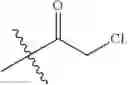






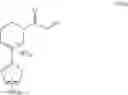
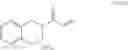


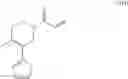


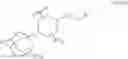


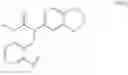




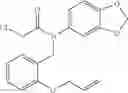


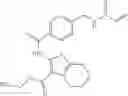
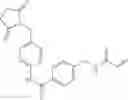


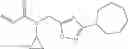


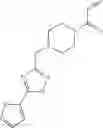


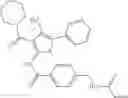


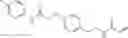
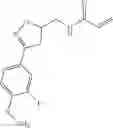




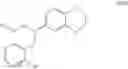


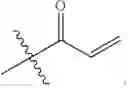
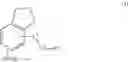


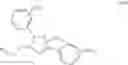


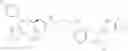




Sources:
- United States Patent and Trademark Office - verify current appl. status at the USPTO↗
Similar patent applications:
- » 20240100172
METHODS AND COMPOUNDS FOR TARGETED AUTOPHAGY - » 20240173428
METHODS AND COMPOUNDS FOR TARGETED AUTOPHAGY
Recent applications in this class:
- » 20250281634 2025-09-11
CONJUGATES COMPRISING A PHOSPHORUS (V) AND A DRUG MOIETY - » 20250228961 2025-07-17
PRACTICAL GLYCAN ENGINEERING METHOD FOR THE PREPARATION OF HOMOGENOUS ANTIBODY CONJUGATES - » 20250213716 2025-07-03
PROTEASE-CLEAVABLE SUBSTRATES AND METHODS OF USE THEREOF - » 20250205356 2025-06-26
POLYMER-DRUG CONJUGATES - » 20250195683 2025-06-19
ANTIBODY-DRUG CONJUGATE, PHARMACEUTICAL COMPOSITION THEREOF AND USE THEROF - » 20250195682 2025-06-19
IMPROVED CELL-TARGETING BINDING MOLECULE - » 20250186606 2025-06-12
MODULAR LINKER COMPOUND FOR TARGET-BINDING DRUG CONJUGATES - » 20250177554 2025-06-05
MODIFIED ANTIBODY, ANTIBODY-CONJUGATE AND PROCESS FOR THE PREPARATION THEREOF - » 20250177553 2025-06-05
NOVEL ANTIBODY DRUG CONJUGATE - » 20250170268 2025-05-29
METHODS AND TOOLS FOR CONJUGATION TO ANTIBODIES
Recent applications for this Assignee:
- » 20250292872 2025-09-18
BAMBAM: PARALLEL COMPARATIVE ANALYSIS OF HIGH-THROUGHPUT SEQUENCING DATA - » 20250292600 2025-09-18
SYSTEMS AND METHODS FOR THE DETECTION AND CLASSIFICATION OF LIVE MICROORGANISMS USING THIN FILM TRANSISTOR (TFT) IMAGE SENSOR AND DEEP LEARNING - » 20250290844 2025-09-18
METHODS OF USING SHAPED PARTICLES IN FLOW CYTOMETERS FOR ASSAYS ON B CELLS AND T CELLS - » 20250290150 2025-09-18
METHODS AND SYSTEMS FOR CHARACTERIZATION, DIAGNOSIS, AND TREATMENT OF CANCER - » 20250290099 2025-09-18
MATERIALS AND METHODS FOR TARGETED GENETIC MANIPULATIONS IN CELLS - » 20250288613 2025-09-18
COMPOSITIONS AND METHODS TARGETING SAT1 FOR ENHANCING ANTI-TUMOR IMMUNITY DURING TUMOR PROGRESSION - » 20250288149 2025-09-18
Automated Modular Kitchen Systems - » 20250287942 2025-09-18
FORMULATIONS FOR REPELLING BEES AND OTHER INSECTS - » 20250283051 2025-09-11
CELLS DIFFERENTIATED FROM IMMUNOENGINEERED PLURIPOTENT CELLS - » 20250282954 2025-09-11
SCALABLE TEMPERATURE ADAPTIVE RADIATIVE COATING WITH OPTIMIZED SOLAR ABSORPTION