Method for the affinity purification of recombinant proteins based on the lectin activity of the CRD of a galectin
US20190359665A1
2019-11-28
16/301,312
2017-05-11
✅ Patent granted
US 11,661,446 B2
2023-05-30
WO; PCT/FR2017/051140; 20170511
WO; WO2017/194888; 20171116
Ganapathirama Raghu
Kenealy Vaidya LLP
2038-03-18
Abstract:
The present invention relates to a novel method for the affinity purification of proteins of interest in a single step, based on the lectin activity of the CRD (Carbohydrate Recognition Domain) of a galectin or part of said domain retaining the ability to bind β-galactosyl derivatives.
Inventors:
- Alexandre KRIZNIK 3 🇫🇷 Villers-lès-Nancy, France
- Pascal Saim REBOUL 1 🇫🇷 Vandoeuvre-lès-Nancy, France
- Mélissa Jenner YELEHE-OKOUMA 1 🇫🇷 Jarville-la-Malgrange, France
Assignee:
- UNIVERSITÉ DE LORRAINE 12 🇫🇷 Nancy, France
- CENTRE HOSPITALIER RÉGIONAL DE NANCY 1 🇫🇷 Nancy, France
Applicant:
Interested in similar patents?
Get notified when new applications in this technology area are published.
Classification:
C07K14/70503 » CPC further
Peptides having more than 20 amino acids; Gastrins; Somatostatins; Melanotropins; Derivatives thereof from animals; from humans; Receptors; Cell surface antigens; Cell surface determinants Immunoglobulin superfamily
C12N9/0006 » CPC further
Enzymes; Proenzymes; Compositions thereof ; Processes for preparing, activating, inhibiting, separating or purifying enzymes; Oxidoreductases (1.) acting on CH-OH groups as donors (1.1)
C07K2319/20 » CPC further
Fusion polypeptide containing a tag with affinity for a non-protein ligand
C07K2319/50 » CPC further
Fusion polypeptide containing protease site
C07K14/47 IPC
Peptides having more than 20 amino acids; Gastrins; Somatostatins; Melanotropins; Derivatives thereof from animals; from humans from vertebrates from mammals
C07K1/22 » CPC further
General methods for the preparation of peptides, i.e. processes for the organic chemical preparation of peptides or proteins of any length; Extraction; Separation; Purification by chromatography Affinity chromatography or related techniques based upon selective absorption processes
C07K14/705 IPC
Peptides having more than 20 amino acids; Gastrins; Somatostatins; Melanotropins; Derivatives thereof from animals; from humans Receptors; Cell surface antigens; Cell surface determinants
C12N15/70 » CPC further
Mutation or genetic engineering; DNA or RNA concerning genetic engineering, vectors, e.g. plasmids, or their isolation, preparation or purification; Use of hosts therefor; Recombinant DNA-technology; Introduction of foreign genetic material using vectors; Vectors; Use of hosts therefor; Regulation of expression Vectors or expression systems specially adapted for E. coli
C07K14/4726 » CPC main
Peptides having more than 20 amino acids; Gastrins; Somatostatins; Melanotropins; Derivatives thereof from animals; from humans from vertebrates from mammals not used Lectins
Description
CROSS REFERENCE TO RELATED APPLICATIONS
This application is a national phase filing under 35 C.F.R. § 371 of and claims priority to PCT Patent Application No. PCT/FR2017/051140, filed on May 11, 2017, which claims the priority benefit under 35 U.S.C. § 119 of French Patent Application No. 1654324, filed on May 13, 2016, the contents of each of which are hereby incorporated in their entireties by reference.
BACKGROUND
Some embodiments relate to a process for single-step purification of recombinant proteins of interest by affinity based on the lectin activity of all or part of the lectin domain, such as the CRD domain (carbohydrate recognition domain), of a galectin.
Some embodiments are applicable to public and private research laboratories and also to the pharmaceutical industry where there is a necessity to produce recombinant proteins with the aim of fundamental studies or for therapeutic benefit.
In the description below, the references between square brackets ([ ]) refer to the list of references presented at the end of the text.
In order to produce, at low cost, pure proteins of interest which are indispensable in numerous life sciences applications, it is essential to produce large amounts of recombinant proteins of interest in a host and to simplify the downstream treatment steps.
There are numerous methods for purifying recombinant proteins of interest natively (without a fusion partner, i.e. tag), but this type of purification remains complex with a low yield and sometimes incomplete purity.
SUMMARY
Thus, methods for expression and purification of recombinant proteins fused to a tag have been proposed. Among the commonly used tags are the histidine tag (composed of at least six histidines), maltose binding protein (MBP) and glutathione S-transferase (GST), the latter two being proteins.
The histidine tag is used in the context of IMAC (immobilized metal affinity) technology. This method can consist of purifying a recombinant protein fused to the histidine tag via the interaction of the imidazole rings with divalent metal ions (mainly nickel) immobilized on a resin. The fusion protein is then eluted with a solution of imidazole. However, due to the low specificity thereof, this purification method systematically leads to co-purification of contaminants and may require subsequent additional steps. In addition, firstly nickel is allergenic, fetotoxic and harmful for the environment, and secondly imidazole is also a fetotoxic and reprotoxic compound. Thus, the possible presence of traces of nickel and imidazole in solutions of recombinant proteins purified by IMAC limits the use thereof for in vitro/in vivo applications. Moreover, processes based on metal ions may lead to modifications of some residues of the proteins purified in this way [1, 2].
As for MBP and GST, they are used to purify recombinant proteins by affinity for amylose or glutathione, respectively. Due to steric hindrance due to the molecular weight of MBP, the fusion proteins are difficult to cleave which may reduce the final production yield of the purified recombinant protein. As for GST, it has a low affinity for the glutathione Sepharose resin [3, 4].
Other methods for expressing proteins of interest enabling easy and effective purification by affinity chromatography on resins at low cost, based on the use of lectins as tag, have been developed. The advantage of lectins is that they specifically and reversibly bind to certain polysaccharides. Indeed, there are several classes of lectins that differ by their amino acid sequence, their three-dimensional structure and also by the nature of the sugar binding site. Thus, methods for expressing and purifying proteins of interest have been developed based on lectins such as the mushroom lectin LSL [5] or discoidin that originates from an amoeba [6] on chromatography columns consisting of Sepharose 4B. However, in these methods, the use of a non-grafted resin leads to a risk of non-specific binding to the resin and thus to contamination by bacterial proteins.
A method for purifying proteins of interest using a resin grafted with mannose recognized by the LecB lectin from P. aeruginosa is also known [7]. However, mannose is a sugar with a complex and costly synthesis.
A two-step method for purifying proteins of interest using a fusion protein including the lectin domain of a rat hepatic lectin and a molecule of interest, with a site for cleavage by protease inserted between the two, is also known [13]. It has the drawback of functioning in the presence of cation chelators, which may inhibit the biological activity of proteins of interest.
It may therefore be beneficial to provide methods for expressing and purifying proteins of interest that address or overcome some or all of the drawbacks of the processes of the related art.
In accordance with some embodiments, in order to express hitherto insoluble proteins (produced in the form of inclusion bodies) by improving the solubility thereof, and to purify proteins of interest by affinity, has the advantage of not modifying and/or damaging the activity of the majority of proteins.
Some embodiments are therefore directed to a novel process making it possible to purify recombinant proteins in a single step, with high specificity and a high yield. The process of some embodiments uses the lectin domain of a galectin or part of the domain that retains the ability to bind lactose, for example the CRDSAT domain of a galectin, for example human galectin-3, as fusion partner of the protein of interest. This lectin tag thus enables the purification of the protein of interest in a single affinity chromatography step, using a Sepharose resin grafted with lactose molecules.
Some embodiments are directed to a fusion protein including all or part of the lectin domain of a galectin fused with a protein of interest, via a sequence including a site for cleavage by TEV protease (two possible cleavage options; see FIG. 7).
For the purposes of some embodiments, “lectin domain or GLECT domain” is intended to mean the domain of galectins binding β-galactosyl derivatives, such as, for example, lactose and derivatives thereof, and the activity of which does not depend on divalent cations. The access number in the NCBI Conserved Domain database for the GLECT conserved domain is cd00070.
According to a particular embodiment of the presently disclosed subject matter, the part of the lectin domain used binds lactose; this may be the CRD domain of a galectin, and may be the CRDSAT domain of a galectin, for example including the sequence SEQ ID NO: 1.
The CRDSAT domain is a highly conserved domain (between approximately 83 and 99% sequence homology among mammals) (cf. FIG. 9). It belongs to the GLECT (Galactose-binding LECTin) domain superfamily able to specifically bind β-galactosides such as lactose and derivatives thereof.
Another embodiment is directed to an expression vector for a fusion protein, the vector including the following functionally linked elements:
-
- a) a promoter placed 5′ of the elements b), c) and d) and e) described below;
- b) a sequence encoding all or part of the lectin domain of a galectin;
- c) a sequence encoding a spacer arm containing the site for cleavage by TEV;
- d) a cloning site receiving a sequence encoding a protein of interest;
- e) transcription termination signals.
For the purposes of the some embodiments, “promoter” is intended to mean a cis-acting DNA sequence located 5′ of the transcription initiation site of the sequence encoding a polypeptide, to which a DNA sequence of an RNA polymerase can bind and initiate correct transcription, and optionally including activators.
In the expression vector of some embodiments, the sequence corresponding to all or part of the lectin domain of a galectin is for example located nearby, upstream of the cloning site and downstream of the promoter. An alternative is to place the sequence nearby, after the cloning site. In both cases, fusion of the sequence with that of the molecule of interest enables purification on resin. One possible way, the sequence b) encodes a part of the lectin domain that binds lactose, encodes the CRDSAT domain of a galectin, encodes the CRDSAT domain including the sequence SEQ ID NO: 1.
According to a particular embodiment of the present invention, the site for cleavage by protease is recognized by TEV protease.
According to a particular embodiment, the expression vector is the pCARGHO (standing for CArbohydrate Recognition domain of Galectin-3 from Homo sapiens) expression vector derived from the pET plasmid.
Another embodiment is directed to a process for producing a purified protein of interest, the process including:
-
- a) preparing an expression vector according to the presently disclosed subject matter;
- b)transforming a host cell with the expression vector;
- c) culturing the transformed host cell under conditions enabling the expression and translation of the fusion protein including the amino acid sequence of all or part of the lectin domain of the galectin and the amino acid sequence of the protein of interest, the amino acid sequence of all or part of the lectin domain of galectin promoting the dissolution of the protein of interest in host cells; and
- d)isolating the protein of interest from the host cell or from the culture medium.
In the process of some embodiments, the isolation or purification step d) is carried out for example by binding the fusion protein, via the lectin domain of the galectin or part of the domain, to a chromatography support grafted with lactose molecules, possibly to an agarose or Sepharose resin grafted with lactose molecules, then (i) cleavage by protease to remove the lectin domain of the galectin or part of the domain (i.e. sequence tag), elution and separation of the molecule of interest and the protease, or (ii) elution of the fusion protein, cleavage by protease in solution, and separation of the protein of interest and the protease.
According to a particular embodiment, the step of separation of the protease and the protein of interest is carried out by ion exchange chromatography or size exclusion chromatography or hydrophobic interaction chromatography.
Another embodiment is directed to a process for purifying a molecule of interest, the process including:
Option No. 1:
-
- a) binding the fusion protein of the presently disclosed subject matter to a chromatography support grafted with lactose molecules, possibly a column of Sepharose or agarose resin grafted with lactose molecules;
- b) cleavage by protease of the fusion protein at the specific cleavage site;
- c) elution of the purified molecule of interest; and
- d) separation of the protease from the protein of interest purified in this way.
According to a particular embodiment of the presently disclosed subject matter, step d) is carried out by ion exchange chromatography or size exclusion chromatography or hydrophobic interaction chromatography.
The lectin domain or part of the domain (i.e. the tag) is eliminated from the column by elution by competition with a lactose solution, and the column is regenerated.
Option No. 2:
-
- a) binding the fusion protein of the presently disclosed subject matter to a chromatography support grafted with lactose molecules, possibly a column of Sepharose or agarose resin grafted with lactose molecules;
- b) elution of the fusion protein by competition with a lactose solution;
- c) cleavage by protease of the fusion protein at the specific site, in solution;
- d) separation of the lectin domain or part of the domain (i.e. the tag) and the TEV protease from the molecule of interest purified in this way.
According to a particular embodiment of the presently disclosed subject matter, step d) is carried out by ion exchange chromatography or size exclusion chromatography.
Some embodiments directed to the process have the advantage of not using any toxic, carcinogenic or teratogenic compounds. In addition, the lectin activity of the CRD domain of the galectin-3 is much more specific than all the other purification methods and may require only a single step to obtain a degree of purity greater than 95%. Moreover, the conditions for elution of the fusion protein are optimal for the tag to be cleaved by the TEV protease. There is no limit on accepted reducing agents. The CRD tag, in particular CRDSAT, has a very low molecular weight (17.3 kDa, 18.8 kDa for the form obtained after cleavage by the TEV protease), which enables the easy elimination thereof by size exclusion chromatography. In addition, it is predominantly constructed of β sheets, affording it a very high degree of stability. Finally, its isoelectric point is highly basic (pI=9.3, pI=8.7 for the form obtained after cleavage by the TEV protease), enabling the easy capture thereof on a cation exchange column. It is possible to jointly eliminate the CRD and the TEV protease, the isoelectric point of which is also basic (pI=8.8) by binding them on a cation exchange column. The protein of interest is then eluted pure in the fraction not retained by the resin (FIG. 10).
Some embodiments are directed to the CRDSAT fusion partner (or tag) derived from a galectin. The amino acid sequence of the CRDSAT domain includes the sequence SEQ ID NO: 1, in which the amino acid in position 36 may be an arginine or a lysine, and/or in which the amino acid in position 152 may be an alanine or a threonine. The CRD fusion partner also has the property of solubilizing proteins described as insoluble, hitherto obtained after long and tedious renaturation of inclusion bodies in urea or guanidium chloride; for example, the human membrane receptor TREM-1 and more particularly the extracellular domain thereof [14-15].
DESCRIPTION OF THE FIGURES
FIG. 1 depicts a circular and linear diagram of the pCARGHO vector.
FIG. 2 depicts the main features of the pCARGHO vector (SEQ ID NOs: 2 and 3).
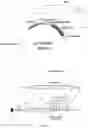
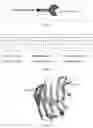
FIG. 3 depicts a schematic structure of human galectin-3.
FIG. 4 depicts the protein sequence of human galectin-3 and of the 3 CRDs designed (SEQ ID NO: 4).
FIG. 5 depicts the 3D structure of the lectin CRD domain of the galectin-3 interacting with lactose.
FIG. 6 depicts monitoring the purification of human galectin-3 by lactose affinity chromatography.
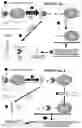
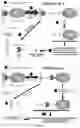
FIG. 7 depicts the diagram of the purification method of the presently disclosed subject matter by lactose affinity.
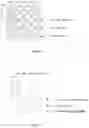
FIG. 8 depicts monitoring the purification of 3 forms of truncated human galectin-3 by lactose affinity chromatography. The CRDLITIL (A), CRDGGVVP (B) and CRDSAT (C) were expressed in E. coli Rosetta2 (DE3) bacteria. The bacteria were lyzed and purification tests were carried out on lactose-agarose column. At each purification step, a sample was taken to be run on acrylamide gel (SDS-PAGE). After electrophoretic migration, the gel was stained with Coomassie Brilliant Blue. SSO: supernatant of bacterial extract before passage on lactose affinity column. CSO: pellet of bacterial extract before passage on lactose affinity column. SPR: supernatant after passage on lactose affinity column. E: elution fraction. <---: location of the protein of interest.
FIG. 9 depicts an amino acid sequence alignment of the CRDSAT domain of galectin-3 in different mammals, and also the consensus sequence of the CRDSAT domain.
FIG. 10 depicts monitoring the purification of bacterial thioredoxin (Trx1) by lactose affinity chromatography according to the process of the presently disclosed subject matter.
FIG. 11 depicts monitoring the purification of extracellular domain TREM-1, residues 21 to 136, by lactose affinity chromatography according to the process of the presently disclosed subject matter.
DETAILED DESCRIPTION
Example 1: Researching the Optimal Form of Truncated Human Galectin-3: Monitoring Purification of 3 Truncated Forms by Lactose Affinity Chromatography
Galectin-3
Galectin-3 is an animal lectin of 243 to 286 amino acids depending on the species (Cooper, Biochim. & Biophys. Acta, 1572(2-3): 209-231, 2002) [8]. It is approximately 30 kDa and is composed of a small N-terminal domain, a lateral chain and a C-terminal lectin domain (CRD: Carbohydrate Recognition Domain) (FIGS. 3 and 4) (Leffler et al., Glycoconj. J., 19: 433-440, 2004; Ochieng et al., Biochim. & Biophys. Acta, 1379: 97-106, 1998) [9, 10]. Formed of several beta sheets (Salomonsson et al., J. Biol. Chem., 285: 35079-35091, 2010; Seetharaman et al., J. Biol. Chem., 273: 13047-13052, 1998) [11, 12], the lectin domain enables the protein to interact with molecules containing β-galactoside residues, for example lactose (FIG. 5).
Given its lectin properties, galectin-3 was able to be purified specifically in a single step by affinity chromatography using an agarose resin grafted with lactose molecules, according to the protocol described previously (FIG. 6).
For this purpose, the galectin-3 (whole form) was expressed in E. coli C41(DE3) bacteria then purified on lactose-agarose column. At each purification step, a sample was taken to be run on acrylamide gel (SDS-PAGE). After electrophoretic migration, the gel was stained with Coomassie Brilliant Blue. A: bacterial extract before passage on lactose affinity column. B: bacterial extract after passage on lactose affinity column. C and D: column washes. E: elution fraction of galectin-3; elution with a solution of PBS+lactose 150 mM.
The results are presented in FIG. 6.
The ease with which this purification is carried out, and also the high degree of purity obtained, pointed towards the idea of developing a fusion partner (tag) intended for the purification of recombinant proteins by lactose affinity chromatography. The idea was to use a part of the lectin domain of the galectin-3 (CRD) capable of binding lactose in order to constitute this fusion partner and enable purification in a single step, during which this partner could be cleaved by TEV protease (FIG. 7).
Researching the Optimal Form of Truncated Galectin-3
Creation of the Optimized Nucleotide Sequence Encoding CRDSAT and Integration in an Expression Vector of pET-20b Type
Starting from the nucleotide sequence of human galectin-3, 3 CRD sequences encoding 3 different CRD proteins were cloned: CRDLITIL (14 kDa), CRDGGVVP (15 kDa) and CRDSAT (˜17 kDa, natural form, non-synthetic, non-optimized) (FIG. 4).
It emerges therefrom that the 3 CRDs are expressed but have varying solubility. Thus, CRDLITIL (A) was in the totally insoluble form (in the pellet) and was not located in the eluate, and therefore was impossible to purify. CRDGGVVP (B) was produced in small amounts, partly in soluble form, but lost its lectin function and therefore could not be purified. CRDSAT (C) was produced entirely in soluble form and was able to be purified (was located in the eluate) (FIG. 8).
Given the various tests carried out, CRDSAT was chosen to constitute the desired fusion partner. The physicochemical characteristics of this protein, determined in silico, are as follows:
| (SEQ ID NO: 1, natural form) | |
| 10 20 30 | |
| MSATGAYPA TGPYGAPAGP LIVPYNLPLP GGVVPRMLIT | |
| 40 50 60 70 | |
| ILGTVKPNAN RIALDFQRGN DVAFHFNPRF NENNRRVIVC | |
| 80 90 100 110 | |
| NTKLDNNWGR EERQSVFPFE SGKPFKIQVL VEPDHFKVAV | |
| 120 130 140 150 | |
| NDAHLLQYNH RVKKLNEISK LGISGDIDLT SASYTMI |
Number of amino acids: 156
Molecular weight: 17 360.9 Da
Isoelectric point: 9.30
Total number of negatively-charged amino acids (Asp+Glu): 13
Total number of positively-charged amino acids (Arg+Lys): 17
Molar extinction coefficient: 12 950 M−1 cm′ (at 280 nm).
Abs 0.1% (=1 g/l) 0.746, with the proviso that all the cysteines are in reduced form.
The sequence encoding CRDSAT was optimized in silico in order to promote expression of this heterologous protein in E. coli (removal of codon bias) and to make it possible to increase the solubility thereof (substitution of arginine 36 for lysine), and also the rigidity thereof by increasing bulk (substitution of arginine 152 for threonine), thereby making it possible for the protease to cleave 14 amino acids downstream.
This optimized CRDSAT sequence was integrated into an expression vector of pET-20b type: the pCARGHO vector (FIG. 2), in order to enable the expression and purification of a protein of interest according to example 3.
Example 2: pCARGHO: Materials and Methods
The pCARGHO plasmid enables the production of a fusion protein may consist, in order, of: the CRDSAT from human galectin-3, a spacer arm enabling flexibility, a site for cleavage by TEV protease and the protein of interest.
The E. coli strain used should be of (DE3) type, that is to say should have the T7 RNA polymerase gene integrated into its genome.
The pCARGHO plasmid is derived from pET20b(+) from Novagen and includes the following elements (FIG. 1):
| ELEMENTS | POSITION | |
| Origin of replication | 1944 | |
| T7 promoter | 797-813 | |
| Ribosome binding site: RBS | 742-747 | |
| CRDSATG sequence | 242-736 | |
| TEV recognition site sequence | 221-241 | |
| Multiple cloning site: MCS | 159-215 | |
| T7 terminator | 26-72 | |
| F1 origin | 3694-4149 | |
| bla ampicillin resistance gene | 2705-3562 | |
The main characteristics of the pCARGHO vector are indicated in FIG. 2 (SEQ ID NOs: 2 and 3).
Cloning in the pCARGHO Plasmid
The protocol below is an example of cloning of a PCR fragment of a protein of interest in the pCARGHO vector. For some experiments (enzymatic digestion, ligation reaction, bacterial transformation), reference should especially be made to the suppliers of the reagents used.
The PCR fragment used should contain the NcoI restriction site at its 5′ end and another BamHI, EcoRI, SacI, SalI, HindIII, NotI and XhoI restriction site at its 3′ end. The ends may either be blunt or extended by a 3′ adenosine. It should be ensured that the composition of the PCR fragment guarantees that the reading frame is abided by from the start codon ATG.
-
- 1) Digest 1 μg of pCARGHO plasmid and 1 μg of PCR fragment in parallel in 20 μl of 1× digestion buffer (10× stock) with 10 units of NcoI and 10 units of the second endonuclease chosen (depending on the site available in the MCS), at 37° C. for 1 h to 2 h. The enzymes will then be inactivated at 65° C. for 10 minutes.
- 2) Verify the complete digestion of the plasmid after migration on agarose gel (5 μl).
- 3) Purify the digested PCR fragment and plasmid, with the aim of eliminating the MCS fragment from the plasmid and the free ends from the PCR fragment. The purification may be carried out on gel and/or using specific kits.
- 4) Assay the plasmid and the PCR fragment (insert).
- 5) Prepare the following ligation mixture:
- 30-50 ng of the digested plasmid
- 50 ng of insert in 1 μl of stock ligation buffer 10×
- 1 μl of T4 DNA ligase
- H2O q.s. to 10 μl
- 6) Incubate for 10 minutes to 2 h at room temperature or at 16° C. for 16 h.
- 7) Transform the competent cloning bacteria (TOP10, DH5a type):
- take off 2 μl of the ligation reaction and add 50 μl of bacteria. Incubate for 30 minutes in ice. Heat to 42° C. for 1 minute.
- 8) Add 200 μl of SOC (or LB) medium and incubate at 37° C. for 20 minutes to 1 h. Spread on selective agar (LB Agar, 100 μg/ml of ampicillin). Incubate overnight at 37° C.
- 9) Look for the presence of positive clones (verify the presence of the insert in the plasmid) by methods well known in the art such as PCR directly on colonies, minipreparation of plasmid DNA, digestion by suitable restriction enzymes and migration on agarose gel, test of overexpression of the fusion protein.
- 10) Sequence the plasmids extracted from the clones assumed to be positive, in order to validate the molecular cloning.
Expression of the Fusion Protein “CRDSAT Protein of Interest”
Test of Expression of the Fusion Protein
-
- 1) Transform competent expression bacteria [BL21(DE3) type] with the pCARGHO-X vector (X being the sequence encoding the protein of interest fused to the CRDSAT tag)
- 2) Inoculate the colonies isolated on agar in 5 ml of LB medium+ampicillin 100 μg/ml and culture until 2×10⁸ cells/ml (A600=0.5-0.6). 3) Divide the sample into two cultures of 2.5 ml.
- 4) Add IPTG into one of the cultures at a final concentration of 1 mM. Incubate both cultures at 37° C. for 2-3 h.
- 5) Sample 500 μl from each culture. Centrifuge at maximum speed for 1 minute, dispense with the supernatants and suspend the bacterial pellets with 100 μl of Laemmli buffer 1×.
- 6) Boil the samples for 1 minute. Run 10 μl of each sample and a molecular weight marker on an SDS-PAGE gel at a suitable percentage. Migrate, and reveal by staining with Coomassie Brilliant Blue for example.
Production of the Fusion Protein
Once the sequencing and the expression tests have been validated, the protein of interest fused to the CRDSAT tag (CRDSAT protein of interest) may be produced according to the procedure below.
-
- 1) Transform competent expression bacteria [BL21(DE3) type] with the pCARGHO-X vector (X being the sequence encoding the protein of interest fused to the CRDSAT tag). Carry out preculture in Luria Bertani LB medium+ampicillin 100 μg/ml, at 37° C. for 16 h.
- 2) Inoculate this preculture to 1/100th in 1 liter of rich medium of Luria Bertani LB type+ampicillin 100 μg/ml.
- 3) Culture at 37° C. until 2×10⁸ cells/ml (A600=0.5-0.6). Add IPTG at a final concentration of 1 mM. Incubate the bacteria at 37° C. with agitation for 2-3 h.
- 4) sample 20 μl of the crude bacterial suspension (A), centrifuge (4000 g for 20 minutes) the culture, eliminate the supernatant and suspend the bacterial pellet in 25 ml of lysis buffer.
Different adjuvants may make it possible to avoid proteolysis (ethylenediaminetetraacetic acid (EDTA), phenylmethylsulfonyl fluoride (PMSF), etc.) or oxidation (dithiothreitol (DTT), β-mercaptoethanol). - 5) Place the sample in ice and lyze the bacteria using a sonicator or a French press. Sample 20 μl of this lyzed bacterial suspension (A′).
- 6) Centrifuge the lyzed bacterial suspension at 20 000 g for 20 minutes. Recover the protein supernatant (Sp). Sample 20 μl of this supernatant (B). Dilute, where appropriate, with lysis buffer or column buffer.
Purification of the Fusion Protein “CRDSAT Protein of Interest”
Purification in Automatic Mode
-
- 1) After filtration over 0.45 μm membrane, inject the sample Sp on a lactose-Sepharose® resin (15 to 20 ml) equilibrated beforehand with 5 CV (column volumes) of column buffer. Sample 20 μl of the soluble fraction that has flowed through the chromatography column (C).
- 2) Wash the column with 10 CV of column buffer. Sample 20 μl of the washing liquid (D) at the column outlet.
- 3) Elute the fusion protein with 1-2 CV of column buffer and +150 mM of lactose. Collect the corresponding fractions (size of the fractions: approximately ⅕ of the volume of the column). Sample 20 μl of eluate (E).
- Monitor the fusion protein present in the fractions collected, by absorption at 280 nm and/or by colorimetric methods (BCA, Bradford, etc.).
If the CRDsat tag would be undesirable for the subsequent applications of the protein of interest, it is possible to cleave it after elution of the fusion protein (cf. section on cleavage of the fusion protein). - 4) Bring together the fractions containing the fusion protein and concentrate if necessary. Conserve the protein of interest at −80° C. after freezing in liquid nitrogen with or without addition of 30 to 50% glycerol.
- 5) Evaluate the quality of the purification by SDS-PAGE+staining: dilute samples A to E to half strength in Laemmli 2× buffer then boil (95° C., 5 minutes) before migrating them on an acrylamide gel at the suitable percentage.
- 6) Regenerate the column with 5 CV of 2 M NaCl solution then 5 CV of water. Conserve the column in water+ethanol 20% or in Tris-Hcl 20 mM, EDTA 1 mM.
Purification in Batch Mode
-
- 1) Deposit the sample Sp on a lactose agarose resin (10-15 ml) equilibrated beforehand with 5 to 10 CV of column buffer (Tris 20 mM, EDTA 5 mM, NaCl 150 mM, pH to be adapted depending on the protein of interest) and place under weak agitation for 1 to 2 hours. Then arrange a column with fritted disk. Sample 20 μl of the soluble fraction that has flowed through the chromatography column (C).
- 2) Wash the column with 10 CV of column buffer then with 10 CV of PBS buffer. Sample 20 μl at the column outlet.
- 3) Elute the fusion protein with 2.5 CV of PBS buffer and +150 mM of lactose.
- 4) Evaluate the quality of the purification, assay the fusion protein then store it according to the procedures described in the section on purification in automatic mode.
- 5) Regenerate the column with 10 CV of 2 M NaCl solution.
Cleavage of the Fusion Protein “CRDSAT Protein of Interest”
The fusion protein is cleaved by TEV protease, the cleavage site of which is located at the C-terminus of the CRDSAT tag. The cleavage occurs after the elution of the fusion protein and should be followed by a step of either cation exchange or size exclusion chromatography in order to separate the CRDSAT tag (pI=8.7, MW=18.8 kDa) and the TEV protease (pI=8.8, MW=27 kDa) from the protein of interest.
-
- 1) Dilute the concentrated solution of fusion protein to a concentration of 1-2 mg/ml in the cleavage buffer: 25 mM Tris-HCl, pH 8, 150-500 mM NaCl, 15 mM β-mercaptoethanol. Sample 20 μl of sample (A).
- 2) Add the TEV protease at a ratio of 1:100, i.e. 1 mg (10 000 units) of protease per 100 mg of fusion protein. The “ideal” ratio may be optimized.
- 3) Incubate the mixture at 4° C. overnight or else at room temperature or at 30-37° C. for shorter periods of time, the limiting factor being the stability of the protein of interest. Sample 20 μl of sample after cleavage (B).
- 4) Run samples A and B on SDS-PAGE gel in order to verify the effectiveness of the cleavage.
- 5) Eliminate the CRDSAT tag and also the TEV protease by:
- a) cation exchange chromatography:
- i. Dialyze or dilute the cleavage reaction mixture with the aim of lowering the ionic strength with a 20 mM Tris-HCl, 25 mM NaCl, pH 7 buffer. The salt concentration should not exceed 25 mM.
- ii. Equilibrate the SP-Sepharose® or equivalent column with 5 CV of column buffer (according to the manufacturer's recommendations).
- iii. Deposit the mixture on the column and immediately collect the fraction not retained, which contains the protein of interest (as long as the protein of interest has an acid pI (<7)).
- iv. Concentrate the protein of interest, where appropriate, and conserve it at 80° C. after freezing in liquid nitrogen with or without addition of 30 to 50% glycerol.
- v. Regenerate the column with 5 CV of 2 M NaCl buffer (elution of the CRDSAT tag and of the TEV protease), 5 CV of water. Conserve in water+20% ethanol.
- b) size exclusion chromatography
- i. Equilibrate the Superdex 75® or Superdex 200® or equivalent column with 2 CV of column buffer (according to the manufacturer's recommendations).
- ii. Inject the mixture on the column and collect the fractions corresponding to the protein of interest without tag [as a function of the molecular weight (size) thereof].
- iii. Concentrate the protein of interest, where appropriate, and conserve it at 80° C. after freezing in liquid nitrogen or addition of 30 to 50% glycerol.
If the tag has a molecular weight (MW) that is very different from that of the protein of interest, detection by staining the gel is sufficient. If, however, the MW thereof is very similar, more specific detection by western blot is possible using anti-CRDsat antibodies.
- a) cation exchange chromatography:
iv. Conserve the column in water+20% ethanol.
Addendum: If TEV digestion is not carried out, and if lactose would be inappropriate for the subsequent applications of the purified protein, dialysis may be carried out or a gel filtration column may be carried out.
Example 3: Monitoring Purification of Bacterial Thioredoxin (Trx1) by Lactose Affinity Chromatography
Trx1 fused to CRDSAT was expressed in E. coli Rosetta2 (DE3) bacteria according to the protocol described above.
The bacteria were lyzed and purification was carried out on lactose-agarose column according to the protocol described above.
At different purification steps, a sample was taken to be run on acrylamide gel (SDS-PAGE).
After electrophoretic migration, the gel was stained with Coomassie Brilliant Blue.
The results are presented in FIG. 10.
MW: molecular weights.
Lac: purified fraction of Trx1-CRDSAT fusion protein on lactose-agarose resin, elution with 150 mM of lactose.
TEV: fraction after cleavage with TEV protease, to 1/100, overnight at ambient temperature.
SP flow through: fraction not retained after injection on SP Sepharose (cation exchange) column of the digestion reaction medium (TEV).
SP 100%: fraction eluted with 1 M of NaCl (SP Sepharose).
Example 4: Monitoring Purification of Human Membrane Receptor TREM-1 (Extracellular Domain) by Lactose Affinity Chromatography
TREM-1 (21-136) fused to CRDSAT was expressed in E. coli C41 (DE3) bacteria according to the protocol described above.
The bacteria were lyzed and purification was carried out on lactose-agarose column according to the protocol described above.
At different purification steps, a sample was taken to be run on acrylamide gel (SDS-PAGE).
After electrophoretic migration, the gel was stained with Coomassie Brilliant Blue.
The results are presented in FIG. 11.
MW: molecular weights.
Lac: purified fraction of CRD-TREM-1(21-136) fusion protein on lactose-agarose resin, elution with 150 mM of lactose.
TEV: fraction after cleavage with TEV protease, to 1/100, overnight at ambient temperature.
Phe1: fraction not retained after injection on Phenyl Sepharose (hydrophobic interaction) column of the digestion reaction medium (TEV), containing the CRD tag.
Phe2: fraction, eluted with 300 mM of ammonium sulfate, containing TREM-1, 13.7 kDa, residues 21 to 136 with a yield of 4 mg/l of bacterial culture.
REFERENCE LIST
- 1. Stadtman et al., Free Radic Biol Med., 9(4):315-25, 1990
- 2. Chen et al., Mol Cell Biol. May; 26(10): 3728-3737, 2006
- 3. Andberg et al., Protein Science, 16:1751-1761, 2007
- 4. Ortiz-Salmeron et al., Eur. J. Biochem., 268, 4307-4314, 2001
- 5. International application WO 2009/121994
- 6. International application WO 9966053
- 7. Tielker et al., Biotechniques, 41(3): 327-332, 2006
- 8. Cooper, Biochim. & Biophys. Acta, 1572(2-3): 209-231, 2002
- 9. Leffler et al., Glycoconj. J., 19: 433-440, 2004
- 10. Ochieng et al., Biochim. Biophys. Acta, 1379: 97-106, 1998
- 11. Salomonsson et al., J. Biol. Chem., 285: 35079-35091, 2010
- 12. Seetharaman et al., J. Biol. Chem., 273: 13047-13052, 1998
- 13. Taylor et al., Biochem. J., 274: 575-580, 1991
- 14. Kelker et al., J. Mol. Biol. 342, 1237-1248, 2004
- 15. Radaev et al., Structure 11, 1527-1535, 2003
Claims
1. A fusion protein, comprising:
all or part of a lectin domain of a galectin fused with a molecule of interest, with a site for cleavage by protease inserted between the two.
2. The fusion protein as claimed in claim 1, wherein the part of the lectin domain is the CRDSAT domain of a galectin including SEQ ID NO: 1.
3. The fusion protein as claimed in claim 1, wherein the cleavage site is a site for cleavage by TEV protease.
4. An expression vector for the fusion protein as defined in claim 1, the vector comprising the following functionally linked elements:
a) a promoter placed 5′ of the elements b), c) and d);
b) a sequence encoding the lectin domain of a galectin, or a part of the domain;
c) a cloning site receiving a sequence encoding a protein of interest; and
d) transcription termination signals,
wherein a site for cleavage by protease is located between the sequence b) and the cloning site c).
5. The expression vector as claimed in claim 4, wherein the sequence b) is placed near to the cloning site c), 3′ of the promoter.
6. The expression vector as claimed in claim 4, wherein the sequence b) encodes the CRDSAT domain of a galectin including, the sequence SEQ ID NO: 1.
7. The expression vector as claimed in claim 4, wherein the site for cleavage by protease is a site for cleavage by TEV protease.
8. The expression vector as claimed in claim 4, wherein the vector is the pCARGHO expression vector derived from the pET20b(+) vector and comprising the following elements:
an origin of replication at position 1944;
a T7 promoter at position 797-813;
a ribosome binding site (RBS) at position 742-747;
the CRDSAT sequence at position 242-736;
a TEV recognition site sequence at position 221-241;
a multiple cloning site at position 159-215;
a T7 terminator at position 26-72;
an F1 origin at position 3694-4149; and
a bla ampicillin resistance gene at position 2705-3562.
9. A process for producing a purified protein of interest, the process comprising:
a) preparing the expression vector as defined in claim 4;
b) transforming a host cell with the expression vector;
c) culturing host cell transformed in this way under conditions enabling the expression of the fusion protein and promoting the dissolution thereof in host cells; and
d) purifying the molecule of interest.
10. The process as claimed in claim 9, wherein the purification step d) is carried out by:
(i) binding the fusion protein, via the lectin domain of the galectin or part of the domain, to a chromatography support grafted with lactose molecules, preferably on a column of sepharose or agarose resin grafted with lactose molecules;
(ii) cleavage by protease of the protein of interest;
(iii) elution of the protein of interest; and
(iv) separation of the protease and the protein of interest.
11. The process as claimed in claim 9, wherein the purification step d) is carried out by:
(i) binding the fusion protein, via the lectin domain of the galectin or part of the domain, to a chromatography support grafted with lactose molecules, preferably on a column of sepharose or agarose resin grafted with lactose molecules;
(ii) elution of the fusion protein;
(iii) cleavage by protease of the protein of interest in solution; and
(iv) separation of the protease and the lectin domain or part of the domain from the protein of interest.
12. The process as claimed in claim 10, in wherein the separation step (iv) is carried out by ion exchange chromatography or size exclusion chromatography or hydrophobic interaction chromatography.
13. The process as claimed in claim 10, in which the elution step is carried out with a lactose solution.
14. A CRDSAT domain including the amino acid sequence SEQ ID NO: 1.
15. The fusion protein as claimed in claim 2, wherein the cleavage site is a site for cleavage by TEV protease.
16. An expression vector for the fusion protein as defined in claim 2, the vector comprising the following functionally linked elements:
a) a promoter placed 5′ of the elements b), c) and d);
b) a sequence encoding the lectin domain of a galectin, or a part of the domain;
c) a cloning site receiving a sequence encoding a protein of interest; and
d) transcription termination signals,
wherein a site for cleavage by protease is located between the sequence b) and the cloning site c).
17. An expression vector for the fusion protein as defined in claim 3, the vector comprising the following functionally linked elements:
a) a promoter placed 5′ of the elements b), c) and d);
b) a sequence encoding the lectin domain of a galectin, or a part of the domain;
c) a cloning site receiving a sequence encoding a protein of interest; and
d) transcription termination signals,
wherein a site for cleavage by protease is located between the sequence b) and the cloning site c).
18. The expression vector as claimed in claim 5, wherein the sequence b) encodes the CRDSAT domain of a galectin including the sequence SEQ ID NO: 1.
19. The expression vector as claimed in claim 5, wherein the site for cleavage by protease is a site for cleavage by TEV protease.
20. The expression vector as claimed in claim 6, wherein the site for cleavage by protease is a site for cleavage by TEV protease.
Images & Drawings included:



Sources:
- United States Patent and Trademark Office - verify current appl. status at the USPTO↗
Recent applications in this class:
- » 20250250312 2025-08-07
BIFUNCTIONAL PEPTIDE WITH MUCOADHESIVE AND VIRUS BINDING PROPERTIES - » 20230416319 2023-12-28
COMPOSITIONS, DEVICES AND METHODS FOR IDENTIFYING, TREATING AND PREVENTING INFECTIOUS DISEASE USING MICROBE-TARGETING MOLECULES - » 20230365640 2023-11-16
CLEC2 FUSION PROTEIN AND USES THEREOF - » 20220251157 2022-08-11
IgM-MEDIATED RECEPTOR CLUSTERING AND CELL MODULATION - » 20220098258 2022-03-31
GALECTIN-1/ GALECTIN-3 CHIMERAS AND MULTIVALENT PROTEINS - » 20220056089 2022-02-24
ENGINEERED OPSONIN FOR PATHOGEN DETECTION AND TREATMENT - » 20200299345 2020-09-24
Engineered opsonin for pathogen detection and treatment - » 20200291083 2020-09-17
Engineered opsonin for pathogen detection and treatment - » 20200262882 2020-08-20
Modified gal-1 proteins and uses thereof - » 20200095300 2020-03-26
Engineered opsonin for pathogen detection and treatment
Recent applications for this Assignee:
- » 20240426475 2024-12-26
DEVICE FOR CHEMICAL LOOPING COMBUSTION IN LIQUID MEDIUM - » 20240335375 2024-10-10
MUCOADHESIVE OCULAR DELIVERY SYSTEM FOR THE TREATMENT OF GLAUCOMA - » 20240245732 2024-07-25
MESENCHYMAL STEM CELLS OBTAINED FROM WHARTON'S JELLY FOR THE TREATMENT OF SEPSIS - » 20240238336 2024-07-18
COPPER NANOCLUSTERS, METHODS FOR OBTAINING SAME AND THE USE THEREOF IN THE TREATMENT OF MENKES DISEASE - » 20220236432 2022-07-28
Device for the preparation of radioactive solutions - » 20220162537 2022-05-26
FLUID SYSTEM FOR PRODUCING EXTRACELLULAR VESICLES COMPRISING A THERAPEUTIC OR IMAGING AGENT AND METHOD THEREOF - » 20210117883 2021-04-22
Method for process analysis - » 20200011572 2020-01-09
Multilayer material - » 20200000856 2020-01-02
Mesenchymal stem cells obtained from Wharton's jelly for the treatment of sepsis - » 20190352588 2019-11-21
Enzymatic method for removing sulphite