Photoreactive ligands and uses thereof
US20200071277A1
2020-03-05
16/478,444
2018-01-17
✅ Patent granted
US 11,535,597 B2
2022-12-27
WO; PCT/US2018/014104; 20180117
WO; WO2018/136555; 20180726
Shafiqul Haq
Jennifer Kisko | Thomas Fitting
2038-01-17
Abstract:
Disclosed herein are methods for identifying proteins as targets for interaction with a small molecule ligand. Also disclosed herein are small molecule ligands and compositions for use in profiling druggable proteins.
Inventors:
- Benjamin F. Cravatt 30 🇺🇸 La Jolla, CA, United States
- Bruno Correia 2 🇨🇭 Bremblens, Switzerland
- Christopher G. PARKER 1 🇺🇸 San Diego, CA, United States
Assignee:
- The Scripps Research Institute 898 🇺🇸 La Jolla, CA, United States
Applicant:
Interested in similar patents?
Get notified when new applications in this technology area are published.
Classification:
C07D223/06 IPC
Heterocyclic compounds containing seven-membered rings having one nitrogen atom as the only ring hetero atom not condensed with other rings with hetero atoms or with carbon atoms having three bonds to hetero atoms with at the most one bond to halogen, e.g. ester or nitrile radicals, directly attached to ring carbon atoms
G01N1/44 » CPC further
Sampling; Preparing specimens for investigation; Preparing specimens for investigation including physical details of (bio-)chemical methods covered elsewhere, e.g. , Sample treatment involving radiation, e.g. heat
G01N33/68 IPC
Investigating or analysing materials by specific methods not covered by groups -; Biological material, e.g. blood, urine ; Haemocytometers; Chemical analysis of biological material, e.g. blood, urine; Testing involving biospecific ligand binding methods; Immunological testing involving proteins, peptides or amino acids
G01N33/6848 » CPC further
Investigating or analysing materials by specific methods not covered by groups -; Biological material, e.g. blood, urine ; Haemocytometers; Chemical analysis of biological material, e.g. blood, urine; Testing involving biospecific ligand binding methods; Immunological testing involving proteins, peptides or amino acids; General methods of protein analysis not limited to specific proteins or families of proteins Methods of protein analysis involving mass spectrometry
C07D295/10 » CPC further
Heterocyclic compounds containing polymethylene-imine rings with at least five ring members, 3-azabicyclo [3.2.2] nonane, piperazine, morpholine or thiomorpholine rings, having only hydrogen atoms directly attached to the ring carbon atoms with substituted hydrocarbon radicals attached to ring nitrogen atoms substituted by doubly bound oxygen or sulphur atoms
C07D317/46 » CPC further
Heterocyclic compounds containing five-membered rings having two oxygen atoms as the only ring hetero atoms having the hetero atoms in positions 1 and 3 ortho- or peri-condensed with carbocyclic rings or ring systems condensed with one six-membered ring
C07D401/10 » CPC further
Heterocyclic compounds containing two or more hetero rings, having nitrogen atoms as the only ring hetero atoms, at least one ring being a six-membered ring with only one nitrogen atom containing two hetero rings linked by a carbon chain containing aromatic rings
C07D403/12 » CPC further
Heterocyclic compounds containing two or more hetero rings, having nitrogen atoms as the only ring hetero atoms, not provided for by group containing two hetero rings linked by a chain containing hetero atoms as chain links
C07D405/12 » CPC further
Heterocyclic compounds containing both one or more hetero rings having oxygen atoms as the only ring hetero atoms, and one or more rings having nitrogen as the only ring hetero atom containing two hetero rings linked by a chain containing hetero atoms as chain links
C07D409/12 » CPC further
Heterocyclic compounds containing two or more hetero rings, at least one ring having sulfur atoms as the only ring hetero atoms containing two hetero rings linked by a chain containing hetero atoms as chain links
C07D229/02 » CPC main
Heterocyclic compounds containing rings of less than five members having two nitrogen atoms as the only ring hetero atoms containing three-membered rings
C07C233/06 » CPC further
Carboxylic acid amides having carbon atoms of carboxamide groups bound to hydrogen atoms or to acyclic carbon atoms having nitrogen atoms of carboxamide groups bound to hydrogen atoms or to carbon atoms of unsubstituted hydrocarbon radicals with carbon atoms of carboxamide groups bound to acyclic carbon atoms of an acyclic saturated carbon skeleton having the nitrogen atom of at least one of the carboxamide groups bound to a carbon atom of a ring other than a six-membered aromatic ring
G01N1/28 » CPC further
Sampling; Preparing specimens for investigation Preparing specimens for investigation including physical details of (bio-)chemical methods covered elsewhere, e.g. ,
Description
CROSS-REFERENCE
This application claims the benefit of U.S. Provisional Application No. 62/447,882, filed on Jan. 18, 2017, which is incorporated herein by reference in its entirety.
STATEMENT AS TO FEDERALLY SPONSORED RESEARCH
The invention disclosed herein was made, at least in part, with U.S. government support under Grant No. CA132630 by the National Institutes of Health. Accordingly, the U.S. Government has certain rights in this invention.
BACKGROUND OF THE DISCLOSURE
Protein function assignment has been benefited from genetic methods, such as target gene disruption, RNA interference, and genome editing technologies, which selectively disrupt the expression of proteins in native biological systems. Chemical probes offer a complementary way to perturb proteins that have the advantages of producing graded (dose-dependent) gain- (agonism) or loss- (antagonism) of-function effects that are introduced acutely and reversibly in cells and organisms. Small molecules present an alternative method to selectively modulate proteins and to serve as leads for the development of novel therapeutics.
SUMMARY OF THE DISCLOSURE
Disclosed herein, in certain embodiments, is a method of identifying a protein capable of interacting with a small molecule ligand, comprising: (a) providing a cell sample; (b) exposing the cell sample to at least one potential small molecule ligand having a structure comprising at least a photoreactive diazirine group and a terminal alkyne group; (c) irradiating the cell sample with UV light; (d) performing lysis on the cell sample; (e) subjecting proteins in the post lysis material to fluorophore tagging; and (f) isolating at least one fluorophore-tagged protein.
Disclosed herein, in certain embodiments, is a method of identifying a protein capable of interacting with a small molecule ligand, comprising: (a) providing a cell sample; (b) exposing the cell sample to the small molecule ligand having a structure comprising at least a photoreactive diazirine group, and a terminal alkyne group; (c) irradiating the cell sample with UV light; (d) performing lysis on the cell sample; (e) subjecting the proteins in the post lysis material to tagging; and (f) isolating the tagged proteins for analysis to identify a protein capable of interating with the small molecule ligand.
Disclosed herein, in certain embodiments, is a method of identifying a small molecule ligand binding site on an isolated protein, comprising: (a) providing an isolated protein; (b) exposing the protein to at least one of potential small molecule ligands having a structure comprising at least a photoreactive diazirine group and a terminal alkyne group; (c) irradiating the protein with UV light; (d) tagging the protein with biotin; (e) binding the biotin-tagged protein to solid phase beads; (f) digesting the protein to provide protein fragments; and (g) analyzing the protein fragments to determine the small molecule ligand binding site.
Disclosed herein, in certain embodiments, is a method of identifying a small molecule ligand capable of interacting with a cellular protein, comprising: (a) providing a cell which expresses the cellular protein; (b) exposing the cell to a first-small molecule ligand of predetermined affinity for the cellular protein and a second small molecule ligand, wherein the first small molecule ligand of predetermined affinity has a structure comprising at least a photoreactive diazirine group and a terminal alkyne group; (c) irradiating the cell with UV light; (d) performing lysis on the cell; (e) subjecting proteins in the post lysis material to tagging of the first small molecule ligand; and (f) determining the level of tagging in the presence of the second small molecule ligand compared to the level of tagging in the absence of the second small molecule ligand.
Disclosed herein, in certain embodiments, is a small molecule ligand which is capable of binding to a binding site on a protein, in which the protein is selected from Tables 1-4. In some cases, the binding site is disclosed in Tables 1-3.
BRIEF DESCRIPTION OF THE DRAWINGS
Various aspects of the disclosure are set forth with particularity in the appended claims. A better understanding of the features and advantages of the present disclosure will be obtained by reference to the following detailed description that sets forth illustrative embodiments, in which the principles of the disclosure are utilized, and the accompanying drawings of which:
FIG. 1A-FIG. 1H exemplify a chemical proteomic strategy for mapping of fragment-protein interactions in cells. FIG. 1A represents schematic depiction of fully functionalized fragment (FFF) probes and experimental workflow to identify FFF-protein interactions in cells by quantitative MS-based proteomics. Isotopically heavy and light amino acid-labeled cells are treated with distinct FFF probes for 30 min, followed by UV light exposure, lysis, conjugation to biotin azide by CuAAC, streptavidin enrichment of labeled proteins, tryptic digestion and subsequent analysis of tryptic peptides. FIG. 1B exemplifies structures of FFF probes. Shown are the ‘constant’ (containing the diazirine photoreactive group and clickable alkyne handle) and ‘variable’ (consisting of small-molecule fragments; enclosed in box) regions of probes. FIG. 1C exemplifies FFF probe-protein interactions in cells. HEK293T cells were treated with probes (20 μM) for 30 min, followed by photocrosslinking and analysis as described in FIG. 1D. Asterisk mark representative distinct probe-protein interactions. FIG. 1E exemplifies additional profiles of FFF probe-protein interactions. FIG. 1D exemplifies experimental workflow to visualize FFF probe-protein interactions in cells by SDS-PAGE coupled with in-gel fluorescence scanning. Cells are treated with indicated FFF probe for 30 min, followed by photocrosslinking, lysis, CuAAC conjugation to a rhodamine (TAMRA)-azide tag, separation by SDS-PAGE, and visualization by in-gel fluorescence scanning FIG. 1E exemplifies FFF probe-protein interactions in cells. HEK293T cells were treated with FFF probes (20 μM) for 30 min in situ, followed by photocrosslinking, separation of soluble and membrane fractions and analysis. (FIG. 1F, FIG. 1G) Fragment probes show concentration-dependent labeling of proteins in HEK293T cells (FIG. 1F), with little to no further change in protein labeling when incubated in cells for 5 to 30 min prior to photocrosslinking (FIG. 1G). FIG. 1H exemplifies HEK293T cells were treated with FFF probes (20 μM) for 30 min, and the cells were then washed 1-2× with DPBS prior to photocrosslinking. Asterisks mark proteins that show similar extents of probe labeling before and after cell washing.
FIG. 2A-FIG. 2T exemplify quantitative MS-based proteomic analysis of fragment-protein interactions in cells. FIG. 2A exemplifies heatmap showing relative protein enrichment values of FFF probes (200 μM) versus control 1 in HEK293T cells. FIG. 2B is a representative SILAC ratio plot of proteins differentially enriched in probe-vs-probe (13 versus 3) experiments in HEK293T cells. Proteins preferentially enriched (>3-fold by either probe, depicted with dashed lines) in 13-vs-3 experiments that were also preferentially enriched (>2-fold) by 13 or 3 in probe-vs-control 1 experiments are depicted. FIG. 2B also exemplifies proteins that were strongly enriched by both probes in probe-vs-control 1 experiments and proteins not enriched by either probe. FIG. 2C exemplifies that most proteins demonstrating preferential enrichment (>3-fold) in probe-vs-probe experiments show corresponding preferential enrichment by the same probe in probe-vs-1 experiments. Light gray portions of bars mark fractions of proteins that were strongly enriched by both probes in probe-vs-control 1 experiments. (FIG. 2D-FIG. 2F) Heatmaps (FIG. 2D, FIG. 2E) and extracted MS1 chromatograms of representative tryptic peptides (FIG. 2F) for four example proteins showing strong preferential enrichment by one FFF probe over control 1 (FIG. 2D) and the corresponding results for these proteins in probe-vs-probe experiments (FIG. 2E). FIG. 2G exemplifies that the majority of proteins that are strongly enriched (SILAC ratio>10) by most FFF probes (≥8 of 11) in probe-vs-control 1 experiments show preferential enrichment by one FFF probe in probe-vs-probe experiments. (FIG. 2H-FIG. 2J) Heatmaps (FIG. 2H, FIG. 2I) and extracted MS1 chromatograms of representative tryptic peptides (FIG. 2J) for three example proteins showing enrichment by the majority of FFF probes over control 1 (FIG. 2H) and preferential enrichment by FFF probe 3 in probe-vs-probe experiments (FIG. 2I). FIG. 2K exemplifies that FFF probes show minimal toxicity in HEK293T cells when tested under conditions that mirror those used for mapping probe-protein interactions in cells (200 μM FFF probe, 45 min incubation). Viability was assessed by CellTiter-Glo luminescent assay. Data represent average values±SD. n=3 per group. FIG. 2L exemplifies SILAC ratio plots for representative FFF probes in which isotopically heavy and light amino acid-labeled HEK293T cells were treated with control 1 or the indicated FFF probe (200 μM each). Dashed line indicates required threshold enrichment ratio (>5-fold) for designation of FFF targets. FIG. 2M exemplifies representative SILAC ratio plots for control experiments in which isotopically heavy and light amino acid-labeled HEK293T cells were treated with the same FFF probe (200 μM). FIG. 2N exemplifies that fraction of targets for representative FFF probes that exhibit UV-dependent enrichment. Briefly, ‘light’ cells were treated with 200 μM of the corresponding probe and UV-irradiated while ‘heavy’ cells were treated with the same probe and not exposed to UV light. Proteins were considered to be labeled in a UV-dependent fashion if >3-fold enrichment in light cells was observed. For each probe, >97% of protein targets exhibited UV-dependent enrichment. FIG. 2O exemplifies the number of protein targets enriched by corresponding FFF probes tested at 20 and 200 μM. (FIG. 2P) Heatmap of enriched proteins in FFF probe-versus-control 1 experiments using 20 μM FFF in HEK293T cells. FIG. 2Q exemplifies histogram of HEK293T cell-derived iBAQ values as estimates of the abundance distribution for protein targets of FFF probes. FIG. 2R exemplifies box-and-whisker plot of iBAQ values for FFF protein targets plotted versus the number of FFF probes that enriched each protein (□=Spearman's correlation coefficient). FIG. 2S exemplifies histogram showing the number of FFF probe hits per protein target; a median value of three probes were found per protein. FIG. 2T exemplifies confirmation of FFF probe interaction profiles for representative protein targets. Proteins were recombinantly expressed as FLAG-tagged forms in HEK293T cells, followed by treatment with the indicated FFF probes (20 μM), photocrosslinking and lysis, SDS-PAGE, and in-gel fluorescence scanning. FIG. 2U exemplifies that for proteins shown in FIG. 2T, extracted MS1 chromatograms and corresponding SILAC ratios of representative tryptic peptides quantified in the indicated probe-versus-probe experiments.
FIG. 3A-FIG. 3P exemplify types of proteins and sites on these proteins targeted by FFF probes. (FIG. 3A, FIG. 3B) Categorization of FFF probe targets based on presence or absence in DrugBank (FIG. 3A) and protein class distribution (FIG. 3B). FIG. 3C exemplifies the number of FFF probe-modified peptides per protein target. FIG. 3D represents the distribution of probe-modified peptides that overlap (or do not overlap) with residues in predicted binding pockets of proteins with structures available in the PDB (as determined by fpocket analysis). (FIG. 3E-FIG. 3G) Examples of probe labeling sites mapped onto protein structures. Tryptic peptides containing probe-labeled sites are shown in green, and residues that overlap with predicted binding pockets are shown in beige. FIG. 3E exemplifies that FFF 13-modified peptide (aa 197-215) in human YWHAE (gray, PDB 3UBW) overlaps with the binding cleft that interacts with myeloid leukemia factor 1 (MLF1-derived peptide shown in yellow). This pocket is also the target of fragment (3S)-pyrrolindin-3-ol shown in purple. FIG. 3F exemplifies that FFF 13-modified peptide (aa 66-79) in human BAX (gray, PDB 4ZIE) complexed with BH3 peptide of BIM (cyan). FIG. 3G exemplifies the ribbon structure of human CTSB (gray, PDB 1GMY) highlighting FFF 9-modified peptide (aa 315-332) that is competed when HEK293T cells are co-treated with 9 (200 μM) and CTSB inhibitor Z-FA-FMK. Represented in yellow is the catalytic cysteine C108 (red) bound to Z-FA-FMK. FIG. 3H exemplies that fraction of FFF probe targets with (membrane) or without (soluble) known/predicted transmembrane domains. FIG. 3I exemplifies the breakdown of soluble and membrane proteins, and corresponding probe-modified peptides from these proteins, with available crystal structures. FIG. 3J exemplifies the distribution of peptides labeled by one or more FFF probes. FIG. 3K exemplifies the distribution of probe-modified peptides based on overlap of their amino acid sequence with predicted binding pocket residues determined by fpocket analysis. FIG. 3L exemplifies the fraction of proteins with multiple probe-modified peptides that correspond to shared or distinct binding pockets. FIG. 3M exemplifies for proteins with annotated functional sites, distances of functional sites from probe-modified peptides. Functional sites include annotated enzyme catalytic residues (active sites), substrate binding sites, and metal-binding sites. FIG. 3N exemplifies the functional class distribution for proteins with FFF-modified peptides and subdivided based on availability of crystal structures for these proteins. FIG. 3O exemplifies FFF 9-modified peptides (green/tan, where tan further designates residues that overlap with those predicted to be part of binding pockets as determined by fpocket) in the structure of human GLA (gray, PDB 3S5Z). Peptides aa 50-68 and aa 241-253 are found near the active site (purple, with substrate alpha D-galactose depicted in yellow) and a secondary ligand binding site (with the beta D-galactose ligand depicted in yellow), respectively. FIG. 3P exemplifies overlap of protein targets of FFF probes with protein targets of cysteine-reactive fragments.
FIG. 4A-FIG. 4M exemplify ligand discovery by competitive profiling of elaborated fragment-based compounds. FIG. 4A exemplifies a schematic for competitive profiling experiments. Isotopically heavy and light amino acid-labeled cells are treated with DMSO or elaborated fragment competitor, respectively, and the corresponding FFF probe for 30 min, followed by UV light exposure, cell lysis, CuAAC conjugation to biotin azide, streptavidin enrichment of probe-labeled proteins, tryptic digestion, and quantitative MS analysis of tryptic peptides. Competed targets are defined as those showing >3-fold reductions in FFF probe labeling in the presence of competitor compound. FIG. 4B exemplifies structure of fragment cores (upper) with representative elaborated competitors (lower, where core fragments are depicted). (FIG. 4C, FIG. 4D) Heatmap of (FIG. 4C) and number of competitor compounds per (FIG. 4D) competed protein targets in experiments using 20 μM FFF and 160 μM competitor. FIG. 4E exemplifies categorization of competed targets based on presence or absence in DrugBank for experiments using either 20 μM FFF probes (+160 μM competitors) or 200 μM FFF probes (+200 μM competitors). Targets competed in both 20 and 200 μM data sets were excluded from the 200 μM groups for the pie chart analysis. FIG. 4F exemplifies the protein functional class distribution for competed targets compared to all FFF probe targets. (FIG. 4G, FIG. 4H) Representative SILAC ratio plots for competitive profiling experiments with FFF probes 8 (FIG. 4G) and 3 (FIG. 4H) (20 μM) and 8× competitors 20 and 21, respectively. PTGR2 (FIG. 4G) and SLC25A20 (FIG. 4H) were identified as the top competed targets for 20 and 21, respectively. Dotted lines indicate a three-fold ratio change threshold for designating competed targets. (FIG. 4I-FIG. 4K) Structures of elaborated fragment competitors with corresponding FFF probe used in competitive profiling experiments. Core fragment structure within each competitor compound is highlighted. FIG. 4L exemplifies the number of competed protein targets per competitor tested in HEK293T cells at 160 μM with 20 μM FFF probe. FIG. 4M exemplifies the total number of competed protein targets for five representative competitors (160-200 μM) evaluated in experiments with high (200 μM) or low (20 μM) concentrations of FFF probes.
FIG. 5A-FIG. 5S exemplify fragment-derived ligands disrupt function of PTGR2 and SLC25A20 in human cells. FIG. 5A exemplifies structure of hPTGR2 (PDB 2ZB4, gray) highlighting FFF 8-modified tryptic peptides (aa 55-66, green; and aa 261-278, pink) near the active site (15-keto-PGE2 in yellow, NADP+ in blue) of PTGR2. Probe labeling (200 μM) of both tryptic peptides was blocked by 20 (200 μM), as shown with representative MS1 plots for each peptide. FIG. 5B exemplifies PTGR2 ligands 22 and 20 but not inactive control 23, inhibited 15-keto prostaglandin E2 (15-keto-PGE2) reductase activity of recombinant PTGR2. Data represent average values±SD; n=3 per group. FIG. 5C exemplifies structures (top) and activities (bottom gels) of initial PTGR2 ligand 20, optimized ligand 22, and inactive analog 23. Gels show concentration-dependent competitor blockade of FFF 8 labeling of recombinantly expressed FLAG-tagged PTGR2 in HEK29T cells. FIG. 5D exemplifies compound 22, but not inactive control 23, increased 15-keto-PGE2-dependent PPARγ transcriptional activity in PTGR2-transfected HEK293T cells. Data represent average values±SD; #### p<0.0001 for 15k-PGE2-treated PTGR2-transfected cells versus empty vector group, ****p<0.0001 for compound-versus DMSO-treated groups; n=3 per group. FIG. 5E exemplifies structures (top) and activities (bottom gels) of SLC25A20 ligand 21 and inactive analog 24. Gel shows concentration-dependent competitor blockade of FFF 3 labeling (20 μM) of recombinantly expressed FLAG-tagged SLC25A20 in HEK29T cells. (FIG. 5F, FIG. 5G) Compound 21, but not 24, increases long-chain (>C14) acylcarnitine content (FIG. 5F) and reduces maximal exogenous fatty acid oxidation (FIG. 5G) of HSC-5 cells. Data represent average values±SD; **p<0.01 and ****p<0.0001 for compound-versus DMSO-treated groups; n=3-5 per group. FIG. 5H exemplifies expanded screen of competitor compounds by monitoring reductions in FFF probe labeling of recombinantly expressed, FLAG-tagged human PTGR2 and SLC25A20 in HEK293T cells. FIG. 5I exemplifies competition gel profiles for competitor compounds corresponding to fragment elements from FFF probes 8 (competitor 49 for PTGR2) and 3 (competitor 50 for SLC25A20). FIG. 5J exemplifies optimization of PTGR2 inhibitors. Upiper images show structures of analogs of lead inhibitor 20 that were synthesized and tested. Lower image shows competition gel profiles for these analogs with human PTGR2 expressed in HEK293T cells. FIG. 5K exemplifies extracted MS1 chromatograms and corresponding SILAC ratios for representative tryptic peptides of PTGR2 from competition experiments with the indicated compounds, in which isotopically light and heavy amino acid-labeled HEK293T cells were treated with FFF probe 8 (20 μM) and, respectively, DMSO (red) or competitor compound (blue) at the indicated concentrations. (FIG. 5L, FIG. 5M) Competition SILAC plots for optimized PTGR2 inhibitor 22 (60 μM, FIG. 5L) and inactive control 23 (160 μM, FIG. 5M) tested with FFF probe 8 (20 μM). FIG. 5N exemplifies PTGR2 ligands 20 and 22 do not directly induce PPARγ transcriptional activity in HEK293T cells co-transfected with a GAL4-PPARγ luciferase reporter and an empty control vector. FIG. 5O exemplifies fitted full dose-response of data exemplified in FIG. 5D. FIG. 5P exemplify fitted IC50 curve for the concentration-dependent blockade of 3 (20 μM) labeling of SLC25A20 expressed in HEK293T cells by 21 with representative competition gel shown below. Data represent average values±SD; n=3 per group. FIG. 5Q exemplify extracted MS1 chromatograms and corresponding SILAC ratios for representative tryptic peptides of SLC25A20 from competition experiments with the indicated compounds at the indicated concentrations. FIG. 5R exemplify competition SILAC plots for inactive control 24 (160 μM) tested with FFF probe 3 (20 μM). FIG. 5S exemplify oxygen consumption rate (OCR) of HSC5 cells pre-treated for 40 min with 21 or 24 and then provided with exogenous palmitate. A concentration-dependent inhibition of basal and maximal respiration was observed for 21, but not 24. Data represent average values±SD; n=5 per group. Oligomycin is an inhibitor of ATP synthase; FCCP=carbonyl cyanide-4-(trifluoromethoxy)phenylhydrazone is an ionophore uncoupling reagent that collapses mitochondrial membrane potential, allowing maximal respiration; RAA=rotenone and antimycin A are complex I and complex III inhibitors that block mitochondrial respiration, enabling the calculation of non-mitochondrial respiration.
FIG. 6A-J illustrates additional small molecule ligands substituents disclosed herein.
DETAILED DESCRIPTION OF THE DISCLOSURE
Chemical probes can be discovered through multiple routes that can involve, for example, high-throughput screening (HTS) of individual proteins (target-based) or more complex cell and organismal systems (e.g., phenotype-based systems). In some instances, high-throughput screening, whether it is target- or phenotype-based, uses large chemical libraries (˜106) composed of relatively high MW (300-500 Da) and structurally diverse compounds. In some cases, hit compounds from these libraries prove difficult to optimize due to their size, structural complexity, and suboptimal ligand efficiency. Target-based screens are furthermore generally performed with purified proteins and therefore do not provide direct information about the activity of ligands in more complex biological systems (e.g., cells), where factors that regulate protein structure and function, such as subcellular localization, post-translational modification, and protein-protein interactions can affect ligand-protein interactions. Alternatively, phenotype-based screening, for example, faces the challenge of identifying the molecular target(s) of active compounds, in particular, in cases where the screening hits display moderate-low potency.
Fragment-based ligand and drug discovery (FBLD) is an approach that utilizes smaller numbers (˜103) of low molecular weight compounds (<300 Da), and typically screened at high concentrations (>100 M). In some instances, FBLD emphasizes the identification of structurally simple hit compounds that are then optimized into more potent ligands. In some cases, a tenet of FBLD is that, by limiting molecular size, a relatively small number of fragments can represent a large fraction of accessible chemical space.
In some embodiments, described herein is another method of identifying small molecule ligands for interaction with target proteins of interest. In some instances, this method allows for mapping of small molecule ligands for interaction with a target protein under native conditions, thereby allowing for accurate mapping of interaction with potential small molecule ligands. In some instances, the method allows for identification of novel proteins as druggable targets as the method eliminates the need of recombinant expression and purification.
In additional embodiments, described herein include small molecule ligands, compositions, cells and assays related to the method of identifying small molecule ligands for interaction with target proteins of interest.
Small Molecule Ligands
In some embodiments, disclosed herein are small molecule ligands in which each of the small molecule ligand comprises a photoreactive diazirine group and an alkyne group. In some instances, the alkyne group is a terminal alkyne group. In some instances, the small molecule ligand further comprises a small molecule fragment. In some embodiments, the small molecule fragments described herein comprise non-naturally occurring molecules. In some instances, the non-naturally occurring molecules do not include natural and/or non-natural peptide fragments, or small molecules that are produced naturally within the body of a mammal.
In some embodiments, a small molecule fragment described herein comprises a molecule weight of about 100 Dalton or higher. In some embodiments, the small molecule fragment comprises a molecule weight of about 120, 130, 140, 150, 160, 170, 180, 190, 200, 210, 220, 230, 240, 250, 260, 270, 280, 290, 300, 310, 320, 330, 340, 350, 360, 370, 380, 390, 400, 410, 420, 430, 440, 450, 500, 550, 600, 650, 700, 750, 800, 850, 900, 950, 1000 Dalton, or higher. In some instances, the molecule weight of the small molecule fragment is between about 150 and about 500, about 150 and about 450, about 150 and about 440, about 150 and about 430, about 150 and about 400, about 150 and about 350, about 150 and about 300, about 150 and about 250, about 170 and about 500, about 180 and about 450, about 190 and about 400, about 200 and about 350, about 130 and about 300, or about 120 and about 250 Dalton.
In some embodiments, the molecule weight of a small molecule fragment described herein is calculated based on the molecule weight of carbon and hydrogen atoms and optionally further based on nitrogen, oxygen and/or sulfur atoms of the small molecule fragment. In some cases, the molecule weight of the small molecule fragment is calculated without the molecular weight of one or more elements selected from a halogen, a nonmetal, a transition metal, or a combination thereof.
In some embodiments, a small molecule fragment described herein comprises micromolar or millimolar binding affinity. In some instances, the small molecule fragment comprises a binding affinity of about 100 nM, 200 nM, 300 nM, 400 nM, 500 nM, 1 μM, 10 μM, 1000 μM, 5000 μM, 1 mM, 10 mM, or higher.
In some embodiments, a small molecule fragment described herein has a high ligand efficiency (LE). Ligand efficiency is the measurement of the binding energy per atom of a ligand to its binding partner. In some instances, the ligand efficiency is defined as the ratio of the Gibbs free energy (ΔG) to the number of non-hydrogen atoms of the compound (N):
LE=(ΔG)/N.
In some cases, LE is also arranged as:
LE=1.4(−log IC50)/N.
In some instances, the LE score is about 0.3 kcal mol−1HA−1, about 0.35 kcal mol−1HA−1, about 0.4 kcal mol−1HA−1, or higher.
In some embodiments, a small molecule fragment described herein is designed based on the Rule of 3. In some embodiments, the Rule of 3 comprises a non-polar solvent-polar solvent (e.g. octanol-water) partition coefficient log P of about 3 or less, a molecular mass of about 300 Daltons or less, about 3 hydrogen bond donors or less, about 3 hydrogen bond acceptors or less, and about 3 rotatable bonds or less.
In some embodiments, a small molecule fragment described herein comprises three cyclic rings or less.
In some embodiments, a small molecule fragment described herein binds to a binding site of a protein in which the protein is about 20 amino acid residues in length or more. In some instances, the small molecule fragment described herein binds to a binding site of a protein in which the protein is about 30, 35, 40, 45, 50, 55, 60, 65, 70, 75, 80, 85, 90, 95, 100, 150, 200, 250, 300, 350, 400, 450, 500, 600, 700, 800, 900, 1000 amino acid residues in length or more.
In some embodiments, a small molecule fragment described herein is obtained from a compound library. In some cases, the compound library comprises ChemBridge fragment library, Pyramid Platform Fragment-Based Drug Discovery, Maybridge fragment library, FRGx from AnalytiCon, TCI-Frag from AnCoreX, Bio Building Blocks from ASINEX, BioFocus 3D from Charles River, Fragments of Life (FOL) from Emerald Bio, Enamine Fragment Library, IOTA Diverse 1500, BIONET fragments library, Life Chemicals Fragments Collection, OTAVA fragment library, Prestwick fragment library, Selcia fragment library, TimTec fragment-based library, Allium from Vitas-M Laboratory, or Zenobia fragment library.
In some embodiments, a small molecule fragment comprises a structure illustrated in FIG. 1B, in which each fragment nomenclature (or probe nomenclature) is illustrated by a numerical number. For example, the small molecule fragment
is assigned as probe 1.
In some embodiments, a small molecule ligand described herein has a structure represented by Formula (I):
wherein R is selected from the groups provided below:
Protein Targets
In some embodiments, a protein target described herein is a soluble protein or a membrane protein. In some cases, a protein target described herein is involved in one or more of a biological process such as protein transport, lipid metabolism, apoptosis, transcription, electron transport, mRNA processing, or host-virus interaction. In some instances, the protein target is associated with one or more of diseases such as cancer or one or more disorders or conditions such as immune, metabolic, developmental, reproductive, neurological, psychiatric, renal, cardiovascular, or hematological disorders or conditions.
In some embodiments, the protein target comprises one or more functions of an enzyme, a transporter, a receptor, a channel protein, an adaptor protein, a chaperone, a signaling protein, a plasma protein, transcription related protein, translation related protein, mitochondrial protein, or cytoskeleton related protein. In some embodiments, the protein target is an enzyme, a transporter, a receptor, a channel protein, an adaptor protein, a chaperone, a signaling protein, a plasma protein, transcription related protein, translation related protein, mitochondrial protein, or cytoskeleton related protein. In some instances, the protein target has an uncategorized function.
In some embodiments, the protein target is an enzyme. An enzyme is a protein molecule that accelerates or catalyzes chemical reaction. In some embodiments, non-limiting examples of enzymes include kinases, proteases, or deubiquitinating enzymes.
In some instances, exemplary kinases include tyrosine kinases such as the TEC family of kinases such as Tec, Bruton's tyrosine kinase (Btk), interleukin-2-indicible T-cell kinase (Itk) (or Emt/Tsk), Bmx, and Txk/Rlk; spleen tyrosine kinase (Syk) family such as SYK and Zeta-chain-associated protein kinase 70 (ZAP-70); Src kinases such as Src, Yes, Fyn, Fgr, Lck, Hck, Blk, Lyn, and Frk; JAK kinases such as Janus kinase 1 (JAK1), Janus kinase 2 (JAK2), Janus kinase 3 (JAK3), and Tyrosine kinase 2 (TYK2); or ErbB family of kinases such as Her1 (EGFR, ErbB1), Her2 (Neu, ErbB2), Her3 (ErbB3), and Her4 (ErbB4).
In some embodiments, the protein target is a protease. In some embodiments, the protease is a caspase. In some instances, the caspase is an initiator (apical) caspase. In some instances, the caspase is an effector (executioner) caspase. Exemplary caspase includes CASP2, CASP8, CASP9, CASP10, CASP3, CASP6, CASP7, CASP4, and CASP5. In some instances, the cysteine protease is a cathepsin. Exemplary cathepsin includes Cathepsin B, Cathepsin C, CathepsinF, Cathepsin H, Cathepsin K, Cathepsin L1, Cathepsin L2, Cathepsin O, Cathepsin S, Cathepsin W, or Cathepsin Z.
In some embodiments, the protein target is a deubiquitinating enzyme (DUB). In some embodiments, exemplary deubiquitinating enzymes include cysteine proteases DUBs or metalloproteases. Exemplary cysteine protease DUBs include ubiquitin-specific protease (USP/UBP) such as USP1, USP2, USP3, USP4, USP5, USP6, USP7, USP8, USP9X, USP9Y, USP10, USP11, USP12, USP13, USP14, USP15, USP16, USP17, USP17L2, USP17L3, USP17L4, USP17L5, USP17L7, USP17L8, USP18, USP19, USP20, USP21, USP22, USP23, USP24, USP25, USP26, USP27X, USP28, USP29, USP30, USP31, USP32, USP33, USP34, USP35, USP36, USP37, USP38, USP39, USP40, USP41, USP42, USP43, USP44, USP45, or USP46; ovarian tumor (OTU) proteases such as OTUB1 and OTUB2; Machado-Josephin domain (MJD) proteases such as ATXN3 and ATXN3L; and ubiquitin C-terminal hydrolase (UCH) proteases such as BAP1, UCHL1, UCHL3, and UCHL5. Exemplary metalloproteases include the Jab1/Mov34/Mpr1 Pad1 N-terminal+ (MPN+) (JAMM) domain proteases.
In some embodiments, exemplary proteins as enzymes include, but are not limited to, abhydrolase domain-containing protein 10, mitochondrial (ABHD10); aconitate hydratase, mitochondrial (ACO2); low molecular weight phosphotyrosine protein phosphatase (ACP1); chaperone activity of bcl complex-like, mitochondrial (ADCK3); adenosine kinase (ADK); adenylosuccinate synthetase isozyme 2 (ADSS); acylglycerol kinase, mitochondrial (AGK); alkyldihydroxyacetonephosphate synthase, peroxisomal (AGPS); apoptosis-inducing factor 1, mitochondrial (AIFM1); Delta-1-pyrroline-5-carboxylate synthase (ALDH18A1); mitochondrial 10-formyltetrahydrofolate dehydrogen (ALDH1L2); alpha-aminoadipic semialdehyde dehydrogenase (ALDH7A1); ATPase ASNA1 (ASNA1); ATPase family AAA domain-containing protein 3A (ATAD3A); bifunctional purine biosynthesis protein PURH (ATIC); bleomycin hydrolase (BLMH); calpain-1 catalytic subunit (CAPN1); creatine kinase B-type (CKB); caseinolytic peptidase B protein homolog (CLPB); putative ATP-dependent Clp protease proteolytic subunit (CLPP); carnitine O-palmitoyltransferase 2, mitochondrial (CPT2); probable serine carboxypeptidase CPVL (CPVL); cathepsin B (CTSB); cathepsin D (CTSD); NADH-cytochrome b5 reductase 3 (CYB5R3); cytochrome P450 20A1 (CYP20A1); 2,4-dienoyl-CoA reductase, mitochondrial (DECR1); delta(24)-sterol reductase (DHCR24); dihydrolipoyl dehydrogenase, mitochondrial (DLD); deoxyribonuclease-2-alpha (DNASE2); endothelin-converting enzyme 1 (ECE1); Delta(3,5)-Delta(2,4)-dienoyl-CoA isomerase, mitochondrial (ECH1); eukaryotic translation initiation factor 3 subunit (EIF3F); elongation of very long chain fatty acids protein (ELOVL2); exonuclease 1 (EXO1); phenylalanine-tRNA ligase beta subunit (FARSB); fatty acid synthase (FASN); squalene synthase (FDFT1); ferrochelatase, mitochondrial (FECH); alpha-galactosidase A (GLA); beta-galactosidase (GLB1); lactoylglutathione lyase (GLO1); glutamate dehydrogenase 1, mitochondrial (GLUD1); hydroxyacyl-coenzyme A dehydrogenase, mitochondrial (HADH); trifunctional enzyme subunit alpha, mitochondrial (HADHA); histidine-tRNA ligase, cytoplasmic (HARS); minor histocompatibility antigen H13 (HM13); heme oxygenase 2 (HMOX2); estradiol 17-beta-dehydrogenase 12 (HSD17B12); peroxisomal multifunctional enzyme type 2 (HSD17B4); insulin-degrading enzyme (IDE); isocitrate dehydrogenase (IDH2); gamma-interferon-inducible lysosomal thiol reductase (IFI30); inosine-5-monophosphate dehydrogenase 2 (IMPDH2); leucine-tRNA ligase, cytoplasmic (LARS); L-lactate dehydrogenase A chain (LDHA); L-lactate dehydrogenase B chain (LDHB); legumain (LGMN); lysosomal acid lipase/cholesteryl ester hydrolase (LIPA); methyltransferase-like protein 7A (METTL7A); NADH-ubiquinone oxidoreductase chain 2 (MT-ND2); monofunctional C1-tetrahydrofolate synthase, mitochondrial (MTHFD1L); alpha-N-acetylglucosaminidase (NAGLU); peroxisomal NADH pyrophosphatase NUDT12 (NUDT12); nucleoside diphosphate-linked moiety X motif 19, mitochondrial (NUDT19); ornithine aminotransferase, mitochondrial (OAT); phosphoenolpyruvate carboxykinase (PCK2); protein-L-isoaspartate(D-aspartate) O-methyltransferase (PCMT1); prenylcysteine oxidase 1 (PCYOX1); presequence protease, mitochondrial (PITRM1); pyruvate kinase isozymes M1/M2 (PKM); peroxiredoxin-2 (PRDX2); DNA-dependent protein kinase catalytic subunit (PRKDC); proteasome subunit alpha type-2 (PSMA2); dolichyl-diphosphooligosaccharide-protein glycosyltransferase subnit 1 (RPN1); RuvB-like 1 (RUVBL1); thimet oligopeptidase (THOP1); or tripeptidyl-peptidase 1 (TPP1).
In some embodiments, the protein target is a transcription factor or regulator. Exemplary protein targets as transcription factors and regulators include, but are not limited to, actin-like protein 6A (ACTL6A); putative adenosylhomocysteinase 2 (AHCYL1); acidic leucine-rich nuclear phosphoprotein 32 family member A (ANP32A); complement component 1 Q subcomponent-binding protein (C1QBP); probable ATP-dependent RNA helicase DDX17 (DDX17); probable ATP-dependent RNA helicase DHX36 (DHX36); elongation factor 1-alpha 1 (EEF1A1); eukaryotic initiation factor 4A-I (EIF4A1); electron transfer flavoprotein subunit beta (ETFB); far upstream element-binding protein 1 (FUBP1); histone H1.2 (HIST1H1C); heterogeneous nuclear ribonucleoprotein K (HNRNPK); interleukin enhancer-binding factor 2 (ILF2); DNA replication licensing factor MCM2 (MCM2); DNA replication licensing factor MCM4 (MCM4); N-alpha-acetyltransferase 15, NatA auxiliary subunit (NAA15); non-POU domain-containing octamer-binding protein (NONO); nucleobindin-1 (UCB1); polyadenylate-binding protein 1 (PABPC1); paraspeckle component 1 (PSPC1); RNA-binding protein 14 (RBM14); putative RNA-binding protein 3 (RBM3); RNA-binding motif protein, X chromosome (RBMX); 40S ribosomal protein S3 (RPS3); X-ray repair cross-complementing protein 6 (XRCC6); nuclease-sensitive element-binding protein 1 (YBX1); prostaglandin reductase 2 (PTGR2); zinc binding alcohol dehydrogenase domain containing 2 (ZADH2); or lysophosphatidylcholine acetyltransferase 3 (LPCAT3).
In some embodiments, the protein target is a channel, transporter or receptor. Exemplary protein targets as channels, transporters, or receptors include, but are not limited to, alpha-actinin-4 (ACTN4); AP-1 complex subunit beta-1 (AP1B1); ADP-ribosylation factor 1 (ARF1); ADP-ribosylation factor 3 (ARF3); ADP-ribosylation factor 4 (ARF4); ADP-ribosylation factor 5 (ARF5); sodium/potassium-transporting ATPase subunit alpha (ATP 1A1); sarcoplasmic/endoplasmic reticulum calcium ATPase (ATP2A2); plasma membrane calcium-transporting ATPase 1 (ATP2B1); plasma membrane calcium-transporting ATPase 4 (ATP2B4); ATP synthase subunit alpha, mitochondrial (ATP5A1); coatomer subunit beta (COPB1); exportin-2 (CSE1L); Electron transfer flavoprotein subunit beta (ETFB); heterogeneous nuclear ribonucleoprotein A1 (HNRNPA1); heterogeneous nuclear ribonucleoprotein A1-like 2 (HNRNPA1L2); importin-4 (IPO4); cytochrome c oxidase subunit 2 (MT-CO2); nuclear autoantigenic sperm protein (NASP); nucleoporin Nup37 (NUP37); nuclear pore complex protein Nup93 (NUP93); nuclear transport factor 2 (NUTF2); membrane-associated progesterone receptor component (PGRMC2); prohibitin-2 (PHB2); protein quaking (QKI); sideroflexin-1 (SFXN1); ADP/ATP translocase 3 (SLC25A6); mitochondrial carnitine/acylcarnitine carrier protein (SLC25A20) or voltage-dependent anion-selective channel protein (VDAC3).
In some embodiments, the protein target is a chaperone. Exemplary protein targets as chaperones include, but are not limited to, acidic leucine-rich nuclear phosphoprotein 32 family member B (ANP32B); large proline-rich protein BAG6 (BAG6); T-complex protein 1 subunit beta (CCT2); peptidyl-prolyl cis-trans isomerase FKBP4 (FKBP4); heat shock protein HSP 90-beta (HSP90AB1); endoplasmin (HSP90B1); LDLR chaperone MESD (MESDC2); nucleophosmin (NPM1); or protein SET (SET).
In some embodiments, the protein target is an adapter, scaffolding or modulator protein. Exemplary protein targets as adapter, scaffolding, or modulator proteins include, but are not limited to, actin, alpha skeletal muscle (ACTA1); actin, cytoplasmic 1 (ACTB); cytoskeleton-associated protein 4 (CKAP4); cytochrome c oxidase subunit 5A, mitochondrial (COX5A); catenin beta-1 (CTNNB1); FGFR1 oncogene partner (FGFR1OP); HAUS augmin-like complex subunit 2 (HAUS2); hemoglobin subunit alpha (HBA2); kinesin-like protein KIF11 (KIF11); myosin-10 (MYH10); myosin-9 (MYH9); phosphatidylinositol transfer protein beta isoform (PITPNB); proactivator polypeptide (PSAP); endophilin-B1 (SH3GLB1); stomatin-like protein 2 (STOML2); tubulin beta-4B chain (TUBB4B); or tubulin beta-6 chain (TUBB6).
In some embodiments, a protein target comprises a protein illustrated in Tables 1-4. In some instances, a protein target comprises a protein illustrated in Table 1. In some embodiments, the protein target comprises a binding site denoted in Table 1. In some instances, a protein target comprises a protein illustrated in Table 2. In some embodiments, the protein target comprises a binding site denoted in Table 2. In some instances, a protein target comprises a protein illustrated in Table 3. In some embodiments, the protein target comprises a binding site denoted in Table 3. In some instances, a protein target comprises a protein illustrated in Table 4.
Methods of Use
In some embodiments, disclosed herein include a method of identifying a protein that is capable of interacting with a small molecule ligand. In some instances, the method comprises (a) providing a cell sample; (b) exposing the cell sample to a plurality of potential small molecule ligands having a structure comprising at least a photoreactive diazirine group and a terminal alkyne group; (c) irradiating the cell sample with UV light; (d) performing lysis on the cell sample; (e) subjecting proteins in the post lysis material to fluorophore tagging (e.g., rhodamine, fluorescein, and the like); and (f) isolating at least one fluorophore-tagged protein. In other instances, the method comprises (a) providing a cell sample; (b) exposing the cell sample to the small molecule ligand having a structure comprising at least a photoreactive diazirine group, and a terminal alkyne group; (c) irradiating the cell sample with UV light; (d) performing lysis on the cell sample; (e) subjecting the proteins in the post lysis material to tagging; and (f) isolating the tagged proteins for analysis to identify a protein capable of interating with the small molecule ligand.
In some cases, the small molecule ligand has a structure represented by Formula (I):
wherein R is selected from the groups provided below:
In some cases, the small molecule ligand has a structure represented by Formula (Ib):
wherein R is an amide substituent bonded to the NH group of the amines provided in FIGS. 6A-J.
In some cases, the small molecule ligand has a structure represented by Formula (II):
wherein R1 is hydrogen and R2 is selected from substituted alkyl, optionally substituted aryl, optionally substituted heteroaryl, optionally substituted cycloalkyl, optionally substituted heterocyclyl, optionally substituted heteroaryl, optionally substituted aralkyl, optionally substituted heteroarylalkyl, or optionally substituted heterocyclylalkyl; or R1 and R2 together with the nitrogen to which they are attached form an optionally substituted heterocyclyl ring.
In some cases, the small molecule ligand has a structure represented by Formula (III):
wherein R1 is hydrogen and R2 is selected from substituted alkyl, optionally substituted aryl, optionally substituted heteroaryl, optionally substituted cycloalkyl, optionally substituted heterocyclyl, optionally substituted heteroaryl, optionally substituted aralkyl, optionally substituted heteroarylalkyl, or optionally substituted heterocyclylalkyl; or R1 and R2 together with the nitrogen to which they are attached form an optionally substituted heterocyclyl ring.
In some cases, the small molecule ligand has a structure represented by Formula (III):
wherein R1 is hydrogen and R2 is selected from substituted alkyl, optionally substituted aryl, optionally substituted heteroaryl, optionally substituted cycloalkyl, optionally substituted heterocyclyl, optionally substituted heteroaryl, optionally substituted aralkyl, optionally substituted heteroarylalkyl, or optionally substituted heterocyclylalkyl; or R1 and R2 together with the nitrogen to which they are attached form an optionally substituted heterocyclyl ring.
In some cases, the small molecule ligand has a structure represented by Formula (IV):
wherein R1 is hydrogen and R2 is selected from substituted alkyl, optionally substituted aryl, optionally substituted heteroaryl, optionally substituted cycloalkyl, optionally substituted heterocyclyl, optionally substituted heteroaryl, optionally substituted aralkyl, optionally substituted heteroarylalkyl, or optionally substituted heterocyclylalkyl; or R1 and R2 together with the nitrogen to which they are attached form an optionally substituted heterocyclyl ring.
In some cases, the small molecule ligand has a structure represented by Formula (V):
wherein R1 is selected from substituted alkyl, optionally substituted aryl, optionally substituted heteroaryl, optionally substituted cycloalkyl, optionally substituted heterocyclyl, optionally substituted heteroaryl, optionally substituted aralkyl, optionally substituted heteroarylalkyl, or optionally substituted heterocyclylalkyl.
In some cases, the small molecule ligand has a structure represented by Formula (VI):
wherein R1 is hydrogen and R2 is selected from substituted alkyl, optionally substituted aryl, optionally substituted heteroaryl, optionally substituted cycloalkyl, optionally substituted heterocyclyl, optionally substituted heteroaryl, optionally substituted aralkyl, optionally substituted heteroarylalkyl, or optionally substituted heterocyclylalkyl; or R1 and R2 together with the nitrogen to which they are attached form an optionally substituted heterocyclyl ring.
In some cases, the tagging further comprises i) attaching the small molecule ligand-protein complex to a biotin moiety and ii) interacting the biotin moiety with a streptavidin-coupled bead.
In some instances, the analysis comprises a proteomic analysis.
In some instances, a cell from the cell sample is a mammalian cell. In some cases, a cell from the cell sample is obtained from HEK293T, K562, or HSC-5 cell lines. In some cases, a cell from the cell sample is a tumor cell.
In some cases, the method is an in situ method. In other cases, the method is an in vitro method.
In some embodiments, also disclosed herein include a method of identifying a small molecule ligand binding site on an isolated protein. In some cases, the method comprises (a) providing an isolated protein; (b) exposing the protein to a plurality of potential small molecule ligands having a structure comprising at least a photoreactive diazirine group and a terminal alkyne group; (c) irradiating the protein with UV light; (d) tagging the protein with biotin; (e) binding the biotin-tagged protein to solid phase beads; (f) digesting the protein to provide protein fragments; and (g) analyzing the protein fragments to determine the small molecule ligand binding site.
In some instances, the isolated protein is selected from Tables 1-3. In some cases, the isolated protein is selected from Table 1. In some cases, the isolated protein is selected from Table 2. In some cases, the isolated protein is selected from Table 3. In some cases, the isolated protein is a recombinant protein.
In some cases, the small molecule ligand has a structure represented by Formula (I):
wherein R is selected from the groups provided below:
In some cases, the small molecule ligand has a structure represented by Formula (Ib):
wherein R is an amide substituent bonded to the NH group of the amines provided in FIGS. 6A-J.
In some cases, the small molecule ligand has a structure represented by Formula (II):
wherein R1 is hydrogen and R2 is selected from substituted alkyl, optionally substituted aryl, optionally substituted heteroaryl, optionally substituted cycloalkyl, optionally substituted heterocyclyl, optionally substituted heteroaryl, optionally substituted aralkyl, optionally substituted heteroarylalkyl, or optionally substituted heterocyclylalkyl; or R1 and R2 together with the nitrogen to which they are attached form an optionally substituted heterocyclyl ring.
In some cases, the small molecule ligand has a structure represented by Formula (III):
wherein R1 is hydrogen and R2 is selected from substituted alkyl, optionally substituted aryl, optionally substituted heteroaryl, optionally substituted cycloalkyl, optionally substituted heterocyclyl, optionally substituted heteroaryl, optionally substituted aralkyl, optionally substituted heteroarylalkyl, or optionally substituted heterocyclylalkyl; or R1 and R2 together with the nitrogen to which they are attached form an optionally substituted heterocyclyl ring.
In some cases, the small molecule ligand has a structure represented by Formula (III):
wherein R1 is hydrogen and R2 is selected from substituted alkyl, optionally substituted aryl, optionally substituted heteroaryl, optionally substituted cycloalkyl, optionally substituted heterocyclyl, optionally substituted heteroaryl, optionally substituted aralkyl, optionally substituted heteroarylalkyl, or optionally substituted heterocyclylalkyl; or R1 and R2 together with the nitrogen to which they are attached form an optionally substituted heterocyclyl ring.
In some cases, the small molecule ligand has a structure represented by Formula (IV):
wherein R1 is hydrogen and R2 is selected from substituted alkyl, optionally substituted aryl, optionally substituted heteroaryl, optionally substituted cycloalkyl, optionally substituted heterocyclyl, optionally substituted heteroaryl, optionally substituted aralkyl, optionally substituted heteroarylalkyl, or optionally substituted heterocyclylalkyl; or R1 and R2 together with the nitrogen to which they are attached form an optionally substituted heterocyclyl ring.
In some cases, the small molecule ligand has a structure represented by Formula (V):
wherein R1 is selected from substituted alkyl, optionally substituted aryl, optionally substituted heteroaryl, optionally substituted cycloalkyl, optionally substituted heterocyclyl, optionally substituted heteroaryl, optionally substituted aralkyl, optionally substituted heteroarylalkyl, or optionally substituted heterocyclylalkyl.
In some cases, the small molecule ligand has a structure represented by Formula (VI):
wherein R1 is hydrogen and R2 is selected from substituted alkyl, optionally substituted aryl, optionally substituted heteroaryl, optionally substituted cycloalkyl, optionally substituted heterocyclyl, optionally substituted heteroaryl, optionally substituted aralkyl, optionally substituted heteroarylalkyl, or optionally substituted heterocyclylalkyl; or R1 and R2 together with the nitrogen to which they are attached form an optionally substituted heterocyclyl ring.
In some instances, the analyzing comprises a proteomic analysis.
In some embodiments, tagging comprises labeling the protein with a labeling group for use in further analysis of the protein. In some instances, the labeling group comprises a fluorophore. In some instances, a fluorophore comprises rhodamine, rhodol, fluorescein, thiofluorescein, aminofluorescein, carboxyfluorescein, chlorofluorescein, methylfluorescein, sulfofluorescein, aminorhodol, carboxyrhodol, chlororhodol, methylrhodol, sulforhodol, aminorhodamine, carboxyrhodamine, chlororhodamine, methylrhodamine, sulforhodamine, thiorhodamine, cyanine, indocarbocyanine, oxacarbocyanine, thiacarbocyanine, merocyanine, cyanine 2, cyanine 3, cyanine 3.5, cyanine 5, cyanine 5.5, cyanine 7, oxadiazole derivatives, pyridyloxazole, nitrobenzoxadiazole, benzoxadiazole, pyren derivatives, cascade blue, oxazine derivatives, Nile red, Nile blue, cresyl violet, oxazine 170, acridine derivatives, proflavin, acridine orange, acridine yellow, arylmethine derivatives, auramine, crystal violet, malachite green, tetrapyrrole derivatives, porphin, phtalocyanine, bilirubin 1-dimethylaminonaphthyl-5-sulfonate, 1-anilino-8-naphthalene sulfonate, 2-p-touidinyl-6-naphthalene sulfonate, 3-phenyl-7-isocyanatocoumarin, N-(p-(2-benzoxazolyl)phenyl)maleimide, stilbenes, pyrenes, 6-FAM (Fluorescein), 6-FAM (NHS Ester), 5(6)-FAM, 5-FAM, Fluorescein dT, 5-TAMRA-cadavarine, 2-aminoacridone, HEX, JOE (NHS Ester), MAX, TET, ROX, TAMRA, TARMA™ (NHS Ester), TEX 615, ATTO™ 488, ATTO™ 532, ATTO™ 550, ATTO™ 565, ATTO™ Rho101, ATTO™ 590, ATTO™ 633, ATTO™ 647N, TYE™ 563, TYE™ 665, or TYE™ 705.
In some embodiments, the labeling group comprises a biotin, a streptavidin, bead, resin, a solid support, or a combination thereof. As used herein, a biotin described herein comprises biotin and biotin derivatives. Exemplary biotin derivatives include, but are not limited by, desthiobiotin, biotin alkyne or biotin azide. In some instances, a biotin described herein is desthiobiotin. In some cases, a biotin described herein is d-Desthiobiotin.
In some instances, the labeling group comprising biotin further comprises a linker. In some cases, the linker is about 5, 6, 7, 8, 9, 10, 11, 12, 13, 14, 15 or more residues in length. In some instances, the linker further comprises a cleavage site, such as a protease cleavage site (e.g., TEV cleavage site). In some cases, the biotin-linker moiety is further isotopically-labeled, for example, isotopically labeled with 13C and 15N atoms at one or more amino acid residue positions. In some cases, the biotin-linker moiety is a isotopically-labeled TEV-tag as described in Weerapana, et al., “Quantitative reactivity profiling predicts functional cysteines in proteomes,” Nature 468(7325): 790-795.
In some cases, the labeling group comprising biotin further interacts with a streptavidin moiety. In some instances, the labeling group comprising biotin is further attached to a bead, such as a streptavidin-coupled bead. In some instances, the labeling group comprising biotin is further attached to a resin or a solid support, such as a streptavidin-coupled resin or a streptavidin-coupled solid support. In some instances, the solid support is a plate, a platform, a cover slide, a microfluidic channel, and the like.
In some cases, the method is a high-throughput method.
In some embodiments, disclosed herein also include proteins and their respective binding sites identified for interaction with one or more small molecule ligands. In some instances, the binding sites are disclosed in Tables 1-3. In some cases, the binding sites are disclosed in Table 3.
In some embodiments, disclosed herein is a small molecule ligand which binds to the ACP1 protein, wherein the small molecule ligand binds to one or more of the following residues: VDSAATSGYEIGNPPDYR of the ACP1 protein having the UniProtKB accession number P24666. In some instances, also disclosed herein is a small molecule ligand which binds to the ACP1 protein, wherein the small molecule ligand binds a ligand binding site defined by the following residues: VDSAATSGYEIGNPPDYR of the ACP1 protein having the UniProtKB accession number P24666. In some instances, the small molecule ligand is probe 13.
In some embodiments, disclosed herein is a small molecule ligand which binds to the ADCK3 protein, wherein the small molecule ligand binds to one or more of the following residues: LGQMLSIQDDAFINPHLAK of the ADCK3 protein having the UniProtKB accession number Q8NI60. In some embodiments, also disclosed herein is a small molecule ligand which binds to the ADCK3 protein, wherein the small molecule ligand binds a ligand binding site defined by the following residues: LGQMLSIQDDAFINPHLAK of the ADCK3 protein having the UniProtKB accession number Q8NI60. In some instances, the small molecule ligand is probe 14.
In some embodiments, disclosed herein is a small molecule ligand which binds to the ADK protein, wherein the small molecule ligand binds to one or more of the following residues: IFTLNLSAPFISQFYK of the ADK protein having the UniProtKB accession number P55263. In some embodiments, also disclosed herein is a small molecule ligand which binds to the ADK protein, wherein the small molecule ligand binds a ligand binding site defined by the following residues: IFTLNLSAPFISQFYK of the ADK protein having the UniProtKB accession number P55263. In some instances, the small molecule ligand is probe 2.
In some embodiments, disclosed herein is a small molecule ligand which binds to the ADSS protein, wherein the small molecule ligand binds to one or more of the following residues: FIEDELQIPVK of the ADSS protein having the UniProtKB accession number P30520. In some embodiments, also disclosed herein is a small molecule ligand which binds to the ADSS protein, wherein the small molecule ligand binds a ligand binding site defined by the following residues: FIEDELQIPVK of the ADSS protein having the UniProtKB accession number P30520. In some instances, the small molecule ligand is probe 14.
In some embodiments, disclosed herein is a small molecule ligand which binds to the AIFM1 protein, wherein the small molecule ligand binds to one or more of the following residues: PYWHQSMFWSDLGPDVGYEAIGLVDSSLPTVGVFAK of the AIFM1 protein having the UniProtKB accession number 095831. In some embodiments, also disclosed herein is a small molecule ligand which binds to the AIFM1 protein, wherein the small molecule ligand binds a ligand binding site defined by the following residues: PYWHQSMFWSDLGPDVGYEAIGLVDSSLPTVGVFAK of the AIFM1 protein having the UniProtKB accession number 095831. In some instances, the small molecule ligand is probe 2, 3, 4 or 6.
In some embodiments, disclosed herein is a small molecule ligand which binds to the ALDH7A1 protein, wherein the small molecule ligand binds to one or more of the following residues: ILVEGVGEVQEYVDICDYAVGLSR of the ALDH7A1 protein having the UniProtKB accession number P49419. In some embodiments, also disclosed herein is a small molecule ligand which binds to the ALDH7A1 protein, wherein the small molecule ligand binds a ligand binding site defined by the following residues: ILVEGVGEVQEYVDICDYAVGLSR of the ALDH7A1 protein having the UniProtKB accession number P49419. In some instances, the small molecule ligand is probe 8 or 13.
In some embodiments, disclosed herein is a small molecule ligand which binds to a protein selected from ARF4 or ARF5, wherein the small molecule ligand binds to one or more of the following residues: LGEIVTTIPTIGFNVETVEYK, corresponding to LGEIVTTIPTIGFNVETVEYK of the ARF4 protein having the UniProtKB accession number P18085. In some embodiments, also disclosed herein is a small molecule ligand which binds to a protein selected from ARF4 or ARF5, wherein the small molecule ligand binds a ligand binding site defined by the following residues: LGEIVTTIPTIGFNVETVEYK, corresponding to LGEIVTTIPTIGFNVETVEYK of the ARF4 protein having the UniProtKB accession number P18085. In some instances, the small molecule ligand is probe 2, 3, 4, 8 or 13.
In some embodiments, disclosed herein is a small molecule ligand which binds to the ARL1 protein, wherein the small molecule ligand binds to one or more residues of a ligand binding site selected from: GTGLDEAMEWLVETLK and LQVGEVVTTIPTIGFNVETVTYK of the ARL1 protein having the UniProtKB accession number P40616. In some embodiments, also disclosed herein is a small molecule ligand which binds to the ARL1 protein, wherein the small molecule ligand binds a ligand binding site defined by: GTGLDEAMEWLVETLK or LQVGEVVTTIPTIGFNVETVTYK of the ARL1 protein having the UniProtKB accession number P40616. In some instances, the small molecule ligand is probe 13 or 14.
In some embodiments, disclosed herein is a small molecule ligand which binds to the ATIC protein, wherein the small molecule ligand binds to one or more of the following residues: AFTHTAQYDEAISDYFR of the ATIC protein having the UniProtKB accession number P31939. In some embodiments, also disclosed herein is a small molecule ligand which binds to the ATIC protein, wherein the small molecule ligand binds a ligand binding site defined by the following residues: AFTHTAQYDEAISDYFR of the ATIC protein having the UniProtKB accession number P31939. In some instances, the small molecule ligand is probe 13.
In some embodiments, disclosed herein is a small molecule ligand which binds to the BLMH protein, wherein the small molecule ligand binds to one or more residues of a ligand binding site selected from: CYFFLSAFVDTAQR and GEISATQDVMMEEIFR of the BLMH protein having the UniProtKB accession number Q13867. In some embodiments, also disclosed herein is a small molecule ligand which binds to the BLMH protein, wherein the small molecule ligand binds a ligand binding site defined by: CYFFLSAFVDTAQR or GEISATQDVMMEEIFR of the BLMH protein having the UniProtKB accession number Q13867. In some instances, the small molecule ligand is probe 13 or 14.
In some embodiments, disclosed herein is a small molecule ligand which binds to the CALR protein, wherein the small molecule ligand binds to one or more residues of a ligand binding site selected from: SGTIFDNFLITNDEAYAEEFGNETWGVTK and HEQNIDCGGGYVK of the CALR protein having the UniProtKB accession number P27797. In some embodiments, also disclosed herein is a small molecule ligand which binds to the CALR protein, wherein the small molecule ligand binds a ligand binding site defined by: SGTIFDNFLITNDEAYAEEFGNETWGVTK or HEQNIDCGGGYVK of the CALR protein having the UniProtKB accession number P27797. In some instances, the small molecule ligand is probe 6, 9, or 13.
In some embodiments, disclosed herein is a small molecule ligand which binds to the CAPN1 protein, wherein the small molecule ligand binds to one or more of the following residues: LVFVHSAEGNEFWSALLEK of the CAPN1 protein having the UniProtKB accession number P07384. In some embodiments, also disclosed herein is a small molecule ligand which binds to the CAPN1 protein, wherein the small molecule ligand binds a ligand binding site defined by the following residues: LVFVHSAEGNEFWSALLEK of the CAPN1 protein having the UniProtKB accession number P07384. In some instances, the small molecule ligand is probe 14.
In some embodiments, disclosed herein is a small molecule ligand which binds to the CKB protein, wherein the small molecule ligand binds to one or more residues of a ligand binding site selected from: FPAEDEFPDLSAHNNHMAK, LAVEALSSLDGDLAGR, TFLVWVNEEDHLR, FCTGLTQIETLFK, LGFSEVELVQMVVDGVK and LEQGQAIDDLMPAQK of the CKB protein having the UniProtKB accession number P12277. In some embodiments, also disclosed herein is a small molecule ligand which binds to the CKB protein, wherein the small molecule ligand binds a ligand binding site defined by: FPAEDEFPDLSAHNNHMAK, LAVEALSSLDGDLAGR, TFLVWVNEEDHLR, FCTGLTQIETLFK, LGFSEVELVQMVVDGVK or LEQGQAIDDLMPAQK of the CKB protein having the UniProtKB accession number P12277. In some instances, the small molecule ligand is probe 3 or 13.
In some embodiments, disclosed herein is a small molecule ligand which binds to the CKMT1B protein, wherein the small molecule ligand binds to one or more of the following residues: SFLIWVNEEDHTR of the CKMT1B protein having the UniProtKB accession number P12532. In some embodiments, disclosed herein is a small molecule ligand which binds to the CKMT1B protein, wherein the small molecule ligand binds a ligand binding site defined by the following residues: SFLIWVNEEDHTR of the CKMT1B protein having the UniProtKB accession number P12532. In some instances, the small molecule ligand is probe 3.
In some embodiments, disclosed herein is a small molecule ligand which binds to the CLPP protein, wherein the small molecule ligand binds to one or more of the following residues: QSLQVIESAMER of the CLPP protein having the UniProtKB accession number Q16740. In some embodiments, also disclosed herein is a small molecule ligand which binds to the CLPP protein, wherein the small molecule ligand binds a ligand binding site defined by the following residues: QSLQVIESAMER of the CLPP protein having the UniProtKB accession number Q16740. In some instances, the small molecule ligand is probe 6.
In some embodiments, disclosed herein is a small molecule ligand which binds to the CSNK1A1 protein, wherein the small molecule ligand binds to one or more of the following residues: DYNVLVMDLLGPSLEDLFNFCSR of the CSNK1A1 protein having the UniProtKB accession number P48729. In some embodiments, also disclosed herein is a small molecule ligand which binds to the CSNK1A1 protein, wherein the small molecule ligand binds a ligand binding site defined by the following residues: DYNVLVMDLLGPSLEDLFNFCSR of the CSNK1A1 protein having the UniProtKB accession number P48729. In some instances, the small molecule ligand is probe 14.
In some embodiments, disclosed herein is a small molecule ligand which binds to the CSNK2B protein, wherein the small molecule ligand binds to one or more of the following residues: VYCENQPMLPIGLSDIPGEAMVK of the CSNK2B protein having the UniProtKB accession number P67870. In some embodiments, also disclosed herein is a small molecule ligand which binds to the CSNK2B protein, wherein the small molecule ligand binds a ligand binding site defined by the following residues: VYCENQPMLPIGLSDIPGEAMVK of the CSNK2B protein having the UniProtKB accession number P67870. In some instances, the small molecule ligand is probe 14.
In some embodiments, disclosed herein is a small molecule ligand which binds to the CTSB protein, wherein the small molecule ligand binds to one or more of the following residues: GQDHCGIESEVVAGIPR of the CTSB protein having the UniProtKB accession number P07858. In some embodiments, also disclosed herein is a small molecule ligand which binds to the CTSB protein, wherein the small molecule ligand binds a ligand binding site defined by the following residues: GQDHCGIESEVVAGIPR of the CTSB protein having the UniProtKB accession number P07858. In some cases, the small molecule ligand is probe 2, 4, 9 or 13.
In some embodiments, disclosed herein is a small molecule ligand which binds to the CTSD protein, wherein the small molecule ligand binds to one or more residues of a ligand binding site selected from: DPDAQPGGELMLGGTDSK, EGCEAIVDTGTSLMVGPVDEVR and AIGAVPLIQGEYMIPCEK of the CTSD protein having the UniProtKB accession number P07339. In some embodiments, also disclosed herein is a small molecule ligand which binds to the CTSD protein, wherein the small molecule ligand binds a ligand binding site defined by: DPDAQPGGELMLGGTDSK, EGCEAIVDTGTSLMVGPVDEVR or AIGAVPLIQGEYMIPCEK of the CTSD protein having the UniProtKB accession number P07339. In some cases, the small molecule ligand is probe 2, 3, 4, 6, 8, 9, 13, 14 or 15.
In some embodiments, disclosed herein is a small molecule ligand which binds to the CYB5R3 protein, wherein the small molecule ligand binds to one or more of the following residues: LWYTLDR of the CYB5R3 protein having the UniProtKB accession number P00387. In some embodiments, also disclosed herein is a small molecule ligand which binds to the CYB5R3 protein, wherein the small molecule ligand binds a ligand binding site defined by the following residues: LWYTLDR of the CYB5R3 protein having the UniProtKB accession number P00387. In some cases, the small molecule ligand is probe 3.
In some embodiments, disclosed herein is a small molecule ligand which binds to the DECR1 protein, wherein the small molecule ligand binds to one or more of the following residues: FDGGEEVLISGEFNDLR of the DECR1 protein having the UniProtKB accession number Q16698. In some embodiments, also disclosed herein is a small molecule ligand which binds to the DECR1 protein, wherein the small molecule ligand binds a ligand binding site defined by the following residues: FDGGEEVLISGEFNDLR of the DECR1 protein having the UniProtKB accession number Q16698. In some cases, the small molecule ligand is probe 6.
In some embodiments, disclosed herein is a small molecule ligand which binds to the DHX9 protein, wherein the small molecule ligand binds to one or more of the following residues: ISAVSVAER of the DHX9 protein having the UniProtKB accession number Q08211. In some embodiments, also disclosed herein is a small molecule ligand which binds to the DHX9 protein, wherein the small molecule ligand binds a ligand binding site defined by the following residues: ISAVSVAER of the DHX9 protein having the UniProtKB accession number Q08211. In some cases, the small molecule ligand is probe 3.
In some embodiments, disclosed herein is a small molecule ligand which binds to the DLD protein, wherein the small molecule ligand binds to one or more of the following residues: VLGAHILGPGAGEMVNEAALALEYGASCEDIAR of the DLD protein having the UniProtKB accession number P09622. In some embodiments, also disclosed herein is a small molecule ligand which binds to the DLD protein, wherein the small molecule ligand binds a ligand binding site defined by the following residues: VLGAHILGPGAGEMVNEAALALEYGASCEDIAR of the DLD protein having the UniProtKB accession number P09622. In some cases, the small molecule ligand is probe 4, 13 or 14.
In some embodiments, disclosed herein is a small molecule ligand which binds to the ECH1 protein, wherein the small molecule ligand binds to one or more residues of a ligand binding site selected from: MFTAGIDLMDMASDILQPK, YQETFNVIER and EVDVGLAADVGTLQR of the ECH1 protein having the UniProtKB accession number Q13011. In some embodiments, also disclosed herein is a small molecule ligand which binds to the ECH1 protein, wherein the small molecule ligand binds a ligand binding site defined by: MFTAGIDLMDMASDILQPK, YQETFNVIER or EVDVGLAADVGTLQR of the ECH1 protein having the UniProtKB accession number Q13011. In some cases, the small molecule ligand is probe 3, 4, 6, 8, 13, 14 or 15.
In some embodiments, disclosed herein is a small molecule ligand which binds to the EIF4A1 protein, wherein the small molecule ligand binds to one or more residues of a ligand binding site selected from: MFVLDEADEMLSR and GYDVIAQAQSGTGK of the EIF4A1 protein having the UniProtKB accession number P60842. In some embodiments, also disclosed herein is a small molecule ligand which binds to the EIF4A1 protein, wherein the small molecule ligand binds a ligand binding site defined by: MFVLDEADEMLSR or GYDVIAQAQSGTGK of the EIF4A1 protein having the UniProtKB accession number P60842. In some cases, the small molecule ligand is probe 9, 13 or 14.
In some embodiments, disclosed herein is a small molecule ligand which binds to the EIF4A2 protein, wherein the small molecule ligand binds to one or more of the following residues: GYDVIAQAQSGTGK of the EIF4A2 protein having the UniProtKB accession number Q14240. In some embodiments, also disclosed herein is a small molecule ligand which binds to the EIF4A2 protein, wherein the small molecule ligand binds a ligand binding site defined by the following residues: GYDVIAQAQSGTGK of the EIF4A2 protein having the UniProtKB accession number Q14240. In some instances, the small molecule ligand is probe 13.
In some embodiments, disclosed herein is a small molecule ligand which binds to the ETFB protein, wherein the small molecule ligand binds to one or more of the following residues: HSMNPFCEIAVEEAVR of the ETFB protein having the UniProtKB accession number P38117. In some embodiments, also disclosed herein is a small molecule ligand which binds to the ETFB protein, wherein the small molecule ligand binds a ligand binding site defined by the following residues: HSMNPFCEIAVEEAVR of the ETFB protein having the UniProtKB accession number P38117. In some cases, the small molecule ligand is probe 3.
In some embodiments, disclosed herein is a small molecule ligand which binds to the FECH protein, wherein the small molecule ligand binds to one or more of the following residues: SEVVILFSAHSLPMSVVNR of the FECH protein having the UniProtKB accession number P22830. In some embodiments, also disclosed herein is a small molecule ligand which binds to the FECH protein, wherein the small molecule ligand binds a ligand binding site defined by the following residues: SEVVILFSAHSLPMSVVNR of the FECH protein having the UniProtKB accession number P22830. In some cases, the small molecule ligand is probe 4.
In some embodiments, disclosed herein is a small molecule ligand which binds to the GLA protein, wherein the small molecule ligand binds to one or more residues of a ligand binding site selected from: SILDWTSFNQER, FMCNLDCQEEPDSCISEK and LFMEMAELMVSEGWK of the GLA protein having the UniProtKB accession number P06280. In some embodiments, also disclosed herein is a small molecule ligand which binds to the GLA protein, wherein the small molecule ligand binds a ligand binding site defined by: SILDWTSFNQER, FMCNLDCQEEPDSCISEK or LFMEMAELMVSEGWK of the GLA protein having the UniProtKB accession number P06280. In some cases, the small molecule ligand is probe 4 or 9.
In some embodiments, disclosed herein is a small molecule ligand which binds to the GLB1 protein, wherein the small molecule ligand binds to one or more of the following residues: TEAVASSLYDILAR of the GLB1 protein having the UniProtKB accession number P16278. In some embodiments, also disclosed herein is a small molecule ligand which binds to the GLB1 protein, wherein the small molecule ligand binds a ligand binding site defined by the following residues: TEAVASSLYDILAR of the GLB1 protein having the UniProtKB accession number P16278. In some instances, the small molecule ligand is probe 9.
In some embodiments, disclosed herein is a small molecule ligand which binds to the GLO1 protein, wherein the small molecule ligand binds to one or more of the following residues: GLAFIQDPDGYWIEILNPNK of the GLO1 protein having the UniProtKB accession number Q04760. In some embodiments, also disclosed herein is a small molecule ligand which binds to the GLO1 protein, wherein the small molecule ligand binds a ligand binding site defined by the following residues: GLAFIQDPDGYWIEILNPNK of the GLO1 protein having the UniProtKB accession number Q04760. In some instances, the small molecule ligand is probe 3 or 14.
In some embodiments, disclosed herein is a small molecule ligand which binds to the GLUD1 protein, wherein the small molecule ligand binds to one or more residues of a ligand binding site selected from: YSTDVSVDEVK and HGGTIPIVPTAEFQDR of the GLUD1 protein having the UniProtKB accession number P00367. In some embodiments, also disclosed herein is a small molecule ligand which binds to the GLUD1 protein, wherein the small molecule ligand binds a ligand binding site defined by: YSTDVSVDEVK or HGGTIPIVPTAEFQDR of the GLUD1 protein having the UniProtKB accession number P00367. In some instances, the small molecule ligand is probe 6.
In some embodiments, disclosed herein is a small molecule ligand which binds to the GOLPH3 protein, wherein the small molecule ligand binds to one or more of the following residues: EGYTSFWNDCISSGLR of the GOLPH3 protein having the UniProtKB accession number Q9H4A6. In some embodiments, also disclosed herein is a small molecule ligand which binds to the GOLPH3 protein, wherein the small molecule ligand binds a ligand binding site defined by the following residues: EGYTSFWNDCISSGLR of the GOLPH3 protein having the UniProtKB accession number Q9H4A6. In some instances, the small molecule ligand is probe 14.
In some embodiments, disclosed herein is a small molecule ligand which binds to the GSTP1 protein, wherein the small molecule ligand binds to one or more of the following residues: FQDGDLTLYQSNTILR of the GSTP1 protein having the UniProtKB accession number P09211. In some embodiments, also disclosed herein is a small molecule ligand which binds to the GSTP1 protein, wherein the small molecule ligand binds a ligand binding site defined by the following residues: FQDGDLTLYQSNTILR of the GSTP1 protein having the UniProtKB accession number P09211. In some instances, the small molecule ligand is probe 2.
In some embodiments, disclosed herein is a small molecule ligand which binds to the HBA2 protein, wherein the small molecule ligand binds to one or more residues of a ligand binding site selected from: VGAHAGEYGAEALER and VDPVNFK of the HBA2 protein having the UniProtKB accession number P69905. In some embodiments, also disclosed herein is a small molecule ligand which binds to the HBA2 protein, wherein the small molecule ligand binds a ligand binding site defined by: VGAHAGEYGAEALER or VDPVNFK of the HBA2 protein having the UniProtKB accession number P69905. In some instances, the small molecule ligand is probe 4.
In some embodiments, disclosed herein is a small molecule ligand which binds to the HEXA protein, wherein the small molecule ligand binds to one or more of the following residues: LTSDLTFAYER of the HEXA protein having the UniProtKB accession number P06865. In some embodiments, also disclosed herein is a small molecule ligand which binds to the HEXA protein, wherein the small molecule ligand binds a ligand binding site defined by the following residues: LTSDLTFAYER of the HEXA protein having the UniProtKB accession number P06865. In some instances, the small molecule ligand is probe 9.
In some embodiments, disclosed herein is a small molecule ligand which binds to the HMOX2 protein, wherein the small molecule ligand binds to one or more of the following residues: AENTQFVK and LATTALYFTYSALEEEMER of the HMOX2 protein having the UniProtKB accession number P30519. In some embodiments, also disclosed herein is a small molecule ligand which binds to the HMOX2 protein, wherein the small molecule ligand binds a ligand binding site defined by the following residues: AENTQFVK or LATTALYFTYSALEEEMER of the HMOX2 protein having the UniProtKB accession number P30519. In some instances, the small molecule ligand is probe 2, 3, 4, 6, 8, 14 or 15.
In some embodiments, disclosed herein is a small molecule ligand which binds to the HSD17B4 protein, wherein the small molecule ligand binds to one or more of the following residues: LGLLGLANSLAIEGR of the HSD17B4 protein having the UniProtKB accession number P51659. In some embodiments, also disclosed herein is a small molecule ligand which binds to the HSD17B4 protein, wherein the small molecule ligand binds a ligand binding site defined by the following residues: LGLLGLANSLAIEGR of the HSD17B4 protein having the UniProtKB accession number P51659. In some instances, the small molecule ligand is probe 3.
In some embodiments, disclosed herein is a small molecule ligand which binds to the HSP90AB1 protein, wherein the small molecule ligand binds to one or more residues of a ligand binding site selected from: VFIMDSCDELIPEYLNFIR and GFEVVYMTEPIDEYCVQQLK of the HSP90AB1 protein having the UniProtKB accession number P08238. In some embodiments, also disclosed herein is a small molecule ligand which binds to the HSP90AB1 protein, wherein the small molecule ligand binds a ligand binding site defined by: VFIMDSCDELIPEYLNFIR or GFEVVYMTEPIDEYCVQQLK of the HSP90AB1 protein having the UniProtKB accession number P08238. In some instances, the small molecule ligand is probe 13 or 14.
In some embodiments, disclosed herein is a small molecule ligand which binds to the HSP90B1 protein, wherein the small molecule ligand binds to one or more residues of a ligand binding site selected from: LISLTDENALSGNEELTVK and YSQFINFPIYVWSSK of the HSP90B1 protein having the UniProtKB accession number P14625. In some embodiments, also disclosed herein is a small molecule ligand which binds to the HSP90B1 protein, wherein the small molecule ligand binds a ligand binding site defined by: LISLTDENALSGNEELTVK or YSQFINFPIYVWSSK of the HSP90B1 protein having the UniProtKB accession number P14625. In some instances, the small molecule ligand is probe 6 or 9.
In some embodiments, disclosed herein is a small molecule ligand which binds to the HSPA8 protein, wherein the small molecule ligand binds to one or more of the following residues: SFYPEEVSSMVLTK of the HSPA8 protein having the UniProtKB accession number P11142. In some embodiments, also disclosed herein is a small molecule ligand which binds to the HSPA8 protein, wherein the small molecule ligand binds a ligand binding site defined by the following residues: SFYPEEVSSMVLTK of the HSPA8 protein having the UniProtKB accession number P11142. In some instances, the small molecule ligand is probe 13 or 14.
In some embodiments, disclosed herein is a small molecule ligand which binds to the IMPDH2 protein, wherein the small molecule ligand binds to one or more of the following residues: YEQGFITDPVVLSPK of the IMPDH2 protein having the UniProtKB accession number P12268. In some embodiments, also disclosed herein is a small molecule ligand which binds to the IMPDH2 protein, wherein the small molecule ligand binds a ligand binding site defined by the following residues: YEQGFITDPVVLSPK of the IMPDH2 protein having the UniProtKB accession number P12268. In some instances, the small molecule ligand is probe 13.
In some embodiments, disclosed herein is a small molecule ligand which binds to the LDHA protein, wherein the small molecule ligand binds to one or more of the following residues: DLADELALVDVIEDK of the LDHA protein having the UniProtKB accession number P00338. In some embodiments, also disclosed herein is a small molecule ligand which binds to the LDHA protein, wherein the small molecule ligand binds a ligand binding site defined by the following residues: DLADELALVDVIEDK of the LDHA protein having the UniProtKB accession number P00338. In some instances, the small molecule ligand is probe 9.
In some embodiments, disclosed herein is a small molecule ligand which binds to the LDHB protein, wherein the small molecule ligand binds to one or more of the following residues: MVVESAYEVIK of the LDHB protein having the UniProtKB accession number P07195. In some embodiments, also disclosed herein is a small molecule ligand which binds to the LDHB protein, wherein the small molecule ligand binds a ligand binding site defined by the following residues: MVVESAYEVIK of the LDHB protein having the UniProtKB accession number P07195. In some instances, the small molecule ligand is probe 4.
In some embodiments, disclosed herein is a small molecule ligand which binds to the LGMN protein, wherein the small molecule ligand binds to one or more of the following residues: DYTGEDVTPQNFLAVLR of the LGMN protein having the UniProtKB accession number Q99538. In some embodiments, also disclosed herein is a small molecule ligand which binds to the LGMN protein, wherein the small molecule ligand binds a ligand binding site defined by the following residues: DYTGEDVTPQNFLAVLR of the LGMN protein having the UniProtKB accession number Q99538. In some instances, the small molecule ligand is probe 9.
In some embodiments, disclosed herein is a small molecule ligand which binds to the LTA4H protein, wherein the small molecule ligand binds to one or more of the following residues: LVVDLTDIDPDVAYSSVPYEK of the LTA4H protein having the UniProtKB accession number P09960. In some embodiments, also disclosed herein is a small molecule ligand which binds to the LTA4H protein, wherein the small molecule ligand binds a ligand binding site defined by the following residues: LVVDLTDIDPDVAYSSVPYEK of the LTA4H protein having the UniProtKB accession number P09960. In some cases, the small molecule ligand is probe 4, 8 or 13.
In some embodiments, disclosed herein is a small molecule ligand which binds to the NAMPT protein, wherein the small molecule ligand binds to one or more of the following residues: YLLETSGNLDGLEYK of the NAMPT protein having the UniProtKB accession number P43490. In some embodiments, also disclosed herein is a small molecule ligand which binds to the NAMPT protein, wherein the small molecule ligand binds a ligand binding site defined by the following residues: YLLETSGNLDGLEYK of the NAMPT protein having the UniProtKB accession number P43490. In some cases, the small molecule ligand is probe 3, 6, 8, 13, 14 or 15.
In some embodiments, disclosed herein is a small molecule ligand which binds to the NPM1 protein, wherein the small molecule ligand binds to one or more residues of a ligand binding site selected from: DELHIVEAEAMNYEGSPIK and MSVQPTVSLGGFEITPPVVLR of the NPM1 protein having the UniProtKB accession number P06748. In some embodiments, also disclosed herein is a small molecule ligand which binds to the NPM1 protein, wherein the small molecule ligand binds a ligand binding site defined by: DELHIVEAEAMNYEGSPIK or MSVQPTVSLGGFEITPPVVLR of the NPM1 protein having the UniProtKB accession number P06748. In some cases, the small molecule ligand is probe 13.
In some embodiments, disclosed herein is a small molecule ligand which binds to the PCMT1 protein, wherein the small molecule ligand binds to one or more of the following residues: LILPVGPAGGNQMLEQYDK of the PCMT1 protein having the UniProtKB accession number P22061. In some embodiments, also disclosed herein is a small molecule ligand which binds to the PCMT1 protein, wherein the small molecule ligand binds a ligand binding site defined by the following residues: LILPVGPAGGNQMLEQYDK of the PCMT1 protein having the UniProtKB accession number P22061. In some instances, the small molecule ligand is probe 2, 3 or 14.
In some embodiments, disclosed herein is a small molecule ligand which binds to the PDHB protein, wherein the small molecule ligand binds to one or more of the following residues: VFLLGEEVAQYDGAYK of the PDHB protein having the UniProtKB accession number P11177. In some embodiments, also disclosed herein is a small molecule ligand which binds to the PDHB protein, wherein the small molecule ligand binds a ligand binding site defined by the following residues: VFLLGEEVAQYDGAYK of the PDHB protein having the UniProtKB accession number P11177. In some instances, the small molecule ligand is probe 2, 3, 13 or 14.
In some embodiments, disclosed herein is a small molecule ligand which binds to the PGK1 protein, wherein the small molecule ligand binds to one or more of the following residues: QIVWNGPVGVFEWEAFAR of the PGK1 protein having the UniProtKB accession number P00558. In some embodiments, also disclosed herein is a small molecule ligand which binds to the PGK1 protein, wherein the small molecule ligand binds a ligand binding site defined by the following residues: QIVWNGPVGVFEWEAFAR of the PGK1 protein having the UniProtKB accession number P00558. In some instances, the small molecule ligand is probe 3.
In some embodiments, disclosed herein is a small molecule ligand which binds to the PKM protein, wherein the small molecule ligand binds to one or more of the following residues: IYVDDGLISLQVK and LAPITSDPTEATAVGAVEASFK of the PKM protein having the UniProtKB accession number P14618. In some embodiments, also disclosed herein is a small molecule ligand which binds to the PKM protein, wherein the small molecule ligand binds a ligand binding site defined by the following residues: IYVDDGLISLQVK or LAPITSDPTEATAVGAVEASFK of the PKM protein having the UniProtKB accession number P14618. In some instances, the small molecule ligand is probe 2 or 9.
In some embodiments, disclosed herein is a small molecule ligand which binds to the POR protein, wherein the small molecule ligand binds to one or more of the following residues: TALTYYLDITNPPR of the POR protein having the UniProtKB accession number P16435. In some embodiments, also disclosed herein is a small molecule ligand which binds to the POR protein, wherein the small molecule ligand binds a ligand binding site defined by the following residues: TALTYYLDITNPPR of the POR protein having the UniProtKB accession number P16435. In some instances, the small molecule ligand is probe 13 or 14.
In some embodiments, disclosed herein is a small molecule ligand which binds to a protein selected from PPP and PPP1CC, wherein the small molecule ligand binds to one or more of the following residues: IYGFYDECK, which corresponds to IYGFYDECK of the PPP1CC protein having the UniProtKB accession number P36873. In some embodiments, also disclosed herein is a small molecule ligand which binds to a protein selected from PPP1CA and PPP1CC, wherein the small molecule ligand binds a ligand binding site defined by the following residues: IYGFYDECK, which corresponds to IYGFYDECK of the PPP1CC protein having the UniProtKB accession number P36873. In some instances, the small molecule ligand is probe 2.
In some embodiments, disclosed herein is a small molecule ligand which binds to the PPP1CC protein, wherein the small molecule ligand binds to one or more of the following residues: EIFLSQPILLELEAPLK of the PPP1CC protein having the UniProtKB accession number P36873. In some embodiments, also disclosed herein is a small molecule ligand which binds to the PPP1CC protein, wherein the small molecule ligand binds a ligand binding site defined by the following residues: EIFLSQPILLELEAPLK of the PPP1CC protein having the UniProtKB accession number P36873. In some instances, the small molecule ligand is probe 14.
In some embodiments, disclosed herein is a small molecule ligand which binds to the PPT1 protein, wherein the small molecule ligand binds to one or more of the following residues: TLMEDVENSFFLNVNSQVTTVCQALAK of the PPT1 protein having the UniProtKB accession number P50897. In some embodiments, also disclosed herein is a small molecule ligand which binds to the PPT1 protein, wherein the small molecule ligand binds a ligand binding site defined by the following residues: TLMEDVENSFFLNVNSQVTTVCQALAK of the PPT1 protein having the UniProtKB accession number P50897. In some cases, the small molecule ligand is probe 2, 4, 8, 9, 13, 14 or 15.
In some embodiments, disclosed herein is a small molecule ligand which binds to the PRDX2 protein, wherein the small molecule ligand binds to one or more of the following residues: TDEGIAYR of the PRDX2 protein having the UniProtKB accession number P32119. In some embodiments, also disclosed herein is a small molecule ligand which binds to the PRDX2 protein, wherein the small molecule ligand binds a ligand binding site defined by the following residues: TDEGIAYR of the PRDX2 protein having the UniProtKB accession number P32119. In some cases, the small molecule ligand is probe 13.
In some embodiments, disclosed herein is a small molecule ligand which binds to the PSMB4 protein, wherein the small molecule ligand binds to one or more of the following residues: FEGGVVIAADMLGSYGSLAR of the PSMB4 protein having the UniProtKB accession number P28070. In some embodiments, also disclosed herein is a small molecule ligand which binds to the PSMB4 protein, wherein the small molecule ligand binds a ligand binding site defined by the following residues: FEGGVVIAADMLGSYGSLAR of the PSMB4 protein having the UniProtKB accession number P28070. In some cases, the small molecule ligand is probe 6.
In some embodiments, disclosed herein is a small molecule ligand which binds to the PSMB5 protein, wherein the small molecule ligand binds to one or more residues of a ligand binding site selected from: LLANMVYQYK and DAYSGGAVNLYHVR of the PSMB5 protein having the UniProtKB accession number P28074. In some embodiments, also disclosed herein is a small molecule ligand which binds to the PSMB5 protein, wherein the small molecule ligand binds a ligand binding site defined by: LLANMVYQYK or DAYSGGAVNLYHVR of the PSMB5 protein having the UniProtKB accession number P28074. In some instances, the small molecule ligand is probe 3, 4 or 6.
In some embodiments, disclosed herein is a small molecule ligand which binds to the PSMB6 protein, wherein the small molecule ligand binds to one or more of the following residues: SGSAADTQAVADAVTYQLGFHSIELNEPPLVHTAASLFK of the PSMB6 protein having the UniProtKB accession number P28072. In some embodiments, also disclosed herein is a small molecule ligand which binds to the PSMB6 protein, wherein the small molecule ligand binds a ligand binding site defined by the following residues: SGSAADTQAVADAVTYQLGFHSIELNEPPLVHTAASLFK of the PSMB6 protein having the UniProtKB accession number P28072. In some instances, the small molecule ligand is probe 3, 6 or 14.
In some embodiments, disclosed herein is a small molecule ligand which binds to the RAB7A protein, wherein the small molecule ligand binds to one or more of the following residues: DEFLIQASPR of the RAB7A protein having the UniProtKB accession number P51149. In some embodiments, also disclosed herein is a small molecule ligand which binds to the RAB7A protein, wherein the small molecule ligand binds a ligand binding site defined by the following residues: DEFLIQASPR of the RAB7A protein having the UniProtKB accession number P51149. In some instances, the small molecule ligand is probe 14.
In some embodiments, disclosed herein is a small molecule ligand which binds to the RUVBL2 protein, wherein the small molecule ligand binds to one or more of the following residues: ALESDMAPVLIMATNR of the RUVBL2 protein having the UniProtKB accession number Q9Y230. In some embodiments, also disclosed herein is a small molecule ligand which binds to the RUVBL2 protein, wherein the small molecule ligand binds a ligand binding site defined by the following residues: ALESDMAPVLIMATNR of the RUVBL2 protein having the UniProtKB accession number Q9Y230. In some instances, the small molecule ligand is probe 14.
In some embodiments, disclosed herein is a small molecule ligand which binds to the SMYD3 protein, wherein the small molecule ligand binds to one or more of the following residues: DQYCFECDCFR of the SMYD3 protein having the UniProtKB accession number Q9H7B4. In some embodiments, also disclosed herein is a small molecule ligand which binds to the SMYD3 protein, wherein the small molecule ligand binds a ligand binding site defined by the following residues: DQYCFECDCFR of the SMYD3 protein having the UniProtKB accession number Q9H7B4. In some cases, the small molecule ligand is probe 9.
In some embodiments, disclosed herein is a small molecule ligand which binds to the TPP1 protein, wherein the small molecule ligand binds to one or more of the following residues: GCHESCLDEEVEGQGFCSGPGWDPVTGWGTPNFPALLK of the TPP1 protein having the UniProtKB accession number 014773. In some embodiments, also disclosed herein is a small molecule ligand which binds to the TPP1 protein, wherein the small molecule ligand binds a ligand binding site defined by the following residues: GCHESCLDEEVEGQGFCSGPGWDPVTGWGTPNFPALLK of the TPP1 protein having the UniProtKB accession number 014773. In some instances, the small molecule ligand is probe 4, 9, 13, 14 or 15.
In some embodiments, disclosed herein is a small molecule ligand which binds to the TXNDC17 protein, wherein the small molecule ligand binds to one or more of the following residues: YEEVSVSGFEEFHR of the TXNDC17 protein having the UniProtKB accession number Q9BRA2. In some embodiments, also disclosed herein is a small molecule ligand which binds to the TXNDC17 protein, wherein the small molecule ligand binds a ligand binding site defined by the following residues: YEEVSVSGFEEFHR of the TXNDC17 protein having the UniProtKB accession number Q9BRA2. In some instances, the small molecule ligand is probe 14.
In some embodiments, disclosed herein is a small molecule ligand which binds to the YWHAE protein, wherein the small molecule ligand binds to one or more residues of a ligand binding site selected from: EAAENSLVAYK and AAFDDAIAELDTLSEESYK of the YWHAE protein having the UniProtKB accession number P62258. In some embodiments, also disclosed herein is a small molecule ligand which binds to the YWHAE protein, wherein the small molecule ligand binds a ligand binding site defined by: EAAENSLVAYK or AAFDDAIAELDTLSEESYK of the YWHAE protein having the UniProtKB accession number P62258. In some cases, the small molecule ligand is probe 13.
In some embodiments, disclosed herein is a small molecule ligand which binds to the YWHAQ protein, wherein the small molecule ligand binds to one or more of the following residues: TAFDEAIAELDTLNEDSYK of the YWHAQ protein having the UniProtKB accession number P27348. In some embodiments, also disclosed herein is a small molecule ligand which binds to the YWHAQ protein, wherein the small molecule ligand binds a ligand binding site defined by the following residues: TAFDEAIAELDTLNEDSYK of the YWHAQ protein having the UniProtKB accession number P27348. In some cases, the small molecule ligand is probe 14.
In some embodiments, disclosed herein is a small molecule ligand which binds to the YWHAZ protein, wherein the small molecule ligand binds to one or more of the following residues: TAFDEAIAELDTLSEESYK of the YWHAZ protein having the UniProtKB accession number P63104. In some embodiments, also disclosed herein is a small molecule ligand which binds to the YWHAZ protein, wherein the small molecule ligand binds a ligand binding site defined by the following residues: TAFDEAIAELDTLSEESYK of the YWHAZ protein having the UniProtKB accession number P63104. In some instances, the small molecule ligand is probe 13 or 14.
In some embodiments, disclosed herein is a small molecule ligand which binds to the EXO1 protein, wherein the small molecule ligand binds to one or more of the following residues: SQGVDCLVAPYEADAQLAYLNK of the EXO1 protein having the UniProtKB accession number Q9UQ84. In some embodiments, also disclosed herein is a small molecule ligand which binds to the EXO1 protein, wherein the small molecule ligand binds a ligand binding site defined by the following residues: SQGVDCLVAPYEADAQLAYLNK of the EXO1 protein having the UniProtKB accession number Q9UQ84. In some instances, the small molecule ligand is probe 2, 6, 8, 9 or 13.
In some embodiments, disclosed herein is a small molecule ligand which binds to the LMNA protein, wherein the small molecule ligand binds to one or more of the following residues: MQQQLDEYQELLDIK of the LMNA protein having the UniProtKB accession number P02545. In some embodiments, also disclosed herein is a small molecule ligand which binds to the LMNA protein, wherein the small molecule ligand binds a ligand binding site defined by the following residues: MQQQLDEYQELLDIK of the LMNA protein having the UniProtKB accession number P02545. In some instances, the small molecule ligand is probe 6 or 13.
In some cases, the small molecule ligand which binds to a protein has a structure represented by Formula (Ia):
wherein R1 is hydrogen and R2 is selected from substituted alkyl, optionally substituted aryl, optionally substituted heteroaryl, optionally substituted cycloalkyl, optionally substituted heterocyclyl, optionally substituted heteroaryl, optionally substituted aralkyl, optionally substituted heteroarylalkyl, or optionally substituted heterocyclylalkyl; or R1 and R2 together with the nitrogen to which they are attached form an optionally substituted heterocyclyl ring wherein R1 is hydrogen and R2 is selected from substituted alkyl, optionally substituted aryl, optionally substituted heteroaryl, optionally substituted cycloalkyl, optionally substituted heterocyclyl, optionally substituted heteroaryl, optionally substituted aralkyl, optionally substituted heteroarylalkyl, or optionally substituted heterocyclylalkyl; or R1 and R2 together with the nitrogen to which they are attached form an optionally substituted heterocyclyl ring;
and R3 is an optionally substituted C2-C6 alkyl.
In some cases, the small molecule ligand which binds to a protein has a structure represented by Formula (IIa):
wherein R1 is hydrogen and R2 is selected from substituted alkyl, optionally substituted aryl, optionally substituted heteroaryl, optionally substituted cycloalkyl, optionally substituted heterocyclyl, optionally substituted heteroaryl, optionally substituted aralkyl, optionally substituted heteroarylalkyl, or optionally substituted heterocyclylalkyl; or R1 and R2 together with the nitrogen to which they are attached form an optionally substituted heterocyclyl ring;
and R3 is an optionally substituted C2-C6 alkyl.
In some cases, the small molecule ligand which binds to a protein has a structure represented by Formula (IIIa):
wherein R1 is hydrogen and R2 is selected from substituted alkyl, optionally substituted aryl, optionally substituted heteroaryl, optionally substituted cycloalkyl, optionally substituted heterocyclyl, optionally substituted heteroaryl, optionally substituted aralkyl, optionally substituted heteroarylalkyl, or optionally substituted heterocyclylalkyl; or R1 and R2 together with the nitrogen to which they are attached form an optionally substituted heterocyclyl ring;
and R3 is an optionally substituted C2-C6 alkyl.
In some cases, the small molecule ligand which binds to a protein has a structure represented by Formula (IVa):
wherein R1 is hydrogen and R2 is selected from substituted alkyl, optionally substituted aryl, optionally substituted heteroaryl, optionally substituted cycloalkyl, optionally substituted heterocyclyl, optionally substituted heteroaryl, optionally substituted aralkyl, optionally substituted heteroarylalkyl, or optionally substituted heterocyclylalkyl; or R1 and R2 together with the nitrogen to which they are attached form an optionally substituted heterocyclyl ring;
and R3 is an optionally substituted C2-C6 alkyl.
In some cases, the small molecule ligand which binds to a protein has a structure represented by Formula (Va):
wherein R1 is selected from substituted alkyl, optionally substituted aryl, optionally substituted heteroaryl, optionally substituted cycloalkyl, optionally substituted heterocyclyl, optionally substituted heteroaryl, optionally substituted aralkyl, optionally substituted heteroarylalkyl, or optionally substituted heterocyclylalkyl;
and R2 is an optionally substituted C2-C6 alkyl.
In some cases, the small molecule ligand which binds to a protein has a structure represented by Formula (VIa):
wherein R1 is hydrogen and R2 is selected from substituted alkyl, optionally substituted aryl, optionally substituted heteroaryl, optionally substituted cycloalkyl, optionally substituted heterocyclyl, optionally substituted heteroaryl, optionally substituted aralkyl, optionally substituted heteroarylalkyl, or optionally substituted heterocyclylalkyl; or R1 and R2 together with the nitrogen to which they are attached form an optionally substituted heterocyclyl ring;
and R3 is an optionally substituted C2-C6 alkyl.
Cells, Analytical Techniques, and Instrumentation
In certain embodiments, one or more of the methods disclosed herein comprise a cell sample. In some embodiments, the cell sample for use with the methods described herein is obtained from cells of an animal. In some instances, the animal cell includes a cell from a marine invertebrate, fish, insects, amphibian, reptile, or mammal. In some instances, the mammalian cell is a primate, ape, equine, bovine, porcine, canine, feline, or rodent. In some instances, the mammal is a primate, ape, dog, cat, rabbit, ferret, or the like. In some cases, the rodent is a mouse, rat, hamster, gerbil, hamster, chinchilla, or guinea pig. In some embodiments, the bird cell is from a canary, parakeet or parrots. In some embodiments, the reptile cell is from a turtles, lizard or snake. In some cases, the fish cell is from a tropical fish. In some cases, the fish cell is from a zebrafish (e.g. Danino rerio). In some cases, the worm cell is from a nematode (e.g. C. elegans). In some cases, the amphibian cell is from a frog. In some embodiments, the arthropod cell is from a tarantula or hermit crab.
In some embodiments, the cell sample for use with the methods described herein is obtained from a mammalian cell. In some instances, the mammalian cell is an epithelial cell, connective tissue cell, hormone secreting cell, a nerve cell, a skeletal muscle cell, a blood cell, or an immune system cell.
Exemplary mammalian cells include, but are not limited to, 293A cell line, 293FT cell line, 293F cells, 293 H cells, HEK 293 cells, CHO DG44 cells, CHO-S cells, CHO-K1 cells, Expi293F™ cells, Flp-In™ T-REx™ 293 cell line, Flp-In™-293 cell line, Flp-In™-3T3 cell line, Flp-In™-BHK cell line, Flp-In™-CHO cell line, Flp-In™-CV-1 cell line, Flp-In™-Jurkat cell line, FreeStyle™ 293-F cells, FreeStyle™ CHO-S cells, GripTite™ 293 MSR cell line, GS-CHO cell line, HepaRG™ cells, T-REx™ Jurkat cell line, Per.C6 cells, T-REx™-293 cell line, T-REx™-CHO cell line, T-REx™-HeLa cell line, NC-HIMT cell line, and PC12 cell line.
In some instances, the cell sample for use with the methods described herein is obtained from cells of a tumor cell line. In some instances, the sample is obtained from cells of a solid tumor cell line. In some instances, the solid tumor cell line is a sarcoma cell line. In some instances, the solid tumor cell line is a carcinoma cell line. In some embodiments, the sarcoma cell line is obtained from a cell line of alveolar rhabdomyosarcoma, alveolar soft part sarcoma, ameloblastoma, angiosarcoma, chondrosarcoma, chordoma, clear cell sarcoma of soft tissue, dedifferentiated liposarcoma, desmoid, desmoplastic small round cell tumor, embryonal rhabdomyosarcoma, epithelioid fibrosarcoma, epithelioid hemangioendothelioma, epithelioid sarcoma, esthesioneuroblastoma, Ewing sarcoma, extrarenal rhabdoid tumor, extraskeletal myxoid chondrosarcoma, extraskeletal osteosarcoma, fibrosarcoma, giant cell tumor, hemangiopericytoma, infantile fibrosarcoma, inflammatory myofibroblastic tumor, Kaposi sarcoma, leiomyosarcoma of bone, liposarcoma, liposarcoma of bone, malignant fibrous histiocytoma (MFH), malignant fibrous histiocytoma (MFH) of bone, malignant mesenchymoma, malignant peripheral nerve sheath tumor, mesenchymal chondrosarcoma, myxofibrosarcoma, myxoid liposarcoma, myxoinflammatory fibroblastic sarcoma, neoplasms with perivascular epitheioid cell differentiation, osteosarcoma, parosteal osteosarcoma, neoplasm with perivascular epitheioid cell differentiation, periosteal osteosarcoma, pleomorphic liposarcoma, pleomorphic rhabdomyosarcoma, PNET/extraskeletal Ewing tumor, rhabdomyosarcoma, round cell liposarcoma, small cell osteosarcoma, solitary fibrous tumor, synovial sarcoma, telangiectatic osteosarcoma.
In some embodiments, the carcinoma cell line is obtained from a cell line of adenocarcinoma, squamous cell carcinoma, adenosquamous carcinoma, anaplastic carcinoma, large cell carcinoma, small cell carcinoma, anal cancer, appendix cancer, bile duct cancer (i.e., cholangiocarcinoma), bladder cancer, brain tumor, breast cancer, cervical cancer, colon cancer, cancer of Unknown Primary (CUP), esophageal cancer, eye cancer, fallopian tube cancer, gastroenterological cancer, kidney cancer, liver cancer, lung cancer, medulloblastoma, melanoma, oral cancer, ovarian cancer, pancreatic cancer, parathyroid disease, penile cancer, pituitary tumor, prostate cancer, rectal cancer, skin cancer, stomach cancer, testicular cancer, throat cancer, thyroid cancer, uterine cancer, vaginal cancer, or vulvar cancer.
In some instances, the cell sample is obtained from cells of a hematologic malignant cell line. In some instances, the hematologic malignant cell line is a T-cell cell line. In some instances, B-cell cell line. In some instances, the hematologic malignant cell line is obtained from a T-cell cell line of: peripheral T-cell lymphoma not otherwise specified (PTCL-NOS), anaplastic large cell lymphoma, angioimmunoblastic lymphoma, cutaneous T-cell lymphoma, adult T-cell leukemia/lymphoma (ATLL), blastic NK-cell lymphoma, enteropathy-type T-cell lymphoma, hematosplenic gamma-delta T-cell lymphoma, lymphoblastic lymphoma, nasal NK/T-cell lymphomas, or treatment-related T-cell lymphomas.
In some instances, the hematologic malignant cell line is obtained from a B-cell cell line of: acute lymphoblastic leukemia (ALL), acute myelogenous leukemia (AML), chronic myelogenous leukemia (CML), acute monocytic leukemia (AMoL), chronic lymphocytic leukemia (CLL), high-risk chronic lymphocytic leukemia (CLL), small lymphocytic lymphoma (SLL), high-risk small lymphocytic lymphoma (SLL), follicular lymphoma (FL), mantle cell lymphoma (MCL), Waldenstrom's macroglobulinemia, multiple myeloma, extranodal marginal zone B cell lymphoma, nodal marginal zone B cell lymphoma, Burkitt's lymphoma, non-Burkitt high grade B cell lymphoma, primary mediastinal B-cell lymphoma (PMBL), immunoblastic large cell lymphoma, precursor B-lymphoblastic lymphoma, B cell prolymphocytic leukemia, lymphoplasmacytic lymphoma, splenic marginal zone lymphoma, plasma cell myeloma, plasmacytoma, mediastinal (thymic) large B cell lymphoma, intravascular large B cell lymphoma, primary effusion lymphoma, or lymphomatoid granulomatosis.
In some embodiments, the cell sample for use with the methods described herein is obtained from a tumor cell line. Exemplary tumor cell line includes, but is not limited to, 600MPE, AU565, BT-20, BT-474, BT-483, BT-549, Evsa-T, Hs578T, MCF-7, MDA-MB-231, SkBr3, T-47D, HeLa, DU145, PC3, LNCaP, A549, H1299, NCI-H460, A2780, SKOV-3/Luc, Neuro2a, RKO, RKO-AS45-1, HT-29, SW1417, SW948, DLD-1, SW480, Capan-1, MC/9, B72.3, B25.2, B6.2, B38.1, DMS 153, SU.86.86, SNU-182, SNU-423, SNU-449, SNU-475, SNU-387, Hs 817.T, LMH, LMH/2A, SNU-398, PLHC-1, HepG2/SF, OCI-Ly1, OCI-Ly2, OCI-Ly3, OCI-Ly4, OCI-Ly6, OCI-Ly7, OCI-Ly10, OCI-Ly18, OCI-Ly19, U2932, DB, HBL-1, RIVA, SUDHL2, TMD8, MEC1, MEC2, 8E5, CCRF-CEM, MOLT-3, TALL-104, AML-193, THP-1, BDCM, HL-60, Jurkat, RPMI 8226, MOLT-4, RS4, K-562, KASUMI-1, Daudi, GA-10, Raji, JeKo-1, NK-92, and Mino.
In some embodiments, the cell sample for use in the methods is from any tissue or fluid from an individual. Samples include, but are not limited to, tissue (e.g. connective tissue, muscle tissue, nervous tissue, or epithelial tissue), whole blood, dissociated bone marrow, bone marrow aspirate, pleural fluid, peritoneal fluid, central spinal fluid, abdominal fluid, pancreatic fluid, cerebrospinal fluid, brain fluid, ascites, pericardial fluid, urine, saliva, bronchial lavage, sweat, tears, ear flow, sputum, hydrocele fluid, semen, vaginal flow, milk, amniotic fluid, and secretions of respiratory, intestinal or genitourinary tract. In some embodiments, the sample is a tissue sample, such as a sample obtained from a biopsy or a tumor tissue sample. In some embodiments, the sample is a blood serum sample. In some embodiments, the sample is a blood cell sample containing one or more peripheral blood mononuclear cells (PBMCs). In some embodiments, the sample contains one or more circulating tumor cells (CTCs). In some embodiments, the sample contains one or more disseminated tumor cells (DTC, e.g., in a bone marrow aspirate sample).
In some embodiments, the cell samples are obtained from the individual by any suitable means of obtaining the sample using well-known and routine clinical methods. Procedures for obtaining tissue samples from an individual are well known. For example, procedures for drawing and processing tissue sample such as from a needle aspiration biopsy is well-known and is employed to obtain a sample for use in the methods provided. Typically, for collection of such a tissue sample, a thin hollow needle is inserted into a mass such as a tumor mass for sampling of cells that, after being stained, will be examined under a microscope.
Sample Preparation and Analysis
In some embodiments, the sample is a sample solution. In some instances, the sample solution comprises a solution such as a buffer (e.g. phosphate buffered saline) or a media. In some embodiments, the media is an isotopically labeled media. In some instances, the sample solution is a cell solution.
In some embodiments, the sample (e.g., cells or a cell solution) is incubated with one or more probes for analysis of protein-probe interactions. In some instances, the sample (e.g., cells or a cell solution) is further incubated in the presence of an additional probe prior to addition of the one or more probes. In other instances, the sample (e.g., cells or a cell solution) is further incubated with a non-probe small molecule ligand, in which the non-probe small molecule ligand does not contain a photoreactive moiety and/or an alkyne group. In such instances, the sample is incubated with a probe and non-probe small molecule ligand for competitive protein profiling analysis.
In some cases, the sample is compared with a control. In some cases, a difference is observed between a set of probe protein interactions between the sample and the control. In some instances, the difference correlates to the interaction between the small molecule fragment and the proteins.
In some embodiments, one or more methods are utilized for labeling a sample (e.g. cells or a cell solution) for analysis of probe protein interactions. In some instances, a method comprises labeling the sample (e.g. cells or a cell solution) with an enriched media. In some cases, the sample (e.g. cells or a cell solution) is labeled with isotope-labeled amino acids, such as 13C or 15N-labeled amino acids. In some cases, the labeled sample is further compared with a non-labeled sample to detect differences in probe protein interactions between the two samples. In some instances, this difference is a difference of a target protein and its interaction with a small molecule ligand in the labeled sample versus the non-labeled sample. In some instances, the difference is an increase, decrease or a lack of protein-probe interaction in the two samples. In some instances, the isotope-labeled method is termed SILAC, stable isotope labeling using amino acids in cell culture.
In some instances, the sample is divided into a first cell solution and a second cell solution. In some cases, the first cell solution is incubated with a first probe for an extended period of time to generate a first group of probe-protein complexes. In some instances, the extended period of time is about 5, 10, 15, 20, 30, 60, 90, 120 minutes or longer. In some instances, the second cell solution comprises a second probe to generate a second group of probe-protein complexes. In some instances, the first probe and the second probe are different. In some embodiments, cells from the second cell solution are treated with a buffer, such as a control buffer, in which the buffer does not contain a small molecule fragment probe. In some embodiments, the control buffer comprises dimethyl sulfoxide (DMSO).
In some embodiments, a method comprises incubating a sample (e.g. cells or a cell solution) or a processed sample (e.g., a cell lysate) with a labeling group (e.g., an isotopically labeled labeling group) to tag one or more proteins of interest for further analysis. In such cases, the labeling group comprises a biotin, a streptavidin, bead, resin, a solid support, or a combination thereof, and further comprises a linker that is optionally isotopically labeled. As described above, the linker can be about 5, 6, 7, 8, 9, 10, 11, 12, 13, 14, 15 or more residues in length and can further comprise a cleavage site, such as a protease cleavage site (e.g., TEV cleavage site). In some cases, the labeling group is a biotin-linker moiety, which is optionally isotopically labeled with 13C and 15N atoms at one or more amino acid residue positions within the linker. In some cases, the biotin-linker moiety is a isotopically-labeled TEV-tag as described in Weerapana, et al., “Quantitative reactivity profiling predicts functional cysteines in proteomes,” Nature 468(7325): 790-795.
In some embodiments, an isotopic reductive dimethylation (ReDi) method is utilized for processing a sample. In some cases, the ReDi labeling method involves reacting peptides with formaldehyde to form a Schiff base, which is then reduced by cyanoborohydride. This reaction dimethylates free amino groups on N-termini and lysine side chains and monomethylates N-terminal prolines. In some cases, the ReDi labeling method comprises methylating peptides from a first processed sample with a “light” label using reagents with hydrogen atoms in their natural isotopic distribution and peptides from a second processed sample with a “heavy” label using deuterated formaldehyde and cyanoborohydride. Subsequent proteomic analysis (e.g., mass spectrometry analysis) based on a relative peptide abundance between the heavy and light peptide verison can be used for analysis of probe-protein interactions.
In some embodiments, isobaric tags for relative and asolute quantitation (iTRAQ) method is utilized for processing a sample. In some cases, the iTRAQ method is based on the covalent labeling of the N-terminus and side chain amines of peptides from a processed sample. In some cases, reagent such as 4-plex or 8-plex is used for labeling the peptides.
In some embodiments, the probe-protein complex is further conjugated to a chromophore, such as a fluorophore. In some instances, the probe-protein complex is separated and visualized utilizing an electrophoresis system, such as through a gel electrophoresis, or a capillary electrophoresis. Exemplary gel electrophoresis includes agarose based gels, polyacrylamide based gels, or starch based gels. In some instances, the probe-protein is subjected to a native electrophoresis condition. In some instances, the probe-protein is subjected to a denaturing electrophoresis condition.
In some instances, the probe-protein after harvesting is further fragmentized to generate protein fragments. In some instances, fragmentation is generated through mechanical stress, pressure, or chemical means. In some instances, the protein from the probe-protein complexes is fragmented by a chemical means. In some embodiments, the chemical means is a protease. Exemplary proteases include, but are not limited to, serine proteases such as chymotrypsin A, penicillin G acylase precursor, dipeptidase E, DmpA aminopeptidase, subtilisin, prolyl oligopeptidase, D-Ala-D-Ala peptidase C, signal peptidase I, cytomegalovirus assemblin, Lon-A peptidase, peptidase Clp, Escherichia coli phage K1F endosialidase CIMCD self-cleaving protein, nucleoporin 145, lactoferrin, murein tetrapeptidase LD-carboxypeptidase, or rhomboid-1; threonine proteases such as ornithine acetyltransferase; cysteine proteases such as TEV protease, amidophosphoribosyltransferase precursor, gamma-glutamyl hydrolase (Rattus norvegicus), hedgehog protein, DmpA aminopeptidase, papain, bromelain, cathepsin K, calpain, caspase-1, separase, adenain, pyroglutamyl-peptidase I, sortase A, hepatitis C virus peptidase 2, sindbis virus-type nsP2 peptidase, dipeptidyl-peptidase VI, or DeSI-1 peptidase; aspartate proteases such as beta-secretase 1 (BACE1), beta-secretase 2 (BACE2), cathepsin D, cathepsin E, chymosin, napsin-A, nepenthesin, pepsin, plasmepsin, presenilin, or renin; glutamic acid proteases such as AfuGprA; and metalloproteases such as peptidase_M48.
In some instances, the fragmentation is a random fragmentation. In some instances, the fragmentation generates specific lengths of protein fragments, or the shearing occurs at particular sequence of amino acid regions.
In some instances, the protein fragments are further analyzed by a proteomic method such as by liquid chromatography (LC) (e.g. high performance liquid chromatography), liquid chromatography-mass spectrometry (LC-MS), matrix-assisted laser desorption/ionization (MALDI-TOF), gas chromatography-mass spectrometry (GC-MS), capillary electrophoresis-mass spectrometry (CE-MS), or nuclear magnetic resonance imaging (NMR).
In some embodiments, the LC method is any suitable LC methods well known in the art, for separation of a sample into its individual parts. This separation occurs based on the interaction of the sample with the mobile and stationary phases. Since there are many stationary/mobile phase combinations that are employed when separating a mixture, there are several different types of chromatography that are classified based on the physical states of those phases. In some embodiments, the LC is further classified as normal-phase chromatography, reverse-phase chromatography, size-exclusion chromatography, ion-exchange chromatography, affinity chromatography, displacement chromatography, partition chromatography, flash chromatography, chiral chromatography, and aqueous normal-phase chromatography.
In some embodiments, the LC method is a high performance liquid chromatography (HPLC) method. In some embodiments, the HPLC method is further categorized as normal-phase chromatography, reverse-phase chromatography, size-exclusion chromatography, ion-exchange chromatography, affinity chromatography, displacement chromatography, partition chromatography, chiral chromatography, and aqueous normal-phase chromatography.
In some embodiments, the HPLC method of the present disclosure is performed by any standard techniques well known in the art. Exemplary HPLC methods include hydrophilic interaction liquid chromatography (HILIC), electrostatic repulsion-hydrophilic interaction liquid chromatography (ERLIC) and reverse phase liquid chromatography (RPLC).
In some embodiments, the LC is coupled to a mass spectroscopy as a LC-MS method. In some embodiments, the LC-MS method includes ultra-performance liquid chromatography-electrospray ionization quadrupole time-of-flight mass spectrometry (UPLC-ESI-QTOF-MS), ultra-performance liquid chromatography-electrospray ionization tandem mass spectrometry (UPLC-ESI-MS/MS), reverse phase liquid chromatography-mass spectrometry (RPLC-MS), hydrophilic interaction liquid chromatography-mass spectrometry (HILIC-MS), hydrophilic interaction liquid chromatography-triple quadrupole tandem mass spectrometry (HILIC-QQQ), electrostatic repulsion-hydrophilic interaction liquid chromatography-mass spectrometry (ERLIC-MS), liquid chromatography time-of-flight mass spectrometry (LC-QTOF-MS), liquid chromatography-tandem mass spectrometry (LC-MS/MS), multidimensional liquid chromatography coupled with tandem mass spectrometry (LC/LC-MS/MS). In some instances, the LC-MS method is LC/LC-MS/MS. In some embodiments, the LC-MS methods of the present disclosure are performed by standard techniques well known in the art.
In some embodiments, the GC is coupled to a mass spectroscopy as a GC-MS method. In some embodiments, the GC-MS method includes two-dimensional gas chromatography time-of-flight mass spectrometry (GC*GC-TOFMS), gas chromatography time-of-flight mass spectrometry (GC-QTOF-MS) and gas chromatography-tandem mass spectrometry (GC-MS/MS).
In some embodiments, CE is coupled to a mass spectroscopy as a CE-MS method. In some embodiments, the CE-MS method includes capillary electrophoresis-negative electrospray ionization-mass spectrometry (CE-ESI-MS), capillary electrophoresis-negative electrospray ionization-quadrupole time of flight-mass spectrometry (CE-ESI-QTOF-MS) and capillary electrophoresis-quadrupole time of flight-mass spectrometry (CE-QTOF-MS).
In some embodiments, the nuclear magnetic resonance (NMR) method is any suitable method well known in the art for the detection of one or more cysteine binding proteins or protein fragments disclosed herein. In some embodiments, the NMR method includes one dimensional (1D) NMR methods, two dimensional (2D) NMR methods, solid state NMR methods and NMR chromatography. Exemplary 1D NMR methods include 1Hydrogen, 13Carbon, 15Nitrogen, 17Oxygen, 19Fluorine, 31Phosphorus, 39Potassium, 23Sodium, 33Sulfur, 87Strontium, 27Aluminium, 43Calcium, 35Chlorine, 37Chlorine, 63Copiper, 65Copiper, 57Iron, 25Magnesium, 199Mercury or 67Zinc NMR method, distortionless enhancement by polarization transfer (DEPT) method, attached proton test (APT) method and 1D-incredible natural abundance double quantum transition experiment (INADEQUATE) method. Exemplary 2D NMR methods include correlation spectroscopy (COSY), total correlation spectroscopy (TOCSY), 2D-INADEQUATE, 2D-adequate double quantum transfer experiment (ADEQUATE), nuclear overhauser effect spectroscopy (NOSEY), rotating-frame NOE spectroscopy (ROESY), heteronuclear multiple-quantum correlation spectroscopy (HMQC), heteronuclear single quantum coherence spectroscopy (HSQC), short range coupling and long range coupling methods. Exemplary solid state NMR method include solid state 13Carbon NMR, high resolution magic angle spinning (HR-MAS) and cross polarization magic angle spinning (CP-MAS) NMR methods. Exemplary NMR techniques include diffusion ordered spectroscopy (DOSY), DOSY-TOCSY and DOSY-HSQC.
In some embodiments, the protein fragments are analyzed by method as described in Weerapana et al., “Quantitative reactivity profiling predicts functional cysteines in proteomes,” Nature, 468:790-795 (2010).
In some embodiments, the results from the mass spectroscopy method are analyzed by an algorithm for protein identification. In some embodiments, the algorithm combines the results from the mass spectroscopy method with a protein sequence database for protein identification. In some embodiments, the algorithm comprises ProLuCID algorithm, Probity, Scaffold, SEQUEST, or Mascot.
In some embodiments, a value is assigned to each of the protein from the probe-protein complex. In some embodiments, the value assigned to each of the protein from the probe-protein complex is obtained from the mass spectroscopy analysis. In some instances, the value is the area-under-the curve from a plot of signal intensity as a function of mass-to-charge ratio. In some embodiments, a first value is assigned to the protein obtained from the first cell solution and a second value is assigned to the same protein obtained from the second cell solution. In some instances, a ratio is calculated between the two values. In some instances, a ratio of greater than 2 indicates that the protein is a candidate for interacting with a drug. In some instances, the ratio is greater than 2.5, 3, 3.5, 4, 4.5, 5, 6, 7, 8, 9, 10, 11, 12, 13, 14, 15, 16, 17, 18, 19, or 20. In some cases, the ratio is at most 20.
In some instances, the ratio is calculated based on averaged values. In some instances, the averaged value is an average of at least two, three, or four values of the protein from each cell solution, or that the protein is observed at least two, three, or four times in each cell solution and a value is assigned to each observed time. In some instances, the ratio further has a standard deviation of less than 12, 10, or 8.
In some instances, a value is not an averaged value. In some instances, the ratio is calculated based on value of a protein observed only once in a cell population. In some instances, the ratio is assigned with a value of 20.
Kits/Article of Manufacture
Disclosed herein, in certain embodiments, are kits and articles of manufacture for use with one or more methods described herein. In some embodiments, described herein is a kit for generating a protein comprising a photoreactive ligand. In some embodiments, such kit includes photoreactive small molecule ligands described herein, small molecule fragments or libraries and/or controls, and reagents suitable for carrying out one or more of the methods described herein. In some instances, the kit further comprises samples, such as a cell sample, and suitable solutions such as buffers or media. In some embodiments, the kit further comprises recombinant proteins for use in one or more of the methods described herein. In some embodiments, additional components of the kit comprises a carrier, package, or container that is compartmentalized to receive one or more containers such as vials, tubes, and the like, each of the container(s) comprising one of the separate elements to be used in a method described herein. Suitable containers include, for example, bottles, vials, plates, syringes, and test tubes. In one embodiment, the containers are formed from a variety of materials such as glass or plastic.
The articles of manufacture provided herein contain packaging materials. Examples of pharmaceutical packaging materials include, but are not limited to, bottles, tubes, bags, containers, and any packaging material suitable for a selected formulation and intended mode of use.
For example, the container(s) include probes, test compounds, and one or more reagents for use in a method disclosed herein. Such kits optionally include an identifying description or label or instructions relating to its use in the methods described herein.
A kit typically includes labels listing contents and/or instructions for use, and package inserts with instructions for use. A set of instructions will also typically be included.
In one embodiment, a label is on or associated with the container. In one embodiment, a label is on a container when letters, numbers or other characters forming the label are attached, molded or etched into the container itself; a label is associated with a container when it is present within a receptacle or carrier that also holds the container, e.g., as a package insert. In one embodiment, a label is used to indicate that the contents are to be used for a specific therapeutic application. The label also indicates directions for use of the contents, such as in the methods described herein.
Certain Terminology
Unless defined otherwise, all technical and scientific terms used herein have the same meaning as is commonly understood by one of skill in the art to which the claimed subject matter belongs. It is to be understood that the foregoing general description and the following detailed description are exemplary and explanatory only and are not restrictive of any subject matter claimed. In this application, the use of the singular includes the plural unless specifically stated otherwise. It must be noted that, as used in the specification and the appended claims, the singular forms “a,” “an” and “the” include plural referents unless the context clearly dictates otherwise. In this application, the use of “or” means “and/or” unless stated otherwise. Furthermore, use of the term “including” as well as other forms, such as “include”, “includes,” and “included,” is not limiting.
As used herein, ranges and amounts can be expressed as “about” a particular value or range. About also includes the exact amount. Hence “about 5 μL” means “about 5 μL” and also “5 μL.” Generally, the term “about” includes an amount that would be expected to be within experimental error.
The section headings used herein are for organizational purposes only and are not to be construed as limiting the subject matter described.
The term “protein”, as used herein, refers to any polymeric chain of amino acids. The term “protein” encompasses native or modified protein, protein fragments, or polypeptide analogs comprising non-native amino acid residues. In some instances, a protein is monomeric. In other instances, a protein is polymeric. In some instances, a protein described herein is also referred to as an “isolated polypeptide”, or a polypeptide that by virtue of its origin or source of derivation is not associated with naturally associated components that accompany it in its native state; is substantially free of other proteins from the same species; is expressed by a cell from a different species; or does not occur in nature.
In some embodiments, the term “bind(s)” or “binding” encompass a covalent interaction between a small molecule ligand and a protein binding site described herein. In other embodiments, the term “bind(s)” or “binding” encompass a non-covalent interaction between a small molecule ligand and a protein binding site described herein. In additional embodiments, the term “bind(s)” or “binding” encompass an interaction between a small molecule ligand and a region of a protein of interest in which the region on the protein is about 1 Å, 2 Å, 3 Å, 4 Å, 5 Å, 6 Å, 7 Å, 8 Å, 9 Å or 10 Å away from a binding site on the protein of interest. In some cases, the binding site is a functional or active site on the protein. In some cases, the binding site on the protein is not a functional or active site. In additional cases, the binding site on the protein is distal from a functional or active site. In the context of a competition interaction with two or more different small molecule ligands, the term “bind(s)” or “binding” can encompass blocking or displacement of small molecule ligands from interacting with a region or binding site on a protein of interest.
As used herein, the term “functional site” or “active site” are used interchangeably and refer to a region of a protein that has a specific biological activity. For example, the functional site can be a site that binds a substrate or other binding partner and optionally contributes the amino acid residues that directly participate in the making and breaking of chemical bonds. In some instances, a functional site or active site encompass, e.g., catalytic sites of enzymes, ligand binding domains of receptors, binding domains of regulators, or receptor binding domains of secreted proteins. In some cases, the functional or active site also encompass transactivation, protein-protein interaction, or DNA binding domains of transcription factors and regulators.
EXAMPLES
These examples are provided for illustrative purposes only and not to limit the scope of the claims provided herein.
Example 1—Cell Lines
HEK293T cells were maintained in high-glucose DMEM (Gibco) supplemented with 10% (v/v) fetal bovine serum (FBS), penicillin (100 U/mL), streptomycin (100 μg/mL) and L-glutamine (2 mM). K562 and HSC-5 cells were maintained in high-glucose IMDM (Gibco) supplemented with 10% (v/v) fetal bovine serum (FBS), penicillin (100 U/mL) and streptomycin (100 μg/mL). All cell lines were grown at 37° C. in a humidified 5% CO2 atmosphere. For SILAC experiments, each cell line was passaged at least six times in either SILAC DMEM or SILAC IMDM, (Thermo), which lack L-lysine and L-arginine, and supplemented with 10% (v/v) dialyzed FBS (Gemini), PSQ (as above), and either [13C6, 15N2]-L-lysine and [13C6, 15N4]-L-arginine (100 μg/mL each) or L-lysine.HCl and L-arginine.HCl (100 μg/mL each). Heavy and light cells were maintained in parallel and cell aliquots were frozen after six passages in SILAC media and stored in liquid N2 until needed. Whenever thawed, cells were passaged at least three times before being used in experiments.
3T3-L1 preadipocytes were maintained in DMEM supplemented with 10% bovine calf serum. 10T1/2 cells were maintained in DMEM with 10% fetal bovine serum (FBS). To induce differentiation, confluent cells were cultured in DMEM with 10% FBS and exposed to dexamethasone (1 μM), 3-isobutyl-1-methylxanthine (IBMX; 0.5 mM), and insulin (1 μg/ml) for 2 days, followed by culture with insulin alone (1 μg/ml).
Example 2—In Situ Labeling of Live Cells with “Fully Functionalized” Fragment (FFF) Probes
For gel-based experiments, cells were grown in 6-well plates to ˜90% confluence at the time of treatment. Cells were carefully washed with Dulbecco's phosphate buffered saline (DPBS) and replenished with fresh serum-free media containing indicated FFF probe, and, if applicable, competitors or DMSO vehicle (1 mL). Following incubation at 37° C. for 30 min, cells were directly exposed to 365 nm light for 10 min. For no UV experiments, cells were incubated at 4° C. for 10 min under ambient light. For MS-based experiments, cell labeling was performed in a similar manner as described above. Modifications to this protocol included using isotopically ‘light’ and ‘heavy’ SILAC cells that were grown to near complete confluence prior to treatment in 10 cm plates. In probe-versus-control probe and probe-versus-probe experiments, isotopically light cells were treated with indicated fragment probe, while the heavy cells were treated with control probe (1), or additional FFF probe to be compared, at indicated concentrations. In competition type experiments, heavy and light cells were co-treated with the indicated FFF probe and competitor or DMSO, respectively. Following treatments and photocrosslinking, cells were harvested in cold DPBS by scraping, centrifuged (1,400 g, 3 min, 4° C.), and pellets washed with cold DPBS (2λ) and then aspirated. Pellets were either directly processed or kept frozen at −80° C. until use.
Example 3—Preparation of Probe-Labeled Proteome for Gel- and MS-Based Protein Analyses
Cells pellets were lysed in cold DPBS (100-500 □L) using a Branson Sonifier probe sonicator (10 pulses, 30% duty cycle, output setting=4). For experiments requiring cell fractionation into membrane and soluble proteomes, cell lysates were then centrifuged (100,000×g, 45 min) to provide soluble (supernatant) and membrane (pellet) fractions. Membrane pellets were resuspended in cold DPBS after separation by sonication. Protein concentration was determined using the DC Protein Assay (Bio-Rad) and absorbance read using a Tecan, Infinite F500 plate reader following manufacturer's instructions. For SILAC experiments, isotopically heavy and light whole cell lysates were adjusted to 1.5 mg/mL, and were then mixed in equal proportions (500 □L each) in cold DPBS.
Example 4—Gel-Based Analysis of Crosslinked Proteins in Cells
Proteomes from treated cells were diluted to 1 mg/mL. To each sample (50 □L), 6 □L of a freshly prepared “click” reagent mixture containing 0.1 mM tris(benzyltriazolylmethyl)amine (TBTA) (3 □L/sample, 1.7 mM in 1:4 DMSO:t-ButOH), 1 mM CuSO4 (1 □L/sample, 50 mM in H2O), 25 □M tetramethylrhodamine (TAMRA) azide (1 □L/sample, 1.25 mM in DMSO), and freshly prepared 1 mM tris(2-carboxyethyl)phosphine HCl (TCEP) (1 □L/sample, 50 mM in PBS or H2O) was added to conjugate the fluorophore to probe-labeled proteins. Upon addition of the click mixture, each reaction was immediately mixed by vortexing and then allowed to react at ambient temperature for 1 hr before quenching the reactions with SDS loading buffer (4× stock, 17 □L). Proteins (25 □g total protein loaded per gel lane) were resolved using SDS-PAGE (10% acrylamide) and visualized by in-gel fluorescence on a Hitachi FMBIO-II or a Bio-Rad ChemiDoc™ MP flatbed fluorescence scanner.
Example 5—Preparation of Labeled Proteome for MS-Based Analysis
Profiling experiments were adapted methods previously reported. To the combined mixture of heavy and light soluble proteomes (1.5 mg) in 1 mL DPBS, a mixture of TBTA (60 μL/sample, 1.7 mM in 1:4 DMSO:t-BuOH), CuSO4 (20 μL/sample, 50 mM in H2O), TCEP (20 μL/sample, 50 mM in DPBS) and Biotin-N3 (10 μL/sample, 10 mM in DMSO) was added and each sample was rotated at room temperature. After 1 hr, the mixture was transferred to a 15 mL falcon tube and a cold 4:1 mixture (2.5 mL) of methanol (MeOH)/chloroform (CHCl3) was added followed by cold PBS (1 mL) on ice. The resulting cloudy mixture was centrifuged (5,000×g, 10 min, 4° C.) to fractionate the protein interphase from the organic and aqueous solvent layers. After washing the protein disc carefully with cold 1:1 MeOH:CHCl3 (3×1 mL) followed by sonication in cold 4:1 MeOH:CHCl3 (3 mL) to ensure click reagents were efficiently removed, the remaining precipitate was pelleted by centrifugation (5,000×g, 10 min, 4° C.). The pellet was aspirated and resuspended in a freshly-prepared solution of proteomics-grade urea (500 μL, 6 M in DPBS) containing 10 μL of 10% SDS and then dissolved by sonication. Disulfides were reduced by adding 50 μL of a 1:1 mixture containing TCEP (200 mM in DPBS) pre-neutralized with potassium carbonate (600 mM DPBS) for 30 min at 37° C. Reduced thiols were then alkylated by addition of iodoacetamide (70 μL of 400 mM in DPBS) for 30 min at ambient temperature protected from light. To each solution, 130 μL of 10% SDS (in DPBS) was added and then diluted to ˜0.2% SDS with DPBS (5.5 mL) and incubated with pre-equilibrated streptavidin agarose resin (100 μL 1:1 slurry, Pierce) for 1.5 hr at ambient temperature on a rotator. The streptavidin beads were collected by centrifugation (1,400 g, 1-2 min) and sequentially washed with 0.2% SDS in DPBS (1×5 mL), detergent-free DPBS (2×5 mL), and H2O (2×5 mL) to remove unbound protein, excess detergent, and small molecules. The resin was transferred to a Protein LoBind tube (Eppendorf) and bound proteins were digested on-bead overnight at 37° C. in ˜200 μL total volume containing sequencing grade porcine trypsin (2 μg, Promega) in the presence of urea (2 M in DPBS) and CaCl2 (1 mM). The proteolyzed supernatant was transferred to a fresh Protein LoBind tube, acidified with formic acid (5% final) and stored at −20° C. until analyzed.
Example 6—Multidimensional Liquid Chromatography-Tandem Mass Spectrometry (LC/LC-MS/MS) Analysis of Tryptic Digests
Peptides from tryptic digests were pressure loaded onto a 250 μm (inner diameter) fused silica capillary column packed with C18 resin (4 cm, Aqua 5 μm, Phenomenex). Samples were analyzed using an LTQ-Orbitrap Velos mass spectrometer (Thermo Scientific) coupled to an Agilent 1200 series quaternary pump. Peptides were eluted by two-dimensional separation on a column with a 5 μm tip [100 μm fused silica, packed with C18 (10 cm) and strong cation exchange (SCX) resin (4 cm, Phenomenex)] using a five-step ‘MudPIT’ protocol that involves 0%, 25%, 50%, 80% and 100% salt bumps of ammonium acetate (NH4OAc; 500 mM) to elute peptides stepwise from the SCX to the C18 resin followed by an increasing gradient of acetonitrile in each step (5%-100% buffer B in buffer A; buffer A: 95% H2O, 5% acetonitrile, 0.1% formic acid; buffer B: 5% H2O, 95% acetonitrile, 0.1% formic acid). The flow rate through the column was 0.25 μl/min and the voltage applied to the nano-LC electrospray ionization source was 2.5 kV. Spectra were collected in a data-dependent acquisition mode such that each scan cycle involved a single high-resolution full MS spectrum of parent ions (MS1 scan from 400-1800 m/z) collected in the orbitrap coupled to 30 CID-induced fragmentation (MS2) scans in the ion trap of the 30 most abundant parent ions from the MS1 scan. Dynamic exclusion (repeat count of 1, exclusion duration of 20 s). Parent ions with unassigned or +1 charge states by the instrument were excluded for fragmentation. All other parameters were left at default values.
Example 7—Peptide and Protein Identification and Quantification
From each of the five .raw files (one for each salt ‘bump’) generated by the instrument (Xcalibur software), the MS2 spectra for all fragmented parent ions (.ms2 file) were extracted using RAW Xtract (version 1.9.9.2; 2004 release). Each .ms2 file was searched using the ProLuCID algorithm against a reverse-concatenated, nonredundant (gene-centric) database of the human proteome (Uniprot release—Nov. 5, 2012) or mouse proteome (Nov. 5, 2012) and filtered using DTASelect 2.0 within the Integrated Proteomics Pipeline (IP2) software. All cysteine residues were specified with a static modification for carbamidomethylation (+57.0215 Da) and one oxidized methionine residue per peptide (if found) was allowed as a variable oxidation (+15.9949 Da). In addition, peptides were required to have at least one tryptic terminus. Each dataset was simultaneously searched for both light and heavy isotopologues of the same peptide by specifying the mass shift of heavy residues as static modifications on lysine (+8.0142 Da) and arginine (+10.0082 Da) in a coupled ‘heavy’ search. The precursor ion mass tolerance for a minimum envelope of three isotopic peaks was set to 50 ppm, the minimum peptide length was six residues, the false-positive rate was set at 1% or lower and at least 2 peptides of a protein must be detected in order to be advanced to the next step of analysis.
Heavy and light parent ion chromatograms associated with successfully identified peptides were extracted and compared using in-house software (CIMAGE). Briefly, extracted MS1 ion chromatograms (±10 ppm error tolerance of predicted m/z) from both ‘light’ and ‘heavy’ target peptide masses (m/z) were generated using a retention time window (±10 min) centered on the time when the peptide ion was selected for MS/MS fragmentation (minimum 3 MS1's per peak), and subsequently identified. Next, the ratio of the peak areas under the light and heavy signals (signal-to-noise ratio>2.5) was calculated. Computational filters used to ensure that the correct peak-pair was used for quantification include a co-elution correlation score filter (R2≥0.8), removing target peptides with bad co-elution profile, and an ‘envelope correlation score’ filter (R2>0.8) that eliminates target peptides whose predicted pattern of the isotopic envelope distribution does not match the experimentally observed high-resolution MS1 spectrum. In addition, peptides detected as ‘singletons,’ where only the heavy ion of a peptide pair was identified, but that cleared all other filtering parameters, are given a default assigned ratio of ‘20;’ which is defined as any measured ratio that is ≥20 and is the maximum ratio reported here.
Example 8—Proteomic Analysis of Probe-Labeled Proteins by Mass Spectrometry
Median SILAC ratios were filtered to ensure that each protein ratio was resultant from three or more unique and quantified peptides and that the combined peptide ratios possessed a standard deviation of less than 60% of the median; if greater, the combined ratio was assigned the lowest quantified peptide value. SILAC ratios meeting these criteria were then combined with replicate data sets from the same probe, cell line and experimental conditions. Identification of probe targets enriched in fragment probe versus control probe experiments in HEK293T cells represent averaged data from at least two biological replicate experiments and K562 data in single replicate experiments. Identification of probe targets from comparison of probe versus probe experiments and from fragment probe competition experiments represent averaged values of at least two biological replicate experiments.
In order to be classified as a probe target, proteins must (1) comply with the above criteria and (2) be enriched greater than 5-fold over control probe 1 (SILAC>5) in at least two different probe data sets (200 μM). If protein is enriched 5-fold or more by only one probe, then it had to be quantified in three or more independent experiments. In order to be included in probe-versus-probe comparisons, protein must abide by the above criteria and also be a target for at least one of the two probes, as designated above. For competition experiments, proteins (1) must be designated probe targets for the probe being used, as described above, (2) competed greater than 3-fold (competition SILAC ratio>3) unless otherwise noted, and (3) must have SILAC ratios derived from three or more quantified peptides.
Example 9—Fragment Probe Target Meta-Analysis
Custom python scripts were used to compile functional annotations of final probe targets available in the UniProtKB/Swiss-Prot Protein Knowledge database. Probe targets were queried against the DrugBank database (Version 4.2) and fractionated into DrugBank and non-DrugBank proteins. Functional keywords assigned at the protein level were collected from the Uniprot database and the two DrugBank and non-DrugBank categories were further classified into protein functional classes. Membrane proteins were defined as proteins possessing known or predicted transmembrane domains (UniProt analysis), and the remaining targets were considered soluble. Heatmaps were generated using RStudio software.
Example 10—Cell Treatments and Preparation for MS-Based Analyses of Probe-Modified Peptides
Preparation and analysis was adapted from methods previously reported. In brief, for global mapping of fragment probe-modified peptides, separate 10 cm dishes of cells were treated with probes (200-250 μM) in 3.0 mL of DMEM (serum-free) and (if applicable) competitor ligands, proteomes harvested and subjected to click chemistry conditions with either light or heavy isotopically labeled biotin-TEV-azide (10 μL of 5 mM stocks in DMSO, final concentration=100 μM), TCEP, ligand and CuSO4 as detailed above. The samples were allowed to react for 1 h at which point the samples were centrifuged (16,000 g, 5 min, 4° C.). The resulting pellets were sonicated in ice-cold methanol (500 μL) and the resuspended light- and heavy-labeled samples were then combined and centrifuged (16,000 g, 5 min, 4° C.). The pellets were then solubilized in PBS containing 1.2% SDS (1 mL) with sonication and heating (5 min, 95° C.). Samples were transferred to falcon tubes containing DPBS (5 mL), to which a 100 μL of streptavidin-agarose beads slurry was added. After incubation, the beads (3 hr) were pelleted by centrifugation (1,400 g, 3 min) and were washed (2×10 mL PBS and 2×10 mL water). The beads were transferred to eppendorf tubes with 1 mL DPBS, centrifuged (1,400 g, 3 min), and resuspended in PBS containing 6 M urea. To this was added 10 mM DTT (25 μL of a 200 mM stock in water) and the beads were incubated at 65° C. for 15 mins. 20 mM iodoacetamide (25 μL of a 400 mM stock in water) was then added and allowed to react at 37° C. for 30 mins with shaking. The bead mixture was diluted with 900 μL PBS, pelleted by centrifugation (1,400 g, 3 min), and resuspended in 200 μL 2M urea (DPBS) containing trypsin and CaCl2 as described above. The beads were separated from the digest by centrifugation (1,000 g, 1 min), washed (2×1 mL PBS and 2×1 mL water) and then transferred to fresh eppendorfs with 1 mL water. The washed beads were washed once further in 150 μL TEV buffer (50 mM Tris, pH 8, 0.5 mM EDTA, 1 mM DTT) by centrifugation (1,400 g, 3 min) and the resuspended in 150 μL TEV buffer. 5 μL TEV protease (80 μM) was added and the reactions were rotated overnight at 29° C. The TEV digest was separated from the beads by centrifugation (1,400 g, 3 min) and the beads were washed once with water (100 μL). The samples were then acidified to a final concentration of 5% (v/v) formic acid and stored at −80° C. prior to analysis.
The resulting probe-modified peptides were collected for MS analysis, which was performed as described above with differences in the salt bumps applied in the chromatographic gradients which in this case were 0%, 30%, 60%, 90% and 100% NH4OAc (500 μM). The protein identification searches of the MS data were performed with the following changes applied to identify the peptides modified with the corresponding fragment probe and the cleaved TEV tag. All amino acids were considered as possible residues for modification. To facilitate the computational searches, sets of up to 3 amino acids were searched using ProLuCID and filtered with DTASelect as described above. The mass of the modification used to search for probe-modified peptides was +665.4013 m/z for 8, +667.3264 m/z for 4, +665.3285 m/z for 3, +678.3602 m/z for 6, +680.4122 m/z for 9, +679.4179 m/z for 13, +755.3867 m/z for 2, +655.4170 m/z for 14, and +669.3598 m/z for 15, which are the masses for the corresponding probe plus the light TEV-tag and an additional+6.0138 m/z for the heavy counterpart. The isoTOP ratios for probe labeled peptides were quantified using the in-house software CIMAGE.
Example 11—Analysis of Probe Labeled Peptides
For protein mapping experiments, fragment probe-modified peptides were expected to show a ratio of heavy and light signals of ˜1.0 (0.5<ratio<2.0) and were required to have been designated an enriched target by the corresponding probe in whole-protein capture experiments. For each protein in the site-of-labeling dataset, the UniProtKB accession number was used to map and collect relevant structures from the RCSB Protein Data Bank (PDB) fulfilling the following criteria: structures determined by X-ray crystallography, wild-type protein, Homo sapiens as the sole source organism. For proteins with multiple available structures, custom R scripts were used to further filter the PDB files, privileging higher sequence coverage for isoTOP peptides (see Tables 1-3 for selected PDB accessions). Fpocket 2.0 was used to detect potential binding pockets for the resultant structures with all parameters set at recommended default. Pockets with volume less than 500 Å3 were removed from output prior to further analysis. Residues surrounding fpocket predicted binding pockets for each protein were collected to determine the number of residues overlapping with isoTOP peptides. For structures with multiple chains, the average number of overlapping residues for all chains possessing isoTOP peptide was used. Custom Python scripts were used to compile functional site annotations using the UniProtKB/Swiss-Prot Protein Knowledge database (release-2016_06). Relevant UniProt entries were searched for available functional residues, specifically for annotations regarding enzyme catalytic residues (active sites), substrate binding sites, and metal-binding sites. At the isoTOP peptide level, the distances between all possible atom pairs, consisting of one atom from isoTOP peptide and the other atom from a functional site, were calculated and the minimum distance was designated as the spatial distance between isoTOP peptide and functional sites. Annotated FFF-labeled peptides and corresponding analyses shown in Table1-3.
Example 12—PPARγ Luciferase Reporter Assay
HEK293T cells were transiently co-transfected using Polyethylenimine (Sigma) with a UAS-Luciferase reporter and a vector expressing the heterologous GAL4 DNA binding domain (DBD) or a GAL4 DNA binding domain::PPARγ ligand binding domain (LBD) chimeric protein, and full-length PTGR2. 24 hr after transfection, cells were treated either with vehicle (DMSO), 15k-PGE2 (20 μM), or fragment compounds. Rosiglitazone (2 μM), a synthetic PPARγ ligand, was used as control. 16 hr after incubation, cells were lysed in Cell Culture Lysis Reagent (Promega) and luciferase activity measured using the Luciferase Assay System (Promega).
Example 13—Oxygen Consumption Rate Measurements
Palmitate-BSA oxidation measurements were performed using the Seahorse XFe96 Extracellular Flux Analyzer. Briefly, HSC5 cells were plated at 4.0×10⁴ cells/well and incubated for 24 hr in a 37° C., 5% CO2 incubator. One hour prior to the XF assay, media was changed to 1× Krebs-Henseleit buffer (111 mM NaCl, 4.7 mM KCl, 2 mM MgSO4, 1.2 mM Na2HPO4, pH 7.4) with 2.5 mM glucose, 0.5 mM carnitine, and 5 mM HEPES. 20 min after media exchange, cells were treated with either vehicle (DMSO), 24 (100 μM) or 21 (100, 50, 20 and 5 μM respectively). After 40 min, cells were given palmitate:BSA (667 μM and 167 μM respectively) or BSA alone and the XF assay was started. Perturbation compounds (oligomycin 4 μM, FCCP 4 μM, RAA 2 μM) were prepared in 1×KH buffer and injected from the reagent ports automatically onto wells.
Example 14—Adipocyte Phenotypic Screen
3T3-L1 preadipocytes were induced to differentiate in the presence of 50 μM of each fragment probe. Rosiglitazone (2 μM) was used as a positive control. Media was replaced every two days and compounds refreshed. On day 8 of differentiation, cells were fixed with 4% PFA and stained with the fluorescent lipid stain Nile red (AdipoRed) and Hoechst for nuclei counterstain. Cells were imaged using a Celigo S Cell Imaging Cytometer (Nexcelom Bioscience) and compounds promoting increased lipid accumulation (i.e. fluorescence) identified. Hits were validated at two concentrations (10 μM and 50 μM) in 12-well plate format. To prepare primary brown preadipocytes, interscapular fat depots of neonatal mice were digested for 40 min at 37° C. with 1.5 mg/mL collagenase type I in 61.5 mM NaCl, 2.5 mM KCl, 0.65 mM CaCl2, 2.5 mM glucose, 50 mM Hepes, 50 μg/mL penicillin-streptomycin and 2% (wt/vol) BSA. Cells were next filtered through a 100 μm cell strainer, plated in DMEM supplemented with 20 mM Hepes, 20% FBS, and penicillin/streptomycin, and grown to confluency. Cells were induced to differentiate in DMEM with 10% FBS, dexamethasone (1 μM), IBMX (0.5 mM), insulin (1 μg/ml), triiodothyronine (1 nM), and either DMSO (0.1%), 25 (10 μM), or rosiglitazone (2 μM). Two days later, media was switched and differentiating cells were maintained in DMEM, 10% FBS, insulin, triiodothyronine, and experimental compounds. Media was refreshed every 2 days. Human mesenchymal stem cells were maintained in DMEM supplemented with 10% FBS and grown to confluence. Two days after confluence, cells were induced to differentiate in media containing DMEM supplemented with 10% FBS, dexamethasone (1 μM), IBMX (0.5 mM), insulin (1 μg/ml), indomethacin (125 μM), and either DMSO (0.1%), 25 (10 μM), or rosiglitazone (2 μM) for 2 days. Media and compounds were refreshed every 2 days, alternating complete differentiation media with maintenance media (DMEM 10% FBS supplemented only with insulin) for 18 days.
Example 15—RNAseq Analysis
For RNA-seq, 0.6-1×10⁶ cells were collected in Trizol (Invitrogen) and total RNA was extracted using Direct-Zol RNA extraction kit (Zymo Research). PolyA+RNA was fragmented and prepared into strand-specific libraries using the Illumina True-seq stranded RNA kit (Illumina) and analyzed on an Illumina HiSeq 2500 sequencer. Libraries were sequenced using single-end 50 bp reads at a depth of 10-15 million reads per library. Single-end sequencing reads were mapped to the mouse reference genome (mm9, NCBI37) using STAR (version 2.3.0.c, default parameters). Only reads that aligned uniquely to a single genomic location were used for downstream analysis (MAPQ>10). Gene expression values were calculated for read counts on exons of annotated RefSeq genes using HOMER. Differentially expressed genes between GFP- and PGRMC2-overexpressing cells were calculated from three replicates per condition using EdgeR and a threshold of adjusted p-value<0.05 was used to call differentially expressed genes. Gene expression values are shown as read counts normalized to 107 mapped reads. Differentially expressed genes were used for pathway analysis. Gene ontology functional enrichment analysis was performed using Ingenuity Pathway Analysis (Qiagen). Heatmaps were generated using RStudio software (package ‘gplots’). RNA-seq data have been deposited in the GEO repository under accession number GSE90731.
Example 16—Cell Viability Assay
Cells were seeded in white-opaque 96-well plates in full growth media at a density of 6,000 cells/well (100 μL) and were allowed to grow for 14 hrs at 37° C. in a humidified 5% CO2 atmosphere. The cells were then treated with compounds or DMSO (1% DMSO final for all wells) in triplicate and incubated at 37° C. in a humidified 5% CO2 atmosphere for 45 min. Note, all photoaffinity probe incubations for MS- and gel-based experiments were performed for 30 min. Cell viability was determined using the luciferase-based CellTiter-Glo Luminescent Cell Viability Assay (Promega).
Example 17—Cloning and Transient Overexpression of Proteins in HEK293T Cells
Full-length genes encoding proteins of interest were PCR amplified from a cDNA library derived from low-passage HEK293T cells. Gene products were cloned into the pRK5 vector with a C-terminal FLAG tag using Sall (N-terminal) and NotI (C-terminal) restriction sites. All clone sequences were verified. To recombinantly overexpress proteins used in in situ treatments, HEK293T cells were grown to 40-60% confluency under standard growth conditions in 6-well (for gel-based experiments) or 10 cm tissue culture plates (for MS-based experiments) and transiently transfected with 1-3 μg of desired construct (6-well plates) or 5 μg (10 cm plates) using polyethyleneimine ‘MAX’ (MW 40,000, PEI; Polysciences, Inc.). ‘Mock’ transfected cells were transfected with a vector containing METAP2 for 48 hr. Human SLC25A20 in a pCMV6-Entry vector with a C-terminal DDK tag was purchased from Origene. Empty pCMV-Entry vector was used as ‘mock’ control for experiments with SLC25A20. The pRK5 vector was a gift from David Sabatini (MIT).
Example 18—Lentiviral Infection
3T3-L1 preadipocytes were infected overnight at 70% confluency in 10 cm Petri dishes with lentiviruses expressing a non-targeting scramble shRNA or two different shRNAs against mouse PGRMC2. Two days after infection, cells were re-plated into 12-well plates and grown to confluence. Two days after confluence, cells were induced to differentiate in presence of dexamethasone (1 μM), IBMX (0.5 mM), insulin (1 μg/ml) and either DMSO (0.1%), test compound (10 μM), or Rosiglitazone (2 μM). Cells were stained at day 7 of differentiation with Nile Red and Hoechst, imaged and harvested for RNA and protein extraction. For rescue experiments, scramble and PGRMC2 knockdown cells were co-infected with lentiviruses over-expressing human VS-tagged PGRMC2. 3T3-L1 preadipocytes stably overexpressing GFP or hPGRMC2 were selected with blasticidin (20 μg/ml) for 10 days and maintained in culture in 10% BCS.
Example 19—Confocal Imaging of PGRMC2
For immunostaining, cells were grown on gelatin-coated cover glasses, fixed in 4% PFA, permeabilized in 0.5% Triton-PBS and blocked with 5% FBS-PBS solution. Rabbit anti-PGRMC2 (Bethyl Labs) and mouse KDEL monoclonal antibody (clone 10C3, Enzo Life Sciences) were diluted at 0.4 μg/ml and 1 ug/ml using blocking buffer and samples were incubated overnight at 4° C. in a humidified chamber. Alexafluor-488 anti-rabbit and alexafluor-568 anti-mouse secondary antibodies were diluted to 1:500 dilution in blocking buffer and samples incubated for 1 hour at RT. Nuclei and actin filaments were stained by Hoechst and Acti-stain 670 phalloidin dyes, respectively. Cells were washed 3 times with PBS for 10 minutes after each incubation. Images were acquired with a Zeiss LSM 710 laser scanning confocal microscope and analyzed with IMARIS (Bitplane Inc.) and Adobe Photoshop CS3 (Adobe Systems Incorporated) software.
Example 20—Western Blot Analysis
After scanning for fluorescence, proteins were transferred to a nitrocellulose membrane in Towbin buffer, the membrane was blocked for ˜1 hr at ambient temperature with 5% nonfat dry milk (w/v) or 5% BSA in Tris-buffered saline with Tween 20 (TBST) and incubated with primary antibodies in the same solution overnight at 4° C. The blots were washed (3×5 min, TBST), incubated with secondary antibodies (IRDye 800CW or HRP-conjugated anti-mouse and anti-rabbit) in milk or BSA for 1 hr at ambient temperature, washed (3×5 min, TBST), rinsed in water and visualized on a LICOR Odyssey Scanner or resolved by film exposure.
Example 21—Gene Expression Analysis
Total RNA was isolated from cells using Direct-Zol™ RNA MiniPrep Plus (Zymo Research). Taqman-based quantitative real-time PCR was performed using the SuperScript III Platinum One-Step qRT-PCR reagent (Thermo Fisher Scientific). Samples were run in triplicate as multiplexed reactions and normalized to an internal control (36B4; acidic ribosomal phosphoprotein PO mRNA).
Example 22—In Vitro LCMS-Based Activity Assay for PTGR2
Aliquots (1 μL) of test compounds dissolved in DMSO were transferred to 1.5 mL eppendorf tubes followed by addition of recombinant human PTGR2 (44 μL, 200 nM final concentration) in freshly prepared reaction buffer (Tris Buffer, 1 mM EDTA, 50 μM TCEP, 300 μM NADPH). The resulting mixture was vortexed and then incubated at 37° C. for 20 min. Next, a 5 μL solution of 15-keto-PGE2 substrate (20 μM final concentration) in reaction buffer was added and the reaction was allowed to proceed for 30 min at 37° C. Reactions were quenched by the addition of 0.5% AcOH in ethyl acetate (800 μL), water (300 μL) and 100 μL, of internal standard PGE2-d4 (30 pmol/sample) dissolved in 1:1 methanol/water. Phases were separated by centrifugation and the organic layer was collected and dried under a stream of N2, then stored at −80° C. until analysis. Directly prior to analysis, samples were reconstituted in 100 μL of MeCN:H2O (1:1, v/v) and analyzed by LC/MS/MS. All conditions were performed in triplicate and repeated at least three independent times.
| LCMS Conditions for prostaglandin measurements |
| Instrument | Agilent 6460 Triple Quadrupole LC/MS system |
| Column | Kinetex 5 μm C18 100 A, 50 × 4.6 mm column |
| Injection | 15 μL |
| Gas temperature | 350° C. |
| Gas flow | 9 L/min |
| nebulizer | 35 psi |
| capillary | 4000 V positive/4000 V negative |
| MRM scan type | 300 delta EMV (+) |
| Mobile Phase A | 70:30:0.1 H2O/Acetonitrile/Formic acid |
| Mobile Phase B | 50:50:0.1 Isopropyl Alcohol/Acetonitrile/Formic Acid |
The following MS parameters were used to measure the indicated metabolites by MRM (precursor ion, product ion, collision energy, polarity): PGE2-d4 (355, 275, 18), 13,14-dihydro-15-keto-PGE2 (351, 333, 18) and 15-keto-PGE2 (349, 161, 20). 15-keto-PGE2 and 13,14-dihydro-15-keto-PGE2 levels were quantified by determining peak areas in relation to internal standard PGE2-d4. Non-deuterated 15-keto-PGE2 and 13,14-dihydro-15-keto-PGE2 standards were used to confirm retention time and fragmentation.
Chromatography Method:
| Time (min) | B (%) | Flow rate (mL/min) |
| 0.0 | 0 | 0.6 |
| 1.0 | 0 | 0.6 |
| 2.0 | 20 | 0.6 |
| 4.0 | 20 | 0.6 |
| 7.0 | 75 | 0.6 |
| 7.2 | 100 | 0.6 |
| 11.0 | 100 | 0.6 |
| 11.1 | 0 | 0.6 |
| 13.0 | 0 | 0.6 |
*To minimize carryover, LC solvents were cycled between 100% Mobile Phase A and 100% Mobile Phase B over 5 min after each run.
Example 23—LCMS Analysis of Acylcarnitines in HSC-5 Cells
HSC-5 cells were seeded in 10 cm plates and grown to ˜90% confluency. Media was aspirated, cells were washed carefully with DPBS (3 mL) and resuspended in freshly-prepared serum-free IMDM media containing test compound(s) or vehicle. After incubation at 37° C. for 3 hr, the media was removed and cells were washed with cold DPBS (2×3 mL). Cells were scraped in 4 mL cold DPBS, transferred to a falcon tube and centrifuged at 2000 rpm for 8 min, and resuspended in 1 mL cold DPBS. Cells were lysed using a probe sonicator, and 1 mL of lysates normalized to 1.5 mg/mL were transferred to 2-dram glass vials. MeCN (3 mL) containing acyl carnitine internal standard mix (Cambridge Isotope Laboratories) was added to lysates and vigorously vortexed. Internal standards include 2H9-carnitine (2.28 nmol); 2H3-acetyl carnitine (C2, 570 pmol); 2H3 propionyl carnitine (C3, 120 pmol); 2H3 butryl carnitine (C4, 120 pmol); 2H9 isovaleryl carnitine (C5, 120 pmol); 2H3 octanoyl carnitine (C8, 120 pmol); 2H9 myristoyl carnitine (C14, 120 pmol); 2H3 palmitoyl carnitine (C16, 240 pmol). Samples were centrifuged at 1000 rpm for 5 min to pellet insoluble precipitate, and the remaining eluent carefully transferred to fresh 2-dram vials to avoid disturbing the precipitate. The eluent was concentrated under a stream of N2, and samples were stored at −80° C. until analysis. Directly prior to analysis, samples were reconstituted in 500 uL of MeCN:H2O (1:1, v/v) and analyzed by LC/MS/MS. The indicated acyl carnitines were quantified by measuring the area under the peak relative to an internal standard (2H3 palmitoyl carnitine for C16, C18 and C18:1; 2H9 myristoyl carnitine for C12 and C14; 2H3 octanoyl carnitine for C5DC/C10-OH and C4DC; 2H9 isovaleryl carnitine for C5 and C7).
| LCMS Conditions for acyl carnitine measurements |
| Instrument | Agilent 6460 Triple Quadrupole LC/MS system |
| Column | Kinetex 5 μm C18 100 A, 50 × 4.6 mm column |
| Injection | 15 μL |
| Gas temperature | 350° C. |
| Gas flow | 9 L/min |
| nebulizer | 35 psi |
| capillary | 4000 V positive/4000 V negative |
| MRM scan type | 300 delta EMV (+) |
| Mobile Phase A | 95:5:0.1 H2O/Methanol/Formic Acid |
| Mobile Phase B | 60:35:5:0.1 Isopropyl Alcohol/Methanol/H2O/Formic |
| Acid | |
Chromatography Method:
| Time (min) | % B | Flow (mL/min) |
| 0 | 0 | 0.1 |
| 5 | 0 | 0.1 |
| 5.01 | 0 | 0.4 |
| 7 | 0 | 0.4 |
| 30 | 100 | 0.4 |
| 30.01 | 100 | 0.5 |
| 38 | 100 | 0.5 |
| 38.01 | 0 | 0.5 |
| 42 | 0 | 0.5 |
| 46 | 100 | 0.5 |
| 50 | 100 | 0.5 |
| 54 | 0 | 0.5 |
| 57 | 0 | 0.5 |
| 57.01 | 0 | 0.4 |
| 59 | 0 | 0.1 |
*To minimize carryover, LC solvents were cycled between 100% Mobile Phase A and 100% Mobile Phase B over 5 min after each run.
| Transition Table: |
| Acyl Carnitine | Precursor → product ion | |
| C12 | 344.2 → 85.1 | |
| C14 | 372.3 → 85.1 | |
| C16 | 400.3 → 85.1 | |
| C18:1 | 426.3 → 85.1 | |
| C18 | 428.3 → 85.1 | |
| C4DC | 318.2 → 85.1 | |
| C5 | 246.1 → 85.1 | |
| C10-OH | 332.2 → 85.1 | |
| C7 | 274.1 → 85.1 | |
| D3 acetyl | 207.1 → 85.1 | |
| D3 butyryl | 235.1 → 85.1 | |
| D3 octanoyl | 291.2 → 85.1 | |
| D3 palmitoyl | 403.3 → 85.1 | |
| D3 propionyl | 221.1 → 85.1 | |
| D9 isovaleryl | 255.1 → 85.1 | |
| D9 myristoyl | 381.3 → 85.1 | |
Example 24—Quantification and Statistical Analysis
All data fitting and statistical analysis performed using GraphPad Prism version 6.00 for Windows, GraphPad Software, La Jolla Calif. USA, www.graphpad.com. Statistical values including the exact n and stasticial significance are also reported. Probe binding blockade and PTGR2 inhibition curves are plotted as mean±SD (n=3 or 4 per group) for a representative biological replicate using a variable slope (four parameter) non-linear fit. Gene expression data are presented as mean±SD (n=3 per group). HSC5 metabolite data are shown as mean±SD (n=3 per group). Statistical significance was defined as P<0.05 and determined by 2-tailed Student t tests, or two-way ANOVA with Bonferroni's post-tests.
Example 25—Data and Software Availability
Data Resources: The RNA-seq data reported has been deposited in the NCBI under the ID code GEO: GSE90731.
Software: All custom scripts used have been deposited to GitHub (https://github.com/Chymichead/FBDDinCell).
Example 26—Profiling Small-Molecule Fragment-Protein Interactions in Human Cells
A small library of 14 “fully functionalized” fragment (FFF) probes were synthesized as described in Example 30 with each member possessing a variable small-molecule fragment conjugated to a constant tag bearing an alkyne and photoactivatable diazirine group (FIG. 1A). The variable fragment groups had an average molecular weight of 176 Da and were selected because they represent structural motifs found in many biologically active natural products and clinically approved drugs (FIG. 1B). The FFF probes were initially assessed using gel-based profiling (FIG. 1D) by treating HEK293T cells with each fragment probe (20 μM, 30 min), followed by exposure to UV light (10 min, 4° C.), cell lysis, coupling to a rhodamine (Rh)-azide tag using copiper-catalyzed azide alkyne cycloaddition (CuAAC) chemistry, and separation and visualization of fragment-modified proteins by SDS-PAGE coupled with in-gel fluorescence scanning Despite the structural simplicity and small size of the variable fragment groups, each probe produced marked and differential concentration-dependent protein labeling in HEK293T cells (FIG. 1C, FIG. 1E, and FIG. 1F). Negligible protein labeling was observed in the absence of UV light (FIG. 1C and FIG. 1E), exemplifying that the fragment-protein interactions correspond to reversible binding events that were converted to covalent adducts by photoreactivity. Exposure of cells to UV light from 5-60 min produced equivalent protein labeling (FIG. 1G), while washing cells prior to UV exposure substantially decrease FFF probe labeling for most, but not all proteins (FIG. 1H). Finally, a “fragment-less” probe bearing a methyl group (1) produced much less protein labeling, exemplifying that the variable group of FFF probes is critical for protein binding and further that 1 serves as a useful control probe for the chemical proteomic mapping of fragment-protein interactions in cells.
Example 27—a Global Analysis of Fragment-Protein Interactions in Cells
Fragment-binding proteins in human cells were globally mapped by quantitative chemical proteomics following the general protocol shown in FIG. 1A. Each FFF probe was initially compared to control probe 1 in pairwise experiments using isotopically light and heavy amino acid-labeled HEK293T cells, where proteins strongly enriched by the test FFF probe over 1 (light:heavy ratios>5) were designated as test probe targets. Adhering to the general principles of FBLD, where a relatively small number of fragments are screened at high concentrations against proteins, 11 FFF probes (2-4, 6, 8-9, 11-15) were analyzed at 200 μM each (30 min incubation; n=2-3 per probe) in HEK293T cells, with a subset of probes also being evaluated in K562 cells. Under these conditions, FFF probes displayed little to no cytotoxicity (FIG. 2K) and interacted with an extensive array of proteins. To minimize false-positives, proteins were only designated as fragment targets if they were detected with at least three unique, quantifiable peptides and enriched (>five-fold over 1, FIG. 2L) by more than one FFF probe, or, if enriched by only one probe, then required to be quantified in at least three independent experiments. Control experiments were also conducted with representative probes to confirm that targets were enriched in a UV-dependent manner and showed SILAC ratios of ˜1.0 in experiments where heavy and light cells were treated with equal concentrations of the same FFF probe (FIG. 2M, FIG. 2N).
In aggregate, more than 2000 protein targets were identified for the FFF probes, which individually displayed a broad range of protein enrichments (FIG. 2A, FIG. 2O). When tested at lower concentrations (20 μM), FFF probes enriched fewer protein targets (FIG. 2O, FIG. 2P), confirming that the extent of proteome engagement depends on probe concentration. A review of expression-based proteomics data generated in HEK293T cells revealed that the protein targets of FFF probes spanned more than five orders of magnitude in abundance and this range bracketed the median protein abundance value in HEK293T cells (FIG. 2Q), exemplifying, along with other analyses (FIG. 2R, FIG. 2S), that FFF probes enriched proteins across a broad range of expression.
To more quantitatively assess the structure-activity relationships (SARs) emerging from the initial FFF probe experiments, additional studies were performed comparing the relative protein interaction profiles of FFF probes, wherein isotopically light and heavy cells were treated with two different probes (probe-vs-probe comparisons) and processed as shown in FIG. 1A. These experiments exemplified that proteins preferentially enriched by one FFF probe relative to another in probe-vs-probe comparisons were also often preferentially enriched by the same probe in original comparisons to control 1 (FIG. 2B-FIG. 2F). The probe-vs-probe comparisons also revealed that most of the proteins showing broad interaction potential across the fragment library in probe-vs-control 1 experiments (light gray sub-bars, FIG. 2C) still exhibited preferential interactions with one or a subset of FFF probes (FIG. 2G-FIG. 2J).
The fragment interactions profiles were verified for representative proteins by recombinant expression in HEK293T cells. It was found that the fragment interaction profile for each recombinant protein, as measured by gel-based profiling (FIG. 1D), matched that of its endogenous form as determined by quantitative MS-based proteomics, with each target showing a strong preference for a distinct fragment probe (FIG. 2T, FIG. 2U).
Example 28—Types of Proteins and Protein Sites Targeted by Fragments
The fragment probes targeted both membrane and soluble proteins (FIG. 3H), and only a small fraction (17%) of these proteins had known ligands as estimated by their presence in the DrugBank database (FIG. 3A). This subset of previously liganded proteins was mainly enzymes (FIG. 3B). In contrast, the much larger subset of fragment probe targets (83%) not represented in DrugBank showed a broader functional distribution, with a reduced fractional representation of enzymes counterbalanced by expanded coverage of channels/transporters/receptors, transcription factors/regulators, and uncategorized proteins (FIG. 3B). A greater percentage of targets enriched by low (20 μM, 24%) versus high (200 μM, 12%) concentrations of fragments were found in DrugBank (FIG. 3A), exemplifying that the capacity to screen higher concentrations of fragment probes expanded the scope of newly discovered ligandable proteins in human cells.
Considering that the chemical proteomic results provided the first evidence of ligandability for many protein targets, the fragment binding sites on these proteins were aimed to be identified next. Determining the sites of photoreactive probe binding to proteins is technically challenging, but the simple structures of FFF probes, along with the implementation of advanced chemical proteomic methods for isotopically labeling small-molecule probe-modified peptides is advantageous. Using these methods, over 800 unique peptides modified by one or more FFF probes were identified that collectively derived from 443 proteins (FIG. 3I and Tables 1-3) in HEK293T cells. Fragment-modified peptides were found in both membrane and soluble proteins (FIG. 3I), and, while many proteins were targeted by multiple FFF probes at the same site (FIG. 3J), in the substantial majority of cases, only a single fragment-modified peptide was identified per protein (FIG. 3C).
Using the pocket-detection algorithm fpocket, for the 186 proteins harboring fragment-modified peptides for which crystal structures were also available (FIG. 3I), it was found that the vast majority of fragment-modified peptides (˜80%) overlapped directly and substantially with predicted ligand-binding pocket residues (FIG. 3D and FIG. 3K and Tables 1-3). For proteins possessing multiple distinct fragment-modified peptides, it was found that these peptides often mapped to a shared predicted pocket (FIG. 3L). For proteins with annotated functional residues (e.g., active site residues; 77 total proteins), approximately 60% of the probe-modified peptides were within 6 angstroms of a functional residue (FIG. 3M).
Many of the proteins with mapped fragment-binding sites and crystal structures corresponded to enzymes (FIG. 3N), but non-enzymes of note included: i) the 14-3-3 adapter protein YWHAE, which was modified by probe 13 on a peptide (aa 197-215) that lines the primary interaction cleft for binding the oncoprotein myeloid leukaemia factor 1 (MLF1) (FIG. 3E); and ii) the proapoptotic effector protein BAX, which was also modified by probe 13 on a peptide (aa 66-79) within a groove that binds the BH3-domain containing activators Bim and Bid (FIG. 3F). Among the enzymes with mapped fragment-binding sites, the cysteine protease cathepsin B (CTSB) was targeted by probe 9 at an active-site proximal peptide (aa 315-332), and this interaction was blocked by the CTSB inhibitor Z-FA-FMK (FIG. 3G). Fragment-modified peptides at allosteric or secondary ligand-binding sites were also identified, including, for instance, a pocket on α-galactosidase (GLA) proposed to constitute a site for pharmacological chaperoning (FIG. 3O). Lastly, little overlap (<15%) was found between FFF targets and proteins liganded by cysteine-reactive electrophilic fragments (FIG. 3P). Even if this analysis was restricted to proteins that contained IA-reactive, the overlap between FFF targets and electrophilic fragments targets remained modest (˜28%) (FIG. 3P). These results exemplify that reversible and irreversible fragments interact with largely distinct subsets of the human proteome.
Example 29—Functional Characterization of Fragment-Protein Interactions
FBLD typically identifies low-affinity (high μM to mM) hit compounds that often require substantial, structure-guided medicinal chemistry optimization to improve potency and selectivity. As an alternative and complementary approach to structure-based ligand development, the proteome-wide, cell-based fragment screens are adapted to identify higher potency ligand-protein interactions. This goal is accomplished by screening focused libraries of small molecules containing representative fragment cores elaborated with additional “binding” substituents for competitive blockade of FFF probe-protein interactions in cells (FIG. 4A). Elaborated competitor molecules were purchased or synthesized for three FFF probes—3, 6, and 8 (FIG. 4B and FIG. 4I-FIG. 4K)—and treated cells with these competitors (17 total, each screened versus DMSO as a control) in eight-fold excess over the corresponding FFF probe (160 μM competitor, 20 μM FFF probe), after which FFF-modified proteins enriched and identified as shown in FIG. 4A. A total of 100 competed targets—defined as proteins that displayed substantial reductions (>3-fold) in signal in small-molecule competitor (heavy) versus DMSO (light) treated cells—were identified (FIG. 4C-FIG. 4F, FIG. 4L). Competed proteins showed widely varied SARs that ranged from broad interactions with several (>5) competitors to preferential binding to a single competitor (FIG. 4D).
Another 215 competed targets were mapped in experiments where a subset of the competitors (five total) was tested against higher concentrations of the corresponding FFF probes (200 μM) (FIG. 4M). A greater representation of DrugBank proteins was noted for competed targets identified with low (20 μM) versus high (200 μM) concentrations of FFF probes (43% and 20%, respectively) (FIG. 4E). These results exemplify that performing small-molecule competition studies with higher concentrations of FFF probes, where a much greater proportion of probe targets are enriched and quantified (FIG. 2O), increases not only the total number of identified competed protein targets, but also the fraction of these targets that represent heretofore unliganded proteins. Finally, the competed protein targets exemplified a broad functional class distribution generally matching that found for the greater collection of FFF targets (FIG. 4F), exemplifying that high-occupancy small-molecule interactions were not biased toward a specific category of protein in human cells.
For determining if the discovered small-molecule ligands affected protein functions, one enzyme (PTGR2) and one transporter (SLC25A20) were selected for which distinct high-occupancy ligands were identified in competitor profiling experiments (FIG. 4G, FIG. 4H). These proteins also have important roles in human metabolism, but lack selective, cell-active inhibitors. Gel-based competitor profiling of recombinant PTGR2 and SLC25A20 (FIG. 5H) exemplified the preferential binding of ligands determined by MS-based proteomics (20 for PTGR2 and 21 for SLC25A20; FIG. 4G, FIG. 4H). Competitor molecules containing only the fragment head groups of FFF probes did not appreciably block probe labeling of PTGR2 and SLC25A20 (FIG. 5I). These results exemplify that chemical proteomics discover weak fragment-protein interactions in cells and, through competitive profiling of structurally elaborated fragment analogues, efficiently identify compounds that display superior protein binding.
PTGR2, or prostaglandin reductase 2, catalyzes the NADPH-dependent reduction of 15-keto-PGE2 to 13,14-dihydro-15-keto-PGE2 and regulates adipogenesis through restricting 15-keto-PGE2 activity as a natural ligand for the nuclear receptor PPARγ. The only reported inhibitor of PTGR2 is the NSAID drug indomethacin, which exhibits a very weak in vitro IC50 value of ˜200 μM. Probe 8 modified two active site-proximal peptides in PTGR2, and these reactions were sensitive to competition by 20 (FIG. 5A), which also inhibited PTGR2-mediated reduction of 15-keto-PGE2 with an IC50 value of 79 μM (FIG. 5B). A screen of structural analogues of 20 exemplified that substitution of the lactam ring with a phenyl group and conversion of the piperidine core to a piperazine furnished 22 (FIG. 5C and FIG. 5J), which showed substantially increased potency (>20-fold) in assays measuring either competition of 8-labeling (FIG. 5C) or 15-keto-PGE2 reductase activity (IC50=0.6 μM; FIG. 5B) of recombinant PTGR2. An inactive analogue 23 was also identified, which did not affect labeling of PTGR2 by 8 (FIG. 5C and FIG. 5J) or PTGR2 catalytic activity (FIG. 5B).
Compound 22, but not 23, blocked FFF 8 labeling of endogenous PTGR2 in HEK293T cells with good potency (complete inhibition at 5 μM and ˜80% inhibition at 500 nM) and excellent selectivity (FIG. 5K-FIG. 5M). 22 did not cross-react with ZADH2 (FIG. 5L), a sequence-related homologue of PTGR2 that was a principal off-target of 20 (FIG. 4G). Addition of 22 also produced a concentration-dependent rescue of 15-keto-PGE2-dependent PPARγ transcriptional activity in cells recombinantly expressing PTGR2 (FIG. 5D); in contrast, the inactive control compound 23 showed no effect (FIG. 5D). Neither 22 nor 23 directly modulated PPARγ (FIG. 5N). The IC50 value displayed by 22 for inhibition of PTGR2 in cells was ˜0.7 μM (FIG. 5O), which meets the criterion for in situ activity of chemical probes put forth by the Structural Genomics Consortium.
SLC25A20 is a multi-pass transmembrane protein that transports long-chain acylcarnitines into the mitochondrial matrix, where these lipids provide fatty acid substrates for (3-oxidation. There are no selective small-molecule probes to study SLC25A20 function in human cells. The quantitative MS experiments exemplified SLC25A20 as a primary target of the elaborated coumarin-based competitor 21 (FIG. 4H), and this interaction was confirmed for recombinant SLC25A20 in HEK293T cells, where 21 blocked FFF probe 3 labeling of SLC25A20 with an IC50 of ˜10 μM (FIG. 5E). The coumarin-based compound 24 was identified as an inactive control (FIG. 5E, FIG. 5P, and FIG. 5Q).
Compound 21 (0.2-100 μM, 3 h), but not the inactive control 24 (100 μM), produced a strong, concentration-dependent increase in long-chain (C16, C18, C18:1) acylcarnitines in human squamous cell carcinoma (HSC5) cells, with significant effects being observed for 21 at concentrations (20-50 μM; FIG. 5F), where 21 also substantially blocked probe 3 labeling of SLC25A20 in cells as measured by quantitative MS-based proteomics (FIG. 5Q, FIG. 5R). No changes were found in short- or medium-chain acylcarnitines (<C16), which are thought to cross the mitochondrial membranes without conversion to acylcarnitine esters. HSC5 cells treated with 21, but not 24 showed impaired capacity to oxidize palmitate (FIG. 5G and FIG. 5S). These results exemplify that 21 acts as a selective, cell-active inhibitor of SLC25A20, leading to disruption of mitochondrial long-chain acylcarnitine transport and FAO.
Example 30—Chemical Synthesis
Materials
Purchased starting materials were used as received unless otherwise noted. All moisture sensitive reactions were performed in an inert, dry atmosphere of nitrogen in flame dried glassware. Reagent grade solvents were used for extractions and flash chromatography. All amines used in probe library synthesis are available from commercial vendors. All fragment-based competitors were synthesized or purchased through Sigma Aldrich Market Select vendors. Reaction progress was checked by analytical thin-layer chromatography (TLC, Merck silica gel 60 F-254 plates). The plates were monitored either with UV illumination, or by charring with anisaldehyde (2.5% p-anisaldehyde, 1% AcOH, 3.5% H2SO4 (conc.) in 95% EtOH) or ninhydrin (0.3% ninhydrin (w/v), 97:3 EtOH-AcOH) stains. Flash column chromatography was performed using silica gel (F60, 40-63 um, 60A). Preparative thin layer chromotography (PTLC) was carried out using glass backed PTLC plates 1000-2000 μm thickness (Analtech). The solvent compositions reported for all chromatographic separations are on a volume/volume (v/v) basis. 1H-NMR spectra were recorded at either 400, 500 or 600 MHz and are reported in parts per million (ppm) on the 6 scale relative to CDCl3 (δ 7.26) as an internal standard. Data are reported as follows: chemical shift, multiplicity (s=singlet, d=doublet, t=triplet, q=quartet, br=broad, m=multiplet), coupling constants (Hz), and integration. 13C-NMR spectra were recorded at either 100 or 125 MHz and are reported in parts per million (ppm) on the δ scale relative to CDCl3 (δ 77.00). Mass spectrometry data were collected on a HP1100 single-quadrupole instrument (ESI; low resolution) or an Agilent ESI-TOF instrument (HRMS).
Synthesis of 3-(3-(but-3-yn-1-yl)-3H-diazirin-3-yl)propanoic Acid (30-3)
Ethyl 4-oxooct-7-ynoate (30-1) was synthesized following similar procedures previously reported. A solution of crude pent-4-ynal (17.2 g, 210 mmol) and ethyl acrylate (45.5 mL, 420 mmol, 2 equiv) in dioxane (250 mL) was added dropwise over a period of 4 h to a suspension of thiazolium salt catalyst (7.88 g, 29.2 mmol, 0.14 equiv), triethylamine (20.4 mL, 147 mmol, 0.7 equiv) and ethyl acrylate (45.5 mL) in dioxane (300 mL) at 80° C. under an atmosphere of nitrogen. The mixture was stirred and heated at 80° C. for 54 h and then volatiles removed by rotary evaporation. The residue was resuspended in methylene chloride (600 mL) and washed with aqueous 10% H2SO4 (150 mL), saturated aqueous NaHCO3 (250 mL) and brine (250 mL), then dried over anhydrous Na2SO4 and volatiles removed by rotary evaporation. Crude 30-1 was purified by flash column chromatography (100% hexanes→5%→10%→15%→20% ethyl acetate in hexanes), resulting in 30-1 as a light brown oil (10.7 g, 28%). 1H NMR (400 MHz, CDCl3) δ 4.20 (q, J=7.1, 2H), 2.86-2.76 (m, 4H), 2.68 (t, J=6.5, 2H), 2.54 (td, J=2.6, 7.3, 2H), 2.04 (t, J=2.7, 1H), 1.33 (td, J=2.2, 7.2, 4H). MS (ESI) calc'd for [M+H]+C10H15O3+ 183.1, found 183.1.
4-Oxooct-7-ynoic Acid (30-2)
To a solution of 30-1 (9.46 g, 52 mmol) in methanol (400 mL), added LiOH (6.2 g, 260 mmol, 5 equiv) and water (4.8 mL, 267 mmol, 5.1 equiv) and let resulting solution stir at room temperature for 15 h when TLC (3:1 hexanes/ethyl acetate) indicated the complete consumption of starting material. The solution was carefully acidified with aqueous HCl (6 M) until a pH of ˜3 was achieved. The resulting solution was then extracted with methylene chloride and the combined organic layers were dried over anhydrous Na2SO4 and volatiles were removed by rotary evaporation, resulting in 30-2 as a brown solid (7.6 g, 95%), which was used without further purification. 1H NMR (400 MHz, CDCl3) δ 2.90-2.57 (m, 6H), 2.48 (td, J=2.5, 7.3, 2H), 1.98 (t, J=2.5, 1H). MS (ESI) calc'd for [M−H]—C8H9O3− 153.0, found 153.0.
3-(3-(But-3-yn-1-yl)-3H-diazirin-3-yl)propanoic Acid (30-3)
A dried round bottom flask containing 30-2 (3.1 g, 20 mmol) cooled to 0° C. was charged with 7N NH3 in methanol (195 mL) and resulting solution was stirred at 0° C. under an atmosphere of nitrogen for 3 h. At this time, a solution of hydroxylamine-O-sulfonic acid (3.2 g, 28.2 mmol, 1.4 equiv) in anhydrous methanol (25 mL) was added dropwise via addition funnel at 0° C. The resulting solution was stirred at 0° C. for an additional 1 h and then allowed to warm to room temperature over 14 h. Resulting suspension was evaporated to dryness and resuspended in methanol (30 mL) and solid was filtered and washed several times with methanol. The combined filtrate was evaporated and resuspended in anhydrous methanol (180 mL), then cooled to 0° C. (protected from light). Diisopropylethylamine (7.8 mL) was added, followed by iodine (portion-wise), until a dark brown color persisted for more than 30 min, indicating total oxidation of diaziridine. The solution was then diluted with ethyl acetate (200 mL) and washed with aq. 1N HCl (200 mL), saturated aqueous Na2S2O3 (3×200 mL or until organic phase clarified) and brine. Combined aqueous phases were washed once with ethyl acetate and all organic layers were combined, then dried over anhydrous Na2SO4 and volatiles removed by rotary evaporation. Crude 30-3 was purified by flash column chromatography (100% hexanes→2%→5%→10%→20% ethyl acetate in hexanes), resulting in 30-3 as a colorless oil (889 mg, 27%). 1H NMR (400 MHz, CDCl3) δ 2.18 (t, J=7.7, 2H), 2.06-1.98 (m, 3H), 1.81 (t, J=7.7, 2H), 1.66 (t, J=7.4, 2H). 13C NMR (101 MHz, CDCl3) δ 178.63, 82.56, 69.37, 32.16, 28.21, 27.72, 27.46, 13.21. MS (ESI) calc'd for [M−H]—C8H9N2O2− 165.1, found 165.1. Characterization matches that previously reported by Li et al Angew Chem Int Ed. (2013) 52, 8551-6.
General Procedure 1: Coupling Procedure for the Synthesis of Simple Fragment-Based Probes
To a 4 mL vial containing 3-(3-(but-3-yn-1-yl)-3H-diazirin-3-yl)propanoic acid (30-3, 1 eq.) in DCM, commercially available amine (1.1 eq.), DIPEA (3.0 eq.) EDC-HCl (1.5 eq.), and HOBt (1.5 eq.) were added. Reaction mixtures were stirred at room temperature for 4 h to overnight when TLC indicated reaction completed. The crude samples were diluted with DCM and washed first with saturated aqueous NH4Cl (10 mL) and saturated aqueous NaHCO3 (10 mL), then dried over anhydrous Na2SO4 and volatiles removed by rotary evaporation. Crude products were purified by PTLC or flash column chromatography.
General Procedure 2: Coupling Procedure for the Synthesis of Photoaffinity Probe Library Used in Phenotypic Screening
A 4 mL vial was charged with 3-(3-(but-3-yn-1-yl)-3H-diazirin-3-yl)propanoic acid (10 mg, 0.060 mmol) or propionic acid (0.060 mmol), commercially available amine (0.060 mmol, 1 eq.), DIPEA (0.032 mL, 0.181 mmol, 3.0 eq.), HATU (34.3 mg, 0.090 mmol, 1.5 eq.) and DMF (1 mL). Reaction mixtures were stirred at room temperature for 4 h. The crude samples were diluted with methanol to a total volume of 1.6 mL then purified by reverse phase HPLC using following conditions:
| LC/MS conditions for Library Characterization |
| Column | Xbridge Prep C18 19 × 150 mm, 10 μm |
| Flow Rate | 15 ml/min |
| Mobile Phase A | 10 mM ammonium acetate in water |
| Mobile Phase B | Acetonitrile |
| Gradient | 10% B to 100% B over 20 min followed by a 3 min |
| wash at 100% B and 2 min equilibration at 10% B. | |
3-(3-(But-3-yn-1-yl)-3H-diazirin-3-yl)-N-methylpropanamide (1)
General Procedure 1. Purified by SiO2 flash chromatography (Hexane/EtOAc, 7:3→1:1) to afford 1 as a colorless sticky solid (6 mg, 93%). 1H NMR (400 MHz, CDCl3) δ 5.56 (brs, 1H), 2.82 (d, J=2.2 Hz, 2H), 2.08-1.98 (m, 3H), 1.94 (m, 2H), 1.90-1.83 (m, 2H), 1.66 (t, J=7.4 Hz, 2H). 13C NMR (126 MHz, CDCl3) δ 172.12, 83.09, 69.57, 32.79, 30.58, 28.83, 28.25, 26.80, 13.68. HRMS (ESI-TOF) calcd for C9H14N3O 180.1131 (M+H+), found 180.1131.
3-(3-(But-3-yn-1-yl)-3H-diazirin-3-yl)-N-(2-oxo-5-phenyl-2,3-dihydro-1H-benzo[e][1,4]diazepin-3-yl)propanamide (2)
General Procedure 1. Purified by SiO2 flash chromatography (Hexane/EtOAc, 3:1) to afford 2 as a white sticky solid (22 mg, 76%). 1H NMR (400 MHz, CDCl3) δ 9.18 (s, 1H), 7.56-7.30 (m, 8H), 7.22-7.10 (m, 2H), 5.53 (d, J=7.9 Hz, 1H), 2.29-2.13 (m, 2H), 2.07-1.97 (m, 3H), 1.87 (t, J=7.4 Hz, 2H), 1.68 (t, J=7.4 Hz, 2H). 13C NMR (101 MHz, CDCl3) δ 171.34, 168.74, 138.54, 137.36, 132.21, 131.45, 130.69, 129.87, 128.25, 127.61, 124.18, 121.46, 82.76, 69.26, 67.13, 32.30, 30.37, 28.30, 27.87, 13.33. HRMS (ESI-TOF) calcd for C23H22N5O2 400.1768 (M+H+), found 400.1768.
3-(3-(But-3-yn-1-yl)-3H-diazirin-3-yl)-N-(2-oxo-2H-chromen-6-yl)propanamide (3)
General Procedure 1. Purified by SiO2 flash chromatography (Hexane/EtOAc, 3:2) to afford 3 as a yellow sticky solid (12.8 mg, 57%). 1H NMR (400 MHz, CDCl3) δ 8.01 (d, J=2.2 Hz, 1H), 7.69 (d, J=9.6 Hz, 1H), 7.62 (br s, 1H), 7.42 (dd, J=8.9, 2.5 Hz, 1H), 7.29 (d, 7.7 Hz, 1H), 6.44 (d, J=9.6 Hz, 1H), 2.16 (t, J=7.5 Hz, 2H), 2.04 (td, J=7.4, 2.6 Hz, 2H), 2.01-1.92 (m, 3H), 1.75 δ 1.62 (m, 2H). 13C NMR (101 MHz, CDCl3) δ 169.69, 160.82, 150.48, 143.49, 134.28, 123.57, 119.04, 118.58, 117.20, 82.67, 69.33, 32.44, 31.16, 28.09, 27.80, 13.29. HRMS (ESI-TOF) calcd for C17H16N3O3 310.1186 (M+H+), found 310.1186.
N-(Benzo[b]thiophen-5-ylmethyl)-3-(3-(but-3-yn-1-yl)-3H-diazirin-3-yl)propanamide (4)
General Procedure 1. Purified by SiO2 flash chromatography (Hexane/EtOAc, 3:1) to afford 4 as a off-white sticky solid (12.3 mg, 44%). 1H NMR (500 MHz, CDCl3) δ 7.84 (d, J=8.3 Hz, 1H), 7.73 (s, 1H), 7.46 (d, J=5.4 Hz, 1H), 7.30 (d, J=5.4 Hz, 1H), 7.26 (d, J=8.0 Hz, 1H), 5.80 (br s, 1H), 4.54 (d, J=5.7 Hz, 2H), 2.03-1.95 (m, 5H), 1.91 δ 1.86 (m, 2H), 1.64 (t, J=7.5 Hz, 2H). 13C NMR (126 MHz, CDCl3) δ 171.27, 140.32, 139.41, 134.65, 127.61, 124.71, 124.06, 123.22, 83.10, 69.62, 44.23, 32.82, 30.73, 28.75, 13.70. HRMS (ESI-TOF) calcd for C17H18N3OS 312.1165 (M+H+), found 312.1167.
N-(Benzofuran-5-ylmethyl)-3-(3-(but-3-yn-1-yl)-3H-diazirin-3-yl)propanamide (5)
General Procedure 1. Purified by PTLC (Hexane/EtOAc, 3:1) to afford 5 as a off-white sticky solid (10.8 mg, 76%). 1H NMR (400 MHz, CDCl3) δ 7.63 (d, J=2.2 Hz, 1H), 7.54-7.49 (m, 1H), 7.46 (d, J=8.5 Hz, 1H), 7.21 (dd, J=8.5, 1.8 Hz, 1H), 6.74 (dd, J=2.2, 1.0 Hz, 1H), 5.75 (brs, 1H), 4.51 (d, J=5.7 Hz, 2H), 2.06-1.83 (m, 7H), 1.65 (t, J=7.4 Hz, 2H). HRMS (ESI-TOF) calcd for C17H18N3O2 296.1393 (M+H+), found 296.1392.
3-(3-(But-3-yn-1-yl)-3H-diazirin-3-yl)-N-(1-methyl-2-oxo-1,2,3,4-tetrahydroquinolin-7-yl)propanamide (6)
General Procedure 1. Purified by SiO2 flash chromatography (Hexane/EtOAc, 3:1) to afford 6 as a light brown sticky solid (33 mg, 56%). 1H NMR (500 MHz, CDCl3) δ 7.43 (d, 2.4 Hz, 1H), 7.35 (brs, 1H), 7.29 (dd, J=8.7, 2.5 Hz, 1H), 6.91 (d, J=8.7 Hz, 1H), 3.33 (s, 3H), 2.99-2.89 (m, 2H), 2.76-2.65 (m, 2H), 2.19 (t, J=7.5, 6.7 Hz, 2H), 2.12 (td, J=7.4, 2.6 Hz, 2H), 2.07 (t, J=2.6 Hz, 1H), 2.02 (t, J=7.5 Hz, 2H), 1.76 (t, J=7.5 Hz, 2H). 13C NMR (126 MHz, CDCl3) δ 170.59, 169.79, 137.62, 133.17, 127.38, 120.28, 119.32, 115.38, 83.09, 69.69, 32.87, 31.99, 31.58, 29.98, 28.61, 28.23, 25.88, 13.71. HRMS (ESI-TOF) calcd for C18H21N4O2 325.1659 (M+H+), found 325.1658.
N-((1H-Indol-5-yl)methyl)-3-(3-(but-3-yn-1-yl)-3H-diazirin-3-yl)propanamide (7)
General Procedure 1. Purified by PTLC (Hexane/EtOAc, 3:1) to afford 7 as an off-white sticky solid (12.2 mg, 57%). 1H NMR (500 MHz, CDCl3) δ 8.31 (brs, 1H), 7.57-7.50 (m, 1H), 7.36 (d, J=8.3 Hz, 1H), 7.22 (dd, J=3.2, 2.4 Hz, 1H), 7.11 (dd, J=8.3, 1.7 Hz, 1H), 6.53-6.51 (m, 1H), 5.71 (brs, 1H), 4.50 (d, J=5.4 Hz, 2H), 2.00 (td, J=7.4, 2.6 Hz, 2H), 1.98-1.92 (m, 3H), 1.89-1.84 (m, 2H), 1.64 (t, J=7.4 Hz, 2H). 13C NMR (126 MHz, CDCl3) δ 171.11, 135.68, 129.70, 128.47, 125.34, 122.74, 120.65, 111.79, 102.96, 83.14, 69.61, 44.83, 32.78, 30.79, 28.86, 13.70. HRMS (ESI-TOF) calcd for C17H19N4O 295.1553 (M+H+), found 295.1555.
3-(3-(But-3-yn-1-yl)-3H-diazirin-3-yl)-1-(4-phenylpiperidin-1-yl)propan-1-one (8)
General Procedure 1. Purified by SiO2 flash chromatography (Hexane/EtOAc, 3:1) to afford 8 as an off-white sticky solid (19.7 mg, 88%). 1H NMR (400 MHz, CDCl3) δ 7.31 (t, J=7.5 Hz, 2H), 7.25-7.16 (m, 3H), 4.85-4.69 (m, 1H), 3.92-3.83 (m, 1H), 3.10 (apparent td, J=13.3, 2.7 Hz, 1H), 2.73 (apparent tt, J=12.2, 3.7 Hz, 1H), 3.62 (apparent td, J=13.3, 2.8 Hz, 1H), 2.13-2.08 (m, 2H), 2.05 (td, J=7.5, 2.7 Hz, 2H), 1.98 (t, J=2.6 Hz, 1H), 1.92-1.84 (m, 2H), 1.69 (t, J=7.5 Hz, 2H) (rotomeric isomers present). 13C NMR (101 MHz, CDCl3) δ 169.33, 145.08, 128.59, 126.70, 126.54, 82.80, 69.12, 46.09, 42.75, 42.55, 33.81, 32.80, 32.57, 28.08, 26.99, 13.34. HRMS (ESI-TOF) calcd for C19H23N3O 310.1914 (M+H+), found 310.1916.
3-(3-(But-3-yn-1-yl)-3H-diazirin-3-yl)-N-(4-(piperidin-4-yl)phenyl)propanamide (9)
Followed General Procedure 1 for amide bond coupling. Crude 9 was then re-dissolved in DCM (1 mL) and TFA (0.3 mL) was carefully added. The resulting mixture was evaporated and crude 9 was purified by PTLC (DCM/MeOH, 6:1) yielding 9 as a white solid (22 mg, 67%, 2 steps). 1H NMR (500 MHz, CDCl3) δ 7.44 (d, J=8.1 Hz, 2H), 7.18 (d, J=8.2 Hz, 2H), 7.13 (s, 1H), 3.45 (d, J=12.7 Hz, 2H), 3.00-2.89 (m, 2H), 2.76-2.65 (m, 3H), 2.12 (t, J=7.5 Hz, 2H), 2.04 (td, J=7.5, 2.6 Hz, 2H), 2.02-1.91 (m, 3H), 1.68 (t, J=7.4 Hz, 2H). HRMS (ESI-TOF) calcd for C19H25N4O 325.2023 (M+H+), found 325.2023.
N-([1,1′-Biphenyl]-4-ylmethyl)-3-(3-(but-3-yn-1-yl)-3H-diazirin-3-yl)propanamide (10)
General Procedure 1. Purified by PTLC (Hexane/EtOAc, 4:1) to afford 10 as a white sticky solid (18.5 mg, 78%). 1H NMR (400 MHz, CDCl3) δ 7.61-7.52 (m, 4H), 7.44 (t, J=7.5 Hz, 2H), 7.38-7.33 (m, 4H), 5.77 (br s, 1H), 4.47 (d, J=5.7 Hz, 2H), 2.09-1.94 (m, 5H), 1.94-1.85 (m, 2H), 1.66 (t, J=7.4 Hz, 2H). 13C NMR (101 MHz, CDCl3) δ 170.92, 140.63, 137.05, 128.80, 128.32, 127.48, 127.39, 127.06, 82.70, 69.22, 43.47, 32.42, 30.32, 28.34, 27.86, 13.31. HRMS (ESI-TOF) calcd for C21H22N3O 332.1757 (M+H+), found 332.1755.
1-(4-Benzhydrylpiperazin-1-yl)-3-(3-(but-3-yn-1-yl)-3H-diazirin-3-yl)propan-1-one (11)
General Procedure 1. Purified by PTLC (DCM/MeOH, 20:1) to afford 11 as an off-white sticky residue (12 mg, 75%). 1H NMR (500 MHz, CDCl3) δ 7.43-7.38 (m, 4H), 7.31-7.24 (m, 4H), 7.22-7.16 (m, 2H), 4.23 (s, 1H), 3.66-3.54 (m, 2H), 3.48-3.34 (m, 2H), 2.36 (apparent t, J=5.0 Hz, 4H), 2.06-1.98 (m, 4H), 1.96 (t, J=2.7 Hz, 1H), 1.85-1.80 (m, 2H), 1.65 (t, J=7.4 Hz, 2H). 13C NMR (126 MHz, CDCl3) δ 169.84, 142.47, 129.01, 128.25, 127.58, 69.52, 52.34, 51.93, 45.96, 42.33, 32.93, 28.41, 27.22, 13.71. HRMS (ESI-TOF) calcd for C25H29N4O 401.2336 (M+H+), found 401.2335.
3-(3-(But-3-yn-1-yl)-3H-diazirin-3-yl)-N-(4-((4-methylpiperazin-1-yl)methyl)phenyl)propanamide (12)
General Procedure 1. Purified by PTLC (DCM/MeOH, 9:1) to afford 12 as an off-white sticky solid (16 mg, 76%). 1H NMR (500 MHz, CDCl3) δ 7.51 (s, 1H), 7.45 (d, J=8.1 Hz, 2H), 7.25 (d, J=8.3 Hz, 2H), 3.47 (s, 2H), 2.36 (s, 3H), 2.12 (t, J=7.5 Hz, 2H), 2.02 (td, J=7.4, 2.7 Hz, 2H), 1.98 (t, J=2.6 Hz, 1H), 1.92 (t, J=7.5 Hz, 2H), 1.67 (t, J=7.4 Hz, 2H). 13C NMR (126 MHz, CDCl3) δ 169.83, 137.24, 130.20, 120.29, 83.11, 62.59, 55.21, 52.68, 45.93, 32.84, 31.64, 28.63, 28.26, 13.71. HRMS (ESI-TOF) calcd for C20H28N5O 354.2288 (M+H+), found 354.2289.
1-(2-Benzylpiperidin-1-yl)-3-(3-(but-3-yn-1-yl)-3H-diazirin-3-yl)propan-1-one (13)
1H NMR (500 MHz, CDCl3) General Procedure 1. Purified by PTLC (Hexane/EtOAc, 1:1) to afford 13 as an off-white sticky solid (9 mg, 77%). δ 7.35-7.15 (m, 3H), 7.11 (apparent d, J=7.4 Hz, 2H), 5.14-4.95 (m, 0.5H), 4.68-4.57 (m, 0.5H), 4.13-3.97 (m, 0.5H), 3.63-3.50 (m, 0.5H), 3.21-3.02 (m, 1H), 2.89-2.69 (m, 2H), 2.09-1.87 (m, 4H), 1.83-1.24 (m, 11H). 13C NMR (126 MHz, CDCl3) δ 169.99, 139.08, 139.01, 129.61, 129.46, 129.19, 128.73, 127.17, 126.63, 83.19, 69.49, 69.42, 55.55, 50.01, 41.70, 37.16, 37.04, 36.10, 32.88, 32.70, 29.92, 28.49, 28.46, 28.18, 27.78, 26.86, 26.47, 26.45, 25.89, 19.67, 19.27, 13.72, 13.70. Note: rotomeric isomers observed. HRMS (ESI-TOF) calcd for C20H26N3O 324.2070 (M+H+), found 324.2068.
N-((3s,5s,7s)-Adamantan-1-yl)-3-(3-(but-3-yn-1-yl)-3H-diazirin-3-yl)propanamide (14)
General Procedure 1. Purified by SiO2 flash chromatography (Hexane/EtOAc, 10:1→6:1→3:1) to afford 14 as a colorless sticky solid (14.7 mg, 68%). 1H NMR (500 MHz, CDCl3) δ 5.08 (brs, 1H), 2.15 (m, 3H), 2.04-1.95 (m, 9H), 1.88-1.75 (m, 4H), 1.72-1.59 (m, 8H). 13C NMR (126 MHz, CDCl3) δ 170.46, 83.17, 69.52, 52.41, 42.02, 36.74, 32.89, 31.69, 29.86, 29.84, 28.73, 13.71. HRMS (ESI-TOF) calcd for C28H26N3O 300.2070 (M+H+), found 300.2067.
N-(2-(Benzo[d][1,3]dioxol-5-yl)ethyl)-3-(3-(but-3-yn-1-yl)-3H-diazirin-3-yl)propanamide (15)
General Procedure 1. Purified by SiO2 flash chromatography (Hexane/EtOAc, 3:1) to afford 15 as a white solid (20.2 mg, 71%). 1H NMR (500 MHz, CDCl3) δ 6.74 (d, J=7.9 Hz, 1H), 6.67 (d, J=1.7 Hz, 1H), 6.62 (dd, J=7.9, 1.7 Hz, 1H), 5.93 (s, 2H), 5.43 (d, J=7.4 Hz, 1H), 3.45 (td, J=6.9, 5.8 Hz, 2H), 2.72 (t, J=6.9 Hz, 2H), 2.01 (td, J=7.4, 2.7 Hz, 2H), 1.96 (t, J=2.6 Hz, 1H), 1.90 δ 1.78 (m, 4H), 1.62 (t, J=7.4 Hz, 2H). 13C NMR (126 MHz, CDCl3) δ 171.37, 148.27, 146.65, 132.85, 122.01, 109.43, 108.79, 101.34, 83.10, 69.59, 41.21, 35.71, 32.81, 30.74, 28.72, 13.69. HRMS (ESI-TOF) calcd for C17H20N3O3 314.1499 (M+H+), found 314.1500.
(S)-2-(3-(3-(but-3-yn-1-yl)-3H-diazirin-3-yl)propanamido)-4-methyl-N-(naphthalen-2-yl)pentanamide (25)
General Procedure 1. Purified by SiO2 flash chromatography (Hexane/EtOAc, 3:1) to afford 25 as a white solid (27 mg, 53%). 1H NMR (500 MHz, CDCl3) δ 9.39 (s, 1H), 8.20 (d, J=2.2 Hz, 1H), 7.70-7.63 (m, 1H), 7.63-7.54 (m, 2H), 7.41 (dd, J=8.8, 2.1 Hz, 1H), 7.37-7.30 (m, 2H), 6.94 (d, J=7.9 Hz, 1H), 4.80 (td, J=8.3, 5.6 Hz, 1H), 2.09-1.94 (m, 2H), 1.93 (t, J=2.6 Hz, 1H), 1.91-1.70 (m, 7H), 1.51 (t, J=7.4 Hz, 2H), 1.00 (dd, J=12.9, 6.1 Hz, 6H). 13C NMR (125 MHz, CDCl3) δ 172.64, 171.84, 135.71, 134.08, 131.04, 129.03, 128.02, 126.74, 125.37, 120.43, 117.39, 83.02, 69.65, 53.48, 41.31, 32.56, 30.42, 28.65, 28.13, 25.35, 23.40, 22.59, 13.59. HRMS (ESI-TOF) calcd for C24H29N4O2 405.2285 (M+H+), found 405.2285.
(S)-3-(3-(but-3-yn-1-yl)-3H-diazirin-3-yl)-N-(1-((4-methoxynaphthalen-2-yl)amino)-1-oxopropan-2-yl)propanamide (26)
General Procedure 1. Purified by SiO2 flash chromatography (Hexane/EtOAc, 9:1→4:1→2:1) to afford 26 as a white solid (147 mg, 73%). 1H NMR (500 MHz, CDCl3) δ 8.86 (s, 1H), 8.29-8.14 (m, 1H), 7.79-7.63 (m, 2H), 7.50 (ddd, J=8.2, 6.7, 1.4 Hz, 1H), 7.44 (ddd, J=8.2, 6.8, 1.3 Hz, 1H), 7.17 (d, J=1.8 Hz, 1H), 6.39 (d, J=7.5 Hz, 1H), 4.83 (p, J=7.1 Hz, 1H), 4.02 (s, 3H), 2.21-2.03 (m, 5H), 2.02-1.93 (m, 2H), 1.71 (t, J=7.2 Hz, 2H), 1.61 (d, J=7.0 Hz, 3H). 13C NMR (125 MHz, CDCl3) δ 172.31, 171.22, 156.39, 136.00, 134.77, 127.54, 124.74, 123.51, 122.22, 109.59, 99.18, 82.97, 69.77, 55.92, 50.34, 32.66, 30.70, 28.76, 28.18, 18.39, 13.62. HRMS (ESI-TOF) calcd for C22H25N4O3 393.1921 (M+H+), found 393.1923.
General Procedure 3:
To a solution of N-butanoyl-L-leucine (Effenberger et al., 2015) (1 equiv) in DCM (0.06M relative to acid), added commercially available amine (1.1 equiv), DIPEA (2.2 equiv) EDC-HCl (1.2 equiv) and HOBt (1.2 equiv) were added. Reaction mixtures were stirred at room temperature for 4 h to overnight when TLC indicated reaction completed. The crude samples were diluted with DCM and washed first with saturated aqueous NH4Cl and saturated aqueous NaHCO3, then dried over anhydrous Na2SO4 and volatiles removed by rotary evaporation. Crude products were purified by PTLC or flash column chromatography.
(S)-2-butyramido-4-methyl-N-((S)-1, 2, 3, 4-tetrahydronaphthalen-1-yl)pentanamide (29)
General Procedure 3. Purified by PTLC (Hexane/EtOAc, 1:1) to afford 29 as an off-white solid (24 mg, 73%). 1H NMR (400 MHz, CDCl3) δ 7.23-7.04 (m, 4H), 6.39 (d, J=8.8 Hz, 1H), 5.99 (d, J=8.3 Hz, 1H), 5.16-5.08 (m, 1H), 4.44 (td, J=8.4, 5.4 Hz, 1H), 2.77 (qd, J=16.9, 8.7 Hz, 2H), 2.16 (td, J=7.3, 1.4 Hz, 2H), 2.08-1.93 (m, 1H), 1.91-1.39 (m, 8H), 1.03-0.81 (m, 9H). 13C NMR (125 MHz, CDCl3) δ 173.37, 171.79, 137.83, 136.59, 129.52, 128.83, 127.71, 126.68, 52.03, 48.02, 41.91, 38.87, 30.49, 29.59, 25.28, 23.27, 22.76, 20.46, 19.48, 14.09. HRMS (ESI-TOF) calcd for C20H31N2O2 331.2380 (M+H+), found 331.2383.
(S)—N-(2-(benzo[d][1,3]dioxol-5-yl)ethyl)-2-butyramido-4-methylpentanamide (30)
General Procedure 3. Purified by SiO2 flash chromatography (Hexane/EtOAc, 3:2) to afford 30 as a white solid (181 mg, 75%). 1H NMR (500 MHz, CDCl3) δ 6.73 (d, J=7.9 Hz, 1H), 6.69-6.64 (m, 1H), 6.62 (dd, J=7.9, 1.7 Hz, 1H), 6.45-6.34 (m, 1H), 6.06 (t, J=7.9 Hz, 1H), 5.92 (s, 2H), 4.39 (td, J=8.3, 6.1 Hz, 1H), 3.49 (dq, J=13.5, 6.9 Hz, 1H), 3.38 (dq, J=13.3, 6.8 Hz, 1H), 2.71 (t, J=7.1 Hz, 2H), 2.15 (t, J=7.5 Hz, 2H), 1.70-1.41 (m, 5H), 0.97-0.85 (m, 9H). 13C NMR (125 MHz, CDCl3) δ 173.43, 172.46, 148.18, 146.60, 132.80, 122.02, 109.46, 108.72, 101.29, 51.89, 41.55, 41.20, 38.82, 35.70, 25.18, 23.17, 22.69, 19.44, 14.08. HRMS (ESI-TOF) calcd for C19H29N2O4 349.2122 (M+H+), found 349.2124.
General Procedure 4:
To commercially available amine (1.0 equiv) in DCM (0.1 M), added DIPEA (1.1 equiv) followed by the slow addition of butanoyl chloride (1.0 equiv). Resulting mixture was allowed to stir at room temperature until amine was fully consumed, as indicated by TLC. The crude mixture was diluted with DCM, washed first with saturated aqueous NH4Cl and saturated aqueous NaHCO3, then dried over anhydrous Na2SO4 and volatiles removed by rotary evaporation. Crude products were purified by PTLC.
(S)-2-butyramido-4-methyl-N-(naphthalen-2-yl)pentanamide (27)
General Procedure 4. Purified by PTLC (DCM/MeOH, 20:1) to afford 27 as a white solid (15 mg, 58%). 1H NMR (400 MHz, CDCl3) δ 9.41 (s, 1H), 8.26-8.09 (m, 1H), 7.69-7.54 (m, 3H), 7.42 (dd, J=8.8, 2.1 Hz, 1H), 7.38-7.29 (m, J=7.1, 3.5 Hz, 2H), 6.62 (d, J=8.0 Hz, 1H), 4.83 (td, J=8.3, 5.9 Hz, 1H), 2.22 (apparent td, J=7.3, 2.9 Hz, 2H), 1.92-1.57 (m, 5H), 0.99 (dd, J=12.4, 6.1 Hz, 6H), 0.90 (t, J=7.4 Hz, 3H). 13C NMR (125 MHz, CDCl3) δ 174.40, 171.36, 135.78, 134.13, 131.00, 128.96, 128.00, 127.85, 126.69, 125.26, 120.40, 117.15, 53.08, 40.96, 38.78, 25.33, 23.34, 22.67, 19.53, 14.04. HRMS (ESI-TOF) calcd for C20H26N2O2 327.2067 (M+H+), found 327.2069.
(S)—N-(1-((4-methoxynaphthalen-2-yl)amino)-1-oxopropan-2-yl)butyramide (28)
General Procedure 4. Purified by PTLC (DCM/MeOH, 9:1) to afford 28 as a colorless solid (22.7 mg, 68%). 1H NMR (500 MHz, CDCl3) δ 9.36 (s, 1H), 8.12 (dd, J=8.2, 1.4 Hz, 1H), 7.69-7.64 (m, 1H), 7.62 (d, J=8.1 Hz, 1H), 7.40 (ddd, J=8.2, 6.7, 1.4 Hz, 1H), 7.34 (ddd, J=8.2, 6.8, 1.3 Hz, 1H), 7.10 (d, J=1.8 Hz, 1H), 6.56 (d, J=7.5 Hz, 1H), 4.91 (p, J=7.1 Hz, 1H), 3.91 (s, 3H), 2.27 (apparent td, J=7.4, 3.1 Hz, 2H), 1.78-1.68 (m, 2H), 1.55 (d, J=6.9 Hz, 3H), 0.96 (t, J=7.4 Hz, 3H). 13C NMR (125 MHz, CDCl3) δ 173.23, 170.49, 155.47, 135.40, 133.97, 126.67, 123.75, 122.56, 121.34, 108.54, 98.25, 55.04, 49.29, 38.06, 18.74, 17.78, 13.23. HRMS (ESI-TOF) calcd for C18H23N2O3 315.1703 (M+H+), found 315.1703.
1-(4-phenylpiperidin-1-yl)butan-1-one (49)
General Procedure 4. Purified by SiO2 flash chromatography (Hexanes/EtOAc, 10:1→3:1) to afford 49 as a white solid (110 mg, 77%). 1H NMR (500 MHz, CDCl3) δ 7.31 (t, J=7.6 Hz, 2H), 7.24-7.16 (m, 3H), 4.81 (ddd, J=13.5, 4.2, 2.2 Hz, 1H), 3.99 (ddt, J=13.8, 4.2, 2.2 Hz, 1H), 3.12 (td, J=13.1, 2.6 Hz, 1H), 2.73 (tt, J=12.2, 3.7 Hz, 1H), 2.68-2.56 (m, 1H), 2.44-2.25 (m, 2H), 2.00-1.83 (m, 2H), 1.75-1.52 (m, 4H), 0.99 (t, J=7.4 Hz, 3H). HRMS (ESI-TOF) calcd for C13H14NO3 232.0968 [M+H+], found 232.0967.
N-(2-oxo-2H-chromen-6-yl)butyramide (50)
General Procedure 4. Purified by SiO2 flash chromatography (Hexanes/EtOAc, 10:1→3:1) to afford 50 as a light yellow solid (116 mg, 81%). NMR (400 MHz, CDCl3) δ 8.07 (d, J=2.5 Hz, 1H), 7.69 (d, J=9.5 Hz, 1H), 7.52 (brs, 1H), 7.42 (dd, J=8.9, 2.6 Hz, 1H), 7.28 (d, J=2.4 Hz, 1H), 6.44 (d, J=9.6 Hz, 1H), 2.39 (t, J=7.4 Hz, 2H), 1.79 (h, J=7.4 Hz, 2H), 1.03 (t, J=7.4 Hz, 3H). HRMS (ESI-TOF) calcd for C15H22NO 232.1696 [M+H+], found 232.1696.
1-(4-(2-Methoxyphenyl)piperazin-1-yl)-2-phenylethan-1-one (22)
To a mixture of 1-(2-methoxyphenyl)piperazine (30 mg, 0.156 mmol) in anhydrous CH2Cl2 (1.5 mL) and pyridine (0.5 mL) was added phenylacetylchloride (23 mg, 0.172 mmol, 1.1 equiv). The reaction mixture was stirred at room temperature for 12 h before removing the solvent under reduced pressure. The remaining residue was purified by PTLC (Hexanes/EtOAc, 2/1) providing the title compound 22 as a colorless oil (46 mg, 96%). 1H NMR (600 MHz, CDCl3) δ 7.33 (t, J=7.5 Hz, 2H), 7.29-7.22 (m, 3H), 7.02 (td, J=7.7, 1.5 Hz, 1H), 6.93-6.81 (m, 3H), 3.85-3.83 (m, 5H), 3.79 (s, 2H), 3.64-3.59 (m, 2H), 3.00 (t, J=5.1 Hz, 2H), 2.85 (t, J=5.0 Hz, 2H). 13C NMR (151 MHz, CDCl3) δ 40.66, 41.58, 46.00, 50.02, 50.37, 54.99, 110.86, 117.95, 120.58, 123.08, 126.39, 128.16, 128.33, 134.67, 140.20, 151.78, 169.08. HRMS (ESI-TOF) calcd for C19H23N2O2 311.1754 [M+H+], found 311.1753.
1-(Benzylsulfonyl)-4-(2-methoxyphenyl)piperidine (23)
To a mixture of 4-(2-methoxyphenyl)piperidine (50 mg, 0.26 mmol) and N,N-diisopropylethylamine (DIPEA, 0.100 mL, 0.58 mmol) in anhydrous THF (3.0 mL) was added benzylsulfonyl chloride (55 mg, 0.28 mmol, 1.1 equiv.) under N2. The reaction mixture was stirred at 50° C. for 12 h. The reaction mixture was poured into a separatory funnel with brine (10 mL) and extracted with EtOAc (2×10 mL). The combined organic layers were then dried over anhydrous Na2SO4 and concentrated under reduced pressure. The remaining residue was purified by SiO2 flash chromatography (Hexanes/EtOAc, 5/1) providing the title compound 23 as a slightly beige powder (50 mg, 56%). 1H NMR (600 MHz, CDCl3) δ 7.46-7.35 (m, 5H), 7.19 (ddd, J=8.3, 7.4, 1.7 Hz, 1H), 7.10 (dd, J=7.6, 1.7 Hz, 1H), 6.93 (td, J=7.5, 1.1 Hz, 1H), 6.85 (dd, J=8.2, 1.1 Hz, 1H), 4.24 (s, 2H), 3.83-3.75 (m, 5H), 2.96 (tt, J=12.1, 3.5 Hz, 1H), 2.72 (td, J=12.4, 2.5 Hz, 2H), 1.80-1.73 (m, 2H), 1.64 (qd, J=12.6, 4.2 Hz, 2H). 13C NMR (151 MHz, CDCl3) δ 169.48, 152.18, 140.60, 135.07, 128.73, 128.56, 126.79, 123.48, 120.98, 118.35, 111.26, 55.39, 50.77, 50.42, 46.40, 41.98, 41.06. HRMS (ESI-TOF) calcd for C19H24NO3S 346.1471 (M+H+), found 346.1472.
N-(2-(4-(2-methoxyphenyl)piperidin-1-yl)-2-oxoethyl)acetamide (51)
4-(2-methoxyphenyl)piperidine (50 mg, 0.26 mmol), acetylglycine (46 mg, 0.39 mmol, 1.5 equiv.) and N,N-diisopropylethylamine (DIPEA, 0.137 mL, 0.58 mmol, 3.0 equiv.) in anhydrous DMF (1.0 mL) were added EDC (75 mg, 0.39 mmol, 1.5 equiv.) and HOAt (53 mg, 0.39 mmol, 1.5 equiv.). The reaction mixture was stirred at room temperature for ˜12 h before removing the solvent under reduced pressure. The remaining residue was purified by PTLC (CH2Cl2/MeOH, 9/1) providing the title compound 51 as a colorless oil (40 mg, 53%). 1H NMR (600 MHz, CDCl3) δ 7.21 (ddd, J=8.2, 7.4, 1.7 Hz, 1H), 7.10 (dd, J=7.6, 1.8 Hz, 1H), 6.93 (td, J=7.5, 1.1 Hz, 1H), 6.87 (dd, J=8.2, 1.1 Hz, 1H), 6.67 (brs, 1H), 4.77-4.71 (m, 1H), 4.16-4.09 (m, 1H), 4.05 (dd, J=17.3, 3.8 Hz, 1H), 3.83-3.81 (m, 4H), 3.24-3.12 (m, 2H), 2.75 (td, J=12.9, 2.8 Hz, 1H), 2.05 (s, 3H), 1.94-1.85 (m, 2H), 1.68-1.52 (m, 2H). 13C NMR (151 MHz, CDCl3) δ 23.07, 31.26, 32.12, 35.43, 41.40, 43.13, 45.30, 55.28, 110.42, 120.70, 126.38, 127.40, 132.74, 156.66, 166.03, 170.09. HRMS (ESI-TOF) calcd for C16H23N2O3 291.1703 (M+H+), found 291.1704.
1-(4-(2-Methoxyphenyl)piperidin-1-yl)-2-(piperidin-1-yl)ethan-1-one (52)
To a mixture of 4-(2-methoxyphenyl)piperidine (350 mg, 1.83 mmol) and triethylamine (0.643 mL, 4.57 mmol, 2.5 equiv.) in anhydrous CH2Cl2 (3.5 mL) was slowly added chloroacetyl chloride (0.175 mL, 2.20 mmol, 1.2 equiv.) under N2 at 0° C. The reaction mixture was stirred at room temperature for 1 h and diluted with EtOAc (10 mL). The mixture was washed with 1N aqueous HCl (1×10 mL) and brine. The organic layer was then dried over anhydrous Na2SO4 and concentrated under reduced pressure to afford a crude compound as a dark brown oil which was used to next reaction without further purification.
To a mixture of the oil (100 mg, 0.37 mmol) and triethylamine (0.156 mL, 1.12 mmol, 3.0 equiv.) in CH3CN (1 mL) was added piperidine (0.110 mL, 1.12 mmol, 3.0 equiv.) under N2. The reaction mixture was stirred at room temperature for 1 h and then quenched with H2O (1 mL). The product was extracted with EtOAc (2×10 mL). The combined organic layers were then dried over anhydrous Na2SO4 and concentrated under reduced pressure. The remaining residue was purified by SiO2 flash chromatography (Hexanes/EtOAc, 3/1, 3% Et3N) providing the title compound 52 as a pale yellow oil (84 mg, 71% in 2 steps). 1H NMR (600 MHz, CDCl3) δ 7.20 (ddd, J=8.2, 7.4, 1.7 Hz, 1H), 7.12 (dd, J=7.6, 1.7 Hz, 1H), 6.93 (td, J=7.5, 1.2 Hz, 1H), 6.87 (dd, J=8.2, 1.1 Hz, 1H), 4.77-4.70 (m, 1H), 4.32-4.25 (m, 1H), 3.83 (s, 3H), 3.25 (d, J=13.3 Hz, 1H), 3.22-3.14 (m, 1H), 3.12-3.04 (m, 3H), 2.65 (td, J=12.9, 2.7 Hz, 1H), 2.47-2.41 (m, 4H), 1.87-1.83 (m, 1H), 1.66 (qd, J=12.6, 4.1 Hz, 1H), 1.61-1.53 (m, 5H), 1.45-1.41 (m, 2H). 13C NMR (151 MHz, CDCl3) δ 24.01, 24.04, 26.03, 31.72, 32.59, 35.61, 42.84, 46.71, 54.32, 54.42, 55.26, 62.61, 109.95, 110.38, 120.66, 126.47, 126.49, 127.15, 133.53, 156.74, 168.41. HRMS (ESI-TOF) calcd for C19H29N2O2 317.2223 (M+H+), found 317.2226.
1-(4-(2-Methoxyphenyl)piperidin-1-yl)-2-morpholinoethan-1-one (53)
4-(2-methoxyphenyl)piperidine (30 mg, 0.16 mmol), morpholin-4-ylacetic acid (27 mg, 0.19 mmol, 1.2 equiv.) and DIPEA (0.084 mL, 0.48 mmol, 3.0 equiv.) in anhydrous DMF (1.0 mL) were added EDC (45 mg, 0.23 mmol, 1.5 equiv.) and HOAt (32 mg, 0.23 mmol, 1.5 equiv.). The reaction mixture was stirred at room temperature for 2 days. H2O (1 mL) was added to the reaction mixture and product was extracted with EtOAc (2×1 mL). The combined organic layers were concentrated under reduced pressure. The remaining residue was purified by PTLC (EtOAc/MeOH, 5/1) providing the title compound 53 as a colorless oil (35 mg, 70%). 1H NMR (400 MHz, CDCl3) δ 7.21 (td, J=7.8, 1.7 Hz, 1H), 7.11 (dd, J=7.6, 1.7 Hz, 1H), 6.98-6.84 (m, 2H), 4.74 (d, J=12.9 Hz, 1H), 4.18 (d, J=13.4 Hz, 1H), 3.83 (s, 3H), 3.74 (t, J=4.7 Hz, 4H), 3.28 (d, J=13.5 Hz, 1H), 3.24-3.07 (m, 3H), 2.72-2.61 (m, 1H), 2.60-2.47 (m, 4H), 1.88 (t, J=14.4 Hz, 2H), 1.69-1.59 (m, 2H). HRMS (ESI-TOF) calcd for C18H27N2O3 319.2016 (M+H+), found 319.2017.
1-(2-(4-(2-Methoxyphenyl)piperidin-1-yl)-2-oxoethyl)pyridin-2(1H)-one (54)
4-(2-methoxyphenyl)piperidine (50 mg, 0.26 mmol), (2-oxo-2H-pyridin-1-yl)-acetic acid (48 mg, 0.31 mmol, 1.2 equiv.) and triethylamine (0.054 mL, 0.39 mmol, 1.5 equiv.) in anhydrous DMF (1.0 mL) were added EDC (76 mg, 0.39 mmol, 1.5 equiv.) and HOAt (53 mg, 0.39 mmol, 1.5 equiv.). The reaction mixture was stirred at room temperature for ˜12 h before removing the solvent under reduced pressure. The remaining residue was purified by PTLC (EtOAc/MeOH, 6/1) providing the title compound 54 as a colorless oil (39 mg, 46%). 1H NMR (600 MHz, CDCl3) δ 7.39-7.30 (m, 2H), 7.20 (ddd, J=8.2, 7.4, 1.7 Hz, 1H), 7.12 (dd, J=7.5, 1.7 Hz, 1H), 6.93 (td, J=7.5, 1.1 Hz, 1H), 6.87 (dd, J=8.2, 1.1 Hz, 1H), 6.58 (ddd, J=9.2, 1.4, 0.7 Hz, 1H), 6.21 (td, J=6.7, 1.4 Hz, 1H), 4.86 (d, J=15.2 Hz, 1H), 4.80-4.69 (m, 2H), 4.15-4.04 (m, 1H), 3.83 (s, 3H), 3.31-3.16 (m, 2H), 2.75 (td, J=13.0, 2.9 Hz, 1H), 1.97-1.90 (m, 1H), 1.90-1.83 (m, 1H), 1.72-1.58 (m, 2H). 13C NMR (151 MHz, CDCl3) δ 30.90, 31.84, 34.98, 42.98, 45.82, 48.40, 54.87, 105.52, 109.56, 109.96, 120.22, 120.29, 126.06, 126.91, 132.51, 138.06, 139.59, 156.27, 161.96, 164.46. HRMS (ESI-TOF) calcd for C19H23N2O3 327.1703 (M+H+), found 327.1705.
1-(4-(2-Methoxyphenyl)piperidin-1-yl)-2-phenylethan-1-on (55)
To a mixture of 4-(2-methoxyphenyl)piperidine (30 mg, 0.16 mmol) and triethylamine (0.073 mL, 0.24 mmol, 1.5 equiv.) in anhydrous CH2Cl2 (1.0 mL) was added phenylacetyl chloride (26 mg, 0.17 mmol, 1.1 equiv.) under N2 at 0° C. The reaction mixture was stirred at room temperature for 1 h before removing the solvent under reduced pressure. The remaining residue was purified by PTLC (Hexanes/EtOAc, 2/1) providing the title compound 55 as a white solid (15 mg, 31%). 1H NMR (500 MHz, CDCl3) δ 7.36-7.27 (m, 3H), 7.27-7.14 (m, 3H), 7.03 (dd, J=7.5, 1.7 Hz, 1H), 6.94-6.82 (m, 2H), 4.81 (d, J=13.1 Hz, 1H), 3.97 (d, J=13.4 Hz, 1H), 3.80 (s, 3H), 3.78 (s, 2H), 3.17-3.04 (m, 2H), 2.67 (td, J=12.9, 2.8 Hz, 1H), 1.83 (d, J=13.5 Hz, 1H), 1.73 (d, J=13.3 Hz, 1H), 1.59 (td, J=12.7, 4.3 Hz, 1H), 1.31 (qd, J=12.6, 4.1 Hz, 1H). HRMS (ESI-TOF) calcd for C20H24NO2 310.1801 (M+H+), found 310.1801.
4-(2-Methoxyphenyl)-N-phenylpiperidine-1-carboxamide (56)
To a solution of 4-(2-methoxyphenyl)piperidine (50 mg, 0.26 mmol) in anhydrous DMF (1.0 mL) was added sodium hydride (in 60% oil, 12.5 mg, 0.31 mmol, 1.2 equiv.) under N2 at 0° C. The mixture was stirred at 0° C. for 15 min. Phenylisocyanate (37 mg, 0.31 mmol, 1.2 equiv.) in anhydrous DMF (0.5 mL) was added to the mixture. The reaction was then allowed to warm to room temperature. After stirring at room temperature for 1 h, the reaction was quenched with saturated aqueous NH4Cl and the product was extracted with EtOAc (2×10 mL). The combined organic layers were then dried over anhydrous Na2SO4 and concentrated under reduced pressure. The remaining residue was purified by PTLC (Hexanes/EtOAc, 1/1) providing the title compound 56 as an off-white powder (71 mg, 89%). 1H NMR (600 MHz, CDCl3) δ 7.41-7.36 (m, 2H), 7.36-7.25 (m, 2H), 7.24-7.13 (m, 2H), 7.03 (tt, J=7.4, 1.2 Hz, 1H), 6.94 (td, J=7.5, 1.1 Hz, 1H), 6.88 (dd, J=8.1, 1.1 Hz, 1H), 6.39 (brs, 1H), 4.24-4.18 (m, 2H), 3.84 (s, 3H), 3.17 (tt, J=12.1, 3.5 Hz, 1H), 3.03 (td, J=13.0, 2.6 Hz, 2H), 1.92-1.86 (m, 2H), 1.76-1.66 (m, 2H). 13C NMR (151 MHz, CDCl3) δ 31.26, 34.92, 44.81, 54.85, 76.31, 76.81, 76.91, 76.99, 109.94, 119.33, 119.36, 120.24, 120.25, 122.45, 122.49, 126.06, 126.79, 128.40, 128.43, 154.45, 156.27. HRMS (ESI-TOF) calcd for C19H23N2O2 311.1754 (M+H+), found 311.1753.
2-Phenyl-1-(4-(2-(trifluoromethyl)phenyl)piperidin-1-yl)ethan-1-one (57)
To a mixture of 4-(2-(trifluoromethyl)phenyl)piperidine hydrochloride (40 mg, 0.15 mmol) in anhydrous CH2Cl2 (1.5 mL) and pyridine (0.5 mL) was added phenylacetylchloride (26 mg, 0.17 mmol, 1.1 equiv.) under N2 at 0° C. The reaction mixture was stirred at room temperature for 12 h before removing the solvent under reduced pressure. The remaining residue was purified by PTLC (Hexanes/EtOAc, 2/1) providing the title compound 57 as a colorless oil (40 mg, 77%). 1H NMR (600 MHz, CDCl3) δ 7.61 (dd, J=7.9, 1.2 Hz, 1H), 7.51-7.45 (m, 1H), 7.38-7.22 (m, 7H), 4.88-4.81 (m, 1H), 4.02-3.96 (m, 1H), 3.84-3.75 (m, 2H), 3.15-3.04 (m, 2H), 2.65 (td, J=13.0, 2.8 Hz, 1H), 1.82 (d, J=13.3 Hz, 1H), 1.69 (d, J=13.2 Hz, 1H), 1.63 (qd, J=12.6, 4.2 Hz, 1H), 1.31 (qd, J=12.6, 4.1 Hz, 1H). 13C NMR (151 MHz, CDCl3) δ 32.46, 33.25, 37.85, 40.91, 42.24, 46.50, 125.05, 125.42, 125.46, 125.91, 126.40, 127.37, 127.55, 128.21, 128.34, 131.65, 134.85, 143.64, 168.99. HRMS (ESI-TOF) calcd for C20H21F3NO 348.1570 (M+H+), found 348.1572.
1-(4-(3-Methoxyphenyl)piperidin-1-yl)-2-phenylethan-1-one (58)
To a mixture of 4-(2-(trifluoromethyl)phenyl)piperidine hydrochloride (40 mg, 0.15 mmol) in anhydrous CH2Cl2 (1.5 mL) and pyridine (0.5 mL) was added phenylacetylchloride (26 mg, 0.17 mmol, 1.1 equiv.) under N2 at 0° C. The reaction mixture was stirred at room temperature for 12 h before removing the solvent under reduced pressure. The remaining residue was purified by PTLC (Hexanes/EtOAc, 2/1) providing the title compound 58 as a colorless oil (40 mg, 44%). 1H NMR (500 MHz, CDCl3) δ 7.37-7.28 (m, 3H), 7.28-7.17 (m, 3H), 6.78-6.69 (m, 2H), 6.67-6.65 (m, 1H), 4.81 (d, J=13.3 Hz, 1H), 3.98 (d, J=13.7 Hz, 1H), 3.83-3.73 (m, 4H), 3.10-3.01 (m, 1H), 2.70-2.59 (m, 2H), 1.87 (d, J=13.5 Hz, 1H), 1.74 (d, J=14.7 Hz, 1H), 1.65-1.56 (m, 1H), 1.38-1.23 (m, 2H). HRMS (ESI-TOF) calcd for C20H24NO2 310.1801 (M+H+), found 310.1801.
General Procedure 5:
To a mixture of 1-phenylacetyl-piperazin hydrochloride (30 mg, 0.13 mmol), phenylboronic acid (2.0 equiv.) and triethylamine (0.092 mL, 0.66 mmol, 5.0 equiv.) in C1CH2CH2C1 (1.0 mL) was added Cu(OAc)2 (48 mg, 0.17 mmol, 2.0 equiv.). The reaction mixture was stirred at 50° C. for 12 h before removing the solvent under reduced pressure. The remaining residue was purified by PTLC (Hexanes/EtOAc, 1/1) providing the title compound.
2-phenyl-1-(4-phenylpiperazin-1-yl)ethan-1-one (59)
(10 mg, colorless oil, 27%): 1H NMR (500 MHz, CDCl3) δ 7.36-7.30 (m, 3H), 7.30-7.21 (m, 4H), 6.92-6.85 (m, 3H), 3.84-3.77 (m, 4H), 3.63-3.57 (m, 2H), 3.17-3.11 (m, 2H), 2.99-2.95 (m, 2H). HRMS (ESI-TOF) calcd for C18H21N2O 281.1648 (M+H+), found 281.1649.
1-(4-(4-methoxyphenyl)piperazin-1-yl)-2-phenylethan-1-one (60)
(7.2 mg, colorless oil, 18%): 1H NMR (500 MHz, CDCl3) δ 7.36-7.29 (m, 3H), 7.29-7.25 (m, 4H), 6.88-6.79 (m, 2H), 3.83-3.74 (m, 7H), 3.62-3.56 (m, 2H), 3.01 (t, J=5.2 Hz, 2H), 2.87-2.83 (m, 2H). HRMS (ESI-TOF) calcd for C19H23N2O2 311.1754 (M+H+), found 311.1755.
1-(4-(4-methoxyphenyl)piperazin-1-yl)-2-phenylethan-1-one (61)
(1.6 mg, white solid, 3.0%): 1H NMR (500 MHz, CDCl3) δ 7.38-7.24 (m, 6H), 7.21-7.17 (m, 2H), 3.86-3.78 (m, 4H), 3.63 (t, J=5.2 Hz, 2H), 3.26 (t, J=5.3 Hz, 2H), 3.08 (t, J=5.1 Hz, 2H). HRMS (ESI-TOF) calcd for C20H19F6N2O 417.1396 (M+H+), found 417.1397.
1-(4-(2-phenoxyphenyl)piperazin-1-yl)-2-phenylethan-1-one (62)
(3.3 mg, colorless oil, 6.8%): 1H NMR (500 MHz, CDCl3) δ 7.34-7.20 (m, 6H), 7.13-6.85 (m, 8H), 3.72 (s, 2H), 3.60 (t, J=5.1 Hz, 2H), 3.40-3.34 (m, 2H) 3.02 (t, J=5.1 Hz, 2H), 2.87 (t, J=5.0 Hz, 2H). HRMS (ESI) calcd for C24H25N2O2 373.191 (M+H+), found 373.1909.
Tables 1-3 illustrate proteins and binding sites described herein.
| TABLE 1 | |||||
| Accession | Labeled | ||||
| # | Protein Name | Peptide | Peptide Sequence | Probes | Family |
| Q9NUJ1 | ABHD10 Abhydrolase | 285-300 | ADIQLLVYTIDDLID | 3 | Enzymes |
| domain-containing protein 10, | K | ||||
| mitochondrial | |||||
| Q9NUJ1 | ABHD10 Abhydrolase | 209-223 | YSEEGVYNVQYSFIK | 13 14 15 | Enzymes |
| domain-containing protein 10, | 3 4 8 | ||||
| mitochondrial | |||||
| Q99798 | ACO2 Aconitate hydratase, | 32-50 | VAMSHFEPNEYIHYD | 6 | Enzymes |
| mitochondrial | LLEK | ||||
| P24666 | ACP1 Low molecular weight | 42-59 | VDSAATSGYEIGNPP | 13 | Enzymes |
| phosphotyrosine protein | DYR | ||||
| phosphatase | |||||
| P68133 | ACTA1 Actin, alpha skeletal | 241-256 | SYELPDGQVITIGNE | 13 3 9 | Adapter, |
| muscle | R | Scaffolding, | |||
| Modulator | |||||
| Proteins | |||||
| P68133 | ACTA1 Actin, alpha skeletal | 71-86 | YPIEHGIITNWDDME | 13 | Adapter, |
| muscle | K | Scaffolding, | |||
| Modulator | |||||
| Proteins | |||||
| P62736 | ACTA2 Actin, aortic smooth | 241-256 | SYELPDGQVITIGNE | 13 9 | Adapter, |
| muscle | R | Scaffolding, | |||
| Modulator | |||||
| Proteins | |||||
| P62736 | ACTA2 Actin, aortic smooth | 71-86 | YPIEHGIITNWDDME | 13 | Adapter, |
| muscle | K | Scaffolding, | |||
| Modulator | |||||
| Proteins | |||||
| P60709 | ACTB Actin, cytoplasmic 1 | 148-177 | TTGIVMDSGDGVTH | 14 13 | Adapter, |
| TVPIYEGYALPHAIL | Scaffolding, | ||||
| R | Modulator | ||||
| Proteins | |||||
| P60709 | ACTB Actin, cytoplasmic 1 | 197-206 | GYSFTTTAER | 3 | Adapter, |
| Scaffolding, | |||||
| Modulator | |||||
| Proteins | |||||
| P60709 | ACTB Actin, cytoplasmic 1 | 216-238 | LCYVALDFEQEMAT | 13 14 3 | Adapter, |
| AASSSSLEK | 9 8 | Scaffolding, | |||
| Modulator | |||||
| Proteins | |||||
| P60709 | ACTB Actin, cytoplasmic 1 | 239-254 | SYELPDGQVITIGNE | 13 14 3 | Adapter, |
| R | 9 8 | Scaffolding, | |||
| Modulator | |||||
| Proteins | |||||
| P60709 | ACTB Actin, cytoplasmic 1 | 96-113 | VAPEEHPVLLTEAPL | 14 3 13 | Adapter, |
| NPK | Scaffolding, | ||||
| Modulator | |||||
| Proteins | |||||
| Q562R1 | ACTBL2 Beta-actin-like | 240-255 | SYELPDGQVITIGNE | 13 | Adapter, |
| protein 2 | R | Scaffolding, | |||
| Modulator | |||||
| Proteins | |||||
| Q562R1 | ACTBL2 Beta-actin-like | 97-114 | VAPDEHPILLTEAPL | 13 | Adapter, |
| protein 2 | NPK | Scaffolding, | |||
| Modulator | |||||
| Proteins | |||||
| Q96019 | ACTL6A Actin-like protein | 25-34 | AGYAGEDCPK | 3 | Transcription |
| 6A | factors, | ||||
| Regulators | |||||
| P12814 | ACTN1 Alpha-actinin-1 | 237-254 | AIMTYVSSFYHAFSG | 13 | Adapter, |
| AQK | Scaffolding, | ||||
| Modulator | |||||
| Proteins | |||||
| P12814 | ACTN1 Alpha-actinin-1 | 377-387 | GYEEWLLNEIR | 13 | Adapter, |
| Scaffolding, | |||||
| Modulator | |||||
| Proteins | |||||
| O43707 | ACTN4 Alpha-actinin-4 | 256-273 | AIMTYVSSFYHAFSG | 13 | Channels, |
| AQK | Transporters, | ||||
| Receptors | |||||
| O43707 | ACTN4 Alpha-actinin-4 | 396-406 | GYEEWLLNEIR | 13 | Channels, |
| Transporters, | |||||
| Receptors | |||||
| O43707 | ACTN4 Alpha-actinin-4 | 470-494 | VEQIAAIAQELNELD | 14 | Channels, |
| YYDSHNVNTR | Transporters, | ||||
| Receptors | |||||
| O43707 | ACTN4 Alpha-actinin-4 | 792-805 | ACLISLGYDVENDR | 14 | Channels, |
| Transporters, | |||||
| Receptors | |||||
| Q8NI60 | ADCK3 Chaperone activity of | 277-295 | LGQMLSIQDDAFINP | 14 | Enzymes |
| bc1 complex-like, | HLAK | ||||
| mitochondrial | |||||
| P55263 | ADK Adenosine kinase | 209-224 | IFTLNLSAPFISQFYK | 2 | Enzymes |
| P30520 | ADSS Adenylosuccinate | 431-441 | FIEDELQIPVK | 14 | Enzymes |
| synthetase isozyme 2 | |||||
| Q53H12 | AGK Acylglycerol kinase, | 283-304 | LASYWAQPQDALSQ | 14 | Enzymes |
| mitochondrial | EVSPEVWK | ||||
| O00116 | AGPS | 587-603 | GISDPLTVFEQTEAA | 13 14 | Enzymes |
| Alkyldihydroxyace- | AR | ||||
| tonephosphate synthase, | |||||
| peroxisomal | |||||
| O43865 | AHCYL1 Putative | 250-261 | GIVEESVTGVHR | 6 | Transcription |
| adenosylhomo- | factors, | ||||
| cysteinase 2 | Regulators | ||||
| Q96HN2 | AHCYL2 Putative | 331-342 | GIVEESVTGVHR | 6 | Enzymes |
| adenosylhomocysteinase 3 | |||||
| O95433 | AHSA1 Activator of 90 kDa | 225-246 | VFTTQELVQAFTHAP | 4 | Chaperones |
| heat shock protein ATPase | ATLEADR | ||||
| homolog 1 | |||||
| O95433 | AHSA1 Activator of 90 kDa | 322-328 | YYFEGIK | 4 | Chaperones |
| heat shock protein ATPase | |||||
| homolog 1 | |||||
| O95831 | AIFM1 Apoptosis-inducing | 475-510 | PYWHQSMFWSDLGP | 3 2 4 6 | Enzymes |
| factor 1, mitochondrial | DVGYEAIGLVDSSLP | ||||
| TVGVFAK | |||||
| P54886 | ALDH18A1 Delta-1- | 650-662 | FASYLTFSPSEVK | 14 | Enzymes |
| pyrroline-5-carboxylate | |||||
| synthase | |||||
| Q3SY69 | ALDH1L2 Mitochondrial 10- | 152-172 | AGFSVFWADDGLDT | 6 | Enzymes |
| formyltetrahydrofolate | GPILLQR | ||||
| dehydrogen | |||||
| P49419 | ALDH7A1 Alpha- | 139-162 | ILVEGVGEVQEYVDI | 13 8 | Enzymes |
| aminoadipic semialdehyde | CDYAVGLSR | ||||
| dehydrogenase | |||||
| Q9UJX3 | ANAPC7 Anaphase- | 407-424 | LDCYEGLIECYLASN | 3 | Uncategorized |
| promoting complex subunit 7 | SIR | ||||
| P39687 | ANP32A Acidic leucine-rich | 117-132 | SLDLFNCEVTNLNDY | 13 | Transcription |
| nuclear phosphoprotein 32 | R | factors, | |||
| family member A | Regulators | ||||
| Q92688 | ANP32B Acidic leucine-rich | 117-132 | SLDLFNCEVTNLNDY | 13 | Chaperones |
| nuclear phosphoprotein 32 | R | ||||
| family member B | |||||
| Q10567 | AP1B1 AP-1 complex subunit | 902-913 | LTNGIWVLAELR | 13 | Channels, |
| beta-1 | Transporters, | ||||
| Receptors | |||||
| Q9BZZ5 | API5 Apoptosis inhibitor 5 | 182-196 | VLEDVTGEEFVLFM | 4 | Uncategorized |
| K | |||||
| Q9BZZ5 | API5 Apoptosis inhibitor 5 | 131-148 | GTLGGLFSQILQGEDI | 4 | Uncategorized |
| VR | |||||
| Q9BZZ5 | API5 Apoptosis inhibitor 5 | 211-237 | QQLVELVAEQADLE | 4 | Uncategorized |
| QTFNPSDPDCVDR | |||||
| Q9BUR5 | APOO Apolipoprotein O | 173-182 | GYIVIEDLWK | 14 4 2 | Channels, |
| Transporters, | |||||
| Receptors | |||||
| P84077 | ARF1 ADP-ribosylation | 39-59 | LGEIVTTIPTIGFNVE | 13 3 2 | Channels, |
| factor 1 | TVEYK | 8 | Transporters, | ||
| Receptors | |||||
| P61204 | ARF3 ADP-ribosylation | 39-59 | LGEIVTTIPTIGFNVE | 13 3 2 | Channels, |
| factor 3 | TVEYK | 8 | Transporters, | ||
| Receptors | |||||
| P18085 | ARF4 ADP-ribosylation | 39-59 | LGEIVTTIPTIGFNVE | 13 3 2 | Channels, |
| factor 4 | TVEYK | 8 | Transporters, | ||
| Receptors | |||||
| P84085 | ARF5 ADP-ribosylation | 39-59 | LGEIVTTIPTIGFNVE | 13 3 4 2 | Channels, |
| factor 5 | TVEYK | 8 | Transporters, | ||
| Receptors | |||||
| P40616 | ARL1 ADP-ribosylation | 163-178 | GTGLDEAMEWLVET | 14 13 | Transcription |
| factor-like protein 1 | LK | factors, | |||
| Regulators | |||||
| P40616 | ARL1 ADP-ribosylation | 37-59 | LQVGEVVTTIPTIGFN | 13 | Transcription |
| factor-like protein 1 | VETVTYK | factors, | |||
| Regulators | |||||
| O43681 | ASNA1 ATPase ASNA1 | 131-153 | MMQEAMSAFPGIDE | 14 | Enzymes |
| AMSYAEVMR | |||||
| Q9NVI7 | ATAD3A ATPase family | 287-294 | AFVTDWDK | 4 6 | Enzymes |
| AAA domain-containing | |||||
| protein 3A | |||||
| P31939 | ATIC Bifunctional purine | 178-194 | AFTHTAQYDEAISDY | 13 | Enzymes |
| biosynthesis protein PURH | FR | ||||
| P05023 | ATP1A1 Sodium/potassium- | 360-377 | NLEAVETLGSTSTICS | 13 14 | Channels, |
| transporting ATPase subunit | DK | Transporters, | |||
| alpha | Receptors | ||||
| P05023 | ATP1A1 Sodium/potassium- | 894-911 | WINDVEDSYGQQWT | 9 | Channels, |
| transporting ATPase subunit | YEQR | Transporters, | |||
| alpha | Receptors | ||||
| P16615 | ATP2A2 | 335-352 | SLPSVETLGCTSVICS | 14 | Channels, |
| Sarcoplasmic/endoplasmic | DK | Transporters, | |||
| reticulum calcium ATPase | Receptors | ||||
| P20020 | ATP2B1 Plasma membrane | 824-840 | EASDIILTDDNFTSIV | 14 | Channels, |
| calcium-transporting ATPase | K | Transporters, | |||
| 1 | Receptors | ||||
| P23634 | ATP2B4 Plasma membrane | 812-828 | EASDIILTDDNFTSIV | 14 | Channels, |
| calcium-transporting ATPase | K | Transporters, | |||
| 4 | Receptors | ||||
| P25705 | ATP5A1 ATP synthase | 104-123 | GMSLNLEPDNVGVV | 14 3 13 | Channels, |
| subunit alpha, mitochondrial | VFGNDK | Transporters, | |||
| Receptors | |||||
| P25705 | ATP5A1 ATP synthase | 442-463 | EVAAFAQFGSDLDA | 13 14 3 | Channels, |
| subunit alpha, mitochondrial | ATQQLLSR | 2 9 8 | Transporters, | ||
| Receptors | |||||
| P06576 | ATP5B ATP synthase subunit | 144-155 | IMNVIGEPIDER | 2 6 | Channels, |
| beta, mitochondrial | Transporters, | ||||
| Receptors | |||||
| P06576 | ATP5B ATP synthase subunit | 226-239 | AHGGYSVFAGVGER | 6 | Channels, |
| beta, mitochondrial | Transporters, | ||||
| Receptors | |||||
| P06576 | ATP5B ATP synthase subunit | 242-259 | EGNDLYHEMIESGVI | 9 6 | Channels, |
| beta, mitochondrial | NLK | Transporters, | |||
| Receptors | |||||
| P06576 | ATP5B ATP synthase subunit | 295-310 | DQEGQDVLLFIDNIF | 6 | Channels, |
| beta, mitochondrial | R | Transporters, | |||
| Receptors | |||||
| P06576 | ATP5B ATP synthase subunit | 352-387 | GSITSVQAIYVPADD | 14 9 6 | Channels, |
| beta, mitochondrial | LTDPAPATTFAHLDA | Transporters, | |||
| TTVLSR | Receptors | ||||
| P06576 | ATP5B ATP synthase subunit | 388-406 | AIAELGIYPAVDPLD | 13 14 3 | Channels, |
| beta, mitochondrial | STSR | 2 6 8 | Transporters, | ||
| Receptors | |||||
| P06576 | ATP5B ATP synthase subunit | 407-422 | IMDPNIVGSEHYDVA | 14 | Channels, |
| beta, mitochondrial | R | Transporters, | |||
| Receptors | |||||
| P06576 | ATP5B ATP synthase subunit | 433-451 | SLQDIIAILGMDELSE | 14 6 | Channels, |
| beta, mitochondrial | EDK | Transporters, | |||
| Receptors | |||||
| P06576 | ATP5B ATP synthase subunit | 463-480 | FLSQPFQVAEVFTGH | 6 | Channels, |
| beta, mitochondrial | MGK | Transporters, | |||
| Receptors | |||||
| P06576 | ATP5B ATP synthase subunit | 95-109 | LVLEVAQHLGESTV | 13 6 | Channels, |
| beta, mitochondrial | R | Transporters, | |||
| Receptors | |||||
| P36542 | ATP5C1 ATP synthase | 116-126 | SEVATLTAAGK | 6 | Channels, |
| subunit gamma, mitochondrial | Transporters, | ||||
| Receptors | |||||
| P24539 | ATP5F1 ATP synthase | 116-126 | YGPFVADFADK | 14 | Channels, |
| subunit b, mitochondrial | Transporters, | ||||
| Receptors | |||||
| P24539 | ATP5F1 ATP synthase | 56-70 | YGLIPEEFFQFLYPK | 14 4 2 | Channels, |
| subunit b, mitochondrial | 13 | Transporters, | |||
| Receptors | |||||
| P24539 | ATP5F1 ATP synthase | 71-90 | TGVTGPYVLGTGLIL | 13 | Channels, |
| subunit b, mitochondrial | YALSK | Transporters, | |||
| Receptors | |||||
| P21281 | ATP6V1B2 V-type proton | 437-457 | AVVGEEALTSDDLL | 14 | Channels, |
| ATPase subunit B, brain | YLEFLQK | Transporters, | |||
| isoform | Receptors | ||||
| P21281 | ATP6V1B2 V-type proton | 83-93 | SGQVLEVSGSK | 13 | Channels, |
| ATPase subunit B, brain | Transporters, | ||||
| isoform | Receptors | ||||
| P36543 | ATP6V1E1 V-type proton | 200-212 | LDLIAQQMMPEVR | 13 | Channels, |
| ATPase subunit E 1 | Transporters, | ||||
| Receptors | |||||
| P46379 | BAG6 Large proline-rich | 332-344 | LLGNTFVALSDLR | 8 | Chaperones |
| protein BAG6 | |||||
| Q07812 | BAX Apoptosis regulator | 66-78 | IGDELDSNMELQR | 13 | Uncategorized |
| BAX | |||||
| O75934 | BCAS2 Pre-mRNA-splicing | 137-151 | VYNENLVHMIEHAQ | 4 | Uncategorized |
| factor SPF27 | K | ||||
| Q13867 | BLMH Bleomycin hydrolase | 203-218 | GEISATQDVMMEEIF | 13 | Enzymes |
| R | |||||
| Q13867 | BLMH Bleomycin hydrolase | 111-124 | CYFFLSAFVDTAQR | 14 | Enzymes |
| P35613 | BSG Basigin | 283-300 | SELHIENLNMEADPG | 13 14 4 | Uncategorized |
| QYR | |||||
| P35613 | BSG Basigin | 228-243 | SSEHINEGETAMLVC | 2 | Uncategorized |
| K | |||||
| Q4ZIN3 | C19orf6 Membralin | 254-271 | LLLDEFLGYDDILMS | 9 | Uncategorized |
| SVK | |||||
| Q07021 | C1QBP Complement | 247-276 | GVDNTFADELVELST | 13 14 3 | Transcription |
| component 1 Q | ALEHQEYITFLEDLK | 9 | factors, | ||
| subcomponent-binding protein | Regulators | ||||
| Q07021 | C1QBP Complement | 155-174 | VEEQEPELTSTPNFV | 13 14 3 | Transcription |
| component 1 Q | VEVIK | 9 | factors, | ||
| subcomponent-binding protein | Regulators | ||||
| Q07021 | C1QBP Complement | 105-119 | MSGGWELELNGTEA | 9 | Transcription |
| component 1 Q | K | factors, | |||
| subcomponent-binding protein | Regulators | ||||
| Q07021 | C1QBP Complement | 181-207 | ALVLDCHYPEDEVG | 13 9 | Transcription |
| component 1 Q | QEDEAESDIFSIR | factors, | |||
| subcomponent-binding protein | Regulators | ||||
| Q07021 | C1QBP Complement | 81-91 | AFVDFLSDEIK | 9 | Transcription |
| component 1 Q | factors, | ||||
| subcomponent-binding protein | Regulators | ||||
| Q07021 | C1QBP Complement | 129-154 | ITVTFNINNSIPPTFD | 9 | Transcription |
| component 1 Q | GEEEPSQGQK | factors, | |||
| subcomponent-binding protein | Regulators | ||||
| Q07021 | C1QBP Complement | 208-220 | EVSFQSTGESEWK | 3 9 | Transcription |
| component 1 Q | factors, | ||||
| subcomponent-binding protein | Regulators | ||||
| P62158 | CALM3 Calmodulin | 128-149 | EADIDGDGQVNYEE | 13 | Adapter, |
| FVQMMTAK | Scaffolding, | ||||
| Modulator | |||||
| Proteins | |||||
| P62158 | CALM3 Calmodulin | 39-75 | SLGQNPTEAELQDMI | 14 | Adapter, |
| NEVDADGNGTIDFPE | Scaffolding, | ||||
| FLTMMAR | Modulator | ||||
| Proteins | |||||
| P27797 | CALR Calreticulin | 323-351 | SGTIFDNFLITNDEAY | 13 9 6 | Chaperones |
| AEEFGNETWGVTK | |||||
| P27797 | CALR Calreticulin | 99-111 | HEQNIDCGGGYVK | 6 | Chaperones |
| P27824 | CANX Calnexin | 235-274 | THLYTLILNPDNSFEI | 6 | Chaperones |
| LVDQSVVNSGNLLN | |||||
| DMTPPVNPSR | |||||
| P07384 | CAPN1 Calpain-1 catalytic | 175-193 | LVFVHSAEGNEFWS | 14 | Enzymes |
| subunit | ALLEK | ||||
| Q96A33 | CCDC47 Coiled-coil domain- | 197-212 | LNQENEHIYNLWCS | 4 2 | Uncategorized |
| containing protein 47 | GR | ||||
| Q96A33 | CCDC47 Coiled-coil domain- | 375-392 | DMEALLPLMNMVIY | 6 | Uncategorized |
| containing protein 47 | SIDK | ||||
| Q96ER9 | CCDC51 Coiled-coil domain- | 86-96 | YEEFVGLNEVR | 14 | Uncategorized |
| containing protein 51 | |||||
| P78371 | CCT2 T-complex protein 1 | 294-322 | QLIYNYPEQLFGAAG | 14 | Chaperones |
| subunit beta | VMAIEHADFAGVER | ||||
| P78371 | CCT2 T-complex protein 1 | 502-516 | QVLLSAAEAAEVILR | 14 3 | Chaperones |
| subunit beta | |||||
| P78371 | CCT2 T-complex protein 1 | 90-111 | VQDDEVGDGTTSVT | 14 | Chaperones |
| subunit beta | VLAAELLR | ||||
| P49368 | CCT3 T-complex protein 1 | 439-449 | AVAQALEVIPR | 14 | Chaperones |
| subunit gamma | |||||
| P49368 | CCT3 T-complex protein 1 | 86-127 | TQDEEVGDGTTSVII | 14 | Chaperones |
| subunit gamma | LAGEMLSVAEHFLE | ||||
| QQMHPTVVISAYR | |||||
| P50991 | CCT4 T-complex protein 1 | 175-193 | VVSQYSSLLSPMSVN | 2 | Chaperones |
| subunit delta | AVMK | ||||
| P50991 | CCT4 T-complex protein 1 | 453-481 | AFADAMEVIPSTLAE | 14 4 2 | Chaperones |
| subunit delta | NAGLNPISTVTELR | ||||
| P48643 | CCT5 T-complex protein 1 | 294-323 | ETGANLAICQWGFD | 6 | Chaperones |
| subunit epsilon | DEANHLLLQNNLPA | ||||
| VR | |||||
| P48643 | CCT5 T-complex protein 1 | 324-340 | WVGGPEIELIAIATG | 14 3 13 | Chaperones |
| subunit epsilon | GR | 6 | |||
| P48643 | CCT5 T-complex protein 1 | 450-478 | AFADALEVIPMALSE | 14 6 | Chaperones |
| subunit epsilon | NSGMNPIQTMTEVR | ||||
| P48643 | CCT5 T-complex protein 1 | 97-126 | SQDDEIGDGTTGVV | 13 14 6 | Chaperones |
| subunit epsilon | VLAGALLEEAEQLL | 9 | |||
| DR | |||||
| P40227 | CCT6A T-complex protein 1 | 400-424 | NAIDDGCVVPGAGA | 9 | Chaperones |
| subunit zeta | VEVAMAEALIK | ||||
| Q99832 | CCT7 T-complex protein 1 | 85-106 | SQDAEVGDGTTSVT | 13 | Chaperones |
| subunit eta | LLAAEFLK | ||||
| P50990 | CCT8 T-complex protein 1 | 441-450 | FAEAFEAIPR | 8 | Chaperones |
| subunit theta | |||||
| Q16543 | CDC37 Hsp90 co-chaperone | 287-307 | LGPGGLDPVEVYESL | 8 | Chaperones |
| Cdc37 | PEELQK | ||||
| Q96JB5 | CDK5RAP3 CDK5 regulatory | 351-367 | NQFLDELMELEIFLA | 3 | Adapter, |
| subunit-associated protein 3 | QR | Scaffolding, | |||
| Modulator | |||||
| Proteins | |||||
| Q07065 | CKAP4 Cytoskeleton- | 312-326 | STLQTMESDIYTEVR | 13 14 9 | Adapter, |
| associated protein 4 | 8 | Scaffolding, | |||
| Modulator | |||||
| Proteins | |||||
| P12277 | CKB Creatine kinase B-type | 224-236 | TFLVWVNEEDHLR | 3 | Enzymes |
| P12277 | CKB Creatine kinase B-type | 342-358 | LGFSEVELVQMVVD | 3 13 | Enzymes |
| GVK | |||||
| P12277 | CKB Creatine kinase B-type | 367-381 | LEQGQAIDDLMPAQ | 13 | Enzymes |
| K | |||||
| P12277 | CKB Creatine kinase B-type | 14-32 | FPAEDEFPDLSAHNN | 3 | Enzymes |
| HMAK | |||||
| P12277 | CKB Creatine kinase B-type | 157-172 | LAVEALSSLDGDLA | 13 | Enzymes |
| GR | |||||
| P12277 | CKB Creatine kinase B-type | 253-265 | FCTGLTQIETLFK | 13 | Enzymes |
| P12532 | CKMT1B Creatine kinase U- | 257-269 | SFLIWVNEEDHTR | 3 | Enzymes |
| type, mitochondrial | |||||
| O75503 | CLN5 Ceroid-lipofuscinosis | 74-96 | YTFCPTGSPIPVMEG | 9 | Uncategorized |
| neuronal protein 5 | DDDIEVFR | ||||
| Q9H078 | CLPB Caseinolytic peptidase | 630-650 | VVNQLAAAYEQDLL | 14 | Enzymes |
| B protein homolog | PGGCTLR | ||||
| Q16740 | CLPP Putative ATP- | 215-226 | QSLQVIESAMER | 6 | Enzymes |
| dependent Clp protease | |||||
| proteolytic subunit | |||||
| O96005 | CLPTM1 Cleft lip and palate | 325-346 | SPWNFLGDELYEQS | 13 14 2 | Uncategorized |
| transmembrane protein 1 | DEEQDSVK | 6 | |||
| O96005 | CLPTM1 Cleft lip and palate | 548-562 | ALNTFIDDLFAFVIK | 2 | Uncategorized |
| transmembrane protein 1 | |||||
| P53618 | COPB1 Coatomer subunit | 262-279 | YEAAGTLVTLSSAPT | 13 | Channels, |
| beta | AIK | Transporters, | |||
| Receptors | |||||
| Q9BT78 | COPS4 COP9 signalosome | 154-170 | LYLEDDDPVQAEAYI | 13 15 | Uncategorized |
| complex subunit 4 | NR | ||||
| Q5HYK3 | COQ5 2-methoxy-6- | 258-279 | LYDLYSFQVIPVLGE | 14 2 | Enzymes |
| polypreny1-1,4-benzoquinol | VIAGDWK | ||||
| methylase, | |||||
| Q7KZN9 | COX15 Cytochrome c oxidase | 296-313 | MGESWIPEDLFTFSPI | 14 | Uncategorized |
| assembly protein COX15 | LR | ||||
| homolo | |||||
| P20674 | COX5A Cytochrome c | 73-87 | GINTLVTYDMVPEPK | 13 14 3 | Adapter, |
| oxidase subunit 5A, | 2 9 | Scaffolding, | |||
| mitochondrial | Modulator | ||||
| Proteins | |||||
| P23786 | CPT2 Carnitine O- | 363-382 | DGSTAVHFEHSWGD | 15 13 | Enzymes |
| palmitoyltransferase 2, | GVAVLR | ||||
| mitochondrial | |||||
| P23786 | CPT2 Carnitine O- | 478-495 | QYGQTVATYESCST | 4 | Enzymes |
| palmitoyltransferase 2, | AAFK | ||||
| mitochondrial | |||||
| Q9H3G5 | CPVL Probable serine | 281-292 | QNWFEAFEILDK | 4 9 | Enzymes |
| carboxypeptidase CPVL | |||||
| Q9H3G5 | CPVL Probable serine | 320-331 | CTEPEDQLYYVK | 13 9 | Enzymes |
| carboxypeptidase CPVL | |||||
| Q9H3G5 | CPVL Probable serine | 195-208 | NNDFYVTGESYAGK | 9 | Enzymes |
| carboxypeptidase CPVL | |||||
| P55060 | CSE1L Exportin-2 | 32-52 | FLESVEGNQNYPLLL | 14 3 | Channels, |
| LTLLEK | Transporters, | ||||
| Receptors | |||||
| P55060 | CSE1L Exportin-2 | 396-418 | FFEGPVTGIFSGYVN | 14 | Channels, |
| SMLQEYAK | Transporters, | ||||
| Receptors | |||||
| P48729 | CSNK1A1 Casein kinase I | 84-106 | DYNVLVMDLLGPSL | 14 | Enzymes |
| isoform alpha | EDLFNFCSR | ||||
| P67870 | CSNK2B Casein kinase II | 112-134 | VYCENQPMLPIGLSD | 14 | Uncategorized |
| subunit beta | IPGEAMVK | ||||
| Q12996 | CSTF3 Cleavage stimulation | 440-464 | YGDIPEYVLAYIDYL | 13 | Uncategorized |
| factor subunit 3 | SHLNEDNNTR | ||||
| Q12996 | CSTF3 Cleavage stimulation | 319-330 | LFSDEAANIYER | 13 14 | Uncategorized |
| factor subunit 3 | |||||
| P35222 | CTNNB 1 Catenin beta-1 | 648-661 | NEGVATYAAAVLFR | 14 13 | Adapter, |
| Scaffolding, | |||||
| Modulator | |||||
| Proteins | |||||
| P07858 | CTSB Cathepsin B | 315-331 | GQDHCGIESEVVAGI | 13 4 2 | Enzymes |
| PR | 9 | ||||
| P07339 | CTSD Cathepsin D | 236-253 | DPDAQPGGELMLGG | 9 | Enzymes |
| TDSK | |||||
| P07339 | CTSD Cathepsin D | 288-309 | EGCEAIVDTGTSLMV | 13 14 15 | Enzymes |
| GPVDEVR | 4 6 9 8 | ||||
| P07339 | CTSD Cathepsin D | 314-331 | AIGAVPLIQGEYMIP | 14 15 3 | Enzymes |
| CEK | 2 4 13 6 | ||||
| 9 8 | |||||
| O43169 | CYB5B Cytochrome b5 type | 138-144 | YYTSESK | 4 2 | Adapter, |
| B | Scaffolding, | ||||
| Modulator | |||||
| Proteins | |||||
| P00387 | CYB5R3 NADH-cytochrome | 235-241 | LWYTLDR | 3 | Enzymes |
| b5 reductase 3 | |||||
| Q6UW02 | CYP20A1 Cytochrome P450 | 397-413 | TFSSLGFSGTQECPEL | 14 4 3 | Enzymes |
| 20A1 | R | ||||
| P61962 | DCAF7 DDB1- and CUL4- | 82-96 | GVYPDLLATSGDYL | 14 | Uncategorized |
| associated factor 7 | R | ||||
| Q13561 | DCTN2 Dynactin subunit 2 | 380-395 | ENLATVEGNFASIDE | 13 6 | Adapter, |
| R | Scaffolding, | ||||
| Modulator | |||||
| Proteins | |||||
| Q9H773 | DCTPP1 dCTP | 90-109 | AALQEELSDVLIYLV | 14 4 | Enzymes |
| pyrophosphatase 1 | ALAAR | ||||
| Q92841 | DDX17 Probable ATP- | 406-417 | LIQLMEEIMAEK | 13 14 2 | Transcription |
| dependent RNA helicase | 9 | factors, | |||
| DDX17 | Regulators | ||||
| Q92841 | DDX17 Probable ATP- | 536-547 | VLEEANQAINPK | 3 | Transcription |
| dependent RNA helicase | factors, | ||||
| DDX17 | Regulators | ||||
| Q16698 | DECR1 2,4-dienoyl-CoA | 299-315 | FDGGEEVLISGEFND | 6 | Enzymes |
| reductase, mitochondrial | LR | ||||
| Q15392 | DHCR24 Delta(24)-sterol | 334-352 | SIFWELQDIIPFGNNPI | 3 15 2 | Enzymes |
| reductase | FR | ||||
| Q15392 | DHCR24 Delta(24)-sterol | 428-444 | GNEAELYIDIGAYGE | 13 14 8 | Enzymes |
| reductase | PR | ||||
| Q9H2U1 | DHX36 Probable ATP- | 754-770 | SDHLTVVNAFEGWE | 6 | Transcription |
| dependent RNA helicase | EAR | factors, | |||
| DHX36 | Regulators | ||||
| Q08211 | DHX9 ATP-dependent RNA | 448-456 | ISAVSVAER | 3 | Transcription |
| helicase A | factors, | ||||
| Regulators | |||||
| Q08211 | DHX9 ATP-dependent RNA | 121-141 | AENNSEVGASGYGV | 8 | Transcription |
| helicase A | PGPTWDR | factors, | |||
| Regulators | |||||
| Q9NR28 | DIABLO Diablo homolog, | 124-140 | MNSEEEDEVWQVIIG | 13 | Uncategorized |
| mitochondrial | AR | ||||
| P09622 | DLD Dihydrolipoyl | 450-482 | VLGAHILGPGAGEM | 14 4 13 | Enzymes |
| dehydrogenase, mitochondrial | VNEAALALEYGASC | ||||
| EDIAR | |||||
| Q9NVH1 | DNAJC11 DnaJ homolog | 207-226 | GWGELEFGAGDLQG | 14 6 | Chaperones |
| subfamily C member 11 | PLFGLK | ||||
| O00115 | DNASE2 Deoxyribonuclease- | 173-202 | QLTYTYPWVYNYQL | 9 | Enzymes |
| 2-alpha | EGIFAQEFPDLENVV | ||||
| K | |||||
| P42892 | ECE1 Endothelin-converting | 434-453 | FCVSDTENNLGFALG | 14 13 | Enzymes |
| enzyme 1 | PMFVK | ||||
| Q13011 | ECH1 Delta(3,5)-Delta(2,4)- | 197-211 | EVDVGLAADVGTLQ | 13 14 15 | Enzymes |
| dienoyl-CoA isomerase, | R | 3 4 6 8 | |||
| mitochondrial | |||||
| Q13011 | ECH1 Delta(3,5)-Delta(2,4)- | 149-158 | YQETFNVIER | 6 | Enzymes |
| dienoyl-CoA isomerase, | |||||
| mitochondrial | |||||
| Q13011 | ECH1 Delta(3,5)-Delta(2,4)- | 113-131 | MFTAGIDLMDMASD | 6 | Enzymes |
| dienoyl-CoA isomerase, | ILQPK | ||||
| mitochondrial | |||||
| Q9NTX5 | ECHDC1 Ethylmalonyl-CoA | 272-283 | ELYLEEALQNER | 9 | Enzymes |
| decarboxylase | |||||
| P68104 | EEF1A1 Elongation factor 1- | 135-146 | EHALLAYTLGVK | 13 | Transcription |
| alpha 1 | factors, | ||||
| Regulators | |||||
| P26641 | EEF1G Elongation factor 1- | 379-400 | GQELAFPLSPDWQV | 13 | Uncategorized |
| gamma | DYESYTWR | ||||
| P26641 | EEF1G Elongation factor 1- | 58-85 | VPAFEGDDGFCVFES | 3 | Uncategorized |
| gamma | NAIAYYVSNEELR | ||||
| P13639 | EEF2 Elongation factor 2 | 457-481 | YVEPIEDVPCGNIVG | 3 | Transcription |
| LVGVDQFLVK | factors, | ||||
| Regulators | |||||
| P13639 | EEF2 Elongation factor 2 | 740-765 | LMEPIYLVEIQCPEQ | 3 | Transcription |
| VVGGIYGVLNR | factors, | ||||
| Regulators | |||||
| P13639 | EEF2 Elongation factor 2 | 768-785 | GHVFEESQVAGTPM | 3 | Transcription |
| FVVK | factors, | ||||
| Regulators | |||||
| P60228 | EIF3E Eukaryotic translation | 173-191 | LASEILMQNWDAAM | 2 | Uncategorized |
| initiation factor 3 subunit | EDLTR | ||||
| O00303 | EIF3F Eukaryotic translation | 193-210 | EAPNPIHLTVDTSLQ | 3 6 | Enzymes |
| initiation factor 3 subunit | NGR | ||||
| O00303 | EIF3F Eukaryotic translation | 279-297 | IQDALSTVLQYAEDV | 3 9 | Enzymes |
| initiation factor 3 subunit | LSGK | ||||
| O15372 | EIF3H Eukaryotic translation | 207-220 | NSHLINVLMWELEK | 2 | Uncategorized |
| initiation factor 3 subunit | |||||
| Q9Y262 | EIF3L Eukaryotic translation | 404-419 | GDPQVYEELFSYSCP | 13 | Uncategorized |
| initiation factor 3 subunit | K | ||||
| Q9Y262 | EIF3L Eukaryotic translation | 243-262 | QLEVYTSGGDPESVA | 13 14 | Uncategorized |
| initiation factor 3 subunit | GEYGR | ||||
| P60842 | EIF4A1 Eukaryotic initiation | 69-82 | GYDVIAQAQSGTGK | 14 13 9 | Transcription |
| factor 4A-I | factors, | ||||
| Regulators | |||||
| P60842 | EIF4A1 Eukaryotic initiation | 178-190 | MFVLDEADEMLSR | 13 | Transcription |
| factor 4A-I | factors, | ||||
| Regulators | |||||
| Q14240 | EIF4A2 Eukaryotic initiation | 70-83 | GYDVIAQAQSGTGK | 13 | Transcription |
| factor 4A-II | factors, | ||||
| Regulators | |||||
| Q15056 | EIF4H Eukaryotic translation | 97-109 | EALTYDGALLGDR | 9 | Transcription |
| initiation factor 4H | factors, | ||||
| Regulators | |||||
| P55010 | EIF5 Eukalyotic translation | 274-288 | AMGPLVLTEVLFNE | 14 3 2 4 | Transcription |
| initiation factor 5 | K | 13 6 | factors, | ||
| Regulators | |||||
| Q15717 | ELAVL1 ELAV-like protein 1 | 20-37 | TNLIVNYLPQNMTQ | 13 4 2 | Transcription |
| DELR | factors, | ||||
| Regulators | |||||
| Q9NXB9 | ELOVL2 Elongation of very | 42543 | AFDDEINAFLDNMFG | 14 9 | Enzymes |
| long chain fatty acids | PR | ||||
| protein | |||||
| P50402 | EMD Emerin | 212-221 | APGAGLGQDR | 4 | Adapter, |
| Scaffolding, | |||||
| Modulator | |||||
| Proteins | |||||
| P50402 | EMD Emerin | 89-103 | GYNDDYYEESYFTT | 6 8 | Adapter, |
| R | Scaffolding, | ||||
| Modulator | |||||
| Proteins | |||||
| P07099 | EPHX1 Epoxide hydrolase 1 | 329-338 | FSTWTNTEFR | 3 6 | Enzymes |
| P84090 | ERH Enhancer of rudimentary | 18-34 | TYADYESVNECMEG | 13 | Uncategorized |
| homolog | VCK | ||||
| P38117 | ETFB Electron transfer | 36-51 | HSMNPFCEIAVEEAV | 3 | Channels, |
| flavoprotein subunit beta | R | Transporters, | |||
| Receptors | |||||
| Q01844 | EWSR1 RNA-binding protein | 269-292 | QDHPSSMGVYGQES | 2 | Transcription |
| EWS | GGFSGPGENR | factors, | |||
| Regulators | |||||
| Q9UQ84 | EXO1 Exonuclease 1 | 139-160 | SQGVDCLVAPYEAD | 13 2 6 | Enzymes |
| AQLAYLNK | 9 8 | ||||
| Q96CS3 | FAF2 FAS-associated factor 2 | 249-277 | LEGLIQPDDLINQLTF | 6 | Uncategorized |
| IMDANQTYLVSER | |||||
| P16930 | FAH Fumarylacetoacetase | 242-253 | WEYVPLGPFLGK | 14 | Enzymes |
| Q9NRY5 | FAM114A2 Protein | 184-196 | TMDVIAEGDPGFK | 14 | Uncategorized |
| FAM114A2 | |||||
| Q9NSD9 | FARSB Phenylalanine--tRNA | 72-82 | YDLLCLEGLVR | 9 | Enzymes |
| ligase beta subunit | |||||
| Q9NSD9 | FARSB Phenylalanine--tRNA | 518-530 | IMQLLDVPPGEDK | 2 | Enzymes |
| ligase beta subunit | |||||
| P49327 | FASN Fatty acid synthase | 1350-1383 | GHPLGDIVAFLTSTE | 14 13 | Enzymes |
| PQYGQGILSQDAWE | |||||
| SLFSR | |||||
| P37268 | FDFT1 Squalene synthase | 78-92 | ALDTLEDDMTISVEK | 15 | Enzymes |
| P22830 | FECH Ferrochelatase, | 254-272 | SEVVILFSAHSLPMS | 4 | Enzymes |
| mitochondrial | VVNR | ||||
| O95684 | FGFR1OP FGFR1 oncogene | 39-50 | AAVFLALEEQEK | 14 13 8 | Adapter, |
| partner | Scaffolding, | ||||
| Modulator | |||||
| Proteins | |||||
| Q96AY3 | FKBP10 Peptidyl-prolyl cis- | 198-212 | GGTYDTYVGSGWLI | 13 | Enzymes |
| trans isomerase FKBP10 | K | ||||
| Q02790 | FKBP4 Peptidyl-prolyl cis- | 190-206 | FEIGEGENLDLPYGL | 13 | Chaperones |
| trans isomerase FKBP4 | ER | ||||
| Q96AE4 | FUBP1 Far upstream element- | 593-620 | MGQAVPAPTGAPPG | 14 | Transcription |
| binding protein 1 | GQPDYSAAWAEYYR | factors, | |||
| Regulators | |||||
| Q96AE4 | FUBP1 Far upstream element- | 272-284 | IGGNEGIDVPIPR | 6 | Transcription |
| binding protein 1 | factors, | ||||
| Regulators | |||||
| P35637 | FUS RNA-binding protein | 335-348 | GEATVSFDDPPSAK | 2 | Transcription |
| FUS | factors, | ||||
| Regulators | |||||
| P10253 | GAA Lysosomal alpha- | 855-870 | GELFWDDGESLEVL | 9 | Enzymes |
| glucosidase | ER | ||||
| P50395 | GDI2 Rab GDP dissociation | 119-137 | VPSTEAEALASSLMG | 13 14 | Uncategorized |
| inhibitor beta | LFEK | ||||
| P50395 | GDI2 Rab GDP dissociation | 222-240 | SPYLYPLYGLGELPQ | 3 13 | Uncategorized |
| inhibitor beta | GFAR | ||||
| Q9H3K2 | GHITM Growth hormone- | 218-240 | AAWYTAGIVGGLST | 14 | Uncategorized |
| inducible transmembrane | VAMCAPSEK | ||||
| protein | |||||
| P06280 | GLA Alpha-galactosidase A | 241-252 | SILDWTSFNQER | 9 | Enzymes |
| P06280 | GLA Alpha-galactosidase A | 68-82 | LFMEMAELMVSEG | 4 | Enzymes |
| WK | |||||
| P06280 | GLA Alpha-galactosidase A | 50-67 | FMCNLDCQEEPDSCI | 9 | Enzymes |
| SEK | |||||
| P16278 | GLB1 Beta-galactosidase | 286-299 | TEAVASSLYDILAR | 9 | Enzymes |
| Q04760 | GLO1 Lactoylglutathione | 160-179 | GLAFIQDPDGYWIEI | 14 3 | Enzymes |
| lyase | LNPNK | ||||
| Q9HC38 | GLOD4 Glyoxalase domain- | 71-96 | TMVGFGPEDDHFVA | 4 13 | Uncategorized |
| containing protein 4 | ELTYNYGVGDYK | ||||
| P00367 | GLUD1 Glutamate | 481-496 | HGGTIPIVPTAEFQDR | 6 | Enzymes |
| dehydrogenase 1, | |||||
| mitochondrial | |||||
| P00367 | GLUD1 Glutamate | 152-162 | YSTDVSVDEVK | 6 | Enzymes |
| dehydrogenase 1, | |||||
| mitochondrial | |||||
| P49448 | GLUD2 Glutamate | 152-162 | YSTDVSVDEVK | 6 | Enzymes |
| dehydrogenase 2, | |||||
| mitochondrial | |||||
| Q9H4A6 | GOLPH3 Golgi | 75-90 | EGYTSFWNDCISSGL | 14 | Adapter, |
| phosphoprotein 3 | R | Scaffolding, | |||
| Modulator | |||||
| Proteins | |||||
| Q9BQ67 | GRWD1 Glutamate-rich WD | 183-198 | LLQVVEEPQALAAFL | 3 | Uncategorized |
| repeat-containing protein 1 | R | ||||
| Q9BQ67 | GRWD1 Glutamate-rich WD | 263-287 | SVEDLQWSPTENTVF | 13 | Uncategorized |
| repeat-containing protein 1 | ASCSADASIR | ||||
| P09211 | GSTP1 Glutathione S- | 56-71 | FQDGDLTLYQSNTIL | 2 | Enzymes |
| transferase P | R | ||||
| P0C0S5 | H2AFZ Histone H2A.Z | 47-75 | VGATAAVYSAAILE | 3 | Transcription |
| YLTAEVLELAGNAS | factors, | ||||
| K | Regulators | ||||
| Q16836 | HADH Hydroxyacyl- | 250-271 | LGAGYPMGPFELLD | 13 2 | Enzymes |
| coenzyme A dehydrogenase, | YVGLDTTK | ||||
| mitochondrial | |||||
| P40939 | HADHA Trifunctional | 112-125 | TLQEVTQLSQEAQR | 4 8 | Enzymes |
| enzyme subunit alpha, | |||||
| mitochondrial | |||||
| P12081 | HARS Histidine--tRNA | 170-193 | EFYQCDFDIAGNFDP | 15 14 4 | Enzymes |
| ligase, cytoplasmic | MIPDAECLK | ||||
| Q96CS2 | HAUS1 HAUS augmin-like | 94-108 | YLNALVDSAVALET | 14 | Adapter, |
| complex subunit 1 | K | Scaffolding, | |||
| Modulator | |||||
| Proteins | |||||
| Q9NVX0 | HAUS2 HAUS augmin-like | 173-189 | MDILVTEIEELAENI | 14 | Adapter, |
| complex subunit 2 | LK | Scaffolding, | |||
| Modulator | |||||
| Proteins | |||||
| P69905 | HBA2 Hemoglobin subunit | 18-32 | VGAHAGEYGAEALE | 4 | Adapter, |
| alpha | R | Scaffolding, | |||
| Modulator | |||||
| Proteins | |||||
| P69905 | HBA2 Hemoglobin subunit | 94-100 | VDPVNFK | 4 | Adapter, |
| alpha | Scaffolding, | ||||
| Modulator | |||||
| Proteins | |||||
| P53701 | HCCS Cytochrome c-type | 200-210 | SWMGYELPFDR | 4 | Enzymes |
| heme lyase | |||||
| Q7Z4Q2 | HEATR3 HEAT repeat- | 224-250 | SFSATALNMLESALL | 4 2 | Uncategorized |
| containing protein 3 | SPVSSMESLLLK | ||||
| P06865 | HEXA Beta-hexosaminidase | 489-499 | LTSDLTFAYER | 9 | Enzymes |
| subunit alpha | |||||
| Q6NVY1 | HIBCH 3-hydroxyisobutyryl- | 238-252 | ENIASVLENYHTESK | 6 | Enzymes |
| CoA hydrolase, mitochondrial | |||||
| P16403 | HIST1H1C Histone H1.2 | 65-75 | ALAAAGYDVEK | 8 | Transcription |
| factors, | |||||
| Regulators | |||||
| P01892 | HLA-A HLA class I | 46-59 | FIAVGYVDDTQFVR | 14 | Uncategorized |
| histocompatibility antigen, A- | |||||
| 2 alpha | |||||
| Q8TCT9 | HM13 Minor | 62-73 | NASDMPETITSR | 13 14 2 | Enzymes |
| histocompatibility antigen | 4 8 | ||||
| H13 | |||||
| P30519 | HMOX2 Heme oxygenase 2 | 48-55 | AENTQFVK | 15 14 3 | Enzymes |
| 4 2 6 8 | |||||
| P30519 | HMOX2 Heme oxygenase 2 | 69-87 | LATTALYFTYSALEE | 14 | Enzymes |
| EMER | |||||
| P09651 | HNRNPA1 Heterogeneous | 353-370 | NQGGYGGSSSSSSYG | 13 14 3 | Channels, |
| nuclear ribonucleoprotein A1 | SGR | 2 9 | Transporters, | ||
| Receptors | |||||
| P09651 | HNRNPA1 Heterogeneous | 337-350 | SSGPYGGGGQYFAK | 3 2 | Channels, |
| nuclear ribonucleoprotein A1 | Transporters, | ||||
| Receptors | |||||
| P09651 | HNRNPA1 Heterogeneous | 56-75 | GFGFVTYATVEEVD | 3 | Channels, |
| nuclear ribonucleoprotein A1 | AAMNAR | Transporters, | |||
| Receptors | |||||
| P09651 | HNRNPA1 Heterogeneous | 233-265 | GGGGYGGSGDGYN | 8 | Channels, |
| nuclear ribonucleoprotein A1 | GFGNDGGYGGGGPG | Transporters, | |||
| YSGGSR | Receptors | ||||
| P09651 | HNRNPA1 Heterogeneous | 16-31 | LFIGGLSFETTDESLR | 14 3 2 | Channels, |
| nuclear ribonucleoprotein A1 | Transporters, | ||||
| Receptors | |||||
| P09651 | HNRNPA1 Heterogeneous | 131-140 | IEVIEIMTDR | 3 9 8 | Channels, |
| nuclear ribonucleoprotein A1 | Transporters, | ||||
| Receptors | |||||
| Q32P51 | HNRNPA1L2 Heterogeneous | 285-298 | SSGPYGGGGQYFAK | 3 2 4 | Channels, |
| nuclear ribonucleoprotein A1- | Transporters, | ||||
| like 2 | Receptors | ||||
| Q32P51 | HNRNPA1L2 Heterogeneous | 131-140 | IEVIEIMTDR | 3 4 9 | Channels, |
| nuclear ribonucleoprotein A1- | Transporters, | ||||
| like 2 | Receptors | ||||
| Q32P51 | HNRNPA1L2 Heterogeneous | 16-31 | LFIGGLSFETTDESLR | 14 3 4 2 | Channels, |
| nuclear ribonucleoprotein A1- | Transporters, | ||||
| like 2 | Receptors | ||||
| P22626 | HNRNPA2B1 Heterogeneous | 130-137 | DYFEEYGK | 6 | Channels, |
| nuclear ribonucleoproteins | Transporters, | ||||
| A2/B1 | Receptors | ||||
| P22626 | HNRNPA2B1 Heterogeneous | 138-147 | IDTIEIITDR | 13 | Channels, |
| nuclear ribonucleoproteins | Transporters, | ||||
| A2/B1 | Receptors | ||||
| P22626 | HNRNPA2B1 Heterogeneous | 191-200 | QEMQEVQSSR | 6 | Channels, |
| nuclear ribonucleoproteins | Transporters, | ||||
| A2/B1 | Receptors | ||||
| P22626 | HNRNPA2B1 Heterogeneous | 229-238 | GGSDGYGSGR | 3 6 | Channels, |
| nuclear ribonucleoproteins | Transporters, | ||||
| A2/B1 | Receptors | ||||
| P22626 | HNRNPA2B1 Heterogeneous | 239-266 | GFGDGYNGYGGGPG | 13 14 3 | Channels, |
| nuclear ribonucleoproteins | GGNFGGSPGYGGGR | 2 6 8 | Transporters, | ||
| A2/B1 | Receptors | ||||
| P22626 | HNRNPA2B1 Heterogeneous | 23-38 | LFIGGLSFETTEESLR | 13 3 2 | Channels, |
| nuclear ribonucleoproteins | 6 9 | Transporters, | |||
| A2/B1 | Receptors | ||||
| P22626 | HNRNPA2B1 Heterogeneous | 267-317 | GGYGGGGPGYGNQ | 13 2 9 | Channels, |
| nuclear ribonucleoproteins | GGGYGGGYDNYGG | 6 | Transporters, | ||
| A2/B1 | GNYGSGNYNDFGNY | Receptors | |||
| NQQPSNYGPMK | |||||
| P22626 | HNRNPA2B1 Heterogeneous | 326-350 | NMGGPYGGGNYGP | 14 3 2 | Channels, |
| nuclear ribonucleoproteins | GGSGGSGGYGGR | 13 8 6 | Transporters, | ||
| A2/B1 | Receptors | ||||
| P22626 | HNRNPA2B1 Heterogeneous | 42472 | TLETVPLER | 6 | Channels, |
| nuclear ribonucleoproteins | Transporters, | ||||
| A2/B1 | Receptors | ||||
| P51991 | HNRNPA3 Heterogeneous | 152-161 | IETIEVMEDR | 9 6 | Transcription |
| nuclear ribonucleoprotein A3 | factors, | ||||
| Regulators | |||||
| P51991 | HNRNPA3 Heterogeneous | 355-376 | SSGSPYGGGYGSGG | 13 14 3 | Transcription |
| nuclear ribonucleoprotein A3 | GSGGYGSR | 2 4 6 | factors, | ||
| Regulators | |||||
| P51991 | HNRNPA3 Heterogeneous | 37-52 | LFIGGLSFETTDDSLR | 4 | Transcription |
| nuclear ribonucleoprotein A3 | factors, | ||||
| Regulators | |||||
| P07910 | HNRNPC Heterogeneous | 100-130 | SAAEMYGSVTEHPSP | 13 4 | Transcription |
| nuclear ribonucleoproteins | SPLLSSSFDLDYDFQ | factors, | |||
| C1/C2 | R | Regulators | |||
| P07910 | HNRNPC Heterogeneous | 136-142 | MYSYPAR | 4 3 | Transcription |
| nuclear ribonucleoproteins | factors, | ||||
| C1/C2 | Regulators | ||||
| P07910 | HNRNPC Heterogeneous | 51-61 | GFAFVQYVNER | 2 13 | Transcription |
| nuclear ribonucleoproteins | factors, | ||||
| C1/C2 | Regulators | ||||
| P07910 | HNRNPC Heterogeneous | 65-73 | AAVAGEDGR | 4 | Transcription |
| nuclear ribonucleoproteins | factors, | ||||
| C1/C2 | Regulators | ||||
| P07910 | HNRNPC Heterogeneous | 74-89 | MIAGQVLDINLAAEP | 4 3 2 13 | Transcription |
| nuclear ribonucleoproteins | K | factors, | |||
| C1/C2 | Regulators | ||||
| Q14103 | HNRNPD Heterogeneous | 184-197 | IFVGGLSPDTPEEK | 13 6 | Transcription |
| nuclear ribonucleoprotein D0 | factors, | ||||
| Regulators | |||||
| P52597 | HNRNPF Heterogeneous | 151-167 | ITGEAFVQFASQELA | 4 2 13 | Transcription |
| nuclear ribonucleoprotein F | EK | 9 | factors, | ||
| Regulators | |||||
| P52597 | HNRNPF Heterogeneous | 53-68 | QSGEAFVELGSEDDV | 6 | Transcription |
| nuclear ribonucleoprotein F | K | factors, | |||
| Regulators | |||||
| P52597 | HNRNPF Heterogeneous | 99-114 | HSGPNSADSANDGF | 6 | Transcription |
| nuclear ribonucleoprotein F | VR | factors, | |||
| Regulators | |||||
| P52597 | HNRNPF Heterogeneous | 125-150 | EEIVQFFSGLEIVPNG | 3 6 | Transcription |
| nuclear ribonucleoprotein F | ITLPVDPEGK | factors, | |||
| Regulators | |||||
| P52597 | HNRNPF Heterogeneous | 300-316 | ATENDIYNFFSPLNP | 13 3 2 | Transcription |
| nuclear ribonucleoprotein F | VR | 4 6 | factors, | ||
| Regulators | |||||
| P52597 | HNRNPF Heterogeneous | 317-326 | VHIEIGPDGR | 6 | Transcription |
| nuclear ribonucleoprotein F | factors, | ||||
| Regulators | |||||
| P31943 | HNRNPH1 Heterogeneous | 125-150 | EEIVQFFSGLEIVPNG | 2 6 | Transcription |
| nuclear ribonucleoprotein H | ITLPVDFQGR | factors, | |||
| Regulators | |||||
| P31943 | HNRNPH1 Heterogeneous | 151-167 | STGEAFVQFASQEIA | 13 14 3 | Transcription |
| nuclear ribonucleoprotein H | EK | 6 8 | factors, | ||
| Regulators | |||||
| P31943 | HNRNPH1 Heterogeneous | 234-259 | GAYGGGYGGYDDY | 3 2 13 | Transcription |
| nuclear ribonucleoprotein H | NGYNDGYGFGSDR | 6 8 | factors, | ||
| Regulators | |||||
| P31943 | HNRNPH1 Heterogeneous | 263-275 | DLNYCFSGMSDHR | 6 | Transcription |
| nuclear ribonucleoprotein H | factors, | ||||
| Regulators | |||||
| P31943 | HNRNPH1 Heterogeneous | 276-294 | YGDGGSTFQSTTGH | 6 | Transcription |
| nuclear ribonucleoprotein H | CVHMR | factors, | |||
| Regulators | |||||
| P31943 | HNRNPH1 Heterogeneous | 300-316 | ATENDIYNFFSPLNP | 13 14 3 | Transcription |
| nuclear ribonucleoprotein H | VR | 2 6 | factors, | ||
| Regulators | |||||
| P31943 | HNRNPH1 Heterogeneous | 317-326 | VHIEIGPDGR | 3 6 | Transcription |
| nuclear ribonucleoprotein H | factors, | ||||
| Regulators | |||||
| P31943 | HNRNPH1 Heterogeneous | 356-375 | YVELFLNSTAGASGG | 3 6 | Transcription |
| nuclear ribonucleoprotein H | AYEHR | factors, | |||
| Regulators | |||||
| P31943 | HNRNPH1 Heterogeneous | 99-114 | HTGPNSPDTANDGF | 6 | Transcription |
| nuclear ribonucleoprotein H | VR | factors, | |||
| Regulators | |||||
| P55795 | HNRNPH2 Heterogeneous | 151-167 | STGEAFVQFASQEIA | 13 14 3 | Transcription |
| nuclear ribonucleoprotein H2 | EK | 8 6 | factors, | ||
| Regulators | |||||
| P55795 | HNRNPH2 Heterogeneous | 234-259 | GAYGGGYGGYDDY | 8 6 | Transcription |
| nuclear ribonucleoprotein H2 | GGYNDGYGFGSDR | factors, | |||
| Regulators | |||||
| P55795 | HNRNPH2 Heterogeneous | 263-275 | DLNYCFSGMSDHR | 6 | Transcription |
| nuclear ribonucleoprotein H2 | factors, | ||||
| Regulators | |||||
| P55795 | HNRNPH2 Heterogeneous | 300-316 | ATENDIYNFFSPLNP | 6 | Transcription |
| nuclear ribonucleoprotein H2 | MR | factors, | |||
| Regulators | |||||
| P55795 | HNRNPH2 Heterogeneous | 317-326 | VHIEIGPDGR | 6 | Transcription |
| nuclear ribonucleoprotein H2 | factors, | ||||
| Regulators | |||||
| P55795 | HNRNPH2 Heterogeneous | 99-114 | HTGPNSPDTANDGF | 6 | Transcription |
| nuclear ribonucleoprotein H2 | VR | factors, | |||
| Regulators | |||||
| P31942 | HNRNPH3 Heterogeneous | 139-169 | GGDGYDGGYGGFD | 6 | Transcription |
| nuclear ribonucleoprotein H3 | DYGGYNNYGYGND | factors, | |||
| GFDDR | Regulators | ||||
| P31942 | HNRNPH3 Heterogeneous | 206-222 | ATENDIANFFSPLNPI | 2 4 6 | Transcription |
| nuclear ribonucleoprotein H3 | R | factors, | |||
| Regulators | |||||
| P31942 | HNRNPH3 Heterogeneous | 262-287 | YIELFLNSTPGGGSG | 14 4 2 6 | Transcription |
| nuclear ribonucleoprotein H3 | MGGSGMGGYGR | factors, | |||
| Regulators | |||||
| P31942 | HNRNPH3 Heterogeneous | 288-301 | DGMDNQGGYGSVG | 8 6 | Transcription |
| nuclear ribonucleoprotein H3 | R | factors, | |||
| Regulators | |||||
| P31942 | HNRNPH3 Heterogeneous | 324-343 | GGGGSGGYYGQGG | 2 | Transcription |
| nuclear ribonucleoprotein H3 | MSGGGWR | factors, | |||
| Regulators | |||||
| P31942 | HNRNPH3 Heterogeneous | 56-67 | STGEAFVQFASK | 6 | Transcription |
| nuclear ribonucleoprotein H3 | factors, | ||||
| Regulators | |||||
| P61978 | HNRNPK Heterogeneous | 423-433 | IDEPLEGSEDR | 4 | Transcription |
| nuclear ribonucleoprotein K | factors, | ||||
| Regulators | |||||
| P61978 | HNRNPK Heterogeneous | 397-405 | DLAGSIIGK | 4 3 | Transcription |
| nuclear ribonucleoprotein K | factors, | ||||
| Regulators | |||||
| P61978 | HNRNPK Heterogeneous | 415-422 | HESGASIK | 4 3 13 | Transcription |
| nuclear ribonucleoprotein K | factors, | ||||
| Regulators | |||||
| P61978 | HNRNPK Heterogeneous | 434-456 | IITITGTQDQIQNAQY | 13 14 3 | Transcription |
| nuclear ribonucleoprotein K | LLQNSVK | 2 4 9 8 | factors, | ||
| Regulators | |||||
| P61978 | HNRNPK Heterogeneous | 70-86 | TDYNASVSVPDSSGP | 8 4 | Transcription |
| nuclear ribonucleoprotein K | ER | factors, | |||
| Regulators | |||||
| P61978 | HNRNPK Heterogeneous | 87-102 | ILSISADIETIGEILK | 4 | Transcription |
| nuclear ribonucleoprotein K | factors, | ||||
| Regulators | |||||
| P61978 | HNRNPK Heterogeneous | 104-139 | IIPTLEEGLQLPSPTA | 13 14 3 | Transcription |
| nuclear ribonucleoprotein K | TSQLPLESDAVECLN | 4 2 | factors, | ||
| YQHYK | Regulators | ||||
| P61978 | HNRNPK Heterogeneous | 180-191 | LFQECCPHSTDR | 13 | Transcription |
| nuclear ribonucleoprotein K | factors, | ||||
| Regulators | |||||
| P61978 | HNRNPK Heterogeneous | 208-219 | IILDLISESPIK | 14 4 2 | Transcription |
| nuclear ribonucleoprotein K | 13 9 | factors, | |||
| Regulators | |||||
| P61978 | HNRNPK Heterogeneous | 222-246 | AQPYDPNFYDETYD | 4 | Transcription |
| nuclear ribonucleoprotein K | YGGFTMMFDDR | factors, | |||
| Regulators | |||||
| P61978 | HNRNPK Heterogeneous | 279-286 | DYDDMSPR | 4 | Transcription |
| nuclear ribonucleoprotein K | factors, | ||||
| Regulators | |||||
| P61978 | HNRNPK Heterogeneous | 317-325 | GGDLMAYDR | 2 | Transcription |
| nuclear ribonucleoprotein K | factors, | ||||
| Regulators | |||||
| P61978 | HNRNPK Heterogeneous | 378-396 | GSYGDLGGPIITTQV | 14 3 2 4 | Transcription |
| nuclear ribonucleoprotein K | TIPK | 13 9 8 | factors, | ||
| Regulators | |||||
| P14866 | HNRNPL Heterogeneous | 108-136 | GLIDGVVEADLVEAL | 14 3 9 | Transcription |
| nuclear ribonucleoprotein L | QEFGPISYVVVMPK | factors, | |||
| Regulators | |||||
| P14866 | HNRNPL Heterogeneous | 399-411 | VFNVFCLYGNVEK | 2 | Transcription |
| nuclear ribonucleoprotein L | factors, | ||||
| Regulators | |||||
| P14866 | HNRNPL Heterogeneous | 47-56 | YYGGGSEGGR | 3 | Transcription |
| nuclear ribonucleoprotein L | factors, | ||||
| Regulators | |||||
| P52272 | HNRNPM Heterogeneous | 346-362 | MGGMEGPFGGGME | 14 2 6 | Transcription |
| nuclear ribonucleoprotein M | NMGR | factors, | |||
| Regulators | |||||
| P52272 | HNRNPM Heterogeneous | 532-543 | MVPAGMGAGLER | 6 | Transcription |
| nuclear ribonucleoprotein M | factors, | ||||
| Regulators | |||||
| P52272 | HNRNPM Heterogeneous | 202-214 | LGSTVFVANLDYK | 6 | Transcription |
| nuclear ribonucleoprotein M | factors, | ||||
| Regulators | |||||
| P52272 | HNRNPM Heterogeneous | 323-345 | GIGMGNIGPAGMGM | 3 2 6 | Transcription |
| nuclear ribonucleoprotein M | EGIGFGINK | factors, | |||
| Regulators | |||||
| P52272 | HNRNPM Heterogeneous | 437-443 | MGLVMDR | 6 | Transcription |
| nuclear ribonucleoprotein M | factors, | ||||
| Regulators | |||||
| P52272 | HNRNPM Heterogeneous | 457-471 | MGPLGLDHMASSIER | 3 6 | Transcription |
| nuclear ribonucleoprotein M | factors, | ||||
| Regulators | |||||
| P52272 | HNRNPM Heterogeneous | 544-550 | MGPVMDR | 6 | Transcription |
| nuclear ribonucleoprotein M | factors, | ||||
| Regulators | |||||
| P52272 | HNRNPM Heterogeneous | 551-557 | MATGLER | 6 | Transcription |
| nuclear ribonucleoprotein M | factors, | ||||
| Regulators | |||||
| P52272 | HNRNPM Heterogeneous | 571-578 | MGANSLER | 6 | Transcription |
| nuclear ribonucleoprotein M | factors, | ||||
| Regulators | |||||
| P52272 | HNRNPM Heterogeneous | 592-606 | MGPAMGPALGAGIE | 2 6 | Transcription |
| nuclear ribonucleoprotein M | R | factors, | |||
| Regulators | |||||
| P52272 | HNRNPM Heterogeneous | 699-707 | FESPEVAER | 6 | Transcription |
| nuclear ribonucleoprotein M | factors, | ||||
| Regulators | |||||
| P52272 | HNRNPM Heterogeneous | 95-110 | VGEVTYVELLMDAE | 13 14 3 | Transcription |
| nuclear ribonucleoprotein M | GK | 2 6 9 | factors, | ||
| Regulators | |||||
| P52272 | HNRNPM Heterogeneous | 113-120 | GCAVVEFK | 6 | Transcription |
| nuclear ribonucleoprotein M | factors, | ||||
| Regulators | |||||
| P52272 | HNRNPM Heterogeneous | 486-496 | MGAGMGFGLER | 6 | Transcription |
| nuclear ribonucleoprotein M | factors, | ||||
| Regulators | |||||
| O43390 | HNRNPR Heterogeneous | 147-171 | YGGPPPDSVYSGVQP | 6 | Transcription |
| nuclear ribonucleoprotein R | GIGTEVFVGK | factors, | |||
| Regulators | |||||
| O43390 | HNRNPR Heterogeneous | 316-339 | VWGNVVTVEWADP | 6 | Transcription |
| nuclear ribonucleoprotein R | VEEPDPEVMAK | factors, | |||
| Regulators | |||||
| O43390 | HNRNPR Heterogeneous | 347-359 | NLATTVTEEILEK | 6 | Transcription |
| nuclear ribonucleoprotein R | factors, | ||||
| Regulators | |||||
| O43390 | HNRNPR Heterogeneous | 428-441 | STAYEDYYYHPPPR | 2 6 | Transcription |
| nuclear ribonucleoprotein R | factors, | ||||
| Regulators | |||||
| Q99714 | HSD17B10 3-hydroxyacyl- | 42672 | GLVAVITGGASGLGL | 3 2 | Enzymes |
| CoA dehydrogenase type-2 | ATAER | ||||
| Q53GQ0 | HSD17B12 Estradiol 17-beta- | 182-206 | GAILNISSGSGMLPVP | 14 2 | Enzymes |
| dehydrogenase 12 | LLTIYSATK | ||||
| Q53GQ0 | HSD17B12 Estradiol 17-beta- | 36-64 | VWGVGNEAGVGPG | 14 4 2 | Enzymes |
| dehydrogenase 12 | LGEWAVVTGSTDGI | ||||
| GK | |||||
| P51659 | HSD17B4 Peroxisomal | 169-183 | LGLLGLANSLAIEGR | 3 | Enzymes |
| multifunctional enzyme type 2 | |||||
| P51659 | HSD17B4 Peroxisomal | 385-403 | SMMGGGLAEIPGLSI | 14 | Enzymes |
| multifunctional enzyme type 2 | NFAK | ||||
| P51659 | HSD17B4 Peroxisomal | 622-633 | LQSTFVFEEIGR | 14 | Enzymes |
| multifunctional enzyme type 2 | |||||
| P07900 | HSP90AA1 Heat shock | 368-386 | VFIMDNCEELIPEYL | 13 | Chaperones |
| protein HSP 90-alpha | NFIR | ||||
| P07900 | HSP90AA1 Heat shock | 300-314 | NPDDITNEEYGEFYK | 13 | Chaperones |
| protein HSP 90-alpha | |||||
| P07900 | HSP90AA1 Heat shock | 514-534 | HGLEVIYMIEPIDEYC | 13 | Chaperones |
| protein HSP 90-alpha | VQQLK | ||||
| P08238 | HSP90AB1 Heat shock | 360-378 | VFIMDSCDELIPEYL | 14 13 | Chaperones |
| protein HSP 90-beta | NFIR | ||||
| P08238 | HSP90AB1 Heat shock | 507-526 | GFEVVYMTEPIDEYC | 13 14 | Chaperones |
| protein HSP 90-beta | VQQLK | ||||
| P08238 | HSP90AB1 Heat shock | 686-719 | LGLGIDEDEVAAEEP | 13 14 | Chaperones |
| protein HSP 90-beta | NAAVPDEIPPLEGDE | ||||
| DASR | |||||
| P14625 | HSP90B1 Endoplasmin | 664-671 | AQAYQTGK | 13 8 | Chaperones |
| P14625 | HSP90B1 Endoplasmin | 117-135 | LISLTDENALSGNEE | 9 | Chaperones |
| LTVK | |||||
| P14625 | HSP90B1 Endoplasmin | 271-285 | YSQFINFPIYVWSSK | 6 | Chaperones |
| P14625 | HSP90B1 Endoplasmin | 494-503 | LGVIEDHSNR | 6 | Chaperones |
| P14625 | HSP90B1 Endoplasmin | 52-67 | EEEAIQLDGLNASQI | 6 | Chaperones |
| R | |||||
| P08107 | HSPA1B Heat shock 70 kDa | 113-126 | AFYPEEISSMVLTK | 13 | Chaperones |
| protein 1A/1B | |||||
| P08107 | HSPA1B Heat shock 70 kDa | 172-187 | IINEPTAAAIAYGLDR | 13 | Chaperones |
| protein 1A/1B | |||||
| P08107 | HSPA1B Heat shock 70 kDa | 362-384 | SINPDEAVAYGAAV | 13 | Chaperones |
| protein 1A/1B | QAAILMGDK | ||||
| P08107 | HSPA1B Heat shock 70 kDa | 424-447 | QTQIFTTYSDNQPGV | 13 3 | Chaperones |
| protein 1A/1B | LIQVYEGER | ||||
| P08107 | HSPA1B Heat shock 70 kDa | 598-628 | ELEQVCNPIISGLYQ | 13 | Chaperones |
| protein 1A/1B | GAGGPGPGGFGAQG | ||||
| PK | |||||
| P11021 | HSPA5 78 kDa glucose- | 602-617 | IEWLESHQDADIEDF | 6 | Chaperones |
| regulated protein | K | ||||
| P11021 | HSPA5 78 kDa glucose- | 82-96 | NQLTSNPENTVFDAK | 9 6 | Chaperones |
| regulated protein | |||||
| P11021 | HSPA5 78 kDa glucose- | 475-492 | DNHLLGTFDLTGIPP | 6 | Chaperones |
| regulated protein | APR | ||||
| P11021 | HSPA5 78 kDa glucose- | 61-74 | ITPSYVAFTPEGER | 6 | Chaperones |
| regulated protein | |||||
| P11142 | HSPA8 Heat shock cognate | 424-447 | QTQTFTTYSDNQPGV | 13 14 | Chaperones |
| 71 kDa protein | LIQVYEGER | ||||
| P11142 | HSPA8 Heat shock cognate | 113-126 | SFYPEEVSSMVLTK | 13 14 | Chaperones |
| 71 kDa protein | |||||
| P38646 | HSPA9 Stress-70 protein, | 266-284 | STNGDTFLGGEDFDQ | 13 8 | Chaperones |
| mitochondrial | ALLR | ||||
| P10809 | HSPD1 60 kDa heat shock | 345-352 | VGEVIVTK | 3 | Chaperones |
| protein, mitochondrial | |||||
| P10809 | HSPD1 60 kDa heat shock | 206-218 | TLNDELEIIEGMK | 13 3 | Chaperones |
| protein, mitochondrial | |||||
| P10809 | HSPD1 60 kDa heat shock | 222-233 | GYISPYFINTSK | 13 | Chaperones |
| protein, mitochondrial | |||||
| P10809 | HSPD1 60 kDa heat shock | 251-268 | ISSIQSIVPALEIANAH | 3 13 | Chaperones |
| protein, mitochondrial | R | ||||
| P10809 | HSPD1 60 kDa heat shock | 371-387 | IQEIIEQLDVTTSEYE | 13 | Chaperones |
| protein, mitochondrial | K | ||||
| P10809 | HSPD1 60 kDa heat shock | 494-516 | IMQSSSEVGYDAMA | 13 8 | Chaperones |
| protein, mitochondrial | GDFVNMVEK | ||||
| P10809 | HSPD1 60 kDa heat shock | 97-121 | LVQDVANNTNEEAG | 13 8 | Chaperones |
| protein, mitochondrial | DGTTTATVLAR | ||||
| Q9NSE4 | IARS2 Isoleucine--tRNA | 818-832 | SCQTALVEILDVIVR | 14 3 2 | Enzymes |
| ligase, mitochondrial | 13 6 | ||||
| Q9NSE4 | IARS2 Isoleucine--tRNA | 793-803 | ELSNFYFSIIK | 2 6 | Enzymes |
| ligase, mitochondrial | |||||
| P14735 | IDE Insulin-degrading | 312-324 | NLYVTFPIPDLQK | 4 | Enzymes |
| enzyme | |||||
| P48735 | IDH2 Isocitrate | 244-251 | WPLYMSTK | 3 6 | Enzymes |
| dehydrogenase | |||||
| P13284 | IFI30 Gamma-interferon- | 129-157 | VEACVLDELDMELA | 9 | Enzymes |
| inducible lysosomal thiol | FLTIVCMEEFEDMER | ||||
| reductase | |||||
| Q9NZI8 | IGF2BP1 Insulin-like growth | 509-525 | TVNELQNLTAAEVV | 3 13 | Channels, |
| factor 2 mRNA-binding | VPR | Transporters, | |||
| protein | Receptors | ||||
| Q12905 | ILF2 Interleukin enhancer- | 329-356 | ILGQEGDASYLASEIS | 4 | Transcription |
| binding factor 2 | TWDGVIVTPSEK | factors, | |||
| Regulators | |||||
| Q12905 | ILF2 Interleukin enhancer- | 81-103 | INNVIDNLIVAPGTFE | 13 4 | Transcription |
| binding factor 2 | VQIEEVR | factors, | |||
| Regulators | |||||
| A1L0T0 | ILVBL Acetolactate synthase- | 557-577 | EQVPSLGSNVACGL | 13 | Enzymes |
| like protein | AYTDYHK | ||||
| Q16891 | IMMT Mitochondrial inner | 345-353 | VQAAQSEAK | 4 3 6 | Uncategorized |
| membrane protein | |||||
| Q16891 | IMMT Mitochondrial inner | 527-545 | LSQEQVDNFTLDINT | 13 14 6 | Uncategorized |
| membrane protein | AYAR | 8 | |||
| Q16891 | IMMT Mitochondrial inner | 548-564 | GIEQAVQSHAVAEEE | 13 4 6 | Uncategorized |
| membrane protein | AR | ||||
| P12268 | IMPDH2 Inosine-5- | 110-124 | YEQGFITDPVVLSPK | 13 | Enzymes |
| monophosphate | |||||
| dehydrogenase 2 | |||||
| Q8TEX9 | IPO4 Importin-4 | 163-182 | LLNETLGEVGSPGLL | 4 | Channels, |
| FYSLR | Transporters, | ||||
| Receptors | |||||
| O00410 | IPO5 Importin-5 | 721-735 | VAAAESMPLLLECA | 14 2 13 | Channels, |
| R | 8 | Transporters, | |||
| Receptors | |||||
| O95373 | IPO7 Importin-7 | 411-427 | TMGFCYQILTEPNAD | 13 | Channels, |
| PR | Transporters, | ||||
| Receptors | |||||
| Q96P70 | IPO9 Importin-9 | 49-74 | VLEVTEEFGVHLAEL | 14 | Channels, |
| TVDPQGALAIR | Transporters, | ||||
| Receptors | |||||
| O14654 | IRS4 Insulin receptor | 256-267 | LCLTDEEVVFVR | 14 | Uncategorized |
| substrate 4 | |||||
| Q92945 | KHSRP Far upstream | 629-646 | IGQQPQQPGAPPQQD | 2 6 | Transcription |
| element-binding protein 2 | YTK | factors, | |||
| Regulators | |||||
| P52732 | KIF11 Kinesin-like protein | 158-181 | VSLLEIYNEELFDLL | 6 | Adapter, |
| KIF11 | NPSSDVSER | Scaffolding, | |||
| Modulator | |||||
| Proteins | |||||
| P52292 | KPNA2 Importin subunit | 203-227 | YGAVDPLLALLAVP | 14 13 | Channels, |
| alpha-2 | DMSSLACGYLR | Transporters, | |||
| Receptors | |||||
| P52292 | KPNA2 Importin subunit | 301-315 | LLGASELPIVTPALR | 13 | Channels, |
| alpha-2 | Transporters, | ||||
| Receptors | |||||
| Q14974 | KPNB1 Importin subunit | 317-332 | GALQYLVPILTQTLT | 14 13 | Channels, |
| beta-1 | K | Transporters, | |||
| Receptors | |||||
| Q14974 | KPNB1 Importin subunit | 28-42 | AAVENLPTFLVELSR | 14 13 | Channels, |
| beta-1 | Transporters, | ||||
| Receptors | |||||
| Q14974 | KPNB1 Importin subunit | 526-537 | SSAYESLMEIVK | 13 14 | Channels, |
| beta-1 | Transporters, | ||||
| Receptors | |||||
| P13473 | LAMP2 Lysosome-associated | 133-144 | GILTVDELLAIR | 14 9 | Uncategorized |
| membrane glycoprotein 2 | |||||
| Q9P2J5 | LARS Leucine--tRNA ligase, | 1007-1017 | ILDLQLEFDEK | 13 | Enzymes |
| cytoplasmic | |||||
| P00338 | LDHA L-lactate | 43-57 | DLADELALVDVIEDK | 9 | Enzymes |
| dehydrogenase A chain | |||||
| P07195 | LDHB L-lactate | 234-244 | MVVESAYEVIK | 4 | Enzymes |
| dehydrogenase B chain | |||||
| O95202 | LETM1 LETM1 and EF-hand | 452-463 | VAEVEGEQVDNK | 13 14 4 | Uncategorized |
| domain-containing protein 1, | 3 8 | ||||
| mit | |||||
| Q08380 | LGALS3BP Galectin-3- | 522-541 | ALMLCEGLFVADVT | 9 | Uncategorized |
| binding protein | DFEGWK | ||||
| Q99538 | LGMN Legumain | 102-118 | DYTGEDVTPQNFLA | 9 | Enzymes |
| VLR | |||||
| P38571 | LIPA Lysosomal acid | 255-270 | ELCGNLCFLLCGFNE | 14 | Enzymes |
| lipase/cholesteryl ester | R | ||||
| hydrolase | |||||
| P02545 | LMNA Prelamin-A/C | 63-72 | ITESEEVVSR | 6 | Uncategorized |
| P02545 | LMNA Prelamin-A/C | 172-180 | LEAALGEAK | 3 | Uncategorized |
| P02545 | LMNA Prelamin-A/C | 209-216 | NIYSEELR | 6 | Uncategorized |
| P02545 | LMNA Prelamin-A/C | 281-296 | NSNLVGAAHEELQQ | 6 | Uncategorized |
| SR | |||||
| P02545 | LMNA Prelamin-A/C | 352-366 | MQQQLDEYQELLDI | 13 6 | Uncategorized |
| K | |||||
| P20700 | LMNB1 Lamin-B1 | 321-330 | IQELEDLLAK | 6 | Uncategorized |
| P20700 | LMNB1 Lamin-B1 | 80-90 | ALYETELADAR | 13 | Uncategorized |
| P20700 | LMNB1 Lamin-B1 | 351-367 | DQMQQQLNDYEQLL | 14 8 | Uncategorized |
| DVK | |||||
| P20700 | LMNB1 Lamin-B1 | 210-220 | SMYEEEINETR | 13 | Uncategorized |
| P20700 | LMNB1 Lamin-B1 | 52-67 | SLETENSALQLQVTE | 13 14 6 | Uncategorized |
| R | 8 | ||||
| Q03252 | LMNB2 Lamin-B2 | 106-113 | AELDEVNK | 6 | Uncategorized |
| Q03252 | LMNB2 Lamin-B2 | 74-84 | ALYESELADAR | 13 | Uncategorized |
| Q03252 | LMNB2 Lamin-B2 | 139-150 | SEVELAAALSDK | 13 | Uncategorized |
| P36776 | LONP1 Lon protease | 598-632 | GYQGDPSSALLELLD | 13 6 | Transcription |
| homolog, mitochondrial | PEQNANFLDHYLDV | factors, | |||
| PVDLSK | Regulators | ||||
| Q96AG4 | LRRC59 Leucine-rich repeat- | 268-292 | VTELQQQPLCTSVNT | 13 14 2 | Uncategorized |
| containing protein 59 | IYDNAVQGLR | 8 | |||
| P09960 | LTA4H Leukotriene A-4 | 366-386 | LVVDLTDIDPDVAYS | 13 4 8 | Enzymes |
| hydrolase | SVPYEK | ||||
| O00754 | MAN2B1 Lysosomal alpha- | 291-305 | ELVDYFLNVATAQG | 14 | Enzymes |
| mannosidase | R | ||||
| O00754 | MAN2B1 Lysosomal alpha- | 614-638 | ATFDPDTGLLMEIMN | 9 | Enzymes |
| mannosidase | MNQQLLLPVR | ||||
| Q9Y2E5 | MAN2B2 Epididymis-specific | 642-664 | AAVPAWEAVEMEIV | 9 | Enzymes |
| alpha-mannosidase | AGQLVTEIR | ||||
| Q15691 | MAPRE1 Microtubule- | 223-241 | NIELICQENEGENDP | 13 | Adapter, |
| associated protein RP/EB | VLQR | Scaffolding, | |||
| family member | Modulator | ||||
| Proteins | |||||
| Q8NI22 | MCFD2 Multiple coagulation | 103-126 | EEGSEQAPLMSEDEL | 14 | Channels, |
| factor deficiency protein 2 | INIIDGVLR | Transporters, | |||
| Receptors | |||||
| P49736 | MCM2 DNA replication | 797-807 | VMLESFIDTQK | 13 | Transcription |
| licensing factor MCM2 | factors, | ||||
| Regulators | |||||
| P33991 | MCM4 DNA replication | 502-516 | AEINILLCGDPGTSK | 15 | Transcription |
| licensing factor MCM4 | factors, | ||||
| Regulators | |||||
| P33991 | MCM4 DNA replication | 517-529 | SQLLQYVYNLVPR | 6 | Transcription |
| licensing factor MCM4 | factors, | ||||
| Regulators | |||||
| Q14566 | MCM6 DNA replication | 59-85 | NTLVVSFVDLEQFNQ | 14 15 3 | Transcription |
| licensing factor MCM6 | QLSTTIQEEFYR | 6 | factors, | ||
| Regulators | |||||
| Q14696 | MESDC2 LDLR chaperone | 113-127 | TLMMFVTVSGSPTE | 2 | Chaperones |
| MESD | K | ||||
| Q9H8H3 | METTL7A Methyltransferase- | 94-105 | VTCIDPNPNFEK | 13 | Enzymes |
| like protein 7A | |||||
| P46013 | MKI67 Antigen KI-67 | 648-659 | SGASEANLIVAK | 8 | Transcription |
| factors, | |||||
| Regulators | |||||
| Q7Z7F7 | MRPL55 39S ribosomal | 59-67 | QDGSTIHIR | 6 | Uncategorized |
| protein L55, mitochondrial | |||||
| P43246 | MSH2 DNA mismatch repair | 848-871 | ALELEEFQYIGESQG | 14 | Transcription |
| protein Msh2 | YDIMEPAAK | factors, | |||
| Regulators | |||||
| P00403 | MT-CO2 Cytochrome c | 142-151 | VVLPIEAPIR | 6 | Channels, |
| oxidase subunit 2 | Transporters, | ||||
| Receptors | |||||
| P03891 | MT-ND2 NADH-ubiquinone | 264-272 | WAIIEEFTK | 14 | Enzymes |
| oxidoreductase chain 2 | |||||
| Q9NZJ7 | MTCH1 Mitochondrial carrier | 65-103 | MDGGSGGLGSGDNA | 14 2 | Channels, |
| homolog 1 | PTTEALFVALGAGVT | Transporters, | |||
| ALSHPLLYVK | Receptors | ||||
| Q86UE4 | MTDH Protein LYRIC | 42510 | SWQDELAQQAEEGS | 14 4 2 | Uncategorized |
| AR | 13 8 | ||||
| Q86UE4 | MTDH Protein LYRIC | 34-45 | TELGLDLGLEPK | 13 14 4 | Uncategorized |
| 2 9 8 | |||||
| Q9UDX5 | MTFP1 Mitochondrial fission | 21-33 | YLGYANEVGEAFR | 13 14 2 | Uncategorized |
| process protein 1 | 9 | ||||
| Q9UDX5 | MTFP1 Mitochondrial fission | 103-116 | VCAASLYVLGTATR | 14 | Uncategorized |
| process protein 1 | |||||
| Q6UB35 | MTHFD1L Monofunctional | 307-326 | IHFGGLIEEDDVILLA | 6 | Enzymes |
| C1-tetrahydrofolate synthase, | AALR | ||||
| mitochondrial | |||||
| Q13505 | MTX1 Metaxin-1 | 238-252 | QGADTLAFMSLLEE | 14 3 4 2 | Channels, |
| K | 6 8 | Transporters, | |||
| Receptors | |||||
| P35580 | MYH10 Myosin-10 | 1546-1562 | TQLEELEDELQATED | 13 6 9 | Adapter, |
| AK | Scaffolding, | ||||
| Modulator | |||||
| Proteins | |||||
| P35580 | MYH10 Myosin-10 | 1684-1701 | SLEAEILQLQEELASS | 14 13 6 | Adapter, |
| ER | Scaffolding, | ||||
| Modulator | |||||
| Proteins | |||||
| P35580 | MYH10 Myosin-10 | 1738-1758 | IAQLEEELEEEQSNM | 6 | Adapter, |
| ELLNDR | Scaffolding, | ||||
| Modulator | |||||
| Proteins | |||||
| P35580 | MYH10 Myosin-10 | 1814-1822 | ATISALEAK | 6 | Adapter, |
| Scaffolding, | |||||
| Modulator | |||||
| Proteins | |||||
| P35580 | MYH10 Myosin-10 | 248-268 | INFDVTGYIVGANIET | 6 9 | Adapter, |
| YLLEK | Scaffolding, | ||||
| Modulator | |||||
| Proteins | |||||
| P35580 | MYH10 Myosin-10 | 890-910 | NILAEQLQAETELFA | 13 14 6 | Adapter, |
| EAEEMR | 9 | Scaffolding, | |||
| Modulator | |||||
| Proteins | |||||
| P35579 | MYH9 Myosin-9 | 1539-1555 | TQLEELEDELQATED | 13 | Adapter, |
| AK | Scaffolding, | ||||
| Modulator | |||||
| Proteins | |||||
| P35579 | MYH9 Myosin-9 | 1677-1694 | SMEAEMIQLQEELA | 13 | Adapter, |
| AAER | Scaffolding, | ||||
| Modulator | |||||
| Proteins | |||||
| Q9BXJ9 | NAA15 N-alpha- | 798-818 | NLQTCMEVLEALYD | 14 4 2 | Transcription |
| acetyltransferase 15, NatA | GSLGDCK | factors, | |||
| auxiliary subunit | Regulators | ||||
| P54802 | NAGLU Alpha-N- | 566-580 | QAVQELVSLYYEEA | 9 | Enzymes |
| acetylglucosaminidase | R | ||||
| P54802 | NAGLU Alpha-N- | 594-615 | AGGVLAYELLPALD | 13 15 | Enzymes |
| acetylglucosaminidase | EVLASDSR | ||||
| P43490 | NAMPT Nicotinamide | 175-189 | YLLETSGNLDGLEYK | 13 14 15 | Enzymes |
| phosphoribosyltransferase | 3 6 8 | ||||
| P55209 | NAP1L1 Nucleosome | 95-104 | FYEEVHDLER | 3 4 13 6 | Uncategorized |
| assembly protein 1-like 1 | 9 8 | ||||
| P55209 | NAP1L1 Nucleosome | 177-194 | NVDLLSDMVQEHDE | 6 | Uncategorized |
| assembly protein 1-like 1 | PILK | ||||
| P55209 | NAP1L1 Nucleosome | 56-72 | LDGLVETPTGYIESLP | 14 4 2 9 | Uncategorized |
| assembly protein 1-like 1 | R | ||||
| Q99733 | NAP1L4 Nucleosome | 84-93 | FYEEVHDLER | 3 4 13 6 | Uncategorized |
| assembly protein 1-like 4 | 9 8 | ||||
| P49321 | NASP Nuclear autoantigenic | 503-526 | SLQENEEEEIGNLEL | 13 14 8 | Channels, |
| sperm protein | AWDMLDLAK | Transporters, | |||
| Receptors | |||||
| P49321 | NASP Nuclear autoantigenic | 77-93 | YGETANECGEAFFFY | 13 | Channels, |
| sperm protein | GK | Transporters, | |||
| Receptors | |||||
| Q9H0A0 | NAT10 N-acetyltransferase | 600-625 | ASGDLIPWTVSEQFQ | 13 3 | Enzymes |
| 10 | DPDFGGLSGGR | ||||
| Q09161 | NCBP1 Nuclear cap-binding | 42-65 | SACSLESNLEGLAGV | 13 14 3 | Channels, |
| protein subunit 1 | LEADLPNYK | 2 | Transporters, | ||
| Receptors | |||||
| P28331 | NDUFS1 NADH-ubiquinone | 312-325 | GLLTYTSWEDALSR | 14 | Enzymes |
| oxidoreductase 75 kDa | |||||
| subunit, mit | |||||
| Q9UMX5 | NENF Neudesin | 85-94 | GAPYNALTGK | 6 | Adapter, |
| Scaffolding, | |||||
| Modulator | |||||
| Proteins | |||||
| P55769 | NHP2L1 NHP2-like protein 1 | 114-125 | QQIQSIQQSIER | 3 2 6 | Transcription |
| factors, | |||||
| Regulators | |||||
| Q9BPW8 | NIPSNAP1 Protein NipSnap | 255-268 | GWDENVYYTVPLVR | 4 6 | Uncategorized |
| homolog 1 | |||||
| Q9Y3T9 | NOC2L Nucleolar complex | 591-606 | VSFGVSEQQAVEAW | 2 | Transcription |
| protein 2 homolog | EK | factors, | |||
| Regulators | |||||
| Q15233 | NONO Non-POU domain- | 127-135 | VELDNMPLR | 3 | Transcription |
| containing octamer-binding | factors, | ||||
| protein | Regulators | ||||
| Q15233 | NONO Non-POU domain- | 257-270 | FAQPGSFEYEYAMR | 6 | Transcription |
| containing octamer-binding | factors, | ||||
| protein | Regulators | ||||
| Q15233 | NONO Non-POU domain- | 296-304 | LEMEMEAAR | 6 | Transcription |
| containing octamer-binding | factors, | ||||
| protein | Regulators | ||||
| Q15233 | NONO Non-POU domain- | 154-176 | NLPQYVSNELLEEAF | 13 14 3 | Transcription |
| containing octamer-binding | SVFGQVER | 2 6 9 | factors, | ||
| protein | Regulators | ||||
| Q15233 | NONO Non-POU domain- | 177-184 | AVVIVDDR | 6 | Transcription |
| containing octamer-binding | factors, | ||||
| protein | Regulators | ||||
| Q15233 | NONO Non-POU domain- | 326-336 | MEELHNQEVQK | 13 | Transcription |
| containing octamer-binding | factors, | ||||
| protein | Regulators | ||||
| Q15233 | NONO Non-POU domain- | 435-456 | FGQAATMEGIGAIGG | 6 | Transcription |
| containing octamer-binding | TPPAFNR | factors, | |||
| protein | Regulators | ||||
| P06748 | NPM1 Nucleophosmin | 278-291 | MTDQEAIQDLWQW | 13 | Chaperones |
| R | |||||
| P06748 | NPM1 Nucleophosmin | 33-45 | VDNDENEHQLSLR | 13 | Chaperones |
| P06748 | NPM1 Nucleophosmin | 55-73 | DELHIVEAEAMNYE | 13 | Chaperones |
| GSPIK | |||||
| P06748 | NPM1 Nucleophosmin | 81-101 | MSVQPTVSLGGFEIT | 13 | Chaperones |
| PPVVLR | |||||
| Q08J23 | NSUN2 tRNA (cytosine(34)- | 603-618 | LAQEGIYTLYPFINSR | 3 6 | Transcription |
| C(5))-methyltransferase | factors, | ||||
| Regulators | |||||
| Q9BV86 | NTMT1 N-terminal Xaa-Pro- | 167-185 | DNMAQEGVILDDVD | 13 | Enzymes |
| Lys N-methyltransferase 1 | SSVCR | ||||
| Q02818 | NUCB1 Nucleobindin-1 | 54-69 | YLQEVIDVLETDGHF | 13 14 2 | Transcription |
| R | 4 3 6 | factors, | |||
| Regulators | |||||
| P80303 | NUCB2 Nucleobindin-2 | 60-69 | QVIDVLETDK | 4 13 6 | Transcription |
| factors, | |||||
| Regulators | |||||
| Q9BQG2 | NUDT12 Peroxisomal NADH | 143-166 | ESHPATVFILFSDLNP | 15 | Enzymes |
| pyrophosphatase NUDT12 | LVTLGGNK | ||||
| A8MXV4 | NUDT19 Nucleoside | 223-252 | EPPPVYPDLAEVVGY | 6 | Enzymes |
| diphosphate-linked moiety X | QWSSPSEATESFLSK | ||||
| motif 19, mitochondrial | |||||
| O75694 | NUP155 Nuclear pore | 952-968 | HGEPEEDIVGLQAFQ | 13 | Channels, |
| complex protein Nup155 | ER | Transporters, | |||
| Receptors | |||||
| Q12769 | NUP160 Nuclear pore | 638-661 | AAEQILEDMITIDVE | 14 | Channels, |
| complex protein Nup160 | NVMEDICSK | Transporters, | |||
| Receptors | |||||
| Q92621 | NUP205 Nuclear pore | 1235-1252 | VLVAEVNALQGMA | 14 | Channels, |
| complex protein Nup205 | AIGQR | Transporters, | |||
| Receptors | |||||
| P35658 | NUP214 Nuclear pore | 770-783 | TTLLEGFAGVEEAR | 14 | Channels, |
| complex protein Nup214 | Transporters, | ||||
| Receptors | |||||
| Q8NFH4 | NUP37 Nucleoporin Nup37 | 136-150 | EGQEIASVSDDHTCR | 13 9 | Channels, |
| Transporters, | |||||
| Receptors | |||||
| Q8N1F7 | NUP93 Nuclear pore complex | 539-545 | FESTDPR | 4 | Channels, |
| protein Nup93 | Transporters, | ||||
| Receptors | |||||
| P61970 | NUTF2 Nuclear transport | 91-106 | ADEDPIMGFHQMFL | 14 | Channels, |
| factor 2 | LK | Transporters, | |||
| Receptors | |||||
| Q6DKJ4 | NXN Nucleoredoxin | 384-403 | DYTNLPEAAPLLTIL | 14 | Enzymes |
| DMSAR | |||||
| P04181 | OAT Ornithine | 33-46 | TVQGPPTSDDIFER | 14 13 | Enzymes |
| aminotransferase, | |||||
| mitochondrial | |||||
| P04181 | OAT Ornithine | 332-351 | VAIAALEVLEEENLA | 14 13 | Enzymes |
| aminotransferase, | ENADK | ||||
| mitochondrial | |||||
| Q9NX40 | OCIAD1 OCIA domain- | 34-46 | VFAECNDESFWFR | 13 2 | Uncategorized |
| containing protein 1 | |||||
| O60313 | OPA1 Dynamin-like 120 kDa | 801-818 | CNEEHPAYLASDEIT | 13 | Enzymes |
| protein, mitochondrial | TVR | ||||
| P07237 | P4HB Protein disulfide- | 133-162 | TGPAATTLPDGAAA | 14 3 9 | Chaperones |
| isomerase | ESLVESSEVAVIGFFK | ||||
| P07237 | P4HB Protein disulfide- | 171-195 | QFLQAAEAIDDIPFGI | 9 | Chaperones |
| isomerase | TSNSDVFSK | ||||
| P07237 | P4HB Protein disulfide- | 231-247 | HNQLPLVIEFTEQTA | 14 2 13 | Chaperones |
| isomerase | PK | ||||
| P11940 | PABPC1 Polyadenylate- | 114-129 | ALYDTFSAFGNILSC | 14 | Transcription |
| binding protein 1 | K | factors, | |||
| Regulators | |||||
| P11940 | PABPC1 Polyadenylate- | 51-67 | SLGYAYVNFQQPAD | 14 3 | Transcription |
| binding protein 1 | AER | factors, | |||
| Regulators | |||||
| P11940 | PABPC1 Polyadenylate- | 581-604 | ITGMLLEIDNSELLH | 14 | Transcription |
| binding protein 1 | MLESPESLR | factors, | |||
| Regulators | |||||
| Q13310 | PABPC4 Polyadenylate- | 51-67 | SLGYAYVNFQQPAD | 14 3 | Transcription |
| binding protein 4 | AER | factors, | |||
| Regulators | |||||
| Q13310 | PABPC4 Polyadenylate- | 590-613 | ITGMLLEIDNSELLH | 14 | Transcription |
| binding protein 4 | MLESPESLR | factors, | |||
| Regulators | |||||
| Q13310 | PABPC4 Polyadenylate- | 114-129 | ALYDTFSAFGNILSC | 14 | Transcription |
| binding protein 4 | K | factors, | |||
| Regulators | |||||
| P09874 | PARP1 Poly | 762-779 | VEMLDNLLDIEVAYS | 3 6 | Transcription |
| LLR | factors, | ||||
| Regulators | |||||
| P09874 | PARP1 Poly | 954-1000 | TTPDPSANISLDGVD | 3 | Transcription |
| VPLGTGISSGVNDTS | factors, | ||||
| LLYNEYIVYDIAQVN | Regulators | ||||
| LK | |||||
| Q16822 | PCK2 Phosphoenolpyruvate | 245-261 | EIISFGSGYGGNSLLG | 14 15 13 | Enzymes |
| carboxykinase | K | ||||
| P22061 | PCMT1 Protein-L- | 179-197 | LILPVGPAGGNQMLE | 14 3 2 | Enzymes |
| isoaspartate(D-aspartate) | QYDK | ||||
| O-methyltransferase | |||||
| P12004 | PCNA Proliferating cell | 118-138 | LMDLDVEQLGIPEQE | 14 | Transcription |
| nuclear antigen | YSCVVK | factors, | |||
| Regulators | |||||
| Q9UHG3 | PCYOX1 Prenylcysteine | 267-280 | SNLISGSVMYIEEK | 14 9 | Enzymes |
| oxidase 1 | |||||
| Q9UHG3 | PCYOX1 Prenylcysteine | 292-304 | MYEVVYQIGTETR | 9 | Enzymes |
| oxidase 1 | |||||
| Q9UHG3 | PCYOX1 Prenylcysteine | 152-162 | MHMWVEDVLDK | 4 13 | Enzymes |
| oxidase 1 | |||||
| Q9UHG3 | PCYOX1 Prenylcysteine | 37-54 | IAIIGAGIGGTSAAYY | 14 | Enzymes |
| oxidase 1 | LR | ||||
| Q53EL6 | PDCD4 Programmed cell | 246-256 | DLPELALDTPR | 13 | Transcription |
| death protein 4 | factors, | ||||
| Regulators | |||||
| P11177 | PDHB Pyruvate | 53-68 | VFLLGEEVAQYDGA | 13 14 3 | Enzymes |
| dehydrogenase E1 component | YK | 2 | |||
| subunit beta, | |||||
| P13667 | PDIA4 Protein disulfide- | 486-499 | FAMEPEEFDSDTLR | 9 | Enzymes |
| isomerase A4 | |||||
| Q29RF7 | PDS5A Sister chromatid | 638-657 | SIEGTADDEEEGVSP | 13 | Uncategorized |
| cohesion protein PDS5 | DTAIR | ||||
| homolog A | |||||
| Q99471 | PFDN5 Prefoldin subunit 5 | 20-37 | NQLDQEVEFLSTSIA | 2 | Chaperones |
| QLK | |||||
| P07737 | PFN1 Profilin-1 | 39-54 | TFVNITPAEVGVLVG | 13 | Adapter, |
| K | Scaffolding, | ||||
| Modulator | |||||
| Proteins | |||||
| P07737 | PFN1 Profilin-1 | 76-89 | DSLLQDGEFSMDLR | 13 8 | Adapter, |
| Scaffolding, | |||||
| Modulator | |||||
| Proteins | |||||
| P00558 | PGK1 Phosphoglycerate | 333-350 | QIVWNGPVGVFEWE | 3 | Enzymes |
| kinase 1 | AFAR | ||||
| O00264 | PGRMC1 Membrane- | 106-119 | FYGPEGPYGVFAGR | 14 2 4 3 | Channels, |
| associated progesterone | 13 | Transporters, | |||
| receptor component | Receptors | ||||
| O00264 | PGRMC1 Membrane- | 48-67 | GDQPAASGDSDDDE | 13 14 2 | Channels, |
| associated progesterone | PPPLPR | 4 8 | Transporters, | ||
| receptor component | Receptors | ||||
| O15173 | PGRMC2 Membrane- | 136-149 | FYGPAGPYGIFAGR | 4 | Channels, |
| associated progesterone | Transporters, | ||||
| receptor component | Receptors | ||||
| P35232 | PHB Prohibitin | 220-239 | AAELIANSLATAGDG | 9 | Uncategorized |
| LIELR | |||||
| P35232 | PHB Prohibitin | 241-253 | LEAAEDIAYQLSR | 14 | Uncategorized |
| P35232 | PHB Prohibitin | 42501 | VFESIGK | 13 | Uncategorized |
| Q99623 | PHB2 Prohibitin-2 | 38-48 | ESVFTVEGGHR | 2 6 | Channels, |
| Transporters, | |||||
| Receptors | |||||
| Q99623 | PHB2 Prohibitin-2 | 55-71 | IGGVQQDTILAEGLH | 3 4 2 6 | Channels, |
| FR | Transporters, | ||||
| Receptors | |||||
| Q99623 | PHB2 Prohibitin-2 | 225-236 | IVQAEGEAEAAK | 6 | Channels, |
| Transporters, | |||||
| Receptors | |||||
| O43175 | PHGDH D-3- | 295-308 | CGEEIAVQFVDMVK | 13 | Enzymes |
| phosphoglycerate | |||||
| dehydrogenase | |||||
| P48739 | PITPNB Phosphatidylinositol | 32-44 | NETGGGEGIEVLK | 14 3 | Adapter, |
| transfer protein beta | Scaffolding, | ||||
| isoform | Modulator | ||||
| Proteins | |||||
| Q5JRX3 | PITRM1 Presequence | 364-385 | ALIESGLGTDFSPDV | 14 2 13 | Enzymes |
| protease, mitochondrial | GYNGYTR | 8 6 | |||
| P14618 | PKM Pyruvate kinase | 174-186 | IYVDDGLISLQVK | 2 9 | Enzymes |
| isozymes M1/M2 | |||||
| P14618 | PKM Pyruvate kinase | 401-422 | LAPITSDPTEATAVG | 2 9 | Enzymes |
| isozymes M1/M2 | AVEASFK | ||||
| Q8IV08 | PLD3 Phospholipase D3 | 425-453 | ATYIGTSNWSGNYFT | 3 6 9 | Enzymes |
| ETAGTSLLVTQNGR | |||||
| P13797 | PLS3 Plastin-3 | 72-85 | ISFDEFVYIFQEVK | 14 | Uncategorized |
| Q10713 | PMPCA Mitochondrial- | 443-451 | PVIFEDVGR | 14 8 6 | Enzymes |
| processing peptidase | |||||
| subunit alpha | |||||
| O75439 | PMPCB Mitochondrial- | 406-424 | TNMLLQLDGSTPICE | 13 | Enzymes |
| processing peptidase | DIGR | ||||
| subunit beta | |||||
| Q9Y2S7 | POLDIP2 Polymerase delta- | 166-199 | ALYAIPGLDYVSHED | 6 | Uncategorized |
| interacting protein 2 | ILPYTSTDQVPIQHEL | ||||
| FER | |||||
| O00411 | POLRMT DNA-directed | 482-502 | MLLQVLQALPAQGE | 14 3 2 6 | Enzymes |
| RNA polymerase, | SFTTLAR | ||||
| mitochondrial | |||||
| P16435 | POR NADPH--cytochrome | 369-382 | TALTYYLDITNPPR | 13 14 | Enzymes |
| P450 reductase | |||||
| P62136 | PPP1CA Serine/threonine- | 133-141 | IYGFYDECK | 2 | Enzymes |
| protein phosphatase PP1- | |||||
| alpha cat | |||||
| P62140 | PPP1CB Serine/threonine- | 132-140 | IYGFYDECK | 2 | Enzymes |
| protein phosphatase PP1- | |||||
| beta cata | |||||
| P62140 | PPP1CB Serine/threonine- | 43-59 | EIFLSQPILLELEAPL | 14 | Enzymes |
| protein phosphatase PP1- | K | ||||
| beta cata | |||||
| P36873 | PPP1CC Serine/threonine- | 44-60 | EIFLSQPILLELEAPL | 14 | Enzymes |
| protein phosphatase PP1- | K | ||||
| gamma cat | |||||
| P36873 | PPP1CC Serine/threonine- | 133-141 | IYGFYDECK | 2 | Enzymes |
| protein phosphatase PP1- | |||||
| gamma cat | |||||
| P50897 | PPT1 Palmitoyl-protein | 75-101 | TLMEDVENSFFLNV | 13 14 15 | Enzymes |
| thioestemse 1 | NSQVTTVCQALAK | 4 2 9 8 | |||
| P32119 | PRDX2 Peroxiredoxin-2 | 120-127 | TDEGIAYR | 13 | Enzymes |
| P78527 | PRKDC DNA-dependent | 3030-3046 | IWSEPFYQETYLPYM | 14 | Enzymes |
| protein kinase catalytic | IR | ||||
| subunit | |||||
| P78527 | PRKDC DNA-dependent | 758-782 | LGLSYTPLAEVGLNA | 14 | Enzymes |
| protein kinase catalytic | LEEWSIYIDR | ||||
| subunit | |||||
| P78527 | PRKDC DNA-dependent | 380-391 | DVDFMYVELIQR | 13 | Enzymes |
| protein kinase catalytic | |||||
| subunit | |||||
| Q99873 | PRMT1 Protein arginine N- | 186-196 | ATLYVTAIEDR | 14 | Enzymes |
| methyltransferase 1 | |||||
| Q9UMS4 | PRPF19 Pre-mRNA- | 77-93 | ALQDEWDAVMLHSF | 4 | Adapter, |
| processing factor 19 | TLR | Scaffolding, | |||
| Modulator | |||||
| Proteins | |||||
| P07602 | PSAP Proactivator | 108-122 | EIVDSYLPVILDIIK | 13 14 3 | Adapter, |
| polypeptide | 2 4 15 6 | Scaffolding, | |||
| 9 8 | Modulator | ||||
| Proteins | |||||
| P07602 | PSAP Proactivator | 263-275 | EICALVGFCDEVK | 14 | Adapter, |
| polypeptide | Scaffolding, | ||||
| Modulator | |||||
| Proteins | |||||
| P07602 | PSAP Proactivator | 311-323 | SDVYCEVCEFLVK | 13 4 9 | Adapter, |
| polypeptide | 8 | Scaffolding, | |||
| Modulator | |||||
| Proteins | |||||
| P07602 | PSAP Proactivator | 430-438 | QEILAALEK | 2 6 | Adapter, |
| polypeptide | Scaffolding, | ||||
| Modulator | |||||
| Proteins | |||||
| P07602 | PSAP Proactivator | 439-449 | GCSFLPDPYQK | 14 9 | Adapter, |
| polypeptide | Scaffolding, | ||||
| Modulator | |||||
| Proteins | |||||
| P07602 | PSAP Proactivator | 450-478 | QCDQFVAEYEPVLIE | 14 4 9 | Adapter, |
| polypeptide | ILVEVMDPSFVCLK | Scaffolding, | |||
| Modulator | |||||
| Proteins | |||||
| P07602 | PSAP Proactivator | 68-78 | DVVTAAGDMLK | 14 4 9 | Adapter, |
| polypeptide | Scaffolding, | ||||
| Modulator | |||||
| Proteins | |||||
| P25787 | PSMA2 Proteasome subunit | 144-159 | PYLFQSDPSGAYFA | 2 | Enzymes |
| alpha type-2 | WK | ||||
| P25787 | PSMA2 Proteasome subunit | 19-39 | LVQIEYALAAVAGG | 3 | Enzymes |
| alpha type-2 | APSVGIK | ||||
| P25789 | PSMA4 Proteasome subunit | 68-91 | LNEDMACSVAGITSD | 13 14 3 | Enzymes |
| alpha type-4 | ANVLTNELR | 6 8 | |||
| P20618 | PSMB1 Proteasome subunit | 129-146 | FFPYYVYNIIGGLDE | 13 14 2 | Enzymes |
| beta type-1 | EGK | 15 | |||
| P49721 | PSMB2 Proteasome subunit | 96-126 | TPYHVNLLLAGYDE | 2 6 | Enzymes |
| beta type-2 | HEGPALYYMDYLAA | ||||
| LAK | |||||
| P49721 | PSMB2 Proteasome subunit | 42-62 | ILLLCVGEAGDTVQF | 6 | Enzymes |
| beta type-2 | AEYIQK | ||||
| P49720 | PSMB3 Proteasome subunit | 100-115 | FGPYYTEPVIAGLDP | 13 14 15 | Enzymes |
| beta type-3 | K | 3 6 | |||
| P28070 | PSMB4 Proteasome subunit | 61-80 | FEGGVVIAADMLGS | 6 | Enzymes |
| beta type-4 | YGSLAR | ||||
| P28074 | PSMB5 Proteasome subunit | 141-150 | LLANMVYQYK | 4 3 6 | Enzymes |
| beta type-5 | |||||
| P28074 | PSMB5 Proteasome subunit | 226-239 | DAYSGGAVNLYHVR | 6 | Enzymes |
| beta type-5 | |||||
| P28072 | PSMB6 Proteasome subunit | 80-118 | SGSAADTQAVADAV | 14 3 6 | Enzymes |
| beta type-6 | TYQLGFHSIELNEPPL | ||||
| VHTAASLFK | |||||
| O00231 | PSMD11 26S proteasome | 164-175 | ALLVEVQLLESK | 2 | Uncategorized |
| non-ATPase regulatory | |||||
| subunit 11 | |||||
| O00231 | PSMD11 26S proteasome | 227-246 | TAYSYFYEAFEGYDS | 2 4 | Uncategorized |
| non-ATPase regulatory | IDSPK | ||||
| subunit 11 | |||||
| O00231 | PSMD11 26S proteasome | 298-304 | SLADFEK | 4 | Uncategorized |
| non-ATPase regulatory | |||||
| subunit 11 | |||||
| O43242 | PSMD3 26S proteasome non- | 242-256 | HDADGQATLLNLLL | 14 4 | Uncategorized |
| ATPase regulatory subunit 3 | R | ||||
| O43242 | PSMD3 26S proteasome non- | 426-440 | LQLDSPEDAEFIVAK | 14 | Uncategorized |
| ATPase regulatory subunit 3 | |||||
| Q9UL46 | PSME2 Proteasome activator | 132-145 | IEDGNDFGVAIQEK | 6 | Uncategorized |
| complex subunit 2 | |||||
| P61289 | PSME3 Proteasome activator | 147-166 | IEDGNNFGVSIQEET | 14 4 13 | Uncategorized |
| complex subunit 3 | VAELR | 8 | |||
| P61289 | PSME3 Proteasome activator | 167-181 | TVESEAASYLDQISR | 13 4 8 | Uncategorized |
| complex subunit 3 | |||||
| P61289 | PSME3 Proteasome activator | 22-36 | ITSEAEDLVANFFPK | 4 | Uncategorized |
| complex subunit 3 | |||||
| Q8WXF1 | PSPC1 Paraspeckle | 229-247 | PVIVEPMEQFDDEDG | 14 6 | Transcription |
| component 1 | LPEK | factors, | |||
| Regulators | |||||
| P26599 | PTBP1 Polypyrimidine tract- | 219-238 | NNQFQALLQYADPV | 14 | Transcription |
| binding protein 1 | SAQHAK | factors, | |||
| Regulators | |||||
| Q96EY7 | PTCD3 Pentatricopeptide | 119-126 | FIINSYPK | 2 | Transcription |
| repeat-containing protein 3, | factors, | ||||
| mit | Regulators | ||||
| Q8N8N7 | PTGR2 Prostaglandin | 93-106 | GDFVTSFYWPWQTK | 14 | Enzymes |
| reductase 2 | |||||
| Q8N8N7 | PTGR2 Prostaglandin | 262-278 | DVPYPPPLSPAIEAIQ | 14 3 2 | Enzymes |
| reductase 2 | K | ||||
| Q9P035 | PTPLAD1 3-hydroxyacyl- | 133-146 | LESEGSPETLTNLR | 13 | Enzymes |
| CoA dehydratase 3 | |||||
| Q9UHX1 | PUF60 Poly(U)-binding- | 474-489 | DIDDDLEGEVTEECG | 13 15 | Transcription |
| splicing factor PUF60 | K | 14 4 8 | factors, | ||
| Regulators | |||||
| Q5XKP0 | QIL1 Protein QIL1 | 15-36 | GSVAGGAVYLVYDQ | 14 | Uncategorized |
| ELLGPSDK | |||||
| Q96PU8 | QKI Protein quaking | 192-205 | MQLMELAILNGTYR | 2 | Channels, |
| Transporters, | |||||
| Receptors | |||||
| P51149 | RAB7A Ras-related protein | 104-113 | DEFLIQASPR | 14 | Adapter, |
| Rab-7a | Scaffolding, | ||||
| Modulator | |||||
| Proteins | |||||
| Q7Z6M1 | RABEPK Rab9 effector | 87-100 | YEHASFIPSCTPDR | 14 | Uncategorized |
| protein with kelch motifs | |||||
| P11233 | RALA Ras-related protein | 28-47 | SALTLQFMYDEFVE | 9 | Transcription |
| Ral-A | DYEPTK | factors, | |||
| Regulators | |||||
| P54136 | RARS Arginine--tRNA ligase, | 528-540 | GNTAAYLLYAFTR | 14 | Enzymes |
| cytoplasmic | |||||
| Q96PK6 | RBM14 RNA-binding protein | 224-238 | ASYVAPLTAQPATY | 6 | Transcription |
| 14 | R | factors, | |||
| Regulators | |||||
| Q96PK6 | RBM14 RNA-binding protein | 65-72 | ALVVEMSR | 6 | Transcription |
| 14 | factors, | ||||
| Regulators | |||||
| P98179 | RBM3 Putative RNA-binding | 8-39 | LFVGGLNFNTDEQA | 13 3 2 | Transcription |
| protein 3 | LEDHFSSFGPISEVVV | 9 | factors, | ||
| VK | Regulators | ||||
| P38159 | RBMX RNA-binding motif | 126-144 | GGHMDDGGYSMNF | 6 | Transcription |
| protein, X chromosome | NMSSSR | factors, | |||
| Regulators | |||||
| P38159 | RBMX RNA-binding motif | 23-30 | ALEAVFGK | 3 13 6 | Transcription |
| protein, X chromosome | factors, | ||||
| Regulators | |||||
| P38159 | RBMX RNA-binding motif | 245-252 | DYGHSSSR | 3 | Transcription |
| protein, X chromosome | factors, | ||||
| Regulators | |||||
| P38159 | RBMX RNA-binding motif | 283-292 | DSYESYGNSR | 6 | Transcription |
| protein, X chromosome | factors, | ||||
| Regulators | |||||
| P38159 | RBMX RNA-binding motif | 299-309 | GPPPSYGGSSR | 6 | Transcription |
| protein, X chromosome | factors, | ||||
| Regulators | |||||
| P38159 | RBMX RNA-binding motif | 332-339 | SDLYSSGR | 6 | Transcription |
| protein, X chromosome | factors, | ||||
| Regulators | |||||
| P38159 | RBMX RNA-binding motif | 50-63 | GFAFVTFESPADAK | 6 | Transcription |
| protein, X chromosome | factors, | ||||
| Regulators | |||||
| Q96E39 | RBMXL1 RNA binding motif | 299-309 | GPPPSYGGSSR | 6 | Transcription |
| protein, X-linked-like-1 | factors, | ||||
| Regulators | |||||
| Q96E39 | RBMXL1 RNA binding motif | 50-63 | GFAFVTFESPADAK | 6 | Transcription |
| protein, X-linked-like-1 | factors, | ||||
| Regulators | |||||
| Q96E39 | RBMXL1 RNA binding motif | 245-252 | DYGHSSSR | 3 | Transcription |
| protein, X-linked-like-1 | factors, | ||||
| Regulators | |||||
| Q96E39 | RBMXL1 RNA binding motif | 283-292 | DSYESYGNSR | 6 | Transcription |
| protein, X-linked-like-1 | factors, | ||||
| Regulators | |||||
| Q96E39 | RBMXL1 RNA binding motif | 126-144 | GGHMDDGGYSMNF | 6 | Transcription |
| protein, X-linked-like-1 | NMSSSR | factors, | |||
| Regulators | |||||
| Q15293 | RCN1 Reticulocalbin-1 | 91-105 | IDNDGDGFVTTEELK | 13 | Uncategorized |
| Q14257 | RCN2 Reticulocalbin-2 | 283-305 | LSEEEILENPDLFLTS | 14 3 15 | Uncategorized |
| EATDYGR | 6 9 8 | ||||
| Q14257 | RCN2 Reticulocalbin-2 | 130-148 | VIDFDENTALDDAEE | 13 9 6 | Uncategorized |
| ESFR | |||||
| Q14257 | RCN2 Reticulocalbin-2 | 217-232 | WDPTANEDPEWILV | 14 4 6 | Uncategorized |
| EK | |||||
| Q14257 | RCN2 Reticulocalbin-2 | 96-103 | HYAMQEAK | 6 | Uncategorized |
| Q14257 | RCN2 Reticulocalbin-2 | 161-200 | ANQDSGPGLSLEEFI | 9 | Uncategorized |
| AFEHPEEVDYMTEF | |||||
| VIQEALEEHDK | |||||
| P35250 | RFC2 Replication factor C | 211-230 | VPYTDDGLEAIIFTA | 13 | Transcription |
| subunit 2 | QGDMR | factors, | |||
| Regulators | |||||
| P62888 | RPL30 60S ribosomal protein | 58-68 | SEIEYYAMLAK | 13 | Uncategorized |
| L30 | |||||
| P62917 | RPL8 60S ribosomal protein | 129-144 | ASGNYATVISHNPET | 2 | Transcription |
| L8 | K | factors, | |||
| Regulators | |||||
| P05387 | RPLP2 60S acidic ribosomal | 50-61 | NIEDVIAQGIGK | 14 | Uncategorized |
| protein P2 | |||||
| P04843 | RPN1 Dolichyl- | 152-169 | QFVVFEGNHYFYSPY | 6 | Enzymes |
| diphosphooligosaccharide-- | PTK | ||||
| protein glycosyltransferase | |||||
| subnit 1 | |||||
| P04843 | RPN1 Dolichyl- | 328-352 | THYIVGYNLPSYEYL | 6 | Enzymes |
| diphosphooligosaccharide-- | YNLGDQYALK | ||||
| protein glycosyltransferase | |||||
| subnit 1 | |||||
| P04843 | RPN1 Dolichyl- | 525-536 | ALTSEIALLQSR | 13 6 | Enzymes |
| diphosphooligosaccharide-- | |||||
| protein glycosyltransferase | |||||
| subnit 1 | |||||
| P04844 | RPN2 Dolichyl- | 155-178 | EETVLATVQALQTAS | 6 | Enzymes |
| diphosphooligosaccharide-- | HLSQQADLR | ||||
| protein glycosyltransferase | |||||
| subunit 2 | |||||
| P04844 | RPN2 Dolichyl- | 179-190 | SIVEEIEDLVAR | 14 3 13 | Enzymes |
| diphosphooligosaccharide-- | 6 9 | ||||
| protein glycosyltransferase | |||||
| subunit 2 | |||||
| P04844 | RPN2 Dolichyl- | 443-456 | TGQEVVFVAEPDNK | 9 | Enzymes |
| diphosphooligosaccharide-- | |||||
| protein glycosyltransferase | |||||
| subunit 2 | |||||
| P46783 | RPS10 40S ribosomal protein | 81-95 | DYLHLPPEIVPATLR | 3 13 | Uncategorized |
| S10 | |||||
| P23396 | RPS3 40S ribosomal protein | 152-173 | FVDGLMIHSGDPVN | 6 | Transcription |
| S3 | YYVDTAVR | factors, | |||
| Regulators | |||||
| P23396 | RPS3 40S ribosomal protein | 28-40 | ELAEDGYSGVEVR | 13 6 | Transcription |
| S3 | factors, | ||||
| Regulators | |||||
| P23396 | RPS3 40S ribosomal protein | 46-54 | TEIIILATR | 6 | Transcription |
| S3 | factors, | ||||
| Regulators | |||||
| P23396 | RPS3 40S ribosomal protein | 77-90 | FGFPEGSVELYAEK | 2 6 | Transcription |
| S3 | factors, | ||||
| Regulators | |||||
| P62241 | RPS8 40S ribosomal protein | 158-170 | ISSLLEEQFQQGK | 13 | Uncategorized |
| S8 | |||||
| Q9NQC3 | RTN4 Reticulon-4 | 1075-1090 | AYLESEVAISEELVQ | 13 14 | Uncategorized |
| K | |||||
| Q9Y265 | RUVBL1 RuvB-like 1 | 318-333 | ALESSIAPIVIFASNR | 2 | Enzymes |
| Q9Y265 | RUVBL1 RuvB-like 1 | 91-107 | VPFCPMVGSEVYSTE | 2 | Enzymes |
| IK | |||||
| Q9Y230 | RUVBL2 RuvB-like 2 | 315-330 | ALESDMAPVLIMAT | 14 | Transcription |
| NR | factors, | ||||
| Regulators | |||||
| Q9Y512 | SAMM50 Sorting and | 128-148 | LTGSYNTMVGNNEG | 14 4 | Uncategorized |
| assembly machinery | SMVLGLK | ||||
| component 50 homolo | |||||
| Q8NBX0 | SCCPDH Saccharopine | 145-167 | GVYIIGSSGFDSIPAD | 14 | Enzymes |
| dehydrogenase-like | LGVIYTR | ||||
| oxidoreductase | |||||
| Q9HB40 | SCPEP1 Retinoid-inducible | 256-275 | AEMIIEQNTDGVNFY | 13 14 15 | Enzymes |
| serine carboxypeptidase | NILTK | 3 2 4 6 | |||
| 9 8 | |||||
| Q01105 | SET Protein SET | 91-122 | IPNFWVTTFVNHPQV | 3 | Chaperones |
| SALLGEEDEEALHYL | |||||
| TR | |||||
| P23246 | SFPQ Splicing factor, | 377-399 | NLSPYVSNELLEEAF | 13 14 3 | Transcription |
| proline- and glutamine- | SQFGPIER | 2 4 9 | factors, | ||
| rich | Regulators | ||||
| P23246 | SFPQ Splicing factor, | 444-462 | PVIVEPLEQLDDEDG | 14 4 2 | Transcription |
| proline- and glutamine- | LPEK | factors, | |||
| rich | Regulators | ||||
| Q9H9B4 | SFXN1 Sideroflexin-1 | 36-48 | NILLTNEQLESAR | 14 | Channels, |
| Transporters, | |||||
| Receptors | |||||
| Q9H9B4 | SFXN1 Sideroflexin-1 | 137-170 | SGDAPLTVNELGTA | 14 | Channels, |
| YVSATTGAVATALG | Transporters, | ||||
| LNALTK | Receptors | ||||
| Q9H9B4 | SFXN1 Sideroflexin-1 | 56-70 | QGIVPPGLTENELWR | 14 | Channels, |
| Transporters, | |||||
| Receptors | |||||
| Q9H9B4 | SFXN1 Sideroflexin-1 | 93-112 | MSAQVPMNMTITGC | 6 | Channels, |
| MMTFYR | Transporters, | ||||
| Receptors | |||||
| Q9H9B4 | SFXN1 Sideroflexin-1 | 234-253 | ILMAAPGMAIPPFIM | 6 | Channels, |
| NTLEK | Transporters, | ||||
| Receptors | |||||
| Q6P4A7 | SFXN4 Sideroflexin-4 | 43-66 | FLQWTELLDPTNVFI | 14 2 | Channels, |
| SVESIENSR | Transporters, | ||||
| Receptors | |||||
| O95470 | SGPL1 Sphingosine-1- | 42699 | AFEPYLEILEVYSTK | 14 | Enzymes |
| phosphate lyase 1 | |||||
| Q9Y371 | SH3GLB1 Endophilin-B1 | 22-29 | AVQFTEEK | 4 8 | Adapter, |
| Scaffolding, | |||||
| Modulator | |||||
| Proteins | |||||
| P34897 | SHMT2 Serine | 105-121 | YYGGAEVVDEIELLC | 13 14 15 | Enzymes |
| hydroxymethyltransferase, | QR | 3 2 8 | |||
| mitochondrial | |||||
| Q9UBX3 | SLC25A10 Mitochondrial | 171-186 | GALVTVGQLSCYDQ | 14 | Channels, |
| dicarboxylate carrier | AK | Transporters, | |||
| Receptors | |||||
| O75746 | SLC25A12 Calcium-binding | 260-283 | YGQVTPLEIDILYQL | 14 4 | Channels, |
| mitochondrial carrier | ADLYNASGR | Transporters, | |||
| protein Aral | Receptors | ||||
| 075746 | SLC25A12 Calcium-binding | 641-652 | LATATFAGIENK | 14 4 | Channels, |
| mitochondrial carrier | Transporters, | ||||
| protein Aral | Receptors | ||||
| Q9UJS0 | SLC25A13 Calcium-binding | 293-310 | IAPLEEGTLPFNLAEA | 4 6 | Channels, |
| mitochondrial carrier | QR | Transporters, | |||
| protein Aral | Receptors | ||||
| Q9UJS0 | SLC25A13 Calcium-binding | 261-282 | FGQVTPMEVDILFQL | 14 15 3 | Channels, |
| mitochondrial carrier | ADLYEPR | 4 2 6 | Transporters, | ||
| protein Aral | Receptors | ||||
| Q9UJS0 | SLC25A13 Calcium-binding | 642-653 | LAVATFAGIENK | 14 4 3 | Channels, |
| mitochondrial carrier | 15 6 8 | Transporters, | |||
| protein Aral | Receptors | ||||
| Q6NUK1 | SLC25A24 Calcium-binding | 454-469 | VLPAVGISYVVYEN | 2 | Channels, |
| mitochondrial carrier | MK | Transporters, | |||
| protein SCaM | Receptors | ||||
| Q00325 | SLC25A3 Phosphate carrier | 146-161 | VLYSNMLGEENTYL | 4 | Channels, |
| protein, mitochondrial | WR | Transporters, | |||
| Receptors | |||||
| Q00325 | SLC25A3 Phosphate carrier | 162-187 | TSLYLAASASAEFFA | 4 | Channels, |
| protein, mitochondrial | DIALAPMEAAK | Transporters, | |||
| Receptors | |||||
| Q9H2D1 | SLC25A32 Mitochondrial | 118-145 | LEATEYLVSAAEAG | 14 | Channels, |
| folate transporter/carrier | AMTLCITNPLWVTK | Transporters, | |||
| Receptors | |||||
| P12235 | SLC25A4 ADP/ATP | 189-199 | AAYFGVYDTAK | 14 2 8 | Channels, |
| translocase 1 | 4 | Transporters, | |||
| Receptors | |||||
| Q8TBP6 | SLC25A40 Solute carrier | 136-152 | LGENETCIPIVAGIVA | 14 | Channels, |
| family 25 member 40 | R | Transporters, | |||
| Receptors | |||||
| P05141 | SLC25A5 ADP/ATP | 42697 | DFLAGGVAAAISK | 14 2 4 | Channels, |
| translocase 2 | Transporters, | ||||
| Receptors | |||||
| P05141 | SLC25A5 ADP/ATP | 189-199 | AAYFGIYDTAK | 14 2 4 3 | Channels, |
| translocase 2 | 9 8 | Transporters, | |||
| Receptors | |||||
| P12236 | SLC25A6 ADP/ATP | 42697 | DFLAGGIAAAISK | 14 4 2 | Channels, |
| translocase 3 | 13 | Transporters, | |||
| Receptors | |||||
| P12236 | SLC25A6 ADP/ATP | 189-199 | AAYFGVYDTAK | 14 2 8 | Channels, |
| translocase 3 | 4 | Transporters, | |||
| Receptors | |||||
| Q8IXU6 | SLC35F2 Solute carrier | 188-221 | EDNSGSDVLIGDILV | 9 | Channels, |
| family 35 member F2 | LLGASLYAISNVCEE | Transporters, | |||
| YIVK | Receptors | ||||
| Q9H2G2 | SLK STE20-like | 27-47 | DLNPEDFWEIIGELG | 6 | Enzymes |
| serine/threonine-protein | DGAFGK | ||||
| kinase | |||||
| Q92922 | SMARCC1 SWI/SNF | 894-905 | SLVALLVETQMK | 13 | Transcription |
| complex subunit SMARCC1 | factors, | ||||
| Regulators | |||||
| Q14683 | SMC1A Structural | 1070-1086 | FNACFESVATNIDEIY | 8 | Adapter, |
| maintenance of chromosomes | K | Scaffolding, | |||
| protein 1A | Modulator | ||||
| Proteins | |||||
| Q9H7B4 | SMYD3 SET and MYND | 255-265 | DQYCFECDCFR | 9 | Enzymes |
| domain-containing protein 3 | |||||
| Q96DI7 | SNRNP40 U5 small nuclear | 233-260 | GHADSVTGLSLSSEG | 13 | Uncategorized |
| ribonucleoprotein 40 kDa | SYLLSNAMDNTVR | ||||
| protein | |||||
| P62314 | SNRPD1 Small nuclear | 67-86 | YFILPDSLPLDTLLVD | 13 | Uncategorized |
| ribonucleoprotein Sm D1 | VEPK | ||||
| Q13813 | SPTAN1 Spectrin alpha chain, | 2354-2382 | SLGYDLPMVEEGEP | 13 14 | Adapter, |
| non-erythrocytic 1 | DPEFEAILDTVDPNR | Scaffolding, | |||
| Modulator | |||||
| Proteins | |||||
| Q01082 | SPTBN1 Spectrin beta chain, | 1706-1717 | EVDDLEQWIAER | 13 | Adapter, |
| non-erythrocytic 1 | Scaffolding, | ||||
| Modulator | |||||
| Proteins | |||||
| Q9UHB9 | SRP68 Signal recognition | 312-333 | IFLLGLADNEAAIVQ | 14 13 | Transcription |
| particle 68 kDa protein | AESEETK | factors, | |||
| Regulators | |||||
| Q04837 | SSBP1 Single-stranded DNA- | 67-81 | SGDSEVYQLGDVSQ | 13 8 | Transcription |
| binding protein, | K | factors, | |||
| mitochondrial | Regulators | ||||
| Q8N3U4 | STAG2 Cohesin subunit SA-2 | 273-290 | ELQENQDEIENMMN | 13 | Uncategorized |
| AIFK | |||||
| P31948 | STIP1 Stress-induced- | 416-429 | DCEECIQLEPTFIK | 14 | Uncategorized |
| phosphoprotein 1 | |||||
| Q9UJZ1 | STOML2 Stomatin-like | 58-72 | ILEPGLNILIPVLDR | 6 | Adapter, |
| protein 2 | Scaffolding, | ||||
| Modulator | |||||
| Proteins | |||||
| Q9UJZ1 | STOML2 Stomatin-like | 35-51 | NTVVLFVPQQEAWV | 6 | Adapter, |
| protein 2 | VER | Scaffolding, | |||
| Modulator | |||||
| Proteins | |||||
| Q9UJZ1 | STOML2 Stomatin-like | 115-135 | ASYGVEDPEYAVTQ | 13 8 | Adapter, |
| protein 2 | LAQTTMR | Scaffolding, | |||
| Modulator | |||||
| Proteins | |||||
| P46977 | STT3A Dolichyl- | 330-340 | FYSLLDPSYAK | 14 | Enzymes |
| diphosphooligosaccharide-- | |||||
| protein glycosy | |||||
| P46977 | STT3A Dolichyl- | 59-67 | FLAEEGFYK | 6 | Enzymes |
| diphosphooligosaccharide-- | |||||
| protein glycosy | |||||
| P46977 | STT3A Dolichyl- | 672-690 | DFELDVLEEAYTIEH | 6 | Enzymes |
| diphosphooligosaccharide-- | WLVR | ||||
| protein glycosy | |||||
| P46977 | STT3A Dolichyl- | 572-595 | ELDVSYVLVIFGGLT | 9 | Enzymes |
| diphosphooligosaccharide-- | GYSSDDINK | ||||
| protein glycosy | |||||
| Q8TCJ2 | STT3B Dolichyl- | 692-703 | ESDYFTPQGEFR | 14 | Enzymes |
| diphosphooligosaccharide-- | |||||
| protein glycosy | |||||
| Q8TCJ2 | STT3B Dolichyl- | 651-674 | TLDVDYVLVIFGGVI | 9 | Enzymes |
| diphosphooligosaccharide-- | GYSGDDINK | ||||
| protein glycosy | |||||
| Q96I99 | SUCLG2 Succinyl-CoA ligase | 151-160 | ETYLAILMDR | 3 | Enzymes |
| O15260 | SURF4 Surfeit locus protein 4 | 31-43 | LCLISTFLEDGIR | 13 14 | Uncategorized |
| O60506 | SYNCRIP Heterogeneous | 344-356 | NLANTVTEEILEK | 9 6 | Transcription |
| nuclear ribonucleoprotein Q | factors, | ||||
| Regulators | |||||
| Q92804 | TAF15 TATA-binding | 284-297 | GEATVSFDDPPSAK | 2 | Transcription |
| protein-associated factor 2N | factors, | ||||
| Regulators | |||||
| Q92804 | TAF15 TATA-binding | 423-431 | SGGGYGGDR | 6 | Transcription |
| protein-associated factor 2N | factors, | ||||
| Regulators | |||||
| Q12788 | TBL3 Transducin beta-like | 755-766 | AALEALLPYTER | 13 8 | Uncategorized |
| protein 3 | |||||
| P52888 | THOP1 Thimet oligopeptidase | 67-79 | ALADVEVTYTVQR | 14 8 | Enzymes |
| P52888 | THOP1 Thimet oligopeptidase | 105-115 | LSEFDVEMSMR | 14 | Enzymes |
| P52888 | THOP1 Thimet oligopeptidase | 499-520 | DFVEAPSQMLENWV | 14 | Enzymes |
| WEQEPLLR | |||||
| P62072 | TIMM10 Mitochondrial | 42545 | AQQLAAELEVEMMA | 13 14 9 | Chaperones |
| import inner membrane | DMYNR | 8 | |||
| translocase su | |||||
| Q99595 | TIMM17A Mitochondrial | 13-35 | IVDDCGGAFTMGTIG | 14 15 2 | Channels, |
| import inner membrane | GGIFQAIK | 4 8 | Transporters, | ||
| translocase su | Receptors | ||||
| O60830 | TIMM17B Mitochondrial | 13-35 | IVDDCGGAFTMGVIG | 14 15 2 | Channels, |
| import inner membrane | GGVFQAIK | 4 3 13 6 | Transporters, | ||
| translocase su | 9 | Receptors | |||
| O43615 | TIMM44 Mitochondrial | 428-439 | DQDELNPYAAWR | 13 | Channels, |
| import inner membrane | Transporters, | ||||
| translocase su | Receptors | ||||
| P49755 | TMED10 Transmembrane | 154-169 | LEDLSESIVNDFAYM | 14 3 9 | Channels, |
| emp24 domain-containing | K | Transporters, | |||
| protein 10 | Receptors | ||||
| Q9BVK6 | TMED9 Transmembrane | 49-65 | CFIEEIPDETMVIGNY | 9 | Channels, |
| emp24 domain-containing | R | Transporters, | |||
| protein 9 | Receptors | ||||
| Q9H061 | TMEM126A Transmembrane | 85-105 | CFVSFPLNTGDLDCE | 14 | Uncategorized |
| protein 126A | TCTITR | ||||
| P42166 | TMPO Lamina-associated | 621-637 | TYDAASYICEAAFDE | 4 | Transcription |
| polypeptide 2, isoform | VK | factors, | |||
| alpha | Regulators | ||||
| Q92973 | TNPO1 Transportin-1 | 273-298 | TQDQDENVALEACE | 9 | Channels, |
| FWLTLAEQPICK | Transporters, | ||||
| Receptors | |||||
| Q92973 | TNPO1 Transportin-1 | 45-64 | LEQLNQYPDFNNYLI | 13 14 2 | Channels, |
| FVLTK | Transporters, | ||||
| Receptors | |||||
| Q9NS69 | TOMM22 Mitochondrial | 106-117 | LQMEQQQQLQQR | 14 | Channels, |
| import receptor subunit | Transporters, | ||||
| TOM22 homolog | Receptors | ||||
| Q9NS69 | TOMM22 Mitochondrial | 61-76 | SAAGATFDLSLFVAQ | 14 4 2 | Channels, |
| import receptor subunit | K | 13 | Transporters, | ||
| TOM22 homolog | Receptors | ||||
| O96008 | TOMM40 Mitochondrial | 278-293 | ASDQLQVGVEFEAST | 14 | Channels, |
| import receptor subunit | R | Transporters, | |||
| TOM40 homolog | Receptors | ||||
| O94826 | TOMM70A Mitochondrial | 475-494 | CAEGYALYAQALTD | 14 | Uncategorized |
| import receptor subunit | QQQFGK | ||||
| TOM70 | |||||
| P67936 | TPM4 Tropomyosin alpha-4 | 170-177 | SLEAASEK | 13 3 | Adapter, |
| chain | Scaffolding, | ||||
| Modulator | |||||
| Proteins | |||||
| O14773 | TPP1 Tripeptidyl-peptidase | 521-558 | GCHESCLDEEVEGQ | 13 14 15 | Enzymes |
| 1 | GFCSGPGWDPVTGW | 4 9 | |||
| GTPNFPALLK | |||||
| Q9H4I3 | TRABD TraB domain- | 235-253 | DLLEQMMAEMIGEF | 14 | Uncategorized |
| containing protein | PDLHR | ||||
| Q12931 | TRAP1 Heat shock protein | 603-619 | LDTHPAMVTVLEMG | 13 | Chaperones |
| 75 kDa, mitochondrial | AAR | ||||
| Q15631 | TSN Translin | 205-215 | VEEVVYDLSIR | 2 | Transcription |
| factors, | |||||
| Regulators | |||||
| Q6DKK2 | TTC19 Tetratricopeptide | 134-149 | AITYTYDLMANLAFI | 6 | Adapter, |
| repeat protein 19, | R | Scaffolding, | |||
| mitochondrial | Modulator | ||||
| Proteins | |||||
| Q14166 | TTLL12 Tubulin--tyrosine | 254-287 | CMLLPWAPTDMLDL | 4 | Enzymes |
| ligase-like protein 12 | SSCTPEPPAEHYQAIL | ||||
| EENK | |||||
| Q71U36 | TUBA1A Tubulin alpha-1A | 353-370 | VGINYQPPTVVPGGD | 4 | Adapter, |
| chain | LAK | Scaffolding, | |||
| Modulator | |||||
| Proteins | |||||
| Q71U36 | TUBA1A Tubulin alpha-1A | 244-264 | FDGALNVDLTEFQT | 13 3 2 | Adapter, |
| chain | NLVPYPR | 4 | Scaffolding, | ||
| Modulator | |||||
| Proteins | |||||
| Q71U36 | TUBA1A Tubulin alpha-1A | 281-304 | AYHEQLSVAEITNAC | 4 3 13 | Adapter, |
| chain | FEPANQMVK | Scaffolding, | |||
| Modulator | |||||
| Proteins | |||||
| Q71U36 | TUBA1A Tubulin alpha-1A | 374-390 | AVCMLSNTTAIAEA | 4 | Adapter, |
| chain | WAR | Scaffolding, | |||
| Modulator | |||||
| Proteins | |||||
| Q71U36 | TUBA1A Tubulin alpha-1A | 65-79 | AVFVDLEPTVIDEVR | 13 4 3 2 | Adapter, |
| chain | Scaffolding, | ||||
| Modulator | |||||
| Proteins | |||||
| Q71U36 | TUBA1A Tubulin alpha-1A | 403-422 | AFVHWYVGEGMEE | 4 | Adapter, |
| chain | GEFSEAR | Scaffolding, | |||
| Modulator | |||||
| Proteins | |||||
| Q71U36 | TUBA1A Tubulin alpha-1A | 41-60 | TIGGGDDSFNTFFSET | 13 | Adapter, |
| chain | GAGK | Scaffolding, | |||
| Modulator | |||||
| Proteins | |||||
| Q13748 | TUBA3D Tubulin alpha-3C/D | 244-264 | FDGALNVDLTEFQT | 14 13 9 | Adapter, |
| chain | NLVPYPR | 4 | Scaffolding, | ||
| Modulator | |||||
| Proteins | |||||
| Q13748 | TUBA3D Tubulin alpha-3C/D | 281-304 | AYHEQLSVAEITNAC | 14 13 4 | Adapter, |
| chain | FEPANQMVK | Scaffolding, | |||
| Modulator | |||||
| Proteins | |||||
| Q13748 | TUBA3D Tubulin alpha-3C/D | 41-60 | TIGGGDDSFNTFFSET | 13 9 | Adapter, |
| chain | GAGK | Scaffolding, | |||
| Modulator | |||||
| Proteins | |||||
| P68366 | TUBA4A Tubulin alpha-4A | 244-264 | FDGALNVDLTEFQT | 3 2 13 | Adapter, |
| chain | NLVPYPR | 9 4 | Scaffolding, | ||
| Modulator | |||||
| Proteins | |||||
| P68366 | TUBA4A Tubulin alpha-4A | 281-304 | AYHEQLSVAEITNAC | 3 13 4 | Adapter, |
| chain | FEPANQMVK | Scaffolding, | |||
| Modulator | |||||
| Proteins | |||||
| P68366 | TUBA4A Tubulin alpha-4A | 340-352 | SIQFVDWCPTGFK | 13 | Adapter, |
| chain | Scaffolding, | ||||
| Modulator | |||||
| Proteins | |||||
| Q9NY65 | TUBA8 Tubulin alpha-8 chain | 244-264 | FDGALNVDLTEFQT | 3 2 13 | Adapter, |
| NLVPYPR | 9 4 | Scaffolding, | |||
| Modulator | |||||
| Proteins | |||||
| P07437 | TUBB Tubulin beta chain | 104-121 | GHYTEGAELVDSVL | 13 9 6 | Adapter, |
| DVVR | Scaffolding, | ||||
| Modulator | |||||
| Proteins | |||||
| P07437 | TUBB Tubulin beta chain | 175-213 | VSDTVVEPYNATLSV | 6 | Adapter, |
| HQLVENTDETYCIDN | Scaffolding, | ||||
| EALYDICFR | Modulator | ||||
| Proteins | |||||
| P07437 | TUBB Tubulin beta chain | 20-46 | FWEVISDEHGIDPTG | 6 | Adapter, |
| TYHGDSDLQLDR | Scaffolding, | ||||
| Modulator | |||||
| Proteins | |||||
| P07437 | TUBB Tubulin beta chain | 217-241 | LTTPTYGDLNHLVSA | 3 13 6 | Adapter, |
| TMSGVTTCLR | Scaffolding, | ||||
| Modulator | |||||
| Proteins | |||||
| P07437 | TUBB Tubulin beta chain | 283-297 | ALTVPELTQQVFDA | 6 | Adapter, |
| K | Scaffolding, | ||||
| Modulator | |||||
| Proteins | |||||
| P07437 | TUBB Tubulin beta chain | 310-318 | YLTVAAVFR | 6 | Adapter, |
| Scaffolding, | |||||
| Modulator | |||||
| Proteins | |||||
| P07437 | TUBB Tubulin beta chain | 337-350 | NSSYFVEWIPNNVK | 13 3 9 | Adapter, |
| 8 6 | Scaffolding, | ||||
| Modulator | |||||
| Proteins | |||||
| P07437 | TUBB Tubulin beta chain | 381-390 | ISEQFTAMFR | 6 | Adapter, |
| Scaffolding, | |||||
| Modulator | |||||
| Proteins | |||||
| P07437 | TUBB Tubulin beta chain | 47-58 | ISVYYNEATGGK | 13 6 | Adapter, |
| Scaffolding, | |||||
| Modulator | |||||
| Proteins | |||||
| P07437 | TUBB Tubulin beta chain | 63-77 | AILVDLEPGTMDSVR | 6 | Adapter, |
| Scaffolding, | |||||
| Modulator | |||||
| Proteins | |||||
| Q9BVA1 | TUBB2B Tubulin beta-2B | 381-390 | ISEQFTAMFR | 6 | Adapter, |
| chain | Scaffolding, | ||||
| Modulator | |||||
| Proteins | |||||
| Q9BVA1 | TUBB2B Tubulin beta-2B | 63-77 | AILVDLEPGTMDSVR | 6 | Adapter, |
| chain | Scaffolding, | ||||
| Modulator | |||||
| Proteins | |||||
| Q9BVA1 | TUBB2B Tubulin beta-2B | 175-213 | VSDTVVEPYNATLSV | 6 | Adapter, |
| chain | HQLVENTDETYCIDN | Scaffolding, | |||
| EALYDICFR | Modulator | ||||
| Proteins | |||||
| Q9BVA1 | TUBB2B Tubulin beta-2B | 337-350 | NSSYFVEWIPNNVK | 3 13 9 | Adapter, |
| chain | 8 6 | Scaffolding, | |||
| Modulator | |||||
| Proteins | |||||
| Q9BVA1 | TUBB2B Tubulin beta-2B | 104-121 | GHYTEGAELVDSVL | 9 6 | Adapter, |
| chain | DVVR | Scaffolding, | |||
| Modulator | |||||
| Proteins | |||||
| Q9BVA1 | TUBB2B Tubulin beta-2B | 217-241 | LTTPTYGDLNHLVSA | 3 13 | Adapter, |
| chain | TMSGVTTCLR | Scaffolding, | |||
| Modulator | |||||
| Proteins | |||||
| Q13509 | TUBB3 Tubulin beta-3 chain | 104-121 | GHYTEGAELVDSVL | 9 4 6 | Adapter, |
| DVVR | Scaffolding, | ||||
| Modulator | |||||
| Proteins | |||||
| Q13509 | TUBB3 Tubulin beta-3 chain | 337-350 | NSSYFVEWIPNNVK | 4 6 | Adapter, |
| Scaffolding, | |||||
| Modulator | |||||
| Proteins | |||||
| Q13509 | TUBB3 Tubulin beta-3 chain | 63-77 | AILVDLEPGTMDSVR | 4 | Adapter, |
| Scaffolding, | |||||
| Modulator | |||||
| Proteins | |||||
| P68371 | TUBB4B Tubulin beta-4B | 104-121 | GHYTEGAELVDSVL | 9 6 | Adapter, |
| chain | DVVR | Scaffolding, | |||
| Modulator | |||||
| Proteins | |||||
| P68371 | TUBB4B Tubulin beta-4B | 175-213 | VSDTVVEPYNATLSV | 6 | Adapter, |
| chain | HQLVENTDETYCIDN | Scaffolding, | |||
| EALYDICFR | Modulator | ||||
| Proteins | |||||
| P68371 | TUBB4B Tubulin beta-4B | 217-241 | LTTPTYGDLNHLVSA | 3 13 6 | Adapter, |
| chain | TMSGVTTCLR | Scaffolding, | |||
| Modulator | |||||
| Proteins | |||||
| P68371 | TUBB4B Tubulin beta-4B | 310-318 | YLTVAAVFR | 6 | Adapter, |
| chain | Scaffolding, | ||||
| Modulator | |||||
| Proteins | |||||
| P68371 | TUBB4B Tubulin beta-4B | 337-350 | NSSYFVEWIPNNVK | 3 13 9 | Adapter, |
| chain | 8 6 | Scaffolding, | |||
| Modulator | |||||
| Proteins | |||||
| P68371 | TUBB4B Tubulin beta-4B | 381-390 | ISEQFTAMFR | 6 | Adapter, |
| chain | Scaffolding, | ||||
| Modulator | |||||
| Proteins | |||||
| Q9BUF5 | TUBB6 Tubulin beta-6 chain | 217-241 | LTTPTYGDLNHLVSA | 4 | Adapter, |
| TMSGVTTSLR | Scaffolding, | ||||
| Modulator | |||||
| Proteins | |||||
| Q9BUF5 | TUBB6 Tubulin beta-6 chain | 175-213 | VSDTVVEPYNATLSV | 6 | Adapter, |
| HQLVENTDETYCIDN | Scaffolding, | ||||
| EALYDICFR | Modulator | ||||
| Proteins | |||||
| Q9BUF5 | TUBB6 Tubulin beta-6 chain | 337-350 | NSSYFVEWIPNNVK | 4 2 13 | Adapter, |
| 6 | Scaffolding, | ||||
| Modulator | |||||
| Proteins | |||||
| P49411 | TUFM Elongation factor Tu, | 183-200 | ADAVQDSEMVELVE | 13 4 3 2 | Transcription |
| mitochondrial | LEIR | 8 6 | factors, | ||
| Regulators | |||||
| P49411 | TUFM Elongation factor Tu, | 239-252 | LLDAVDTYIPVPAR | 6 | Transcription |
| mitochondrial | factors, | ||||
| Regulators | |||||
| P49411 | TUFM Elongation factor Tu, | 272-281 | GTVVTGTLER | 3 4 15 6 | Transcription |
| mitochondrial | 8 | factors, | |||
| Regulators | |||||
| Q9BRA2 | TXNDC17 Thioredoxin | 42477 | YEEVSVSGFEEFHR | 14 | Uncategorized |
| domain-containing protein 17 | |||||
| Q14157 | UBAP2L Ubiquitin-associated | 239-257 | TATEEWGTEDWNED | 8 | Uncategorized |
| protein 2-like | LSETK | ||||
| P31930 | UQCRC1 Cytochrome b-c1 | 397-415 | NALVSHLDGTTPVCE | 13 4 3 2 | Channels, |
| complex subunit 1, | DIGR | 8 | Transporters, | ||
| mitochondrial | Receptors | ||||
| P21796 | VDAC1 Voltage-dependent | 140-161 | GALVLGYEGWLAGY | 14 2 13 | Channels, |
| anion-selective channel | QMNFETAK | 4 6 | Transporters, | ||
| protein | Receptors | ||||
| P21796 | VDAC1 Voltage-dependent | 121-139 | EHINLGCDMDFDIAG | 13 14 2 | Channels, |
| anion-selective channel | PSIR | 4 8 | Transporters, | ||
| protein | Receptors | ||||
| P21796 | VDAC1 Voltage-dependent | 75-93 | WNTDNTLGTEITVED | 13 14 15 | Channels, |
| anion-selective channel | QLAR | 3 2 4 6 | Transporters, | ||
| protein | 9 8 | Receptors | |||
| P21796 | VDAC1 Voltage-dependent | 164-174 | VTQSNFAVGYK | 14 4 8 6 | Channels, |
| anion-selective channel | Transporters, | ||||
| protein | Receptors | ||||
| P21796 | VDAC1 Voltage-dependent | 64-74 | WTEYGLTFTEK | 13 14 15 | Channels, |
| anion-selective channel | 3 2 4 6 | Transporters, | |||
| protein | 9 8 | Receptors | |||
| P21796 | VDAC1 Voltage-dependent | 35-53 | SENGLEFTSSGSANT | 4 8 9 | Channels, |
| anion-selective channel | ETTK | Transporters, | |||
| protein | Receptors | ||||
| P21796 | VDAC1 Voltage-dependent | 175-197 | TDEFQLHTNVNDGT | 14 4 8 | Channels, |
| anion-selective channel | EFGGSIYQK | Transporters, | |||
| protein | Receptors | ||||
| P21796 | VDAC1 Voltage-dependent | 225-236 | YQIDPDACFSAK | 4 8 | Channels, |
| anion-selective channel | Transporters, | ||||
| protein | Receptors | ||||
| P45880 | VDAC2 Voltage-dependent | 86-107 | WNTDNTLGTEIAIED | 13 14 15 | Channels, |
| anion-selective channel | QICQGLK | 3 2 4 6 | Transporters, | ||
| protein | 9 8 | Receptors | |||
| P45880 | VDAC2 Voltage-dependent | 178-185 | NNFAVGYR | 14 2 13 | Channels, |
| anion-selective channel | 8 4 6 | Transporters, | |||
| protein | Receptors | ||||
| P45880 | VDAC2 Voltage-dependent | 186-208 | TGDFQLHTNVNDGT | 14 4 2 | Channels, |
| anion-selective channel | EFGGSIYQK | Transporters, | |||
| protein | Receptors | ||||
| P45880 | VDAC2 Voltage-dependent | 209-229 | VCEDLDTSVNLAWT | 13 14 15 | Channels, |
| anion-selective channel | SGTNCTR | 2 9 8 4 | Transporters, | ||
| protein | Receptors | ||||
| P45880 | VDAC2 Voltage-dependent | 236-247 | YQLDPTASISAK | 13 14 4 | Channels, |
| anion-selective channel | Transporters, | ||||
| protein | Receptors | ||||
| P45880 | VDAC2 Voltage-dependent | 75-85 | WCEYGLTFTEK | 13 14 15 | Channels, |
| anion-selective channel | 3 2 4 6 | Transporters, | |||
| protein | 9 | Receptors | |||
| Q9Y277 | VDAC3 Voltage-dependent | 164-174 | LSQNNFALGYK | 14 | Channels, |
| anion-selective channel | Transporters, | ||||
| protein | Receptors | ||||
| P08670 | VIM Vimentin | 283-292 | NLQEAEEWYK | 13 14 3 | Uncategorized |
| 2 4 15 | 6 | ||||
| 9 8 | |||||
| P08670 | VIM Vimentin | 322-334 | QVQSLTCEVDALK | 4 9 6 | Uncategorized |
| P08670 | VIM Vimentin | 176-184 | DNLAEDIMR | 6 | Uncategorized |
| P08670 | VIM Vimentin | 197-207 | EEAENTLQSFR | 13 14 3 | Uncategorized |
| 2 15 9 | |||||
| 6 | |||||
| P08670 | VIM Vimentin | 130-139 | ILLAELEQLK | 14 3 2 4 | Uncategorized |
| 6 9 | |||||
| P08670 | VIM Vimentin | 29-36 | SYVTTSTR | 14 6 | Uncategorized |
| P08670 | VIM Vimentin | 146-155 | LGDLYEEEMR | 6 | Uncategorized |
| P08670 | VIM Vimentin | 42502 | SVSSSSYR | 6 | Uncategorized |
| P08670 | VIM Vimentin | 189-196 | LQEEMLQR | 3 6 | Uncategorized |
| P08670 | VIM Vimentin | 105-113 | VELQELNDR | 4 6 | Uncategorized |
| P08670 | VIM Vimentin | 79-97 | LLQDSVDFSLADAIN | 13 14 15 | Uncategorized |
| TEFK | 4 3 2 6 | ||||
| 9 8 | |||||
| P08670 | VIM Vimentin | 295-304 | FADLSEAANR | 6 | Uncategorized |
| P08670 | VIM Vimentin | 346-364 | EMEENFAVEAANYQ | 13 14 15 | Uncategorized |
| DTIGR | 3 2 4 6 | ||||
| 9 8 | |||||
| P08670 | VIM Vimentin | 335-342 | GTNESLER | 6 | Uncategorized |
| P08670 | VIM Vimentin | 114-120 | FANYIDK | 4 3 8 6 | Uncategorized |
| P08670 | VIM Vimentin | 365-373 | LQDEIQNMK | 4 3 2 6 | Uncategorized |
| P08670 | VIM Vimentin | 382-390 | EYQDLLNVK | 3 | Uncategorized |
| P08670 | VIM Vimentin | 51-64 | SLYASSPGGVYATR | 14 2 4 3 | Uncategorized |
| 13 8 6 | |||||
| P08670 | VIM Vimentin | 224-235 | VESLQEEIAFLK | 14 4 6 | Uncategorized |
| Q96GC9 | VMP1 Vacuole membrane | 214-243 | LSGAEPDDEEYQEFE | 14 | Uncategorized |
| protein 1 | EMLEHAESAQDFAS | ||||
| R | |||||
| Q96AX1 | VPS33A Vacuolar protein | 233-262 | NVDLLTPLATQLTYE | 14 | Channels, |
| sorting-associated | GLIDEIYGIQNSYVK | Transporters, | |||
| protein 33A | Receptors | ||||
| Q9UID3 | VPS51 Vacuolar protein | 742-763 | FVADEELVHLLLDEV | 14 | Channels, |
| sorting-associated | VASAALR | Transporters, | |||
| protein 51 hom | Receptors | ||||
| O43592 | XPOT Exportin-T | 825-843 | VLVTVIQGAVEYPDP | 13 2 | Channels, |
| IAQK | Transporters, | ||||
| Receptors | |||||
| P12956 | XRCC6 X-ray repair cross- | 475-488 | SDSFENPVLQQHFR | 3 4 2 13 | Transcription |
| complementing protein 6 | 8 | factors, | |||
| Regulators | |||||
| P12956 | XRCC6 X-ray repair cross- | 489-510 | NLEALALDLMEPEQ | 13 3 2 | Transcription |
| complementing protein 6 | AVDLTLPK | 4 8 | factors, | ||
| Regulators | |||||
| P67809 | YBX1 Nuclease-sensitive | 102-118 | SVGDGETVEFDVVE | 6 | Transcription |
| element-binding protein | GEK | factors, | |||
| 1 | Regulators | ||||
| P62258 | YWHAE 14-3-3 protein | 197-215 | AAFDDAIAELDTLSE | 13 | Uncategorized |
| epsilon | ESYK | ||||
| P62258 | YWHAE 14-3-3 protein | 143-153 | EAAENSLVAYK | 13 | Uncategorized |
| epsilon | |||||
| P27348 | YWHAQ 14-3-3 protein | 194-212 | TAFDEAIAELDTLNE | 14 | Uncategorized |
| theta | DSYK | ||||
| P63104 | YWHAZ 14-3-3 protein | 194-212 | TAFDEAIAELDTLSE | 14 13 | Uncategorized |
| zeta/delta | ESYK | ||||
| TABLE 2 | ||||||
| Predicted | Overlapping | |||||
| pockets | ||||||
| Labeled | residue | (fpocket | ||||
| Protein Name | Peptide | Peptide Sequence | Probes | PDB | overlap | designation) |
| ACP1 Low | 42-59 | VDSAATSGYEIGNPPD | 13 | 3N8I | 47.A, 50.A | 1 |
| molecular weight | YR | |||||
| phosphotyrosine | ||||||
| protein phosp | ||||||
| ADCK3 Chaperone | 277-295 | LGQMLSIQDDAFINPH | 14 | 4PED | 278.A, 283.A | 1 |
| activity of bc1 | LAK | |||||
| complex-like, | ||||||
| mitochondr | ||||||
| ADK Adenosine | 209-224 | IFTLNLSAPFISQFYK | 2 | 4O1L | 200.A, 205.A, | 1, 5, 10, 12, |
| kinase | 207.A, 200.B, | 20, 21 | ||||
| 201.B, | ||||||
| 206.B, 207.B | ||||||
| ADSS | 431-441 | FIEDELQIPVK | 14 | 2V40 | 435.A | 8 |
| Adenylosuccinate | ||||||
| synthetase isozyme | ||||||
| 2 | ||||||
| AHCYL2 Putative | 331-342 | GIVEESVTGVHR | 6 | 3GVP | 335.A, 336.A, | 5, 6, 16, 17, |
| adenosylhomocysteinase | 337.A, 338.A, | 18, 22, 27, | ||||
| 3 | 341.A, 342.A, | 38, 51 | ||||
| 335.B, | ||||||
| 336.B, 337.B, | ||||||
| 338.B, 332.C, | ||||||
| 334.C, 335.C, | ||||||
| 337.C, 339.C, | ||||||
| 342.C, 332.D, | ||||||
| 334.D, | ||||||
| 335.D, 336.D, | ||||||
| 337.D, 339.D, | ||||||
| 342.D | ||||||
| AIFM1 Apoptosis- | 475-510 | PYWHQSMFWSDLGPD | 2 3 4 6 | 4LII | 480.A, 482.A, | 1 |
| inducing factor 1, | VGYEAIGLVDSSLPTV | 492.A | ||||
| mitochondrial | GVFAK | |||||
| ALDH7A1 Alpha- | 139-162 | ILVEGVGEVQEYVDIC | 8 13 | 4ZUL | 117.A, 118.A, | 3, 6, 26, 37, |
| aminoadipic | DYAVGLSR | 120.A, 123.A, | 47, 48, 52, | |||
| semialdehyde | 127.A, 128.A, | 69, 71, 84, | ||||
| dehydrogenase | 130.A, 131.A, | 86, 93, 95, | ||||
| 132.A, 133.A, | 102, 115 | |||||
| 134.A, 111.B, | ||||||
| 112.B, 113.B, | ||||||
| 114.B, 117.B | ||||||
| 120.B, 123.B, | ||||||
| 127.B, 128.B, | ||||||
| 130.B, 132.B, | ||||||
| 133.B, 134.B, | ||||||
| 120.C, | ||||||
| 123.C, 127.C, | ||||||
| 128.C, 120.D, | ||||||
| 123.D, 127.D, | ||||||
| 128.D, 130.D, | ||||||
| 132.D, | ||||||
| 133.D, 134.D, | ||||||
| 116.E, 120.E, | ||||||
| 124.E, 128.E, | ||||||
| 120.F, 127.F, | ||||||
| 128.F, 130.F, | ||||||
| 131.F, 132.F, | ||||||
| 133.F, 134.F, | ||||||
| 128.G, 130.G, | ||||||
| 132.G, | ||||||
| 133.G, 134.G, | ||||||
| 120.H, 124.H, | ||||||
| 128.H, 130.H, | ||||||
| 133.H, | ||||||
| 134.H | ||||||
| ANP32A Acidic | 117-132 | SLDLFNCEVTNLNDYR | 13 | 4X0S | No Overlap | — |
| leucine-rich nuclear | ||||||
| phosphoprotein 32 | ||||||
| fami | ||||||
| API5 Apoptosis | 182-196 | VLEDVTGEEFVLFMK | 4 | 3U0R | 187.A, 193.A | 3 |
| inhibitor 5 | ||||||
| API5 Apoptosis | 131-148 | GTLGGLFSQILQGEDI | 4 | 3U0R | 145.A | 3 |
| inhibitor 5 | VR | |||||
| API5 Apoptosis | 211-237 | QQLVELVAEQADLEQ | 4 | 3UOR | No Overlap | — |
| inhibitor 5 | TFNPSDPDCVDR | |||||
| ARF1 ADP- | 39-59 | LGEIVTTIPTIGFNVET | 2 3 8 13 | 3O47 | 175.A, 176.A, | 1, 2, 9, 11, 15 |
| ribosylation factor 1 | VEYK | 177.A, 178.A, | ||||
| 179.A, 181.A, | ||||||
| 183.A, 184.A, | ||||||
| 185.A, 172.B | ||||||
| 189.B | ||||||
| ARF4 ADP- | 39-59 | LGEIVTTIPTIGFNVET | 2 3 8 13 | 1Z6X | 48.A, 49.A, | 1, 5, 6 |
| ribosylation factor 4 | VEYK | 50.A, 51.A, | ||||
| 52.A, 54.A, | ||||||
| 49.B, 52.B, | ||||||
| 54.B | ||||||
| ARF5 ADP- | 39-59 | LGEIVTTIPTIGFNVET | 2 3 4 8 | 2B6H | 44.A, 52.A, | 1, 2 |
| ribosylation factor 5 | VEYK | 13 | 53.A, 54.A, | |||
| 57.A, 59.A | ||||||
| ARL1 ADP- | 163-178 | GTGLDEAMEWLVETL | 13 14 | 4DCN | No Overlap | — |
| ribosylation factor- | K | |||||
| like protein 1 | ||||||
| ARL1 ADP- | 37-59 | LQVGEVVTTIPTIGFN | 13 | 4DCN | 38.A, 44.A, | 1, 2, 3, 4 |
| ribosylation factor- | VETVTYK | 46.A, 47.A, | ||||
| like protein 1 | 51.A, 52.A, | |||||
| 53.A, 54.A, | ||||||
| 38.B, 43.B, | ||||||
| 44.B, 46.B, | ||||||
| 47.B, 48.B, | ||||||
| 52.B, 54.B | ||||||
| ATIC Bifunctional | 178-194 | AFTHTAQYDEAISDYF | 13 | 1PKX | 183.A, 184.A, | 5, 12, 17, 18 |
| purine biosynthesis | R | 187.A, 191.A, | 49, 51, 54 | |||
| protein PURH | 194.A, 183.B, | |||||
| 187.B, | ||||||
| 188.B, 190.B, | ||||||
| 191.B, 194.B, | ||||||
| 180.C, 181.C, | ||||||
| 183.C, 184.C, | ||||||
| 185.C, 187.C, | ||||||
| 188.C, | ||||||
| 191.C, 194.C, | ||||||
| 181.D, 183.D, | ||||||
| 184.D, 185.D, | ||||||
| 187.D, 188.D, | ||||||
| 190.D, | ||||||
| 194.D | ||||||
| BAX Apoptosis | 66-78 | IGDELDSNMELQR | 13 | 4ZIG | No Overlap | — |
| regulator BAX | ||||||
| BLMH Bleomycin | 203-218 | GEISATQDVMMEEIFR | 13 | 1CB5 | 210.A, 213.A, | 29, 30, 31, 78 |
| hydrolase | 217.A, 218.A, | |||||
| 210.B, 213.B, | ||||||
| 217.B, | ||||||
| 210.C, 213.C, | ||||||
| 217.C | ||||||
| BLMH Bleomycin | 111-124 | CYFFLSAFVDTAQR | 14 | 1CB5 | 112.A, 122.A, | 4, 29, 30, 31, |
| hydrolase | 123.A, 112 B | 67, 76, 77 | ||||
| 113 B, 122.B, | ||||||
| 123.B, | ||||||
| 112.C, 122.C, | ||||||
| 123.C | ||||||
| C1QBP | 247-276 | GVDNTFADELVELSTA | 3 9 13 | 3RPX | 264.A, 265.A, | 1, 2, 6, 8 |
| Complement | LEHQEYITFLEDLK | 14 | 268.A, 274.A, | |||
| component 1 Q | 260.C, | |||||
| subcomponent- | 261.C, 264.C, | |||||
| binding prot | 265.C, 268.C | |||||
| C1QBP | 105-119 | MSGGWELELNGTEAK | 9 | 3RPX | 108.A, 110.A, | 7 |
| Complement | 111.A | |||||
| component 1 Q | ||||||
| subcomponent- | ||||||
| binding prot | ||||||
| CALM3 Calmodulin | 39-75 | SLGQNPIEAELQDMIN | 14 | 4UPU | No Overlap | — |
| EVDADGNGTIDFPEFL | ||||||
| TMMAR | ||||||
| CALR Calreticulin | 323-351 | SGTIFDNFLITNDEAYA | 6 9 13 | 3POW | 329.A, 345.A, | 4 |
| EEFGNETWGVTK | 346.A, 349.A | |||||
| CALR Calreticulin | 99-111 | HEQNIDCGGGYVK | 6 | 3POW | No Overlap | — |
| CAPN1 Calpain-1 | 175-193 | LVFVHSAEGNEFWSA | 14 | 2ARY | 175.A, 179.A, | 1, 14 |
| catalytic subunit | LLEK | 180.A, 181.A, | ||||
| 182.A, 183.A, | ||||||
| 175.B, 176.B, | ||||||
| 179.B, 180.B, | ||||||
| 181.B, 186.B | ||||||
| CKB Creatine | 224-236 | TFLVWVNEEDHLR | 3 | 3B6R | 228.A, 232.A, | 1, 2, 4 |
| kinase B-type | 233.A, 228.B, | |||||
| 232.B | ||||||
| CKB Creatine | 342-358 | LGFSEVELVQMVVDG | 3 13 | 3B6R | 342.A | 21 |
| kinase B-type | VK | |||||
| CKB Creatine | 367-381 | LEQGQAIDDLMPAQK | 13 | 3B6R | No Overlap | — |
| kinase B-type | ||||||
| CKB Creatine | 14-32 | FPAEDEFPDLSAHNNH | 3 | 3B6R | 29.B | 5 |
| kinase B-type | MAK | |||||
| CKB Creatine | 157-172 | LAVEALSSLDGDLAG | 13 | 3B6R | 159.B, 160.B, | 3, 10, 15 |
| kinase B-type | R | 163.B, 164.B, | ||||
| 168.B, 169.B, | ||||||
| 170.B, 171.B, | ||||||
| 172.B | ||||||
| CKB Creatine | 253-265 | FCTGLTQIETLFK | 13 | 3B6R | 261.A, 265.A, | 7, 17 |
| kinase B-type | 261.B, 265.B | |||||
| CKMT1B Creatine | 257-269 | SFLIWVNEEDHTR | 3 | 1QK1 | 223.B, 227.B, | 4, 6, 38, 78, |
| kinase U-type, | 223.C, 221.D, | 80, 82 | ||||
| mitochondrial | 223.D, 226.D, | |||||
| 221.H, 223.H, | ||||||
| 226.H | ||||||
| CLPP Putative ATP- | 215-226 | QSLQVIESAMER | 6 | 1TG6 | 166.A, 167.A, | 20, 41, 49, |
| dependent Clp | 168.A, 169.A, | 53, 56, 58, | ||||
| protease proteolytic | 170.A, 169.B, | 60, 62, 65 | ||||
| su | 170.B, | |||||
| 159.C, 167.C, | ||||||
| 168.C, 169.C, | ||||||
| 170.C, 159.E, | ||||||
| 159.G, 161.G, | ||||||
| 163.G, 165.G, | ||||||
| 167.G, | ||||||
| 168.G, 169.G, | ||||||
| 170.G | ||||||
| COPS4 COP9 | 154-170 | LYLEDDDPVQAEAYIN | 13 15 | 4D18 | 157.D, 158.D | 178 |
| signalosome | R | |||||
| complex subunit 4 | ||||||
| CSNK1A1 Casein | 84-106 | DYNVLVMDLLGPSLE | 14 | 5FQD | 95.C, 100.C, | 14, 15, 69, 88, |
| kinase I isoform | DLFNFCSR | 88.F, 90.F, | ||||
| alpha | 91.F, 93.F, | |||||
| 94.F, 95.F, | ||||||
| 99.F | ||||||
| CSNK2B Casein | 112-134 | VYCENQPMLPIGLSDI | 14 | 4NH1 | 126.C, 126.D | 1, 4 |
| kinase II subunit | PGEAMVK | |||||
| beta | ||||||
| CTNNB1 Catenin | 648-661 | NEGVATYAAAVLFR | 13 14 | 3TX7 | 660.A, 661.A | 28 |
| beta-1 | ||||||
| CTSB | 315-331 | GQDHCGIESEVVAGIP | 2 4 9 13 | 3K9M | 237.A, 238.A, | 4, 10, 13, 19 |
| Cathepsin B | R | 240.A, 241.A, | ||||
| 251.A, 252.A, | ||||||
| 251.B, | ||||||
| 252.B | ||||||
| CTSD Cathepsin D | 236-253 | DPDAQPGGELMLGGT | 9 | 4OD9 | 173.B | 10 |
| DSK | ||||||
| CTSD Cathepsin D | 288-309 | EGCEAIVDTGTSLMVG | 4 6 8 9 | 4OD9 | 231.B, 233.B, | 1, 2, 7 |
| PVDEVR | 13 14 | 234.B, 238.B, | ||||
| 15 | 241.B, 242.B, | |||||
| 245.B, 231.D, | ||||||
| 233.D, 234.D, | ||||||
| 235.D, | ||||||
| 236.D, 238.D | ||||||
| CTSD Cathepsin D | 314-331 | AIGAVPLIQGEYMIPCE | 2 3 4 6 | 4OD9 | 258.B, 260.B, | 1, 2 |
| K | 8 9 13 | 258.D, 260.D | ||||
| 14 15 | ||||||
| CYB5R3 NADH- | 235-241 | LWYTLDR | 3 | 1UMK | 237.A, 238.A, | 1 |
| cytochrome b5 | 239.A | |||||
| reductase 3 | ||||||
| DECR1 2,4-dienoyl- | 299-315 | FDGGEEVLISGEFNDL | 6 | 1W6U | 306.A, 307.A, | 1, 2, 9, 10, |
| CoA reductase, | R | 308.A, 309.A, | 14, 23, 25, | |||
| mitochondrial | 311.A, 312.A, | 27, 35, 42, 47 | ||||
| 313.A, | ||||||
| 314.A, 315.A, | ||||||
| 304.B, 305.B, | ||||||
| 308.B, 310.B, | ||||||
| 311.B, 313.B, | ||||||
| 314.B, | ||||||
| 315.B, 303.C, | ||||||
| 304.C, 305.C, | ||||||
| 306.C, 308.C, | ||||||
| 310.C, 311.C, | ||||||
| 312.C, 315.C, | ||||||
| 305.D, | ||||||
| 306.D, 307.D, | ||||||
| 308.D, 309.D, | ||||||
| 310.D, 311.D, | ||||||
| 312.D, | ||||||
| 313.D, 314.D, | ||||||
| 315.D | ||||||
| DHX9 ATP- | 448-456 | ISAVSVAER | 3 | 3LLM | 449.B, 453.B, | 6 |
| dependent RNA | 456.B | |||||
| helicase A | ||||||
| DIABLO Diablo | 124-140 | MNSEEEDEVWQVIIGA | 13 | 4TX5 | 78.A, 82.A, | 5, 11, 12 |
| homolog, | R | 85.A, 71.B, | ||||
| mitochondrial | 74.B, 75.B, | |||||
| 78.B, 84.B | ||||||
| DLD Dihydrolipoyl | 450-482 | VLGAHILGPGAGEMV | 4 13 14 | 3RNM | 416.A, 417.A, | 2, 3, 8, 9, 10, |
| dehydrogenase, | NEAALALEYGASCEDI | 418.A, 423.A, | 11, 12, 17, | |||
| mitochondrial | AR | 424.A, 443.A, | 37, 44, 50, | |||
| 444.A, | 54, 67 | |||||
| 445.A, 446.A, | ||||||
| 447.A, 415.B, | ||||||
| 416.B, 423.B, | ||||||
| 424.B, | ||||||
| 428.B, 433.B, | ||||||
| 436.B, 437.B, | ||||||
| 446.B, 421.C, | ||||||
| 423.C, 424.C, | ||||||
| 427.C, 436.C, | ||||||
| 437.C, | ||||||
| 443.C, 447.C, | ||||||
| 421.D, 423.D, | ||||||
| 424.D, 446.D | ||||||
| ECH1 Delta(3,5)- | 197-211 | EVDVGLAADVGTLQR | 3 4 6 8 | 2VRE | 171.A, 174.A, | 1, 3, 4, 24 |
| Delta(2,4)-dienoyl- | 13 14 | 171.B, 176.B, | ||||
| CoA isomerase, | 15 | 179.B, 180.B, | ||||
| mitoc | 171.C, 174.D | |||||
| ECH1 Delta(3,5)- | 149-158 | YQETFNVIER | 6 | 2VRE | 123.A, 124.A, | 1, 2, 3, 4, 5, |
| Delta(2,4)-dienoyl- | 128.A, 131.A, | 8, 9, 12 | ||||
| CoA isomerase, | 123.B, 125.B, | |||||
| mitoc | 126.B, | |||||
| 128.B, 131.B, | ||||||
| 123.C, 124.C, | ||||||
| 125.C, 128.C, | ||||||
| 131.0 | ||||||
| ECH1 Delta(3,5)- | 113-131 | MFTAGIDLMDMASDI | 6 | 2VRE | 98.A, 100.A, | 1, 3, 4, 12, |
| Delta(2,4)-dienoyl- | LQPK | 101.A, 102.A, | 23, 24 | |||
| CoA isomerase, | 92.B, 97.B, | |||||
| mitoc | 98.B, 100.B, | |||||
| 90.C, 92.C, | ||||||
| 93.C, 94.C, | ||||||
| 95.C, 97.C, | ||||||
| 98.C, 100.C, | ||||||
| 101.C, 104.C | ||||||
| EIF4A1 Eukaryotic | 69-82 | GYDVIAQAQSGTGK | 9 13 14 | 2ZU6 | 75.A, 76.A, | 1, 5, 10, 53, |
| initiation | 78.A, 82.A, | 84 | ||||
| factor 4A-I | 75.C, 78.C, | |||||
| 79.C, 80.C, | ||||||
| 82.C | ||||||
| EIF4A1 Eukaryotic | 178-190 | MFVLDEADEMLSR | 13 | 2ZU6 | 178.C, 190.C, | 2, 4, 5 |
| initiation factor 4A-I | 185.D, 186.D, | |||||
| 188.D, 189.D, | ||||||
| 190.D | ||||||
| EIF4A2 Eukaryotic | 70-83 | GYDVIAQAQSGTGK | 13 | 3BOR | 76.A, 82.A, | 1 |
| initiation factor 4A- | 83.A | |||||
| II | ||||||
| ELAVL1 ELAV- | 20-37 | TNLIVNYLPQNMTQD | 2 4 13 | 4FXV | 33.A, 26.B, | 1, 2, 4, 5, 6 |
| like protein 1 | ELR | 28.B, 30.B, | ||||
| 32.B, 34.B, | ||||||
| 35.B, 37.B, | ||||||
| 20.C, 21.C, | ||||||
| 32.D, 34.D, | ||||||
| 35.D, 37.D | ||||||
| ERH Enhancer of | 18-34 | TYADYESVNECNIEGV | 13 | 2NML | 18.A | 2 |
| rudimentary | CK | |||||
| homolog | ||||||
| ETFB Electron | 36-51 | HSMNPFCEIAVEEAVR | 3 | 2A1T | 36.S, 37.S, | 1, 4 |
| transfer flavoprotein | 39.S, 40.S, | |||||
| subunit beta | 41.S, 43.S, | |||||
| 44.S | ||||||
| EXO1 Exonuclease 1 | 139-160 | SQGVDCLVAPYEADA | 2 6 8 9 | 3QEB | 143.Z, 144.Z, | 1, 9, 11 |
| QLAYLNK | 13 | 145.Z, 149.Z, | ||||
| 150.Z | ||||||
| FARSB | 72-82 | YDLLCLEGLVR | 9 | 3L4G | 72.B, 72.D, | 1, 5, 8 ,9, 43 |
| Phenylalanine-- | 76.D, 72.F, | 44, 45, 53, | ||||
| tRNA ligase beta | 76.F, 72.H, | 57, 99, 113, | ||||
| subunit | 72.J, 74.J, | 124, 273, 279 | ||||
| 76.J, 75.L, | ||||||
| 76.N, 78.N, | ||||||
| 72.P, 75.P, | ||||||
| 76.P | ||||||
| FARSB | 518-530 | IMQLLDVPPGEDK | 2 | 3L4G | 519.B, 520.B, | 2, 7, 35, 54, |
| Phenylalanine-- | 524.B, 526.B, | 97, 106, 107, | ||||
| tRNA ligase beta | 528.B, 530.B, | 134, 136, | ||||
| subunit | 520.D, 521.D, | 181, 215, | ||||
| 523.D, 524.D, | 218, 224, | |||||
| 525.D, | 267, 288, | |||||
| 530.D, 519.F, | 295, 308 | |||||
| 520.F, 523.F, | ||||||
| 524.F, 525.F, | ||||||
| 520.H, 521.H, | ||||||
| 523.H, 524.H, | ||||||
| 526.H, 530.H, | ||||||
| 519.J, 520.J, | ||||||
| 523.J, 524.J, | ||||||
| 525.J, 526.J, | ||||||
| 529.J, 530.J, | ||||||
| 523.N, 520.P, | ||||||
| 523.P | ||||||
| FDFT1 Squalene | 78-92 | ALDTLEDDMTISVEK | 15 | 3VJ9 | 80.A, 83.A | 1 |
| synthase | ||||||
| FECH | 254-272 | SEVVILFSAHSLPMSV | 4 | 3HCN | 255.A, 263.A, | 1, 2, 3, 8, 12, |
| Ferrochelatase, | VNR | 270.A, 271.A, | 17, 21, 27 | |||
| mitochondrial | 754.B, 755.B, | |||||
| 763.B, | ||||||
| 764.B, 766.B, | ||||||
| 768.B, 770.B, | ||||||
| 771.B | ||||||
| FKBP4 Peptidyl- | 190-206 | FEIGEGENLDLPYGLE | 13 | 4LAY | No Overlap | - |
| prolyl cis-trans | ||||||
| isomerase FKBP4 | ||||||
| GLA Alpha- | 241-252 | SILDWTSFNQER | 9 | 3S5Z | 244.A, 247.A, | 11, 20 |
| galactosidase A | 250.B, 251.B, | |||||
| 252.B | ||||||
| GLA Alpha- | 68-82 | LFMEMAELMVSEGW | 4 | 3S5Z | 70.A, 68.B, | 13, 16 |
| galactosidase A | K | 71.B | ||||
| GLA Alpha- | 50-67 | FMCNLDCQEEPDSCIS | 9 | 3S5Z | 50.A, 51.A, | 1, 3, 13, 16 |
| galactosidase A | EK | 52.A, 53.A, | ||||
| 59.A, 60.A, | ||||||
| 61.A, 62.A, | ||||||
| 66.A, 50.B, | ||||||
| 51.B, 52.B, | ||||||
| 53.B, 55.B, | ||||||
| 59.B, 60.B, | ||||||
| 61.B, 62.B, | ||||||
| 63.B, 65.B, 67.B | ||||||
| GLB1 Beta- | 286-299 | TEAVASSLYDILAR | 9 | 3THC | No Overlap | - |
| galactosidase | ||||||
| GLO1 | 160-179 | GLAFIQDPDGYWIEIL | 3 14 | 3W0T | 159.A, 164.A, | 1, 2, 4, 8, 12, |
| Lactoylglutathione | NPNK | 165.A, 166.A, | 19 | |||
| lyase | 175.A, 178.A, | |||||
| 160.B, 162.B, | ||||||
| 170.B, | ||||||
| 172.B, 160.C, | ||||||
| 162.C, 170.C, | ||||||
| 172.C, 162.D, | ||||||
| 164.D, 166.D, | ||||||
| 167.D, | ||||||
| 168.D, 170.D, | ||||||
| 172.D | ||||||
| GLUD1 Glutamate | 481-496 | HGGTIPIVPTAEFQDR | 6 | 1L1F | 443.A, 440.B, | 35, 39, 66 |
| dehydrogenase 1, | 443.B, 439.F, | |||||
| mitochondrial | 443.F | |||||
| GLUD1 Glutamate | 152-162 | YSTDVSVDEVK | 6 | 1L1F | 99.A, 100.A, | 4, 17, 44, 55, |
| dehydrogenase 1, | 101.A, 102.A, | 57, 60, 61, 65 | ||||
| mitochondrial | 99.B, 100.B, | |||||
| 101.B, 107.B, | ||||||
| 99.C, 101.C, | ||||||
| 102.C, 99.D, | ||||||
| 100.D, 101.D, | ||||||
| 102.D, 109.D, | ||||||
| 99.E, 100.E, | ||||||
| 101.E, | ||||||
| 102.E, 99.F, | ||||||
| 100.F, 101.F, | ||||||
| 102.F, 109.F | ||||||
| GOLPH3 Golgi | 75-90 | EGYTSFWNDCISSGLR | 14 | 3KN1 | 76.A, 79.A, | 1, 5, 9 |
| phosphoprotein 3 | 80.A 81.A, | |||||
| 83.A, 84.A, | ||||||
| 85.A, 87.A, | ||||||
| 90.A | ||||||
| GSTP1 Glutathione | 56-71 | FQDGDLTLYQSNTILR | 2 | 2A2R | 61.B, 63.B, | 1, 14 |
| S-transferase P | 64.B | |||||
| H2AFZ Histone | 47-75 | VGATAAVYSAAILEYL | 3 | 5FUG | 48.A, 49.A, | 1, 2, 3, 4, 5, |
| H2A.Z | TAEVLELAGNASK | 52.A, 53.A, | 7, 8, 10, 11 | |||
| 71.A, 72.A, | 18, 27 | |||||
| 73.A, 74.A, | ||||||
| 49.D, 67.D, | ||||||
| 70.D,71.D, | ||||||
| 46.G, 54.G, | ||||||
| 57.G, 59.G, | ||||||
| 60.G, 63.G, | ||||||
| 71.G, 72.G, | ||||||
| 73.G, 74.G, | ||||||
| 48.J, 49.J, | ||||||
| 52.J | ||||||
| HADH | 250-271 | LGAGYPMGPFELLDY | 2 13 | 3HAD | 238.A, 239.A, | 1, 2, 3 |
| Hydroxyacyl- | VGLDTTK | 240.A, 242.A, | ||||
| coenzyme A | 243.A, 252.A, | |||||
| dehydrogenase, | 256.A, | |||||
| mitochondria | 257.A, 239.B, | |||||
| 240.B, 242.B, | ||||||
| 243.B, 245.B, | ||||||
| 252.B, 253.B, | ||||||
| 256.B, 257.B | ||||||
| HARS Histidine-- | 170-193 | EFYQCDFDIAGNFDPM | 4 14 15 | 4PHC | 171.A, 173.A, | 1, 2, 4, 5, 32, |
| tRNA ligase, | IPDAECLK | 171.B, 172.B, | 43 | |||
| cytoplasmic | 173.B, 171.C, | |||||
| 172.C, 173.C, | ||||||
| 177.C, | ||||||
| 180.C, 181.C, | ||||||
| 182.C, 184.C, | ||||||
| 185.C, 188.C, | ||||||
| 170.D, 171.D, | ||||||
| 172.D | ||||||
| HBA2 Hemoglobin | 18-32 | VGAHAGEYGAEALER | 4 | 4X0L | 27.A, 31.A | 6 |
| subunit alpha | ||||||
| HBA2 Hemoglobin | 94-100 | VDPVNFK | 4 | 4X0L | 96.A | 2 |
| subunit alpha | ||||||
| HEXA Beta- | 489-499 | LTSDLTFAYER | 9 | 2GJX | 497.E, 497.H, | 47, 70 |
| hexosaminidase | 498.H | |||||
| subunit alpha | ||||||
| HLA-A HLA class I | 46-59 | FIAVGYVDDTQFVR | 14 | 5EU3 | 23.A, 30.A, | 1, 5 |
| histocompatibility | 31.A, 32.A | |||||
| antigen, A-2 alpha | ||||||
| HMOX2 Heme | 48-55 | AENTQFVK | 2 3 4 6 | 4WMH | 52.A, 54.A | 1 |
| oxygenase 2 | 8 14 15 | |||||
| HMOX2 Heme | 69-87 | LATTALYFTYSALEEE | 14 | 4WMH | 73.A, 74.A, | 1, 5 |
| oxygenase 2 | MER | 76.A, 77.A, | ||||
| 79.A, 80.A | ||||||
| HNRNPA1 | 56-75 | GFGFVTYATVEEVDA | 3 | 2UP1 | No Overlap | — |
| Heterogeneous | AMNAR | |||||
| nuclear | ||||||
| ribonucleoprotein | ||||||
| A1 | ||||||
| HNRNPA1 | 16-31 | LFIGGLSFETTDESLR | 23 14 | 2UP1 | 27.A | 2 |
| Heterogeneous | ||||||
| nuclear | ||||||
| ribonucleoprotein | ||||||
| A1 | ||||||
| HNRNPA1 | 131-140 | IEVIEIMTDR | 3 8 9 | 2UP1 | No Overlap | — |
| Heterogeneous | ||||||
| nuclear | ||||||
| ribonucleoprotein | ||||||
| A1 | ||||||
| HNRNPK | 423-433 | IDEPLEGSEDR | 4 | 1ZZK | No Overlap | — |
| Heterogeneous | ||||||
| nuclear | ||||||
| ribonucleoprotein K | ||||||
| HNRNPK | ||||||
| Heterogeneous | 397-405 | DLAGSIIGK | 3 4 | 1ZZK | No Overlap | — |
| nuclear | ||||||
| ribonucleoprotein K | ||||||
| HNRNPK | 415-422 | HESGASIK | 3 4 13 | 1ZZK | 42.A | 2 |
| Heterogeneous | ||||||
| nuclear | ||||||
| ribonucleoprotein K | ||||||
| HNRNPK | 434-456 | IITITGTQDQIQNAQYL | 2 3 4 8 | 1ZZK | 75.A, 76.A, | 1, 2 |
| Heterogeneous | LQNSVK | 9 13 14 | 78.A, 79.A, | |||
| nuclear | 80.A | |||||
| ribonucleoprotein K | ||||||
| HNRNPL | 399-411 | VFNVFCLYGNVEK | 2 | 3TO8 | 405.A, | 2 |
| Heterogeneous | 406.A | |||||
| nuclear | ||||||
| ribonucleoprotein L | ||||||
| HSD17B10 3- | 10-29 | GLVAVITGGASGLGLA | 2 3 | 2O23 | 20.A, 29.A, | 1, 2, 16 |
| hydroxyacyl-CoA | TAER | 20.B, 29.B | ||||
| dehydrogenase type- | ||||||
| 2 | ||||||
| HSD17B4 | 169-183 | LGLLGLANSLAIEGR | 3 | 1ZBQ | 175.A, 176.A, | 10, 12, 15, |
| Peroxisomal | 179.A, 180.A, | 22, 44 | ||||
| multifunctional | 183.A, 169.B, | |||||
| enzyme type 2 | 175.B, | |||||
| 176.B, 169.C, | ||||||
| 172.C, 176.C, | ||||||
| 179.C, 180.C, | ||||||
| 169.D, 172.D, | ||||||
| 179.D, 180.D, | ||||||
| 183.D, | ||||||
| 179.F, 180.F | ||||||
| HSP90AB1 Heat | 360-378 | VFIMDSCDELIPEYLNF | 13 14 | 3PRY | 361.A, 362.A, | 1, 2, 3, 4, 5, |
| shock protein HSP | IR | 363.A, 364.A, | 7, 12, 30 | |||
| 90-beta | 365.A, 366.A, | |||||
| 367.A, | ||||||
| 368.A, 370.A, | ||||||
| 371.A, | ||||||
| 375.A, 365.B | ||||||
| 366.B, 367.B, | ||||||
| 362.C, 365.0, | ||||||
| 366.C, 367.C, | ||||||
| 370.C, 371.C, | ||||||
| 372.C, | ||||||
| 373.C, 375.C | ||||||
| HSP90AB1 Heat | 507-526 | GFEVVYM1EPIDEYCV | 13 14 | 3PRY | 508.A, 512.A, | 1, 3, 4, 5, 6, |
| shock protein HSP | QQLK | 513.A, 514.A, | 7, 11, 13, 18, | |||
| 90-beta | 515.A, 516.A, | 20, 21, 25, | ||||
| 517.A, | 28, 33 | |||||
| 518.A, 519.A, | ||||||
| 520.A, 523.A, | ||||||
| 525.A, | ||||||
| 514.B, 516 B, | ||||||
| 518.B, 525.B, | ||||||
| 508.C, 512.C, | ||||||
| 513.C, 514.C, | ||||||
| 515.C, 516.C, | ||||||
| 517.C, 518.C, | ||||||
| 519.C, | ||||||
| 520.C, 524.C | ||||||
| HSP90B1 | 117-135 | LISLTDENALSGNEELT | 9 | 4NH9 | No Overlap | — |
| Endoplasmin | VK | |||||
| HSP90B1 | 271-285 | YSQFINFPIYVWSSK | 6 | 4NH9 | No Overlap | — |
| Endoplasmin | ||||||
| HSPA1B Heat | 424-447 | QTQIFTTYSDNQPGVLI | 3 13 | 4WV5 | 429.A, 431.A, | 1, 3, 7, 10, 11 |
| shock 70 kDa | QVYEGER | 432.A, 433.A, | ||||
| protein 1A/1B | 434.A, 435.A, | |||||
| 436.A, | ||||||
| 439.A, 444.A, | ||||||
| 436.B, 439.B, | ||||||
| 445.B, 446.B, | ||||||
| 447.B | ||||||
| HSPA5 78 kDa | 602-617 | IEWLESHQDADIEDFK | 6 | 5E85 | 602.A, 605.A, | 6 |
| glucose-regulated | 606.A, 609.A | |||||
| protein | ||||||
| HSPA5 78 kDa | 475-492 | DNHLLGTFDLTGIPPA | 6 | 5E85 | 490.A, | 6, 7 |
| glucose-regulated | PR | 491.A, 492.A | ||||
| protein | ||||||
| HSPA8 Heat shock | 113-126 | SFYPEEVSSMVLTK | 13 14 | 3LDQ | 115.A, 116.A, | 15 |
| cognate 71 kDa | 117.A | |||||
| protein | ||||||
| HSPA9 Stress-70 | 266-284 | STNGDTFLGGEDFDQ | 8 13 | 4KBO | 268.A, 269.A, | 1, 3 |
| protein, | ALLR | 270.A, 271.A, | ||||
| mitochondrial | 279.A, 283.A | |||||
| HSPD1 60 kDa heat | 206-218 | TLNDELEIIEGMK | 3 13 | 4PJ1 | 183.A, 184.A, | 1, 2, 3, 4, 7, |
| shock protein, | 188.A, 190.A, | 14, 17, 21, | ||||
| mitochondrial | 194.A, 183.B, | 27, 29, 34, | ||||
| 193.B, | 36, 37, 44, | |||||
| 183.C, 186.C, | 46, 47, 48, | |||||
| 188.C, 190.C, | 49, 53, 54, | |||||
| 194.C, 183.D, | 55, 57, 58, | |||||
| 184.D, 188.D, | 60, 63, 64, | |||||
| 190.D, 191.D, | 67, 72, 73, | |||||
| 193.D, | 82, 84, 95, | |||||
| 183.E, 184.E, | 100, 103, | |||||
| 190.E, 192.E, | 117, 118, | |||||
| 193.E, 183.F, | 119, 129, | |||||
| 184.F, 188.F, | 131, 135, | |||||
| 190.F, 191.F, | 154, 160, | |||||
| 192.F, 193.F, | 204, 244, | |||||
| 183.G, 184.G, | 269, 277, | |||||
| 189.G, | 281, 310, | |||||
| 191.G, 193.G, | 369, 371, | |||||
| 183.H, 184.H, | 381, 382, | |||||
| 190.H, 194.H, | 385, 472 | |||||
| 183.I, | ||||||
| 191.I, 193.I, | ||||||
| 183.I, 192.I, | ||||||
| 193.I, 183.K, | ||||||
| 184.K, 192.K, | ||||||
| 193.K, 182.L, | ||||||
| 183.L, 184.L, | ||||||
| 185.L, 186.L, | ||||||
| 187.L, 188.L, | ||||||
| 190.L, 193.L, | ||||||
| 194.L, 183.M, | ||||||
| 184.M, | ||||||
| 190.M, 193.M, | ||||||
| 183.N, 184.N, | ||||||
| 188.N, 189.N, | ||||||
| 190.N, | ||||||
| 191.N, 192.N, | ||||||
| 193.N, 194.N | ||||||
| HSPD1 60 kDa heat | 222-233 | GYISPYFINTSK | 13 | 4PJ1 | 199.A, 200.A, | 18, 19, 22, |
| shock protein, | 201.A, 202.A, | 25, 28, 30, | ||||
| mitochondrial | 203.A, 205.A, | 38, 39, 43, | ||||
| 208.A, | 61, 98, 102, | |||||
| 200.B, 201.B, | 123, 124, | |||||
| 202.B, 203.B, | 152, 179, | |||||
| 204.B, 205.B, | 184, 188, | |||||
| 206.B, 207.B, | 201, 202, | |||||
| 208.B, 209.B, | 209, 222, | |||||
| 200.D, | 229, 282, | |||||
| 201.D, 202.D, | 283, 314, | |||||
| 203.D, 208.D, | 332, 340, | |||||
| 199.E, 202.E, | 388, 409, | |||||
| 203.E, | 429, 460, | |||||
| 205.E, 206.E, | 468, 471, 482 | |||||
| 208.E, 209.E, | ||||||
| 199.F, 200.F, | ||||||
| 201.F, 202.F, | ||||||
| 203.F, 206.F, | ||||||
| 198.G, 199.G, | ||||||
| 200.G, 201.G, | ||||||
| 202.G, 205.G, | ||||||
| 206.G, | ||||||
| 200.H, 201.H, | ||||||
| 202.H, 203.H, | ||||||
| 206.H, 207.H, | ||||||
| 199.1, 201.I, | ||||||
| 202.1, 203.I, | ||||||
| 205.I, 199.J, | ||||||
| 200.J, 201.J, | ||||||
| 202.J, 203.J, | ||||||
| 200.K, 201.K, | ||||||
| 202.K, 203.K, | ||||||
| 206.K, 207.K, | ||||||
| 198.L, | ||||||
| 199.L, 200.L, | ||||||
| 202.L, 203.L, | ||||||
| 205.L, 199.M, | ||||||
| 200.M, 201.M, | ||||||
| 202.M, | ||||||
| 203.M, 205.M, | ||||||
| 208.M | ||||||
| HSPD1 60 kDa heat | 251-268 | ISSIQSIVPALEIANAHR | 3 13 | 4PJ1 | 230.B, 231.B, | 18, 66, 83, |
| shock protein, | 234.B, 235.B, | 96, 147, 176, | ||||
| mitochondrial | 238.B, 243.B, | 179, 183, | ||||
| 229.C, 230.C, | 216, 217, | |||||
| 231.C, 234.C, | 305, 362, | |||||
| 235.C, | 374, 377, | |||||
| 238.C, 243.C, | 380, 391, | |||||
| 244.C, 237.E, | 439, 473, 482 | |||||
| 240.E, 241.E, | ||||||
| 244.E, 231.F, | ||||||
| 234.F, 235.F, | ||||||
| 238.F, 244.F, | ||||||
| 228.G, | ||||||
| 238.G, 240.G, | ||||||
| 241.G, 242.G, | ||||||
| 244.G, | ||||||
| 237.H, 240.H, | ||||||
| 241.H, 244.H, | ||||||
| 237.K, 238.K, | ||||||
| 241.K, 231.M, | ||||||
| 240.M, 241.M, | ||||||
| 244.M, 238.N, | ||||||
| 239.N, 242.N, | ||||||
| 244.N | ||||||
| HSPD1 60 kDa heat | 371-387 | IQEIIEQLDVTTSEYEK | 13 | 4PJ1 | 349.A, 350.A, | 1, 2, 3, 4, 7, |
| shock protein, | 353.A, 361.A, | 14, 17, 24, | ||||
| mitochondrial | 363.A, 352.B, | 25, 30, 37, | ||||
| 353.B, | 43, 46, 49, | |||||
| 355.B, 356.B, | 52, 53, 54, | |||||
| 357.B, 358.B, | 55, 57, 63, | |||||
| 359.B, 361 | 73, 85, 95, | |||||
| 362.B, 363.B, | 98, 100, 102, | |||||
| 348.C, | 111, 118, | |||||
| 350.C, 351.C, | 128, 134, | |||||
| 352.C, 353.C, | 150, 154, | |||||
| 354.C, 355.C, | 173, 181, | |||||
| 361.C, 363.C, | 184, 197, | |||||
| 348.D, 349.D, | 198, 201, | |||||
| 350.D, 352.D, | 202, 206, | |||||
| 353.D, | 222, 229, | |||||
| 358.D, 361.D, | 237, 240, | |||||
| 362.D, 363.D, | 242, 278, | |||||
| 350.E, 352.E, | 280, 282, | |||||
| 353.E, | 283, 297, | |||||
| 354.E, 355.E, | 330, 332, | |||||
| 356.E, 357.E, | 353, 371, | |||||
| 358.E, 359.E, | 389, 449 | |||||
| 361.E, 362.E, | ||||||
| 363.E, 348.F, | ||||||
| 351.F, 354.F, | ||||||
| 355.F, 358.F, | ||||||
| 361.F, 363.F, | ||||||
| 348.G, | ||||||
| 361.G, 362.G, | ||||||
| 348.H, 349.H, | ||||||
| 350.H, 353.H, | ||||||
| 355.H, | ||||||
| 361.H, 363.H, | ||||||
| 348.I, 349.I, | ||||||
| 352.I, 353.I, | ||||||
| 361.I, 349.I, | ||||||
| 350.I, 351.J, | ||||||
| 353.I, 354.J, | ||||||
| 355.I, 361.J, | ||||||
| 362.I, 363.J, | ||||||
| 348.K, 349.K, | ||||||
| 353.K, 354.K, | ||||||
| 355.K, | ||||||
| 361.K, 348.L, | ||||||
| 349.L, 351.L, | ||||||
| 355.L, 356.L, | ||||||
| 358.L, 361.L, | ||||||
| 362.L, 348.M, | ||||||
| 349.M, | ||||||
| 350.M, 353.M, | ||||||
| 354.M, 355.M, | ||||||
| 361.M, | ||||||
| 362.M, 363.M | ||||||
| HSPD1 60 kDa heat | 494-516 | IMQSSSEVGYDAMAG | 479.A, 480.A, | 5, 6, 8, 9, 10, | ||
| shock protein, | DFVNMVEK | 482.A, | 11, 12, 15, | |||
| mitochondrial | 483.A, 479.B, | 16, 33, 106, | ||||
| 481.B, 482.B, | 252, 279, | |||||
| 484.B, 479.C, | 334, 390, | |||||
| 484.C, 486.C, | 469, 477 | |||||
| 479.E, 480.E, | ||||||
| 481.E, 482.E, | ||||||
| 491.E, 492.E, | ||||||
| 479.F, 479.G, | ||||||
| 483.G, | ||||||
| 479.H, 482.H, | ||||||
| 483.H, 484.H, | ||||||
| 491.H, 492.1, | ||||||
| 484.I, 471.K, | ||||||
| 472.K, | ||||||
| 475.K, 484.K, | ||||||
| 479.L, 481.L, | ||||||
| 482.L, 483.L, | ||||||
| 489.L, 471.M, | ||||||
| 479.M, | ||||||
| 479.N, 481.N | ||||||
| HSPD1 60 kDa heat | 97-121 | LVQDVANNTNEEAGD | 8 13 | 4PJ1 | 80.A, 84.A, | 6, 8, 9, 10, |
| shock protein, | GTTTATVLAR | 94.A, 79.B, | 11, 12, 14, | |||
| mitochondrial | 84.B, 91.B, | 15, 16, 17, | ||||
| 97.B, 80.C, | 20, 21, 31, | |||||
| 84.C, 87.C, | 37, 41, 46, | |||||
| 90.C, 94.C, | 48, 49, 53, | |||||
| 97.C, 80.D, | 55, 56, 57, | |||||
| 82.D, 84.D, | 60, 63, 67, | |||||
| 88.D, 91.D, | 71, 73, 84, | |||||
| 75.E, 76.E, | 121, 142, | |||||
| 80.E, 83.E, | 145, 178, | |||||
| 94.E, 80.F, | 181, 214, | |||||
| 84.F, 87.F, | 237, 240, | |||||
| 88.F, 90.F, | 250, 253, | |||||
| 80.G, 82.G, | 255, 275, | |||||
| 84.G, 87.G, | 280, 319, 371 | |||||
| 90.G, 94.G, | ||||||
| 97.G, 80.H, | ||||||
| 82.H, 83.H, | ||||||
| 85.H, 86.H, | ||||||
| 89.H, 80.I, | ||||||
| 83.I, 91.I, | ||||||
| 80.I, 83.I, | ||||||
| 84.I, 86.I, | ||||||
| 94.I, 79.K, | ||||||
| 83.K, 84.K, | ||||||
| 85.K, 86.K, | ||||||
| 94.K, 97.K, | ||||||
| 80.L, 84.L, | ||||||
| 85.L, 86.L, | ||||||
| 87.L, 94.L, | ||||||
| 97.L, 80.M, | ||||||
| 82.M, 83.M, | ||||||
| 88.M, 90.M, | ||||||
| 94.M, 97.M, | ||||||
| 80.N, 82.N, | ||||||
| 84.N, 87.N, | ||||||
| 90.N | ||||||
| IDE Insulin- | 312-324 | NLYVTFPIPDLQK | 4 | 4RAL | 316.A, 319.A, | 3, 4, 7, 39, |
| degrading enzyme | 320.A, 321.A, | 41, 67, 93 | ||||
| 322.A, 323.A, | ||||||
| 324.A, | ||||||
| 316.B, 319.B, | ||||||
| 320.B | ||||||
| IGF2BP1 Insulin- | 509-525 | TVNELQNLTAAEVVV | 3 13 | 3KRM | 525.A, 515.B, | 1, 2, 12, 13, |
| like growth factor 2 | PR | 518.B, 524.B, | 17 | |||
| mRNA-binding | 525.B, 524.C, | |||||
| protein | 525.C | |||||
| IMPDH2 Inosine-5- | 110-124 | YEQGFITDPVVLSPK | 13 | 1NF7 | 110.A, 111.A, | 3, 9, 16, 21, |
| monophosphate | 112.A, 113.A, | 30, 33 | ||||
| dehydrogenase 2 | 114.A, 116.A, | |||||
| 120.A, | ||||||
| 122.A, 110.B, | ||||||
| 111.B, 112.B, | ||||||
| 119.B, 121.B | ||||||
| KPNA2 Importin | 203-227 | YGAVDPLLALLAVPD | 13 14 | 4WV6 | No Overlap | — |
| subunit alpha-2 | MSSLACGYLR | |||||
| KPNA2 Importin | 301-315 | LLGASELPIVTPALR | 13 | 4WV6 | No Overlap | — |
| subunit alpha-2 | ||||||
| KPNB1 Importin | 317-332 | GALQYLVPILTQTLTK | 13 14 | 3W5K | 318.A, 330.A | 1, 23 |
| subunit beta-1 | ||||||
| KPNB1 Importin | 28-42 | AAVENLPTFLVELSR | 13 14 | 3W5K | 29.A, 30.A, | 28, 33, 39 |
| subunit beta-1 | 34.A, 35.A, | |||||
| 36.A, 38.A, | ||||||
| 39.A, 40.A, | ||||||
| 42.A | ||||||
| KPNB1 Importin | 526-537 | SSAYESLMEIVK | 13 14 | 3W5K | 537.A | 3 |
| subunit beta-1 | ||||||
| LDHA L-lactate | 43-57 | DLADELALVDVIEDK | 9 | 4JNK | 42.A, 43.A, | 1, 2, 3, 4, 6, |
| dehydrogenase A | 44.A, 45.A, | 7, 10, 12, 14, | ||||
| chain | 46.A, 51.A, | 16, 27, 29 | ||||
| 42.B, 45.B, | ||||||
| 46.B, 51.B, | ||||||
| 53.B, 56.B, | ||||||
| 42.C, 45.C, | ||||||
| 50.C, 51.C, | ||||||
| 42.D, 43.D, | ||||||
| 44.D, 45.D, | ||||||
| 46.D, 51.D, | ||||||
| 52.D | ||||||
| LDHB L-lactate | 234-244 | MVVESAYEVIK | 4 | 1I0Z | 233.A, 238.A, | 1, 2, 4, 5 |
| dehydrogenase B | 242.A, 238.B, | |||||
| chain | 239.B | |||||
| LGMN Legumain | 102-118 | DYTGEDVTPQNFLAVLR | 9 | 4N6O | No Overlap | — |
| LMNA Prelamin- | 352-366 | MQQQLDEYQELLDIK | 6 13 | 3V5B | No Overlap | — |
| A/C | ||||||
| LTA4H Leukotriene | 366-386 | LVVDLTDIDPDVAYSS | 4 8 13 | 3U9W | 1367.A, 1369.A, | 1 |
| A-4 hydrolase | VPYEK | 1377.A, | ||||
| 1380.A, 1383.A | ||||||
| NAGLU Alpha-N- | 566-580 | QAVQELVSLYYEEAR | 9 | 4XWH | No Overlap | — |
| acetylglucosaminidase | ||||||
| NAGLU Alpha-N- | 594-615 | AGGVLAYELLPALDE | 13 15 | 4XWH | No Overlap | — |
| acetylglucosaminidase | VLASDSR | |||||
| NAMPT | 175-189 | YLLETSGNLDGLEYK | 3 6 8 13 | 4LW | 185.A, 187.A, | 2, 5, 6 |
| Nicotinamide | 14 15 | 188.A, 189.A, | ||||
| phosphoribosyl- | 184.B, 185.B, | |||||
| transferase | 189.B | |||||
| NCBP1 Nuclear | 42-65 | SACSLESNLEGLAGVL | 2 3 13 | 3FEY | No Overlap | — |
| cap-binding protein | EADLPNYK | 14 | ||||
| subunit 1 | ||||||
| NHP2L1 NHP2-like | 114-125 | QQIQSIQQSIER | 2 3 6 | 3SIV | 118.A, 119.A, | 4, 36, 61 |
| protein 1 | 118.J, 119.J, | |||||
| 120.J, 121.J, | ||||||
| 125.J | ||||||
| NONO Non-POU | 127-135 | VELDNMPLR | 3 | 3SDE | 127.B, 131.B | 1 |
| domain-containing | ||||||
| octamer-binding | ||||||
| protein | ||||||
| NONO Non-POU | 257-270 | FAQPGSFEYEYAMR | 6 | 3SDE | 257.B, 258.B, | 6, 13 |
| domain-containing | 259.B, 260.B, | |||||
| octamer-binding | 265.B, 267.B | |||||
| protein | ||||||
| NONO Non-POU | 296-304 | LEMEMEAAR | 6 | 3SDE | No Overlap | — |
| domain-containing | ||||||
| octamer-binding | ||||||
| protein | ||||||
| NONO Non-POU | 154-176 | NLPQYVSNELLEEAFS | 2 3 6 9 | 3SDE | 154.B, 173.B, | 2, 5 |
| domain-containing | VFGQVER | 13 14 | 174.B, 175.B | |||
| octamer-binding | ||||||
| protein | ||||||
| NONO Non-POU | 177-184 | AVVIVDDR | 6 | 3SDE | 181.B, 183.B, | 3 |
| domain-containing | 184.B | |||||
| octamer-binding | ||||||
| protein | ||||||
| NPM1 | 55-73 | DELHIVEAEAMNYEG | 13 | 2P1B | 55.A, 56.A, | 1, 4, 5, 7, 12, |
| Nucleophosmin | SPIK | 57.A, 55.B, | 13, 19, 23, | |||
| 56.B, 66.B, | 25, 27, 32, 38 | |||||
| 67.B, 68.B, | ||||||
| 72.B, 55.C, | ||||||
| 56.C, 57.C, | ||||||
| 64.C, 65.C, | ||||||
| 67.C, 68.C, | ||||||
| 55.D, 56.D, | ||||||
| 57.D, 61.D, | ||||||
| 73.D, 55.E, | ||||||
| 56.E, 57.E, | ||||||
| 61.E, 72.E, | ||||||
| 73.E, 55.F, | ||||||
| 56.F, 57.F, | ||||||
| 64.F, 65.F, | ||||||
| 67.F, 68.F, | ||||||
| 55.G, 56.G, | ||||||
| 57.G, 61.G, | ||||||
| 63.G, 64.G, | ||||||
| 65.G, 73.G, | ||||||
| 55.H, 56.H, | ||||||
| 57.H, 63.H, | ||||||
| 64.H, 65.H, | ||||||
| 55.I, 56.I, | ||||||
| 57.I, 55.I, | ||||||
| 56.I, 57.J | ||||||
| NPM1 | 81-101 | MSVQPTVSLGGFEITP | 13 | 2P1B | 81.A, 82.A, | 1, 9, 12, 13, |
| Nucleophosmin | PVVLR | 83.A, 84.A, | 14, 15, 16, | |||
| 86.A, 87.A, | 17, 25, 29, | |||||
| 88.A, 89.A, | 30, 31, 32, | |||||
| 90.A, 95.A, | 33, 36, 37, 38 | |||||
| 81.B, 82.B, | ||||||
| 83.B, 84.B, | ||||||
| 86.B, 87.B, | ||||||
| 88.B, 89.B, | ||||||
| 90.B, 81.C, | ||||||
| 82.C, 83.C, | ||||||
| 84.C, 86.C, | ||||||
| 87.C, 88.C, | ||||||
| 89.C, 90.C, | ||||||
| 92.C, 93.C, | ||||||
| 94.C, 95.C, | ||||||
| 96.C, 81.D, | ||||||
| 82.D, 83.D, | ||||||
| 84.D, 88.D, | ||||||
| 89.D, 90.D, | ||||||
| 81.E, 82.E, | ||||||
| 83.E, 84.E, | ||||||
| 88.E, 89.E, | ||||||
| 90.E, 93.E, | ||||||
| 81.F, 82.F, | ||||||
| 83.F, 84.F, | ||||||
| 86.F, 87.F, | ||||||
| 88.F, 89.F, | ||||||
| 90.F, 94.F, | ||||||
| 95.F, 97.F, | ||||||
| 99.F, 81.G, | ||||||
| 82.G, 83.G, | ||||||
| 84.G, 85.G, | ||||||
| 86.G, 88.G, | ||||||
| 89.G, 90.G, | ||||||
| 94.G, 95.G, | ||||||
| 96.G, 97.G, | ||||||
| 99.G, 101.G, | ||||||
| 81.H, 82.H, | ||||||
| 83.H, 84.H, | ||||||
| 86.H, 87.H, | ||||||
| 88.H, 89.H, | ||||||
| 90.H, 94.H, | ||||||
| 95.H, 96.H, | ||||||
| 98.H, 81.I, | ||||||
| 82.I, 83.I, | ||||||
| 84.I, 86.I, | ||||||
| 87.I, 88.I, | ||||||
| 89.I, 90.I, | ||||||
| 95.I, 96.I, | ||||||
| 81.I, 82.J, | ||||||
| 83.J, 84.J, | ||||||
| 86.J, 87.J, | ||||||
| 88.J, 89.J, | ||||||
| 90.J, 95.J, | ||||||
| 96.J | ||||||
| NTMT1 N-terminal | 167-185 | DNMAQEGVILDDVDS | 13 | 5E2B | 168.A, 180.A, | 1, 4, 7, 18 |
| Xaa-Pro-Lys N- | SVCR | 182.A, | ||||
| methyltransferase 1 | 183.A, 184.A, | |||||
| 185.A, 167.B, | ||||||
| 168.B, 169.B, | ||||||
| 170.B, 171.B, | ||||||
| 178.B, 179.B, | ||||||
| 182.B, 183.B, | ||||||
| 184.B, 185.B | ||||||
| OAT Ornithine | 332-351 | VAIAALEVLEEENLAE | 13 14 | 20AT | 340.A, 341.A, | 6, 21, 24, 43 |
| aminotransferase, | NADK | 344.A, 346.A, | ||||
| mitochondrial | 334.B, | |||||
| 338.B, 344.B, | ||||||
| 347.B, 350.B, | ||||||
| 340.C, 341.C, | ||||||
| 344.C, 350.C | ||||||
| P4HB Protein | 171-195 | QFLQAAEAIDDIPFGIT | 9 | 4JU5 | 178.A, 179.A, | 4, 13 |
| disulfide-isomerase | SNSDVFSK | 181.A, 181.B | ||||
| P4HB Protein | 231-247 | HNQLPLVIEF1EQTAP | 2 13 14 | 4JU5 | 231.A, 232.A, | 2, 3, 4, 5, 7, |
| disulfide-isomerase | K | 233.A, 234.A, | 11, 13, 15 | |||
| 235.A, 236.A, | ||||||
| 242.A, | ||||||
| 244.A, 245.A, | ||||||
| 246.A, 231.B, | ||||||
| 233.B, 234.B, | ||||||
| 235.B, | ||||||
| 238.B, 239.B, | ||||||
| 240.B, 241.B, | ||||||
| 244.B, 245.B, | ||||||
| 247.B | ||||||
| PABPC1 | 114-129 | ALYDTFSAFGNILSCK | 14 | 1CVJ | 116.A, 127.A, | 1, 2, 9, 12, |
| Polyadenylate- | 128.A, 116.B, | 13, 16, 27 | ||||
| binding protein 1 | 126.B, 127.B, | |||||
| 128.B, | ||||||
| 129.B, 116.C, | ||||||
| 125.C, 126.C, | ||||||
| 127.C, 128.C, | ||||||
| 116.D, 116.E, | ||||||
| 117.E, 125.E, | ||||||
| 127.E, | ||||||
| 128.E, 116.G, | ||||||
| 126.G, 128.G | ||||||
| PABPC1 | 51-67 | SLGYAYVNFQQPADA | 3 14 | 1CVJ | 51.A, 52.A, | 2, 3, 4, 5, 7, |
| Polyadenylate- | ER | 58.A, 60.A, | 11, 14, 22, | |||
| binding protein 1 | 58.B, 61.C, | 30, 32, 33, | ||||
| 64.C, 67.C, | 43, 51, 52, 53 | |||||
| 51.E, 52.E, | ||||||
| 56.E, 64.E, | ||||||
| 66.E, 67.E, | ||||||
| 52.F, 60.F, | ||||||
| 60.G, 67.G, | ||||||
| 51.H, 56.H, | ||||||
| 60.H | ||||||
| PARP1 Poly | 762-779 | VEMLDNLLDIEVAYSL | 3 6 | 4ZZZ | 762.A, 763.A, | 1, 2, 29 |
| LR | 766.A, 767.A, | |||||
| 769.A, 773.A, | ||||||
| 763.B, | ||||||
| 766.B, 769.B | ||||||
| PARP1 Poly | 954-1000 | TTPDPSANISLDGVDV | 3 | 4ZZZ | 962.A, 964.A, | 3, 4, 6, 8, 9, |
| PLGTGISSGVNDTSLL | 965.A, 967.A, | 13, 16, 22, | ||||
| YNEYIVYDIAQVNLK | 980.A, 981.A, | 24, 25, 26 | ||||
| 983 A, | ||||||
| 985.A, 988.A, | ||||||
| 992.A, 993.A, | ||||||
| 996.A, 1000.A, | ||||||
| 955.B, | ||||||
| 961.B, 968.B, | ||||||
| 970.B, 981.B, | ||||||
| 982.B, 983.B, | ||||||
| 985.B, 986.B, | ||||||
| 988.B, | ||||||
| 989.B, 992.B, | ||||||
| 993.B, 996.B | ||||||
| PCMT1 Protein-L- | 179-197 | LILPVGPAGGNQMLEQ | 2 3 14 | 1I1N | 183.A, 185.A | 5 |
| isoaspartate(D-aspartate) | YDK | |||||
| O-methyltransf | ||||||
| PCNA Proliferating | 118-138 | LMDLDVEQLGIPEQEY | 14 | 5E0V | 121.A, 122.A, | 1, 2, 11 |
| cell nuclear antigen | SCVVK | 123.A, 122.B, | ||||
| 123.B, 124.B, | ||||||
| 125.B, | ||||||
| 126.B | ||||||
| PDCD4 | 246-256 | DLPELALDTPR | 13 | 3EIJ | 256.A | 1 |
| Programmed cell | ||||||
| death protein 4 | ||||||
| PDHB Pyruvate | 53-68 | VFLLGEEVAQYDGAY | 23 13 | 3EXE | 31.B, 32.B, | 1, 2, 3, 12, |
| dehydrogenase E1 | K | 14 | 37.B, 23.D, | 13, 14, 18, | ||
| component subunit | 28.D, 33.D, | 19, 21, 29 | ||||
| beta, | 36.D, 37.D, | |||||
| 28.F, 31.F, | ||||||
| 32.F, 33.F, | ||||||
| 36.F, 37.F, | ||||||
| 24.H, 28.H, | ||||||
| 31.H, 32.H, | ||||||
| 36.H, 37.H | ||||||
| PGK1 | 333-350 | QIVWNGPVGVFEWEA | 3 | 2WZB | No Overlap | — |
| Phosphoglycerate | FAR | |||||
| kinase 1 | ||||||
| PGRMC1 | 106-119 | FYGPEGPYGVFAGR | 2 3 4 13 | 4X8Y | 108.A, | 12 |
| Membrane-associated | 14 | 109.A, 110.A | ||||
| progesterone | ||||||
| receptor componen | ||||||
| PKM Pyruvate | 174-186 | IYVDDGLISLQVK | 2 9 | 4FXF | 177.D, 180.D, | 1, 2, 4, 16, |
| kinase isozymes | 175.C, 177.C, | 47, 62 | ||||
| M1/M2 | 178.C, 179.C, | |||||
| 180.C, 182.C, | ||||||
| 175.B, | ||||||
| 177.B, 180.B, | ||||||
| 182.B | ||||||
| PKM Pyruvate | 401-422 | LAPITSDPTEATAVGA | 2 9 | 4FXF | 401.A, 403.A, | 3, 9, 37, 39, |
| kinase isozymes | VEASFK | 418.A, 420.A, | 41, 53, 68, | |||
| M1/M2 | 421.A, 422.A, | 75, 78 | ||||
| 401.D, | ||||||
| 408.D, 409.D, | ||||||
| 420.D, 421.D, | ||||||
| 404.C, 407.C, | ||||||
| 408.C, | ||||||
| 409.C, 410.C, | ||||||
| 402.B, 403.B, | ||||||
| 404.B, 414.B | ||||||
| POR NADPH-- | 369-382 | TALTYYLDITNPPR | 13 14 | 3QFS | 375.A, 376.A | 2, 5 |
| cytochrome P450 | ||||||
| reductase | ||||||
| PPP1CA | 133-141 | IYGFYDECK | 2 | 4XPN | 134.C, 139.0 | 3, 4 |
| Serine/threonine- | ||||||
| protein phosphatase | ||||||
| PP1-alpha cat | ||||||
| PPP1CC | 44-60 | EIFLSQPILLELEAPLK | 14 | 4UT2 | 55.A, 56.A, | 13, 14 |
| Serine/threonine- | 47.B, 48.B, | |||||
| protein phosphatase | 49.B, 50.B, | |||||
| PP1-gamma cat | 51.B | |||||
| PPP1CC | 133-141 | IYGFYDECK | 2 | 4UT2 | No Overlap | — |
| Serine/threonine- | ||||||
| protein phosphatase | ||||||
| PP1-gamma cat | ||||||
| PPT1 Palmitoyl- | 75-101 | TLMEDVENSFFLNVNS | 2 4 8 9 | 3GRO | 75.A, 76.A, | 1, 2, 5, 10 |
| protein thioesterase | QVTTVCQALAK | 13 14 | 78.A, 75.B, | |||
| 1 | 15 | 76.B, 80.B, | ||||
| 81.B, 85.B, | ||||||
| 86.B, 87.B, | ||||||
| 90.B | ||||||
| PRDX2 | 120-127 | TDEGIAYR | 13 | 1QMV | 121.A, 122.A, | 3, 5, 6, 7, 8, |
| Peroxiredoxin-2 | 121.B, 122.B, | 14, 15, 18, | ||||
| 124.B, 121.C, | 20, 26, 27, | |||||
| 122.C, 124.C, | 29, 30, 32, | |||||
| 127.C, | 36, 42, 43, | |||||
| 120.D, 121.D, | 54, 72, 111 | |||||
| 122.D, 124.D, | ||||||
| 126.D, 127.D, | ||||||
| 121.E, | ||||||
| 122.E, 124.E, | ||||||
| 127.E, 121.F, | ||||||
| 122.F, 124.F, | ||||||
| 127.F, 121.G, | ||||||
| 122.G, 124.G, | ||||||
| 120.H, 121.H, | ||||||
| 122.H, | ||||||
| 124.H, 126.H, | ||||||
| 127.H, 120.I, | ||||||
| 121.I, 122.I, | ||||||
| 124.I, 126.I, | ||||||
| 127.I, 120.J, | ||||||
| 121.I, 122.J, | ||||||
| 124.J, 126.J, | ||||||
| 127.J | ||||||
| PSMA2 Proteasome | 144-159 | PYLFQSDPSGAYFAW | 2 | 4R3O | 144.B, 152.B, | 1, 28, 63, 69, |
| subunit alpha type-2 | K | 154.B, 155.B, | 93 | |||
| 156 B, 147.P, | ||||||
| 149.P, 154.P, | ||||||
| 155.P, 157.P | ||||||
| PSMA2 Proteasome | 19-39 | LVQIEYALAAVAGGA | 3 | 4R3O | 25.P, 28.P | 28 |
| subunit alpha type-2 | PSVGIK | |||||
| PSMA4 Proteasome | 68-91 | LNEDMACSVAGITSD | 3 6 8 13 | 4R3O | 71.C, 80.C, | 1, 69, 93, |
| subunit alpha type-4 | ANVLTNELR | 14 | 81.C, 84.C, | 145, 147 | ||
| 85.C, 88.C, | ||||||
| 70.Q, 81.Q, | ||||||
| 85.Q, 87.Q, | ||||||
| 88.Q, 89.Q, | ||||||
| 91.Q | ||||||
| PSMB1 Proteasome | 129-146 | FFPYYVYNIIGGLDEE | 2 13 14 | 4R3O | 107.M, 108.M, | 4, 11, 57 |
| subunit beta type-1 | GK | 15 | 109.M, 118.M, | |||
| 107.I, 109.I | ||||||
| PSMB2 Proteasome | 96-126 | TPYHVNLLLAGYDEH | 26 | 4R3O | 96.K, 97.K, | 97, 145, 180, |
| subunit beta type-2 | EGPALYYMDYLAALA | 98.K, 99.K, | 181, 191 | |||
| K | 101.K, 108.K, | |||||
| 110.K, 111.K, | ||||||
| 119.K, 101.Y, | ||||||
| 116.Y, 119.Y, | ||||||
| 124.Y, 125.Y, | ||||||
| 126.Y | ||||||
| PSMB2 Proteasome | 42-62 | ILLLCVGEAGDTVQFA | 6 | 4R3O | 49.K, 52.K, | 97, 149, 163 |
| subunit beta type-2 | EYIQK | 48.Y, 54.Y, | ||||
| 58.Y, 61.Y | ||||||
| PSMB3 Proteasome | 100-115 | FGPYYTEPVIAGLDPK | 3 6 13 | 4R3O | 100.J, 106.X, | 1, 3, 198 |
| subunit beta type-3 | 14 15 | 113.X, 114.X | ||||
| PSMB4 Proteasome | 61-80 | FEGGVVIAADMLGSY | 6 | 4R3O | 30.2, 35.2 | 67 |
| GSLAR | ||||||
| PSMB5 Proteasome | 141-150 | LLANMVYQYK | 3 4 6 | 4R3O | 88.L, 91.L | 97 |
| subunit beta type-5 | ||||||
| PSMB5 Proteasome | 226-239 | DAYSGGAVNLYHVR | 6 | 4R3O | No Overlap | — |
| subunit beta type-5 | ||||||
| PSMB6 Proteasome | 80-118 | SGSAADTQAVADAVT | 3 6 14 | 4R30 | 48.H, 50.H, | 10, 23, 50, |
| subunit beta type-6 | YQLGFHSIELNEPPLV | 51.H, 60.H, | 67, 152, 155 | |||
| HTAASLFK | 61.H, 64.H, | 160, 169, | ||||
| 65.H, 67.H, | 187, 200, | |||||
| 68.H, 69.H, | 204, 206, 212 | |||||
| 70.H, 71.H, | ||||||
| 75.H, 77.H, | ||||||
| 78.H, 84.H, | ||||||
| 46.V, 48.V, | ||||||
| 50.V, 51.V, | ||||||
| 53.V, 62.V, | ||||||
| 65.V, 70.V, | ||||||
| 72.V, 75.V, | ||||||
| 77.V, 78.V, | ||||||
| 82.V, 84.V | ||||||
| PSPC1 Paraspeckle | 229-247 | PVIVEPMEQFDDEDGL | 6 14 | 3SDE | 229.A, 231.A, | 1, 2, 3, 4, 6 |
| component 1 | PEK | 232.A, 233.A, | ||||
| 235.A, 237.A, | ||||||
| 239.A, | ||||||
| 240.A, 241.A | ||||||
| PTGR2 | 93-106 | GDFVTSFYWPWQTK | 14 | 2ZB4 | 97.A | 2 |
| Prostaglandin | ||||||
| reductase 2 | ||||||
| PTGR2 | 262-278 | DVPYPPPLSPAIEAIQK | 2 3 14 | 2ZB4 | 263.A, 265.A, | 1, 4 |
| Prostaglandin | 267.A, 277.A, | |||||
| reductase2 | 278.A | |||||
| RAB7A Ras-related | 104-113 | DEFLIQASPR | 14 | 1YHN | No Overlap | — |
| protein Rab-7a | ||||||
| RARS Arginine-- | 528-540 | GNTAAYLLYAFTR | 14 | 4ZAJ | 464.A, 467.A, | 1 |
| tRNA ligase, | 468.A | |||||
| cytoplasmic | ||||||
| RPL30 60S | 58-68 | SEIEYYAMLAK | 13 | 3VI6 | No Overlap | — |
| ribosomal protein | ||||||
| L30 | ||||||
| RUVBL1 RuvB-like 1 | 318-333 | ALESSIAPIVIFASNR | 2 | 2XSZ | 229.A, 231.A, | 2, 3, 4, 5, 12, |
| 232.A, 233.A, | 20, 37, 39, | |||||
| 234.A, 235.A, | 45, 47, 48, | |||||
| 236.A, | 52, 53, 55, | |||||
| 237.A, 243.A, | 58, 69 | |||||
| 229.B, 231.B, | ||||||
| 232.B, 233.B, | ||||||
| 236.B, 229.C, | ||||||
| 230.C, | ||||||
| 231.C, 232.C, | ||||||
| 233.C, 234.C, | ||||||
| 235.C, 236.C, | ||||||
| 237.C, 238.C, | ||||||
| 243.C, 244.C | ||||||
| RUVBL1 RuvB-like1 | 91-107 | VPFCPMVGSEVYSTEI | 2 | 2XSZ | 105.A, 106.A, | 1, 2, 3, 7, 8, |
| K | 107.A, 108.A, | 13, 33 | ||||
| 115.A, 116.A, | ||||||
| 117.A, | ||||||
| 118.A, 119.A, | ||||||
| 120.A, 121.A, | ||||||
| 105.B, 106.B, | ||||||
| 107.B, | ||||||
| 108.B, 120.B, | ||||||
| 105.C, 106.C, | ||||||
| 107.C, 113.C, | ||||||
| 120.C | ||||||
| RUVBL2 RuvB-like | 315-330 | ALESDMAPVLIMATN | 14 | 3UK6 | 316.A, 317.A, | 1, 3, 4, 5, 6, |
| 2 | R | 318.A, 319.A, | 7, 8, 9, 10, | |||
| 320.A, | 11, 12, 13, | |||||
| 322.A, 323.A, | 15, 18, 19, | |||||
| 329.A, 315.B, | 20, 22, 23, | |||||
| 317.B, 318.B, | 24, 25, 30, | |||||
| 319.B, 320.B, | 31, 33, 37, | |||||
| 321.B, 322.B, | 48, 54, 64, | |||||
| 323.B, 329.B, | 65, 72, 75, | |||||
| 315.C, | 80, 83, 98, | |||||
| 316.C, 318.C, | 100, 117, | |||||
| 322.C, 315.D, | 121, 147, | |||||
| 316.D, 317.D, | 154, 155 | |||||
| 318.D, 319.D, | ||||||
| 321.D, | ||||||
| 322.D, 323.D, | ||||||
| 329.D, 318.E, | ||||||
| 319.E, 322.E, | ||||||
| 323.E, | ||||||
| 329.E, 315.F, | ||||||
| 316.F, 317.F, | ||||||
| 318.F, 319.F, | ||||||
| 320.F, 322.F, | ||||||
| 323.F, 329.F, | ||||||
| 315.G, 320.G, | ||||||
| 329.G, 330.G, | ||||||
| 315.H, 318.H, | ||||||
| 320.H, | ||||||
| 322.H, 323.H, | ||||||
| 324.H, 327.H, | ||||||
| 329.H, 315.I, | ||||||
| 317.I, 318.I, | ||||||
| 319.I, 320.I, | ||||||
| 322.I, 329.I, | ||||||
| 315.I, 318.J, | ||||||
| 320.I, 322.I, | ||||||
| 323.I, 327.J, | ||||||
| 329.I, 318.K, | ||||||
| 319.K, 322.K, | ||||||
| 323.K, 325.K, | ||||||
| 328.K, 318.L, | ||||||
| 319.L, | ||||||
| 320.L, 322.L, | ||||||
| 323.L, 325.L, | ||||||
| 329.L | ||||||
| SFPQ Splicing | 377-399 | NLSPYVSNELLEEAFS | 2 3 4 9 | 4WIK | 377.A, 380.A, | 1, 3, 6, 12 |
| factor, proline- and | QFGPIER | 13 14 | 381.A, | |||
| glutamine-rich | 399.A, 377.B | |||||
| SFPQ Splicing | 444-462 | PVIVEPLEQLDDEDGL | 2 4 14 | 4WIK | 450.A, 452.A, | 5, 8, 12 |
| factor, proline- and | PEK | 455.A, 446.B, | ||||
| glutamine-rich | 447.B, 448.B, | |||||
| 449.B, | ||||||
| 455.B | ||||||
| SLC25Al2 | 260-283 | YGQVTPLEIDILYQLA | 4 14 | 4P5X | No Overlap | — |
| Calcium-binding | DLYNASGR | |||||
| mitochondrial | ||||||
| carrier protein Aral | ||||||
| SLC25A13 | 261-282 | FGQVTPMEVDILFQLA | 2 3 4 6 | 4P5W | 262.A, 263.A, | 1, 4, 10, 11 |
| Calcium-binding | DLYEPR | 14 15 | 264.A, 265.A, | |||
| mitochondrial | 267.A, 273.A, | |||||
| carrier protein Aral | 274.A, | |||||
| 276.A, 277.A, | ||||||
| 280.A, 282.A, | ||||||
| 261.B, 262.B, | ||||||
| 263.B, | ||||||
| 264.B, 265.B, | ||||||
| 267.B, 268.B, | ||||||
| 270.B, 273.B, | ||||||
| 274.B, 276.B, | ||||||
| 280.B | ||||||
| SLC25A13 | 642-653 | LAVATFAGIENK | 3 4 6 8 | 4P5W | 647.A, 649.A, | 1, 2, 3, 4, 8 |
| Calcium-binding | 14 15 | 650.A, 651.A, | ||||
| mitochondrial | 653.A, 647.B, | |||||
| carrier protein Aral | 648.B, | |||||
| 649.B, 650.B, | ||||||
| 651.B | ||||||
| SMYD3 SET and | 255-265 | DQYCFECDCFR | 9 | 5HQ8 | 255.A, 256.A, | 1, 2, 5, 6, 8, |
| MYND domain- | 258.A, 259.A, | |||||
| containing protein 3 | 260.A, 264.A, | |||||
| 255.B, | ||||||
| 256.B, 258.B, | ||||||
| 259.B | ||||||
| SPTBN1 Spectrin | 1706-1717 | EVDDLEQWIAER | 13 | 3EDV | No Overlap | — |
| beta chain, non- | ||||||
| erythrocytic 1 | ||||||
| STAG2 Cohesin | 273-290 | ELQENQDEIENMMNAI | 13 | 4PK7 | No Overlap | — |
| subunit SA-2 | FK | |||||
| TIMM10 | 6-24 | AQQLAAELEVEMMA | 8 9 13 | 2BSK | 15.D, 19.D, | 3, 11 |
| Mitochondrial | 14 | 20.D, 22.D, | ||||
| import inner | 23.D, 24.D | |||||
| DMYNR | ||||||
| membrane | ||||||
| translocase su | ||||||
| TIMM44 | 428-439 | DQDELNPYAAWR | 13 | 2CW9 | 434.A, 435.A, | 1 |
| Mitochondrial | 438.A | |||||
| import inner | ||||||
| membrane | ||||||
| translocase su | ||||||
| TNPO1 Transportin- | 273-298 | TQDQDENVALEACEF | 9 | 4OO6 | 265.A, | 3 |
| 1 | WLTLAEQPICK | 266.A, 267.A | ||||
| TNPO1 Transportin- | 45-64 | LEQLNQYPDFNNYLIF | 2 13 14 | 4OO6 | 37.A, 38.A, | 11, 16, 18 |
| 1 | VLTK | 40.A, 43.A, | ||||
| 45.A, 46.A | ||||||
| TPP1 Tripeptidyl- | 521-558 | GCHESCLDEEVEGQGF | 4 9 13 | 3EDY | 522.A, 524.A, | 4, 8, 13 |
| peptidase 1 | CSGPGWDPVTGWGTP | 14 15 | 531.A, 532.A, | |||
| NFPALLK | 534.A, 535.A, | |||||
| 537.A, | ||||||
| 540.A, 541.A, | ||||||
| 543.A, 548.A | ||||||
| TSN Translin | 205-215 | VEEVVYDLSIR | 2 | 3PJA | 206.A, 207.A, | 1, 2, 3, 4, 6, |
| 209.A, 210.A, | 11, 15, 49, | |||||
| 211.A, 215.A, | 54, 65, 68, | |||||
| 207.B, | 94, 101, 116 | |||||
| 211.B, 213.B, | ||||||
| 215.B, 207.C, | ||||||
| 209.C, 213.C, | ||||||
| 214.C, 215.C, | ||||||
| 206.D, 207.D, | ||||||
| 209.D, 210.D, | ||||||
| 211.D, | ||||||
| 213.D, 214.D, | ||||||
| 215.D, 207.E, | ||||||
| 211.E, | ||||||
| 214.E, 215.E, | ||||||
| 207.F, 208.F, | ||||||
| 211.F, 215.F, | ||||||
| 207.G, 210.G, | ||||||
| 211.G, 214.G, | ||||||
| 215.G, 207.H, | ||||||
| 211.H, 215.H, | ||||||
| 207.I, | ||||||
| 209.I, 211.I, | ||||||
| 213.I, 214.I, | ||||||
| 215.I | ||||||
| TXNDC17 | 4-17 | YEEVSVSGFEEFHR | 14 | 1WOU | No Overlap | — |
| Thioredoxin | ||||||
| domain-containing | ||||||
| protein 17 | ||||||
| VDAC1 Voltage- | 140-161 | GALVLGYEGWLAGY | 2 4 6 13 | 2JK4 | 144.A, 146.A, | 1, 2, 6 |
| dependent anion- | QMNFETAK | 14 | 149.A, 152.A, | |||
| selective channel | 153.A, 155.A, | |||||
| protein | 157.A | |||||
| VDAC1 Voltage- | 121-139 | EHINLGCDMDFDIAGP | 2 4 8 13 | 2JK4 | 126.A, 127.A, | 1, 6 |
| dependent anion- | SIR | 14 | 131.A, 142.A | |||
| selective channel | ||||||
| protein | ||||||
| VDAC1 Voltage- | 75-93 | WNTDNTLG1EITVED | 2 3 4 6 | 2JK4 | 84.A, 85.A, | 5 |
| dependent anion- | QLAR | 8 9 13 | 86.A, 87.A | |||
| selective channel | 14 15 | |||||
| protein | ||||||
| VDAC1 Voltage- | 164-174 | VTQSNFAVGYK | 4 6 8 14 | 2JK4 | 173.A, 174.A, | 1, 2 |
| dependent anion- | 175.A, 176.A, | |||||
| selective channel | 177.A | |||||
| protein | ||||||
| VDAC1 Voltage- | 64-74 | WTEYGLTF | 2 3 4 6 | 2JK4 | No Overlap | — |
| dependent anion- | ILK | 8 9 13 | ||||
| selective channel | 14 15 | |||||
| protein | ||||||
| VDAC1 Voltage- | 35-53 | SENGLEFTSSGSAN1E | 4 8 9 | 2JK4 | 45.A, 47.A | 7 |
| dependent anion- | TTK | |||||
| selective channel | ||||||
| protein | ||||||
| VDAC1 Voltage- | 175-197 | TDEFQLHTNVNDGTEF | 4 8 14 | 2JK4 | 180.A, 181.A, | 1, 2, 4 |
| dependent anion- | GGSIYQK | 184.A, 185.A, | ||||
| selective channel | 186.A, | |||||
| protein | 196.A, 197.A, | |||||
| 198.A | ||||||
| VDAC1 Voltage- | 225-236 | YQIDPDACFSAK | 4 8 | 2JK4 | 229.A | 4 |
| dependent anion- | ||||||
| selective channel | ||||||
| protein | ||||||
| VIM Vimentin | 176-184 | DNLAEDIMR | 6 | 4YPC | No Overlap | — |
| VIM Vimentin | 197-207 | EEAENTLQSFR | 2 3 6 9 | 4YPC | No Overlap | — |
| 13 14 15 | ||||||
| VIM Vimentin | 189-196 | LQEEMLQR | 36 | 4YPC | No Overlap | — |
| VIM Vimentin | 224-235 | VESLQEEIAFLK | 4 6 14 | 4YPC | No Overlap | — |
| VPS33A Vacuolar | 233-262 | NVDLLTPLATQLTYEG | 14 | 4BX9 | No Overlap | — |
| protein sorting- | LIDEIYGIQNSYVK | |||||
| associated protein | ||||||
| 33A | ||||||
| XRCC6 X-ray repair | 475-488 | SDSFENPVLQQHFR | 2 3 4 8 | 1JEY | 476.A, | 1, 25 |
| cross- | 13 | 486.A, 488.A | ||||
| complementing | ||||||
| protein 6 | ||||||
| XRCC6 X-ray repair | 489-510 | NLEALALDLMEPEQA | 2 3 4 8 | 1JEY | 491.A, 497.A, | 14, 25 |
| cross- | VDLTLPK | 13 | 508.A, 509.A | |||
| complementing | ||||||
| protein 6 | ||||||
| YWHAE 14-3-3 | 197-215 | AAFDDAIAELDTLSEE | 13 | 3UBW | 212.A | 1 |
| protein epsilon | SYK | |||||
| YWHAE 14-3-3 | 143-153 | EAAENSLVAYK | 13 | 3UBW | No Overlap | — |
| protein epsilon | ||||||
| YWHAQ 14-3-3 | 194-212 | TAFDEAIAELDTLNED | 14 | 5IQP | 196.A, 197.A, | 2, 6, 10 |
| protein theta | SYK | 196.B, 197.B, | ||||
| 209.B, 210.B | ||||||
| YWHAZ 14-3-3 | 194-212 | TAFDEAIAELDTLSEES | 13 14 | 5D2D | 196.A, 197.A, | 1, 6, 13, 19 |
| protein zeta/delta | YK | 200.A, 203.A, | ||||
| 211.A, 194.B, | ||||||
| 198.B, | ||||||
| 211.B, 212.B | ||||||
| TABLE 3 | ||||||||
| Annotated | Estimated | SEQ | ||||||
| Accension | Labeled | Functional | Distance | ID | ||||
| # | Protein Name | Peptide | Peptide Sequence | Probes | PDB | Site | from Site | NO: |
| P24666 | ACP1 Low | 42-59 | VDSAATSGYEIG | 13 | 3N81 | ACT_SITE | 2.995 | 1 |
| molecular | NPPDYR | 13 13, | ||||||
| weight | ACT_SITE | |||||||
| phosphotyrosine | 19 19, | |||||||
| protein phosp | ACT_SITE | |||||||
| 130 130 | ||||||||
| Q8NI60 | ADCK3 | 277-295 | LGQMLSIQDDAFI | 14 | 4PED | NP_BIND | 2.639 | 2 |
| Chaperone | NPHLAK | 336 344, | ||||||
| activity of | ACT_SITE | |||||||
| bc1 | 488 488, | |||||||
| complex-like, | BINDING | |||||||
| mitochondr | 358 358 | |||||||
| P55263 | ADK | 209-224 | IFTLNLSAPFISQF | 2 | 4O1L | ACT_SITE | 5.239 | 3 |
| Adenosine | YK | 317 317, | ||||||
| kinase | METAL 49 | |||||||
| 49, METAL | ||||||||
| 147 147, | ||||||||
| METAL 148 | ||||||||
| 148 | ||||||||
| P30520 | ADSS | 431-441 | FIEDELQIPVK | 14 | 2V40 | NP_BIND 39 | 6.392 | 4 |
| Adenylosuccin | 45, | |||||||
| ate synthetase | NP_BIND 67 | |||||||
| isozyme 2 | 69, | |||||||
| NP_BIND | ||||||||
| 362 364, | ||||||||
| NP_BIND | ||||||||
| 444 447, | ||||||||
| ACT_SITE | ||||||||
| 40 40, | ||||||||
| ACT_SITE | ||||||||
| 68 68, | ||||||||
| METAL 40 | ||||||||
| 40, METAL | ||||||||
| 67 67, | ||||||||
| BINDING 40 | ||||||||
| 40, | ||||||||
| BINDING | ||||||||
| 162 162, | ||||||||
| BINDING | ||||||||
| 176 176, | ||||||||
| BINDING | ||||||||
| 255 255, | ||||||||
| BINDING | ||||||||
| 270 270, | ||||||||
| BINDING | ||||||||
| 334 334, | ||||||||
| BINDING | ||||||||
| 336 336 | ||||||||
| O95831 | AIFM1 | 475-510 | PYWHQSMFWSD | 3 2 | 4LII | NP_BIND | 0 | 5 |
| Apoptosis- | LGPDVGYEAIGL | 4 6 | 138 142, | |||||
| inducing | VDSSLPTVGVFA | NP_BIND | ||||||
| factor 1, | K | 164 165, | ||||||
| mitochondrial | NP_BIND | |||||||
| 454 455, | ||||||||
| BINDING | ||||||||
| 172 172, | ||||||||
| BINDING | ||||||||
| 177 177, | ||||||||
| BINDING | ||||||||
| 233 233, | ||||||||
| BINDING | ||||||||
| 285 285, | ||||||||
| BINDING | ||||||||
| 438 438, | ||||||||
| BINDING | ||||||||
| 483 483 | ||||||||
| P49419 | ALDH7A1 | 139-162 | ILVEGVGEVQEY | 13 8 | 4ZUL | NP_BIND | 4.14 | 6 |
| Alpha- | VDICDYAVGLSR | 274 279, | ||||||
| aminoadipic | ACT_SITE | |||||||
| semialdehyde | 296 296, | |||||||
| dehydrogenase | ACT_SITE | |||||||
| 330 330, | ||||||||
| SITE 195 | ||||||||
| 195 | ||||||||
| P18085 | ARF4 ADP- | 39-59 | LGEIVTTIPTIGFN | 13 3 | 1Z6X | NP_BIND 24 | 2.742 | 7 |
| ribosylation | 31, | |||||||
| factor 4 | NP_BIND 67 | |||||||
| VETVEYK | 2 8 | 71, | ||||||
| NP_BIND | ||||||||
| 126 129 | ||||||||
| P84085 | ARF5 ADP- | 39-59 | LGEIVTTIPTIGFN | 13 3 | 2B6H | NP_BIND 24 | 2.639 | 8 |
| ribosylation | VETVEYK | 4 2 8 | 31, | |||||
| factor 5 | NP_BIND 67 | |||||||
| 71, | ||||||||
| NP_BIND | ||||||||
| 126 129 | ||||||||
| P40616 | ARL1 ADP- | 163-178 | GTGLDEAMEWL | 14 13 | 4DCN | NP_BIND 24 | 3.491 | 9 |
| ribosylation | VETLK | 31, | ||||||
| factor-like | NP_BIND 45 | |||||||
| protein 1 | 48, | |||||||
| NP_BIND 67 | ||||||||
| 71, | ||||||||
| NP_BIND | ||||||||
| 126 129, | ||||||||
| NP_BIND | ||||||||
| 160 161, | ||||||||
| METAL 31 | ||||||||
| 31, METAL | ||||||||
| 48 48, | ||||||||
| BINDING 70 | ||||||||
| 70 | ||||||||
| P40616 | ARL1 ADP- | 37-59 | LQVGEVVTTIPTI | 13 | 4DCN | NP_BIND 24 | 0 | 10 |
| ribosylation | GFNVETVTYK | 31, | ||||||
| factor-like | NP_BIND 45 | |||||||
| 48, | ||||||||
| NP_BIND 67 | ||||||||
| 71, | ||||||||
| NP_BIND | ||||||||
| 126 129, | ||||||||
| NP_BIND | ||||||||
| protein 1 | ||||||||
| 160 161, | ||||||||
| METAL 31 | ||||||||
| 31, METAL | ||||||||
| 48 48, | ||||||||
| BINDING 70 | ||||||||
| 70 | ||||||||
| P31939 | ATIC | 178-194 | AFTHTAQYDEAI | 13 | 1PKX | NP_BIND 12 | 2.81 | 11 |
| Bifunctional | SDYFR | 14, | ||||||
| purine | NP_BIND 34 | |||||||
| biosynthesis | NP_BIND 64 | |||||||
| protein PURH | 67, | |||||||
| NP_BIND | ||||||||
| 101 104, | ||||||||
| NP_BIND | ||||||||
| 125 127, | ||||||||
| ACT_SITE | ||||||||
| 137 137, | ||||||||
| ACT_SITE | ||||||||
| 267 267, | ||||||||
| BINDING | ||||||||
| 316 316, | ||||||||
| BINDING | ||||||||
| 339 339, | ||||||||
| BINDING | ||||||||
| 431 431, | ||||||||
| BINDING | ||||||||
| 451 451, | ||||||||
| BINDING | ||||||||
| 541 541, | ||||||||
| BINDING | ||||||||
| 588 588, | ||||||||
| SITE 266 266 | ||||||||
| Q13867 | BLMH | 111-124 | CYFFLSAFVDTA | 14 | 1CB5 | ACT_SITE | 15.919 | 12 |
| Bleomycin | QR | 73 73, | ||||||
| hydrolase | ACT_SITE | |||||||
| 372 372, | ||||||||
| ACT_SITE | ||||||||
| 396 396 | ||||||||
| Q13867 | BLMH | 203-218 | GEISATQDVMME | 13 | 1CB5 | ACT_SITE | 19.295 | 13 |
| Bleomycin | EIFR | 73 73, | ||||||
| hydrolase | ACT_SITE | |||||||
| 372 372, | ||||||||
| ACT_SITE | ||||||||
| 396 396 | ||||||||
| P27797 | CALR | 323-351 | SGTIFDNFLITND | 13 9 | 3POW | METAL 26 | 0 | 14 |
| Calreticulin | EAYAEEFGNETW | 6 | 26, METAL | |||||
| GVTK | 62 62, | |||||||
| METAL 64 | ||||||||
| 64, METAL | ||||||||
| 328 328, | ||||||||
| BINDING | ||||||||
| 109 109, | ||||||||
| BINDING | ||||||||
| 111 111, | ||||||||
| BINDING | ||||||||
| 128 128, | ||||||||
| BINDING | ||||||||
| 135 135, | ||||||||
| BINDING | ||||||||
| 317 317 | ||||||||
| P27797 | CALR | 99-111 | HEQNEDCGGGYV | 6 | 3POW | METAL 26 | 0 | 15 |
| Calreticulin | K | 26, METAL | ||||||
| 62 62, | ||||||||
| METAL 64 | ||||||||
| 64, METAL | ||||||||
| 328 328, | ||||||||
| BINDING | ||||||||
| 109 109, | ||||||||
| BINDING | ||||||||
| 111 111, | ||||||||
| BINDING | ||||||||
| 128 128, | ||||||||
| BINDING | ||||||||
| 135 135, | ||||||||
| BINDING | ||||||||
| 317 317 | ||||||||
| P07384 | CAPN1 | 175-193 | LVFVHSAEGNEF | 14 | 2ARY | ACT_SITE | 7.409 | 16 |
| Calpain-1 | WSALLEK | 115 115, | ||||||
| catalytic | ACT_SITE | |||||||
| subunit | 272 272, | |||||||
| ACT_SITE | ||||||||
| 296 296, | ||||||||
| SITE 15 16, | ||||||||
| SITE 27 28 | ||||||||
| P12277 | CKB Creatine | 14-32 | FPAEDEFPDLSAH | 3 | 3B6R | NP_BIND | 2.797 | 17 |
| kinase B-type | NNHMAK | 128 132, | ||||||
| NP_BIND | ||||||||
| 320 325, | ||||||||
| BINDING 72 | ||||||||
| 72, | ||||||||
| BINDING | ||||||||
| 130 130, | ||||||||
| BINDING | ||||||||
| 132 132, | ||||||||
| BINDING | ||||||||
| 191 191, | ||||||||
| BINDING | ||||||||
| 232 232, | ||||||||
| BINDING | ||||||||
| 236 236, | ||||||||
| BINDING | ||||||||
| 285 285, | ||||||||
| BINDING | ||||||||
| 292 292, | ||||||||
| BINDING | ||||||||
| 320 320, | ||||||||
| BINDING | ||||||||
| 335 335 | ||||||||
| P12277 | CKB Creatine | 157-172 | LAVEALSSLDGD | 13 | 3B6R | NP_BIND | 7.719 | 18 |
| kmase B-type | LAGR | 128 132, | ||||||
| NP_BIND | ||||||||
| 320 325, | ||||||||
| BINDING 72 | ||||||||
| 72, | ||||||||
| BINDING | ||||||||
| 130 130, | ||||||||
| BINDING | ||||||||
| 132 132, | ||||||||
| BINDING | ||||||||
| 191 191, | ||||||||
| BINDING | ||||||||
| 232 232, | ||||||||
| BINDING | ||||||||
| 236 236, | ||||||||
| BINDING | ||||||||
| 285 285, | ||||||||
| BINDING | ||||||||
| 292 292, | ||||||||
| BINDING | ||||||||
| 320 320, | ||||||||
| BINDING | ||||||||
| 335 335 | ||||||||
| P12277 | CKB Creatine | 224-236 | TFLVWVNEEDHL | 3 | 3B6R | NP_BIND | 0 | 19 |
| kinase B-type | R | 128 132, | ||||||
| NP_BIND | ||||||||
| 320 325, | ||||||||
| BINDING 72 | ||||||||
| 72, | ||||||||
| BINDING | ||||||||
| 130 130, | ||||||||
| BINDING | ||||||||
| 132 132, | ||||||||
| BINDING | ||||||||
| 191 191, | ||||||||
| BINDING | ||||||||
| 232 232, | ||||||||
| BINDING | ||||||||
| 236 236, | ||||||||
| BINDING | ||||||||
| 285 285, | ||||||||
| BINDING | ||||||||
| 292 292, | ||||||||
| BINDING | ||||||||
| 320 320, | ||||||||
| BINDING | ||||||||
| 335 335 | ||||||||
| P12277 | CKB Creatine | 253-265 | FCTGLTQIETLFK | 13 | 3B6R | NP_BIND | 3.569 | 20 |
| kmase B-type | 128 132, | |||||||
| NP_BIND | ||||||||
| 320 325, | ||||||||
| BINDING 72 | ||||||||
| 72, | ||||||||
| BINDING | ||||||||
| 130 130, | ||||||||
| BINDING | ||||||||
| 132 132, | ||||||||
| BINDING | ||||||||
| 191 191, | ||||||||
| BINDING | ||||||||
| 232 232, | ||||||||
| BINDING | ||||||||
| 236 236, | ||||||||
| BINDING | ||||||||
| 285 285, | ||||||||
| BINDING | ||||||||
| 292 292, | ||||||||
| BINDING | ||||||||
| 320 320, | ||||||||
| BINDING | ||||||||
| 335 335 | ||||||||
| P12277 | CKB Creatine | 342-358 | LGFSEVELVQMV | 3 13 | 3B6R | NP_BIND | 4.632 | 21 |
| kinase B-type | VDGVK | 128 132, | ||||||
| NP_BIND | ||||||||
| 320 325, | ||||||||
| BINDING 72 | ||||||||
| 72, | ||||||||
| BINDING | ||||||||
| 130 130, | ||||||||
| BINDING | ||||||||
| 132 132, | ||||||||
| BINDING | ||||||||
| 191 191, | ||||||||
| BINDING | ||||||||
| 232 232, | ||||||||
| BINDING | ||||||||
| 236 236, | ||||||||
| BINDING | ||||||||
| 285 285, | ||||||||
| BINDING | ||||||||
| 292 292, | ||||||||
| BINDING | ||||||||
| 320 320, | ||||||||
| BINDING | ||||||||
| 335 335 | ||||||||
| P12277 | CKB Creatine | 367-381 | LEQGQAIDDLMP | 13 | 3B6R | NP_BIND | 15.156 | 22 |
| kinase B-type | AQK | 128 132, | ||||||
| NP_BIND | ||||||||
| 320 325, | ||||||||
| BINDING 72 | ||||||||
| 72, | ||||||||
| BINDING | ||||||||
| 130 130, | ||||||||
| BINDING | ||||||||
| 132 132, | ||||||||
| BINDING | ||||||||
| 191 191, | ||||||||
| BINDING | ||||||||
| 232 232, | ||||||||
| BINDING | ||||||||
| 236 236, | ||||||||
| BINDING | ||||||||
| 285 285, | ||||||||
| BINDING | ||||||||
| 292 292, | ||||||||
| BINDING | ||||||||
| 320 320, | ||||||||
| BINDING | ||||||||
| 335 335 | ||||||||
| P12532 | CKMT1B | 257-269 | SFLIWVNEEDHT | 3 | 1QK1 | NP_BIND | 0 | 2 |
| Creatine kinase | R | 161 165, | ||||||
| U-type, | NP_BIND | |||||||
| mitochondrial | 353 358, | |||||||
| BINDING | ||||||||
| 224 224, | ||||||||
| BINDING | ||||||||
| 269 269, | ||||||||
| BINDING | ||||||||
| 325 325, | ||||||||
| BINDING | ||||||||
| 368 368 | ||||||||
| Q16740 | CLPP Putative | 215-226 | QSLQVIESAMER | 6 | 1TG6 | ACT_SITE | 3.045 | 24 |
| ATP- | 153 153, | |||||||
| dependent Clp | ACT_SITE | |||||||
| protease | 178 178 | |||||||
| proteolytic su | ||||||||
| P48729 | CSNK1A1 | 84-106 | DYNVLVMDLLG | 14 | 5FQD | NP_BIND 23 | 2.833 | 25 |
| Casein kinase I | PSLEDLFNFCSR | 31, | ||||||
| isoform alpha | ACT_SITE | |||||||
| 136 136, | ||||||||
| BINDING 46 | ||||||||
| 46 | ||||||||
| P67870 | CSNK2B | 112-134 | VYCENQPMLPIG | 14 | 4NH1 | METAL 109 | 0 | 26 |
| Casein kinase | LSDIPGEAMVK | 109, METAL | ||||||
| II subunit beta | 114 114, | |||||||
| METAL 137 | ||||||||
| 137, METAL | ||||||||
| 140 140 | ||||||||
| P07858 | CTSB | 315-331 | GQDHCGIESEVV | 13 4 | 3K9M | ACT_SITE | 6.662 | 27 |
| Cathepsin B | AGIPR | 2 9 | 108 108, | |||||
| ACT_SITE | ||||||||
| 278 278, | ||||||||
| ACT_SITE | ||||||||
| 298 298 | ||||||||
| P07339 | CTSD | 236-253 | DPDAQPGGELML | 9 | 4OD9 | ACT_SITE | 11.321 | 28 |
| Cathepsin D | GGTDSK | 97 97, | ||||||
| ACT_SITE | ||||||||
| 295 295 | ||||||||
| P07339 | CTSD | 288-309 | EGCEAIVDTGTSL | 13 14 | 4OD9 | ACT_SITE | 0 | 29 |
| Cathepsin D | MVGPVDEVR | 15 4 | 97 97, | |||||
| 6 9 8 | ACT SITE | |||||||
| 295 295 | ||||||||
| P07339 | CTSD | 314-331 | AIGAVPLIQGEY | 14 15 | 4OD9 | ACT_SITE | 13.281 | 30 |
| Cathepsin D | MIPCEK | 3 2 4 | 97 97, | |||||
| 13 6 | ACT_SITE | |||||||
| 9 8 | 295 295 | |||||||
| P00387 | CYB5R3 | 235-241 | LWYTLDR | 3 | 1UMK | NP_BIND | 2.96 | 31 |
| NADH- | 132 147, | |||||||
| cytochrome b5 | NP_BIND | |||||||
| reductase 3 | 171 206 | |||||||
| Q16698 | DECR1 2,4- | 299-315 | FDGGEEVLISGEF | 6 | 1W6U | NP_BIND 66 | 2.779 | 32 |
| dienoyl-CoA | NDLR | 71, | ||||||
| reductase, | NP_BIND | |||||||
| mitochondrial | 240 243, | |||||||
| ACT_SITE | ||||||||
| 199 199, | ||||||||
| BINDING 91 | ||||||||
| 91, | ||||||||
| BINDING 91 | ||||||||
| 91, | ||||||||
| BINDING | ||||||||
| 117 117, | ||||||||
| BINDING | ||||||||
| 119 119, | ||||||||
| BINDING | ||||||||
| 149 149, | ||||||||
| BINDING | ||||||||
| 157 157, | ||||||||
| BINDING | ||||||||
| 214 214, | ||||||||
| BINDING | ||||||||
| 251 251 | ||||||||
| Q08211 | DHX9 ATP- | 448-456 | ISAVSVAER | 3 | 3LLM | NP_BIND | 3.525 | 33 |
| dependent | 411 419 | |||||||
| RNA helicase | ||||||||
| A | ||||||||
| P09622 | DLD | 450-482 | VLGAHILGPGAG | 14 4 | 3RNM | NP_BIND 71 | 6.842 | 34 |
| Dihydrolipoyl | EMVNEAALALEY | 13 | 80, | |||||
| dehydrogenase, | GASCEDIAR | NP_BIND | ||||||
| mitochondrial | 183 185, | |||||||
| NP_BIND | ||||||||
| 220 227, | ||||||||
| NP_BIND | ||||||||
| 361 364, | ||||||||
| ACT_SITE | ||||||||
| 487 487, | ||||||||
| BINDING 89 | ||||||||
| 89, | ||||||||
| BINDING | ||||||||
| 154 154, | ||||||||
| BINDING | ||||||||
| 243 243, | ||||||||
| BINDING | ||||||||
| 278 278, | ||||||||
| BINDING | ||||||||
| 314 314, | ||||||||
| BINDING | ||||||||
| 355 355 | ||||||||
| Q13011 | ECH1 | 113-131 | MFTAGIDLMDM | 6 | 2VRE | BINDING | 3.9 | 35 |
| Delta(3,5)- | ASDILQPK | 174 174, | ||||||
| Delta(2,4)- | SITE 197 | |||||||
| dienoyl-CoA | 197, SITE | |||||||
| isomerase, | 205 205 | |||||||
| mitoc | ||||||||
| Q13011 | ECH1 | 149-158 | YQETFNVIER | 6 | 2VRE | BINDING | 2.823 | 36 |
| Delta(3,5)- | 174 174, | |||||||
| Delta(2,4)- | SITE 197 | |||||||
| dienoyl-CoA | 197, SITE | |||||||
| isomerase, | 205 205 | |||||||
| mitoc | ||||||||
| Q13011 | ECH1 | 197-211 | EVDVGLAADVG | 13 14 | 2VRE | BINDING | 0 | 37 |
| Delta(3,5)- | TLQR | 15 3 | 174 174, | |||||
| Delta(2,4)- | 4 6 8 | SITE 197 | ||||||
| dienoyl-CoA | 197, SITE | |||||||
| isomerase, | 205 205 | |||||||
| mitoc | ||||||||
| P60842 | EIF4A1 | 178-190 | MFVLDEADEMLS | 13 | 2ZU6 | NP_BIND 76 | 2.797 | 38 |
| Eukaryotic | R | 83 | ||||||
| initiation factor | ||||||||
| 4A-I | ||||||||
| P60842 | EIF4A1 | 69-82 | GYDVIAQAQSGT | 14 13 | 2ZU | NP_BIND 76 | 0 | 39 |
| Eukaryotic | GK | 9 6 | 83 | |||||
| initiation factor | ||||||||
| 4A-I | ||||||||
| Q14240 | EIF4A2 | |||||||
| Eukaryotic | 70-83 | GYDVIAQAQSGT | 13 | 3B0R | NP_BIND 77 | 0 | 40 | |
| initiation factor | GK | 84 | ||||||
| 4A-II | ||||||||
| P38117 | ETFB Electron | 36-51 | HSMNPFCEIAVEE | 3 | 2A1T | BINDING 16 | 5.189 | 41 |
| transfer | AVR | 16 | ||||||
| flavoprotein | ||||||||
| subunit beta | ||||||||
| P22830 | FECH | 254-272 | SEVVILFSAHSLP | 4 | 3HCN | ACT_SITE | 3.373 | 42 |
| Fen-ochelatase, | MSVVNR | 230 230, | ||||||
| mitochondrial | ACT_SITE | |||||||
| 383 383, | ||||||||
| METAL 196 | ||||||||
| 196, METAL | ||||||||
| 403 403, | ||||||||
| METAL 406 | ||||||||
| 406, METAL | ||||||||
| 411 411 | ||||||||
| P06280 | GLA Alpha- | 241-252 | SILDWTSFNQER | 9 | 355Z | ACT_SITE | 5.4 | 43 |
| galactosidase | 170 170, | |||||||
| A | AC_SITE | |||||||
| 231 231 | ||||||||
| P06280 | GLA Alpha- | 50-67 | FMCNLDCQEEPD | 9 | 3S5Z | ACT_SITE | 8.622 | 44 |
| galactosidase | SCISEK | 170 170, | ||||||
| A | ACT_SITE | |||||||
| 231 231 | ||||||||
| P06280 | GLA Alpha- | 68-82 | LFMEMAELMVSE | 4 | 355Z | ACT_SITE | 14.579 | 45 |
| galactosidase | GWK | 170 170, | ||||||
| A | ACT_SITE | |||||||
| 231 231 | ||||||||
| P16278 | GLB1 Beta- | 286-299 | TEAVASSLYDILA | 9 | 3THC | ACT_SITE | 7.48 | 46 |
| galactosidase | R | 188 188, | ||||||
| ACT_SITE | ||||||||
| 268 268 | ||||||||
| Q04760 | GLO1 | 160-179 | GLAFIQDPDGYW | 14 3 | 3W0T | ACT_SITE | 0 | 47 |
| Lactoyl- | IEILNPNK | 173 173, | ||||||
| glutathione- | METAL 34 | |||||||
| lyase | 34, METAL | |||||||
| 100 100, | ||||||||
| METAL 127 | ||||||||
| 127, METAL | ||||||||
| 173 173, | ||||||||
| BINDING 34 | ||||||||
| 34, | ||||||||
| BINDING 38 | ||||||||
| 38, | ||||||||
| BINDING | ||||||||
| 104 104, | ||||||||
| BINDING | ||||||||
| 123 123, | ||||||||
| BINDING | ||||||||
| 127 127 | ||||||||
| P00367 | GLUD1 | 152-162 | YSTDVSVDEVK | 6 | 1L1F | NP_BIND | 3.908 | 48 |
| Glutamate | 141 143, | |||||||
| dehydrogenase | ACT_SITE | |||||||
| 1, | 183 183, | |||||||
| mitochondrial | BINDING | |||||||
| 147 147, | ||||||||
| BINDING | ||||||||
| 171 171, | ||||||||
| BINDING | ||||||||
| 176 176, | ||||||||
| BINDING | ||||||||
| 252 252, | ||||||||
| BINDING | ||||||||
| 266 266, | ||||||||
| BINDING | ||||||||
| 270 270, | ||||||||
| BINDING | ||||||||
| 319 319, | ||||||||
| BINDING | ||||||||
| 322 322, | ||||||||
| BINDING | ||||||||
| 438 438, | ||||||||
| BINDING | ||||||||
| 444 444, | ||||||||
| BINDING | ||||||||
| 450 450, | ||||||||
| BINDING | ||||||||
| 516 516 | ||||||||
| P00367 | GLUD1 | 481-496 | HGGTIPIVPTAEF | 6 | 1L1F | NP_BIND | 10.438 | 49 |
| Glutamate | QDR | 141 143, | ||||||
| dehydrogenase | ACT_SITE | |||||||
| 1, | 183 183, | |||||||
| mitochondrial | BINDING | |||||||
| 147 147, | ||||||||
| BINDING | ||||||||
| 171 171, | ||||||||
| BINDING | ||||||||
| 176 176, | ||||||||
| BINDING | ||||||||
| 252 252, | ||||||||
| BINDING | ||||||||
| 266 266, | ||||||||
| BINDING | ||||||||
| 270 270, | ||||||||
| BINDING | ||||||||
| 319 319, | ||||||||
| BINDING | ||||||||
| 322 322, | ||||||||
| BINDING | ||||||||
| 438 438, | ||||||||
| BINDING | ||||||||
| 444 444, | ||||||||
| BINDING | ||||||||
| 450 450, | ||||||||
| BINDING | ||||||||
| 516 516 | ||||||||
| Q9H4A6 | GOLPH3 | 75-90 | EGYTSFWNDCISS | 14 | 3KN1 | BINDING 81 | 0 | 50 |
| Golgi | GLR | 81, | ||||||
| phosphoprotein | BINDING 90 | |||||||
| 3 | 90, | |||||||
| BINDING | ||||||||
| 171 171, | ||||||||
| BINDING | ||||||||
| 174 174 | ||||||||
| P09211 | GSTP1 | 56-71 | FQDGDLTLYQSN | 2 | 2A2R | BINDING 8 | 3.198 | 51 |
| Glutathione S- | TILR | 8, BINDING | ||||||
| transferase P | 14 14, | |||||||
| BINDING 39 | ||||||||
| 39, | ||||||||
| BINDING 45 | ||||||||
| 45 | ||||||||
| P69905 | HBA2 | 18-32 | VGAHAGEYGAE | 4 | 4X0L | METAL 59 | 3.717 | 52 |
| Hemoglobin | ALER | 59, METAL | ||||||
| subunit alpha | 88 88, SITE | |||||||
| 12 12, SITE | ||||||||
| 57 57, SITE | ||||||||
| 61 61, SITE | ||||||||
| 91 91, SITE | ||||||||
| 100 100 | ||||||||
| P69905 | HBA2 | 94-100 | VDPVNFK | 4 | 4X0L | METAL 59 | 0 | 53 |
| Hemoglobin | 59, METAL | |||||||
| subunit alpha | 88 88, SITE | |||||||
| 12 12, SITE | ||||||||
| 57 57, SITE | ||||||||
| 61 61, SITE | ||||||||
| 91 91, SITE | ||||||||
| 100 100 | ||||||||
| P06865 | HEXA Beta- | 489-499 | LTSDLTFAYER | 9 | 2GJX | ACT_SITE | 28.463 | 54 |
| hexosaminidase | 323 323 | |||||||
| subunit alpha | ||||||||
| P30519 | HMOX2 Heme | 48-55 | AENTQFVK | 15 14 | 4WMB | METAL 45 | 3.21 | 55 |
| oxygenase 2 | 3 4 2 | 45 | ||||||
| 6 8 | ||||||||
| P30519 | HMOX2 Heme | 69-87 | LATTALYFTYSA | 14 | 4WMH | METAL 45 | 11.935 | 56 |
| oxygenase 2 | LEEEMER | 45 | ||||||
| P51659 | HSD17B4 | 169-183 | LGLLGLANSLAIE | 3 | 1ZBQ | NP_BIND 13 | 1.327 | 57 |
| multifunctional | GR | 37, | ||||||
| enzyme type 2 | NP_BIND 75 | |||||||
| 76, | ||||||||
| NP_BIND | ||||||||
| 164 168, | ||||||||
| NP_BIND | ||||||||
| 196 199, | ||||||||
| ACT_SITE | ||||||||
| 164 164, | ||||||||
| BINDING 21 | ||||||||
| 21, | ||||||||
| BINDING 40 | ||||||||
| 40, | ||||||||
| BINDING 99 | ||||||||
| 99, | ||||||||
| BINDING | ||||||||
| 151 151, | ||||||||
| BINDING | ||||||||
| 435 435, | ||||||||
| BINDING | ||||||||
| 533 533, | ||||||||
| BINDING | ||||||||
| 563 563, | ||||||||
| BINDING | ||||||||
| 706 706, | ||||||||
| BINDING | ||||||||
| 724 724 | ||||||||
| P08238 | HSP90AB1 | 360-378 | VFIMDSCDELIPE | 14 13 | 3PRY | BINDING 46 | 12.676 | 58 |
| Heat shock | YLNFIR | 46, | ||||||
| protein HSP | BINDING 88 | |||||||
| 90-beta | 88, | |||||||
| BINDING | ||||||||
| 107 107, | ||||||||
| BINDING | ||||||||
| 133 133, | ||||||||
| BINDING | ||||||||
| 392 392 | ||||||||
| P08238 | HSP90AB1 | 507-526 | GFEVVYMTEPID | 13 14 | 3PRY | BINDING 46 | 35.151 | 59 |
| Heat shock | EYCVQQLK | 46, | ||||||
| protein HSP | BINDING 88 | |||||||
| 90-beta | 88, | |||||||
| BINDING | ||||||||
| 107 107, | ||||||||
| BINDING | ||||||||
| 133 133, | ||||||||
| BINDING | ||||||||
| 392 392 | ||||||||
| P14625 | HSP90B1 | 117-135 | LISLTDENALSGN | 9 | 4NH9 | BINDING | 3.486 | 60 |
| Endoplasmin | EELTVK | 107 107, | ||||||
| BINDING | ||||||||
| 149 149, | ||||||||
| BINDING | ||||||||
| 162 162, | ||||||||
| BINDING | ||||||||
| 168 168, | ||||||||
| BINDING | ||||||||
| 199 199, | ||||||||
| BINDING | ||||||||
| 448 448 | ||||||||
| P14625 | HSP90B1 | 271-285 | YSQFINFPIYVWS | 6 | 4NH9 | BINDING | 7.026 | 61 |
| Endoplasmin | SK | 107 107, | ||||||
| BINDING | ||||||||
| 149 149, | ||||||||
| BINDING | ||||||||
| 162 162, | ||||||||
| BINDING | ||||||||
| 168 168, | ||||||||
| BINDING | ||||||||
| 199 199, | ||||||||
| BINDING | ||||||||
| 448 448 | ||||||||
| P11142 | HSPA8 Heat | 113-126 | SFYPEEVSSMVLT | 13 14 | 3LDQ | NP_BIND 12 | 4.637 | 62 |
| shock cognate | K | 15, | ||||||
| 71 kDa protein | NP_BIND | |||||||
| 202 204, | ||||||||
| NP_BIND | ||||||||
| 268 275, | ||||||||
| NP_BIND | ||||||||
| 339 342, | ||||||||
| BINDING 71 | ||||||||
| 71 | ||||||||
| P12268 | IMPDH2 | 110-124 | YEQGFITDPVVLS | 13 | 1NF7 | NP_BIND | 21.6 | 63 |
| Inosine-5- | PK | 274 276, | ||||||
| monophosphate | NP_BIND | |||||||
| dehydrogenase | 324 326, | |||||||
| 2 | ACT_SITE | |||||||
| 331 331, | ||||||||
| ACT_SITE | ||||||||
| 429 429, | ||||||||
| METAL 326 | ||||||||
| 326, METAL | ||||||||
| 328 328, | ||||||||
| METAL 331 | ||||||||
| 331, METAL | ||||||||
| 500 500, | ||||||||
| METAL 501 | ||||||||
| 501, METAL | ||||||||
| 502 502, | ||||||||
| BINDING | ||||||||
| 329 329, | ||||||||
| BINDING | ||||||||
| 441 441 | ||||||||
| P00338 | LDHA L- | 43-57 | DLADELALVDVI | 9 | 4JNK | NP_BIND 29 | 0 | 64 |
| lactate | EDK | 57, | ||||||
| dehydrogenase | ACT_SITE | |||||||
| A chain | 193 193, | |||||||
| BINDING 99 | ||||||||
| 99, | ||||||||
| BINDING | ||||||||
| 106 106, | ||||||||
| BINDING | ||||||||
| 138 138, | ||||||||
| BINDING | ||||||||
| 169 169, | ||||||||
| BINDING | ||||||||
| 248 248 | ||||||||
| P07195 | LDHB L- | 234-244 | MVVESAYEVEK | 4 | 1I0Z | NP_BIND 31 | 3.118 | 65 |
| lactate | 53, | |||||||
| dehydrogenase | ACT_SITE | |||||||
| B chain | 194 194, | |||||||
| BINDING | ||||||||
| 100 100, | ||||||||
| BINDING | ||||||||
| 107 107, | ||||||||
| BINDING | ||||||||
| 139 139, | ||||||||
| BINDING | ||||||||
| 170 170, | ||||||||
| BINDING | ||||||||
| 249 249 | ||||||||
| Q99538 | LGMN | 102-118 | DYTGEDVTPQNF | 9 | 4N6O | ACT_SITE | 10.316 | 66 |
| Legumain | LAVLR | 148 148, | ||||||
| ACT_SITE | ||||||||
| 189 189, | ||||||||
| SITE 323 324 | ||||||||
| P09960 | LTA4H | 366-386 | LVVDLTDIDPDV | 13 4 | 3U9W | ACT_SITE | 0 | 67 |
| Leukotriene A- | AYSSVPYEK | 8 | 297 297, | |||||
| 4 hydrolase | ACT_SITE | |||||||
| 384 384, | ||||||||
| METAL 296 | ||||||||
| 296, METAL | ||||||||
| 300 300, | ||||||||
| METAL 319 | ||||||||
| 319, SITE | ||||||||
| 376 376, | ||||||||
| SITE 379 379 | ||||||||
| P43490 | NAMPT | 175-189 | YLLETSGNLDGL | 13 14 | 4LVF | BINDING | 9.786 | 68 |
| Nicotinamide | EYK | 15 3 | 196 196, | |||||
| phosphoribosyl | 6 8 | BINDING | ||||||
| transferase | 219 219, | |||||||
| BINDING | ||||||||
| 247 247, | ||||||||
| BINDING | ||||||||
| 311 311, | ||||||||
| BINDING | ||||||||
| 384 384, | ||||||||
| BINDING | ||||||||
| 392 392 | ||||||||
| P06748 | NPM1 | 55-73 | DELHIVEAEAMN | 13 | 2P1B | SITE 55 55, | 0 | 69 |
| Nucleophosmin | YEGSPIK | SITE 80 80, | ||||||
| SITE 175 176 | ||||||||
| P06748 | NPM1 | 81-101 | MSVQPTVSLGGF | 13 | 2P1B | SITE 55 55, | 1.327 | 70 |
| Nucleophosmin | EITPPVVLR | SITE 80 80, | ||||||
| SITE 175 176 | ||||||||
| P22061 | PCMT1 | 179-197 | LILPVGPAGGNQ | 14 3 | 1I1N | ACT_SITE | 8.729 | 71 |
| Protein-L- | MLEQYDK | 2 | 60 60 | |||||
| isoaspartate(D- | ||||||||
| aspartate) O- | ||||||||
| methyhransf | ||||||||
| P11177 | PDHB | 53-68 | VFLLGEEVAQYD | 13 14 | 3EXE | BINDING 89 | 2.492 | 72 |
| Pyruvate | GAYK | 3 2 | 89 | |||||
| dehydrogenase | ||||||||
| E1 component | ||||||||
| subunit beta, | ||||||||
| P00558 | PGK1 | 333-350 | QIVWNGPVGVFE | 3 | 2WZB | NP_BIND | 0 | 73 |
| Phosphoglycerate | WEAFAR | 373 376, | ||||||
| kinase 1 | BINDING 39 | |||||||
| 39, | ||||||||
| BINDING | ||||||||
| 123 123, | ||||||||
| BINDING | ||||||||
| 171 171, | ||||||||
| BINDING | ||||||||
| 220 220, | ||||||||
| BINDING | ||||||||
| 313 313, | ||||||||
| BINDING | ||||||||
| 344 344 | ||||||||
| P14618 | PKM Pyruyate | 174-186 | IYVDDGLISLQVK | 2 9 | 4FXF | NP_BIND 75 | 3.318 | 74 |
| kinase | 78, METAL | |||||||
| isozymes | 75 75, | |||||||
| M1/M2 | METAL 77 | |||||||
| 77, METAL | ||||||||
| 113 113, | ||||||||
| METAL 114 | ||||||||
| 114, METAL | ||||||||
| 272 272, | ||||||||
| METAL 296 | ||||||||
| 296, | ||||||||
| BINDING 70 | ||||||||
| 70, | ||||||||
| BINDING 73 | ||||||||
| 73, | ||||||||
| BINDING | ||||||||
| 106 106, | ||||||||
| BINDING | ||||||||
| 120 120, | ||||||||
| BINDING | ||||||||
| 207 207, | ||||||||
| BINDING | ||||||||
| 270 270, | ||||||||
| BINDING | ||||||||
| 295 295, | ||||||||
| BINDING | ||||||||
| 296 296, | ||||||||
| BINDING | ||||||||
| 328 328, | ||||||||
| BINDING | ||||||||
| 464 464, | ||||||||
| BINDING | ||||||||
| 482 482, | ||||||||
| BINDING | ||||||||
| 489 489, | ||||||||
| SITE 270 | ||||||||
| 270, SITE | ||||||||
| 433 433 | ||||||||
| P14618 | PKM Pyruvate | 401-422 | LAPITSDPTEATA | 2 9 | 4FXF | NP_BIND 75 | 9.657 | 75 |
| kinase | VGAVEASFK | 78, METAL | ||||||
| isozymes | 75 75, | |||||||
| M1/M2 | METAL 77 | |||||||
| 77, METAL | ||||||||
| 113 113, | ||||||||
| METAL 114 | ||||||||
| 114, METAL | ||||||||
| 272 272, | ||||||||
| METAL 296 | ||||||||
| 296, | ||||||||
| BINDING 70 | ||||||||
| 70, | ||||||||
| BINDING 73 | ||||||||
| 73, | ||||||||
| BINDING | ||||||||
| 106 106, | ||||||||
| BINDING | ||||||||
| 120 120, | ||||||||
| BINDING | ||||||||
| 207 207, | ||||||||
| BINDING | ||||||||
| 270 270, | ||||||||
| BINDING | ||||||||
| 295 295, | ||||||||
| BINDING | ||||||||
| 296 296, | ||||||||
| BINDING | ||||||||
| 328 328, | ||||||||
| BINDING | ||||||||
| 464 464, | ||||||||
| BINDING | ||||||||
| 482 482, | ||||||||
| BINDING | ||||||||
| 489 489, | ||||||||
| SITE 270 | ||||||||
| 270, SITE | ||||||||
| 433 433 | ||||||||
| P16435 | POR NADPH-- | 369-382 | TALTYYLDITNPP | 13 14 | 3QFS | NP_BIND 86 | 3.068 | 76 |
| cytochrome | R | 91, | ||||||
| P450 reductase | NP_BIND | |||||||
| 138 141, | ||||||||
| NP_BIND | ||||||||
| 173 182, | ||||||||
| NP_BIND | ||||||||
| 454 457, | ||||||||
| NP_BIND | ||||||||
| 472 474, | ||||||||
| NP_BIND | ||||||||
| 488 491, | ||||||||
| NP_BIND | ||||||||
| 596 597, | ||||||||
| NP_BIND | ||||||||
| 602 606, | ||||||||
| BINDING | ||||||||
| 208 208, | ||||||||
| BINDING | ||||||||
| 298 298, | ||||||||
| BINDING | ||||||||
| 424 424, | ||||||||
| BINDING | ||||||||
| 478 478, | ||||||||
| BINDING | ||||||||
| 535 535, | ||||||||
| BINDING | ||||||||
| 638 638, | ||||||||
| BINDING | ||||||||
| 676 676 | ||||||||
| P62136 | PPP1CA | 133-141 | IYGFYDECK | 2 | 4XPN | ACT_SITE | 4.098 | 77 |
| Serine/ | 125 125, | |||||||
| threonine- | METAL 64 | |||||||
| protein | 64, METAL | |||||||
| phosphatase | 66 66, | |||||||
| PP1-alpha cat | METAL 92 | |||||||
| 92, METAL | ||||||||
| 92 92, | ||||||||
| METAL 92 | ||||||||
| 92, METAL | ||||||||
| 124 124, | ||||||||
| METAL 124 | ||||||||
| 124, METAL | ||||||||
| 173 173, | ||||||||
| METAL 173 | ||||||||
| 173, METAL | ||||||||
| 248 248, | ||||||||
| METAL 248 | ||||||||
| 248 | ||||||||
| P36873 | PPP1CC | 133-141 | IYGFYDECK | 2 | 4UT2 | ACT_SITE | 4.153 | 78 |
| Serine/ | 125 125, | |||||||
| threonine- | METAL 64 | |||||||
| protein | 64, METAL | |||||||
| phosphatase | 66 66, | |||||||
| PP1-gamma | METAL 92 | |||||||
| cat | 92, METAL | |||||||
| 92 92, | ||||||||
| METAL 124 | ||||||||
| 124, METAL | ||||||||
| 173 173, | ||||||||
| METAL 248 | ||||||||
| 248, SITE | ||||||||
| 273 273 | ||||||||
| P36873 | PPP1CC | 44-60 | EIFLSQPILLELEA | 14 | 4UT2 | ACT_SITE | 10.048 | 79 |
| Serine/ | PLK | 125 125, | ||||||
| threonine- | METAL 64 | |||||||
| protein | 64, METAL | |||||||
| phosphatase | 66 66, | |||||||
| PP1-gamma | METAL 92 | |||||||
| cat | 92, METAL | |||||||
| 92 92, | ||||||||
| METAL 124 | ||||||||
| 124, METAL | ||||||||
| 173 173, | ||||||||
| METAL 248 | ||||||||
| 248, SITE | ||||||||
| 273 273 | ||||||||
| P50897 | PPT1 | 75-101 | TLMEDVENSFFL | 13 14 | 3GRO | ACT_SITE | 9.259 | 80 |
| Palmitoyl- | NVNSQVTTVCQA | 15 4 | 115 115, | |||||
| protein | LAK | 2 9 8 | ACT_SITE | |||||
| thioesterase 1 | 233 233, | |||||||
| ACT_SITE | ||||||||
| 289 289 | ||||||||
| P32119 | PRDX2 | 120-127 | TDEGIAYR | 13 | 1QMV | ACT_SITE | 2.624 | 81 |
| Peroxiredoxin- | 51 51 | |||||||
| 2 | ||||||||
| P28070 | PSMB4 | 61-80 | FEGGVVIAADML | 6 | 4R3O | ACT_SITE | 11.396 | 82 |
| Proteasome | GSYGSLAR | 46 46 | ||||||
| subunit beta | ||||||||
| type-4 | ||||||||
| P28074 | PSMB5 | 141-150 | LLANMVYQYK | 4 3 | 4R3O | ACT_SITE | 10.794 | 83 |
| Proteasome | 6 | 60 60, | ||||||
| subunit beta | BINDING | |||||||
| type-5 | 108 108 | |||||||
| P28074 | PSMB5 | 226-239 | DAYSGGAVNLY | 6 | 4R3O | ACT_SITE | 2.795 | 84 |
| Proteasome | HVR | 60 60, | ||||||
| subunit beta | BINDING | |||||||
| type-5 | 108 108 | |||||||
| P28072 | PSMB6 | 80-118 | SGSAADTQAVAD | 14 3 | 4R3O | ACT_SITE | 3.784 | 85 |
| Proteasome | AVTYQLGFHSIEL | 6 | 35 35 | |||||
| subunit beta | NEPPLVHTAASLF | |||||||
| type-6 | K | |||||||
| P51149 | RAB7A Ras- | 104-113 | DEFLIQASPR | 14 | 1YHN | NP_BIND 15 | 8.675 | 86 |
| related protein | 22, | |||||||
| Rab-7a | NP_BIND 34 | |||||||
| 40, | ||||||||
| NP_BIND 63 | ||||||||
| 67, | ||||||||
| NP_BIND | ||||||||
| 125 128, | ||||||||
| NP_BIND | ||||||||
| 156 157 | ||||||||
| Q9Y230 | RUVBL2 | 315-330 | ALESDMAPVLIM | 14 | 3UK6 | NP_BIND 77 | 3.038 | 87 |
| RuyB-like 2 | ATNR | 84 | ||||||
| Q9H7B4 | SMYD3 SET | 255-265 | DQYCLECDCFR | 9 | 5HQ8 | BINDING | 0 | 88 |
| and MYND | 124 124, | |||||||
| domain- | BINDING | |||||||
| containing | 132 132, | |||||||
| protein 3 | BINDING | |||||||
| 181 181, | ||||||||
| BINDING | ||||||||
| 239 239, | ||||||||
| BINDING | ||||||||
| 259 259 | ||||||||
| O14773 | TPP1 | 521-558 | GCHESCLDEEVE | 13 14 | 3EDY | ACT_SITE | 0 | 89 |
| Tripeptidyl- | GQGFCSGPGWDP | 15 4 | 272 272, | |||||
| peptidase 1 | VTGWGTPNFPAL | 9 | ACT_SITE | |||||
| LK | 276 276, | |||||||
| ACT_SITE | ||||||||
| 475 475, | ||||||||
| METAL 517 | ||||||||
| 517, METAL | ||||||||
| 518 518, | ||||||||
| METAL 539 | ||||||||
| 539, METAL | ||||||||
| 541 541, | ||||||||
| METAL 543 | ||||||||
| 543 | ||||||||
| Q9BRA2 | TXNDC17 | 42477 | YEEVSVSGFEEFH | 14 | IWOU | ACT_SITE | 12.278 | 90 |
| Thioredoxin | R | 43 43, | ||||||
| domain- | ACT_SITE | |||||||
| containing | 46 46, SITE | |||||||
| protein 17 | 44 44, SITE | |||||||
| 45 45 | ||||||||
| P62258 | YWHAE 14-3- | 143-153 | EAAENSLVAYK | 13 | 3UBW | SITE 57 57, | 2.851 | 91 |
| 3 protein | SITE 130 130 | |||||||
| epsilon | ||||||||
| P62258 | YWHAE 14-3- | 197-215 | AAFDDAIAELDT | 13 | 3UBW | SITE 57 57, | 14.177 | 92 |
| 3 protein | LSEESYK | SITE 130 130 | ||||||
| epsilon | ||||||||
| P27348 | YWHAQ 14-3- | 194-212 | TAFDEAIAELDTL | 14 | 5IQP | SITE 56 56, | 14.319 | 93 |
| 3 protein theta | NEDSYK | SITE 127 127 | ||||||
| P63104 | YWHAZ 14-3- | 194-212 | TAFDEAIAELDTL | 14 13 | 5D2D | SITE 56 56, | 14.87 | 94 |
| 3 protein | SEESYK | SITE 127 127 | ||||||
| zeta/delta | ||||||||
| Q9UQ84 | EX01 | 139-160 | SQGVDCLVAPYE | 13 2 | 3QEB | METAL 30 | 0 | 95 |
| Exonuclease 1 | ADAQLAYLNK | 6 9 8 | 30, METAL | |||||
| 78 78, | ||||||||
| METAL 150 | ||||||||
| 150, METAL | ||||||||
| 152 152, | ||||||||
| METAL 171 | ||||||||
| 171, METAL | ||||||||
| 173 173, | ||||||||
| METAL 225 | ||||||||
| 225 | ||||||||
| P02545 | LMNA | 352-366 | MQQQLDEYQELL | 13 6 | 3V5B | SITE 266 | 28.999 | 96 |
| Prelamin-A/C | DIK | SITE 330 | ||||||
| 266, SITE | ||||||||
| 325 325, | ||||||||
| 330, SITE | ||||||||
| 646 647 | ||||||||
Table 4 illustrates exemplary list of proteins identified by a method described herein.
| Accession # | Protein Name | |
| P01023 | A2M Alpha-2-macroglobulin | |
| Q9NRG9 | AAAS Aladin | |
| Q13685 | AAMP Angio-associated migratory cell | |
| protein | ||
| P49588 | AARS Alanine--tRNA ligase, cytoplasmic | |
| Q5JTZ9 | AARS2 Alanine--tRNA ligase, | |
| mitochondrial | ||
| Q9NRN7 | AASDHPPT L-aminoadipate- | |
| semialdehyde dehydrogenase-phosphop | ||
| P08183 | ABCB1 Multidrug resistance protein 1 | |
| Q9NRK6 | ABCB10 ATP-binding cassette sub-family | |
| B member 10, mitoc | ||
| O75027 | ABCB7 ATP-binding cassette sub-family | |
| B member 7, mitoch | ||
| Q9NUT2 | ABCB8 ATP-binding cassette sub-family | |
| B member 8, mitoch | ||
| P28288 | ABCD3 ATP-binding cassette sub-family | |
| D member 3 | ||
| P61221 | ABCE1 ATP-binding cassette sub-family | |
| E member 1 | ||
| Q8NE71 | ABCF1 ATP-binding cassette sub-family F | |
| member 1 | ||
| Q9UG63 | ABCF2 ATP-binding cassette sub-family F | |
| member 2 | ||
| Q9NUJ1 | ABHD10 Abhydrolase domain-containing | |
| protein 10, mitochon | ||
| Q8N2K0 | ABHD12 Monoacylglycerol lipase | |
| ABHD12 | ||
| O95870 | ABHD16A Abhydrolase domain- | |
| containing protein 16A | ||
| P09110 | ACAA1 3-ketoacyl-CoA thiolase, | |
| peroxisomal | ||
| Q9H845 | ACAD9 Acyl-CoA dehydrogenase family | |
| member 9, mitochondr | ||
| P11310 | ACADM Medium-chain specific acyl-CoA | |
| dehydrogenase, mito | ||
| P45954 | ACADSB Short/branched chain specific | |
| acyl-CoA dehydrogena | ||
| P49748 | ACADVL Very long-chain specific acyl- | |
| CoA dehydrogenase, m | ||
| P24752 | ACAT1 Acetyl-CoA acetyltransferase, | |
| mitochondrial | ||
| Q9BWD1 | ACAT2 Acetyl-CoA acetyltransferase, | |
| cytosolic | ||
| Q9H3P7 | ACBD3 Golgi resident protein GCP60 | |
| Q9UKV3 | ACIN1 Apoptotic chromatin condensation | |
| inducer in the nu | ||
| P53396 | ACLY ATP-citrate synthase | |
| Q99798 | ACO2 Aconitate hydratase, mitochondrial | |
| P49753 | ACOT2 Acyl-coenzyme A thioesterase 2, | |
| mitochondrial | ||
| O00154 | ACOT7 Cytosolic acyl coenzyme A | |
| thioester hydrolase | ||
| Q9Y305 | ACOT9 Acyl-coenzyme A thioesterase 9, | |
| mitochondrial | ||
| Q15067 | ACOX1 Peroxisomal acyl-coenzyme A | |
| oxidase 1 | ||
| P24666 | ACP1 Low molecular weight | |
| phosphotyrosine protein phosp | ||
| P11117 | ACP2 Lysosomal acid phosphatase | |
| Q9NPH0 | ACP6 Lysophosphatidic acid phosphatase | |
| type 6 | ||
| P33121 | ACSL1 Long-chain-fatty-acid--CoA ligase 1 | |
| O95573 | ACSL3 Long-chain-fatty-acid--CoA ligase 3 | |
| O60488 | ACSL4 Long-chain-fatty-acid--CoA ligase 4 | |
| Q53FZ2 | ACSM3 Acyl-coenzyme A synthetase | |
| ACSM3, mitochondrial | ||
| P68133 | ACTA1 Actin, alpha skeletal muscle | |
| P62736 | ACTA2 Actin, aortic smooth muscle | |
| P60709 | ACTB Actin, cytoplasmic 1 | |
| Q562R1 | ACTBL2 Beta-actin-like protein 2 | |
| P68032 | ACTC1 Actin, alpha cardiac muscle 1 | |
| P63261 | ACTG1 Actin, cytoplasmic 2 | |
| O96019 | ACTL6A Actin-like protein 6A | |
| P12814 | ACTN1 Alpha-actinin-1 | |
| Q08043 | ACTN3 Alpha-actinin-3 | |
| O43707 | ACTN4 Alpha-actinin-4 | |
| P61163 | ACTR1A Alpha-centractin | |
| P61160 | ACTR2 Actin-related protein 2 | |
| P61158 | ACTR3 Actin-related protein 3 | |
| P55265 | ADAR Double-stranded RNA-specific | |
| adenosine deaminase | ||
| Q8NI60 | ADCK3 Chaperone activity of bc1 | |
| complex-like, mitochondr | ||
| Q96D53 | ADCK4 Uncharacterized aarF domain- | |
| containing protein kin | ||
| P35611 | ADD1 Alpha-adducin | |
| P55263 | ADK Adenosine kinase | |
| Q9BRR6 | ADPGK ADP-dependent glucokinase | |
| P30520 | ADSS Adenylosuccinate synthetase | |
| isozyme 2 | ||
| Q9Y4W6 | AFG3L2 AFG3-like protein 2 | |
| Q53H12 | AGK Acylglycerol kinase, mitochondrial | |
| P35573 | AGL Glycogen debranching enzyme | |
| Q99943 | AGPAT1 1-acyl-sn-glycerol-3-phosphate | |
| acyltransferase alp | ||
| Q9NUQ2 | AGPAT5 1-acyl-sn-glycerol-3-phosphate | |
| acyltransferase eps | ||
| Q86UL3 | AGPAT6 Glycerol-3-phosphate | |
| acyltransferase 4 | ||
| O00116 | AGPS Alkyldihydroxyacetonephosphate | |
| synthase, peroxisom | ||
| P23526 | AHCY Adenosylhomocysteinase | |
| O43865 | AHCYL1 Putative | |
| adenosylhomocysteinase 2 | ||
| Q96HN2 | AHCYL2 Putative | |
| adenosylhomocysteinase 3 | ||
| O95433 | AHSA1 Activator of 90 kDa heat shock | |
| protein ATPase homo | ||
| O95831 | AIFM1 Apoptosis-inducing factor 1, | |
| mitochondrial | ||
| Q12904 | AIMP1 Aminoacyl tRNA synthase | |
| complex-interacting multif | ||
| Q13155 | AIMP2 Aminoacyl tRNA synthase | |
| complex-interacting multif | ||
| O00170 | AIP AH receptor-interacting protein | |
| P54819 | AK2 Adenylate kinase 2, mitochondrial | |
| Q92667 | AKAP1 A-kinase anchor protein 1, | |
| mitochondrial | ||
| Q02952 | AKAP12 A-kinase anchor protein 12 | |
| O43823 | AKAP8 A-kinase anchor protein 8 | |
| Q9ULX6 | AKAP8L A-kinase anchor protein 8-like | |
| Q04828 | AKR1C1 Aldo-keto reductase family 1 | |
| member C1 | ||
| P31751 | AKT2 RAC-beta serine/threonine-protein | |
| kinase | ||
| P54886 | ALDH18A1 Delta-1-pyrroline-5- | |
| carboxylate synthase | ||
| P00352 | ALDH1A1 Retinal dehydrogenase 1 | |
| P30837 | ALDH1B1 Aldehyde dehydrogenase X, | |
| mitochondrial | ||
| Q3SY69 | ALDH1L2 Mitochondrial 10- | |
| formyltetrahydrofolate dehydrogen | ||
| P05091 | ALDH2 Aldehyde dehydrogenase, | |
| mitochondrial | ||
| P51648 | ALDH3A2 Fatty aldehyde dehydrogenase | |
| Q02252 | ALDH6A1 Methylmalonate-semialdehyde | |
| dehydrogenase [acylati | ||
| P49419 | ALDH7A1 Alpha-aminoadipic | |
| semialdehyde dehydrogenase | ||
| P49189 | ALDH9A1 4-trimethylaminobutyraldehyde | |
| dehydrogenase | ||
| Q9BT22 | ALG1 Chitobiosyldiphosphodolichol beta- | |
| mannosyltransfer | ||
| Q9BV10 | ALG12 Dol-P-Man:Man(7)GlcNAc(2)-PP- | |
| Dol alpha-1,6-mannosy | ||
| Q9Y673 | ALG5 Dolichyl-phosphate beta- | |
| glucosyltransferase | ||
| Q9Y672 | ALG6 Dolichyl pyrophosphate | |
| Man9GlcNAc2 alpha-1,3-gluco | ||
| Q86V81 | ALYREF THO complex subunit 4 | |
| Q9UJX4 | ANAPC5 Anaphase-promoting complex | |
| subunit 5 | ||
| Q9UJX3 | ANAPC7 Anaphase-promoting complex | |
| subunit 7 | ||
| Q86XL3 | ANKLE2 Ankyrin repeat and LEM | |
| domain-containing protein 2 | ||
| Q8IZ07 | ANKRD13A Ankyin repeat domain- | |
| containing protein 13A | ||
| Q9NW15 | ANO10 Anoctamin-10 | |
| P39687 | ANP32A Acidic leucine-rich nuclear | |
| phosphoprotein 32 fami | ||
| Q92688 | ANP32B Acidic leucine-rich nuclear | |
| phosphoprotein 32 fami | ||
| Q9BTT0 | ANP32E Acidic leucine-rich nuclear | |
| phosphoprotein 32 fami | ||
| P04083 | ANXA1 Annexin A1 | |
| P50995 | ANXA11 Annexin A11 | |
| P07355 | ANXA2 Annexin A2 | |
| P08758 | ANXA5 Annexin A5 | |
| P08133 | ANXA6 Annexin A6 | |
| P20073 | ANXA7 Annexin A7 | |
| Q10567 | AP1B1 AP-1 complex subunit beta-1 | |
| P63010 | AP2B1 AP-2 complex subunit beta | |
| Q96CW1 | AP2M1 AP-2 complex subunit mu | |
| O00203 | AP3B1 AP-3 complex subunit beta-1 | |
| O14617 | AP3D1 AP-3 complex subunit delta-1 | |
| Q9Y2T2 | AP3M1 AP-3 complex subunit mu-1 | |
| P13798 | APEH Acylamino-acid-releasing enzyme | |
| Q9BZZ5 | API5 Apoptosis inhibitor 5 | |
| Q06481 | APLP2 Amyloid-like protein 2 | |
| Q9HDC9 | APMAP Adipocyte plasma membrane- | |
| associated protein | ||
| Q8NCW5 | APOA1BP NAD(P)H-hydrate epimerase | |
| Q9UH17 | APOBEC3B Probable DNA dC-dU- | |
| editing enzyme APOBEC-3B | ||
| P02649 | APOE Apolipoprotein E | |
| Q9BQE5 | APOL2 Apolipoprotein L2 | |
| Q9BUR5 | APOO Apolipoprotein O | |
| Q6UXV4 | APOOL Apolipoprotein O-like | |
| P05067 | APP Amyloid beta A4 protein | |
| P07741 | APRT Adenine phosphoribosyltransferase | |
| P10398 | ARAF Serine/threonine-protein kinase A- | |
| Raf | ||
| P48444 | ARCN1 Coatomer subunit delta | |
| P84077 | ARF1 ADP-ribosylation factor 1 | |
| P61204 | ARF3 ADP-ribosylation factor 3 | |
| P18085 | ARF4 ADP-ribosylation factor 4 | |
| P84085 | ARF5 ADP-ribosylation factor 5 | |
| E7EV62 | ARFGAP1 ADP-ribosylation factor | |
| GTPase-activating protein | ||
| Q8N6H7 | ARFGAP2 ADP-ribosylation factor | |
| GTPase-activating protein | ||
| P53367 | ARFIP1 Arfaptin-1 | |
| Q92888 | ARHGEF1 Rho guanine nucleotide | |
| exchange factor 1 | ||
| Q92974 | ARHGEF2 Rho guanine nucleotide | |
| exchange factor 2 | ||
| O14497 | ARID1A AT-rich interactive domain- | |
| containing protein 1A | ||
| P40616 | ARL1 ADP-ribosylation factor-like protein 1 | |
| Q8N6S5 | ARL6IP6 ADP-ribosylation factor-like | |
| protein 6-interacting | ||
| Q9NVJ2 | ARL8B ADP-ribosylation factor-like | |
| protein 8B | ||
| Q9NVT9 | ARMC1 Armadillo repeat-containing | |
| protein 1 | ||
| Q8N2F6 | ARMC10 Armadillo repeat-containing | |
| protein 10 | ||
| Q9UH62 | ARMCX3 Armadillo repeat-containing X- | |
| linked protein 3 | ||
| Q13510 | ASAH1 Acid ceramidase | |
| Q9UBL3 | ASH2L Set1/Ash2 histone | |
| methyltransferase complex subuni | ||
| O43681 | ASNA1 ATPase ASNA1 | |
| P08243 | ASNS Asparagine synthetase [glutamine- | |
| hydrolyzing] | ||
| Q12797 | ASPH Aspartyl/asparaginyl beta- | |
| hydroxylase | ||
| Q8NBU5 | ATAD1 ATPase family AAA domain- | |
| containing protein 1 | ||
| Q9NVI7 | ATAD3A ATPase family AAA domain- | |
| containing protein 3A | ||
| Q5T9A4 | ATAD3B ATPase family AAA domain- | |
| containing protein 3B | ||
| Q5T2N8 | ATAD3C ATPase family AAA domain- | |
| containing protein 3C | ||
| Q7Z3C6 | ATG9A Autophagy-related protein 9A | |
| P31939 | ATIC Bifunctional purine biosynthesis | |
| protein PURH | ||
| Q8NHH9 | ATL2 Atlastin-2 | |
| Q6DD88 | ATL3 Atlastin-3 | |
| Q9HD20 | ATP13A1 Probable cation-transporting | |
| ATPase 13A1 | ||
| P05023 | ATP1A1 Sodium/potassium-transporting | |
| ATPase subunit alpha | ||
| P13637 | ATP1A3 Sodium/potassium-transporting | |
| ATPase subunit alpha | ||
| P54709 | ATP1B3 Sodium/potassium-transporting | |
| ATPase subunit beta- | ||
| P16615 | ATP2A2 Sarcoplasmic/endoplasmic | |
| reticulum calcium ATPase | ||
| Q93084 | ATP2A3 Sarcoplasmic/endoplasmic | |
| reticulum calcium ATPase | ||
| P20020 | ATP2B1 Plasma membrane calcium- | |
| transporting ATPase 1 | ||
| P23634 | ATP2B4 Plasma membrane calcium- | |
| transporting ATPase 4 | ||
| P25705 | ATP5A1 ATP synthase subunit alpha, | |
| mitochondrial | ||
| P06576 | ATP5B ATP synthase subunit beta, | |
| mitochondrial | ||
| P36542 | ATP5C1 ATP synthase subunit gamma, | |
| mitochondrial | ||
| P24539 | ATP5F1 ATP synthase subunit b, | |
| mitochondrial | ||
| O75947 | ATP5H ATP synthase subunit d, | |
| mitochondrial | ||
| O75964 | ATP5L ATP synthase subunit g, | |
| mitochondrial | ||
| P48047 | ATP5O ATP synthase subunit O, | |
| mitochondrial | ||
| Q93050 | ATP6V0A1 V-type proton ATPase 116 kDa | |
| subunit a isoform 1 | ||
| Q9Y487 | ATP6V0A2 V-type proton ATPase 116 kDa | |
| subunit a isoform 2 | ||
| P61421 | ATP6V0D1 V-type proton ATPase subunit | |
| d 1 | ||
| P38606 | ATP6V1A V-type proton ATPase catalytic | |
| subunit A | ||
| P21281 | ATP6V1B2 V-type proton ATPase subunit | |
| B, brain isoform | ||
| P36543 | ATP6V1E1 V-type proton ATPase subunit | |
| E 1 | ||
| Q9UBB4 | ATXN10 Ataxin-10 | |
| Q99700 | ATXN2 Ataxin-2 | |
| Q8WWM7 | ATXN2L Ataxin-2-like protein | |
| Q9Y679 | AUP1 Ancient ubiquitous protein 1 | |
| O14965 | AURKA Aurora kinase A | |
| O43505 | B3GNT1 N-acetyllactosaminide beta-1,3- | |
| N-acetylglucosaminy | ||
| O95817 | BAG3 BAG family molecular chaperone | |
| regulator 3 | ||
| O95429 | BAG4 BAG family molecular chaperone | |
| regulator 4 | ||
| Q9UL15 | BAG5 BAG family molecular chaperone | |
| regulator 5 | ||
| P46379 | BAG6 Large proline-rich protein BAG6 | |
| Q9UQB8 | BAIAP2 Brain-specific angiogenesis | |
| inhibitor 1-associated | ||
| B0UX83 | BAT3 HLA-B associated transcript 3 | |
| B0UXB6 | BAT5 Abhydrolase domain-containing | |
| protein 16A | ||
| Q07812 | BAX Apoptosis regulator BAX | |
| Q9NRL2 | BAZ1A Bromodomain adjacent to zinc | |
| finger domain protein | ||
| Q9UIG0 | BAZ1B Tyrosine-protein kinase BAZ1B | |
| P51572 | BCAP31 B-cell receptor-associated protein | |
| 31 | ||
| O75934 | BCAS2 Pre-mRNA-splicing factor SPF27 | |
| Q9P287 | BCCIP BRCA2 and CDKN1A-interacting | |
| protein | ||
| P12694 | BCKDHA 2-oxoisovalerate dehydrogenase | |
| subunit alpha, mito | ||
| Q9BXK5 | BCL2L13 Bcl-2-like protein 13 | |
| Q9NYF8 | BCLAF1 Bcl-2-associated transcription | |
| factor 1 | ||
| Q9Y276 | BCS1L Mitochondrial chaperone BCS1 | |
| P55957 | BID BH3-interacting domain death agonist | |
| Q13867 | BLMH Bleomycin hydrolase | |
| P53004 | BLVRA Biliverdin reductase A | |
| P30043 | BLVRB Flavin reductase (NADPH) | |
| Q9NSY1 | BMP2K BMP-2-inducible protein kinase | |
| Q14137 | BOP1 Ribosome biogenesis protein BOP1 | |
| Q6PJG6 | BRAT1 BRCA1-associated ATM activator 1 | |
| P25440 | BRD2 Bromodomain-containing protein 2 | |
| Q8WY22 | BRI3BP BRI3-binding protein | |
| Q8TDN6 | BRIX1 Ribosome biogenesis protein | |
| BRX1 homolog | ||
| Q5VW32 | BROX BRO1 domain-containing protein | |
| BROX | ||
| Q9NW68 | BSDC1 BSD domain-containing protein 1 | |
| P35613 | BSG Basigin | |
| Q06187 | BTK Tyrosine-protein kinase BTK | |
| O60566 | BUB1B Mitotic checkpoint | |
| serine/threonine-protein kinase | ||
| O43684 | BUB3 Mitotic checkpoint protein BUB3 | |
| Q13895 | BYSL Bystin | |
| Q7L1Q6 | BZW1 Basic leucine zipper and W2 | |
| domain-containing prot | ||
| Q69YU5 | C12orf73 Uncharacterized protein | |
| C12orf73 | ||
| Q9Y224 | C14orf166 UPF0568 protein C14orf166 | |
| Q96GQ5 | C16orf58 UPF0420 protein C16orf58 | |
| Q9BSF4 | C19orf52 Uncharacterized protein | |
| C19orf52 | ||
| Q4ZIN3 | C19orf6 Membralin | |
| E9PFR7 | C1orf27 Protein C1orf27 | |
| Q07021 | C1QBP Complement component 1 Q | |
| subcomponent-binding prot | ||
| Q9BQP7 | C20orf72 Uncharacterized protein | |
| C20orf72 | ||
| P30042 | C21orf33 ES1 protein homolog, | |
| mitochondrial | ||
| Q9H6V9 | C2orf43 UPF0554 protein C2orf43 | |
| Q8WWC4 | C2orf47 Uncharacterized protein C2orf47, | |
| mitochondrial | ||
| Q96FZ2 | C3orf37 UPF0361 protein C3orf37 | |
| Q9H993 | C6orf211 UPF0364 protein C6orf211 | |
| Q9H7E9 | C8orf33 UPF0488 protein C8orf33 | |
| Q5T6V5 | C9orf64 UPF0553 protein C9orf64 | |
| Q9Y376 | CAB39 Calcium-binding protein 39 | |
| Q9HB71 | CACYBP Calcyclin-binding protein | |
| P27708 | CAD CAD protein | |
| Q9BY67 | CADM1 Cell adhesion molecule 1 | |
| P05937 | CALB1 Calbindin | |
| P62158 | CALM1 Calmodulin | |
| P27797 | CALR Calreticulin | |
| O43852 | CALU Calumenin | |
| Q14012 | CAMK1 Calcium/calmodulin-dependent | |
| protein kinase type 1 | ||
| Q13557 | CAMK2D Calcium/calmodulin-dependent | |
| protein kinase type I | ||
| Q13555 | CAMK2G Calcium/calmodulin-dependent | |
| protein kinase type I | ||
| P27824 | CANX Calnexin | |
| P07384 | CAPN1 Calpain-1 catalytic subunit | |
| P17655 | CAPN2 Calpain-2 catalytic subunit | |
| P04632 | CAPNS1 Calpain small subunit 1 | |
| Q14444 | CAPRIN1 Caprin-1 | |
| P47756 | CAPZB F-actin-capping protein subunit | |
| beta | ||
| Q86X55 | CARM1 Histone-arginine | |
| methyltransferase CARM1 | ||
| P49589 | CARS Cysteine--tRNA ligase, cytoplasmic | |
| P20810 | CAST Calpastatin | |
| P04040 | CAT Catalase | |
| P35520 | CBS Cystathionine beta-synthase | |
| Q13185 | CBX3 Chromobox protein homolog 3 | |
| P45973 | CBX5 Chromobox protein homolog 5 | |
| Q96G28 | CCDC104 Coiled-coil domain-containing | |
| protein 104 | ||
| O60826 | CCDC22 Coiled-coil domain-containing | |
| protein 22 | ||
| Q96A33 | CCDC47 Coiled-coil domain-containing | |
| protein 47 | ||
| Q96ER9 | CCDC51 Coiled-coil domain-containing | |
| protein 51 | ||
| Q16204 | CCDC6 Coiled-coil domain-containing | |
| protein 6 | ||
| P78371 | CCT2 T-complex protein 1 subunit beta | |
| P49368 | CCT3 T-complex protein 1 subunit gamma | |
| P50991 | CCT4 T-complex protein 1 subunit delta | |
| P48643 | CCT5 T-complex protein 1 subunit epsilon | |
| P40227 | CCT6A T-complex protein 1 subunit zeta | |
| Q99832 | CCT7 T-complex protein 1 subunit eta | |
| P50990 | CCT8 T-complex protein 1 subunit theta | |
| O95400 | CD2BP2 CD2 antigen cytoplasmic tail- | |
| binding protein 2 | ||
| P60033 | CD81 CD81 antigen | |
| Q9UJX2 | CDC23 Cell division cycle protein 23 | |
| homolog | ||
| P30260 | CDC27 Cell division cycle protein 27 | |
| homolog | ||
| Q16543 | CDC37 Hsp90 co-chaperone Cdc37 | |
| P60953 | CDC42 Cell division control protein 42 | |
| homolog | ||
| Q99459 | CDC5L Cell division cycle 5-like protein | |
| P19022 | CDH2 Cadherin-2 | |
| O14735 | CDIPT CDP-diacylglycerol--inositol 3- | |
| phosphatidyltransfe | ||
| P06493 | CDK1 Cyclin-dependent kinase 1 | |
| P24941 | CDK2 Cyclin-dependent kinase 2 | |
| P11802 | CDK4 Cyclin-dependent kinase 4 | |
| Q96JB5 | CDK5RAP3 CDK5 regulatory subunit- | |
| associated protein 3 | ||
| Q00534 | CDK6 Cyclin-dependent kinase 6 | |
| P50750 | CDK9 Cyclin-dependent kinase 9 | |
| Q5VV42 | CDKAL1 Threonylcarbamoyladenosine | |
| tRNA methylthiotransfer | ||
| O95674 | CDS2 Phosphatidate cytidylyltransferase 2 | |
| Q03701 | CEBPZ CCAAT/enhancer-binding protein | |
| zeta | ||
| Q9BXW7 | CECR5 Cat eye syndrome critical region | |
| protein 5 | ||
| Q92879 | CELF1 CUGBP Elav-like family member 1 | |
| Q5SW79 | CEP170 Centrosomal protein of 170 kDa | |
| Q9C0F1 | CEP44 Centrosomal protein of 44 kDa | |
| Q9Y6K0 | CEPT1 | |
| Choline/ethanolaminephosphotransferase 1 | ||
| P27544 | CERS1 Ceramide synthase 1 | |
| Q96G23 | CERS2 Ceramide synthase 2 | |
| Q6ZMG9 | CERS6 Ceramide synthase 6 | |
| Q9NX63 | CHCHD3 Coiled-coil-helix-coiled-coil- | |
| helix domain-contain | ||
| O14646 | CHD1 Chromodomain-helicase-DNA- | |
| binding protein 1 | ||
| Q14839 | CHD4 Chromodomain-helicase-DNA- | |
| binding protein 4 | ||
| O14757 | CHEK1 Serine/threonine-protein kinase | |
| Chk1 | ||
| Q8IWX8 | CHERP Calcium homeostasis endoplasmic | |
| reticulum protein | ||
| Q9NZZ3 | CHMP5 Charged multiyesicular body | |
| protein 5 | ||
| Q14011 | CIRBP Cold-inducible RNA-binding | |
| protein | ||
| Q9NZ45 | CISD1 CDGSH iron-sulfur domain- | |
| containing protein 1 | ||
| Q8N5K1 | CISD2 CDGSH iron-sulfur domain- | |
| containing protein 2 | ||
| Q8WWK9 | CKAP2 Cytoskeleton-associated protein 2 | |
| Q07065 | CKAP4 Cytoskeleton-associated protein 4 | |
| P12277 | CKB Creatine kinase B-type | |
| P12532 | CKMT1B Creatine kinase U-type, | |
| mitochondrial | ||
| F5H604 | CLASP2 CLIP-associating protein 2 | |
| Q96S66 | CLCC1 Chloride channel CLIC-like | |
| protein 1 | ||
| O14967 | CLGN Calmegin | |
| O15247 | CLIC2 Chloride intracellular channel | |
| protein 2 | ||
| Q9Y696 | CLIC4 Chloride intracellular channel | |
| protein 4 | ||
| O75503 | CLN5 Ceroid-lipofuscinosis neuronal | |
| protein 5 | ||
| P54105 | CLNS1A Methylosome subunit pICIn | |
| Q9H078 | CLPB Caseinolytic peptidase B protein | |
| homolog | ||
| Q16740 | CLPP Putative ATP-dependent Clp | |
| protease proteolytic su | ||
| O96005 | CLPTM1 Cleft lip and palate | |
| transmembrane protein 1 | ||
| Q96KA5 | CLPTM1L Cleft lip and palate | |
| transmembrane protein 1-like | ||
| P30085 | CMPK1 UMP-CMP kinase | |
| Q99439 | CNN2 Calponin-2 | |
| Q15417 | CNN3 Calponin-3 | |
| A5YKK6 | CNOT1 CCR4-NOT transcription complex | |
| subunit 1 | ||
| Q9NZN8 | CNOT2 CCR4-NOT transcription complex | |
| subunit 2 | ||
| P09543 | CNP 2,3-cyclic-nucleotide 3- | |
| phosphodiesterase | ||
| Q9BT09 | CNPY3 Protein canopy homolog 3 | |
| Q9Y2R0 | COA3 Cytochrome C oxidase assembly | |
| factor 3 homolog, mi | ||
| Q13057 | COASY Bifunctional coenzyme A | |
| synthase | ||
| P21964 | COMT Catechol O-methyltransferase | |
| P53618 | COPB1 Coatomer subunit beta | |
| P35606 | COPB2 Coatomer subunit beta | |
| 014579 | COPE Coatomer subunit epsilon | |
| Q9Y678 | COPG1 Coatomer subunit gamma-1 | |
| Q9UBF2 | COPG2 Coatomer subunit gamma-2 | |
| P61201 | COPS2 COP9 signalosome complex | |
| subunit 2 | ||
| Q9UNS2 | COPS3 COP9 signalosome complex | |
| subunit 3 | ||
| Q9BT78 | COPS4 COP9 signalosome complex | |
| subunit 4 | ||
| Q92905 | COPS5 COP9 signalosome complex | |
| subunit 5 | ||
| Q7L5N1 | COPS6 COP9 signalosome complex | |
| subunit 6 | ||
| Q5HYK3 | COQ5 2-methoxy-6-polyprenyl-1,4- | |
| benzoquinol methylase, | ||
| Q9ULV4 | CORO1C Coronin-1C | |
| I3L416 | CORO7 Coronin | |
| Q9Y6N1 | COX11 Cytochrome c oxidase assembly | |
| protein COX11, mitoc | ||
| Q7KZN9 | COX15 Cytochrome c oxidase assembly | |
| protein COX15 homolo | ||
| P13073 | COX4I1 Cytochrome c oxidase subunit 4 | |
| isoform 1, mitochon | ||
| P20674 | COX5A Cytochrome c oxidase subunit 5A, | |
| mitochondrial | ||
| O75976 | CPD Carboxypeptidase D | |
| Q99829 | CPNE1 Copine-1 | |
| O75131 | CPNE3 Copine-3 | |
| P36551 | CPOX Coproporphyrinogen-III oxidase, | |
| mitochondrial | ||
| Q9BRF8 | CPPED1 Calcineurin-like phosphoesterase | |
| domain-containing | ||
| Q9UKF6 | CPSF3 Cleavage and polyadenylation | |
| specificity factor su | ||
| Q16630 | CPSF6 Cleavage and polyadenylation | |
| specificity factor su | ||
| Q8N684 | CPSF7 Cleavage and polyadenylation | |
| specificity factor su | ||
| P50416 | CPT1A Carnitine O-palmitoyltransferase | |
| 1, liver isoform | ||
| P23786 | CPT2 Carnitine O-palmitoyltransferase 2, | |
| mitochondrial | ||
| Q9H3G5 | CPVL Probable serine carboxypeptidase | |
| CPVL | ||
| P46108 | CRK Adapter molecule crk | |
| P46109 | CRKL Crk-like protein | |
| O75390 | CS Citrate synthase, mitochondrial | |
| P16989 | CSDA DNA-binding protein A | |
| O75534 | CSDE1 Cold shock domain-containing | |
| protein E1 | ||
| P55060 | CSE1L Exportin-2 | |
| P41240 | CSK Tyrosine-protein kinase CSK | |
| P48729 | CSNK1A1 Casein kinase I isoform alpha | |
| P49674 | CSNK1E Casein kinase I isoform epsilon | |
| P68400 | CSNK2A1 Casein kinase II subunit alpha | |
| P19784 | CSNK2A2 Casein kinase II subunit alpha | |
| P67870 | CSNK2B Casein kinase II subunit beta | |
| P04080 | CSTB Cystatin-B | |
| Q05048 | CSTF1 Cleavage stimulation factor subunit 1 | |
| P33240 | CSTF2 Cleavage stimulation factor subunit 2 | |
| Q12996 | CSTF3 Cleavage stimulation factor subunit 3 | |
| O15320 | CTAGE5 Cutaneous T-cell lymphoma- | |
| associated antigen 5 | ||
| Q13363 | CTBP1 C-terminal-binding protein 1 | |
| P32929 | CTH Cystathionine gamma-lyase | |
| P35221 | CTNNA1 Catenin alpha-1 | |
| P35222 | CTNNB1 Catenin beta-1 | |
| O60716 | CTNND1 Catenin delta-1 | |
| P17812 | CTPS1 CTP synthase 1 | |
| P10619 | CTSA Lysosomal protective protein | |
| P07858 | CTSB Cathepsin B | |
| P53634 | CTSC Dipeptidyl peptidase 1 | |
| P07339 | CTSD Cathepsin D | |
| Q14247 | CTTN Src substrate cortactin | |
| Q13620 | CUL4B Cullin-4B | |
| O60888 | CUTA Protein CutA | |
| Q69YN2 | CWF19L1 CWF19-like protein 1 | |
| Q9BVG4 | CXorf26 UPF0368 protein Cxorf26 | |
| P00167 | CYB5A Cytochrome b5 | |
| O43169 | CYB5B Cytochrome b5 type B | |
| Q8WUJ1 | CYB5D2 Neuferricin | |
| Q9UHQ9 | CYB5R1 NADH-cytochrome b5 reductase 1 | |
| P00387 | CYB5R3 NADH-cytochrome b5 reductase 3 | |
| P08574 | CYC1 Cytochrome c1, heme protein, | |
| mitochondrial | ||
| Q7L576 | CYFIP1 Cytoplasmic FMR1-interacting | |
| protein 1 | ||
| Q6UW02 | CYP20A1 Cytochrome P450 20A1 | |
| Q16850 | CYP51A1 Lanosterol 14-alpha | |
| demethylase | ||
| P51398 | DAP3 28S ribosomal protein S29, | |
| mitochondrial | ||
| P14868 | DARS Aspartate--tRNA ligase, | |
| cytoplasmic | ||
| Q6PI48 | DARS2 Aspartate--tRNA ligase, | |
| mitochondrial | ||
| Q96EP5 | DAZAP1 DAZ-associated protein 1 | |
| Q16643 | DBN1 Drebrin | |
| Q9UJU6 | DBNL Drebrin-like protein | |
| P61962 | DCAF7 DDB1- and CUL4-associated | |
| factor 7 | ||
| Q8WVC6 | DCAKD Dephospho-CoA kinase domain- | |
| containing protein | ||
| P81605 | DCD Dermcidin | |
| Q14203 | DCTN1 Dynactin subunit 1 | |
| Q13561 | DCTN2 Dynactin subunit 2 | |
| Q9UJW0 | DCTN4 Dynactin subunit 4 | |
| Q9H773 | DCTPP1 dCTP pyrophosphatase 1 | |
| Q92564 | DCUN1D4 DCN1-like protein 4 | |
| Q7Z4W1 | DCXR L-xylulose reductase | |
| Q16531 | DDB1 DNA damage-binding protein 1 | |
| P39656 | DDOST Dolichyl- | |
| diphosphooligosaccharide--protein glycosy | ||
| Q96HY6 | DDRGK1 DDRGK domain-containing | |
| protein 1 | ||
| Q13206 | DDX10 Probable ATP-dependent RNA | |
| helicase DDX10 | ||
| Q92841 | DDX17 Probable ATP-dependent RNA | |
| helicase DDX17 | ||
| Q9NVP1 | DDX18 ATP-dependent RNA helicase | |
| DDX18 | ||
| Q9UHI6 | DDX20 Probable ATP-dependent RNA | |
| helicase DDX20 | ||
| Q9NR30 | DDX21 Nucleolar RNA helicase 2 | |
| Q9BUQ8 | DDX23 Probable ATP-dependent RNA | |
| helicase DDX23 | ||
| Q9GZR7 | DDX24 ATP-dependent RNA helicase | |
| DDX24 | ||
| O00148 | DDX39A ATP-dependent RNA helicase | |
| DDX39A | ||
| Q13838 | DDX39B Spliceosome RNA helicase | |
| DDX39B | ||
| O00571 | DDX3X ATP-dependent RNA helicase | |
| DDX3X | ||
| Q86XP3 | DDX42 ATP-dependent RNA helicase | |
| DDX42 | ||
| Q7L014 | DDX46 Probable ATP-dependent RNA | |
| helicase DDX46 | ||
| P17844 | DDX5 Probable ATP-dependent RNA | |
| helicase DDX5 | ||
| Q9BQ39 | DDX50 ATP-dependent RNA helicase | |
| DDX50 | ||
| Q8TDD1 | DDX54 ATP-dependent RNA helicase | |
| DDX54 | ||
| P26196 | DDX6 Probable ATP-dependent RNA | |
| helicase DDX6 | ||
| Q16698 | DECR1 2,4-dienoyl-CoA reductase, | |
| mitochondrial | ||
| O15121 | DEGS1 Sphingolipid delta(4)-desaturase | |
| DES1 | ||
| Q9BUN8 | DERL1 Derlin-1 | |
| Q9BSY9 | DESI2 Desumoylating isopeptidase 2 | |
| O00273 | DFFA DNA fragmentation factor subunit | |
| alpha | ||
| Q96DF8 | DGCR14 Protein DGCR14 | |
| Q15392 | DHCR24 Delta(24)-sterol reductase | |
| P00374 | DHFR Dihydrofolate reductase | |
| P49366 | DHPS Deoxyhypusine synthase | |
| Q9Y394 | DHRS7 Dehydrogenase/reductase SDR | |
| family member 7 | ||
| Q6IAN0 | DHRS7B Dehydrogenase/reductase SDR | |
| family member 7B | ||
| O43143 | DHX15 Putative pre-mRNA-splicing | |
| factor ATP-dependent RN | ||
| Q7Z478 | DHX29 ATP-dependent RNA helicase | |
| DHX29 | ||
| Q7L2E3 | DHX30 Putative ATP-dependent RNA | |
| helicase DHX30 | ||
| Q9H2U1 | DHX36 Probable ATP-dependent RNA | |
| helicase DHX36 | ||
| Q14562 | DHX8 ATP-dependent RNA helicase | |
| DHX8 | ||
| Q08211 | DHX9 ATP-dependent RNA helicase A | |
| Q9NR28 | DIABLO Diablo homolog, mitochondrial | |
| O60610 | DIAPH1 Protein diaphanous homolog 1 | |
| Q9Y2L1 | DIS3 Exosome complex exonuclease | |
| RRP44 | ||
| P10515 | DLAT Dihydrolipoyllysine-residue | |
| acetyltransferase comp | ||
| P09622 | DLD Dihydrolipoyl dehydrogenase, | |
| mitochondrial | ||
| Q15398 | DLGAP5 Disks large-associated protein 5 | |
| P31689 | DNAJA1 DnaJ homolog subfamily A | |
| member 1 | ||
| O60884 | DNAJA2 DnaJ homolog subfamily A | |
| member 2 | ||
| Q96EY1 | DNAJA3 DnaJ homolog subfamily A | |
| member 3, mitochondrial | ||
| P25685 | DNAJB1 DnaJ homolog subfamily B | |
| member 1 | ||
| Q9NXW2 | DNAJB12 DnaJ homolog subfamily B | |
| member 12 | ||
| Q96KC8 | DNAJC1 DnaJ homolog subfamily C | |
| member 1 | ||
| Q8IXB1 | DNAJC10 DnaJ homolog subfamily C | |
| member 10 | ||
| Q9NVH1 | DNAJC11 DnaJ homolog subfamily C | |
| member 11 | ||
| Q99543 | DNAJC2 DnaJ homolog subfamily C | |
| member 2 | ||
| Q9H3Z4 | DNAJC5 DnaJ homolog subfamily C | |
| member 5 | ||
| Q99615 | DNAJC7 DnaJ homolog subfamily C | |
| member 7 | ||
| O75937 | DNAJC8 DnaJ homolog subfamily C | |
| member 8 | ||
| Q8WXX5 | DNAJC9 DnaJ homolog subfamily C | |
| member 9 | ||
| O00115 | DNASE2 Deoxyribonuclease-2-alpha | |
| Q05193 | DNM1 Dynamin-1 | |
| O00429 | DNM1L Dynamin-1-like protein | |
| P50570 | DNM2 Dynamin-2 | |
| Q9UQ16 | DNM3 Dynamin-3 | |
| Q9BU89 | DOHH Deoxyhypusine hydroxylase | |
| Q9UPQ8 | DOLK Dolichol kinase | |
| Q86YN1 | DOLPP1 Dolichyldiphosphatase 1 | |
| O60762 | DPM1 Dolichol-phosphate | |
| mannosyltransferase | ||
| Q9NY33 | DPP3 Dipeptidyl peptidase 3 | |
| Q9UHL4 | DPP7 Dipeptidyl peptidase 2 | |
| Q9Y295 | DRG1 Developmentally-regulated GTP- | |
| binding protein 1 | ||
| Q08554 | DSC1 Desmocollin-1 | |
| Q02413 | DSG1 Desmoglein-1 | |
| P15924 | DSP Desmoplakin | |
| P60981 | DSTN Destrin | |
| Q14204 | DYNC1H1 Cytoplasmic dynein 1 heavy | |
| chain 1 | ||
| Q13409 | DYNC1I2 Cytoplasmic dynein 1 | |
| intermediate chain 2 | ||
| Q9Y6G9 | DYNC1LI1 Cytoplasmic dynein 1 light | |
| intermediate chain 1 | ||
| P63167 | DYNLL1 Dynein light chain 1, | |
| cytoplasmic | ||
| Q96FJ2 | DYNLL2 Dynein light chain 2, | |
| cytoplasmic | ||
| Q99848 | EBNA1BP2 Probable rRNA-processing | |
| protein EBP2 | ||
| O95905 | ECD Protein SGT1 | |
| P42892 | ECE1 Endothelin-converting enzyme 1 | |
| Q13011 | ECH1 Delta(3,5)-Delta(2,4)-dienoyl-CoA | |
| isomerase, mitoc | ||
| Q9NTX5 | ECHDC1 Ethylmalonyl-CoA | |
| decarboxylase | ||
| P30084 | ECHS1 Enoyl-CoA hydratase, | |
| mitochondrial | ||
| P42126 | ECI1 Enoyl-CoA delta isomerase 1, | |
| mitochondrial | ||
| O75521 | ECI2 Enoyl-CoA delta isomerase 2, | |
| mitochondrial | ||
| Q5VYK3 | ECM29 Proteasome-associated protein | |
| ECM29 homolog | ||
| Q6P2E9 | EDC4 Enhancer of mRNA-decapping | |
| protein 4 | ||
| P68104 | EEF1A1 Elongation factor 1-alpha 1 | |
| Q5VTE0 | EEF1A1P5 Putative elongation factor 1- | |
| alpha-like 3 | ||
| P24534 | EEF1B2 Elongation factor 1-beta | |
| E9PRY8 | EEF1D Elongation factor 1-delta | |
| P26641 | EEF1G Elongation factor 1-gamma | |
| P13639 | EEF2 Elongation factor 2 | |
| Q8IYU8 | EFHA1 EF-hand domain-containing family | |
| member A1 | ||
| Q15029 | EFTUD2 116 kDa U5 small nuclear | |
| ribonucleoprotein compone | ||
| Q9H4M9 | EHD1 EH domain-containing protein 1 | |
| Q9H223 | EHD4 EH domain-containing protein 4 | |
| O14681 | EI24 Etoposide-induced protein 2.4 | |
| homolog | ||
| Q9BY44 | EIF2A Eukaryotic translation initiation | |
| factor 2A | ||
| P19525 | EIF2AK2 Interferon-induced, double- | |
| stranded RNA-activated | ||
| Q9NR50 | EIF2B3 Translation initiation factor eIF- | |
| 2B subunit gamma | ||
| P05198 | EIF2S1 Eukaryotic translation initiation | |
| factor 2 subunit | ||
| P20042 | EIF2S2 Eukaryotic translation initiation | |
| factor 2 subunit | ||
| P41091 | EIF2S3 Eukaryotic translation initiation | |
| factor 2 subunit | ||
| Q14152 | EIF3A Eukaryotic translation initiation | |
| factor 3 subunit | ||
| P55884 | EIF3B Eukaryotic translation initiation | |
| factor 3 subunit | ||
| B5ME19 | EIF3CL Eukaryotic translation initiation | |
| factor 3 subunit | ||
| O15371 | EIF3D Eukaryotic translation initiation | |
| factor 3 subunit | ||
| P60228 | EIF3E Eukaryotic translation initiation | |
| factor 3 subunit | ||
| B0QY89 | EIF3EIP Eukaryotic translation initiation | |
| factor 3 subunit | ||
| O00303 | EIF3F Eukaryotic translation initiation | |
| factor 3 subunit | ||
| O75821 | EIF3G Eukaryotic translation initiation | |
| factor 3 subunit | ||
| O15372 | EIF3H Eukaryotic translation initiation | |
| factor 3 subunit | ||
| Q13347 | EIF3I Eukaryotic translation initiation | |
| factor 3 subunit | ||
| O75822 | EIF3J Eukaryotic translation initiation | |
| factor 3 subunit | ||
| Q9Y262 | EIF3L Eukaryotic translation initiation | |
| factor 3 subunit | ||
| Q7L2H7 | EIF3M Eukaryotic translation initiation | |
| factor 3 subunit | ||
| P60842 | EIF4A1 Eukaryotic initiation factor 4A-I | |
| Q14240 | EIF4A2 Eukaryotic initiation factor 4A-II | |
| P38919 | EIF4A3 Eukaryotic initiation factor 4A-III | |
| P23588 | EIF4B Eukaryotic translation initiation | |
| factor 4B | ||
| P06730 | EIF4E Eukaryotic translation initiation | |
| factor 4E | ||
| Q04637 | EIF4G1 Eukaryotic translation initiation | |
| factor 4 gamma 1 | ||
| P78344 | EIF4G2 Eukaryotic translation initiation | |
| factor 4 gamma 2 | ||
| Q15056 | EIF4H Eukaryotic translation initiation | |
| factor 4H | ||
| P55010 | EIF5 Eukaryotic translation initiation | |
| factor 5 | ||
| P63241 | EIF5A Eukaryotic translation initiation | |
| factor 5A-1 | ||
| Q9GZV4 | EIF5A2 Eukaryotic translation initiation | |
| factor 5A-2 | ||
| O60841 | EIF5B Eukaryotic translation initiation | |
| factor 5B | ||
| P56537 | EIF6 Eukaryotic translation initiation | |
| factor 6 | ||
| Q9BQ52 | ELAC2 Zinc phosphodiesterase ELAC | |
| protein 2 | ||
| Q15717 | ELAVL1 ELAV-like protein 1 | |
| Q8IZ81 | ELMOD2 ELMO domain-containing | |
| protein 2 | ||
| Q9NXB9 | ELOVL2 Elongation of very long chain | |
| fatty acids protein | ||
| Q8N766 | EMC1 ER membrane protein complex | |
| subunit 1 | ||
| Q9NPA0 | EMC7 ER membrane protein complex | |
| subunit 7 | ||
| P50402 | EMD Emerin | |
| O94919 | ENDOD1 Endonuclease domain- | |
| containing 1 protein | ||
| Q9UHY7 | ENOPH1 Enolase-phosphatase E1 | |
| P11171 | EPB41 Protein 4.1 | |
| O43491 | EPB41L2 Band 4.1-like protein 2 | |
| Q9UM22 | EPDR1 Mammalian ependymin-related | |
| protein 1 | ||
| P07099 | EPHX1 Epoxide hydrolase 1 | |
| P34913 | EPHX2 Bifunctional epoxide hydrolase 2 | |
| P07814 | EPRS Bifunctional glutamate/proline-- | |
| tRNA ligase | ||
| P42566 | EPS15 Epidermal growth factor receptor | |
| substrate 15 | ||
| Q9UBC2 | EPS15L1 Epidermal growth factor receptor | |
| substrate 15-like | ||
| Q9NZ08 | ERAP1 Endoplasmic reticulum | |
| aminopeptidase 1 | ||
| Q9Y282 | ERGIC3 Endoplasmic reticulum-Golgi | |
| intermediate compartme | ||
| P84090 | ERH Enhancer of rudimentary homolog | |
| O75477 | ERLIN1 Erlin-1 | |
| O94905 | ERLIN2 Erlin-2 | |
| Q96HE7 | ERO1L ERO1-like protein alpha | |
| P30040 | ERP29 Endoplasmic reticulum resident | |
| protein 29 | ||
| Q9B526 | ERP44 Endoplasmic reticulum resident | |
| protein 44 | ||
| Q9BSJ8 | ESYT1 Extended synaptotagmin-1 | |
| A0FGR8 | ESYT2 Extended synaptotagmin-2 | |
| P62495 | ETF1 Eukaryotic peptide chain release | |
| factor subunit 1 | ||
| P13804 | ETFA Electron transfer flavoprotein | |
| subunit alpha, mito | ||
| P38117 | ETFB Electron transfer flavoprotein | |
| subunit beta | ||
| Q16134 | ETFDH Electron transfer flavoprotein- | |
| ubiquinone oxidored | ||
| Q01844 | EWSR1 RNA-binding protein EWS | |
| Q9UQ84 | EXO1 Exonuclease 1 | |
| Q96KP1 | EXOC2 Exocyst complex component 2 | |
| Q96A65 | EXOC4 Exocyst complex component 4 | |
| O00471 | EXOC5 Exocyst complex component 5 | |
| Q01780 | EXOSC10 Exosome component 10 | |
| Q9NQT5 | EXOSC3 Exosome complex component | |
| RRP40 | ||
| P15311 | EZR Ezrin | |
| Q9Y624 | F11R Junctional adhesion molecule A | |
| O60427 | FADS1 Fatty acid desaturase 1 | |
| O95864 | FADS2 Fatty acid desaturase 2 | |
| Q9UNN5 | FAF1 FAS-associated factor 1 | |
| Q96CS3 | FAF2 FAS-associated factor 2 | |
| P16930 | FAH Fumarylacetoacetase | |
| Q9NRY5 | FAM114A2 Protein FAM114A2 | |
| Q96TA1 | FAM129B Niban-like protein 1 | |
| Q96A26 | FAM162A Protein FAM162A | |
| Q9BTY7 | FAM203A Protein FAM203A | |
| P0CB43 | FAM203B Protein FAM203B | |
| Q9UK61 | FAM208A Protein FAM208A | |
| Q9BRX8 | FAM213A Redox-regulatory protein | |
| FAM213A | ||
| Q92520 | FAM3C Protein FAM3C | |
| Q9NUQ9 | FAM49B Protein FAM49B | |
| Q9H019 | FAM54B Protein FAM54B | |
| Q96TC7 | FAM82A2 Regulator of microtubule | |
| dynamics protein 3 | ||
| Q96DB5 | FAM82B Regulator of microtubule | |
| dynamics protein 1 | ||
| Q9UBU6 | FAM8A1 Protein FAM8A1 | |
| Q8NCA5 | FAM98A Protein FAM98A | |
| Q52LJ0 | FAM98B Protein FAM98B | |
| Q9NVI1 | FANCI Fanconi anemia group I protein | |
| Q8WVX9 | FAR1 Fatty acyl-CoA reductase 1 | |
| Q9Y285 | FARSA Phenylalanine--tRNA ligase alpha | |
| subunit | ||
| Q9NSD9 | FARSB Phenylalanine--tRNA ligase beta | |
| subunit | ||
| P49327 | FASN Fatty acid synthase | |
| P22087 | FBL rRNA 2-O-methyltransferase | |
| fibrillarin | ||
| P37268 | FDFT1 Squalene synthase | |
| P22830 | FECH Ferrochelatase, mitochondrial | |
| P39748 | FEN1 Flap endonuclease 1 | |
| Q86UX7 | FERMT3 Fermitin family homolog 3 | |
| O95684 | FGFR1OP FGFR1 oncogene partner | |
| P07954 | FH Fumarate hydratase, mitochondrial | |
| Q9Y613 | FHOD1 FH1/FH2 domain-containing | |
| protein 1 | ||
| Q6UN15 | FIP1L1 Pre-mRNA 3-end-processing | |
| factor FIP1 | ||
| Q96AY3 | FKBP10 Peptidyl-prolyl cis-trans | |
| isomerase FKBP10 | ||
| Q9NWM8 | FKBP14 Peptidyl-prolyl cis-trans | |
| isomerase FKBP14 | ||
| P62942 | FKBP1A Peptidyl-prolyl cis-trans | |
| isomerase FKBP1A | ||
| Q00688 | FKBP3 Peptidyl-prolyl cis-trans isomerase | |
| FKBP3 | ||
| Q02790 | FKBP4 Peptidyl-prolyl cis-trans isomerase | |
| FKBP4 | ||
| Q13451 | FKBP5 Peptidyl-prolyl cis-trans isomerase | |
| FKBP5 | ||
| Q9Y680 | FKBP7 Peptidyl-prolyl cis-trans isomerase | |
| FKBP7 | ||
| Q14318 | FKBP8 Peptidyl-prolyl cis-trans isomerase | |
| FKBP8 | ||
| Q8NFF5 | FLAD1 FAD synthase | |
| Q13045 | FLII Protein flightless-1 homolog | |
| Q14315 | FLNC Filamin-C | |
| O75955 | FLOT1 Flotillin-1 | |
| Q14254 | FLOT2 Flotillin-2 | |
| Q06787 | FMR1 Fragile X mental retardation protein 1 | |
| Q9H479 | FN3K Fructosamine-3-kinase | |
| P49354 | FNTA Protein | |
| farnesyltransferase/geranylgeranyltransfer | ||
| Q96CU9 | FOXRED1 FAD-dependent | |
| oxidoreductase domain-containing pro | ||
| Q16658 | FSCN1 Fascin | |
| Q8IY81 | FTSJ3 pre-rRNA processing protein FTSJ3 | |
| Q96AE4 | FUBP1 Far upstream element-binding | |
| protein 1 | ||
| Q96I24 | FUBP3 Far upstream element-binding | |
| protein 3 | ||
| P04066 | FUCA1 Tissue alpha-L-fucosidase | |
| Q9BTY2 | FUCA2 Plasma alpha-L-fucosidase | |
| P35637 | FUS RNA-binding protein FUS | |
| P51114 | FXR1 Fragile X mental retardation | |
| syndrome-related prot | ||
| P51116 | FXR2 Fragile X mental retardation | |
| syndrome-related prot | ||
| Q13283 | G3BP1 Ras GTPase-activating protein- | |
| binding protein 1 | ||
| Q9UN86 | G3BP2 Ras GTPase-activating protein- | |
| binding protein 2 | ||
| P11413 | G6PD Glucose-6-phosphate 1- | |
| dehydrogenase | ||
| P10253 | GAA Lysosomal alpha-glucosidase | |
| O14976 | GAK Cyclin-G-associated kinase | |
| Q10472 | GALNT1 Polypeptide N- | |
| acetylgalactosaminyltransferase 1 | ||
| Q10471 | GALNT2 Polypeptide N- | |
| acetylgalactosaminyltransferase 2 | ||
| Q8N4A0 | GALNT4 Polypeptide N- | |
| acetylgalactosaminyltransferase 4 | ||
| Q14697 | GANAB Neutral alpha-glucosidase AB | |
| Q14C86 | GAPVD1 GTPase-activating protein and | |
| VPS9 domain-containi | ||
| P41250 | GARS Glycine--tRNA ligase | |
| P22102 | GART Trifunctional purine biosynthetic | |
| protein adenosin | ||
| P04062 | GBA Glucosylceramidase | |
| O75323 | GBAS Protein NipSnap homolog 2 | |
| Q92538 | GBF1 Golgi-specific brefeldin A- | |
| resistance guanine nucl | ||
| O75600 | GCAT 2-amino-3-ketobutyrate coenzyme | |
| A ligase, mitochon | ||
| Q92616 | GCN1L1 Translational activator GCN1 | |
| P31150 | GDI1 Rab GDP dissociation inhibitor | |
| alpha | ||
| P50395 | GDI2 Rab GDP dissociation inhibitor beta | |
| Q8N9F7 | GDPD1 Glycerophosphodiester | |
| phosphodiesterase domain-con | ||
| Q7L5D6 | GET4 Golgi to ER traffic protein 4 | |
| homolog | ||
| Q96RP9 | GFM1 Elongation factor G, mitochondrial | |
| Q06210 | GFPT1 Glucosamine--fructose-6- | |
| phosphate aminotransferase | ||
| P38435 | GGCX Vitamin K-dependent gamma- | |
| carboxylase | ||
| Q92820 | GGH Gamma-glutamyl hydrolase | |
| Q9UJ14 | GGT7 Gamma-glutamyltransferase 7 | |
| Q9H3K2 | GHITM Growth hormone-inducible | |
| transmembrane protein | ||
| Q6Y7W6 | GIGYF2 PERQ amino acid-rich with GYF | |
| domain-containing pr | ||
| P32189 | GK Glycerol kinase | |
| P06280 | GLA Alpha-galactosidase A | |
| P16278 | GLB1 Beta-galactosidase | |
| Q92896 | GLG1 Golgi apparatus protein 1 | |
| Q04760 | GLO1 Lactoylglutathione lyase | |
| Q9HC38 | GLOD4 Glyoxalase domain-containing | |
| protein 4 | ||
| O76003 | GLRX3 Glutaredoxin-3 | |
| O94925 | GLS Glutaminase kidney isoform, | |
| mitochondrial | ||
| Q68CQ7 | GLT8D1 Glycosyltransferase 8 domain- | |
| containing protein 1 | ||
| P00367 | GLUD1 Glutamate dehydrogenase 1, | |
| mitochondrial | ||
| P49448 | GLUD2 Glutamate dehydrogenase 2, | |
| mitochondrial | ||
| P17900 | GM2A Ganglioside GM2 activator | |
| P49915 | GMPS GMP synthase [glutamine- | |
| hydrolyzing] | ||
| P04899 | GNAI2 Guanine nucleotide-binding | |
| protein G(i) subunit al | ||
| P08754 | GNAI3 Guanine nucleotide-binding | |
| protein G(k) subunit al | ||
| P62873 | GNB1 Guanine nucleotide-binding protein | |
| G(I)/G(S)/G(T) | ||
| P62879 | GNB2 Guanine nucleotide-binding protein | |
| G(I)/G(S)/G(T) | ||
| P63244 | GNB2L1 Guanine nucleotide-binding | |
| protein subunit beta-2- | ||
| Q13823 | GNL2 Nucleolar GTP-binding protein 2 | |
| Q9BVP2 | GNL3 Guanine nucleotide-binding protein- | |
| like 3 | ||
| O15228 | GNPAT Dihydroxyacetone phosphate | |
| acyltransferase | ||
| P15586 | GNS N-acetylglucosamine-6-sulfatase | |
| Q08378 | GOLGA3 Golgin subfamily A member 3 | |
| Q8TBA6 | GOLGA5 Golgin subfamily A member 5 | |
| O00461 | GOLIM4 Golgi integral membrane protein 4 | |
| Q8NBJ4 | GOLM1 Golgi membrane protein 1 | |
| Q9H4A6 | GOLPH3 Golgi phosphoprotein 3 | |
| Q9H4A5 | GOLPH3L Golgi phosphoprotein 3-like | |
| Q9HD26 | GOPC Golgi-associated PDZ and coiled- | |
| coil motif-contain | ||
| O95249 | GOSR1 Golgi SNAP receptor complex | |
| member 1 | ||
| P00505 | GOT2 Aspartate aminotransferase, | |
| mitochondrial | ||
| O43292 | GPAA1 Glycosylphosphatidylinositol | |
| anchor attachment 1 p | ||
| Q9HCL2 | GPAM Glycerol-3-phosphate | |
| acyltransferase 1, mitochondr | ||
| P43304 | GPD2 Glycerol-3-phosphate | |
| dehydrogenase, mitochondrial | ||
| Q5VW38 | GPR107 Protein GPR107 | |
| P0CG08 | GPR89B Golgi pH regulator B | |
| P36969 | GPX4 Phospholipid hydroperoxide | |
| glutathione peroxidase, | ||
| Q8TED1 | GPX8 Probable glutathione peroxidase 8 | |
| P62993 | GRB2 Growth factor receptor-bound | |
| protein 2 | ||
| Q9UBQ7 | GRHPR Glyoxylate | |
| reductase/hydroxypyruvate reductase | ||
| Q9HAV7 | GRPEL1 GrpE protein homolog 1, | |
| mitochondrial | ||
| Q12849 | GRSF1 G-rich sequence factor 1 | |
| Q9BQ67 | GRWD1 Glutamate-rich WD repeat- | |
| containing protein 1 | ||
| P15170 | GSPT1 Eukaryotic peptide chain release | |
| factor GTP-bindin | ||
| Q8IYD1 | GSPT2 Eukaryotic peptide chain release | |
| factor GTP-bindin | ||
| P00390 | GSR Glutathione reductase, mitochondrial | |
| P48637 | GSS Glutathione synthetase | |
| Q9Y2Q3 | GSTK1 Glutathione S-transferase kappa 1 | |
| P21266 | GSTM3 Glutathione S-transferase Mu 3 | |
| P78417 | GSTO1 Glutathione S-transferase omega-1 | |
| P09211 | GSTP1 Glutathione S-transferase P | |
| P78347 | GTF21 General transcription factor II-I | |
| Q9Y5Q9 | GTF3C3 General transcription factor 3C | |
| polypeptide 3 | ||
| O00178 | GTPBP1 GTP-binding protein 1 | |
| Q9BZE4 | GTPBP4 Nucleolar GTP-binding protein 1 | |
| P08236 | GUSB Beta-glucuronidase | |
| P13807 | GYS1 Glycogen | |
| P16104 | H2AFX Histone H2A.x | |
| O75367 | H2AFY Core histone macro-H2A.1 | |
| P0C0S5 | H2AFZ Histone H2A.Z | |
| Q16836 | HADH Hydroxyacyl-coenzyme A | |
| dehydrogenase, mitochondria | ||
| P40939 | HADHA Trifunctional enzyme subunit | |
| alpha, mitochondrial | ||
| P55084 | HADHB Trifunctional enzyme subunit | |
| beta, mitochondrial | ||
| P12081 | HARS Histidine--tRNA ligase, | |
| cytoplasmic | ||
| O14929 | HAT1 Histone acetyltransferase type B | |
| catalytic subunit | ||
| Q96CS2 | HAUS1 HAUS augmin-like complex | |
| subunit 1 | ||
| Q9NVX0 | HAUS2 HAUS augmin-like complex | |
| subunit 2 | ||
| Q68CZ6 | HAUS3 HAUS augmin-like complex | |
| subunit 3 | ||
| Q9H6D7 | HAUS4 HAUS augmin-like complex | |
| subunit 4 | ||
| O94927 | HAUS5 HAUS augmin-like complex | |
| subunit 5 | ||
| O00165 | HAX1 HCLS1-associated protein X-1 | |
| P69905 | HBA2 Hemoglobin subunit alpha | |
| P68871 | HBB Hemoglobin subunit beta | |
| P02100 | HBE1 Hemoglobin subunit epsilon | |
| P69891 | HBG1 Hemoglobin subunit gamma-1 | |
| P69892 | HBG2 Hemoglobin subunit gamma-2 | |
| Q9Y450 | HBS1L HBS1-like protein | |
| P02008 | HBZ Hemoglobin subunit zeta | |
| P53701 | HCCS Cytochrome c-type heme lyase | |
| Q13547 | HDAC1 Histone deacetylase 1 | |
| Q92769 | HDAC2 Histone deacetylase 2 | |
| P51858 | HDGF Hepatoma-derived growth factor | |
| Q9BSH5 | HDHD3 Haloacid dehalogenase-like | |
| hydrolase domain-contai | ||
| Q00341 | HDLBP Vigilin | |
| Q9H583 | HEATR1 HEAT repeat-containing protein 1 | |
| Q86Y56 | HEATR2 HEAT repeat-containing protein 2 | |
| Q7Z4Q2 | HEATR3 HEAT repeat-containing protein 3 | |
| Q9NRZ9 | HELLS Lymphoid-specific helicase | |
| Q9BXL5 | HEMGN Hemogen | |
| P06865 | HEXA Beta-hexosaminidase subunit alpha | |
| P07686 | HEXB Beta-hexosaminidase subunit beta | |
| P31937 | HIBADH 3-hydroxyisobutyrate | |
| dehydrogenase, mitochondrial | ||
| Q6NVY1 | HIBCH 3-hydroxyisobutyryl-CoA | |
| hydrolase, mitochondrial | ||
| Q9Y241 | HIGD1A HIG1 domain family member 1A | |
| P49773 | HINT1 Histidine triad nucleotide-binding | |
| protein 1 | ||
| Q9NQE9 | HINT3 Histidine triad nucleotide-binding | |
| protein 3 | ||
| P16403 | HIST1H1C Histone H1.2 | |
| P16402 | HIST1H1D Histone H1.3 | |
| Q16777 | HIST2H2AC Histone H2A type 2-C | |
| P19367 | HK1 Hexokinase-1 | |
| P52789 | HK2 Hexokinase-2 | |
| P30443 | HLA-A HLA class I histocompatibility | |
| antigen, A-1 alpha | ||
| P01892 | HLA-A HLA class I histocompatibility | |
| antigen, A-2 alpha | ||
| P04439 | HLA-A HLA class I histocompatibility | |
| antigen, A-3 alpha | ||
| P01891 | HLA-A HLA class I histocompatibility | |
| antigen, A-68 alpha | ||
| P30462 | HLA-B HLA class I histocompatibility | |
| antigen, B-14 alpha | ||
| P18463 | HLA-B HLA class I histocompatibility | |
| antigen, B-37 alpha | ||
| Q29940 | HLA-B HLA class I histocompatibility | |
| antigen, B-59 alpha | ||
| Q31612 | HLA-B HLA class I histocompatibility | |
| antigen, B-73 alpha | ||
| P30460 | HLA-B HLA class I histocompatibility | |
| antigen, B-8 alpha | ||
| P30499 | HLA-C HLA class I histocompatibility | |
| antigen, Cw-1 alpha | ||
| F8VZB9 | HLA-C HLA class I histocompatibility | |
| antigen, Cw-14 alph | ||
| Q07000 | HLA-C HLA class I histocompatibility | |
| antigen, Cw-15 alph | ||
| Q29963 | HLA-C HLA class I histocompatibility | |
| antigen, Cw-6 alpha | ||
| P10321 | HLA-C HLA class I histocompatibility | |
| antigen, Cw-7 alpha | ||
| Q8TCT9 | HM13 Minor histocompatibility antigen | |
| H13 | ||
| P09429 | HMGB1 High mobility group protein B1 | |
| P26583 | HMGB2 High mobility group protein B2 | |
| O15347 | HMGB3 High mobility group protein B3 | |
| Q01581 | HMGCS1 Hydroxymethylglutaryl-CoA | |
| synthase, cytoplasmic | ||
| P09601 | HMOX1 Heme oxygenase 1 | |
| P30519 | HMOX2 Heme oxygenase 2 | |
| Q13151 | HNRNPA0 Heterogeneous nuclear | |
| ribonucleoprotein A0 | ||
| P09651 | HNRNPA1 Heterogeneous nuclear | |
| ribonucleoprotein A1 | ||
| Q32P51 | HNRNPA1L2 Heterogeneous nuclear | |
| ribonucleoprotein A1-like 2 | ||
| P22626 | HNRNPA2B1 Heterogeneous nuclear | |
| ribonucleoproteins A2/B1 | ||
| P51991 | HNRNPA3 Heterogeneous nuclear | |
| ribonucleoprotein A3 | ||
| Q99729 | HNRNPAB Heterogeneous nuclear | |
| ribonucleoprotein A/B | ||
| P07910 | HNRNPC Heterogeneous nuclear | |
| ribonucleoproteins C1/C2 | ||
| O60812 | HNRNPCL1 Heterogeneous nuclear | |
| ribonucleoprotein C-like 1 | ||
| Q14103 | HNRNPD Heterogeneous nuclear | |
| ribonucleoprotein D0 | ||
| P52597 | HNRNPF Heterogeneous nuclear | |
| ribonucleoprotein F | ||
| P31943 | HNRNPH1 Heterogeneous nuclear | |
| ribonucleoprotein H | ||
| P55795 | HNRNPH2 Heterogeneous nuclear | |
| ribonucleoprotein H2 | ||
| P31942 | HNRNPH3 Heterogeneous nuclear | |
| ribonucleoprotein H3 | ||
| P61978 | HNRNPK Heterogeneous nuclear | |
| ribonucleoprotein K | ||
| P14866 | HNRNPL Heterogeneous nuclear | |
| ribonucleoprotein L | ||
| P52272 | HNRNPM Heterogeneous nuclear | |
| ribonucleoprotein M | ||
| O43390 | HNRNPR Heterogeneous nuclear | |
| ribonucleoprotein R | ||
| Q00839 | HNRNPU Heterogeneous nuclear | |
| ribonucleoprotein U | ||
| Q9BUJ2 | HNRNPUL1 Heterogeneous nuclear | |
| ribonucleoprotein U-like pro | ||
| Q1KMD3 | HNRNPUL2 Heterogeneous nuclear | |
| ribonucleoprotein U-like pro | ||
| O14979 | HNRPDL Heterogeneous nuclear | |
| ribonucleoprotein D-like | ||
| Q8WVV9 | HNRPLL Heterogeneous nuclear | |
| ribonucleoprotein L-like | ||
| Q5SSJ5 | HP1BP3 Heterochromatin protein 1- | |
| binding protein 3 | ||
| P37235 | HPCAL1 Hippocalcin-like protein 1 | |
| P00492 | HPRT1 Hypoxanthine-guanine | |
| phosphoribosyltransferase | ||
| Q86YZ3 | HRNR Hornerin | |
| Q7LGA3 | HS2ST1 Heparan sulfate 2-O- | |
| sulfotransferase 1 | ||
| Q99714 | HSD17B10 3-hydroxyacyl-CoA | |
| dehydrogenase type-2 | ||
| Q8NBQ5 | HSD17B11 Estradiol 17-beta- | |
| dehydrogenase 11 | ||
| Q53GQ0 | HSD17B12 Estradiol 17-beta- | |
| dehydrogenase 12 | ||
| P51659 | HSD17B4 Peroxisomal multifunctional | |
| enzyme type 2 | ||
| Q3SXM5 | HSDL1 Inactive hydroxysteroid | |
| dehydrogenase-like protein | ||
| Q6YN16 | HSDL2 Hydroxysteroid dehydrogenase- | |
| like protein 2 | ||
| P07900 | HSP90AA1 Heat shock protein HSP 90- | |
| alpha | ||
| P08238 | HSP90AB1 Heat shock protein HSP 90- | |
| beta | ||
| P14625 | HSP90B1 Endoplasmin | |
| Q0VDF9 | HSPA14 Heat shock 70 kDa protein 14 | |
| P08107 | HSPA1A Heat shock 70 kDa protein | |
| 1A/1B | ||
| P34931 | HSPA1L Heat shock 70 kDa protein 1-like | |
| P11021 | HSPA5 78 kDa glucose-regulated protein | |
| P17066 | HSPA6 Heat shock 70 kDa protein 6 | |
| P11142 | HSPA8 Heat shock cognate 71 kDa protein | |
| P38646 | HSPA9 Stress-70 protein, mitochondrial | |
| P04792 | HSPB1 Heat shock protein beta-1 | |
| Q9NZL4 | HSPBP1 Hsp70-binding protein 1 | |
| P10809 | HSPD1 60 kDa heat shock protein, | |
| mitochondrial | ||
| P61604 | HSPE1 10 kDa heat shock protein, | |
| mitochondrial | ||
| Q92598 | HSPH1 Heat shock protein 105 kDa | |
| O43719 | HTATSF1 HIV Tat-specific factor 1 | |
| Q7Z6Z7 | HUWE1 E3 ubiquitin-protein ligase | |
| HUWE1 | ||
| Q9Y4L1 | HYOU1 Hypoxia up-regulated protein 1 | |
| P41252 | IARS Isoleucine--tRNA ligase, | |
| cytoplasmic | ||
| Q9NSE4 | IARS2 Isoleucine--tRNA ligase, | |
| mitochondrial | ||
| O60725 | ICMT Protein-S-isoprenylcysteine O- | |
| methyltransferase | ||
| P14735 | IDE Insulin-degrading enzyme | |
| O75874 | IDH1 Isocitrate dehydrogenase [NADP] | |
| cytoplasmic | ||
| P48735 | IDH2 Isocitrate dehydrogenase | |
| P50213 | IDH3A Isocitrate dehydrogenase | |
| O43837 | IDH3B Isocitrate dehydrogenase [NAD] | |
| subunit beta, mitoc | ||
| P13284 | IF130 Gamma-interferon-inducible | |
| lysosomal thiol reducta | ||
| Q9NZI8 | IGF2BP1 Insulin-like growth factor 2 | |
| mRNA-binding protein | ||
| Q9Y6M1 | IGF2BP2 Insulin-like growth factor 2 | |
| mRNA-binding protein | ||
| O00425 | IGF2BP3 Insulin-like growth factor 2 | |
| mRNA-binding protein | ||
| Q13123 | IK Protein Red | |
| Q12905 | ILF2 Interleukin enhancer-binding factor 2 | |
| Q12906 | ILF3 Interleukin enhancer-binding factor 3 | |
| A1L0T0 | ILVBL Acetolactate synthase-like protein | |
| Q16891 | IMMT Mitochondrial inner membrane | |
| protein | ||
| Q9NX62 | IMPAD1 Inositol monophosphatase 3 | |
| P12268 | IMPDH2 Inosine-5-monophosphate | |
| dehydrogenase 2 | ||
| Q16352 | INA Alpha-internexin | |
| Q9UI26 | IPO11 Importin-11 | |
| Q8IEX9 | IPO4 Importin-4 | |
| O00410 | IPO5 Importin-5 | |
| O95373 | IPO7 Importin-7 | |
| O15397 | IPO8 Importin-8 | |
| Q96P70 | IPO9 Importin-9 | |
| P46940 | IQGAP1 Ras GTPase-activating-like | |
| protein IQGAP1 | ||
| O14654 | IRS4 Insulin receptor substrate 4 | |
| Q96CN7 | ISOC1 Isochorismatase domain-containing | |
| protein 1 | ||
| Q96J02 | ITCH E3 ubiquitin-protein ligase Itchy | |
| homolog | ||
| Q9Y287 | ITM2B Integral membrane protein 2B | |
| Q8N5M9 | JAGN1 Protein jagunal homolog 1 | |
| P14923 | JUP Junction plakoglobin | |
| Q15046 | KARS Lysine-tRNA ligase | |
| Q96CX2 | KCTD12 BTB/POZ domain-containing | |
| protein KCTD12 | ||
| P24390 | KDELR1 ER lumen protein retaining | |
| receptor 1 | ||
| P33947 | KDELR2 ER lumen protein retaining | |
| receptor 2 | ||
| O43731 | KDELR3 ER lumen protein retaining | |
| receptor 3 | ||
| Q8NB78 | KDM1B Lysine-specific histone | |
| demethylase 1B | ||
| Q06136 | KDSR 3-ketodihydrosphingosine reductase | |
| Q07666 | KHDRBS1 KH domain-containing, RNA- | |
| binding, signal transduc | ||
| Q92945 | KHSRP Far upstream element-binding | |
| protein 2 | ||
| Q15397 | KIAA0020 Pumilio domain-containing | |
| protein KIAA0020 | ||
| O75153 | KIAA0664 Clustered mitochondria protein | |
| homolog | ||
| Q2M389 | KIAA1033 WASH complex subunit 7 | |
| Q96EK5 | KIAA1279 KIF1-binding protein | |
| Q8N163 | KIAA1967 DBIRD complex subunit | |
| KIAA1967 | ||
| Q8IYS2 | KIAA2013 Uncharacterized protein | |
| KIAA2013 | ||
| P52732 | KIF11 Kinesin-like protein KIF11 | |
| Q14807 | KIF22 Kinesin-like protein KIF22 | |
| Q99661 | KIF2C Kinesin-like protein KIF2C | |
| P33176 | KIF5B Kinesin-1 heavy chain | |
| Q07866 | KLC1 Kinesin light chain 1 | |
| Q9H0B6 | KLC2 Kinesin light chain 2 | |
| P50748 | KNTC1 Kinetochore-associated protein 1 | |
| P52294 | KPNA1 Importin subunit alpha-1 | |
| P52292 | KPNA2 Importin subunit alpha-2 | |
| O00505 | KPNA3 Importin subunit alpha-3 | |
| O00629 | KPNA4 Importin subunit alpha-4 | |
| O60684 | KPNA6 Importin subunit alpha-7 | |
| Q14974 | KPNB1 Importin subunit beta-1 | |
| Q5T749 | KPRP Keratinocyte proline-rich protein | |
| Q86UP2 | KTN1 Kinectin | |
| Q9H9P8 | L2HGDH L-2-hydroxyglutarate | |
| dehydrogenase, mitochondrial | ||
| P11279 | LAMP1 Lysosome-associated membrane | |
| glycoprotein 1 | ||
| P13473 | LAMP2 Lysosome-associated membrane | |
| glycoprotein 2 | ||
| Q6IAA8 | LAMTOR1 Ragulator complex protein | |
| LAMTOR1 | ||
| P28838 | LAP3 Cytosol aminopeptidase | |
| Q6PKG0 | LARP1 La-related protein 1 | |
| Q71RC2 | LARP4 La-related protein 4 | |
| Q92615 | LARP4B La-related protein 4B | |
| Q9P2J5 | LARS Leucine--tRNA ligase, cytoplasmic | |
| Q15031 | LARS2 Probable leucine--tRNA ligase, | |
| mitochondrial | ||
| Q9Y4W2 | LAS1L Ribosomal biogenesis protein | |
| LAS1L | ||
| Q14739 | LBR Lamin-B receptor | |
| P00338 | LDHA L-lactate dehydrogenase A chain | |
| P07195 | LDHB L-lactate dehydrogenase B chain | |
| Q9Y2U8 | LEMD3 Inner nuclear membrane protein | |
| Man1 | ||
| Q32P28 | LEPRE1 Prolyl 3-hydroxylase 1 | |
| O95202 | LETM1 LETM1 and EF-hand domain- | |
| containing protein 1, mit | ||
| Q08380 | LGALS3BP Galectin-3-binding protein | |
| Q99538 | LGMN Legumain | |
| P18858 | LIG1 DNA ligase 1 | |
| P38571 | LIPA Lysosomal acid lipase/cholesteryl | |
| ester hydrolase | ||
| P49257 | LMAN1 Protein ERGIC-53 | |
| Q12907 | LMAN2 Vesicular integral-membrane | |
| protein VIP36 | ||
| Q8WVP7 | LMBR1 Limb region 1 protein homolog | |
| Q68DH5 | LMBRD2 LMBR1 domain-containing | |
| protein 2 | ||
| Q9BU23 | LMF2 Lipase maturation factor 2 | |
| P02545 | LMNA Prelamin-A/C | |
| P20700 | LMNB1 Lamin-B1 | |
| Q03252 | LMNB2 Lamin-B2 | |
| Q9UIQ6 | LNPEP Leucyl-cystinyl aminopeptidase | |
| P36776 | LONP1 Lon protease homolog, | |
| mitochondrial | ||
| Q8NF37 | LPCAT1 Lysophosphatidylcholine | |
| acyltransferase 1 | ||
| Q6P1A2 | LPCAT3 Lysophospholipid acyltransferase 5 | |
| Q92604 | LPGAT1 Acyl- | |
| CoA:lysophosphatidylglycerol | ||
| acyltransferase | ||
| P42704 | LRPPRC Leucine-rich PPR motif- | |
| containing protein, mitocho | ||
| Q8N1G4 | LRRC47 Leucine-rich repeat-containing | |
| protein 47 | ||
| Q96AG4 | LRRC59 Leucine-rich repeat-containing | |
| protein 59 | ||
| Q9UFC0 | LRWD1 Leucine-rich repeat and WD | |
| repeat-containing prote | ||
| Q8ND56 | LSM14A Protein LSM14 homolog A | |
| Q9BX40 | LSM14B Protein LSM14 homolog B | |
| P48449 | LSS Lanosterol synthase | |
| P09960 | LTA4H Leukotriene A-4 hydrolase | |
| Q96GA3 | LTV1 Protein LTV1 homolog | |
| O95232 | LUC7L3 Luc7-like protein 3 | |
| P07948 | LYN Tyrosine-protein kinase Lyn | |
| Q9UPN3 | MACF1 Microtubule-actin cross-linking | |
| factor 1, isoforms | ||
| P43366 | MAGEB1 Melanoma-associated antigen | |
| B1 | ||
| O15479 | MAGEB2 Melanoma-associated antigen | |
| B2 | ||
| O60732 | MAGEC1 Melanoma-associated antigen | |
| C1 | ||
| Q9UBF1 | MAGEC2 Melanoma-associated antigen | |
| C2 | ||
| Q9Y5V3 | MAGED1 Melanoma-associated antigen | |
| D1 | ||
| Q9UNF1 | MAGED2 Melanoma-associated antigen | |
| D2 | ||
| Q96A72 | MAGOHB Protein mago nashi homolog 2 | |
| Q9H0U3 | MAGT1 Magnesium transporter protein 1 | |
| P33908 | MAN1A1 Mannosyl-oligosaccharide 1,2- | |
| alpha-mannosidase IA | ||
| O00754 | MAN2B1 Lysosomal alpha-mannosidase | |
| Q9Y2E5 | MAN2B2 Epididymis-specific alpha- | |
| mannosidase | ||
| P46821 | MAP1B Microtubule-associated protein 1B | |
| Q02750 | MAP2K1 Dual specificity mitogen- | |
| activated protein kinase | ||
| P36507 | MAP2K2 Dual specificity mitogen- | |
| activated protein kinase | ||
| P27816 | MAP4 Microtubule-associated protein 4 | |
| P28482 | MAPK1 Mitogen-activated protein kinase 1 | |
| P27361 | MAPK3 Mitogen-activated protein kinase 3 | |
| Q15691 | MAPRE1 Microtubule-associated protein | |
| RP/EB family member | ||
| Q15555 | MAPRE2 Microtubule-associated protein | |
| RP/EB family member | ||
| Q9NX47 | MARCH5 E3 ubiquitin-protein ligase | |
| MARCH5 | ||
| P56192 | MARS Methionine--tRNA ligase, | |
| cytoplasmic | ||
| Q96GX5 | MASTL Serine/threonine-protein kinase | |
| greatwall | ||
| P43243 | MATR3 Matrin-3 | |
| Q7Z434 | MAVS Mitochondrial antiviral-signaling | |
| protein | ||
| Q96N66 | MBOAT7 Lysophospholipid | |
| acyltransferase 7 | ||
| Q8IVS2 | MCAT Malonyl-CoA-acyl carrier protein | |
| transacylase, mit | ||
| Q9HCC0 | MCCC2 Methylcrotonoyl-CoA | |
| carboxylase beta chain, mitoch | ||
| Q8NI22 | MCFD2 Multiple coagulation factor | |
| deficiency protein 2 | ||
| P49736 | MCM2 DNA replication licensing factor | |
| MCM2 | ||
| P25205 | MCM3 DNA replication licensing factor | |
| MCM3 | ||
| P33991 | MCM4 DNA replication licensing factor | |
| MCM4 | ||
| P33992 | MCM5 DNA replication licensing factor | |
| MCM5 | ||
| Q14566 | MCM6 DNA replication licensing factor | |
| MCM6 | ||
| P33993 | MCM7 DNA replication licensing factor | |
| MCM7 | ||
| Q9BTE3 | MCMBP Mini-chromosome maintenance | |
| complex-binding protei | ||
| Q9ULC4 | MCTS1 Malignant T-cell-amplified | |
| sequence 1 | ||
| Q14676 | MDC1 Mediator of DNA damage | |
| checkpoint protein 1 | ||
| P40926 | MDH2 Malate dehydrogenase, | |
| mitochondrial | ||
| P23368 | ME2 NAD-dependent malic enzyme, | |
| mitochondrial | ||
| O00470 | MEIS1 Homeobox protein Meisl | |
| O14770 | MEIS2 Homeobox protein Meis2 | |
| Q7L2J0 | MEPCE 7SK snRNA methylphosphate | |
| capping enzyme | ||
| Q14696 | MESDC2 LDLR chaperone MESD | |
| Q8N6R0 | METTL13 Methyltransferase-like protein | |
| 13 | ||
| Q9H8H3 | METTL7A Methyltransferase-like protein | |
| 7A | ||
| Q9GZY8 | MFF Mitochondrial fission factor | |
| O95140 | MFN2 Mitofusin-2 | |
| Q6N075 | MFSD5 Major facilitator superfamily | |
| domain-containing pr | ||
| Q8NHS3 | MFSD8 Major facilitator superfamily | |
| domain-containing pr | ||
| O60502 | MGEA5 Bifunctional protein NCOAT | |
| O14880 | MGST3 Microsomal glutathione S- | |
| transferase 3 | ||
| Q5JRA6 | MIA3 Melanoma inhibitory activity | |
| protein 3 | ||
| Q9BPX6 | MICU1 Calcium uptake protein 1, | |
| mitochondrial | ||
| Q99797 | MIPEP Mitochondrial intermediate | |
| peptidase | ||
| P46013 | MKI67 Antigen KI-67 | |
| Q9BYG3 | MKI67IP MKI67 FHA domain-interacting | |
| nucleolar phosphoprot | ||
| P55196 | MLLT4 Afadin | |
| Q96EY8 | MMAB Cob(I)yrinic acid a,c-diamide | |
| adenosyltransferase, | ||
| Q8N4V1 | MMGT1 Membrane magnesium | |
| transporter 1 | ||
| Q96T76 | MMS19 MMS19 nucleotide excision | |
| repair protein homolog | ||
| Q13724 | MOGS Mannosyl-oligosaccharide | |
| glucosidase | ||
| Q9UBU8 | MORF4L1 Mortality factor 4-like protein 1 | |
| Q15014 | MORF4L2 Mortality factor 4-like protein 2 | |
| Q9HCE1 | MOV10 Putative helicase MOV-10 | |
| O00566 | MPHOSPH10 U3 small nucleolar | |
| ribonucleoprotein protein MPP10 | ||
| Q00013 | MPP1 55 kDa erythrocyte membrane | |
| protein | ||
| Q14168 | MPP2 MAGUK p55 subfamily member 2 | |
| Q9NZW5 | MPP6 MAGUK p55 subfamily member 6 | |
| P25325 | MPST 3-mercaptopyruvate | |
| sulfurtransferase | ||
| P39210 | MPV17 Protein Mpv17 | |
| Q567V2 | MPV17L2 Mpv17-like protein 2 | |
| Q7Z7H8 | MRPL10 39S ribosomal protein L10, | |
| mitochondrial | ||
| Q13084 | MRPL28 39S ribosomal protein L28, | |
| mitochondrial | ||
| Q9BZE1 | MRPL37 39S ribosomal protein L37, | |
| mitochondrial | ||
| Q9NYK5 | MRPL39 39S ribosomal protein L39, | |
| mitochondrial | ||
| Q9NQ50 | MRPL40 39S ribosomal protein L40, | |
| mitochondrial | ||
| Q9H9J2 | MRPL44 39S ribosomal protein L44, | |
| mitochondrial | ||
| Q9BRJ2 | MRPL45 39S ribosomal protein L45, | |
| mitochondrial | ||
| Q9H2W6 | MRPL46 39S ribosomal protein L46, | |
| mitochondrial | ||
| Q7Z7F7 | MRPL55 39S ribosomal protein L55, | |
| mitochondrial | ||
| Q9Y676 | MRPS18B 28S ribosomal protein S18b, | |
| mitochondrial | ||
| P82650 | MRPS22 28S ribosomal protein S22, | |
| mitochondrial | ||
| Q92552 | MRPS27 28S ribosomal protein S27, | |
| mitochondrial | ||
| Q92665 | MRPS31 28S ribosomal protein S31, | |
| mitochondrial | ||
| P82673 | MRPS35 28S ribosomal protein S35, | |
| mitochondrial | ||
| P82933 | MRPS9 28S ribosomal protein S9, | |
| mitochondrial | ||
| P43246 | MSH2 DNA mismatch repair protein | |
| Msh2 | ||
| P52701 | MSH6 DNA mismatch repair protein | |
| Msh6 | ||
| O43347 | MSI1 RNA-binding protein Musashi | |
| homolog 1 | ||
| Q96DH6 | MSI2 RNA-binding protein Musashi | |
| homolog 2 | ||
| P26038 | MSN Moesin | |
| Q9P289 | MST4 Serine/threonine-protein kinase | |
| MST4 | ||
| Q9BUK6 | MSTO1 Protein misato homolog 1 | |
| P00395 | MT-CO1 Cytochrome c oxidase subunit 1 | |
| P00403 | MT-CO2 Cytochrome c oxidase subunit 2 | |
| P03886 | MT-ND1 NADH-ubiquinone | |
| oxidoreductase chain 1 | ||
| P03891 | MT-ND2 NADH-ubiquinone | |
| oxidoreductase chain 2 | ||
| P03905 | MT-ND4 NADH-ubiquinone | |
| oxidoreductase chain 4 | ||
| P03915 | MT-ND5 NADH-ubiquinone | |
| oxidoreductase chain 5 | ||
| O94776 | MTA2 Metastasis-associated protein | |
| MTA2 | ||
| Q13126 | MTAP S-methyl-5-thioadenosine | |
| phosphorylase | ||
| Q9NZJ7 | MTCH1 Mitochondrial carrier homolog 1 | |
| Q9Y6C9 | MTCH2 Mitochondrial carrier homolog 2 | |
| Q86UE4 | MTDH Protein LYRIC | |
| Q9UDX5 | MTFP1 Mitochondrial fission process | |
| protein 1 | ||
| P11586 | MTHFD1 C-1-tetrahydrofolate synthase, | |
| cytoplasmic | ||
| Q6UB35 | MTHFD1L Monofunctional C1- | |
| tetrahydrofolate synthase, mitoc | ||
| P13995 | MTHFD2 Bifunctional | |
| methylenetetrahydrofolate dehydrogena | ||
| P42898 | MTHFR Methylenetetrahydrofolate | |
| reductase | ||
| Q13505 | MTX1 Metaxin-1 | |
| O75431 | MTX2 Metaxin-2 | |
| Q969V5 | MUL1 Mitochondrial ubiquitin ligase | |
| activator of NFKB 1 | ||
| Q9BQG0 | MYBBP1A Myb-binding protein 1A | |
| P35580 | MYH10 Myosin-10 | |
| P35749 | MYH11 Myosin-11 | |
| P35579 | MYH9 Myosin-9 | |
| O14950 | MYL12B Myosin regulatory light chain | |
| 12B | ||
| P60660 | MYL6 Myosin light polypeptide 6 | |
| Q96H55 | MYO19 Unconventional myosin-XIX | |
| P41227 | NAA10 N-alpha-acetyltransferase 10 | |
| Q9BXJ9 | NAA15 N-alpha-acetyltransferase 15, | |
| NatA auxiliary subun | ||
| Q6N069 | NAA16 N-alpha-acetyltransferase 16, | |
| NatA auxiliary subun | ||
| Q14CX7 | NAA25 N-alpha-acetyltransferase 25, | |
| NatB auxiliary subun | ||
| Q86UY6 | NAA40 N-alpha-acetyltransferase 40 | |
| Q13765 | NACA Nascent polypeptide-associated | |
| complex subunit alp | ||
| Q4G0N4 | NADKD1 NAD kinase domain- | |
| containing protein 1 | ||
| Q13564 | NAE1 NEDD8-activating enzyme E1 | |
| regulatory subunit | ||
| P54802 | NAGLU Alpha-N-acetylglucosaminidase | |
| P43490 | NAMPT Nicotinamide | |
| phosphoribosyltransferase | ||
| P55209 | NAP1L1 Nucleosome assembly protein | |
| 1-like 1 | ||
| Q99733 | NAP1L4 Nucleosome assembly protein | |
| 1-like 4 | ||
| F5HFY4 | NAP1L4b Nucleosome assembly protein | |
| 1-like 4 | ||
| P54920 | NAPA Alpha-soluble NSF attachment | |
| protein | ||
| P49321 | NASP Nuclear autoantigenic sperm | |
| protein | ||
| Q9H0A0 | NAT10 N-acetyltransferase 10 | |
| Q15021 | NCAPD2 Condensin complex subunit 1 | |
| Q9BPX3 | NCAPG Condensin complex subunit 3 | |
| Q15003 | NCAPH Condensin complex subunit 2 | |
| Q09161 | NCBP1 Nuclear cap-binding protein | |
| subunit 1 | ||
| Q9UBB6 | NCDN Neurochondrin | |
| Q6PIU2 | NCEH1 Neutral cholesterol ester | |
| hydrolase 1 | ||
| Q969V3 | NCLN Nicalin | |
| Q9HCD5 | NCOA5 Nuclear receptor coactivator 5 | |
| Q92542 | NCSTN Nicastrin | |
| O95299 | NDUFA10 NADH dehydrogenase | |
| [ubiquinone] 1 alpha subcomplex | ||
| Q86Y39 | NDUFA11 NADH dehydrogenase | |
| [ubiquinone] 1 alpha subcomplex | ||
| Q9P0J0 | NDUFA13 NADH dehydrogenase | |
| [ubiquinone] 1 alpha subcomplex | ||
| O95167 | NDUFA3 NADH dehydrogenase | |
| P51970 | NDUFA8 NADH dehydrogenase | |
| [ubiquinone] 1 alpha subcomplex | ||
| Q16795 | NDUFA9 NADH dehydrogenase | |
| [ubiquinone] 1 alpha subcomplex | ||
| O14561 | NDUFAB1 Acyl carrier protein, | |
| mitochondrial | ||
| O96000 | NDUFB10 NADH dehydrogenase | |
| [ubiquinone] 1 beta subcomplex | ||
| O43676 | NDUFB3 NADH dehydrogenase | |
| O95168 | NDUFB4 NADH dehydrogenase | |
| [ubiquinone] 1 beta subcomplex | ||
| O95169 | NDUFB8 NADH dehydrogenase | |
| [ubiquinone] 1 beta subcomplex | ||
| Q9Y6M9 | NDUFB9 NADH dehydrogenase | |
| [ubiquinone] 1 beta subcomplex | ||
| P28331 | NDUFS1 NADH-ubiquinone | |
| oxidoreductase 75 kDa subunit, mit | ||
| O75306 | NDUFS2 NADH dehydrogenase | |
| [ubiquinone] iron-sulfur protei | ||
| O75489 | NDUFS3 NADH dehydrogenase | |
| [ubiquinone] iron-sulfur protei | ||
| O75251 | NDUFS7 NADH dehydrogenase | |
| O00217 | NDUFS8 NADH dehydrogenase | |
| [ubiquinone] iron-sulfur protei | ||
| P49821 | NDUFV1 NADH dehydrogenase | |
| P19404 | NDUFV2 NADH dehydrogenase | |
| [ubiquinone] flavoprotein 2, mi | ||
| P07197 | NEFM Neurofilament medium | |
| polypeptide | ||
| Q9UMX5 | NENF Neudesin | |
| Q8NBF2 | NHLRC2 NHL repeat-containing protein 2 | |
| P55769 | NHP2L1 NHP2-like protein 1 | |
| Q9Y221 | NIP7 60S ribosome subunit biogenesis | |
| protein NIP7 homol | ||
| Q9BPW8 | NIPSNAP1 Protein NipSnap homolog 1 | |
| O15226 | NKRF NF-kappa-B-repressing factor | |
| Q9BYT8 | NLN Neurolysin, mitochondrial | |
| P30419 | NMT1 Glycylpeptide N- | |
| tetradecanoyltransferase 1 | ||
| P40261 | NNMT Nicotinamide N- | |
| methyltransferase | ||
| Q13423 | NNT NAD(P) transhydrogenase, | |
| mitochondrial | ||
| Q9Y3T9 | NOC2L Nucleolar complex protein 2 | |
| homolog | ||
| Q8WTT2 | NOC3L Nucleolar complex protein 3 | |
| homolog | ||
| Q9BVI4 | NOC4L Nucleolar complex protein 4 | |
| homolog | ||
| Q5SY16 | NOL9 Polynucleotide 5-hydroxyl-kinase | |
| NOL9 | ||
| Q15155 | NOMO1 Nodal modulator 1 | |
| Q5JPE7 | NOMO2 Nodal modulator 2 | |
| P69849 | NOMO3 Nodal modulator 3 | |
| Q15233 | NONO Non-POU domain-containing | |
| octamer-binding protein | ||
| O00567 | NOP56 Nucleolar protein 56 | |
| Q9Y2X3 | NOP58 Nucleolar protein 58 | |
| Q8IVI9 | NOSTRIN Nostrin | |
| O15118 | NPC1 Niemann-Pick C1 protein | |
| P61916 | NPC2 Epididymal secretory protein E1 | |
| P55786 | NPEPPS Puromycin-sensitive | |
| aminopeptidase | ||
| P06748 | NPM1 Nucleophosmin | |
| O75607 | NPM3 Nucleoplasmin-3 | |
| P15559 | NQO1 NAD(P)H dehydrogenase | |
| [quinone] 1 | ||
| P04150 | NR3C1 Glucocorticoid receptor | |
| P01111 | NRAS GTPase NRas | |
| O43847 | NRD1 Nardilysin | |
| Q8IXM6 | NRM Nurim | |
| Q15738 | NSDHL Sterol-4-alpha-carboxylate 3- | |
| dehydrogenase, decath | ||
| P46459 | NSF Vesicle-fusing ATPase | |
| Q08J23 | NSUN2 tRNA (cytosine(34)-C(5))- | |
| methyltransferase | ||
| P49902 | NT5C2 Cytosolic purine 5-nucleotidase | |
| Q9HOP0 | NT5C3 Cytosolic 5-nucleotidase 3 | |
| Q969T7 | NT5C3L Cytosolic 5-nucleotidase III-like | |
| protein | ||
| Q5TFE4 | NT5DC1 5-nucleotidase domain- | |
| containing protein 1 | ||
| Q9H857 | NT5DC2 5-nucleotidase domain- | |
| containing protein 2 | ||
| Q86UY8 | NT5DC3 5-nucleotidase domain- | |
| containing protein 3 | ||
| Q9BV86 | NTMT1 N-terminal Xaa-Pro-Lys N- | |
| methyltransferase 1 | ||
| Q9BSD7 | NTPCR Cancer-related nucleoside- | |
| triphosphatase | ||
| Q02818 | NUCB1 Nucleobindin-1 | |
| P80303 | NUCB2 Nucleobindin-2 | |
| Q9Y266 | NUDC Nuclear migration protein nudC | |
| Q96RS6 | NUDCD1 NudC domain-containing | |
| protein 1 | ||
| Q9BQG2 | NUDT12 Peroxisomal NADH | |
| pyrophosphatase NUDT12 | ||
| Q9NV35 | NUDT15 Probable 8-oxo-dGTP | |
| diphosphatase NUDT15 | ||
| A8MXV4 | NUDT19 Nucleoside diphosphate-linked | |
| moiety X motif 19, m | ||
| O43809 | NUDT21 Cleavage and polyadenylation | |
| specificity factor su | ||
| Q9BW91 | NUDT9 ADP-ribose pyrophosphatase, | |
| mitochondrial | ||
| Q14980 | NUMA1 Nuclear mitotic apparatus | |
| protein 1 | ||
| P57740 | NUP107 Nuclear pore complex protein | |
| Nup107 | ||
| Q8WUM0 | NUP133 Nuclear pore complex protein | |
| Nup133 | ||
| P49790 | NUP153 Nuclear pore complex protein | |
| Nup153 | ||
| O75694 | NUP155 Nuclear pore complex protein | |
| Nup155 | ||
| Q12769 | NUP160 Nuclear pore complex protein | |
| Nup160 | ||
| Q92621 | NUP205 Nuclear pore complex protein | |
| Nup205 | ||
| Q8TEM1 | NUP210 Nuclear pore membrane | |
| glycoprotein 210 | ||
| P35658 | NUP214 Nuclear pore complex protein | |
| Nup214 | ||
| Q8NFH5 | NUP35 Nucleoporin NUP53 | |
| Q8NFH4 | NUP37 Nucleoporin Nup37 | |
| Q8NFH3 | NUP43 Nucleoporin Nup43 | |
| Q9UKX7 | NUP50 Nuclear pore complex protein | |
| Nup50 | ||
| Q7Z3B4 | NUP54 Nucleoporin p54 | |
| P37198 | NUP62 Nuclear pore glycoprotein p62 | |
| Q9BW27 | NUP85 Nuclear pore complex protein | |
| Nup85 | ||
| Q99567 | NUP88 Nuclear pore complex protein | |
| Nup88 | ||
| Q8N1F7 | NUP93 Nuclear pore complex protein | |
| Nup93 | ||
| P52948 | NUP98 Nuclear pore complex protein | |
| Nup98-Nup96 | ||
| P61970 | NUTF2 Nuclear transport factor 2 | |
| Q9UBU9 | NXF1 Nuclear RNA export factor 1 | |
| Q6DKJ4 | NXN Nucleoredoxin | |
| P04181 | OAT Ornithine aminotransfemse, | |
| mitochondrial | ||
| Q9NX40 | OCIAD1 OCIA domain-containing | |
| protein 1 | ||
| Q5SWX8 | ODR4 Protein odr-4 homolog | |
| Q02218 | OGDH 2-oxoglutarate dehydrogenase, | |
| mitochondrial | ||
| O15294 | OGT UDP-N-acetylglucosamine--peptide | |
| N-acetylglucosami | ||
| Q9NTK5 | OLA1 Obg-like ATPase 1 | |
| Q96E52 | OMA1 Metalloendopeptidase OMA1, | |
| mitochondrial | ||
| O60313 | OPA1 Dynamin-like 120 kDa protein, | |
| mitochondrial | ||
| Q9H6K4 | OPA3 Optic atrophy 3 protein | |
| Q9UBD5 | ORC3 Origin recognition complex | |
| subunit 3 | ||
| P22059 | OSBP Oxysterol-binding protein 1 | |
| Q9BZF1 | OSBPL8 Oxysterol-binding protein- | |
| related protein 8 | ||
| Q96SU4 | OSBPL9 Oxysterol-binding protein- | |
| related protein 9 | ||
| Q96FW1 | OTUB1 Ubiquitin thioestemse OTUB1 | |
| Q15070 | OXA1L Mitochondrial inner membrane | |
| protein OXA1L | ||
| P13674 | P4HA1 Prolyl 4-hydroxylase subunit | |
| alpha-1 | ||
| P07237 | P4HB Protein disulfide-isomerase | |
| Q9UQ80 | PA2G4 Proliferation-associated protein | |
| 2G4 | ||
| P11940 | PABPC1 Polyadenylate-binding protein 1 | |
| Q9H361 | PABPC3 Polyadenylate-binding protein 3 | |
| Q13310 | PABPC4 Polyadenylate-binding protein 4 | |
| Q86U42 | PABPN1 Polyadenylate-binding protein 2 | |
| P68402 | PAFAH1B2 Platelet-activating factor | |
| acetylhydrolase IB subu | ||
| P22234 | PAICS Multifunctional protein ADE2 | |
| Q9H074 | PAIP1 Polyadenylate-binding protein- | |
| interacting protein | ||
| Q13177 | PAK2 Serine/threonine-protein kinase | |
| PAK 2 | ||
| Q9NVE7 | PANK4 Pantothenate kinase 4 | |
| P51003 | PAPOLA Poly(A) polymerase alpha | |
| O43252 | PAPSS1 Bifunctional 3- | |
| phosphoadenosine 5-phosphosulfate | ||
| P09874 | PARP1 Poly [ADP-ribose] polymerase 1 | |
| Q96KB5 | PBK Lymphokine-activated killer T-cell- | |
| originated prot | ||
| Q86U86 | PBRM1 Protein polybromo-1 | |
| Q15365 | PCBP1 Poly(rC)-binding protein 1 | |
| Q15366 | PCBP2 Poly(rC)-binding protein 2 | |
| P57721 | PCBP3 Poly(rC)-binding protein 3 | |
| Q16822 | PCK2 Phosphoenolpyruvate | |
| carboxykinase [GTP], mitochond | ||
| Q15154 | PCM1 Pericentriolar material 1 protein | |
| P22061 | PCMT1 Protein-L-isoaspartate(D- | |
| aspartate) O-methyltransf | ||
| P12004 | PCNA Proliferating cell nuclear antigen | |
| Q9UHG3 | PCYOX1 Prenylcysteine oxidase 1 | |
| Q8NBM8 | PCYOX1L Prenylcysteine oxidase-like | |
| P49585 | PCYT1A Choline-phosphate | |
| cytidylyltransferase A | ||
| Q14690 | PDCD11 Protein RRP5 homolog | |
| Q53EL6 | PDCD4 Programmed cell death protein 4 | |
| O14737 | PDCD5 Programmed cell death protein 5 | |
| O75340 | PDCD6 Programmed cell death protein 6 | |
| Q8WUM4 | PDCD6IP Programmed cell death 6- | |
| interacting protein | ||
| Q9H2J4 | PDCL3 Phosducin-like protein 3 | |
| Q6L8Q7 | PDE12 2,5-phosphodiesterase 12 | |
| P08559 | PDHA1 Pyruvate dehydrogenase E1 | |
| component subunit alpha, | ||
| P11177 | PDHB Pyruvate dehydrogenase E1 | |
| component subunit beta, | ||
| P30101 | PDIA3 Protein disulfide-isomerase A3 | |
| P13667 | PDIA4 Protein disulfide-isomerase A4 | |
| Q15084 | PDIA6 Protein disulfide-isomerase A6 | |
| O00151 | PDLIM1 PDZ and LIM domain protein 1 | |
| Q9P0J1 | PDP1 | |
| Q9NUG6 | PDRG1 p53 and DNA damage-regulated | |
| protein 1 | ||
| Q29RF7 | PDS5A Sister chromatid cohesion protein | |
| PDS5 homolog A | ||
| O00764 | PDXK Pyridoxal kinase | |
| P30086 | PEBP1 Phosphatidylethanolamine- | |
| binding protein 1 | ||
| Q9BY49 | PECR Peroxisomal trans-2-enoyl-CoA | |
| reductase | ||
| Q9UBV8 | PEF1 Peflin | |
| Q9BRX2 | PELO Protein pelota homolog | |
| Q8IZL8 | PELP1 Proline-, glutamic acid- and | |
| leucine-rich protein | ||
| O00541 | PES1 Pescadillo homolog | |
| O96011 | PEX11B Peroxisomal membrane protein | |
| 11B | ||
| Q9Y5Y5 | PEX16 Peroxisomal membrane protein | |
| PEX16 | ||
| P40855 | PEX19 Peroxisomal biogenesis factor 19 | |
| PFAS | ||
| O15067 | Phosphoribosylformylglycinamidine | |
| synthase | ||
| Q9UHV9 | PFDN2 Prefoldin subunit 2 | |
| Q99471 | PFDN5 Prefoldin subunit 5 | |
| P17858 | PFKL 6-phosphofructokinase, liver type | |
| P08237 | PFKM 6-phosphofructokinase, muscle | |
| type | ||
| Q01813 | PFKP 6-phosphofructokinase type C | |
| P07737 | PFN1 Profilin-1 | |
| Q96HS1 | PGAM5 Serine/threonine-protein | |
| phosphatase PGAM5, mitoch | ||
| P00558 | PGK1 Phosphoglycerate kinase 1 | |
| P07205 | PGK2 Phosphoglycerate kinase 2 | |
| P36871 | PGM1 Phosphoglucomutase-1 | |
| O95394 | PGM3 Phosphoacetylglucosamine mutase | |
| O00264 | PGRMC1 Membrane-associated | |
| progesterone receptor componen | ||
| O15173 | PGRMC2 Membrane-associated | |
| progesterone receptor componen | ||
| P35232 | PHB Prohibitin | |
| Q99623 | PHB2 Prohibitin-2 | |
| O43175 | PHGDH D-3-phosphoglycerate | |
| dehydrogenase | ||
| Q9BTU6 | PI4K2A Phosphatidylinositol 4-kinase | |
| type 2-alpha | ||
| Q9UBF8 | PI4KB Phosphatidylinositol 4-kinase beta | |
| Q13492 | PICALM Phosphatidylinositol-binding | |
| clathrin assembly pro | ||
| Q92643 | PIGK GPI-anchor transamidase | |
| Q969N2 | PIGT GPI transamidase component PIG-T | |
| Q9H490 | PIGU Phosphatidylinositol glycan anchor | |
| biosynthesis cl | ||
| Q13526 | PIN1 Peptidyl-prolyl cis-trans isomerase | |
| NIMA-interacti | ||
| Q9UG56 | PISD Phosphatidylserine decarboxylase | |
| proenzyme | ||
| Q00169 | PITPNA Phosphatidylinositol transfer | |
| protein alpha isofor | ||
| P48739 | PITPNB Phosphatidylinositol transfer | |
| protein beta isoform | ||
| Q5JRX3 | PITRM1 Presequence protease, | |
| mitochondrial | ||
| P30613 | PKLR Pyruvate kinase isozymes R/L | |
| P14618 | PKM Pyruvate kinase isozymes M1/M2 | |
| Q99640 | PKMYT1 Membrane-associated tyrosine- | |
| and threonine-specif | ||
| Q16512 | PKN1 Serine/threonine-protein kinase N1 | |
| Q16513 | PKN2 Serine/threonine-protein kinase N2 | |
| Q9Y446 | PKP3 Plakophilin-3 | |
| Q8NCC3 | PLA2G15 Group XV phospholipase A2 | |
| Q8NHP8 | PLBD2 Putative phospholipase B-like 2 | |
| P19174 | PLCG1 1-phosphatidylinositol 4,5- | |
| bisphosphate phosphodie | ||
| Q8IV08 | PLD3 Phospholipase D3 | |
| Q15149 | PLEC Plectin | |
| Q99541 | PLIN2 Perilipin-2 | |
| O60664 | PLIN3 Perilipin-3 | |
| P53350 | PLK1 Serine/threonine-protein kinase | |
| PLK1 | ||
| Q02809 | PLOD1 Procollagen-lysine, 2- | |
| oxoglutarate 5-dioxygenase 1 | ||
| P13797 | PLS3 Plastin-3 | |
| Q10713 | PMPCA Mitochondrial-processing | |
| peptidase subunit alpha | ||
| O75439 | PMPCB Mitochondrial-processing | |
| peptidase subunit beta | ||
| Q9H307 | PNN Pinin | |
| Q96AD5 | PNPLA2 Patatin-like phospholipase | |
| domain-containing prote | ||
| Q8TCS8 | PNPT1 Polyribonucleotide | |
| nucleotidyltransferase 1, mitoc | ||
| F8VUJ3 | POC1B-GALNT4 Protein POC1B- | |
| GALNT4 | ||
| Q14181 | POLA2 DNA polymerase alpha subunit B | |
| P28340 | POLD1 DNA polymerase delta catalytic | |
| subunit | ||
| Q9Y257 | POLDIP2 Polymerase delta-interacting | |
| protein 2 | ||
| P24928 | POLR2A DNA-directed RNA | |
| polymerase II subunit RPB1 | ||
| P30876 | POLR2B DNA-directed RNA polymerase | |
| II subunit RPB2 | ||
| O00411 | POLRMT DNA-directed RNA | |
| polymerase, mitochondrial | ||
| Q15165 | PON2 Serum paraoxonase/arylesterase 2 | |
| Q99575 | POP1 Ribonucleases P/MRP protein | |
| subunit POP1 | ||
| P16435 | POR NADPH--cytochrome P450 | |
| reductase | ||
| Q9H2U2 | PPA2 Inorganic pyrophosphatase 2, | |
| mitochondrial | ||
| Q9NQ55 | PPAN Suppressor of SWI4 1 homolog | |
| C9J3F9 | PPAN-P2RY11 Protein PPAN-P2RY11 | |
| Q06203 | PPAT Amidophosphoribosyltransferase | |
| Q13356 | PPIL2 Peptidyl-prolyl cis-trans | |
| isomerase-like 2 | ||
| P49593 | PPM1F Protein phosphatase 1F | |
| O15355 | PPM1G Protein phosphatase 1G | |
| Q9Y570 | PPME1 Protein phosphatase | |
| methylesterase 1 | ||
| P62136 | PPP1CA Serine/threonine-protein | |
| phosphatase PP1-alpha cat | ||
| P62140 | PPP1CB Serine/threonine-protein | |
| phosphatase PP1-beta cata | ||
| P36873 | PPP1CC Serine/threonine-protein | |
| phosphatase PP1-gamma cat | ||
| P67775 | PPP2CA Serine/threonine-protein | |
| phosphatase 2A catalytic | ||
| P62714 | PPP2CB Serine/threonine-protein | |
| phosphatase 2A catalytic | ||
| P30153 | PPP2R1A Serine/threonine-protein | |
| phosphatase 2A 65 kDa reg | ||
| P30154 | PPP2R1B Serine/threonine-protein | |
| phosphatase 2A 65 kDa reg | ||
| P63151 | PPP2R2A Serine/threonine-protein | |
| phosphatase 2A 55 kDa reg | ||
| Q15172 | PPP2R5A Serine/threonine-protein | |
| phosphatase 2A 56 kDa reg | ||
| Q13362 | PPP2R5C Serine/threonine-protein | |
| phosphatase 2A 56 kDa reg | ||
| Q14738 | PPP2R5D Serine/threonine-protein | |
| phosphatase 2A 56 kDa reg | ||
| P60510 | PPP4C Serine/threonine-protein | |
| phosphatase 4 catalytic s | ||
| O00743 | PPP6C Serine/threonine-protein | |
| phosphatase 6 catalytic s | ||
| Q9UPN7 | PPP6R1 Serine/threonine-protein | |
| phosphatase 6 regulatory | ||
| Q5H9R7 | PPP6R3 Serine/threonine-protein | |
| phosphatase 6 regulatory | ||
| P50897 | PPT1 Palmitoyl-protein thioesterase 1 | |
| Q9UMR5 | PPT2 Lysosomal thioesterase PPT2 | |
| O43663 | PRC1 Protein regulator of cytokinesis 1 | |
| P42785 | PRCP Lysosomal Pro-X | |
| carboxypeptidase | ||
| Q06830 | PRDX1 Peroxiredoxin-1 | |
| P32119 | PRDX2 Peroxiredoxin-2 | |
| P30048 | PRDX3 Thioredoxin-dependent peroxide | |
| reductase, mitochon | ||
| Q13162 | PRDX4 Peroxiredoxin-4 | |
| P30044 | PRDX5 Peroxiredoxin-5, mitochondrial | |
| P30041 | PRDX6 Peroxiredoxin-6 | |
| Q9HCU5 | PREB Prolactin regulatory element- | |
| binding protein | ||
| P48147 | PREP Prolyl endopeptidase | |
| Q4J6C6 | PREPL Prolyl endopeptidase-like | |
| P49643 | PRIM2 DNA primase large subunit | |
| P17612 | PRKACA cAMP-dependent protein | |
| kinase catalytic subunit a1 | ||
| P54619 | PRKAG1 5-AMP-activated protein | |
| kinase subunit gamma-1 | ||
| P10644 | PRKAR1A cAMP-dependent protein | |
| kinase type I-alpha regulat | ||
| P13861 | PRKAR2A cAMP-dependent protein | |
| kinase type II-alpha regula | ||
| P31323 | PRKAR2B cAMP-dependent protein | |
| kinase type II-beta regulat | ||
| P05771 | PRKCB Protein kinase C beta type | |
| P14314 | PRKCSH Glucosidase 2 subunit beta | |
| P78527 | PRKDC DNA-dependent protein kinase | |
| catalytic subunit | ||
| O75569 | PRKRA Interferon-inducible double | |
| stranded RNA-dependent | ||
| Q99873 | PRMT1 Protein arginine N- | |
| methyltransferase 1 | ||
| O60678 | PRMT3 Protein arginine N- | |
| methyltransferase 3 | ||
| O14744 | PRMT5 Protein arginine N- | |
| methyltransferase 5 | ||
| Q9UMS4 | PRPF19 Pre-mRNA-processing factor 19 | |
| Q5VTL8 | PRPF38B Pre-mRNA-splicing factor 38B | |
| O75400 | PRPF40A Pre-mRNA-processing factor | |
| 40 homolog A | ||
| O94906 | PRPF6 Pre-mRNA-processing factor 6 | |
| Q6P2Q9 | PRPF8 Pre-mRNA-processing-splicing | |
| factor 8 | ||
| P48634 | PRRC2A Protein PRRC2A | |
| Q9Y520 | PRRC2C Protein PRRC2C | |
| P07602 | PSAP Proactivator polypeptide | |
| P49768 | PSEN1 Presenilin-1 | |
| P49810 | PSEN2 Presenilin-2 | |
| O75475 | PSIP1 PC4 and SFRS1-interacting | |
| protein | ||
| P25786 | PSMA1 Proteasome subunit alpha type-1 | |
| P25787 | PSMA2 Proteasome subunit alpha type-2 | |
| P25788 | PSMA3 Proteasome subunit alpha type-3 | |
| P25789 | PSMA4 Proteasome subunit alpha type-4 | |
| P28066 | PSMA5 Proteasome subunit alpha type-5 | |
| P60900 | PSMA6 Proteasome subunit alpha type-6 | |
| O14818 | PSMA7 Proteasome subunit alpha type-7 | |
| P20618 | PSMB1 Proteasome subunit beta type-1 | |
| P49721 | PSMB2 Proteasome subunit beta type-2 | |
| P49720 | PSMB3 Proteasome subunit beta type-3 | |
| P28070 | PSMB4 Proteasome subunit beta type-4 | |
| P28074 | PSMB5 Proteasome subunit beta type-5 | |
| P28072 | PSMB6 Proteasome subunit beta type-6 | |
| Q99436 | PSMB7 Proteasome subunit beta type-7 | |
| P62191 | PSMC1 26S protease regulatory subunit 4 | |
| P35998 | PSMC2 26S protease regulatory subunit 7 | |
| P17980 | PSMC3 26S protease regulatory subunit | |
| 6A | ||
| P43686 | PSMC4 26S protease regulatory subunit | |
| 6B | ||
| P62195 | PSMC5 26S protease regulatory subunit 8 | |
| P62333 | PSMC6 26S protease regulatory subunit | |
| 10B | ||
| Q99460 | PSMD1 26S proteasome non-ATPase | |
| regulatory subunit 1 | ||
| O75832 | PSMD10 26S proteasome non-ATPase | |
| regulatory subunit 10 | ||
| O00231 | PSMD11 26S proteasome non-ATPase | |
| regulatory subunit 11 | ||
| Q9UNM6 | PSMD13 26S proteasome non-ATPase | |
| regulatory subunit 13 | ||
| O00487 | PSMD14 26S proteasome non-ATPase | |
| regulatory subunit 14 | ||
| Q13200 | PSMD2 26S proteasome non-ATPase | |
| regulatory subunit 2 | ||
| O43242 | PSMD3 26S proteasome non-ATPase | |
| regulatory subunit 3 | ||
| Q16401 | PSMD5 26S proteasome non-ATPase | |
| regulatory subunit 5 | ||
| Q15008 | PSMD6 26S proteasome non-ATPase | |
| regulatory subunit 6 | ||
| P51665 | PSMD7 26S proteasome non-ATPase | |
| regulatory subunit 7 | ||
| P48556 | PSMD8 26S proteasome non-ATPase | |
| regulatory subunit 8 | ||
| Q06323 | PSME1 Proteasome activator complex | |
| subunit 1 | ||
| Q9UL46 | PSME2 Proteasome activator complex | |
| subunit 2 | ||
| P61289 | PSME3 Proteasome activator complex | |
| subunit 3 | ||
| Q92530 | PSMF1 Proteasome inhibitor PI31 | |
| subunit | ||
| O95456 | PSMG1 Proteasome assembly chaperone 1 | |
| Q8WXF1 | PSPC1 Paraspeckle component 1 | |
| P26599 | PTBP1 Polypyrimidine tract-binding | |
| protein 1 | ||
| O95758 | PTBP3 Polypyrimidine tract-binding | |
| protein 3 | ||
| Q96EY7 | PTCD3 Pentatricopeptide repeat- | |
| containing protein 3, mit | ||
| P48651 | PTDSS1 Phosphatidylserine synthase 1 | |
| Q9BVG9 | PTDSS2 Phosphatidylserine synthase 2 | |
| Q9H7Z7 | PTGES2 Prostaglandin E synthase 2 | |
| Q15185 | PTGES3 Prostaglandin E synthase 3 | |
| Q8N8N7 | PTGR2 Prostaglandin reductase 2 | |
| Q9P035 | PTPLAD1 3-hydroxyacyl-CoA | |
| dehydratase 3 | ||
| P18031 | PTPN1 Tyrosine-protein phosphatase | |
| non-receptor type 1 | ||
| Q06124 | PTPN11 Tyrosine-protein phosphatase | |
| non-receptor type 11 | ||
| Q9H3S7 | PTPN23 Tyrosine-protein phosphatase | |
| non-receptor type 23 | ||
| Q6NZI2 | PTRF Polymerase I and transcript release | |
| factor | ||
| Q9Y3E5 | PTRH2 Peptidyl-tRNA hydrolase 2, | |
| mitochondrial | ||
| Q9UHX1 | PUF60 Poly(U)-binding-splicing factor | |
| PUF60 | ||
| Q14671 | PUM1 Pumilio homolog 1 | |
| Q96PZ0 | PUS7 Pseudouridylate synthase 7 | |
| homolog | ||
| Q15269 | PWP2 Periodic tryptophan protein 2 | |
| homolog | ||
| Q9NR77 | PXMP2 Peroxisomal membrane protein 2 | |
| P32322 | PYCR1 Pyrroline-5-carboxylate | |
| reductase 1, mitochondrial | ||
| Q96C36 | PYCR2 Pyrroline-5-carboxylate | |
| reductase 2 | ||
| P11216 | PYGB Glycogen phosphorylase, brain | |
| form | ||
| P06737 | PYGL Glycogen phosphorylase, liver | |
| form | ||
| P20742 | PZP Pregnancy zone protein | |
| Q5XKP0 | QIL1 Protein QIL1 | |
| Q96PU8 | QKI Protein quaking | |
| P61026 | RAB10 Ras-related protein Rab-10 | |
| P62491 | RAB11A Ras-related protein Rab-11A | |
| Q15907 | RAB11B Ras-related protein Rab-11B | |
| P61106 | RAB14 Ras-related protein Rab-14 | |
| Q9NP72 | RAB18 Ras-related protein Rab-18 | |
| P62820 | RAB1A Ras-related protein Rab-1A | |
| Q9H0U4 | RAB1B Ras-related protein Rab-1B | |
| Q9UL25 | RAB21 Ras-related protein Rab-21 | |
| Q969Q5 | RAB24 Ras-related protein Rab-24 | |
| P61019 | RAB2A Ras-related protein Rab-2A | |
| Q8WUD1 | RAB2B Ras-related protein Rab-2B | |
| Q15042 | RAB3GAP1 Rab3 GTPase-activating | |
| protein catalytic subunit | ||
| Q9H2M9 | RAB3GAP2 Rab3 GTPase-activating | |
| protein non-catalytic subun | ||
| Q8TBN0 | RAB3IL1 Guanine nucleotide exchange | |
| factor for Rab-3A | ||
| P20339 | RAB5A Ras-related protein Rab-5A | |
| P61020 | RAB5B Ras-related protein Rab-5B | |
| P51148 | RAB5C Ras-related protein Rab-5C | |
| P51149 | RAB7A Ras-related protein Rab-7a | |
| P51151 | RAB9A Ras-related protein Rab-9A | |
| Q7Z6M1 | RABEPK Rab9 effector protein with | |
| kelch motifs | ||
| P54727 | RAD23B UV excision repair protein | |
| RAD23 homolog B | ||
| Q92878 | RAD50 DNA repair protein RAD50 | |
| P78406 | RAE1 mRNA export factor | |
| P11233 | RALA Ras-related protein Ral-A | |
| Q9UKM9 | RALY RNA-binding protein Raly | |
| P62826 | RAN GTP-binding nuclear protein Ran | |
| P43487 | RANBP1 Ran-specific GTPase-activating | |
| protein | ||
| P49792 | RANBP2 E3 SUMO-protein ligase | |
| RanBP2 | ||
| P62834 | RAP1A Ras-related protein Rap-1A | |
| P61224 | RAP1B Ras-related protein Rap-1b | |
| P61225 | RAP2B Ras-related protein Rap-2b | |
| Q9Y3L5 | RAP2C Ras-related protein Rap-2c | |
| P54136 | RARS Arginine--tRNA ligase, | |
| cytoplasmic | ||
| Q8IY67 | RAVER1 Ribonucleoprotein PTB- | |
| binding 1 | ||
| Q09028 | RBBP4 Histone-binding protein RBBP4 | |
| Q16576 | RBBP7 Histone-binding protein RBBP7 | |
| Q9NWB1 | RBFOX1 RNA binding protein fox-1 | |
| homolog 1 | ||
| O43251 | RBFOX2 RNA binding protein fox-1 | |
| homolog 2 | ||
| P98175 | RBM10 RNA-binding protein 10 | |
| Q8IXT5 | RBM12B RNA-binding protein 12B | |
| Q96PK6 | RBM14 RNA-binding protein 14 | |
| B0LM41 | RBM14/RBM4 Protein RBM14-RBM4 | |
| Q96T37 | RBM15 Putative RNA-binding protein 15 | |
| P49756 | RBM25 RNA-binding protein 25 | |
| Q9NW13 | RBM28 RNA-binding protein 28 | |
| P98179 | RBM3 Putative RNA-binding protein 3 | |
| Q14498 | RBM39 RNA-binding protein 39 | |
| Q9BWF3 | RBM4 RNA-binding protein 4 | |
| Q9BQ04 | RBM4B RNA-binding protein 4B | |
| P29558 | RBMS1 RNA-binding motif, single- | |
| stranded-interacting pro | ||
| P38159 | RBMX RNA-binding motif protein, X | |
| chromosome | ||
| Q96E39 | RBMXL1 RNA binding motif protein, X- | |
| linked-like-1 | ||
| Q15293 | RCN1 Reticulocalbin-1 | |
| Q14257 | RCN2 Reticulocalbin-2 | |
| Q8TC12 | RDH11 Retinol dehydrogenase 11 | |
| Q8NBN7 | RDH13 Retinol dehydrogenase 13 | |
| Q9HBH5 | RDH14 Retinol dehydrogenase 14 | |
| P35241 | RDX Radixin | |
| P46063 | RECQL ATP-dependent DNA helicase | |
| Q1 | ||
| Q00765 | REEP5 Receptor expression-enhancing | |
| protein 5 | ||
| O15258 | RER1 Protein RER1 | |
| Q6NUM9 | RETSAT All-trans-retinol 13,14- | |
| reductase | ||
| P35250 | RFC2 Replication factor C subunit 2 | |
| P40938 | RFC3 Replication factor C subunit 3 | |
| P35249 | RFC4 Replication factor C subunit 4 | |
| P40937 | RFC5 Replication factor C subunit 5 | |
| Q96AA3 | RFT1 Protein RFT1 homolog | |
| Q15382 | RHEB GTP-binding protein Rheb | |
| P61586 | RHOA Transforming protein RhoA | |
| P08134 | RHOC Rho-related GTP-binding protein | |
| RhoC | ||
| Q8IXI1 | RHOT2 Mitochondrial Rho GTPase 2 | |
| Q5UIP0 | RIF1 Telomere-associated protein RIF1 | |
| Q6NUQ1 | RINT1 RAD50-interacting protein 1 | |
| Q9BVS4 | RIOK2 Serine/threonine-protein kinase | |
| RIO2 | ||
| O43353 | RIPK2 Receptor-interacting | |
| serine/threonine-protein kina | ||
| Q9NWS8 | RMND1 Required for meiotic nuclear | |
| division protein 1 ho | ||
| O00584 | RNASET2 Ribonuclease T2 | |
| Q9H920 | RNF121 RING finger protein 121 | |
| Q9UBS8 | RNF14 E3 ubiquitin-protein ligase | |
| RNF14 | ||
| Q5VTR2 | RNF20 E3 ubiquitin-protein ligase | |
| BRE1A | ||
| Q9H4A4 | RNPEP Aminopeptidase B | |
| P27694 | RPA1 Replication protein A 70 kDa | |
| DNA-binding subunit | ||
| P15927 | RPA2 Replication protein A 32 kDa | |
| subunit | ||
| P62906 | RPL10A 60S ribosomal protein L10a | |
| Q02543 | RPL18A 60S ribosomal protein L18a | |
| P62750 | RPL23 A 60S ribosomal protein L23a | |
| P61254 | RPL26 60S ribosomal protein L26 | |
| P62888 | RPL30 60S ribosomal protein L30 | |
| P36578 | RPL4 60S ribosomal protein L4 | |
| P18124 | RPL7 60S ribosomal protein L7 | |
| P62424 | RPL7A 60S ribosomal protein L7a | |
| Q6DKI1 | RPL7L1 60S ribosomal protein L7-like 1 | |
| P62917 | RPL8 60S ribosomal protein L8 | |
| P05387 | RPLP2 60S acidic ribosomal protein P2 | |
| P04843 | RPN1 Dolichyl- | |
| diphosphooligosaccharide-protein | ||
| glycosy | ||
| P04844 | RPN2 Dolichyl- | |
| diphosphooligosaccharide-protein | ||
| glycosy | ||
| Q9NQG5 | RPRD1B Regulation of nuclear pre- | |
| mRNA domain-containing p | ||
| P46783 | RPS10 40S ribosomal protein S10 | |
| P62277 | RPS13 40S ribosomal protein S13 | |
| P62244 | RPS15A 40S ribosomal protein S15a | |
| P62249 | RPS16 40S ribosomal protein S16 | |
| P62269 | RPS18 40S ribosomal protein S18 | |
| P15880 | RPS2 40S ribosomal protein S2 | |
| P62266 | RPS23 40S ribosomal protein S23 | |
| P62847 | RPS24 40S ribosomal protein S24 | |
| P62979 | RPS27A Ubiquitin-40S ribosomal protein | |
| S27a | ||
| P23396 | RPS3 40S ribosomal protein S3 | |
| P61247 | RPS3A 40S ribosomal protein S3a | |
| Q15418 | RPS6KA1 Ribosomal protein S6 kinase | |
| alpha-1 | ||
| Q15349 | RPS6KA2 Ribosomal protein S6 kinase | |
| alpha-2 | ||
| P51812 | RPS6KA3 Ribosomal protein S6 kinase | |
| alpha-3 | ||
| P62241 | RPS8 40S ribosomal protein S8 | |
| A6NE09 | RPSAP58 Protein RPSAP58 | |
| Q8IZ73 | RPUSD2 RNA pseudouridylate synthase | |
| domain-containing pro | ||
| Q9HB90 | RRAGC Ras-related GTP-binding protein C | |
| Q9P2E9 | RRBP1 Ribosome-binding protein 1 | |
| P23921 | RRM1 Ribonucleoside-diphosphate | |
| reductase large subunit | ||
| P31350 | RRM2 Ribonucleoside-diphosphate | |
| reductase subunit M2 | ||
| P56182 | RRP1 Ribosomal RNA processing | |
| protein 1 homolog A | ||
| Q5JTH9 | RRP12 RRP12-like protein | |
| Q14684 | RRP1B Ribosomal RNA processing | |
| protein 1 homolog B | ||
| O76021 | RSL1D1 Ribosomal L1 domain- | |
| containing protein 1 | ||
| Q92541 | RTF1 RNA polymerase-associated | |
| protein RTF1 homolog | ||
| O95197 | RTN3 Reticulon-3 | |
| Q9NQC3 | RTN4 Reticulon-4 | |
| Q8WWV3 | RTN4IP1 Reticulon-4-interacting protein | |
| 1, mitochondrial | ||
| Q9Y265 | RUVBL1 RuvB-like 1 | |
| Q9Y230 | RUVBL2 RuvB-like 2 | |
| Q9NTJ5 | SACM1L Phosphatidylinositide | |
| phosphatase SAC1 | ||
| Q15424 | SAFB Scaffold attachment factor B1 | |
| Q14151 | SAFB2 Scaffold attachment factor B2 | |
| Q9Y512 | SAMM50 Sorting and assembly | |
| machinery component 50 homolo | ||
| Q9NSI8 | SAMSN1 SAM domain-containing | |
| protein SAMSN-1 | ||
| Q9NR31 | SAR1A GTP-binding protein SAR1a | |
| Q9Y6B6 | SAR1B GTP-binding protein SAR1b | |
| P49591 | SARS Serine--tRNA ligase, cytoplasmic | |
| Q9NP81 | SARS2 Serine--tRNA ligase, | |
| mitochondrial | ||
| O43290 | SART1 U4/U6.U5 tri-snRNP-associated | |
| protein 1 | ||
| Q15020 | SART3 Squamous cell carcinoma antigen | |
| recognized by T-ce | ||
| O14828 | SCAMP3 Secretory carrier-associated | |
| membrane protein 3 | ||
| Q8WTV0 | SCARB1 Scavenger receptor class B | |
| member 1 | ||
| Q14108 | SCARB2 Lysosome membrane protein 2 | |
| Q8NBX0 | SCCPDH Saccharopine dehydrogenase- | |
| like oxidoreductase | ||
| O00767 | SCD Acyl-CoA desaturase | |
| Q8WVM8 | SCFD1 Sec1 family domain-containing | |
| protein 1 | ||
| O75880 | SCO1 Protein SCO1 homolog, | |
| mitochondrial | ||
| O43819 | SCO2 Protein SCO2 homolog, | |
| mitochondrial | ||
| P22307 | SCP2 Non-specific lipid-transfer protein | |
| Q9HB40 | SCPEP1 Retinoid-inducible serine | |
| carboxypeptidase | ||
| O00560 | SDCBP Syntenin-1 | |
| Q9BRK5 | SDF4 45 kDa calcium-binding protein | |
| P31040 | SDHA Succinate dehydrogenase | |
| [ubiquinone] flavoprotein | ||
| P21912 | SDHB Succinate dehydrogenase | |
| [ubiquinone] iron-sulfur s | ||
| P67812 | SEC11A Signal peptidase complex | |
| catalytic subunit SEC11A | ||
| P55735 | SEC13 Protein SEC13 homolog | |
| O15027 | SEC16A Protein transport protein | |
| Sec16A | ||
| O75396 | SEC22B Vesicle-trafficking protein | |
| SEC22b | ||
| Q15436 | SEC23A Protein transport protein | |
| Sec23A | ||
| Q15437 | SEC23B Protein transport protein Sec23B | |
| Q9Y6Y8 | SEC23IP 5EC23-interacting protein | |
| P53992 | SEC24C Protein transport protein Sec24C | |
| O94979 | SEC31A Protein transport protein | |
| Sec31A | ||
| P61619 | SEC61A1 Protein transport protein Sec61 | |
| subunit alpha isof | ||
| Q99442 | SEC62 Translocation protein SEC62 | |
| Q9UGP8 | SEC63 Translocation protein SEC63 | |
| homolog | ||
| Q9UBV2 | SEL1L Protein sel-1 homolog 1 | |
| Q15019 | SEPT2 Septin-2 | |
| Q16181 | SEPT7 Septin-7 | |
| Q8NC51 | SERBP1 Plasminogen activator inhibitor | |
| 1 RNA-binding prot | ||
| P30740 | SERPINB1 Leukocyte elastase inhibitor | |
| P29508 | SERPINB3 Serpin B3 | |
| P35237 | SERPINB6 Serpin B6 | |
| P50454 | SERPINH1 Serpin H1 | |
| P58004 | SESN2 Sestrin-2 | |
| Q01105 | SET Protein SET | |
| Q15637 | SF1 Splicing factor 1 | |
| Q15459 | SF3A1 Splicing factor 3A subunit 1 | |
| Q12874 | SF3A3 Splicing factor 3A subunit 3 | |
| O75533 | SF3B1 Splicing factor 3B subunit 1 | |
| Q13435 | SF3B2 Splicing factor 3B subunit 2 | |
| Q9BWJ5 | SF3B5 Splicing factor 3B subunit 5 | |
| P23246 | SFPQ Splicing factor, proline- and | |
| glutamine-rich | ||
| Q9H9B4 | SFXN1 Sideroflexin-1 | |
| Q96NB2 | SFXN2 Sideroflexin-2 | |
| Q6P4A7 | SFXN4 Sideroflexin-4 | |
| O95470 | SGPL1 Sphingosine-1-phosphate lyase 1 | |
| O43765 | SGTA Small glutamine-rich | |
| tetratricopeptide repeat-cont | ||
| Q99961 | SH3GL1 Endophilin-A2 | |
| Q9Y371 | SH3GLB1 Endophilin-B1 | |
| P34896 | SHMT1 Serine | |
| hydroxymethyltransferase, cytosolic | ||
| P34897 | SHMT2 Serine | |
| hydroxymethyltransferase, mitochondrial | ||
| Q9HAT2 | SIAE Sialate O-acetylesterase | |
| Q99720 | SIGMAR1 Sigma non-opioid intracellular | |
| receptor 1 | ||
| Q96ST3 | SIN3A Paired amphipathic helix protein | |
| Sin3a | ||
| P42285 | SKIV2L2 Superkiller viralicidic activity | |
| 2-like 2 | ||
| P63208 | SKP1 S-phase kinase-associated protein 1 | |
| P41440 | SLC19A1 Folate transporter 1 | |
| P43007 | SLC1A4 Neutral amino acid transporter A | |
| Q15758 | SLC1A5 Neutral amino acid transporter | |
| B(0) | ||
| P53007 | SLC25A1 Tricarboxylate transport | |
| protein, mitochondrial | ||
| Q9UBX3 | SLC25A10 Mitochondrial dicarboxylate | |
| carrier | ||
| Q02978 | SLC25A11 Mitochondrial 2- | |
| oxoglutarate/malate carrier protei | ||
| O75746 | SLC25A12 Calcium-binding | |
| mitochondrial carrier protein Aral | ||
| Q9UJS0 | SLC25A13 Calcium-binding | |
| mitochondrial carrier protein Aral | ||
| Q9Y619 | SLC25A15 Mitochondrial ornithine | |
| transporter 1 | ||
| P16260 | SLC25A16 Graves disease carrier protein | |
| Q9HC21 | SLC25A19 Mitochondrial thiamine | |
| pyrophosphate carrier | ||
| O43772 | SLC25A20 Mitochondrial | |
| carnitine/acylcarnitine carrier prot | ||
| Q9H936 | SLC25A22 Mitochondrial glutamate | |
| carrier 1 | ||
| Q6NUK1 | SLC25A24 Calcium-binding | |
| mitochondrial carrier protein SCaM | ||
| Q70HW3 | SLC25A26 S-adenosylmethionine | |
| mitochondrial carrier protein | ||
| Q00325 | SLC25A3 Phosphate carrier protein, | |
| mitochondrial | ||
| Q5SVS4 | SLC25A30 Kidney mitochondrial carrier | |
| protein 1 | ||
| Q9H2D1 | SLC25A32 Mitochondrial folate | |
| transporter/carrier | ||
| Q9BSK2 | SLC25A33 Solute carrier family 25 | |
| member 33 | ||
| P12235 | SLC25A4 ADP/ATP translocase 1 | |
| Q8TBP6 | SLC25A40 Solute carrier family 25 | |
| member 40 | ||
| P05141 | SLC25A5 ADP/ATP translocase 2 | |
| P12236 | SLC25A6 ADP/ATP translocase 3 | |
| O14975 | SLC27A2 Very long-chain acyl-CoA | |
| synthetase | ||
| P11166 | SLC2A1 Solute carrier family 2, | |
| facilitated glucose trans | ||
| Q8TAD4 | SLC30A5 Zinc transporter 5 | |
| Q6NXT4 | SLC30A6 Zinc transporter 6 | |
| Q8NEW0 | SLC30A7 Zinc transporter 7 | |
| Q6PML9 | SLC30A9 Zinc transporter 9 | |
| O00400 | SLC33A1 Acetyl-coenzyme A transporter 1 | |
| Q8TB61 | SLC35B2 Adenosine 3-phospho 5- | |
| phosphosulfate transporter | ||
| Q8IXU6 | SLC35F2 Solute carrier family 35 | |
| member F2 | ||
| Q96QD8 | SLC38A2 Sodium-coupled neutral amino | |
| acid transporter 2 | ||
| P08195 | SLC3A2 4F2 cell-surface antigen heavy | |
| chain | ||
| P30825 | SLC7A1 High affinity cationic amino | |
| acid transporter 1 | ||
| Q9H2G2 | SLK STE20-like serine/threonine-protein | |
| kinase | ||
| Q8WU79 | SMAP2 Stromal membrane-associated | |
| protein 2 | ||
| P28370 | SMARCA1 Probable global transcription | |
| activator SNF2L1 | ||
| P51532 | SMARCA4 Transcription activator BRG1 | |
| O60264 | SMARCA5 SWI/SNF-related matrix- | |
| associated actin-dependent | ||
| Q12824 | SMARCB1 SWI/SNF-related matrix- | |
| associated actin-dependent | ||
| Q92922 | SMARCC1 SWI/SNF complex subunit | |
| SMARCC1 | ||
| Q14683 | SMC1A Structural maintenance of | |
| chromosomes protein 1A | ||
| O95347 | SMC2 Structural maintenance of | |
| chromosomes protein 2 | ||
| Q9UQE7 | SMC3 Structural maintenance of | |
| chromosomes protein 3 | ||
| Q9NTJ3 | SMC4 Structural maintenance of | |
| chromosomes protein 4 | ||
| A6NHR9 | SMCHD1 Structural maintenance of | |
| chromosomes flexible hin | ||
| Q16637 | SMN1 Survival motor neuron protein | |
| P17405 | SMPD1 Sphingomyelin | |
| phosphodiesterase | ||
| Q9NXE4 | SMPD4 Sphingomyelin | |
| phosphodiesterase 4 | ||
| Q2TAY7 | SMU1 WD40 repeat-containing protein | |
| SMU1 | ||
| Q9H7B4 | SMYD3 SET and MYND domain- | |
| containing protein 3 | ||
| O00161 | SNAP23 Synaptosomal-associated | |
| protein 23 | ||
| O95721 | SNAP29 Synaptosomal-associated | |
| protein 29 | ||
| Q7KZF4 | SND1 Staphylococcal nuclease domain- | |
| containing protein | ||
| O75643 | SNRNP200 U5 small nuclear | |
| ribonucleoprotein 200 kDa helicas | ||
| Q96DI7 | SNRNP40 U5 small nuclear | |
| ribonucleoprotein 40 kDa protein | ||
| P08621 | SNRNP70 U1 small nuclear | |
| ribonucleoprotein 70 kDa | ||
| P09012 | SNRPA U1 small nuclear | |
| ribonucleoprotein A | ||
| P62314 | SNRPD1 Small nuclear ribonucleoprotein | |
| Sm D1 | ||
| Q13573 | SNW1 SNW domain-containing protein 1 | |
| Q13596 | SNX1 Sorting nexin-1 | |
| O60749 | SNX2 Sorting nexin-2 | |
| Q96L92 | SNX27 Sorting nexin-27 | |
| Q9Y5X3 | SNX5 Sorting nexin-5 | |
| Q9UNH7 | SNX6 Sorting nexin-6 | |
| Q9Y5X1 | SNX9 Sorting nexin-9 | |
| P35610 | SOAT1 Sterol O-acyltransferase 1 | |
| P04179 | SOD2 Superoxide dismutase | |
| P18583 | SON Protein SON | |
| Q99523 | SORT1 Sortilin | |
| O60271 | SPAG9 C-Jun-amino-terminal kinase- | |
| interacting protein 4 | ||
| Q8NB90 | SPATA5 Spermatogenesis-associated | |
| protein 5 | ||
| Q8NBT2 | SPC24 Kinetochore protein Spc24 | |
| Q9HBM1 | SPC25 Kinetochore protein Spc25 | |
| Q15005 | SPCS2 Signal peptidase complex subunit 2 | |
| Q8N0X7 | SPG20 Spartin | |
| Q9H2V7 | SPNS1 Protein spinster homolog 1 | |
| P35270 | SPR Sepiapterin reductase | |
| P02549 | SPTA1 Spectrin alpha chain, erythrocytic 1 | |
| Q13813 | SPTAN1 Spectrin alpha chain, non- | |
| erythrocytic 1 | ||
| Q01082 | SPTBN1 Spectrin beta chain, non- | |
| erythrocytic 1 | ||
| O15269 | SPTLC1 Serine palmitoyltransferase 1 | |
| O15270 | SPTLC2 Serine palmitoyltransferase 2 | |
| Q14534 | SQLE Squalene monooxygenase | |
| P30626 | SRI Sorcin | |
| P19623 | SRM Spermidine synthase | |
| P61011 | SRP54 Signal recognition particle 54 kDa | |
| protein | ||
| Q9UHB9 | SRP68 Signal recognition particle 68 kDa | |
| protein | ||
| O76094 | SRP72 Signal recognition particle 72 kDa | |
| protein | ||
| Q965B4 | SRPK1 SRSF protein kinase 1 | |
| P08240 | SRPR Signal recognition particle receptor | |
| subunit alpha | ||
| Q9Y5M8 | SRPRB Signal recognition particle | |
| receptor subunit beta | ||
| Q9UQ35 | SRRM2 Serine/arginine repetitive matrix | |
| protein 2 | ||
| Q9BXP5 | SRRT Serrate RNA effector molecule | |
| homolog | ||
| O75494 | SRSF10 Serine/arginine-rich splicing | |
| factor 10 | ||
| P84103 | SRSF3 Serine/arginine-rich splicing | |
| factor 3 | ||
| Q16629 | SRSF7 Serine/arginine-rich splicing | |
| factor 7 | ||
| Q13242 | SRSF9 Serine/arginine-rich splicing | |
| factor 9 | ||
| Q04837 | SSBP1 Single-stranded DNA-binding | |
| protein, mitochondrial | ||
| P43307 | SSR1 Translocon-associated protein | |
| subunit alpha | ||
| P51571 | SSR4 Translocon-associated protein | |
| subunit delta | ||
| Q08945 | SSRP1 FACT complex subunit SSRP1 | |
| P50502 | ST13 Hsc70-interacting protein | |
| Q8N3U4 | STAG2 Cohesin subunit SA-2 | |
| Q92783 | STAM Signal transducing adapter | |
| molecule 1 | ||
| O95772 | STARD3NL MLN64 N-terminal domain | |
| homolog | ||
| Q9NQZ5 | STARD7 StAR-related lipid transfer | |
| protein 7, mitochondri | ||
| P42224 | STAT1 Signal transducer and activator of | |
| transcription 1 | ||
| P52630 | STAT2 Signal transducer and activator of | |
| transcription 2 | ||
| P40763 | STAT3 Signal transducer and activator of | |
| transcription 3 | ||
| P42229 | STAT5A Signal transducer and activator | |
| of transcription 5 | ||
| P51692 | STAT5B Signal transducer and activator | |
| of transcription 5 | ||
| O95793 | STAU1 Double-stranded RNA-binding | |
| protein Staufen homolo | ||
| Q13586 | STIM1 Stromal interaction molecule 1 | |
| P31948 | STIP1 Stress-induced-phosphoprotein 1 | |
| Q9Y6E0 | STK24 Serine/threonine-protein kinase | |
| 24 | ||
| Q13188 | STK3 Serine/threonine-protein kinase 3 | |
| Q13043 | STK4 Serine/threonine-protein kinase 4 | |
| P16949 | STMN1 Stathmin | |
| Q9UJZ1 | STOML2 Stomatin-like protein 2 | |
| Q9Y3F4 | STRAP Serine-threonine kinase receptor- | |
| associated protei | ||
| Q96519 | STRBP Spermatid perinuclear RNA- | |
| binding protein | ||
| P46977 | STT3A Dolichyl- | |
| diphosphooligosaccharide--protein | ||
| glycosy | ||
| Q8TCJ2 | STT3B Dolichyl- | |
| diphosphooligosaccharide--protein | ||
| glycosy | ||
| Q9UNE7 | STUB1 E3 ubiquitin-protein ligase CHIP | |
| O60499 | STX10 Syntaxin-10 | |
| Q86Y82 | STX12 Syntaxin-12 | |
| Q9P2W9 | STX18 Syntaxin-18 | |
| Q13190 | STX5 Syntaxin-5 | |
| O43752 | STX6 Syntaxin-6 | |
| Q15833 | STXBP2 Syntaxin-binding protein 2 | |
| O00186 | STXBP3 Syntaxin-binding protein 3 | |
| Q96I99 | SUCLG2 Succinyl-CoA ligase [GDP- | |
| forming] subunit beta, mi | ||
| Q8IWZ8 | SUGP1 SURP and G-patch domain- | |
| containing protein 1 | ||
| O94901 | SUN1 SUN domain-containing protein 1 | |
| Q9UH99 | SUN2 SUN domain-containing protein 2 | |
| Q9Y5B9 | SUPT16H FACT complex subunit SPT16 | |
| O00267 | SUPT5H Transcription elongation factor | |
| SPT5 | ||
| Q7KZ85 | SUPT6H Transcription elongation factor | |
| SPT6 | ||
| O15260 | SURF4 Surfeit locus protein 4 | |
| Q15022 | SUZ12 Polycomb protein SUZ12 | |
| Q96A49 | SYAP1 Synapse-associated protein 1 | |
| Q92797 | SYMPK Symplekin | |
| O60506 | SYNCRIP Heterogeneous nuclear | |
| ribonucleoprotein Q | ||
| Q9Y6A5 | TACC3 Transforming acidic coiled-coil- | |
| containing protein | ||
| Q9BSH4 | TACO1 Translational activator of | |
| cytochrome c oxidase 1 | ||
| Q92804 | TAF15 TATA-binding protein-associated | |
| factor 2N | ||
| P37802 | TAGLN2 Transgelin-2 | |
| Q13148 | TARDBP TAR DNA-binding protein 43 | |
| P26639 | TARS Threonine--tRNA ligase, | |
| cytoplasmic | ||
| Q9BW92 | TARS2 Threonine--tRNA ligase, | |
| mitochondrial | ||
| Q8TC07 | TBC1D15 TBC1 domain family member | |
| 15 | ||
| Q99426 | TBCB Tubulin-folding cofactor B | |
| Q9BTW9 | TBCD Tubulin-specific chaperone D | |
| Q15813 | TBCE Tubulin-specific chaperone E | |
| Q9Y4P3 | TBL2 Transducin beta-like protein 2 | |
| Q12788 | TBL3 Transducin beta-like protein 3 | |
| Q969Z0 | TBRG4 Protein TBRG4 | |
| P23193 | TCEA1 Transcription elongation factor A | |
| protein 1 | ||
| Q13428 | TCOF1 Treacle protein | |
| P17987 | TCP1 T-complex protein 1 subunit alpha | |
| Q9Y2W6 | TDRKH Tudor and KH domain- | |
| containing protein | ||
| Q9NZ01 | TECR Trans-2,3-enoyl-CoA reductase | |
| Q9Y4R8 | TELO2 Telomere length regulation | |
| protein TEL2 homolog | ||
| Q9NXF1 | TEX10 Testis-expressed sequence 10 | |
| protein | ||
| Q00059 | TFAM Transcription factor A, | |
| mitochondrial | ||
| Q92734 | TFG Protein TFG | |
| P02786 | TFRC Transferrin receptor protein 1 | |
| P21980 | TGM2 Protein-glutamine gamma- | |
| glutamyltransferase 2 | ||
| Q08188 | TGM3 Protein-glutamine gamma- | |
| glutamyltransferase E | ||
| Q96RS0 | TGS1 Trimethylguanosine synthase | |
| Q8IXH7 | TH1L Negative elongation factor C/D | |
| Q96FV9 | THOC1 THO complex subunit 1 | |
| Q96J01 | THOC3 THO complex subunit 3 | |
| P52888 | THOP1 Thimet oligopeptidase | |
| Q9Y2W1 | THRAP3 Thyroid hormone receptor- | |
| associated protein 3 | ||
| Q9BV44 | THUMPD3 THUMP domain-containing | |
| protein 3 | ||
| P31483 | TIA1 Nucleolysin TIA-1 isoform p40 | |
| Q01085 | TIAL1 Nucleolysin TIAR | |
| P62072 | TIMM10 Mitochondrial import inner | |
| membrane translocase su | ||
| Q9Y5L4 | TIMM13 Mitochondrial import inner | |
| membrane translocase su | ||
| Q99595 | TIMM17A Mitochondrial import inner | |
| membrane translocase su | ||
| O60830 | TIMM17B Mitochondrial import inner | |
| membrane translocase su | ||
| O14925 | TIMM23 Mitochondrial import inner | |
| membrane translocase su | ||
| Q5SRD1 | TIMM23B Putative mitochondrial import | |
| inner membrane trans | ||
| O43615 | TIMM44 Mitochondrial import inner | |
| membrane translocase su | ||
| Q3ZCQ8 | TIMM50 Mitochondrial import inner | |
| membrane translocase su | ||
| Q9NPL8 | TIMMDC1 Translocase of inner | |
| mitochondrial membmne domain | ||
| O75663 | TIPRL TIP41-like protein | |
| Q6JUT2 | TIRAP3 TIR domain-containing adapter | |
| molecule 2 | ||
| Q86UE8 | TLK2 Serine/threonine-protein kinase | |
| tousled-like 2 | ||
| E9PSI1 | TM9SF1 Transmembrane 9 superfamily | |
| member 1 | ||
| Q99805 | TM9SF2 Transmembrane 9 superfamily | |
| member 2 | ||
| Q9HD45 | TM9SF3 Transmembrane 9 superfamily | |
| member 3 | ||
| Q92544 | TM9SF4 Transmembrane 9 superfamily | |
| member 4 | ||
| P55061 | TMBIM6 Bax inhibitor 1 | |
| Q9UM00 | TMCO1 Transmembrane and coiled-coil | |
| domain-containing pr | ||
| Q13445 | TMED1 Transmembrane emp24 domain- | |
| containing protein 1 | ||
| P49755 | TMED10 Transmembrane emp24 | |
| domain-containing protein 10 | ||
| Q15363 | TMED2 Transmembrane emp24 domain- | |
| containing protein 2 | ||
| Q9Y3A6 | TMED5 Transmembrane emp24 domain- | |
| containing protein 5 | ||
| Q9Y3B3 | TMED7 Transmembrane emp24 domain- | |
| containing protein 7 | ||
| Q9BVK6 | TMED9 Transmembrane emp24 domain- | |
| containing protein 9 | ||
| Q9H061 | TMEM126A Transmembrane protein | |
| 126A | ||
| Q8IUX1 | TMEM126B Transmembrane protein | |
| 126B | ||
| Q9P0S9 | TMEM14C Transmembrane protein 14C | |
| Q9NX00 | TMEM160 Transmembrane protein 160 | |
| Q9NX61 | TMEM161A Transmembrane protein | |
| 161A | ||
| Q9HC07 | TMEM165 Transmembrane protein 165 | |
| Q86WV6 | TMEM173 Transmembrane protein 173 | |
| O14524 | TMEM194A Transmembrane protein | |
| 194A | ||
| Q8N511 | TMEM199 Transmembrane protein 199 | |
| Q6UW68 | TMEM205 Transmembrane protein 205 | |
| Q9H813 | TMEM206 Transmembrane protein 206 | |
| Q96SK2 | TMEM209 Transmembrane protein 209 | |
| Q6NUQ4 | TMEM214 Transmembrane protein 214 | |
| P57088 | TMEM33 Transmembrane protein 33 | |
| Q9NVV0 | TMEM38B Trimeric intracellular cation | |
| channel type B | ||
| Q9BTV4 | TMEM43 Transmembrane protein 43 | |
| Q9BTX1 | TMEM48 Nucleoporin NDC1 | |
| Q9BXS4 | TMEM59 Transmembrane protein 59 | |
| Q6PI78 | TMEM65 Transmembrane protein 65 | |
| Q96MH6 | TMEM68 Transmembrane protein 68 | |
| Q9BUB7 | TMEM70 Transmembrane protein 70, | |
| mitochondrial | ||
| Q8NBN3 | TMEM87A Transmembrane protein 87A | |
| Q5BJF2 | TMEM97 Transmembrane protein 97 | |
| P28289 | TMOD1 Tropomodulin-1 | |
| Q9NYL9 | TMOD3 Tropomodulin-3 | |
| P42166 | TMPO Lamina-associated polypeptide 2, | |
| isoform alpha | ||
| P42167 | TMPO Lamina-associated polypeptide 2, | |
| isoforms beta/gam | ||
| Q6ZXV5 | TMTC3 Transmembrane and TPR repeat- | |
| containing protein 3 | ||
| Q9H3N1 | TMX1 Thioredoxin-related | |
| transmembrane protein 1 | ||
| Q96JJ7 | TMX3 Protein disulfide-isomerase TMX3 | |
| Q9H1E5 | TMX4 Thioredoxin-related | |
| transmembrane protein 4 | ||
| Q9C0C2 | TNKS1BP1 182 kDa tankyrase-1-binding | |
| protein | ||
| Q92973 | TNPO1 Transportin-1 | |
| O14787 | TNPO2 Transportin-2 | |
| Q9Y5L0 | TNPO3 Transportin-3 | |
| O60784 | TOM1 Target of Myb protein 1 | |
| Q9NS69 | TOMM22 Mitochondrial import receptor | |
| subunit TOM22 homolo | ||
| O96008 | TOMM40 Mitochondrial import receptor | |
| subunit TOM40 homolo | ||
| O94826 | TOMM70A Mitochondrial import | |
| receptor subunit TOM70 | ||
| P11388 | TOP2A DNA topoisomerase 2-alpha | |
| Q02880 | TOP2B DNA topoisomerase 2-beta | |
| O14656 | TOR1A Torsin-1A | |
| Q5JTV8 | TOR1AIP1 Torsin-1A-interacting protein 1 | |
| P04637 | TP53 Cellular tumor antigen p53 | |
| O43399 | TPD52L2 Tumor protein D54 | |
| P06753 | TPM3 Tropomyosin alpha-3 chain | |
| P67936 | TPM4 Tropomyosin alpha-4 chain | |
| O14773 | TPP1 Tripeptidyl-peptidase 1 | |
| P12270 | TPR Nucleoprotein TPR | |
| P13693 | TPT1 Tmnslationally-controlled tumor | |
| protein | ||
| Q9ULW0 | TPX2 Targeting protein for Xklp2 | |
| Q13595 | TRA2A Transformer-2 protein homolog | |
| alpha | ||
| P62995 | TRA2B Transformer-2 protein homolog | |
| beta | ||
| Q9H4I3 | TRABD TraB domain-containing protein | |
| Q15629 | TRAM1 Translocating chain-associated | |
| membrane protein 1 | ||
| Q12931 | TRAP1 Heat shock protein 75 kDa, | |
| mitochondrial | ||
| Q13263 | TRIM28 Transcription intermediary | |
| factor 1-beta | ||
| Q9UPN9 | TRIM33 E3 ubiquitin-protein ligase | |
| TRIM33 | ||
| Q14669 | TRIP12 E3 ubiquitin-protein ligase | |
| TRIP12 | ||
| Q15645 | TRIP13 Pachytene checkpoint protein 2 | |
| homolog | ||
| Q7L0Y3 | TRMT10C Mitochondrial ribonuclease P | |
| protein 1 | ||
| Q7Z4G4 | TRMT11 tRNA (guanine(10)-N2)- | |
| methyltransferase homolog | ||
| Q7Z2T5 | TRMT1L TRMT1-like protein | |
| Q8IZ69 | TRMT2A tRNA (uracil-5-)- | |
| methyltransferase homolog A | ||
| P10155 | TROVE2 60 kDa SS-A/Ro | |
| ribonucleoprotein | ||
| P43897 | TSFM Elongation factor Ts, | |
| mitochondrial | ||
| Q99816 | TSG101 Tumor susceptibility gene 101 | |
| protein | ||
| Q15631 | TSN Translin | |
| Q99598 | TSNAX Translin-associated protein X | |
| O43657 | TSPAN6 Tetraspanin-6 | |
| Q2NL82 | TSR1 Pre-rRNA-processing protein | |
| TSR1 homolog | ||
| Q99614 | TTC1 Tetratricopeptide repeat protein 1 | |
| Q6DKK2 | TTC19 Tetratricopeptide repeat protein | |
| 19, mitochondrial | ||
| Q6P3X3 | TTC27 Tetratricopeptide repeat protein | |
| 27 | ||
| Q6PGP7 | TTC37 Tetratricopeptide repeat protein | |
| 37 | ||
| Q5R3I4 | TTC38 Tetratricopeptide repeat protein | |
| 38 | ||
| O95801 | TTC4 Tetratricopeptide repeat protein 4 | |
| Q14166 | TTLL12 Tubulin-tyrosine ligase-like | |
| protein 12 | ||
| Q9C0H2 | TTYH3 Protein tweety homolog 3 | |
| Q71U36 | TUBA1A Tubulin alpha-1A chain | |
| P68363 | TUBA1B Tubulin alpha-1B chain | |
| Q9BQE3 | TUBA1C Tubulin alpha-1C chain | |
| Q13748 | TUBA3C Tubulin alpha-3C/D chain | |
| P68366 | TUBA4A Tubulin alpha-4A chain | |
| Q9NY65 | TUBA8 Tubulin alpha-8 chain | |
| P07437 | TUBB Tubulin beta chain | |
| Q9H4B7 | TUBB1 Tubulin beta-1 chain | |
| Q13885 | TUBB2A Tubulin beta-2A chain | |
| Q9BVA1 | TUBB2B Tubulin beta-2B chain | |
| Q13509 | TUBB3 Tubulin beta-3 chain | |
| P04350 | TUBB4A Tubulin beta-4A chain | |
| P68371 | TUBB4B Tubulin beta-4B chain | |
| Q9BUF5 | TUBB6 Tubulin beta-6 chain | |
| Q3ZCM7 | TUBB8 Tubulin beta-8 chain | |
| P23258 | TUBG1 Tubulin gamma-1 chain | |
| Q9BSJ2 | TUBGCP2 Gamma-tubulin complex | |
| component 2 | ||
| P49411 | TUFM Elongation factor Tu, | |
| mitochondrial | ||
| Q6IBS0 | TWF2 Twinfilin-2 | |
| P40222 | TXLNA Alpha-taxilin | |
| P10599 | TXN Thioredoxin | |
| Q99757 | TXN2 Thioredoxin, mitochondrial | |
| O95881 | TXNDC12 Thioredoxin domain- | |
| containing protein 12 | ||
| Q9BRA2 | TXNDC17 Thioredoxin domain- | |
| containing protein 17 | ||
| Q8NBS9 | TXNDC5 Thioredoxin domain- | |
| containing protein 5 | ||
| O43396 | TXNL1 Thioredoxin-like protein 1 | |
| Q16881 | TXNRD1 Thioredoxin reductase 1, | |
| cytoplasmic | ||
| P04818 | TYMS Thymidylate synthase | |
| Q2T9J0 | TYSND1 Peroxisomal leader peptide- | |
| processing protease | ||
| Q01081 | U2AF1 Splicing factor U2AF 35 kDa | |
| subunit | ||
| P26368 | U2AF2 Splicing factor U2AF 65 kDa | |
| subunit | ||
| O15042 | U2SURP U2 snRNP-associated SURP | |
| motif-containing protein | ||
| P22314 | UBA1 Ubiquitin-like modifier-activating | |
| enzyme 1 | ||
| Q9UBT2 | UBA2 SUMO-activating enzyme subunit 2 | |
| P62987 | UBA52 Ubiquitin-60S ribosomal protein | |
| L40 | ||
| A0AVT1 | UBA6 Ubiquitin-like modifier-activating | |
| enzyme 6 | ||
| Q9BSL1 | UBAC1 Ubiquitin-associated domain- | |
| containing protein 1 | ||
| Q5T6F2 | UBAP2 Ubiquitin-associated protein 2 | |
| Q14157 | UBAP2L Ubiquitin-associated protein 2- | |
| like | ||
| J3QRK5 | UBBP4 Protein UBBP4 | |
| P63279 | UBE2I SUMO-conjugating enzyme | |
| UBC9 | ||
| P68036 | UBE2L3 Ubiquitin-conjugating enzyme | |
| E2 L3 | ||
| P61081 | UBE2M NEDD8-conjugating enzyme | |
| Ubc12 | ||
| P61088 | UBE2N Ubiquitin-conjugating enzyme | |
| E2 N | ||
| Q9C0C9 | UBE2O Ubiquitin-conjugating enzyme | |
| E2 O | ||
| Q7Z7E8 | UBE2Q1 Ubiquitin-conjugating enzyme | |
| E2 Q1 | ||
| Q15386 | UBE3C Ubiquitin-protein ligase E3C | |
| Q9UMX0 | UBQLN1 Ubiquilin-1 | |
| Q9UHD9 | UBQLN2 Ubiquilin-2 | |
| Q9NRR5 | UBQLN4 Ubiquilin-4 | |
| P17480 | UBTF Nucleolar transcription factor 1 | |
| Q04323 | UBXN1 UBX domain-containing protein 1 | |
| P09936 | UCHL1 Ubiquitin carboxyl-terminal | |
| hydrolase isozyme L1 | ||
| P15374 | UCHL3 Ubiquitin carboxyl-terminal | |
| hydrolase isozyme L3 | ||
| Q9Y5K5 | UCHL5 Ubiquitin carboxyl-terminal | |
| hydrolase isozyme L5 | ||
| O94874 | UFL1 E3 UFM1-protein ligase 1 | |
| Q16739 | UGCG Ceramide glucosyltransferase | |
| Q9NYU2 | UGGT1 UDP-glucose:glycoprotein | |
| glucosyltransferase 1 | ||
| Q6BDS2 | UHRF1BP1 UHRF1-binding protein 1 | |
| Q13432 | UNC119 Protein unc-119 homolog A | |
| A6NIH7 | UNC119B Protein unc-119 homolog B | |
| Q70J99 | UNC13D Protein unc-13 homolog D | |
| Q9H3U1 | UNC45A Protein unc-45 homolog A | |
| A4D2Q0 | UNC84A SUN domain-containing | |
| protein 1 | ||
| E9PBQ3 | Uncharacterized protein | |
| H3BQZ7 | Uncharacterized protein | |
| H7C417 | Uncharacterized protein | |
| H7C455 | Uncharacterized protein | |
| H7C469 | Uncharacterized protein | |
| I3L2F9 | Uncharacterized protein | |
| Q92900 | UPF1 Regulator of nonsense transcripts 1 | |
| Q9BZI7 | UPF3B Regulator of nonsense transcripts | |
| 3B | ||
| Q9NVA1 | UQCC Ubiquinol-cytochrome c reductase | |
| complex chaperone | ||
| P31930 | UQCRC1 Cytochrome b-c1 complex | |
| subunit 1, mitochondrial | ||
| P22695 | UQCRC2 Cytochrome b-c1 complex | |
| subunit 2, mitochondrial | ||
| P47985 | UQCRFS1 Cytochrome b-c1 complex | |
| subunit Rieske, mitochondr | ||
| O14949 | UQCRQ Cytochrome b-cl complex | |
| subunit 8 | ||
| Q14694 | USP10 Ubiquitin carboxyl-terminal | |
| hydrolase 10 | ||
| P51784 | USP11 Ubiquitin carboxyl-terminal | |
| hydrolase 11 | ||
| P54578 | USP14 Ubiquitin carboxyl-terminal | |
| hydrolase 14 | ||
| Q9Y4E8 | USP15 Ubiquitin carboxyl-terminal | |
| hydrolase 15 | ||
| Q53GS9 | USP39 U4/U6.U5 tri-snRNP-associated | |
| protein 2 | ||
| Q96K76 | USP47 Ubiquitin carboxyl-terminal | |
| hydrolase 47 | ||
| Q86UV5 | USP48 Ubiquitin carboxyl-terminal | |
| hydrolase 48 | ||
| P45974 | USP5 Ubiquitin carboxyl-terminal | |
| hydrolase 5 | ||
| Q93009 | USP7 Ubiquitin carboxyl-terminal | |
| hydrolase 7 | ||
| Q9NQZ2 | UTP3 Something about silencing protein | |
| 10 | ||
| Q9NYH9 | UTP6 U3 small nucleolar RNA- | |
| associated protein 6 homolo | ||
| P51809 | VAMP7 Vesicle-associated membrane | |
| protein 7 | ||
| Q9P0L0 | VAPA Vesicle-associated membrane | |
| protein-associated pro | ||
| O95292 | VAPB Vesicle-associated membrane | |
| protein-associated pro | ||
| P26640 | VARS Valine-tRNA ligase | |
| Q99536 | VAT1 Synaptic vesicle membrane protein | |
| VAT-1 homolog | ||
| P61758 | VBP1 Prefoldin subunit 3 | |
| P18206 | VCL Vinculin | |
| P55072 | VCP Transitional endoplasmic reticulum | |
| ATPase | ||
| Q96JH7 | VCPIP1 Deubiquitinating protein | |
| VCIP135 | ||
| P21796 | VDAC1 Voltage-dependent anion- | |
| selective channel protein | ||
| P45880 | VDAC2 Voltage-dependent anion- | |
| selective channel protein | ||
| Q9Y277 | VDAC3 Voltage-dependent anion- | |
| selective channel protein | ||
| P08670 | VIM Vimentin | |
| Q96GC9 | VMP1 Vacuole membrane protein 1 | |
| Q96RL7 | VPS13A Vacuolar protein sorting- | |
| associated protein 13A | ||
| Q9P253 | VPS18 Vacuolar protein sorting- | |
| associated protein 18 hom | ||
| Q96AX1 | VPS33A Vacuolar protein sorting- | |
| associated protein 33A | ||
| Q96QK1 | VPS35 Vacuolar protein sorting- | |
| associated protein 35 | ||
| Q9UN37 | VPS4A Vacuolar protein sorting- | |
| associated protein 4A | ||
| O75351 | VPS4B Vacuolar protein sorting- | |
| associated protein 4B | ||
| Q9UID3 | VPS51 Vacuolar protein sorting- | |
| associated protein 51 hom | ||
| Q99986 | VRK1 Serine/threonine-protein kinase | |
| VRK1 | ||
| Q7Z5K2 | WAPAL Wings apart-like protein | |
| homolog | ||
| P23381 | WARS Tryptophan--tRNA ligase, | |
| cytoplasmic | ||
| Q969T9 | WBP2 WW domain-binding protein 2 | |
| O75083 | WDR1 WD repeat-containing protein 1 | |
| Q9UNX4 | WDR3 WD repeat-containing protein 3 | |
| Q8NI36 | WDR36 WD repeat-containing protein 36 | |
| Q15061 | WDR43 WD repeat-containing protein 43 | |
| Q9NNW5 | WDR6 WD repeat-containing protein 6 | |
| Q9GZS3 | WDR61 WD repeat-containing protein 61 | |
| Q9BQA1 | WDR77 Methylosome protein 50 | |
| Q6UXN9 | WDR82 WD repeat-containing protein 82 | |
| O96028 | WHSC1 Probable histone-lysine N- | |
| methyltransferase NSD2 | ||
| Q5T9L3 | WLS Protein wntless homolog | |
| Q9NQW7 | XPNPEP1 Xaa-Pro aminopeptidase 1 | |
| Q9NQH7 | XPNPEP3 Probable Xaa-Pro | |
| aminopeptidase 3 | ||
| O14980 | XPO1 Exportin-1 | |
| Q9HAV4 | XPO5 Exportin-5 | |
| Q96QU8 | XPO6 Exportin-6 | |
| O43592 | XPOT Exportin-T | |
| P13010 | XRCC5 X-ray repair cross- | |
| complementing protein 5 | ||
| P12956 | XRCC6 X-ray repair cross- | |
| complementing protein 6 | ||
| Q9H0D6 | XRN2 5-3 exoribonuclease 2 | |
| P54577 | YARS Tyrosine--tRNA ligase, | |
| cytoplasmic | ||
| P67809 | YBX1 Nuclease-sensitive element- | |
| binding protein 1 | ||
| P07947 | YES1 Tyrosine-protein kinase Yes | |
| O95070 | YIF1A Protein YIF1A | |
| Q5BJH7 | YIF1B Protein YIF1B | |
| P49750 | YLPM1 YLP motif-containing protein 1 | |
| Q96TA2 | YME1L1 ATP-dependent zinc | |
| metalloprotease YME1L1 | ||
| Q96MU7 | YTHDC1 YTH domain-containing | |
| protein 1 | ||
| Q9Y5A9 | YTHDF2 YTH domain family protein 2 | |
| P31946 | YWHAB 14-3-3 protein beta/alpha | |
| P62258 | YWHAE 14-3-3 protein epsilon | |
| P61981 | YWHAG 14-3-3 protein gamma | |
| Q04917 | YWHAH 14-3-3 protein eta | |
| P27348 | YWHAQ 14-3-3 protein theta | |
| P63104 | YWHAZ 14-3-3 protein zeta/delta | |
| Q8N4Q0 | ZADH2 Zinc-binding alcohol | |
| dehydrogenase domain-containi | ||
| Q8WU90 | ZC3H15 Zinc finger CCCH domain- | |
| containing protein 15 | ||
| Q7Z2W4 | ZC3HAV1 Zinc finger CCCH-type | |
| antiviral protein 1 | ||
| Q9NUD5 | ZCCHC3 Zinc finger CCHC domain- | |
| containing protein 3 | ||
| Q6NZY4 | ZCCHC8 Zinc finger CCHC domain- | |
| containing protein 8 | ||
| Q96KR1 | ZFR Zinc finger RNA-binding protein | |
| O75844 | ZMPSTE24 CAAX prenyl protease 1 | |
| homolog | ||
| P17028 | ZNF24 Zinc finger protein 24 | |
| O75312 | ZNF259 Zinc finger protein ZPR1 | |
| Q5BKZ1 | ZNF326 DBIRD complex subunit | |
| ZNF326 | ||
| Q96F45 | ZNF503 Zinc finger protein 503 | |
| Q86UK7 | ZNF598 Zinc finger protein 598 | |
| Q15942 | ZYX Zyxin | |
While preferred embodiments of the present invention have been shown and described herein, it will be obvious to those skilled in the art that such embodiments are provided by way of example only. Numerous variations, changes, and substitutions will now occur to those skilled in the art without departing from the invention. It should be understood that various alternatives to the embodiments of the invention described herein may be employed in practicing the invention. It is intended that the following claims define the scope of the invention and that methods and structures within the scope of these claims and their equivalents be covered thereby.
Claims
What is claimed is:1. A small molecule ligand which binds to a ligand binding site of a protein illustrated in Table 3, wherein the ligand binding site is defined by a sequence set forth in SEQ ID NOs: 1-96.
2. The small molecule ligand of claim 1, wherein the small molecule ligand binds to one or more residues of a sequence selected from SEQ ID NOs: 1-96.
3. The small molecule ligand of claim 1, wherein the protein is ACP1 protein and the ligand binding site is defined by the following residues: VDSAATSGYEIGNPPDYR of the ACP1 protein having the UniProtKB accession number P24666.
4. The small molecule ligand of claim 3, wherein the small molecule ligand is probe 13.
5. The small molecule ligand of claim 1, wherein the protein is ADCK3 and the ligand binding site is defined by the following residues: LGQMLSIQDDAFINPHLAK of the ADCK3 protein having the UniProtKB accession number Q8NI60.
6. The small molecule ligand of claim 5, wherein the small molecule ligand is probe 14.
7. The small molecule ligand of claim 1, wherein the protein is ADK and the ligand binding site is defined by the following residues: IFTLNLSAPFISQFYK of the ADK protein having the UniProtKB accession number P55263.
8. The small molecule ligand of claim 7, wherein the small molecule ligand is probe 2.
9. The small molecule ligand of claim 1, wherein the protein is ADSS and the ligand binding site is defined by the following residues: FIEDELQIPVK of the ADSS protein having the UniProtKB accession number P30520.
10. The small molecule ligand of claim 9, wherein the small molecule ligand is probe 14.
11. The small molecule ligand of claim 1, wherein the protein is AIFM1 and the ligand binding site is defined by the following residues: PYWHQSMFWSDLGPDVGYEAIGLVDSSLPTVGVFAK of the AIFM1 protein having the UniProtKB accession number 095831.
12. The small molecule ligand of claim 11, wherein the small molecule ligand is probe 2, 3, 4 or 6.
13. The small molecule ligand of claim 1, wherein the protein is ALDH7A1 and the ligand binding site is defined by the following residues: ILVEGVGEVQEYVDICDYAVGLSR of the ALDH7A1 protein having the UniProtKB accession number P49419.
14. The small molecule ligand of claim 13, wherein the small molecule ligand is probe 8 or 13.
15. The small molecule ligand of claim 1, wherein the protein is ARF4 or ARF5 and the ligand binding site is defined by the following residues: LGEIVTTIPTIGFNVETVEYK, corresponding to LGEIVTTIPTIGFNVETVEYK of the ARF4 protein having the UniProtKB accession number P18085.
16. The small molecule ligand of claim 15, wherein the small molecule ligand is probe 2, 3, 4, 8 or 13.
17. The small molecule ligand of claim 1, wherein the protein is ARL1 and the ligand binding site is defined by: GTGLDEAMEWLVETLK or LQVGEVVTTIPTIGFNVETVTYK of the ARL1 protein having the UniProtKB accession number P40616.
18. The small molecule ligand of claim 17, wherein the small molecule ligand is probe 13 or 14.
19. The small molecule ligand of claim 1, wherein the protein is ATIC and the ligand binding site is defined by the following residues: AFTHTAQYDEAISDYFR of the ATIC protein having the UniProtKB accession number P31939.
20. The small molecule ligand of claim 19, wherein the small molecule ligand is probe 13.
21. The small molecule ligand of claim 1, wherein the protein is BLMH and the ligand binding site is defined by: CYFFLSAFVDTAQR or GEISATQDVMMEEIFR of the BLMH protein having the UniProtKB accession number Q13867.
22. The small molecule ligand of claim 21, wherein the small molecule ligand is probe 13 or 14.
23. The small molecule ligand of claim 1, wherein the protein is CALR and the ligand binding site is defined by: SGTIFDNFLITNDEAYAEEFGNETWGVTK or HEQNIDCGGGYVK of the CALR protein having the UniProtKB accession number P27797.
24. The small molecule ligand of claim 23, wherein the small molecule ligand is probe 6, 9, or 13.
25. The small molecule ligand of claim 1, wherein the protein is CAPN1 and the ligand binding site is defined by the following residues: LVFVHSAEGNEFWSALLEK of the CAPN1 protein having the UniProtKB accession number P07384.
26. The small molecule ligand of claim 25, wherein the small molecule ligand is probe 14.
27. The small molecule ligand of claim 1, wherein the protein is CKB and the ligand binding site is defined by: FPAEDEFPDLSAHNNHMAK, LAVEALSSLDGDLAGR, TFLVWVNEEDHLR, FCTGLTQIETLFK, LGFSEVELVQMVVDGVK or LEQGQAIDDLMPAQK of the CKB protein having the UniProtKB accession number P12277.
28. The small molecule ligand of claim 27, wherein the small molecule ligand is probe 3 or 13.
29. The small molecule ligand of claim 1, wherein the protein is CKMT1B and the ligand binding site is defined by the following residues: SFLIWVNEEDHTR of the CKMT1B protein having the UniProtKB accession number P12532.
30. The small molecule ligand of claim 29, wherein the small molecule ligand is probe 3.
31. The small molecule ligand of claim 1, wherein the protein is CLPP and the ligand binding site is defined by the following residues: QSLQVIESAMER of the CLPP protein having the UniProtKB accession number Q16740.
32. The small molecule ligand of claim 31, wherein the small molecule ligand is probe 6.
33. The small molecule ligand of claim 1, wherein the protein is CSNK1A1 and the ligand binding site is defined by the following residues: DYNVLVMDLLGPSLEDLFNFCSR of the CSNK1A1 protein having the UniProtKB accession number P48729.
34. The small molecule ligand of claim 33, wherein the small molecule ligand is probe 14.
35. The small molecule ligand of claim 1, wherein the protein is CSNK2B and the ligand binding site is defined by the following residues: VYCENQPMLPIGLSDIPGEAMVK of the CSNK2B protein having the UniProtKB accession number P67870.
36. The small molecule ligand of claim 35, wherein the small molecule ligand is probe 14.
37. The small molecule ligand of claim 1, wherein the protein is CTSB and the ligand binding site is defined by the following residues: GQDHCGIESEVVAGIPR of the CTSB protein having the UniProtKB accession number P07858.
38. The small molecule ligand of claim 37, wherein the small molecule ligand is probe 2, 4, 9 or 13.
39. The small molecule ligand of claim 1, wherein the protein is CTSD and the ligand binding site is defined by: DPDAQPGGELMLGGTDSK, EGCEAIVDTGTSLMVGPVDEVR or AIGAVPLIQGEYMIPCEK of the CTSD protein having the UniProtKB accession number P07339.
40. The small molecule ligand of claim 39, wherein the small molecule ligand is probe 2, 3, 4, 6, 8, 9, 13, 14 or 15.
41. The small molecule ligand of claim 1, wherein the protein is CYB5R3 and the ligand binding site is defined by the following residues: LWYTLDR of the CYB5R3 protein having the UniProtKB accession number P00387.
42. The small molecule ligand of claim 41, wherein the small molecule ligand is probe 3.
43. The small molecule ligand of claim 1, wherein the protein is DECR1 and the ligand binding site is defined by the following residues: FDGGEEVLISGEFNDLR of the DECR1 protein having the UniProtKB accession number Q16698.
44. The small molecule ligand of claim 43, wherein the small molecule ligand is probe 6.
45. The small molecule ligand of claim 1, wherein the protein is DHX9 and the ligand binding site is defined by the following residues: ISAVSVAER of the DHX9 protein having the UniProtKB accession number Q08211.
46. The small molecule ligand of claim 45, wherein the small molecule ligand is probe 3.
47. The small molecule ligand of claim 1, wherein the protein is DLD and the ligand binding site is defined by the following residues: VLGAHILGPGAGEMVNEAALALEYGASCEDIAR of the DLD protein having the UniProtKB accession number P09622.
48. The small molecule ligand of claim 47, wherein the small molecule ligand is probe 4, 13 or 14.
49. The small molecule ligand of claim 1, wherein the protein is ECH1 and the ligand binding site is defined by: MFTAGIDLMDMASDILQPK, YQETFNVIER or EVDVGLAADVGTLQR of the ECH1 protein having the UniProtKB accession number Q13011.
50. The small molecule ligand of claim 49, wherein the small molecule ligand is probe 3, 4, 6, 8, 13, 14 or 15.
51. The small molecule ligand of claim 1, wherein the protein is EIF4A1 and the ligand binding site is defined by: MFVLDEADEMLSR or GYDVIAQAQSGTGK of the EIF4A1 protein having the UniProtKB accession number P60842.
52. The small molecule ligand of claim 51, wherein the small molecule ligand is probe 9, 13 or 14.
53. The small molecule ligand of claim 1, wherein the protein is EIF4A2 and the ligand binding site is defined by the following residues: GYDVIAQAQSGTGK of the EIF4A2 protein having the UniProtKB accession number Q14240.
54. The small molecule ligand of claim 53, wherein the small molecule ligand is probe 13.
55. The small molecule ligand of claim 1, wherein the protein is ETFB and the ligand binding site is defined by the following residues: HSMNPFCEIAVEEAVR of the ETFB protein having the UniProtKB accession number P38117.
56. The small molecule ligand of claim 55, wherein the small molecule ligand is probe 3.
57. The small molecule ligand of claim 1, wherein the protein is FECH and the ligand binding site is defined by the following residues: SEVVILFSAHSLPMSVVNR of the FECH protein having the UniProtKB accession number P22830.
58. The small molecule ligand of claim 57, wherein the small molecule ligand is probe 4.
59. The small molecule ligand of claim 1, wherein the protein is GLA and the ligand binding site is defined by: SILDWTSFNQER, FMCNLDCQEEPDSCISEK or LFMEMAELMVSEGWK of the GLA protein having the UniProtKB accession number P06280.
60. The small molecule ligand of claim 59, wherein the small molecule ligand is probe 4 or 9.
61. The small molecule ligand of claim 1, wherein the protein is GLB1 and the ligand binding site is defined by the following residues: TEAVASSLYDILAR of the GLB1 protein having the UniProtKB accession number P16278.
62. The small molecule ligand of claim 61, wherein the small molecule ligand is probe 9.
63. The small molecule ligand of claim 1, wherein the protein is GLO1 and the ligand binding site is defined by the following residues: GLAFIQDPDGYWIEILNPNK of the GLO1 protein having the UniProtKB accession number Q04760.
64. The small molecule ligand of claim 63, wherein the small molecule ligand is probe 3 or 14.
65. The small molecule ligand of claim 1, wherein the protein is GLUD1 and the ligand binding site is defined by: YSTDVSVDEVK or HGGTIPIVPTAEFQDR of the GLUD1 protein having the UniProtKB accession number P00367.
66. The small molecule ligand of claim 65, wherein the small molecule ligand is probe 6.
67. The small molecule ligand of claim 1, wherein the protein is GOLPH3 and the ligand binding site is defined by the following residues: EGYTSFWNDCISSGLR of the GOLPH3 protein having the UniProtKB accession number Q9H4A6.
68. The small molecule ligand of claim 67, wherein the small molecule ligand is probe 14.
69. The small molecule ligand of claim 1, wherein the protein is GSTP1 and the ligand binding site is defined by the following residues: FQDGDLTLYQSNTILR of the GSTP1 protein having the UniProtKB accession number P09211.
70. The small molecule ligand of claim 69, wherein the small molecule ligand is probe 2.
71. The small molecule ligand of claim 1, wherein the protein is HBA2 and the ligand binding site is defined by: VGAHAGEYGAEALER or VDPVNFK of the HBA2 protein having the UniProtKB accession number P69905.
72. The small molecule ligand of claim 71, wherein the small molecule ligand is probe 4.
73. The small molecule ligand of claim 1, wherein the protein is HEXA and the ligand binding site is defined by the following residues: LTSDLTFAYER of the HEXA protein having the UniProtKB accession number P06865.
74. The small molecule ligand of claim 73, wherein the small molecule ligand is probe 9.
75. The small molecule ligand of claim 1, wherein the protein is HMOX2 and the ligand binding site is defined by the following residues: AENTQFVK or LATTALYFTYSALEEEMER of the HMOX2 protein having the UniProtKB accession number P30519.
76. The small molecule ligand of claim 75, wherein the small molecule ligand is probe 2, 3, 4, 6, 8, 14 or 15.
77. The small molecule ligand of claim 1, wherein the protein is HSD17B4 and the ligand binding site is defined by the following residues: LGLLGLANSLAIEGR of the HSD17B4 protein having the UniProtKB accession number P51659.
78. The small molecule ligand of claim 77, wherein the small molecule ligand is probe 3.
79. The small molecule ligand of claim 1, wherein the protein is HSP90AB1 and the ligand binding site is defined by: VFIMDSCDELIPEYLNFIR or GFEVVYMTEPIDEYCVQQLK of the HSP90AB1 protein having the UniProtKB accession number P08238.
80. The small molecule ligand of claim 79, wherein the small molecule ligand is probe 13 or 14.
81. The small molecule ligand of claim 1, wherein the protein is HSP90B1 and the ligand binding site is defined by: LISLTDENALSGNEELTVK or YSQFINFPIYVWSSK of the HSP90B1 protein having the UniProtKB accession number P14625.
82. The small molecule ligand of claim 81, wherein the small molecule ligand is probe 6 or 9.
83. The small molecule ligand of claim 1, wherein the protein is HSPA8 and the ligand binding site is defined by the following residues: SFYPEEVSSMVLTK of the HSPA8 protein having the UniProtKB accession number P11142.
84. The small molecule ligand of claim 83, wherein the small molecule ligand is probe 13 or 14.
85. The small molecule ligand of claim 1, wherein the protein is IMPDH2 and the ligand binding site is defined by the following residues: YEQGFITDPVVLSPK of the IMPDH2 protein having the UniProtKB accession number P12268.
86. The small molecule ligand of claim 85, wherein the small molecule ligand is probe 13.
87. The small molecule ligand of claim 1, wherein the protein is LDHA and the ligand binding site is defined by the following residues: DLADELALVDVIEDK of the LDHA protein having the UniProtKB accession number P00338.
88. The small molecule ligand of claim 87, wherein the small molecule ligand is probe 9.
89. The small molecule ligand of claim 1, wherein the protein is LDHB and the ligand binding site is defined by the following residues: MVVESAYEVIK of the LDHB protein having the UniProtKB accession number P07195.
90. The small molecule ligand of claim 89, wherein the small molecule ligand is probe 4.
91. The small molecule ligand of claim 1, wherein the protein is LGMN and the ligand binding site is defined by the following residues: DYTGEDVTPQNFLAVLR of the LGMN protein having the UniProtKB accession number Q99538.
92. The small molecule ligand of claim 91, wherein the small molecule ligand is probe 9.
93. The small molecule ligand of claim 1, wherein the protein is LTA4H and the ligand binding site is defined by the following residues: LVVDLTDIDPDVAYSSVPYEK of the LTA4H protein having the UniProtKB accession number P09960.
94. The small molecule ligand of claim 93, wherein the small molecule ligand is probe 4, 8 or 13.
95. The small molecule ligand of claim 1, wherein the protein is NAMPT and the ligand binding site is defined by the following residues: YLLETSGNLDGLEYK of the NAMPT protein having the UniProtKB accession number P43490.
96. The small molecule ligand of claim 95, wherein the small molecule ligand is probe 3, 6, 8, 13, 14 or 15.
97. The small molecule ligand of claim 1, wherein the protein is NPM1 and the ligand binding site is defined by: DELHIVEAEAMNYEGSPIK or MSVQPTVSLGGFEITPPVVLR of the NPM1 protein having the UniProtKB accession number P06748.
98. The small molecule ligand of claim 97, wherein the small molecule ligand is probe 13.
99. The small molecule ligand of claim 1, wherein the protein is PCMT1 and the ligand binding site is defined by the following residues: LILPVGPAGGNQMLEQYDK of the PCMT1 protein having the UniProtKB accession number P22061.
100. The small molecule ligand of claim 99, wherein the small molecule ligand is probe 2, 3 or 14.
101. The small molecule ligand of claim 1, wherein the protein is PDHB and the ligand binding site is defined by the following residues: VFLLGEEVAQYDGAYK of the PDHB protein having the UniProtKB accession number P11177.
102. The small molecule ligand of claim 101, wherein the small molecule ligand is probe 2, 3, 13 or 14.
103. The small molecule ligand of claim 1, wherein the protein is PGK1 and the ligand binding site is defined by the following residues: QIVWNGPVGVFEWEAFAR of the PGK1 protein having the UniProtKB accession number P00558.
104. The small molecule ligand of claim 103, wherein the small molecule ligand is probe 3.
105. The small molecule ligand of claim 1, wherein the protein is PKM and the ligand binding site is defined by the following residues: IYVDDGLISLQVK or LAPITSDPTEATAVGAVEASFK of the PKM protein having the UniProtKB accession number P14618.
106. The small molecule ligand of claim 105, wherein the small molecule ligand is probe 2 or 9.
107. The small molecule ligand of claim 1, wherein the protein is POR and the ligand binding site is defined by the following residues: TALTYYLDITNPPR of the POR protein having the UniProtKB accession number P16435.
108. The small molecule ligand of claim 107, wherein the small molecule ligand is probe 13 or 14.
109. The small molecule ligand of claim 1, wherein the protein is PPP1CA or PPP1CC and the ligand binding site is defined by the following residues: IYGFYDECK, which corresponds to IYGFYDECK of the PPP1CC protein having the UniProtKB accession number P36873.
110. The small molecule ligand of claim 109, wherein the small molecule ligand is probe 2.
111. The small molecule ligand of claim 1, wherein the protein is PPP1CC and the ligand binding site is defined by the following residues: EIFLSQPILLELEAPLK of the PPP1CC protein having the UniProtKB accession number P36873.
112. The small molecule ligand of claim 111, wherein the small molecule ligand is probe 14.
113. The small molecule ligand of claim 1, wherein the protein is PPT1 and the ligand binding site is defined by the following residues: TLMEDVENSFFLNVNSQVTTVCQALAK of the PPT1 protein having the UniProtKB accession number P50897.
114. The small molecule ligand of claim 113, wherein the small molecule ligand is probe 2, 4, 8, 9, 13, 14 or 15.
115. The small molecule ligand of claim 1, wherein the protein is PRDX2 and the ligand binding site is defined by the following residues: TDEGIAYR of the PRDX2 protein having the UniProtKB accession number P32119.
116. The small molecule ligand of claim 115, wherein the small molecule ligand is probe 13.
117. The small molecule ligand of claim 1, wherein the protein is PSMB4 and the ligand binding site is defined by the following residues: FEGGVVIAADMLGSYGSLAR of the PSMB4 protein having the UniProtKB accession number P28070.
118. The small molecule ligand of claim 117, wherein the small molecule ligand is probe 6.
119. The small molecule ligand of claim 1, wherein the protein is PSMB5 and the ligand binding site is defined by: LLANMVYQYK or DAYSGGAVNLYHVR of the PSMB5 protein having the UniProtKB accession number P28074.
120. The small molecule ligand of claim 119, wherein the small molecule ligand is probe 3, 4 or 6.
121. The small molecule ligand of claim 1, wherein the protein is PSMB6 and the ligand binding site is defined by the following residues: SGSAADTQAVADAVTYQLGFHSIELNEPPLVHTAASLFK of the PSMB6 protein having the UniProtKB accession number P28072.
122. The small molecule ligand of claim 121, wherein the small molecule ligand is probe 3, 6 or 14.
123. The small molecule ligand of claim 1, wherein the protein is RAB7A and the ligand binding site is defined by the following residues: DEFLIQASPR of the RAB7A protein having the UniProtKB accession number P51149.
124. The small molecule ligand of claim 123, wherein the small molecule ligand is probe 14.
125. The small molecule ligand of claim 1, wherein the protein is RUVBL2 and the ligand binding site is defined by the following residues: ALESDMAPVLIMATNR of the RUVBL2 protein having the UniProtKB accession number Q9Y230.
126. The small molecule ligand of claim 125, wherein the small molecule ligand is probe 14.
127. The small molecule ligand of claim 1, wherein the protein is SMYD3 and the ligand binding site is defined by the following residues: DQYCFECDCFR of the SMYD3 protein having the UniProtKB accession number Q9H7B4.
128. The small molecule ligand of claim 127, wherein the small molecule ligand is probe 9.
129. The small molecule ligand of claim 1, wherein the protein is TPP1 and the ligand binding site is defined by the following residues: GCHESCLDEEVEGQGFCSGPGWDPVTGWGTPNFPALLK of the TPP1 protein having the UniProtKB accession number 014773.
130. The small molecule ligand of claim 129, wherein the small molecule ligand is probe 4, 9, 13, 14 or 15.
131. The small molecule ligand of claim 1, wherein the protein is TXNDC17 and the ligand binding site is defined by the following residues: YEEVSVSGFEEFHR of the TXNDC17 protein having the UniProtKB accession number Q9BRA2.
132. The small molecule ligand of claim 131, wherein the small molecule ligand is probe 14.
133. The small molecule ligand of claim 1, wherein the protein is YWHAE and the ligand binding site is defined by: EAAENSLVAYK or AAFDDAIAELDTLSEESYK of the YWHAE protein having the UniProtKB accession number P62258.
134. The small molecule ligand of claim 133, wherein the small molecule ligand is probe 13.
135. The small molecule ligand of claim 1, wherein the protein is YWHAQ and the ligand binding site is defined by the following residues: TAFDEAIAELDTLNEDSYK of the YWHAQ protein having the UniProtKB accession number P27348.
136. The small molecule ligand of claim 135, wherein the small molecule ligand is probe 14.
137. The small molecule ligand of claim 1, wherein the protein is YWHAZ and the ligand binding site is defined by the following residues: TAFDEAIAELDTLSEESYK of the YWHAZ protein having the UniProtKB accession number P63104.
138. The small molecule ligand of claim 137, wherein the small molecule ligand is probe 13 or 14.
139. The small molecule ligand of claim 1, wherein the protein is EXO1 and the ligand binding site is defined by the following residues: SQGVDCLVAPYEADAQLAYLNK of the EXO1 protein having the UniProtKB accession number Q9UQ84.
140. The small molecule ligand of claim 139, wherein the small molecule ligand is probe 2, 6, 8, 9 or 13.
141. The small molecule ligand of claim 1, wherein the protein is LMNA and the ligand binding site is defined by the following residues: MQQQLDEYQELLDIK of the LMNA protein having the UniProtKB accession number P02545.
142. The small molecule ligand of claim 141, wherein the small molecule ligand is probe 6 or 13.
143. A method of identifying a small molecule ligand capable of interacting with a cellular protein, comprising:
a) providing a cell which expresses the cellular protein;
b) exposing the cell to a first-small molecule ligand of predetermined affinity for the cellular protein and a second small molecule ligand, wherein the first small molecule ligand of predetermined affinity has a structure comprising at least a photoreactive diazirine group and a terminal alkyne group;
c) irradiating the cell with UV light;
d) performing lysis on the cell;
e) subjecting proteins in the post lysis material to tagging of the first small molecule ligand; and
f) determining the level of tagging in the presence of the second small molecule ligand compared to the level of tagging in the absence of the second small molecule ligand.
144. The method of claim 143, wherein the at least one small molecule ligand has a structure represented by Formula (I):
wherein R1 is hydrogen and R2 is selected from substituted alkyl, optionally substituted aryl, optionally substituted heteroaryl, optionally substituted cycloalkyl, optionally substituted heterocyclyl, optionally substituted heteroaryl, optionally substituted aralkyl, optionally substituted heteroarylalkyl, or optionally substituted heterocyclylalkyl; or R1 and R2 together with the nitrogen to which they are attached form an optionally substituted heterocyclyl ring.
145. The method of claim 143, wherein the at least one small molecule ligand has a structure represented by Formula (Ia):
wherein R1 is hydrogen and R2 is selected from substituted alkyl, optionally substituted aryl, optionally substituted heteroaryl, optionally substituted cycloalkyl, optionally substituted heterocyclyl, optionally substituted heteroaryl, optionally substituted aralkyl, optionally substituted heteroarylalkyl, or optionally substituted heterocyclylalkyl; or R1 and R2 together with the nitrogen to which they are attached form an optionally substituted heterocyclyl ring;
and R3 is a optionally substituted C2-C6 alkyl.
146. The method of claim 143, wherein the at least one small molecule ligand has a structure represented by Formula (II):
wherein R1 is hydrogen and R2 is selected from substituted alkyl, optionally substituted aryl, optionally substituted heteroaryl, optionally substituted cycloalkyl, optionally substituted heterocyclyl, optionally substituted heteroaryl, optionally substituted aralkyl, optionally substituted heteroarylalkyl, or optionally substituted heterocyclylalkyl; or R1 and R2 together with the nitrogen to which they are attached form an optionally substituted heterocyclyl ring.
147. The method of claim 143, wherein the at least one small molecule ligand has a structure represented by Formula (IIa):
wherein R1 is hydrogen and R2 is selected from substituted alkyl, optionally substituted aryl, optionally substituted heteroaryl, optionally substituted cycloalkyl, optionally substituted heterocyclyl, optionally substituted heteroaryl, optionally substituted aralkyl, optionally substituted heteroarylalkyl, or optionally substituted heterocyclylalkyl; or R1 and R2 together with the nitrogen to which they are attached form an optionally substituted heterocyclyl ring;
and R3 is a optionally substituted C2-C6 alkyl.
148. The method of claim 143, wherein the at least one small molecule ligand has a structure represented by Formula (III):
wherein R1 is hydrogen and R2 is selected from substituted alkyl, optionally substituted aryl, optionally substituted heteroaryl, optionally substituted cycloalkyl, optionally substituted heterocyclyl, optionally substituted heteroaryl, optionally substituted aralkyl, optionally substituted heteroarylalkyl, or optionally substituted heterocyclylalkyl; or R1 and R2 together with the nitrogen to which they are attached form an optionally substituted heterocyclyl ring.
149. The method of claim 143, wherein the at least one small molecule ligand has a structure represented by Formula (Ma):
wherein R1 is hydrogen and R2 is selected from substituted alkyl, optionally substituted aryl, optionally substituted heteroaryl, optionally substituted cycloalkyl, optionally substituted heterocyclyl, optionally substituted heteroaryl, optionally substituted aralkyl, optionally substituted heteroarylalkyl, or optionally substituted heterocyclylalkyl; or R1 and R2 together with the nitrogen to which they are attached form an optionally substituted heterocyclyl ring;
and R3 is a optionally substituted C2-C6 alkyl.
Images & Drawings included:
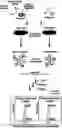
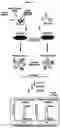
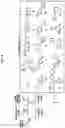
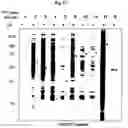
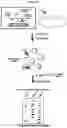
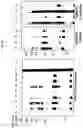
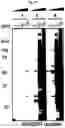
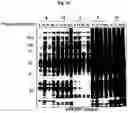
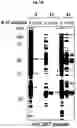
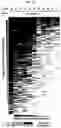
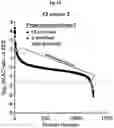
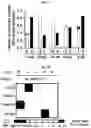
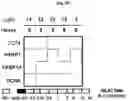
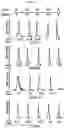
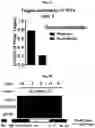
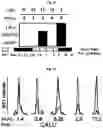
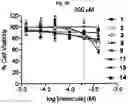
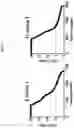
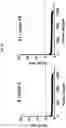
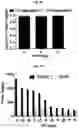
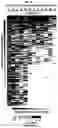
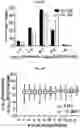
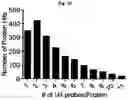
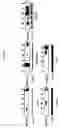
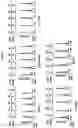
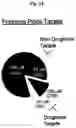
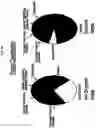
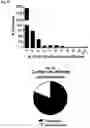
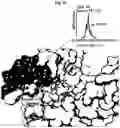
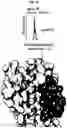
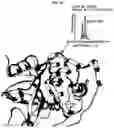
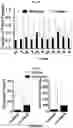
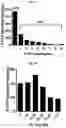
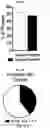
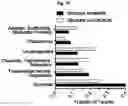
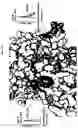
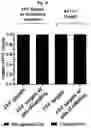
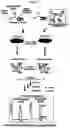

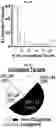
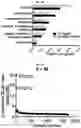
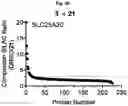
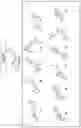
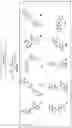
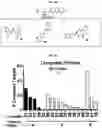
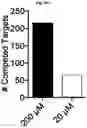
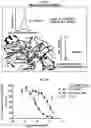
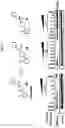
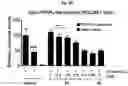
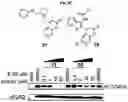
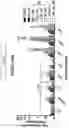
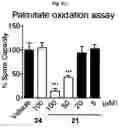
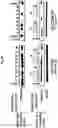
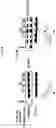
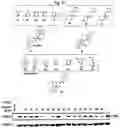
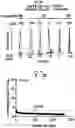
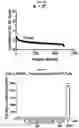
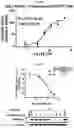
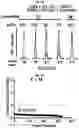
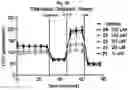
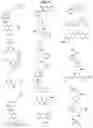
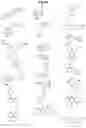
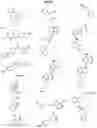
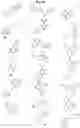
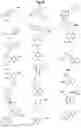
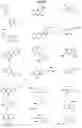
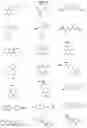
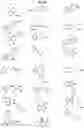
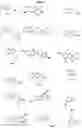
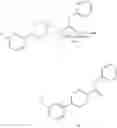
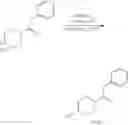

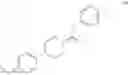
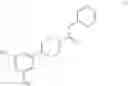
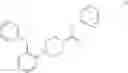
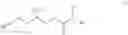
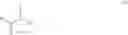

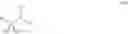
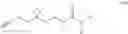
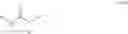
Sources:
- United States Patent and Trademark Office - verify current appl. status at the USPTO↗
Recent applications in this class:
- » 20220348546 2022-11-03
SULFUR AND AMIDE TROPOLONE INHIBITORS OF NUCLEOTIDYL TRANSFERASES AND USES THEREFOR - » 20220281820 2022-09-08
DIAZIRINE-BASED MOLECULES AND USES THEREOF - » 20220274930 2022-09-01
PROCESSES AND COMPOUNDS FOR THE DECARBOXYLATIVE AMINATION OF REDOX-ACTIVE ESTERS WITH DIAZIRINES - » 20220098155 2022-03-31
NOVEL PATHWAY FOR THE SYNTHESIS OF DIAZIRINES, THAT MAY OR MAY NOT BE ENRICHED IN NITROGEN-15 - » 20220017471 2022-01-20
FUNCTIONALITY INDEPENDENT LABELING OF ORGANIC COMPOUNDS - » 20200140388 2020-05-07
Determining small molecule-protein and protein-protein interactions - » 20180273484 2018-09-27
DIAZIRINES AS PHOTOCAGES WHICH RELEASE MOLECULES CONTAINING DOUBLE BONDS - » 20180186747 2018-07-05
Diazirine compounds and compositions derived therefrom - » 20180170878 2018-06-21
Photocrosslinking reagents and methods of use thereof - » 20160083352 2016-03-24
Diazirine compounds and compositions derived therefrom
Recent applications for this Assignee:
- » 20250270535 2025-08-28
INCORPORATION OF UNNATURAL NUCLEOTIDES AND METHODS THEREOF - » 20250250359 2025-08-07
TERMINAL DEOXYNUCLEOTIDYL TRANSFERASE ANTIBODIES AND USES THEREOF - » 20250051828 2025-02-13
METHODS AND SYSTEMS TO FUNCTIONALLY ABLATE 3 PRIME RNA ENDS - » 20240343782 2024-10-17
Monoclonal antibodies directed against trimeric forms of the HIV-1 envelope glycoprotein with broad and potent neutralizing activity - » 20240207363 2024-06-27
MODIFIED THERAPEUTIC AGENTS, STAPLED PEPTIDE LIPID CONJUGATES, AND COMPOSITIONS THEREOF - » 20240191301 2024-06-13
Methods, Systems, and Compositions for Diagnosing Transplant Rejection - » 20240158403 2024-05-16
SMALL MOLECULE MYRISTATE INHIBITORS OF BCR-ABL AND METHODS OF USE - » 20240148884 2024-05-09
LONG-ACTING DUAL GIP/GLP-1 PEPTIDE CONJUGATES AND METHODS OF USE - » 20240132578 2024-04-25
METHODS OF TREATING HIV-1 INFECTION UTILIZING BROADLY NEUTRALIZING HUMAN IMMUNODEFICIENCY VIRUS TYPE 1 (HIV-1) GP120-SPECIFIC MONOCLONAL ANTIBODIES - » 20240101590 2024-03-28
Method for the site-specific enzymatic labelling of nucleic acids in vitro by incorporation of unnatural nucleotides