Detection of microbial endotoxins in oral samples using aptamers
US20200399639A1
2020-12-24
16/867,587
2020-05-06
✅ Patent granted
US 11,643,661 B2
2023-05-09
-
-
Brian Whiteman
James E. Oehlenschlager
2040-05-06
Abstract:
The present invention is directed to an aptamer composition comprising at least one oligonucleotide consisting of: deoxyribonucleotides, ribonucleotides, derivatives of deoxyribonucleotides, derivatives of ribonucleotides, and mixtures thereof; wherein said aptamer composition has a binding affinity for one or more bacterial species from the genera Prevotella and Porphyromonas.
Inventors:
- Ping Hu 9 🇺🇸 Mason, OH, United States
- Sancai XIE 6 🇺🇸 Liberty Township, OH, United States
- Cheryl Sue TANSKY 6 🇺🇸 Forest Park, OH, United States
- Thomas Glenn HUGGINS, JR. 2 🇺🇸 Mason, OH, United States
- Susan Ellen Forest 1 🇺🇸 Cincinnati, OH, United States
Assignee:
- The Procter &Gamble Company 7,922 🇺🇸 Cincinnati, OH, United States
Applicant:
Interested in similar patents?
Get notified when new applications in this technology area are published.
Classification:
G01N33/5308 » CPC further
Investigating or analysing materials by specific methods not covered by groups -; Biological material, e.g. blood, urine ; Haemocytometers; Chemical analysis of biological material, e.g. blood, urine; Testing involving biospecific ligand binding methods; Immunological testing; Immunoassay; Biospecific binding assay; Materials therefor for analytes not provided for elsewhere, e.g. nucleic acids, uric acid, worms, mites
G01N33/53 IPC
Investigating or analysing materials by specific methods not covered by groups -; Biological material, e.g. blood, urine ; Haemocytometers; Chemical analysis of biological material, e.g. blood, urine; Testing involving biospecific ligand binding methods; Immunological testing Immunoassay; Biospecific binding assay; Materials therefor
G01N33/56911 » CPC further
Investigating or analysing materials by specific methods not covered by groups -; Biological material, e.g. blood, urine ; Haemocytometers; Chemical analysis of biological material, e.g. blood, urine; Testing involving biospecific ligand binding methods; Immunological testing; Immunoassay; Biospecific binding assay; Materials therefor for microorganisms, e.g. protozoa, bacteria, viruses Bacteria
C12N2310/16 » CPC further
Structure or type of the nucleic acid; Type of nucleic acid Aptamers
C12N2310/317 » CPC further
Structure or type of the nucleic acid; Chemical structure of the backbone with an inverted bond, e.g. a cap structure
C12N2310/321 » CPC further
Structure or type of the nucleic acid; Chemical structure of the sugar 2'-O-R Modification
C12N2310/344 » CPC further
Structure or type of the nucleic acid; Chemical structure; Spatial arrangement of the modifications Position-specific modifications, e.g. on every purine, at the 3'-end
C12N2310/351 » CPC further
Structure or type of the nucleic acid; Chemical structure; Nature of the modification Conjugate
G01N2400/50 » CPC further
Assays, e.g. immunoassays or enzyme assays, involving carbohydrates; Polysaccharides, i.e. having more than five saccharide radicals attached to each other by glycosidic linkages; Derivatives thereof, e.g. ethers, esters Lipopolysaccharides; LPS
G01N2800/18 » CPC further
Detection or diagnosis of diseases Dental and oral disorders
G01N33/569 IPC
Investigating or analysing materials by specific methods not covered by groups -; Biological material, e.g. blood, urine ; Haemocytometers; Chemical analysis of biological material, e.g. blood, urine; Testing involving biospecific ligand binding methods; Immunological testing; Immunoassay; Biospecific binding assay; Materials therefor for microorganisms, e.g. protozoa, bacteria, viruses
C12N15/115 » CPC main
Mutation or genetic engineering; DNA or RNA concerning genetic engineering, vectors, e.g. plasmids, or their isolation, preparation or purification; Use of hosts therefor; Recombinant DNA-technology; DNA or RNA fragments; Modified forms thereof Aptamers, i.e. nucleic acids binding a target molecule specifically and with high affinity without hybridising therewith ; Nucleic acids binding to non-nucleic acids, e.g. aptamers
Description
FIELD OF INVENTION
The present invention generally relates to nucleic acid aptamers that have a high binding affinity and specificity for Porphyromonas gingivalis and Prevotella pallens. This invention also relates to the use of such aptamers as reagents to develop assays and point of care tests for evaluation of microbial toxins and microbial abundance in oral samples.
BACKGROUND OF THE INVENTION
Periodontal diseases, such as gingivitis and periodontitis, involve chronic inflammation in the gingival tissue caused by dysfunctional microbial communities and host immune responses. They are one of the most ubiquitous diseases worldwide and remain the most common cause of tooth loss in the world today and can affect up to 90% of the population worldwide. Gingivitis is defined per the FDA monograph (12 CFR Part 356, Vol. 68, No. 103 (2003)) as “An inflammatory lesion of the gingiva that is most frequently caused by dental plaque. Gingivitis is characterized by tissue swelling and redness, loss of stippling (a normal state in which the surface of healthy gingiva is comprised of small lobes), glossy surface, and increased tissue temperature. The gingiva also may bleed upon gentle provocation, such as tooth brushing or may bleed spontaneously. Gingivitis is usually not painful.” In healthy gingiva, the microbial community is in a homeostatic equilibrium with the host, and host immune systems limit bacterial overgrowth and neutralize toxic products, such as lipopolysaccharides (LPS) and lipoteichoic acids (LTA). The intricate balance between host and bacteria is disrupted as bacteria overgrow in the gingival margins or in the subgingival crevice. Recent data from metagenomics studies showed that bacterial species, such as Prevotella pallens, Prevotella intermedia, Porphyromonas gingivalis, and Filifactor alocis, were increased in supragingival and subgingival plaques. Although the etiology of gingivitis and periodontitis remains elusive, one thing is clear; the composition of the dental plaques is significantly different in healthy sites compared with clinically defined disease sites. This observation, together with advances in characterizing the host and bacterial interactions using the newly developed tools in genomics, proteomics and metabonomics, has led to the notion that gingivitis and periodontitis are the result of disrupted homeostasis between host and polymicrobial communities (Lamont R J and Hajishengallis G. Polymicrobial synergy and dysbiosis in inflammatory disease. G Trends Mol Med. 2015; 21:172-83).
Polymicrobial communities in the dental plaques produce various virulence factors; for example, many bacteria produce digestive enzymes, such as hyaluronidases, to breakdown polysaccharides that glue the host cell together, fibrinolytic enzymes that lyse the fibrins of blood clots, and collagenases that degrade collagens in the connective tissues. Gram negative bacteria secrete endotoxins, also called LPS, while Gram positive bacteria produce LTA and peptidoglycans. Furthermore, one pathogen bacterium can generate multiple virulence factors; for example, P. gingivalis has been reported to generate multiple virulence factors that are involved in the inflammatory and destructive events of periodontal tissues. These influence factors include the capsule, outer membrane, its associated LPS, fimbriae, proteinases, and selected enzymes.
LPS is an integral component of all Gram-negative bacteria and is found in the outer membrane layer. P. gingivalis LPS possesses significant amounts of heterogeneity containing tetra- and penta-acylated structures. Several of them have been purified. LPS 1690 is highly toxic, while LPS 1435/1449 is relatively mild. Chemically, LPS consists of a hydrophilic polysaccharide and a hydrophobic lipid moiety referred to as lipid A. The latter is the actual toxic moiety of the LPS molecule and contains phosphate groups shown to be essential for its proinflammatory activity. Mechanistically, LPS first binds to LPS-binding protein (LBP), then the LBP-LPS complex is transferred to membrane-bound CD14, thereby enabling interactions with Toll-like receptor (TLR) 4 on cell membranes. Binding of LPS to TLR4 on the cell membrane activates both TIRAP-MyD88-dependent NFkB and TRAM-TRIF-dependent IRF3 or IRF7 signaling pathways, and subsequently stimulate production of proinflammatory cytokines and chemokines, such as interferon (IFN) gamma, tumor necrosis factor-α (TNFα), interleukin (IL)-1β, IL-6, IL-8, and IL-12. Also, induced is production of nitric oxide, prostaglandins, leukotrienes, and proteolytic enzymes. Importantly, LPS has been reported to cause periodontitis in mouse and rats.
P. gingivalis also secretes exotoxins and enzymes that exert damage on the host following their release. These enzymes include proteases, coagulases, and fibrinolysins. Noticeably, P. gingivalis generates peptidylarginine deiminase that can modify free or peptide-bound arginine to citrulline. The citrullinated proteins are especially harmful since they cause auto-immune responses and are hypothesized to be the culprit of rheumatoid arthritis. In addition, P. gingivalis also produces two types of gingipains, lysine specific (Kgp) and arginine specific (Rgps). Gingipains play a major role in stirring up inflammation and tissue destruction in the periodontium.
Assessing the severity of gingivitis and periodontitis in a person is currently achieved with clinical measures such as gum redness, gum bleeding or pocket depth. While the measures are based on professionally developed scales, the actual values can vary due to examiner differences. There exists a need to quantify gingivitis severity and oral hygiene product treatment effectiveness in reducing the inflammatory response. It is desirable to have objective readings from an instrument that is free of human variability and errors.
A variety of point of care tests have been developed, as reviewed recently (Nancy Srivastava, Prathibha Anand Nayak, and Shivendra Rana. J Clin Diagn Res. 2017 August; 11(8): ZE01-ZE06. Point of Care—A Novel Approach to Periodontal Diagnosis-A Review). Both host and microbial biomarkers are used for diagnostics in oral samples, examples of such biomarkers include saliva, oral lavage, subgingival and supragingival plaques, gingival crevicular fluid, buccal brush samples and gingival brush samples. DNA polymerase chain reaction has been used to detect the type and concentration of bacteria present in a salivary sample for pathogenic bacteria, such as Porphyromonas gingivalis, Prevotella intermedia, Aggregatibacter actinomycetem-comitans, Fusobacterium nucleatum, Eikenella corrodens, Campylobacter rectus, Tannerella forsythia and Treponema denticola). RNA has also been used to detect microorganisms causing periodontitis, such as A. actinomycetemcomitans, P. gingivalis, T. forsythia and T. denticola.
An alternative approach involves the detection of enzymes produced by periodontal pathogens. Enzymes with a trypsin-like activity are produced by only a few members of the cultivable oral microflora, namely Porphyromonas gingivalis, Tannerella forsythia, Treponema denticola and Capnocytophaga sp. (Hemmings K W, Griffiths G S, Bulman J S. The presence of this enzyme in a plaque sample can be elicited by the hydrolysis of a synthetic trypsin substrate, N-benzoyl-DL-arginine-2-naphthylamide (BANA). J Clin Periodontol. 1997; 24:110-4). Their enzymes can cleave N-benzoyl-DL-arginine-2-naphthylamide and result in a blue-black product. The BABA test is used to detect Porphyromonas gingivalis, Bacteroides forsythus, Treponema denticola and Capnocytophaga sp, which are widely believed to be the pathogens for periodontitis.
Periocheck (Advanced Clinical Technologies Inc., Westwood, Mass. 02090, USA) is also a point of care test to detect the presence of neutral proteases, which are implicated in collagen breakdown. Breakdown of collagen is an important feature of periodontal disease. For this test, gingival crevicular fluid is collected on filter paper strips and placed on a collagen dye-labelled gel matrix. The enzymes from gingival crevicular fluid digest the collagen into fragments and the soluble dye-labelled fragments diffuse onto the sample strip paper turning the strip to blue. The quantity and intensity of the color reaction is compared to a standard color chart, and the level of neutral protease activity in the crevicular fluid samples is calculated.
Protease-based point of care tests are convenient and simple to run, but they can't tell the exact bacterial species. DNA and RNA procedures offer species-specificity, but DNA polymerase reaction and RNA measurements are not convenient. As should be apparent from the above, there is a need for a more sensitive, accurate and consistent test.
SUMMARY OF THE INVENTION
An aptamer composition is provided that comprises an oligonucleotide that is at least one of deoxyribonucleotides, ribonucleotides, derivatives of deoxyribonucleotides, derivatives of ribonucleotides, or mixtures thereof; wherein said aptamer composition has a binding affinity for one or more bacterial species from the genus Prevotella or the genus Porphyromonas.
A method for detecting endotoxins and outer membrane vesicles is provided that comprises obtaining an oral cavity sample; applying an oral cavity sample to an assay kit; and measuring an assay result.
The assay kit may comprise at least one oligonucleotide of SEQ ID NO 1001 to SEQ ID NO 1105 or SEQ ID NO 2001 to SEQ ID NO 2108. The assay kit may comprise at least one oligonucleotide with at least 50% nucleotide sequence identity to SEQ ID NO 1001 to SEQ ID NO 1105 or SEQ ID NO 2001 to SEQ ID NO 2108. The assay kit may comprise at least one oligonucleotide with the oligonucleotide with natural or non-natural nucleobases of SEQ ID NO 1001 to SEQ ID NO 1105 or SEQ ID NO 2001 to SEQ ID NO 2108. The assay kit may comprise an oligonucleotide that is at least one of SEQ ID NO 1001 to SEQ ID NO 1105 or SEQ ID NO 2001 to SEQ ID NO 2108.
The method may comprise at least one oligonucleotide that is covalently or non-covalently attached to one or more reporter molecules; wherein said one or more reporter molecules are at least one of gold nanoparticles, fluorescent tags, horse radish peroxidase, alkaline phosphatase, green fluorescence proteins and latex, or mixtures thereof.
BRIEF DESCRIPTION OF THE DRAWINGS
FIG. 1A shows lower mean bleeding (GBI) among a test regimen group relative to a negative control group at Weeks 1, 3 and 6.
FIG. 1B shows lower mean inflammation (MGI) among a test regimen group relative to a negative control group at Weeks 1, 3 and 6.
FIG. 2A shows an scanning electron micrograph illustrating bacteria release outer membrane vesicles (OMV) during growth or under stress.
FIG. 2B displays transmission electron microscopic images of bacteria at different magnifications.
FIG. 2C presents transmission electron microscopic images of bacterial membranes and their measurements.
FIG. 2D shows transmission electron microscopic images of bacterial outer membrane vesicles.
FIG. 2E shows endotoxin activities were low in the filtrates that were filtered through tangential flow filtration of P. gingivalis culture medium.
FIG. 2F shows LPS activities were high in the filtrate when the P. gingivalis retentate was diluted with water and passed through 100 kD tangential flow filtration processes.
FIG. 2G shows in P. pallens almost all endotoxin activities remained in the retentate.
FIG. 2H shows LPS activities were low in the filtrate when the P. pallens retentate was diluted with water and passed through 100 kD tangential flow filtration processes.
FIG. 2I shows concentrated retentate was precipitated with ultra-centrifugation and then separated with a discontinuous iodixanol gradient, and a yellow band appeared in the discontinuous iodixanol gradient.
FIG. 2J shows DNA and RNA molecules, measured in OD260, are floated at the top of the gradient. Proteins, estimated by OD280, are located just below DNA and RNA molecules.
FIG. 3A shows the ultrapure LPS preparation of P. gingivalis had two peaks. The elution was collected at one-minute intervals, starting 10 minutes after injection of the samples to account for the flow time from the detector to the sample collection outlet. Endotoxin activities were measured in each fraction, and the majority of endotoxin activity was in fractions 8 to 11.
FIG. 3B shows lab purified bacterium bound LPS of P. gingivalis had a very similar pattern on spectrometry profiles as the ultrapure LPS preparation of P. gingivalis. The main endotoxin activities were in fractions 9 to 13.
FIG. 3C shows the LPS isolated from the culture mediumis somewhat different from the bacterium-bound LPS, as the LPS isolated from the culture medium showed a broad one peak.
FIG. 3D shows multiple species of purified P. gingivalis bacterial cell lipopolysaccharides in mass spectrometry.
FIG. 3E shows multiple species of purified secreted P. gingivalis lipopolysaccharides in mass spectrometry.
FIG. 3F shows multiple species of purified P. pollens bacterial cell lipopolysaccharides in mass spectrometry.
FIG. 3G shows multiple species of ultrapure E. coli bacterial cell lipopolysaccharides of Invivogen (Ultrapure LPS from E. coli 055:B5) in mass spectrometry.
FIG. 4A shows ssDNA hybridized to a capture probe through base pair complementary interactions. ssDNA undergoes conformational changes when a target molecule is bound, which unwinds the base pairings between the capture probe and the ssDNA, leading to dissociation of the ssDNA from the capture probe.
FIG. 4B shows the ssDNA band was gradually enriched. In each round of SELEX, the selected ssDNA was amplified using PCR procedures, and part of the PCR products were visualized on an agarose gel.
FIG. 4C shows negative selection was carried out using bacterial materials from different species.
FIG. 5A-J shows predicted aptamer secondary structure.
FIG. 6A shows an aptamer linked to a quencher that can reduce the intensity of a fluorescence molecule if the two are placed in proximity.
FIG. 6B shows how enzymes are employed to determine the abundance of endotoxins in oral samples.
FIG. 7A shows lateral flow assays are typically composed of a nitrocellulose membrane, sample pad, conjugate pad, wicking or absorbent pad and backing pad.
FIG. 7BI-BIII show lateral flow assays are used to detect one or more targets. In FIG. 7B, only one type of endotoxin or outer membrane vesicle from one bacterial species is detected. For Example, one or two aptamers of P. gingivalis endotoxins are conjugated to the reporter molecule, such as gold nanoparticles.
FIG. 7CI-CIII show as the sample mix migrates to the test line, the reporter gold nanoparticle-oligonucleotide hybridizes with the capture oligonucleotide which is immobilized in the test line.
FIG. 7DI-DIII show as a gold nanoparticle-aptamer-endotoxin complex migrates to the control line, the biotin in the gold nanoparticle-aptamer-endotoxin complex will bind to the streptavidin in the control line.
FIG. 7E shows in one device, one, two or more endotoxins, outer membrane vesicles or bacteria can be detected.
DETAILED DESCRIPTION OF THE INVENTION
The present invention relates to aptamers and their use in determining the presence of specific species of bacteria and endotoxins in the oral cavity.
In embodiments, the present invention includes aptamers, methods and kits for monitoring changes in specific endotoxin levels in oral samples. The method comprises collecting oral samples, applying samples to an assay format and reading the specific binding of endotoxins to relative aptamers. The kits comprise a 96-well assay format and a point of care assay format on the basis of specific aptamers.
In embodiments, the present invention is directed toward methods of developing aptamers; for example, through the use of SELEX for the selection of aptamers against endotoxins and outer membrane vesicles of Porphyromonas gingivalis, Prevotella pollens and other Gram-native bacteria and use the aptamers to develop assays to qualitatively and quantitatively measure endotoxins, outer membrane vesicles and bacteria in oral samples.
In embodiments, the present invention provides an aptamer composition. The aptamer composition may comprise at least one oligonucleotide consisting of deoxyribonucleotides, ribonucleotides, derivatives of deoxyribonucleotides, derivatives of ribonucleotides, and mixtures thereof, wherein said aptamer composition has a binding affinity for Porphyromonas gingivalis, Prevotella pollens and other Gram-native bacteria.
In embodiments, the present invention is directed toward methods of analyzing endotoxins and outer membrane vesicles of Porphyromonas gingivalis, Prevotella pollens and other Gram-native bacteria. The methods comprise at least one oligonucleotide selected from the group consisting of SEQ ID NO 1001 to SEQ ID NO 1250 and SEQ ID NO 2001 to SEQ ID NO 2199.
In embodiments, the kits to detect endotoxins and outer membrane vesicles may comprises at least one oligonucleotide comprising one or more motifs selected from the group consisting of SEQ ID NO 1001 to SEQ ID NO 1250 and SEQ ID NO 2001 to SEQ ID NO 2199.
In addition, this invention also describes methods and procedures for purification of endotoxins from P. gingivalis and P. pallens, and for isolation of outer membrane vesicles of P. gingivalis and P. pallens.
The present invention is directed to methods of selecting high affinity aptamers through capture probes. In the first a few rounds of SELEX, a 17-nucleotide capture probe is used. As selection progresses, the length of the capture probe increases from 17 to 30 nucleotides. Likely, the binding strength is increased with the length of the capture probes. The longer capture probe will help select higher affinity aptamers.
I. Definitions
An “aptamer” may be a peptide or nucleic acid molecule, such as RNA or DNA that is capable of binding to a specific molecule with high affinity and specificity. Exemplary ligands that bind to an aptamer include, without limitation, small molecules, such as drugs, metabolites, intermediates, cofactors, transition state analogs, ions, metals, nucleic acids, and toxins, such as endotoxins. Aptamers may also bind natural and synthetic polymers, including proteins, peptides, nucleic acids, polysaccharides, glycoproteins, hormones, receptors and cell surfaces such as cell walls and cell membranes. The binding of a ligand to an aptamer, causes a conformational change in the effector domain and alters its ability to interact with its target molecule. An aptamer will most typically have been obtained by in vitro selection for binding of a target molecule. However, in vivo selection of an aptamer is also possible. Aptamers have specific binding regions which are capable of forming complexes with an intended target molecule in an environment, wherein other substances in the same environment are not complexed to the nucleic acid. The specificity of the binding is defined in terms of the comparative dissociation constants (Kd) of the aptamer for its ligand as compared to the dissociation constant of the aptamer for other materials in the environment or unrelated molecules in general. A ligand is one which binds to the aptamer with greater affinity than to unrelated material. Typically, the Kd for the aptamer with respect to its ligand will be at least about 10-fold less than the Kd for the aptamer with unrelated material or accompanying material in the environment. Even more preferably, the Kd will be at least about 50-fold less, more preferably at least 50 about 100-fold less, and most preferably at least about 200-fold less. An aptamer will typically be between about 10 and about 300 nucleotides in length. More commonly, an aptamer will be between about 30 and about 100 nucleotides in length.
The terms “nucleic acid molecule” and “nucleotide” refer to deoxyribonucleotides or ribonucleotides and polymers thereof in either single- or double-stranded form. Unless specifically limited, the term encompasses nucleic acids containing known analogues of natural nucleotides which have similar binding properties as the reference nucleic acid and are metabolized in a manner similar to naturally occurring nucleotides. Unless otherwise indicated, a particular nucleic acid sequence also implicitly encompasses conservatively modified variants thereof (such as, degenerate codon substitutions) and complementary sequences and as well as the sequence explicitly indicated. The nucleic acid may be in any physical form, for example, linear, circular, or supercoiled. The term nucleic acid is used interchangeably with oligonucleotide, gene, cDNA, and mRNA encoded by a gene. As used herein, the term “nucleic acid” refers to a polymer or oligomer of nucleotides. Nucleic acids are also referred as “ribonucleic acids” when the sugar moiety of the nucleotides is D-ribose and as “deoxyribonucleic acids” when the sugar moiety is 2-deoxy-D-ribose.
As used herein, the term “nucleoside” refers to a glycosylamine consisting of a nucleobase, such as a purine or pyrimidine, usually linked to a 5-carbon sugar (e.g. D-ribose or 2-deoxy-D-ribose) via a f3-glycosidic linkage. Nucleosides are also referred as “ribonucleosides” when the sugar moiety is D-ribose and as “deoxyribonucleosides” when the sugar moiety is 2-deoxy-D-ribose. As used herein, the term “nucleobase”, refers to a compound containing a nitrogen atom that has the chemical properties of a base. Non-limiting examples of nucleobases are compounds comprising pyridine, purine, or pyrimidine moieties, including, but not limited to adenine, guanine, hypoxanthine, thymine, cytosine, and uracil.
As used herein, the term “oligonucleotide” refers to an oligomer composed of nucleotides.
As used herein, the term “identical” or “sequence identity,” in the context of two or more oligonucleotides, nucleic acids, or aptamers, refers to two or more sequences that are the same or have a specified percentage of nucleotides that are the same, when compared and aligned for maximum correspondence, such as when measured using sequence comparison algorithms or by manual sequence listing comparison.
As used herein, the term “substantially homologous” or “substantially identical” in the context of two or more oligonucleotides, nucleic acids, or aptamers, generally refers to two or more sequences or subsequences that have at least 40%, 60%, 80%, 90%, 95%, 96%, 97%, 98% or 99% nucleotide identity, when compared and aligned for maximum correspondence, as measured using sequence comparison algorithms or by visual inspection.
As used herein, the term “epitope” refers to the region of a target that interacts with the aptamer. An epitope can be a contiguous stretch within the target or can be represented by multiple points that are physically proximal in a folded form of the target.
As used herein the term “binding affinity” may be calculated using the following equation: Binding Affinity=Amount of aptamer bound to one or more bacterial species/Total amount of aptamer incubated with the one or more bacterial species.
As used herein, the term “motif” refers to the sequence of contiguous, or series of contiguous, nucleotides occurring in a library of aptamers with binding affinity towards a specific target and that exhibits a statistically significant higher probability of occurrence than would be expected compared to a library of random oligonucleotides. The motif sequence is frequently the result or driver of the aptamer selection process.
As used herein, the term “96-well assays” refer to assays that are routinely run in the lab to analyze more than one samples. The assay is qualitative and quantitative in nature. Usually, a standard curve or a positive or negative control is included in the assay. The assay can be performed in a 6-well plate, a 12-well plate, a 24-well plate, a 48-well plate, or a 96-well plate.
As used herein, the term “point of care tests or assays” include any assays that can be performed in a store, in a dentist office, at consumer's home or anyplace outside a standard laboratory. The point of care assays can be lateral flow assays, can be sandwich assay, can be competitive assays, or can be colorimetric assays, or can be fluorescence assays.
As used herein, the bacterial genus Porphyromonas includes any bacteria in this genus in the mouth.
As used herein, the bacterial genus Prevotella includes any bacteria in this genus in the mouth. As used herein, the Gram-negative bacteria include any Gram-negative bacteria in the mouth.
As used herein, the term “outer membrane vesicles” means any structure that is derived from the outer membrane or that contains the outer membrane.
As used herein, the term “endotoxin” means lipopolysaccharides on bacterial outer membrane vesicles or free floating in the environment dissociated from bacteria.
As used herein, the term “oral sample” includes, oral lavage, saliva, gingival brush samples, supragingival plaques, or subgingival plaques.
As used herein, the term “capture probe” means a DNA sequence that can hybridize with another DNA sequence. For example, a capture probe may be anchored to the bottom of a well in a 96-well plate. This capture probe can hybridize with an aptamer, thus retaining the aptamer in the well.
As used herein, the term “reporter probe” is a DNA sequence that is covalently or non-covalently linked to a molecule or a nanoparticle. The molecule, for example, can be a pigment, a fluorescent dye, an enzyme, or fluorescent protein. The reporter probe may have a DNA sequence that is complementary to another DNA sequence.
As used herein, the word “or” when used as a connector of two or more elements is meant to include the elements individually and in combination; for example X or Y, means X or Y or both.
As used herein, the articles “a” and “an” are understood to mean one or more of the material that is claimed or described, for example, “an aptamer” or “a composition comprising an aptamer.”
All measurements referred to herein are made at about 23° C. (i.e. room temperature) unless otherwise specified.
II. Aptamer Compositions
Aptamers are single-stranded oligonucleotides, with a specific and complex three-dimensional shape, that bind to target molecules. The molecular recognition of aptamers is based on structure compatibility and intermolecular interactions, including electrostatic forces, van der Waals interactions, hydrogen bonding, and π-π stacking interactions of aromatic rings with the target material. The targets of aptamers include, but are not limited to, peptides, proteins, nucleotides, amino acids, antibiotics, low molecular weight organic or inorganic compounds, and even whole cells. The dissociation constant of the complexes of aptamers and the corresponding target materials typically varies between micromolar and picomolar levels, which is comparable to the affinity of antibodies to their antigens. Aptamers can also be designed to have high specificity, enabling the discrimination of target molecules from closely related derivatives.
Aptamers are usually designed in vitro from large libraries of random nucleic acids by Systematic Evolution of Ligands by Exponential Enrichment (SELEX). The SELEX method was first introduced in 1990 when single stranded RNAs were selected against low molecular weight dyes (Ellington, A. D., Szostak, J. W., 1990. Nature 346: 818-822). A few years later, single stranded DNA aptamers and aptamers containing chemically modified nucleotides were also described (Ellington, A. D., Szostak, J. W., 1992. Nature 355: 850-852; Green, L. S., et al., 1995. Chem. Biol. 2: 683-695). Since then, aptamers for hundreds of microscopic targets, such as cations, small molecules, proteins, cells, or tissues have been selected. A compilation of examples from the literature is included in the database at the website: http://www.aptagen.com/aptamer-index/aptamer-list.aspx.
Nucleic acid aptamers are single-stranded oligonucleotides with specific secondary and tertiary structures, that can bind to targets with high affinity and specificity. In the present invention, an aptamer composition may comprise at least one oligonucleotide consisting of deoxyribonucleotides, ribonucleotides, derivatives of deoxyribonucleotides, derivatives of ribonucleotides, and mixtures thereof, wherein the aptamer composition has a binding affinity for one or more bacterial species from the genus Porphyromonas, Prevotella, and any other Gram-negative bacteria. In the present invention, said one or more genera of Porphyromonas and Prevotella may be selected from the group consisting of Porphyromonas asaccharolytica, Porphyromonas catoniae, Porphyromonas endodontalis, Porphyromonas gingivalis, Porphyromonassp_oral_taxon 278, Porphyromonassp_oral_taxon 279, Porphyromonas_uenonis, Prevotella baroniae, Prevotella bivia, Prevotella, buccae, Prevotella dentalis, Prevotella denticola, Prevotella disiens, Prevotella histicola, Prevotella intermedia, Prevotella loescheii, Prevotella maculosa, Prevotella marshii, Prevotella melaninogenica, Prevotella micans, Prevotella multiformis, Prevotella multisaccharivorax, Prevotella nanceiensis, Prevotella nigrescens, Prevotella oralis, Prevotella oris, Prevotella oulorum, Prevotella pollens, Prevotella pleuritidis, Prevotella saccharolytica, Prevotella salivae, Prevotella_sp_C561, Prevotellasp_oral_taxon 306, Prevotellasp_oral_taxon 317, Prevotellasp_oral_taxon 473, Prevotella timonensis, Prevotella veroralis, and other Gram-negative bacteria and mixtures thereof.
In the present invention, an aptamer composition may comprise at least one oligonucleotide with at least 85% nucleotide sequence identity to sequences selected from the group consisting of SEQ ID NO 1001 to SEQ ID NO 1250, and SEQ ID NO 2001 to SEQ ID NO 2199.
In the present invention, an aptamer composition may comprise at least one oligonucleotide with at least 70% nucleotide sequence identity to sequences selected from the group consisting of SEQ ID NO 1001 to SEQ ID NO 1250, and SEQ ID NO 2001 to SEQ ID NO 2199.
In the present invention, an aptamer composition may comprise at least one oligonucleotide with at least 90% nucleotide sequence identity to sequences selected from the group consisting of SEQ ID NO 1001 to SEQ ID NO 1250, and SEQ ID NO 2001 to SEQ ID NO 2199.
In the present invention, an aptamer composition may comprise at least one oligonucleotide selected from the group consisting of SEQ ID NO 1001 to SEQ ID NO 1250, and SEQ ID NO 2001 to SEQ ID NO 2199.
In the present invention, an aptamer composition may comprise at least one oligonucleotide containing at least 10 contiguous nucleotides from sequences selected from the group consisting of SEQ ID NO 1001 to SEQ ID NO 1250, and SEQ ID NO 2001 to SEQ ID NO 2199.
In the present invention, an aptamer composition may comprise at least one oligonucleotide containing at least 20 contiguous nucleotides from sequences selected from the group consisting of SEQ ID NO 1001 to SEQ ID NO 1250, and SEQ ID NO 2001 to SEQ ID NO 2199.
In the present invention, an aptamer composition may comprise at least one oligonucleotide containing at least 40 contiguous nucleotides from sequences selected from the group consisting of SEQ ID NO 1001 to SEQ ID NO 1250, and SEQ ID NO 2001 to SEQ ID NO 2199.
In the present invention, an aptamer composition may comprise at least one oligonucleotide containing at least 60 contiguous nucleotides from sequences selected from the group consisting of SEQ ID NO 1001 to SEQ ID NO 1250, and SEQ ID NO 2001 to SEQ ID NO 2199.
In the present invention, an aptamer composition may comprise at least one oligonucleotide containing at least 70 contiguous nucleotides from sequences selected from the group consisting of SEQ ID NO 1001 to SEQ ID NO 1250, and SEQ ID NO 2001 to SEQ ID NO 2199.
In the present invention, an aptamer composition may comprise at least one oligonucleotide containing at least 80 contiguous nucleotides from sequences selected from the group consisting of SEQ ID NO 1001 to SEQ ID NO 1250, and SEQ ID NO 2001 to SEQ ID NO 2199.
Chemical modifications can introduce new features into the aptamers, such as different molecular interactions with the target, improved binding capabilities, enhanced stability of oligonucleotide conformations, or increased resistance to nucleases. In the present invention, said at least one oligonucleotide of said aptamer composition may comprise natural or non-natural nucleobases. Natural nucleobases are adenine, cytosine, guanine, thymine, and uracil. Non-limiting examples of non-natural nucleobases are hypoxanthine, xanthine, 7-methylguanine, 5,6-dihydrouracil, 5-5-methylcytosine, 5-hydroxymethylcytosine, thiouracil, 1-methylhypoxanthine, 6-methylisoquinoline-1-thione-2-yl, 3-methoxy-2-naphthyl, 5-propynyluracil-1-yl, 5-methylcytosin-1-yl, 2-aminoadenin-9-yl, 7-deaza-7-iodoadenin-9-yl, 7-deaza-7-propynyl-2-aminoadenin-9-yl, phenoxazinyl, phenoxazinyl-G-clam, bromouracil, 5-iodouracil, and mixtures thereof.
Modifications of the phosphate backbone of the oligonucleotides can also increase the resistance against nuclease digestion. In the present invention, the nucleosides of said oligonucleotides may be linked by a chemical motif selected from the group comprising natural phosphate diester, chiral phosphorothionate, chiral methyl phosphonate, chiral phosphoramidate, chiral phosphate chiral triester, chiral boranophosphate, chiral phosphoroselenoate, phosphorodithioate, phosphorothionate amidate, methylenemethylimino, 3 ‘-amide, 3’ achiral phosphoramidate, 3′ achiral methylene phosphonates, thioformacetal, thioethyl ether, fluorophosphate, and mixtures thereof. In the present invention, the nucleosides of said oligonucleotides may be linked by natural phosphate diesters.
In the present invention, the sugar moiety of the nucleosides of said oligonucleotides may be selected from the group comprising ribose, deoxyribose, 2′-fluoro deoxyribose, 2′-O-methyl ribose, 2′-O-(3-amino)propyl ribose, 2′-O-(2-methoxy)ethyl ribose, 2′-O-2-(N,N-dimethylaminooxy)ethyl ribose, 2′-O-2-[2-(N,N-dimethylamino)ethyloxy]ethyl ribose, 2′-O-N,N-dimethylacetamidyl ribose, N-morpholinophosphordiamidate, α-deoxyribofuranosyl, other pentoses, hexoses, and mixtures thereof.
In the present invention, said derivatives of ribonucleotides or said derivatives of deoxyribonucleotides may be selected from the group comprising: locked oligonucleotides, peptide oligonucleotides, glycol oligonucleotides, threose oligonucleotides, hexitol oligonucleotides, altritol oligonucleotides, butyl oligonucleotides, L-ribonucleotides, arabino oligonucleotides, 2′-fluoroarabino oligonucleotides, cyclohexene oligonucleotides, phosphorodiamidate morpholino oligonucleotides, and mixtures thereof.
In the present invention, the nucleotides at the 5′- and 3′-ends of said at least one oligonucleotide may be inverted. In the present invention, at least one nucleotide of said at least one oligonucleotide may be fluorinated at the 2′ position of the pentose group. In the present invention, the pyrimidine nucleotides of said at least one oligonucleotide may be fluorinated at the 2′ position of the pentose group. In the present invention, said aptamer composition may comprise at least one polymeric material, wherein said at least one polymeric material is covalently linked to said at least one oligonucleotide. In the present invention, said at least one polymeric material may be polyethylene glycol.
In the present invention, said at least one oligonucleotide may be between about 10 and about 200 nucleotides in length. In the present invention, said at least one oligonucleotide may be less than about 100 nucleotides in length. In the present invention, said at least one oligonucleotide may be less than about 50 nucleotides in length.
In the present invention, said at least one oligonucleotide may be covalently or non-covalently attached to one or more therapeutic and personal care ingredients. In the present invention, said one or more therapeutic and personal care ingredients can include one or more of anti-fungal agents, anti-micro agents, anti-bacterial agents, cooling agents, natural extracts, peptides, enzymes, and mixtures thereof. Suitable therapeutic and personal care active ingredients can include any material that is generally considered as safe and that provides benefits to the skin, the scalp, the hair, the oral mucosa, the tooth, or the gingiva.
III. Aptamer Assays
In the present invention, assays can include the use of at least one sequence selected from the group consisting of SEQ ID NO 1001 to SEQ ID NO 1250 and SEQ ID NO 2001 to SEQ ID NO 2199.
In the present invention, in embodiments said assays may be sandwich assays with two or more sequences selected from the group consisting of SEQ ID NO 1001 to SEQ ID NO 1250 and SEQ ID NO 2001 to SEQ ID NO 2199. One sequence functions as the capture aptamer. The other sequence functions as the reporter aptamers.
In one aspect, the capture aptamer may be anchored to a solid surface for example the surface a 96-well plate or nitrocellulose membrane. In embodiments the reporter aptamers may comprise an aptamer and an enzyme, a color molecule, or biological reagent. The said enzyme can be horse radish peroxidase, luciferase, alkaline phosphatase, tyrosinase, or a kinase. The said color molecule can be a pigment, a gold nanoparticle, fluorescence compound or fluorescence protein. The reporter aptamer can also be a combination of an enzyme and a color molecule, such as an enzyme attached to a gold nanoparticle.
This invention also describes an assay in a 96-well plate format. In this assay, two 96-well plates can be used, one is a binding plate, the other is a reading plate. An aptamer capture probe is anchored to the bottom of a well in the binding 96-well plate. This capture probe can hybridize with another the aptamer sequence, thus retaining the aptamer in the bottom of a well through biotin-Streptavidin binding. The bottom surface of a well in 96-well plate is functionalized with Streptavidin. The capture probe is functionalized with a biotin. Biotin has a high affinity for Streptavidin with a dissociation constant on the order of about 1014 Moles/liter. The reporter molecules, such as horse radish peroxidase or gold nanoparticles, will be linked to another DNA sequence, called reporter probe. The reporter probe is a DNA sequence that is covalently or non-covalently linked to a molecule or a nanoparticle, and that is complementary to the aptamer sequence. The reporter molecule can be a pigment, a fluorescent dye, an enzyme, or fluorescent protein. The reporter probe may have a DNA sequence that is complementary to aptamer sequences. In the 96-well plate, a capture probe holds an aptamer to the 96-well plate at its 5′ end through complementary base pairing. The capture probe is tethered to the bottom of a well in the 96-well plate through biotin-Streptavidin binding. A reporter probe is hybridized to the aptamer at its 3′ end by complementary base pairing. Then a target molecule is prepared in a binding buffer and added to the well containing the complex of the capture probe-aptamer-reporter probe. This target molecule can be endotoxins, outer membrane vesicles or whole bacteria. As the target molecule binds to the aptamer, the binding will change the 3-D structure of the aptamer, leading to dissociation of the reporter probe from the associated aptamer. The dissociated reporter probe will be free in the binding buffer and transferred to the well of the reading 96-well plate. Another DNA sequence, the reporter-probe-capture probe, or reporter capture probe, is fixed to the bottom of a reading plate through biotin-Streptavidin binding. The reporter capture probe is able to anneal to the reporter probe through complementary base pairing. As the reporter probe contains a pigment, a fluorescent dye, an enzyme, or fluorescent protein, measurement can be made directly by reading absorbance or fluorescence. If the reporter is an enzyme, such as horse radish peroxidase, alkaline phosphatase, or luciferase, the relative substrate is added, and the measurement is taken.
In embodiments this invention also includes a lateral flow assay. Lateral flow assays are the simplest and most common format for point of care assays. A typical lateral flow rapid test cellulose strip consists of a simple pad, a conjugate release pad, a test line, a control line, and absorbent pad. The sample pad is an absorbent pad onto which the test sample is applied. The conjugation release pad is an absorbent pad inside which a target-binding aptamer, reporter probe, and control reporter probe are stored. The reporter probe is hybridized with the target-binding aptamer. When targets in the samples bind to the target-binding aptamer, the reporter probe will be dissociated from the target-binding aptamer, and subsequently be attached to the test line on the test cellulose trip. The control reporter probe will be bound to the control line on the test cellulose strip. The sample will migrate onto a nitrocellulose membrane onto which a capture probe is immobilized in a line that crosses the membrane to act as a capture zone test line for the target molecules in the sample.
As used herein, the term “capture probe” means a DNA sequence, or a protein, or any chemical that can bind to another DNA sequence. For example, a capture probe can hybridize with an aptamer, thus retaining the aptamer in the membrane.
As used herein, the term “reporter probe” is a DNA sequence that is covalently or non-covalently linked to a reporter, such as a molecule or a nanoparticle. The molecule, for example, can be a pigment, a fluorescent dye, an enzyme, or fluorescent protein. The DNA sequence of the reporter probe is complimentary to that of the target-binding aptamer. The reporter probe is usually hybridized with the target-binding aptamer before samples are applied.
As used herein, the term “reporter aptamer” is an oligonucleotide that is covalently or non-covalently linked to a reporter, such as a molecule or a nanoparticle. The molecule, for example, can be a pigment, a fluorescent dye, an enzyme, or fluorescent protein. The DNA sequence of a reporter aptamer is different from a target-binding aptamer. The reporter aptamer can bind to the target, such as endotoxins, in the sample independently.
As used herein, the term “control reporter probe” is a DNA sequence or a protein, or any chemical that is covalently or non-covalently linked to a reporter. The control reporter probe can bind to a protein, an oligonucleotide or any chemical. A reporter is a molecule or a nanoparticle. The molecule, for example, can be a pigment, a fluorescent dye, an enzyme, or fluorescent protein. The control reporter probe may have a DNA sequence or a protein which is linked to a gold nanoparticle.
The lateral flow assays include a capture probe, which will bind to a reporter probe or reporter aptamer, is anchored to the nitrocellulose membrane on a test line (location onto which the reporter probe or reporter aptamer will be held) through biotin-Streptavidin binding. The reporter probe or reporter aptamer will contain a color molecule, such as gold nanoparticle. If the target molecule, such as endotoxins, are present in the sample, the reporter probe or reporter aptamer will be retained by binding to the capture probe on the test line. The test line will display red color, an indicator for presence of target molecule, such as endotoxins, in the sample. The capture probe is an oligonucleotide, or a protein, or any chemical which can bind to the reporter probe or reporter aptamer. An oligonucleotide capture probe can hybridize with a reporter probe or a reporter aptamer sequence. The reporter probe is a DNA sequence that is complementary to a specific aptamer, which can bind to target molecules, such as endotoxins. A capture probe binds to a specific aptamer at its 5′ end through complementary base pairing. A reporter probe is hybridized to the aptamer at its 3′ end by complementary base pairing. The complex of reporter probe-aptamer is housed on the sample pad, which is an absorbent pad onto which the test sample is applied. Then 100 to 900 μl of sample such as lavage or saliva is applied using a disposable graduated transfer pipet (VWR International LLC, Radnor, Pa. Cat #16001-192) to the sample pad. The sample contains the target molecule. The target molecules can be endotoxins, outer membrane vesicles or whole bacteria. As the target molecule binds to the target-binding aptamer, that has a high affinity to the target molecule, the binding will change the 3-D structure of the target-binding aptamer, leading to dissociation of the reporter probe from the target-binding aptamer. The dissociated reporter probe will be free from the target-binding aptamer and flow to the test line, and bind to the capture probe, which is immobilized to the test line through biotin-Streptavidin binding. The capture probe binds to the reporter probe through complementary base pairing. As described above the reporter probe contains a dye molecule or a nanoparticle, measurement can be made directly using naked eyes or camera in a smart phone. For example, gold nanoparticles appear red in color—a visible red band will appear on the test line.
If the target is not present in the sample, the reporter probe will continue to be associated with the target-binding aptamer and can't bind to the reporter capture probe that is immobilized in the test line onto the nitrocellulose strop—no red line will appear in the test line.
The lateral flow assay strip also contains a control line on the cellulose membrane. A control capture probe is immobilized on the cellulose membrane. The control capture probe is a protein, an oligonucleotide, or any chemical that can bind to a control reporter probe. As used herein, the term “control reporter probe” is a DNA sequence or a protein, or any chemical that is covalently or non-covalently linked to a reporter. The control reporter probe can bind to a protein, an oligonucleotide or any chemical. A reporter is a molecule or a nanoparticle. The molecule, for example, can be a pigment, a fluorescent dye, an enzyme, or fluorescent protein. A nanoparticle can be a gold nanoparticle, which is red in color. The control reporter probe may consist of a DNA sequence that is complementary to another DNA sequence, and a reporter which is a gold nanoparticle. The control reporter probe can bind to the control capture probe at the control line in the cellulose membrane of the lateral flow test strip.
In this assay, a control reporter probe is also embedded in the conjugation release pad, which is an absorbent pad inside which target-binding aptamer, reporter probe, and control reporter are embedded.
The control reporter probe with gold nanoparticles will form a red band at the control line as the sample migrates through the lateral flow test strip. The appearance of a red band in the control line indicates that the assays works as designed.
Example 1—Identification of P. pallens as a Gingivitis-Associated Bacterium by Metasequencing DNA of Supragingival Plaque Samples
To identify bacteria associated with gingivitis, a meta-sequencing experiment was carried out. A randomized, parallel group clinical study was conducted with 69 subjects (35 in the negative control group and 34 in the test regimen group). Subjects were 39 years old on average, ranging from 20 to 69, and 46% of the subjects were female. Treatment groups were well balanced, since there were no statistically significant (p>0.395) differences for demographic characteristics (age, ethnicity, gender) or starting measurements for Gingival Bleeding Index (GBI); mean=29.957 with at least 20 bleeding sites and Modified Gingival Index (MGI); mean=2.086. All sixty-nine subjects attended each visit and completed the research. The following treatment groups were compared over a 6-week period: Test regimen: Crest® Pro-Health Clinical Plaque Control (0.454% stannous fluoride) dentifrice, Oral-B® Professional Care 1000 with Precision Clean brush head and Crest® Pro-Health Refreshing Clean Mint (0.07% CPC) mouth rinse. Control regimen: Crest® Cavity Protection (0.243% sodium fluoride) dentifrice and Oral-B® Indicator Soft Manual toothbrush.
The test regimen group demonstrated significantly (p<0.0001) lower mean bleeding (GBI) and inflammation (MGI) relative to the negative control group at Weeks 1, 3 and 6 as shown in FIG. 1.
Dental plaques were collected from the same subjects in the test regimen of the clinical study. A supragingival sample was taken from each subject with a sterile curette at the tooth/gum interface, using care to avoid contact with the oral soft tissue. Plaques were sampled from all available natural teeth (upper arch only) until no plaque was visible. Following sampling, plaque was placed into a pre-labeled (subject ID, sample initials, visit, and date) Eppendorf tube with 1 ml of phosphate-buffered saline (Sigma, St. Louis, Mo.) and 5000 sterile 1 mm glass beads (Sigma, St. Louis, Mo.), and stored on ice until all samples were collected. The samples were then transferred to a −70° C. freezer for storage until further processing. Genomic DNA was isolated from supragingival plaque samples using QlAamp® genomic DNA kits (Qiagen, Germany) following the manufacturer's instructions. Metasequencing was carried out at BGI Americas Corporation (Cambridge, Mass.).
The relative abundance of bacteria underwent significant changes during treatment (Table 1). Bacterial species Prevotella pallens was abundant, accounting for 2.79% of total microbial sequences at baseline. It decreased with ProHealth treatment regimen at week 1, 3, and 6.
| TABLE 1 |
| Changes of bacteria in percentage in supragingival plaques |
| during six-week treatment with a ProHealth regimen |
| P value compared to | Mean percentage in each time | |
| baseline | point |
| Bacteria | Wk 1 | Wk 3 | Wk 6 | Baseline | Mk1 | Wk 3 | Wk 6 |
| f_Propionibacteriaceae | 0.0166 | 0.0003 | 0.0173 | 0.01 | 0.12 | 0.15 | 0.19 |
| g_Propionibacterium | 0.0346 | 0.0003 | 0.0173 | 0.01 | 0.12 | 0.15 | 0.19 |
| s_Propionibacterium_propionicum | 0.0346 | 0.0003 | 0.0173 | 0.01 | 0.12 | 0.15 | 0.19 |
| t_GCF_000277715 | 0.0346 | 0.0003 | 0.0173 | 0.01 | 0.13 | 0.16 | 0.22 |
| p_Bacteroidetes | 0.0027 | 0.0235 | 0.0215 | 21.50 | 13.46 | 12.88 | 14.36 |
| c_Bacteroidia | 0.0007 | 0.0053 | 0.0135 | 20.85 | 11.02 | 9.40 | 12.70 |
| o_Bacteroidales | 0.0007 | 0.0053 | 0.0135 | 20.85 | 11.02 | 9.40 | 12.70 |
| f_Prevotellaceae | 0.0186 | 0.0235 | 0.0366 | 16.36 | 9.33 | 8.25 | 9.98 |
| g_Prevotella | 0.0209 | 0.0105 | 0.0330 | 15.79 | 8.90 | 7.24 | 9.55 |
| s_Prevotella_pallens | 0.0020 | 0.0003 | 0.0071 | 2.79 | 0.62 | 0.00 | 0.85 |
| t_GCF_000220255 | 0.0020 | 0.0003 | 0.0071 | 3.09 | 0.67 | 0.00 | 0.92 |
| s_Prevotella_sp_C561 | 0.0315 | 0.0168 | 0.0376 | 1.54 | 0.31 | 0.00 | 0.27 |
| t_GCF_000224595 | 0.0315 | 0.0168 | 0.0376 | 1.71 | 0.34 | 0.00 | 0.30 |
| g_Lachnospiraceae_noname | 0.0128 | 0.0009 | 0.0063 | 0.25 | 0.13 | 0.04 | 0.14 |
| s_Peptostreptococcus_unclassified | 0.0049 | 0.0045 | 0.0433 | 0.44 | 0.04 | 0.00 | 0.12 |
| g_Solobacterium | 0.0099 | 0.0067 | 0.0298 | 0.78 | 0.35 | 0.25 | 0.42 |
| s_Solobacterium_moorei | 0.0086 | 0.0067 | 0.0298 | 0.79 | 0.35 | 0.26 | 0.42 |
| t_GCF_000186945 | 0.0113 | 0.0032 | 0.0192 | 0.87 | 0.38 | 0.28 | 0.46 |
| t_Veillonella_atypica_unclassified | 0.0037 | 0.0001 | 0.0152 | 1.24 | 0.38 | 0.01 | 0.45 |
Example 2—Isolate Outer Membrane Vesicles from P. gingivalis and P. pallens
Objectives: P. gingivalis has been known as a pathogen for periodontitis and would be a good biomarker for periodontitis. P. pallens was identified as being associated with gingivitis, as described in EXAMPLE 1, and would be a good biomarker for gingivitis. Bacteria release outer membrane vesicles (OMV) during growth or under stress as shown FIG. 2A (Roier, S. et al. 2016. A novel mechanism for the biogenesis of outer membrane vesicles in Gram-negative bacteria. Nat. Commun. 7:10515 doi: 10.1038/ncomms10515). OMV carry endotoxins, proteins and other molecules produced by bacteria. OMV are likely to be a good marker for relative bacteria. Lipopolysaccharides (LPS), also known as endotoxins, are highly virulent and toxic to host cells; and when used experimentally can cause gingivitis and periodontitis if administrated to animals. LPS from different bacteria are structurally different and recognized by different antibodies. As a result, either LPS or OMV can be used as biomarkers representing specific bacterial species.
Procedures of OMV isolation: Both P. pallens (ATCC catalog #700821 American Type Culture Collection, Manassas, Va.) and P. gingivalis (ATCC catalog #33277, American Type Culture Collection, Manassas, Va.) were cultured in 30 ml MTGE media (Anaerobic Enrichment Broth, Anaerobe Systems, 6 ml tubes—catalog #AS-778 & 500 ml bottles—catalog #AS-7785, Anaerobe System, Morgan Hill, Calif.) in a sterile 125 ml Erlenmeyer flask under anaerobic conditions at 37° C. for 48 hours as seeding bacteria. The seeding bacterial culture was inoculated seven liters of fresh MTGE media (Anaerobic Enrichment Broth, Anaerobe Systems, 6 ml tubes—catalog #AS-778 & 500 ml bottles—catalog #AS-7785, Anaerobe System, Morgan Hill, Calif.), and continued to grow for 48 hours under anaerobic conditions at 37° C.
The bacteria were harvested at the end of culture by centrifugation in a JA-10 rotor at 10,000 g, 4° C. for 60 min in Avanti J-26 XPI High-Performance Centrifuge of Beckman Coulter, Indianapolis, Ind. The bacterial pellet was stored at −80° C. for bound lipopolysaccharide isolation. The supernatant was collected and filtered through 0.45 μm pore PVDF membranes to remove cell debris.
OMV was secreted by the both P. pallens and P. gingivalis into the MTGE media. To isolate OMV, the conditioned culture medium volume was reduced by filtration using a tangential flow filtration Minimate TFF System (PALL Life Sciences, Port Washington, N.Y.) with an array of filter capsules with molecular weight cutoff from 10 kD to 300 kD, at 40 Psi. The retentate of the tangential flow filtration procedure that contains the OMV, was centrifuged at 140,000×g for 1 hour at 4° C. (using an SW32 swinging bucket rotor on a Beckman XL-100K Ultracentrifuge, Beckman Coulter, Atlanta, Ga.). The pellets were resuspended in dPBS buffer (1× Dulbecco's Phosphate Buffered Saline (dPBS): catalog #14190144; Life Technologies, Grand Island, N.Y.) and centrifuged at 200,000×g for 1 hour at 4° C. (using an SW41 swinging bucket rotor) to yield a standard OMV preparation.
To generate highly pure OMV, the initial OMV from the first ultracentrifugation was then resuspended in 800 μL HEPES buffer (50 mM HEPES, 150 mM NaCl, pH 6.8, Life Technologies, Grand Island, N.Y.), and underwent another round ultracentrifugation using OptiPrep™ (60% w/v iodixanol in water, Sigma-Aldrich, St. Louis, Mo., USA) discontinuous density gradient. The initial OMV preparation was separated into four samples and each resuspended in 3 mL HEPES buffer containing 45% w/v iodixanol and placed in 4 Ultra-Clear™, 14 mL, 14×95 mm tubes (Beckman Coulter, Atlanta, Ga.). A discontinuous iodixanol gradient was achieved in each sample by layering successive 1.5 mL of HEPES buffer containing 45%, then 40%, 35%, 30%, 25% & 20% w/v iodixanol, with 45% at the bottom, in a total of 9.5 ml. Tubes were centrifuged at 173,000×g for 72 hours at 4° C. using a 70.1Ti rotor installed in a Beckman XL-100K Ultracentrifuge (Beckman-Coulter, Atlanta, Ga.). Eight 0.5 mL gradient fractions from each sample (1, 2, 3 & 4) were collected from top to bottom of the density gradient solution and measured at A260 and A280 for DNA/RNA and proteins, respectively, using an 8-channel NanoDrop spectrophotometer according to the manufacturer's instructions (ThermoFisher Scientific, Waltham, Mass., USA). The endotoxin activities were analyzed in the fractions using the Pierce™ LAL Chromogenic Endotoxin Quantitation Kit, per manufacturer's instructions (ThermoFisher Scientific, Waltham, Mass., USA).
Fractions containing the purified OMVs were washed with endotoxin-free water (Sigma, St. Louis, Mo.) and centrifuged twice at 200,000×g for 2 hours at 4° C. using a SW40 Ti rotor installed in a Beckman XL-100K Ultracentrifuge (Beckman-Coulter, Atlanta, Ga.). The highly pure OMV were resuspended in 30 ml of endotoxin-free water, and aliquoted into 0.5 ml Eppendorf tubes and stored at −80° C. for aptamer development.
Results: Both P. gingivalis and P. pallens are Gram-negative bacteria in the dental plaques (FIG. 2A to 2C, scanning and transmission electron graphs were prepared using procedure as described by Ronald R Warner 1, Keith J Stone and Ying L Boissy. Hydration Disrupts Human Stratum Corneum Ultrastructure. J Invest Dermatol. 120 (2), 275-84 February 2003, DOI: 10.1046/j.1523-1747.2003.12046.x; R R Warner 1, J R Schwartz, Y Boissy, T L Dawson Jr. Dandruf 4 as an
Altered Stratum Corneum Ultrastructure That Is Improved With Zinc Pyrithione Shampoo. J Am Acad, Dermatol, 45 (6), 897-93 December 2001).
The OMV in the conditioned MTGE medium, in which P. pallens had grown for 48 hours, was concentrated using tangential flow filtration with filter capsules ranging from 10 kD to 300 kD molecular weight cutoff. Lipopolysaccharides are reported to have molecular masses between 10-20 kD.
The filtrates and the retentates were analyzed for endotoxin activities. If the OMV or the lipopolysaccharides are in the filtrate, the endotoxin activities would be high in the filtrate. If the OMV or the lipopolysaccharides are not in the filtrate, the endotoxin activities are likely associated with OMV in the retentate. Culture media were filtered with two new units of each molecular weight cutoff capsules, each with 500 ml. As shown in FIG. 2E to 2H, the endotoxin activities were low in the filtrates that were filtered through tangential flow filtration Minimate TFF System (PALL Life Sciences, Port Washington, N.Y.). These results suggest that most of the secreted endotoxins are associated with OMV. In P. pallens (FIG. 2G), almost all endotoxin activities remained in the retentate.
The concentrated retentate was precipitated with ultra-centrifugation as described above, and then separated with a discontinuous iodixanol gradient as described above. As shown in FIG. 2I, a yellow band appeared in the discontinuous iodixanol gradient.
To determine whether the endotoxin activities were associated the yellow bands, the gradient solution was fractioned into 0.5 ml by using a pipettor to withdraw 0.5 ml each time from the top to bottom in the ultracentrifuge tube, absorbance was read at 260 and 280 nM in a SpectraMax iD3 spectrometer reader (Molecular Device, Downingtown, Pa.). As shown in FIG. 2J, DNA and RNA molecules, measured in OD260, are floated at the top of the gradient. Proteins, estimated by OD280, are located just below DNA and RNA molecules. Almost all endotoxin activities are associated with the yellow bands, which are the OMV. The sizes of OMV ranges from 27.9 to 127 nanometers and 29.5 to 83.5 nanometers for P. pallens and P. gingivalis, respectively (FIG. 2D).
Example 3—Isolation of Secreted and Bacterium-Bound Lipopolysaccharides from P. gingivalis and P. pallens
LPS extraction: Lipopolysaccharides (LPS) from bacterial pellet and standard outer membrane vesicles (OMV) were extracted and purified using the procedures, as described by Westphal and Jann (Bacterial Lipopolysaccharides Extraction with Phenol-Water and Further Applications of the Procedure. 1965; Methods in Carbohydrate Chemistry, 5, 83-91) and Darveau and Hancock (J Bacteriol. 1983 August; 155(2):831-8. Procedure for isolation of bacterial lipopolysaccharides from both smooth and rough Pseudomonas aeruginosa and Salmonella typhimurium strains). Briefly, bacterial pellets and OMV were dissolved in a 300 ml buffer containing 10 mM Tris-Cl buffer (pH 8), 2% Sodium Dodecyl Sulphate, 2 mM MgCl2 and 40 mg Proteinase K (all chemicals and proteinase K were purchase from Sigma, St. Louis Mo.).
The mixture was vortexed and placed an incubator at 68° C. for 24 hours. Sixty ml of 3M sodium acetate pH 5.2 and 800 ml 100% ethanol were added and kept at −20° C. The crude lipopolysaccharides were precipitated using a JA-10 rotor at 13000 RPM, 4° C. for 60 min in Avanti J-26 XPI High-Performance Centrifuge of Beckman Coulter, Indianapolis, Ind. After the centrifugation, precipitate was suspended in 200 ml of 20 mM Triethylamine (2.8 ml TEA/1000 ml) and 0.5% deoxycholate. Proteinase K (20 mg) was added and the solution was incubated at 65° C. for 24 hours. Phenol −200 ml (BioReagent, equilibrated with 10 mM Tris HCl, pH 8.0, 1 mM EDTA, for molecular biology purchased from Sigma, St. Louis Mo.) was added to crude lipopolysaccharide solution. The phenol and LPS solution was shaken to mix the aqueous and phenol phases and heated at 65° C. for overnight. The mixed solution was then cooled in ice water for 60 min and centrifuged to separate the phenol and aqueous phases using a JA-10 rotor at 13000 RPM, 4° C. for 60 min in Avanti J-26 XPI High-Performance Centrifuge. The aqueous phase was collected. Sixty ml of 3M sodium acetate pH 5.2 and 800 ml 100% ethanol were added and kept at −20° C. The crude lipopolysaccharides were precipitated using a JA-10 rotor at 13,000 RPM, 4° C. for 60 min in Avanti J-26 XPI High-Performance Centrifuge. The pelleted LPS was then resuspended in 400 ml of 100 mM sodium acetate pH 5.2.
Chromatography purification: Both secreted and bacterium-bound LPS were purified using hydrophobic interaction chromatography (Sigma, St. Louis Mo.) following procedures described by Fischer (Eur J Biochem. 1990 Dec. 12; 194(2):655-61. Purification and fractionation of lipopolysaccharide from gram-negative bacteria by hydrophobic interaction chromatography) and Muck et al. (Journal of Chromatography B: Biomedical Sciences and Applications Volume 732, Issue 1, 10 Sep. 1999, Pages 39-46: Biomedical Sciences and Applications Efficient method for preparation of highly purified lipopolysaccharides by hydrophobic interaction chromatography), and affinity chromatography (M. Sakata, M. Todokoro, C. Hirayama, American Biotechnol. 2002; Lab., 20: 36. M. Todokoro, M. Sakata, S. Matama, M. Kunitake, J. Ohkuma, C. Hirayama, 2002; J. Liq. Chrom. & Rel. Technol., 25: 601). The endotoxin activities were also analyzed in the fractions using the Pierce™ LAL Chromogenic Endotoxin Quantitation Kit, per manufacturer's instructions (ThermoFisher Scientific, Waltham, Mass., USA).
Results: Intact bacterial lipopolysaccharides are heterogeneous with a molecular mass ranging from 10 kDa to 20 kDa, composed of three structural components: A) a hydrophobic lipid section, lipid A, which is responsible for the toxic properties of the molecule; B) a hydrophilic core polysaccharide chain; and C) a repeating hydrophilic O-antigenic oligosaccharide side chain that is specific to the bacterial serotype. Purified lipopolysaccharides of P. gingivalis were separated using spectrometry methods as described by Haught, Xie, Circello, Tansky, Khambe, Sun, Lin, Sreekrishna, Klukowska, Huggins, and White (Am J Dent. 2016 December; 29(6):328-332.
Lipopolysaccharide and lipoteichoic acid binding by antimicrobials used in oral care formulations: As shown FIG. 3A, the ultrapure LPS preparation of P. gingivalis (Invivogen Cat. Code tlrl-ppglps, San Diego, Calif.), showed two peaks. The LPS preparations also contained a small peak at 18.67 min elution, which is likely some inorganic salts. The elution was collected at one-minute intervals, starting 10 minutes after injection of the samples to account for the flow time from the detector to the sample collection outlet. Endotoxin activities were measured in each fraction. The majority of endotoxin activity was in fractions 8 to 11, as show in FIG. 3A. The bacterium bound LPS of P. gingivalis purified in our lab showed a very similar pattern on spectrometry profiles (FIGS. 3B and 3D). The main endotoxin activities were in fractions 9 to 13. These results suggest that P. gingivalis lipopolysaccharides are highly heterogeneous.
The LPS isolated from the culture medium, here called secreted LPS from P. gingivalis, is somewhat different from the bacterium-bound LPS, as the LPS isolated from the culture medium showed a broad one peak (FIGS. 3C and 3E). Purified P. pallens LPS (FIG. 3F) and UltraPure E. coli LPS (FIG. 3G) (E. coli 055:B5, Invivogen Company, San Diego, Calif.) also contained multiple species.
Example 4—Develop Aptamers to Outer Membrane Vesicles and Lipopolysaccharides of P. gingivalis and P. pallens
Aptamers were developed following procedures described by Tuerk and Gold (Science. 1990 Aug. 3; 249(4968):505-10. Systematic evolution of ligands by exponential enrichment: RNA ligands to bacteriophage T4 DNA polymerase), Martin et al. (Anal. Bioanal. Chem. 2014 July; 406(19):4637-47. doi: 10.1007/s00216-014-7883-8. Epub 2014 Jun. 1. Tunable stringency aptamer selection and gold nanoparticle assay for detection of cortisol), and Bharat N. Gawande at al. (Selection of DNA aptamers with two modified bases, PNAS Mar. 14, 2017 114 (11) 2898-2903; first published Mar. 6, 2017 https://doi.org/10.1073/pnas.1615475114).
Library and Primer Design and Synthesis: All primer and nucleotide oligos (shown below) were synthesized by Integrated DNA Technologies, Inc. Skokie, Ill.
| LPS forward primer: |
| GAAGTGGCTTGTGCTCCTCG |
| LPS reverse primer: |
| TTTACACTGCCCGTGCCAGG |
| phosphorylated reverse primer, |
| 5′-(phosphate)-TTTACACTGCCCGTGCCAGG-3′, |
| Capture probe 17: |
| 5′-biotin-TTTACACTGCCCGTGCC-3′ |
| Capture probe 20: |
| 5′-biotin-TTTACACTGCCCGTGCCAGG-3′ |
| Capture probe 25: |
| 5′-biotin-ACGAATTTACACTGCCCGTGCCAGG-3′ |
| Capture probe 30: |
| 5′-biotin-ACTCTAAGCATTTACACTGCCCGTGCCAGG-3′ |
| phosphorylated reverse primer 20: |
| 5′-(phosphate)-TTTACACTGCCCGTGCCAGG-3′ |
| phosphorylated reverse primer 25: |
| 5′-(phosphate)-ACGAATTTACACTGCCCGTGCCAGG-3′ |
| phosphorylated reverse primer 30: |
| 5′-(phosphate)-ACTCTAAGCATTTACACTGCCCGTGCCAGG-3′ |
| ssDNA library with 40 random nucleotides |
| GAAGTGGCTTGTGCTCCTCG-N40-CCTGGCACGGGCAGTGTAAA. |
| ssDNA library with 60 randomnucleotides: |
| GAAGTGGCTTGTGCTCCTCG-N60-CCTGGCACGGGCAGTGTAAA-3′. |
Selection of aptamers from random oligonucleotide libraries: All procedures were carried out at room temperature. Commonly used chemicals and reagents were purchased from Sigma, St. Louis Mo.
-
- 1. Hybridization of capture probe and ssDNA library: The ssDNA library was mixed with the capture probe 17 mer in a mole ratio of 1:1.5 (25 nmol ssDNA library: 35.5 nmol capture probe) in binding buffer (30 mM Tris at pH 7.5 with 150 mM NaCl, 1 mM MgCl2, 1 mM CaCl2)), denatured under 95° C. for 5 min and then cooled down slowly to room temperature (RT).
- 2. Bead preparation: Beads (high-performance streptavidin magnetic Sepharose, which has a binding capacity for biotin >300 nmol/mL—Sigma, St. Louis Mo.) were soaked and washed in binding buffer three times, 5 min each.
- 3. Immobilization of the ssDNA library to the beads: The hybridized ssDNA library and capture probe were transferred to the beads of 50 nmol binding capacity (120 μl) (in 620 μL of binding buffer for 60 min. The ratio of the beads to the ssDNA library was 1:2 (molar ratio of ssDNA library:binding capacity of the beads=1:2).
- 4. Removed the supernatant, and then washed 5 times with 1 mL of binding buffer (30 mM Tris at pH 7.5 with 150 mM NaCl, 1 mM MgCl2, 1 mM CaCl2)).
- 5. LPS was dissolved in 1× binding buffer.
- 6. 1:10 (library:LPS) LPS was added into the aptamer library and then incubated in binding buffer (300 μL) for 30-60 min with gentle shaking.
- 7. Magnetic Sepharose beads were removed using a magnetic plate.
- 8. The remaining solution was used as a template for PCR amplification using Taq polymerase system (2×PCR master mix, 1st Base) for DNA aptamer [95° C. 5 min, 10 to 15 cycles (94° C. 30 s, 55° C. 30 s, 72° C. 30 s)] using LPS forward and phosphorylated reverse primers.
- 9. Lambda exonuclease digestion was performed to generate single stranded DNA using 10 units of enzyme lambda exonuclease following manufacturer's instruction (ThermoFisher).
- 10. The single-stranded DNA aptamer pool was used for the next round of DNA SELEX.
Selection of ssDNA that undergoes conformational change upon binding to target molecules: ssDNA was hybridized to the capture probe through base pair complementary interactions. The strength of the interaction is proportional to the number of base pairs. ssDNA undergoes conformational changes when a target molecule is bound, which unwinds the base pairings between the capture probe and the ssDNA, leading to dissociation of the ssDNA from the capture probe as outlined in FIG. 4A.
The ssDNA was first selected with the target molecule alone, called positive selection. As shown in FIG. 4B, the ssDNA band was gradually enriched. In each round of SELEX, the selected ssDNA was amplified using PCR procedures, and part of the PCR products were visualized on an agarose gel. The band of ssDNA was faint at SELEX 6, but gradually increased over four rounds of SELEX, and by SELEX 10 the bands became clearly visible.
Negative selection was carried out using bacterial materials from different species. As shown in FIG. 4C, the ssDNA bands were strong. At SELEX 22, Lipoteichoic acids (LTA) from B. subtilis, and LPS from different bacterial species were first reacted with the pool of ssDNA. If they are reacted with LTA LPS, ssDNA would be dissociated from the capture probe which is anchored to the magnetic beads through biotin-Streptavidin binding. The capture probe can bind to ssDNA through nucleotide complementation. The magnetic beads, which bind to the ssDNA through a capture probe, were then washed with binding buffers to remove ssDNA that might have high affinities to both lipopolysaccharides from different bacterial species and lipoteichoic acids. Then the remaining pool of ssDNA was incubated with 1 to 100 ng of specific lipopolysaccharides again. At SELEX 22 in FIG. 4C, the ssDNA bands were strong, where the LPS bands were relatively weak. These results suggest that many ssDNA binds to both LPS and LTA. After four rounds of negative selections, the LPS specific ssDNA were enriched at SELEX 25.
A total of 36 rounds of SELEX were carried out (Table 2). At SELEX 32, OMV were used as the targets to react with the ssDNA. ssDNA were incubated with P. gingivalis and P. pallens OMV. If the ssDNA have a high affinity to the OMV, they would be dissociated from the capture probe which is anchored to the magnetic beads through biotin-Streptavidin binding. Cross-reactive LPS aptamers pulled out from SELEX 17 and 18 were used as a source for aptamers that might bind to LPS from P. gingivalis, P. pallens and E. coli. For example, ssDNA from E. coli LPS selection were incubated with P. gingivalis LPS. If ssDNA from E. coli LPS selection bind to P. gingivalis LPS, they will be dissociated from the capture probe which is anchored to the magnetic beads through biotin-Streptavidin binding. The Pool of SELEX 17 and 18 cross-reactive aptamers were further selected through four more rounds of SELEX to obtain aptamers that bind to endotoxins of P. gingivalis, P. pallens and E. coli.
| TABLE 2 |
| SELEX conditions and parameters. |
| LPS: Target | CAPTURE PROBE | SELEX CONDITIONS |
| Target Volume | [Target] | Amount | Amount Probe | Negative | PCR | |||
| Round | (μl) | ng/μL | ng | Name | nmol | Time | Selection | Cycles |
| 1 | 50 | 100 | 5,000.00 | CAP 17 | 37,500.00 | 60 | — | 20 |
| Biotin | ||||||||
| 2 | 50 | 100 | 5,000.00 | CAP 17 | 37,500.00 | 60 | — | 20 |
| Biotin | ||||||||
| 3 | 37.21 | 10 | 372.1 | CAP 17 | 1.12 | 60 | — | 20 |
| Biotin | ||||||||
| 4 | 38.02 | 10 | 380.19 | CAP 17 | 1.14 | 60 | — | 20 |
| Biotin | ||||||||
| 5 | 34.78 | 10 | 347.83 | CAP 17 | 1.04 | 60 | — | 15 |
| Biotin | ||||||||
| 6 | 20 | 10 | 200 | CAP 17 | 1.09 | 60 | — | 10 |
| Biotin | ||||||||
| 7 | 10 | 10 | 100 | CAP 17 | 1.04 | 60 | — | 10 |
| Biotin | ||||||||
| 8 | 50 | 1 | 50 | CAP 17 | 1.04 | 60 | — | 10 |
| Biotin | ||||||||
| 9 | 25 | 1 | 25 | CAP 17 | 1.07 | 60 | — | 10 |
| Biotin | ||||||||
| 10 | 25 | 1 | 25 | CAP 17 | 1.02 | 60 | — | 10 |
| Biotin | ||||||||
| 11 | 25 | 1 | 25 | CAP 17 | 1.02 | 60 | — | 10 |
| Biotin | ||||||||
| 12 | 25 | 1 | 25 | CAP 17 | 1.03 | 60 | — | 10 |
| Biotin | ||||||||
| 13 | 25 | 10 | 250 | CAP 17 | 1.04 | 60 | — | 10 |
| Biotin | ||||||||
| 14 | 25 | 10 | 250 | CAP 17 | 1.09 | 60 | — | 10 |
| Biotin | ||||||||
| 15 | 25 | 10 | 250 | CAP 17 | 1.12 | 60 | — | 10 |
| Biotin | ||||||||
| 16 | 25 | 10 | 250 | CAP 25 | 1.12 | 60 | — | 10 |
| Biotin | ||||||||
| 17 | 25 | 10 | 250 | CAP 25 | 1.02 | 60 | Cross- | 10 |
| Biotin | reactive | |||||||
| LPS | ||||||||
| 18 | 25 | 10 | 250 | CAP 25 | 1.07 | 60 | Cross- | 10 |
| Biotin | reactive | |||||||
| LPS | ||||||||
| 19 | 25 | 10 | 250 | CAP 25 | 1.04 | 60 | LTA Mix | 10 |
| Biotin | ||||||||
| 20 | 25 | 10 | 250 | CAP 25 | 1.02 | 60 | LTA Mix | 10 |
| Biotin | ||||||||
| 21 | 25 | 10 | 250 | CAP 25 | 1.07 | 60 | — | 10 |
| Biotin | ||||||||
| 22 | 25 | 10 | 250 | CAP 25 | 1.07 | 60 | LPS/LTA | 10 |
| Biotin | Mix | |||||||
| 23 | 25 | 10 | 250 | CAP 25 | 1.02 | 60 | — | 10 |
| Biotin | ||||||||
| 24 | 25 | 10 | 250 | CAP 25 | 1.04 | 60 | — | 10 |
| Biotin | ||||||||
| 25 | 25 | 10 | 250 | CAP 25 | 1.04 | 60 | — | 10 |
| Biotin | ||||||||
| 26 | 25 | 10 | 250 | CAP 30 | 1.09 | 60 | — | 10 |
| Biotin | ||||||||
| 27 | 25 | 10 | 250 | CAP 30 | 1.02 | 60 | — | 10 |
| Biotin | ||||||||
| 28 | 25 | 10 | 250 | CAP 30 | 1.02 | 60 | LPS/LTA | 10 |
| Biotin | Mix | |||||||
| 29 | 25 | 10 | 250 | CAP 30 | 1.04 | 60 | — | 10 |
| Biotin | ||||||||
| 30 | 25 | 10 | 250 | CAP 30 | 1.02 | 60 | OMV | 10 |
| Biotin | Fractions | |||||||
| 31 | 25 | 10 | 250 | CAP 30 | 1.04 | 60 | — | 10 |
| Biotin | ||||||||
| 32 | 25 | 10 (OMV) | 250 | CAP 30 | 1.02 | 60 | — | 10 |
| Biotin | ||||||||
| 33 | 25 | 10 | 250 | 1.02 | 60 | — | 10 | |
| 34 | 25 | 10 | 250 | CAP 30 | 1.04 | 60 | — | 10 |
| Biotin | ||||||||
| 35 | 25 | 10 | 250 | CAP 30 | 1.04 | 60 | — | 10 |
| Biotin | ||||||||
| 36 | 100 | 10 | 1,000.00 | CAP 25 | 0.97 | 60 | — | 15 |
| Biotin | ||||||||
Example 5—Sequence and Cluster Aptamers of Outer Membrane Vesicles and Lipopolysaccharides of P. gingivalis and P. pallens
Aptamer samples were sent to BGI sequence service (Cambridge, Mass.). Sequences were analyzed internally. Pair end reads sequences were merged with FLASH (v1.2.11; FLASH: Fast length adjustment of short reads to improve genome assemblies. T. Magoc and S. Salzberg. Bioinformatics 27:21 (2011), 2957-63). Merged sequences were filtered to remove sequences with any base of a quality score less than 30 using FASTX_Toolkit (v0.0.13; FASTX_Toolkit: http://hannonlab.cshl.edu/fastx_toolkit/index.html), followed up by removing any sequences longer than 125 bases or shorter than 85 bases using Cutadapt (v 1.16; Marcel Martin. Cutadapt removes adapter sequences from high-throughput sequencing reads. EMBnet. Journal, 17(1):10-12, May 2011). Reverse complement of the filtered sequence was generated using FASTX Toolkit. A customized script was used to identify the sequence with both forward primer “GTGCTCCTCG” and reverse primer “CACGGGCAGT” in the 5′ to 3′ direction and remove any adapter sequences before or after these two primers. These trimmed sequences were counted and clustered (with Hamming Edit Distance <=15) with FASTAptamer to identify the enriched aptamer. Alignment was generated using MUSCLE (v3.8.31; Alam K K, Chang J L, Burke D H. FASTAptamer: A Bioinformatic Toolkit for High-throughput Sequence Analysis of Combinatorial Selections. Mol. Ther. Nucleic Acids. 2015 Mar. 3; 4:e230. doi: 10.1038/mtna.2015.4; Edgar, R. C. MUSCLE: multiple sequence alignment with high accuracy and high throughput. Nucleic Acids Res 32(5), 1792-97).
Eighteen aptamer samples were sequenced, and a total of 256662255 reads were generated (Table 3). Aptamers with a minimum of five reads in a sample were analyzed and clustered. Each cluster shares 85% sequence identify with the cluster center sequences, which are listed in Tables 4, 5, 6, 7, 8 and 9.
| TABLE 3 |
| DNA reads in aptamer samples. |
| REV | |||
| Primer | Number of | ||
| LPS Target | Length | filename | reads |
| E. coli K12 commercial LPS | 20 | O1.q30.m85M125.fastq | 20005629 |
| P. gingivalis commercial LPS | 20 | O2.q30.m85M125.fastq | 12536966 |
| P. pallens commercial LPS | 20 | O3.q30.m85M125.fastq | 19539513 |
| E. coli K12 commercial LPS | 25 | O4.q30.m85M125.fastq | 22019078 |
| P. gingivalis commercial LPS | 25 | O5.q30.m85M125.fastq | 16893936 |
| P. pallens commercial LPS | 25 | O6.q30.m85M125.fastq | 14700108 |
| E. coli K12 commercial LPS | 30 | O7.q30.m85M125.fastq | 14136757 |
| P. gingivalis commercial LPS | 30 | O8.q30.m85M125.fastq | 20400990 |
| P. pallens commercial LPS | 30 | O9.q30.m85M125.fastq | 14107302 |
| E. coli K12 commercial LPS | 30 | O10.q30.m85M125.fastq | 10358693 |
| P. gingivalis LPS of Cellufine ETclean | 30 | O11.q30.m85M125.fastq | 14427337 |
| isolate | |||
| P. pallens LPS of Cellufine ETclean | 30 | O12.q30.m85M125.fastq | 14486056 |
| isolate | |||
| P. gingivalis: OMV Cellufine | 30 | O13.q30.m85M125.fastq | 12606784 |
| ETclean/TFF | |||
| P. pallens: OMV Cellufine ETclean/TFF | 30 | O14.q30.m85M125.fastq | 13788734 |
| P. gingivalis: OMV Total | 30 | O15.q30.m85M125.fastq | 5321713 |
| LPS Cross reactive (E. coli, | 30 | O16.q30.m85M125.fastq | 17577128 |
| P. gingivalis, P. pallens) | |||
| LPS Cross reactive (E. coli, | 30 | O17.q30.m85M125.fastq | 7046197 |
| P. gingivalis, P. pallens) | |||
| LPS Cross reactive (E. coli, | 30 | O18.q30.m85M125.fastq | 6709334 |
| P. gingivalis, P. pallens) | |||
| total | 256662255 | ||
| Cellufine ™ ETclean-L, JNC Corporation, Japan. |
In Table 4, the 250 aptamer sequences are selected from 250 clusters. Each sequence represents the cluster center sequence. The cluster center sequence is derived from the aptamer which has the highest copy number in the particular cluster in a sample. For example, the sequence with SEQ ID NO 1032 is derived from a cluster with 7 unique aptamers that were sequenced in the same sample. The sequence with SEQ ID NO 1032 is the cluster center sequence, accounting for 69.24 reads in a million of sequences. If the sequences of any aptamer share 85% nucleotide identity with the cluster center sequences, it will belong to the same cluster.
Table 4 lists the aptamers of 1001 to 1250 that target the outer membrane vesicles and LPS. As discussed in EXAMPLE 2, almost all secreted endotoxin activities are associated with outer membrane vesicles in P. pallens. It is advantageous to detect outer membrane vesicle directly. First, the aptamers that target P. pallens endotoxins are selected. And then, outer membrane vesicles are applied to the mixture of aptamers selected against P. pallens endotoxins. The aptamers are enriched to against outer membrane vesicles. So this class of aptamers target endotoxins only existing on outer membrane surfaces.
Table 4 lists aptamers of 1001 to 1250, that target endotoxins and outer membrane vesicles of E. coli, P. gingivalis and P. pallens.
| SEQ | |
| ID NO | Sequence |
| 1001 | TGTTGAAGTGGTGTAACTGAGAAAGTGAGATACATCACTCAGTTGATTGGACT |
| AAGCAATCCTGGCACGGGCAGTG | |
| 1002 | AAGTGGGTGTTTACATGGTATCCGTCGAGAGTAACCTTTATCGCCATCCAGTA |
| ATACGTACCTGGCACGGGCAGTG | |
| 1003 | TGACGTGAAGTGGCTATGCTATTCTCTAGTTGAAGGAGGATTGTTACCTGGCA |
| CGGGCAGTG | |
| 1004 | AAGTGGAAAGGATACAGTTTGCACATCTAGGGGTAACCGAGAGTTACTTAATG |
| TCACCTGGCACGGGCAGTG | |
| 1005 | TGAAGTGGCTTACACTCACATCCTCGTTCAACACGTGACCTTAGTATCTTATT |
| TGATCAACCTGGCACGGGCAGTG | |
| 1006 | AAGTGGCGATTAACTGCAATGTTTGTGTTTACCTGGTTTTAGGGTTTGATTTC |
| ATTCTCACCTGGCACGGGCAGTG | |
| 1007 | AAGTGGCTATGGATGTAGTTCGCTTTACCTCTGTCTATCTCGTTGGATGGTTA |
| GTAATATCCTGGCACGGGCAGTG | |
| 1008 | TGGACAGTTTATAACCAGGACTTGGATCTGTTGTTTCTACACCTTTCATGCTC |
| CACTTCTCCTGGCACGGGCAGTG | |
| 1009 | TGGGAAGTGGCTTCTTTTTCACTCGGCAACAATAGCCTAGGAGATATGTATCC |
| AAGGAAACCTGGCACGGGCAGTG | |
| 1010 | TTAAATAATATAACCACATTTATTTCTACTTCTATTATTATACTGTAGTATTA |
| TTCAAATCCTGGCACGGGCAGTG | |
| 1011 | ATCTCTAAGAATCTCAGTGCATTATGTGATGCATTGAGAATGATTAGAGATGT |
| TATGGAGCCTGGCACGGGCAGTG | |
| 1012 | GAGACAGACACGATAAAATGACGTAATTTAGACGATATAATCTGTAATTGAAT |
| ATTGCCTGGCACGGGCAGTG | |
| 1013 | TGGTTGATAAGATCACATTCAATGAGGGTGTAGAAGAGGAGATCAAGACCTTG |
| AATGGAGCCTGGCACGGGCAGTG | |
| 1014 | ACGTCATATCACTTTACTGTGATTATGTAACGTCAGAGGAATACAATAGCCCT |
| TAATGCACCTGGCACGGGCAGTG | |
| 1015 | TGTATACACGTACAAGACAGTTCTGGGCTAAGTATTGGTACTTACCCATTATC |
| TTATGCACCTGGCACGGGCAGTG | |
| 1016 | GGTTGCACAAATATAGACAGCTTCAACGATTTCATTCTCTGTGAGAGAGATGT |
| AATGGAGCCTGGCACGGGCAGTG | |
| 1017 | ACCCTTGTATGTATTGATTTACCGATATCGATACTAGGATAGTGCACATGGAA |
| GATGGAGCCTGGCACGGGCAGTG | |
| 1018 | TCTTACATACTTATACACCTGGATAAACACGGGAAGTTATTCGTAGTATGAGG |
| AATGGAGCCTGGCACGGGCAGTG | |
| 1019 | ACACAAAATCCACGCTAAGTTTCAACAAATCGAATTAGTTACCAATAGACTAT |
| TTCTTCGCCTGGCACGGGCAGTG | |
| 1020 | TGAGTAAAGACTAACTTCCAGGATGTATGTGATGCATAGTACACTAGGCAACA |
| AAATCCGCCTGGCACGGGCAGTG | |
| 1021 | CCATTATGTTGGTCTGGATATTTAACATTGGGAGGAGGATAGACACGGTAAAG |
| GATCACACCTGGCACGGGCAGTG | |
| 1022 | GATGTTCGTCGAAGATCGAACATCATTTGACACGATATATTATATCGGAGGTA |
| AATGGAGCCTGGCACGGGCAGTG | |
| 1023 | AAGATATTTACCTAAGCACATAGACACGTCATTCTGTCCTTGATGAACAATTT |
| GTTGCATCCTGGCACGGGCAGTG | |
| 1024 | AGATGCACTAGATCAGTTCTAGATTTATGTCGGCTATGACTAATGTAAGGTGA |
| ATGACATCCTGGCACGGGCAGTG | |
| 1025 | CTGATCTTAAGTAGGTAGGTACAAGTACACGCAGATCGATTGTTCTGAATTAT |
| AATTTCGCCTGGCACGGGCAGTG | |
| 1026 | AGCATGAGACGATTCCAATGTTCAACGTATTATACGTTGCGGCATTTTTCATT |
| ATTGGAGCCTGGCACGGGCAGTG | |
| 1027 | TCCTAATTATGGCAATAGGTAAGTTCATCATTACCGATGTCAATAATTTTAAT |
| GATGGAGCCTGGCACGGGCAGTG | |
| 1028 | GTGGTCCGATGAATGAAATCGTATACCACGATTGAAATCATTTAGCACAGAGA |
| CAATTCACCTGGCACGGGCAGTG | |
| 1029 | GAAACACAATAACGTCAGATTTGAGAGGTAATAGTGGGGATGGTATTCAGATG |
| GAGCCTGGCACGGGCAGTG | |
| 1030 | TACAAGTACACGAGAATTCTATGTAGAGACTCATACAAGTATTTGTTGACACT |
| TTGACATCCTGGCACGGGCAGTG | |
| 1031 | TGTGCACAAGATCACCAAAATTTACAAAATTAGACGTTCTTACGTGTAAATGT |
| ATTGGAGCCTGGCACGGGCAGTG | |
| 1032 | AATAATATATCTCTAGAACATTAAATATCATTTTCATATATTTAAAGTATATC |
| ATAATAACCTGGCACGGGCAGTG | |
| 1033 | TACTATATATTTCTATCTGAATATCGTTATTAATAAAATTTAACTATCTTAAT |
| TAAATACCTGGCACGGGCAGTG | |
| 1034 | TAATAAGATAGTGAAACATATATTATTGTCATATACACATTTTTATTAAATTT |
| TAATAATCCTGGCACGGGCAGTG | |
| 1035 | AAATAATAAGGATATTTAATAACAATCTTTATTTAAGTAGATATTAATGTCTT |
| AAATAATCCTGGCACGGGCAGTG | |
| 1036 | TATATCTTCTCAATATAGTTATCTTTATTTCACTATTATTGAATATATTTCAT |
| ATATAACCTGGCACGGGCAGTG | |
| 1037 | AATATTTATCTATTAACCAATATATAATTGTAGATTCTAGATACTAATTATAT |
| CTAATCCTGGCACGGGCAGTG | |
| 1038 | TAATTTTAAACTAATTATAATGAATTAACATAAATTTCAATTAAAATGATTTT |
| AATAATTCCTGGCACGGGCAGTG | |
| 1039 | AAATCTAATTTAATTGAAATAGTATCTATCTATAATAGTTAATTAGATATTTC |
| AATATTTCCTGGCACGGGCAGTG | |
| 1040 | TTGAATATTTCATAGAATTATTTGAAATTATCCTTAATAATTCTAAATTTAAA |
| TTAGATTCCTGGCACGGGCAGTG | |
| 1041 | TATCATAATAGAAACAAATAAATCAGTCAAATATTATATTTTCTTCTAAGTAT |
| ATTTATTCCTGGCACGGGCAGTG | |
| 1042 | ATAATAACATTCTGATAACATTATATCTTTAATAATGATTACATTCATAAATT |
| TCTATATCCTGGCACGGGCAGTG | |
| 1043 | AATTATCAATATAATCTTTTTTTATTCTAATTCAATTAATAAATAAAGCTAAT |
| AATTATCCTGGCACGGGCAGTG | |
| 1044 | TATGTGTGTCTAACACTGTGCGCATTCAGCCCGACAAGTTCCCCTCATTTGGA |
| TTTCATTCCTGGCACGGGCAGTG | |
| 1045 | TATTTTATCTCATAACAAAATATTATGTATATCACTTTACAATAAATAATATA |
| CTCTATTCCTGGCACGGGCAGTG | |
| 1046 | TTAAATAAAGATTAATAATTATGAAATTTACTGTTCTATTTTAACTATAATTT |
| TATTTCACCTGGCACGGGCAGTG | |
| 1047 | ATAAAGTATATAATTAATAATGATAACTTATGTCTCATTAATATATTCCTAAA |
| TATCTTCCTGGCACGGGCAGTG | |
| 1048 | TATTACCAATATATCTAATAAACACAGTTATTCTAATTATACTTTTTTAATAC |
| ATTATATCCTGGCACGGGCAGTG | |
| 1049 | AACATACATAATTAATTTCTTAAGAATATATGTTCTAGATTCTTTAATTATTA |
| TTTATCTCCTGGCACGGGCAGTG | |
| 1050 | ATACTTATATGATCCTTTTTATATATGCATTATTTTATCATTATATATGTCAT |
| TATTATTCCTGGCACGGGCAGTG | |
| 1051 | TATAATCTTATATCCAAATACTTCATATATTATACATCATTTCATGTTTAATA |
| ATTAAATCCTGGCACGGGCAGTG | |
| 1052 | TCTAAATTTCCTAAAATAATGTATTTATTGTATACCTATATAATTGTTAGAAA |
| TAATAAACCTGGCACGGGCAGTG | |
| 1053 | TAATAAATTATTTCTTGTTATTATTAATCATGTCTAAACCAAATTTATTAGTA |
| TATTAATCCTGGCACGGGCAGTG | |
| 1054 | ATTTTTTTCTATTCATATGTTTTTCATATACTTAAGAATTATTTTTTTATATG |
| TTTAATTCCTGGCACGGGCAGTG | |
| 1055 | AATAATATATCTCTAGAACATTAAATATCATTTTCATATATTTAAAGTATATC |
| ATAATAACCTGGCACGGGCAGTG | |
| 1056 | TAATAAGATAGTGAAACATATATTATTGTCATATACACATTTTTATTAAATTT |
| TAATAATCCTGGCACGGGCAGTG | |
| 1057 | AAATAATAAGGATATTTAATAACAATCTTTATTTAAGTAGATATTAATGTCTT |
| AAATAATCCTGGCACGGGCAGTG | |
| 1058 | TACTATATATTTCTATCTGAATATCGTTATTAATAAAATTTAACTATCTTAAT |
| TAAATACCTGGCACGGGCAGTG | |
| 1059 | TATATCTTCTCAATATAGTTATCTTTATTTCACTATTATTGAATATATTTCAT |
| ATATAACCTGGCACGGGCAGTG | |
| 1060 | TAATTTTAAACTAATTATAATGAATTAACATAAATTTCAATTAAAATGATTTT |
| AATAATTCCTGGCACGGGCAGTG | |
| 1061 | ATAAAGTATATAATTAATAATGATAACTTATGTCTCATTAATATATTCCTAAA |
| TATCTTCCTGGCACGGGCAGTG | |
| 1062 | AATATTTATCTATTAACCAATATATAATTGTAGATTCTAGATACTAATTATAT |
| CTAATCCTGGCACGGGCAGTG | |
| 1063 | TATGTGTGTCTAACACTGTGCGCATTCAGCCCGACAAGTTCCCCTCATTTGGA |
| TTTCATTCCTGGCACGGGCAGTG | |
| 1064 | ATAATAACATTCTGATAACATTATATCTTTAATAATGATTACATTCATAAATT |
| TCTATATCCTGGCACGGGCAGTG | |
| 1065 | TATTACCAATATATCTAATAAACACAGTTATTCTAATTATACTTTTTTAATAC |
| ATTATATCCTGGCACGGGCAGTG | |
| 1066 | TATCATAATAGAAACAAATAAATCAGTCAAATATTATATTTTCTTCTAAGTAT |
| ATTTATTCCTGGCACGGGCAGTG | |
| 1067 | AAATCTAATTTAATTGAAATAGTATCTATCTATAATAGTTAATTAGATATTTC |
| AATATTTCCTGGCACGGGCAGTG | |
| 1068 | ATACTTATATGATCCTTTTTATATATGCATTATTTTATCATTATATATGTCAT |
| TATTATTCCTGGCACGGGCAGTG | |
| 1069 | TATAATCTTATATCCAAATACTTCATATATTATACATCATTTCATGTTTAATA |
| ATTAAATCCTGGCACGGGCAGTG | |
| 1070 | TATTTTATCTCATAACAAAATATTATGTATATCACTTTACAATAAATAATATA |
| CTCTATTCCTGGCACGGGCAGTG | |
| 1071 | TCTAAATTTCCTAAAATAATGTATTTATTGTATACCTATATAATTGTTAGAAA |
| TAATAAACCTGGCACGGGCAGTG | |
| 1072 | TTGAATATTTCATAGAATTATTTGAAATTATCCTTAATAATTCTAAATTTAAA |
| TTAGATTCCTGGCACGGGCAGTG | |
| 1073 | AACATACATAATTAATTTCTTAAGAATATATGTTCTAGATTCTTTAATTATTA |
| TTTATCTCCTGGCACGGGCAGTG | |
| 1074 | ATAATAACAATATTACTATTGAATATTTAGATGATTATAAAAATCAGTATATT |
| ATATAACCCTGGCACGGGCAGTG | |
| 1075 | TTAAATAAAGATTAATAATTATGAAATTTACTGTTCTATTTTAACTATAATTT |
| TATTTCACCTGGCACGGGCAGTG | |
| 1076 | GAGTTACGAAGCCATGGTTAACTAAAGTCGGGACGTTTTCTCAGACGGGTCTA |
| TATTATGGCCTGGCACGGGCAGTG | |
| 1077 | AGAACCATAGCCCTACTTCTCCATGCGTCACGTGCAGTGTTTAATTCAGTTCT |
| TTGATTTCCTGGCACGGGCAGTG | |
| 1078 | TCTTACATACTTATACACCTGGATAAACACGGGAAGTTATTCGTAGTATGAGG |
| AATGGAGCCTGGCACGGGCAGTG | |
| 1079 | TCTCTGACTAGAGACGTATAGTCTCGTGTTGGTTGGCACATTGAGCCCTTCTT |
| TTTGGAGCCTGGCACGGGCAGTG | |
| 1080 | TGGATCTCGTCGTAAGGGTTACCTTACGTATCCGAGGGCCTAGCCGCGTCTAG |
| AATGGAGCCTGGCACGGGCAGTG | |
| 1081 | AGCATCTAGACACGCATTAGAATTAGCTAATATAGAGCTGTGTATCTGTAGAG |
| TTTGTCACCTGGCACGGGCAGTG | |
| 1082 | GAGAAGACCTGTGGAGCAACTTTAAGCATGCTTAAATAGTCCACGTGAGAGAA |
| TTCAGCCCCTGGCACGGGCAGTG | |
| 1083 | TGGTGCATTCAGCCCTTCTATTGAATGGTATCCAAATGCATTCTGCTGAAATC |
| ATTCTCACCTGGCACGGGCAGTG | |
| 1084 | AAGATATTTACCTAAGCACATAGACACGTCATTCTGTCCTTGATGAACAATTT |
| GTTGCATCCTGGCACGGGCAGTG | |
| 1085 | CATTGCTAGATTCACTGAGATGCATCGGATGCACTAAGCCCGCCCCACAACTT |
| GTTGTCACCTGGCACGGGCAGTG | |
| 1086 | TGTCAACACAACATGTGTGTTAGAGATCGCGGGGGAGTATAGTCACGAAAGAC |
| TCCACAACCTGGCACGGGCAGTG | |
| 1087 | GAGACAGACACGATAAAATGACGTAATTTAGACGATATAATCTGTAATTGAAT |
| ATTGCCTGGCACGGGCAGTG | |
| 1088 | TGTGATGGAATTCTTTTCATCAGGGAGTAGGTGCAGAAGGCAGGGATGGGAAA |
| TTTGGCGCCTGGCACGGGCAGTG | |
| 1089 | CCAGAACATGTGTACGTCAGTGAGGGTAGAGTTTTGCTGTGTCTGTCGAGAAT |
| GTGAGCACCTGGCACGGGCAGTG | |
| 1090 | AAAACCATGTCTCGAAATATTGGGTTAAACGTTCGTGAGCCTAGCCACGACAT |
| TTGGATCCTGGCACGGGCAGTG | |
| 1091 | ATCCCATCGATGGTCTACAGTACGAAGTAGGAGTACAAATGCCCTTCAGTTTA |
| GTAAGCACCTGGCACGGGCAGTG | |
| 1092 | AGCAATTGCCACGTTAATTGTGGAAATGGTTTCCAGCAATTTGTTAATGTCAC |
| ATAACAACCTGGCACGGGCAGTG | |
| 1093 | AGCATTTGCCACGAGTTAATATGTGACTGGCACGGGTACAGTTACGTGGTTGA |
| TTAGACTCCTGGCACGGGCAGTG | |
| 1094 | GATTTACAAAGTGAGACGATTTGTCCAAGACAAAACTCACTGGTAATCCATTT |
| GGTGGAGCCTGGCACGGGCAGTG | |
| 1095 | TCATTATGCATGGACATAGCACTAAGTCACGTCATTCAATTATCAACCAAGAT |
| TTAATCACCTGGCACGGGCAGTG | |
| 1096 | ATGGTCTTATCGGTGATTGAACATCGGACAGAACGCCACGACATTGGACGTAG |
| ATGGAGCCTGGCACGGGCAGTG | |
| 1097 | CCGGATTTTGATCAAACCAAATTTGAATATGGTAACGGGGGAGCGCTAGTCAT |
| TTCTCCGCCTGGCACGGGCAGTG | |
| 1098 | TGTTGAAGTGGTGTAACTGAGAAAGTGAGATACATCACTCAGTTGATTGGACT |
| AAGCAATCCTGGCACGGGCAGTG | |
| 1099 | AAGTGGGTGTTTACATGGTATCCGTCGAGAGTAACCTTTATCGCCATCCAGTA |
| ATACGTACCTGGCACGGGCAGTG | |
| 1100 | TGGACAGTTTATAACCAGGACTTGGATCTGTTGTTTCTACACCTTTCATGCTC |
| CACTTCTCCTGGCACGGGCAGTG | |
| 1101 | AAGTGGCTATGGATGTAGTTCGCTTTACCTCTGTCTATCTCGTTGGATGGTTA |
| GTAATATCCTGGCACGGGCAGTG | |
| 1102 | TGATTGAAATGGATCTCTCGTAAGATCTGTAGACGGGTAACTTTCAACTTTGA |
| GTGGTTTCCTGGCACGGGCAGTG | |
| 1103 | TGAAGTGGCTTACACTCACATCCTCGTTCAACACGTGACCTTAGTATCTTATT |
| TGATCAACCTGGCACGGGCAGTG | |
| 1104 | AATCCAAGTTTATCACTGGGTAGACGCTCGAATTGTGGGTCTCTTATCCAGGA |
| GATAGTTCCTGGCACGGGCAGTG | |
| 1105 | GATGTTCAGATTACTGTGCTCTCAGGAATTATACTCTTCACAGTCAACCTAGC |
| TATGACACCTGGCACGGGCAGTG | |
| 1106 | GTGCTCCTCGGTGAAGTGGCTTGTGCTCCTCGGTGAAGTGGCTTGTGCTCCTC |
| GGTGAAGTGTTTTTCAATCCTGGCACGGGCAGTG | |
| 1107 | GTGCTCCTCGAAGTGGCTTGTGCTCCTCGAAGTGGCTTGTGCTCCTCGAAGTG |
| GCTTGTGCTCCTCGTCGTTCTTTAGTATTCCTGGCACGGGCAGTG | |
| 1108 | GTGCTCCTCGAAGTGGCTTGTGCTCCTCGAAGTGGCTTGTGCTCCTCGAGCAA |
| GTTTATTTAATTGACACCTGGCACGGGCAGTG | |
| 1109 | GTGCTCCTCGTGAAGTGGCTTGTGCTCCTCGTGGTTGATACATGAACATTAAC |
| CTGGCACGGGCAGTG | |
| 1110 | GTGCTCCTCGGTGAAGTGGCTTGTGCTCCTCGGTGAAGTGGCTTGTGCTCCTC |
| GGTGAAGTGGCTTGTGCTCCTCGGTGAAGTGTTTTTCAATCCTGGCACGGGCA | |
| GTG | |
| 1111 | GTGCTCCTCGAAGTGGCTTTGCATGGCTGAATGTTACAACGAAGTGTATGGTC |
| TAAACAATAGTTTGGTTCCTGGCACGGGCAGTG | |
| 1112 | GTGCTCCTCGAAGTGGCTTGTGCTCCTCGATAGAAGAGTGACACGTTCTAAGA |
| AAGAACCTGGCACGGGCAGTG | |
| 1113 | GTGCTCCTCGTGACGTGAAGTGGCTTGTGCTCCTCGTGACGTGAAGTGGCTAT |
| GCTATTCTCTAGTTGAAGGAGGATTGTTACCTGGCACGGGCAGTG | |
| 1114 | GTGCTCCTCGAAGTGGCTTGTGCTCCTCGGATCAAATACCAATATTGTTGTTC |
| TCCTGGCACGGGCAGTG | |
| 1115 | GTGCTCCTCGAAGTGGCTTGTGCTCCTCGAAGTGGCATAATGTTGTTAAGTAG |
| ACTGGTCCTGGCACGGGCAGTG | |
| 1116 | GTGCTCCTCGTTCCTTTTACGCCCTGAAGTGGCTTGCACTCGTTATAGCTCAT |
| GTTGTGAGGTTTAACTCCCTGGCACGGGCAGTG | |
| 1117 | GTGCTCCTCGTTTACATTGTTTTGAAGCACATCATAATCTTTGCCTCGATATT |
| TTACTCATTTCTCTTCCCTGGCACGGGCAGTG | |
| 1118 | GTGCTCCTCGAAGTGGCTTGTTAATTTAGTGTTTTACGATGTTTGTGTGTTCT |
| AGTGGTGTCACAGTTGTCCTGGCACGGGCAGTG | |
| 1119 | GTGCTCCTCGAAGTGGCTTGTGCTCCTCGAAGTGGCTTGTGCTCCTCGGTGAT |
| GTTTCTATCAGACTGTTATGTTGTCCTGGCACGGGCAGTG | |
| 1120 | GTGCTCCTCGTTTGAAGTGGCTTTCTTCAACCAGTGCGTGTTGTGTTTTATTC |
| AGTAATGAATCTTGTTCCCTGGCACGGGCAGTG | |
| 1121 | GTGCTCCTCGCTCGAAGTGGCTTGTGCTCCTCGCTCGAAGTGGCTTGTGCTCC |
| TCGCTCGAAGTGGCTTGTGCTCCTCGTCATCGTTGATGGACCTGGCACGGGCA | |
| GTG | |
| 1122 | GTGCTCCTCGTCCACCTTGAAGTGTACCTTACACTGGTGTTCTAGGAGCTTAC |
| CGGTTGGGTGCATCATACCTGGCACGGGCAGTG | |
| 1123 | GTGCTCCTCGTTTCATGATTTTGTACTGTGTTAAAGATCCTAAATACTTCTTG |
| GTGCAAGGCATGTAAACCCTGGCACGGGCAGTG | |
| 1124 | GTGCTCCTCGAAGTGGCTTGTGTTCCTCGTATATCTTCTCAATCTTCTGTACA |
| ATGTCATATTCTTCCCCTGGCACGGGCAGTG | |
| 1125 | GTGCTCCTCGTGAAGTGGCTTGTCCTAGCTGTTTTCACTGTTCACCCTGTTAT |
| TCTCCTTATTACACAATCCTGGCACGGGCAGTG | |
| 1126 | GTGCTCCTCGTGAAGTGGCTTGTGCTCCTCGTGAAGTGGCTGACTTATCACTT |
| GCTCCAAGGTATAATCCTGGCACGGGCAGTG | |
| 1127 | GTGCTCCTCGTACTCCCTAAGGACTAGGAAGAACATAATGCCATTTCCACACT |
| GTGTGTGATATAATCCACCTGGCACGGGCAGTG | |
| 1128 | GTGCTCCTCGTATGGTGTAAGTCTCTATAACCTCGTTATGAGAGATTGTACCA |
| GAAGAGGATTTAAAGCACCTGGCACGGGCAGTG | |
| 1129 | GTGCTCCTCGTAGCACATAGACATGTCATTGAACTGTCCGAATCTTCTTGTGA |
| GTGTTAGATATTCTCCGCCTGGCACGGGCAGTG | |
| 1130 | GTGCTCCTCGGTGAAGTGGCTTGTGCTCCTCGGTGAAGTGGCTTGTGCTCCTC |
| GGTGAAGTGTTTTTCAATCCTGGCACGGGCAGTG | |
| 1131 | GTGCTCCTCGACGATTGAAGGATACAACGTAGAACTTTAGAACTATCGCTAAT |
| CGTCGGGATAAATGGAGCCTGGCACGGGCAGTG | |
| 1132 | GTGCTCCTCGATTGAATTATGCTAATGATTAACAATCGTGGGGAGAAGCCTAC |
| GAAAGAGGAATTCAGCACCTGGCACGGGCAGTG | |
| 1133 | GTGCTCCTCGTATATGTTTATAAATCTCTAAGTTATAATTAATCATATAAATC |
| CTAAGATTTTATTTCCTCCTGGCACGGGCAGTG | |
| 1134 | GTGCTCCTCGTGATGCTCTCTAGCAGTCATATCACTGAGGATACCAAGCCTAA |
| TTAGTGTAATATATGCGCCTGGCACGGGCAGTG | |
| 1135 | GTGCTCCTCGCTCAAGAGGAATTCACACGTATTTATGCGTGTTATTCCTGTAC |
| CACTTATTTTTTGTCACCCTGGCACGGGCAGTG | |
| 1136 | GTGCTCCTCGGCAAGAACATACCGTTACGGATTTCCGAGTAGTCACTAGTAAC |
| ACTTCAGAATATTTCCGCCTGGCACGGGCAGTG | |
| 1137 | GTGCTCCTCGCAGCATCTGATAGGACCAATTCATTTTTTGAACGTGAGTTCGT |
| TAATGATTTTTTGCTACCTGGCACGGGCAGTG | |
| 1138 | GTGCTCCTCGTCACTTGAGTAATAACTGTCCCTCTGAATGTGTATGAGGATGT |
| ATCAAGTGTATGTGGAGCCTGGCACGGGCAGTG | |
| 1139 | GTGCTCCTCGCAACGTTCTCTATGAGATGGAGTTAAGCCTGGTTTTTGATATG |
| ATAGAAATTGGTTGGAGCCTGGCACGGGCAGTG | |
| 1140 | GTGCTCCTCGTGTAGAAGAACAGAGGAGTACAAAAACGTTTACGATAGGCTTT |
| AAGCCGATAATTTGTTGCCTGGCACGGGCAGTG | |
| 1141 | GTGCTCCTCGAAAATAATACTTTCATATTTAATCCTTTATGTATATCATTTGT |
| AATATACTACATAAATTCCTGGCACGGGCAGTG | |
| 1142 | GTGCTCCTCGTGCACATGTCCAAACTTCGTTTATTCTTACTTTCCATCGTGGT |
| TAACATGGAAATGGATCCTGGCACGGGCAGTG | |
| 1143 | GTGCTCCTCGAGGTCACATCTATGCCAGTTCTAAAAATCGATTTATGTGATTT |
| TTACAAGTAATAAGTCACCTGGCACGGGCAGTG | |
| 1144 | GTGCTCCTCGTGCAAATCAGATGATCTATTGACTGGTTATTTCCTGATTTGTA |
| AGAAGAGTACCCACTTCCCTGGCACGGGCAGTG | |
| 1145 | GTGCTCCTCGCACAGATCACGTGAGTAATTTCAAAGGTACCTGACCTAGGGTA |
| TTCTTTGAAATCATTCGCCTGGCACGGGCAGTG | |
| 1146 | GTGCTCCTCGTGTTAACCATTTACATAACACAGAGACATTAGGCACGTTTAGA |
| ATACAATTCTTATGGAGCCTGGCACGGGCAGTG | |
| 1147 | GTGCTCCTCGTATGAATTACTAATCTATATCAGAAAAATTAATTCTCTGTTTA |
| ATTTAATTTTAATGTTTCCTGGCACGGGCAGTG | |
| 1148 | GTGCTCCTCGCACTAATAGACAATTCAATAAATCCAACCCATTGGATTATCTT |
| GAAGTTTTTCATTTTCCCCCTGGCACGGGCAGTG | |
| 1149 | GTGCTCCTCGATACTCCGAATTCTGGAACTGATTTATCGGTGCGTCAGAGAGG |
| AAGTTAATATTGTGGAGCCTGGCACGGGCAGTG | |
| 1150 | GTGCTCCTCGGCATAAGTACACGTAGTTCTGTTTCAATTGTACTTTTGAGCAG |
| AACCTAGATTATTTCCGCCTGGCACGGGCAGTG | |
| 1151 | GTGCTCCTCGTAAGAGTACAAAGACCTTCTCCCACAGACGTTTGGATCAACAT |
| GGTAGATAAATTGTACGCCTGGCACGGGCAGTG | |
| 1152 | GTGCTCCTCGTGAGACAGCCATGACACAAATAATCAGTGGATACATTGAGTAT |
| ATGAGTCTTACTTTCTCCCTGGCACGGGCAGTG | |
| 1153 | GTGCTCCTCGCTGCAAGACCTTACGATACATGGATGTAATGTAATGATCATCT |
| AGAATAGGTTAATGGAGCCTGGCACGGGCAGTG | |
| 1154 | GTGCTCCTCGCAGAGGGAGAATAAGCCTAAGATTTTTCGAATGAAAAACTTAA |
| ACTTGTCAGGAAGAATGCCTGGCACGGGCAGTG | |
| 1155 | GTGCTCCTCGTATTGGAATACTAATATATCTATAATAATGCAAATTAATCTAT |
| ATCTTACTTTTTAATATCCTGGCACGGGCAGTG | |
| 1156 | GTGCTCCTCGAATATTAATAATATCATGTATGTATCATTAAGATTCTATTTTC |
| ATTTATTACTTAATAATCCTGGCACGGGCAGTG | |
| 1157 | GTGCTCCTCGATACATATAATTACATGAAAGTATTAAATTATCTATGAAATTT |
| ATCATTTATTATTTGTTCCTGGCACGGGCAGTG | |
| 1158 | GTGCTCCTCGTAATTTACATTTTAATCTTTACCTTAAATCTCATTATAAATAT |
| CATATTAGTAAATAATACCTGGCACGGGCAGTG | |
| 1159 | GTGCTCCTCGTACAGTTTAAATAGATTATAACAATCATTATATTACAAATTAT |
| GTGTTTTAATATTAATTCCTGGCACGGGCAGTG | |
| 1160 | GTGCTCCTCGAACTATTATTAATGTATTATGATTCTATTCTCTAATGTAATAT |
| TATTTTTATTTTAACAACCTGGCACGGGCAGTG | |
| 1161 | GTGCTCCTCGTATTAATAACTTAAATATGATAGTTTAGACTTTATAATCATTT |
| ATCTACTTATTTAATATCCTGGCACGGGCAGTG | |
| 1162 | GTGCTCCTCGAACAATTAAATCTAAATATCTCTAAATATTTTTTAACATTTTG |
| AATTTAACATTAATATTCCTGGCACGGGCAGTG | |
| 1163 | GTGCTCCTCGAATTATTATTATACATTAACACAATCTATAATCAATTTATTTA |
| TAACACAAATAAAGTATCCTGGCACGGGCAGTG | |
| 1164 | GTGCTCCTCGTTTATATTATGATAAAATGTTCAAGTATTATACTATAATTGAT |
| AAGTAATAAGATTACATCCTGGCACGGGCAGTG | |
| 1165 | GTGCTCCTCGTTTATCAATATTAGCAGTAATATTTTATAGATATTTTTATCCC |
| ATTAATATATCTATTTCCTGGCACGGGCAGTG | |
| 1166 | GTGCTCCTCGTAGTAAAAATTTAATGAAAATATGAATCAAATATTTTCACAAA |
| TAATAATTATTTTAAAACCTGGCACGGGCAGTG | |
| 1167 | GTGCTCCTCGCTAGAATAATAATCACTATTCTTAGTTGATTTAATATTAATAT |
| TTATGAAAAATATAATTCCTGGCACGGGCAGTG | |
| 1168 | GTGCTCCTCGAATTTTAAATGATATATTTTAATGTTATATCTATCAACTTCTT |
| TAAATTAATTATTTTCTCCTGGCACGGGCAGTG | |
| 1169 | GTGCTCCTCGCAATAATAATTAAAAATTATGCAATATATTATTAATTAATTCA |
| TATGCTATTATTTATTCCCTGGCACGGGCAGTG | |
| 1170 | GTGCTCCTCGAATATTATATATTCGTTCTTCTTTAGTATAGTTGTTACAATTA |
| ATAAAAAAATTATTATTCCTGGCACGGGCAGTG | |
| 1171 | GTGCTCCTCGTAATACAATTTTATTAAATTCATAGTTCTAATTAATAACACTA |
| TTCTTCTTATTTAAATTCCTGGCACGGGCAGTG | |
| 1172 | GTGCTCCTCGTTATAGTTATTTAATTCTCATATTTATATCACCTTTAAATCAA |
| TAATTAATGTATATTCTCCTGGCACGGGCAGTG | |
| 1173 | GTGCTCCTCGTAAAAATACATTGATTTTTATTCTAATTTATTCTTTTAAATTG |
| CTTATATAGTATTTAATTCCTGGCACGGGCAGTG | |
| 1174 | GTGCTCCTCGAAACATATTTTAGTATTCTATATGACATATTTTTTAAGAATAT |
| AGATCTATTTTATATTTCCTGGCACGGGCAGTG | |
| 1175 | GTGCTCCTCGACATTAATTATTTTCTATTCAATTATCTAATTTAGTTCAAGTA |
| TTAAAATGATTATAATTCCTGGCACGGGCAGTG | |
| 1176 | GTGCTCCTCGTTTTAAATAACTTTTTTATTCATTATCCATTTTAACTAGATTT |
| AAAATAAAAATAATTCTCCTGGCACGGGCAGTG | |
| 1177 | GTGCTCCTCGAAAGAATATAATTCAATGTAGATTTATCAATATTTATTTATTT |
| AATTAAGTATCATTATTCCTGGCACGGGCAGTG | |
| 1178 | GTGCTCCTCGAAAGTTTAATTAATAATCTATTCTTAAGATTACAGAAATATAT |
| TTGTATTTAAATATTATCCTGGCACGGGCAGTG | |
| 1179 | GTGCTCCTCGTATTTATCATTCTTAGTTAATAATACTAACTGTATATATAATA |
| CACATATATTTGATCTTCCTGGCACGGGCAGTG | |
| 1180 | GTGCTCCTCGAAATCTTCATTGTTATTAATAGATACAATATAAGTTTAAATAG |
| AATATAGATGTAATAATCCTGGCACGGGCAGTG | |
| 1181 | GTGCTCCTCGTCTAAAATATAATCATTATGTTAGTTAGATAATCTTTTTGTAA |
| TATTATCAATTATATTCCCTGGCACGGGCAGTG | |
| 1182 | GTGCTCCTCGAATATTAATAATATCATGTATGTATCATTAAGATTCTATTTTC |
| ATTTATTACTTAATAATCCTGGCACGGGCAGTG | |
| 1183 | GTGCTCCTCGTACAGTTTAAATAGATTATAACAATCATTATATTACAAATTAT |
| GTGTTTTAATATTAATTCCTGGCACGGGCAGTG | |
| 1184 | GTGCTCCTCGTATTGGAATACTAATATATCTATAATAATGCAAATTAATCTAT |
| ATCTTACTTTTTAATATCCTGGCACGGGCAGTG | |
| 1185 | GTGCTCCTCGATACATATAATTACATGAAAGTATTAAATTATCTATGAAATTT |
| ATCATTTATTATTTGTTCCTGGCACGGGCAGTG | |
| 1186 | GTGCTCCTCGTATTAATAACTTAAATATGATAGTTTAGACTTTATAATCATTT |
| ATCTACTTATTTAATATCCTGGCACGGGCAGTG | |
| 1187 | GTGCTCCTCGTTAATATTTATATTATACTACTTGCTATATAAGTAATATAATC |
| AATTCATTAATAAGATCCTGGCACGGGCAGTG | |
| 1188 | GTGCTCCTCGCAATAATAATTAAAAATTATGCAATATATTATTAATTAATTCA |
| TATGCTATTATTTATTCCCTGGCACGGGCAGTG | |
| 1189 | GTGCTCCTCGTTTATATTATGATAAAATGTTCAAGTATTATACTATAATTGAT |
| AAGTAATAAGATTACATCCTGGCACGGGCAGTG | |
| 1190 | GTGCTCCTCGTAGTATTTACATAGATTAGATATATCGATATATTCTTCTTGTA |
| TATTTTTAACTTAATATCCTGGCACGGGCAGTG | |
| 1191 | GTGCTCCTCGTTTATCAATATTAGCAGTAATATTTTATAGATATTTTTATCCC |
| ATTAATATATCTATTTCCTGGCACGGGCAGTG | |
| 1192 | GTGCTCCTCGTATTTATCATTCTTAGTTAATAATACTAACTGTATATATAATA |
| CACATATATTTGATCTTCCTGGCACGGGCAGTG | |
| 1193 | GTGCTCCTCGTAATTTACATTTTAATCTTTACCTTAAATCTCATTATAAATAT |
| CATATTAGTAAATAATACCTGGCACGGGCAGTG | |
| 1194 | GTGCTCCTCGTAGAAGATAAAGATAAATTTCTAGTTATTATTTGACATCATAT |
| TTATATAAATTATCATTCCTGGCACGGGCAGTG | |
| 1195 | GTGCTCCTCGAAACATATTTTAGTATTCTATATGACATATTTTTTAAGAATAT |
| AGATCTATTTTATATTTCCTGGCACGGGCAGTG | |
| 1196 | GTGCTCCTCGTTGTATAAAATATATCTATCTAAATCGTAATGAGATATATTCT |
| ATTTGAATTAATTATTCCTGGCACGGGCAGTG | |
| 1197 | GTGCTCCTCGTTATAGTTATTTAATTCTCATATTTATATCACCTTTAAATCAA |
| TAATTAATGTATATTCTCCTGGCACGGGCAGTG | |
| 1198 | GTGCTCCTCGAATTATTATTATACATTAACACAATCTATAATCAATTTATTTA |
| TAACACAAATAAAGTATCCTGGCACGGGCAGTG | |
| 1199 | GTGCTCCTCGAATTTTAAATGATATATTTTAATGTTATATCTATCAACTTCTT |
| TAAATTAATTATTTTCTCCTGGCACGGGCAGTG | |
| 1200 | GTGCTCCTCGTAAAAAATAATGTGTTATTCTTTATCATGTTATTAATTTAGTT |
| AACATGTAAAATATATTCCTGGCACGGGCAGTG | |
| 1201 | GTGCTCCTCGTAATGTGATCATATTCTATGATTATTATACAGATATGTTTTCT |
| ATTTATATAAATGTATTCCTGGCACGGGCAGTG | |
| 1202 | GTGCTCCTCGCTAGAATAATAATCACTATTCTTAGTTGATTTAATATTAATAT |
| TTATGAAAAATATAATTCCTGGCACGGGCAGTG | |
| 1203 | GTGCTCCTCGAACTATTATTAATGTATTATGATTCTATTCTCTAATGTAATAT |
| TATTTTTATTTTAACAACCTGGCACGGGCAGTG | |
| 1204 | GTGCTCCTCGTCTTATTAAATGTATTATAATTGAAAGATTCTATGATAAATAT |
| TATTGGTATATTATCCTCCTGGCACGGGCAGTG | |
| 1205 | GTGCTCCTCGAGTATAATTTAATAGATTCTTTTATATAATATTACTCTCATAT |
| TCTGTAGATATATTAATCCTGGCACGGGCAGTG | |
| 1206 | GTGCTCCTCGTTTTATTTATTAGAGTTAATAATATATATCATTACTAAGGTAA |
| TTAGAATTCTATATAATCCTGGCACGGGCAGTG | |
| 1207 | GTGCTCCTCGTAATACAATTTTATTAAATTCATAGTTCTAATTAATAACACTA |
| TTCTTCTTATTTAAATTCCTGGCACGGGCAGTG | |
| 1208 | GTGCTCCTCGTAAAATATTTGTTTAATTGTTATTGTATAATACTCTTTAGTGT |
| TCATACTATATTATATTCCTGGCACGGGCAGTG | |
| 1209 | GTGCTCCTCGAACAATTAAATCTAAATATCTCTAAATATTTTTTAACATTTTG |
| AATTTAACATTAATATTCCTGGCACGGGCAGTG | |
| 1210 | GTGCTCCTCGGTAATAATTATAGAGATTAATTGTATAAATCGTAATCTATAAA |
| TATTTAATAATAAACATCCTGGCACGGGCAGTG | |
| 1211 | GTGCTCCTCGTACTCCCTAAGGACTAGGAAGAACATAATGCCATTTCCACACT |
| GTGTGTGATATAATCCACCTGGCACGGGCAGTG | |
| 1212 | GTGCTCCTCGGAGCTGGTAGACACGATAAACGTACAGTTAGCTGGCACGACTG |
| TTAAATTCTCTCGTTCCCTGGCACGGGCAGTG | |
| 1213 | GTGCTCCTCGAAATCCTACACATACGGATAAAGTCTTTGGGTGATCACGGGTA |
| CAGTGTAATTTCGGGAGCCTGGCACGGGCAGTG | |
| 1214 | GTGCTCCTCGATTGAATTATGCTAATGATTAACAATCGTGGGGAGAAGCCTAC |
| GAAAGAGGAATTCAGCACCTGGCACGGGCAGTG | |
| 1215 | GTGCTCCTCGTTGCGAGGCCAAGACACGACATTTAGTATGAGGTGGAGGGTGG |
| ATCAATTGTATGATGTGCCTGGCACGGGCAGTG | |
| 1216 | GTGCTCCTCGTGTAACATGCCCGATTCAATTTCATACCATCTATCACTATGAT |
| ACTTTAATTTCAACACCTGGCACGGGCAGTG | |
| 1217 | GTGCTCCTCGAGAGATGAAGCCGTACTTCTGCAGGTGACGTAGATCCCGTAAC |
| CTGGTAGAAATTTGTTCCCTGGCACGGGCAGTG | |
| 1218 | GTGCTCCTCGTAGATTCATTCCGTACTAGGTAATGATACTGTGCACATTGCCA |
| CGCTGCTCTATTGCTCACCTGGCACGGGCAGTG | |
| 1219 | GTGCTCCTCGCCACGAAAATTATTCGTTTACTTGTGACTATCCACATCAGCTT |
| AGTTTCATTATTTCCCACCTGGCACGGGCAGTG | |
| 1220 | GTGCTCCTCGTCAAGCCCATGTATTAACGTCAATCATTACTAATCATTGTCTA |
| ATCCTCTAATTTCACCACCTGGCACGGGCAGTG | |
| 1221 | GTGCTCCTCGCATTCTTCGATGATATCGTAGTTGTCTAGTAACGGGCCAAGCC |
| TACATCACTTCCAGCACCTGGCACGGGCAGTG | |
| 1222 | GTGCTCCTCGTATCCAAGCGGGGATTCCATAGATCAGCTATACGTACAAGCCG |
| CGCCACGTAAAGTATTCCCTGGCACGGGCAGTG | |
| 1223 | GTGCTCCTCGCATAACCAGTTCGTTTACTTTATATCCCATTTCAATTCCATAG |
| AAATGGTAATTTCTCTCCCTGGCACGGGCAGTG | |
| 1224 | GTGCTCCTCGCACTAATAGACAATTCAATAAATCCAACCCATTGGATTATCTT |
| GAAGTTTTTCATTTTCCCCCTGGCACGGGCAGTG | |
| 1225 | GTGCTCCTCGTACTAGACACGACATGCATATTTTCGTGATTTGGATAAGTTAC |
| AGTGTTTCTGTTATGACCTGGCACGGGCAGTG | |
| 1226 | GTGCTCCTCGCAAACGAGGAAGCATGCCACGCTCACTGTTTCTCGGTTGCATT |
| CCAGACACTTGTTAGTTCCTGGCACGGGCAGTG | |
| 1227 | GTGCTCCTCGATACTTCTGCTACGCAGTGAGAGAAAGCACCAGGGCACGGATA |
| AAGTGTAAATTCTGTCCCTGGCACGGGCAGTG | |
| 1228 | GTGCTCCTCGGCCAATGTAGCCAAGACACGACTATTAGGGGGGTTCAGGGTAG |
| AGTAAGAAGTAATTCAGCCTGGCACGGGCAGTG | |
| 1229 | GTGCTCCTCGGGGATAGAGGTTGTTGGCTGCAAATAACCTCTGGAACCGAGGT |
| ATCCACTTCAATTGGAGCCTGGCACGGGCAGTG | |
| 1230 | GTGCTCCTCGTACACACAGGCACGTCTTGACTAGGTCTCCATACAGCAACCAT |
| TGAGATGTATTTGGTCACCTGGCACGGGCAGTG | |
| 1231 | GTGCTCCTCGACAGGAGTTTACAGGAGCCACGTACAGTCAGTTTCGCCATTTC |
| CGTAAAGGAATTAATCACCTGGCACGGGCAGTG | |
| 1232 | GTGCTCCTCGTATGCACTACAAGACCTTCCTTTTTCCCTATCATACACTCAAT |
| TTGTCAATTAAATGGATCCTGGCACGGGCAGTG | |
| 1233 | GTGCTCCTCGAAATGCTATGTACATAAGTAATTTATCCACAATTACTACGTTC |
| ATAGTCTTTTGGAGCACCTGGCACGGGCAGTG | |
| 1234 | GTGCTCCTCGCAACATTTATGTTGTGTGGATAAAGACCTTCTTCAAAGAATAA |
| CTAGTTTAATTTATGATCCTGGCACGGGCAGTG | |
| 1235 | GTGCTCCTCGTATATGTTTATAAATCTCTAAGTTATAATTAATCATATAAATC |
| CTAAGATTTTATTTCCTCCTGGCACGGGCAGTG | |
| 1236 | GTGCTCCTCGTGGTTTAAATACCACAGGGGGAATCAGCTACGATTTCTTCCTA |
| TTAGAGAAGAAAATCCTCCTGGCACGGGCAGTG | |
| 1237 | GTGCTCCTCGTATGGTGTAAGTCTCTATAACCTCGTTATGAGAGATTGTACCA |
| GAAGAGGATTTAAAGCACCTGGCACGGGCAGTG | |
| 1238 | GTGCTCCTCGAGCTCTATCTTACGTTATCAAGCCCTTCCACTAACCCTGATTT |
| TGTGTTCTTAATCTGCACCTGGCACGGGCAGTG | |
| 1239 | GTGCTCCTCGCTCGAAGTGGCTTGTGCTCCTCGCTTGAAGTGGCTTCTGCTCC |
| TCGTCATCGTTGATGGACCTGGCACGGGCAGTG | |
| 1240 | GTGCTCCTCGTTCCTTTTACGCCCTGAAGTGGCTTGCACTCGTTATAGCTCAT |
| GTTGTGAGGTTTAACTCCCTGGCACGGGCAGTG | |
| 1241 | GTGCTCCTCGAAGTGGCTTTGCATGGCTGAATGTTACAACGAAGTGTATGGTC |
| TAAACAATAGTTTGGTTCCTGGCACGGGCAGTG | |
| 1242 | GTGCTCCTCGTTTCATGATTTTGTACTGTGTTAAAGATCCTAAATACTTCTTG |
| GTGCAAGGCATGTAAACCCTGGCACGGGCAGTG | |
| 1243 | GTGCTCCTCGAAGTGATGACGACCAAAAGTCAATTATCCTCACTCAACACAAC |
| AAGTAACGGCAGCATCCCTGGCACGGGCAGTG | |
| 1244 | GTGCTCCTCGAAGTGGCTTGTTAATTTAGTGTTTTACGATGTTTGTGTGTTCT |
| AGTGGTGTCACAGTTGTCCTGGCACGGGCAGTG | |
| 1245 | GTGCTCCTCGTTTACATTGTTTTGAAGCACATCATAATCTTTGCCTCGATATT |
| TTACTCATTTCTCTTCCCTGGCACGGGCAGTG | |
| 1246 | GTGCTCCTCGTGAAGTGGCTTGTGCTCCTCGTGAAGTGGCTTGTGCTCCTCGT |
| GGTTGATACATGAACATTAACCTGGCACGGGCAGTG | |
| 1247 | GTGCTCCTCGTCCACCTTGAAGTGTACCTTACACTGGTGTTCTAGGAGCTTAC |
| CGGTTGGGTGCATCATACCTGGCACGGGCAGTG | |
| 1248 | GTGCTCCTCGTGAAGTGGCTTGTGCTCCTCGTGAAGTGGCTTGTGCTCCTCGT |
| GAAGTGGCTTGTGCTCCTCGACCCTGAAGTGAGCCTGGCACGGGCAGTG | |
| 1249 | GTGCTCCTCGTTATCTAGACGCACTTGTAAGAATCCCTGGATACATCAGCTTT |
| TAGTGTATAAGTGACATCCTGGCACGGGCAGTG | |
| 1250 | GTGCTCCTCGAAGTGGCTTGTGCTCCTCGAAGTGGCTTGTGCTCCTCGAAGTG |
| GTTGTGCCATCATGAGCATCCTGGCACGGGCAGTG | |
Table 5 lists aptamers of 2001 to 2199, that were selected to target outer membrane vesicles and endotoxins of E. coli, P. gingivalis and P. pallens.
| TABLE 5 |
| Cross reactive aptamers targeting outer membrane |
| vesicles and endotoxins of E. coli, P. gingivalis |
| and P. pallens |
| SEQ ID | |
| NO | Sequence |
| 2001 | TAGGCGACTGAGTCGCGCGGCAGCGCCGATGGAGACGCCGCGGAGGGGCACGC |
| CGAGCACCCTGGCACGGGCAGTGTAAA | |
| 2002 | GCGGTGGGCCCCGCAGGGGGCTAGGGGGCGTGGTGGGGACGAGCTGCGGGGAG |
| GGGCAAGCCTGGCACGGGCAGTG | |
| 2003 | CGGGGCTGGGGGGGATGGGGTGGCACCCTCTACCGCGTGGGCCAGTCGGGGAG |
| CCGCGCGCCTGGCACGGGCAGTG | |
| 2004 | CGGAAGGGGGTATGTGGGCGGCCGGCGGGAGGGTGGAGGGCGCGGGCGCGGCG |
| TGTGGAGCCTGGCACGGGCAGTG | |
| 2005 | GGAGGCCGTCCGCCGATGAAAGTTCGGCGTGGGGGGGCGAGGCGCCGGGGCAC |
| GGCAGGACCTGGCACGGGCAGTGTAAA | |
| 2006 | ACTTTAAGCTTTACAGTGAATTATCTAGCAACCCCCTCTTCCTGGCACGGGCA |
| GTGTAAA | |
| 2007 | TTGAGTCTAAGGATTTAACTCCCGATACTTATAACTAGAACCTGGCACGGGCA |
| GTGTAAA | |
| 2008 | CTGGTGGCGCCGCGACCCGCGACCACACGGGCCGGCGGACGAGGCGTCGGGTA |
| GCAGAAGACCTGGCACGGGCAGTGTAAA | |
| 2009 | TCACCTCGGTGTGAGGGGCAGGGCGGAGGGGAGGCGGAGGGCACGGTGCGGCG |
| TCGCGGGCCTGGCACGGGCAGTG | |
| 2010 | TGGGGTGGGCTGGCAGGGAGGTGCCCCGGGGACCCGCGGGTGGAGGGCGGGTC |
| GGATGTGCCTGGCACGGGCAGTG | |
| 2011 | CCGTGGGGCGTGCGGATGCTGCAGCTGGCCGGAGGGGCGGGGAGGAGGGCGGG |
| GGCGCAGCCTGGCACGGGCAGTG | |
| 2012 | TGGGCGGGCAGAGGAGGGCCGGAGGCGTTCGACCGCGGGCTGGGCTGGGTTGG |
| CGCGGTGCCTGGCACGGGCAGTG | |
| 2013 | GCGACGATGTGGCATTGCAGCGCGCGCTGCGGCGGGGGGTGTGACGGGGGGCC |
| GGCGAGGCCTGGCACGGGCAGTG | |
| 2014 | AGTTGCTTTGGCCTTAATGGGATAAATGTTAGAGTTGTCACCTGGCACGGGCA |
| GTG | |
| 2015 | AACCCATCATCAAAGAGAGGTGTATTGCTACTGTAATGCACCTGGCACGGGCA |
| GTG | |
| 2016 | AGTTATCTATGTCCACATCTACCAAAAACGTATCCAACCCCCTGGCACGGGCA |
| GTG | |
| 2017 | GAAGTGGCTTGTGTTCCTCGTCTTCTGACAATGGTCTTGTGCTCACAGGGATT |
| ACTTATGCCTGGCACGGGCAGTGTAAA | |
| 2018 | GTTTAGATGGTACGTTCTAATGGTTGTGAGCGAAGCAATACCTGGCACGGGCA |
| GTG | |
| 2019 | CGTCTTTCTTCCCAGCGTTTGGACCCCAAATCTATCCTTGCCTGGCACGGGCA |
| GTGTAAA | |
| 2020 | ATTTTTCACCGTCTGAAACTTTTGATGTTTTGGTCTTTATCCTGGCACGGGCA |
| GTGTAAA | |
| 2021 | CGTTCTGCCTGGCATTTTTTTGCTGATTTCTTTCTTAGCACCTGGCACGGGCA |
| GTG | |
| 2022 | CCATGGCTTGATTCTCGCTGGTAGGGCGGGGCGTAGATTACCTGGCACGGGCA |
| GTG | |
| 2023 | CGTTCTGCCTGGCATTTTTTTGCTGATTTCTTTCTTAGCACCTGGCACGGGCA |
| GTGTAAA | |
| 2024 | TTTCAAAGTGGGGGTAGTGCATGTACTATGGGTTTGTGTACCTGGCACGGGCA |
| GTGTAAA | |
| 2025 | GTTTAGATGGTACGTTCTAATGGTTGTGAGCGAAGCAATACCTGGCACGGGCA |
| GTGTAAA | |
| 2026 | CCAGAATTCTCGTAAGACGGAGAGGAATGGATAGAGTGAACCTGGCACGGGCA |
| GTGTAAA | |
| 2027 | CCAGAATTCTCGTAAGACGGAGAGGAATGGATAGAGTGAACCTGGCACGGGCA |
| GTGTAAA | |
| 2028 | CACACGAATATGGCTCTCTTTCTCCCATTCACACTCCTCACCTGGCACGGGCA |
| GTGTAAA | |
| 2029 | GAAGTGGCTTGTGTTCCTCGAACCCATCATCAAAGAGAGGTGTATTGCTACTG |
| TAATGCACCTGGCACGGGCAGTGTAAA | |
| 2030 | AGTTATCTATGTCCACATCTACCAAAAACGTATCCAACCACCTGGCACGGGCA |
| GTGTAAA | |
| 2031 | TCTTCTGACAATGGTCTTGTGCTCACAGGGATTACTTATACCTGGCACGGGCA |
| GTGTAAA | |
| 2032 | CGTCTTTCTTCCCAGCGTTTGGACCCCAAATCTATCCTTACCTGGCACGGGCA |
| GTGTAAA | |
| 2033 | CGCACGAATATGGCTCTCTTTCTCCCATTCACACTCCTCACCTGGCACGGGCA |
| GTGTAAA | |
| 2034 | CTGCTTGTTGACGAAATTACGCTGCATTTGGGTGCTTCCACCTGGCACGGGCA |
| GTGTAAA | |
| 2035 | GTGATAACGAATTTTAGACTGCCCAACGTCACAGCAAGTGCCTGGCACGGGCA |
| GTGTAAA | |
| 2036 | TTGATGTTTGTCTACGAATTGTTGGCAGGTTACCGGGTAACCTGGCACGGGCA |
| GTGTAAA | |
| 2037 | TCTACGTGGATGTCTTCACTACGGATTTATGCTGGCCTTACCTGGCACGGGCA |
| GTGTAAA | |
| 2038 | ATGTCCACGAATTTTCACTCCCATAACGTTGCCACTGCAACCTGGCACGGGCA |
| GTGTAAA | |
| 2039 | GTGATAACGAATTTTAGACTGCCCAACGTCACAACAAGTGCCTGGCACGGGCA |
| GTGTAAA | |
| 2040 | GTGATAACGAATTTTAGACTGCCCAACGTCACAGTAAGTGCCTGGCACGGGCA |
| GTGTAAA | |
| 2041 | TAGTTACTGCTAGTACGAATTTAGACAGTCCGTCTCTGACCCTGGCACGGGCA |
| GTGTAAA | |
| 2042 | CTGCTTGTTGACGAAATTACGCTGCATTTGGGTGTTTCCACCTGGCACGGGCA |
| GTGTAAA | |
| 2043 | GTGATAACGAATTTTAGACTGCCCAACGTCACAGCAAGTACCTGGCACGGGCA |
| GTGTAAA | |
| 2044 | CTACTATGTACTGAAGCATGAACGAGTTTTCACGCCTGATCCTGGCACGGGCA |
| GTGTAAA | |
| 2045 | GGTGGCGCGACGGACGTGCGAGAGGGGGCGGAGCGCGGGGAAGGCGAGCGGTG |
| TGAGGTGCCTGGCACGGGCAGTGTAAA | |
| 2046 | TCTACGTGGATGTCTTCACTACGGATTTATGCTGGCCTTACCTGGCACGGGCA |
| GTGTAAA | |
| 2047 | AAGATATTTACCTAAGCACATAGACACGTCATTCTGTCCTTGATGAACAATTT |
| GTTGCATCCTGGCACGGG | |
| 2048 | AATAATATATCTCTAGAACATTAAATATCATTTTCATATATTTAAAGTATATC |
| ATAATAACCTGGCACGGG | |
| 2049 | TGAAGTGGCTTACACTCACATCCTCGTTCAACACGTGACCTTAGTATCTTATT |
| TGATCAACCTGGCACGGG | |
| 2050 | TAATAAGATAGTGAAACATATATTATTGTCATATACACATTTTTATTAAATTT |
| TAATAATCCTGGCACGGG | |
| 2051 | TATGTGTGTCTAACACTGTGCGCATTCAGCCCGACAAGTTCCCCTCATTTGGA |
| TTTCATTCCTGGCACGGG | |
| 2052 | TATATCTTCTCAATATAGTTATCTTTATTTCACTATTATTGAATATATTTCAT |
| ATATAACCTGGCACGGG | |
| 2053 | TGGACAGTTTATAACCAGGACTTGGATCTGTTGTTTCTACACCTTTCATGCTC |
| CACTTCTCCTGGCACGGG | |
| 2054 | TGCACCGGGCGCAGGGCGAGAGCATACAAGGCACAGCGAGCCTGGCACGGG |
| 2055 | AAGATATTTACCTAAGCACATAGACACGTCATTCTGTCCTTGATGAACAATTT |
| GTTGCATCCTGGCACGGGCAGTGTAAA | |
| 2056 | AACATTAAATATCATTTTCATATATTTAAAGTATATCATAATAACCTGGCACG |
| GGCAGTGTAAA | |
| 2057 | AATAATATATCTCTAGAACATTAAATATCATTTTCATAACCTGGCACGGGCAG |
| TGTAAA | |
| 2058 | ATTGACCTACGAAAGAGGAATTCAGCACCTGGCACGGGCAGTGTAAA |
| 2059 | AATAATATATCTCTAGAACATTAAATATCATTTTCATATATTTAAAGTATATC |
| ATAATAACCTGGCACGGGCAGTGTAAA | |
| 2060 | AAGATATTTACCTAAGCACATAGACACGTCATTCTGTCCTTGATGAACAATTT |
| GTTGCATCCTGGCACGGGCAGTGTAAA | |
| 2061 | ACACGTCATTCTGTCCTTGATGAACAATTTGTTGCATCCTGGCACGGGCAGTG |
| TAAA | |
| 2062 | ATTAACAATCGTGGGGAGAAGCCTACGAAAGAGGAATTCAGCACCTGGCACGG |
| GCAGTGTAAA | |
| 2063 | AAGTGGCTTGTTAATTTAGTGTTTTACGATGTTTGTGTGTTGTCCTGGCACGG |
| GCAGTGTAAA | |
| 2064 | GTCCAGTGCCTTGTATGGTAGGTCTATTATATCCCGACTTATATTGAGTGCAG |
| TAAGCATCCTGGCACGGG | |
| 2065 | GTGGGGGTTTAGCTCTGGCGCATGGATAGACGATAGTGCGATGGGATAAAGAG |
| GAGGTAGCCTGGCACGGG | |
| 2066 | TACTCTTTCACTCTGTGGTTCTGCTCTCAAACTGTCATGCTCTTTTCATTCAC |
| CTAGTTTCCTGGCACGGG | |
| 2067 | CTTGTCGTATGCTTATTTGTTTTCGCCTGTTTGTATTCTTGAGTGATATTGCA |
| GCTCAAACCTGGCACGGG | |
| 2068 | TTTACGAACAAATCGATACGGTGGGGAATACATGGGATGCATCTAGTCGTTAC |
| TAAGCCACCTGGCACGGG | |
| 2069 | TAGTTTTTTAACGAGTTCGATCAACATGTGGATGTCTCTAATTCAATCCGGCA |
| ATTGATGCCTGGCACGGG | |
| 2070 | ACCGTGCCAGAGGGAACAGATTCGCGGGACGCATCGGTCGCGACCCGAAACAT |
| GGTTGGCTCCTGGCACGGG | |
| 2071 | AACCATCACAAATATAATGGATCGGACTTTGTTGTTTTGAAACACACACACGT |
| GTTGTTACCTGGCACGGG | |
| 2072 | AGTCATCGTTCGCGAATTAGTTTATTGTGCGCGGTAAATTGATTATGGCTAAT |
| GTATGGTCCTGGCACGGG | |
| 2073 | CAAATGGCCGTCTAAGGAGCATCCCAGGTGCAACACCACGATATTAGTATGCG |
| GACGTCGCCTGGCACGGG | |
| 2074 | GAGGAGTTAATCGTAATGGCGCTTTAGCTATTGGGTGGAAGGGAGGCGGTAGG |
| ACTGCGCCCTGGCACGGG | |
| 2075 | CACTGTAGATGTGAGCATTCAATCCATAGGTTATATAGTTCCACGTCATGAAA |
| TTCACCCCCTGGCACGGG | |
| 2076 | GCGTTTACTACTACCATCCCCAATGTCTAAATTTCTGTCCTGTTTTGTTACAT |
| ATGGATTCCTGGCACGGG | |
| 2077 | AGTAATCTATCGTGGAAGTCGGATTCTACTGGGCAGCATCTCACAGTGATTTA |
| CTGCACACCTGGCACGGG | |
| 2078 | CGACGGTGCAGACTTATATGTCTGTCAGACGGTGCCCTGGTACATTCCGTCAG |
| TGACGGTCCTGGCACGGG | |
| 2079 | TCTATGTATTCAGGTCTCCTCGATTTGCATAGAGCAATTGGGCTGATGAGATC |
| ATTGAGTCCTGGCACGGG | |
| 2080 | GATGCATATTTTTACGTCTCACCGTAGACTGTCGTAGTTTCTAGGGTTTCCGA |
| AGGTCGGCCTGGCACGGG | |
| 2081 | CACTACGTGGTGTCTACAACTTTTCAGCCGATTATCCTTGTTGTCTACGTCGT |
| CGCCAACCCTGGCACGGG | |
| 2082 | CGTTAAATGTGAGCATCATTGGTGTGGAGTCCATAGCGTGGTTGTAGGTATTT |
| TCCTTCTCCTGGCACGGG | |
| 2083 | TGCCAGGTACAATAACGGTGTTTATGGTCAGTTATATCTATCACTGGGACCCT |
| CTTGCTTCCTGGCACGGG | |
| 2084 | TTGTTCCCGCTTTTGTGACTCAGGTCTACAGTGTCTGATGAACTCGATTTTAA |
| AGCTCCACCTGGCACGGG | |
| 2085 | GCCTTTAGGCCCAGACTCCTTAAATAGCCTCGGCCGGCCATGTTAGATTATAC |
| CTTGTTTCCTGGCACGGG | |
| 2086 | TATTACTCCCGAGCACGTAGGTTAATTATTTAGAGGGGAAAAGGTGAGTAGAG |
| TAGTTTTCCTGGCACGGG | |
| 2087 | TAGACATCCTACCCTTTAGATTTGATCTTATTTTACCAGACCTTCTATCATTG |
| ATTGCAGCCTGGCACGGG | |
| 2088 | TAGTGTATAAGTCATGCACCTTTTTAGTCGATCTTGACCAGAGTGTTTCGTGA |
| TAAGAGTCCTGGCACGGG | |
| 2089 | CCTACATTGGCAATAGCAAATCTGTTGACTGAGATGCACTCTAAAAGCAGTTC |
| TCCTCCTCCTGGCACGGG | |
| 2090 | TGCGCAGGGCTAACATTAGTCATATTTTACTAAAGTATCCTCACCATCGCATT |
| TGTTAGCCCTGGCACGGG | |
| 2091 | TTCGAGGGTTGCTTACTGAGATCTGTGTCAGACGCACAGCTCGTAGTTGGTTA |
| GCTGTCCCCTGGCACGGG | |
| 2092 | AACTTGTTCGAAGTTTGGGAATTCCGGAAGAATTCTACGGATGGTTTGCTTAT |
| GTCGTTTCCTGGCACGGG | |
| 2093 | TTCTCCGAGTAAGTTCTAAATTCAATACCTCTTCCTAAAGGGTTGTGTGGGAG |
| TATCTAACCTGGCACGGG | |
| 2094 | TAACACCGTACGTATTAGTCTCAGAGTTGGGCATATCTCACCTGGCACGGG |
| 2095 | CCTTTCCTGTCGATTTGGAAACTCTTAGCAACAAATCATGCCAACTAATGTGC |
| TGTTGATCCTGGCACGGG | |
| 2096 | AGGACGGTCTTCCCGGTTCGCGGGATGTGCAGGGTATGCATTAAAGATCTTTT |
| AAGGATTGCCTGGCACGGG | |
| 2097 | CGTTTTCTTACTCATTCACTTAATCGTTATGTAATGATATCATGTAGGTGGTT |
| ATTGAAACCTGGCACGGG | |
| 2098 | GTTGCTTCTTTAATCTTAATTCGTGGCATAGAAGTTCAAGGTCACAAATATAT |
| TGGACATCCTGGCACGGG | |
| 2099 | TGACTCGATTTGGATGGGGTTATAACGTAGCTACGAAGGTTAACTTCTACACC |
| TTGTTAGGCCTGGCACGGG | |
| 2100 | ATAGTGCGTGGGTGAACGGTATACAAAATTAACTGCGTGCATTCTTGGGTCTT |
| GATCCACCCTGGCACGGG | |
| 2101 | TACTAGTGGTAAGGTACCTCGCGTGTTATGGCGGTACGTACTAACGACCGTAA |
| TTGTTCGCCTGGCACGGG | |
| 2102 | TTTAACGATTCGTGAGAGTGTGAATCACCTGGGATAATTTTTTAATGCTTGCA |
| GCTTATGCCTGGCACGGG | |
| 2103 | ATCTTCTTTTTAGGTTTTAATGACCCAGGTTGTACCCTCACCTGGCACGGG |
| 2104 | GTCGTCTAAAATATGTTAGCAGTGTCCCGACGTCAGTTTTTCAAGTTAGTTAG |
| CATCGGACCTGGCACGGG | |
| 2105 | ATGGGTCATTACTCATGGCTGTTATTTCCGGCAGCGATGTTAGGATTCCATAA |
| AGGTGCACCTGGCACGGG | |
| 2106 | GCCCGAACTACCGGTCTATGGCTCTCCCATGTCCCTGACGCCTGGCACGGG |
| 2107 | CTACTAGTGGACCTTGCACGCACAAATCCACGGTATACGGACAGTAAATACTA |
| CCTGTCACCTGGCACGGG | |
| 2108 | CGGGGTCGAGATAGTGTCTGAAGTTGAGGGAAGGGCTGGGCCTGGCACGGG |
| 2109 | GAAGTGGCTTGTGCTCCTCGAAGTGGCTTGTTAATTTAGTGTTTTACGATGTT |
| TGTGTGTTCTAGTGGTGTCACAGTTGTCCTGGCACGGGCAGTGTAAA | |
| 2110 | GAAGTGGCTTGTGCTCCTCGATTGAATTATGCTAATGATTAACAATCGTGGGG |
| AGAAGCCTACGAAAGAGGAATTCAGCACCTGGCACGGGCAGTGTAAA | |
| 2111 | GAAGTGGCTTGTGCTCCTCGAAGTGGCTTGAAGTGGCTTGTGCTCCTCGCACC |
| TGGCACGGGCAGTGTAAA | |
| 2112 | GAAGTGGCTTGTGCTCCTCGAAGATATTTACCTAAGCACATAGACACGTCATT |
| CTGTTGCATCCTGGCACGGGCAGTGTAAA | |
| 2113 | GAAGTGGCTTGTGCTCCTCGAAGTGGCTTGAAGTGGCTTGTGCTCCTCGAAGT |
| GGCTTGAAGTGGCTTGTGCTCCTCGCCTGGCACGGGCAGTGTAAA | |
| 2114 | GAAGTGGCTTGTGCTCCTCGATTGAATTATGCTAATGATTAACAATCGTGGGG |
| AATTCAGCACCTGGCACGGGCAGTGTAAA | |
| 2115 | GAAGTGGCTTGTGCTCCTCGAAGTGGCTTACGATGTTTGTGTGTTCTAGTGGT |
| GTCACAGTTGTCCTGGCACGGGCAGTGTAAA | |
| 2116 | GAAGTGGCTTGTGCTCCTCGAAGTGGCTTGAAGTGGCTTGTGCTCCTCGAAGT |
| GGCTTGAAGTGGCTTGTGCTCCTCGCCTGGCACGGGCAGTGTAAA | |
| 2117 | GAAGTGGCTTGTGCTCCTCGATTGAATTATGCTAATGATTAACAATCGTGGGG |
| AGAAGCCTACGAAAGAGGAATTCAGCACCTGGCACGGGCAGTGTAAA | |
| 2118 | GAAGTGGCTTGTGCTCCTCGTCGGCTGCGCGGTCCGGGCTGGCTAGCAGCCGC |
| GTGGCACGGGGTGACGAGAGCGCGACACCTGGCACGGGCAGTGTAAA | |
| 2119 | GAAGTGGCTTGTGCTCCTCGCGGGCGAGGCTCGCGCGTGGCGCGCGGCCCCGT |
| GAGAGGAAGCCGGGGGAGGGCAGTGGGCCTGGCACGGGCAGTG | |
| 2120 | GAAGTGGCTTGTGCTCCTCGGCCGCACCTGACAGTGGCGAGCCGGGGCTCGCG |
| CGAAGGGCGGCAGCACGGGGTGGACAGCCTGGCACGGGCAGTG | |
| 2121 | GAAGTGGCTTGTGCTCCTCGCAGAGGGCGCGGCTCAGCGCGACCACGGCAGGA |
| TGCGGCTGGCGCGTCGGGTGGGTGCTACCTGGCACGGGCAGTGTAAA | |
| 2122 | GAAGTGGCTTGTGCTCCTCGGACCCACGGCTACGCCGTGCGGCGGGCGGAGAG |
| GGAGCGGGGAGCCGCGGGCCGGCGGGACCTGGCACGGGCAGTGTAAA | |
| 2123 | GAAGTGGCTTGTGCTCCTCGCGACCTGTGCGCGGCAATGGCGCGCGGGACGGG |
| GGCGTGGCGCTTGGCCGGGGAGAGGTGCCTGGCACGGGCAGTGTAAA | |
| 2124 | GAAGTGGCTTGTGCTCCTCGTCGTCCGGCGGCGCCCTCCCGGGTACGGAGGGC |
| GGCAGCGCAGTCGCGGGTGAGGAAGGCCCTGGCACGGGCAGTGTAAA | |
| 2125 | GAAGTGGCTTGTGCTCCTCGTCAAGTCTAAGCATTAAGATTATTTCTCCTGCA |
| ACCCCACCCTGGCACGGGCAGTGTAAA | |
| 2126 | GAAGTGGCTTGTGCTCCTCGACTTTAAGCATACCTGTTAATCATAAGTGACTT |
| CTAATAACCTGGCACGGGCAGTGTAAA | |
| 2127 | GAAGTGGCTTGTGCTCCTCGAACACTAAGCAGTTGAATGCTAATTGATTTTGC |
| CCCTCTTCCTGGCACGGGCAGTGTAAA | |
| 2128 | GAAGTGGCTTGTGCTCCTCGTCCTTACTCTAAGCATTTACTCTGCCATTAACA |
| AGCTTAGTTCTTTATGCTTGCCTGGCACGGGCAGTGTAAA | |
| 2129 | GAAGTGGCTTGTGCTCCTCGAGGGCAGGCCAGGGAAGGGGGGGCGGGGGGGCG |
| GGGCTGGGCACGGGGAGAACGGCGAGCCCTGGCACGGGCAGTG | |
| 2130 | GAAGTGGCTTGTGCTCCTCACCAGAATTCTCGTAAGACGGAGAGGAATGGATA |
| GAGTGAACCTGGCACGGGCAGTGTAAA | |
| 2131 | GAAGTGGCTTGTGCTCCTCGTTGTAGTATAGCCCGATACTTACCCCGTCTACC |
| CAATAACCCTGGCACGGGCAGTG | |
| 2132 | GAAGTGGCTTGTGCTCCTCGCTCGACTGGAAGAATAGTTCTTTTAGTGTTGGG |
| GATGATCCTGGCACGGGCAGTG | |
| 2133 | GTGCTCCTCGAAGTGGCTTGTGCTCCTCGCTCGACTGGAAGAATAGTTCTTTA |
| GTGTTGGGGGATGATCCTGGCACGGGCAGTG | |
| 2134 | GTGCTCCTCGTTGATTGTTGTTTTTAAGTTACGATATTGCAACATTGACTCCT |
| GGCACGGGCAGTG | |
| 2135 | GAAGTGGCTTGTGCTCCTCGTTGGATCGCGACATCTTCTGATTTGCTGACTGT |
| TTGTTTACCTGGCACGGGCAGTGTAAA | |
| 2136 | GAAGTGGCTTGTGCTCCTCGTCCAGGACGAGGAGCACAAGCCACTTCCTGCCC |
| GTGCCAGGAAGTGGCTTGTGCTCCTCGTCCTGGCACGGGCAGTGTAAA | |
| 2137 | GAAGTGGCTTGTACTCCTCGTTGTAGTATAGCCCGATACTTACCCCGTCTACC |
| CAATAACCCTGGCACGGGCAGTGTAAA | |
| 2138 | GAAGTGGCTTGTGCTCCTCGTGTGGCCAAGCCTAAGGCTAGCTTGGGGGCAGT |
| ACGTGTCCCTGGCACGGGCAGTGTAAA | |
| 2139 | GAAGTGGCTTGTGCTCCTCGTGTGGCCAAGCCTAAGGCTAGCTTGGGGGCAGT |
| ATGTGTCCCTGGCACGGGCAGTGTAAA | |
| 2140 | GAAGTGGCTTGTGCTCCTCGCTCGACTGGAAGAATAGTTCTTTTAGTGTTGGG |
| GGATGATCCTGGCACGGGCAGTGTAAA | |
| 2141 | GAAGTGGCTTGTGCTCCTCGACCTTTCTTATGTTTTCTTTTTACGATTTTACA |
| GTGCTTTCCTGGCACGGGCAGTGTAAA | |
| 2142 | GAAGTGGCTTGTGCTCCTCGATGGATATTCACGTTAATGAGTAACGAGTTTTC |
| ACTGCTCCTCGTCATCGTTGATGGACCTGGCACGGGCAGTGTAAA | |
| 2143 | GAAGTGGCTTGTGCTCCTCGATGGATATTCACGTTAATGAGTAACGAGTTTTC |
| ACTGCTCCTGGCACGGGCAGTGTAAA | |
| 2144 | GAAGTGGCTTGTGCTCCTCGGTGATAACGAATTTTAGACTGCCCAACCTCACA |
| GCAAGTGCCTGGCACGGGCAGTGTAAA | |
| 2145 | GAAGTGGCTTGTGCTCCTCGTACGGCGCGGGGGGTGCAGCGCACGCGTCCGTG |
| TCGGCAGGGCATGTAGGCACGCGGGGGCCTGGCACGGGCAGTGTAAA | |
| 2146 | GAAGTGGCTTGTGCTCCTCGCGGAAATATATGTTTATTTGACTACGCATTTAT |
| ACTGCAACCTGGCACGGGCAGTGTAAA | |
| 2147 | GAAGTGGCTTGTGCTCCTCGATGGATATTCACGTTAATGAGTAACGAGTTTTC |
| ACTGCTTCCTGGCACGGGCAGTGTAAA | |
| 2148 | GAAGTGGCTTGTGCTCCTCGATGGATATTCACGTTAATGAGTAACGAGTTTTC |
| ACTGCTACCTGGCACGGGCAGTGTAAA | |
| 2149 | GAAGTGGCTTGTGCTCCTCGTTCATACAGGGAGTGTGAGACACGCGGTATTTA |
| TGGGAGACCTGGCACGGGCAGTGTAAA | |
| 2150 | GAAGTGGCTTGTGCTCCTCGTCAATCTTTTGATACGACTTTACGCTGGCTCAG |
| GTAATTACCTGGCACGGGCAGTGTAAA | |
| 2151 | GAAGTGGCTTGTGCTCCTCGTCCTGCCCGTGCCAGGACGAGGAGCACAAGCCA |
| CTTCCTGCCCGTGCTCCTCGTCCTGGCACGGGCAGTGTAAA | |
| 2152 | GAAGTGGCTTGTGCTCCTCGACCTTTCTTATGTTTTCTTTTTACGATTTTACA |
| GTGCTCTCCTGGCACGGGCAGTGTAAA | |
| 2153 | GTGCTCCTCGAAGTGGCTTGTTAATTTAGTGTTTTACGATGTTTGTGTGTTCT |
| AGTGGTGTCACAGTTGTCCTGGCACGGG | |
| 2154 | GTGCTCCTCGATTGAATTATGCTAATGATTAACAATCGTGGGGAGAAGCCTAC |
| GAAAGAGGAATTCAGCACCTGGCACGGG | |
| 2155 | GTGCTCCTCGCACTAATAGACAATTCAATAAATCCAACCCATTGGATTATCTT |
| GAAGTTTTTCATTTTCCCCCTGGCACGGG | |
| 2156 | GTGCTCCTCGTACTCCCTAAGGACTAGGAAGAACATAATGCCATTTCCACACT |
| GTGTGTGATATAATCCACCTGGCACGGG | |
| 2157 | GTGCTCCTCGGTGAAGTGGCTTGTGCTCCTCGGTGAAGTGGCTTGTGCTCCTC |
| GGTGAAGTGTTTTTCAATCCTGGCACGGG | |
| 2158 | GTGCTCCTCGTAGCACATAGACATGTCATTGAACTGTCCGAATCTTCTTGTGA |
| GTGTTAGATATTCTCCGCCTGGCACGGG | |
| 2159 | GTGCTCCTCGAAGTGGCTTTGCATGGCTGAATGTTACAACGAAGTGTATGGTC |
| TAAACAATAGTTTGGTTCCTGGCACGGG | |
| 2160 | GTGCTCCTCGCGTGCGGCGCAGCACAGGAGAACAGAGGCGATGCAGCAGACCT |
| GGCACGGG | |
| 2161 | GTGCTCCTCGTCTGGCACGGGCAGTGTAAACGAAGTGGCTTGTGCTCCTCGTC |
| CTGGCACGGG | |
| 2162 | GTGCTCCTCGTACACTCATACTCAATCTATTTTATACGGCGATGATATTATTT |
| GCGGGCGAGGTGGACGCCCTGGCACGGG | |
| 2163 | GTGCTCCTCGAAGTGGCTTGTGCTCCTCGTCCTGGCACGGG |
| 2164 | GTGCTCCTCGGGTAGTGATCACCAATGATTGTCTCTTATCAGCAATTTTCCTA |
| TGGCACTTTGCTGCGGTCCTGGCACGGG | |
| 2165 | GTGCTCCTCGTCTTGTATACTCTCAGGGTTTAATCGAGTTTGAGGGTATGATT |
| CTTTGAGACTGTGGGGACCTGGCACGGG | |
| 2166 | GTGCTCCTCGGAATTTCTAAAGGCTCTTCCTGTGGTTATCGTTTTTCGCTTGT |
| ATAAATTAAGTCATGTGCCTGGCACGGG | |
| 2167 | GTGCTCCTCGTTATGTCTTTGAGGTCTTGCAAGACCATCTAGCCCACACTCTG |
| GCAGCGTTGTTGTTGGCCCTGGCACGGG | |
| 2168 | GTGCTCCTCGTCTTTCAGTAGGTTCATTTTGGAAAATGACAAGACAAGCCTTG |
| GTGTTTCAATGTGTCGTCCTGGCACGGG | |
| 2169 | GTGCTCCTCGGATTTCTAGTCCAACTCCGTATATGCAATTCTTAAGTAGATTG |
| TACCTGAAAGGTCAGATCCTGGCACGGG | |
| 2170 | GTGCTCCTCGTCAATCCCATTCTTCATCATGGTTTGGAGTAATAATCTCGACA |
| GTTTTTGTCTTCAGTACCCTGGCACGGG | |
| 2171 | GTGCTCCTCGGAGCGCGCTAAGGTCAACCATTTCAATTCTTGCGTTTTTTGAA |
| TATCCTTTCCCAGCTCTCCTGGCACGGG | |
| 2172 | GTGCTCCTCGTTAGCGACAATACCTACAACTGATGAATAGTGTCAAATTGGTT |
| CTTCATTTTTCTTCCTACCTGGCACGGG | |
| 2173 | GTGCTCCTCGTATGGGCATCTTGAAAACAGATTGTTATCTGAAATGTTTTAAA |
| TTTTGGTAGAATTATGTCCTGGCACGGG | |
| 2174 | GTGCTCCTCGGTTGATCGTTATCCAGCTCTCAGGCTATCTCATTAGACGCTTA |
| AGTCGGGGGGGCTCCGGCCTGGCACGGG | |
| 2175 | GTGCTCCTCGATCGACACTCCTATGTACTTGTATTTCGATCAGGTAGCCATAC |
| TCAAATTTTTGTTGCCCCCTGGCACGGG | |
| 2176 | GTGCTCCTCGACGTATCGTTGGTATTAATCAGACCAGGTGTGTATTGTGTGTG |
| GGGATTTCATATAAATTCCTGGCACGGG | |
| 2177 | GTGCTCCTCGCAATTGTGCTATTTTTGATTTGTAATCTCCCAGGAGGCAATAC |
| TAATAAGAGCAGTTCTGCCTGGCACGGG | |
| 2178 | GTGCTCCTCGTAGATTTGTTTGACCAGTTTGCTCTCTCATGTGAGCATTCACT |
| TCATCTCAGCAATTTGGCCTGGCACGGG | |
| 2179 | GTGCTCCTCGACTAGTCCTTCCTGATTTTTATATGCAGCACTTATGCCAACCC |
| TACTAATAGCACGCTTCCCTGGCACGGG | |
| 2180 | GTGCTCCTCGATACGACCCTCTTTTTGCGGCTTGCAACAATTATCGCCCGTCG |
| TTTAGAGCATCCTAGCACCTGGCACGGG | |
| 2181 | GTGCTCCTCGTCTCAGACGTGAAGTGGTTTGTTATGCATACTGATGAATTTCC |
| CTCATAATTACGGGTTGCCTGGCACGGG | |
| 2182 | GTGCTCCTCGTGGTTTTTATCTATTCTTCTTACTGAACCTCATAGTGTTATAG |
| TTGAGCGGGGATGCGTTCCTGGCACGGG | |
| 2183 | GTGCTCCTCGTGCGGACTAGGAAGGACACCAGCGGTAAGATGCGTGGCACCAC |
| GTGGTAAGCAAGATGTGCCTGGCACGGG | |
| 2184 | GTGCTCCTCGTTCAAATATCATACTCTGATAATAGTTCGTTTTAGGTGGTACT |
| TTCAATTCATTTCCGTACCTGGCACGGG | |
| 2185 | GTGCTCCTCGTTGATGTTTAGTCATTTCATGTTTTGAGTTTGCTTGGCTGTAG |
| ATTATAGAAGTTTGATCCCTGGCACGGG | |
| 2186 | GTGCTCCTCGTCCTCTTGCGCATTTTGATTGATATGTCTTATATAGCGATCAA |
| TCCCCTCACGATGTTTCCCTGGCACGGG | |
| 2187 | GTGCTCCTCGTATGGGACTTAGATTTGTTTGTGCTAATTGTGCATAAGCCAAC |
| AGGGTATCCTACATGATCCTGGCACGGG | |
| 2188 | GTGCTCCTCGTCTGATTGGTGCTGGACAATGCGCAACAAGTTTATCCAATTCA |
| TACTGATAATTTAATCCCCTGGCACGGG | |
| 2189 | GTGCTCCTCGTAGCATCCTCTTTGGACATATGATTCAACGCAGTATTAGGTAA |
| CATTCATCACATCCTATCCTGGCACGGG | |
| 2190 | GTGCTCCTCGGAATCATAATTACGGAGTTGGAACGGTATAGTCTGGCATCTTC |
| TATTCTAGGCATTTCTTCCTGGCACGGG | |
| 2191 | GTGCTCCTCGAATACTGACTCATTCTATACATCCTCTGATGTGAACCCACTCT |
| CTAAAGTATTTTCCATCCCTGGCACGGG | |
| 2192 | GTGCTCCTCGACATTAGTGAACCTGTCATTAACTGTGCGCTGGAAGCGCGGGT |
| ATTTGTCCAAATTGCTCCCTGGCACGGG | |
| 2193 | GTGCTCCTCGCTCAAAGTAGATCTTTCGACTATGGCACGCGACGGATCAGATG |
| CTGAGGACCAGTAGGTGCCTGGCACGGG | |
| 2194 | GTGCTCCTCGCATGCTTGGCTATTGCAATCGAGTTTTAAATAGTATAAATAGG |
| AAACCCAGGCATTTTCGCCTGGCACGGG | |
| 2195 | GTGCTCCTCGCACTGCGTAGCAATGTGCTATTTAAAAACCGCACTTGGAGCCT |
| GGCACGGG | |
| 2196 | GTGCTCCTCGTTCATTTTATTGCGGATATCTTTCCTCCCGTTGGGGGCCTCCT |
| GGCACGGG | |
| 2197 | GTGCTCCTCGATTGTCTCTTCCTTTTTGGGCCATAATGAGGCTTTGATGCTGA |
| ACGATCGTCTCGGATGGCCTGGCACGGG | |
| 2198 | GTGCTCCTCGGTACATTGGGTGAGAGCAGTGACTTGTGGGGCACAACAAACCC |
| AGCATCTGGATGCTAACCCTGGCACGGG | |
| 2199 | GTGCTCCTCGCCGAGTTGCTTCTGGAATTTCACTGGGCGTTAACTGTGTCCTT |
| GACTTTCTTAGCTGAAACCTGGCACGGG | |
Example 6—Aptamer 2D Structure Prediction
Aptamer secondary structure was predicted using RNA Structure version 6.0.1 web service with default parameters (https://rna.urmc.rochester.edu/RNAstructureWeb/Servers/Predict1/Predict1.html, Reuter, J. S., & Mathews, D. H. RNA structure: software for RNA secondary structure prediction and analysis. BMC Bioinformatics. 2010; 11:129). RNA structure Fold Results predict Lowest free energy Structure. RNA structure MaxExpect Results generate structure composed of highly probable base pairs. This is an alternative method for structure prediction that may have higher fidelity in structure prediction. RNA structure ProbKnot Results predict a secondary structure of probable base pairs, which might include pseudoknots. The predicted 2D results were shown in FIG. 5A through FIG. 5J.
Example 7. Laboratory Tests to Measure the Abundance of Outer Membrane Vesicles and Lipopolysaccharides of P. gingivalis and P. pallens in Oral Samples
Aptamers are conjugated to functional molecules to develop sensitive assays. As shown in FIG. 6A, an aptamer is linked to a quencher that can reduce the intensity of a fluorescence molecule if the two are placed in proximity. In this assay, a fluorescent molecule is conjugated to a reporter probe (fluorescence reporter probe, 5′-Fluorophore-GAACCACTCTAAGCATTTACACTGCCCGTGCCAGG-3′; or 5′ CGAGGAGCACAAGCCACTTCTTTTTT-3′-fluorophore) which has a complementary sequence to the 3′-end of the target-binding aptamer, or the 5′ end of the target-binding aptamer. A fluorescence reporter probe or fluorescence aptamer probe includes an oligonucleotide and a fluorescent dye or fluorophore molecule.
In the absence of targeted endotoxins, the fluorescence reporter probe is hybridized to the 3′-end of the target-binding aptamer, which contains a functional group that quenches fluorescence released by the fluorescence reporter probe. As a result, no fluorescence is detected. Upon binding to targeted endotoxins, the target-binding aptamer undergoes conformational changes, leading to dissociation from the fluorescence reporter probe, thus increasing the distance between the quenching group in the target-binding aptamer and the fluorescence molecule in the reporter probe. Without the interference of the quenching group, fluorescence is detectable upon absorbing electromagnetic radiation at a specific wavelength.
As used herein, quencher includes, but not limited to, Black Hole Quencher® 1, Black Hole Quencher® 2, Iowa Black® FQ, Iowa Black® RQ-Sp, Dabcyl, and mixtures thereof.
As used herein, fluorescence molecules, or fluorophores, include, but not limited to, 6-FAM™, Alexa Fluor® 488, Alexa Fluor® 532, Alexa Fluor® 594, Alexa Fluor® 647, Alexa Fluor® 660, Alexa Fluor® 750, Alexa Fluor® 546, ATTO™ 488, ATTO™ 532, ATTO™ 550, and mixtures thereof. Fluorophores typically contain several combined aromatic groups, or planar or cyclic molecules with several π bonds. They emit light, or fluorescence, after absorbing light or electromagnetic radiation at a specific wavelength. Fluorophores can be directly conjugated to aptamers or other oligonucleotides.
As used herein, the term “fluorescence reporter probe” or “fluorescence reporter aptamer” is an oligonucleotide molecule or a protein or any chemical that is covalently or noncovalently linked to a fluorophore.
As used herein, the term “enzyme reporter probe” or “enzyme reporter aptamer” is an oligonucleotide molecule or a protein or any chemical that is covalently or noncovalently linked to an enzyme.
Enzymes are also employed to determine the abundance of endotoxins in oral samples (FIG. 6B). An enzyme is conjugated to an oligonucleotide (enzyme reporter probe). In the assay system, a target-binding aptamer is first hybridized with the enzyme reporter probe at its 3′ end, and with a capture probe at its 5′ end, forming a complex containing a capture probe, a target-binding aptamer, and an enzyme reporter probe. The complex is anchored to the bottom of a 96-well plate through the capture probe by a biotin and Streptavidin binding. The enzyme reporter probe is dissociated from the target-binding aptamer upon binding to endotoxins due to conformation changes. Subsequently, the enzyme reporter probe is released from the complex of capture probe, aptamer and the enzyme reporter probe into the solution in the wells of a 96-well plate. The solution is transferred to a fresh 96-well plate. An enzyme substrate is added, and an enzyme product is generated and quantified in a spectrometer in a SpectraMax iD3 spectrometer reader (Molecular Device, Downingtown, Pa.).
As used herein, the enzyme includes, but is not limited to, horseradish peroxidase, alkaline phosphatase, luciferase, and mixtures thereof.
As used herein, enzyme substrates include, but are not limited to, colorimetric substrate, fluorescent substrate or chemiluminescent substrate.
Example 8—Point of Care Tests to Semi-Quantitate the Abundance of Outer Membrane Vesicles and Lipopolysaccharides of P. gingivalis and P. pallens in Oral Samples
Multiple tests are being developed to detect and semi-quantitate the amount of outer membrane vesicles and lipopolysaccharides of P. gingivalis, P. pallens and other Gram negative bacteria in oral samples. Lateral flow assays are simple paper-based devices that can measure the presence (or absence) of a target analyte in liquid samples without the need for specialized and costly equipment and can be used directly by the consumers. Lateral flow assays are typically composed of a nitrocellulose membrane, sample pad, conjugate pad, wicking or absorbent pad and backing pad (FIG. 7A).
-
- 1. A sample pad: The sample pad acts as a sponge and holds an excess of sample fluid. Once applied, the fluid migrates to the conjugate pad. It is composed of cellulose and/or glass fiber (Cellulose Fiber Sample Pad Strips, Millipore-Sigma, St. Louis, Mo.).
- 2. A conjugate pad: This pad stores the reaction reagents. The fiber of conjugate pad releases labeled conjugates upon being resuspended in the moving liquid samples. Glass fiber, cellulose, polyesters and some other materials are used to make conjugate pad for lateral flow assays. For example, Glass Fiber Conjugate Pad Strips (Millipore Sigma, St. Louis, Mo.) is used for the lateral flow assay. This pad contains at least two reagents: A) an aptamer to endotoxins of P. gingivalis, P. pallens or any Gram-negative bacteria, that has been conjugated to a signal molecule or a reporter such as a color material or a fluorescence molecule or enzyme, B) reaction buffer components that contain everything to guarantee an optimized chemical reaction between the aptamer and endotoxins, such as 20 mM Tris-HCl pH 7.4, 140 mM NaCl, 5 mM KCl, 1 mM MgCl2 and 1 mM CaCl2), 1% fetal care serum. The color material can be a gold nanoparticle, or gold nanoparticle-modified nanomaterial for signal enhancement, carbon nanoparticles or colloidal selenium nanoparticles. In another embodiment, one more DNA oligonucleotide is included in the conjugation pad. This DNA oligonucleotide has a sequence that is complimentary to part of the aptamer sequence, such as 5′-ACGAATTTACACTGCCCGTGCCAGG-3′, which is conjugated to a reporter molecule, including but not limited to, a color material or a fluorescence molecule or enzyme. In addition, this DNA oligonucleotide is also conjugated to a linker-molecule including, but not limited to, biotin, protein A, protein G, antibody, avidin, or streptavidin. In one more embodiment, the aptamer is conjugated to a reporter molecule and a linker molecule. The linker molecule includes, but is not limited to, biotin, protein A, protein G, antibody, avidin, or streptavidin. The reporter molecule is a color material or a fluorescence molecule or enzyme.
- 3. Nitrocellulose membrane: Nitrocellulose membranes are available from different vendors. Test and control lines are drawn over this piece of membrane; so, an ideal membrane should provide support and good binding to capture molecules including, but not limited to, aptamers, antibodies, biotin, streptavidin, avidin, protein A or protein G. GE Healthcare Life Sciences released a new version of the Whatman Fast Flow, High Performance (FF HP) nitrocellulose backed membranes, which is used in many lateral flow devices. Millipore-Sigma also sells Hi-Flow™ Plus Lateral Flow Membrane Cards. In the Cellulose membrane, two or multiple lines of capture molecules, or absorption molecules are prepared. The paper-based device has one or more areas or lines where capture molecules are immobilized. Depending upon the assay format (sandwich assay or competitive assay), different capture molecules are applied. In one embodiment of sandwich assay format, immobilized in the test line is another aptamer, (capture aptamer), that binds to target endotoxins, target outer membrane vesicles, or target bacteria in one site. The reporter aptamer, which is conjugated with a reporter molecule and is stored in the conjugate pad in the device, bind to another side of the target endotoxins, target outer membrane vesicles, and target bacteria. If target endotoxins, target outer membrane vesicles or target bacteria are present in the samples, the reporter aptamer will bind to those targets. As the target-reporter-aptamer complex migrates from the conjugation pad to the test line, it binds to the test capture aptamer. If the reporter molecule is gold nanoparticle, a red line will appear on the test line. If the target endotoxins, target outer membrane vesicles, or target bacteria are not in the samples, the reporter-aptamer will migrate past the test line, and bind to another capture molecules in the control line, called control capture molecules. The control capture molecules are DNA oligonucleotides, antibodies, protein A, protein G, avidin or streptavidin. The reporter aptamer contains another linker molecule, such as an antibody, or biotin. The control capture molecule can bind to any reporter aptamer that flow through the control line. In one embodiment of competitive assay, immobilized in the test line are target endotoxins, target endotoxins, or target bacteria. If they are present in the samples, the target endotoxins, target outer membrane vesicles will bind to the reporter aptamers. As a result, the reporter aptamer can't bind to the target endotoxins, target outer membrane vesicles, or target bacteria in the test time. If the targets are not in the samples, the reporter aptamer will bind to the target endotoxins, target outer membrane vesicles, or target bacteria. A red line will appear if the reporter molecule is gold nanoparticles.
- 4. A wick, or absorbent, pad: Absorbent pad: It works as sink at the end of the strip. It also helps in maintaining flow rate of the liquid over the membrane and stops back flow of the sample. Absorbent capacity to hold liquid can play an important role in results of assay. This pad simply acts as a waste container. After passing these reaction zones the fluid enters the final porous material, the wick pad.
The lateral flow assays are used to detect one or more targets. In FIG. 7B, only one type of endotoxin or outer membrane vesicle from one bacterial species is detected. For Example, one or two aptamers of P. gingivalis endotoxins are conjugated to the reporter molecule, such as gold nanoparticles. Another one or two aptamers of P. gingivalis endotoxins are immobilized to the nitrocellulose membrane at the target line. In the control, an additional oligonucleotide is immobilized onto the control region. This oligonucleotide can bind to the reporter conjugated aptamer. This type of device can detect only one biomarker.
Assay example 1: An example of a sandwich assay is given here with an antibody as the capture molecule.
In the conjugate pad: a DNA oligonucleotide with sequence of 5′-ACTCTAAGCATTTACACTGCCCGTGCCAGG-3′ is conjugated with a gold nanoparticle. The gold nanoparticle contains biotin molecules that can bind to avidin or streptavidin. The reporter DNA oligonucleotide can hybridize with the aptamer at its 3′-end, such as the aptamer with Seq No 1201 5′-AATAATATATCTCTAGAACATTAAATATCATTTTCATATATTTAAAGTATATCATAATAA CCTGGCACGGGCAGTG-3′. This aptamer is conjugated to a rabbit immunoglobulin G, which bind to Protein G with high affinity.
In the test line: Bacterial Protein G is immobilized on the test line. Protein G can bind to any immunoglobulin G.
In the control line: Streptavidin is immobilized in the control line. It can bind to biotin.
Before sample application, there is no red line in either test or control as shown in B-I of FIG. 7B. When a sample is applied, the target endotoxin will bind to the aptamers in the conjugate pad. Upon binding to endotoxins, the aptamer undergoes conformational changes, leading to dissociation from the DNA oligonucleotide that are linked to a gold nanoparticle. As the sample mix migrates to the test line, the aptamer will bind to the test line, where the immobilized Protein G will bind to the immunoglobulin G of the aptamer-immunoglobin G complex. The biotin-nanoparticle-oligonucleotide will continue to migrate to the control line where the immobilized streptavidin binds to the biotin in the biotin-gold nanoparticle-oligonucleotide. As shown in B-II of FIG. 7B, no red color appears in the test line if target endotoxins are in the samples. If the sample does not contain target endotoxins, the biotin-gold nanoparticle-oligonucleotide complex is still hybridized with the aptamer-immunoglobulin G. The Protein G in the test line bind to the immunoglobulin G, and a red color appears in the test line. In the lateral flow assay, excessive biotin-gold nanoparticle-oligonucleotide is applied, migrates past the control line and binds to the streptavidin in the control line. As shown in B-III of FIG. 7B, a red line appears in both test or control line.
Assay example 2: Another example of a sandwich assay is given here.
In the conjugate pad: a DNA oligonucleotide with sequence of 5′-ACTCTAAGCATTTACACTGCCCGTGCCAGG-3′ is conjugated with a gold nanoparticle. The reporter DNA oligonucleotide can hybridize with the aptamer at its 3′-end, such as the aptamer with Seq No 1201 5′-AATAATATATCTCTAGAACATTAAATATCATTTTCATATATTTAAAGTATATCATAATAA CCTGGCACGGGCAGTG-3′. This aptamer is conjugated to a biotin molecule, which can bind to streptavidin in high affinity.
In the test line: A capture DNA oligonucleotide is immobilized in the test line. The capture DNA oligonucleotide has a sequence of 5′-CCTGGCACGGGCAGTGTAAATGCTTAGAGTTTTTTT-3′, complimentary to the sequence of the reporter oligonucleotide in the gold nanoparticle-oligonucleotide.
In the control line: Streptavidin is immobilized in the control line. It can bind to biotin in the aptamer-biotin complex.
Before sample application, there is no red line in either test or control as shown in C-I of FIG. 7C. When a sample is applied, the target endotoxin will bind to the aptamers in the conjugate pad. Upon binding to endotoxins, the aptamer undergoes conformational changes, leading to dissociation from the reporter gold nanoparticle-oligonucleotide. As the sample mix migrates to the test line, the reporter gold nanoparticle-oligonucleotide will hybridize with the capture oligonucleotide which is immobilized in the test line. A red line will appear in the test line, as shown in C-II of FIG. 7C. In the lateral flow assay, slightly excessive amount of gold nanoparticle-oligonucleotide and aptamer-biotin are applied and migrate past the test line and bind to the streptavidin in the control line. As shown in the C-II of FIG. 7C, a red line appears in both test or control lines.
If no target endotoxins are present in the sample, all complexes of gold nanoparticle-oligonucleotide and aptamer-biotin can't bind to the target endotoxins immobilized in the test line, thus migrates past the test line and binds to the streptavidin in the control line. As shown in C-III of FIG. 7C, a red line appears only in the control line.
An Assay Example 3: An example of a competitive assay is given here.
In the conjugate pad: A gold nanoparticle is conjugated to biotin molecules and an aptamer, such as the aptamer with Seq No 1201 5′-AATAATATATCTCTAGAACATTAAATATCATTTTCATATATTTAAAGTATATCATAATAA CCTGGCACGGGCAGTG-3′. The biotin molecules in the gold nanoparticle-aptamer complex can bind to streptavidin in high affinity.
In the test line: Target endotoxins of bacteria, such as P. gingivalis, P. pallens or any Gram-negative bacteria, are immobilized at the test line. They can bind to the aptamer with high specificity.
In the control line: Streptavidin is immobilized in the control line. It can bind to biotin in the gold nanoparticle-aptamer-biotin complex.
Before sample application, there is no red line in either test or control as shown in D-I of FIG. 7D. When a sample is applied, the target endotoxins will bind to the aptamers in the conjugate pad. The binding site in the aptamer is occupied. As the sample mix migrates to the test line, the gold nanoparticle-aptamer-endotoxin complex can't bind to the endotoxins that are immobilized to the test line. A red line will not appear in the test line, as shown in D-II of FIG. 7D. As the gold nanoparticle-aptamer-endotoxin complex migrates to the control line, the biotin in the gold nanoparticle-aptamer-endotoxin complex will bind to the streptavidin in the control line. As shown in D-II of FIG. 7D, a red line appears in the control line.
If no target endotoxins are present in the sample, some complexes of gold nanoparticle-aptamer-biotin will bind to the target endotoxins, a red line will appear in the test line. A slightly excessive amount of gold nanoparticle-aptamer-biotin migrates past the test line and binds to the streptavidin in the control line. As shown in D-III of FIG. 7D, a red line appears both in the test and control lines.
Multiplexing lateral flow assay or multiplexing point of care monitoring: In one device, one, two or more endotoxins, outer membrane vesicles or bacteria can be detected as illustrated in FIG. 7E.
A consumer diagnostic kit is being created.
-
- A. A consumer diagnostic kit that can detect endotoxins of P. gingivalis, P. pallens and Gram-negative bacteria in oral samples.
- B. A consumer diagnostic kit that can detect outer membrane vesicles of P. gingivalis, P. pallens and Gram-negative bacteria in oral samples.
- C. The consumer diagnostic kit according to Paragraph A, wherein the consumer diagnostic kit is to determine the abundance of P. gingivalis, P. pallens and Gram-negative bacteria in oral samples.
- D. The consumer diagnostic kit according to Paragraph A, B and C, wherein the Gram-negative bacteria include, but not limited to, Gram negative cocci, Enterobacter, Fusobacterium, Haemophilus, Leptotrichia, Neisseria, Porphyromonas, Prevotella, Rothia, Serratia, Vellionella, Escherichia coli, Salmonella, and Shigella.
- E. The consumer diagnostic kit according to Paragraph A, B, C and D, wherein the consumer diagnostic kit is a diagnostic tool or instrument.
- F. The consumer diagnostic kit according to Paragraph A through D, wherein endotoxins are detected using aptamer-based lateral flow assays.
- G. The consumer diagnostic kit according to Paragraph A through D, wherein outer membrane vesicles are detected using aptamer-based lateral flow assays.
- H. The consumer diagnostic kit according to Paragraph A through D, wherein the abundance of Gram-negative bacteria is detected using aptamer-based lateral flow assays.
- I. The consumer diagnostic kit according to Paragraph F through H, wherein the aptamer-based lateral flow assays include one or more of the sequences in aptamers in SEQ ID NO 1001 to SEQ ID NO 1250 to SEQ ID NO 2001 to SEQ ID NO 2199.
- J. The consumer diagnostic kit according to Paragraph F through H, wherein the aptamer-based lateral flow assays include one or more of the sequences that share 85% or higher sequence identities to the SEQ ID NO 1001 to SEQ ID NO 1250 to SEQ ID NO 2001 to SEQ ID NO 2199.
- K. The consumer diagnostic kit according to Paragraph A through J, wherein the aptamer-based lateral flow assays include, but not limited to, a capillary flow layer, a nitrocellulose membrane, a sample application pad, a conjugate pad, a test line, a control line and absorbent pad.
- L. The consumer diagnostic kit according to Paragraph A through J, wherein the aptamer-based lateral flow assays include, but not limited to, a readout reporter molecule, a mobile phase buffer, a biomolecule at the test line, and another biomolecule at the control line.
- M. The consumer diagnostic kit according to Paragraph A through J, wherein the aptamer-based lateral flow assays include, but not limited to, aptamer functionalized gold nanoparticles, thiolated aptamers, a salt buffer, and streptavidin-biotinylated reagents.
- N. The consumer diagnostic kit according to Paragraph A through J, wherein the aptamer-based assays include lateral flow assays, 96-well solution assay, and electrochemical assays.
- O. The consumer diagnostic kit according to Paragraph A through J, wherein the aptamer-based lateral flow assays include, but not limited to, sandwich assays (Sandwich assays using a pair of aptamers, sandwich assays using a combination of aptamers and antibodies, and sandwich assays using split aptamers), competitive assays (competitive assays between target analytes in solution and the target analytes immobilized on the membrane, competitive assays between target analytes in solution a complementary DNA probe) and displacement assay.
- P. The consumer diagnostic kit according to Paragraph L through 0, wherein the readout reporters include, but not limited to, functionalized gold nanoparticles, functionalized silico nanoparticles with either color molecules or fluorescence molecules, horse radish peroxidase and alkaline phosphatase.
- Q. The consumer diagnostic kit according to Paragraph L through 0, wherein the assay signals are amplified through isothermal amplification techniques, including combination polymerase amplification, loop mediated amplification, exponential amplification reaction, strand displacement amplification, rolling circle amplification, nucleic acid sequence based amplification, and helicase dependent amplification.
The dimensions and values disclosed herein are not to be understood as being strictly limited to the exact numerical values recited. Instead, unless otherwise specified, each such dimension is intended to mean both the recited value and a functionally equivalent range surrounding that value. For example, a dimension disclosed as “40 mm” is intended to mean “about 40 mm.”
Every document cited herein, including any cross referenced or related patent or application and any patent application or patent to which this application claims priority or benefit thereof, is hereby incorporated herein by reference in its entirety unless expressly excluded or otherwise limited. The citation of any document is not an admission that it is prior art with respect to any invention disclosed or claimed herein or that it alone, or in any combination with any other reference or references, teaches, suggests or discloses any such invention. Further, to the extent that any meaning or definition of a term in this document conflicts with any meaning or definition of the same term in a document incorporated by reference, the meaning or definition assigned to that term in this document shall govern.
While particular embodiments of the present invention have been illustrated and described, it would be obvious to those skilled in the art that various other changes and modifications can be made without departing from the spirit and scope of the invention. It is therefore intended to cover in the appended claims all such changes and modifications that are within the scope of this invention.
Claims
What is claimed is:1. An aptamer composition comprising an oligonucleotide that is at least one of deoxyribonucleotides, ribonucleotides, derivatives of deoxyribonucleotides, derivatives of ribonucleotides, or mixtures thereof;
wherein said aptamer composition has a binding affinity for one or more bacterial species from the genus Prevotella or the genus Porphyromonas.
2. The aptamer composition of claim 1, wherein said one or more Prevotella species are at least one of: Prevotella baroniae, Prevotella bivia, Prevotella buccae, Prevotella dentalis, Prevotella denticola, Prevotella disiens, Prevotella histicola, Prevotella intermedia, Prevotella loescheii, Prevotella maculosa, Prevotella marshii, Prevotella melaninogenica, Prevotella micans, Prevotella multiformis, Prevotella multisaccharivorax, Prevotella nanceiensis, Prevotella nigrescens, Prevotella oralis, Prevotella oris, Prevotella oulorum, Prevotella pollens, Prevotella pleuritidis, Prevotella saccharolytica, Prevotella salivae, Prevotella_sp_C561, Prevotellasp_oral_taxon 306, Prevotellasp_oral_taxon 317, Prevotellasp_oral_taxon 473, Prevotella timonensis, Prevotella veroralis, or mixtures thereof.
3. The aptamer composition of claim 1, wherein said one or more Prevotella species are at least one of: Prevotella denticola, Prevotella intermedia, Prevotella melaninogenica, Prevotella nigrescens, Prevotella pollens, Prevotella salivae, or mixtures thereof.
4. The aptamer composition of claim 1, wherein said one or more Porphyromonas species are at least one of: Porphyromonas asaccharolytica, Porphyromonas catoniae, Porphyromonas endodontalis, Porphyromonas gingivalis, Porphyromonassp_oral_taxon 278, Porphyromonassp_oral_taxon 279, Porphyromonas_uenonis, or mixtures thereof.
5. The aptamer composition of claim 1, wherein said one or more Porphyromonas species are at least one of: Porphyromonas endodontalis, Porphyromonas gingivalis, Porphyromonassp_oral_taxon 278, or mixtures thereof.
6. The aptamer composition of claim 1, wherein the oligonucleotide has at least 50% nucleotide sequence identity to SEQ ID NO 1001 to SEQ ID NO 1105 or SEQ ID NO 2001 to SEQ ID NO 2108.
7. The aptamer composition of claim 1, wherein the oligonucleotide comprises at least one oligonucleotide of SEQ ID NO 1001 to SEQ ID NO 1105 or SEQ ID NO 2001 to SEQ ID NO 2108.
8. The aptamer composition of claim 1, wherein the oligonucleotide comprises one or more motifs of SEQ ID NO 1001 to SEQ ID NO 1105 or SEQ ID NO 2001 to SEQ ID NO 2108.
9. The aptamer composition of claim 1, wherein the oligonucleotide comprises natural or non-natural nucleobases.
10. The aptamer composition of claim 3, wherein said non-natural nucleobases are at least one of hypoxanthine, xanthine, 7-methylguanine, 5,6-dihydrouracil, 5-5-methylcytosine, 5-hydroxymethylcyto sine, thiouracil, 1-methylhypoxanthine, 6-methylisoquinoline-1-thione-2-yl, 3-methoxy-2-naphthyl, 5-propynyluracil-1-yl, 5-methylcytosin-1-yl, 2-aminoadenin-9-yl, 7-deaza-7-iodoadenin-9-yl, 7-deaza-7-propynyl-2-aminoadenin-9-yl, phenoxazinyl, phenoxazinyl-G-clam, or mixtures thereof.
11. The aptamer composition of claim 1, wherein the nucleosides of the oligonucleotide are linked by a chemical motif that is at least one of natural phosphate diester, chiral phosphorothionate, chiral methyl phosphonate, chiral phosphoramidate, chiral phosphate chiral triester, chiral boranophosphate, chiral phosphoroselenoate, phosphorodithioate, phosphorothionate amidate, methylenemethylimino, 3′-amide, 3′ achiral phosphoramidate, 3′ achiral methylene phosphonates, thioformacetal, thioethyl ether, or mixtures thereof.
12. The aptamer composition of claim 1, where said derivatives of ribonucleotides or said derivatives of deoxyribonucleotides are at least one of locked oligonucleotides, peptide oligonucleotides, glycol oligonucleotides, threose oligonucleotides, hexitol oligonucleotides, altritol oligonucleotides, butyl oligonucleotides, L-ribonucleotides, arabino oligonucleotides, 2′-fluoroarabino oligonucleotides, cyclohexene oligonucleotides, phosphorodiamidate morpholino oligonucleotides, or mixtures thereof.
13. The aptamer composition of claim 1, further comprising at least one polymeric material, wherein said at least one polymeric material is covalently linked to the oligonucleotide.
14. The aptamer composition of claim 13, wherein said at least one polymeric material is polyethylene glycol.
15. The aptamer composition of claim 1, wherein the nucleotides at the 5′- and 3′-ends of the oligonucleotide are inverted.
16. The aptamer composition of claim 1, wherein at least one nucleotide of the oligonucleotide is fluorinated at the 2′ position of the pentose group.
17. The aptamer composition of claim 1, wherein the pyrimidine nucleotides of the oligonucleotide are fluorinated at the 2′ position of the pentose group.
18. The aptamer composition of claim 1, wherein said at least one oligonucleotide is covalently or non-covalently attached to one or more reporter molecules; wherein said one or more reporter molecules are at least one of gold nanoparticles, fluorescent tags, horse radish peroxidase, alkaline phosphatase, green fluorescence proteins and latex, or mixtures thereof.
19. The aptamer composition of claim 1, wherein said one or more reporter molecules comprise gold nanoparticles.
20. A method for detecting endotoxins and outer membrane vesicles comprising:
a) obtaining an oral cavity sample;
b) applying an oral cavity sample to an assay kit; and
c) measuring an assay result.
21. The method of claim 20, wherein said a sample includes: saliva, oral lavage, subgingival plaques and supragingival plaques.
22. The method of claim 20, wherein said an assay kit comprises at least one oligonucleotide of SEQ ID NO 1001 to SEQ ID NO 1105 or SEQ ID NO 2001 to SEQ ID NO 2108.
23. The method of claim 20, wherein said an assay kit comprises at least one oligonucleotide with at least 50% nucleotide sequence identity to SEQ ID NO 1001 to SEQ ID NO 1105 or SEQ ID NO 2001 to SEQ ID NO 2108.
24. The method of claim 20, wherein said an assay kit comprises at least one oligonucleotide with the oligonucleotide with natural or non-natural nucleobases of SEQ ID NO 1001 to SEQ ID NO 1105 or SEQ ID NO 2001 to SEQ ID NO 2108.
25. The method of claim 20, wherein the assay kit contains an oligonucleotide that is at least one of SEQ ID NO 1001 to SEQ ID NO 1105 or SEQ ID NO 2001 to SEQ ID NO 2108.
26. The method of claim 20, wherein said at least one oligonucleotide is covalently or non-covalently attached to one or more reporter molecules; wherein said one or more reporter molecules are at least one of gold nanoparticles, fluorescent tags, horse radish peroxidase, alkaline phosphatase, green fluorescence proteins and latex, or mixtures thereof.
27. The method of claim 20, wherein the assay kit includes point of care assays and 96-well assays.
28. The method of claim 27, wherein said point of care assays include lateral flow assays.
29. The method of claim 26, wherein said point of care assays include competitive and non-competitive lateral flow assay.
30. The method of claim 28, wherein said point of care assays include oligonucleotides with DNA or RNA sequences complementary to at least one of SEQ ID NO 1001 to SEQ ID NO 1105 or SEQ ID NO 2001 to SEQ ID NO 2108.
Images & Drawings included:
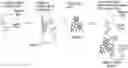
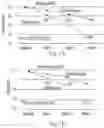


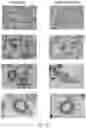





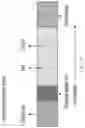


Sources:
- United States Patent and Trademark Office - verify current appl. status at the USPTO↗
Recent applications in this class:
- » 20250283095 2025-09-11
Biradial Spherical Nucleic Acids - » 20250283094 2025-09-11
Modified Nucleosides - » 20250270566 2025-08-28
DUAL-SPECIFICITY RNA ATPAMERS FOR REGULATING O-GLCNACYLATION - » 20250263729 2025-08-21
NUCLEIC ACID APTAMER, COMPOSITION, USE OF APTAMER, DIAGNOSTIC KIT, METHOD FOR DETECTING OR DIAGNOSING TUMOURS AND CANCER TREATMENT METHOD - » 20250243495 2025-07-31
Anti-Fibrinogen Aptamers - » 20250243494 2025-07-31
APTAMER BASED AFFINITY CAPTURE METHODS FOR THE SELECTIVE ENRICHMENT OF HUMAN IMMUNOGLOBULIN FC DOMAINS - » 20250223600 2025-07-10
INSULIN RECEPTOR-BINDING APTAMER DIMER AND USE THEREOF - » 20250207140 2025-06-26
RESPIRATORY TRACT INFECTION THERAPEUTICS AGAINST COVID-19 - » 20250197868 2025-06-19
COMPOSITIONS AND METHODS FOR INHIBITING FACTOR D - » 20250171787 2025-05-29
APTAMERS, PHARMACEUTICAL COMPOSITIONS THEREOF, AND METHODS FOR PREVENTING OR TREATING BCMA-ASSOCIATED DISEASES OR CONDITIONS
Recent applications for this Assignee:
- » 20250101345 2025-03-27
Laundry scent additive - » 20250049018 2025-02-13
METHOD OF TRAPPING ARTHROPODS - » 20240409852 2024-12-12
AUTOMATIC DISHWASHING DETERGENT WATER-SOLUBLE POUCH - » 20240408260 2024-12-12
Method of delivering a volatile composition into the air - » 20240400283 2024-12-05
Lined paper-based container - » 20240391725 2024-11-28
Method for Perforating a Nonlinear Line of Weakness - » 20240383660 2024-11-21
Recyclable absorbent article package material - » 20240350326 2024-10-24
ABSORBENT ARTICLE WITH LEG GASKETING SYSTEM - » 20240335335 2024-10-10
METHOD AND APPARATUS FOR MAKING TAMPONS - » 20240328845 2024-10-03
MEASURING CUP HAVING A BITMAPPED PATTERN