INHIBITORS OF EZH2 AND METHODS OF USE THEREOF
US20230201212A1
2023-06-29
16/622,391
2018-06-13
Abstract:
The disclosure provides a method of treating cancer in a subject in need thereof including administering to the subject a therapeutically-effective amount of an enhancer of a zeste homolog 2 (EZH2) inhibitor. In certain embodiments of this method, the subject has one or more mutations, or exhibits a genetic profile, listed in Tables 1-5, and/or FIGS. 1-3.
Inventors:
- Scott Richard Daigle 13 🇺🇸 Newburyport, MA, United States
- Stephen BLAKEMORE 4 🇺🇸 Littleton, MA, United States
Interested in similar patents?
Get notified when new applications in this technology area are published.
Classification:
C12Q2600/156 » CPC further
Oligonucleotides characterized by their use Polymorphic or mutational markers
A61K31/5377 » CPC main
Medicinal preparations containing organic active ingredients; Heterocyclic compounds having nitrogen as a ring hetero atom, e.g. guanethidine or rifamycins having six-membered rings with at least one nitrogen and one oxygen as the ring hetero atoms, e.g. 1,2-oxazines 1,4-Oxazines, e.g. morpholine not condensed and containing further heterocyclic rings, e.g. timolol
C12Q1/6886 » CPC further
Measuring or testing processes involving enzymes, nucleic acids or microorganisms ; Compositions therefor; Processes of preparing such compositions involving nucleic acids; Nucleic acid products used in the analysis of nucleic acids, e.g. primers or probes for diseases caused by alterations of genetic material for cancer
Description
RELATED APPLICATIONThis application is a U.S. National Phase application, filed under 35 U.S.C. & 371. of International Application No. PCT/US2018/037321, filed Jun. 13, 2018, which claims priority to, and the benefit of, U.S. Provisional Application No. 62/519,078, filed Jun. 13, 2017, the contents of each of which are incorporated herein by reference in their entireties
SEQUENCE LISTINGThe present application is being filed along with a Sequence Listing in electronic format. The Sequence Listing is provided as a file entitled “EPIZ-083001WO_ST25.txt”, which is 205,913 bytes in size. The information in the electronic format of the sequence listing is incorporated herein by reference in its entirety.
BACKGROUNDThere is a long-felt yet unmet need for effective treatments for certain cancers caused by genetic alterations that result in EZH2-dependent oncogenesis.
SUMMARYIn some aspects, the disclosure provides a method of treating cancer comprising administering a therapeutically effective amount of an inhibitor of Enhancer to Zeste Homolog 2 (EZH2) to a subject in need thereof, wherein the cancer is characterized by at least one mutation in one or more sequences encoding a gene or gene product listed in Tables 1-5, and/or FIGS. 1-3. In some embodiments, the cancer is characterized by at least one mutation in one or more sequences encoding: EZH2, MYD88, STAT6A, MYC, TP53, and/or HIST1H1E. In some embodiments, the cancer is characterized by a genotype that satisfies Genetic Profile 1 of FIG. 3. In some embodiments, the cancer is characterized by a genotype that satisfies Genetic Profile 2 of Table 5. In some embodiments, the cancer comprises a MYD88 gain-of-function mutation. In some embodiments, the cancer does not comprise an EZH2 gain-of-function mutation. In some embodiments, the at least one mutation decreases the function of a protein encoded by the mutated sequence as compared to the function of the protein encoded by the wild-type sequence. In some embodiments, the at least one mutation is a loss-of-function mutation. In some embodiments, the method further comprises detecting the at least one mutation in the subject. In some embodiments, the detecting comprises subjecting a sample obtained from the subject to a sequence analysis assay. In some embodiments, the analysis assay is a cobas® assay. In some embodiments, the detecting comprises obtaining a sample from the subject. In some embodiments, the sample is a tumor sample or a sample that comprises a cancer cell. In some embodiments, the sample is a sample comprising ctDNA. In some embodiments, the inhibitor of EZH2 is
(tazemetostat), or a pharmaceutically-acceptable salt thereof.
In some embodiments, the inhibitor of EZH2 is administered orally. In some embodiments, the inhibitor of EZH2 is formulated as a tablet. In some embodiments, the therapeutically effective amount of the inhibitor of EZH2 is between 100 mg and 3200 mg per day. In some embodiments, the therapeutically effective amount of the inhibitor of EZH2 is 100 mg, 200 mg, 400 mg, 600 mg, 800 mg, 1000 mg, 1200 mg, 1400 mg, 1600 mg or 3200 mg per day. In some embodiments, the therapeutically effective amount is 1600 mg per day. In some embodiments, the cancer expresses a wild type EZH2 protein and does not express a mutant EZH2 protein. In some embodiments, the cancer expresses a mutant EZH2 protein. In some embodiments, the mutant EZH2 protein comprises a substitution of any amino acid other than tyrosine (Y) for tyrosine (Y) at position 641 of SEQ ID NO: 1. In some embodiments, the mutant EZH2 protein comprises a substitution of any amino acid other than alanine (A) for alanine (A) at position 682 of SEQ ID NO: 1. In some embodiments, the mutant EZH2 protein comprises a substitution of any amino acid other than alanine (A) for alanine (A) at position 692 of SEQ ID NO: 1. In some embodiments, the at least one mutation comprises a MYD88 and/or STAT6A mutation, preferably wherein the MYD88 mutation is a gain-of-function mutation, preferably a MYD88 L273 mutation. In some embodiments, the cancer does not have a MYC and/or a HIST1H1E mutation. In some embodiments, the cancer (a) has a MYD88 gain-of-function or a STAT6A loss-of-function mutation, and (b) has neither a MYC nor a HIST1H1E mutation. In some embodiments, the cancer (a) has a MYD88 L273 mutation or a STAT6A loss-of-function mutation, (b) has neither a MYC nor a HIST1H1E mutation, and (c) does not have an EZH2 gain-of-function mutation. In some embodiments, the subject is a human subject. In some embodiments, the subject has cancer. In some embodiments, the cancer is B-cell lymphoma. In some embodiments, the B-cell lymphoma is an activated B-cell (ABC) type. In some embodiments, the B-cell lymphoma is a germinal B-cell (GBC) type. In some embodiments, the cancer is follicular lymphoma.
Some aspects of this disclosure provide methods comprising selecting a subject having cancer for treatment with an EZH2 inhibitor based on the presence of at least one mutation associated with a positive response to such treatment in the subject and/or based on the absence of at least one mutation associated with no response or with a negative response to such treatment in the subject. In some embodiments, the at least one mutation associated with a positive response comprise (a) an EZH2 gain-of-function mutation or a MYD88 gain-of-function mutation; and (b) a STAT6 loss-of-function mutation. In some embodiments, the at least one mutation associated with no response or with a negative response comprise (a) a MYC mutation; (b) a TP53 mutation; and/or (c) a HIST1H1E mutation. In some embodiments, the method comprises detecting the at least one mutation associated with a positive response and/or the at least one mutation associated with no response or a negative response in a sample obtained from the subject. In some embodiments, the method comprises selecting the subject for treatment with the EZH2 inhibitor based on the subject (a) having either an EZH2 or a MYD88 gain-of-function mutation, or a STAT6A loss-of-function mutation; and (b) having neither a MYC mutation, nor a TP53 mutation, nor a HIST1H1E mutation. In some embodiments, the method comprises selecting the subject for treatment with the EZH2 inhibitor based on the subject (a) having a MYD88 L273 mutation or a STAT6A mutation, and (b) having neither a MYC mutation, nor a TP53 mutation, nor a HIST1H1E mutation. In some embodiments, the at least one mutation consists of a single mutation. In some embodiments, the at least one mutation comprises 2 mutations or more. In some embodiments, the at least one mutation comprises 3 mutations or more. In some embodiments, the at least one mutation comprises 4 mutations or more.
Some aspects of this disclosure provide methods comprising selecting a subject having cancer for treatment with an EZH2 inhibitor based on the presence of a mutation profile in the subject that comprises one or more mutations described for a patient exhibiting a complete or partial response or stable disease in any of Tables 1-5 or FIGS. 1-3, or that comprises, encompasses, or matches the complete mutation profile of such a patient, or that comprises, encompasses, or matches Genetic Profile 1 or Genetic Profile 2 of Table 5. .
The methods disclosed herein may have one or more of the following features.
Exemplary sequences associated with the genes and proteins provided herein include, without limitation: MYD88 (e.g., GenBank Accession No. NM_001172567.1, NM_002468.4, NM_001172568.1, NM_001172569.1, and NM_001172566.1), STAT6A (e.g., GenBank Accession No. NM_001178078.1, NM_003153.4, NM_001178079.1, NM_001178080.1, or NM_001178081.1), SOCS1 (e.g., GenBank Accession No. NM_003745.1), MYC (e.g., GenBank Accession No. NM_002467.4), HIST1H1E (e.g., GenBank Accession No. NM_005321.2), ABL1 (e.g., GenBank Accession No. NM_005157), ACVR1 (e.g., GenBank Accession No. NM_001105.4), AKT1 (e.g., GenBank Accession No. NM_001014431.1), AKT2 (e.g., GenBank Accession No. NM_001243027.2), ALK (e.g., GenBank Accession No. NM_004304.4), APC (e.g., GenBank Accession No. NM_000038.5), AR (e.g., GenBank Accession No. NM_000044.3), ARID1A (e.g., GenBank Accession No. NM_006015.4), ARID1B (e.g., GenBank Accession No. NM_020732.3), ASXL1 (e.g., GenBank Accession No. NM_015338.5), ATM (e.g., GenBank Accession No. NM_000051.3), ATRX (e.g., GenBank Accession No. NM_000489.4), AURKA (e.g., GenBank Accession No. NM_003600.3), AXIN2 (e.g., GenBank Accession No. NM_004655.3), BAP1 (e.g., GenBank Accession No. NM_004656.3), BCL2 (e.g., GenBank Accession No. NM_000633.2), BCR (e.g., GenBank Accession No. X02596.1), BLM (e.g., GenBank Accession No. NM_000057.3), BMPR1A (e.g., GenBank Accession No. NM_004329.2), BRAF (e.g., GenBank Accession No. NM_004333.4), BRCA1 (e.g., GenBank Accession No. NM_007294.3), BRCA2 (e.g., GenBank Accession No. NM_000059.3), BRIP1 (e.g., GenBank Accession No. NM_032043.21), BTK (e.g., GenBank Accession No. NM_001287344.1), BUB1B (e.g., GenBank Accession No. NM_001211.5), CALR (e.g., GenBank Accession No. NM_004343.3), CBL (e.g., GenBank Accession No. NM_005188.3), CCND1 (e.g., GenBank Accession No. NM_053056.2), CCNE1 (e.g., GenBank Accession No. NM_001322262.1), CDC73 (e.g., GenBank Accession No. NM_024529.4), CDH1 (Accession No. NM_001317186.1), CDK4 (e.g., GenBank Accession No. NM_000075.3), CDK6 (e.g., GenBank Accession No. NM_001145306.1), CDKN1B (e.g., GenBank Accession No. NM_004064.4), CDKN2A (e.g., GenBank Accession No. NM_001195132.1), CDKN2B (e.g., GenBank Accession No. NM_078487.2), CDKN2C (e.g., GenBank Accession No. NM_078626.2), CEBPA (e.g., GenBank Accession No. NM_001285829.1), CHEK2 (e.g., GenBank Accession No. NM_145862.2), CIC (e.g., GenBank Accession No. NM_015125.4), CREBBP (e.g., GenBank Accession No. NM_001079846.1), CSF1R (e.g., GenBank Accession No. NM_001288705.2), CTNNB1 (e.g., GenBank Accession No. NM_001098209.1), CYLD (e.g., GenBank Accession No. NM_001042355.1), DAXX (Accession No. NM_001141969.1), DDB2 (e.g., GenBank Accession No. NM_001300734.1), DDR2 (e.g., GenBank Accession No. NM_001014796.1), DICER1 (e.g., GenBank Accession No. NM_001291628.1), DNMT3A (e.g., GenBank Accession No. NM_001320893.1), EGFR (e.g., GenBank Accession No. NM_001346900.1), EP300 (e.g., GenBank Accession No. NM_001429.3), ERBB2 (e.g., GenBank Accession No. NM_001289936.1), ERBB3 (e.g., GenBank Accession No. NM_001982.3), ERBB4 (e.g., GenBank Accession No. NM_005235.2), ERCC1 (e.g., GenBank Accession No. NM_001166049.1), ERCC2 (e.g., GenBank Accession No. NM_001130867.1), ERCC3 (e.g., GenBank Accession No. NM_001303418.1), ERCC4 (Accession No. NM_005236.2), ERCC5 (e.g., GenBank Accession No. NM_000123.3), ESR1 (e.g., GenBank Accession No. NM_001291241.1), ETV1 (e.g., GenBank Accession No. NM_001163147.1), ETV5 (Accession No. NM_004454.2), EWSR1 (e.g., GenBank Accession No. NM_001163287.1), EXT1 (e.g., GenBank Accession No. NM_000127.2), EXT2 (Accession No. NM_001178083.1), FANCA (e.g., GenBank Accession No. NM_001286167.1), FANCB (Accession No. NM_001324162.1), FANCC (e.g., GenBank Accession No. NM_001243744.1), FANCD2 (e.g., GenBank Accession No. NM_001319984.1), FANCE (e.g., GenBank Accession No. NM_021922.2), FANCF (e.g., GenBank Accession No NM_022725.3.), FANCG (e.g., GenBank Accession No. NM_004629.1), FANCI (e.g., GenBank Accession No. NM_018193.2), FANCL (Accession No. NM_001114636.1), FANCM (e.g., GenBank Accession No. NM_001308133.1), FBXW7 (e.g., GenBank Accession No. NM_018315.4), FGFR1 (Accession No.) NM_001174065.1, FGFR2 (e.g., GenBank Accession No. NM_000141.4), FGFR3 (e.g., GenBank Accession No. NM_001163213.1), FGFR4 (e.g., GenBank Accession No. NM_213647.2), FH (e.g., GenBank Accession No. NM_000143.3), FLCN (e.g., GenBank Accession No. NM_144606.5), FLT3 (e.g., GenBank Accession No. NM_004119.2), FLT4 (e.g., GenBank Accession No. NM_002020.4), FOXL2 (e.g., GenBank Accession No. NM_023067.3), GATA1 (e.g., GenBank No. NM_002049.3), GATA2 (e.g., GenBank Accession No. NM_001145662.1), GNA11 (e.g., GenBank Accession No. NM_002067.4), GNAQ (e.g., GenBank Accession No. NM_002072.4), GNAS (e.g., GenBank Accession No. NM_080425.3), GPC3 (e.g., GenBank Accession No. NM_001164619.1), H3F3A (e.g., GenBank Accession No. NM_002107.4), H3F3B (e.g., GenBank Accession No. NM_005324.4), HNF1A (e.g., GenBank Accession No. NM_000545.6), HRAS (e.g., GenBank Accession No. NM_001130442.2), IDH1 (e.g., GenBank Accession No. NM_001282387.1), IDH2 (e.g., GenBankAccession No. NM_001290114.1), IGF1R (e.g., GenBank Accession No. NM_001291858.1), IGF2R (e.g., GenBank Accession No. NM_000876.3), IKZF1 (e.g., GenBank Accession No. NM_001291847.1), JAK1 (e.g., GenBank Accession No. NM_001321857.1), JAK2 (e.g., GenBank Accession No. NM_001322195.1), JAK3 (e.g., GenBank Accession No. NM_000215.3), KDR (e.g., GenBank Accession No. NM_002253.2), KIT (e.g., GenBank Accession No. NM_001093772.1), KRAS (e.g., GenBank Accession No. NM_033360.3), MAML1 (e.g., GenBank Accession No. NM_014757.4), MAP2K1 (e.g., GenBank Accession No. NM_002755.3), MAP2K4 (e.g., GenBank Accession No. NM_001281435.1), MDM2 (e.g., GenBank Accession No. NM_001145337.2), MDM4 (e.g., GenBank Accession No. NM_001278519.1), MED12 (e.g., GenBank Accession No. NM_005120.2), MEN1 (e.g., GenBank Accession No. NM_130804.2), MET (e.g., GenBank Accession No NM_000245.3), MLH1 (e.g., GenBank Accession No. NM_000249.3), MLL (e.g., GenBank Accession No. AF232001.1), MPL (e.g., GenBank Accession No. NM_005373.2), MSH2 (e.g., GenBank Accession No. NM_000251.2), MSH6 (e.g., GenBank Accession No. NM_000179.2), MTOR (Accession No. NM_004958.3), MUTYH (e.g., GenBank Accession No. NM_001048171.1), MYC (e.g., GenBank Accession No. NM_002467.4), MYCL1 (e.g., GenBank Accession No NM _001033081.2), MYCN (e.g., GenBank Accession No. NM_001293231.1), NBN (e.g., GenBank Accession No. NM_001024688.2), NCOA3 (e.g., GenBank Accession No. NM_001174087.1), NF1 (e.g., GenBank Accession No. NM_001042492.2), NF2 (e.g., GenBank Accession No. NM_181831.2), NKX2-1(e.g., GenBank Accession No. NM_001079668.2), NOTCH1 (e.g., GenBank Accession No. NM_017617.4), NOTCH2 (e.g., GenBank Accession No NM_001200001.1), NOTCH3 (e.g., GenBank Accession No. NM_000435.2), NOTCH4 (Accession No. NR_134950.1), NPM1 (e.g., GenBank Accession No. NM_002520.6), NRAS (Accession No. NM_002524.4), NTRK1 (e.g., GenBank Accession No. NM_001007792.1), PALB2 (e.g., GenBank Accession No. NM_024675.3), PAX5 (e.g., GenBank Accession No. NM_001280552.1), PBRM1 (e.g., GenBank Accession No. NM_181042.4), PDGFRA (e.g., GenBank Accession No. NM_006206.4), PHOX2B (e.g., GenBank Accession No. NM_003924.3), PIK3CA (e.g., GenBank Accession No. NM_006218.3), PIK3R1 (Accession No. NM_001242466.1), PMS1 (e.g., GenBank Accession No. NM_001321051.1), PMS2 (e.g., GenBank Accession No. NM_000535.6), POLD1 (e.g., GenBank Accession No. NM_001308632.1), POLE (e.g., GenBank Accession No. NM_006231.3), POLH (e.g., GenBank Accession No. NM_001291970.1), POT1 (e.g., GenBank Accession No. NM_001042594.1), PRKAR1A (e.g., GenBank Accession No. NM_001278433.1), PRSS1 (e.g., GenBank Accession No. NM_002769.4), PTCH1 (e.g., GenBank Accession No. NM_000264.3), PTEN (e.g., GenBank Accession No. NM_000314.6), PTPN11 (e.g., GenBank Accession No. NM_001330437.1), RAD51C (e.g., GenBank Accession No. NR_103873.1), RAF1 (e.g., GenBank Accession No. NM_002880.3), RB1 (e.g., GenBank Accession No. NM_000321.2), RECQL4 (e.g., GenBank Accession No. NM_004260.3), RET (e.g., GenBank Accession No.), RNF43(e.g., GenBank Accession No. NM_017763.5), ROS1 (e.g., GenBank Accession No. NM_002944.2), RUNX1 (e.g., GenBank Accession No. NM_001122607.1), SBDS (e.g., GenBank Accession No. NM_016038.2), SDHAF2 (e.g., GenBank Accession No. NM_017841.2), SDHB (e.g., GenBank Accession No.), SDHC (e.g., GenBank Accession No.), SDHD (e.g., GenBank Accession No. NM_001276503.1), SF3B1 (e.g., GenBank Accession No. NM_001308824.1), SMAD2 (e.g., GenBank Accession No. NM_001135937.2), SMAD3 (e.g., GenBank Accession No. NM_001145104.1), SMAD4 (e.g., GenBank Accession No. NM_005359.5), SMARCB1 (e.g., GenBank Accession No. NM_001007468.2), SMO (e.g., GenBank Accession No. NM_005631.4), SRC (e.g., GenBank Accession No. NM_005417.4), STAG2 (e.g., GenBank Accession No. NM_001282418.1), STK11 (e.g., GenBank Accession No. NM_000455.4), SUFU (e.g., GenBank Accession No. NM_001178133.1), TERT (e.g., GenBank Accession No. NM_001193376.1), TET2 (e.g., GenBank Accession No. NM_017628.4), TGFBR2 (e.g., GenBank Accession No. NM_001024847.2), TNFAIP3 (e.g., GenBank Accession No. NM_001270508.1), TOP1 (e.g., GenBank Accession No. NM_003286.3), TP53 (e.g., GenBank Accession No. NM_000546.5), TSC1 (e.g., GenBank Accession No. NM_001162427.1), TSC2 (e.g., GenBank Accession No. NM_001318832.1), TSHR (e.g., GenBank Accession No. NM_000369.2), VHL (e.g., GenBank Accession No. NM_000551.3), WAS (e.g., GenBank Accession No. NM_000377.2), WRN (e.g., GenBank Accession No. NM_000553.4), WT1 (e.g., GenBank Accession No. NM_000378.4), XPA (e.g., GenBank Accession No. NM_000380.3), XPC (e.g., GenBank Accession No. NM_004628.4), and/or XRCC1 (e.g., GenBank Accession No. NM_006297.2). It will be understood that the sequences provided above and elsewhere herein are exemplary, and serve to illustrate sequences suitable for some embodiments of the present disclosure. It will also be understood that, in some embodiments, the sequence encoding the gene product referred to herein is a genomic DNA sequence. The skilled artisan will be aware of additional suitable sequences beyond the exemplary, non-limiting sequences provided above, for each gene or gene product (e.g., transcript, mRNA, or protein) referred to herein, or will be able to ascertain such suitable sequences without more than routine effort based on the present disclosure and the knowledge in the art.
In some embodiments, the at least one mutation decreases the function of a protein encoded by the mutated sequence as compared to the function of the protein encoded by the wild-type sequence. In some embodiments, the at least one mutation is a loss-of-function mutation.
In some embodiments, the method further comprises detecting the at least one mutation in the subject.
In some embodiments, the detecting comprises subjecting a sample obtained from the subject to a sequence analysis assay.
In some embodiments, the inhibitor of EZH2 is
(tazemetostat), or a pharmaceutically-acceptable salt thereof.
In some embodiments, the inhibitor of EZH2 is administered orally.
In some embodiments, the inhibitor of EZH2 is formulated as a tablet.
In some embodiments, the therapeutically effective amount of the inhibitor of EZH2 is between 100 mg and 3200 mg per day. -In some embodiments, the therapeutically effective amount of the inhibitor of EZH2 is 100 mg, 200 mg, 400 mg, 600 mg, 800 mg, 1000 mg, 1200 mg, 1400 mg, 1600 mg or 3200 mg per day. In some embodiments, the therapeutically effective amount is 1600 mg per day. In some embodiments, the therapeutically effective amount of the inhibitor of is administered at 800 mg twice per day (BID).
In some embodiments, the subject or cancer expresses a wild type EZH2 protein and/or does not express a mutant EZH2 protein.
In some embodiments, the subject or cancer expresses a mutant EZH2 protein. In some embodiments, the mutant EZH2 protein comprises a substitution of any amino acid other than tyrosine (Y) for tyrosine (Y) at position 641 of SEQ ID NO: 1. In some embodiments, the mutant EZH2 protein comprises a substitution of any amino acid other than alanine (A) for alanine (A) at position 682 of SEQ ID NO: 1. In some embodiments, the mutant EZH2 protein comprises a substitution of any amino acid other than alanine (A) for alanine (A) at position 692 of SEQ ID NO: 1.
In some embodiments, the at least one mutation consists of a single mutation. In some embodiments, the at least one mutation comprises 2 mutations or more. In some embodiments, the at least one mutation comprises 3 mutations or more. In some embodiments, the at least one mutation comprises 4 mutations or more. In some embodiments, the at least one mutation comprises 5 mutations or more.
In some embodiments, the at least one mutation comprises 2 mutations, 3 mutations, 4 mutations, 5 mutations, 6 mutations, 7 mutations, 8 mutations, 9 mutations, 10 mutations, 11 mutations, 12 mutations, 13 mutations, 14 mutations, 15 mutations, 16 mutations, 17 mutations, 18 mutations, 19 mutations, or 20 mutations.
In some embodiments, the at least one mutation comprises at least one positive mutation (e.g., with or without a negative mutation). In some embodiments, the at least one mutation comprises at least one negative mutation (e.g., with or without a positive mutation). In some embodiments, the at least one mutation comprises both positive and negative mutations. The term “positive mutation”, as used herein, refers to a mutation that sensitizes a subject, a cancer, or malignant cell or population of cells, to EZH2 treatment, or, in some embodiments, that renders a subject, cancer, or malignant cell or population of cells, more sensitive to EZH2 treatment. The term “negative mutation”, as used herein, refers to a mutation that desensitizes a subject, a cancer, or malignant cell or population of cells, to EZH2 treatment, or, in some embodiments, that renders a subject, cancer, or malignant cell or population of cells, less sensitive to EZH2 treatment. In some embodiments, the disclosure provides a method of identifying molecular variants in tumor samples harvested from NHL patients treated with a compound of the disclosure. In some embodiments, the disclosure provides a method of identifying molecular variants in cell free circulating tumor DNA (ctDNA) harvested from NHL patients treated with a compound of the disclosure.
In some embodiments, the molecular variants identified therein may correlate with clinical response, minimal residual disease or emergence of resistance.
The summary above is meant to illustrate, in a non-limiting manner, some of the embodiments, advantages, features, and uses of the technology disclosed herein. Other embodiments, advantages, features, and uses of the technology disclosed herein will be apparent from the Detailed Description, the Drawings, the Examples, and the Claims.
BRIEF DESCRIPTION OF THE DRAWINGSThe above and further features will be more clearly appreciated from the following detailed description when taken in conjunction with the accompanying drawings.
FIG. 1 shows an overview of the analytical and statistical methods used in this study.
FIGS. 2A-2D show somatic mutations, amplifications, and translocations detected in 92 NHL patients by best overall response. FIG. 2A shows all 92 NHL patients assessed. FIG. 2B shows NHL patients classified as responders (complete response (CR) or partial response (PR)). FIG. 2C shows FL patients that were classified as non-responders. FIG. 2D shows DLBCL patients that were classified as non-responders. NHL: Non-Hodgkin Lymphoma; CR: complete response; PR: partial response; SD: stable disease; PD: progressive disease; UK: unknown response. Patients with CR and PR were classified as responders. Patients with SD, PD, and UK were classified as non-responders.
FIG. 3 shows variants identified as significantly associated with tazemetostat response using gene level analysis of archive tumor tissue distributed by response-favoring mutant and response favoring wild-type gene (N=92).
FIG. 4 is a structure model of partial EZH2 protein based on the A chain of nuclear receptor binding SET domain protein 1 (NSD1). This model corresponds to amino acid residues 533-732 of EZH2 sequence of SEQ ID NO: 1.
DETAILED DESCRIPTIONTazemetostat demonstrates clinical activity as a monotherapy in patients with relapsed or refractory DLBCL (both GCB and non-GCB), follicular lymphoma (FL) and marginal zone lymphomas (MZL). Objective responses in tumors with either wild-type or mutation in EZH2 are durable as patients are ongoing at 7+ to 21+ months. Safety profile as monotherapy continues to be acceptable and favorable for combination development. Recommended phase II dose (RP2D) of 800 mg BID supported by safety, efficacy, PK and PD.
Baseline somatic mutation profiling revealed associations between objective response to tazemetostat and genetic alterations, e.g., mutations in genomic sequences encoding MYD88, STAT6A, SOCS1, MYC, TP53, HIST1H1E, and histone acetyltransferases, such as, for example CREBBP and EP300.
EZH2EZH2 is a histone methyltransferase that is the catalytic subunit of the PRC2 complex which catalyzes the mono- through tri-methylation of lysine 27 on histone H3 (H3-K27).
Point mutations of the EZH2 gene at a single amino acid residue (e.g., Tyr641, herein referred to as Y641) of EZH2 have been reported to be linked to subsets of human B-cell lymphoma. Morin et al. (2010) Nat Genet 42(2): 181-5. In particular, Morin et al. reported that somatic mutations of tyrosine 641 (Y641F, Y641H, Y641N, and Y641S) of EZH2 were associated with follicular lymphoma (FL) and the germinal center B cell-like (GCB) subtype of diffuse large B-cell lymphoma (DLBCL). The mutant allele is always found associated with a wild-type allele (heterozygous) in disease cells, and the mutations were reported to ablate the enzymatic activity of the PRC2 complex for methylating an unmodified peptide substrate.
The mutant EZH2 refers to a mutant EZH2 polypeptide or a nucleic acid sequence encoding a mutant EZH2 polypeptide. Preferably the mutant EZH2 comprises one or more mutations in its substrate pocket domain as defined in SEQ ID NO: 6. For example, the mutation may be a substitution, a point mutation, a nonsense mutation, a missense mutation, a deletion, or an insertion. Exemplary substitution amino acid mutation includes a substitution at amino acid position 677, 687, 674, 685, or 641 of SEQ ID NO: 1, such as, but is not limited to a substitution of glycine (G) for the wild type residue alanine (A) at amino acid position 677 of SEQ ID NO: 1 (A677G); a substitution of valine (V) for the wild type residue alanine (A) at amino acid position 687 of SEQ ID NO: 1 (A687V); a substitution of methionine (M) for the wild type residue valine (V) at amino acid position 674 of SEQ ID NO: 1 (V674M); a substitution of histidine (H) for the wild type residue arginine (R) at amino acid position 685 of SEQ ID NO: 1 (R685H); a substitution of cysteine (C) for the wild type residue arginine (R) at amino acid position 685 of SEQ ID NO: 1 (R685C); a substitution of phenylalanine (F) for the wild type residue tyrosine (Y) at amino acid position 641 of SEQ ID NO: 1 (Y641F); a substitution of histidine (H) for the wild type residue tyrosine (Y) at amino acid position 641 of SEQ ID NO: 1 (Y641H); a substitution of asparagine (N) for the wild type residue tyrosine (Y) at amino acid position 641 of SEQ ID NO: 1 (Y641N); a substitution of serine (S) for the wild type residue tyrosine (Y) at amino acid position 641 of SEQ ID NO: 1 (Y641S); or a substitution of cysteine (C) for the wild type residue tyrosine (Y) at amino acid position 641 of SEQ ID NO: 1 (Y641C).
The mutation may also include a substitution of serine (S) for the wild type residue asparagine (N) at amino acid position 322 of SEQ ID NO: 3 (N322S), a substitution of glutamine (Q) for the wild type residue arginine (R) at amino acid position 288 of SEQ ID NO: 3 (R288Q), a substitution of isoleucine (I) for the wild type residue threonine (T) at amino acid position 573 of SEQ ID NO: 3 (T573I), a substitution of glutamic acid (E) for the wild type residue aspartic acid (D) at amino acid position 664 of SEQ ID NO: 3 (D664E), a substitution of glutamine (Q) for the wild type residue arginine (R) at amino acid position 458 of SEQ ID NO: 5 (R458Q), a substitution of lysine (K) for the wild type residue glutamic acid (E) at amino acid position 249 of SEQ ID NO: 3 (E249K), a substitution of cysteine (C) for the wild type residue arginine (R) at amino acid position 684 of SEQ ID NO: 3 (R684C), a substitution of histidine (H) for the wild type residue arginine (R) at amino acid position 628 of SEQ ID NO: 21 (R628H), a substitution of histidine (H) for the wild type residue glutamine (Q) at amino acid position 501 of SEQ ID NO: 5 (Q501H), a substitution of asparagine (N) for the wild type residue aspartic acid (D) at amino acid position 192 of SEQ ID NO: 3 (D192N), a substitution of valine (V) for the wild type residue aspartic acid (D) at amino acid position 664 of SEQ ID NO: 3 (D664V), a substitution of leucine (L) for the wild type residue valine (V) at amino acid position 704 of SEQ ID NO: 3 (V704L), a substitution of serine (S) for the wild type residue proline (P) at amino acid position 132 of SEQ ID NO: 3 (P132S), a substitution of lysine (K) for the wild type residue glutamic acid (E) at amino acid position 669 of SEQ ID NO: 21 (E669K), a substitution of threonine (T) for the wild type residue alanine (A) at amino acid position 255 of SEQ ID NO: 3 (A255T), a substitution of valine (V) for the wild type residue glutamic acid (E) at amino acid position 726 of SEQ ID NO: 3 (E726V), a substitution of tyrosine (Y) for the wild type residue cysteine (C) at amino acid position 571 of SEQ ID NO: 3 (C571Y), a substitution of cysteine (C) for the wild type residue phenylalanine (F) at amino acid position 145 of SEQ ID NO: 3 (F145C), a substitution of threonine (T) for the wild type residue asparagine (N) at amino acid position 693 of SEQ ID NO: 3 (N693T), a substitution of serine (S) for the wild type residue phenylalanine (F) at amino acid position 145 of SEQ ID NO: 3 (F145S), a substitution of histidine (H) for the wild type residue glutamine (Q) at amino acid position 109 of SEQ ID NO: 21 (Q109H), a substitution of cysteine (C) for the wild type residue phenylalanine (F) at amino acid position 622 of SEQ ID NO: 21 (F622C), a substitution of arginine (R) for the wild type residue glycine (G) at amino acid position 135 of SEQ ID NO: 3 (G135R), a substitution of glutamine (Q) for the wild type residue arginine (R) at amino acid position 168 of SEQ ID NO: 5 (R168Q), a substitution of arginine (R) for the wild type residue glycine (G) at amino acid position 159 of SEQ ID NO: 3 (G159R), a substitution of cysteine (C) for the wild type residue arginine (R) at amino acid position 310 of SEQ ID NO: 5 (R310C), a substitution of histidine (H) for the wild type residue arginine (R) at amino acid position 561 of SEQ ID NO: 3 (R561H), a substitution of histidine (H) for the wild type residue arginine (R) at amino acid position 634 of SEQ ID NO: 21 (R634H), a substitution of arginine (R) for the wild type residue glycine (G) at amino acid position 660 of SEQ ID NO: 3 (G660R), a substitution of cysteine (C) for the wild type residue tyrosine (Y) at amino acid position 181 of SEQ ID NO: 3 (Y181C), a substitution of arginine (R) for the wild type residue histidine (H) at amino acid position 297 of SEQ ID NO: 3 (H297R), a substitution of serine (S) for the wild type residue cysteine (C) at amino acid position 612 of SEQ ID NO: 21 (C612S), a substitution of tyrosine (Y) for the wild type residue histidine (H) at amino acid position 694 of SEQ ID NO: 3 (H694Y), a substitution of alanine (A) for the wild type residue aspartic acid (D) at amino acid position 664 of SEQ ID NO: 3 (D664A), a substitution of threonine (T) for the wild type residue isoleucine (I) at amino acid position 150 of SEQ ID NO: 3 (I150T), a substitution of arginine (R) for the wild type residue isoleucine (I) at amino acid position 264 of SEQ ID NO: 3 (I264R), a substitution of leucine (L) for the wild type residue proline (P) at amino acid position 636 of SEQ ID NO: 3 (P636L), a substitution of threonine (T) for the wild type residue isoleucine (I) at amino acid position 713 of SEQ ID NO: 3 (I713T), a substitution of proline (P) for the wild type residue glutamine (Q) at amino acid position 501 of SEQ ID NO: 5 (Q501P), a substitution of glutamine (Q) for the wild type residue lysine (K) at amino acid position 243 of SEQ ID NO: 3 (K243Q), a substitution of aspartic acid (D) for the wild type residue glutamic acid (E) at amino acid position 130 of SEQ ID NO: 5 (E130D), a substitution of glycine (G) for the wild type residue arginine (R) at amino acid position 509 of SEQ ID NO: 3 (R509G), a substitution of histidine (H) for the wild type residue arginine (R) at amino acid position 566 of SEQ ID NO: 3 (R566H), a substitution of histidine (H) for the wild type residue aspartic acid (D) at amino acid position 677 of SEQ ID NO: 3 (D677H), a substitution of asparagine (N) for the wild type residue lysine (K) at amino acid position 466 of SEQ ID NO: 5 (K466N), a substitution of histidine (H) for the wild type residue arginine (R) at amino acid position 78 of SEQ ID NO: 3 (R78H), a substitution of methionine (M) for the wild type residue lysine (K) at amino acid position 1 of SEQ ID NO: 6 (K6M), a substitution of leucine (L) for the wild type residue serine (S) at amino acid position 538 of SEQ ID NO: 3 (S538L), a substitution of glutamine (Q) for the wild type residue leucine (L) at amino acid position 149 of SEQ ID NO: 3 (L149Q), a substitution of valine (V) for the wild type residue leucine (L) at amino acid position 252 of SEQ ID NO: 3 (L252V), a substitution of valine (V) for the wild type residue leucine (L) at amino acid position 674 of SEQ ID NO: 3 (L674V), a substitution of valine (V) for the wild type residue alanine (A) at amino acid position 656 of SEQ ID NO: 3 (A656V), a substitution of aspartic acid (D) for the wild type residue alanine (A) at amino acid position 731 of SEQ ID NO: 3 (Y731D), a substitution of threonine (T) for the wild type residue alanine (A) at amino acid position 345 of SEQ ID NO: 3 (A345T), a substitution of aspartic acid (D) for the wild type residue alanine (A) at amino acid position 244 of SEQ ID NO: 3 (Y244D), a substitution of tryptophan (W) for the wild type residue cysteine (C) at amino acid position 576 of SEQ ID NO: 3 (C576W), a substitution of lysine (K) for the wild type residue asparagine (N) at amino acid position 640 of SEQ ID NO: 3 (N640K), a substitution of lysine (K) for the wild type residue asparagine (N) at amino acid position 675 of SEQ ID NO: 3 (N675K), a substitution of tyrosine (Y) for the wild type residue aspartic acid (D) at amino acid position 579 of SEQ ID NO: 21 (D579Y), a substitution of isoleucine (I) for the wild type residue asparagine (N) at amino acid position 693 of SEQ ID NO: 3 (N693I), and a substitution of lysine (K) for the wild type residue asparagine (N) at amino acid position 693 of SEQ ID NO: 3 (N693K).
The mutation may be a frameshift at amino acid position 730, 391, 461, 441, 235, 254, 564, 662, 715, 405, 685, 64, 73, 656, 718, 374, 592, 505, 730, or 363 of SEQ ID NO: 3, 5 or 21 or the corresponding nucleotide position of the nucleic acid sequence encoding SEQ ID NO: 3, 5, or 21. The mutation of the EZH2 may also be an insertion of a glutamic acid (E) between amino acid positions 148 and 149 of SEQ ID NO: 3, 5 or 21. Another example of EZH2 mutation is a deletion of glutamic acid (E) and leucine (L) at amino acid positions 148 and 149 of SEQ ID NO: 3, 5 or 21. The mutant EZH2 may further comprise a nonsense mutation at amino acid position 733, 25, 317, 62, 553, 328, 58, 207, 123, 63, 137, or 60 of SEQ ID NO: 3, 5 or 21.
Human EZH2 nucleic acids and polypeptides have previously been described. See, e.g., Chen et al. (1996) Genomics 38:30-7 [746 amino acids]; Swiss-Prot Accession No. Q15910 [746 amino acids]; GenBank Accession Nos. NM_004456 and NP_004447 (isoform a [751 amino acids]); and GenBank Accession Nos. NM_152998 and NP_694543 (isoform b [707 amino acids]), each of which is incorporated herein by reference in its entirety.
| Amino acid sequence of human EZH2 (Swiss-Prot | Accession No. Q15910) (SEQ ID NO: 1) | MGQTGKKSEKGPVCWRKRVKSEYMRLRQLKRFRRADEVKSMFSSNRQKIL | ERTEILNQEWKQRRIQPVHILTSVSSLRGTRECSVTSDLDFPTQVIPLKT | LNAVASVPIMYSWSPLQQNFMVEDETVLHNIPYMGDEVLDQDGTFIEELI | KNYDGKVHGDRECGFINDEIFVELVNALGQYNDDDDDDDGDDPEEREEKQ | KDLEDHRDDKESRPPRKFPSDKIFEAISSMFPDKGTAEELKEKYKELTEQ | QLPGALPPECTPNIDGPNAKSVQREQSLHSFHTLFCRRCFKYDCFLHPFH | ATPNTYKRKNTETALDNKPCGPQCYQHLEGAKEFAAALTAERIKTPPKRP | GGRRRGRLPNNSSRPSTPTINVLESKDTDSDREAGTETGGENNDKEEEEK | KDETSSSSEANSRCQTPIKMKPNIEPPENVEWSGAEASMFRVLIGTYYDN | FCAIARLIGTKTCRQVYEFRVKESSIIAPAPAEDVDTPPRKKKRKHRLWA | AHCRKIQLKKDGSSNHVYNYQPCDHPRQPCDSSCPCVIAQNFCEKFCQCS | SECQNRFPGCRCKAQCNTKQCPCYLAVRECDPDLCLTCGAADHWDSKNVS | CKNCSIQRGSKKHLLLAPSDVAGWGIFIKDPVQKNEFISEYCGEIISQDE | ADRRGKVYDKYMCSFLFNLNNDFVVDATRKGNKIRFANHSVNPNCYAKVM | MVNGDHRIGIFAKRAIQTGEELFFDYRYSQADALKYVGIEREMEIP |
| mRNA sequence of human EZH2, transcript variant 1 | (GenBank Accession No. NM_004456) (SEQ ID NO: 2) | ggcggcgcttgattgggctgggggggccaaataaaagcgatggcgattgg | gctgccgcgtttggcgctcggtccggtcgcgtccgacacccggtgggact | cagaaggcagtggagccccggcggcggcggcggcggcgcgcgggggcgac | gcgcgggaacaacgcgagtcggcgcgcgggacgaagaataatcatgggcc | agactgggaagaaatctgagaagggaccagtttgttggcggaagcgtgta | aaatcagagtacatgcgactgagacagctcaagaggttcagacgagctga | tgaagtaaagagtatgtttagttccaatcgtcagaaaattttggaaagaa | cggaaatcttaaaccaagaatggaaacagcgaaggatacagcctgtgcac | atcctgacttctgtgagctcattgcgcgggactagggagtgttcggtgac | cagtgacttggattttccaacacaagtcatcccattaaagactctgaatg | cagttgcttcagtacccataatgtattcttggtctcccctacagcagaat | tttatggtggaagatgaaactgttttacataacattccttatatgggaga | tgaagttttagatcaggatggtactttcattgaagaactaataaaaaatt | atgatgggaaagtacacggggatagagaatgtgggtttataaatgatgaa | atttttgtggagttggtgaatgcccttggtcaatataatgatgatgacga | tgatgatgatggagacgatcctgaagaaagagaagaaaagcagaaagatc | tggaggatcaccgagatgataaagaaagccgcccacctcggaaatttcct | tctgataaaatttttgaagccatttcctcaatgtttccagataagggcac | agcagaagaactaaaggaaaaatataaagaactcaccgaacagcagctcc | caggcgcacttcctcctgaatgtacccccaacatagatggaccaaatgct | aaatctgttcagagagagcaaagcttacactcctttcatacgcttttctg | taggcgatgttttaaatatgactgcttcctacatcgtaagtgcaattatt | cttttcatgcaacacccaacacttataagcggaagaacacagaaacagct | ctaacaacaaaccttgtggaccacagtgttaccagcatttggagggagca | aaggagtttgctgctgctctcaccgctgagcggataaagaccccaccaaa | acgtccaggaggccgcagaagaggacggcttcccaataacagtagcaggc | ccagcacccccaccattaatgtgctggaatcaaaggatacagacagtgat | agggaagcagggactgaaacggggggagagaacaatgataaagaagaaga | agagaagaaagatgaaacttcgagctcctctgaagcaaattctcggtgtc | aaacaccaataaagatgaagccaaatattgaacctcctgagaatgtggag | tggagtggtgctgaagcctcaatgtttagagtcctcattggcacttacta | tgacaatttctgtgccattgctaggttaattgggaccaaaacatgtagac | aggtgtatgagtttagagtcaaagaatctagcatcatagctccagctccc | gctgaggatgtggatactcctccaaggaaaaagaagaggaaacaccggtt | gtgggctgcacactgcagaaagatacagctgaaaaaggacggctcctcta | accatgtttacaactatcaaccctgtgatcatccacggcagccttgtgac | agttcgtgcccttgtgtgatagcacaaaatttttgtgaaaagttttgtca | atgtagttcagagtgtcaaaaccgctttccgggatgccgctgcaaagcac | agtgcaacaccaagcagtgcccgtgctacctggctgtccgagagtgtgac | cctgacctctgtcttacttgtggagccgctgaccattgggacagtaaaaa | tgtgtcctgcaagaactgcagtattcagcggggctccaaaaagcatctat | tgctggcaccatctgacgtggcaggctgggggatttttatcaaagatcct | gtgcagaaaaatgaattcatctgagattatttctcaagatgaagctgaca | gaagagggaaagtgtatgataaatacatgtgcagctttctgttcaacttg | aacaatgattttgtggtggatgcaacccgcaagggtaacaaaattcgttt | tgcaaatcattcggtaaatccaaactgctatgcaaaagttatgatggtta | acggtgatcacaggataggtatttttgccaagagagccatccagactggc | gaagagctgttttttgattacagatacagccaggctgatgccctgaagta | tgtcggcatcgaaagagaaatggaaatcccttgacatctgctacctcctc | ccccctcctctgaaacagctgccttagcttcaggaacctcgagtactgtg | ggcaatttagaaaaagaacatgcagtttgaaattctgaatttgcaaagta | ctgtaagaataatttatagtaatgagtttaaaaatcaactttttattgcc | ttctcaccagctgcaaagtgttttgtaccagtgaatttttgcaataatgc | agtatggtacatttttcaactttgaataaagaatacttgaacttgtcctt | gttgaatc |
| Full amino acid of EZH2, isoform a (GenBank | Accession No. NP 004447) (SEQ ID NO: 3) | MGQTGKKSEKGPVCWRKRVKSEYMRLRQLKRFRRADEVKSMFSSNRQKIL | ERTEILNQEWKQRRIQPVHILTSVSSLRGTRECSVTSDLDFPTQVIPLKT | LNAVASVPIMYSWSPLQQNFMVEDETVLHNIPYMGDEVLDQDGTFIEELI | KNYDGKVHGDRECGFINDEIFVELVNALGQYNDDDDDDDGDDPEEREEKQ | KDLEDHRDDKESRPPRKFPSDKIFEAISSMFPDKGTAEELKEKYKELTEQ | QLPGALPPECTPNIDGPNAKSVQREQSLHSFHTLFCRRCFKYDCFLHRKC | NYSFHATPNTYKRKNTETALDNKPCGPQCYQHLEGAKEFAAALTAERIKT | PPKRPGGRRRGRLPNNSSRPSTPTINVLESKDTDSDREAGTETGGENNDK | EEEEKKDETSSSSEANSRCQTPIKMKPNIEPPENVEWSGAEASMFRVLIG | TYYDNFCAIARLIGTKTCRQVYEFRVKESSIIAPAPAEDVDTPPRKKKRK | HRLWAAHCRKIQLKKDGSSNHVYNYQPCDHPRQPCDSSCPCVIAQNFCEK | FCQCSSECQNRFPGCRCKAQCNTKQCPCYLAVRECDPDLCLTCGAADHWD | SKNVSCKNCSIQRGSKKHLLLAPSDVAGWGIFIKDPVQKNEFISEYCGEI | ISQDEADRRGKVYDKYMCSFLFNLNNDFVVDATRKGNKIRFANHSVNPNC | YAKVMMVNGDHRIGIFAKRAIQTGEELFFDYRYSQADALKYVGIEREMEI | P |
| mRNA sequence of human EZH2, transcript variant 2 | (GenBank Accession No. NM_152998) (SEQ ID NO: 4) | ggcggcgcttgattgggctgggggggccaaataaaagcgatggcgattgg | gctgccgcgtttggcgctcggtccggtcgcgtccgacacccggtgggact | cagaaggcagtggagccccggcggcggcggcggcggcgcgcgggggcgac | gcgcgggaacaacgcgagtcggcgcgcgggacgaagaataatcatgggcc | agactgggaagaaatctgagaagggaccagtttgttggcggaagcgtgta | aaatcagagtacatgcgactgagacagctcaagaggttcagacgagctga | tgaagtaaagagtatgtttagttccaatcgtcagaaaattttggaaagaa | cggaaatcttaaaccaagaatggaaacagcgaaggatacagcctgtgcac | atcctgacttctgtgagctcattgcgcgggactagggaggtggaagatga | aactgttttacataacattccttatatgggagatgaagttttagatcagg | atggtactttcattgaagaactaataaaaaattatgatgggaaagtacac | ggggatagagaatgtgggtttataaatgatgaaatttttgtggagttggt | gaatgcccttggtcaatataatgatgatgacgatgatgatgatggagacg | atcctgaagaaagagaagaaaagcagaaagatctggaggatcaccgagat | gataaagaaagccgcccacctcggaaatttccttctgataaaatttttga | agccatttcctcaatgtttccagataagggcacagcagaagaactaaagg | aaaaatataaagaactcaccgaacagcagctcccaggcgcacttcctcct | gaatgtacccccaacatagatggaccaaatgctaaatctgttcagagaga | gcaaagcttacactcctttcatacgcttttctgtaggcgatgttttaaat | atgactgcttcctacatccttttcatgcaacacccaacacttataagcgg | aagaacacagaaacagctctagacaacaaaccttgtggaccacagtgtta | ccagcatttggagggagcaaaggagtttgctgctgctctcaccgctgagc | ggataaagaccccaccaaaacgtccaggaggccgcagaagaggacggctt | cccaataacagtagcaggcccagcacccccaccattaatgtgctggaatc | aaaggatacagacagtgatagggaagcagggactgaaacggggggagaga | acaatgataaagaagaagaagagaagaaagatgaaacttcgagctcctct | gaagcaaattctcggtgtcaaacaccaataaagatgaagccaaatattga | acctcctgagaatgtggagtggagtggtgctgaagcctcaatgtttagag | tcctcattggcacttactatgacaatttctgtgccattgctaggttaatt | gggaccaaaacatgtagacaggtgtatgagtttagagtcaaagaatctag | catcatagctccagctcccgctgaggatgtggatactcctccaaggaaaa | agaagaggaaacaccggttgtgggctgcacactgcagaaagatacagctg | aaaaaggacggctcctctaaccatgtttacaactatcaaccctgtgatca | tccacggcagccttgtgacagttcgtgcccttgtgtgatagcacaaaatt | tttgtgaaaagttttgtcaatgtagttcagagtgtcaaaaccgctttccg | ggatgccgctgcaaagcacagtgcaacaccaagcagtgcccgtgctacct | ggctgtccgagagtgtgaccctgacctctgtcttacttgtggagccgctg | accattgggacagtaaaaatgtgtcctgcaagaactgcagtattcagcgg | ggctccaaaaagcatctattgctggcaccatctgacgtggcaggctgggg | gatttttatcaaagatcctgtgcagaaaaatgaattcatctcagaatact | gtggagagattatttctcaagatgaagctgacagaagagggaaagtgtat | gataaatacatgtgcagctttctgttcaacttgaacaatgattttgtggt | ggatgcaacccgcaagggtaacaaaattcgttttgcaaatcattcggtaa | atccaaactgctatgcaaaagttatgatggttaacggtgatcacaggata | ggtatttttgccaagagagccatccagactggcgaagagctgttttttga | ttacagatacagccaggctgatgccctgaagtatgtcggcatcgaaagag | aaatggaaatcccttgacatctgctacctcctcccccctcctctgaaaca | gctgccttagcttcaggaacctcgagtactgtgggcaatttagaaaaaga | acatgcagtttgaaattctgaatttgcaaagtactgtaagaataatttat | agtaatgagtttaaaaatcaactttttattgccttctcaccagctgcaaa | gtgttttgtaccagtgaatttttgcaataatgcagtatggtacatttttc | aactttgaataaagaatacttgaacttgtccttgttgaatc |
| Full amino acid of EZH2, isoform b (GenBank | Accession No. NP 694543) (SEQ ID NO: 5) | MGQTGKKSEKGPVCWRKRVKSEYMRLRQLKRFRRADEVKSMFSSNRQKIL | ERTEILNQEWKQRRIQPVHILTSVSSLRGTREVEDETVLHNIPYMGDEVL | DQDGTFIEELIKNYDGKVHGDRECGFINDEIFVELVNALGQYNDDDDDDD | GDDPEEREEKQKDLEDHRDDKESRPPRKFPSDKIFEAISSMFPDKGTAEE | LKEKYKELTEQQLPGALPPECTPNIDGPNAKSVQREQSLHSFHTLFCRRC | FKYDCFLHPFHATPNTYKRKNTETALNKPCGPQCYQHLEGAKEFAAALTA | ERIKTPPKRPGGRRRGRLPNNSSRPSTPTINVLESKDTDSDREAGTETGG | ENNDKEEEEKKDETSSSSEANSRCQTPIKMKPNIEPPENVEWSGAEASMF | RVLIGTYYDNFCAIARLIGTKTCRQVYEFRVKESSIIAPAPAEDVDTPPR | KKKRKHRLWAAHCRKIQLKKDGSSNHVYNYQPCDHPRQPCDSSCPCVIAQ | NFCEKFCQCSSECQNRFPGCRCKAQCNTKQCPCYLAVRECDPDLCLTCGA | ADHWDSKNVSCKNCSIQRGSKKHLLLAPSDVAGWGIFIKDPVQKNEFISE | YCGEIISQDEADRRGKVYDKYMCSFLFNLNNDFVVDATRKGNKIR | FANHSVNPNCYAKVMMVNGDHRIGIFAKRAIQTGEELFFDYRYSQADALK | YVGIEREMEIP |
| Full amino acid of EZH2, isoform e (GenBank | Accession No. NP_001190178.1) (SEQ ID NO: 21) | MGQTGKKSEKGPVCWRKRVKSEYMRLRQLKRFRRADEVKSMFSSNRQKIL | ERTEILNQEWKQRRIQPVHILTSCSVTSDLDFPTQVIPLKTLNAVASVPI | MYSWSPLQQNFMVEDETVLHNIPYMGDEVLDQDGTFIEELIKNYDGKVHG | DRECGFINDEIFVELVNALGQYNDDDDDDDGDDPEEREEKQKDLEDHRDD | KESRPPRKFPSDKIFEAISSMFPDKGTAEELKEKYKELTEQQLPGALPPE | CTPNIDGPNAKSVQREQSLHSFHTLFCRRCFKYDCFLHPFHATPNTYKRK | NTETALDNKPCGPQCYQHLEGAKEFAAALTAERIKTPPKRPGGRRRGRLP | NNSSRPSTPTINVLESKDTDSDREAGTETGGENNDKEEEEKKDETSSSSE | ANSRCQTPIKMKPNIEPPENVEWSGAEASMFRVLIGTYYDNFCAIARLIG | TKTCRQVYEFRVKESSIIAPAPAEDVDTPPRKKKRKHRLWAAHCRKIQLK | KGQNRFPGCRCKAQCNTKQCPCYLAVRECDPDLCLTCGAADHWDSKNVSC | KNCSIQRGSKKHLLLAPSDVAGWGIFIKDPVQKNEFISEYCGEIISQDEA | DRRGKVYDKYMCSFLFNLNNDFVVDATRKGNKIRFANHSVNPNCYAKVMM | VNGDHRIGIFAKRAIQTGEELFFDYRYSQADALKYVGIEREMEIP |
| Homo sapiens enhancer of zeste homolog 2 | (Drosophila) (EZH2), transcript variant 5, mRNA | (GenBank Accession No. NM 001203249.1) (SEQ ID | NO: 22) | GACGACGTTCGCGGCGGGGAACTCGGAGTAGCTTCGCCTCTGACGTTTCC | CCACGACGCACCCCGAAATCCCCCTGAGCTCCGGCGGTCGCGGGCTGCCC | TCGCCGCCTGGTCTGGCTTTATGCTAAGTTTGAGGGAAGAGTCGAGCTGC | TCTGCTCTCTATTGATTGTGTTTCTGGAGGGCGTCCTGTTGAATTCCCAC | TTCATTGTGTACATCCCCTTCCGTTCCCCCCAAAAATCTGTGCCACAGGG | TTACTTTTTGAAAGCGGGAGGAATCGAGAAGCACGATCTTTTGGAAAACT | TGGTGAACGCCTAAATAATCATGGGCCAGACTGGGAAGAAATCTGAGAAG | GGACCAGTTTGTTGGCGGAAGCGTGTAAAATCAGAGTACATGCGACTGAG | ACAGCTCAAGAGGTTCAGACGAGCTGATGAAGTAAAGAGTATGTTTAGTT | CCAATCGTCAGAAAATTTTGGAAAGAACGGAAATCTTAAACCAAGAATGG | AAACAGCGAAGGATACAGCCTGTGCACATCCTGACTTCTTGTTCGGTGAC | CAGTGACTTGGATTTTCCAACACAAGTCATCCCATTAAAGACTCTGAATG | CAGTTGCTTCAGTACCCATAATGTATTCTTGGTCTCCCCTACAGCAGAAT | TTTATGGTGGAAGATGAAACTGTTTTACATAACATTCCTTATATGGGAGA | TGAAGTTTTAGATCAGGATGGTACTTTCATTGAAGAACTAATAAAAAATT | ATGATGGGAAAGTACACGGGGATAGAGAATGTGGGTTTATAAATGATGAA | ATTTTTGTGGAGTTGGTGAATGCCCTTGGTCAATATAATGATGATGACGA | TGATGATGATGGAGACGATCCTGAAGAAAGAGAAGAAAAGCAGAAAGATC | TGGAGGATCACCGAGATGATAAAGAAAGCCGCCCACCTCGGAAATTTCCT | TCTGATAAAATTTTTGAAGCCATTTCCTCAATGTTTCCAGATAAGGGCAC | AGCAGAAGAACTAAAGGAAAAATATAAAGAACTCACCGAACAGCAGCTCC | CAGGCGCACTTCCTCCTGAATGTACCCCCAACATAGATGGACCAAATGCT | AAATCTGTTCAGAGAGAGCAAAGCTTACACTCCTTTCATACGCTTTTCTG | TAGGCGATGTTTTAAATATGACTGCTTCCTACATCCTTTTCATGCAACAC | CCAACACTTATAAGCGGAAGAACACAGAAACAGCTCTAGACAACAAACCT | TGTGGACCACAGTGTTACCAGCATTTGGAGGGAGCAAAGGAGTTTGCTGC | TGCTCTCACCGCTGAGCGGATAAAGACCCCACCAAAACGTCCAGGAGGCC | GCAGAAGAGGACGGCTTCCCAATAACAGTAGCAGGCCCAGCACCCCCACC | ATTAATGTGCTGGAATCAAAGGATACAGACAGTGATAGGGAAGCAGGGAC | TGAAACGGGGGGAGAGAACAATGATAAAGAAGAAGAAGAGAAGAAAGATG | AAACTTCGAGCTCCTCTGAAGCAAATTCTCGGTGTCAAACACCAATAAAG | ATGAAGCCAAATATTGAACCTCCTGAGAATGTGGAGTGGAGTGGTGCTGA | AGCCTCAATGTTTAGAGTCCTCATTGGCACTTACTATGACAATTTCTGTG | CCATTGCTAGGTTAATTGGGACCAAAACATGTAGACAGGTGTATGAGTTT | AGAGTCAAAGAATCTAGCATCATAGCTCCAGCTCCCGCTGAGGATGTGGA | TACTCCTCCAAGGAAAAAGAAGAGGAAACACCGGTTGTGGGCTGCACACT | GCAGAAAGATACAGCTGAAAAAGGGTCAAAACCGCTTTCCGGGATGCCGC | TGCAAAGCACAGTGCAACACCAAGCAGTGCCCGTGCTACCTGGCTGTCCG | AGAGTGTGACCCTGACCTCTGTCTTACTTGTGGAGCCGCTGACCATTGGG | ACAGTAAAAATGTGTCCTGCAAGAACTGCAGTATTCAGCGGGGCTCCAAA | AAGCATCTATTGCTGGCACCATCTGACGTGGCAGGCTGGGGGATTTTTAT | CAAAGATCCTGTGCAGAAAAATGAATTCATCTCAGAATACTGTGGAGAGA | TTATTTCTCAAGATGAAGCTGACAGAAGAGGGAAAGTGTATGATAAATAC | ATGTGCAGCTTTCTGTTCAACTTGAACAATGATTTTGTGGTGGATGCAAC | CCGCAAGGGTAACAAAATTCGTTTTGCAAATCATTCGGTAAATCCAAACT | GCTATGCAAAAGTTATGATGGTTAACGGTGATCACAGGATAGGTATTTTT | GCCAAGAGAGCCATCCAGACTGGCGAAGAGCTGTTTTTTGATTACAGATA | CAGCCAGGCTGATGCCCTGAAGTATGTCGGCATCGAAAGAGAAATGGAAA | TCCCTTGACATCTGCTACCTCCTCCCCCCTCCTCTGAAACAGCTGCCTTA | GCTTCAGGAACCTCGAGTACTGTGGGCAATTTAGAAAAAGAACATGCAGT | TTGAAATTCTGAATTTGCAAAGTACTGTAAGAATAATTTATAGTAATGAG | TTTAAAAATCAACTTTTTATTGCCTTCTCACCAGCTGCAAAGTGTTTTGT | ACCAGTGAATTTTTGCAATAATGCAGTATGGTACATTTTTCAACTTTGAA | TAAAGAATACTTGAACTTGTCCTTGTTGAATC |
A structure model of partial EZH2 protein based on the A chain of nuclear receptor binding SET domain protein 1 (NSD1) is provided in FIG. 4. This model corresponds to amino acid residues 533-732 of EZH2 sequence of SEQ ID NO: 1.
The corresponding amino acid sequence of this structure model is provided below. The residues in the substrate pocket domain are underlined. The residues in the SET domain are shown italic.
| SCPCVIAQNFCEKFCQCSSECQNRFPGCRCKAQCNTKQCPCYLAVRECDP | DLCLTCGAADHWDSKNVSCKNCSIQRGSKKHLLLAPSDIlAGWGIFIKDP | VQKNEFISEY641CGEIISQDEADRRGKVYDKYMCSFLFNLNNDFV674V | DA677TRKGNKIR685FA687NHSVNPNCYAKVMMVNGDHRIGIFAKRAI | QTGEELFFDYRYSQAD |
(SEQ ID NO: 6).
The catalytic site of EZH2 is believed to reside in a conserved domain of the protein known as the SET domain. The amino acid sequence of the SET domain of EZH2 is provided by the following partial sequence spanning amino acid residues 613-726 of Swiss-Prot Accession No. Q15910 (SEQ ID NO: 1):
| HLLLAPSDVAGWGIFIKDPVQKNEFISEYCGEIISQDEADRRGKVYDKYM | CSFLFNLNNDFVVDATRKGNKIRFANHSVNPNCYAKVMMVNGDHRIGIFA | KRAIQTGEELFFDY |
(SEQ ID NO: 7).
The tyrosine (Y) residue shown underlined in SEQ ID NO: 7 is Tyr641 (Y641) in Swiss-Prot Accession No. Q15910 (SEQ ID NO: 1).
The SET domain of GenBank Accession No. NP_004447 (SEQ ID NO: 3) spans amino acid residues 618-731 and is identical to SEQ ID NO:6. The tyrosine residue corresponding to Y641 in Swiss-Prot Accession No. Q15910 shown underlined in SEQ ID NO: 7 is Tyr646 (Y646) in GenBank Accession No. NP_004447 (SEQ ID NO: 3).
The SET domain of GenBank Accession No. NP_694543 (SEQ ID NO: 5) spans amino acid residues 574-687 and is identical to SEQ ID NO: 7. The tyrosine residue corresponding to Y641 in Swiss-Prot Accession No. Q15910 shown underlined in SEQ ID NO: 7 is Tyr602 (Y602) in GenBank Accession No. NP_694543 (SEQ ID NO: 5).
The nucleotide sequence encoding the SET domain of GenBank Accession No. NP_004447 is
| catctattgctggcaccatctgacgtggcaggctgggggatttttatcaa | agatcctgtgcagaaaaatgattcatctcagaatactgtggagagattat | ttctcaagatgaagctgacagaagagggaaagtgtatgataaatacatgt | gcagctttctgttcaacttgaacaatgattttgtggtggatgcaacccgc | aagggtaacaaaattcgttttgcaaatcattcggtaaatccaaactgcta | tgcaaaagttatgatggttaacggtgatcacaggataggtatttttgcca | agagagccatccagactggcgaagagctgttttttgattac |
(SEQ ID NO: 8), where the codon encoding Y641 is shown underlined.
For purposes of this application, amino acid residue Y641 of human EZH2 is to be understood to refer to the tyrosine residue that is or corresponds to Y641 in Swiss-Prot Accession No. Q15910.
| Full amino acid sequence of Y641 mutant EZH2 | (SEQ ID NO: 9) | MGQTGKKSEKGPVCWRKRVKSEYMRLRQLKRFRRADEVKSMFSSNRQKIL | ERTEILNQEWKQRRIQPVHILTSVSSLRGTRECSVTSDLDFPTQVIPLKT | LNAVASVPIMYSWSPLQQNFMVEDETVLHNIPYMGDEVLDQDGTFIEELI | KNYDGKVHGDRECGFINDEIFVELVNALGQYNDDDDDDDGDDPEEREEKQ | KDLEDHRDDKESRPPRKFPSDKIFEAISSMFPDKGTAEELKEKYKELTEQ | QLPGALPPECTPNIDGPNAKSVQREQSLHSFHTLFCRRCFKYDCFLHPFH | ATPNTYKRKNTETALDNKPCGPQCYQHLEGAKEFAAALTAERIKTPPKRP | GGRRRGRLPNNSSRPSTPTINVLESKDTDSDREAGTETGGENNDKEEEEK | KDETSSSSEANSRCQTPIKMKPNIEPPENVEWSGAEASMFRVLIGTYYDN | FCAIARLIGTKTCRQVYEFRVKESSIIAPAPAEDVDTPPRKKKRKHRLWA | AHCRKIQLKKDGSSNHVYNYQPCDHPRQPCDSSCPCVIAQNFCEKFCQCS | SECQNRFPGCRCKAQCNTKQCPCYLAVRECDPDLCLTCGAADHWDSKNVS | CKNCSIQRGSKKHLLLAPSDVAGWGIFIKDPVQKNEFISEXCGEIISQDE | ADRRGKVYDKYMCSFLFNLNNDFVVDATRKGNKIRFANHSVNPNCYAKVM | MVNGDHRIGIFAKRAIQTGEELFFDYRYSQADALKYVGIEREMEIP | Wherein x can be any amino acid | residue other than tyrosine (Y) |
A Y641 mutant of human EZH2, and, equivalently, a Y641 mutant of EZH2, is to be understood to refer to a human EZH2 in which the amino acid residue corresponding to Y641 of wild-type human EZH2 is substituted by an amino acid residue other than tyrosine.
In one embodiment the amino acid sequence of a Y641 mutant of EZH2 differs from the amino acid sequence of wild-type human EZH2 only by substitution of a single amino acid residue corresponding to Y641 of wild-type human EZH2 by an amino acid residue other than tyrosine.
In one embodiment the amino acid sequence of a Y641 mutant of EZH2 differs from the amino acid sequence of wild-type human EZH2 only by substitution of phenylalanine (F) for the single amino acid residue corresponding to Y641 of wild-type human EZH2. The Y641 mutant of EZH2 according to this embodiment is referred to herein as a Y641F mutant or, equivalently, Y641F.
| Y641F (SEQ ID NO: 10) | MGQTGKKSEKGPVCWRKRVKSEYMRLRQLKRFRRADEVKSMFSSNRQKIL | ERTEILNQEWKQRRIQPVHILTSVSSLRGTRECSVTSDLDFPTQVIPLKT | LNAVASVPIMYSWSPLQQNFMVEDETVLHNIPYMGDEVLDQDGTFIEELI | KNYDGKVHGDRECGFINDEIFVELVNALGQYNDDDDDDDGDDPEEREEKQ | KDLEDHRDDKESRPPRKFPSDKIFEAISSMFPDKGTAEELKEKYKELTEQ | QLPGALPPECTPNIDGPNAKSVQREQSLHSFHTLFCRRCFKYDCFLHPFH | ATPNTYKRKNTETALDNKPCGPQCYQHLEGAKEFAAALTAERIKTPPKRP | GGRRRGRLPNNSSRPSTPTINVLESKDTDSDREAGTETGGENNDKEEEEK | KDETSSSSEANSRCQTPIKMKPNIEPPENVEWSGAEASMFRVLIGTYYDN | FCAIARLIGTKTCRQVYEFRVKESSIIAPAPAEDVDTPPRKKKRKHRLWA | AHCRKIQLKKDGSSNHVYNYQPCDHPRQPCDSSCPCVIAQNFCEKFCQCS | SECQNRFPGCRCKAQCNTKQCPCYLAVRECDPDLCLTCGAADHWDSKNVS | CKNCSIQRGSKKHLLLAPSDVAGWGIFIKDPVQKNEFISEFCGEIISQDE | ADRRGKVYDKYMCSFLFNLNNDFVVDATRKGNKIRFANHSVNPNCYAKVM | MVNGDHRIGIFAKRAIQTGEELFFDYRYSQADALKYVGIEREMEIP |
In one embodiment the amino acid sequence of a Y641 mutant of EZH2 differs from the amino acid sequence of wild-type human EZH2 only by substitution of histidine (H) for the single amino acid residue corresponding to Y641 of wild-type human EZH2. The Y641 mutant of EZH2 according to this embodiment is referred to herein as a Y641H mutant or, equivalently, Y641H.
| Y641H (SEQ ID NO: 11) | MGQTGKKSEKGPVCWRKRVKSEYMRLRQLKRFRRADEVKSMFSSNRQKIL | ERTEILNQEWKQRRIQPVHILTSVSSLRGTRECSVTSDLDFPTQVIPLKT | LNAVASVPIMYSWSPLQQNFMVEDETVLHNIPYMGDEVLDQDGTFIEELI | KNYDGKVHGDRECGFINDEIFVELVNALGQYNDDDDDDDGDDPEEREEKQ | KDLEDHRDDKESRPPRKFPSDKIFEAISSMFPDKGTAEELKEKYKELTEQ | QLPGALPPECTPNIDGPNAKSVQREQSLHSFHTLFCRRCFKYDCFLHPFH | ATPNTYKRKNTETALDNKPCGPQCYQHLEGAKEFAAALTAERIKTPPKRP | GGRRRGRLPNNSSRPSTPTINVLESKDTDSDREAGTETGGENNDKEEEEK | KDETSSSSEANSRCQTPIKMKPNIEPPENVEWSGAEASMFRVLIGTYYDN | FCAIARLIGTKTCRQVYEFRVKESSIIAPAPAEDVDTPPRKKKRKHRLWA | AHCRKIQLKKDGSSNHVYNYQPCDHPRQPCDSSCPCVIAQNFCEKFCQCS | SECQNRFPGCRCKAQCNTKQCPCYLAVRECDPDLCLTCGAADHWDSKNVS | CKNCSIQRGSKKHLLLAPSDVAGWGIFIKDPVQKNEFISEHCGEIISQDE | ADRRGKVYDKYMCSFLFNLNNDFVVDATRKGNKIRFANHSVNPNCYAKVM | MVNGDHRIGIFAKRAIQTGEELFFDYRYSQADALKYVGIEREMEIP |
In one embodiment the amino acid sequence of a Y641 mutant of EZH2 differs from the amino acid sequence of wild-type human EZH2 only by substitution of asparagine (N) for the single amino acid residue corresponding to Y641 of wild-type human EZH2. The Y641 mutant of EZH2 according to this embodiment is referred to herein as a Y641N mutant or, equivalently, Y641N.
| Y641N (SEQ ID NO: 12) | MGQTGKKSEKGPVCWRKRVKSEYMRLRQLKRFRRADEVKSMFSSNRQKIL | ERTEILNQEWKQRRIQPVHILTSVSSLRGTRECSVTSDLDFPTQVIPLKT | LNAVASVPIMYSWSPLQQNFMVEDETVLHNIPYMGDEVLDQDGTFIEELI | KNYDGKVHGDRECGFINDEIFVELVNALGQYNDDDDDDDGDDPEEREEKQ | KDLEDHRDDKESRPPRKFPSDKIFEAISSMFPDKGTAEELKEKYKELTEQ | QLPGALPPECTPNIDGPNAKSVQREQSLHSFHTLFCRRCFKYDCFLHPFH | ATPNTYKRKNTETALDNKPCGPQCYQHLEGAKEFAAALTAERIKTPPKRP | GGRRRGRLPNNSSRPSTPTINVLESKDTDSDREAGTETGGENNDKEEEEK | KDETSSSSEANSRCQTPIKMKPNIEPPENVEWSGAEASMFRVLIGTYYDN | FCAIARLIGTKTCRQVYEFRVKESSIIAPAPAEDVDTPPRKKKRKHRLWA | AHCRKIQLKKDGSSNHVYNYQPCDHPRQPCDSSCPCVIAQNFCEKFCQCS | SECQNRFPGCRCKAQCNTKQCPCYLAVRECDPDLCLTCGAADHWDSKNVS | CKNCSIQRGSKKHLLLAPSDVAGWGIFIKDPVQKNEFISENCGEIISQDE | ADRRGKVYDKYMCSFLFNLNNDFVVDATRKGNKIRFANHSVNPNCYAKVM | MVNGDHRIGIFAKRAIQTGEELFFDYRYSQADALKYVGIEREMEIP |
In one embodiment the amino acid sequence of a Y641 mutant of EZH2 differs from the amino acid sequence of wild-type human EZH2 only by substitution of serine (S) for the single amino acid residue corresponding to Y641 of wild-type human EZH2. The Y641 mutant of EZH2 according to this embodiment is referred to herein as a Y641S mutant or, equivalently, Y641S.
| Y641S (SEQ ID NO: 13) | MGQTGKKSEKGPVCWRKRVKSEYMRLRQLKRFRRADEVKSMFSSNRQKIL | ERTEILNQEWKQRRIQPVHILTSVSSLRGTRECSVTSDLDFPTQVIPLKT | LNAVASVPIMYSWSPLQQNFMVEDETVLHNIPYMGDEVLDQDGTFIEELI | KNYDGKVHGDRECGFINDEIFVELVNALGQYNDDDDDDDGDDPEEREEKQ | KDLEDHRDDKESRPPRKFPSDKIFEAISSMFPDKGTAEELKEKYKELTEQ | QLPGALPPECTPNIDGPNAKSVQREQSLHSFHTLFCRRCFKYDCFLHPFH | ATPNTYKRKNTETALDNKPCGPQCYQHLEGAKEFAAALTAERIKTPPKRP | GGRRRGRLPNNSSRPSTPTINVLESKDTDSDREAGTETGGENNDKEEEEK | KDETSSSSEANSRCQTPIKMKPNIEPPENVEWSGAEASMFRVLIGTYYDN | FCAIARLIGTKTCRQVYEFRVKESSIIAPAPAEDVDTPPRKKKRKHRLWA | AHCRKIQLKKDGSSNHVYNYQPCDHPRQPCDSSCPCVIAQNFCEKFCQCS | SECQNRFPGCRCKAQCNTKQCPCYLAVRECDPDLCLTCGAADHWDSKNVS | CKNCSIQRGSKKHLLLAPSDVAGWGIFIKDPVQKNEFISESCGEIISQDE | ADRRGKVYDKYMCSFLFNLNNDFVVDATRKGNKIRFANHSVNPNCYAKVM | MVNGDHRIGIFAKRAIQTGEELFFDYRYSQADALKYVGIEREMEIP |
In one embodiment the amino acid sequence of a Y641 mutant of EZH2 differs from the amino acid sequence of wild-type human EZH2 only by substitution of cysteine (C) for the single amino acid residue corresponding to Y641 of wild-type human EZH2. The Y641 mutant of EZH2 according to this embodiment is referred to herein as a Y641C mutant or, equivalently, Y641C.
| Y641C (SEQ ID NO: 14) | MGQTGKKSEKGPVCWRKRVKSEYMRLRQLKRFRRADEVKSMFSSNRQKIL | ERTEILNQEWKQRRIQPVHILTSVSSLRGTRECSVTSDLDFPTQVIPLKT | LNAVASVPIMYSWSPLQQNFMVEDETVLHNIPYMGDEVLDQDGTFIEELI | KNYDGKVHGDRECGFINDEIFVELVNALGQYNDDDDDDDGDDPEEREEKQ | KDLEDHRDDKESRPPRKFPSDKIFEAISSMFPDKGTAEELKEKYKELTEQ | QLPGALPPECTPNIDGPNAKSVQREQSLHSFHTLFCRRCFKYDCFLHPFH | ATPNTYKRKNTETALDNKPCGPQCYQHLEGAKEFAAALTAERIKTPPKRP | GGRRRGRLPNNSSRPSTPTINVLESKDTDSDREAGTETGGENNDKEEEEK | KDETSSSSEANSRCQTPIKMKPNIEPPENVEWSGAEASMFRVLIGTYYDN | FCAIARLIGTKTCRQVYEFRVKESSIIAPAPAEDVDTPPRKKKRKHRLWA | AHCRKIQLKKDGSSNHVYNYQPCDHPRQPCDSSCPCVIAQNFCEKFCQCS | SECQNRFPGCRCKAQCNTKQCPCYLAVRECDPDLCLTCGAADHWDSKNVS | CKNCSIQRGSKKHLLLAPSDVAGWGIFIKDPVQKNEFISECCGEIISQDE | ADRRGKVYDKYMCSFLFNLNNDFVVDATRKGNKIRFANHSVNPNCYAKVM | MVNGDHRIGIFAKRAIQTGEELFFDYRYSQADALKYVGIEREMEIP |
In one embodiment the amino acid sequence of a A677 mutant of EZH2 differs from the amino acid sequence of wild-type human EZH2 only by substitution of a non-alanine amino acid, preferably glycine (G) for the single amino acid residue corresponding to A677 of wild-type human EZH2. The A677 mutant of EZH2 according to this embodiment is referred to herein as an A677 mutant, and preferably an A677G mutant or, equivalently, A677G.
| A677 (SEQ ID NO: 15) | MGQTGKKSEKGPVCWRKRVKSEYMRLRQLKRFRRADEVKSMFSSNRQKIL | ERTEILNQEWKQRRIQPVHILTSVSSLRGTRECSVTSDLDFPTQVIPLKT | LNAVASVPIMYSWSPLQQNFMVEDETVLHNIPYMGDEVLDQDGTFIEELI | KNYDGKVHGDRECGFINDEIFVELVNALGQYNDDDDDDDGDDPEEREEKQ | KDLEDHRDDKESRPPRKFPSDKIFEAISSMFPDKGTAEELKEKYKELTEQ | QLPGALPPECTPNIDGPNAKSVQREQSLHSFHTLFCRRCFKYDCFLHPFH | ATPNTYKRKNTETALDNKPCGPQCYQHLEGAKEFAAALTAERIKTPPKRP | GGRRRGRLPNNSSRPSTPTINVLESKDTDSDREAGTETGGENNDKEEEEK | KDETSSSSEANSRCQTPIKMKPNIEPPENVEWSGAEASMFRVLIGTYYDN | FCAIARLIGTKTCRQVYEFRVKESSIIAPAPAEDVDTPPRKKKRKHRLWA | AHCRKIQLKKDGSSNHVYNYQPCDHPRQPCDSSCPCVIAQNFCEKFCQCS | SECQNRFPGCRCKAQCNTKQCPCYLAVRECDPDLCLTCGAADHWDSKNVS | CKNCSIQRGSKKHLLLAPSDVAGWGIFIKDPVQKNEFISEYCGEIISQDE | ADRRGKVYDKYMCSFLFNLNNDFVVDXTRKGNKIRFANHSVNPNCYAKVM | MVNGDHRIGIFAKRAIQTGEELFFDYRYSQADALKYVGIEREMEIP | Wherein X is preferably a glycine (G). |
In one embodiment the amino acid sequence of a A687 mutant of EZH2 differs from the amino acid sequence of wild-type human EZH2 only by substitution of a non-alanine amino acid, preferably valine (V) for the single amino acid residue corresponding to A687 of wild-type human EZH2. The A687 mutant of EZH2 according to this embodiment is referred to herein as an A687 mutant and preferably an A687V mutant or, equivalently, A687V.
| A687 (SEQ ID NO: 16) | MGQTGKKSEKGPVCWRKRVKSEYMRLRQLKRFRRADEVKSMFSSNRQKIL | ERTEILNQEWKQRRIQPVHILTSVSSLRGTRECSVTSDLDFPTQVIPLKT | LNAVASVPIMYSWSPLQQNFMVEDETVLHNIPYMGDEVLDQDGTFIEELI | KNYDGKVHGDRECGFINDEIFVELVNALGQYNDDDDDDDGDDPEEREEKQ | KDLEDHRDDKESRPPRKFPSDKIFEAISSMFPDKGTAEELKEKYKELTEQ | QLPGALPPECTPNIDGPNAKSVQREQSLHSFHTLFCRRCFKYDCFLHPFH | ATPNTYKRKNTETALDNKPCGPQCYQHLEGAKEFAAALTAERIKTPPKRP | GGRRRGRLPNNSSRPSTPTINVLESKDTDSDREAGTETGGENNDKEEEEK | KDETSSSSEANSRCQTPIKMKPNIEPPENVEWSGAEASMFRVLIGTYYDN | FCAIARLIGTKTCRQVYEFRVKESSIIAPAPAEDVDTPPRKKKRKHRLWA | AHCRKIQLKKDGSSNHVYNYQPCDHPRQPCDSSCPCVIAQNFCEKFCQCS | SECQNRFPGCRCKAQCNTKQCPCYLAVRECDPDLCLTCGAADHWDSKNVS | CKNCSIQRGSKKHLLLAPSDVAGWGIFIKDPVQKNEFISEYCGEIISQDE | ADRRGKVYDKYMCSFLFNLNNDFVVDATRKGNKIRFXNHSVNPNCYAKVM | MVNGDHRIGIFAKRAIQTGEELFFDYRYSQADALKYVGIEREMEIP | Wherein X is preferably a valine (V). |
In one embodiment the amino acid sequence of a R685 mutant of EZH2 differs from the amino acid sequence of wild-type human EZH2 only by substitution of a non-arginine amino acid, preferably histidine (H) or cysteine (C) for the single amino acid residue corresponding to R685 of wild-type human EZH2. The R685 mutant of EZH2 according to this embodiment is referred to herein as an R685 mutant and preferably an R685C mutant or an R685H mutant or, equivalently, R685H or R685C.
| A685 (SEQ ID NO: 17) | MGQTGKKSEKGPVCWRKRVKSEYMRLRQLKRFRRADEVKSMFSSNRQKIL | ERTEILNQEWKQRRIQPVHILTSVSSLRGTRECSVTSDLDFPTQVIPLKT | LNAVASVPIMYSWSPLQQNFMVEDETVLHNIPYMGDEVLDQDGTFIEELI | KNYDGKVHGDRECGFINDEIFVELVNALGQYNDDDDDDDGDDPEEREEKQ | KDLEDHRDDKESRPPRKFPSDKIFEAISSMFPDKGTAEELKEKYKELTEQ | QLPGALPPECTPNIDGPNAKSVQREQSLHSFHTLFCRRCFKYDCFLHPFH | ATPNTYKRKNTETALDNKPCGPQCYQHLEGAKEFAAALTAERIKTPPKRP | GGRRRGRLPNNSSRPSTPTINVLESKDTDSDREAGTETGGENNDKEEEEK | KDETSSSSEANSRCQTPIKMKPNIEPPENVEWSGAEASMFRVLIGTYYDN | FCAIARLIGTKTCRQVYEFRVKESSIIAPAPAEDVDTPPRKKKRKHRLWA | AHCRKIQLKKDGSSNHVYNYQPCDHPRQPCDSSCPCVIAQNFCEKFCQCS | SECQNRFPGCRCKAQCNTKQCPCYLAVRECDPDLCLTCGAADHWDSKNVS | CKNCSIQRGSKKHLLLAPSDVAGWGIFIKDPVQKNEFISEYCGEIISQDE | ADRRGKVYDKYMCSFLFNLNNDFVVDATRKGNKIXFANHSVNPNCYAKVM | MVNGDHRIGIFAKRAIQTGEELFFDYRYSQADALKYVGIEREMEIP | Wherein X is preferably a cysteine (C) | or a histidine (H). |
In one embodiment the amino acid sequence of a mutant of EZH2 differs from the amino acid sequence of wild-type human EZH2 in one or more amino acid residues in its substrate pocket domain as defined in SEQ ID NO: 6. The mutant of EZH2 according to this embodiment is referred to herein as an EZH2 mutant.
| Mutant EZH2 comprising one or more mutations in | the substrate pocket domain (SEQ ID NO: 18) | MGQTGKKSEKGPVCWRKRVKSEYMRLRQLKRFRRADEVKSMFSSNRQKIL | ERTEILNQEWKQRRIQPVHILTSVSSLRGTRECSVTSDLDFPTQVIPLKT | LNAVASVPIMYSWSPLQQNFMVEDETVLHNIPYMGDEVLDQDGTFIEELI | KNYDGKVHGDRECGFINDEIFVELVNALGQYNDDDDDDDGDDPEEREEKQ | KDLEDHRDDKESRPPRKFPSDKIFEAISSMFPDKGTAEELKEKYKELTEQ | QLPGALPPECTPNIDGPNAKSVQREQSLHSFHTLFCRRCFKYDCFLHPFH | ATPNTYKRKNTETALDNKPCGPQCYQHLEGAKEFAAALTAERIKTPPKRP | GGRRRGRLPNNSSRPSTPTINVLESKDTDSDREAGTETGGENNDKEEEEK | KDETSSSSEANSRCQTPIKMKPNIEPPENVEWSGAEASMFRVLIGTYYDN | FCAIARLIGTKTCRQVYEFRVKESSIIAPAPAEDVDTPPRKKKRKHRLWA | AHCRKIQLKKDGSSNHVYNYQPCDHPRQPCDSSCPCVIAQNFCEKFCQCS | SECQNRFPGCRCKAQCNTKQCPCYLAVRECDPDLCLTCGAADHWDSKNVS | CKNCSIQRGSKKHLLLAPSDVAGWGIFIKDPVQKNEFISEXCGEIISQDE | ADRRGKVYDKYMXXXLXNLNNDFXXDXTRKGNKXXXXHSVNPNCYAKVMM | VNGDHRXGIFAKRAIQTGEELFXDXRYSXADALKYVGIEREMEIP | Wherein X can be any amino acid except | the corresponding wild type residue. |
Histone acetyltransferase (HAT) enzymes of the disclosure activate gene transcription by transferring an acetyl group from acetyl CoA to form ε-N-acetyllysine, which serves to modify histones and increase transcription by, for example, generating or exposing binding sites for protein-protein interaction domains.
HAT enzymes of the disclosure include, but are not limited to, those enzymes of the p300/CBP family.
In certain embodiments, a mutation of the disclosure may occur in a sequence encoding the p300 HAT, including the nucleotide sequence of the EP300 gene, encoding p300 (below, corresponding to GenBank Accession No. NM_001429.3, defined as Homo sapiens E1A binding protein p300 (EP300), mRNA; and identified as SEQ ID NO: 19).
| 1 GCCGAGGAGG AAGAGGTTGA TGGCGGCGGC GGAGCTCCGA GAGACCTCGG CTGGGCAGGG | 61 GCCGGCCGTG GCGGGCCGGG GACTGCGCCT CTAGAGCCGC GAGTTCTCGG GAATTCGCCG | 121 CAGCGGACGC GCTCGGCGAA TTTGTGCTCT TGTGCCCTCC TCCGGGCTTG GGCCCAGGCC | 181 CGGCCCCTCG CACTTGCCCT TACCTTTTCT ATCGAGTCCG CATCCCTCTC CAGCCACTGC | 241 GACCCGGCGA AGAGAAAAAG GAACTTCCCC CACCCCCTCG GGTGCCGTCG GAGCCCCCCA | 301 GCCCACCCCT GGGTGCGGCG CGGGGACCCC GGGCCGAAGA AGAGATTTCC TGAGGATTCT | 361 GGTTTTCCTC GCTTGTATCT CCGAAAGAAT TAAAAATGGC CGAGAATGTG GTGGAACCGG | 421 GGCCGCCTTC AGCCAAGCGG CCTAAACTCT CATCTCCGGC CCTCTCGGCG TCCGCCAGCG | 481 ATGGCACAGA TTTTGGCTCT CTATTTGACT TGGAGCACGA CTTACCAGAT GAATTAATCA | 541 ACTCTACAGA ATTGGGACTA ACCAATGGTG GTGATATTAA TCAGCTTCAG ACAAGTCTTG | 601 GCATGGTACA AGATGCAGCT TCTAAACATA AACAGCTGTC AGAATTGCTG CGATCTGGTA | 661 GTTCCCCTAA CCTCAATATG GGAGTTGGTG GCCCAGGTCA AGTCATGGCC AGCCAGGCCC | 721 AACAGAGCAG TCCTGGATTA GGTTTGATAA ATAGCATGGT CAAAAGCCCA ATGACACAGG | 781 CAGGCTTGAC TTCTCCCAAC ATGGGGATGG GCACTAGTGG ACCAAATCAG GGTCCTACGC | 841 AGTCAACAGG TATGATGAAC AGTCCAGTAA ATCAGCCTGC CATGGGAATG AACACAGGGA | 901 TGAATGCGGG CATGAATCCT GGAATGTTGG CTGCAGGCAA TGGACAAGGG ATAATGCCTA | 961 ATCAAGTCAT GAACGGTTCA ATTGGAGCAG GCCGAGGGCG ACAGAATATG CAGTACCCAA | 1021 ACCCAGGCAT GGGAAGTGCT GGCAACTTAC TGACTGAGCC TCTTCAGCAG GGCTCTCCCC | 1081 AGATGGGAGG ACAAACAGGA TTGAGAGGCC CCCAGCCTCT TAAGATGGGA ATGATGAACA | 1141 ACCCCAATCC TTATGGTTCA CCATATACTC AGAATCCTGG ACAGCAGATT GGAGCCAGTG | 1201 GCCTTGGTCT CCAGATTCAG ACAAAAACTG TACTATCAAA TAACTTATCT CCATTTGCTA | 1261 TGGACAAAAA GGCACTTCCT GGTGGAGGAA TGCCCAACAT GGGTCAACAG CCAGCCCCGC | 1321 AGGTCCAGCA GCCAGGCCTG GTGACTCCAG TTGCCCAAGG GATGGGTTCT GGAGCACATA | 1381 CAGCTGATCC AGAGAAGCGC AAGCTCATCC AGCAGCAGCT TGTTCTCCTT TTGCATGCTC | 1441 ACAAGTGCCA GCGCCGGGAA CAGGCCAATG GGGAAGTGAG GCAGTGCAAC CTTCCCCACT | 1501 GTCGCACAAT GAAGAATGTC CTAAACCACA TGACACACTG CCAGTCAGGC AAGTCTTGCC | 1561 AAGTGGCACA CTGTGCATCT TCTCGACAAA TCATTTCACA CTGGAAGAAT TGTACAAGAC | 1621 ATGATTGTCC TGTGTGTCTC CCCCTCAAAA ATGCTGGTGA TAAGAGAAAT CAACAGCCAA | 1681 TTTTGACTGG AGCACCCGTT GGACTTGGAA ATCCTAGCTC TCTAGGGGTG GGTCAACAGT | 1741 CTGCCCCCAA CCTAAGCACT GTTAGTCAGA TTGATCCCAG CTCCATAGAA AGAGCCTATG | 1801 CAGCTCTTGG ACTACCCTAT CAAGTAAATC AGATGCCGAC ACAACCCCAG GTGCAAGCAA | 1861 AGAACCAGCA GAATCAGCAG CCTGGGCAGT CTCCCCAAGG CATGCGGCCC ATGAGCAACA | 1921 TGAGTGCTAG TCCTATGGGA GTAAATGGAG GTGTAGGAGT TCAAACGCCG AGTCTTCTTT | 1981 CTGACTCAAT GTTGCATTCA GCCATAAATT CTCAAAACCC AATGATGAGT GAAAATGCCA | 2041 GTGTGCCCTC CCTGGGTCCT ATGCCAACAG CAGCTCAACC ATCCACTACT GGAATTCGGA | 2101 AACAGTGGCA CGAAGATATT ACTCAGGATC TTCGAAATCA TCTTGTTCAC AAACTCGTCC | 2161 AAGCCATATT TCCTACGCCG GATCCTGCTG CTTTAAAAGA CAGACGGATG GAAAACCTAG | 2221 TTGCATATGC TCGGAAAGTT GAAGGGGACA TGTATGAATC TGCAAACAAT CGAGCGGAAT | 2281 ACTACCACCT TCTAGCTGAG AAAATCTATA AGATCCAGAA AGAACTAGAA GAAAAACGAA | 2341 GGACCAGACT ACAGAAGCAG AACATGCTAC CAAATGCTGC AGGCATGGTT CCAGTTTCCA | 2401 TGAATCCAGG GCCTAACATG GGACAGCCGC AACCAGGAAT GACTTCTAAT GGCCCTCTAC | 2461 CTGACCCAAG TATGATCCGT GGCAGTGTGC CAAACCAGAT GATGCCTCGA ATAACTCCAC | 2521 AATCTGGTTT GAATCAATTT GGCCAGATGA GCATGGCCCA GCCCCCTATT GTACCCCGGC | 2851 AAACCCCTCC TCTTCAGCAC CATGGACAGT TGGCTCAACC TGGAGCTCTC AACCCGCCTA | 2641 TGGGCTATGG GCCTCGTATG CAACAGCCTT CCAACCAGGG CCAGTTCCTT CCTCAGACTC | 2701 AGTTCCCATC ACAGGGAATG AATGTAACAA ATATCCCTTT GGCTCCGTCC AGCGGTCAAG | 2761 CTCCAGTGTC TCAAGCACAA ATGTCTAGTT CTTCCTGCCC GGTGAACTCT CCTATAATGC | 2821 CTCCAGGGTC TCAGGGGAGC CACATTCACT GTCCCCAGCT TCCTCAACCA GCTCTTCATC | 2881 AGAATTCACC CTCGCCTGTA CCTAGTCGTA CCCCCACCCC TCACCATACT CCCCCAAGCA | 2941 TAGGGGCTCA GCAGCCACCA GCAACAACAA TTCCAGCCCC TGTTCCTACA CCTCCTGCCA | 3001 TGCCACCTGG GCCACAGTCC CAGGCTCTAC ATCCCCCTCC AAGGCAGACA CCTACACCAC | 3061 CAACAACACA ACTTCCCCAA CAAGTGCAGC CTTCACTTCC TGCTGCACCT TCTGCTGACC | 3121 AGCCCCAGCA GCAGCCTCGC TCACAGCAGA GCACAGCAGC GTCTGTTCCT ACCCCAACAG | 3181 CACCGCTGCT TCCTCCGCAG CCTGCAACTC CACTTTCCCA GCCAGCTGTA AGCATTGAAG | 3241 GACAGGTATC AAATCCTCCA TCTACTAGTA GCACAGAAGT GAATTCTCAG GCCATTGCTG | 3301 AGAAGCAGCC TTCCCAGGAA GTGAAGATGG AGGCCAAAAT GGAAGTGGAT CAACCAGAAC | 3361 CAGCAGATAC TCAGCCGGAG GATATTTCAG AGTCTAAAGT GGAAGACTGT AAAATGGAAT | 3421 CTACCGAAAC AGAAGAGAGA AGCACTGAGT TAAAAACTGA AATAAAAGAG GAGGAAGACC | 3481 AGCCAAGTAC TTCAGCTACC CAGTCATCTC CGGCTCCAGG ACAGTCAAAG AAAAAGATTT | 3541 TCAAACCAGA AGAACTACGA CAGGCACTGA TGCCAACTTT GGAGGCACTT TACCGTCAGG | 3601 ATCCAGAATC CCTTCCCTTT CGTCAACCTG TGGACCCTCA GCTTTTAGGA ATCCCTGATT | 3661 ACTTTGATAT TGTGAAGAGC CCCATGGATC TTTCTACCAT TAAGAGGAAG TTAGACACTG | 3721 GACAGTATCA GGAGCCCTGG CAGTATGTCG ATGATATTTG GCTTATGTTC AATAATGCCT | 3781 GGTTATATAA CCGGAAAACA TCACGGGTAT ACAAATACTG CTCCAAGCTC TCTGAGGTCT | 3841 TTGAACAAGA AATTGACCCA GTGATGCAAA GCCTTGGATA CTGTTGTGGC AGAAAGTTGG | 3901 AGTTCTCTCC ACAGACACTG TGTTGCTACG GCAAACAGTT GTGCACAATA CCTCGTGATG | 3961 CCACTTATTA CAGTTACCAG AACAGGTATC ATTTCTGTGA GAAGTGTTTC AATGAGATCC | 4021 AAGGGGAGAG CGTTTCTTTG GGGGATGACC CTTCCCAGCC TCAAACTACA ATAAATAAAG | 4081 AACAATTTTC CAAGAGAAAA AATGACACAC TGGATCCTGA ACTGTTTGTT GAATGTACAG | 4141 AGTGCGGAAG AAAGATGCAT CAGATCTGTG TCCTTCACCA TGAGATCATC TGGCCTGCTG | 4201 GATTCGTCTG TGATGGCTGT TTAAAGAAAA GTGCACGAAC TAGGAAAGAA AATAAGTTTT | 4261 CTGCTAAAAG GTTGCCATCT ACCAGACTTG GCACCTTTCT AGAGAATCGT GTGAATGACT | 4321 TTCTGAGGCG ACAGAATCAC CCTGAGTCAG GAGAGGTCAC TGTTAGAGTA GTTCATGCTT | 4381 CTGACAAAAC CGTGGAAGTA AAACCAGGCA TGAAAGCAAG GTTTGTGGAC AGTGGAGAGA | 4441 TGGCAGAATC CTTTCCATAC CGAACCAAAG CCCTCTTTGC CTTTGAAGAA ATTGATGGTG | 4501 TTGACCTGTG CTTCTTTGGC ATGCATGTTC AAGAGTATGG CTCTGACTGC CCTCCACCCA | 4561 ACCAGAGGAG AGTATACATA TCTTACCTCG ATAGTGTTCA TTTCTTCCGT CCTAAATGCT | 4621 TGAGGACTGC AGTCTATCAT GAAATCCTAA TTGGATATTT AGAATATGTC AAGAAATTAG | 4681 GTTACACAAC AGGGCATATT TGGGCATGTC CACCAAGTGA GGGAGATGAT TATATCTTCC | 4741 ATTGCCATCC TCCTGACCAG AAGATACCCA AGCCCAAGCG ACTGCAGGAA TGGTACAAAA | 4801 AAATGCTTGA CAAGGCTGTA TCAGAGCGTA TTGTCCATGA CTACAAGGAT ATTTTTAAAC | 4861 AAGCTACTGA AGATAGATTA ACAAGTGCAA AGGAATTGCC TTATTTCGAG GGTGATTTCT | 4921 GGCCCAATGT TCTGGAAGAA AGCATTAAGG AACTGGAACA GGAGGAAGAA GAGAGAAAAC | 4981 GAGAGGAAAA CACCAGCAAT GAAAGCACAG ATGTGACCAA GGGAGACAGC AAAAATGCTA | 5041 AAAAGAAGAA TAATAAGAAA ACCAGCAAAA ATAAGAGCAG CCTGAGTAGG GGCAACAAGA | 5101 AGAAACCCGG GATGCCCAAT GTATCTAACG ACCTCTCACA GAAACTATAT GCCACCATGG | 5161 AGAAGCATAA AGAGGTCTTC TTTGTGATCC GCCTCATTGC TGGCCCTGCT GCCAACTCCC | 5221 TGCCTCCCAT TGTTGATCCT GATCCTCTCA TCCCCTGCGA TCTGATGGAT GGTCGGGATG | 5281 CGTTTCTCAC GCTGGCAAGG GACAAGCACC TGGAGTTCTC TTCACTCCGA AGAGCCCAGT | 5341 GGTCCACCAT GTGCATGCTG GTGGAGCTGC ACACGCAGAG CCAGGACCGC TTTGTCTACA | 5401 CCTGCAATGA ATGCAAGCAC CATGTGGAGA CACGCTGGCA CTGTACTGTC TGTGAGGATT | 5461 ATGACTTGTG TATCACCTGC TATAACACTA AAAACCATGA CCACAAAATG GAGAAACTAG | 5521 GCCTTGGCTT AGATGATGAG AGCAACAACC AGCAGGCTGC AGCCACCCAG AGCCCAGGCG | 5581 ATTCTCGCCG CCTGAGTATC CAGCGCTGCA TCCAGTCTCT GGTCCATGCT TGCCAGTGTC | 5641 GGAATGCCAA TTGCTCACTG CCATCCTGCC AGAAGATGAA GCGGGTTGTG CAGCATACCA | 5701 AGGGTTGCAA ACGGAAAACC AATGGCGGGT GCCCCATCTG CAAGCAGCTC ATTGCCCTCT | 5761 GCTGCTACCA TGCCAAGCAC TGCCAGGAGA ACAAATGCCC GGTGCCGTTC TGCCTAAACA | 5821 TCAAGCAGAA GCTCCGGCAG CAACAGCTGC AGCACCGACT ACAGCAGGCC CAAATGCTTC | 5881 GCAGGAGGAT GGCCAGCATG CAGCGGACTG GTGTGGTTGG GCAGCAACAG GGCCTCCCTT | 5941 CCCCCACTCC TGCCACTCCA ACGACACCAA CTGGCCAACA GCCAACCACC CCGCAGACGC | 6001 CCCAGCCCAC TTCTCAGCCT CAGCCTACCC CTCCCAATAG CATGCCACCC TACTTGCCCA | 6061 GGACTCAAGC TGCTGGCCCT GTGTCCCAGG GTAAGGCAGC AGGCCAGGTG ACCCCTCCAA | 6121 CCCCTCCTCA GACTGCTCAG CCACCCCTTC CAGGGCCCCC ACCTGCAGCA GTGGAAATGG | 6181 CAATGCAGAT TCAGAGAGCA GCGGAGACGC AGCGCCAGAT GGCCCACGTG CAAATTTTTC | 6241 AAAGGCCAAT CCAACACCAG ATGCCCCCGA TGACTCCCAT GGCCCCCATG GGTATGAACC | 6301 CACCTCCCAT GACCAGAGGT CCCAGTGGGC ATTTGGAGCC AGGGATGGGA CCGACAGGGA | 6361 TGCAGCAACA GCCACCCTGG AGCCAAGGAG GATTGCCTCA GCCCCAGCAA CTACAGTCTG | 6421 GGATGCCAAG GCCAGCCATG ATGTCAGTGG CCCAGCATGG TCAACCTTTG AACATGGCTC | 6481 CACAACCAGG ATTGGGCCAG GTAGGTATCA GCCCACTCAA ACCAGGCACT GTGTCTCAAC | 6541 AAGCCTTACA AAACCTTTTG CGGACTCTCA GGTCTCCCAG CTCTCCCCTG CAGCAGCAAC | 6601 AGGTGCTTAG TATCCTTCAC GCCAACCCCC AGCTGTTGGC TGCATTCATC AAGCAGCGGG | 6661 CTGCCAAGTA TGCCAACTCT AATCCACAAC CCATCCCTGG GCAGCCTGGC ATGCCCCAGG | 6721 GGCAGCCAGG GCTACAGCCA CCTACCATGC CAGGTCAGCA GGGGGTCCAC TCCAATCCAG | 6781 CCATGCAGAA CATGAATCCA ATGCAGGCGG GCGTTCAGAG GGCTGGCCTG CCCCAGCAGC | 6841 AACCACAGCA GCAACTCCAG CCACCCATGG GAGGGATGAG CCCCCAGGCT CAGCAGATGA | 6901 ACATGAACCA CAACACCATG CCTTCACAAT TCCGAGACAT CTTGAGACGA CAGCAAATGA | 6961 TGCAACAGCA GCAGCAACAG GGAGCAGGGC CAGGAATAGG CCCTGGAATG GCCAACCATA | 7021 ACCAGTTCCA GCAACCCCAA GGAGTTGGCT ACCCACCACA GCAGCAGCAG CGGATGCAGC | 7081 ATCACATGCA ACAGATGCAA CAAGGAAATA TGGGACAGAT AGGCCAGCTT CCCCAGGCCT | 7141 TGGGAGCAGA GGCAGGTGCC AGTCTACAGG CCTATCAGCA GCGACTCCTT CAGCAACAGA | 7201 TGGGGTCCCC TGTTCAGCCC AACCCCATGA GCCCCCAGCA GCATATGCTC CCAAATCAGG | 7261 CCCAGTCCCC ACACCTACAA GGCCAGCAGA TCCCTAATTC TCTCTCCAAT CAAGTGCGCT | 7321 CTCCCCAGCC TGTCCCTTCT CCACGGCCAC AGTCCCAGCC CCCCCACTCC AGTCCTTCCC | 7381 CAAGGATGCA GCCTCAGCCT TCTCCACACC ACGTTTCCCC ACAGACAAGT TCCCCACATC | 7441 CTGGACTGGT AGCTGCCCAG GCCAACCCCA TGGAACAAGG GCATTTTGCC AGCCCGGACC | 7501 AGAATTCAAT GCTTTCTCAG CTTGCTAGCA ATCCAGGCAT GGCAAACCTC CATGGTGCAA | 7561 GCGCCACGGA CCTGGGACTC AGCACCGATA ACTCAGACTT GAATTCAAAC CTCTCACAGA | 7621 GTACACTAGA CATACACTAG AGACACCTTG TAGTATTTTG GGAGCAAAAA AATTATTTTC | 7681 TCTTAACAAG ACTTTTTGTA CTGAAAACAA TTTTTTTGAA TCTTTCGTAG CCTAAAAGAC | 7741 AATTTTCCTT GGAACACATA AGAACTGTGC AGTAGCCGTT TGTGGTTTAA AGCAAACATG | 7801 CAAGATGAAC CTGAGGGATG ATAGAATACA AAGAATATAT TTTTGTTATG GCTGGTTACC | 7861 ACCAGCCTTT CTTCCCCTTT GTGTGTGTGG TTCAAGTGTG CACTGGGAGG AGGCTGAGGC | 7921 CTGTGAAGCC AAACAATATG CTCCTGCCTT GCACCTCCAA TAGGTTTTAT TATTTTTTTT | 7981 AAATTAATGA ACATATGTAA TATTAATAGT TATTATTTAC TGGTGCAGAT GGTTGACATT | 8041 TTTCCCTATT TTCCTCACTT TATGGAAGAG TTAAAACATT TCTAAACCAG AGGACAAAAG | 8101 GGGTTAATGT TACTTTAAAA TTACATTCTA TATATATATA AATATATATA AATATATATT | 8161 AAAATACCAG TTTTTTTTCT CTGGGTGCAA AGATGTTCAT TCTTTTAAAA AATGTTTAAA | 8221 AAAAAAAAAA AACTGCCTTT CTTCCCCTCA AGTCAACTTT TGTGCTCCAG AAAATTTTCT | 8281 ATTCTGTAAG TCTGAGCGTA AAACTTCAAG TATTAAAATA ATTTGTACAT GTAGAGAGAA | 8341 AAATGACTTT TTCAAAAATA TACAGGGGCA GCTGCCAAAT TGATGTATTA TATATTGTGG | 8401 TTTCTGTTTC TTGAAAGAAT TTTTTTCGTT ATTTTTACAT CTAACAAAGT AAAAAAATTA | 8461 AAAAGAGGGT AAGAAACGAT TCCGGTGGGA TGATTTTAAC ATGCAAAATG TCCCTGGGGG | 8521 TTTCTTCTTT GCTTGCTTTC TTCCTCCTTA CCCTACCCCC CACTCACACA CACACACACA | 8581 CACACACACA CACACACACA CACACACTTT CTATAAAACT TGAAAATAGC AAAAACCCTC | 8641 AACTGTTGTA AATCATGCAA TTAAAGTTGA TTACTTATAA ATATGAACTT TGGATCACTG | 8701 TATAGACTGT TAAATTTGAT TTCTTATTAC CTATTGTTAA ATAAACTGTG TGAGACAGAC | 8761 A |
In certain embodiments, a mutation of the disclosure may occur in a sequence encoding the p300 HAT, including the amino acid sequence of the p300 protein (below, corresponding to GenBank Accession No. NP_001420.2, defined as Homo sapiens E1A-binding protein, 300 kD; E1A-associated protein p300; p300 HAT; and identified as SEQ ID NO: 20).
| 1 MAENVVEPGP PSAKRPKLSS PALSASASDG TDFGSLFDLE HDLPDELINS TELGLTNGGD | 61 INQLQTSLGM VQDAASKHKQ LSELLRSGSS PNLNMGVGGP GQVMASQAQQ SSPGLGLINS | 121 MVKSPMTQAG LTSPNMGMGT SGPNQGPTQS TGMMNSPVNQ PAMGMNTGMN AGMNPGMLAA | 181 GNGQGIMPNQ VMNGSIGAGR GRQNMQYPNP GMGSAGNLLT EPLQQGSPQM GGQTGLRGPQ | 241 PLKMGMMNNP NPYGSPYTQN PGQQIGASGL GLQIQTKTVL SNNLSPFAMD KKAVPGGGMP | 301 NMGQQPAPQV QQPGLVTPVA QGMGSGAHTA DPEKRKLIQQ QLVLLLHAHK CQRREQANGE | 361 VRQCNLPHCR TMKNVLNHMT HCQSGKSCQV AHCASSRQII SHWKNCTRHD CPVCLPLKNA | 421 GDKRNQQPIL TGAPVGLGNP SSLGVGQQSA PNLSTVSQID PSSIERAYAA LGLPYQVNQM | 481 PTQPQVQAKN QQNQQPGQSP QGMRPMSNMS ASPMGVNGGV GVQTPSLLSD SMLHSAINSQ | 541 NPMMSENASV PSLGPMPTAA QPSTTGIRKQ WHEDITQDLR NHLVHKLVQA IFPTPDPAAL | 601 KDRRMENLVA YARKVEGDMY ESANNRAEYY HLLAEKIYKI QKELEEKRRT RLQKQNMLPN | 661 AAGMVPVSMN PGPNMGQPQP GMTSNGPLPD PSMIRGSVPN QMMPRITPQS GLNQFGQMSM | 721 AQPPIVPRQT PPLQHHGQLA QPGALNPPMG YGPRMQQPSN QGQFLPQTQF PSQGMNVTNI | 781 PLAPSSGQAP VSQAQMSSSS CPVNSPIMPP GSQGSHIHCP QLPQPALHQN SPSPVPSRTP | 841 TPHHTPPSIG AQQPPATTIP APVPTPPAMP PGPQSQALHP PPRQTPTPPT TQLPQQVQPS | 901 LPAAPSADQP QQQPRSQQST AASVPTPTAP LLPPQPATPL SQPAVSIEGQ VSNPPSTSST | 961 EVNSQAIAEK QPSQEVKMEA KMEVDQPEPA DTQPEDISES KVEDCKMEST ETEERSTELK | 1021 TEIKEEEDQP STSATQSSPA PGQSKKKIFK PEELRQALMP TLEALYRQDP ESLPFRQPVD | 1081 PQLLGIPDYF DIVKSPMDLS TIKRKLDTGQ YQEPWQYVDD IWLMFNNAWL YNRKTSRVYK | 1141 YCSKLSEVFE QEIDPVMQSL GYCCGRKLEF SPQTLCCYGK QLCTIPRDAT YYSYQNRYHF | 1201 CEKCFNEIQG ESVSLGDDPS QPQTTINKEQ FSKRKNDTLD PELFVECTEC GRKMHQICVL | 1261 HHEIIWPAGF VCDGCLKKSA RTRKENKFSA KRLPSTRLGT FLENRVNDFL RRQNHPESGE | 1321 VTVRVVHASD KTVEVKPGMK ARFVDSGEMA ESFPYRTKAL FAFEEIDGVD LCFFGMHVQE | 1381 YGSDCPPPNQ RRVYISYLDS VHFFRPKCLR TAVYHEILIG YLEYVKKLGY TTGHIWACPP | 1441 SEGDDYIFHC HPPDQKIPKP KRLQEWYKKM LDKAVSERIV HDYKDIFKQA TEDRLTSAKE | 1501 LPYFEGDFWP NVLEESIKEL EQEEEERKRE ENTSNESTDV TKGDSKNAKK KNNKKTSKNK | 1561 SSLSRGNKKK PGMPNVSNDL SQKLYATMEK HKEVFFVIRL IAGPAANSLP PIVDPDPLIP | 1621 CDLMDGRDAF LTLARDKHLE FSSLRRAQWS TMCMLVELHT QSQDRFVYTC NECKHHVETR | 1681 WHCTVCEDYD LCITCYNTKN HDHKMEKLGL GLDDESNNQQ AAATQSPGDS RRLSIQRCIQ | 1741 SLVHACQCRN ANCSLPSCQK MKRVVQHTKG CKRKTNGGCP ICKQLIALCC YHAKHCQENK | 1801 CPVPFCLNIK QKLRQQQLQH RLQQAQMLRR RMASMQRTGV VGQQQGLPSP TPATPTTPTG | 1861 QQPTTPQTPQ PTSQPQPTPP NSMPPYLPRT QAAGPVSQGK AAGQVTPPTP PQTAQPPLPG | 1921 PPPAAVEMAM QIQRAAETQR QMAHVQIFQR PIQHQMPPMT PMAPMGMNPP PMTRGPSGHL | 1981 EPGMGPTGMQ QQPPWSQGGL PQPQQLQSGM PRPAMMSVAQ HGQPLNMAPQ PGLGQVGISP | 2041 LKPGTVSQQA LQNLLRTLRS PSSPLQQQQV LSILHANPQL LAAFIKQRAA KYANSNPQPI | 2101 PGQPGMPQGQ PGLQPPTMPG QQGVHSNPAM QNMNPMQAGV QRAGLPQQQP QQQLQPPMGG | 2161 MSPQAQQMNM NHNTMPSQFR DILRRQQMMQ QQQQQGAGPG IGPGMANHNQ FQQPQGVGYP | 2221 PQQQQRMQHH MQQMQQGNMG QIGQLPQALG AEAGASLQAY QQRLLQQQMG SPVQPNPMSP | 2281 QQHMLPNQAQ SPHLQGQQIP NSLSNQVRSP QPVPSPRPQS QPPHSSPSPR MQPQPSPHHV | 2341 SPQTSSPHPG LVAAQANPME QGHFASPDQN SMLSQLASNP GMANLHGASA TDLGLSTDNS | 2401 DLNSNLSQST LDIH |
In certain embodiments, a mutation of the disclosure may occur in a sequence encoding the CREB Binding Protein (CREBBP) HAT, including the nucleotide sequence encoding CREBBP (below, corresponding to GenBank Accession No. NM_004380, defined as Homo sapiens CREB binding protein (CREBBP), transcript variant 1, mRNA; and identified as SEQ ID NO: 23).
| 1 CTGCGGGGCG CTGTTGCTGT GGCTGAGATT TGGCCGCCGC CTCCCCCACC CGGCCTGCGC | 61 CCTCCCTCTC CCTCGGCGCC CGCCCGCCCG CTCGCGGCCC GCGCTCGCTC CTCTCCCTCG | 121 CAGCCGGCAG GGCCCCCGAC CCCCGTCCGG GCCCTCGCCG GCCCGGCCGC CCGTGCCCGG | 181 GGCTGTTTTC GCGAGCAGGT GAAAATGGCT GAGAACTTGC TGGACGGACC GCCCAACCCC | 241 AAAAGAGCCA AACTCAGCTC GCCCGGTTTC TCGGCGAATG ACAGCACAGA TTTTGGATCA | 301 TTGTTTGACT TGGAAAATGA TCTTCCTGAT GAGCTGATAC CCAATGGAGG AGAATTAGGC | 361 CTTTTAAACA GTGGGAACCT TGTTCCAGAT GCTGCTTCCA AACATAAACA ACTGTCGGAG | 421 CTTCTACGAG GAGGCAGCGG CTCTAGTATC AACCCAGGAA TAGGAAATGT GAGCGCCAGC | 481 AGCCCCGTGC AGCAGGGCCT GGGTGGCCAG GCTCAAGGGC AGCCGAACAG TGCTAACATG | 541 GCCAGCCTCA GTGCCATGGG CAAGAGCCCT CTGAGCCAGG GAGATTCTTC AGCCCCCAGC | 601 CTGCCTAAAC AGGCAGCCAG CACCTCTGGG CCCACCCCCG CTGCCTCCCA AGCACTGAAT | 661 CCGCAAGCAC AAAAGCAAGT GGGGCTGGCG ACTAGCAGCC CTGCCACGTC ACAGACTGGA | 721 CCTGGTATCT GCATGAATGC TAACTTTAAC CAGACCCACC CAGGCCTCCT CAATAGTAAC | 781 TCTGGCCATA GCTTAATTAA TCAGGCTTCA CAAGGGCAGG CGCAAGTCAT GAATGGATCT | 841 CTTGGGGCTG CTGGCAGAGG AAGGGGAGCT GGAATGCCGT ACCCTACTCC AGCCATGCAG | 901 GGCGCCTCGA GCAGCGTGCT GGCTGAGACC CTAACGCAGG TTTCCCCGCA AATGACTGGT | 961 CACGCGGGAC TGAACACCGC ACAGGCAGGA GGCATGGCCA AGATGGGAAT AACTGGGAAC | 1021 ACAAGTCCAT TTGGACAGCC CTTTAGTCAA GCTGGAGGGC AGCCAATGGG AGCCAATGGG | 1081 GTGAACCCCC AGTTAGCCAG CAAACAGAGC ATGGTCAACA GTTTGCCCAC CTTCCCTACA | 1141 GATATCAAGA ATACTTCAGT CACCAACGTG CCAAATATGT CTCAGATGCA AACATCAGTG | 1201 GGAATTGTAC CCACACAAGC AATTGCAACA GGCCCCACTG CAGATCCTGA AAAACGCAAA | 1261 CTGATACAGC AGCAGCTGGT TCTACTGCTT CATGCTCATA AGTGTCAGAG ACGAGAGCAA | 1321 GCAAACGGAG AGGTTCGGGC CTGCTCGCTC CCGCATTGTC GAACCATGAA AAACGTTTTG | 1381 AATCACATGA CGCATTGTCA GGCTGGGAAA GCCTGCCAAG TTGCCCATTG TGCATCTTCA | 1441 CGACAAATCA TCTCTCATTG GAAGAACTGC ACACGACATG ACTGTCCTGT TTGCCTCCCT | 1501 TTGAAAAATG CCAGTGACAA GCGAAACCAA CAAACCATCC TGGGGTCTCC AGCTAGTGGA | 1561 ATTCAAAACA CAATTGGTTC TGTTGGCACA GGGCAACAGA ATGCCACTTC TTTAAGTAAC | 1621 CCAAATCCCA TAGACCCCAG CTCCATGCAG CGAGCCTATG CTGCTCTCGG ACTCCCCTAC | 1681 ATGAACCAGC CCCAGACGCA GCTGCAGCCT CAGGTTCCTG GCCAGCAACC AGCACAGCCT | 1741 CAAACCCACC AGCAGATGAG GACTCTCAAC CCCCTGGGAA ATAATCCAAT GAACATTCCA | 1801 GCAGGAGGAA TAACAACAGA TCAGCAGCCC CCAAACTTGA TTTCAGAATC AGCTCTTCCG | 1861 ACTTCCCTGG GGGCCACAAA CCCACTGATG AACGATGGCT CCAACTCTGG TAACATTGGA | 1921 ACCCTCAGCA CTATACCAAC AGCAGCTCCT CCTTCTAGCA CCGGTGTAAG GAAAGGCTGG | 1981 CACGAACATG TCACTCAGGA CCTGCGGAGC CATCTAGTGC ATAAACTCGT CCAAGCCATC | 2041 TTCCCAACAC CTGATCCCGC AGCTCTAAAG GATCGCCGCA TGGAAAACCT GGTAGCCTAT | 2101 GCTAAGAAAG TGGAAGGGGA CATGTACGAG TCTGCCAACA GCAGGGATGA ATATTATCAC | 2161 TTATTAGCAG AGAAAATCTA CAAGATACAA AAAGAACTAG AAGAAAAACG GAGGTCGCGT | 2221 TTACATAAAC AAGGCATCTT GGGGAACCAG CCAGCCTTAC CAGCCCCGGG GGCTCAGCCC | 2281 CCTGTGATTC CACAGGCACA ACCTGTGAGA CCTCCAAATG GACCCCTGTC CCTGCCAGTG | 2341 AATCGCATGC AAGTTTCTCA AGGGATGAAT TCATTTAACC CCATGTCCTT GGGGAACGTC | 2401 CAGTTGCCAC AAGCACCCAT GGGACCTCGT GCAGCCTCCC CAATGAACCA CTCTGTCCAG | 2461 ATGAACAGCA TGGGCTCAGT GCCAGGGATG GCCATTTCTC CTTCCCGAAT GCCTCAGCCT | 2521 CCGAACATGA TGGGTGCACA CACCAACAAC ATGATGGCCC AGGCGCCCGC TCAGAGCCAG | 2581 TTTCTGCCAC AGAACCAGTT CCCGTCATCC AGCGGGGCGA TGAGTGTGGG CATGGGGCAG | 2641 CCGCCAGCCC AAACAGGCGT GTCACAGGGA CAGGTGCCTG GTGCTGCTCT TCCTAACCCT | 2701 CTCAACATGC TGGGGCCTCA GGCCAGCCAG CTACCTTGCC CTCCAGTGAC ACAGTCACCA | 2761 CTGCACCCAA CACCGCCTCC TGCTTCCACG GCTGCTGGCA TGCCATCTCT CCAGCACACG | 2821 ACACCACCTG GGATGACTCC TCCCCAGCCA GCAGCTCCCA CTCAGCCATC AACTCCTGTG | 2881 TCGTCTTCCG GGCAGACTCC CACCCCGACT CCTGGCTCAG TGCCCAGTGC TACCCAAACC | 2941 CAGAGCACCC CTACAGTCCA GGCAGCAGCC CAGGCCCAGG TGACCCCGCA GCCTCAAACC | 3001 CCAGTTCAGC CCCCGTCTGT GGCTACCCCT CAGTCATCGC AGCAACAGCC GACGCCTGTG | 3061 CACGCCCAGC CTCCTGGCAC ACCGCTTTCC CAGGCAGCAG CCAGCATTGA TAACAGAGTC | 3121 CCTACCCCCT CCTCGGTGGC CAGCGCAGAA ACCAATTCCC AGCAGCCAGG ACCTGACGTA | 3181 CCTGTGCTGG AAATGAAGAC GGAGACCCAA GCAGAGGACA CTGAGCCCGA TCCTGGTGAA | 3241 TCCAAAGGGG AGCCCAGGTC TGAGATGATG GAGGAGGATT TGCAAGGAGC TTCCCAAGTT | 3301 AAAGAAGAAA CAGACATAGC AGAGCAGAAA TCAGAACCAA TGGAAGTGGA TGAAAAGAAA | 3361 CCTGAAGTGA AAGTAGAAGT TAAAGAGGAA GAAGAGAGTA GCAGTAACGG CACAGCCTCT | 3421 CAGTCAACAT CTCCTTCGCA GCCGCGCAAA AAAATCTTTA AACCAGAGGA GTTACGCCAG | 3481 GCCCTCATGC CAACCCTAGA AGCACTGTAT CGACAGGACC CAGAGTCATT ACCTTTCCGG | 3541 CAGCCTGTAG ATCCCCAGCT CCTCGGAATT CCAGACTATT TTGACATCGT AAAGAATCCC | 3601 ATGGACCTCT CCACCATCAA GCGGAAGCTG GACACAGGGC AATACCAAGA GCCCTGGCAG | 3661 TACGTGGACG ACGTCTGGCT CATGTTCAAC AATGCCTGGC TCTATAATCG CAAGACATCC | 3721 CGAGTCTATA AGTTTTGCAG TAAGCTTGCA GAGGTCTTTG AGCAGGAAAT TGACCCTGTC | 3781 ATGCAGTCCC TTGGATATTG CTGTGGACGC AAGTATGAGT TTTCCCCACA GACTTTGTGC | 3841 TGCTATGGGA AGCAGCTGTG TACCATTCCT CGCGATGCTG CCTACTACAG CTATCAGAAT | 3901 AGGTATCATT TCTGTGAGAA GTGTTTCACA GAGATCCAGG GCGAGAATGT GACCCTGGGT | 3961 GACGACCCTT CACAGCCCCA GACGACAATT TCAAAGGATC AGTTTGAAAA GAAGAAAAAT | 4021 GATACCTTAG ACCCCGAACC TTTCGTTGAT TGCAAGGAGT GTGGCCGGAA GATGCATCAG | 4081 ATTTGCGTTC TGCACTATGA CATCATTTGG CCTTCAGGTT TTGTGTGCGA CAACTGCTTG | 4141 AAGAAAACTG GCAGACCTCG AAAAGAAAAC AAATTCAGTG CTAAGAGGCT GCAGACCACA | 4201 AGACTGGGAA ACCACTTGGA AGACCGAGTG AACAAATTTT TGCGGCGCCA GAATCACCCT | 4261 GAAGCCGGGG AGGTTTTTGT CCGAGTGGTG GCCAGCTCAG ACAAGACGGT GGAGGTCAAG | 4321 CCCGGGATGA AGTCACGGTT TGTGGATTCT GGGGAAATGT CTGAATCTTT CCCATATCGA | 4381 ACCAAAGCTC TGTTTGCTTT TGAGGAAATT GACGGCGTGG ATGTCTGCTT TTTTGGAATG | 4441 CACGTCCAAG AATACGGCTC TGATTGCCCC CCTCCAAACA CGAGGCGTGT GTACATTTCT | 4501 TATCTGGATA GTATTCATTT CTTCCGGCCA CGTTGCCTCC GCACAGCCGT TTACCATGAG | 4561 ATCCTTATTG GATATTTAGA GTATGTGAAG AAATTAGGGT ATGTGACAGG GCACATCTGG | 4621 GCCTGTCCTC CAAGTGAAGG AGATGATTAC ATCTTCCATT GCCACCCACC TGATCAAAAA | 4681 ATACCCAAGC CAAAACGACT GCAGGAGTGG TACAAAAAGA TGCTGGACAA GGCGTTTGCA | 4741 GAGCGGATCA TCCATGACTA CAAGGATATT TTCAAACAAG CAACTGAAGA CAGGCTCACC | 4801 AGTGCCAAGG AACTGCCCTA TTTTGAAGGT GATTTCTGGC CCAATGTGTT AGAAGAGAGC | 4861 AGGAAAAAGG TAGAACAAGA AGAAGAGGAG AGGAAAAAGG AAGAGAGCAC TGCAGCCAGT | 4921 GAAACCACTG AGGGCAGTCA GGGCGACAGC AAGAATGCCA AGAAGAAGAA CAACAAGAAA | 4981 ACCAACAAGA ACAAAAGCAG CATCAGCCGC GCCAACAAGA AGAAGCCCAG CATGCCCAAC | 5041 GTGTCCAATG ACCTGTCCCA GAAGCTGTAT GCCACCATGG AGAAGCACAA GGAGGTCTTC | 5101 TTCGTGATCC ACCTGCACGC TGGGCCTGTC ATCAACACCC TGCCCCCCAT CGTCGACCCC | 5161 GACCCCCTGC TCAGCTGTGA CCTCATGGAT GGGCGCGACG CCTTCCTCAC CCTCGCCAGA | 5221 GACAAGCACT GGGAGTTCTC CTCCTTGCGC CGCTCCAAGT GGTCCACGCT CTGCATGCTG | 5281 GTGGAGCTGC ACACCCAGGG CCAGGACCGC TTTGTCTACA CCTGCAACGA GTGCAAGCAC | 5341 CACGTGGAGA CGCGCTGGCA CTGCACTGTG TGCGAGGACT ACGACCTCTG CATCAACTGC | 5401 TATAACACGA AGAGCCATGC CCATAAGATG GTGAAGTGGG GGCTGGGCCT GGATGACGAG | 5461 GGCAGCAGCC AGGGCGAGCC ACAGTCAAAG AGCCCCCAGG AGTCACGCCG GCTGAGCATC | 5521 CAGCGCTGCA TCCAGTCGCT GGTGCACGCG TGCCAGTGCC GCAACGCCAA CTGCTCGCTG | 5581 CCATCCTGCC AGAAGATGAA GCGGGTGGTG CAGCACACCA AGGGCTGCAA ACGCAAGACC | 5641 AACGGGGGCT GCCCGGTGTG CAAGCAGCTC ATCGCCCTCT GCTGCTACCA CGCCAAGCAC | 5701 TGCCAAGAAA ACAAATGCCC CGTGCCCTTC TGCCTCAACA TCAAACACAA GCTCCGCCAG | 5761 CAGCAGATCC AGCACCGCCT GCAGCAGGCC CAGCTCATGC GCCGGCGGAT GGCCACCATG | 5821 AACACCCGCA ACGTGCCTCA GCAGAGTCTG CCTTCTCCTA CCTCAGCACC GCCCGGGACC | 5881 CCCACACAGC AGCCCAGCAC ACCCCAGACG CCGCAGCCCC CTGCCCAGCC CCAACCCTCA | 5941 CCCGTGAGCA TGTCACCAGC TGGCTTCCCC AGCGTGGCCC GGACTCAGCC CCCCACCACG | 6001 GTGTCCACAG GGAAGCCTAC CAGCCAGGTG CCGGCCCCCC CACCCCCGGC CCAGCCCCCT | 6061 CCTGCAGCGG TGGAAGCGGC TCGGCAGATC GAGCGTGAGG CCCAGCAGCA GCAGCACCTG | 6121 TACCGGGTGA ACATCAACAA CAGCATGCCC CCAGGACGCA CGGGCATGGG GACCCCGGGG | 6181 AGCCAGATGG CCCCCGTGAG CCTGAATGTG CCCCGACCCA ACCAGGTGAG CGGGCCCGTC | 6241 ATGCCCAGCA TGCCTCCCGG GCAGTGGCAG CAGGCGCCCC TTCCCCAGCA GCAGCCCATG | 6301 CCAGGCTTGC CCAGGCCTGT GATATCCATG CAGGCCCAGG CGGCCGTGGC TGGGCCCCGG | 6361 ATGCCCAGCG TGCAGCCACC CAGGAGCATC TCACCCAGCG CTCTGCAAGA CCTGCTGCGG | 6421 ACCCTGAAGT CGCCCAGCTC CCCTCAGCAG CAACAGCAGG TGCTGAACAT TCTCAAATCA | 6481 AACCCGCAGC TAATGGCAGC TTTCATCAAA CAGCGCACAG CCAAGTACGT GGCCAATCAG | 6541 CCCGGCATGC AGCCCCAGCC TGGCCTCCAG TCCCAGCCCG GCATGCAACC CCAGCCTGGC | 6601 ATGCACCAGC AGCCCAGCCT GCAGAACCTG AATGCCATGC AGGCTGGCGT GCCGCGGCCC | 6661 GGTGTGCCTC CACAGCAGCA GGCGATGGGA GGCCTGAACC CCCAGGGCCA GGCCTTGAAC | 6721 ATCATGAACC CAGGACACAA CCCCAACATG GCGAGTATGA ATCCACAGTA CCGAGAAATG | 6781 TTACGGAGGC AGCTGCTGCA GCAGCAGCAG CAACAGCAGC AGCAACAACA GCAGCAACAG | 6841 CAGCAGCAGC AAGGGAGTGC CGGCATGGCT GGGGGCATGG CGGGGCACGG CCAGTTCCAG | 6901 CAGCCTCAAG GACCCGGAGG CTACCCACCG GCCATGCAGC AGCAGCAGCG CATGCAGCAG | 6961 CATCTCCCCC TCCAGGGCAG CTCCATGGGC CAGATGGCGG CTCAGATGGG ACAGCTTGGC | 7021 CAGATGGGGC AGCCGGGGCT GGGGGCAGAC AGCACCCCCA ACATCCAGCA AGCCCTGCAG | 7081 CAGCGGATTC TGCAGCAACA GCAGATGAAG CAGCAGATTG GGTCCCCAGG CCAGCCGAAC | 7141 CCCATGAGCC CCCAGCAACA CATGCTCTCA GGACAGCCAC AGGCCTCGCA TCTCCCTGGC | 7201 CAGCAGATCG CCACGTCCCT TAGTAACCAG GTGCGGTCTC CAGCCCCTGT CCAGTCTCCA | 7261 CGGCCCCAGT CCCAGCCTCC ACATTCCAGC CCGTCACCAC GGATACAGCC CCAGCCTTCG | 7321 CCACACCACG TCTCACCCCA GACTGGTTCC CCCCACCCCG GACTCGCAGT CACCATGGCC | 7381 AGCTCCATAG ATCAGGGACA CTTGGGGAAC CCCGAACAGA GTGCAATGCT CCCCCAGCTG | 7441 AACACCCCCA GCAGGAGTGC GCTGTCCAGC GAACTGTCCC TGGTCGGGGA CACCACGGGG | 7501 GACACGCTAG AGAAGTTTGT GGAGGGCTTG TAGCATTGTG AGAGCATCAC CTTTTCCCTT | 7561 TCATGTTCTT GGACCTTTTG TACTGAAAAT CCAGGCATCT AGGTTCTTTT TATTCCTAGA | 7621 TGGAACTGCG ACTTCCGAGC CATGGAAGGG TGGATTGATG TTTAAAGAAA CAATACAAAG | 7681 AATATATTTT TTTGTTAAAA ACCAGTTGAT TTAAATATCT GGTCTCTCTC TTTGGTTTTT | 7741 TTTTGGCGGG GGGGTGGGGG GGGTTCTTTT TTTTCCGTTT TGTTTTTGTT TGGGGGGAGG | 7801 GGGGTTTTGT TTGGATTCTT TTTGTCGTCA TTGCTGGTGA CTCATGCCTT TTTTTAACGG | 7861 GAAAAACAAG TTCATTATAT TCATATTTTT TATTTGTATT TTCAAGACTT TAAACATTTA | 7921 TGTTTAAAAG TAAGAAGAAA AATAATATTC AGAACTGATT CCTGAAATAA TGCAAGCTTA | 7981 TAATGTATCC CGATAACTTT GTGATGTTTC GGGAAGATTT TTTTCTATAG TGAACTCTGT | 8041 GGGCGTCTCC CAGTATTACC CTGGATGATA GGAATTGACT CCGGCGTGCA CACACGTACA | 8101 CACCCACACA CATCTATCTA TACATAATGG CTGAAGCCAA ACTTGTCTTG CAGATGTAGA | 8161 AATTGTTGCT TTGTTTCTCT GATAAAACTG GTTTTAGACA AAAAATAGGG ATGATCACTC | 8221 TTAGACCATG CTAATGTTAC TAGAGAAGAA GCCTTCTTTT CTTTCTTCTA TGTGAAACTT | 8281 GAAATGAGGA AAAGCAATTC TAGTGTAAAT CATGCAAGCG CTCTAATTCC TATAAATACG | 8341 AAACTCGAGA AGATTCAATC ACTGTATAGA ATGGTAAAAT ACCAACTCAT TTCTTATATC | 8401 ATATTGTTAA ATAAACTGTG TGCAACAGAC AAAAAGGGTG GTCCTTCTTG AATTCATGTA | 8461 CATGGTATTA ACACTTAGTG TTCGGGGTTT TTTGTTATGA AAATGCTGTT TTCAACATTG | 8521 TATTTGGACT ATGCATGTGT TTTTTCCCCA TTGTATATAA AGTACCGCTT AAAATTGATA | 8581 TAAATTACTG AGGTTTTTAA CATGTATTCT GTTCTTTAAG ATCCCTGTAA GAATGTTTAA | 8641 GGTTTTTATT TATTTATATA TATTTTTTGA GTCTGTTCTT TGTAAGACAT GGTTCTGGTT | 8701 GTTCGCTCAT AGCGGAGAGG CTGGGGCTGC GGTTGTGGTT GTGGCGGCGT GGGTGGTGGC | 8761 TGGGAACTGT GGCCCAGGCT TAGCGGCCGC CCGGAGGCTT TTCTTCCCGG AGACTGAGGT | 8821 GGGCGACTGA GGTGGGCGGC TCAGCGTTGG CCCCACACAT TCGAGGCTCA CAGGTGATTG | 8881 TCGCTCACAC AGTTAGGGTC GTCAGTTGGT CTGAAACTGC ATTTGGCCCA CTCCTCCATC | 8941 CTCCCTGTCC GTCGTAGCTG CCACCCCCAG AGGCGGCGCT TCTTCCCGTG TTCAGGCGGC | 9001 TCCCCCCCCC CGTACACGAC TCCCAGAATC TGAGGCAGAG AGTGCTCCAG GCTCGCGAGG | 9061 TGCTTTCTGA CTTCCCCCCA AATCCTGCCG CTGCCGCGCA GCATGTCCCG TGTGGCGTTT | 9121 GAGGAAATGC TGAGGGACAG ACACCTTGGA GCACCAGCTC CGGTCCCTGT TACAGTGAGA | 9181 AAGGTCCCCC ACTTCGGGGG ATACTTGCAC TTAGCCACAT GGTCCTGCCT CCCTTGGAGT | 9241 CCAGTTCCAG GCTCCCTTAC TGAGTGGGTG AGACAAGTTC ACAAAAACCG TAAAACTGAG | 9301 AGGAGGACCA TGGGCAGGGG AGCTGAAGTT CATCCCCTAA GTCTACCACC CCCAGCACCC | 9361 AGAGAACCCA CTTTATCCCT AGTCCCCCAA CAAAGGCTGG TCTAGGTGGG GGTGATGGTA | 9421 ATTTTAGAAA TCACGCCCCA AATAGCTTCC GTTTGGGCCC TTACATTCAC AGATAGGTTT | 9481 TAAATAGCTG AATACTTGGT TTGGGAATCT GAATTCGAGG AACCTTTCTA AGAAGTTGGA | 9541 AAGGTCCGAT CTAGTTTTAG CACAGAGCTT TGAACCTTGA GTTATAAAAT GCAGAATAAT | 9601 TCAAGTAAAA ATAAGACCAC CATCTGGCAC CCCTGACCAG CCCCCATTCA CCCCATCCCA | 9661 GGAGGGGAAG CACAGGCCGG GCCTCCGGTG GAGATTGCTG CCACTGCTCG GCCTGCTGGG | 9721 TTCTTAACCT CCAGTGTCCT CTTCATCTTT TCCACCCGTA GGGAAACCTT GAGCCATGTG | 9781 TTCAAACAAG AAGTGGGGCT AGAGCCCGAG AGCAGCAGCT CTAAGCCCAC ACTCAGAAAG | 9841 TGGCGCCCTC CTGGTTGTGC AGCCTTTTAA TGTGGGCAGT GGAGGGGCCT CTGTTTCAGG | 9901 TTATCCTGGA ATTCAAAACG TTATGTACCA ACCTCATCCT CTTTGGAGTC TGCATCCTGT | 9961 GCAACCGTCT TGGGCAATCC AGATGTCGAA GGATGTGACC GAGAGCATGG TCTGTGGATG | 10021 CTAACCCTAA GTTTGTCGTA AGGAAATTTC TGTAAGAAAC CTGGAAAGCC CCAACGCTGT | 10081 GTCTCATGCT GTATACTTAA GAGGAGAAGA AAAAGTCCTA TATTTGTGAT CAAAAAGAGG | 10141 AAACTTGAAA TGTGATGGTG TTTATAATAA AAGATGGTAA AACTACTTGG ATTCAAA |
In certain embodiments, a mutation of the disclosure may occur in a sequence encoding the CREB Binding Protein (CREBBP) HAT, including the amino acid sequence encoding CREBBP (below, corresponding to GenBank Accession No. NP_004371, defined as Homo sapiens CREB-binding protein isoform a; and identified as SEQ ID NO: 24).
| 1 MAENLLDGPP NPKRAKLSSP GFSANDSTDF GSLFDLENDL PDELIPNGGE LGLLNSGNLV | 61 PDAASKHKQL SELLRGGSGS SINPGIGNVS ASSPVQQGLG GQAQGQPNSA NMASLSAMGK | 121 SPLSQGDSSA PSLPKQAAST SGPTPAASQA LNPQAQKQVG LATSSPATSQ TGPGICMNAN | 181 FNQTHPGLLN SNSGHSLINQ ASQGQAQVMN GSLGAAGRGR GAGMPYPTPA MQGASSSVLA | 241 ETLTQVSPQM TGHAGLNTAQ AGGMAKMGIT GNTSPFGQPF SQAGGQPMGA TGVNPQLASK | 301 QSMVNSLPTF PTDIKNTSVT NVPNMSQMQT SVGIVPTQAI ATGPTADPEK RKLIQQQLVL | 361 LLHAHKCQRR EQANGEVRAC SLPHCRTMKN VLNHMTHCQA GKACQVAHCA SSRQIISHWK | 421 NCTRHDCPVC LPLKNASDKR NQQTILGSPA SGIQNTIGSV GTGQQNATSL SNPNPIDPSS | 481 MQRAYAALGL PYMNQPQTQL QPQVPGQQPA QPQTHQQMRT LNPLGNNPMN IPAGGITTDQ | 541 QPPNLISESA LPTSLGATNP LMNDGSNSGN IGTLSTIPTA APPSSTGVRK GWHEHVTQDL | 601 RSHLVHKLVQ AIFPTPDPAA LKDRRMENLV AYAKKVEGDM YESANSRDEY YHLLAEKIYK | 661 IQKELEEKRR SRLHKQGILG NQPALPAPGA QPPVIPQAQP VRPPNGPLSL PVNRMQVSQG | 721 MNSFNPMSLG NVQLPQAPMG PRAASPMNHS VQMNSMGSVP GMAISPSRMP QPPNMMGAHT | 781 NNMMAQAPAQ SQFLPQNQFP SSSGAMSVGM GQPPAQTGVS QGQVPGAALP NPLNMLGPQA | 841 SQLPCPPVTQ SPLHPTPPPA STAAGMPSLQ HTTPPGMTPP QPAAPTQPST PVSSSGQTPT | 901 PTPGSVPSAT QTQSTPTVQA AAQAQVTPQP QTPVQPPSVA TPQSSQQQPT PVHAQPPGTP | 961 LSQAAASIDN RVPTPSSVAS AETNSQQPGP DVPVLEMKTE TQAEDTEPDP GESKGEPRSE | 1021 MMEEDLQGAS QVKEETDIAE QKSEPMEVDE KKPEVKVEVK EEEESSSNGT ASQSTSPSQP | 1081 RKKIFKPEEL RQALMPTLEA LYRQDPESLP FRQPVDPQLL GIPDYFDIVK NPMDLSTIKR | 1141 KLDTGQYQEP WQYVDDVWLM FNNAWLYNRK TSRVYKFCSK LAEVFEQEID PVMQSLGYCC | 1201 GRKYEFSPQT LCCYGKQLCT IPRDAAYYSY QNRYHFCEKC FTEIQGENVT LGDDPSQPQT | 1261 TISKDQFEKK KNDTLDPEPF VDCKECGRKM HQICVLHYDI IWPSGFVCDN CLKKTGRPRK | 1321 ENKFSAKRLQ TTRLGNHLED RVNKFLRRQN HPEAGEVFVR VVASSDKTVE VKPGMKSRFV | 1381 DSGEMSESFP YRTKALFAFE EIDGVDVCFF GMHVQEYGSD CPPPNTRRVY ISYLDSIHFF | 1441 RPRCLRTAVY HEILIGYLEY VKKLGYVTGH IWACPPSEGD DYIFHCHPPD QKIPKPKRLQ | 1501 EWYKKMLDKA FAERIIHDYK DIFKQATEDR LTSAKELPYF EGDFWPNVLE ESIKELEQEE | 1561 EERKKEESTA ASETTEGSQG DSKNAKKKNN KKTNKNKSSI SRANKKKPSM PNVSNDLSQK | 1621 LYATMEKHKE VFFVIHLHAG PVINTLPPIV DPDPLLSCDL MDGRDAFLTL ARDKHWEFSS | 1681 LRRSKWSTLC MLVELHTQGQ DRFVYTCNEC KHHVETRWHC TVCEDYDLCI NCYNTKSHAH | 1741 KMVKWGLGLD DEGSSQGEPQ SKSPQESRRL SIQRCIQSLV HACQCRNANC SLPSCQKMKR | 1801 VVQHTKGCKR KTNGGCPVCK QLIALCCYHA KHCQENKCPV PFCLNIKHKL RQQQIQHRLQ | 1861 QAQLMRRRMA TMNTRNVPQQ SLPSPTSAPP GTPTQQPSTP QTPQPPAQPQ PSPVSMSPAG | 1921 FPSVARTQPP TTVSTGKPTS QVPAPPPPAQ PPPAAVEAAR QIEREAQQQQ HLYRVNINNS | 1981 MPPGRTGMGT PGSQMAPVSL NVPRPNQVSG PVMPSMPPGQ WQQAPLPQQQ PMPGLPRPVI | 2041 SMQAQAAVAG PRMPSVQPPR SISPSALQDL LRTLKSPSSP QQQQQVLNIL KSNPQLMAAF | 2101 IKQRTAKYVA NQPGMQPQPG LQSQPGMQPQ PGMHQQPSLQ NLNAMQAGVP RPGVPPQQQA | 2161 MGGLNPQGQA LNIMNPGHNP NMASMNPQYR EMLRRQLLQQ QQQQQQQQQQ QQQQQQGSAG | 2221 MAGGMAGHGQ FQQPQGPGGY PPAMQQQQRM QQHLPLQGSS MGQMAAQMGQ LGQMGQPGLG | 2281 ADSTPNIQQA LQQRILQQQQ MKQQIGSPGQ PNPMSPQQHM LSGQPQASHL PGQQIATSLS | 2341 NQVRSPAPVQ SPRPQSQPPH SSPSPRIQPQ PSPHHVSPQT GSPHPGLAVT MASSIDQGHL | 2401 GNPEQSAMLP QLNTPSRSAL SSELSLVGDT TGDTLEKFVE GL |
In certain embodiments, a mutation of the disclosure may occur in a sequence encoding the CREB Binding Protein (CREBBP) HAT, including the nucleotide sequence encoding CREBBP (below, corresponding to GenBank Accession No. NM_001079846, defined as Homo sapiens CREB binding protein (CREBBP), transcript variant 2, mRNA; and identified as SEQ ID NO: 25).
| 1 CTGCGGGGCG CTGTTGCTGT GGCTGAGATT TGGCCGCCGC CTCCCCCACC CGGCCTGCGC | 61 CCTCCCTCTC CCTCGGCGCC CGCCCGCCCG CTCGCGGCCC GCGCTCGCTC CTCTCCCTCG | 121 CAGCCGGCAG GGCCCCCGAC CCCCGTCCGG GCCCTCGCCG GCCCGGCCGC CCGTGCCCGG | 181 GGCTGTTTTC GCGAGCAGGT GAAAATGGCT GAGAACTTGC TGGACGGACC GCCCAACCCC | 241 AAAAGAGCCA AACTCAGCTC GCCCGGTTTC TCGGCGAATG ACAGCACAGA TTTTGGATCA | 301 TTGTTTGACT TGGAAAATGA TCTTCCTGAT GAGCTGATAC CCAATGGAGG AGAATTAGGC | 361 CTTTTAAACA GTGGGAACCT TGTTCCAGAT GCTGCTTCCA AACATAAACA ACTGTCGGAG | 421 CTTCTACGAG GAGGCAGCGG CTCTAGTATC AACCCAGGAA TAGGAAATGT GAGCGCCAGC | 481 AGCCCCGTGC AGCAGGGCCT GGGTGGCCAG GCTCAAGGGC AGCCGAACAG TGCTAACATG | 541 GCCAGCCTCA GTGCCATGGG CAAGAGCCCT CTGAGCCAGG GAGATTCTTC AGCCCCCAGC | 601 CTGCCTAAAC AGGCAGCCAG CACCTCTGGG CCCACCCCCG CTGCCTCCCA AGCACTGAAT | 661 CCGCAAGCAC AAAAGCAAGT GGGGCTGGCG ACTAGCAGCC CTGCCACGTC ACAGACTGGA | 721 CCTGGTATCT GCATGAATGC TAACTTTAAC CAGACCCACC CAGGCCTCCT CAATAGTAAC | 781 TCTGGCCATA GCTTAATTAA TCAGGCTTCA CAAGGGCAGG CGCAAGTCAT GAATGGATCT | 841 CTTGGGGCTG CTGGCAGAGG AAGGGGAGCT GGAATGCCGT ACCCTACTCC AGCCATGCAG | 901 GGCGCCTCGA GCAGCGTGCT GGCTGAGACC CTAACGCAGG TTTCCCCGCA AATGACTGGT | 961 CACGCGGGAC TGAACACCGC ACAGGCAGGA GGCATGGCCA AGATGGGAAT AACTGGGAAC | 1021 ACAAGTCCAT TTGGACAGCC CTTTAGTCAA GCTGGAGGGC AGCCAATGGG AGCCACTGGA | 1081 GTGAACCCCC AGTTAGCCAG CAAACAGAGC ATGGTCAACA GTTTGCCCAC CTTCCCTACA | 1141 GATATCAAGA ATACTTCAGT CACCAACGTG CCAAATATGT CTCAGATGCA AACATCAGTG | 1201 GGAATTGTAC CCACACAAGC AATTGCAACA GGCCCCACTG CAGATCCTGA AAAACGCAAA | 1261 CTGATACAGC AGCAGCTGGT TCTACTGCTT CATGCTCATA AGTGTCAGAG ACGAGAGCAA | 1321 GCAAACGGAG AGGTTCGGGC CTGCTCGCTC CCGCATTGTC GAACCATGAA AAACGTTTTG | 1381 AATCACATGA CGCATTGTCA GGCTGGGAAA GCCTGCCAAG CCATCCTGGG GTCTCCAGCT | 1441 AGTGGAATTC AAAACACAAT TGGTTCTGTT GGCACAGGGC AACAGAATGC CACTTCTTTA | 1501 AGTAACCCAA ATCCCATAGA CCCCAGCTCC ATGCAGCGAG CCTATGCTGC TCTCGGACTC | 1561 CCCTACATGA ACCAGCCCCA GACGCAGCTG CAGCCTCAGG TTCCTGGCCA GCAACCAGCA | 1621 CAGCCTCAAA CCCACCAGCA GATGAGGACT CTCAACCCCC TGGGAAATAA TCCAATGAAC | 1681 ATTCCAGCAG GAGGAATAAC AACAGATCAG CAGCCCCCAA ACTTGATTTC AGAATCAGCT | 1741 CTTCCGACTT CCCTGGGGGC CACAAACCCA CTGATGAACG ATGGCTCCAA CTCTGGTAAC | 1801 ATTGGAACCC TCAGCACTAT ACCAACAGCA GCTCCTCCTT CTAGCACCGG TGTAAGGAAA | 1861 GGCTGGCACG AACATGTCAC TCAGGACCTG CGGAGCCATC TAGTGCATAA ACTCGTCCAA | 1921 GCCATCTTCC CAACACCTGA TCCCGCAGCT CTAAAGGATC GCCGCATGGA AAACCTGGTA | 1981 GCCTATGCTA AGAAAGTGGA AGGGGACATG TACGAGTCTG CCAACAGCAG GGATGAATAT | 2041 TATCACTTAT TAGCAGAGAA AATCTACAAG ATACAAAAAG AACTAGAAGA AAAACGGAGG | 2101 TCGCGTTTAC ATAAACAAGG CATCTTGGGG AACCAGCCAG CCTTACCAGC CCCGGGGGCT | 2161 CAGCCCCCTG TGATTCCACA GGCACAACCT GTGAGACCTC CAAATGGACC CCTGTCCCTG | 2221 CCAGTGAATC GCATGCAAGT TTCTCAAGGG ATGAATTCAT TTAACCCCAT GTCCTTGGGG | 2281 AACGTCCAGT TGCCACAAGC ACCCATGGGA CCTCGTGCAG CCTCCCCAAT GAACCACTCT | 2341 GTCCAGATGA ACAGCATGGG CTCAGTGCCA GGGATGGCCA TTTCTCCTTC CCGAATGCCT | 2401 CAGCCTCCGA ACATGATGGG TGCACACACC AACAACATGA TGGCCCAGGC GCCCGCTCAG | 2461 AGCCAGTTTC TGCCACAGAA CCAGTTCCCG TCATCCAGCG GGGCGATGAG TGTGGGCATG | 2521 GGGCAGCCGC CAGCCCAAAC AGGCGTGTCA CAGGGACAGG TGCCTGGTGC TGCTCTTCCT | 2581 AACCCTCTCA ACATGCTGGG GCCTCAGGCC AGCCAGCTAC CTTGCCCTCC AGTGACACAG | 2641 TCACCACTGC ACCCAACACC GCCTCCTGCT TCCACGGCTG CTGGCATGCC ATCTCTCCAG | 2701 CACACGACAC CACCTGGGAT GACTCCTCCC CAGCCAGCAG CTCCCACTCA GCCATCAACT | 2761 CCTGTGTCGT CTTCCGGGCA GACTCCCACC CCGACTCCTG GCTCAGTGCC CAGTGCTACC | 2821 CAAACCCAGA GCACCCCTAC AGTCCAGGCA GCAGCCCAGG CCCAGGTGAC CCCGCAGCCT | 2881 CAAACCCCAG TTCAGCCCCC GTCTGTGGCT ACCCCTCAGT CATCGCAGCA ACAGCCGACG | 2941 CCTGTGCACG CCCAGCCTCC TGGCACACCG CTTTCCCAGG CAGCAGCCAG CATTGATAAC | 3001 AGAGTCCCTA CCCCCTCCTC GGTGGCCAGC GCAGAAACCA ATTCCCAGCA GCCAGGACCT | 3061 GACGTACCTG TGCTGGAAAT GAAGACGGAG ACCCAAGCAG AGGACACTGA GCCCGATCCT | 3121 GGTGAATCCA AAGGGGAGCC CAGGTCTGAG ATGATGGAGG AGGATTTGCA AGGAGCTTCC | 3181 CAAGTTAAAG AAGAAACAGA CATAGCAGAG CAGAAATCAG AACCAATGGA AGTGGATGAA | 3241 AAGAAACCTG AAGTGAAAGT AGAAGTTAAA GAGGAAGAAG AGAGTAGCAG TAACGGCACA | 3301 GCCTCTCAGT CAACATCTCC TTCGCAGCCG CGCAAAAAAA TCTTTAAACC AGAGGAGTTA | 3361 CGCCAGGCCC TCATGCCAAC CCTAGAAGCA CTGTATCGAC AGGACCCAGA GTCATTACCT | 3421 TTCCGGCAGC CTGTAGATCC CCAGCTCCTC GGAATTCCAG ACTATTTTGA CATCGTAAAG | 3481 AATCCCATGG ACCTCTCCAC CATCAAGCGG AAGCTGGACA CAGGGCAATA CCAAGAGCCC | 3541 TGGCAGTACG TGGACGACGT CTGGCTCATG TTCAACAATG CCTGGCTCTA TAATCGCAAG | 3601 ACATCCCGAG TCTATAAGTT TTGCAGTAAG CTTGCAGAGG TCTTTGAGCA GGAAATTGAC | 3661 CCTGTCATGC AGTCCCTTGG ATATTGCTGT GGACGCAAGT ATGAGTTTTC CCCACAGACT | 3721 TTGTGCTGCT ATGGGAAGCA GCTGTGTACC ATTCCTCGCG ATGCTGCCTA CTACAGCTAT | 3781 CAGAATAGGT ATCATTTCTG TGAGAAGTGT TTCACAGAGA TCCAGGGCGA GAATGTGACC | 3841 CTGGGTGACG ACCCTTCACA GCCCCAGACG ACAATTTCAA AGGATCAGTT TGAAAAGAAG | 3901 AAAAATGATA CCTTAGACCC CGAACCTTTC GTTGATTGCA AGGAGTGTGG CCGGAAGATG | 3961 CATCAGATTT GCGTTCTGCA CTATGACATC ATTTGGCCTT CAGGTTTTGT GTGCGACAAC | 4021 TGCTTGAAGA AAACTGGCAG ACCTCGAAAA GAAAACAAAT TCAGTGCTAA GAGGCTGCAG | 4081 ACCACAAGAC TGGGAAACCA CTTGGAAGAC CGAGTGAACA AATTTTTGCG GCGCCAGAAT | 4141 CACCCTGAAG CCGGGGAGGT TTTTGTCCGA GTGGTGGCCA GCTCAGACAA GACGGTGGAG | 4201 GTCAAGCCCG GGATGAAGTC ACGGTTTGTG GATTCTGGGG AAATGTCTGA ATCTTTCCCA | 4261 TATCGAACCA AAGCTCTGTT TGCTTTTGAG GAAATTGACG GCGTGGATGT CTGCTTTTTT | 4321 GGAATGCACG TCCAAGAATA CGGCTCTGAT TGCCCCCCTC CAAACACGAG GCGTGTGTAC | 4381 ATTTCTTATC TGGATAGTAT TCATTTCTTC CGGCCACGTT GCCTCCGCAC AGCCGTTTAC | 4441 CATGAGATCC TTATTGGATA TTTAGAGTAT GTGAAGAAAT TAGGGTATGT GACAGGGCAC | 4501 ATCTGGGCCT GTCCTCCAAG TGAAGGAGAT GATTACATCT TCCATTGCCA CCCACCTGAT | 4561 CAAAAAATAC CCAAGCCAAA ACGACTGCAG GAGTGGTACA AAAAGATGCT GGACAAGGCG | 4621 TTTGCAGAGC GGATCATCCA TGACTACAAG GATATTTTCA AACAAGCAAC TGAAGACAGG | 4681 CTCACCAGTG CCAAGGAACT GCCCTATTTT GAAGGTGATT TCTGGCCCAA TGTGTTAGAA | 4741 GAGAGCATTA AGGAACTAGA ACAAGAAGAA GAGGAGAGGA AAAAGGAAGA GAGCACTGCA | 4801 GCCAGTGAAA CCACTGAGGG CAGTCAGGGC GACAGCAAGA ATGCCAAGAA GAAGAACAAC | 4861 AAGAAAACCA ACAAGAACAA AAGCAGCATC AGCCGCGCCA ACAAGAAGAA GCCCAGCATG | 4921 CCCAACGTGT CCAATGACCT GTCCCAGAAG CTGTATGCCA CCATGGAGAA GCACAAGGAG | 4981 GTCTTCTTCG TGATCCACCT GCACGCTGGG CCTGTCATCA ACACCCTGCC CCCCATCGTC | 5041 GACCCCGACC CCCTGCTCAG CTGTGACCTC ATGGATGGGC GCGACGCCTT CCTCACCCTC | 5101 GCCAGAGACA AGCACTGGGA GTTCTCCTCC TTGCGCCGCT CCAAGTGGTC CACGCTCTGC | 5161 ATGCTGGTGG AGCTGCACAC CCAGGGCCAG GACCGCTTTG TCTACACCTG CAACGAGTGC | 5221 AAGCACCACG TGGAGACGCG CTGGCACTGC ACTGTGTGCG AGGACTACGA CCTCTGCATC | 5281 AACTGCTATA ACACGAAGAG CCATGCCCAT AAGATGGTGA AGTGGGGGCT GGGCCTGGAT | 5341 GACGAGGGCA GCAGCCAGGG CGAGCCACAG TCAAAGAGCC CCCAGGAGTC ACGCCGGCTG | 5401 AGCATCCAGC GCTGCATCCA GTCGCTGGTG CACGCGTGCC AGTGCCGCAA CGCCAACTGC | 5461 TCGCTGCCAT CCTGCCAGAA GATGAAGCGG GTGGTGCAGC ACACCAAGGG CTGCAAACGC | 5521 AAGACCAACG GGGGCTGCCC GGTGTGCAAG CAGCTCATCG CCCTCTGCTG CTACCACGCC | 5581 AAGCACTGCC AAGAAAACAA ATGCCCCGTG CCCTTCTGCC TCAACATCAA ACACAAGCTC | 5641 CGCCAGCAGC AGATCCAGCA CCGCCTGCAG CAGGCCCAGC TCATGCGCCG GCGGATGGCC | 5701 ACCATGAACA CCCGCAACGT GCCTCAGCAG AGTCTGCCTT CTCCTACCTC AGCACCGCCC | 5761 GGGACCCCCA CACAGCAGCC CAGCACACCC CAGACGCCGC AGCCCCCTGC CCAGCCCCAA | 5821 CCCTCACCCG TGAGCATGTC ACCAGCTGGC TTCCCCAGCG TGGCCCGGAC TCAGCCCCCC | 5881 ACCACGGTGT CCACAGGGAA GCCTACCAGC CAGGTGCCGG CCCCCCCACC CCCGGCCCAG | 5941 CCCCCTCCTG CAGCGGTGGA AGCGGCTCGG CAGATCGAGC GTGAGGCCCA GCAGCAGCAG | 6001 CACCTGTACC GGGTGAACAT CAACAACAGC ATGCCCCCAG GACGCACGGG CATGGGGACC | 6061 CCGGGGAGCC AGATGGCCCC CGTGAGCCTG AATGTGCCCC GACCCAACCA GGTGAGCGGG | 6121 CCCGTCATGC CCAGCATGCC TCCCGGGCAG TGGCAGCAGG CGCCCCTTCC CCAGCAGCAG | 6181 CCCATGCCAG GCTTGCCCAG GCCTGTGATA TCCATGCAGG CCCAGGCGGC CGTGGCTGGG | 6241 CCCCGGATGC CCAGCGTGCA GCCACCCAGG AGCATCTCAC CCAGCGCTCT GCAAGACCTG | 6301 CTGCGGACCC TGAAGTCGCC CAGCTCCCCT CAGCAGCAAC AGCAGGTGCT GAACATTCTC | 6361 AAATCAAACC CGCAGCTAAT GGCAGCTTTC ATCAAACAGC GCACAGCCAA GTACGTGGCC | 6421 AATCAGCCCG GCATGCAGCC CCAGCCTGGC CTCCAGTCCC AGCCCGGCAT GCAACCCCAG | 6481 CCTGGCATGC ACCAGCAGCC CAGCCTGCAG AACCTGAATG CCATGCAGGC TGGCGTGCCG | 6541 CGGCCCGGTG TGCCTCCACA GCAGCAGGCG ATGGGAGGCC TGAACCCCCA GGGCCAGGCC | 6601 TTGAACATCA TGAACCCAGG ACACAACCCC AACATGGCGA GTATGAATCC ACAGTACCGA | 6661 GAAATGTTAC GGAGGCAGCT GCTGCAGCAG CAGCAGCAAC AGCAGCAGCA ACAACAGCAG | 6721 CAACAGCAGC AGCAGCAAGG GAGTGCCGGC ATGGCTGGGG GCATGGCGGG GCACGGCCAG | 6781 TTCCAGCAGC CTCAAGGACC CGGAGGCTAC CCACCGGCCA TGCAGCAGCA GCAGCGCATG | 6841 CAGCAGCATC TCCCCCTCCA GGGCAGCTCC ATGGGCCAGA TGGCGGCTCA GATGGGACAG | 6901 CTTGGCCAGA TGGGGCAGCC GGGGCTGGGG GCAGACAGCA CCCCCAACAT CCAGCAAGCC | 6961 CTGCAGCAGC GGATTCTGCA GCAACAGCAG ATGAAGCAGC AGATTGGGTC CCCAGGCCAG | 7021 CCGAACCCCA TGAGCCCCCA GCAACACATG CTCTCAGGAC AGCCACAGGC CTCGCATCTC | 7081 CCTGGCCAGC AGATCGCCAC GTCCCTTAGT AACCAGGTGC GGTCTCCAGC CCCTGTCCAG | 7141 TCTCCACGGC CCCAGTCCCA GCCTCCACAT TCCAGCCCGT CACCACGGAT ACAGCCCCAG | 7201 CCTTCGCCAC ACCACGTCTC ACCCCAGACT GGTTCCCCCC ACCCCGGACT CGCAGTCACC | 7261 ATGGCCAGCT CCATAGATCA GGGACACTTG GGGAACCCCG AACAGAGTGC AATGCTCCCC | 7321 CAGCTGAACA CCCCCAGCAG GAGTGCGCTG TCCAGCGAAC TGTCCCTGGT CGGGGACACC | 7381 ACGGGGGACA CGCTAGAGAA GTTTGTGGAG GGCTTGTAGC ATTGTGAGAG CATCACCTTT | 7441 TCCCTTTCAT GTTCTTGGAC CTTTTGTACT GAAAATCCAG GCATCTAGGT TCTTTTTATT | 7501 CCTAGATGGA ACTGCGACTT CCGAGCCATG GAAGGGTGGA TTGATGTTTA AAGAAACAAT | 7561 ACAAAGAATA TATTTTTTTG TTAAAAACCA GTTGATTTAA ATATCTGGTC TCTCTCTTTG | 5621 GTTTTTTTTT GGCGGGGGGG TGGGGGGGGT TCTTTTTTTT CCGTTTTGTT TTTGTTTGGG | 7681 GGGAGGGGGG TTTTGTTTGG ATTCTTTTTG TCGTCATTGC TGGTGACTCA TGCCTTTTTT | 7741 TAACGGGAAA AACAAGTTCA TTATATTCAT ATTTTTTATT TGTATTTTCA AGACTTTAAA | 7801 CATTTATGTT TAAAAGTAAG AAGAAAAATA ATATTCAGAA CTGATTCCTG AAATAATGCA | 7861 AGCTTATAAT GTATCCCGAT AACTTTGTGA TGTTTCGGGA AGATTTTTTT CTATAGTGAA | 7921 CTCTGTGGGC GTCTCCCAGT ATTACCCTGG ATGATAGGAA TTGACTCCGG CGTGCACACA | 7981 CGTACACACC CACACACATC TATCTATACA TAATGGCTGA AGCCAAACTT GTCTTGCAGA | 8041 TGTAGAAATT GTTGCTTTGT TTCTCTGATA AAACTGGTTT TAGACAAAAA ATAGGGATGA | 8101 TCACTCTTAG ACCATGCTAA TGTTACTAGA GAAGAAGCCT TCTTTTCTTT CTTCTATGTG | 8161 AAACTTGAAA TGAGGAAAAG CAATTCTAGT GTAAATCATG CAAGCGCTCT AATTCCTATA | 8221 AATACGAAAC TCGAGAAGAT TCAATCACTG TATAGAATGG TAAAATACCA ACTCATTTCT | 8281 TATATCATAT TGTTAAATAA ACTGTGTGCA ACAGACAAAA AGGGTGGTCC TTCTTGAATT | 8341 CATGTACATG GTATTAACAC TTAGTGTTCG GGGTTTTTTG TTATGAAAAT GCTGTTTTCA | 8401 ACATTGTATT TGGACTATGC ATGTGTTTTT TCCCCATTGT ATATAAAGTA CCGCTTAAAA | 8461 TTGATATAAA TTACTGAGGT TTTTAACATG TATTCTGTTC TTTAAGATCC CTGTAAGAAT | 8521 GTTTAAGGTT TTTATTTATT TATATATATT TTTTGAGTCT GTTCTTTGTA AGACATGGTT | 8581 CTGGTTGTTC GCTCATAGCG GAGAGGCTGG GGCTGCGGTT GTGGTTGTGG CGGCGTGGGT | 8641 GGTGGCTGGG AACTGTGGCC CAGGCTTAGC GGCCGCCCGG AGGCTTTTCT TCCCGGAGAC | 8701 TGAGGTGGGC GACTGAGGTG GGCGGCTCAG CGTTGGCCCC ACACATTCGA GGCTCACAGG | 8761 TGATTGTCGC TCACACAGTT AGGGTCGTCA GTTGGTCTGA AACTGCATTT GGCCCACTCC | 8821 TCCATCCTCC CTGTCCGTCG TAGCTGCCAC CCCCAGAGGC GGCGCTTCTT CCCGTGTTCA | 8881 GGCGGCTCCC CCCCCCCGTA CACGACTCCC AGAATCTGAG GCAGAGAGTG CTCCAGGCTC | 8941 GCGAGGTGCT TTCTGACTTC CCCCCAAATC CTGCCGCTGC CGCGCAGCAT GTCCCGTGTG | 9001 GCGTTTGAGG AAATGCTGAG GGACAGACAC CTTGGAGCAC CAGCTCCGGT CCCTGTTACA | 9061 GTGAGAAAGG TCCCCCACTT CGGGGGATAC TTGCACTTAG CCACATGGTC CTGCCTCCCT | 9121 TGGAGTCCAG TTCCAGGCTC CCTTACTGAG TGGGTGAGAC AAGTTCACAA AAACCGTAAA | 9181 ACTGAGAGGA GGACCATGGG CAGGGGAGCT GAAGTTCATC CCCTAAGTCT ACCACCCCCA | 9241 GCACCCAGAG AACCCACTTT ATCCCTAGTC CCCCAACAAA GGCTGGTCTA GGTGGGGGTG | 9301 ATGGTAATTT TAGAAATCAC GCCCCAAATA GCTTCCGTTT GGGCCCTTAC ATTCACAGAT | 9361 AGGTTTTAAA TAGCTGAATA CTTGGTTTGG GAATCTGAAT TCGAGGAACC TTTCTAAGAA | 9421 GTTGGAAAGG TCCGATCTAG TTTTAGCACA GAGCTTTGAA CCTTGAGTTA TAAAATGCAG | 9481 AATAATTCAA GTAAAAATAA GACCACCATC TGGCACCCCT GACCAGCCCC CATTCACCCC | 9541 ATCCCAGGAG GGGAAGCACA GGCCGGGCCT CCGGTGGAGA TTGCTGCCAC TGCTCGGCCT | 9601 GCTGGGTTCT TAACCTCCAG TGTCCTCTTC ATCTTTTCCA CCCGTAGGGA AACCTTGAGC | 9661 CATGTGTTCA AACAAGAAGT GGGGCTAGAG CCCGAGAGCA GCAGCTCTAA GCCCACACTC | 9721 AGAAAGTGGC GCCCTCCTGG TTGTGCAGCC TTTTAATGTG GGCAGTGGAG GGGCCTCTGT | 9781 TTCAGGTTAT CCTGGAATTC AAAACGTTAT GTACCAACCT CATCCTCTTT GGAGTCTGCA | 9841 TCCTGTGCAA CCGTCTTGGG CAATCCAGAT GTCGAAGGAT GTGACCGAGA GCATGGTCTG | 9901 TGGATGCTAA CCCTAAGTTT GTCGTAAGGA AATTTCTGTA AGAAACCTGG AAAGCCCCAA | 9961 CGCTGTGTCT CATGCTGTAT ACTTAAGAGG AGAAGAAAAA GTCCTATATT TGTGATCAAA | 10021 AAGAGGAAAC TTGAAATGTG ATGGTGTTTA TAATAAAAGA TGGTAAAACT ACTTGGATTC | 10081 AAA |
In certain embodiments, a mutation of the disclosure may occur in a sequence encoding the CREB Binding Protein (CREBBP) HAT, including the amino acid sequence encoding CREBBP (below, corresponding to GenBank Accession No. NP_001073315.1, defined as Homo sapiens CREB-binding protein isoform b; and identified as SEQ ID NO: 26).
| MAENLLDGPPNPKRAKLSSPGFSANDSTDFGSLFDLENDLPDELIPNGGE | LGLLNSGNLVPDAASKHKQLSELLRGGSGSSINPGIGNVSASSPVQQGLG | GQAQGQPNSANMASLSAMGKSPLSQGDSSAPSLPKQAASTSGPTPAASQA | LNPQAQKQVGLATSSPATSQTGPGICMNANFNQTHPGLLNSNSGHSLINQ | ASQGQAQVMNGSLGAAGRGRGAGMPYPTPAMQGASSSVLAETLTQVSPQM | TGHAGLNTAQAGGMAKMGITGNTSPFGQPFSQAGGQPMGATGVNPQLASK | QSMVNSLPTFPTDIKNTSVTNVPNMSQMQTSVGIVPTQAIATGPTADPEK | RKLIQQQLVLLLHAHKCQRREQANGEVRACSLPHCRTMKNVLNHMTHCQA | GKACQAILGSPASGIQNTIGSVGTGQQNATSLSNPNPIDPSSMQRAYAAL | GLPYMNQPQTQLQPQVPGQQPAQPQTHQQMRTLNPLGNNPMNIPAGGITT | DQQPPNLISESALPTSLGATNPLMNDGSNSGNIGTLSTIPTAAPPSSTGV | RKGWHEHVTQDLRSHLVHKLVQAIFPTPDPAALKDRRMENLVAYAKKVEG | DMYESANSRDEYYHLLAEKIYKIQKELEEKRRSRLHKQGILGNQPALPAP | GAQPPVIPQAQPVRPPNGPLSLPVNRMQVSQGMNSFNPMSLGNVQLPQAP | MGPRAASPMNHSVQMNSMGSVPGMAISPSRMPQPPNMMGAHTNNMMAQAP | AQSQFLPQNQFPSSSGAMSVGMGQPPAQTGVSQGQVPGAALPNPLNMLGP | QASQLPCPPVTQSPLHPTPPPASTAAGMPSLQHTTPPGMTPPQPAAPTQP | STPVSSSGQTPTPTPGSVPSATQTQSTPTVQAAAQAQVTPQPQTPVQPPS | VATPQSSQQQPTPVHAQPPGTPLSQAAASIDNRVPTPSSVASAETNSQQP | GPDVPVLEMKTETQAEDTEPDPGESKGEPRSEMMEEDLQGASQVKEETDI | AEQKSEPMEVDEKKPEVKVEVKEEEESSSNGTASQSTSPSQPRKKIFKPE | ELRQALMPTLEALYRQDPESLPFRQPVDPQLLGIPDYFDIVKNPMDLSTI | KRKLDTGQYQEPWQYVDDVWLMFNNAWLYNRKTSRVYKFCSKLAEVFEQE | IDPVMQSLGYCCGRKYEFSPQTLCCYGKQLCTIPRDAAYYSYQNRYHFCE | KCFTEIQGENVTLGDDPSQPQTTISKDQFEKKKNDTLDPEPFVDCKECGR | KMHQICVLHYDIIWPSGFVCDNCLKKTGRPRKENKFSAKRLQTTRLGNHL | EDRVNKFLRRQNHPEAGEVFVRWASSDKTVEVKPGMKSRFVDSGEMSESF | PYRTKALFAFEEIDGVDVCFFGMHVQEYGSDCPPPNTRRVYISYLDSIHF | FRPRCLRTAVYHEILIGYLEYVKKLGYVTGHIWACPPSEGDDYIFHCHPP | DQKIPKPKRLQEWYKKMLDKAFAERIIHDYKDIFKQATEDRLTSAKELPY | FEGDFWPNVLEESIKELEQEEEERKKEESTAASETTEGSQGDSKNAKKKN | NKKTNKNKSSISRANKKKPSMPNVSNDLSQKLYATMEKHKEVFFVIHLHA | GPVINTLPPIVDPDPLLSCDLMDGRDAFLTLARDKHWEFSSLRRSKWSTL | CMLVELHTQGQDRFVYTCNECKHHVETRWHCTVCEDYDLCINCYNTKSHA | HKMVKWGLGLDDEGSSQGEPQSKSPQESRRLSIQRCIQSLVHACQCRNAN | CSLPSCQKMKRVVQHTKGCKRKTNGGCPVCKQLIALCCYHAKHCQENKCP | VPFCLNIKHKLRQQQIQHRLQQAQLMRRRMATMNTRNVPQQSLPSPTSAP | PGTPTQQPSTPQTPQPPAQPQPSPVSMSPAGFPSVARTQPPTTVSTGKPT | SQVPAPPPPAQPPPAAVEAARQIEREAQQQQHLYRVNINNSMPPGRTGMG | TPGSQMAPVSLNVPRPNQVSGPVMPSMPPGQWQQAPLPQQQPMPGLPRPV | ISMQAQAAVAGPRMPSVQPPRSISPSALQDLLRTLKSPSSPQQQQQVLNI | LKSNPQLMAAFIKQRTAKYVANQPGMQPQPGLQSQPGMQPQPGMHQQPSL | QNLNAMQAGVPRPGVPPQQQAMGGLNPQGQALNIMNPGHNPNMASMNPQY | REMLRRQLLQQQQQQQQQQQQQQQQQQGSAGMAGGMAGHGQFQQPQGPGG | YPPAMQQQQRMQQHLPLQGSSMGQMAAQMGQLGQMGQPGLGADSTPNIQQ | ALQQRILQQQQMKQQIGSPGQPNPMSPQQHMLSGQPQASHLPGQQIATSL | SNQVRSPAPVQSPRPQSQPPHSSPSPRIQPQPSPHHVSPQTGSPHPGLAV | TMASSIDQGHLGNPEQSAMLPQLNTPSRSALSSELSLVGDTTGDTLEKFV | EGL |
The compounds of the disclosure are inhibitors of the histone methyltransferase EZH2 for use in the treatment of patients with non-Hodgkin lymphoma (NHL), and in patients with certain genetically defined solid tumors. Activating EZH2 mutations present in NHL patients has been implicated to predict response to EZH2 inhibition (Knutson et al., Nat. Chem. Biol. 2012; 8: 890-896, the content of which is incorporated herein by reference in its entirety). Furthermore, a phase 1 clinical trial of tazemetostat demonstrated clinical responses in both EZH2 mutant and wild type patients (ClinicalTrials.gov identifier: NCT01897571). However, the impact of somatic mutations other than EZH2 on likelihood of response to tazemetostat in NHL patients is currently unknown. In some aspects, the present disclosure provides a multi-gene NHL targeted next generation sequencing (NGS) panel (e.g., a 39-gene panel or a 62-gene panel, or a panel combining a plurality of genes or gene products referred to herein) capable of analyzing samples from malignant cells, tissues, or body fluids, e.g., archive tissue or cell-free circulating tumor DNA (ctDNA) isolated from plasma. In some aspects, the NGS panel is capable of identifying molecular variants, including specific somatic sequence mutations (single base and insertion/deletion, e.g., EZH2), amplifications (e.g., BLC2) and translocations (e.g., BCL2 and MYC) in the tumor and ctDNA samples down to variant allele frequencies of 2% and 0.1% for archive and ctDNA respectively. For example, molecular variants associated with positive (e.g., EZH2, STAT6, MYD88, and SOCS1 mutations) and negative (e.g., MYC and HIST1H1E mutations) clinical responses to tazemetostat treatment were identified. Furthermore, sequencing of phase 1 NHL patients utilizing a 62 gene NHL NGS panel revealed a complex genetic landscape with epigenetic modifiers CREBBP and KMT2D representing the most frequently mutated genes in this sample set. Further aspects of the disclosure provide for an NGS panel with the ability to determine molecular profiles using ctDNA that enables patient characterization where archive tumor tissue or DNA is absent or limiting. Additionally, profiling ctDNA enables longitudinal monitoring of a patient’s mutation burden without the need for tumor biopsies.
Without wishing to be bound by theory, mutations identified by the NGS panel disclosed herein, may be used for patient stratification. Accordingly, in some embodiments, the disclosure provides a method of selecting a patient for cancer treatment if the patient has one or more mutations disclosed herein. In some embodiments, the patient selected for the cancer treatment has two or more (e.g., two, three, four, five, six, seven, eight, or more) mutations disclosed herein.
In some embodiments, a method is provided in which a subject having cancer is selected for treatment with an EZH2 inhibitor, e.g., an EZH2 inhibitor disclosed herein, based on the presence of one or more mutations associated with a positive response to such treatment in the subject, e.g., as determined by ctDNA analysis. In some embodiments, a mutation (or a combination of two or more mutations) associated with a positive response is a mutation (or a combination of mutations) that is present only in patients who responded with complete or partial response or, in some embodiments, with stable disease in any of the studies presented herein, e.g., those summarized in FIGS. 1-3. In some embodiments, a mutation (or a combination of two or more mutations) associated with a positive response is a mutation (or a combination of mutations) that is not randomly distributed within the patient population examined, but is overrepresented in those patients who responded with a complete or partial response or, in some embodiments, stable disease, in any of the studies presented herein, e.g., those summarized in FIGS. 1-3. In some embodiments, a mutation (or combination of mutations) associated with a positive response is a mutation (or combination of mutations) that is overrepresented in the responding (CR, PR, or, in some embodiments, SD) patient population at least 2-fold, at least 3-fold, at least 4-fold, at least 5-fold, or at least 10-fold, as compared to the patient population that did not respond or responded with progressive disease (PD).
In some embodiments, a method is provided in which a subject having cancer is selected for treatment with an EZH2 inhibitor, e.g., an EZH2 inhibitor disclosed herein, based on the absence of one or more mutations associated with a negative response to such treatment in the subject, e.g., as determined by ctDNA analysis. In some embodiments, a mutation (or a combination of two or more mutations) associated with a negative response is a mutation (or a combination of mutations) that is present only in patients who did not respond or responded with progressive disease (PD) in any of the studies presented herein, e.g., those summarized in FIGS. 1-3. In some embodiments, a mutation (or a combination of two or more mutations) associated with a negative response is a mutation (or a combination of mutations) that is not randomly distributed within the patient population examined, but is overrepresented in those patients who did not respond or responded with progressive disease in any of the studies presented herein, e.g., those summarized in FIGS. 1-3. In some embodiments, a mutation (or combination of mutations) associated with a negative response is a mutation (or combination of mutations) that is overrepresented in the non-responding or progressive disease (PD) patient population at least 2-fold, at least 3-fold, at least 4-fold, at least 5-fold, or at least 10-fold, as compared to the patient population that responded with CR, PR, or, in some embodiments, SD.
In some embodiments, a subject having cancer is selected for treatment with an EZH2 inhibitor, e.g., an EZH2 inhibitor disclosed herein, based on the presence of two or more (e.g., two, three, four, five, six, seven, eight, or more) mutations in the subject that match the mutations observed in a profile of a patient who exhibited a complete or partial response in any of the studies described herein (e.g., those summarized in FIGS. 1-3). In some embodiments, a subject having cancer is selected for treatment with an EZH2 inhibitor, e.g., an EZH2 inhibitor disclosed herein, based on the presence of a mutation profile (e.g., of two or more (e.g., two, three, four, five, six, seven, eight, or more)) mutations in the subject that match the mutation profile of a patient who exhibited a complete or partial response in any of the studies described herein (e.g., those summarized in FIGS. 1-3). Typically, a mutation in a gene or gene product (e.g., in a transcript, mRNA, or protein) is detected by comparing a given sequence with a reference sequence, e.g., a human reference genome sequence (e.g., human reference genome hg19), and identifying a mismatch in the sequence at hand as compared to the reference sequence.
In some embodiments, a subject having cancer is selected for treatment with an EZH2 inhibitor, e.g., an EZH2 inhibitor disclosed herein, based on the presence of two or more (e.g., two, three, four, five, six, seven, eight, or more) mutations in the subject that match the mutations observed in a profile of a patient who exhibited stable disease in any of the studies described herein (e.g., those summarized in FIGS. 1-3). In some embodiments, a subject having cancer is selected for treatment with an EZH2 inhibitor, e.g., an EZH2 inhibitor disclosed herein, based on the presence of a mutation profile (e.g., two or more (e.g., two, three, four, five, six, seven, eight, or more)) mutations in the subject that match the mutation profile of a patient who exhibited stable disease in any of the studies described herein (e.g., those summarized in FIGS. 1-3).
In some embodiments, methods of treating cancer is provided that comprises administering a therapeutically effective amount of an inhibitor of EZH2 to a subject in need thereof, wherein the subject has at least one mutation in one or more sequences encoding a gene or a gene product (e.g., a transcript, mRNA, or protein) listed in Tables 1-5, and/or FIGS. 1-3. In some embodiments, the subject has at least one mutation in in one or more sequences encoding: MYD88, STAT6A, SOCS1, MYC, HIST1H1E, ABL1, ACVR1, AKT1, AKT2, ALK, APC, AR, ARID1A, ARID1B, ASXL1, ATM, ATRX, AURKA, AXIN2, BAP1, BCL2, BCR, BLM, BMPR1A, BRAF, BRCA1, BRCA2, BRIP1, BTK, BUB1B, CALR, CBL, CCND1, CCNE1, CDC73, CDH1, CDK4, CDK6, CDKN1B, CDKN2A, CDKN2B, CDKN2C, CEBPA, CHEK2, CIC, CREBBP, CSF1R, CTNNB1, CYLD, DAXX, DDB2, DDR2, DICER1, DNMT3A, EGFR, EP300, ERBB2, ERBB3, ERBB4, ERCC1, ERCC2, ERCC3, ERCC4, ERCC5, ESR1, ETV1, ETV5, EWSR1, EXT1, EXT2, FANCA, FANCB, FANCC, FANCD2, FANCE, FANCF, FANCG, FANCI, FANCL, FANCM, FBXW7, FGFR1, FGFR2, FGFR3, FGFR4, FH, FLCN, FLT3, FLT4, FOXL2, GATA1, GATA2, GNA11, GNAQ, GNAS, GPC3, H3F3A, H3F3B, HNF1A, HRAS, IDH1, IDH2, IGF1R, IGF2R, IKZF1, JAK1, JAK2, JAK3, KDR, KIT, KRAS, MAML1, MAP2K1, MAP2K4, MDM2, MDM4, MED12, MEN1, MET, MLH1, MLL, MPL, MSH2, MSH6, MTOR, MUTYH, MYCL1, MYCN, NBN, NCOA3, NF1, NF2, NKX2-1, NOTCH1, NOTCH2, NOTCH3, NOTCH4, NPM1, NRAS, NTRK1, PALB2, PAX5, PBRM1, PDGFRA, PHOX2B, PIK3CA, PIK3R1, PMS1, PMS2, POLD1, POLE, POLH, POT1, PRKAR1A, PRSS1, PTCH1, PTEN, PTPN11, RAD51C, RAF1, RB1, RECQL4, RET, RNF43, ROS1, RUNX1, SBDS, SDHAF2, SDHB, SDHC, SDHD, SF3B1, SMAD2, SMAD3, SMAD4, SMARCB1, SMO, SRC, STAG2, STK11, SUFU, TERT, TET2, TGFBR2, TNFAIP3, TOP1, TP53, TSC1, TSC2, TSHR, VHL, WAS, WRN, WT1, XPA, XPC, and/or XRCC1. In some embodiments, the subject has at least one mutation in one or more sequences encoding ABL1, ACVR1, AKT1, AKT2, ALK, APC, AR, ARID1A, ARID1B, ASXL1, ATM, ATRX, AURKA, AXIN2, BAP1, BCL2, BCR, BLM, BMPR1A, BRAF, BRCA1, BRCA2, BRIP1, BTK, BUB1B, CALR, CBL, CCND1, CCNE1, CDC73, CDH1, CDK4, CDK6, CDKN1B, CDKN2A, CDKN2B, CDKN2C, CEBPA, CHEK2, CIC, CREBBP, CSF1R, CTNNB1, CYLD, DAXX, DDB2, DDR2, DICER1, DNMT3A, EGFR, EP300, ERBB2, ERBB3, ERBB4, ERCC1, ERCC2, ERCC3, ERCC4, ERCC5, ESR1, ETV1, ETV5, EWSR1, EXT1, EXT2, EZH2, FANCA, FANCB, FANCC, FANCD2, FANCE, FANCF, FANCG, FANCI, FANCL, FANCM, FBXW7, FGFR1, FGFR2, FGFR3, FGFR4, FH, FLCN, FLT3, FLT4, FOXL2, GATA1, GATA2, GNA11, GNAQ, GNAS, GPC3, H3F3A, H3F3B, HNF1A, HRAS, IDH1, IDH2, IGF1R, IGF2R, IKZF1, JAK1, JAK2, JAK3, KDR, KIT, KRAS, MAML1, MAP2K1, MAP2K4, MDM2, MDM4, MED12, MEN1, MET, MLH1, MLL, MPL, MSH2, MSH6, MTOR, MUTYH, MYCL1, MYCN, NBN, NCOA3, NF1, NF2, NKX2-1, NOTCH1, NOTCH2, NOTCH3, NOTCH4, NPM1, NRAS, NTRK1, PALB2, PAX5, PBRM1, PDGFRA, PHOX2B, PIK3CA, PIK3R1, PMS1, PMS2, POLD1, POLE, POLH, POT1, PRKAR1A, PRSS1, PTCH1, PTEN, PTPN11, RAD51C, RAF1, RB1, RECQL4, RET, RNF43, ROS1, RUNX1, SBDS, SDHAF2, SDHB, SDHC, SDHD, SF3B1, SMAD2, SMAD3, SMAD4, SMARCB1, SMO, SRC, STAG2, STK11, SUFU, TERT, TET2, TGFBR2, TNFAIP3, TOP1, TP53, TSC1, TSC2, TSHR, VHL, WAS, WRN, WT1, XPA, XPC, and/or XRCC1. In some embodiments, the subject has at least one mutation in one or more sequences encoding ARID1A, ATM, B2M, BCL2, BCL6, BCL7A, BRAF, BTG1, CARD11, CCND3, CD58, CD79B, CDKN2A, CREBBP, EP300, EZH2, FOXO1, GNA13, HIST1H1B, HIST1H1C, HIST1H1E, IKZF3, IRF4, ITPKB, KDM6A, KIT, KMT2D, KRAS, MEF2B, MYC, MYD88, NOTCH1, NOTCH2, NRAS, PIK3CA, PIM1, POU2F2, PRDM1, PTEN, PTPN1, PTPN11, PTPN6, PTPRD, RB1, S1PR2, SGK1, SMARCB1, SOCS1, STAT6, TBL1XR1, TNFAIP3, TNFRSF14, TP53, XPO1. In some embodiments, the subject has at least one mutation in one or more sequences encoding AKT1, ALK, ARID1A, ATM, B2M, BCL2, BCL6, BCL7A, BTG2, CARD11, CCND3, CD79B, CDKN2A, CREBBP, EP300, EZH2, FBXW7, FOXO1, HLA-C, HRAS, IKZF3, IRF4, KDM6A, KRAS, MEF2B, MYD88, NOTCH1, NPM1, NRAS, PIK3CA, PIM1, PRDM1, PTEN, RB1, RBBP4, SMARCB1, SUZ12, TNFRSF14, and/or TP53. In some embodiments, the subject has at least one mutation in one or more sequences encoding ALK, EWSR1, ROS1, BCL2, MLL, TMPRSS2, BCR, MYC, FGFR3, BRAF, NTRK1, TACC3, DNAJB1, PDGFRA, EGFR, PDGFRB, ETV1, PRKACA, ETV4, RAF1, ETV5, RARA, ETV6, RET. In some embodiments, the subject has at least one mutation in one or more sequences encoding ALK (Intron 19), BCL2 (MBR breakpoint region), BCL2 (MCR breakpoint region), BCL6, CD274, CIITA, MYC (entire Gene + 40kbp upstream), and/or PDCD1LG2. In some embodiments, the subject has at least one mutation in one or more sequences encoding BCL2, CD274 (PDL1), FOXP1, JAK2, KDM4C, PDCD1LG2 (PDL2), and/or REL. In some embodiments, the subject has at least one mutation in one or more sequences encoding ARID1A, ATM, B2M, BCL2, BCL6, BCL7A, BRAF, CARD11, CCND3, CD274 (PDL1), CD58, CD79B, CDKN2A, CIITA, CREBBP, EZH2 (non-Y646), EZH2 (Y646), EP300, FOXO1, FOXP1, GNA13, HIST1H1B, HIST1H1C, HIST1H1E, IRF4, IZKF3, JAK2, KDM4C, KDM6A, KIT, KMT2D, KRAS, MEF2B, MYC, MYD88, NOTCH1, NOTCH2, NRAS, PDCD1LG2 (PDL2), PIK3CA, PIM1, POU2F2, PRDM1, PTEN, PTPN11, PTPN6, PTPRD, REL, SOCS1, STAT6, TNFAIP3, TNFRSF14, and/or TP53. In some embodiments, the subject has at least one mutation in one or more sequences encoding ARID1A, B2M, BCL2, BCL6, CARD11, CCND3, CD274 (PDL1), CD58, CD79B, CDKN2A, CREBBP, EZH2, EP300, FOXO1, GNA13, HIST1H1B, HIST1H1C, HIST1H1E, KMT2D, KRAS, MEF2B, MYC, MYD88 (273P), PDCD1LG2 (PDL2), PIM1, POU2F2, PRDM1, SOCS1, STAT6, TNFAIP3, and/or TNFRSF14. In some embodiments, the subject has at least one mutation in in one or more sequences encoding: EZH2, MYD88, STAT6A, SOCS1, MYC, and/or HIST1H1E,
In some embodiments, the subject has at least one mutation that decreases or abolishes the function of a gene product (e.g., a transcript, mRNA, or protein) encoded by the mutated sequence as compared to the function of the respective gene product encoded by the wild-type sequence. Such mutations are also sometimes referred to as loss-of-function mutations. Many loss-of-function mutations for the genes and gene products referred to herein that are suitable for some embodiments of this disclosure will be known to the skilled artisan. For example, in some exemplary embodiments, the subject has a loss-of-function mutation in SOCS1. In some embodiments, the subject has at least one mutation that increases the function of a gene product (e.g., a transcript, mRNA, or protein) encoded by the mutated sequence as compared to the function of the respective gene product encoded by the wild-type sequence. Such mutations are also sometimes referred to as gain-of-function mutations or activating mutations. Many gain-of-function mutations for the genes and gene products referred to herein that are suitable for some embodiments of this disclosure will be known to the skilled artisan. For example, in some embodiments, the subject has a gain-of-function mutation in a sequence encoding EZH2, MYD88, STAT6, or MYC. In some embodiments, the subject has at least one loss-of-function and at least one gain-of function mutation. For example, in some embodiments, the subject has at least one gain-of-function mutation in a sequence encoding EZH2 or STAT6, and at least one loss-of-function mutation in a sequence encoding SOCS1. In some embodiments, the subject does not have a specific mutation, e.g., a gain-of-function in a sequence encoding MYC or a loss-of-function mutation in SOCS1.
In some embodiments, the subject expresses a mutant EZH2 protein. In some embodiments, the mutant EZH2 protein comprises a substitution of any amino acid other than tyrosine (Y) for tyrosine (Y) at position 641 of SEQ ID NO: 1, a substitution of any amino acid other than alanine (A) for alanine (A) at position 682 of SEQ ID NO: 1, and/or a substitution of any amino acid other than alanine (A) for alanine (A) at position 692 of SEQ ID NO: 1. In some embodiments, the subject expresses at least one mutant MYD88, STAT6, and/or a SOCS1 protein, either in addition to the mutant EZH2 protein or in the absence of a mutant EZH2 protein. In some embodiments, the subject does not express a mutant MYC and/or a mutant HIST1H1E protein. In some embodiments, the mutant EZH2 protein, the mutant MYD88 protein, the mutant STAT6 protein, and/or the mutant MYC protein exhibits an increase in activity as compared to the respective wild-type protein. In some embodiments, the mutant SOCS1 protein exhibits a decreased activity as compared to the respective wild-type SOCS1 protein.
In some embodiments, the methods provided herein further comprise detecting the at least one mutation in the subject. Such detecting may, in some embodiments, comprise subjecting a sample obtained from the subject to a suitable sequence analysis assay, e.g., to a next generation sequencing assay. Suitable sequencing assays are provided herein or otherwise known to those of skill in the art, and the disclosure is not limited in this respect.
Some aspects of this disclosure provide methods comprising selecting a subject having cancer for treatment with an EZH2 inhibitor based on the presence of at least one mutation associated with a positive response to such treatment in the subject and/or based on the absence of at least one mutation associated with no response or with a negative response to such treatment in the subject. In some embodiments, the at least one mutation associated with a positive response comprises (a) an EZH2 mutation (e.g., a gain-of-function EZH2 mutation); (b) a histone acetyl transferase (HAT) mutation; (c) a STAT6 mutation (e.g., a gain-of-function STAT6 mutation); (d) a MYD88 mutation (e.g., a gain-of-function MYD88 mutation); and/or (e) a SOCS1 mutation (e.g., a loss-of-function SOCS1 mutation). In some embodiments, the at least one mutation associated with no response or with a negative response comprises (a) a MYC mutation (e.g., a gain-of-function MYC mutation); and/or (b) a HIST1H1E mutation. In some embodiments, the method comprises detecting the at least one mutation associated with a positive response and/or the at least one mutation associated with no response or a negative response in a sample obtained from the subject by subjecting the sample to a suitable sequence analysis assay. In some embodiments, the method comprises selecting the subject for treatment with the EZH2 inhibitor based on the subject (a) having at least one of a MYD88 mutation, a STAT6A mutation, and a SOCS1 mutation, and/or (b) not having at least one of a MYC mutation and/or a HIST1H1E mutation. In some embodiments, the method comprises selecting the subject for treatment with the EZH2 inhibitor based on the subject (a) having at least one of a MYD88 mutation, a STAT6A mutation, and a SOCS1 mutation, and (b) not having a MYC mutation and a HIST1H1E mutation.
Some aspects of this disclosure provide methods for selecting a subject having cancer for treatment with an EZH2 inhibitor based on the presence of a mutation profile in the subject that matches a mutation profile (e.g., at least 2, at least 3, at least 4, or at least 5, or more mutations, or, in some embodiments, all mutations), of a patient exhibiting a complete or partial response or stable disease as described in any of FIGS. 1-3.
DefinitionsAccording to the methods of the disclosure, a “normal” cell may be used as a basis of comparison for one or more characteristics of a cancer cell, including the presence of one or more mutations in a histone acetyltransferase that result in a decreased activity of the enzyme. For example, the one or more mutations in a histone acetyltransferase may result in a decreased acetylation activity or efficacy of the enzyme, and, consequently, a reduced or decreased level of acetylation of at least one lysine on Histone 3 (H3). In certain embodiments, the one or more mutations in a histone acetyltransferase may result in a decreased acetylation activity or efficacy of the enzyme, and, consequently, a reduced or decreased level of acetylation of lysine 27 on Histone 3 (H3) (H3K27). As used herein, a “normal cell” is a cell that cannot be classified as part of a “cell proliferative disorder”. A normal cell lacks unregulated or abnormal growth, or both, that can lead to the development of an unwanted condition or disease. Preferably, a normal cell expresses a comparable amount of EZH2 as a cancer cell. Preferably a normal cell contains a wild type sequence for all histone acetyltransferases, expresses a histone acetyltransferase transcript without mutations, and expresses a histone acetyltransferase protein without mutations that retains all functions a normal activity levels.
As used herein, “contacting a cell” refers to a condition in which a compound or other composition of matter is in direct contact with a cell, or is close enough to induce a desired biological effect in a cell.
As used herein, “treating” or “treat” describes the management and care of a subject for the purpose of combating a disease, condition, or disorder and includes the administration of an EZH2 inhibitor of the disclosure, or a pharmaceutically acceptable salt, prodrug, metabolite, polymorph or solvate thereof, to alleviate the symptoms or complications of cancer or to eliminate the cancer.
As used herein, the term “alleviate” is meant to describe a process by which the severity of a sign or symptom of cancer is decreased. Importantly, a sign or symptom can be alleviated without being eliminated. In a preferred embodiment, the administration of pharmaceutical compositions of the disclosure leads to the elimination of a sign or symptom, however, elimination is not required. Effective dosages are expected to decrease the severity of a sign or symptom. For instance, a sign or symptom of a disorder such as cancer, which can occur in multiple locations, is alleviated if the severity of the cancer is decreased within at least one of multiple locations.
As used herein, the term “severity” is meant to describe the potential of cancer to transform from a precancerous, or benign, state into a malignant state. Alternatively, or in addition, severity is meant to describe a cancer stage, for example, according to the TNM system (accepted by the International Union Against Cancer (UICC) and the American Joint Committee on Cancer (AJCC)) or by other art-recognized methods. Cancer stage refers to the extent or severity of the cancer, based on factors such as the location of the primary tumor, tumor size, number of tumors, and lymph node involvement (spread of cancer into lymph nodes). Alternatively, or in addition, severity is meant to describe the tumor grade by art-recognized methods (see, National Cancer Institute, www.cancer.gov). Tumor grade is a system used to classify cancer cells in terms of how abnormal they look under a microscope and how quickly the tumor is likely to grow and spread. Many factors are considered when determining tumor grade, including the structure and growth pattern of the cells. The specific factors used to determine tumor grade vary with each type of cancer. Severity also describes a histologic grade, also called differentiation, which refers to how much the tumor cells resemble normal cells of the same tissue type (see, National Cancer Institute, www.cancer.gov). Furthermore, severity describes a nuclear grade, which refers to the size and shape of the nucleus in tumor cells and the percentage of tumor cells that are dividing (see, National Cancer Institute, www.cancer.gov).
In another aspect of the disclosure, severity describes the degree to which a tumor has secreted growth factors, degraded the extracellular matrix, become vascularized, lost adhesion to juxtaposed tissues, or metastasized. Moreover, severity describes the number of locations to which a primary tumor has metastasized. Finally, severity includes the difficulty of treating tumors of varying types and locations. For example, inoperable tumors, those cancers which have greater access to multiple body systems (hematological and immunological tumors), and those which are the most resistant to traditional treatments are considered most severe. In these situations, prolonging the life expectancy of the subject and/or reducing pain, decreasing the proportion of cancerous cells or restricting cells to one system, and improving cancer stage/tumor grade/histological grade/nuclear grade are considered alleviating a sign or symptom of the cancer.
As used herein the term “symptom” is defined as an indication of disease, illness, injury, or that something is not right in the body. Symptoms are felt or noticed by the individual experiencing the symptom, but may not easily be noticed by others. Others are defined as non-health-care professionals.
As used herein the term “sign” is also defined as an indication that something is not right in the body. But signs are defined as things that can be seen by a doctor, nurse, or other health care professional.
Cancer is a group of diseases that may cause almost any sign or symptom. The signs and symptoms will depend on where the cancer is, the size of the cancer, and how much it affects the nearby organs or structures. If a cancer spreads (metastasizes), then symptoms may appear in different parts of the body.
As a cancer grows, it begins to push on nearby organs, blood vessels, and nerves. This pressure creates some of the signs and symptoms of cancer. Cancers may form in places where it does not cause any symptoms until the cancer has grown quite large.
Cancer may also cause symptoms such as fever, fatigue, or weight loss. This may be because cancer cells use up much of the body’s energy supply or release substances that change the body’s metabolism. Or the cancer may cause the immune system to react in ways that produce these symptoms. While the signs and symptoms listed above are the more common ones seen with cancer, there are many others that are less common and are not listed here. However, all art-recognized signs and symptoms of cancer are contemplated and encompassed by the disclosure.
Treating cancer may result in a reduction in size of a tumor. A reduction in size of a tumor may also be referred to as “tumor regression”. Preferably, after treatment according to the methods of the disclosure, tumor size is reduced by 5% or greater relative to its size prior to treatment; more preferably, tumor size is reduced by 10% or greater; more preferably, reduced by 20% or greater; more preferably, reduced by 30% or greater; more preferably, reduced by 40% or greater; even more preferably, reduced by 50% or greater; and most preferably, reduced by greater than 75% or greater. Size of a tumor may be measured by any reproducible means of measurement. The size of a tumor may be measured as a diameter of the tumor.
Treating cancer may result in a reduction in tumor volume. Preferably, after treatment according to the methods of the disclosure, tumor volume is reduced by 5% or greater relative to its size prior to treatment; more preferably, tumor volume is reduced by 10% or greater; more preferably, reduced by 20% or greater; more preferably, reduced by 30% or greater; more preferably, reduced by 40% or greater; even more preferably, reduced by 50% or greater; and most preferably, reduced by greater than 75% or greater. Tumor volume may be measured by any reproducible means of measurement.
Treating cancer may result in a decrease in number of tumors. Preferably, after treatment, tumor number is reduced by 5% or greater relative to number prior to treatment; more preferably, tumor number is reduced by 10% or greater; more preferably, reduced by 20% or greater; more preferably, reduced by 30% or greater; more preferably, reduced by 40% or greater; even more preferably, reduced by 50% or greater; and most preferably, reduced by greater than 75%. Number of tumors may be measured by any reproducible means of measurement. The number of tumors may be measured by counting tumors visible to the naked eye or at a specified magnification. Preferably, the specified magnification is 2×, 3×, 4×, 5×, 10×, or 50×.
Treating cancer may result in a decrease in number of metastatic lesions in other tissues or organs distant from the primary tumor site. Preferably, after treatment according to the methods of the disclosure, the number of metastatic lesions is reduced by 5% or greater relative to number prior to treatment; more preferably, the number of metastatic lesions is reduced by 10% or greater; more preferably, reduced by 20% or greater; more preferably, reduced by 30% or greater; more preferably, reduced by 40% or greater; even more preferably, reduced by 50% or greater; and most preferably, reduced by greater than 75%. The number of metastatic lesions may be measured by any reproducible means of measurement. The number of metastatic lesions may be measured by counting metastatic lesions visible to the naked eye or at a specified magnification. Preferably, the specified magnification is 2×, 3×, 4×, 5×, 10×, or 50×.
An effective amount of an EZH2 inhibitor of the disclosure, or a pharmaceutically acceptable salt, prodrug, metabolite, polymorph or solvate thereof, is not significantly cytotoxic to normal cells. For example, a therapeutically effective amount of an EZH2 inhibitor of the disclosure is not significantly cytotoxic to normal cells if administration of the EZH2 inhibitor of the disclosure in a therapeutically effective amount does not induce cell death in greater than 10% of normal cells. A therapeutically effective amount of an EZH2 inhibitor of the disclosure does not significantly affect the viability of normal cells if administration of the compound in a therapeutically effective amount does not induce cell death in greater than 10% of normal cells.
Contacting a cell with an EZH2 inhibitor of the disclosure, or a pharmaceutically acceptable salt, prodrug, metabolite, polymorph or solvate thereof, can inhibit EZH2 activity selectively in cancer cells. Administering to a subject in need thereof an EZH2 inhibitor of the disclosure, or a pharmaceutically acceptable salt, prodrug, metabolite, polymorph or solvate thereof, can inhibit EZH2 activity selectively in cancer cells.
EZH2 InhibitorsEZH2 inhibitors of the disclosure comprise tazemetostat (EPZ-6438):
or a pharmaceutically acceptable salt thereof.
Tazemetostat is also described in U.S. Pat. Nos. 8,410,088, 8,765,732, and 9,090,562 (the contents of which are each incorporated herein in their entireties).
Tazemetostat or a pharmaceutically acceptable salt thereof, as described herein, is potent in targeting both WT and mutant EZH2. Tazemetostat is orally bioavailable and has high selectivity to EZH2 compared with other histone methyltransferases (i.e., >20,000 fold selectivity by Ki). Importantly, tazemetostat has targeted methyl mark inhibition that results in the killing of genetically defined cancer cells in vitro. Animal models have also shown sustained in vivo efficacy following inhibition of the target methyl mark. Clinical trial results described herein also demonstrate the safety and efficacy of tazemetostat.
In some embodiments, tazemetostat or a pharmaceutically acceptable salt thereof is administered to the subject at a dose of approximately 100 mg to approximately 3200 mg daily, such as about 100 mg BID to about 1600 mg BID (e.g., 100 mg BID, 200 mg BID, 400 mg BID, 800 mg BID, or 1600 mg BID), for treating a NHL. On one embodiment the dose is 800 mg BID.
EZH2 inhibitors of the disclosure may comprise, consist essentially of or consist of:
or
or
or stereoisomers thereof or pharmaceutically acceptable salts and solvates thereof.
EZH2 inhibitors of the disclosure may comprise, consist essentially of or consist of Compound E:
or pharmaceutically acceptable salts thereof.
EZH2 inhibitors of the disclosure may comprise, consist essentially of or consist of GSK-126, having the following formula:
stereoisomers thereof, or pharmaceutically acceptable salts or solvates thereof.
EZH2 inhibitors of the disclosure may comprise, consist essentially of or consist of Compound F:
or stereoisomers thereof or pharmaceutically acceptable salts and solvates thereof.
EZH2 inhibitors of the disclosure may comprise, consist essentially of or consist of any one of Compounds Ga-Gc:
or a stereoisomer, pharmaceutically acceptable salt or solvate thereof.
EZH2 inhibitors of the disclosure may comprise, consist essentially of or consist of CPI-1205 or GSK343.
Additional suitable EZH2 inhibitors will be apparent to those skilled in the art. In some embodiments of the strategies, treatment modalities, methods, combinations, and compositions provided herein, the EZH2 inhibitor is an EZH2 inhibitor described in US 8,536,179 (describing GSK-126 among other compounds and corresponding to WO 2011/140324), the entire contents of each of which are incorporated herein by reference.
In some embodiments of the strategies, treatment modalities, methods, combinations, and compositions provided herein, the EZH2 inhibitor is an EZH2 inhibitor described in PCT/US2014/015706, published as WO 2014/124418, in PCT/US2013/025639, published as WO 2013/120104, and in US 14/839,273, published as US 2015/0368229, the entire contents of each of which are incorporated herein by reference.
In some embodiments, the compound disclosed herein is the compound itself, i.e., the free base or “naked” molecule. In some embodiments, the compound is a salt thereof, e.g., a mono-HCl or tri-HCl salt, mono-HBr or tri-HBr salt of the naked molecule.
Compounds disclosed herein that contain nitrogens can be converted to N-oxides by treatment with an oxidizing agent (e.g., 3-chloroperoxybenzoic acid (mCPBA) and/or hydrogen peroxides) to afford other compounds suitable for any methods disclosed herein. Thus, all shown and claimed nitrogen-containing compounds are considered, when allowed by valency and structure, to include both the compound as shown and its N-oxide derivative (which can be designated as N□O or N+-O-). Furthermore, in other instances, the nitrogens in the compounds disclosed herein can be converted to N-hydroxy or N-alkoxy compounds. For example, N-hydroxy compounds can be prepared by oxidation of the parent amine by an oxidizing agent such as m-CPBA. All shown and claimed nitrogen-containing compounds are also considered, when allowed by valency and structure, to cover both the compound as shown and its N-hydroxy (i.e., N-OH) and N-alkoxy (i.e., N-OR, wherein R is substituted or unsubstituted C1-C6 alkyl, C1-C6 alkenyl, C1-C6 alkynyl, 3-14-membered carbocycle or 3-14-membered heterocycle) derivatives.
“Isomerism” means compounds that have identical molecular formulae but differ in the sequence of bonding of their atoms or in the arrangement of their atoms in space. Isomers that differ in the arrangement of their atoms in space are termed “stereoisomers.” Stereoisomers that are not mirror images of one another are termed “diastereoisomers,” and stereoisomers that are non-superimposable mirror images of each other are termed “enantiomers” or sometimes optical isomers. A mixture containing equal amounts of individual enantiomeric forms of opposite chirality is termed a “racemic mixture.”
A carbon atom bonded to four nonidentical substituents is termed a “chiral center.”
“Chiral isomer” means a compound with at least one chiral center. Compounds with more than one chiral center may exist either as an individual diastereomer or as a mixture of diastereomers, termed “diastereomeric mixture.” When one chiral center is present, a stereoisomer may be characterized by the absolute configuration (R or S) of that chiral center. Absolute configuration refers to the arrangement in space of the substituents attached to the chiral center. The substituents attached to the chiral center under consideration are ranked in accordance with the Sequence Rule of Cahn, Ingold and Prelog. (Cahn et al., Angew. Chem. Inter. Edit. 1966, 5, 385; errata 511; Cahn et al., Angew. Chem. 1966, 78, 413; Cahn and Ingold, J. Chem. Soc. 1951 (London), 612; Cahn et al., Experientia 1956, 12, 81; Cahn, J. Chem. Educ. 1964, 41, 116).
“Geometric isomer” means the diastereomers that owe their existence to hindered rotation about double bonds or a cycloalkyl linker (e.g., 1, 3-cylcobutyl). These configurations are differentiated in their names by the prefixes cis and trans, or Z and E, which indicate that the groups are on the same or opposite side of the double bond in the molecule according to the Cahn-Ingold-Prelog rules.
It is to be understood that the compounds disclosed herein may be depicted as different chiral isomers or geometric isomers. It should also be understood that when compounds have chiral isomeric or geometric isomeric forms, all isomeric forms are intended to be included in the scope of the disclosure, and the naming of the compounds does not exclude any isomeric forms.
Furthermore, the structures and other compounds discussed in this disclosure include all atropic isomers thereof. “Atropic isomers” are a type of stereoisomer in which the atoms of two isomers are arranged differently in space. Atropic isomers owe their existence to a restricted rotation caused by hindrance of rotation of large groups about a central bond. Such atropic isomers typically exist as a mixture, however as a result of recent advances in chromatography techniques; it has been possible to separate mixtures of two atropic isomers in select cases.
“Tautomer” is one of two or more structural isomers that exist in equilibrium and is readily converted from one isomeric form to another. This conversion results in the formal migration of a hydrogen atom accompanied by a switch of adjacent conjugated double bonds. Tautomers exist as a mixture of a tautomeric set in solution. In solutions where tautomerization is possible, a chemical equilibrium of the tautomers will be reached. The exact ratio of the tautomers depends on several factors, including temperature, solvent and pH. The concept of tautomers that are interconvertible by tautomerization is called tautomerism.
Of the various types of tautomerism that are possible, two are commonly observed. In keto-enol tautomerism a simultaneous shift of electrons and a hydrogen atom occurs. Ring-chain tautomerism arises as a result of the aldehyde group (-CHO) in a sugar chain molecule reacting with one of the hydroxy groups (-OH) in the same molecule to give it a cyclic (ring-shaped) form as exhibited by glucose.
Common tautomeric pairs are: ketone-enol, amide-nitrile, lactam-lactim, amide-imidic acid tautomerism in heterocyclic rings (e.g., in nucleobases such as guanine, thymine and cytosine), imine-enamine and enamine-enamine. An example of keto-enol equilibria is between pyridin-2(1H)-ones and the corresponding pyridin-2-ols, as shown below.
It is to be understood that the compounds disclosed herein may be depicted as different tautomers. It should also be understood that when compounds have tautomeric forms, all tautomeric forms are intended to be included in the scope of the disclosure, and the naming of the compounds does not exclude any tautomer form.
The compounds disclosed herein include the compounds themselves, as well as their salts and their solvates, if applicable. A salt, for example, can be formed between an anion and a positively charged group (e.g., amino) on an aryl- or heteroaryl-substituted benzene compound. Suitable anions include chloride, bromide, iodide, sulfate, bisulfate, sulfamate, nitrate, phosphate, citrate, methanesulfonate, trifluoroacetate, glutamate, glucuronate, glutarate, malate, maleate, succinate, fumarate, tartrate, tosylate, salicylate, lactate, naphthalenesulfonate, and acetate (e.g., trifluoroacetate). The term “pharmaceutically acceptable anion” refers to an anion suitable for forming a pharmaceutically acceptable salt. Likewise, a salt can also be formed between a cation and a negatively charged group (e.g., carboxylate) on an aryl- or heteroaryl-substituted benzene compound. Suitable cations include sodium ion, potassium ion, magnesium ion, calcium ion, and an ammonium cation such as tetramethylammonium ion. The aryl- or heteroaryl-substituted benzene compounds also include those salts containing quaternary nitrogen atoms. In the salt form, it is understood that the ratio of the compound to the cation or anion of the salt can be 1:1, or any ration other than 1:1, e.g., 3:1, 2:1, 1:2, or 1:3.
Additionally, the compounds disclosed herein, for example, the salts of the compounds, can exist in either hydrated or unhydrated (the anhydrous) form or as solvates with other solvent molecules. Nonlimiting examples of hydrates include monohydrates, dihydrates, etc. Nonlimiting examples of solvates include ethanol solvates, acetone solvates, etc.
“Solvate” means solvent addition forms that contain either stoichiometric or non-stoichiometric amounts of solvent. Some compounds have a tendency to trap a fixed molar ratio of solvent molecules in the crystalline solid state, thus forming a solvate. If the solvent is water the solvate formed is a hydrate; and if the solvent is alcohol, the solvate formed is an alcoholate. Hydrates are formed by the combination of one or more molecules of water with one molecule of the substance in which the water retains its molecular state as H2O.
As used herein, the term “analog” refers to a chemical compound that is structurally similar to another but differs slightly in composition (as in the replacement of one atom by an atom of a different element or in the presence of a particular functional group, or the replacement of one functional group by another functional group). Thus, an analog is a compound that is similar or comparable in function and appearance, but not in structure or origin to the reference compound.
As defined herein, the term “derivative” refers to compounds that have a common core structure, and are substituted with various groups as described herein. For example, all of the compounds represented by Formula (I) are aryl- or heteroaryl-substituted benzene compounds, and have Formula (I) as a common core.
The term “bioisostere” refers to a compound resulting from the exchange of an atom or of a group of atoms with another, broadly similar, atom or group of atoms. The objective of a bioisosteric replacement is to create a new compound with similar biological properties to the parent compound. The bioisosteric replacement may be physicochemically or topologically based. Examples of carboxylic acid bioisosteres include, but are not limited to, acyl sulfonimides, tetrazoles, sulfonates and phosphonates. See, e.g., Patani and LaVoie, Chem. Rev. 96, 3147-3176, 1996.
The present disclosure is intended to include all isotopes of atoms occurring in the present compounds. Isotopes include those atoms having the same atomic number but different mass numbers. By way of general example and without limitation, isotopes of hydrogen include tritium and deuterium, and isotopes of carbon include C-13 and C-14.
Pharmaceutical FormulationsThe present disclosure also provides pharmaceutical compositions comprising at least one EZH2 inhibitor described herein in combination with at least one pharmaceutically acceptable excipient or carrier.
A “pharmaceutical composition” is a formulation containing the EZH2 inhibitors of the present disclosure in a form suitable for administration to a subject. In some embodiments, the pharmaceutical composition is in bulk or in unit dosage form. The unit dosage form is any of a variety of forms, including, for example, a capsule, an IV bag, a tablet, a single pump on an aerosol inhaler or a vial. The quantity of active ingredient (e.g., a formulation of the disclosed compound or salt, hydrate, solvate or isomer thereof) in a unit dose of composition is an effective amount and is varied according to the particular treatment involved. One skilled in the art will appreciate that it is sometimes necessary to make routine variations to the dosage depending on the age and condition of the patient. The dosage will also depend on the route of administration. A variety of routes are contemplated, including oral, pulmonary, rectal, parenteral, transdermal, subcutaneous, intravenous, intramuscular, intraperitoneal, inhalational, buccal, sublingual, intrapleural, intrathecal, intranasal, and the like. Dosage forms for the topical or transdermal administration of a compound of this disclosure include powders, sprays, ointments, pastes, creams, lotions, gels, solutions, patches and inhalants. In some embodiments, the active compound is mixed under sterile conditions with a pharmaceutically acceptable carrier, and with any preservatives, buffers or propellants that are required.
As used herein, the phrase “pharmaceutically acceptable” refers to those compounds, materials, compositions, carriers, and/or dosage forms which are, within the scope of sound medical judgment, suitable for use in contact with the tissues of human beings and animals without excessive toxicity, irritation, allergic response, or other problem or complication, commensurate with a reasonable benefit/risk ratio.
“Pharmaceutically acceptable excipient” means an excipient that is useful in preparing a pharmaceutical composition that is generally safe, non-toxic and neither biologically nor otherwise undesirable, and includes excipient that is acceptable for veterinary use as well as human pharmaceutical use. A “pharmaceutically acceptable excipient” as used in the disclosure includes both one and more than one such excipient.
A pharmaceutical composition of the disclosure is formulated to be compatible with its intended route of administration. Examples of routes of administration include parenteral, e.g., intravenous, intradermal, subcutaneous, oral (e.g., inhalation), transdermal (topical), and transmucosal administration. Solutions or suspensions used for parenteral, intradermal, or subcutaneous application can include the following components: a sterile diluent such as water for injection, saline solution, fixed oils, polyethylene glycols, glycerine, propylene glycol or other synthetic solvents; antibacterial agents such as benzyl alcohol or methyl parabens; antioxidants such as ascorbic acid or sodium bisulfite; chelating agents such as ethylenediaminetetraacetic acid; buffers such as acetates, citrates or phosphates, and agents for the adjustment of tonicity such as sodium chloride or dextrose. The pH can be adjusted with acids or bases, such as hydrochloric acid or sodium hydroxide. The parenteral preparation can be enclosed in ampoules, disposable syringes or multiple dose vials made of glass or plastic.
A compound or pharmaceutical composition of the disclosure can be administered to a subject in many of the well-known methods currently used for chemotherapeutic treatment. For example, for treatment of cancers, a compound of the disclosure may be injected directly into tumors, injected into the blood stream or body cavities or taken orally or applied through the skin with patches. The dose chosen should be sufficient to constitute effective treatment but not as high as to cause unacceptable side effects. The state of the disease condition (e.g., cancer, precancer, and the like) and the health of the patient should preferably be closely monitored during and for a reasonable period after treatment.
The term “therapeutically effective amount”, as used herein, refers to an amount of an EZH2 inhibitor, composition, or pharmaceutical composition thereof effective to treat, ameliorate, or prevent an identified disease or condition, or to exhibit a detectable therapeutic or inhibitory effect. The effect can be detected by any assay method known in the art. The precise effective amount for a subject will depend upon the subject’s body weight, size, and health; the nature and extent of the condition; and the therapeutic or combination of therapeutics selected for administration. Therapeutically effective amounts for a given situation can be determined by routine experimentation that is within the skill and judgment of the clinician. In a preferred aspect, the disease or condition to be treated is cancer, including but not limited to, B cell lymphoma, including activated B-cell (ABC) and germinal B-cell (GBC) subtypes.
For any EZH2 inhibitor of the disclosure, the therapeutically effective amount can be estimated initially either in cell culture assays, e.g., of neoplastic cells, or in animal models, usually rats, mice, rabbits, dogs, or pigs. The animal model may also be used to determine the appropriate concentration range and route of administration. Such information can then be used to determine useful doses and routes for administration in humans. Therapeutic/prophylactic efficacy and toxicity may be determined by standard pharmaceutical procedures in cell cultures or experimental animals, e.g., ED50 (the dose therapeutically effective in 50% of the population) and LD50 (the dose lethal to 50% of the population). The dose ratio between toxic and therapeutic effects is the therapeutic index, and it can be expressed as the ratio, LD50/ED50. Pharmaceutical compositions that exhibit large therapeutic indices are preferred. The dosage may vary within this range depending upon the dosage form employed, sensitivity of the patient, and the route of administration.
Dosage and administration are adjusted to provide sufficient levels of the active agent(s) or to maintain the desired effect. Factors which may be taken into account include the severity of the disease state, general health of the subject, age, weight, and gender of the subject, diet, time and frequency of administration, drug combination(s), reaction sensitivities, and tolerance/response to therapy. Long-acting pharmaceutical compositions may be administered every 3 to 4 days, every week, or once every two weeks depending on half-life and clearance rate of the particular formulation.
The pharmaceutical compositions containing an EZH2 inhibitor of the present disclosure may be manufactured in a manner that is generally known, e.g., by means of conventional mixing, dissolving, granulating, dragee-making, levigating, emulsifying, encapsulating, entrapping, or lyophilizing processes. Pharmaceutical compositions may be formulated in a conventional manner using one or more pharmaceutically acceptable carriers comprising excipients and/or auxiliaries that facilitate processing of the active compounds into preparations that can be used pharmaceutically. Of course, the appropriate formulation is dependent upon the route of administration chosen.
Pharmaceutical compositions suitable for injectable use include sterile aqueous solutions (where water soluble) or dispersions and sterile powders for the extemporaneous preparation of sterile injectable solutions or dispersion. For intravenous administration, suitable carriers include physiological saline, bacteriostatic water, Cremophor EL™ (BASF, Parsippany, N.J.) or phosphate buffered saline (PBS). In all cases, the composition must be sterile and should be fluid to the extent that easy syringeability exists. It must be stable under the conditions of manufacture and storage and must be preserved against the contaminating action of microorganisms such as bacteria and fungi. The carrier can be a solvent or dispersion medium containing, for example, water, ethanol, polyol (for example, glycerol, propylene glycol, and liquid polyethylene glycol, and the like), and suitable mixtures thereof. The proper fluidity can be maintained, for example, by the use of a coating such as lecithin, by the maintenance of the required particle size in the case of dispersion and by the use of surfactants. Prevention of the action of microorganisms can be achieved by various antibacterial and antifungal agents, for example, parabens, chlorobutanol, phenol, ascorbic acid, thimerosal, and the like. In many cases, it will be preferable to include isotonic agents, for example, sugars, polyalcohols such as mannitol, sorbitol, and sodium chloride in the composition. Prolonged absorption of the injectable compositions can be brought about by including in the composition an agent which delays absorption, for example, aluminum monostearate and gelatin.
Sterile injectable solutions can be prepared by incorporating the active compound in the required amount in an appropriate solvent with one or a combination of ingredients enumerated above, as required, followed by filtered sterilization. Generally, dispersions are prepared by incorporating the active compound into a sterile vehicle that contains a basic dispersion medium and the required other ingredients from those enumerated above. In the case of sterile powders for the preparation of sterile injectable solutions, methods of preparation are vacuum drying and freeze-drying that yields a powder of the active ingredient plus any additional desired ingredient from a previously sterile-filtered solution thereof.
Oral compositions generally include an inert diluent or an edible pharmaceutically acceptable carrier. They can be enclosed in gelatin capsules or compressed into tablets. For the purpose of oral therapeutic administration, the active compound can be incorporated with excipients and used in the form of tablets, troches, or capsules. Oral compositions can also be prepared using a fluid carrier for use as a mouthwash, wherein the compound in the fluid carrier is applied orally and swished and expectorated or swallowed. Pharmaceutically compatible binding agents, and/or adjuvant materials can be included as part of the composition. The tablets, pills, capsules, troches and the like can contain any of the following ingredients, or compounds of a similar nature: a binder such as microcrystalline cellulose, gum tragacanth or gelatin; an excipient such as starch or lactose, a disintegrating agent such as alginic acid, Primogel, or corn starch; a lubricant such as magnesium stearate or Sterotes; a glidant such as colloidal silicon dioxide; a sweetening agent such as sucrose or saccharin; or a flavoring agent such as peppermint, methyl salicylate, or orange flavoring.
For administration by inhalation, the compounds are delivered in the form of an aerosol spray from pressured container or dispenser, which contains a suitable propellant, e.g., a gas such as carbon dioxide, or a nebulizer.
Systemic administration can also be by transmucosal or transdermal means. For transmucosal or transdermal administration, penetrants appropriate to the barrier to be permeated are used in the formulation. Such penetrants are generally known in the art, and include, for example, for transmucosal administration, detergents, bile salts, and fusidic acid derivatives. Transmucosal administration can be accomplished through the use of nasal sprays or suppositories. For transdermal administration, the active compounds are formulated into ointments, salves, gels, or creams as generally known in the art.
The active compounds (e.g., EZH2 inhibitors of the disclosure) can be prepared with pharmaceutically acceptable carriers that will protect the compound against rapid elimination from the body, such as a controlled release formulation, including implants and microencapsulated delivery systems. Biodegradable, biocompatible polymers can be used, such as ethylene vinyl acetate, polyanhydrides, polyglycolic acid, collagen, polyorthoesters, and polylactic acid. Methods for preparation of such formulations will be apparent to those skilled in the art. The materials can also be obtained commercially from Alza Corporation and Nova Pharmaceuticals, Inc. Liposomal suspensions (including liposomes targeted to infected cells with monoclonal antibodies to viral antigens) can also be used as pharmaceutically acceptable carriers. These can be prepared according to methods known to those skilled in the art, for example, as described in U.S. Pat. No. 4,522,811.
It is especially advantageous to formulate oral or parenteral compositions in dosage unit form for ease of administration and uniformity of dosage. Dosage unit form as used herein refers to physically discrete units suited as unitary dosages for the subject to be treated; each unit containing a predetermined quantity of active compound calculated to produce the desired therapeutic effect in association with the required pharmaceutical carrier. The specification for the dosage unit forms of the disclosure are dictated by and directly dependent on the unique characteristics of the active compound and the particular therapeutic effect to be achieved.
In therapeutic applications, the dosages of the pharmaceutical compositions used in accordance with the disclosure vary depending on the agent, the age, weight, and clinical condition of the recipient patient, and the experience and judgment of the clinician or practitioner administering the therapy, among other factors affecting the selected dosage. Generally, the dose should be sufficient to result in slowing, and preferably regressing, the growth of the tumors and also preferably causing complete regression of the cancer. An effective amount of a pharmaceutical agent is that which provides an objectively identifiable improvement as noted by the clinician or other qualified observer. For example, regression of a tumor in a patient may be measured with reference to the diameter of a tumor. Decrease in the diameter of a tumor indicates regression. Regression is also indicated by failure of tumors to reoccur after treatment has stopped. As used herein, the term “dosage effective manner” refers to amount of an active compound to produce the desired biological effect in a subject or cell.
The pharmaceutical compositions can be included in a container, pack, or dispenser together with instructions for administration.
The compounds of the present disclosure are capable of further forming salts. All of these forms are also contemplated within the scope of the claimed disclosure.
As used herein, “pharmaceutically acceptable salts” refer to derivatives of the compounds of the present disclosure wherein the parent compound is modified by making acid or base salts thereof. Examples of pharmaceutically acceptable salts include, but are not limited to, mineral or organic acid salts of basic residues such as amines, alkali or organic salts of acidic residues such as carboxylic acids, and the like. The pharmaceutically acceptable salts include the conventional non-toxic salts or the quaternary ammonium salts of the parent compound formed, for example, from non-toxic inorganic or organic acids. For example, such conventional non-toxic salts include, but are not limited to, those derived from inorganic and organic acids selected from 2-acetoxybenzoic, 2-hydroxyethane sulfonic, acetic, ascorbic, benzene sulfonic, benzoic, bicarbonic, carbonic, citric, edetic, ethane disulfonic, 1,2-ethane sulfonic, fumaric, glucoheptonic, gluconic, glutamic, glycolic, glycollyarsanilic, hexylresorcinic, hydrabamic, hydrobromic, hydrochloric, hydroiodic, hydroxymaleic, hydroxynaphthoic, isethionic, lactic, lactobionic, lauryl sulfonic, maleic, malic, mandelic, methane sulfonic, napsylic, nitric, oxalic, pamoic, pantothenic, phenylacetic, phosphoric, polygalacturonic, propionic, salicyclic, stearic, subacetic, succinic, sulfamic, sulfanilic, sulfuric, tannic, tartaric, toluene sulfonic, and the commonly occurring amine acids, e.g., glycine, alanine, phenylalanine, arginine, etc.
Other examples of pharmaceutically acceptable salts include hexanoic acid, cyclopentane propionic acid, pyruvic acid, malonic acid, 3-(4-hydroxybenzoyl)benzoic acid, cinnamic acid, 4-chlorobenzenesulfonic acid, 2-naphthalenesulfonic acid, 4-toluenesulfonic acid, camphorsulfonic acid, 4-methylbicyclo-[2.2.2]-oct-2-ene-1-carboxylic acid, 3-phenylpropionic acid, trimethylacetic acid, tertiary butylacetic acid, muconic acid, and the like. The present disclosure also encompasses salts formed when an acidic proton present in the parent compound either is replaced by a metal ion, e.g., an alkali metal ion, an alkaline earth ion, or an aluminum ion; or coordinates with an organic base such as ethanolamine, diethanolamine, triethanolamine, tromethamine, N-methylglucamine, and the like.
It should be understood that all references to pharmaceutically acceptable salts include solvent addition forms (solvates) or crystal forms (polymorphs) as defined herein, of the same salt.
The EZH2 inhibitors of the present disclosure can also be prepared as esters, for example, pharmaceutically acceptable esters. For example, a carboxylic acid function group in a compound can be converted to its corresponding ester, e.g., a methyl, ethyl or other ester. Also, an alcohol group in a compound can be converted to its corresponding ester, e.g., an acetate, propionate or other ester.
The EZH2 inhibitors of the present disclosure can also be prepared as prodrugs, for example, pharmaceutically acceptable prodrugs. The terms “pro-drug” and “prodrug” are used interchangeably herein and refer to any compound which releases an active parent drug in vivo. Since prodrugs are known to enhance numerous desirable qualities of pharmaceuticals (e.g., solubility, bioavailability, manufacturing, etc.), the compounds of the present disclosure can be delivered in prodrug form. Thus, the present disclosure is intended to cover prodrugs of the presently claimed compounds, methods of delivering the same and compositions containing the same. “Prodrugs” are intended to include any covalently bonded carriers that release an active parent drug of the present disclosure in vivo when such prodrug is administered to a subject. Prodrugs in the present disclosure are prepared by modifying functional groups present in the compound in such a way that the modifications are cleaved, either in routine manipulation or in vivo, to the parent compound. Prodrugs include compounds of the present disclosure wherein a hydroxy, amino, sulfhydryl, carboxy or carbonyl group is bonded to any group that may be cleaved in vivo to form a free hydroxyl, free amino, free sulfhydryl, free carboxy or free carbonyl group, respectively.
Examples of prodrugs include, but are not limited to, esters (e.g., acetate, dialkylaminoacetates, formates, phosphates, sulfates and benzoate derivatives) and carbamates (e.g., N,N-dimethylaminocarbonyl) of hydroxy functional groups, esters (e.g., ethyl esters, morpholinoethanol esters) of carboxyl functional groups, N-acyl derivatives (e.g., N-acetyl) N-Mannich bases, Schiff bases and enaminones of amino functional groups, oximes, acetals, ketals and enol esters of ketone and aldehyde functional groups in compounds of the disclosure, and the like, See Bundegaard, H., Design of Prodrugs, p1-92, Elesevier, New York-Oxford (1985).
The EZH2 inhibitors, or pharmaceutically acceptable salts, esters or prodrugs thereof, are administered orally, nasally, transdermally, pulmonary, inhalationally, buccally, sublingually, intraperitoneally, subcutaneously, intramuscularly, intravenously, rectally, intrapleurally, intrathecally and parenterally. In some embodiments, the compound is administered orally. One skilled in the art will recognize the advantages of certain routes of administration.
The dosage regimen utilizing the compounds is selected in accordance with a variety of factors including type, species, age, weight, sex and medical condition of the patient; the severity of the condition to be treated; the route of administration; the renal and hepatic function of the patient; and the particular compound or salt thereof employed. An ordinarily skilled physician or veterinarian can readily determine and prescribe the effective amount of the drug required to prevent, counter or arrest the progress of the condition.
The dosage regimen can be daily administration (e.g., every 24 hours) of a compound of the present disclosure. The dosage regimen can be daily administration for consecutive days, for example, at least two, at least three, at least four, at least five, at least six or at least seven consecutive days. Dosing can be more than one time daily, for example, twice, three times or four times daily (per a 24 hour period). The dosing regimen can be a daily administration followed by at least one day, at least two days, at least three days, at least four days, at least five days, or at least six days, without administration.
Techniques for formulation and administration of the disclosed compounds of the disclosure can be found in Remington: the Science and Practice of Pharmacy, 19th edition, Mack Publishing Co., Easton, PA (1995). In some embodiments, the compounds described herein, and the pharmaceutically acceptable salts thereof, are used in pharmaceutical preparations in combination with a pharmaceutically acceptable carrier or diluent. Suitable pharmaceutically acceptable carriers include inert solid fillers or diluents and sterile aqueous or organic solutions. The compounds will be present in such pharmaceutical compositions in amounts sufficient to provide the desired dosage amount in the range described herein.
Methods of the disclosure for treating cancer including treating a B cell lymphoma, including the activated B-cell (ABC) and germinal B-cell (GBC) subtypes. In preferred embodiments, methods of the disclosure are used to treat a subject having a B cell lymphoma. In certain embodiments, the B cell lymphoma cell and/or the subject are characterized as having one or more mutations in a sequence that encodes a histone acetyltransferase (HAT). B cell lymphoma cells may contain a mutation in a gene that encodes a HAT, a corresponding HAT transcript (or cDNA copy thereof), or a HAT protein that decreases/inhibits an activity of a HAT protein. In preferred embodiments, the mutation in a gene that encodes a HAT, a corresponding HAT transcript (or cDNA copy thereof), or a HAT protein that decreases/inhibits an activity of a HAT protein, decreases or inhibits an acetylation activity or efficacy of the enzyme, resulting in a decreased level of acetylation of one or more lysines of histone 3 (H3) (e.g., H3K27). The presence of the HAT mutation resulting in a decreased level of acetylation of one or more lysines of histone 3 (H3) (e.g., H3K27) in a cell renders that cell sensitive to oncogenic transformation and treatment with an EZH2 inhibitor.
Methods of the disclosure may be used to treat a subject who has one or more mutations in a HAT that decrease/inhibit the ability of the HAT to acetylate one or more lysines of histone 3 (H3) (e.g., H3K27) or who has one or more cells with one or more mutations in a HAT that decrease/inhibit the ability of the HAT to acetylate one or more lysines of histone 3 (H3) (e.g., H3K27). HAT expression and/or HAT function may be evaluated by fluorescent and non-fluorescent immunohistochemistry (IHC) methods, including well known to one of ordinary skill in the art. In a certain embodiment the method comprises: (a) obtaining a biological sample from the subject; (b) contacting the biological sample or a portion thereof with an antibody that specifically binds HAT; and (c) detecting an amount of the antibody that is bound to HAT. Alternatively, or in addition, HAT expression and/or HAT function may be evaluated by a method comprising: (a) obtaining a biological sample from the subject; (b) sequencing at least one DNA sequence encoding a HAT protein from the biological sample or a portion thereof; and (c) determining if the at least one DNA sequence encoding a HAT protein contains a mutation affecting the expression and/or function of the HAT protein. HAT expression or a function of HAT may be evaluated by detecting an amount of the antibody that is bound to HAT and by sequencing at least one DNA sequence encoding a HAT protein, optionally, using the same biological sample from the subject.
All percentages and ratios used herein, unless otherwise indicated, are by weight.
Other features and advantages of the present disclosure are apparent from the different examples. The provided examples illustrate different components and methodology useful in practicing the present disclosure. The examples do not limit the claimed disclosure. Based on the present disclosure the skilled artisan can identify and employ other components and methodology useful for practicing the present disclosure.
EXAMPLESIn order that the invention disclosed herein may be more efficiently understood, examples are provided below. It should be understood that these examples are for illustrative purposes only and are not to be construed as limiting the disclosure in any manner.
Example 1: Molecular Predictors of Response to EZH2 Inhibition in NHL PatientsSome B-cell malignancies depend on enhancer of zeste homolog 2 (EZH2; a histone methyl transferase) to perpetuate a less differentiated state, for example, on activating mutations of EZH2 being potential oncogenic drivers.
Tazemetostat is an oral, first-in-class, potent, and highly selective inhibitor of EZH2 currently in phase 2 clinical development for the treatment of relapsed or refractory non-Hodgkin lymphoma (NHL).
In the phase 1 part of a phase ½ study (NCT01897571) of adult patients with advanced solid tumors or B-cell lymphomas, objective responses to tazemetostat were observed in patients with tumors exhibiting mutated or wild-type EZH2.
An ongoing phase 2 study (NCT01897571) is enrolling patients with relapsed or refractory diffuse large B-cell lymphoma (DLBCL) or follicular lymphoma (FL) to assess the efficacy and safety of tazemetostat. Patients with tumors exhibiting mutated or wild-type EZH2 are eligible to participate. The primary study endpoint is objective overall response rate.
A molecular analysis of tumor material obtained in the phase 2 study and its associations with preliminary response data is described herein, including, inter alia, a molecular predictor and a molecular predictor profile for responsiveness of a tumor or subject to treatment with an EZH2 inhibitor, e.g., with tazemetostat.
Methods & ResultsDuring screening, archive tumor- and/or plasma-derived circulating tumor DNA (ctDNA) samples were obtained. Archive tumor was analyzed prospectively for EZH2-activating mutations Y646F, Y646N, Y646X (Y646H, Y646C, and Y646S), A682G, and A692V using a cobas® EZH2 Mutation Test (Roche Molecular Systems, Inc., Pleasanton, CA, USA). Next generation sequencing (NGS) was performed retrospectively on DNA derived from archive tumor and plasma samples to identify somatic mutations, amplifications, and translocations using an NHL-specific 62-gene panel on the Illumina HiSeq 2500 platform (Illumina, Inc., San Diego, CA, USA) with 100 bp paired-end reads (Table 1).
TABLE 1
| Content for a targeted NGS panel representing 62 genes reported to be mutated in >5% DLBCL or FL patients | Custom Lymphoma CancerSelect-R Sequence – Mutation Gene List | Gene Name | Gene Name | PRDM1′ | CD58 | KRAS | PTPRD | EZH2′ | CD798 | MEF28 | RB1 | KDM6A | CDKN2A | MYC | S1PR2 | KMT2D′ | CREBBP | MYD88 | SGK1 | ARID1A | EP300 | NOTCH1 | SMARCB1 | ATM | FOXO1 | NOTCH2 | SOCS1 | B2M | GNA13 | NRAS | STAT6 | BCL2 | HIST1H18 | PIK3CA | TBL1XR1 | BCL6 | HIST1H1E | PIM1 | TNFAIP3 | BCL7A | IKZF3 | POU2F2 | TNFRSF14 | BRAF | IRF4 | PTEN | TP53 | BTG1 | CD58 | PTPN1 | XPO1 | CARD11 | ITPKB | PTPN11 | CCND3 | KIT | PTPN6 |
| Custom Lymphoma CancerSelect-R Translocation Gene List | Customer Lymphoma CancerSelect-R Amplification Gene List | Gene Name | Sequence Region(s) included | Gene Name | ALK | ALK_NM_004304_Intron19 | BCL2 | BCL2 | BCL2_MCR_Breakpoint_Region | CD274 (PDL1) | BCL2 | BCL2_MBR_Breakpoint_Region | PDCD1LG2 | BCL6 | Entire Gene | (PDL2) | CIITA | Entire Gene | FOXP1 | MYC | Entire Gene + 40k8P upstream | IAK2 | CD274 (PDL1) | Entire Gene | KDM4c | PDCD1LG2 (PDL2) | Entire Gene | REL | *Full coding sequence analyzed. Specific exons were otherwise sequenced for all genes in the mutation list. |
Average target coverage for the tissue panel was 1250 X, while coverage for the
ctDNA was approximately 20,000 X for mutations and 3700 X for structural alterations. Sequencing data were aligned to the human reference sequence (hg19) and analyzed using validated cancer genome analysis algorithms (Personal Genome Diagnostics, Baltimore, MD, USA). EZH2 mutation detection rates in archive tumor were ~12% in DLBCL and 19% in FL in the total phase 2 cohort (Table 2), consistent with previous reports.
TABLE 2
| Demographics and disease characteristics for phase 2 patient cohort and subset sequenced by NGS | Characteristic | Phase 2 Total Cohort | NGS Cohort | n | 204 | 92 | Age, median years | 66 | 65 | Males, % | 58 | 63 | ECOG PS. median (range) | 1 (0-2) | 0 (0-2) | Prior lines of therapy, n (%) | 1-2 | 61 (30) | 26 (28) | 3-4 | 83 (41) | 35 (38) | ≥ 5 | 60 (29) | 31 (34) | median | 3 | 4 | Median time from initial diagnosis, years | 2.7 | 3.5 | Median time from last prior therapy, weeks | 15.1 | 13.9 | Refractory to last regimen, n (%) | 122 (60) | 52 (57) | DLBCL n (%) | EZH2 WTa | 120 (59) | 57 (62) | EZH2 mutanta | 17 (8) | 6 (6) | FL, n (%) | EZH2 WTa | 54 (26) | 24 (26) | EZH2 Mutanta | 13 (6) | 5 (5) | aDetermined by cobas® EZH2 Mutation Test ECOG PS, Eastern Cooperative Oncology Group performance status; WT, wild-type |
Regardless of the technology or sample type used, the concordance rate for detection of EZH2 status was >95%. NGS and cobas® Test of archive tumor samples was 98.9% concordant (n=92) with 11 EZH2 activating mutation cases detected (Table 3). Concordance of EZH2 status between archive tumor and ctDNA samples was 97% (n=125).
TABLE 3
| Comparison EZH2 activating mutation detection between cobas® EZH2 | Cohort Designation | Cell of Origin (Nanostring) | EZH2 cobas® Test | Tumor Content for cobas® Test (%) | Archive Tumor NGS Result (vaf) (%) | ctDNA NGS Result (vaf) | Clonal or Subclonal EZH2 Mutationa | GCB-DLBCL EZH2 MT | GCB DLBCL | Y646F | 100 | EZH2 Y646F (10) | EZH2 Y646F (1.3%) | Subclonal | Non-GCB DLBCL | GCB DLBCL | Y646X | 20 | EZH2 Y646H (19) | EZH2 Y646H (12.7%) | Clonal | Non-GCB DLBCL | Unclassified | Y646F | 50 | EZH2 Y646F (23) | Data pending | Clonal | GCB-DLBCL EZH2 MT | GCB DLBCL | Y646F | 100 | EZH2 Y646F (38) | EZH2 Y646F (8.9%) | Clonal | FL EZH2 mutant | N/A | Y646F | 100 | EZH2 Y646F (8) | Not detected | Subclonal | GCB-DLBCL EZH2 MT | Not performed | A682G | 95 | EZH2 A682G (34) | EZH2 A682G (0.9%) | Clonal | FL EZH2 mutant | N/A | Y646N | 90 | EZH2 Y646N (22) | Low DNA yield | Clonal | FL EZH2 mutant | N/A | Y646X | 100 | EZH2 Y646S (22) | EZH2 Y646S (6.6%) | Clonal | GCB-DLBCL EZH2 MT | GCB DLBCL | Y646X | UK | EZH2 Y646H (25) | EZH2 Y646H (28%) | Clonal | FL EZH2 mutant | N/A | Y646X | 100 | EZH2 Y646H (2) | EZH2 Y646H (0.7%) | Subclonal | FL EZH2 mutant | N/A | Y646X | 100 | Not detected | Not detected | N/A | aPatients determined to have EZH2 mutant (MT) tumor DNA copies ≥20% were considered clonal. |
Mutations in EZH2, STAT6, or MYD88 in wild-type EZH2 patients were associated with response (P<0.1), whereas mutations in HIST1H1E, TP53, or MYC (P<0.08) were associated with nonresponse (Table 4).
Activating mutations in EZH2 and MYD88 (e.g., MYD88 L273P) were mutually exclusive. Accordingly, MYD88 was identified as a biomarker for response to treatment with EZH2 inhibitors, e.g., with tazemetostat, in wild-type EZH2 patients.
TABLE 4
| Variants associated with tazemetostat response using gene∼level analysis of archive tumor Tissue (responders n=25; nonresponders n=36) | Gene | TP53 | HIST1H1E | EZH2 | MYC | STAT6 | MYD88 L273P | All Patients | Responder, n | 6 | 1 | 7 | 0 | 7 | 4 | 25 | Nonresponder, n | 21 | 14 | 2 | 7 | 3 | 2 | 36 | P-value | 0.0079 | 0.02 | 0.0253 | 0.0727 | 0.0753 | 0.0841 | NA | Response preference | WT | WT | Mutant | WT | Mutant | Mutant | NA | Activating mutations in EZH2 AND MYD88 are mutually exclusive |
Patients matching a multigene predictor consisting of wild-type MYC and/or HIST1H1E but with mutated STAT6 and/or MYD88 in archive tumor had an objective overall response rate of ~58% (11/19), whereas patients who did not match this profile had an objective overall response rate of ∼ 19% (14/73), demonstrating the potential for these four genes to predict response to tazemetostat (Table 5).
TABLE 5
| Results of predictive modelling to identify potential Results of predictive modelling to identify potential multigene predictors of, response to archival tumor | Multigene Predictor Performance for Archival Tumor response from NHL Patients | Patients Matching Profile n (%) | Patients Not Matching Proflle n (%) | Genetic Profile 1 | 19 | 73 | Responder (CR/PR) | 11 (57.9) | 14(19.2) | Nonresponder (SD/PF/UK) | 8 (42.1) | 59 (80.8) | Genetic Profile 2 | 26 | 66 | Responder (CR/PR) | 15 (57.7) | 10 (15.2) | Nonresponder (SD/PD/UK) | 11 (42.3) | 56 (84.8) | Genetic Profile 1 = MYC wt + HISTIH1E wt + (STAT6/any on MYD88/L273). | Genetic Profile 2 = MYC wt + HISTIH1E wt + (STAT6/any MYD88/L273 or EZH2/Y646, A682, A692). |
The molecular genetic profiling of NBL patients described here identifies predictors and predictor profiles for the response to treatment with EZH2 inhibitors, e.g., with tazemetostat. In addition, the results disclosed herein demonstrate that plasma-based ctDNA screening is a viable method to identify NHL patients with mutations, e.g., with EZH2-activating mutations, in the absence of archive tumor samples
All publications and patent documents cited herein are incorporated herein by reference as if each such publication or document was specifically and individually indicated to be incorporated herein by reference. Citation of publications and patent documents is not intended as an admission that any is pertinent prior art, nor does it constitute any admission as to the contents or date of the same. The invention having now been described by way of written description, those of skill in the art will recognize that the invention can be practiced in a variety of embodiments and that the foregoing description and examples below are for purposes of illustration and not limitation of the claims that follow. Where names of cell lines, genes or proteins are used herein, abbreviations and names conform to the nomenclature of the American Type Culture Collection (ATCC) or the National Center for Biotechnology Information (NCBI), unless otherwise noted or evident from the context.
The invention can be embodied in other specific forms without departing from the spirit or essential characteristics thereof. The foregoing embodiments are therefore to be considered in all respects illustrative rather than limiting on the invention described herein. Scope of the invention is thus indicated by the appended claims rather than by the foregoing description, and all changes that come within the meaning and range of equivalency of the claims are intended to be embraced therein.
Claims
1. A method, comprising administering a therapeutically effective amount of an inhibitor of Enhancer of Zeste Homolog 2 (EZH2) sufficient to treat a cancer to a subject in need thereof, wherein the cancer is characterized by at least one mutation in one or more sequences encoding a gene or gene product listed in Tables 1-5, and/or FIGS. 1-3.
2-8. (canceled)
9. The method of claim 1, wherein the method further comprises detecting the at least one mutation in the subject.
10. The method of claim 9, wherein the detecting comprises subjecting a sample obtained from the subject to a sequence analysis assay.
11. (canceled)
12. The method of claim 10, wherein the detecting comprises obtaining a sample from the subject.
13. The method of claim 12, wherein the sample is a tumor sample or a sample that comprises a cancer cell.
14. The method of claim 12, wherein the sample is a sample comprising ctDNA.
15. The method of claim 1, wherein the inhibitor of EZH2 is
(tazemetostat), or a pharmaceutically-acceptable salt thereof.
16-25. (canceled)
26. The method of claim 1, wherein the at least one mutation comprises a MYD88 and/or STAT6A mutation.
27. The method of claim 1, wherein the cancer does not have a MYC and/or a HIST1H1E mutation.
28. The method of claim 1, wherein the cancer (a) has a MYD88 gain-of-function or a STAT6A loss-of-function mutation, and (b) has neither a MYC nor a HIST1H1E mutation.
29. The method of claim 1, wherein the cancer (a) has a MYD88 L273 mutation or a STAT6A loss-of-function mutation, (b) has neither a MYC nor a HIST1H1E mutation, and (c) does not have an EZH2 gain-of-function mutation.
30-31. (canceled)
32. The method of claim 1, wherein the cancer is B-cell lymphoma.
33-34. (canceled)
35. The method of claim 1, wherein the cancer is follicular lymphoma.
36. A method, comprising selecting a subject having cancer for treatment with an EZH2 inhibitor based on the presence of at least one mutation associated with a positive response to such treatment in the subject and/or based on the absence of at least one mutation associated with no response or with a negative response to such treatment in the subject.
37. The method of claim 36, wherein the at least one mutation associated with a positive response comprise
(a) an EZH2 gain-of-function mutation or a MYD88 gain-of-function mutation; and,
(b) a STAT6 loss-of-function mutation.
38. The method of claim 36, wherein the at least one mutation associated with no response or with a negative response comprise
(a) a MYC mutation;
(b) a TP53 mutation; and/or,
(c) a HIST1H1E mutation.
39. The method of claim 36, wherein the method comprises detecting the at least one mutation associated with a positive response and/or the at least one mutation associated with no response or a negative response in a sample obtained from the subject.
40. The method of claim 36, wherein the method comprises selecting the subject for treatment with the EZH2 inhibitor based on the subject (a) having either an EZH2 or a MYD88 gain-of-function mutation, or a STAT6A loss-of-function mutation; and (b) having neither a MYC mutation, nor a TP53 mutation, nor a HIST1H1E mutation.
41. The method of claim 36, wherein the method comprises selecting the subject for treatment with the EZH2 inhibitor based on the subject
(a) having a MYD88 L273 mutation or a STAT6A mutation; and,
(b) having neither a MYC mutation, nor a TP53 mutation, nor a HIST1H1E mutation.
42-45. (canceled)
46. A method, comprising selecting a subject having cancer for treatment with an EZH2 inhibitor based on the presence of a mutation profile in the subject that matches a mutation profile of a patient exhibiting a complete or partial response or stable disease in any of Tables 1-5 or Figures 1-3.
47-92. (canceled)
Images & Drawings included:
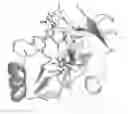
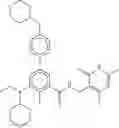
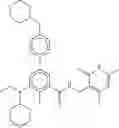
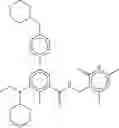
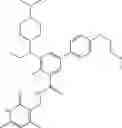
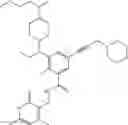
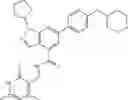
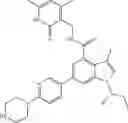

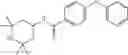


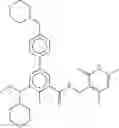
Sources:
- United States Patent and Trademark Office - verify current appl. status at the USPTO↗
Similar patent applications:
- » 20190345139
Histone methyltransferase EZH2 inhibitor, preparation method and pharmaceutical use thereof - » 20210052595
INHIBITORS OF EZH2 AND METHODS OF USE THEREOF - » 20220193084
INHIBITORS OF EZH2 AND METHODS OF USE THEREOF - » 20140275081
Inhibitors of human EZH2, and methods of use thereof - » 20150141362
Inhibitors of human EZH2, and methods of use thereof - » 20170065600
INHIBITORS OF HUMAN EZH2, AND METHODS OF USE THEREOF - » 20170065628
Inhibitors of human EZH2, and methods of use thereof - » 20120071418
Inhibitors of human EZH2 and methods of use thereof - » 20180271892
INHIBITORS OF HUMAN EZH2, AND METHODS OF USE THEREOF - » 20200016162
INHIBITORS OF HUMAN EZH2, AND METHODS OF USE THEREOF
Recent applications in this class:
- » 20250170138 2025-05-29
ARYL-OR HETEROARYL-SUBSTITUTED BENZENE COMPOUNDS - » 20250170137 2025-05-29
Compositions for preventing or treating heart failure (HF) - » 20250161320 2025-05-22
COVALENT INHIBITORS OF MENIN-MLL INTERACTION FOR DIABETES MELLITUS - » 20250161319 2025-05-22
USE OF HPK1 INHIBITOR IN TREATMENT OF INTERFERON-RELATED DISEASES - » 20250161318 2025-05-22
SOLID DISPERSIONS CONTAINING AN APOPTOSIS-INDUCING AGENT - » 20250161317 2025-05-22
MOLIDUSTAT FORMULATIONS AND METHODS OF USE FOR TREATMENT OF ANEMIA IN CATS - » 20250152598 2025-05-15
METHOD FOR TREATING CANCER - » 20250144108 2025-05-08
PHARMACEUTICAL COMPOSITIONS COMPRISING (S)-2-(2,6-DIOXOPIPERIDIN-3-YL)-4-((2-FLUORO-4-((3-MORPHOLINOAZETIDIN-1-YL)METHYL)BENZYL)AMINO)ISOINDOLINE-1,3-DIONE AND METHODS OF USING THE SAME - » 20250144107 2025-05-08
USE OF A PIKFYVE INHIBITOR IN COMBINATION WITH IMMUNOTHERAPY - » 20250134900 2025-05-01
PHARMACEUTICAL COMPOSITION COMPRISING NON-IONIC SURFACTANTS