COMPOSITIONS AND METHODS FOR IMPROVING MILK YIELD AND MILK COMPOSITIONAL CHARACTERISTICS IN RUMINANTS
US20240207331A1
2024-06-27
18/556,632
2022-04-22
Smart Summary: Isolated microorganisms and microbial ensembles have been discovered to improve milk yield and composition in ruminants. These microorganisms can be used to modulate the production of milk and its components. Methods have been developed to increase the desirable components of milk in ruminants. The application claims the benefit of a provisional application filed in 2021. The disclosed microorganisms can be used in their pure states or formulated into compositions for dairy production. 🚀 TL;DR
Abstract:
The disclosure relates to isolated microorganisms, microbial ensembles, and compositions comprising the same. Furthermore, the disclosure teaches methods of utilizing the described microorganisms, microbial ensembles, and compositions comprising the same, in methods for modulating the production and yield of milk and milk components in ruminants. In particular aspects, the disclosure provides methods of increasing desirable components of milk in ruminants.
Applicant:
Interested in similar patents?
Get notified when new applications in this technology area are published.
Classification:
A61K35/741 » CPC main
Medicinal preparations containing materials or reaction products thereof with undetermined constitution; Microorganisms or materials therefrom; Bacteria Probiotics
A23K10/18 » CPC further
Animal feeding-stuffs obtained by microbiological or biochemical processes; Addition of microorganisms or extracts thereof, e.g. single-cell proteins, to feeding-stuff compositions of live microorganisms
A23K50/10 » CPC further
Feeding-stuffs specially adapted for particular animals for ruminants
A61K9/0053 » CPC further
Medicinal preparations characterised by special physical form; Galenical forms characterised by the site of application Mouth and digestive tract, i.e. intraoral and peroral administration
A61K2035/115 » CPC further
Medicinal preparations containing materials or reaction products thereof with undetermined constitution; Medicinal preparations comprising living procariotic cells Probiotics
A61K9/00 IPC
Medicinal preparations characterised by special physical form
A61K35/00 IPC
Medicinal preparations containing materials or reaction products thereof with undetermined constitution
A61P15/14 » CPC further
Drugs for genital or sexual disorders ; Contraceptives for lactation disorders, e.g. galactorrhoea
Description
CROSS-REFERENCE
This application claims the benefit of U.S. Provisional Application No. 63/178,230, filed Apr. 22, 2021, which application is incorporated herein by reference in its entirety.
FIELD
The present disclosure relates to isolated and biologically pure microorganisms that have applications, inter alia, in dairy production. The disclosed microorganisms can be utilized in their isolated and biologically pure states, as well as being formulated into compositions. Furthermore, the disclosure provides microbial ensembles, containing at least two members of the disclosed microorganisms, as well as methods of utilizing said microbial ensembles.
STATEMENT REGARDING SEQUENCE LISTING
The sequence listing associated with this application is provided in text format in lieu of a paper copy, and is hereby incorporated by reference into the specification. The name of the text file containing the sequence listing is ASBI_026_01WO_SeqList_ST25.txt. The text file is approximately 2.08 MB, was created on Apr. 21, 2022, and is being submitted electronically via EFS-Web.
BACKGROUND
The global population is predicted to increase to over 9 billion people by the year 2050 with a concurrent reduction in the quantity of land, water, and other natural resources available per capita. Projections indicate that the average domestic income will also increase, with the projected rise in the GDP of China and India. The desire for a diet richer in animal-source proteins rises in tandem with increasing income, thus the global livestock sector will be charged with the challenge of producing more milk using fewer resources. The Food and Agriculture Organization of the United Nations predict that 70% more food will have to be produced, yet the area of arable land available will decrease. It is clear that the food output per unit of resource input will have to increase considerably in order to support the rise in population.
Milk and milk components from lactating ruminants are predominantly utilized in the preparation of foodstuffs in many different forms. Nevertheless, milk and milk components find numerous alternative applications in non-food areas such as the manufacture of glues, textile fibers, plastic materials, or in the production of ethanol or methane. There have been many strategies to improve milk production and content in ruminants through nutritional modulations, hormone treatments, changes in animal management, and selective breeding; however, the need for more efficient production of milk and milk components per animal is required.
Identifying compositions and methods for sustainably increasing milk production and modulating milk compositional characteristics while balancing animal health and wellbeing have become imperative to satisfy the needs of every day humans in an expanding population. Increasing the worldwide production of milk and further modulating desirable milk components by scaling up the total number of livestock on dairy farms would not only be economically infeasible for many parts of the world, but would further result in negative environmental consequences.
Thus, meeting global milk and milk component yield expectations, by simply scaling up current high-input agricultural systems—utilized in most of the developed world—is simply not feasible.
There is therefore an urgent need in the art for improved methods of increasing milk production and further increasing yield of desirable milk components.
SUMMARY OF THE DISCLOSURE
The present disclosure provides an orally deliverable composition for increasing milk production or improving milk compositional characteristics in a ruminant, comprising: (a) one or more bacteria comprising a 16S nucleic acid sequence with at least about 97% sequence identity to any one of SEQ ID NOs: 2125-4945; and (b) a carrier suitable for ruminant administration. In some embodiments, the one or more bacteria comprises a 16S nucleic acid sequence selected from the group consisting of SEQ ID NOs: 2125-4945.
In some embodiments, the composition comprises: (a) one or more bacteria comprising a 16S nucleic acid sequence with at least about 97% sequence identity to any one of SEQ ID NOs: 1-30, 2045-2103, 2108, 4104, 4116, 4364, 4620, 4814, 4828, 4921, 4943, 4944, and 4945; and/or (b) one or more fungi comprising an ITS nucleic acid sequence with at least about 97% sequence identity to any one of SEQ ID NOs: 31-60 and 2104-2107.
In some embodiments, the composition comprises: (a) one or more bacteria comprising a 16S nucleic acid sequence selected from the group consisting of SEQ ID NOs: 1-30, 2045-2103, 2108, 4104, 4116, 4364, 4620, 4814, 4828, 4921, 4943, 4944, and 4945; and/or (b) one or more fungi comprising an ITS nucleic acid sequence selected from the group consisting of SEQ ID NOs: 31-60 and 2104-2107.
In some embodiments, the ruminant is a cow. In some embodiments, the ruminant is a calf.
In some embodiments, the ruminant administered the composition exhibits an increase in milk production that leads to an increase in milk yield or an increase in energy-corrected milk.
In some embodiments, the ruminant administered the composition exhibits an improved milk compositional characteristic selected from the group consisting of: an increase in milk fat(s), an increase in milk protein(s), an increase of carbohydrates in milk, an increase of vitamins in milk, an increase of minerals in milk, or combinations thereof.
In some embodiments, the ruminant administered the composition exhibits at least one improved phenotypic trait, selected from the group consisting of: an improved efficiency in feed utilization, improved digestibility, an increase in polysaccharide and lignin degradation, an increase in fatty acid concentration in the rumen, pH balance in the rumen, a reduction in methane emissions, a reduction in manure production, improved dry matter intake, an improved efficiency of nitrogen utilization, or combinations thereof.
In some embodiments, the composition is formulated to protect the one or more bacteria from external stressors prior to entering the gastrointestinal tract of the ruminant. In some embodiments, the composition is formulated to protect the one or more bacteria from oxidative stress. In some embodiments, the composition is formulated to protect the one or more bacteria from moisture.
In some embodiments, the composition is dry. In some embodiments, the composition is combined with food. In some embodiments, the composition is combined with cereal, starch, oilseed cake, or vegetable waste. In some embodiments, the composition is combined with hay, haylage, silage, livestock feed, forage, fodder, beans, grains, micro-ingredients, fermentation compositions, mixed ration, total mixed ration, or a mixture thereof. In some embodiments, the composition is formulated as a solid, liquid, or mixture thereof. In some embodiments, the composition is formulated as a pellet, capsule, granulate, or powder. In some embodiments, the composition is combined with water, medicine, vaccine, vitamin, mineral, amino acid, enzyme, or a mixture thereof.
In some embodiments, the composition is encapsulated. In some embodiments, the composition is encapsulated in a polymer or carbohydrate.
In some embodiments, the one or more bacteria are present in the composition in an amount of at least 102 cells.
In some embodiments, the present disclosure provides a method for increasing milk production or improving milk compositional characteristics in a ruminant, the method comprising orally administering to a ruminant an effective amount of any one of the compositions described herein.
In some embodiments, the ruminant administered the effective amount of the composition exhibits an increase in milk production that leads to a measured increase in milk yield.
In some embodiments, the ruminant administered the effective amount of the composition exhibits an increase in milk production and improved milk compositional characteristics that leads to a measured increase in energy-corrected milk.
In some embodiments, the ruminant administered the effective amount of the composition exhibits an improved milk compositional characteristic selected from the group consisting of: an increase in milk fat(s), an increase in milk protein(s), an increase of carbohydrates in milk, an increase of vitamins in milk, an increase of minerals in milk, or combinations thereof.
In some embodiments, the ruminant administered the effective amount of the composition exhibits at least a 1% increase in the average production of milk fat(s), milk protein(s), energy-corrected milk, or combinations thereof.
In some embodiments, the ruminant administered the effective amount of the composition exhibits at least a 10% increase in the average production of: milk fat(s), milk protein(s), energy-corrected milk, or combinations thereof.
In some embodiments, the ruminant administered the effective amount of the composition exhibits at least a 20% increase in the average production of: milk fat(s), milk protein(s), energy-corrected milk, or combinations thereof.
In some embodiments, the ruminant administered the effective amount of the composition, further exhibits at least one improved phenotypic trait, selected from the group consisting of an improved efficiency in feed utilization, improved digestibility, an increase in polysaccharide and lignin degradation, an increase in fatty acid concentration in the rumen, pH balance in the rumen, a reduction in methane emissions, a reduction in manure production, improved dry matter intake, an improved efficiency of nitrogen utilization, or combinations thereof.
In some embodiments, the ruminant administered the effective amount of the composition, further exhibits a shift in the microbiome of the rumen.
In some embodiments, the ruminant administered the effective amount of the composition, further exhibits a shift in the microbiome of the rumen, wherein a population of microbes present in the rumen before administration of the composition increase in abundance after administration of the composition.
In some embodiments, the ruminant administered the effective amount of the composition, further exhibits: a shift in the microbiome of the rumen, wherein a population of microbes present in the rumen before administration of the composition decrease in abundance after administration of the composition.
In some embodiments, the ruminant administered the effective amount of the composition, further exhibits: a shift in the microbiome of the rumen, wherein a first population of microbes present in the rumen before administration of the composition increase in abundance after administration of the composition, and wherein a second population of microbes present in the rumen before administration of the composition decrease in abundance after administration of the composition.
In some embodiments, the present disclosure provides a composition that performs the same or better than recombinant bovine growth hormone for increasing milk production or improving milk compositional characteristics in a ruminant, wherein the composition comprises: (a) one or more bacteria comprising a 16S nucleic acid sequence with at least about 97% sequence identity to any one of SEQ ID NOs: 2125-4945; and (b) a carrier suitable for ruminant administration.
In some embodiments, the one or more bacteria comprises a 16S nucleic acid sequence selected from the group consisting of SEQ ID NOs: 2125-4945.
In some embodiments, the composition comprises: (a) one or more bacteria comprising a 16S nucleic acid sequence with at least about 97% sequence identity to any one of SEQ ID NOs: 1-30, 2045-2103, 2108, 4104, 4116, 4364, 4620, 4814, 4828, 4921, 4943, 4944, and 4945; and/or (b) one or more fungi comprising an ITS nucleic acid sequence with at least about 97% sequence identity to any one of SEQ ID NOs: 31-60 and 2104-2107.
In some embodiments, the composition comprises: (a) one or more bacteria comprising a 16S nucleic acid sequence selected from the group consisting of SEQ ID NOs: 1-30, 2045-2103, 2108, 4104, 4116, 4364, 4620, 4814, 4828, 4921, 4943, 4944, and 4945; and/or (b) one or more fungi comprising an ITS nucleic acid sequence selected from the group consisting of SEQ ID NOs: 31-60 and 2104-2107.
DESCRIPTION OF THE DRAWINGS
FIG. 1 shows a general workflow of one embodiment of the method for determining the absolute abundance of one or more active microorganism strains.
FIG. 2 shows a general workflow of one embodiment of a method for determining the co-occurrence of one or more, or two or more, active microorganism strains in a sample with one or more metadata (environmental) parameters, followed by leveraging cluster analysis and community detection methods on the network of determined relationships.
FIG. 3 depicts a schematic diagram that illustrates an example process flow for use with an exemplary microbe interaction analysis and selection system, including the determination of MIC scores discussed throughout the present disclosure.
Budapest Treaty on the International Recognition of the Deposit of Microorganisms for the Purpose of Patent Procedures
Some microorganisms described in this application were deposited with the United States Department of Agriculture (USDA) Agricultural Research Service (ARS) Culture Collection (NRRL®), located at 1815 N. University St., Peoria, IL 61604, USA. Some microorganisms described in this application were deposited with the Bigelow National Center for Marine Algae and Microbiota, located at 60 Bigelow Drive, East Boothbay, Maine 04544, USA. Some microorganisms described in this application were also deposited with the American Type Culture Collection (ATCC®), located at 10801 University Blvd., Manassas, VA 20110, USA. Some microorganisms described in this application were deposited with the National Collection of Type Cultures operated by the Public Health England, located at Porton Down, Salisbury, SP4 0JG, United Kingdom.
The deposits were made under the terms of the Budapest Treaty on the International Recognition of the Deposit of Microorganisms for the Purposes of Patent Procedure and/or type strain rules and procedures. The deposit accession numbers for the Budapest Treaty deposits and type strains are provided in Table 2. The depository, accession numbers, and corresponding dates of deposit for the microorganisms described in this application are separately provided in Table 4.
In Table 1, the closest predicted hits for taxonomy of the microbes are listed in columns 2, and 5. Column 2 is the top taxonomic hit predicted by BLAST, and column 5 is the top taxonomic hit for genus+species predicted by BLAST. Table 3 shows the top taxonomic hit predicted by BLAST. Table 14 shows the sprain designation, deposition number, parent strain, percent match, MIC, predicted taxonomy and sequence identifier of each additional micobe. The compositions of the present disclosure may contain any one, or any combination, of the microbes listed below in Tables 1, 3, and 14. The microbes of Tables 1, 3, and 14 may be administered as a single microbial product and/or as a microbial consortia comprising a combination of microbes from Tables 1, 3, and 14.
The strains designated in the tables below have been deposited in the labs of Native Microbials, Inc. since at least before the date of filing of the present application and before the date of deposit with the noted depository institutions.
| TABLE 1 |
| Microbes of the present disclosure |
| BLAST | |||||||||
| Taxonomic | |||||||||
| BLAST | Blast | Top Hit | Blast | ||||||
| Predicted Taxa of | Taxonomic | % | Query | w/Genus + | % | Query | Strain | Sequence | MIC |
| Isolated Microbes | Top Hit | Ident. | Cover | Species | Identity | Cover | Designation | Identifier | Score |
| Ruminococcus bovis | Clostridiaceae | 96% | 100% | Ruminococcus | 91% | 82% | Ascusb_5 | SEQ ID | 0.85694 |
| sp. nov. | bacterium | bromii | NO: 1 | ||||||
| Ruminococcus bovis | Clostridiaceae | 96% | 100% | Ruminococcus | 91% | 82% | Ascusb_5 | SEQ ID | 0.85694 |
| sp. nov. | bacterium | bromii | NO: 2108 | ||||||
| Ruminococcus | Rumen bacterium | 93% | 84% | Ruminococcus | 91% | 82% | Ascusb_7 | SEQ ID | 0.97384 |
| (Genus) | bromii | NO: 2 | |||||||
| Clostridium IV | Rumen bacterium | 89% | 97% | Intestinimonas | 85% | 100% | Ascusb_26 | SEQ ID | 0.82051 |
| (Cluster) | NK4A214 | butyriciproducens | NO: 3 | ||||||
| Roseburia (Genus) | Lachnospiraceae | 89% | 100% | Pseudobutyrivibrio | 89% | 96% | Ascusb_27 | SEQ ID | 0.87214 |
| bacterium | ruminis | NO: 4 | |||||||
| Hydrogenoanaero- | Lachnospiraceae | 87% | 93% | Roseburia | 86% | 93% | Ascusb_32 | SEQ ID | 0.81269 |
| bacterium (Genus) | bacterium | inulinivorans | NO: 5 | ||||||
| Clostridium XIVa | Eubacterium | 92% | 100% | Eubacterium | 92% | 100% | Ascusb_79 | SEQ ID | 0.82765 |
| (Cluster) | ventriosum | ventriosum | NO: 6 | ||||||
| Saccharofermentans | Rumen bacterium | 87% | 100% | Faecalibacterium | 91% | 76% | Ascusb_82 | SEQ ID | 0.93391 |
| (Genus) | prausnitzii | NO: 7 | |||||||
| Saccharofermentans | Saccharofermentans | 100% | 99% | Saccharofermentans | 83% | 92% | Ascusb_102 | SEQ ID | 0.82247 |
| (Genus) | sp. | acetigenes | NO: 8 | ||||||
| Butyricicoccus | Clostridium sp. | 87% | 100% | Ruminococcus | 86% | 99% | Ascusb_89 | SEQ ID | 0.74361 |
| (Genus) | flavefaciens | NO: 9 | |||||||
| Papillibacter | Rumen bacterium | 91% | 99% | Clostridium | 88% | 82% | Ascusb_111 | SEQ ID | 0.82772 |
| (Genus) | NK4A214 | saccharolyticum | NO: 10 | ||||||
| Ruminococcus | Ruminococcaceae | 100% | 94% | Clostridium | 85% | 99% | Ascusb_119 | SEQ ID | 0.8263 |
| (Genus) | lentocellum | NO: 11 | |||||||
| Hydrogenoanaero- | Rumen bacterium | 85% | 98% | Ruminococcus | 85% | 100% | Ascusb_145 | SEQ ID | 0.81161 |
| bacterium (Genus) | NK4B29 | flavefaciens | NO: 12 | ||||||
| Pelotomaculum | Faecalibacterium | 86% | 93% | Faecalibacterium | 86% | 82% | Ascusb_205 | SEQ ID | 0.81461 |
| (Genus) | sp. | prausnitzii | NO: 13 | ||||||
| Saccharofermentans | Bacterium | 99% | 91% | Saccharofermentans | 90% | 79% | Ascusb_232 | SEQ ID | 0.81428 |
| (Genus) | MA3003 | acetigenes | NO: 14 | ||||||
| Lachnospiraceae | Bacterium | 95% | 93% | Blautia luti | 88% | 92% | Ascusb_252 | SEQ ID | 0.8196 |
| incertae sedis (Family) | VCD3003 | NO: 15 | |||||||
| Butyricicoccus | Ruminococcaceae | 91% | 77% | Clostridium | 83% | 99% | Ascusb_268 | SEQ ID | 0.74813 |
| sensu stricto (Genus) | bacterium | lentocellum | NO: 16 | ||||||
| Lachnospiraceae | Bacterium | 96% | 92% | Coprococcus catus | 88% | 100% | Ascusb_374 | SEQ ID | 0.76214 |
| incertae sedis (Family) | YAB2006 | NO: 17 | |||||||
| Anaeroplasma | Anaeroplasma | 97% | 100% | Anaeroplasma | 97% | 100% | Ascusb_411 | SEQ ID | 0.76213 |
| (Genus) | varium | varium | NO: 18 | ||||||
| Clostridium sensu | Clostridiales | 100% | 93% | Clostridium | 81% | 91% | Ascusb_546 | SEQ ID | 0.83869 |
| stricto (Genus) | bacterium | stercorarium | NO: 19 | ||||||
| Butyricicoccus | Clostridiales | 88% | 91% | Aminiphilus | 80% | 77% | Ascusb_672 | SEQ ID | 0.74829 |
| (Genus) | bacterium | circumscriptus | NO: 20 | ||||||
| Butyricicoccus | Clostridiales | 89% | 89% | Aminiphilus | 97% | 27% | Ascusb_765 | SEQ ID | 0.74111 |
| (Genus) | bacterium | circumscriptus | NO: 21 | ||||||
| Rikenella | Bacteroides sp. | 93% | 64% | Alistipes shahii | 93% | 64% | Ascusb_812 | SEQ ID | 0.73874 |
| (Genus) | NO: 22 | ||||||||
| Tannerella | Alistipes shahii | 86% | 100% | Alistipes shahii | 86% | 100% | Ascusb_1295 | SEQ ID | 0.8365 |
| (Genus) | NO: 23 | ||||||||
| Howardella | Clostridiales | 85% | 100% | Oscillibacter | 89% | 41% | Ascusb_1763 | SEQ ID | 0.75083 |
| (Genus) | bacterium | valericigenes | NO: 24 | ||||||
| Prevotella | Bacteroidetes | 97% | 95% | Odoribacter | 77% | 86% | Ascusb_1780 | SEQ ID | 0.89749 |
| (Genus) | bacterium | splanchnicus | NO: 25 | ||||||
| Butyricimonas | Bacteroidetes | 95% | 99% | Tannerella forsythia | 83% | 92% | Ascusb_1801 | SEQ ID | 0.89664 |
| (Genus) | bacterium | NO: 26 | |||||||
| Clostridium sensu | Bacterium | 96% | 93% | Hydrogenoanaero- | 84% | 86% | Ascusb_1833 | SEQ ID | 0.73989 |
| bacterium | |||||||||
| stricto (Genus) | XBB3002 | saccharovorans | NO: 27 | ||||||
| Clostridium sensu | Clostridium | 98% | 100% | Clostridium | 98% | 100% | Ascusb_3138 | SEQ ID | 0.76524 |
| stricto (Genus) | butyricum | butyricum | NO: 28 | ||||||
| Saccharofermentans | Rumen bacterium | 87% | 99% | Faecalibacterium | 90% | 76% | Ascusb_6589 | SEQ ID | 0.76539 |
| (Genus) | NK4A214 | prausnitzii | NO: 29 | ||||||
| Lachnospiraceae | Roseburia | 90% | 100% | Roseburia | 90% | 100% | Ascusb_7921 | SEQ ID | 0.86201 |
| incertae sedis (Family) | intestinalis | intestinalis | NO: 30 | ||||||
| Succinivibrio | Succinivibrio | 95% | 99% | Succinivibrio | 95% | 99% | Ascusb_11 | SEQ ID | 0.50001 |
| (Genus) | dextrinosolvens | dextrinosolvens | NO: 2045 | ||||||
| Prevotella | Bacterium | 100% | 93% | Prevotella | 91% | Ascusb_36 | SEQ ID | 0.55431 | |
| (Genus) | MB2027 | ruminicola | NO: 2046 | ||||||
| Prevotella | Prevotella | 100% | 99% | Prevotella | 100% | Ascusb_67 | SEQ ID | 0.49156 | |
| (Genus) | ruminicola | ruminicola | NO: 2047 | ||||||
| Prevotella | Prevotella | 97% | 100% | Prevotella | 97% | 100% | Ascusb_87 | SEQ ID | 0.59635 |
| (Genus) | ruminicola | ruminicola | NO: 2048 | ||||||
| Ruminobacter | Ruminobacter sp. | 92% | 99% | Ruminobacter | 92% | 100% | Ascusb_101 | SEQ ID | 0.75099 |
| (Genus) | amylophilus | NO: 2049 | |||||||
| Syntrophococcus | Blautia producta | 91% | 100% | Blautia producta | 91% | 100% | Ascusb_104 | SEQ ID | 0.70044 |
| (Genus) | NO: 2050 | ||||||||
| Succinivibrio | Succinivibrio | 96% | 99% | Succinivibrio | 96% | 99% | Ascusb_125 | SEQ ID | 0.44408 |
| (Genus) | dextrinosolvens | dextrinosolvens | NO: 2051 | ||||||
| Pseudobutyrivibrio | Butyrivibrio | 99% | 100% | Butyrivibrio | 99% | 100% | Ascusb_149 | SEQ ID | 0.50676 |
| (Genus) | fibrisolvens | fibrisolvens | NO: 2052 | ||||||
| Prevotella | Prevotella | 99% | 99% | Prevotella | 99% | 99% | Ascusb_159 | SEQ ID | 0.5744 |
| (Genus) | ruminicola | ruminicola | NO: 2053 | ||||||
| Prevotella | Prevotella | 96% | 99% | Prevotella | 96% | 99% | Ascusb_183 | SEQ ID | 0.50204 |
| (Genus) | ruminicola | ruminicola | NO: 2054 | ||||||
| Prevotella | Prevotella | 99% | 100% | Prevotella | 99% | 100% | Ascusb_187 | SEQ ID | 0.56688 |
| (Genus) | ruminicola | ruminicola | NO: 2055 | ||||||
| Prevotella | Bacterium XBB2006 | 100% | 94% | Prevotella albensis | 87% | 97% | Ascusb_190 | SEQ ID | 0.56183 |
| (Genus) | NO: 2056 | ||||||||
| Lachnospiraceae | Lachnospiraceae | 91% | 100% | Roseburia | 89% | 100% | Ascusb_199 | SEQ ID | 0.62487 |
| incertae sedis (Family) | bacterium | inulinivorans | NO: 2057 | ||||||
| Syntrophococcus | Ruminococcus | 95% | 100% | Ruminococcus | 95% | 100% | Ascusb_278 | SEQ ID | 0.51235 |
| (Genus) | gnavus | gnavus | NO: 2058 | ||||||
| Ruminobacter | Ruminobacter sp. | 100% | 99% | Ruminobacter | 99% | 100% | Ascusb_329 | SEQ ID | 0.4754 |
| (Genus) | amylophilus | NO: 2059 | |||||||
| Butyrivibrio | Butyrivibrio sp. | 100% | 100% | Butyrivibrio | 99% | 98% | Ascusb_368 | SEQ ID | 0.60727 |
| (Genus) | hungatei | NO: 2060 | |||||||
| Clostridium_XlVa | Eubacterium | 100% | 96% | Eubacterium | 100% | 96% | Ascusb_469 | SEQ ID | 0.66345 |
| (Cluster) | oxidoreducens | oxidoreducens | NO: 2061 | ||||||
| Prevotella | Rumen bacterium | 99% | 99% | Prevotella brevis | 91% | 100% | Ascusb_530 | SEQ ID | 0.44804 |
| (Genus) | NK4A111 | NO: 2062 | |||||||
| Prevotella | Prevotella sp. | 100% | 93% | Prevotella copri | 100% | 93% | Ascusb_728 | SEQ ID | 0.55431 |
| (Genus) | NO: 2063 | ||||||||
| Lachnospiraceae | Eubacterium | 99% | 100% | Eubacterium | 99% | 100% | Ascusb_756 | SEQ ID | 0.72136 |
| incertae sedis (Family) | ruminantium | ruminantium | NO: 2064 | ||||||
| Roseburia | Lachnospiraceae | 89% | 93% | [Clostridium] | 89% | 91% | Ascusb_810 | SEQ ID | 0.65527 |
| (Genus) | bacterium | xylanovorans | NO: 2065 | ||||||
| Lachnospiraceae | Lachnospira | 99% | 100% | Lachnospira | 99% | 100% | Ascusb_817 | SEQ ID | 0.46512 |
| incertae sedis (Family) | pectinoschiza | pectinoschiza | NO: 2066 | ||||||
| Butyrivibrio | Butyrivibrio | 98% | 99% | Butyrivibrio | 98% | 99% | Ascusb_826 | SEQ ID | 0.65357 |
| (Genus) | fibrisolvens | fibrisolvens | NO: 2067 | ||||||
| Pseudobutyrivibrio | Pseudobutyrivibrio | 100% | 95% | Pseudobutyrivibrio | 97% | 100% | Ascusb_880 | SEQ ID | 0.52295 |
| (Genus) | sp. | ruminis | NO: 2068 | ||||||
| Turicibacter | Sinimarinibacterium | 87% | 69% | Sinimarinibacterium | 87% | 69% | Ascusb_913 | SEQ ID | 0.55141 |
| (Genus) | flocculans | flocculans | NO: 2069 | ||||||
| Lachnospiraceae | Bacterium | 100% | 91% | Butyrivibrio | 90% | 100% | Ascusb_974 | SEQ ID | 0.53487 |
| incertae sedis (Family) | FB3002 | fibrisolvens | NO: 2070 | ||||||
| Pseudobutyrivibrio | Pseudobutyrivibrio | 97% | 99% | Pseudobutyrivibrio | 97% | 99% | Ascusb_1069 | SEQ ID | 0.55299 |
| (Genus) | ruminis | ruminis | NO: 2071 | ||||||
| Anaerolinea | Chloroflexi | 88% | 99% | Anaerolinea | 90% | 57% | Ascusb_1074 | SEQ ID | 0.50893 |
| (Genus) | bacterium | thermophila | NO: 2072 | ||||||
| Roseburia | Lachnospiraceae | 98% | 99% | Eubacterium rectale | 94% | 100% | Ascusb_1293 | SEQ ID | 0.61745 |
| (Genus) | NO: 2073 | ||||||||
| Propionibacterium | Propionibacterium | 100% | 100% | Propionibacterium | 100% | 100% | Ascusb_1367 | SEQ ID | 0.54046 |
| (Genus) | acnes | acnes | NO: 2074 | ||||||
| Clostridium_XIVa | Lachnospiraceae | 88% | 100% | Pseudobutyrivibrio | 86% | 97% | Ascusb_1632 | SEQ ID | 0.46826 |
| (Cluster) | bacterium | ruminis | NO: 2075 | ||||||
| Olsenella | Coriobacteriaceae | 98% | 100% | Olsenella profusa | 97% | 100% | Ascusb_1674 | SEQ ID | 0.51533 |
| (Genus) | bacterium | NO: 2076 | |||||||
| Streptococcus | Streptococcus | 95% | 82% | Streptococcus | 95% | 82% | Ascusb_1786 | SEQ ID | 0.48678 |
| (Genus) | dentirousetti | dentirousetti | NO: 2077 | ||||||
| Clostridium_XlVa | Butyrivibrio sp. | 99% | 96% | Butyrivibrio | 93% | 100% | Ascusb_1812 | SEQ ID | 0.64367 |
| (Cluster) | proteoclasticus | NO: 2078 | |||||||
| Clostridium_XlVa | Bacterium | 99% | 91% | Butyrivibrio | 96% | 99% | Ascusb_1850 | SEQ ID | 0.57807 |
| (Cluster) | DAZ2002 | hungatei | NO: 2079 | ||||||
| Roseburia | Lachnospiraceae | 95% | 99% | Eubacterium | 89% | 100% | Ascusb_1879 | SEQ ID | 0.45014 |
| (Genus) | bacterium | oxidoreducens | NO: 2080 | ||||||
| Clostridium_IV | Ruminococcaceae | 87% | 99% | Ruminococcus | 85% | 91% | Ascusb_2090 | SEQ ID | 0.75266 |
| (Cluster) | bacterium | bromii | NO: 2081 | ||||||
| Clostridium_XICa | Bacterium | 99% | 99% | Clostridium | 85% | 90% | Ascusb_2124 | SEQ ID | 0.4673 |
| (Cluster) | MA2020 | algidixylanolyticum | NO: 2082 | ||||||
| Lachnospiracea | Bacterium | 94% | 94% | Eubacterium | 91% | 100% | Ascusb_2198 | SEQ ID | 0.55249 |
| incertae sedis (Family) | YSB2008 | ruminantium | NO: 2083 | ||||||
| Erysipelotrichaceae | Catenisphaera | 90% | 91% | Catenisphaera | 90% | 91% | Ascusb_2511 | SEQ ID | 0.50619 |
| incertae sedis (Family) | adipataccumulans | adipataccumulans | NO: 2084 | ||||||
| Solobacterium | Erysipelotrichaceae | 92% | 99% | Solobacterium | 91% | 100% | Ascusb_2530 | SEQ ID | 0.53735 |
| (Genus) | bacterium | moorei | NO: 2085 | ||||||
| Lachnospiraceae | Eubacterium | 95% | 100% | Eubacterium | 95% | 100% | Ascusb_2597 | SEQ ID | 0.52028 |
| incertae sedis (Genus) | ruminantium | ruminantium | NO: 2086 | ||||||
| Clostridium_XlVa | Butyrivibrio | 99% | 100% | Butyrivibrio | 99% | 100% | Ascusb_2624 | SEQ ID | 0.55465 |
| (Cluster) | proteoclasticus | proteoclasticus | NO: 2087 | ||||||
| Ralstonia | Ralstonia sp. 94 | 100% | 99% | Ralsonia insidiosa | 99% | 100% | Ascusb_2667 | SEQ ID | 0.52371 |
| (Genus) | NO: 2088 | ||||||||
| Clostridium_XlVa | Butyrivibrio sp. | 97% | 94% | Butyrivibrio | 95% | 100% | Ascusb_2836 | SEQ ID | 0.43374 |
| (Cluster) | proteoclasticus | NO: 2089 | |||||||
| Eubacterium | Eubacteriaceae | 84% | 100% | Casaltella | 87% | 82% | Ascusb_3003 | SEQ ID | 0.56301 |
| (Genus) | bacterium | massiliensis | NO: 2090 | ||||||
| Lachnobacterium | Rumen bacterium | 89% | 98% | Eubacterium | 90% | 91% | Ascusb_3504 | SEQ ID | 0.52856 |
| (Genus) | xylanophilum | NO: 2091 | |||||||
| Acholeplasma | Acholeplasma | 86% | 72% | Acholeplasma | 86% | 72% | Ascusb_3881 | SEQ ID | 0.4402 |
| (Genus) | brassicae | brassicae | NO: 2092 | ||||||
| Selenomonas | Mitsuokella | 91% | 97% | Mitsuokella | 91% | 97% | Ascusb_4728 | SEQ ID | 0.4761 |
| (Genus) | jalaludinii | jalaludinii | NO: 2093 | ||||||
| Prevotella | Prevotella | 98% | 100% | Prevotella | 98% | 100% | Ascusb_4934 | SEQ ID | 0.56204 |
| (Genus) | ruminicola | ruminicola | NO: 2094 | ||||||
| Clostridium_XlVa | Butyrivibrio sp. | 99% | 99% | Butyrivibrio | 97% | 100% | Ascusb_4959 | SEQ ID | 0.42892 |
| (Cluster) | fibrisolvens | NO: 2095 | |||||||
| Succinivibrio | Succinivibrio | 86% | 84% | Succinivibrio | 86% | 84% | Ascusb_5525 | SEQ ID | 0.51758 |
| (Genus) | dextrinosolvens | dextrinosolvens | NO: 2096 | ||||||
| Ruminobacter | Ruminobacter sp. | 100% | 99% | Ruminobacter | 99% | 100% | Ascusb_12103 | SEQ ID | 0.52909 |
| (Genus) | amylophilus | NO: 2097 | |||||||
| Sharpea | Lachnospiraceae | 97% | 100% | Sharpea azabuensis | 100% | 91% | Ascusb_14245 | SEQ ID | 0.61391 |
| (Genus) | bacterium | NO: 2098 | |||||||
| Prevotella | Prevotella | 87% | 97% | Prevotella | 87% | 97% | Ascusb_14945 | SEQ ID | 0.80101 |
| (Genus) | ruminicola | ruminicola | NO: 2099 | ||||||
| Prevotella | Prevotella sp. | 88% | 89% | Prevotella | 87% | 945 | Ascusb_17461 | SEQ ID | 0.44777 |
| (Genus) | DJF | ruminicola | NO: 2100 | ||||||
| Prevotella | Bacterium | 100% | 93% | Prevotella | 91% | 99% | Ascusb_20083 | SEQ ID | 0.52538 |
| (Genus) | MB2027 | ruminicola | NO: 2101 | ||||||
| Prevotella | Prevotella | 99% | 100% | Prevotella | 99% | 100% | Ascusb_20187 | SEQ ID | 0.59156 |
| (Genus) | ruminicola | ruminicola | NO: 2102 | ||||||
| Prevotella | Prevotella | 100% | 100% | Prevotella | 100% | 100% | Ascusb_20539 | SEQ ID | 0.4912 |
| (Genus) | ruminicola | ruminicola | NO: 2103 | ||||||
| Piromyces | Piromyces sp. | 93% | 100% | Neocallimastix | 84% | 100% | Ascusf_11 | SEQ ID | 0.81719 |
| (Genus) | frontalis | NO: 31 | |||||||
| Candida xylopsoc | Pichia kudriavzevii | 100% | 100% | Pichia kudriavzevii | 100% | 100% | Ascusf_15 | SEQ ID | 0.76088 |
| (Genus + Species) | NO: 32 | ||||||||
| Orpinomyces | Orpinomyces sp. | 100% | 100% | Neocallimastix | 86% | 100% | Ascusf_22 | SEQ ID | 0.76806 |
| (Genus) | frontalis | NO: 33 | |||||||
| Orpinomycs | Neocallimastix | 86% | 80% | Neocallimastix | 86% | 80% | Ascusf_23 | SEQ ID | 0.85707 |
| (Genus) | frontalis | frontalis | NO: 34 | ||||||
| Orpinomyces | Orpinomyces sp. | 95% | 100% | Neocallimastix | 86% | 100% | Ascusf_24 | SEQ ID | 0.85292 |
| (Genus) | frontalis | NO: 35 | |||||||
| Candida apicol | Candida apicola | 100% | 100% | Candida apicola | 100% | 100% | Ascusf_25 | SEQ ID | 0.70561 |
| (Genus + Species) | NO: 36 | ||||||||
| Candida rugosa | Candida | 100% | 100% | Candida | 100% | 100% | Ascusf_38 | SEQ ID | 0.78246 |
| (Genus + Species) | akabanensis | akabanensis | NO: 37 | ||||||
| Neocallimastix | Neocallimastix sp. | 99% | 100% | Neocallimastix | 99% | 100% | Ascusf_45 | SEQ ID | 0.86185 |
| (Genus) | frontalis | NO: 38 | |||||||
| Orpinomyces | Orpinomyces sp. | 99% | 100% | Orpinomyces | 96% | 96% | Ascusf_60 | SEQ ID | 0.72985 |
| (Genus) | joyonii | NO: 39 | |||||||
| Orpinomyces | Neocallimastix | 86% | 78% | Neocallimastix | 86% | 78% | Ascusf_73 | SEQ ID | 0.76064 |
| (Genus) | frontalis | frontalis | NO: 40 | ||||||
| Neocallimastix | Neocallimastix sp. | 98% | 100% | Neocallimastix | 93% | 100% | Ascusf_77 | SEQ ID | 0.83475 |
| (Genus) | frontalis | NO: 41 | |||||||
| Neocallimastix | Neocallimastix | 97% | 100% | Neocallimastix | 97% | 100% | Ascusf_94 | SEQ ID | 0.77644 |
| (Genus) | frontalis | frontalis | NO: 42 | ||||||
| Ascomycota | Basidiomycota sp. | 85% | 98% | Sugiyamaella | 97% | 26% | Ascusf_95 | SEQ ID | 0.7089 |
| (Genus) | lignohabitans | NO: 43 | |||||||
| Piromyces | Caecomyces sp. | 94% | 100% | Cyllamyces | 86% | 89% | Ascusf_108 | SEQ ID | 0.68405 |
| (Genus) | aberensis | NO: 44 | |||||||
| Orpinomyces | Orpinomyces sp. | 95% | 100% | Orpinomyces | 87% | 96% | Ascusf_119 | SEQ ID | 0.80055 |
| (Genus) | joyonii | NO: 45 | |||||||
| Cyllamyces | Caecomyces sp. | 90% | 100% | Caecomyces | 90% | 83% | Ascusf_127 | SEQ ID | 0.66812 |
| (Genus) | communis | NO: 46 | |||||||
| Piromyces | Caecomyces sp. | 91% | 100% | Caecomyces | 92% | 83% | Ascusf_136 | SEQ ID | 0.73201 |
| (Genus) | communis | NO: 47 | |||||||
| Cyllamyces | Cyllamyces sp. | 97% | 100% | Cyllamyces | 94% | 89% | Ascusf_193 | SEQ ID | 0.7586 |
| (Genus) | aberensis | NO: 48 | |||||||
| Piromyces | Piromyces sp. | 92% | 100% | Neocallimastix | 84% | 100% | Ascusf_228 | SEQ ID | 0.83403 |
| (Genus) | frontalis | NO: 49 | |||||||
| Piromyces | Caecomyces sp. | 94% | 100% | Cyllamyces | 86% | 89% | Ascusf_249 | SEQ ID | 0.78679 |
| (Genus) | aberensis | NO: 50 | |||||||
| Neocallimastix | Neocallimastix sp. | 98% | 100% | Neocallimastix | 92% | 100% | Ascusf_307 | SEQ ID | 0.77859 |
| (Genus) | frontalis | NO: 51 | |||||||
| Piromyces | Piromyces sp. | 94% | 100% | Neocallimastix | 83% | 100% | Ascusf_315 | SEQ ID | 0.81028 |
| (Genus) | frontalis | NO: 52 | |||||||
| Neocallimastix | Neocallimastix sp. | 100% | 98% | Neocallimastix | 100% | 90% | Ascusf_334 | SEQ ID | 0.76456 |
| (Genus) | frontalis | NO: 53 | |||||||
| Saccharomycetales | Candida ethanolica | 100% | 100% | Candida ethanolica | 100% | 100% | Ascusf_353 | SEQ ID | 0.82628 |
| (Order) | NO: 54 | ||||||||
| Piromyces | Piromyces sp. | 91% | 100% | Neocallimastix | 83% | 100% | Ascusf_448 | SEQ ID | 0.70021 |
| (Genus) | frontalis | NO: 55 | |||||||
| Orpinomyces | Neocallimastix sp. | 88% | 91% | Neocallimastix | 96% | 88% | Ascusf_786 | SEQ ID | 0.63201 |
| (Genus) | frontalis | NO: 56 | |||||||
| Piromyces | Piromyces sp. | 91% | 100% | Neocallimastix | 83% | 100% | Ascusf_836 | SEQ ID | 0.65492 |
| (Genus) | frontalis | NO: 57 | |||||||
| Phyllosticta | Tremellales sp. | 96% | 74% | Tremella giraffa | 83% | 96% | Ascusf_923 | SEQ ID | 0.76115 |
| capitalensis | NO: 58 | ||||||||
| (Genus + Species) | |||||||||
| Orpinomyces | Neocallimastix | 87% | 77% | Neocallimastix | 87% | 77% | Ascusf_1020 | SEQ ID | 0.68043 |
| (Genus) | frontalis | frontalis | NO: 59 | ||||||
| Orpinomyces | Neocallimastix | 85% | 80% | Neocallimastix | 85% | 80% | Ascusf_1103 | SEQ ID | 0.73004 |
| (Genus) | frontalis | frontalis | NO: 60 | ||||||
| Orpinomyces | Fungal sp. | 99% | 100% | Orpinomyces | 94% | 96% | Ascusf_81 | SEQ ID | 0.44471 |
| (Genus) | Tianzhu-Yak6 | joyonii | NO: 2104 | ||||||
| Piromyces | Piromyces sp. | 99% | 100% | Neocallimastix | 84% | 100% | Ascusf_206 | SEQ ID | 0.49752 |
| (Genus) | frontalis | NO: 2105 | |||||||
| Piromyces | Piromyces sp. | 96% | 100% | Neocallimastix | 82% | 100% | Ascusf_208 | SEQ ID | 0.4176 |
| (Genus) | frontalis | NO: 2106 | |||||||
| Piromyces | Piromyces sp. | 99% | 100% | Neocallimastix | 82% | 100% | Ascusf_1012 | SEQ ID | 0.55922 |
| (Genus) | frontalis | NO: 2107 | |||||||
| TABLE 2 |
| Microbial Deposits Corresponding to the Microbes of Table 1 |
| Predicted Taxa | Predicted Taxa | ||||||
| of Isolated | Strain | Sequence | of Isolated | Strain | Sequence | ||
| Microbes | Designation | Identifier | Deposit No. | Microbes | Designation | Identifier | Deposit No. |
| Ruminococcus | Ascusb_5 | SEQ ID | PATENT201612001, | Streptococcus | Ascusb_1786 | SEQ ID | PATENT201612011, |
| bovis sp. nov. | (consortia) | NO: 1 | PATENT201612007, | (Genus) | NO: 2077 | PATENT201612012, | |
| (Species - Not | PATENT201612009, | PATENT201612013 | |||||
| predicted, rather a | PATENT201612010, | ||||||
| new species) | PATENT201612011, | ||||||
| PATENT201612012 | |||||||
| Ruminococcus | Ascusb_5 | SEQ ID | PTA-1259171 | Clostridium_XlVa | Ascusb_1812 | SEQ ID | PATENT201612011, |
| bovis sp. nov. | (pure | NO: 2108 | NARRL B-677642 | (Cluster) | NO: 2078 | PATENT201612012 | |
| (Species - Not | culture) | TSD-2253 | |||||
| predicted, rather a | NCTC 144794 | ||||||
| new species) | |||||||
| Ruminococcus | Ascusb_7 | SEQ ID | PATENT201612005, | Clostridium_XlVa | Ascusb_1850 | SEQ ID | PATENT201612013 |
| (Genus) | NO: 2 | PATENT201612007, | (Cluster) | NO: 2079 | |||
| PATENT201612009, | |||||||
| PATENT201612010, | |||||||
| PATENT201612011, | |||||||
| PATENT201612012, | |||||||
| PATENT201612013 | |||||||
| Clostridium IV | Ascusb_26 | SEQ ID | PATENT201612005, | Roseburia | Ascusb_1879 | SEQ ID | |
| (Cluster) | NO: 3 | PATENT201612009, | (Genus) | NO: 2080 | |||
| PATENT201612011, | |||||||
| PATENT201612012 | |||||||
| Roseburia | Ascusb_27 | SEQ ID | PATENT201612009 | Clostridium_IV | Ascusb_2090 | SEQ ID | PATENT201612007, |
| (Genus) | NO: 4 | (Cluster) | NO: 2081 | PATENT201612009 | |||
| Hydrogenoanaero- | Ascusb_32 | SEQ ID | PATENT201612006, | Clostridium_XICa | Ascusb_2124 | SEQ ID | PATENT201612012 |
| bacterium (Genus) | NO: 5 | PATENT201612009, | (Cluster) | NO: 2082 | |||
| PATENT201612012 | |||||||
| Clostridium XIVa | Ascusb_79 | SEQ ID | PATENT201612011, | Lachnospiracea | Ascusb_2198 | SEQ ID | PATENT201612012 |
| (Cluster) | NO: 6 | PATENT201612012 | incertae sedis | NO: 2083 | |||
| (Family) | |||||||
| Saccharofermentans | Ascusb_82 | SEQ ID | PATENT201612005, | Erysipelotrichaceae | Ascusb_2511 | SEQ ID | PATENT201612001, |
| (Genus) | NO: 7 | PATENT201612006, | incertae sedis | NO: 2084 | PATENT201612007, | ||
| PATENT201612007, | (Family) | PATENT201612009 | |||||
| PATENT201612009, | |||||||
| PATENT201612010, | |||||||
| PATENT201612012 | |||||||
| Saccharofermentans | Ascusb_102 | SEQ ID | PATENT201612005, | Solobacterium | Ascusb_2530 | SEQ ID | PATENT201612011, |
| (Genus) | NO: 8 | PATENT201612007, | (Genus) | NO: 2085 | PATENT201612012 | ||
| PATENT201612010, | |||||||
| PATENT201612011, | |||||||
| PATENT201612012 | |||||||
| Butyricicoccus | Ascusb_89 | SEQ ID | PATENT201612011, | Lachnospiraceae | Ascusb_2597 | SEQ ID | PATENT201612013 |
| (Genus) | NO: 9 | PATENT201612012 | incertae sedis | NO: 2086 | |||
| (Genus) | |||||||
| Papillibacter | Ascusb_111 | SEQ ID | PATENT201612005, | Clostridium_XlVa | Ascusb_2624 | SEQ ID | PATENT201612009, |
| (Genus) | NO: 10 | PATENT201612007, | (Cluster) | NO: 2087 | PATENT201612011, | ||
| PATENT201612012 | PATENT201612012 | ||||||
| Ruminococcus | Ascusb_119 | SEQ ID | PATENT201612011, | Ralstonia | Ascusb_2667 | SEQ ID | PATENT201612013 |
| (Genus) | NO: 11 | PATENT201612012 | (Genus) | NO: 2088 | |||
| Hydrogenoanaero- | Ascusb_145 | SEQ ID | PATENT201612011, | Clostridium_XlVa | Ascusb_2836 | SEQ ID | PATENT201612013 |
| bacterium (Genus) | NO: 12 | PATENT201612012 | (Cluster) | NO: 2089 | |||
| Pelotomaculum | Ascusb_205 | SEQ ID | PATENT201612005, | Eubacterium | Ascusb_3003 | SEQ ID | PATENT201612009 |
| (Genus) | NO: 13 | PATENT201612006, | (Genus) | NO: 2090 | |||
| PATENT201612011, | |||||||
| PATENT201612012 | |||||||
| Saccharofermentans | Ascusb_232 | SEQ ID | PATENT201612010, | Lachnobacterium | Ascusb_3504 | SEQ ID | PATENT201612011, |
| (Genus) | NO: 14 | PATENT201612011, | (Genus) | NO: 2091 | PATENT201612012 | ||
| PATENT201612012 | |||||||
| Lachnospiraceae | Ascusb_252 | SEQ ID | Acholeplasma | Ascusb_3881 | SEQ ID | PATENT201612007 | |
| incertae sedis | NO: 15 | (Genus) | NO: 2092 | ||||
| (Family) | |||||||
| Butyricicoccus | Ascusb_268 | SEQ ID | PATENT201612007, | Selenomonas | Ascusb_4728 | SEQ ID | |
| sensu stricto | NO: 16 | PATENT201612011, | (Genus) | NO: 2093 | |||
| (Genus) | PATENT201612012 | ||||||
| Lachnospiraceae | Ascusb_374 | SEQ ID | PATENT201612007, | Prevotella | Ascusb_4934 | SEQ ID | |
| incertae sedis | NO: 17 | PATENT201612009, | (Genus) | NO: 2094 | |||
| (Family) | PATENT201612010, | ||||||
| PATENT201612011 | |||||||
| PATENT201612012 | |||||||
| Anaeroplasma | Ascusb_411 | SEQ ID | PATENT201612007, | Clostridium_XlVa | Ascusb_4959 | SEQ ID | |
| (Genus) | NO: 18 | PATENT201612011, | (Cluster) | NO: 2095 | |||
| PATENT201612012 | |||||||
| Clostridium sensu | Ascusb_546 | SEQ ID | PATENT201612013 | Succinivibrio | Ascusb_5525 | SEQ ID | |
| stricto (Genus) | NO: 19 | (Genus) | NO: 2096 | ||||
| Butyricicoccus | Ascusb_672 | SEQ ID | Ruminobacter | Ascusb_12103 | SEQ ID | PATENT201612001 | |
| (Genus) | NO: 20 | (Genus) | NO: 2097 | ||||
| Butyricicoccus | Ascusb_765 | SEQ ID | PATENT201612013 | Sharpea | Ascusb_14245 | SEQ ID | PATENT201612001, |
| (Genus) | NO: 21 | (Genus) | NO: 2098 | PATENT201612008, | |||
| PATENT201612009, | |||||||
| PATENT201612011, | |||||||
| PATENT201612012, | |||||||
| PATENT201612013 | |||||||
| Rikenella | Ascusb_812 | SEQ ID | PATENT201612005, | Prevotella | Ascusb_14945 | SEQ ID | |
| (Genus) | NO: 22 | PATENT201612006, | (Genus) | NO: 2099 | |||
| PATENT201612011, | |||||||
| PATENT201612012 | |||||||
| Tannerella | Ascusb_1295 | SEQ ID | PATENT201612007, | Prevotella | Ascusb_17461 | SEQ ID | |
| (Genus) | NO: 23 | PATENT201612009, | (Genus) | NO: 2100 | |||
| PATENT201612011, | |||||||
| PATENT201612012 | |||||||
| Howardella | Ascusb_1763 | SEQ ID | PATENT201612011, | Prevotella | Ascusb_20083 | SEQ ID | PATENT201612006 |
| (Genus) | NO: 24 | PATENT201612012 | (Genus) | NO: 2101 | |||
| Prevotella | Ascusb_1780 | SEQ ID | PATENT201612013 | Prevotella | Ascusb_20187 | SEQ ID | PATENT201612009, |
| (Genus) | NO: 25 | (Genus) | NO: 2102 | PATENT201612011, | |||
| PATENT201612012 | |||||||
| Butyricimonas | Ascusb_1801 | SEQ ID | PATENT201612005 | Prevotella | Ascusb_20539 | SEQ ID | |
| (Genus) | NO: 26 | (Genus) | NO: 2103 | ||||
| Clostridium sensu | Ascusb_1833 | SEQ ID | PATENT201612006, | Piromyces | Ascusf_11 | SEQ ID | |
| stricto | NO: 27 | PATENT201612007, | (Genus) | NO: 31 | |||
| (Genus) | PATENT201612009, | ||||||
| PATENT201612010, | |||||||
| PATENT201612011, | |||||||
| PATENT201612012 | |||||||
| Clostridium sensu | Ascusb_3138 | SEQ ID | PATENT201612005, | Candida xylopsoc | Ascusf_15 | SEQ ID | NRRL Y-67249, |
| stricto | NO: 28 | PATENT201612006, | (Genus + Species) | NO: 32 | PATENT201612014 | ||
| (Genus) | PATENT201612008, | ||||||
| PATENT201612009, | |||||||
| PATENT201612010, | |||||||
| PATENT201612011, | |||||||
| PATENT201612012, | |||||||
| PATENT201612013, | |||||||
| NRRL B-67248 | |||||||
| Saccharofermentans | Ascusb_6589 | SEQ ID | PATENT201612005 | Orpinomyces | Ascusf_22 | SEQ ID | PATENT201612002, |
| (Genus) | NO: 29 | (Genus) | NO: 33 | PATENT201612004 | |||
| Lachnospiraceae | Ascusb_7921 | SEQ ID | Orpinomycs | Ascusf_23 | SEQ ID | PATENT201612014 | |
| incertae sedis | NO: 30 | (Genus) | NO: 34 | ||||
| (Family) | |||||||
| Succinivibrio | Ascusb_11 | SEQ ID | PATENT201612001, | Orpinomyces | Ascusf_24 | SEQ ID | PATENT201612002, |
| (Genus) | NO: 2045 | PATENT201612008, | (Genus) | NO: 35 | PATENT201612004 | ||
| PATENT201612009, | |||||||
| PATENT201612011, | |||||||
| PATENT201612012 | |||||||
| Prevotella | Ascusb_36 | SEQ ID | PATENT201612013 | Candida apicol | Ascusf_25 | SEQ ID | PATENT201612014 |
| (Genus) | NO: 2046 | (Genus + Species) | NO: 36 | ||||
| Prevotella | Ascusb_67 | SEQ ID | Candida rugosa | Ascusf_38 | SEQ ID | PATENT201612004 | |
| (Genus) | NO: 2047 | (Genus + Species) | NO: 37 | ||||
| Prevotella | Ascusb_87 | SEQ ID | Neocallimastix | Ascusf_45 | SEQ ID | PATENT201612002, | |
| (Genus) | NO: 2048 | (Genus) | NO: 38 | PATENT201612014 | |||
| Ruminobacter | Ascusb_101 | SEQ ID | PATENT201612001, | Orpinomyces | Ascusf_60 | SEQ ID | |
| (Genus) | NO: 2049 | PATENT201612005, | (Genus) | NO: 39 | |||
| PATENT201612011, | |||||||
| PATENT201612012 | |||||||
| Syntrophococcus | Ascusb_104 | SEQ ID | PATENT201612005, | Orpinomyces | Ascusf_73 | SEQ ID | |
| (Genus) | NO: 2050 | PATENT201612006 | (Genus) | NO: 40 | |||
| Succinivibrio | Ascusb_125 | SEQ ID | PATENT201612001, | Neocallimastix | Ascusf_77 | SEQ ID | PATENT201612014 |
| (Genus) | NO: 2051 | PATENT201612005, | (Genus) | NO: 41 | |||
| PATENT201612006, | |||||||
| PATENT201612008, | |||||||
| PATENT201612009, | |||||||
| PATENT201612011, | |||||||
| PATENT201612012 | |||||||
| Pseudobutyrivibrio | Ascusb_149 | SEQ ID | PATENT201612001, | Neocallimastix | Ascusf_94 | SEQ ID | PATENT201612014 |
| (Genus) | NO: 2052 | PATENT201612008, | (Genus) | NO: 42 | |||
| PATENT201612009, | |||||||
| PATENT201612011, | |||||||
| PATENT201612012, | |||||||
| PATENT201612013 | |||||||
| Prevotella | Ascusb_159 | SEQ ID | PATENT201612005, | Ascomycota | Ascusf_95 | SEQ ID | |
| (Genus) | NO: 2053 | PATENT201612006, | (Genus) | NO: 43 | |||
| PATENT201612007, | |||||||
| PATENT201612008, | |||||||
| PATENT201612009, | |||||||
| PATENT201612010, | |||||||
| PATENT201612011, | |||||||
| PATENT201612012 | |||||||
| Prevotella | Ascusb_183 | SEQ ID | PATENT201612008, | Piromyces | Ascusf_108 | SEQ ID | PATENT201612014 |
| (Genus) | NO: 2054 | PATENT201612009 | (Genus) | NO: 44 | |||
| Prevotella | Ascusb_187 | SEQ ID | PATENT201612007, | Orpinomyces | Ascusf_119 | SEQ ID | |
| (Genus) | NO: 2055 | PATENT201612008, | (Genus) | NO: 45 | |||
| PATENT201612010, | |||||||
| PATENT201612011, | |||||||
| PATENT201612012 | |||||||
| Prevotella | Ascusb_190 | SEQ ID | PATENT201612005, | Cyllamyces | Ascusf_127 | SEQ ID | |
| (Genus) | NO: 2056 | PATENT201612006, | (Genus) | NO: 46 | |||
| PATENT201612007, | |||||||
| PATENT201612012 | |||||||
| Lachnospiraceae | Ascusb_199 | SEQ ID | PATENT201612011, | Piromyces | Ascusf_136 | SEQ ID | |
| incertae sedis | NO: 2057 | PATENT201612012 | (Genus) | NO: 47 | |||
| (Family) | |||||||
| Syntrophococcus | Ascusb_278 | SEQ ID | PATENT201612008 | Cyllamyces | Ascusf_193 | SEQ ID | |
| (Genus) | NO: 2058 | (Genus) | NO: 48 | ||||
| Ruminobacter | Ascusb_329 | SEQ ID | PATENT201612010 | Piromyces | Ascusf_228 | SEQ ID | |
| (Genus) | NO: 2059 | (Genus) | NO: 49 | ||||
| Butyrivibrio | Ascusb_368 | SEQ ID | PATENT201612011, | Piromyces | Ascusf_249 | SEQ ID | |
| (Genus) | NO: 2060 | PATENT201612012 | (Genus) | NO: 50 | |||
| Clostridium_XlVa | Ascusb_469 | SEQ ID | Neocallimastix | Ascusf_307 | SEQ ID | PATENT201612002, | |
| (Cluster) | NO: 2061 | (Genus) | NO: 51 | PATENT201612014 | |||
| Prevotella | Ascusb_530 | SEQ ID | Piromyces | Ascusf_315 | SEQ ID | ||
| (Genus) | NO: 2062 | (Genus) | NO: 52 | ||||
| Prevotella | Ascusb_728 | SEQ ID | PATENT201612008, | Neocallimastix | Ascusf_334 | SEQ ID | PATENT201612014 |
| (Genus) | NO: 2063 | PATENT201612009, | (Genus) | NO: 53 | |||
| PATENT201612011, | |||||||
| PATENT201612012, | |||||||
| PATENT201612013 | |||||||
| Lachnospiraceae | Ascusb_756 | SEQ ID | Saccharomycetales | Ascusf_353 | SEQ ID | PATENT201612014 | |
| incertae sedis | NO: 2064 | (Order) | NO: 54 | ||||
| (Family) | |||||||
| Roseburia | Ascusb_810 | SEQ ID | PATENT201612011, | Piromyces | Ascusf_448 | SEQ ID | |
| (Genus) | NO: 2065 | PATENT201612012 | (Genus) | NO: 55 | |||
| Lachnospiraceae | Ascusb_817 | SEQ ID | PATENT201612001, | Orpinomyces | Ascusf_786 | SEQ ID | |
| incertae sedis | NO: 2066 | PATENT201612006, | (Genus) | NO: 56 | |||
| (Family) | PATENT201612009, | ||||||
| PATENT201612012, | |||||||
| PATENT201612013, | |||||||
| NRRL B-67349 | |||||||
| Butyrivibrio | Ascusb_826 | SEQ ID | PATENT201612011, | Piromyces | Ascusf_836 | SEQ ID | |
| (Genus) | NO: 2067 | PATENT201612012, | (Genus) | NO: 57 | |||
| PATENT201612013, | |||||||
| NRRL B-67347 | |||||||
| Pseudobutyrivibrio | Ascusb_880 | SEQ ID | PATENT201612008, | Phyllosticta | Ascusf_923 | SEQ ID | |
| (Genus) | NO: 2068 | PATENT201612009 | capitalensis | NO: 58 | |||
| (Genus + Species) | |||||||
| Turicibacter | Ascusb_913 | SEQ ID | PATENT201612007, | Orpinomyces | Ascusf_1020 | SEQ ID | |
| (Genus) | NO: 2069 | PATENT201612008, | (Genus) | NO: 59 | |||
| PATENT201612009, | |||||||
| PATENT201612010, | |||||||
| PATENT201612011, | |||||||
| PATENT201612012 | |||||||
| Lachnospiraceae | Ascusb_974 | SEQ ID | PATENT201612013 | Orpinomyces | Ascusf_1103 | SEQ ID | |
| incertae sedis | NO: 2070 | (Genus) | NO: 60 | ||||
| (Family) | |||||||
| Pseudobutyrivibrio | Ascusb_1069 | SEQ ID | PATENT201612011, | Orpinomyces | Ascusf_81 | SEQ ID | |
| (Genus) | NO: 2071 | PATENT201612012, | (Genus) | NO: 2104 | |||
| NRRL B-67348 | |||||||
| Anaerolinea | Ascusb_1074 | SEQ ID | PATENT201612005, | Piromyces | Ascusf_206 | SEQ ID | PATENT201612003 |
| (Genus) | NO: 2072 | PATENT201612007, | (Genus) | NO: 2105 | |||
| PATENT201612008, | |||||||
| PATENT201612012 | |||||||
| Roseburia | Ascusb_1293 | SEQ ID | Piromyces | Ascusf_208 | SEQ ID | PATENT201612003 | |
| (Genus) | NO: 2073 | (Genus) | NO: 2106 | ||||
| Propionibacterium | Ascusb_1367 | SEQ ID | PATENT201612007, | Piromyces | Ascusf_1012 | SEQ ID | PATENT201612003 |
| (Genus) | NO: 2074 | PATENT201612009, | (Genus) | NO: 2107 | |||
| PATENT201612012 | |||||||
| Clostridium_XIVa | Ascusb_1632 | SEQ ID | PATENT201612011, | ||||
| (Cluster) | NO: 2075 | PATENT201612012 | |||||
| Olsenella | Ascusb_1674 | SEQ ID | PATENT201612001, | ||||
| (Genus) | NO: 2076 | PATENT201612009 | |||||
| 1Deposit number applicable to Budapest treaty and/or type stain rules and procedures | |||||||
| 2Deposit number applicable to Budapest treaty and/or type stain rules and procedures | |||||||
| 3Deposit number applicable to Budapest treaty and/or type stain rules and procedures | |||||||
| 4Deposit number applicable to Budapest treaty and/or type stain rules and procedures |
| TABLE 3 |
| Microbes of the present disclosure |
| Predicted Closest | ||
| Taxa of Isolated | Strain | Sequence |
| Microbes | Designation | Identifier |
| Corynebacterium | Ascusb_3 | 61 |
| Prevotella | Ascusb_50 | 62 |
| Comamonas | Ascusb_90 | 63 |
| Clostridium_XlVa | Ascusb_117 | 64 |
| Hippea | Ascusb_171 | 65 |
| Anaerovorax | Ascusb_177 | 66 |
| Clostridium_XlVa | Ascusb_179 | 67 |
| Rummeliibacillus | Ascusb_224 | 68 |
| Clostridium_XlVa | Ascusb_234 | 69 |
| Lachnospiracea_incertae_sedis | Ascusb_274 | 70 |
| Prevotella | Ascusb_276 | 71 |
| Anaerovorax | Ascusb_293 | 72 |
| Pseudoflavonifractor | Ascusb_327 | 73 |
| Prevotella | Ascusb_337 | 74 |
| Clostridium_XlVa | Ascusb_357 | 75 |
| Clostridium_XlVa | Ascusb_357 | 76 |
| Coprococcus | Ascusb_361 | 77 |
| Pyramidobacter | Ascusb_388 | 78 |
| Syntrophococcus | Ascusb_425 | 79 |
| Prevotella | Ascusb_444 | 80 |
| Clostridium_XlVa | Ascusb_456 | 81 |
| Prevotella | Ascusb_492 | 82 |
| Roseburia | Ascusb_523 | 83 |
| Clostridium_XlVa | Ascusb_526 | 84 |
| Lachnospiracea_incertae_sedis | Ascusb_570 | 85 |
| Clostridium_XlVa | Ascusb_584 | 86 |
| Acidothermus | Ascusb_605 | 87 |
| Adlercreutzia | Ascusb_606 | 88 |
| Prevotella | Ascusb_617 | 89 |
| Lachnospiracea_incertae_sedis | Ascusb_635 | 90 |
| Proteiniclasticum | Ascusb_642 | 91 |
| Lachnospiracea_incertae_sedis | Ascusb_647 | 92 |
| Anaerovorax | Ascusb_656 | 93 |
| Prevotella | Ascusb_669 | 94 |
| Bacteroides | Ascusb_681 | 95 |
| Clostridium_III | Ascusb_704 | 96 |
| Prevotella | Ascusb_706 | 97 |
| Acinetobacter | Ascusb_717 | 98 |
| Erysipelothrix | Ascusb_752 | 99 |
| Bacteroides | Ascusb_790 | 100 |
| Clostridium_XlVa | Ascusb_797 | 101 |
| Butyrivibrio | Ascusb_802 | 102 |
| Eubacterium | Ascusb_805 | 103 |
| Prevotella | Ascusb_828 | 104 |
| Eubacterium | Ascusb_890 | 105 |
| Prevotella | Ascusb_909 | 106 |
| Lachnospiracea_incertae_sedis | Ascusb_924 | 107 |
| Coprococcus | Ascusb_955 | 108 |
| Prevotella | Ascusb_958 | 109 |
| Clostridium_XlVa | Ascusb_980 | 110 |
| Prevotella | Ascusb_982 | 111 |
| Catonella | Ascusb_990 | 112 |
| Methanobrevibacter | Ascusb_993 | 113 |
| Ruminococcus | Ascusb_1013 | 114 |
| Lachnospiracea_incertae_sedis | Ascusb_1021 | 115 |
| Coprococcus | Ascusb_1033 | 116 |
| Clostridium_XlVa | Ascusb_1090 | 117 |
| Lachnospiracea_incertae_sedis | Ascusb_1108 | 118 |
| Prevotella | Ascusb_1113 | 119 |
| Anaerovorax | Ascusb_1114 | 120 |
| Asteroleplasma | Ascusb_1116 | 121 |
| Clostridium_XlVa | Ascusb_1118 | 122 |
| Caulobacter | Ascusb_1123 | 123 |
| Lachnospiracea_incertae_sedis | Ascusb_1128 | 124 |
| Roseburia | Ascusb_1152 | 125 |
| Clostridium_XlVa | Ascusb_1166 | 126 |
| Acinetobacter | Ascusb_1170 | 127 |
| Bacteroides | Ascusb_1176 | 128 |
| Erysipelothrix | Ascusb_1182 | 129 |
| Coprococcus | Ascusb_1199 | 130 |
| Clostridium_XlVa | Ascusb_1201 | 131 |
| Bacteroides | Ascusb_1218 | 132 |
| Coprococcus | Ascusb_1239 | 133 |
| Anaerovorax | Ascusb_1269 | 134 |
| Pseudoflavonifractor | Ascusb_1296 | 135 |
| Pseudoflavonifractor | Ascusb_1296 | 136 |
| Prevotella | Ascusb_1298 | 137 |
| Lachnospiracea_incertae_sedis | Ascusb_1304 | 138 |
| Roseburia | Ascusb_1320 | 139 |
| Prevotella | Ascusb_1330 | 140 |
| Coprococcus | Ascusb_955 | 108 |
| Prevotella | Ascusb_958 | 109 |
| Clostridium_XlVa | Ascusb_980 | 110 |
| Prevotella | Ascusb_982 | 111 |
| Catonella | Ascusb_990 | 112 |
| Methanobrevibacter | Ascusb_993 | 113 |
| Ruminococcus | Ascusb_1013 | 114 |
| Lachnospiracea_incertae_sedis | Ascusb_1021 | 115 |
| Coprococcus | Ascusb_1033 | 116 |
| Clostridium_XlVa | Ascusb_1090 | 117 |
| Lachnospiracea_incertae_sedis | Ascusb_1108 | 118 |
| Prevotella | Ascusb_1113 | 119 |
| Anaerovorax | Ascusb_1114 | 120 |
| Asteroleplasma | Ascusb_1116 | 121 |
| Clostridium_XlVa | Ascusb_1118 | 122 |
| Caulobacter | Ascusb_1123 | 123 |
| Lachnospiracea_incertae_sedis | Ascusb_1128 | 124 |
| Roseburia | Ascusb_1152 | 125 |
| Clostridium_XlVa | Ascusb_1166 | 126 |
| Acinetobacter | Ascusb_1170 | 127 |
| Bacteroides | Ascusb_1176 | 128 |
| Erysipelothrix | Ascusb_1182 | 129 |
| Coprococcus | Ascusb_1199 | 130 |
| Clostridium_XlVa | Ascusb_1201 | 131 |
| Bacteroides | Ascusb_1218 | 132 |
| Coprococcus | Ascusb_1239 | 133 |
| Anaerovorax | Ascusb_1269 | 134 |
| Pseudoflavonifractor | Ascusb_1296 | 135 |
| Pseudoflavonifractor | Ascusb_1296 | 136 |
| Prevotella | Ascusb_1298 | 137 |
| Lachnospiracea_incertae_sedis | Ascusb_1304 | 138 |
| Roseburia | Ascusb_1320 | 139 |
| Prevotella | Ascusb_1330 | 140 |
| Ruminococcus | Ascusb_1336 | 141 |
| Atopobium | Ascusb_1341 | 142 |
| Eubacterium | Ascusb_1347 | 143 |
| Robinsoniella | Ascusb_1355 | 144 |
| Neisseria | Ascusb_1357 | 145 |
| Ruminococcus | Ascusb_1362 | 146 |
| Prevotella | Ascusb_1364 | 147 |
| Slackia | Ascusb_1389 | 148 |
| Prevotella | Ascusb_1400 | 149 |
| Clostridium_XlVa | Ascusb_1410 | 150 |
| Bacteroides | Ascusb_1417 | 151 |
| Anaerorhabdus | Ascusb_1426 | 152 |
| Bacteroides | Ascusb_1433 | 153 |
| Prevotella | Ascusb_1439 | 154 |
| Corynebacterium | Ascusb_1440 | 155 |
| Atopobium | Ascusb_1468 | 156 |
| Streptophyta | Ascusb_1473 | 157 |
| Prevotella | Ascusb_1485 | 158 |
| Roseburia | Ascusb_1490 | 159 |
| Prevotella | Ascusb_1492 | 160 |
| Prevotella | Ascusb_1528 | 161 |
| Eubacterium | Ascusb_1538 | 162 |
| Rhodocista | Ascusb_1543 | 163 |
| Prevotella | Ascusb_1546 | 164 |
| Clostridium_XlVa | Ascusb_1553 | 165 |
| Prevotella | Ascusb_1554 | 166 |
| Prevotella | Ascusb_1571 | 167 |
| Streptophyta | Ascusb_1578 | 168 |
| Ochrobactrum | Ascusb_1580 | 169 |
| Mogibacterium | Ascusb_1591 | 170 |
| Adlercreutzia | Ascusb_1600 | 171 |
| Prevotella | Ascusb_1609 | 172 |
| Riemerella | Ascusb_1627 | 173 |
| Prevotella | Ascusb_1640 | 174 |
| Roseburia | Ascusb_1645 | 175 |
| Slackia | Ascusb_1647 | 176 |
| Clostridium_IV | Ascusb_1656 | 177 |
| Syntrophococcus | Ascusb_1659 | 178 |
| Prevotella | Ascusb_1667 | 179 |
| Treponema | Ascusb_1689 | 180 |
| Prevotella | Ascusb_1708 | 181 |
| Anaerovorax | Ascusb_1723 | 182 |
| Prevotella | Ascusb_1727 | 183 |
| Methanobrevibacter | Ascusb_1739 | 184 |
| Corynebacterium | Ascusb_1773 | 185 |
| Clostridium_XlVa | Ascusb_1793 | 186 |
| Alkaliphilus | Ascusb_1795 | 187 |
| Ruminococcus | Ascusb_1797 | 188 |
| Clostridium_XlVa | Ascusb_1806 | 189 |
| Eubacterium | Ascusb_1819 | 190 |
| Bacteroides | Ascusb_1835 | 191 |
| Roseburia | Ascusb_1886 | 192 |
| Lentisphaera | Ascusb_1901 | 193 |
| Eubacterium | Ascusb_1905 | 194 |
| Roseburia | Ascusb_1918 | 195 |
| Clostridium_IV | Ascusb_1922 | 196 |
| Hahella | Ascusb_1947 | 197 |
| Butyricicoccus | Ascusb_1969 | 198 |
| Clostridium_IV | Ascusb_2016 | 199 |
| Prevotella | Ascusb_2024 | 200 |
| Clostridium_IV | Ascusb_2058 | 201 |
| Desulfovibrio | Ascusb_2081 | 202 |
| Sphingobacterium | Ascusb_2101 | 203 |
| Roseburia | Ascusb_2105 | 204 |
| Bacteroides | Ascusb_2131 | 205 |
| Ruminococcus | Ascusb_2141 | 206 |
| Prevotella | Ascusb_2156 | 207 |
| Asteroleplasma | Ascusb_2168 | 208 |
| Syntrophococcus | Ascusb_2182 | 209 |
| Victivallis | Ascusb_2199 | 210 |
| Lachnobacterium | Ascusb_2210 | 211 |
| Lachnospiracea_incertae_sedis | Ascusb_2211 | 212 |
| Clostridium_IV | Ascusb_2218 | 213 |
| Anaerorhabdus | Ascusb_2221 | 214 |
| Altererythrobacter | Ascusb_2236 | 215 |
| Clostridium_XlVa | Ascusb_2246 | 216 |
| Clostridium_XlVa | Ascusb_2263 | 217 |
| Proteiniclasticum | Ascusb_2264 | 218 |
| Bifidobacterium | Ascusb_2308 | 219 |
| Clostridium_XlVa | Ascusb_2322 | 220 |
| Clostridium_XlVa | Ascusb_2323 | 221 |
| Desulfovibrio | Ascusb_2332 | 222 |
| Clostridium_XlVa | Ascusb_2353 | 223 |
| Nitrobacter | Ascusb_2375 | 224 |
| Enterorhabdus | Ascusb_2414 | 225 |
| Clostridium—sensu—stricto | Ascusb_2429 | 226 |
| Oscillibacter | Ascusb_2435 | 227 |
| Nautilia | Ascusb_2437 | 228 |
| Corynebacterium | Ascusb_2447 | 229 |
| Ruminococcus | Ascusb_2452 | 230 |
| Coprococcus | Ascusb_2461 | 231 |
| Eubacterium | Ascusb_2462 | 232 |
| Rikenella | Ascusb_2470 | 233 |
| Clostridium_XlVa | Ascusb_2482 | 234 |
| Paenibacillus | Ascusb_2487 | 235 |
| Ruminococcus | Ascusb_2492 | 236 |
| Prevotella | Ascusb_2503 | 237 |
| Haematobacter | Ascusb_2504 | 238 |
| Prevotella | Ascusb_2523 | 239 |
| Clostridium_XlVa | Ascusb_2537 | 240 |
| Lachnospiracea_incertae_sedis | Ascusb_2538 | 241 |
| Enterorhabdus | Ascusb_2565 | 242 |
| Blautia | Ascusb_2591 | 243 |
| Sporobacter | Ascusb_2592 | 244 |
| Oscillibacter | Ascusb_2607 | 245 |
| Clostridium_XlVa | Ascusb_2608 | 246 |
| Atopobium | Ascusb_2613 | 247 |
| Sporobacter | Ascusb_2626 | 248 |
| Clostridium_XlVa | Ascusb_2629 | 249 |
| Candidate Phylum OD1 | Ascusb_2643 | 250 |
| Oscillibacter | Ascusb_2645 | 251 |
| Clostridium_XlVa | Ascusb_2647 | 252 |
| Clostridium_IV | Ascusb_2649 | 253 |
| Mogibacterium | Ascusb_2653 | 254 |
| Roseburia | Ascusb_2663 | 255 |
| Lachnospiracea_incertae_sedis | Ascusb_2671 | 256 |
| Pelotomaculum | Ascusb_2696 | 257 |
| Pelotomaculum | Ascusb_2712 | 258 |
| Clostridium_XlVa | Ascusb_2713 | 259 |
| Robinsoniella | Ascusb_2730 | 260 |
| Coprococcus | Ascusb_2746 | 261 |
| Wautersiella | Ascusb_2757 | 262 |
| Lachnospiracea_incertae_sedis | Ascusb_2762 | 263 |
| Planctomyces | Ascusb_2764 | 264 |
| Treponema | Ascusb_2800 | 265 |
| Coprococcus | Ascusb_2806 | 266 |
| Paracoccus | Ascusb_2809 | 267 |
| Ruminococcus | Ascusb_2811 | 268 |
| Atopobium | Ascusb_2814 | 269 |
| Prevotella | Ascusb_2825 | 270 |
| Clostridium_IV | Ascusb_2832 | 271 |
| Clostridium_XlVa | Ascusb_2838 | 272 |
| Clostridium_XlVa | Ascusb_2843 | 273 |
| Clostridium_XlVa | Ascusb_2853 | 274 |
| Prevotella | Ascusb_2857 | 275 |
| Dethiosulfovibrio | Ascusb_2872 | 276 |
| Clostridium_XI | Ascusb_2885 | 277 |
| Clostridium_IV | Ascusb_2907 | 278 |
| Saccharofermentans | Ascusb_2909 | 279 |
| Clostridium—sensu—stricto | Ascusb_2912 | 280 |
| Roseburia | Ascusb_2914 | 281 |
| Lachnospiracea_incertae_sedis | Ascusb_2930 | 282 |
| Candidate phylum SR1 | Ascusb_2946 | 283 |
| Hydrogenoanaerobacterium | Ascusb_2948 | 284 |
| Victivallis | Ascusb_2966 | 285 |
| Clostridium_IV | Ascusb_2983 | 286 |
| Pelotomaculum | Ascusb_2988 | 287 |
| Clostridium_XlVa | Ascusb_2990 | 288 |
| Saccharofermentans | Ascusb_3005 | 289 |
| Lachnospiracea_incertae_sedis | Ascusb_3008 | 290 |
| Coprococcus | Ascusb_3010 | 291 |
| Clostridium_XlVa | Ascusb_3022 | 292 |
| Clostridium_XlVb | Ascusb_3029 | 293 |
| Papillibacter | Ascusb_3053 | 294 |
| Bartonella | Ascusb_3056 | 295 |
| Clostridium_IV | Ascusb_3058 | 296 |
| Eubacterium | Ascusb_3061 | 297 |
| Asaccharobacter | Ascusb_3066 | 298 |
| Clostridium_IV | Ascusb_3073 | 299 |
| Blautia | Ascusb_3074 | 300 |
| Prevotella | Ascusb_3079 | 301 |
| Ruminococcus | Ascusb_3087 | 302 |
| Selenomonas | Ascusb_3120 | 303 |
| Treponema | Ascusb_3142 | 304 |
| Adlercreutzia | Ascusb_3147 | 305 |
| Butyricicoccus | Ascusb_3161 | 306 |
| Pseudoflavonifractor | Ascusb_3163 | 307 |
| Corynebacterium | Ascusb_3165 | 308 |
| Adlercreutzia | Ascusb_3188 | 309 |
| Selenomonas | Ascusb_3197 | 310 |
| Coraliomargarita | Ascusb_3213 | 311 |
| Paraprevotella | Ascusb_3225 | 312 |
| Oscillibacter | Ascusb_3229 | 313 |
| Anaerovorax | Ascusb_3240 | 314 |
| Clostridium_XlVa | Ascusb_3242 | 315 |
| Saccharofermentans | Ascusb_3248 | 316 |
| Erysipelothrix | Ascusb_3263 | 317 |
| Agaricicola | Ascusb_3275 | 318 |
| Denitrobacterium | Ascusb_3285 | 319 |
| Armatimonadetes | Ascusb_3299 | 320 |
| Asaccharobacter | Ascusb_3304 | 321 |
| Anaeroplasma | Ascusb_3322 | 322 |
| Prevotella | Ascusb_3333 | 323 |
| Lachnospiracea_incertae_sedis | Ascusb_3339 | 324 |
| Clostridium_IV | Ascusb_3351 | 325 |
| Streptococcus | Ascusb_3376 | 326 |
| Cellulosilyticum | Ascusb_3393 | 327 |
| Asaccharobacter | Ascusb_3405 | 328 |
| Enterorhabdus | Ascusb_3408 | 329 |
| Treponema | Ascusb_3415 | 330 |
| Roseburia | Ascusb_3417 | 331 |
| Victivallis | Ascusb_3422 | 332 |
| Prevotella | Ascusb_3424 | 333 |
| Roseburia | Ascusb_3446 | 334 |
| Ruminococcus | Ascusb_3451 | 335 |
| Mogibacterium | Ascusb_3456 | 336 |
| Lachnospiracea_incertae_sedis | Ascusb_3467 | 337 |
| Prevotella | Ascusb_3479 | 338 |
| Clostridium—sensu—stricto | Ascusb_3480 | 339 |
| Victivallis | Ascusb_3481 | 340 |
| Cyanobacteria | Ascusb_3482 | 341 |
| Treponema | Ascusb_3483 | 342 |
| Stenotrophomonas | Ascusb_3484 | 343 |
| Ascusb_3492 | 344 | |
| Clostridium_XlVa | Ascusb_3494 | 345 |
| Sphingobium | Ascusb_3495 | 346 |
| Lachnospiracea_incertae_sedis | Ascusb_3512 | 347 |
| Oscillibacter | Ascusb_3518 | 348 |
| Methylobacterium | Ascusb_3523 | 349 |
| Zhangella | Ascusb_3530 | 350 |
| Lachnospiracea_incertae_sedis | Ascusb_3545 | 351 |
| Oscillibacter | Ascusb_3546 | 352 |
| Clostridium_III | Ascusb_3548 | 353 |
| Coraliomargarita | Ascusb_3563 | 354 |
| Eubacterium | Ascusb_3575 | 355 |
| Enterorhabdus | Ascusb_3578 | 356 |
| Clostridium_XlVa | Ascusb_3587 | 357 |
| Saccharofermentans | Ascusb_3592 | 358 |
| Clostridium_IV | Ascusb_3600 | 359 |
| Clostridium—sensu—stricto | Ascusb_3602 | 360 |
| Victivallis | Ascusb_3638 | 361 |
| Coprococcus | Ascusb_3642 | 362 |
| Pseudoflavonifractor | Ascusb_3647 | 363 |
| Anaeroplasma | Ascusb_3674 | 364 |
| Anaeroplasma | Ascusb_3687 | 365 |
| Bacteroides | Ascusb_3700 | 366 |
| Acinetobacter | Ascusb_3717 | 367 |
| Victivallis | Ascusb_3724 | 368 |
| Victivallis | Ascusb_3725 | 369 |
| Mogibacterium | Ascusb_3728 | 370 |
| Oscillibacter | Ascusb_3746 | 371 |
| Butyricimonas | Ascusb_3748 | 372 |
| Dethiosulfovibrio | Ascusb_3750 | 373 |
| Pseudoflavonifractor | Ascusb_3751 | 374 |
| Clostridium_IV | Ascusb_3762 | 375 |
| Anaeroplasma | Ascusb_3763 | 376 |
| Oscillibacter | Ascusb_3768 | 377 |
| Herbiconiux | Ascusb_3775 | 378 |
| Eubacterium | Ascusb_3779 | 379 |
| Armatimonadetes | Ascusb_3789 | 380 |
| Selenomonas | Ascusb_3796 | 381 |
| Clostridium_IV | Ascusb_3811 | 382 |
| Mogibacterium | Ascusb_3825 | 383 |
| Clostridium_IV | Ascusb_3838 | 384 |
| Roseburia | Ascusb_3849 | 385 |
| Anaerovibrio | Ascusb_3866 | 386 |
| Clostridium_III | Ascusb_3875 | 387 |
| Saccharofermentans | Ascusb_3903 | 388 |
| Saccharofermentans | Ascusb_3911 | 389 |
| Prevotella | Ascusb_3914 | 390 |
| Clostridium_XlVa | Ascusb_3919 | 391 |
| Robinsoniella | Ascusb_3950 | 392 |
| Brevundimonas | Ascusb_3952 | 393 |
| Anaerotruncus | Ascusb_3970 | 394 |
| Victivallis | Ascusb_3982 | 395 |
| Bacteroides | Ascusb_4008 | 396 |
| Clostridium_XlVb | Ascusb_4019 | 397 |
| Prevotella | Ascusb_4033 | 398 |
| Ruminococcus | Ascusb_4034 | 399 |
| Pelobacter | Ascusb_4040 | 400 |
| Clostridium_XlVa | Ascusb_4063 | 401 |
| Clostridium_XlVa | Ascusb_4067 | 402 |
| Clostridium_XlVb | Ascusb_4083 | 403 |
| Coprococcus | Ascusb_4085 | 404 |
| Clostridium_IV | Ascusb_4086 | 405 |
| Clostridium_IV | Ascusb_4095 | 406 |
| Coprococcus | Ascusb_4114 | 407 |
| Victivallis | Ascusb_4115 | 408 |
| Clostridium_III | Ascusb_4118 | 409 |
| Anaerovibrio | Ascusb_4120 | 410 |
| Anaerovorax | Ascusb_4124 | 411 |
| Proteiniclasticum | Ascusb_4142 | 412 |
| Anaerovorax | Ascusb_4143 | 413 |
| Selenomonas | Ascusb_4149 | 414 |
| Hydrogenoanaerobacterium | Ascusb_4155 | 415 |
| Acetanaerobacterium | Ascusb_4156 | 416 |
| Clostridium_XlVa | Ascusb_4159 | 417 |
| Asaccharobacter | Ascusb_4161 | 418 |
| Clostridium_XlVa | Ascusb_4167 | 419 |
| Lachnospiracea_incertae_sedis | Ascusb_4171 | 420 |
| Saccharofermentans | Ascusb_4172 | 421 |
| Prevotella | Ascusb_4176 | 422 |
| Anaeroplasma | Ascusb_4179 | 423 |
| Spirochaeta | Ascusb_4188 | 424 |
| Alkaliphilus | Ascusb_4213 | 425 |
| Paraprevotella | Ascusb_4215 | 426 |
| Hippea | Ascusb_4217 | 427 |
| Prevotella | Ascusb_4223 | 428 |
| Prevotella | Ascusb_4237 | 429 |
| Hydrogenoanaerobacterium | Ascusb_4241 | 430 |
| Clostridium—sensu—stricto | Ascusb_4265 | 431 |
| Paraeggerthella | Ascusb_4266 | 432 |
| Clostridium_XlVa | Ascusb_4277 | 433 |
| Clostridium_XlVa | Ascusb_4279 | 434 |
| Clostridium_IV | Ascusb_4281 | 435 |
| Clostridium_XlVa | Ascusb_4292 | 436 |
| Adhaeribacter | Ascusb_4313 | 437 |
| Syntrophococcus | Ascusb_4316 | 438 |
| Clostridium—sensu—stricto | Ascusb_4317 | 439 |
| Saccharofermentans | Ascusb_4326 | 440 |
| Clostridium_IV | Ascusb_4332 | 441 |
| Clostridium_IV | Ascusb_4345 | 442 |
| Clostridium—sensu—stricto | Ascusb_4347 | 443 |
| Coraliomargarita | Ascusb_4375 | 444 |
| Sharpea | Ascusb_4380 | 445 |
| Clostridium_IV | Ascusb_4394 | 446 |
| Anaerovorax | Ascusb_4416 | 447 |
| Blautia | Ascusb_4421 | 448 |
| Clostridium_XlVa | Ascusb_4422 | 449 |
| Clostridium_IV | Ascusb_4432 | 450 |
| Anaerovorax | Ascusb_4433 | 451 |
| Coraliomargarita | Ascusb_4434 | 452 |
| Lachnospiracea_incertae_sedis | Ascusb_4442 | 453 |
| Aquiflexum | Ascusb_4449 | 454 |
| Pedobacter | Ascusb_4450 | 455 |
| Robinsoniella | Ascusb_4457 | 456 |
| Pelomonas | Ascusb_4468 | 457 |
| Saccharofermentans | Ascusb_4469 | 458 |
| Paracoccus | Ascusb_4479 | 459 |
| Enterorhabdus | Ascusb_4486 | 460 |
| Beijerinckia | Ascusb_4496 | 461 |
| Sporobacter | Ascusb_4505 | 462 |
| Clostridium_IV | Ascusb_4517 | 463 |
| Bacillus | Ascusb_4522 | 464 |
| Saccharofermentans | Ascusb_4537 | 465 |
| Spirochaeta | Ascusb_4545 | 466 |
| Prevotella | Ascusb_4548 | 467 |
| Eubacterium | Ascusb_4556 | 468 |
| Herbiconiux | Ascusb_4559 | 469 |
| Brevundimonas | Ascusb_4560 | 470 |
| Mogibacterium | Ascusb_4563 | 471 |
| Anaerorhabdus | Ascusb_4566 | 472 |
| Victivallis | Ascusb_4569 | 473 |
| Prevotella | Ascusb_4573 | 474 |
| Anaerovorax | Ascusb_4579 | 475 |
| Aquiflexum | Ascusb_4606 | 476 |
| Oscillibacter | Ascusb_4618 | 477 |
| Altererythrobacter | Ascusb_4626 | 478 |
| Hydrogenoanaerobacterium | Ascusb_4627 | 479 |
| Clostridium_III | Ascusb_4634 | 480 |
| Clostridium_XlVb | Ascusb_4639 | 481 |
| Saccharofermentans | Ascusb_4644 | 482 |
| Roseburia | Ascusb_4652 | 483 |
| Anaeroplasma | Ascusb_4657 | 484 |
| Planctomyces | Ascusb_4676 | 485 |
| Ruminococcus | Ascusb_4679 | 486 |
| Selenomonas | Ascusb_4695 | 487 |
| Anaeroplasma | Ascusb_4696 | 488 |
| Anaerovorax | Ascusb_4700 | 489 |
| Rummeliibacillus | Ascusb_4701 | 490 |
| Clostridium_XlVa | Ascusb_4716 | 491 |
| Anaeroplasma | Ascusb_4731 | 492 |
| Butyrivibrio | Ascusb_4737 | 493 |
| Lachnospiracea_incertae_sedis | Ascusb_4738 | 494 |
| Anaerotruncus | Ascusb_4758 | 495 |
| Syntrophococcus | Ascusb_4763 | 496 |
| Paraeggerthella | Ascusb_4795 | 497 |
| Papillibacter | Ascusb_4800 | 498 |
| Lachnospiracea_incertae_sedis | Ascusb_4805 | 499 |
| Prevotella | Ascusb_4820 | 500 |
| Papillibacter | Ascusb_4828 | 501 |
| Streptococcus | Ascusb_4852 | 502 |
| Methanobrevibacter | Ascusb_4859 | 503 |
| Prevotella | Ascusb_4861 | 504 |
| Prevotella | Ascusb_4867 | 505 |
| Prevotella | Ascusb_4873 | 506 |
| Coraliomargarita | Ascusb_4882 | 507 |
| Prevotella | Ascusb_4886 | 508 |
| Thermotalea | Ascusb_4893 | 509 |
| Clostridium_XlVa | Ascusb_4897 | 510 |
| Atopobium | Ascusb_4945 | 511 |
| Prevotella | Ascusb_4969 | 512 |
| Mogibacterium | Ascusb_4972 | 513 |
| Clostridium_XlVa | Ascusb_4976 | 514 |
| Clostridium_XlVa | Ascusb_4997 | 515 |
| Eggerthella | Ascusb_4999 | 516 |
| Blautia | Ascusb_5000 | 517 |
| Vampirovibrio | Ascusb_5006 | 518 |
| Papillibacter | Ascusb_5040 | 519 |
| Beijerinckia | Ascusb_5058 | 520 |
| Bacteroides | Ascusb_5060 | 521 |
| Desulfotomaculum | Ascusb_5065 | 522 |
| Acidobacteria | Ascusb_5069 | 523 |
| Clostridium_XlVa | Ascusb_5081 | 524 |
| Clostridium_XlVa | Ascusb_5089 | 525 |
| Clostridium_XlVa | Ascusb_5095 | 526 |
| Cryptanaerobacter | Ascusb_5103 | 527 |
| Prevotella | Ascusb_5113 | 528 |
| Syntrophomonas | Ascusb_5137 | 529 |
| Erysipelothrix | Ascusb_5144 | 530 |
| Selenomonas | Ascusb_5165 | 531 |
| Clostridium_III | Ascusb_5171 | 532 |
| Flavobacterium | Ascusb_5181 | 533 |
| Thermotalea | Ascusb_5191 | 534 |
| Lachnospiracea_incertae_sedis | Ascusb_5194 | 535 |
| Mucilaginibacter | Ascusb_5197 | 536 |
| Bacteroides | Ascusb_5198 | 537 |
| Ruminococcus | Ascusb_5206 | 538 |
| Clostridium_XlVa | Ascusb_5223 | 539 |
| Asaccharobacter | Ascusb_5225 | 540 |
| Blautia | Ascusb_5235 | 541 |
| Mucilaginibacter | Ascusb_5247 | 542 |
| Coprococcus | Ascusb_5252 | 543 |
| Lachnospiracea_incertae_sedis | Ascusb_5253 | 544 |
| Butyricimonas | Ascusb_5255 | 545 |
| Lachnospiracea_incertae_sedis | Ascusb_5267 | 546 |
| Treponema | Ascusb_5280 | 547 |
| Clostridium—sensu—stricto | Ascusb_5281 | 548 |
| Clostridium_XlVa | Ascusb_5289 | 549 |
| Anaerovorax | Ascusb_5292 | 550 |
| Saccharofermentans | Ascusb_5294 | 551 |
| Clostridium_XlVa | Ascusb_5295 | 552 |
| Clostridium_III | Ascusb_5301 | 553 |
| Clostridium_IV | Ascusb_5313 | 554 |
| Ruminococcus | Ascusb_5324 | 555 |
| Clostridium_XlVa | Ascusb_5326 | 556 |
| Clostridium_XI | Ascusb_5335 | 557 |
| Clostridium_XlVa | Ascusb_5336 | 558 |
| Eubacterium | Ascusb_5338 | 559 |
| Lachnospiracea_incertae_sedis | Ascusb_5342 | 560 |
| Clostridium_IV | Ascusb_5352 | 561 |
| Ruminococcus | Ascusb_5353 | 562 |
| Clostridium_IV | Ascusb_5354 | 563 |
| Faecalibacterium | Ascusb_5360 | 564 |
| Anaerovibrio | Ascusb_5368 | 565 |
| Asaccharobacter | Ascusb_5397 | 566 |
| Pelotomaculum | Ascusb_5411 | 567 |
| Spirochaeta | Ascusb_5422 | 568 |
| Prevotella | Ascusb_5429 | 569 |
| Lachnospiracea_incertae_sedis | Ascusb_5440 | 570 |
| Anaerovorax | Ascusb_5441 | 571 |
| Clostridium_IV | Ascusb_5443 | 572 |
| Victivallis | Ascusb_5451 | 573 |
| Syntrophococcus | Ascusb_5456 | 574 |
| Syntrophococcus | Ascusb_5463 | 575 |
| Desulfovibrio | Ascusb_5481 | 576 |
| Lachnospiracea_incertae_sedis | Ascusb_5485 | 577 |
| Lachnospiracea_incertae_sedis | Ascusb_5495 | 578 |
| Clostridium_IV | Ascusb_5509 | 579 |
| Prevotella | Ascusb_5510 | 580 |
| Victivallis | Ascusb_5512 | 581 |
| Clostridium_XlVa | Ascusb_5515 | 582 |
| Selenomonas | Ascusb_5517 | 583 |
| Bacteroides | Ascusb_5530 | 584 |
| Clostridium_XlVa | Ascusb_5536 | 585 |
| Eggerthella | Ascusb_5554 | 586 |
| Selenomonas | Ascusb_5584 | 587 |
| Mogibacterium | Ascusb_5592 | 588 |
| Armatimonadetes | Ascusb_5609 | 589 |
| Clostridium_XlVa | Ascusb_5612 | 590 |
| Victivallis | Ascusb_5623 | 591 |
| Paraprevotella | Ascusb_5628 | 592 |
| Brevundimonas | Ascusb_5647 | 593 |
| Prevotella | Ascusb_5650 | 594 |
| Prevotella | Ascusb_5652 | 595 |
| Robinsoniella | Ascusb_5660 | 596 |
| Clostridium_III | Ascusb_5686 | 597 |
| Butyricimonas | Ascusb_5689 | 598 |
| Spirochaeta | Ascusb_5691 | 599 |
| Hydrogenoanaerobacterium | Ascusb_5694 | 600 |
| Proteiniclasticum | Ascusb_5716 | 601 |
| Roseburia | Ascusb_5725 | 602 |
| Clostridium_XlVa | Ascusb_5738 | 603 |
| Anaerofustis | Ascusb_5746 | 604 |
| Succiniclasticum | Ascusb_5765 | 605 |
| Anaeroplasma | Ascusb_5770 | 606 |
| Oscillibacter | Ascusb_5777 | 607 |
| Escherichia/Shigella | Ascusb_5789 | 608 |
| Bacteroides | Ascusb_5812 | 609 |
| Clostridium_XlVa | Ascusb_5830 | 610 |
| Clostridium_XlVa | Ascusb_5838 | 611 |
| Clostridium_IV | Ascusb_5841 | 612 |
| Clostridium_III | Ascusb_5845 | 613 |
| Prevotella | Ascusb_5847 | 614 |
| Coprococcus | Ascusb_5849 | 615 |
| Oscillibacter | Ascusb_5858 | 616 |
| Parabacteroides | Ascusb_5862 | 617 |
| Bacteroides | Ascusb_5868 | 618 |
| Mogibacterium | Ascusb_5869 | 619 |
| Solobacterium | Ascusb_5870 | 620 |
| Bacteroides | Ascusb_5874 | 621 |
| Clostridium_III | Ascusb_5877 | 622 |
| Victivallis | Ascusb_5879 | 623 |
| Saccharofermentans | Ascusb_5884 | 624 |
| Saccharofermentans | Ascusb_5889 | 625 |
| Olivibacter | Ascusb_5894 | 626 |
| Thermotalea | Ascusb_5895 | 627 |
| Proteiniclasticum | Ascusb_5913 | 628 |
| Clostridium_III | Ascusb_5926 | 629 |
| Anaeroplasma | Ascusb_5934 | 630 |
| Treponema | Ascusb_5939 | 631 |
| Clostridium_XlVa | Ascusb_5940 | 632 |
| Clostridium_III | Ascusb_5950 | 633 |
| Desulfotomaculum | Ascusb_5953 | 634 |
| Bacillus | Ascusb_5969 | 635 |
| Anaerovorax | Ascusb_5972 | 636 |
| Ruminococcus | Ascusb_5973 | 637 |
| Agarivorans | Ascusb_5975 | 638 |
| Anaerotruncus | Ascusb_5979 | 639 |
| Papillibacter | Ascusb_5984 | 640 |
| Clostridium_XlVa | Ascusb_5991 | 641 |
| Clostridium_III | Ascusb_5996 | 642 |
| Bacteroides | Ascusb_5997 | 643 |
| Clostridium_XlVa | Ascusb_5998 | 644 |
| Ruminococcus | Ascusb_6003 | 645 |
| Clostridium_XlVa | Ascusb_6005 | 646 |
| Oscillibacter | Ascusb_6006 | 647 |
| Nitrobacter | Ascusb_6022 | 648 |
| Clostridium_XlVa | Ascusb_6026 | 649 |
| Lachnospiracea_incertae_sedis | Ascusb_6035 | 650 |
| Limibacter | Ascusb_6037 | 651 |
| Desulfovibrio | Ascusb_6053 | 652 |
| Coprococcus | Ascusb_6067 | 653 |
| Anaerovorax | Ascusb_6070 | 654 |
| Spirochaeta | Ascusb_6074 | 655 |
| Cyanobacteria | Ascusb_6079 | 656 |
| Saccharofermentans | Ascusb_6081 | 657 |
| Anaeroplasma | Ascusb_6106 | 658 |
| Clostridium_III | Ascusb_6115 | 659 |
| Victivallis | Ascusb_6151 | 660 |
| Enterorhabdus | Ascusb_6168 | 661 |
| Clostridium_IV | Ascusb_6169 | 662 |
| Erysipelothrix | Ascusb_6172 | 663 |
| Clostridium_III | Ascusb_6200 | 664 |
| Clostridium—sensu—stricto | Ascusb_6207 | 665 |
| Gelidibacter | Ascusb_6212 | 666 |
| Roseburia | Ascusb_6219 | 667 |
| Neisseria | Ascusb_6270 | 668 |
| Prevotella | Ascusb_6273 | 669 |
| Cyanobacteria | Ascusb_6275 | 670 |
| Oscillibacter | Ascusb_6282 | 671 |
| Candidate phylum TM7 | Ascusb_6313 | 672 |
| Prevotella | Ascusb_6326 | 673 |
| Saccharofermentans | Ascusb_6330 | 674 |
| Erysipelotrichaceae_incertae_sedis | Ascusb_6337 | 675 |
| Spirochaeta | Ascusb_6342 | 676 |
| Clostridium_XlVa | Ascusb_6372 | 677 |
| Clostridium_XlVb | Ascusb_6376 | 678 |
| Clostridium_XlVa | Ascusb_6387 | 679 |
| Adlercreutzia | Ascusb_6389 | 680 |
| Clostridium_XlVa | Ascusb_6394 | 681 |
| Lachnospiracea_incertae_sedis | Ascusb_6400 | 682 |
| Clostridium_IV | Ascusb_6403 | 683 |
| Adlercreutzia | Ascusb_6406 | 684 |
| Prevotella | Ascusb_6409 | 685 |
| Syntrophococcus | Ascusb_6420 | 686 |
| Treponema | Ascusb_6433 | 687 |
| Prevotella | Ascusb_6448 | 688 |
| Clostridium_III | Ascusb_6450 | 689 |
| Pseudoflavonifractor | Ascusb_6463 | 690 |
| Clostridium_IV | Ascusb_6468 | 691 |
| Sharpea | Ascusb_6473 | 692 |
| Dongia | Ascusb_6499 | 693 |
| Eubacterium | Ascusb_6505 | 694 |
| Prevotella | Ascusb_6507 | 695 |
| Clostridium_IV | Ascusb_6519 | 696 |
| Parabacteroides | Ascusb_6525 | 697 |
| Brevundimonas | Ascusb_6535 | 698 |
| Clostridium_XlVa | Ascusb_6540 | 699 |
| Ruminococcus | Ascusb_6541 | 700 |
| Thermotalea | Ascusb_6558 | 701 |
| Victivallis | Ascusb_6561 | 702 |
| Anaeroplasma | Ascusb_6563 | 703 |
| Oscillibacter | Ascusb_6564 | 704 |
| Ruminococcus | Ascusb_6570 | 705 |
| Clostridium_XlVa | Ascusb_6578 | 706 |
| Clostridium_XlVa | Ascusb_6581 | 707 |
| Clostridium_IV | Ascusb_6586 | 708 |
| Roseburia | Ascusb_6593 | 709 |
| Eggerthella | Ascusb_6612 | 710 |
| Clostridium_III | Ascusb_6614 | 711 |
| Clostridium_XlVa | Ascusb_6621 | 712 |
| Lactobacillus | Ascusb_6630 | 713 |
| Bacteroides | Ascusb_6633 | 714 |
| Cellulosilyticum | Ascusb_6635 | 715 |
| Brevundimonas | Ascusb_6645 | 716 |
| Clostridium_IV | Ascusb_6670 | 717 |
| Prevotella | Ascusb_6672 | 718 |
| Helicobacter | Ascusb_6676 | 719 |
| Clostridium_IV | Ascusb_6683 | 720 |
| Proteiniclasticum | Ascusb_6684 | 721 |
| Brevundimonas | Ascusb_6701 | 722 |
| Clostridium_XlVa | Ascusb_6704 | 723 |
| Prevotella | Ascusb_6706 | 724 |
| Desulfovibrio | Ascusb_6708 | 725 |
| Coraliomargarita | Ascusb_6709 | 726 |
| Eubacterium | Ascusb_6715 | 727 |
| Sphingomonas | Ascusb_6718 | 728 |
| Prevotella | Ascusb_6730 | 729 |
| Clostridium_IV | Ascusb_6734 | 730 |
| Paraprevotella | Ascusb_6735 | 731 |
| Ruminococcus | Ascusb_6746 | 732 |
| Saccharofermentans | Ascusb_6756 | 733 |
| Clostridium_III | Ascusb_6757 | 734 |
| Clostridium_III | Ascusb_6774 | 735 |
| Turicibacter | Ascusb_6792 | 736 |
| Prevotella | Ascusb_6796 | 737 |
| Clostridium_XlVa | Ascusb_6803 | 738 |
| Fusibacter | Ascusb_6813 | 739 |
| Clostridium_XlVa | Ascusb_6824 | 740 |
| Clostridium_IV | Ascusb_6833 | 741 |
| Rummeliibacillus | Ascusb_6848 | 742 |
| Mogibacterium | Ascusb_6852 | 743 |
| Bacteroides | Ascusb_6864 | 744 |
| Pelospora | Ascusb_6875 | 745 |
| Eggerthella | Ascusb_6880 | 746 |
| Eubacterium | Ascusb_6887 | 747 |
| Blautia | Ascusb_6889 | 748 |
| Clostridium_XlVb | Ascusb_6901 | 749 |
| Ehrlichia | Ascusb_6907 | 750 |
| Eubacterium | Ascusb_6930 | 751 |
| Prevotella | Ascusb_6943 | 752 |
| Clostridium_XlVa | Ascusb_6952 | 753 |
| Treponema | Ascusb_6954 | 754 |
| Hydrogenoanaerobacterium | Ascusb_6957 | 755 |
| Selenomonas | Ascusb_6964 | 756 |
| Saccharofermentans | Ascusb_6966 | 757 |
| Clostridium_IV | Ascusb_6971 | 758 |
| Clostridium—sensu—stricto | Ascusb_6976 | 759 |
| Anaerovorax | Ascusb_6979 | 760 |
| Spirochaeta | Ascusb_6997 | 761 |
| Brevundimonas | Ascusb_7001 | 762 |
| Eubacterium | Ascusb_7017 | 763 |
| Clostridium_XlVa | Ascusb_7025 | 764 |
| Anaerovorax | Ascusb_7031 | 765 |
| Ruminococcus | Ascusb_7039 | 766 |
| Papillibacter | Ascusb_7040 | 767 |
| Clostridium_IV | Ascusb_7043 | 768 |
| Hydrogenoanaerobacterium | Ascusb_7046 | 769 |
| Asaccharobacter | Ascusb_7048 | 770 |
| Clostridium_XlVa | Ascusb_7054 | 771 |
| Rhodocista | Ascusb_7078 | 772 |
| Clostridium_XlVa | Ascusb_7087 | 773 |
| Beijerinckia | Ascusb_7091 | 774 |
| Lactobacillus | Ascusb_7101 | 775 |
| Cryptanaerobacter | Ascusb_7102 | 776 |
| Prevotella | Ascusb_7113 | 777 |
| Anaerovibrio | Ascusb_7114 | 778 |
| Anaerovorax | Ascusb_7123 | 779 |
| Lachnospiracea_incertae_sedis | Ascusb_7128 | 780 |
| Enterorhabdus | Ascusb_7131 | 781 |
| Clostridium_XlVb | Ascusb_7141 | 782 |
| Selenomonas | Ascusb_7148 | 783 |
| Eubacterium | Ascusb_7149 | 784 |
| Thermotalea | Ascusb_7151 | 785 |
| Enterorhabdus | Ascusb_7153 | 786 |
| Clostridium_III | Ascusb_7159 | 787 |
| Acetanaerobacterium | Ascusb_7164 | 788 |
| Treponema | Ascusb_7168 | 789 |
| Clostridium_XlVa | Ascusb_7176 | 790 |
| Enterorhabdus | Ascusb_7180 | 791 |
| Prevotella | Ascusb_7188 | 792 |
| Desulfovibrio | Ascusb_7199 | 793 |
| Aminobacter | Ascusb_7213 | 794 |
| Clostridium_IV | Ascusb_7224 | 795 |
| Rikenella | Ascusb_7225 | 796 |
| Gordonibacter | Ascusb_7240 | 797 |
| Papillibacter | Ascusb_7245 | 798 |
| Syntrophococcus | Ascusb_7246 | 799 |
| Clostridium—sensu—stricto | Ascusb_7256 | 800 |
| Hahella | Ascusb_7257 | 801 |
| Vampirovibrio | Ascusb_7264 | 802 |
| Coprococcus | Ascusb_7275 | 803 |
| Coraliomargarita | Ascusb_7299 | 804 |
| Clostridium_III | Ascusb_7300 | 805 |
| Clostridium_XlVa | Ascusb_7304 | 806 |
| Desulfotomaculum | Ascusb_7325 | 807 |
| Helicobacter | Ascusb_7373 | 808 |
| Syntrophococcus | Ascusb_7380 | 809 |
| Lachnospiracea_incertae_sedis | Ascusb_7384 | 810 |
| Clostridium_IV | Ascusb_7385 | 811 |
| Paludibacter | Ascusb_7395 | 812 |
| Lachnospiracea_incertae_sedis | Ascusb_7401 | 813 |
| Lachnospiracea_incertae_sedis | Ascusb_7412 | 814 |
| Adhaeribacter | Ascusb_7419 | 815 |
| Clostridium_IV | Ascusb_7420 | 816 |
| Cryptanaerobacter | Ascusb_7424 | 817 |
| Idiomarina | Ascusb_7435 | 818 |
| Clostridium_IV | Ascusb_7437 | 819 |
| Selenomonas | Ascusb_7440 | 820 |
| Acetanaerobacterium | Ascusb_7444 | 821 |
| Bifidobacterium | Ascusb_7446 | 822 |
| Clostridium_XlVb | Ascusb_7449 | 823 |
| Asaccharobacter | Ascusb_7450 | 824 |
| Eubacterium | Ascusb_7452 | 825 |
| Anaeroplasma | Ascusb_7455 | 826 |
| Saccharofermentans | Ascusb_7456 | 827 |
| Ruminococcus | Ascusb_7467 | 828 |
| Clostridium_III | Ascusb_7470 | 829 |
| Acholeplasma | Ascusb_7472 | 830 |
| Pedobacter | Ascusb_7476 | 831 |
| Sphingomonas | Ascusb_7487 | 832 |
| Verrucomicrobia | Ascusb_7525 | 833 |
| Anaerovorax | Ascusb_7533 | 834 |
| Spirochaeta | Ascusb_7534 | 835 |
| Paraeggerthella | Ascusb_7539 | 836 |
| Lachnospiracea_incertae_sedis | Ascusb_7542 | 837 |
| Bacteroides | Ascusb_7543 | 838 |
| Paenibacillus | Ascusb_7549 | 839 |
| Prevotella | Ascusb_7553 | 840 |
| Bacteroides | Ascusb_7555 | 841 |
| Clostridium_XlVa | Ascusb_7563 | 842 |
| Clostridium_XlVa | Ascusb_7568 | 843 |
| Roseburia | Ascusb_7572 | 844 |
| Clostridium_XlVa | Ascusb_7581 | 845 |
| Clostridium_III | Ascusb_7591 | 846 |
| Pedobacter | Ascusb_7599 | 847 |
| Robinsoniella | Ascusb_7614 | 848 |
| Anaeroplasma | Ascusb_7615 | 849 |
| Clostridium_XlVa | Ascusb_7622 | 850 |
| Hydrogenoanaerobacterium | Ascusb_7626 | 851 |
| Turicibacter | Ascusb_7638 | 852 |
| Papillibacter | Ascusb_7645 | 853 |
| Clostridium_XlVa | Ascusb_7647 | 854 |
| Saccharofermentans | Ascusb_7648 | 855 |
| Clostridium_XlVb | Ascusb_7650 | 856 |
| Sporobacter | Ascusb_7662 | 857 |
| Asaccharobacter | Ascusb_7663 | 858 |
| Bacteroides | Ascusb_7669 | 859 |
| Anaeroplasma | Ascusb_7677 | 860 |
| Sporobacter | Ascusb_7680 | 861 |
| Streptomyces | Ascusb_7690 | 862 |
| Arcobacter | Ascusb_7694 | 863 |
| Clostridium_XlVa | Ascusb_7699 | 864 |
| Barnesiella | Ascusb_7706 | 865 |
| Lactobacillus | Ascusb_7723 | 866 |
| Flavobacterium | Ascusb_7728 | 867 |
| Victivallis | Ascusb_7733 | 868 |
| Clostridium_XlVa | Ascusb_7735 | 869 |
| Ureaplasma | Ascusb_7748 | 870 |
| Acetanaerobacterium | Ascusb_7752 | 871 |
| Slackia | Ascusb_7753 | 872 |
| Lachnospiracea_incertae_sedis | Ascusb_7761 | 873 |
| Oscillibacter | Ascusb_7763 | 874 |
| Prevotella | Ascusb_7765 | 875 |
| Proteiniphilum | Ascusb_7767 | 876 |
| Spirochaeta | Ascusb_7784 | 877 |
| Ruminococcus | Ascusb_7788 | 878 |
| Prevotella | Ascusb_7792 | 879 |
| Butyricicoccus | Ascusb_7796 | 880 |
| Devosia | Ascusb_7817 | 881 |
| Anaeroplasma | Ascusb_7828 | 882 |
| Oscillibacter | Ascusb_7829 | 883 |
| Barnesiella | Ascusb_7831 | 884 |
| Atopobium | Ascusb_7837 | 885 |
| Clostridium_XlVa | Ascusb_7838 | 886 |
| Methanobrevibacter | Ascusb_7839 | 887 |
| Butyricimonas | Ascusb_7849 | 888 |
| Butyricimonas | Ascusb_7853 | 889 |
| Asaccharobacter | Ascusb_7855 | 890 |
| Enhydrobacter | Ascusb_7871 | 891 |
| Treponema | Ascusb_7872 | 892 |
| Clostridium_XlVa | Ascusb_7873 | 893 |
| Adlercreutzia | Ascusb_7874 | 894 |
| Prevotella | Ascusb_7890 | 895 |
| Pseudoflavonifractor | Ascusb_7896 | 896 |
| Syntrophococcus | Ascusb_7898 | 897 |
| Clostridium_IV | Ascusb_7901 | 898 |
| Demequina | Ascusb_7902 | 899 |
| Lachnospiracea_incertae_sedis | Ascusb_7904 | 900 |
| Saccharofermentans | Ascusb_7924 | 901 |
| Sphaerisporangium | Ascusb_7925 | 902 |
| Anaeroplasma | Ascusb_7939 | 903 |
| Geobacillus | Ascusb_7958 | 904 |
| Prevotella | Ascusb_7959 | 905 |
| Clostridium_XlVa | Ascusb_7967 | 906 |
| Victivallis | Ascusb_7973 | 907 |
| Bacteroides | Ascusb_7989 | 908 |
| Demequina | Ascusb_7990 | 909 |
| Paraeggerthella | Ascusb_7994 | 910 |
| Paraprevotella | Ascusb_7996 | 911 |
| Pseudoflavonifractor | Ascusb_8013 | 912 |
| Roseburia | Ascusb_8018 | 913 |
| Gelidibacter | Ascusb_8038 | 914 |
| Clostridium_IV | Ascusb_8069 | 915 |
| Rhizobium | Ascusb_8076 | 916 |
| Acholeplasma | Ascusb_8081 | 917 |
| Clostridium_XlVa | Ascusb_8084 | 918 |
| Bacteroides | Ascusb_8091 | 919 |
| Bacteroides | Ascusb_8105 | 920 |
| Papillibacter | Ascusb_8107 | 921 |
| Fusibacter | Ascusb_8113 | 922 |
| Coraliomargarita | Ascusb_8120 | 923 |
| Papillibacter | Ascusb_8123 | 924 |
| Clostridium_XlVa | Ascusb_8149 | 925 |
| Acholeplasma | Ascusb_8167 | 926 |
| Catenibacterium | Ascusb_8169 | 927 |
| Clostridium_IV | Ascusb_8172 | 928 |
| Clostridium_IV | Ascusb_8173 | 929 |
| Clostridium_IV | Ascusb_8179 | 930 |
| Nitrobacter | Ascusb_8182 | 931 |
| Victivallis | Ascusb_8189 | 932 |
| Selenomonas | Ascusb_8196 | 933 |
| Enterorhabdus | Ascusb_8200 | 934 |
| Eubacterium | Ascusb_8202 | 935 |
| Roseburia | Ascusb_8206 | 936 |
| Prevotella | Ascusb_8211 | 937 |
| Asaccharobacter | Ascusb_8222 | 938 |
| Bacteroides | Ascusb_8230 | 939 |
| Clostridium_XlVa | Ascusb_8238 | 940 |
| Gelidibacter | Ascusb_8245 | 941 |
| Brevundimonas | Ascusb_8254 | 942 |
| Clostridium_XlVa | Ascusb_8260 | 943 |
| Prevotella | Ascusb_8266 | 944 |
| Oscillibacter | Ascusb_8268 | 945 |
| Asteroleplasma | Ascusb_8280 | 946 |
| Anaeroplasma | Ascusb_8283 | 947 |
| Oscillibacter | Ascusb_8311 | 948 |
| Bilophila | Ascusb_8317 | 949 |
| Oscillibacter | Ascusb_8318 | 950 |
| Clostridium_IV | Ascusb_8320 | 951 |
| Prevotella | Ascusb_8321 | 952 |
| Geosporobacter | Ascusb_8329 | 953 |
| Butyricimonas | Ascusb_8363 | 954 |
| Pseudoflavonifractor | Ascusb_8366 | 955 |
| Barnesiella | Ascusb_8367 | 956 |
| Selenomonas | Ascusb_8370 | 957 |
| Prevotella | Ascusb_8374 | 958 |
| Enterorhabdus | Ascusb_8379 | 959 |
| Oscillibacter | Ascusb_8384 | 960 |
| Pelotomaculum | Ascusb_8394 | 961 |
| Cellulosilyticum | Ascusb_8396 | 962 |
| Clostridium_IV | Ascusb_8402 | 963 |
| Parabacteroides | Ascusb_8410 | 964 |
| Papillibacter | Ascusb_8413 | 965 |
| Bacteroides | Ascusb_8439 | 966 |
| Prevotella | Ascusb_8440 | 967 |
| Hydrogenoanaerobacterium | Ascusb_8447 | 968 |
| Clostridium_XlVa | Ascusb_8470 | 969 |
| Prevotella | Ascusb_8480 | 970 |
| Clostridium_IV | Ascusb_8484 | 971 |
| Howardella | Ascusb_8487 | 972 |
| Slackia | Ascusb_8498 | 973 |
| Methylobacter | Ascusb_8500 | 974 |
| Treponema | Ascusb_8508 | 975 |
| Clostridium_XlVa | Ascusb_8514 | 976 |
| Devosia | Ascusb_8518 | 977 |
| Ruminococcus | Ascusb_8537 | 978 |
| Lachnospiracea_incertae_sedis | Ascusb_8569 | 979 |
| Clostridium_III | Ascusb_8580 | 980 |
| Methanobrevibacter | Ascusb_8595 | 981 |
| Paraprevotella | Ascusb_8600 | 982 |
| Desulfobulbus | Ascusb_8627 | 983 |
| Butyricicoccus | Ascusb_8639 | 984 |
| Clostridium_XlVa | Ascusb_8657 | 985 |
| Dialister | Ascusb_8669 | 986 |
| Selenomonas | Ascusb_8681 | 987 |
| Spirochaeta | Ascusb_8696 | 988 |
| Clostridium_IV | Ascusb_8712 | 989 |
| Cellulosilyticum | Ascusb_8713 | 990 |
| Prevotella | Ascusb_8714 | 991 |
| Pseudoflavonifractor | Ascusb_8715 | 992 |
| Clostridium_III | Ascusb_8728 | 993 |
| Oscillibacter | Ascusb_8733 | 994 |
| Faecalibacterium | Ascusb_8746 | 995 |
| Clostridium_XlVb | Ascusb_8753 | 996 |
| Eubacterium | Ascusb_8758 | 997 |
| Clostridium_III | Ascusb_8762 | 998 |
| Prevotella | Ascusb_8769 | 999 |
| Paenibacillus | Ascusb_8771 | 1000 |
| Pedobacter | Ascusb_8782 | 1001 |
| Butyricicoccus | Ascusb_8786 | 1002 |
| Clostridium_XlVa | Ascusb_8787 | 1003 |
| Roseburia | Ascusb_8799 | 1004 |
| Hydrogenoanaerobacterium | Ascusb_8804 | 1005 |
| Adhaeribacter | Ascusb_8807 | 1006 |
| Eubacterium | Ascusb_8815 | 1007 |
| Bacteroides | Ascusb_8822 | 1008 |
| Victivallis | Ascusb_8835 | 1009 |
| Roseburia | Ascusb_8840 | 1010 |
| Treponema | Ascusb_8857 | 1011 |
| Prevotella | Ascusb_8860 | 1012 |
| Prevotella | Ascusb_8870 | 1013 |
| Hydrogenoanaerobacterium | Ascusb_8873 | 1014 |
| Clostridium_XlVa | Ascusb_8883 | 1015 |
| Bacteroides | Ascusb_8884 | 1016 |
| Bacteroides | Ascusb_8886 | 1017 |
| Lactobacillus | Ascusb_8888 | 1018 |
| Adlercreutzia | Ascusb_8892 | 1019 |
| Dethiosulfovibrio | Ascusb_8916 | 1020 |
| Lutispora | Ascusb_8934 | 1021 |
| Turicibacter | Ascusb_8942 | 1022 |
| Cyanobacteria | Ascusb_8953 | 1023 |
| Clostridium—sensu—stricto | Ascusb_8956 | 1024 |
| Cyanobacteria | Ascusb_8972 | 1025 |
| Bulleidia | Ascusb_9004 | 1026 |
| Aquiflexum | Ascusb_9015 | 1027 |
| Lachnospiracea_incertae_sedis | Ascusb_9026 | 1028 |
| Lachnospiracea_incertae_sedis | Ascusb_9073 | 1029 |
| Clostridium_III | Ascusb_9075 | 1030 |
| Roseburia | Ascusb_9081 | 1031 |
| Glaciecola | Ascusb_9086 | 1032 |
| Clostridium_XlVa | Ascusb_9090 | 1033 |
| Hydrogenoanaerobacterium | Ascusb_9095 | 1034 |
| Clostridium_IV | Ascusb_9097 | 1035 |
| Sphaerobacter | Ascusb_9098 | 1036 |
| Cyanobacteria | Ascusb_9105 | 1037 |
| Prevotella | Ascusb_9109 | 1038 |
| Turicibacter | Ascusb_9112 | 1039 |
| Ruminococcus | Ascusb_9122 | 1040 |
| Clostridium_IV | Ascusb_9131 | 1041 |
| Clostridium_XlVa | Ascusb_9145 | 1042 |
| Saccharofermentans | Ascusb_9151 | 1043 |
| Clostridium_XlVb | Ascusb_9154 | 1044 |
| Ruminococcus | Ascusb_9160 | 1045 |
| Fibrobacter | Ascusb_9169 | 1046 |
| Proteiniclasticum | Ascusb_9176 | 1047 |
| Anaeroplasma | Ascusb_9178 | 1048 |
| Cyanobacteria | Ascusb_9184 | 1049 |
| Algoriphagus | Ascusb_9189 | 1050 |
| Clostridium_XlVa | Ascusb_9196 | 1051 |
| Howardella | Ascusb_9200 | 1052 |
| Clostridium_XlVa | Ascusb_9201 | 1053 |
| Barnesiella | Ascusb_9211 | 1054 |
| Clostridium_IV | Ascusb_9234 | 1055 |
| Prevotella | Ascusb_9238 | 1056 |
| Clostridium_XlVa | Ascusb_9251 | 1057 |
| Butyricimonas | Ascusb_9261 | 1058 |
| Blautia | Ascusb_9264 | 1059 |
| Prevotella | Ascusb_9274 | 1060 |
| Clostridium_XlVa | Ascusb_9277 | 1061 |
| Blautia | Ascusb_9282 | 1062 |
| Clostridium_IV | Ascusb_9291 | 1063 |
| Flavobacterium | Ascusb_9292 | 1064 |
| Prevotella | Ascusb_9300 | 1065 |
| Clostridium_XlVa | Ascusb_9301 | 1066 |
| Clostridium_XlVa | Ascusb_9302 | 1067 |
| Eubacterium | Ascusb_9313 | 1068 |
| Butyricicoccus | Ascusb_9340 | 1069 |
| Fluviicola | Ascusb_9343 | 1070 |
| Anaerovibrio | Ascusb_9354 | 1071 |
| Blautia | Ascusb_9355 | 1072 |
| Verrucomicrobia | Ascusb_9367 | 1073 |
| Clostridium—sensu—stricto | Ascusb_9368 | 1074 |
| Spirochaeta | Ascusb_9369 | 1075 |
| Clostridium_XI | Ascusb_9372 | 1076 |
| Anaerovorax | Ascusb_9376 | 1077 |
| Roseburia | Ascusb_9381 | 1078 |
| Mucilaginibacter | Ascusb_9388 | 1079 |
| Clostridium_XI | Ascusb_9389 | 1080 |
| Lachnospiracea_incertae_sedis | Ascusb_9401 | 1081 |
| Prevotella | Ascusb_9402 | 1082 |
| Clostridium_III | Ascusb_9411 | 1083 |
| Lachnospiracea_incertae_sedis | Ascusb_9415 | 1084 |
| Coprococcus | Ascusb_9427 | 1085 |
| Acholeplasma | Ascusb_9432 | 1086 |
| Clostridium_III | Ascusb_9453 | 1087 |
| Lactobacillus | Ascusb_9454 | 1088 |
| Clostridium_IV | Ascusb_9455 | 1089 |
| Prevotella | Ascusb_9465 | 1090 |
| Bifidobacterium | Ascusb_9497 | 1091 |
| Adhaeribacter | Ascusb_9507 | 1092 |
| Hydrogenoanaerobacterium | Ascusb_9518 | 1093 |
| Acetivibrio | Ascusb_9521 | 1094 |
| Cyanobacteria | Ascusb_9532 | 1095 |
| Flammeovirga | Ascusb_9535 | 1096 |
| Dethiosulfovibrio | Ascusb_9543 | 1097 |
| Hippea | Ascusb_9545 | 1098 |
| Faecalibacterium | Ascusb_9558 | 1099 |
| Spirochaeta | Ascusb_9559 | 1100 |
| Brevundimonas | Ascusb_9563 | 1101 |
| Mucilaginibacter | Ascusb_9564 | 1102 |
| Hydrogenoanaerobacterium | Ascusb_9580 | 1103 |
| Asaccharobacter | Ascusb_9587 | 1104 |
| Clostridium_IV | Ascusb_9591 | 1105 |
| Mogibacterium | Ascusb_9605 | 1106 |
| Clostridium_IV | Ascusb_9617 | 1107 |
| Oscillibacter | Ascusb_9619 | 1108 |
| Clostridium_XlVa | Ascusb_9628 | 1109 |
| Faecalibacterium | Ascusb_9640 | 1110 |
| Altererythrobacter | Ascusb_9644 | 1111 |
| Gelidibacter | Ascusb_9656 | 1112 |
| Prevotella | Ascusb_9662 | 1113 |
| Anaerovorax | Ascusb_9663 | 1114 |
| Riemerella | Ascusb_9664 | 1115 |
| Sphingobacterium | Ascusb_9666 | 1116 |
| Syntrophococcus | Ascusb_9668 | 1117 |
| Bacteroides | Ascusb_9669 | 1118 |
| Papillibacter | Ascusb_9678 | 1119 |
| Butyricicoccus | Ascusb_9679 | 1120 |
| Clostridium_IV | Ascusb_9680 | 1121 |
| Hydrogenoanaerobacterium | Ascusb_9684 | 1122 |
| Marvinbryantia | Ascusb_9688 | 1123 |
| Brevibacillus | Ascusb_9701 | 1124 |
| Clostridium_IV | Ascusb_9715 | 1125 |
| Prevotella | Ascusb_9719 | 1126 |
| Clostridium_IV | Ascusb_9734 | 1127 |
| Aminobacter | Ascusb_9759 | 1128 |
| Sporotomaculum | Ascusb_9764 | 1129 |
| Clostridium_IV | Ascusb_9779 | 1130 |
| Pedobacter | Ascusb_9780 | 1131 |
| Victivallis | Ascusb_9782 | 1132 |
| Gelidibacter | Ascusb_9792 | 1133 |
| Prevotella | Ascusb_9824 | 1134 |
| Wautersiella | Ascusb_9839 | 1135 |
| Slackia | Ascusb_9846 | 1136 |
| Pyramidobacter | Ascusb_9851 | 1137 |
| Lachnospiracea_incertae_sedis | Ascusb_9862 | 1138 |
| Clostridium_XlVa | Ascusb_9869 | 1139 |
| Prevotella | Ascusb_9876 | 1140 |
| Lentisphaera | Ascusb_9886 | 1141 |
| Desulfoluna | Ascusb_9895 | 1142 |
| Clostridium_III | Ascusb_9897 | 1143 |
| Clostridium—sensu—stricto | Ascusb_9925 | 1144 |
| Prevotella | Ascusb_9929 | 1145 |
| Clostridium_III | Ascusb_9934 | 1146 |
| Clostridium_IV | Ascusb_9949 | 1147 |
| Prevotella | Ascusb_9951 | 1148 |
| Cyanobacteria | Ascusb_9954 | 1149 |
| Helicobacter | Ascusb_9958 | 1150 |
| Clostridium_XlVa | Ascusb_9977 | 1151 |
| Coprococcus | Ascusb_9982 | 1152 |
| Bradyrhizobium | Ascusb_9993 | 1153 |
| Clostridium_IV | Ascusb_9996 | 1154 |
| Sphingobacterium | Ascusb_10002 | 1155 |
| Gelidibacter | Ascusb_10023 | 1156 |
| Vasilyevaea | Ascusb_10029 | 1157 |
| Eubacterium | Ascusb_10030 | 1158 |
| Clostridium_XlVa | Ascusb_10034 | 1159 |
| Eubacterium | Ascusb_10044 | 1160 |
| Syntrophococcus | Ascusb_10045 | 1161 |
| Prevotella | Ascusb_10050 | 1162 |
| Treponema | Ascusb_10057 | 1163 |
| Anaerovorax | Ascusb_10058 | 1164 |
| Erysipelotrichaceae_incertae_sedis | Ascusb_10059 | 1165 |
| Sulfurovum | Ascusb_10084 | 1166 |
| Clostridium_IV | Ascusb_10085 | 1167 |
| Papillibacter | Ascusb_10087 | 1168 |
| Paracoccus | Ascusb_10094 | 1169 |
| Hydrogenoanaerobacterium | Ascusb_10102 | 1170 |
| Adhaeribacter | Ascusb_10121 | 1171 |
| Lachnospiracea_incertae_sedis | Ascusb_10126 | 1172 |
| Bacteroides | Ascusb_10127 | 1173 |
| Hydrogenoanaerobacterium | Ascusb_10129 | 1174 |
| Telmatospirillum | Ascusb_10138 | 1175 |
| Clostridium_XlVa | Ascusb_10144 | 1176 |
| Hydrogenoanaerobacterium | Ascusb_10147 | 1177 |
| Clostridium_IV | Ascusb_10156 | 1178 |
| Vasilyevaea | Ascusb_10164 | 1179 |
| Anaeroplasma | Ascusb_10177 | 1180 |
| Sporotomaculum | Ascusb_10193 | 1181 |
| Clostridium_IV | Ascusb_10194 | 1182 |
| Enterorhabdus | Ascusb_10204 | 1183 |
| Bacteroides | Ascusb_10208 | 1184 |
| Anaerotruncus | Ascusb_10210 | 1185 |
| Rhodopirellula | Ascusb_10215 | 1186 |
| Clostridium_XlVa | Ascusb_10221 | 1187 |
| Gelidibacter | Ascusb_10243 | 1188 |
| Anaerofustis | Ascusb_10268 | 1189 |
| Butyricicoccus | Ascusb_10269 | 1190 |
| Butyricicoccus | Ascusb_10278 | 1191 |
| Clostridium_XlVa | Ascusb_10281 | 1192 |
| Cryptanaerobacter | Ascusb_10284 | 1193 |
| Clostridium_XlVa | Ascusb_10299 | 1194 |
| Mogibacterium | Ascusb_10309 | 1195 |
| Syntrophococcus | Ascusb_10313 | 1196 |
| Bacteroides | Ascusb_10325 | 1197 |
| Treponema | Ascusb_10327 | 1198 |
| Coraliomargarita | Ascusb_10344 | 1199 |
| Ruminococcus | Ascusb_10368 | 1200 |
| Prevotella | Ascusb_10374 | 1201 |
| Pseudaminobacter | Ascusb_10380 | 1202 |
| Prevotella | Ascusb_10392 | 1203 |
| Treponema | Ascusb_10450 | 1204 |
| Syntrophococcus | Ascusb_10456 | 1205 |
| Clostridium_IV | Ascusb_10457 | 1206 |
| Tenacibaculum | Ascusb_10462 | 1207 |
| Parabacteroides | Ascusb_10466 | 1208 |
| Luteimonas | Ascusb_10469 | 1209 |
| Eubacterium | Ascusb_10488 | 1210 |
| Roseburia | Ascusb_10495 | 1211 |
| Oscillibacter | Ascusb_10504 | 1212 |
| Cyanobacteria | Ascusb_10529 | 1213 |
| Prevotella | Ascusb_10547 | 1214 |
| Clostridium_IV | Ascusb_10548 | 1215 |
| Treponema | Ascusb_10557 | 1216 |
| Clostridium_IV | Ascusb_10561 | 1217 |
| Victivallis | Ascusb_10562 | 1218 |
| Clostridium_XlVa | Ascusb_10576 | 1219 |
| Oscillibacter | Ascusb_10586 | 1220 |
| Papillibacter | Ascusb_10598 | 1221 |
| Cellulosilyticum | Ascusb_10604 | 1222 |
| Treponema | Ascusb_10607 | 1223 |
| Ruminococcus | Ascusb_10609 | 1224 |
| Coraliomargarita | Ascusb_10612 | 1225 |
| Butyricicoccus | Ascusb_10613 | 1226 |
| Blautia | Ascusb_10615 | 1227 |
| Lachnospiracea_incertae_sedis | Ascusb_10617 | 1228 |
| Prevotella | Ascusb_10622 | 1229 |
| Clostridium_IV | Ascusb_10623 | 1230 |
| Clostridium_IV | Ascusb_10635 | 1231 |
| Clostridium_III | Ascusb_10655 | 1232 |
| Neptunomonas | Ascusb_10677 | 1233 |
| Clostridium_IV | Ascusb_10682 | 1234 |
| Howardella | Ascusb_10685 | 1235 |
| Clostridium_IV | Ascusb_10687 | 1236 |
| Roseburia | Ascusb_10711 | 1237 |
| Oscillibacter | Ascusb_10739 | 1238 |
| Clostridium_XlVa | Ascusb_10740 | 1239 |
| Clostridium_IV | Ascusb_10741 | 1240 |
| Sporobacter | Ascusb_10749 | 1241 |
| Clostridium_XlVa | Ascusb_10769 | 1242 |
| Butyricicoccus | Ascusb_10774 | 1243 |
| Clostridium_XlVa | Ascusb_10787 | 1244 |
| Filomicrobium | Ascusb_10788 | 1245 |
| Bacteroides | Ascusb_10790 | 1246 |
| Clostridium_XlVa | Ascusb_10809 | 1247 |
| Brevundimonas | Ascusb_10812 | 1248 |
| Clostridium_IV | Ascusb_10817 | 1249 |
| Paracoccus | Ascusb_10818 | 1250 |
| Schlegelella | Ascusb_10837 | 1251 |
| Clostridium_XI | Ascusb_10844 | 1252 |
| Diaphorobacter | Ascusb_10847 | 1253 |
| Clostridium—sensu—stricto | Ascusb_10858 | 1254 |
| Saccharopolyspora | Ascusb_10863 | 1255 |
| Prevotella | Ascusb_10871 | 1256 |
| Eggerthella | Ascusb_10878 | 1257 |
| Gelidibacter | Ascusb_10888 | 1258 |
| Prevotella | Ascusb_10899 | 1259 |
| Pseudomonas | Ascusb_10922 | 1260 |
| Prevotella | Ascusb_10927 | 1261 |
| Prevotella | Ascusb_10937 | 1262 |
| Prevotella | Ascusb_10940 | 1263 |
| Brevundimonas | Ascusb_10945 | 1264 |
| Bacteroides | Ascusb_10982 | 1265 |
| Clostridium_XlVa | Ascusb_11015 | 1266 |
| Photobacterium | Ascusb_11027 | 1267 |
| Clostridium_XlVa | Ascusb_11031 | 1268 |
| Clostridium_XlVb | Ascusb_11032 | 1269 |
| Prevotella | Ascusb_11037 | 1270 |
| Clostridium_IV | Ascusb_11046 | 1271 |
| Anaeroplasma | Ascusb_11051 | 1272 |
| Caldilinea | Ascusb_11053 | 1273 |
| Clostridium_XlVa | Ascusb_11059 | 1274 |
| Victivallis | Ascusb_11061 | 1275 |
| Brevundimonas | Ascusb_11063 | 1276 |
| Cyanobacteria | Ascusb_11074 | 1277 |
| Prevotella | Ascusb_11120 | 1278 |
| Slackia | Ascusb_11124 | 1279 |
| Pedobacter | Ascusb_11125 | 1280 |
| Prevotella | Ascusb_11129 | 1281 |
| Trueperella | Ascusb_11141 | 1282 |
| Oscillibacter | Ascusb_11170 | 1283 |
| Cyanobacteria | Ascusb_11185 | 1284 |
| Victivallis | Ascusb_11199 | 1285 |
| Bacteroides | Ascusb_11200 | 1286 |
| Micrococcus | Ascusb_11207 | 1287 |
| Olivibacter | Ascusb_11209 | 1288 |
| Anaerophaga | Ascusb_11211 | 1289 |
| Selenomonas | Ascusb_11214 | 1290 |
| Megasphaera | Ascusb_11219 | 1291 |
| Clostridium_XlVa | Ascusb_11221 | 1292 |
| Clostridium_XlVa | Ascusb_11241 | 1293 |
| Eubacterium | Ascusb_11245 | 1294 |
| Cyanobacteria | Ascusb_11253 | 1295 |
| Clostridium_XlVa | Ascusb_11287 | 1296 |
| Treponema | Ascusb_11288 | 1297 |
| Cryptanaerobacter | Ascusb_11289 | 1298 |
| Xanthomonas | Ascusb_11301 | 1299 |
| Asteroleplasma | Ascusb_11302 | 1300 |
| Cyanobacteria | Ascusb_11315 | 1301 |
| Sporotomaculum | Ascusb_11321 | 1302 |
| Bacteroides | Ascusb_11324 | 1303 |
| Asaccharobacter | Ascusb_11330 | 1304 |
| Clostridium_IV | Ascusb_11343 | 1305 |
| Cyanobacteria | Ascusb_11348 | 1306 |
| Clostridium_XlVa | Ascusb_11362 | 1307 |
| Treponema | Ascusb_11365 | 1308 |
| Prevotella | Ascusb_11384 | 1309 |
| Turicibacter | Ascusb_11388 | 1310 |
| Clostridium_IV | Ascusb_11389 | 1311 |
| Clostridium_IV | Ascusb_11397 | 1312 |
| Clostridium_IV | Ascusb_11403 | 1313 |
| Oscillibacter | Ascusb_11410 | 1314 |
| Deinococcus | Ascusb_11423 | 1315 |
| Pedobacter | Ascusb_11427 | 1316 |
| Anaerovorax | Ascusb_11435 | 1317 |
| Clostridium_IV | Ascusb_11442 | 1318 |
| Bacteroides | Ascusb_11445 | 1319 |
| Clostridium_IV | Ascusb_11461 | 1320 |
| Rhodococcus | Ascusb_11463 | 1321 |
| Treponema | Ascusb_11464 | 1322 |
| Mucilaginibacter | Ascusb_11475 | 1323 |
| Clostridium_XlVa | Ascusb_11503 | 1324 |
| Olivibacter | Ascusb_11510 | 1325 |
| Clostridium_XlVa | Ascusb_11519 | 1326 |
| Barnesiella | Ascusb_11581 | 1327 |
| Clostridium_XlVb | Ascusb_11584 | 1328 |
| Gelidibacter | Ascusb_11600 | 1329 |
| Methanobrevibacter | Ascusb_11602 | 1330 |
| Anaerotruncus | Ascusb_11612 | 1331 |
| Lachnospiracea_incertae_sedis | Ascusb_11653 | 1332 |
| Erysipelotrichaceae_incertae_sedis | Ascusb_11656 | 1333 |
| Mesorhizobium | Ascusb_11681 | 1334 |
| Clostridium_XI | Ascusb_11695 | 1335 |
| Planctomyces | Ascusb_11698 | 1336 |
| Aerococcus | Ascusb_11713 | 1337 |
| Victivallis | Ascusb_11721 | 1338 |
| Cyanobacteria | Ascusb_11736 | 1339 |
| Bacteroides | Ascusb_11752 | 1340 |
| Clostridium_XI | Ascusb_11753 | 1341 |
| Clostridium_XlVa | Ascusb_11757 | 1342 |
| Ruminococcus | Ascusb_11761 | 1343 |
| Saccharofermentans | Ascusb_11780 | 1344 |
| Oscillibacter | Ascusb_11781 | 1345 |
| Lachnospiracea_incertae_sedis | Ascusb_11783 | 1346 |
| Fibrobacter | Ascusb_11793 | 1347 |
| Kiloniella | Ascusb_11809 | 1348 |
| Olivibacter | Ascusb_11819 | 1349 |
| Clostridium_IV | Ascusb_11821 | 1350 |
| Spirochaeta | Ascusb_11865 | 1351 |
| Prevotella | Ascusb_11870 | 1352 |
| Olivibacter | Ascusb_11881 | 1353 |
| Prevotella | Ascusb_11884 | 1354 |
| Parabacteroides | Ascusb_11885 | 1355 |
| Prevotella | Ascusb_11892 | 1356 |
| Leifsonia | Ascusb_11896 | 1357 |
| Clostridium_IV | Ascusb_11901 | 1358 |
| Victivallis | Ascusb_11903 | 1359 |
| Treponema | Ascusb_11929 | 1360 |
| Cyanobacteria | Ascusb_11952 | 1361 |
| Sporotomaculum | Ascusb_11954 | 1362 |
| Spirochaeta | Ascusb_11955 | 1363 |
| Clostridium_III | Ascusb_11960 | 1364 |
| Clostridium_XlVa | Ascusb_11962 | 1365 |
| Anaerovorax | Ascusb_11963 | 1366 |
| Oscillibacter | Ascusb_11964 | 1367 |
| Victivallis | Ascusb_11988 | 1368 |
| Lachnospiracea_incertae_sedis | Ascusb_11993 | 1369 |
| Spirochaeta | Ascusb_11997 | 1370 |
| Clostridium_XlVb | Ascusb_12000 | 1371 |
| Oscillibacter | Ascusb_12004 | 1372 |
| Prevotella | Ascusb_12013 | 1373 |
| Anaeroplasma | Ascusb_12046 | 1374 |
| Adlercreutzia | Ascusb_12054 | 1375 |
| Clostridium_XlVa | Ascusb_12061 | 1376 |
| Beijerinckia | Ascusb_12069 | 1377 |
| Prevotella | Ascusb_12106 | 1378 |
| Coprococcus | Ascusb_12110 | 1379 |
| Lentisphaera | Ascusb_12116 | 1380 |
| Clostridium_XlVa | Ascusb_12119 | 1381 |
| Saccharofermentans | Ascusb_12127 | 1382 |
| Porphyrobacter | Ascusb_12128 | 1383 |
| Rhodobacter | Ascusb_12140 | 1384 |
| Oscillibacter | Ascusb_12153 | 1385 |
| Roseburia | Ascusb_12160 | 1386 |
| Prevotella | Ascusb_12175 | 1387 |
| Aquiflexum | Ascusb_12177 | 1388 |
| Rhodopirellula | Ascusb_12187 | 1389 |
| Bacteroides | Ascusb_12191 | 1390 |
| Bacteroides | Ascusb_12216 | 1391 |
| Clostridium_XlVa | Ascusb_12221 | 1392 |
| Clostridium_IV | Ascusb_12227 | 1393 |
| Prevotella | Ascusb_12243 | 1394 |
| Mogibacterium | Ascusb_12248 | 1395 |
| Prevotella | Ascusb_12252 | 1396 |
| Clostridium_XlVa | Ascusb_12269 | 1397 |
| Prevotella | Ascusb_12270 | 1398 |
| Capnocytophaga | Ascusb_12276 | 1399 |
| Acholeplasma | Ascusb_12282 | 1400 |
| Clostridium_IV | Ascusb_12310 | 1401 |
| Succinivibrio | Ascusb_12327 | 1402 |
| Pseudonocardia | Ascusb_12339 | 1403 |
| Clostridium_XlVa | Ascusb_12353 | 1404 |
| Butyricimonas | Ascusb_12354 | 1405 |
| Anaerovorax | Ascusb_12355 | 1406 |
| Prevotella | Ascusb_12383 | 1407 |
| Butyricimonas | Ascusb_12399 | 1408 |
| Parabacteroides | Ascusb_12407 | 1409 |
| Clostridium_XlVa | Ascusb_12413 | 1410 |
| Clostridium_XlVb | Ascusb_12417 | 1411 |
| Bacteroides | Ascusb_12428 | 1412 |
| Cyanobacteria | Ascusb_12452 | 1413 |
| Riemerella | Ascusb_12461 | 1414 |
| Anaeroplasma | Ascusb_12487 | 1415 |
| Ruminococcus | Ascusb_12489 | 1416 |
| Verrucomicrobia | Ascusb_12499 | 1417 |
| Lachnospiracea_incertae_sedis | Ascusb_12511 | 1418 |
| Syntrophococcus | Ascusb_12512 | 1419 |
| Clostridium_IV | Ascusb_12520 | 1420 |
| Barnesiella | Ascusb_12534 | 1421 |
| Olivibacter | Ascusb_12553 | 1422 |
| Clostridium_XlVa | Ascusb_12574 | 1423 |
| Cryptanaerobacter | Ascusb_12577 | 1424 |
| Saccharofermentans | Ascusb_12578 | 1425 |
| Clostridium_IV | Ascusb_12599 | 1426 |
| Coprococcus | Ascusb_12600 | 1427 |
| Barnesiella | Ascusb_12606 | 1428 |
| Clostridium—sensu—stricto | Ascusb_12618 | 1429 |
| Hydrogenoanaerobacterium | Ascusb_12627 | 1430 |
| Clostridium_XlVb | Ascusb_12628 | 1431 |
| Selenomonas | Ascusb_12661 | 1432 |
| Prevotella | Ascusb_12662 | 1433 |
| Hydrogenoanaerobacterium | Ascusb_12679 | 1434 |
| Spirochaeta | Ascusb_12703 | 1435 |
| Enterorhabdus | Ascusb_12704 | 1436 |
| Thermoanaerobacter | Ascusb_12709 | 1437 |
| Armatimonadetes | Ascusb_12719 | 1438 |
| Syntrophococcus | Ascusb_12723 | 1439 |
| Sphingobium | Ascusb_12731 | 1440 |
| Clostridium_XlVa | Ascusb_12737 | 1441 |
| Geosporobacter | Ascusb_12740 | 1442 |
| Enterorhabdus | Ascusb_12746 | 1443 |
| Verrucomicrobia | Ascusb_12747 | 1444 |
| Clostridium_XlVa | Ascusb_12749 | 1445 |
| Parabacteroides | Ascusb_12750 | 1446 |
| Cryptanaerobacter | Ascusb_12769 | 1447 |
| Anaeroplasma | Ascusb_12775 | 1448 |
| Spirochaeta | Ascusb_12779 | 1449 |
| Prevotella | Ascusb_12804 | 1450 |
| Roseburia | Ascusb_12819 | 1451 |
| Pedobacter | Ascusb_12826 | 1452 |
| Pedobacter | Ascusb_12835 | 1453 |
| Eggerthella | Ascusb_12838 | 1454 |
| Prevotella | Ascusb_12853 | 1455 |
| Rikenella | Ascusb_12873 | 1456 |
| Anaerophaga | Ascusb_12894 | 1457 |
| Spirochaeta | Ascusb_12901 | 1458 |
| Clostridium_IV | Ascusb_12910 | 1459 |
| Weissella | Ascusb_12931 | 1460 |
| Butyricicoccus | Ascusb_12946 | 1461 |
| Hahella | Ascusb_12953 | 1462 |
| Acholeplasma | Ascusb_12960 | 1463 |
| Clostridium_XlVa | Ascusb_12962 | 1464 |
| Cellulosilyticum | Ascusb_12987 | 1465 |
| Verrucomicrobia | Ascusb_12995 | 1466 |
| Clostridium_XlVa | Ascusb_13002 | 1467 |
| Pseudoflavonifractor | Ascusb_13028 | 1468 |
| Calditerricola | Ascusb_13035 | 1469 |
| Clostridium_IV | Ascusb_13039 | 1470 |
| Clostridium_IV | Ascusb_13050 | 1471 |
| Adlercreutzia | Ascusb_13054 | 1472 |
| Bulleidia | Ascusb_13088 | 1473 |
| Lachnospiracea_incertae_sedis | Ascusb_13089 | 1474 |
| Mucilaginibacter | Ascusb_13115 | 1475 |
| Victivallis | Ascusb_13128 | 1476 |
| Anaerovorax | Ascusb_13130 | 1477 |
| Clostridium_XlVb | Ascusb_13134 | 1478 |
| Clostridium_XlVa | Ascusb_13154 | 1479 |
| Prevotella | Ascusb_13155 | 1480 |
| Bacteroides | Ascusb_13163 | 1481 |
| Schwartzia | Ascusb_13165 | 1482 |
| Pyramidobacter | Ascusb_13226 | 1483 |
| Eubacterium | Ascusb_13230 | 1484 |
| Lachnospiracea_incertae_sedis | Ascusb_13244 | 1485 |
| Clostridium_XlVa | Ascusb_13249 | 1486 |
| Roseburia | Ascusb_13254 | 1487 |
| Clostridium_XlVb | Ascusb_13276 | 1488 |
| Enterorhabdus | Ascusb_13284 | 1489 |
| Pedobacter | Ascusb_13291 | 1490 |
| Clostridium—sensu—stricto | Ascusb_13296 | 1491 |
| Clostridium_XlVa | Ascusb_13328 | 1492 |
| Clostridium_III | Ascusb_13343 | 1493 |
| Desulfotomaculum | Ascusb_13349 | 1494 |
| Clostridium_IV | Ascusb_13353 | 1495 |
| Proteiniclasticum | Ascusb_13371 | 1496 |
| Prevotella | Ascusb_13412 | 1497 |
| Faecalibacterium | Ascusb_13417 | 1498 |
| Microbacterium | Ascusb_13419 | 1499 |
| Leucobacter | Ascusb_13424 | 1500 |
| Prevotella | Ascusb_13426 | 1501 |
| Sphingobacterium | Ascusb_13457 | 1502 |
| Fusibacter | Ascusb_13458 | 1503 |
| Howardella | Ascusb_13463 | 1504 |
| Pedobacter | Ascusb_13488 | 1505 |
| Caldilinea | Ascusb_13504 | 1506 |
| Turicibacter | Ascusb_13513 | 1507 |
| Clostridium_IV | Ascusb_13516 | 1508 |
| Alistipes | Ascusb_13546 | 1509 |
| Clostridium_XlVa | Ascusb_13547 | 1510 |
| Clostridium_XlVa | Ascusb_13567 | 1511 |
| Prevotella | Ascusb_13597 | 1512 |
| Clostridium_XlVa | Ascusb_13611 | 1513 |
| Butyricimonas | Ascusb_13648 | 1514 |
| Anaerovibrio | Ascusb_13663 | 1515 |
| Prevotella | Ascusb_13675 | 1516 |
| Pseudoflavonifractor | Ascusb_13679 | 1517 |
| Corynebacterium | Ascusb_13763 | 1518 |
| Leucobacter | Ascusb_13780 | 1519 |
| Kerstersia | Ascusb_13819 | 1520 |
| Slackia | Ascusb_13835 | 1521 |
| Lactococcus | Ascusb_13839 | 1522 |
| Prevotella | Ascusb_13840 | 1523 |
| Clostridium_IV | Ascusb_13845 | 1524 |
| Prevotella | Ascusb_13848 | 1525 |
| Bacteroides | Ascusb_13867 | 1526 |
| Lactobacillus | Ascusb_13881 | 1527 |
| Prevotella | Ascusb_13892 | 1528 |
| Clostridium_XlVa | Ascusb_13895 | 1529 |
| Clostridium—sensu—stricto | Ascusb_13903 | 1530 |
| Syntrophococcus | Ascusb_13904 | 1531 |
| Clostridium_XlVa | Ascusb_13921 | 1532 |
| Victivallis | Ascusb_13923 | 1533 |
| Bacteroides | Ascusb_13940 | 1534 |
| Acidobacteria | Ascusb_13951 | 1535 |
| Clostridium_XlVa | Ascusb_13953 | 1536 |
| Prevotella | Ascusb_13954 | 1537 |
| Verrucomicrobia | Ascusb_13955 | 1538 |
| Clostridium_XlVa | Ascusb_13981 | 1539 |
| Treponema | Ascusb_13982 | 1540 |
| Pyramidobacter | Ascusb_13983 | 1541 |
| Robinsoniella | Ascusb_13992 | 1542 |
| Lachnospiracea_incertae_sedis | Ascusb_13995 | 1543 |
| Clostridium_XI | Ascusb_13996 | 1544 |
| Bifidobacterium | Ascusb_14005 | 1545 |
| Bacteroides | Ascusb_14013 | 1546 |
| Gordonibacter | Ascusb_14016 | 1547 |
| Enterorhabdus | Ascusb_14055 | 1548 |
| Lactobacillus | Ascusb_14059 | 1549 |
| Bacteroides | Ascusb_14074 | 1550 |
| Prevotella | Ascusb_14086 | 1551 |
| Tannerella | Ascusb_14141 | 1552 |
| Bacteroides | Ascusb_14145 | 1553 |
| Prevotella | Ascusb_14151 | 1554 |
| Clostridium_XlVb | Ascusb_14163 | 1555 |
| Gelidibacter | Ascusb_14189 | 1556 |
| Cyanobacteria | Ascusb_14213 | 1557 |
| Rhodoplanes | Ascusb_14224 | 1558 |
| Selenomonas | Ascusb_14226 | 1559 |
| Escherichia/Shigella | Ascusb_14256 | 1560 |
| Rikenella | Ascusb_14278 | 1561 |
| Coprococcus | Ascusb_14285 | 1562 |
| Clostridium—sensu—stricto | Ascusb_14290 | 1563 |
| Hyphomicrobium | Ascusb_14304 | 1564 |
| Erysipelotrichaceae_incertae_sedis | Ascusb_14320 | 1565 |
| Verrucomicrobia | Ascusb_14324 | 1566 |
| Staphylococcus | Ascusb_14335 | 1567 |
| Verrucomicrobia | Ascusb_14358 | 1568 |
| Victivallis | Ascusb_14359 | 1569 |
| Selenomonas | Ascusb_14423 | 1570 |
| Desulfobulbus | Ascusb_14425 | 1571 |
| Clostridium_III | Ascusb_14450 | 1572 |
| Spirochaeta | Ascusb_14451 | 1573 |
| Kordia | Ascusb_14514 | 1574 |
| Bosea | Ascusb_14521 | 1575 |
| Enterococcus | Ascusb_14525 | 1576 |
| Clostridium_III | Ascusb_14530 | 1577 |
| Xanthobacter | Ascusb_14538 | 1578 |
| Lactobacillus | Ascusb_14555 | 1579 |
| Prevotella | Ascusb_14583 | 1580 |
| Acidaminococcus | Ascusb_14595 | 1581 |
| Eubacterium | Ascusb_14596 | 1582 |
| Bacteroides | Ascusb_14611 | 1583 |
| Clostridium_XlVa | Ascusb_14613 | 1584 |
| Lactobacillus | Ascusb_14626 | 1585 |
| Devosia | Ascusb_14628 | 1586 |
| Pedobacter | Ascusb_14667 | 1587 |
| Clostridium_IV | Ascusb_14747 | 1588 |
| Clostridium_XlVa | Ascusb_14785 | 1589 |
| Corynebacterium | Ascusb_14790 | 1590 |
| Spirochaeta | Ascusb_14792 | 1591 |
| Anaeroplasma | Ascusb_14828 | 1592 |
| Clostridium_XlVa | Ascusb_14869 | 1593 |
| Lachnospiracea_incertae_sedis | Ascusb_14888 | 1594 |
| Saccharofermentans | Ascusb_14898 | 1595 |
| Slackia | Ascusb_14906 | 1596 |
| Limibacter | Ascusb_14951 | 1597 |
| Sphingobium | Ascusb_14952 | 1598 |
| Clostridium_XlVa | Ascusb_14987 | 1599 |
| Riemerella | Ascusb_14990 | 1600 |
| Saccharofermentans | Ascusb_15032 | 1601 |
| Bacteroides | Ascusb_15048 | 1602 |
| Prevotella | Ascusb_15076 | 1603 |
| Selenomonas | Ascusb_15097 | 1604 |
| Victivallis | Ascusb_15122 | 1605 |
| Howardella | Ascusb_15128 | 1606 |
| Pelospora | Ascusb_15132 | 1607 |
| Clostridium—sensu—stricto | Ascusb_15151 | 1608 |
| Selenomonas | Ascusb_15156 | 1609 |
| Fibrobacter | Ascusb_15181 | 1610 |
| Clostridium_III | Ascusb_15215 | 1611 |
| Sphingomonas | Ascusb_15220 | 1612 |
| Selenomonas | Ascusb_15226 | 1613 |
| Eggerthella | Ascusb_15326 | 1614 |
| Treponema | Ascusb_15352 | 1615 |
| Mogibacterium | Ascusb_15357 | 1616 |
| Adlercreutzia | Ascusb_15390 | 1617 |
| Selenomonas | Ascusb_15394 | 1618 |
| Methylomicrobium | Ascusb_15404 | 1619 |
| Leuconostoc | Ascusb_15413 | 1620 |
| Pyramidobacter | Ascusb_15427 | 1621 |
| Butyrivibrio | Ascusb_15438 | 1622 |
| Bacteroides | Ascusb_15454 | 1623 |
| Butyricimonas | Ascusb_15455 | 1624 |
| Ruminococcus | Ascusb_15461 | 1625 |
| Clostridium—sensu—stricto | Ascusb_15482 | 1626 |
| Butyrivibrio | Ascusb_15488 | 1627 |
| Corynebacterium | Ascusb_15494 | 1628 |
| Proteiniborus | Ascusb_15526 | 1629 |
| Spirochaeta | Ascusb_15539 | 1630 |
| Acetitomaculum | Ascusb_15549 | 1631 |
| Selenomonas | Ascusb_15552 | 1632 |
| Altererythrobacter | Ascusb_15556 | 1633 |
| Atopobium | Ascusb_15587 | 1634 |
| Clostridium_IV | Ascusb_15615 | 1635 |
| Clostridium_XlVa | Ascusb_15624 | 1636 |
| Clostridium_XlVa | Ascusb_15695 | 1637 |
| Clostridium_IV | Ascusb_15703 | 1638 |
| Clostridium_III | Ascusb_15720 | 1639 |
| Candidate phylum TM7 | Ascusb_15737 | 1640 |
| Desulfotomaculum | Ascusb_15741 | 1641 |
| Pedobacter | Ascusb_15746 | 1642 |
| Bacteroides | Ascusb_15750 | 1643 |
| Asaccharobacter | Ascusb_15754 | 1644 |
| Microbacterium | Ascusb_15768 | 1645 |
| Treponema | Ascusb_15824 | 1646 |
| Dethiosulfovibrio | Ascusb_15830 | 1647 |
| Oscillibacter | Ascusb_15832 | 1648 |
| Selenomonas | Ascusb_15846 | 1649 |
| Eubacterium | Ascusb_15864 | 1650 |
| Ruminococcus | Ascusb_15877 | 1651 |
| Treponema | Ascusb_15915 | 1652 |
| Spirochaeta | Ascusb_15951 | 1653 |
| Roseburia | Ascusb_15963 | 1654 |
| Ruminococcus | Ascusb_15992 | 1655 |
| Butyricimonas | Ascusb_16010 | 1656 |
| Pedobacter | Ascusb_16051 | 1657 |
| Spirochaeta | Ascusb_16066 | 1658 |
| Parabacteroides | Ascusb_16101 | 1659 |
| Methylococcus | Ascusb_16111 | 1660 |
| Enterorhabdus | Ascusb_16113 | 1661 |
| Clostridium—sensu—stricto | Ascusb_16124 | 1662 |
| Gelidibacter | Ascusb_16149 | 1663 |
| Sporobacter | Ascusb_16168 | 1664 |
| Pedobacter | Ascusb_16185 | 1665 |
| Cyanobacteria | Ascusb_16194 | 1666 |
| Syntrophococcus | Ascusb_16198 | 1667 |
| Slackia | Ascusb_16200 | 1668 |
| Mogibacterium | Ascusb_16215 | 1669 |
| Prevotella | Ascusb_16239 | 1670 |
| Pseudoflavonifractor | Ascusb_16244 | 1671 |
| Veillonella | Ascusb_16257 | 1672 |
| Clostridium_XlVa | Ascusb_16278 | 1673 |
| Bacillus | Ascusb_16299 | 1674 |
| Pedobacter | Ascusb_16316 | 1675 |
| Clostridium_IV | Ascusb_16329 | 1676 |
| Fibrobacter | Ascusb_16330 | 1677 |
| Paenibacillus | Ascusb_16336 | 1678 |
| Brevundimonas | Ascusb_16345 | 1679 |
| Desulfovibrio | Ascusb_16373 | 1680 |
| Clostridium_XI | Ascusb_16374 | 1681 |
| Helicobacter | Ascusb_16383 | 1682 |
| Prevotella | Ascusb_16420 | 1683 |
| Clostridium_XlVa | Ascusb_16423 | 1684 |
| Prevotella | Ascusb_16436 | 1685 |
| Herbiconiux | Ascusb_16453 | 1686 |
| Clostridium_IV | Ascusb_16461 | 1687 |
| Rikenella | Ascusb_16470 | 1688 |
| Clostridium_XlVa | Ascusb_16473 | 1689 |
| Hippea | Ascusb_16536 | 1690 |
| Lactobacillus | Ascusb_16537 | 1691 |
| Eubacterium | Ascusb_16541 | 1692 |
| Clostridium_IV | Ascusb_16546 | 1693 |
| Clostridium_III | Ascusb_16560 | 1694 |
| Lactobacillus | Ascusb_16565 | 1695 |
| Lactobacillus | Ascusb_16574 | 1696 |
| Desulfotomaculum | Ascusb_16578 | 1697 |
| Prevotella | Ascusb_16618 | 1698 |
| Staphylococcus | Ascusb_16628 | 1699 |
| Tenacibaculum | Ascusb_16632 | 1700 |
| Parabacteroides | Ascusb_16655 | 1701 |
| Clostridium_XlVa | Ascusb_16668 | 1702 |
| Clostridium_IV | Ascusb_16671 | 1703 |
| Clostridium_IV | Ascusb_16674 | 1704 |
| Pedobacter | Ascusb_16682 | 1705 |
| Helicobacter | Ascusb_16686 | 1706 |
| Proteiniclasticum | Ascusb_16691 | 1707 |
| Anaplasma | Ascusb_16711 | 1708 |
| Bacteroides | Ascusb_16734 | 1709 |
| Clostridium_IV | Ascusb_16749 | 1710 |
| Mucilaginibacter | Ascusb_16803 | 1711 |
| Verrucomicrobia | Ascusb_16829 | 1712 |
| Selenomonas | Ascusb_16884 | 1713 |
| Parabacteroides | Ascusb_16931 | 1714 |
| Eubacterium | Ascusb_16933 | 1715 |
| Coprococcus | Ascusb_16948 | 1716 |
| Weissella | Ascusb_16968 | 1717 |
| Pedobacter | Ascusb_16992 | 1718 |
| Clostridium_XI | Ascusb_16995 | 1719 |
| Sphingomonas | Ascusb_16998 | 1720 |
| Treponema | Ascusb_17013 | 1721 |
| Geobacter | Ascusb_17017 | 1722 |
| Clostridium_XlVa | Ascusb_17018 | 1723 |
| Filomicrobium | Ascusb_17036 | 1724 |
| Prevotella | Ascusb_17038 | 1725 |
| Pedobacter | Ascusb_17057 | 1726 |
| Pedobacter | Ascusb_17058 | 1727 |
| Clostridium_XlVa | Ascusb_17064 | 1728 |
| Bifidobacterium | Ascusb_17066 | 1729 |
| Saccharofermentans | Ascusb_17092 | 1730 |
| Ruminococcus | Ascusb_17136 | 1731 |
| Flavobacterium | Ascusb_17138 | 1732 |
| Rhodopirellula | Ascusb_17161 | 1733 |
| Roseburia | Ascusb_17171 | 1734 |
| Prevotella | Ascusb_17177 | 1735 |
| Limibacter | Ascusb_17182 | 1736 |
| Saccharofermentans | Ascusb_17203 | 1737 |
| Clostridium—sensu—stricto | Ascusb_17206 | 1738 |
| Clostridium_III | Ascusb_17243 | 1739 |
| Prevotella | Ascusb_17275 | 1740 |
| Pseudoxanthomonas | Ascusb_17283 | 1741 |
| Anaerorhabdus | Ascusb_17325 | 1742 |
| Clostridium_III | Ascusb_17360 | 1743 |
| Streptomyces | Ascusb_17372 | 1744 |
| Pedobacter | Ascusb_17388 | 1745 |
| Cellulomonas | Ascusb_17414 | 1746 |
| Clostridium_XlVa | Ascusb_17416 | 1747 |
| Olivibacter | Ascusb_17425 | 1748 |
| Treponema | Ascusb_17433 | 1749 |
| Gelidibacter | Ascusb_17437 | 1750 |
| Ruminococcus | Ascusb_17439 | 1751 |
| Clostridium_IV | Ascusb_17446 | 1752 |
| Gemmatimonas | Ascusb_17450 | 1753 |
| Prevotella | Ascusb_17459 | 1754 |
| Ethanoligenens | Ascusb_17477 | 1755 |
| Leucobacter | Ascusb_17494 | 1756 |
| Clostridium_XlVa | Ascusb_17502 | 1757 |
| Clostridium_XlVa | Ascusb_17507 | 1758 |
| Eggerthella | Ascusb_17540 | 1759 |
| Prevotella | Ascusb_17553 | 1760 |
| Prevotella | Ascusb_17569 | 1761 |
| Solobacterium | Ascusb_17571 | 1762 |
| Xanthobacter | Ascusb_17581 | 1763 |
| Verrucomicrobia | Ascusb_17649 | 1764 |
| Desulfovibrio | Ascusb_17670 | 1765 |
| Microbacterium | Ascusb_17717 | 1766 |
| Oscillibacter | Ascusb_17718 | 1767 |
| Blautia | Ascusb_17735 | 1768 |
| Papillibacter | Ascusb_17736 | 1769 |
| Prevotella | Ascusb_17759 | 1770 |
| Lentisphaera | Ascusb_17766 | 1771 |
| Ruminococcus | Ascusb_17767 | 1772 |
| Bacteroides | Ascusb_17769 | 1773 |
| Catonella | Ascusb_17771 | 1774 |
| Clostridium_XlVa | Ascusb_17773 | 1775 |
| Clostridium_IV | Ascusb_17782 | 1776 |
| Verrucomicrobia | Ascusb_17802 | 1777 |
| Clostridium_XI | Ascusb_17804 | 1778 |
| Prevotella | Ascusb_17810 | 1779 |
| Candidate phylum TM7 | Ascusb_17824 | 1780 |
| Mogibacterium | Ascusb_17838 | 1781 |
| Clostridium_XlVa | Ascusb_17846 | 1782 |
| Ruminococcus | Ascusb_17857 | 1783 |
| Eubacterium | Ascusb_17866 | 1784 |
| Clostridium_IV | Ascusb_17892 | 1785 |
| Rhodomicrobium | Ascusb_17896 | 1786 |
| Butyricicoccus | Ascusb_17957 | 1787 |
| Saccharofermentans | Ascusb_17975 | 1788 |
| Prevotella | Ascusb_17978 | 1789 |
| Mannheimia | Ascusb_17981 | 1790 |
| Lactobacillus | Ascusb_18078 | 1791 |
| Clostridium_IV | Ascusb_18081 | 1792 |
| Clostridium_IV | Ascusb_18091 | 1793 |
| Adlercreutzia | Ascusb_18107 | 1794 |
| Selenomonas | Ascusb_18110 | 1795 |
| Paenibacillus | Ascusb_18123 | 1796 |
| Clostridium_IV | Ascusb_18140 | 1797 |
| Paenibacillus | Ascusb_18148 | 1798 |
| Butyricimonas | Ascusb_18161 | 1799 |
| Wandonia | Ascusb_18170 | 1800 |
| Puniceicoccus | Ascusb_18179 | 1801 |
| Lactonifactor | Ascusb_18183 | 1802 |
| Selenomonas | Ascusb_18248 | 1803 |
| Brevundimonas | Ascusb_18262 | 1804 |
| Prevotella | Ascusb_18273 | 1805 |
| Gelidibacter | Ascusb_18283 | 1806 |
| Mogibacterium | Ascusb_18287 | 1807 |
| Clostridium_XlVa | Ascusb_18303 | 1808 |
| Coprococcus | Ascusb_18329 | 1809 |
| Verrucomicrobia | Ascusb_18335 | 1810 |
| Barnesiella | Ascusb_18339 | 1811 |
| Verrucomicrobia | Ascusb_18351 | 1812 |
| Clostridium_XlVa | Ascusb_18354 | 1813 |
| Anaerovorax | Ascusb_18371 | 1814 |
| Bacteroides | Ascusb_18389 | 1815 |
| Parasporobacterium | Ascusb_18444 | 1816 |
| Prevotella | Ascusb_18449 | 1817 |
| Parapedobacter | Ascusb_18475 | 1818 |
| Streptomyces | Ascusb_18495 | 1819 |
| Candidate phylum TM7 | Ascusb_18503 | 1820 |
| Thermotalea | Ascusb_18516 | 1821 |
| Alkaliflexus | Ascusb_18519 | 1822 |
| Oscillibacter | Ascusb_18557 | 1823 |
| Anaerotruncus | Ascusb_18564 | 1824 |
| Spirochaeta | Ascusb_18566 | 1825 |
| Clostridium_XI | Ascusb_18567 | 1826 |
| Sporotomaculum | Ascusb_18585 | 1827 |
| Sporacetigenium | Ascusb_18592 | 1828 |
| Bulleidia | Ascusb_18608 | 1829 |
| Clostridium_IV | Ascusb_18636 | 1830 |
| Syntrophomonas | Ascusb_18648 | 1831 |
| Desulfatiferula | Ascusb_18678 | 1832 |
| Hydrogenoanaerobacterium | Ascusb_18680 | 1833 |
| Clostridium_XlVa | Ascusb_18695 | 1834 |
| Mogibacterium | Ascusb_18731 | 1835 |
| Spirochaeta | Ascusb_18733 | 1836 |
| Prevotella | Ascusb_18735 | 1837 |
| Treponema | Ascusb_18738 | 1838 |
| Spiroplasma | Ascusb_18764 | 1839 |
| Clostridium_XlVa | Ascusb_18766 | 1840 |
| Bacteroides | Ascusb_18795 | 1841 |
| Treponema | Ascusb_18814 | 1842 |
| Selenomonas | Ascusb_18829 | 1843 |
| Butyricicoccus | Ascusb_18846 | 1844 |
| Gelidibacter | Ascusb_18866 | 1845 |
| Acetitomaculum | Ascusb_18876 | 1846 |
| Proteiniclasticum | Ascusb_18907 | 1847 |
| Papillibacter | Ascusb_18930 | 1848 |
| Prevotella | Ascusb_18949 | 1849 |
| Elusimicrobium | Ascusb_18970 | 1850 |
| Lachnospiracea_incertae_sedis | Ascusb_18998 | 1851 |
| Devosia | Ascusb_19006 | 1852 |
| Roseburia | Ascusb_19052 | 1853 |
| Mucilaginibacter | Ascusb_19054 | 1854 |
| Mogibacterium | Ascusb_19056 | 1855 |
| Saccharofermentans | Ascusb_19063 | 1856 |
| Paenibacillus | Ascusb_19092 | 1857 |
| Anaerotruncus | Ascusb_19101 | 1858 |
| Leucobacter | Ascusb_19114 | 1859 |
| Clostridium_XlVa | Ascusb_19148 | 1860 |
| Eubacterium | Ascusb_19160 | 1861 |
| Beijerinckia | Ascusb_19170 | 1862 |
| Prevotella | Ascusb_19200 | 1863 |
| Clostridium_III | Ascusb_19206 | 1864 |
| Cyanobacteria | Ascusb_19219 | 1865 |
| Pseudoflavonifractor | Ascusb_19237 | 1866 |
| Butyrivibrio | Ascusb_19245 | 1867 |
| Acholeplasma | Ascusb_19267 | 1868 |
| Filomicrobium | Ascusb_19288 | 1869 |
| Clostridium_III | Ascusb_19335 | 1870 |
| Pseudoflavonifractor | Ascusb_19340 | 1871 |
| Anaerophaga | Ascusb_19341 | 1872 |
| Lachnospiracea_incertae_sedis | Ascusb_19347 | 1873 |
| Asaccharobacter | Ascusb_19353 | 1874 |
| Kordia | Ascusb_19371 | 1875 |
| Ruminococcus | Ascusb_19376 | 1876 |
| Clostridium_III | Ascusb_19379 | 1877 |
| Ethanoligenens | Ascusb_19392 | 1878 |
| Clostridium_XlVa | Ascusb_19412 | 1879 |
| Barnesiella | Ascusb_19414 | 1880 |
| Eubacterium | Ascusb_19444 | 1881 |
| Prevotella | Ascusb_19457 | 1882 |
| Anaerophaga | Ascusb_19496 | 1883 |
| Acetitomaculum | Ascusb_19498 | 1884 |
| Prevotella | Ascusb_19503 | 1885 |
| Clostridium_III | Ascusb_19507 | 1886 |
| Marinoscillum | Ascusb_19558 | 1887 |
| Pedobacter | Ascusb_19568 | 1888 |
| Prevotella | Ascusb_19579 | 1889 |
| Prevotella | Ascusb_19613 | 1890 |
| Anaerovorax | Ascusb_19633 | 1891 |
| Clostridium_XlVa | Ascusb_19658 | 1892 |
| Clostridium_IV | Ascusb_19662 | 1893 |
| Lachnospiracea_incertae_sedis | Ascusb_19681 | 1894 |
| Clostridium—sensu—stricto | Ascusb_19694 | 1895 |
| Lishizhenia | Ascusb_19698 | 1896 |
| Pedobacter | Ascusb_19700 | 1897 |
| Howardella | Ascusb_19731 | 1898 |
| Roseburia | Ascusb_19745 | 1899 |
| Clostridium_XlVa | Ascusb_19754 | 1900 |
| Anaerovorax | Ascusb_19765 | 1901 |
| Lentisphaera | Ascusb_19772 | 1902 |
| Prevotella | Ascusb_19778 | 1903 |
| Saccharofermentans | Ascusb_19779 | 1904 |
| Cyanobacteria | Ascusb_19818 | 1905 |
| Proteiniphilum | Ascusb_19824 | 1906 |
| Schwartzia | Ascusb_19855 | 1907 |
| Anaerorhabdus | Ascusb_19884 | 1908 |
| Robinsoniella | Ascusb_19885 | 1909 |
| Clostridium_IV | Ascusb_19904 | 1910 |
| Erysipelotrichaceae_incertae_sedis | Ascusb_19936 | 1911 |
| Flavobacterium | Ascusb_19950 | 1912 |
| Pedobacter | Ascusb_19955 | 1913 |
| Clostridium_III | Ascusb_19982 | 1914 |
| Selenomonas | Ascusb_20001 | 1915 |
| Rhizobium | Ascusb_20027 | 1916 |
| Victivallis | Ascusb_20044 | 1917 |
| Butyricimonas | Ascusb_20062 | 1918 |
| Parabacteroides | Ascusb_20064 | 1919 |
| Adhaeribacter | Ascusb_20067 | 1920 |
| Eubacterium | Ascusb_20086 | 1921 |
| Acidobacteria | Ascusb_20100 | 1922 |
| Treponema | Ascusb_20104 | 1923 |
| Clostridium_XlVa | Ascusb_20108 | 1924 |
| Clostridium_XlVa | Ascusb_20135 | 1925 |
| Schwartzia | Ascusb_20143 | 1926 |
| Prevotella | Ascusb_20162 | 1927 |
| Selenomonas | Ascusb_20172 | 1928 |
| Beijerinckia | Ascusb_20219 | 1929 |
| Eubacterium | Ascusb_20221 | 1930 |
| Adhaeribacter | Ascusb_20251 | 1931 |
| Verrucomicrobia | Ascusb_20264 | 1932 |
| Desulfobulbus | Ascusb_20275 | 1933 |
| Bacteroides | Ascusb_20278 | 1934 |
| Rummeliibacillus | Ascusb_20291 | 1935 |
| Agarivorans | Ascusb_20293 | 1936 |
| Clostridium_XlVa | Ascusb_20306 | 1937 |
| Selenomonas | Ascusb_20312 | 1938 |
| Verrucomicrobia | Ascusb_20365 | 1939 |
| Prevotella | Ascusb_20368 | 1940 |
| Spirochaeta | Ascusb_20392 | 1941 |
| Selenomonas | Ascusb_20405 | 1942 |
| Spiroplasma | Ascusb_20424 | 1943 |
| Pedobacter | Ascusb_20440 | 1944 |
| Clostridium_XlVa | Ascusb_20449 | 1945 |
| Cyanobacteria | Ascusb_20456 | 1946 |
| Lactobacillus | Ascusb_20463 | 1947 |
| Clostridium_XlVa | Ascusb_20529 | 1948 |
| Prevotella | Ascusb_20534 | 1949 |
| Prevotella | Ascusb_20540 | 1950 |
| Marinobacter | Ascusb_20569 | 1951 |
| Butyricimonas | Ascusb_20576 | 1952 |
| Prevotella | Ascusb_20594 | 1953 |
| Dongia | Ascusb_20595 | 1954 |
| Anaerovorax | Ascusb_20639 | 1955 |
| Butyricimonas | Ascusb_20757 | 1956 |
| Cryptanaerobacter | Ascusb_20826 | 1957 |
| Papillibacter | Ascusb_20904 | 1958 |
| Clostridium—sensu—stricto | Ascusb_20938 | 1959 |
| Escherichia/Shigella | Ascusb_20943 | 1960 |
| Butyricicoccus | Ascusb_20986 | 1961 |
| Prevotella | Ascusb_21013 | 1962 |
| Lachnospiracea_incertae_sedis | Ascusb_21027 | 1963 |
| Thermotalea | Ascusb_21035 | 1964 |
| Cohaesibacter | Ascusb_21042 | 1965 |
| Clostridium_XVIII | Ascusb_21043 | 1966 |
| Lachnospiracea_incertae_sedis | Ascusb_21085 | 1967 |
| Spirochaeta | Ascusb_21095 | 1968 |
| Clostridium_XlVa | Ascusb_21112 | 1969 |
| Hydrogenoanaerobacterium | Ascusb_21147 | 1970 |
| Clostridium_IV | Ascusb_21151 | 1971 |
| Papillibacter | Ascusb_21160 | 1972 |
| Sporosarcina | Ascusb_21190 | 1973 |
| Selenomonas | Ascusb_21219 | 1974 |
| Papillibacter | Ascusb_21229 | 1975 |
| Lachnospiracea_incertae_sedis | Ascusb_21244 | 1976 |
| Clostridium_XlVa | Ascusb_21271 | 1977 |
| Saccharofermentans | Ascusb_21297 | 1978 |
| Clostridium_IV | Ascusb_21309 | 1979 |
| Lachnospiracea_incertae_sedis | Ascusb_21348 | 1980 |
| Clostridium_IV | Ascusb_21425 | 1981 |
| Lachnospiracea_incertae_sedis | Ascusb_21436 | 1982 |
| Desulfotomaculum | Ascusb_21466 | 1983 |
| Pedobacter | Ascusb_21484 | 1984 |
| Anaeroplasma | Ascusb_21546 | 1985 |
| Clostridium_IV | Ascusb_21585 | 1986 |
| Treponema | Ascusb_21595 | 1987 |
| Mogibacterium | Ascusb_21601 | 1988 |
| TABLE 14 |
| Microbes of the present disclosure |
| Strain | Percent | Sequence | ||||
| Designation | Deposit No. | Parent | Match | MIC | Predicted Taxa of Isolated Microbes | Identifier |
| Ascusb_579A | 202203086 | Ascusb_579 | 99.1 | 0.57203 | d: Bacteria(1.0000), p: “Bacteroidetes”(1.0000), c: “Bacteroidia”(1.0000), | 4033 |
| o: “Bacteroidales”(1.0000), f: “Prevotellaceae”(0.9700), g: Prevotella(0.9409), | ||||||
| s: Prevotella—brevis(0.6963) | ||||||
| Ascusb_2295A | 202203087 | Ascusb_2295 | 97.3 | 0.58602 | d: Bacteria(1.0000), p: “Bacteroidetes”(1.0000), c: “Bacteroidia”(1.0000), | 4034 |
| o: “Bacteroidales”(1.0000), f: “Prevotellaceae”(0.9900), g: Prevotella(0.9801), | ||||||
| s: Prevotella—brevis(0.9507) | ||||||
| Ascusb_2143B | 202203087 | Ascusb_2143 | 99.1 | 0.46995 | d: Bacteria(1.0000), p: “Bacteroidetes”(1.0000), c: “Bacteroidia”(1.0000), | 4035 |
| o: “Bacteroidales”(1.0000), f: “Prevotellaceae”(0.9900), g: Prevotella(0.9801), | ||||||
| s: Prevotella—brevis(0.9703) | ||||||
| Ascusb_124A | 202203087 | Ascusb_124 | 99.1 | 0.56682 | d: Bacteria(1.0000), p: “Bacteroidetes”(0.9900), c: “Bacteroidia”(0.9801), | 4036 |
| o: “Bacteroidales”(0.9703), f: Bacteroidaceae(0.5628), g: Bacteroides(0.3264) | ||||||
| Ascusb_3851B | 202203087 | Ascusb_3851 | 97.8 | 0.60351 | d: Bacteria(1.0000), p: “Bacteroidetes”(0.9800), c: “Bacteroidia”(0.9310), | 4037 |
| o: “Bacteroidales”(0.8844), f: Bacteroidaceae(0.5572), g: Bacteroides(0.3510), | ||||||
| s: Bacteroides—rodentium(0.0456) | ||||||
| Ascusb_7126A | 202203087 | Ascusb_7126 | 100 | 0.53092 | d: Bacteria(1.0000), p: “Synergistetes”(0.1100), c: Synergistia(0.0121), | 4038 |
| o: Synergistales(0.0013), f: Synergistaceae(0.0001), g: Aminiphilus(0.0000), | ||||||
| s: Aminiphilus—circumscriptus(0.0000) | ||||||
| Ascusb_2255B | 202203087 | Ascusb_2255 | 100 | 0.65925 | d: Bacteria(1.0000), p: “Bacteroidetes”(1.0000), c: “Bacteroidia”(1.0000), | 4039 |
| o: “Bacteroidales”(1.0000), f: Bacteroidaceae(0.6700), g: Bacteroides(0.4489), | ||||||
| s: Bacteroides—plebeius(0.2155) | ||||||
| Ascusb_845A | 202203087 | Ascusb_845 | 99.6 | 0.63318 | d: Bacteria(1.0000), p: “Bacteroidetes”(0.8000), c: “Bacteroidia”(0.3040), | 4040 |
| o: “Bacteroidales”(0.1155), f: “Porphyromonadaceae”(0.0196), g: Tannerella(0.0016), | ||||||
| s: Tannerella—forsythia(0.0001) | ||||||
| Ascusb_223B | 202203087 | Ascusb_223 | 97.8 | 0.49 | d: Bacteria(1.0000), p: “Bacteroidetes”(0.9900), c: “Bacteroidia”(0.9801), | 4041 |
| o: “Bacteroidales”(0.9703), f: “Prevotellaceae”(0.9606), g: Prevotella(0.9510), | ||||||
| s: Prevotella—brevis(0.9415) | ||||||
| Ascusb_15705A | 202203087 | Ascusb_15705 | 99.6 | 0.62634 | d: Bacteria(1.0000), p: “Proteobacteria”(0.2900), c: Alphaproteobacteria(0.0696), | 4042 |
| o: Sphingomonadales(0.0153), f: Sphingomonadaceae(0.0031), g: Sphingomonas(0.0004), | ||||||
| s: Sphingomonas—mucosissima(0.0000) | ||||||
| Ascusb_9859A | 202203087 | Ascusb_9859 | 98.2 | 0.6419 | d: Bacteria(1.0000), p: “Proteobacteria”(0.3300), c: Alphaproteobacteria(0.0825), | 4043 |
| o: Sphingomonadales(0.0190), f: Sphingomonadaceae(0.0040), g: Sphingomonas(0.0006), | ||||||
| s: Sphingomonas—mucosissima(0.0001) | ||||||
| Ascusb_12147A | 202203087 | Ascusb_12147 | 98.2 | 0.59829 | d: Bacteria(1.0000), p: “Proteobacteria”(0.3000), c: Alphaproteobacteria(0.0720), | 4044 |
| o: Sphingomonadales(0.0166), f: Sphingomonadaceae(0.0035), g: Sphingomonas(0.0004), | ||||||
| s: Sphingomonas—mucosissima(0.0000) | ||||||
| Ascusb_9658A | 202203087 | Ascusb_9658 | 97.3 | 0.70988 | d: Bacteria(1.0000), p: “Acidobacteria”(0.1200), c: Acidobacteria_Gp4(0.0108), g: Aridibacter(0.0010), | 4045 |
| s: Aridibacter—kavangonensis(0.0001) | ||||||
| Ascusb_17947C | 202203087 | Ascusb_17947 | 99.1 | 0.5943 | d: Bacteria(1.0000), p: “Bacteroidetes”(1.0000), c: “Bacteroidia”(0.9900), | 4046 |
| o: “Bacteroidales”(0.9801), f: “Prevotellaceae”(09703), g: Prevotella(0.9606), | ||||||
| s: Prevotella—copri(0.3938) | ||||||
| Ascusb_21C | 202203087 | Ascusb_21 | 98.7 | 0.76005 | d: Bacteria(1.0000), p: “Bacteroidetes”(1.0000), c: “Bacteroidia”(1.0000), | 4047 |
| o: “Bacteroidales”(1.0000), f: “Prevotellaceae”(1.0000), g: Prevotella(1.0000), | ||||||
| s: Prevotellacopri(0.3600) | ||||||
| Ascusb_1379A | 202203087 | Ascusb_1379 | 99.6 | 0.56455 | d: Bacteria(1.0000), p: “Bacteroidetes”(1.0000), c: “Bacteroidia”(0.9900), | 4048 |
| o: “Bacteroidales”(0.9801), f: “Prevotellaceae”(0.8821), g: Prevotella(0.7939), | ||||||
| s: Prevotella—brevis(0.6351) | ||||||
| Ascusb_11080B | 202203087 | Ascusb_11080 | 100 | 0.58682 | d: Bacteria(1.0000), p: “Tenericutes”(0.3200), c: Mollicutes(01024), | 4049 |
| o: Entomoplasmatales(0.0276), f: Spiroplasmataceae(0.0072), g: Spiroplasma(0.0019), | ||||||
| s: Spiroplasma—culicicola(0.0001) | ||||||
| Ascusb_1411A | 202203087 | Ascusb_1411 | 99.6 | 0.50134 | d: Bacteria(1.0000), p: “Bacteroidetes”(0.9400), c: “Bacteroidia”(0.8272), | 4050 |
| o: “Bacteroidales”(0.7279), f: “Prevotellaceae”(0.5168), g: Prevotella(0.3463), | ||||||
| s: Prevotella—stercorea(0.0900) | ||||||
| Ascusb_3855A | 202203087 | Ascusb_3855 | 99.6 | 0.66021 | d: Bacteria(1.0000), p: “Bacteroidetes”(1.0000), c: “Bacteroidia”(0.9200), | 4051 |
| o: “Bacteroidales”(0.8464), f: “Prevotellaceae”(04317), g: Prevotella(0.2201), | ||||||
| s: Prevotella—bryantii(0.0506) | ||||||
| Ascusb_4938A | 202203087 | Ascusb_4938 | 99.6 | 0.54788 | d: Bacteria(1.0000), p: “Bacteroidetes”(1.0000), c: “Bacteroidia”(0.9600), | 4052 |
| o: “Bacteroidales”(0.9216), f: Bacteroidaceae(0.8755), g: Bacteroides(0.8317), | ||||||
| s: Bacteroides—plebeius(0.2745) | ||||||
| Ascusb_4492C | 202203087 | Ascusb_4492 | 97.3 | 0.48777 | d: Bacteria(1.0000), p: “Tenericutes”(1.0000), c: Mollicutes(1.0000), | 4053 |
| o: Anaeroplasmatales(1.0000), f: Anaeroplasmataceae(1.0000), g: Anaeroplasma(1.0000), | ||||||
| s: Anaeroplasma—bactoclasticum(0.7400) | ||||||
| Ascusb_2612C | 202203087 | Ascusb_2612 | 97.3 | 0.54579 | d: Bacteria(1.0000), p: “Tenericutes”(1.0000), c: Mollicutes(1.0000), | 4054 |
| o: Anaeroplasmatales(1.0000), f: Anaeroplasmataceae(1.0000), g: Anaeroplasma(1.0000), | ||||||
| s: Anaeroplasma—bactoclasticum(0.6200) | ||||||
| Ascusb_445B | 202203087 | Ascusb_445 | 98.7 | 0.5471 | d: Bacteria(1.0000), p: “Bacteroidetes”(1.0000), c: “Bacteroidia”(1.0000), | 4055 |
| o: “Bacteroidales”(1.0000), f: “Prevotellaceae”(1.0000), g: Prevotella(1.0000), | ||||||
| s: Prevotella—ruminicola(0.8700) | ||||||
| Ascusb_1590A | 202203087 | Ascusb_1590 | 99.1 | 0.58446 | d: Bacteria(1.0000), p: Firmicutes(0.8200), c: Clostridia(0.5658), | 4056 |
| o: Clostridiales(0.3904), f: Ruminococcaceae(0.1640), g: Oscillibacter(0.0312), | ||||||
| s: Oscillibacter—valericigenes(0.0056) | ||||||
| Ascusb_386B | 202203087 | Ascusb_386 | 99.6 | 0.60942 | d: Bacteria(1.0000), p: “Bacteroidetes”(0.9900), c: “Bacteroidia”(0.3564), | 4057 |
| o: “Bacteroidales”(0.1283), f: “Rikenellaceae”(0.0205), g: Alistipes(0.0033), | ||||||
| s: Alistipes—finegoldii(0.0003) | ||||||
| Ascusb_1419B | 202203087 | Ascusb_1419 | 99.6 | 0.57852 | d: Bacteria(1.0000), p: “Bacteroidetes”(0.9900), c: “Bacteroidia”(0.3366), | 4058 |
| o: “Bacteroidales”(0.1144), f: “Rikenellaceae”(0.0160), g: Alistipes(0.0021), | ||||||
| s: Alistipes—finegoldii(0.0002) | ||||||
| Ascusb_221B | 202203087 | Ascusb_221 | 100 | 0.60333 | d: Bacteria(1.0000), p: “Bacteroidetes”(1.0000), c: “Bacteroidia”(1.0000), | 4059 |
| o: “Bacteroidales”(1.0000), f: “Prevotellaceae”(0.6200), g: Prevotella(0.3844), | ||||||
| s: Prevotella—ruminicola(0.2114) | ||||||
| Ascusb_847B | 202203087 | Ascusb_847 | 98.2 | 0.67727 | d: Bacteria(1.0000), p: Firmicutes(0.9100), c: Clostridia(0.8190), | 4060 |
| o: Clostridiales(0.7371), f: Lachnospiraceae(0.6339), g: Clostridium_XIVa(0.3106), | ||||||
| s: Clostridium—fimetarium(0.1180) | ||||||
| Ascusb_466B | 202203087 | Ascusb_466 | 99.6 | 0.81206 | d: Bacteria(1.0000), p: Candidatus_Saccharibacteria(0.9600), | 4061 |
| g: Saccharibacteria—genera—incertae—sedis(0.9216) | ||||||
| Ascusb_6214A | 202203087 | Ascusb_6214 | 98.7 | 0.57862 | d: Bacteria(1.0000), p: “Deferribacteres”(0.0800), c: Deferribacteres(0.0064), | 4062 |
| o: Deferribacterales(0.0005), f: Deferribacteraceae(0.0000), g: Deferribacter(0.0000), | ||||||
| s: Deferribacter—thermophilus(0.0000) | ||||||
| Ascusb_4975B | 202203087 | Ascusb_4975 | 97.8 | 0.62611 | d: Bacteria(1.0000), p: “Proteobacteria”(0.9000), c: Alphaproteobacteria(0.7470), | 4063 |
| o: Rhizobiales(0.5229), f: Hyphomicrobiaceae(0.1516), g: Devosia(0.0227), | ||||||
| s: Devosia—neptuniae(0.0032) | ||||||
| Ascusb_3349B | 202203087 | Ascusb_3349 | 97.3 | 0.49172 | d: Bacteria(1.0000), p: Firmicutes(0.9100), c: Bacilli(0.7098), | 4064 |
| o: Bacillales(0.3691), f: Paenibacillaceae_1(0.1218), g: Paenibacillus(0.0317), | ||||||
| s: Paenibacillusmendelii(0.0022) | ||||||
| Ascusb_7502A | 202203087 | Ascusb_7502 | 100 | 0.46488 | d: Bacteria(1.0000), p: “Bacteroidetes”(1.0000), c: “Bacteroidia”(0.9900), | 4065 |
| o: “Bacteroidales”(0.9801), f: Bacteroidaceae(0.9605), g: Bacteroides(0.9413) | ||||||
| Ascusb_352B | 202203087 | Ascusb_352 | 99.6 | 0.74315 | d: Bacteria(1.0000), p: “Armatimonadetes”(0.1000), | 4066 |
| g: Armatimonadetes_gp4(0.0080) | ||||||
| Ascusb_262A | 202203087 | Ascusb_262 | 99.1 | 0.5299 | d: Bacteria(1.0000), p: Firmicutes(0.8100), c: Clostridia(0.5994), | 4067 |
| o: Clostridiales(0.4376), f: Ruminococcaceae(0.2013), g: Hydrogenoanaerobacterium(0.0543), | ||||||
| s: Hydrogenoanaerobacterium—saccharovorans(0.0147) | ||||||
| Ascusb_314A | 202203087 | Ascusb_314 | 99.1 | 0.58112 | d: Bacteria(1.0000), p: Firmicutes(0.9700), c: Clostridia(0.9409), | 4068 |
| o: Clostridiales(0.9127), f: Clostridiales_Incertae_Sedis_XIII(0.8397), g: Anaerovorax(0.5206), | ||||||
| s: Anaerovorax—odorimutans(0.3228) | ||||||
| Ascusb_4791B | 202203087 | Ascusb_4791 | 99.6 | 0.48818 | d: Bacteria(1.0000), p: Firmicutes(0.5300), c: Clostridia(0.2332), | 4069 |
| o: Clostridiales(0.1003), f: Ruminococcaceae(0.0321), g: Hydrogenoanaerobacterium(0.0087), | ||||||
| s: Hydrogenoanaerobacterium—saccharovorans(0.0023) | ||||||
| Ascusb_479A | 202203087 | Ascusb_479 | 99.6 | 0.79331 | d: Bacteria(1.0000), p: Firmicutes(0.9500), c: Clostridia(0.8930), | 4070 |
| o: Clostridiales(0.8394), f: Lachnospiraceae(0.6967), g: Lachnospiracea—incertae—sedis(0.2578), | ||||||
| s: Eubacterium—ruminantium(0.0696) | ||||||
| Ascusb_2965B | 202203087 | Ascusb_2965 | 100 | 0.45774 | d: Bacteria(1.0000), p: “Bacteroidetes”(0.9900), c: Flavobacteriia(0.5148), | 4071 |
| o: “Flavobacteriales”(0.2677), f: Flavobacteriaceae(0.1205), g: Lutibacter(0.0169), | ||||||
| s: Lutibacter—flavus(0.0024) | ||||||
| Ascusb_141B | 202203087 | Ascusb_141 | 100 | 0.57563 | d: Bacteria(1.0000), p: Firmicutes(0.9900), c: Clostridia(0.9801), | 4072 |
| o: Clostridiales(0.9605), f: Ruminococcaceae(0.9413), g: Ruminococcus(0.8942), | ||||||
| s: Ruminococcus—flavefaciens(0.8495) | ||||||
| Ascusb_110A | 202203087 | Ascusb_110 | 100 | 0.47156 | d: Bacteria(1.0000), p: Firmicutes(0.9800), c: Clostridia(0.9310), | 4073 |
| o: Clostridiales(0.8844), f: Lachnospiraceae(0.6545), g: Blautia(0.2618), | ||||||
| s: Blautia—hansenii(0.0890) | ||||||
| Ascusb_3013B | 202203087 | Ascusb_3013 | 100 | 0.47875 | d: Bacteria(1.0000), p: “Bacteroidetes”(0.9800), c: “Bacteroidia”(0.9212), | 4074 |
| o: “Bacteroidales”(0.8659), f: “Prevotellaceae”(05455), g: Prevotella(0.3437), | ||||||
| s: Prevotellashahii(0.0894) | ||||||
| Ascusb_8516A | 202203087 | Ascusb_8516 | 99.6 | 0.54426 | d: Bacteria(1.0000), p: “Tenericutes”(0.2600), c: Mollicutes(0.0676), | 4075 |
| o: Entomoplasmatales(0.0128), f: Spiroplasmataceae(0.0023), g: Spiroplasma(0.0004), | ||||||
| s: Spiroplasma—taiwanense(0.0000) | ||||||
| Ascusb_714A | 202203087 | Ascusb_714 | 99.6 | 0.48893 | d: Bacteria(1.0000), p: Firmicutes(0.7900), c: Clostridia(0.5135), | 4076 |
| o: Clostridiales(0.3338), f: Ruminococcaceae(0.0968), g: Clostridium_III(0.0155), | ||||||
| s: Clostridiumtermitidis(0.0012) | ||||||
| Ascusb_1784B | 202203087 | Ascusb_1784 | 99.6 | 0.60865 | d: Bacteria(1.0000), p: “Bacteroidetes”(1.0000), c: “Bacteroidia”(0.9800), | 4077 |
| o: “Bacteroidales”(0.9604), f: Bacteroidaceae(0.9316), g: Bacteroides(0.9036), | ||||||
| s: Bacteroides—coprocola(0.3976) | ||||||
| Ascusb_3047B | 202203087 | Ascusb_3047 | 99.1 | 0.50948 | d: Bacteria(1.0000), p: “Bacteroidetes”(1.0000), c: “Bacteroidia”(0.9600), | 4078 |
| o: “Bacteroidales”(0.9216), f: Bacteroidaceae(0.8755), g: Bacteroides(0.8317), | ||||||
| s: Bacteroides—coprocola(0.3660) | ||||||
| Ascusb_2140A | 202203087 | Ascusb_2140 | 97.3 | 0.58186 | d: Bacteria(1.0000), p: “Bacteroidetes”(0.9900), c: “Bacteroidia”(0.9306), | 4079 |
| o: “Bacteroidales”(0.8748), f: Bacteroidaceae(0.8135), g: Bacteroides(0.7566), | ||||||
| s: Bacteroides—barnesiae(0.1740) | ||||||
| Ascusb_2917A | 202203087 | Ascusb_2917 | 99.1 | 0.48058 | d: Bacteria(1.0000), p: Firmicutes(0.8000), c: Erysipelotrichia(0.4480), | 4080 |
| o: Erysipelotrichales(0.2509), f: Erysipelotrichaceae(0.1405), g: Erysipelothrix(0.0604), | ||||||
| s: Erysipelothrix—tonsillarum(0.0139) | ||||||
| Ascusb_555A | 202203087 | Ascusb_555 | 97.8 | 0.60354 | d: Bacteria(1.0000), p: Firmicutes(0.6700), c: Erysipelotrichia(0.3015), | 4081 |
| o: Erysipelotrichales(0.1357), f: Erysipelotrichaceae(0.0611), g: Erysipelothrix(0.0177), | ||||||
| s: Erysipelothrix—rhusiopathiae(0.0027) | ||||||
| Ascusb_1618B | 202203087 | Ascusb_1618 | 99.6 | 0.45987 | d: Bacteria(1.0000), p: Firmicutes(0.9600), c: Clostridia(0.9120), | 4082 |
| o: Clostridiales(0.8664), f: Lachnospiraceae(0.7191), g: Clostridium_XIVa(0.2805), | ||||||
| s: Clostridium—glycyrrhizinilyticum(0.0337) | ||||||
| Ascusb_534B | 202203087 | Ascusb_534 | 100 | 0.55524 | d: Bacteria(1.0000), p: “Fibrobacteres”(1.0000), c: “Fibrobacteria”(1.0000), | 4083 |
| o: “Fibrobacterales”(1.0000), f: “Fibrobacteraceae”(1.0000), g: Fibrobacter(1.0000), | ||||||
| s: Fibrobacter—succinogenes—subsp.—elongatus(0.9300) | ||||||
| Ascusb_1179C | 202203087 | Ascusb_1179 | 98.2 | 0.57688 | d: Bacteria(1.0000), p: “Fibrobacteres”(1.0000), c: “Fibrobacteria”(1.0000), | 4084 |
| o: “Fibrobacterales”(1.0000), f: “Fibrobacteraceae”(1.0000), g: Fibrobacter(1.0000), | ||||||
| s: Fibrobacter—succinogenes—subsp.—elongatus(0.8000) | ||||||
| Ascusb_1536B | 202203087 | Ascusb_1536 | 100 | 0.54341 | d: Bacteria(1.0000), p: Firmicutes(0.6200), c: Clostridia(0.3534), | 4085 |
| o: Clostridiales(0.1979), f: Ruminococcaceae(0.0594), g: Ruminococcus(0.0178), | ||||||
| s: Ruminococcus—callidus(0.0039) | ||||||
| Ascusb_132C | 202203087 | Ascusb_132 | 100 | 0.57452 | d: Bacteria(1.0000), p: “Bacteroidetes”(1.0000), c: “Bacteroidia”(0.9800), | 4086 |
| o: “Bacteroidales”(0.9604), f: “Prevotellaceae”(0.7491), g: Prevotella(0.5768), | ||||||
| s: Prevotella—brevis(0.2769) | ||||||
| Ascusb_1278A | 202203087 | Ascusb_1278 | 99.6 | 0.58225 | d: Bacteria(1.0000), p: Firmicutes(0.9800), c: Erysipelotrichia(0.9310), | 4087 |
| o: Erysipelotrichales(0.8844), f: Erysipelotrichaceae(0.8402), g: Faecalicoccus(0.7814) | ||||||
| Ascusb_654A | 202203087 | Ascusb_654 | 99.6 | 0.77751 | d: Bacteria(1.0000), p: Firmicutes(0.8500), c: Clostridia(0.6035), | 4088 |
| o: Clostridiales(0.4285), f: Lachnospiraceae(0.1714), g: Clostridium_XIVa(0.0309), | ||||||
| s: Clostridium—polysaccharolyticum(0.0037) | ||||||
| Ascusb_221C | 202203086 | Ascusb_221 | 98.7 | 0.60333 | d: Bacteria(1.0000), p: “Bacteroidetes”(1.0000), c: “Bacteroidia”(1.0000), | 4089 |
| o: “Bacteroidales”(1.0000), f: “Prevotellaceae”(0.6200), g: Prevotella(0.3844), | ||||||
| s: Prevotella—ruminicola(0.2114) | ||||||
| Ascusb_2191C | 202203087 | Ascusb_2191 | 98.2 | 0.61282 | d: Bacteria(1.0000), p: Firmicutes(0.7500), c: Clostridia(0.4875), | 4090 |
| o: Clostridiales(0.3120), f: Lachnospiraceae(0.1154), g: Clostridium_XIVa(0.0185), | ||||||
| s: Clostridium—glycyrrhizinilyticum(0.0018) | ||||||
| Ascusb_10267B | 202203086 | Ascusb_10267 | 99.6 | 0.66729 | d: Bacteria(1.0000), p: “Bacteroidetes”(0.9800), c: “Bacteroidia”(0.5292), | 4091 |
| o: “Bacteroidales”(0.2858), f: “Porphyromonadaceae”(0.0743), g: Barnesiella(0.0082), | ||||||
| s: Barnesiella—viscericola(0.0009) | ||||||
| Ascusb_2897A | 202203086 | Ascusb_2897 | 97.3 | 0.64784 | d: Bacteria(1.0000), p: “Bacteroidetes”(1.0000), c: “Bacteroidia”(1.0000), | 4092 |
| o: “Bacteroidales”(1.0000), f: “Prevotellaceae”(09400), g: Prevotella(0.8836), | ||||||
| s: Prevotella—brevis(0.6804) | ||||||
| Ascusb_19701A | 202203086 | Ascusb_19701 | 100 | 0.58328 | d: Bacteria(1.0000), p: “Proteobacteria”(1.0000), c: Gammaproteobacteria(0.9900), | 4093 |
| o: Pasteurellales(0.5841), f: Pasteurellaceae(0.3446), g: Aggregatibacter(0.0689), | ||||||
| s: Aggregatibactersegnis(0.0138) | ||||||
| Ascusb_9898B | 202203086 | Ascusb_9898 | 97.8 | 0.61448 | d: Bacteria(1.0000), p: “Bacteroidetes”(0.9700), c: Flavobacteriia(0.3977), | 4094 |
| o: “Flavobacteriales”(0.1631), f: Flavobacteriaceae(0.0669), g: Sinomicrobium(0.0060), | ||||||
| s: Sinomicrobium—pectinilyticum(0.0005) | ||||||
| Ascusb_299B | 202203086 | Ascusb_299 | 99.6 | 0.89262 | d: Bacteria(1.0000), p: Candidatus_Saccharibacteria(0.9300), | 4095 |
| g: Saccharibacteria—genera—incertae—sedis(0.8649) | ||||||
| Ascusb_346B | 202203086 | Ascusb_346 | 97.3 | 0.80981 | d: Bacteria(1.0000), p: Candidatus_Saccharibacteria(0.9500), | 4096 |
| g: Saccharibacteria—genera—incertae—sedis(0.9025) | ||||||
| Ascusb_1271A | 202203086 | Ascusb_1271 | 99.1 | 0.57435 | d: Bacteria(1.0000), p: Firmicutes(0.9300), c: Clostridia(0.8649), | 4097 |
| o: Clostridiales(0.8044), f: Lachnospiraceae(0.7400), g: Syntrophococcus(0.2664), | ||||||
| s: Syntrophococcus—sucromutans(0.0959) | ||||||
| Ascusb_3758C | 202203086 | Ascusb_3758 | 99.1 | 0.45884 | d: Bacteria(1.0000), p: “Bacteroidetes”(0.9800), c: “Bacteroidia”(0.5488), | 4098 |
| o: “Bacteroidales”(0.3073), f: “Porphyromonadaceae”(0.1137), g: Barnesiella(0.0148), | ||||||
| s: Barnesiella—viscericola(0.0019) | ||||||
| Ascusb_20B | 202203086 | Ascusb_20 | 100 | 0.44888 | d: Bacteria(1.0000), p: Firmicutes(0.7000), c: Clostridia(0.3500), | 4099 |
| o: Clostridiales(0.1680), f: Lachnospiraceae(0.0437), g: Clostridium_XIVa(0.0066), | ||||||
| s: Clostridium—aminophilum(0.0007) | ||||||
| Ascusb_1989B | 202203086 | Ascusb_1989 | 99.1 | 0.55476 | d: Bacteria(1.0000), p: “Bacteroidetes”(1.0000), c: “Bacteroidia”(1.0000), | 4100 |
| o: “Bacteroidales”(1.0000), f: “Prevotellaceae”(0.7700), g: Prevotella(0.5929), | ||||||
| s: Prevotella—brevis(0.2668) | ||||||
| Ascusb_132D | 202203086 | Ascusb_132 | 99.1 | 0.57452 | d: Bacteria(1.0000), p: “Bacteroidetes”(1.0000), c: “Bacteroidia”(0.9800), | 4101 |
| o: “Bacteroidales”(0.9604), f: “Prevotellaceae”(0.7491), g: Prevotella(0.5768), | ||||||
| s: Prevotella—brevis(0.2769) | ||||||
| Ascusb_3718C | 202203086 | Ascusb_3718 | 98.2 | 0.58217 | d: Bacteria(1.0000), p: “Bacteroidetes”(1.0000), c: “Bacteroidia”(1.0000), | 4102 |
| o: “Bacteroidales”(1.0000), f: “Prevotellaceae”(0.7800), g: Prevotella(0.6084), | ||||||
| s: Prevotella—brevis(0.3590) | ||||||
| Ascusb_18A | 202203086 | Ascusb_18 | 99.6 | 0.83457 | d: Bacteria(1.0000), p: Firmicutes(0.7500), c: Erysipelotrichia(0.3675), | 4103 |
| o: Erysipelotrichales(0.1801), f: Erysipelotrichaceae(0.0882), g: Erysipelothrix(0.0238), | ||||||
| s: Erysipelothrix—tonsillarum(0.0043) | ||||||
| Ascusb_18B | 202203086 | Ascusb_18 | 100 | 0.8253 | d: Bacteria(1.0000), p: Firmicutes(0.5215), c: Erysipelotrichia(0.2851), | 4104 |
| o: Erysipelotrichales(0.1324), f: Erysipelotrichaceae(0.0570), g: Bulleidia(0.0073) | ||||||
| Ascusb_2495A | 202203086 | Ascusb_2495 | 100 | 0.5889 | d: Bacteria(1.0000), p: Firmicutes(0.9400), c: Erysipelotrichia(0.2068), | 4105 |
| o: Erysipelotrichales(0.0455), f: Erysipelotrichaceae(0.0100), g: Turicibacter(0.0022), | ||||||
| s: Turicibacter—sanguinis(0.0005) | ||||||
| Ascusb_211C | 202203086 | Ascusb_211 | 99.6 | 0.58809 | d: Bacteria(1.0000), p: “Bacteroidetes”(1.0000), c: “Bacteroidia”(1.0000), | 4106 |
| o: “Bacteroidales”(1.0000), f: “Prevotellaceae”(0.9800), g: Prevotella(0.9604), | ||||||
| s: Prevotella—ruminicola(0.7395) | ||||||
| Ascusb_310C | 202203086 | Ascusb_310 | 99.1 | 0.51086 | d: Bacteria(1.0000), p: “Bacteroidetes”(1.0000), c: “Bacteroidia”(1.0000), | 4107 |
| o: “Bacteroidales”(1.0000), f: “Prevotellaceae”(0.9900), g: Prevotella(0.9801), | ||||||
| s: Prevotella—ruminicola(0.7841) | ||||||
| Ascusb_1924B | 202203086 | Ascusb_1924 | 99.1 | 0.59307 | d: Bacteria(1.0000), p: “Tenericutes”(0.8400), c: Mollicutes(0.7056), | 4108 |
| o: Anaeroplasmatales(0.4304), f: Anaeroplasmataceae(0.2626), g: Anaeroplasma(0.1602), | ||||||
| s: Anaeroplasma—abactoclasticum(0.0817) | ||||||
| Ascusb_8863B | 202203086 | Ascusb_8863 | 99.1 | 0.54178 | d: Bacteria(1.0000), p: “Tenericutes”(0.9500), c: Mollicutes(0.9025), | 4109 |
| o: Anaeroplasmatales(0.7130), f: Anaeroplasmataceae(0.5633), g: Anaeroplasma(0.4450), | ||||||
| s: Anaeroplasma—abactoclasticum(0.3026) | ||||||
| Ascusb_1189B | 202203086 | Ascusb_1189 | 99.1 | 0.58266 | d: Bacteria(1.0000), p: “Tenericutes”(0.8800), c: Mollicutes(0.7744), | 4110 |
| o: Anaeroplasmatales(0.5653), f: Anaeroplasmataceae(0.4127), g: Anaeroplasma(0.3013), | ||||||
| s: Anaeroplasma—abactoclasticum(0.1988) | ||||||
| Ascusb_2725B | 202203086 | Ascusb_2725 | 98.7 | 0.6506 | d: Bacteria(1.0000), p: “Tenericutes”(0.8600), c: Mollicutes(0.7396), | 4111 |
| o: Anaeroplasmatales(0.5547), f: Anaeroplasmataceae(0.4160), g: Anaeroplasma(0.3120), | ||||||
| s: Anaeroplasma—abactoclasticum(0.2184) | ||||||
| Ascusb_2446B | 202203086 | Ascusb_2446 | 99.1 | 0.61151 | d: Bacteria(1.0000), p: “Bacteroidetes”(1.0000), c: “Bacteroidia”(0.9200), | 4112 |
| o: “Bacteroidales”(0.8464), f: “Prevotellaceae”(0.7702), g: Prevotella(0.7009), | ||||||
| s: Prevotella—brevis(0.6308) | ||||||
| Ascusb_2900A | 202203086 | Ascusb_2900 | 98.2 | 0.51675 | d: Bacteria(1.0000), p: Firmicutes(0.7300), c: Clostridia(0.4453), | 4113 |
| o: Clostridiales(0.2716), f: Lachnospiraceae(0.1494), g: Syntrophococcus(0.0329), | ||||||
| s: Syntrophococcus—sucromutans(0.0072) | ||||||
| Ascusb_2067A | 202203086 | Ascusb_2067 | 99.1 | 0.69212 | d: Bacteria(1.0000), p: “Bacteroidetes”(0.8900), c: Sphingobacteriia(0.3382), | 4114 |
| o: “Sphingobacteriales”(0.1285), f: Chitinophagaceae(0.0437), g: Chitinophaga(0.0131), | ||||||
| s: Chitinophaga—qingshengii(0.0038) | ||||||
| Ascusb_1731B | 202203086 | Ascusb_1731 | 99.6 | 0.63469 | d: Bacteria(1.0000), p: “Spirochaetes”(0.8700), c: Spirochaetia(0.7569), | 4115 |
| o: Spirochaetales(0.6585), f: Spirochaetaceae(0.5729), g: Treponema(0.4182), | ||||||
| s: Treponema—stenostreptum(0.0627) | ||||||
| Ascusb_1785B | 202203086 | Ascusb_1785 | 100 | 0.83433 | d: Bacteria(1.0000), p: “Bacteroidetes”(0.7700), c: “Bacteroidia”(0.2849), | 4116 |
| o: “Bacteroidales”(0.1054), f: Bacteroidaceae(0.0095), g: Bacteroides(0.0009), | ||||||
| s: Bacteroides—uniformis(0.0001) | ||||||
| Ascusb_1906B | 202203086 | Ascusb_1906 | 99.6 | 0.54119 | d: Bacteria(1.0000), p: “Tenericutes”(0.8400), c: Mollicutes(0.7056), | 4117 |
| o: Anaeroplasmatales(0.5715), f: Anaeroplasmataceae(0.4629), g: Anaeroplasma(0.3750), | ||||||
| s: Anaeroplasma—abactoclasticum(0.2100) | ||||||
| Ascusb_115B | 202203086 | Ascusb_115 | 100 | 0.68438 | d: Bacteria(1.0000), p: “Bacteroidetes”(1.0000), c: “Bacteroidia”(1.0000), | 4118 |
| o: “Bacteroidales”(1.0000), f: “Prevotellaceae”(0.9800), g: Prevotella(0.9604), | ||||||
| s: Prevotella—ruminicola(0.8932) | ||||||
| Ascusb_14159A | 202203086 | Ascusb_14159 | 98.7 | 0.58 | d: Bacteria(1.0000), p: “Bacteroidetes”(0.9900), c: “Bacteroidia”(0.9801), | 4119 |
| o: “Bacteroidales”(0.9703), f: “Prevotellaceae”(0.9218), g: Prevotella(0.8757), | ||||||
| s: Prevotella—bryantii(0.4641) | ||||||
| Ascusb_14763A | 202203086 | Ascusb_14763 | 98.7 | 0.66999 | d: Bacteria(1.0000), p: “Bacteroidetes”(0.9900), c: “Bacteroidia”(0.9702), | 4120 |
| o: “Bacteroidales”(0.9508), f: “Prevotellaceae”(0.9033), g: Prevotella(0.8581), | ||||||
| s: Prevotella—bryantii(0.4462) | ||||||
| Ascusb_14918A | 202203086 | Ascusb_14918 | 99.6 | 0.51786 | d: Bacteria(1.0000), p: “Bacteroidetes”(0.9700), c: “Bacteroidia”(0.9409), | 4121 |
| o: “Bacteroidales”(0.9127), f: “Prevotellaceae”(0.8853), g: Prevotella(0.8587), | ||||||
| s: Prevotella—oulorum(0.2834) | ||||||
| Ascusb_2188C | 202203086 | Ascusb_2188 | 99.6 | 0.53226 | d: Bacteria(1.0000), p: “Bacteroidetes”(0.9800), c: “Bacteroidia”(0.5390), | 4122 |
| o: “Bacteroidales”(0.2965), f: “Porphyromonadaceae”(0.0949), g: Barnesiella(0.0133), | ||||||
| s: Barnesiella—viscericola(0.0019) | ||||||
| Ascusb_668B | 202203086 | Ascusb_668 | 99.1 | 0.63275 | d: Bacteria(1.0000), p: “Bacteroidetes”(0.9800), c: Flavobacteriia(0.5782), | 4123 |
| o: “Flavobacteriales”(0.3411), f: Flavobacteriaceae(0.1876), g: Lutibacter(0.0356), | ||||||
| s: Lutibacter—flavus(0.0068) | ||||||
| Ascusb_804C | 202203086 | Ascusb_804 | 99.1 | 0.65689 | d: Bacteria(1.0000), p: “Bacteroidetes”(0.9800), c: “Bacteroidia”(0.3528), | 4124 |
| o: “Bacteroidales”(0.1270), f: “Porphyromonadaceae”(0.0292), g: Barnesiella(0.0050), | ||||||
| s: Barnesiella—viscericola(0.0008) | ||||||
| Ascusb_773A | 202203086 | Ascusb_773 | 100 | 0.62437 | d: Bacteria(1.0000), p: “Bacteroidetes”(0.8900), c: “Bacteroidia”(0.5429), | 4125 |
| o: “Bacteroidales”(0.3312), f: “Porphyromonadaceae”(0.1325), g: Paludibacter(0.0106), | ||||||
| s: Paludibacter—propionicigenes(0.0008) | ||||||
| Ascusb_15604A | 202203086 | Ascusb_15604 | 99.1 | 0.49701 | d: Bacteria(1.0000), p: “Bacteroidetes”(0.9200), c: Flavobacteriia(0.2576), | 4126 |
| o: “Flavobacteriales”(0.0721), f: Flavobacteriaceae(0.0166), g: Gelidibacter(0.0023), | ||||||
| s: Gelidibacter—algens(0.0003) | ||||||
| Ascusb_17906A | 202203086 | Ascusb_17906 | 98.2 | 0.51353 | d: Bacteria(1.0000), p: “Bacteroidetes”(0.9200), c: “Bacteroidia”(0.8004), | 4127 |
| o: “Bacteroidales”(0.6963), f: Bacteroidaceae(0.3134), g: Bacteroides(0.1410), | ||||||
| s: Bacteroides—plebeius(0.0240) | ||||||
| Ascusb_15152B | 202203086 | Ascusb_15152 | 98.7 | 0.45406 | d: Bacteria(1.0000), p: Firmicutes(0.9900), c: Negativicutes(0.9603), | 4128 |
| o: Selenomonadales(0.9315), f: Acidaminococcaceae(0.9035), g: Succiniclasticum(0.8674), | ||||||
| s: Succiniclasticum—ruminis(0.8327) | ||||||
| Ascusb_136B | 202203086 | Ascusb_136 | 99.1 | 0.52655 | d: Bacteria(1.0000), p: “Bacteroidetes”(1.0000), c: “Bacteroidia”(1.0000), | 4129 |
| o: “Bacteroidales”(1.0000), f: “Prevotellaceae”(0.9200), g: Prevotella(0.8464), | ||||||
| s: Prevotella—brevis(0.5078) | ||||||
| Ascusb_45A | 202203086 | Ascusb_45 | 100 | 0.58081 | d: Bacteria(1.0000), p: “Bacteroidetes”(0.9800), c: “Bacteroidia”(0.9506), | 4130 |
| o: “Bacteroidales”(0.9221), f: “Prevotellaceae”(0.8852), g: Prevotella(0.8498), | ||||||
| s: Prevotella—oulorum(0.2804) | ||||||
| Ascusb_2598A | 202203086 | Ascusb_2598 | 99.6 | 0.472 | d: Bacteria(1.0000), p: “Bacteroidetes”(0.9900), c: “Bacteroidia”(0.9702), | 4131 |
| o: “Bacteroidales”(0.9508), f: “Prevotellaceae”(0.9318), g: Prevotella(0.9131), | ||||||
| s: Prevotella—oulorum(0.2831) | ||||||
| Ascusb_17962A | 202203086 | Ascusb_17962 | 99.6 | 0.46798 | d: Bacteria(1.0000), p: “Bacteroidetes”(0.9900), c: “Bacteroidia”(0.9801), | 4132 |
| o: “Bacteroidales”(0.9703), f: “Prevotellaceae”(0.9606), g: Prevotella(0.9510), | ||||||
| s: Prevotella—oulorum(0.3233) | ||||||
| Ascusb_13295A | 202203086 | Ascusb_13295 | 98.7 | 0.56074 | d: Bacteria(1.0000), p: “Bacteroidetes”(0.9800), c: “Bacteroidia”(0.9604), | 4133 |
| o: “Bacteroidales”(0.9412), f: “Prevotellaceae”(0.9224), g: Prevotella(0.9039), | ||||||
| s: Prevotella—multisaccharivorax(0.3254) | ||||||
| Ascusb_4900A | 202203086 | Ascusb_4900 | 98.7 | 0.47453 | d: Bacteria(1.0000), p: “Bacteroidetes”(0.9900), c: “Bacteroidia”(0.9702), | 4134 |
| o: “Bacteroidales”(0.9508), f: “Prevotellaceae”(0.9033), g: Prevotella(0.8581), | ||||||
| s: Prevotellabryantii(0.4548) | ||||||
| Ascusb_223C | 202203086 | Ascusb_223 | 98.7 | 0.49 | d: Bacteria(1.0000), p: “Bacteroidetes”(0.9900), c: “Bacteroidia”(0.9801), | 4135 |
| o: “Bacteroidales”(0.9703), f: “Prevotellaceae”(0.9606), g: Prevotella(0.9510), | ||||||
| s: Prevotella—brevis(0.9415) | ||||||
| Ascusb_198C | 202203086 | Ascusb_198 | 98.7 | 0.54315 | d: Bacteria(1.0000), p: “Bacteroidetes”(1.0000), c: “Bacteroidia”(1.0000), | 4136 |
| o: “Bacteroidales”(1.0000), f: “Prevotellaceae”(1.0000), g: Prevotella(1.0000), | ||||||
| s: Prevotella—brevis(1.0000) | ||||||
| Ascusb_19281B | 202203086 | Ascusb_19281 | 100 | 0.65842 | d: Bacteria(1.0000), p: “Bacteroidetes”(1.0000), c: “Bacteroidia”(1.0000), | 4137 |
| o: “Bacteroidales”(1.0000), f: “Prevotellaceae”(0.9400), g: Prevotella(0.8648), | ||||||
| s: Prevotella—bryantii(0.3978) | ||||||
| Ascusb_20167B | 202203086 | Ascusb_20167 | 100 | 0.51035 | d: Bacteria(1.0000), p: “Bacteroidetes”(1.0000), c: “Bacteroidia”(1.0000), | 4138 |
| o: “Bacteroidales”(1.0000), f: “Prevotellaceae”(0.9200), g: Prevotella(0.8280), | ||||||
| s: Prevotella—bryantii(0.3478) | ||||||
| Ascusb_1125B | 202203086 | Ascusb_1125 | 100 | 0.66122 | d: Bacteria(1.0000), p: “Bacteroidetes”(1.0000), c: “Bacteroidia”(1.0000), | 4139 |
| o: “Bacteroidales”(1.0000), f: “Prevotellaceae”(0.9300), g: Prevotella(0.8463), | ||||||
| s: Prevotella—bryantii(0.3808) | ||||||
| Ascusb_14943B | 202203086 | Ascusb_14943 | 100 | 0.65057 | d: Bacteria(1.0000), p: “Bacteroidetes”(1.0000), c: “Bacteroidia”(1.0000), | 4140 |
| o: “Bacteroidales”(1.0000), f: “Prevotellaceae”(0.9200), g: Prevotella(0.8188), | ||||||
| s: Prevotellabryantii(0.3685) | ||||||
| Ascusb_19296B | 202203086 | Ascusb_19296 | 98.7 | 0.71794 | d: Bacteria(1.0000), p: “Bacteroidetes”(1.0000), c: “Bacteroidia”(1.0000), | 4141 |
| o: “Bacteroidales”(1.0000), f: “Prevotellaceae”(0.9500), g: Prevotella(0.9025), | ||||||
| s: Prevotellabryantii(0.4422) | ||||||
| Ascusb_624C | 202203086 | Ascusb_624 | 99.6 | 0.49203 | d: Bacteria(1.0000), p: “Bacteroidetes”(1.0000), c: “Bacteroidia”(1.0000), | 4142 |
| o: “Bacteroidales”(1.0000), f: “Prevotellaceae”(0.9500), g: Prevotella(0.9025), | ||||||
| s: Prevotella—brevis(0.7220) | ||||||
| Ascusb_579B | 202203086 | Ascusb_579 | 98.7 | 0.57203 | d: Bacteria(1.0000), p: “Bacteroidetes”(1.0000), c: “Bacteroidia”(1.0000), | 4143 |
| o: “Bacteroidales”(1.0000), f: “Prevotellaceae”(09700), g: Prevotella(0.9409), | ||||||
| s: Prevotella—brevis(0.6963) | ||||||
| Ascusb_1575A | 202203086 | Ascusb_1575 | 100 | 0.5001 | d: Bacteria(1.0000), p: “Bacteroidetes”(0.9900), c: “Bacteroidia”(0.9603), | 4144 |
| o: “Bacteroidales”(0.9315), f: “Prevotellaceae”(0.8663), g: Prevotella(0.8056), | ||||||
| s: Prevotella—bryantii(0.4592) | ||||||
| Ascusb_21055A | 202203086 | Ascusb_21055 | 98.7 | 0.57245 | d: Bacteria(1.0000), p: “Bacteroidetes”(0.9900), c: “Bacteroidia”(0.9702), | 4145 |
| o: “Bacteroidales”(0.9508), f: “Prevotellaceae”(0.9033), g: Prevotella(0.8581), | ||||||
| s: Prevotella—bryantii(0.4548) | ||||||
| Ascusb_4208B | 202203087 | Ascusb_4208 | 100 | 0.47458 | d: Bacteria(1.0000), p: Firmicutes(0.9200), c: Erysipelotrichia(0.2024), | 4146 |
| o: Erysipelotrichales(0.0445), f: Erysipelotrichaceae(0.0098), g: Turicibacter(0.0018), | ||||||
| s: Turicibacter—sanguinis(0.0003) | ||||||
| Ascusb_3089C | 202203087 | Ascusb_3089 | 99.6 | 0.54157 | d: Bacteria(1.0000), p: Firmicutes(0.7700), c: Clostridia(0.5005), | 4147 |
| o: Clostridiales(0.3253), f: Christensenellaceae(0.0260), g: Christensenella(0.0021), | ||||||
| s: Christensenella—minuta(0.0002) | ||||||
| Ascusb_2255A | 202203086 | Ascusb_2255 | 98.7 | 0.65925 | d: Bacteria(1.0000), p: “Bacteroidetes”(1.0000), c: “Bacteroidia”(1.0000), | 4148 |
| o: “Bacteroidales”(1.0000), f: Bacteroidaceae(0.6700), g: Bacteroides(0.4489), | ||||||
| s: Bacteroides—plebeius(0.2155) | ||||||
| Ascusb_338A | 202203087 | Ascusb_338 | 97.8 | 0.55013 | d: Bacteria(1.0000), p: Firmicutes(0.9600), c: Clostridia(0.9216), | 4149 |
| o: Clostridiales(0.8847), f: Lachnospiraceae(0.8051), g: Lachnospiracea—incertae—sedis(0.4992), | ||||||
| s: Eubacterium—ruminantium(0.2945) | ||||||
| Ascusb_10663B | 202203087 | Ascusb_10663 | 99.6 | 0.73098 | d: Bacteria(1.0000), p: “Bacteroidetes”(1.0000), c: “Bacteroidia”(0.9900), | 4150 |
| o: “Bacteroidales”(0.9801), f: “Prevotellaceae”(0.8625), g: Prevotella(0.7504), | ||||||
| s: Prevotella—brevis(0.3827) | ||||||
| Ascusb_4840B | 202203087 | Ascusb_4840 | 98.7 | 0.47849 | d: Bacteria(1.0000), p: “Bacteroidetes”(1.0000), c: “Bacteroidia”(0.9600), | 4151 |
| o: “Bacteroidales”(0.9216), f: Bacteroidaceae(0.8663), g: Bacteroides(0.8143), | ||||||
| s: Bacteroides—coprocola(0.3013) | ||||||
| Ascusb_1834B | 202203087 | Ascusb_1834 | 99.6 | 0.60998 | d: Bacteria(1.0000), p: Firmicutes(0.9800), c: Clostridia(0.9604), | 4152 |
| o: Clostridiales(0.9412), f: Lachnospiraceae(0.8753), g: Lachnospiracea—incertae—sedis(0.4814) | ||||||
| Ascusb_3969A | 202203087 | Ascusb_3969 | 100 | 0.50953 | d: Bacteria(1.0000), p: Firmicutes(0.3300), c: Bacilli(0.0957), | 4153 |
| o: Bacillales(0.0220), f: Staphylococcaceae(0.0026), g: Jeotgalicoccus(0.0002), | ||||||
| s: Jeotgalicoccushuakuii(0.0000) | ||||||
| Ascusb_1115A | 202203087 | Ascusb_1115 | 98.2 | 0.59078 | d: Bacteria(1.0000), p: Firmicutes(0.8000), c: Clostridia(0.5520), | 4154 |
| o: Clostridiales(0.3698), f: Clostridiaceae_1(0.0666), g: Proteiniclasticum(0.0033), | ||||||
| s: Proteiniclasticum—ruminis(0.0002) | ||||||
| Ascusb_724B | 202203087 | Ascusb_724 | 99.1 | 0.60624 | d: Bacteria(1.0000), p: “Bacteroidetes”(0.9900), c: “Bacteroidia”(0.9702), | 4155 |
| o: “Bacteroidales”(0.9508), f: “Prevotellaceae”(05705), g: Prevotella(0.3081), | ||||||
| s: Prevotella—brevis(0.1386) | ||||||
| Ascusb_2886C | 202203087 | Ascusb_2886 | 98.6 | 0.46944 | d: Bacteria(1.0000), p: “Bacteroidetes”(0.9800), c: “Bacteroidia”(0.9408), | 4156 |
| o: “Bacteroidales”(0.9032), f: “Prevotellaceae”(0.5690), g: Prevotella(0.3300), | ||||||
| s: Prevotella—brevis(0.1518) | ||||||
| Ascusb_2027B | 202203087 | Ascusb_2027 | 98.6 | 0.62292 | d: Bacteria(1.0000), p: “Bacteroidetes”(0.9900), c: “Bacteroidia”(0.9405), | 4157 |
| o: “Bacteroidales”(0.8935), f: “Prevotellaceae”(05182), g: Prevotella(0.2487), | ||||||
| s: Prevotella—brevis(0.1020) | ||||||
| Ascusb_514B | 202203087 | Ascusb_514 | 100 | 0.67484 | d: Bacteria(1.0000), p: Firmicutes(0.9400), c: Clostridia(0.7708), | 4158 |
| o: Clostridiales(0.6012), f: Ruminococcaceae(0.2706), g: Clostridium_III(0.1028), | ||||||
| s: Clostridium—termitidis(0.0226) | ||||||
| Ascusb_4119C | 202203087 | Ascusb_4119 | 97.8 | 0.61021 | d: Bacteria(1.0000), p: Firmicutes(0.9400), c: Clostridia(0.7802), | 4159 |
| o: Clostridiales(0.5930), f: Ruminococcaceae(0.3321), g: Clostridium_III(0.1461), | ||||||
| s: Clostridium—termitidis(0.0438) | ||||||
| Ascusb_1549A | 202203087 | Ascusb_1549 | 98.2 | 0.49162 | d: Bacteria(1.0000), p: “Bacteroidetes”(0.9800), c: “Bacteroidia”(0.9114), | 4160 |
| o: “Bacteroidales”(0.8476), f: “Prevotellaceae”(0.3475), g: Prevotella(0.1321), | ||||||
| s: Prevotella—oulorum(0.0370) | ||||||
| Ascusb_4552A | 202203087 | Ascusb_4552 | 99.1 | 0.53863 | d: Bacteria(1.0000), p: “Bacteroidetes”(1.0000), c: “Bacteroidia”(1.0000), | 4161 |
| o: “Bacteroidales”(1.0000), f: “Prevotellaceae”(0.9900), g: Prevotella(0.9801), | ||||||
| s: Prevotella—brevis(0.9409) | ||||||
| Ascusb_9020B | 202203087 | Ascusb_9020 | 98.2 | 0.4462 | d: Bacteria(1.0000), p: “Bacteroidetes”(0.9600), c: “Bacteroidia”(0.8928), | 4162 |
| o: “Bacteroidales”(0.8303), f: “Prevotellaceae”(0.3404), g: Prevotella(0.1260), | ||||||
| s: Prevotella—albensis(0.0277) | ||||||
| Ascusb_1867A | 202203087 | Ascusb_1867 | 100 | 0.56076 | d: Bacteria(1.0000), p: Firmicutes(0.4000), c: Clostridia(0.1360), | 4163 |
| o: Clostridiales(0.0449), f: Ruminococcaceae(0.0103), g: Hydrogenoanaerobacterium(0.0009), | ||||||
| s: Hydrogenoanaerobacterium—saccharovorans(0.0001) | ||||||
| Ascusb_3294A | 202203087 | Ascusb_3294 | 98.2 | 0.52327 | d: Bacteria(1.0000), p: Firmicutes(0.3700), c: Clostridia(0.1221), | 4164 |
| o: Clostridiales(0.0403), f: Ruminococcaceae(0.0101), g: Hydrogenoanaerobacterium(0.0009), | ||||||
| s: Hydrogenoanaerobacterium—saccharovorans(0.0001) | ||||||
| Ascusb_855A | 202203087 | Ascusb_855 | 99.1 | 0.51398 | d: Bacteria(1.0000), p: Firmicutes(0.9000), c: Clostridia(0.8010), | 4165 |
| o: Clostridiales(0.7049), f: Lachnospiraceae(0.4229), g: Clostridium_XIVa(0.1607), | ||||||
| s: Clostridium—fimetarium(0.0193) | ||||||
| Ascusb_1281A | 202203087 | Ascusb_1281 | 98.2 | 0.68245 | d: Bacteria(1.0000), p: Firmicutes(0.8900), c: Clostridia(0.7832), | 4166 |
| o: Clostridiales(0.6736), f: Lachnospiraceae(0.4378), g: Clostridium_XIVa(0.1926), | ||||||
| s: Clostridium—fimetarium(0.0405) | ||||||
| Ascusb_1985C | 202203087 | Ascusb_1985 | 99.6 | 0.57661 | d: Bacteria(1.0000), p: “Bacteroidetes”(0.9900), c: “Bacteroidia”(0.8910), | 4167 |
| o: “Bacteroidales”(0.8019), f: “Prevotellaceae”(0.5212), g: Prevotella(0.3388), | ||||||
| s: Prevotella—bryantii(0.0881) | ||||||
| Ascusb_14185B | 202203087 | Ascusb_14185 | 99.1 | 0.54439 | d: Bacteria(1.0000), p: “Bacteroidetes”(0.9800), c: “Bacteroidia”(0.9114), | 4168 |
| o: “Bacteroidales”(0.8476), f: “Prevotellaceae”(0.5679), g: Prevotella(0.3805), | ||||||
| s: Prevotella—oryzae(0.0723) | ||||||
| Ascusb_3092B | 202203087 | Ascusb_3092 | 98.2 | 0.52321 | d: Bacteria(1.0000), p: “Bacteroidetes”(0.9400), c: “Bacteroidia”(0.7802), | 4169 |
| o: “Bacteroidales”(0.6476), f: “Prevotellaceae”(0.3756), g: Prevotella(0.2178), | ||||||
| s: Prevotella—bryantii(0.0349) | ||||||
| Ascusb_15051A | 202203087 | Ascusb_15051 | 97.3 | 0.52567 | d: Bacteria(1.0000), p: “Bacteroidetes”(0.9600), c: “Bacteroidia”(0.8256), | 4170 |
| o: “Bacteroidales”(0.7100), f: “Prevotellaceae”(0.4757), g: Prevotella(0.3187), | ||||||
| s: Prevotella—oryzae(0.0669) | ||||||
| Ascusb_35A | 202203087 | Ascusb_35 | 100 | 0.73225 | d: Bacteria(1.0000), p: “Proteobacteria”(1.0000), c: Alphaproteobacteria(1.0000), | 4171 |
| o: Rhizobiales(1.0000), f: Brab_rhizobiaceae(1.0000), g: Brab—rhizobium(0.8900), | ||||||
| s: Brab—rhizobiumpachyrhizi(0.2759) | ||||||
| Ascusb_8042A | 202203087 | Ascusb_8042 | 98.2 | 0.48494 | d: Bacteria(1.0000), p: “Bacteroidetes”(0.3800), c: “Bacteroidia”(0.0684), | 4172 |
| o: “Bacteroidales”(0.0123), f: “Porphyromonadaceae”(0.0018), g: Proteiniphilum(0.0002), | ||||||
| s: Proteiniphilum—acetatigenes(0.0000) | ||||||
| Ascusb_3554A | 202203087 | Ascusb_3554 | 98.7 | 0.49361 | d: Bacteria(1.0000), p: “Tenericutes”(0.9600), c: Mollicutes(0.9216), | 4173 |
| o: Anaeroplasmatales(0.8018), f: Anaeroplasmataceae(0.6976), g: Anaeroplasma(0.6069), | ||||||
| s: Anaeroplasma—varium(0.2610) | ||||||
| Ascusb_5201B | 202203087 | Ascusb_5201 | 99.1 | 0.50458 | d: Bacteria(1.0000), p: “Bacteroidetes”(0.7300), c: “Bacteroidia”(0.3358), | 4174 |
| o: “Bacteroidales”(0.1545), f: “Porphyromonadaceae”(0.0386), g: Butyricimonas(0.0042), | ||||||
| s: Butyricimonas—faecihominis(0.0004) | ||||||
| Ascusb_6229A | 202203087 | Ascusb_6229 | 100 | 0.63023 | d: Bacteria(1.0000), p: “Tenericutes”(0.3100), c: Mollicutes(0.0961), | 4175 |
| o: Entomoplasmatales(0.0221), f: Spiroplasmataceae(0.0051), g: Spiroplasma(0.0012), | ||||||
| s: Spiroplasma—taiwanense(0.0001) | ||||||
| Ascusb_2648A | 202203087 | Ascusb_2648 | 98.7 | 0.59551 | d: Bacteria(1.0000), p: “Bacteroidetes”(0.9600), c: “Bacteroidia”(0.8256), | 4176 |
| o: “Bacteroidales”(0.7100), f: Bacteroidaceae(0.1846), g: Bacteroides(0.0480), | ||||||
| s: Bacteroides—plebeius(0.0086) | ||||||
| Ascusb_4062A | 202203087 | Ascusb_4062 | 98.7 | 0.55964 | d: Bacteria(1.0000), p: “Bacteroidetes”(0.9800), c: “Bacteroidia”(0.9310), | 4177 |
| o: “Bacteroidales”(0.8844), f: Bacteroidaceae(0.1946), g: Bacteroides(0.0428), | ||||||
| s: Bacteroides—plebeius(0.0056) | ||||||
| Ascusb_3539A | 202203087 | Ascusb_3539 | 98.2 | 0.57977 | d: Bacteria(1.0000), p: Firmicutes(0.9400), c: Clostridia(0.8836), | 4178 |
| o: Clostridiales(0.8306), f: Lachnospiraceae(0.7558), g: Lachnospiracea—incertae—sedis(0.3552), | ||||||
| s: Eubacterium—ruminantium(0.1350) | ||||||
| Ascusb_10976B | 202203087 | Ascusb_10976 | 99.6 | 0.4498 | d: Bacteria(1.0000), p: “Bacteroidetes”(0.9900), c: “Bacteroidia”(0.9504), | 4179 |
| o: “Bacteroidales”(0.9124), f: “Prevotellaceae”(05474), g: Prevotella(0.3285), | ||||||
| s: Prevotella—brevis(0.1577) | ||||||
| Ascusb_15111B | 202203087 | Ascusb_15111 | 99.6 | 0.59032 | d: Bacteria(1.0000), p: “Bacteroidetes”(0.9900), c: “Bacteroidia”(0.9504), | 4180 |
| o: “Bacteroidales”(0.9124), f: “Prevotellaceae”(0.5839), g: Prevotella(0.3737), | ||||||
| s: Prevotella—brevis(0.1794) | ||||||
| Ascusb_15117B | 202203087 | Ascusb_15117 | 99.1 | 0.57647 | d: Bacteria(1.0000), p: “Bacteroidetes”(1.0000), c: “Bacteroidia”(0.9700), | 4181 |
| o: “Bacteroidales”(0.9409), f: “Prevotellaceae”(05928), g: Prevotella(0.3734), | ||||||
| s: Prevotella—brevis(0.1942) | ||||||
| Ascusb_9316A | 202203087 | Ascusb_9316 | 97.3 | 0.45938 | d: Bacteria(1.0000), p: “Bacteroidetes”(0.6700), c: “Bacteroidia”(0.4020), | 4182 |
| o: “Bacteroidales”(0.2412), f: “Prevotellaceae”(0.0917), g: Prevotella(0.0348), | ||||||
| s: Prevotella—brevis(0.0094) | ||||||
| Ascusb_992A | 202203087 | Ascusb_992 | 99.6 | 0.67593 | d: Bacteria(1.0000), p: “Bacteroidetes”(0.9900), c: “Bacteroidia”(0.9207), | 4183 |
| o: “Bacteroidales”(0.8563), f: “Prevotellaceae”(0.4709), g: Prevotella(0.2543), | ||||||
| s: Prevotella—bryantii(0.0280) | ||||||
| Ascusb_12024A | 202203087 | Ascusb_12024 | 99.1 | 0.63984 | d: Bacteria(1.0000), p: “Bacteroidetes”(0.9800), c: “Bacteroidia”(0.9114), | 4184 |
| o: “Bacteroidales”(0.8476), f: Bacteroidaceae(0.2373), g: Bacteroides(0.0665), | ||||||
| s: Bacteroides—massiliensis(0.0073) | ||||||
| Ascusb_3175A | 202203087 | Ascusb_3175 | 98.7 | 0.68723 | d: Bacteria(1.0000), p: “Bacteroidetes”(1.0000), c: “Bacteroidia”(0.9400), | 4185 |
| o: “Bacteroidales”(0.8836), f: Bacteroidaceae(0.2828), g: Bacteroides(0.0905), | ||||||
| s: Bacteroides—massiliensis(0.0136) | ||||||
| Ascusb_5433A | 202203087 | Ascusb_5433 | 97.8 | 0.51896 | d: Bacteria(1.0000), p: “Bacteroidetes”(0.9800), c: “Bacteroidia”(0.9212), | 4186 |
| o: “Bacteroidales”(0.8659), f: Bacteroidaceae(0.3983), g: Bacteroides(0.1832), | ||||||
| s: Bacteroides—massiliensis(0.0293) | ||||||
| Ascusb_17652B | 202203087 | Ascusb_17652 | 99.6 | 0.85261 | d: Bacteria(1.0000), p: Firmicutes(0.8000), c: Clostridia(0.6320), | 4187 |
| o: Clostridiales(0.4930), f: Lachnospiraceae(0.2514), g: Roseburia(0.0905), | ||||||
| s: Roseburia—hominis(0.0226) | ||||||
| Ascusb_511A | 202203087 | Ascusb_511 | 98.7 | 0.48845 | d: Bacteria(1.0000), p: Firmicutes(0.9300), c: Clostridia(0.8649), | 4188 |
| o: Clostridiales(0.8044), f: Lachnospiraceae(0.7078), g: Lachnobacterium(0.1345), | ||||||
| s: Lachnobacterium—bovis(0.0256) | ||||||
| Ascusb_312A | 202203087 | Ascusb_312 | 98.7 | 0.5575 | d: Bacteria(1.0000), p: Firmicutes(0.9400), c: Clostridia(0.8836), | 4189 |
| o: Clostridiales(0.8306), f: Lachnospiraceae(0.7641), g: Lachnospiracea—incertae—sedis(0.3897), | ||||||
| s: Eubacterium—ruminantium(0.1676) | ||||||
| Ascusb_19874A | 202203087 | Ascusb_19874 | 99.6 | 0.59416 | d: Bacteria(1.0000), p: “Proteobacteria”(0.9100), c: Gammaproteobacteria(0.7644), | 4190 |
| o: Oceanospirillales(0.2064), f: Alcanivoracaceae(0.0371), g: Kangiella(0.0067), | ||||||
| s: Kangiella—spongicola(0.0011) | ||||||
| Ascusb_6130A | 202203087 | Ascusb_6130 | 99.6 | 0.44883 | d: Bacteria(1.0000), p: “Bacteroidetes”(0.9900), c: “Bacteroidia”(0.9504), | 4191 |
| o: “Bacteroidales”(0.9124), f: “Prevotellaceae”(0.6934), g: Prevotella(0.5201), | ||||||
| s: Prevotella—bryantii(0.0832) | ||||||
| Ascusb_3228A | 202203087 | Ascusb_3228 | 99.6 | 0.57501 | d: Bacteria(1.0000), p: “Proteobacteria”(0.9000), c: Gammaproteobacteria(0.7110), | 4192 |
| o: Oceanospirillales(0.1635), f: Alcanivoracaceae(0.0229), g: Kangiella(0.0032), | ||||||
| s: Kangiella—spongicola(0.0004) | ||||||
| Ascusb_116A | 202203087 | Ascusb_116 | 99.6 | 0.66022 | d: Bacteria(1.0000), p: “Proteobacteria”(0.9500), c: Gammaproteobacteria(0.8265), | 4193 |
| o: Aeromonadales(0.2149), f: Succinivibrionaceae(0.0494), g: Succinivibrio(0.0064), | ||||||
| s: Succinivibrio—dextrinosolvens(0.0008) | ||||||
| Ascusb_439A | 202203087 | Ascusb_439 | 99.6 | 0.62509 | d: Bacteria(1.0000), p: “Proteobacteria”(0.9600), c: Gammaproteobacteria(0.8448), | 4194 |
| o: Aeromonadales(0.2028), f: Succinivibrionaceae(0.0426), g: Succinivibrio(0.0060), | ||||||
| s: Succinivibrio—dextrinosolvens(0.0008) | ||||||
| Ascusb_10919A | 202203087 | Ascusb_10919 | 98.2 | 0.51513 | d: Bacteria(1.0000), p: “Proteobacteria”(0.9400), c: Gammaproteobacteria(0.8272), | 4195 |
| o: Alteromonadales(0.1324), f: Alteromonadaceae(0.0146), g: Glaciecola(0.0013), | ||||||
| s: Glaciecola—punicea(0.0001) | ||||||
| Ascusb_2272B | 202203087 | Ascusb_2272 | 99.6 | 0.55338 | d: Bacteria(1.0000), p: “Bacteroidetes”(0.9700), c: “Bacteroidia”(0.8924), | 4196 |
| o: “Bacteroidales”(0.8210), f: “Prevotellaceae”(0.7225), g: Prevotella(0.6358), | ||||||
| s: Prevotella—brevis(0.2098) | ||||||
| Ascusb_19172B | 202203087 | Ascusb_19172 | 97.8 | 0.49061 | d: Bacteria(1.0000), p: “Bacteroidetes”(0.9300), c: “Bacteroidia”(0.7812), | 4197 |
| o: “Bacteroidales”(0.6562), f: “Porphyromonadaceae”(0.4790), g: Barnesiella(0.2826), | ||||||
| s: Barnesiella—viscericola(0.1668) | ||||||
| Ascusb_3031A | 202203087 | Ascusb_3031 | 97.3 | 0.47916 | d: Bacteria(1.0000), p: “Bacteroidetes”(0.9100), c: “Bacteroidia”(0.7826), | 4198 |
| o: “Bacteroidales”(0.6730), f: “Porphyromonadaceae”(0.5182), g: Barnesiella(0.3265), | ||||||
| s: Barnesiella—viscericola(0.2057) | ||||||
| Ascusb_351B | 202203087 | Ascusb_351 | 99.6 | 0.48132 | d: Bacteria(1.0000), p: “Bacteroidetes”(1.0000), c: “Bacteroidia”(0.9900), | 4199 |
| o: “Bacteroidales”(0.9801), f: “Prevotellaceae”(0.9115), g: Prevotella(0.8477), | ||||||
| s: Prevotella—ruminicola(0.5934) | ||||||
| Ascusb_417A | 202203087 | Ascusb_417 | 99.1 | 0.46792 | d: Bacteria(1.0000), p: “Bacteroidetes”(0.9900), c: Flavobacteriia(0.3762), | 4200 |
| o: “Flavobacteriales”(0.1430), f: Flavobacteriaceae(0.0515), g: Maribacter(0.0062), | ||||||
| s: Maribacter—thermophilus(0.0007) | ||||||
| Ascusb_2003A | 202203087 | Ascusb_2003 | 99.6 | 0.62896 | d: Bacteria(1.0000), p: Firmicutes(0.8200), c: Clostridia(0.6560), | 4201 |
| o: Clostridiales(0.5117), f: Lachnospiraceae(0.1484), g: Clostridium_XIVa(0.0282), | ||||||
| s: Clostridium—glycyrrhizinilyticum(0.0028) | ||||||
| Ascusb_1276A | 202203087 | Ascusb_1276 | 100 | 0.53247 | d: Bacteria(1.0000), p: “Bacteroidetes”(0.9000), c: “Bacteroidia”(0.7380), | 4202 |
| o: “Bacteroidales”(0.6052), f: “Prevotellaceae”(0.3691), g: Prevotella(0.2252), | ||||||
| s: Prevotella—oulorum(0.0293) | ||||||
| Ascusb_56A | 202203087 | Ascusb_56 | 100 | 0.49473 | d: Bacteria(1.0000), p: “Bacteroidetes”(0.9700), c: “Bacteroidia”(0.9215), | 4203 |
| o: “Bacteroidales”(0.8754), f: Bacteroidaceae(0.2189), g: Bacteroides(0.0547), | ||||||
| s: Bacteroides—plebeius(0.0093) | ||||||
| Ascusb_847A | 202203087 | Ascusb_847 | 97.3 | 0.67727 | d: Bacteria(1.0000), p: Firmicutes(0.9100), c: Clostridia(0.8190), | 4204 |
| o: Clostridiales(0.7371), f: Lachnospiraceae(0.6339), g: Clostridium_XIVa(0.3106), | ||||||
| s: Clostridium—fimetarium(0.1180) | ||||||
| Ascusb_625A | 202203087 | Ascusb_625 | 99.6 | 0.68476 | d: Bacteria(1.0000), p: “Proteobacteria”(1.0000), c: Alphaproteobacteria(1.0000), | 4205 |
| o: Rhizobiales(1.0000), f: Methylobacteriaceae(1.0000), g: Methylobacterium(1.0000), | ||||||
| s: Methylobacterium—jeotgali(0.8900) | ||||||
| Ascusb_5587B | 202203087 | Ascusb_5587 | 97.8 | 0.47371 | d: Bacteria(1.0000), p: “Bacteroidetes”(0.8100), c: “Bacteroidia”(0.5589), | 4206 |
| o: “Bacteroidales”(0.3856), f: “Porphyromonadaceae”(0.1813), g: Butyricimonas(0.0272), | ||||||
| s: Butyricimonas—synergistica(0.0022) | ||||||
| Ascusb_253A | 202203087 | Ascusb_253 | 97.3 | 0.60039 | d: Bacteria(1.0000), p: “Bacteroidetes”(1.0000), c: Flavobacteriia(0.5800), | 4207 |
| o: “Flavobacteriales”(0.3364), f: Cryomorphaceae(0.0673), g: Fluviicola(0.0067), | ||||||
| s: Fluviicola—taffensis(0.0007) | ||||||
| Ascusb_355A | 202203087 | Ascusb_355 | 100 | 0.47535 | d: Bacteria(1.0000), p: Firmicutes(0.9600), c: Clostridia(0.8832), | 4208 |
| o: Clostridiales(0.8037), f: Clostridiales_Incertae_Sedis_XIII(0.4662), g: Anaerovorax(0.2517), | ||||||
| s: Anaerovorax—odorimutans(0.1359) | ||||||
| Ascusb_3326A | 202203087 | Ascusb_3326 | 100 | 0.75986 | d: Bacteria(1.0000), p: Firmicutes(0.4600), c: Bacilli(0.1564), | 4209 |
| o: Bacillales(0.0297), f: Staphylococcaceae(0.0045), g: Staphylococcus(0.0006), | ||||||
| s: Staphylococcus—rostri(0.0000) | ||||||
| Ascusb_8129A | 202203087 | Ascusb_8129 | 99.6 | 0.8041 | d: Bacteria(1.0000), p: Firmicutes(0.5900), c: Bacilli(0.2950), | 4210 |
| o: Lactobacillobacillaceae(0.0142), g: Lactobacillus(0.0028), | ||||||
| s: Lactobacillus—manihotivorans(0.0002) | ||||||
| Ascusb_1040A | 202203087 | Ascusb_1040 | 99.1 | 0.60345 | d: Bacteria(1.0000), p: “Bacteroidetes”(0.1500), c: “Bacteroidia”(0.0225), | 4211 |
| o: “Bacteroidales”(0.0034), f: Bacteroidaceae(0.0005), g: Anaerorhabdus(0.0001), | ||||||
| s: Anaerorhabdus—furcosa(0.0000) | ||||||
| Ascusb_4420B | 202203087 | Ascusb_4420 | 98.7 | 0.46209 | d: Bacteria(1.0000), p: Firmicutes(0.9300), c: Clostridia(0.7719), | 4212 |
| o: Clostridiales(0.6407), f: Ruminococcaceae(0.1474), g: Clostridium_IV(0.0251), | ||||||
| s: Clostridium—leptum(0.0033) | ||||||
| Ascusb_7814A | 202203087 | Ascusb_7814 | 98.7 | 0.43294 | d: Bacteria(1.0000), p: “Bacteroidetes”(1.0000), c: “Bacteroidia”(0.9800), | 4213 |
| o: “Bacteroidales”(0.9604), f: Bacteroidaceae(0.9412), g: Bacteroides(0.9224), | ||||||
| s: Bacteroides—uniformis(0.3413) | ||||||
| Ascusb_544A | 202203087 | Ascusb_544 | 97.3 | 0.4311 | d: Bacteria(1.0000), p: “Bacteroidetes”(1.0000), c: “Bacteroidia”(1.0000), | 4214 |
| o: “Bacteroidales”(1.0000), f: “Prevotellaceae”(0.8500), g: Prevotella(0.7225), | ||||||
| s: Prevotella—ruminicola(0.5346) | ||||||
| Ascusb_3868A | 202203087 | Ascusb_3868 | 99.6 | 0.45317 | d: Bacteria(1.0000), p: “Bacteroidetes”(1.0000), c: “Bacteroidia”(0.9600), | 4215 |
| o: “Bacteroidales”(0.9216), f: Bacteroidaceae(0.8387), g: Bacteroides(0.7632), | ||||||
| s: Bacteroides—coprocola(0.2518) | ||||||
| Ascusb_2413A | 202203087 | Ascusb_2413 | 99.1 | 0.59409 | d: Bacteria(1.0000), p: “Bacteroidetes”(1.0000), c: “Bacteroidia”(0.9600), | 4216 |
| o: “Bacteroidales”(0.9216), f: Bacteroidaceae(0.8479), g: Bacteroides(0.7800), | ||||||
| s: Bacteroides—coprocola(0.2886) | ||||||
| Ascusb_9933A | 202203087 | Ascusb_9933 | 98.7 | 0.60831 | d: Bacteria(1.0000), p: “Bacteroidetes”(1.0000), c: “Bacteroidia”(0.9800), | 4217 |
| o: “Bacteroidales”(0.9604), f: Bacteroidaceae(0.9220), g: Bacteroides(0.8851), | ||||||
| s: Bacteroides—coprocola(0.3009) | ||||||
| Ascusb_17128B | 202203087 | Ascusb_17128 | 97.8 | 0.53035 | d: Bacteria(1.0000), p: “Bacteroidetes”(1.0000), c: “Bacteroidia”(0.9900), | 4218 |
| o: “Bacteroidales”(0.9801), f: “Prevotellaceae”(0.9605), g: Prevotella(0.9413), | ||||||
| s: Prevotella—brevis(0.8283) | ||||||
| Ascusb_57B | 202203087 | Ascusb_57 | 97.8 | 0.51727 | d: Bacteria(1.0000), p: “Bacteroidetes”(1.0000), c: “Bacteroidia”(1.0000), | 4219 |
| o: “Bacteroidales”(1.0000), f: “Prevotellaceae”(0.9800), g: Prevotella(0.9604), | ||||||
| s: Prevotella—brevis(0.8548) | ||||||
| Ascusb_136A | 202203087 | Ascusb_136 | 98.7 | 0.52655 | d: Bacteria(1.0000), p: “Bacteroidetes”(1.0000), c: “Bacteroidia”(1.0000), | 4220 |
| o: “Bacteroidales”(1.0000), f: “Prevotellaceae”(0.9200), g: Prevotella(0.8464), | ||||||
| s: Prevotella—brevis(0.5078) | ||||||
| Ascusb_6424B | 202203087 | Ascusb_6424 | 97.8 | 0.54457 | d: Bacteria(1.0000), p: “Bacteroidetes”(0.9000), c: “Bacteroidia”(0.6390), | 4221 |
| o: “Bacteroidales”(0.4537), f: “Porphyromonadaceae”(0.2495), g: Barnesiella(0.0599), | ||||||
| s: Barnesiella—viscericola(0.0120) | ||||||
| Ascusb_375C | 202203087 | Ascusb_375 | 100 | 0.55878 | d: Bacteria(1.0000), p: Firmicutes(0.9500), c: Clostridia(0.8930), | 4222 |
| o: Clostridiales(0.8394), f: Lachnospiraceae(0.7471), g: Lachnospiracea—incertae—sedis(0.2764) | ||||||
| Ascusb_619A | 202203087 | Ascusb_619 | 97.3 | 0.52631 | d: Bacteria(1.0000), p: “Bacteroidetes”(1.0000), c: “Bacteroidia”(1.0000), | 4223 |
| o: “Bacteroidales”(1.0000), f: “Prevotellaceae”(08100), g: Prevotella(0.6561), | ||||||
| s: Prevotella—brevis(0.4396) | ||||||
| Ascusb_143A | 202203087 | Ascusb_143 | 100 | 0.50894 | d: Bacteria(1.0000), p: Firmicutes(0.7400), c: Clostridia(0.5254), | 4224 |
| o: Clostridiales(0.3573), f: Ruminococcaceae(0.1143), g: Hydrogenoanaerobacterium(0.0103), | ||||||
| s: Hydrogenoanaerobacteriums—accharovorans(0.0009) | ||||||
| Ascusb_318B | 202203087 | Ascusb_318 | 99.1 | 0.74628 | d: Bacteria(1.0000), p: “Tenericutes”(0.6400), c: Mollicutes(04096), | 4225 |
| o: Anaeroplasmatales(0.2048), f: Anaeroplasmataceae(0.1024), g: Anaeroplasma(0.0512), | ||||||
| s: Anaeroplasma—varium(0.0128) | ||||||
| Ascusb_2432B | 202203087 | Ascusb_2432 | 100 | 0.47083 | d: Bacteria(1.0000), p: “Proteobacteria”(0.8600), c: Alphaproteobacteria(0.5934), | 4226 |
| o: Rhizobiales(0.3264), f: Beijerinckiaceae(0.1240), g: Methylocella(0.0236), | ||||||
| s: Methylocella—tundrae(0.0045) | ||||||
| Ascusb_2775A | 202203087 | Ascusb_2775 | 99.1 | 0.61732 | d: Bacteria(1.0000), p: “Bacteroidetes”(0.8900), c: “Bacteroidia”(0.4183), | 4227 |
| o: “Bacteroidales”(0.1966), f: “Porphyromonadaceae”(0.0767), g: Parabacteroides(0.0199), | ||||||
| s: Parabacteroides—distasonis(0.0032) | ||||||
| Ascusb_7077B | 202203087 | Ascusb_7077 | 97.8 | 0.55138 | d: Bacteria(1.0000), p: “Bacteroidetes”(0.7400), c: “Bacteroidia”(0.3034), | 4228 |
| o: “Bacteroidales”(0.1244), f: “Porphyromonadaceae”(0.0435), g: Parabacteroides(0.0100), | ||||||
| s: Parabacteroides—distasonis(0.0013) | ||||||
| Ascusb_2569A | 202203087 | Ascusb_2569 | 97.8 | 0.58147 | d: Bacteria(1.0000), p: “Bacteroidetes”(1.0000), c: “Bacteroidia”(1.0000), | 4229 |
| o: “Bacteroidales”(1.0000), f: “Prevotellaceae”(0.9300), g: Prevotella(0.8649), | ||||||
| s: Prevotella—ruminicola(0.6573) | ||||||
| Ascusb_1508A | 202203087 | Ascusb_1508 | 99.6 | 0.48126 | d: Bacteria(1.0000), p: “Tenericutes”(0.6400), c: Mollicutes(04096), | 4230 |
| o: Entomoplasmatales(0.1884), f: Spiroplasmataceae(0.0565), g: Spiroplasma(0.0170), | ||||||
| s: Spiroplasma—taiwanense(0.0020) | ||||||
| Ascusb_2381B | 202203087 | Ascusb_2381 | 99.6 | 0.61873 | d: Bacteria(1.0000), p: “Tenericutes”(0.2600), c: Mollicutes(0.0676), | 4231 |
| o: Entomoplasmatales(0.0128), f: Spiroplasmataceae(0.0024), g: Spiroplasma(0.0005), | ||||||
| s: Spiroplasma—taiwanense(0.0000) | ||||||
| Ascusb_16891B | 202203087 | Ascusb_16891 | 98.7 | 0.44944 | d: Bacteria(1.0000), p: “Bacteroidetes”(0.9900), c: Flavobacteriia(0.4356), | 4232 |
| o: “Flavobacteriales”(0.1917), f: Flavobacteriaceae(0.0805), g: Salinimicrobium(0.0113), | ||||||
| s: Salinimicrobium—catena(0.0011) | ||||||
| Ascusb_2446A | 202203087 | Ascusb_2446 | 97.8 | 0.61151 | d: Bacteria(1.0000), p: “Bacteroidetes”(1.0000), c: “Bacteroidia”(0.9200), | 4233 |
| o: “Bacteroidales”(0.8464), f: “Prevotellaceae”(0.7702), g: Prevotella(0.7009), | ||||||
| s: Prevotella—brevis(0.6308) | ||||||
| Ascusb_75A | 202203087 | Ascusb_75 | 99.6 | 0.67451 | d: Bacteria(1.0000), p: Firmicutes(0.9600), c: Clostridia(0.7872), | 4234 |
| o: Clostridiales(0.6455), f: Ruminococcaceae(0.3679), g: Ruminococcus(0.1067), | ||||||
| s: Ruminococcus—bromii(0.0309) | ||||||
| Ascusb_75B | 202203086 | Ascusb_75 | 100 | 0.67451 | d: Bacteria(1.0000), p: Firmicutes(0.9981), c: Clostridia(0.9378), | 4235 |
| o: Clostridiales(0.8704), f: Ruminococcaceae(0.7407), g: Ruminococcus(0.4222) | ||||||
| Ascusb_1195A | 202203087 | Ascusb_1195 | 99.1 | 0.56799 | d: Bacteria(1.0000), p: Firmicutes(0.9000), c: Clostridia(0.7830), | 4236 |
| o: Clostridiales(0.6812), f: Clostridiales_Incertae_SedisXII(0.2384), g: Fusibacter(0.0811), | ||||||
| s: Fusibacter—paucivorans(0.0259) | ||||||
| Ascusb_725B | 202203087 | Ascusb_725 | 99.1 | 0.50013 | d: Bacteria(1.0000), p: “Bacteroidetes”(1.0000), c: “Bacteroidia”(1.0000), | 4237 |
| o: “Bacteroidales”(1.0000), f: “Prevotellaceae”(0.9400), g: Prevotella(0.8836), | ||||||
| s: Prevotella—brevis(0.7952) | ||||||
| Ascusb_1253A | 202203087 | Ascusb_1253 | 98.7 | 0.75965 | d: Bacteria(1.0000), p: “Bacteroidetes”(1.0000), c: Flavobacteriia(0.7000), | 4238 |
| o: “Flavobacteriales”(0.4900), f: Flavobacteriaceae(0.3136), g: Zunongwangia(0.0627), | ||||||
| s: Zunongwangia—mangrovi(0.0119) | ||||||
| Ascusb_112B | 202203087 | Ascusb_112 | 100 | 0.5635 | d: Bacteria(1.0000), p: “Synergistetes”(0.1300), c: Synergistia(0.0169), | 4239 |
| o: Synergistales(0.0022), f: Synergistaceae(0.0003), g: Aminiphilus(0.0000), | ||||||
| s: Aminiphilus—circumscriptus(0.0000) | ||||||
| Ascusb_81A | 202203087 | Ascusb_81 | 97.8 | 0.76787 | d: Bacteria(1.0000), p: Firmicutes(0.8700), c: Clostridia(0.7482), | 4240 |
| o: Clostridiales(0.6435), f: Ruminococcaceae(0.4633), g: Hydrogenoanaerobacterium(0.1992), | ||||||
| s: Hydrogenoanaerobacterium—saccharovorans(0.0857) | ||||||
| Ascusb_4736B | 202203087 | Ascusb_4736 | 100 | 0.57685 | d: Bacteria(1.0000), p: “Bacteroidetes”(0.9700), c: “Bacteroidia”(0.9215), | 4241 |
| o: “Bacteroidales”(0.8754), f: Bacteroidaceae(0.4465), g: Bacteroides(0.2277), | ||||||
| s: Bacteroides—coprophilus(0.0455) | ||||||
| Ascusb_1630B | 202203087 | Ascusb_1630 | 99.1 | 0.51231 | d: Bacteria(1.0000), p: “Bacteroidetes”(1.0000), c: “Bacteroidia”(1.0000), | 4242 |
| o: “Bacteroidales”(1.0000), f: “Prevotellaceae”(0.7800), g: Prevotella(0.6084), | ||||||
| s: Prevotella—brevis(0.3955) | ||||||
| Ascusb_2754A | 202203087 | Ascusb_2754 | 100 | 0.57908 | d: Bacteria(1.0000), p: “Bacteroidetes”(0.9600), c: Flavobacteriia(0.5856), | 4243 |
| o: “Flavobacteriales”(0.3572), f: Flavobacteriaceae(0.2036), g: Lutibacter(0.0204), | ||||||
| s: Lutibacter—flavus(0.0020) | ||||||
| Ascusb_9379A | 202203087 | Ascusb_9379 | 97.3 | 0.46075 | d: Bacteria(1.0000), p: “Bacteroidetes”(1.0000), c: Flavobacteriia(0.6000), | 4244 |
| o: “Flavobacteriales”(0.3600), f: Flavobacteriaceae(0.2088), g: Maribacter(0.0418), | ||||||
| s: Maribacter—thermophilus(0.0063) | ||||||
| Ascusb_2786B | 202203087 | Ascusb_2786 | 97.3 | 0.6298 | d: Bacteria(1.0000), p: “Bacteroidetes”(0.9400), c: Flavobacteriia(0.5264), | 4245 |
| o: “Flavobacteriales”(0.2948), f: Flavobacteriaceae(0.1474), g: Lutibacter(0.0147), | ||||||
| s: Lutibacter—flavus(0.0015) | ||||||
| Ascusb_7910A | 202203087 | Ascusb_7910 | 99.6 | 0.49388 | d: Bacteria(1.0000), p: “Bacteroidetes”(1.0000), c: Flavobacteriia(0.5700), | 4246 |
| o: “Flavobacteriales”(0.3249), f: Flavobacteriaceae(0.1722), g: Maribacter(0.0499), | ||||||
| s: Maribacter—thermophilus(0.0135) | ||||||
| Ascusb_328A | 202203087 | Ascusb_328 | 98.2 | 0.83886 | d: Bacteria(1.0000), p: Candidatus_Saccharibacteria(0.8000), | 4247 |
| g: Saccharibacteria—generaincertae—sedis(0.6400) | ||||||
| Ascusb_471A | 202203087 | Ascusb_471 | 99.6 | 0.45161 | d: Bacteria(1.0000), p: “Bacteroidetes”(0.9800), c: “Bacteroidia”(0.9604), | 4248 |
| o: “Bacteroidales”(0.9412), f: “Prevotellaceae”(0.7624), g: Prevotella(0.6175), | ||||||
| s: Prevotella—aurantiaca(0.1297) | ||||||
| Ascusb_3264C | 202203087 | Ascusb_3264 | 99.1 | 0.63261 | d: Bacteria(1.0000), p: “Bacteroidetes”(1.0000), c: “Bacteroidia”(1.0000), | 4249 |
| o: “Bacteroidales”(1.0000), f: Bacteroidaceae(0.9900), g: Bacteroides(0.9801), | ||||||
| s: Bacteroides—uniformis(0.4900) | ||||||
| Ascusb_20A | 202203087 | Ascusb_20 | 99.6 | 0.44888 | d: Bacteria(1.0000), p: Firmicutes(0.7000), c: Clostridia(0.3500), | 4250 |
| o: Clostridiales(0.1680), f: Lachnospiraceae(0.0437), g: Clostridium_XIVa(0.0066), | ||||||
| s: Clostridium—aminophilum(0.0007) | ||||||
| Ascusb_1715B | 202203087 | Ascusb_1715 | 99.6 | 0.53111 | d: Bacteria(1.0000), p: “Bacteroidetes”(1.0000), c: “Bacteroidia”(1.0000), | 4251 |
| o: “Bacteroidales”(1.0000), f: “Prevotellaceae”(0.9600), g: Prevotella(0.9216), | ||||||
| s: Prevotella—brevis(0.8663) | ||||||
| Ascusb_1291A | 202203087 | Ascusb_1291 | 98.7 | 0.52988 | d: Bacteria(1.0000), p: Firmicutes(0.5100), c: Clostridia(0.1377), | 4252 |
| o: Natranaerobiales(0.0069), f: Natranaerobiaceae(0.0003), g: Natranaerobaculum(0.0000), | ||||||
| s: Natranaerobaculum—magadiense(0.0000) | ||||||
| Ascusb_1161A | 202203087 | Ascusb_1161 | 99.6 | 0.497 | d: Bacteria(1.0000), p: Firmicutes(0.8700), c: Erysipelotrichia(0.6090), | 4253 |
| o: Erysipelotrichales(0.4263), f: Erysipelotrichaceae(0.2984), g: Solobacterium(0.1194), | ||||||
| s: Solobacterium—moorei(0.0477) | ||||||
| Ascusb_20052C | 202203087 | Ascusb_20052 | 98.2 | 0.48834 | d: Bacteria(1.0000), p: “Bacteroidetes”(0.9900), c: “Bacteroidia”(0.9702), | 4254 |
| o: “Bacteroidales”(0.9508), f: “Prevotellaceae”(0.9128), g: Prevotella(0.8763), | ||||||
| s: Prevotella—brevis(0.5871) | ||||||
| Ascusb_2341B | 202203087 | Ascusb_2341 | 97.3 | 0.67832 | d: Bacteria(1.0000), p: “Bacteroidetes”(1.0000), c: “Bacteroidia”(1.0000), | 4255 |
| o: “Bacteroidales”(1.0000), f: “Prevotellaceae”(1.0000), g: Prevotella(1.0000), | ||||||
| s: Prevotella—brevis(1.0000) | ||||||
| Ascusb_403A | 202203087 | Ascusb_403 | 98.7 | 0.58802 | d: Bacteria(1.0000), p: Firmicutes(0.8600), c: Clostridia(0.7138), | 4256 |
| o: Clostridiales(0.5925), f: Lachnospiraceae(0.1600), g: Cellulosilyticum(0.0272), | ||||||
| s: Cellulosilyticum—ruminicola(0.0046) | ||||||
| Ascusb_170A | 202203087 | Ascusb_170 | 98.2 | 0.73783 | d: Bacteria(1.0000), p: Firmicutes(0.8100), c: Clostridia(0.6399), | 4257 |
| o: Clostridiales(0.5055), f: Ruminococcaceae(0.1668), g: Sporobacter(0.0234), | ||||||
| s: Sporobacter—termitidis(0.0033) | ||||||
| Ascusb_360A | 202203087 | Ascusb_360 | 99.6 | 0.67289 | d: Bacteria(1.0000), p: Firmicutes(0.8400), c: Clostridia(0.6804), | 4258 |
| o: Clostridiales(0.5511), f: Ruminococcaceae(0.3693), g: Hydrogenoanaerobacterium(0.2031), | ||||||
| s: Hydrogenoanaerobacterium—saccharovorans(0.1117) | ||||||
| Ascusb_2442A | 202203087 | Ascusb_2442 | 97.8 | 0.5696 | d: Bacteria(1.0000), p: Cyanobacteria/Chloroplast(0.2800), c: Cyanobacteria(0.0504), | 4259 |
| f: Family_XII(0.0066), g: GpXII(0.0009) | ||||||
| Ascusb_15659A | 202203087 | Ascusb_15659 | 99.6 | 0.44483 | d: Bacteria(1.0000), p: “Bacteroidetes”(0.9800), c: “Bacteroidia”(0.6272), | 4260 |
| o: “Bacteroidales”(0.4014), f: Bacteroidaceae(0.1285), g: Bacteroides(0.0411), | ||||||
| s: Bacteroides—barnesiae(0.0107) | ||||||
| Ascusb_93A | 202203086 | Ascusb_93 | 98.7 | 0.57028 | d: Bacteria(1.0000), p: Firmicutes(0.8400), c: Clostridia(0.6804), | 4261 |
| o: Clostridiales(0.5443), f: Ruminococcaceae(0.2123), g: Clostridium_IV(0.0318), | ||||||
| s: Eubacterium—siraeum(0.0041) | ||||||
| Ascusb_619B | 202203086 | Ascusb_619 | 99.6 | 0.52631 | d: Bacteria(1.0000), p: “Bacteroidetes”(1.0000), c: “Bacteroidia”(1.0000), | 4262 |
| o: “Bacteroidales”(1.0000), f: “Prevotellaceae”(0.8100), g: Prevotella(0.6561), | ||||||
| s: Prevotella—brevis(0.4396) | ||||||
| Ascusb_447A | 202203086 | Ascusb_447 | 99.6 | 0.67517 | d: Bacteria(1.0000), p: Firmicutes(0.9000), c: Clostridia(0.7290), | 4263 |
| o: Clostridiales(0.5832), f: Ruminococcaceae(0.2683), g: Hydrogenoanaerobacterium(0.0590), | ||||||
| s: Hydrogenoanaerobacterium—saccharovorans(0.0130) | ||||||
| Ascusb_1187B | 202203086 | Ascusb_1187 | 97.8 | 0.50709 | d: Bacteria(1.0000), p: Firmicutes(0.6600), c: Clostridia(0.3564), | 4264 |
| o: Clostridiales(0.1889), f: Lachnospiraceae(0.0510), g: Lachnospiracea—incertae—sedis(0.0087), | ||||||
| s: Eubacterium—hallii(0.0013) | ||||||
| Ascusb_19172C | 202203086 | Ascusb_19172 | 98.2 | 0.49061 | d: Bacteria(1.0000), p: “Bacteroidetes”(0.9300), c: “Bacteroidia”(0.7812), | 4265 |
| o: “Bacteroidales”(0.6562), f: “Porphyromonadaceae”(0.4790), g: Barnesiella(0.2826), | ||||||
| s: Barnesiella—viscericola(0.1668) | ||||||
| Ascusb_3031B | 202203086 | Ascusb_3031 | 97.8 | 0.47916 | d: Bacteria(1.0000), p: “Bacteroidetes”(0.9100), c: “Bacteroidia”(0.7826), | 4266 |
| o: “Bacteroidales”(0.6730), f: “Porphyromonadaceae”(0.5182), g: Barnesiella(0.3265), | ||||||
| s: Barnesiella—viscericola(0.2057) | ||||||
| Ascusb_8619B | 202203086 | Ascusb_8619 | 100 | 0.47372 | d: Bacteria(1.0000), p: “Spirochaetes”(0.9000), c: Spirochaetia(0.8100), | 4267 |
| o: Spirochaetales(0.7290), f: Spirochaetaceae(0.6561), g: Treponema(0.5839), | ||||||
| s: Treponema—bryantii(0.3095) | ||||||
| Ascusb_4126B | 202203086 | Ascusb_4126 | 99.6 | 0.45512 | d: Bacteria(1.0000), p: “Bacteroidetes”(0.9800), c: “Bacteroidia”(0.1960), | 4268 |
| o: “Bacteroidales”(0.0392), f: Marinilabiliaceae(0.0055), g: Saccharicrinis(0.0005), | ||||||
| s: Saccharicrinis—fermentans(0.0000) | ||||||
| Ascusb_363B | 202203086 | Ascusb_363 | 97.8 | 0.69084 | d: Bacteria(1.0000), p: “Tenericutes”(1.0000), c: Mollicutes(1.0000), | 4269 |
| o: Anaeroplasmatales(1.0000), f: Anaeroplasmataceae(1.0000), g: Anaeroplasma(1.0000), | ||||||
| s: Anaeroplasma—varium(0.9100) | ||||||
| Ascusb_9477B | 202203086 | Ascusb_9477 | 98.7 | 0.44712 | d: Bacteria(1.0000), p: “Bacteroidetes”(0.9600), c: “Bacteroidia”(0.3840), | 4270 |
| o: “Bacteroidales”(0.1536), f: “Porphyromonadaceae”(0.0369), g: Parabacteroides(0.0070), | ||||||
| s: Parabacteroides—distasonis(0.0013) | ||||||
| Ascusb_4760B | 202203086 | Ascusb_4760 | 98.7 | 0.58499 | d: Bacteria(1.0000), p: “Bacteroidetes”(0.9900), c: “Bacteroidia”(0.4653), | 4271 |
| o: “Bacteroidales”(0.2187), f: “Porphyromonadaceae”(0.0700), g: Parabacteroides(0.0189), | ||||||
| s: Parabacteroides—distasonis(0.0049) | ||||||
| Ascusb_1942A | 202203086 | Ascusb_1942 | 99.6 | 0.68533 | d: Bacteria(1.0000), p: Firmicutes(0.9600), c: Clostridia(0.8928), | 4272 |
| o: Clostridiales(0.8303), f: Ruminococcaceae(0.5231), g: Acetanaerobacterium(0.1098), | ||||||
| s: Acetanaerobacteriumelongatum(0.0231) | ||||||
| Ascusb_2865A | 202203086 | Ascusb_2865 | 98.2 | 0.51447 | d: Bacteria(1.0000), p: Firmicutes(0.9600), c: Clostridia(0.8544), | 4273 |
| o: Clostridiales(0.7604), f: Ruminococcaceae(0.3650), g: Clostridium_IV(0.1095), | ||||||
| s: Clostridium—methylpentosum(00263) | ||||||
| Ascusb_3077A | 202203086 | Ascusb_3077 | 98.2 | 0.55892 | d: Bacteria(1.0000), p: Firmicutes(0.9800), c: Clostridia(0.8918), | 4274 |
| o: Clostridiales(0.8115), f: Ruminococcaceae(0.5113), g: Acetanaerobacterium(0.1483), | ||||||
| s: Acetanaerobacterium—elongatum(0.0430) | ||||||
| Ascusb_9020C | 202203086 | Ascusb_9020 | 98.7 | 0.4462 | d: Bacteria(1.0000), p: “Bacteroidetes”(0.9600), c: “Bacteroidia”(0.8928), | 4275 |
| o: “Bacteroidales”(0.8303), f: “Prevotellaceae”(0.3404), g: Prevotella(0.1260), | ||||||
| s: Prevotella—albensis(0.0277) | ||||||
| Ascusb_5387B | 202203086 | Ascusb_5387 | 99.6 | 0.83068 | d: Bacteria(1.0000), p: Firmicutes(0.9300), c: Clostridia(0.6789), | 4276 |
| o: Clostridiales(0.4956), f: Ruminococcaceae(0.2329), g: Clostridium_IV(0.1002), | ||||||
| s: Clostridium—leptum(0.0421) | ||||||
| Ascusb_233B | 202203086 | Ascusb_233 | 98.7 | 0.77468 | d: Bacteria(1.0000), p: Firmicutes(0.9200), c: Clostridia(0.7544), | 4277 |
| o: Clostridiales(0.6111), f: Ruminococcaceae(0.2689), g: Clostridium_IV(0.1075), | ||||||
| s: Clostridium—leptum(0.0430) | ||||||
| Ascusb_1104A | 202203086 | Ascusb_1104 | 100 | 0.78453 | d: Bacteria(1.0000), p: “Spirochaetes”(0.8900), c: Spirochaetia(0.7921), | 4278 |
| o: Spirochaetales(0.7050), f: Spirochaetaceae(0.6274), g: Treponema(0.5270), | ||||||
| s: Treponema—pectinovorum(0.2319) | ||||||
| Ascusb_301C | 202203086 | Ascusb_301 | 100 | 0.47494 | d: Bacteria(1.0000), p: “Bacteroidetes”(1.0000), c: “Bacteroidia”(0.9500), | 4279 |
| o: “Bacteroidales”(0.9025), f: “Prevotellaceae”(06498), g: Prevotella(0.4549), | ||||||
| s: Prevotella—brevis(0.2138) | ||||||
| Ascusb_294A | 202203086 | Ascusb_294 | 99.1 | 0.6153 | d: Bacteria(1.0000), p: “Chloroflexi”(0.4000), c: Anaerolineae(0.1600), | 4280 |
| o: Anaerolineales(0.0640), f: Anaerolineaceae(0.0256), g: Ornatilinea(0.0067), | ||||||
| s: Ornatilinea—apprima(0.0017) | ||||||
| Ascusb_1549B | 202203086 | Ascusb_1549 | 98.7 | 0.49162 | d: Bacteria(1.0000), p: “Bacteroidetes”(0.9800), c: “Bacteroidia”(0.9114), | 4281 |
| o: “Bacteroidales”(0.8476), f: “Prevotellaceae”(0.3475), g: Prevotella(0.1321), | ||||||
| s: Prevotella—oulorum(0.0370) | ||||||
| Ascusb_328B | 202203086 | Ascusb_328 | 99.6 | 0.83886 | d: Bacteria(1.0000), p: Candidatus_Saccharibacteria(0.8000), | 4282 |
| g: Saccharibacteria—genera—incertae—sedis(0.6400) | ||||||
| Ascusb_351C | 202203086 | Ascusb_351 | 100 | 0.48132 | d: Bacteria(1.0000), p: “Bacteroidetes”(1.0000), c: “Bacteroidia”(0.9900), | 4283 |
| o: “Bacteroidales”(0.9801), f: “Prevotellaceae”(0.9115), g: Prevotella(0.8477), | ||||||
| s: Prevotella—ruminicola(0.5934) | ||||||
| Ascusb_2220A | 202203086 | Ascusb_2220 | 97.3 | 0.67782 | d: Bacteria(1.0000), p: Firmicutes(0.9800), c: Clostridia(0.9604), | 4284 |
| o: Clostridiales(0.9316), f: Lachnospiraceae(0.8477), g: Lachnospiracea—incertae—sedis(0.2458), | ||||||
| s: Eubacterium—ruminantium(0.0688) | ||||||
| Ascusb_16089A | 202203086 | Ascusb_16089 | 97.3 | 0.45036 | d: Bacteria(1.0000), p: Firmicutes(0.9900), c: Clostridia(0.9702), | 4285 |
| o: Clostridiales(0.9508), f: Lachnospiraceae(0.9223), g: Butyrivibrio(0.5441), | ||||||
| s: Butyrivibrio—hungatei(0.1687) | ||||||
| Ascusb_489C | 202203086 | Ascusb_489 | 99.1 | 0.45079 | d: Bacteria(1.0000), p: “Bacteroidetes”(1.0000), c: “Bacteroidia”(0.2400), | 4286 |
| o: “Bacteroidales”(0.0576), f: “Rikenellaceae”(0.0063), g: Alistipes(0.0007), | ||||||
| s: Alistipesfinegoldii(0.0001) | ||||||
| Ascusb_1224B | 202203086 | Ascusb_1224 | 99.6 | 0.61668 | d: Bacteria(1.0000), p: Firmicutes(0.9800), c: Clostridia(0.9604), | 4287 |
| o: Clostridiales(0.9412), f: Lachnospiraceae(0.8188), g: Clostridium_XIVa(0.3930), | ||||||
| s: Clostridium—xylanovorans(0.1494) | ||||||
| Ascusb_56B | 202203086 | Ascusb_56 | 98.7 | 0.49473 | d: Bacteria(1.0000), p: “Bacteroidetes”(0.9700), c: “Bacteroidia”(0.9215), | 4288 |
| o: “Bacteroidales”(0.8754), f: Bacteroidaceae(0.2189), g: Bacteroides(0.0547), | ||||||
| s: Bacteroides—plebeius(0.0093) | ||||||
| Ascusb_12149B | 202203086 | Ascusb_12149 | 97.8 | 0.56358 | d: Bacteria(1.0000), p: Firmicutes(1.0000), c: Clostridia(1.0000), | 4289 |
| o: Clostridiales(1.0000), f: Lachnospiraceae(0.9900), g: Lachnoanaerobaculum(0.5346), | ||||||
| s: Lachnoanaerobaculum—orale(0.2352) | ||||||
| Ascusb_701A | 202203086 | Ascusb_701 | 98.7 | 0.57025 | d: Bacteria(1.0000), p: “Bacteroidetes”(1.0000), c: Flavobacteriia(0.6200), | 4290 |
| o: “Flavobacteriales”(0.3844), f: Cryomorphaceae(0.1345), g: Wandonia(0.0431), | ||||||
| s: Wandonia—haliotis(0.0138) | ||||||
| Ascusb_3805B | 202203086 | Ascusb_3805 | 99.6 | 0.53943 | d: Bacteria(1.0000), p: “Bacteroidetes”(0.9800), c: Flavobacteriia(0.5978), | 4291 |
| o: “Flavobacteriales”(0.3647), f: Cryomorphaceae(0.1058), g: Wandonia(0.0222), | ||||||
| s: Wandonia—haliotis(0.0047) | ||||||
| Ascusb_13271C | 202203086 | Ascusb_13271 | 97.8 | 0.83405 | d: Bacteria(1.0000), p: Firmicutes(0.8800), c: Clostridia(0.6864), | 4292 |
| o: Clostridiales(0.5217), f: Lachnospiraceae(0.1930), g: Roseburia(0.0386), | ||||||
| s: Roseburia—hominis(0.0050) | ||||||
| Ascusb_2017B | 202203086 | Ascusb_2017 | 98.2 | 0.55244 | d: Bacteria(1.0000), p: “Bacteroidetes”(1.0000), c: “Bacteroidia”(1.0000), | 4293 |
| o: “Bacteroidales”(1.0000), f: “Prevotellaceae”(0.9300), g: Prevotella(0.8649), | ||||||
| s: Prevotella—ruminicola(0.6919) | ||||||
| Ascusb_3981A | 202203086 | Ascusb_3981 | 98.2 | 0.53578 | d: Bacteria(1.0000), p: Firmicutes(0.8900), c: Clostridia(0.7476), | 4294 |
| o: Clostridiales(0.6205), f: Christensenellaceae(0.1924), g: Christensenella(0.0596), | ||||||
| s: Christensenella—minuta(0.0185) | ||||||
| Ascusb_4041A | 202203086 | Ascusb_4041 | 97.3 | 0.51359 | d: Bacteria(1.0000), p: Firmicutes(0.8600), c: Clostridia(0.7052), | 4295 |
| o: Clostridiales(0.5783), f: Christensenellaceae(0.1561), g: Christensenella(0.0422), | ||||||
| s: Christensenella—minuta(0.0114) | ||||||
| Ascusb_1179D | 202203086 | Ascusb_1179 | 99.1 | 0.57688 | d: Bacteria(1.0000), p: “Fibrobacteres”(1.0000), c: “Fibrobacteria”(1.0000), | 4296 |
| o: “Fibrobacterales”(1.0000), f: “Fibrobacteraceae”(1.0000), g: Fibrobacter(1.0000), | ||||||
| s: Fibrobacter—succinogenes_subsp._elongatus(0.8000) | ||||||
| Ascusb_534C | 202203086 | Ascusb_534 | 99.1 | 0.55524 | d: Bacteria(1.0000), p: “Fibrobacteres”(1.0000), c: “Fibrobacteria”(1.0000), | 4297 |
| o: “Fibrobacterales”(1.0000), f: “Fibrobacteraceae”(1.0000), g: Fibrobacter(1.0000), | ||||||
| s: Fibrobacter—succinogenes_subsp._elongatus(0.9300) | ||||||
| Ascusb_16442B | 202203086 | Ascusb_16442 | 98.7 | 0.51147 | d: Bacteria(1.0000), p: “Fibrobacteres”(1.0000), c: “Fibrobacteria”(1.0000), | 4298 |
| o: “Fibrobacterales”(1.0000), f: “Fibrobacteraceae”(1.0000), g: Fibrobacter(1.0000), | ||||||
| s: Fibrobacter—succinogenes_subsp._elongatus(0.7700) | ||||||
| Ascusb_1287A | 202203086 | Ascusb_1287 | 97.3 | 0.47014 | d: Bacteria(1.0000), p: “Fibrobacteres”(1.0000), c: “Fibrobacteria”(1.0000), | 4299 |
| o: “Fibrobacterales”(1.0000), f: “Fibrobacteraceae”(1.0000), g: Fibrobacter(1.0000), | ||||||
| s: Fibrobacter—succinogenes_subsp._succinogenes(0.7800) | ||||||
| Ascusb_1508B | 202203086 | Ascusb_1508 | 100 | 0.48126 | d: Bacteria(1.0000), p: “Tenericutes”(0.6400), c: Mollicutes(0.4096), | 4300 |
| o: Entomoplasmatales(0.1884), f: Spiroplasmataceae(0.0565), g: Spiroplasma(0.0170), | ||||||
| s: Spiroplasma—taiwanense(0.0020) | ||||||
| Ascusb_17652C | 202203086 | Ascusb_17652 | 99.1 | 0.85261 | d: Bacteria(1.0000), p: Firmicutes(0.8000), c: Clostridia(0.6320), | 4301 |
| o: Clostridiales(0.4930), f: Lachnospiraceae(0.2514), g: Roseburia(0.0905), | ||||||
| s: Roseburia—hominis(0.0226) | ||||||
| Ascusb_1368B | 202203086 | Ascusb_1368 | 99.6 | 0.48461 | d: Bacteria(1.0000), p: “Bacteroidetes”(1.0000), c: “Bacteroidia”(0.9900), | 4302 |
| o: “Bacteroidales”(0.9801), f: “Prevotellaceae”(0.9017), g: Prevotella(0.8296), | ||||||
| s: Prevotella—ruminicola(0.6553) | ||||||
| Ascusb_12394B | 202203086 | Ascusb_12394 | 99.1 | 0.43932 | d: Bacteria(1.0000), p: “Bacteroidetes”(1.0000), c: “Bacteroidia”(1.0000), | 4303 |
| o: “Bacteroidales”(1.0000), f: “Prevotellaceae”(0.8700), g: Prevotella(0.7569), | ||||||
| s: Prevotella—ruminicola(0.4920) | ||||||
| Ascusb_1332B | 202203086 | Ascusb_1332 | 98.7 | 0.6881 | d: Bacteria(1.0000), p: “Bacteroidetes”(1.0000), c: “Bacteroidia”(1.0000), | 4304 |
| o: “Bacteroidales”(1.0000), f: “Prevotellaceae”(08700), g: Prevotella(0.7569), | ||||||
| s: Prevotella—ruminicola(0.4844) | ||||||
| Ascusb_9039B | 202203086 | Ascusb_9039 | 97.8 | 0.5324 | d: Bacteria(1.0000), p: “Bacteroidetes”(1.0000), c: “Bacteroidia”(1.0000), | 4305 |
| o: “Bacteroidales”(1.0000), f: “Prevotellaceae”(0.9100), g: Prevotella(0.8281), | ||||||
| s: Prevotella—ruminicola(0.6542) | ||||||
| Ascusb_2191D | 202203086 | Ascusb_2191 | 97.3 | 0.61282 | d: Bacteria(1.0000), p: Firmicutes(0.7500), c: Clostridia(0.4875), | 4306 |
| o: Clostridiales(0.3120), f: Lachnospiraceae(0.1154), g: Clostridium_XIVa(0.0185), | ||||||
| s: Clostridium—glycyrrhizinilyticum(0.0018) | ||||||
| Ascusb_1666A | 202203086 | Ascusb_1666 | 99.6 | 0.61463 | d: Bacteria(1.0000), p: “Bacteroidetes”(0.9800), c: Flavobacteriia(0.5096), | 4307 |
| o: “Flavobacteriales”(0.2650), f: Flavobacteriaceae(0.1325), g: Lutibacter(0.0238), | ||||||
| s: Lutibacter—flavus(0.0043) | ||||||
| Ascusb_3810B | 202203086 | Ascusb_3810 | 99.6 | 0.65342 | d: Bacteria(1.0000), p: Firmicutes(0.5800), c: Bacilli(0.2726), | 4308 |
| o: Lactobacillustobacillaceae(0.0153), g: Lactobacillus(0.0029) | ||||||
| Ascusb_4058C | 202203086 | Ascusb_4058 | 98.7 | 0.62023 | d: Bacteria(1.0000), p: “Bacteroidetes”(1.0000), c: Cytophagia(0.1800), | 4309 |
| o: Cytophagales(0.0324), f: Flammeovirgaceae(0.0045), g: Sediminitomix(0.0006), | ||||||
| s: Sediminitomix—flava(0.0001 | ||||||
| Ascusb_544B | 202203086 | Ascusb_544 | 99.6 | 0.4311 | d: Bacteria(1.0000), p: “Bacteroidetes”(1.0000), c: “Bacteroidia”(1.0000), | 4310 |
| o: “Bacteroidales”(1.0000), f: “Prevotellaceae”(08500), g: Prevotella(0.7225), | ||||||
| s: Prevotella—ruminicola(0.5346) | ||||||
| Ascusb_3334A | 202203086 | Ascusb_3334 | 97.3 | 0.5971 | d: Bacteria(1.0000), p: “Bacteroidetes”(1.0000), c: “Bacteroidia”(1.0000), | 4311 |
| o: “Bacteroidales”(1.0000), f: “Prevotellaceae”(08600), g: Prevotella(0.7396), | ||||||
| s: Prevotella—brevis(0.5843) | ||||||
| Ascusb_9646A | 202203086 | Ascusb_9646 | 97.3 | 0.45176 | d: Bacteria(1.0000), p: “Bacteroidetes”(1.0000), c: “Bacteroidia”(1.0000), | 4312 |
| o: “Bacteroidales”(1.0000), f: “Prevotellaceae”(0.7600), g: Prevotella(0.5700), | ||||||
| s: Prevotella—ruminicola(0.3762) | ||||||
| Ascusb_15140B | 202203086 | Ascusb_15140 | 99.6 | 0.50718 | d: Bacteria(1.0000), p: “Bacteroidetes”(1.0000), c: “Bacteroidia”(0.5800), | 4313 |
| o: “Bacteroidales”(0.3364), f: “Porphyromonadaceae”(0.1043), g: Parabacteroides(0.0167), | ||||||
| s: Parabacteroides—gordonii(0.0020) | ||||||
| Ascusb_16891C | 202203086 | Ascusb_16891 | 99.6 | 0.44944 | d: Bacteria(1.0000), p: “Bacteroidetes”(0.9900), c: Flavobacteriia(0.4356), | 4314 |
| o: “Flavobacteriales”(0.1917), f: Flavobacteriaceae(0.0805), g: Salinimicrobium(0.0113), | ||||||
| s: Salinimicrobium—catena(0.0011) | ||||||
| Ascusb_3089D | 202203086 | Ascusb_3089 | 98.7 | 0.54157 | d: Bacteria(1.0000), p: Firmicutes(0.7700), c: Clostridia(0.5005), | 4315 |
| o: Clostridiales(0.3253), f: Christensenellaceae(0.0260), g: Christensenella(0.0021), | ||||||
| s: Christensenella—minuta(0.0002) | ||||||
| Ascusb_798A | 202203086 | Ascusb_798 | 97.3 | 0.61787 | d: Bacteria(1.0000), p: Firmicutes(0.7600), c: Clostridia(0.4788), | 4316 |
| o: Clostridiales(0.3016), f: Christensenellaceae(0.0241), g: Christensenella(0.0019), | ||||||
| s: Christensenella—minuta(0.0002) | ||||||
| Ascusb_994B | 202203086 | Ascusb_994 | 97.3 | 0.57602 | d: Bacteria(1.0000), p: Firmicutes(0.7500), c: Clostridia(0.4575), | 4317 |
| o: Clostridiales(0.2791), f: Lachnospiraceae(0.0949), g: Clostridium_XIVa(0.0114), | ||||||
| s: Clostridium—glycyrrhizinilyticum(0.0011) | ||||||
| Ascusb_3554B | 202203086 | Ascusb_3554 | 99.6 | 0.49361 | d: Bacteria(1.0000), p: “Tenericutes”(0.9600), c: Mollicutes(0.9216), | 4318 |
| o: Anaeroplasmatales(0.8018), f: Anaeroplasmataceae(0.6976), g: Anaeroplasma(0.6069), | ||||||
| s: Anaeroplasma—varium(0.2610) | ||||||
| Ascusb_1040B | 202203086 | Ascusb_1040 | 99.6 | 0.60345 | d: Bacteria(1.0000), p: “Bacteroidetes”(0.1500), c: “Bacteroidia”(0.0225), | 4319 |
| o: “Bacteroidales”(0.0034), f: Bacteroidaceae(0.0005), g: Anaerorhabdus(0.0001), | ||||||
| s: Anaerorhabdus—furcosa(0.0000) | ||||||
| Ascusb_20164A | 202203086 | Ascusb_20164 | 98.7 | 0.56582 | d: Bacteria(1.0000), p: Firmicutes(0.9300), c: Clostridia(0.7905), | 4320 |
| o: Clostridiales(0.6719), f: Ruminococcaceae(0.3696), g: Hydrogenoanaerobacterium(0.0776), | ||||||
| s: Hydrogenoanaerobacterium—saccharovorans(0.0163) | ||||||
| Ascusb_679A | 202203086 | Ascusb_679 | 100 | 0.62548 | d: Bacteria(1.0000), p: Firmicutes(0.9300), c: Erysipelotrichia(0.7161), | 4321 |
| o: Erysipelotrichales(0.5514), f: Erysipelotrichaceae(0.4246), g: Solobacterium(0.2080), | ||||||
| s: Solobacterium—moorei(0.1019) | ||||||
| Ascusb_150B | 202203086 | Ascusb_150 | 99.6 | 0.49419 | d: Bacteria(1.0000), p: “Bacteroidetes”(0.9800), c: “Bacteroidia”(0.9506), | 4322 |
| o: “Bacteroidales”(0.9221), f: “Prevotellaceae”(0.7377), g: Prevotella(0.5901), | ||||||
| s: Prevotella—brevis(0.3423) | ||||||
| Ascusb_2378B | 202203086 | Ascusb_2378 | 97.8 | 0.46305 | d: Bacteria(1.0000), p: “Bacteroidetes”(1.0000), c: “Bacteroidia”(1.0000), | 4323 |
| o: “Bacteroidales”(1.0000), f: “Prevotellaceae”(08300), g: Prevotella(0.6806), | ||||||
| s: Prevotella—brevis(0.4288) | ||||||
| Ascusb_1882B | 202203086 | Ascusb_1882 | 99.6 | 0.65868 | d: Bacteria(1.0000), p: Firmicutes(0.6600), c: Bacilli(0.3696), | 4324 |
| o: Lactobacillo.1368), f: Lactobacillus(0.0383), g: Pediococcus(0.0034), | ||||||
| s: Pediococcus—pentosaceus(0.0003) | ||||||
| Ascusb_1675A | 202203086 | Ascusb_1675 | 98.2 | 0.56705 | d: Bacteria(1.0000), p: “Bacteroidetes”(0.8100), c: “Bacteroidia”(0.3807), | 4325 |
| o: “Bacteroidales”(0.1789), f: “Porphyromonadaceae”(0.0358), g: Parabacteroides(0.0043), | ||||||
| s: Parabacteroides—merdae(0.0005) | ||||||
| Ascusb_18852A | 202203086 | Ascusb_18852 | 98.2 | 0.52067 | d: Bacteria(1.0000), p: “Bacteroidetes”(0.8600), c: “Bacteroidia”(0.4730), | 4326 |
| o: “Bacteroidales”(0.2602), f: “Porphyromonadaceae”(0.0598), g: Parabacteroides(0.0090), | ||||||
| s: Parabacteroides—merdae(0.0013) | ||||||
| Ascusb_5045A | 202203086 | Ascusb_5045 | 97.8 | 0.51307 | d: Bacteria(1.0000), p: “Bacteroidetes”(0.7000), c: “Bacteroidia”(0.3150), | 4327 |
| o: “Bacteroidales”(0.1418), f: “Porphyromonadaceae”(0.0369), g: Coprobacter(0.0018), | ||||||
| s: Coprobacter—fastidiosus(0.0001) | ||||||
| Ascusb_3680B | 202203086 | Ascusb_3680 | 97.3 | 0.515 | d: Bacteria(1.0000), p: “Bacteroidetes”(0.7700), c: “Bacteroidia”(0.3234), | 4328 |
| o: “Bacteroidales”(0.1358), f: Prolixibacteraceae(0.0177), g: Meniscus(0.0014), | ||||||
| s: Meniscus—glaucopis(0.0001) | ||||||
| Ascusb_2536A | 202203086 | Ascusb_2536 | 97.3 | 0.52008 | d: Bacteria(1.0000), p: “Proteobacteria”(0.2800), c: Gammaproteobacteria(0.0756), | 4329 |
| o: “Vibrionales”(0.0076), f: Vibrionaceae(0.0008), g: Vibrio(0.0001), | ||||||
| s: Vibrio—diazotrophicus(0.0000) | ||||||
| Ascusb_1715C | 202203086 | Ascusb_1715 | 100 | 0.53111 | d: Bacteria(1.0000), p: “Bacteroidetes”(1.0000), c: “Bacteroidia”(1.0000), | 4330 |
| o: “Bacteroidales”(1.0000), f: “Prevotellaceae”(0.9600), g: Prevotella(0.9216), | ||||||
| s: Prevotella—brevis(0.8663) | ||||||
| Ascusb_1340B | 202203086 | Ascusb_1340 | 99.6 | 0.54716 | d: Bacteria(1.0000), p: “Tenericutes”(0.5200), c: Mollicutes(0.2704), | 4331 |
| o: Mycoplasmatales(0.1082), f: Mycoplasmataceae(0.0433), g: Mycoplasma(0.0173), | ||||||
| s: Mycoplasma—penetrans(0.0033) | ||||||
| Ascusb_818A | 202203086 | Ascusb_818 | 99.6 | 0.47568 | d: Bacteria(1.0000), p: Firmicutes(0.9400), c: Clostridia(0.8648), | 4332 |
| o: Clostridiales(0.7956), f: Ruminococcaceae(0.6444), g: Hydrogenoanaerobacterium(0.3544), | ||||||
| s: Hydrogenoanaerobacterium—saccharovorans(0.1949) | ||||||
| Ascusb_1278B | 202203086 | Ascusb_1278 | 100 | 0.58225 | d: Bacteria(1.0000), p: Firmicutes(0.9800), c: Erysipelotrichia(0.9310), | 4333 |
| o: Erysipelotrichales(0.8844), f: Erysipelotrichaceae(0.8402), g: Faecalicoccus(0.7814) | ||||||
| Ascusb_18804B | 202203086 | Ascusb_18804 | 99.1 | 0.49229 | d: Bacteria(1.0000), p: “Bacteroidetes”(0.9800), c: “Bacteroidia”(0.9604), | 4334 |
| o: “Bacteroidales”(0.9412), f: “Prevotellaceae”(0.5930), g: Prevotella(0.3676), | ||||||
| s: Prevotella—corporis(0.0882) | ||||||
| Ascusb_1532C | 202203086 | Ascusb_1532 | 98.7 | 0.5383 | d: Bacteria(1.0000), p: “Bacteroidetes”(0.9700), c: Cytophagia(0.2328), | 4335 |
| o: Cytophagales(0.0559), f: Flammeovirgaceae(0.0123), g: Aureibacter(0.0018), | ||||||
| s: Aureibacter—tunicatorum(0.0003) | ||||||
| Ascusb_1760B | 202203086 | Ascusb_1760 | 99.6 | 0.72911 | d: Bacteria(1.0000), p: Firmicutes(0.8600), c: Clostridia(0.6450), | 4336 |
| o: Clostridiales(0.4838), f: Ruminococcaceae(0.3386), g: Hydrogenoanaerobacterium(0.1930), | ||||||
| s: Hydrogenoanaerobacterium—saccharovorans(0.1100) | ||||||
| Ascusb_626A | 202203086 | Ascusb_626 | 100 | 0.57936 | d: Bacteria(1.0000), p: Firmicutes(0.9200), c: Clostridia(0.8372), | 4337 |
| o: Clostridiales(0.7451), f: Lachnospiraceae(0.4992), g: Lachnospiracea—incertae—sedis(0.0749), | ||||||
| s: Eubacterium—eligens(0.0090) | ||||||
| Ascusb_21571B | 202203086 | Ascusb_21571 | 99.1 | 0.54211 | d: Bacteria(1.0000), p: “Bacteroidetes”(1.0000), c: “Bacteroidia”(1.0000), | 4338 |
| o: “Bacteroidales”(1.0000), f: “Prevotellaceae”(09800), g: Prevotella(0.9604), | ||||||
| s: Prevotella—brevis(0.8740) | ||||||
| Ascusb_822A | 202203086 | Ascusb_822 | 99.6 | 0.63136 | d: Bacteria(1.0000), p: Firmicutes(0.9600), c: Clostridia(0.9216), | 4339 |
| o: Clostridiales(0.8847), f: Lachnospiraceae(0.8228), g: Syntrophococcus(0.2057), | ||||||
| s: Syntrophococcus—sucromutans(0.0514) | ||||||
| Ascusb_1829B | 202203086 | Ascusb_1829 | 98.7 | 0.5573 | d: Bacteria(1.0000), p: “Bacteroidetes”(1.0000), c: “Bacteroidia”(1.0000), | 4340 |
| o: “Bacteroidales”(1.0000), f: “Prevotellaceae”(0.9900), g: Prevotella(0.9801), | ||||||
| s: Prevotella—brevis(0.8919) | ||||||
| Ascusb_2744B | 202203086 | Ascusb_2744 | 98.7 | 0.50699 | d: Bacteria(1.0000), p: “Bacteroidetes”(1.0000), c: “Bacteroidia”(1.0000), | 4341 |
| o: “Bacteroidales”(1.0000), f: “Prevotellaceae”(0.9800), g: Prevotella(0.9604), | ||||||
| s: Prevotella—brevis(0.8548) | ||||||
| Ascusb_1889C | 202203086 | Ascusb_1889 | 97.8 | 0.50423 | d: Bacteria(1.0000), p: “Bacteroidetes”(1.0000), c: “Bacteroidia”(1.0000), | 4342 |
| o: “Bacteroidales”(1.0000), f: “Prevotellaceae”(09900), g: Prevotella(0.9801), | ||||||
| s: Prevotella—brevis(0.9605) | ||||||
| Ascusb_300C | 202203086 | Ascusb_300 | 99.1 | 0.71072 | d: Bacteria(1.0000), p: “Fibrobacteres”(1.0000), c: “Fibrobacteria”(1.0000), | 4343 |
| o: “Fibrobacterales”(1.0000), f: “Fibrobacteraceae”(1.0000), g: Fibrobacter(1.0000), | ||||||
| s: Fibrobacter—succinogenes_subsp._succinogenes(0.9700) | ||||||
| Ascusb_1101B | 202203086 | Ascusb_1101 | 98.2 | 0.48709 | d: Bacteria(1.0000), p: “Fibrobacteres”(1.0000), c: “Fibrobacteria”(1.0000), | 4344 |
| o: “Fibrobacterales”(1.0000), f: “Fibrobacteraceae”(1.0000), g: Fibrobacter(1.0000), | ||||||
| s: Fibrobacter—succinogenes_subsp._succinogenes(0.9800) | ||||||
| Ascusb_813C | 202203086 | Ascusb_813 | 97.8 | 0.71124 | d: Bacteria(1.0000), p: “Fibrobacteres”(1.0000), c: “Fibrobacteria”(1.0000), | 4345 |
| o: “Fibrobacterales”(1.0000), f: “Fibrobacteraceae”(1.0000), g: Fibrobacter(1.0000), | ||||||
| s: Fibrobacter—succinogenes—subsp.—succinogenes(0.9700) | ||||||
| Ascusb_9659A | 202203086 | Ascusb_9659 | 97.3 | 0.46694 | d: Bacteria(1.0000), p: “Fibrobacteres”(1.0000), c: “Fibrobacteria”(1.0000), | 4346 |
| o: “Fibrobacterales”(1.0000), f: “Fibrobacteraceae”(1.0000), g: Fibrobacter(1.0000), | ||||||
| s: Fibrobacter—succinogenes_subsp._succinogenes(1.0000) | ||||||
| Ascusb_2648B | 202203086 | Ascusb_2648 | 98.2 | 0.59551 | d: Bacteria(1.0000), p: “Bacteroidetes”(0.9600), c: “Bacteroidia”(0.8256), | 4347 |
| o: “Bacteroidales”(0.7100), f: Bacteroidaceae(0.1846), g: Bacteroides(0.0480), | ||||||
| s: Bacteroides—plebeius(0.0086) | ||||||
| Ascusb_4062B | 202203086 | Ascusb_4062 | 99.1 | 0.55964 | d: Bacteria(1.0000), p: “Bacteroidetes”(0.9800), c: “Bacteroidia”(0.9310), | 4348 |
| o: “Bacteroidales”(0.8844), f: Bacteroidaceae(0.1946), g: Bacteroides(0.0428), | ||||||
| s: Bacteroides—plebeius(0.0056) | ||||||
| Ascusb_1276B | 202203086 | Ascusb_1276 | 99.6 | 0.53247 | d: Bacteria(1.0000), p: “Bacteroidetes”(0.9000), c: “Bacteroidia”(0.7380), | 4349 |
| o: “Bacteroidales”(0.6052), f: “Prevotellaceae”(0.3691), g: Prevotella(0.2252), | ||||||
| s: Prevotella—oulorum(0.0293) | ||||||
| Ascusb_726A | 202203086 | Ascusb_726 | 99.1 | 0.79855 | d: Bacteria(1.0000), p: Firmicutes(0.8300), c: Clostridia(0.6723), | 4350 |
| o: Clostridiales(0.5446), f: Lachnospiraceae(0.1525), g: Lachnoanaerobaculum(0.0137), | ||||||
| s: Lachnoanaerobaculum—orale(0.0012) | ||||||
| Ascusb_927B | 202203086 | Ascusb_927 | 99.6 | 0.51524 | d: Bacteria(1.0000), p: “Bacteroidetes”(1.0000), c: “Bacteroidia”(1.0000), | 4351 |
| o: “Bacteroidales”(1.0000), f: “Prevotellaceae”(0.6400), g: Prevotella(0.3904), | ||||||
| s: Prevotella—brevis(0.1757) | ||||||
| Ascusb_355B | 202203086 | Ascusb_355 | 99.1 | 0.47535 | d: Bacteria(1.0000), p: Firmicutes(0.9600), c: Clostridia(0.8832), | 4352 |
| o: Clostridiales(0.8037), f: Clostridiales_IncertaeSedis_XIII(0.4662), g: Anaerovorax(0.2517), | ||||||
| s: Anaerovorax—odorimutans(0.1359) | ||||||
| Ascusb_7910B | 202203086 | Ascusb_7910 | 100 | 0.49388 | d: Bacteria(1.0000), p: “Bacteroidetes”(1.0000), c: Flavobacteriia(0.5700), | 4353 |
| o: “Flavobacteriales”(0.3249), f: Flavobacteriaceae(0.1722), g: Maribacter(0.0499), | ||||||
| s: Maribacter—thermophilus(0.0135) | ||||||
| Ascusb_1230A | 202203086 | Ascusb_1230 | 99.6 | 0.52428 | d: Bacteria(1.0000), p: Firmicutes(0.9700), c: Clostridia(0.9409), | 4354 |
| o: Clostridiales(0.9127), f: Lachnospiraceae(0.8032), g: Clostridium_XIVa(0.4176), | ||||||
| s: Clostridium—bolteae(0.1420) | ||||||
| Ascusb_794A | 202203086 | Ascusb_794 | 100 | 0.50433 | d: Bacteria(1.0000), p: “Bacteroidetes”(1.0000), c: “Bacteroidia”(1.0000), | 4355 |
| o: “Bacteroidales”(1.0000), f: “Prevotellaceae”(0.9600), g: Prevotella(0.9216), | ||||||
| s: Prevotella—brevis(0.8755) | ||||||
| Ascusb_4971C | 202203086 | Ascusb_4971 | 97.3 | 0.54149 | d: Bacteria(1.0000), p: Firmicutes(1.0000), c: Clostridia(1.0000), | 4356 |
| o: Clostridiales(1.0000), f: Lachnospiraceae(0.8300), g: Clostridium_XIVa(0.4897), | ||||||
| s: Clostridium—glycyrrhizinilyticum(0.2400) | ||||||
| Ascusb_218A | 202203086 | Ascusb_218 | 99.6 | 0.64796 | d: Bacteria(1.0000), p: “Chloroflexi”(0.3700), c: Anaerolineae(0.1369), | 4357 |
| o: Anaerolineales(0.0507), f: Anaerolineaceae(0.0187), g: Ornatilinea(0.0051), | ||||||
| s: Ornatilinea—apprima(0.0014) | ||||||
| Ascusb_1630°_C. | 202203086 | Ascusb_1630 | 99.6 | 0.51231 | d: Bacteria(1.0000), p: “Bacteroidetes”(1.0000), c: “Bacteroidia”(1.0000), | 4358 |
| o: “Bacteroidales”(1.0000), f: “Prevotellaceae”(0.7800), g: Prevotella(0.6084), | ||||||
| s: Prevotella—brevis(0.3955) | ||||||
| Ascusb_4081C | 202203086 | Ascusb_4081 | 97.3 | 0.71508 | d: Bacteria(1.0000), p: Firmicutes(0.2900), c: Bacilli(0.0696), | 4359 |
| o: Bacillales(0.0146), f: Staphylococcaceae(0.0025), g: Staphylococcus(0.0004), | ||||||
| s: Staphylococcus—rostri(0.0000) | ||||||
| Ascusb_5201C | 202203086 | Ascusb_5201 | 99.6 | 0.50458 | d: Bacteria(1.0000), p: “Bacteroidetes”(0.7300), c: “Bacteroidia”(0.3358), | 4360 |
| o: “Bacteroidales”(0.1545), f: “Porphyromonadaceae”(0.0386), g: Butyricimonas(0.0042), | ||||||
| s: Butyricimonas—faecihominis(0.0004) | ||||||
| Ascusb_865A | 202203086 | Ascusb_865 | 100 | 0.46604 | d: Bacteria(1.0000), p: Firmicutes(0.6700), c: Clostridia(0.3015), | 4361 |
| o: Clostridiales(0.1236), f: Ruminococcaceae(0.0297), g: Ruminococcus(0.0053), | ||||||
| s: Ruminococcus—flavefaciens(0.0005) | ||||||
| Ascusb_251B | 202203086 | Ascusb_251 | 99.6 | 0.71767 | d: Bacteria(1.0000), p: Firmicutes(0.8800), c: Bacilli(0.7480), | 4362 |
| o: Lactobacillustobacillaceae(0.0503), g: Lactobacillus(0.0121), | ||||||
| s: Lactobacillus—delbrueckii_subsp._sunkii(0.0011) | ||||||
| Ascusb_6130B | 202203086 | Ascusb_6130 | 100 | 0.44883 | d: Bacteria(1.0000), p: “Bacteroidetes”(0.9900), c: “Bacteroidia”(0.9504), | 4363 |
| o: “Bacteroidales”(0.9124), f: “Prevotellaceae”(0.6934), g: Prevotella(0.5201), | ||||||
| s: Prevotella—bryantii(0.0832) | ||||||
| Ascusb_51C | 202203086 | Ascusb_51 | 98.2 | 0.90565 | d: Bacteria(1.0000), p: “Bacteroidetes”(1.0000), c: “Bacteroidia”(0.9900), | 4364 |
| o: “Bacteroidales”(0.9801), f: “Prevotellaceae”(0.9017), g: Prevotella(0.8115), | ||||||
| s: Prevotella—bryantii(0.3246) | ||||||
| Ascusb_17128C | 202203086 | Ascusb_17128 | 99.6 | 0.53035 | d: Bacteria(1.0000), p: “Bacteroidetes”(1.0000), c: “Bacteroidia”(0.9900), | 4365 |
| o: “Bacteroidales”(0.9801), f: “Prevotellaceae”(0.9605), g: Prevotella(0.9413), | ||||||
| s: Prevotella—brevis(0.8283) | ||||||
| Ascusb_57C | 202203086 | Ascusb_57 | 99.6 | 0.51727 | d: Bacteria(1.0000), p: “Bacteroidetes”(1.0000), c: “Bacteroidia”(1.0000), | 4366 |
| o: “Bacteroidales”(1.0000), f: “Prevotellaceae”(09800), g: Prevotella(0.9604), | ||||||
| s: Prevotella—brevis(0.8548) | ||||||
| Ascusb_3349C | 202203086 | Ascusb_3349 | 98.7 | 0.49172 | d: Bacteria(1.0000), p: Firmicutes(0.9100), c: Bacilli(0.7098), | 4367 |
| o: Bacillales(0.3691), f: Paenibacillaceae_1(0.1218), g: Paenibacillus(0.0317), | ||||||
| s: Paenibacillus—mendelii(0.0022) | ||||||
| Ascusb_725°_C. | 202203086 | Ascusb_725 | 100 | 0.50013 | d: Bacteria(1.0000), p: “Bacteroidetes”(1.0000), c: “Bacteroidia”(1.0000), | 4368 |
| o: “Bacteroidales”(1.0000), f: “Prevotellaceae”(0.9400), g: Prevotella(0.8836), | ||||||
| s: Prevotella—brevis(0.7952) | ||||||
| Ascusb_7360C | 202203086 | Ascusb_7360 | 99.6 | 0.46247 | d: Bacteria(1.0000), p: Firmicutes(0.7300), c: Clostridia(0.4964), | 4369 |
| o: Clostridiales(0.3376), f: Lachnospiraceae(0.1384), g: Lachnospiracea—incertae—sedis(0.0388), | ||||||
| s: Eubacterium—xylanophilum(0.0085) | ||||||
| Ascusb_15382B | 202203086 | Ascusb_15382 | 97.8 | 0.50888 | d: Bacteria(1.0000), p: Cyanobacteria/Chloroplast(0.2600), | 4370 |
| c: Cyanobacteria(0.0676), f: Family_XI(0.0108), g: GpXI(0.0017) | ||||||
| Ascusb_386C | 202203086 | Ascusb_386 | 99.1 | 0.60942 | d: Bacteria(1.0000), p: “Bacteroidetes”(0.9900), c: “Bacteroidia”(0.3564), | 4371 |
| o: “Bacteroidales”(0.1283), f: “Rikenellaceae”(0.0205), g: Alistipes(0.0033), | ||||||
| s: Alistipes—finegoldii(0.0003) | ||||||
| Ascusb_1419C | 202203086 | Ascusb_1419 | 99.1 | 0.57852 | d: Bacteria(1.0000), p: “Bacteroidetes”(0.9900), c: “Bacteroidia”(0.3366), | 4372 |
| o: “Bacteroidales”(0.1144), f: “Rikenellaceae”(0.0160), g: Alistipes(0.0021), | ||||||
| s: Alistipes—finegoldii(0.0002) | ||||||
| Ascusb_1867B | 202203086 | Ascusb_1867 | 99.6 | 0.56076 | d: Bacteria(1.0000), p: Firmicutes(0.4000), c: Clostridia(0.1360), | 4373 |
| o: Clostridiales(0.0449), f: Ruminococcaceae(0.0103), g: Hydrogenoanaerobacterium(0.0009), | ||||||
| s: Hydrogenoanaerobacterium—saccharovorans(0.0001) | ||||||
| Ascusb_3294B | 202203086 | Ascusb_3294 | 97.8 | 0.52327 | d: Bacteria(1.0000), p: Firmicutes(0.3700), c: Clostridia(0.1221), | 4374 |
| o: Clostridiales(0.0403), f: Ruminococcaceae(0.0101), g: Hydrogenoanaerobacterium(0.0009), | ||||||
| s: Hydrogenoanaerobacterium—saccharovorans(0.0001) | ||||||
| Ascusb_2831B | 202203086 | Ascusb_2831 | 98.7 | 0.54039 | d: Bacteria(1.0000), p: Firmicutes(0.8400), c: Clostridia(0.6804), | 4375 |
| o: Clostridiales(0.5511), f: Christensenellaceae(0.2370), g: Christensenella(0.1019), | ||||||
| s: Christensenella—minuta(0.0438) | ||||||
| Ascusb_1716A | 202203086 | Ascusb_1716 | 99.6 | 0.57849 | d: Bacteria(1.0000), p: Cyanobacteria/Chloroplast(0.1700), c: Cyanobacteria(0.0289), | 4376 |
| f: Family_XI(0.0029), g: GpXI(0.0003) | ||||||
| Ascusb_120C | 202203086 | Ascusb_120 | 99.6 | 0.50223 | d: Bacteria(1.0000), p: “Bacteroidetes”(1.0000), c: “Bacteroidia”(1.0000), | 4377 |
| o: “Bacteroidales”(1.0000), f: “Prevotellaceae”(0.9500), g: Prevotella(0.9025), | ||||||
| s: Prevotella—brevis(0.6408) | ||||||
| Ascusb_1149B | 202203086 | Ascusb_1149 | 99.1 | 0.58282 | d: Bacteria(1.0000), p: “Proteobacteria”(0.6200), c: Alphaproteobacteria(0.1426), | 4378 |
| o: Sphingomonadales(0.0114), f: Sphingomonadaceae(0.0009), g: Sphingomicrobium(0.0000), | ||||||
| s: Sphingomicrobium—flavum(0.0000) | ||||||
| Ascusb_2710B | 202203086 | Ascusb_2710 | 100 | 0.65899 | d: Bacteria(1.0000), p: “Bacteroidetes”(0.9500), c: “Bacteroidia”(0.7220), | 4379 |
| o: “Bacteroidales”(0.5487), f: Marinilabiliaceae(0.1482), g: Alkalitalea(0.0163), | ||||||
| s: Alkalitalea—saponilacus(0.0018) | ||||||
| Ascusb_5711B | 202203086 | Ascusb_5711 | 97.8 | 0.55693 | d: Bacteria(1.0000), p: “Bacteroidetes”(0.9700), c: “Bacteroidia”(0.7760), | 4380 |
| o: “Bacteroidales”(0.6208), f: Marinilabiliaceae(0.2669), g: Alkalitalea(0.0828), | ||||||
| s: Alkalitalea—saponilacus(0.0257) | ||||||
| Ascusb_548A | 202203086 | Ascusb_548 | 100 | 0.4695 | d: Bacteria(1.0000), p: “Fibrobacteres”(0.9100), c: “Fibrobacteria”(0.8281), | 4381 |
| o: “Fibrobacterales”(0.7536), f: “Fibrobacteraceae”(0.6857), g: Fibrobacter(0.6240), | ||||||
| s: Fibrobacter—succinogenes—subsp.—succinogenes(0.4056) | ||||||
| Ascusb_2917B | 202203086 | Ascusb_2917 | 99.6 | 0.48058 | d: Bacteria(1.0000), p: Firmicutes(0.8000), c: Erysipelotrichia(0.4480), | 4382 |
| o: Erysipelotrichales(0.2509), f: Erysipelotrichaceae(0.1405), g: Erysipelothrix(0.0604), | ||||||
| s: Erysipelothrix—tonsillarum(0.0139) | ||||||
| Ascusb_555B | 202203086 | Ascusb_555 | 98.2 | 0.60354 | d: Bacteria(1.0000), p: Firmicutes(0.6700), c: Erysipelotrichia(0.3015), | 4383 |
| o: Erysipelotrichales(0.1357), f: Erysipelotrichaceae(0.0611), g: Erysipelothrix(0.0177), | ||||||
| s: Erysipelothrix—rhusiopathiae(0.0027) | ||||||
| Ascusb_2255C | 202203086 | Ascusb_2255 | 98.2 | 0.65925 | d: Bacteria(1.0000), p: “Bacteroidetes”(1.0000), c: “Bacteroidia”(1.0000), | 4384 |
| o: “Bacteroidales”(1.0000), f: Bacteroidaceae(0.6700), g: Bacteroides(0.4489), | ||||||
| s: Bacteroides—plebeius(0.2155) | ||||||
| Ascusb_4938B | 202203086 | Ascusb_4938 | 98.7 | 0.54788 | d: Bacteria(1.0000), p: “Bacteroidetes”(1.0000), c: “Bacteroidia”(0.9600), | 4385 |
| o: “Bacteroidales”(0.9216), f: Bacteroidaceae(0.8755), g: Bacteroides(0.8317), | ||||||
| s: Bacteroides—plebeius(0.2745) | ||||||
| Ascusb_5705A | 202203086 | Ascusb_5705 | 97.8 | 0.50683 | d: Bacteria(1.0000), p: “Bacteroidetes”(1.0000), c: “Bacteroidia”(0.9900), | 4386 |
| o: “Bacteroidales”(0.9801), f: Bacteroidaceae(0.9409), g: Bacteroides(0.9033), | ||||||
| s: Bacteroides—plebeius(0.3342) | ||||||
| Ascusb_186A | 202203086 | Ascusb_186 | 100 | 0.62116 | d: Bacteria(1.0000), p: Firmicutes(0.8200), c: Clostridia(0.6396), | 4387 |
| o: Clostridiales(0.4989), f: Lachnospiraceae(0.1996), g: Lachnoanaerobaculum(0.0539), | ||||||
| s: Lachnoanaerobaculum—orale(0.0124) | ||||||
| Ascusb_371A | 202203086 | Ascusb_371 | 97.8 | 0.51823 | d: Bacteria(1.0000), p: Firmicutes(0.8400), c: Clostridia(0.6720), | 4388 |
| o: Clostridiales(0.5376), f: Lachnospiraceae(0.2258), g: Lachnoanaerobaculum(0.0723), | ||||||
| s: Lachnoanaerobaculum—orale(0.0202) | ||||||
| Ascusb_2432C | 202203086 | Ascusb_2432 | 98.7 | 0.47083 | d: Bacteria(1.0000), p: “Proteobacteria”(0.8600), c: Alphaproteobacteria(0.5934), | 4389 |
| o: Rhizobiales(0.3264), f: Beijerinckiaceae(0.1240), g: Methylocella(0.0236), | ||||||
| s: Methylocella—tundrae(0.0045) | ||||||
| Ascusb_338B | 202203086 | Ascusb_338 | 98.2 | 0.55013 | d: Bacteria(1.0000), p: Firmicutes(0.9600), c: Clostridia(0.9216), | 4390 |
| o: Clostridiales(0.8847), f: Lachnospiraceae(0.8051), g: Lachnospiracea—incertae—sedis(0.4992), | ||||||
| s: Eubacterium—ruminantium(0.2945) | ||||||
| Ascusb_3092C | 202203086 | Ascusb_3092 | 99.1 | 0.52321 | d: Bacteria(1.0000), p: “Bacteroidetes”(0.9400), c: “Bacteroidia”(0.7802), | 4391 |
| o: “Bacteroidales”(0.6476), f: “Prevotellaceae”(0.3756), g: Prevotella(0.2178), | ||||||
| s: Prevotellabryantii(0.0349) | ||||||
| Ascusb_15051B | 202203086 | Ascusb_15051 | 98.2 | 0.52567 | d: Bacteria(1.0000), p: “Bacteroidetes”(0.9600), c: “Bacteroidia”(0.8256), | 4392 |
| o: “Bacteroidales”(0.7100), f: “Prevotellaceae”(0.4757), g: Prevotella(0.3187), | ||||||
| s: Prevotellaoryzae(0.0669) | ||||||
| Ascusb_1985D | 202203086 | Ascusb_1985 | 97.8 | 0.57661 | d: Bacteria(1.0000), p: “Bacteroidetes”(0.9900), c: “Bacteroidia”(0.8910), | 4393 |
| o: “Bacteroidales”(0.8019), f: “Prevotellaceae”(0.5212), g: Prevotella(0.3388), | ||||||
| s: Prevotella—bryantii(0.0881) | ||||||
| Ascusb_4173B | 202203086 | Ascusb_4173 | 97.8 | 0.57751 | d: Bacteria(1.0000), p: “Bacteroidetes”(0.9600), c: “Bacteroidia”(0.8352), | 4394 |
| o: “Bacteroidales”(0.7266), f: “Prevotellaceae”(04505), g: Prevotella(0.2793), | ||||||
| s: Prevotella—bryantii(0.0503) | ||||||
| Ascusb_14185C | 202203086 | Ascusb_14185 | 97.3 | 0.54439 | d: Bacteria(1.0000), p: “Bacteroidetes”(0.9800), c: “Bacteroidia”(0.9114), | 4395 |
| o: “Bacteroidales”(0.8476), f: “Prevotellaceae”(0.5679), g: Prevotella(0.3805), | ||||||
| s: Prevotella—oryzae(0.0723) | ||||||
| Ascusb_4975C | 202203086 | Ascusb_4975 | 99.1 | 0.62611 | d: Bacteria(1.0000), p: “Proteobacteria”(0.9000), c: Alphaproteobacteria(0.7470), | 4396 |
| o: Rhizobiales(0.5229), f: Hyphomicrobiaceae(0.1516), g: Devosia(0.0227), | ||||||
| s: Devosia—neptuniae(0.0032) | ||||||
| Ascusb_1195B | 202203086 | Ascusb_1195 | 100 | 0.56799 | d: Bacteria(1.0000), p: Firmicutes(0.9000), c: Clostridia(0.7830), | 4397 |
| o: Clostridiales(0.6812), f: Clostridiales_Incertae_Sedis_XII(0.2384), g: Fusibacter(0.0811), | ||||||
| s: Fusibacter—paucivorans(0.0259) | ||||||
| Ascusb_6078A | 202203086 | Ascusb_6078 | 98.7 | 0.49981 | d: Bacteria(1.0000), p: “Bacteroidetes”(1.0000), c: “Bacteroidia”(0.8400), | 4398 |
| o: “Bacteroidales”(0.7056), f: Bacteroidaceae(0.3951), g: Bacteroides(0.2213), | ||||||
| s: Bacteroides—rodentium(0.0332) | ||||||
| Ascusb_3175B | 202203086 | Ascusb_3175 | 99.1 | 0.68723 | d: Bacteria(1.0000), p: “Bacteroidetes”(1.0000), c: “Bacteroidia”(0.9400), | 4399 |
| o: “Bacteroidales”(0.8836), f: Bacteroidaceae(0.2828), g: Bacteroides(0.0905), | ||||||
| s: Bacteroides—massiliensis(0.0136) | ||||||
| Ascusb_992B | 202203086 | Ascusb_992 | 99.1 | 0.67593 | d: Bacteria(1.0000), p: “Bacteroidetes”(0.9900), c: “Bacteroidia”(0.9207), | 4400 |
| o: “Bacteroidales”(0.8563), f: “Prevotellaceae”(04709), g: Prevotella(0.2543), | ||||||
| s: Prevotella—bryantii(0.0280) | ||||||
| Ascusb_12024B | 202203086 | Ascusb_12024 | 98.7 | 0.63984 | d: Bacteria(1.0000), p: “Bacteroidetes”(0.9800), c: “Bacteroidia”(0.9114), | 4401 |
| o: “Bacteroidales”(0.8476), f: Bacteroidaceae(0.2373), g: Bacteroides(0.0665), | ||||||
| s: Bacteroides—massiliensis(0.0073) | ||||||
| Ascusb_5433B | 202203086 | Ascusb_5433 | 97.3 | 0.51896 | d: Bacteria(1.0000), p: “Bacteroidetes”(0.9800), c: “Bacteroidia”(0.9212), | 4402 |
| o: “Bacteroidales”(0.8659), f: Bacteroidaceae(0.3983), g: Bacteroides(0.1832), | ||||||
| s: Bacteroides—massiliensis(0.0293) | ||||||
| Ascusb_238A | 202203086 | Ascusb_238 | 99.6 | 0.76705 | d: Bacteria(1.0000), p: Firmicutes(0.7600), c: Clostridia(0.5472), | 4403 |
| o: Clostridiales(0.3940), f: Ruminococcaceae(0.1852), g: Hydrogenoanaerobacterium(0.0630), | ||||||
| s: Hydrogenoanaerobacterium—saccharovorans(0.0214) | ||||||
| Ascusb_1657A | 202203086 | Ascusb_1657 | 100 | 0.75435 | d: Bacteria(1.0000), p: Firmicutes(0.8000), c: Clostridia(0.6000), | 4404 |
| o: Clostridiales(0.4500), f: Ruminococcaceae(0.1305), g: Clostridium_IV(0.0339), | ||||||
| s: Clostridiumleptum(0.0085) | ||||||
| Ascusb_3123B | 202203086 | Ascusb_3123 | 99.6 | 0.65688 | d: Bacteria(1.0000), p: “Tenericutes”(0.2800), c: Mollicutes(0.0784), | 4405 |
| o: Entomoplasmatales(0.0180), f: Spiroplasmataceae(0.0041), g: Spiroplasma(0.0010), | ||||||
| s: Spiroplasma—clarkii(0.0000) | ||||||
| Ascusb_2743A | 202203086 | Ascusb_2743 | 97.3 | 0.56643 | d: Bacteria(1.0000), p: “Bacteroidetes”(0.7500), c: “Bacteroidia”(0.3075), | 4406 |
| o: “Bacteroidales”(0.1261), f: “Porphyromonadaceae”(0.0277), g: Parabacteroides(0.0031), | ||||||
| s: Parabacteroidesmerdae(0.0003) | ||||||
| Ascusb_6203A | 202203086 | Ascusb_6203 | 99.6 | 0.59226 | d: Bacteria(1.0000), p: Firmicutes(0.3000), c: Erysipelotrichia(0.0420), | 4407 |
| o: Erysipelotrichales(0.0059), f: Erysipelotrichaceae(0.0008), g: Erysipelotrichaceae—incertae—sedis(0.0001), | ||||||
| s: Eubacteriumdolichum(0.0000) | ||||||
| Ascusb_12676A | 202203086 | Ascusb_12676 | 98.7 | 0.52575 | d: Bacteria(1.0000), p: Firmicutes(0.8700), c: Clostridia(0.6438), | 4408 |
| o: Clostridiales(0.4635), f: Ruminococcaceae(0.2040), g: Butyricicoccus(0.0367), | ||||||
| s: Butyricicoccus—pullicaecorum(0.0066) | ||||||
| Ascusb_7893A | 202203086 | Ascusb_7893 | 97.8 | 0.53667 | d: Bacteria(1.0000), p: Firmicutes(0.8800), c: Clostridia(0.6864), | 4409 |
| o: Clostridiales(0.5285), f: Ruminococcaceae(0.2273), g: Butyricicoccus(0.0318), | ||||||
| s: Butyricicoccus—pullicaecorum(0.0045) | ||||||
| Ascusb_1155A | 202203086 | Ascusb_1155 | 97.3 | 0.64018 | d: Bacteria(1.0000), p: Firmicutes(0.8900), c: Clostridia(0.7031), | 4410 |
| o: Clostridiales(0.5414), f: Ruminococcaceae(0.2274), g: Butyricicoccus(0.0432), | ||||||
| s: Butyricicoccus—pullicaecorum(0.0082) | ||||||
| Ascusb_20688A | 202203086 | Ascusb_20688 | 99.6 | 0.53735 | d: Bacteria(1.0000), p: “Tenericutes”(1.0000), c: Mollicutes(1.0000), | 4411 |
| o: Anaeroplasmatales(1.0000), f: Anaeroplasmataceae(1.0000), g: Anaeroplasma(1.0000), | ||||||
| s: Anaeroplasma—varium(0.9300) | ||||||
| Ascusb_1720A | 202203086 | Ascusb_1720 | 99.6 | 0.75746 | d: Bacteria(1.0000), p: “Tenericutes”(1.0000), c: Mollicutes(10000), | 4412 |
| o: Anaeroplasmatales(1.0000), f: Anaeroplasmataceae(1.0000), g: Anaeroplasma(1.0000), | ||||||
| s: Anaeroplasma—varium(0.8900) | ||||||
| Ascusb_265A | 202203086 | Ascusb_265 | 99.1 | 0.78917 | d: Bacteria(1.0000), p: “Tenericutes”(1.0000), c: Mollicutes(1.0000), | 4413 |
| o: Anaeroplasmatales(1.0000), f: Anaeroplasmataceae(1.0000), g: Anaeroplasma(1.0000), | ||||||
| s: Anaeroplasma—varium(0.9500) | ||||||
| Ascusb_2594C | 202203086 | Ascusb_2594 | 100 | 0.69344 | d: Bacteria(1.0000), p: “Spirochaetes”(0.8800), c: Spirochaetia(0.7744), | 4414 |
| o: Spirochaetales(0.6815), f: Spirochaetaceae(0.5997), g: Treponema(0.5277), | ||||||
| s: Treponema—bryantii(0.3800) | ||||||
| Ascusb_5320A | 202203086 | Ascusb_5320 | 98.7 | 0.52203 | d: Bacteria(1.0000), p: Firmicutes(0.7300), c: Bacilli(0.4526), | 4415 |
| o: Lactobacillo.2082), f: Lactobacillus(0.0874), g: Lactobacillus(0.0306), | ||||||
| s: Lactobacillus—manihotivorans(0.0034) | ||||||
| Ascusb_1147B | 202203086 | Ascusb_1147 | 100 | 0.62896 | d: Bacteria(1.0000), p: “Bacteroidetes”(0.9500), c: “Bacteroidia”(0.3325), | 4416 |
| o: “Bacteroidales”(0.1164), f: “Porphyromonadaceae”(0.0303), g: Barnesiella(0.0033), | ||||||
| s: Barnesiella—viscericola(0.0003) | ||||||
| Ascusb_4552B | 202203086 | Ascusb_4552 | 99.6 | 0.53863 | d: Bacteria(1.0000), p: “Bacteroidetes”(1.0000), c: “Bacteroidia”(1.0000), | 4417 |
| o: “Bacteroidales”(1.0000), f: “Prevotellaceae”(0.9900), g: Prevotella(0.9801), | ||||||
| s: Prevotella—brevis(0.9409) | ||||||
| Ascusb_2272C | 202203086 | Ascusb_2272 | 99.1 | 0.55338 | d: Bacteria(1.0000), p: “Bacteroidetes”(0.9700), c: “Bacteroidia”(0.8924), | 4418 |
| o: “Bacteroidales”(0.8210), f: “Prevotellaceae”(0.7225), g: Prevotella(0.6358), | ||||||
| s: Prevotella—brevis(0.2098) | ||||||
| Ascusb_9859B | 202203086 | Ascusb_9859 | 97.8 | 0.6419 | d: Bacteria(1.0000), p: “Proteobacteria”(0.3300), c: Alphaproteobacteria(0.0825), | 4419 |
| o: Sphingomonadales(0.0190), f: Sphingomonadaceae(0.0040), g: Sphingomonas(0.0006), | ||||||
| s: Sphingomonas—mucosissima(0.0001) | ||||||
| Ascusb_4154A | 202203086 | Ascusb_4154 | 97.8 | 0.59784 | d: Bacteria(1.0000), p: “Bacteroidetes”(0.7400), c: “Bacteroidia”(0.2960), | 4420 |
| o: “Bacteroidales”(0.1184), f: Prolixibacteraceae(0.0130), g: Meniscus(0.0009), | ||||||
| s: Meniscus—glaucopis(0.0001) | ||||||
| Ascusb_3469A | 202203086 | Ascusb_3469 | 97.8 | 0.47009 | d: Bacteria(1.0000), p: “Bacteroidetes”(0.9400), c: “Bacteroidia”(0.8742), | 4421 |
| o: “Bacteroidales”(0.8130), f: “Prevotellaceae”(0.5935), g: Prevotella(0.4333), | ||||||
| s: Prevotella—shahii(0.1300) | ||||||
| Ascusb_688C | 202203086 | Ascusb_688 | 99.1 | 0.66709 | d: Bacteria(1.0000), p: “Bacteroidetes”(1.0000), c: “Bacteroidia”(0.9800), | 4422 |
| o: “Bacteroidales”(0.9604), f: “Prevotellaceae”(0.8932), g: Prevotella(0.8306), | ||||||
| s: Prevotella—ruminicola(0.6479) | ||||||
| Ascusb_19458A | 202203086 | Ascusb_19458 | 99.6 | 0.46749 | d: Bacteria(1.0000), p: “Bacteroidetes”(1.0000), c: “Bacteroidia”(1.0000), | 4423 |
| o: “Bacteroidales”(1.0000), f: “Prevotellaceae”(1.0000), g: Prevotella(1.0000), | ||||||
| s: Prevotella—ruminicola(0.9800) | ||||||
| Ascusb_2680A | 202203086 | Ascusb_2680 | 98.7 | 0.54546 | d: Bacteria(1.0000), p: Firmicutes(1.0000), c: Clostridia(1.0000), | 4424 |
| o: Clostridiales(1.0000), f: Lachnospiraceae(0.9800), g: Blautia(0.8036), | ||||||
| s: Blautia—hansenii(0.3938) | ||||||
| Ascusb_3590B | 202203086 | Ascusb_3590 | 100 | 0.53769 | d: Bacteria(1.0000), p: “Bacteroidetes”(1.0000), c: “Bacteroidia”(1.0000), | 4425 |
| o: “Bacteroidales”(1.0000), f: “Prevotellaceae”(0.8100), g: Prevotella(0.6480), | ||||||
| s: Prevotella—brevis(0.3823) | ||||||
| Ascusb_21D | 202203086 | Ascusb_21 | 99.1 | 0.76005 | d: Bacteria(1.0000), p: “Bacteroidetes”(1.0000), c: “Bacteroidia”(1.0000), | 4426 |
| o: “Bacteroidales”(1.0000), f: “Prevotellaceae”(1.0000), g: Prevotella(1.0000), | ||||||
| s: Prevotella—copri(0.3600) | ||||||
| Ascusb_17947D | 202203086 | Ascusb_17947 | 98.7 | 0.5943 | d: Bacteria(1.0000), p: “Bacteroidetes”(1.0000), c: “Bacteroidia”(0.9900), | 4427 |
| o: “Bacteroidales”(0.9801), f: “Prevotellaceae”(0.9703), g: Prevotella(0.9606), | ||||||
| s: Prevotella—copri(0.3938) | ||||||
| Ascusb_987B | 202203086 | Ascusb_987 | 98.7 | 0.64514 | d: Bacteria(1.0000), p: “Bacteroidetes”(0.7800), c: “Bacteroidia”(0.4602), | 4428 |
| o: “Bacteroidales”(0.2715), f: “Rikenellaceae”(0.0842), g: Alistipes(0.0160), | ||||||
| s: Alistipes—shahii(0.0021) | ||||||
| Ascusb_10845B | 202203086 | Ascusb_10845 | 99.6 | 0.8353 | d: Bacteria(1.0000), p: Firmicutes(0.8000), c: Clostridia(0.6240), | 4429 |
| o: Clostridiales(0.4867), f: Lachnospiraceae(0.2044), g: Lachnospiracea—incertae—sedis(0.0552), | ||||||
| s: Eubacterium—xylanophilum(0.0149) | ||||||
| Ascusb_3680A | 202203086 | Ascusb_3680 | 98.2 | 0.515 | d: Bacteria(1.0000), p: “Bacteroidetes”(0.7700), c: “Bacteroidia”(0.3234), | 4430 |
| o: “Bacteroidales”(0.1358), f: Prolixibacteraceae(0.0177), g: Meniscus(0.0014), | ||||||
| s: Meniscus—glaucopis(0.0001) | ||||||
| Ascusb_1626A | 202203086 | Ascusb_1626 | 98.2 | 0.4941 | d: Bacteria(1.0000), p: “Bacteroidetes”(0.7300), c: “Bacteroidia”(0.3066), | 4431 |
| o: “Bacteroidales”(0.1288), f: Prolixibacteraceae(0.0142), g: Meniscus(0.0011), | ||||||
| s: Meniscus—glaucopis(0.0001) | ||||||
| Ascusb_14905A | 202203086 | Ascusb_14905 | 99.6 | 0.48455 | d: Bacteria(1.0000), p: “Bacteroidetes”(1.0000), c: “Bacteroidia”(1.0000), | 4432 |
| o: “Bacteroidales”(1.0000), f: “Prevotellaceae”(0.8600), g: Prevotella(0.7310), | ||||||
| s: Prevotella—brevis(0.5921) | ||||||
| Ascusb_464A | 202203086 | Ascusb_464 | 98.7 | 0.82134 | d: Bacteria(1.0000), p: Firmicutes(0.6400), c: Clostridia(0.3968), | 4433 |
| o: Clostridiales(0.2460), f: Ruminococcaceae(0.0492), g: Hydrogenoanaerobacterium(0.0059), | ||||||
| s: Hydrogenoanaerobacterium—saccharovorans(0.0007) | ||||||
| Ascusb_197B | 202203086 | Ascusb_197 | 100 | 0.59567 | d: Bacteria(1.0000), p: Firmicutes(0.7100), c: Clostridia(0.4686), | 4434 |
| o: Clostridiales(0.2812), f: Ruminococcaceae(0.0619), g: Clostridium_IV(0.0043), | ||||||
| s: Clostridium—cellulosi(0.0003) | ||||||
| Ascusb_1665B | 202203086 | Ascusb_1665 | 99.1 | 0.58014 | d: Bacteria(1.0000), p: “Bacteroidetes”(0.9300), c: Flavobacteriia(0.4278), | 4435 |
| o: “Flavobacteriales”(0.1968), f: Flavobacteriaceae(0.0767), g: Salinimicrobium(0.0077), | ||||||
| s: Salinimicrobiummarinum(0.0007) | ||||||
| Ascusb_2516B | 202203086 | Ascusb_2516 | 98.2 | 0.57796 | d: Bacteria(1.0000), p: “Bacteroidetes”(0.9700), c: Flavobacteriia(0.5432), | 4436 |
| o: “Flavobacteriales”(0.3042), f: Cryomorphaceae(0.0821), g: Fluviicola(0.0107), | ||||||
| s: Fluviicola—taffensis(0.0014) | ||||||
| Ascusb_5764A | 202203086 | Ascusb_5764 | 97.8 | 0.48763 | d: Bacteria(1.0000), p: “Fibrobacteres”(0.3600), c: “Fibrobacteria”(0.1296), | 4437 |
| o: “Fibrobacterales”(0.0467), f: “Fibrobacteraceae”(0.0168), g: Fibrobacter(0.0060), | ||||||
| s: Fibrobacter—intestinalis(0.0014) | ||||||
| Ascusb_3082A | 202203086 | Ascusb_3082 | 100 | 0.64193 | d: Bacteria(1.0000), p: Firmicutes(0.7600), c: Clostridia(0.4940), | 4438 |
| o: Clostridiales(0.3112), f: Ruminococcaceae(0.0809), g: Hydrogenoanaerobacterium(0.0105), | ||||||
| s: Hydrogenoanaerobacterium—saccharovorans(0.0014) | ||||||
| Ascusb_108B | 202203086 | Ascusb_108 | 98.7 | 0.75915 | d: Bacteria(1.0000), p: Firmicutes(0.9600), c: Clostridia(0.9216), | 4439 |
| o: Clostridiales(0.8847), f: Lachnospiraceae(0.8493), g: Shuttleworthia(0.1359), | ||||||
| s: Shuttleworthia—satelles(0.0217) | ||||||
| Ascusb_2792C | 202203086 | Ascusb_2792 | 99.1 | 0.66136 | d: Bacteria(1.0000), p: Firmicutes(0.8400), c: Erysipelotrichia(0.3024), | 4440 |
| o: Erysipelotrichales(0.1089), f: Erysipelotrichaceae(0.0392), g: Turicibacter(0.0086), | ||||||
| s: Turicibacter—sanguinis(0.0019) | ||||||
| Ascusb_3321A | 202203086 | Ascusb_3321 | 98.7 | 0.53807 | d: Bacteria(1.0000), p: Firmicutes(0.7000), c: Clostridia(0.2800), | 4441 |
| o: Clostridiales(0.1120), f: Clostridiaceae_1(0.0246), g: Proteiniclasticum(0.0012), | ||||||
| s: Proteiniclasticum—ruminis(0.0001) | ||||||
| Ascusb_1161B | 202203086 | Ascusb_1161 | 100 | 0.497 | d: Bacteria(1.0000), p: Firmicutes(0.8700), c: Erysipelotrichia(0.6090), | 4442 |
| o: Erysipelotrichales(0.4263), f: Erysipelotrichaceae(0.2984), g: Solobacterium(0.1194), | ||||||
| s: Solobacterium—moorei(0.0477) | ||||||
| Ascusb_738A | 202203086 | Ascusb_738 | 99.1 | 0.63888 | d: Bacteria(1.0000), p: Firmicutes(1.0000), c: Clostridia(1.0000), | 4443 |
| o: Clostridiales(1.0000), f: Lachnospiraceae(1.0000), g: Lachnospiracea—incertae—sedis(0.3900), | ||||||
| s: Eubacterium—ventriosum(0.1131) | ||||||
| Ascusb_15659B | 202203086 | Ascusb_15659 | 100 | 0.44483 | d: Bacteria(1.0000), p: “Bacteroidetes”(0.9800), c: “Bacteroidia”(0.6272), | 4444 |
| o: “Bacteroidales”(0.4014), f: Bacteroidaceae(0.1285), g: Bacteroides(0.0411), | ||||||
| s: Bacteroides—barnesiae(0.0107) | ||||||
| Ascusb_379B | 202203086 | Ascusb_379 | 100 | 0.58642 | d: Bacteria(1.0000), p: “Bacteroidetes”(1.0000), c: “Bacteroidia”(1.0000), | 4445 |
| o: “Bacteroidales”(1.0000), f: “Prevotellaceae”(0.9300), g: Prevotella(0.8649), | ||||||
| s: Prevotella—ruminicola(0.6919) | ||||||
| Ascusb_3326B | 202203086 | Ascusb_3326 | 99.6 | 0.75986 | d: Bacteria(1.0000), p: Firmicutes(0.4600), c: Bacilli(0.1564), | 4446 |
| o: Bacillales(0.0297), f: Staphylococcaceae(0.0045), g: Staphylococcus(0.0006), | ||||||
| s: Staphylococcusrostri(0.0000) | ||||||
| Ascusb_740A | 202203086 | Ascusb_740 | 100 | 0.63291 | d: Bacteria(1.0000), p: Firmicutes(0.8700), c: Clostridia(0.6525), | 4447 |
| o: Clostridiales(0.4567), f: Ruminococcaceae(0.1233), g: Clostridium_III(0.0259), | ||||||
| s: Clostridium—cellobioparum(0.0023) | ||||||
| Ascusb_2413B | 202203086 | Ascusb_2413 | 98.7 | 0.59409 | d: Bacteria(1.0000), p: “Bacteroidetes”(1.0000), c: “Bacteroidia”(0.9600), | 4448 |
| o: “Bacteroidales”(0.9216), f: Bacteroidaceae(0.8479), g: Bacteroides(0.7800), | ||||||
| s: Bacteroides—coprocola(0.2886) | ||||||
| Ascusb_15001A | 202203086 | Ascusb_15001 | 99.6 | 0.5776 | d: Bacteria(1.0000), p: Firmicutes(0.8900), c: Clostridia(0.7209), | 4449 |
| o: Clostridiales(0.5407), f: Ruminococcaceae(0.1946), g: Clostridium_III(0.0564), | ||||||
| s: Clostridium—hungatei(0.0068) | ||||||
| Ascusb_13183A | 202203086 | Ascusb_13183 | 97.3 | 0.433 | d: Bacteria(1.0000), p: Firmicutes(0.9500), c: Clostridia(0.8170), | 4450 |
| o: Clostridiales(0.6618), f: Clostridiales_Incertae_Sedis_IV(0.1125), g: Caldicoprobacter(0.0191) | ||||||
| Ascusb_429A | 202203086 | Ascusb_429 | 99.6 | 0.51664 | d: Bacteria(1.0000), p: “Bacteroidetes”(0.8800), c: “Bacteroidia”(0.7216), | 4451 |
| o: “Bacteroidales”(0.5917), f: Bacteroidaceae(0.3550), g: Bacteroides(0.2130) | ||||||
| Ascusb_19080B | 202203086 | Ascusb_19080 | 99.1 | 0.68292 | d: Bacteria(1.0000), p: “Bacteroidetes”(1.0000), c: “Bacteroidia”(1.0000), | 4452 |
| o: “Bacteroidales”(1.0000), f: “Prevotellaceae”(0.9500), g: Prevotella(0.9025), | ||||||
| s: Prevotella—brevis(0.7491) | ||||||
| Ascusb_888B | 202203086 | Ascusb_888 | 100 | 0.59563 | d: Bacteria(1.0000), p: Firmicutes(0.5600), c: Clostridia(0.2744), | 4453 |
| o: Clostridiales(0.1345), f: Ruminococcaceae(0.0282), g: Hydrogenoanaerobacterium(0.0054), | ||||||
| s: Hydrogenoanaerobacterium—saccharovorans(0.0010) | ||||||
| Ascusb_15117C | 202203086 | Ascusb_15117 | 100 | 0.57647 | d: Bacteria(1.0000), p: “Bacteroidetes”(1.0000), c: “Bacteroidia”(0.9700), | 4454 |
| o: “Bacteroidales”(0.9409), f: “Prevotellaceae”(05928), g: Prevotella(0.3734), | ||||||
| s: Prevotella—brevis(0.1942) | ||||||
| Ascusb_10375B | 202203086 | Ascusb_10375 | 99.1 | 0.51924 | d: Bacteria(1.0000), p: “Bacteroidetes”(0.9800), c: “Bacteroidia”(0.9310), | 4455 |
| o: “Bacteroidales”(0.8844), f: “Prevotellaceae”(0.5660), g: Prevotella(0.3623), | ||||||
| s: Prevotella—brevis(0.1703) | ||||||
| Ascusb_10976C | 202203086 | Ascusb_10976 | 98.7 | 0.4498 | d: Bacteria(1.0000), p: “Bacteroidetes”(0.9900), c: “Bacteroidia”(0.9504), | 4456 |
| o: “Bacteroidales”(0.9124), f: “Prevotellaceae”(0.5474), g: Prevotella(0.3285), | ||||||
| s: Prevotella—brevis(0.1577) | ||||||
| Ascusb_15111C | 202203086 | Ascusb_15111 | 98.7 | 0.59032 | d: Bacteria(1.0000), p: “Bacteroidetes”(0.9900), c: “Bacteroidia”(0.9504), | 4457 |
| o: “Bacteroidales”(0.9124), f: “Prevotellaceae”(0.5839), g: Prevotella(0.3737), | ||||||
| s: Prevotella—brevis(0.1794) | ||||||
| Ascusb_318C | 202203086 | Ascusb_318 | 99.6 | 0.74628 | d: Bacteria(1.0000), p: “Tenericutes”(0.6400), c: Mollicutes(04096), | 4458 |
| o: Anaeroplasmatales(0.2048), f: Anaeroplasmataceae(0.1024), g: Anaeroplasma(0.0512), | ||||||
| s: Anaeroplasma—varium(0.0128) | ||||||
| Ascusb_18705B | 202203086 | Ascusb_18705 | 97.8 | 0.79432 | d: Bacteria(1.0000), p: Firmicutes(0.8400), c: Clostridia(0.6636), | 4459 |
| o: Clostridiales(0.5242), f: Ruminococcaceae(0.1206), g: Butyricicoccus(0.0121), | ||||||
| s: Butyricicoccus—pullicaecorum(0.0012) | ||||||
| Ascusb_1588B | 202203086 | Ascusb_1588 | 99.1 | 0.65608 | d: Bacteria(1.0000), p: “Bacteroidetes”(0.9700), c: Flavobacteriia(0.4947), | 4460 |
| o: “Flavobacteriales”(0.2523), f: Cryomorphaceae(0.0656), g: Fluviicola(0.0112), | ||||||
| s: Fluviicola—taffensis(0.0019) | ||||||
| Ascusb_9933B | 202203086 | Ascusb_9933 | 99.1 | 0.60831 | d: Bacteria(1.0000), p: “Bacteroidetes”(1.0000), c: “Bacteroidia”(0.9800), | 4461 |
| o: “Bacteroidales”(0.9604), f: Bacteroidaceae(0.9220), g: Bacteroides(0.8851), | ||||||
| s: Bacteroides—coprocola(0.3009) | ||||||
| Ascusb_4663B | 202203086 | Ascusb_4663 | 97.8 | 0.48011 | d: Bacteria(1.0000), p: Firmicutes(0.7100), c: Clostridia(0.4615), | 4462 |
| o: Clostridiales(0.2769), f: Ruminococcaceae(0.0775), g: Clostridium_IV(0.0085), | ||||||
| s: Clostridium—cellulosi(0.0009) | ||||||
| Ascusb_338C | 202203086 | Ascusb_338 | 97.3 | 0.55013 | d: Bacteria(1.0000), p: Firmicutes(0.9600), c: Clostridia(0.9216), | 4463 |
| o: Clostridiales(0.8847), f: Lachnospiraceae(0.8051), g: Lachnospiracea—incertae—sedis(0.4992), | ||||||
| s: Eubacterium—ruminantium(0.2945) | ||||||
| Ascusb_6110B | 202203086 | Ascusb_6110 | 97.3 | 0.53627 | d: Bacteria(1.0000), p: Firmicutes(0.6500), c: Clostridia(0.3510), | 4464 |
| o: Clostridiales(0.1755), f: Clostridiaceae_1(0.0211), g: Proteiniclasticum(0.0011), | ||||||
| s: Proteiniclasticum—ruminis(0.0001) | ||||||
| Ascusb_3141A | 202203086 | Ascusb_3141 | 97.8 | 0.55174 | d: Bacteria(1.0000), p: Firmicutes(0.9900), c: Clostridia(0.9801), | 4465 |
| o: Clostridiales(0.9703), f: Lachnospiraceae(0.8830), g: Butyrivibrio(0.6269), | ||||||
| s: Butyrivibrio—proteoclasticus(0.2069) | ||||||
| Ascusb_2027C | 202203086 | Ascusb_2027 | 98.7 | 0.62292 | d: Bacteria(1.0000), p: “Bacteroidetes”(0.9900), c: “Bacteroidia”(0.9405), | 4466 |
| o: “Bacteroidales”(0.8935), f: “Prevotellaceae”(0.5182), g: Prevotella(0.2487), | ||||||
| s: Prevotella—brevis(0.1020) | ||||||
| Ascusb_724C | 202203086 | Ascusb_724 | 98.2 | 0.60624 | d: Bacteria(1.0000), p: “Bacteroidetes”(0.9900), c: “Bacteroidia”(0.9702), | 4467 |
| o: “Bacteroidales”(0.9508), f: “Prevotellaceae”(0.5705), g: Prevotella(0.3081), | ||||||
| s: Prevotella—brevis(0.1386) | ||||||
| Ascusb_2786C | 202203086 | Ascusb_2786 | 97.8 | 0.6298 | d: Bacteria(1.0000), p: “Bacteroidetes”(0.9400), c: Flavobacteriia(0.5264), | 4468 |
| o: “Flavobacteriales”(0.2948), f: Flavobacteriaceae(0.1474), g: Lutibacter(0.0147), | ||||||
| s: Lutibacter—flavus(0.0015) | ||||||
| Ascusb_514C | 202203086 | Ascusb_514 | 98.7 | 0.67484 | d: Bacteria(1.0000), p: Firmicutes(0.9400), c: Clostridia(0.7708), | 4469 |
| o: Clostridiales(0.6012), f: Ruminococcaceae(0.2706), g: Clostridium_III(0.1028), | ||||||
| s: Clostridium—termitidis(0.0226) | ||||||
| Ascusb_4119D | 202203086 | Ascusb_4119 | 97.3 | 0.61021 | d: Bacteria(1.0000), p: Firmicutes(0.9400), c: Clostridia(0.7802), | 4470 |
| o: Clostridiales(0.5930), f: Ruminococcaceae(0.3321), g: Clostridium_III(0.1461), | ||||||
| s: Clostridium—termitidis(0.0438) | ||||||
| Ascusb_3973A | 202203086 | Ascusb_3973 | 97.8 | 0.47163 | d: Bacteria(1.0000), p: Firmicutes(0.9300), c: Clostridia(0.8463), | 4471 |
| o: Clostridiales(0.7701), f: Lachnospiraceae(0.5930), g: Clostridium_XIVa(0.2135), | ||||||
| s: Clostridium—xylanovorans(0.0299) | ||||||
| Ascusb_2442B | 202203086 | Ascusb_2442 | 97.3 | 0.5696 | d: Bacteria(1.0000), p: Cyanobacteria/Chloroplast(0.2800), c: Cyanobacteria(0.0504), | 4472 |
| f: Family_XII(0.0066), g: GpXII(0.0009) | ||||||
| Ascusb_431B | 202203086 | Ascusb_431 | 97.3 | 0.65671 | d: Bacteria(1.0000), p: Firmicutes(0.8500), c: Clostridia(0.5185), | 4473 |
| o: Clostridiales(0.3163), f: Ruminococcaceae(0.1487), g: Butyricicoccus(0.0297), | ||||||
| s: Butyricicoccus—pullicaecorum(0.0059) | ||||||
| Ascusb_847C | 202203086 | Ascusb_847 | 97.8 | 0.67727 | d: Bacteria(1.0000), p: Firmicutes(0.9100), c: Clostridia(0.8190), | 4474 |
| o: Clostridiales(0.7371), f: Lachnospiraceae(0.6339), g: Clostridium_XIVa(0.3106), | ||||||
| s: Clostridium—fimetarium(0.1180) | ||||||
| Ascusb_896B | 202203086 | Ascusb_896 | 98.7 | 0.50845 | d: Bacteria(1.0000), p: Firmicutes(0.8700), c: Clostridia(0.7569), | 4475 |
| o: Clostridiales(0.6585), f: Lachnospiraceae(0.5466), g: Syntrophococcus(0.1968), | ||||||
| s: Syntrophococcus—sucromutans(0.0708) | ||||||
| Ascusb_3868B | 202203086 | Ascusb_3868 | 99.1 | 0.45317 | d: Bacteria(1.0000), p: “Bacteroidetes”(1.0000), c: “Bacteroidia”(0.9600), | 4476 |
| o: “Bacteroidales”(0.9216), f: Bacteroidaceae(0.8387), g: Bacteroides(0.7632), | ||||||
| s: Bacteroides—coprocola(0.2518) | ||||||
| Ascusb_917B | 202203086 | Ascusb_917 | 100 | 0.61858 | d: Bacteria(1.0000), p: Firmicutes(0.6100), c: Clostridia(0.1525), | 4477 |
| o: Clostridiales(0.0381), f: Lachnospiraceae(0.0084), g: Lachnospiracea—incertae—sedis(0.0010), | ||||||
| s: Eubacterium—ventriosum(0.0001) | ||||||
| Ascusb_1379B | 202203086 | Ascusb_1379 | 100 | 0.56455 | d: Bacteria(1.0000), p: “Bacteroidetes”(1.0000), c: “Bacteroidia”(0.9900), | 4478 |
| o: “Bacteroidales”(0.9801), f: “Prevotellaceae”(0.8821), g: Prevotella(0.7939), | ||||||
| s: Prevotella—brevis(0.6351) | ||||||
| Ascusb_1305B | 202203086 | Ascusb_1305 | 98.7 | 0.51127 | d: Bacteria(1.0000), p: Firmicutes(0.9400), c: Clostridia(0.8836), | 4479 |
| o: Clostridiales(0.8306), f: Lachnospiraceae(0.7060), g: Lachnospiracea—incertae—sedis(0.2542), | ||||||
| s: Eubacterium—eligens(0.0712) | ||||||
| Ascusb_589B | 202203086 | Ascusb_589 | 97.8 | 0.51438 | d: Bacteria(1.0000), p: Firmicutes(0.9100), c: Clostridia(0.8281), | 4480 |
| o: Clostridiales(0.7536), f: Lachnospiraceae(0.6255), g: Clostridium_XIVa(0.3190), | ||||||
| s: Clostridium—bolteae(0.0861) | ||||||
| Ascusb_9116A | 202203086 | Ascusb_9116 | 97.3 | 0.47972 | d: Bacteria(1.0000), p: Firmicutes(0.9800), c: Clostridia(0.9604), | 4481 |
| o: Clostridiales(0.9412), f: Lachnospiraceae(0.8471), g: Clostridium_XIVa(0.4744), | ||||||
| s: Clostridium—bolteae(0.1518) | ||||||
| Ascusb_799B | 202203086 | Ascusb_799 | 99.6 | 0.70468 | d: Bacteria(1.0000), p: Firmicutes(0.7800), c: Bacilli(0.5382), | 4482 |
| o: Lactobacillobacillaceae(0.1372), g: Pediococcus(0.0206), | ||||||
| s: Pediococcus—pentosaceus(0.0029) | ||||||
| Ascusb_678B | 202203086 | Ascusb_678 | 99.6 | 0.70481 | d: Bacteria(1.0000), p: Firmicutes(0.7500), c: Bacilli(0.4875), | 4483 |
| o: Lactobacillo.2389), f: Lactobacillus(0.1123), g: Pediococcus(0.0180), | ||||||
| s: Pediococcus—pentosaceus(0.0025) | ||||||
| Ascusb_560B | 202203086 | Ascusb_560 | 99.6 | 0.71369 | d: Bacteria(1.0000), p: Firmicutes(0.7800), c: Bacilli(0.5460), | 4484 |
| o: Lactobacillobacillaceae(0.1476), g: Pediococcus(0.0251), | ||||||
| s: Pediococcus—pentosaceus(0.0038) | ||||||
| Ascusb_3969B | 202203086 | Ascusb_3969 | 99.6 | 0.50953 | d: Bacteria(1.0000), p: Firmicutes(0.3300), c: Bacilli(0.0957), | 4485 |
| o: Bacillales(0.0220), f: Staphylococcaceae(0.0026), g: Jeotgalicoccus(0.0002), | ||||||
| s: Jeotgalicoccus—huakuii(0.0000) | ||||||
| Ascusb_2148A | 202203086 | Ascusb_2148 | 99.6 | 0.45985 | d: Bacteria(1.0000), p: “Bacteroidetes”(1.0000), c: “Bacteroidia”(1.0000), | 4486 |
| o: “Bacteroidales”(1.0000), f: “Prevotellaceae”(0.9500), g: Prevotella(0.8930), | ||||||
| s: Prevotella—brevis(0.8305) | ||||||
| Ascusb_2590D | 202203086 | Ascusb_2590 | 100 | 0.60511 | d: Bacteria(1.0000), p: “Bacteroidetes”(1.0000), c: “Bacteroidia”(0.9900), | 4487 |
| o: “Bacteroidales”(0.9801), f: Bacteroidaceae(0.9703), g: Bacteroides(0.9606), | ||||||
| s: Bacteroides—coprocola(0.6244) | ||||||
| Ascusb_21571A | 202203087 | Ascusb_21571 | 99.6 | 0.54211 | d: Bacteria(1.0000), p: “Bacteroidetes”(1.0000), c: “Bacteroidia”(1.0000), | 4488 |
| o: “Bacteroidales”(1.0000), f: “Prevotellaceae”(0.9800), g: Prevotella(0.9604), | ||||||
| s: Prevotella—brevis(0.8740) | ||||||
| Ascusb_1532B | 202203087 | Ascusb_1532 | 98.2 | 0.5383 | d: Bacteria(1.0000), p: “Bacteroidetes”(0.9700), c: Cytophagia(0.2328), | 4489 |
| o: Cytophagales(0.0559), f: Flammeovirgaceae(0.0123), g: Aureibacter(0.0018), | ||||||
| s: Aureibacter—tunicatorum(0.0003) | ||||||
| Ascusb_1268A | 202203087 | Ascusb_1268 | 97.3 | 0.69457 | d: Bacteria(1.0000), p: “Spirochaetes”(1.0000), c: Spirochaetia(1.0000), | 4490 |
| o: Spirochaetales(1.0000), f: Spirochaetaceae(1.0000), g: Treponema(1.0000), | ||||||
| s: Treponema—bryantii(1.0000) | ||||||
| Ascusb_9421B | 202203087 | Ascusb_9421 | 100 | 0.52514 | d: Bacteria(1.0000), p: “Bacteroidetes”(0.6500), c: Sphingobacteriia(0.2145), | 4491 |
| o: “Sphingobacteriales”(0.0708), f: Chitinophagaceae(0.0234), g: Cnuella(0.0026), | ||||||
| s: Cnuella—takakiae(0.0003) | ||||||
| Ascusb_8024A | 202203086 | Ascusb_8024 | 97.8 | 0.48325 | d: Bacteria(1.0000), p: “Bacteroidetes”(0.9900), c: Flavobacteriia(0.6039), | 4492 |
| o: “Flavobacteriales”(0.3684), f: Cryomorphaceae(0.0847), g: Wandonia(0.0195), | ||||||
| s: Wandonia—haliotis(0.0045) | ||||||
| Ascusb_3879A | 202203086 | Ascusb_3879 | 97.8 | 0.58991 | d: Bacteria(1.0000), p: “Bacteroidetes”(0.9800), c: Cytophagia(0.2842), | 4493 |
| o: Cytophagales(0.0824), f: Flammeovirgaceae(0.0206), g: Aureibacter(0.0049), | ||||||
| s: Aureibacter—tunicatorum(0.0012) | ||||||
| Ascusb_9365A | 202203086 | Ascusb_9365 | 99.6 | 0.52446 | d: Bacteria(1.0000), p: “Proteobacteria”(0.4500), c: Alphaproteobacteria(0.1530), | 4494 |
| o: Sphingomonadales(0.0505), f: Sphingomonadaceae(0.0162), g: Sphingomonas(0.0027), | ||||||
| s: Sphingomonas—daechungensis(0.0002) | ||||||
| Ascusb_21B | 202203086 | Ascusb_21 | 100 | 0.76005 | d: Bacteria(1.0000), p: “Bacteroidetes”(1.0000), c: “Bacteroidia”(1.0000), | 4495 |
| o: “Bacteroidales”(1.0000), f: “Prevotellaceae”(1.0000), g: Prevotella(1.0000), | ||||||
| s: Prevotella—copri(0.3600) | ||||||
| Ascusb_19172A | 202203086 | Ascusb_19172 | 97.3 | 0.49061 | d: Bacteria(1.0000), p: “Bacteroidetes”(0.9300), c: “Bacteroidia”(0.7812), | 4496 |
| o: “Bacteroidales”(0.6562), f: “Porphyromonadaceae”(0.4790), g: Barnesiella(0.2826), | ||||||
| s: Barnesiella—viscericola(0.1668) | ||||||
| Ascusb_2294A | 202203086 | Ascusb_2294 | 99.6 | 0.53211 | d: Bacteria(1.0000), p: Firmicutes(0.9900), c: Clostridia(0.9801), | 4497 |
| o: Clostridiales(0.9703), f: Clostridiales_Incertae_Sedis_XIII(0.9509), g: Mogibacterium(0.9319), | ||||||
| s: Mogibacterium—neglectum(0.6896) | ||||||
| Ascusb_4670A | 202203086 | Ascusb_4670 | 100 | 0.47306 | d: Bacteria(1.0000), p: Firmicutes(0.9800), c: Clostridia(0.9604), | 4498 |
| o: Clostridiales(0.9412), f: Lachnospiraceae(0.9035), g: Roseburia(0.2440), | ||||||
| s: Roseburia—inulinivorans(0.0585) | ||||||
| Ascusb_18705A | 202203087 | Ascusb_18705 | 98.2 | 0.79432 | d: Bacteria(1.0000), p: Firmicutes(0.8400), c: Clostridia(0.6636), | 4499 |
| o: Clostridiales(0.5242), f: Ruminococcaceae(0.1206), g: Butyricicoccus(0.0121), | ||||||
| s: Butyricicoccus—pullicaecorum(0.0012) | ||||||
| Ascusb_221A | 202203087 | Ascusb_221 | 99.1 | 0.60333 | d: Bacteria(1.0000), p: “Bacteroidetes”(1.0000), c: “Bacteroidia”(1.0000), | 4500 |
| o: “Bacteroidales”(1.0000), f: “Prevotellaceae”(0.6200), g: Prevotella(0.3844), | ||||||
| s: Prevotella—ruminicola(0.2114) | ||||||
| Ascusb_1630A | 202203087 | Ascusb_1630 | 100 | 0.51231 | d: Bacteria(1.0000), p: “Bacteroidetes”(1.0000), c: “Bacteroidia”(1.0000), | 4501 |
| o: “Bacteroidales”(1.0000), f: “Prevotellaceae”(0.7800), g: Prevotella(0.6084), | ||||||
| s: Prevotella—brevis(0.3955) | ||||||
| Ascusb_83A | 202203087 | Ascusb_83 | 100 | 0.5568 | d: Bacteria(1.0000), p: “Bacteroidetes”(1.0000), c: “Bacteroidia”(1.0000), | 4502 |
| o: “Bacteroidales”(1.0000), f: “Prevotellaceae”(08100), g: Prevotella(0.6561), | ||||||
| s: Prevotella—brevis(0.4133) | ||||||
| Ascusb_2633A | 202203087 | Ascusb_2633 | 99.6 | 0.59178 | d: Bacteria(1.0000), p: “Bacteroidetes”(1.0000), c: “Bacteroidia”(1.0000), | 4503 |
| o: “Bacteroidales”(1.0000), f: “Prevotellaceae”(0.8500), g: Prevotella(0.7225), | ||||||
| s: Prevotella—brevis(0.4407) | ||||||
| Ascusb_8244A | 202203087 | Ascusb_8244 | 99.1 | 0.51073 | d: Bacteria(1.0000), p: “Bacteroidetes”(1.0000), c: “Bacteroidia”(0.9900), | 4504 |
| o: “Bacteroidales”(0.9801), f: “Prevotellaceae”(0.8233), g: Prevotella(0.6916), | ||||||
| s: Prevotella—brevis(0.4357) | ||||||
| Ascusb_624A | 202203087 | Ascusb_624 | 100 | 0.49203 | d: Bacteria(1.0000), p: “Bacteroidetes”(1.0000), c: “Bacteroidia”(1.0000), | 4505 |
| o: “Bacteroidales”(1.0000), f: “Prevotellaceae”(09500), g: Prevotella(0.9025), | ||||||
| s: Prevotella—brevis(0.7220) | ||||||
| Ascusb_5149A | 202203087 | Ascusb_5149 | 100 | 0.57618 | d: Bacteria(1.0000), p: Firmicutes(0.8600), c: Clostridia(0.7138), | 4506 |
| o: Clostridiales(0.5925), f: Ruminococcaceae(0.2607), g: Pseudoflavonifractor(0.0391), | ||||||
| s: Pseudoflavonifractor—capillosus(0.0059) | ||||||
| Ascusb_344B | 202203087 | Ascusb_344 | 100 | 0.55333 | d: Bacteria(1.0000), p: “Bacteroidetes”(0.7400), c: “Bacteroidia”(0.5180), | 4507 |
| o: “Bacteroidales”(0.3626), f: Bacteroidaceae(0.2393), g: Bacteroides(0.1579), | ||||||
| s: Bacteroides—finegoldii(0.0205) | ||||||
| Ascusb_2535A | 202203087 | Ascusb_2535 | 99.6 | 0.51215 | d: Bacteria(1.0000), p: Firmicutes(0.8400), c: Clostridia(0.6552), | 4508 |
| o: Clostridiales(0.5111), f: Syntrophomonadaceae(0.1278), g: Syntrophomonas(0.0319), | ||||||
| s: Syntrophomonas—cellicola(0.0045) | ||||||
| Ascusb_877A | 202203087 | Ascusb_877 | 99.6 | 0.5874 | d: Bacteria(1.0000), p: “Bacteroidetes”(0.8500), c: “Bacteroidia”(0.3910), | 4509 |
| o: “Bacteroidales”(0.1799), f: “Rikenellaceae”(0.0486), g: Alistipes(0.0073), | ||||||
| s: Alistipesfinegoldii(0.0008) | ||||||
| Ascusb_325B | 202203087 | Ascusb_325 | 99.6 | 0.81619 | d: Bacteria(1.0000), p: Candidatus_Saccharibacteria(0.9200), | 4510 |
| g: Saccharibacteria—genera—incertae—sedis(0.8464) | ||||||
| Ascusb_3758B | 202203087 | Ascusb_3758 | 100 | 0.45884 | d: Bacteria(1.0000), p: “Bacteroidetes”(0.9800), c: “Bacteroidia”(0.5488), | 4511 |
| o: “Bacteroidales”(0.3073), f: “Porphyromonadaceae”(0.1137), g: Barnesiella(0.0148), | ||||||
| s: Barnesiella—viscericola(0.0019) | ||||||
| Ascusb_2378A | 202203087 | Ascusb_2378 | 98.7 | 0.46305 | d: Bacteria(1.0000), p: “Bacteroidetes”(1.0000), c: “Bacteroidia”(1.0000), | 4512 |
| o: “Bacteroidales”(1.0000), f: “Prevotellaceae”(0.8300), g: Prevotella(0.6806), | ||||||
| s: Prevotella—brevis(0.4288) | ||||||
| Ascusb_150A | 202203087 | Ascusb_150 | 98.7 | 0.49419 | d: Bacteria(1.0000), p: “Bacteroidetes”(0.9800), c: “Bacteroidia”(0.9506), | 4513 |
| o: “Bacteroidales”(0.9221), f: “Prevotellaceae”(07377), g: Prevotella(0.5901), | ||||||
| s: Prevotella—brevis(0.3423) | ||||||
| Ascusb_1149A | 202203087 | Ascusb_1149 | 99.6 | 0.58282 | d: Bacteria(1.0000), p: “Proteobacteria”(0.6200), c: Alphaproteobacteria(0.1426), | 4514 |
| o: Sphingomonadales(0.0114), f: Sphingomonadaceae(0.0009), g: Sphingomicrobium(0.0000), | ||||||
| s: Sphingomicrobium—flavum(0.0000) | ||||||
| Ascusb_3011A | 202203087 | Ascusb_3011 | 98.2 | 0.68762 | d: Bacteria(1.0000), p: Firmicutes(0.9300), c: Clostridia(0.8463), | 4515 |
| o: Clostridiales(0.7617), f: Lachnospiraceae(0.5256), g: Butyrivibrio(0.1997), | ||||||
| s: Butyrivibrio—proteoclasticus(0.0739) | ||||||
| Ascusb_198A | 202203087 | Ascusb_198 | 98. | 0.54315 | d: Bacteria(1.0000), p: “Bacteroidetes”(1.0000), c: “Bacteroidia”(1.0000), | 4516 |
| o: “Bacteroidales”(1.0000), f: “Prevotellaceae”(1.0000), g: Prevotella(1.0000), | ||||||
| s: Prevotella—brevis(1.0000) | ||||||
| Ascusb_2381A | 202203086 | Ascusb_2381 | 99.1 | 0.61873 | d: Bacteria(1.0000), p: “Tenericutes”(0.2600), c: Mollicutes(0.0676), | 4517 |
| o: Entomoplasmatales(0.0128), f: Spiroplasmataceae(0.0024), g: Spiroplasma(0.0005), | ||||||
| s: Spiroplasma—taiwanense(0.0000) | ||||||
| Ascusb_7938A | 202203086 | Ascusb_7938 | 97.3 | 0.45517 | d: Bacteria(1.0000), p: Firmicutes(0.4200), c: Bacilli(0.0966), | 4518 |
| o: Bacillales(0.0164), f: Staphylococcaceae(0.0016), g: Jeotgalicoccus(0.0001), | ||||||
| s: Jeotgalicoccus—huakuii(0.0000) | ||||||
| Ascusb_1882A | 202203086 | Ascusb_1882 | 99.1 | 0.65868 | d: Bacteria(1.0000), p: Firmicutes(0.6600), c: Bacilli(0.3696), | 4519 |
| o: Lactobacillustobacillaceae(0.0383), g: Pediococcus(0.0034), | ||||||
| s: Pediococcus—pentosaceus(0.0003) | ||||||
| Ascusb_2191B | 202203086 | Ascusb_2191 | 99.6 | 0.61282 | d: Bacteria(1.0000), p: Firmicutes(0.7500), c: Clostridia(0.4875), | 4520 |
| o: Clostridiales(0.3120), f: Lachnospiraceae(0.1154), g: Clostridium_XIVa(0.0185), | ||||||
| s: Clostridium—glycyrrhizinilyticum(0.0018) | ||||||
| Ascusb_620A | 202203086 | Ascusb_620 | 99.1 | 0.64202 | d: Bacteria(1.0000), p: Firmicutes(0.9100), c: Clostridia(0.8190), | 4521 |
| o: Clostridiales(0.7371), f: Lachnospiraceae(0.6339), g: Clostridium_XIVa(0.2979), | ||||||
| s: Clostridium—xylanovorans(0.1222) | ||||||
| Ascusb_3160A | 202203086 | Ascusb_3160 | 99.1 | 0.56547 | d: Bacteria(1.0000), p: “Spirochaetes”(1.0000), c: Spirochaetia(1.0000), | 4522 |
| o: Spirochaetales(1.0000), f: Spirochaetaceae(1.0000), g: Treponema(1.0000), | ||||||
| s: Treponema—bryantii(1.0000) | ||||||
| Ascusb_1776A | 202203086 | Ascusb_1776 | 98.7 | 0.63572 | d: Bacteria(1.0000), p: “Spirochaetes”(1.0000), c: Spirochaetia(1.0000), | 4523 |
| o: Spirochaetales(1.0000), f: Spirochaetaceae(1.0000), g: Treponema(1.0000), | ||||||
| s: Treponema—bryantii(1.0000) | ||||||
| Ascusb_2924A | 202203086 | Ascusb_2924 | 97.8 | 0.50048 | d: Bacteria(1.0000), p: “Spirochaetes”(1.0000), c: Spirochaetia(1.0000), | 4524 |
| o: Spirochaetales(1.0000), f: Spirochaetaceae(1.0000), g: Treponema(1.0000), | ||||||
| s: Treponema—bryantii(1.0000) | ||||||
| Ascusb_804A | 202203086 | Ascusb_804 | 100 | 0.65689 | d: Bacteria(1.0000), p: “Bacteroidetes”(0.9800), c: “Bacteroidia”(0.3528), | 4525 |
| o: “Bacteroidales”(0.1270), f: “Porphyromonadaceae”(0.0292), g: Barnesiella(0.0050), | ||||||
| s: Barnesiella—viscericola(0.0008) | ||||||
| Ascusb_2188A | 202203086 | Ascusb_2188 | 98.7 | 0.53226 | d: Bacteria(1.0000), p: “Bacteroidetes”(0.9800), c: “Bacteroidia”(0.5390), | 4526 |
| o: “Bacteroidales”(0.2965), f: “Porphyromonadaceae”(0.0949), g: Barnesiella(0.0133), | ||||||
| s: Barnesiella—viscericola(0.0019) | ||||||
| Ascusb_1244A | 202203086 | Ascusb_1244 | 97.8 | 0.70499 | d: Bacteria(1.0000), p: “Spirochaetes”(1.0000), c: Spirochaetia(1.0000), | 4527 |
| o: Spirochaetales(1.0000), f: Spirochaetaceae(1.0000), g: Treponema(1.0000), | ||||||
| s: Treponema—bryantii(1.0000) | ||||||
| Ascusb_799A | 202203086 | Ascusb_799 | 100 | 0.70468 | d: Bacteria(1.0000), p: Firmicutes(0.7800), c: Bacilli(0.5382), | 4528 |
| o: Lactobacillo.2745), f: Lactobacillus(0.1372), g: Pediococcus(0.0206), | ||||||
| s: Pediococcus—pentosaceus(0.0029) | ||||||
| Ascusb_678A | 202203086 | Ascusb_678 | 100 | 0.70481 | d: Bacteria(1.0000), p: Firmicutes(0.7500), c: Bacilli(0.4875), | 4529 |
| o: Lactobacillo.2389), f: Lactobacilluseae(0.1123), g: Pediococcus(0.0180), | ||||||
| s: Pediococcus—pentosaceus(0.0025) | ||||||
| Ascusb_560A | 202203086 | Ascusb_560 | 100 | 0.71369 | d: Bacteria(1.0000), p: Firmicutes(0.7800), c: Bacilli(0.5460), | 4530 |
| o: Lactobacillustobacillaceae(0.1476), g: Pediococcus(0.0251), | ||||||
| s: Pediococcus—pentosaceus(0.0038) | ||||||
| Ascusb_3689A | 202203086 | Ascusb_3689 | 98.2 | 0.48308 | d: Bacteria(1.0000), p: “Bacteroidetes”(0.8700), c: Flavobacteriia(0.2001), | 4531 |
| o: “Flavobacteriales”(0.0460), f: Flavobacteriaceae(0.0097), g: Lutibacter(0.0009), | ||||||
| s: Lutibacter—flavus(0.0001) | ||||||
| Ascusb_994A | 202203086 | Ascusb_994 | 97.8 | 0.57602 | d: Bacteria(1.0000), p: Firmicutes(0.7500), c: Clostridia(0.4575), | 4532 |
| o: Clostridiales(0.2791), f: Lachnospiraceae(0.0949), g: Clostridium_XIVa(0.0114), | ||||||
| s: Clostridium—glycyrrhizinilyticum(0.0011) | ||||||
| Ascusb_5201A | 202203086 | Ascusb_5201 | 98.7 | 0.50458 | d: Bacteria(1.0000), p: “Bacteroidetes”(0.7300), c: “Bacteroidia”(0.3358), | 4533 |
| o: “Bacteroidales”(0.1545), f: “Porphyromonadaceae”(0.0386), g: Butyricimonas(0.0042), | ||||||
| s: Butyricimonas—faecihominis(0.0004) | ||||||
| Ascusb_3089B | 202203086 | Ascusb_3089 | 97.3 | 0.54157 | d: Bacteria(1.0000), p: Firmicutes(0.7700), c: Clostridia(0.5005), | 4534 |
| o: Clostridiales(0.3253), f: Christensenellaceae(0.0260), g: Christensenella(0.0021), | ||||||
| s: Christensenella—minuta(0.0002) | ||||||
| Ascusb_2177A | 202203086 | Ascusb_2177 | 97.8 | 0.50654 | d: Bacteria(1.0000), p: “Bacteroidetes”(1.0000), c: Flavobacteriia(0.7500), | 4535 |
| o: “Flavobacteriales”(0.5625), f: Flavobacteriaceae(0.3713), g: Frondibacter(0.0408), | ||||||
| s: Frondibacter—aureus(0.0045) | ||||||
| Ascusb_5891A | 202203086 | Ascusb_5891 | 100 | 0.7378 | d: Bacteria(1.0000), p: “Tenericutes”(0.1500), c: Mollicutes(0.0225), | 4536 |
| o: Entomoplasmatales(0.0029), f: Spiroplasmataceae(0.0004), g: Spiroplasma(0.0000), | ||||||
| s: Spiroplasma—taiwanense(0.0000) | ||||||
| Ascusb_8962A | 202203086 | Ascusb_8962 | 97.8 | 0.47136 | d: Bacteria(1.0000), p: Firmicutes(0.4900), c: Bacilli(0.1274), | 4537 |
| o: Lactobacillo.0242), f: Leuconostocaceae(0.0017), g: Leuconostoc(0.0001), | ||||||
| s: Leuconostoc—gelidum_subsp._aenigmaticum(0.0000) | ||||||
| Ascusb_3705A | 202203086 | Ascusb_3705 | 97.3 | 0.7708 | d: Bacteria(1.0000), p: Firmicutes(0.5400), c: Bacilli(0.2052), | 4538 |
| o: Lactobacillustobacillaceae(0.0156), g: Pediococcus(0.0022), | ||||||
| s: Pediococcus—ethanolidurans(0.0003) | ||||||
| Ascusb_2594A | 202203086 | Ascusb_2594 | 99.1 | 0.69344 | d: Bacteria(1.0000), p: “Spirochaetes”(0.8800), c: Spirochaetia(0.7744), | 4539 |
| o: Spirochaetales(0.6815), f: Spirochaetaceae(0.5997), g: Treponema(0.5277), | ||||||
| s: Treponema—bryantii(0.3800) | ||||||
| Ascusb_18804A | 202203086 | Ascusb_18804 | 99.6 | 0.49229 | d: Bacteria(1.0000), p: “Bacteroidetes”(0.9800), c: “Bacteroidia”(0.9604), | 4540 |
| o: “Bacteroidales”(0.9412), f: “Prevotellaceae”(0.5930), g: Prevotella(0.3676), | ||||||
| s: Prevotella—corporis(0.0882) | ||||||
| Ascusb_344A | 202203086 | Ascusb_344 | 99.6 | 0.55333 | d: Bacteria(1.0000), p: “Bacteroidetes”(0.7400), c: “Bacteroidia”(0.5180), | 4541 |
| o: “Bacteroidales”(0.3626), f: Bacteroidaceae(0.2393), g: Bacteroides(0.1579), | ||||||
| s: Bacteroides—finegoldii(0.0205) | ||||||
| Ascusb_3349A | 202203086 | Ascusb_3349 | 98.2 | 0.49172 | d: Bacteria(1.0000), p: Firmicutes(0.9100), c: Bacilli(0.7098), | 4542 |
| o: Bacillales(0.3691), f: Paenibacillaceae_1(0.1218), g: Paenibacillus(0.0317), | ||||||
| s: Paenibacillus—mendelii(0.0022) | ||||||
| Ascusb_317A | 202203086 | Ascusb_317 | 99.6 | 0.6566 | d: Bacteria(1.0000), p: Firmicutes(1.0000), c: Clostridia(1.0000), | 4543 |
| o: Clostridiales(1.0000), f: Lachnospiraceae(0.9900), g: Lachnospiracea—incertae—sedis(0.8910), | ||||||
| s: Eubacterium—hallii(0.7930) | ||||||
| Ascusb_2425A | 202203086 | Ascusb_2425 | 99.6 | 0.51077 | d: Bacteria(1.0000), p: “Bacteroidetes”(0.9000), c: “Bacteroidia”(0.7380), | 4544 |
| o: “Bacteroidales”(0.6052), f: Bacteroidaceae(0.3389), g: Bacteroides(0.1898) | ||||||
| Ascusb_1661A | 202203087 | Ascusb_1661 | 98.2 | 0.58188 | d: Bacteria(1.0000), p: “Bacteroidetes”(1.0000), c: “Bacteroidia”(1.0000), | 4545 |
| o: “Bacteroidales”(1.0000), f: “Prevotellaceae”(0.9900), g: Prevotella(0.9801), | ||||||
| s: Prevotella—brevis(0.9507) | ||||||
| Ascusb_7297B | 202203087 | Ascusb_7297 | 98.7 | 0.53471 | d: Bacteria(1.0000), p: Firmicutes(0.9500), c: Clostridia(0.8835), | 4546 |
| o: Clostridiales(0.8217), f: Lachnospiraceae(0.7231), g: Lachnospiracea—incertae—sedis(0.3688), | ||||||
| s: Eubacterium—eligens(0.0885) | ||||||
| Ascusb_991A | 202203087 | Ascusb_991 | 99.6 | 0.66674 | d: Bacteria(1.0000), p: “Bacteroidetes”(0.8700), c: “Bacteroidia”(0.3915), | 4547 |
| o: “Bacteroidales”(0.1762), f: “Porphyromonadaceae”(0.0546), g: Parabacteroides(0.0104), | ||||||
| s: Parabacteroides—distasonis(0.0019) | ||||||
| Ascusb_275A | 202203087 | Ascusb_275 | 97.8 | 0.79302 | d: Bacteria(1.0000), p: “Synergistetes”(0.1300), c: Synergistia(0.0169), | 4548 |
| o: Synergistales(0.0022), f: Synergistaceae(0.0003), g: Aminiphilus(0.0000), | ||||||
| s: Aminiphilus—circumscriptus(0.0000) | ||||||
| Ascusb_3264B | 202203087 | Ascusb_3264 | 98.7 | 0.63261 | d: Bacteria(1.0000), p: “Bacteroidetes”(1.0000), c: “Bacteroidia”(1.0000), | 4549 |
| o: “Bacteroidales”(1.0000), f: Bacteroidaceae(0.9900), g: Bacteroides(0.9801), | ||||||
| s: Bacteroides—uniformis(0.4900) | ||||||
| Ascusb_2272A | 202203087 | Ascusb_2272 | 98.2 | 0.55338 | d: Bacteria(1.0000), p: “Bacteroidetes”(0.9700), c: “Bacteroidia”(0.8924), | 4550 |
| o: “Bacteroidales”(0.8210), f: “Prevotellaceae”(0.7225), g: Prevotella(0.6358), | ||||||
| s: Prevotella—brevis(0.2098) | ||||||
| Ascusb_3013A | 202203087 | Ascusb_3013 | 99.6 | 0.47875 | d: Bacteria(1.0000), p: “Bacteroidetes”(0.9800), c: “Bacteroidia”(0.9212), | 4551 |
| o: “Bacteroidales”(0.8659), f: “Prevotellaceae”(0.5455), g: Prevotella(0.3437), | ||||||
| s: Prevotella—shahii(0.0894) | ||||||
| Ascusb_233A | 202203087 | Ascusb_233 | 100 | 0.77468 | d: Bacteria(1.0000), p: Firmicutes(0.9200), c: Clostridia(0.7544), | 4552 |
| o: Clostridiales(0.6111), f: Ruminococcaceae(0.2689), g: Clostridium_IV(0.1075), | ||||||
| s: Clostridium—leptum(0.0430) | ||||||
| Ascusb_5387A | 202203087 | Ascusb_5387 | 98.2 | 0.83068 | d: Bacteria(1.0000), p: Firmicutes(0.9300), c: Clostridia(0.6789), | 4553 |
| o: Clostridiales(0.4956), f: Ruminococcaceae(0.2329), g: Clostridium_IV(0.1002), | ||||||
| s: Clostridium—leptum(0.0421) | ||||||
| Ascusb_211A | 202203087 | Ascusb_211 | 97.3 | 0.58809 | d: Bacteria(1.0000), p: “Bacteroidetes”(1.0000), c: “Bacteroidia”(1.0000), | 4554 |
| o: “Bacteroidales”(1.0000), f: “Prevotellaceae”(0.9800), g: Prevotella(0.9604), | ||||||
| s: Prevotella—ruminicola(0.7395) | ||||||
| Ascusb_4058B | 202203087 | Ascusb_4058 | 99.1 | 0.62023 | d: Bacteria(1.0000), p: “Bacteroidetes”(1.0000), c: Cytophagia(0.1800), | 4555 |
| o: Cytophagales(0.0324), f: Flammeovirgaceae(0.0045), g: Sediminitomix(0.0006), | ||||||
| s: Sediminitomix—flava(0.0001) | ||||||
| Ascusb_724A | 202203087 | Ascusb_724 | 98.7 | 0.60624 | d: Bacteria(1.0000), p: “Bacteroidetes”(0.9900), c: “Bacteroidia”(0.9702), | 4556 |
| o: “Bacteroidales”(0.9508), f: “Prevotellaceae”(0.5705), g: Prevotella(0.3081), | ||||||
| s: Prevotella—brevis(0.1386) | ||||||
| Ascusb_2027A | 202203087 | Ascusb_2027 | 98.2 | 0.62292 | d: Bacteria(1.0000), p: “Bacteroidetes”(0.9900), c: “Bacteroidia”(0.9405), | 4557 |
| o: “Bacteroidales”(0.8935), f: “Prevotellaceae”(0.5182), g: Prevotella(0.2487), | ||||||
| s: Prevotella—brevis(0.1020) | ||||||
| Ascusb_2886B | 202203087 | Ascusb_2886 | 97.3 | 0.46944 | d: Bacteria(1.0000), p: “Bacteroidetes”(0.9800), c: “Bacteroidia”(0.9408), | 4558 |
| o: “Bacteroidales”(0.9032), f: “Prevotellaceae”(0.5690), g: Prevotella(0.3300), | ||||||
| s: Prevotella—brevis(0.1518) | ||||||
| Ascusb_2684A | 202203087 | Ascusb_2684 | 98.2 | 0.59759 | d: Bacteria(1.0000), p: Firmicutes(0.7300), c: Clostridia(0.5110), | 4559 |
| o: Clostridiales(0.3577), f: Lachnospiraceae(0.1574), g: Lachnospiracea—incertae—sedis(0.0456), | ||||||
| s: Eubacterium—xylanophilum(0.0119) | ||||||
| Ascusb_12328A | 202203087 | Ascusb_12328 | 98.2 | 0.70588 | d: Bacteria(1.0000), p: Firmicutes(0.6800), c: Clostridia(0.4284), | 4560 |
| o: Clostridiales(0.2699), f: Lachnospiraceae(0.0999), g: Lachnospiracea—incertae—sedis(0.0250), | ||||||
| s: Eubacterium—xylanophilum(0.0057) | ||||||
| Ascusb_10412A | 202203087 | Ascusb_10412 | 97.8 | 0.65892 | d: Bacteria(1.0000), p: Firmicutes(0.8300), c: Clostridia(0.6557), | 4561 |
| o: Clostridiales(0.5180), f: Lachnospiraceae(0.2694), g: Lachnospiracea—incertae—sedis(0.0862), | ||||||
| s: Eubacterium—xylanophilum(0.0250) | ||||||
| Ascusb_7360B | 202203087 | Ascusb_7360 | 97.3 | 0.46247 | d: Bacteria(1.0000), p: Firmicutes(0.7300), c: Clostridia(0.4964), | 4562 |
| o: Clostridiales(0.3376), f: Lachnospiraceae(0.1384), g: Lachnospiracea—incertae—sedis(0.0388), | ||||||
| s: Eubacterium—xylanophilum(0.0085) | ||||||
| Ascusb_168B | 202203087 | Ascusb_168 | 97.8 | 0.54575 | d: Bacteria(1.0000), p: “Bacteroidetes”(1.0000), c: “Bacteroidia”(0.9800), | 4563 |
| o: “Bacteroidales”(0.9604), f: “Prevotellaceae”(0.3842), g: Prevotella(0.1383), | ||||||
| s: Prevotella—brevis(0.0401) | ||||||
| Ascusb_4736A | 202203087 | Ascusb_4736 | 99.1 | 0.57685 | d: Bacteria(1.0000), p: “Bacteroidetes”(0.9700), c: “Bacteroidia”(0.9215), | 4564 |
| o: “Bacteroidales”(0.8754), f: Bacteroidaceae(0.4465), g: Bacteroides(0.2277), | ||||||
| s: Bacteroides—coprophilus(0.0455) | ||||||
| Ascusb_1985B | 202203087 | Ascusb_1985 | 99.1 | 0.57661 | d: Bacteria(1.0000), p: “Bacteroidetes”(0.9900), c: “Bacteroidia”(0.8910), | 4565 |
| o: “Bacteroidales”(0.8019), f: “Prevotellaceae”(05212), g: Prevotella(0.3388), | ||||||
| s: Prevotella—bryantii(0.0881) | ||||||
| Ascusb_14185A | 202203087 | Ascusb_14185 | 98.7 | 0.54439 | d: Bacteria(1.0000), p: “Bacteroidetes”(0.9800), c: “Bacteroidia”(0.9114), | 4566 |
| o: “Bacteroidales”(0.8476), f: “Prevotellaceae”(0.5679), g: Prevotella(0.3805), | ||||||
| s: Prevotella—oryzae(0.0723) | ||||||
| Ascusb_3092A | 202203087 | Ascusb_3092 | 97.8 | 0.52321 | d: Bacteria(1.0000), p: “Bacteroidetes”(0.9400), c: “Bacteroidia”(0.7802), | 4567 |
| o: “Bacteroidales”(0.6476), f: “Prevotellaceae”(0.3756), g: Prevotella(0.2178), | ||||||
| s: Prevotella—bryantii(0.0349) | ||||||
| Ascusb_4173A | 202203087 | Ascusb_4173 | 97.3 | 0.57751 | d: Bacteria(1.0000), p: “Bacteroidetes”(0.9600), c: “Bacteroidia”(0.8352), | 4568 |
| o: “Bacteroidales”(0.7266), f: “Prevotellaceae”(04505), g: Prevotella(0.2793), | ||||||
| s: Prevotella—bryantii(0.0503) | ||||||
| Ascusb_115A | 202203087 | Ascusb_115 | 99.6 | 0.68438 | d: Bacteria(1.0000), p: “Bacteroidetes”(1.0000), c: “Bacteroidia”(1.0000), | 4569 |
| o: “Bacteroidales”(1.0000), f: “Prevotellaceae”(0.9800), g: Prevotella(0.9604), | ||||||
| s: Prevotella—ruminicola(0.8932) | ||||||
| Ascusb_6373A | 202203087 | Ascusb_6373 | 99.6 | 0.48326 | d: Bacteria(1.0000), p: “Tenericutes”(0.6400), c: Mollicutes(04096), | 4570 |
| o: Entomoplasmatales(0.1720), f: Spiroplasmataceae(0.0705), g: Spiroplasma(0.0289), | ||||||
| s: Spiroplasma—taiwanense(0.0049) | ||||||
| Ascusb_17947B | 202203087 | Ascusb_17947 | 99.6 | 0.5943 | d: Bacteria(1.0000), p: “Bacteroidetes”(1.0000), c: “Bacteroidia”(0.9900), | 4571 |
| o: “Bacteroidales”(0.9801), f: “Prevotellaceae”(0.9703), g: Prevotella(0.9606), | ||||||
| s: Prevotella—copri(0.3938) | ||||||
| Ascusb_2831A | 202203087 | Ascusb_2831 | 97.3 | 0.54039 | d: Bacteria(1.0000), p: Firmicutes(0.8400), c: Clostridia(0.6804), | 4572 |
| o: Clostridiales(0.5511), f: Christensenellaceae(0.2370), g: Christensenella(0.1019), | ||||||
| s: Christensenella—minuta(0.0438) | ||||||
| Ascusb_1139B | 202203087 | Ascusb_1139 | 98.2 | 0.86905 | d: Bacteria(1.0000), p: Candidatus_Saccharibacteria(0.8400), | 4573 |
| g: Saccharibacteria—genera—incertae—sedis(0.7056) | ||||||
| Ascusb_10375A | 202203087 | Ascusb_10375 | 98.7 | 0.51924 | d: Bacteria(1.0000), p: “Bacteroidetes”(0.9800), c: “Bacteroidia”(0.9310), | 4574 |
| o: “Bacteroidales”(0.8844), f: “Prevotellaceae”(0.5660), g: Prevotella(0.3623), | ||||||
| s: Prevotella—brevis(0.1703) | ||||||
| Ascusb_15111A | 202203087 | Ascusb_15111 | 99.1 | 0.59032 | d: Bacteria(1.0000), p: “Bacteroidetes”(0.9900), c: “Bacteroidia”(0.9504), | 4575 |
| o: “Bacteroidales”(0.9124), f: “Prevotellaceae”(0.5839), g: Prevotella(0.3737), | ||||||
| s: Prevotellabrevis(0.1794) | ||||||
| Ascusb_10976A | 202203087 | Ascusb_10976 | 99.1 | 0.4498 | d: Bacteria(1.0000), p: “Bacteroidetes”(0.9900), c: “Bacteroidia”(0.9504), | 4576 |
| o: “Bacteroidales”(0.9124), f: “Prevotellaceae”(0.5474), g: Prevotella(0.3285), | ||||||
| s: Prevotella—brevis(0.1577) | ||||||
| Ascusb_8024B | 202203087 | Ascusb_8024 | 98.7 | 0.48325 | d: Bacteria(1.0000), p: “Bacteroidetes”(0.9900), c: Flavobacteriia(0.6039), | 4577 |
| o: “Flavobacteriales”(0.3684), f: Cryomorphaceae(0.0847), g: Wandonia(0.0195), | ||||||
| s: Wandonia—haliotis(0.0045) | ||||||
| Ascusb_120B | 202203087 | Ascusb_120 | 100 | 0.50223 | d: Bacteria(1.0000), p: “Bacteroidetes”(1.0000), c: “Bacteroidia”(1.0000), | 4578 |
| o: “Bacteroidales”(1.0000), f: “Prevotellaceae”(0.9500), g: Prevotella(0.9025), | ||||||
| s: Prevotella—brevis(0.6408) | ||||||
| Ascusb_1187A | 202203087 | Ascusb_1187 | 98.2 | 0.50709 | d: Bacteria(1.0000), p: Firmicutes(0.6600), c: Clostridia(0.3564), | 4579 |
| o: Clostridiales(0.1889), f: Lachnospiraceae(0.0510), g: Lachnospiracea—incertae—sedis(0.0087), | ||||||
| s: Eubacterium—hallii(0.0013) | ||||||
| Ascusb_10663A | 202203087 | Ascusb_10663 | 99.1 | 0.73098 | d: Bacteria(1.0000), p: “Bacteroidetes”(1.0000), c: “Bacteroidia”(0.9900), | 4580 |
| o: “Bacteroidales”(0.9801), f: “Prevotellaceae”(08625), g: Prevotella(0.7504), | ||||||
| s: Prevotella—brevis(0.3827) | ||||||
| Ascusb_1989A | 202203087 | Ascusb_1989 | 99.6 | 0.55476 | d: Bacteria(1.0000), p: “Bacteroidetes”(1.0000), c: “Bacteroidia”(1.0000), | 4581 |
| o: “Bacteroidales”(1.0000), f: “Prevotellaceae”(0.7700), g: Prevotella(0.5929), | ||||||
| s: Prevotella—brevis(0.2668) | ||||||
| Ascusb_132B | 202203087 | Ascusb_132 | 99.6 | 0.57452 | d: Bacteria(1.0000), p: “Bacteroidetes”(1.0000), c: “Bacteroidia”(0.9800), | 4582 |
| o: “Bacteroidales”(0.9604), f: “Prevotellaceae”(0.7491), g: Prevotella(0.5768), | ||||||
| s: Prevotella—brevis(0.2769) | ||||||
| Ascusb_3718B | 202203087 | Ascusb_3718 | 98.7 | 0.58217 | d: Bacteria(1.0000), p: “Bacteroidetes”(1.0000), c: “Bacteroidia”(1.0000), | 4583 |
| o: “Bacteroidales”(1.0000), f: “Prevotellaceae”(0.7800), g: Prevotella(0.6084), | ||||||
| s: Prevotella—brevis(0.3590) | ||||||
| Ascusb_1203A | 202203087 | Ascusb_1203 | 98.7 | 0.56762 | d: Bacteria(1.0000), p: Firmicutes(0.1900), c: Clostridia(0.0323), | 4584 |
| o: Clostridiales(0.0055), f: Lachnospiraceae(0.0009), g: Cellulosilyticum(0.0001), | ||||||
| s: Cellulosilyticum—ruminicola(0.0000) | ||||||
| Ascusb_112A | 202203087 | Ascusb_112 | 99.6 | 0.5635 | d: Bacteria(1.0000), p: “Synergistetes”(0.1300), c: Synergistia(0.0169), | 4585 |
| o: Synergistales(0.0022), f: Synergistaceae(0.0003), g: Aminiphilus(0.0000), | ||||||
| s: Aminiphilus—circumscriptus(0.0000) | ||||||
| Ascusb_2434A | 202203087 | Ascusb_2434 | 99.6 | 0.55815 | d: Bacteria(1.0000), p: “Bacteroidetes”(0.9900), c: “Bacteroidia”(0.9801), | 4586 |
| o: “Bacteroidales”(0.9703), f: “Prevotellaceae”(0.7859), g: Prevotella(0.6366), | ||||||
| s: Prevotella—ruminicola(0.3247) | ||||||
| Ascusb_3663A | 202203087 | Ascusb_3663 | 99.6 | 0.63822 | d: Bacteria(1.0000), p: “Bacteroidetes”(1.0000), c: “Bacteroidia”(1.0000), | 4587 |
| o: “Bacteroidales”(1.0000), f: “Prevotellaceae”(0.8600), g: Prevotella(0.7396), | ||||||
| s: Prevotella—ruminicola(0.5251) | ||||||
| Ascusb_3879B | 202203087 | Ascusb_3879 | 99.6 | 0.58991 | d: Bacteria(1.0000), p: “Bacteroidetes”(0.9800), c: Cytophagia(0.2842), | 4588 |
| o: Cytophagales(0.0824), f: Flammeovirgaceae(0.0206), g: Aureibacter(0.0049), | ||||||
| s: Aureibacter—tunicatorum(0.0012) | ||||||
| Ascusb_10845A | 202203087 | Ascusb_10845 | 99.1 | 0.8353 | d: Bacteria(1.0000), p: Firmicutes(0.8000), c: Clostridia(0.6240), | 4589 |
| o: Clostridiales(0.4867), f: Lachnospiraceae(0.2044), g: Lachnospiracea—incertae—sedis(0.0552), | ||||||
| s: Eubacterium—xylanophilum(0.0149) | ||||||
| Ascusb_15117A | 202203087 | Ascusb_15117 | 99.6 | 0.57647 | d: Bacteria(1.0000), p: “Bacteroidetes”(1.0000), c: “Bacteroidia”(0.9700), | 4590 |
| o: “Bacteroidales”(0.9409), f: “Prevotellaceae”(0.5928), g: Prevotella(0.3734), | ||||||
| s: Prevotella—brevis(0.1942) | ||||||
| Ascusb_927A | 202203087 | Ascusb_927 | 98.2 | 0.51524 | d: Bacteria(1.0000), p: “Bacteroidetes”(1.0000), c: “Bacteroidia”(1.0000), | 4591 |
| o: “Bacteroidales”(1.0000), f: “Prevotellaceae”(0.6400), g: Prevotella(0.3904), | ||||||
| s: Prevotella—brevis(0.1757) | ||||||
| Ascusb_2143A | 202203087 | Ascusb_2143 | 99.6 | 0.46995 | d: Bacteria(1.0000), p: “Bacteroidetes”(1.0000), c: “Bacteroidia”(1.0000), | 4592 |
| o: “Bacteroidales”(1.0000), f: “Prevotellaceae”(0.9900), g: Prevotella(0.9801), | ||||||
| s: Prevotella—brevis(0.9703) | ||||||
| Ascusb_9020A | 202203087 | Ascusb_9020 | 97.8 | 0.4462 | d: Bacteria(1.0000), p: “Bacteroidetes”(0.9600), c: “Bacteroidia”(0.8928), | 4593 |
| o: “Bacteroidales”(0.8303), f: “Prevotellaceae”(0.3404), g: Prevotella(0.1260), | ||||||
| s: Prevotella—albensis(0.0277) | ||||||
| Ascusb_3047A | 202203087 | Ascusb_3047 | 98.2 | 0.50948 | d: Bacteria(1.0000), p: “Bacteroidetes”(1.0000), c: “Bacteroidia”(0.9600), | 4594 |
| o: “Bacteroidales”(0.9216), f: Bacteroidaceae(0.8755), g: Bacteroides(0.8317), | ||||||
| s: Bacteroides—coprocola(0.3660) | ||||||
| Ascusb_1784A | 202203087 | Ascusb_1784 | 98.2 | 0.60865 | d: Bacteria(1.0000), p: “Bacteroidetes”(1.0000), c: “Bacteroidia”(0.9800), | 4595 |
| o: “Bacteroidales”(0.9604), f: Bacteroidaceae(0.9316), g: Bacteroides(0.9036), | ||||||
| s: Bacteroides—coprocola(0.3976) | ||||||
| Ascusb_239B | 202203087 | Ascusb_239 | 98.7 | 0.51597 | d: Bacteria(1.0000), p: Firmicutes(0.9200), c: Clostridia(0.8372), | 4596 |
| o: Clostridiales(0.7619), f: Lachnospiraceae(0.6171), g: Lachnospiracea—incertae—sedis(0.1358), | ||||||
| s: Eubacterium—ruminantium(0.0231) | ||||||
| Ascusb_1726A | 202203087 | Ascusb_1726 | 100 | 0.67539 | d: Bacteria(1.0000), p: Firmicutes(0.6500), c: Bacilli(0.3705), | 4597 |
| o: Lactobacillobacillaceae(0.0448), g: Lactobacillus(0.0125), | ||||||
| s: Lactobacillus—saniviri(0.0009) | ||||||
| Ascusb_5956A | 202203087 | Ascusb_5956 | 98.7 | 0.46289 | d: Bacteria(1.0000), p: Firmicutes(0.6500), c: Bacilli(0.3380), | 4598 |
| o: Bacillales(0.0710), f: Paenibacillaceae_1(0.0092), g: Paenibacillus(0.0012), | ||||||
| s: Paenibacillus—taiwanensis(0.0001) | ||||||
| Ascusb_3859A | 202203087 | Ascusb_3859 | 99.1 | 0.67286 | d: Bacteria(1.0000), p: Firmicutes(0.4700), c: Clostridia(0.1927), | 4599 |
| o: Clostridiales(0.0790), f: Peptococcaceae_1(0.0095), g: Peptococcus(0.0010), | ||||||
| s: Peptococcus—niger(0.0001) | ||||||
| Ascusb_12803A | 202203087 | Ascusb_12803 | 100 | 0.58052 | d: Bacteria(1.0000), p: “Bacteroidetes”(1.0000), c: “Bacteroidia”(1.0000), | 4600 |
| o: “Bacteroidales”(1.0000), f: “Prevotellaceae”(0.8200), g: Prevotella(0.6478), | ||||||
| s: Prevotella—ruminicola(0.4599) | ||||||
| Ascusb_11494A | 202203087 | Ascusb_11494 | 99.6 | 0.47549 | d: Bacteria(1.0000), p: “Bacteroidetes”(1.0000), c: “Bacteroidia”(1.0000), | 4601 |
| o: “Bacteroidales”(1.0000), f: “Prevotellaceae”(0.8000), g: Prevotella(0.6240), | ||||||
| s: Prevotella—ruminicola(0.4368) | ||||||
| Ascusb_2590B | 202203086 | Ascusb_2590 | 97.8 | 0.60511 | d: Bacteria(1.0000), p: “Bacteroidetes”(1.0000), c: “Bacteroidia”(0.9900), | 4602 |
| o: “Bacteroidales”(0.9801), f: Bacteroidaceae(0.9703), g: Bacteroides(0.9606), | ||||||
| s: Bacteroides—coprocola(0.6244) | ||||||
| Ascusb_2191A | 202203086 | Ascusb_2191 | 97.8 | 0.61282 | d: Bacteria(1.0000), p: Firmicutes(0.7500), c: Clostridia(0.4875), | 4603 |
| o: Clostridiales(0.3120), f: Lachnospiraceae(0.1154), g: Clostridium_XIVa(0.0185), | ||||||
| s: Clostridium—glycyrrhizinilyticum(0.0018) | ||||||
| Ascusb_3089A | 202203086 | Ascusb_3089 | 98.2 | 0.54157 | d: Bacteria(1.0000), p: Firmicutes(0.7700), c: Clostridia(0.5005), | 4604 |
| o: Clostridiales(0.3253), f: Christensenellaceae(0.0260), g: Christensenella(0.0021), | ||||||
| s: Christensenella—minuta(0.0002) | ||||||
| Ascusb_9216A | 202203086 | Ascusb_9216 | 98.2 | 0.45988 | d: Bacteria(1.0000), p: “Bacteroidetes”(0.9900), c: “Bacteroidia”(0.9405), | 4605 |
| o: “Bacteroidales”(0.8935), f: Bacteroidaceae(0.5272), g: Bacteroides(0.3110), | ||||||
| s: Bacteroides—coprocola(0.0622) | ||||||
| Ascusb_3606A | 202203086 | Ascusb_3606 | 98.7 | 0.66354 | d: Bacteria(1.0000), p: “Bacteroidetes”(0.9900), c: “Bacteroidia”(0.3762), | 4606 |
| o: “Bacteroidales”(0.1430), f: “Rikenellaceae”(0.0315), g: Alistipes(0.0063), | ||||||
| s: Alistipes—putredinis(0.0008) | ||||||
| Ascusb_1588A | 202203086 | Ascusb_1588 | 97.3 | 0.65608 | d: Bacteria(1.0000), p: “Bacteroidetes”(0.9700), c: Flavobacteriia(0.4947), | 4607 |
| o: “Flavobacteriales”(0.2523), f: Cryomorphaceae(0.0656), g: Fluviicola(0.0112), | ||||||
| s: Fluviicola—taffensis(0.0019) | ||||||
| Ascusb_239A | 202203086 | Ascusb_239 | 99.1 | 0.51597 | d: Bacteria(1.0000), p: Firmicutes(0.9200), c: Clostridia(0.8372), | 4608 |
| o: Clostridiales(0.7619), f: Lachnospiraceae(0.6171), g: Lachnospiracea—incertae—sedis(0.1358), | ||||||
| s: Eubacterium—ruminantium(0.0231) | ||||||
| Ascusb_2485A | 202203086 | Ascusb_2485 | 99.6 | 0.5459 | d: Bacteria(1.0000), p: Candidatus_Saccharibacteria(0.9100), | 4609 |
| g: Saccharibacteria—genera—incertae—sedis(0.8281) | ||||||
| Ascusb_5231A | 202203086 | Ascusb_5231 | 97.3 | 0.50582 | d: Bacteria(1.0000), p: Candidatus_Saccharibacteria(0.8600), | 4610 |
| g: Saccharibacteria—genera—incertae—sedis(0.7396) | ||||||
| Ascusb_51A | 202203086 | Ascusb_51 | 97.8 | 0.90565 | d: Bacteria(1.0000), p: “Bacteroidetes”(1.0000), c: “Bacteroidia”(0.9900), | 4611 |
| o: “Bacteroidales”(0.9801), f: “Prevotellaceae”(09017), g: Prevotella(0.8115), | ||||||
| s: Prevotella—bryantii(0.3246) | ||||||
| Ascusb_5315A | 202203086 | Ascusb_5315 | 99.6 | 0.60302 | d: Bacteria(1.0000), p: “Bacteroidetes”(1.0000), c: “Bacteroidia”(1.0000), | 4612 |
| o: “Bacteroidales”(1.0000), f: “Prevotellaceae”(0.9700), g: Prevotella(0.9409), | ||||||
| s: Prevotella—ruminicola(0.8468) | ||||||
| Ascusb_295A | 202203086 | Ascusb_295 | 98.7 | 0.88875 | d: Bacteria(1.0000), p: SR1(1.0000), g: SR1_genera_incertae_sedis(1.0000) | 4613 |
| Ascusb_1760A | 202203086 | Ascusb_1760 | 98.2 | 0.72911 | d: Bacteria(1.0000), p: Firmicutes(0.8600), c: Clostridia(0.6450), | 4614 |
| o: Clostridiales(0.4838), f: Ruminococcaceae(0.3386), g: Hydrogenoanaerobacterium(0.1930), | ||||||
| s: Hydrogenoanaerobacterium—saccharovorans(0.1100) | ||||||
| Ascusb_2890A | 202203086 | Ascusb_2890 | 98.2 | 0.47616 | d: Bacteria(1.0000), p: Firmicutes(0.8000), c: Clostridia(0.5520), | 4615 |
| o: Clostridiales(0.3588), f: Ruminococcaceae(0.0789), g: Sporobacter(0.0047), | ||||||
| s: Sporobacter—termitidis(0.0003) | ||||||
| Ascusb_5168B | 202203086 | Ascusb_5168 | 97.3 | 0.50001 | d: Bacteria(1.0000), p: “Bacteroidetes”(1.0000), c: “Bacteroidia”(0.9900), | 4616 |
| o: “Bacteroidales”(0.9801), f: “Prevotellaceae”(0.4606), g: Prevotella(0.1935), | ||||||
| s: Prevotella—brevis(0.0600) | ||||||
| Ascusb_6642B | 202203086 | Ascusb_6642 | 97.3 | 0.54668 | d: Bacteria(1.0000), p: “Bacteroidetes”(0.9700), c: “Bacteroidia”(0.9118), | 4617 |
| o: “Bacteroidales”(0.8571), f: “Prevotellaceae”(0.3943), g: Prevotella(0.1459), | ||||||
| s: Prevotella—brevis(0.0321) | ||||||
| Ascusb_2987A | 202203086 | Ascusb_2987 | 99.1 | 0.48922 | d: Bacteria(1.0000), p: “Bacteroidetes”(0.7800), c: “Bacteroidia”(0.4524), | 4618 |
| o: “Bacteroidales”(0.2624), f: “Porphyromonadaceae”(0.0997), g: Tannerella(0.0209), | ||||||
| s: Tannerella—forsythia(0.0044) | ||||||
| Ascusb_4119A | 202203086 | Ascusb_4119 | 98.2 | 0.61021 | d: Bacteria(1.0000), p: Firmicutes(0.9400), c: Clostridia(0.7802), | 4619 |
| o: Clostridiales(0.5930), f: Ruminococcaceae(0.3321), g: Clostridium_III(0.1461), | ||||||
| s: Clostridium—termitidis(0.0438) | ||||||
| Ascusb_64A | 202203086 | Ascusb_64 | 99.6 | 0.89567 | d: Bacteria(1.0000), p: Firmicutes(0.9300), c: Clostridia(0.7998), | 4620 |
| o: Clostridiales(0.6878), f: Ruminococcaceae(0.4471), g: Clostridium_IV(0.2146), | ||||||
| s: Clostridium—leptum(0.0837) | ||||||
| Ascusb_4286A | 202203086 | Ascusb_4286 | 99.6 | 0.47913 | d: Bacteria(1.0000), p: “Bacteroidetes”(0.9700), c: “Bacteroidia”(0.3880), | 4621 |
| o: “Bacteroidales”(0.1552), f: “Porphyromonadaceae”(0.0357), g: Barnesiella(0.0046), | ||||||
| s: Barnesiella—viscericola(0.0006) | ||||||
| Ascusb_9898A | 202203086 | Ascusb_9898 | 99.6 | 0.61448 | d: Bacteria(1.0000), p: “Bacteroidetes”(0.9700), c: Flavobacteriia(0.3977), | 4622 |
| o: “Flavobacteriales”(0.1631), f: Flavobacteriaceae(0.0669), g: Sinomicrobium(0.0060), | ||||||
| s: Sinomicrobium—pectinilyticum(0.0005) | ||||||
| Ascusb_430A | 202203086 | Ascusb_430 | 97.8 | 0.50084 | d: Bacteria(1.0000), p: “Bacteroidetes”(0.9500), c: “Bacteroidia”(0.5700), | 4623 |
| o: “Bacteroidales”(0.3420), f: “Porphyromonadaceae”(0.1060), g: Barnesiella(0.0138), | ||||||
| s: Barnesiella—viscericola(0.0018) | ||||||
| Ascusb_254A | 202203086 | Ascusb_254 | 99.1 | 0.59255 | d: Bacteria(1.0000), p: Firmicutes(0.9000), c: Clostridia(0.8010), | 4624 |
| o: Clostridiales(0.7129), f: Lachnospiraceae(0.6273), g: Clostridium_XIVa(0.3890), | ||||||
| s: Clostridium—fimetarium(0.1789) | ||||||
| Ascusb_9421A | 202203086 | Ascusb_9421 | 98.7 | 0.52514 | d: Bacteria(1.0000), p: “Bacteroidetes”(0.6500), c: Sphingobacteriia(0.2145), | 4625 |
| o: “Sphingobacteriales”(0.0708), f: Chitinophagaceae(0.0234), g: Cnuella(0.0026), | ||||||
| s: Cnuella—takakiae(0.0003) | ||||||
| Ascusb_1618A | 202203086 | Ascusb_1618 | 100 | 0.45987 | d: Bacteria(1.0000), p: Firmicutes(0.9600), c: Clostridia(0.9120), | 4626 |
| o: Clostridiales(0.8664), f: Lachnospiraceae(0.7191), g: Clostridium_XIVa(0.2805), | ||||||
| s: Clostridium—glycyrrhizinilyticum(0.0337) | ||||||
| Ascusb_20052A | 202203086 | Ascusb_20052 | 99.6 | 0.48834 | d: Bacteria(1.0000), p: “Bacteroidetes”(0.9900), c: “Bacteroidia”(0.9702), | 4627 |
| o: “Bacteroidales”(0.9508), f: “Prevotellaceae”(0.9128), g: Prevotella(0.8763), | ||||||
| s: Prevotella—brevis(0.5871) | ||||||
| Ascusb_386A | 202203086 | Ascusb_386 | 100 | 0.60942 | d: Bacteria(1.0000), p: “Bacteroidetes”(0.9900), c: “Bacteroidia”(0.3564), | 4628 |
| o: “Bacteroidales”(0.1283), f: “Rikenellaceae”(0.0205), g: Alistipes(0.0033), | ||||||
| s: Alistipes—finegoldii(0.0003) | ||||||
| Ascusb_1419A | 202203086 | Ascusb_1419 | 100 | 0.57852 | d: Bacteria(1.0000), p: “Bacteroidetes”(0.9900), c: “Bacteroidia”(0.3366), | 4629 |
| o: “Bacteroidales”(0.1144), f: “Rikenellaceae”(0.0160), g: Alistipes(0.0021), | ||||||
| s: Alistipes—finegoldii(0.0002) | ||||||
| Ascusb_13271A | 202203086 | Ascusb_13271 | 97.3 | 0.83405 | d: Bacteria(1.0000), p: Firmicutes(0.8800), c: Clostridia(0.6864), | 4630 |
| o: Clostridiales(0.5217), f: Lachnospiraceae(0.1930), g: Roseburia(0.0386), | ||||||
| s: Roseburia—hominis(0.0050) | ||||||
| Ascusb_12149A | 202203086 | Ascusb_12149 | 97.3 | 0.56358 | d: Bacteria(1.0000), p: Firmicutes(1.0000), c: Clostridia(1.0000), | 4631 |
| o: Clostridiales(1.0000), f: Lachnospiraceae(0.9900), g: Lachnoanaerobaculum(0.5346), | ||||||
| s: Lachnoanaerobaculum—orale(0.2352) | ||||||
| Ascusb_2606A | 202203086 | Ascusb_2606 | 99.6 | 0.76747 | d: Bacteria(1.0000), p: “Spirochaetes”(0.9600), c: Spirochaetia(0.9216), | 4632 |
| o: Spirochaetales(0.8847), f: Spirochaetaceae(0.8493), g: Treponema(0.7814), | ||||||
| s: Treponema—denticola(0.2422) | ||||||
| Ascusb_4791A | 202203086 | Ascusb_4791 | 99.1 | 0.48818 | d: Bacteria(1.0000), p: Firmicutes(0.5300), c: Clostridia(0.2332), | 4633 |
| o: Clostridiales(0.1003), f: Ruminococcaceae(0.0321), g: Hydrogenoanaerobacterium(0.0087), | ||||||
| s: Hydrogenoanaerobacterium—saccharovorans(0.0023) | ||||||
| Ascusb_688A | 202203086 | Ascusb_688 | 100 | 0.66709 | d: Bacteria(1.0000), p: “Bacteroidetes”(1.0000), c: “Bacteroidia”(0.9800), | 4634 |
| o: “Bacteroidales”(0.9604), f: “Prevotellaceae”(08932), g: Prevotella(0.8306), | ||||||
| s: Prevotella—ruminicola(0.6479) | ||||||
| Ascusb_19080A | 202203086 | Ascusb_19080 | 99.6 | 0.68292 | d: Bacteria(1.0000), p: “Bacteroidetes”(1.0000), c: “Bacteroidia”(1.0000), | 4635 |
| o: “Bacteroidales”(1.0000), f: “Prevotellaceae”(0.9500), g: Prevotella(0.9025), | ||||||
| s: Prevotella—brevis(0.7491) | ||||||
| Ascusb_126A | 202203086 | Ascusb_126 | 98.7 | 0.92772 | d: Bacteria(1.0000), p: Firmicutes(0.7000), c: Clostridia(0.4760), | 4636 |
| o: Clostridiales(0.3237), f: Ruminococcaceae(0.1521), g: Hydrogenoanaerobacterium(0.0289), | ||||||
| s: Hydrogenoanaerobacterium—saccharovorans(0.0055) | ||||||
| Ascusb_2792A | 202203086 | Ascusb_2792 | 97.8 | 0.66136 | d: Bacteria(1.0000), p: Firmicutes(0.8400), c: Erysipelotrichia(0.3024), | 4637 |
| o: Erysipelotrichales(0.1089), f: Erysipelotrichaceae(0.0392), g: Turicibacter(0.0086), | ||||||
| s: Turicibacter—sanguinis(0.0019) | ||||||
| Ascusb_4492A | 202203086 | Ascusb_4492 | 100 | 0.48777 | d: Bacteria(1.0000), p: “Tenericutes”(1.0000), c: Mollicutes(1.0000), | 4638 |
| o: Anaeroplasmatales(1.0000), f: Anaeroplasmataceae(1.0000), g: Anaeroplasma(1.0000), | ||||||
| s: Anaeroplasma—bactoclasticum(0.7400) | ||||||
| Ascusb_1961A | 202203086 | Ascusb_1961 | 98.7 | 0.51577 | d: Bacteria(1.0000), p: Firmicutes(0.8800), c: Clostridia(0.7480), | 4639 |
| o: Clostridiales(0.6358), f: Ruminococcaceae(0.5150), g: Ruminococcus(0.3708), | ||||||
| s: Ruminococcus—flavefaciens(0.2225) | ||||||
| Ascusb_453A | 202203086 | Ascusb_453 | 99.6 | 0.43933 | d: Bacteria(1.0000), p: “Bacteroidetes”(0.9900), c: “Bacteroidia”(0.8514), | 4640 |
| o: “Bacteroidales”(0.7322), f: “Prevotellaceae”(0.2123), g: Prevotella(0.0595), | ||||||
| s: Prevotella—albensis(0.0125) | ||||||
| Ascusb_1794A | 202203086 | Ascusb_1794 | 98.2 | 0.80012 | d: Bacteria(1.0000), p: “Bacteroidetes”(0.8600), c: Sphingobacteriia(0.2752), | 4641 |
| o: “Sphingobacteriales”(0.0881), f: Chitinophagaceae(0.0247), g: Chitinophaga(0.0064), | ||||||
| s: Chitinophaga—qingshengii(0.0015) | ||||||
| Ascusb_489A | 202203086 | Ascusb_489 | 100 | 0.45079 | d: Bacteria(1.0000), p: “Bacteroidetes”(1.0000), c: “Bacteroidia”(0.2400), | 4642 |
| o: “Bacteroidales”(0.0576), f: “Rikenellaceae”(0.0063), g: Alistipes(0.0007), | ||||||
| s: Alistipes—finegoldii(0.0001) | ||||||
| Ascusb_2590A | 202203086 | Ascusb_2590 | 99.6 | 0.60511 | d: Bacteria(1.0000), p: “Bacteroidetes”(1.0000), c: “Bacteroidia”(0.9900), | 4643 |
| o: “Bacteroidales”(0.9801), f: Bacteroidaceae(0.9703), g: Bacteroides(0.9606), | ||||||
| s: Bacteroides—coprocola(0.6244) | ||||||
| Ascusb_1340A | 202203086 | Ascusb_1340 | 98.2 | 0.54716 | d: Bacteria(1.0000), p: “Tenericutes”(0.5200), c: Mollicutes(0.2704), | 4644 |
| o: Mycoplasmatales(0.1082), f: Mycoplasmataceae(0.0433), g: Mycoplasma(0.0173), | ||||||
| s: Mycoplasma—penetrans(0.0033) | ||||||
| Ascusb_4420A | 202203086 | Ascusb_4420 | 99.1 | 0.46209 | d: Bacteria(1.0000), p: Firmicutes(0.9300), c: Clostridia(0.7719), | 4645 |
| o: Clostridiales(0.6407), f: Ruminococcaceae(0.1474), g: Clostridium_IV(0.0251), | ||||||
| s: Clostridium—leptum(0.0033) | ||||||
| Ascusb_3590A | 202203086 | Ascusb_3590 | 99.6 | 0.53769 | d: Bacteria(1.0000), p: “Bacteroidetes”(1.0000), c: “Bacteroidia”(1.0000), | 4646 |
| o: “Bacteroidales”(1.0000), f: “Prevotellaceae”(08100), g: Prevotella(0.6480), | ||||||
| s: Prevotella—brevis(0.3823) | ||||||
| Ascusb_4971A | 202203086 | Ascusb_4971 | 97.8 | 0.54149 | d: Bacteria(1.0000), p: Firmicutes(1.0000), c: Clostridia(1.0000), | 4647 |
| o: Clostridiales(1.0000), f: Lachnospiraceae(0.8300), g: Clostridium_XIVa(0.4897), | ||||||
| s: Clostridium—glycyrrhizinilyticum(0.2400) | ||||||
| Ascusb_325A | 202203086 | Ascusb_325 | 100 | 0.81619 | d: Bacteria(1.0000), p: Candidatus_Saccharibacteria(0.9200), | 4648 |
| g: Saccharibacteria—genera—incertae—sedis(0.8464) | ||||||
| Ascusb_3264A | 202203086 | Ascusb_3264 | 99.6 | 0.63261 | d: Bacteria(1.0000), p: “Bacteroidetes”(1.0000), c: “Bacteroidia”(1.0000), | 4649 |
| o: “Bacteroidales”(1.0000), f: Bacteroidaceae(0.9900), g: Bacteroides(0.9801), | ||||||
| s: Bacteroides—uniformis(0.4900) | ||||||
| Ascusb_6655A | 202203086 | Ascusb_6655 | 99.6 | 0.6082 | d: Bacteria(1.0000), p: Cyanobacteria/Chloroplast(0.2600), c: Chloroplast(0.0416), | 4650 |
| f: Chloroplast(0.0067), g: Streptophyta(0.0010) | ||||||
| Ascusb_725A | 202203086 | Ascusb_725 | 99.6 | 0.50013 | d: Bacteria(1.0000), p: “Bacteroidetes”(1.0000), c: “Bacteroidia”(1.0000), | 4651 |
| o: “Bacteroidales”(1.0000), f: “Prevotellaceae”(0.9400), g: Prevotella(0.8836), | ||||||
| s: Prevotella—brevis(0.7952) | ||||||
| Ascusb_1715A | 202203086 | Ascusb_1715 | 99.1 | 0.53111 | d: Bacteria(1.0000), p: “Bacteroidetes”(1.0000), c: “Bacteroidia”(1.0000), | 4652 |
| o: “Bacteroidales”(1.0000), f: “Prevotellaceae”(0.9600), g: Prevotella(0.9216), | ||||||
| s: Prevotella—brevis(0.8663) | ||||||
| Ascusb_1889A | 202203086 | Ascusb_1889 | 97.3 | 0.50423 | d: Bacteria(1.0000), p: “Bacteroidetes”(1.0000), c: “Bacteroidia”(1.0000), | 4653 |
| o: “Bacteroidales”(1.0000), f: “Prevotellaceae”(09900), g: Prevotella(0.9801), | ||||||
| s: Prevotella—brevis(0.9605) | ||||||
| Ascusb_5156A | 202203086 | Ascusb_5156 | 97.3 | 0.52634 | d: Bacteria(1.0000), p: “Bacteroidetes”(0.8500), c: “Bacteroidia”(0.3060), | 4654 |
| o: “Bacteroidales”(0.1102), f: “Rikenellaceae”(0.0154), g: Anaerocella(0.0015), | ||||||
| s: Anaerocella—delicata(0.0002) | ||||||
| Ascusb_383A | 202203086 | Ascusb_383 | 99.1 | 0.46569 | d: Bacteria(1.0000), p: “Bacteroidetes”(1.0000), c: “Bacteroidia”(1.0000), | 4655 |
| o: “Bacteroidales”(1.0000), f: “Prevotellaceae”(0.9900), g: Prevotella(0.9801), | ||||||
| s: Prevotella—brevis(0.9703) | ||||||
| Ascusb_5168A | 202203086 | Ascusb_5168 | 99.6 | 0.50001 | d: Bacteria(1.0000), p: “Bacteroidetes”(1.0000), c: “Bacteroidia”(0.9900), | 4656 |
| o: “Bacteroidales”(0.9801), f: “Prevotellaceae”(0.4606), g: Prevotella(0.1935), | ||||||
| s: Prevotella—brevis(0.0600) | ||||||
| Ascusb_6642A | 202203086 | Ascusb_6642 | 98.7 | 0.54668 | d: Bacteria(1.0000), p: “Bacteroidetes”(0.9700), c: “Bacteroidia”(0.9118), | 4657 |
| o: “Bacteroidales”(0.8571), f: “Prevotellaceae”(0.3943), g: Prevotella(0.1459), | ||||||
| s: Prevotella—brevis(0.0321) | ||||||
| Ascusb_4355A | 202203086 | Ascusb_4355 | 98.7 | 0.59375 | d: Bacteria(1.0000), p: “Bacteroidetes”(0.9700), c: “Bacteroidia”(0.9312), | 4658 |
| o: “Bacteroidales”(0.8940), f: “Prevotellaceae”(0.3844), g: Prevotella(0.1461), | ||||||
| s: Prevotella—brevis(0.0394) | ||||||
| Ascusb_1305A | 202203086 | Ascusb_1305 | 98.2 | 0.51127 | d: Bacteria(1.0000), p: Firmicutes(0.9400), c: Clostridia(0.8836), | 4659 |
| o: Clostridiales(0.8306), f: Lachnospiraceae(0.7060), g: Lachnospiracea—incertae—sedis(0.2542), | ||||||
| s: Eubacterium—eligens(0.0712) | ||||||
| Ascusb_589A | 202203086 | Ascusb_589 | 98.2 | 0.51438 | d: Bacteria(1.0000), p: Firmicutes(0.9100), c: Clostridia(0.8281), | 4660 |
| o: Clostridiales(0.7536), f: Lachnospiraceae(0.6255), g: Clostridium_XIVa(0.3190), | ||||||
| s: Clostridium—bolteae(0.0861) | ||||||
| Ascusb_19362A | 202203086 | Ascusb_19362 | 97.3 | 0.62856 | d: Bacteria(1.0000), p: Firmicutes(0.9700), c: Clostridia(0.9409), | 4661 |
| o: Clostridiales(0.9127), f: Lachnospiraceae(0.8123), g: Lachnospiracea—incertae—sedis(0.2762), | ||||||
| s: Eubacterium—eligens(0.0801) | ||||||
| Ascusb_813A | 202203086 | Ascusb_813 | 97.3 | 0.71124 | d: Bacteria(1.0000), p: “Fibrobacteres”(1.0000), c: “Fibrobacteria”(1.0000), | 4662 |
| o: “Fibrobacterales”(1.0000), f: “Fibrobacteraceae”(1.0000), g: Fibrobacter(1.0000), | ||||||
| s: Fibrobacter—succinogenes_subsp._succinogenes(0.9700) | ||||||
| Ascusb_1259A | 202203086 | Ascusb_1259 | 99.1 | 0.77258 | d: Bacteria(1.0000), p: Firmicutes(0.7100), c: Clostridia(0.4757), | 4663 |
| o: Clostridiales(0.3187), f: Lachnospiraceae(0.1211), g: Lachnospiracea—incertae—sedis(0.0351), | ||||||
| s: Eubacterium—xylanophilum(0.0084) | ||||||
| Ascusb_6094A | 202203086 | Ascusb_6094 | 97.3 | 0.54382 | d: Bacteria(1.0000), p: “Bacteroidetes”(1.0000), c: “Bacteroidia”(1.0000), | 4664 |
| o: “Bacteroidales”(1.0000), f: “Prevotellaceae”(0.8400), g: Prevotella(0.7056), | ||||||
| s: Prevotella—brevis(0.3528) | ||||||
| Ascusb_1139A | 202203086 | Ascusb_1139 | 99.6 | 0.86905 | d: Bacteria(1.0000), p: Candidatus_Saccharibacteria(0.8400), | 4665 |
| g: Saccharibacteria—genera—incertae—sedis(0.7056) | ||||||
| Ascusb_1985A | 202203086 | Ascusb_1985 | 98.7 | 0.57661 | d: Bacteria(1.0000), p: “Bacteroidetes”(0.9900), c: “Bacteroidia”(0.8910), | 4666 |
| o: “Bacteroidales”(0.8019), f: “Prevotellaceae”(0.5212), g: Prevotella(0.3388), | ||||||
| s: Prevotella—bryantii(0.0881) | ||||||
| Ascusb_6413A | 202203086 | Ascusb_6413 | 97.3 | 0.52574 | d: Bacteria(1.0000), p: Cyanobacteria/Chloroplast(0.3400), c: Cyanobacteria(0.1156), | 4667 |
| f: Family_XIII(0.0127), g: GpXIII(0.0014) | ||||||
| Ascusb_7297A | 202203086 | Ascusb_7297 | 97.8 | 0.53471 | d: Bacteria(1.0000), p: Firmicutes(0.9500), c: Clostridia(0.8835), | 4668 |
| o: Clostridiales(0.8217), f: Lachnospiraceae(0.7231), g: Lachnospiracea—incertae—sedis(0.3688), | ||||||
| s: Eubacterium—eligens(0.0885) | ||||||
| Ascusb_3718A | 202203086 | Ascusb_3718 | 99.6 | 0.58217 | d: Bacteria(1.0000), p: “Bacteroidetes”(1.0000), c: “Bacteroidia”(1.0000), | 4669 |
| o: “Bacteroidales”(1.0000), f: “Prevotellaceae”(0.7800), g: Prevotella(0.6084), | ||||||
| s: Prevotella—brevis(0.3590) | ||||||
| Ascusb_132A | 202203086 | Ascusb_132 | 98.7 | 0.57452 | d: Bacteria(1.0000), p: “Bacteroidetes”(1.0000), c: “Bacteroidia”(0.9800), | 4670 |
| o: “Bacteroidales”(0.9604), f: “Prevotellaceae”(0.7491), g: Prevotella(0.5768), | ||||||
| s: Prevotella—brevis(0.2769) | ||||||
| Ascusb_534A | 202203086 | Ascusb_534 | 99.6 | 0.55524 | d: Bacteria(1.0000), p: “Fibrobacteres”(1.0000), c: “Fibrobacteria”(1.0000), | 4671 |
| o: “Fibrobacterales”(1.0000), f: “Fibrobacteraceae”(1.0000), g: Fibrobacter(1.0000), | ||||||
| s: Fibrobacter—succinogenes_subsp._elongatus(0.9300) | ||||||
| Ascusb_1179A | 202203086 | Ascusb_1179 | 98.7 | 0.57688 | d: Bacteria(1.0000), p: “Fibrobacteres”(1.0000), c: “Fibrobacteria”(1.0000), | 4672 |
| o: “Fibrobacterales”(1.0000), f: “Fibrobacteraceae”(1.0000), g: Fibrobacter(1.0000), | ||||||
| s: Fibrobacter—succinogenes_subsp._elongatus(0.8000) | ||||||
| Ascusb_16442A | 202203086 | Ascusb_16442 | 98.2 | 0.51147 | d: Bacteria(1.0000), p: “Fibrobacteres”(1.0000), c: “Fibrobacteria”(1.0000), | 4673 |
| o: “Fibrobacterales”(1.0000), f: “Fibrobacteraceae”(1.0000), g: Fibrobacter(1.0000), | ||||||
| s: Fibrobacter—succinogenes_subsp._elongatus(0.7700) | ||||||
| Ascusb_9920A | 202203086 | Ascusb_9920 | 99.6 | 0.49637 | d: Bacteria(1.0000), p: “Synergistetes”(0.1000), c: Synergistia(0.0100), | 4674 |
| o: Synergistales(0.0010), f: Synergistaceae(0.0001), g: Aminiphilus(0.0000), | ||||||
| s: Aminiphilus—circumscriptus(0.0000) | ||||||
| Ascusb_831A | 202203086 | Ascusb_831 | 98.2 | 0.55968 | d: Bacteria(1.0000), p: “Proteobacteria”(0.3900), c: Gammaproteobacteria(0.0936), | 4675 |
| o: “Enterobacteriales”(0.0084), f: Enterobacteriaceae(0.0008), g: Buchnera(0.0001) | ||||||
| Ascusb_10378A | 202203086 | Ascusb_10378 | 97.8 | 0.65167 | d: Bacteria(1.0000), p: “Synergistetes”(0.1000), c: Synergistia(0.0100), | 4676 |
| o: Synergistales(0.0010), f: Synergistaceae(0.0001), g: Aminiphilus(0.0000), | ||||||
| s: Aminiphilus—circumscriptus(0.0000) | ||||||
| Ascusb_18453A | 202203086 | Ascusb_18453 | 98.7 | 0.50535 | d: Bacteria(1.0000), p: Firmicutes(0.3100), c: Bacilli(0.0589), | 4677 |
| o: Lactobacillo.0077), f: Leuconostocaceae(0.0006), g: Leuconostoc(0.0000), | ||||||
| s: Leuconostoc—gelidum_subsp._aenigmaticum(0.0000) | ||||||
| Ascusb_7360A | 202203086 | Ascusb_7360 | 100 | 0.46247 | d: Bacteria(1.0000), p: Firmicutes(0.7300), c: Clostridia(0.4964), | 4678 |
| o: Clostridiales(0.3376), f: Lachnospiraceae(0.1384), g: Lachnospiracea—incertae—sedis(0.0388), | ||||||
| s: Eubacterium—xylanophilum(0.0085) | ||||||
| Ascusb_15382A | 202203086 | Ascusb_15382 | 98.2 | 0.50888 | d: Bacteria(1.0000), p: Cyanobacteria/Chloroplast(0.2600), c: Cyanobacteria(0.0676), | 4679 |
| f: Family_XI(0.0108), g: GpXI(0.0017) | ||||||
| Ascusb_2895A | 202203086 | Ascusb_2895 | 100 | 0.55463 | d: Bacteria(1.0000), p: Firmicutes(0.9500), c: Erysipelotrichia(0.1235), | 4680 |
| o: Erysipelotrichales(0.0161), f: Erysipelotrichaceae(0.0021), g: Turicibacter(0.0002), | ||||||
| s: Turicibacter—sanguinis(0.0000) | ||||||
| Ascusb_1147A | 202203086 | Ascusb_1147 | 98.2 | 0.62896 | d: Bacteria(1.0000), p: “Bacteroidetes”(0.9500), c: “Bacteroidia”(0.3325), | 4681 |
| o: “Bacteroidales”(0.1164), f: “Porphyromonadaceae”(0.0303), g: Barnesiella(0.0033), | ||||||
| s: Barnesiella—viscericola(0.0003) | ||||||
| Ascusb_2965A | 202203086 | Ascusb_2965 | 97.8 | 0.45774 | d: Bacteria(1.0000), p: “Bacteroidetes”(0.9900), c: Flavobacteriia(0.5148), | 4682 |
| o: “Flavobacteriales”(0.2677), f: Flavobacteriaceae(0.1205), g: Lutibacter(0.0169), | ||||||
| s: Lutibacter—flavus(0.0024) | ||||||
| Ascusb_4492B | 202203086 | Ascusb_4492 | 97.8 | 0.48777 | d: Bacteria(1.0000), p: “Tenericutes”(1.0000), c: Mollicutes(1.0000), | 4683 |
| o: Anaeroplasmatales(1.0000), f: Anaeroplasmataceae(1.0000), g: Anaeroplasma(1.0000), | ||||||
| s: Anaeroplasma—bactoclasticum(0.7400) | ||||||
| Ascusb_2612A | 202203086 | Ascusb_2612 | 97.8 | 0.54579 | d: Bacteria(1.0000), p: “Tenericutes”(1.0000), c: Mollicutes(1.0000), | 4684 |
| o: Anaeroplasmatales(1.0000), f: Anaeroplasmataceae(1.0000), g: Anaeroplasma(1.0000), | ||||||
| s: Anaeroplasma—bactoclasticum(0.6200) | ||||||
| Ascusb_363A | 202203086 | Ascusb_363 | 97.3 | 0.69084 | d: Bacteria(1.0000), p: “Tenericutes”(1.0000), c: Mollicutes(1.0000), | 4685 |
| o: Anaeroplasmatales(1.0000), f: Anaeroplasmataceae(1.0000), g: Anaeroplasma(1.0000), | ||||||
| s: Anaeroplasma—varium(0.9100) | ||||||
| Ascusb_168A | 202203086 | Ascusb_168 | 100 | 0.54575 | d: Bacteria(1.0000), p: “Bacteroidetes”(1.0000), c: “Bacteroidia”(0.9800), | 4686 |
| o: “Bacteroidales”(0.9604), f: “Prevotellaceae”(0.3842), g: Prevotella(0.1383), | ||||||
| s: Prevotella—brevis(0.0401) | ||||||
| Ascusb_3123A | 202203086 | Ascusb_3123 | 99.1 | 0.65688 | d: Bacteria(1.0000), p: “Tenericutes”(0.2800), c: Mollicutes(0.0784), | 4687 |
| o: Entomoplasmatales(0.0180), f: Spiroplasmataceae(0.0041), g: Spiroplasma(0.0010), | ||||||
| s: Spiroplasma—clarkii(0.0000) | ||||||
| Ascusb_375A | 202203086 | Ascusb_375 | 99.6 | 0.55878 | d: Bacteria(1.0000), p: Firmicutes(0.9500), c: Clostridia(0.8930), | 4688 |
| o: Clostridiales(0.8394), f: Lachnospiraceae(0.7471), g: Lachnospiracea—incertae—sedis(0.2764) | ||||||
| Ascusb_3758A | 202203086 | Ascusb_3758 | 99.6 | 0.45884 | d: Bacteria(1.0000), p: “Bacteroidetes”(0.9800), c: “Bacteroidia”(0.5488), | 4689 |
| o: “Bacteroidales”(0.3073), f: “Porphyromonadaceae”(0.1137), g: Barnesiella(0.0148), | ||||||
| s: Barnesiella—viscericola(0.0019) | ||||||
| Ascusb_5136A | 202203086 | Ascusb_5136 | 99.6 | 0.72712 | d: Bacteria(1.0000), p: “Bacteroidetes”(0.9700), c: “Bacteroidia”(0.7566), | 4690 |
| o: “Bacteroidales”(0.5901), f: “Porphyromonadaceae”(0.3895), g: Coprobacter(0.0467), | ||||||
| s: Coprobacter—fastidiosus(0.0056) | ||||||
| Ascusb_2432A | 202203086 | Ascusb_2432 | 98.2 | 0.47083 | d: Bacteria(1.0000), p: “Proteobacteria”(0.8600), c: Alphaproteobacteria(0.5934), | 4691 |
| o: Rhizobiales(0.3264), f: Beijerinckiaceae(0.1240), g: Methylocella(0.0236), | ||||||
| s: Methylocella—tundrae(0.0045) | ||||||
| Ascusb_120A | 202203086 | Ascusb_120 | 98.2 | 0.50223 | d: Bacteria(1.0000), p: “Bacteroidetes”(1.0000), c: “Bacteroidia”(1.0000), | 4692 |
| o: “Bacteroidales”(1.0000), f: “Prevotellaceae”(0.9500), g: Prevotella(0.9025), | ||||||
| s: Prevotella—brevis(0.6408) | ||||||
| Ascusb_1150A | 202203086 | Ascusb_1150 | 98.7 | 0.59049 | d: Bacteria(1.0000), p: Firmicutes(0.8000), c: Bacilli(0.6000), | 4693 |
| o: Lactobacillobacillaceae(0.1238), g: Lactobacillus(0.0483), | ||||||
| s: Lactobacillus—hominis(0.0072) | ||||||
| Ascusb_21A | 202203086 | Ascusb_21 | 98.2 | 0.76005 | d: Bacteria(1.0000), p: “Bacteroidetes”(1.0000), c: “Bacteroidia”(1.0000), | 4694 |
| o: “Bacteroidales”(1.0000), f: “Prevotellaceae”(1.0000), g: Prevotella(1.0000), | ||||||
| s: Prevotell—acopri(0.3600) | ||||||
| Ascusb_17947A | 202203086 | Ascusb_17947 | 97.8 | 0.5943 | d: Bacteria(1.0000), p: “Bacteroidetes”(1.0000), c: “Bacteroidia”(0.9900), | 4695 |
| o: “Bacteroidales”(0.9801), f: “Prevotellaceae”(0.9703), g: Prevotella(0.9606), | ||||||
| s: Prevotella—copri(0.3938) | ||||||
| Ascusb_1079A | 202203086 | Ascusb_1079 | 99.6 | 0.55329 | d: Bacteria(1.0000), p: “Bacteroidetes”(1.0000), c: “Bacteroidia”(0.3300), | 4696 |
| o: “Bacteroidales”(0.1089), f: Marinilabiliaceae(0.0163), g: Alkaliflexus(0.0023), | ||||||
| s: Alkaliflexus—imshenetskii(0.0003) | ||||||
| Ascusb_3851A | 202203086 | Ascusb_3851 | 99.1 | 0.60351 | d: Bacteria(1.0000), p: “Bacteroidetes”(0.9800), c: “Bacteroidia”(0.9310), | 4697 |
| o: “Bacteroidales”(0.8844), f: Bacteroidaceae(0.5572), g: Bacteroides(0.3510), | ||||||
| s: Bacteroides—rodentium(0.0456) | ||||||
| Ascusb_1344A | 202203086 | Ascusb_1344 | 100 | 0.57516 | d: Bacteria(1.0000), p: “Proteobacteria”(0.7200), c: Alphaproteobacteria(0.4392), | 4698 |
| o: Rhodobacterales(0.1098), f: Rhodobacteraceae(0.0274), g: Stappia(0.0052), | ||||||
| s: Stappia—indica(0.0010) | ||||||
| Ascusb_2886A | 202203086 | Ascusb_2886 | 97.8 | 0.46944 | d: Bacteria(1.0000), p: “Bacteroidetes”(0.9800), c: “Bacteroidia”(0.9408), | 4699 |
| o: “Bacteroidales”(0.9032), f: “Prevotellaceae”(05690), g: Prevotella(0.3300), | ||||||
| s: Prevotella—brevis(0.1518) | ||||||
| Ascusb_379A | 202203086 | Ascusb_379 | 99.6 | 0.58642 | d: Bacteria(1.0000), p: “Bacteroidetes”(1.0000), c: “Bacteroidia”(1.0000), | 4700 |
| o: “Bacteroidales”(1.0000), f: “Prevotellaceae”(0.9300), g: Prevotella(0.8649), | ||||||
| s: Prevotella—ruminicola(0.6919) | ||||||
| Ascusb_2179A | 202203086 | Ascusb_2179 | 99.6 | 0.65257 | d: Bacteria(1.0000), p: “Synergistetes”(0.2600), c: Synergistia(0.0676), | 4701 |
| o: Synergistales(0.0176), f: Synergistaceae(0.0046), g: Aminiphilus(0.0012), | ||||||
| s: Aminiphilus—circumscriptus(0.0003) | ||||||
| Ascusb_1068A | 202203086 | Ascusb_1068 | 97.8 | 0.46566 | d: Bacteria(1.0000), p: “Bacteroidetes”(0.8100), c: Sphingobacteriia(0.2187), | 4702 |
| o: “Sphingobacteriales”(0.0590), f: Chitinophagaceae(0.0124), g: Chitinophaga(0.0011), | ||||||
| s: Chitinophaga—qingshengii(0.0001) | ||||||
| Ascusb_896A | 202203086 | Ascusb_896 | 100 | 0.50845 | d: Bacteria(1.0000), p: Firmicutes(0.8700), c: Clostridia(0.7569), | 4703 |
| o: Clostridiales(0.6585), f: Lachnospiraceae(0.5466), g: Syntrophococcus(0.1968), | ||||||
| s: Syntrophococcus—sucromutans(0.0708) | ||||||
| Ascusb_301A | 202203086 | Ascusb_301 | 97.8 | 0.47494 | d: Bacteria(1.0000), p: “Bacteroidetes”(1.0000), c: “Bacteroidia”(0.9500), | 4704 |
| o: “Bacteroidales”(0.9025), f: “Prevotellaceae”(06498), g: Prevotella(0.4549), | ||||||
| s: Prevotella—brevis(0.2138) | ||||||
| Ascusb_15140A | 202203086 | Ascusb_15140 | 100 | 0.50718 | d: Bacteria(1.0000), p: “Bacteroidetes”(1.0000), c: “Bacteroidia”(0.5800), | 4705 |
| o: “Bacteroidales”(0.3364), f: “Porphyromonadaceae”(0.1043), g: Parabacteroides(0.0167), | ||||||
| s: Parabacteroides—gordonii(0.0020) | ||||||
| Ascusb_16891A | 202203086 | Ascusb_16891 | 99.1 | 0.44944 | d: Bacteria(1.0000), p: “Bacteroidetes”(0.9900), c: Flavobacteriia(0.4356), | 4706 |
| o: “Flavobacteriales”(0.1917), f: Flavobacteriaceae(0.0805), g: Salinimicrobium(0.0113), | ||||||
| s: Salinimicrobium—catena(0.0011) | ||||||
| Ascusb_4162A | 202203086 | Ascusb_4162 | 98.2 | 0.45032 | d: Bacteria(1.0000), p: Firmicutes(0.7700), c: Clostridia(0.4851), | 4707 |
| o: Clostridiales(0.2959), f: Ruminococcaceae(0.1509), g: Hydrogenoanaerobacterium(0.0317), | ||||||
| s: Hydrogenoanaerobacterium—saccharovorans(0.0067) | ||||||
| Ascusb_2541A | 202203086 | Ascusb_2541 | 100 | 0.58917 | d: Bacteria(1.0000), p: Firmicutes(0.7100), c: Erysipelotrichia(0.1633), | 4708 |
| o: Erysipelotrichales(0.0376), f: Erysipelotrichaceae(0.0086), g: Turicibacter(0.0015), | ||||||
| s: Turicibacter—sanguinis(0.0002) | ||||||
| Ascusb_445A | 202203086 | Ascusb_445 | 97.3 | 0.5471 | d: Bacteria(1.0000), p: “Bacteroidetes”(1.0000), c: “Bacteroidia”(1.0000), | 4709 |
| o: “Bacteroidales”(1.0000), f: “Prevotellaceae”(1.0000), g: Prevotella(1.0000), | ||||||
| s: Prevotella—ruminicola(0.8700) | ||||||
| Ascusb_2860A | 202203086 | Ascusb_2860 | 98.7 | 0.44357 | d: Bacteria(1.0000), p: “Bacteroidetes”(0.7400), c: “Bacteroidia”(0.3182), | 4710 |
| o: “Bacteroidales”(0.1368), f: “Porphyromonadaceae”(0.0397), g: Coprobacter(0.0036), | ||||||
| s: Coprobacter—fastidiosus(0.0003) | ||||||
| Ascusb_4385A | 202203086 | Ascusb_4385 | 98.7 | 0.47431 | d: Bacteria(1.0000), p: “Proteobacteria”(0.2400), c: Gammaproteobacteria(0.0576), | 4711 |
| o: “Vibrionales”(0.0075), f: Vibrionaceae(0.0010), g: Vibrio(0.0001), | ||||||
| s: Vibrio—diazotrophicus(0.0000) | ||||||
| Ascusb_4740A | 202203086 | Ascusb_4740 | 99.1 | 0.52744 | d: Bacteria(1.0000), p: “Spirochaetes”(0.9900), c: Spirochaetia(0.9801), | 4712 |
| o: Spirochaetales(0.9703), f: Spirochaetaceae(0.9606), g: Treponema(0.8934), | ||||||
| s: Treponema—bryantii(0.4645) | ||||||
| Ascusb_649A | 202203086 | Ascusb_649 | 97.8 | 0.69201 | d: Bacteria(1.0000), p: Firmicutes(0.7800), c: Clostridia(0.5304), | 4713 |
| o: Clostridiales(0.3607), f: Christensenellaceae(0.0505), g: Christensenella(0.0071), | ||||||
| s: Christensenella—minuta(0.0010) | ||||||
| Ascusb_4058A | 202203086 | Ascusb_4058 | 98.2 | 0.62023 | d: Bacteria(1.0000), p: “Bacteroidetes”(1.0000), c: Cytophagia(0.1800), | 4714 |
| o: Cytophagales(0.0324), f: Flammeovirgaceae(0.0045), g: Sediminitomix(0.0006), | ||||||
| s: Sediminitomix—flava(0.0001) | ||||||
| Ascusb_3805A | 202203087 | Ascusb_3805 | 97.8 | 0.53943 | d: Bacteria(1.0000), p: “Bacteroidetes”(0.9800), c: Flavobacteriia(0.5978), | 4715 |
| o: “Flavobacteriales”(0.3647), f: Cryomorphaceae(0.1058), g: Wandonia(0.0222), | ||||||
| s: Wandonia—haliotis(0.0047) | ||||||
| Ascusb_514A | 202203087 | Ascusb_514 | 99.1 | 0.67484 | d: Bacteria(1.0000), p: Firmicutes(0.9400), c: Clostridia(0.7708), | 4716 |
| o: Clostridiales(0.6012), f: Ruminococcaceae(0.2706), g: Clostridium_III(0.1028), | ||||||
| s: Clostridium—termitidis(0.0226) | ||||||
| Ascusb_1953A | 202203087 | Ascusb_1953 | 99.1 | 0.61816 | d: Bacteria(1.0000), p: “Spirochaetes”(1.0000), c: Spirochaetia(1.0000), | 4717 |
| o: Spirochaetales(1.0000), f: Spirochaetaceae(1.0000), g: Treponema(1.0000), | ||||||
| s: Treponema—bryantii(1.0000) | ||||||
| Ascusb_1959A | 202203087 | Ascusb_1959 | 97.3 | 0.69533 | d: Bacteria(1.0000), p: Firmicutes(0.7900), c: Clostridia(0.4740), | 4718 |
| o: Clostridiales(0.2844), f: Ruminococcaceae(0.1422), g: Hydrogenoanaerobacterium(0.0355), | ||||||
| s: Hydrogenoanaerobacterium—saccharovorans(0.0089) | ||||||
| Ascusb_3898A | 202203087 | Ascusb_3898 | 99.1 | 0.59142 | d: Bacteria(1.0000), p: Firmicutes(0.9200), c: Clostridia(0.8372), | 4719 |
| o: Clostridiales(0.7619), f: Lachnospiraceae(0.6552), g: Syntrophococcus(0.3604), | ||||||
| s: Syntrophococcus—sucromutans(0.1982) | ||||||
| Ascusb_375B | 202203087 | Ascusb_375 | 98.2 | 0.55878 | d: Bacteria(1.0000), p: Firmicutes(0.9500), c: Clostridia(0.8930), | 4720 |
| o: Clostridiales(0.8394), f: Lachnospiraceae(0.7471), g: Lachnospiracea—incertae—sedis(0.2764) | ||||||
| Ascusb_434A | 202203087 | Ascusb_434 | 100 | 0.51596 | d: Bacteria(1.0000), p: Firmicutes(0.6900), c: Bacilli(0.1518), | 4721 |
| o: Bacillales(0.0167), f: Planococcaceae(0.0010), g: Ureibacillus(0.0001), | ||||||
| s: Ureibacillus—thermosphaericus(0.0000) | ||||||
| Ascusb_1135A | 202203087 | Ascusb_1135 | 99.1 | 0.55757 | d: Bacteria(1.0000), p: Firmicutes(0.7900), c: Clostridia(0.5056), | 4722 |
| o: Clostridiales(0.3084), f: Clostridiaceae_1(0.1049), g: Caloramator(0.0147), | ||||||
| s: Caloramator—australicus(0.0015) | ||||||
| Ascusb_1834A | 202203087 | Ascusb_1834 | 99.1 | 0.60998 | d: Bacteria(1.0000), p: Firmicutes(0.9800), c: Clostridia(0.9604), | 4723 |
| o: Clostridiales(0.9412), f: Lachnospiraceae(0.8753), g: Lachnospiracea—incertae—sedis(0.4814) | ||||||
| Ascusb_2594B | 202203087 | Ascusb_2594 | 98.7 | 0.69344 | d: Bacteria(1.0000), p: “Spirochaetes”(0.8800), c: Spirochaetia(0.7744), | 4724 |
| o: Spirochaetales(0.6815), f: Spirochaetaceae(0.5997), g: Treponema(0.5277), | ||||||
| s: Treponemabryantii(0.3800) | ||||||
| Ascusb_4126A | 202203087 | Ascusb_4126 | 98.7 | 0.45512 | d: Bacteria(1.0000), p: “Bacteroidetes”(0.9800), c: “Bacteroidia”(0.1960), | 4725 |
| o: “Bacteroidales”(0.0392), f: Marinilabiliaceae(0.0055), g: Saccharicrinis(0.0005), | ||||||
| s: Saccharicrinis—fermentans(0.0000) | ||||||
| Ascusb_310A | 202203087 | Ascusb_310 | 99.6 | 0.51086 | d: Bacteria(1.0000), p: “Bacteroidetes”(1.0000), c: “Bacteroidia”(1.0000), | 4726 |
| o: “Bacteroidales”(1.0000), f: “Prevotellaceae”(0.9900), g: Prevotella(0.9801), | ||||||
| s: Prevotella—ruminicola(0.7841) | ||||||
| Ascusb_211B | 202203087 | Ascusb_211 | 99.1 | 0.58809 | d: Bacteria(1.0000), p: “Bacteroidetes”(1.0000), c: “Bacteroidia”(1.0000), | 4727 |
| o: “Bacteroidales”(1.0000), f: “Prevotellaceae”(0.9800), g: Prevotella(0.9604), | ||||||
| s: Prevotella—ruminicola(0.7395) | ||||||
| Ascusb_3385A | 202203087 | Ascusb_3385 | 97.8 | 0.55727 | d: Bacteria(1.0000), p: “Bacteroidetes”(0.7900), c: “Bacteroidia”(0.2765), | 4728 |
| o: “Bacteroidales”(0.0968), f: “Porphyromonadaceae”(0.0203), g: Butyricimonas(0.0014), | ||||||
| s: Butyricimonas—faecihominis(0.0001) | ||||||
| Ascusb_20566B | 202203087 | Ascusb_20566 | 99.1 | 0.50162 | d: Bacteria(1.0000), p: “Tenericutes”(0.2600), c: Mollicutes(0.0676), | 4729 |
| o: Entomoplasmatales(0.0149), f: Spiroplasmataceae(0.0033), g: Spiroplasma(0.0007), | ||||||
| s: Spiroplasma—platyhelix(0.0001) | ||||||
| Ascusb_888A | 202203087 | Ascusb_888 | 99.1 | 0.59563 | d: Bacteria(1.0000), p: Firmicutes(0.5600), c: Clostridia(0.2744), | 4730 |
| o: Clostridiales(0.1345), f: Ruminococcaceae(0.0282), g: Hydrogenoanaerobacterium(0.0054), | ||||||
| s: Hydrogenoanaerobacterium—saccharovorans(0.0010) | ||||||
| Ascusb_2987B | 202203087 | Ascusb_2987 | 98.2 | 0.48922 | d: Bacteria(1.0000), p: “Bacteroidetes”(0.7800), c: “Bacteroidia”(0.4524), | 4731 |
| o: “Bacteroidales”(0.2624), f: “Porphyromonadaceae”(0.0997), g: Tannerella(0.0209), | ||||||
| s: Tannerella—forsythia(0.0044) | ||||||
| Ascusb_2835A | 202203087 | Ascusb_2835 | 97.8 | 0.55473 | d: Bacteria(1.0000), p: “Bacteroidetes”(0.8700), c: “Bacteroidia”(0.5829), | 4732 |
| o: “Bacteroidales”(0.3905), f: “Porphyromonadaceae”(0.1992), g: Parabacteroides(0.0478), | ||||||
| s: Parabacteroides—merdae(0.0057) | ||||||
| Ascusb_1731A | 202203087 | Ascusb_1731 | 100 | 0.63469 | d: Bacteria(1.0000), p: “Spirochaetes”(0.8700), c: Spirochaetia(0.7569), | 4733 |
| o: Spirochaetales(0.6585), f: Spirochaetaceae(0.5729), g: Treponema(0.4182), | ||||||
| s: Treponema—stenostreptum(0.0627) | ||||||
| Ascusb_1889B | 202203087 | Ascusb_1889 | 98.7 | 0.50423 | d: Bacteria(1.0000), p: “Bacteroidetes”(1.0000), c: “Bacteroidia”(1.0000), | 4734 |
| o: “Bacteroidales”(1.0000), f: “Prevotellaceae”(0.9900), g: Prevotella(0.9801), | ||||||
| s: Prevotella—brevis(0.9605) | ||||||
| Ascusb_1829A | 202203087 | Ascusb_1829 | 97.8 | 0.5573 | d: Bacteria(1.0000), p: “Bacteroidetes”(1.0000), c: “Bacteroidia”(1.0000), | 4735 |
| o: “Bacteroidales”(1.0000), f: “Prevotellaceae”(0.9900), g: Prevotella(0.9801), | ||||||
| s: Prevotella—brevis(0.8919) | ||||||
| Ascusb_2744A | 202203087 | Ascusb_2744 | 97.8 | 0.50699 | d: Bacteria(1.0000), p: “Bacteroidetes”(1.0000), c: “Bacteroidia”(1.0000), | 4736 |
| o: “Bacteroidales”(1.0000), f: “Prevotellaceae”(0.9800), g: Prevotella(0.9604), | ||||||
| s: Prevotella—brevis(0.8548) | ||||||
| Ascusb_1366B | 202203087 | Ascusb_1366 | 97.3 | 0.89995 | d: Bacteria(1.0000), p: Candidatus_Saccharibacteria(0.7700), | 4737 |
| g: Saccharibacteria—genera—incertae—sedis(0.5929) | ||||||
| Ascusb_2205A | 202203087 | Ascusb_2205 | 100 | 0.60723 | d: Bacteria(1.0000), p: “Bacteroidetes”(1.0000), c: “Bacteroidia”(0.9700), | 4738 |
| o: “Bacteroidales”(0.9409), f: Bacteroidaceae(0.9127), g: Bacteroides(0.8853), | ||||||
| s: Bacteroides—coprocola(0.3718) | ||||||
| Ascusb_352A | 202203087 | Ascusb_352 | 100 | 0.74315 | d: Bacteria(1.0000), p: “Armatimonadetes”(0.1000), | 4739 |
| g: Armatimonadetes_gp4(0.0080) | ||||||
| Ascusb_1018A | 202203087 | Ascusb_1018 | 99.6 | 0.69809 | d: Bacteria(1.0000), p: Firmicutes(0.9400), c: Clostridia(0.8836), | 4740 |
| o: Clostridiales(0.8306), f: Lachnospiraceae(0.7475), g: Lachnobacterium(0.0972), | ||||||
| s: Lachnobacterium—bovis(0.0126) | ||||||
| Ascusb_2776A | 202203087 | Ascusb_2776 | 99.1 | 0.48701 | d: Bacteria(1.0000), p: “Proteobacteria”(0.8700), c: Alphaproteobacteria(0.5916), | 4741 |
| o: Rhodobacterales(0.1597), f: Rhodobacteraceae(0.0431), g: Stappia(0.0078), | ||||||
| s: Stappia—indica(0.0014) | ||||||
| Ascusb_2606B | 202203087 | Ascusb_2606 | 100 | 0.76747 | d: Bacteria(1.0000), p: “Spirochaetes”(0.9600), c: Spirochaetia(0.9216), | 4742 |
| o: Spirochaetales(0.8847), f: Spirochaetaceae(0.8493), g: Treponema(0.7814), | ||||||
| s: Treponema—denticola(0.2422) | ||||||
| Ascusb_1150B | 202203087 | Ascusb_1150 | 99.6 | 0.59049 | d: Bacteria(1.0000), p: Firmicutes(0.8000), c: Bacilli(0.6000), | 4743 |
| o: Lactobacillobacillaceae(0.1238), g: Lactobacillus(0.0483), | ||||||
| s: Lactobacillus—hominis(0.0072) | ||||||
| Ascusb_287A | 202203087 | Ascusb_287 | 99.6 | 0.6612 | d: Bacteria(1.0000), p: Firmicutes(0.8600), c: Clostridia(0.7138), | 4744 |
| o: Clostridiales(0.5925), f: Ruminococcaceae(0.4799), g: Hydrogenoanaerobacterium(0.1728), | ||||||
| s: Hydrogenoanaerobacterium—saccharovorans(0.0622) | ||||||
| Ascusb_301B | 202203087 | Ascusb_301 | 97.3 | 0.47494 | d: Bacteria(1.0000), p: “Bacteroidetes”(1.0000), c: “Bacteroidia”(0.9500), | 4745 |
| o: “Bacteroidales”(0.9025), f: “Prevotellaceae”(06498), g: Prevotella(0.4549), | ||||||
| s: Prevotella—brevis(0.2138) | ||||||
| Ascusb_4975A | 202203087 | Ascusb_4975 | 100 | 0.62611 | d: Bacteria(1.0000), p: “Proteobacteria”(0.9000), c: Alphaproteobacteria(0.7470), | 4746 |
| o: Rhizobiales(0.5229), f: Hyphomicrobiaceae(0.1516), g: Devosia(0.0227), | ||||||
| s: Devosia—neptuniae(0.0032) | ||||||
| Ascusb_4846A | 202203087 | Ascusb_4846 | 100 | 0.59965 | d: Bacteria(1.0000), p: “Spirochaetes”(0.9000), c: Spirochaetia(0.8100), | 4747 |
| o: Spirochaetales(0.7290), f: Spirochaetaceae(0.6561), g: Treponema(0.5708), | ||||||
| s: Treponemabryantii(0.2454) | ||||||
| Ascusb_1929A | 202203087 | Ascusb_1929 | 97.3 | 0.82667 | d: Bacteria(1.0000), p: Firmicutes(0.4900), c: Clostridia(0.1960), | 4748 |
| o: Clostridiales(0.0784), f: Ruminococcaceae(0.0141), g: Hydrogenoanaerobacterium(0.0020), | ||||||
| s: Hydrogenoanaerobacterium—saccharovorans(0.0003) | ||||||
| Ascusb_2866A | 202203087 | Ascusb_2866 | 97.3 | 0.71822 | d: Bacteria(1.0000), p: Firmicutes(0.9600), c: Clostridia(0.8448), | 4749 |
| o: Clostridiales(0.7434), f: Lachnospiraceae(0.3717), g: Cellulosilyticum(0.0818), | ||||||
| s: Cellulosilyticum—ruminicola(0.0180) | ||||||
| Ascusb_489B | 202203087 | Ascusb_489 | 99.6 | 0.45079 | d: Bacteria(1.0000), p: “Bacteroidetes”(1.0000), c: “Bacteroidia”(0.2400), | 4750 |
| o: “Bacteroidales”(0.0576), f: “Rikenellaceae”(0.0063), g: Alistipes(0.0007), | ||||||
| s: Alistipes—finegoldii(0.0001) | ||||||
| Ascusb_3250A | 202203087 | Ascusb_3250 | 98.2 | 0.46449 | d: Bacteria(1.0000), p: “Fibrobacteres”(1.0000), c: “Fibrobacteria”(1.0000), | 4751 |
| o: “Fibrobacterales”(1.0000), f: “Fibrobacteraceae”(1.0000), g: Fibrobacter(1.0000), | ||||||
| s: Fibrobacter—succinogenes_subsp._succinogenes(0.9700) | ||||||
| Ascusb_19138A | 202203087 | Ascusb_19138 | 97.3 | 0.56852 | d: Bacteria(1.0000), p: “Fibrobacteres”(1.0000), c: “Fibrobacteria”(1.0000), | 4752 |
| o: “Fibrobacterales”(1.0000), f: “Fibrobacteraceae”(1.0000), g: Fibrobacter(1.0000), | ||||||
| s: Fibrobacter—succinogenes_subsp._succinogenes(0.9800) | ||||||
| Ascusb_300B | 202203087 | Ascusb_300 | 97.3 | 0.71072 | d: Bacteria(1.0000), p: “Fibrobacteres”(1.0000), c: “Fibrobacteria”(1.0000), | 4753 |
| o: “Fibrobacterales”(1.0000), f: “Fibrobacteraceae”(1.0000), g: Fibrobacter(1.0000), | ||||||
| s: Fibrobacter—succinogenes_subsp._succinogenes(0.9700) | ||||||
| Ascusb_2895B | 202203087 | Ascusb_2895 | 99.6 | 0.55463 | d: Bacteria(1.0000), p: Firmicutes(0.9500), c: Erysipelotrichia(0.1235), | 4754 |
| o: Erysipelotrichales(0.0161), f: Erysipelotrichaceae(0.0021), g: Turicibacter(0.0002), | ||||||
| s: Turicibacter—sanguinis(0.0000) | ||||||
| Ascusb_3533A | 202203087 | Ascusb_3533 | 99.1 | 0.47571 | d: Bacteria(1.0000), p: Firmicutes(0.7700), c: Clostridia(0.5544), | 4755 |
| o: Clostridiales(0.3936), f: Ruminococcaceae(0.2440), g: Hydrogenoanaerobacterium(0.0488), | ||||||
| s: Hydrogenoanaerobacteriumsaccharovorans(0.0098) | ||||||
| Ascusb_8024C | 202203087 | Ascusb_8024 | 97.3 | 0.48325 | d: Bacteria(1.0000), p: “Bacteroidetes”(0.9900), c: Flavobacteriia(0.6039), | 4756 |
| o: “Flavobacteriales”(0.3684), f: Cryomorphaceae(0.0847), g: Wandonia(0.0195), | ||||||
| s: Wandonia—haliotis(0.0045) | ||||||
| Ascusb_2440A | 202203087 | Ascusb_2440 | 99.1 | 0.58769 | d: Bacteria(1.0000), p: “Spirochaetes”(0.8100), c: Spirochaetia(0.6561), | 4757 |
| o: Spirochaetales(0.5314), f: Spirochaetaceae(0.4305), g: Treponema(0.2798), | ||||||
| s: Treponema—caldarium(0.0783) | ||||||
| Ascusb_6714A | 202203087 | Ascusb_6714 | 100 | 0.71683 | d: Bacteria(1.0000), p: Firmicutes(0.5500), c: Clostridia(0.1980), | 4758 |
| o: Clostridiales(0.0713), f: Ruminococcaceae(0.0093), g: Hydrogenoanaerobacterium(0.0012), | ||||||
| s: Hydrogenoanaerobacteriumsaccharovorans(0.0002) | ||||||
| Ascusb_1059A | 202203087 | Ascusb_1059 | 99.6 | 0.5449 | d: Bacteria(1.0000), p: “Bacteroidetes”(0.9400), c: “Bacteroidia”(0.5828), | 4759 |
| o: “Bacteroidales”(0.3613), f: “Rikenellaceae”(0.0939), g: Anaerocella(0.0103), | ||||||
| s: Anaerocella—delicata(0.0011) | ||||||
| Ascusb_3342A | 202203087 | Ascusb_3342 | 99.6 | 0.68053 | d: Bacteria(1.0000), p: Firmicutes(0.8700), c: Clostridia(0.6612), | 4760 |
| o: Clostridiales(0.4364), f: Clostridiales_Incertae_Sedis_IV(0.0742), g: Caldicoprobacter(0.0126), | ||||||
| s: Caldicoprobacter—guelmensis(0.0013) | ||||||
| Ascusb_1107A | 202203087 | Ascusb_1107 | 98.2 | 0.53618 | d: Bacteria(1.0000), p: “Bacteroidetes”(0.8600), c: “Bacteroidia”(0.3526), | 4761 |
| o: “Bacteroidales”(0.1446), f: “Rikenellaceae”(0.0318), g: Anaerocella(0.0032), | ||||||
| s: Anaerocella—delicata(0.0003) | ||||||
| Ascusb_3810A | 202203087 | Ascusb_3810 | 100 | 0.65342 | d: Bacteria(1.0000), p: Firmicutes(0.5800), c: Bacilli(0.2726), | 4762 |
| o: Lactobacillustobacillaceae(0.0153), g: Lactobacillus(0.0029) | ||||||
| Ascusb_2736A | 202203087 | Ascusb_2736 | 100 | 0.4893 | d: Bacteria(1.0000), p: “Bacteroidetes”(1.0000), c: “Bacteroidia”(0.9800), | 4763 |
| o: “Bacteroidales”(0.9604), f: “Prevotellaceae”(0.9028), g: Prevotella(0.8396), | ||||||
| s: Prevotella—brevis(0.6717) | ||||||
| Ascusb_8863A | 202203087 | Ascusb_8863 | 99.6 | 0.54178 | d: Bacteria(1.0000), p: “Tenericutes”(0.9500), c: Mollicutes(0.9025), | 4764 |
| o: Anaeroplasmatales(0.7130), f: Anaeroplasmataceae(0.5633), g: Anaeroplasma(0.4450), | ||||||
| s: Anaeroplasma—abactoclasticum(0.3026) | ||||||
| Ascusb_1924A | 202203087 | Ascusb_1924 | 98.7 | 0.59307 | d: Bacteria(1.0000), p: “Tenericutes”(0.8400), c: Mollicutes(0.7056), | 4765 |
| o: Anaeroplasmatales(0.4304), f: Anaeroplasmataceae(0.2626), g: Anaeroplasma(0.1602), | ||||||
| s: Anaeroplasma—abactoclasticum(0.0817) | ||||||
| Ascusb_1189A | 202203087 | Ascusb_1189 | 98.7 | 0.58266 | d: Bacteria(1.0000), p: “Tenericutes”(0.8800), c: Mollicutes(0.7744), | 4766 |
| o: Anaeroplasmatales(0.5653), f: Anaeroplasmataceae(0.4127), g: Anaeroplasma(0.3013), | ||||||
| s: Anaeroplasma—abactoclasticum(0.1988) | ||||||
| Ascusb_2725A | 202203087 | Ascusb_2725 | 98.2 | 0.6506 | d: Bacteria(1.0000), p: “Tenericutes”(0.8600), c: Mollicutes(0.7396), | 4767 |
| o: Anaeroplasmatales(0.5547), f: Anaeroplasmataceae(0.4160), g: Anaeroplasma(0.3120), | ||||||
| s: Anaeroplasma—abactoclasticum(0.2184) | ||||||
| Ascusb_197A | 202203087 | Ascusb_197 | 99.6 | 0.59567 | d: Bacteria(1.0000), p: Firmicutes(0.7100), c: Clostridia(0.4686), | 4768 |
| o: Clostridiales(0.2812), f: Ruminococcaceae(0.0619), g: Clostridium_IV(0.0043), | ||||||
| s: Clostridium—cellulosi(0.0003) | ||||||
| Ascusb_4663A | 202203087 | Ascusb_4663 | 98.2 | 0.48011 | d: Bacteria(1.0000), p: Firmicutes(0.7100), c: Clostridia(0.4615), | 4769 |
| o: Clostridiales(0.2769), f: Ruminococcaceae(0.0775), g: Clostridium_IV(0.0085), | ||||||
| s: Clostridium—cellulosi(0.0009) | ||||||
| Ascusb_6110A | 202203087 | Ascusb_6110 | 97.8 | 0.53627 | d: Bacteria(1.0000), p: Firmicutes(0.6500), c: Clostridia(0.3510), | 4770 |
| o: Clostridiales(0.1755), f: Clostridiaceae_1(0.0211), g: Proteiniclasticum(0.0011), | ||||||
| s: Proteiniclasticum—ruminis(0.0001) | ||||||
| Ascusb_154A | 202203087 | Ascusb_154 | 99.6 | 0.55655 | d: Bacteria(1.0000), p: “Bacteroidetes”(1.0000), c: “Bacteroidia”(1.0000), | 4771 |
| o: “Bacteroidales”(1.0000), f: “Prevotellaceae”(0.7000), g: Prevotella(0.4900), | ||||||
| s: Prevotella—brevis(0.1470) | ||||||
| Ascusb_13706A | 202203087 | Ascusb_13706 | 98.2 | 0.61421 | d: Bacteria(1.0000), p: Firmicutes(0.8400), c: Clostridia(0.5460), | 4772 |
| o: Clostridiales(0.3549), f: Ruminococcaceae(0.1987), g: Hydrogenoanaerobacterium(0.0696), | ||||||
| s: Hydrogenoanaerobacterium—saccharovorans(0.0243) | ||||||
| Ascusb_631A | 202203087 | Ascusb_631 | 100 | 0.54883 | d: Bacteria(1.0000), p: “Spirochaetes”(1.0000), c: Spirochaetia(1.0000), | 4773 |
| o: Spirochaetales(1.0000), f: Spirochaetaceae(1.0000), g: Treponema(1.0000), | ||||||
| s: Treponema—bryantii(0.9900) | ||||||
| Ascusb_4119B | 202203087 | Ascusb_4119 | 98.7 | 0.61021 | d: Bacteria(1.0000), p: Firmicutes(0.9400), c: Clostridia(0.7802), | 4774 |
| o: Clostridiales(0.5930), f: Ruminococcaceae(0.3321), g: Clostridium_III(0.1461), | ||||||
| s: Clostridium—termitidis(0.0438) | ||||||
| Ascusb_7475A | 202203087 | Ascusb_7475 | 97.8 | 0.5128 | d: Bacteria(1.0000), p: “Spirochaetes”(1.0000), c: Spirochaetia(1.0000), | 4775 |
| o: Spirochaetales(1.0000), f: Spirochaetaceae(1.0000), g: Treponema(1.0000), | ||||||
| s: Treponema—bryantii(0.9800) | ||||||
| Ascusb_2817A | 202203087 | Ascusb_2817 | 99.1 | 0.52199 | d: Bacteria(1.0000), p: Firmicutes(0.8700), c: Clostridia(0.7047), | 4776 |
| o: Clostridiales(0.5708), f: Lachnospiraceae(0.2626), g: Lachnospiracea—incertae—sedis(0.0604), | ||||||
| s: Eubacterium—ruminantium(0.0079) | ||||||
| Ascusb_1368A | 202203087 | Ascusb_1368 | 100 | 0.48461 | d: Bacteria(1.0000), p: “Bacteroidetes”(1.0000), c: “Bacteroidia”(0.9900), | 4777 |
| o: “Bacteroidales”(0.9801), f: “Prevotellaceae”(0.9017), g: Prevotella(0.8296), | ||||||
| s: Prevotella—ruminicola(0.6553) | ||||||
| Ascusb_1332A | 202203087 | Ascusb_1332 | 99.1 | 0.6881 | d: Bacteria(1.0000), p: “Bacteroidetes”(1.0000), c: “Bacteroidia”(1.0000), | 4778 |
| o: “Bacteroidales”(1.0000), f: “Prevotellaceae”(0.8700), g: Prevotella(0.7569), | ||||||
| s: Prevotella—ruminicola(0.4844) | ||||||
| Ascusb_12394A | 202203087 | Ascusb_12394 | 98.7 | 0.43932 | d: Bacteria(1.0000), p: “Bacteroidetes”(1.0000), c: “Bacteroidia”(1.0000), | 4779 |
| o: “Bacteroidales”(1.0000), f: “Prevotellaceae”(0.8700), g: Prevotella(0.7569), | ||||||
| s: Prevotella—ruminicola(0.4920) | ||||||
| Ascusb_2017A | 202203087 | Ascusb_2017 | 98.7 | 0.55244 | d: Bacteria(1.0000), p: “Bacteroidetes”(1.0000), c: “Bacteroidia”(1.0000), | 4780 |
| o: “Bacteroidales”(1.0000), f: “Prevotellaceae”(09300), g: Prevotella(0.8649), | ||||||
| s: Prevotella—ruminicola(0.6919) | ||||||
| Ascusb_9039A | 202203087 | Ascusb_9039 | 98.2 | 0.5324 | d: Bacteria(1.0000), p: “Bacteroidetes”(1.0000), c: “Bacteroidia”(1.0000), | 4781 |
| o: “Bacteroidales”(1.0000), f: “Prevotellaceae”(0.9100), g: Prevotella(0.8281), | ||||||
| s: Prevotella—ruminicola(0.6542) | ||||||
| Ascusb_4081B | 202203087 | Ascusb_4081 | 99.1 | 0.71508 | d: Bacteria(1.0000), p: Firmicutes(0.2900), c: Bacilli(0.0696), | 4782 |
| o: Bacillales(0.0146), f: Staphylococcaceae(0.0025), g: Staphylococcus(0.0004), | ||||||
| s: Staphylococcus—rostri(0.0000) | ||||||
| Ascusb_9033A | 202203087 | Ascusb_9033 | 97.3 | 0.51839 | d: Bacteria(1.0000), p: Firmicutes(0.3100), c: Bacilli(0.0651), | 4783 |
| o: Bacillales(0.0104), f: Staphylococcaceae(0.0016), g: Staphylococcus(0.0002), | ||||||
| s: Staphylococcus—rostri(0.0000) | ||||||
| Ascusb_7414A | 202203087 | Ascusb_7414 | 97.3 | 0.56474 | d: Bacteria(1.0000), p: Firmicutes(0.3700), c: Bacilli(0.1147), | 4784 |
| o: Bacillales(0.0321), f: Staphylococcaceae(0.0084), g: Staphylococcus(0.0021), | ||||||
| s: Staphylococcus—rostri(0.0003) | ||||||
| Ascusb_957B | 202203087 | Ascusb_957 | 99.1 | 0.60721 | d: Bacteria(1.0000), p: “Spirochaetes”(1.0000), c: Spirochaetia(1.0000), | 4785 |
| o: Spirochaetales(1.0000), f: Spirochaetaceae(1.0000), g: Treponema(1.0000), | ||||||
| s: Treponema—bryantii(0.9900) | ||||||
| Ascusb_1961B | 202203087 | Ascusb_1961 | 98.2 | 0.51577 | d: Bacteria(1.0000), p: Firmicutes(0.8800), c: Clostridia(0.7480), | 4786 |
| o: Clostridiales(0.6358), f: Ruminococcaceae(0.5150), g: Ruminococcus(0.3708), | ||||||
| s: Ruminococcus—flavefaciens(0.2225) | ||||||
| Ascusb_552A | 202203087 | Ascusb_552 | 98.2 | 0.64524 | d: Bacteria(1.0000), p: Firmicutes(0.9300), c: Clostridia(0.8277), | 4787 |
| o: Clostridiales(0.7367), f: Lachnospiraceae(0.6041), g: Clostridium_XIVa(0.2899), | ||||||
| s: Clostridium—bolteae(0.0870) | ||||||
| Ascusb_11494B | 202203087 | Ascusb_11494 | 97.8 | 0.47549 | d: Bacteria(1.0000), p: “Bacteroidetes”(1.0000), c: “Bacteroidia”(1.0000), | 4788 |
| o: “Bacteroidales”(1.0000), f: “Prevotellaceae”(0.8000), g: Prevotella(0.6240), | ||||||
| s: Prevotella—ruminicola(0.4368) | ||||||
| Ascusb_12803B | 202203087 | Ascusb_12803 | 97.3 | 0.58052 | d: Bacteria(1.0000), p: “Bacteroidetes”(1.0000), c: “Bacteroidia”(1.0000), | 4789 |
| o: “Bacteroidales”(1.0000), f: “Prevotellaceae”(0.8200), g: Prevotella(0.6478), | ||||||
| s: Prevotella—ruminicola(0.4599) | ||||||
| Ascusb_5156B | 202203087 | Ascusb_5156 | 99.1 | 0.52634 | d: Bacteria(1.0000), p: “Bacteroidetes”(0.8500), c: “Bacteroidia”(0.3060), | 4790 |
| o: “Bacteroidales”(0.1102), f: “Rikenellaceae”(0.0154), g: Anaerocella(0.0015), | ||||||
| s: Anaerocella—delicata(0.0002) | ||||||
| Ascusb_5179B | 202203087 | Ascusb_5179 | 98.7 | 0.5095 | d: Bacteria(1.0000), p: “Bacteroidetes”(1.0000), c: “Bacteroidia”(1.0000), | 4791 |
| o: “Bacteroidales”(1.0000), f: “Prevotellaceae”(08000), g: Prevotella(0.6400), | ||||||
| s: Prevotella—brevis(0.4416) | ||||||
| Ascusb_13706B | 202203087 | Ascusb_13706 | 97.8 | 0.61421 | d: Bacteria(1.0000), p: Firmicutes(0.8400), c: Clostridia(0.5460), | 4792 |
| o: Clostridiales(0.3549), f: Ruminococcaceae(0.1987), g: Hydrogenoanaerobacterium(0.0696), | ||||||
| s: Hydrogenoanaerobacterium—saccharovorans(0.0243) | ||||||
| Ascusb_431A | 202203087 | Ascusb_431 | 97.8 | 0.65671 | d: Bacteria(1.0000), p: Firmicutes(0.8500), c: Clostridia(0.5185), | 4793 |
| o: Clostridiales(0.3163), f: Ruminococcaceae(0.1487), g: Butyricicoccus(0.0297), | ||||||
| s: Butyricicoccus—pullicaecorum(0.0059) | ||||||
| Ascusb_624B | 202203087 | Ascusb_624 | 98.2 | 0.49203 | d: Bacteria(1.0000), p: “Bacteroidetes”(1.0000), c: “Bacteroidia”(1.0000), | 4794 |
| o: “Bacteroidales”(1.0000), f: “Prevotellaceae”(0.9500), g: Prevotella(0.9025), | ||||||
| s: Prevotella—brevis(0.7220) | ||||||
| Ascusb_4846B | 202203087 | Ascusb_4846 | 99.6 | 0.59965 | d: Bacteria(1.0000), p: “Spirochaetes”(0.9000), c: Spirochaetia(0.8100), | 4795 |
| o: Spirochaetales(0.7290), f: Spirochaetaceae(0.6561), g: Treponema(0.5708), | ||||||
| s: Treponema—bryantii(0.2454) | ||||||
| Ascusb_2434B | 202203087 | Ascusb_2434 | 98.7 | 0.55815 | d: Bacteria(1.0000), p: “Bacteroidetes”(0.9900), c: “Bacteroidia”(0.9801), | 4796 |
| o: “Bacteroidales”(0.9703), f: “Prevotellaceae”(0.7859), g: Prevotella(0.6366), | ||||||
| s: Prevotella—ruminicola(0.3247) | ||||||
| Ascusb_3663B | 202203087 | Ascusb_3663 | 97.8 | 0.63822 | d: Bacteria(1.0000), p: “Bacteroidetes”(1.0000), c: “Bacteroidia”(1.0000), | 4797 |
| o: “Bacteroidales”(1.0000), f: “Prevotellaceae”(08600), g: Prevotella(0.7396), | ||||||
| s: Prevotella—ruminicola(0.5251) | ||||||
| Ascusb_6751A | 202203087 | Ascusb_6751 | 99.6 | 0.57768 | d: Bacteria(1.0000), p: “Spirochaetes”(1.0000), c: Spirochaetia(1.0000), | 4798 |
| o: Spirochaetales(1.0000), f: Spirochaetaceae(1.0000), g: Treponema(1.0000), | ||||||
| s: Treponema—bryantii(1.0000) | ||||||
| Ascusb_16970A | 202203087 | Ascusb_16970 | 99.6 | 0.51653 | d: Bacteria(1.0000), p: “Spirochaetes”(1.0000), c: Spirochaetia(1.0000), | 4799 |
| o: Spirochaetales(1.0000), f: Spirochaetaceae(1.0000), g: Treponema(1.0000), | ||||||
| s: Treponema—bryantii(1.0000) | ||||||
| Ascusb_5611A | 202203087 | Ascusb_5611 | 99.1 | 0.59333 | d: Bacteria(1.0000), p: “Spirochaetes”(1.0000), c: Spirochaetia(1.0000), | 4800 |
| o: Spirochaetales(1.0000), f: Spirochaetaceae(1.0000), g: Treponema(1.0000), | ||||||
| s: Treponema—bryantii(1.0000) | ||||||
| Ascusb_1224A | 202203087 | Ascusb_1224 | 100 | 0.61668 | d: Bacteria(1.0000), p: Firmicutes(0.9800), c: Clostridia(0.9604), | 4801 |
| o: Clostridiales(0.9412), f: Lachnospiraceae(0.8188), g: Clostridium_XIVa(0.3930), | ||||||
| s: Clostridium—xylanovorans(0.1494) | ||||||
| Ascusb_1372A | 202203087 | Ascusb_1372 | 97.3 | 0.60172 | d: Bacteria(1.0000), p: “Synergistetes”(0.1500), c: Synergistia(0.0225), | 4802 |
| o: Synergistales(0.0034), f: Synergistaceae(0.0005), g: Aminiphilus(0.0001), | ||||||
| s: Aminiphilus—circumscriptus(0.0000) | ||||||
| Ascusb_64B | 202203087 | Ascusb_64 | 99.1 | 0.89567 | d: Bacteria(1.0000), p: Firmicutes(0.9300), c: Clostridia(0.7998), | 4803 |
| o: Clostridiales(0.6878), f: Ruminococcaceae(0.4471), g: Clostridium(_IV0.2146), | ||||||
| s: Clostridiumleptum(0.0837) | ||||||
| Ascusb_19281A | 202203087 | Ascusb_19281 | 99.6 | 0.65842 | d: Bacteria(1.0000), p: “Bacteroidetes”(1.0000), c: “Bacteroidia”(1.0000), | 4804 |
| o: “Bacteroidales”(1.0000), f: “Prevotellaceae”(0.9400), g: Prevotella(0.8648), | ||||||
| s: Prevotella—bryantii(0.3978) | ||||||
| Ascusb_957A | 202203087 | Ascusb_957 | 97.3 | 0.60721 | d: Bacteria(1.0000), p: “Spirochaetes”(1.0000), c: Spirochaetia(1.0000), | 4805 |
| o: Spirochaetales(1.0000), f: Spirochaetaceae(1.0000), g: Treponema(1.0000), | ||||||
| s: Treponema—bryantii(0.9900) | ||||||
| Ascusb_1665A | 202203087 | Ascusb_1665 | 100 | 0.58014 | d: Bacteria(1.0000), p: “Bacteroidetes”(0.9300), c: Flavobacteriia(0.4278), | 4806 |
| o: “Flavobacteriales”(0.1968), f: Flavobacteriaceae(0.0767), g: Salinimicrobium(0.0077), | ||||||
| s: Salinimicrobium—marinum(0.0007) | ||||||
| Ascusb_761A | 202203087 | Ascusb_761 | 99.6 | 0.60868 | d: Bacteria(1.0000), p: “Synergistetes”(0.1800), c: Synergistia(0.0324), | 4807 |
| o: Synergistales(0.0058), f: Synergistaceae(0.0010), g: Aminiphilus(0.0002), | ||||||
| s: Aminiphilus—circumscriptus(0.0000) | ||||||
| Ascusb_2047A | 202203087 | Ascusb_2047 | 97.8 | 0.62245 | d: Bacteria(1.0000), p: “Synergistetes”(0.2200), c: Synergistia(0.0484), | 4808 |
| o: Synergistales(0.0106), f: Synergistaceae(0.0023), g: Aminiphilus(0.0005), | ||||||
| s: Aminiphilus—circumscriptus(0.0001) | ||||||
| Ascusb_4463A | 202203087 | Ascusb_4463 | 98.2 | 0.57538 | d: Bacteria(1.0000), p: “Bacteroidetes”(0.9800), c: “Bacteroidia”(0.4018), | 4809 |
| o: “Bacteroidales”(0.1647), f: “Porphyromonadaceae”(0.0445), g: Barnesiella(0.0089), | ||||||
| s: Barnesiella—viscericola(0.0018) | ||||||
| Ascusb_1119A | 202203087 | Ascusb_1119 | 100 | 0.62495 | d: Bacteria(1.0000), p: “Proteobacteria”(0.9300), c: Alphaproteobacteria(0.7998), | 4810 |
| o: Sphingomonadales(0.2079), f: Erythrobacteraceae(0.0146), g: Porphyrobacter(0.0010), | ||||||
| s: Porphyrobacter—sanguineus(0.0001) | ||||||
| Ascusb_2137A | 202203087 | Ascusb_2137 | 98.2 | 0.80717 | d: Bacteria(1.0000), p: “Bacteroidetes”(0.7300), c: Sphingobacteriia(0.1606), | 4811 |
| o: “Sphingobacteriales”(0.0353), f: Chitinophagaceae(0.0053), g: Chitinophaga(0.0004), | ||||||
| s: Chitinophaga—eiseniae(0.0000) | ||||||
| Ascusb_8619A | 202203087 | Ascusb_8619 | 98.7 | 0.47372 | d: Bacteria(1.0000), p: “Spirochaetes”(0.9000), c: Spirochaetia(0.8100), | 4812 |
| o: Spirochaetales(0.7290), f: Spirochaetaceae(0.6561), g: Treponema(0.5839), | ||||||
| s: Treponema—bryantii(0.3095) | ||||||
| Ascusb_383B | 202203087 | Ascusb_383 | 97.3 | 0.46569 | d: Bacteria(1.0000), p: “Bacteroidetes”(1.0000), c: “Bacteroidia”(1.0000), | 4813 |
| o: “Bacteroidales”(1.0000), f: “Prevotellaceae”(0.9900), g: Prevotella(0.9801), | ||||||
| s: Prevotellabrevis(0.9703) | ||||||
| Ascusb_341A | 202203087 | Ascusb_341 | 97.3 | 0.88077 | d: Bacteria(1.0000), p: Candidatus_Saccharibacteria(0.9800), | 4814 |
| g: Saccharibacteria—genera—incertae—sedis(0.9604) | ||||||
| Ascusb_15152A | 202203087 | Ascusb_15152 | 99.1 | 0.45406 | d: Bacteria(1.0000), p: Firmicutes(0.9900), c: Negativicutes(0.9603), | 4815 |
| o: Selenomonadales(0.9315), f: Acidaminococcaceae(0.9035), g: Succiniclasticum(0.8674), | ||||||
| s: Succiniclasticum—ruminis(0.8327) | ||||||
| Ascusb_20167A | 202203087 | Ascusb_20167 | 99.6 | 0.51035 | d: Bacteria(1.0000), p: “Bacteroidetes”(1.0000), c: “Bacteroidia”(1.0000), | 4816 |
| o: “Bacteroidales”(1.0000), f: “Prevotellaceae”(0.9200), g: Prevotella(0.8280), | ||||||
| s: Prevotella—bryantii(0.3478) | ||||||
| Ascusb_20150A | 202203087 | Ascusb_20150 | 99.1 | 0.76844 | d: Bacteria(1.0000), p: “Proteobacteria”(0.2600), c: Gammaproteobacteria(0.0468), | 4817 |
| o: Thiotrichales(0.0051), f: Piscirickettsiaceae(0.0006), g: Sulfurivirga(0.0001), | ||||||
| s: Sulfurivirga—caldicuralii(0.0000) | ||||||
| Ascusb_1125A | 202203087 | Ascusb_1125 | 99.6 | 0.66122 | d: Bacteria(1.0000), p: “Bacteroidetes”(1.0000), c: “Bacteroidia”(1.0000), | 4818 |
| o: “Bacteroidales”(1.0000), f: “Prevotellaceae”(0.9300), g: Prevotella(0.8463), | ||||||
| s: Prevotella—bryantii(0.3808) | ||||||
| Ascusb_14943A | 202203087 | Ascusb_14943 | 99.6 | 0.65057 | d: Bacteria(1.0000), p: “Bacteroidetes”(1.0000), c: “Bacteroidia”(1.0000), | 4819 |
| o: “Bacteroidales”(1.0000), f: “Prevotellaceae”(0.9200), g: Prevotella(0.8188), | ||||||
| s: Prevotella—bryantii(0.3685) | ||||||
| Ascusb_19296A | 202203087 | Ascusb_19296 | 99. | 0.71794 | d: Bacteria(1.0000), p: “Bacteroidetes”(1.0000), c: “Bacteroidia”(1.0000), | 4820 |
| o: “Bacteroidales”(1.0000), f: “Prevotellaceae”(0.9500), g: Prevotella(0.9025), | ||||||
| s: Prevotella—bryantii(0.4422) | ||||||
| Ascusb_310B | 202203087 | Ascusb_310 | 100 | 0.51086 | d: Bacteria(1.0000), p: “Bacteroidetes”(1.0000), c: “Bacteroidia”(1.0000), | 4821 |
| o: “Bacteroidales”(1.0000), f: “Prevotellaceae”(0.9900), g: Prevotella(0.9801), | ||||||
| s: Prevotella—ruminicola(0.7841) | ||||||
| Ascusb_2633B | 202203087 | Ascusb_2633 | 100 | 0.59178 | d: Bacteria(1.0000), p: “Bacteroidetes”(1.0000), c: “Bacteroidia”(1.0000), | 4822 |
| o: “Bacteroidales”(1.0000), f: “Prevotellaceae”(0.8500), g: Prevotella(0.7225), | ||||||
| s: Prevotella—brevis(0.4407) | ||||||
| Ascusb_8244B | 202203087 | Ascusb_8244 | 99.6 | 0.51073 | d: Bacteria(1.0000), p: “Bacteroidetes”(1.0000), c: “Bacteroidia”(0.9900), | 4823 |
| o: “Bacteroidales”(0.9801), f: “Prevotellaceae”(0.8233), g: Prevotella(0.6916), | ||||||
| s: Prevotella—brevis(0.4357) | ||||||
| Ascusb_83B | 202203087 | Ascusb_83 | 99.6 | 0.5568 | d: Bacteria(1.0000), p: “Bacteroidetes”(1.0000), c: “Bacteroidia”(1.0000), | 4824 |
| o: “Bacteroidales”(1.0000), f: “Prevotellaceae”(08100), g: Prevotella(0.6561), | ||||||
| s: Prevotella—brevis(0.4133) | ||||||
| Ascusb_2590C | 202203087 | Ascusb_2590 | 98.2 | 0.60511 | d: Bacteria(1.0000), p: “Bacteroidetes”(1.0000), c: “Bacteroidia”(0.9900), | 4825 |
| o: “Bacteroidales”(0.9801), f: Bacteroidaceae(0.9703), g: Bacteroides(0.9606), | ||||||
| s: Bacteroides—coprocola(0.6244) | ||||||
| Ascusb_2670A | 202203087 | Ascusb_2670 | 98.2 | 0.70673 | d: Bacteria(1.0000), p: “Spirochaetes”(1.0000), c: Spirochaetia(1.0000), | 4826 |
| o: Spirochaetales(1.0000), f: Spirochaetaceae(1.0000), g: Treponema(1.0000), | ||||||
| s: Treponema—bryantii(1.0000) | ||||||
| Ascusb_4366A | 202203087 | Ascusb_4366 | 97.8 | 0.51373 | d: Bacteria(1.0000), p: “Spirochaetes”(1.0000), c: Spirochaetia(1.0000), | 4827 |
| o: Spirochaetales(1.0000), f: Spirochaetaceae(1.0000), g: Treponema(1.0000), | ||||||
| s: Treponema—bryantii(1.0000) | ||||||
| Ascusb_126B | 202203087 | Ascusb_126 | 99.1 | 0.92772 | d: Bacteria(1.0000), p: Firmicutes(0.7000), c: Clostridia(0.4760), | 4828 |
| o: Clostridiales(0.3237), f: Ruminococcaceae(0.1521), g: Hydrogenoanaerobacterium(0.0289), | ||||||
| s: Hydrogenoanaerobacterium—saccharovorans(0.0055) | ||||||
| Ascusb_21056A | 202203087 | Ascusb_21056 | 98.7 | 0.66044 | d: Bacteria(1.0000), p: Firmicutes(0.5100), c: Clostridia(0.2295), | 4829 |
| o: Clostridiales(0.1033), f: Ruminococcaceae(0.0155), g: Hydrogenoanaerobacterium(0.0019), | ||||||
| s: Hydrogenoanaerobacterium—saccharovorans(0.0002) | ||||||
| Ascusb_4947A | 202203087 | Ascusb_4947 | 99.1 | 0.63081 | d: Bacteria(1.0000), p: “Synergistetes”(0.1700), c: Synergistia(0.0289), | 4830 |
| o: Synergistales(0.0049), f: Synergistaceae(0.0008), g: Aminiphilus(0.0001), | ||||||
| s: Aminiphilus—circumscriptus(0.0000) | ||||||
| Ascusb_14287A | 202203087 | Ascusb_14287 | 99.1 | 0.54556 | d: Bacteria(1.0000), p: “Synergistetes”(0.1800), c: Synergistia(0.0324), | 4831 |
| o: Synergistales(0.0058), f: Synergistaceae(0.0010), g: Aminiphilus(0.0002), | ||||||
| s: Aminiphilus—circumscriptus(0.0000) | ||||||
| Ascusb_3313A | 202203087 | Ascusb_3313 | 99.6 | 0.57425 | d: Bacteria(1.0000), p: “Synergistetes”(0.1200), c: Synergistia(0.0144), | 4832 |
| o: Synergistales(0.0017), f: Synergistaceae(0.0002), g: Aminiphilus(0.0000), | ||||||
| s: Aminiphilus—circumscriptus(0.0000) | ||||||
| Ascusb_7687A | 202203087 | Ascusb_7687 | 100 | 0.47666 | d: Bacteria(1.0000), p: “Bacteroidetes”(0.8900), c: “Bacteroidia”(0.4183), | 4833 |
| o: “Bacteroidales”(0.1966), f: “Porphyromonadaceae”(0.0550), g: Barnesiella(0.0061), | ||||||
| s: Barnesiella—viscericola(0.0007) | ||||||
| Ascusb_1068B | 202203087 | Ascusb_1068 | 98.2 | 0.46566 | d: Bacteria(1.0000), p: “Bacteroidetes”(0.8100), c: Sphingobacteriia(0.2187), | 4834 |
| o: “Sphingobacteriales”(0.0590), f: Chitinophagaceae(0.0124), g: Chitinophaga(0.0011), | ||||||
| s: Chitinophaga—gingshengii(0.0001) | ||||||
| Ascusb_2103A | 202203087 | Ascusb_2103 | 97.4 | 0.55354 | d: Bacteria(1.0000), p: “Bacteroidetes”(0.8500), c: “Bacteroidia”(0.3485), | 4835 |
| o: “Bacteroidales”(0.1429), f: “Rikenellaceae”(0.0143), g: Alistipes(0.0011), | ||||||
| s: Alistipes—putredinis(0.0001) | ||||||
| Ascusb_5315B | 202203087 | Ascusb_5315 | 99.1 | 0.60302 | d: Bacteria(1.0000), p: “Bacteroidetes”(1.0000), c: “Bacteroidia”(1.0000), | 4836 |
| o: “Bacteroidales”(1.0000), f: “Prevotellaceae”(0.9700), g: Prevotella(0.9409), | ||||||
| s: Prevotella—ruminicola(0.8468) | ||||||
| Ascusb_676A | 202203087 | Ascusb_676 | 97.8 | 0.70158 | d: Bacteria(1.0000), p: Firmicutes(0.8400), c: Clostridia(0.6384), | 4837 |
| o: Clostridiales(0.4852), f: Ruminococcaceae(0.2086), g: Hydrogenoanaerobacterium(0.0542), | ||||||
| s: Hydrogenoanaerobacterium—saccharovorans(0.0141) | ||||||
| Ascusb_9441A | 202203087 | Ascusb_9441 | 97.8 | 0.5647 | d: Bacteria(1.0000), p: “Bacteroidetes”(0.8000), c: “Bacteroidia”(0.4800), | 4838 |
| o: “Bacteroidales”(0.2880), f: “Porphyromonadaceae”(0.1440), g: Proteiniphilum(0.0317), | ||||||
| s: Proteiniphilum—acetatigenes(0.0070) | ||||||
| Ascusb_2792B | 202203087 | Ascusb_2792 | 98.7 | 0.66136 | d: Bacteria(1.0000), p: Firmicutes(0.8400), c: Erysipelotrichia(0.3024), | 4839 |
| o: Erysipelotrichales(0.1089), f: Erysipelotrichaceae(0.0392), g: Turicibacter(0.0086), | ||||||
| s: Turicibacter—sanguinis(0.0019) | ||||||
| Ascusb_251A | 202203087 | Ascusb_251 | 100 | 0.71767 | d: Bacteria(1.0000), p: Firmicutes(0.8800), c: Bacilli(0.7480), | 4840 |
| o: Lactobacillobacillaceae(0.0503), g: Lactobacillus(0.0121), | ||||||
| s: Lactobacillus—delbrueckii_subsp._sunkii(0.0011) | ||||||
| Ascusb_6655B | 202203087 | Ascusb_6655 | 99.1 | 0.6082 | d: Bacteria(1.0000), p: Cyanobacteria/Chloroplast(0.2600), c: Chloroplast(0.0416), | 4841 |
| f: Chloroplast(0.0067), g: Streptophyta(0.0010) | ||||||
| Ascusb_20912A | 202203087 | Ascusb_20912 | 100 | 0.8243 | d: Bacteria(1.0000), p: Firmicutes(0.9300), c: Clostridia(0.8091), | 4842 |
| o: Clostridiales(0.6958), f: Ruminococcaceae(0.2575), g: Clostridium_IV(0.0592), | ||||||
| s: Clostridium—leptum(0.0124) | ||||||
| Ascusb_1536A | 202203087 | Ascusb_1536 | 99.6 | 0.54341 | d: Bacteria(1.0000), p: Firmicutes(0.6200), c: Clostridia(0.3534), | 4843 |
| o: Clostridiales(0.1979), f: Ruminococcaceae(0.0594), g: Ruminococcus(0.0178), | ||||||
| s: Ruminococcus—callidus(0.0039) | ||||||
| Ascusb_1244B | 202203087 | Ascusb_1244 | 99.6 | 0.70499 | d: Bacteria(1.0000), p: “Spirochaetes”(1.0000), c: Spirochaetia(1.0000), | 4844 |
| o: Spirochaetales(1.0000), f: Spirochaetaceae(1.0000), g: Treponema(1.0000), | ||||||
| s: Treponema—bryantii(1.0000) | ||||||
| Ascusb_987A | 202203087 | Ascusb_987 | 97.3 | 0.64514 | d: Bacteria(1.0000), p: “Bacteroidetes”(0.7800), c: “Bacteroidia”(0.4602), | 4845 |
| o: “Bacteroidales”(0.2715), f: “Rikenellaceae”(0.0842), g: Alistipes(0.0160), | ||||||
| s: Alistipes—shahii(0.0021) | ||||||
| Ascusb_2845A | 202203087 | Ascusb_2845 | 99.1 | 0.57489 | d: Bacteria(1.0000), p: Firmicutes(0.8200), c: Clostridia(0.6314), | 4846 |
| o: Clostridiales(0.4799), f: Christensenellaceae(0.1440), g: Christensenella(0.0432), | ||||||
| s: Christensenella—minuta(0.0130) | ||||||
| Ascusb_7519A | 202203087 | Ascusb_7519 | 97.8 | 0.53222 | d: Bacteria(1.0000), p: Firmicutes(0.8100), c: Clostridia(0.6075), | 4847 |
| o: Clostridiales(0.4496), f: Christensenellaceae(0.1214), g: Christensenella(0.0328), | ||||||
| s: Christensenella—minuta(0.0088) | ||||||
| Ascusb_2686A | 202203087 | Ascusb_2686 | 99.1 | 0.60552 | d: Bacteria(1.0000), p: “Bacteroidetes”(0.9400), c: “Bacteroidia”(0.6768), | 4848 |
| o: “Bacteroidales”(0.4873), f: “Porphyromonadaceae”(0.1267), g: b—sgonomonas(0.0152), | ||||||
| s: b—sgonomonastermitidis(0.0017) | ||||||
| Ascusb_2786A | 202203087 | Ascusb_2786 | 98.2 | 0.6298 | d: Bacteria(1.0000), p: “Bacteroidetes”(0.9400), c: Flavobacteriia(0.5264), | 4849 |
| o: “Flavobacteriales”(0.2948), f: Flavobacteriaceae(0.1474), g: Lutibacter(0.0147), | ||||||
| s: Lutibacter—flavus(0.0015) | ||||||
| Ascusb_2254A | 202203087 | Ascusb_2254 | 97.3 | 0.55533 | d: Bacteria(1.0000), p: “Bacteroidetes”(0.9300), c: “Bacteroidia”(0.2418), | 4850 |
| o: “Bacteroidales”(0.0629), f: “Porphyromonadaceae”(0.0101), g: Barnesiella(0.0009), | ||||||
| s: Barnesiella—viscericola(0.0001) | ||||||
| Ascusb_688B | 202203087 | Ascusb_688 | 98.2 | 0.66709 | d: Bacteria(1.0000), p: “Bacteroidetes”(1.0000), c: “Bacteroidia”(0.9800), | 4851 |
| o: “Bacteroidales”(0.9604), f: “Prevotellaceae”(0.8932), g: Prevotella(0.8306), | ||||||
| s: Prevotella—ruminicola(0.6479) | ||||||
| Ascusb_3276A | 202203087 | Ascusb_3276 | 99.6 | 0.52989 | d: Bacteria(1.0000), p: “Bacteroidetes”(0.9900), c: “Bacteroidia”(0.9603), | 4852 |
| o: “Bacteroidales”(0.9315), f: Bacteroidaceae(0.8663), g: Bacteroides(0.8056), | ||||||
| s: Bacteroides—uniformis(0.2014) | ||||||
| Ascusb_3689B | 202203087 | Ascusb_3689 | 99.6 | 0.48308 | d: Bacteria(1.0000), p: “Bacteroidetes”(0.8700), c: Flavobacteriia(0.2001), | 4853 |
| o: “Flavobacteriales”(0.0460), f: Flavobacteriaceae(0.0097), g: Lutibacter(0.0009), | ||||||
| s: Lutibacter—flavus(0.0001) | ||||||
| Ascusb_321A | 202203087 | Ascusb_321 | 100 | 0.67271 | d: Bacteria(1.0000), p: “Bacteroidetes”(1.0000), c: “Bacteroidia”(1.0000), | 4854 |
| o: “Bacteroidales”(1.0000), f: “Prevotellaceae”(0.9400), g: Prevotella(0.8836), | ||||||
| s: Prevotella—ruminicola(0.6892) | ||||||
| Ascusb_16972A | 202203087 | Ascusb_16972 | 98.7 | 0.54099 | d: Bacteria(1.0000), p: “Tenericutes”(0.3300), c: Mollicutes(01089), | 4855 |
| o: Entomoplasmatales(0.0272), f: Spiroplasmataceae(0.0068), g: Spiroplasma(0.0017), | ||||||
| s: Spiroplasma—gladiatoris(0.0001) | ||||||
| Ascusb_11080A | 202203087 | Ascusb_11080 | 97.3 | 0.58682 | d: Bacteria(1.0000), p: “Tenericutes”(0.3200), c: Mollicutes(0.1024), | 4856 |
| o: Entomoplasmatales(0.0276), f: Spiroplasmataceae(0.0072), g: Spiroplasma(0.0019), | ||||||
| s: Spiroplasma—culicicola(0.0001) | ||||||
| Ascusb_1794B | 202203087 | Ascusb_1794 | 99.6 | 0.80012 | d: Bacteria(1.0000), p: “Bacteroidetes”(0.8600), c: Sphingobacteriia(0.2752), | 4857 |
| o: “Sphingobacteriales”(0.0881), f: Chitinophagaceae(0.0247), g: Chitinophaga(0.0064), | ||||||
| s: Chitinophaga—qingshengii(0.0015) | ||||||
| Ascusb_51B | 202203087 | Ascusb_51 | 99.1 | 0.90565 | d: Bacteria(1.0000), p: “Bacteroidetes”(1.0000), c: “Bacteroidia”(0.9900), | 4858 |
| o: “Bacteroidales”(0.9801), f: “Prevotellaceae”(0.9017), g: Prevotella(0.8115), | ||||||
| s: Prevotella—bryantii(0.3246) | ||||||
| Ascusb_5859A | 202203087 | Ascusb_5859 | 100 | 0.44955 | d: Bacteria(1.0000), p: “Bacteroidetes”(1.0000), c: “Bacteroidia”(0.9800), | 4859 |
| o: “Bacteroidales”(0.9604), f: “Prevotellaceae”(0.9220), g: Prevotella(0.8759), | ||||||
| s: Prevotella—brevis(0.5168) | ||||||
| Ascusb_3978A | 202203087 | Ascusb_3978 | 98.7 | 0.44842 | d: Bacteria(1.0000), p: “Bacteroidetes”(0.9300), c: “Bacteroidia”(0.3999), | 4860 |
| o: “Bacteroidales”(0.1720), f: “Porphyromonadaceae”(0.0516), g: Barnesiella(0.0119), | ||||||
| s: Barnesiella—viscericola(0.0027) | ||||||
| Ascusb_917A | 202203087 | Ascusb_917 | 99.6 | 0.61858 | d: Bacteria(1.0000), p: Firmicutes(0.6100), c: Clostridia(0.1525), | 4861 |
| o: Clostridiales(0.0381), f: Lachnospiraceae(0.0084), g: Lachnospiracea—incertae—sedis(0.0010), | ||||||
| s: Eubacterium—ventriosum(0.0001) | ||||||
| Ascusb_4364A | 202203087 | Ascusb_4364 | 97.3 | 0.58215 | d: Bacteria(1.0000), p: Firmicutes(0.8700), c: Clostridia(0.6525), | 4862 |
| o: Clostridiales(0.4306), f: Lachnospiraceae(0.0603), g: Ruminococcus2(0.0048), | ||||||
| s: Ruminococcus—torques(0.0004) | ||||||
| Ascusb_1906A | 202203087 | Ascusb_1906 | 100 | 0.54119 | d: Bacteria(1.0000), p: “Tenericutes”(0.8400), c: Mollicutes(0.7056), | 4863 |
| o: Anaeroplasmatales(0.5715), f: Anaeroplasmataceae(0.4629), g: Anaeroplasma(0.3750), | ||||||
| s: Anaeroplasma—abactoclasticum(0.2100) | ||||||
| Ascusb_4840A | 202203087 | Ascusb_4840 | 99.1 | 0.47849 | d: Bacteria(1.0000), p: “Bacteroidetes”(1.0000), c: “Bacteroidia”(0.9600), | 4864 |
| o: “Bacteroidales”(0.9216), f: Bacteroidaceae(0.8663), g: Bacteroides(0.8143), | ||||||
| s: Bacteroides—coprocola(0.3013) | ||||||
| Ascusb_351A | 202203087 | Ascusb_351 | 99.1 | 0.48132 | d: Bacteria(1.0000), p: “Bacteroidetes”(1.0000), c: “Bacteroidia”(0.9900), | 4865 |
| o: “Bacteroidales”(0.9801), f: “Prevotellaceae”(0.9115), g: Prevotella(0.8477), | ||||||
| s: Prevotella—ruminicola(0.5934) | ||||||
| Ascusb_13271B | 202203087 | Ascusb_13271 | 98.7 | 0.83405 | d: Bacteria(1.0000), p: Firmicutes(0.8800), c: Clostridia(0.6864), | 4866 |
| o: Clostridiales(0.5217), f: Lachnospiraceae(0.1930), g: Roseburia(0.0386), | ||||||
| s: Roseburia—hominis(0.0050) | ||||||
| Ascusb_2612B | 202203087 | Ascusb_2612 | 98.2 | 0.54579 | d: Bacteria(1.0000), p: “Tenericutes”(1.0000), c: Mollicutes(1.0000), | 4867 |
| o: Anaeroplasmatales(1.0000), f: Anaeroplasmataceae(1.0000), g: Anaeroplasma(1.0000), | ||||||
| s: Anaeroplasma—bactoclasticum(0.6200) | ||||||
| Ascusb_2541B | 202203087 | Ascusb_2541 | 99.6 | 0.58917 | d: Bacteria(1.0000), p: Firmicutes(0.7100), c: Erysipelotrichia(0.1633), | 4868 |
| o: Erysipelotrichales(0.0376), f: Erysipelotrichaceae(0.0086), g: Turicibacter(0.0015), | ||||||
| s: Turicibacter—sanguinis(0.0002) | ||||||
| Ascusb_4150A | 202203087 | Ascusb_4150 | 97.3 | 0.44375 | d: Bacteria(1.0000), p: “Proteobacteria”(0.5100), c: Epsilonproteobacteria(0.0765), | 4869 |
| o: Campylobacterales(0.0115), f: Campylobacteraceae(0.0015), g: Sulfurospirillum(0.0001), | ||||||
| s: Sulfurospirillum—barnesii(0.0000) | ||||||
| Ascusb_5667A | 202203087 | Ascusb_5667 | 99.6 | 0.46768 | d: Bacteria(1.0000), p: “Bacteroidetes”(0.3200), c: “Bacteroidia”(0.1024), | 4870 |
| o: “Bacteroidales”(0.0328), f: Bacteroidaceae(0.0105), g: Anaerorhabdus(0.0034), | ||||||
| s: Anaerorhabdus—furcosa(0.0011) | ||||||
| Ascusb_2173A | 202203087 | Ascusb_2173 | 99.1 | 0.58729 | d: Bacteria(1.0000), p: Firmicutes(0.8500), c: Clostridia(0.4080), | 4871 |
| o: Clostridiales(0.1877), f: Heliobacteriaceae(0.0319), g: Heliorestis(0.0045), | ||||||
| s: Heliorestis—daurensis(0.0006) | ||||||
| Ascusb_108A | 202203087 | Ascusb_108 | 99.1 | 0.75915 | d: Bacteria(1.0000), p: Firmicutes(0.9600), c: Clostridia(0.9216), | 4872 |
| o: Clostridiales(0.8847), f: Lachnospiraceae(0.8493), g: Shuttleworthia(0.1359), | ||||||
| s: Shuttleworthia—satelles(0.0217) | ||||||
| Ascusb_1366A | 202203087 | Ascusb_1366 | 99.6 | 0.89995 | d: Bacteria(1.0000), p: Candidatus_Saccharibacteria(0.7700), | 4873 |
| g: Saccharibacteria—genera—incertae—sedis(0.5929) | ||||||
| Ascusb_7156A | 202203087 | Ascusb_7156 | 99.6 | 0.57261 | d: Bacteria(1.0000), p: “Bacteroidetes”(0.9800), c: “Bacteroidia”(0.4312), | 4874 |
| o: “Bacteroidales”(0.1897), f: “Porphyromonadaceae”(0.0626), g: Barnesiella(0.0150), | ||||||
| s: Barnesiella—viscericola(0.0036) | ||||||
| Ascusb_453B | 202203087 | Ascusb_453 | 100 | 0.43933 | d: Bacteria(1.0000), p: “Bacteroidetes”(0.9900), c: “Bacteroidia”(0.8514), | 4875 |
| o: “Bacteroidales”(0.7322), f: “Prevotellaceae”(0.2123), g: Prevotella(0.0595), | ||||||
| s: Prevotella—albensis(0.0125) | ||||||
| Ascusb_4270A | 202203087 | Ascusb_4270 | 100 | 0.47226 | d: Bacteria(1.0000), p: “Bacteroidetes”(1.0000), c: “Bacteroidia”(0.9800), | 4876 |
| o: “Bacteroidales”(0.9604), f: Bacteroidaceae(0.9220), g: Bacteroides(0.8851), | ||||||
| s: Bacteroides—coprocola(0.2301) | ||||||
| Ascusb_2704A | 202203087 | Ascusb_2704 | 97.3 | 0.47972 | d: Bacteria(1.0000), p: “Proteobacteria”(0.9700), c: Deltaproteobacteria(0.1552), | 4877 |
| o: Desulfovibrionales(0.0217), f: Desulfovibrionaceae(0.0030), g: Desulfovibrio(0.0004), | ||||||
| s: Desulfovibrio—psychrotolerans(0.0000) | ||||||
| Ascusb_4177A | 202203087 | Ascusb_4177 | 100 | 0.60305 | d: Bacteria(1.0000), p: Candidatus_Saccharibacteria(0.8400), | 4878 |
| g: Saccharibacteria—genera—incertae—sedis(0.7056) | ||||||
| Ascusb_2710A | 202203087 | Ascusb_2710 | 99.6 | 0.65899 | d: Bacteria(1.0000), p: “Bacteroidetes”(0.9500), c: “Bacteroidia”(0.7220), | 4879 |
| o: “Bacteroidales”(0.5487), f: Marinilabiliaceae(0.1482), g: Alkalitalea(0.0163), | ||||||
| s: Alkalitalea—saponilacus(0.0018) | ||||||
| Ascusb_5711A | 202203087 | Ascusb_5711 | 97.3 | 0.55693 | d: Bacteria(1.0000), p: “Bacteroidetes”(0.9700), c: “Bacteroidia”(0.7760), | 4880 |
| o: “Bacteroidales”(0.6208), f: Marinilabiliaceae(0.2669), g: Alkalitalea(0.0828), | ||||||
| s: Alkalitalea—saponilacus(0.0257) | ||||||
| Ascusb_3606B | 202203087 | Ascusb_3606 | 100 | 0.66354 | d: Bacteria(1.0000), p: “Bacteroidetes”(0.9900), c: “Bacteroidia”(0.3762), | 4881 |
| o: “Bacteroidales”(0.1430), f: “Rikenellaceae”(0.0315), g: Alistipes(0.0063), | ||||||
| s: Alistipes—putredinis(0.0008) | ||||||
| Ascusb_20052B | 202203087 | Ascusb_20052 | 100 | 0.48834 | d: Bacteria(1.0000), p: “Bacteroidetes”(0.9900), c: “Bacteroidia”(0.9702), | 4882 |
| o: “Bacteroidales”(0.9508), f: “Prevotellaceae”(0.9128), g: Prevotella(0.8763), | ||||||
| s: Prevotella—brevis(0.5871) | ||||||
| Ascusb_17652A | 202203087 | Ascusb_17652 | 100 | 0.85261 | d: Bacteria(1.0000), p: Firmicutes(0.8000), c: Clostridia(0.6320), | 4883 |
| o: Clostridiales(0.4930), f: Lachnospiraceae(0.2514), g: Roseburia(0.0905), | ||||||
| s: Roseburia—hominis(0.0226) | ||||||
| Ascusb_318A | 202203087 | Ascusb_318 | 100 | 0.74628 | d: Bacteria(1.0000), p: “Tenericutes”(0.6400), c: Mollicutes(0.4096), | 4884 |
| o: Anaeroplasmatales(0.2048), f: Anaeroplasmataceae(0.1024), g: Anaeroplasma(0.0512), | ||||||
| s: Anaeroplasma—varium(0.0128) | ||||||
| Ascusb_2516A | 202203087 | Ascusb_2516 | 100 | 0.57796 | d: Bacteria(1.0000), p: “Bacteroidetes”(0.9700), c: Flavobacteriia(0.5432), | 4885 |
| o: “Flavobacteriales”(0.3042), f: Cryomorphaceae(0.0821), g: Fluviicola(0.0107), | ||||||
| s: Fluviicola—taffensis(0.0014) | ||||||
| Ascusb_7077A | 202203087 | Ascusb_7077 | 97.3 | 0.55138 | d: Bacteria(1.0000), p: “Bacteroidetes”(0.7400), c: “Bacteroidia”(0.3034), | 4886 |
| o: “Bacteroidales”(0.1244), f: “Porphyromonadaceae”(0.0435), g: Parabacteroides(0.0100), | ||||||
| s: Parabacteroides—distasonis(0.0013) | ||||||
| Ascusb_5136B | 202203087 | Ascusb_5136 | 98.7 | 0.72712 | d: Bacteria(1.0000), p: “Bacteroidetes”(0.9700), c: “Bacteroidia”(0.7566), | 4887 |
| o: “Bacteroidales”(0.5901), f: “Porphyromonadaceae”(0.3895), g: Coprobacter(0.0467), | ||||||
| s: Coprobacter—fastidiosus(0.0056) | ||||||
| Ascusb_156A | 202203087 | Ascusb_156 | 99.6 | 0.53343 | d: Bacteria(1.0000), p: Firmicutes(0.7300), c: Clostridia(0.4964), | 4888 |
| o: Clostridiales(0.3376), f: Ruminococcaceae(0.1283), g: Ruminococcus(0.0346), | ||||||
| s: Ruminococcus—albus(0.0090) | ||||||
| Ascusb_1101A | 202203087 | Ascusb_1101 | 97.8 | 0.48709 | d: Bacteria(1.0000), p: “Fibrobacteres”(1.0000), c: “Fibrobacteria”(1.0000), | 4889 |
| o: “Fibrobacterales”(1.0000), f: “Fibrobacteraceae”(1.0000), g: Fibrobacter(1.0000), | ||||||
| s: Fibrobacter—succinogenes_subsp._succinogenes(0.9800) | ||||||
| Ascusb_141A | 202203087 | Ascusb_141 | 99.6 | 0.57563 | d: Bacteria(1.0000), p: Firmicutes(0.9900), c: Clostridia(0.9801), | 4890 |
| o: Clostridiales(0.9605), f: Ruminococcaceae(0.9413), g: Ruminococcus(0.8942), | ||||||
| s: Ruminococcus—flavefaciens(0.8495) | ||||||
| Ascusb_12866A | 202203087 | Ascusb_12866 | 98.2 | 0.45612 | d: Bacteria(1.0000), p: “Bacteroidetes”(1.0000), c: “Bacteroidia”(0.9800), | 4891 |
| o: “Bacteroidales”(0.9604), f: “Prevotellaceae”(0.7779), g: Prevotella(0.6223), | ||||||
| s: Prevotella—brevis(0.4294) | ||||||
| Ascusb_1702A | 202203087 | Ascusb_1702 | 97.3 | 0.83684 | d: Bacteria(1.0000), p: “Bacteroidetes”(0.9000), c: “Bacteroidia”(0.6120), | 4892 |
| o: “Bacteroidales”(0.4162), f: “Porphyromonadaceae”(0.2039), g: Proteiniphilum(0.0347), | ||||||
| s: Proteiniphilum—acetatigenes(0.0059) | ||||||
| Ascusb_1890A | 202203087 | Ascusb_1890 | 99.1 | 0.49041 | d: Bacteria(1.0000), p: Firmicutes(0.8200), c: Bacilli(0.2050), | 4893 |
| o: Bacillales(0.0512), f: Paenibacillaceae_1(0.0097), g: Paenibacillus(0.0017), | ||||||
| s: Paenibacillus—typhae(0.0001) | ||||||
| Ascusb_13587A | 202203087 | Ascusb_13587 | 100 | 0.46675 | d: Bacteria(1.0000), p: “Tenericutes”(0.2100), c: Mollicutes(0.0441), | 4894 |
| o: Entomoplasmatales(0.0075), f: Spiroplasmataceae(0.0013), g: Spiroplasma(0.0002), | ||||||
| s: Spiroplasma—platyhelix(0.0000) | ||||||
| Ascusb_20566A | 202203087 | Ascusb_20566 | 97.8 | 0.50162 | d: Bacteria(1.0000), p: “Tenericutes”(0.2600), c: Mollicutes(0.0676), | 4895 |
| o: Entomoplasmatales(0.0149), f: Spiroplasmataceae(0.0033), g: Spiroplasma(0.0007), | ||||||
| s: Spiroplasma—platyhelix(0.0001) | ||||||
| Ascusb_223A | 202203087 | Ascusb_223 | 99.1 | 0.49 | d: Bacteria(1.0000), p: “Bacteroidetes”(0.9900), c: “Bacteroidia”(0.9801), | 4896 |
| o: “Bacteroidales”(0.9703), f: “Prevotellaceae”(0.9606), g: Prevotella(0.9510), | ||||||
| s: Prevotella—brevis(0.9415) | ||||||
| Ascusb_198B | 202203087 | Ascusb_198 | 99.1 | 0.54315 | d: Bacteria(1.0000), p: “Bacteroidetes”(1.0000), c: “Bacteroidia”(1.0000), | 4897 |
| o: “Bacteroidales”(1.0000), f: “Prevotellaceae”(1.0000), g: Prevotella(1.0000), | ||||||
| s: Prevotella—brevis(1.0000) | ||||||
| Ascusb_1661B | 202203087 | Ascusb_1661 | 97.3 | 0.58188 | d: Bacteria(1.0000), p: “Bacteroidetes”(1.0000), c: “Bacteroidia”(1.0000), | 4898 |
| o: “Bacteroidales”(1.0000), f: “Prevotellaceae”(0.9900), g: Prevotella(0.9801), | ||||||
| s: Prevotella—brevis(0.9507) | ||||||
| Ascusb_300A | 202203087 | Ascusb_300 | 98.7 | 0.71072 | d: Bacteria(1.0000), p: “Fibrobacteres”(1.0000), c: “Fibrobacteria”(1.0000), | 4899 |
| o: “Fibrobacterales”(1.0000), f: “Fibrobacteraceae”(1.0000), g: Fibrobacter(1.0000), | ||||||
| s: Fibrobacter—succinogenes_subsp._succinogenes(0.9700) | ||||||
| Ascusb_813B | 202203087 | Ascusb_813 | 98.2 | 0.71124 | d: Bacteria(1.0000), p: “Fibrobacteres”(1.0000), c: “Fibrobacteria”(1.0000), | 4900 |
| o: “Fibrobacterales”(1.0000), f: “Fibrobacteraceae”(1.0000), g: Fibrobacter(1.0000), | ||||||
| s: Fibrobacter—succinogenes_subsp._succinogenes(0.9700) | ||||||
| Ascusb_3757A | 202203087 | Ascusb_3757 | 97.8 | 0.46426 | d: Bacteria(1.0000), p: “Fibrobacteres”(1.0000), c: “Fibrobacteria”(1.0000), | 4901 |
| o: “Fibrobacterales”(1.0000), f: “Fibrobacteraceae”(1.0000), g: Fibrobacter(1.0000), | ||||||
| s: Fibrobacter—succinogenes_subsp._succinogenes(0.9900) | ||||||
| Ascusb_4971B | 202203087 | Ascusb_4971 | 98.2 | 0.54149 | d: Bacteria(1.0000), p: Firmicutes(1.0000), c: Clostridia(1.0000), | 4902 |
| o: Clostridiales(1.0000), f: Lachnospiraceae(0.8300), g: Clostridium_XIVa(0.4897), | ||||||
| s: Clostridium—glycyrrhizinilyticum(0.2400) | ||||||
| Ascusb_1179B | 202203087 | Ascusb_1179 | 97.3 | 0.57688 | d: Bacteria(1.0000), p: “Fibrobacteres”(1.0000), c: “Fibrobacteria”(1.0000), | 4903 |
| o: “Fibrobacterales”(1.0000), f: “Fibrobacteraceae”(1.0000), g: Fibrobacter(1.0000), | ||||||
| s: Fibrobacter—succinogenes_subsp._elongatus(0.8000) | ||||||
| Ascusb_7150A | 202203087 | Ascusb_7150 | 99.6 | 0.50065 | d: Bacteria(1.0000), p: “Bacteroidetes”(0.9900), c: “Bacteroidia”(0.9603), | 4904 |
| o: “Bacteroidales”(0.9315), f: Bacteroidaceae(0.8290), g: Bacteroides(0.7378), | ||||||
| s: Bacteroides—uniformis(0.2435) | ||||||
| Ascusb_3125A | 202203087 | Ascusb_3125 | 99.1 | 0.56819 | d: Bacteria(1.0000), p: “Actinobacteria”(0.5400), c: Actinobacteria(0.2916), | 4905 |
| o: Actinomycetales(0.1516), f: Microbacteriaceae(0.0576), g: Microbacterium(0.0219), | ||||||
| s: Microbacterium—pseudoresistens(0.0013) | ||||||
| Ascusb_894A | 202203087 | Ascusb_894 | 99.6 | 0.60296 | d: Bacteria(1.0000), p: “Bacteroidetes”(0.9200), c: “Bacteroidia”(0.6624), | 4906 |
| o: “Bacteroidales”(0.4769), f: Marinilabiliaceae(0.0954), g: Thermophagus(0.0114), | ||||||
| s: Thermophagus—xiamenensis(0.0014) | ||||||
| Ascusb_804B | 202203087 | Ascusb_804 | 99.6 | 0.65689 | d: Bacteria(1.0000), p: “Bacteroidetes”(0.9800), c: “Bacteroidia”(0.3528), | 4907 |
| o: “Bacteroidales”(0.1270), f: “Porphyromonadaceae”(0.0292), g: Barnesiella(0.0050), | ||||||
| s: Barnesiella—viscericola(0.0008) | ||||||
| Ascusb_668A | 202203087 | Ascusb_668 | 99.6 | 0.63275 | d: Bacteria(1.0000), p: “Bacteroidetes”(0.9800), c: Flavobacteriia(0.5782), | 4908 |
| o: “Flavobacteriales”(0.3411), f: Flavobacteriaceae(0.1876), g: Lutibacter(0.0356), | ||||||
| s: Lutibacter—flavus(0.0068) | ||||||
| Ascusb_10267A | 202203087 | Ascusb_10267 | 99.1 | 0.66729 | d: Bacteria(1.0000), p: “Bacteroidetes”(0.9800), c: “Bacteroidia”(0.5292), | 4909 |
| o: “Bacteroidales”(0.2858), f: “Porphyromonadaceae”(0.0743), g: Barnesiella(0.0082), | ||||||
| s: Barnesiella—viscericola(0.0009) | ||||||
| Ascusb_2188B | 202203087 | Ascusb_2188 | 99.1 | 0.53226 | d: Bacteria(1.0000), p: “Bacteroidetes”(0.9800), c: “Bacteroidia”(0.5390), | 4910 |
| o: “Bacteroidales”(0.2965), f: “Porphyromonadaceae”(0.0949), g: Barnesiella(0.0133), | ||||||
| s: Barnesiella—viscericola(0.0019) | ||||||
| Ascusb_1785A | 202203087 | Ascusb_1785 | 99.1 | 0.83433 | d: Bacteria(1.0000), p: “Bacteroidetes”(0.7700), c: “Bacteroidia”(0.2849), | 4911 |
| o: “Bacteroidales”(0.1054), f: Bacteroidaceae(0.0095), g: Bacteroides(0.0009), | ||||||
| s: Bacteroides—uniformis(0.0001) | ||||||
| Ascusb_372A | 202203087 | Ascusb_372 | 99.6 | 0.82099 | d: Bacteria(1.0000), p: “Spirochaetes”(0.9100), c: Spirochaetia(0.8281), | 4912 |
| o: Spirochaetales(0.7536), f: Spirochaetaceae(0.6857), g: Treponema(0.5760), | ||||||
| s: Treponema—bryantii(0.2938) | ||||||
| Ascusb_1007A | 202203087 | Ascusb_1007 | 99.1 | 0.48532 | d: Bacteria(1.0000), p: Firmicutes(0.8700), c: Clostridia(0.6960), | 4913 |
| o: Clostridiales(0.5568), f: Lachnospiraceae(0.3508), g: Lachnospiracea—incertae—sedis(0.1017), | ||||||
| s: Eubacterium—rectale(0.0092) | ||||||
| Ascusb_1212A | 202203087 | Ascusb_1212 | 99.6 | 0.69772 | d: Bacteria(1.0000), p: “Bacteroidetes”(0.9100), c: “Bacteroidia”(0.4368), | 4914 |
| o: “Bacteroidales”(0.2097), f: “Rikenellaceae”(0.0419), g: Anaerocella(0.0046), | ||||||
| s: Anaerocella—delicata(0.0005) | ||||||
| Ascusb_1476A | 202203087 | Ascusb_1476 | 99.1 | 0.46641 | d: Bacteria(1.0000), p: Firmicutes(0.8400), c: Clostridia(0.6720), | 4915 |
| o: Clostridiales(0.5376), f: Ruminococcaceae(0.4140), g: Ruminococcus(0.2691), | ||||||
| s: Ruminococcus—flavefaciens(0.1345) | ||||||
| Ascusb_5237A | 202203087 | Ascusb_5237 | 99.1 | 0.56833 | d: Bacteria(1.0000), p: “Bacteroidetes”(0.8000), c: “Bacteroidia”(0.3520), | 4916 |
| o: “Bacteroidales”(0.1549), f: “Porphyromonadaceae”(0.0511), g: Parabacteroides(0.0148), | ||||||
| s: Parabacteroides—merdae(0.0018) | ||||||
| Ascusb_3521A | 202203087 | Ascusb_3521 | 97.8 | 0.5951 | d: Bacteria(1.0000), p: Firmicutes(0.7700), c: Clostridia(0.5621), | 4917 |
| o: Clostridiales(0.4103), f: Lachnospiraceae(0.1764), g: Lachnospiracea—incertae—sedis(0.0388), | ||||||
| s: Eubacterium—xylanophilum(0.0054) | ||||||
| Ascusb_3379A | 202203087 | Ascusb_3379 | 97.8 | 0.50095 | d: Bacteria(1.0000), p: “Bacteroidetes”(0.8100), c: “Bacteroidia”(0.3483), | 4918 |
| o: “Bacteroidales”(0.1498), f: “Porphyromonadaceae”(0.0509), g: Parabacteroides(0.0143), | ||||||
| s: Parabacteroides—distasonis(0.0030) | ||||||
| Ascusb_466A | 202203087 | Ascusb_466 | 100 | 0.81206 | d: Bacteria(1.0000), p: Candidatus_Saccharibacteria(0.9600), | 4919 |
| g: Saccharibacteria—genera—incertae—sedis(0.9216) | ||||||
| Ascusb_6159A | 202203087 | Ascusb_6159 | 99.1 | 0.4612 | d: Bacteria(1.0000), p: Firmicutes(0.7600), c: Bacilli(0.4484), | 4920 |
| o: Lactobacillustobacillaceae(0.0592), g: Lactobacillus(0.0095), | ||||||
| s: Lactobacillus—manihotivorans(0.0009) | ||||||
| Ascusb_299A | 202203087 | Ascusb_299 | 100 | 0.89262 | d: Bacteria(1.0000), p: Candidatus_Saccharibacteria(0.9300), | 4921 |
| g: Saccharibacteria—genera—incertae—sedis(0.8649) | ||||||
| Ascusb_346A | 202203087 | Ascusb_346 | 97.8 | 0.80981 | d: Bacteria(1.0000), p: Candidatus_Saccharibacteria(0.9500), | 4922 |
| g: Saccharibacteria—genera—incertae—sedis(0.9025) | ||||||
| Ascusb_2179B | 202203087 | Ascusb_2179 | 100 | 0.65257 | d: Bacteria(1.0000), p: “Synergistetes”(0.2600), c: Synergistia(0.0676), | 4923 |
| o: Synergistales(0.0176), f: Synergistaceae(0.0046), g: Aminiphilus(0.0012), | ||||||
| s: Aminiphilus—circumscriptus(0.0003) | ||||||
| Ascusb_4208A | 202203087 | Ascusb_4208 | 97.8 | 0.47458 | d: Bacteria(1.0000), p: Firmicutes(0.9200), c: Erysipelotrichia(0.2024), | 4924 |
| o: Erysipelotrichales(0.0445), f: Erysipelotrichaceae(0.0098), g: Turicibacter(0.0018), | ||||||
| s: Turicibacter—sanguinis(0.0003) | ||||||
| Ascusb_9477A | 202203087 | Ascusb_9477 | 99.6 | 0.44712 | d: Bacteria(1.0000), p: “Bacteroidetes”(0.9600), c: “Bacteroidia”(0.3840), | 4925 |
| o: “Bacteroidales”(0.1536), f: “Porphyromonadaceae”(0.0369), g: Parabacteroides(0.0070), | ||||||
| s: Parabacteroidesdistasonis(0.0013) | ||||||
| Ascusb_4760A | 202203087 | Ascusb_4760 | 99.6 | 0.58499 | d: Bacteria(1.0000), p: “Bacteroidetes”(0.9900), c: “Bacteroidia”(0.4653), | 4926 |
| o: “Bacteroidales”(0.2187), f: “Porphyromonadaceae”(0.0700), g: Parabacteroides(0.0189), | ||||||
| s: Parabacteroides—distasonis(0.0049) | ||||||
| Ascusb_1532A | 202203087 | Ascusb_1532 | 100 | 0.5383 | d: Bacteria(1.0000), p: “Bacteroidetes”(0.9700), c: Cytophagia(0.2328), | 4927 |
| o: Cytophagales(0.0559), f: Flammeovirgaceae(0.0123), g: Aureibacter(0.0018), | ||||||
| s: Aureibacter—tunicatorum(0.0003) | ||||||
| Ascusb_7836A | 202203087 | Ascusb_7836 | 100 | 0.62363 | d: Bacteria(1.0000), p: Firmicutes(0.7900), c: Clostridia(0.5925), | 4928 |
| o: Clostridiales(0.4444), f: Lachnospiraceae(0.1822), g: Lachnospiracea—incertae—sedis(0.0510), | ||||||
| s: Eubacterium—xylanophilum(0.0122) | ||||||
| Ascusb_5587A | 202203087 | Ascusb_5587 | 97.3 | 0.47371 | d: Bacteria(1.0000), p: “Bacteroidetes”(0.8100), c: “Bacteroidia”(0.5589), | 4929 |
| o: “Bacteroidales”(0.3856), f: “Porphyromonadaceae”(0.1813), g: Butyricimonas(0.0272), | ||||||
| s: Butyricimonas—synergistica(0.0022) | ||||||
| Ascusb_2341A | 202203087 | Ascusb_2341 | 97.8 | 0.67832 | d: Bacteria(1.0000), p: “Bacteroidetes”(1.0000), c: “Bacteroidia”(1.0000), | 4930 |
| o: “Bacteroidales”(1.0000), f: “Prevotellaceae”(1.0000), g: Prevotella(1.0000), | ||||||
| s: Prevotella—brevis(1.0000) | ||||||
| Ascusb_6424A | 202203087 | Ascusb_6424 | 97.3 | 0.54457 | d: Bacteria(1.0000), p: “Bacteroidetes”(0.9000), c: “Bacteroidia”(0.6390), | 4931 |
| o: “Bacteroidales”(0.4537), f: “Porphyromonadaceae”(0.2495), g: Barnesiella(0.0599), | ||||||
| s: Barnesiella—viscericola(0.0120) | ||||||
| Ascusb_1079B | 202203087 | Ascusb_1079 | 100 | 0.55329 | d: Bacteria(1.0000), p: “Bacteroidetes”(1.0000), c: “Bacteroidia”(0.3300), | 4932 |
| o: “Bacteroidales”(0.1089), f: Marinilabiliaceae(0.0163), g: Alkaliflexus(0.0023), | ||||||
| s: Alkaliflexus—imshenetskii(0.0003) | ||||||
| Ascusb_9544A | 202203087 | Ascusb_9544 | 99.1 | 0.53893 | d: Bacteria(1.0000), p: Firmicutes(0.4100), c: Erysipelotrichia(0.0451), | 4933 |
| o: Erysipelotrichales(0.0050), f: Erysipelotrichaceae(0.0005), g: Turicibacter(0.0000), | ||||||
| s: Turicibacter—sanguinis(0.0000) | ||||||
| Ascusb_5179A | 202203087 | Ascusb_5179 | 99.1 | 0.5095 | d: Bacteria(1.0000), p: “Bacteroidetes”(1.0000), c: “Bacteroidia”(1.0000), | 4934 |
| o: “Bacteroidales”(1.0000), f: “Prevotellaceae”(0.8000), g: Prevotella(0.6400), | ||||||
| s: Prevotella—brevis(0.4416) | ||||||
| Ascusb_295B | 202203087 | Ascusb_295 | 99.6 | 0.88875 | d: Bacteria(1.0000), p: SR1(1.0000), g: SR1_genera_incertae_sedis(1.0000) | 4935 |
| Ascusb_4081A | 202203087 | Ascusb_4081 | 98.7 | 0.71508 | d: Bacteria(1.0000), p: Firmicutes(0.2900), c: Bacilli(0.0696), | 4936 |
| o: Bacillales(0.0146), f: Staphylococcaceae(0.0025), g: Staphylococcus(0.0004), | ||||||
| s: Staphylococcus—rostri(0.0000) | ||||||
| Ascusb_820A | 202203087 | Ascusb_820 | 99.6 | 0.49904 | d: Bacteria(1.0000), p: “Bacteroidetes”(0.9100), c: Flavobacteriia(0.3276), | 4937 |
| o: “Flavobacteriales”(0.1179), f: Flavobacteriaceae(0.0425), g: Lutibacter(0.0030), | ||||||
| s: Lutibacter—flavus(0.0002) | ||||||
| Ascusb_57A | 202203087 | Ascusb_57 | 100 | 0.51727 | d: Bacteria(1.0000), p: “Bacteroidetes”(1.0000), c: “Bacteroidia”(1.0000), | 4938 |
| o: “Bacteroidales”(1.0000), f: “Prevotellaceae”(0.9800), g: Prevotella(0.9604), | ||||||
| s: Prevotella—brevis(0.8548) | ||||||
| Ascusb_17128A | 202203087 | Ascusb_17128 | 99.1 | 0.53035 | d: Bacteria(1.0000), p: “Bacteroidetes”(1.0000), c: “Bacteroidia”(0.9900), | 4939 |
| o: “Bacteroidales”(0.9801), f: “Prevotellaceae”(09605), g: Prevotella(0.9413), | ||||||
| s: Prevotella—brevis(0.8283) | ||||||
| Ascusb_1312A | 202203087 | Ascusb_1312 | 100 | 0.5423 | d: Bacteria(1.0000), p: Firmicutes(0.7600), c: Erysipelotrichia(0.2812), | 4940 |
| o: Erysipelotrichales(0.1040), f: Erysipelotrichaceae(0.0385), g: Solobacterium(0.0035), | ||||||
| s: Solobacterium—moorei(0.0003) | ||||||
| Ascusb_4803A | 202203087 | Ascusb_4803 | 99.1 | 0.49114 | d: Bacteria(1.0000), p: “Spirochaetes”(0.8800), c: Spirochaetia(0.7744), | 4941 |
| o: Spirochaetales(0.6815), f: Spirochaetaceae(0.5997), g: Treponema(0.5037), | ||||||
| s: Treponema—zuelzerae(0.1360) | ||||||
| Ascusb_16442C | 202203086 | Ascusb_16442 | 97.3 | 0.51147 | d: Bacteria(1.0000), p: “Fibrobacteres”(1.0000), c: “Fibrobacteria”(1.0000), | 4942 |
| o: “Fibrobacterales”(1.0000), f: “Fibrobacteraceae”(1.0000), g: Fibrobacter(1.0000), | ||||||
| s: Fibrobacter—succinogenes_subsp._elongatus(0.7700) | ||||||
| Ascusb_17A | 202203086 | Ascusb_17 | 100 | 0.97384 | d: Bacteria(1.0000), p: Firmicutes(0.8349), c: Clostridia(0.5251), | 4943 |
| o: Clostridiales(0.2714), f: Ruminococcaceae(0.1242), g: Acetanaerobacterium(0.0144) | ||||||
| Ascusb_409A | 202203086 | Ascusb_409 | 100 | 0.90212 | d: Bacteria(1.0000), p: Firmicutes(0.5215), c: Erysipelotrichia(0.2851), | 4944 |
| o: Erysipelotrichales(0.1324), f: Erysipelotrichaceae(0.0570), g: Solobacterium(0.0073) | ||||||
| Ascusb_17848A | 202203086 | Ascusb_17848 | 100 | 0.78171 | d: Bacteria(1.0000), p: “Bacteroidetes”(0.9992), c: “Bacteroidia”(0.8756), | 4945 |
| o: “Bacteroidales”(0.5860), f: “Prevotellaceae”(0.1242), g: Prevotella(0.0283) | ||||||
| TABLE 4 |
| Budapest Treaty Deposits of the Disclosure |
| Depository | Accession Number | Date of Deposit |
| NRRL | NRRL Y-67249 | Apr. 27, 2016 |
| NRRL | NRRL B-67248 | Apr. 27, 2016 |
| NRRL | NRRL B-67347 | Dec. 15, 2016 |
| NRRL | NRRL B-67348 | Dec. 15, 2016 |
| NRRL | NRRL B-67349 | Dec. 15, 2016 |
| Bigelow | PATENT201612001 | Dec. 12, 2016 |
| Bigelow | PATENT201612002 | Dec. 12, 2016 |
| Bigelow | PATENT201612003 | Dec. 12, 2016 |
| Bigelow | PATENT201612004 | Dec. 12, 2016 |
| Bigelow | PATENT201612005 | Dec. 12, 2016 |
| Bigelow | PATENT201612006 | Dec. 12, 2016 |
| Bigelow | PATENT201612007 | Dec. 15, 2016 |
| Bigelow | PATENT201612008 | Dec. 15, 2016 |
| Bigelow | PATENT201612009 | Dec. 15, 2016 |
| Bigelow | PATENT201612010 | Dec. 15, 2016 |
| Bigelow | PATENT201612011 | Dec. 15, 2016 |
| Bigelow | PATENT201612012 | Dec. 15, 2016 |
| Bigelow | PATENT201612013 | Dec. 19, 2016 |
| Bigelow | PATENT201612014 | Dec. 28, 2016 |
| Bigelow | 202203086 | Mar. 25, 2022 |
| Bigelow | 202203087 | March 25, 2022 |
| ATCC | PTA-1259175 | May 7, 2019 |
| ATCC | TSD-2256 | Oct. 31, 2020 |
| NRRL | NRRL B-677647 | Apr. 11, 2019 |
| NCTC | NCTC 144798 | Jan. 21, 2021 |
| 5Deposit number applicable to Budapest treaty and/or type strain rules and procedures | ||
| 6Deposit number applicable to Budapest treaty and/or type strain rules and procedures | ||
| 7Deposit number applicable to Budapest treaty and/or type strain rules and procedures | ||
| 8Deposit number applicable to Budapest treaty and/or type strain rules and procedures |
DETAILED DESCRIPTION
Definitions
While the following terms are believed to be well understood by one of ordinary skill in the art, the following definitions are set forth to facilitate explanation of the presently disclosed subject matter.
The term “a” or “an” may refer to one or more of that entity, i.e. can refer to plural referents. As such, the terms “a” or “an”, “one or more” and “at least one” are used interchangeably herein. In addition, reference to “an element” by the indefinite article “a” or “an” does not exclude the possibility that more than one of the elements is present, unless the context clearly requires that there is one and only one of the elements.
Reference throughout this specification to “one embodiment”, “an embodiment”, “one aspect”, or “an aspect” means that a particular feature, structure or characteristic described in connection with the embodiment is included in at least one embodiment of the present disclosure. Thus, the appearances of the phrases “in one embodiment” or “in an embodiment” in various places throughout this specification are not necessarily all referring to the same embodiment. Furthermore, the particular features, structures, or characteristics can be combined in any suitable manner in one or more embodiments.
As used herein, in particular embodiments, the terms “about” or “approximately” when preceding a numerical value indicates the value plus or minus a range of 10%.
As used herein the terms “microorganism” or “microbe” should be taken broadly. These terms are used interchangeably and include, but are not limited to, the two prokaryotic domains, Bacteria and Archaea, eukaryotic fungi and protists, as well as viruses. In some embodiments, the disclosure refers to the “microbes” of Tables 1, 3, and 14, or the “microbes” incorporated by reference. This characterization can refer to not only the predicted taxonomic microbial identifiers of the table, but also the identified strains of the microbes listed in the table.
The term “microbial consortia” or “microbial consortium” refers to a subset of a microbial community of individual microbial species, or strains of a species, which can be described as carrying out a common function, or can be described as participating in, or leading to, or correlating with, a recognizable parameter, such as a phenotypic trait of interest (e.g. increased milk production in a ruminant). The community may comprise two or more species, or strains of a species, of microbes. In some instances, the microbes coexist within the community symbiotically.
The term “microbial community” means a group of microbes comprising two or more species or strains. Unlike microbial consortia, a microbial community does not have to be carrying out a common function, or does not have to be participating in, or leading to, or correlating with, a recognizable parameter, such as a phenotypic trait of interest (e.g. increased milk production in a ruminant).
As used herein, “isolate,” “isolated,” “isolated microbe,” and like terms, are intended to mean that the one or more microorganisms has been separated from at least one of the materials with which it is associated in a particular environment (for example soil, water, animal tissue).
Microbes of the present disclosure may include spores and/or vegetative cells. In some embodiments, microbes of the present disclosure include microbes in a viable but non-culturable (VBNC) state. See Liao and Zhao (US Publication US2015267163A1). In some embodiments, microbes of the present disclosure include microbes in a biofilm. See Merritt et al. (U.S. Pat. No. 7,427,408).
Thus, an “isolated microbe” does not exist in its naturally occurring environment; rather, it is through the various techniques described herein that the microbe has been removed from its natural setting and placed into a non-naturally occurring state of existence. Thus, the isolated strain or isolated microbe may exist as, for example, a biologically pure culture, or as spores (or other forms of the strain) in association with an acceptable carrier.
As used herein, “spore” or “spores” refer to structures produced by bacteria and fungi that are adapted for survival and dispersal. Spores are generally characterized as dormant structures, however spores are capable of differentiation through the process of germination. Germination is the differentiation of spores into vegetative cells that are capable of metabolic activity, growth, and reproduction. The germination of a single spore results in a single fungal or bacterial vegetative cell. Fungal spores are units of asexual reproduction, and in some cases are necessary structures in fungal life cycles. Bacterial spores are structures for surviving conditions that may ordinarily be nonconductive to the survival or growth of vegetative cells.
As used herein, “microbial composition” refers to a composition comprising one or more microbes of the present disclosure, wherein a microbial composition, in some embodiments, is administered to animals of the present disclosure.
As used herein, “carrier”, “acceptable carrier”, or “pharmaceutical carrier” refers to a diluent, adjuvant, excipient, or vehicle with which the compound is administered. Such carriers can be sterile liquids, such as water and oils, including those of petroleum, animal, vegetable, or synthetic origin; such as peanut oil, soybean oil, mineral oil, sesame oil, and the like. Water or aqueous solution saline solutions and aqueous dextrose and glycerol solutions are preferably employed as carriers, in some embodiments as injectable solutions. Alternatively, the carrier can be a solid dosage form carrier, including but not limited to one or more of a binder (for compressed pills), a glidant, an encapsulating agent, a flavorant, and a colorant. The choice of carrier can be selected with regard to the intended route of administration and standard pharmaceutical practice. See Hardee and Baggo (1998. Development and Formulation of Veterinary Dosage Forms. 2nd Ed. CRC Press. 504 pg.); E. W. Martin (1970. Remington's Pharmaceutical Sciences. 17th Ed. Mack Pub. Co.); and Blaser et al. (US Publication US20110280840A1).
In certain aspects of the disclosure, the isolated microbes exist as isolated and biologically pure cultures. It will be appreciated by one of skill in the art, that an isolated and biologically pure culture of a particular microbe, denotes that said culture is substantially free (within scientific reason) of other living organisms and contains only the individual microbe in question. The culture can contain varying concentrations of said microbe. The present disclosure notes that isolated and biologically pure microbes often “necessarily differ from less pure or impure materials.” See, e.g. In re Bergstrom, 427 F.2d 1394, (CCPA 1970)(discussing purified prostaglandins), see also, In re Bergy, 596 F.2d 952 (CCPA 1979)(discussing purified microbes), see also, Parke-Davis & Co. v. HK Mulford & Co., 189 F. 95 (S.D.N.Y. 1911) (Learned Hand discussing purified adrenaline), aff'd in part, rev'd in part, 196 F. 496 (2d Cir. 1912), each of which are incorporated herein by reference. Furthermore, in some aspects, the disclosure provides for certain quantitative measures of the concentration, or purity limitations, that must be found within an isolated and biologically pure microbial culture. The presence of these purity values, in certain embodiments, is a further attribute that distinguishes the presently disclosed microbes from those microbes existing in a natural state. See, e.g., Merck & Co. v. Olin Mathieson Chemical Corp., 253 F.2d 156 (4th Cir. 1958) (discussing purity limitations for vitamin B12 produced by microbes), incorporated herein by reference.
As used herein, “individual isolates” should be taken to mean a composition, or culture, comprising a predominance of a single genera, species, or strain, of microorganism, following separation from one or more other microorganisms. The phrase should not be taken to indicate the extent to which the microorganism has been isolated or purified. However, “individual isolates” can comprise substantially only one genus, species, or strain, of microorganism.
As used herein, “microbiome” refers to the collection of microorganisms that inhabit the digestive tract or gastrointestinal tract of an animal (including the rumen if said animal is a ruminant) and the microorgansims' physical environment (i.e. the microbiome has a biotic and physical component). The microbiome is fluid and may be modulated by numerous naturally occurring and artificial conditions (e.g., change in diet, disease, antimicrobial agents, influx of additional microorganisms, etc.). The modulation of the microbiome of a rumen that can be achieved via administration of the compositions of the disclosure, can take the form of (a) increasing or decreasing a particular Family, Genus, Species, or functional grouping of microbe (i.e. alteration of the biotic component of the rumen microbiome) and/or (b) increasing or decreasing volatile fatty acids in the rumen, increasing or decreasing rumen pH, increasing or decreasing any other physical parameter important for rumen health (i.e. alteration of the abiotic component of the rumen mircrobiome).
As used herein, “probiotic” refers to a substantially pure microbe (i.e., a single isolate) or a mixture of desired microbes, and may also include any additional components that can be administered to a mammal for restoring microbiota. Probiotics or microbial inoculant compositions of the invention may be administered with an agent to allow the microbes to survive the environment of the gastrointestinal tract, i.e., to resist low pH and to grow in the gastrointestinal environment. In some embodiments, the present compositions (e.g., microbial compositions) are probiotics in some aspects.
As used herein, “prebiotic” refers to an agent that increases the number and/or activity of one or more desired microbes. Non-limiting examples of prebiotics that may be useful in the methods of the present disclosure include fructooligosaccharides (e.g., oligofructose, inulin, inulin-type fructans), galactooligosaccharides, amino acids, alcohols, and mixtures thereof. See Ramirez-Farias et al. (2008. Br. J. Nutr. 4:1-10) and Pool-Zobel and Sauer (2007. J. Nutr. 137:2580-2584 and supplemental).
The term “growth medium” as used herein, is any medium which is suitable to support growth of a microbe. By way of example, the media may be natural or artificial including gastrin supplemental agar, LB media, blood serum, and tissue culture gels. It should be appreciated that the media may be used alone or in combination with one or more other media. It may also be used with or without the addition of exogenous nutrients.
The medium may be amended or enriched with additional compounds or components, for example, a component which may assist in the interaction and/or selection of specific groups of microorganisms. For example, antibiotics (such as penicillin) or sterilants (for example, quaternary ammonium salts and oxidizing agents) could be present and/or the physical conditions (such as salinity, nutrients (for example organic and inorganic minerals (such as phosphorus, nitrogenous salts, ammonia, potassium and micronutrients such as cobalt and magnesium), pH, and/or temperature) could be amended.
As used herein, the term “ruminant” includes mammals that are capable of acquiring nutrients from plant-based food by fermenting it in a specialized stomach (rumen) prior to digestion, principally through microbial actions. Ruminants included cattle, goats, sheep, giraffes, yaks, elk, deer, antelope, and others.
As used herein, the term “bovid” includes any member of family Bovidae, which include hoofed mammals such as antelope, sheep, goats, buffalo, bison, and cattle, among others.
As used herein, “energy-corrected milk” or “ECM” represents the amount of energy in milk based upon milk volume, milk fat, and milk protein. ECM adjusts the milk components to 3.5% fat and 3.2% protein, thus equalizing animal performance and allowing for comparison of production at the individual animal and herd levels over time. An equation used to calculate ECM, as related to the present disclosure, is:
ECM = ( 0.327 × milk pounds ) + ( 12.95 × fat pounds ) + ( 7.2 × protein pounds )
As used herein, “improved” should be taken broadly to encompass improvement of a characteristic of interest, as compared to a control group, or as compared to a known average quantity associated with the characteristic in question. For example, “improved” milk production associated with application of a beneficial microbe, or consortia, of the disclosure can be demonstrated by comparing the milk produced by an ungulate treated by the microbes taught herein to the milk of an ungulate not treated. In the present disclosure, “improved” does not necessarily demand that the data be statistically significant (i.e. p<0.05); rather, any quantifiable difference demonstrating that one value (e.g. the average treatment value) is different from another (e.g. the average control value) can rise to the level of “improved.”
As used herein, “inhibiting and suppressing” and like terms should not be construed to require complete inhibition or suppression, although this may be desired in some embodiments.
The term “marker” or “unique marker” as used herein is an indicator of unique microorganism type, microorganism strain or activity of a microorganism strain. A marker can be measured in biological samples and includes without limitation, a nucleic acid-based marker such as a ribosomal RNA gene, a peptide- or protein-based marker, and/or a metabolite or other small molecule marker.
The term “metabolite” as used herein is an intermediate or product of metabolism. A metabolite in one embodiment is a small molecule. Metabolites have various functions, including in fuel, structural, signaling, stimulatory and inhibitory effects on enzymes, as a cofactor to an enzyme, in defense, and in interactions with other organisms (such as pigments, odorants and pheromones). A primary metabolite is directly involved in normal growth, development and reproduction. A secondary metabolite is not directly involved in these processes but usually has an important ecological function. Examples of metabolites include but are not limited to antibiotics and pigments such as resins and terpenes, etc. Some antibiotics use primary metabolites as precursors, such as actinomycin which is created from the primary metabolite, tryptophan. Metabolites, as used herein, include small, hydrophilic carbohydrates; large, hydrophobic lipids and complex natural compounds.
As used herein, the term “genotype” refers to the genetic makeup of an individual cell, cell culture, tissue, organism, or group of organisms.
As used herein, the term “allele(s)” means any of one or more alternative forms of a gene, all of which alleles relate to at least one trait or characteristic. In a diploid cell, the two alleles of a given gene occupy corresponding loci on a pair of homologous chromosomes. Since the present disclosure, in embodiments, relates to QTLs, i.e. genomic regions that may comprise one or more genes or regulatory sequences, it is in some instances more accurate to refer to “haplotype” (i.e. an allele of a chromosomal segment) instead of “allele”, however, in those instances, the term “allele” should be understood to comprise the term “haplotype”. Alleles are considered identical when they express a similar phenotype. Differences in sequence are possible but not important as long as they do not influence phenotype.
As used herein, the term “locus” (loci plural) means a specific place or places or a site on a chromosome where for example a gene or genetic marker is found.
As used herein, the term “genetically linked” refers to two or more traits that are co-inherited at a high rate during breeding such that they are difficult to separate through crossing.
A “recombination” or “recombination event” as used herein refers to a chromosomal crossing over or independent assortment. The term “recombinant” refers to an organism having a new genetic makeup arising as a result of a recombination event.
As used herein, the term “molecular marker” or “genetic marker” refers to an indicator that is used in methods for visualizing differences in characteristics of nucleic acid sequences. Examples of such indicators are restriction fragment length polymorphism (RFLP) markers, amplified fragment length polymorphism (AFLP) markers, single nucleotide polymorphisms (SNPs), insertion mutations, microsatellite markers (SSRs), sequence-characterized amplified regions (SCARs), cleaved amplified polymorphic sequence (CAPS) markers or isozyme markers or combinations of the markers described herein which defines a specific genetic and chromosomal location. Markers further include polynucleotide sequences encoding 16S or 18S rRNA, and internal transcribed spacer (ITS) sequences, which are sequences found between small-subunit and large-subunit rRNA genes that have proven to be especially useful in elucidating relationships or distinctions among when compared against one another. Mapping of molecular markers in the vicinity of an allele is a procedure which can be performed by the average person skilled in molecular-biological techniques.
The primary structure of major rRNA subunit 16S comprise a particular combination of conserved, variable, and hypervariable regions that evolve at different rates and enable the resolution of both very ancient lineages such as domains, and more modem lineages such as genera. The secondary structure of the 16S subunit include approximately 50 helices which result in base pairing of about 67% of the residues. These highly conserved secondary structural features are of great functional importance and can be used to ensure positional homology in multiple sequence alignments and phylogenetic analysis. Over the previous few decades, the 16S rRNA gene has become the most sequenced taxonomic marker and is the cornerstone for the current systematic classification of bacteria and archaea (Yarza et al. 2014. Nature Rev. Micro. 12:635-45).
A sequence identity of 94.5% or lower for two 16S rRNA genes is strong evidence for distinct genera, 86.5% or lower is strong evidence for distinct families, 82% or lower is strong evidence for distinct orders, 78.5% is strong evidence for distinct classes, and 75% or lower is strong evidence for distinct phyla. The comparative analysis of 16S rRNA gene sequences enables the establishment of taxonomic thresholds that are useful not only for the classification of cultured microorganisms but also for the classification of the many environmental sequences. Yarza et al. 2014. Nature Rev. Micro. 12:635-45).
As used herein, the term “trait” refers to a characteristic or phenotype. For example, in the context of some embodiments of the present disclosure, quantity of milk fat produced relates to the amount of triglycerides, triacylglycerides, diacylglycerides, monoacylglycerides, phospholipids, cholesterol, glycolipids, and fatty acids present in milk. Desirable traits may also include other milk characteristics, including but not limited to: predominance of short chain fatty acids, medium chain fatty acids, and long chain fatty acids; quantity of carbohydrates such as lactose, glucose, galactose, and other oligosaccharides; quantity of proteins such as caseins and whey; quantity of vitamins, minerals, milk yield/volume; reductions in methane emissions or manure; improved efficiency of nitrogen utilization; improved dry matter intake; improved feed efficiency and digestibility; increased degradation of cellulose, lignin, and hemicellulose; increased rumen concentrations of fatty acids such as acetic acid, propionic acid, and butyric acid; etc.
A trait may be inherited in a dominant or recessive manner, or in a partial or incomplete-dominant manner. A trait may be monogenic (i.e. determined by a single locus) or polygenic (i.e. determined by more than one locus) or may also result from the interaction of one or more genes with the environment.
In the context of this disclosure, traits may also result from the interaction of one or more mammalian genes and one or more microorganism genes.
As used herein, the term “homozygous” means a genetic condition existing when two identical alleles reside at a specific locus, but are positioned individually on corresponding pairs of homologous chromosomes in the cell of a diploid organism. Conversely, as used herein, the term “heterozygous” means a genetic condition existing when two different alleles reside at a specific locus, but are positioned individually on corresponding pairs of homologous chromosomes in the cell of a diploid organism.
As used herein, the term “phenotype” refers to the observable characteristics of an individual cell, cell culture, organism (e.g., a ruminant), or group of organisms which results from the interaction between that individual's genetic makeup (i.e., genotype) and the environment.
As used herein, the term “chimeric” or “recombinant” when describing a nucleic acid sequence or a protein sequence refers to a nucleic acid, or a protein sequence, that links at least two heterologous polynucleotides, or two heterologous polypeptides, into a single macromolecule, or that re-arranges one or more elements of at least one natural nucleic acid or protein sequence. For example, the term “recombinant” can refer to an artificial combination of two otherwise separated segments of sequence, e.g., by chemical synthesis or by the manipulation of isolated segments of nucleic acids by genetic engineering techniques.
As used herein, a “synthetic nucleotide sequence” or “synthetic polynucleotide sequence” is a nucleotide sequence that is not known to occur in nature or that is not naturally occurring. Generally, such a synthetic nucleotide sequence will comprise at least one nucleotide difference when compared to any other naturally occurring nucleotide sequence.
As used herein, the term “nucleic acid” refers to a polymeric form of nucleotides of any length, either ribonucleotides or deoxyribonucleotides, or analogs thereof. This term refers to the primary structure of the molecule, and thus includes double- and single-stranded DNA, as well as double- and single-stranded RNA. It also includes modified nucleic acids such as methylated and/or capped nucleic acids, nucleic acids containing modified bases, backbone modifications, and the like. The terms “nucleic acid” and “nucleotide sequence” are used interchangeably.
As used herein, the term “gene” refers to any segment of DNA associated with a biological function. Thus, genes include, but are not limited to, coding sequences and/or the regulatory sequences required for their expression. Genes can also include non-expressed DNA segments that, for example, form recognition sequences for other proteins. Genes can be obtained from a variety of sources, including cloning from a source of interest or synthesizing from known or predicted sequence information, and may include sequences designed to have desired parameters.
As used herein, the term “homologous” or “homologue” or “ortholog” is known in the art and refers to related sequences that share a common ancestor or family member and are determined based on the degree of sequence identity. The terms “homology,” “homologous,” “substantially similar” and “corresponding substantially” are used interchangeably herein. They refer to nucleic acid fragments wherein changes in one or more nucleotide bases do not affect the ability of the nucleic acid fragment to mediate gene expression or produce a certain phenotype. These terms also refer to modifications of the nucleic acid fragments of the instant disclosure such as deletion or insertion of one or more nucleotides that do not substantially alter the functional properties of the resulting nucleic acid fragment relative to the initial, unmodified fragment. It is therefore understood, as those skilled in the art will appreciate, that the disclosure encompasses more than the specific exemplary sequences. These terms describe the relationship between a gene found in one species, subspecies, variety, cultivar or strain and the corresponding or equivalent gene in another species, subspecies, variety, cultivar or strain. For purposes of this disclosure homologous sequences are compared. “Homologous sequences” or “homologues” or “orthologs” are thought, believed, or known to be functionally related. A functional relationship may be indicated in any one of a number of ways, including, but not limited to: (a) degree of sequence identity and/or (b) the same or similar biological function. Preferably, both (a) and (b) are indicated. Homology can be determined using software programs readily available in the art, such as those discussed in Current Protocols in Molecular Biology (F. M. Ausubel et al., eds., 1987) Supplement 30, section 7.718, Table 7.71. Some alignment programs are MacVector (Oxford Molecular Ltd, Oxford, U.K.), ALIGN Plus (Scientific and Educational Software, Pennsylvania) and AlignX (Vector NTI, Invitrogen, Carlsbad, CA). Another alignment program is Sequencher (Gene Codes, Ann Arbor, Michigan), using default parameters.
As used herein, the term “nucleotide change” refers to, e.g., nucleotide substitution, deletion, and/or insertion, as is well understood in the art. For example, mutations contain alterations that produce silent substitutions, additions, or deletions, but do not alter the properties or activities of the encoded protein or how the proteins are made.
As used herein, the term “protein modification” refers to, e.g., amino acid substitution, amino acid modification, deletion, and/or insertion, as is well understood in the art.
As used herein, the term “at least a portion” or “fragment” of a nucleic acid or polypeptide means a portion having the minimal size characteristics of such sequences, or any larger fragment of the full length molecule, up to and including the full length molecule. A fragment of a polynucleotide of the disclosure may encode a biologically active portion of a genetic regulatory element. A biologically active portion of a genetic regulatory element can be prepared by isolating a portion of one of the polynucleotides of the disclosure that comprises the genetic regulatory element and assessing activity as described herein. Similarly, a portion of a polypeptide may be 4 amino acids, 5 amino acids, 6 amino acids, 7 amino acids, and so on, going up to the full length polypeptide. The length of the portion to be used will depend on the particular application. A portion of a nucleic acid useful as a hybridization probe may be as short as 12 nucleotides; in some embodiments, it is 20 nucleotides. A portion of a polypeptide useful as an epitope may be as short as 4 amino acids. A portion of a polypeptide that performs the function of the full-length polypeptide would generally be longer than 4 amino acids.
Variant polynucleotides also encompass sequences derived from a mutagenic and recombinogenic procedure such as DNA shuffling. Strategies for such DNA shuffling are known in the art. See, for example, Stemmer (1994) PNAS 91:10747-10751; Stemmer (1994) Nature 370:389-391; Crameri et al. (1997) Nature Biotech. 15:436-438; Moore et al. (1997) J. Mol. Biol. 272:336-347; Zhang et al. (1997) PNAS 94:4504-4509; Crameri et al. (1998) Nature 391:288-291; and U.S. Pat. Nos. 5,605,793 and 5,837,458. For PCR amplifications of the polynucleotides disclosed herein, oligonucleotide primers can be designed for use in PCR reactions to amplify corresponding DNA sequences from cDNA or genomic DNA extracted from any organism of interest. Methods for designing PCR primers and PCR cloning are generally known in the art and are disclosed in Sambrook et al. (1989) Molecular Cloning: A Laboratory Manual (2nd ed., Cold Spring Harbor Laboratory Press, Plainview, New York). See also Innis et al., eds. (1990) PCR Protocols: A Guide to Methods and Applications (Academic Press, New York); Innis and Gelfand, eds. (1995) PCR Strategies (Academic Press, New York); and Innis and Gelfand, eds. (1999) PCR Methods Manual (Academic Press, New York). Known methods of PCR include, but are not limited to, methods using paired primers, nested primers, single specific primers, degenerate primers, gene-specific primers, vector-specific primers, partially-mismatched primers, and the like.
The term “primer” as used herein refers to an oligonucleotide which is capable of annealing to the amplification target allowing a DNA polymerase to attach, thereby serving as a point of initiation of DNA synthesis when placed under conditions in which synthesis of primer extension product is induced, i.e., in the presence of nucleotides and an agent for polymerization such as DNA polymerase and at a suitable temperature and pH. The (amplification) primer is preferably single stranded for maximum efficiency in amplification. Preferably, the primer is an oligodeoxyribonucleotide. The primer must be sufficiently long to prime the synthesis of extension products in the presence of the agent for polymerization. The exact lengths of the primers will depend on many factors, including temperature and composition (A/T vs. G/C content) of primer. A pair of bi-directional primers consists of one forward and one reverse primer as commonly used in the art of DNA amplification such as in PCR amplification.
The terms “stringency” or “stringent hybridization conditions” refer to hybridization conditions that affect the stability of hybrids, e.g., temperature, salt concentration, pH, formamide concentration and the like. These conditions are empirically optimized to maximize specific binding and minimize non-specific binding of primer or probe to its target nucleic acid sequence. The terms as used include reference to conditions under which a probe or primer will hybridize to its target sequence, to a detectably greater degree than other sequences (e.g. at least 2-fold over background). Stringent conditions are sequence dependent and will be different in different circumstances. Longer sequences hybridize specifically at higher temperatures. Generally, stringent conditions are selected to be about 5° C. lower than the thermal melting point (Tm) for the specific sequence at a defined ionic strength and pH. The Tm is the temperature (under defined ionic strength and pH) at which 50% of a complementary target sequence hybridizes to a perfectly matched probe or primer. Typically, stringent conditions will be those in which the salt concentration is less than about 1.0 M Na+ ion, typically about 0.01 to 1.0 M Na+ ion concentration (or other salts) at pH 7.0 to 8.3 and the temperature is at least about 30° C. for short probes or primers (e.g. 10 to 50 nucleotides) and at least about 60° C. for long probes or primers (e.g. greater than 50 nucleotides). Stringent conditions may also be achieved with the addition of destabilizing agents such as formamide. Exemplary low stringent conditions or “conditions of reduced stringency” include hybridization with a buffer solution of 30% formamide, 1 M NaCl, 1% SDS at 37° C. and a wash in 2×SSC at 40° C. Exemplary high stringency conditions include hybridization in 50% formamide, 1M NaCl, 1% SDS at 37° C., and a wash in 0.1×SSC at 60° C. Hybridization procedures are well known in the art and are described by e.g. Ausubel et al., 1998 and Sambrook et al., 2001. In some embodiments, stringent conditions are hybridization in 0.25 M Na2HPO4 buffer (pH 7.2) containing 1 mM Na2EDTA, 0.5-20% sodium dodecyl sulfate at 45° C., such as 0.5%, 1%, 2%, 3%, 4%, 5%, 6%, 7%, 8%, 9%, 10%, 11%, 12%, 13%, 14%, 15%, 16%, 17%, 18%, 19% or 20%, followed by a wash in 5×SSC, containing 0.1% (w/v) sodium dodecyl sulfate, at 55° C. to 65° C.
As used herein, “promoter” refers to a DNA sequence capable of controlling the expression of a coding sequence or functional RNA. The promoter sequence consists of proximal and more distal upstream elements, the latter elements often referred to as enhancers. Accordingly, an “enhancer” is a DNA sequence that can stimulate promoter activity, and may be an innate element of the promoter or a heterologous element inserted to enhance the level or tissue specificity of a promoter. Promoters may be derived in their entirety from a native gene, or be composed of different elements derived from different promoters found in nature, or even comprise synthetic DNA segments. It is understood by those skilled in the art that different promoters may direct the expression of a gene in different tissues or cell types, or at different stages of development, or in response to different environmental conditions. It is further recognized that since in most cases the exact boundaries of regulatory sequences have not been completely defined, DNA fragments of some variation may have identical promoter activity.
As used herein, a “constitutive promoter” is a promoter which is active under most conditions and/or during most development stages. There are several advantages to using constitutive promoters in expression vectors used in biotechnology, such as: high level of production of proteins used to select transgenic cells or organisms; high level of expression of reporter proteins or scorable markers, allowing easy detection and quantification; high level of production of a transcription factor that is part of a regulatory transcription system; production of compounds that requires ubiquitous activity in the organism; and production of compounds that are required during all stages of development. Non-limiting exemplary constitutive promoters include, CaMV 35S promoter, opine promoters, ubiquitin promoter, alcohol dehydrogenase promoter, etc.
As used herein, a “non-constitutive promoter” is a promoter which is active under certain conditions, in certain types of cells, and/or during certain development stages. For example, tissue specific, tissue preferred, cell type specific, cell type preferred, inducible promoters, and promoters under development control are non-constitutive promoters. Examples of promoters under developmental control include promoters that preferentially initiate transcription in certain tissues.
As used herein, “inducible” or “repressible” promoter is a promoter which is under chemical or environmental factors control. Examples of environmental conditions that may affect transcription by inducible promoters include anaerobic conditions, certain chemicals, the presence of light, acidic or basic conditions, etc.
As used herein, a “tissue specific” promoter is a promoter that initiates transcription only in certain tissues. Unlike constitutive expression of genes, tissue-specific expression is the result of several interacting levels of gene regulation. As such, in the art sometimes it is preferable to use promoters from homologous or closely related species to achieve efficient and reliable expression of transgenes in particular tissues. This is one of the main reasons for the large amount of tissue-specific promoters isolated from particular tissues found in both scientific and patent literature.
As used herein, the term “operably linked” refers to the association of nucleic acid sequences on a single nucleic acid fragment so that the function of one is regulated by the other. For example, a promoter is operably linked with a coding sequence when it is capable of regulating the expression of that coding sequence (i.e., that the coding sequence is under the transcriptional control of the promoter). Coding sequences can be operably linked to regulatory sequences in a sense or antisense orientation. In another example, the complementary RNA regions of the disclosure can be operably linked, either directly or indirectly, 5′ to the target mRNA, or 3′ to the target mRNA, or within the target mRNA, or a first complementary region is 5′ and its complement is 3′ to the target mRNA.
As used herein, the phrases “recombinant construct”, “expression construct”, “chimeric construct”, “construct”, and “recombinant DNA construct” are used interchangeably herein. A recombinant construct comprises an artificial combination of nucleic acid fragments, e.g., regulatory and coding sequences that are not found together in nature. For example, a chimeric construct may comprise regulatory sequences and coding sequences that are derived from different sources, or regulatory sequences and coding sequences derived from the same source, but arranged in a manner different than that found in nature. Such construct may be used by itself or may be used in conjunction with a vector. If a vector is used then the choice of vector is dependent upon the method that will be used to transform host cells as is well known to those skilled in the art. For example, a plasmid vector can be used. The skilled artisan is well aware of the genetic elements that must be present on the vector in order to successfully transform, select and propagate host cells comprising any of the isolated nucleic acid fragments of the disclosure. The skilled artisan will also recognize that different independent transformation events will result in different levels and patterns of expression (Jones et al., (1985) EMBO J. 4:2411-2418; De Almeida et al., (1989) Mol. Gen. Genetics 218:78-86), and thus that multiple events must be screened in order to obtain lines displaying the desired expression level and pattern. Such screening may be accomplished by Southern analysis of DNA, Northern analysis of mRNA expression, immunoblotting analysis of protein expression, or phenotypic analysis, among others. Vectors can be plasmids, viruses, bacteriophages, pro-viruses, phagemids, transposons, artificial chromosomes, and the like, that replicate autonomously or can integrate into a chromosome of a host cell. A vector can also be a naked RNA polynucleotide, a naked DNA polynucleotide, a polynucleotide composed of both DNA and RNA within the same strand, a poly-lysine-conjugated DNA or RNA, a peptide-conjugated DNA or RNA, a liposome-conjugated DNA, or the like, that is not autonomously replicating. As used herein, the term “expression” refers to the production of a functional end-product e.g., an mRNA or a protein (precursor or mature).
In some embodiments, the cell or organism has at least one heterologous trait. As used herein, the term “heterologous trait” refers to a phenotype imparted to a transformed host cell or transgenic organism by an exogenous DNA segment, heterologous polynucleotide or heterologous nucleic acid. Various changes in phenotype are of interest to the present disclosure, including but not limited to modifying the fatty acid composition in milk, altering the carbohydrate content of milk, increasing an ungulate's yield of an economically important trait (e.g., milk, milk fat, milk proteins, etc.) and the like. These results can be achieved by providing expression ofheterologous products or increased expression of endogenous products in organisms using the methods and compositions of the present disclosure.
As used herein, the term “MIC” means maximal information coefficient. MIC is a type of nonparamentric network analysis that identifies a score (MIC score) between active microbial strains of the present disclosure and at least one measured metadata (e.g., milk fat). Further, U.S. application Ser. No. 15/217,575, filed on Jul. 22, 2016 (issued as U.S. Pat. No. 9,540,676 on Jan. 10, 2017) is hereby incorporated by reference in its entirety.
The maximal information coefficient (MIC) is then calculated between strains and metadata 3021a, and between strains 3021b; as seen in FIG. 3. Results are pooled to create a list of all relationships and their corresponding MIC scores 3022. If the relationship scores below a given threshold 3023, the relationship is deemed/identified as irrelevant 3023b. If the relationship is above a given threshold 3023, the relationship deemed/identified as relevant 2023a, and is further subject to network analysis 3024. The following code fragment shows an exemplary methodology for such analysis, according to one embodiment:
| Read total list of relationships file as links |
| threshold = 0.8 | |
| for i in range(len(links)): | |
| if links >= threshold | |
| multiplier[i] = 1 | |
| else | |
| multiplier[i] = 0 | |
| end if | |
| links_temp = multiplier*links | |
| final_links = links_temp[links_temp != 0] | |
| savetxt(output_file,final_links) | |
| output_file.close( ) | |
Based on the output of the network analysis, active strains are selected 3025 for preparing products (e.g., ensembles, aggregates, and/or other synthetic groupings) containing the selected strains. The output of the network analysis can also be used to inform the selection of strains for further product composition testing.
The use of thresholds is discussed above for analyses and determinations. Thresholds can be, depending on the implementation and application: (1) empirically determined (e.g., based on distribution levels, setting a cutoff at a number that removes a specified or significant portion of low level reads); (2) any non-zero value; (3) percentage/percentile based; (4) only strains whose normalized second marker (i.e., activity) reads is greater than normalized first marker (cell count) reads; (5) log 2 fold change between activity and quantity or cell count; (6) normalized second marker (activity) reads is greater than mean second marker (activity) reads for entire sample (and/or sample set); and/or any magnitude threshold described above in addition to a statistical threshold (i.e., significance testing). The following example provides thresholding detail for distributions of RNA-based second marker measurements with respect to DNA-based first marker measurements, according to one embodiment.
As used herein “shelf-stable” refers to a functional attribute and new utility acquired by the microbes formulated according to the disclosure, which enable said microbes to exist in a useful/active state outside of their natural environment in the rumen (i.e. a markedly different characteristic). Thus, shelf-stable is a functional attribute created by the formulations/compositions of the disclosure and denoting that the microbe formulated into a shelf-stable composition can exist outside the rumen and under ambient conditions for a period of time that can be determined depending upon the particular formulation utilized, but in general means that the microbes can be formulated to exist in a composition that is stable under ambient conditions for at least a few days and generally at least one week. Accordingly, a “shelf-stable ruminant supplement” is a composition comprising one or more microbes of the disclosure, said microbes formulated in a composition, such that the composition is stable under ambient conditions for at least one week, meaning that the microbes comprised in the composition (e.g. whole cell, spore, or lysed cell) are able to impart one or more beneficial phenotypic properties to a ruminant when administered (e.g. increased milk yield, improved milk compositional characteristics, improved rumen health, and/or modulation of the rumen microbiome).
Isolated Microbes
In some aspects, the present disclosure provides isolated microbes, including novel strains of microbes, presented in Tables 1, 3, and 14.
In other aspects, the present disclosure provides isolated whole microbial cultures of the microbes identified in Tables 1, 3, and 14. These cultures may comprise microbes at various concentrations.
In some aspects, the disclosure provides for utilizing one or more microbes selected from Tables 1, 3, and 14 to increase a phenotypic trait of interest in a ruminant.
In some embodiments, the disclosure provides isolated microbial species belonging to taxonomic families of Clostridiaceae, Ruminococcaceae, Lachnospiraceae, Acidaminococcaceae, Peptococcaceae, Porphyromonadaceae, Prevotellaceae, Neocallimastigaceae, Saccharomycetaceae, Phaeosphaeriaceae, Erysipelotrichia, Anaerolinaeceae, Atopobiaceae, Botryosphaeriaceae, Eubacteriaceae, Acholeplasmataceae, Succinivibrionaceae, Lactobacillaceae, Selenomonadaceae, Burkholderiaceae, and Streptococcaceae.
In further embodiments, isolated microbial species may be selected from genera of family Clostridiaceae, including Acetanaerobacterium, Acetivibrio, Acidaminobacter, Alkaliphilus, Anaerobacter, Anaerostipes, Anaerotruncus, Anoxynatronum, Bryantella, Butyricicoccus, Caldanaerocella, Caloramator, Caloranaerobacter, Caminicella, Candidatus Arthromitus, Clostridium, Coprobacillus, Dorea, Ethanologenbacterium, Faecalibacterium, Garciella, Guggenheimella, Hespellia, Linmingia, Natronincola, Oxobacter, Parasporobacterium, Sarcina, Soehngenia, Sporobacter, Subdoligranulum, Tepidibacter, Tepidimicrobium, Thermobrachium, Thermohalobacter, and Tindallia.
In further embodiments, isolated microbial species may be selected from genera of family Ruminococcaceae, including Ruminococcus, Acetivibrio, Sporobacter, Anaerofilium, Papillibacter, Oscillospira, Gemmiger, Faecalibacterium, Fastidiosipila, Anaerotruncus, Ethanolingenens, Acetanaerobacterium, Subdoligranulum, Hydrogenoanaerobacterium, and Candidadus soleaferrea.
In further embodiments, isolated microbial species may be selected from genera of family Lachnospiraceae, including Butyrivibrio, Roseburia, Lachnospira, Acetitomaculum, Coprococcus, Johnsonella, Catonella, Pseudobutyrivibrio, Syntrophococcus, Sporobacterium, Parasporobacterium, Lachnobacterium, Shuttleworthia, Dorea, Anaerostipes, Hespellia, Marvinbryantia, Oribacterium, Moryella, Blautia, Robinsoniella, Cellulosilyticum, Lachnoanaerobaculum, Stomatobaculum, Fusicatenibacter, Acetatifactor, and Eisenbergiella.
In further embodiments, isolated microbial species may be selected from genera of family Acidaminococcaceae, including Acidaminococcus, Phascolarctobacterium, Succiniclasticum, and Succinispira.
In further embodiments, isolated microbial species may be selected from genera of family Peptococcaceae, including Desulfotomaculum, Peptococcus, Desulfitobacterium, Syntrophobotulus, Dehalobacter, Sporotomaculum, Desulfosporosinus, Desulfonispora, Pelotomaculum, Thermincola, Cryptanaerobacter, Desulfitibacter, Candidatus Desulforudis, Desulfurispora, and Desulfitospora.
In further embodiments, isolated microbial species may be selected from genera of family Porphyromonadaceae, including Porphyromonas, Dysgonomonas, Tannerella, Odoribacter, Proteiniphilum, Petrimonas, Paludibacter, Parabacteroides, Bamesiella, Candidatus Vestibaculum, Butyricimonas, Macellibacteroides, and Coprobacter.
In further embodiments, isolated microbial species may be selected from genera of family Anaerolinaeceae including Anaerolinea, Bellilinea, Leptolinea, Levilinea, Longilinea, Ornatilinea, and Pelolinea.
In further embodiments, isolated microbial species may be selected from genera of family Atopobiaceae including Atopbium and Olsenella.
In further embodiments, isolated microbial species may be selected from genera of family Eubacteriaceae including Acetobacterium, Alkalibacter, Alkalibaculum, Aminicella, Anaerofustis, Eubacterium, Garciella, and Pseudoramibacter.
In further embodiments, isolated microbial species may be selected from genera of family Acholeplasmataceae including Acholeplasma.
In further embodiments, isolated microbial species may be selected from genera of family Succinivibrionaceae including Anaerobiospirillum, Ruminobacter, Succinatimonas, Succinimonas, and Succinivibrio.
In further embodiments, isolated microbial species may be selected from genera of family Lactobacillaceae including Lactobacillus, Paralactobacillus, Pediococcus, and Sharpea.
In further embodiments, isolated microbial species may be selected from genera of family Selenomonadaceae including Anaerovibrio, Centipeda, Megamonas, Mitsuokella, Pectinatus, Propionispira, Schwartzia, Selenomonas, and Zymophilus.
In further embodiments, isolated microbial species may be selected from genera of family Burkholderiaceae including Burkholderia, Chitinimonas, Cupriavidus, Lautropia, Limnobacter, Pandoraea, Paraburkholderia, Paucimonas, Polynucleobacter, Ralstonia, Thermothrix, and Wautersia.
In further embodiments, isolated microbial species may be selected from genera of family Streptococcaceae including Lactococcus, Lactovum, and Streptococcus.
In further embodiments, isolated microbial species may be selected from genera of family Anaerolinaeceae including Aestuariimicrobium, Arachnia, Auraticoccus, Brooklawnia, Friedmanniella, Granulicoccus, Luteococcus, Mariniluteicoccus, Microlunatus, Micropruina, Naumannella, Propionibacterium, Propionicicella, Propioniciclava, Propioniferax, Propionimicrobium, and Tessaracoccus.
In further embodiments, isolated microbial species may be selected from genera of family Prevotellaceae, including Paraprevotella, Prevotella, hallella, Xylanibacter, and Alloprevotella.
In further embodiments, isolated microbial species may be selected from genera of family Neocallimastigaceae, including Anaeromyces, Caecomyces, Cyllamyces, Neocallimastix, Orpinomyces, and Piromyces.
In further embodiments, isolated microbial species may be selected from genera of family Saccharomycetaceae, including Brettanomyces, Candida, Citeromyces, Cyniclomyces, Debaryomyces, Issatchenkia, Kazachstania (syn. Arxiozyma), Kluyveromyces, Komagataella, Kuraishia, Lachancea, Lodderomyces, Nakaseomyces, Pachysolen, Pichia, Saccharomyces, Spathaspora, Tetrapisispora, Vanderwaltozyma, Torulaspora, Williopsis, Zygosaccharomyces, and Zygotorulaspora.
In further embodiments, isolated microbial species may be selected from genera of family Erysipelotrichaceae, including Erysipelothrix, Solobacterium, Turicibacter, Faecalibaculum, Faecalicoccus, Faecalitalea, Holdemanella, Holdemania, Dielma, Eggerthia, Erysipelatoclostridium, Allobacterium, Breznakia, Bulleidia, Catenibacterium, Catenisphaera, and Coprobacillus.
In further embodiments, isolated microbial species may be selected from genera of family Phaeosphaeriaceae, including Barria, Bricookea, Carinispora, Chaetoplea, Eudarluca, Hadrospora, Isthmosporella, Katumotoa, Lautitia, Metameris, Mixtura, Neophaeosphaeria, Nodulosphaeria, Ophiosphaerella, Phaeosphaeris, Phaeosphaeriopsis, Setomelanomma, Stagonospora, Teratosphaeria, and Wilmia.
In further embodiments, isolated microbial species may be selected from genera of family Botryosphaeriaceae, including Amarenomyces, Aplosporella, Auerswaldiella, Botryosphaeria, Dichomera, Diplodia, Discochora, Dothidothia, Dothiorella, Fusicoccum, Granulodiplodia, Guignardia, Lasiodiplodia, Leptodothiorella, Leptodothiorella, Leptoguignardia, Macrophoma, Macrophomina, Nattrassia, Neodeightonia, Neofusicocum, Neoscytalidium, Otthia, Phaeobotryosphaeria, Phomatosphaeropsis, Phyllosticta, Pseudofusicoccum, Saccharata, Sivanesania, and Thyrostroma.
In further embodiments, isolated microbial species may be selected from genera of family Prevotellaceae, Bacteroidaceae, Synergistaceae, Porphyromonadaceae, Sphingomonadaceae, Aridibacter_kavangonensis, Spiroplasmataceae, Anaeroplasmataceae, Ruminococcaceae, Rikenellaceae, Lachnospiraceae, Deferribacteraceae, Hyphomicrobiaceae, Paenibacillaceae_1, Clostridiales_Incertae_Sedis_XIII, Flavobacteriaceae, Erysipelotrichaceae, Fibrobacteraceae, Pasteurellaceae, Chitinophagaceae, Spirochaetaceae, Acidaminococcaceae, Christensenellaceae, Staphylococcaceae, Clostridiaceae_1, Brab rhizobiaceae, Alcanivoracaceae, Succinivibrionaceae, Alteromonadaceae, Methylobacteriaceae, Cryomorphaceae, Lactobacillaceae, Beijerinckiaceae, Clostridiales_Incertae_Sedis_XII, Natranaerobiaceae, GpXII, Marinilabiliaceae, Anaerolineaceae, Flammeovirgaceae, Prolixibacteraceae, Vibrionaceae, Mycoplasmataceae, GpXI, Clostridiales_Incertae_Sedis_IV, Syntrophomonadaceae, Leuconostocaceae, Peptococcaceae_1, Streptophyta, GpXIII, Enterobacteriaceae, Rhodobacteraceae, Planococcaceae, Erythrobacteraceae, Piscirickettsiaceae, Campylobacteraceae, Heliobacteriaceae, Desulfovibrionaceae, and Microbacteriaceae.
In some embodiments, the disclosure provides isolated microbial species belonging to genera of: Prevotella, Bacteroides, Aminiphilus, Tannerella, Sphingomonas, Spiroplasma, Anaeroplasma, Oscillibacter, Alistipes, Clostridium_XIVa, Deferribacter, Devosia, Paenibacillus, Hydrogenoanaerobacterium, Anaerovorax, Lachnospiracea_incertae_sedis, Lutibacter, Ruminococcus, Blautia, Clostridium_III, Erysipelothrix, Fibrobacter, Faecalicoccus, Bamesiella, Aggregatibacter, Sinomicrobium, Syntrophococcus, Turicibacter, Chitinophaga, Treponema, Paludibacter, Gelidibacter, Succiniclasticum, Christensenella, Jeotgalicoccus, Proteiniclasticum, Brab_rhizobium, Proteiniphilum, Butyricimonas, Roseburia, Lachnobacterium, Kangiella, Succinivibrio, Glaciecola, Maribacter, Methylobacterium, Fluviicola, Staphylococcus, Lactobacillus, Anaerorhabdus, Clostridium IV, Methylocella, Parabacteroides, Salinimicrobium, Fusibacter, Zunongwangia, Natranaerobaculum, Solobacterium, Cellulosilyticum, Sporobacter, Saccharicrinis, Acetanaerobacterium, Ornatilinea, Butyrivibrio, Lachnoanaerobaculum, Wandonia, Sediminitomix, Pediococcus, Coprobacter, Meniscus, Vibrio, Mycoplasma, Aureibacter, Sphingomicrobium, Alkalitalea, Erysipelotrichaceae_incertae_sedis, Butyricicoccus, Shuttleworthia, Caldicoprobacter, Cnuella, Mogibacterium, Pseudoflavonifractor, Syntrophomonas, Frondibacter, Leuconostoc, Peptococcus, Anaerocella, Buchnera, Alkaliflexus, Stappia, Ureibacillus, Caloramator, Porphyrobacter, Sulfurivirga, b_sgonomonas, Ruminococcus2, Sulfurospirillum, Heliorestis, Desulfovibrio, Microbacterium, and Thermophagus.
In some embodiments, the disclosure provides isolated microbial species, selected from the group consisting of: Prevotella brevis, Bacteroides rodentium, Aminiphilus circumscriptus, Bacteroides plebeius, Tannerella forsythia, Sphingomonas mucosissima, Prevotella copri, Spiroplasma culicicola, Prevotella stercorea, Prevotella bryantii, Anaeroplasma bactoclasticum, Prevotella ruminicola, Oscillibacter valericigenes, Alistipes finegoldii, Clostridium fimetarium, Deferribacter thermophilus, Devosia neptuniae, Paenibacillus mendeihi, Hydrogenoanaerobacterium saccharovorans, Anaerovorax odorimutans, Eubacterium ruminantium, Lutibacter flavus, Ruminococcus flavefaciens, Blautia hansenii, Prevotella shahii, Spiroplasma taiwanense, Clostridium termitidis, Bacteroides coprocola, Bacteroides barnesiae, Erysipelothrix tonsillarum, Erysipelothrix rhusiopathiae, Clostridium glycyrrhizinilyticum, Fibrobacter succinogenes subsp. elongatus, Ruminococcus callidus, Clostridium polysaccharolyticum, Barnesiella viscericola, Aggregatibacter segnis, Sinomicrobium pectinilyticum, Syntrophococcus sucromutans, Clostridium aminophilum, Turicibacter sanguinis, Anaeroplasma abactoclasticum, Chitinophaga qingshengii, Treponema stenostreptum, Bacteroides uniformis, Prevotella oulorum, Paludibacter propionicigenes, Gelidibacter algens, Succiniclasticum ruminis, Prevotella multisaccharivorax, Christensenella minuta, Jeotgalicoccus huakuii, Proteiniclasticum ruminis, Prevotella albensis, Prevotella oryzae, Brab rhizobium pachyrhizi, Proteiniphilum acetatigenes, Anaeroplasma varium, Butyricimonas faecihominis, Bacteroides massiliensis, Roseburia hominis, Lachnobacterium bovis, Kangiella spongicola, Succinivibrio dextrinosolvens, Glaciecola punicea, Maribacter thermophilus, Methylobacterium jeotgali, Butyricimonas synergistica, Fluviicola taffensis, Staphylococcus rostri, Lactobacillus manihotivorans, Anaerorhabdus furcosa, Clostridium leptum, Methylocella tundrae, Parabacteroides distasonis, Salinimicrobium catena, Ruminococcus bromii, Fusibacter paucivorans, Zunongwangia mangrovi, Bacteroides coprophilus, Prevotella aurantiaca, Natranaerobaculum magadiense, Solobacterium moorei, Cellulosilyticum ruminicola, Sporobacter termitidis, Eubacterium siraeum, Eubacterium hallii, Treponema bryantii, Saccharicrinis fermentans, Acetanaerobacterium elongatum, Clostridium methylpentosum, Treponema pectinovorum, Ornatilinea apprima, Butyrivibrio hungatei, Clostridium xylanovorans, Lachnoanaerobaculum orale, Wandonia haliotis, Fibrobacter succinogenes subsp. succinogenes, Sediminitomix flava, Parabacteroides gordonii, Pediococcus pentosaceus, Parabacteroides merdae, Coprobacter fastidiosus, Meniscus glaucopis, Vibrio diazotrophicus, Mycoplasma penetrans, Prevotella corporis, Aureibacter tunicatorum, Eubacterium eligens, Clostridium bolteae, Lactobacillus delbrueckii subsp. sunkii, Eubacterium xylanophilum, Sphingomicrobium flavum, Alkalitalea saponilacus, Spiroplasma clarkii, Eubacterium dolichum, Butyricicoccus pullicaecorum, Alistipes shahii, Clostridium cellulosi, Salinimicrobium marinum, Fibrobacter intestinalis, Shuttleworthia satelles, Eubacterium ventriosum, Clostridium cellobioparum, Clostridium hungatei, Butyrivibrio proteoclasticus, Cnuella takakiae, Sphingomonas daechungensis, Mogibacterium neglectum, Roseburia inulinivorans, Pseudoflavonifractor capillosus, Bacteroides finegoldii, Syntrophomonas cellicola, Frondibacter aureus, Leuconostoc gelidum subsp. aenigmaticum, Pediococcus ethanolidurans, Lactobacillus saniviri, Paenibacillus taiwanensis, Peptococcus niger, Alistipes putredinis, Treponema denticola, Anaerocella delicata, Lactobacillus hominis, Alkaliflexus imshenetskii, Stappia indica, Ureibacillus thermosphaericus, Caloramator australicus, Spiroplasma platyhelix, Treponema caldarium, Caldicoprobacter guelmensis, Porphyrobacter sanguineus, Chitinophaga eiseniae, Sulfurivirga caldicuralii, b sgonomonas termitidis, Spiroplasma gladiatoris, Ruminococcus torques, Sulfurospirillum barnesii, Heliorestis daurensis, Desulfovibrio psychrotolerans, Ruminococcus albus, Paenibacillus typhae, Microbacterium pseudoresistens, Thermophagus xiamenensis, Eubacterium rectale, and Treponema zuelzerae.
In some embodiments, the disclosure provides isolated microbial species belonging to genera of: Clostridium, Ruminococcus, Roseburia, Hydrogenoanaerobacterium, Saccharofermentans, Papillibacter, Pelotomaculum, Butyricicoccus, Tannerella, Prevotella, Butyricimonas, Piromyces, Candida, Vrystaatia, Orpinomyces, Neocallimastix, and Phyllosticta. In further embodiments, the disclosure provides isolated microbial species belonging to the family of Lachnospiraceae, and the order of Saccharomycetales. In further embodiments, the disclosure provides isolated microbial species of Candida xylopsoci, Vrystaatia aloeicola, and Phyllosticta capitalensis.
In some embodiments, a microbe from the taxa disclosed herein are utilized to impart one or more beneficial properties or improved traits to milk in ruminants.
In some embodiments, the disclosure provides isolated microbial species, selected from the group consisting of: Clostridium, Ruminococcus, Roseburia, Hydrogenoanaerobacterium, Saccharofermentans, Papillibacter, Pelotomaculum, Butyricicoccus, Tannerella, Prevotella, Butyricimonas, Piromyces, Pichia, Candida, Vrystaatia, Orpinomyces, Neocallimastix, and Phyllosticta.
In some embodiments, the disclosure provides novel isolated microbial strains of species, selected from the group consisting of: Clostridium, Ruminococcus, Roseburia, Hydrogenoanaerobacterium, Saccharofermentans, Papillibacter, Pelotomaculum, Butyricicoccus, Tannerella, Prevotella, Butyricimonas, Piromyces, Pichia, Candida, Vrystaatia, Orpinomyces, Neocallimastix, Ruminococcus, and Phyllosticta. Particular novel strains of these aforementioned taxonomic groups can be found in Table 1, Table 3 and/or Table 14.
In some embodiments, the disclosure provides isolated microbial strains of Ruminococcus bovis. In some embodiments, the isolated microbial strain of Ruminococcus bovis comprises the 16S nucleic acid sequence of SEQ ID NO: 2108. In some embodiments, the isolated microbial strain of Ruminococcus bovis comprises the deposit accession number PTA-125917, NRRL B-67764, TSD-225, or NCTC 14479. In some embodiments, the isolated strain of Ruminococcus bovis comprises one or more mutations selected from the group consisting of: (a) a G→T substitution at position 297 of SEQ ID NO: 2109; (b) a CC→TA substitution at positions 301-302 of SEQ ID NO: 2111; (c) a T→G substitution at position 307 of SEQ ID NO: 2111; (d) a −A deletion at position 300 of SEQ ID NO: 2113; (e) a CCA→TTC substitution at positions 116-118 of SEQ ID NO: 2115; (f) a +T insertion between positions 105-106 of SEQ ID NO: 2117; (g) a C→T substitution at position 298 of SEQ ID NO: 2119; (h) a C→A substitution at position 298 of SEQ ID NO: 2121; and (i) a +AC insertion between positions 43-44 of SEQ ID NO: 2123. In some embodiments, the isolated strain of Ruminococcus bovis comprises a nucleic acid sequence selected from any one of SEQ ID NOs: 2110, 2112, 2114, 2116, 2118, 2120, 2122, or 2124.
In some embodiments, the present disclosure provides an orally deliverable composition for increasing milk production or improving milk compositional characteristics in a ruminant, comprising: (a) Ruminococcus bovis comprising one or more mutations selected from the group consisting of: (i) a G→T substitution at position 297 of SEQ ID NO: 2109; (ii) a CC→TA substitution at positions 301-302 of SEQ ID NO: 2111; (iii) a T→G substitution at position 307 of SEQ ID NO: 2111; (iv) a −A deletion at position 300 of SEQ ID NO: 2113; (v) a CCA→TTC substitution at positions 116-118 of SEQ ID NO: 2115; (vi) a +T insertion between positions 105-106 of SEQ ID NO: 2117; (vii) a C→T substitution at position 298 of SEQ ID NO: 2119; (viii) a C→A substitution at position 298 of SEQ ID NO: 2121; and (ix) a +AC insertion between positions 43-44 of SEQ ID NO: 2123; and (b) a carrier suitable for oral ruminant administration.
In some embodiments, the present disclosure provides an orally deliverable composition for increasing milk production or improving milk compositional characteristics in a ruminant, comprising: (a) Ruminococcus bovis comprising a nucleic acid sequence selected from any one of SEQ ID NOs: 2110, 2112, 2114, 2116, 2118, 2120, 2122, 2124, 4104, 4116, 4364, 4620, 4814, 4828, 4921, 4943, 4944, or 4945; and (b) a carrier suitable for oral ruminant administration.
Furthermore, the disclosure relates to microbes having characteristics substantially similar to that of a microbe identified in Table 1, 3 or 14.
The isolated microbial species, and novel strains of said species, identified in the present disclosure, are able to impart beneficial properties or traits to ruminant milk production. For instance, the isolated microbes described in Tables 1, 3 and 14, or consortia of said microbes, are able to increase total milk fat in ruminant milk. The increase can be quantitatively measured, for example, by measuring the effect that said microbial application has upon the modulation of total milk fat.
In some embodiments, the isolated microbial strains are microbes of the present disclosure that have been genetically modified. In some embodiments, the genetically modified or recombinant microbes comprise polynucleotide sequences which do not naturally occur in said microbes. In some embodiments, the microbes may comprise heterologous polynucleotides. In further embodiments, the heterologous polynucleotides may be operably linked to one or more polynucleotides native to the microbes.
In some embodiments, the heterologous polynucleotides may be reporter genes or selectable markers. In some embodiments, reporter genes may be selected from any of the family of fluorescence proteins (e.g., GFP, RFP, YFP, and the like), P3-galactosidase, luciferase. In some embodiments, selectable markers may be selected from neomycin phosphotransferase, hygromycin phosphotranferase, aminoglycoside adenyltransferase, dihydrofolate reductase, acetolactase synthase, bromoxynil nitrilase, t-glucuronidase, dihydrogolate reductase, and chloramphenicol acetyltranferase. In some embodiments, the heterologous polynucleotide may be operably linked to one or more promoter.
| TABLE 5 |
| Taxa (largely Genera) of the present disclosure not |
| known to have been utilized in animal agriculture |
| Intestinimonas | Anaerolinea | |
| Pseudobutyrivibrio | Olsenella | |
| Eubacterium | Catenisphaera | |
| Faecalibacterium | Solobacterium | |
| Blautia | Ralsonia | |
| Coprococcus | Casaltella | |
| Anaeroplasma | Acholeplasma | |
| Aminiphilus | Mitsuokella | |
| Alistipes | Sharpea | |
| Oscillibacter | Neocallimastix | |
| Odoribacter | Pichia | |
| Tannerella | Candida | |
| Hydrogenoanaerobacterium | Orpinomyces | |
| Succinivibrio | Sugiyamaella | |
| Ruminobacter | Cyllamyces | |
| Lachnospira | Caecomyces | |
| Sinimarinibacterium | Tremella | |
| Hydrogenoanaerobacterium | Turicibacter | |
| Clostridium XIVa | Anaerolinea | |
| Saccharofermentans | Piromyces | |
| Butyricicoccus | Olsenella | |
| Papillibacter | Clostridium XICa | |
| Pelotomaculum | Erysipelotrichaceae | |
| Lachnospiracea | Solobacterium | |
| Anaeroplasma | Ralstonia | |
| Clostridium | Eubacterium | |
| Rikenella | Lachnobacterium | |
| Tannerella | Acholeplasma | |
| Howardella | Selenomonas | |
| Butyricimonas | Sharpea | |
| Succinivibrio | Phyllosticta | |
| Ruminobacter | Candida xylopsoc | |
| Syntrophococcus | Candida apicol | |
| Pseudobutyrivibrio | Saccharomyces | |
| Ascomycota | Candida rugos | |
Microbial Consortia
In some aspects, the disclosure provides microbial consortia comprising a combination of at least any two microbes selected from amongst the microbes identified in Tables 1, 3 and/or 14.
In certain embodiments, the consortia of the present disclosure comprise two microbes, or three microbes, or four microbes, or five microbes, or six microbes, or seven microbes, or eight microbes, or nine microbes, or ten or more microbes. Said microbes of the consortia are different microbial species, or different strains of a microbial species.
In some embodiments, the disclosure provides consortia, comprising: at least two isolated microbial species belonging to genera of: Clostridium, Ruminococcus, Roseburia, Hydrogenoanaerobacteriurn, Saccharofermentans, Papillibacter, Pelotomaculum, Butyricicoccus, Tannerella, Prevotella, Butyricimonas, Piromyces, Pichia, Candida, Vrystaatia, Orpinomyces, Neocallimastix, and Phyllosticta. Particular novel strains of species of these aforementioned genera can be found in Tables 1, 3 and/or 14.
In some embodiments, the disclosure provides consortia, comprising: at least two isolated microbial species, selected from the group consisting of species of the family of Lachnospiraceae, and the order of Saccharomycetales.
In particular aspects, the disclosure provides microbial consortia, comprising species as grouped in Tables 6-12. In one example, the letters A through I in Tables 6-12 represent a non-limiting selection of microbes of the present disclosure, defined as:
-
- A=Strain designation Ascusb_5 (SEQ ID NO: 1) identified in Table 1;
- B=Strain designation Ascusb_3138 (SEQ ID NO: 28) identified in Table 1;
- C=Strain designation Ascusb_5 (SEQ ID NO: 2108) identified in Table 1;
- D=Strain designation Ascusb_826 (SEQ ID NO: 2067) identified in Table 1;
- E=Strain designation Ascusf_22 (SEQ ID NO: 33) identified in Table 1;
- F=Strain designation Ascusf_23 (SEQ ID NO: 34) identified in Table 1;
- G=Strain designation Ascusf_24 (SEQ ID NO: 35) identified in Table 1;
- H=Strain designation Ascusf_45 (SEQ ID NO: 38) identified in Table 1; and
- I=Strain designation Ascusf 15 (SEQ ID NO: 32) identified in Table 1.
In another example, the letters A through I in Tables 6-12 represent a non-limiting selection of microbes of the present disclosure, selected from the group consisting of Strain designation Ascusb_17 (SEQ ID NO: 4943), Ascusb_409 (SEQ ID NO: 4944), Ascusb_17848 (SEQ ID NO: 4945), Ascusb_18 (SEQ ID NO: 4104), Ascusb_126 (SEQ ID NO: 4828), Ascusb_51 (SEQ ID NO: 4364), Ascusb_64 (SEQ ID NO: 4620), Ascusb_299 (SEQ ID NO: 4921), Ascusb_341 (SEQ ID NO: 4814), and Ascusb_1785 (SEQ ID NO: 4116), all identified in Table 14.
| TABLE 6 |
| Eight and Nine Strain Consortia |
| A,B,C,D,E,F,G,H | A,B,C,D,E,F,G,I | A,B,C,D,E,F,H,I | A,B,C,D,E,G,H,I | A,B,C,D,F,G,H,I |
| A,B,D,E,F,G,H,I | A,C,D,E,F,G,H,I | B,C,D,E,F,G,H,I | A,B,C,D,E,F,G,H,I | A,B,C,E,F,G,H,I |
| TABLE 7 |
| Seven Strain Consortia |
| A,B,C,D,E,F,G | A,B,C,D,E,F,H | A,B,C,D,E,F,I | A,B,C,D,E,G,H | A,B,C,D,E,G,I | A,B,C,D,E,H,I |
| A,B,C,D,F,G,H | A,B,C,D,F,G,I | A,B,C,D,F,H,I | A,B,C,D,G,H,I | A,B,C,E,F,G,H | A,B,C,E,F,G,I |
| A,B,C,E,F,H,I | A,B,C,E,G,H,I | A,B,C,F,G,H,I | A,B,D,E,F,G,H | A,B,D,E,F,G,I | A,B,D,E,F,H,I |
| A,B,D,E,G,H,I | A,B,D,F,G,H,I | A,B,E,F,G,H,I | A,C,D,E,F,G,H | A,C,D,E,F,G,I | A,C,D,E,F,H,I |
| A,C,D,E,G,H,I | A,C,D,F,G,H,I | A,C,E,F,G,H,I | A,D,E,F,G,H,I | B,C,D,E,F,G,H | B,C,D,E,F,G,I |
| B,C,D,E,F,H,I | B,C,D,E,G,H,I | B,C,D,F,G,H,I | B,C,E,F,G,H,I | B,D,E,F,G,H,I | C,D,E,F,G,H,I |
| TABLE 8 |
| Six Strain Consortia |
| A, B, C, D, E, F | A, B, C, D, E, G | A, B, C, D, E, H | A, B, C, D, E, I | A, B, C, D, F, G | A, B, C, D, F, H | A, B, C, D, F, I |
| A, B, C, D, G, H | A, B, C, D, G, I | A, B, C, D, H, I | A, B, C, E, F, G | A, B, C, E, F, H | A, B, C, E, F, I | A, B, C, E, G, H |
| A, B, C, E, G, I | A, B, C, E, H, I | A, B, C, F, G, H | A, B, C, F, G, I | A, B, C, F, H, I | A, B, C, G, H, I | A, B, D, E, F, G |
| A, B, D, E, F, H | A, B, D, E, F, I | A, B, D, E, G, H | A, B, D, E, G, I | A, B, D, E, H, I | A, B, D, F, G, H | A, B, D, F, G, I |
| D, E, F, G, H, I | C, E, F, G, H, I | A, B, D, F, H, I | A, B, D, G, H, I | A, B, E, F, G, H | A, B, E, F, G, I | A, B, E, F, H, I |
| A, B, E, G, H, I | A, B, F, G, H, I | A, C, D, E, F, G | A, C, D, E, F, H | A, C, D, E, F, I | A, C, D, E, G, H | A, C, D, E, G, I |
| A, C, D, E, H, I | A, C, D, F, G, H | A, C, D, F, G, I | A, C, D, F, H, I | A, C, D, G, H, I | A, C, E, F, G, H | A, C, E, F, G, I |
| A, C, E, F, H, I | A, C, E, G, H, I | A, C, F, G, H, I | A, D, E, F, G, H | A, D, E, F, G, I | A, D, E, F, H, I | A, D, E, G, H, I |
| A, D, F, G, H, I | A, E, F, G, H, I | B, C, D, E, F, G | B, C, D, E, F, H | B, C, D, E, F, I | B, C, D, E, G, H | B, C, D, E, G, I |
| B, C, D, E, H, I | B, C, D, F, G, H | B, C, D, F, G, I | B, C, D, F, H, I | B, C, D, G, H, I | B, C, E, F, G, H | B, C, E, F, G, I |
| B, C, E, F, H, I | B, C, E, G, H, I | B, C, F, G, H, I | B, D, E, F, G, H | B, D, E, F, G, I | B, D, E, F, H, I | B, D, E, G, H, I |
| B, D, F, G, H, I | B, E, F, G, H, I | C, D, E, F, G, H | C, D, E, F, G, I | C, D, E, F, H, I | C, D, E, G, H, I | C, D, F, G, H, I |
| TABLE 9 |
| Five Strain Consortia |
| A, B, C, D, E | A, B, C, D, F | A, B, C, D, G | A, B, C, D, H | A, B, C, D, I | A, B, C, E, F | A, B, C, E, G | A, B, C, E, H |
| A, B, C, F, H | A, B, C, F, G | A, B, C, F, I | A, B, C, G, H | A, B, C, G, I | A, B, C, H, I | A, B, D, E, F | A, B, D, E, G |
| A, B, D, E, I | A, B, D, F, G | A, B, D, F, H | A, B, D, F, I | A, B, D, G, H | A, B, D, G, I | A, B, D, H, I | A, B, E, F, G |
| A, B, E, F, I | A, B, E, G, H | A, B, E, G, I | A, B, E, H, I | A, B, F, G, H | A, B, F, G, I | A, B, F, H, I | A, B, G, H, I |
| A, C, D, E, G | A, C, D, E, H | A, C, D, E, I | A, C, D, F, G | A, C, D, F, H | A, C, D, F, I | A, C, D, G, H | A, C, D, G, I |
| A, C, E, F, G | A, C, E, F, H | A, C, E, F, I | A, C, E, G, H | A, C, E, G, I | A, C, E, H, I | A, C, F, G, H | A, C, F, G, I |
| A, C, G, H, I | A, D, E, F, G | A, D, E, F, H | A, D, E, F, I | A, D, E, G, H | A, D, E, G, I | A, D, E, H, I | A, D, F, G, H |
| A, D, F, H, I | A, D, G, H, I | A, E, F, G, H | A, E, F, G, I | A, E, F, H, I | A, E, G, H, I | A, F, G, H, I | B, C, D, E, F |
| B, C, D, E, H | B, C, D, E, I | B, C, D, F, G | B, C, D, F, H | B, C, D, F, I | B, C, D, G, H | B, C, D, G, I | B, C, D, H, I |
| B, C, E, F, H | B, C, E, F, I | B, C, E, G, H | B, C, E, G, I | B, C, E, H, I | B, C, F, G, H | B, C, F, G, I | B, C, F, H, I |
| B, D, E, F, G | B, D, E, F, H | B, D, E, F, I | B, D, E, G, H | B, D, E, G, I | B, D, E, H, I | B, D, F, G, H | B, D, F, G, I |
| B, D, G, H, I | B, E, F, G, H | B, E, F, G, I | B, E, F, H, I | B, E, G, H, I | B, F, G, H, I | C, D, E, F, G | C, D, E, F, H |
| C, D, E, G, H | C, D, E, G, I | C, D, E, H, I | C, D, F, G, H | C, D, F, G, I | C, D, F, H, I | C, D, G, H, I | C, E, F, G, H |
| C, E, F, H, I | C, E, G, H, I | C, F, G, H, I | D, E, F, G, H | D, E, F, G, I | D, E, F, H, I | D, E, G, H, I | D, F, G, H, I |
| A, B, C, E, I | A, B, D, E, H | A, B, E, F, H | A, C, D, E, F | A, C, D, H, I | A, C, F, H, I | A, D, F, G, I | B, C, D, E, G |
| B, C, E, F, G | B, C, G, H, I | B, D, F, H, I | C, D, E, F, I | C, E, F, G, I | E, F, G, H, I | ||
| TABLE 10 |
| Four Strain Consortia |
| A, B, C, D | A, B, C, E | A, B, C, F | A, B, C, G | A, B, C, H | A, B, C, I | A, B, D, E | A, B, D, F | D, G, H, I |
| A, B, D, G | A, B, D, H | A, B, D, I | A, B, E, F | A, B, E, G | A, B, E, H | A, B, E, I | A, B, F, G | E, F, G, H |
| A, B, F, H | A, D, F, H | A, D, F, I | A, D, G, H | A, D, G, I | A, D, H, I | A, E, F, G | A, E, F, H | E, F, G, I |
| A, B, F, I | A, B, G, H | A, B, G, I | A, B, H, I | A, C, D, E | A, C, D, F | A, C, D, G | A, C, D, H | E, F, H, I |
| A, C, D, I | A, C, E, F | A, C, E, G | A, C, E, H | A, C, E, I | A, C, F, G | A, C, F, H | A, C, F, I | E, G, H, I |
| A, C, G, H | A, C, G, I | A, C, H, I | A, D, E, F | A, D, E, G | A, D, E, H | A, D, E, I | A, D, F, G | F, G, H, I |
| A, E, F, I | A, E, G, H | A, E, G, I | A, E, H, I | A, F, G, H | A, F, G, I | A, F, H, I | A, G, H, I | D, E, F, H |
| B, C, D, E | B, C, D, F | B, C, D, G | B, C, D, H | B, C, D, I | B, C, E, F | B, C, E, G | B, C, E, H | D, E, F, I |
| B, C, E, I | B, C, F, G | B, C, F, H | B, C, F, I | B, C, G, H | B, C, G, I | B, C, H, I | B, D, E, F | D, E, G, H |
| B, D, E, G | B, D, E, H | B, D, E, I | B, D, F, G | B, D, F, H | B, D, F, I | B, D, G, H | B, D, G, I | D, E, G, I |
| B, D, H, I | B, E, F, G | B, E, F, H | B, E, F, I | B, E, G, H | B, E, G, I | B, E, H, I | B, F, G, H | D, E, H, I |
| B, F, G, I | B, F, H, I | B, G, H, I | C, D, E, F | C, D, E, G | C, D, E, H | C, D, E, I | C, D, F, G | D, F, G, H |
| C, D, F, H | C, D, F, I | C, D, G, H | C, D, G, I | C, D, H, I | C, E, F, G | C, E, F, H | C, E, F, I | D, F, G, I |
| C, E, G, H | C, E, G, I | C, E, H, I | C, F, G, H | C, F, G, I | C, F, H, I | C, G, H, I | D, E, F, G | D, F, H, I |
| TABLE 11 |
| Three Strain Consortia |
| A, B, C | A, B, D | A, B, E | A, B, F | A, B, G | A, B, H | A, B, I | A, C, D | A, C, E | G, H, I | E, F, H |
| A, C, F | A, C, G | A, C, H | A, C, I | A, D, E | A, D, F | A, D, G | A, D, H | A, D, I | F, H, I | E, F, G |
| A, E, F | A, E, G | A, E, H | A, E, I | A, F, G | A, F, H | A, F, I | A, G, H | A, G, I | F, G, I | D, H, I |
| A, H, I | B, C, D | B, C, E | B, C, F | B, C, G | B, C, H | B, C, I | B, D, E | B, D, F | F, G, H | D, G, I |
| B, D, G | B, D, H | B, D, I | B, E, F | B, E, G | B, E, H | B, E, I | B, F, G | B, F, H | E, H, I | E, F, I |
| B, F, I | B, G, H | B, G, I | B, H, I | C, D, E | C, D, F | C, D, G | C, D, H | C, D, I | E, G, I | D, G, H |
| C, E, F | C, E, G | C, E, H | C, E, I | C, F, G | C, F, H | C, F, I | C, G, H | C, G, I | E, G, H | D, F, I |
| C, H, I | D, E, F | D, E, G | D, E, H | D, E, I | D, F, G | D, F, H | ||||
| TABLE 12 |
| Two Strain Consortia |
| A, B | A, C | A, D | A, E | A, F | A, G | A, H | A, I | B, C | B, D | B, E | B, F | B, G | B, H | B, I | C, D |
| C, E | C, F | C, G | C, H | C, I | D, E | D, F | D, G | D, H | D, I | E, F | E, G | E, H | E, I | F, G | F, H |
| F, I | G, H | G, I | H, I | ||||||||||||
In some embodiments, the microbial consortia may be selected from any member group from Tables 6-12.
Isolated Microbes—Source Material
The microbes of the present disclosure were obtained, among other places, at various locales in the United States from the gastrointestinal tract of cows.
Isolated Microbes—Microbial Culture Techniques
The microbes of Tables 1, 3 and/or 14 were matched to their nearest taxonomic groups by utilizing classification tools of the Ribosomal Database Project (RDP) for 16s rRNA sequences and the User-friendly Nordic ITS Ectomycorrhiza (UNITE) database for ITS rRNA sequences. Examples of matching microbes to their nearest taxa may be found in Lan et al. (2012. PLOS one. 7(3):e32491), Schloss and Westcott (2011. Appl. Environ. Microbiol. 77(10):3219-3226), and Koljalg et al. (2005. New Phytologist. 166(3):1063-1068).
The isolation, identification, and culturing of the microbes of the present disclosure can be effected using standard microbiological techniques. Examples of such techniques may be found in Gerhardt, P. (ed.) Methods for General and Molecular Microbiology. American Society for Microbiology, Washington, D.C. (1994) and Lennette, E. H. (ed.) Manual of Clinical Microbiology, Third Edition. American Society for Microbiology, Washington, D.C. (1980), each of which is incorporated by reference.
Isolation can be effected by streaking the specimen on a solid medium (e.g., nutrient agar plates) to obtain a single colony, which is characterized by the phenotypic traits described hereinabove (e.g., Gram positive/negative, capable of forming spores aerobically/anaerobically, cellular morphology, carbon source metabolism, acid/base production, enzyme secretion, metabolic secretions, etc.) and to reduce the likelihood of working with a culture which has become contaminated.
For example, for microbes of the disclosure, biologically pure isolates can be obtained through repeated subculture of biological samples, each subculture followed by streaking onto solid media to obtain individual colonies or colony forming units. Methods of preparing, thawing, and growing lyophilized bacteria are commonly known, for example, Gherna, R. L. and C. A. Reddy. 2007. Culture Preservation, p 1019-1033. In C. A. Reddy, T. J. Beveridge, J. A. Breznak, G. A. Marzluf, T. M. Schmidt, and L. R. Snyder, eds. American Society for Microbiology, Washington, D.C., 1033 pages; herein incorporated by reference. Thus freeze dried liquid formulations and cultures stored long term at −70° C. in solutions containing glycerol are contemplated for use in providing formulations of the present disclosure.
The microbes of the disclosure can be propagated in a liquid medium under aerobic conditions, or alternatively anaerobic conditions. Medium for growing the bacterial strains of the present disclosure includes a carbon source, a nitrogen source, and inorganic salts, as well as specially required substances such as vitamins, amino acids, nucleic acids and the like. Examples of suitable carbon sources which can be used for growing the microbes include, but are not limited to, starch, peptone, yeast extract, amino acids, sugars such as glucose, arabinose, mannose, glucosamine, maltose, and the like; salts of organic acids such as acetic acid, fumaric acid, adipic acid, propionic acid, citric acid, gluconic acid, malic acid, pyruvic acid, malonic acid and the like; alcohols such as ethanol and glycerol and the like; oil or fat such as soybean oil, rice bran oil, olive oil, corn oil, sesame oil. The amount of the carbon source added varies according to the kind of carbon source and is typically between 1 to 100 gram(s) per liter of medium. Preferably, glucose, starch, and/or peptone is contained in the medium as a major carbon source, at a concentration of 0.1-5% (W/V). Examples of suitable nitrogen sources which can be used for growing the bacterial strains of the present disclosure include, but are not limited to, amino acids, yeast extract, tryptone, beef extract, peptone, potassium nitrate, ammonium nitrate, ammonium chloride, ammonium sulfate, ammonium phosphate, ammonia or combinations thereof. The amount of nitrogen source varies according to the type of nitrogen source, typically between 0.1 to 30 gram per liter of medium. The inorganic salts, potassium dihydrogen phosphate, dipotassium hydrogen phosphate, disodium hydrogen phosphate, magnesium sulfate, magnesium chloride, ferric sulfate, ferrous sulfate, ferric chloride, ferrous chloride, manganous sulfate, manganous chloride, zinc sulfate, zinc chloride, cupric sulfate, calcium chloride, sodium chloride, calcium carbonate, sodium carbonate can be used alone or in combination. The amount of inorganic acid varies according to the kind of the inorganic salt, typically between 0.001 to 10 gram per liter of medium. Examples of specially required substances include, but are not limited to, vitamins, nucleic acids, yeast extract, peptone, meat extract, malt extract, dried yeast and combinations thereof. Cultivation can be effected at a temperature, which allows the growth of the microbial strains, essentially, between 20° C. and 46° C. In some aspects, a temperature range is 30° C.-39° C. For optimal growth, in some embodiments, the medium can be adjusted to pH 6.0-7.4. It will be appreciated that commercially available media may also be used to culture the microbial strains, such as Nutrient Broth or Nutrient Agar available from Difco, Detroit, MI. It will be appreciated that cultivation time may differ depending on the type of culture medium used and the concentration of sugar as a major carbon source.
In some aspects, cultivation lasts between 24-96 hours. Microbial cells thus obtained are isolated using methods, which are well known in the art. Examples include, but are not limited to, membrane filtration and centrifugal separation. The pH may be adjusted using sodium hydroxide and the like and the culture may be dried using a freeze dryer, until the water content becomes equal to 4% or less. Microbial co-cultures may be obtained by propagating each strain as described hereinabove. In some aspects, microbial multi-strain cultures may be obtained by propagating two or more of the strains described hereinabove. It will be appreciated that the microbial strains may be cultured together when compatible culture conditions can be employed.
In some embodiments, the microorganisms of the present disclosure are subjected to a serial preservation challenge to improve microbial viability. In some embodiments, the microorganisms are subjected to a serial preservation challenge to improve stability. In some embodiments, the microorganisms of the present disclosure are subjected to at least one preservation challenge. In some embodiments, the microorganisms of the present disclosure are subjected to at least two, three, four, five, or more preservation challenges.
In some embodiments, the serial preservation method comprises: (a) subjecting a population of target microbial cells to a first preservation challenge to provide a first population of challenged microbial cells; (b) harvesting viable challenged microbial cells from the first population of challenged microbial cells to provide a first population of viable challenged microbial cells; (c) subjecting the first population of viable challenged microbial cells to a second preservation challenge to provide a second population of challenged microbial cells; (d) harvesting viable challenged microbial cells from the second population of challenged microbial cells to provide a second population of viable challenged microbial cells; (e) subjecting the second population of viable challenged microbial cells to a third preservation challenge to provide a third population of challenged microbial cells; (f) harvesting viable challenged microbial cells from the third population of challenged microbial cells to provide a third population of viable challenged microbial cells; (g) preserving the third population of viable challenged microbial cells to provide a population of preserved viability-enhanced microbial cells; and (h) preparing a product using the population of preserved viability-enhanced microbial cells.
In some embodiments, each of the preservation challenges are the same type of preservation challenge. For example, in some embodiments, the microorganisms of the present disclosure are subjected to two, three, four, five, or more preservation challenges before final preservation for storage and/or incorporation into a product, wherein each of the preservation challenges are of the same type. Types of preservation challenges include, but are not limited to, freeze drying/lyophilization, vitrification/glass formation, evaporation, foam formation, vaporization, cryopreservation, spray drying, adsorptive drying, extrusion, and fluid bed drying. Methods of microbial preservation are further described in PCT Application No. PCT/US2020/020311, herein incorporated by reference in its entirety.
In some embodiments, the preservation challenges are different types of preservation challenges. For example, in some embodiments, the microorganisms of the present disclosure are subjected to a first and a second preservation challenge, wherein the first and the second preservation challenges are different challenges types. For example, in some embodiments, the first preservation challenge is a cryopreservation challenge and the second preservation challenge is a freeze-drying preservation challenge.
In some embodiments, any one of the microorganisms listed in Table 1, 3 or 14 may be subjected to serial preservation challenge. In some embodiments, a microorganism comprising a 16S nucleic acid sequence with at least 95% sequence identity to SEQ ID NOs: 1-30, 2045-2103, 2108, or 2125-4945 is subjected to serial preservation challenge. In some embodiments, a microorganism comprising an ITS nucleic acid sequence with at least 95% sequence identity to SEQ ID NOs: 31-60 and 2104-2107 is subjected to serial preservation challenge.
In some embodiments, serial preservation results in one or more mutations in the genome of a microorganism. In some embodiments, serial preservation results in one or more mutations in the genome of any one of the microorganisms listed in Table 1, 3 or 14. In some embodiments, serial preservation results in one or more mutations in a microorganism comprising a 16S nucleic acid sequence with at least 95% sequence identity to SEQ ID NOs: 1-30, 2045-2103, 2108, or 2125-4945. In some embodiments, serial preservation results in one or more mutations in a microorganism comprising an ITS nucleic acid sequence with at least 95% sequence identity to SEQ ID NOs: 31-60 and 2104-2107.
In some embodiments, serial preservation results in one or more mutations in Ruminococcus bovis comprising a 16S nucleic acid sequence of SEQ ID NO: 2108. In some embodiments, the one or more mutations are located in the whole genome of Ruminococcus bovis comprising a 16S nucleic acid sequence of SEQ ID NO: 2108. In some embodiments, the one or mutations are not located in the 16S nucleic acid sequence of SEQ ID NO: 2108 of Ruminococcus bovis. Illustrative mutations in the whole genome of Ruminococcus bovis (SEQ ID NO: 2108) following serial preservation challenge are shown in Table 13 below and further described in Example 3 and Table 18. The mutations in Table 13 are in bold and underlined.
| TABLE 13 |
| Illustrative mutations following serial preservation in Ruminococcus bovis |
| Ruminococcus bovis | Ruminococcus bovis | |
| (SEQ ID NO: 2108) | (SEQ ID NO: 2108) | |
| Before Serial Preservation | After Serial Preservation | |
| Mutation 1 | GCACCAAATGCAAAGGTATATTTGAT | GCACCAAATGCAAAGGTATATTTGATT |
| Melibiose | TCTTGCAGGAATCTTGCCGTCAAGTC | CTTGCAGGAATCTTGCCGTCAAGTCTG |
| carrier protein, | TGCGTTCAGAACTGCGTTTCATAAAA | CGTTCAGAACTGCGTTTCATAAAAAAT |
| GalR-LacI | AATCCTCCTTAAATATAAAAAATGAA | CCTCCTTAAATATAAAAAATGAAACTA |
| family of | ACTAACCGTACAAAATGCATAAAAGA | ACCGTACAAAATGCATAAAAGAAATTA |
| transcriptional | AATTAATATTATTAATTATTAATATG | ATATTATTAATTATTAATATGCTTTTT |
| regulators | CTTTTTGCTTATCTGTTAACTAAATT | GCTTATCTGTTAACTAAATTATATGTT |
| ATATGTTTTGTTTCATAAAAAGTCAA | TTGTTTCATAAAAAGTCAATATATTTA | |
| TATATTTAGTAAACAAAATTAAAGTT | GTAAACAAAATTAAAGTTTATCTATTT | |
| TATCTATTTTTCACTAAACAACCCTT | TTCACTAAACAACCCTTGCGTATTTAG | |
| GCGTATTTAGTAAATATTCACTATAA | TAAATATTCACTATAATAAGGGTAGAT | |
| TAAGGGTAGAG (SEQ ID NO: | (SEQ ID NO: 2110) | |
| 2109) | ||
| Mutations 2-3 | TTTCACTCAATAACTGCATTGGACTT | TTTCACTCAATAACTGCATTGGACTTT |
| Hypothetical | TTGTATTCAAGTGTTCTCATTGTCTT | TGTATTCAAGTGTTCTCATTGTCTTGT |
| protein | GTTATTACTCCATTCTAAATGTCCTT | TATTACTCCATTCTAAATGTCCTTTTA |
| (integrase) | TTAACTTTGTATTTAATTCTTCAATA | ACTTTGTATTTAATTCTTCAATATTTT |
| TTTTTGAATGTTTCCCAATCATAGAA | TGAATGTTTCCCAATCATAGAAATATC | |
| ATATCTTTGGTCGTTTCTATGACTTC | TTTGGTCGTTTCTATGACTTCTTTCTA | |
| TTTCTACCTTCCCATTGTGCCAAGGT | CCTTCCCATTGTGCCAAGGTGTTCGTG | |
| GTTCGTGGTGGTATTAATTTATGATT | GTGGTATTAATTTATGATTTATACCTA | |
| TATACCTAATTTGTTCAATTCTATTT | ATTTGTTCAATTCTATTTCAAAAGGAC | |
| CAAAAGGACTTTTCACTTCACTGCTT | TTTTCACTTCACTGCTTTGATATTTAT | |
| TGATATTTATATGTGAACTCTCTTCC | ATGTGAACTCTCTTCCGTTATCTGTTT | |
| GTTATCTGTTTGAACCGTCTT (SEQ | GAATAGTCTG (SEQ ID NO: 2112) | |
| ID NO: 2111) | ||
| Mutation 4 | TATTCTCTAAAAGAAAATAAATTTGA | TATTCTCTAAAAGAAAATAAATTTGAA |
| Phospho- | ACAATCATACAAATTACAAAAATGAA | CAATCATACAAATTACAAAAATGAAAT |
| mannomutase | ATTTTCTGTTCTGGAATAAAAAGACC | TTTCTGTTCTGGAATAAAAAGACCATA |
| ATAAAAGCACCGAAAAAGCCCATCAG | AAAGCACCGAAAAAGCCCATCAGAATG | |
| AATGGGCTTTTCTTTATGTTATAACC | GGCTTTTCTTTATGTTATAACCGACTA | |
| GACTAAAAATAAGTAAAAATAAAATC | AAAATAAGTAAAAATAAAATCAAAAAA | |
| AAAAAATTTTAAAAAAAACTCTTTAC | TTTTAAAAAAAACTCTTTACAATACTA | |
| AATACTAAAAATAGGTGAAATTATAT | AAAATAGGTGAAATTATATACTTATTT | |
| ACTTATTTTTATTGTATTGAACTTTG | TTATTGTATTGAACTTTGTTATATTGT | |
| TTATATTGTATAATAGTTTTAGAAAA | ATAATAGTTTTAGAAAATTAATTTAAG | |
| TTAATTTAAGGGGTATATTTTATGCT | GGGTATATTTTATGCTTGATAATTTTT | |
| TGATAATTTTTATAA (SEQ ID NO: | AT-A (SEQ ID NO: 2114) | |
| 2113) | ||
| Mutation 5 | CGCCCCAAGAATGATAGTGTTTGCGT | CGCCCCAAGAATGATAGTGTTTGCGTT |
| Hypothetical | TTTTTACTAAAATTCCGTTTTAATTC | TTTTACTAAAATTCCGTTTTAATTCTC |
| protein | TCTGCTGATTGTAGAAGGACTTCGTT | TGCTGATTGTAGAAGGACTTCGTTCAA |
| (transposase) | CAAGTATTTTTGCAATTTTTCTTATG | GTATTTTTGCAATTTTTCTTATGCTAT |
| CTATATCCTTTCCA (SEQ ID NO: | ATCCTTTTTC (SEQ ID NO: 2116) | |
| 2115) | ||
| Mutation 6 | TTACTAAATATTTTACATGTGCGCCC | TTACTAAATATTTTACATGTGCGCCCC |
| Hypothetical | CAAGAATGATAGTGTTTGCGTTTTTT | AAGAATGATAGTGTTTGCGTTTTTTAC |
| protein | ACTAAAATTCCGTTTTAATTCTCTGC | TAAAATTCCGTTTTAATTCTCTGCTGA |
| (transposase) | TGATTGTAGAAGGACTTCGTTCAAGT | TTGTAGAAGGACTTCGTTCAAGTATT |
| A-T (SEQ ID NO: 2117) | (SEQ ID NO: 2118) | |
| Mutation 7 | TAATCAGATTGAACGCGATATCAATT | TAATCAGATTGAACGCGATATCAATTC |
| Hypothetical | CCGAAAATGCCCCGAATGTTGTTAAG | CGAAAATGCCCCGAATGTTGTTAAGGA |
| protein | GATTACACAAGCAACGCGAAAATCAA | TTACACAAGCAACGCGAAAATCAAAAT |
| AATCTCTCCGCTGGGTATCTCTCTTA | CTCTCCGCTGGGTATCTCTCTTACGGG | |
| CGGGCGAGTGTGATGAGAAATATGAC | CGAGTGTGATGAGAAATATGACAAGCA | |
| AAGCAAATGCCGGATTGGGGCAGTCG | AATGCCGGATTGGGGCAGTCGCTGCTT | |
| CTGCTTTGAGATTCCCGACACAGACG | TGAGATTCCCGACACAGACGGCAAATC | |
| GCAAATCAAAGGTAACAATGGATGAC | AAAGGTAACAATGGATGACGGAACAGT | |
| GGAACAGTTTATTATATCCTTGTAAA | TTATTATATCCTTGTAAACGAGGGCGG | |
| CGAGGGCGGCGAGCGCAGGACAGACG | CGAGCGCAGGACAGACGACAGCGGCGT | |
| ACAGCGGCGTTTTCCATGAGAATGCA | TTTCCATGAGAATGCACAGCTTCAATA | |
| CAGCTTCAATAC (SEQ ID NO: | T (SEQ ID NO: 2120) | |
| 2119) | ||
| Mutation 8 | AAAAGGTACTGCACCATTTACTTTGT | AAAAGGTACTGCACCATTTACTTTGTT |
| Excinuclease | TAGATTATTTTCCAAAGGACTTTCTG | AGATTATTTTCCAAAGGACTTTCTGCT |
| ABC subunit B | CTTTTTGTTGATGAAAGCCATGTTAC | TTTTGTTGATGAAAGCCATGTTACTTT |
| TTTACCTCAGGTTAGAGGTATGTATG | ACCTCAGGTTAGAGGTATGTATGGTGG | |
| GTGGTAACCTTTCAAGAAAGAAAAGT | TAACCTTTCAAGAAAGAAAAGTCTTAT | |
| CTTATTGATTATGGCTTTAGATTACC | TGATTATGGCTTTAGATTACCGTCAGC | |
| GTCAGCATATGACAACCGTCCTTTAA | ATATGACAACCGTCCTTTAAATTTTGA | |
| ATTTTGATGAATTTTATGATAGAATA | TGAATTTTATGATAGAATAAATCAAGT | |
| AATCAAGTCTGCTTTGTTTCAGCAAC | CTGCTTTGTTTCAGCAACACCGGGCGA | |
| ACCGGGCGACTTAGAACTTGAAAAGA | CTTAGAACTTGAAAAGAGCAGTGTTGT | |
| GCAGTGTTGTTGCAGAACAAATTATC | TGCAGAACAAATTATCCGTCCAACAGG | |
| CGTCCAACAGGC (SEQ ID NO: | A (SEQ ID NO: 2122) | |
| 2121) | ||
| Mutation 9 | TGCCACAAAAAATATAAATATATAGG | TGCCACAAAAAATATAAATATATAGGG |
| Hypothetical | GGCAAAATTACAACTAA- | GCAAAATTACAACTAAACACACACCCA |
| protein | ACACACCCAAATAATCAAGACTTGCT | AATAATCAAGACTTGCTCTACTTGTAA |
| (stage II | CTACTTGTAAAATCAGTTGGAAATAA | AATCAGTTGGAAATAAAAAGTCAAAGG |
| sporulation | AAAGTCAAAGGACTTTTTAAATTCTA | ACTTTTTAAATTCTAAATCGGTATTTA |
| protein) | AATCGGTATTTACCCCAAAATATATA | CCCCAAAATATATACCCAGAATAAAAC |
| CCCAGAATAAAACCTACTAAAATTGA | CTACTAAAATTGAAATAAGAAACATAG | |
| AATAAGAAACATAGTAAAGATACCGT | TAAAGATACCGTATC (SEQ ID NO: | |
| ATC (SEQ ID NO: 2123) | 2124) | |
In some embodiments, serial preservation results in one or more mutations in Ruminococcus bovis comprising a 16S nucleic acid sequence of SEQ ID NO: 2108. In some embodiments, the one or more mutations is a G→T substitution at position 297 of SEQ ID NO: 2109. In some embodiments, the one or more mutations is a CC→TA substitution at positions 301-302 of SEQ ID NO: 2111. In some embodiments, the one or more mutations is a T→G substitution at position 307 of SEQ ID NO: 2111. In some embodiments, the one or more mutations is a −A deletion at position 300 of SEQ ID NO: 2113. In some embodiments, the one or more mutations is a CCA→TTC substitution at positions 116-118 of SEQ ID NO: 2115. In some embodiments, the one or more mutations is a +T insertion between positions 105-106 of SEQ ID NO: 2117. In some embodiments, the one or more mutations is a C→T substitution at position 298 of SEQ ID NO: 2119. In some embodiments, the one or more mutations is a C→A substitution at position 298 of SEQ ID NO: 2121. In some embodiments, the one or more mutations is a +AC insertion between positions 43-44 of SEQ ID NO: 2123.
In some embodiments, serial preservation of the microorganisms of the present disclosure results in an increase in microbial viability of at least 5%. In other words, the viability of the population of microbes present at the conclusion of the serial preservation challenges is increased by at least 5% compared to the viability of the population of microbes that were present prior to any preservation challenges. In some embodiments, serial preservation of a microbial culture results in an increase in microbial viability between about 5% and about 30%, about 5% and about 25%, about 5% and about 20%, about 5% and about 15%, about 5% and about 10%, about 10% and about 30%, about 15% and about 30%, about 20% and about 30%, or about 25% and about 30%. In some embodiments, serial preservation of a microbial culture results in an increase in microbial viability between about 10% and about 30%, about 15% and about 30%, about 20% and about 30%, about 25% and about 30%, about 10% and about 25%, about 10% and about 20%, or about 10% and about 15%. In some embodiments, serial preservation of a microbial culture results in an increase in microbial viability of at least 6%, 7%, 8%, 9%, 10%, 11%, 12%, 13%, 14%, 15%, 16%, 17%, 18%, 19%, 20%, 21%, 22%, 23%, 24%, 25%, 26%, 27%, 28%, 29%, 30% or more.
In some embodiments, serial preservation of the microorganisms of the present disclosure results in an increase in microbial stability of at least 5%. In other words, the stability of the population of microbes present at the conclusion of the serial preservation challenges is increased by at least 5% compared to the stability of the population of microbes that were present prior to any preservation challenges. In some embodiments, serial preservation of a microbial culture results in an increase in stability between about 5% and about 30%, about 5% and about 25%, about 5% and about 20%, about 5% and about 15%, about 5% and about 10%, about 10% and about 30%, about 15% and about 30%, about 20% and about 30%, or about 25% and about 30%. In some embodiments, serial preservation of a microbial culture results in an increase in stability between about 10% and about 30%, about 15% and about 30%, about 20% and about 30%, about 25% and about 30%, about 10% and about 25%, about 10% and about 20%, or about 10% and about 15%. In some embodiments, serial preservation of a microbial culture results in an increase in stability of at least 6%, 7%, 8%, 9%, 10%, 11%, 12%, 13%, 14%, 15%, 16%, 17%, 18%, 19%, 20%, 21%, 22%, 23%, 24%, 25%, 26%, 27%, 28%, 29%, 30% or more.
Isolated Microbes—Microbial Strains
Microbes can be distinguished into a genus based on polyphasic taxonomy, which incorporates all available phenotypic and genotypic data into a consensus classification (Vandamme et al. 1996. Polyphasic taxonomy, a consensus approach to bacterial systematics. Microbiol Rev 1996, 60:407-438). One accepted genotypic method for defining species is based on overall genomic relatedness, such that strains which share approximately 70% or more relatedness using DNA-DNA hybridization, with 5° C. or less ΔTm (the difference in the melting temperature between homologous and heterologous hybrids), under standard conditions, are considered to be members of the same species. Thus, populations that share greater than the aforementioned 70% threshold can be considered to be variants of the same species. Another accepted genotypic method for defining species is to isolate marker genes of the present disclosure, sequence these genes, and align these sequenced genes from multiple isolates or variants. The microbes are interpreted as belonging to the same species if one or more of the sequenced genes share at least 97% sequence identity.
The 16S or 18S rRNA sequences or ITS sequences are often used for making distinctions between species and strains, in that if one of the aforementioned sequences share less than a specified percent sequence identity from a reference sequence, then the two organisms from which the sequences were obtained are said to be of different species or strains.
Thus, one could consider microbes to be of the same species, if they share at least 80%, 85%, 90%, 95%, 97%, 98%, or 99% sequence identity across the 16S or 18S rRNA sequence, or the ITS1 or ITS2 sequence.
Further, one could define microbial strains of a species, as those that share at least 80%, 85%, 90%, 95%, 97%, 98%, or 99% sequence identity across the 16S or 18S rRNA sequence, or the ITS1 or ITS2 sequence.
In one embodiment, microbial strains of the present disclosure include those that comprise polynucleotide sequences that share at least 70%, 75%, 80%, 81%, 82%, 83%, 84%, 85%, 86%, 87%, 88%, 89%, 90%, 91%, 92%, 93%, 94%, 95%, 96%, 97%, 98%, 99% or 100% sequence identity with any one of SEQ ID NOs:1, 2, 3, 4, 5, 6, 7, 8, 9, 10, 11, 12, 13, 14, 15, 16, 17, 18, 19, 20, 21, 22, 23, 24, 25, 26, 27, 28, 39, 30, 31, 32, 33, 34, 35, 36, 37, 38, 39, 40, 41, 42, 43, 44, 45, 46, 47, 48, 49, 50, 51, 52, 53, 54, 55, 56, 57, 58, 59, 60, 2045, 2046, 2047, 2048, 2049, 2050, 2051, 2052, 2053, 2054, 2055, 2056, 2057, 2058, 2059, 2060, 2061, 2062, 2063, 2064, 2065, 2066, 2067, 2068, 2069, 2070, 2071, 2072, 2073, 2074, 2075, 2076, 2077, 2078, 2079, 2080, 2081, 2082, 2083, 2084, 2085, 2086, 2087, 2088, 2089, 2090, 2091, 2092, 2093, 2094, 2095, 2096, 2097, 2098, 2099, 2100, 2101, 2102, 2103, 2104, 2105, 2106, 2107, 2108, and 2125-4945. In a further embodiment, microbial strains of the present disclosure include those that comprise polynucleotide sequences that share at least 70%, 75%, 80%, 81%, 82%, 83%, 84%, 85%, 86%, 87%, 88%, 89%, 90%, 91%, 92%, 93%, 94%, 95%, 96%, 97%, 98%, 99% or 100% sequence identity with any one of SEQ ID NOs:1-4945.
In one embodiment, microbial strains of the present disclosure include those that comprise polynucleotide sequences that share at least 97%, 97.1%, 97.2%, 97.3%, 97.4%, 97.5%, 97.6%, 97.7%, 97.8%, 97.9%, 98%, 98.1%, 98.2%, 98.3%, 98.4%, 98.5%, 98.6%, 98.7%, 98.8%, 98.9%, 99%, 99.1%, 99.2%, 99.3%, 99.4%, 99.5%, 99.6%, 99.7%, 99.8%, 99.9%, or 100% sequence identity with any one of SEQ ID NOs:1, 2, 3, 4, 5, 6, 7, 8, 9, 10, 11, 12, 13, 14, 15, 16, 17, 18, 19, 20, 21, 22, 23, 24, 25, 26, 27, 28, 39, 30, 31, 32, 33, 34, 35, 36, 37, 38, 39, 40, 41, 42, 43, 44, 45, 46, 47, 48, 49, 50, 51, 52, 53, 54, 55, 56, 57, 58, 59, 60, 2045, 2046, 2047, 2048, 2049, 2050, 2051, 2052, 2053, 2054, 2055, 2056, 2057, 2058, 2059, 2060, 2061, 2062, 2063, 2064, 2065, 2066, 2067, 2068, 2069, 2070, 2071, 2072, 2073, 2074, 2075, 2076, 2077, 2078, 2079, 2080, 2081, 2082, 2083, 2084, 2085, 2086, 2087, 2088, 2089, 2090, 2091, 2092, 2093, 2094, 2095, 2096, 2097, 2098, 2099, 2100, 2101, 2102, 2103, 2104, 2105, 2106, 2107, 2108, and 2125-4945.
Comparisons may also be made with 23S rRNA sequences against reference sequences.
Unculturable microbes often cannot be assigned to a definite species in the absence of a phenotype determination, the microbes can be given a candidatus designation within a genus provided their 16S or 18S rRNA sequences or ITS sequences subscribes to the principles of identity with known species.
One approach is to observe the distribution of a large number of strains of closely related species in sequence space and to identify clusters of strains that are well resolved from other clusters. This approach has been developed by using the concatenated sequences of multiple core (house-keeping) genes to assess clustering patterns, and has been called multilocus sequence analysis (MLSA) or multilocus sequence phylogenetic analysis. MLSA has been used successfully to explore clustering patterns among large numbers of strains assigned to very closely related species by current taxonomic methods, to look at the relationships between small numbers of strains within a genus, or within a broader taxonomic grouping, and to address specific taxonomic questions. More generally, the method can be used to ask whether bacterial species exist—that is, to observe whether large populations of similar strains invariably fall into well-resolved clusters, or whether in some cases there is a genetic continuum in which clear separation into clusters is not observed.
In order to more accurately make a determination of genera, a determination of phenotypic traits, such as morphological, biochemical, and physiological characteristics are made for comparison with a reference genus archetype. The colony morphology can include color, shape, pigmentation, production of slime, etc. Features of the cell are described as to shape, size, Gram reaction, extracellular material, presence of endospores, flagella presence and location, motility, and inclusion bodies. Biochemical and physiological features describe growth of the organism at different ranges of temperature, pH, salinity and atmospheric conditions, growth in presence of different sole carbon and nitrogen sources. One of ordinary skill in the art would be reasonably apprised as to the phenotypic traits that define the genera of the present disclosure.
In one embodiment, the microbes taught herein were identified utilizing 16S rRNA gene sequences and ITS sequences. It is known in the art that 16S rRNA contains hypervariable regions that can provide species/strain-specific signature sequences useful for bacterial identification, and that ITS sequences can also provide species/strain-specific signature sequences useful for fungal identification.
Phylogenetic analysis using the rRNA genes and/or ITS sequences are used to define “substantially similar” species belonging to common genera and also to define “substantially similar” strains of a given taxonomic species. Furthermore, physiological and/or biochemical properties of the isolates can be utilized to highlight both minor and significant differences between strains that could lead to advantageous behavior in ruminants.
Compositions of the present disclosure may include combinations of fungal spores and bacterial spores, fungal spores and bacterial vegetative cells, fungal vegetative cells and bacterial spores, fungal vegetative cells and bacterial vegetative cells. In some embodiments, compositions of the present disclosure comprise bacteria only in the form of spores. In some embodiments, compositions of the present disclosure comprise bacteria only in the form of vegetative cells. In some embodiments, compositions of the present disclosure comprise bacteria in the absence of fungi. In some embodiments, compositions of the present disclosure comprise fungi in the absence of bacteria.
Bacterial spores may include endospores and akinetes. Fungal spores may include statismospores, ballistospores, autospores, aplanospores, zoospores, mitospores, megaspores, microspores, meiospores, chlamydospores, urediniospores, teliospores, oospores, carpospores, tetraspores, sporangiospores, zygospores, ascospores, basidiospores, ascospores, and asciospores.
In some embodiments, spores of the composition germinate upon administration to animals of the present disclosure. In some embodiments, spores of the composition germinate only upon administration to animals of the present disclosure.
Microbial Compositions
In some embodiments, the microbes of the disclosure are combined into microbial compositions.
In some embodiments, the microbial compositions include ruminant feed, such as cereals (barley, maize, oats, and the like); starches (tapioca and the like); oilseed cakes; and vegetable wastes. In some embodiments, the microbial compositions include vitamins, minerals, amino acids, enzymes, trace elements, emulsifiers, aromatizing products, binders, colorants, odorants, thickening agents, and the like. In some embodiments, the microbial compositions are combined with medicines or vaccines.
In some embodiments, the microbial compositions of the present disclosure are solid. Where solid compositions are used, it may be desired to include one or more carrier materials including, but not limited to: mineral earths such as silicas, talc, kaolin, limestone, chalk, clay, dolomite, diatomaceous earth; calcium sulfate; magnesium sulfate; magnesium oxide; products of vegetable origin such as cereal meals, tree bark meal, wood meal, and nutshell meal.
In some embodiments, the microbial compositions of the present disclosure are liquid. In further embodiments, the liquid comprises a solvent that may include water or an alcohol, and other animal-safe solvents. In some embodiments, the microbial compositions of the present disclosure include binders such as animal-safe polymers, carboxymethylcellulose, starch, polyvinyl alcohol, and the like.
In some embodiments, the microbial compositions of the present disclosure comprise thickening agents such as silica, clay, natural extracts of seeds or seaweed, synthetic derivatives of cellulose, guar gum, locust bean gum, alginates, and methylcelluloses. In some embodiments, the microbial compositions comprise anti-settling agents such as modified starches, polyvinyl alcohol, xanthan gum, and the like.
In some embodiments, the microbial compositions of the present disclosure comprise colorants including organic chromophores classified as nitroso; nitro; azo, including monoazo, bisazo and polyazo; acridine, anthraquinone, azine, diphenylmethane, indamine, indophenol, methine, oxazine, phthalocyanine, thiazine, thiazole, triarylmethane, xanthene. In some embodiments, the microbial compositions of the present disclosure comprise trace nutrients such as salts of iron, manganese, boron, copper, cobalt, molybdenum and zinc.
In some embodiments, the microbial compositions of the present disclosure comprise an animal-safe virucide or nematicide.
In some embodiments, microbial compositions of the present disclosure comprise saccharides (e.g., monosaccharides, disaccharides, trisaccharides, polysaccharides, oligosaccharides, and the like), polymeric saccharides, lipids, polymeric lipids, lipopolysaccharides, proteins, polymeric proteins, lipoproteins, nucleic acids, nucleic acid polymers, silica, inorganic salts and combinations thereof. In a further embodiment, microbial compositions comprise polymers of agar, agarose, gelrite, gellan gumand the like. In some embodiments, microbial compositions comprise plastic capsules, emulsions (e.g., water and oil), membranes, and artificial membranes. In some embodiments, emulsions or linked polymer solutions may comprise microbial compositions of the present disclosure. See Harel and Bennett (U.S. Pat. No. 8,460,726B2).
In some embodiments, microbial compositions of the present disclosure occur in a solid form (e.g., dispersed lyophilized spores) or a liquid form (microbes interspersed in a storage medium).
In some embodiments, microbial compositions of the present disclosure comprise one or more preservatives. The preservatives may be in liquid or gas formulations. The preservatives may be selected from one or more of monosaccharide, disaccharide, trisaccharide, polysaccharide, acetic acid, ascorbic acid, calcium ascorbate, erythorbic acid, iso-ascorbic acid, erythrobic acid, potassium nitrate, sodium ascorbate, sodium erythorbate, sodium iso-ascorbate, sodium nitrate, sodium nitrite, nitrogen, benzoic acid, calcium sorbate, ethyl lauroyl arginate, methyl-p-hydroxy benzoate, methyl paraben, potassium acetate, potassium benzoiate, potassium bisulphite, potassium diacetate, potassium lactate, potassium metabisulphite, potassium sorbate, propyl-p-hydroxy benzoate, propyl paraben, sodium acetate, sodium benzoate, sodium bisulphite, sodium nitrite, sodium diacetate, sodium lactate, sodium metabisulphite, sodium salt of methyl-p-hydroxy benzoic acid, sodium salt of propyl-p-hydroxy benzoic acid, sodium sulphate, sodium sulfite, sodium dithionite, sulphurous acid, calcium propionate, dimethyl dicarbonate, natamycin, potassium sorbate, potassium bisulfite, potassium metabisulfite, propionic acid, sodium diacetate, sodium propionate, sodium sorbate, sorbic acid, ascorbic acid, ascorbyl palmitate, ascorbyl stearate, butylated hydro-xyanisole, butylated hydroxytoluene (BHT), butylated hydroxyl anisole (BHA), citric acid, citric acid esters of mono- and/or diglycerides, L-cysteine, L-cysteine hydrochloride, gum guaiacum, gum guaiac, lecithin, lecithin citrate, monoglyceride citrate, monoisopropyl citrate, propyl gallate, sodium metabisulphite, tartaric acid, tertiary butyl hydroquinone, stannous chloride, thiodipropionic acid, dilauryl thiodipropionate, distearyl thiodipropionate, ethoxyquin, sulfur dioxide, formic acid, or tocopherol(s).
In some embodiments, microbial compositions of the present disclosure include bacterial and/or fungal cells in spore form, vegetative cell form, and/or lysed cell form. In one embodiment, the lysed cell form acts as a mycotoxin binder, e.g. mycotoxins binding to dead cells.
In some embodiments, the microbial compositions are shelf stable in a refrigerator (35-40° F.) for a period of at least 1, 2, 3, 4, 5, 6, 7, 8, 9, 10, 11, 12, 13, 14, 15, 16, 17, 18, 19, 20, 21, 22, 23, 24, 25, 26, 27, 28, 29, 30, 31, 32, 33, 34, 35, 36, 37, 38, 39, 40, 41, 42, 43, 44, 45, 46, 47, 48, 49, 50, 51, 52, 53, 54, 55, 56, 57, 58, 59, or 60 days. In some embodiments, the microbial compositions are shelf stable in a refrigerator (35-40° F.) for a period of at least 1, 2, 3, 4, 5, 6, 7, 8, 9, 10, 11, 12, 13, 14, 15, 16, 17, 18, 19, 20, 21, 22, 23, 24, 25, 26, 27, 28, 29, 30, 31, 32, 33, 34, 35, 36, 37, 38, 39, 40, 41, 42, 43, 44, 45, 46, 47, 48, 49, 50, 51, 52, 53, 54, 55, 56, 57, 58, 59, or 60 weeks.
In some embodiments, the microbial compositions are shelf stable at room temperature (68-72° F.) or between 50-77° F. for a period of at least 1, 2, 3, 4, 5, 6, 7, 8, 9, 10, 11, 12, 13, 14, 15, 16, 17, 18, 19, 20, 21, 22, 23, 24, 25, 26, 27, 28, 29, 30, 31, 32, 33, 34, 35, 36, 37, 38, 39, 40, 41, 42, 43, 44, 45, 46, 47, 48, 49, 50, 51, 52, 53, 54, 55, 56, 57, 58, 59, or 60 days. In some embodiments, the microbial compositions are shelf stable at room temperature (68-72° F.) or between 50-77° F. for a period of at least 1, 2, 3, 4, 5, 6, 7, 8, 9, 10, 11, 12, 13, 14, 15, 16, 17, 18, 19, 20, 21, 22, 23, 24, 25, 26, 27, 28, 29, 30, 31, 32, 33, 34, 35, 36, 37, 38, 39, 40, 41, 42, 43, 44, 45, 46, 47, 48, 49, 50, 51, 52, 53, 54, 55, 56, 57, 58, 59, or 60 weeks.
In some embodiments, the microbial compositions are shelf stable at −23-35° F. for a period of at least 1, 2, 3, 4, 5, 6, 7, 8, 9, 10, 11, 12, 13, 14, 15, 16, 17, 18, 19, 20, 21, 22, 23, 24, 25, 26, 27, 28, 29, 30, 31, 32, 33, 34, 35, 36, 37, 38, 39, 40, 41, 42, 43, 44, 45, 46, 47, 48, 49, 50, 51, 52, 53, 54, 55, 56, 57, 58, 59, or 60 days. In some embodiments, the microbial compositions are shelf stable at −23-35° F. for a period of at least 1, 2, 3, 4, 5, 6, 7, 8, 9, 10, 11, 12, 13, 14, 15, 16, 17, 18, 19, 20, 21, 22, 23, 24, 25, 26, 27, 28, 29, 30, 31, 32, 33, 34, 35, 36, 37, 38, 39, 40, 41, 42, 43, 44, 45, 46, 47, 48, 49, 50, 51, 52, 53, 54, 55, 56, 57, 58, 59, or 60 weeks.
In some embodiments, the microbial compositions are shelf stable at 77-100° F. for a period of at least 1, 2, 3, 4, 5, 6, 7, 8, 9, 10, 11, 12, 13, 14, 15, 16, 17, 18, 19, 20, 21, 22, 23, 24, 25, 26, 27, 28, 29, 30, 31, 32, 33, 34, 35, 36, 37, 38, 39, 40, 41, 42, 43, 44, 45, 46, 47, 48, 49, 50, 51, 52, 53, 54, 55, 56, 57, 58, 59, or 60 days. In some embodiments, the microbial compositions are shelf stable at 77-100° F. for a period of at least 1, 2, 3, 4, 5, 6, 7, 8, 9, 10, 11, 12, 13, 14, 15, 16, 17, 18, 19, 20, 21, 22, 23, 24, 25, 26, 27, 28, 29, 30, 31, 32, 33, 34, 35, 36, 37, 38, 39, 40, 41, 42, 43, 44, 45, 46, 47, 48, 49, 50, 51, 52, 53, 54, 55, 56, 57, 58, 59, or 60 weeks.
In some embodiments, the microbial compositions are shelf stable at 101-213° F. for a period of at least 1, 2, 3, 4, 5, 6, 7, 8, 9, 10, 11, 12, 13, 14, 15, 16, 17, 18, 19, 20, 21, 22, 23, 24, 25, 26, 27, 28, 29, 30, 31, 32, 33, 34, 35, 36, 37, 38, 39, 40, 41, 42, 43, 44, 45, 46, 47, 48, 49, 50, 51, 52, 53, 54, 55, 56, 57, 58, 59, or 60 days. In some embodiments, the microbial compositions are shelf stable at 101-213° F. for a period of at least 1, 2, 3, 4, 5, 6, 7, 8, 9, 10, 11, 12, 13, 14, 15, 16, 17, 18, 19, 20, 21, 22, 23, 24, 25, 26, 27, 28, 29, 30, 31, 32, 33, 34, 35, 36, 37, 38, 39, 40, 41, 42, 43, 44, 45, 46, 47, 48, 49, 50, 51, 52, 53, 54, 55, 56, 57, 58, 59, or 60 weeks.
In some embodiments, the microbial compositions of the present disclosure are shelf stable at refrigeration temperatures (35-40° F.), at room temperature (68-72° F.), between 50-77° F., between −23-35° F., between 70-100° F., or between 101-213° F. for a period of about 1 to 100, about 1 to 95, about 1 to 90, about 1 to 85, about 1 to 80, about 1 to 75, about 1 to 70, about 1 to 65, about 1 to 60, about 1 to 55, about 1 to 50, about 1 to 45, about 1 to 40, about 1 to 35, about 1 to 30, about 1 to 25, about 1 to 20, about 1 to 15, about 1 to 10, about 1 to 5, about 5 to 100, about 5 to 95, about 5 to 90, about 5 to 85, about 5 to 80, about 5 to 75, about 5 to 70, about 5 to 65, about 5 to 60, about 5 to 55, about 5 to 50, about 5 to 45, about 5 to 40, about 5 to 35, about 5 to 30, about 5 to 25, about 5 to 20, about 5 to 15, about 5 to 10, about 10 to 100, about 10 to 95, about 10 to 90, about 10 to 85, about 10 to 80, about 10 to 75, about 10 to 70, about 10 to 65, about 10 to 60, about 10 to 55, about 10 to 50, about 10 to 45, about 10 to 40, about 10 to 35, about 10 to 30, about 10 to 25, about 10 to 20, about 10 to 15, about 15 to 100, about 15 to 95, about 15 to 90, about 15 to 85, about 15 to 80, about 15 to 75, about 15 to 70, about 15 to 65, about 15 to 60, about 15 to 55, about 15 to 50, about 15 to 45, about 15 to 40, about 15 to 35, about 15 to 30, about 15 to 25, about 15 to 20, about 20 to 100, about 20 to 95, about 20 to 90, about 20 to 85, about 20 to 80, about 20 to 75, about 20 to 70, about 20 to 65, about 20 to 60, about 20 to 55, about 20 to 50, about 20 to 45, about 20 to 40, about 20 to 35, about 20 to 30, about 20 to 25, about 25 to 100, about 25 to 95, about 25 to 90, about 25 to 85, about 25 to 80, about 25 to 75, about 25 to 70, about 25 to 65, about 25 to 60, about 25 to 55, about 25 to 50, about 25 to 45, about 25 to 40, about 25 to 35, about 25 to 30, about 30 to 100, about 30 to 95, about 30 to 90, about 30 to 85, about 30 to 80, about 30 to 75, about 30 to 70, about 30 to 65, about 30 to 60, about 30 to 55, about 30 to 50, about 30 to 45, about 30 to 40, about 30 to 35, about 35 to 100, about 35 to 95, about 35 to 90, about 35 to 85, about 35 to 80, about 35 to 75, about 35 to 70, about 35 to 65, about 35 to 60, about 35 to 55, about 35 to 50, about 35 to 45, about 35 to 40, about 40 to 100, about 40 to 95, about 40 to 90, about 40 to 85, about 40 to 80, about 40 to 75, about 40 to 70, about 40 to 65, about 40 to 60, about 40 to 55, about 40 to 50, about 40 to 45, about 45 to 100, about 45 to 95, about 45 to 90, about 45 to 85, about 45 to 80, about 45 to 75, about 45 to 70, about 45 to 65, about 45 to 60, about 45 to 55, about 45 to 50, about 50 to 100, about 50 to 95, about 50 to 90, about 50 to 85, about 50 to 80, about 50 to 75, about 50 to 70, about 50 to 65, about 50 to 60, about 50 to 55, about 55 to 100, about 55 to 95, about 55 to 90, about 55 to 85, about 55 to 80, about 55 to 75, about 55 to 70, about 55 to 65, about 55 to 60, about 60 to 100, about 60 to 95, about 60 to 90, about 60 to 85, about 60 to 80, about 60 to 75, about 60 to 70, about 60 to 65, about 65 to 100, about 65 to 95, about 65 to 90, about 65 to 85, about 65 to 80, about 65 to 75, about 65 to 70, about 70 to 100, about 70 to 95, about 70 to 90, about 70 to 85, about 70 to 80, about 70 to 75, about 75 to 100, about 75 to 95, about 75 to 90, about 75 to 85, about 75 to 80, about 80 to 100, about 80 to 95, about 80 to 90, about 80 to 85, about 85 to 100, about 85 to 95, about 85 to 90, about 90 to 100, about 90 to 95, or 95 to 100 weeks
In some embodiments, the microbial compositions of the present disclosure are shelf stable at refrigeration temperatures (35-40° F.), at room temperature (68-72° F.), between 50-77° F., between −23-35° F., between 70-100° F., or between 101-213° F. for a period of 1 to 100, 1 to 95, 1 to 90, 1 to 85, 1 to 80, 1 to 75, 1 to 70, 1 to 65, 1 to 60, 1 to 55, 1 to 50, 1 to 45, 1 to 40, 1 to 35, 1 to 30, 1 to 25, 1 to 20, 1 to 15, 1 to 10, 1 to 5, 5 to 100, 5 to 95, 5 to 90, 5 to 85, 5 to 80, 5 to 75, 5 to 70, 5 to 65, 5 to 60, 5 to 55, 5 to 50, 5 to 45, 5 to 40, 5 to 35, 5 to 30, 5 to 25, 5 to 20, 5 to 15, 5 to 10, 10 to 100, 10 to 95, 10 to 90, 10 to 85, 10 to 80, 10 to 75, 10 to 70, 10 to 65, 10 to 60, 10 to 55, 10 to 50, 10 to 45, 10 to 40, 10 to 35, 10 to 30, 10 to 25, 10 to 20, 10 to 15, 15 to 100, 15 to 95, 15 to 90, 15 to 85, 15 to 80, 15 to 75, 15 to 70, 15 to 65, 15 to 60, 15 to 55, 15 to 50, 15 to 45, 15 to 40, 15 to 35, 15 to 30, 15 to 25, 15 to 20, 20 to 100, 20 to 95, 20 to 90, 20 to 85, 20 to 80, 20 to 75, 20 to 70, 20 to 65, 20 to 60, 20 to 55, 20 to 50, 20 to 45, 20 to 40, 20 to 35, 20 to 30, 20 to 25, 25 to 100, 25 to 95, 25 to 90, 25 to 85, 25 to 80, 25 to 75, 25 to 70, 25 to 65, 25 to 60, 25 to 55, 25 to 50, 25 to 45, 25 to 40, 25 to 35, 25 to 30, 30 to 100, 30 to 95, 30 to 90, 30 to 85, 30 to 80, 30 to 75, 30 to 70, 30 to 65, 30 to 60, 30 to 55, 30 to 50, 30 to 45, 30 to 40, 30 to 35, 35 to 100, 35 to 95, 35 to 90, 35 to 85, 35 to 80, 35 to 75, 35 to 70, 35 to 65, 35 to 60, 35 to 55, 35 to 50, 35 to 45, 35 to 40, 40 to 100, 40 to 95, 40 to 90, 40 to 85, 40 to 80, 40 to 75, 40 to 70, 40 to 65, 40 to 60, 40 to 55, 40 to 50, 40 to 45, 45 to 100, 45 to 95, 45 to 90, 45 to 85, 45 to 80, 45 to 75, 45 to 70, 45 to 65, 45 to 60, 45 to 55, 45 to 50, 50 to 100, 50 to 95, 50 to 90, 50 to 85, 50 to 80, 50 to 75, 50 to 70, 50 to 65, 50 to 60, 50 to 55, 55 to 100, 55 to 95, 55 to 90, 55 to 85, 55 to 80, 55 to 75, 55 to 70, 55 to 65, 55 to 60, 60 to 100, 60 to 95, 60 to 90, 60 to 85, 60 to 80, 60 to 75, 60 to 70, 60 to 65, 65 to 100, 65 to 95, 65 to 90, 65 to 85, 65 to 80, 65 to 75, 65 to 70, 70 to 100, 70 to 95, 70 to 90, 70 to 85, 70 to 80, 70 to 75, 75 to 100, 75 to 95, 75 to 90, 75 to 85, 75 to 80, 80 to 100, 80 to 95, 80 to 90, 80 to 85, 85 to 100, 85 to 95, 85 to 90, 90 to 100, 90 to 95, or 95 to 100 weeks.
In some embodiments, the microbial compositions of the present disclosure are shelf stable at refrigeration temperatures (35-40° F.), at room temperature (68-72° F.), between 50-77° F., between −23-35° F., between 70-100° F., or between 101-213° F. for a period of about 1 to 36, about 1 to 34, about 1 to 32, about 1 to 30, about 1 to 28, about 1 to 26, about 1 to 24, about 1 to 22, about 1 to 20, about 1 to 18, about 1 to 16, about 1 to 14, about 1 to 12, about 1 to 10, about 1 to 8, about 1 to 6, about 1 one 4, about 1 to 2, about 4 to 36, about 4 to 34, about 4 to 32, about 4 to 30, about 4 to 28, about 4 to 26, about 4 to 24, about 4 to 22, about 4 to 20, about 4 to 18, about 4 to 16, about 4 to 14, about 4 to 12, about 4 to 10, about 4 to 8, about 4 to 6, about 6 to 36, about 6 to 34, about 6 to 32, about 6 to 30, about 6 to 28, about 6 to 26, about 6 to 24, about 6 to 22, about 6 to 20, about 6 to 18, about 6 to 16, about 6 to 14, about 6 to 12, about 6 to 10, about 6 to 8, about 8 to 36, about 8 to 34, about 8 to 32, about 8 to 30, about 8 to 28, about 8 to 26, about 8 to 24, about 8 to 22, about 8 to 20, about 8 to 18, about 8 to 16, about 8 to 14, about 8 to 12, about 8 to 10, about 10 to 36, about 10 to 34, about 10 to 32, about 10 to 30, about 10 to 28, about 10 to 26, about 10 to 24, about 10 to 22, about 10 to 20, about 10 to 18, about 10 to 16, about 10 to 14, about 10 to 12, about 12 to 36, about 12 to 34, about 12 to 32, about 12 to 30, about 12 to 28, about 12 to 26, about 12 to 24, about 12 to 22, about 12 to 20, about 12 to 18, about 12 to 16, about 12 to 14, about 14 to 36, about 14 to 34, about 14 to 32, about 14 to 30, about 14 to 28, about 14 to 26, about 14 to 24, about 14 to 22, about 14 to 20, about 14 to 18, about 14 to 16, about 16 to 36, about 16 to 34, about 16 to 32, about 16 to 30, about 16 to 28, about 16 to 26, about 16 to 24, about 16 to 22, about 16 to 20, about 16 to 18, about 18 to 36, about 18 to 34, about 18 to 32, about 18 to 30, about 18 to 28, about 18 to 26, about 18 to 24, about 18 to 22, about 18 to 20, about 20 to 36, about 20 to 34, about 20 to 32, about 20 to 30, about 20 to 28, about 20 to 26, about 20 to 24, about 20 to 22, about 22 to 36, about 22 to 34, about 22 to 32, about 22 to 30, about 22 to 28, about 22 to 26, about 22 to 24, about 24 to 36, about 24 to 34, about 24 to 32, about 24 to 30, about 24 to 28, about 24 to 26, about 26 to 36, about 26 to 34, about 26 to 32, about 26 to 30, about 26 to 28, about 28 to 36, about 28 to 34, about 28 to 32, about 28 to 30, about 30 to 36, about 30 to 34, about 30 to 32, about 32 to 36, about 32 to 34, or about 34 to 36 months.
In some embodiments, the microbial compositions of the present disclosure are shelf stable at refrigeration temperatures (35-40° F.), at room temperature (68-72° F.), between 50-77° F., between −23-35° F., between 70-100° F., or between 101-213° F. for a period of 1 to 36 1 to 34 1 to 32 1 to 30 1 to 28 1 to 26 1 to 24 1 to 22 1 to 20 1 to 18 1 to 16 1 to 14 1 to 12 1 to 10 1 to 81 to 61 one 4 1 to 2 4 to 36 4 to 34 4 to 32 4 to 30 4 to 28 4 to 26 4 to 24 4 to 22 4 to 20 4 to 18 4 to 16 4 to 14 4 to 12 4 to 10 4 to 8 4 to 6 6 to 36 6 to 34 6 to 32 6 to 30 6 to 28 6 to 26 6 to 24 6 to 22 6 to 20 6 to 18 6 to 16 6 to 14 6 to 12 6 to 10 6 to 8 8 to 36 8 to 34 8 to 32 8 to 30 8 to 28 8 to 26 8 to 24 8 to 22 8 to 20 8 to 18 8 to 16 8 to 14 8 to 12 8 to 10 10 to 36 10 to 34 10 to 32 10 to 30 10 to 28 10 to 26 10 to 24 10 to 22 10 to 20 10 to 18 10 to 16 10 to 14 10 to 12 12 to 36 12 to 34 12 to 32 12 to 30 12 to 28 12 to 26 12 to 24 12 to 22 12 to 20 12 to 18 12 to 16 12 to 14 14 to 36 14 to 34 14 to 32 14 to 30 14 to 28 14 to 26 14 to 24 14 to 22 14 to 20 14 to 18 14 to 16 16 to 36 16 to 34 16 to 32 16 to 30 16 to 28 16 to 26 16 to 24 16 to 22 16 to 20 16 to 18 18 to 36 18 to 34 18 to 32 18 to 30 18 to 28 18 to 26 18 to 24 18 to 22 18 to 20 20 to 36 20 to 34 20 to 32 20 to 30 20 to 28 20 to 26 20 to 24 20 to 22 22 to 36 22 to 34 22 to 32 22 to 30 22 to 28 22 to 26 22 to 24 24 to 36 24 to 34 24 to 32 24 to 30 24 to 28 24 to 26 26 to 36 26 to 34 26 to 32 26 to 30 26 to 28 28 to 36 28 to 34 28 to 32 28 to 30 30 to 36 30 to 34 30 to 32 32 to 36 32 to 34, or about 34 to 36.
In some embodiments, the microbial compositions of the present disclosure are shelf stable at any of the disclosed temperatures and/or temperature ranges and spans of time at a relative humidity of at least 1, 2, 3, 4, 5, 6, 7, 8, 9, 10, 11, 12, 13, 14, 15, 16, 17, 18, 19, 20, 21, 22, 23, 24, 25, 26, 27, 28, 29, 30, 31, 32, 33, 34, 35, 36, 37, 38, 39, 40, 41, 42, 43, 44, 45, 46, 47, 48, 49, 50, 51, 52, 53, 54, 55, 56, 57, 58, 59, 60, 61, 62, 63, 64, 65, 66, 67, 68, 69, 70, 71, 72, 73, 74, 75, 76, 77, 78, 79, 80, 81, 82, 83, 84, 85, 86, 87, 88, 89, 90, 91, 92, 93, 94, 95, 96, 97, or 98%.
Encapsulated Compositions
In some embodiments, the microbes or microbial compositions of the disclosure are encapsulated in an encapsulating composition. An encapsulating composition protects the microbes from external stressors prior to entering the gastrointestinal tract of ungulates. Encapsulating compositions further create an environment that may be beneficial to the microbes, such as minimizing the oxidative stresses of an aerobic environment on anaerobic microbes. See Kalsta et al. (U.S. Pat. No. 5,104,662A), Ford (U.S. Pat. No. 5,733,568A), and Mosbach and Nilsson (U.S. Pat. No. 4,647,536A) for encapsulation compositions of microbes, and methods of encapsulating microbes.
In one embodiment, the encapsulating composition comprises microcapsules having a multiplicity of liquid cores encapsulated in a solid shell material. For purposes of the disclosure, a “multiplicity” of cores is defined as two or more.
A first category of useful fusible shell materials is that of normally solid fats, including fats which are already of suitable hardness and animal or vegetable fats and oils which are hydrogenated until their melting points are sufficiently high to serve the purposes of the present disclosure. Depending on the desired process and storage temperatures and the specific material selected, a particular fat can be either a normally solid or normally liquid material. The terms “normally solid” and “normally liquid” as used herein refer to the state of a material at desired temperatures for storing the resulting microcapsules. Since fats and hydrogenated oils do not, strictly speaking, have melting points, the term “melting point” is used herein to describe the minimum temperature at which the fusible material becomes sufficiently softened or liquid to be successfully emulsified and spray cooled, thus roughly corresponding to the maximum temperature at which the shell material has sufficient integrity to prevent release of the choline cores. “Melting point” is similarly defined herein for other materials which do not have a sharp melting point.
Specific examples of fats and oils useful herein (some of which require hardening) are as follows: animal oils and fats, such as beef tallow, mutton tallow, lamb tallow, lard or pork fat, fish oil, and sperm oil; vegetable oils, such as canola oil, cottonseed oil, peanut oil, corn oil, olive oil, soybean oil, sunflower oil, safflower oil, coconut oil, palm oil, linseed oil, tung oil, and castor oil; fatty acid monoglycerides and diglycerides; free fatty acids, such as stearic acid, palmitic acid, and oleic acid; and mixtures thereof. The above listing of oils and fats is not meant to be exhaustive, but only exemplary.
Specific examples of fatty acids include linoleic acid, γ-linoleic acid, dihomo-γ-linolenic acid, arachidonic acid, docosatetraenoic acid, vaccenic acid, nervonic acid, mead acid, erucic acid, gondoic acid, elaidic acid, oleic acid, palitoleic acid, stearidonic acid, eicosapentaenoic acid, valeric acid, caproic acid, enanthic acid, caprylic acid, pelargonic acid, capric acid, undecylic acid, lauric acid, tridecylic acid, myristic acid, pentadecylic acid, palmitic acid, margaric acid, stearic acid, nonadecyclic acid, arachidic acid, heneicosylic acid, behenic acid, tricosylic acid, lignoceric acid, pentacosylic acid, cerotic acid, heptacosylic acid, montanic acid, nonacosylic acid, melissic acid, henatriacontylic acid, lacceroic acid, psyllic acid, geddic acid, ceroplastic acid, hexatriacontylic acid, heptatriacontanoic acid, and octatriacontanoic acid.
Another category of fusible materials useful as encapsulating shell materials is that of waxes. Representative waxes contemplated for use herein are as follows: animal waxes, such as beeswax, lanolin, shell wax, and Chinese insect wax; vegetable waxes, such as camauba, candelilla, bayberry, and sugar cane; mineral waxes, such as paraffin, microcrystalline petroleum, ozocerite, ceresin, and montan; synthetic waxes, such as low molecular weight polyolefin (e.g., CARBOWAX), and polyol ether-esters (e.g., sorbitol); Fischer-Tropsch process synthetic waxes; and mixtures thereof. Water-soluble waxes, such as CARBOWAX and sorbitol, are not contemplated herein if the core is aqueous.
Still other fusible compounds useful herein are fusible natural resins, such as rosin, balsam, shellac, and mixtures thereof.
Various adjunct materials are contemplated for incorporation in fusible materials according to the present disclosure. For example, antioxidants, light stabilizers, dyes and lakes, flavors, essential oils, anti-caking agents, fillers, pH stabilizers, sugars (monosaccharides, disaccharides, trisaccharides, and polysaccharides) and the like can be incorporated in the fusible material in amounts which do not diminish its utility for the present disclosure.
The core material contemplated herein constitutes from about 0.1% to about 50%, about 1% to about 35%, or about 5% to about 30% by weight of the microcapsules. In some embodiments, the core material contemplated herein constitutes no more than about 30% by weight of the microcapsules. In some embodiments, the core material contemplated herein constitutes about 5% by weight of the microcapsules. The core material is contemplated as either a liquid or solid at contemplated storage temperatures of the microcapsules.
The cores may include other additives well-known in the pharmaceutical art, including edible sugars, such as sucrose, glucose, maltose, fructose, lactose, cellobiose, monosaccharides, disaccharides, trisaccharides, polysaccharides, and mixtures thereof; artificial sweeteners, such as aspartame, saccharin, cyclamate salts, and mixtures thereof; edible acids, such as acetic acid (vinegar), citric acid, ascorbic acid, tartaric acid, and mixtures thereof; edible starches, such as corn starch; hydrolyzed vegetable protein; water-soluble vitamins, such as Vitamin C; water-soluble medicaments; water-soluble nutritional materials, such as ferrous sulfate; flavors; salts; monosodium glutamate; antimicrobial agents, such as sorbic acid; antimycotic agents, such as potassium sorbate, sorbic acid, sodium benzoate, and benzoic acid; food grade pigments and dyes; and mixtures thereof. Other potentially useful supplemental core materials will be apparent to those of ordinary skill in the art.
Emulsifying agents may be employed to assist in the formation of stable emulsions. Representative emulsifying agents include glyceryl monostearate, polysorbate esters, ethoxylated mono- and diglycerides, and mixtures thereof.
For ease of processing, and particularly to enable the successful formation of a reasonably stable emulsion, the viscosities of the core material and the shell material should be similar at the temperature at which the emulsion is formed. In particular, the ratio of the viscosity of the shell to the viscosity of the core, expressed in centipoise or comparable units, and both measured at the temperature of the emulsion, should be from about 22:1 to about 1:1, desirably from about 8:1 to about 1:1, and preferably from about 3:1 to about 1:1. A ratio of 1:1 would be ideal, but a viscosity ratio within the recited ranges is useful.
Encapsulating compositions are not limited to microcapsule compositions as disclosed above. In some embodiments encapsulating compositions encapsulate the microbial compositions in an adhesive polymer that can be natural or synthetic without toxic effect. In some embodiments, the encapsulating composition may be a matrix selected from sugar matrix, gelatin matrix, polymer matrix, silica matrix, starch matrix, foam matrix, etc. In some embodiments, the encapsulating composition may be selected from polyvinyl acetates; polyvinyl acetate copolymers; ethylene vinyl acetate (EVA) copolymers; polyvinyl alcohols; polyvinyl alcohol copolymers; celluloses, including ethylcelluloses, methylcelluloses, hydroxymethylcelluloses, hydroxypropylcelluloses and carboxymethylcellulose; polyvinylpyrolidones; polysaccharides, including starch, modified starch, dextrins, maltodextrins, alginate and chitosans; monosaccharides; fats; fatty acids, including oils; proteins, including gelatin and zeins; gum arabics; shellacs; vinylidene chloride and vinylidene chloride copolymers; calcium lignosulfonates; acrylic copolymers; polyvinylacrylates; polyethylene oxide; acrylamide polymers and copolymers; polyhydroxyethyl acrylate, methylacrylamide monomers; and polychloroprene.
In some embodiments, the encapsulating shell of the present disclosure can be up to 10 μm, 20 μm, 30 μm, 40 μm, 50 μm, 60 μm, 70 μm, 80 μm, 90 μm, 100 μm, 110 μm, 120 μm, 130 μm, 140 μm, 150 μm, 160 μm, 170 μm, 180 μm, 190 μm, 200 μm, 210 μm, 220 μm, 230 μm, 240 μm, 250 μm, 260 μm, 270 μm, 280 μm, 290 μm, 300 μm, 310 μm, 320 μm, 330 μm, 340 μm, 350 μm, 360 μm, 370 μm, 380 μm, 390 μm, 400 μm, 410 μm, 420 μm, 430 μm, 440 μm, 450 μm, 460 μm, 470 μm, 480 μm, 490 μm, 500 μm, 510 μm, 520 μm, 530 μm, 540 μm, 550 μm, 560 μm, 570 μm, 580 μm, 590 μm, 600 μm, 610 μm, 620 μm, 630 μm, 640 μm, 650 μm, 660 μm, 670 μm, 680 μm, 690 μm, 700 μm, 710 μm, 720 μm, 730 μm, 740 μm, 750 μm, 760 μm, 770 μm, 780 μm, 790 μm, 800 μm, 810 μm, 820 μm, 830 μm, 840 μm, 850 μm, 860 μm, 870 μm, 880 μm, 890 μm, 900 μm, 910 μm, 920 μm, 930 μm, 940 μm, 950 μm, 960 μm, 970 μm, 980 μm, 990 μm, 1000 μm, 1010 μm, 1020 μm, 1030 μm, 1040 μm, 1050 μm, 1060 μm, 1070 μm, 1080 μm, 1090 μm, 1100 μm, 1110 μm, 1120 μm, 1130 μm, 1140 μm, 1150 μm, 1160 μm, 1170 μm, 1180 μm, 1190 μm, 1200 μm, 1210 μm, 1220 μm, 1230 μm, 1240 μm, 1250 μm, 1260 μm, 1270 μm, 1280 μm, 1290 μm, 1300 μm, 1310 μm, 1320 μm, 1330 μm, 1340 μm, 1350 μm, 1360 μm, 1370 μm, 1380 μm, 1390 μm, 1400 μm, 1410 μm, 1420 μm, 1430 μm, 1440 μm, 1450 μm, 1460 μm, 1470 μm, 1480 μm, 1490 μm, 1500 μm, 1510 μm, 1520 μm, 1530 μm, 1540 μm, 1550 μm, 1560 μm, 1570 μm, 1580 μm, 1590 μm, 1600 μm, 1610 μm, 1620 μm, 1630 μm, 1640 μm, 1650 μm, 1660 μm, 1670 μm, 1680 μm, 1690 μm, 1700 μm, 1710 μm, 1720 μm, 1730 μm, 1740 μm, 1750 μm, 1760 μm, 1770 μm, 1780 μm, 1790 μm, 1800 μm, 1810 μm, 1820 μm, 1830 μm, 1840 μm, 1850 μm, 1860 μm, 1870 μm, 1880 μm, 1890 μm, 1900 μm, 1910 μm, 1920 μm, 1930 μm, 1940 μm, 1950 μm, 1960 μm, 1970 μm, 1980 μm, 1990 μm, 2000 μm, 2010 μm, 2020 μm, 2030 μm, 2040 μm, 2050 μm, 2060 μm, 2070 μm, 2080 μm, 2090 μm, 2100 μm, 2110 μm, 2120 μm, 2130 μm, 2140 μm, 2150 μm, 2160 μm, 2170 μm, 2180 μm, 2190 μm, 2200 μm, 2210 μm, 2220 μm, 2230 μm, 2240 μm, 2250 μm, 2260 μm, 2270 μm, 2280 μm, 2290 μm, 2300 μm, 2310 μm, 2320 μm, 2330 μm, 2340 μm, 2350 μm, 2360 μm, 2370 μm, 2380 μm, 2390 μm, 2400 μm, 2410 μm, 2420 μm, 2430 μm, 2440 μm, 2450 μm, 2460 μm, 2470 μm, 2480 μm, 2490 μm, 2500 μm, 2510 μm, 2520 μm, 2530 μm, 2540 μm, 2550 μm, 2560 μm, 2570 μm, 2580 μm, 2590 μm, 2600 μm, 2610 μm, 2620 μm, 2630 μm, 2640 μm, 2650 μm, 2660 μm, 2670 μm, 2680 μm, 2690 μm, 2700 μm, 2710 μm, 2720 μm, 2730 μm, 2740 μm, 2750 μm, 2760 μm, 2770 μm, 2780 μm, 2790 μm, 2800 μm, 2810 μm, 2820 μm, 2830 μm, 2840 μm, 2850 μm, 2860 μm, 2870 μm, 2880 μm, 2890 μm, 2900 μm, 2910 μm, 2920 μm, 2930 μm, 2940 μm, 2950 μm, 2960 μm, 2970 μm, 2980 μm, 2990 μm, or 3000 μm thick.
Animal Feed
In some embodiments, compositions of the present disclosure are mixed with animal feed. In some embodiments, animal feed may be present in various forms such as pellets, capsules, granulated, powdered, liquid, or semi-liquid.
In some embodiments, compositions of the present disclosure are mixed into the premix at at the feed mill (e.g., Carghill or Western Millin), alone as a standalone premix, and/or alongside other feed additives such as MONENSIN, vitamins, etc. In one embodiment, the compositions of the present disclosure are mixed into the feed at the feed mill. In another embodiment, compositions of the present disclosure are mixed into the feed itself.
In some embodiments, feed of the present disclosure may be supplemented with water, premix or premixes, forage, fodder, beans (e.g., whole, cracked, or ground), grains (e.g., whole, cracked, or ground), bean- or grain-based oils, bean- or grain-based meals, bean- or grain-based haylage or silage, bean- or grain-based syrups, fatty acids, sugar alcohols (e.g., polyhydric alcohols), commercially available formula feeds, and mixtures thereof.
In some embodiments, forage encompasses hay, haylage, and silage. In some embodiments, hays include grass hays (e.g., sudangrass, orchardgrass, or the like), alfalfa hay, and clover hay. In some embodiments, haylages include grass haylages, sorghum haylage, and alfalfa haylage. In some embodiments, silages include maize, oat, wheat, alfalfa, clover, and the like.
In some embodiments, premix or premixes may be utilized in the feed. Premixes may comprise micro-ingredients such as vitamins, minerals, amino acids; chemical preservatives; pharmaceutical compositions such as antibiotics and other medicaments; fermentation products, and other ingredients. In some embodiments, premixes are blended into the feed.
In some embodiments, the feed may include feed concentrates such as soybean hulls, sugar beet pulp, molasses, high protein soybean meal, ground corn, shelled corn, wheat midds, distiller grain, cottonseed hulls, rumen-bypass protein, rumen-bypass fat, and grease. See Luhman (U.S. Publication US20150216817A1), Anderson et al. (U.S. Pat. No. 3,484,243) and Porter and Luhman (U.S. Pat. No. 9,179,694B2) for animal feed and animal feed supplements capable of use in the present compositions and methods.
In some embodiments, feed occurs as a compound, which includes, in a mixed composition capable of meeting the basic dietary needs, the feed itself, vitamins, minerals, amino acids, and other necessary components. Compound feed may further comprise premixes.
In some embodiments, microbial compositions of the present disclosure may be mixed with animal feed, premix, and/or compound feed. Individual components of the animal feed may be mixed with the microbial compositions prior to feeding to ruminants. The microbial compositions of the present disclosure may be applied into or on a premix, into or on a feed, and/or into or on a compound feed.
Administration of Microbial Compositions
In some embodiments, the microbial compositions of the present disclosure are administered to ruminants. In some embodiments, the microbial compositions of the present disclosure are administered to cattle such as steers, bulls, cows, heifers, or calves. In some embodiments, the microbial compositions of the present disclosure are administered to cows. In some embodiments, the microbial compositions of the present disclosure are administered to calves.
In some embodiments, the microbial compositions of the present disclosure are administered to ruminants via the oral route. In some embodiments the microbial compositions are administered via a direct injection route into the gastrointestinal tract. In further embodiments, the direct injection administration delivers the microbial compositions directly to the rumen. In some embodiments, the microbial compositions of the present disclosure are administered to animals anally. In further embodiments, anal administration is in the form of an inserted suppository.
In some embodiments, the microbial composition is administered in a dose comprise a total of, or at least, 1 mL, 2 mL, 3 mL, 4 mL, 5 mL, 6 mL, 7 mL, 8 mL, 9 mL, 10 mL, 11 mL, 12 mL, 13 mL, 14 mL, 15 mL, 16 mL, 17 mL, 18 mL, 19 mL, 20 mL, 21 mL, 22 mL, 23 mL, 24 mL, 25 mL, 26 mL, 27 mL, 28 mL, 29 mL, 30 mL, 31 mL, 32 mL, 33 mL, 34 mL, 35 mL, 36 mL, 37 mL, 38 mL, 39 mL, 40 mL, 41 mL, 42 mL, 43 mL, 44 mL, 45 mL, 46 mL, 47 mL, 48 mL, 49 mL, 50 mL, 60 mL, 70 mL, 80 mL, 90 mL, 100 mL, 200 mL, 300 mL, 400 mL, 500 mL, 600 mL, 700 mL, 800 mL, 900 mL, or 1,000 mL.
In some embodiments, the microbial composition is administered in a dose comprising a total of, or at least, 1018, 1017, 1016, 1015, 1014, 1013, 1012, 1011, 1010, 109, 108, 107, 106, 105, 104, 103, or 102 microbial cells.
In some embodiments, the microbial compositions are mixed with feed, and the administration occurs through the ingestion of the microbial compositions along with the feed. In some embodiments, the dose of the microbial composition is administered such that there exists 102 to 1012, 103 to 1012, 104 to 1012, 105 to 1012, 106 to 1012, 107 to 1012, 108 to 1012, 109 to 1012, 1010 to 1012, 1011 to 1012, 102 to 1011, 103 to 1011, 104 to 1011, 105 to 1011, 106 to 1011, 107 to 1011, 108 to 1011, 109 to 1011, 1010 to 1011, 102 to 1010, 103 to 1010, 104 to 1010, 105 to 1010, 106 to 1010, 107 to 1010, 108 to 1010, 109 to 1010, 102 to 109, 103 to 109, 104 to 109, 105 to 109, 106 to 109, 107 to 109, 108 to 109, 102 to 108, 103 to 108, 104 to 108, 105 to 108, 106 to 108, 107 to 108, 102 to 107, 103 to 107, 104 to 107, 105 to 107, 106 to 107, 102 to 106, 103 to 106, 104 to 106, 105 to 106, 102 to 105, 103 to 105, 104 to 105, 102 to 104, 103 to 104, 102 to 103, 1012, 1011, 1010, 109, 108, 107, 106, 105, 104, 103, or 102 total microbial cells per gram or milliliter of the composition.
In some embodiments, the microbial compositions are mixed with feed, and the administration occurs through the ingestion of the microbial compositions along with the feed. In some embodiments, the dose of the microbial composition is administered such that there exists 102 to 1012, 103 to 1012, 104 to 1012, 105 to 1012, 106 to 1012, 107 to 1012, 108 to 1012, 109 to 1012, 1010 to 1012, 1011 to 1012, 102 to 1011, 103 to 1011, 104 to 1011, 105 to 1011, 106 to 1011, 107 to 1011, 108 to 1011, 109 to 1011, 1010 to 1011, 102 to 1010, 103 to 1010, 104 to 1010, 105 to 1010, 106 to 1010, 107 to 1010, 108 to 1010, 109 to 1010, 102 to 107, 103 to 107, 104 to 107, 105 to 107, 106 to 109, 107 to 109, 108 to 109, 102 to 108, 103 to 108, 104 to 108, 105 to 108, 106 to 108, 107 to 108, 102 to 107, 103 to 107, 104 to 107, 105 to 107, 106 to 107, 102 to 106, 103 to 106, 104 to 106, 105 to 106, 102 to 105, 103 to 105, 104 to 105, 102 to 104, 103 to 104, 102 to 103, 1012, 1011, 1010, 109, 108, 107, 106, 105, 104, 103, or 102 colony forming units per gram or milliliter of the composition.
In some embodiments, the administered dose of the microbial composition comprises 102 to 1018, 103 to 1018, 104 to 1018, 105 to 1018, 106 to 1018, 107 to 1018, 108 to 1018, 109 to 1018, 1010 to 1018, 1011 to 1018, 1012 to 1018, 1013 to 1018, 1014 to 1018, 1015 to 1018, 1016 to 1018, 1017 to 1018, 102 to 1012, 103 to 1012, 104 to 1012, 105 to 1012, 106 to 1012, 107 to 1012, 108 to 1012, 109 to 1012, 1010 to 1012, 1011 to 1012, 102 to 1011, 103 to 1011, 104 to 1011, 105 to 1011, 106 to 1011, 107 to 1011, 108 to 1011, 109 to 1011, 1010 to 1011, 102 to 1010, 103 to 1010, 104 to 1010, 105 to 1010, 106 to 1010, 107 to 1010, 108 to 1010, 109 to 1010, 102 to 102, 103 to 101, 104 to 101, 105 to 101, 106 to 109, 107 to 109, 108 to 109, 102 to 108, 103 to 108, 104 to 108, 105 to 108, 106 to 108, 107 to 108, 102 to 107, 103 to 107, 104 to 107, 105 to 107, 106 to 107, 102 to 106, 103 to 106, 104 to 106, 105 to 106, 102 to 105 103 to 105 104 to 105 102 to 104 103 to 104 102 to 103 1018, 1017, 1016, 1015, 1014, 1013, 1012, 1011, 1010, 109, 108, 107, 106, 105, 104, 103, or 102 total microbial cells.
In some embodiments, the administered dose of each microbe in the microbial composition is at least about, at least about 103 colony forming units (CFU), at least about 104 CFU, at least about 105 CFU, at least about 106 CFU, at least about 107 CFU, at least about 108 CFU, at least about 109 CFU, at least about 1010 CFU, at least about 1011 CFU, at least about 1012 CFU, at least about 1013 CFU, at least about 1014 CFU, at least about 1015 CFU, at least about 1016 CFU, at least about 1017 CFU, at least about 1018 CFU, at least about 1019 CFU, or at least about 1020 CFU.
In some embodiments, the composition is administered 1 or more times per day. In some aspects, the composition is administered with food each time the animal is fed. In some embodiments, the composition is administered 1 to 10, 1 to 9, 1 to 8, 1 to 7, 1 to 6, 1 to 5, 1 to 4, 1 to 3, 1 to 2, 2 to 10, 2 to 9, 2 to 8, 2 to 7, 2 to 6, 2 to 5, 2 to 4, 2 to 3, 3 to 10, 3 to 9, 3 to 8, 3 to 7, 3 to 6, 3 to 5, 3 to 4, 4 to 10, 4 to 9, 4 to 8, 4 to 7, 4 to 6, 4 to 5, 5 to 10, 5 to 9, 5 to 8, 5 to 7, 5 to 6, 6 to 10, 6 to 9, 6 to 8, 6 to 7, 7 to 10, 7 to 9, 7 to 8, 8 to 10, 8 to 9, 9 to 10, 1, 2, 3, 4, 5, 6, 7, 8, 9, or 10 times per day.
In some embodiments, the microbial composition is administered 1 to 10, 1 to 9, 1 to 8, 1 to 7, 1 to 6, 1 to 5, 1 to 4, 1 to 3, 1 to 2, 2 to 10, 2 to 9, 2 to 8, 2 to 7, 2 to 6, 2 to 5, 2 to 4, 2 to 3, 3 to 10, 3 to 9, 3 to 8, 3 to 7, 3 to 6, 3 to 5, 3 to 4, 4 to 10, 4 to 9, 4 to 8, 4 to 7, 4 to 6, 4 to 5, 5 to 10, 5 to 9, 5 to 8, 5 to 7, 5 to 6, 6 to 10, 6 to 9, 6 to 8, 6 to 7, 7 to 10, 7 to 9, 7 to 8, 8 to 10, 8 to 9, 9 to 10, 1, 2, 3, 4, 5, 6, 7, 8, 9, or 10 times per week.
In some embodiments, the microbial composition is administered 1 to 10, 1 to 9, 1 to 8, 1 to 7, 1 to 6, 1 to 5, 1 to 4, 1 to 3, 1 to 2, 2 to 10, 2 to 9, 2 to 8, 2 to 7, 2 to 6, 2 to 5, 2 to 4, 2 to 3, 3 to 10, 3 to 9, 3 to 8, 3 to 7, 3 to 6, 3 to 5, 3 to 4, 4 to 10, 4 to 9, 4 to 8, 4 to 7, 4 to 6, 4 to 5, 5 to 10, 5 to 9, 5 to 8, 5 to 7, 5 to 6, 6 to 10, 6 to 9, 6 to 8, 6 to 7, 7 to 10, 7 to 9, 7 to 8, 8 to 10, 8 to 9, 9 to 10, 1, 2, 3, 4, 5, 6, 7, 8, 9, or 10 times per month.
In some embodiments, the microbial composition is administered 1 to 10, 1 to 9, 1 to 8, 1 to 7, 1 to 6, 1 to 5, 1 to 4, 1 to 3, 1 to 2, 2 to 10, 2 to 9, 2 to 8, 2 to 7, 2 to 6, 2 to 5, 2 to 4, 2 to 3, 3 to 10, 3 to 9, 3 to 8, 3 to 7, 3 to 6, 3 to 5, 3 to 4, 4 to 10, 4 to 9, 4 to 8, 4 to 7, 4 to 6, 4 to 5, 5 to 10, 5 to 9, 5 to 8, 5 to 7, 5 to 6, 6 to 10, 6 to 9, 6 to 8, 6 to 7, 7 to 10, 7 to 9, 7 to 8, 8 to 10, 8 to 9, 9 to 10, 1, 2, 3, 4, 5, 6, 7, 8, 9, or 10 times per year.
In some embodiments, the feed can be uniformly coated with one or more layers of the microbes and/or microbial compositions disclosed herein, using conventional methods of mixing, spraying, or a combination thereof through the use of treatment application equipment that is specifically designed and manufactured to accurately, safely, and efficiently apply coatings. Such equipment uses various types of coating technology such as rotary coaters, drum coaters, fluidized bed techniques, spouted beds, rotary mists, or a combination thereof. Liquid treatments such as those of the present disclosure can be applied via either a spinning “atomizer” disk or a spray nozzle, which evenly distributes the microbial composition onto the feed as it moves though the spray pattern. In some aspects, the feed is then mixed or tumbled for an additional period of time to achieve additional treatment distribution and drying.
In some embodiments, the feed coats of the present disclosure can be up to 10 μm, 20 μm, 30 μm, 40 μm, 50 μm, 60 μm, 70 μm, 80 μm, 90 μm, 100 μm, 110 μm, 120 μm, 130 μm, 140 μm, 150 μm, 160 μm, 170 μm, 180 μm, 190 μm, 200 μm, 210 μm, 220 μm, 230 μm, 240 μm, 250 μm, 260 μm, 270 μm, 280 μm, 290 μm, 300 μm, 310 μm, 320 μm, 330 μm, 340 μm, 350 μm, 360 μm, 370 μm, 380 μm, 390 μm, 400 μm, 410 μm, 420 μm, 430 μm, 440 μm, 450 μm, 460 μm, 470 μm, 480 μm, 490 μm, 500 μm, 510 μm, 520 μm, 530 μm, 540 μm, 550 μm, 560 μm, 570 μm, 580 μm, 590 μm, 600 μm, 610 μm, 620 μm, 630 μm, 640 μm, 650 μm, 660 μm, 670 μm, 680 μm, 690 μm, 700 μm, 710 μm, 720 μm, 730 μm, 740 μm, 750 μm, 760 μm, 770 μm, 780 μm, 790 μm, 800 μm, 810 μm, 820 μm, 830 μm, 840 μm, 850 μm, 860 μm, 870 μm, 880 μm, 890 μm, 900 μm, 910 μm, 920 μm, 930 μm, 940 μm, 950 μm, 960 μm, 970 μm, 980 μm, 990 μm, 1000 μm, 1010 μm, 1020 μm, 1030 μm, 1040 μm, 1050 μm, 1060 μm, 1070 μm, 1080 μm, 1090 μm, 1100 μm, 1110 μm, 1120 μm, 1130 μm, 1140 μm, 1150 μm, 1160 μm, 1170 μm, 1180 μm, 1190 μm, 1200 μm, 1210 μm, 1220 μm, 1230 μm, 1240 μm, 1250 μm, 1260 μm, 1270 μm, 1280 μm, 1290 μm, 1300 μm, 1310 μm, 1320 μm, 1330 μm, 1340 μm, 1350 μm, 1360 μm, 1370 μm, 1380 μm, 1390 μm, 1400 μm, 1410 μm, 1420 μm, 1430 μm, 1440 μm, 1450 μm, 1460 μm, 1470 μm, 1480 μm, 1490 μm, 1500 μm, 1510 μm, 1520 μm, 1530 μm, 1540 μm, 1550 μm, 1560 μm, 1570 μm, 1580 μm, 1590 μm, 1600 μm, 1610 μm, 1620 μm, 1630 μm, 1640 μm, 1650 μm, 1660 μm, 1670 μm, 1680 μm, 1690 μm, 1700 μm, 1710 μm, 1720 μm, 1730 μm, 1740 μm, 1750 μm, 1760 μm, 1770 μm, 1780 μm, 1790 μm, 1800 μm, 1810 μm, 1820 μm, 1830 μm, 1840 μm, 1850 μm, 1860 μm, 1870 μm, 1880 μm, 1890 μm, 1900 μm, 1910 μm, 1920 μm, 1930 μm, 1940 μm, 1950 μm, 1960 μm, 1970 μm, 1980 μm, 1990 μm, 2000 μm, 2010 μm, 2020 μm, 2030 μm, 2040 μm, 2050 μm, 2060 μm, 2070 μm, 2080 μm, 2090 μm, 2100 μm, 2110 μm, 2120 μm, 2130 μm, 2140 μm, 2150 μm, 2160 μm, 2170 μm, 2180 μm, 2190 μm, 2200 μm, 2210 μm, 2220 μm, 2230 μm, 2240 μm, 2250 μm, 2260 μm, 2270 μm, 2280 μm, 2290 μm, 2300 μm, 2310 μm, 2320 μm, 2330 μm, 2340 μm, 2350 μm, 2360 μm, 2370 μm, 2380 μm, 2390 μm, 2400 μm, 2410 μm, 2420 μm, 2430 μm, 2440 μm, 2450 μm, 2460 μm, 2470 μm, 2480 μm, 2490 μm, 2500 μm, 2510 μm, 2520 μm, 2530 μm, 2540 μm, 2550 μm, 2560 μm, 2570 μm, 2580 μm, 2590 μm, 2600 μm, 2610 μm, 2620 μm, 2630 μm, 2640 μm, 2650 μm, 2660 μm, 2670 μm, 2680 μm, 2690 μm, 2700 μm, 2710 μm, 2720 μm, 2730 μm, 2740 μm, 2750 μm, 2760 μm, 2770 μm, 2780 μm, 2790 μm, 2800 μm, 2810 μm, 2820 μm, 2830 μm, 2840 μm, 2850 μm, 2860 μm, 2870 μm, 2880 μm, 2890 μm, 2900 μm, 2910 μm, 2920 μm, 2930 μm, 2940 μm, 2950 μm, 2960 μm, 2970 μm, 2980 μm, 2990 μm, or 3000 μm thick.
In some embodiments, the microbial cells can be coated freely onto any number of compositions or they can be formulated in a liquid or solid composition before being coated onto a composition. For example, a solid composition comprising the microorganisms can be prepared by mixing a solid carrier with a suspension of the spores until the solid carriers are impregnated with the spore or cell suspension. This mixture can then be dried to obtain the desired particles.
In some other embodiments, it is contemplated that the solid or liquid microbial compositions of the present disclosure further contain functional agents e.g., activated carbon, minerals, vitamins, and other agents capable of improving the quality of the products or a combination thereof.
Methods of coating and compositions in use of said methods that are known in the art can be particularly useful when they are modified by the addition of one of the embodiments of the present disclosure. Such coating methods and apparatus for their application are disclosed in, for example: U.S. Pat. Nos. 8,097,245, and 7,998,502; and PCT Pat. App. Publication Nos. WO 2008/076975, WO 2010/138522, WO 2011/094469, WO 2010/111347, and WO 2010/111565 each of which is incorporated by reference herein.
In some embodiments, the microbes or microbial consortia of the present disclosure exhibit a synergistic effect, on one or more of the traits described herein, in the presence of one or more of the microbes or consortia coming into contact with one another. The synergistic effect obtained by the taught methods can be quantified, for example, according to Colby's formula (i.e., (E)=X+Y−(X*Y/100)). See Colby, R. S., “Calculating Synergistic and Antagonistic Responses of Herbicide Combinations,” 1967. Weeds. Vol. 15, pp. 20-22, incorporated herein by reference in its entirety. Thus, “synergistic” is intended to reflect an outcome/parameter/effect that has been increased by more than an additive amount.
In some embodiments, the microbes or microbial consortia of the present disclosure may be administered via bolus. In one embodiment, a bolus (e.g., capsule containing the composition) is inserted into a bolus gun, and the bolus gun is inserted into the buccal cavity and/or esophagas of the animal, followed by the release/injection of the bolus into the animal's digestive tract. In one embodiment, the bolus gun/applicator is a BOVIKALC bolus gun/applicator. In another embodiment, the bolus gun/applicator is a QUADRICAL gun/applicator.
In some embodiments, the microbes or microbial consortia of the present disclosure may be administered via drench. In one embodiment, the drench is an oral drench. A drench administration comprises utilizing a drench kit/applicator/syringe that injects/releases a liquid comprising the microbes or microbial consortia into the buccal cavity and/or esophagas of the animal.
In some embodiments, the microbes or microbial consortia of the present disclosure may be administered in a time-released fashion. The composition may be coated in a chemical composition, or may be contained in a mechanical device or capsule that releases the microbes or microbial consortia over a period of time instead all at once. In one embodiment, the microbes or microbial consortia are administered to an animal in a time-release capsule. In one embodiment, the composition may be coated in a chemical composition, or may be contained in a mechanical device or capsule that releases the microbes or microbial consortia all at once a period of time hours post ingestion.
In some embodiments, the microbes or microbial consortia are administered in a time-released fashion between 1 to 5, 1 to 10, 1 to 15, 1 to 20, 1 to 24, 1 to 25, 1 to 30, 1 to 35, 1 to 40, 1 to 45, 1 to 50, 1 to 55, 1 to 60, 1 to 65, 1 to 70, 1 to 75, 1 to 80, 1 to 85, 1 to 90, 1 to 95, or 1 to 100 hours.
In some embodiments, the microbes or microbial consortia are administered in a time-released fashion between 1 to 2, 1 to 3, 1 to 4, 1 to 5, 1 to 6, 1 to 7, 1 to 8, 1 to 9, 1 to 10, 1 to 11, 1 to 12, 1 to 13, 1 to 14, 1 to 15, 1 to 16, 1 to 17, 1 to 18, 1 to 19, 1 to 20, 1 to 21, 1 to 22, 1 to 23, 1 to 24, 1 to 25, 1 to 26, 1 to 27, 1 to 28, 1 to 29, or 1 to 30 days.
Microorganisms
As used herein the term “microorganism” should be taken broadly. It includes, but is not limited to, the two prokaryotic domains, Bacteria and Archaea, as well as eukaryotic fungi, protists, and viruses.
By way of example, the microorganisms may include species of the genera of: Clostridium, Ruminococcus, Roseburia, Hydrogenoanaerobacterium, Saccharofermentans, Papillibacter, Pelotomaculum, Butyricicoccus, Tannerella, Prevotella, Butyricimonas, Piromyces, Pichia, Candida, Vrystaatia, Orpinomyces, Neocallimastix, and Phyllosticta. The microorganisms may further include species belonging to the family of Lachnospiraceae, and the order of Saccharomycetales. In some embodiments, the microorganisms may include species of any genera disclosed herein.
In certain embodiments, the microorganism is unculturable. This should be taken to mean that the microorganism is not known to be culturable or is difficult to culture using methods known to one skilled in the art.
In one embodiment, the microbes are obtained from animals (e.g., mammals, reptiles, birds, and the like), soil (e.g., rhizosphere), air, water (e.g., marine, freshwater, wastewater sludge), sediment, oil, plants (e.g., roots, leaves, stems), agricultural products, and extreme environments (e.g., acid mine drainage or hydrothermal systems). In a further embodiment, microbes obtained from marine or freshwater environments such as an ocean, river, or lake. In a further embodiment, the microbes can be from the surface of the body of water, or any depth of the body of water (e.g., a deep sea sample).
The microorganisms of the disclosure may be isolated in substantially pure or mixed cultures. They may be concentrated, diluted, or provided in the natural concentrations in which they are found in the source material. For example, microorganisms from saline sediments may be isolated for use in this disclosure by suspending the sediment in fresh water and allowing the sediment to fall to the bottom. The water containing the bulk of the microorganisms may be removed by decantation after a suitable period of settling and either administered to the GI tract of an ungulate, or concentrated by filtering or centrifugation, diluted to an appropriate concentration and administered to the GI tract of an ungulate with the bulk of the salt removed. By way of further example, microorganisms from mineralized or toxic sources may be similarly treated to recover the microbes for application to the ungulate to minimize the potential for damage to the animal.
In another embodiment, the microorganisms are used in a crude form, in which they are not isolated from the source material in which they naturally reside. For example, the microorganisms are provided in combination with the source material in which they reside; for example, fecal matter, cud, or other composition found in the gastrointestinal tract. In this embodiment, the source material may include one or more species of microorganisms.
In some embodiments, a mixed population of microorganisms is used in the methods of the disclosure.
In embodiments of the disclosure where the microorganisms are isolated from a source material (for example, the material in which they naturally reside), any one or a combination of a number of standard techniques which will be readily known to skilled persons may be used. However, by way of example, these in general employ processes by which a solid or liquid culture of a single microorganism can be obtained in a substantially pure form, usually by physical separation on the surface of a solid microbial growth medium or by volumetric dilutive isolation into a liquid microbial growth medium. These processes may include isolation from dry material, liquid suspension, slurries or homogenates in which the material is spread in a thin layer over an appropriate solid gel growth medium, or serial dilutions of the material made into a sterile medium and inoculated into liquid or solid culture media.
Whilst not essential, in one embodiment, the material containing the microorganisms may be pre-treated prior to the isolation process in order to either multiply all microorganisms in the material. Microorganisms can then be isolated from the enriched materials as disclosed above.
In certain embodiments, as mentioned herein before, the microorganism(s) may be used in crude form and need not be isolated from an animal or a media. For example, cud, feces, or growth media which includes the microorganisms identified to be of benefit to increased milk production in ungulates may be obtained and used as a crude source of microorganisms for the next round of the method or as a crude source of microorganisms at the conclusion of the method. For example, fresh feces could be obtained and optionally processed.
Microbiome Shift and Abundance of Microbes
In some embodiments, the microbiome of a ruminant, including the rumen microbiome, comprises a diverse arrive of microbes with a wide variety of metabolic capabilities. The microbiome is influenced by a range of factors including diet, variations in animal metabolism, and breed, among others. Most bovine diets are plant-based and rich in complex polysaccharides that enrich the gastrointestinal microbial community for microbes capable of breaking down specific polymeric components in the diet. The end products of primary degradation sustains a chain of microbes that ultimately produce a range of organic acids together with hydrogen and carbon dioxide. Because of the complex and interlinked nature of the microbiome, changing the diet and thus substrates for primary degradation may have a cascading effect on rumen microbial metabolism, with changes in both the organic acid profiles and the methane levels produced, thus impacting the quality and quantity of animal production and or the products produced by the animal. See Menezes et al. (2011. FEMS Microbiol. Ecol. 78(2).256-265.)
In some aspects, the present disclosure is drawn to administering microbial compositions described herein to modulate or shift the microbiome of a ruminant.
In some embodiments, the microbiome is shifted through the administration of one or more microbes to the gastrointestinal tract. In further embodiments, the one or more microbes are those selected from Table 1, 3 or 14. In some embodiments, the microbiome shift or modulation includes a decrease or loss of specific microbes that were present prior to the administration of one or more microbes of the present disclosure. In some embodiments, the microbiome shift or modulation includes an increase in microbes that were present prior to the administration of one or more microbes of the present disclosure. In some embodiments, the microbiome shift or modulation includes a gain of one or more microbes that were not present prior to the administration of one or more microbes of the present disclosure. In a further embodiment, the gain of one or more microbes is a microbe that was not specifically included in the administered microbial consortium.
In some embodiments, the administration of microbes of the present disclosure results in a sustained modulation of the microbiome such that the administered microbes are present in the microbiome for a period of at least 1 to 10, 1 to 9, 1 to 8, 1 to 7, 1 to 6, 1 to 5, 1 to 4, 1 to 3, 1 to 2, 2 to 10, 2 to 9, 2 to 8, 2 to 7, 2 to 6, 2 to 5, 2 to 4, 2 to 3, 3 to 10, 3 to 9, 3 to 8, 3 to 7, 3 to 6, 3 to 5, 3 to 4, 4 to 10, 4 to 9, 4 to 8, 4 to 7, 4 to 6, 4 to 5, 5 to 10, 5 to 9, 5 to 8, 5 to 7, 5 to 6, 6 to 10, 6 to 9, 6 to 8, 6 to 7, 7 to 10, 7 to 9, 7 to 8, 8 to 10, 8 to 9, 9 to 10, 1, 2, 3, 4, 5, 6, 7, 8, 9, or 10 days.
In some embodiments, the administration of microbes of the present disclosure results in a sustained modulation of the microbiome such that the administered microbes are present in the microbiome for a period of at least 1 to 10, 1 to 9, 1 to 8, 1 to 7, 1 to 6, 1 to 5, 1 to 4, 1 to 3, 1 to 2, 2 to 10, 2 to 9, 2 to 8, 2 to 7, 2 to 6, 2 to 5, 2 to 4, 2 to 3, 3 to 10, 3 to 9, 3 to 8, 3 to 7, 3 to 6, 3 to 5, 3 to 4, 4 to 10, 4 to 9, 4 to 8, 4 to 7, 4 to 6, 4 to 5, 5 to 10, 5 to 9, 5 to 8, 5 to 7, 5 to 6, 6 to 10, 6 to 9, 6 to 8, 6 to 7, 7 to 10, 7 to 9, 7 to 8, 8 to 10, 8 to 9, 9 to 10, 1, 2, 3, 4, 5, 6, 7, 8, 9, or 10 weeks.
In some embodiments, the administration of microbes of the present disclosure results in a sustained modulation of the microbiome such that the administered microbes are present in the microbiome for a period of at least 1 to 10, 1 to 9, 1 to 8, 1 to 7, 1 to 6, 1 to 5, 1 to 4, 1 to 3, 1 to 2, 2 to 10, 2 to 9, 2 to 8, 2 to 7, 2 to 6, 2 to 5, 2 to 4, 2 to 3, 3 to 10, 3 to 9, 3 to 8, 3 to 7, 3 to 6, 3 to 5, 3 to 4, 4 to 10, 4 to 9, 4 to 8, 4 to 7, 4 to 6, 4 to 5, 5 to 10, 5 to 9, 5 to 8, 5 to 7, 5 to 6, 6 to 10, 6 to 9, 6 to 8, 6 to 7, 7 to 10, 7 to 9, 7 to 8, 8 to 10, 8 to 9, 9 to 10, 1, 2, 3, 4, 5, 6, 7, 8, 9, 10, 11, or 12 months.
In some embodiments, the presence of the administered microbes are detected by sampling the gastrointestinal tract and using primers to amplify the 16S or 18S rDNA sequences, or the ITS rDNA sequences of the administered microbes. In some embodiments, the administered microbes are one or more of those selected from Table 1, 3 or 14, and the corresponding rDNA sequences are those selected from SEQ ID NOs:1-60, SEQ ID NOs: 2045-2108 and the SEQ ID NOs identified in Table 3. In some embodiments, the administered microbes are any one of SEQ ID NOs: 2125-4945.
In some embodiments, the microbiome of a ruminant is measured by amplifying polynucleotides collected from gastrointestinal samples, wherein the polynucleotides may be 16S or 18S rDNA fragments, or ITS rDNA fragments of microbial rDNA. In one embodiment, the microbiome is fingerprinted by a method of denaturing gradient gel electrophoresis (DGGE) wherein the amplified rDNA fragments are sorted by where they denature, and form a unique banding pattern in a gel that may be used for comparing the microbiome of the same ruminant over time or the microbiomes of multiple ruminants. In another embodiment, the microbiome is fingerprinted by a method of terminal restriction fragment length polymorphism (T-RFLP), wherein labelled PCR fragments are digested using a restriction enzyme and then sorted by size. In a further embodiment, the data collected from the T-RFLP method is evaluated by nonmetric multidimensional scaling (nMDS) ordination and PERMANOVA statistics identify differences in microbiomes, thus allowing for the identification and measurement of shifts in the microbiome. See also Shanks et al. (2011. Appl. Environ. Microbiol. 77(9):2992-3001), Petri et al. (2013. PLOS one. 8(12):e83424), and Menezes et al. (2011. FEMS Microbiol. Ecol. 78(2):256-265.)
In some embodiments, the administration of microbes of the present disclosure results in a modulation or shift of the microbiome which further results in a desired phenotype or improved trait.
According to the methods provided herein, a sample is processed to detect the presence of one or more microorganism types in the sample (FIG. 1, 1001; FIG. 2, 2001). The absolute number of one or more microorganism organism type in the sample is determined (FIG. 1, 1002; FIG. 2, 2002). The determination of the presence of the one or more organism types and the absolute number of at least one organism type can be conducted in parallel or serially. For example, in the case of a sample comprising a microbial community comprising bacteria (i.e., one microorganism type) and fungi (i.e., a second microorganism type), the user in one embodiment detects the presence of one or both of the organism types in the sample (FIG. 1, 1001; FIG. 2, 2001). The user, in a further embodiment, determines the absolute number of at least one organism type in the sample—in the case of this example, the number of bacteria, fungi or combination thereof, in the sample (FIG. 1, 1002; FIG. 2, 2002).
In one embodiment, the sample, or a portion thereof is subjected to flow cytometry (FC) analysis to detect the presence and/or number of one or more microorganism types (FIG. 1, 1001, 1002; FIG. 2, 2001, 2002). In one flow cytometer embodiment, individual microbial cells pass through an illumination zone, at a rate of at least about 300*s−1, or at least about 500*s−1 or at least about 1000*s−1. However, one of ordinary skill in the art will recognize that this rate can vary depending on the type of instrument is employed. Detectors which are gated electronically measure the magnitude of a pulse representing the extent of light scattered. The magnitudes of these pulses are sorted electronically into “bins” or “channels,” permitting the display of histograms of the number of cells possessing a certain quantitative property (e.g., cell staining property, diameter, cell membrane) versus the channel number. Such analysis allows for the determination of the number of cells in each “bin” which in embodiments described herein is an “microorganism type” bin, e.g., a bacteria, fungi, nematode, protozoan, archaea, algae, dinoflagellate, virus, viroid, etc.
In one embodiment, a sample is stained with one or more fluorescent dyes wherein a fluorescent dye is specific to a particular microorganism type, to enable detection via a flow cytometer or some other detection and quantification method that harnesses fluorescence, such as fluorescence microscopy. The method can provide quantification of the number of cells and/or cell volume of a given organism type in a sample. In a further embodiment, as described herein, flow cytometry is harnessed to determine the presence and quantity of a unique first marker and/or unique second marker of the organism type, such as enzyme expression, cell surface protein expression, etc. Two- or three-variable histograms or contour plots of, for example, light scattering versus fluorescence from a cell membrane stain (versus fluorescence from a protein stain or DNA stain) may also be generated, and thus an impression may be gained of the distribution of a variety of properties of interest among the cells in the population as a whole. A number of displays of such multiparameter flow cytometric data are in common use and are amenable for use with the methods described herein.
In one embodiment of processing the sample to detect the presence and number of one or more microorganism types, a microscopy assay is employed (FIG. 1, 1001, 1002). In one embodiment, the microscopy is optical microscopy, where visible light and a system of lenses are used to magnify images of small samples. Digital images can be captured by a charge-couple device (CCD) camera. Other microscopic techniques include, but are not limited to, scanning electron microscopy and transmission electron microscopy. Microorganism types are visualized and quantified according to the aspects provided herein.
In another embodiment of in order to detect the presence and number of one or more microorganism types, the sample, or a portion thereof is subjected to fluorescence microscopy. Different fluorescent dyes can be used to directly stain cells in samples and to quantify total cell counts using an epifluorescence microscope as well as flow cytometry, described above. Useful dyes to quantify microorganisms include but are not limited to acridine orange (AO), 4,6-di-amino-2 phenylindole (DAPI) and 5-cyano-2,3 Dytolyl Tetrazolium Chloride (CTC). Viable cells can be estimated by a viability staining method such as the LIVE/DEAD® Bacterial Viability Kit (Bac-Light™) which contains two nucleic acid stains: the green-fluorescent SYTO 9™ dye penetrates all membranes and the red-fluorescent propidium iodide (PI) dye penetrates cells with damaged membranes. Therefore, cells with compromised membranes will stain red, whereas cells with undamaged membranes will stain green. Fluorescent in situ hybridization (FISH) extends epifluorescence microscopy, allowing for the fast detection and enumeration of specific organisms. FISH uses fluorescent labelled oligonucleotides probes (usually 15-25 basepairs) which bind specifically to organism DNA in the sample, allowing the visualization of the cells using an epifluorescence or confocal laser scanning microscope (CLSM). Catalyzed reporter deposition fluorescence in situ hybridization (CARD-FISH) improves upon the FISH method by using oligonucleotide probes labelled with a horse radish peroxidase (HRP) to amplify the intensity of the signal obtained from the microorganisms being studied. FISH can be combined with other techniques to characterize microorganism communities. One combined technique is high affinity peptide nucleic acid (PNA)-FISH, where the probe has an enhanced capability to penetrate through the Extracellular Polymeric Substance (EPS) matrix. Another example is LIVE/DEAD-FISH which combines the cell viability kit with FISH and has been used to assess the efficiency of disinfection in drinking water distribution systems.
In another embodiment, the sample, or a portion thereof is subjected to Raman micro-spectroscopy in order to determine the presence of a microorganism type and the absolute number of at least one microorganism type (FIG. 1, 1001-1002; FIG. 2, 2001-2002). Raman micro-spectroscopy is a non-destructive and label-free technology capable of detecting and measuring a single cell Raman spectrum (SCRS). A typical SCRS provides an intrinsic biochemical “fingerprint” of a single cell. A SCRS contains rich information of the biomolecules within it, including nucleic acids, proteins, carbohydrates and lipids, which enables characterization of different cell species, physiological changes and cell phenotypes. Raman microscopy examines the scattering of laser light by the chemical bonds of different cell biomarkers. A SCRS is a sum of the spectra of all the biomolecules in one single cell, indicating a cell's phenotypic profile. Cellular phenotypes, as a consequence of gene expression, usually reflect genotypes. Thus, under identical growth conditions, different microorganism types give distinct SCRS corresponding to differences in their genotypes and can thus be identified by their Raman spectra.
In yet another embodiment, the sample, or a portion thereof is subjected to centrifugation in order to determine the presence of a microorganism type and the number of at least one microorganism type (FIG. 1, 1001-1002; FIG. 2, 2001-2002). This process sediments a heterogeneous mixture by using the centrifugal force created by a centrifuge. More dense components of the mixture migrate away from the axis of the centrifuge, while less dense components of the mixture migrate towards the axis. Centrifugation can allow fractionation of samples into cytoplasmic, membrane and extracellular portions. It can also be used to determine localization information for biological molecules of interest. Additionally, centrifugation can be used to fractionate total microbial community DNA. Different prokaryotic groups differ in their guanine-plus-cytosine (G+C) content of DNA, so density-gradient centrifugation based on G+C content is a method to differentiate organism types and the number of cells associated with each type. The technique generates a fractionated profile of the entire community DNA and indicates abundance of DNA as a function of G+C content. The total community DNA is physically separated into highly purified fractions, each representing a different G+C content that can be analyzed by additional molecular techniques such as denaturing gradient gel electrophoresis (DGGE)/amplified ribosomal DNA restriction analysis (ARDRA) (see discussion herein) to assess total microbial community diversity and the presence/quantity of one or more microorganism types.
In another embodiment, the sample, or a portion thereof is subjected to staining in order to determine the presence of a microorganism type and the number of at least one microorganism type (FIG. 1, 1001-1002; FIG. 2, 2001-2002). Stains and dyes can be used to visualize biological tissues, cells or organelles within cells. Staining can be used in conjunction with microscopy, flow cytometry or gel electrophoresis to visualize or mark cells or biological molecules that are unique to different microorganism types. In vivo staining is the process of dyeing living tissues, whereas in vitro staining involves dyeing cells or structures that have been removed from their biological context. Examples of specific staining techniques for use with the methods described herein include, but are not limited to: gram staining to determine gram status of bacteria, endospore staining to identify the presence of endospores, Ziehl-Neelsen staining, haematoxylin and eosin staining to examine thin sections of tissue, papanicolaou staining to examine cell samples from various bodily secretions, periodic acid-Schiff staining of carbohydrates, Masson's trichome employing a three-color staining protocol to distinguish cells from the surrounding connective tissue, Romanowsky stains (or common variants that include Wright's stain, Jenner's stain, May-Grunwald stain, Leishman stain and Giemsa stain) to examine blood or bone marrow samples, silver staining to reveal proteins and DNA, Sudan staining for lipids and Conklin's staining to detect true endospores. Common biological stains include acridine orange for cell cycle determination; bismarck brown for acid mucins; carmine for glycogen; carmine alum for nuclei; Coomassie blue for proteins; Cresyl violet for the acidic components of the neuronal cytoplasm; Crystal violet for cell walls; DAPI for nuclei; eosin for cytoplasmic material, cell membranes, some extracellular structures and red blood cells; ethidium bromide for DNA; acid fuchsine for collagen, smooth muscle or mitochondria; haematoxylin for nuclei; Hoechst stains for DNA; iodine for starch; malachite green for bacteria in the Gimenez staining technique and for spores; methyl green for chromatin; methylene blue for animal cells; neutral red for Nissl substance; Nile blue for nuclei; Nile red for lipohilic entities; osmium tetroxide for lipids; rhodamine is used in fluorescence microscopy; safranin for nuclei. Stains are also used in transmission electron microscopy to enhance contrast and include phosphotungstic acid, osmium tetroxide, ruthenium tetroxide, ammonium molybdate, cadmium iodide, carbohydrazide, ferric chloride, hexamine, indium trichloride, lanthanum nitrate, lead acetate, lead citrate, lead(II) nitrate, periodic acid, phosphomolybdic acid, potassium ferricyanide, potassium ferrocyanide, ruthenium red, silver nitrate, silver proteinate, sodium chloroaurate, thallium nitrate, thiosemicarbazide, uranyl acetate, uranyl nitrate, and vanadyl sulfate.
In another embodiment, the sample, or a portion thereof is subjected to mass spectrometry (MS) in order to determine the presence of a microorganism type and the number of at least one microorganism type (FIG. 1, 1001-1002; FIG. 2, 2001-2002). MS, as discussed below, can also be used to detect the presence and expression of one or more unique markers in a sample (FIG. 1, 1003-1004; FIG. 2, 2003-2004). MS is used for example, to detect the presence and quantity of protein and/or peptide markers unique to microorganism types and therefore to provide an assessment of the number of the respective microorganism type in the sample. Quantification can be either with stable isotope labelling or label-free. De novo sequencing of peptides can also occur directly from MS/MS spectra or sequence tagging (produce a short tag that can be matched against a database). MS can also reveal post-translational modifications of proteins and identify metabolites. MS can be used in conjunction with chromatographic and other separation techniques (such as gas chromatography, liquid chromatography, capillary electrophoresis, ion mobility) to enhance mass resolution and determination.
In another embodiment, the sample, or a portion thereof is subjected to lipid analysis in order to determine the presence of a microorganism type and the number of at least one microorganism type (FIG. 1, 1001-1002; FIG. 2, 2001-2002). Fatty acids are present in a relatively constant proportion of the cell biomass, and signature fatty acids exist in microbial cells that can differentiate microorganism types within a community. In one embodiment, fatty acids are extracted by saponification followed by derivatization to give the respective fatty acid methyl esters (FAMEs), which are then analyzed by gas chromatography. The FAME profile in one embodiment is then compared to a reference FAME database to identify the fatty acids and their corresponding microbial signatures by multivariate statistical analyses.
In the aspects of the methods provided herein, the number of unique first makers in the sample, or portion thereof (e.g., sample aliquot) is measured, as well as the abundance of each of the unique first markers (FIG. 1, 1003; FIG. 2, 2003). A unique marker is a marker of a microorganism strain. It should be understood by one of ordinary skill in the art that depending on the unique marker being probed for and measured, the entire sample need not be analyzed. For example, if the unique marker is unique to bacterial strains, then the fungal portion of the sample need not be analyzed. As described above, in some embodiments, measuring the absolute abundance of one or more organism types in a sample comprises separating the sample by organism type, e.g., via flow cytometry.
Any marker that is unique to an organism strain can be employed herein. For example, markers can include, but are not limited to, small subunit ribosomal RNA genes (16S/18S rDNA), large subunit ribosomal RNA genes (23S/25S/28S rDNA), intercalary 5.85 gene, cytochrome c oxidase, beta-tubulin, elongation factor, RNA polymerase and internal transcribed spacer (ITS).
Ribosomal RNA genes (rDNA), especially the small subunit ribosomal RNA genes, i.e., 18S rRNA genes (18S rDNA) in the case of eukaryotes and 16S rRNA (16S rDNA) in the case of prokaryotes, have been the predominant target for the assessment of organism types and strains in a microbial community. However, the large subunit ribosomal RNA genes, 28S rDNAs, have been also targeted, rDNAs are suitable for taxonomic identification because: (i) they are ubiquitous in all known organisms; (ii) they possess both conserved and variable regions; (iii) there is an exponentially expanding database of their sequences available for comparison. In community analysis of samples, the conserved regions serve as annealing sites for the corresponding universal PCR and/or sequencing primers, whereas the variable regions can be used for phylogenetic differentiation. In addition, the high copy number of rDNA in the cells facilitates detection from environmental samples.
The internal transcribed spacer (ITS), located between the 18S rDNA and 28S rDNA, has also been targeted. The ITS is transcribed but spliced away before assembly of the ribosomes The ITS region is composed of two highly variable spacers, ITS1 and ITS2, and the intercalary 5.85 gene. This rDNA operon occurs in multiple copies in genomes. Because the ITS region does not code for ribosome components, it is highly variable.
In one embodiment, the unique RNA marker can be an mRNA marker, an siRNA marker or a ribosomal RNA marker.
Protein-coding functional genes can also be used herein as a unique first marker. Such markers include but are not limited to: the recombinase A gene family (bacterial RecA, archaea RadA and RadB, eukaryotic Rad51 and Rad57, phage UvsX); RNA polymerase β subunit (RpoB) gene, which is responsible for transcription initiation and elongation; chaperonins. Candidate marker genes have also been identified for bacteria plus archaea: ribosomal protein S2 (rpsB), ribosomal protein S10 (rpsJ), ribosomal protein L1 rplA), translation elongation factor EF-2, translation initiation factor IF-2, metalloendopeptidase, ribosomal protein L22, ffh signal recognition particle protein, ribosomal protein L4/Lle (rplD), ribosomal protein L2 (rplB), ribosomal protein S9 (rpsI), ribosomal protein L3 (rplC), phenylalanyl-tRNA synthetase beta subunit, ribosomal protein L14b/L23e (rplN), ribosomal protein S5, ribosomal protein S19 (rpsS), ribosomal protein S7, ribosomal protein L16/L10E (rplP), ribosomal protein S13 (rpsM), phenylalanyl-tRNA synthetase a subunit, ribosomal protein L15, ribosomal protein L25/L23, ribosomal protein L6 (rplF), ribosomal protein L11 (rplK), ribosomal protein L5 (rplE), ribosomal protein S12/S23, ribosomal protein L29, ribosomal protein S3 (rpsC), ribosomal protein S11 (rpsK), ribosomal protein L10, ribosomal protein S8, tRNA pseudouridine synthase B, ribosomal protein L18P/L5E, ribosomal protein S15P/S13e, Porphobilinogen deaminase, ribosomal protein S17, ribosomal protein L13 (rplM), phosphoribosylformylglycinamidine cyclo-ligase (rpsE), ribonuclease HII and ribosomal protein L24. Other candidate marker genes for bacteria include: transcription elongation protein NusA (nusA), rpoB DNA-directed RNA polymerase subunit beta (rpoB), GTP-binding protein EngA, rpoC DNA-directed RNA polymerase subunit beta′, priA primosome assembly protein, transcription-repair coupling factor, CTP synthase (pyrG), secY preprotein translocase subunit SecY, GTP-binding protein Obg/CgtA, DNA polymerase I, rpsF 30S ribosomal protein S6, poA DNA-directed RNA polymerase subunit alpha, peptide chain release factor 1, rplI 50S ribosomal protein L9, polyribonucleotide nucleotidyltransferase, tsf elongation factor Ts (tsf), rplQ 50S ribosomal protein L17, tRNA (guanine-N(1)-)-methyltransferase (rplS), rplY probable 50S ribosomal protein L25, DNA repair protein RadA, glucose-inhibited division protein A, ribosome-binding factor A, DNA mismatch repair protein MutL, smpB SsrA-binding protein (smpB), N-acetylglucosaminyl transferase, S-adenosyl-methyltransferase MraW, UDP-N-acetylmuramoylalanine-D-glutamate ligase, rplS 50S ribosomal protein L19, rplT 50S ribosomal protein L20 (rplT), ruvA Holliday junction DNA helicase, ruvB Holliday junction DNA helicase B, serS seryl-tRNA synthetase, rplU 50S ribosomal protein L21, rpsR 30S ribosomal protein S18, DNA mismatch repair protein MutS, rpsT 30S ribosomal protein S20, DNA repair protein RecN, frr ribosome recycling factor (frr), recombination protein RecR, protein of unknown function UPF0054, miaA tRNA isopentenyltransferase, GTP-binding protein YchF, chromosomal replication initiator protein DnaA, dephospho-CoA kinase, 16S rRNA processing protein RimM, ATP-cone domain protein, 1-deoxy-D-xylulose 5-phosphate reductoisomerase, 2C-methyl-D-erythritol 2,4-cyclodiphosphate synthase, fatty acid/phospholipid synthesis protein PlsX, tRNA(Ile)-lysidine synthetase, dnaG DNA primase (dnaG), ruvC Holliday junction resolvase, rpsP 30S ribosomal protein 516, Recombinase A recA, riboflavin biosynthesis protein RibF, glycyl-tRNA synthetase beta subunit, trmU tRNA (5-methylaminomethyl-2-thiouridylate)-methyltransferase, rpmI 50S ribosomal protein L35, hemE uroporphyrinogen decarboxylase, Rod shape-determining protein, rpmA 50S ribosomal protein L27 (rpmA), peptidyl-tRNA hydrolase, translation initiation factor IF-3 (infC), UDP-N-acetylmuramyl-tripeptide synthetase, rpmF 50S ribosomal protein L32, rpIL 50S ribosomal protein L7/L12 (rpIL), leuS leucyl-tRNA synthetase, ligA NAD-dependent DNA ligase, cell division protein FtsA, GTP-binding protein TypA, ATP-dependent Clp protease, ATP-binding subunit ClpX, DNA replication and repair protein RecF and UDP-N-acetylenolpyruvoylglucosamine reductase.
Phospholipid fatty acids (PLFAs) may also be used as unique first markers according to the methods described herein. Because PLFAs are rapidly synthesized during microbial growth, are not found in storage molecules and degrade rapidly during cell death, it provides an accurate census of the current living community. All cells contain fatty acids (FAs) that can be extracted and esterified to form fatty acid methyl esters (FAMEs). When the FAMEs are analyzed using gas chromatography-mass spectrometry, the resulting profile constitutes a ‘fingerprint’ of the microorganisms in the sample. The chemical compositions of membranes for organisms in the domains Bacteria and Eukarya are comprised of fatty acids linked to the glycerol by an ester-type bond (phospholipid fatty acids (PLFAs)). In contrast, the membrane lipids of Archaea are composed of long and branched hydrocarbons that are joined to glycerol by an ether-type bond (phospholipid ether lipids (PLELs)). This is one of the most widely used non-genetic criteria to distinguish the three domains. In this context, the phospholipids derived from microbial cell membranes, characterized by different acyl chains, are excellent signature molecules, because such lipid structural diversity can be linked to specific microbial taxa.
As provided herein, in order to determine whether an organism strain is active, the level of expression of one or more unique second markers, which can be the same or different as the first marker, is measured (FIG. 1, 1004; FIG. 2, 2004). Unique first unique markers are described above. The unique second marker is a marker of microorganism activity. For example, in one embodiment, the mRNA or protein expression of any of the first markers described above is considered a unique second marker for the purposes of this invention.
In one embodiment, if the level of expression of the second marker is above a threshold level (e.g., a control level) or at a threshold level, the microorganism is considered to be active (FIG. 1, 1005; FIG. 2, 2005). Activity is determined in one embodiment, if the level of expression of the second marker is altered by at least about 5%, at least about 10%, at least about 15%, at least about 20%, at least about 25%, or at least about 30%, as compared to a threshold level, which in some embodiments, is a control level.
Second unique markers are measured, in one embodiment, at the protein, RNA or metabolite level. A unique second marker is the same or different as the first unique marker.
As provided above, a number of unique first markers and unique second markers can be detected according to the methods described herein. Moreover, the detection and quantification of a unique first marker is carried out according to methods known to those of ordinary skill in the art (FIG. 1, 1003-1004, FIG. 2, 2003-2004).
Nucleic acid sequencing (e.g., gDNA, cDNA, rRNA, mRNA) in one embodiment is used to determine absolute abundance of a unique first marker and/or unique second marker. Sequencing platforms include, but are not limited to, Sanger sequencing and high-throughput sequencing methods available from Roche/454 Life Sciences, Illumina/Solexa, Pacific Biosciences, Ion Torrent and Nanopore. The sequencing can be amplicon sequencing of particular DNA or RNA sequences or whole metagenome/transcriptome shotgun sequencing.
Traditional Sanger sequencing (Sanger et al. (1977) DNA sequencing with chain-terminating inhibitors. Proc Natl. Acad. Sci. USA, 74, pp. 5463-5467, incorporated by reference herein in its entirety) relies on the selective incorporation of chain-terminating dideoxynucleotides by DNA polymerase during in vitro DNA replication and is amenable for use with the methods described herein.
In another embodiment, the sample, or a portion thereof is subjected to extraction of nucleic acids, amplification of DNA of interest (such as the rRNA gene) with suitable primers and the construction of clone libraries using sequencing vectors. Selected clones are then sequenced by Sanger sequencing and the nucleotide sequence of the DNA of interest is retrieved, allowing calculation of the number of unique microorganism strains in a sample.
454 pyrosequencing from Roche/454 Life Sciences yields long reads and can be harnessed in the methods described herein (Margulies et al. (2005) Nature, 437, pp. 376-380; U.S. Pat. Nos. 6,274,320; 6,258,568; 6,210,891, each of which is herein incorporated in its entirety for all purposes). Nucleic acid to be sequenced (e.g., amplicons or nebulized genomic/metagenomic DNA) have specific adapters affixed on either end by PCR or by ligation. The DNA with adapters is fixed to tiny beads (ideally, one bead will have one DNA fragment) that are suspended in a water-in-oil emulsion. An emulsion PCR step is then performed to make multiple copies of each DNA fragment, resulting in a set of beads in which each bead contains many cloned copies of the same DNA fragment. Each bead is then placed into a well of a fiber-optic chip that also contains enzymes necessary for the sequencing-by-synthesis reactions. The addition of bases (such as A, C, G, or T) trigger pyrophosphate release, which produces flashes of light that are recorded to infer the sequence of the DNA fragments in each well. About 1 million reads per run with reads up to 1,000 bases in length can be achieved. Paired-end sequencing can be done, which produces pairs of reads, each of which begins at one end of a given DNA fragment. A molecular barcode can be created and placed between the adapter sequence and the sequence of interest in multiplex reactions, allowing each sequence to be assigned to a sample bioinformatically.
Illumina/Solexa sequencing produces average read lengths of about 25 basepairs (bp) to about 300 bp (Bennett et al. (2005) Pharmacogenomics, 6:373-382; Lange et al. (2014). BMC Genomics 15, p. 63; Fadrosh et al. (2014) Microbiome 2, p. 6; Caporaso et al. (2012) ISME J, 6, p. 1621-1624; Bentley et al. (2008) Accurate whole human genome sequencing using reversible terminator chemistry. Nature, 456:53-59). This sequencing technology is also sequencing-by-synthesis but employs reversible dye terminators and a flow cell with a field of oligos attached. DNA fragments to be sequenced have specific adapters on either end and are washed over a flow cell filled with specific oligonucleotides that hybridize to the ends of the fragments. Each fragment is then replicated to make a cluster of identical fragments. Reversible dye-terminator nucleotides are then washed over the flow cell and given time to attach. The excess nucleotides are washed away, the flow cell is imaged, and the reversible terminators can be removed so that the process can repeat and nucleotides can continue to be added in subsequent cycles. Paired-end reads that are 300 bases in length each can be achieved. An Illumina platform can produce 4 billion fragments in a paired-end fashion with 125 bases for each read in a single run. Barcodes can also be used for sample multiplexing, but indexing primers are used.
The SOLiD (Sequencing by Oligonucleotide Ligation and Detection, Life Technologies) process is a “sequencing-by-ligation” approach, and can be used with the methods described herein for detecting the presence and abundance of a first marker and/or a second marker (FIG. 1, 1003-1004; FIG. 2, 2003-2004) (Peckham et al. SOLiD™ Sequencing and 2-Base Encoding. San Diego, CA: American Society of Human Genetics, 2007; Mitra et al. (2013) Analysis of the intestinal microbiota using SOLiD 16S rRNA gene sequencing and SOLiD shotgun sequencing. BMC Genomics, 14(Suppl 5): S16; Mardis (2008) Next-generation DNA sequencing methods. Annu Rev Genomics Hum Genet, 9:387-402; each incorporated by reference herein in its entirety). A library of DNA fragments is prepared from the sample to be sequenced, and are used to prepare clonal bead populations, where only one species of fragment will be present on the surface of each magnetic bead. The fragments attached to the magnetic beads will have a universal P1 adapter sequence so that the starting sequence of every fragment is both known and identical. Primers hybridize to the P1 adapter sequence within the library template. A set of four fluorescently labelled di-base probes compete for ligation to the sequencing primer. Specificity of the di-base probe is achieved by interrogating every 1st and 2nd base in each ligation reaction. Multiple cycles of ligation, detection and cleavage are performed with the number of cycles determining the eventual read length. The SOLiD platform can produce up to 3 billion reads per run with reads that are 75 bases long. Paired-end sequencing is available and can be used herein, but with the second read in the pair being only 35 bases long. Multiplexing of samples is possible through a system akin to the one used by Illumina, with a separate indexing run.
The Ion Torrent system, like 454 sequencing, is amenable for use with the methods described herein for detecting the presence and abundance of a first marker and/or a second marker (FIG. 1, 1003-1004; FIG. 2, 2003-2004). It uses a plate of microwells containing beads to which DNA fragments are attached. It differs from all of the other systems, however, in the manner in which base incorporation is detected. When a base is added to a growing DNA strand, a proton is released, which slightly alters the surrounding pH. Microdetectors sensitive to pH are associated with the wells on the plate, and they record when these changes occur. The different bases (A, C, G, T) are washed sequentially through the wells, allowing the sequence from each well to be inferred. The Ion Proton platform can produce up to 50 million reads per run that have read lengths of 200 bases. The Personal Genome Machine platform has longer reads at 400 bases. Bidirectional sequencing is available. Multiplexing is possible through the standard in-line molecular barcode sequencing.
Pacific Biosciences (PacBio) SMRT sequencing uses a single-molecule, real-time sequencing approach and in one embodiment, is used with the methods described herein for detecting the presence and abundance of a first marker and/or a second marker (FIG. 1, 1003-1004; FIG. 2, 2003-2004). The PacBio sequencing system involves no amplification step, setting it apart from the other major next-generation sequencing systems. In one embodiment, the sequencing is performed on a chip containing many zero-mode waveguide (ZMW) detectors. DNA polymerases are attached to the ZMW detectors and phospholinked dye-labeled nucleotide incorporation is imaged in real time as DNA strands are synthesized. The PacBio system yields very long read lengths (averaging around 4,600 bases) and a very high number of reads per run (about 47,000). The typical “paired-end” approach is not used with PacBio, since reads are typically long enough that fragments, through CCS, can be covered multiple times without having to sequence from each end independently. Multiplexing with PacBio does not involve an independent read, but rather follows the standard “in-line” barcoding model.
In one embodiment, where the first unique marker is the ITS genomic region, automated ribosomal intergenic spacer analysis (ARISA) is used in one embodiment to determine the number and identity of microorganism strains in a sample (FIG. 1, 1003, FIG. 2, 2003) (Ranjard et al. (2003). Environmental Microbiology 5, pp. 1111-1120, incorporated by reference in its entirety for all puposes). The ITS region has significant heterogeneity in both length and nucleotide sequence. The use of a fluorescence-labeled forward primer and an automatic DNA sequencer permits high resolution of separation and high throughput. The inclusion of an internal standard in each sample provides accuracy in sizing general fragments.
In another embodiment, fragment length polymorphism (RFLP) of PCR-amplified rDNA fragments, otherwise known as amplified ribosomal DNA restriction analysis (ARDRA), is used to characterize unique first markers and the abundance of the same in samples (FIG. 1, 1003, FIG. 2, 2003) (Massol-Deya et al. (1995). Mol. Microb. Ecol. Manual. 3.3.2, pp. 1-18, incorporated by reference in its entirety for all puposes). rDNA fragments are generated by PCR using general primers, digested with restriction enzymes, electrophoresed in agarose or acrylamide gels, and stained with ethidium bromide or silver nitrate.
One fingerprinting technique used in detecting the presence and abundance of a unique first marker is single-stranded-conformation polymorphism (SSCP) (Lee et al. (1996). Appl Environ Microbiol 62, pp. 3112-3120; Scheinert et al. (1996). J. Microbiol. Methods 26, pp. 103-117; Schwieger and Tebbe (1998). Appl. Environ. Microbiol. 64, pp. 4870-4876, each of which is incorporated by reference herein in its entirety). In this technique, DNA fragments such as PCR products obtained with primers specific for the 16S rRNA gene, are denatured and directly electrophoresed on a non-denaturing gel. Separation is based on differences in size and in the folded conformation of single-stranded DNA, which influences the electrophoretic mobility. Reannealing of DNA strands during electrophoresis can be prevented by a number of strategies, including the use of one phosphorylated primer in the PCR followed by specific digestion of the phosphorylated strands with lambda exonuclease and the use of one biotinylated primer to perform magnetic separation of one single strand after denaturation. To assess the identity of the predominant populations in a given consortium, in one embodiment, bands are excised and sequenced, or SSCP-patterns can be hybridized with specific probes. Electrophoretic conditions, such as gel matrix, temperature, and addition of glycerol to the gel, can influence the separation.
In addition to sequencing based methods, other methods for quantifying expression (e.g., gene, protein expression) of a second marker are amenable for use with the methods provided herein for determining the level of expression of one or more second markers (FIG. 1, 1004; FIG. 2, 2004). For example, quantitative RT-PCR, microarray analysis, linear amplification techniques such as nucleic acid sequence based amplification (NASBA) are all amenable for use with the methods described herein, and can be carried out according to methods known to those of ordinary skill in the art.
In another embodiment, the sample, or a portion thereof is subjected to a quantitative polymerase chain reaction (PCR) for detecting the presence and abundance of a first marker and/or a second marker (FIG. 1, 1003-1004; FIG. 2, 2003-2004). Specific microorganism strains activity is measured by reverse transcription of transcribed ribosomal and/or messenger RNA (rRNA and mRNA) into complementary DNA (cDNA), followed by PCR (RT-PCR).
In another embodiment, the sample, or a portion thereof is subjected to PCR-based fingerprinting techniques to detect the presence and abundance of a first marker and/or a second marker (FIG. 1, 1003-1004; FIG. 2, 2003-2004). PCR products can be separated by electrophoresis based on the nucleotide composition. Sequence variation among the different DNA molecules influences the melting behaviour, and therefore molecules with different sequences will stop migrating at different positions in the gel. Thus electrophoretic profiles can be defined by the position and the relative intensity of different bands or peaks and can be translated to numerical data for calculation of diversity indices. Bands can also be excised from the gel and subsequently sequenced to reveal the phylogenetic affiliation of the community members. Electrophoresis methods include, but are not limited to: denaturing gradient gel electrophoresis (DGGE), temperature gradient gel electrophoresis (TGGE), single-stranded-conformation polymorphism (SSCP), restriction fragment length polymorphism analysis (RFLP) or amplified ribosomal DNA restriction analysis (ARDRA), terminal restriction fragment length polymorphism analysis (T-RFLP), automated ribosomal intergenic spacer analysis (ARISA), rando mLy amplified polymorphic DNA (RAPD), DNA amplification fingerprinting (DAF) and Bb-PEG electrophoresis.
In another embodiment, the sample, or a portion thereof is subjected to a chip-based platform such as microarray or microfluidics to determine the abundance of a unique first marker and/or presence/abundance of a unique second marker (FIG. 1, 1003-1004, FIG. 2, 2003-2004). The PCR products are amplified from total DNA in the sample and directly hybridized to known molecular probes affixed to microarrays. After the fluorescently labeled PCR amplicons are hybridized to the probes, positive signals are scored by the use of confocal laser scanning microscopy. The microarray technique allows samples to be rapidly evaluated with replication, which is a significant advantage in microbial community analyses. In general, the hybridization signal intensity on microarrays is directly proportional to the abundance of the target organism. The universal high-density 16S microarray (PhyloChip) contains about 30,000 probes of 16SrRNA gene targeted to several cultured microbial species and “candidate divisions”. These probes target all 121 demarcated prokaryotic orders and allow simultaneous detection of 8,741 bacterial and archaeal taxa. Another microarray in use for profiling microbial communities is the Functional Gene Array (FGA). Unlike PhyloChips, FGAs are designed primarily to detect specific metabolic groups of bacteria. Thus, FGA not only reveal the community structure, but they also shed light on the in situ community metabolic potential. FGA contain probes from genes with known biological functions, so they are useful in linking microbial community composition to ecosystem functions. An FGA termed GeoChip contains >24,000 probes from all known metabolic genes involved in various biogeochemical, ecological, and environmental processes such as ammonia oxidation, methane oxidation, and nitrogen fixation.
A protein expression assay, in one embodiment, is used with the methods described herein for determining the level of expression of one or more second markers (FIG. 1, 1004; FIG. 2, 2004). For example, in one embodiment, mass spectrometry or an immunoassay such as an enzyme-linked immunosorbant assay (ELISA) is utilized to quantify the level of expression of one or more unique second markers, wherein the one or more unique second markers is a protein.
In one embodiment, the sample, or a portion thereof is subjected to Bromodeoxyuridine (BrdU) incorporation to determine the level of a second unique marker (FIG. 1, 1004; FIG. 2, 2004). BrdU, a synthetic nucleoside analog of thymidine, can be incorporated into newly synthesized DNA of replicating cells. Antibodies specific for BRdU can then be used for detection of the base analog. Thus BrdU incorporation identifies cells that are actively replicating their DNA, a measure of activity of a microorganism according to one embodiment of the methods described herein. BrdU incorporation can be used in combination with FISH to provide the identity and activity of targeted cells.
In one embodiment, the sample, or a portion thereof is subjected to microautoradiography (MAR) combined with FISH to determine the level of a second unique marker (FIG. 1, 1004; FIG. 2, 2004). MAR-FISH is based on the incorporation of radioactive substrate into cells, detection of the active cells using autoradiography and identification of the cells using FISH. The detection and identification of active cells at single-cell resolution is performed with a microscope. MAR-FISH provides information on total cells, probe targeted cells and the percentage of cells that incorporate a given radiolabelled substance. The method provides an assessment of the in situ function of targeted microorganisms and is an effective approach to study the in vivo physiology of microorganisms. A technique developed for quantification of cell-specific substrate uptake in combination with MAR-FISH is known as quantitative MAR (QMAR).
In one embodiment, the sample, or a portion thereof is subjected to stable isotope Raman spectroscopy combined with FISH (Raman-FISH) to determine the level of a second unique marker (FIG. 1, 1004; FIG. 2, 2004). This technique combines stable isotope probing, Raman spectroscopy and FISH to link metabolic processes with particular organisms. The proportion of stable isotope incorporation by cells affects the light scatter, resulting in measurable peak shifts for labelled cellular components, including protein and mRNA components. Raman spectroscopy can be used to identify whether a cell synthesizes compounds including, but not limited to: oil (such as alkanes), lipids (such as triacylglycerols (TAG)), specific proteins (such as heme proteins, metalloproteins), cytochrome (such as P450, cytochrome c), chlorophyll, chromophores (such as pigments for light harvesting carotenoids and rhodopsins), organic polymers (such as polyhydroxyalkanoates (PHA), polyhydroxybutyrate (PHB)), hopanoids, steroids, starch, sulfide, sulfate and secondary metabolites (such as vitamin B12).
In one embodiment, the sample, or a portion thereof is subjected to DNA/RNA stable isotope probing (SIP) to determine the level of a second unique marker (FIG. 1, 1004; FIG. 2, 2004). SIP enables determination of the microbial diversity associated with specific metabolic pathways and has been generally applied to study microorganisms involved in the utilization of carbon and nitrogen compounds. The substrate of interest is labelled with stable isotopes (such as 13C or 15N) and added to the sample. Only microorganisms able to metabolize the substrate will incorporate it into their cells. Subsequently, 13C-DNA and 15N-DNA can be isolated by density gradient centrifugation and used for metagenomic analysis. RNA-based SIP can be a responsive biomarker for use in SIP studies, since RNA itself is a reflection of cellular activity.
In one embodiment, the sample, or a portion thereof is subjected to isotope array to determine the level of a second unique marker (FIG. 1, 1004; FIG. 2, 2004). Isotope arrays allow for functional and phylogenetic screening of active microbial communities in a high-throughput fashion. The technique uses a combination of SIP for monitoring the substrate uptake profiles and microarray technology for determining the taxonomic identities of active microbial communities. Samples are incubated with a 14C-labeled substrate, which during the course of growth becomes incorporated into microbial biomass. The 14C-labeled rRNA is separated from unlabeled rRNA and then labeled with fluorochromes. Fluorescent labeled rRNA is hybridized to a phylogenetic microarray followed by scanning for radioactive and fluorescent signals. The technique thus allows simultaneous study of microbial community composition and specific substrate consumption by metabolically active microorganisms of complex microbial communities.
In one embodiment, the sample, or a portion thereof is subjected to a metabolomics assay to determine the level of a second unique marker (FIG. 1, 1004; FIG. 2, 2004). Metabolomics studies the metabolome which represents the collection of all metabolites, the end products of cellular processes, in a biological cell, tissue, organ or organism. This methodology can be used to monitor the presence of microorganisms and/or microbial mediated processes since it allows associating specific metabolite profiles with different microorganisms. Profiles of intracellular and extracellular metabolites associated with microbial activity can be obtained using techniques such as gas chromatography-mass spectrometry (GC-MS). The complex mixture of a metabolomic sample can be separated by such techniques as gas chromatography, high performance liquid chromatography and capillary electrophoresis. Detection of metabolites can be by mass spectrometry, nuclear magnetic resonance (NMR) spectroscopy, ion-mobility spectrometry, electrochemical detection (coupled to HPLC) and radiolabel (when combined with thin-layer chromatography).
According to the embodiments described herein, the presence and respective number of one or more active microorganism strains in a sample are determined (FIG. 1, 1006; FIG. 2, 2006). For example, strain identity information obtained from assaying the number and presence of first markers is analyzed to determine how many occurrences of a unique first marker are present, thereby representing a unique microorganism strain (e.g., by counting the number of sequence reads in a sequencing assay). This value can be represented in one embodiment as a percentage of total sequence reads of the first maker to give a percentage of unique microorganism strains of a particular microorganism type. In a further embodiment, this percentage is multiplied by the number of microorganism types (obtained at step 1002 or 2002, see FIG. 1 and FIG. 2) to give the absolute abundance of the one or more microorganism strains in a sample and a given volume.
The one or more microorganism strains are considered active, as described above, if the level of second unique marker expression at a threshold level, higher than a threshold value, e.g., higher than at least about 5%, at least about 10%, at least about 20% or at least about 30% over a control level.
In another aspect of the invention, a method for determining the absolute abundance of one or more microorganism strains is determined in a plurality of samples (FIG. 2, see in particular, 2007). For a microorganism strain to be classified as active, it need only be active in one of the samples. The samples can be taken over multiple time points from the same source, or can be from different environmental sources (e.g., different animals).
The absolute abundance values over samples are used in one embodiment to relate the one or more active microorganism strains, with an environmental parameter (FIG. 2, 2008). In one embodiment, the environmental parameter is the presence of a second active microorganism strain. Relating the one or more active microorganism strains to the environmental parameter, in one embodiment, is carried out by determining the co-occurrence of the strain and parameter by correlation or by network analysis.
In one embodiment, determining the co-occurrence of one or more active microorganism strains with an environmental parameter comprises a network and/or cluster analysis method to measure connectivity of strains or a strain with an environmental parameter within a network, wherein the network is a collection of two or more samples that share a common or similar environmental parameter. In another embodiment, the network and/or cluster analysis method may be applied to determining the co-occurrence of two or more active microorganism strains in a sample (FIG. 2, 2008). In another embodiment, the network analysis comprises nonparametric approaches including mutual information to establish connectivity between variables. In another embodiment, the network analysis comprises linkage analysis, modularity analysis, robustness measures, betweenness measures, connectivity measures, transitivity measures, centrality measures or a combination thereof (FIG. 2, 2009). In another embodiment, the cluster analysis method comprises building a connectivity model, subspace model, distribution model, density model, or a centroid model and/or using community detection algorithms such as the Louvain, Bron-Kerbosch, Girvan-Newman, Clauset-Newman-Moore, Pons-Latapy, and Wakita-Tsurumi algorithms (FIG. 2, 2010).
In one embodiment, the cluster analysis method is a heuristic method based on modularity optimization. In a further embodiment, the cluster analysis method is the Louvain method. See, e.g., the method described by Blondel et al. (2008). Fast unfolding of communities in large networks. Journal of Statistical Mechanics: Theory and Experiment, Volume 2008, October 2008, incorporated by reference herein in its entirety for all purposes.
In another embodiment, the network analysis comprises predictive modeling of network through link mining and prediction, collective classification, link-based clustering, relational similarity, or a combination thereof. In another embodiment, the network analysis comprises differential equation based modeling of populations. In another embodiment, the network analysis comprises Lotka-Volterra modeling.
In one embodiment, relating the one or more active microorganism strains to an environmental parameter (e.g., determining the co-occurrence) in the sample comprises creating matrices populated with linkages denoting environmental parameter and microorganism strain associations.
In one embodiment, the multiple sample data obtained at step 2007 (e.g., over two or more samples which can be collected at two or more time points where each time point corresponds to an individual sample), is compiled. In a further embodiment, the number of cells of each of the one or more microorganism strains in each sample is stored in an association matrix (which can be in some embodiments, an abundance matrix). In one embodiment, the association matrix is used to identify associations between active microorganism strains in a specific time point sample using rule mining approaches weighted with association (e.g., abundance) data. Filters are applied in one embodiment to remove insignificant rules.
In one embodiment, the absolute abundance of one or more, or two or more active microorganism strains is related to one or more environmental parameters (FIG. 2, 2008), e.g., via co-occurrence determination. Environmental parameters are chosen by the user depending on the sample(s) to be analyzed and are not restricted by the methods described herein. The environmental parameter can be a parameter of the sample itself, e.g., pH, temperature, amount of protein in the sample. Alternatively, the environmental parameter is a parameter that affects a change in the identity of a microbial community (i.e., where the “identity” of a microbial community is characterized by the type of microorganism strains and/or number of particular microorganism strains in a community), or is affected by a change in the identity of a microbial community. For example, an environmental parameter in one embodiment, is the food intake of an animal or the amount of milk (or the protein or fat content of the milk) produced by a lactating ruminant In one embodiment, the environmental parameter is the presence, activity and/or abundance of a second microorganism strain in the microbial community, present in the same sample.
In some embodiments described herein, an environmental parameter is referred to as a metadata parameter.
Other examples of metadata parameters include but are not limited to genetic information from the host from which the sample was obtained (e.g., DNA mutation information), sample pH, sample temperature, expression of a particular protein or mRNA, nutrient conditions (e.g., level and/or identity of one or more nutrients) of the surrounding environment/ecosystem), susceptibility or resistance to disease, onset or progression of disease, susceptibility or resistance of the sample to toxins, efficacy of xenobiotic compounds (pharmaceutical drugs), biosynthesis of natural products, or a combination thereof.
For example, according to one embodiment, microorganism strain number changes are calculated over multiple samples according to the method of FIG. 2 (i.e., at 2001-2007). Strain number changes of one or more active strains over time is compiled (e.g., one or more strains that have initially been identified as active according to step 2006), and the directionality of change is noted (i.e., negative values denoting decreases, positive values denoting increases). The number of cells over time is represented as a network, with microorganism strains representing nodes and the abundance weighted rules representing edges. Markov chains and random walks are leveraged to determine connectivity between nodes and to define clusters. Clusters in one embodiment are filtered using metadata in order to identify clusters associated with desirable metadata (FIG. 2, 2008).
In a further embodiment, microorganism strains are ranked according to importance by integrating cell number changes over time and strains present in target clusters, with the highest changes in cell number ranking the highest.
Network and/or cluster analysis method in one embodiment, is used to measure connectivity of the one or more strains within a network, wherein the network is a collection of two or more samples that share a common or similar environmental parameter. In one embodiment, network analysis comprises linkage analysis, modularity analysis, robustness measures, betweenness measures, connectivity measures, transitivity measures, centrality measures or a combination thereof. In another embodiment, network analysis comprises predictive modeling of network through link mining and prediction, social network theory, collective classification, link-based clustering, relational similarity, or a combination thereof. In another embodiment, network analysis comprises differential equation based modeling of populations. In yet another embodiment, network analysis comprises Lotka-Volterra modeling.
Cluster analysis method comprises building a connectivity model, subspace model, distribution model, density model, or a centroid model.
Network and cluster based analysis, for example, to carry out method step 2008 of FIG. 2, can be carried out via a module. As used herein, a module can be, for example, any assembly, instructions and/or set of operatively-coupled electrical components, and can include, for example, a memory, a processor, electrical traces, optical connectors, software (executing in hardware) and/or the like.
Bovine Pathogen Resistance and Clearance
In some aspects, the present disclosure is drawn to administering one or more microbial compositions described herein to cows to clear the gastrointestinal tract of pathogenic microbes. In some embodiments, the present disclosure is further drawn to administering microbial compositions described herein to prevent colonization of pathogenic microbes in the gastrointestinal tract. In some embodiments, the administration of microbial compositions described herein further clears pathogens from the integument and the respiratory tract of cows, and/or prevent colonization of pathogens on the integument and in the respiratory tract. In some embodiments, the administration of microbial compositions described herein reduce leaky gut/intestinal permeability, inflammation, and/or incidence of liver disease.
In some embodiments, the microbial compositions of the present disclosure comprise one or more microbes that are present in the gastrointestinal tract of cows at a relative abundance of less than 15%, 14%, 13%, 12%, 11%, 10%, 9%, 8%, 7%, 6%, 5%, 4%, 3%, 2%, 1%, 0.5%, 0.1%, or 0.01%.
In some embodiments, after administration of microbial compositions of the present disclosure the one or more microbes are present in the gastrointestinal tract of the cow at a relative abundance of at least 0.5%, 1%, 5%, 10%, 15%, 20%, 25%, 30%, 35%, 40%, 45%, 50%, 55%, 60%, 65%, 70%, 75%, 80%, 85%, 90%, or 95%.
Pathogenic microbes of cows may include the following: Clostridium perfringens, Clostridium botulinum, Salmonella typi, Salmonella typhimurium, Salmonella enterica, Salmonella pullorum, Erysipelothrix insidiosa, Campylobacter jejuni, Campylobacter coli, Campylobacter lari, Listeria monocytogenes, Streptococcus agalactiae, Streptococcus dysgalactiae, Corynebacterium bovis, Mycoplasma sp., Citrobacter sp., Enterobacter sp., Pseudomonas aeruginosa, Pasteurella sp., Bacillus cereus, Bacillus licheniformis, Streptococcus uberis, Staphylococcus aureus, and pathogenic strains of Escherichia coli and Staphylococcus aureus. In some embodiments, the pathogenic microbes include viral pathogens. In some embodiments, the pathogenic microbes are pathogenic to both cows and humans. In some embodiments, the pathogenic microbes are pathogenic to either cows or humans.
In some embodiments, the administration of compositions of the present disclosure to cows modulate the makeup of the gastrointestinal microbiome such that the administered microbes outcompete microbial pathogens present in the gastrointestinal tract. In some embodiments, the administration of compositions of the present disclosure to cows harboring microbial pathogens outcompetes the pathogens and clears cows of the pathogens. In some embodiments, the administration of compositions of the present disclosure results in the stimulation of host immunity, and aid in clearance of the microbial pathogens. In some embodiments, the administration of compositions of the present disclosure introduce microbes that produce bacteriostatic and/or bactericidal components that decrease or clear the cows of the microbial pathogens. (U.S. Pat. No. 8,345,010).
In some embodiments, challenging cows with a microbial colonizer or microbial pathogen after administering one or more compositions of the present disclosure prevents the microbial colonizer or microbial pathogen from growing to a relative abundance of greater than 15%, 4%1, 3%1, 12%, 11%, 10%, 9%, 8%, 7%, 6%, 5%, 4%, 3%, 2%, 1%, 0.5%, 0.1%, or 0.01%. In further embodiments, challenging cows with a microbial colonizer or microbial pathogen after administering one or more compositions of the present disclosure prevents the microbial colonizer or microbial pathogen from colonizing cows.
In some embodiments, clearance of the microbial colonizer or microbial pathogen occurs in less than 25 days, less than 24 days, less than 23 days, less than 22 days, less than 21 days, less than 20 days, less than 19 days, less than 18 days, less than 17 days, less than 16 days, less than 15 days, less than 14 days, less than 13 days, less than 12 days, less than 11 days, less than 10 days, less than 9 days, less than 8 days, less than 7 days, less than 6 days, less than 5 days, less than 4 days, less than 3 days, or less than 2 days post administration of the one or more compositions of the present disclosure.
In some embodiments, clearance of the microbial colonizer or microbial pathogen occurs within 1-30 days, 1-25 days, 1-20 day, 1-15 days, 1-10 days, 1-5 days, 5-30 days, 5-25 days, 5-20 days, 5-15 days, 5-10 days, 10-30 days, 10-25 days, 10-20 days, 10-15 days, 15-30 days, 15-25 days, 15-20 days, 20-30 days, 20-25 days, or 25-30 days post administration of the one or more compositions of the present disclosure.
Improved Traits
In some aspects, the present disclosure is drawn to administering microbial compositions described herein to ruminants to improve one or more traits through the modulation of aspects of milk production, milk quantity, milk quality, ruminant digestive chemistry, and efficiency of feed utilization and digestibility.
In some embodiments, improving the quantity of milk fat produced by a ruminant is desirable, wherein milk fat includes triglycerides, triacylglycerides, diacylglycerides, monoacylglycerides, phospholipids, cholesterol, glycolipids, and free fatty acids. In further embodiments, free fatty acids include short chain fatty acids (i.e., C4:0, C6:0, and C8:0), medium chain fatty acids (i.e., C10:0, C10:1, C12:0, C14:0, C14:1, and C15:0), and long chain fatty acids (i.e., C16:0, C16:1, C17:0, C17:1, C18:0, C18:1, C18:2, C18:3, and C20:0). In further embodiments, it is desirable to achieve an increase in milk fat efficiency, which is measured by the total weight of milk fat produced, divided by the weight of feed ingested. The weight of milk fat produced is calculated from the measured fat percentage multiplied by the weight of milk produced.
In some embodiments, improving the quantity of carbohydrates in milk produced by a ruminant is desirable, wherein carbohydrates include lactose, glucose, galactose, and oligosaccharides. Tao et al. (2009. J. Dairy Sci. 92:2991-3001) disclose numerous oligosaccharides that may be found in bovine milk.
In some embodiments, improving the quantity of proteins in milk produced by a ruminant, wherein proteins include caseins and whey. In some embodiments, proteins of interest are only those proteins produced in milk. In other embodiments, proteins of interest are not required to be produced only in milk. Whey proteins include immunoglobulins, serum albumin, beta-lactoglobulin, and alpha-lactoglobulin.
In some embodiments, improving the quantity of vitamins in milk produced by a ruminant is desirable. Vitamins found in milk include the fat-soluble vitamins of A, D, E, and K; as well as the B vitamins found in the aqueous phase of the milk.
In some embodiments, improving the quantity of minerals in milk produced by a ruminant is desirable. Minerals found in milk include iron, zinc, copper, cobalt, magnesium, manganese, molybdenum, calcium, phosphorous, potassium, sodium, chlorine, and citric acid. Trace amounts of the following may be found in milk: aluminum, arsenic, boron, bromine, cadmium, chromium, fluorine, iodine, lead, nickel, selenium, silicon, silver, strontium, and vanadium.
In some embodiments, improving the milk yield and milk volume produced by a ruminant is desirable. In some embodiments, it is further desirable if the increase in milk yield and volume is not accompanied by simply an increase in solute volume.
In some embodiments improving energy-corrected milk (ECM) is desirable. In further embodiments, improving ECM amounts to increasing the calculated ECM output. In some embodiments, the ECM is calculated as follows: ECM=(0.327×milk pounds)+(12.95×fat pounds)+(7.2×protein pounds).
In some embodiments, improving the efficiency and digestibility of animal feed is desirable. In some embodiments, increasing the degradation of lignocellulosic components from animal feed is desirable. Lignocellulosic components include lignin, cellulose, and hemicellulose.
In some embodiments, increasing the concentration of fatty acids in the rumen of ruminants is desirable. Fatty acids include acetic acid, propionic acid, and butyric acid. In some embodiments, maintaining the pH balance in the rumen to prevent lysis of beneficial microbial consortia is desirable. In some embodiments, maintaining the pH balance in the rumen to prevent a reduction of beneficial microbial consortia is desirable.
In some embodiments, decreasing the amount of methane and manure produced by ruminants is desirable.
In some embodiments, improving the dry matter intake is desirable. In some embodiments, improving the efficiency of nitrogen utilization of the feed and dry matter ingested by ruminants is desirable.
In some embodiments, the improved traits of the present disclosure are the result of the administration of the presently described microbial compositions. It is thought that the microbial compositions modulate the microbiome of the ruminants such that the biochemistry of the rumen is changed in such a way that the ruminal liquid and solid substratum are more efficiently and more completely degraded into subcomponents and metabolites than the rumens of ruminants not having been administered microbial compositions of the present disclosure.
In some embodiments, the increase in efficiency and the increase of degradation of the ruminal substratum result in an increase in improved traits of the present disclosure.
Mode of Action: Digestibility Improvement in Ruminants
The rumen is a specialized stomach dedicated to the digestion of feed components in ruminants. A diverse microbial population inhabits the rumen, where their primary function revolves around converting the fibrous and non-fibrous carbohydrate components into useable sources of energy and protein. Cellulose, in particular, forms up to 40% of plant biomass and is considered indigestible by mammals. It also is tightly associated with other structural carbohydrates, including hemicellulose, pectin, and lignin. The cellulolytic microbes in the rumen leverage extensive enzymatic activity in order break these molecules down into simple sugars and volatile fatty acids. This enzymatic activity is critical to the extraction of energy from feed, and more efficient degradation ultimately provides more energy to the animal. The soluble sugars found in the non-fibrous portion of the feed are also fermented into gases and volatile fatty acids such as butyrate, propionate, and acetate. Volatile fatty acids arising from the digestion of both the fibrous and non-fibrous components of feed are ultimately the main source of energy of the ruminant.
Individual fatty acids have been tested in ruminants in order to identify their impacts on varying aspects of production.
Acetate: Structural carbohydrates produce large amounts of acetate when degraded. An infusion of acetate directly into the rumen was shown to improve the yield of milk, as well as the amount of milk fat produced. Acetate represents at least 90% of acids in the peripheral blood—it is possible that acetate can be directly utilized by mammary tissue as a source of energy. See Rook and Balch. 1961. Brit. J. Nutr. 15:361-369.
Propionate: Propionate has been shown to increase milk protein production, but decrease milk yield. See Rook and Balch. 1961. Brit. J. Nutr. 15:361-369.
Butyrate: An infusion of butyrate directly into the rumen of dairy cows increases milk fat production without changing milk yield. See Huhtanen et al. 1993. J. Dairy Sci. 76:1114-1124.
Network Analysis
A network and/or cluster analysis method, in one embodiment, is used to measure connectivity of the one or more strains within a network, wherein the network is a collection of two or more samples that share a common or similar environmental parameter. In one embodiment, network analysis comprises linkage analysis, modularity analysis, robustness measures, betweenness measures, connectivity measures, transitivity measures, centrality measures or a combination thereof. In another embodiment, network analysis comprises predictive modeling of network through link mining and prediction, social network theory, collective classification, link-based clustering, relational similarity, or a combination thereof. In another embodiment, network analysis comprises mutual information, maximal information coefficient (MIC) calculations, or other nonparametric methods between variables to establish connectivity. In another embodiment, network analysis comprises differential equation based modeling of populations. In yet another embodiment, network analysis comprises Lotka-Volterra modeling.
The environmental parameter can be a parameter of the sample itself, e.g., pH, temperature, amount of protein in the sample. Alternatively, the environmental parameter is a parameter that affects a change in the identity of a microbial community (i.e., where the “identity” of a microbial community is characterized by the type of microorganism strains and/or number of particular microorganism strains in a community), or is affected by a change in the identity of a microbial community. For example, an environmental parameter in one embodiment, is the food intake of an animal or the amount of milk (or the protein or fat content of the milk) produced by a lactating ruminant. In one embodiment, the environmental parameter is the presence, activity and/or abundance of a second microorganism strain in the microbial community, present in the same sample. In some embodiments, an environmental parameter is referred to as a metadata parameter.
Other examples of metadata parameters include but are not limited to genetic information from the host from which the sample was obtained (e.g., DNA mutation information), sample pH, sample temperature, expression of a particular protein or mRNA, nutrient conditions (e.g., level and/or identity of one or more nutrients) of the surrounding environment/ecosystem), susceptibility or resistance to disease, onset or progression of disease, susceptibility or resistance of the sample to toxins, efficacy of xenobiotic compounds (pharmaceutical drugs), biosynthesis of natural products, or a combination thereof.
Bovine Somatotropin/Bovine Growth Hormone
Bovine somatotropin (bST), also known as bovine growth hormone, is an animal drug approved by FDA to increase milk production in dairy cows. This drug is based on the somatotropin naturally produced in cattle. Somatotropin is a protein hormone produced in the pituitary gland of animals, including humans, and is essential for normal growth, development, and health maintenance.
FDA approved a bST product in 1993 with the brand name “Posilac™” (sometribove zinc suspension). Posilac™ is approved for over-the-counter use in dairy cows starting at around 2 months after the cow has a calf until the end of the lactation period. During this time, cows are injected with Posilac™ subcutaneously (under the skin) every 14 days. A cow's typical lactation period is approximately 10 months long, starting right after she has a calf. Thus, treated dairy cows are typically given Posilac™ for about 8 months of the year.
Dairy cows treated with Posila™ exhibit a milk yield of approximately 9.9 pounds and energy corrected milk of approximately 8.72 pounds post-peak (greater than 90 days in milk) compared to control. In some embodiments, the present disclosure provides microbial compositions that perform the same or better than bovine growth hormone (e.g., Posila™) in dairy cows. In some embodiments, the composition comprises one or more microorganisms from Table 1, 3 and/or 14. In some embodiments, the composition comprises one or more microorganisms comprising a 16S nucleic acid sequence sharing at least 97% sequence identity to any one of SEQ ID NOs: 1-30, 2045-2103, 2108, and 2125-4945. In some embodiments, the composition comprises one or more microorganisms comprising an ITS nucleic acid sequence sharing at least 97% sequence identity to any one of SEQ ID NOs: 31-60 and 2104-2107.
EXAMPLES
The following examples are set forth as being representative of the present disclosure. These examples are not to be construed as limiting the scope of the present disclosure as these and other equivalent embodiments will be apparent in view of the present disclosure, figures and accompanying claims.
Example 1. Analysis of Rumen Microbes for Volatile Fatty Acid Production
This example assessed the ability of microbial strains or enrichments to produce volatile fatty acids. Gas chromatography with flame ionization detection (GC-FID) was used to measure the concentrations of acetate, butyrate, and propionate in spent media.
For pure isolates, a single colony from each of the desired strains on solid anaerobic media (e.g., microbes with the SEQ ID NOs: 2125-4945) was inoculated into the strain's preferred rich media. Enrichments were inoculated from fresh rumen samples into a desired media. Various media recipes were used to mimic the rumen environment under a variety of relevant physiological conditions. Cultures and medium blanks were incubated at their optimal conditions until significant growth was visible in the cultures. Absorbance reads were taken at 600 nm to determine the growth of each culture.
Pure culture strain IDs were confirmed with Illumina sequencing. Enrichments and their corresponding sample inocula were Illumina sequenced to determine the presence or absence of target strains. These sequencing datasets were integrated with cell count data to determine if the target strains grew in vitro.
An aliquot of each culture was sterile filtered through 0.22 μm poly ethersulfone membrane into a sterile acid washed 15 mL glass sample vial and analyzed by GC-FID. GC-FID reactions were performed at Expert Chemical Analysis with the following parameters: The column is HP FFAP 30m, 0.53 mm, 0.25 um phase. Oven: 30 C for one minute then 5 C per minute to 200 C, Injection: 1 uL. Injector: 225 C, Detector: 250 C. Concentrations of acetate, butyrate, and propionate were quantified for the cultures and media blanks (shown in Table 15).
| TABLE 15 |
| Concentrations of acetate, butyrate, and propionate production |
| Ascus_ID | Acetic Acid | Propionic Acid | Butyric Acid |
| Ascusb_221C | + | − | + |
| Ascusb_221A | + | + | + |
| Ascusb_624A | + | + | + |
| Ascusb_9421B | + | + | + |
| Ascusb_5149A | + | + | + |
| Ascusb_344B | + | + | + |
| Ascusb_2535A | + | + | + |
| Ascusb_877A | + | + | + |
| Ascusb_325B | + | + | + |
| Ascusb_3758B | + | + | + |
| Ascusb_2378A | + | + | + |
| Ascusb_150A | + | + | + |
| Ascusb_1149A | + | + | + |
| Ascusb_3011A | + | + | + |
| Ascusb_198A | + | + | + |
| Ascusb_1661A | + | + | + |
| Ascusb_7297B | + | + | + |
| Ascusb_991A | + | + | + |
| Ascusb_275A | + | + | + |
| Ascusb_3264B | + | + | + |
| Ascusb_2272A | + | + | + |
| Ascusb_3013A | + | + | + |
| Ascusb_233A | + | + | + |
| Ascusb_5387A | + | + | + |
| Ascusb_211A | + | + | + |
| Ascusb_4058B | + | + | + |
| Ascusb_724A | + | + | + |
| Ascusb_2027A | + | + | + |
| Ascusb_2886B | + | + | + |
| Ascusb_2684A | + | + | + |
| Ascusb_12328A | + | + | + |
| Ascusb_10412A | + | + | + |
| Ascusb_7360B | + | + | + |
| Ascusb_168B | + | + | + |
| Ascusb_4736A | + | + | + |
| Ascusb_1985B | + | + | + |
| Ascusb_14185A | + | + | + |
| Ascusb_3092A | + | + | + |
| Ascusb_4173A | + | + | + |
| Ascusb_115A | + | + | + |
| Ascusb_6373A | + | + | + |
| Ascusb_17947B | + | + | + |
| Ascusb_2831A | + | + | + |
| Ascusb_1139B | + | + | + |
| Ascusb_10375A | + | + | + |
| Ascusb_15111A | + | + | + |
| Ascusb_10976A | + | + | + |
| Ascusb_8024B | + | + | + |
| Ascusb_120B | + | + | + |
| Ascusb_1187A | + | + | + |
| Ascusb_10663A | + | + | + |
| Ascusb_1989A | + | + | + |
| Ascusb_132B | + | + | + |
| Ascusb_3718B | + | + | + |
| Ascusb_1203A | + | + | + |
| Ascusb_112A | + | + | + |
| Ascusb_2434A | + | + | + |
| Ascusb_3663A | + | + | + |
| Ascusb_3879B | + | + | + |
| Ascusb_10845A | + | + | + |
| Ascusb_15117A | + | + | + |
| Ascusb_927A | + | + | + |
| Ascusb_2143A | + | + | + |
| Ascusb_9020A | + | + | + |
| Ascusb_3047A | + | + | + |
| Ascusb_1784A | + | + | + |
| Ascusb_239B | + | + | + |
| Ascusb_1726A | + | + | + |
| Ascusb_5956A | + | + | + |
| Ascusb_3859A | + | + | + |
| Ascusb_12803A | + | + | + |
| Ascusb_11494A | + | + | + |
| Ascusb_3805A | + | + | + |
| Ascusb_514A | + | + | + |
| Ascusb_1959A | + | + | + |
| Ascusb_3898A | + | + | + |
| Ascusb_375B | + | + | + |
| Ascusb_434A | + | + | + |
| Ascusb_1135A | + | + | + |
| Ascusb_1834A | + | + | + |
| Ascusb_2594B | + | + | + |
| Ascusb_4126A | + | + | + |
| Ascusb_310A | + | + | + |
| Ascusb_211B | + | + | + |
| Ascusb_3385A | + | + | + |
| Ascusb_20566B | + | + | + |
| Ascusb_888A | + | + | + |
| Ascusb_2987B | + | + | + |
| Ascusb_2835A | + | + | + |
| Ascusb_1731A | + | + | + |
| Ascusb_1889B | + | + | + |
| Ascusb_1829A | + | + | + |
| Ascusb_2744A | + | + | + |
| Ascusb_1366B | + | + | + |
| Ascusb_2205A | + | + | + |
| Ascusb_352A | + | + | + |
| Ascusb_1018A | + | + | + |
| Ascusb_2776A | + | + | + |
| Ascusb_2606B | + | + | + |
| Ascusb_1150B | + | + | + |
| Ascusb_287A | + | + | + |
| Ascusb_301B | + | + | + |
| Ascusb_4975A | + | + | + |
| Ascusb_4846A | + | + | + |
| Ascusb_1929A | + | + | + |
| Ascusb_2866A | + | + | + |
| Ascusb_489B | + | + | + |
| Ascusb_3250A | + | + | + |
| Ascusb_19138A | + | + | + |
| Ascusb_300B | + | + | + |
| Ascusb_2895B | + | + | + |
| Ascusb_3533A | + | + | + |
| Ascusb_8024C | + | + | + |
| Ascusb_2440A | + | + | + |
| Ascusb_6714A | + | + | + |
| Ascusb_1059A | + | + | + |
| Ascusb_3342A | + | + | + |
| Ascusb_1107A | + | + | + |
| Ascusb_3810A | + | + | + |
| Ascusb_2736A | + | + | + |
| Ascusb_8863A | + | + | + |
| Ascusb_1924A | + | + | + |
| Ascusb_1189A | + | + | + |
| Ascusb_2725A | + | + | + |
| Ascusb_197A | + | + | + |
| Ascusb_4663A | + | + | + |
| Ascusb_6110A | + | + | + |
| Ascusb_154A | + | + | + |
| Ascusb_13706A | + | + | + |
| Ascusb_631A | + | + | + |
| Ascusb_4119B | + | + | + |
| Ascusb_7475A | + | + | + |
| Ascusb_957A | + | + | + |
| Ascusb_1665A | + | + | + |
| Ascusb_761A | + | + | + |
| Ascusb_2047A | + | + | + |
| Ascusb_4463A | + | + | + |
| Ascusb_1119A | + | + | + |
| Ascusb_2137A | + | + | + |
| Ascusb_8619A | + | + | + |
| Ascusb_383B | + | + | + |
| Ascusb_341A | + | + | + |
| Ascusb_21056A | + | + | + |
| Ascusb_4947A | + | + | + |
| Ascusb_14287A | + | + | + |
| Ascusb_3313A | + | + | + |
| Ascusb_7687A | + | + | + |
| Ascusb_1068B | + | + | + |
| Ascusb_2103A | + | + | + |
| Ascusb_5315B | + | + | + |
| Ascusb_676A | + | + | + |
| Ascusb_9441A | + | + | + |
| Ascusb_2792B | + | + | + |
| Ascusb_251A | + | + | + |
| Ascusb_6655B | + | + | + |
| Ascusb_20912A | + | + | + |
| Ascusb_1536A | + | + | + |
| Ascusb_1244B | + | + | + |
| Ascusb_987A | + | + | + |
| Ascusb_2845A | + | + | + |
| Ascusb_7519A | + | + | + |
| Ascusb_2686A | + | + | + |
| Ascusb_2786A | + | + | + |
| Ascusb_2254A | + | + | + |
| Ascusb_688B | + | + | + |
| Ascusb_3276A | + | + | + |
| Ascusb_3689B | + | + | + |
| Ascusb_321A | + | + | + |
| Ascusb_16972A | + | + | + |
| Ascusb_11080A | + | + | + |
| Ascusb_1794B | + | + | + |
| Ascusb_51B | + | + | + |
| Ascusb_5859A | + | + | + |
| Ascusb_3978A | + | + | + |
| Ascusb_917A | + | + | + |
| Ascusb_4364A | + | + | + |
| Ascusb_1906A | + | + | + |
| Ascusb_4840A | + | + | + |
| Ascusb_351A | + | + | + |
| Ascusb_13271B | + | + | + |
| Ascusb_2612B | + | + | + |
| Ascusb_2541B | + | + | + |
| Ascusb_4150A | + | + | + |
| Ascusb_5667A | + | + | + |
| Ascusb_2173A | + | + | + |
| Ascusb_108A | + | + | + |
| Ascusb_1366A | + | + | + |
| Ascusb_7156A | + | + | + |
| Ascusb_453B | + | + | + |
| Ascusb_4270A | + | + | + |
| Ascusb_2704A | + | + | + |
| Ascusb_4177A | + | + | + |
| Ascusb_2710A | + | + | + |
| Ascusb_5711A | + | + | + |
| Ascusb_3606B | + | + | + |
| Ascusb_20052B | + | + | + |
| Ascusb_17652A | + | + | + |
| Ascusb_318A | + | + | + |
| Ascusb_2516A | + | + | + |
| Ascusb_7077A | + | + | + |
| Ascusb_5136B | + | + | + |
| Ascusb_156A | + | + | + |
| Ascusb_1101A | + | + | + |
| Ascusb_141A | + | + | + |
| Ascusb_12866A | + | + | + |
| Ascusb_1702A | + | + | + |
| Ascusb_1890A | + | + | + |
| Ascusb_13587A | + | + | + |
| Ascusb_20566A | + | + | + |
| Ascusb_223A | + | + | + |
| Ascusb_198B | + | + | + |
| Ascusb_1661B | + | + | + |
| Ascusb_300A | + | + | + |
| Ascusb_813B | + | + | + |
| Ascusb_3757A | + | + | + |
| Ascusb_4971B | + | + | + |
| Ascusb_1179B | + | + | + |
| Ascusb_7150A | + | + | + |
| Ascusb_3125A | + | + | + |
| Ascusb_894A | + | + | + |
| Ascusb_804B | + | + | + |
| Ascusb_668A | + | + | + |
| Ascusb_10267A | + | + | + |
| Ascusb_2188B | + | + | + |
| Ascusb_1785A | + | + | + |
| Ascusb_372A | + | + | + |
| Ascusb_1007A | + | + | + |
| Ascusb_1212A | + | + | + |
| Ascusb_1476A | + | + | + |
| Ascusb_5237A | + | + | + |
| Ascusb_3521A | + | + | + |
| Ascusb_3379A | + | + | + |
| Ascusb_466A | + | + | + |
| Ascusb_6159A | + | + | + |
| Ascusb_299A | + | + | + |
| Ascusb_346A | + | + | + |
| Ascusb_2179B | + | + | + |
| Ascusb_4208A | + | + | + |
| Ascusb_9477A | + | + | + |
| Ascusb_4760A | + | + | + |
| Ascusb_1532A | + | + | + |
| Ascusb_7836A | + | + | + |
| Ascusb_5587A | + | + | + |
| Ascusb_2341A | + | + | + |
| Ascusb_6424A | + | + | + |
| Ascusb_1079B | + | + | + |
| Ascusb_9544A | + | + | + |
| Ascusb_5179A | + | + | + |
| Ascusb_295B | + | + | + |
| Ascusb_4081A | + | + | + |
| Ascusb_820A | + | + | + |
| Ascusb_57A | + | + | + |
| Ascusb_17128A | + | + | + |
| Ascusb_1312A | + | + | + |
| Ascusb_4803A | + | + | + |
| Ascusb_18705A | + | + | + |
| Ascusb_1630A | + | + | 0 |
| Ascusb_83A | + | + | 0 |
| Ascusb_2633A | + | + | 0 |
| Ascusb_8244A | + | + | 0 |
| Ascusb_9898B | + | 0 | + |
| Ascusb_299B | + | 0 | + |
| Ascusb_346B | + | 0 | + |
| Ascusb_1271A | + | 0 | + |
| Ascusb_3758C | + | 0 | + |
| Ascusb_20B | + | 0 | + |
| Ascusb_1989B | + | 0 | + |
| Ascusb_132D | + | 0 | + |
| Ascusb_3718C | + | 0 | + |
| Ascusb_18A | + | 0 | + |
| Ascusb_2495A | + | 0 | + |
| Ascusb_211C | + | 0 | + |
| Ascusb_310C | + | 0 | + |
| Ascusb_1924B | + | 0 | + |
| Ascusb_8863B | 0 | + | |
| Ascusb_1189B | + | 0 | + |
| Ascusb_2725B | + | 0 | + |
| Ascusb_2446B | + | 0 | + |
| Ascusb_2900A | + | 0 | + |
| Ascusb_2067A | + | 0 | + |
| Ascusb_1731B | + | 0 | + |
| Ascusb_1785B | + | 0 | + |
| Ascusb_1906B | + | 0 | + |
| Ascusb_93A | + | 0 | + |
| Ascusb_619B | + | 0 | + |
| Ascusb_447A | + | 0 | + |
| Ascusb_1187B | + | 0 | + |
| Ascusb_19172C | + | 0 | + |
| Ascusb_3031B | + | 0 | + |
| Ascusb_8619B | + | 0 | + |
| Ascusb_4126B | + | 0 | + |
| Ascusb_363B | + | 0 | + |
| Ascusb_9477B | + | 0 | + |
| Ascusb_4760B | + | 0 | + |
| Ascusb_1942A | + | 0 | + |
| Ascusb_2865A | + | 0 | + |
| Ascusb_3077A | + | 0 | + |
| Ascusb_9020C | + | 0 | + |
| Ascusb_5387B | + | 0 | + |
| Ascusb_233B | + | 0 | + |
| Ascusb_1104A | + | 0 | + |
| Ascusb_301C | + | 0 | + |
| Ascusb_294A | + | 0 | + |
| Ascusb_1549B | + | 0 | + |
| Ascusb_328B | + | 0 | + |
| Ascusb_351C | + | 0 | + |
| Ascusb_2220A | + | 0 | + |
| Ascusb_16089A | + | 0 | + |
| Ascusb_489C | + | 0 | + |
| Ascusb_1224B | + | 0 | + |
| Ascusb_56B | + | 0 | + |
| Ascusb_12149B | + | 0 | + |
| Ascusb_701A | + | 0 | + |
| Ascusb_3805B | + | 0 | + |
| Ascusb_13271C | + | 0 | + |
| Ascusb_2017B | + | 0 | + |
| Ascusb_3981A | + | 0 | + |
| Ascusb_4041A | + | 0 | + |
| Ascusb_1179D | + | 0 | + |
| Ascusb_534C | + | 0 | + |
| Ascusb_16442B | + | 0 | + |
| Ascusb_1287A | + | 0 | + |
| Ascusb_1508B | + | 0 | + |
| Ascusb_17652C | + | 0 | + |
| Ascusb_1368B | + | 0 | + |
| Ascusb_12394B | + | 0 | + |
| Ascusb_1332B | + | 0 | + |
| Ascusb_9039B | + | 0 | + |
| Ascusb_2191D | + | 0 | + |
| Ascusb_1666A | + | 0 | + |
| Ascusb_3810B | + | 0 | + |
| Ascusb_4058C | + | 0 | + |
| Ascusb_544B | + | 0 | + |
| Ascusb_3334A | + | 0 | + |
| Ascusb_9646A | + | 0 | + |
| Ascusb_15140B | + | 0 | + |
| Ascusb_16891C | + | 0 | + |
| Ascusb_3089D | + | 0 | + |
| Ascusb_798A | + | 0 | + |
| Ascusb_994B | + | 0 | + |
| Ascusb_3554B | + | 0 | + |
| Ascusb_1040B | + | 0 | + |
| Ascusb_20164A | + | 0 | + |
| Ascusb_679A | + | 0 | + |
| Ascusb_150B | + | 0 | + |
| Ascusb_2378B | + | 0 | + |
| Ascusb_1882B | + | 0 | + |
| Ascusb_1675A | + | 0 | + |
| Ascusb_18852A | + | 0 | + |
| Ascusb_5045A | + | 0 | + |
| Ascusb_3680B | + | 0 | + |
| Ascusb_2536A | + | 0 | + |
| Ascusb_1715C | + | 0 | + |
| Ascusb_1340B | + | 0 | + |
| Ascusb_818A | + | 0 | + |
| Ascusb_1278B | + | 0 | + |
| Ascusb_18804B | + | 0 | + |
| Ascusb_1532C | + | 0 | + |
| Ascusb_1760B | + | 0 | + |
| Ascusb_626A | + | 0 | + |
| Ascusb_21571B | + | 0 | + |
| Ascusb_822A | + | 0 | + |
| Ascusb_1829B | + | 0 | + |
| Ascusb_2744B | + | 0 | + |
| Ascusb_1889C | + | 0 | + |
| Ascusb_300C | + | 0 | + |
| Ascusb_1101B | + | 0 | + |
| Ascusb_813C | + | 0 | + |
| Ascusb_9659A | + | 0 | + |
| Ascusb_2648B | + | 0 | + |
| Ascusb_4062B | + | 0 | + |
| Ascusb_1276B | + | 0 | + |
| Ascusb_726A | + | 0 | + |
| Ascusb_927B | + | 0 | + |
| Ascusb_355B | + | 0 | + |
| Ascusb_7910B | + | 0 | + |
| Ascusb_1230A | + | 0 | + |
| Ascusb_794A | + | 0 | + |
| Ascusb_4971C | + | 0 | + |
| Ascusb_218A | + | 0 | + |
| Ascusb_1630C | + | 0 | + |
| Ascusb_4081C | + | 0 | + |
| Ascusb_5201C | + | 0 | + |
| Ascusb_865A | + | 0 | + |
| Ascusb_251B | + | 0 | + |
| Ascusb_6130B | + | 0 | + |
| Ascusb_51C | + | 0 | + |
| Ascusb_17128C | + | 0 | + |
| Ascusb_57C | + | 0 | + |
| Ascusb_3349C | + | 0 | + |
| Ascusb_725C | + | 0 | + |
| Ascusb_7360C | + | 0 | + |
| Ascusb_15382B | + | 0 | + |
| Ascusb_386C | + | 0 | + |
| Ascusb_1419C | + | 0 | + |
| Ascusb_1867B | + | 0 | + |
| Ascusb_3294B | + | 0 | + |
| Ascusb_2831B | + | 0 | + |
| Ascusb_1716A | + | 0 | + |
| Ascusb_120C | + | 0 | + |
| Ascusb_1149B | + | 0 | + |
| Ascusb_2710B | + | 0 | + |
| Ascusb_5711B | + | 0 | + |
| Ascusb_548A | + | 0 | + |
| Ascusb_2917B | + | 0 | + |
| Ascusb_555B | + | 0 | + |
| Ascusb_2255C | + | 0 | + |
| Ascusb_4938B | + | 0 | + |
| Ascusb_5705A | + | 0 | + |
| Ascusb_186A | + | 0 | + |
| Ascusb_371A | + | 0 | + |
| Ascusb_2432C | + | 0 | + |
| Ascusb_338B | + | 0 | + |
| Ascusb_3092C | + | 0 | + |
| Ascusb_15051B | + | 0 | + |
| Ascusb_1985D | + | 0 | + |
| Ascusb_4173B | + | 0 | + |
| Ascusb_14185C | + | 0 | + |
| Ascusb_4975C | + | 0 | + |
| Ascusb_1195B | + | 0 | + |
| Ascusb_6078A | + | 0 | + |
| Ascusb_3175B | + | 0 | + |
| Ascusb_992B | + | 0 | + |
| Ascusb_12024B | + | 0 | + |
| Ascusb_5433B | + | 0 | + |
| Ascusb_238A | + | 0 | + |
| Ascusb_1657A | + | 0 | + |
| Ascusb_3123B | + | 0 | + |
| Ascusb_2743A | + | 0 | + |
| Ascusb_6203A | + | 0 | + |
| Ascusb_12676A | + | 0 | + |
| Ascusb_7893A | + | 0 | + |
| Ascusb_1155A | + | 0 | + |
| Ascusb_20688A | + | 0 | + |
| Ascusb_1720A | + | 0 | + |
| Ascusb_265A | + | 0 | + |
| Ascusb_2594C | + | 0 | + |
| Ascusb_5320A | + | 0 | + |
| Ascusb_1147B | + | 0 | + |
| Ascusb_4552B | + | 0 | + |
| Ascusb_2272C | + | 0 | + |
| Ascusb_9859B | + | 0 | + |
| Ascusb_4154A | + | 0 | + |
| Ascusb_3469A | + | 0 | + |
| Ascusb_688C | + | 0 | + |
| Ascusb_19458A | + | 0 | + |
| Ascusb_2680A | + | 0 | + |
| Ascusb_3590B | + | 0 | + |
| Ascusb_21D | + | 0 | + |
| Ascusb_17947D | + | 0 | + |
| Ascusb_987B | + | 0 | + |
| Ascusb_10845B | + | 0 | + |
| Ascusb_3680A | + | 0 | + |
| Ascusb_1626A | + | 0 | + |
| Ascusb_14905A | + | 0 | + |
| Ascusb_464A | + | 0 | + |
| Ascusb_197B | + | 0 | + |
| Ascusb_1665B | + | 0 | + |
| Ascusb_2516B | + | 0 | + |
| Ascusb_5764A | + | 0 | + |
| Ascusb_3082A | + | 0 | + |
| Ascusb_108B | + | 0 | + |
| Ascusb_2792C | + | 0 | + |
| Ascusb_3321A | + | 0 | + |
| Ascusb_1161B | + | 0 | + |
| Ascusb_738A | + | 0 | + |
| Ascusb_15659B | + | 0 | + |
| Ascusb_379B | + | 0 | + |
| Ascusb_3326B | + | 0 | + |
| Ascusb_740A | + | 0 | + |
| Ascusb_2413B | + | 0 | + |
| Ascusb_15001A | + | 0 | + |
| Ascusb_13183A | + | 0 | + |
| Ascusb_429A | + | 0 | + |
| Ascusb_19080B | + | 0 | + |
| Ascusb_888B | + | 0 | + |
| Ascusb_15117C | + | 0 | + |
| Ascusb_10375B | + | 0 | + |
| Ascusb_10976C | + | 0 | + |
| Ascusb_15111C | + | 0 | + |
| Ascusb_318C | + | 0 | + |
| Ascusb_18705B | + | 0 | + |
| Ascusb_1588B | + | 0 | + |
| Ascusb_9933B | + | 0 | + |
| Ascusb_4663B | + | 0 | + |
| Ascusb_338C | + | 0 | + |
| Ascusb_6110B | + | 0 | + |
| Ascusb_3141A | + | 0 | + |
| Ascusb_2027C | + | 0 | + |
| Ascusb_724C | + | 0 | + |
| Ascusb_2786C | + | 0 | + |
| Ascusb_514C | + | 0 | + |
| Ascusb_4119D | + | 0 | + |
| Ascusb_3973A | + | 0 | + |
| Ascusb_2442B | + | 0 | + |
| Ascusb_431B | + | 0 | + |
| Ascusb_847C | + | 0 | + |
| Ascusb_896B | + | 0 | + |
| Ascusb_3868B | + | 0 | + |
| Ascusb_917B | + | 0 | + |
| Ascusb_1379B | + | 0 | + |
| Ascusb_1305B | + | 0 | + |
| Ascusb_589B | + | 0 | + |
| Ascusb_9116A | + | 0 | + |
| Ascusb_799B | + | 0 | + |
| Ascusb_678B | + | 0 | + |
| Ascusb_560B | + | 0 | + |
| Ascusb_3969B | + | 0 | + |
| Ascusb_2148A | + | 0 | + |
| Ascusb_2590D | + | 0 | + |
| Ascusb_16442C | + | 0 | + |
| Ascusb_19281B | − | + | + |
| Ascusb_20167B | − | + | + |
| Ascusb_1125B | − | + | + |
| Ascusb_14943B | − | + | + |
| Ascusb_19296B | − | + | + |
| Ascusb_624C | − | + | + |
| Ascusb_579B | − | + | + |
| Ascusb_8024A | − | + | + |
| Ascusb_3879A | − | + | + |
| Ascusb_9365A | − | + | + |
| Ascusb_21B | − | + | + |
| Ascusb_19172A | − | + | + |
| Ascusb_2294A | − | + | + |
| Ascusb_4670A | − | + | + |
| Ascusb_2381A | − | + | + |
| Ascusb_7938A | − | + | + |
| Ascusb_1882A | − | + | + |
| Ascusb_2191B | − | + | + |
| Ascusb_620A | − | + | + |
| Ascusb_3160A | − | + | + |
| Ascusb_1776A | − | + | + |
| Ascusb_2924A | − | + | + |
| Ascusb_804A | − | + | + |
| Ascusb_2188A | − | + | + |
| Ascusb_1244A | − | + | + |
| Ascusb_799A | − | + | + |
| Ascusb_678A | − | + | + |
| Ascusb_560A | − | + | + |
| Ascusb_3689A | − | + | + |
| Ascusb_994A | − | + | + |
| Ascusb_5201A | − | + | + |
| Ascusb_3089B | − | + | + |
| Ascusb_2177A | − | + | + |
| Ascusb_5891A | − | + | + |
| Ascusb_8962A | − | + | + |
| Ascusb_3705A | − | + | + |
| Ascusb_2594A | − | + | + |
| Ascusb_18804A | − | + | + |
| Ascusb_344A | − | + | + |
| Ascusb_3349A | − | + | + |
| Ascusb_317A | − | + | + |
| Ascusb_2425A | − | + | + |
| Ascusb_2590B | − | + | + |
| Ascusb_2191A | − | + | + |
| Ascusb_3089A | − | + | + |
| Ascusb_9216A | − | + | + |
| Ascusb_3606A | − | + | + |
| Ascusb_1588A | − | + | + |
| Ascusb_239A | − | + | + |
| Ascusb_2485A | − | + | + |
| Ascusb_5231A | − | + | + |
| Ascusb_51A | − | + | + |
| Ascusb_5315A | − | + | + |
| Ascusb_295A | − | + | + |
| Ascusb_1760A | − | + | + |
| Ascusb_2890A | − | + | + |
| Ascusb_5168B | − | + | + |
| Ascusb_6642B | − | + | + |
| Ascusb_2987A | − | + | + |
| Ascusb_4119A | − | + | + |
| Ascusb_64A | − | + | + |
| Ascusb_4286A | − | + | + |
| Ascusb_9898A | − | + | + |
| Ascusb_430A | − | + | + |
| Ascusb_254A | − | + | + |
| Ascusb_9421A | − | + | + |
| Ascusb_1618A | − | + | + |
| Ascusb_20052A | − | + | + |
| Ascusb_386A | − | + | + |
| Ascusb_1419A | − | + | + |
| Ascusb_13271A | − | + | + |
| Ascusb_12149A | − | + | + |
| Ascusb_2606A | − | + | + |
| Ascusb_4791A | − | + | + |
| Ascusb_688A | − | + | + |
| Ascusb_19080A | − | + | + |
| Ascusb_126A | − | + | + |
| Ascusb_2792A | − | + | + |
| Ascusb_4492A | − | + | + |
| Ascusb_1961A | − | + | + |
| Ascusb_453A | − | + | + |
| Ascusb_1794A | − | + | + |
| Ascusb_489A | − | + | + |
| Ascusb_2590A | − | + | + |
| Ascusb_1340A | − | + | + |
| Ascusb_4420A | − | + | + |
| Ascusb_3590A | − | + | + |
| Ascusb_4971A | − | + | + |
| Ascusb_325A | − | + | + |
| Ascusb_3264A | − | + | + |
| Ascusb_6655A | − | + | + |
| Ascusb_725A | − | + | + |
| Ascusb_1715A | − | + | + |
| Ascusb_1889A | − | + | + |
| Ascusb_5156A | − | + | + |
| Ascusb_383A | − | + | + |
| Ascusb_5168A | − | + | + |
| Ascusb_6642A | − | + | + |
| Ascusb_4355A | − | + | + |
| Ascusb_1305A | − | + | + |
| Ascusb_589A | − | + | + |
| Ascusb_19362A | − | + | + |
| Ascusb_813A | − | + | + |
| Ascusb_1259A | − | + | + |
| Ascusb_6094A | − | + | + |
| Ascusb_1139A | − | + | + |
| Ascusb_1985A | − | + | + |
| Ascusb_6413A | − | + | + |
| Ascusb_7297A | − | + | + |
| Ascusb_3718A | − | + | + |
| Ascusb_132A | − | + | + |
| Ascusb_534A | − | + | + |
| Ascusb_1179A | − | + | + |
| Ascusb_16442A | − | + | + |
| Ascusb_9920A | − | + | + |
| Ascusb_831A | − | + | + |
| Ascusb_10378A | − | + | + |
| Ascusb_18453A | − | + | + |
| Ascusb_7360A | − | + | + |
| Ascusb_15382A | − | + | + |
| Ascusb_2895A | − | + | + |
| Ascusb_1147A | − | + | + |
| Ascusb_2965A | − | + | + |
| Ascusb_4492B | − | + | + |
| Ascusb_2612A | − | + | + |
| Ascusb_363A | − | + | + |
| Ascusb_168A | − | + | + |
| Ascusb_3123A | − | + | + |
| Ascusb_375A | − | + | + |
| Ascusb_3758A | − | + | + |
| Ascusb_5136A | − | + | + |
| Ascusb_2432A | − | + | + |
| Ascusb_120A | − | + | + |
| Ascusb_1150A | − | + | + |
| Ascusb_21A | − | + | + |
| Ascusb_17947A | − | + | + |
| Ascusb_1079A | − | + | + |
| Ascusb_3851A | − | + | + |
| Ascusb_1344A | − | + | + |
| Ascusb_2886A | − | + | + |
| Ascusb_379A | − | + | + |
| Ascusb_2179A | − | + | + |
| Ascusb_1068A | − | + | + |
| Ascusb_896A | − | + | + |
| Ascusb_301A | − | + | + |
| Ascusb_15140A | − | + | + |
| Ascusb_16891A | − | + | + |
| Ascusb_4162A | − | + | + |
| Ascusb_2541A | − | + | + |
| Ascusb_445A | − | + | + |
| Ascusb_2860A | − | + | + |
| Ascusb_4385A | − | + | + |
| Ascusb_4740A | − | + | + |
| Ascusb_649A | − | + | + |
| Ascusb_4058A | − | + | + |
| Ascusb_10267B | − | + | + |
| Ascusb_2188C | − | + | + |
| Ascusb_668B | − | + | + |
| Ascusb_804C | − | + | + |
| Ascusb_579A | − | + | + |
| Ascusb_2255A | − | + | + |
| Ascusb_19701A | + | + | + |
| Ascusb_14918A | − | + | 0 |
| Ascusb_45A | − | + | 0 |
| Ascusb_2598A | − | + | 0 |
| Ascusb_17962A | − | + | 0 |
| Ascusb_13295A | − | + | 0 |
| Ascusb_773A | + | + | + |
| Ascusb_15604A | + | + | + |
| Ascusb_17906A | + | + | + |
| Ascusb_2897A | + | + | + |
| Ascusb_115B | + | + | + |
| Ascusb_14159A | + | + | + |
| Ascusb_14763A | + | + | + |
| Ascusb_4900A | + | + | + |
| Ascusb_1575A | + | + | + |
| Ascusb_21055A | + | + | + |
| Ascusb_15152B | + | 0 | 0 |
| Ascusb_136B | + | 0 | 0 |
| Ascusb_223C | + | − | + |
| Ascusb_198C | + | − | + |
| Ascusb_2295A | − | − | 0 |
| Ascusb_2143B | − | − | 0 |
| Ascusb_124A | − | − | 0 |
| Ascusb_3851B | − | − | 0 |
| Ascusb_7126A | − | − | 0 |
| Ascusb_2255B | − | − | 0 |
| Ascusb_845A | − | − | 0 |
| Ascusb_223B | − | − | 0 |
| Ascusb_15705A | − | − | 0 |
| Ascusb_9859A | − | − | 0 |
| Ascusb_12147A | − | − | 0 |
| Ascusb_9658A | − | − | 0 |
| Ascusb_17947C | − | − | 0 |
| Ascusb_21C | − | − | 0 |
| Ascusb_1379A | − | − | 0 |
| Ascusb_11080B | − | − | 0 |
| Ascusb_1411A | − | − | 0 |
| Ascusb_3855A | − | − | 0 |
| Ascusb_4938A | − | − | 0 |
| Ascusb_4492C | − | − | 0 |
| Ascusb_2612C | − | − | 0 |
| Ascusb_445B | − | − | 0 |
| Ascusb_1590A | − | − | 0 |
| Ascusb_386B | − | − | 0 |
| Ascusb_1419B | − | − | 0 |
| Ascusb_221B | − | − | 0 |
| Ascusb_847B | − | − | 0 |
| Ascusb_466B | − | − | 0 |
| Ascusb_6214A | − | − | 0 |
| Ascusb_4975B | − | − | 0 |
| Ascusb_3349B | − | − | 0 |
| Ascusb_7502A | − | − | 0 |
| Ascusb_352B | − | − | 0 |
| Ascusb_262A | − | − | 0 |
| Ascusb_314A | − | − | 0 |
| Ascusb_4791B | − | − | 0 |
| Ascusb_479A | − | − | 0 |
| Ascusb_2965B | − | − | 0 |
| Ascusb_141B | − | − | 0 |
| Ascusb_110A | − | − | 0 |
| Ascusb_3013B | − | − | 0 |
| Ascusb_8516A | − | − | 0 |
| Ascusb_714A | − | − | 0 |
| Ascusb_1784B | − | − | 0 |
| Ascusb_3047B | − | − | 0 |
| Ascusb_2140A | − | − | 0 |
| Ascusb_2917A | − | − | 0 |
| Ascusb_555A | − | − | 0 |
| Ascusb_1618B | − | − | 0 |
| Ascusb_534B | − | − | 0 |
| Ascusb_1179C | − | − | 0 |
| Ascusb_1536B | − | − | 0 |
| Ascusb_132C | − | − | 0 |
| Ascusb_1278A | − | − | 0 |
| Ascusb_654A | − | − | 0 |
| Ascusb_2191C | − | − | 0 |
| Ascusb_4208B | − | − | 0 |
| Ascusb_3089C | − | − | 0 |
| Ascusb_338A | − | − | 0 |
| Ascusb_10663B | − | − | 0 |
| Ascusb_4840B | − | − | 0 |
| Ascusb_1834B | − | − | 0 |
| Ascusb_3969A | − | − | 0 |
| Ascusb_1115A | − | − | 0 |
| Ascusb_724B | − | − | 0 |
| Ascusb_2886C | − | − | 0 |
| Ascusb_2027B | − | − | 0 |
| Ascusb_514B | − | − | 0 |
| Ascusb_4119C | − | − | 0 |
| Ascusb_1549A | − | − | 0 |
| Ascusb_4552A | − | − | 0 |
| Ascusb_9020B | − | − | 0 |
| Ascusb_1867A | − | − | 0 |
| Ascusb_3294A | − | − | 0 |
| Ascusb_855A | − | − | 0 |
| Ascusb_1281A | − | − | 0 |
| Ascusb_1985C | − | − | 0 |
| Ascusb_14185B | − | − | 0 |
| Ascusb_3092B | − | − | 0 |
| Ascusb_15051A | − | − | 0 |
| Ascusb_35A | − | − | 0 |
| Ascusb_8042A | − | − | 0 |
| Ascusb_3554A | − | − | 0 |
| Ascusb_5201B | − | − | 0 |
| Ascusb_6229A | − | − | 0 |
| Ascusb_2648A | − | − | 0 |
| Ascusb_4062A | − | − | 0 |
| Ascusb_3539A | − | − | 0 |
| Ascusb_10976B | − | − | 0 |
| Ascusb_15111B | − | − | 0 |
| Ascusb_15117B | − | − | 0 |
| Ascusb_9316A | − | − | 0 |
| Ascusb_992A | − | − | 0 |
| Ascusb_12024A | − | − | 0 |
| Ascusb_3175A | − | − | 0 |
| Ascusb_5433A | − | − | 0 |
| Ascusb_17652B | − | − | 0 |
| Ascusb_511A | − | − | 0 |
| Ascusb_312A | − | − | 0 |
| Ascusb_19874A | − | − | 0 |
| Ascusb_6130A | − | − | 0 |
| Ascusb_3228A | − | − | 0 |
| Ascusb_116A | − | − | 0 |
| Ascusb_439A | − | − | 0 |
| Ascusb_10919A | − | − | 0 |
| Ascusb_2272B | − | − | 0 |
| Ascusb_19172B | − | − | 0 |
| Ascusb_3031A | − | − | 0 |
| Ascusb_351B | − | − | 0 |
| Ascusb_417A | − | − | 0 |
| Ascusb_2003A | − | − | 0 |
| Ascusb_1276A | − | − | 0 |
| Ascusb_56A | − | − | 0 |
| Ascusb_847A | − | − | 0 |
| Ascusb_625A | − | − | 0 |
| Ascusb_5587B | − | − | 0 |
| Ascusb_253A | − | − | 0 |
| Ascusb_355A | − | − | 0 |
| Ascusb_3326A | − | − | 0 |
| Ascusb_8129A | − | − | 0 |
| Ascusb_1040A | − | − | 0 |
| Ascusb_4420B | − | − | 0 |
| Ascusb_7814A | − | − | 0 |
| Ascusb_544A | − | − | 0 |
| Ascusb_3868A | − | − | 0 |
| Ascusb_2413A | − | − | 0 |
| Ascusb_9933A | − | − | 0 |
| Ascusb_17128B | − | − | 0 |
| Ascusb_57B | − | − | 0 |
| Ascusb_136A | − | − | 0 |
| Ascusb_6424B | − | − | 0 |
| Ascusb_375C | − | − | 0 |
| Ascusb_619A | − | − | 0 |
| Ascusb_143A | − | − | 0 |
| Ascusb_318B | − | − | 0 |
| Ascusb_2432B | − | − | 0 |
| Ascusb_2775A | − | − | 0 |
| Ascusb_7077B | − | − | 0 |
| Ascusb_2569A | − | − | 0 |
| Ascusb_1508A | − | − | 0 |
| Ascusb_2381B | − | − | 0 |
| Ascusb_16891B | − | − | 0 |
| Ascusb_2446A | − | − | 0 |
| Ascusb_75A | − | − | 0 |
| Ascusb_1195A | − | − | 0 |
| Ascusb_725B | − | − | 0 |
| Ascusb_1253A | − | − | 0 |
| Ascusb_112B | − | − | 0 |
| Ascusb_81A | − | − | 0 |
| Ascusb_4736B | − | − | 0 |
| Ascusb_1630B | − | − | 0 |
| Ascusb_2754A | − | − | 0 |
| Ascusb_9379A | − | − | 0 |
| Ascusb_2786B | − | − | 0 |
| Ascusb_7910A | − | − | 0 |
| Ascusb_328A | − | − | 0 |
| Ascusb_471A | − | − | 0 |
| Ascusb_3264C | − | − | 0 |
| Ascusb_20A | − | − | 0 |
| Ascusb_1715B | − | − | 0 |
| Ascusb_1291A | − | − | 0 |
| Ascusb_1161A | − | − | 0 |
| Ascusb_20052C | − | − | 0 |
| Ascusb_2341B | − | − | 0 |
| Ascusb_403A | − | − | 0 |
| Ascusb_170A | − | − | 0 |
| Ascusb_360A | − | − | 0 |
| Ascusb_2442A | − | − | 0 |
| Ascusb_15659A | − | − | 0 |
| Ascusb_21571A | − | − | 0 |
| Ascusb_1532B | − | − | 0 |
| Ascusb_1268A | − | − | 0 |
| Ascusb_1953A | − | − | 0 |
| Ascusb_2817A | − | − | 0 |
| Ascusb_1368A | − | − | 0 |
| Ascusb_1332A | − | − | 0 |
| Ascusb_12394A | − | − | 0 |
| Ascusb_2017A | − | − | 0 |
| Ascusb_9039A | − | − | 0 |
| Ascusb_4081B | − | − | 0 |
| Ascusb_9033A | − | − | 0 |
| Ascusb_7414A | − | − | 0 |
| Ascusb_957B | − | − | 0 |
| Ascusb_1961B | − | − | 0 |
| Ascusb_552A | − | − | 0 |
| Ascusb_11494B | − | − | 0 |
| Ascusb_12803B | − | − | 0 |
| Ascusb_5156B | − | − | 0 |
| Ascusb_5179B | − | − | 0 |
| Ascusb_13706B | − | − | 0 |
| Ascusb_431A | − | − | 0 |
| Ascusb_624B | − | − | 0 |
| Ascusb_4846B | − | − | 0 |
| Ascusb_2434B | − | − | 0 |
| Ascusb_3663B | − | − | 0 |
| Ascusb_6751A | − | − | 0 |
| Ascusb_16970A | − | − | 0 |
| Ascusb_5611A | − | − | 0 |
| Ascusb_1224A | − | − | 0 |
| Ascusb_1372A | − | − | 0 |
| Ascusb_64B | − | − | 0 |
| Ascusb_20150A | − | − | 0 |
| Ascusb_2590C | − | − | 0 |
| Ascusb_2670A | − | − | 0 |
| Ascusb_4366A | − | − | 0 |
| Ascusb_126B | − | − | 0 |
| Ascusb_310B | − | 0 | 0 |
| Ascusb_2633B | − | 0 | 0 |
| Ascusb_8244B | − | 0 | 0 |
| Ascusb_83B | − | 0 | 0 |
| Ascusb_15152A | − | − | 0 |
| Ascusb_19281A | − | 0 | 0 |
| Ascusb_20167A | − | 0 | 0 |
| Ascusb_1125A | − | 0 | 0 |
| Ascusb_14943A | − | 0 | 0 |
| Ascusb_19296A | − | 0 | 0 |
| Ascusb_17A | + | 0 | + |
| Ascusb_409A | + | − | + |
| Ascusb_17848A | + | + | + |
Example 2. Analysis of Rumen Microbes for Carbon Source Utilization
This example will assess the ability of microbial isolates or enrichments to degrade various carbon sources. An optical density (OD600) will be used to measure growth of strains on multiple carbon sources over time.
Soluble Carbon Source Assay
For pure isolates, a single colony from each of the desired strains (e.g., microbes with the SEQ ID NOs: 2125-4945) will be inoculated into the strain's preferred rich media. Enrichments will be inoculated from fresh rumen samples into a desired media. Various media recipes will be used to mimic the rumen environment under a variety of relevant physiological conditions. Strains will be inoculated into a carbon source assay anaerobically, wherein the assay will be set up in a 2 mL sterile 96-well plate, with each well containing RAMM salts, vitamins, minerals, cysteine, and a single carbon source. Carbon sources included glucose, xylan, lactate, xylose, mannose, glycerol, pectin, molasses, and cellobiose. Cells will be inoculated such that each well will start at an OD600 of 0.01. Optical densities will be read at 600 nm with the Synergy H4 hybrid plate reader. The strain IDs will be confirmed with Illumina sequencing after all wells are in stationary phase. Enrichments that exhibit growth will also be stained and cell counted to confirm that the individual strains within each enrichment grew.
Insoluble Carbon Source Assay
For pure isolates, a single colony from each of the desired strains (e.g., microbes with the SEQ ID NOs: 2125-4945) will be inoculated into anaerobic Hungate tubes containing Lowe's semi defined media with cellulose paper, starch, or grass as the sole carbon source. (Lowe et al. 1985. J. Gen. Microbiol. 131:2225-2229). Enrichment cultures from rumen fluid will be set up using the same medium conditions. Cultures will be measured for degradation of insoluble carbon sources. Strain ID will be confirmed using Illumina sequencing. Enrichments that exhibit growth will also be stained and cell counted to confirm that the individual strains within each enrichment grew.
Example 3. Microbial Supplementation in Dairy Cows
This example will assess the ability of microbial supplementation to increase milk production and/or improve milk compositional characteristics in dairy cows.
Cows in the experimental group will be orally administered one or more microbes selected from any one of SEQ ID NOs: 1-30, 2045-2103, 2108, and 2125-4945 at least once per day. Cows in the control group will either not receive treatment or will be administered a placebo during the study. Feed intake, milk yield, milk composition, and body condition scores and weights will be measured in control cows and cows receiving microbial supplementation throughout the study period.
Cows that receive microbial supplementation during the course of the study are expected to exhibit an increase in milk production (e.g., milk yield and energy corrected milk), as well as improved milk compositional charactersitics (e.g., percent fat, protein, and lactose) compared to control cows. Cows that receive microbial supplementation are also expected to perform the same or better than cows that receive bovine growth hormone (e.g., Posilac™).
INCORPORATION BY REFERENCE
All references, articles, publications, patents, patent publications, and patent applications cited herein are incorporated by reference in their entireties for all purposes, including PCT Application Nos. PCT/US2017/012573, PCT/US2020/020311, and PCT/US2021/025264.
However, mention of any reference, article, publication, patent, patent publication, and patent application cited herein is not, and should not be taken as, an acknowledgment or any form of suggestion that they constitute valid prior art or form part of the common general knowledge in any country in the world.
NUMBERED EMBODIMENTS
Other subject matter contemplated by the present disclosure is set out in the following numbered embodiments:
Embodiment 1. A composition, comprising:
-
- a) one or more bacteria comprising a 16S nucleic acid sequence with at least about 97% sequence identity to any one of SEQ ID NOs: 2125-4945; and
- b) a carrier suitable for ruminant administration.
Embodiment 2. An orally deliverable composition for increasing milk production or improving milk compositional characteristics in a ruminant, comprising: - a) one or more bacteria comprising a 16S nucleic acid sequence with at least about 97% sequence identity to any one of SEQ ID NOs: 2125-4945; and
- b) a carrier suitable for ruminant administration.
Embodiment 3. A composition that performs the same or better than recombinant bovine growth hormone for increasing milk production or improving milk compositional characteristics in a ruminant, wherein the composition comprises: - a) one or more bacteria comprising a 16S nucleic acid sequence with at least about 97% sequence identity to any one of SEQ ID NOs: 2125-4945; and
- b) a carrier suitable for ruminant administration.
Embodiment 4. The composition of any one of embodiments 1-3, wherein the one or more bacteria comprises a 16S nucleic acid sequence with at least about 98% sequence identity to any one of SEQ ID NOs: 2125-4945.
Embodiment 5. The composition of any one of embodiments 1-3, wherein the one or more bacteria comprises a 16S nucleic acid sequence with at least about 99% sequence identity to any one of SEQ ID NOs: 2125-4945.
Embodiment 6. The composition of any one of embodiments 1-3, wherein the one or more bacteria comprises a 16S nucleic acid sequence selected from the group consisting of SEQ ID NOs: 2125-4945.
Embodiment 7. The composition of any one of embodiments 1-6, wherein the composition comprises: - (a) one or more bacteria comprising a 16S nucleic acid sequence with at least about 97% sequence identity to any one of SEQ ID NOs: 1-30, 2045-2103, 2108, 4104, 4116, 4364, 4620, 4814, 4828, 4921, 4943, 4944, and 4945; and/or
- (b) one or more fungi comprising an ITS nucleic acid sequence with at least about 97% sequence identity to any one of SEQ ID NOs: 31-60 and 2104-2107.
Embodiment 8. The composition of any one of embodiments 1-6, wherein the composition comprises: - (a) one or more bacteria comprising a 16S nucleic acid sequence with at least about 98% sequence identity to any one of SEQ ID NOs: 1-30, 2045-2103, 2108, 4104, 4116, 4364, 4620, 4814, 4828, 4921, 4943, 4944, and 4945; and/or
- (b) one or more fungi comprising an ITS nucleic acid sequence with at least about 98% sequence identity to any one of SEQ ID NOs: 31-60 and 2104-2107.
Embodiment 9. The composition of any one of embodiments 1-6, wherein the composition comprises: - (a) one or more bacteria comprising a 16S nucleic acid sequence with at least about 99% sequence identity to any one of SEQ ID NOs: 1-30, 2045-2103, 2108, 4104, 4116, 4364, 4620, 4814, 4828, 4921, 4943, 4944, and 4945; and/or
- (b) one or more fungi comprising an ITS nucleic acid sequence with at least about 99% sequence identity to any one of SEQ ID NOs: 31-60 and 2104-2107.
Embodiment 10. The composition of any one of embodiments 1-6, wherein the composition comprises: - (a) one or more bacteria comprising a 16S nucleic acid sequence selected from the group consisting of SEQ ID NOs: 1-30, 2045-2103, 2108, 4104, 4116, 4364, 4620, 4814, 4828, 4921, 4943, 4944, and 4945; and/or
- (b) one or more fungi comprising an ITS nucleic acid sequence selected from the group consisting of SEQ ID NOs: 31-60 and 2104-2107.
Embodiment 11. The composition of any one of embodiments 1-10, wherein the ruminant is a cow.
Embodiment 12. The composition of any one of embodiments 1-10, wherein the ruminant is a calf.
Embodiment 13. The composition of any one of embodiments 1-10, wherein the ruminant administered the composition exhibits an increase in milk production that leads to an increase in milk yield or an increase in energy-corrected milk.
Embodiment 14. The composition of any one of embodiments 1-10, wherein the ruminant administered the composition exhibits an improved milk compositional characteristic selected from the group consisting of: an increase in milk fat(s), an increase in milk protein(s), an increase of carbohydrates in milk, an increase of vitamins in milk, an increase of minerals in milk, or combinations thereof.
Embodiment 15. The composition of any one of embodiments 1-10, wherein the ruminant administered the composition exhibits at least one improved phenotypic trait, selected from the group consisting of: an improved efficiency in feed utilization, improved digestibility, an increase in polysaccharide and lignin degradation, an increase in fatty acid concentration in the rumen, pH balance in the rumen, a reduction in methane emissions, a reduction in manure production, improved dry matter intake, an improved efficiency of nitrogen utilization, or combinations thereof.
Embodiment 16. The composition of any one of embodiments 1-10, wherein the composition is formulated to protect the one or more bacteria and/or the one or more fungi from external stressors prior to entering the gastrointestinal tract of the ruminant.
Embodiment 17. The composition of any one of embodiments 1-10, wherein the composition is formulated to protect the one or more bacteria and/or the one or more fungi from oxidative stress.
Embodiment 18. The composition of any one of embodiments 1-10, wherein the composition is formulated to protect the one or more bacteria and/or the one or more fungi from moisture.
Embodiment 19. The composition of any one of embodiments 1-10, wherein the composition is dry.
Embodiment 20. The composition of any one of embodiments 1-10, wherein the composition is combined with food.
Embodiment 21. The composition of any one of embodiments 1-10, wherein the composition is combined with cereal, starch, oilseed cake, or vegetable waste.
Embodiment 22. The composition of any one of embodiments 1-10, wherein the composition is combined with hay, haylage, silage, livestock feed, forage, fodder, beans, grains, micro-ingredients, fermentation compositions, mixed ration, total mixed ration, or a mixture thereof.
Embodiment 23. The composition of any one of embodiments 1-10, wherein the composition is formulated as a solid, liquid, or mixture thereof.
Embodiment 24. The composition of any one of embodiments 1-10, wherein the composition is formulated as a pellet, capsule, granulate, or powder.
Embodiment 25. The composition of any one of embodiments 1-10, wherein the composition is combined with water, medicine, vaccine, vitamin, mineral, amino acid, enzyme, or a mixture thereof.
Embodiment 26. The composition of any one of embodiments 1-10, wherein the composition is encapsulated.
Embodiment 27. The composition of embodiment 26, wherein the composition is encapsulated in a polymer or carbohydrate.
Embodiment 28. The composition of any one of embodiments 1-10, wherein the one or more bacteria and/or one or more fungi are present in the composition in an amount of at least 102 cells.
Embodiment 29. A method for increasing milk production or improving milk compositional characteristics in a ruminant, the method comprising orally administering to a ruminant an effective amount of the composition of any one of embodiments 1-10.
Embodiment 30. The method according to embodiment 29, wherein the ruminant administered the effective amount of the composition exhibits an increase in milk production that leads to a measured increase in milk yield.
Embodiment 31. The method according to embodiment 29, wherein the ruminant administered the effective amount of the composition exhibits an increase in milk production and improved milk compositional characteristics that leads to a measured increase in energy-corrected milk.
Embodiment 32. The method according to embodiment 29, wherein the ruminant administered the effective amount of the composition exhibits an improved milk compositional characteristic selected from the group consisting of: an increase in milk fat(s), an increase in milk protein(s), an increase of carbohydrates in milk, an increase of vitamins in milk, an increase of minerals in milk, or combinations thereof.
Embodiment 33. The method according to embodiment 29, wherein the ruminant administered the effective amount of the composition exhibits at least a 1% increase in the average production of: milk fat(s), milk protein(s), energy-corrected milk, or combinations thereof.
Embodiment 34. The method according to embodiment 29, wherein the ruminant administered the effective amount of the composition exhibits at least a 10% increase in the average production of: milk fat(s), milk protein(s), energy-corrected milk, or combinations thereof.
Embodiment 35. The method according to embodiment 29, wherein the ruminant administered the effective amount of the composition exhibits at least a 20% increase in the average production of: milk fat(s), milk protein(s), energy-corrected milk, or combinations thereof.
Embodiment 36. The method according to embodiment 29, wherein the ruminant administered the effective amount of the composition, further exhibits at least one improved phenotypic trait, selected from the group consisting of: an improved efficiency in feed utilization, improved digestibility, an increase in polysaccharide and lignin degradation, an increase in fatty acid concentration in the rumen, pH balance in the rumen, a reduction in methane emissions, a reduction in manure production, improved dry matter intake, an improved efficiency of nitrogen utilization, or combinations thereof.
Embodiment 37. The method according to embodiment 29, wherein the ruminant administered the effective amount of the composition, further exhibits a shift in the microbiome of the rumen.
Embodiment 38. The method according to embodiment 29, wherein the ruminant administered the effective amount of the composition, further exhibits a shift in the microbiome of the rumen, wherein a population of microbes present in the rumen before administration of the composition increase in abundance after administration of the composition.
Embodiment 39. The method according to embodiment 29, wherein the ruminant administered the effective amount of the composition, further exhibits: a shift in the microbiome of the rumen, wherein a population of microbes present in the rumen before administration of the composition decrease in abundance after administration of the composition.
Embodiment 40. The method according to embodiment 29, wherein the ruminant administered the effective amount of the composition, further exhibits: a shift in the microbiome of the rumen, - wherein a first population of microbes present in the rumen before administration of the composition increase in abundance after administration of the composition, and
- wherein a second population of microbes present in the rumen before administration of the composition decrease in abundance after administration of the composition.
Claims
What is claimed is:1. An orally deliverable composition for increasing milk production or improving milk compositional characteristics in a ruminant, comprising:
a) one or more bacteria comprising a 16S nucleic acid sequence with at least about 97% sequence identity to any one of SEQ ID NOs: 2125-4945; and
b) a carrier suitable for ruminant administration.
2. The composition of claim 1, wherein the one or more bacteria comprises a 16S nucleic acid sequence selected from the group consisting of SEQ ID NOs: 2125-4945.
3. The composition of claim 1, wherein the composition comprises:
(a) one or more bacteria comprising a 16S nucleic acid sequence with at least about 97% sequence identity to any one of SEQ ID NOs: 1-30, 2045-2103, 2108, 4104, 4116, 4364, 4620, 4814, 4828, 4921, 4943, 4944, and 4945; and/or
(b) one or more fungi comprising an ITS nucleic acid sequence with at least about 97% sequence identity to any one of SEQ ID NOs: 31-60 and 2104-2107.
4. The composition of claim 1, wherein the composition comprises:
(a) one or more bacteria comprising a 16S nucleic acid sequence selected from the group consisting of SEQ ID NOs: 1-30, 2045-2103, 2108, 4104, 4116, 4364, 4620, 4814, 4828, 4921, 4943, 4944, and 4945; and/or
(b) one or more fungi comprising an ITS nucleic acid sequence selected from the group consisting of SEQ ID NOs: 31-60 and 2104-2107.
5. The composition of claim 1, wherein the ruminant is a cow.
6. The composition of claim 1, wherein the ruminant is a calf.
7. The composition of claim 1, wherein the ruminant administered the composition exhibits an increase in milk production that leads to an increase in milk yield or an increase in energy-corrected milk.
8. The composition of claim 1, wherein the ruminant administered the composition exhibits an improved milk compositional characteristic selected from the group consisting of: an increase in milk fat(s), an increase in milk protein(s), an increase of carbohydrates in milk, an increase of vitamins in milk, an increase of minerals in milk, or combinations thereof.
9. The composition of claim 1, wherein the ruminant administered the composition exhibits at least one improved phenotypic trait, selected from the group consisting of: an improved efficiency in feed utilization, improved digestibility, an increase in polysaccharide and lignin degradation, an increase in fatty acid concentration in the rumen, pH balance in the rumen, a reduction in methane emissions, a reduction in manure production, improved dry matter intake, an improved efficiency of nitrogen utilization, or combinations thereof.
10. The composition of claim 1, wherein the composition is formulated to protect the one or more bacteria from external stressors prior to entering the gastrointestinal tract of the ruminant.
11. The composition of claim 1, wherein the composition is formulated to protect the one or more bacteria from oxidative stress.
12. The composition of claim 1, wherein the composition is formulated to protect the one or more bacteria from moisture.
13. The composition of claim 1, wherein the composition is dry.
14. The composition of claim 1, wherein the composition is combined with food.
15. The composition of claim 1, wherein the composition is combined with cereal, starch, oilseed cake, or vegetable waste.
16. The composition of claim 1, wherein the composition is combined with hay, haylage, silage, livestock feed, forage, fodder, beans, grains, micro-ingredients, fermentation compositions, mixed ration, total mixed ration, or a mixture thereof.
17. The composition of claim 1, wherein the composition is formulated as a solid, liquid, or mixture thereof.
18. The composition of claim 1, wherein the composition is formulated as a pellet, capsule, granulate, or powder.
19. The composition of claim 1, wherein the composition is combined with water, medicine, vaccine, vitamin, mineral, amino acid, enzyme, or a mixture thereof.
20. The composition of claim 1, wherein the composition is encapsulated.
21. The composition of claim 20, wherein the composition is encapsulated in a polymer or carbohydrate.
22. The composition of claim 1, wherein the one or more bacteria are present in the composition in an amount of at least 102 cells.
23. A method for increasing milk production or improving milk compositional characteristics in a ruminant, the method comprising orally administering to a ruminant an effective amount of the composition of claim 1.
24. The method according to claim 23, wherein the ruminant administered the effective amount of the composition exhibits an increase in milk production that leads to a measured increase in milk yield.
25. The method according to claim 23, wherein the ruminant administered the effective amount of the composition exhibits an increase in milk production and improved milk compositional characteristics that leads to a measured increase in energy-corrected milk.
26. The method according to claim 23, wherein the ruminant administered the effective amount of the composition exhibits an improved milk compositional characteristic selected from the group consisting of: an increase in milk fat(s), an increase in milk protein(s), an increase of carbohydrates in milk, an increase of vitamins in milk, an increase of minerals in milk, or combinations thereof.
27. The method according to claim 23, wherein the ruminant administered the effective amount of the composition exhibits at least a 1% increase in the average production of: milk fat(s), milk protein(s), energy-corrected milk, or combinations thereof.
28. The method according to claim 23, wherein the ruminant administered the effective amount of the composition exhibits at least a 10% increase in the average production of milk fat(s), milk protein(s), energy-corrected milk, or combinations thereof.
29. The method according to claim 23, wherein the ruminant administered the effective amount of the composition exhibits at least a 20% increase in the average production of milk fat(s), milk protein(s), energy-corrected milk, or combinations thereof.
30. The method according to claim 23, wherein the ruminant administered the effective amount of the composition, further exhibits at least one improved phenotypic trait, selected from the group consisting of an improved efficiency in feed utilization, improved digestibility, an increase in polysaccharide and lignin degradation, an increase in fatty acid concentration in the rumen, pH balance in the rumen, a reduction in methane emissions, a reduction in manure production, improved dry matter intake, an improved efficiency of nitrogen utilization, or combinations thereof.
31. The method according to claim 23, wherein the ruminant administered the effective amount of the composition, further exhibits a shift in the microbiome of the rumen.
32. The method according to claim 23, wherein the ruminant administered the effective amount of the composition, further exhibits a shift in the microbiome of the rumen, wherein a population of microbes present in the rumen before administration of the composition increase in abundance after administration of the composition.
33. The method according to claim 23, wherein the ruminant administered the effective amount of the composition, further exhibits: a shift in the microbiome of the rumen, wherein a population of microbes present in the rumen before administration of the composition decrease in abundance after administration of the composition.
34. The method according to claim 23, wherein the ruminant administered the effective amount of the composition, further exhibits: a shift in the microbiome of the rumen, wherein a first population of microbes present in the rumen before administration of the composition increase in abundance after administration of the composition, and wherein a second population of microbes present in the rumen before administration of the composition decrease in abundance after administration of the composition.
35. A composition that performs the same or better than recombinant bovine growth hormone for increasing milk production or improving milk compositional characteristics in a ruminant, wherein the composition comprises:
a) one or more bacteria comprising a 16S nucleic acid sequence with at least about 97% sequence identity to any one of SEQ ID NOs: 2125-4945; and
b) a carrier suitable for ruminant administration.
36. The composition of claim 35, wherein the one or more bacteria comprises a 16S nucleic acid sequence selected from the group consisting of SEQ ID NOs: 2125-4945.
37. The composition of claim 35, wherein the composition comprises:
(a) one or more bacteria comprising a 16S nucleic acid sequence with at least about 97% sequence identity to any one of SEQ ID NOs: 1-30, 2045-2103, 2108, 4104, 4116, 4364, 4620, 4814, 4828, 4921, 4943, 4944, and 4945; and/or
(b) one or more fungi comprising an ITS nucleic acid sequence with at least about 97% sequence identity to any one of SEQ ID NOs: 31-60 and 2104-2107.
38. The composition of claim 35, wherein the composition comprises:
(a) one or more bacteria comprising a 16S nucleic acid sequence selected from the group consisting of SEQ ID NOs: 1-30, 2045-2103, 2108, 4104, 4116, 4364, 4620, 4814, 4828, 4921, 4943, 4944, and 4945; and/or
(b) one or more fungi comprising an ITS nucleic acid sequence selected from the group consisting of SEQ ID NOs: 31-60 and 2104-2107.
Images & Drawings included:
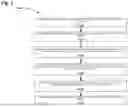
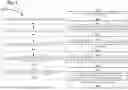
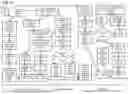
Sources:
- United States Patent and Trademark Office - verify current appl. status at the USPTO↗
Recent applications in this class:
- » 20250161373 2025-05-22
PURIFIED ANTHELMINTIC COMPOSITIONS AND RELATED METHODS - » 20250161372 2025-05-22
ENGINEERED PROBIOTICS AND THE APPLICATIONS THEREOF - » 20250152639 2025-05-15
OVARIAN CARE FORMULA CONTAINING A-SDGPLUS AND PREPARATION METHOD THEREFOR - » 20250152638 2025-05-15
AMMONIA OXIDIZING MICROORGANISMS FOR USE AND DELIVERY TO THE GASTROINTESTINAL SYSTEM - » 20250152637 2025-05-15
AKKERMANSIA FOR PREVENTING AND/OR TREATING REWARD DYSREGULATION DISORDERS - » 20250144158 2025-05-08
SLEEP IMPROVEMENT METHOD USING LIMOSILACTOBACILLUS REUTERI STRAIN LM1063 - » 20250127827 2025-04-24
Probiotic Formulations for Improving Athletic Performance - » 20250127826 2025-04-24
Engineered Probiotics for Colorectal Cancer Screening, Prevention, and Treatment - » 20250127825 2025-04-24
PROBIOTIC COMPOSITIONS AND METHODS OF USE THEREOF FOR WEIGHT LOSS - » 20250127824 2025-04-24
BACTERIAL STRAIN USED IN THE PREVENTION AND/OR TREATMENT OF INFLAMMATORY PATHOLOGIES