EIF4E INHIBITORS AND USES THEREOF
US20240208961A1
2024-06-27
18/517,390
2023-11-22
Smart Summary: Compounds have been created to stop eIF4E protein from working, and these compounds can be used in different ways. These compounds can be used in medicine to treat certain disorders. eIF4E is a protein that helps start the translation of specific mRNAs. When eIF4E binds to the cap of an mRNA, it forms a complex that is needed for translation to begin. Some research suggests that eIF4E may play a role in certain types of cancer, making it a potential target for cancer treatment. The compounds invented can inhibit eIF4E and may have potential uses in oncology. 🚀 TL;DR
Abstract:
The present invention provides compounds inhibiting eIF4E activity, and compositions and methods of using thereof.
Applicant:
Interested in similar patents?
Get notified when new applications in this technology area are published.
Classification:
C07D417/14 » CPC main
Heterocyclic compounds containing two or more hetero rings, at least one ring having nitrogen and sulfur atoms as the only ring hetero atoms, not provided for by group containing three or more hetero rings
A61P35/00 » CPC further
Antineoplastic agents
Description
CROSS REFERENCE TO RELATED APPLICATIONS
This application claims priority to and benefit of U.S. Provisional Application No. 63/427,339, filed Nov. 22, 2022, the entire contents of which are hereby incorporated by reference.
TECHNICAL FIELD OF THE INVENTION
The present invention relates to compounds and methods useful for inhibition of Eukaryotic initiation factor 4E (eIF4E). The invention also provides pharmaceutically acceptable compositions comprising compounds of the present invention and methods of using said compositions in the treatment of various disorders.
BACKGROUND OF THE INVENTION
Eukaryotic initiation factor 4E (eIF4E) is a 24 kDa protein that plays a key role in the initiation of translation of select mRNAs. At the initiation of mRNA translation, eIF4E binds to the 7-methylguanosine cap at the 5′ end of mRNAs, and forms a complex (called eIF4F) with proteins including the scaffolding protein eIF4G and the helicase eIF4A. The formation of the 4F complex is required for the initiation of cap-dependent translation, and therefore the binding of eIF4E to its cognate partners is a critical event in eIF4E mediated translation.
A number of studies have suggested that dysregulated eIF4E is important in some cancer phenotypes, and therefore eIF4E is a potential target in the field of oncology.
SUMMARY OF THE INVENTION
It has now been found that compounds of the present invention, and pharmaceutically acceptable compositions thereof, are effective as eIF4E inhibitors. In one aspect, the present invention provides a compound of Formula (I):
or a pharmaceutically acceptable salt thereof, wherein each variable is as defined and described herein.
Compounds of the present invention, and pharmaceutically acceptable compositions thereof, are useful for treating a variety of diseases, disorders or conditions, associated with eIF4E. Such diseases, disorders, or conditions include cellular proliferative disorders (e.g., cancer) such as those described herein.
BRIEF DESCRIPTION OF DRAWINGS
FIG. 1 shows the mean plasma concentration-time profiles of I-11 after single IV dose of 5 mg/kg, PO dose of 50 mg/kg and 100 mg/kg in female Balb/c mice (N=3/time point).
FIG. 2 shows a mean plasma concentration-time profile of I-2 after PO dose of 30 mg/kg in female Balb/c mice (N=3/time point).
FIG. 3 shows a mean plasma concentration-time profile of I-2 after PO dose of 100 mg/kg in female Balb/c mice (N=3/time point).
FIG. 4 shows a mean plasma concentration-time profile of I-1 after PO dose of 30 mg/kg in female Balb/c mice (N=3/time point).
FIG. 5 shows the mean plasma concentration-time profiles of I-8 after single IV dose of 1 mg/kg and a PO dose of 50 mg/kg in female Balb/c mice (N=3/time point).
FIG. 6 shows the mean plasma concentration-time profiles of I-3 after single IV dose of 1 mg/kg and a PO dose of 30 mg/kg in female Balb/c mice (N=3/time point).
FIG. 7 shows the mean plasma concentration-time profiles of I-27 after single IV dose of 1 mg/kg and a PO dose of 30 mg/kg in female Balb/c mice (N=3/time point).
FIG. 8 shows the mean plasma concentration-time profiles of I-29 after single IV dose of 1.48 mg/kg and a PO dose of 23.8 mg/kg in female Balb/c mice (N=3/time point).
FIG. 9A is a schematic of the DMSO stock plate used on Day 0 of the assay described in Example 6.
FIG. 9B is a schematic of the compound dosing used on Day 2 of the assay described in Example 6.
FIG. 10 shows the impact of compound I-11 to c-Myc levels (24 hours) and cell viability (5 days) in multiple myeloma cell line MM.1R (resistant multiple myeloma).
FIG. 11 shows that compound I-11 reduced both hyperphosphorylation of 4E-BP1 (A) and MCL-1 protein (eIF4E regulated) levels (B) at 2 hours in multiple myeloma cell line MM.1R.
FIG. 12 shows viability impacts of I-11 in MM.1S (A) and MM.1R cells (B).
FIG. 13 shows combination studies of compound I-11 and dexamethasone in MM.1S cells.
FIG. 14 is a graph showing mice tumor volume change for different treatment groups in a study of ZR-75-1 subQ CDX model.
DETAILED DESCRIPTION OF CERTAIN EMBODIMENTS
1. General Description of Certain Embodiments of the Invention
Compounds of the present invention, and pharmaceutical compositions thereof, are useful as inhibitors of eIF4E. Without wishing to be bound by any particular theory, it is believed that compounds of the present invention, and pharmaceutical compositions thereof, may inhibit the activity of eIF4E and thus treat certain diseases, such as cancer.
It has now been found that compounds of this invention, and pharmaceutically acceptable compositions thereof, are effective as eIF4E inhibitors. In one aspect, the present invention provides a compound of Formula I:
-
- or a pharmaceutically acceptable salt thereof, wherein:
- R1 is H or C1-6 alkyl, wherein the C1-6 alkyl is optionally substituted 1-6 times by halogen, —OR, or —N(R)2;
- R2 is H, C1-6 alkyl, C2-6 alkenyl, a 3-6 membered saturated or partially unsaturated monocyclic carbocyclyl, or a 3-6 membered saturated or partially unsaturated monocyclic heterocyclyl having 1-3 heteroatoms independently selected from nitrogen, oxygen, and sulfur, wherein each of the C1-6 alkyl, C2-6 alkenyl, carbocyclyl, and heterocyclyl is optionally substituted 1-6 times by C1-6 alkyl, halogen, —OR, or —N(R)2;
- each R3 is independently halogen, —OR, —N(R)2, or C1-6 alkyl, wherein the C1-6 alkyl is optionally substituted 1-6 times by halogen, —OR, or —N(R)2;
- each R4 is independently halogen, —OR, —N(R)2, or C1-6 alkyl, wherein the C1-6 alkyl is optionally substituted 1-6 times by halogen, —OR, or —N(R)2;
- each R is independently H or C1-6 alkyl optionally substituted 1-6 times by halogen;
- m is 0, 1, or 2; and
- n is 0, 1, or 2.
In some embodiments, the present disclosure provides a compound of Formula I:
-
- or a pharmaceutically acceptable salt thereof, wherein:
- R1 is H or C1-6 alkyl, wherein the C1-6 alkyl is optionally substituted 1-6 times by halogen, —OR, or —N(R)2;
- R2 is H, C1-6 alkyl, a 3-6 membered saturated or partially unsaturated monocyclic carbocyclyl, or a 3-6 membered saturated or partially unsaturated monocyclic heterocyclyl having 1-3 heteroatoms independently selected from nitrogen, oxygen, and sulfur, wherein each of the C1-6 alkyl, carbocyclyl, and heterocyclyl is optionally substituted 1-6 times by halogen, —OR, or —N(R)2;
- each R3 is independently halogen, —OR, —N(R)2, or C1-6 alkyl, wherein the C1-6 alkyl is optionally substituted 1-6 times by halogen, —OR, or —N(R)2;
- each R4 is independently halogen, —OR, —N(R)2, or C1-6 alkyl, wherein the C1-6 alkyl is optionally substituted 1-6 times by halogen, —OR, or —N(R)2;
- each R is independently H or C1-6 alkyl optionally substituted 1-6 times by halogen;
- m is 0, 1, or 2; and
- n is 0, 1, or 2.
2. Compounds and Definitions
Compounds of the present invention include those described generally herein, and are further illustrated by the classes, subclasses, and species disclosed herein. As used herein, the following definitions shall apply unless otherwise indicated. For purposes of this invention, the chemical elements are identified in accordance with the Periodic Table of the Elements, CAS version, Handbook of Chemistry and Physics, 75th Ed. Additionally, general principles of organic chemistry are described in “Organic Chemistry”, Thomas Sorrell, University Science Books, Sausalito: 1999, and “March's Advanced Organic Chemistry”, 5th Ed., Ed.: Smith, M. B. and March, J., John Wiley & Sons, New York: 2001, the entire contents of which are hereby incorporated by reference.
The term “aliphatic” or “aliphatic group”, as used herein, means a straight-chain (i.e., unbranched) or branched, substituted or unsubstituted hydrocarbon chain that is completely saturated or that contains one or more units of unsaturation, or a monocyclic hydrocarbon or bicyclic hydrocarbon that is completely saturated or that contains one or more units of unsaturation, but which is not aromatic (also referred to herein as “carbocycle,” “cycloaliphatic” or “cycloalkyl”), that has a single point of attachment to the rest of the molecule. Unless otherwise specified, aliphatic groups contain 1-6 aliphatic carbon atoms. In some embodiments, aliphatic groups contain 1-5 aliphatic carbon atoms. In other embodiments, aliphatic groups contain 1-4 aliphatic carbon atoms. In still other embodiments, aliphatic groups contain 1-3 aliphatic carbon atoms, and in yet other embodiments, aliphatic groups contain 1-2 aliphatic carbon atoms. In some embodiments, “cycloaliphatic” (or “carbocycle” or “cycloalkyl”) refers to a monocyclic C3-C6 hydrocarbon that is completely saturated or that contains one or more units of unsaturation, but which is not aromatic, that has a single point of attachment to the rest of the molecule. Suitable aliphatic groups include, but are not limited to, linear or branched, substituted or unsubstituted alkyl, alkenyl, alkynyl groups and hybrids thereof such as (cycloalkyl)alkyl, (cycloalkenyl)alkyl or (cycloalkyl)alkenyl.
The term “alkyl”, used alone or as part of a larger moiety, refers to a saturated, optionally substituted straight or branched hydrocarbon group having (unless otherwise specified) 1-12, 1-10, 1-8, 1-6, 1-4, 1-3, or 1-2 carbon atoms (e.g., C1-12, C1-10, C1-8, C1-6, C1-4, C1-3, or C1-2). Exemplary alkyl groups include methyl, ethyl, propyl, butyl, pentyl, hexyl, and heptyl.
The term “alkenyl”, used alone or as part of a larger moiety, refers to an optionally substituted straight or branched hydrocarbon chain having at least one double bond and having (unless otherwise specified) 2-12, 2-10, 2-8, 2-6, 2-4, or 2-3 carbon atoms (e.g., C2-12, C2-10, C2-8, C2-6, C2-4, or C2-3). Exemplary alkenyl groups include ethenyl, propenyl, butenyl, pentenyl, hexenyl, and heptenyl.
As used herein, the term “bicyclic ring” or “bicyclic ring system” refers to any bicyclic ring system, i.e. carbocyclic or heterocyclic, saturated or having one or more units of unsaturation, having one or more atoms in common between the two rings of the ring system. Thus, the term includes any permissible ring fusion, such as ortho-fused or spirocyclic. As used herein, the term “heterobicyclic” is a subset of “bicyclic” that requires that one or more heteroatoms are present in one or both rings of the bicycle. Such heteroatoms may be present at ring junctions and are optionally substituted, and may be selected from nitrogen (including N-oxides), oxygen, sulfur (including oxidized forms such as sulfones and sulfonates), phosphorus (including oxidized forms such as phosphates), boron, etc. In some embodiments, a bicyclic group has 7-12 ring members and 0-4 heteroatoms independently selected from nitrogen, oxygen, or sulfur. As used herein, the term “bridged bicyclic” refers to any bicyclic ring system, i.e. carbocyclic or heterocyclic, saturated or partially unsaturated, having at least one bridge. As defined by IUPAC, a “bridge” is an unbranched chain of atoms or an atom or a valence bond connecting two bridgeheads, where a “bridgehead” is any skeletal atom of the ring system which is bonded to three or more skeletal atoms (excluding hydrogen). In some embodiments, a bridged bicyclic group has 7-12 ring members and 0-4 heteroatoms independently selected from nitrogen, oxygen, or sulfur. Such bridged bicyclic groups are well known in the art and include those groups set forth below where each group is attached to the rest of the molecule at any substitutable carbon or nitrogen atom. Unless otherwise specified, a bridged bicyclic group is optionally substituted with one or more substituents as set forth for aliphatic groups. Additionally or alternatively, any substitutable nitrogen of a bridged bicyclic group is optionally substituted. Exemplary bicyclic rings include:
Exemplary bridged bicyclics include
The term “lower alkyl” refers to a C1-4 straight or branched alkyl group. Exemplary lower alkyl groups are methyl, ethyl, propyl, isopropyl, butyl, isobutyl, and tert-butyl.
The term “lower haloalkyl” refers to a C1-4 straight or branched alkyl group that is substituted with one or more halogen atoms.
The term “heteroatom” means one or more of oxygen, sulfur, nitrogen, phosphorus, or silicon (including, any oxidized form of nitrogen, sulfur, phosphorus, or silicon; the quaternized form of any basic nitrogen or; a substitutable nitrogen of a heterocyclic ring, for example N (as in 3,4-dihydro-2H-pyrrolyl), NH (as in pyrrolidinyl) or NR* (as in N-substituted pyrrolidinyl)).
The term “unsaturated”, as used herein, means that a moiety has one or more units of unsaturation.
As used herein, the term “bivalent C1-8 (or C1-6) saturated or unsaturated, straight or branched, hydrocarbon chain”, refers to bivalent alkylene, alkenylene, and alkynylene chains that are straight or branched as defined herein.
The term “alkylene” refers to a bivalent alkyl group. An “alkylene chain” is a polymethylene group, i.e., —(CH2)n—, wherein n is a positive integer, preferably from 1 to 6, from 1 to 4, from 1 to 3, from 1 to 2, or from 2 to 3. A substituted alkylene chain is a polymethylene group in which one or more methylene hydrogen atoms are replaced with a substituent. Suitable substituents include those described below for a substituted aliphatic group.
The term “alkenylene” refers to a bivalent alkenyl group. A substituted alkenylene chain is a polymethylene group containing at least one double bond in which one or more hydrogen atoms are replaced with a substituent. Suitable substituents include those described below for a substituted aliphatic group.
As used herein, the term “cyclopropylenyl” refers to a bivalent cyclopropyl group of the following structure:
The term “halogen” means F, Cl, Br, or I.
The term “aryl” used alone or as part of a larger moiety as in “aralkyl,” “aralkoxy,” or “aryloxyalkyl,” refers to monocyclic or bicyclic ring systems having a total of five to fourteen ring members, wherein at least one ring in the system is aromatic and wherein each ring in the system contains 3 to 7 ring members. The term “aryl” may be used interchangeably with the term “aryl ring.” In certain embodiments of the present invention, “aryl” refers to an aromatic ring system which includes, but not limited to, phenyl, biphenyl, naphthyl, anthracyl and the like, which may bear one or more substituents. Also included within the scope of the term “aryl,” as it is used herein, is a group in which an aromatic ring is fused to one or more non-aromatic rings, such as indanyl, phthalimidyl, naphthimidyl, phenanthridinyl, or tetrahydronaphthyl, and the like.
The terms “heteroaryl” and “heteroar-,” used alone or as part of a larger moiety, e.g., “heteroaralkyl,” or “heteroaralkoxy,” refer to groups having 5 to 10 ring atoms, preferably 5, 6, or 9 ring atoms; having 6, 10, or 14 π electrons shared in a cyclic array; and having, in addition to carbon atoms, from one to five heteroatoms. The term “heteroatom” refers to nitrogen, oxygen, or sulfur, and includes any oxidized form of nitrogen or sulfur, and any quaternized form of a basic nitrogen. Heteroaryl groups include, without limitation, thienyl, furanyl, pyrrolyl, imidazolyl, pyrazolyl, triazolyl, tetrazolyl, oxazolyl, isoxazolyl, oxadiazolyl, thiazolyl, isothiazolyl, thiadiazolyl, pyridyl, pyridazinyl, pyrimidinyl, pyrazinyl, indolizinyl, purinyl, naphthyridinyl, and pteridinyl. The terms “heteroaryl” and “heteroar-”, as used herein, also include groups in which a heteroaromatic ring is fused to one or more aryl, cycloaliphatic, or heterocyclyl rings, where the radical or point of attachment is on the heteroaromatic ring. Nonlimiting examples include indolyl, isoindolyl, benzothienyl, benzofuranyl, dibenzofuranyl, indazolyl, benzimidazolyl, benzthiazolyl, quinolyl, isoquinolyl, cinnolinyl, phthalazinyl, quinazolinyl, quinoxalinyl, 4H-quinolizinyl, carbazolyl, acridinyl, phenazinyl, phenothiazinyl, phenoxazinyl, tetrahydroquinolinyl, tetrahydroisoquinolinyl, and pyrido[2,3-b]-1,4-oxazin-3(4H)-one. A heteroaryl group may be mono- or bicyclic. The term “heteroaryl” may be used interchangeably with the terms “heteroaryl ring,” “heteroaryl group,” or “heteroaromatic,” any of which terms include rings that are optionally substituted. The term “heteroaralkyl” refers to an alkyl group substituted by a heteroaryl, wherein the alkyl and heteroaryl portions independently are optionally substituted.
As used herein, the terms “heterocycle,” “heterocyclyl,” “heterocyclic radical,” and “heterocyclic ring” are used interchangeably and refer to a stable 5- to 7-membered monocyclic or 7-10-membered bicyclic heterocyclic moiety that is either saturated or partially unsaturated, and having, in addition to carbon atoms, one or more, preferably one to four, heteroatoms, as defined above. When used in reference to a ring atom of a heterocycle, the term “nitrogen” includes a substituted nitrogen. As an example, in a saturated or partially unsaturated ring having 0-3 heteroatoms selected from oxygen, sulfur or nitrogen, the nitrogen may be N (as in 3,4-dihydro-2H-pyrrolyl), NH (as in pyrrolidinyl), or +NR (as in N-substituted pyrrolidinyl).
A heterocyclic ring can be attached to its pendant group at any heteroatom or carbon atom that results in a stable structure and any of the ring atoms can be optionally substituted. Examples of such saturated or partially unsaturated heterocyclic radicals include, without limitation, tetrahydrofuranyl, tetrahydrothiophenyl, pyrrolidinyl, piperidinyl, pyrrolinyl, tetrahydroquinolinyl, tetrahydroisoquinolinyl, decahydroquinolinyl, oxazolidinyl, piperazinyl, dioxanyl, dioxolanyl, diazepinyl, oxazepinyl, thiazepinyl, morpholinyl, and quinuclidinyl. The terms “heterocycle,” “heterocyclyl,” “heterocyclyl ring,” “heterocyclic group,” “heterocyclic moiety,” and “heterocyclic radical,” are used interchangeably herein, and also include groups in which a heterocyclyl ring is fused to one or more aryl, heteroaryl, or cycloaliphatic rings, such as indolinyl, 3H-indolyl, chromanyl, phenanthridinyl, or tetrahydroquinolinyl. A heterocyclyl group may be mono- or bicyclic. The term “heterocyclylalkyl” refers to an alkyl group substituted by a heterocyclyl, wherein the alkyl and heterocyclyl portions independently are optionally substituted.
As used herein, the term “partially unsaturated” refers to a ring moiety that includes at least one double or triple bond. The term “partially unsaturated” is intended to encompass rings having multiple sites of unsaturation, but is not intended to include aryl or heteroaryl moieties, as herein defined.
As described herein, compounds of the invention may contain “optionally substituted” moieties. In general, the term “substituted,” whether preceded by the term “optionally” or not, means that one or more hydrogens of the designated moiety are replaced with a suitable substituent. Unless otherwise indicated, an “optionally substituted” group may have a suitable substituent at each substitutable position of the group, and when more than one position in any given structure may be substituted with more than one substituent selected from a specified group, the substituent may be either the same or different at every position. Combinations of substituents envisioned by this invention are preferably those that result in the formation of stable or chemically feasible compounds. The term “stable,” as used herein, refers to compounds that are not substantially altered when subjected to conditions to allow for their production, detection, and, in certain embodiments, their recovery, purification, and use for one or more of the purposes disclosed herein.
Each optional substituent on a substitutable carbon is a monovalent substituent independently selected from halogen; —(CH2)0-4R∘; —(CH2)0-4OR∘; —O(CH2)0-4R∘, —O—(CH2)0-4C(O)OR∘; —(CH2)0-4CH(OR∘)2; —(CH2)0-4SR∘; —(CH2)0-4Ph, which may be substituted with R∘; —(CH2)0-4O(CH2)0-1Ph which may be substituted with R∘; —CH═CHPh, which may be substituted with R∘; —(CH2)0-4O(CH2)0-1-pyridyl which may be substituted with R∘; —NO2; —CN; —N3; —(CH2)0-4N(R∘)2; —(CH2)0-4N(R∘)C(O)R∘; —N(R∘)C(S)R∘; —(CH2)0-4N(R∘)C(O)NR∘2; —N(R∘)C(S)NR∘2; —(CH2)0-4N(R∘)C(O)OR∘; —N(R∘)N(R∘)C(O)R∘; —N(R∘)N(R∘)C(O)NR∘2; —N(R∘)N(R∘)C(O)OR∘; —(CH2)0-4C(O)R∘; —C(S)R∘; —(CH2)0-4C(O)OR∘; —(CH2)0-4C(O)SR∘; —(CH2)0-4C(O)OSiR∘3; —(CH2)0-4OC(O)R∘; —OC(O)(CH2)0-4SR; —SC(S)SR∘; —(CH2)0-4SC(O)R∘; —(CH2)0-4C(O)NR∘2; —C(S)NR∘2; —C(S)SR∘; —(CH2)0-4OC(O)NR∘2; —C(O)N(OR∘)R∘; —C(O)C(O)R∘; —C(O)CH2C(O)R∘; —C(NOR∘)R∘; —(CH2)0-4SSR∘; —(CH2)0-4S(O)2R∘; —(CH2)0-4S(O)2OR∘; —(CH2)0-4OS(O)2R∘; —S(O)2NR∘2; —S(O)(NR∘)R∘; —S(O)2N═C(NR∘2)2; —(CH2)0-4S(O)R∘; —N(R∘)S(O)2NR∘2; —N(R∘)S(O)2R∘; —N(OR∘)R∘; —C(NH)NR∘2; —P(O)2R∘; —P(O)R∘2; —OP(O)R∘2; —OP(O)(OR∘)2; SiR∘3; —(C1-4 straight or branched alkylene)O—N(R∘)2; or —(C1-4 straight or branched alkylene)C(O)O—N(R∘)2.
Each R∘ is independently hydrogen, C1-6 aliphatic, —CH2Ph, —O(CH2)0-1Ph, —CH2-(5-6 membered heteroaryl ring), or a 5-6-membered saturated, partially unsaturated, or aryl ring having 0-4 heteroatoms independently selected from nitrogen, oxygen, or sulfur, or, notwithstanding the definition above, two independent occurrences of R∘, taken together with their intervening atom(s), form a 3-12-membered saturated, partially unsaturated, or aryl mono- or bicyclic ring having 0-4 heteroatoms independently selected from nitrogen, oxygen, or sulfur, which may be substituted by a divalent substituent on a saturated carbon atom of R• selected from ═O and ═S; or each R• is optionally substituted with a monovalent substituent independently selected from halogen, —(CH2)0-2R•, -(haloR•), —(CH2)0-2OH, —(CH2)0-2OR•, —(CH2)0-2CH(OR•)2; —O(haloR•), —CN, —N3, —(CH2)0-2C(O)R•, —(CH2)0-2C(O)OH, —(CH2)0-2C(O)OR•, —(CH2)0-2SR•, —(CH2)0-2SH, —(CH2)0-2 NH2, —(CH2)0-2NHR•, —(CH2)0-2NR•2, —NO2, —SiR•3, —OSiR•3, —C(O)SR•, —(C1-4 straight or branched alkylene)C(O)OR•, or —SSR•.
Each R• is independently selected from C1-4 aliphatic, —CH2Ph, —O(CH2)0-1Ph, or a 5-6-membered saturated, partially unsaturated, or aryl ring having 0-4 heteroatoms independently selected from nitrogen, oxygen, or sulfur, and wherein each R• is unsubstituted or where preceded by halo is substituted only with one or more halogens; or wherein an optional substituent on a saturated carbon is a divalent substituent independently selected from ═O, ═S, ═NNR*2, ═NNHC(O)R*, ═NNHC(O)OR*, ═NNHS(O)2R*, ═NR*, ═NOR*, —O(C(R*2))2-3O—, or —S(C(R*2))2-3S—, or a divalent substituent bound to vicinal substitutable carbons of an “optionally substituted” group is —O(CR*2)2-3O—, wherein each independent occurrence of R* is selected from hydrogen, C1-6 aliphatic or an unsubstituted 5-6-membered saturated, partially unsaturated, or aryl ring having 0-4 heteroatoms independently selected from nitrogen, oxygen, or sulfur.
When R* is C1-6 aliphatic, R* is optionally substituted with halogen, —R•, -(haloR•), —OH, —OR•, —O(haloR•), —CN, —C(O)OH, —C(O)OR•, —NH2, —NHR•, —NR•2, or —NO2, wherein each R• is independently selected from C1-4 aliphatic, —CH2Ph, —O(CH2)0-1Ph, or a 5-6-membered saturated, partially unsaturated, or aryl ring having 0-4 heteroatoms independently selected from nitrogen, oxygen, or sulfur, and wherein each R• is unsubstituted or where preceded by halo is substituted only with one or more halogens.
An optional substituent on a substitutable nitrogen is independently -R†, —NR†2, —C(O)R†, —C(O)OR†, —C(O)C(O)R†, —C(O)CH2C(O)R†, —S(O)2R†, —S(O)2NR†2, —C(S)NR†2, —C(NH)NR†2, or —N(R†)S(O)2R†; wherein each R† is independently hydrogen, C1-6 aliphatic, unsubstituted —OPh, or an unsubstituted 5-6-membered saturated, partially unsaturated, or aryl ring having 0-4 heteroatoms independently selected from nitrogen, oxygen, or sulfur, or, two independent occurrences of R†, taken together with their intervening atom(s) form an unsubstituted 3-12-membered saturated, partially unsaturated, or aryl mono- or bicyclic ring having 0-4 heteroatoms independently selected from nitrogen, oxygen, or sulfur; wherein when R† is C1-6 aliphatic, R† is optionally substituted with halogen, —R•, -(haloR•), —OH, —OR•, —O(haloR•), —CN, —C(O)OH, —C(O)OR•, —NH2, —NHR•, —NR•2, or —NO2, wherein each R• is independently selected from C1-4 aliphatic, —CH2Ph, —O(CH2)0-1Ph, or a 5-6-membered saturated, partially unsaturated, or aryl ring having 0-4 heteroatoms independently selected from nitrogen, oxygen, or sulfur, and wherein each R• is unsubstituted or where preceded by halo is substituted only with one or more halogens.
As used herein, the term “pharmaceutically acceptable salt” refers to those salts which are, within the scope of sound medical judgment, suitable for use in contact with the tissues of humans and lower animals without undue toxicity, irritation, allergic response and the like, and are commensurate with a reasonable benefit/risk ratio. Pharmaceutically acceptable salts are well known in the art. For example, S. M. Berge et al., describe pharmaceutically acceptable salts in detail in J. Pharmaceutical Sciences, 1977, 66, 1-19, incorporated herein by reference. Pharmaceutically acceptable salts of the compounds of this invention include those derived from suitable inorganic and organic acids and bases. Examples of pharmaceutically acceptable, nontoxic acid addition salts are salts of an amino group formed with inorganic acids such as hydrochloric acid, hydrobromic acid, phosphoric acid, sulfuric acid and perchloric acid or with organic acids such as acetic acid, oxalic acid, maleic acid, tartaric acid, citric acid, succinic acid or malonic acid or by using other methods used in the art such as ion exchange. Other pharmaceutically acceptable salts include adipate, alginate, ascorbate, aspartate, benzenesulfonate, benzoate, bisulfate, borate, butyrate, camphorate, camphorsulfonate, citrate, cyclopentanepropionate, digluconate, dodecylsulfate, ethanesulfonate, formate, fumarate, glucoheptonate, glycerophosphate, gluconate, hemisulfate, heptanoate, hexanoate, hydroiodide, 2-hydroxy-ethanesulfonate, lactobionate, lactate, laurate, lauryl sulfate, malate, maleate, malonate, methanesulfonate, 2-naphthalenesulfonate, nicotinate, nitrate, oleate, oxalate, palmitate, pamoate, pectinate, persulfate, 3-phenylpropionate, phosphate, pivalate, propionate, stearate, succinate, sulfate, tartrate, thiocyanate, p-toluenesulfonate, undecanoate, valerate salts, and the like.
Salts derived from appropriate bases include alkali metal, alkaline earth metal, ammonium and N+(C1-4alkyl)4 salts. Representative alkali or alkaline earth metal salts include sodium, lithium, potassium, calcium, magnesium, and the like. Further pharmaceutically acceptable salts include, when appropriate, nontoxic ammonium, quaternary ammonium, and amine cations formed using counterions such as halide, hydroxide, carboxylate, sulfate, phosphate, nitrate, loweralkyl sulfonate and aryl sulfonate.
Unless otherwise stated, structures depicted herein are also meant to include all isomeric (e.g., enantiomeric, diastereomeric, and geometric (or conformational)) forms of the structure; for example, the R and S configurations for each asymmetric center, Z and E double bond isomers, and Z and E conformational isomers. Therefore, single stereochemical isomers as well as enantiomeric, diastereomeric, and geometric (or conformational) mixtures of the present compounds are within the scope of the invention. Unless otherwise stated, all tautomeric forms of the compounds of the invention are within the scope of the invention. Additionally, unless otherwise stated, structures depicted herein are also meant to include compounds that differ only in the presence of one or more isotopically enriched atoms. For example, compounds having the present structures including the replacement of hydrogen by deuterium or tritium, or the replacement of a carbon by a 13C- or 14C-enriched carbon are within the scope of this invention. Such compounds are useful, for example, as analytical tools, as probes in biological assays, or as therapeutic agents in accordance with the present invention.
As used herein, the term “inhibitor” is defined as a compound that binds to and/or inhibits eIF4E with measurable affinity. In certain embodiments, an inhibitor has an IC50 and/or binding constant of less than about 100 μM, less than about 50 μM, less than about 22.5 μM, less than about 15 μM, or less than about 7.5 μM.
The terms “measurable affinity” and “measurably inhibit,” as used herein, means a measurable change in eIF4E activity between a sample comprising a compound of the present invention, or composition thereof, and eIF4E, and an equivalent sample comprising eIF4E, in the absence of said compound, or composition thereof.
3. Description of Exemplary Embodiments
In one aspect, the present invention provides a compound of Formula I:
-
- or a pharmaceutically acceptable salt thereof, wherein:
- R1 is H or C1-6 alkyl, wherein the C1-6 alkyl is optionally substituted 1-6 times by halogen, —OR, or —N(R)2;
- R2 is H, C1-6 alkyl, C2-6 alkenyl, a 3-6 membered saturated or partially unsaturated monocyclic carbocyclyl, or a 3-6 membered saturated or partially unsaturated monocyclic heterocyclyl having 1-3 heteroatoms independently selected from nitrogen, oxygen, and sulfur, wherein each of the C1-6 alkyl, C2-6 alkenyl, carbocyclyl, and heterocyclyl is optionally substituted 1-6 times by C1-6 alkyl, halogen, —OR, or —N(R)2;
- each R3 is independently halogen, —OR, —N(R)2, or C1-6 alkyl, wherein the C1-6 alkyl is optionally substituted 1-6 times by halogen, —OR, or —N(R)2;
- each R4 is independently halogen, —OR, —N(R)2, or C1-6 alkyl, wherein the C1-6 alkyl is optionally substituted 1-6 times by halogen, —OR, or —N(R)2;
- each R is independently H or C1-6 alkyl optionally substituted 1-6 times by halogen;
- m is 0, 1, or 2; and
- n is 0, 1, or 2.
In some embodiments, the present disclosure provides a compound of Formula I, or a pharmaceutically acceptable salt thereof, wherein:
-
- R1 is H or C1-6 alkyl, wherein the C1-6 alkyl is optionally substituted 1-6 times by halogen, —OR, or
- —N(R)2;
- R2 is H, C1-6 alkyl, a 3-6 membered saturated or partially unsaturated monocyclic carbocyclyl, or a 3-6 membered saturated or partially unsaturated monocyclic heterocyclyl having 1-3 heteroatoms independently selected from nitrogen, oxygen, and sulfur, wherein each of the C1-6 alkyl, carbocyclyl, and heterocyclyl is optionally substituted 1-6 times by halogen, —OR, or —N(R)2;
- each R3 is independently halogen, —OR, —N(R)2, or C1-6 alkyl, wherein the C1-6 alkyl is optionally substituted 1-6 times by halogen, —OR, or —N(R)2;
- each R4 is independently halogen, —OR, —N(R)2, or C1-6 alkyl, wherein the C1-6 alkyl is optionally substituted 1-6 times by halogen, —OR, or —N(R)2;
- each R is independently H or C1-6 alkyl optionally substituted 1-6 times by halogen;
- m is 0, 1, or 2; and
- n is 0, 1, or 2.
As defined generally above, R1 is H or C1-6 alkyl, wherein the C1-6 alkyl is optionally substituted 1-6 times by halogen, —OR, or —N(R)2, wherein each R is independently as defined and described in embodiments herein.
In some embodiments, R1 is H. In some embodiments, R1 is C1-6 alkyl, wherein the C1-6 alkyl is optionally substituted 1, 2, 3, 4, 5, or 6 times by halogen, —OR, or —N(R)2. In some embodiments, R1 is unsubstituted C1-6 alkyl. In some embodiments, R1 is methyl, ethyl, propyl, isopropyl, butyl, isobutyl, or tert-butyl. In some embodiments, R1 is isopropyl. In some embodiments, R1 is isobutyl.
In some embodiments, R1 is C1-6 alkyl substituted 1, 2, 3, 4, 5, or 6 times by halogen. In some embodiments, R1 is C1-6 alkyl substituted 1, 2, 3, 4, 5, or 6 times by —OR. In some embodiments, R1 is C1-6 alkyl substituted 1, 2, 3, 4, 5, or 6 times by —N(R)2.
In some embodiments, R1 is selected from:
In some embodiments, R1 is selected from those depicted in Table 1, below.
As defined generally above, R2 is H, C1-6 alkyl, C2-6 alkenyl, a 3-6 membered saturated or partially unsaturated monocyclic carbocyclyl, or a 3-6 membered saturated or partially unsaturated monocyclic heterocyclyl having 1-3 heteroatoms independently selected from nitrogen, oxygen, and sulfur, wherein each of the C1-6 alkyl, C2-6 alkenyl, carbocyclyl, and heterocyclyl is optionally substituted 1-6 times by C1-6 alkyl, halogen, —OR, or —N(R)2.
In some embodiments, R2 is H, C1-6 alkyl, a 3-6 membered saturated or partially unsaturated monocyclic carbocyclyl, or a 3-6 membered saturated or partially unsaturated monocyclic heterocyclyl having 1-3 heteroatoms independently selected from nitrogen, oxygen, and sulfur, wherein each of the C1-6 alkyl, carbocyclyl, and heterocyclyl is optionally substituted 1-6 times by halogen, —OR, or —N(R)2, wherein each R is independently as defined and described in embodiments herein.
In some embodiments, R2 is H. In some embodiments, R2 is C1-6 alkyl, wherein the C1-6 alkyl is optionally substituted 1, 2, 3, 4, 5, or 6 times by C1-6 alkyl, halogen, —OR, or —N(R)2. In some embodiments, R2 is C1-6 alkyl, wherein the C1-6 alkyl is optionally substituted 1, 2, 3, 4, 5, or 6 times by halogen, —OR, or —N(R)2. In some embodiments, R2 is unsubstituted C1-6 alkyl. In some embodiments, R2 is methyl, ethyl, propyl, isopropyl, butyl, isobutyl, or tert-butyl. In some embodiments, R2 is isopropyl. In some embodiments, R2 is isobutyl. In some embodiments, R2 is tert-butyl.
In some embodiments, R2 is C1-6 alkyl substituted 1, 2, 3, 4, 5, or 6 times by C1-6 alkyl. In some embodiments, R2 is C1-6 alkyl substituted 1, 2, 3, 4, 5, or 6 times by halogen. In some embodiments, R2 is —CF3. In some embodiments, R2 is C1-6 alkyl substituted 1, 2, 3, 4, 5, or 6 times by —OR. In some embodiments, R2 is C1-6 alkyl substituted 1, 2, 3, 4, 5, or 6 times by —N(R)2.
In some embodiments, R2 is C2-6 alkenyl, wherein the C2-6 alkenyl is optionally substituted 1, 2, 3, 4, 5, or 6 times by C1-6 alkyl, halogen, —OR, or —N(R)2. In some embodiments, R2 is C2-6 alkenyl, wherein the C2-6 alkenyl is optionally substituted 1, 2, 3, 4, 5, or 6 times by halogen, —OR, or —N(R)2. In some embodiments, R2 is unsubstituted C2-6 alkenyl. In some embodiments, R2 is ethenyl, 1-propenyl, 2-propenyl, butenyl, or isobutenyl. In some embodiments, R2 is 2-propenyl.
In some embodiments, R2 is C2-6 alkenyl substituted 1, 2, 3, 4, 5, or 6 times by C1-6 alkyl. In some embodiments, R2 is C2-6 alkenyl substituted 1, 2, 3, 4, 5, or 6 times by halogen. In some embodiments, R2 is C2-6 alkenyl substituted 1, 2, 3, 4, 5, or 6 times by —OR. In some embodiments, R2 is C2-6 alkenyl substituted 1, 2, 3, 4, 5, or 6 times by —N(R)2.
In some embodiments, R2 is a 3, 4, 5, or 6 membered saturated or partially unsaturated monocyclic carbocyclyl, wherein the carbocyclyl is optionally substituted 1, 2, 3, 4, 5, or 6 times by C1-6 alkyl, halogen, —OR, or —N(R)2. In some embodiments, R2 is an unsubstituted 3, 4, 5, or 6 membered saturated or partially unsaturated monocyclic carbocyclyl. In some embodiments, R2 is unsubstituted cyclopropyl, cyclobutyl, cyclopentyl, or cyclohexyl. In some embodiments, R2 is cyclopentenyl or cyclohexenyl.
In some embodiments, R2 is a 3, 4, 5, or 6 membered saturated or partially unsaturated monocyclic carbocyclyl substituted 1, 2, 3, 4, 5, or 6 times by C1-6 alkyl (e.g., methyl). In some embodiments, R2 is a 3, 4, 5, or 6 membered saturated or partially unsaturated monocyclic carbocyclyl substituted 1, 2, 3, 4, 5, or 6 times by halogen. In some embodiments, R2 is a 3, 4, 5, or 6 membered saturated or partially unsaturated monocyclic carbocyclyl substituted 1, 2, 3, 4, 5, or 6 times by —OR. In some embodiments, R2 is a 3, 4, 5, or 6 membered saturated or partially unsaturated monocyclic carbocyclyl substituted 1, 2, 3, 4, 5, or 6 times by —N(R)2.
In some embodiments, R2 is an unsubstituted 3, 4, 5, or 6 membered saturated or partially unsaturated monocyclic heterocyclyl having 1, 2, 3, or 4 heteroatoms independently selected from nitrogen, oxygen, and sulfur. In some embodiments, R2 is a 3, 4, 5, or 6 membered saturated or partially unsaturated monocyclic heterocyclyl having 1, 2, 3, or 4 heteroatoms independently selected from nitrogen, oxygen, and sulfur, which is substituted 1, 2, 3, 4, 5, or 6 times by halogen. In some embodiments, R2 is a 3, 4, 5, or 6 membered saturated or partially unsaturated monocyclic heterocyclyl having 1, 2, 3, or 4 heteroatoms independently selected from nitrogen, oxygen, and sulfur, which is substituted 1, 2, 3, 4, 5, or 6 times by —OR. In some embodiments, R2 is a 3, 4, 5, or 6 membered saturated or partially unsaturated monocyclic heterocyclyl having 1, 2, 3, or 4 heteroatoms independently selected from nitrogen, oxygen, and sulfur, which is substituted 1, 2, 3, 4, 5, or 6 times by —N(R)2.
In some embodiments, R2 is a 3, 4, 5, or 6 membered saturated or partially unsaturated monocyclic heterocyclyl having 1, 2, or 3 heteroatoms independently selected from nitrogen, oxygen, and sulfur, wherein the heterocyclyl is optionally substituted 1, 2, 3, 4, 5, or 6 times by C1-6 alkyl, halogen, —OR, or —N(R)2. In some embodiments, R2 is an unsubstituted 3, 4, 5, or 6 membered saturated or partially unsaturated monocyclic heterocyclyl having 1, 2, or 3 heteroatoms independently selected from nitrogen, oxygen, and sulfur. In some embodiments, R2 is a 3, 4, 5, or 6 membered saturated or partially unsaturated monocyclic heterocyclyl having 1, 2, or 3 heteroatoms independently selected from nitrogen, oxygen, and sulfur, which is substituted 1, 2, 3, 4, 5, or 6 times by C1-6 alkyl (e.g., methyl). In some embodiments, R2 is a 3, 4, 5, or 6 membered saturated or partially unsaturated monocyclic heterocyclyl having 1, 2, or 3 heteroatoms independently selected from nitrogen, oxygen, and sulfur, which is substituted 1, 2, 3, 4, 5, or 6 times by halogen. In some embodiments, R2 is a 3, 4, 5, or 6 membered saturated or partially unsaturated monocyclic heterocyclyl having 1, 2, or 3 heteroatoms independently selected from nitrogen, oxygen, and sulfur, which is substituted 1, 2, 3, 4, 5, or 6 times by —OR. In some embodiments, R2 is a 3, 4, 5, or 6 membered saturated or partially unsaturated monocyclic heterocyclyl having 1, 2, or 3 heteroatoms independently selected from nitrogen, oxygen, and sulfur, which is substituted 1, 2, 3, 4, 5, or 6 times by —N(R)2.
In some embodiments, R2 is selected from:
In some embodiments, R2 is
In some embodiments, R2 is tert-butyl.
In some embodiments, R2 is selected from those depicted in Table 1, below.
As defined generally above, each R3 is independently halogen, —OR, —N(R)2, or C1-6 alkyl, wherein the C1-6 alkyl is optionally substituted 1-6 times by halogen, —OR, or —N(R)2, wherein each R is independently as defined and described in embodiments herein.
In some embodiments, R3 is halogen. In some embodiments, R3 is F. In some embodiments, R3 is Cl.
In some embodiments, R3 is —OR. In some embodiments, R3 is —OH. In some embodiments, R3 is —OR, wherein R is C1-6 alkyl optionally substituted 1, 2, 3, 4, 5, or 6 times by halogen. In some embodiments, R3 is —OR, wherein R is unsubstituted C1-6 alkyl. In some embodiments, R3 is —OR, wherein R is C1-6 alkyl substituted 1, 2, 3, 4, 5, or 6 times by F.
In some embodiments, R3 is —N(R)2. In some embodiments, R3 is —NH2. In some embodiments, R3 is —N(R)2, wherein each R is independently C1-6 alkyl optionally substituted 1, 2, 3, 4, 5, or 6 times by halogen. In some embodiments, R3 is —N(R)2, wherein each R is independently unsubstituted C1-6 alkyl. In some embodiments, R3 is —N(R)2, wherein each R is independently C1-6 alkyl substituted 1, 2, 3, 4, 5, or 6 times by F.
In some embodiments, R3 is C1-6 alkyl optionally substituted 1, 2, 3, 4, 5, or 6 times by halogen, —OR, or —N(R)2. In some embodiments, R3 is unsubstituted C1-6 alkyl. In some embodiments, R3 is C1-6 alkyl substituted 1, 2, 3, 4, 5, or 6 times by halogen. In some embodiments, R3 is C1-6 alkyl substituted 1, 2, 3, 4, 5, or 6 times by F. In some embodiments, R3 is C1-6 alkyl substituted 1, 2, 3, 4, 5, or 6 times by —OR. In some embodiments, R3 is C1-6 alkyl substituted 1, 2, 3, 4, 5, or 6 times by —N(R)2.
In some embodiments, R3 is selected from those depicted in Table 1, below.
As defined generally above, each R4 is independently halogen, —OR, —N(R)2, or C1-6 alkyl, wherein the C1-6 alkyl is optionally substituted 1-6 times by halogen, —OR, or —N(R)2, wherein each R is independently as defined and described in embodiments herein.
In some embodiments, R4 is halogen. In some embodiments, R4 is F. In some embodiments, R4 is Cl.
In some embodiments, R4 is —OR. In some embodiments, R4 is —OH. In some embodiments, R4 is —OR, wherein R is C1-6 alkyl optionally substituted 1, 2, 3, 4, 5, or 6 times by halogen. In some embodiments, R4 is —OR, wherein R is unsubstituted C1-6 alkyl. In some embodiments, R4 is —OR, wherein R is C1-6 alkyl substituted 1, 2, 3, 4, 5, or 6 times by F.
In some embodiments, R4 is —N(R)2. In some embodiments, R4 is —NH2. In some embodiments, R4 is —N(R)2, wherein each R is independently C1-6 alkyl optionally substituted 1, 2, 3, 4, 5, or 6 times by halogen. In some embodiments, R4 is —N(R)2, wherein each R is independently unsubstituted C1-6 alkyl. In some embodiments, R4 is —N(R)2, wherein each R is independently C1-6 alkyl substituted 1, 2, 3, 4, 5, or 6 times by F.
In some embodiments, R4 is C1-6 alkyl optionally substituted 1, 2, 3, 4, 5, or 6 times by halogen, —OR, or —N(R)2. In some embodiments, R4 is unsubstituted C1-6 alkyl. In some embodiments, R4 is C1-6 alkyl substituted 1, 2, 3, 4, 5, or 6 times by halogen. In some embodiments, R4 is C1-6 alkyl substituted 1, 2, 3, 4, 5, or 6 times by F. In some embodiments, R4 is C1-6 alkyl substituted 1, 2, 3, 4, 5, or 6 times by —OR. In some embodiments, R4 is C1-6 alkyl substituted 1, 2, 3, 4, 5, or 6 times by —N(R)2. In some embodiments, R4 is methyl.
In some embodiments, R4 is selected from those depicted in Table 1, below.
As defined generally above, each R is independently H or C1-6 alkyl optionally substituted 1-6 times by halogen.
In some embodiments, R is H. In some embodiments, R is C1-6 alkyl substituted 1, 2, 3, 4, 5, or 6 times by halogen. In some embodiments, R is C1-6 alkyl substituted 1, 2, 3, 4, 5, or 6 times by F. In some embodiments, R is methyl, ethyl, propyl, isopropyl, butyl, isobutyl, or tert-butyl.
As defined generally above, m is 0, 1, or 2.
In some embodiments, m is 0. In some embodiments, m is 1. In some embodiments, m is 2.
In some embodiments, m is selected from those depicted in Table 1, below.
As defined generally above, n is 0, 1, or 2.
In some embodiments, n is 0. In some embodiments, n is 1. In some embodiments, n is 2.
In some embodiments, n is selected from those depicted in Table 1, below.
In some embodiments, the present invention provides a compound of Formula II:
or a pharmaceutically acceptable salt thereof, wherein each of R1, R3, R4, m, and n is as defined above and described in embodiments herein, both singly and in combination.
In some embodiments, the present invention provides a compound of Formulae I-a to II-c:
or a pharmaceutically acceptable salt thereof, wherein each of R1, R3, R4, m, and n is as defined above and described in embodiments herein, both singly and in combination.
In some embodiments, the present invention provides a compound of Formula III:
or a pharmaceutically acceptable salt thereof, wherein each of R2, R3, R4, m, and n is as defined above and described in embodiments herein, both singly and in combination.
In some embodiments, the present invention provides a compound of Formulae III-a to III-c:
or a pharmaceutically acceptable salt thereof, wherein each of R2, R3, R4, m, and n is as defined above and described in embodiments herein, both singly and in combination.
In some embodiments, the present invention provides a compound of Formula IV:
or a pharmaceutically acceptable salt thereof, wherein each of R3, R4, m, and n is as defined above and described in embodiments herein, both singly and in combination.
In some embodiments, the present invention provides a compound of Formulae IV-a to IV-c:
or a pharmaceutically acceptable salt thereof, wherein each of R3, R4, m and n is as defined above and described in embodiments herein, both singly and in combination.
In some embodiments, the present invention provides a compound of Formula V:
or a pharmaceutically acceptable salt thereof, wherein each of R1, R3, R4, m, and n is as defined above and described in embodiments herein, both singly and in combination.
In some embodiments, the present invention provides a compound of Formulae V-a to V-c:
or a pharmaceutically acceptable salt thereof, wherein each of R1, R3, R4, m, and n is as defined above and described in embodiments herein, both singly and in combination.
In some embodiments, the present invention provides a compound of Formula VI:
or a pharmaceutically acceptable salt thereof, wherein each of R3, R4, m, and n is as defined above and described in embodiments herein, both singly and in combination.
In some embodiments, the present invention provides a compound of Formulae VI-a or VI-b:
or a pharmaceutically acceptable salt thereof, wherein each of R3, R4, m, and n is as defined above and described in embodiments herein, both singly and in combination.
In some embodiments, the present invention provides a compound of Table 1, or a pharmaceutically acceptable salt thereof.
In some embodiments, the present invention provides a compound selected from those depicted in the Exemplification section, or a pharmaceutically acceptable salt thereof.
| TABLE 1 |
| Exemplary Compounds |
| I-# | Structure |
| I-1 | |
| I-2 | |
| I-3 | |
| I-4 | |
| I-5 | |
| I-6 | |
| I-7 | |
| I-8 | |
| I-9 | |
| I-10 | |
| I-11 | |
| I-12 | |
| I-13 | |
| I-14 | |
| I-15 | |
| I-16 | |
| I-17 | |
| I-18 | |
| I-19 | |
| I-20 | |
| I-21 | |
| I-22 | |
| I-23 | |
| I-24 | |
| I-25 | |
| I-26 | |
| I-27 | |
| I-28 | |
| I-29 | |
| I-30 | |
| I-31 | |
In some embodiments, the present disclosure does not include a compound selected from:
4. Formulation and Administration
4.1 Pharmaceutically Acceptable Compositions
According to another embodiment, the invention provides a composition comprising a compound of this invention, or a pharmaceutically acceptable derivative thereof, and a pharmaceutically acceptable carrier, adjuvant, or vehicle. The amount of compound in compositions of this invention is such that is effective to measurably inhibit eIF4E, or a mutant thereof, in a biological sample or in a patient. In certain embodiments, the amount of compound in compositions of this invention is such that is effective to measurably inhibit eIF4E, or a mutant thereof, in a biological sample or in a patient. In certain embodiments, a composition of this invention is formulated for administration to a patient in need of such composition. In some embodiments, a composition of this invention is formulated for oral administration to a patient.
In some embodiments, the invention provides a pharmaceutical composition comprising a compound of Formula (I), or a pharmaceutically acceptable salt thereof, and a pharmaceutically acceptable carrier, adjuvant, or vehicle.
In some embodiments, the invention provides a pharmaceutical composition comprising a compound of Formulae (II) to (IV), (II-a) to (IV-a), (II-b) to (IV-b), (II-c) to (IV-c), or a pharmaceutically acceptable salt thereof, and a pharmaceutically acceptable carrier, adjuvant, or vehicle. In some embodiments, the invention provides a pharmaceutical composition comprising a compound of Formulae (II) to (VI), (II-a) to (VI-a), (II-b) to (VI-b), (II-c) to (V-c), or a pharmaceutically acceptable salt thereof, and a pharmaceutically acceptable carrier, adjuvant, or vehicle.
In some embodiments, the invention provides a pharmaceutical composition comprising a compound of Table 1, or a pharmaceutically acceptable salt thereof, and a pharmaceutically acceptable carrier, adjuvant, or vehicle.
In some embodiments, a compound of the invention, or a pharmaceutically acceptable derivative or composition thereof, is administered in a single composition as a single dosage form.
The term “patient,” as used herein, means an animal, preferably a mammal, and most preferably a human.
The term “pharmaceutically acceptable carrier, adjuvant, or vehicle” refers to a non-toxic carrier, adjuvant, or vehicle that does not destroy the pharmacological activity of the compound with which it is formulated. Pharmaceutically acceptable carriers, adjuvants or vehicles that may be used in the compositions of this invention include, but are not limited to, ion exchangers, alumina, aluminum stearate, lecithin, serum proteins, such as human serum albumin, buffer substances such as phosphates, glycine, sorbic acid, potassium sorbate, partial glyceride mixtures of saturated vegetable fatty acids, water, salts or electrolytes, such as protamine sulfate, disodium hydrogen phosphate, potassium hydrogen phosphate, sodium chloride, zinc salts, colloidal silica, magnesium trisilicate, polyvinyl pyrrolidone, cellulose-based substances, polyethylene glycol, sodium carboxymethylcellulose, polyacrylates, waxes, polyethylene-polyoxypropylene-block polymers, polyethylene glycol and wool fat.
A “pharmaceutically acceptable derivative” means any non-toxic salt, ester, salt of an ester or other derivative of a compound of this invention that, upon administration to a recipient, is capable of providing, either directly or indirectly, a compound of this invention or an inhibitorily active metabolite or residue thereof.
As used herein, the term “inhibitorily active metabolite or residue thereof” means that a metabolite or residue thereof is also an inhibitor of eIF4E, or a mutant thereof.
Compositions of the present invention may be administered orally, parenterally, by inhalation spray, topically, rectally, nasally, buccally, vaginally or via an implanted reservoir. The term “parenteral” as used herein includes subcutaneous, intravenous, intramuscular, intra-articular, intra-synovial, intrasternal, intrathecal, intrahepatic, intralesional and intracranial injection or infusion techniques. Preferably, the compositions are administered orally, intraperitoneally or intravenously. Sterile injectable forms of the compositions of this invention may be aqueous or oleaginous suspension. These suspensions may be formulated according to techniques known in the art using suitable dispersing or wetting agents and suspending agents. The sterile injectable preparation may also be a sterile injectable solution or suspension in a non-toxic parenterally acceptable diluent or solvent, for example as a solution in 1,3-butanediol. Among the acceptable vehicles and solvents that may be employed are water, Ringer's solution and isotonic sodium chloride solution. In addition, sterile, fixed oils are conventionally employed as a solvent or suspending medium.
For this purpose, any bland fixed oil may be employed including synthetic mono- or di-glycerides. Fatty acids, such as oleic acid and its glyceride derivatives are useful in the preparation of injectables, as are natural pharmaceutically-acceptable oils, such as olive oil or castor oil, especially in their polyoxyethylated versions. These oil solutions or suspensions may also contain a long-chain alcohol diluent or dispersant, such as carboxymethyl cellulose or similar dispersing agents that are commonly used in the formulation of pharmaceutically acceptable dosage forms including emulsions and suspensions. Other commonly used surfactants, such as Tweens, Spans and other emulsifying agents or bioavailability enhancers which are commonly used in the manufacture of pharmaceutically acceptable solid, liquid, or other dosage forms may also be used for the purposes of formulation.
Pharmaceutically acceptable compositions of this invention may be orally administered in any orally acceptable dosage form including, but not limited to, capsules, tablets, aqueous suspensions or solutions. In the case of tablets for oral use, carriers commonly used include lactose and corn starch. Lubricating agents, such as magnesium stearate, are also typically added. For oral administration in a capsule form, useful diluents include lactose and dried cornstarch. When aqueous suspensions are required for oral use, the active ingredient is combined with emulsifying and suspending agents. If desired, certain sweetening, flavoring or coloring agents may also be added.
Alternatively, pharmaceutically acceptable compositions of this invention may be administered in the form of suppositories for rectal administration. These can be prepared by mixing the agent with a suitable non-irritating excipient that is solid at room temperature but liquid at rectal temperature and therefore will melt in the rectum to release the drug. Such materials include cocoa butter, beeswax and polyethylene glycols.
Pharmaceutically acceptable compositions of this invention may also be administered topically, especially when the target of treatment includes areas or organs readily accessible by topical application, including diseases of the eye, the skin, or the lower intestinal tract. Suitable topical formulations are readily prepared for each of these areas or organs.
Topical application for the lower intestinal tract can be effected in a rectal suppository formulation (see above) or in a suitable enema formulation. Topically-transdermal patches may also be used.
For topical applications, provided pharmaceutically acceptable compositions may be formulated in a suitable ointment containing the active component suspended or dissolved in one or more carriers. Carriers for topical administration of compounds of this invention include, but are not limited to, mineral oil, liquid petrolatum, white petrolatum, propylene glycol, polyoxyethylene, polyoxypropylene compound, emulsifying wax and water. Alternatively, provided pharmaceutically acceptable compositions can be formulated in a suitable lotion or cream containing the active components suspended or dissolved in one or more pharmaceutically acceptable carriers. Suitable carriers include, but are not limited to, mineral oil, sorbitan monostearate, polysorbate 60, cetyl esters wax, cetearyl alcohol, 2-octyldodecanol, benzyl alcohol and water.
For ophthalmic use, provided pharmaceutically acceptable compositions may be formulated as micronized suspensions in isotonic, pH adjusted sterile saline, or, preferably, as solutions in isotonic, pH adjusted sterile saline, either with or without a preservative such as benzylalkonium chloride. Alternatively, for ophthalmic uses, the pharmaceutically acceptable compositions may be formulated in an ointment such as petrolatum.
Pharmaceutically acceptable compositions of this invention may also be administered by nasal aerosol or inhalation. Such compositions are prepared according to techniques well-known in the art of pharmaceutical formulation and may be prepared as solutions in saline, employing benzyl alcohol or other suitable preservatives, absorption promoters to enhance bioavailability, fluorocarbons, and/or other conventional solubilizing or dispersing agents.
Most preferably, pharmaceutically acceptable compositions of this invention are formulated for oral administration. Such formulations may be administered with or without food. In some embodiments, pharmaceutically acceptable compositions of this invention are administered without food. In other embodiments, pharmaceutically acceptable compositions of this invention are administered with food.
The amount of compounds of the present invention that may be combined with the carrier materials to produce a composition in a single dosage form will vary depending upon the host treated, the particular mode of administration. Preferably, provided compositions should be formulated so that a dosage of between 0.01-100 mg/kg body weight/day of the inhibitor can be administered to a patient receiving these compositions.
It should also be understood that a specific dosage and treatment regimen for any particular patient will depend upon a variety of factors, including the activity of the specific compound employed, the age, body weight, general health, sex, diet, time of administration, rate of excretion, drug combination, and the judgment of the treating physician and the severity of the particular disease being treated. The amount of a compound of the present invention in the composition will also depend upon the particular compound in the composition.
4.2. Co-Administration with One or More Other Therapeutic Agent
Depending upon the particular condition, or disease, to be treated, additional therapeutic agents that are normally administered to treat that condition, may also be present in the compositions of this invention. As used herein, additional therapeutic agents that are normally administered to treat a particular disease, or condition, are known as “appropriate for the disease, or condition, being treated.”
In some embodiments, the present invention provides a method of treating a disclosed disease or condition comprising administering to a patient in need thereof an effective amount of a compound disclosed herein or a pharmaceutically acceptable salt thereof and co-administering simultaneously or sequentially an effective amount of one or more additional therapeutic agents, such as those described herein. In some embodiments, the method includes co-administering one additional therapeutic agent. In some embodiments, the method includes co-administering two additional therapeutic agents. In some embodiments, the combination of the disclosed compound and the additional therapeutic agent or agents acts synergistically.
A compound of the current invention may also be used in combination with known therapeutic processes, for example, the administration of hormones or radiation. In certain embodiments, a provided compound is used as a radiosensitizer, especially for the treatment of tumors which exhibit poor sensitivity to radiotherapy.
A compound of the current invention can be administered alone or in combination with one or more other therapeutic compounds, possible combination therapy taking the form of fixed combinations or the administration of a compound of the invention and one or more other therapeutic compounds being staggered or given independently of one another, or the combined administration of fixed combinations and one or more other therapeutic compounds. A compound of the current invention can besides or in addition be administered especially for tumor therapy in combination with chemotherapy, radiotherapy, immunotherapy, phototherapy, surgical intervention, or a combination of these. Long-term therapy is equally possible as is adjuvant therapy in the context of other treatment strategies, as described above. Other possible treatments are therapy to maintain the patient's status after tumor regression, or even chemopreventive therapy, for example in patients at risk.
One or more other therapeutic agent may be administered separately from a compound or composition of the invention, as part of a multiple dosage regimen. Alternatively, one or more other therapeutic agents may be part of a single dosage form, mixed together with a compound of this invention in a single composition. If administered as a multiple dosage regimen, one or more other therapeutic agent and a compound or composition of the invention may be administered simultaneously, sequentially or within a period of time from one another, for example within 1, 2, 3, 4, 5, 6, 7, 8, 9, 10, 11, 12, 13, 14, 15, 16, 17, 18, 18, 20, 21, 22, 23, or 24 hours from one another. In some embodiments, one or more other therapeutic agent and a compound or composition of the invention are administered as a multiple dosage regimen within greater than 24 hours apart.
As used herein, the term “combination,” “combined,” and related terms refers to the simultaneous or sequential administration of therapeutic agents in accordance with this invention. For example, a compound of the present invention may be administered with one or more other therapeutic agent simultaneously or sequentially in separate unit dosage forms or together in a single unit dosage form. Accordingly, the present invention provides a single unit dosage form comprising a compound of the current invention, one or more other therapeutic agent, and a pharmaceutically acceptable carrier, adjuvant, or vehicle.
The amount of a compound of the invention and one or more other therapeutic agent (in those compositions which comprise an additional therapeutic agent as described above) that may be combined with the carrier materials to produce a single dosage form will vary depending upon the host treated and the particular mode of administration. Preferably, a composition of the invention should be formulated so that a dosage of between 0.01-100 mg/kg body weight/day of a compound of the invention can be administered.
In those compositions which comprise one or more other therapeutic agent, the one or more other therapeutic agent and a compound of the invention may act synergistically. Therefore, the amount of the one or more other therapeutic agent in such compositions may be less than that required in a monotherapy utilizing only that therapeutic agent. In such compositions a dosage of between 0.01-1,000 μg/kg body weight/day of the one or more other therapeutic agent can be administered.
The amount of one or more other therapeutic agent present in the compositions of this invention may be no more than the amount that would normally be administered in a composition comprising that therapeutic agent as the only active agent. Preferably the amount of one or more other therapeutic agent in the presently disclosed compositions will range from about 50% to 100% of the amount normally present in a composition comprising that agent as the only therapeutically active agent. In some embodiments, one or more other therapeutic agent is administered at a dosage of about 50%, about 55%, about 60%, about 65%, about 70%, about 75%, about 80%, about 85%, about 90%, or about 95% of the amount normally administered for that agent. As used herein, the phrase “normally administered” means the amount an FDA approved therapeutic agent is approved for dosing per the FDA label insert.
The compounds of this invention, or pharmaceutical compositions thereof, may also be incorporated into compositions for coating an implantable medical device, such as prostheses, artificial valves, vascular grafts, stents and catheters. Vascular stents, for example, have been used to overcome restenosis (re-narrowing of the vessel wall after injury). However, patients using stents or other implantable devices risk clot formation or platelet activation. These unwanted effects may be prevented or mitigated by pre-coating the device with a pharmaceutically acceptable composition comprising a kinase inhibitor. Implantable devices coated with a compound of this invention are another embodiment of the present invention.
4.2.1. Exemplary Other Therapeutic Agents
In some embodiments, one or more other therapeutic agent is a Poly ADP ribose polymerase (PARP) inhibitor. In some embodiments, a PARP inhibitor is selected from olaparib (Lynparza®, AstraZeneca); rucaparib (Rubraca®, Clovis Oncology); niraparib (Zejula®, Tesaro); talazoparib (MDV3800/BMN 673/LT00673, Medivation/Pfizer/Biomarin); veliparib (ABT-888, AbbVie); and BGB-290 (BeiGene, Inc.).
In some embodiments, one or more other therapeutic agent is a histone deacetylase (HDAC) inhibitor. In some embodiments, an HDAC inhibitor is selected from vorinostat (Zolinza®, Merck); romidepsin (Istodax®, Celgene); panobinostat (Farydak®, Novartis); belinostat (Beleodaq®, Spectrum Pharmaceuticals); entinostat (SNDX-275, Syndax Pharmaceuticals) (NCT00866333); and chidamide (Epidaza®, HBI-8000, Chipscreen Biosciences, China).
In some embodiments, one or more other therapeutic agent is a CDK inhibitor, such as a CDK4/CDK6 inhibitor. In some embodiments, a CDK 4/6 inhibitor is selected from palbociclib (Ibrance®, Pfizer); ribociclib (Kisqali®, Novartis); abemaciclib (Ly2835219, Eli Lilly); and trilaciclib (G1T28, G1 Therapeutics).
In some embodiments, one or more other therapeutic agent is a phosphatidylinositol 3 kinase (PI3K) inhibitor. In some embodiments, a PI3K inhibitor is selected from idelalisib (Zydelig®, Gilead), alpelisib (BYL719, Novartis), taselisib (GDC-0032, Genentech/Roche); pictilisib (GDC-0941, Genentech/Roche); copanlisib (BAY806946, Bayer); duvelisib (formerly IPI-145, Infinity Pharmaceuticals); PQR309 (Piqur Therapeutics, Switzerland); and TGR1202 (formerly RP5230, TG Therapeutics).
In some embodiments, one or more other therapeutic agent is a platinum-based therapeutic, also referred to as platins. Platins cause cross-linking of DNA, such that they inhibit DNA repair and/or DNA synthesis, mostly in rapidly reproducing cells, such as cancer cells. In some embodiments, a platinum-based therapeutic is selected from cisplatin (Platinol®, Bristol-Myers Squibb); carboplatin (Paraplatin®, Bristol-Myers Squibb; also, Teva; Pfizer); oxaliplatin (Eloxitin® Sanofi-Aventis); nedaplatin (Aqupla®, Shionogi), picoplatin (Poniard Pharmaceuticals); and satraplatin (JM-216, Agennix).
In some embodiments, one or more other therapeutic agent is a taxane compound, which causes disruption of microtubules, which are essential for cell division. In some embodiments, a taxane compound is selected from paclitaxel (Taxol®, Bristol-Myers Squibb), docetaxel (Taxotere®, Sanofi-Aventis; Docefrez®, Sun Pharmaceutical), albumin-bound paclitaxel (Abraxane®; Abraxis/Celgene), cabazitaxel (Jevtana®, Sanofi-Aventis), and SID530 (SK Chemicals, Co.) (NCT00931008).
In some embodiments, one or more other therapeutic agent is a nucleoside inhibitor, or a therapeutic agent that interferes with normal DNA synthesis, protein synthesis, cell replication, or will otherwise inhibit rapidly proliferating cells.
In some embodiments, a nucleoside inhibitor is selected from trabectedin (guanidine alkylating agent, Yondelis®, Janssen Oncology), mechlorethamine (alkylating agent, Valchlor®, Aktelion Pharmaceuticals); vincristine (Oncovin®, Eli Lilly; Vincasar®, Teva Pharmaceuticals; Marqibo®, Talon Therapeutics); temozolomide (prodrug to alkylating agent 5-(3-methyltriazen-1-yl)-imidazole-4-carboxamide (MTIC) Temodar®, Merck); cytarabine injection (ara-C, antimetabolic cytidine analog, Pfizer); lomustine (alkylating agent, CeeNU®, Bristol-Myers Squibb; Gleostine®, NextSource Biotechnology); azacitidine (pyrimidine nucleoside analog of cytidine, Vidaza®, Celgene); omacetaxine mepesuccinate (cephalotaxine ester) (protein synthesis inhibitor, Synribo®; Teva Pharmaceuticals); asparaginase Erwinia chrysanthemi (enzyme for depletion of asparagine, Elspar®, Lundbeck; Erwinaze®, EUSA Pharma); eribulin mesylate (microtubule inhibitor, tubulin-based antimitotic, Halaven®, Eisai); cabazitaxel (microtubule inhibitor, tubulin-based antimitotic, Jevtana®, Sanofi-Aventis); capacetrine (thymidylate synthase inhibitor, Xeloda®, Genentech); bendamustine (bifunctional mechlorethamine derivative, believed to form interstrand DNA cross-links, Treanda®, Cephalon/Teva); ixabepilone (semi-synthetic analog of epothilone B, microtubule inhibitor, tubulin-based antimitotic, Ixempra®, Bristol-Myers Squibb); nelarabine (prodrug of deoxyguanosine analog, nucleoside metabolic inhibitor, Arranon®, Novartis); clorafabine (prodrug of ribonucleotide reductase inhibitor, competitive inhibitor of deoxycytidine, Clolar®, Sanofi-Aventis); and trifluridine and tipiracil (thymidine-based nucleoside analog and thymidine phosphorylase inhibitor, Lonsurf®, Taiho Oncology).
In some embodiments, one or more other therapeutic agent is a kinase inhibitor or VEGF-R antagonist. Approved VEGF inhibitors and kinase inhibitors useful in the present invention include: bevacizumab (Avastin®, Genentech/Roche) an anti-VEGF monoclonal antibody; ramucirumab (Cyramza®, Eli Lilly), an anti-VEGFR-2 antibody and ziv-aflibercept, also known as VEGF Trap (Zaltrap®; Regeneron/Sanofi). VEGFR inhibitors, such as regorafenib (Stivarga®, Bayer); vandetanib (Caprelsa®, AstraZeneca); axitinib (Inlyta®, Pfizer); and lenvatinib (Lenvima®, Eisai); Raf inhibitors, such as sorafenib (Nexavar®, Bayer AG and Onyx); dabrafenib (Tafinlar®, Novartis); and vemurafenib (Zelboraf®, Genentech/Roche); MEK inhibitors, such as cobimetanib (Cotellic®, Exelexis/Genentech/Roche); trametinib (Mekinist®, Novartis); Bcr-Abl tyrosine kinase inhibitors, such as imatinib (Gleevec®, Novartis); nilotinib (Tasigna®, Novartis); dasatinib (Sprycel®, BristolMyersSquibb); bosutinib (Bosulif®, Pfizer); and ponatinib (Inclusig®, Ariad Pharmaceuticals); Her2 and EGFR inhibitors, such as gefitinib (Iressa®, AstraZeneca); erlotinib (Tarceeva®, Genentech/Roche/Astellas); lapatinib (Tykerb®, Novartis); afatinib (Gilotrif®, Boehringer Ingelheim); osimertinib (targeting activated EGFR, Tagrisso®, AstraZeneca); and brigatinib (Alunbrig®, Ariad Pharmaceuticals); c-Met and VEGFR2 inhibitors, such as cabozanitib (Cometriq®, Exelexis); and multikinase inhibitors, such as sunitinib (Sutent®, Pfizer); pazopanib (Votrient®, Novartis); ALK inhibitors, such as crizotinib (Xalkori®, Pfizer); ceritinib (Zykadia®, Novartis); and alectinib (Alecenza®, Genentech/Roche); Bruton's tyrosine kinase inhibitors, such as ibrutinib (Imbruvica®, Pharmacyclics/Janssen); and Flt3 receptor inhibitors, such as midostaurin (Rydapt®, Novartis).
Other kinase inhibitors and VEGF-R antagonists that are in development and may be used in the present invention include tivozanib (Aveo Pharmaecuticals); vatalanib (Bayer/Novartis); lucitanib (Clovis Oncology); dovitinib (TK1258, Novartis); Chiauanib (Chipscreen Biosciences); CEP-11981 (Cephalon); linifanib (Abbott Laboratories); neratinib (HKI-272, Puma Biotechnology); radotinib (Supect®, IY5511, Il-Yang Pharmaceuticals, S. Korea); ruxolitinib (Jakafi®, Incyte Corporation); PTC299 (PTC Therapeutics); CP-547,632 (Pfizer); foretinib (Exelexis, GlaxoSmithKline); quizartinib (Daiichi Sankyo) and motesanib (Amgen/Takeda).
In some embodiments, one or more other therapeutic agent is an mTOR inhibitor, which inhibits cell proliferation, angiogenesis and glucose uptake. In some embodiments, an mTOR inhibitor is everolimus (Afinitor®, Novartis); temsirolimus (Torisel®, Pfizer); and sirolimus (Rapamune®, Pfizer).
In some embodiments, one or more other therapeutic agent is a proteasome inhibitor. Approved proteasome inhibitors useful in the present invention include bortezomib (Velcade®, Takeda); carfilzomib (Kyprolis®, Amgen); and ixazomib (Ninlaro®, Takeda).
In some embodiments, one or more other therapeutic agent is a growth factor antagonist, such as an antagonist of platelet-derived growth factor (PDGF), or epidermal growth factor (EGF) or its receptor (EGFR). Approved PDGF antagonists which may be used in the present invention include olaratumab (Lartruvo®; Eli Lilly). Approved EGFR antagonists which may be used in the present invention include cetuximab (Erbitux®, Eli Lilly); necitumumab (Portrazza®, Eli Lilly), panitumumab (Vectibix®, Amgen); and osimertinib (targeting activated EGFR, Tagrisso®, AstraZeneca).
In some embodiments, one or more other therapeutic agent is an aromatase inhibitor. In some embodiments, an aromatase inhibitor is selected from exemestane (Aromasin®, Pfizer); anastazole (Arimidex®, AstraZeneca) and letrozole (Femara®, Novartis).
In some embodiments, one or more other therapeutic agent is an antagonist of the hedgehog pathway. Approved hedgehog pathway inhibitors which may be used in the present invention include sonidegib (Odomzo®, Sun Pharmaceuticals); and vismodegib (Erivedge®, Genentech), both for treatment of basal cell carcinoma.
In some embodiments, one or more other therapeutic agent is a folic acid inhibitor. Approved folic acid inhibitors useful in the present invention include pemetrexed (Alimta®, Eli Lilly).
In some embodiments, one or more other therapeutic agent is a CC chemokine receptor 4 (CCR4) inhibitor. CCR4 inhibitors being studied that may be useful in the present invention include mogamulizumab (Poteligeo®, Kyowa Hakko Kirin, Japan).
In some embodiments, one or more other therapeutic agent is an isocitrate dehydrogenase (IDH) inhibitor. IDH inhibitors being studied which may be used in the present invention include AG120 (Celgene; NCT02677922); AG221 (Celgene, NCT02677922; NCT02577406); BAY1436032 (Bayer, NCT02746081); IDH305 (Novartis, NCT02987010).
In some embodiments, one or more other therapeutic agent is an arginase inhibitor. Arginase inhibitors being studied which may be used in the present invention include AEB1102 (pegylated recombinant arginase, Aeglea Biotherapeutics), which is being studied in Phase 1 clinical trials for acute myeloid leukemia and myelodysplastic syndrome (NCT02732184) and solid tumors (NCT02561234); and CB-1158 (Calithera Biosciences).
In some embodiments, one or more other therapeutic agent is a glutaminase inhibitor. Glutaminase inhibitors being studied which may be used in the present invention include CB-839 (Calithera Biosciences).
In some embodiments, one or more other therapeutic agent is an antibody that binds to tumor antigens, that is, proteins expressed on the cell surface of tumor cells. Approved antibodies that bind to tumor antigens which may be used in the present invention include rituximab (Rituxan®, Genentech/Biogenldec); ofatumumab (anti-CD20, Arzerra®, GlaxoSmithKline); obinutuzumab (anti-CD20, Gazyva®, Genentech), ibritumomab (anti-CD20 and Yttrium-90, Zevalin®, Spectrum Pharmaceuticals); daratumumab (anti-CD38, Darzalex®, Janssen Biotech), dinutuximab (anti-glycolipid GD2, Unituxin®, United Therapeutics); trastuzumab (anti-HER2, Herceptin®, Genentech); ado-trastuzumab emtansine (anti-HER2, fused to emtansine, Kadcyla®, Genentech); and pertuzumab (anti-HER2, Perjeta®, Genentech); and brentuximab vedotin (anti-CD30-drug conjugate, Adcetris®, Seattle Genetics).
In some embodiments, one or more other therapeutic agent is a topoisomerase inhibitor. Approved topoisomerase inhibitors useful in the present invention include irinotecan (Onivyde®, Merrimack Pharmaceuticals); topotecan (Hycamtin®, GlaxoSmithKline). Topoisomerase inhibitors being studied which may be used in the present invention include pixantrone (Pixuvri®, CTI Biopharma).
In some embodiments, one or more other therapeutic agent is an inhibitor of anti-apoptotic proteins, such as BCL-2. Approved anti-apoptotics which may be used in the present invention include venetoclax (Venclexta®, AbbVie/Genentech); and blinatumomab (Blincyto®, Amgen). Other therapeutic agents targeting apoptotic proteins which have undergone clinical testing and may be used in the present invention include navitoclax (ABT-263, Abbott), a BCL-2 inhibitor (NCT02079740).
In some embodiments, one or more other therapeutic agent is an androgen receptor inhibitor. Approved androgen receptor inhibitors useful in the present invention include enzalutamide (Xtandi®, Astellas/Medivation); approved inhibitors of androgen synthesis include abiraterone (Zytiga®, Centocor/Ortho); approved antagonist of gonadotropin-releasing hormone (GnRH) receptor (degaralix, Firmagon®, Ferring Pharmaceuticals).
In some embodiments, one or more other therapeutic agent is a selective estrogen receptor modulator (SERM), which interferes with the synthesis or activity of estrogens. Approved SERMs useful in the present invention include raloxifene (Evista®, Eli Lilly).
In some embodiments, one or more other therapeutic agent is an inhibitor of bone resorption. An approved therapeutic which inhibits bone resorption is Denosumab (Xgeva®, Amgen), an antibody that binds to RANKL, prevents binding to its receptor RANK, found on the surface of osteoclasts, their precursors, and osteoclast-like giant cells, which mediates bone pathology in solid tumors with osseous metastases. Other approved therapeutics that inhibit bone resorption include bisphosphonates, such as zoledronic acid (Zometa®, Novartis).
In some embodiments, one or more other therapeutic agent is an inhibitor of interaction between the two primary p53 suppressor proteins, MDMX and MDM2. Inhibitors of p53 suppression proteins being studied which may be used in the present invention include ALRN-6924 (Aileron), a stapled peptide that equipotently binds to and disrupts the interaction of MDMX and MDM2 with p53. ALRN-6924 is currently being evaluated in clinical trials for the treatment of AML, advanced myelodysplastic syndrome (MDS) and peripheral T-cell lymphoma (PTCL) (NCT02909972; NCT02264613).
In some embodiments, one or more other therapeutic agent is an inhibitor of transforming growth factor-beta (TGF-beta or TGFβ). Inhibitors of TGF-beta proteins being studied which may be used in the present invention include NIS793 (Novartis), an anti-TGF-beta antibody being tested in the clinic for treatment of various cancers, including breast, lung, hepatocellular, colorectal, pancreatic, prostate and renal cancer (NCT 02947165). In some embodiments, the inhibitor of TGF-beta proteins is fresolimumab (GC1008; Sanofi-Genzyme), which is being studied for melanoma (NCT00923169); renal cell carcinoma (NCT00356460); and non-small cell lung cancer (NCT02581787). Additionally, in some embodiments, the additional therapeutic agent is a TGF-beta trap, such as described in Connolly et al. (2012) Int'l J. Biological Sciences 8:964-978. One therapeutic compound currently in clinical trials for treatment of solid tumors is M7824 (Merck KgaA—formerly MSB0011459X), which is a bispecific, anti-PD-L1/TGFβ trap compound (NCT02699515); and (NCT02517398). M7824 is comprised of a fully human IgGI antibody against PD-L1 fused to the extracellular domain of human TGF-beta receptor II, which functions as a TGFβ “trap.”
In some embodiments, one or more other therapeutic agent is selected from glembatumumab vedotin-monomethyl auristatin E (MMAE) (Celldex), an anti-glycoprotein NMB (gpNMB) antibody (CR011) linked to the cytotoxic MMAE. gpNMB is a protein overexpressed by multiple tumor types associated with cancer cells' ability to metastasize.
In some embodiments, one or more other therapeutic agent is an antiproliferative compound. Such antiproliferative compounds include, but are not limited to aromatase inhibitors; antiestrogens; topoisomerase I inhibitors; topoisomerase II inhibitors; microtubule active compounds; alkylating compounds; histone deacetylase inhibitors; compounds which induce cell differentiation processes; cyclooxygenase inhibitors; MMP inhibitors; mTOR inhibitors; antineoplastic antimetabolites; platin compounds; compounds targeting/decreasing a protein or lipid kinase activity and further anti-angiogenic compounds; compounds which target, decrease or inhibit the activity of a protein or lipid phosphatase; gonadorelin agonists; anti-androgens; methionine aminopeptidase inhibitors; matrix metalloproteinase inhibitors; bisphosphonates; biological response modifiers; antiproliferative antibodies; heparanase inhibitors; inhibitors of Ras oncogenic isoforms; telomerase inhibitors; proteasome inhibitors; compounds used in the treatment of hematologic malignancies; compounds which target, decrease or inhibit the activity of Flt-3; Hsp90 inhibitors such as 17-AAG (17-allylaminogeldanamycin, NSC330507), 17-DMAG (17-dimethylaminoethylamino-17-demethoxy-geldanamycin, NSC707545), IPI-504, CNF1010, CNF2024, CNF1010 from Conforma Therapeutics; temozolomide (Temodal©); kinesin spindle protein inhibitors, such as SB715992 or SB743921 from GlaxoSmithKline, or pentamidine/chlorpromazine from CombinatoRx; MEK inhibitors such as ARRY142886 from Array BioPharma, AZd6244 from AstraZeneca, PD181461 from Pfizer and leucovorin.
The term “aromatase inhibitor” as used herein relates to a compound which inhibits estrogen production, for instance, the conversion of the substrates androstenedione and testosterone to estrone and estradiol, respectively. The term includes, but is not limited to steroids, especially atamestane, exemestane and formestane and, in particular, non-steroids, especially aminoglutethimide, roglethimide, pyridoglutethimide, trilostane, testolactone, ketokonazole, vorozole, fadrozole, anastrozole and letrozole. Exemestane is marketed under the trade name Aromasin™. Formestane is marketed under the trade name Lentaron™. Fadrozole is marketed under the trade name Afema™. Anastrozole is marketed under the trade name Arimidex™. Letrozole is marketed under the trade names Femara™ or Femar™. Aminoglutethimide is marketed under the trade name Orimeten™. A combination of the invention comprising a chemotherapeutic agent which is an aromatase inhibitor is particularly useful for the treatment of hormone receptor positive tumors, such as breast tumors.
The term “antiestrogen” as used herein relates to a compound which antagonizes the effect of estrogens at the estrogen receptor level. The term includes, but is not limited to tamoxifen, fulvestrant, raloxifene and raloxifene hydrochloride. Tamoxifen is marketed under the trade name Nolvadex™. Raloxifene hydrochloride is marketed under the trade name Evista™. Fulvestrant can be administered under the trade name Faslodex™. A combination of the invention comprising a chemotherapeutic agent which is an antiestrogen is particularly useful for the treatment of estrogen receptor positive tumors, such as breast tumors.
The term “anti-androgen” as used herein relates to any substance which is capable of inhibiting the biological effects of androgenic hormones and includes, but is not limited to, bicalutamide (Casodex™). The term “gonadorelin agonist” as used herein includes, but is not limited to abarelix, goserelin and goserelin acetate. Goserelin can be administered under the trade name Zoladex™.
The term “topoisomerase I inhibitor” as used herein includes, but is not limited to topotecan, gimatecan, irinotecan, camptothecian and its analogues, 9-nitrocamptothecin and the macromolecular camptothecin conjugate PNU-166148. Irinotecan can be administered, e.g. in the form as it is marketed, e.g. under the trademark Camptosar™. Topotecan is marketed under the trade name Hycamptin™.
The term “topoisomerase II inhibitor” as used herein includes, but is not limited to the anthracyclines such as doxorubicin (including liposomal formulation, such as Caelyx™) daunorubicin, epirubicin, idarubicin and nemorubicin, the anthraquinones mitoxantrone and losoxantrone, and the podophillotoxines etoposide and teniposide. Etoposide is marketed under the trade name Etopophos™. Teniposide is marketed under the trade name VM 26-Bristol Doxorubicin is marketed under the trade name Acriblastin™ or Adriamycin™. Epirubicin is marketed under the trade name Farmorubicin™. Idarubicin is marketed. under the trade name Zavedos™. Mitoxantrone is marketed under the trade name Novantron.
The term “microtubule active agent” relates to microtubule stabilizing, microtubule destabilizing compounds and microtublin polymerization inhibitors including, but not limited to taxanes, such as paclitaxel and docetaxel; vinca alkaloids, such as vinblastine or vinblastine sulfate, vincristine or vincristine sulfate, and vinorelbine; discodermolides; cochicine and epothilones and derivatives thereof. Paclitaxel is marketed under the trade name Taxol™. Docetaxel is marketed under the trade name Taxotere™. Vinblastine sulfate is marketed under the trade name Vinblastin R.P™. Vincristine sulfate is marketed under the trade name Farmistin™.
The term “alkylating agent” as used herein includes, but is not limited to, cyclophosphamide, ifosfamide, melphalan or nitrosourea (BCNU or Gliadel). Cyclophosphamide is marketed under the trade name Cyclostin™. Ifosfamide is marketed under the trade name Holoxan™.
The term “histone deacetylase inhibitors” or “HDAC inhibitors” relates to compounds which inhibit the histone deacetylase and which possess antiproliferative activity. This includes, but is not limited to, suberoylanilide hydroxamic acid (SAHA).
The term “antineoplastic antimetabolite” includes, but is not limited to, 5-fluorouracil or 5-FU, capecitabine, gemcitabine, DNA demethylating compounds, such as 5-azacytidine and decitabine, methotrexate and edatrexate, and folic acid antagonists such as pemetrexed. Capecitabine is marketed under the trade name Xeloda™. Gemcitabine is marketed under the trade name Gemzar™.
The term “platin compound” as used herein includes, but is not limited to, carboplatin, cis-platin, cisplatinum and oxaliplatin. Carboplatin can be administered, e.g., in the form as it is marketed, e.g. under the trademark Carboplat™. Oxaliplatin can be administered, e.g., in the form as it is marketed, e.g. under the trademark Eloxatin™.
The term “compounds targeting/decreasing a protein or lipid kinase activity; or a protein or lipid phosphatase activity; or further anti-angiogenic compounds” as used herein includes, but is not limited to, protein tyrosine kinase and/or serine and/or threonine kinase inhibitors or lipid kinase inhibitors, such as a) compounds targeting, decreasing or inhibiting the activity of the platelet-derived growth factor-receptors (PDGFR), such as compounds which target, decrease or inhibit the activity of PDGFR, especially compounds which inhibit the PDGF receptor, such as an N-phenyl-2-pyrimidine-amine derivative, such as imatinib, SU101, SU6668 and GFB-111; b) compounds targeting, decreasing or inhibiting the activity of the fibroblast growth factor-receptors (FGFR); c) compounds targeting, decreasing or inhibiting the activity of the insulin-like growth factor receptor I (IGF-IR), such as compounds which target, decrease or inhibit the activity of IGF-IR, especially compounds which inhibit the kinase activity of IGF-I receptor, or antibodies that target the extracellular domain of IGF-I receptor or its growth factors; d) compounds targeting, decreasing or inhibiting the activity of the Trk receptor tyrosine kinase family, or ephrin B4 inhibitors; e) compounds targeting, decreasing or inhibiting the activity of the AxI receptor tyrosine kinase family; f) compounds targeting, decreasing or inhibiting the activity of the Ret receptor tyrosine kinase; g) compounds targeting, decreasing or inhibiting the activity of the Kit/SCFR receptor tyrosine kinase, such as imatinib; h) compounds targeting, decreasing or inhibiting the activity of the C-kit receptor tyrosine kinases, which are part of the PDGFR family, such as compounds which target, decrease or inhibit the activity of the c-Kit receptor tyrosine kinase family, especially compounds which inhibit the c-Kit receptor, such as imatinib; i) compounds targeting, decreasing or inhibiting the activity of members of the c-Abl family, their gene-fusion products (e.g. BCR-Abl kinase) and mutants, such as compounds which target decrease or inhibit the activity of c-Abl family members and their gene fusion products, such as an N-phenyl-2-pyrimidine-amine derivative, such as imatinib or nilotinib (AMN107); PD180970; AG957; NSC 680410; PD173955 from ParkeDavis; or dasatinib (BMS-354825); j) compounds targeting, decreasing or inhibiting the activity of members of the protein kinase C (PKC) and Raf family of serine/threonine kinases, members of the MEK, SRC, JAK/pan-JAK, FAK, PDK1, PKB/Akt, Ras/MAPK, PI3K, SYK, TYK2, BTK and TEC family, and/or members of the cyclin-dependent kinase family (CDK) including staurosporine derivatives, such as midostaurin; examples of further compounds include UCN-01, safingol, BAY 43-9006, Bryostatin 1, Perifosine; llmofosine; RO 318220 and RO 320432; GO 6976; lsis 3521; LY333531/LY379196; isochinoline compounds; FTIs; PD184352 or QAN697 (a P13K inhibitor) or AT7519 (CDK inhibitor); k) compounds targeting, decreasing or inhibiting the activity of protein-tyrosine kinase inhibitors, such as compounds which target, decrease or inhibit the activity of protein-tyrosine kinase inhibitors include imatinib mesylate (Gleevec™) or tyrphostin such as Tyrphostin A23/RG-50810; AG 99; Tyrphostin AG 213; Tyrphostin AG 1748; Tyrphostin AG 490; Tyrphostin B44; Tyrphostin B44 (+) enantiomer; Tyrphostin AG 555; AG 494; Tyrphostin AG 556, AG957 and adaphostin (4-{[(2,5-dihydroxyphenyl)methyl]amino}-benzoic acid adamantyl ester; NSC 680410, adaphostin); 1) compounds targeting, decreasing or inhibiting the activity of the epidermal growth factor family of receptor tyrosine kinases (EGFR1 ErbB2, ErbB3, ErbB4 as homo- or heterodimers) and their mutants, such as compounds which target, decrease or inhibit the activity of the epidermal growth factor receptor family are especially compounds, proteins or antibodies which inhibit members of the EGF receptor tyrosine kinase family, such as EGF receptor, ErbB2, ErbB3 and ErbB4 or bind to EGF or EGF related ligands, CP 358774, ZD 1839, ZM 105180; trastuzumab (Herceptin™), cetuximab (Erbitux™), Iressa, Tarceva, OSI-774, C1-1033, EKB-569, GW-2016, E1.1, E2.4, E2.5, E6.2, E6.4, E2.11, E6.3 or E7.6.3, and 7H-pyrrolo-[2,3-d]pyrimidine derivatives; m) compounds targeting, decreasing or inhibiting the activity of the c-Met receptor, such as compounds which target, decrease or inhibit the activity of c-Met, especially compounds which inhibit the kinase activity of c-Met receptor, or antibodies that target the extracellular domain of c-Met or bind to HGF, n) compounds targeting, decreasing or inhibiting the kinase activity of one or more JAK family members (JAK1/JAK2/JAK3/TYK2 and/or pan-JAK), including but not limited to PRT-062070, SB-1578, baricitinib, pacritinib, momelotinib, VX-509, AZD-1480, TG-101348, tofacitinib, and ruxolitinib; o) compounds targeting, decreasing or inhibiting the kinase activity of PI3 kinase (P1I3K) including but not limited to ATU-027, SF-1126, DS-7423, PBI-05204, GSK-2126458, ZSTK-474, buparlisib, pictrelisib, PF-4691502, BYL-719, dactolisib, XL-147, XL-765, and idelalisib; and; and q) compounds targeting, decreasing or inhibiting the signaling effects of hedgehog protein (Hh) or smoothened receptor (SMO) pathways, including but not limited to cyclopamine, vismodegib, itraconazole, erismodegib, and IPI-926 (saridegib).
The term “PI3K inhibitor” as used herein includes, but is not limited to compounds having inhibitory activity against one or more enzymes in the phosphatidylinositol-3-kinase family, including, but not limited to PI3Kα, PI3Kγ, PI3Kδ, PI3Kβ, PI3K-C2α, PI3K-C2β, PI3K-C2γ, Vps34, p110-α, p110-β, p110-γ, p110-δ, p85-α, p85-β, p55-γ, p150, p101, and p87. Examples of PI3K inhibitors useful in this invention include but are not limited to ATU-027, SF-1126, DS-7423, PBI-05204, GSK-2126458, ZSTK-474, buparlisib, pictrelisib, PF-4691502, BYL-719, dactolisib, XL-147, XL-765, and idelalisib.
The term “Bcl-2 inhibitor” as used herein includes, but is not limited to compounds having inhibitory activity against B-cell lymphoma 2 protein (Bcl-2), including but not limited to ABT-199, ABT-731, ABT-737, apogossypol, Ascenta's pan-Bcl-2 inhibitors, curcumin (and analogs thereof), dual Bcl-2/Bcl-xL inhibitors (Infinity Pharmaceuticals/Novartis Pharmaceuticals), Genasense (G3139), HA14-1 (and analogs thereof; see WO2008118802), navitoclax (and analogs thereof, see U.S. Pat. No. 7,390,799), NH-1 (Shenayng Pharmaceutical University), obatoclax (and analogs thereof, see WO2004106328), S-001 (Gloria Pharmaceuticals), TW series compounds (Univ. of Michigan), and venetoclax. In some embodiments the Bcl-2 inhibitor is a small molecule therapeutic. In some embodiments the Bcl-2 inhibitor is a peptidomimetic.
The term “BTK inhibitor” as used herein includes, but is not limited to compounds having inhibitory activity against Bruton's Tyrosine Kinase (BTK), including, but not limited to AVL-292 and ibrutinib.
The term “SYK inhibitor” as used herein includes, but is not limited to compounds having inhibitory activity against spleen tyrosine kinase (SYK), including but not limited to PRT-062070, R-343, R-333, Excellair, PRT-062607, and fostamatinib.
Further examples of BTK inhibitory compounds, and conditions treatable by such compounds in combination with compounds of this invention can be found in WO2008039218 and WO2011090760, the entirety of which are incorporated herein by reference.
Further examples of SYK inhibitory compounds, and conditions treatable by such compounds in combination with compounds of this invention can be found in WO2003063794, WO2005007623, and WO2006078846, the entirety of which are incorporated herein by reference.
Further examples of PI3K inhibitory compounds, and conditions treatable by such compounds in combination with compounds of this invention can be found in WO2004019973, WO2004089925, WO2007016176, U.S. Pat. No. 8,138,347, WO2002088112, WO2007084786, WO2007129161, WO2006122806, WO2005113554, and WO2007044729 the entirety of which are incorporated herein by reference.
Further examples of JAK inhibitory compounds, and conditions treatable by such compounds in combination with compounds of this invention can be found in WO2009114512, WO2008109943, WO2007053452, WO2000142246, and WO2007070514, the entirety of which are incorporated herein by reference.
Further anti-angiogenic compounds include compounds having another mechanism for their activity, e.g. unrelated to protein or lipid kinase inhibition e.g. thalidomide (Thalomid™) and TNP-470.
Examples of proteasome inhibitors useful for use in combination with compounds of the invention include, but are not limited to bortezomib, disulfiram, epigallocatechin-3-gallate (EGCG), salinosporamide A, carfilzomib, ONX-0912, CEP-18770, and MLN9708.
Compounds which target, decrease or inhibit the activity of a protein or lipid phosphatase are e.g. inhibitors of phosphatase 1, phosphatase 2A, or CDC25, such as okadaic acid or a derivative thereof.
Compounds which induce cell differentiation processes include, but are not limited to, retinoic acid, α- γ- or δ-tocopherol or α- γ- or δ-tocotrienol.
The term cyclooxygenase inhibitor as used herein includes, but is not limited to, Cox-2 inhibitors, 5-alkyl substituted 2-arylaminophenylacetic acid and derivatives, such as celecoxib (Celebrex™), rofecoxib (Vioxx™), etoricoxib, valdecoxib or a 5-alkyl-2-arylaminophenylacetic acid, such as 5-methyl-2-(2′-chloro-6′-fluoroanilino)phenyl acetic acid, lumiracoxib.
The term “bisphosphonates” as used herein includes, but is not limited to, etridonic, clodronic, tiludronic, pamidronic, alendronic, ibandronic, risedronic and zoledronic acid. Etridonic acid is marketed under the trade name Didronel™. Clodronic acid is marketed under the trade name Bonefos™. Tiludronic acid is marketed under the trade name Skelid™. Pamidronic acid is marketed under the trade name Aredia™. Alendronic acid is marketed under the trade name Fosamax™. Ibandronic acid is marketed under the trade name Bondranat™. Risedronic acid is marketed under the trade name Actonel™. Zoledronic acid is marketed under the trade name Zometa™. The term “mTOR inhibitors” relates to compounds which inhibit the mammalian target of rapamycin (mTOR) and which possess antiproliferative activity such as sirolimus (Rapamune®), everolimus (Certican™), CCI-779 and ABT578.
The term “heparanase inhibitor” as used herein refers to compounds which target, decrease or inhibit heparin sulfate degradation. The term includes, but is not limited to, PI-88. The term “biological response modifier” as used herein refers to a lymphokine or interferons.
The term “inhibitor of Ras oncogenic isoforms”, such as H-Ras, K-Ras, or N-Ras, as used herein refers to compounds which target, decrease or inhibit the oncogenic activity of Ras; for example, a “farnesyl transferase inhibitor” such as L-744832, DK8G557 or R115777 (Zamestra™). The term “telomerase inhibitor” as used herein refers to compounds which target, decrease or inhibit the activity of telomerase. Compounds which target, decrease or inhibit the activity of telomerase are especially compounds which inhibit the telomerase receptor, such as telomestatin.
The term “methionine aminopeptidase inhibitor” as used herein refers to compounds which target, decrease or inhibit the activity of methionine aminopeptidase. Compounds which target, decrease or inhibit the activity of methionine aminopeptidase include, but are not limited to, bengamide or a derivative thereof.
The term “proteasome inhibitor” as used herein refers to compounds which target, decrease or inhibit the activity of the proteasome. Compounds which target, decrease or inhibit the activity of the proteasome include, but are not limited to, Bortezomib (Velcade™) and MLN 341.
The term “matrix metalloproteinase inhibitor” or (“MMP” inhibitor) as used herein includes, but is not limited to, collagen peptidomimetic and nonpeptidomimetic inhibitors, tetracycline derivatives, e.g. hydroxamate peptidomimetic inhibitor batimastat and its orally bioavailable analogue marimastat (BB-2516), prinomastat (AG3340), metastat (NSC 683551) BMS-279251, BAY 12-9566, TAA211, MMI270B or AAJ996.
The term “compounds used in the treatment of hematologic malignancies” as used herein includes, but is not limited to, FMS-like tyrosine kinase inhibitors, which are compounds targeting, decreasing or inhibiting the activity of FMS-like tyrosine kinase receptors (Flt-3R); interferon, 1-β-D-arabinofuransylcytosine (ara-c) and bisulfan; and ALK inhibitors, which are compounds which target, decrease or inhibit anaplastic lymphoma kinase.
Compounds which target, decrease or inhibit the activity of FMS-like tyrosine kinase receptors (Flt-3R) are especially compounds, proteins or antibodies which inhibit members of the Flt-3R receptor kinase family, such as PKC412, midostaurin, a staurosporine derivative, SU11248 and MLN518.
The term “HSP90 inhibitors” as used herein includes, but is not limited to, compounds targeting, decreasing or inhibiting the intrinsic ATPase activity of HSP90; degrading, targeting, decreasing or inhibiting the HSP90 client proteins via the ubiquitin proteosome pathway. Compounds targeting, decreasing or inhibiting the intrinsic ATPase activity of HSP90 are especially compounds, proteins or antibodies which inhibit the ATPase activity of HSP90, such as 17-allylamino,17-demethoxygeldanamycin (17AAG), a geldanamycin derivative; other geldanamycin related compounds; radicicol and HDAC inhibitors.
The term “antiproliferative antibodies” as used herein includes, but is not limited to, trastuzumab (Herceptin™), Trastuzumab-DM1, erbitux, bevacizumab (Avastin™), rituximab (Rituxan©), PR064553 (anti-CD40) and 2C4 Antibody. By antibodies is meant intact monoclonal antibodies, polyclonal antibodies, multispecific antibodies formed from at least 2 intact antibodies, and antibodies fragments so long as they exhibit the desired biological activity.
For the treatment of acute myeloid leukemia (AML), compounds of the current invention can be used in combination with standard leukemia therapies, especially in combination with therapies used for the treatment of AML. In particular, compounds of the current invention can be administered in combination with, for example, farnesyl transferase inhibitors and/or other drugs useful for the treatment of AML, such as Daunorubicin, Adriamycin, Ara-C, VP-16, Teniposide, Mitoxantrone, Idarubicin, Carboplatinum and PKC412.
Other anti-leukemic compounds include, for example, Ara-C, a pyrimidine analog, which is the 2′-alpha-hydroxy ribose (arabinoside) derivative of deoxycytidine. Also included is the purine analog of hypoxanthine, 6-mercaptopurine (6-MP) and fludarabine phosphate. Compounds which target, decrease or inhibit activity of histone deacetylase (HDAC) inhibitors such as sodium butyrate and suberoylanilide hydroxamic acid (SAHA) inhibit the activity of the enzymes known as histone deacetylases. Specific HDAC inhibitors include MS275, SAHA, FK228 (formerly FR901228), Trichostatin A and compounds disclosed in U.S. Pat. No. 6,552,065 including, but not limited to, N-hydroxy-3-[4-[[[2-(2-methyl-1H-indol-3-yl)-ethyl]-amino]methyl]phenyl]-2E-2-propenamide, or a pharmaceutically acceptable salt thereof and N-hydroxy-3-[4-[(2-hydroxyethyl){2-(1H-indol-3-yl)ethyl]-amino]methyl]phenyl]-2E-2-propenamide, or a pharmaceutically acceptable salt thereof, especially the lactate salt. Somatostatin receptor antagonists as used herein refer to compounds which target, treat or inhibit the somatostatin receptor such as octreotide, and SOM230. Tumor cell damaging approaches refer to approaches such as ionizing radiation. The term “ionizing radiation” referred to above and hereinafter means ionizing radiation that occurs as either electromagnetic rays (such as X-rays and gamma rays) or particles (such as alpha and beta particles). Ionizing radiation is provided in, but not limited to, radiation therapy and is known in the art. See Hellman, Principles of Radiation Therapy, Cancer, in Principles and Practice of Oncology, Devita et al., Eds., 4th Edition, Vol. 1, pp. 248-275 (1993).
Also included are EDG binders and ribonucleotide reductase inhibitors. The term “EDG binders” as used herein refers to a class of immunosuppressants that modulates lymphocyte recirculation, such as FTY720. The term “ribonucleotide reductase inhibitors” refers to pyrimidine or purine nucleoside analogs including, but not limited to, fludarabine and/or cytosine arabinoside (ara-C), 6-thioguanine, 5-fluorouracil, cladribine, 6-mercaptopurine (especially in combination with ara-C against ALL) and/or pentostatin. Ribonucleotide reductase inhibitors are especially hydroxyurea or 2-hydroxy-1H-isoindole-1,3-dione derivatives.
Also included are in particular those compounds, proteins or monoclonal antibodies of VEGF such as 1-(4-chloroanilino)-4-(4-pyridylmethyl)phthalazine or a pharmaceutically acceptable salt thereof, 1-(4-chloroanilino)-4-(4-pyridylmethyl)phthalazine succinate; Angiostatin™; Endostatin™; anthranilic acid amides; ZD4190; Zd6474; SU5416; SU6668; bevacizumab; or anti-VEGF antibodies or anti-VEGF receptor antibodies, such as rhuMAb and RHUFab, VEGF aptamer such as Macugon; FLT-4 inhibitors, FLT-3 inhibitors, VEGFR-2 IgGI antibody, Angiozyme (RPI 4610) and Bevacizumab (Avastin™).
Photodynamic therapy as used herein refers to therapy which uses certain chemicals known as photosensitizing compounds to treat or prevent cancers. Examples of photodynamic therapy include treatment with compounds, such as Visudyne™ and porfimer sodium.
Angiostatic steroids as used herein refers to compounds which block or inhibit angiogenesis, such as, e.g., anecortave, triamcinolone, hydrocortisone, 11-α-epihydrocotisol, cortexolone, 17α-hydroxyprogesterone, corticosterone, desoxycorticosterone, testosterone, estrone and dexamethasone.
Implants containing corticosteroids refers to compounds, such as fluocinolone and dexamethasone.
Other chemotherapeutic compounds include, but are not limited to, plant alkaloids, hormonal compounds and antagonists; biological response modifiers, preferably lymphokines or interferons; antisense oligonucleotides or oligonucleotide derivatives; shRNA or siRNA; or miscellaneous compounds or compounds with other or unknown mechanism of action.
The structure of the active compounds identified by code numbers, generic or trade names may be taken from the actual edition of the standard compendium “The Merck Index” or from databases, e.g. Patents International (e.g. IMS World Publications).
4.2.2. Exemplary Immuno-Oncology Agents
In some embodiments, one or more other therapeutic agent is an immuno-oncology agent. As used herein, the term “an immuno-oncology agent” refers to an agent which is effective to enhance, stimulate, and/or up-regulate immune responses in a subject. In some embodiments, the administration of an immuno-oncology agent with a compound of the invention has a synergic effect in treating a cancer.
An immuno-oncology agent can be, for example, a small molecule drug, an antibody, or a biologic or small molecule. Examples of biologic immuno-oncology agents include, but are not limited to, cancer vaccines, antibodies, and cytokines. In some embodiments, an antibody is a monoclonal antibody. In some embodiments, a monoclonal antibody is humanized or human.
In some embodiments, an immuno-oncology agent is (i) an agonist of a stimulatory (including a co-stimulatory) receptor or (ii) an antagonist of an inhibitory (including a co-inhibitory) signal on T cells, both of which result in amplifying antigen-specific T cell responses.
Certain of the stimulatory and inhibitory molecules are members of the immunoglobulin super family (IgSF). One important family of membrane-bound ligands that bind to co-stimulatory or co-inhibitory receptors is the B7 family, which includes B7-1, B7-2, B7-H1 (PD-L1), B7-DC (PD-L2), B7-H2 (ICOS-L), B7-H3, B7-H4, B7-H5 (VISTA), and B7-H6. Another family of membrane bound ligands that bind to co-stimulatory or co-inhibitory receptors is the TNF family of molecules that bind to cognate TNF receptor family members, which includes CD40 and CD40L, OX-40, OX-40L, CD70, CD27L, CD30, CD30L, 4-1BBL, CD137 (4-1BB), TRAIL/Apo2-L, TRAILR1/DR4, TRAILR2/DR5, TRAILR3, TRAILR4, OPG, RANK, RANKL, TWEAKR/Fn14, TWEAK, BAFFR, EDAR, XEDAR, TACI, APRIL, BCMA, LTPR, LIGHT, DcR3, HVEM, VEGI/TL1A, TRAMP/DR3, EDAR, EDA1, XEDAR, EDA2, TNFR1, Lymphotoxin α/TNFβ, TNFR2, TNFα, LTβR, Lymphotoxin α1β2, FAS, FASL, RELT, DR6, TROY, NGFR.
In some embodiments, an immuno-oncology agent is a cytokine that inhibits T cell activation (e.g., IL-6, IL-10, TGF-β, VEGF, and other immunosuppressive cytokines) or a cytokine that stimulates T cell activation, for stimulating an immune response.
In some embodiments, a combination of a compound of the invention and an immuno-oncology agent can stimulate T cell responses. In some embodiments, an immuno-oncology agent is: (i) an antagonist of a protein that inhibits T cell activation (e.g., immune checkpoint inhibitors) such as CTLA-4, PD-1, PD-L1, PD-L2, LAG-3, TIM-3, Galectin 9, CEACAM-1, BTLA, CD69, Galectin-1, TIGIT, CD113, GPR56, VISTA, 2B4, CD48, GARP, PD1H, LAIR1, TIM-1, and TIM-4; or (ii) an agonist of a protein that stimulates T cell activation such as B7-1, B7-2, CD28, 4-1BB (CD137), 4-1BBL, ICOS, ICOS-L, OX40, OX40L, GITR, GITRL, CD70, CD27, CD40, DR3 and CD28H.
In some embodiments, an immuno-oncology agent is an antagonist of inhibitory receptors on NK cells or an agonists of activating receptors on NK cells. In some embodiments, an immuno-oncology agent is an antagonists of KIR, such as lirilumab.
In some embodiments, an immuno-oncology agent is an agent that inhibits or depletes macrophages or monocytes, including but not limited to CSF-1R antagonists such as CSF-1R antagonist antibodies including RG7155 (WO11/70024, WO11/107553, WO11/131407, WO13/87699, WO13/119716, WO13/132044) or FPA-008 (WO11/140249; WO13169264; WO14/036357).
In some embodiments, an immuno-oncology agent is selected from agonistic agents that ligate positive costimulatory receptors, blocking agents that attenuate signaling through inhibitory receptors, antagonists, and one or more agents that increase systemically the frequency of anti-tumor T cells, agents that overcome distinct immune suppressive pathways within the tumor microenvironment (e.g., block inhibitory receptor engagement (e.g., PD-L1/PD-1 interactions), deplete or inhibit Tregs (e.g., using an anti-CD25 monoclonal antibody (e.g., daclizumab) or by ex vivo anti-CD25 bead depletion), inhibit metabolic enzymes such as IDO, or reverse/prevent T cell energy or exhaustion) and agents that trigger innate immune activation and/or inflammation at tumor sites.
In some embodiments, an immuno-oncology agent is a CTLA-4 antagonist. In some embodiments, a CTLA-4 antagonist is an antagonistic CTLA-4 antibody. In some embodiments, an antagonistic CTLA-4 antibody is YERVOY (ipilimumab) or tremelimumab.
In some embodiments, an immuno-oncology agent is a PD-1 antagonist. In some embodiments, a PD-1 antagonist is administered by infusion. In some embodiments, an immuno-oncology agent is an antibody or an antigen-binding portion thereof that binds specifically to a Programmed Death-1 (PD-1) receptor and inhibits PD-1 activity. In some embodiments, a PD-1 antagonist is an antagonistic PD-1 antibody. In some embodiments, an antagonistic PD-1 antibody is OPDIVO (nivolumab), KEYTRUDA (pembrolizumab), or MEDI-0680 (AMP-514; WO2012/145493). In some embodiments, an immuno-oncology agent may be pidilizumab (CT-011). In some embodiments, an immuno-oncology agent is a recombinant protein composed of the extracellular domain of PD-L2 (B7-DC) fused to the Fc portion of IgGI, called AMP-224.
In some embodiments, an immuno-oncology agent is a PD-L1 antagonist. In some embodiments, a PD-L1 antagonist is an antagonistic PD-L1 antibody. In some embodiments, a PD-L1 antibody is MPDL3280A (RG7446; WO2010/077634), durvalumab (MEDI4736), BMS-936559 (WO2007/005874), and MSB0010718C (WO2013/79174).
In some embodiments, an immuno-oncology agent is a LAG-3 antagonist. In some embodiments, a LAG-3 antagonist is an antagonistic LAG-3 antibody. In some embodiments, a LAG3 antibody is BMS-986016 (WO10/19570, WO14/08218), or IMP-731 or IMP-321 (WO08/132601, WO009/44273).
In some embodiments, an immuno-oncology agent is a CD137 (4-1BB) agonist. In some embodiments, a CD137 (4-1BB) agonist is an agonistic CD137 antibody. In some embodiments, a CD137 antibody is urelumab or PF-05082566 (WO12/32433).
In some embodiments, an immuno-oncology agent is a GITR agonist. In some embodiments, a GITR agonist is an agonistic GITR antibody. In some embodiments, a GITR antibody is BMS-986153, BMS-986156, TRX-518 (WO006/105021, WO009/009116), or MK-4166 (WO 11/028683).
In some embodiments, an immuno-oncology agent is an indoleamine (2,3)-dioxygenase (IDO) antagonist. In some embodiments, an IDO antagonist is selected from epacadostat (INCB024360, Incyte); indoximod (NLG-8189, NewLink Genetics Corporation); capmanitib (INC280, Novartis); GDC-0919 (Genentech/Roche); PF-06840003 (Pfizer); BMS:F001287 (Bristol-Myers Squibb); Phy906/KD108 (Phytoceutica); an enzyme that breaks down kynurenine (Kynase, Kyn Therapeutics); and NLG-919 (WO09/73620, WO009/1156652, WO11/56652, WO12/142237).
In some embodiments, an immuno-oncology agent is an OX40 agonist. In some embodiments, an OX40 agonist is an agonistic OX40 antibody. In some embodiments, an OX40 antibody is MEDI-6383 or MEDI-6469.
In some embodiments, an immuno-oncology agent is an OX40L antagonist. In some embodiments, an OX40L antagonist is an antagonistic OX40 antibody. In some embodiments, an OX40L antagonist is RG-7888 (WO06/029879).
In some embodiments, an immuno-oncology agent is a CD40 agonist. In some embodiments, a CD40 agonist is an agonistic CD40 antibody. In some embodiments, an immuno-oncology agent is a CD40 antagonist. In some embodiments, a CD40 antagonist is an antagonistic CD40 antibody. In some embodiments, a CD40 antibody is lucatumumab or dacetuzumab.
In some embodiments, an immuno-oncology agent is a CD27 agonist. In some embodiments, a CD27 agonist is an agonistic CD27 antibody. In some embodiments, a CD27 antibody is varlilumab.
In some embodiments, an immuno-oncology agent is MGA271 (to B7H3) (WO11/109400).
In some embodiments, an immuno-oncology agent is abagovomab, adecatumumab, afutuzumab, alemtuzumab, anatumomab mafenatox, apolizumab, atezolimab, avelumab, blinatumomab, BMS-936559, catumaxomab, durvalumab, epacadostat, epratuzumab, indoximod, inotuzumab ozogamicin, intelumumab, ipilimumab, isatuximab, lambrolizumab, MED14736, MPDL3280A, nivolumab, obinutuzumab, ocaratuzumab, ofatumumab, olatatumab, pembrolizumab, pidilizumab, rituximab, ticilimumab, samalizumab, or tremelimumab.
In some embodiments, an immuno-oncology agent is an immunostimulatory agent. For example, antibodies blocking the PD-1 and PD-L1 inhibitory axis can unleash activated tumor-reactive T cells and have been shown in clinical trials to induce durable anti-tumor responses in increasing numbers of tumor histologies, including some tumor types that conventionally have not been considered immunotherapy sensitive. See, e.g., Okazaki, T. et al. (2013) Nat. Immunol. 14, 1212-1218; Zou et al. (2016) Sci. Transl. Med. 8. The anti-PD-1 antibody nivolumab (Opdivo*, Bristol-Myers Squibb, also known as ONO-4538, MDX1106 and BMS-936558), has shown potential to improve the overall survival in patients with RCC who had experienced disease progression during or after prior anti-angiogenic therapy.
In some embodiments, the immunomodulatory therapeutic specifically induces apoptosis of tumor cells. Approved immunomodulatory therapeutics which may be used in the present invention include pomalidomide (Pomalyst®, Celgene); lenalidomide (Revlimid®, Celgene); ingenol mebutate (Picato®, LEO Pharma).
In some embodiments, an immuno-oncology agent is a cancer vaccine. In some embodiments, the cancer vaccine is selected from sipuleucel-T (Provenge®, Dendreon/Valeant Pharmaceuticals), which has been approved for treatment of asymptomatic, or minimally symptomatic metastatic castrate-resistant (hormone-refractory) prostate cancer; and talimogene laherparepvec (Imlygic®, BioVex/Amgen, previously known as T-VEC), a genetically modified oncolytic viral therapy approved for treatment of unresectable cutaneous, subcutaneous and nodal lesions in melanoma. In some embodiments, an immuno-oncology agent is selected from an oncolytic viral therapy such as pexastimogene devacirepvec (PexaVec/JX-594, SillaJen/formerly Jennerex Biotherapeutics), a thymidine kinase− (TK−) deficient vaccinia virus engineered to express GM-CSF, for hepatocellular carcinoma (NCT02562755) and melanoma (NCT00429312); pelareorep (Reolysin®, Oncolytics Biotech), a variant of respiratory enteric orphan virus (reovirus) which does not replicate in cells that are not RAS-activated, in numerous cancers, including colorectal cancer (NCT01622543); prostate cancer (NCT01619813); head and neck squamous cell cancer (NCT01166542); pancreatic adenocarcinoma (NCT00998322); and non-small cell lung cancer (NSCLC) (NCT 00861627); enadenotucirev (NG-348, PsiOxus, formerly known as ColoAdl), an adenovirus engineered to express a full length CD80 and an antibody fragment specific for the T-cell receptor CD3 protein, in ovarian cancer (NCT02028117); metastatic or advanced epithelial tumors such as in colorectal cancer, bladder cancer, head and neck squamous cell carcinoma and salivary gland cancer (NCT02636036); ONCOS-102 (Targovax/formerly Oncos), an adenovirus engineered to express GM-CSF, in melanoma (NCT03003676); and peritoneal disease, colorectal cancer or ovarian cancer (NCT02963831); GL-ONC1 (GLV-1h68/GLV-1h153, Genelux GmbH), vaccinia viruses engineered to express beta-galactosidase (beta-gal)/beta-glucoronidase or beta-gal/human sodium iodide symporter (hNIS), respectively, were studied in peritoneal carcinomatosis (NCT01443260); fallopian tube cancer, ovarian cancer (NCT 02759588); or CG0070 (Cold Genesys), an adenovirus engineered to express GM-CSF, in bladder cancer (NCT02365818).
In some embodiments, an immuno-oncology agent is selected from JX-929 (SillaJen/formerly Jennerex Biotherapeutics), a TK- and vaccinia growth factor-deficient vaccinia virus engineered to express cytosine deaminase, which is able to convert the prodrug 5-fluorocytosine to the cytotoxic drug 5-fluorouracil; TG01 and TG02 (Targovax/formerly Oncos), peptide-based immunotherapy agents targeted for difficult-to-treat RAS mutations; and TILT-123 (TILT Biotherapeutics), an engineered adenovirus designated: Ad5/3-E2F-delta24-hTNFα-IRES-hIL20; and VSV-GP (ViraTherapeutics) a vesicular stomatitis virus (VSV) engineered to express the glycoprotein (GP) of lymphocytic choriomeningitis virus (LCMV), which can be further engineered to express antigens designed to raise an antigen-specific CD8+ T cell response.
In some embodiments, an immuno-oncology agent is a T-cell engineered to express a chimeric antigen receptor, or CAR. The T-cells engineered to express such chimeric antigen receptor are referred to as a CAR-T cells.
CARs have been constructed that consist of binding domains, which may be derived from natural ligands, single chain variable fragments (scFv) derived from monoclonal antibodies specific for cell-surface antigens, fused to endodomains that are the functional end of the T-cell receptor (TCR), such as the CD3-zeta signaling domain from TCRs, which is capable of generating an activation signal in T lymphocytes. Upon antigen binding, such CARs link to endogenous signaling pathways in the effector cell and generate activating signals similar to those initiated by the TCR complex.
For example, in some embodiments the CAR-T cell is one of those described in U.S. Pat. No. 8,906,682 (June; hereby incorporated by reference in its entirety), which discloses CAR-T cells engineered to comprise an extracellular domain having an antigen binding domain (such as a domain that binds to CD19), fused to an intracellular signaling domain of the T cell antigen receptor complex zeta chain (such as CD3 zeta). When expressed in the T cell, the CAR is able to redirect antigen recognition based on the antigen binding specificity. In the case of CD19, the antigen is expressed on malignant B cells. Over 200 clinical trials are currently in progress employing CAR-T in a wide range of indications. [https://clinicaltrials.gov/ct2/results?term=chimeric+antigen+receptors&pg=1].
In some embodiments, an immunostimulatory agent is an activator of retinoic acid receptor-related orphan receptor γ (RORγt). RORγt is a transcription factor with key roles in the differentiation and maintenance of Type 17 effector subsets of CD4+(Th17) and CD8+(Tc17) T cells, as well as the differentiation of IL-17 expressing innate immune cell subpopulations such as NK cells. In some embodiments, an activator of RORγt is LYC-55716 (Lycera), which is currently being evaluated in clinical trials for the treatment of solid tumors (NCT02929862).
In some embodiments, an immunostimulatory agent is an agonist or activator of a toll-like receptor (TLR). Suitable activators of TLRs include an agonist or activator of TLR9 such as SD-101 (Dynavax). SD-101 is an immunostimulatory CpG which is being studied for B-cell, follicular and other lymphomas (NCT02254772). Agonists or activators of TLR8 which may be used in the present invention include motolimod (VTX-2337, VentiRx Pharmaceuticals) which is being studied for squamous cell cancer of the head and neck (NCT02124850) and ovarian cancer (NCT02431559).
Other immuno-oncology agents that may be used in the present invention include urelumab (BMS-663513, Bristol-Myers Squibb), an anti-CD137 monoclonal antibody; varlilumab (CDX-1127, Celldex Therapeutics), an anti-CD27 monoclonal antibody; BMS-986178 (Bristol-Myers Squibb), an anti-OX40 monoclonal antibody; lirilumab (IPH2102/BMS-986015, Innate Pharma, Bristol-Myers Squibb), an anti-KIR monoclonal antibody; monalizumab (IPH2201, Innate Pharma, AstraZeneca) an anti-NKG2A monoclonal antibody; andecaliximab (GS-5745, Gilead Sciences), an anti-MMP9 antibody; MK-4166 (Merck & Co.), an anti-GITR monoclonal antibody.
In some embodiments, an immunostimulatory agent is selected from elotuzumab, mifamurtide, an agonist or activator of a toll-like receptor, and an activator of RORγt.
In some embodiments, an immunostimulatory therapeutic is recombinant human interleukin 15 (rhIL-15). rhIL-15 has been tested in the clinic as a therapy for melanoma and renal cell carcinoma (NCT01021059 and NCT01369888) and leukemias (NCT02689453). In some embodiments, an immunostimulatory agent is recombinant human interleukin 12 (rhIL-12). In some embodiments, an IL-15 based immunotherapeutic is heterodimeric IL-15 (hetIL-15, Novartis/Admune), a fusion complex composed of a synthetic form of endogenous IL-15 complexed to the soluble IL-15 binding protein IL-15 receptor alpha chain (IL15:sIL-15RA), which has been tested in Phase 1 clinical trials for melanoma, renal cell carcinoma, non-small cell lung cancer and head and neck squamous cell carcinoma (NCT02452268). In some embodiments, a recombinant human interleukin 12 (rhIL-12) is NM-IL-12 (Neumedicines, Inc.), NCT02544724, or NCT02542124.
In some embodiments, an immuno-oncology agent is selected from those descripted in Jerry L. Adams ET. AL., “Big opportunities for small molecules in immuno-oncology,” Cancer Therapy 2015, Vol. 14, pages 603-622, the content of which is incorporated herein by reference in its entirety. In some embodiments, an immuno-oncology agent is selected from the examples described in Table 1 of Jerry L. Adams ET. AL. In some embodiments, an immuno-oncology agent is a small molecule targeting an immuno-oncology target selected from those listed in Table 2 of Jerry L. Adams ET. AL. In some embodiments, an immuno-oncology agent is a small molecule agent selected from those listed in Table 2 of Jerry L. Adams ET. AL.
In some embodiments, an immuno-oncology agent is selected from the small molecule immuno-oncology agents described in Peter L. Toogood, “Small molecule immuno-oncology therapeutic agents,” Bioorganic & Medicinal Chemistry Letters 2018, Vol. 28, pages 319-329, the content of which is incorporated herein by reference in its entirety. In some embodiments, an immuno-oncology agent is an agent targeting the pathways as described in Peter L. Toogood.
In some embodiments, an immuno-oncology agent is selected from those described in Sandra L. Ross et al., “Bispecific T cell engager (BiTE®) antibody constructs can mediate bystander tumor cell killing”, PLoS ONE 12(8): e0183390, the content of which is incorporated herein by reference in its entirety. In some embodiments, an immuno-oncology agent is a bispecific T cell engager (BiTE®) antibody construct. In some embodiments, a bispecific T cell engager (BiTE®) antibody construct is a CD19/CD3 bispecific antibody construct. In some embodiments, a bispecific T cell engager (BiTE®) antibody construct is an EGFR/CD3 bispecific antibody construct. In some embodiments, a bispecific T cell engager (BiTE®) antibody construct activates T cells. In some embodiments, a bispecific T cell engager (BiTE®) antibody construct activates T cells, which release cytokines inducing upregulation of intercellular adhesion molecule 1 (ICAM-1) and FAS on bystander cells. In some embodiments, a bispecific T cell engager (BiTE®) antibody construct activates T cells which result in induced bystander cell lysis. In some embodiments, the bystander cells are in solid tumors. In some embodiments, the bystander cells being lysed are in proximity to the BiTE®-activated T cells. In some embodiments, the bystander cells comprise tumor-associated antigen (TAA) negative cancer cells. In some embodiments, the bystander cells comprise EGFR-negative cancer cells. In some embodiments, an immuno-oncology agent is an antibody which blocks the PD-L1/PD1 axis and/or CTLA4. In some embodiments, an immuno-oncology agent is an ex-vivo expanded tumor-infiltrating T cell. In some embodiments, an immuno-oncology agent is a bispecific antibody construct or chimeric antigen receptors (CARs) that directly connect T cells with tumor-associated surface antigens (TAAs).
4.2.3 Exemplary Immune Checkpoint Inhibitors
In some embodiments, an immuno-oncology agent is an immune checkpoint inhibitor as described herein.
The term “checkpoint inhibitor” as used herein relates to agents useful in preventing cancer cells from avoiding the immune system of the patient. One of the major mechanisms of anti-tumor immunity subversion is known as “T-cell exhaustion,” which results from chronic exposure to antigens that has led to up-regulation of inhibitory receptors. These inhibitory receptors serve as immune checkpoints in order to prevent uncontrolled immune reactions.
PD-1 and co-inhibitory receptors such as cytotoxic T-lymphocyte antigen 4 (CTLA-4, B and T Lymphocyte Attenuator (BTLA; CD272), T cell Immunoglobulin and Mucin domain-3 (Tim-3), Lymphocyte Activation Gene-3 (Lag-3; CD223), and others are often referred to as a checkpoint regulators. They act as molecular “gatekeepers” that allow extracellular information to dictate whether cell cycle progression and other intracellular signaling processes should proceed.
In some embodiments, an immune checkpoint inhibitor is an antibody to PD-1. PD-1 binds to the programmed cell death 1 receptor (PD-1) to prevent the receptor from binding to the inhibitory ligand PDL-1, thus overriding the ability of tumors to suppress the host anti-tumor immune response.
In one aspect, the checkpoint inhibitor is a biologic therapeutic or a small molecule. In another aspect, the checkpoint inhibitor is a monoclonal antibody, a humanized antibody, a fully human antibody, a fusion protein or a combination thereof. In a further aspect, the checkpoint inhibitor inhibits a checkpoint protein selected from CTLA-4, PDL1, PDL2, PD1, B7-H3, B7-H4, BTLA, HVEM, TIM3, GAL9, LAG3, VISTA, KIR, 2B4, CD160, CGEN-15049, CHK 1, CHK2, A2aR, B-7 family ligands or a combination thereof. In an additional aspect, the checkpoint inhibitor interacts with a ligand of a checkpoint protein selected from CTLA-4, PDL1, PDL2, PD1, B7-H3, B7-H4, BTLA, HVEM, TIM3, GAL9, LAG3, VISTA, KIR, 2B4, CD160, CGEN-15049, CHK 1, CHK2, A2aR, B-7 family ligands or a combination thereof. In an aspect, the checkpoint inhibitor is an immunostimulatory agent, a T cell growth factor, an interleukin, an antibody, a vaccine or a combination thereof. In a further aspect, the interleukin is IL-7 or IL-15. In a specific aspect, the interleukin is glycosylated IL-7. In an additional aspect, the vaccine is a dendritic cell (DC) vaccine.
Checkpoint inhibitors include any agent that blocks or inhibits in a statistically significant manner, the inhibitory pathways of the immune system. Such inhibitors may include small molecule inhibitors or may include antibodies, or antigen binding fragments thereof, that bind to and block or inhibit immune checkpoint receptors or antibodies that bind to and block or inhibit immune checkpoint receptor ligands. Illustrative checkpoint molecules that may be targeted for blocking or inhibition include, but are not limited to, CTLA-4, PDL1, PDL2, PD1, B7-H3, B7-H4, BTLA, HVEM, GAL9, LAG3, TIM3, VISTA, KIR, 2B4 (belongs to the CD2 family of molecules and is expressed on all NK, γδ, and memory CD8+ (αβ) T cells), CD160 (also referred to as BY55), CGEN-15049, CHK 1 and CHK2 kinases, A2aR, and various B-7 family ligands. B7 family ligands include, but are not limited to, B7-1, B7-2, B7-DC, B7-H1, B7-H2, B7-H3, B7-H4, B7-H5, B7-H6 and B7-H7. Checkpoint inhibitors include antibodies, or antigen binding fragments thereof, other binding proteins, biologic therapeutics, or small molecules, that bind to and block or inhibit the activity of one or more of CTLA-4, PDL1, PDL2, PD1, BTLA, HVEM, TIM3, GAL9, LAG3, VISTA, KIR, 2B4, CD 160 and CGEN-15049. Illustrative immune checkpoint inhibitors include Tremelimumab (CTLA-4 blocking antibody), anti-OX40, PD-L1 monoclonal Antibody (Anti-B7-H1; MEDI4736), MK-3475 (PD-1 blocker), Nivolumab (anti-PD1 antibody), CT-011 (anti-PD1 antibody), BY55 monoclonal antibody, AMP224 (anti-PDL1 antibody), BMS-936559 (anti-PDL1 antibody), MPLDL3280A (anti-PDL1 antibody), MSB0010718C (anti-PDL1 antibody), and ipilimumab (anti-CTLA-4 checkpoint inhibitor). Checkpoint protein ligands include, but are not limited to PD-L1, PD-L2, B7-H3, B7-H4, CD28, CD86 and TIM-3.
In certain embodiments, the immune checkpoint inhibitor is selected from a PD-1 antagonist, a PD-L1 antagonist, and a CTLA-4 antagonist. In some embodiments, the checkpoint inhibitor is selected from the group consisting of nivolumab (Opdivo®), ipilimumab (Yervoy®), and pembrolizumab (Keytruda®). In some embodiments, the checkpoint inhibitor is selected from nivolumab (anti-PD-1 antibody, Opdivo®, Bristol-Myers Squibb); pembrolizumab (anti-PD-1 antibody, Keytruda®, Merck); ipilimumab (anti-CTLA-4 antibody, Yervoy®, Bristol-Myers Squibb); durvalumab (anti-PD-L1 antibody, Imfinzi®, AstraZeneca); and atezolizumab (anti-PD-L1 antibody, Tecentriq®, Genentech).
In some embodiments, the checkpoint inhibitor is selected from the group consisting of lambrolizumab (MK-3475), nivolumab (BMS-936558), pidilizumab (CT-011), AMP-224, MDX-1105, MEDI4736, MPDL3280A, BMS-936559, ipilimumab, lirlumab, IPH2101, pembrolizumab (Keytruda®), and tremelimumab.
In some embodiments, an immune checkpoint inhibitor is REGN2810 (Regeneron), an anti-PD-1 antibody tested in patients with basal cell carcinoma (NCT03132636); NSCLC (NCT03088540); cutaneous squamous cell carcinoma (NCT02760498); lymphoma (NCT02651662); and melanoma (NCT03002376); pidilizumab (CureTech), also known as CT-011, an antibody that binds to PD-1, in clinical trials for diffuse large B-cell lymphoma and multiple myeloma; avelumab (Bavencio®, Pfizer/Merck KGaA), also known as MSB0010718C), a fully human IgGI anti-PD-L1 antibody, in clinical trials for non-small cell lung cancer, Merkel cell carcinoma, mesothelioma, solid tumors, renal cancer, ovarian cancer, bladder cancer, head and neck cancer, and gastric cancer; or PDR001 (Novartis), an inhibitory antibody that binds to PD-1, in clinical trials for non-small cell lung cancer, melanoma, triple negative breast cancer and advanced or metastatic solid tumors. Tremelimumab (CP-675,206; Astrazeneca) is a fully human monoclonal antibody against CTLA-4 that has been in studied in clinical trials for a number of indications, including: mesothelioma, colorectal cancer, kidney cancer, breast cancer, lung cancer and non-small cell lung cancer, pancreatic ductal adenocarcinoma, pancreatic cancer, germ cell cancer, squamous cell cancer of the head and neck, hepatocellular carcinoma, prostate cancer, endometrial cancer, metastatic cancer in the liver, liver cancer, large B-cell lymphoma, ovarian cancer, cervical cancer, metastatic anaplastic thyroid cancer, urothelial cancer, fallopian tube cancer, multiple myeloma, bladder cancer, soft tissue sarcoma, and melanoma. AGEN-1884 (Agenus) is an anti-CTLA4 antibody that is being studied in Phase 1 clinical trials for advanced solid tumors (NCT02694822).
In some embodiments, a checkpoint inhibitor is an inhibitor of T-cell immunoglobulin mucin containing protein-3 (TIM-3). TIM-3 inhibitors that may be used in the present invention include TSR-022, LY3321367 and MBG453. TSR-022 (Tesaro) is an anti-TIM-3 antibody which is being studied in solid tumors (NCT02817633). LY3321367 (Eli Lilly) is an anti-TIM-3 antibody which is being studied in solid tumors (NCT03099109). MBG453 (Novartis) is an anti-TIM-3 antibody which is being studied in advanced malignancies (NCT02608268).
In some embodiments, a checkpoint inhibitor is an inhibitor of T cell immunoreceptor with Ig and ITIM domains, or TIGIT, an immune receptor on certain T cells and NK cells. TIGIT inhibitors that may be used in the present invention include BMS-986207 (Bristol-Myers Squibb), an anti-TIGIT monoclonal antibody (NCT02913313); OMP-313M32 (Oncomed); and anti-TIGIT monoclonal antibody (NCT03119428).
In some embodiments, a checkpoint inhibitor is an inhibitor of Lymphocyte Activation Gene-3 (LAG-3). LAG-3 inhibitors that may be used in the present invention include BMS-986016 and REGN3767 and IMP321. BMS-986016 (Bristol-Myers Squibb), an anti-LAG-3 antibody, is being studied in glioblastoma and gliosarcoma (NCT02658981). REGN3767 (Regeneron), is also an anti-LAG-3 antibody, and is being studied in malignancies (NCT03005782). IMP321 (Immutep S.A.) is an LAG-3-Ig fusion protein, being studied in melanoma (NCT02676869); adenocarcinoma (NCT02614833); and metastatic breast cancer (NCT00349934).
Checkpoint inhibitors that may be used in the present invention include OX40 agonists. OX40 agonists that are being studied in clinical trials include PF-04518600/PF-8600 (Pfizer), an agonistic anti-OX40 antibody, in metastatic kidney cancer (NCT03092856) and advanced cancers and neoplasms (NCT02554812; NCT05082566); GSK3174998 (Merck), an agonistic anti-OX40 antibody, in Phase 1 cancer trials (NCT02528357); MEDI0562 (Medimmune/AstraZeneca), an agonistic anti-OX40 antibody, in advanced solid tumors (NCT02318394 and NCT02705482); MEDI6469, an agonistic anti-OX40 antibody (Medimmune/AstraZeneca), in patients with colorectal cancer (NCT02559024), breast cancer (NCT01862900), head and neck cancer (NCT02274155) and metastatic prostate cancer (NCT01303705); and BMS-986178 (Bristol-Myers Squibb) an agonistic anti-OX40 antibody, in advanced cancers (NCT02737475).
Checkpoint inhibitors that may be used in the present invention include CD137 (also called 4-1BB) agonists. CD137 agonists that are being studied in clinical trials include utomilumab (PF-05082566, Pfizer) an agonistic anti-CD137 antibody, in diffuse large B-cell lymphoma (NCT02951156) and in advanced cancers and neoplasms (NCT02554812 and NCT05082566); urelumab (BMS-663513, Bristol-Myers Squibb), an agonistic anti-CD137 antibody, in melanoma and skin cancer (NCT02652455) and glioblastoma and gliosarcoma (NCT02658981).
Checkpoint inhibitors that may be used in the present invention include CD27 agonists. CD27 agonists that are being studied in clinical trials include varlilumab (CDX-1127, Celldex Therapeutics) an agonistic anti-CD27 antibody, in squamous cell head and neck cancer, ovarian carcinoma, colorectal cancer, renal cell cancer, and glioblastoma (NCT02335918); lymphomas (NCT01460134); and glioma and astrocytoma (NCT02924038).
Checkpoint inhibitors that may be used in the present invention include glucocorticoid-induced tumor necrosis factor receptor (GITR) agonists. GITR agonists that are being studied in clinical trials include TRX518 (Leap Therapeutics), an agonistic anti-GITR antibody, in malignant melanoma and other malignant solid tumors (NCT01239134 and NCT02628574); GWN323 (Novartis), an agonistic anti-GITR antibody, in solid tumors and lymphoma (NCT 02740270); INCAGN01876 (Incyte/Agenus), an agonistic anti-GITR antibody, in advanced cancers (NCT02697591 and NCT03126110); MK-4166 (Merck), an agonistic anti-GITR antibody, in solid tumors (NCT02132754) and MEDI1873 (Medimmune/AstraZeneca), an agonistic hexameric GITR-ligand molecule with a human IgGI Fc domain, in advanced solid tumors (NCT02583165).
Checkpoint inhibitors that may be used in the present invention include inducible T-cell co-stimulator (ICOS, also known as CD278) agonists. ICOS agonists that are being studied in clinical trials include MEDI-570 (Medimmune), an agonistic anti-ICOS antibody, in lymphomas (NCT02520791); GSK3359609 (Merck), an agonistic anti-ICOS antibody, in Phase 1 (NCT02723955); JTX-2011 (Jounce Therapeutics), an agonistic anti-ICOS antibody, in Phase 1 (NCT02904226).
Checkpoint inhibitors that may be used in the present invention include killer IgG-like receptor (KIR) inhibitors. KIR inhibitors that are being studied in clinical trials include lirilumab (IPH2102/BMS-986015, Innate Pharma/Bristol-Myers Squibb), an anti-KIR antibody, in leukemias (NCT01687387, NCT02399917, NCT02481297, NCT02599649), multiple myeloma (NCT02252263), and lymphoma (NCT01592370); IPH2101 (1-7F9, Innate Pharma) in myeloma (NCT01222286 and NCT01217203); and IPH4102 (Innate Pharma), an anti-KIR antibody that binds to three domains of the long cytoplasmic tail (KIR3DL2), in lymphoma (NCT02593045).
Checkpoint inhibitors that may be used in the present invention include CD47 inhibitors of interaction between CD47 and signal regulatory protein alpha (SIRPa). CD47/SIRPa inhibitors that are being studied in clinical trials include ALX-148 (Alexo Therapeutics), an antagonistic variant of (SIRPa) that binds to CD47 and prevents CD47/SIRPa-mediated signaling, in phase 1 (NCT03013218); TTI-621 (SIRPa-Fc, Trillium Therapeutics), a soluble recombinant fusion protein created by linking the N-terminal CD47-binding domain of SIRPa with the Fc domain of human IgGI, acts by binding human CD47, and preventing it from delivering its “do not eat” signal to macrophages, is in clinical trials in Phase 1 (NCT02890368 and NCT02663518); CC-90002 (Celgene), an anti-CD47 antibody, in leukemias (NCT02641002); and Hu5F9-G4 (Forty Seven, Inc.), in colorectal neoplasms and solid tumors (NCT02953782), acute myeloid leukemia (NCT02678338) and lymphoma (NCT02953509).
Checkpoint inhibitors that may be used in the present invention include CD73 inhibitors. CD73 inhibitors that are being studied in clinical trials include MEDI9447 (Medimmune), an anti-CD73 antibody, in solid tumors (NCT02503774); and BMS-986179 (Bristol-Myers Squibb), an anti-CD73 antibody, in solid tumors (NCT02754141).
Checkpoint inhibitors that may be used in the present invention include agonists of stimulator of interferon genes protein (STING, also known as transmembrane protein 173, or TMEM173). Agonists of STING that are being studied in clinical trials include MK-1454 (Merck), an agonistic synthetic cyclic dinucleotide, in lymphoma (NCT03010176); and ADU-S100 (MIW815, Aduro Biotech/Novartis), an agonistic synthetic cyclic dinucleotide, in Phase 1 (NCT02675439 and NCT03172936).
Checkpoint inhibitors that may be used in the present invention include CSF1R inhibitors. CSF1R inhibitors that are being studied in clinical trials include pexidartinib (PLX3397, Plexxikon), a CSF1R small molecule inhibitor, in colorectal cancer, pancreatic cancer, metastatic and advanced cancers (NCT02777710) and melanoma, non-small cell lung cancer, squamous cell head and neck cancer, gastrointestinal stromal tumor (GIST) and ovarian cancer (NCT02452424); and IMC-CS4 (LY3022855, Lilly), an anti-CSF-1R antibody, in pancreatic cancer (NCT03153410), melanoma (NCT03101254), and solid tumors (NCT02718911); and BLZ945 (4-[2((1R,2R)-2-hydroxycyclohexylamino)-benzothiazol-6-yloxyl]-pyridine-2-carboxylic acid methylamide, Novartis), an orally available inhibitor of CSF1R, in advanced solid tumors (NCT02829723).
Checkpoint inhibitors that may be used in the present invention include NKG2A receptor inhibitors. NKG2A receptor inhibitors that are being studied in clinical trials include monalizumab (IPH2201, Innate Pharma), an anti-NKG2A antibody, in head and neck neoplasms (NCT02643550) and chronic lymphocytic leukemia (NCT02557516).
In some embodiments, the immune checkpoint inhibitor is selected from nivolumab, pembrolizumab, ipilimumab, avelumab, durvalumab, atezolizumab, or pidilizumab.
5. Uses
Compounds and compositions described herein are generally useful for the inhibition of eIF4E or a mutant thereof.
The activity of a compound utilized in this invention as an inhibitor of eIF4E, or a mutant thereof, may be assayed in vitro, in vivo or in a cell line. In vitro assays include assays that determine inhibition of eIF4E, or a mutant thereof. Alternate in vitro assays quantitate the ability of the inhibitor to bind to eIF4E. Detailed conditions for assaying a compound utilized in this invention as an inhibitor of eIF4E, or a mutant thereof, are set forth in the Examples below.
In some embodiments, a compound described herein is assayed in a multiple myeloma cell line. In some embodiments, a compound described herein is used for treatment of a multiple myeloma patient having one or more overexpressed biomarkers, which are present in a multiple myeloma cell line. In some embodiments, a multiple myeloma cell line is selected from ANBL6, ALMC-1, ALMC-2, MM.1R, MM.1S, MOLP2, KMS34, NCIH929, EJM, KMS18, AMO1, JJN3, SKMM2, KARPAS 620, L363, KMS20, KMS28BM, LP1, KMS27, KMS12BM, RPMI8226, KMS-21BM, KMS11-sus, U266, KHM1B, OPM2, MOLP8, KMM1, MOLP2, and KHM1B cell lines. In some embodiments, a biomarker is eIF4E, or a mutation thereof. In some embodiments, a biomarker is eIF4E-BP1, or a mutation thereof. In some embodiments, a biomarker is c-Myc, or a mutation thereof. In some embodiments, a multiple myeloma cell line and a biomarker are selected from the cell lines and biomarkers described in Sarin et al, Leukemia 2020, 34: 2754-2765, the entire content of which is incorporated herein by reference.
In some embodiments, a multiple myeloma patient has one or more genetic mutations in a gene selected from FGFR3, MMSET, CCND1, MAF, CCND2, CCND3, MAFB, TP53, FAM46C, CDKN2C, BRCA2, RB1, WWOX, BIRC2/3, MMP, CKSB1, NRAS, KRAS, BRAF, TRAF, DIS3, RB1, CDKN2A, and CDKN2C.
Provided compounds are inhibitors of eIF4E and are therefore useful for treating one or more disorders associated with activity of eIF4E. Thus, in certain embodiments, the present invention provides a method for treating an eIF4E-mediated disorder comprising the step of administering to a patient in need thereof a compound of the present invention, or pharmaceutically acceptable composition thereof. In certain embodiments, an eIF4E-mediated disorder is an eIF4E-mediated cancer. In some embodiments, an eIF4E-mediated cancer is selected from breast cancer, colorectal cancer, lung cancer, glioblastoma, sarcomas, melanoma, multiple myeloma, ovarian cancer, pancreatic cancer, prostate cancer, and lymphomas. In some embodiments, an eIF4E-mediated cancer is selected from breast cancer, colorectal cancer, lung cancer, glioblastoma, sarcomas, melanoma, prostate cancer, and lymphomas. In some embodiments, an eIF4E-mediated cancer is breast cancer.
As used herein, the terms “treatment,” “treat,” and “treating” refer to reversing, alleviating, delaying the onset of, or inhibiting the progress of a disease or disorder, or one or more symptoms thereof, as described herein. In some embodiments, treatment may be administered after one or more symptoms have developed. In other embodiments, treatment may be administered in the absence of symptoms. For example, treatment may be administered to a susceptible individual prior to the onset of symptoms (e.g., in light of a history of symptoms and/or in light of genetic or other susceptibility factors). Treatment may also be continued after symptoms have resolved, for example to prevent or delay their recurrence.
As used herein, the terms “eIF4E-mediated” disorders, diseases, and/or conditions as used herein means any disease or other deleterious condition in which eIF4E, or a mutant thereof, is known to play a role, including, but is not limited to, a cellular proliferative disorder. In some embodiments, a cellular proliferative disorder is cancer as described herein.
Cancer
Cancer includes, in some embodiments, without limitation, leukemias (e.g., acute leukemia, acute lymphocytic leukemia, acute myelocytic leukemia, acute myeloblastic leukemia, acute promyelocytic leukemia, acute myelomonocytic leukemia, acute monocytic leukemia, acute erythroleukemia, chronic leukemia, chronic myelocytic leukemia, chronic lymphocytic leukemia), polycythemia vera, lymphoma (e.g., Hodgkin's disease or non-Hodgkin's disease), Waldenstrom's macroglobulinemia, multiple myeloma, heavy chain disease, and solid tumors such as sarcomas and carcinomas (e.g., fibrosarcoma, myxosarcoma, liposarcoma, chondrosarcoma, osteogenic sarcoma, chordoma, angiosarcoma, endotheliosarcoma, lymphangiosarcoma, lymphangioendotheliosarcoma, synovioma, mesothelioma, Ewing's tumor, leiomyosarcoma, rhabdomyosarcoma, colon carcinoma, pancreatic cancer, breast cancer, ovarian cancer, prostate cancer, squamous cell carcinoma, basal cell carcinoma, adenocarcinoma, sweat gland carcinoma, sebaceous gland carcinoma, papillary carcinoma, papillary adenocarcinomas, cystadenocarcinoma, medullary carcinoma, bronchogenic carcinoma, renal cell carcinoma, hepatoma, bile duct carcinoma, choriocarcinoma, seminoma, embryonal carcinoma, Wilm's tumor, cervical cancer, uterine cancer, testicular cancer, lung carcinoma, small cell lung carcinoma, bladder carcinoma, epithelial carcinoma, glioma, astrocytoma, glioblastoma multiforme (GBM, also known as glioblastoma), medulloblastoma, craniopharyngioma, ependymoma, pinealoma, hemangioblastoma, acoustic neuroma, oligodendroglioma, schwannoma, neurofibrosarcoma, meningioma, melanoma, neuroblastoma, and retinoblastoma).
In some embodiments, the cancer is glioma, astrocytoma, glioblastoma multiforme (GBM, also known as glioblastoma), medulloblastoma, craniopharyngioma, ependymoma, pinealoma, hemangioblastoma, acoustic neuroma, oligodendroglioma, schwannoma, neurofibrosarcoma, meningioma, melanoma, neuroblastoma, or retinoblastoma.
In some embodiments, the cancer is acoustic neuroma, astrocytoma (e.g. Grade I—Pilocytic Astrocytoma, Grade II—Low-grade Astrocytoma, Grade III—Anaplastic Astrocytoma, or Grade IV—Glioblastoma (GBM)), chordoma, CNS lymphoma, craniopharyngioma, brain stem glioma, ependymoma, mixed glioma, optic nerve glioma, subependymoma, medulloblastoma, meningioma, metastatic brain tumor, oligodendroglioma, pituitary tumors, primitive neuroectodermal (PNET) tumor, or schwannoma. In some embodiments, the cancer is a type found more commonly in children than adults, such as brain stem glioma, craniopharyngioma, ependymoma, juvenile pilocytic astrocytoma (JPA), medulloblastoma, optic nerve glioma, pineal tumor, primitive neuroectodermal tumors (PNET), or rhabdoid tumor. In some embodiments, the patient is an adult human. In some embodiments, the patient is a child or pediatric patient.
Cancer includes, in another embodiment, without limitation, mesothelioma, hepatobilliary (hepatic and billiary duct), bone cancer, pancreatic cancer, skin cancer, cancer of the head or neck, cutaneous or intraocular melanoma, ovarian cancer, colon cancer, rectal cancer, cancer of the anal region, stomach cancer, gastrointestinal (gastric, colorectal, and duodenal), uterine cancer, carcinoma of the fallopian tubes, carcinoma of the endometrium, carcinoma of the cervix, carcinoma of the vagina, carcinoma of the vulva, Hodgkin's Disease, cancer of the esophagus, cancer of the small intestine, cancer of the endocrine system, cancer of the thyroid gland, cancer of the parathyroid gland, cancer of the adrenal gland, sarcoma of soft tissue, cancer of the urethra, cancer of the penis, prostate cancer, testicular cancer, chronic or acute leukemia, chronic myeloid leukemia, lymphocytic lymphomas, cancer of the bladder, cancer of the kidney or ureter, renal cell carcinoma, carcinoma of the renal pelvis, non-Hodgkins's lymphoma, spinal axis tumors, brain stem glioma, pituitary adenoma, adrenocortical cancer, gall bladder cancer, multiple myeloma, cholangiocarcinoma, fibrosarcoma, neuroblastoma, retinoblastoma, or a combination of one or more of the foregoing cancers.
In some embodiments, the cancer is selected from hepatocellular carcinoma, ovarian cancer, ovarian epithelial cancer, or fallopian tube cancer; papillary serous cystadenocarcinoma or uterine papillary serous carcinoma (UPSC); prostate cancer; testicular cancer; gallbladder cancer; hepatocholangiocarcinoma; soft tissue and bone synovial sarcoma; rhabdomyosarcoma; osteosarcoma; chondrosarcoma; Ewing sarcoma; anaplastic thyroid cancer; adrenocortical adenoma; pancreatic cancer; pancreatic ductal carcinoma or pancreatic adenocarcinoma; gastrointestinal/stomach (GIST) cancer; lymphoma; squamous cell carcinoma of the head and neck (SCCHN); salivary gland cancer; glioma, or brain cancer; neurofibromatosis-1 associated malignant peripheral nerve sheath tumors (MPNST); Waldenstrom's macroglobulinemia; or medulloblastoma.
In some embodiments, the cancer is selected from hepatocellular carcinoma (HCC), hepatoblastoma, colon cancer, rectal cancer, ovarian cancer, ovarian epithelial cancer, fallopian tube cancer, papillary serous cystadenocarcinoma, uterine papillary serous carcinoma (UPSC), hepatocholangiocarcinoma, soft tissue and bone synovial sarcoma, rhabdomyosarcoma, osteosarcoma, anaplastic thyroid cancer, adrenocortical adenoma, pancreatic cancer, pancreatic ductal carcinoma, pancreatic adenocarcinoma, glioma, neurofibromatosis-1 associated malignant peripheral nerve sheath tumors (MPNST), Waldenstrom's macroglobulinemia, or medulloblastoma.
In some embodiments, the cancer is a solid tumor, such as a sarcoma, carcinoma, or lymphoma. Solid tumors generally comprise an abnormal mass of tissue that typically does not include cysts or liquid areas. In some embodiments, the cancer is selected from renal cell carcinoma, or kidney cancer; hepatocellular carcinoma (HCC) or hepatoblastoma, or liver cancer; melanoma; breast cancer; colorectal carcinoma, or colorectal cancer; colon cancer; rectal cancer; anal cancer; lung cancer, such as non-small cell lung cancer (NSCLC) or small cell lung cancer (SCLC); ovarian cancer, ovarian epithelial cancer, ovarian carcinoma, or fallopian tube cancer; papillary serous cystadenocarcinoma or uterine papillary serous carcinoma (UPSC); prostate cancer; testicular cancer; gallbladder cancer; hepatocholangiocarcinoma; soft tissue and bone synovial sarcoma; rhabdomyosarcoma; osteosarcoma; chondrosarcoma; Ewing sarcoma; anaplastic thyroid cancer; adrenocortical carcinoma; pancreatic cancer; pancreatic ductal carcinoma or pancreatic adenocarcinoma; gastrointestinal/stomach (GIST) cancer; lymphoma; squamous cell carcinoma of the head and neck (SCCHN); salivary gland cancer; glioma, or brain cancer; neurofibromatosis-1 associated malignant peripheral nerve sheath tumors (MPNST); Waldenstrom's macroglobulinemia; or medulloblastoma.
In some embodiments, the cancer is selected from renal cell carcinoma, hepatocellular carcinoma (HCC), hepatoblastoma, colorectal carcinoma, colorectal cancer, colon cancer, rectal cancer, anal cancer, ovarian cancer, ovarian epithelial cancer, ovarian carcinoma, fallopian tube cancer, papillary serous cystadenocarcinoma, uterine papillary serous carcinoma (UPSC), hepatocholangiocarcinoma, soft tissue and bone synovial sarcoma, rhabdomyosarcoma, osteosarcoma, chondrosarcoma, anaplastic thyroid cancer, adrenocortical carcinoma, pancreatic cancer, pancreatic ductal carcinoma, pancreatic adenocarcinoma, glioma, brain cancer, neurofibromatosis-1 associated malignant peripheral nerve sheath tumors (MPNST), Waldenstrom's macroglobulinemia, or medulloblastoma.
In some embodiments, the cancer is selected from hepatocellular carcinoma (HCC), hepatoblastoma, colon cancer, rectal cancer, ovarian cancer, ovarian epithelial cancer, ovarian carcinoma, fallopian tube cancer, papillary serous cystadenocarcinoma, uterine papillary serous carcinoma (UPSC), hepatocholangiocarcinoma, soft tissue and bone synovial sarcoma, rhabdomyosarcoma, osteosarcoma, anaplastic thyroid cancer, adrenocortical carcinoma, pancreatic cancer, pancreatic ductal carcinoma, pancreatic adenocarcinoma, glioma, neurofibromatosis-1 associated malignant peripheral nerve sheath tumors (MPNST), Waldenstrom's macroglobulinemia, or medulloblastoma.
In some embodiments, the cancer is hepatocellular carcinoma (HCC). In some embodiments, the cancer is hepatoblastoma. In some embodiments, the cancer is colon cancer. In some embodiments, the cancer is rectal cancer. In some embodiments, the cancer is ovarian cancer, or ovarian carcinoma. In some embodiments, the cancer is ovarian epithelial cancer. In some embodiments, the cancer is fallopian tube cancer. In some embodiments, the cancer is papillary serous cystadenocarcinoma. In some embodiments, the cancer is uterine papillary serous carcinoma (UPSC). In some embodiments, the cancer is hepatocholangiocarcinoma. In some embodiments, the cancer is soft tissue and bone synovial sarcoma. In some embodiments, the cancer is rhabdomyosarcoma. In some embodiments, the cancer is osteosarcoma. In some embodiments, the cancer is anaplastic thyroid cancer. In some embodiments, the cancer is adrenocortical carcinoma. In some embodiments, the cancer is pancreatic cancer, or pancreatic ductal carcinoma. In some embodiments, the cancer is pancreatic adenocarcinoma. In some embodiments, the cancer is glioma. In some embodiments, the cancer is malignant peripheral nerve sheath tumors (MPNST). In some embodiments, the cancer is neurofibromatosis-1 associated MPNST. In some embodiments, the cancer is Waldenstrom's macroglobulinemia. In some embodiments, the cancer is medulloblastoma.
In some embodiments, the cancer is Acute Lymphoblastic Leukemia (ALL), Acute Myeloid Leukemia (AML), Adrenocortical Carcinoma, Anal Cancer, Appendix Cancer, Atypical Teratoid/Rhabdoid Tumor, Basal Cell Carcinoma, Bile Duct Cancer, Bladder Cancer, Bone Cancer, Brain Tumor, Astrocytoma, Brain and Spinal Cord Tumor, Brain Stem Glioma, Central Nervous System Atypical Teratoid/Rhabdoid Tumor, Central Nervous System Embryonal Tumors, Breast Cancer, Bronchial Tumors, Burkitt Lymphoma, Carcinoid Tumor, Carcinoma of Unknown Primary, Central Nervous System Cancer, Cervical Cancer, Childhood Cancers, Chordoma, Chronic Lymphocytic Leukemia (CLL), Chronic Myelogenous Leukemia (CML), Chronic Myeloproliferative Disorders, Colon Cancer, Colorectal Cancer, Craniopharyngioma, Cutaneous T-Cell Lymphoma, Ductal Carcinoma In Situ (DCIS), Embryonal Tumors, Endometrial Cancer, Ependymoblastoma, Ependymoma, Esophageal Cancer, Esthesioneuroblastoma, Ewing Sarcoma, Extracranial Germ Cell Tumor, Extragonadal Germ Cell Tumor, Extrahepatic Bile Duct Cancer, Eye Cancer, Fibrous Histiocytoma of Bone, Gallbladder Cancer, Gastric Cancer, Gastrointestinal Carcinoid Tumor, Gastrointestinal Stromal Tumors (GIST), Germ Cell Tumor, Ovarian Germ Cell Tumor, Gestational Trophoblastic Tumor, Glioma, Hairy Cell Leukemia, Head and Neck Cancer, Heart Cancer, Hepatocellular Cancer, Histiocytosis, Langerhans Cell Cancer, Hodgkin Lymphoma, Hypopharyngeal Cancer, Intraocular Melanoma, Islet Cell Tumors, Kaposi Sarcoma, Kidney Cancer, Langerhans Cell Histiocytosis, Laryngeal Cancer, Leukemia, Lip and Oral Cavity Cancer, Liver Cancer, Lobular Carcinoma In Situ (LCIS), Lung Cancer, Lymphoma, AIDS-Related Lymphoma, Macroglobulinemia, Male Breast Cancer, Medulloblastoma, Medulloepithelioma, Melanoma, Merkel Cell Carcinoma, Malignant Mesothelioma, Metastatic Squamous Neck Cancer with Occult Primary, Midline Tract Carcinoma Involving NUT Gene, Mouth Cancer, Multiple Endocrine Neoplasia Syndrome, Multiple Myeloma/Plasma Cell Neoplasm, Mycosis Fungoides, Myelodysplastic Syndrome, Myelodysplastic/Myeloproliferative Neoplasm, Chronic Myelogenous Leukemia (CML), Acute Myeloid Leukemia (AML), Myeloma, Multiple Myeloma, Chronic Myeloproliferative Disorder, Nasal Cavity Cancer, Paranasal Sinus Cancer, Nasopharyngeal Cancer, Neuroblastoma, Non-Hodgkin Lymphoma, Non-Small Cell Lung Cancer, Oral Cancer, Oral Cavity Cancer, Lip Cancer, Oropharyngeal Cancer, Osteosarcoma, Ovarian Cancer, Pancreatic Cancer, Papillomatosis, Paraganglioma, Paranasal Sinus Cancer, Nasal Cavity Cancer, Parathyroid Cancer, Penile Cancer, Pharyngeal Cancer, Pheochromocytoma, Pineal Parenchymal Tumors of Intermediate Differentiation, Pineoblastoma, Pituitary Tumor, Plasma Cell Neoplasm, Pleuropulmonary Blastoma, Breast Cancer, Primary Central Nervous System (CNS) Lymphoma, Prostate Cancer, Rectal Cancer, Renal Cell Cancer, Clear cell renal cell carcinoma, Renal Pelvis Cancer, Ureter Cancer, Transitional Cell Cancer, Retinoblastoma, Rhabdomyosarcoma, Salivary Gland Cancer, Sarcoma, Sezary Syndrome, Skin Cancer, Small Cell Lung Cancer, Small Intestine Cancer, Soft Tissue Sarcoma, Squamous Cell Carcinoma, Squamous Neck Cancer with Occult Primary, Squamous Cell Carcinoma of the Head and Neck (HNSCC), Stomach Cancer, Supratentorial Primitive Neuroectodermal Tumors, T-Cell Lymphoma, Testicular Cancer, Throat Cancer, Thymoma, Thymic Carcinoma, Thyroid Cancer, Transitional Cell Cancer of the Renal Pelvis and Ureter, Triple Negative Breast Cancer (TNBC), Gestational Trophoblastic Tumor, Unknown Primary, Unusual Cancer of Childhood, Urethral Cancer, Uterine Cancer, Uterine Sarcoma, Waldenstrom Macroglobulinemia, or Wilms Tumor.
In certain embodiments, the cancer is selected from bladder cancer, breast cancer (including TNBC), cervical cancer, colorectal cancer, chronic lymphocytic leukemia (CLL), diffuse large B-cell lymphoma (DLBCL), esophageal adenocarcinoma, glioblastoma, head and neck cancer, leukemia (acute and chronic), low-grade glioma, lung cancer (including adenocarcinoma, non-small cell lung cancer, and squamous cell carcinoma), Hodgkin's lymphoma, non-Hodgkin lymphoma (NHL), melanoma, multiple myeloma (MM), ovarian cancer, pancreatic cancer, prostate cancer, renal cancer (including renal clear cell carcinoma and kidney papillary cell carcinoma), and stomach cancer.
In some embodiments, the cancer is small cell lung cancer, non-small cell lung cancer, colorectal cancer, multiple myeloma, acute myeloid leukemia (AML), acute lymphoblastic leukemia (ALL), pancreatic cancer, liver cancer, hepatocellular cancer, neuroblastoma, other solid tumors or other hematological cancers.
In some embodiments, the cancer is small cell lung cancer, non-small cell lung cancer, colorectal cancer, multiple myeloma, or AML.
The present invention further features methods and compositions for the diagnosis, prognosis and treatment of viral-associated cancers, including human immunodeficiency virus (HIV) associated solid tumors, human papilloma virus (HPV)-16 positive incurable solid tumors, and adult T-cell leukemia, which is caused by human T-cell leukemia virus type I (HTLV-I) and is a highly aggressive form of CD4+ T-cell leukemia characterized by clonal integration of HTLV-I in leukemic cells (See https://clinicaltrials.gov/ct2/show/study/NCT02631746); as well as virus-associated tumors in gastric cancer, nasopharyngeal carcinoma, cervical cancer, vaginal cancer, vulvar cancer, squamous cell carcinoma of the head and neck, and Merkel cell carcinoma. (See https://clinicaltrials.gov/ct2/show/study/NCT02488759; see also https://clinicaltrials.gov/ct2/show/study/NCT0240886; https://clinicaltrials.gov/ct2/show/NCT02426892)
In some embodiments, the present invention provides a method for treating a tumor in a patient in need thereof, comprising administering to the patient a compound of Formula I, or a pharmaceutical salt or composition thereof, and an immuno-oncology agent as described herein. In some embodiments, the tumor comprises any of the cancers described herein. In some embodiments, the tumor comprises melanoma cancer. In some embodiments, the tumor comprises breast cancer. In some embodiments, the tumor comprises lung cancer. In some embodiments the tumor comprises small cell lung cancer (SCLC). In some embodiments, the tumor comprises non-small cell lung cancer (NSCLC).
In some embodiments, the tumor is treated by arresting further growth of the tumor. In some embodiments, the tumor is treated by reducing the size (e.g., volume or mass) of the tumor by at least 5%, 10%, 25%, 50%, 75%, 90% or 99% relative to the size of the tumor prior to treatment. In some embodiments, tumors are treated by reducing the quantity of the tumors in the patient by at least 5%, 10%, 25%, 50%, 75%, 90% or 99% relative to the quantity of tumors prior to treatment.
In some embodiments, an eIF4E-mediated disorder, disease, and/or condition is obesity. See for example, Conn et al., “The major cap-binding protein eIF4E regulates lipid homeostasis and diet-induced obesity,” Nature Metabolism volume 3, pages 244-257, the content of which is incorporated herein by reference in its entirety.
In some embodiments, an eIF4E-mediated disorder, disease, and/or condition is a fibrotic disease. See for example, Nho et al., “Translational control of the fibroblast-extracellular matrix association: An application to pulmonary fibrosis,” Translation 2013; 1: e23934, the content of which is incorporated herein by reference in its entirety. In some embodiments, an eIF4E-mediated disorder, disease, and/or condition is idiopathic pulmonary fibrosis (IPF). In some embodiments, an eIF4E-mediated disorder, disease, and/or condition is pulmonary hypertension. In some embodiments, an eIF4E-mediated disorder, disease, and/or condition is kidney fibrosis. In some embodiments, an eIF4E-mediated disorder, disease, and/or condition is liver fibrosis. In some embodiments, an eIF4E-mediated disorder, disease, and/or condition is osteogenesis imperfecta. In some embodiments, an eIF4E-mediated disorder, disease, and/or condition is scurby. In some embodiments, an eIF4E-mediated disorder, disease, and/or condition is scleroderma or systemic sclerosis. In some embodiments, an eIF4E-mediated disorder, disease, and/or condition is keloids. In some embodiments, a compound as described herein is used to control fibroblast-extracellular matrix association.
In some embodiments, an eIF4E-mediated disorder, disease, and/or condition is a heart disease. See for example, Zeitz et al., “Translating Translation to Mechanisms of Cardiac Hypertrophy,” J. Cardiovasc. Dev. Dis. 2020, 7, 9; doi:10.3390/jcdd7010009, the content of which is incorporated herein by reference in its entirety. In some embodiments, an eIF4E-mediated disorder, disease, and/or condition is cardiac hypertrophy. In some embodiments, an eIF4E-mediated disorder, disease, and/or condition is heart failure. In some embodiments, an eIF4E-mediated disorder, disease, and/or condition is arrhythmia. In some embodiments, an eIF4E-mediated disorder, disease, and/or condition is ischemia. In some embodiments, an eIF4E-mediated disorder, disease, and/or condition is cardiac stress.
In some embodiments, an eIF4E-mediated disorder, disease, and/or condition is pain or neuroinflammation. See for example, Mody et al., “eIF4E phosphorylation modulates pain and neuroinflammation in the aged,” GeroScience (2020) 42:1663-1674, the content of which is incorporated herein by reference in its entirety. In some embodiments, an eIF4E-mediated disorder, disease, and/or condition is chronic pain. In some embodiments, an eIF4E-mediated disorder, disease, and/or condition is acute pain. In some embodiments, an eIF4E-mediated disorder, disease, and/or condition is inflammatory pain in the aged. In some embodiments, an eIF4E-mediated disorder, disease, and/or condition is neuropathic pain. In some embodiments, an eIF4E-mediated disorder, disease, and/or condition is age-associated low-grade inflammation. In some embodiments, an eIF4E-mediated disorder, disease, and/or condition is chronic inflammation. In some embodiments, an eIF4E-mediated disorder, disease, and/or condition is acute inflammation.
In some embodiments, an eIF4E-mediated disorder, disease, and/or condition is an inflammatory disease. See for example, William et al., “eIF4E-Binding Proteins 1 and 2 Limit Macrophage Anti-Inflammatory Responses through Translational Repression of IL-10 and Cyclooxygenase-2,” J Immunol 2018; 200:4102-4116, the content of which is incorporated herein by reference in its entirety. In some embodiments, an eIF4E-mediated disorder, disease, and/or condition is an auto-immune disease.
In some embodiments, an eIF4E-mediated disorder, disease, and/or condition is Alzheimer's disease (AD). See for example, Ghosh et al., “Alzheimer's disease-related dysregulation of mRNA translation causes key pathological features with ageing,” Translational Psychiatry (2020) 10:192, the content of which is incorporated herein by reference in its entirety. In some embodiments, an eIF4E-mediated disorder, disease, and/or condition is a neurodegenerative condition. In some embodiments, a compound as described herein is used to reduce or remove Amyloid-β (Aβ) plaques and/or phosphorylated tau tangles.
Viral Infections
In certain embodiments, an eIF4E-mediated disorder, disease, and/or condition is an viral infection. Accordingly, in certain embodiments, the present invention provides a method for treating a viral infection comprising administering to a patient in need thereof a compound of the present invention, or pharmaceutically acceptable composition thereof. In some embodiments, a viral infection is a viral infection of the respiratory tract. In some embodiments, a viral infection is an upper respiratory tract infection. In some embodiments, a viral infection is a lower respiratory tract infection.
In some embodiments, the present invention provides a method for treating a disease or condition associated with a viral infection, comprising administering to a patient in need thereof a compound of the present invention, or pharmaceutically acceptable composition thereof. In some embodiments, a disease or condition associated with a viral infection is pneumonia.
In certain embodiments, the present invention provides a method for inhibiting viral replication comprising administering to a patient in need thereof a compound of the present invention, or pharmaceutically acceptable composition thereof.
As used herein, the term “virus” refers to microscopic infectious organism that reproduces inside living cells. A virus consists essentially of a core of nucleic acid surrounded by a protein coat, and has the ability to replicate only inside a living cell, for example as a viral infection.
As used herein, the term “viral replication” refers to the production of additional virus by the occurrence of at least one viral life cycle. A virus, for example during a viral infection, may subvert the host cells' normal functions, causing the cell to behave in a manner determined by the virus. For example, a viral infection may result in a cell producing a cytokine, or responding to a cytokine, when the uninfected cell does not normally do so. Many viruses (e.g. influenza and many animal viruses) have viral envelopes covering their protein capsids. The envelopes typically are derived from portions of the host cell membranes (phospholipids and proteins), but include some viral glycoproteins. Functionally, viral envelopes are used to help viruses enter host cells. Glycoproteins on the surface of the envelope serve to identify and bind to receptor sites on the host's membrane. The viral envelope then fuses with the host's membrane, allowing the capsid and viral genome to enter and infect the host.
In some embodiments, a virus is an enveloped virus selected from DNA viruses, such as Herpesviruses, Poxviruses, and Hepadnaviruses; RNA viruses, such as Flavivirus, Togavirus, Coronavirus, Hepatitis D, Orthomyxovirus, Paramyxovirus, Rhabdovirus, Bunyavirus, Filovirus and Retroviruses.
In some embodiments, a virus is a human pathogen, such as influenza, RSV, HIV, Rotavirus, New Castle Disease Virus, Marek Disease Virus, Metapneumovirus, Parainfluenza viruses, Coronaviruses (including for example, SARS-CoV, SARS-CoV-2, HcoV-HKU1, HcoV-NL63 and TGEV), Hepatitis C virus, Flaviviruses (such as Dengue virus, Japanese Encephalitis virus, Kunjin virus, Yellow fever virus and West Nile virus), Filoviruses (such as Ebola virus and Marburg Virus), Caliciviruses (including Norovirus and Sapovirus), Human Papilloma Virus, Epstein Barr Virus, Cytomegalovirus, Varicella Zoster virus, and Herpes Simplex Virus amon, Birnaviridae, Chrysoviridae, Cystoviridae, Hypoviridae, Partitiviridae, Reoviridae (such as Rotavirus), Totiviridae, Nidovirales, Arteriviridae, Coronaviridae (such as Coronavirus and SARS), Roniviridae, Astroviridae, Barnaviridae, Bromoviridae, Caliciviridae, Closteroviridae, Comoviridae, Dicistroviridae, Flaviviridae (such as Yellow fever virus, West Nile virus, Hepatitis C virus, and Dengue fever virus), Flexiviridae, Hepeviridae (such as Hepatitis E virus), Leviviridae, Luteoviridae, Marnaviridae, Narnaviridae, Nodaviridae Picornaviridae (such as Poliovirus, the common cold virus, and Hepatitis A virus), Potyviridae, Sequiviridae, Tetraviridae, Togaviridae (such as Rubella virus and Ross River virus), Tombusviridae, and Tymoviridael, Bornaviridae (such as Boma disease virus), Filoviridae (such as Ebola virus and Marburg virus, Paramyxoviridae (such as Measles virus, and Mumps virus), Rhabdoviridae (such as Rabies virus), Arenaviridae (such as Lassa fever virus), Bunyaviridae (such as Hantavirus), and Orthomyxoviridae (such as Influenza viruses).
In some embodiments, a virus is a coronavirus. In some embodiments, a coronavirus is selected from the following:
-
- Alphacoronavirus
- Colacovirus
- Bat coronavirus CDPHE1S
- Decacovirus
- Bat coronavirus HKUJO
- Rhinolophus ferrumequinum alphacoronavirus HuB-2013
- Duvinacovirus
- Human coronavirus 229E
- Luchacovirus
- Lucheng Rn rat coronavirus
- Minacovirus
- Ferret coronavirus
- Mink coronavirus 1
- Minunacovirus
- Miniopterus bat coronavirus 1
- Miniopterus bat coronavirus HKU8
- Myotacovirus
- Myotis ricketti alphacoronavirus Sax-2011
- Nyctacovirus
- Nyctalus velutinus alphacoronavirus SC-2013
- Pedacovirus
- Porcine epidemic diarrhea virus
- Scotophilus bat coronavirus 512
- Rhinacovirus
- Rhinolophus bat coronavirus HKU2
- Setracovirus
- Human coronavirus NL63
- NL63-related bat coronavirus strain BtKYNL63-9b
- Tegacovirus
- Alphacoronavirus 1—type species
- Colacovirus
- Betacoronavirus
- Embecovirus
- Betacoronavirus 1
- Human coronavirus OC43
- China Rattus coronavirus HKU24
- Human coronavirus HKUJ
- Murine coronavirus—type species
- Betacoronavirus 1
- Hibecovirus
- Bat Hp-betacoronavirus Zhejiang2013
- Merbecovirus
- Hedgehog coronavirus 1
- Middle East respiratory syndrome-related coronavirus (MERS-CoV)
- Pipistrellus bat coronavirus HKU5
- Tylonycteris bat coronavirus HKU4
- Nobecovirus
- Rousettus bat coronavirus GCCDC1
- Rousettus bat coronavirus HKU9
- Sarbecovirus
- Severe acute respiratory syndrome-related coronavirus
- Severe acute respiratory syndrome coronavirus (SARS-CoV)
- Severe acute respiratory syndrome coronavirus 2 (SARS-CoV-2, COVID-19)
- Severe acute respiratory syndrome-related coronavirus
- Embecovirus
- Deltacoronavirus
- Andecovirus
- Wigeon coronavirus HKU20
- Buldecovirus
- Bulbul coronavirus HKU11—type species
- Porcine coronavirus HKU15
- Munia coronavirus HKU13
- White-eye coronavirus HKU16
- Herdecovirus
- Night heron coronavirus HKU19
- Moordecovirus
- Common moorhen coronavirus HKU21
- Andecovirus
- Gammacoronavirus
- Cegacovirus
- Beluga whale coronavirus SWI
- Igacovirus
- Avian coronavirus—type species
- Cegacovirus
- Alphacoronavirus
In some embodiments, a coronavirus is SARS-CoV (severe acute respiratory syndrome coronavirus). In some embodiments, a coronavirus is SARS-CoV-2, which is the virus string caused COVID-19 (Coronavirus Disease-2019).
In some embodiments, a virus is a human rhinovirus. In some embodiments, a virus is an influenza virus. In some embodiments, a virus is a picornavirus (e.g., rhinovirus). In some embodiments, a virus is a human parainfluenza virus. In some embodiments, a virus is a human respiratory syncytial virus. In some embodiments, a virus is an adenovirus. In some embodiments, a virus is an enterovirus. In some embodiments, a virus is a metapneumovirus.
In some embodiments, a virus is selected from the group consisting of Ebola and Marburg virus (Filoviridae); Ross River virus, chikungunya virus, Sindbis virus, eastern equine encephalitis virus (Togaviridae, Alphavirus), vesicular stomatitis virus (Rhabdoviridae, Vesiculovirus), Amapari virus, Pichinde virus, Tacaribe virus, Junin virus, Machupo virus (Arenaviridae, Mammarenavirus), West Nile virus, dengue virus, yellow fever virus (Flaviviridae, Flavivirus); human immunodeficiency virus type 1 (Retroviridae, Lentivirus); Moloney murine leukemia virus (Retroviridae, Gammaretrovirus); influenza A virus (Orthomyxoviridae); respiratory syncytial virus (Paramyxoviridae, Pneumovirinae, Pneumovirus); vaccinia virus (Poxviridae, Chordopoxvirinae, Orthopoxvirus); herpes simplex virus type 1, herpes simplex virus type 2 (Herpesviridae, Alphaherpesvirinae, Simplexvirus); human cytomegalovirus (Herpesviridae, Betaherpesvirinae, Cytomegalovirus); Autographa californica nucleopolyhedrovirus (Baculoviridae, Alphabaculoviridae) (an insect virus); Ebola and Marburg virus (Filoviridae); Semliki Forest virus, Ross River virus, chikungunya virus, O'nyong-nyong virus, Sindbis virus, eastern/western/Venezuelan equine encephalitis virus (Togaviridae, Alphavirus); rubella (German measles) virus (Togaviridae, Rubivirus); rabies virus, Lagos bat virus, Mokola virus (Rhabdoviridae, Lyssavirus); Amapari virus, Pichinde virus, Tacaribe virus, Junin virus, Machupo virus, Guanarito virus, Sabia virus, Lassa virus (Arenaviridae, Mammarenavirus); West Nile virus, dengue virus, yellow fever virus, Zika virus, Japanese encephalitis virus, St. Louis encephalitis virus, tick-borne encephalitis virus, Omsk hemorrhagic fever virus, Kyasanur Forest virus (Flaviviridae, Flavivirus); human hepatitis C virus (Flaviviridae, Hepacivirus); human immunodeficiency virus type 1 (Retroviridae, Lentivirus); influenza A/B virus (Orthomyxoviridae, the common Flu virus); respiratory syncytial virus (Paramyxoviridae, Pneumovirinae, Pneumovirus); Hendra virus, Nipah virus (Paramyxoviridae, Paramyxovirinae, Henipavirus); measles virus (Paramyxoviridae, Paramyxovirinae, Morbillivirus); variola major (smallpox) virus (Poxviridae, Chordopoxvirinae, Orthopoxvirus); human hepatitis B virus (Hepadnaviridae, Orthohepadnavirus); hepatitis delta virus (hepatitis D virus) (unassigned Family, Deltavirus); herpes simplex virus type 1, herpes simplex virus type 2 (Herpesviridae, Alphaherpesvirinae, Simplexvirus); human cytomegalovirus (Herpesviridae, Betaherpesvirinae, Cytomegalovirus).
In some embodiments, a virus is selected from the following virus families:
-
- Adenoviridae, Papillomaviridae, Polyomaviridae, Herpesviridae and Poxviridae; these include, but are not limited to: adenovirus, herpes simplex-1, herpes simplex-2, Varicella-zoster, Epstein-Barr virus, cytomegalovirus, human herpes virus 8, human papilloma virus, BK virus, JC virus, chicken pox and small pox;
- Hepadnaviridae, including, but not limited to hepatitis B virus;
- Parvoviridae, including but not limited to human bocavirus and parvovirus B19;
- Astroviridae, Caliciviridae, Picornaviridae, Coronoviridae, Flaviviridae, Retroviridae, Togaviridae, Hepeviridae; these include, but are not limited to human astrovirus, Norwalk virus, coxsackievirus, hepatitis A, poliovirus, rhinovirus, severe acute respiratory syndrome virus (SARS), hepatitis C virus, yellow fever virus, dengue virus, West Nile virus, Rubella virus, hepatitis E virus Arenaviridae, Bunyaviridae, Filoviridae, Orthomyxoviridae, Paramyxoviridae and Rhabdoviridae; these include, but are not limited to influenza virus, Guanarito virus, Junin virus, Lassa virus, Machupo virus, Sabia virus, Cimean-Congo hemorrhagic fever virus, Ebola virus, Marburg virus, Measelse virus, Mumps virus, Parainfluenza virus Respiratory syncytial virus, human metapneumovirus, Hendra virus, Hipah virus, Rabies virus, Reoviridae including but not limited to Toravirus, Orbivirus, Coltivirus, Banna virus. Hepatitis D virus. Additional viruses include: Rhabdoviridae, including, but not limited to vesicular stomatitis virus. Picornaviridae, including, but not limited to Foot and mouth disease virus, Pestiviridae including, but not limited to Classical swine fever and Bovine viral diarrhea. Arteriviridae including, but not limited to equine arteritis virus, porcine reproductive and respiratory syndrome virus, lactate dehydrogenase elevating virus and simian haemorrhagic fever virus. Coronaviridae including, but not limited to infectious bronchitis virus, transmissible gastroenteritis coronoavirus, bovine coronavirus, feline coronavirus, canine coronavirus, moust hepatitis virus, Toroviridae including, but not limited to Berne virus, Breda virus. Orthomyxoviridae including, but not limited to avian influenza virus, swine influenza virus. Reoviridae including, but not limited to Bluetongue virus. Clroviridae including, but not limited to chicken anemia virus, porcine circovirus-1, porcine cirovirus-2, psittacine beak and feather disease virus, pigeon circovirus, canary circovirus and goose circovirus. Asfarviridae including, but not limited to African swin fever virus. Retroviridae including, but not limited to Avian leucosis virus, Rous sarcoma virus, mouse mammary tumor virus, murine leukemia virus, feline leukemia virus, boine leukemia virus, Walleye dermal sarcoma virus, Simian and feline immunodeficiency viruses, simian foamy virus. Flaviviridae including, but not limited to Tick-borne encephalitis virus, Japanese encephalitis virus, St. Louis encephalitis virus, Israel turkey meningoencephalomyelitis virus, Sitiawan virus, Wesselsbron virus and louping ill virus. Paramyxoviridae including, but not limited to canine distemper virus, phocine distemper virus, cetacean morbillivirus, Newcastle disease virus, rinder pest virus. Most Confirmed PS-Interception-Susceptible Enveloped Viruses are RNA Viruses: Ebola and Marburg virus (Filoviridae); Ross River virus, chikungunya virus, Sindbis virus, eastern equine encephalitis virus (Togaviridae, Alphavirus), vesicular stomatitis virus (Rhabdoviridae, Vesiculovirus), Amapari virus, Pichinde virus, Tacaribe virus, Junin virus, Machupo virus (Arenaviridae, Mammarenavirus), West Nile virus, dengue virus, yellow fever virus (Flaviviridae, Flavivirus); human immunodeficiency virus type 1 (Retroviridae, Lentivirus); Moloney murine leukemia virus (Retroviridae, Gammaretrovirus); influenza A virus (Orthomyxoviridae); respiratory syncytial virus (Paramyxoviridae, Pneumovirinae, Pneumovirus) Confirmed PS-Interception-Susceptible Enveloped DNA Viruses are: vaccinia virus (Poxviridae, Chordopoxvirinae, Orthopoxvirus); herpes simplex virus type 1, herpes simplex virus type 2 (Herpesviridae, Alphaherpesvirinae, Simplexvirus); human cytomegalovirus (Herpesviridae, Betaherpesvirinae, Cytomegalovirus); Autographa californica nucleopolyhedrovirus (Baculoviridae, Alphabaculoviridae) (an insect virus) Prospected PS-Interception-Susceptible Important Enveloped RNA Viruses are: Ebola and Marburg virus (Filoviridae); Semliki Forest virus, Ross River virus, chikungunya virus, O'nyong-nyong virus, Sindbis virus, eastern/western/Venezuelan equine encephalitis virus (Togaviridae, Alphavirus); rubella (German measles) virus (Togaviridae, Rubivirus); rabies virus, Lagos bat virus, Mokola virus (Rhabdoviridae, Lyssavirus); Amapari virus, Pichinde virus, Tacaribe virus, Junin virus, Machupo virus, Guanarito virus, Sabia virus, Lassa virus (Arenaviridae, Mammarenavirus); West Nile virus, dengue virus, yellow fever virus, Zika virus, Japanese encephalitis virus, St. Louis encephalitis virus, tick-borne encephalitis virus, Omsk hemorrhagic fever virus, Kyasanur Forest virus (Flaviviridae, Flavivirus); human hepatitis C virus (Flaviviridae, Hepacivirus); human immunodeficiency virus type 1 (Retroviridae, Lentivirus); influenza A/B virus (Orthomyxoviridae, the common flu virus); respiratory syncytial virus (Paramyxoviridae, Pneumovirinae, Pneumovirus); Hendra virus, Nipah virus (Paramyxoviridae, Paramyxovirinae, Henipavirus); measles virus (Paramyxoviridae, Paramyxovirinae, Morbillivirus) Prospected PS-Interception-Susceptible Enveloped DNA Viruses are: variola major (smallpox) virus (Poxviridae, Chordopoxvirinae, Orthopoxvirus); human hepatitis B virus (Hepadnaviridae, Orthohepadnavirus); hepatitis delta virus (hepatitis D virus) (unassigned Family, Deltavirus); herpes simplex virus type 1, herpes simplex virus type 2 (Herpesviridae, Alphaherpesvirinae, Simplexvirus); human cytomegalovirus (Herpesviridae, Betaherpesvirinae, Cytomegalovirus).
In some embodiments, the present invention provides a method for treating a viral infection, which comprises treating diseases caused by viral induced or associated injuries and diseases (necrosis, inflammation, sclerosis) in tissues including, but not limited to: eye (retina, sclera, lens, iris, pupil, cornea, macula, retinal blood vessels, optic nerve), ear (ear canal, bones of middle ear, tympanic membrane, Eustachian, cochlear nerve, vestibular nerve, semicircular canals, cochlea), nose (naris, vestibule, turbinates, sinuses), oral cavity and oropharynx (lips, gingiva, hard and soft palates, salivary glands, uvula, tonsils, adenoids, teeth), central nervous system and associated structures (brain, cerebrum, cerebellum, olvactory bulb, hypothalamus, reticular formation, medulla oblongata, meninges, ventricles, thalamus, pineal gland), peripheral and enteric nervous systems (autonomic nerves, sympathetic nerves, parasympathetic nerves, sensory nerves, ganglion cells, ganglia), skin (epidermis, dermis, adnexal structures, sebaceous glands, hair follicles, stratum comeum, granular cells, spinous cells, sweat glands), respiratory tract (larynx, trachea, bronchi, bronchioles, lung, alveoli, pleura), digestive tract (pharynx, esophagus, stomach, small intestine, duodenum, jejunum, ileum, colon, rectum, appendix, anus), liver (intra- and extra-hepatic bile ducts, gallbladder, liver, hepatocytes, ductules, canals of Hering), pancreas (endocrine pancreas, exocrine pancreas, pancreatic ducts, pancreatic acini), urinary tract (renal cortex, renal tubules, renal pelvis, glomeruli, ureters, urinary bladder, urethra), male genital tract (prostate, testes, scrotum, epididymis, vas deferens, glans, foreskin, corpus spongiosum, corpus cavernosum, Cowper's gland), female genital tract (ovary, fimbria, fallopian tubes, uterus, endometrium, endocervix, endocervical glands, cervix, ectocervix, vagina, labia, placenta), endocrine system (pineal glands, pituitary gland, thyroid gland, parathyroid glands, adrenal glands, adrenal cortex, adrenal medulla), cardiovascular system (heart, pericardium, myocardium, endocardium, atria, ventricles, coronary arteries, tricuspid valve, aortic valve, mitral valve, pulmonic valve, aorta, arteries, arterioles, capillaries, venules, veins, inferior vena cava, superior vena cava, pulmonary artery, pulmonic vein), musculoskeletal system (bones, tendons, ligaments, skeletal muscle, smooth muscle, fascia) and blood (platelets, red blood cells, white blood cells, and all their precursors, and bone marrow).
In certain embodiments, a compound or a composition of the invention is administered nasally to a patient. In other embodiments, a compound or a composition of the invention is administered to a patient through pulmonary inhalation.
The compounds and compositions, according to the method of the present invention, may be administered using any amount and any route of administration effective for treating or lessening the severity of a disease, disorder, and/or condition. The exact amount required will vary from subject to subject, depending on the species, age, and general condition of the subject, the severity of the disease or condition, the particular agent, its mode of administration, and the like. The compounds and compositions, according to the method of the present invention, are preferably formulated in dosage unit form for ease of administration and uniformity of dosage. The expression “dosage unit form” as used herein refers to a physically discrete unit of agent appropriate for the patient to be treated. It will be understood, however, that the total daily usage of the compounds and compositions will be decided by the attending physician within the scope of sound medical judgment. The specific effective dose level for any particular patient or organism will depend upon a variety of factors including the disorder being treated and the severity of the disorder; the activity of the specific compound employed; the specific composition employed; the age, body weight, general health, sex and diet of the patient; the time of administration, route of administration, and rate of excretion of the specific compound employed; the duration of the treatment; drugs used in combination or coincidental with the specific compound employed, and like factors well known in the medical arts. The term “patient”, as used herein, means an animal, preferably a mammal, and most preferably a human.
Pharmaceutically acceptable compositions of this invention can be administered to humans and other animals orally, rectally, parenterally, intracisternally, intravaginally, intraperitoneally, topically (as by powders, ointments, or drops), bucally, as an oral or nasal spray, or the like, depending on the severity of the disease or disorder being treated. In certain embodiments, the compounds of the invention may be administered orally or parenterally at dosage levels of about 0.01 mg/kg to about 50 mg/kg and preferably from about 1 mg/kg to about 25 mg/kg, of subject body weight per day, one or more times a day, to obtain the desired therapeutic effect.
Liquid dosage forms for oral administration include, but are not limited to, pharmaceutically acceptable emulsions, microemulsions, solutions, suspensions, syrups and elixirs. In addition to the active compounds, the liquid dosage forms may contain inert diluents commonly used in the art such as, for example, water or other solvents, solubilizing agents and emulsifiers such as ethyl alcohol, isopropyl alcohol, ethyl carbonate, ethyl acetate, benzyl alcohol, benzyl benzoate, propylene glycol, 1,3-butylene glycol, dimethylformamide, oils (in particular, cottonseed, groundnut, corn, germ, olive, castor, and sesame oils), glycerol, tetrahydrofurfuryl alcohol, polyethylene glycols and fatty acid esters of sorbitan, and mixtures thereof. Besides inert diluents, the oral compositions can also include adjuvants such as wetting agents, emulsifying and suspending agents, sweetening, flavoring, and perfuming agents.
Injectable preparations, for example, sterile injectable aqueous or oleaginous suspensions may be formulated according to the known art using suitable dispersing or wetting agents and suspending agents. The sterile injectable preparation may also be a sterile injectable solution, suspension or emulsion in a nontoxic parenterally acceptable diluent or solvent, for example, as a solution in 1,3-butanediol. Among the acceptable vehicles and solvents that may be employed are water, Ringer's solution, U.S.P. and isotonic sodium chloride solution. In addition, sterile, fixed oils are conventionally employed as a solvent or suspending medium. For this purpose any bland fixed oil can be employed including synthetic mono- or diglycerides. In addition, fatty acids such as oleic acid are used in the preparation of injectables.
Injectable formulations can be sterilized, for example, by filtration through a bacterial-retaining filter, or by incorporating sterilizing agents in the form of sterile solid compositions which can be dissolved or dispersed in sterile water or other sterile injectable medium prior to use.
In order to prolong the effect of a compound as described herein, it is often desirable to slow the absorption of the compound from subcutaneous or intramuscular injection. This may be accomplished by the use of a liquid suspension of crystalline or amorphous material with poor water solubility. The rate of absorption of the compound then depends upon its rate of dissolution that, in turn, may depend upon crystal size and crystalline form. Alternatively, delayed absorption of a parenterally administered compound form is accomplished by dissolving or suspending the compound in an oil vehicle. Injectable depot forms are made by forming microencapsule matrices of the compound in biodegradable polymers such as polylactide-polyglycolide. Depending upon the ratio of compound to polymer and the nature of the particular polymer employed, the rate of compound release can be controlled. Examples of other biodegradable polymers include poly(orthoesters) and poly(anhydrides). Depot injectable formulations are also prepared by entrapping the compound in liposomes or microemulsions that are compatible with body tissues.
Compositions for rectal or vaginal administration are preferably suppositories which can be prepared by mixing the compounds of this invention with suitable non-irritating excipients or carriers such as cocoa butter, polyethylene glycol or a suppository wax which are solid at ambient temperature but liquid at body temperature and therefore melt in the rectum or vaginal cavity and release the active compound.
Solid dosage forms for oral administration include capsules, tablets, pills, powders, and granules. In such solid dosage forms, the active compound is mixed with at least one inert, pharmaceutically acceptable excipient or carrier such as sodium citrate or dicalcium phosphate and/or a) fillers or extenders such as starches, lactose, sucrose, glucose, mannitol, and silicic acid, b) binders such as, for example, carboxymethylcellulose, alginates, gelatin, polyvinylpyrrolidinone, sucrose, and acacia, c) humectants such as glycerol, d) disintegrating agents such as agar-agar, calcium carbonate, potato or tapioca starch, alginic acid, certain silicates, and sodium carbonate, e) solution retarding agents such as paraffin, f) absorption accelerators such as quaternary ammonium compounds, g) wetting agents such as, for example, cetyl alcohol and glycerol monostearate, h) absorbents such as kaolin and bentonite clay, and i) lubricants such as talc, calcium stearate, magnesium stearate, solid polyethylene glycols, sodium lauryl sulfate, and mixtures thereof. In the case of capsules, tablets and pills, the dosage form may also comprise buffering agents.
Solid compositions of a similar type may also be employed as fillers in soft and hard-filled gelatin capsules using such excipients as lactose or milk sugar as well as high molecular weight polyethylene glycols and the like. The solid dosage forms of tablets, dragees, capsules, pills, and granules can be prepared with coatings and shells such as enteric coatings and other coatings well known in the pharmaceutical formulating art. They may optionally contain opacifying agents and can also be of a composition that they release the active ingredient(s) only, or preferentially, in a certain part of the intestinal tract, optionally, in a delayed manner. Examples of embedding compositions that can be used include polymeric substances and waxes. Solid compositions of a similar type may also be employed as fillers in soft and hard-filled gelatin capsules using such excipients as lactose or milk sugar as well as high molecular weight polethylene glycols and the like.
The active compounds can also be in micro-encapsulated form with one or more excipients as noted above. The solid dosage forms of tablets, dragees, capsules, pills, and granules can be prepared with coatings and shells such as enteric coatings, release controlling coatings and other coatings well known in the pharmaceutical formulating art. In such solid dosage forms the active compound may be admixed with at least one inert diluent such as sucrose, lactose or starch. Such dosage forms may also comprise, as is normal practice, additional substances other than inert diluents, e.g., tableting lubricants and other tableting aids such a magnesium stearate and microcrystalline cellulose. In the case of capsules, tablets and pills, the dosage forms may also comprise buffering agents. They may optionally contain opacifying agents and can also be of a composition that they release the active ingredient(s) only, or preferentially, in a certain part of the intestinal tract, optionally, in a delayed manner. Examples of embedding compositions that can be used include polymeric substances and waxes.
Dosage forms for topical or transdermal administration of a compound of this invention include ointments, pastes, creams, lotions, gels, powders, solutions, sprays, inhalants or patches. The active component is admixed under sterile conditions with a pharmaceutically acceptable carrier and any needed preservatives or buffers as may be required. Ophthalmic formulation, ear drops, and eye drops are also contemplated as being within the scope of this invention. Additionally, the present invention contemplates the use of transdermal patches, which have the added advantage of providing controlled delivery of a compound to the body. Such dosage forms can be made by dissolving or dispensing the compound in the proper medium. Absorption enhancers can also be used to increase the flux of the compound across the skin. The rate can be controlled by either providing a rate controlling membrane or by dispersing the compound in a polymer matrix or gel.
The following examples are provided for illustrative purposes only and are not to be construed as limiting this invention in any manner.
6. Exemplary Embodiments
The following numbered embodiments, while non-limiting, are exemplary of certain aspects of the present disclosure:
-
- 1. A compound of formula I:
-
- or a pharmaceutically acceptable salt thereof, wherein:
- R1 is H or C1-6 alkyl, wherein the C1-6 alkyl is optionally substituted 1-6 times by halogen, —OR, or —N(R)2;
- R2 is H, C1-6 alkyl, a 3-6 membered saturated or partially unsaturated monocyclic carbocyclyl, or a 3-6 membered saturated or partially unsaturated monocyclic heterocyclyl having 1-3 heteroatoms independently selected from nitrogen, oxygen, and sulfur, wherein each of the C1-6 alkyl, carbocyclyl, and heterocyclyl is optionally substituted 1-6 times by halogen, —OR, or —N(R)2;
- each R3 is independently halogen, —OR, —N(R)2, or C1-6 alkyl, wherein the C1-6 alkyl is optionally substituted 1-6 times by halogen, —OR, or —N(R)2;
- each R4 is independently halogen, —OR, —N(R)2, or C1-6 alkyl, wherein the C1-6 alkyl is optionally substituted 1-6 times by halogen, —OR, or —N(R)2;
- each R is independently H or C1-6 alkyl optionally substituted 1-6 times by halogen;
- m is 0, 1, or 2; and
- n is 0, 1, or 2.
- 2. The compound of embodiment 1, wherein the compound is of Formulae II, II-a, II-b, or II-c:
-
- or a pharmaceutically acceptable salt thereof.
- 3. The compound of embodiment 1, wherein the compound is of Formulae III, III-a, III-b, or III-c:
-
- or a pharmaceutically acceptable salt thereof.
- 4. The compound of embodiment 1, wherein the compound is of Formulae IV, IV-a, IV-b, or IV-c:
-
- or a pharmaceutically acceptable salt thereof.
- 5. The compound of embodiment 1, wherein the compound is of Formulae V, V-a, V-b, or V-c:
-
- or a pharmaceutically acceptable salt thereof.
- 6. The compound of embodiment 1, wherein the compound is of Formulae VI, VI-a, or VI-b:
-
- or a pharmaceutically acceptable salt thereof.
- 7. The compound of any one of embodiments 1-6, wherein R1 is C1-6 alkyl optionally substituted 1-6 times by halogen.
- 8. The compound of any one of embodiments 1-7, wherein R2 is C1-6 alkyl wherein the C1-6 alkyl is optionally substituted 1-6 times by halogen, —OR, or —N(R)2.
- 9. The compound of any one of embodiments 1-7, wherein R2 is a 3-6 membered saturated or partially unsaturated monocyclic carbocyclyl, wherein the carbocyclyl is optionally substituted 1-6 times by halogen, —OR, or —N(R)2.
- 10. The compound of any one of embodiments 1-7, wherein R2 is a 3-6 membered saturated or partially unsaturated monocyclic heterocyclyl having 1-3 heteroatoms independently selected from nitrogen, oxygen, and sulfur, wherein the heterocyclyl is optionally substituted 1-6 times by halogen, —OR, or —N(R)2.
- 11. The compound of any one of embodiments 1-10, wherein each R3 is independently C1-6 alkyl.
- 12. The compound of any one of embodiments 1-11, wherein each R4 is independently C1-6 alkyl.
- 13. The compound of any one of embodiments 1-12, wherein R1 is
-
- 14. The compound of any one of embodiments 1-13, wherein R is
-
- 15. The compound of any one of embodiments 1-14, wherein m is 0.
- 16. The compound of any one of embodiments 1-15, wherein n is 0.
- 17. The compound of any one of embodiments 1-16, wherein R1 is isobutyl.
- 18. The compound of any one of embodiments 1-17, wherein R2 is tertbutyl.
- 19. The compound of embodiment 1, wherein the compound is selected from those in Table 1, or a pharmaceutically acceptable salt thereof.
- 20. A pharmaceutical composition comprising the compound of any one of embodiments 1-19, or a pharmaceutically acceptable salt thereof, and a pharmaceutically acceptable carrier, adjuvant, or vehicle.
- 21. A method for treating an eIF4E-mediated disease, disorder, and/or condition in a patient comprising administering to the patient the compound of any one of embodiments 1-19, or a pharmaceutically acceptable salt thereof.
EXEMPLIFICATION
As depicted in the Examples below, in certain exemplary embodiments, compounds are prepared according to the following general procedures. It will be appreciated that, although the general methods depict the synthesis of certain compounds of the present invention, the following general methods, and other methods known to one of ordinary skill in the art, can be applied to all compounds and subclasses and species of each of these compounds, as described herein.
Example 1. Synthesis of Certain Compounds
General information: All evaporations were carried out in vacuo with a rotary evaporator. Analytical samples were dried in vacuo (1-5 mmHg) at rt. Thin layer chromatography (TLC) was performed on silica gel plates, spots were visualized by UV light (214 and 254 nm). Purification by column and flash chromatography was carried out using silica gel (200-300 mesh). Solvent systems are reported as mixtures by volume. All NMR spectra were recorded on a Bruker 400 (400 MHz) spectrometer. 1H chemical shifts are reported in 6 values in ppm with the deuterated solvent as the internal standard. Data are reported as follows: chemical shift, multiplicity (s=singlet, d=doublet, t=triplet, q=quartet, br=broad, m=multiplet), coupling constant (Hz), integration.
LCMS spectra were obtained on an Agilent 1200 series 6110 or 6120 mass spectrometer with electrospray ionization and excepted as otherwise indicated, the general LCMS condition was as follows:
Method A (Agilent LCMS 1200-6110, Column: Waters X-Bridge C18 (50 mm×4.6 mm×3.5 μm); Column Temperature: 40° C.; Flow Rate: 3.0 mL/min; mobile phase: from 95% [water+0.05% TFA] and 5% [CH3CN+0.05% TFA] to 0% [water+0.05% TFA] and 100% [CH3CN+0.05% TFA] in 0.8 min, then under this condition for 0.4 min, finally changed to 95% [water+0.05% TFA] and 5% [CH3CN+0.05% TFA] in 0.01 min).
Method B (Agilent LCMS 1200-6110, Column: Waters X-Bridge C18 (50 mm×4.6 mm×3.5 μm); Column Temperature: 40° C.; Flow Rate: 2.0 mL/min; Mobile Phase: from 95% [water+0.05% TFA] and 5% [CH3CN+0.05% TFA] to 0% [water+0.05% TFA] and 100% [CH3CN+0.05% TFA] in 1.6 min, then under this condition for 1.4 min, finally changed to 95% [water+0.05% TFA] and 5% [CH3CN+0.05% TFA] in 0.05 min and under this condition for 0.7 min.).
Method C (Agilent LCMS 1200-6120, Column: Waters X-Bridge C18 (50 mm×4.6 mm×3.5 μm); Column Temperature: 40° C.; Flow Rate: 2.0 mL/min; Mobile Phase: from 95% [water+10 mM NH4HCO3] and 5% [CH3CN] to 0% [water+10 mM NH4HCO3] and 100% [CH3CN] in 1.6 min, then under this condition for 1.4 min, finally changed to 95% [water+10 mM NH4HCO3] and 5% [CH3CN] in 0.1 min and under this condition for 0.7 min.)
Experimental Section
The Synthesis of N-(4-(cyclopent-1-en-1-yl)-5-isobutylthiazol-2-yl)acetamide (I-7-1)
A mixture of I-9-0 (300 mg, 1.29 mmol), 2-(cyclopent-1-en-1-yl)-4,4,5,5-tetramethyl-1,3,2-dioxaborolane (376 mg, 1.94 mmol), Pd(OAc)2 (29.0 mg, 0.129 mmol), PCy3 (72.3 mg, 0.258 mmol) and K3PO4 (821 mg, 3.87 mmol) in toluene/H2O (v/v=10/1, 20.0 mL) was stirred under N2 atmosphere at 150° C. under microwave for 4 h. When the reaction was completed, it was concentrated and purified by silica gel column chromatography (petrol ether/ethyl acetate=10/1) to afford I-7-1 (220 mg, 64.3% yield) as a yellow solid.
The Synthesis of 4-(cyclopent-1-en-1-yl)-5-isobutylthiazol-2-amine (I-7-s)
A mixture of I-7-1 (220 mg, 0.833 mmol) and NaOH (2.0 M in H2O, 3.0 mL) in EtOH (10.0 mL) was stirred at 70° C. overnight. When the reaction was completed, it was concentrated, and purified by silica gel column chromatography (petrol ether/ethyl acetate=3/1) to afford I-7-s (180 mg, 97.3% yield) as a yellow solid.
The Synthesis of 3-bromo-5-methylhexan-2-one (I-17-2)
A mixture of I-17-1 (3.00 g, 26.3 mmol) and PTAT (14.8 g, 39.4 mmol) in THF (150 mL) was stirred at room temperature for 16 h. When the reaction was completed, it was concentrated, and the residual was dissolved in H2O (30.0 mL), and then extracted with EtOAc (50.0 mL×2). The organic layer was combined, and washed with H2O (30.0 mL×2) and Brine (30.0 mL), then dried by anhydrous Na2SO4. The solution was concentrated to give the crude product, which was used directly in next step without farther purification to afford I-17-2 (5.00 g, 100% yield) as brown oil.
The Synthesis of 5-isobutyl-4-methylthiazol-2-amine (I-17-s)
A mixture of I-17-2 (5.00 g, 26.3 mmol) and thiourea (4.00 g, 52.6 mmol) in EtOH (200 mL) was stirred at 90° C. for 3 h. When the reaction was completed, it was concentrated and purified by silica gel column chromatography (petrol ether/ethyl acetate=3/1) to afford I-17-s (1.00 g, 22.7% yield) as a yellow solid.
The Synthesis of tert-butyl (4-bromo-5-(1-hydroxy-2-methylpropyl)thiazol-2-yl)carbamate (I-19-2)
To a solution of I-19-1 (10.0 g, 36.0 mmol) in THF (50.0 mL) was added LDA (2.0 M in THF, 54.0 mL, 107.9 mmol) at −20° C. The mixture was stirred at this temperature for 1 h. Then a solution of isobutyraldehyde (3.88 g, 54.0 mmol) in THF (50.0 mL) was added slowly. The reaction was allowed to warm to temperature slowly. When the reaction was completed, it was poured into aq·NH4Cl (200 mL) and extracted with EtOAc (200 mL×3). The organic phase was combined, and washed with H2O (200 mL) and brine (150 mL), then dried with anhydrous Na2SO4, concentrated and purified by silica gel column chromatography (petrol ether/ethyl acetate=4/1) to afford I-19-2 (11.3 g, 89.8% yield) as colorless oil.
The Synthesis of 4-bromo-5-isobutylthiazol-2-amine (I-19-3)
A solution of I-19-2 (11.3 g, 32.3 mmol) in TFA/TES (v/v=4/1, 125 mL) was stirred at room temperature for 2 h. When the reaction was completed, it was concentrated, and purified by silica gel column chromatography (petrol ether/ethyl acetate=3/1) to afford I-19-3 (8.30 g, 100% yield) as a yellow solid.
The Synthesis of N-(4-bromo-5-isobutylthiazol-2-yl)acetamide (I-19-4)
To a mixture of I-19-3 (5.00 g, 21.3 mmol) in Pyridine (50.0 mL) was added Ac2O (4.34 g, 42.5 mmol). The reaction was stirred at 75° C. overnight. When the reaction was completed, it was poured into H2O (500 mL) and extracted with EtOAc (200 mL×3). The organic phase was combined, and washed with H2O (200 mL) and brine (150 mL), then dried with anhydrous Na2SO4, concentrated and purified by silica gel column chromatography (petrol ether/ethyl acetate=8/1) to afford I-19-4 (4.50 g, 76.3% yield) as a yellow solid.
The Synthesis of N-(5-isobutyl-4-(prop-1-en-2-yl)thiazol-2-yl)acetamide (I-19-5)
A mixture of I-19-4 (2.00 g, 7.22 mmol), tributyl(prop-1-en-2-yl)stannane (3.58 g, 10.8 mmol) and Pd(PPh3)4(834 mg, 0.722 mL) in DMF (50.0 mL) was stirred at 130° C. overnight. When the reaction was completed, it was poured into H2O (500 mL) and extracted with EtOAc (200 mL×3). The organic phase was combined, and washed with H2O (200 mL) and brine (150 mL), then dried with anhydrous Na2SO4, concentrated and purified by silica gel column chromatography (petrol ether/ethyl acetate=8/1) to afford I-19-5 (850 mg, 49.4% yield) as a yellow solid.
The Synthesis of 5-isobutyl-4-(prop-1-en-2-yl)thiazol-2-amine (I-19-6)
A mixture of I-19-5 (850 mg, 3.57 mmol) and NaOH (2.0 M in H2O, 5.0 mL) in EtOH (20.0 mL) was stirred at 70° C. overnight. When the reaction was completed, it was concentrated, and purified by silica gel column chromatography (petrol ether/ethyl acetate=1/1) to afford I-19-6 (520 mg, 74.3% yield) as a yellow solid.
The Synthesis of 5-isobutyl-4-isopropylthiazol-2-amine (I-19-7)
A mixture of I-19-6 (520 mg, 2.65 mmol) and Pd/C (50.0 mg) in MeOH (30.0 mL) was stirred under H2 atmosphere at room temperature overnight. When the reaction was completed, it was filtered and the filtrate was concentrated to give a crude product, which was used directly in next step without farther purification to afford I-19-7 (450 mg, 85.7% yield) as a yellow solid.
The Synthesis of 2-bromo-5-isobutyl-4-isopropylthiazole (I-19-s)
A mixture of I-19-7 (200 mg, 1.01 mmol), t-BuONO (156 mg, 1.52 mmol) and CuBr (174 mg, 1.21 mmol) in CH3CN (20.0 mL) was stirred at room temperature for 1 h. When the reaction was completed, it was concentrated to give a crude product, which was purified by silica gel column chromatography (petrol ether/ethyl acetate=8/1) to afford I-19-s (250 mg, 94.4% yield) as yellow oil.
The Synthesis of 4-(4,4-difluorocyclohex-1-en-1-yl)-5-isobutylthiazol-2-amine (I-4-s)
A mixture of I-4-3 (500 mg, 2.13 mmol), 2-(4,4-difluorocyclohex-1-en-1-yl)-4,4,5,5-tetramethyl-1,3,2-dioxaborolane (779 mg, 3.19 mmol), Pd(dppf)Cl2 (156 mg, 0.213 mmol) and Na2CO3 (339 mg, 3.20 mmol) in dioxane/H2O (v/v=5/1, 30.0 mL) was stirred under N2 atmosphere at 85° C. for 5 h. When the reaction was completed, it was concentrated and purified by silica gel column chromatography (petrol ether/ethyl acetate=3/1) to afford I-4-s (350 mg, 60.4% yield) as a yellow solid.
The Synthesis of 1-cyclopropyl-4-methylpentan-1-ol (I-10-2)
To a solution of I-10-1 (4.00 g, 57.1 mmol) in THF (85.0 mL) was added isopentylmagnesium bromide (1.0 M in THF, 85.6 mL, 85.6 mmol). The reaction was stirred at room temperature for 4 h. When the reaction was completed, it was poured into aq·NH4Cl (sat., 200 mL) and extracted with EtOAc (150 mL×3). The organic phase was combined, and washed with H2O (100 mL) and brine (100 mL), then dried with anhydrous Na2SO4, concentrated to give a crude product, which was used directly in next step without farther purification to afford I-10-2 (5.00 g, 61.6% yield) as yellow oil.
The Synthesis of 1-cyclopropyl-4-methylpentan-1-one (I-10-3)
To a solution of I-10-2 (5.00 g, 35.2 mmol) in CH2Cl2 (100 mL) was added PCC (15.2 g, 70.3 mmol). The reaction was stirred at room temperature for 2 h. When the reaction was completed, it was concentrated, and purified by silica gel column chromatography (petrol ether/ethyl acetate=20/1) to afford I-10-3 (4.50 g, 91.3% yield) as colorless oil.
The Synthesis of 2-bromo-1-cyclopropyl-4-methylpentan-1-one (I-10-4)
A mixture of I-10-3 (4.50 g, 32.1 mmol) and PTAT (18.1 g, 48.2 mmol) in THF (200 mL) was stirred at room temperature for 2 h. When the reaction was completed, it was concentrated, and the residual was dissolved in H2O (30.0 mL), and then extracted with EtOAc (50.0 mL×2). The organic layer was combined, and washed with H2O (30.0 mL×2) and Brine (30.0 mL), then dried by anhydrous Na2SO4. The solution was concentrated to give the crude product, which was used directly in next step without farther purification to afford I-10-4 (7.00 g, 100% yield) as brown oil.
The Synthesis of 1-cyclopropyl-4-methyl-2-thiocyanatopentan-1-one (I-10-5)
A mixture of I-10-4 (7.00 g, 32.1 mmol) and NaSCN (5.20 g, 64.2 mmol) in EtOH (100 mL) was stirred at 90° C. for 5 h. When the reaction was completed, it was concentrated to give the crude product, which was used directly in next step without farther purification to afford I-10-5 (3.50 g, 55.5% yield) as yellow oil.
The Synthesis of 2-chloro-4-cyclopropyl-5-isobutylthiazole (I-10-s)
A mixture of I-10-5 (3.50 g, 17.7 mmol) in HCl/dioxane (4.0 M, 30.0 mL) was stirred at room temperature for 4 h. When the reaction was completed, it was concentrated and purified by silica gel column chromatography (petrol ether/ethyl acetate=10/1) to afford I-10-s (3.00 g, 78.4% yield) as yellow oil.
The Synthesis of ethyl 2-((tert-butoxycarbonyl)amino)-4-(trifluoromethyl)thiazole-5-carboxylate (I-22-2)
A mixture of I-22-1 (4.00 g, 16.7 mmol), Boc2O (4.40 g, 20.0 mmol) and DMAP (203 mg, 1.67 mmol) in CH2Cl2 (100 mL) was stirred at room temperature for 4 h. When the reaction was completed, it was washed with H2O (30.0 mL×2) and Brine (30.0 mL), then dried by anhydrous Na2SO4, concentrated and purified by silica gel column chromatography (petrol ether/ethyl acetate=10/1) to afford I-22-2 (4.50 g, 79.4% yield) as a white solid.
The Synthesis of tert-butyl (5-(hydroxymethyl)-4-(trifluoromethyl)thiazol-2-yl)carbamate (I-22-3)
To a solution of I-22-2 (4.50 g, 13.2 mmol) in THF (100 mL) was added DIBAL-H (1.5 M in toluene, 17.6 mL, 26.4 mmol) at −78° C. The reaction was stirred at room temperature for 5 h. When the reaction was completed, it was quenched with H2O (100 mL) and extracted with EtOAc (80.0 mL×3), and the combined organic phase washed with brine (100 mL), dried by anhydrous Na2SO4, concentrated and purified by silica gel column chromatography (petrol ether/ethyl acetate=10/1) to afford I-22-3 (2.17 g, 55.0% yield) as yellow oil.
The Synthesis of tert-butyl (5-formyl-4-(trifluoromethyl)thiazol-2-yl)carbamate (I-22-4)
A mixture of I-22-3 (2.17 g, 7.28 mmol) and Dess-Martin periodinane (6.17 g, 14.6 mmol) in CH2Cl2 (100 mL) was stirred at room temperature for 16 h. When the reaction was completed, it was washed with H2O (50.0 mL×2) and Brine (50.0 mL), then dried by anhydrous Na2SO4, concentrated and purified by silica gel column chromatography (petrol ether/ethyl acetate=10/1) to afford I-22-4 (1.17 g, 54.3% yield) as a white solid.
The Synthesis of tert-butyl (5-(1-hydroxy-2-methylpropyl)-4-(trifluoromethyl)thiazol-2-yl)carbamate (I-22-5)
To a solution of I-22-4 (1.17 g, 3.95 mmol) in THF (10.0 mL) was added isobutylmagnesium bromide (1.0 M in THF, 5.93 mL, 5.93 mmol). The reaction was stirred at room temperature for 2 h. When the reaction was completed, it was poured into aq·NH4Cl (sat., 20.0 mL) and extracted with EtOAc (30.0 mL×3). The organic phase was combined, and washed with H2O (20.0 mL) and brine (20.0 mL), then dried with anhydrous Na2SO4, concentrated and purified by silica gel column chromatography (petrol ether/ethyl acetate=1/1) to afford I-22-5 (690 mg, 51.3% yield) as colorless oil.
The Synthesis of 5-isobutyl-4-(trifluoromethyl)thiazol-2-amine (I-22-s)
A solution of I-22-5 (690 mg, 2.03 mmol) in TFA/TES (v/v=4/1, 10.0 mL) was stirred at room temperature for 24 h. When the reaction was completed, it was concentrated, and purified by silica gel column chromatography (petrol ether/ethyl acetate=1/1) to afford I-22-s (240 mg, 52.8% yield) as a yellow solid.
The Synthesis of 5-isobutylthiazol-2-amine (I-18-s)
A mixture of I-19-4 (500 mg, 2.13 mmol) and Pd/C (50.0 mg) in MeOH (50.0 mL) was stirred under H2 atmosphere at room temperature overnight. When the reaction was completed, it was filtered and the filtrate was concentrated to give a crude product, which was used directly in next step without farther purification to afford I-18-s (300 mg, 90.3% yield) as yellow oil.
The Synthesis of 5-methyl-4-(trifluoromethyl)thiazol-2-amine (I-23-s)
A mixture of I-23-1 (500 mg, 2.44 mmol) and thiourea (371 mg, 4.88 mmol) in EtOH (20.0 mL) was stirred at 90° C. for 16 h. When the reaction was completed, it was concentrated and purified by silica gel column chromatography (petrol ether/ethyl acetate=3/1) to afford I-23-s (300 mg, 67.5% yield) as a yellow solid.
| TABLE 2 |
| Characterization Data for Compounds |
| I-# | Chemical Structure | LCMS |
| I-7-s | Method B, Purity is 89.7%, Rt = 1.572 min; MS Calcd.: 222.1; MS Found: 223.2 [M + H]+. | |
| I-17-s | Method C, Purity is 98.3%, Rt = 1.804 min; MS Calcd.: 170.1; MS Found: 171.4 [M + H]+. | |
| I-19-s | Method B, Purity is 80.4%, Rt = 2.282 min; MS Calcd.: 261.0; MS Found: 262.1 [M + H]+. | |
| I-21-s | Method B, Purity is 86.4%, Rt = 1.119 min; MS Calcd.: 251.2; MS Found: 252.2 [M + H]+. | |
| I-5-s | Method B, Purity is 100%, Rt = 1.616 min; MS Calcd .: 272.1; MS Found: 273.2 [M + H]+. | |
| I-10-s | Method B, Purity is 46.7%, Rt = 2.266 min; MS Calcd.: 215.1; MS Found: 216.1 [M + H]+. | |
| I-22-s | Method B, Purity is 84.8%, Rt = 1.797 min; MS Calcd.: 224.1; MS Found: 225.1 [M + H]+. | |
| I-3-s | Method A, Purity is 71.3%, Rt = 1.076 min; MS Calcd.: 257.1; MS Found: 258.4 [M + H]+. | |
| I-18-s | Method A, Purity is 100%, Rt = 0.425 min; MS Calcd.: 156.1; MS Found: 157.4 [M + H]+. | |
| I-23-s | Method B, Purity is 99.0%, Rt = 1.469 min; MS Calcd.: 182.0; MS Found: 183.1 [M + H]+. | |
The Synthesis of methyl 2-((4-(cyclopent-1-en-1-yl)-5-isobutylthiazol-2-yl)amino)-5-(thiophen-2-yl)nicotinate (I-7-2)
A mixture of I-7-s (180 mg, 0.810 mmol), methyl 2-chloro-5-(trifluoromethyl)nicotinate (205 mg, 0.810 mmol), Pd2(dba)3 (75.3 mg, 0.081 mmol), X-Phos (70.2 mg, 0.122 mmol) and Cs2CO3 (396 mg, 1.22 mmol) in toluene (50.0 mL) was stirred under N2 atmosphere at 110° C. for 16 h. When the reaction was completed, it was concentrated and purified by silica gel column chromatography (petrol ether/ethyl acetate=8/1) to afford I-7-2 (190 mg, 53.4% yield) as a yellow solid.
The Synthesis of 2-((4-(cyclopent-1-en-1-yl)-5-isobutylthiazol-2-yl)amino)-5-(thiophen-2-yl)nicotinic acid (I-7)
To a solution of I-7-2 (190 mg, 0.432 mmol) in THF/MeOH (v/v=4/1, 5.0 mL) was added LiOH (2.0 M in H2O, 1.0 mL). The reaction was stirred at room temperature for 2 h. When the reaction was completed, the resulting reaction was concentrated, then it was diluted with H2O (15.0 mL) and adjusted pH to 4-5 with HCl (1.0 M). The mixture was extracted with EtOAc (10.0 mL×2), and the combined organic phase washed with brine (10.0 mL), dried by anhydrous Na2SO4, and concentrated, the residue was purified by washing with MeOH to afford I-7(110 mg, 59.8% yield) as a yellow solid.
The Synthesis of methyl 3-bromo-5-(thiophen-2-yl)benzoate (I-19-9)
A mixture of I-19-8 (3.00 g, 10.2 mmol), thiophen-2-ylboronic acid (1.57 g, 12.2 mmol), Pd(dppf)Cl2 (892 mg, 1.22 mmol) and Na2CO3 (2.70 g, 25.5 mmol) in dioxane/H2O (v/v=5/1, 100 mL) was stirred under N2 atmosphere at 85° C. for 16 h. When the reaction was completed, it was concentrated and purified by silica gel column chromatography (petrol ether/ethyl acetate=30/1) to afford I-19-9 (1.00 g, 33.0% yield) as a white solid.
The Synthesis of methyl 3-(4,4,5,5-tetramethyl-1,3,2-dioxaborolan-2-yl)-5-(thiophen-2-yl)benzoate (I-19-10)
A mixture of I-19-9 (500 mg, 1.68 mmol), (Pin)2B (641 mg, 2.52 mmol), Pd(dppf)Cl2 (123 mg, 0.168 mmol) and KOAc (330 mg, 3.36 mmol) in dioxane (30.0 mL) was stirred under N2 atmosphere at 90° C. overnight. When the reaction was completed, it was concentrated and purified by silica gel column chromatography (petrol ether/ethyl acetate=15/1) to afford I-19-10 (400 mg, 69.1% yield) as a white solid.
The Synthesis of methyl 3-(5-isobutyl-4-isopropylthiazol-2-yl)-5-(thiophen-2-yl)benzoate (I-19-11)
A mixture of I-19-10 (400 mg, 1.16 mmol), I-19-s (254 mg, 0.967 mmol), Pd(dppf)Cl2 (70.7 mg, 0.0967 mmol) and Na2CO3 (256 mg, 2.42 mmol) in dioxane/H2O (v/v=5/1, 30.0 mL) was stirred under N2 atmosphere at 85° C. overnight. When the reaction was completed, it was concentrated and purified by silica gel column chromatography (petrol ether/ethyl acetate=3/1) to afford I-19-11 (150 mg, 38.8% yield) as a yellow solid.
The Synthesis of 3-(5-isobutyl-4-isopropylthiazol-2-yl)-5-(thiophen-2-yl)benzoic acid (I-19)
To a solution of I-19-11 (150 mg, 0.375 mmol) in THF/MeOH (v/v=4/1, 5.0 mL) was added LiOH (2.0 M in H2O, 1.0 mL). The reaction was stirred at room temperature for 2 h. When the reaction was completed, the resulting reaction was concentrated, then it was diluted with H2O (15.0 mL) and adjusted pH to 4-5 with HCl (1.0 M). The mixture was extracted with EtOAc (10.0 mL×2), and the combined organic phase washed with brine (10.0 mL), dried by anhydrous Na2SO4, and concentrated, the residue was purified by washing with MeOH to afford I-19(50.0 mg, 34.5% yield) as a yellow solid.
The Synthesis of methyl 2-((4-(4,4-difluorocyclohex-1-en-1-yl)-5-isobutylthiazol-2-yl)amino)-5-(thiophen-2-yl)nicotinate (I-5)
A mixture of I-4-1 (350 mg, 1.29 mmol), methyl2-chloro-5-(trifluoromethyl)nicotinate (325 mg, 1.29 mmol), Pd2(dba)3 (120 mg, 0.129 mmol), X-Phos (112 mg, 0.195 mmol) and Cs2CO3 (635 mg, 1.95 mmol) in toluene (80.0 mL) was stirred under N2 atmosphere at 120° C. for 3 h. When the reaction was completed, it was concentrated and purified by silica gel column chromatography (petrol ether/ethyl acetate=8/1) to afford I-5 (200 mg, 31.9% yield) as a yellow solid.
The Synthesis of 2-((4-cyclopentyl-5-isobutylthiazol-2-yl)amino)-5-(thiophen-2-yl)nicotinic acid (I-6)
A mixture of I-7 (100 mg, 0.235 mmol) and Pd/C (10.0 mg) in MeOH (20.0 mL) was stirred under H2 atmosphere at 50° C. for 48 h. When the reaction was completed, it was filtered and the filtrate was concentrated and purified by prep-HPLC to afford I-6 (4.00 mg, 3.98% yield) as a yellow solid.
| TABLE 3 |
| Characterization Data for Additional Exemplary Compounds |
| Com- | Chemical | ||
| pound | Structure | LCMS | 1H NMR (400 MHz, d6-DMSO) |
| I-7 | Method B, Purity is 100%, Rt = 2.109 min; MS Calcd.: 425.1; MS Found: 426.1 [M + H]+. | δ: 0.95 (6H, d, J = 6.8 Hz), 1.83-1.99 (3H, m), 2.46-2.50 (2H, m), 2.69- 2.73 (4H, m), 6.08 (1H, s), 7.17 (1H, dd, J = 4.8, 3.6 Hz), 7.59-7.63 (2H, m), 8.44 (1H, d, J = 2.4 Hz), 8.90 (1H, d, J = 2.4 Hz). | |
| I-17 | Method C, Purity is 100%, Rt = 1.871 min; MS Calcd.: 373.1; MS Found: 374.2 [M + H]+. | δ: 0.93 (6H, d, J = 6.4 Hz), 1.76-1.83 (1H, m), 2.17 (3H, s), 2.54 (2H, s), 7.17 (1H, dd, J = 5.2, 3.6 Hz), 7.58- 7.62 (2H, m), 8.43 (1H, d, J = 2.4 Hz), 8.88 (1H, d, J = 2.8 Hz). | |
| I-19 | Method C, Purity is 87.5%, Rt = 2.062 min; MS Calcd.: 385.1; MS Found: 386.3 [M + H]+. | δ: 0.95 (6H, d, J = 5.6 Hz), 1.27 (6H, d, J = 6.0 Hz), 1.82-1.85 (1H, m), 2.72 (2H, d, J = 6.4 Hz), 3.11-3.15 (1H, m), 7.21 (1H, s), 7.67 (1H, d, J = 4.0 Hz), 7.74 (1H, s), 8.18 (1H, s), 8.26 (1H, s), 8.31 (1H, s), 13.47 (1H, brs). | |
| I-21 | Method B, Purity is 100%, Rt = 1.835 min; MS Calcd.: 454.2; MS Found: 455.2 [M + H]+. | δ: 0.90 (6H, d, J = 6.4 Hz), 1.79-1.82 (1H, m), 2.58 (2H, d, J = 7.2 Hz), 2.67-2.73 (6H, m), 3.15-3.20 (1H, m), 3.60-3.65 (1H, m), 5.84 (1H, s), 7.14 (1H, dd, J = 5.2, 3.6 Hz), 7.15- 7.55 (2H, m), 8.38 (1H, d, J = 2.4 Hz), 8.62 (1H, d, J = 2.4 Hz), 14.22 (1H, brs). | |
| I-13 | Method C, Purity is 96.5%, Rt = 1.963 min; MS Calcd.: 399.1; MS Found: 400.2 [M + H]+. | δ: 0.94 (6H, d, J = 6.8 Hz), 1.81-1.88 (1H, m), 2.06 (3H, s), 2.69 (2H, d, J = 7.2 Hz), 5.12 (1H, s), 5.23 (1H, s), 7.17 (1H, dd, J = 5.2, 3.6 Hz), 7.59- 7.63 (2H, m), 8.44 (1H, d, J = 2.4 Hz), 8.90 (1H, dd, J = 6.4, 2.4 Hz), 11.53 (1H, brs), 14.26 (1H, brs). | |
| I-4 | Method C, Purity is 98.3%, Rt = 1.900 min; MS Calcd.: 475.0; MS Found: 476.2 [M + H]+. | δ: 0.93 (6H, d, J = 6.4 Hz), 1.78-1.85 (1H, m), 2.09-2.19 (2H, m), 2.57- 2.76 (6H, m), 5.74 (1H, s), 7.17 (1H, dd, J = 4.0, 1.2 Hz), 7.59-7.62 (2H, m), 8.43 (1H, d, J = 2.4 Hz), 8.89 (1H, d, J = 2.4 Hz), 11.46 (1H, brs), 14.27 (1H, brs). | |
| I-10 | Method C, Purity is 100%, Rt = 1.826 min; MS Calcd.: 399.1; MS Found: 400.3 [M + H]+. | δ: 0.81-0.84 (4H, m), 0.95 (6H, d, J = 6.8 Hz), 1.80-1.87 (1H, m), 1.90- 1.96 (1H, m), 2.66 (2H, t, J = 6.8 Hz), 7.17 (1H, dd, J = 5.2, 2.0 Hz), 7.59-7.62 (2H, m), 8.42 (1H, d, J = 2.4 Hz), 8.88 (1H, d, J = 2.4 Hz), 11.33 (1H, brs), 14.25 (1H, brs). | |
| I-5 | Method C, Purity is 98.4%, Rt = 2.586 min; MS Calcd.: 489.0; MS Found: 490.3 [M + H]+. | δ: 0.92 (6H, d, J = 6.4 Hz), 1.80-1.83 (1H, m), 2.10-2.18 (2H, m), 2.57- 2.76 (6H, m), 3.95 (3H, s), 5.73 (1H, s), 7.17 (1H, dd, J = 3.6, 1.6 Hz), 7.60-7.62 (2H, m), 8.40 (1H, d, J = 2.4 Hz), 8.90 (1H, d, J = 2.4 Hz), 11.06 (1H, brs). | |
| I-22 | Method C, Purity is 92.2%, Rt = 1.985 min; MS Calcd.: 427.1; MS Found: 428.2 [M + H]+. | δ: 0.94 (6H, d, J = 6.4 Hz), 1.82-1.89 (1H, m), 2.77 (2H, d, J = 6.4 Hz), 7.18 (1H, q, J = 3.6 Hz), 7.61-7.65 (2H, m), 8.47 (1H, d, J = 2.4 Hz), 8.92 (1H, d, J = 2.4 Hz), 11.62 (1H, brs), 14.42 (1H, brs). | |
| I-3 | Method C, Purity is 98.7%, Rt = 2.106 min; MS Calcd.: 441.0; MS Found: 442.1 [M + H]+. | δ: 0.92 (6H, d, J = 6.8 Hz), 1.17-1.35 (3H, m), 1.61-1.99 (8H, m), 2.55- 2.60 (2H, m), 2.64-2.65 (1H, m), 7.17 (1H, t, J = 4.8 Hz), 7.60 (2H, m), 8.43 (1H, d, J = 2.4 Hz), 8.87 (1H, d, J = 2.4 Hz). | |
| I-18 | Method C, Purity is 100%, Rt = 1.808 min; MS Calcd.: 359.1; MS Found: 360.2 [M + H]+. | δ: 0.93 (6H, d, J = 6.4 Hz), 1.80-1.87 (1H, m), 2.62 (2H, d, J = 7.2 Hz), 7.16-7.19 (2H, m), 7.59-7.63 (2H, m), 8.45 (1H, d, J = 2.4 Hz), 8.90 (1H, d, J = 2.4 Hz). | |
| I-6 | Method B, Purity is 93.1%, Rt = 2.071 min; MS Calcd.: 427.1; MS Found: 428.2 [M + H]+. | δ: 0.92 (6H, d, J = 6.8 Hz), 1.62-1.81 (9H, m), 2.57 (2H, d, J = 7.2 Hz), 3.05-3.09 (1H, m), 7.17 (1H, dd, J = 5.2, 3.6 Hz), 7.58-7.61 (2H, m), 8.43 (1H, d, J = 2.4 Hz), 8.86 (1H, d, J = 2.0 Hz). | |
| I-15 | Method C, Purity is 98.5%, Rt = 1.520 min; MS Calcd.: 303.0; MS Found: 304.2 [M + H]+. | δ: 7.17-7.24 (2H, m), 7.55 (1H, d, J = 3.6 Hz), 7.62-7.66 (2H, m), 8.48 (1H, d, J = 2.0 Hz), 8.94 (1H, d, J = 2.0 Hz), 12.08 (1H, brs). | |
| I-23 | Method B, Purity is 95.0%, Rt = 2.118 min; MS Calcd.: 385.0; MS Found: 386.0 [M + H]+. | δ: 2.50 (3H, dd, J = 3.6, 2.0 Hz), 7.18 (1H, dd, J = 5.2, 3.6 Hz), 7.62-7.64 (2H, m), 8.45 (1H, d, J = 2.0 Hz), 8.88 (1H, s), 11.56 (1H, s), 14.44 (1H, brs). | |
| I-14 | Method C, Purity is 100%, Rt = 1.629 min; MS Calcd.: 331.2; MS Found: 332.2 [M + H]+. | δ: 2.15 (3H, s), 2.25 (3H, s), 7.17 (1H, t, J = 4.4 Hz), 7.60 (2H, t, J = 5.2 Hz), 8.43 (1H, d, J = 2.4 Hz), 8.85 (1H, d, J = 2.0 Hz), 13.95 (1H, brs). | |
| I-12 | Method B, Purity is 100%, Rt = 2.023 min; MS Calcd.: 371.0; MS Found: 372.1 [M + H]+. | δ: 7.19 (1H, dd, J = 5.2, 3.6 Hz), 7.63-7.68 (2H, m), 7.92 (1H, s), 8.49 (1H, d, J = 2.8 Hz), 8.96 (1H, d, J = 2.4 Hz), 11.76 (1H, s). | |
| I-16 | Method C, Purity is 99.2%, Rt = 1.732 min; MS Calcd.: 345.1; MS Found: 346.3 [M + H]+. | δ: 1.31 (6H, d, J = 6.8 Hz), 3.13-3.17 (1H, m), 7.18-7.20 (1H, m), 7.37 (1H, d, J = 0.8 Hz), 7.63-7.67 (2H, m), 8.48 (1H, d, J = 2.8 Hz), 8.95 (1H, d, J = 2.4 Hz), 12.33 (1H, brs). | |
Example 2. Synthesis of Certain Compounds
General information: All evaporations were carried out in vacuo with a rotary evaporator. Analytical samples were dried in vacuo (1-5 mmHg) at rt. Thin layer chromatography (TLC) was performed on silica gel plates, spots were visualized by UV light (214 and 254 nm). Purification by column and flash chromatography was carried out using silica gel (200-300 mesh). Solvent systems are reported as mixtures by volume. All NMR spectra were recorded on a Bruker 400 (400 MHz) spectrometer. 1H chemical shifts are reported in 6 values in ppm with the deuterated solvent as the internal standard. Data are reported as follows: chemical shift, multiplicity (s=singlet, d=doublet, t=triplet, q=quartet, br=broad, m=multiplet), coupling constant (Hz), integration.
LCMS spectra were obtained on an Agilent 1200 series 6110 or 6120 mass spectrometer with electrospray ionization and excepted as otherwise indicated, the general LCMS condition was as follows:
Method A (Agilent LCMS 1200-6110, Column: Waters X-Bridge C18 (50 mm×4.6 mm×3.5 μm); Column Temperature: 40° C.; Flow Rate: 3.0 mL/min; mobile phase: from 95% [water+0.05% TFA] and 5% [CH3CN+0.05% TFA] to 0% [water+0.05% TFA] and 100% [CH3CN+0.05% TFA] in 0.8 min, then under this condition for 0.4 min, finally changed to 95% [water+0.05% TFA] and 5% [CH3CN+0.05% TFA] in 0.01 min).
Method B (Agilent LCMS 1200-6110, Column: Waters X-Bridge C18 (50 mm×4.6 mm×3.5 μm); Column Temperature: 40° C.; Flow Rate: 2.0 mL/min; Mobile Phase: from 95% [water+0.05% TFA] and 5% [CH3CN+0.05% TFA] to 0% [water+0.05% TFA] and 100% [CH3CN+0.05% TFA] in 1.6 min, then under this condition for 1.4 min, finally changed to 95% [water+0.05% TFA] and 5% [CH3CN+0.05% TFA] in 0.05 min and under this condition for 0.7 min.).
Method C (Agilent LCMS 1200-6120, Column: Waters X-Bridge C18 (50 mm×4.6 mm×3.5 μm); Column Temperature: 40° C.; Flow Rate: 2.0 mL/min; Mobile Phase: from 95% [water+10 mM NH4HCO3] and 5% [CH3CN] to 0% [water+10 mM NH4HCO3] and 100% [CH3CN] in 1.6 min, then under this condition for 1.4 min, finally changed to 95% [water+10 mM NH4HCO3] and 5% [CH3CN] in 0.1 min and under this condition for 0.7 min.)
Experimental Section
The Synthesis of 2-(5-methylthiazol-2-yl)isoindoline-1,3-dione (I-20-2)
A mixture of I-20-1 (2.00 g, 17.5 mmol) and isobenzofuran-1,3-dione (2.60 g, 17.5 mmol) in DMF (20.0 mL) was stirred at 100° C. for 16 h. When the reaction was completed, it was concentrated and purified by washing with MeOH to afford I-20-2 (3.40 g, 79.4% yield) as a yellow solid.
The Synthesis of 2-(4-bromo-5-methylthiazol-2-yl)isoindoline-1,3-dione (I-20-3)
A mixture of I-20-2 (1.00 g, 4.10 mmol) and NBS (730 mg, 4.10 mmol) in THF (100 mL) was stirred at room temperature for 16 h. When the reaction was completed, it was concentrated and purified by silica gel column chromatography (petrol ether/ethyl acetate=3/1) to afford I-20-3 (400 mg, 30.3% yield) as a yellow solid.
The Synthesis of 4-bromo-5-methylthiazol-2-amine (I-20-4)
A mixture of I-20-3 (400 mg, 1.24 mmol) and NH2NH2·H2O (310 mg, 6.21 mmol) in EtOH (30.0 mL) was stirred at 70° C. for 5 h. When the reaction was completed, it was concentrated and purified by silica gel column chromatography (petrol ether/ethyl acetate=1/3) to afford I-20-4 (180 mg, 75.5% yield) as yellow oil.
The Synthesis of 4-(cyclopent-1-en-1-yl)-5-methylthiazol-2-amine (I-20-s)
A mixture of I-20-4 (180 mg, 0.938 mmol), 2-(cyclopent-2-en-1-yl)-4,4,5,5-tetramethyl-1,3,2-dioxaborolane (273 mg, 1.41 mmol), Pd(dppf)Cl2 (68.6 mg, 0.0938 mmol) and Na2CO3 (199 mg, 1.88 mmol) in dioxane/H2O (v/v=5/1, 30.0 mL) was stirred under N2 atmosphere at 85° C. for 16 h. When the reaction was completed, it was concentrated and purified by silica gel column chromatography (petrol ether/ethyl acetate=1/3) to afford I-20-s (90.0 mg, 53.3% yield) as a yellow solid.
The Synthesis of N-(4-chloro-5-formylthiazol-2-yl)acetamide (I-9-2)
To a mixture of I-9-1 (5.00 g, 30.8 mmol) in Pyridine (80.0 mL) was added Ac2O (4.70 g, 46.1 mmol). The reaction was stirred at 75° C. overnight. When the reaction was completed, it was poured into H2O (500 mL) and extracted with EtOAc (200 mL×3). The organic phase was combined, and washed with H2O (200 mL) and brine (150 mL), then dried with anhydrous Na2SO4, concentrated and purified by silica gel column chromatography (petrol ether/ethyl acetate=8/1) to afford I-9-2 (4.00 g, 63.6% yield) as a yellow solid.
The Synthesis of N-(4-chloro-5-(1-hydroxyethyl)thiazol-2-yl)acetamide (I-9-3)
To a solution of I-9-2 (2.00 g, 9.78 mmol) in THF (20.0 mL) was added methylmagnesium bromide (1.0 M in THF, 14.7 mL, 14.7 mmol). The reaction was stirred at room temperature for 2 h. When the reaction was completed, it was poured into aq·NH4Cl (sat., 100 mL) and extracted with EtOAc (100 mL×3). The organic phase was combined, and washed with H2O (80.0 mL) and brine (80.0 mL), then dried with anhydrous Na2SO4, concentrated and purified by silica gel column chromatography (petrol ether/ethyl acetate=3/1) to afford I-9-3 (1.50 g, 69.7% yield) as yellow oil.
The Synthesis of N-(5-acetyl-4-chlorothiazol-2-yl)acetamide (I-9-4)
A mixture of I-9-3 (1.50 g, 6.80 mmol) and Dess-Martin periodinane (5.76 g, 13.6 mmol) in CHCl3 (100 mL) was stirred at 60° C. for 2 h. When the reaction was completed, it was washed with H2O (50.0 mL×2) and Brine (50.0 mL), then dried by anhydrous Na2SO4, concentrated and purified by silica gel column chromatography (petrol ether/ethyl acetate=10/1) to afford I-9-4 (1.20 g, 80.7% yield) as a yellow solid.
The Synthesis of N-(4-chloro-5-(2-hydroxypropan-2-yl)thiazol-2-yl)acetamide (I-9-5)
To a solution of I-9-4 (1.20 g, 5.49 mmol) in THF (20.0 mL) was added methylmagnesium bromide (1.0 M in THF, 8.23 mL, 8.23 mmol). The reaction was stirred at room temperature for 2 h. When the reaction was completed, it was poured into aq·NH4Cl (sat., 100 mL) and extracted with EtOAc (100 mL×3). The organic phase was combined, and washed with H2O (80.0 mL) and brine (80.0 mL), then dried with anhydrous Na2SO4, concentrated and purified by silica gel column chromatography (petrol ether/ethyl acetate=3/1) to afford I-9-5 (1.10 g, 85.4% yield) as yellow oil.
The Synthesis of N-(4-chloro-5-isopropylthiazol-2-yl)acetamide (I-9-6)
A solution of I-9-5 (1.10 g, 4.69 mmol) in TFA/TES (v/v=4/1, 50.0 mL) was stirred at room temperature for 2 h. When the reaction was completed, it was concentrated, and purified by silica gel column chromatography (petrol ether/ethyl acetate=8/1) to afford I-9-6 (800 mg, 78.0% yield) as a yellow solid.
The Synthesis of N-(4-(cyclopent-1-en-1-yl)-5-isopropylthiazol-2-yl)acetamide (I-9-7)
A mixture of I-9-6 (800 mg, 3.66 mmol), 2-(cyclopent-1-en-1-yl)-4,4,5,5-tetramethyl-1,3,2-dioxaborolane (1.06 g, 5.49 mmol), Pd(dppf)Cl2 (268 mg, 0.366 mmol) and Na2CO3 (776 mg, 7.32 mmol) in dioxane/H2O (v/v=5/1, 30.0 mL) was stirred under N2 atmosphere at 85° C. for 16 h. When the reaction was completed, it was concentrated and purified by silica gel column chromatography (petrol ether/ethyl acetate=5/1) to afford I-9-7 (650 mg, 71.0% yield) as a yellow solid.
The Synthesis of 4-(cyclopent-1-en-1-yl)-5-isopropylthiazol-2-amine (I-9-s)
A mixture of I-9-7 (650 mg, 2.60 mmol) and NaOH (2.0 M in H2O, 5.0 mL) in EtOH (20.0 mL) was stirred at 70° C. overnight. When the reaction was completed, it was concentrated, and purified by silica gel column chromatography (petrol ether/ethyl acetate=1/1) to afford I-9-s (500 mg, 92.5% yield) as a yellow solid.
The Synthesis of 2,2,6-trimethylheptan-3-ol (I-11-2)
To a solution of I-11-1 (3.00 g, 34.9 mmol) in THF (50.0 mL) was added isopentylmagnesium bromide (1.0 M in THF, 52.3 mL, 52.3 mmol). The reaction was stirred at room temperature for 2 h. When the reaction was completed, it was poured into aq·NH4Cl (sat., 80.0 mL) and extracted with EtOAc (100 mL×3). The organic phase was combined, and washed with H2O (80.0 mL) and brine (80.0 mL), then dried with anhydrous Na2SO4, concentrated to give the crude product, which was used directly in next step without farther purification to afford I-11-2 (5.50 g, 99.8% yield) as colorless oil.
The Synthesis of 2,2,6-trimethylheptan-3-one (I-11-3)
To a solution of I-11-2 (5.50 g, 34.8 mmol) in CH2Cl2 (100 mL) was added PCC (11.3 g, 5.22 mmol). The reaction was stirred at room temperature for 2 h. When the reaction was completed, it was concentrated, and purified by silica gel column chromatography (petrol ether/ethyl acetate=50/1) to afford I-11-3 (5.00 g, 92.1% yield) as colorless oil.
The Synthesis of 4-bromo-2,2,6-trimethylheptan-3-one (I-11-4)
A mixture of I-11-3 (5.00 g, 32.1 mmol) and PTAT (18.1 g, 48.2 mmol) in THF (200 mL) was stirred at room temperature for 16 h. When the reaction was completed, it was concentrated, and the residual was dissolved in H2O (80.0 mL), and then extracted with EtOAc (100 mL×2). The organic layer was combined, and washed with H2O (80.0 mL×2) and Brine (80.0 mL), then dried by anhydrous Na2SO4. The solution was concentrated to give the crude product, which was used directly in next step without farther purification to afford I-11-4 (7.50 g, 100% yield) as brown oil.
The Synthesis of 4-(tert-butyl)-5-isobutylthiazol-2-amine (I-11-s)
A mixture of I-11-4 (7.50 g, 32.1 mmol) and thiourea (4.87 g, 64.1 mmol) in EtOH (200 mL) was stirred at 90° C. for 3 h. When the reaction was completed, it was concentrated and purified by silica gel column chromatography (CH2Cl2/MeOH=25/1) to afford I-11-s (1.50 g, 22.1% yield) as a yellow solid.
| TABLE 4 |
| Characterization Data for Compounds |
| # | Chemical Structure | LCMS |
| I-20-s | Method B, Purity is 80.8%, Rt = 1.330 min; MS Calcd.: 180.1; MS Found: 181.1 [M + H]+. | |
| I-9-s | Method B, Purity is 90.7%, Rt = 1.616 min; MS Calcd.: 208.1; MS Found: 209.2 [M + H]+. | |
| I-11-s | Method C, Purity is 82.8%, Rt = 2.218 min; MS Calcd.: 212.1; MS Found: 213.4 [M + H]+. | |
The Synthesis of methyl 2-((4-(cyclopent-1-en-1-yl)-5-methylthiazol-2-yl)amino)-5-(thiophen-2-yl)nicotinate (I-20-5)
A mixture of I-20-s (90.0 mg, 0.50 mmol), methyl 2-chloro-5-(thiophen-2-yl)nicotinate (127 mg, 0.50 mmol), Pd2(dba)3 (46.5 mg, 0.050 mmol), X-phos (35.9 mg, 0.075 mmol) and Cs2CO3 (245 mg, 0.750 mmol) in toluene (50.0 mL) was stirred under N2 atmosphere at 120° C. for 16 h. When the reaction was completed, it was concentrated and purified by silica gel column chromatography (petrol ether/ethyl acetate=6/1) to afford I-20-5 (90.0 mg, 45.3% yield) as a yellow solid.
The Synthesis of 2-((4-(cyclopent-1-en-1-yl)-5-methylthiazol-2-yl)amino)-5-(thiophen-2-yl)nicotinic acid (I-20)
To a solution of I-20-5 (90.0 mg, 0.227 mmol) in THF/MeOH (v/v=4/1, 8.0 mL) was added NaOH (2.0 M in H2O, 1.0 mL). The reaction was stirred at room temperature overnight. When the reaction was completed, the resulting reaction was concentrated, then it was diluted with H2O (15.0 mL) and adjusted pH to 4-5 with HCl (1.0 M). The mixture was extracted with EtOAc (10.0 mL×2), and the combined organic phase washed with brine (10.0 mL), dried by anhydrous Na2SO4, and concentrated, the residue was purified by washing with MeOH to afford I-20 (15.0 mg, 17.3% yield) as a yellow solid.
| TABLE 5 |
| Characterization Data for Additional Exemplary Compounds |
| Com- | Chemical | ||
| pound | Structure | LCMS | 1H NMR (400 MHz, d6-DMSO) |
| I-20 | Method C, Purity is 94.4%, Rt = 1.972 min; MS Calcd.: 383.1; MS Found: 384.2 [M + H]+. | δ: 1.90-1.95 (2H, m), 2.41 (3H, s), 2.50-2.51 (2H, m), 2.73-2.76 (2H, m), 6.09 (1H, s), 7.18 (1H, q, J = 3.6 Hz), 7.62 (1H, q, J = 3.6 Hz), 8.44 (1H, d, J = 2.4 Hz), 8.88 (1H, d, J = 2.4 Hz), 11.47 (1H, brs). | |
| I-9 | Method B, Purity is 98.8%, Rt = 2.092 min; MS Calcd.: 411.1; MS Found: 412.1 [M + H]+. | δ: 1.30 (6H, d, J = 7.2 Hz), 1.91- 1.95 (2H, m), 2.46-2.50 (2H, m), 2.70-2.74 (2H, m), 3.43-3.46 (2H, m), 6.05 (1H, s), 7.18 (1H, dd, J = 4.8, 3.6 Hz), 7.59-7.64 (2H, m), 8.44 (1H, d, J = 2.4 Hz), 8.93 (1H, d, J = 2.4 Hz). | |
| I-11 | Method C, Purity is 100%, Rt = 2.047 min; MS Calcd.: 415.1; MS Found: 416.3 [M + H]+. | δ: 0.97 (6H, d, J = 6.4 Hz), 1.35 (9H, s), 1.82-1.87 (1H, m), 2.72 (2H, d, J = 7.2 Hz), 7.17 (1H, dd, J = 4.8, 3.2 Hz), 7.58-7.62 (2H, m), 8.43 (1H, d, J = 2.4 Hz), 8.89 (1H, d, J = 2.8 Hz), 11.34 (1H, brs), 14.21 (1H, brs). | |
Example 3. Synthesis of Certain Compounds
General information: All evaporations were carried out in vacuo with a rotary evaporator. Analytical samples were dried in vacuo (1-5 mmHg) at rt. Thin layer chromatography (TLC) was performed on silica gel plates, spots were visualized by UV light (214 and 254 nm). Purification by column and flash chromatography was carried out using silica gel (200-300 mesh). Solvent systems are reported as mixtures by volume. All NMR spectra were recorded on a Bruker 400 (400 MHz) spectrometer. 1H chemical shifts are reported in 6 values in ppm with the deuterated solvent as the internal standard. Data are reported as follows: chemical shift, multiplicity (s=singlet, d=doublet, t=triplet, q=quartet, br=broad, m=multiplet), coupling constant (Hz), integration.
LCMS spectra were obtained on an Agilent 1200 series 6110 or 6120 mass spectrometer with electrospray ionization and excepted as otherwise indicated, the general LCMS condition was as follows:
Method A (Agilent LCMS 1200-6110, Column: Waters X-Bridge C18 (50 mm×4.6 mm×3.5 μm); Column Temperature: 40° C.; Flow Rate: 2.0 mL/min; Mobile Phase: from 95% [water+0.05% TFA] and 5% [CH3CN+0.05% TFA] to 0% [water+0.05% TFA] and 100% [CH3CN+0.05% TFA] in 1.6 min, then under this condition for 1.4 min, finally changed to 95% [water+0.05% TFA] and 5% [CH3CN+0.05% TFA] in 0.05 min and under this condition for 0.7 min.).
Method B (Agilent LCMS 1200-6120, Column: Waters X-Bridge C18 (50 mm×4.6 mm×3.5 μm); Column Temperature: 40° C.; Flow Rate: 2.0 mL/min; Mobile Phase: from 95% [water+10 mM NH4HCO3] and 5% [CH3CN] to 0% [water+10 mM NH4HCO3] and 100% [CH3CN] in 1.6 min, then under this condition for 1.4 min, finally changed to 95% [water+10 mM NH4HCO3] and 5% [CH3CN] in 0.1 min and under this condition for 0.7 min.)
The Synthesis of 2,6-dimethylheptan-3-one (I-26-2)
To a mixture of I-26-1 (10.0 g, 93.9 mol) and CuI (1.78 g, 9.39 mol) in THF (120 mL) was added isopentylmagnesium bromide (1.0 M in THF, 140.8 mL, 140.8 mmol) at −78° C. The reaction was stirred at room temperature for 16 h. When the reaction was completed, it was poured into aq·NH4Cl (sat., 300 mL) and extracted with EtOAc (500 mL×2). The organic phase was combined and washed with H2O (500 mL) and brine (500 mL), then dried with anhydrous Na2SO4 and concentrated at 25° C. to give the crude product, which was purified by silica gel column chromatography (petrol ether/ethyl acetate=100/1) to afford I-26-2 (10.5 g, 78.8% yield) as yellow oil.
The Synthesis of 4-bromo-2,6-dimethylheptan-3-one (I-26-3)
A mixture of I-26-2 (4.00 g, 28.2 mmol) and PTAT (12.7 g, 33.8 mmol) in THF (300 mL) was stirred at room temperature for 16 h. When the reaction was completed, it was concentrated, and the residual was dissolved in H2O (200 mL), and then extracted with EtOAc (200 mL×2). The organic layer was combined and washed with H2O (100 mL×2) and brine (100 mL), then dried by anhydrous Na2SO4. The solution was concentrated to give the crude product to afford I-26-3 (4.40 g, 71.0% yield) as brown oil, which was used directly in next step without further purification.
The Synthesis of 5-isobutyl-4-isopropylthiazol-2-amine (I-26-s)
A mixture of I-26-3 (1.80 g, 8.18 mmol) and thiourea (1.24 g, 16.4 mmol) in EtOH (200 mL) was stirred at 90° C. for 16 h. When the reaction was completed, it was concentrated and purified by silica gel column chromatography (CH2Cl2/MeOH=30/1) to afford I-26-s (800 mg, 49.4% yield) as a yellow solid.
The Synthesis of 4,4-difluoro-N-methoxy-N-methylcyclohexanecarboxamide (I-29-2)
A mixture of I-29-1 (5.00 g, 30.5 mmol), N,O-dimethylhydroxylamine hydrochloride (3.57 g, 36.6 mmol), HATU (17.4 g, 45.7 mmol) and DIPEA (11.8 g, 91.4 mmol) in DMF (50.0 mL) was stirred at room temperature for 16 h. When the reaction was completed, it was dissolved in H2O (400 mL), and then extracted with EtOAc (200 mL×2). The organic layer was combined, and washed with H2O (100 mL×2) and brine (100 mL), then dried by anhydrous Na2SO4. The solution was concentrated and purified by silica gel column chromatography (petrol ether/ethyl acetate=5/1) to afford I-29-2 (4.50 g, 71.3% yield) as colorless oil.
The Synthesis of 1-(4,4-difluorocyclohexyl)-4-methylpentan-1-one (I-29-3)
To a solution of I-29-2 (4.50 g, 21.7 mmol) in THF (50.0 mL) was added isopentylmagnesium bromide (1.0 M in THF, 32.6 mL, 32.6 mmol). The reaction was stirred at room temperature for 16 h. When the reaction was completed, it was poured into aq. NH4Cl (sat., 100 mL) and extracted with EtOAc (100 mL×3). The organic phase was combined and washed with H2O (80.0 mL) and brine (80.0 mL), then dried with anhydrous Na2SO4 and concentrated to give the crude product to afford I-29-3 (2.30 g, 48.5% yield) as colorless oil, which was used directly in next step without further purification.
The Synthesis of 2-bromo-1-(4,4-difluorocyclohexyl)-4-methylpentan-1-one (I-29-4)
A mixture of I-29-3 (2.30 g, 10.6 mmol) and PTAT (4.75 g, 12.7 mmol) in THF (100 mL) was stirred at room temperature for 16 h. When the reaction was completed, it was concentrated, and the residual was dissolved in H2O (200 mL), and then extracted with EtOAc (200 mL×2). The organic layer was combined and washed with H2O (100 mL×2) and brine (100 mL), then dried by anhydrous Na2SO4. The solution was concentrated to give the crude product to afford I-29-4 (3.20 g, 100% yield) as brown oil, which was used directly in next step without farther purification.
The Synthesis of 4-(4,4-difluorocyclohexyl)-5-isobutylthiazol-2-amine (I-29-s)
A mixture of I-29-4 (3.20 g, 10.6 mmol) and thiourea (1.60 g, 21.1 mmol) in EtOH (100 mL) was stirred at 90° C. for 16 h. When the reaction was completed, it was concentrated and purified by silica gel column chromatography (CH2Cl2/MeOH=25/1) to afford I-29-s (1.90 g, 65.7%˜ yield) as a yellow solid.
| TABLE 6 |
| Characterization Data of Certain Compounds |
| # | Chemical Structure | LCMS & 1HNMR |
| I-26-s | Method B, Purity is 89.8%, Rt = 2.101 min; MS Calcd.: 198.1; MS Found: 199.4 [M + H]+. | |
| I-25-s | Method B, Purity is 97.9%, Rt = 2.101 min; MS Calcd.: 198.1; MS Found: 199.4 [M + H]+. | |
| I-27-s | d6-DMSO δ: 0.91 (6H, d, J = 6.4 Hz), 1.12 (3H, s), 1.28-1.46 (8H, m), 1.66-1.71 (1H, m), 2.11-2.16 (2H, m), 2.50 (2H, dd, J = 4.8, 2.4 Hz), 6.52 (2H, brs). | |
| I-28-s | Method A, Purity is 92.3%, Rt = 1.630 min; MS Calcd.: 210.1; MS Found: 211.3 [M + H]+. | |
| I-29-s | Method A, Purity is 84.9%, Rt = 1.712 min; MS Calcd.: 274.1; MS Found: 275.2 [M + H]+. | |
| I-31-s | Method B, Purity is 100%, Rt = 2.098 min; MS Calcd.: 260.1; MS Found: 261.1 [M + H]+. | |
| I-24-1 | Method A, Purity is 88.9%, Rt = 1.964 min; MS Calcd.: 267.0; MS Found: 268.1 [M + H]+. | |
| I-30-1 | Method A, Purity is 89.5%, Rt = 1.962 min; MS Calcd.: 267.0; MS Found: 268.1 [M + H]+. | |
| TABLE 7 |
| Characterization Data of Certain Compounds |
| # | Chemical Structure | LCMS | 1H NMR (400 MHz, d6-DMSO) |
| I-26 | Method B, Purity is 93.8%, Rt = 1.879 min; MS Calcd.: 401.12; MS Found: 402.0 [M + H]+. | δ: 0.93 (6H, d, J = 6.4 Hz), 1.17-1.20 (6H, d, J = 7.2 Hz), 1.74-1.82 (1H, m), 2.56 (2H, d, J = 6.8 Hz), 2.97-3.05 (1H, m), 7.17 (1H, dd, J = 5.2, 3.6 Hz), 7.57- 7.60 (2H, m), 8.44 (1H, d, J = 2.8 Hz), 8.84 (1H, d, J = 2.4 Hz). | |
| I-25 | Method A, Purity is 97.2%, Rt = 1.985 min; MS Calcd.: 401.12; MS Found: 402.1 [M + H]+. | δ: 1.27-1.30 (6H, d, J = 6.8 Hz), 1.34 (9H, s), 3.51-3.59 (1H, m), 7.12-7.15 (1H, dd, J = 4.8, 3.6 Hz), 7.50-7.53 (2H, m), 8.38-8.39 (1H, d, J = 2.4 Hz), 8.67 (1H, d, J = 3.2 Hz), 13.57 (1H, s) | |
| I-24 | Method B, Purity is 100%, Rt = 2.171 min; MS Calcd.: 429.6; MS Found: 430.3 [M + H]+. | δ: 0.97 (6H, d, J = 6.4 Hz), 1.34 (9H, s), 1.80-1.90 (1H, m), 2.48 (3H, s), 2.71 (2H, d, J = 7.6 Hz), 6.85 (1H, dd, J = 3.2, 1.2 Hz), 7.38 (1H, d, J = 3.6 Hz), 8.35 (1H, d, J= 2.8 Hz), 8.79 (1H, d, J = 2.4 Hz), 11.30 (1H, brs), 14.10 (1H, brs). | |
| I-27 | Method B, Purity is 100%, Rt = 2.224 min; MS Calcd.: 455.2; MS Found: 456.0 [M + H]+. | δ: 0.97 (6H, d, J = 6.4 Hz), 1.16 (3H, s), 1.35-1.52 (8H, m), 1.83-1.91 (1H, m), 2.20-2.23 (2H, m), 2.68 (2H, d, J = 7.2 Hz), 7.17 (1H, dd, J = 4.8, 3.6 Hz), 7.58- 7.62 (2H, m), 8.43 (1H, d, J = 2.4 Hz), 8.88 (1H, d, J = 2.0 Hz), 11.34 (1H, brs), 14.16 (1H, brs). | |
| I-28 | Method B, Purity is 100%, Rt = 2.082 min; MS Calcd.: 413.1; MS Found: 414.0 [M + H]+. | δ: 0.90 (6H, d, J = 6.4 Hz), 1.69-1.76 (1H, m), 1.83-1.88 (1H, m), 1.92-1.99 (1H, m), 2.11-2.17 (2H, m), 2.28-2.38 (2H, m), 2.53 (2H, d, J = 7.2 Hz), 3.54- 3.59 (1H, m), 7.17 (1H, dd, J = 5.2, 4.0 Hz), 7.58-7.61 (2H, m), 8.44 (1H, d, J = 2.4 Hz), 8.86 (1H, d, J = 2.4 Hz). | |
| I-29 | Method B, Purity is 100%, Rt = 2.100 min; MS Calcd.: 477.0; MS Found: 478.0 [M + H]+. | δ: 0.94 (6H, d, J = 6.4 Hz), 1.67-2.08 (9H, m), 2.60 (2H, d, J = 6.8 Hz), 2.85- 2.87 (1H, m), 7.17 (1H, dd, J = 5.2, 4.0 Hz), 7.58-7.61 (2H, m), 8.43 (1H, d, J = 2.4 Hz), 8.87 (1H, d, J = 2.4 Hz), 11.48 (1H, brs), 14.31 (1H, brs). | |
| I-30 | Method B, Purity is 100%, Rt = 2.149 min; MS Calcd.: 491.0; MS Found: 492.0 [M + H]+. | δ: 0.93 (6H, d, J = 6.8 Hz), 1.67-2.07 (9H, m), 2.48 (3H, s), 2.60 (2H, d, J = 6.8 Hz), 2.85-2.87 (1H, m), 6.85 (1H, d, J = 2.4 Hz), 7.38 (1H, d, J = 3.2 Hz), 8.36 (1H, d, J = 2.4 Hz), 8.78 (1H, d, J = 2.4 Hz), 11.36 (1H, brs), 14.24 (1H, brs). | |
| I-31 | Method B, Purity is 100%, Rt = 1.834 min; MS Calcd.: 463.1; MS Found: 464.3 [M + H]+. | δ: 1.27 (6H, d, J = 6.8 Hz), 1.70-2.08 (8H, m), 2.87-2.90 (1H, m), 3.27-3.34 (1H, m), 7.17 (1H, t, J = 4.4 Hz), 7.59 (1H, d, J = 4.8 Hz), 7.61 (1H, d, J = 3.2 Hz), 8.44 (1H, d, J = 2.4 Hz), 8.90 (1H, d, J = 2.4 Hz), 11.58 (1H, brs). | |
Example 4. Pharmacokinetic Study
Pharmacokinetic Study in Female BALB/c Mice: Balb/c mouse, 17-19 g, 8-10 weeks, female, N=27, purchased from JH Laboratory Animal Co. LTD
Fasted overnight and fed at 4 hr post dosing.
Animals dosed with sampling at 0.083, 0.25, 0.5, 1, 2, 4, 8, 24 hr post dose. 8 time points. Semi-serial bleeding for plasma only. The animals were restrained manually at the designated time points. Approx. 110 μL of blood/time point was taken from the animals via facial vein into tubes with K2EDTA. Blood sample was centrifuged at 4° C. (2000 g, 5 min) to obtain plasma within 15 m after sample collection. Put on wet ice, then plasma samples were stored at approximately −70° C. until analysis.
For oral gavage, compound was dosed as a suspension in 100 Sodium carboxymethyl cellulose (CMC), 0.2% Tween 80 in water. Compound was orally dosed at 50 mg/Kg, at 100 mg/Kg.
For IV dosing, compound was dissolved into a solution of 5%0 DMSO, 500 Solutol HS 15 and 90% Saline. Compound was IV dosed at 5 mg/Kg.
Plasma samples were analyzed for I-11 using LC-MS using a calibration curve of known concentrations.
| TABLE 8 |
| Individual and mean plasma concentration-time data of |
| I-11 after an IV dose at 5 mg/kg in female Balb/c mice |
| Dose | Dose | Sampling | Concentration (ng/mL) | Mean | CV | |
| (mg/kg) | route | Time (hr.) | Individual(mouse#1-#9) | (ng/mL) | SD | (%) |
| 5 | IV-1 | 0.083 | 7980 | 9810 | 12300 | 10030 | 2168 | 21.6 |
| 0.25 | 5600 | 5200 | 5420 | 5407 | 200 | 3.71 | ||
| 0.5 | 2710 | 2920 | 1730 | 2453 | 635 | 25.9 | ||
| 1 | 865 | 1180 | 1810 | 1285 | 481 | 37.4 | ||
| 2 | 135 | 142 | 142 | 140 | 4.04 | 2.89 | ||
| 4 | 58.3 | 48.5 | 29.8 | 45.5 | 14.5 | 31.8 | ||
| 8 | 19.0 | 26.1 | 15.9 | 20.3 | 5.23 | 25.7 | ||
| 24 | BQL | BQL | BQL | BQL | NA | NA | ||
| PK parameters | Unit | Estimated Value | |
| Rsq_adjusted | 0.843 | ||
| CL | L/hr/kg | 0.946 | |
| Vss | L/kg | 0.690 | |
| Regression Points | hr | 2~8 | |
| T1/2 | hr | 2.28 | |
| AUClast | hr*ng/mL | 5217 | |
| AUCINF | hr*ng/mL | 5284 | |
| MRTlast | hr | 0.594 | |
| MRTINF | hr | 0.730 | |
| C0 | ng/mL | 13636 | |
| CL | mL/min/kg | 15.8 | |
| TABLE 9 |
| Individual and mean plasma concentration-time data of |
| I-11 after a PO dose at 50 mg/kg in female Balb/c mice |
| Dose | Dose | Sampling | Concentration (ng/mL) | Mean | CV | |
| (mg/kg) | route | Time (hr.) | Individual(mouse#10-#18) | (ng/mL) | SD | (%) |
| 50 | PO-1 | 0.083 | 263 | 288 | 220 | 257 | 34.4 | 13.4 |
| 0.25 | 1880 | 2380 | 1030 | 1763 | 683 | 38.7 | ||
| 0.5 | 3830 | 6750 | 6980 | 5853 | 1756 | 30.0 | ||
| 1 | 8760 | 5940 | 6670 | 7123 | 1464 | 20.5 | ||
| 2 | 7260 | 7770 | 3890 | 6307 | 2108 | 33.4 | ||
| 4 | 1170 | 1750 | 2280 | 1733 | 555 | 32.0 | ||
| 8 | 367 | 249 | 325 | 314 | 59.8 | 19.1 | ||
| 24 | 3.85 | 64.0 | 182 | 83.3 | 90.6 | 109 | ||
| PK parameters | Unit | Estimated Value | |
| Rsq_adjusted | 0.712 | ||
| Tmax | hr | 1.00 | |
| Cmax | ng/mL | 7123 | |
| Regression Points | hr | 2~24 | |
| T1/2 | hr | 4.05 | |
| AUClast | hr*ng/mL | 26400 | |
| AUCINF | hr*ng/mL | 26887 | |
| MRTlast | hr | 3.31 | |
| MRTINF | hr | 3.79 | |
| F | % | 50.9 | |
| TABLE 10 |
| Individual and mean plasma concentration-time data of |
| I-11 after a PO dose at 100 mg/kg in female Balb/c mice |
| Dose | Dose | Sampling | Concentration (ng/mL) | Mean | CV | |
| (mg/kg) | route | Time (hr.) | Individual(mouse#19-#27) | (ng/mL) | SD | (%) |
| 100 | PO-2 | 0.083 | 188 | 318 | 232 | 246 | 66.1 | 26.9 |
| 0.25 | 2690 | 2990 | 2700 | 2793 | 170 | 6.10 | ||
| 0.5 | 4890 | 6670 | 11900 | 7820 | 3644 | 46.6 | ||
| 1 | 8840 | 6710 | 7030 | 7527 | 1149 | 15.3 | ||
| 2 | 18600 | 14100 | 12300 | 15000 | 3245 | 21.6 | ||
| 4 | 4840 | 6930 | 12800 | 8190 | 4127 | 50.4 | ||
| 8 | 444 | 503 | 953 | 633 | 278 | 44.0 | ||
| 24 | 40.6 | 57.5 | 84.2 | 60.8 | 22.0 | 36.2 | ||
| PK parameters | Unit | Estimated Value | |
| Rsq_adjusted | 0.753 | ||
| Tmax | hr | 2.00 | |
| Cmax | ng/mL | 15000 | |
| Regression Points | hr | 4~24 | |
| T1/2 | hr | 3.19 | |
| AUClast | hr*ng/mL | 63080 | |
| AUCINF | hr*ng/mL | 63360 | |
| MRTlast | hr | 3.37 | |
| MRTINF | hr | 3.49 | |
| F | % | 60.0 | |
FIG. 1 describes the mean plasma concentration-time profiles of I-11 after single IV dose of 5 mg/kg, PO dose of 50 mg/kg and 100 mg/kg in female Balb/c mice (N=3/time point).
-
- Note:
- 1. No abnormal clinical symptoms were observed during the entire in-life study.
- 2. The IV dosing solutions were prepared in 5% DMSO+5% Solutol HS15+90% Saline. The PO dosing solutions were prepared in 1% CMC-Na+0.2% Tween 80 in water.
- 3. BQL=Below quantifiable limit of 3.00 ng/mL for I-11 in female Balb/c mouse plasma samples.
- 4. PK parameters were estimated by non-compartmental model using WinNonlin 8.2. If the adjusted rsq (linear regression coefficient of the concentration value on the terminal phase) is less than 0.9, T1/2 might not be accurately estimated.
- 5. F value was determined by the following equation:
- If AUClast/AUCINF>80%:
F=(AUCINF-EX×DOSEIV)/(AUCINF-IV×DOSEEX)*1000
-
- If AUClast/AUCINF<80% or AUCINF not available:
F=(AUClast-EXλDOSEIV)/(AUClast-IV×DOSEEX)*1000
-
- 6. NA: Not available.
Example 5. Pharmacokinetic Studies of Certain Compounds
Pharmacokinetic studies were performed using Balb/c mice, 15-20 g, 6-9 weeks, female, N=9, purchased from Jihui Laboratory Animal Co. LTD. For compound I-29, Balb/c mice, 19-21 g, 9-11 weeks, female, N=9, were used. The mice were fasted overnight and fed at 4 h post dosing.
Animals were dosed via oral gavage (PO) or tail vein injection (IV) with compound. Sampling occurred at 0.083, 0.25, 0.5, 1, 2, 4, 8, and 24 h post dose (8 time points). The animals were restrained manually at the designated time points. Approx. 110 L of blood was taken from the animals via facial vein for semi-serial bleeding into tubes with K2EDTA. Blood samples were put on ice and centrifuged at 4° C. (2000 g, 5 min) to obtain plasma within 15 min after sample collection. Plasma samples were stored in dry ice temporarily and at approximately −70° C. until analysis.
For oral gavage, the compound was dosed as a suspension in 1% sodium carboxymethyl cellulose (CMC) and 0.2% Tween 80 in water. For 23.8 mg/kg and 30 mg/kg doses, 3 mg/mL was used; for 50 mg/kg doses, 5 mg/mL was used; and for 100 mg/kg doses, 10 mg/mL was used.
For IV administration, the compound was dosed as a solution in 5% DMSO, 5% Solutol HS15 and 90% saline. For 1 mg/kg and 1.48 mg/kg doses, 0.2 mg/mL was used.
Plasma samples were analyzed using LC-MS using a calibration curve of known concentrations.
The results of these studies are summarized in Tables 11-21 below and in FIGS. 2-8. No abnormal clinical symptoms were observed during the entire in-life study. BQL=below quantifiable limit for compound in female Balb/c mouse plasma samples. NA=not available. PK parameters were estimated by non-compartmental model using WinNonlin 8.2. If the adjusted rsq (linear regression coefficient of the concentration value on the terminal phase) was less than 0.9, T1/2 might not have been accurately estimated. F value was determined by the following equation:
-
- If AUClast/AUCINF>80%:
F=(AUCINF-EX×DOSEIV)/(AUCINF-IV×DOSEEX)*1000
-
- If AUClast/AUCINF<80% or AUCINF not available:
F=(AUClast-EX×DOSEIV)/(AUClast-IV×DOSEEX)*1000
| TABLE 11 |
| Individual and mean plasma concentration-time data of |
| I-2 after a PO dose of 30 mg/kg in female BALB/c mice |
| Dose | Dose | Sampling | Concentration (ng/mL) | Mean | CV | |
| (mg/kg) | route | Time (hr) | Individual | (ng/mL) | SD | (%) |
| 30 | PO | 0.083 | 106 | 211 | 94.1 | 137 | 64.3 | 46.9 |
| 0.25 | 472 | 663 | 622 | 586 | 101 | 17.2 | ||
| 0.5 | 1160 | 1380 | 1170 | 1237 | 124 | 10.0 | ||
| 1 | 1700 | 2110 | 1590 | 1800 | 274 | 15.2 | ||
| 2 | 2150 | 2640 | 2190 | 2327 | 272 | 11.7 | ||
| 4 | 1340 | 1600 | 1600 | 1513 | 150 | 9.92 | ||
| 8 | 244 | 233 | 261 | 246 | 14.1 | 5.73 | ||
| 24 | 4.28 | 7.09 | 5.63 | 5.67 | 1.41 | 24.8 | ||
| PK parameters | Unit | Estimated Value | |
| Tmax | hr | 2.00 | |
| Cmax | ng/mL | 2327 | |
| T1/2 | hr | 2.60 | |
| AUClast | hr*ng/mL | 12488 | |
| AUCINF | hr*ng/mL | 12510 | |
| MRTlast | hr | 3.81 | |
| MRTINF | hr | 3.85 | |
| TABLE 12 |
| Individual and mean plasma concentration-time data of I-2 after a PO dose of |
| 100 mg/kg in female BALB/c mice |
| Dose | Dose | Sampling | Concentration (ng/mL) | Mean | CV | |
| (mg/kg) | route | Time (hr) | Individual | (ng/mL) | SD | (%) |
| 100 | PO | 0.083 | 406 | 159 | 182 | 249 | 136 | 54.8 |
| 0.25 | 1310 | 2360 | 885 | 1518 | 759 | 50.0 | ||
| 0.5 | 2800 | 3290 | 2960 | 3017 | 250 | 8.28 | ||
| 1 | 4550 | 3010 | 3120 | 3560 | 859 | 24.1 | ||
| 2 | 3810 | 4510 | 3430 | 3917 | 548 | 14.0 | ||
| 4 | 3380 | 1660 | 2310 | 2450 | 869 | 35.4 | ||
| 8 | 1080 | 914 | 861 | 952 | 114 | 12.0 | ||
| 24 | 19.7 | 18.8 | 37.7 | 25.4 | 10.7 | 42.0 | ||
| PK parameters | Unit | Estimated Value | |
| Tmax | hr | 2.00 | |
| Cmax | ng/mL | 3917 | |
| T1/2 | hr | 3.04 | |
| AUClast | hr*ng/mL | 27094 | |
| AUCINF | hr*ng/mL | 27205 | |
| MRTlast | hr | 4.63 | |
| MRTINF | hr | 4.73 | |
| TABLE 13 |
| Individual and mean plasma concentration-time data of |
| I-1 after a PO dose of 30 mg/kg in female BALB/c mice |
| Dose | Dose | Sampling | Concentration (ng/mL) | Mean | CV | |
| (mg/kg) | route | Time (hr) | Individual | (ng/mL) | SD | (%) |
| 30 | PO | 0.083 | 96.9 | 51.8 | 106 | 84.9 | 29.0 | 34.2 |
| 0.25 | 383 | 467 | 432 | 427 | 42.2 | 9.87 | ||
| 0.5 | 397 | 464 | 421 | 427 | 33.9 | 7.94 | ||
| 1 | 320 | 592 | 498 | 470 | 138 | 29.4 | ||
| 2 | 376 | 367 | 222 | 322 | 86.4 | 26.9 | ||
| 4 | 193 | 130 | 153 | 159 | 31.9 | 20.1 | ||
| 8 | 78.9 | 6.72 | 12.2 | 32.6 | 40.2 | 123 | ||
| 24 | BQL | BQL | BQL | BQL | NA | NA | ||
| PK parameters | Unit | Estimated Value | |
| Tmax | hr | 1.00 | |
| Cmax | ng/mL | 470 | |
| T1/2 | hr | 1.81 | |
| AUClast | hr*ng/mL | 1636 | |
| AUCINF | hr*ng/mL | 1721 | |
| MRTlast | hr | 2.35 | |
| MRTINF | hr | 2.76 | |
| BQL = below quantifiable limit of 1 ng/mL; NA = not available. |
| TABLE 14 |
| Individual and mean plasma concentration-time data of |
| I-8 after an IV dose of 1 mg/kg in female BALB/c mice |
| Dose | Dose | Sampling | Concentration (ng/mL) | Mean | CV | |
| (mg/kg) | route | Time (hr) | Individual | (ng/mL) | SD | (%) |
| 1 | IV | 0.083 | 1780 | 2020 | 1630 | 1810 | 197 | 10.9 |
| 0.25 | 847 | 632 | 700 | 726 | 110 | 15.1 | ||
| 0.5 | 232 | 309 | 296 | 279 | 41.2 | 14.8 | ||
| 1 | 85.2 | 66.5 | 97.1 | 82.9 | 15.4 | 18.6 | ||
| 2 | 24.8 | 25.8 | 16.3 | 22.3 | 5.22 | 23.4 | ||
| 4 | 10.0 | 7.83 | 8.03 | 8.62 | 1.20 | 13.9 | ||
| 8 | BQL | BQL | BQL | BQL | NA | NA | ||
| 24 | BQL | BQL | BQL | BQL | NA | NA | ||
| PK parameters | Unit | Estimated Value | |
| Rsq_adjusted | 0.845 | ||
| CL | L/hr/kg | 1.39 | |
| Vss | L/kg | 0.657 | |
| Regression Points | hr | 1~4 | |
| T1/2 | hr | 0.970 | |
| AUClast | hr*ng/mL | 705 | |
| AUCINF | hr*ng/mL | 717 | |
| MRTlast | hr | 0.387 | |
| MRTINF | hr | 0.471 | |
| C0 | ng/mL | 2849 | |
| BQL = below quantifiable limit of 3.00 ng/mL; NA = not available. |
| TABLE 15 |
| Individual and mean plasma concentration-time data of |
| I-8 after a PO dose of 50 mg/kg in female BALB/c mice |
| Dose | Dose | Sampling | Concentration (ng/mL) | Mean | CV | |
| (mg/kg) | route | Time (hr) | Individual | (ng/mL) | SD | (%) |
| 50 | PO | 0.083 | 247 | 482 | 270 | 333 | 130 | 38.9 |
| 0.25 | 1220 | 1250 | 2030 | 1500 | 459 | 30.6 | ||
| 0.5 | 1900 | 3970 | 4110 | 3327 | 1238 | 37.2 | ||
| 1 | 1810 | 3600 | 2260 | 2557 | 931 | 36.4 | ||
| 2 | 1670 | 2510 | 1700 | 1960 | 477 | 24.3 | ||
| 4 | 530 | 536 | 958 | 675 | 245 | 36.4 | ||
| 8 | 155 | 127 | 134 | 139 | 14.6 | 10.5 | ||
| 24 | 5.77 | 14.0 | 3.49 | 7.75 | 5.53 | 71.3 | ||
| PK parameters | Unit | Estimated Value | |
| Rsq_adjusted | 0.945 | ||
| Tmax | hr | 0.500 | |
| Cmax | ng/mL | 3327 | |
| Regression Points | hr | 4~24 | |
| T1/2 | hr | 3.29 | |
| AUClast | hr*ng/mL | 9932 | |
| AUCINF | hr*ng/mL | 9969 | |
| MRTlast | hr | 2.94 | |
| MRTINF | hr | 3.03 | |
| F | % | 27.8 | |
| TABLE 16 |
| Individual and mean plasma concentration-time data of |
| I-3 after an IV dose of 1 mg/kg in female BALB/c mice |
| Dose | Dose | Sampling | Concentration (ng/mL) | Mean | CV | |
| (mg/kg) | route | Time (hr) | Individual | (ng/mL) | SD | (%) |
| 1 | IV | 0.083 | 1910 | 1790 | 2660 | 2120 | 471 | 22.2 |
| 0.25 | 511 | 633 | 539 | 561 | 63.9 | 11.4 | ||
| 0.5 | 246 | 292 | 352 | 297 | 53.2 | 17.9 | ||
| 1 | 111 | 101 | 116 | 109 | 7.64 | 6.99 | ||
| 2 | 28.7 | 35.6 | 28.1 | 30.8 | 4.17 | 13.5 | ||
| 4 | 7.05 | 7.52 | 21.3 | 12.0 | 8.09 | 67.7 | ||
| 8 | 1.62 | BQL | BQL | 1.62 | NA | NA | ||
| 24 | BQL | BQL | BQL | BQL | NA | NA | ||
| PK parameters | Unit | Estimated Value | |
| Rsq_adjusted | 1.00 | ||
| CL | L/hr/kg | 1.20 | |
| Vss | L/kg | 0.695 | |
| Regression Points | hr | 3 | |
| T1/2 | hr | 1.41 | |
| AUClast | hr*ng/mL | 831 | |
| AUCINF | hr*ng/mL | 834 | |
| MRTlast | hr | 0.542 | |
| MRTINF | hr | 0.580 | |
| C0 | ng/mL | 4105 | |
| BQL = below quantifiable limit of 1.00 ng/mL; NA = not available. |
| TABLE 17 |
| Individual and mean plasma concentration-time data of |
| I-3 after a PO dose of 30 mg/kg in female BALB/c mice |
| Dose | Dose | Sampling | Concentration (ng/mL) | Mean | CV | |
| (mg/kg) | route | Time (hr) | Individual | (ng/mL) | SD | (%) |
| 30 | PO | 0.083 | 56.7 | 69.9 | 44.9 | 57.2 | 12.5 | 21.9 |
| 0.25 | 453 | 420 | 461 | 445 | 21.7 | 4.89 | ||
| 0.5 | 1950 | 1920 | 1840 | 1903 | 56.9 | 2.99 | ||
| 1 | 1490 | 1520 | 1760 | 1590 | 148 | 9.31 | ||
| 2 | 1750 | 1530 | 1800 | 1693 | 144 | 8.48 | ||
| 4 | 991 | 896 | 860 | 916 | 67.7 | 7.39 | ||
| 8 | 182 | 124 | 186 | 164 | 34.7 | 21.2 | ||
| 24 | 10.6 | 4.10 | 3.10 | 5.93 | 4.07 | 68.6 | ||
| PK parameters | Unit | Estimated Value | |
| Rsq_adjusted | 0.975 | ||
| Tmax | hr | 0.500 | |
| Cmax | ng/mL | 1903 | |
| Regression Points | hr | 5 | |
| T1/2 | hr | 2.77 | |
| AUClast | hr*ng/mL | 8981 | |
| AUCINF | hr*ng/mL | 9004 | |
| MRTlast | hr | 3.55 | |
| MRTINF | hr | 3.62 | |
| F | % | 36.0 | |
| TABLE 18 |
| Individual and mean plasma concentration-time data of |
| I-27 after an IV dose of 1 mg/kg in female BALB/c mice |
| Dose | Dose | Sampling | Concentration (ng/mL) | Mean | CV | |
| (mg/kg) | route | Time (hr) | Individual | (ng/mL) | SD | (%) |
| 1 | IV | 0.083 | 4410 | 4810 | 5030 | 4750 | 314 | 6.62 |
| 0.25 | 865 | 1300 | 1270 | 1145 | 243 | 21.2 | ||
| 0.5 | 638 | 584 | 448 | 557 | 97.9 | 17.6 | ||
| 1 | 341 | 393 | 335 | 356 | 31.9 | 8.95 | ||
| 2 | 142 | 213 | 163 | 173 | 36.5 | 21.1 | ||
| 4 | 55.9 | 31.7 | 29.9 | 39.2 | 14.5 | 37.1 | ||
| 8 | 7.46 | 5.02 | 8.89 | 7.12 | 1.96 | 27.5 | ||
| 24 | BQL | 1.09 | BQL | 1.09 | NA | NA | ||
| PK parameters | Unit | Estimated Value | |
| Rsq_adjusted | 0.819 | ||
| CL | L/hr/kg | 0.461 | |
| Vss | L/kg | 0.520 | |
| Regression Points | hr | 3 | |
| T1/2 | hr | 4.29 | |
| AUClast | hr*ng/mL | 2165 | |
| AUCINF | hr*ng/mL | 2171 | |
| MRTlast | hr | 1.04 | |
| MRTINF | hr | 1.13 | |
| C0 | ng/mL | 9634 | |
| BQL = below quantifiable limit of 1.00 ng/mL; NA = not available. |
| TABLE 19 |
| Individual and mean plasma concentration-time data of |
| I-27 after a PO dose of 30 mg/kg in female BALB/c mice |
| Dose | Dose | Sampling | Concentration (ng/mL) | Mean | CV | |
| (mg/kg) | route | Time (hr) | Individual | (ng/mL) | SD | (%) |
| 30 | PO | 0.083 | 40.5 | 80.4 | 62.5 | 61.1 | 20.0 | 32.7 |
| 0.25 | 448 | 368 | 587 | 468 | 111 | 23.7 | ||
| 0.5 | 2080 | 1590 | 1270 | 1647 | 408 | 24.8 | ||
| 1 | 1930 | 2120 | 2090 | 2047 | 102 | 4.99 | ||
| 2 | 2040 | 2860 | 1950 | 2283 | 501 | 22.0 | ||
| 4 | 2050 | 2160 | 1760 | 1990 | 207 | 10.4 | ||
| 8 | 613 | 715 | 493 | 607 | 111 | 18.3 | ||
| 24 | 14.2 | 11.0 | 10.1 | 11.8 | 2.15 | 18.3 | ||
| PK parameters | Unit | Estimated Value | |
| Rsq_adjusted | 0.998 | ||
| Tmax | hr | 2.00 | |
| Cmax | ng/mL | 2283 | |
| Regression Points | hr | 3 | |
| T1/2 | hr | 2.73 | |
| AUClast | hr*ng/mL | 17817 | |
| AUCINF | hr*ng/mL | 17863 | |
| MRTlast | hr | 4.68 | |
| MRTINF | hr | 4.74 | |
| F | % | 27.4 | |
| TABLE 20 |
| Individual and mean plasma concentration-time data of I-29 |
| after an IV dose of 1.48 mg/kg in female BALB/c mice |
| Dose | Dose | Sampling | Concentration (ng/mL) | Mean | CV | |
| (mg/kg) | route | Time (hr) | Individual | (ng/mL) | SD | (%) |
| 1.48 | IV | 0.083 | 558 | 641 | 603 | 601 | 41.5 | 6.92 |
| 0.25 | 121 | 162 | 336 | 206 | 114 | 55.3 | ||
| 0.5 | 95.5 | 71.2 | 51.0 | 72.6 | 22.3 | 30.7 | ||
| 1 | 15.9 | 81.1 | 29.6 | 42.2 | 34.4 | 81.5 | ||
| 2 | 3.54 | 4.97 | 7.24 | 5.25 | 1.87 | 35.5 | ||
| 4 | BQL | BQL | BQL | BQL | NA | NA | ||
| 8 | BQL | BQL | BQL | BQL | NA | NA | ||
| 24 | BQL | BQL | BQL | BQL | NA | NA | ||
| PK parameters | Unit | Estimated Value | |
| Rsq_adjusted | 0.964 | ||
| CL | L/hr/kg | 6.59 | |
| Vss | L/kg | 2.18 | |
| Regression Points | hr | 4 | |
| T1/2 | hr | 0.352 | |
| AUClast | hr*ng/mL | 222 | |
| AUCINF | hr*ng/mL | 225 | |
| MRTlast | hr | 0.304 | |
| MRTINF | hr | 0.330 | |
| C0 | ng/mL | 1022 | |
| BQL = below quantifiable limit of 3.00 ng/mL; NA = not available. |
| TABLE 21 |
| Individual and mean plasma concentration-time data of I-29 |
| after a PO dose of 23.8 mg/kg in female BALB/c mice |
| Dose | Dose | Sampling | Concentration (ng/mL) | Mean | CV | |
| (mg/kg) | route | Time (hr) | Individual | (ng/mL) | SD | (%) |
| 23.8 | PO | 0.083 | 31.6 | 39.6 | 53.6 | 41.6 | 11.1 | 26.8 |
| 0.25 | 160 | 147 | 146 | 151 | 7.81 | 5.17 | ||
| 0.5 | 305 | 344 | 464 | 371 | 82.9 | 22.3 | ||
| 1 | 237 | 618 | 703 | 519 | 248 | 47.8 | ||
| 2 | 554 | 620 | 640 | 605 | 45.0 | 7.44 | ||
| 4 | 187 | 147 | 218 | 184 | 35.6 | 19.3 | ||
| 8 | 57.1 | 106 | 75.9 | 79.7 | 24.7 | 31.0 | ||
| 24 | BQL | BQL | BQL | BQL | NA | NA | ||
| PK parameters | Unit | Estimated Value | |
| Rsq_adjusted | 0.836 | ||
| Tmax | hr | 2.00 | |
| Cmax | ng/mL | 605 | |
| Regression Points | hr | 3 | |
| T1/2 | hr | 2.17 | |
| AUClast | hr*ng/mL | 2184 | |
| AUCINF | hr*ng/mL | 2433 | |
| MRTlast | hr | 2.64 | |
| MRTINF | hr | 3.51 | |
| F | % | 67.3 | |
| BQL = below quantifiable limit of 3.00 ng/mL; NA = not available. |
Example 6. ZR-75-1 Compound Screening Cell Viability
ZR-75-1 Cell Culture and Maintenance
-
- Cells were maintained in RPMI1640 (ATCC modification; 4.5 g/L D-glucose, 2.383 g/L HEPES, L-glutamine, 1.5 g/L sodium bicarbonate, and 110 mg/L sodium pyruvate) with 10% FBS.
- Cells were split 1:6 once per week with media change once every 3 days.
- Once cells reach passage 14 a new culture was started so cultures were not used beyond passage 16.
Day 0: Cell Seeding and DMSO Compound Dilution Series (See FIG. 9A)
Cell Seeding in Fisherbrand Tissue Culture Treated Flat Bottom 96 Well Plate
-
- 4000 cells/well in 200 μl volume
- Prepare compound “DMSO stock plate”: 5-fold serial dilution from 25 mM in DMSO. Currently make 10 mM stock so add 10 mM stock to Row H and dilute 1:2 for 5 mM row G. 5-fold serial dilution Rows G-C. Rows A and B DMSO only.
Day 2: Media Change and Compound Dosing (See FIG. 9B)
-
- Wash cells with Media 10% FBS (100 μl)
- Add 87.5 μl of Media 1% FBS
- Add 12.5 μl of compound.
DAY 7: Alamar Blue Cell Viability
Add 10 μl/well room temperature Alamar Blue (remove aliquot and allow to warm to room temp protected from light. Incubate 2-4 hours 37 C. Read fluorescence 560/590.
Table 22 below lists IC50 of some compounds, wherein A represents IC50<1 μM; B represents 1 uM<IC50≤8 μM; and C represents IC50>8 μM.
| TABLE 22 |
| IC50 of Certain Exemplary Compounds |
| I-# | ZR-75-1 Cell Viability, 4 Days: IC50 (μM) | |
| I-9 | A | |
| I-6 | A | |
| I-11 | A | |
| I-16 | C | |
| I-15 | C | |
| I-3 | A | |
| I-22 | B | |
| I-17 | C | |
| I-12 | B | |
| I-14 | B | |
| I-18 | B | |
| I-5 | C | |
| I-10 | B | |
| I-4 | A | |
| I-13 | B | |
| I-7 | A | |
Example 7. Compound I-1 for the Treatment of Multiple Myeloma
FIG. 10 depicts the impact of compound I-11 to c-Myc levels (24 hours) and cell viability (5 days) in multiple myeloma cell line MM.1R (resistant multiple myeloma).
FIG. 11 shows that compound I-11 reduces both hyperphosphorylation of 4E-BP1 and MCL-1 protein (eIF4E regulated) levels at 2 hours in multiple myeloma cell line MM.1R. FIG. 11(A) shows compound I-11 significantly lowers relative levels of hyperphospho-4E-BP1.
Compound I-11 was studied in the context of dexamethasone combinations, which is used clinically in early Multiple Myeloma prior to the emergence of steroid resistance and is a common backbone therapy. The MM.1S cell line is a steroid sensitive line, and the MM.1R line is the corresponding cell line which has been driven to steroid resistance. The procedure for these studies was as follows:
Day 1: Cell Seeding and Compound Dosing
-
- Cells were seeded 2×10⁵ in 96-well cell culture treated tissue culture plates: 87.5 μL/well; MM.1 S and MM.1R
- A 5-fold serial dilution of each compound in DMSO (0-25 mM) was prepared in compound storage plates (stored at −80° C. if not to be used immediately). An 8-point curve was used for compound I-11, and a 6-point curve was used for dexamethasone (0-25 mM).
- Cells were rinsed with 1% FBS Media and replaced with 87.5 μL media prior to dosing.
- DMSO compound dilution series was diluted in 1% FBS media—2 μL compound in 123 μL media to give a 16× final concentration. Dosing across the plate columns 1-12 (compound I-11 0-400 μM), 6.25 μL 16× in media/well. Dosing down plate rows (columns 1-6 dexamethasone 0-400 μM), 6.25 μL 16× compound in media per well.
- Cells were dosed with 12.5 μL for both compounds, with 2 replicates of dosing matrix per 96-well plate. Final volume cells and compound was 100 μL/well.
- Media blank 100 μL/well×8 was set up.
- All plates were incubated at 37° C.
Day 6: 5 Day Viability Assay
-
- Alamar Blue viability reagent was added (10 μL per well) and incubated for 3 hours at 37° C. prior to fluorescence detection (Ex560 nm/Em590 nm) on a Varioskan Lux multimode plate reader.
FIG. 12 shows that compound I-11 causes significant decreases in viability of both MM.1S and MM.1R cells, with Dexamethasone controls shown alongside.
Viability Assessment (5 Days) in MM.1S Cells
| I-11 | dexamethasone | |
| IC50 (μM) | 0.4234 | 0.01329 | |
Viability Assessment (5 Days) in MM.1R Cells
| I-11 | dexamethasone | |
| IC50 (μM) | 0.1786 | 30.89 | |
FIG. 13 shows that the impacts of compound I-11 are additive to dexamethasone on viability in MM.1S studies.
Biomarkers:
These data support the use of eIF4E and c-Myc as potential patient selection biomarkers in the context of myeloma patient therapy. In terms of patient responses (pharmacodynamic marker), these data support the use of c-myc as a patient response biomarker.
Example 8. Cell Viability Assays
Cell viability assays were performed on certain compounds of the disclosure, according to the following procedure.
Cell line specific media conditions used:
| CELL LINE(S) | MEDIA |
| ZR-75-1, | RPMI1640 ATCC modification (high glucose, HEPES, |
| MM.1S, MM.1R | Sodium pyruvate, glutamine); 10% FBS; 1% |
| Penstrep | |
| T47D and | RPMI1640 ATCC modification (high glucose, HEPES, |
| NIHOVCAR3 | Sodium pyruvate, glutamine); 10% FBS; 1% |
| Penstrep; 0.2 units/ml human insulin | |
| LoVo and | F12K Medium ATCC formulated; 10% FBS; 1% |
| NCIH510A | Penstrep |
| HPAFII | EMEM ATCC formulated; 10% FBS; 1% Penstrep |
The procedure for adherent cell line compound screening was as follows:
Day 1: Cell Seeding
-
- Cells were seeded in 96-well cell culture treated tissue culture plates: ZR-75-1, NIHOVCAR3, T47D, and LOVO cells 4000 cells/well; and HPAFII 3000 cell/well
Day 3: Compound Dilution and Dosing
-
- 5-fold serial dilution (8 point) of each compound in DMSO 0-25 mM in compound storage plates was prepared (stored at −80° C. if not to be used immediately).
- Cells were rinsed with 1% FBS Media (appropriate to cell line as described above) and replaced with 87.5 μL media prior to dosing. HPAFII was screened in normal 10% FBS Media.
- DMSO compound dilution series was diluted in 1% FBS media (appropriate to cell line as described above)—2 μL in 248 μL to give an 8× final concentration.
- Cells were dosed 12.5 μL/well in triplicate to give final dose curved on cells 0-25 μM.
- Media blank 100 μL/well×8 was set up.
- All plates were incubated at 37° C.
Day 8: 5 Day Viability Assay
-
- Alamar Blue viability reagent was added (10 μL per well) and incubated for 3 hours at 37° C. prior to fluorescence detection (Ex560 nm/Em590 nm) on a Varioskan Lux multimode plate reader.
The procedure for suspension cell line compound screening was as follows:
Day 1: Cell Seeding and Compound Dosing
-
- Cells were seeded 2×10⁵ in 96-well cell culture treated tissue culture plates: 87.5 μL/well; MM.1 S, MM,1R, NCIH510A.
- 5-fold serial dilution (8 point) of each compound in DMSO 0-25 mM in compound storage plates was prepared (stored at −80° C. if not to be used immediately).
- Cells were rinsed with 1% FBS Media (appropriate to cell line as described above) and replaced with 87.5 μL media prior to dosing.
- DMSO compound dilution series was diluted in 1% FBS media (appropriate to cell line as described above)—2 μL in 248 μL to give an 8× final concentration.
- Cells were dosed 12.5 μL/well in triplicate to give final dose curved on cells 0-25 μM.
- Media blank 100 μL/well×8 was set up.
- All plates were incubated at 37° C.
Day 6: 5 Day Viability Assay
-
- Alamar Blue viability reagent was added (10 μL per well) and incubated for 3 hours at 37° C. prior to fluorescence detection (Ex560 nm/Em590 nm) on a Varioskan Lux multimode plate reader.
Results from cell viability assays are summarized in Table 23, wherein A represents IC50≤1 μM; B represents 1 μM<IC50≤8 μM; and C represents IC50>8 μM. Blank cells indicate that the compound was not tested in a particular assay.
| TABLE 23 |
| Cell Viability Assay Results |
| ZR-75-11 | LoVo2 | OVCAR33 | HPAFII4 | T47D5 | NCIH510A6 | MM.1S7 | MM.1R8 | |
| IC50 | IC50 | IC50 | IC50 | IC50 | IC50 | IC50 | IC50 | |
| # | (μM) | (μM) | (μM) | (μM) | (μM) | (μM) | (μM) | (μM) |
| I-31 | B | |||||||
| I-30 | B | B | B | C | B | B | B | B |
| I-29 | A | B | B | B | B | A | B | B |
| I-28 | A | A | A | A | A | A | A | A |
| I-27 | A | A | B | B | A | A | B | B |
| I-24 | B | B | B | C | B | B | C | C |
| I-25 | B | |||||||
| I-26 | A | |||||||
| I-9 | A | |||||||
| I-7 | C | |||||||
| I-6 | A | |||||||
| I-11 | A | A | A | A | A | A | A | A |
| I-16 | C | |||||||
| I-15 | C | |||||||
| I-3 | A | B | B | A | B | B | B | B |
| I-22 | B | |||||||
| I-17 | C | |||||||
| I-12 | B | |||||||
| I-14 | B | |||||||
| I-18 | B | |||||||
| I-5 | C | |||||||
| I-10 | B | |||||||
| I-4 | A | A | A | A | A | A | A | B |
| I-13 | B | B | B | B | B | B | B | B |
| I-8 | A | A | A | A | A | A | A | A |
| I-2 | A | |||||||
| I-1 | A | |||||||
| 1Breast Cancer Cell Viability; | ||||||||
| 2Colorectal Cancer Cell Viability; | ||||||||
| 3Ovarian Cancer Cell; | ||||||||
| 4Pancreatic Cancer Cell; | ||||||||
| 5Breast Cancer Cell Viability; | ||||||||
| 6Small Cell Lung Cancer Cell Line; | ||||||||
| 7Multiple Myeloma (Steroid Sensitive) Cancer Cell; | ||||||||
| 8Multiple Myeloma (Steroid Resistant) Cancer Cell. |
Example 9. 4G-eIF4E Protein-Based Assay
Human eIF4E (aa 28-217) with a C-terminal His-tag was expressed in E. coli in inclusion bodies. The protein was solubilized with 8 M urea and purified under denaturing conditions using nickel-charged HisTrap HP columns (GE Healthcare). The purified protein was then refolded by diluting in 20 mM Hepes pH 7.0, 0.5 M NaCl, 1 mM DTT, 1 MMv EDTA, 0.5 M arginine plus 6 M urea, and then dialyzing overnight into the same buffer without the urea. The protein was further dialyzed into 20 mM Hepes, pH 6.5, 50 mM NaCl, 1 mM EDTA, 1 mM DTT, and concentrated using Hitrap SP sepharose FF columns (GE Healthcare). The concentrated protein was dialyzed into 20 mM Hepes, pH 7.0, 0.5M NaCl, 5 mM DTT and 1000 glycerol, and stored at −80° C. until use.
Test compounds (3.43 mM stock in DMSO) were diluted 2-fold in series in DMSO (10 concentration points). Compound solutions (1.2 μL/well) were added into black 384-well polypropylene microplates (Matrix, Thermal Scientific). Twenty-two microliters per well of Assay Buffer (50 mM NaPi, pH 6.5, 50 mM KCl, 1 mM DTT, 0.3 mg/mL gamma globulin, and 0.00045% NP40) and eight microliters per well of 9 nM purified eIF4E in Assay Buffer were added. The samples were incubated at room temperature (20-23° C.) for 4 hours. Biotin labeled 4G2 peptide (Ac-Lys-Gln-Tyr-Asp-Arg-Glu-Phe-Leu-Leu-Asp-Phe-Gln-Phe-Met-Pro-Lys(Aha-Bio)-NH2, 1.75 μM stock in DMSO) was diluted to 0.13 μM in Assay Buffer (without DTT) and 5 μL/well was added. The samples were incubated at room temperature for 20 min. Five microliters per well of 15 nM Eu-streptavidin (Eu-SA, Perkin Elmer) and 96 nM Allophycocyanin (APC)-anti His antibody (Columbia Biosciences) in Assay Buffer (without DTT) were then added and the samples were incubated at room temperature for 20 min.
Assay signals were monitored by reading excitation at 340 nm and emission fluorescence at 615 nm and 665 nm on an Envision reader (Perkin Elmer). Normalized TR-FRET (time-resolved fluorescence resonance energy transfer) assay signal (Rn) was calculated by the formula:
Rn=[(A−Ba−C×D)/(D−Bd)]×(Dc−Bd)
-
- Where A is the fluorescence intensity of the sample at 665 nm,
- D is the fluorescence intensity of the sample at 615 nm,
- Ba and Bd are plate backgrounds at 665 nm and 615 nm, respectively,
- Dc is the fluorescence intensity of 1.5 nM Eu-SA in the assay buffer at 615 nm
- The cross-talk factor (C) is determined by the following formula:
C=(Ac−Ba)/(Dc−Bd)
-
- Where Ac is the fluorescence intensity of 1.5 nM Eu-SA in the assay buffer at 665 nm.
IC50 values were calculated using xLFit program (IDBS). Table 24 below lists IC50 of some compounds, wherein A represents IC50≤0.5 μM; B represents 0.5 μM<IC50≤1 μM; and C represents IC50>1 μM.
| TABLE 24 |
| 4G-eIF4E Protein-Based Assay Results |
| # | IC50 (μM) | |
| I-30 | B | |
| I-29 | B | |
| I-28 | B | |
| I-27 | A | |
| I-24 | A | |
| I-11 | B | |
| I-3 | B | |
| I-4 | B | |
| I-13 | B | |
| I-8 | B | |
| I-1 | B | |
Example 10. ZR-75-1 CDX Model
Female BALB/c nude mice were inoculated with estrogen tablets (0.36 mg/pellet, 60 days to release) 48 hours before cell inoculation. The xenograft model was established by implantation of 200 L of ZR-75-1 tumor cell suspension (5×10⁶ cells/mouse, with 50% Matrigel) subcutaneously into the right subaxillary of female BALB/c nude mice aged 6-8 weeks. When the average tumor volume reached 153.10 mm3, the tumor-bearing mice were randomized into treatment groups. The groups were treated as follows: Group 1: vehicle, PO, QW; Group 2: Tamoxifen 10 mg/kg, PO, QD; Group 3: Compound I-11 50 mg/kg, PO, QW.
Cell culture: The ZR-75-1 (breast, ductal carcinoma) cell was purchased from (ATCC® CRL-1500™). The base medium for this cell line ATCC-formulated RPMI-1640 Medium. To make the complete growth medium, the base medium was supplemented with 10% heat inactivated FBS and 1% PS, maintained at 37° C. in an atmosphere containing 5% CO2 in air. The tumor cells were routinely subcultured at a ratio of 1:1.5 to 1:3 every 3-6 days. Cell concentration at harvest time was 5.39×10⁷ cells/mL and cell viability was 94.3% before inoculation.
Tumor inoculation: BALB/c nude mice were used in this study. Each mouse was inoculated with estrogen tablets 48 hours before cell inoculation (0.3 mg/pellet, 60 days to release). Each mouse was inoculated subcutaneously at the right flank with ZR-75-1 tumor cells (5×10⁶/mouse+50% matrigel) in 0.2 mL mixture of base media for tumor development. The treatments were started when the mean tumor size reached 153.10 mm3 for the tumor efficacy study (day 22 post inoculation). Tumor bearing mice were stratified randomized into groups with 10 mice in each group.
Formulations: Tamoxifen was formulated as 1 mg/mL in PEG400: Tween 80 propylene glycol: water (30:0.5:5:64.5). Compound I-11 was formulated as 5 mg/mL in NMP Vitamin E-TPGS: 10% HP-β-CD in water (5:10:85). Treatments were administered PO.
Results: The results are shown in FIG. 14. Tamoxifen and compound I-11 reduced tumor size growth.
Claims
1. A compound of formula I:
or a pharmaceutically acceptable salt thereof, wherein:
R1 is H or C1-6 alkyl, wherein the C1-6 alkyl is optionally substituted 1-6 times by halogen, —OR, or —N(R)2;
R2 is H, C1-6 alkyl, C2-6 alkenyl, a 3-6 membered saturated or partially unsaturated monocyclic carbocyclyl, or a 3-6 membered saturated or partially unsaturated monocyclic heterocyclyl having 1-3 heteroatoms independently selected from nitrogen, oxygen, and sulfur, wherein each of the C1-6 alkyl, C2-6 alkenyl, carbocyclyl, and heterocyclyl is optionally substituted 1-6 times by C1-6 alkyl, halogen, —OR, or —N(R)2;
each R3 is independently halogen, —OR, —N(R)2, or C1-6 alkyl, wherein the C1-6 alkyl is optionally substituted 1-6 times by halogen, —OR, or —N(R)2;
each R4 is independently halogen, —OR, —N(R)2, or C1-6 alkyl, wherein the C1-6 alkyl is optionally substituted 1-6 times by halogen, —OR, or —N(R)2;
each R is independently H or C1-6 alkyl optionally substituted 1-6 times by halogen;
m is 0, 1, or 2; and
n is 0, 1, or 2.
2. The compound of claim 1, wherein the compound is of Formulae II, II-a, II-b, or II-c:
or a pharmaceutically acceptable salt thereof.
3. The compound of claim 1, wherein the compound is of Formulae III, III-a, III-b, or III-c:
or a pharmaceutically acceptable salt thereof.
4. The compound of claim 1, wherein the compound is of Formulae IV, IV-b, or IV-c:
or a pharmaceutically acceptable salt thereof.
5. The compound of claim 1, wherein the compound is of Formulae V, V-a, V-b, or V-c:
or a pharmaceutically acceptable salt thereof.
6. The compound of claim 1, wherein the compound is of Formulae VI, VI-a, or VI-b:
or a pharmaceutically acceptable salt thereof.
7. The compound of claim 1, wherein R1 is C1-6 alkyl optionally substituted 1-6 times by halogen.
8. The compound of claim 1, wherein R2 is C1-6 alkyl, wherein the C1-6 alkyl is optionally substituted 1-6 times by halogen, —OR, or —N(R)2.
9. The compound of am claim 1, wherein R2 is C2-6 alkenyl, wherein the C2-6 alkenyl is optionally substituted 1-6 times by halogen, —OR, or —N(R)2.
10. The compound of claim 1, wherein R2 is a 3-6 membered saturated or partially unsaturated monocyclic carbocyclyl, wherein the carbocyclyl is optionally substituted 1-6 times by C1-6 alkyl, halogen, —OR, or —N(R)2.
11. The compound of claim 1, wherein R2 is a 3-6 membered saturated or partially unsaturated monocyclic heterocyclyl having 1-3 heteroatoms independently selected from nitrogen, oxygen, and sulfur, wherein the heterocyclyl is optionally substituted 1-6 times by C1-6 alkyl, halogen, —OR, or —N(R)2.
12. The compound of nm claim 1, wherein each R3 is independently C1-6 alkyl.
13. The compound of acclaim 1, wherein each R4 is independently C1-6 alkyl.
14. The compound of claim 1, wherein R1 is
15. The compound of claim 1, wherein R2 is
16. The compound of claim 1, wherein m is 0.
17. The compound of acclaim 1, wherein n is 0.
18-19. (canceled)
20. A compound selected from:
| Exemplary Compounds |
| I-# | Structure |
| I-1 | |
| I-2 | |
| I-3 | |
| I-4 | |
| I-5 | |
| I-6 | |
| I-7 | |
| I-8 | |
| I-9 | |
| I-10 | |
| I-11 | |
| I-12 | |
| I-13 | |
| I-14 | |
| I-15 | |
| I-16 | |
| I-17 | |
| I-18 | |
| I-19 | |
| I-20 | |
| I-21 | |
| I-22 | |
| I-23 | |
| I-24 | |
| I-25 | |
| I-26 | |
| I-27 | |
| I-28 | |
| I-29 | |
| I-30 | |
| I-31 | |
or a pharmaceutically acceptable salt thereof.
21. A pharmaceutical composition comprising the compound of claim 1, or a pharmaceutically acceptable salt thereof, and a pharmaceutically acceptable carrier, adjuvant, or vehicle.
22. A method for treating an eIF4E-mediated disease, disorder, and/or condition in a patient comprising administering to the patient the compound of claim 1, or a pharmaceutically acceptable salt thereof.
Images & Drawings included:




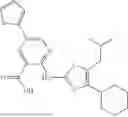


Sources:
- United States Patent and Trademark Office - verify current appl. status at the USPTO↗
Similar patent applications:
- » 20220089587
EIF4E inhibitors and uses thereof - » 20220356178
EIF4E inhibitors and uses thereof - » 20230134932
eIF4E inhibitors and uses thereof - » 20230150997
EIF4E inhibitors and uses thereof - » 20230399322
EIF4E inhibitors and uses thereof - » 20240246918
COMPOUNDS AND COMPOSITIONS AS EIF4E INHIBITORS AND THE USES THEREOF
Recent applications in this class:
- » 20250171435 2025-05-29
Carbon Linked BCL Inhibitors and Senolytic Compounds and Uses Thereof - » 20250171434 2025-05-29
SEC61 INHIBITORS AND USE THEREOF - » 20250171433 2025-05-29
A1H-BENZO[C][1,2]THIADIAZINE-2,2-DIOXIDES BEARING HETEROCYCLIC LINKERS AS SELECTIVE HISTONE DEACETYLASE 6 INHIBITORS - » 20250171432 2025-05-29
COMPOUNDS AND METHODS OF USE - » 20250171431 2025-05-29
HETEROCYCLIC INHIBITORS OF IGF-1R FOR TREATMENT OF DISEASE - » 20250154141 2025-05-15
BCL-XL/BCL-2 DUAL DEGRADERS FOR TREATMENT OF CANCERS - » 20250145616 2025-05-08
COMPOUNDS AS GLP-1R AGONISTS - » 20250145615 2025-05-08
COMPOUNDS AS GLP-1R AGONISTS - » 20250145614 2025-05-08
COMPOUNDS AS GLP-1R AGONISTS - » 20250145613 2025-05-08
COMPOUNDS AS GLP-1R AGONISTS