METHOD OF DISCOVERING NOVEL ANTICANCER DRUG USING CO-ESSENTIALITY NETWORK, AND AN APPARATUS THEREOF
US20240212786A1
2024-06-27
18/537,930
2023-12-13
Smart Summary: Researchers have created a new way to find cancer-fighting drugs by using a co-essentiality network, which looks at how genes work together in cancer cells. This network helps identify important targets for cancer treatment and can also suggest existing drugs that could be used in new ways. The method is more effective than traditional approaches that rely on molecular networks. It shows promise for improving personalized cancer treatment options. Overall, this approach opens up new possibilities for developing therapies against cancer. 🚀 TL;DR
Abstract:
In the present disclosure, the present inventors validated the effectiveness of the co-essentiality network, constructed from the gene essentiality profile across cancer cells, as a robust platform for identifying anticancer targets. Furthermore, the co-essentiality network facilitated the drug repurposing not previously addressed by conventional molecular networks. These findings underline the value of co-essentiality networks in advancing precision oncology, offering new potential therapeutic avenues.
Inventors:
- Kwang Hwan LEE 2 🇰🇷 Seoul, South Korea
- Sang Uk KIM 3 🇰🇷 Pohang-si, South Korea
- In Hae KIM 4 🇰🇷 Pohang-si, South Korea
- Ju Hun LEE 2 🇰🇷 Pohang-si, South Korea
Applicant:
Interested in similar patents?
Get notified when new applications in this technology area are published.
Classification:
G16B15/30 » CPC main
ICT specially adapted for analysing two-dimensional or three-dimensional molecular structures, e.g. structural or functional relations or structure alignment Drug targeting using structural data; Docking or binding prediction
G16B25/10 » CPC further
ICT specially adapted for hybridisation; ICT specially adapted for gene or protein expression Gene or protein expression profiling; Expression-ratio estimation or normalisation
Description
TECHNICAL FIELD
The present disclosure relates to a method of drawing novel anticancer drug using co-essentiality network, and an apparatus thereof.
BACKGROUND
Over the past few years, various anticancer drugs have been developed for diverse cancer types. However, the overall clinical efficacy of approved drugs remains limited. Thus, identifying targetable alterations is urgently needed for the success of anticancer therapy. To achieve precision oncology, diverse tasks must be performed, such as identifying driver genes and discovering drug targets in specific cancer types.
Network-based approaches support precision oncology to identify robust anticancer targets or biomarkers linked to known disease genes, since genes related to disease phenotypes cooperate and cluster in the network. The present inventors recently identified biomarkers of chemotherapy and immunotherapy by propagating the relatedness of therapeutic agents from drug targets to their neighbors in a protein-protein interaction (PPI) network. Cheng et al. developed an in-silico cancer drug repurposing framework using network modules derived from gene co-expression and PPI networks.
However, it remains to be seen which network is suitable for precision oncology, even though the choice of network is crucial to limit the performance of network-based approaches. It has been shown that network topology is a critical factor in improving the identification of disease genes. Huang et al. showed that the performance gap could be >5,000× between the networks, from the highest to the lowest performance. Buphamalai et al. also reported that each network is relevance to specific tasks.
The Chinese patent No. 111128299 has provided a disclosure to diagnose colon cancer by constructing network using gene expression information, and the Chinese patent No. 110473591 has provided a disclosure to construct a network using gene co-expression information. Also, there were some cases of using co-essentiality network, such as finding proteome, but there have been no cases of using the same network to draw new anticancer drugs (including repurposing of conventional drugs).
SUMMARY
The problem to be solved by present disclosure includes, providing a method for drawing novel anticancer based on a co-essentiality network, which is more precise than another method based on another network. Rather than relying on a one-size-fits-all network, the present inventors designed and evaluated a network that performs purpose task better than a one-size-fits-all network.
The present disclosure provides a method of drawing novel anticancer using co-essentiality network thorough a computing device, comprising: (1) a process of collecting gene genome data, and constructing co-essentiality network through measuring the similarity between two genes; (2) a process of identifying cancer driver module from the co-essentiality network; and (3) a process of discovering novel anticancer using the cancer driver module.
The present disclosure also provides a device of discovering novel anticancer using co-essentiality network thorough a computing device, comprising: a collecting unit configured to collect gene genome data; a constructing unit configured to construct co-essentiality network through measuring the similarity between two genes; an identifying unit configured to identify cancer driver module from the co-essentiality network; and a discovering unit configured to discover novel anticancer using the cancer driver module.
The present inventors find that the co-essentiality network was able to prioritize cancer-type-specific therapeutic targets and discover drug-repurposing candidates. The co-essentiality links formed highly clustered network modules of potential therapeutic targets. Moreover, the co-essentiality network predicted more precise drug responses in cancer cells than other molecular networks. The present inventors anticipate that the co-essentiality network will be a valuable resource for precision oncology and provide new therapeutic opportunities for cancer patients.
BRIEF DESCRIPTION OF THE DRAWINGS
FIG. 1A shows a schematic illustration of constructing the co-essentiality network and its validation.
FIG. 1B shows enrichment of the co-essentiality links to KEGG pathways.
FIG. 1C shows enrichment of network links to 31 KEGG cancer-related pathways (CRPs) for four networks: the co-essentiality network, PPI network (BioGRID), co-expression network, and co-methylation network.
FIG. 1D shows relative modularity of 15 pathways overlapped between the 31 CRPs and the 41 co-essentiality specific KEGG pathways.
FIG. 2 shows curated gene set enrichment of 6 co-essentiality links.
FIG. 3A shows modularity calculated from subnetwork of driver genes across 19 TCGA cancer types in four networks: co-essentiality, PPI-BioGRID, co-expression, and co-methylation.
FIG. 3B shows illustrations of subnetwork of lung squamous cell carcinoma (LUSC) driver genes in each network.
FIG. 3C shows illustrations of subnetwork of lung squamous cell carcinoma (LUSC) driver genes in each network.
FIG. 3D shows illustrations of subnetwork of lung squamous cell carcinoma (LUSC) driver genes in each network.
FIG. 3E shows illustrations of subnetwork of lung squamous cell carcinoma (LUSC) driver genes in each network.
FIG. 3F shows a schematic illustration of driver gene identification using the co-essentiality network.
FIG. 3G shows driver gene identification performance in four networks: co-essentiality; PPI-BioGRID; co-expression; co-methylation.
FIG. 3H shows a schematic illustration of TCGA patient stratification using the co-essentiality network.
FIG. 3I shows results for patient stratification using four networks and cancer drivers.
FIG. 4 shows empirical distribution of modularity of the degree controlled random nodes for LUSC driver genes.
FIG. 5 shows modularity of CGC cancer drivers in the four networks.
FIG. 6 shows scaled clustering coefficient of cancer driver genes in the four networks.
FIG. 7 shows correlation between the modularity of driver genes in the co-essentiality network and the number of cell lines used to construct the co-essentiality network.
FIG. 8 shows performance of the co-essentiality network for cancer driver gene identification compared with that of seven different PPI networks.
FIG. 9 shows performance of the co-essentiality network for cancer driver gene identification compared with that of another co-essentiality network and the genetic interaction network.
FIG. 10A shows schematic view of Hotnet2 algorithm.
FIG. 10B shows a heatmap showing the rank of performance for driver gene identification among the 13 networks measured using MCC.
FIG. 11A shows schematic illustration of the uKIN algorithm.
FIG. 11B shows a heatmap showing the rank of performance for driver gene identification among the 13 networks measured using ROAUC.
FIG. 12 shows survival plot of patient subgroups in 16 cancer types stratified by the co-essentiality network.
FIG. 13 shows survival plot of patient subgroups in 16 cancer types stratified by the PPI-BioGRID.
FIG. 14 shows survival plot of patient subgroups in 16 cancer types stratified by the co-expression network.
FIG. 15 shows survival plot of patient subgroups in 16 cancer types stratified by the co-methylation network.
FIG. 16 shows survival plot of patient subgroups in 16 cancer types stratified by driver genes of each cancer type.
FIG. 17A shows subnetwork of the co-essentiality network for signaling by nonreceptor tyrosine kinase pathway.
FIG. 17B shows heatmap of LUSC gene expression in Signaling by Non-Receptor Tyrosine Kinases pathway.
FIG. 17C shows survival plot of LUSC patient subgroups stratified by gene expression of signaling by the nonreceptor tyrosine kinase pathway.
FIG. 17D shows survival plot of LUSC patient subgroups stratified by LUSC driver genes.
FIG. 18A shows A schematic view of drug target prioritization using co-essentiality network and validation of prioritized targets.
FIG. 18B shows normalized enrichment score (NES) from GSEA of four networks: co-essentiality, PPI-BioGRID, co-expression, co-methylation.
FIG. 18C shows subnetwork of five approved targets (CDKN1A, ATM, CRKL, SOX10, and RAF1) in SKCM and driver genes in their first neighbors in the co-essentiality network.
FIG. 18D shows first neighbors of SOX10 in the four networks.
FIG. 19 shows performance of the co-essentiality network for approved anticancer target prioritization compared with that of seven different PPI networks.
FIG. 20 shows performance of the co-essentiality network for approved anticancer target prioritization compared with that of another co-essentiality network and genetic interaction network.
FIG. 21A shows prediction performance of drug response measured using the spearman correlation coefficient between TC score and median −log10(IC50) for four networks: co-essentiality, PPI-BioGRID, co-expression, and co-methylation.
FIG. 21B shows scatter plot of drug response and TC score of colorectal cancer in the co-essentiality network and data point of candidate drug: TAK-733.
FIG. 21C shows a subnetwork of seven target genes of TAK-733 and COADREAD driver genes which are connected to them in the co-essentiality network.
FIG. 21D shows schematic diagram of drug's reversal gene expression (RGE) effect on COADREAD.
FIG. 21E shows scatter plot of drug's RGE effect and TC score of COADREAD in the co-essentiality network.
FIG. 21F shows performance of the four networks for predicting drug RGE effect in COADREAD.
FIG. 22 shows performance of the co-essentiality network for drug response prediction compared with that of seven different PPI networks.
FIG. 23 shows performance of the co-essentiality network for drug response prediction compared with that of another co-essentiality network and genetic interaction network.
FIG. 24A shows a chord plot illustrating a global view of potential anticancer indications for 333 approved drugs across 17 cancer types.
FIG. 24B shows rank percentile of TC score for ixazomib citrate in four networks: co-essentiality, PPI-BioGRID, co-expression, and co-methylation.
FIG. 24C shows the co-essentiality links between target genes of ixazomib citrate and LIHC driver genes.
FIG. 24D shows dose-response curves of ixazomib citrate in four LIHC cell lines (SNU-398, Huh7, SK-Hep-1 and HepG2).
FIG. 24E shows schematic view of prolonged colony assay (Left). Negative effect of ixazomib citrate on the colony formation assay in four LIHC cell lines: SNU-398, Huh7, SK-Hep-1, and HepG2 (Right).
FIG. 25 shows links between the targets of ixazomib citrate and LIHC driver genes in the four networks.
FIG. 26 is a flow chart of a method according to present disclosure.
FIG. 27 is a block diagram of an apparatus according to present disclosure.
DETAILED DESCRIPTION
A Hereafter, embodiments of the present disclosure will be described in detail with reference to the accompanying drawings so that the present disclosure may be readily implemented by a person with ordinary skill in the art. However, it is to be noted that the present disclosure is not limited to the embodiments but may be embodied in various other ways. In drawings, parts irrelevant to the description are omitted for the simplicity of explanation, and like reference numerals denote like parts through the whole document.
Throughout the present document, when a member is positioned “on” another member, this includes not only when the member is in contact with the other member, but also when another member is present between the two members.
Throughout the present document, when a part “comprises” a component, this means that other components may be further included rather than excluding the other components unless there is a particular contrary description.
The terms “approximately” and “substantially” used throughout the document are used in or close to the figure when manufacturing and material tolerances unique to the mentioned meaning are presented and are used to prevent unscrupulous infringers from unfairly using the disclosure. The term “˜(doing) step” or “step of˜” to the extent used throughout the present specification does not mean “step for˜”.
Throughout this document, the term “their combination(s)” in the expression of the Markush type refers to one or more mixtures or combinations selected from the group of components described in the Markush type expression.
Throughout the present specification, the description of “A and/or B” means “A or B, or A and B”.
Throughout the present specification, the term “essential” means the degree of perturbation on gene. For instance, when a gene is removed at a specific level, such as cell group or organism group, if it negatively affects the survival of that group, the gene can be expressed as “essential” for that group.
Throughout the present specification, the term “co-essentiality network” means a network comprising genes with similar knockout essentiality profiles across various cancer cell lines. While several co-essentiality networks have been used for gene function prediction, the benefit of using co-essentiality networks in drug discovery still needs to be assessed. For example, it is reported that if two genes have similar essentiality profiles, they tend to have similar biological functions. Co-essentiality networks have been applied to discover new functions of genes and to infer genes into the same functional complexes or metabolic pathways. However, attempts to identify cancer drug targets using co-essentiality networks have been limited to discovering surrogate targets for several challenging target protein cases, despite the therapeutic opportunity that the essentiality phenotype might possess.
In the present disclosure, the present inventors aimed to assess diverse in-silico frameworks using co-essentiality networks to identify novel anticancer drugs for specific cancer types and investigate the advantages of this network compared with conventional molecular networks. The present inventors find that the co-essentiality network was able to prioritize cancer-type-specific therapeutic targets and discover drug-repurposing candidates. The co-essentiality links formed highly clustered network modules of potential therapeutic targets. Moreover, the co-essentiality network predicted more precise drug responses in cancer cells than other molecular networks. The present inventors anticipate that the co-essentiality network will be a valuable resource for precision oncology and provide new therapeutic opportunities for cancer patients.
Throughout the present specification, the term “drug-repurposing” means a change of an use of conventional drug, which was for treatment of other disease, to treatment of another disease.
Throughout the present specification, the term “module” means a set of highly related nodes in a network, and “driver module” means a module which comprises cancer driver genes in co-essentiality network.
Throughout the present specification, the term “reversal gene expression” means that a pattern of gene expression of cell changes in reverse due to some factors, such as a drug.
Throughout the present specification, the term “prioritization” means process of setting priority to data or etc., according to its importance.
Throughout the present specification, the term “enrichment” means that a gene is furthermore expressed for a specific phenotype.
A Hereafter, embodiments of the present disclosure will be described in detail with reference to the accompanying drawings. However, it is to be noted that the present disclosure is not limited to the embodiments but may be embodied in various other ways.
Example 1. Data, Constructing Network, Etc.
1-1. Resources and Network Information
For all 13 networks used in the present disclosure, nodes in the networks were converted to HUGO symbols, while only the nodes and links included in the largest connected component were selected. The numbers of nodes and links of the final networks used in the present disclosure are reported in table 1.
| TABLE 1 | ||
| Network | Node number | Link number |
| co-essentiality | 18,119 | 8,105,180 |
| co-expression | 19,120 | 12,759,793 |
| co-methylation | 16,333 | 10,193,089 |
| BioGRID | 18,708 | 434,527 |
| BioPlex | 14,523 | 167,384 |
| GPSnet | 15,124 | 167,854 |
| HURI | 8,124 | 51,816 |
| InBioMap | 17,421 | 608,161 |
| iRefIndex | 14,955 | 152,147 |
| Pathway Commons | 19,082 | 1,040,194 |
| STRING | 12,910 | 359,564 |
| Benchmark co-essentiality(PMID: | 9,480 | 56,070 |
| 33859415) | ||
| cSLnet | 8,150 | 21,534 |
1-2. Gene Essentiality Data
To build a co-essentiality network, the present inventors used a dataset consisting of the genome-wide CRISPR screenings from the Achilles project 20q2 in the dependency map (DepMap) project. Using the dataset and cell line, the present inventors obtained a growth data that identified the effect caused in cell line growth, when some functions of a gene was knocked out. In here, the growth data means a data about essentiality of a gene. The present inventors used the data to construct co-essentiality network.
1-3. Gene Expression Data
To construct a co-expression network, the present inventors used CCLE expression data quantified from RNA-seq files using GTEx pipelines [18]. The dataset contains the gene expression data of 19,144 genes in 1,305 cell lines from 34 distinct lineages. Among the 19,144 genes, 23 with zero expression values across the cell lines were removed.
1-4. Gene Methylation Data
To construct a co-methylation network, the present inventors used CCLE DNA methylation reduced representation bisulfite sequencing data (promoter 1 kb upstream of TSS). The dataset consists of the methylation data of 21,337 loci covering 17,182 gene promoter regions in 843 cell lines. Due to the many missing values in the data matrix, the present inventors only held cell lines with methylation data of at least 17,000 loci and loci with methylation data in at least 644 cell lines. Finally, the present inventors incorporated 20,198 methylation loci from 805 cell lines into the network construction steps.
1-5. Constructing the Gene Correlation-Based Network
To construct three networks (a co-essentiality network, co-expression network, and co-methylation network) from the corresponding dataset, the present inventors measured the similarity in essentiality, expression, and methylation between two genes using corrected correlation and used this value as the link weight in the network. After correcting the data, if two genes had a link weight of 0, the present inventors filtered out that link. This procedure consists of three steps:
-
- (i) For all missing values in the datasets, the present inventors conducted a k-nearest neighbor (KNN) imputation with k=10 using the impyute Python module.
- (ii) To measure the correlation between genes, the present inventors calculated the Pearson correlation coefficient (PCC) for all pairs of genes in the datasets and used the absolute value of PCC to capture both directions of correlation between genes.
- (iii) For the absolute value of PCC, the present inventors applied the context likelihood relatedness (CLR) algorithm, which conducts adaptive background correction to eliminate false correlations and indirect influences. In particular, the PCC value between gene i and j, rij was adjusted with the score
CLR ij = z i 2 + z j 2 where z i = { r ij - μ i σ i , r ij - μ i σ i ≥ t 0 , r ij - μ i σ i < t ,
t is the threshold value for the zi. The μi and σi are, respectively the sample mean and standard deviation of the empirical distribution of rik, k=1, . . . ,n (n is the number of genes). To reduce the computation cost of network analyses without losing significant performance for identifying cancer driver genes, The present inventors selected t=2.0 among six threshold values from 0.0 to 5.0 (Table 2).
| TABLE 2 | |||
| Threshold t | co-essentiality | co-expression | co-methylation |
| 0 | 0.815 | 0.737 | 0.583 |
| 1 | 0.823 | 0.747 | 0.583 |
| 2 | 0.814 | 0.758 | 0.583 |
| 3 | 0.773 | 0.681 | 0.556 |
| 4 | 0.711 | 0.539 | 0.516 |
| 5 | 0.662 | 0.516 | 0.502 |
1-6. Preparation of PPI Network
Eight human protein-protein interaction (PPI) networks were used: BioGRID [20], BioPlex, GPSnet, HURI, Inbiomap, iRefIndex, Pathway Commons, and STRING. For all PPI networks, the values of link weights were set to 1.0.
1-7. BioGRID
The present inventors downloaded the BioGRID interactome from https://thebiogrid.org/ under BIOGRID-4.1.190. The present inventors used the interactions between both proteins from Homo sapiens.
1-8. BioPlex
The present inventors downloaded the following BioPlex interactomes: BioPlex 3.0 Interactions (293T Cells) and BioPlex HCT116 v. 1.0 (HCT116 cells) (https://bioplex.hms.barva edu/interactions.php_onder_release_BioPlex 3.0. The present inventors constructed a single network from the union of both interactomes.
1-9. GPSnet
The present inventors used the GPSnet interactome previously constructed by Cheng et al., which assembled 15 commonly used databases with multiple experimental sources of evidence and an in-house systematic human protein-protein interactome. The interactome is publicly available at https://github.com/ChengF-Lab/GPSnet/tree/master/Data_mat_and_file ‘Net_PPI.mat’. GPSnet was originally an in-silico framework for drug repurposing, and in the present disclosure, the present inventors called the PPI network used in this framework GPSnet.
1-10. HURI
The present inventors downloaded the HURI interactome from http://www.interactome-atlas.org/ and the file ‘HuRI.tsv’.
1-11. InBioMap
The present inventors downloaded the InBioMap interactome from https://www.intomics.com/inbio/map and the file ‘InBio_Map_core_2016_09_12’.
1-12. iRefIndex
The present inventors downloaded the iRefIndex interactome from the web interface to the Interaction Reference Index repository (iRefWeb, https://wodaklab.org/RefWeb/search/index) under the release iRefIndex version 13.0. The present inventors used four searching options: ‘single organism interaction’, ‘Homo Sapiens’, ‘experimental’, and ‘physical’.
1-13. PathwayCommons
The present inventors downloaded the PathwayCommons interactome from http://www.pathwaycommons.org/archives/PC2/v12/ and the file ‘PathwayCommons12.All.hgnc.txt’.
1-14. STRING
The present inventors downloaded the STRING interactome from https://string-db.org/ under the release v11.0. To avoid co-citation information in STRING, the present inventors removed the text-mining scores for all links and recalculated the confidence score of STRING. Next, links with confidence scores >700 were considered to leverage the high-confidence PPIs.
1-15. Genetic Interaction Network
To compare the co-essentiality network with the genetic interaction network based on a synthetic-lethal relationship, the present inventors used a clinically relevant synthetic lethality network built by the ‘identification of clinically relevant synthetic lethality (ISLE)’ approach. The present inventors downloaded ‘clinically relevant synthetic lethality network (cSLnet)’ interactome from https://github.com/jooslee/ISLE/tree/pain/networks and the file ‘ISLE_clinical_SL_network_FDR_0.2.cys’.
1-16. Curated Gene Set Enrichment Analysis (GSEA) of Co-Essentiality Network
The present inventors calculated the enrichment of co-essentiality links in six curated gene sets. The present inventors downloaded six curated gene sets: molecular pathways (KEGG [1], REACTOME [2]) and Gene Ontology annotations [3] [GO: BP (Biological Process), MF (Molecular Function), and CC (Cellular Components)] from Molecular signatures database(MSigDB) [4], and human core protein complex from CORUM [5].
In the co-essentiality network, gene pairs were ranked by the link weights and grouped into cumulative bins of 10,000 pairs, and the enrichment was calculated using the ratio of pairs annotated with the same biological modules. The present inventors also measured enrichment expected by chance as the probability of finding the gene pairs within the same biological modules without being informed by co-essentiality links. Similar to the approach of Lee et al. [6], for the expected ratio, the present inventors changed the denominator from the number of co-essentiality links to all possible pairs between the genes given a bin.
1-17. Modularity Calculation
The present inventors used two types of modularity measures as shown in the following function:
cohesiveness = Σ W in Σ W all [ 34 ] clustering coefficient = 1 n Σ v ∈ G 2 T v k v ( k v - 1 )
-
- where Win is the weight of links within query genes,
- Wall is the weight of all links connected to query genes,
- n is the number of query genes,
- Tv is the number of triangles through node, and
- kv is the degree of node v.
Since both modularity measures can be affected by the degree centrality of query nodes, the present inventors applied normalization to the modularity measures, which removes the degree bias. Similar to the approach of Guney et al. [7], the present inventors created a reference modularity distribution that corresponds to the expected modularity of 100 randomly selected groups of genes matching the size and degrees of query genes in the network. Next, modularity was normalized as the z-score of the observed modularity of genes computed from the reference distribution of modularity from random groups.
1-18. Network Enrichment to Cancer Related Pathways (CRPs)
Among the 186 KEGG pathways from MSigDB, the present inventors used 31 as CRPs, which included the related pathways of ‘Pathways in cancer’ (Pathway ID: hsa05200) and the pathways in ‘Cancer: specific types’. A list of the 31 KEGG pathways is shown in Table 3.
| TABLE 3 | |||||
| cancer | |||||
| co- | ppi- | co- | co- | related | |
| Term | essentiality | BioGRID | expression | methylation | pathway(CRP) |
| KEGG_ABC_TRANSPORTERS | 0.26344086 | 0.264864865 | 0.274193548 | 0.331521739 | 0 |
| KEGG_ACUTE_MYELOID_LEUKEMIA | 0.795698925 | 0.302702703 | 0.456989247 | 0.239130435 | 1 |
| KEGG_ADHERENS_JUNCTION | 0.833333333 | 0.4 | 0.392473118 | 0.847826087 | 1 |
| KEGG_ADIPOCYTOKINE_SIGNALING— | 0.370967742 | 0.697297297 | 0.172043011 | 0.179347826 | 0 |
| PATHWAY | |||||
| KEGG_ALANINE_ASPARTATE_AND— | 0.456989247 | 0.281081081 | 0.059139785 | 0.108695652 | 0 |
| GLUTAMATE_METABOLISM | |||||
| KEGG_ALDOSTERONE_REGULATED— | 0.435483871 | 0.491891892 | 0.161290323 | 0.119565217 | 0 |
| SODIUM_REABSORPTION | |||||
| KEGG_ALLOGRAFT_REJECTION | 0.580645161 | 0.805405405 | 0.951612903 | 0.434782609 | 0 |
| KEGG_ALPHA_LINOLENIC_ACID— | 0.430107527 | 0.054054054 | 0.096774194 | 0.206521739 | 0 |
| METABOLISM | |||||
| KEGG_ALZHEIMERS_DISEASE | 0.97311828 | 0.940540541 | 0.962365591 | 0.885869565 | 0 |
| KEGG_AMINO_SUGAR_AND— | 0.790322581 | 0.416216216 | 0.634408602 | 0.782608696 | 0 |
| NUCLEOTIDE_SUGAR_METABOLISM | |||||
| KEGG_AMINOACYL_TRNA— | 0.860215054 | 0.843243243 | 0.860215054 | 0.869565217 | 0 |
| BIOSYNTHESIS | |||||
| KEGG_AMYOTROPHIC_LATERAL— | 0.069892473 | 0.335135135 | 0.048387097 | 0.684782609 | 0 |
| SCLEROSIS_ALS | |||||
| KEGG_ANTIGEN_PROCESSING_AND— | 0.919354839 | 0.637837838 | 0.88172043 | 0.744565217 | 0 |
| PRESENTATION | |||||
| KEGG_APOPTOSIS | 0.682795699 | 0.794594595 | 0.553763441 | 0.760869565 | 1 |
| KEGG_ARACHIDONIC_ACID— | 0.172043011 | 0.405405405 | 0.607526882 | 0.798913043 | 0 |
| METABOLISM | |||||
| KEGG_ARGININE_AND_PROLINE— | 0.317204301 | 0.183783784 | 0.510752688 | 0.576086957 | 0 |
| METABOLISM | |||||
| KEGG_ARRHYTHMOGENIC_RIGHT— | 0.338709677 | 0.459459459 | 0.5 | 0.826086957 | 0 |
| VENTRICULAR_CARDIOMYOPATHY— | |||||
| ARVC | |||||
| KEGG_ASCORBATE_AND_ALDARATE— | 0.5 | 0.432432432 | 0.666666667 | 0.402173913 | 0 |
| METABOLISM | |||||
| KEGG_ASTHMA | 0.521505376 | 0.427027027 | 0.903225806 | 0 | |
| KEGG_AUTOIMMUNE_THYROID_DISEASE | 0.741935484 | 0.935135135 | 0.919354839 | 0.282608696 | 0 |
| KEGG_AXON_GUIDANCE | 0.47311828 | 0.627027027 | 0.682795699 | 0.934782609 | 0 |
| KEGG_B_CELL_RECEPTOR— | 0.720430108 | 0.567567568 | 0.73655914 | 0.597826087 | 0 |
| SIGNALING_PATHWAY | |||||
| KEGG_BASAL_CELL_CARCINOMA | 0.150537634 | 0.502702703 | 0.505376344 | 0.945652174 | 1 |
| KEGG_BASAL_TRANSCRIPTION— | 0.892473118 | 0.972972973 | 0.467741935 | 0.505434783 | 0 |
| FACTORS | |||||
| KEGG_BASE_EXCISION_REPAIR | 0.451612903 | 0.643243243 | 0.741935484 | 0.777173913 | 0 |
| KEGG_BETA_ALANINE_METABOLISM | 0.059139785 | 0.210810811 | 0.188172043 | 0.070652174 | 0 |
| KEGG_BIOSYNTHESIS_OF— | 0.413978495 | 0.081081081 | 0.290322581 | 0.72826087 | 0 |
| UNSATURATED_FATTY_ACIDS | |||||
| KEGG_BLADDER_CANCER | 0.602150538 | 0.151351351 | 0.112903226 | 0.663043478 | 1 |
| KEGG_BUTANOATE_METABOLISM | 0.107526882 | 0.205405405 | 0.408602151 | 0.027173913 | 0 |
| KEGG_CALCIUM_SIGNALING_PATHWAY | 0.376344086 | 0.556756757 | 0.52688172 | 0.967391304 | 1 |
| KEGG_CARDIAC_MUSCLE_CONTRACTION | 0.704301075 | 0.864864865 | 0.725806452 | 0.048913043 | 0 |
| KEGG_CELL_ADHESION_MOLECULES— | 0.392473118 | 0.610810811 | 0.876344086 | 0.923913043 | 0 |
| CAMS | |||||
| KEGG_CELL_CYCLE | 0.940860215 | 0.767567568 | 0.913978495 | 0.972826087 | 1 |
| KEGG_CHEMOKINE_SIGNALING_PATHWAY | 0.731182796 | 0.740540541 | 0.85483871 | 0.619565217 | 0 |
| KEGG_CHRONIC_MYELOID_LEUKEMIA | 0.870967742 | 0.324324324 | 0.306451613 | 0.793478261 | 1 |
| KEGG_CIRCADIAN_RHYTHM_MAMMAL | 0.102150538 | 0.837837838 | 0.370967742 | 0.75 | 0 |
| KEGG_CITRATE_CYCLE_TCA_CYCLE | 0.924731183 | 0.8 | 0.779569892 | 0.614130435 | 0 |
| KEGG_COLORECTAL_CANCER | 0.688172043 | 0.410810811 | 0.311827957 | 0.831521739 | 1 |
| KEGG_COMPLEMENT_AND— | 0.182795699 | 0.956756757 | 0.946236559 | 0.815217391 | 0 |
| COAGULATION_CASCADES | |||||
| KEGG_CYSTEINE_AND_METHIONINE— | 0.344086022 | 0.308108108 | 0.069892473 | 0.489130435 | 0 |
| METABOLISM | |||||
| KEGG_CYTOKINE_CYTOKINE— | 0.801075269 | 0.92972973 | 0.97311828 | 0.983695652 | 1 |
| RECEPTOR_INTERACTION | |||||
| KEGG_CYTOSOLIC_DNA_SENSING— | 0.693548387 | 0.918918919 | 0.688172043 | 0.608695652 | 0 |
| PATHWAY | |||||
| KEGG_DILATED_CARDIOMYOPATHY | 0.247311828 | 0.345945946 | 0.623655914 | 0.864130435 | 0 |
| KEGG_DNA_REPLICATION | 0.935483871 | 0.751351351 | 0.892473118 | 0.695652174 | 0 |
| KEGG_DORSO_VENTRAL_AXIS— | 0.38172043 | 0.108108108 | 0.043010753 | 0.14673913 | 0 |
| FORMATION | |||||
| KEGG_DRUG_METABOLISM— | 0.655913978 | 0.859459459 | 0.833333333 | 0.092391304 | 0 |
| CYTOCHROME_P450 | |||||
| KEGG_DRUG_METABOLISM— | 0.424731183 | 0.648648649 | 0.494623656 | 0.032608696 | 0 |
| OTHER_ENZYMES | |||||
| KEGG_ECM_RECEPTOR_INTERACTION | 0.231182796 | 0.772972973 | 0.838709677 | 0.907608696 | 1 |
| KEGG_ENDOCYTOSIS | 0.725806452 | 0.821621622 | 0.548387097 | 0.581521739 | 0 |
| KEGG_ENDOMETRIAL_CANCER | 0.887096774 | 0.227027027 | 0.333333333 | 0.472826087 | 1 |
| KEGG_EPITHELIAL_CELL_SIGNALING— | 0.586021505 | 0.724324324 | 0.327956989 | 0.516304348 | 0 |
| IN_HELICOBACTER_PYLORI_INFECTION | |||||
| KEGG_ERBB_SIGNALING_PATHWAY | 0.758064516 | 0.594594595 | 0.215053763 | 0.494565217 | 0 |
| KEGG_ETHER_LIPID_METABOLISM | 0.161290323 | 0.12972973 | 0.037634409 | 0.260869565 | 0 |
| KEGG_FATTY_ACID_METABOLISM | 0.080645161 | 0.318918919 | 0.602150538 | 0.39673913 | 0 |
| KEGG_FC_EPSILON_RI_SIGNALING— | 0.677419355 | 0.735135135 | 0.435483871 | 0.64673913 | 0 |
| PATHWAY | |||||
| KEGG_FC_GAMMA_R_MEDIATED— | 0.650537634 | 0.783783784 | 0.586021505 | 0.407608696 | 0 |
| PHAGOCYTOSIS | |||||
| KEGG_FOCAL_ADHESION | 0.849462366 | 0.713513514 | 0.790322581 | 0.755434783 | 1 |
| KEGG_FOLATE_BIOSYNTHESIS | 0.177419355 | 0.162162162 | 0.032258065 | 0.423913043 | 0 |
| KEGG_FRUCTOSE_AND_MANNOSE— | 0.279569892 | 0.394594595 | 0.419354839 | 0.47826087 | 0 |
| METABOLISM | |||||
| KEGG_GALACTOSE_METABOLISM | 0.123655914 | 0.313513514 | 0.198924731 | 0.27173913 | 0 |
| KEGG_GAP_JUNCTION | 0.494623656 | 0.454054054 | 0.220430108 | 0.842391304 | 0 |
| KEGG_GLIOMA | 0.806451613 | 0.421621622 | 0.107526882 | 0.336956522 | 1 |
| KEGG_GLUTATHIONE_METABOLISM | 0.462365591 | 0.6 | 0.516129032 | 0.163043478 | 0 |
| KEGG_GLYCEROLIPID_METABOLISM | 0.360215054 | 0.043243243 | 0.102150538 | 0.5 | 0 |
| KEGG_GLYCEROPHOSPHOLIPID— | 0.220430108 | 0.07027027 | 0.139784946 | 0.190217391 | 0 |
| METABOLISM | |||||
| KEGG_GLYCINE_SERINE_AND— | 0.005376344 | 0.124324324 | 0.403225806 | 0.016304348 | 0 |
| THREONINE_METABOLISM | |||||
| KEGG_GLYCOLYSIS_GLUCONEOGENESIS | 0.408602151 | 0.816216216 | 0.661290323 | 0.304347826 | 0 |
| KEGG_GLYCOSAMINOGLYCAN— | 0.204301075 | 0.535135135 | 0.569892473 | 0.733695652 | 0 |
| BIOSYNTHESIS_CHONDROITIN_SULFATE | |||||
| KEGG_GLYCOSAMINOGLYCAN— | 0.779569892 | 0.086486486 | 0.129032258 | 0.554347826 | 0 |
| BIOSYNTHESIS_HEPARAN_SULFATE | |||||
| KEGG_GLYCOSAMINOGLYCAN— | 0.053763441 | 0.113513514 | 0.11827957 | 0.135869565 | 0 |
| BIOSYNTHESIS_KERATAN_SULFATE | |||||
| KEGG_GLYCOSAMINOGLYCAN— | 0.193548387 | 0.2 | 0.489247312 | 0.173913043 | 0 |
| DEGRADATION | |||||
| KEGG_GLYCOSPHINGOLIPID— | 0.188172043 | 0.135135135 | 0.182795699 | 0.233695652 | 0 |
| BIOSYNTHESIS_GANGLIO_SERIES | |||||
| KEGG_GLYCOSPHINGOLIPID— | 0.112903226 | 0.091891892 | 0.064516129 | 0.141304348 | 0 |
| BIOSYNTHESIS_GLOBO_SERIES | |||||
| KEGG_GLYCOSPHINGOLIPID— | 0.301075269 | 0.016216216 | 0.317204301 | 0.184782609 | 0 |
| BIOSYNTHESIS_LACTO_AND— | |||||
| NEOLACTO_SERIES | |||||
| KEGG— | 0.962365591 | 0.924324324 | 0.521505376 | 0.461956522 | 0 |
| GLYCOSYLPHOSPHATIDYLINOSITOL— | |||||
| GPI_ANCHOR_BIOSYNTHESIS | |||||
| KEGG_GLYOXYLATE_AND— | 0.166666667 | 0.064864865 | 0.204301075 | 0.52173913 | 0 |
| DICARBOXYLATE_METABOLISM | |||||
| KEGG_GNRH_SIGNALING_PATHWAY | 0.419354839 | 0.497297297 | 0.080645161 | 0.315217391 | 0 |
| KEGG_GRAFT_VERSUS_HOST_DISEASE | 0.634408602 | 0.832432432 | 0.935483871 | 0.559782609 | 0 |
| KEGG_HEDGEHOG_SIGNALING_PATHWAY | 0.14516129 | 0.52972973 | 0.413978495 | 0.951086957 | 1 |
| KEGG_HEMATOPOIETIC_CELL_LINEAGE | 0.327956989 | 0.551351351 | 0.940860215 | 0.89673913 | 0 |
| KEGG_HISTIDINE_METABOLISM | 0.091397849 | 0.145945946 | 0.155913978 | 0.364130435 | 0 |
| KEGG_HOMOLOGOUS_RECOMBINATION | 0.844086022 | 0.702702703 | 0.827956989 | 0.592391304 | 0 |
| KEGG_HUNTINGTONS_DISEASE | 0.967741935 | 0.897297297 | 0.967741935 | 0.940217391 | 0 |
| KEGG_HYPERTROPHIC— | 0.322580645 | 0.32972973 | 0.64516129 | 0.788043478 | 0 |
| CARDIOMYOPATHY_HCM | |||||
| KEGG_INOSITOL_PHOSPHATE— | 0.295698925 | 0.097297297 | 0.150537634 | 0.445652174 | 0 |
| METABOLISM | |||||
| KEGG_INSULIN_SIGNALING_PATHWAY | 0.639784946 | 0.686486486 | 0.387096774 | 0.543478261 | 0 |
| KEGG_INTESTINAL_IMMUNE— | 0.397849462 | 0.372972973 | 0.908602151 | 0.679347826 | 0 |
| NETWORK_FOR_IGA_PRODUCTION | |||||
| KEGG_JAK_STAT_SIGNALING_PATHWAY | 0.698924731 | 0.886486486 | 0.801075269 | 0.527173913 | 1 |
| KEGG_LEISHMANIA_INFECTION | 0.52688172 | 0.486486486 | 0.844086022 | 0.565217391 | 0 |
| KEGG_LEUKOCYTE— | 0.537634409 | 0.675675676 | 0.672043011 | 0.673913043 | 0 |
| TRANSENDOTHELIAL_MIGRATION | |||||
| KEGG_LIMONENE_AND_PINENE— | 0.016129032 | 0.032432432 | 0.284946237 | 0.043478261 | 0 |
| DEGRADATION | |||||
| KEGG_LINOLEIC_ACID_METABOLISM | 0.306451613 | 0.891891892 | 0.559139785 | 0 | |
| KEGG_LONG_TERM_DEPRESSION | 0.284946237 | 0.383783784 | 0.134408602 | 0.880434783 | 0 |
| KEGG_LONG_TERM_POTENTIATION | 0.365591398 | 0.27027027 | 0.209677419 | 0.413043478 | 0 |
| KEGG_LYSINE_DEGRADATION | 0.064516129 | 0.156756757 | 0.241935484 | 0.60326087 | 0 |
| KEGG_LYSOSOME | 0.387096774 | 0.762162162 | 0.930107527 | 0.690217391 | 0 |
| KEGG_MAPK_SIGNALING_PATHWAY | 0.715053763 | 0.708108108 | 0.462365591 | 0.625 | 0 |
| KEGG_MATURITY_ONSET_DIABETES— | 0.215053763 | 0.172972973 | 0.720430108 | 0.820652174 | 0 |
| OF_THE_YOUNG | |||||
| KEGG_MELANOGENESIS | 0.274193548 | 0.248648649 | 0.252688172 | 0.918478261 | 0 |
| KEGG_MELANOMA | 0.73655914 | 0.362162162 | 0.086021505 | 0.456521739 | 1 |
| KEGG_METABOLISM_OF_XENOBIOTICS— | 0.564516129 | 0.827027027 | 0.887096774 | 0.326086957 | 0 |
| BY_CYTOCHROME_P450 | |||||
| KEGG_MISMATCH_REPAIR | 0.629032258 | 0.789189189 | 0.758064516 | 0.722826087 | 0 |
| KEGG_MTOR_SIGNALING_PATHWAY | 0.897849462 | 0.691891892 | 0.177419355 | 0.10326087 | 1 |
| KEGG_N_GLYCAN_BIOSYNTHESIS | 0.951612903 | 0.259459459 | 0.731182796 | 0.570652174 | 0 |
| KEGG_NATURAL_KILLER— | 0.768817204 | 0.778378378 | 0.865591398 | 0.804347826 | 0 |
| CELLMEDIATED_CYTOTOXICITY | |||||
| KEGG_NEUROACTIVE_LIGAND— | 0.543010753 | 0.437837838 | 0.849462366 | 1 | 0 |
| RECEPTOR_INTERACTION | |||||
| KEGG_NEUROTROPHIN_SIGNALING— | 0.811827957 | 0.654054054 | 0.61827957 | 0.668478261 | 0 |
| PATHWAY | |||||
| KEGG_NICOTINATE_AND— | 0.048387097 | 0.010810811 | 0.021505376 | 0.201086957 | 0 |
| NICOTINAMIDE_METABOLISM | |||||
| KEGG_NITROGEN_METABOLISM | 0.209677419 | 0.048648649 | 0.091397849 | 0.266304348 | 0 |
| KEGG_NOD_LIKE_RECEPTOR— | 0.505376344 | 0.67027027 | 0.591397849 | 0.369565217 | 0 |
| SIGNALING_PATHWAY | |||||
| KEGG_NON_HOMOLOGOUS_END_JOINING | 0.35483871 | 0.389189189 | 0.26344086 | 0.451086957 | 0 |
| KEGG_NON_SMALL_CELL_LUNG_CANCER | 0.822580645 | 0.443243243 | 0.338709677 | 0.391304348 | 1 |
| KEGG_NOTCH_SIGNALING_PATHWAY | 0.607526882 | 0.508108108 | 0.14516129 | 0.548913043 | 1 |
| KEGG_NUCLEOTIDE_EXCISION_REPAIR | 0.747311828 | 0.87027027 | 0.709677419 | 0.836956522 | 0 |
| KEGG_O_GLYCAN_BIOSYNTHESIS | 0.037634409 | 0.243243243 | 0.446236559 | 0.195652174 | 0 |
| KEGG_OLFACTORY_TRANSDUCTION | 0.978494624 | 0.232432432 | 0.924731183 | 0.956521739 | 0 |
| KEGG_ONE_CARBON_POOL_BY_FOLATE | 0.61827957 | 0.118918919 | 0.38172043 | 0.358695652 | 0 |
| KEGG_OOCYTE_MEIOSIS | 0.661290323 | 0.562162162 | 0.774193548 | 0.385869565 | 0 |
| KEGG_OTHER_GLYCAN_DEGRADATION | 0.333333333 | 0.286486486 | 0.612903226 | 0.086956522 | 0 |
| KEGG_OXIDATIVE_PHOSPHORYLATION | 1 | 0.983783784 | 0.994623656 | 0.913043478 | 0 |
| KEGG_P53_SIGNALING_PATHWAY | 0.510752688 | 0.578378378 | 0.537634409 | 0.711956522 | 1 |
| KEGG_PANCREATIC_CANCER | 0.709677419 | 0.378378378 | 0.349462366 | 0.706521739 | 1 |
| KEGG_PANTOTHENATE_AND_COA— | 0.11827957 | 0.021621622 | 0.010752688 | 0.211956522 | 0 |
| BIOSYNTHESIS | |||||
| KEGG_PARKINSONS_DISEASE | 0.989247312 | 0.962162162 | 0.989247312 | 0.902173913 | 0 |
| KEGG_PATHOGENIC_ESCHERICHIA— | 0.64516129 | 0.297297297 | 0.365591398 | 0.309782609 | 0 |
| COLI_INFECTION | |||||
| KEGG_PATHWAYS_IN_CANCER | 0.838709677 | 0.545945946 | 0.655913978 | 0.85326087 | 1 |
| KEGG_PENTOSE_AND_GLUCURONATE— | 0.483870968 | 0.718918919 | 0.639784946 | 0.255434783 | 0 |
| INTERCONVERSIONS | |||||
| KEGG_PENTOSE_PHOSPHATE_PATHWAY | 0.559139785 | 0.681081081 | 0.397849462 | 0.277173913 | 0 |
| KEGG_PEROXISOME | 0.88172043 | 0.908108108 | 0.56456129 | 0.635869565 | 0 |
| KEGG_PHENYLALANINE_METABOLISM | 0.075268817 | 0.194594595 | 0.193548387 | 0.157608696 | 0 |
| KEGG_PHOSPHATIDYLINOSITOL— | 0.403225806 | 0.216216216 | 0.279569892 | 0.168478261 | 0 |
| SIGNALING_SYSTEM | |||||
| KEGG_PORPHYRIN_AND_CHLOROPHYLL— | 0.774193548 | 0.037837838 | 0.575268817 | 0.380434783 | 0 |
| METABOLISM | |||||
| KEGG_PPAR_SIGNALING_PATHWAY | 0.252688172 | 0.178378378 | 0.596774194 | 0.429347826 | 1 |
| KEGG_PRIMARY_BILE_ACID— | 0.241935484 | 0.221621622 | 0.23655914 | 0.130434783 | 0 |
| BIOSYNTHESIS | |||||
| KEGG_PRIMARY_IMMUNODEFICIENCY | 0.139784946 | 0.513513514 | 0.870967742 | 0.809782609 | 0 |
| KEGG_PRION_DISEASES | 0.021505376 | 0.237837838 | 0.231182796 | 0.152173913 | 0 |
| KEGG_PROGESTERONE_MEDIATED— | 0.553763441 | 0.745945946 | 0.430107527 | 0.065217391 | 0 |
| OOCYTE_MATURATION | |||||
| KEGG_PROPANOATE_METABOLISM | 0.155913978 | 0.664864865 | 0.532258065 | 0.02173913 | 0 |
| KEGG_PROSTATE_CANCER | 0.85483871 | 0.275675676 | 0.258064516 | 0.532608696 | 1 |
| KEGG_PROTEASOME | 0.946236559 | 0.994594595 | 0.956989247 | 0.858695652 | 0 |
| KEGG_PROTEIN_EXPORT | 0.817204301 | 0.356756757 | 0.704301075 | 0.641304348 | 0 |
| KEGG_PROXIMAL_TUBULE— | 0.02688172 | 0.167567568 | 0.075268817 | 0.114130435 | 0 |
| BICARBONATE_RECLAMATION | |||||
| KEGG_PURINE_METABOLISM | 0.612903226 | 0.945945946 | 0.693548387 | 0.244565217 | 0 |
| KEGG_PYRIMIDINE_METABOLISM | 0.827956989 | 0.951351351 | 0.806451613 | 0.766304348 | 0 |
| KEGG_PYRUVATE_METABOLISM | 0.134408602 | 0.589189189 | 0.451612903 | 0.320652174 | 0 |
| KEGG_REGULATION_OF_ACTIN— | 0.913978495 | 0.810810811 | 0.629032258 | 0.483695652 | 0 |
| CYTOSKELETON | |||||
| KEGG_REGULATION_OF_AUTOPHAGY | 0.876344086 | 0.967567568 | 0.344086022 | 0.005434783 | 0 |
| KEGG_RENAL_CELL_CARCINOMA | 0.903225806 | 0.340540541 | 0.483870968 | 0.510869565 | 1 |
| KEGG_RENIN_ANGIOTENSIN_SYSTEM | 0.032258065 | 0.351351351 | 0.02688172 | 0.440217391 | 0 |
| KEGG_RETINOL_METABOLISM | 0.623655914 | 0.913513514 | 0.811827957 | 0.076086957 | 0 |
| KEGG_RIBOFLAVIN_METABOLISM | 0.096774194 | 0.102702703 | 0.016129032 | 0.097826087 | 0 |
| KEGG_RIBOSOME | 0.994623656 | 0.989189189 | 1 | 0.961956522 | 0 |
| KEGG_RIG_I_LIKE_RECEPTOR— | 0.908602151 | 0.72972973 | 0.747311828 | 0.652173913 | 0 |
| SIGNALING_PATHWAY | |||||
| KEGG_RNA_DEGRADATION | 0.930107527 | 0.881081081 | 0.76344086 | 0.97826087 | 0 |
| KEGG_RNA_POLYMERASE | 0.865591398 | 1 | 0.677419355 | 0.538043478 | 0 |
| KEGG_SELENOAMINO_ACID_METABOLISM | 0.349462366 | 0.367567568 | 0.225806452 | 0.288043478 | 0 |
| KEGG_SMALL_CELL_LUNG_CANCER | 0.76344086 | 0.291891892 | 0.295698925 | 0.657608696 | 1 |
| KEGG_SNARE_INTERACTIONS_IN— | 0.23655914 | 0.978378378 | 0.440860215 | 0.293478261 | 0 |
| VESICULAR_TRANSPORT | |||||
| KEGG_SPHINGOLIPID_METABOLISM | 0.225806452 | 0.027027027 | 0.322580645 | 0.342391304 | 0 |
| KEGG_SPLICEOSOME | 0.956989247 | 0.902702703 | 0.978494624 | 0.989130435 | 0 |
| KEGG_STARCH_AND_SUCROSE— | 0.516129032 | 0.621621622 | 0.580645161 | 0.298913043 | 0 |
| METABOLISM | |||||
| KEGG_STEROID_BIOSYNTHESIS | 0.666666667 | 0.005405405 | 0.795698925 | 0.059782609 | 0 |
| KEGG_STEROID_HORMONE— | 0.440860215 | 0.854054054 | 0.698924731 | 0.467391304 | 0 |
| BIOSYNTHESIS | |||||
| KEGG_SULFUR_METABOLISM | 0.198924731 | 0.572972973 | 0.166666667 | 0.717391304 | 0 |
| KEGG_SYSTEMIC_LUPUS— | 0.983870968 | 0.659459459 | 0.983870968 | 0.994565217 | 0 |
| ERYTHEMATOSUS | |||||
| KEGG_T_CELL_RECEPTOR_SIGNALING— | 0.478494624 | 0.848648649 | 0.768817204 | 0.701086957 | 0 |
| PATHWAY | |||||
| KEGG_TASTE_TRANSDUCTION | 0.591397849 | 0.481081081 | 0.752688172 | 0.586956522 | 0 |
| KEGG_TAURINE_AND_HYPOTAURINE— | 0.010752688 | 0.005376344 | 0.038043478 | 0 | |
| METABOLISM | |||||
| KEGG_TERPENOID_BACKBONE— | 0.548387097 | 0.189189189 | 0.650537634 | 0.739130435 | 0 |
| BIOSYNTHESIS | |||||
| KEGG_TGF_BETA_SIGNALING_PATHWAY | 0.489247312 | 0.632432432 | 0.47311828 | 0.418478261 | 1 |
| KEGG_THYROID_CANCER | 0.569892473 | 0.059459459 | 0.053763441 | 0.22826087 | 1 |
| KEGG_TIGHT_JUNCTION | 0.596774194 | 0.475675676 | 0.543010753 | 0.875 | 0 |
| KEGG_TOLL_LIKE_RECEPTOR— | 0.752688172 | 0.875675676 | 0.817204301 | 0.630434783 | 0 |
| SIGNALING_PATHWAY | |||||
| KEGG_TRYPTOPHAN_METABOLISM | 0.086021505 | 0.140540541 | 0.35483871 | 0.217391304 | 0 |
| KEGG_TYPE_I_DIABETES_MELLITUS | 0.575268817 | 0.616216216 | 0.897849462 | 0.347826087 | 0 |
| KEGG_TYPE_II_DIABETES_MELLITUS | 0.290322581 | 0.540540541 | 0.247311828 | 0.25 | 0 |
| KEGG_TYROSINE_METABOLISM | 0.129032258 | 0.254054054 | 0.376344086 | 0.054347826 | 0 |
| KEGG_UBIQUITIN_MEDIATED— | 0.784946237 | 0.518918919 | 0.784946237 | 0.929347826 | 0 |
| PROTEOLYSIS | |||||
| KEGG_VALINE_LEUCINE_AND— | 0.268817204 | 0.075675676 | 0.301075269 | 0.125 | 0 |
| ISOLEUCINE_BIOSYNTHESIS | |||||
| KEGG_VALINE_LEUCINE_AND— | 0.043010753 | 0.583783784 | 0.715053763 | 0.375 | 0 |
| ISOLEUCINE_DEGRADATION | |||||
| KEGG_VASCULAR_SMOOTH_MUSCLE— | 0.258064516 | 0.605405405 | 0.360215054 | 0.77173913 | 0 |
| CONTRACTION | |||||
| KEGG_VASOPRESSIN_REGULATED— | 0.311827957 | 0.524324324 | 0.268817204 | 0.010869565 | 0 |
| WATER_REABSORPTION | |||||
| KEGG_VEGF_SIGNALING_PATHWAY | 0.532258065 | 0.464864865 | 0.123655914 | 0.35326087 | 1 |
| KEGG_VIBRIO_CHOLERAE_INFECTION | 0.672043011 | 0.756756757 | 0.478494624 | 0.222826087 | 0 |
| KEGG_VIRAL_MYOCARDITIS | 0.467741935 | 0.448648649 | 0.822580645 | 0.081521739 | 0 |
| KEGG_WNT_SIGNALING_PATHWAY | 0.446236559 | 0.47027027 | 0.424731183 | 0.891304348 | 1 |
For 186 KEGG pathways, the present inventors calculated relative modularity by converting scaled modularity calculated using cohesiveness to rank percentile scores in four networks: the co-essentiality network. PPI network (BioGRID), co-expression network, and co-methylation network. Next, the present inventors defined network-specific pathways by assigning the type of network to each of the 186 KEGG pathways, according to which network showed the highest relative modularity. The relative modularity values are presented in Table 3.
Finally, for each network, the present inventors constructed a 2×2 contingency table with four types of pathways namely network-specific CRPs, non-network-specific CRPs, network-specific non-CRPs, and non-network-specific non-CRPs. From the contingency table, the present inventors calculated the odds ratio of network enrichment to CRPs and determined the statistical significance of enrichment by calculating the p-value from Fisher's exact test. The contingency table of the co-essentiality network is shown in the FIG. 1C.
1-19. Driver Genes of Each Cancer Type
(1) Bailey et al. [8]
The present inventors retrieved driver genes of each cancer type from Bailey et al., who reported 299 driver genes across 33 cancer types. For modularity analysis, the present inventors selected 19 cancer types with more than 10 reported driver genes included in the co-essentiality network: bladder urothelial carcinoma (BLCA), breast invasive carcinoma (BRCA), cervical squamous cell carcinoma and endocervical adenocarcinoma (CESC), Colorectal adenocarcinoma (COADREAD), lymphoid neoplasm diffuse large B-cell lymphoma (DLBC), esophageal carcinoma (ESCA), glioblastoma multiforme (GBM), head and neck squamous cell carcinoma (HNSC), kidney renal clear cell carcinoma (KIRC), acute myeloid leukemia (LAML), brain lower grade glioma (LGG), liver hepatocellular carcinoma(LIHC), lung adenocarcinoma (LUAD), lung squamous cell carcinoma (LUSC), prostate adenocarcinoma (PRAD), skin cutaneous melanoma (SKCM), stomach adenocarcinoma (STAD), Uterine Corpus Endometrial carcinoma (UCEC).
(2) Cancer Gene Census (CGC)
For further validation of the high modularity of driver genes in the co-essentiality network, the present inventors used the experimentally validated cancer driver gene set from Cancer Gene Census (CGC) database. For cancer type specific analysis, the present inventors manually mapped Tier 1 driver genes in CGC to TCGA cancer types according to their tumor type information. A total of 470 driver genes were mapped to 22 TCGA cancer types. Similarly, for modularity analysis, the present inventors selected 19 cancer types with more than 10 reported driver genes included in the co-essentiality network: bladder urothelial carcinoma (BLCA), breast invasive carcinoma (BRCA), Colon adenocarcinoma (COAD), lymphoid neoplasm diffuse large B-cell lymphoma (DLBC), head and neck squamous cell carcinoma (HNSC), Kidney Chromophobe (KICH), kidney renal clear cell carcinoma (KIRC), acute myeloid leukemia (LAML), brain lower grade glioma (LGG), liver hepatocellular carcinoma (LIHC), lung adenocarcinoma (LUAD), lung squamous cell carcinoma (LUSC), Ovarian serous cystadenocarcinoma (OV), Pancreatic adenocarcinoma (PAAD), prostate adenocarcinoma (PRAD), skin cutaneous melanoma (SKCM), stomach adenocarcinoma (STAD), Thyroid carcinoma (THCA), and Uterine Corpus Endometrial carcinoma (UCEC).
The driver genes mapped to cancer types are listed in below:
-
- TCGA_ACC: TP53
- TCGA_GBM: ACVR1, ATRX
- TCGA_ESCA: KDM6A, LRP1B, SFRP4, SOX2
- TCGA_BLCA: DROSHA, ERBB3, FGFR3, HRAS, KDM6A, LRP1B, MDM4, MTOR, NOTCH1, NOTCH2, STAG2, TERT, TSC1
- TCGA_LGG: ATM, AXIN1, DDX3X, EPAS1, KDM6A, KMT2C, KMT2D, NBN, PALB2, PMS2: PTCH1, QKI, SUFU, TERT
- TCGA_HNSC: BCORL1, CTCF, ERBB3, FAT1, FAT4, FES, MET, MTOR, NFE2L2, NOTCH1, PTK6, PTPRT, TGFBR2, TP63, TSC2
- TCGA_LIHC: APC, ARID1B, ARID2, AXIN1, AXIN2, CASP8, CTNNB1, DNAJB1, FAT4, HNFIA, IL6ST, PRKACA, PTPN13, SMAD2, TERT
- TCGA_SKCM: BLM, BRAF, DDB2, ERBB3, ERCC2, ERCC3, ERCC4, ERCC5, FAS, LATS1, NOTCH1, POLE, PTCH1, RECQL4, SMO, STAT5B, TBX3, TERT, XPA, XPC
- TCGA_STAD: ACVR2A, ATR, AXIN2, BCL9L, BRAF, CDH1, ERBB2, ERBB3, ERBB4, FGFR2, GRIN2A, PIK3CA, POLE, PTK6, PTPN13, PTPRT, RHOA, SFRP4, UBR5, ZFHX3
- TCGA_PAAD: ACVR2A, AKT2, APC, ATRX, BRAF, BRCA2, CDKN2A, DAXX, EP300, FAT1, FAT4, GNAS, HIF1A, KRAS, MAP2K4, MEN1, PREX2, RNF43, SMAD4, SND1, STK11
- TCGA_PRAD: ACSL3, AR, AXIN1, BRAF, CANT1, DDX5, ELK4, ERG, ETV1, ETV4, ETV5, FOXA1, HERPUD1, HNRNPA2B1, KLF6, KLK2, NCOR2, NDRG1, PTEN, RAF1, SALL4, SLC45A3, SPOP, TMPRSS2, ZFHX3
- TCGA_UCEC: ATR, AXIN1, BARD1, BCL9L, CHD4, CTCF, CUX1, FBXW7, FGFR2, HIF1A, MAX, MED12, MLH1, MSH2, MSH6, MTOR, NUTM2B, NUTM2D, PMS2, POLE, PTEN, RAD21, RAD51B, SPOP, SRC, SUZ12, YWHAE, ZFHX3, TCGA_THCA, BRAF, CCDC6, CDC73, CDKN1B, DICER1, ERC1, GOLGA5, HMGA1, HOOK3, KRAS, KTN1, MEN1, MTOR, NCOA4, NRAS, NTRK1, PAX8, PCM1, PPARG, PRKAR1A, RET, STRN, TFG, TPM3, TPR, TRIM27, TRIM33, TSHR, ZNF331, TCGA_KICH, AMER1, ARID1A, BAP1, CLTC, DICER1, DROSHA, FH, FLCN, GPC3, HIF1A, KDM6A, KMT2D, MET, MYCN, NF2, NONO, PALB2, PRCC, PTK6, SFPQ, SIX1, SMARCB1, TFE3, TFEB, TMEM127, TP53, TSC1, TSC2, VHL, WT1
- TCGA_OV: AKT1, AKT2, ARID1A, ARID1B, ATR, BARD1, BRAF, BRCA1, BRCA2, CCNE1, CDK12, CTNNB1, ERBB2, FES, FOXL2, GOPC, LRP1B, MAPK1, MLH1, MSH2, MSH6, PIK3R1, PMS2, PPM1D, PPP2R1A, PTK6, RNF43, ROS1, SMARCA4 STK11
- TCGA_KIRC: AMER1, ARID1A, BAP1, CLTC, DICER1, DROSHA, FH, FLCN, GPC3, HIF1A, KDM6A, KMT2D, MET, MTOR, MYCN, NF2, NONO, PALB2, PRCC, PTK6, SFPQ, SIX1, SMARCB1, TFE3, TFEB, TMEM127, TP53, TSC1, TSC2, VHL, WT1
- TCGA_BRCA: AKT1, APOBEC3B, ARID1A, ARID1B, BAP1, BARD1, BRCA1, BRCA2, BRIP1, CASP8, CCND1, CDH1, CDKN1B, CHEK2, CTCF, EP300, ERBB2, ESR1, ETV6, FOXA1, GATA3, IRS4, KEAP1, MAP2K4, MAP3K1, MAP3K13, NCOR1, NOTCH1, NTRK3, PALB2, PBRM1, PIK3CA, POLQ, PPM1D, RB1, SALL4, SMARCD1, TBX3, TP53
- TCGA_COAD: AKT1, APC, AXIN1, AXIN2, B2M, BAX, BCL9L, BRAF, CTNNB1, CUX1, EIF3E, EP300, ERBB3, FBXW7, GRIN2A, HIF1A, KRAS, MAP2K1, MAP2K4, MAX, MDM2, MLH1, MSH2, MSH6, MUTYH, PIK3CA, PIK3R1, PMS2, POLD1, POLE, PTPRK, PTPRT, QKI, RAD21, RSPO2, RSPO3, SALL4, SFRP4, SMAD2, SMAD3, SMAD4, SRC, TBL1XR1, TCF7L2, TGFBR2, TP53, UBR5, WDCP
- TCGA_LUAD: AKT1, ALK, BAP1, BRAF, CCDC6, CD74, DDR2, DICER1, DROSHA, EGFR, EML4, ERBB2, ERBB4, EZR, FGFR2, GRIN2A, HIF1A, HIP1, KDR, KEAP1, KIF5B, KRAS, LRIG3, MAP2K1, MAP2K2, MYCL, NFE2L2, NKX2-1, NOTCH1, NRG1, PIK3CB, PTPN13, PTPRT, RAD21, RB1, RBM10, RET, ROS1, SDC4, SLC34A2, SMARCA4, SOX2, STK11, STRN, TFG, TP53, TP63, TPM3, TPR
- TCGA_LUSC: AKT1, ALK, BAP1, BRAF, CCDC6, CD74, DDR2, DICER1, DROSHA, EGFR, EML4, ERBB2, ERBB4, EZR, FGFR2, GRIN2A, HIF1A, HIP1, KDR, KEAP1, KIF5B, KRAS, LRIG3, MAP2K1, MAP2K2, MYCL, NFE2L2, NKX2-1, NOTCH1, NRG1, PIK3CB, PTPN13, PTPRT, RAD21, RB1, RBM10, RET, ROS1, SDC4, SLC34A2, SMARCA4, SOX2, STK11, STRN, TFG, TP53, TP63, TPM3, TPR
- TCGA_DLBC: ALK, ARHGAP26, ASXL1, ATIC, ATM, ATR, B2M, BCL10, BCL2, BCL6, BCL7A, BIRC3, BIRC3, BLM, BTK, CALR, CARD11, CARS, CBL, CCND2, CCND3, CD274, CD79A, CD79B, CDKN2C, CEBPA, CIITA, CLTC, CLTCL1, CNTRL, CNTRL, CREBBP, CSF3R, CUX1, DDX6, EIF4A2, EP300, ETV6, EZH2, FAS, FAT4, FBXO11, FCRL4, FGFR1, FGFR1, FGFR1OP, FGFR1OP, FGFR3, FGFR3, HIST1H4I, HSP90AA1, HSP90AB1, IGH, IGH, IGK, IGL, IKBKB, IKZF1, IL2, IL21R, IRF4, ITK, JAK2, KDM6A, KDSR, LEF1, MAF, MAFB, MALT1, MECOM, MN1, MPL, MSN, MUC1, MYC, MYD88, MYH9, NBN, NFKB2, NIN, NOTCH2, NPM1, NRAS, NSD2, PAFAHIB2, PAX5, PCM1, PDCD1LG2, PDE4DIP, PDGFRB, PIM1, POU2AF1, PRDM1, PRDM16, PRF1, PTPN11, REL, RHOA, RHOH, RMI2, RNF213, SBDS, SETBP1, SF3B1, SH2B3, SOCS1, SPEN, SRSF2, SRSF3, STAG2, SYK, SYK, TBL1XR1, TENT5C, TET2, TFG, TNFAIP3, TNFRSF14, TNFRSF17, TP63, TPM3, TPM4, U2AF1, UBR5, WAS, ZMYM2, ZMYM2, ZRSR2
- TCGA_LAML: ABI1, ABL1, ABL2, AFDN, AFF1, AFF3, AFF4, ARHGAP26, ARHGAP26, ARHGEF12, ARNT, ASXL1, ASXL1, ATM, ATR, BCL11A, BCL11B, BCL2, BCL3, BCL6, BCL9, BCOR, BCORL1, BCR, BIRC3, BIRC3, BLM, BRCA2, BRIP1, BTG1, BTK, CALR, CBFA2T3, CBFB, CBL, CBL, CBLB, CBLC, CCDC6, CCND1, CCND2, CCND3, CDK6, CDKN2C, CDX2, CEBPA, CEBPA, CNOT3, CNTRL, CREBBP, CRLF2, CSF3R, CSF3R, CUX1, CUX1, DDX10, DDX3X, DEK, DNM2, DNMT3A, ELF4, ELL, EP300, EPS15, ERG, ETNKI, ETV6, EWSRI, FANCA, FANCC, FANCD2, FANCE, FANCF, FANCG, FAT1, FBXW7, FCGR2B, FGFR1, FGFR1OP, FGFR3, FLT3, FOXO3, FOXO4, FOXP1, FSTL3, FUS, GAS7, GATA1, GATA2, GPHN, HIP1, HLF, HOXA11, HOXA13, HOXA9, HOXC11, HOXC13, HOXD11, HOXD13, IGH, IGH, IKZF1, IL7R, IRF4, IRS4, JAK1, JAK2, JAK2, JAK3, KAT6A, KAT6B, KDM5A, KDM6A, KDM6A, KIT, KMT2A, KNL1, KRAS, LASP1, LCK, LEF1, LMO1, LMO2, LPP, LRP1B, LYL1, MAF, MAFB, MAPK1, MECOM, MECOM, MLF1, MLLT1, MLLT10, MLLT11, MLLT3, MLLT6, MN1, MN1, MPL, MRTFA, MSI2, MTCPI, MYC, MYH11, NCOA2, NFKBIE, NIN, NOTCH1, NPM1, NRAS, NRAS, NSD1, NSD2, NSD3, NT5C2, NUMA1, NUP214, NUP98, OLIG2, P2RY8, PALB2, PAX5, PBX1, PCM1, PCM1, PDE4DIP, PDGFRB, PDGFRB, PER1, PHF6, PICALM, PML, POT1, PRDM16, PRDM16, PRF1, PRRX1, PSIP1, PTPN11, PTPN11, PTPRC, RABEP1, RAD21, RAP1GDS1, RARA, RBM15, RPL10, RPL22, RPL5, RPN1, RUNX1, RUNX1T1, SBDS, SBDS, SET, SETBP1, SETBP1, SF3B1, SH2B3, SH2B3, SH3GL1, SRSF2, SRSF2, STAG2, STAT3, STAT5B, STIL, SYK, TAF15, TAL1, TAL2, TBL1XR1, TCF3, TCL1A, TENT5C, TET1, TET2, TLX1, TLX3, TOP1, TRA, TRB, TRD, TRIM24, TRIP11, U2AF1, U2AF1, XPO1, ZBTB16, ZMYM2, ZNF384, ZNF521, ZRSR2, ZRSR2
1-20. Network Propagation with Driver Genes of Each Cancer Type
To prioritize genes in the network according to their distance from the driver gene, the present inventors conducted network propagation using the page-rank algorithm from the NetworkX Python module. Among the 19 cancer types, the present inventors conducted network propagation for 17 cancer types, where the co-essentiality network had the highest modularity. For each cancer type, the present inventors assigned one for driver genes and zero for other genes in the network as input for the personalization parameter in the page-rank algorithm. All other page-rank algorithm parameters were adjusted to their default values (damping factor=0.85).
1-21. Patient Stratification and Survival Analysis
To identify driver modules capable of differentiating patient survival, the present inventors identified biological pathways located proximal to driver genes using network propagation scores of the genes in a network. To calculate the propagation score of the genes included in each pathway, the present inventors conducted a GSEA using the GSEApy Python module. Through GSEA on network propagation score, the present inventors selected pathways significantly enriched in genes with high network propagation scores using an FDR of <0.001 and NES of >0 as driver modules.
The transcriptome and clinical tables of patients used in the present disclosure were downloaded using the TCGAbiolinks R package. For the pre-processing of gene expression data of TCGA patients, the present inventors computed the gene expression levels using read counts, which were normalized by gene length corrected trimmed mean of M-values calculated using the edgeR R package. For statistical significance, the present inventors selected cancer types that contained at least 100 samples with survival data among 17 cancer types, where the co-essentiality network had the highest modularity of the driver genes. This resulted in 16 cancer types, including 7,259 tumor samples.
The present inventors stratified the patients from TCGA into two groups according to their gene expression levels in the driver modules. The present inventors conducted single-sample gene set enrichment analysis (ssGSEA) on the gene expression of the selected driver modules for each patient. According to NES of each patient, the present inventors defined the top 50% of patients as the upregulated group and the bottom 50% of patients as the downregulated group. To determine whether a survival difference existed between the upregulated and downregulated groups, the present inventors used the log-rank test and obtained statistical significance. To compare the maximum capability of patient subtyping across the networks, the driver module from each network whose patient grouping had the lowest p-value from the log-rank test was selected, and its p-value is shown in FIG. 3I.
1-22. Drug-Gene Association Data
The present inventors obtained drug-gene association data from PanDrugs which assembled 18 resources with data curated by experts and drug-gene associations collected from experimental drug screenings. The source data of PanDrugs was provided by the original authors. The present inventors used two drug-gene association types, “direct target” and “biomarker”, as drug targets. Finally, the present inventors considered 43,909 drug-target associations across 9,090 drugs.
1-23. Performance of Prioritizing Approved Anticancer Targets
To determine whether network propagation results can prioritize the targets of FDA-approved drugs in each cancer type, the present inventors performed GSEA on the propagation results of driver genes from the query cancer type using a target gene list of approved drugs. The present inventors conducted a GSEA using the GSEApy Python module. The present inventors collected 273 FDA-approved drugs across 17 cancer types from TCGA(https://www.cancer.gov/about-cancer/treatment/drugs) and PanDrugs databases. For each cancer type, a list of genes that had drug-target associations with approved drugs was used for GSEA. The performance of the network in prioritizing approved anticancer targets was measured using the NES value of the GSEA results. The FDA-approved anticancer drugs and their targets used in this analysis are listed in below:
[Approved Drugs]
-
- BLCA ERDAFITINIB|ENFORTUMAB VEDOTIN-EJFV|MITOMYCIN|VALSTAR|ATEZOLIZUMAB|KEYTRUDA|METHOTREXATE SODIUM|BALVERSA|OPDIVO|BAVENCIO|VALRUBICIN|IMFINZI|PEMBROLIZUMAB| TECENTRIQ|PADCEV|METHOTREXATE|DOXORUBICIN HYDROCHLORIDE|DURVALUMAB|CISPLATIN|THIOTEPA|NIVOLUMAB|JELMYTOJA VELUMAB
- BRCA EXEMESTANE|FEMARA|ERIBULIN|ADO-TRASTUZUMAB EMTANSINE|EPIRUBICIN|LYNPARZA|IBRANCE|TRASTUZUMAB AND HYALURONIDASE-OYSK|ATEZOLIZUMAB|TAXOTERE|METHOTREXATE SODIUM|PERJETA|PHESGO|ZOLADEX|TALZENNA|KISQALI|KADCYLA|METHOTRE XATE|ELLENCE|TAMOXIFEN CITRATE|TUKYSA|ABRAXANE|VINBLASTINE|NERATINIB MALEATE|FARESTON|PIQRAY|VERZENIO|AFINITOR|HERCEPTIN|TOREMIFENEJAN ASTROZOLE|PACLITAXEL|TAMOXIFEN|AFINITOR DISPERZ|AREDIA|GOSERELIN ACETATE|TREXALL|PERTUZUMAB|MEGESTROL ACETATE|ENHERTU|SACITUZUMAB FU|OLAPARIB|PALBOCICLIB|THIOTEPA|LAPATINIB GOVITECAN-HZIY|5-DITOSYLATE|AROMASIN|PACLITAXEL ALBUMIN-STABILIZED NANOPARTICLE FORMULATION|TALAZOPARIB TOSYLATE|RUCAPARIB (CAMSYLATE)|IXEMPRA|HERCEPTIN HYLECTA|FAM-TRASTUZUMAB DERUXTECAN-NXKI|ALPELISIB|ARIMIDEX|MITOXANTRONE|EPIRUBICIN HYDROCHLORIDE|FULVESTRANT|GEMZAR|XELODA|GEMCITABINE HYDROCHLORIDE|RUCAPARIB|TECENTRIQ|TUCATINIB|IXABEPILONE|PAMIDRON DISODIUM|RIBOCICLIB|NERLYNX|VINBLASTINE ATE SULFATE|EVEROLIMUS|FASLODEX|TOREMIFENE CITRATE|ABEMACICLIB|TRODELVY|HALAVEN|DOCETAXEL|CAPECITABINE|ERIB ULIN MESYLATE|LAPATINIB|CYCLOPHOSPHAMIDE|MITOXANTRONE HYDROCHLORIDE|MELPHALAN|DOXORUBICIN HYDROCHLORIDE|LETROZOLE|PERTUZUMAB, TRASTUZUMAB, AND HYALURONIDASE-ZZXF|NERATINIB|RIBOCICLIB SUCCINATE|TRASTUZUMAB|FLUOROURACIL INJECTION|TYKERB
- CESC
- PEMBROLIZUMAB|MVASI|AVASTIN|KEYTRUDA|BEVACIZUMAB|TOPOTEC AN|TOPOTECAN HYDROCHLORIDE|BLEOMYCIN SULFATE|HYCAMTIN
- COADREAD YERVOY|AVASTIN|LONSURF|ZIV-AFLIBERCEPT|TIPIRACIL HYDROCHLORIDE|TRIFLURIDINE AND TIPIRACIL HYDROCHLORIDE|KEYTRUDA|IRINOTECAN HYDROCHLORIDE|IPILIMUMAB|VECTIBIX|IRINOTECAN|ERBITUX|OPDIVO|CAPEC ITABINE|PANITUMUMAB|5-FU|BEVACIZUMAB|XELODA|CAMPTOSAR|PEMBROLIZUMAB|MITOMYCIN C|TIPIRACIL|LEUCOVORIN CALCIUM|OXALIPLATIN|CYRAMZA|MVASI|CETUXIMAB|RAMUCIRUMAB|ELOXAT IN|ZALTRAP|NIVOLUMAB|STIVARGA|REGORAFENIB|FLUOROURACIL INJECTION
- ESCA KEYTRUDA|RAMUCIRUMAB|OPDIVO|TRASTUZUMAB
- GBM MVASI|AVASTIN|AFINITOR DISPERZ|GLIADEL WAFER|PROCARBAZINE|TEMODAR|CARMUSTINE|AFINITOR|TEMOZOLOMIDEJEV EROLIMUS|CARMUSTINE IMPLANT|BICNU|BEVACIZUMAB|LOMUSTINE
- HNSC
- CETUXIMAB|KEYTRUDA|TREXALL|HYDREA|TAXOTERE|PEMBROLIZUMA B|NIVOLUMAB|HYDROXYUREA|METHOTREXATE|ERBITUX|OPDIVO|DOCETAXEL| BLEOMYCIN SULFATE
- KIRC AVASTIN|AFINITOR|IL-2|SORAFENIB|INTERLEUKIN-2|PROLEUKIN|NEXAVAR|EVEROLIMUS|PAZOPANIB HYDROCHLORIDE|KEYTRUDA|IPILIMUMAB|SUNITINIB|SUNITINIB MALATE|AFINITOR DISPERZ|OPDIVO|BAVENCIO|TEMSIROLIMUS|YERVOY|RELATED RESOURCES|TORISEL|BEVACIZUMAB|AXITINIB|PEMBROLIZUMAB|MITOMYCIN|P AZOPANIB|ALDESLEUKIN|JELMYTO|SUTENT|MVASI|CABOMETYX|CABOZANTINI B-S-MALATE|LENVIMA|NIVOLUMAB|SORAFENIB TOSYLATE|VOTRIENT|INLYTA|AVELUMAB|LENVATINIB MESYLATE
- LGG MVASI|AVASTIN|AFINITOR DISPERZ|GLIADEL WAFER|PROCARBAZINE|TEMODAR|CARMUSTINE|AFINITOR|TEMOZOLOMIDEJEV EROLIMUS|CARMUSTINE IMPLANT|BICNU|BEVACIZUMAB|LOMUSTINE
- LIHC
- PEMIGATINIB|CYRAMZA|REGORAFENIB|ATEZOLIZUMAB|CABOMETYX|K EYTRUDA|BEVACIZUMAB|STIVARGA|CABOZANTINIB-S-MALATE|LENVIMA|PEMBROLIZUMAB|AVASTIN|TECENTRIQ|SORAFENIB TOSYLATE|FLOXURIDINE|RAMUCIRUMAB|NIVOLUMAB|NEXAVAR|OPDIVO|PEMA ZYRE|LENVATINIB MESYLATE
- LUAD CYRAMZA|IRESSA|AVASTIN|TARCEVA|OSIMERTINIB MESYLATE|AFINITOR|ALECTINIB HYDROCHLORIDE|PORTRAZZA|SELPERCATINIB|VINORELBINE|TOPOTECAN HYDROCHLORIDE|PORFIMER|METHOTREXATE SODIUM|ENTRECTINIB|IPILIMUMAB|CERITINIB|IMFINZI|GILOTRIF|TAFINLAR|ALI MTA|ERLOTINIB HYDROCHLORIDE|XALKORI|EVEROLIMUS|ALECENSA|GEMCITABINE|MEKINIST| PACLITAXEL|TAXOTERE|TRAMETINIB|CARBOPLATIN|P″RAPL′T|AFINITOR DISPERZ|DOCETAXEL|DABRAFENIB MESYLATE|OPDIVO|TAGRISSO|BEVACIZUMAB|PACLITAXEL ALBUMIN-STABILIZED NANOPARTICLE FORMULATION|YERVOY|BRIGATINIB|GEMZAR|MUSTARGEN|TREXALL|VIZIMPRO|VINORELBINE TARTRATE|ALUNBRIG|GEMCITABINE HYDROCHLORIDE|TOPOTECAN|DACOMITINIB|ROZLYTREK|TECENTRIQ|LORBRE NA|METHOTREXATE|PEMETREXED|PEMETREXED DISODIUM|ATEZOLIZUMAB|ABRAXANE|PEMBROLIZUMAB|MVASI|DOXORUBICI N HYDROCHLORIDE|PARAPLATIN|LORLATINIB|RETEVMO|RAMUCIRUMAB|MECHL ORETHAMINE HYDROCHLORIDE|GEFITINIB|AFATINIB|CAPMATINIB HYDROCHLORIDE|DURVALUMAB|NIVOLUMAB|CRIZOTINIB|KEYTRUDA|TABREC TA|ZYKADIA|AFATINIB DIMALEATE|NECITUMUMAB|ALECTINIB|ERLOTINIB
- LUSC CYRAMZA|IRESSA|AVASTIN|TARCEVA|OSIMERTINIB MESYLATE|AFINITOR|ALECTINIB HYDROCHLORIDE|PORTRAZZA|SELPERCATINIB|VINORELBINE|TOPOTECAN HYDROCHLORIDE|PORFIMER|METHOTREXATE SODIUM|ENTRECTINIB|IPILIMUMAB|CERITINIB|IMFINZI|GILOTRIF|TAFINLAR|ALI MTA|ERLOTINIB HYDROCHLORIDE|XALKORI|EVEROLIMUS|ALECENSA|GEMCITABINE|MEKINIST| PACLITAXEL|TAXOTERE|TRAMETINIB|CARBOPLATIN|PARAPLAT|AFINITOR DISPERZ|DOCETAXEL|DABRAFENIB ALBUMIN-MESYLATE|OPDIVO|TAGRISSO|BEVACIZUMAB|PACLITAXEL STABILIZED NANOPARTICLE FORMULATION|YERVOY|BRIGATINIB|GEMZAR|MUSTARGEN|TREXALL|VIZIMPRO|VINORELBINE TARTRATE|ALUNBRIG|GEMCITABINE HYDROCHLORIDE|TOPOTECAN|DACOMITINIB|ROZLYTREK|TECENTRIQ|LORBRE NA|METHOTREXATE|PEMETREXED|PEMETREXED DISODIUM|ATEZOLIZUMAB|ABRAXANE|PEMBROLIZUMAB|MVASI|DOXORUBICI N HYDROCHLORIDE|PARAPLATIN|LORLATINIB|RETEVMO|RAMUCIRUMAB|MECHL ORETHAMINE HYDROCHLORIDE|GEFITINIB|AFATINIB|CAPMATINIB HYDROCHLORIDE|DURVALUMAB|NIVOLUMAB|CRIZOTINIB|KEYTRUDA|TABREC TA|ZYKADIA|AFATINIB DIMALEATE|NECITUMUMAB|ALECTINIB|ERLOTINIB
- PRAD PROVENGE|RADIUM 223 DICHLORIDE|RUBRACA|ELIGARD|XTANDI|FIRMAGON|FLUTAMIDE|ENZALUTAMI DE|NILUTAMIDE|LYNPARZA|ERLEADA|DEGARELIX ACETATE|CABAZITAXEL|MITOXANTRONE|ABIRATERONE|NILANDRON|JEVTANA| LEUPROLIDE ACETATE|BICALUTAMIDE|LUPRON DEPOT|RUCAPARIB CAMSYLATE|GOSERELIN|GOSERELIN ACETATE|XOFIGO|MITOXANTRONE HYDROCHLORIDE|LUPRON|DEGARELIX|MELPHALAN|ESTRAMUSTINE|TAXOTER E|ZOLADEX|OLAPARIB|DAROLUTAMIDE|ESTRAMUSTINE PHOSPHATE SODIUM|DOCETAXEL|NUBEQA|CASODEX|ABIRATERONE ACETATE|APALUTAMIDE|SIPULEUCEL-T|ESTRAMUSTINE PHOSPHATE|ZYTIGA
- SKCM SONIDEGIB|FLUOROURACIL-TOPICAL|COBIMETINIB|VINBLASTINE SULFATE|ERIVEDGE|VISMODEGIB|PACLITAXEL|VORINOSTAT|TRAMETINIB|ODO MZOJALDARA|COBIMETINIB FUMARATE|DACARBAZINE|DABRAFENIB MESYLATE|VEMURAFENIB|1218778-77-8|ERISMODEGIB|DABRAFENIB|1187431-43-1|5-FU|VINBLASTINE|EFUDEX|ALITRETINOIN|IMIQUIMOD|AVELUMAB
- STAD CYRAMZA|DOXORUBICIN HYDROCHLORIDE|TRIFLURIDINE AND TIPIRACIL HYDROCHLORIDE|PEMBROLIZUMAB|EVEROLIMUS|5-FU|RAMUCIRUMAB|TRASTUZUMAB|TAXOTERE|HERCEPTIN|MITOMYCIN|SUNITI NIB|SUNITINIB MALATE|LANREOTIDE|DOCETAXEL|MITOMYCIN C|KEYTRUDA|LONSURF|REGORAFENIB|FLUOROURACIL INJECTION
- UCEC HYDROXYPROGESTERONE CAPROATE|DACTINOMYCIN|VINBLASTINE|METHOTREXATE SODIUM|LENVIMA|PEMBROLIZUMAB|MEGESTROL ACETATE|KEYTRUDA|METHOTREXATE|VINBLASTINE SULFATE|LENVATINIB MESYLATE
UCS HYDROXYPROGESTERONE CAPROATE|DACTINOMYCIN|VINBLASTINE|METHOTREXATE SODIUM|LENVIMA|PEMBROLIZUMAB|MEGESTROL ACETATE|KEYTRUDA|METHOTREXATE|VINBLASTINE SULFATE|LENVATINIB MESYLATE
[Target of Approved Drugs]
-
- BLCA ERDAFITINIB|ENFORTUMAB VEDOTIN-EJFV|MITOMYCIN|VALSTAR|ATEZOLIZUMAB|KEYTRUDA|METHOTREXATE SODIUM|BALVERSA|OPDIVO|BAVENCIO|VALRUBICIN|IMFINZI|PEMBROLIZUMAB| TECENTRIQ|PADCEV|METHOTREXATE|DOXORUBICIN HYDROCHLORIDE|DURVALUMAB|CISPLATIN|THIOTEPA|NIVOLUMAB|JELMYTOJA VELUMAB
- FKBP15|SALL3|NQO1|DUSP28|B2M|CD226|ATP9B|S100A12|GPR35|FGFR4|C180 rf63|HDAC4|TAT|NHLRCI|SMIM21|CCDC102B|NTRK1|FGFR3|ANKMY1|NDUFA10|ZNF 236|FAM132B|SCLY|CDH7|AC016757.3|XPC|ALO″5|RA′P1|CLCN6|PASK|FAM69C|PER2| SOCS6|PMS2|FBXO15|FGFR2|CNDP1|CNDP2|KRAS|ATIC|RBM44|CYP2B6|CD3EAP|ZN F516|ZADH2|KIT|PTEN|GALR1|NR112|NETO1|FOLH1|TMEM43|SLC19A1|CDKN1B|FGF R1|ANO7|MSH2|SLC31A1|AC110619.2|XRCC3|RP11-162A12.2|UBE2F-SCLY|RP11-861L17.3|MLHIJASXL1|STK25|RP11-321M21.3|JAK2|JAK3|JAK1|CX3CL1|TRAF3IP1|RP11-723G8.2|PRR21|TOP2A|DSEL|CTLA4|FARP2|KLHL30|TSHZ1|PPPIR7|ESPNL|ASB1|AFP| ILIRN|TP53|ESR1|CD274|UBE2F|TIMM21|BAIAP3|CCND1|OTOS|HES6|TMX3|CBLN2|A C062017.1|RNPEPL1|POLE|RP11-4104.1|ITIH1|AGXT|ITIH3|GLS|FLT3|KCNA1|RTTN|TPM3|CDH19|ICAM3|S100A8|LRRF IP1|KIFIA|BIRC5|SNED1|PDCD1|ACVR2A|ALDH3A1|ARVCF|MTHFR|MECP2|TPMT|C OMT|BAX|GTSCR1|ADA|LINC00908|LRP2|GALNT14|ALK|GSTM1|GSTM4|CAPN10|IL2| C2orf54|ZNF407|SLAMF1|RP11-17M16.1|TOP2B|DHFR|ERCC2|MSH3|EGFR|MSH6|FCGR3B|SLCO1B1|AC093802.1|AC10 4809.3|ALDHIA1|OR6B2|OR6B3|HLA-DRA|AC079612.1|TWIST2|NRAS|RB1|DOK6|AQP12B|AQP12A|SEPT2|MBP|KRT20|SULT 2A1|NR3C1|HDLBP|HSPB2|RP11-94B19.4|RP11-169F17.1|GPC1|ILKAP|WRAP53|HGF|CYB5A|MTERFD2|E2F1|NOTCH1|TYMS|GSTP1|K DR|MYEOV2|BRAF|ABCC4|PPP1R13L
- BRCA EXEMESTANE|FEMARA|ERIBULIN|ADO-TRASTUZUMAB EMTANSINE|EPIRUBICIN|LYNPARZA|IBRANCE|TRASTUZUMAB AND HYALURONIDASE-OYSK|ATEZOLIZUMAB|TAXOTERE|METHOTREXATE SODIUM|PERJETA|PHESGO|ZOLADEX|TALZENNA|KISQALI|KADCYLA|METHOTRE XATE|ELLENCE|TAMOXIFEN CITRATE|TUKYSA|ABRAXANE|VINBLASTINE|NERATINIB MALEATE|FARESTON|PIQRAY|VERZENIO|AFINITOR|HERCEPTIN|TOREMIFENE|AN ASTROZOLE|PACLITAXEL|TAMOXIFEN|AFINITOR DI″PERZ′AREDIA|GOSERELIN ACETATE|TREXALL|PERTUZUMAB|MEGESTROL ACETATE|ENHERTU|SACITUZUMAB GOVITECAN-HZIY|5-FU|OLAPARIB|PALBOCICLIB|THIOTEPA|LAPATINIB DITOSYLATE|AROMASIN|PACLITAXEL ALBUMIN-STABILIZED NANOPARTICLE FORMULATION|TALAZOPARIB TOSYLATE|RUCAPARIB (CAMSYLATE)|IXEMPRA|HERCEPTIN HYLECTA|FAM-TRASTUZUMAB DERUXTECAN-NXKI|ALPELISIB|ARIMIDEX|MITOXANTRONE|EPIRUBICIN HYDROCHLORIDE|FULVESTRANT|GEMZAR|XELODA|GEMCITABINE HYDROCHLORIDE|RUCAPARIB|TECENTRIQ|TUCATINIB|IXABEPILONE|PAMIDRON ATE DISODIUM|RIBOCICLIB|NERLYNX|VINBLASTINE SULFATE|EVEROLIMUS|FASLODEX|TOREMIFENE CITRATE|ABEMACICLIB|TRODELVY|HALAVEN|DOCETAXEL|CAPECITABINE|ERIB ULIN MESYLATE|LAPATINIB|CYCLOPHOSPHAMIDE|MITOXANTRONE HYDROCHLORIDE|MELPHALAN|DOXORUBICIN HYDROCHLORIDE|LETROZOLE|PERTUZUMAB, TRASTUZUMAB, AND HYALURONIDASE-ZZXF|NERATINIB|RIBOCICLIB SUCCINATE|TRASTUZUMAB|FLUOROURACIL INJECTION|TYKERB
- STK11|PCSK6|DUSP28|CD226|SLC50A1|TAT|PIK3CA|PIK3CB|PIK3CD|PIK3CG|I RAK2|SCLY|CBLC|IL2RA|IFNG|CAMKV|PI″3C2B′PIK3C2A|PIK3C2G|MUC16|CYP3A4| CYP3A5|CNDP1|CNDP2|F5|POU2AF1|CD3EAP|T″BB4B′CCND3|CCND2|PTEN|TUBE1|D STYK|CDKN1B|CDKN1A|ALDH3A1|EDNRB|SNORD68|RP11-162A12.2|RP11-321M21.3|JAK2|NF2|NF1|ZNF516|DSEL|ALPK2|DST|BLM|PPARD|CHST3|RTTN|LRMDA|PSIP1|CSNKIA1|TOP1|ITGAL|DCST2|HES6|SMAD4|RET|ITPR2|XIAP|TAF15|FH|GLS|TS C2|TSC1|NCOA3|NCOA1|PRAME|AFP|CKS1B|NR2F2|SPARC|S100A8|TFPI|NAT2|LTK|S RPK2|CYP2C9|SLCO1B1|F2|ALK|MAP2K1|KRTCAP2|PBRM1|ERBB2|TOP2B|MAP2K5|F LCN|DHFR|FLAD1|EGFR|BAX|CTNNB1|OR6B2|OR6B3|HLA-DRA|MYOD1|DPYD|CDK12|TWIST2|CXCR2|PGR|PGP|FOLH1|NOS1|ITGB2|AC110619.2|RP11-169F17.1|HGF|MTERFD2|EIF4E2|E2F1|BNC2|PRCC|HEXB|CYB5A|PPPIR13L|LIF|NQO2| NQO1|FCGR1A|PIK3C3|TUBA3E|TUBA3D|AD″MTS2′SIX4|ROR2|NDUFA10|CDH1|CXC R7|CDH7|CDKN2B|AC093802.1|HLA-DRB1|RAMP1|FAM69C|KLK3|ARID1A|CIQC|CIQB|CIQA|CCND1|NETO1|APC|ACTB|F OXP3|NOS3|CNTN5|SMARCB1|ATP7A|MYCN|RP11-861L17.3|CYP2D6|CCNE1|COL18A1|STK25|ITK|TUBD1|TRAF3IP1|PRR21|IGF2|FARP2|T UBB2A|TUBB2B|TUBB|PCDH15|GAS6|EPHX1|PDGFRA|HDAC2|HDAC4|ZNF236|ATM| CYP4B1|TIGD1|ATR|RP11-4104.1|FLT3|CYPIB1|POLD1|PSEN1|TPM3|RP11-201K10.3|FANCC|AC104809.3|FANCA|LRRFIP1|FANCI|FBXW7|NTF3|TET2|MED24|DLL 1|MTOR|GTSCR1|LINC00908|NPAT|KIF1A|SLC22A16|IRS1|CDK2|CDK4|CDK6|SLAMF1| TGFB1|POLA1|MSH2|MSH3|MSH6|MCL1|BGLAP|AC079612.1|RB1|SERPINE1|ETS2|AB CB1|AURKA|ABCB4|SULT2A1|PRKCA|FCGR2B|FCGR2C|FCGR2A|CES1|ABCC4|CES2| TUBA4A|CTNNA2|TOPBP1|NOTCH1|PARP3|HLA-DQA1|TUBG1|TYMS|GSTP1|MYEOV2|ABCC3|MMP2|TGM2|FBXO15|GPER1|GPR35|PP PIR7|MAP3K2|DNMT1|RNPEPL1|BRDT|JAK3|BRCA1|ERBB3|BRCA2|CETP|SHC1|ERB B4|IDH2|IDH1|CLCN6|PASK|PER2|RPL13|BRD4|CTSS|FGFR2|FGFR3|FGFR1|ATIC|RBM 44|PLD1|SYK|CXCL8|GALR1|FKBPIA|ALPK1|GRIA3|HRAS|RRAS2|GAPDH|CRTC3|XR CC1|XRCC3|XRCC4|SEPT2|UBE2F-SCLY|PPM1D|GLDN|FOS|JUN|PPARGCIA|RRM2B|NFE2|CX3CL1|CHEK2|CHEK1|CTLA 4|TUBB8|SULTIC4|TUBB6|TSHZ1|TUBB3|PARP2|TUBB1|SFPQ|ASB1|ESPNL|TP53|GNA Q|ESR1|CD274|PALB2|CYP19A1|UBE2F|HERC2|EIF4″BP1|′TOS|AC062017.1|SNED1|KC NA1|SLC10A2|JMJD6|ANKMY1|CD80|CBLN2|ICAM3|RRM2|DPM3|ERCC2|KDR|SRC|PR DX4|ACACA|EFNA4|EFNA3|EFNA1|PIP|SALL3|ESR2|CYP1A2|RPSA|GSTM1|TNFRSF1A|AGXT|IL15|CAPN10|IL5|IL2|C2orf54|ZNF407|RIPK4|CDH19|BIRC5|FCGR3A|BIRC2|FC GR3B|MAP2|SLCO1B3|DDIT3|MAP4|UGT1A5|ALDHIA1|FAS|MLLT6|AMHR2|PTHLH|NRG1|MBP|KRT20|ANXA1|HSPB2|ZBTB7B|MTR|ILKAP|CYP2A6|WRAP53|PARP1|EPCA M|CASP3|DRD4|DRD2|EBP|DCST1|MAPT|CIS|CIR|ABCC6|ABCC1|BCL2|PTGS2|GSR|F AM132B|AKT1|AKT2|AKT3|ATP9B|BDNF|S100A12|PBXIP1|C18orf63|CCDCl02B|NTRK 1|TLE3|CDKN2A|SFTPA1|EDN1|MYC|MYB|AC016757.3|SOD2|ALOX5|MGMT|PMS2|SM IM21|KRAS|FDPS|SOCS6|POLE|ZADH2|NR112|YSK4|SLC19A1|VDR|STMN1|TRAF2|CSF 2|CLTC|ARID4B|CHD1|PTH|TUBAIC|TUBAIB|TUBA1A|PIK3R6|PIK3R5|PIK3R4|PIK3R 3|PIK3R2|PIK3R1|RP11-723G8.2|TOP2A|TRH|KLHL30|STAG2|TRIM46|FGF2|ILIRN|ABCG2|MPL|SIK2|HOXD13| PRKCZ|EPHA4|EPHA3|GNRHR|ABL1|CGA|CACNB2|CYP2B6|MAPK3|FASN|PDCD4|TB XA2R|PYGO2|MTHFR|HDLBP|ARFGEF1|ADA|ADK|RASGRF2|MET|PRKACG|TIMM21| RP11-17M16.1|SPG7|KALRN|TFF3|VHL|LENEP|ANO7|ADAM15|RRM1|DSCAM|OPLAH|NRA S|MLH1|DOK6|AQP12B|AQP12A|CYP2C19|LDHA|NR3C1|RP11-94B19.4|PLAT|GPC1|GGT1|TMX3|SDHC|ABCC10|PMVK|ASXL1|PTPRC|BRAF|GNA11|B AP1
- CESC
- PEMBROLIZUMAB|MVASI|AVASTIN|KEYTRUDA|BEVACIZUMAB|TOPOTEC AN|TOPOTECAN HYDROCHLORIDE|BLEOMYCIN SULFATE|HYCAMTIN
- NRAS|HRAS|MSH3|FCGR3A|MSH2|FCGR3B|VHL|POLE|COL18A1|RB1|FCGR1 A|ATRX|BDNF|HTRA1|HLA-DRA|TYMS|DPYD|PIK3CA|THBS2|MLH1|CXCR2|JAK2|NF2|NF1|JAK1|ANXA11|GGH|T OP1|PDCD1|ERBB2|PTEN|MTHFR|EGFR|IDH1|TOP1MT|FCGR2B|FCGR2C|FCGR2A|VE GFA|MSH6|VEGFC|VEGFB|MUC16|PMS2|B2M|SHMT1|KRAS|ARMS2|TP53|ALK|CXCL 8|CIQC|CIQB|CIQA|KIT|MET|BRAF|MMP9|CIR|CD274|MMP2|SLC19A1
- COADREAD YERVOY|AVASTIN|LONSURF|ZIV-AFLIBERCEPT|TIPIRACIL HYDROCHLORIDE|TRIFLURIDINE AND TIPIRACIL HYDROCHLORIDE|KEYTRUDA|IRINOTECAN HYDROCHLORIDE|IPILIMUMAB|VECTIBIX|IRINOTECAN|ERBITUX|OPDIVO|CAPEC ITABINE|PANITUMUMAB|5-FU|BEVACIZUMAB|XELODA|CAMPTOSAR|PEMBROLIZUMAB|MITOMYCIN C|TIPIRACIL|LEUCOVORIN CALCIUM|OXALIPLATIN|CYRAMZA|MVASI|CETUXIMAB|RAMUCIRUMAB|ELOXAT IN|ZALTRAP|NIVOLUMAB|STIVARGA|REGORAFENIB|FLUOROURACIL INJECTION
- PTGS2|NT5E|AKT1|B2M|ARAF|FCGRIA|LGALS2|BDNF|EGF|TAT|PIK3CA|NTR K1|PTP4A3|CDH1|JAK2|FGFR1|BRCA1|ERBB3|BRCA2|ERBB4|IDH1|BGLAP|MGMT|CX CL10|PMS2|FGFR2|SHMT1|KRAS|CXCL8|CIQC|CIQB|CIQA|KIT|PTEN|APC|KLC3|SLC 19A1|CDKN1A|MSH2|BCHE|XRCC1|ATP7A|ATP7B|RUNX3|THBS2|VPS37A|XDH|ISG15| NF2|NF1|JAK1|ANXA11|CTLA4|FRK|VEGFA|VEGFC|VEGFB|TP53|DDR2|CD274|PALB2| TOP1|VWF|KRT18|PDGFRB|PDGFRA|SMAD4|ATM|EPHA2|RET|POLE|MAPK10|MAPK1 1|ABL1|ILIA|FLT4|RAF1|HTRA1|FLT1|AREG|TEK|FANCC|GGH|KDR|FBXW7|MTHFR|F CGR3A|TOP1MT|CGB5|AGAP1|AC064874.1|MSH6|ATRX|TJP2|ARMS2|ALK|GSTM1|ME T|EREG|PARD3B|RAD50|PDCD1|ERBB2|DHFR|ERCC1|ERCC2|MSH3|EGFR|BAX|FCGR 3B|VHL|MAP2K1|CDKN2A|UGTIA1|BIRC5|HLA-DRA|TYMSOS|DPYD|NRAS|TYMP|MLH1|CXCR2|ABCB1|ABCB4|NRG1|PIGF|COL18A1|FCGR2B|FCGR2C|FCGR2A|CES1|CES2|CYP7B1|HRAS|E2F1|DKK1|TYMS|GSTP1|BRAF|MMP9|CIS|CIR|MMP2|ABCC1|BCL2
- ESCA KEYTRUDA|RAMUCIRUMAB|OPDIVO|TRASTUZUMAB
- ERBB2|PDGFRA|BIRC5|FCGR3A|FCGR3B|AKT2|FCGRIA|MET|PIK3CA|PGR|K DR|ANXA1|ERBB3|IFNG|EGFR|FCGR2B|FCGR2C|FCGR2A|CIR|HGF|EPCAM|KRAS|ES R1|ARID1A|CIQC|CIQB|CIQA|PTEN|BRAF|CIS|APC
- GBM MVASI|AVASTIN|AFINITOR DISPERZ|GLIADEL WAFER|PROCARBAZINE|TEMODAR|CARMUSTINE|AFINITOR|TEMOZOLOMIDE|EV EROLIMUS|CARMUSTINE IMPLANT|BICNU|BEVACIZUMAB|LOMUSTINE
- BRCA1|GSR|SYNE1|STMN4|THBS2|HRAS|ATM|EGFR|PRL|RET|CIQB|CTNNB1| VHL|AKT2|AKT3|COL18A1|CSF2|FCGRIA|MMP9|MGMT|KIT|TSC2|HTRA1|TSC1|H2AF X|C1R|DPYD|PIK3CA|ATR|NRAS|RB1|CXCR2|AKT1|NF2|NF1|ANXA11|MYC|GGH|ERB B2|FLCN|BRCA2|STAG2|MTHFR|FCGR3A|IDH1|GNA11|FCGR2B|FCGR2C|PLAU|FCGR 2A|MTOR|MSH6|VEGFC|VEGFB|ATRX|FKBPIA|ADK|SHMT1|KRAS|ARMS2|TP53|GNA Q|E2F1|ESR1|CXCL8|MPL|G6PD|CIQC|NOTCH1|CIQA|STK11|PTEN|MAOA|FCGR3B|B RAF|BAX|PBRM1|VEGFA|BAP1|SLC19A1|MMP2|MET
- HNSC
- CETUXIMAB|KEYTRUDA|TREXALL|HYDREA|TAXOTERE|PEMBROLIZUMA B|NIVOLUMAB|HYDROXYUREA|METHOTREXATE|ERBITUX|OPDIVO|DOCETAXEL| BLEOMYCIN SULFATE
- SALL3|STK11|FBXO15|DUSP28|AKT1|B2M|CD226|RB1|FCGRIA|BDNF|S100A12|GPR35|EGF|C18orf63|TAT|PPP1R7|SMIM21|CCDC102B|PIK3CA|DNMT1|NTRK1|SMA D4|NDUFA10|PTP4A3|ZNF236|FAM132B|RRM2B|SCLY|CDH7|ERBB2|ERBB3|AC016757.3|AQP12A|ERBB4|ALOX5|RAMP1|AC062017.1|FAM69C|PER2|KLK3|RPL13|BRD4|MUC 16|CYP3A4|CYP3A5|FGFR2|CNDP1|CNDP2|KRAS|ATIC|RBM44|CCND1|CXCL8|CIQC|C 1QB|C1QA|KIT|PTEN|GALR1|NETO1|SULT2A1|SLC19A1|DSEL|CDKN1B|HRAS|ANO7| SNED1|ZADH2|XRCC1|AC110619.2|ARID4B|ATP7A|XRCC4|RP11-162A12.2|UBE2F-SCLY|RP11-861L17.3|NR112|PASK|NT5E|VPS37A|STK25|RP11-321M21.3|JAK2|NF2|JAK1|TRAF3IP1|RP11-723G8.2|PRR21|IGF2|FARP2|KLHL30|SULT1C4|TSHZ1|TUBB3|TUBB1|BLM|PPARD|ASB 1|EIF4E|CHST3|ESPNL|AFP|C2orf54|ILIRN|TP53|DNTT|GPC1|CD274|ATP9B|TUBB|UBE 2F|TIMM21|OTOS|AREG|HES6|GAS6|EPHX1|PMS2|IC4|TLE3|CBLN2|CYP4B1|RET|RNP EPLI|POLE|RP11-4104.1|FH|GLS|FLT3|KCNA1|SLC10A2|ANKMY1|RTTN|TPM3|CDH19|ICAM3|S100A8|L RRFIP1|KIFIA|AC093802.1|DUSP1|MSH2|KDR|FBXW7|MSH3|MTHFR|EGFR|HDLBP|M SH6|GTSCR1|ADA|LINC00908|CP|TJP2|SLCO1B1|ALK|GSTM1|AGXT|MAP2K1|CAPN10|MET|IL2|EREG|ZNF407|PDCD1|SLAMF1|RRM2|RP11-17M16.1|RRM1|SPG7|DHFR|BIRC5|PRDX4|FCGR3A|BAX|FCGR3B|MAP2|SLCO1B3|ZN F516|MCL1|MAP4|XRCC3|OR6B2|OR6B3|HLA-DRA|AC104809.3|DPYD|AC079612.1|TWIST2|NRAS|MLH1|SNORD68|ABCB1|DOK6JAQ P12B|PGP|NAT2|NRG1|SEPT2|MBP|FOLH1|NR3C1|HSPB2|RP11-94B19.4|RP11-169F17.1|FCGR2B|FCGR2C|ABL1|FCGR2A|ABCC4|SOCS6|ILKAP|CYP2A6|TMX3|HGF| CYB5A|MTERFD2|E2F1|PTH|NOTCH1|TYMS|GST″1|MY′OV2|BRAF|MAPT|CIS|CIR|A BCC6|BCL2
- KIRC AVASTIN|AFINITOR|IL-2|SORAFENIB|INTERLEUKIN-2|PROLEUKIN|NEXAVAR|EVEROLIMUS|PAZOPANIB HYDROCHLORIDE|KEYTRUDA|IPILIMUMAB|SUNITINIB|SUNITINIB MALATE|AFINITOR DISPERZ|OPDIVO|BAVENCIO|TEMSIROLIMUS|YERVOY|RELATED RESOURCES|TORISEL|BEVACIZUMAB|AXITINIB|PEMBROLIZUMAB|MITOMYCIN|P AZOPANIB|ALDESLEUKIN|JELMYTO|SUTENT|MVASI|CABOMETYX|CABOZANTINI B-S-MALATE|LENVIMA|NIVOLUMAB|SORAFENIB TOSYLATE|VOTRIENT|INLYTA|AVELUMAB|LENVATINIB MESYLATE
- STK11|PLK4|AKT1|AKT2|AKT3|ARAF|MLH1|FCGRIA|PMS2|B2M|PIK3CA|PHC 1|FGFR1|BRCA1|FLCN|BRCA2|IL2RA|IDH1|KRAS|FGFR2|FGFR3|SHMT1|ITK|CXCL8|C 1QC|CIQB|C1QA|KIT|PTEN|XRN1|FKBPIA|SLC19A1|HLA-B|HRAS|HIF1A|CSF1|ASXL1|RAF1|CCNE1|THBS2|FLT3|JAK2|NF2|NF1|JAK1|ANXA11|T SC1|CTLA4|ERP27|VEGFA|VEGFC|VEGFB|FGF3|FGF1|TP53|GNAQ|ESR1|DDR2|CD274| MPL|HMOX1|LCK|PDGFRB|PDGFRA|MKI67|ATM|RET|POLE|ABL1|FLT4|TSC2|HTRA1| FLT1|CSFIR|GGH|KDR|FBXW7|ACVR2A|MTHFR|FCGR3A|MTOR|SH2B3|ARMS2|IL2R B|ALK|IL2RG|MET|PBRM1|CDK8|PDCD1|ERBB2|MSH2|MSH3|EGFR|MSH6|FCGR3B|C TNNB1|VHL|UGTIA1|HLA-DRA|CDK19|DPYD|NRAS|RB1|CXCR2|PGR|AURKB|PTPRB|PDGFA|PDGFB|PDGFC|PD GFD|COL18A1|GNA11|FCGR2B|FCGR2C|FCGR2A|CA9|NOTCH1|U2AF1|BRAF|MMP9|C 1R|BAP1|MMP2
- LGG MVASI|AVASTIN|AFINITOR DISPERZ|GLIADEL WAFER|PROCARBAZINE|TEMODAR|CARMUSTINE|AFINITOR|TEMOZOLOMIDEJEV EROLIMUS|CARMUSTINE IMPLANT|BICNU|BEVACIZUMAB|LOMUSTINE
- BRCA1|GSR|SYNE1|STMN4|THBS2|HRAS|ATM|EGFR|PRL|RET|CIQB|CTNNB1| VHL|AKT2|AKT3|COL18A1|CSF2|FCGRIA|MMP9|MGMT|KIT|TSC2|HTRA1|TSC1|H2AF X|CIR|DPYD|PIK3CA|ATR|NRAS|RB1|CXCR2|AKT1|NF2|NF1|ANXA11|MYC|GGH|ERB B2|FLCN|BRCA2|STAG2|MTHFR|FCGR3A|IDH1|GNA11|FCGR2B|FCGR2C|PLAU|FCGR 2A|MTOR|MSH6|VEGFC|VEGFB|ATRX|FKBPIA|ADK|SHMT1|KRAS|ARMS2|TP53|GNA Q|E2F1|ESR1|CXCL8|MPL|G6PD|CIQC|NOTCH1|C1QA|STK11|PTEN|MAOA|FCGR3B|B RAF|BAX|PBRM1|VEGFA|BAP1|SLC19A1|MMP2|MET
- LIHC
- PEMIGATINIB|CYRAMZA|REGORAFENIB|ATEZOLIZUMAB|CABOMETYX|K EYTRUDA|BEVACIZUMAB|STIVARGA|CABOZANTINIB-S-MALATE|LENVIMA|PEMBROLIZUMAB|AVASTIN|TECENTRIQ|SORAFENIB TOSYLATE|FLOXURIDINE|RAMUCIRUMAB|NIVOLUMAB|NEXAVAR|OPDIVO|PEMA ZYRE|LENVATINIB MESYLATE
- PDGFRB|PDGFRA|NRAS|HRAS|MSH3|FCGR3A|EPHA2|RET|FCGR3B|PTEN|VH L|POLE|COL18A1|MAPK11|FCGRIA|BCL2|ABL1|FLT4|RAF1|HTRA1|FLT1|JAK3|HLA-DRA|TEK|MLH1|DPYD|PIK3CA|DNMT1|THBS2|NTRK1|ARAF|FLT3|CXCR2|JAK2|NF2| NF1|JAK1|ANXA11|MSH2|TYMS|FGFR1|GGH|KDR|FBXW7|ERBB2|CTLA4|CD274|APC| MTHFR|EGFR|IDH1|FCGR2B|FCGR2C|FCGR2A|FRK|CX3CL1|ENO2|VEGFA|MSH6|VE GFC|VEGFB|PMS2|B2M|FGFR2|SHMT1|KRAS|ARMS2|TP53|ALK|DDR2|CXCL8|CIQC|C 1QB|C1QA|KIT|MET|FAS|BRAF|MMP9|CIR|PDCD1|MMP2|SLC19A1
- LUAD CYRAMZA|IRESSA|AVASTIN|TARCEVA|OSIMERTINIB MESYLATE|AFINITOR|ALECTINIB HYDROCHLORIDE|PORTRAZZA|SELPERCATINIB|VINORELBINE|TOPOTECAN HYDROCHLORIDE|PORFIMER|METHOTREXATE SODIUM|ENTRECTINIB|IPILIMUMAB|CERITINIB|IMFINZI|GILOTRIF|TAFINLAR|ALI MTA|ERLOTINIB HYDROCHLORIDE|XALKORI|EVEROLIMUS|ALECENSA|GEMCITABINE|MEKINIST| PACLITAXEL|TAXOTERE|TRAMETINIB|CARBOPLATIN|PARAPLAT|AFINITOR DISPERZ|DOCETAXEL|DABRAFENIB MESYLATE|OPDIVO|TAGRISSO|BEVACIZUMAB|PACLITAXEL ALBUMIN-STABILIZED NANOPARTICLE FORMULATION|YERVOY|BRIGATINIB|GEMZAR|MUSTARGEN|TREXALL|VIZIMPRO|VINORELBINE TARTRATE|ALUNBRIG|GEMCITABINE HYDROCHLORIDE|TOPOTECAN|DACOMITINIB|ROZLYTREK|TECENTRIQ|LORBRE NA|METHOTREXATE|PEMETREXED|PEMETREXED DISODIUM|ATEZOLIZUMAB|ABRAXANE|PEMBROLIZUMAB|MVASI|DOXORUBICI N HYDROCHLORIDE|PARAPLATIN|LORLATINIB|RETEVMO|RAMUCIRUMAB|MECHL ORETHAMINE HYDROCHLORIDE|GEFITINIB|AFATINIB|CAPMATINIB HYDROCHLORIDE|DURVALUMAB|NIVOLUMAB|CRIZOTINIB|KEYTRUDA|TABREC TA|ZYKADIA|AFATINIB DIMALEATE|NECITUMUMAB|ALECTINIB|ERLOTINIB
- ERRFI1|CRKL|STK10|STK11|MOCS3|B2M|CD226|LIFR|TAT|SMG1|PIK3CA|CAM K4|PIK3CG|RNF114|ZC3H15|WEE1|SCLY|IGFIR|XPC|MUC16|CYP3A4|CYP3A5|GATA2| CNDP1|CNDP2|DUSP28|CCND1|TUBB4B|DDX43|PTEN|STK38L|CDKN1B|CDKN1A|AL DH3A1|HSP90B1|EDNRB|SNORD68|RP11-162A12.2|SOX10|RP11-321M21.3|JAK2|NF2|NF1|TTL|CX3CL1|ZNF516|JAK1|DSEL|DST|NCAPD3|PPARD|VEGF A|VEGFC|VEGFB|GART|RTTN|FSIP2|BNIP3|TNK2|RPS6KA3|RPS6KA6|CBL|FLNC|HES 6|TLE3|RET|PRKDC|SMO|XIAP|EML4|FH|GLS|TSC2|HTRA1|TSC1|CIITA|SPARC|S100A8|ITGAV|GGH|IL17F|GSG2|RXRA|LDLR|LTK|UBE2V1|IL2RA|ALK|SLCO1B3|TP73|PBRM 1|BRCA1|MYC|MAP2K5|ERBB3|DHFR|EGFR|BAX|CTNNB1|OR6B2|OR6B3|HLA-DRA|DPYD|CDK12|TWIST2|RNPEPL1|CXCR2|HNFIA|PGP|FOLH1|NOS3|AC110619.2|R P11-169F17.1|HGF|TRIP11|TRIP13|MTERFD2|EIF4E2|E2F1|BTRC|CYB5A|PPP3CB|LIF|KIAA 1549|STYK1|ARAF|FCGRIA|EGF|PIK3C3|TUBA3E|TUBA3D|FGFR3|NDUFA10|ZNF236| CDH1|FGFR1|CDH7|CDKN2A|RAMP1|SCD5|FAM69C|KLK3|TPR|SNAI1|CIQC|CIQB|CS F2|NETO1|APC|ADNP|CCL4|KCNG1|COPS5|TGM2|TRIB1|SLC29A1|HSPB2|ATP7A|ATP7 B|RP11-861L17.3|CYP2D6|NEK1|STK25|EMP1|CEACAM5|TRAF3IP1|TNKS2|PRR21|IGF2|FARP2| IGFBP5|TUBB2A|TUBB2B|STK32A|TUBB|TOP1|CLK1|CLK3|GAS6|EPHX1|PDGFRA|IC4|PI4KA|TPM3|ATM|CYP4B1|TIGD1|ATR|RP11-4104.1|FANCD2|FLT3|AREG|CYP1B1|POLD1|MYH9|TMEM200A|CDKL2|FANCG|FANC C|AC104809.3|FASN|FBXW7|ACVR2A|ANO7|RALG″S|MT′R11|NUDT10|MTOR|GTSCR1|LINC00908|EP300|MAPK8|FAM65C|KIFIA|PIP5K1B|C″K2|S′AMFI|POLA1|TGFB3|PTK7|ERCC2|PRDX4|ARMS2|MSH6|MCL1|HIP1|BAZ2B|CEBPB|″EBPA′AXIN1|RGLI|MAP2|R B1|ETS2|ABCB1|AURKA|SULT2A1|PRKCH|TOP1MT|FCGR2B|FCGR2C|FCGR2A|SKIL|T NFRSF11B|TUBA4A|BAI1|NOTCH1|NOTCH3|TYMS|GSTP1|MYEOV2|MMP9|BCL2|MM P2|FES|TSSKIB|PMAIP1|AGER|FBXO15|GPR35|PPP1R7|LDHA|PARD6B|CBFA2T3|JAK3|ERBB2|FLCN|CIP2A|BRCA2|SHC1|ERBB4|TRIM24|IDH1|WNK1|CLCN6|PASK|PER2|PE R1|RPL13|BRD4|PATZ1|FGFR4|FGFR2|ROR2|SHMT1|LRRFIP1|ATIC|RBM44|ZFYVE9|SY K|CXCL8|KIT|SPEN|GALR1|FOXA2|FKBPIA|HRAS|MED24|XRCC1|XRCC3|XRCC4|SEP T3|SEPT2|UBE2F-SCLY|FOS|SLC9A8|ROS1|RRM2B|NFE2|ANXA11|CHEK1|CTLA4|TUBB8|SULTIC4|TUB B6|TSHZ1|TUBB3|TUBB1|ASB1|PTPNI|ESPNL|TP53|GNAQ|ESR1|DDR2|CD274|UBE2F| EIF4EBP1|STK38|TIE1|RP11-17M16.1|AC062017.1|NTRK1|SNED1|BCAS4|NTRK3|CHST3|KCNA1|STAT6|ATXNIL|AN KMY1|CBLN2|ICAM3|AC093802.1|MSH2|DPM1″SRC|′SH3|TSSK2|ACACB|MAST2|SAL L3|ATRX|LYN|CDA|SGK1|VHL|GSTM1|GNAS|AGXT|CAPN10|IL2|C2orf54|ZNF407|C180 rf63|TMPO|MAP4K5|CAMKIG|CDH19|BIRC5|FCGR3A|FCGR3B|SLCO1B1|MAP2K2|FO XO1|AC016757.3|MAP2K7|MAP2K6|MAP4|MAP2K4|ALDHIA1|MLLT4|SMARCA4|NIPB L|HNRNPA2B1|NRG1|MBP|ALOX5|MALT1|SMARCB1|COL18A1|HSPB8|MCM4|ILKAP| CYP2A6|OTOS|CASP3|INSR|BCL9|MAPT|ABCC4|CIR|ABCC6|AC079612.1|ABCC3|FAM 132B|AKT1|AKT2|AKT3|ATP9B|NIM1|BDNF|S100A12|MS4A2|ENOSF1|CCDCl02B|GRK 5|YWHAH|NTRK2|GRK1|SMAD4|ARHGAP29|MYB|BLNK|DDIT3|P4HB|SERPINB1|PMS 2|SMIM21|UBR5|KRAS|SOCS6|ROBO2|GSK3A|POLE|ZADH2|GSK3B|NR112|TMEM189-UBE2V1|TLR9|KDM5A|SLC19A1|STMN1|HLA-A|DCLK1|FMN2|DCP1B|ARID4B|MAPKAPK3|MAPKAPK2|CHD1|TUBAIC|TUBAIB|TU BAIA|THBS2|AFP|ETV5|TMEM189|RP11-723G8.2|TOP2A|ACVRL1|KLHL30|SLC10A2|STAG2|MAP2K3|PKHDI|ITPR1|FGF2|PBK|ETV1|ILIRN|ABCG2|TLK1|ETV4|ETV6|MPL|G″PD|N′P153|UNC79|MATK|MAP2K1|SAC S|ABL1|ABL2|CACNB2|MAPK3|MAPK1|KDM6A|PDCD4|DUSP6|PDCD1|MTHFR|HDLB P|FER|UNC13C|ADA|PRB2|CRNKL1|KRT20|MET|KDR|WWOX|TIMM21|CIC|SPG7|BCL11A|LATS2|LATS1|RRM2|RRM1|DSCAM|UBASH3B|TXK|PTPRF|CMPKI|TAL2|NRAS|GC LC|MLH1|DOK6|AQP12B|AQP12A|NAT2|C1QA|DAPK1|ULK2|NR3C1|RP11-94B19.4|GNA11|PLAU|GPC1|TMX3|JARID2|NPM1|ABCC10|TAB2|CHD9|GRIN2A|BRAF| CHD8|SPATA2|BAP1|ATFI
- LUSC CYRAMZA|IRESSA|AVASTIN|TARCEVA|OSIMERTINIB MESYLATE|AFINITOR|ALECTINIB HYDROCHLORIDE|PORTRAZZA|SELPERCATINIB|VINORELBINE|TOPOTECAN HYDROCHLORIDE|PORFIMER|METHOTREXATE SODIUM|ENTRECTINIB|IPILIMUMAB|CERITINIB|IMFINZI|GILOTRIF|TAFINLAR|ALI MTA|ERLOTINIB HYDROCHLORIDE|XALKORI|EVEROLIMUS|ALECENSA|GEMCITABINE|MEKINIST| PACLITAXEL|TAXOTERE|TRAMETINIB|CARBOPLATIN|PARAPLAT|AFINITOR DISPERZ|DOCETAXEL|DABRAFENIB MESYLATE|OPDIVO|TAGRISSO|BEVACIZUMAB|PACLITAXEL ALBUMIN-STABILIZED NANOPARTICLE FORMULATION|YERVOY|BRIGATINIB|GEMZAR|MUSTARGEN|TREXALL|VIZIMPRO|VINORELBINE TARTRATE|ALUNBRIG|GEMCITABINE HYDROCHLORIDE|TOPOTECAN|DACOMITINIB|ROZLYTREK|TECENTRIQ|LORBRE NA|METHOTREXATE|PEMETREXED|PEMETREXED DISODIUM|ATEZOLIZUMAB|ABRAXANE|PEMBROLIZUMAB|MVASI|DOXORUBICI N HYDROCHLORIDE|PARAPLATIN|LORLATINIB|RETEVMO|RAMUCIRUMAB|MECHL ORETHAMINE HYDROCHLORIDE|GEFITINIB|AFATINIB|CAPMATINIB HYDROCHLORIDE|DURVALUMAB|NIVOLUMAB|CRIZOTINIB|KEYTRUDA|TABREC TA|ZYKADIAJAFATINIB DIMALEATE|NECITUMUMAB|ALECTINIB|ERLOTINIB
- ERRFI1|CRKL|STK10|STK11|MOCS3|B2M|CD226|LIFR|TAT|SMG1|PIK3CA|CAM K4|PIK3CG|RNF114|ZC3H15|WEE1|SCLY|IG″IR|X′C|MUC16|CYP3A4|CYP3A5|GATA2|C NDP1|CNDP2|DUSP28|CCND1|TUBB4B|DDX43|PTEN|STK38L|CDKN1B|CDKN1A|ALD H3A1|HSP90B1|EDNRB|SNORD68|RP11-162A12.2|SOX10|RP11-321M21.3|JAK2|NF2|NF1|TTL|CX3CL1|ZNF516|JAK1|DSEL|DST|NCAPD3|PPARD|VEGF A|VEGFC|VEGFB|GART|RTTN|FSIP2|BNIP3|TNK2|RPS6KA3|RPS6KA6|CBL|FLNC|HES 6|TLE3|RET|PRKDC|SMO|XIAP|EML4|FH|GLS|TSC2|HTRA1|TSC1|CIITA|SPARC|S100A8|ITGAV|GGH|IL17F|GSG2|RXRA|LDLR|LTK|UBE2V1|IL2RA|ALK|SLCO1B3|TP73|PBRM 1|BRCA1|MYC|MAP2K5|ERBB3|DHFR|EGFR|BAX|CTNNB1|OR6B2|OR6B3|HLA-DRA|DPYD|CDK12|TWIST2|RNPEPL1|CXCR2|HNFIA|PGP|FOLH1|NOS3|AC110619.2|R P11-169F17.1|HGF|TRIP11|TRIP13|MTERFD2|EIF4E2|E2F1|BTRC|CYB5A|PPP3CB|LIF|KIAA 1549|STYK1|ARAF|FCGRIA|EGF|PIK3C3|TUBA3E|TUBA3D|FGFR3|NDUFA10|ZNF236| CDH1|FGFR1|CDH7|CDKN2A|RAMP1|SCD5|FAM69C|KLK3|TPR|SNAI1|CIQC|CIQB|CS F2|NETO1|APC|ADNP|CCL4|KCNG1|COPS5|TGM2|TRIB1|SLC29A1|HSPB2|ATP7A|ATP7 B|RP11-861L17.3|CYP2D6|NEK1|STK25|EMP1|CEACAM5|TRAF3IP1|TNKS2|PRR21|IGF2|FARP2| IGFBP5|TUBB2A|TUBB2B|STK32A|TUBB|TOP1|CLK1|CLK3|GAS6|EPHX1|PDGFRA|IC4|PI4KA|TPM3|ATM|CYP4B1|TIGD1|ATR|RP11-4104.1|FANCD2|FLT3|AREG|CYPIB1|POLD1|MYH9|TMEM200A|CDKL2|FANCG|FANC C|AC104809.3|FASN|FBXW7|ACVR2A|ANO7|RALGDS|MTMR11|NUDT10|MTOR|GTSC R1|LINC00908|EP300|MAPK8|FAM65C|KIFIA|PIP5K1B|CDK2|SLAMF1|POLA1|TGFB3|P TK7|ERCC2|PRDX4|ARMS2|MSH6|MCL1|HIP1|BAZ2B|CEBPB|CEBPA|AXIN1|RGLI|MA P2|RB1|ETS2|ABCB1|AURKA|SULT2A1|PRKCH|TOP1MT|FCGR2B|FCGR2C|FCGR2A|S KIL|TNFRSF11B|TUBA4A|BAI1|NOTCH1|NOTCH3|TYMS|GSTP1|MYEOV2|MMP9|BCL 2|MMP2|FES|TSSK1B|PMAIP1|AGER|FBXO15|GPR35|PPP1R7|LDHA|PARD6B|CBFA2T3| JAK3|ERBB2|FLCN|CIP2A|BRCA2|SHC1|ERBB4|TRIM24|IDH1|WNK1|CLCN6|PASK|PE R2|PER1|RPL13|BRD4|PATZ1|FGFR4|FGFR2|ROR2|SHMT1|LRRFIP1|ATIC|RBM44|ZFYV E9|SYK|CXCL8|KIT|SPEN|GALR1|FOXA2|FKBPIA|HRAS|MED24|XRCC1|XRCC3|XRC C4|SEPT3|SEPT2|UBE2F-SCLY|FOS|SLC9A8|ROS1|RRM2B|NFE2|ANXA11|CHEK1|CTLA4|TUBB8|SULTIC4|TUB B6|TSHZ1|TUBB3|TUBB1|ASB1|PTPNI|ESPNL|TP53|GNAQ|ESR1|DDR2|CD274|UBE2F| EIF4EBP1|STK38|TIE1|RP11-17M16.1|AC062017.1|NTRK1|SNED1|BCAS4|NTRK3|CHST3|KCNA1|STAT6|ATXNILJAN KMY1|CBLN2|ICAM3|AC093802.1|MSH2|DPM1|SRC|MSH3|TSSK2|ACACB|MAST2|SAL L3|ATRX|LYN|CDA|SGK1|VHL|GSTM1|GNAS|AGXT|CAPN10|IL2|C2orf54|ZNF407|C180 rf63|TMPO|MAP4K5|CAMKIG|CDH19|BIRC5|FCGR3A|FCGR3B|SLCO1B1|MAP2K2|FO XO1|AC016757.3|MAP2K7|MAP2K6|MAP4|MAP2K4|ALDHIA1|MLLT4|SMARCA4|NIPB L|HNRNPA2B1|NRG1|MBP|ALOX5|MALT1|SMARCB1|COL18A1|HSPB8|MCM4|ILKAP| CYP2A6|OTOS|CASP3|INSR|BCL9|MAPT|ABCC4|CIR|ABCC6|AC079612.1|ABCC3|FAM 132B|AKT1|AKT2|AKT3|ATP9B|NIM1|BDNF|S100A12|MS4A2|ENOSF1|CCDCl02B|GRK 5|YWHAH|NTRK2|GRK1|SMAD4|ARHGAP29|MYB|BLNK|DDIT3|P4HB|SERPINB1|PMS 2|SMIM21|UBR5|KRAS|SOCS6|ROBO2|GSK3A|POLE|ZADH2|GSK3B|NR112|TMEM189-UBE2V1|TLR9|KDM5A|SLC19A1|STMN1|HLA-A|DCLK1|FMN2|DCP1B|ARID4B|MAPKAPK3|MAPKAPK2|CHD1|TUBAIC|TUBAIB|TU BAIA|THBS2|AFP|ETV5|TMEM189|RP11-723G8.2|TOP2A|ACVRL1|KLHL30|SLC10A2|STAG2|MAP2K3|PKHDI|ITPR1|FGF2|PBK| ETV1|ILIRN|ABCG2|TLK1|ETV4|ETV6|MPL|G6PD|NUP153|UNC79|MATK|MAP2K1|SA CS|ABL1|ABL2|CACNB2|MAPK3|MAPK1|KDM6A|PDCD4|DUSP6|PDCD1|MTHFR|HDL BP|FER|UNC13C|ADA|PRB2|CRNKL1|KRT20|MET|KDR|WWOX|TIMM21|CIC|SPG7|BC L11A|LATS2|LATS1|RRM2|RRM1|DSCAM|UBASH3B|TXK|PTPRF|CMPKI|TAL2|NRAS| GCLC|MLH1|DOK6|AQP12B|AQP12A|NAT2|C1QA|DAPK1|ULK2|NR3C1|RP11-94B19.4|GNA11|PLAU|GPC1|TMX3|JARID2|NPM1|ABCC10|TAB2|CHD9|GRIN2A|BRAF| CHD8|SPATA2|BAP1|ATFI
- PRAD PROVENGE|RADIUM 223 DICHLORIDE|RUBRACA|ELIGARD|XTANDI|FIRMAGON|FLUTAMIDE|ENZALUTAMI DE|NILUTAMIDE|LYNPARZA|ERLEADA|DEGARELIX ACETATE|CABAZITAXEL|MITOXANTRONE|ABIRATERONE|NILANDRON|JEVTANA| LEUPROLIDE ACETATE|BICALUTAMIDE|LUPRON DEPOT|RUCAPARIB CAMSYLATE|GOSERELIN|GOSERELIN ACETATE|XOFIGO|MITOXANTRONE HYDROCHLORIDE|LUPRON|DEGARELIX|MELPHALAN|ESTRAMUSTINE|TAXOTER E|ZOLADEX|OLAPARIB|DAROLUTAMIDE|ESTRAMUSTINE PHOSPHATE SODIUM|DOCETAXEL|NUBEQA|CASODEX|ABIRATERONE ACETATE|APALUTAMIDE|SIPULEUCEL-T|ESTRAMUSTINE PHOSPHATE|ZYTIGA
- GSR|STK11|PEBP1|FST|TUBA3E|TUBA3D|CDH1|PIK3CA|DNMT1|PZP|IRAK2|C BLC|BRCA2|TH|IL2RA|IFNG|IDH2|IDH1|AQP9|KLK3|RPL13|BRD4|MUC16|CYP3A4|CY P3A5|ROR2|KRAS|OPLAH|TUBB4B|AHR|PTEN|VIP|ATR|TOP2A|VDR|MAPIA|HRAS|A BLI|MGMT|XRCC1|ARID4B|ATP7A|XRCC4|LHCGR|NFE2L2|NR112|ASXL1|TUBA1B|T UBAIA|TUBA1C|PPARGCIA|TUBB6|CDKN1A|CHEK2|CHEK1|IGF2|″TLA4′TUBB8|SU LTIC4|STAG2|PARP1|PARP2|TUBB3|PPARD|CHST3|TUBB1|TUBB2A|TUBB″B|AB′G2|T P53|CSNKIA1|ESR1|MPO|PALB2|TUBB|PCDH15|GAS6|EPHX1|HDAC2|HDAC4|TLE3|EP HA4|CYP4B1|SMAD3|GNRHR|FH|SLC10A2|PRAME|CACNB2|CYP2B6|CFLAR|FANCC| FANCA|MSH2|FBXW7|GNRHR2|MTHFR|NAT2|HDLBP|DLL1|ESR2|ADK|SLCO1B1|ACP P|RPSA|CYP17A1|GSTM1|MET|GNRH1|RIPK4|BRCA1|TOP2B|RRM1|SPG7|KALRN|BIR C5|PRDX4|BAX|MAP2|VHL|SLCO1B3|MCL1|MAP4|UGT1A5|XRCC3|MYOD1|ATM|MLL T6|SNORD68|ABCB1|PGP″LDHA′FOLH1|TRAF2|TET2|KMT2D|PRL|PLAT|AR|CYP2A6| TUBA4A|ERBB2|HEXB|NOTCH1|PARP3|CDK12|GSTP1|PTPRC|MAPT|ABCC6|MMP1|A BCC1|BCL2
- SKCM SONIDEGIB|FLUOROURACIL-TOPICAL|COBIMETINIB|VINBLASTINE SULFATE|ERIVEDGE|VISMODEGIB|PACLITAXEL|VORINOSTAT|TRAMETINIB|ODO MZOJALDARA|COBIMETINIB FUMARATE|DACARBAZINE|DABRAFENIB MESYLATE|VEMURAFENIB|1218778-77-8|ERISMODEGIB|DABRAFENIB|1187431-43-1|5-FU|VINBLASTINE|EFUDEX|ALITRETINOIN|IMIQUIMOD|AVELUMAB
- PDE4DIP|LIF|CRKL|STK11|PCSK6|HDAC3|PTHLH|AKT1|ARAF|TNRC6B|HIPK4|BDNF|PI4 KB|RARA|RARB|TUBA3E|TUBA3D|RARG|BRCA1|PIK3CA|LRP1B|SYNE1|PI K3CG|SMAD4|PHC1|EPHA6|PRKG1|MYC|MYB|ERBB2|DDIT3|TPO|IDH2|KLK3|MGMT| CYP3A4|CYP3A5|FGFR2|FGFR3|TBXA2R|KRAS|SMO|SYK|CXCL8|DDX43|ROBO2|STA G2|CSF2|KIT|PTEN|TLR7|TUBB4B|IC11|IC10|TLR8|TUBE1|BRCA2|STMN1|VKORCI|CD KNIA|DCLK2|ABL1|CRTC3|EDNRB|NEK11|NPRL2|MYCN|TCF3|NR112|TUBAIC|TUBA IB|TUBAIA|JUN|MKLI|EPHA7|TIAMI|CTNNB1|JAK2|NFE2|NF1|TUBD1|TRPM6|MYD88|TOP2A|TRH|EPHB1|TUBB8|FOS|TUBB6|STAG3|TUBB3|HDAC9|TUBB1|BLM|MAP2K3|RHOH|HRAS|ATXNIL|PLAT|TUBB2A|ING1|TUBB2B|ETV1|TP53|GNAQ|RPS6KA6|CD274|G6PD|NYNRIN|TUBB|EIF4EBP1|IC1|PDGFRB|PDGFRA|HDAC2|HDAC5|HDAC4|HD AC7|HDAC6|TLE3|HDAC8|ATM|SRGAP3|TIGD1|AKAP12|SACS|FH|WDHDI|RAF1|NCO A3|CYP1B1|BTG1|CGA|CSFIR|NR2F2|SPARC|FASN|NBN|TBX18|PDCD4|DUSP6|ERCC2| FANCI|FBXW7|SRC|MTHFR|NAT2|RXRG|RXRA|RXRB|ETV5|ADK|ETV4|IL2RA|ITK|M AP2K2|IFNA1|MET|CDK2|EZH2|FGFR1|CIC|POLA2|MAP4|MAP2K5|ACVR2A|KALRN|B IRC5|LIMK1|EGFR|BAX|PTCH1|MAP2|VHL|MAP2K1|CDKN2A|MAP2K7|MAP2K6|RRM 1|MAP2K4|MITF|DSCAM|ARID4B|TEAD4|PGD|SIK1|NRAS|CDK17|RB1|ETS2|ABCB1|A URKA|PGP|ABCB4|NRG1|C15orf2|EPM2AIP1|ULK2|PRKCH|SMARCB1|RAC1|PLAU|FC GR2A|MCM3|SUFU|TUBA4A|NPM1|ABCC10|EIF4E2|CASP3|E2F1|NOTCH1|NOTCH2|T UBG1|SOX10|GSTP1|BRAF|MAPT|GNA11|BAP1|ABCC3|MMP2|BCL2
- STAD CYRAMZA|DOXORUBICIN HYDROCHLORIDE|TRIFLURIDINE AND TIPIRACIL HYDROCHLORIDE|PEMBROLIZUMAB|EVEROLIMUS|5-FU|RAMUCIRUMAB|TRASTUZUMAB|TAXOTERE|HERCEPTIN|MITOMYCIN|SUNITI NIB|SUNITINIB MALATE|LANREOTIDE|DOCETAXEL|MITOMYCIN C|KEYTRUDA|LONSURF|REGORAFENIB|FLUOROURACIL INJECTION
- ERBB3|PDGFRB|STK11|AKT1|AKT2|AKT3|ARAF|MLH1|FCGRIA|PMS2|TAT|B2M|PIK3CA|NTRK1|PIK3CG|EDN1|FGFR1|BRCA1|FLCN|BRCA2|AURKB|IFNG|KRT20|E PHA2|BGLAP|KLK3|RPL13|BRD4|MUC16|CYP3A4|CYP3A5|FGFR2|KRAS|ARID1A|CIQ C|CIQB|C1QA|KIT|NR112|XRN1|FKBPIA|APC|HRAS|HIF1A|ABL1|PTPRB|XRCC1|HSPB 2|ARID4B|ATP7A|XRCC4|PTEN|U2AF1|RAF1|XDH|JAK2|NF2|NF1|JAK1|FLT1|TOP2A|IG F2|SULT1C4|TUBB3|TUBB1|PPARD|CHST3|TP53|GNAQ|ESR1|DDR2|CD274|MPL|HMO X1|TUBB|VWF|GAS6|EPHX1|PDGFRA|MK167|TLE3|ATM|CYP4B1|RET|POLE|MAPK10| MAPK11|FH|ILIA|FLT4|TSC2|FLT3|TSC1|SLC10A2|TEK|CSFIR|FANCC|MSH2|KDR|FBX W7|MSH3|MTHFR|NAT2|CA9|CGB5|AGAP1|AC064874.1|MTOR|MSH6|LGALS2|SLCO1B||ALK|GSTM1|SSTR1|MET|SSTR3|SSTR2|SSTR5|PBRM1|PDCD1|PALB2|ERBB2|MAP4|S PG7|DHFR|BIRC5|PRDX4|EGFR|BAX|FCGR3B|CTNNB1|VHL|SLCO1B3|MCL1|RRM1|F CGR3A|XRCC3|HLA-DRA|DPYD|MAP2|NRAS|RB1|SNORD68|FRK|ABCB1|PGR|PGP|ABCB4|FOLH1|ANXA1| PDGFA|PDGFB|PDGFC|PDGFD|FCGR2B|FCGR2C|FCGR2A|CYP2A6|HGF|EPCAM|BAP1|CYP7B1|NOTCH1|TYMS|GSTP1|BRAF|MAPT|GNA11|CIS|CIR|ABCC6|KRT18|BCL2
- UCEC HYDROXYPROGESTERONE CAPROATE|DACTINOMYCIN|VINBLASTINE|METHOTREXATE SODIUM|LENVIMA|PEMBROLIZUMAB|MEGESTROL ACETATE|KEYTRUDA|METHOTREXATE|VINBLASTINE SULFATE|LENVATINIB MESYLATE
SALL3|PCSK6|FBXO15|DUSP28|B2M|CD226|RB1|BDNF|S100A 12|GPR35|C18orf 63|TAT|PPP1R7|ASB1|TUBA3E|TUBA3D|CCDCl02B|PIK3CB|NTRK1|ANKMY1|NDUFA 10|ZNF236|FAM132B|JAK2|MYC|SCLY|CDH7|DDIT3|IDH2|ALOX5|RAMP1|CLCN6|PAS K|FAM69C|BGLAP|KLK3|COIL|PMS2|SMIM21|CNDP1|CNDP2|KRAS|ATIC|RBM44|CCN D1|ZNF516|CSF1|CSF2|KIT|PTEN|GALR1|GRB2|TUBB4B|NETO1|SULT2A1|TUBE1|SLC 19A1|CDKN1B|CDKN1A|ANO7|SNED1|CRTC3|ZADH2|AC110619.2|ARID4B|RP11-162A12.2|UBE2F-SCLY|RP11-861L17.3|TUBB8|NR112|TUBAIC|TUBAIB|TUBAIA|CEL|JUN|RP11-94B19.4|STK25|RP11-321M21.3|TNFRSF8|NF1|JAK1|TUBD1|TRAF3IP1|FLT1|RP11-723G8.2|PRR21|TOP2A|DSEL|TRH|FARP2|KLHL30|TUBB6|TSHZ1|TUBB3|ESPNL|BLM| TUBB1|TUBB2A|TUBB2B|ILIRN|TP53|CD274|ATP9B|TUBB|UBE2F|TIMM21|OTOS|HES 6|HDAC4|CBLN2|AC062017.1|RNPEPL1|CD5|POLE|RP11-4104.1|FH|FLT4|GLS|FLT3|KCNA1|CGA|AFP|TPM3|NR2F2|CDH19|ICAM3|S100A8|TFPI| KIFIA|MSH2|FANCI|PDCD1|TBXA2R|NTF3|MTHFR|HDLBP|RTTN|BAX|GTSCR1|ADA| LINC00908|TNFRSF1B|IL2RA|ALK|GSTM1|AGXT|IL15|CAPN10|PGR|IL2|C2orf54|ZNF407|SLAMF1|RP11-17M16.1|DHFR|BIRC5|MSH3|EGFR|MSH6|FCGR3B|SLCO1B1|AC016757.3|AC104809.3| OR6B2|OR6B3|HLA-DRA|AC079612.1|TWIST2|NRAS|PTHLH|MLH1|ABCB1|DOK6|AQP12B|AQP12A|ABCB4|NRG1|SEPT2|MBP|LRRFIP1|FOLH1|NR3C1|HSPB2|MTR|RP11-169F17.1|GPC1|SOCS6|ILKAP|TMX3|HGF|TUBA4A|CYB5A|MTERFD2|E2F1|PER2|NOT CH1|TUBG1|TYMS|AC093802.1|KDR|MYEOV2|BRAF|ABCC4|MMP2
-
- UCS HYDROXYPROGESTERONE CAPROATE|DACTINOMYCIN|VINBLASTINE|METHOTREXATE SODIUM|LENVIMA|PEMBROLIZUMAB|MEGESTROL ACETATE|KEYTRUDA|METHOTREXATE|VINBLASTINE SULFATE|LENVATINIB MESYLATE
- SALL3|PCSK6|FBXO15|DUSP28|B2M|CD226|RB1|BDNF|S100A 12|GPR35|C18orf 63|TAT|PPP1R7|ASB1|TUBA3E|TUBA3D|CCDCl02B|PIK3CB|NTRK1|ANKMY1|NDUFA 10|ZNF236|FAM132B|JAK2|MYC|SCLY|CDH7|DDIT″|IDH′|ALOX5|RAMP1|CLCN6|PASK|FAM69C|BGLAP|KLK3|COIL|PMS2|SMIM21|CNDP1|CNDP2|KRAS|ATIC|RBM44|CCND 1|ZNF516|CSF1|CSF2|KIT|PTEN|GALR1|GRB2|TUBB4B|NETO1|SULT2A1|TUBE1|SLC19 A1|CDKN1B|CDKN1A|ANO7|SNED1|CRTC3|ZADH2|AC110619.2|ARID4B|RP11-162A12.2|UBE2F-SCLY|RP11-861L17.3|TUBB8|NR112|TUBAIC|TUBAIB|TUBAIA|CEL|JUN|RP11-94B19.4|STK25|RP11-321M21.3|TNFRSF8|NF1|JAK1|TUBD1|TRAF3IP1|FLT1|RP11-723G8.2|PRR21|TOP2A|DSEL|TRH|FARP2|KLHL30|TUBB6|TSHZ1|TUBB3|ESPNL|BLM| TUBB1|TUBB2A|TUBB2B|IL1RN|TP53|CD274|ATP9B|TUBB|UBE2F|TIMM21|OTOS|HES 6|HDAC4|CBLN2|AC062017.1|RNPEPL1|CD5|POLE|RP11-4104.1|FH|FLT4|GLS|FLT3|KCNA1|CGA|AFP|TPM3|NR2F2|CDH19|ICAM3|S100A8|TFPI| KIFIA|MSH2|FANCI|PDCD1|TBXA2R|NTF3|MTHFR|HDLBP|RTTN|BAX|GTSCR1|ADA| LINC00908|TNFRSF1B|IL2RA|ALK|GSTM1|AGXT|IL15|CAPN10|PGR|IL2|C2orf54|ZNF407|SLAMF1|RP11-17M16.1|DHFR|BIRC5|MSH3|EGFR|MSH6|FCGR3B|SLCO1B1|AC016757.3|AC104809.3| OR6B2|OR6B3|HLA-DRA|AC079612.1|TWIST2|NRAS|PTHLH|MLH1|ABCB1|DOK6|AQP12B|AQP12A|ABCB4|NRG1|SEPT2|MBP|LRRFIP1|FOLH1|NR3C1|HSPB2|MTR|RP11-169F17.1|GPC1|SOCS6|ILKAP|TMX3|HGF|TUBA4A|CYB5A|MTERFD2|E2F1|PER2|NOT CH1|TUBG1|TYMS|AC093802.1|KDR|MYEOV2|BRAF|ABCC4|MMP2
1-24. Calculation of TC Score
For 17 cancer types, the present inventors assigned a therapeutic candidate (TC) for each drug. The TC score is aggregated from the network propagation value of the drug's target and biomarker genes by taking their root-mean-square (RMS) as follows:
S ( d , c ) = Σ P target 2 n target ,
where S(d,c) is the TC score of the drug d in cancer type c, Ptarget is the propagation score of the drug targets in cancer type c and ntarget is the number of drug targets.
1-25. Performance of Predicting the Cytotoxic Effect of Drugs
To obtain drug response data of human cancer cell-line, the present inventors downloaded ‘secondary-screen-dose-response-curve-parameters’ from PRISM database, which included 1,448 compounds screened against 499 cell lines. Among the 17 cancer types, the present inventors used 15 cancer types, including cancer cell lines, which have secondary screen data in PRISM. The cytotoxic effect of the drug on each cancer type was calculated by taking the median IC50 values of the drug in cancer cell lines belonging to the corresponding cancer.
The network's performance in predicting the cytotoxic effect of drugs on cancer was measured using the Spearman correlation coefficient between TC score and negative log base ten of the drug's median ICso values for the cancer. The synonyms of drugs between PRSIM and PanDrugs were mapped with PubChem ID using the Pubchempy Python module.
1-26. Performance of Predicting Reversal Gene Expression(RGE) Effect of Drugs in COADREAD
To estimate the efficacy of the drug by altering the gene expression to be a reversal of that in cancer conditions, the present inventors used the L1000 dataset from CMap[9]. From the L1000 dataset, the present inventors obtained 6,056 compounds with PubChem IDs and expression profiles for 978 genes directly measured in 15 cancer cell lines whose primary site was the large intestine: CL34, HCT116, HELA, HT115, HT29, LOVO, MDST8, NCIH508, NCIH716, RKO, SNU1040, SNUC5, SW480, SW620, and SW948. The present inventors initially computed the RGE effect between the differential gene expression of COADREAD (obtained via CREEDS[10], signature ID: dz552) and the compound's transcriptional profile using Zhang's connection score [11], that is, the absolute value of the anti-correlated, standardized ranked connection score. Since drugs have multiple transcriptional profiles for each cell line depending on the treatment dose and time, the present inventors calculated the max RGE effect for each cell line and used the median RGE effect across cell lines as a representative value. Finally, the performance of the network in predicting the drug's RGE effect was measured using the Spearman correlation coefficient between the TC score and the RGE effect of drugs that exist in both PanDrugs and CMap.
1-27. Selection of Repurposing Candidates
Among the 1,702 approved drugs in Pandrugs [12] with drug target information, the present inventors selected drugs with a rank percentile of TC score above 0.9. This resulted in 333 approved drugs with new therapeutic indications across the 17 cancer types.
For further experimental validation in LIHC, the present inventors selected ixazomib citrate, which has the highest TC score among repurposing candidates that were only predicted by the co-essentiality network.
1-28. Cell Culture
The human LIHC cell lines SNU398, SK-HEP-1, and Huh7 were obtained from the Korean Cell Line Bank (Scoul, Korea), and HepG2 cells were obtained from the American Type Culture Collection (Manassas, VA, USA). SNU398 and Huh7 were cultured in Roswell Park Memorial Institute (RPMI) 1640 medium (Welgene) supplemented with 10% fetal bovine serum (FBS, Merck), 100 IU/mL penicillin, and 100 μg/mL streptomycin (Welgene). SK-HEP-1 and HepG2 were maintained in Eagle's Minimum Essential medium (EMEM, Lonza) supplemented with 10% FBS. All cells were incubated at 37° C. in a humidified incubator with 5% CO2.
1-29. Cell Viability Assay
To assess cell viability, SNU398, SK-HEP-1, Huh7, and HepG2 cells were plated in 96-well plates at a density of 8×10³ or 1×10⁴ cells per well. After incubation for 24 h, the medium was removed, and the cells were maintained in 100 μL of the medium supplemented with different concentrations of ixazomib citrate (MedChemExpress). After incubation for 72 h, cell viability was determined using the phenazine methosulfate (PMS)/3-(4,5-dimethylthiazol-2-yl)-5-(3-carboxymethoxyphenyl)-2-(4-sulfophenyl)-2H-tetrazolium, inner salt (MTS) assay using the Cell Titer 96 Aqueous Non-Radioactive Cell Proliferation Assay kit (Promega, Madison, WI, USA) according to the manufacturer's instructions. The absorbance at 490 nm was measured using a microplate reader (Multiskan SkyHigh Microplate Spectrophotometer, Thermo Scientific). IC50 values were calculated from dose-response curves using GraphPad Prism 9 (GraphPad Software).
1-30. Colony Formation Assay
SNU398, SK-HEP-1, Huh7, and HepG2 cells were plated in 24-well plates at a density of 4×10² or 6×10² cells per well. After incubation for 24 h, the medium was removed, and the cells were maintained in the presence of 500 μL of medium supplemented with different concentrations of ixazomib citrate. The medium was changed every two days. After seven days, colonies were fixed in 10% formalin and stained with 1% crystal violet.
Example 2. Construction of the Co-Essentiality Network for Drug Discovery in Cancer
To construct a network for the identification of therapeutic targets and drug repurposing candidates of cach cancer type, co-essentiality links were inferred from the correlation of the gene essentiality profiles of cancer cells (FIG. 1A). A co-essentiality network was constructed with 18,119 genes and 8,105,180 co-essentiality links based on gene-level essentiality scores using a CRISPR screening dataset from the dependency map (Depmap) project. Co-essentiality links represent the similarity of essentiality profile between two genes across cancer cells and are measured using the context likelihood of relatedness (CLR) algorithm. To validate that the co-essentiality links from our method are relevant to biological function, the present inventors tested whether co-essentiality links are enriched in curated pathways. The present inventors found that the co-essentiality links indicate a strong functional relationship between the two genes (FIG. 1B, FIG. 2), resulting in similar growth phenotypes across various cancer cells. For example, in KEGG pathways, gene pairs with greater link weights were likely within the same pathways (FIG. 1B, black points), and this tendency was higher than expected by chance (FIG. 1B, gray points). Similarly, gene pairs with greater link weights likely reside within the same biological modules from five independent datasets: protein complexes (CORUM), molecular pathways(REACTOME), and Gene Ontology annotations [GO: BP (biological process), MF (molecular function), and CC (cellular components)].
Example 3. Effectiveness of the Co-Essentiality Network in Identifying Cancer-Related Pathways
The present inventors found that the co-essentiality network depicts cancer-related pathways (CRPs) related to oncogenesis and hallmarks of cancer. To investigate the advantages of using the co-essentiality network, the present inventors compared the co-essentiality network with three other molecular networks: a PPI network (BioGRID; 18,708 nodes; 434,527 links) a co-expression network (19,120 nodes; 12,759,793 links), and a co-methylation network (16,333 nodes; 10,193,089 links). The co-essentiality network had a higher enrichment of CRPs (FIG. 1C, left panel) with an odds ratio of 4.65, compared with the PPI network (odds ratio=0.225), the co-expression network (odds ratio=0.133), and the co-methylation network (odds ratio=1.50). Co-essentiality links showed significant enrichment to CRPs (hypergeometric test p-value=3.12×10⁻³), whereas other molecular links did not show significant enrichment to CRPs. Co-essentiality links had the highest relative modularity among the 15 CRPs and were greater than 6.83 CRPs, which was expected by chance (FIG. 1C right, Table 3).
For example, in 1 the of 15 CRPs, the mTOR signaling pathway (KEGG: hsa04150), targeted by many anticancer drugs, the co-essentiality network showed higher modularity than the other networks (FIG. 1D, rank percentile=0.898, 0.697, 0.177, and 0.109 of relative modularity for the co-essentiality network, BioGRID, co-expression network, and co-methylation network, respectively). To determine whether co-essentiality links were likely to be found between gene pairs in CRPs, the present inventors measured the relative modularity of genes in each KEGG pathway and compared it with three other molecular networks (Table 3). Since modularity is biased to degree of the nodes, the present inventors used degree-controlled modularity measure normalized by permutation test with degree matched random nodes. These results suggest that co-essentiality links can detect more oncogenic relationships compared with other molecular links, leading to improve identifying genes critical for cancer treatment.
Example 4. High Modularity of Cancer Driver Genes in the Co-Essentiality Network
To verify the effectiveness of co-essentiality links for identifying therapeutic targets in cancer, the present inventors investigated the modularity of disease genes in the network, since the modularity of disease genes is indicative of the relevance underlying information to a particular disease phenotype. The present inventors used cancer driver genes whose mutations cause cancer as disease genes. The co-essentiality links resulted in a denser module of cancer driver genes compared with other molecular links. For 17 out of 19 cancer types, the modularity (m) of driver genes was the highest in the co-essentiality network compared with the other three molecular networks (FIG. 3A). The present inventors used degree-controlled modularity measure normalized by permutation test (see Methods). For instance, in the case of lung squamous cell carcinoma (LUSC), the co-essentiality network showed the highest modularity for driver genes (mco-essentiality network=15.61) among all molecular networks (mPPI-BioGRID=3.38, m co-expression network=3.33, and m co-methylation network=1.99) (FIG. 3B to FIG. 3E, FIG. 4). For example, comparing the driver genes of LUSC (FIG. 3B) among the networks (FIG. 3C to FIG. 3E), the subnetwork of driver genes in the co-essentiality network was more densely connected. FAT1 and FGFR2 connect to the subnetwork of LUSC driver genes in the co-essentiality network but are not connected to other molecular networks. FAT1 has co-essentiality interactions with RASAI, CUL3, and ARHGAP35. FGFR2 has co-essentiality interaction with FAT1. Indeed, FAT1 is a biomarker of immune checkpoint blockade for lung cancer, and inhibition of FGFR2 is also effective for the treatment of lung cancer. The 17 cancer types with the highest modularity in the co-essentiality network were selected for further analyses of precision oncology tasks.
To investigate robustness of the results, the present inventors leveraged a different driver gene resource, cancer gene census Cancer Gene Census (CGC), the modularity (m) of driver genes was the highest in the co-essentiality network in 12 out of the 19 cancer types (FIG. 5). The present inventors also used a different modularity measurement, the clustering coefficient, which focuses more on link connectivity. For 16 out of the 19 cancer types, the clustering coefficient of driver genes in the co-essentiality network was higher than that in other molecular networks (FIG. 6). Furthermore, whether the modularity of driver genes depends on the number of cell-lines used to construct the co-essentiality network should also be determined. The present inventors found that as more cancer cell lines were compiled, co-essentiality networks were improved, and found more disease modules which can be used as potential therapeutic targets (FIG. 7).
The present inventors further investigated whether the high modularity of co-essentiality links could be utilized to identify the driver genes of each cancer type via connection with known driver genes based on guilt-by-association (FIG. 3F). The present inventors found that co-essentiality links are more suitable than other molecular links for identifying cancer driver genes. The co-essentiality network outperformed the three other molecular networks in discovering driver genes using guilt-by-association in 15 of the 17 cancer types (FIG. 3G). For example, in the case of head and neck cancer, co-essentiality links improved driver gene discovery by 17%, 16%, and 33% than other networks, respectively. Similarly, the co-essentiality network with guilt-by-association showed higher performance in 13 of the 17 cancer types compared with seven other PPI networks (FIG. 8): BioPlex[13], GPSnet [14], HURI [15], Inbiomap [16], iRefIndex [17], Pathway Commons [18], and STRING [19]. In addition, the co-essentiality network showed a higher performance in identifying driver genes than another co-essentiality network in a previous study (PMID: 33859415) [20], and the genetic interaction network based on synthetic-lethal relationship (FIG. 9) [21].
Using two additional reported methods for driver gene identification, the present inventors found that co-essentiality links resulted in the best performance improvements and had a robust benefit for the identification of cancer driver genes. The performance for driver genes identification was measured using network propagation methods such as Hotnet2 [22] (FIG. 10A) and uKIN (FIG. 11A). In both methods, co-essentiality links identified driver genes better than any other molecular links. For 8 out of 11 cancer types used in the Hotnet2 study, the co-essentiality networks with the Honet2 algorithm performed better in identifying driver genes compared with 12 networks (FIG. 10B). Likewise, when using the uKIN algorithm, the co-essentiality network showed at least 2″d ranked performance in 16 of the 24 cancer types used in the uKIN study (FIG. 11B). Taken together, our results that the co-essentiality network captures more relationships between cancer driver genes suggest that co-essentiality links are more relevant to cancer phenotypes than other molecular links.
Example 5. Driver Modules of the Co-Essentiality Network can Differentiate Patient Survival
To examine the clinical relevance of the modularity of driver genes in the co-essentiality network, the present inventors evaluated whether the network modules derived from these driver genes improve our understanding of cancer prognosis in terms of patient survival (FIG. 3H). Among the 17 TCGA cancer types, 16 with enough patients' survival data were tested. The present inventors found that driver modules from the co-essentiality network were more informative for stratifying patients along with overall survival than other molecular networks (FIG. 3I, FIG. 12). In each network, driver modules representing biological pathways in significant network proximity to the driver genes were tested to discern patient survival. Specifically, patients were divided into two groups based on the overall expression of the driver module, and the significance of the survival difference between the two groups was measured using the log-rank test.
The co-essentiality links provided the best driver modules that stratified patients into groups with different survival rates in 12 of 16 cancer types. In contrast, the driver modules from other molecular networks failed to stratify patients in 13, 6, and 10 cancer types for PPI (BioGRID), co-expression, and co-methylation networks, respectively. For example, in LUSC, the pathway of Signaling by Non-Receptor Tyrosine Kinases (R-HSA-9006927), which is significantly proximal to driver genes in the co-essentiality network (normalized enrichment score [NES]=4.13, false discovery rate [FDR]=9.99×10⁻⁴; FIG. 17A), can stratify patients with its down-regulation, exhibiting longer overall survival than the others (p-value=3.75×10⁻⁴, log-rank test; FIG. 17B, FIG. 17C). In contrast, co-expression and co-methylation links lined up different driver modules, Ovarian tumor domain proteases (R-HSA-5689896) and Signaling by FGFR2 in disease (R-HSA-5655253), respectively, and failed to differentiate the overall survival of patients (p-value=0.0255, co-expression; p-value=0.314, co-methylation, FIG. 14, FIG. 15). PPIs provided no driver module because no biological pathway was significantly proximal to driver genes (FIG. 13).
The present inventors also found that driver modules based on co-essentiality links were more informative for patient survival than the driver genes themselves. The driver genes alone, without module identification using co-essentiality links, were unable to differentiate survival outcomes in 15 out of 16 cancer types (bottom line of FIG. 3I, FIG. 16). In LUSC, for example, the patient groups stratified by expression levels of the driver module using co-essentiality links, Non-Receptor Tyrosine Kinases pathway, showed a significant difference in the overall survival (FIG. 17C, p-value=3.75×10⁻⁴); in contrast, the patient groups distinguished by the expression level of driver genes themselves showed no significant difference in overall survival (FIG. 17D, [LUSC]; p-value=0.231).
Example 6. Co-Essentiality Network can Prioritize Therapeutic Targets of Specific Cancer Types
To explore the therapeutic use of the co-essentiality network, the present inventors examined the potential of co-essentiality links for drug repurposing tasks in cancer. Using network propagation, the present inventors examined genes closely located to driver genes in the co-essentiality network, which can be the targets of anticancer drugs, and utilized them for repurposing of approved drugs (FIG. 18A). The present inventors verified the performance of the co-essentiality network in identifying anticancer targets by three ways: (a) prioritization of FDA-approved drug targets; (b) prediction of cytotoxicity of drugs on cancer cells (IC50); (c) prediction of reversal gene expression (RGE) effect of drugs on cancer cells. Finally, the present inventors experimentally validated ixazomib citrate, one of the repurposing candidates for liver hepatocellular carcinoma (LIHC) predicted by co-essentiality links, using cell viability assay in human LIHC cell lines.
Network propagation with co-essentiality links better prioritized target genes of FDA-approved anticancer drugs compared with 12 other networks (FIG. 18B, FIG. 19, FIG. 20). Among the 17 cancer types examined, propagation values using co-essentiality links showed the most positive enrichment for the targets of FDA-approved anticancer drugs. In this analysis, the present inventors used both “direct target” and “biomarker” of drugs as drug targets. The average normalized enrichment score (NES) of co-essentiality links was 4.14, 39% higher than that of co-expression links that had the second-highest NES (FIG. 18B). Having greater NES to propagation values of co-essentiality links suggests that the co-essentiality network prioritizes targets of anticancer drugs better. For example, in skin cutaneous melanoma (SKCM), the co-essentiality network had an NES value of 4.18, which was higher than those of PPI-BioGRID, co-expression network, and co-methylation network (1.59, 3.25, and 3.08 respectively). Among the top 50 genes with the highest propagation value from the co-essentiality network, 19 were identified as approved targets, which were higher than the number of PPI-BioGRID, co-expression network, and co-methylation network (17, 14, and 14 genes in the top 50 genes with the highest propagation value, respectively). Among these 19 genes, 5 (CDKN1A, ATM, CRKL, SOX10, and RAF1) were detected since they had several connections with SKCM driver genes used as inputs for propagation (FIG. 18C). Specifically, Dabrafenib, an FDA-approved drug for melanoma, is known to inhibit the RAF proto-oncogene serine/threonine-protein kinase (RAF1). In the co-essentiality network, RAF1 showed a high propagation value (1.37×10⁻⁴ and ranked 47th) because RAF1 is linked to five known SKCM driver genes: CTNNB1, NRAS, BRAF, NF1, and KRAS.
The present inventors observed that co-essentiality links could identify the approved drug targets that were not captured by other molecular links. For example, in SKCM, a Vemurafenib target, SOX10, ranked 34th in the co-essentiality network, but 9,695th in the PPI network, 6,688th in the co-expression links, and 3,461st in the co-methylation network (FIG. 18D). Co-essentiality network can identify more interactions between SOX10 and known driver genes of SKCM that are not captured in other molecular links. SOX10 has co-essentiality links with seven driver genes of SKCM: TP53, MAP2K1, BRAF, PPP6C, RAC1, RB1, and BRD7, which are not connected to other molecular networks. This suggested that co-essentiality links could help to facilitate the identification of new therapeutic targets which are not covered by other molecular links.
Example 7. Co-Essentiality Network Finds Candidates for Drug Repurposing
Having confirmed the capability of co-essentiality links to find targets of approved drugs, the present inventors further investigated whether they could facilitate network-based prediction of drug responses assessed in large-scale pharmacogenomic screenings. For cach drug, the present inventors assigned a therapeutic candidate (TC) score aggregated from the propagation value of its targets by taking their root mean square (RMS). Therefore, the present inventors considered the average effect of drug targets on specific cancer types to eliminate bias to the number of drug targets.
The present inventors found that the TC score calculated from co-essentiality links predicted the cytotoxicity of drugs for cancer cells better than the other molecular links. For each cancer type, drugs with a high TC score from the co-essentiality links were highly cytotoxic to cancer cell lines from that cancer type. Co-essentiality links showed the highest correlation between TC score and the IC50 in 14 out of 15 cancer types which have drug screen data (FIG. 21A), and the average increase in the Spearman correlation coefficient (Spearman R) was 9.8%, 8.8%, and 43% for the PPI, co-expression, and co-methylation links, respectively. For example, TAK-733, an MEK1/2 inhibitor under clinical trials for advanced non-hematologic malignancies and advanced metastatic melanoma [60,61], was predicted to have an antitumor effect on colorectal cancer (COADREAD; FIG. 21B; TC score=5.39×10⁻³, rank percentile=98.57%), and indeed showed high cytotoxicity in the cancer cell lines of COADREAD (median IC50=1.03×10⁻³ μmol). In the co-essentiality network, TAK-733 had seven targets, MAP2K1, MAP2K2, BRAF, KRAS, NRAS, PIK3CA, and GNA11 (FIG. 21C, thick circles), which are interconnected by nine driver genes of colorectal cancer, namely CTNNB1, SOX9, TP53, APC, TCF7L2, TGF1, FBXW7, PTEN, and ARID1A (FIG. 21C, gray filled). Similarly, the co-essentiality network showed a higher correlation between TC score and ICso in 12 out of 15 cancer types than seven other PPI networks (FIG. 22). Also, the co-essentiality network showed a higher correlation than another co-essentiality network and genetic interaction network across all 15 cancer types (FIG. 23).
One might ask whether driver genes alone, without the assistance of network propagation, can predict drug responses. The present inventors found that the driver genes alone were not as predictive as the TC score of the co-essentiality network (FIG. 21A, driver only). The TC score showed a greater correlation with IC50 for all 17 cancer types than driver genes, and the increase in the Spearman correlation coefficient was 42%. This is because driver genes cover only 4.4% of drug targets, whereas using network propagation, all the genes in networks were assigned propagation scores.
Focusing on COADREAD, as it showed the greatest correlation between TC score and ICso, the present inventors further discovered that drugs with a high TC score could alter gene expression to revert to that in cancer conditions (FIG. 21D). The present inventors used the degree of reversal effect of the drugs on cancer-associated gene expression to confirm the validity of the TC score(FIG. 21D). The present inventors measured the reversal gene expression (RGE) effect, which takes the dot product of ranked differential expression between cancer and drug-treatment conditions (FIG. 21D) and investigated its association with the TC score. The present inventors observed that the TC score of the co-essentiality network was positively correlated with the RGE effect (FIG. 21E; Spearman R=0.303, p-value=1.98×10⁻³). For example, TAK-733, which exhibited a high TC score and −log10(IC50) in FIG. 21B, showed a strong reversal effect on the expression pattern (RGE effect=0.123, rank percentile=91.18%). Additionally, the TC score from the co-essentiality network exhibited a greater correlation with the RGE effect than other molecular networks (FIG. 21F). Overall, these results indicate that the co-essentiality network is a better platform than any other molecular network for finding driver-associated candidates of drug targets, which holds potential for drug repurposing.
Example 8. Experimental Validation of Drug Repurposing Using the Co-Essentiality Network
To identify the novel therapeutic potential of the approved drugs for other purposes, the present inventors conducted in-silico drug repurposing using the TC score from the co-essentiality network. Among a total of 1,702 approved drugs in Pandrugs that have known target information from publicly available databases, 333 were predicted to have high anticancer activities in at least one of the 17 cancer types. Specifically, 19 repurposed drugs were assigned new indications that were not covered by other networks (FIG. 24A). For example, a drug approved for endocrine diseases, Rosiglitazone maleate, may have new therapeutic potential for COADREAD.
To examine the efficacy of in-silico drug repurposing using the co-essentiality network, the present inventors conducted experimental validation of ixazomib citrate approved for acute myeloma in LIHC. In LIHC, the present inventors found five repurposing candidates predicted by the co-essentiality network but not by other network to validate benefit of co-essentiality network. Among five repurposing candidates, ixazomib citrate with the highest TC score was selected to experimental validation. (FIG. 24B; TC score=8.38×10⁻⁵, rank percentile=92.4% in the co-essentiality network). In the co-essentiality network, the 38 drug targets of ixazomib citrate had 131 co-essentiality links with 31 LIHC driver genes, which formed a denser module than the other molecular networks (FIG. 24C, FIG. 25; 59 links in the PPI-BioGRID network, 88 links in the co-expression network, and 87 links in the co-methylation network).
To test the anticancer activity of ixazomib citrate against LIHC, the present inventors performed an MTS assay to investigate the viability of four different cell lines: SNU398, SK-HEP-1, Huh7, and HepG2. ixazomib citrate showed potential antitumor effects in these LIHC cell lines (FIG. 24D). Specifically, ixazomib citrate was cytotoxic to all tested LIHC cells in the micromolar (μM) range: IC50=137 nM in Huh7 cells, IC50=197 nM in HepG2 cells, IC50=270 nM in SK-HEP-1 cells, and IC50=746 nM in SNU398 cells. Furthermore, a prolonged colony formation assay was performed to determine whether ixazomib citrate caused irreversible growth arrest (FIG. 24E, left). ixazomib citrate significantly impaired the growth of four LIHC cell lines, as demonstrated by a decrease in both colony number and colony size in the ixazomib citrate-treated group (FIG. 24E, right). This suggests repurposing candidates using network propagation with co-essentiality links can provide new therapeutic options.
REFERENCE
- 1. Kanchisa M, Furumichi M, Tanabe M, Sato Y, Morishima K. KEGG: new perspectives on genomes, pathways, diseases and drugs. Nucleic Acids Res [Internet]. 2017 [cited 2022 Aug. 4]; 45:D353-61. Available from: https://academic.oup.com/nar/article/45/D I/D353/2605697
- 2. Jassal B, Matthews L, Viteri G, Gong C, Lorente P, Fabregat A, et al. The reactome pathway knowledgebase. Nucleic Acids Res [Internet]. 2019 [cited 2022 Aug. 4]; 48:D498-503. Available from: https://academic.oup.com/nar/article/48/D1/D498/5613674
- 3. Ashburner M, Ball C A, Blake J A, Botstein D, Butler H, Cherry J M, et al. Gene Ontology: tool for the unification of biology. Nat Genet 2000 251 [Internet]. 2000 [cited 2022 Aug. 4]; 25:25-9. Available from: https://www.nature.com/articles/ng0500_25
- 4. Liberzon A, Subramanian A, Pinchback R, Thorvaldsdóttir H, Tamayo P, Mesirov J P. Molecular signatures database (MSigDB) 3.0. Bioinformatics. 2011; 27:1739-40.
- 5. Ruepp A, Waegele B, Lechner M, Brauner B, Dunger-Kaltenbach I, Fobo G, et al. CORUM: the comprehensive resource of mammalian protein complexes-2009. Nucleic Acids Res [Internet]. 2010 [cited 2018 Dec. 14]; 38:D497-501. Available from: http://www.ncbi.nlm.nih.gov/pubmed/19884131
- 6. Lee I, Blom U M, Wang P I, Shim J E, Marcotte E M. Prioritizing candidate disease genes by network-based boosting of genome-wide association data. Genome Res [Internet]. 2011 [cited 2022 Aug. 8]; 21:1109-21. Available from: https://genome.cshlp.org/content/21/7/1109.full
- 7. Guney E, Menche J, Vidal M, Barábasi A L. Network-based in silico drug efficacy screening. Nat Commun 2016 71 [Internet]. 2016 [cited 2022 Jun. 30]; 7:1-13. Available from: https://www.nature.com/articles/ncomms10331
- 8. McDonald E R, de Weck A, Schlabach M R, Billy E, Mavrakis K J, Hoffman G R, et al. Project DRIVE: A Compendium of Cancer Dependencies and Synthetic Lethal Relationships Uncovered by Large-Scale, Deep RNAi Screening. Cell [Internet]. 2017 [cited 2019 Apr. 12]; 170:577-592.e10. Available from: https://www.sciencedirect.com/science/article/pii/S0092867417308127
- 9. Lamb J, Crawford E D, Peck D, Modell J W, Blat I C, Wrobel M J, et al. The connectivity map: Using gene-expression signatures to connect small molecules, genes, and disease. Science (80-) [Internet]. 2006 [cited 2022 Aug. 5]; 313:1929-35. Available from: https://www.science.org/doi/10.1126/science.1132939
- 10. Wang Z, Monteiro C D, Jagodnik K M, Fernandez N F, Gundersen G W, Rouillard A D, et al. Extraction and analysis of signatures from the Gene Expression Omnibus by the crowd. Nat Commun 2016 71 [Internet]. 2016 [cited 2022 Aug. 5]; 7:1-11. Available from: https://www.nature.com/articles/ncomms12846
- 11. Zhang S-D, Gant T W. A simple and robust method for connecting small-molecule drugs using gene-expression signatures. BMC Bioinformatics [Internet]. 2008 [cited 2022 Aug. 5]; 9:258. Available from: /pmc/articles/PMC2464610/
- 12. Pineiro-Yanez E, Reboiro-Jato M, Gomez-Lopez G, Perales-Patón J, Troule K, Rodriguez J M, et al. PanDrugs: A novel method to prioritize anticancer drug treatments according to individual genomic data. Genome Med [Internet]. 2018 [cited 2020 Jul. 7]; 10:41. Available from: https://genomemedicine.biomedcentral.com/articles/10.1186/s13073-018-0546-1
- 13. Huttlin E L, Bruckner R J, Navarrete-Perea J, Cannon J R, Baltier K, Gebreab F, et al. Dual Proteome-scale Networks Reveal Cell-specific Remodeling of the Human Interactome. bioRxiv [Internet]. 2020 [cited 2020 Jul. 7]; 2020.01.19.905109. Available from: https://www.biorxiv.org/content/biorxiv/early/2020/01/19/2020.01.19.905109.full.pdf
- 14. Cheng F, Lu W, Liu C, Fang J, Hou Y, Handy D E, et al. A genome-wide positioning systems network algorithm for in silico drug repurposing. Nat Commun [Internet]. 2019 [cited 2020 Jul. 19]; 10:1-14. Available from: https://doi.org/10.1038/s41467-019-10744-6
- 15. Luck K, Kim D K, Lambourne L, Spirohn K, Begg B E, Bian W, et al. A reference map of the human binary protein interactome. Nat 2020 5807803 [Internet]. 2020 [cited 2022 Aug. 9]; 580:402-8. Available from: https://www.nature.com/articles/s41586-020-2188-x
- 16. Li T, Wernersson R, Hansen R B, Horn H, Mercer J, Slodkowicz G, et al. A scored human protein-protein interaction network to catalyze genomic interpretation. Nat Methods [Internet]. 2017 [cited 2018 Mar. 11]; 14:61-4. Available from: http://www.nature.com/articles/nmeth.4083
- 17. Turner B, Razick S, Turinsky A L, Vlasblom J, Crowdy E K, Cho E, et al. iRefWeb: interactive analysis of consolidated protein interaction data and their supporting evidence. Database [Internet]. 2010 [cited 2022 Aug. 9]; 2010. Available from: https://academic.oup.com/database/article/doi/10.1093/database/baq023/407721
- 18. Cerami E G, Gross B E, Demir E, Rodchenkov I, Babur O, Anwar N, et al. Pathway Commons, a web resource for biological pathway data. Nucleic Acids Res [Internet]. 2011 [cited 2019 Jan. 28]; 39:D685-90. Available from: http://www.ncbi.nlm.nih.gov/pubmed/21071392
- 19. Szklarczyk D, Gable A L, Lyon D, Junge A, Wyder S, Huerta-Cepas J, et al. STRING v11: protein-protein association networks with increased coverage, supporting functional discovery in genome-wide experimental datasets. Nucleic Acids Res [Internet]. 2019 [cited 2019 Jun. 14]; 47:D607-13. Available from: https://academic.oup.com/nar/article/47/D1/D607/5198476
- 20. Wainberg M, Kamber R A, Balsubramani A, Meyers R M, Sinnott-Armstrong N, Hornburg D, et al. A genome-wide atlas of co-essential modules assigns function to uncharacterized genes. Nat Genet 2021 535 [Internet]. 2021 [cited 2022 Jun. 16]; 53:638-49. Available from: https://www.nature.com/articles/s41588-021-00840-z
- 21. Lee J S, Das A, Jerby-Arnon L, Arafeh R, Auslander N, Davidson M, et al. Harnessing synthetic lethality to predict the response to cancer treatment. Nat Commun [Internet]. 2018; 9:1-12. Available from: http://dx.doi.org/10.1038/s41467-018-04647-1
- 22. Leiserson M D M, Vandin F, Wu H T, Dobson J R, Eldridge J V, Thomas J L, et al. Pan-cancer network analysis identifies combinations of rare somatic mutations across pathways and protein complexes. Nat Genet [Internet]. 2015 [cited 2018 Nov. 27]; 47:106-14. Available from: http://www.nature.com/articles/ng.3168
- 23. Hristov B H, Chazelle B, Singh M. uKIN Combines New and Prior Information with Guided Network Propagation to Accurately Identify Disease Genes. Cell Syst [Internet]. 2020 [cited 2020 Aug. 11]; 10:470-479.e3. Available from: https://doi.org/10.1016/j.cels.2020.05.008
EXPLANATION OF SYMBOLS
-
- 27: New anticancer drug derivation device
- 2710: Data acquisition unit
- 2720: Network Production Department
- 2730: module extractor
- 2740: Anticancer drug derivation unit
Claims
We claim:1. A method of drawing novel anticancer using co-essentiality network by a computing device, comprising:
(1) a process of collecting gene genome data, and constructing co-essentiality network by measuring similarity between genes in the gene genome data;
(2) a process of extracting cancer-related driver module from the co-essentiality network; and
(3) a process of drawing novel anticancer using the cancer-related driver module.
2. The method of claim 1,
wherein the gene genome data of the process (1) is a cell line growth data due to loss of gene function.
3. The method of claim 1,
wherein the process (1) comprises:
a process of calculating PCC(Pearson Correlation Coefficient) between a pair of genes in the gene genome data, and measuring the similarity by applying CLR(Context Likelihood Relatedness) algorithm to absolute value of the PCC.
4. The method of claim 1,
wherein the process (2) comprises:
a process of conducting network propagation, which prioritizes genes in the network in an order associated with a cancer-related driver gene using a page-rank algorithm.
5. The method of claim 4,
wherein the process (2) further comprises:
a process of identifying a biological pathway associated with the cancer-related driver gene using a network propagation score obtained through the network propagation.
6. The method of claim 5,
wherein the process (2) further comprises:
a process of extracting a biological pathway, which satisfies FDR(False Discovery Rate) of <0.001 and NES(Normalized Enrichment Score) of >0, through GSEA(Gene Set Enrichment Analysis) from among the identified biological pathway and selecting the biological pathway as the driver module.
7. The method of claim 6,
wherein the driver module is selected from among the biological pathway with lowest p-value through a log-rank test from among the extracted biological pathway.
8. The method of claim 1,
wherein the driver module includes cancer-related driver genes in co-essentiality network.
9. The method of claim 1,
wherein the novel anticancer includes a repurposed conventional drug.
10. A device of discovering novel anticancer using co-essentiality network by a computing device, comprising:
a data collecting unit configured to collect gene genome data;
a network constructing unit configured to construct co-essentiality network by measuring similarity between genes in the gene genome data;
a module extracting unit configured to extract cancer-related driver module from the co-essentiality network; and
an anticancer drawing unit configured to draw novel anticancer using the cancer-related driver module.
11. The device of claim 10,
wherein the gene genome data collected from the collecting unit is a cell line growth data due to loss of gene function.
12. The device of claim 10,
wherein the network constructing unit is further configured to calculate PCC(Pearson Correlation Coefficient) between a pair of genes in the gene genome data, and measures the similarity by applying CLR(Context Likelihood Relatedness) algorithm to absolute value of the PCC.
13. The device of claim 10,
wherein the module extracting unit is further configured to conduct network propagation, which prioritizes genes in the network in an order associated with a cancer-related driver gene using a page-rank algorithm.
14. The device of claim 13,
wherein the module extracting unit is further configured to identify a biological pathway associated with the cancer-related driver gene using a network propagation score obtained through the network propagation.
15. The device of claim 14,
wherein the module extracting unit is further configured to extract a biological pathway, which satisfies FDR(False Discovery Rate) of <0.001 and NES(Normalized Enrichment Score) of >0, through GSEA(Gene Set Enrichment Analysis) from among the identified biological pathway, and select the biological pathway as the driver module.
16. The device of claim 15,
wherein the driver module is selected from among the biological pathway with lowest p-value through a log-rank test from among the extracted biological pathway.
17. The device of claim 10,
wherein the driver module includes cancer-related driver genes in co-essentiality network.
18. The device of claim 10,
wherein the novel anticancer includes a repurposed conventional drug.
Images & Drawings included:



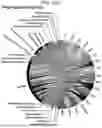


Sources:
- United States Patent and Trademark Office - verify current appl. status at the USPTO↗
Recent applications in this class:
- » 20250174300 2025-05-29
System and Method for Predicting Protein Binding Using a Multi-Modal Prediction Model - » 20250174299 2025-05-29
METHODS FOR PEPTIDE SYNTHESIS - » 20250166725 2025-05-22
DISCOVERY SYSTEM FOR CANDIDATES BASED ON TARGET PROTEIN STRUCTURES AND ITS OPERATION METHOD - » 20250166724 2025-05-22
MOLECULAR DOCKING METHOD AND APPARATUS BASED ON COHERENT ISING MACHINE - » 20250157569 2025-05-15
UTILIZING COMPOUND-PROTEIN MACHINE LEARNING REPRESENTATIONS TO GENERATE BIOACTIVITY PREDICTIONS - » 20250140337 2025-05-01
GENETICALLY ALTERED LYSM RECEPTORS WITH ALTERED AGONIST SPECIFICITY AND AFFINITY - » 20250140336 2025-05-01
SYSTEM AND METHOD FOR DISCOVERING CANDIDATE MATERIALS FOR INFECTIOUS DISEASE TREATMENT - » 20250131979 2025-04-24
SYNTHON EMBEDDINGS FOR MODELING DNA-ENCODED LIBRARIES - » 20250131978 2025-04-24
DEVICE FOR PREDICTING PROTEIN-PROTEIN INTERACTION USING PROTEIN COMPLEX SURFACE INFORMATION BASED ON ARTIFICIAL INTELLIGENCE AND METHOD USING THE SAME - » 20250131977 2025-04-24
BONDING PREDICTION DEVICE FOR PREDECTING MHC-PEPTIDE COMPLEX PROPERTY BASED ON ARTIFICIAL INTELLIGENCE AND METHOD USING THE SAME