PLPRO PROTEIN INHIBITOR, AND PREPARATION METHOD AND APPLICATION THEREOF
US20250289826A1
2025-09-18
18/859,949
2023-04-28
Smart Summary: A new type of protein inhibitor called PLpro has been developed to help fight viral infections. This inhibitor can be mixed with other helpful substances to create a treatment for diseases caused by viruses. It works effectively against a range of coronaviruses, including those responsible for COVID-19 and other serious illnesses. The preparation method allows for flexibility in combining the inhibitor with various materials to enhance its effectiveness. Overall, this invention aims to provide a powerful tool in the battle against viral diseases. 🚀 TL;DR
Abstract:
Disclosed in the present invention are a PLpro protease inhibitor, and a preparation method and application thereof. The PLpro protease inhibitor can be combined with one or more pharmaceutically acceptable auxiliary materials or one or more other active ingredients to serve as a PLpro inhibitor to treat diseases caused by or diseases related to virus infection. The auxiliary material can be a carrier, a diluent, an adhesive, a lubricant, a wetting agent, etc. The protease inhibitor has high inhibitory activity, and can be used for broad-spectrum antivirals, especially for coronaviruses, for example, HCoV-229E, HCoV-OC43, HCoV-NL63, HCoV-HKU, SARS-CoV, MERS-CoV, SARS-CoV-2, etc., in particular SARS-CoV, MERS-CoV, SARS-CoV-2.
Inventors:
- Lei Liu 72 🇨🇳 Beijing, China
- Bin LI 217 🇨🇳 Beijing, China
- Wei He 150 🇨🇳 Beijing, China
- Kai Liu 213 🇨🇳 Beijing, China
- E LIANG 2 🇨🇳 Beijing, China
- Chenhao XU 4 🇨🇳 Beijing, China
- Cai WU 1 🇨🇳 Beijing, China
- Haoxiang LI 1 🇨🇳 Beijing, China
- Jiqing ZHENG 1 🇨🇳 Beijing, China
- Shizhang WAN 1 🇨🇳 Beijing, China
- Liqian XU 1 🇨🇳 Beijing, China
- Meijing WANG 1 🇨🇳 Beijing, China
Applicant:
Interested in similar patents?
Get notified when new applications in this technology area are published.
Classification:
C07D487/08 » CPC main
Heterocyclic compounds containing nitrogen atoms as the only ring hetero atoms in the condensed system, not provided for by groups - in which the condensed system contains two hetero rings Bridged systems
A61K31/397 » CPC further
Medicinal preparations containing organic active ingredients; Heterocyclic compounds having nitrogen as a ring hetero atom, e.g. guanethidine or rifamycins having four-membered rings, e.g. azetidine
A61K31/4709 » CPC further
Medicinal preparations containing organic active ingredients; Heterocyclic compounds having nitrogen as a ring hetero atom, e.g. guanethidine or rifamycins having six-membered rings with one nitrogen as the only ring hetero atom; Quinolines; Isoquinolines Non-condensed quinolines and containing further heterocyclic rings
A61K31/4965 » CPC further
Medicinal preparations containing organic active ingredients; Heterocyclic compounds having nitrogen as a ring hetero atom, e.g. guanethidine or rifamycins having six-membered rings with two nitrogen atoms as the only ring heteroatoms, e.g. piperazine Non-condensed pyrazines
A61K31/4995 » CPC further
Medicinal preparations containing organic active ingredients; Heterocyclic compounds having nitrogen as a ring hetero atom, e.g. guanethidine or rifamycins having six-membered rings with two nitrogen atoms as the only ring heteroatoms, e.g. piperazine Pyrazines or piperazines forming part of bridged ring systems
A61P31/14 » CPC further
Antiinfectives, i.e. antibiotics, antiseptics, chemotherapeutics; Antivirals for RNA viruses
C07D205/04 » CPC further
Heterocyclic compounds containing four-membered rings with one nitrogen atom as the only ring hetero atom not condensed with other rings having no double bonds between ring members or between ring members and non-ring members
C07D241/04 » CPC further
Heterocyclic compounds containing 1,4-diazine or hydrogenated 1,4-diazine rings not condensed with other rings having no double bonds between ring members or between ring members and non-ring members
C07D401/12 » CPC further
Heterocyclic compounds containing two or more hetero rings, having nitrogen atoms as the only ring hetero atoms, at least one ring being a six-membered ring with only one nitrogen atom containing two hetero rings linked by a chain containing hetero atoms as chain links
C07D405/12 » CPC further
Heterocyclic compounds containing both one or more hetero rings having oxygen atoms as the only ring hetero atoms, and one or more rings having nitrogen as the only ring hetero atom containing two hetero rings linked by a chain containing hetero atoms as chain links
C07D409/12 » CPC further
Heterocyclic compounds containing two or more hetero rings, at least one ring having sulfur atoms as the only ring hetero atoms containing two hetero rings linked by a chain containing hetero atoms as chain links
Description
TECHNICAL FIELD
The present invention relates to the technical field of medicines, and particularly relates to a PLPro protein inhibitor, and a preparation method therefor and use thereof.
BACKGROUND
PLpro is one of two key proteases for cutting polyproteins pp1a and pp1ab expressed by a host cell translation mechanism (PLpro is responsible for cutting nsp1, nsp2, and nsp3), and can cut the modification of Lys48-linked polyubiquitin and ubiquitin-like molecule interferon-stimulated gene 15 (ISG15) with high activity to realize immune escape. When PLpro is inhibited, a reduction in viral load and recovery of the host's innate immune system can be achieved. Due to its multiple roles in viral replication and host cell control, PLpro is considered as a potential antiviral target.
SUMMARY
The present invention provides a compound, or a pharmaceutically acceptable salt, stereoisomer, ester, prodrug, solvate and deuterated compound thereof, the compound having the following structure:
-
- wherein
- Ar1 is substituted naphthyl, or substituted or unsubstituted non-naphthyl aryl;
- Ar2 is aryl or heteroaryl;
- B is selected from: heterocyclyl, —S(O)tNR15, halogen, and —NH2;
- W1 is selected from:
-
- W2 is selected from: C, N, and O; when W2 is N, R1′ is absent; when W2 is O, R1 and R1′ are absent;
- W4 is absent or selected from: C or S; when W4 is absent, R1 and R2 are absent;
- R1, R1′, R2, and R2′ are independently selected from: H, D, (═O), —C1-C6 alkyl, —X, —CH2X, —CHX2, —CX3, —OH, —NH2, —COOH, and —OC1-C6 alkyl;
- R2′ is selected from: H, C1-C6 alkyl, —OH, —(C1-C6 alkylene)-COOR21, —(C1-C6 alkylene)-OR21, and —(C1-C6 alkylene)-CONR21R22;
- R3 is selected from: H or C1-C6 alkyl;
- L1 is absent or selected from: C1-C6 alkylene, —CO—, —SO2—,
or —N(R3)—;
-
- L3 and L5 are absent or independently selected from: alkylene, heteroalkylene, cycloalkylene, heterocyclylene, and carbonyl, which can be optionally substituted;
- L4 is selected from: —NR15C(O)—, —NR15S(O)t—, —C(O)—, —C(O)O—, —NR15—, —C(O)NR15—, —S(O)tNR15—,
-
- L6 is absent or selected from: C1-C6 alkylene, —SO2—, —NR15C(O)—, —NR15S(O)t—, —C(O)—, —C(O)O—, —NR15—, —C(O)NR15—, —S(O)tNR15—, and
-
- R15 is selected from: H, D, alkyl, cycloalkyl, cycloalkylalkyl, aryl, aralkyl, heterocyclyl, heterocyclylalkyl, hydroxy, and alkoxy; alternatively, R15, together with the nitrogen atom linked thereto and L3 or L5, forms heterocyclyl, which can be optionally substituted;
- t is 1 or 2;
- R21 is H or C1-C6 alkyl;
- R22 is H or C1-C6 alkyl;
- R23 or R23′ is selected from H or C1-C6 alkyl; and
- X is selected from F, Cl, Br, and I.
In an embodiment of the present invention, L6 may be
In an embodiment of the present invention, L6 may be
Preferably, the substituted naphthyl is selected from:
-
- wherein R41, R42, R43, R44, R45, R46, and R47 represent substituents on the ring and are independently selected from: H, D, C1-C6 alkyl, C1-C6 haloalkyl, C3-C6 cycloalkyl, aryl, aralkyl, heterocyclyl, heterocyclylalkyl, halogen, —Si(C1-C6 alkyl), —NO2—RL—COR′, —RL—C(O)OR′, —RL—C(O)NR′R″, —RL—CH═NR′, —RL—CN, —RL—OR′, —RL—OC(O)R′, —RL—S(O)t—NR′R″, —RL—S(O)t—R′, —RL—NR′R″, —RL—NR′C(O)R″, —RL—NR′S(O)tR″, —NR′—RL—NR′R″, —RL—NO2, and —RL—N═CR′R″, which can be optionally substituted, and R41, R42, R43, R44, R45, R46, and R47 are not simultaneously H;
- t is 1 or 2;
- RL is absent or selected from: C1-C6 alkylene, C3-C6 heteroalkylene, C3-C6 cycloalkylene, C3-C6 heterocyclylene, —NR4C(O)—, —NR4S(O)t—, —C(O)—, —C(O)O—, —NR4—, —C(O)NR4—, and —S(O)tNR4—, which can be optionally substituted;
- R′ and R″ are independently selected from: H, D, C1-C6 alkyl, C1-C6 haloalkyl, C3-C6 cycloalkyl, cycloalkylalkyl, aryl, aralkyl, heterocyclyl, heterocyclylalkyl, and halogen, which can be optionally substituted;
- R4 is selected from: H, D, alkyl, cycloalkyl, cycloalkylalkyl, aryl, aralkyl, heterocyclyl, heterocyclylalkyl, hydroxy, and alkoxy;
- more preferably, RL is absent or selected from —CH2—, —CH2CH2—, and —CH(CH3)CH2—;
- more preferably, R′ and R″ are selected from H, —CH3, —CH2CH3, and —CH(CH3)CH3;
- more preferably, R4 is selected from H, —CH3, —CH2CH3, and —CH(CH3)CH3;
- more preferably, R41, R42, R43, R44, R45, R46, and R47 are independently selected from: H, D, —CH3, —X, —CH2F, —CHF2, —CF3, —OH, —CN, —OCH3, —OCH2X, —OCHX2, —OCX3, —NH2, —NH(C1-C6 alkyl), —N(C1-C6 alkyl)(C1-C6 alkyl), —NO2, —COO(C1-C6 alkyl), —COOH, —CN, —Si(CH3)3, —NHSO2(C1-C6 alkyl), —SO2NH2, —SO2(C1-C6 alkyl), —N(C1-C6 alkyl)SO2(C1-C6 alkyl), —SO2NH(C1-C6 alkyl), and —SO2N(C1-C6 alkyl)(C1-C6 alkyl), and R41, R42, R43, R44, R45, R46, and R47 are not simultaneously H.
More preferably, the substituted naphthyl is selected from:
More preferably, R42, R43, R45, and R46 are independently selected from: H, —F, —D, —Br, —Cl, —I, —CH3, —CH2F, —CHF2, —CF3, —COOH, —CN, —COOCH3, —NH2, —NHCH3, —N(CH3)2, —NO2, —OCH3, —OH, -TMS, —SO2CH3, —NHSO2CH3, and —SO2NH2.
Preferably, the non-naphthyl aryl is selected from: phenyl, substituted phenyl,
-
- wherein, L2 is absent or selected from: —O—, C1-C6 alkyl (including methyl, ethyl, propyl, isopropyl, butyl, tert-butyl, etc.), —CO—, —CONR53—, —NR53—, —NR53CO—, —(C1-C6 alkylene)-O—, —(C1-C6 alkylene)-CO—, —(C1-C6 alkylene)-CONR53—, —(C1- C6 alkylene)-NR53—, and —(C1-C6 alkylene)-NR53CO—;
- R53 is selected from H, D, or C1-C6 alkyl;
- R51 is selected from: H, D, C1-C6 alkyl, C1-C6 haloalkyl, C3-C6 cycloalkyl, aryl, aralkyl, heterocyclyl, heterocyclylalkyl, halogen, —Si(C1-C6 alkyl), —NO2—RL—COR′, —RL—C(O)OR′, —RL—C(O)NR′R″, —RL—CH═NR′, —RL—CN, —RL—OR′, —RL—OC(O)R′, —RL—S(O)t—NR′R″, —RL—S(O)t—R′, —RL—NR′R″, —RL—NR′C(O)R″, —RL—NR′S(O)tR″, —NR′—RL—NR′R″, —RL—NO2, and —RL—N═CR′R″, which can be optionally substituted;
- t is 1 or 2;
- RL is absent or selected from: C1-C6 alkylene, C3-C6 heteroalkylene, C3-C6 cycloalkylene, C3-C6 heterocyclylene, —NR4C(O)—, —NR4S(O)t—, —C(O)—, —C(O)O—, —NR4—, —C(O)NR4—, and —S(O)tNR4—, which can be optionally substituted;
- R′ and R″ are independently selected from: H, D, amino, C1-C6 alkyl, C1-C6 haloalkyl, C3-C6 cycloalkyl, cycloalkylalkyl, aryl, aralkyl, heterocyclyl, heterocyclylalkyl, and halogen, which can be optionally substituted;
- preferably, R51 is selected from: H, —D, —CH3, —X, —CF3, —OH, —OCH3, —OCH2X, —OCHX2, —OCX3, —NH2, —NH(C1-C6 alkyl), —N(C1-C6 alkyl)(C1-C6 alkyl), —NO2, —COO(C1-C6 alkyl), —COOH, —CN, —Si(CH3)3, —NHSO2(C1-C6 alkyl), —SO2NH2, —SO2(C1-C6 alkyl), —N(C1-C6 alkyl)SO2(C1-C6 alkyl), —SO2NH(C1-C6 alkyl), and —SO2N(C1-C6 alkyl)(C1-C6 alkyl);
- Ar3 is selected from substituted or unsubstituted phenyl, substituted or unsubstituted oxygen-containing five-membered or six-membered heterocyclyl, substituted or unsubstituted nitrogen-containing five-membered or six-membered heterocyclyl, and substituted or unsubstituted sulfur-containing five-membered or six-membered heterocyclyl;
- preferably, Ar3 is selected from phenyl, C1-C6 alkyl-substituted phenyl, furyl, pyrrolyl, thienyl, pyridinyl, pyrimidinyl, thiazolyl, imidazolyl, and oxazolyl, which can be optionally substituted; more preferably, Ar3 is selected from phenyl, tert-butylphenyl, thienyl, and pyridinyl, which can be optionally substituted;
- W3 is selected from N or CH;
- R6 is selected from H, D, C1-C6 alkyl, —OH, —(C1-C6 alkylene)-COOR61, —(C1-C6 alkylene)-OR61, and —(C1-C6 alkylene)-CONR61;
- R61 is H, D, or C1-C6 alkyl;
- preferably, W3 is N; R6 is H, D, CH3, —CH2COOH, or —CH2COOCH3;
- R62 is selected from: H, D, C1-C6 alkyl, C1-C6 haloalkyl, C3-C6 cycloalkyl, aryl, aralkyl, heterocyclyl, heterocyclylalkyl, halogen, —Si(C1-C6 alkyl), —N3, —B(OH)2, —NO2—RL—COR′, —RL—C(O)OR′, —RL—C(O)NR′R″, —RL—CH═NR′, —RL—CN, —RL—OR′, —RL—OC(O)R′, —RL—S(O)t—NR′R″, —RL—S(O)t—R′, —RL—NR′R″, —RL—NR′C(O)R″, —RL—NR′S(O)tR″, —NR′—RL—NR′R″, —RL—NO2, and —RL—N═CR′R″, which can be optionally substituted;
- T1, T2, T3, T4, T5, T6, and T7 are independently selected from O, C—R7,
or N;
-
- X is N, O, and S.
In some embodiments of the present invention, when T4 and T5 have a single bond therebetween, T4 and T5 together are —CONR8—;
-
- T6 and T7 are independently selected from C—R7 or N.
In some embodiments of the present invention, when T6 and T7 have a single bond therebetween, T6 and T7 together are —CONR8—;
-
- when T1-T7 are selected from C—R7, each R7 can be independently selected from: H, O, —D, —CH3, —X, —CF3, —OH, —OCH3, —OCH2X, —OCHX2, —OCX3, —NH2, —NH(C1-C6 alkyl), —N(C1-C6 alkyl)(C1-C6 alkyl), —NO2, —COO(C1-C6 alkyl), —COOH, —CN, —Si(CH3)3, —NHSO2(C1-C6 alkyl), —SO2NH2, —SO2(C1-C6 alkyl), —N(C1-C6 alkyl)SO2(C1-C6 alkyl), —SO2NH(C1-C6 alkyl), —SO2N(C1-C6 alkyl)(C1-C6 alkyl), —O(C1-C6 alkyl)NH(C1-C6 alkyl), and
-
- R8 is selected from: H, D, C1-C6 alkyl, —(C1-C6 alkylene)-COOR61, —(C1-C6 alkylene)-OR61, and —(C1-C6 alkylene)-CONR61;
- S3 is selected from: O, S, NR91, and CR92R93;
- S1, S2, S4, S5, S6, and S7 are independently selected from: N and CR94;
- wherein R92, R93, and R94 are independently selected from: a connecting bond, H, D, C1-C6 alkyl, C1-C6 haloalkyl, C3-C6 cycloalkyl, aryl, aralkyl, heterocyclyl, heterocyclylalkyl, halogen, —Si(C1-C6 alkyl), —NO2—RL—COR′, —RL—C(O)OR′, —RL—C(O)NR′R″, —RL—CH═NR′, —RL—CN, —RL—OR′, —RL—OC(O)R′, —RL—S(O)t—NR′R″, —RL—S(O)t—R′, —RL—NR′R″, —RL—NR′C(O)R″, —RL—NR′S(O)tR″, —NR′—RL—NR′R″, —RL—NO2, —RL—N═CR′R″, and
which can be optionally substituted;
-
- preferably, R92, R93, and R94 are independently selected from a linking bond, H, D, —CH3, —F, —CF3, —OH, —OCH3, —NH2, —NH(C1-C6 alkyl), —N(C1-C6 alkyl)(C1-C6 alkyl), —NO2, —COO(C1-C6 alkyl), —COOH, —CN, —Si(CH3)3, —NHSO2(C1-C6 alkyl), —SO2NH2, —SO2(C1-C6 alkyl), —N(C1-C6 alkyl)SO2(C1-C6 alkyl), —SO2NH(C1-C6 alkyl), —SO2N(C1-C6 alkyl)(C1-C6 alkyl), and
-
- R91 is selected from a linking bond, H, —D, C1-C6 alkyl, —OH, —(C1-C6 alkylene)-COOR61, —(C1-C6 alkylene)-OR61, —(C1-C6 alkylene)-CONR61, and
Y1, Y2, Y3, Y4, Y5, Y6, and Y7 are independently selected from N or CR11;
-
- R11 is selected from a linking bond, H, D, C1-C6 alkyl, C1-C6 haloalkyl, C3-C6 cycloalkyl, aryl, aralkyl, heterocyclyl, heterocyclylalkyl, halogen, —Si(C1-C6 alkyl), —NO2—RL—COR′, —RL—C(O)OR′, —RL—C(O)NR′R″, —RL—CH═NR′, —RL—CN, —RL—OR′, —RL—OC(O)R′, —RL—S(O)t—NR′R″, —RL—S(O)t—R′, —RL—NR′R″, —RL—NR′C(O)R″, —RL—NR′S(O)tR″, —NR′—RL—NR′R″, —RL—NO2, and —RL—N═CR′R″, which can be optionally substituted;
- preferably, R11 is independently selected from a linking bond, H, —D, —CH3, —F, —CF3, —OH, —OCH3, —NH2, —NH(C1-C6 alkyl), —N(C1-C6 alkyl)(C1-C6 alkyl), —NO2, —COO(C1-C6 alkyl), —COOH, —CN, —Si(CH3)3, —NHSO2(C1-C6 alkyl), —SO2NH2, —SO2(C1-C6 alkyl), —N(C1-C6 alkyl)SO2(C1-C6 alkyl), —SO2NH(C1-C6 alkyl), and —SO2N(C1-C6 alkyl)(C1-C6 alkyl);
- R72 and R73 are independently selected from: H, —D, —CH3, —X, —CF3, —OH, —OCH3, —NH2, —NH(C1-C6 alkyl), —N(C1-C6 alkyl)(C1-C6 alkyl), —N3, —B(OH)2, —NO2, —COO(C1-C6 alkyl), —COOH, —CN, —Si(CH3)3, —NHSO2(C1-C6 alkyl), —SO2NH2, —SO2(C1-C6 alkyl), —N(C1-C6 alkyl)SO2(C1-C6 alkyl), —SO2NH(C1-C6 alkyl), and —SO2N(C1-C6 alkyl)(C1-C6 alkyl);
- R31 is N or CR36; R32 is NR37 or —N═CR38—;
- R35 or R37 is independently selected from H, —D, C1-C6 alkyl, —OH, —(C1-C6 alkylene)-COOR61, —(C1-C6 alkylene)-OR61, and —(C1-C6 alkylene)-CONR61;
- R33, R34, R36, and R38 are independently selected from: H, —D, C1-C6 alkyl, C1-C6 haloalkyl, C3-C6 cycloalkyl, aryl, aralkyl, heterocyclyl, heterocyclylalkyl, halogen, —Si(C1-C6 alkyl)3, —N3, —B(OH)2, —NO2—RL—COR′, —RL—C(O)OR′, —RL—C(O)NR′R″, —RL—CH═NR′, —RL—CN, —RL—OR′, —RL—OC(O)R′, —RL—S(O)t—NR′R″, —RL—S(O)t—R′, —RL—NR′R″, —RL—NR′C(O)R″, —RL—NR′S(O)tR″, —NR′—RL—NR′R″, —RL—NO2, and —RL—N═CR′R″, which can be optionally substituted;
- preferably, R33, R34, R36, and R38 are independently selected from: H, —D, —CH3, —F, —CF3, —OH, —OCH3, —NH2, —NH(C1-C6 alkyl), —N(C1-C6 alkyl)(C1-C6 alkyl), —NO2, —COO(C1-C6 alkyl), —COOH, —CN, —Si(CH3)3, —NHSO2(C1-C6 alkyl), —SO2NH2, —SO2(C1-C6 alkyl), —N(C1-C6 alkyl)SO2(C1-C6 alkyl), —SO2NH(C1-C6 alkyl), and —SO2N(C1-C6 alkyl)(C1-C6 alkyl);
- R24 is absent or selected from: CR23 and NR27;
- R25 is selected from: CR28 and NR29;
- R23, R26, and R28 are independently selected from: H, —D, C1-C6 alkyl, C1-C6 haloalkyl, C3-C6 cycloalkyl, aryl, aralkyl, heterocyclyl, heterocyclylalkyl, halogen, —Si(C1-C6 alkyl)3, —N3, —B(OH)2, —NO2—RL—COR′, —RL—C(O)OR′, —RL—C(O)NR′R″, —RL—CH═NR′, —RL—CN, —RL—OR′, —RL—OC(O)R′, —RL—S(O)t—NR′R″, —RL—S(O)t—R′, —RL—NR′R″, —RL—NR′C(O)R″, —RL—NR′S(O)tR″, —NR′—RL—NR′R″, —RL—NO2, and —RL—N═CR′R″, which can be optionally substituted;
- preferably, R23, R26, and R28 are independently selected from H, —D, —CH3, —F, —CF3, —OH, —OCH3, —NH2, —NH(C1-C6 alkyl), —N(C1-C6 alkyl)(C1-C6 alkyl), —NO2, —COO(C1-C6 alkyl), —COOH, —CN, —Si(CH3)3, —NHSO2(C1-C6 alkyl), —SO2NH2, —SO2(C1-C6 alkyl), —N(C1-C6 alkyl)SO2(C1-C6 alkyl), —SO2NH(C1-C6 alkyl), and —SO2N(C1-C6 alkyl)(C1-C6 alkyl);
- R27 and R29 are independently selected from H, C1-C6 alkyl, —OH, —(C1-C6 alkylene)-COOR61, —(C1-C6 alkylene)-OR61, and —(C1-C6 alkylene)-CONR61.
More preferably, the non-naphthyl aryl is
more preferably, the non-naphthyl aryl is
More preferably, R51 and R52 are independently selected from H, D, —F, —Br, —Cl, —I, —CH3, —CH2F, —CHF2, —CF3, —COOH, —CN, —COOCH3, —NH2, —NHCH3, —NO2, —OCH3, —OH, -TMS, —SO2CH3, —NHSO2CH3, and —SO2NH2.
More preferably, the non-naphthyl aryl is
more preferably, the non-naphthyl aryl is
More preferably, R61 and R62 are independently selected from H, —D, —F, —Br, —Cl, —I, —CH3, —CH2F, —CHF2, —CF3, —COOH, —CN, —COOCH3, —NH2, —NHCH3, —NO2, —OCH3, —OH, -TMS, —SO2CH3, —NHSO2CH3, and —SO2NH2.
More preferably, the non-naphthyl aryl is
More preferably, R7, R7′, R7″, R7′″, R7α, and R7β are independently selected from H, —D, —F, —Br, —Cl, —I, —CH3, —CH2F, —CHF2, —CF3, —COOH, —CN, —COOCH3, —NH2, —NHCH3, —NO2, —OCH3, —OH, -TMS, —SO2CH3, —NHSO2CH3, —SO2NH2, and substituted or unsubstituted morpholine ring, particularly preferably unsubstituted morpholine ring.
More preferably, R8′ is selected from H or methyl, ethyl, propyl, isopropyl, butyl, tert-butyl, and the like.
More preferably, the non-naphthyl aryl is
More preferably, S1, S2, S4, S5, and S6 are CR94.
More preferably, R94 is selected from H, —D, —F, —Br, —Cl, —I, —CH3, —CH2F, —CHF2, —CF3, —COOH, —CN, —COOCH3, —NH2, —NHCH3, —NO2, —OCH3, —OH, -TMS, —SO2CH3, —NHSO2CH3, and —SO2NH2.
Preferably, the non-naphthyl aryl is
In an embodiment of the present invention, the non-naphthyl aryl is
Preferably, the non-naphthyl aryl is
More preferably, Y1, Y2, Y3, Y4, Y5, and Y6 are CR11.
More preferably, R11 is selected from H, D, —F, —Br, —Cl, —I, —CH3, —CH2F, —CHF2, —CF3, —COOH, —CN, —COOCH3, —NH2, —NHCH3, —NO2, —OCH3, —OH, -TMS, —SO2CH3, —NHSO2CH3, and —SO2NH2.
More preferably, the non-naphthyl aryl is
More preferably, R72 and R73 are selected from H, D, —F, —Br, —Cl, —I, —CH3, —CH2F, —CHF2, —CF3, —COOH, —CN, —COOCH3, —NH2, —NHCH3, —NO2, —OCH3, —OH, -TMS, —SO2CH3, —NHSO2CH3, and —SO2NH2.
More preferably, the non-naphthyl aryl is
More preferably, R33 is selected from: H, —D, —F, —Br, —Cl, —I, —CH3, —CH2F, —CHF2, —CF3, —COOH, —CN, —COOCH3, —NH2, —NHCH3, —NO2, —OCH3, —OH, -TMS, —SO2CH3, —NHSO2CH3, and —SO2NH2.
More preferably, R34, R35, and R37 are selected from: H, D or methyl, ethyl, propyl, isopropyl, butyl, tert-butyl, and the like.
Preferably, the non-naphthyl aryl is
More preferably, R27 and R29 are independently selected from: H, D or methyl, ethyl, propyl, isopropyl, butyl, tert-butyl, and the like.
More preferably, R26 and R28 are independently selected from: H, D, —F, —Br, —Cl, —I, —CH3, —CH2F, —CHF2, —CF3, —COOH, —CN, —COOCH3, —NH2, —NHCH3, —NO2, —OCH3, —OH, -TMS, —SO2CH3, —NHSO2CH3, and —SO2NH2.
Preferably, W1 is C, and W2 is C; alternatively, W1 is C, and W2 is N; alternatively, W1 is C, and W2 is O.
Preferably, R1 and R2 are independently selected from: H, (═O), C1-3 alkyl, —COOH, —CF3, and hydroxy; preferably, both R1 and R2 are H.
Preferably,
Preferably,
-
- preferably, Ar2 has the following structure:
-
- wherein
- n is 0 or 1;
- T11-T16 are independently selected from: C, N, O, and S;
- T17 represents one or more independent substituents on the ring selected from: H, alkyl, cycloalkyl, cycloalkylalkyl, aryl, aralkyl, heterocyclyl, heterocyclylalkyl, halogen, —RL—COR′, —RL—C(O)OR′, —RL—C(O)NR′R″, —RL—CH═NR′, —RL—CN, —RL—OR′, —RL—OC(O)R′, —RL—S(O)t—NR′R″, —RL—S(O)t—R′, —RL—NR′R″, —RL—NR′C(O)R″, —RL—NR′S(O)tR″, —NR′—RL—NR′R″, —RL—NO2, and —RL—N═CR′R″, which can be optionally substituted;
- t is 1 or 2;
- RL is selected from: a single bond, alkylene, heteroalkylene, cycloalkylene, heterocyclylene, —NR4C(O)—, —NR4S(O)t—, —C(O)—, —C(O)O—, —NR4—, —C(O)NR4—, and —S(O)tNR4—, which can be optionally substituted;
- R4 is selected from: H, D, alkyl, cycloalkyl, cycloalkylalkyl, aryl, aralkyl, heterocyclyl, heterocyclylalkyl, hydroxy, and alkoxy;
- R′ and R″ are independently selected from: H, D, alkyl, cycloalkyl, cycloalkylalkyl, aryl, aralkyl, heterocyclyl, heterocyclylalkyl, and halogen, which can be optionally substituted.
In some embodiments of the present invention, Ar2 is
In one specific embodiment of the present invention the compound has the following structure:
In one specific embodiment of the present invention, the compound has the following structure:
L6 is absent or selected from: a single bond, —NH—, —N(CH3)—, —N(CH3)C(O)—, and —NHC(O)—.
Preferably, B has the following structure: —F, —Cl, —Br, —I, —NH2, —S(O)tNR15,
-
- t is 1 or 2;
- Z2-Z6 are independently selected from: C, N, O, and S;
- Z1 is selected from: C and N;
- Z7 is absent or selected from: a liking bond, C, N, O, S, and C1-C6 alkylene;
- m1-m4 are independently selected from an integer of 0-5;
- R12 represents one or more independent substituents on the ring selected from: H, D, (═O), alkyl, cycloalkyl, cycloalkylalky, aryl, aralkyl, heterocyclyl, heterocyclylalkyl, halogen, —RL—COR′, —RL—C(O)OR′, —RL—C(O)NR′R″,
—RL—CN, —RL—OR′, —RL—OC(O)R′, —RL—S(O)t—NR′R″, —RL—S(O)t—R′, —RL—NR′R″, —RL—NR′C(O)R″, —RL—NR′S(O)tR″, —NR′—RL—NR′R″, —RL—NO2, and —RL—N═CR′R″, which can be optionally substituted;
-
- R′″ is selected from: H, alkyl, cycloalkyl, cycloalkylalkyl, aryl, aralkyl, heterocyclyl, heterocyclylalkyl, halogen, and
-
- R13 and R13′ are each independently selected from: H, D, (═O), alkyl, cycloalkyl, cycloalkylalkyl, aryl, aralkyl, heterocyclyl, heterocyclylalkyl, halogen, —N3, —B(OH)2, —RL—COR′, —RL—C(O)OR′, —RL—C(O)NR′R″,
—RL—CN, —RL—OR′, —RL—OC(O)R′, —RL—S(O)t—NR′R″, —RL—S(O)t—R′, —RL—NR′R″, —RL—NR′C(O)R″, —RL—NR′S(O)tR″, —RL—N(S(O)tR′)(S(O)tR″), —NR′—RL—NR″R′″, —RL—NO2, —RL—N═CR′R″, and —RL—R′R″, which can be optionally substituted;
-
- R14 and R14′ separately represent one or more independent substituents on the ring selected from: H, D, (═O), alkyl, cycloalkyl, cycloalkylalkyl, aryl, aralkyl, heterocyclyl, heterocyclylalkyl, halogen, —RL—COR′, —RL—C(O)OR′, —RL—C(O)NR′R″,
—RL—CN, —RL—OR′, —RL—OC(O)R′, —RL—S(O)t—NR′R″, —RL—S(O)t—R′, —RL—NR′R″, —RL—NR′C(O)R″, —RL—NR′S(O)tR″, —NR′—RL—NR′R″, —RL—NO2, and —RL—N═CR′R″, which can be optionally substituted;
-
- more preferably, B has the following structure: —F, —Cl, —Br, —I, —NH2, —S(O)tNR15,
-
- wherein, Z1 and Z4 are independently selected from: C, N, O, and S, and when Z4 is O or S, R9 is absent;
- t is 1 or 2;
- Z7 is absent or selected from: a single bond, C, N, O, S, and C1-C3 alkylene;
- m1 and m2 are independently selected from an integer of 0-5;
- when Z4 is S, R13 is absent, or R13 is carbonyl and R14 is carbonyl;
- R′″ is selected from: H, D, alkyl, cycloalkyl, cycloalkylalkyl, aryl, aralkyl, heterocyclyl, heterocyclylalkyl, halogen, and
-
- R83 and R84 are selected from H, D, (═O), alkyl, cycloalkyl, cycloalkylalkyl, aryl, aralkyl, heterocyclyl, heterocyclylalkyl, halogen, —RL—COR′, —RL—C(O)OR′, —RL—C(O)NR′R″,
—RL—CN, —RL—OR′, —RL—OC(O)R′, —RL—S(O)t—NR′R″, —RL—S(O)t—R′, —RL—NR′R″, —RL—NR′C(O)R″, —RL—NR′S(O)tR″, —RL—N(S(O)tR′)(S(O)tR″), —NR′—RL—NR″R′″, —RL—NO2, and —RL—N═CR′R″, which can be optionally substituted;
-
- alternatively, R83 and R84, together with the N atom therebetween, form
-
- Z9 is selected from S, NR85, and O;
- m5 is selected from 1, 2, or 3;
- R85 is selected from H, (═O), D, alkyl, cycloalkyl, cycloalkylalkyl, aryl, aralkyl, heterocyclyl, heterocyclylalkyl, halogen, —RL—COR′, —RL—C(O)OR′, —RL—C(O)NR′R″,
—RL—CN, —RL—OR′, —RL—OC(O)R′, —RL—S(O)t—NR′R″, —RL—S(O)t—R′, —RL—NR′R″, —RL—NR′C(O)R″, —RL—NR′S(O)tR″, —RL—N(S(O)tR′)(S(O)tR″), —NR′—RL—NR″R′″, —RL—NO2, and —RL—N═CR′R″, which can be optionally substituted.
Preferably, B has the following structure: —F, —Cl, —Br, —I, —NH2, —S(O)tNR15,
t is 1 or 2.
In some embodiments of the present invention, B is
In some embodiments of the present invention, B is selected from: —F, —Cl, —Br, —I, and —NH2.
In some embodiments of the present invention, B is
More preferably, R14 and R14′ are each independently H or C1-C6 alkyl, D, amino, or
More preferably, R13 and R13′ are each independently selected from the following structures: —H, —D, (═O), F, Cl, Br, I, methyl, ethyl, n-propyl, isopropyl, n-butyl, tert-butyl, —CF3, —CH2D, —OH, —N3, —B(OH)2,
The present invention further provides the following specific compounds:
The present invention further provides a pharmaceutical composition comprising the compound or the pharmaceutically acceptable salt, the stereoisomer, the ester, the prodrug, the solvate, and the deuterated compound thereof described above, and one or more pharmaceutically acceptable auxiliary materials.
The pharmaceutical composition may further include one or more other active ingredients in combination.
For example, the auxiliary material may be a carrier, a diluent, a binder, a lubricant, a wetting agent, and the like.
The compound of the present invention may be formulated as pharmaceutical compositions in the form of syrups, elixirs, suspensions, powders, granules, tablets, capsules, lozenges, solutions, creams, ointments, lotions, gels, emulsions and the like.
The pharmaceutical formulation is preferably in unit dosage form. In this form, the formulation is subdivided into unit dosages containing an appropriate amount of active ingredients. The unit dosage form may be a packaged formulation, the package containing a discrete quantity of formulation, such as tablets, capsules and powders packaged in vials or ampoules.
The amount of active components of the formulation in unit dosage may be varied or adjusted from 0.001 mg to 1000 mg, depending on the specific application and the potency of active ingredients.
The present invention further provides use of the compound and the pharmaceutically acceptable salt, the stereoisomer, the ester, the prodrug, the solvate, and the deuterated compound thereof described above, and the pharmaceutical composition described above as a PLpro inhibitor, such as use as an antiviral drug.
The present invention further provides use of the compound and the pharmaceutically acceptable salt, the stereoisomer, the ester, the prodrug, the solvate, and the deuterated compound thereof described above, and the pharmaceutical composition described above in a medicament for reducing and/or inhibiting replication of a coronavirus.
The present invention further provides use of the compound and the pharmaceutically acceptable salt, the stereoisomer, the ester, the prodrug, the solvate, and the deuterated compound thereof described above, and the pharmaceutical composition described above in preparing a medicament for reducing and/or inhibiting replication of a coronavirus.
The present invention further provides use of the compound and the pharmaceutically acceptable salt, the stereoisomer, the ester, the prodrug, the solvate, and the deuterated compound thereof described above, and the pharmaceutical composition described above in preparing a medicament for preventing and/or treating a disease or condition caused by or associated with viral infection.
Specifically, in the use described above, the compound and the pharmaceutical composition have the corresponding definitions described above in the present invention.
In one embodiment of the present invention, the virus described above is a coronavirus, such as HCoV-229E, HCoV-OC43, HCoV-NL63, HCoV-HKU, SARS-CoV, MERS-CoV, SARS-CoV-2, and the like, particularly SARS-CoV, MERS-CoV, or SARS-CoV-2.
Specifically, the disease or condition described above is a disease or condition caused by or associated with coronavirus infection, such as COVID-19, SARS, MERS, and the like.
The present invention further provides a method for preventing and/or treating a disease or condition caused by or associated with viral infection, which comprises a step of administering to a subject an effective amount of the compound or the pharmaceutically acceptable salt, the stereoisomer, the ester, the prodrug, the solvate and the deuterated compound thereof described above in the present invention, or the pharmaceutical composition described above in the present invention.
Specifically, in the method described above, the compound, the pharmaceutical composition, and the disease or disorder have the corresponding definitions described above in the present invention.
Particularly, the disease or condition described above is a disease or condition caused by or associated with coronavirus infection, such as COVID-19, SARS, MERS, and the like.
Specifically, the subject described above is an animal; in one embodiment of the present invention, the subject described above is a mammal, such as human, monkey, cat, dog, mouse, bat, and the like; in another embodiment of the present invention, the subject described above is a bird.
BRIEF DESCRIPTION OF THE DRAWINGS
FIG. 1 shows the inhibition curve of compound C21.
FIG. 2 shows the inhibition curve of compound C14.
FIG. 3 shows the inhibition curve of compound C24.
FIG. 4 shows the inhibition curve of compound C16.
FIG. 5 shows the inhibition curve of compound C17.
FIG. 6 shows the inhibition curve of compound C18.
FIG. 7 shows the inhibition curve of compound C26.
FIG. 8 shows the inhibition curve of compound C75.
FIG. 9 shows the inhibition curve of compound C76.
DETAILED DESCRIPTION
Unless otherwise defined, all scientific and technical terms used in the present invention have the same meaning as commonly understood by those skilled in the art to which the present invention relates.
The term “alkyl” refers to a hydrocarbon chain radical that is linear or branched and that does not contain unsaturated bonds, and that is linked to the rest of the molecule via a single bond. Typical alkyl groups contain 1 to 12 (e.g., 1, 2, 3, 4, 5, 6, 7, 8, 9, 10, 11, or 12) carbon atoms, such as methyl, ethyl, n-propyl, isopropyl, n-butyl, isobutyl, tert-butyl, n-pentyl, isopentyl, neopentyl, tert-pentyl, n-hexyl, isohexyl, etc. If alkyl is substituted with cycloalkyl, it is correspondingly “cycloalkylalkyl” radical, such as cyclopropylmethyl, cyclopropylethyl, cyclobutylmethyl, cyclopentylmethyl, or cyclohexylmethyl. If alkyl is substituted with aryl, it is correspondingly “aralkyl” radical, such as benzyl, benzhydryl or phenethyl. If alkyl is substituted with heterocyclyl, it is correspondingly “heterocyclylalkyl” radical. “Alkylene” generally refers to alkanediyl having two free valence bonds. Typical alkylene contains 1 to 12 (e.g., 1, 2, 3, 4, 5, 6, 7, 8, 9, 10, 11, and 12) carbon atoms, such as methylene, ethylene, propylene, butylene, and the like.
The term “alkoxy” refers to a substituent formed from a hydroxy group by substituting the hydrogen atom with alkyl, and typical alkoxy contains 1 to 12 (e.g., 1, 2, 3, 4, 5, 6, 7, 8, 9, 10, 11, or 12) carbon atoms, such as methoxy, ethoxy, propoxy, or butoxy.
The term “cycloalkyl” refers to a saturated or partially saturated (especially saturated) monocyclic or polycyclic group, which may contain 1 to 4 monocyclic and/or fused rings and 3-18 carbon atoms, preferably 3-10 (e.g., 3, 4, 5, 6, 7, 8, 9, or 10) carbon atoms, e.g., cyclopropyl, cyclobutyl, cyclopentyl, cyclohexyl, or adamantyl.
The term “aryl” refers to a monocyclic or polycyclic radical, including polycyclic radicals containing monoaryl and/or fused aryl groups, e.g., containing 1 to 3 monocyclic or fused rings and 6 to 18 (e.g., 6, 8, 10, 12, 14, 16, or 18) carbon ring atoms. Typical aryl is an aryl group containing 6 to 12 carbon ring atoms, e.g., phenyl, naphthyl, biphenyl, or indenyl. “Arylene” refers to a divalent group derived from an aromatic hydrocarbon by the removal of two hydrogen atoms.
The term “heterocyclyl” includes heteroaromatic and heteroalicyclic groups containing 1 to 3 monocyclic and/or fused rings and 3 to about 18 ring atoms. Preferred heteroaromatic groups and heteroalicyclic groups contain 5 to about 10 ring atoms. Suitable heteroaryl in the compound of the present invention contains 1, 2 or 3 heteroatoms which are selected from N, O, or S atoms. Examples of heteroaryl are, for example, but not limited to, coumarin, including 8-coumarin, quinolyl, including 8-quinolyl, isoquinolyl, pyridinyl, pyrazinyl, pyrazolyl, pyrimidinyl, furyl, pyrrolyl, thienyl, thiazolyl, isothiazolyl, triazolyl, tetrazolyl, isoxazolyl, oxazolyl, imidazolyl, indolyl, isoindolyl, indazolyl, indolizinyl, phthalazinyl, pteridinyl, purinyl, oxadiazolyl, thiadiazolyl, furazanyl, pyridazinyl, triazinyl, cinnolinyl, benzimidazolyl, benzofuranyl, benzofurazanyl, benzothiophenyl, benzothiazolyl, benzoxazolyl, quinazolinyl, quinoxalinyl, naphthyridinyl, furopyridinyl, and the like. Suitable heteroalicyclic groups in the compound of the present invention contain 1, 2 or 3 heteroatoms which are selected from N, O, or S atoms. Examples of heteroalicyclic groups are, for example, but not limited to, pyrrolidinyl, tetrahydrofuryl, dihydrofuran, tetrahydrothienyl, tetrahydrothiopyranyl, piperidinyl, morpholinyl, thiomorpholinyl, oxathianyl, piperazinyl, azetidinyl, oxetanyl, thietanyl, homopiperidinyl, oxiranyl, thiiranyl, azepinyl, oxazepanyl, diazepinyl, triazepinyl, 1,2,3,6-tetrahydropyridinyl, 2-pyrrolinyl, 3-pyrrolinyl, indolinyl, 2H-pyranyl, 4H-pyranyl, dioxanyl, 1,3-dioxolanyl, pyrazolinyl, dithianyl, dithiolyl, dihydropyranyl, dihydrothienyl, pyrazolidinyl, imidazolinyl, imidazolidinyl, 3-azabicyclo[3.1.0]hexyl, 3-azabicyclo[4.1.0]heptyl, 3H-indolyl, quinolizinyl, and the like.
The groups described above may be substituted at one or more available positions with one or more suitable groups such as, OR′, ═O, SR′, SOR′, SO2R′, OSO2R′, OSO3R′, NO2, NHR′, N(R′)2, ═N—R′, N(R′)COR′, N(COR′)2, N(R′)SO2R′, N(R′)C(═NR′)N(R′)R′, N3, CN, halogen, COR′, COOR′, OCOR′, OCOOR′, OCONHR′, OCON(R′)2, CONHR′, CON(R′)2, CON(R′)OR′, CON(R′)SO2R′, PO(OR′)2, PO(OR′)R′, PO(OR′)(N(R′)R′), C1-C12 alkyl, C3-C10 cycloalkyl, C2-C12 alkenyl, C2-C12 alkynyl, aryl and heterocyclyl, wherein each R′ group is independently selected from hydrogen, OH, NO2, NH2, SH, CN, halogen, COH, CO alkyl, COOH, C1-C12 alkyl, C3-C10 cycloalkyl, C2-C12 alkenyl, C2-C12 alkynyl, aryl and heterocyclyl. These groups themselves are substituted, and the substituents may be selected from the foregoing list.
“Halogen” refers to bromine, chlorine, iodine, or fluorine. Haloalkyl refers to a group in which a hydrogen atom on an alkyl group is substituted with a halogen atom (F, Cl, Br, and I), such as —CH2Rh, —CHRh2, and —CRh3, wherein Rh is F, Cl, Br, or I; such as —CF3.
The term “pharmaceutically acceptable salt” refers to an acidic or basic salt that is theoretically non-toxic, non-irritating, and non-allergic, and capable of achieving or providing clinically acceptable pharmacokinetic, absorption, distribution, and metabolic properties of pharmaceutical molecules to be capable of achieving intended purposes. The salt described in the present invention includes a pharmaceutically acceptable acid or basic salt of an acidic, basic, or amphoteric group in the compound. A list of suitable salts can be found in S. M. Birge, et al., J. Pharm. Sci., 66, 1-19 (1977).
The pharmaceutically acceptable salts of the present invention include acid addition salts and base addition salts.
The acid addition salts include, but are not limited to, salts derived from inorganic acids, such as hydrochloric acid, nitric acid, phosphoric acid, sulfuric acid, hydrobromic acid, hydroiodic acid, and phosphonic acid, and salts derived from organic acids, such as aliphatic mono-carboxylic acid and aliphatic dicarboxylic acid, phenyl-substituted alkanoic acid, hydroxyalkanoic acid, alkanedioic acids, aromatic acid, aliphatic sulfonic acid and aromatic sulfonic acid. Thus, these salts include, but are not limited to, sulfate, pyrosulfate, bisulfate, sulfite, bisulfite, nitrate, phosphate, monohydrogenphosphate, dihydrogenphosphate, metaphosphate, pyrophosphate, hydrochloride, hydrobromide, iodate, acetate, propionate, caprylate, isobutyrate, oxalate, malonate, succinate, suberate, sebacate, fumarate, maleate, mandelate, benzoate, chlorobenzoate, methylbenzoate, dinitrobenzoate, phthalate, benzenesulfonate, tosylate, phenylacetate, citrate, lactate, maleate, tartrate, and methanesulfonate, and salts comprising amino acids such as arginate, gluconate and galacturonate. Acid addition salts can be prepared by contacting the free base form with a sufficient amount of the desired acid to form the salt in a conventional manner. The free base form can be regenerated by contacting the salt form with a base and isolating the free base in a conventional manner.
The base addition salts according to the present invention are salts with metals or amines, such as hydroxides of alkali metals and alkaline earth metals, or with organic amines. Examples of metals used as cations include, but are not limited to, sodium, potassium, magnesium, and calcium. Examples of suitable amines include, but are not limited to, N,N-dibenzylethylenediamine, chloroprocaine, choline, diethanolamine, ethylenediamine(ethane-1,2-diamine), N-methylglucamine and procaine. Base addition salts can be prepared by contacting the free acid form with a sufficient amount of the desired base to form the salt in a conventional manner. The free acid form can be regenerated by contacting the salt form with an acid and isolating the free acid in a conventional manner.
The term “solvate” is to be understood as any form of the compound of the present invention, wherein the compound is linked to another molecule (usually a polar solvent) by a non-covalent bond, particularly including hydrate and alcoholate such as methanolate. A preferred solvate is hydrate.
The term “prodrug” is used in its broad sense and encompasses derivatives that can be converted into the compound of the present invention in vivo. Examples of prodrugs include, but are not limited to, derivatives and metabolites of the compound, including biohydrolyzable moieties such as biohydrolyzable amides, biohydrolyzable esters, biohydrolyzable carbamates, biohydrolyzable carbonates, biohydrolyzable ureides, and biohydrolyzable phosphate analogs. Preferably, the prodrug having a carboxyl functional group is a lower alkyl ester of a carboxylic acid. The carboxylic acid ester is readily esterified from any carboxylic acid moiety present in the molecule. Prodrugs can generally be prepared by known methods, such as those described in “Burger's Medicinal Chemistry and Drug Discovery”, sixth edition (Donald J. Abraham ed., 2001, Wiley) and “Design and Applications of Prodrugs” (H. Bundgaard ed., 1985, Harwood Academic Publishers).
The term “absent” means that the linking group is a connecting bond. For example, in the
structure, the absence of L6 means that Ar2 is directly linked to B. For another example, the absence of RL in —RL—CH═NR′ means that the group is only —CH═NR′.
Any compound referred to herein is intended to represent such particular compound and certain variations or certain forms thereof. Particularly, the compounds referred to herein may have asymmetric centers and thus have different enantiomeric or diastereomeric forms. Thus, any given compound referred to herein represents any one of racemates thereof, one or more enantiomeric forms, one or more diastereomeric forms and mixtures thereof. Likewise, molecules with a double bond may also have stereoisomers or geometric isomers. Thus, in some cases, an (E)-isomer or (Z)-isomer (trans and cis isomers) may be present. If a molecule contains multiple double bonds, each double bond will have its own stereoisomerism, which may be the same with or be different from the stereoisomerisms of other double bonds of the molecule. In addition, the compounds referred to herein may have atropisomers. All stereoisomers of the compounds referred to herein, including enantiomers, diastereomers, geometric isomers, atropisomers and mixtures thereof, are within the scope of the present invention.
Example 1
C1: 1H NMR (600 MHz, DMSO-d6) δ 9.23 (s, 1H), 9.07 (s, 1H), 8.74 (dd, J=9.4, 5.7 Hz, 1H), 7.84 (d, J=8.2 Hz, 1H), 7.78 (d, J=7.0 Hz, 1H), 7.73 (dd, J=10.3, 2.7 Hz, 1H), 7.54-7.46 (m, 2H), 6.99 (d, J=8.4 Hz, 1H), 6.81 (dd, J=8.4, 2.8 Hz, 1H), 6.56 (d, J=2.7 Hz, 1H), 4.08 (s, 2H), 3.50 (d, J=12.2 Hz, 2H), 2.99 (t, J=10.3 Hz, 2H), 1.95 (dd, J=8.8, 4.3 Hz, 2H), 1.89 (d, J=10.1 Hz, 5H), 1.36 (d, J=5.0 Hz, 2H), 1.19 (d, J=5.8 Hz, 2H). 13C NMR (151 MHz, DMSO-d6) δ 170.03, 160.14 (d, J=243.6 Hz), 147.99, 138.34 (d, J=18.6 Hz), 134.86, 131.30, 129.40, 128.68 (d, J=8.6 Hz), 128.34, 127.64 (d, J=5.2 Hz), 126.84, 125.53, 116.17, 116.00, 115.80, 113.51, 111.77 (d, J=20.0 Hz), 54.19, 51.08, 34.58, 25.82, 18.27, 14.59. MS (ESI, m/z): C27H28FN3O, [M+H]+ 430.229.
Example 2
C2: 1H NMR (600 MHz, DMSO-d6) δ 9.09-9.06 (m, 1H), 8.73 (d, J=8.5 Hz, 1H), 8.08 (d, J=8.2 Hz, 1H), 7.80 (dd, J=8.0, 5.6 Hz, 1H), 7.67 (dt, J=26.1, 7.3 Hz, 2H), 7.29 (dd, J=10.6, 7.9 Hz, 1H), 7.01 (d, J=8.4 Hz, 1H), 6.90 (dd, J=8.4, 2.7 Hz, 1H), 6.65 (d, J=3.0 Hz, 1H), 3.25 (dt, J=8.6, 4.3 Hz, 4H), 3.16 (dd, J=8.8, 4.6 Hz, 4H), 1.92 (s, 3H), 1.37 (d, J=5.8 Hz, 2H), 1.19 (d, J=5.6 Hz, 2H). 13C NMR (151 MHz, DMSO-d6) δ 169.93, 157.71 (d, J=249.7 Hz), 148.11, 138.27, 134.47, 133.49, 131.44, 129.12 (d, J=8.3 Hz), 127.36, 126.68 (d, J=5.3 Hz), 125.84, 123.42 (d, J=16.2 Hz), 120.85 (d, J=5.4 Hz), 117.54, 115.14, 109.02 (d, J=19.2 Hz), 46.17, 43.01, 34.14, 18.40, 14.58. MS (ESI, m/z): C25H26FN3O, [M+H]+ 404.212.
Example 3
C3: 1H NMR (600 MHz, DMSO-d6) δ 9.03 (s, 1H), 8.72 (d, J=8.4 Hz, 1H), 8.08 (d, J=8.2 Hz, 1H), 7.79 (dd, J=8.0, 5.6 Hz, 1H), 7.72-7.62 (m, 2H), 7.29 (dd, J=10.6, 7.8 Hz, 1H), 6.96 (dd, J=8.7, 2.7 Hz, 1H), 6.79-6.74 (m, 1H), 6.51 (d, J=3.2 Hz, 1H), 3.84 (s, 2H), 3.40 (t, J=10.2 Hz, 2H), 2.80 (d, J=11.6 Hz, 2H), 1.89 (s, 3H), 1.79 (d, J=14.5 Hz, 4H), 1.35 (t, J=3.3 Hz, 2H), 1.17 (d, J=5.8 Hz, 2H). 13C NMR (151 MHz, DMSO-d6) δ 170.17, 157.70 (d, J=249.4 Hz), 148.49, 138.16, 134.49, 133.48, 131.22, 129.07 (d, J=8.3 Hz), 127.33, 126.67, 125.84, 123.43 (d, J=15.6 Hz), 120.85, 115.36, 113.12, 109.01 (d, J=19.1 Hz), 54.13, 52.57, 34.14, 27.18, 18.26, 14.52. MS (ESI, m/z): C27H28FN3O, [M+H]+ 430.229.
Example 4
C4: 1H NMR (600 MHz, DMSO-d6) δ 9.46 (s, 1H), 9.01 (d, J=2.7 Hz, 1H), 7.56 (dd, J=12.5, 3.4 Hz, 2H), 7.52-7.47 (m, 2H), 7.35 (t, J=7.7 Hz, 1H), 7.18-7.14 (m, 1H), 7.11 (dd, J=8.6, 5.5 Hz, 2H), 6.90 (d, J=6.0 Hz, 2H), 4.14 (s, 2H), 3.62 (d, J=12.2 Hz, 2H), 3.15 (t, J=10.6 Hz, 2H), 2.24 (s, 3H), 2.05-1.90 (m, 4H), 1.32 (s, 2H), 1.31-1.29 (m, 2H). 13C NMR (151 MHz, DMSO-d6) δ 170.34, 148.14, 144.99, 137.92, 133.87, 131.56, 129.50, 128.96, 126.09, 125.89, 124.06, 123.92, 123.19, 122.63, 115.99, 113.68, 54.17, 51.10, 34.59, 25.90, 18.84, 18.79. MS (ESI, m/z): C27H29N3OS, [M+H]+ 444.209.
Example 5
C5: 1H NMR (600 MHz, DMSO-d6) δ 11.09 (d, J=15.0 Hz, 1H), 9.02 (s, 1H), 7.60-7.54 (m, 2H), 7.52-7.47 (m, 2H), 7.35 (t, J=7.7 Hz, 1H), 7.16 (t, J=4.4 Hz, 1H), 7.11 (t, J=8.7 Hz, 2H), 6.91 (d, J=6.3 Hz, 2H), 4.06 (t, J=3.4 Hz, 2H), 3.69 (dd, J=12.7, 2.7 Hz, 2H), 3.32 (dd, J=26.5, 12.7 Hz, 2H), 2.74 (d, J=5.0 Hz, 3H), 2.24 (s, 3H), 2.21 (dd, J=8.9, 4.4 Hz, 2H), 1.98 (t, J=6.7 Hz, 2H), 1.32 (s, 2H), 1.30 (s, 2H). 13C NMR (151 MHz, DMSO-d6) δ 170.32, 147.80, 144.99, 144.08, 137.97, 133.86, 131.55, 129.50, 128.96, 126.12, 125.89, 124.06, 123.90, 123.17, 122.63, 116.02, 113.73, 62.39, 51.63, 38.65, 34.58, 23.97, 18.83, 18.80. MS (ESI, m/z): C28H31N3OS, [M+H]+ 458.224.
Example 6
C6: 1H NMR (600 MHz, DMSO-d6) δ 9.41 (s, 1H), 9.03 (s, 1H), 7.57 (d, J=5.1 Hz, 1H), 7.54 (d, J=2.0 Hz, 1H), 7.52-7.48 (m, 2H), 7.36 (t, J=7.7 Hz, 1H), 7.18-7.13 (m, 2H), 7.11 (d, J=7.9 Hz, 1H), 7.00 (d, J=7.5 Hz, 2H), 3.44-3.37 (m, 4H), 3.22 (p, J=4.6 Hz, 4H), 2.26 (s, 3H), 1.36-1.30 (m, 4H). 13C NMR (151 MHz, DMSO-d6) δ 170.20, 148.22, 144.98, 144.07, 137.94, 133.89, 131.71, 129.50, 128.96, 127.12, 126.12, 124.07, 123.94, 123.20, 122.59, 117.87, 115.37, 46.27, 42.97, 34.60, 18.95, 18.80. MS (ESI, m/z): C25H27N3OS, [M+H]+ 418.193.
Example 7
C7: 1H NMR (600 MHz, DMSO-d6) δ 9.34 (s, 1H), 8.92 (s, 1H), 7.34 (d, J=2.3 Hz, 1H), 7.25-7.18 (m, 2H), 7.11 (d, J=8.4 Hz, 1H), 6.96 (dd, J=7.0, 2.2 Hz, 1H), 6.92-6.85 (m, 2H), 4.14 (s, 2H), 3.61 (dd, J=12.7, 2.8 Hz, 2H), 3.10 (d, J=12.0 Hz, 2H), 2.23 (s, 3H), 1.99 (dt, J=12.5, 5.3 Hz, 2H), 1.97-1.90 (m, 2H), 1.28 (d, J=1.9 Hz, 9H), 1.24 (dd, J=5.8, 3.8 Hz, 4H). 13C NMR (151 MHz, DMSO-d6) δ 170.16, 150.54, 148.08, 143.49, 138.03, 131.54, 128.30, 125.92, 122.88, 122.10, 121.67, 115.97, 113.71, 54.22, 51.13, 34.72, 31.67, 25.88, 18.78, 18.72. MS (ESI, m/z): C27H25N3O, [M+H]+ 418.284.
Example 8
C8: 1H NMR (600 MHz, DMSO-d6) δ 8.94-8.90 (m, 1H), 7.34 (d, J=1.8 Hz, 1H), 7.23-7.20 (m, 2H), 7.11 (d, J=8.2 Hz, 1H), 6.96 (dt, J=6.9, 1.8 Hz, 1H), 6.92-6.89 (m, 1H), 6.87 (d, J=2.7 Hz, 1H), 4.07 (s, 2H), 3.68 (d, J=12.2 Hz, 2H), 3.34-3.24 (m, 2H), 2.75 (dt, J=8.1, 3.6 Hz, 3H), 2.26-2.18 (m, 5H), 1.97 (t, J=6.9 Hz, 2H), 1.28 (d, J=1.2 Hz, 9H), 1.22-1.29 (m, 4H). 13C NMR (151 MHz, DMSO-d6) δ 170.14, 150.53, 147.71, 143.48, 138.08, 131.53, 128.30, 125.93, 122.89, 122.11, 121.68, 116.00, 113.78, 62.44, 51.74, 38.66, 34.73, 31.68, 23.91, 18.77, 18.72. MS (ESI, m/z): C28H37N3O, [M+H]+ 432.299.
Example 9
C9: 1H NMR (600 MHz, DMSO-d6) δ 9.07 (s, 1H), 8.74 (dd, J=9.3, 5.7 Hz, 1H), 7.84 (d, J=8.2 Hz, 1H), 7.79 (d, J=7.1 Hz, 1H), 7.73 (dd, J=10.2, 2.7 Hz, 1H), 7.54-7.46 (m, 2H), 6.98 (d, J=8.2 Hz, 1H), 6.42 (dd, J=8.2, 2.6 Hz, 1H), 6.19 (d, J=2.6 Hz, 1H), 4.13 (s, 1H), 4.00 (t, J=7.9 Hz, 2H), 3.83 (dd, J=8.8, 5.4 Hz, 2H), 2.75 (s, 6H), 1.91 (s, 3H), 1.35 (q, J=4.3 Hz, 2H), 1.19 (q, J=4.6 Hz, 2H). 13C NMR (151 MHz, DMSO-d6) δ 169.93, 160.15 (d, J=243.5 Hz), 148.98, 138.35 (d, J=11.8 Hz), 134.85, 131.23, 129.41, 128.67 (d, J=8.6 Hz), 128.40, 127.65 (d, J=5.1 Hz), 126.85, 124.40, 116.12 (d, J=24.7 Hz), 113.16, 111.77 (d, J=19.7 Hz), 110.79, 55.57, 54.46, 34.52, 18.41, 14.65. MS (ESI, m/z): C26H28FN3O, [M+H]+ 418.228.
Example 10
C10: 1H NMR (600 MHz, DMSO-d6) δ 9.06 (s, 1H), 8.64 (dd, J=13.2, 8.2 Hz, 1H), 8.02 (dd, J=11.7, 8.5 Hz, 1H), 7.86 (d, J=8.3 Hz, 1H), 7.82 (d, J=7.1 Hz, 1H), 7.51 (t, J=7.7 Hz, 1H), 6.93 (d, J=8.2 Hz, 1H), 6.35 (dd, J=8.2, 2.5 Hz, 1H), 6.12 (d, J=2.6 Hz, 1H), 3.82 (t, J=7.0 Hz, 2H), 3.42 (d, J=13.2 Hz, 2H), 3.13 (s, 1H), 2.08 (s, 6H), 1.91 (s, 3H), 1.36-1.30 (m, 2H), 1.18 (q, J=4.8 Hz, 2H). 13C NMR (151 MHz, DMSO-d6) δ 170.15, 150.03, 138.63-136.56 (m), 131.18, 129.44 (d, J=26.9 Hz), 127.62 (d, J=4.6 Hz), 126.27, 123.19, 114.92 (d, J=15.9 Hz), 112.77, 112.21 (d, J=17.4 Hz), 110.39, 56.29, 41.94, 34.50, 18.33. MS (ESI, m/z): C26H27F2N3O, [M+H]+ 436.219.
Example 11
C11: 1H NMR (600 MHz, DMSO-d6) δ 9.08 (s, 1H), 8.77-8.72 (m, 1H), 8.26-8.20 (m, 1H), 7.80 (d, J=7.6 Hz, 1H), 7.75-7.69 (m, 2H), 7.68 (d, J=7.7 Hz, 1H), 6.99 (d, J=8.2 Hz, 1H), 6.42 (dd, J=8.2, 2.6 Hz, 1H), 6.19 (d, J=2.6 Hz, 1H), 4.15-4.09 (m, 1H), 4.00 (t, J=8.0 Hz, 2H), 3.79 (td, J=11.7, 10.3, 5.7 Hz, 3H), 2.76 (s, 6H), 1.91 (s, 3H), 1.40-1.33 (m, 2H), 1.21 (d, J=5.4 Hz, 2H). 13C NMR (151 MHz, DMSO-d6) δ 170.01, 148.98, 138.22, 137.85, 133.46, 131.25, 130.50, 129.38, 127.57, 127.26, 126.34, 125.98, 124.72, 124.43, 113.22, 110.82, 55.73, 54.52, 34.27, 25.97, 18.43, 14.67. MS (ESI, m/z): C26H28ClN3O, [M+H]+ 434.199.
Example 12
C12: 1H NMR (600 MHz, DMSO-d6) δ 8.94 (s, 1H), 8.63 (d, J=8.5 Hz, 1H), 8.18 (d, J=8.3 Hz, 1H), 7.73 (d, J=7.9 Hz, 1H), 7.58 (ddd, J=8.3, 6.7, 1.4 Hz, 1H), 7.50 (dd, J=8.3, 6.8 Hz, 1H), 6.91 (d, J=8.1 Hz, 2H), 6.33 (dd, J=8.2, 2.5 Hz, 1H), 6.11 (d, J=2.6 Hz, 1H), 3.97 (s, 3H), 3.80 (t, J=7.0 Hz, 2H), 3.41 (t, J=6.5 Hz, 2H), 3.18-3.10 (m, 1H), 2.08 (s, 6H), 1.91 (s, 3H), 1.35-1.26 (m, 2H), 1.12 (d, J=5.4 Hz, 2H). 13C NMR (151 MHz, DMSO-d6) δ 170.00, 154.62, 149.98, 138.22, 133.06, 131.08, 129.32, 125.53, 125.22, 123.26, 122.35, 112.63, 110.47, 103.71, 56.68, 56.27, 56.00, 46.02, 41.92, 34.12, 18.44, 14.62. MS (ESI, m/z): C27H31N3O2, [M+H]+ 430.249.
Example 13
C13: 1H NMR (600 MHz, DMSO-d6) δ 9.06 (s, 1H), 8.77-8.71 (m, 1H), 8.22-8.16 (m, 1H), 7.86 (d, J=7.7 Hz, 1H), 7.73 (d, J=7.7 Hz, 1H), 7.72-7.67 (m, 2H), 6.92 (d, J=8.2 Hz, 1H), 6.34 (dd, J=8.2, 2.6 Hz, 1H), 6.11 (d, J=2.6 Hz, 1H), 3.81 (t, J=7.0 Hz, 2H), 3.42 (s, 2H), 3.15 (s, 1H), 2.25-2.02 (m, 6H), 1.89 (s, 3H), 1.38-1.34 (m, 2H), 1.19 (d, J=5.7 Hz, 2H). 13C NMR (151 MHz, DMSO-d6) δ 170.22, 149.98, 138.57, 137.94, 133.60, 131.72, 131.13, 129.80, 129.71, 127.80, 127.43, 127.21, 126.41, 123.24, 121.77, 112.75, 110.43, 56.65, 56.27, 41.91, 34.33, 18.41, 14.59. MS (ESI, m/z): C26H28BrN3O, [M+H]+ 478.149.
Example 14
C14: 1H NMR (600 MHz, DMSO-d6) δ 8.98 (s, 1H), 8.72-8.66 (m, 1H), 8.06-8.00 (m, 1H), 7.69 (d, J=7.2 Hz, 1H), 7.61-7.53 (m, 2H), 7.31 (dd, J=7.2, 1.1 Hz, 1H), 6.91 (d, J=8.2 Hz, 1H), 6.34 (dd, J=8.2, 2.6 Hz, 1H), 6.11 (d, J=2.6 Hz, 1H), 3.80 (t, J=7.0 Hz, 2H), 3.42 (t, J=6.6 Hz, 2H), 3.15 (s, 1H), 2.64 (s, 3H), 2.10 (s, 6H), 1.91 (s, 3H), 1.33 (q, J=3.1 Hz, 2H), 1.14 (q, J=4.5 Hz, 2H). 13C NMR (151 MHz, DMSO-d6) δ 170.03, 149.96, 138.14, 136.33, 133.91, 132.87, 132.33, 131.09, 128.56, 126.16, 125.79, 125.09, 123.31, 112.67, 110.51, 56.65, 56.26, 41.90, 34.48, 19.58, 18.47, 14.63. MS (ESI, m/z): C27H31N3O, [M+H]+ 414.254.
FIG. 2 shows the inhibition curve of compound C14.
Example 15
C15: 1H NMR (600 MHz, DMSO-d6) δ 9.03 (s, 1H), 8.72 (d, J=8.4 Hz, 1H), 8.12 (d, J=8.4 Hz, 1H), 7.81 (d, J=7.9 Hz, 1H), 7.71-7.62 (m, 2H), 7.55-7.29 (m, 1H), 7.27 (d, J=7.9 Hz, 1H), 6.92 (d, J=8.1 Hz, 1H), 6.34 (dd, J=8.4, 2.5 Hz, 1H), 6.12 (d, J=2.5 Hz, 1H), 3.80 (t, J=7.0 Hz, 2H), 3.40 (t, J=6.6 Hz, 2H), 3.11 (p, J=6.3 Hz, 1H), 2.07 (s, 6H), 1.91 (s, 3H), 1.35 (s, 2H), 1.18-1.15 (m, 2H). 13C NMR (151 MHz, DMSO-d6) δ 170.18, 150.02, 146.55, 131.13, 128.76, 127.21, 126.73, 125.87, 121.98, 117.32 (t, J=257.8 Hz), 112.65, 110.44, 56.75, 56.30, 41.98, 14.58. MS (ESI, m/z): C27H29F2N3O, [M+H]+ 466.230.
Example 16
C16: 1H NMR (400 MHz, DMSO-d6) δ 9.02 (s, 1H), 8.72 (d, J=6.5 Hz, 1H), 8.07 (d, J=6.5 Hz, 1H), 7.78 (s, 1H), 7.67 (t, J=8.7 Hz, 2H), 7.28 (t, J=8.5 Hz, 1H), 6.90 (d, J=7.6 Hz, 1H), 6.34 (d, J=7.2 Hz, 1H), 6.11 (s, 1H), 3.79 (s, 2H), 3.10 (s, 1H), 2.06 (s, 6H), 1.87 (s, 3H), 1.33 (s, 2H), 1.23 (s, 2H), 1.16 (s, 2H). 13C NMR (101 MHz, DMSO-d6) δ 169.69, 153.27 (d, JH—F=245.2 Hz), 149.57, 137.55, 132.64 (d, JH—F=23.8 Hz), 130.65, 129.11, 128.66, 128.57, 125.41, 126.87, 126.21, 125.40 (d, JH—F=15.2 Hz), 122.73, 112.24, 109.94, 56.30, 55.84, 41.53, 33.64, 17.93, 14.08. MS (ESI, m/z): C26H28FN3O, [M+H]+ 418.221.
FIG. 4 shows the inhibition curve of compound C16.
Example 17
C17: 1H NMR (400 MHz, Methanol-d4) δ 8.61 (d, J=8.4 Hz, 1H), 8.26 (d, J=8.6 Hz, 1H), 8.02 (d, J=7.2 Hz, 1H), 7.84-7.37 (m, 3H), 7.01 (d, J=7.9 Hz, 1H), 6.48 (d, J=7.9 Hz, 1H), 6.26 (s, 1H), 4.07 (d, J=8.4 Hz, 2H), 3.81 (s, 2H), 3.33 (s, 6H), 2.82 (s, 3H), 1.98 (s, 2H), 1.48 (s, 2H). 13C NMR (100 MHz, Methanol-d4) δ 168.39, 147.15, 134.48, 133.47, 133.09, 132.97, 132.49, 132.11, 130.49, 127.97, 126.87, 125.47, 125.09, 125.04, 123.29, 116.05, 112.55, 61.03, 49.74, 42.05, 35.70, 20.80, 18.80. MS (ESI, m/z): C26H28ClN3O, [M+H]+ 434.191.
FIG. 5 shows the inhibition curve of compound C17.
Example 18
C18: 1H NMR (400 MHz, Methanol-d4) δ 8.42 (d, J=8.5 Hz, 1H), 8.02 (dd, J=28.6, 7.7 Hz, 2H), 7.65-7.44 (m, 2H), 7.23 (t, J=9.1 Hz, 1H), 6.97 (d, J=8.1 Hz, 1H), 6.44 (d, J=8.2 Hz, 1H), 6.24 (s, 1H), 3.96 (t, J=7.3 Hz, 2H), 3.70-3.41 (m, 3H), 3.33 (s, 3H), 2.45 (s, 6H), 1.96 (s, 2H), 1.46 (s, 2H). 13C NMR (100 MHz, Methanol-d4) δ 168.39, 161.79, 159.27, 147.15, 134.48, 134.38, 134.35, 132.97, 132.11, 132.03, 130.49, 126.98, 126.90, 125.47, 125.44, 123.77, 123.57, 123.53, 123.45, 121.61, 121.58, 116.05, 112.69, 112.55, 112.49, 61.03, 49.74, 42.05, 35.98, 20.80, 18.80. MS (ESI, m/z): C26H28FN3O, [M+H]+ 418.223.
FIG. 6 shows the inhibition curve of compound C18.
Example 19
C19: 1H NMR (600 MHz, DMSO-d6) δ 8.88 (s, 1H), 7.30 (t, J=7.6 Hz, 2H), 7.26-7.20 (m, 2H), 7.18 (t, J=7.5 Hz, 1H), 7.06 (d, J=8.3 Hz, 1H), 6.47 (d, J=6.8 Hz, 2H), 4.03 (s, 2H), 3.79 (s, 2H), 3.47 (s, 1H), 2.20 (s, 3H), 1.24 (s, 4H). 13C NMR (151 MHz, DMSO-d6) δ 170.20, 143.96, 137.91, 131.41, 128.85, 128.50, 126.83, 126.01, 125.11, 124.57, 113.17, 110.89, 55.97, 54.13, 52.84, 34.63, 19.58, 18.92, 18.67. MS (ESI, m/z): C22H27N3O, [M+H]+ 350.222.
Example 20
C20: 1H NMR (600 MHz, DMSO-d6) δ 9.11 (s, 1H), 8.32 (d, J=8.0 Hz, 1H), 7.96 (d, J=8.0 Hz, 1H), 7.67 (s, 1H), 7.43 (t, J=7.5 Hz, 1H), 7.38 (d, J=7.7 Hz, 1H), 7.00 (d, J=8.2 Hz, 1H), 6.43 (dd, J=8.1, 2.6 Hz, 1H), 6.27 (d, J=2.6 Hz, 1H), 4.18 (d, J=8.0 Hz, 1H), 4.01 (t, J=7.8 Hz, 2H), 3.91 (dd, J=8.6, 5.6 Hz, 2H), 2.71 (s, 6H), 2.51 (d, J=4.5 Hz, 3H), 1.98 (s, 3H), 1.21 (d, J=4.2 Hz, 2H), 1.18 (d, J=4.3 Hz, 2H). 13C NMR (151 MHz, DMSO-d6) δ 169.94, 148.98, 140.23, 138.79, 138.20, 137.75, 131.24, 125.73, 124.69, 124.48, 124.31, 123.50, 123.41, 113.14, 110.90, 55.19, 54.27, 40.52, 40.08, 30.79, 18.55, 14.13. MS (ESI, m/z): C24H27N3OS, [M+H]+ 406.194.
Example 21
C21: 1H NMR (600 MHz, DMSO-d6) δ 8.68 (s, 1H), 7.40 (dd, J=7.6, 1.4 Hz, 1H), 7.01 (t, J=7.5 Hz, 1H), 6.95 (dd, J=14.7, 7.9 Hz, 2H), 6.37 (dd, J=8.2, 2.5 Hz, 1H), 6.20 (d, J=2.5 Hz, 1H), 3.87 (t, J=7.1 Hz, 2H), 3.49 (t, J=6.5 Hz, 2H), 3.23 (s, 1H), 2.97 (t, J=6.2 Hz, 2H), 2.74 (t, J=6.2 Hz, 2H), 2.15 (s, 6H), 2.03 (s, 3H), 1.75 (ddt, J=18.6, 11.3, 3.7 Hz, 4H), 1.12 (q, J=4.7, 4.2 Hz, 2H), 1.01 (t, J=3.5 Hz, 2H). 13C NMR (151 MHz, DMSO-d6) δ 169.95, 149.94, 139.85, 138.19, 137.24, 136.73, 131.11, 129.08, 128.34, 124.73, 123.43, 112.65, 110.58, 56.56, 56.28, 41.85, 34.82, 29.84, 26.33, 23.28, 23.08, 18.50, 14.59. MS (ESI, m/z): C26H33N3O, [M+H]+ 404.269.
FIG. 1 shows the inhibition curve of compound C21.
Example 22
C22: 1H NMR (600 MHz, DMSO-d6) δ 8.92 (s, 1H), 7.70-7.64 (m, 2H), 7.63-7.59 (m, 2H), 7.50-7.40 (m, 2H), 7.35 (td, J=7.3, 1.3 Hz, 1H), 7.34-7.30 (m, 2H), 7.04 (d, J=8.1 Hz, 1H), 6.47 (d, J=2.5 Hz, 1H), 6.43 (dd, J=8.1, 2.5 Hz, 1H), 3.93 (t, J=7.0 Hz, 2H), 3.54 (t, J=6.4 Hz, 2H), 3.20 (s, 1H), 2.21 (s, 3H), 2.13 (s, 6H), 1.31-1.26 (m, 4H). 13C NMR (151 MHz, DMSO-d6) δ 170.41, 150.16, 143.40, 140.42, 137.88, 137.74, 131.37, 129.44, 129.38, 127.66, 126.93, 126.81, 125.70, 123.65, 112.91, 110.64, 56.79, 56.36, 41.99, 34.50, 18.95, 18.77. MS (ESI, m/z): C28H31N3O, [M+H]+ 426.254.
Example 23
C23: 1H NMR (400 MHz, Chloroform-d) δ 7.61-7.51 (m, 4H), 7.47-7.29 (m, 6H), 7.03 (d, J=8.2 Hz, 1H), 6.55-6.40 (m, 3H), 3.96 (t, J=6.9 Hz, 2H), 3.70-3.62 (m, 2H), 3.28 (q, J=6.3 Hz, 1H), 3.10 (q, J=7.4 Hz, 22H), 2.32 (s, 3H), 2.23 (s, 6H), 1.39 (s, 4H). MS (ESI, m/z): C28H31N3O, [M+H]+ 426.254.
Example 24
C24: 1H NMR (600 MHz, DMSO-d6) δ 9.04 (s, 1H), 8.00 (d, J=2.2 Hz, 1H), 7.46 (d, J=8.1 Hz, 1H), 7.34 (d, J=2.2 Hz, 1H), 7.30 (d, J=7.5 Hz, 1H), 7.24 (t, J=7.8 Hz, 1H), 6.97 (d, J=8.2 Hz, 1H), 6.39 (dd, J=8.2, 2.6 Hz, 1H), 6.26 (d, J=2.6 Hz, 1H), 3.88 (t, J=7.1 Hz, 2H), 3.52 (t, J=6.3 Hz, 2H), 2.88 (s, 1H), 2.17 (s, 6H), 2.02 (s, 3H), 1.23 (q, J=2.5 Hz, 4H). 13C NMR (151 MHz, DMSO-d6) δ 170.05, 154.97, 149.94, 145.67, 137.98, 136.48, 131.20, 126.61, 124.13, 123.48, 122.29, 112.78, 110.52, 110.26, 106.70, 56.27, 41.83, 34.48, 18.55, 16.96, 15.04. MS (ESI, m/z): C24H27N3O2, [M+H]+ 390.217.
FIG. 3 shows the inhibition curve of compound C24.
Example 25
C25: 1H NMR (600 MHz, DMSO-d6) δ 8.56 (s, 1H), 7.79 (d, J=7.7 Hz, 1H), 7.19 (td, J=7.2, 2.2 Hz, 1H), 7.15-7.09 (m, 2H), 6.91 (d, J=8.2 Hz, 1H), 6.33 (dd, J=8.2, 2.6 Hz, 1H), 6.26 (t, J=4.6 Hz, 1H), 6.10 (d, J=2.5 Hz, 1H), 3.81 (t, J=7.0 Hz, 2H), 3.42 (t, J=6.5 Hz, 2H), 3.17 (s, 1H), 2.65 (t, J=8.0 Hz, 2H), 2.22 (td, J=8.0, 4.6 Hz, 2H), 2.11 (s, 6H), 1.92 (s, 3H), 1.08 (q, J=4.6 Hz, 2H), 0.95 (q, J=4.7 Hz, 2H). 13C NMR (151 MHz, DMSO-d6) δ 169.96, 149.94, 138.36, 136.76, 136.45, 134.00, 131.02, 128.08, 127.76, 126.86, 126.37, 124.66, 123.36, 112.55, 110.51, 56.70, 56.29, 43.52, 41.92, 34.25, 27.87, 22.96, 19.04, 18.28, 13.49. MS (ESI, m/z): C26H31N3O, [M+H]+ 402.254.
Example 26
C26: 1H NMR (400 MHz, DMSO) δ 9.13 (dt, J=8.7, 1.7 Hz, 1H), 9.05 (s, 1H), 8.98 (dd, J=4.2, 1.6 Hz, 1H), 7.85 (dd, J=8.1, 5.1 Hz, 1H), 7.71 (dd, J=8.7, 4.1 Hz, 1H), 7.54 (dd, J=10.8, 8.0 Hz, 1H), 6.91 (d, J=8.2 Hz, 1H), 6.34 (dd, J=8.1, 2.6 Hz, 1H), 6.12 (d, J=2.5 Hz, 1H), 3.81 (t, J=7.0 Hz, 2H), 3.40 (dd, J=7.4, 5.7 Hz, 2H), 3.11 (p, J=6.1 Hz, 1H), 2.06 (s, 6H), 1.86 (s, 3H), 1.35 (q, J=4.7 Hz, 2H), 1.27-1.16 (m, 2H). 19F NMR (376 MHz, DMSO) δ −126.10.
MS (ESI, m/z) C25H27F40[M+H]+ 419.217
FIG. 7 shows the inhibition curve of compound C26.
Example 27
C27: 1H NMR (600 MHz, DMSO) δ 9.20 (d, J=5.1 Hz, 1H), 8.88 (d, J=4.4 Hz, 1H), 8.67 (d, J=8.4 Hz, 1H), 8.05 (d, J=8.4 Hz, 1H), 7.77 (ddd, J=8.4, 6.8, 1.5 Hz, 1H), 7.70 (d, J=4.4 Hz, 1H), 7.69-7.64 (m, 1H), 6.95 (d, J=8.2 Hz, 1H), 6.39 (dd, J=8.2, 2.6 Hz, 1H), 6.18 (d, J=2.6 Hz, 1H), 3.91 (d, J=7.0 Hz, 2H), 3.66 (s, 2H), 3.07 (dp, J=7.7, 4.0 Hz, 1H), 2.42 (s, 6H), 1.88 (s, 3H), 1.42-1.32 (m, 2H), 1.28-1.23 (m, 2H). 13C NMR (151 MHz, DMSO) δ 170.31, 150.66, 149.45, 148.73, 146.85, 137.83, 131.20, 130.11, 129.37, 127.44, 126.63, 125.90, 123.87, 123.01, 113.04, 110.63, 55.72, 55.39, 45.95, 40.96, 40.53, 33.94, 18.38, 14.07, 8.98. MS (ESI, m/z): C25H28N4O, [M+H]+ 401.234.
Example 28
C28: 1H NMR (600 MHz, DMSO) δ 9.20 (d, J=7.8 Hz, 1H), 8.88 (d, J=4.4 Hz, 1H), 8.66 (d, J=8.4 Hz, 1H), 8.06 (d, J=8.4 Hz, 1H), 7.80-7.74 (m, 1H), 7.74-7.64 (m, 2H), 6.98 (dd, J=8.3, 2.1 Hz, 1H), 6.42 (dd, J=7.9, 2.5 Hz, 1H), 6.20 (d, J=2.5 Hz, 1H), 4.11 (s, 1H), 3.98 (t, J=7.5 Hz, 2H), 3.89-3.78 (m, 2H), 2.69 (s, 6H), 1.90 (d, J=2.5 Hz, 3H), 1.37 (q, J=5.0 Hz, 2H), 1.26 (q, J=5.1 Hz, 2H). 13C NMR (151 MHz, DMSO) δ 170.24, 150.67, 149.08, 148.72, 146.83, 137.94, 131.25, 130.11, 129.40, 127.44, 126.67, 125.88, 123.06, 113.24, 110.78, 54.54, 33.94, 18.39, 14.11. MS (ESI, m/z): C25H28N4O, [M+H]+ 401.233.
Example 29
C29: 1H NMR (600 MHz, DMSO) δ 9.16 (dd, J=8.6, 1.6 Hz, 1H), 9.11 (d, J=2.8 Hz, 1H), 9.05 (dd, J=4.1, 1.6 Hz, 1H), 7.93 (d, J=7.8 Hz, 1H), 7.85 (d, J=7.7 Hz, 1H), 7.73 (dd, J=8.6, 4.1 Hz, 1H), 6.96 (d, J=8.2 Hz, 1H), 6.39 (dd, J=8.2, 2.6 Hz, 1H), 6.16 (d, J=2.5 Hz, 1H), 3.91 (t, J=7.2 Hz, 2H), 3.64 (s, 2H), 2.51-2.38 (m, 6H), 1.88 (s, 3H), 1.39-1.33 (m, 2H), 1.22 (q, J=4.7 Hz, 2H). 13C NMR (151 MHz, DMSO) δ 170.15, 151.15, 149.49, 144.22, 138.42, 138.01, 134.61, 132.39, 131.20, 129.45, 129.12, 128.76, 123.74, 122.43, 113.03, 110.52, 55.90, 55.48, 33.72, 18.36, 14.46, 9.09. MS (ESI, m/z): C25H27ClN4O, [M+H]+ 435.195.
Example 30
C30: 1H NMR (600 MHz, DMSO) δ 9.11 (s, 1H), 8.80 (d, J=4.3 Hz, 1H), 8.17 (d, J=8.5 Hz, 1H), 7.71 (d, J=4.3 Hz, 1H), 7.56 (t, J=8.1 Hz, 1H), 7.18 (d, J=7.7 Hz, 1H), 6.93 (d, J=8.2 Hz, 1H), 6.36 (dd, J=8.2, 2.5 Hz, 1H), 6.15 (d, J=2.5 Hz, 1H), 3.96 (s, 3H), 3.84 (t, J=7.2 Hz, 2H), 3.48 (s, 2H), 3.24 (s, 1H), 2.18 (s, 6H), 1.88 (s, 3H), 1.34 (t, J=3.4 Hz, 2H), 1.22 (q, J=5.0 Hz, 2H). 13C NMR (151 MHz, DMSO) δ 170.34, 156.19, 149.86, 148.87, 146.49, 140.70, 137.77, 131.15, 128.58, 123.53, 123.43, 117.33, 112.86, 110.49, 108.25, 56.18, 56.11, 41.49, 34.24, 18.38, 14.11. MS (ESI, m/z): C26H30N4O2, [M+H]+ 431.244.
Example 31
C31: 1H NMR (600 MHz, DMSO) δ 9.07 (s, 1H), 8.74 (d, J=8.4 Hz, 1H), 8.08 (d, J=8.2 Hz, 1H), 7.80 (dd, J=8.0, 5.5 Hz, 1H), 7.72-7.62 (m, 2H), 7.29 (dd, J=10.6, 7.9 Hz, 1H), 7.00 (d, J=8.5 Hz, 1H), 6.90 (dd, J=8.3, 2.6 Hz, 1H), 6.66 (d, J=2.7 Hz, 1H), 3.82-3.76 (m, 1H), 3.46-3.41 (m, 1H), 3.22 (s, 1H), 2.82 (d, J=11.2 Hz, 1H), 2.73 (s, 6H), 2.60 (t, J=10.5 Hz, 1H), 2.06 (s, 1H), 1.93 (s, 3H), 1.83-1.77 (m, 1H), 1.55 (h, J=6.9 Hz, 2H), 1.37 (q, J=3.1 Hz, 2H), 1.18 (d, J=5.4 Hz, 2H). 13C NMR (151 MHz, DMSO) δ 170.01, 158.54, 156.88, 148.56, 138.21, 134.51 (d, J=4.0 Hz), 133.52 (d, J=4.6 Hz), 131.40, 129.12 (d, J=8.3 Hz), 127.36, 126.69, 126.11, 125.85, 123.42 (d, J=16.0 Hz), 120.85 (d, J=5.3 Hz), 117.95, 115.71, 109.08, 108.96, 60.98, 49.72, 49.55, 34.14, 24.55, 23.25, 18.42, 14.59. MS (ESI, m/z): C28H32FN3O, [M+H]+ 446.260.
Example 32
C32: 1H NMR (600 MHz, DMSO) δ 9.19 (s, 1H), 8.88 (d, J=4.4 Hz, 1H), 8.68 (d, J=8.4 Hz, 1H), 8.06 (d, J=8.4 Hz, 1H), 7.77 (ddd, J=8.4, 6.7, 1.4 Hz, 1H), 7.71 (d, J=4.4 Hz, 1H), 7.66 (ddd, J=8.3, 6.7, 1.3 Hz, 1H), 7.01 (d, J=8.4 Hz, 1H), 6.92 (dd, J=8.4, 2.6 Hz, 1H), 6.67 (d, J=2.8 Hz, 1H), 3.75 (d, J=11.8 Hz, 1H), 3.44 (d, J=12.3 Hz, 1H), 3.24 (s, 1H), 2.83 (t, J=11.0 Hz, 2H), 2.76 (s, 6H), 2.63 (t, J=11.3 Hz, 2H), 2.07-2.03 (m, 1H), 1.92 (s, 3H), 1.81 (dd, J=10.3, 6.0 Hz, 1H), 1.64-1.49 (m, 3H), 1.39 (q, J=4.0 Hz, 2H), 1.26 (q, J=4.3 Hz, 2H). 13C NMR (151 MHz, DMSO) δ 170.26, 150.67, 148.74, 148.59, 146.84, 137.94, 131.44, 130.14, 129.37, 127.45, 126.64, 126.17, 125.87, 123.04, 118.09, 115.73, 61.08, 49.72, 49.55, 40.53, 33.99, 24.54, 23.17, 18.39, 14.09. MS (ESI, m/z): C27H32N4O, [M+H]+ 429.265.
Example 33
C33: 1H NMR (600 MHz, DMSO) δ 9.17 (s, 1H), 8.88 (d, J=4.3 Hz, 1H), 8.66 (dd, J=8.5, 1.4 Hz, 1H), 8.06 (dd, J=8.4, 1.2 Hz, 1H), 7.77 (ddd, J=8.3, 6.7, 1.4 Hz, 1H), 7.70 (d, J=4.3 Hz, 1H), 7.65-7.57 (m, 1H), 7.01 (d, J=8.4 Hz, 1H), 6.95 (dd, J=8.4, 2.7 Hz, 1H), 6.68 (d, J=2.7 Hz, 1H), 3.70-3.65 (m, 4H), 3.10 (dd, J=6.7, 3.7 Hz, 4H), 1.91 (s, 3H), 1.39 (t, J=3.5 Hz, 2H), 1.27 (q, J=4.4 Hz, 2H). 13C NMR (151 MHz, DMSO) δ 170.12, 150.65, 148.73, 146.85, 145.69, 138.01, 131.74, 130.15, 129.42, 127.42, 126.69, 126.11, 125.79, 122.93, 117.37, 114.93, 50.18, 47.36, 34.06, 18.31, 14.03. MS (ESI, m/z): C24H25N3O3S, [M+H]+ 436.169.
Example 34
C34: 1H NMR (600 MHz, DMSO) δ 9.16 (d, J=5.1 Hz, 1H), 8.87 (d, J=4.4 Hz, 1H), 8.66 (d, J=8.6 Hz, 1H), 8.05 (d, J=8.4 Hz, 1H), 7.77 (ddd, J=8.3, 6.8, 1.4 Hz, 1H), 7.70 (d, J=4.4 Hz, 1H), 7.67 (ddd, J=8.3, 6.9, 1.3 Hz, 1H), 6.86 (d, J=8.3 Hz, 1H), 6.50 (d, J=8.4 Hz, 1H), 6.28 (d, J=2.7 Hz, 1H), 3.61 (d, J=7.6 Hz, 1H), 3.47 (d, J=11.7 Hz, 1H), 3.08 (s, 1H), 3.01 (s, 1H), 2.69 (d, J=12.8 Hz, 1H), 2.00 (d, J=4.5 Hz, 1H), 1.92 (s, 1H), 1.87 (s, 3H), 1.79 (s, 1H), 1.72 (s, 1H), 1.53 (s, 1H), 1.35 (s, 2H), 1.25 (s, 2H), 1.23 (dd, J=7.2, 4.6 Hz, 2H). 13C NMR (151 MHz, DMSO) δ 170.62, 150.65, 148.73, 146.87, 145.39, 138.20, 131.33, 130.10, 129.37, 127.46, 126.70, 125.88, 123.01, 122.20, 113.49, 111.69, 53.25, 47.69, 46.22, 45.71, 40.53, 33.85, 23.90, 22.62, 18.24, 17.81, 14.11. MS (ESI, m/z): C27H30N3O, [M+H]+ 427.249.
Example 35
C35: 1H NMR (600 MHz, DMSO) δ 9.04 (s, 1H), 8.71 (d, J=8.5 Hz, 1H), 8.10-8.06 (m, 1H), 7.79 (dd, J=8.0, 5.6 Hz, 1H), 7.71 (ddd, J=8.4, 6.8, 1.4 Hz, 1H), 7.65 (ddd, J=8.1, 6.8, 1.1 Hz, 1H), 7.29 (dd, J=10.7, 7.9 Hz, 1H), 7.00 (d, J=8.4 Hz, 1H), 6.94 (dd, J=8.4, 2.7 Hz, 1H), 6.66 (d, J=2.7 Hz, 1H), 3.69-3.64 (m, 4H), 3.09 (dd, J=6.7, 3.7 Hz, 4H), 1.92 (s, 3H), 1.36 (t, J=3.0 Hz, 2H), 1.19 (q, J=4.8 Hz, 2H). 13C NMR (151 MHz, DMSO) δ 169.88, 158.54, 156.89, 145.70, 138.35, 134.48, 134.45, 133.50, 133.47, 131.69, 129.05 (d, J=8.4 Hz), 127.40, 126.72, 126.10, 125.76, 123.44 (d, J=16.3 Hz), 120.88 (d, J=5.4 Hz), 117.26, 114.97, 109.01 (d, J=19.3 Hz), 50.19, 47.39, 40.53, 34.20, 18.33, 14.51. MS (ESI, m/z): C25H25FN2O3S, [M+H]+ 453.164.
Example 36
C36: 1H NMR (600 MHz, DMSO) δ 9.16 (s, 1H), 8.87 (d, J=4.3 Hz, 1H), 8.67 (d, J=8.4 Hz, 1H), 8.05 (d, J=8.4 Hz, 1H), 7.77 (dd, J=8.5, 6.8 Hz, 1H), 7.71-7.63 (m, 2H), 6.93 (d, J=8.1 Hz, 1H), 6.37 (dd, J=8.2, 2.6 Hz, 1H), 6.16 (d, J=2.5 Hz, 1H), 3.59 (q, J=7.6 Hz, 4H), 3.16 (s, 3H), 2.69 (s, 1H), 1.88 (s, 3H), 1.44 (s, 3H), 1.37 (q, J=5.1 Hz, 2H), 1.25 (q, J=5.1 Hz, 2H). 13C NMR (151 MHz, DMSO) δ 170.35, 150.62, 149.73, 148.70, 146.92, 137.63, 131.18, 130.09, 129.38, 127.44, 126.61, 125.89, 123.44, 122.95, 113.05, 110.65, 73.24, 62.57, 62.53, 53.83, 50.68, 33.98, 22.52, 18.47, 18.39, 17.18, 14.04. MS (ESI, m/z): C25H27N3O2, [M+H]+ 402.218.
Example 37
C37: 1H NMR (600 MHz, DMSO) δ 9.15 (s, 1H), 8.87 (d, J=4.4 Hz, 1H), 8.66 (dd, J=8.5, 1.4 Hz, 1H), 8.05 (dd, J=8.5, 1.3 Hz, 1H), 7.76 (ddd, J=8.3, 6.7, 1.4 Hz, 1H), 7.70 (d, J=4.4 Hz, 1H), 7.66 (ddd, J=8.3, 6.7, 1.3 Hz, 1H), 6.85 (d, J=8.3 Hz, 1H), 6.51 (dd, J=8.2, 2.6 Hz, 1H), 6.32 (d, J=2.6 Hz, 1H), 3.82 (qd, J=10.9, 5.6 Hz, 2H), 3.31-3.27 (m, 1H), 3.16 (dd, J=13.4, 7.5 Hz, 1H), 2.97-2.85 (m, 1H), 1.86 (s, 3H), 1.35 (t, J=3.7 Hz, 2H), 1.24 (q, J=5.4 Hz, 2H). 13C NMR (151 MHz, DMSO) δ 173.08, 170.65, 150.59, 148.65, 147.02, 146.28, 138.00, 131.30, 130.02, 129.40, 127.46, 126.70, 125.88, 122.99, 122.12, 113.07, 111.37, 47.03, 44.07, 42.54, 33.90, 18.27, 14.11. MS (ESI, m/z): C24H23N3O3, [M+H]+ 402.177.
Example 38
C38: 1H NMR (600 MHz, DMSO) δ 9.14 (dt, J=8.7, 1.5 Hz, 1H), 9.05 (s, 1H), 8.98 (dd, J=4.1, 1.6 Hz, 1H), 7.85 (dd, J=8.0, 5.0 Hz, 1H), 7.71 (dd, J=8.6, 4.1 Hz, 1H), 7.54 (dd, J=10.8, 8.0 Hz, 1H), 6.92 (d, J=8.2 Hz, 1H), 6.36 (dd, J=8.2, 2.6 Hz, 1H), 6.14 (d, J=2.6 Hz, 1H), 3.58 (q, J=7.7 Hz, 4H), 3.15 (s, 3H), 1.87 (s, 3H), 1.43 (s, 3H), 1.34 (t, J=3.2 Hz, 2H), 1.20 (q, J=4.8 Hz, 2H). 13C NMR (151 MHz, DMSO) δ 173.08, 170.65, 150.59, 148.65, 147.02, 146.28, 138.00, 131.30, 130.02, 129.40, 127.46, 126.70, 125.88, 122.99, 122.12, 113.07, 111.37, 47.03. 13C NMR (151 MHz, DMSO) δ 170.16, 157.95, 156.26, 150.67, 149.77, 138.35, 138.27, 137.88, 134.92, 134.89, 134.05, 131.17, 129.20, 129.15, 128.83, 123.30, 122.50, 112.98, 112.93, 112.81, 110.52, 73.24, 62.57, 50.68, 40.53, 38.72, 33.63, 22.52, 18.35, 14.39. MS (ESI, m/z): C25H26FN3O2, [M+H]+ 420.208.
Example 39
C39: 1H NMR (699 MHz, dmso) δ 9.11 (d, J=8.6 Hz, 1H), 9.00 (s, 1H), 8.95 (d, J=4.2 Hz, 1H), 7.82 (dd, J=8.0, 4.8 Hz, 1H), 7.68 (dd, J=8.6, 4.1 Hz, 1H), 7.52 (dd, J=10.6, 7.9 Hz, 1H), 6.79 (d, J=8.2 Hz, 1H), 6.40 (dd, J=8.3, 2.5 Hz, 1H), 6.21 (d, J=2.5 Hz, 1H), 3.21 (s, 1H), 3.03 (t, J=11.5 Hz, 1H), 2.70 (s, 1H), 2.58 (s, 1H), 2.31 (d, J=14.0 Hz, 1H), 1.88 (d, J=2.9 Hz, 1H), 1.82 (s, 3H), 1.76-1.72 (m, 1H), 1.66 (s, 1H), 1.52 (s, 1H), 1.41 (s, 1H), 1.29 (s, 2H), 1.17 (dd, J=12.5, 7.6 Hz, 4H). MS (ESI, m/z): C27H29FN4O, [M+H]+ 445.240.
Example 40
C40: 1H NMR (600 MHz, DMSO) δ 9.17 (dt, J=8.6, 1.6 Hz, 1H), 9.12 (s, 1H), 8.98 (dd, J=4.1, 1.6 Hz, 1H), 7.85 (dd, J=8.0, 5.0 Hz, 1H), 7.71 (dd, J=8.7, 4.1 Hz, 1H), 7.54 (dd, J=10.7, 8.0 Hz, 1H), 6.99 (d, J=8.4 Hz, 1H), 6.89 (dd, J=8.4, 2.7 Hz, 1H), 6.66 (d, J=2.7 Hz, 1H), 3.79 (d, J=11.8 Hz, 1H), 3.49-3.43 (m, 1H), 3.06 (s, 1H), 2.79-2.70 (m, 2H), 2.65 (s, 6H), 2.58 (ddd, J=11.8, 8.6, 2.5 Hz, 2H), 2.06-2.02 (m, 1H), 1.91 (s, 3H), 1.79 (dt, J=9.4, 3.3 Hz, 1H), 1.38 (q, J=3.7 Hz, 2H), 1.20 (q, J=4.3 Hz, 2H). 13C NMR (151 MHz, DMSO) δ 170.07, 157.96, 156.27, 150.66, 148.68, 138.36, 138.28, 138.03, 134.93, 134.89, 134.07, 131.42, 129.23, 129.18, 128.85, 125.83, 122.52, 117.86, 115.49, 112.93, 112.81, 60.84, 50.10, 49.53, 33.66, 24.88, 23.40, 18.38, 14.41. MS (ESI, m/z): C27H31FN4O, [M+H]+ 447.248.
Example 41
C41: 1H NMR (600 MHz, DMSO) δ 9.12 (dt, J=8.7, 1.6 Hz, 1H), 9.07 (s, 1H), 8.98 (dd, J=4.1, 1.6 Hz, 1H), 7.85 (dd, J=8.0, 5.0 Hz, 1H), 7.73 (dd, J=8.6, 4.1 Hz, 1H), 7.54 (dd, J=10.7, 8.0 Hz, 1H), 7.01 (d, J=8.4 Hz, 1H), 6.94 (dd, J=8.4, 2.8 Hz, 1H), 6.67 (d, J=2.8 Hz, 1H), 3.69-3.64 (m, 4H), 3.11-3.06 (m, 4H), 1.90 (s, 3H), 1.42-1.35 (m, 2H), 1.22 (q, J=4.9 Hz, 2H). 13C NMR (151 MHz, DMSO) δ 169.93, 157.97, 156.28, 150.71, 145.76, 138.37, 138.30, 134.88, 134.85, 133.96, 131.70, 129.17, 129.12, 128.82, 125.96, 122.53, 117.28, 114.86, 112.94, 112.81, 50.20, 47.39, 40.53, 33.71, 18.27, 14.38. MS (ESI, m/z): C24H24FN3O3S, [M+H]+ 454.153.
Example 42
C42: 1H NMR (699 MHz, dmso) δ 9.17 (s, 1H), 8.86 (d, J=4.3 Hz, 1H), 8.64 (d, J=8.5 Hz, 1H), 8.04 (d, J=8.4 Hz, 1H), 7.75 (t, J=7.5 Hz, 1H), 7.68 (d, J=4.4 Hz, 1H), 7.64 (t, J=7.7 Hz, 1H), 7.02 (d, J=8.2 Hz, 1H), 6.91 (d, J=8.5 Hz, 1H), 6.64 (s, 1H), 3.72 (d, J=13.0 Hz, 3H), 3.46 (d, J=10.9 Hz, 4H), 3.08 (d, J=11.7 Hz, 1H), 2.86 (d, J=12.7 Hz, 1H), 1.90 (s, 3H), 1.35 (s, 2H), 1.26 (d, J=6.6 Hz, 6H), 1.25-1.24 (m, 2H). MS (ESI, m/z): C27H32N4O, [M+H]+ 429.265.
Example 43
C43: 1H NMR (699 MHz, dmso) δ 9.14 (s, 1H), 8.85 (d, J=4.3 Hz, 1H), 8.64 (d, J=8.4 Hz, 1H), 8.03 (d, J=8.4 Hz, 1H), 7.75 (t, J=7.7 Hz, 1H), 7.67 (d, J=4.4 Hz, 1H), 7.63 (t, J=7.6 Hz, 1H), 6.93 (d, J=8.3 Hz, 1H), 6.82-6.80 (m, 1H), 6.57 (s, 1H), 2.94 (s, 3H), 2.60 (s, 3H), 1.87 (s, 3H), 1.61 (s, 1H), 1.35 (q, J=5.0 Hz, 3H), 1.23 (s, 3H), 0.41 (s, 2H), 0.31 (s, 2H). MS (ESI, m/z): C27H30N4O, [M+H]+ 427.249.
Example 44
C44: 1H NMR (699 MHz, dmso) δ 9.78 (s, 1H), 9.11 (d, J=8.7 Hz, 1H), 9.08 (s, 1H), 8.96 (d, J=4.1 Hz, 1H), 7.83 (dd, J=7.9, 4.8 Hz, 1H), 7.69 (dd, J=8.6, 4.1 Hz, 1H), 7.53 (dd, J=10.6, 7.9 Hz, 1H), 7.01 (d, J=8.4 Hz, 1H), 6.90 (dd, J=8.3, 2.7 Hz, 1H), 6.63 (d, J=2.8 Hz, 1H), 3.71 (d, J=12.9 Hz, 2H), 3.49 (d, J=9.8 Hz, 1H), 3.44 (d, J=12.0 Hz, 2H), 3.05 (t, J=10.9 Hz, 2H), 2.92 (t, J=12.5 Hz, 2H), 1.88 (s, 3H), 1.33 (d, J=5.0 Hz, 2H), 1.27 (d, J=6.6 Hz, 6H), 1.19 (s, 2H). MS (ESI, m/z): C27H31FN4O, [M+H]+ 447.256.
Example 45
C45: 1H NMR (699 MHz, dmso) δ 9.11 (d, J=8.6 Hz, 1H), 9.03 (s, 1H), 8.95 (d, J=4.0 Hz, 1H), 7.82 (dd, J=7.8, 4.7 Hz, 1H), 7.68 (dd, J=8.6, 4.1 Hz, 1H), 7.52 (dd, J=10.8, 8.1 Hz, 1H), 6.93 (d, J=8.3 Hz, 1H), 6.80 (dd, J=8.3, 2.6 Hz, 1H), 6.56 (d, J=2.8 Hz, 1H), 2.95 (d, J=5.0 Hz, 4H), 2.60 (d, J=5.0 Hz, 4H), 1.85 (s, 3H), 1.60 (s, 1H), 1.33 (s, 2H), 1.18 (d, J=5.1 Hz, 2H), 0.41 (d, J=6.5 Hz, 2H), 0.30 (s, 2H). MS (ESI, m/z): C27H29FN4O, [M+H]+ 445.239.
Example 46
C46: 1H NMR (699 MHz, dmso) δ 9.07 (d, J=8.5 Hz, 1H), 9.05 (s, 1H), 8.90 (d, J=4.0 Hz, 1H), 7.92 (d, J=8.4 Hz, 1H), 7.85 (d, J=7.1 Hz, 1H), 7.69 (t, J=7.7 Hz, 1H), 7.57 (dd, J=8.6, 4.1 Hz, 1H), 6.94 (d, J=8.3 Hz, 1H), 6.81 (s, 1H), 6.56 (s, 1H), 2.94 (s, 3H), 2.60 (s, 2H), 1.87 (s, 4H), 1.60 (s, 1H), 1.34 (s, 3H), 1.18 (s, 3H), 0.41 (s, 2H), 0.30 (s, 2H). MS (ESI, m/z): C27H30N4O, [M+H]+ 427.249.
Example 47
C47: 1H NMR (699 MHz, dmso) δ 8.98-8.93 (m, 1H), 7.82 (h, J=8.1 Hz, 2H), 7.75-7.70 (m, 1H), 7.44 (dq, J=17.2, 8.1 Hz, 2H), 7.37 (q, J=8.4 Hz, 1H), 7.01 (q, J=8.1 Hz, 1H), 6.47-6.42 (m, 1H), 6.42-6.37 (m, 1H), 3.90 (t, J=8.5 Hz, 2H), 3.54 (s, 1H), 2.46 (s, 4H), 2.21-1.97 (m, 9H), 1.36-1.31 (m, 2H), 1.30-1.25 (m, 2H). MS (ESI, m/z): C26H29N3O, [M+H]+ 400.238.
Example 48
C48: 1H NMR (600 MHz, DMSO) δ 9.08 (d, J=4.9 Hz, 1H), 8.72 (d, J=8.5 Hz, 1H), 8.09 (d, J=8.2 Hz, 1H), 7.80 (dd, J=7.9, 5.5 Hz, 1H), 7.72-7.62 (m, 2H), 7.30 (dd, J=10.6, 7.9 Hz, 1H), 7.03 (d, J=8.4 Hz, 1H), 6.92 (dd, J=8.6, 2.9 Hz, 1H), 6.66 (d, J=2.7 Hz, 1H), 3.72 (s, 2H), 3.48 (s, 2H), 3.46 (s, 1H), 3.09 (q, J=10.6 Hz, 2H), 2.99 (s, 1H), 2.92 (t, J=12.4 Hz, 1H), 1.93 (s, 3H), 1.36 (s, 2H), 1.29 (d, J=6.6 Hz, 6H), 1.21-1.16 (m, 2H). MS (ESI, m/z): C28H32FN3O, [M+H]+ 446.260.
Example 49
C49: 1H NMR (699 MHz, dmso) δ 9.00 (d, J=3.9 Hz, 1H), 8.71-8.67 (m, 1H), 8.04 (dd, J=8.5, 3.7 Hz, 1H), 7.76 (d, J=8.1 Hz, 1H), 7.65 (d, J=8.5 Hz, 1H), 7.62 (d, J=8.0 Hz, 1H), 7.26 (d, J=10.1 Hz, 1H), 6.93-6.89 (m, 1H), 6.78 (d, J=8.3 Hz, 1H), 6.54 (s, 1H), 2.93 (d, J=6.3 Hz, 4H), 2.58 (d, J=5.5 Hz, 4H), 1.87 (d, J=3.8 Hz, 3H), 1.59 (s, 1H), 1.32 (s, 2H), 1.14 (s, 2H), 0.40 (t, J=5.3 Hz, 2H), 0.29 (s, 2H). MS (ESI, m/z): C28H30FN3O, [M+H]+ 444.244
Example 50
C50: 1H NMR (600 MHz, DMSO) δ 9.04 (d, J=6.0 Hz, 1H), 8.72 (d, J=8.7 Hz, 1H), 8.08 (d, J=8.2 Hz, 1H), 7.81-7.76 (m, 1H), 7.69 (q, J=7.3 Hz, 2H), 7.67-7.61 (m, 2H), 7.30-7.26 (m, 1H), 6.89 (d, J=8.2 Hz, 1H), 6.51 (s, 1H), 6.29 (d, J=10.1 Hz, 1H), 1.89 (s, 3H), 1.33 (q, J=6.0 Hz, 3H), 1.16 (d, J=6.3 Hz, 3H). MS (ESI, m/z): C25H26FN3O, [M+H]+ 404.2138.
Example 51
C51: 1H NMR (600 MHz, DMSO) δ 9.13 (dt, J=8.7, 1.6 Hz, 1H), 9.03 (s, 1H), 8.98 (dd, J=4.1, 1.6 Hz, 1H), 7.85 (dd, J=8.0, 5.0 Hz, 1H), 7.71 (dd, J=8.6, 4.1 Hz, 1H), 7.54 (dd, J=10.7, 8.0 Hz, 1H), 6.83 (d, J=8.2 Hz, 1H), 6.48 (dd, J=8.2, 2.5 Hz, 1H), 6.26 (d, J=2.5 Hz, 1H), 5.45 (s, 1H), 3.24 (s, 1H), 3.06 (s, 2H), 2.58 (s, 1H), 2.49 (s, 3H), 1.89 (d, J=12.4 Hz, 2H), 1.85 (s, 3H), 1.47 (s, 1H), 1.32 (q, J=4.6 Hz, 2H), 1.19 (q, J=4.8 Hz, 2H). MS (ESI, m/z): C26H29FN4O, [M+H]+ 433.232.
Example 52
C52: 1H NMR (600 MHz, DMSO) δ 9.16 (d, J=8.6 Hz, 1H), 9.07 (s, 1H), 8.98 (t, J=6.4 Hz, 1H), 7.84 (dd, J=8.2, 4.7 Hz, 1H), 7.70 (td, J=8.4, 4.2 Hz, 1H), 7.57-7.51 (m, 1H), 7.06 (d, J=8.2 Hz, 1H), 6.94 (d, J=8.4 Hz, 1H), 6.79-6.74 (m, 1H), 6.46 (d, J=17.9 Hz, 1H), 3.78 (d, J=12.4 Hz, 1H), 3.25 (d, J=12.8 Hz, 2H), 2.87 (t, J=12.5 Hz, 2H), 2.61 (s, 3H), 1.88 (s, 5H), 1.62 (d, J=13.1 Hz, 2H), 1.36 (s, 2H), 1.20 (d, J=6.1 Hz, 2H). MS (ESI, m/z): C26H29FN4O, [M+H]+ 433.232.
Example 53
C53: 1H NMR (600 MHz, DMSO) δ 9.16 (s, 1H), 9.08 (s, 1H), 8.99 (dt, J=4.2, 2.3 Hz, 1H), 7.86 (ddd, J=8.3, 4.8, 2.1 Hz, 1H), 7.74 (dq, J=7.6, 4.1 Hz, 1H), 7.60-7.52 (m, 2H), 6.93-6.86 (m, 2H), 6.52 (s, 1H), 6.30 (s, 1H), 1.87 (s, 3H), 1.34 (t, J=2.9 Hz, 3H), 1.20 (dd, J=6.9, 4.8 Hz, 3H). MS (ESI, m/z): C24H25FN4O, [M+H]+ 405.208.
Example 54
C54: 1H NMR (600 MHz, DMSO) δ 9.03 (s, 1H), 8.76-8.70 (m, 1H), 8.07 (d, J=8.2 Hz, 1H), 7.78 (t, J=6.7 Hz, 1H), 7.69-7.61 (m, 1H), 7.33-7.22 (m, 1H), 7.06 (s, 1H), 6.92 (d, J=8.5 Hz, 1H), 6.77-6.73 (m, 1H), 6.44 (d, J=2.9 Hz, 1H), 3.02 (s, 3H), 2.73-2.65 (m, 3H), 2.14 (d, J=9.4 Hz, 2H), 2.09-1.99 (m, 2H), 1.90 (s, 3H), 1.35 (s, 2H), 1.17 (s, 2H). MS (ESI, m/z): C28H32FN3O, [M+H]+ 446.767.
Example 55
C55: 1H NMR (600 MHz, DMSO) δ 8.98 (s, 1H), 8.72 (d, J=8.3 Hz, 1H), 8.07 (d, J=8.1 Hz, 1H), 7.79 (dd, J=7.9, 5.6 Hz, 1H), 7.70-7.66 (m, 1H), 7.64 (t, J=7.5 Hz, 1H), 7.28 (dd, J=10.6, 7.9 Hz, 1H), 6.80 (d, J=8.3 Hz, 1H), 6.45 (dd, J=8.3, 2.5 Hz, 1H), 6.24 (d, J=2.5 Hz, 1H), 5.33 (d, J=8.2 Hz, 1H), 2.98-2.92 (m, 2H), 2.54 (d, J=11.8 Hz, 2H), 1.86 (s, 3H), 1.78 (dd, J=13.1, 3.5 Hz, 2H), 1.32 (s, 2H), 1.15 (d, J=5.5 Hz, 2H), 0.89-0.80 (m, 2H). MS (ESI, m/z): C26H28FN3O, [M+H]+ 418.222.
Example 56
C56: 1H NMR (600 MHz, DMSO) δ 9.13 (dd, J=8.7, 1.6 Hz, 1H), 9.01 (s, 1H), 8.98 (dd, J=4.1, 1.7 Hz, 1H), 7.84 (dd, J=8.1, 4.9 Hz, 1H), 7.70 (dd, J=8.7, 4.1 Hz, 1H), 7.53 (dd, J=10.7, 8.0 Hz, 1H), 6.80 (d, J=8.2 Hz, 1H), 6.44 (dd, J=8.3, 2.5 Hz, 1H), 6.23 (s, 1H), 5.28 (d, J=8.2 Hz, 1H), 3.08 (d, J=9.4 Hz, 1H), 2.88 (dt, J=12.5, 3.7 Hz, 2H), 2.46-2.40 (m, 2H), 1.84 (s, 3H), 1.74 (dd, J=13.0, 3.6 Hz, 2H), 1.32 (q, J=4.5 Hz, 2H), 1.19 (d, J=5.4 Hz, 2H), 1.11 (dd, J=10.6, 3.2 Hz, 2H). MS (ESI, m/z): C25H27FN4O, [M+H]+ 419.217.
Example 57
C57: 1H NMR (400 MHz, Methanol-d4) δ 7.78 (dd, J=7.9, 1.2 Hz, 1H), 7.62 (dd, J=7.3, 1.1 Hz, 1H), 7.60 (d, J=5.5 Hz, 1H), 7.44 (d, J=5.5 Hz, 1H), 7.36 (t, J=7.6 Hz, 1H), 6.99 (d, J=8.2 Hz, 1H), 6.46 (dd, J=8.2, 2.6 Hz, 1H), 6.41 (d, J=2.5 Hz, 1H), 3.95 (dd, J=7.7, 6.7 Hz, 2H), 3.59 (dd, J=7.6, 5.8 Hz, 2H), 3.29 (q, J=6.2 Hz, 1H), 2.25 (s, 6H), 2.07 (s, 3H), 1.36 (q, J=2.4 Hz, 4H). 13C NMR (101 MHz, Methanol-d4) δ 172.81, 149.54, 140.40, 139.14, 136.76, 135.41, 130.73, 125.79, 124.48, 124.11, 123.89, 123.77, 122.42, 112.83, 110.33, 56.23, 55.94, 40.54, 35.28, 16.99, 13.67. MS (ESI, m/z): C24H27N3OS, [M+H]+ 406.1948.
Example 58
C58: 1H NMR (400 MHz, DMSO-d6) δ 9.17 (dd, J=8.6, 1.6 Hz, 1H), 9.08 (s, 1H), 9.04 (dd, J=4.2, 1.6 Hz, 1H), 7.93 (d, J=8.0 Hz, 1H), 7.77 (dd, J=7.9, 1.4 Hz, 1H), 7.74 (dd, J=8.6, 4.2 Hz, 1H), 6.92 (d, J=8.2 Hz, 1H), 6.35 (dd, J=8.2, 2.5 Hz, 1H), 6.13 (d, J=2.5 Hz, 1H), 3.81 (t, J=7.0 Hz, 2H), 3.41 (dd, J=7.4, 5.6 Hz, 2H), 3.11 (p, J=6.1 Hz, 1H), 2.07 (s, 6H), 1.86 (s, 3H), 1.37 (q, J=4.9, 4.3 Hz, 2H), 1.25 (t, J=3.4 Hz, 2H). 13C NMR (101 MHz, DMSO-d6) δ 170.31, 151.39, 150.05, 143.87, 141.28, 138.62, 137.80, 134.24, 131.15, 128.85, 128.73, 123.08, 122.60, 120.88, 119.66, 112.77, 110.26, 56.73, 56.30, 41.97, 33.76, 18.29, 14.39. MS (ESI, m/z): C26H27F3N402, [M+H]+ 485.2159.
Example 59
C59: 1H NMR (400 MHz, DMSO-d6) δ 9.14 (dt, J=8.7, 1.6 Hz, 1H), 9.11 (s, 1H), 8.97 (dd, J=4.2, 1.6 Hz, 1H), 7.85 (dd, J=8.1, 5.1 Hz, 1H), 7.70 (dd, J=8.7, 4.1 Hz, 1H), 7.53 (dd, J=10.8, 8.0 Hz, 1H), 6.93 (d, J=8.2 Hz, 1H), 6.37 (dd, J=8.2, 2.5 Hz, 1H), 6.15 (d, J=2.5 Hz, 1H), 4.39 (p, J=6.3 Hz, 1H), 4.07 (dd, J=7.5, 5.8 Hz, 2H), 3.80 (t, J=7.3 Hz, 2H), 2.87 (s, 6H), 1.86 (s, 3H), 1.35 (q, J=4.8, 4.4 Hz, 2H), 1.19 (q, J=4.9 Hz, 2H). 13C NMR (101 MHz, DMSO-d6) δ 170.22, 150.64, 150.02, 137.98, 134.95, 134.05, 131.02, 128.84, 123.31, 122.48, 112.93, 112.76, 110.47, 64.45, 56.78, 55.36, 52.36, 33.61, 18.24, 14.40. MS (ESI, m/z): C25H27FN4O2, [M+H]+ 435.2191.
Example 60
C60: 1H NMR (400 MHz, Methanol-d4) δ 8.78 (dd, J=9.9, 1.7 Hz, 1H), 7.62 (dd, J=8.4, 5.0 Hz, 1H), 7.34 (dd, J=10.7, 8.4 Hz, 1H), 6.99 (d, J=8.3 Hz, 1H), 6.75 (d, J=9.9 Hz, 1H), 6.45 (dd, J=8.3, 2.6 Hz, 1H), 6.26 (d, J=2.5 Hz, 1H), 3.94 (t, J=7.1 Hz, 2H), 3.56 (dd, J=7.5, 5.7 Hz, 2H), 3.26 (p, J=6.3 Hz, 1H), 2.22 (s, 6H), 2.03 (s, 3H), 1.45-1.39 (m, 2H), 1.29 (t, J=3.5 Hz, 2H). MS (ESI, m/z): C25H27FN4O2, [M+H]+ 435.2191.
Example 61
61: 1H NMR (400 MHz, DMSO-d6) δ 9.29 (s, 1H), 9.07 (d, J=8.5 Hz, 1H), 8.37 (d, J=7.1 Hz, 1H), 8.20 (s, 1H), 8.05-7.94 (m, 1H), 6.94 (d, J=8.3 Hz, 1H), 6.37 (dd, J=8.1, 2.5 Hz, 1H), 6.14 (d, J=2.5 Hz, 1H), 3.82 (t, J=7.1 Hz, 2H), 3.43 (t, J=6.5 Hz, 2H), 3.18 (d, J=5.2 Hz, 1H), 2.11 (s, 6H), 1.89 (s, 3H), 1.44 (q, J=2.3 Hz, 2H), 1.24 (q, J=3.7, 3.1 Hz, 2H). MS (ESI, m/z): C27H26F6N4O, [M+H]+ 537.2084.
Example 62
C62: 1H NMR (400 MHz, DMSO-d6) δ 9.37 (dd, J=8.9, 1.6 Hz, 1H), 9.10 (s, 1H), 8.04-7.91 (m, 2H), 7.68 (dd, J=10.7, 8.0 Hz, 1H), 7.18 (t, J=54.6 Hz, 1H), 6.96 (d, J=8.2 Hz, 1H), 6.39 (dd, J=8.2, 2.5 Hz, 1H), 6.16 (d, J=2.5 Hz, 1H), 3.92 (t, J=7.3 Hz, 2H), 3.66 (d, J=7.0 Hz, 2H), 3.44 (dt, J=9.3, 4.6 Hz, 1H), 2.49 (s, 6H), 1.88 (s, 3H), 1.37 (q, J=4.9, 4.3 Hz, 2H), 1.25 (t, J=3.3 Hz, 2H). 13C NMR (101 MHz, DMSO-d6) δ 170.14, 155.74, 149.39, 137.99, 137.24, 136.61, 135.13, 131.22, 130.99, 129.27, 123.83, 118.17, 114.49, 114.20, 114.02, 113.05, 110.53, 56.49, 55.96, 55.37, 49.06, 41.02, 33.60, 19.02, 18.31, 14.43. MS (ESI, m/z): C26H27F3N4O, [M+H]+ 469.2210.
Example 63
C63: 1H NMR (400 MHz, DMSO-d6) δ 9.15 (dt, J=8.7, 1.6 Hz, 1H), 9.04 (s, 1H), 8.98 (dd, J=4.2, 1.5 Hz, 1H), 7.85 (dd, J=8.1, 5.1 Hz, 1H), 7.70 (dd, J=8.7, 4.1 Hz, 1H), 7.54 (dd, J=10.8, 8.0 Hz, 1H), 6.94 (d, J=8.4 Hz, 1H), 6.82 (dd, J=8.4, 2.7 Hz, 1H), 6.58 (d, J=2.6 Hz, 1H), 4.64 (d, J=4.2 Hz, 1H), 3.58 (dq, J=9.0, 4.5 Hz, 1H), 3.48-3.34 (m, 2H), 2.72 (ddd, J=12.9, 10.1, 3.0 Hz, 2H), 1.88 (s, 3H), 1.76 (dd, J=13.1, 4.1 Hz, 2H), 1.46-1.38 (m, 2H), 1.36 (q, J=4.7 Hz, 2H), 1.20 (q, J=4.9 Hz, 2H). 13C NMR (101 MHz, DMSO-d6) δ 170.23, 150.63, 149.14, 137.91, 134.96, 134.04, 131.29, 129.18, 129.10, 128.83, 124.74, 122.43, 117.19, 114.79, 112.94, 112.76, 66.38, 47.08, 34.20, 33.67, 18.30, 14.36. MS (ESI, m/z): C25H26FN3O2, [M+H]+ 420.2082.
Example 64
C64: 1H NMR (400 MHz, DMSO-d6) δ 9.15-8.84 (m, 2H), 7.66 (dd, J=8.1, 5.0 Hz, 1H), 7.46 (dd, J=10.9, 8.1 Hz, 1H), 7.18 (d, J=9.1 Hz, 1H), 6.92 (d, J=8.2 Hz, 1H), 6.34 (dd, J=8.1, 2.6 Hz, 1H), 6.12 (d, J=2.6 Hz, 1H), 4.01 (s, 3H), 3.81 (t, J=7.0 Hz, 2H), 3.41 (dd, J=7.4, 5.6 Hz, 2H), 3.11 (p, J=6.2 Hz, 1H), 2.06 (s, 6H), 1.88 (s, 3H), 1.32 (q, J=4.8, 4.4 Hz, 2H), 1.22-1.07 (m, 2H). 13C NMR (101 MHz, DMSO-d6) δ 170.11, 162.14, 157.09, 154.60, 150.06, 137.98, 137.52, 136.14, 136.02, 134.93, 134.88, 131.13, 126.82, 126.74, 125.86, 125.83, 123.08, 113.89, 113.67, 113.49, 112.71, 110.25, 56.77, 56.30, 53.80, 41.98, 33.73, 18.33, 14.45. MS (ESI, m/z): C26H29FN4O2, [M+H]+ 449.2347.
Example 65
C65: 1H NMR (400 MHz, DMSO-d6) δ 9.14 (dt, J=8.7, 1.7 Hz, 1H), 9.06 (s, 1H), 8.97 (dd, J=4.1, 1.5 Hz, 1H), 7.85 (dd, J=8.0, 5.1 Hz, 1H), 7.71 (dd, J=8.7, 4.1 Hz, 1H), 7.54 (dd, J=10.8, 8.0 Hz, 1H), 6.89 (d, J=8.2 Hz, 1H), 6.31 (dd, J=8.2, 2.5 Hz, 1H), 6.08 (d, J=2.5 Hz, 1H), 4.34 (s, 1H), 3.66 (t, J=7.6 Hz, 2H), 3.55 (t, J=6.9 Hz, 2H), 2.72-2.60 (m, 1H), 1.85 (s, 3H), 1.35 (q, J=4.7, 4.3 Hz, 2H), 1.20 (t, J=3.2 Hz, 2H), 1.03 (s, 6H). 13C NMR (101 MHz, DMSO-d6) δ 170.31, 158.36, 155.83, 150.64, 150.35, 138.37, 138.26, 137.88, 134.96, 134.91, 134.07, 131.01, 129.20, 129.13, 128.84, 128.82, 122.47, 112.95, 112.77, 112.44, 109.96, 68.17, 53.03, 33.61, 27.11, 26.81, 18.31, 14.39. MS (ESI, m/z): C26H28FN3O2, [M+H]+ 434.2238.
Example 66
C66: 1H NMR (400 MHz, DMSO-d6) δ 9.19 (d, J=8.7 Hz, 1H), 9.06 (s, 1H), 9.00 (dd, J=4.2, 1.5 Hz, 1H), 8.45 (d, J=4.7 Hz, 3H), 7.86 (dd, J=8.0, 5.0 Hz, 1H), 7.74 (dd, J=8.6, 4.2 Hz, 1H), 7.56 (dd, J=10.8, 8.0 Hz, 1H), 6.91 (d, J=8.3 Hz, 1H), 6.49 (dd, J=8.4, 2.6 Hz, 1H), 6.26 (d, J=2.6 Hz, 1H), 3.48 (d, J=9.5 Hz, 2H), 3.08 (d, J=9.1 Hz, 2H), 2.39-2.31 (m, 1H), 2.09 (d, J=2.8 Hz, 2H), 1.87 (s, 3H), 1.40 (s, 3H), 1.36 (q, J=5.0 Hz, 2H), 1.20 (t, J=3.4 Hz, 2H). 13C NMR (101 MHz, DMSO-d6) δ 170.26, 150.45, 145.85, 137.99, 131.31, 122.74, 122.51, 113.97, 111.49, 66.82, 49.57, 33.63, 31.48, 26.81, 21.65, 18.27, 14.41. MS (ESI, m/z): C25H25FN4O, [M+H]+ 417.2085.
Example 67
C67: 1H NMR (400 MHz, DMSO) δ 9.16 (s, 1H), 8.93 (d, J=4.4 Hz, 1H), 8.47 (d, J=8.3 Hz, 1H), 7.79 (d, J=4.4 Hz, 1H), 7.70-7.52 (m, 2H), 6.92 (d, J=8.2 Hz, 1H), 6.35 (dd, J=8.2, 2.5 Hz, 1H), 6.14 (d, J=2.5 Hz, 1H), 3.81 (t, J=7.0 Hz, 2H), 3.42 (t, J=6.4 Hz, 2H), 3.13 (t, J=6.4 Hz, 1H), 2.08 (s, 6H), 1.86 (s, 3H), 1.42-1.33 (m, 2H), 1.27 (q, J=5.7, 5.1 Hz, 2H). 13C NMR (101 MHz, DMSO) δ 170.45, 159.56, 157.03, 150.87, 150.01, 147.02 (d, J=2.7 Hz), 138.76 (d, J=11.3 Hz), 137.61, 131.16, 129.27, 126.53 (d, J=8.4 Hz), 123.61 (d, J=81.9 Hz), 121.89 (d, J=4.8 Hz), 113.50 (d, J=18.4 Hz), 112.82, 110.37, 56.68, 56.29, 41.94, 34.16, 18.31, 14.09. MS (ESI, m/z): C25H27FN4O, [M+H]+ 419.217.
Example 68
C68: 1H NMR (400 MHz, DMSO) δ 9.03 (s, 1H), 8.72 (d, J=8.2 Hz, 1H), 8.16-8.06 (m, 1H), 7.81 (d, J=7.9 Hz, 1H), 7.72-7.60 (m, 2H), 7.50 (d, J=74.0 Hz, 1H), 7.26 (d, J=7.8 Hz, 1H), 6.91 (d, J=8.2 Hz, 1H), 6.34 (dd, J=8.1, 2.5 Hz, 1H), 6.11 (d, J=2.5 Hz, 1H), 3.80 (t, J=7.0 Hz, 2H), 3.40 (t, J=6.5 Hz, 2H), 3.11 (p, J=6.2 Hz, 1H), 2.06 (s, 6H), 1.90 (s, 3H), 1.35 (t, J=3.6 Hz, 2H), 1.17 (d, J=5.1 Hz, 2H). 13C NMR (101 MHz, DMSO) δ 170.17, 150.01, 146.57 (d, J=3.0 Hz), 137.99, 135.39, 133.33, 131.12, 128.75, 127.19, 126.71, 126.18, 125.88, 123.22, 121.98, 119.88, 117.32, 112.69, 110.44, 56.72, 56.30, 41.96, 34.18, 18.42, 14.58. MS (ESI, m/z): C27H29F2N3O2, [M+H]+ 466.223.
Example 69
C69: 1H NMR (400 MHz, DMSO) δ 9.15 (dd, J=8.6, 1.7 Hz, 1H), 9.06 (s, 1H), 8.99 (dd, J=4.2, 1.6 Hz, 1H), 7.87 (d, J=8.0 Hz, 1H), 7.71 (dd, J=8.6, 4.1 Hz, 1H), 7.59 (d, J=42.5 Hz, 1H), 7.52-7.25 (m, 1H), 6.92 (d, J=8.2 Hz, 1H), 6.35 (dd, J=8.2, 2.6 Hz, 1H), 6.12 (d, J=2.5 Hz, 1H), 3.81 (t, J=7.0 Hz, 2H), 3.41 (dd, J=7.4, 5.6 Hz, 2H), 3.11 (p, J=6.1 Hz, 1H), 2.07 (s, 6H), 1.88 (s, 3H), 1.36 (q, J=4.7, 4.2 Hz, 2H), 1.20 (q, J=4.9 Hz, 2H). 13C NMR (101 MHz, DMSO) δ 170.41, 151.48, 150.13, 146.72, 138.29, 138.12, 136.74, 134.41, 131.16, 129.40, 128.82, 123.26, 122.33, 118.90, 117.33, 113.82, 111.35, 60.08, 55.79, 42.69, 33.69, 17.61, 13.10. MS (ESI, m/z): C26H28F2N402, [M+H]+ 467.218.
Example 70
C70: 1H NMR (400 MHz, DMSO) δ 9.15 (s, 1H), 8.86-8.76 (m, 1H), 8.20-8.09 (m, 2H), 7.94 (d, J=7.5 Hz, 1H), 7.86-7.72 (m, 2H), 6.91 (d, J=8.2 Hz, 1H), 6.34 (dd, J=8.2, 2.5 Hz, 1H), 6.12 (d, J=2.6 Hz, 1H), 3.80 (t, J=7.0 Hz, 2H), 3.40 (dd, J=7.4, 5.7 Hz, 2H), 3.11 (p, J=6.2 Hz, 1H), 2.07 (s, 6H), 1.86 (s, 3H), 1.40 (q, J=4.7, 4.2 Hz, 2H), 1.25 (q, J=4.8 Hz, 2H). 13C NMR (101 MHz, DMSO) δ 170.39, 150.01, 144.24, 137.72, 133.05, 132.46, 131.92, 131.15, 128.95, 128.43, 127.86, 126.78, 125.38, 123.19, 118.18, 112.79, 110.38, 108.84, 56.70, 56.29, 41.95, 34.66, 18.34, 14.56. MS (ESI, m/z): C27H28N4O, [M+H]+ 425.226
Example 71
C71: 1H NMR (400 MHz, DMSO-d6) δ 8.86 (s, 1H), 8.20 (s, 1H), 7.38 (t, J=7.9 Hz, 2H), 7.32 (t, J=8.2 Hz, 1H), 7.12 (t, J=7.4 Hz, 1H), 7.01 (t, J=7.3 Hz, 3H), 6.97-6.91 (m, 2H), 6.85-6.79 (m, 1H), 6.42 (dd, J=8.2, 2.3 Hz, 1H), 6.35 (d, J=2.2 Hz, 1H), 3.96-3.89 (m, 2H), 3.63-3.57 (m, 2H), 3.18-3.10 (m, 1H), 2.32 (s, 6H), 2.12 (s, 3H). MS (ESI, m/z): C28H31N3O2, [M+H]+ 442.242.
Example 72
C72: 1H NMR (400 MHz, DMSO-d6) δ 8.96 (s, 1H), 8.13-8.06 (m, 2H), 7.57 (d, J=8.2 Hz, 1H), 7.55-7.41 (m, 3H), 7.22-7.16 (m, 1H), 7.05-6.99 (m, 1H), 6.43 (s, 2H), 3.94-3.89 (m, 2H), 3.55-3.50 (m, 2H), 3.21-3.16 (m, 1H), 2.19 (s, 3H), 2.11 (s, 6H), 1.32-1.29 (m, 2H), 1.25-1.22 (m, 2H). MS (ESI, m/z): C29H32N4O, [M+H]+ 453.258.
Example 73
C73: 1H NMR (400 MHz, DMSO-d6) δ 11.25 (s, 1H), 8.88 (s, 1H), 8.38-8.17 (m, 2H), 7.84-7.71 (m, 1H), 7.58-7.46 (m, 1H), 7.39-7.29 (m, 1H), 6.91 (d, J=7.2 Hz, 1H), 6.41-6.28 (m, 1H), 6.20-6.09 (m, 1H), 3.86-3.74 (m, 2H), 3.16-3.04 (m, 1H), 2.06 (s, 6H), 1.92 (s, 3H), 1.26-1.13 (m, 2H), 1.11-0.98 (m, 2H). MS (ESI, m/z): C25H28N4O2, [M+H]+ 417.221.
Example 74
C74: 1H NMR (400 MHz, DMSO-d6) δ 9.03 (s, 1H), 8.59 (d, J=8.3 Hz, 1H), 8.26 (s, 1H), 8.20 (d, J=8.2 Hz, 1H), 7.83 (t, J=7.5 Hz, 1H), 7.63 (t, J=7.4 Hz, 1H), 6.91 (d, J=8.1 Hz, 1H), 6.34 (d, J=7.8 Hz, 1H), 6.13 (s, 1H), 4.05 (s, 3H), 3.81 (t, J=6.7 Hz, 2H), 3.20 (s, 1H), 3.03 (dd, J=14.3, 7.1 Hz, 2H), 2.11 (s, 6H), 1.90 (s, 3H), 1.30 (s, 2H), 1.14 (s, 2H). MS (ESI, m/z): C26H30N4O2, [M+H]+ 431.237.
Example 75
C75: 1H NMR (400 MHz, DMSO-d6) δ 9.09 (d, J=8.2 Hz, 1H), 9.06-8.99 (m, 1H), 8.98-8.92 (m, 1H), 7.75 (d, J=7.1 Hz, 1H), 7.67-7.54 (m, 2H), 6.92 (d, J=8.0 Hz, 1H), 6.34 (d, J=7.5 Hz, 1H), 6.11 (s, 1H), 3.80 (t, J=6.6 Hz, 2H), 3.44-3.37 (m, 2H), 3.11 (s, 1H), 2.70 (s, 3H), 2.06 (s, 5H), 1.89 (s, 3H), 1.38-1.29 (m, 2H), 1.20-1.12 (m, 2H). MS (ESI, m/z): C26H30N4O, [M+H]+ 415.242.
FIG. 8 shows the inhibition curve of compound C75.
Example 76
C76: 1H NMR (400 MHz, DMSO-d6) δ 9.05 (dd, J=8.6, 1.5 Hz, 1H), 8.96 (s, 1H), 8.85 (dd, J=4.0, 1.5 Hz, 1H), 7.78 (d, J=8.0 Hz, 1H), 7.60 (dd, J=8.6, 4.1 Hz, 1H), 7.13 (d, J=8.1 Hz, 1H), 6.91 (d, J=8.3 Hz, 1H), 6.34 (dd, J=8.2, 2.4 Hz, 1H), 6.11 (d, J=2.4 Hz, 1H), 3.96 (s, 3H), 3.85-3.76 (m, 2H), 3.48-3.40 (m, 2H), 3.21-3.13 (m, 1H), 2.10 (s, 6H), 1.88 (s, 3H), 1.35-1.29 (m, 2H), 1.16-1.11 (m, 2H). MS (ESI, m/z): C26H30N4O2, [M+H]+ 431.237.
FIG. 9 shows the inhibition curve of compound C76.
Example 77
C77: 1H NMR (400 MHz, DMSO-d6) δ 8.48 (s, 1H), 7.02 (dd, J=6.0, 3.2 Hz, 1H), 6.96 (d, J=8.2 Hz, 1H), 6.76-6.70 (m, 2H), 6.37 (dd, J=8.2, 2.4 Hz, 1H), 6.28 (d, J=2.4 Hz, 1H), 4.32-4.27 (m, 2H), 4.26-4.20 (m, 2H), 3.90-3.85 (m, 2H), 3.52-3.46 (m, 2H), 3.21-3.13 (m, 1H), 2.11 (s, 6H), 2.08 (s, 3H), 1.08 (d, J=3.2 Hz, 4H). MS (ESI, m/z): C24H29N3O3, [M+H]+ 408.221.
Example 78
C78: 1H NMR (400 MHz, DMSO-d6) δ 8.82 (s, 1H), 7.01 (d, J=8.6 Hz, 1H), 6.88 (dd, J=7.4, 1.9 Hz, 1H), 6.82-6.75 (m, 2H), 6.44-6.39 (m, 2H), 5.96 (s, 2H), 3.94-3.87 (m, 2H), 3.55-3.48 (m, 2H), 3.21-3.13 (m, 1H), 2.16 (s, 3H), 2.11 (s, 6H), 1.43-1.38 (m, 2H), 1.17-1.12 (m, 2H). MS (ESI, m/z): C23H27N3O3, [M+H]+ 394.205.
Example 79
C79: 1H NMR (400 MHz, CDCl3) δ 9.02 (d, J=4.0 Hz, 1H), 8.45 (d, J=8.6 Hz, 1H), 7.93 (s, 1H), 7.72 (s, 1H), 7.61-7.55 (m, 1H), 7.53-7.48 (m, 1H), 7.48-7.42 (m, 1H), 7.36-7.31 (m, 1H), 6.92 (d, J=8.1 Hz, 1H), 1.93 (s, 3H), 1.83-1.75 (m, 2H), 1.49-1.41 (m, 2H). MS (ESI, m/z): C20H16BrFN2, [M+H]+ 383.048.
Example 80
C80: 1H NMR (400 MHz, DMSO-d6) δ 9.00 (d, J=4.0 Hz, 1H), 8.44 (d, J=8.5 Hz, 1H), 7.71 (s, 1H), 7.70-7.60 (m, 3H), 6.90 (d, J=8.2 Hz, 1H), 6.70 (d, J=2.4 Hz, 1H), 6.40-6.35 (m, 1H), 3.89-3.82 (m, 2H), 3.47-3.42 (m, 2H), 3.16-3.10 (m, 1H), 2.08 (s, 6H), 1.83 (s, 3H), 1.66-1.62 (m, 2H), 1.45-1.40 (m, 2H). MS (ESI, m/z): C25H27FN4, [M+H]+ 402.222.
Example 81
C81: 1H NMR (400 MHz, CDCl3) δ 9.10-9.04 (m, 1H), 9.02 (s, 1H), 7.96-7.89 (m, 1H), 7.63-7.56 (m, 1H), 7.46-7.36 (m, 1H), 7.30 (s, 1H), 7.00-6.92 (m, 1H), 6.41-6.33 (m, 2H), 6.24-6.19 (m, 1H), 3.92-3.84 (m, 2H), 3.52-3.44 (m, 2H), 2.98-2.91 (m, 2H), 2.77-2.66 (m, 1H), 2.07 (d, J=4.7 Hz, 3H), 1.65-1.58 (m, 2H), 1.42-1.35 (m, 2H). MS (ESI, m/z): C24H25FN4O, [M+H]+ 405.201.
Example 82
C82: 1H NMR (400 MHz, DMSO-d6) δ 9.23 (d, J=8.6 Hz, 1H), 8.93 (d, J=3.8 Hz, 1H), 7.87-7.77 (m, 1H), 7.64 (dd, J=8.6, 4.1 Hz, 1H), 7.54-7.42 (m, 1H), 6.77 (d, J=8.2 Hz, 1H), 6.45-6.37 (m, 1H), 6.31-6.27 (m, 1H), 4.06-4.00 (m, 1H), 3.85-3.76 (m, 1H), 3.09-3.01 (m, 1H), 2.70-2.55 (m, 2H), 1.88 (s, 3H), 1.75-1.67 (m, 1H), 1.26-1.20 (m, 2H), 1.12-1.07 (m, 2H), 1.06 (s, 3H), 0.93 (s, 3H). MS (ESI, m/z): C26H29FN4O, [M+H]+ 432.233.
Example 83
C83: 1H NMR (400 MHz, DMSO-d6) δ 9.14 (d, J=8.6 Hz, 1H), 9.07 (s, 1H), 8.97 (d, J=3.3 Hz, 1H), 7.90-7.82 (m, 1H), 7.75-7.69 (m, 1H), 7.59-7.50 (m, 1H), 6.92 (d, J=8.2 Hz, 1H), 6.36-6.28 (m, 1H), 6.11 (d, J=2.1 Hz, 1H), 3.89-3.82 (m, 2H), 3.43-3.37 (m, 3H), 3.00-2.92 (m, 1H), 2.85 (s, 2H), 2.40 (s, 7H), 1.86 (s, 3H), 1.38-1.32 (m, 2H), 1.22-1.17 (m, 2H). MS (ESI, m/z): C26H29FN4O, [M+H]+ 432.233.
Example 84
C84: 1H NMR (400 MHz, DMSO-d6) δ 9.09-9.03 (m, 1H), 8.99-8.95 (m, 1H), 7.68 (dd, J=8.6, 4.1 Hz, 1H), 7.56-7.43 (m, 2H), 7.26 (d, J=1.9 Hz, 1H), 7.22-7.17 (m, 1H), 6.95 (d, J=8.1 Hz, 1H), 3.47 (s, 2H), 1.91 (s, 3H), 1.20-1.13 (m, 2H), 0.95-0.89 (m, 2H). MS (ESI, m/z): C20H18BrFN2, [M+H]+ 385.064.
Example 85
C85: 1H NMR (400 MHz, DMSO-d6) δ 9.06 (d, J=8.6 Hz, 1H), 9.00-8.94 (m, 1H), 7.72-7.65 (m, 1H), 7.57-7.52 (m, 1H), 7.52-7.46 (m, 1H), 6.78 (d, J=8.0 Hz, 1H), 6.18-6.10 (m, 2H), 3.76-3.69 (m, 2H), 3.41 (s, 2H), 3.11-3.04 (m, 1H), 2.06 (s, 6H), 1.81 (s, 3H), 1.19-1.13 (m, 2H), 0.94-0.88 (m, 2H). MS (ESI, m/z): C25H29FN4, [M+H]+ 405.238.
Example 86
C86: 1H NMR (400 MHz, CDCl3) δ 9.08-9.02 (m, 1H), 8.92-8.85 (m, 1H), 7.60-7.51 (m, 2H), 7.41-7.33 (m, 1H), 6.86-6.80 (m, 1H), 6.49-6.41 (m, 2H), 3.49 (s, 2H), 1.89 (s, 3H), 1.28-1.23 (m, 2H), 1.06-0.99 (m, 2H). MS (ESI, m/z): C20H20FN3, [M+H]+ 322.164.
Example 87
C87: 1H NMR (400 MHz, DMSO-d6) δ 9.25-9.12 (m, 1H), 9.10-8.95 (m, 2H), 7.94-7.84 (m, 1H), 7.78-7.67 (m, 1H), 7.61-7.49 (m, 1H), 7.24 (s, 1H), 6.76 (d, J=7.9 Hz, 1H), 6.55-6.41 (m, 1H), 6.28 (s, 1H), 4.90 (s, 2H), 1.84 (s, 3H), 1.37-1.29 (m, 2H), 1.22-1.14 (m, 2H). MS (ESI, m/z): C20H18FN3O, [M+H]+ 336.143.
Example 88
C88: 1H NMR (400 MHz, DMSO) δ 8.93 (s, 1H), 8.71-8.61 (m, 1H), 8.24-8.14 (m, 1H), 7.72 (d, J=7.7 Hz, 1H), 7.59-7.47 (m, 2H), 7.06 (d, J=7.8 Hz, 1H), 6.91 (d, J=8.2 Hz, 1H), 6.33 (dd, J=8.2, 2.4 Hz, 1H), 6.12 (d, J=2.4 Hz, 1H), 3.79 (t, J=7.0 Hz, 2H), 3.48-3.37 (m, 2H), 3.17-3.05 (m, 1H), 2.81 (s, 6H), 2.06 (s, 6H), 1.94 (s, 3H), 1.32 (s, 2H), 1.12 (s, 2H). 13C NMR (151 MHz, DMSO) δ 170.00, 150.41, 149.98, 138.13, 133.45, 132.62, 131.09, 129.06, 128.77, 126.11, 125.84, 125.01, 124.72, 123.26, 113.53, 112.61, 110.51, 56.72, 56.30, 45.37, 41.96, 34.33, 18.49, 14.70. MS (ESI, m/z): C28H34N4O, [M+H]+ 443.273.
Example 89
C89: 1H NMR (400 MHz, DMSO-d6) δ 9.03-8.96 (m, 2H), 7.75 (dd, J=8.1, 5.0 Hz, 1H), 7.58 (d, J=8.8 Hz, 1H), 7.46 (dd, J=10.9, 8.0 Hz, 1H), 6.93 (d, J=8.2 Hz, 1H), 6.36 (dd, J=8.1, 2.5 Hz, 1H), 6.13 (d, J=2.5 Hz, 1H), 3.86 (d, J=7.5 Hz, 2H), 3.52 (d, J=14.5 Hz, 2H), 2.69 (s, 4H), 2.29 (s, 6H), 1.87 (s, 3H), 1.32 (q, J=4.9 Hz, 2H), 1.16 (td, J=5.0, 2.5 Hz, 2H). 13C NMR (101 MHz, MeOD) δ 173.88, 160.82, 150.73, 138.44, 135.60, 132.18, 129.83, 125.25, 124.33, 114.27, 113.88, 113.69, 111.13, 57.66, 56.86, 41.78, 34.62, 24.57, 18.22, 14.96. MS (ESI, m/z): C26H29FN4O, [M+H]+ 433.240.
Example 90
C90: 1H NMR (400 MHz, Methanol-d4) δ 9.20 (dt, J=8.9, 1.6 Hz, 1H), 8.93 (dd, J=4.3, 1.6 Hz, 1H), 8.00 (dd, J=8.1, 5.0 Hz, 1H), 7.78-7.67 (m, 1H), 7.49 (dd, J=10.6, 8.1 Hz, 1H), 6.96 (d, J=8.3 Hz, 1H), 6.44 (dd, J=8.2, 2.6 Hz, 1H), 6.23 (d, J=2.5 Hz, 1H), 3.22 (s, 1H), 2.21 (s, 6H), 1.94 (s, 3H), 1.52-1.45 (m, 2H), 1.38-1.31 (m, 2H). 13C NMR (101 MHz, MeOD) δ 173.98, 159.65, 157.11, 151.12, 151.07, 146.30, 139.25, 139.14, 138.26, 135.70, 135.44, 133.94, 132.12, 130.82, 130.74, 130.27, 126.34, 124.90, 123.39, 120.09, 114.24, 113.92, 113.73, 111.10, 57.19, 42.02, 34.58, 18.22, 14.94. MS (ESI, m/z): C25H23D4FN4O, [M+H]+ 423.249.
Example 91
C91: 1H NMR (400 MHz, Methanol-d4) δ 7.30 (t, J=7.0 Hz, 2H), 7.20 (d, J=3.2 Hz, 1H), 7.14 (t, J=7.7 Hz, 1H), 7.04 (d, J=8.2 Hz, 1H), 6.85 (d, J=3.2 Hz, 1H), 6.48 (dd, J=8.2, 2.6 Hz, 1H), 6.36 (d, J=2.6 Hz, 1H), 4.14-4.01 (m, 2H), 3.83 (s, 5H), 3.37 (s, 1H), 2.85 (s, 6H), 2.09 (s, 3H), 1.36-1.26 (m, 4H). 13C NMR (101 MHz, MeOD) 13C NMR (101 MHz, DMSO-d6) δ 169.19, 148.54, 137.97, 136.63, 134.07, 130.77, 128.83, 127.08, 124.15, 120.43, 118.59, 112.59, 110.57, 108.48, 99.98, 55.33, 54.92, 54.20, 34.39, 32.56, 18.21, 14.30. MS (ESI, m/z): C25H30N4O, [M+H]+ 403.249.
Preparation of Compounds:
(1) The synthetic route for preparation of substituted naphthyl-cyclopropylamine intermediate (1-(substituted naphth-1-yl)cyclopropylamine) was as follows:
Substituted naphthonitrile (1, 10 mmol, 1.0 e.q.) was placed in a round bottom flask, 10 mL of dry tetrahydrofuran was added as a solvent, and tetraisopropyl titanate (10 mmol, 1.1 e.q.) was then added. The reaction system was cooled to −78° C., and ethyl Grignard reagent (20 mmol, 2.0 e.q.) was then slowly added dropwise to the reaction system. After the dropwise addition was completed, the reaction system was warmed to room temperature and reacted for 1.5 h. Boron trifluoride diethyl etherate (20 mmol, 2.0 e.q.) was then added dropwise to the reaction system. After the dropwise addition was completed, the mixture was reacted with stirring at room temperature for 3 h. After the reaction was completed, 20 mL of 2 N hydrochloric acid was added dropwise to the reaction system, the reaction was quenched with stirring for 20 min, and an excess saturated sodium hydroxide solution was then added. The mixture was extracted with ethyl acetate, and the organic phase was collected, concentrated to dryness by rotary evaporation, and separated by silica gel column chromatography to give substituted naphthyl-cyclopropylamine intermediate 2.
(2) The synthetic route for preparation of the compounds of Examples 1-3 was as follows:
Methyl 2-methyl-5-bromobenzoate (3, 2 mmol, 1.0 e.q.) was placed in a 50 nL sealed tube. Amine compound 4 containing nitrogen and hydrogen (3 mmol, 1.5 e.q.), tris(dibenzylideneacetone)dipalladium (0.04 mmol, 0.02 e.q.), X-PHOS ligand (0.08 mmol, 0.04 e.q.), and cesium carbonate (4 mmol, 2.0 e.q.) were added. Toluene solvent (10 mL) was then added, and the reaction system was heated to 110° C. in the sealed tube, reacted with stirring overnight under argon atmosphere. After the conversion of the substrate was completed as detected by thin-layer chromatography plate, the organic solvent was removed by rotary evaporation, and the mixture was separated and purified by column chromatography to give intermediate 5.
The intermediate 5 (1.0 e.q.) was placed in a round bottom flask, tetrahydrofuran:water=2:1 was added as a solvent, and lithium hydroxide (4.0 e.q.) was then added to the reaction system. The mixture was reacted with stirring at 60° C. for 6 h, and the reaction system was then acidified with 2 N hydrochloric acid. After ethyl acetate was added, a white solid was precipitated, filtered out under vacuum, and dried to give intermediate 6.
6 and the previously obtained three-membered ring amine intermediate 2 were added to a DMF solvent according to an equivalent ratio of 1:1. HATU (1.5 e.q.) and DIPEA (2.0 e.q.) were added, and the mixture was reacted at 70° C. for 12 h. The reaction solution was extracted with ethyl acetate, and washed with a saturated ammonium chloride solution for three times. The organic phase was concentrated to dryness by rotary evaporation and purified by silica gel column chromatography to give product 7.
When Boc (tert-butoxycarbonyl) protection was present in the amine compound 6, finally, the final product was obtained after the removal of the tert-butoxycarbonyl from compound 7 by hydrochloric acid.
(3) The synthetic route for preparation of the compounds of Examples 4-6 was as follows:
1-(3-bromophenyl)cyclopropylamine (8, 10 mmol, 1.0 e.q.) was placed in a 100 mL round bottom flask, 50 mL of dichloromethane as a solvent was added, and di-tert-butyl dicarbonate (40 mmol, 4.0 e.q.) was then added. The mixture was reacted with stirring at room temperature for 4 h. The organic solvent was removed by rotary evaporation, and the mixture was separated and purified by column chromatography to give intermediate 9.
The intermediate 9 (4 mmol, 1.0 e.q.) was placed in a 50 nL sealed tube. Thiophene-2-boronic acid pinacol ester (6 mmol, 1.5 e.q.), tris(dibenzylideneacetone)dipalladium (0.08 mmol, 0.02 e.q.), X-PHOS ligand (0.16 mmol, 0.04 e.q.), and potassium phosphate (10 mmol, 2.5 e.q.) were added. DMF:ethanol:water=(10 mL:10 mL:5 mL) was then added as a solvent, and the reaction system was heated to 95° C. in the sealed tube, stirred and reacted overnight under argon atmosphere. After the conversion of the substrate was completed as detected by thin-layer chromatography plate, the organic solvent was removed by rotary evaporation, the mixture was extracted with ethyl acetate to give organic phase, and the organic phase was separated and purified by column chromatography to give intermediate 10.
The intermediate 10 (4 mmol, 1.0 e.q.) was dissolved in 20 mL of dichloromethane as a solvent, 2 mL of 4 N hydrochloric acid-dioxane solution was added. The mixture was reacted with stirring at room temperature for 2 h. A white solid was precipitated, filtered out under vacuum, and dried to give intermediate 11.
11 and the previously obtained carboxylic acid intermediate 6 were added to DMF as a solvent according to an equivalent ratio of 1:1. HATU (1.5 e.q.) and DIPEA (2.0 e.q.) were added. The mixture was reacted at 70° C. for 12 h. The reaction solution was extracted with ethyl acetate, and washed with a saturated ammonium chloride solution for three times. The organic phase was concentrated to dryness by rotary evaporation, and purified by silica gel column chromatography to give product 12.
When Boc (tert-butoxycarbonyl) protection was present in the amine compound 6, finally, the final product was obtained after the removal of the tert-butoxycarbonyl from compound 7 by hydrochloric acid.
(4) The synthetic route for preparation of the compounds of Examples 7 and 8 was as follows:
m-tert-Butylbenzonitrile (16, 10 mmol, 1.0 e.q.) was placed in a round bottom flask, 10 mL of dry tetrahydrofuran was added as a solvent, and tetraisopropyl titanate (10 mmol, 1.1 e.q.) was then added. The reaction system was cooled to −78° C., and ethyl Grignard reagent (20 mmol, 2.0 e.q.) was then slowly added dropwise to the reaction system. After the dropwise addition was completed, the reaction system was warmed to room temperature and reacted for 1.5 h. Boron trifluoride diethyl etherate (20 mmol, 2.0 e.q.) was then added dropwise to the reaction system. After the dropwise addition was completed, the mixture was reacted with stirring at room temperature for 3 h. After the reaction was completed, 20 mL of 2 N hydrochloric acid was added dropwise to the reaction system, the reaction was quenched with stirring for 20 min, and an excess saturated sodium hydroxide solution was then added. The mixture was extracted with ethyl acetate, and the organic phase was collected, concentrated to dryness by rotary evaporation, and separated by silica gel column chromatography to give m-tert-butylphenyl-cyclopropylamine intermediate 17.
The m-tert-butylphenyl-cyclopropylamine intermediate 17 and the previously obtained carboxylic acid intermediate 6 were added to DMF as a solvent according to an equivalent ratio of 1:1. HATU (1.5 e.q.) and DIPEA (2.0 e.q.) were added, and the mixture was reacted at 70° C. for 12 h. The reaction solution was extracted with ethyl acetate, and washed with a saturated ammonium chloride solution for three times. The organic phase was concentrated to dryness by rotary evaporation, and purified by silica gel column chromatography to give product 18.
In Example 7, Boc (tert-butoxycarbonyl) protection was present in the amine compound 6, and finally, the final product was obtained after the removal of the tert-butoxycarbonyl from compound 18 by hydrochloric acid.
(5) The synthetic route for preparation of the compounds of Examples 9-18 was as follows:
Methyl 2-methyl-5-bromobenzoate (3, 10 mmol, 1.0 e.q.) was placed in a 350 mL sealed tube. 3-dimethylaminoazetidine (19, 15 mmol, 1.5 e.q.), tris(dibenzylideneacetone)dipalladium (0.2 mmol, 0.02 e.q.), X-PHOS ligand (0.4 mmol, 0.04 e.q.), and cesium carbonate (50 mmol, 5.0 e.q.) were added, and toluene as a solvent (60 mL) was then added. The reaction system was heated to 110° C. in the sealed tube, stirred and reacted overnight under argon atmosphere. After the conversion of the substrate was completed as detected by thin-layer chromatography plate, the organic solvent was removed by rotary evaporation, and the mixture was separated and purified by column chromatography to give intermediate 20.
The intermediate 20 (1.0 e.q.) was placed in a round bottom flask, tetrahydrofuran:water=2:1 was added as a solvent, and potassium hydroxide (4.0 e.q.) was then added to the reaction system. After the mixture was reacted with stirring at 60° C. for 6 h, the organic solvent was removed by rotary evaporation, and the remaining aqueous solution was then acidified with 2 N hydrochloric acid and adjusted to pH=1. The aqueous solution was then concentrated to dryness by rotary evaporation, and extracted with a methanol solution to give organic substance. The organic substance was filtered under vacuum, the filter residue was removed, and the filtrate was collected and concentrated to dryness by rotary evaporation to give a white solid, which was intermediate 21.
21 and the previously obtained three-membered ring amine intermediate 2 were added to DMF as a solvent according to an equivalent ratio of 1:1. HATU (1.5 e.q.) and DIPEA (2.0 e.q.) were added. The mixture was reacted at 70° C. for 12 h. The reaction solution was extracted with ethyl acetate, and washed with a saturated ammonium chloride solution for three times. The organic phase was concentrated to dryness by rotary evaporation, and purified by silica gel column chromatography to give product 22. The final product 22 was the compounds in the related examples.
(6) The synthetic route for preparation of the compound of Example 19 was as follows:
Benzonitrile (23, 10 mmol, 1.0 e.q.) was placed in a round bottom flask, 10 mL of dry tetrahydrofuran was added as a solvent, and tetraisopropyl titanate (10 mmol, 1.1 e.q.) was then added. The reaction system was cooled to −78° C., and ethyl Grignard reagent (20 mmol, 2.0 e.q.) was then slowly added dropwise to the reaction system. After the dropwise addition was completed, the reaction system was warmed to room temperature, and reacted for 1.5 h. Boron trifluoride diethyl etherate (20 mmol, 2.0 e.q.) was then added dropwise to the reaction system. After the dropwise addition was completed, the mixture was reacted with stirring at room temperature for 3 h. After the reaction was completed, 20 mL of 2 N hydrochloric acid was added dropwise to the reaction system, the reaction was quenched with stirring for 20 min, and an excess saturated sodium hydroxide solution was then added. The mixture was extracted with ethyl acetate, and the organic phase was collected, concentrated to dryness by rotary evaporation, and separated by silica gel column chromatography to give m-tert-butylphenyl-cyclopropylamine intermediate 24.
The cyclopropylamine intermediate 24 and the previously obtained carboxylic acid intermediate 21 were added to DMF as a solvent according to an equivalent ratio of 1:1. HATU (1.5 e.q.) and DIPEA (2.0 e.q.) were added. The mixture was reacted at 70° C. for 12 h. The reaction solution was extracted with ethyl acetate, and washed with a saturated ammonium chloride solution for three times. The organic phase was concentrated to dryness by rotary evaporation, and purified by silica gel column chromatography to give product 25. The final product 25 was C19.
(7) The synthetic route for preparation of the compound of Example 20 was as follows:
Benzo[B]thiophene-3-carbonitrile (26, 10 mmol, 1.0 e.q.) was placed in a round bottom flask, 10 mL of dry tetrahydrofuran was added as a solvent, and tetraisopropyl titanate (10 mmol, 1.1 e.q.) was then added. The reaction system was cooled to −78° C., and ethyl Grignard reagent (20 mmol, 2.0 e.q.) was then slowly added dropwise to the reaction system. After the dropwise addition was completed, the reaction system was warmed to room temperature, and reacted for 1.5 h. Boron trifluoride diethyl etherate (20 mmol, 2.0 e.q.) was then added dropwise to the reaction system. After the dropwise addition was completed, the mixture was reacted with stirring at room temperature for 3 h. After the reaction was completed, 20 mL of 2 N hydrochloric acid was added dropwise to the reaction system, the reaction was quenched with stirring for 20 min, and an excess saturated sodium hydroxide solution was then added. The mixture was extracted with ethyl acetate, and the organic phase was collected, concentrated to dryness by rotary evaporation, and separated by silica gel column chromatography to give m-tert-butylphenyl-cyclopropylamine intermediate 27.
The cyclopropylamine intermediate 27 and the previously obtained carboxylic acid intermediate 21 were added to DMF as a solvent according to an equivalent ratio of 1:1. HATU (1.5 e.q.) and DIPEA (2.0 e.q.) were added. The mixture was reacted at 70° C. for 12 h. The reaction solution was extracted with ethyl acetate, and washed with a saturated ammonium chloride solution for three times. The organic phase was concentrated to dryness by rotary evaporation, and purified by silica gel column chromatography to give product 28. The final product 28 was C20.
(8) The synthetic route for preparation of the compound of Example 21 was as follows:
5,6,8,9-tetrahydro-1-cyanonaphthalene (29, 10 mmol, 1.0 e.q.) was placed in a round bottom flask, 10 mL of dry tetrahydrofuran was added as a solvent, and tetraisopropyl titanate (10 mmol, 1.1 e.q.) was then added. The reaction system was cooled to −78° C., and ethyl Grignard reagent (20 mmol, 2.0 e.q.) was then slowly added dropwise to the reaction system. After the dropwise addition was completed, the reaction system was warmed to room temperature, and reacted for 1.5 h. Boron trifluoride diethyl etherate (20 mmol, 2.0 e.q.) was then added dropwise to the reaction system. After the dropwise addition was completed, the mixture was reacted with stirring at room temperature for 3 h. After the reaction was completed, 20 mL of 2 N hydrochloric acid was added dropwise to the reaction system, the reaction was quenched with stirring for 20 min, and an excess saturated sodium hydroxide solution was then added. The mixture was extracted with ethyl acetate, and the organic phase was collected, concentrated to dryness by rotary evaporation, and separated by silica gel column chromatography to give m-tert-butylphenyl-cyclopropylamine intermediate 30.
The cyclopropylamine intermediate 30 and the previously obtained carboxylic acid intermediate 21 were added to DMF as a solvent according to an equivalent ratio of 1:1. HATU (1.5 e.q.) and DIPEA (2.0 e.q.) were added. The mixture was reacted at 70° C. for 12 h. The reaction solution was extracted with ethyl acetate, and washed with a saturated ammonium chloride solution for three times. The organic phase was concentrated to dryness by rotary evaporation, and purified by silica gel column chromatography to give product 31. The final product 31 was C21.
(9) The synthetic route for preparation of the compound of Example 22 was as follows:
4-cyanobiphenyl (32, 10 mmol, 1.0 e.q.) was placed in a round bottom flask, 10 mL of dry tetrahydrofuran was added as a solvent, and tetraisopropyl titanate (10 mmol, 1.1 e.q.) was then added. The reaction system was cooled to −78° C., and ethyl Grignard reagent (20 mmol, 2.0 e.q.) was then slowly added dropwise to the reaction system. After the dropwise addition was completed, the reaction system was warmed to room temperature, and reacted for 1.5 h. Boron trifluoride diethyl etherate (20 mmol, 2.0 e.q.) was then added dropwise to the reaction system. After the dropwise addition was completed, the mixture was reacted with stirring at room temperature for 3 h. After the reaction was completed, 20 mL of 2 N hydrochloric acid was added dropwise to the reaction system, the reaction was quenched with stirring for 20 min, and an excess saturated sodium hydroxide solution was then added. The mixture was extracted with ethyl acetate, and the organic phase was collected, concentrated to dryness by rotary evaporation, and separated by silica gel column chromatography to give m-tert-butylphenyl-cyclopropylamine intermediate 33.
The cyclopropylamine intermediate 33 and the previously obtained carboxylic acid intermediate 21 were added to DMF as a solvent according to an equivalent ratio of 1:1. HATU (1.5 e.q.) and DIPEA (2.0 e.q.) were added. The mixture was reacted at 70° C. for 12 h. The reaction solution was extracted with ethyl acetate, and washed with a saturated ammonium chloride solution for three times. The organic phase was concentrated to dryness by rotary evaporation, and purified by silica gel column chromatography to give product 34. The final product 34 was Example C22.
(10) The synthetic route for preparation of the compound of Example 23 was as follows:
3-cyanobiphenyl (35, 10 mmol, 1.0 e.q.) was placed in a round bottom flask, 10 mL of dry tetrahydrofuran was added as a solvent, and tetraisopropyl titanate (10 mmol, 1.1 e.q.) was then added. The reaction system was cooled to −78° C., and ethyl Grignard reagent (20 mmol, 2.0 e.q.) was then slowly added dropwise to the reaction system. After the dropwise addition was completed, the reaction system was warmed to room temperature and reacted for 1.5 h. Boron trifluoride diethyl etherate (20 mmol, 2.0 e.q.) was then added dropwise to the reaction system. After the dropwise addition was completed, the mixture was reacted with stirring at room temperature for 3 h. After the reaction was completed, 20 mL of 2 N hydrochloric acid was added dropwise to the reaction system, the reaction was quenched with stirring for 20 min, and an excess saturated sodium hydroxide solution was then added. The mixture was extracted with ethyl acetate, and the organic phase was collected, concentrated to dryness by rotary evaporation, and separated by silica gel column chromatography to give m-tert-butylphenyl-cyclopropylamine intermediate 36.
The cyclopropylamine intermediate 36 and the previously obtained carboxylic acid intermediate 21 were added to DMF as a solvent according to an equivalent ratio of 1:1. HATU (1.5 e.q.) and DIPEA (2.0 e.q.) were added. The mixture was reacted at 70° C. for 12 h. The reaction solution was extracted with ethyl acetate, and washed with a saturated ammonium chloride solution for three times. The organic phase was concentrated to dryness by rotary evaporation, and purified by silica gel column chromatography to give product 37. The final product 37 was C23.
(11) The synthetic route for preparation of the compound of Example 24 was as follows:
Benzofuran-4-carbonitrile (38, 10 mmol, 1.0 e.q.) was placed in a round bottom flask, 10 mL of dry tetrahydrofuran was added as a solvent, and tetraisopropyl titanate (10 mmol, 1.1 e.q.) was then added. The reaction system was cooled to −78° C., and ethyl Grignard reagent (20 mmol, 2.0 e.q.) was then slowly added dropwise to the reaction system. After the dropwise addition was completed, the reaction system was warmed to room temperature and reacted for 1.5 h. Boron trifluoride diethyl etherate (20 mmol, 2.0 e.q.) was then added dropwise to the reaction system. After the dropwise addition was completed, the mixture was reacted with stirring at room temperature for 3 h. After the reaction was completed, 20 mL of 2 N hydrochloric acid was added dropwise to the reaction system, the reaction was quenched with stirring for 20 min, and an excess saturated sodium hydroxide solution was then added. The mixture was extracted with ethyl acetate, and the organic phase was collected, concentrated to dryness by rotary evaporation, and separated by silica gel column chromatography to give m-tert-butylphenyl-cyclopropylamine intermediate 39.
The cyclopropylamine intermediate 39 and the previously obtained carboxylic acid intermediate 21 were added to DMF as a solvent according to an equivalent ratio of 1:1. HATU (1.5 e.q.) and DIPEA (2.0 e.q.) were added, and the mixture was reacted at 70° C. for 12 h. The reaction solution was extracted with ethyl acetate, and washed with a saturated ammonium chloride solution for three times. The organic phase was concentrated to dryness by rotary evaporation, and purified by silica gel column chromatography to give product 40. The final product 40 was C24.
(12) The synthetic route for preparation of the compound of Example 25 was as follows:
1-tetralone (41, 20 mmol, 1.0 e.q.), trimethylsilyl cyanide (24 mmol, 1.2 e.q.), and zinc iodide (0.5 mmol, 0.025 e.q.) were placed in a 250 mL round bottom flask, and 100 mL of toluene was added as a solvent. The mixture was reacted with stirring at room temperature for 8 h. After the reaction was completed as detected by thin-layer chromatography plate, the organic solvent was removed by rotary evaporation and then separated and purified by silica gel column chromatography to give intermediate 42. The intermediate 42 (15 mmol, 1.0 e.q.) was placed in a 250 mL round bottom flask, 50 mL of pyridine was added, and phosphorus oxychloride (45 mmol, 3.0 e.q.) was added dropwise at room temperature. After the addition was completed, the mixture was warmed to 80° C., and reacted for 8 h. After the reaction was completed, the organic solvent was removed by rotary evaporation. The reaction system was adjusted to neutrality, and extracted with ethyl acetate to give organic phase. The organic phase was concentrated to dryness by rotary evaporation, and separated and purified by silica gel column chromatography to give intermediate 43.
The intermediate 43 (10 mmol, 1.0 e.q.) was placed in a round bottom flask, 10 mL of dry tetrahydrofuran was added as a solvent, and tetraisopropyl titanate (10 mmol, 1.1 e.q.) was then added. The reaction system was cooled to −78° C., and ethyl Grignard reagent (20 mmol, 2.0 e.q.) was then slowly added dropwise to the reaction system. After the dropwise addition was completed, the reaction system was warmed to room temperature and reacted for 1.5 h. Boron trifluoride diethyl etherate (20 mmol, 2.0 e.q.) was then added dropwise to the reaction system. After the dropwise addition was completed, the mixture was reacted with stirring at room temperature for 3 h. After the reaction was completed, 20 mL of 2 N hydrochloric acid was added dropwise to the reaction system, the reaction was quenched with stirring for 20 min, and an excess saturated sodium hydroxide solution was then added. The mixture was extracted with ethyl acetate, and the organic phase was collected, concentrated to dryness by rotary evaporation, and separated by silica gel column chromatography to give m-tert-butylphenyl-cyclopropylamine intermediate 44.
The cyclopropylamine intermediate 44 and the previously obtained carboxylic acid intermediate 21 were added to DMF as a solvent according to an equivalent ratio of 1:1. HATU (1.5 e.q.) and DIPEA (2.0 e.q.) were added, and the mixture was reacted at 70° C. for 12 h. The reaction solution was extracted with ethyl acetate, and washed with a saturated ammonium chloride solution for three times. The organic phase was concentrated to dryness by rotary evaporation, and purified by silica gel column chromatography to give product 45. The final product 45 was C25.
(13) The synthetic route for preparation of the compound of Example 26 was as follows:
8-fluoroquinoline-4-carbonitrile (71, 10 mmol, 1.0 e.q.) was placed in a round bottom flask, 10 mL of dry tetrahydrofuran was added as a solvent, and tetraisopropyl titanate (10 mmol, 1.1 e.q.) was then added. The reaction system was cooled to −78° C., and ethyl Grignard reagent (20 mmol, 2.0 e.q.) was then slowly added dropwise to the reaction system. After the dropwise addition was completed, the reaction system was warmed to room temperature and reacted for 1.5 h. Boron trifluoride diethyl etherate (20 mmol, 2.0 e.q.) was then added dropwise to the reaction system. After the dropwise addition was completed, the mixture was reacted with stirring at room temperature for 3 h. After the reaction was completed, 20 mL of 2 N hydrochloric acid was added dropwise to the reaction system, the reaction was quenched with stirring for 20 min, and an excess saturated sodium hydroxide solution was then added. The mixture was extracted with ethyl acetate, and the organic phase was collected, concentrated to dryness by rotary evaporation, and separated by silica gel column chromatography to give 8-fluoroquinolyl-cyclopropylamine intermediate 72.
The cyclopropylamine intermediate 72 and the previously obtained carboxylic acid intermediate 21 were added to DMF as a solvent according to an equivalent ratio of 1:1. HATU (1.5 e.q.) and DIPEA (2.0 e.q.) were added. The mixture was reacted at 70° C. for 12 h. The reaction solution was extracted with ethyl acetate, and washed with a saturated ammonium chloride solution for three times. The organic phase was concentrated to dryness by rotary evaporation, and purified by silica gel column chromatography to give product 73. The final product 73 was C26.
(14) The general synthetic route for preparation of the compound of Example 27 was as follows:
1.64 g (25 mmol, 2.5 eq.) of zinc powder was weighed, washed with 2 M hydrochloric acid for 3 times or washed with 0.5 M hydrochloric acid with stirring for 5 min, separately washed with absolute ethanol and anhydrous ether for 3 times, and dried with stirring for 2 h with a vacuum pump at 140° C. in an oil bath. The activated zinc powder was placed in a three-necked flask, extra dry tetrahydrofuran (5 mL) was added under Ar atmosphere, and 173 μL (2 mmol, 0.2 eq.) of 1,2-dibromoethane was added. The mixture was heated at reflux to 75° C. The reaction was continued for 30 min after generation of large amount of bubbles was observed. The mixture was naturally cooled to room temperature, 255 μL (2 mmol, 0.2 eq) of trimethylchlorosilane was slowly added, and the reaction was continued for 15 min after generation of large amount of bubbles was observed. The mixture was heated to 65° C. 1.04 mL of methyl 1-bromocyclopropanecarboxylate (10 mmol, 1.0 eq) was dissolved in 15 mL of extra dry tetrahydrofuran and slowly added dropwise to the reaction system. The mixture was reacted at 65° C. for 4 h (when a large amount was added, the reaction may be carried out overnight to ensure complete reaction) to give intermediate 27-2, which was directly added in step 2 without post-treatment.
The preparation of the branched route step 2 was as follows:
The synthetic route for preparation of intermediate 27-4a was as follows:
2080 mg (10 mmol, 1.0 eq.) of 5-bromoquinoline 27-3a was weighed, 91.5 mg (0.1 mmol, 0.01 eq) of Pd2(dba)3 and 71 mg (0.1 mmol, 0.01 eq) of Qphos were added. The mixture was dissolved in 20 mL of anhydrous tetrahydrofuran. Intermediate 27-2 Reformatsky reagent (20 mmol, 1 N, 2.0 eq) dissolved in 20 mL of tetrahydrofuran was added under Ar atmosphere. The mixture was stirred at room temperature for 30 min. After the reaction was completely converted as detected, the solvent was removed by rotary evaporation, and the mixture was dissolved in ethyl acetate, washed three times with water and once with saturated brine. The organic phase was retained and dried over anhydrous sodium sulfate. The organic phase was purified by column chromatography to give product intermediate 27-4a.
The synthetic route for preparation of intermediate 27-4b was as follows:
2080 mg (10 mmol, 1.0 eq.) of 4-bromoquinoline 27-3b was weighed, 91.5 mg (0.1 mmol, 0.01 eq) of Pd2(dba)3 and 71 mg (0.1 mmol, 0.01 eq) of Qphos were added. The mixture was dissolved in 20 mL of anhydrous tetrahydrofuran. Intermediate 27-2 Reformatsky reagent (20 mmol, 1 N, 2.0 eq) dissolved in 20 mL of tetrahydrofuran was added under Ar atmosphere. The mixture was stirred at room temperature for 30 min. After the reaction was completely converted as detected, the solvent was removed by rotary evaporation, and the mixture was dissolved in ethyl acetate, washed three times with water and once with saturated brine. The organic phase was retained and dried over anhydrous sodium sulfate. The organic phase was purified by column chromatography to give product intermediate 27-4b.
The synthetic route for preparation of intermediate 27-4c was as follows:
2410 mg (10 mmol, 1.0 eq.) of 4-bromo-8-chloroquinoline 27-3c was weighed, 91.5 mg (0.1 mmol, 0.01 eq) of Pd2(dba)3 and 71 mg (0.1 mmol, 0.01 eq) of Qphos were added. The mixture was dissolved in 20 mL of anhydrous tetrahydrofuran. Intermediate 27-2 Reformatsky reagent (20 mmol, 1 N, 2.0 eq) dissolved in 20 mL of tetrahydrofuran was added under Ar atmosphere. The mixture was stirred at room temperature for 30 min. After the reaction was completely converted as detected, the solvent was removed by rotary evaporation, and the mixture was dissolved in ethyl acetate, washed three times with water and once with saturated brine. The organic phase was retained and dried over anhydrous sodium sulfate. The organic phase was purified by column chromatography to give product intermediate 27-4c.
The synthetic route for preparation of intermediate 27-4d was as follows:
2370 mg (10 mmol, 1.0 eq.) of 4-bromo-8-methoxyquinoline 27-3d was weighed, 91.5 mg (0.1 mmol, 0.01 eq) of Pd2(dba)3 and 71 mg (0.1 mmol, 0.01 eq) of Qphos were added. The mixture was dissolved in 20 mL of anhydrous tetrahydrofuran. Intermediate 27-2 Reformatsky reagent (20 mmol, 1 N, 2.0 eq) dissolved in 20 mL of tetrahydrofuran was added under Ar atmosphere. The mixture was stirred at room temperature for 30 min. After the reaction was completely converted as detected, the solvent was removed by rotary evaporation, and the mixture was dissolved in ethyl acetate, washed three times with water and once with saturated brine. The organic phase was retained and dried over anhydrous sodium sulfate. The organic phase was purified by column chromatography to give product intermediate 27-4d.
The synthetic route for preparation of intermediate 27-4e was as follows:
2239 mg (10 mmol, 1.0 eq.) of 1-bromo-4-fluoronaphthalene 27-3e was weighed, 91.5 mg (0.1 mmol, 0.01 eq) of Pd2(dba)3 and 71 mg (0.1 mmol, 0.01 eq) of Qphos were added. The mixture was dissolved in 20 mL of anhydrous tetrahydrofuran. Intermediate 27-2 Reformatsky reagent (20 mmol, 1 N, 2.0 eq) dissolved in 20 mL of tetrahydrofuran was added under Ar atmosphere. The mixture was stirred at room temperature for 30 min. After the reaction was completely converted as detected, the solvent was removed by rotary evaporation, and the mixture was dissolved in ethyl acetate, washed three times with water and once with saturated brine. The organic phase was retained and dried over anhydrous sodium sulfate. The organic phase was purified by column chromatography to give product intermediate 27-4e.
The synthetic route for preparation of intermediate 27-4f was as follows:
2249 mg (10 mmol, 1.0 eq.) of 5-bromo-8-fluoroquinoline 27-3f was weighed, 91.5 mg (0.1 mmol, 0.01 eq) of Pd2(dba)3 and 71 mg (0.1 mmol, 0.01 eq) of Qphos were added. The mixture was dissolved in 20 mL of anhydrous tetrahydrofuran. Intermediate 27-2 Reformatsky reagent (20 mmol, 1 N, 2.0 eq) dissolved in 20 mL of tetrahydrofuran was added under Ar atmosphere. The mixture was stirred at room temperature for 30 min. After the reaction was completely converted as detected, the solvent was removed by rotary evaporation, and the mixture was dissolved in ethyl acetate, washed three times with water and once with saturated brine. The organic phase was retained and dried over anhydrous sodium sulfate. The organic phase was purified by column chromatography to give product intermediate 27-4f.
The synthetic route for preparation of intermediate 27-4g was as follows:
2059 mg (10 mmol, 1.0 eq.) of 2-bromonaphthalene 27-3g was weighed, 91.5 mg (0.1 mmol, 0.01 eq) of Pd2(dba)3 and 71 mg (0.1 mmol, 0.01 eq) of Qphos were added. The mixture was dissolved in 20 mL of anhydrous tetrahydrofuran. Intermediate 27-2 Reformatsky reagent (20 mmol, 1 N, 2.0 eq) dissolved in 20 mL of tetrahydrofuran was added under Ar atmosphere. The mixture was stirred at room temperature for 30 min. After the reaction was completely converted as detected, the solvent was removed by rotary evaporation, and the mixture was dissolved in ethyl acetate, washed three times with water and once with saturated brine. The organic phase was retained and dried over anhydrous sodium sulfate. The organic phase was purified by column chromatography to give product intermediate 27-4g.
The preparation of the branched route step 3 was as follows:
The synthetic route for preparation of intermediate 27-5a was as follows:
2518 mg (11.09 mmol, 1.0 eq) of intermediate 27-4a was weighed and dissolved in a mixed solvent of tetrahydrofuran/methanol/water (3:1:1, 65 mL), and 2484 mg of potassium hydroxide (44.37 mmol, 4.0 eq) was added. The mixture was reacted at 50° C. for 8 h. After the reactant was completely converted as detected, 2 N HCl solution was added to adjust pH to 3. After all solvents were removed by rotary evaporation, 25 mL of methanol was added. The mixture was filtered, the filtrate was concentrated to dryness by rotary evaporation to give a gray solid, and finally the gray solid was washed repeatedly with DCM/PE to give a white solid product 27-5a.
The routes for intermediates 27-5b to 27-5g were the same as the preparation method of intermediate 27-5a.
The preparation route of the branched route step 4 was as follows:
The synthetic route for preparation of intermediate 27-6a was as follows:
426 mg (2 mmol, 1.0 eq) of intermediate 27-5a was weighed and dissolved in 25 mL of extra dry toluene, 0.611 mL of triethylamine (4.4 mmol, 2.2 eq) was added, and 0.516 mL of DPPA (2.4 mmol, 1.2 eq) was added under Ar atmosphere. The mixture was stirred at room temperature for 30 min until all carboxylic acid materials were converted into acyl azide, and heated to 75° C. and reacted for 4 h until most acyl azide was converted into isocyanate. Excess hydrochloric acid (2 M aqueous solution, >4.0 eq) was added, and the mixture was cooled to 60° C. and reacted overnight. A sodium bicarbonate solution was added to adjust the pH to alkalinity, and the mixture was extracted with ethyl acetate. The organic phase was added to 2.5 mL of HCl (4 M HCl in dioxane, 10 mmol, 2.0 eq) solution, and the mixture was filtered by using a sand-core funnel and washed with petroleum ether and ethyl acetate for multiple times to give a white powder product 27-6a.
The routes for intermediates 27-6b to 27-6g were the same as the preparation method of intermediate 27-6a.
The preparation route of the branched route step 5 was as follows:
The synthetic route for preparation of intermediate 27-9a was as follows:
4580 mg of methyl 2-methyl-5-bromobenzoate 27-8 (20 mmol, 1.0 eq), 3740 mg of 3-(dimethylamino)azetidine dihydrochloride 27-7a (22 mmol, 1.1 eq), 370 mg (0.4 mmol, 0.02 eq) of Pd2(dba)3, 760 mg of XPhos (1.6 mmol, 0.08 eq), and 26080 mg of cesium carbonate (80 mmol, 4.0 eq) were weighed, dissolved in 100 mL of toluene, placed in a sealed tube, and heated to 110° C. overnight under Ar atmosphere. The mixture was washed with water and ethyl acetate, and the organic phase was retained. The organic phase was subjected to column chromatography to give product intermediate 27-9a.
The synthetic route for-preparation of intermediate 27-9b was as follows:
1700 mg of methyl 2-methyl-5-bromobenzoate 27-8 (7.4 mmol, 1.0 eq), 1000 mg of 3-dimethylaminopiperidine 27-7b (7.8 mmol, 1.05 eq), 204 mg (0.22 mmol, 0.03 eq) of Pd2(dba)3, 425 mg of XPhos (0.89 mmol, 0.12 eq), and 9600 mg of cesium carbonate (29.72 mmol, 4.0 eq) were weighed, dissolved in 45 mL of toluene, placed in a sealed tube, and heated to 110° C. and reacted overnight under Ar atmosphere. The mixture was washed with water and ethyl acetate, and the organic phase was retained. The organic phase was subjected to column chromatography to give product intermediate 27-9b.
The synthetic route for preparation of intermediate 27-9c was as follows:
2290 mg of methyl 2-methyl-5-bromobenzoate 27-8 (10 mmol, 1.0 eq), 1480 mg of thiomorpholine-1,1-dioxide 27-7c (11 mmol, 1.1 eq), 274.5 mg (0.3 mmol, 0.03 eq) of Pd2(dba)3, 572 mg of XPhos (1.2 mmol, 0.12 eq), and 1304 mg of cesium carbonate (40 mmol, 4.0 eq) were weighed, dissolved in 60 mL of toluene, placed in a sealed tube, and heated to 110° C. and reacted overnight under Ar atmosphere. The mixture was washed with water and ethyl acetate, and the organic phase was retained. The organic phase was subjected to column chromatography to give product intermediate 27-9c.
The synthetic route for preparation of intermediate 27-9d was as follows:
2290 mg of methyl 2-methyl-5-bromobenzoate 27-8 (10 mmol, 1.0 eq), 2190 mg of 3-aminoquinuclidine hydrochloride 27-7d (11 mmol, 1.1 eq), 92 mg (0.1 mmol, 0.01 eq) of Pd2(dba)3, 1431 mg of XPhos (0.3 mmol, 0.03 eq), and 1304 mg of cesium carbonate (40 mmol, 4.0 eq) were weighed, dissolved in 60 mL of toluene, placed in a sealed tube, and heated to 110° C. and reacted overnight under Ar atmosphere. The mixture was washed with water and ethyl acetate, and the organic phase was retained. The organic phase was subjected to column chromatography to give product intermediate 27-9d.
The synthetic route for preparation of intermediate 27-9e was as follows:
1420 mg of methyl 2-methyl-5-bromobenzoate 27-8 (6.2 mmol, 1.0 eq), 936 mg of 27-7e (11 mmol, 1.1 eq), 56 mg (0.1 mmol, 0.01 eq) of Pd2(dba)3, 118 mg of XPhos (0.4 mmol, 0.04 eq), and 8300 mg of cesium carbonate (40 mmol, 4.0 eq) were weighed, dissolved in 50 mL of toluene, placed in a sealed tube, and heated to 110° C. and reacted overnight under Ar atmosphere. The mixture was washed with water and ethyl acetate, and the organic phase was retained. The organic phase was subjected to column chromatography to give product intermediate 27-9e.
The synthetic route for preparation of intermediate 27-9f was as follows:
2290 mg of methyl 2-methyl-5-bromobenzoate 27-8 (10.0 mmol, 1.0 eq), 1.5 mL of 27-7f (11 mmol, 1.1 eq), 91.5 mg (0.1 mmol, 0.01 eq) of Pd2(dba)3, 190 mg of XPhos (0.4 mmol, 0.04 eq), and 16300 mg of cesium carbonate (50 mmol, 5.0 eq) were weighed, dissolved in 50 mL of toluene, placed in a sealed tube, and heated to 110° C. and reacted overnight under Ar atmosphere. The mixture was washed with water and ethyl acetate, and the organic phase was retained. The organic phase was subjected to column chromatography to give product intermediate 27-9f.
The synthetic route for preparation of intermediate 27-9g was as follows:
2290 mg of methyl 2-methyl-5-bromobenzoate 27-8 (10.0 mmol, 1.0 eq), 1388 mg of 27-7g (11 mmol, 1.1 eq), 91.5 mg (0.1 mmol, 0.01 eq) of Pd2(dba)3, 190 mg of XPhos (0.4 mmol, 0.04 eq), and 16300 mg of cesium carbonate (50 mmol, 5.0 eq) were weighed, dissolved in 50 mL of toluene, placed in a sealed tube, and heated to 110° C. and reacted overnight under Ar atmosphere. The mixture was washed with water and ethyl acetate, and the organic phase was retained. The organic phase was subjected to column chromatography to give product intermediate 27-9g.
The synthetic route for preparation of intermediate 27-9h was as follows:
2290 mg of methyl 2-methyl-5-bromobenzoate 27-8 (10.0 mmol, 1.0 eq), 2 mL of 27-7h (11 mmol, 1.1 eq), 274 mg (0.3 mmol, 0.03 eq) of Pd2(dba)3, 571 mg of XPhos (1.2 mmol, 0.12 eq), and 13040 mg of cesium carbonate (50 mmol, 5.0 eq) were weighed, dissolved in 50 mL of toluene, placed in a sealed tube, and heated to 110° C. and reacted overnight under Ar atmosphere. The mixture was washed with water and ethyl acetate, and the organic phase was retained. The organic phase was subjected to column chromatography to give product intermediate 27-9h.
The synthetic route for preparation of intermediate 27-9i was as follows:
2290 mg of methyl 2-methyl-5-bromobenzoate 27-8 (10.0 mmol, 1.0 eq), 2 mL of 27-7i (11 mmol, 1.1 eq), 92 mg (0.1 mmol, 0.01 eq) of Pd2(dba)3, 190 mg of XPhos (0.4 mmol, 0.04 eq), and 13040 mg of cesium carbonate (50 mmol, 5.0 eq) were weighed, dissolved in 50 mL of toluene, placed in a sealed tube, and heated to 110° C. and reacted overnight under Ar atmosphere. The mixture was washed with water and ethyl acetate, and the organic phase was retained. The organic phase was subjected to column chromatography to give product intermediate 27-9i.
The synthetic route for preparation of intermediate 27-9j was as follows:
2290 mg of methyl 2-methyl-5-bromobenzoate 27-8 (10.0 mmol, 1.0 eq), 2350 mg of 27-7j (11 mmol, 1.1 eq), 92 mg (0.1 mmol, 0.01 eq) of Pd2(dba)3, 190 mg of XPhos (0.4 mmol, 0.04 eq), and 13040 mg of cesium carbonate (50 mmol, 5.0 eq) were weighed, dissolved in 50 mL of toluene, placed in a sealed tube, and heated to 110° C. and reacted overnight under Ar atmosphere. The mixture was washed with water and ethyl acetate, and the organic phase was retained. The organic phase was subjected to column chromatography to give product intermediate 27-9j.
2290 mg of methyl 2-methyl-5-bromobenzoate 27-8 (10.0 mmol, 1.0 eq), 2200 mg of 27-7k (11 mmol, 1.1 eq), 92 mg (0.1 mmol, 0.01 eq) of Pd2(dba)3, 190 mg of XPhos (0.4 mmol, 0.04 eq), and 13040 mg of cesium carbonate (50 mmol, 5.0 eq) were weighed, dissolved in 50 mL of toluene, placed in a sealed tube, and heated to 110° C. and reacted overnight under Ar atmosphere. The mixture was washed with water and ethyl acetate, and the organic phase was retained. The organic phase was subjected to column chromatography to give product intermediate 27-9k.
The preparation of the branched route step 6 was as follows:
The synthetic route for preparation of intermediate 27-10a was as follows:
Intermediate 27-9a (10 nmol, 1 eq.) was weighed and dissolved in a mixed solution of 25 mL methanol and 25 mL water, potassium hydroxide (40 mmol, 4 eq.) was added, and the mixture was heated to 60° C. and stirred overnight. After the reaction was completed, excess hydrochloric acid was added to adjust the pH of the reaction solution to acidity (do not over-acidified, as the product has the risk of ring opening). The solvent was completely removed by rotary evaporation (after the first rotary evaporation, a small amount of methanol may be added for multiple times for rotary evaporation to remove water as much as possible), methanol was added, and the mixture was stirred and filtered under vacuum. If the filtered solid still contained many products, the solid was dissolved with methanol for multiple times and filtered under vacuum until the solid was completely insoluble (no fluorescence was detected by thin-layer chromatography plate and ultraviolet light). The filtrate was collected, concentrated, and recrystallized with dichloromethane to give product intermediate 27-10a.
The routes for intermediates 27-10b to 27-10l were the same as the preparation method of intermediate 271a-10a.
The preparation of the final product branched route step 7 was as follows:
The synthetic route for preparation of the compound of Example 27 was as follows:
184 mg of amine intermediate 27-6a (1 mmol, 1.0 eq), 234 mg of carboxylic acid intermediate 27-10a (1 mmol, 1.0 eq), and 869 μL of DIPEA (5 mmol, 5.0 eq) were weighed, dissolved in 5 mL of DMF, and stirred until the mixture was completely dissolved. 570 mg of HATU (1.5 mmol, 1.5 eq) was added. The mixture was reacted at room temperature for 3 h. After the reaction starting materials were completely converted, the reaction solution was washed with water and ethyl acetate to remove DMF. The organic phase was retained and concentrated to dryness by rotary evaporation to give a crude product, which was purified by column chromatography to give the final product FS41, i.e., the compound of Example 27.
(15) The synthetic route for preparation of the compound of Example 28 was as follows:
30 mg of amine intermediate 28-6b (0.154 mmol, 1.0 eq), 36 mg of carboxylic acid intermediate 28-10a (0.154 mmol, 1.0 eq), and 133 μL of DIPEA (0.77 mmol, 5.0 eq) were weighed, dissolved in 3 mL of THF, and stirred until the mixture was completely dissolved. 87 mg of HATU (0.231 mmol, 1.5 eq) was added. The mixture was reacted at room temperature for 4 h. After the reaction starting materials were completely converted, THF was removed by rotary evaporation, and the reaction solution was then washed with water and ethyl acetate. The organic phase was retained and concentrated to dryness by rotary evaporation to give a crude product, which was purified by column chromatography to give the final product FS42, i.e., the compound of Example 28.
(16) The synthetic route for preparation of the compound of Example 29 was as follows:
132 mg of amine intermediate 29-6c (0.58 mmol, 1.0 eq), 135 mg of carboxylic acid intermediate 29-10a (0.58 mmol, 1.0 eq), and 504 μL of DIPEA (2.9 mmol, 5.0 eq) were weighed, dissolved in 5 nL of THF, and stirred until the mixture was completely dissolved. 330 mg of HATU (0.87 mmol, 1.5 eq) was added. The mixture was reacted at room temperature for 4 h. After the reaction starting materials were completely converted, THF was removed by rotary evaporation, and the reaction solution was then washed with water and ethyl acetate. The organic phase was retained and concentrated to dryness by rotary evaporation to give a crude product, which was purified by column chromatography to give the final product FS43, i.e., the compound of Example 29.
(17) The synthetic route for preparation of the compound of Example 30 was as follows:
85 mg of amine intermediate 30-6d (0.38 mmol, 1.0 eq), 106 mg of carboxylic acid intermediate 30-10a (0.45 mmol, 1.0 eq), and 330 μL of DIPEA (1.9 mmol, 5.0 eq) were weighed, dissolved in 3 nL of THF, and stirred until the mixture was completely dissolved. 216 mg of HATU (0.57 mmol, 1.5 eq) was added. The mixture was reacted at room temperature for 4 h. After the reaction starting materials were completely converted, THF was removed by rotary evaporation, and the reaction solution was then washed with water and ethyl acetate. The organic phase was retained and concentrated to dryness by rotary evaporation to give a crude product, which was purified by column chromatography to give the final product FS44, i.e., the compound of Example 30.
(18) The synthetic route for preparation of the compound of Example 31 was as follows:
118 mg of amine intermediate 31-6e (0.5 mmol, 1.0 eq), 158 mg of carboxylic acid intermediate 31-10b (0.6 mmol, 1.2 eq), and 434 μL of DIPEA (2.5 mmol, 5.0 eq) were weighed, dissolved in 5 mL of DMF, and stirred until the mixture was completely dissolved. 285 mg of HATU (0.75 mmol, 1.5 eq) was added. The mixture was reacted at room temperature for 4 h. After the reaction starting materials were completely converted, the reaction solution was washed with water and ethyl acetate to remove DMF. The organic phase was retained and concentrated to dryness by rotary evaporation to give a crude product, which was purified by column chromatography to give the final product FS45, i.e., the compound of Example 31.
(19) The synthetic route for preparation of the compound of Example 32 was as follows:
115 mg of amine intermediate 32-6b (0.5 mmol, 1.0 eq), 157 mg of carboxylic acid intermediate 32-10b (0.6 mmol, 1.2 eq), and 434 μL of DIPEA (2.5 mmol, 5.0 eq) were weighed, dissolved in 5 mL of THF, and stirred until the mixture was completely dissolved. 285 mg of HATU (0.75 mmol, 1.5 eq) was added. The mixture was reacted at room temperature for 4 h. After the reaction starting materials were completely converted, THF was removed by rotary evaporation, and the reaction solution was then washed with water and ethyl acetate. The organic phase was retained and concentrated to dryness by rotary evaporation to give a crude product, which was purified by column chromatography to give the final product FS46, i.e., the compound of Example 32.
(20) The synthetic route for preparation of the compound of Example 33 was as follows:
92 mg of amine intermediate 33-6b (0.5 mmol, 1.0 eq), 161 mg of carboxylic acid intermediate 33-10c (0.6 mmol, 1.2 eq), and 434 μL of DIPEA (2.5 mmol, 5.0 eq) were weighed, dissolved in 5 mL of THF, and stirred until the mixture was completely dissolved. 285 mg of HATU (0.75 mmol, 1.5 eq) was added. The mixture was reacted at room temperature for 4 h. After the reaction starting materials were completely converted, THF was removed by rotary evaporation, and the reaction solution was then washed with water and ethyl acetate. The organic phase was retained and concentrated to dryness by rotary evaporation to give a crude product, which was purified by column chromatography to give the final product FS47, i.e., the compound of Example 33.
(21) The synthetic route for preparation of the compound of Example 34 was as follows:
92 mg of amine intermediate 34-6b (0.5 mmol, 1.0 eq), 143 mg of carboxylic acid intermediate 34-10d (0.55 mmol, 1.1 eq), and 434 μL of DIPEA (2.5 mmol, 5.0 eq) were weighed, dissolved in 5 mL of THF, and stirred until the mixture was completely dissolved. 285 mg of HATU (0.75 mmol, 1.5 eq) was added. The mixture was reacted at room temperature for 4 h. After the reaction starting materials were completely converted, THF was removed by rotary evaporation, and the reaction solution was then washed with water and ethyl acetate. The organic phase was retained and concentrated to dryness by rotary evaporation to give a crude product, which was purified by column chromatography to give the final product FS48, i.e., the compound of Example 34.
(22) The synthetic route for preparation of the compound of Example 35 was as follows:
100.5 mg of amine intermediate 35-6e (0.5 mmol, 1.0 eq), 134 mg of carboxylic acid intermediate 35-10c (0.5 mmol, 1.0 eq), and 434 μL of DIPEA (2.5 mmol, 5.0 eq) were weighed, dissolved in 5 mL of DMF, and stirred until the mixture was completely dissolved. 285 mg of HATU (0.75 mmol, 1.5 eq) was added. The mixture was reacted at room temperature for 4 h. After the reaction starting materials were completely converted, the reaction solution was washed with water and ethyl acetate to remove DMF. The organic phase was retained and concentrated to dryness by rotary evaporation to give a crude product, which was purified by column chromatography to give the final product FS50, i.e., the compound of Example 35.
(23) The synthetic route for preparation of the compound of Example 36 was as follows:
92 mg of amine intermediate 36-6a (0.5 mmol, 1.0 eq), 129 mg of carboxylic acid intermediate 36-10e (0.55 mmol, 1.1 eq), and 434 μL of DIPEA (2.5 mmol, 5.0 eq) were weighed, dissolved in 5 mL of THF, and stirred until the mixture was completely dissolved. 285 mg of HATU (0.75 mmol, 1.5 eq) was added. The mixture was reacted at room temperature for 4 h. After the reaction starting materials were completely converted, THF was removed by rotary evaporation, and the reaction solution was then washed with water and ethyl acetate. The organic phase was retained and concentrated to dryness by rotary evaporation to give a crude product, which was purified by column chromatography to give the final product FS52, i.e., the compound of Example 36.
(24) The synthetic route for preparation of the compound of Example 37 was as follows:
4240 mg of intermediate 37-8 (20 mmol, 1.0 eq) and 1920 mg of lithium hydroxide (80 mmol, 4.0 eq.) were weighed, dissolved in H2O/MeOH/THF=1/2/2 (75 mL), and reacted at 50° C. overnight. After the reaction was completed, methanol and tetrahydrofuran were removed by rotary evaporation, the reaction solution was washed with ethyl acetate and water, and the aqueous phase was retained. 2 N HCl solution was then added to adjust the pH of the aqueous solution to acidity, and the reaction solution was washed with EA and water. The organic phase was retained and concentrated to dryness by rotary evaporation to give intermediate 37-11.
276 mg of amine intermediate 37-6a (1.5 mmol, 1.0 eq), 322 mg of carboxylic acid intermediate 37-11 (1.5 mmol, 1.0 eq), and 1304 μL of DIPEA (7.5 mmol, 5.0 eq) were weighed, dissolved in 5 mL of THF, and stirred until the mixture was completely dissolved. 855 mg of HATU (2.25 mmol, 1.5 eq) was added, and the mixture was reacted at room temperature for 4 h. After the reaction starting materials were completely converted, THF was removed by rotary evaporation, and the reaction solution was then washed with water and ethyl acetate. The organic phase was retained and concentrated to dryness by rotary evaporation to give a crude product, which was purified by column chromatography to give intermediate 37-12.
220 mg of intermediate 37-12 (0.58 mmol, 1.0 eq.) was weighed, and 5.3 mg of Pd2(dba)3 (0.058 mmol, 0.01 eq), 11 mg of Xphos (0.023 mmol, 0.01 eq), and 756 mg of cesium carbonate (2.32 mmol, 4.0 eq) were added, dissolved in 5 mL of toluene, placed in a sealed tube, and heated to 110° C. overnight under Ar atmosphere. After the reaction solution was cooled to room temperature, toluene was removed by rotary evaporation. The reaction solution was then washed with 2 N HCl solution and ethyl acetate. The aqueous phase was retained, and the pH of the aqueous solution was then adjusted to alkalinity with a saturated aqueous sodium bicarbonate solution. Water and ethyl acetate were then added for washing, and the organic phase was retained. The organic phase was concentrated to dryness by rotary evaporation and subjected to column chromatography to give product FS53, which was the compound of Example 37.
(25) The synthetic route for preparation of the compound of Example 38 was as follows:
113 mg of amine intermediate 38-6f (0.56 mmol, 1.4 eq.), 94 mg of carboxylic acid intermediate 38-10e (0.4 mmol, 1.0 eq.), and 139 μL of DIPEA (0.8 mmol, 2.0 eq.) were weighed, dissolved in 3 mL of THF, and stirred until the mixture was completely dissolved. 182 mg of HATU (0.48 mmol, 1.2 eq.) was added. The mixture was reacted at room temperature for 4 h. After the reaction starting materials were completely converted, THF was removed by rotary evaporation, and the reaction solution was then washed with water and ethyl acetate. The organic phase was retained and concentrated to dryness by rotary evaporation to give a crude product, which was purified by column chromatography to give the final product FS54, i.e., the compound of Example 38.
(26) The synthetic route for preparation of the compound of Example 39 was as follows:
101 mg of amine intermediate 39-6f (0.5 mmol, 1.0 eq.), 143 mg of carboxylic acid intermediate 39-10d (0.55 mmol, 1.0 eq.), and 434 μL of DIPEA (2.5 mmol, 5.0 eq.) were weighed, dissolved in 3 mL of THF, and stirred until the mixture was completely dissolved. 285 mg of HATU (0.75 mmol, 1.5 eq.) was added. The mixture was reacted at room temperature for 4 h. After the reaction starting materials were completely converted, THF was removed by rotary evaporation, and the reaction solution was then washed with water and ethyl acetate. The organic phase was retained and concentrated to dryness by rotary evaporation to give a crude product, which was purified by column chromatography to give the final product FS55, i.e., the compound of Example 39.
(27) The synthetic route for preparation of the compound of Example 40 was as follows:
101 mg of amine intermediate 40-6f (0.5 mmol, 1.0 eq.), 157 mg of carboxylic acid intermediate 40-10b (0.6 mmol, 1.2 eq.), and 434 μL of DIPEA (2.5 mmol, 5.0 eq.) were weighed, dissolved in 3 mL of THF, and stirred until the mixture was completely dissolved. 285 mg of HATU (0.75 mmol, 1.5 eq.) was added. The mixture was reacted at room temperature for 4 h. After the reaction starting materials were completely converted, THF was removed by rotary evaporation, and the reaction solution was then washed with water and ethyl acetate. The organic phase was retained and concentrated to dryness by rotary evaporation to give a crude product, which was purified by column chromatography to give the final product FS56, i.e., the compound of Example 40.
(28) The synthetic route for preparation of the compound of Example 41 was as follows:
101 mg of amine intermediate 41-6f (0.5 mmol, 1.0 eq.), 148 mg of carboxylic acid intermediate 41-10c (0.55 mmol, 1.1 eq.), and 434 μL of DIPEA (2.5 mmol, 5.0 eq.) were weighed, dissolved in 3 mL of THF, and stirred until the mixture was completely dissolved. 285 mg of HATU (0.75 mmol, 1.5 eq.) was added. The mixture was reacted at room temperature for 4 h. After the reaction starting materials were completely converted, THF was removed by rotary evaporation, and the reaction solution was then washed with water and ethyl acetate. The organic phase was retained and concentrated to dryness by rotary evaporation to give a crude product, which was purified by column chromatography to give the final product FS57, i.e., the compound of Example 41.
(29) The synthetic route for preparation of the compound of Example 42 was as follows:
92 mg of amine intermediate 42-6a (0.5 mmol, 1.0 eq.), 144 mg of carboxylic acid intermediate 42-10f (0.55 mmol, 1.1 eq.), and 434 μL of DIPEA (2.5 mmol, 5.0 eq.) were weighed, dissolved in 3 mL of THF, and stirred until the mixture was completely dissolved. 285 mg of HATU (0.75 mmol, 1.5 eq.) was added. The mixture was reacted at room temperature for 4 h. After the reaction starting materials were completely converted, THF was removed by rotary evaporation, and the reaction solution was then washed with water and ethyl acetate. The organic phase was retained and concentrated to dryness by rotary evaporation to give a crude product, which was purified by column chromatography to give the final product FS59, i.e., the compound of Example 42.
(30) The synthetic route for preparation of the compound of Example 43 was as follows:
92 mg of amine intermediate 43-6b (0.5 mmol, 1.0 eq.), 143 mg of carboxylic acid intermediate 43-10g (0.55 mmol, 1.1 eq.), and 434 μL of DIPEA (2.5 mmol, 5.0 eq.) were weighed, dissolved in 3 mL of THF, and stirred until the mixture was completely dissolved. 285 mg of HATU (0.75 mmol, 1.5 eq.) was added. The mixture was reacted at room temperature for 4 h. After the reaction starting materials were completely converted, THF was removed by rotary evaporation, and the reaction solution was then washed with water and ethyl acetate. The organic phase was retained and concentrated to dryness by rotary evaporation to give a crude product, which was purified by column chromatography to give the final product FS60, i.e., the compound of Example 43.
(31) The synthetic route for preparation of the compound of Example 44 was as follows:
101 mg of amine intermediate 44-6f (0.5 mmol, 1.0 eq.), 144 mg of carboxylic acid intermediate 44-10f (0.55 mmol, 1.1 eq.), and 434 μL of DIPEA (2.5 mmol, 5.0 eq.) were weighed, dissolved in 3 mL of THF, and stirred until the mixture was completely dissolved. 285 mg of HATU (0.75 mmol, 1.5 eq.) was added. The mixture was reacted at room temperature for 4 h. After the reaction starting materials were completely converted, THF was removed by rotary evaporation, and the reaction solution was then washed with water and ethyl acetate. The organic phase was retained and concentrated to dryness by rotary evaporation to give a crude product, which was purified by column chromatography to give the final product F61, i.e., the compound of Example 44.
(32) The synthetic route for preparation of the compound of Example 45 was as follows:
101 mg of amine intermediate 45-6f (0.5 mmol, 1.0 eq.), 143 mg of carboxylic acid intermediate 45-10g (0.55 mmol, 1.1 eq.), and 434 μL of DIPEA (2.5 mmol, 5.0 eq.) were weighed, dissolved in 3 mL of THF, and stirred until the mixture was completely dissolved. 285 mg of HATU (0.75 mmol, 1.5 eq.) was added. The mixture was reacted at room temperature for 4 h. After the reaction starting materials were completely converted, THF was removed by rotary evaporation, and the reaction solution was then washed with water and ethyl acetate. The organic phase was retained and concentrated to dryness by rotary evaporation to give a crude product, which was purified by column chromatography to give the final product F62, i.e., the compound of Example 45.
(33) The synthetic route for preparation of the compound of Example 46 was as follows:
184 mg of amine intermediate 46-6a (1.0 mmol, 1.0 eq.), 572 mg of carboxylic acid intermediate 46-10g (1.1 mmol, 1.1 eq.), and 870 μL of DIPEA (5.0 mmol, 5.0 eq.) were weighed, dissolved in 3 mL of THF, and stirred until the mixture was completely dissolved. 570 mg of HATU (1.5 mmol, 1.5 eq.) was added. The mixture was reacted at room temperature for 4 h. After the reaction starting materials were completely converted, THF was removed by rotary evaporation, and the reaction solution was then washed with water and ethyl acetate. The organic phase was retained and concentrated to dryness by rotary evaporation to give a crude product, which was purified by column chromatography to give the final product F63, i.e., the compound of Example 46.
(34) The synthetic route for preparation of the compound of Example 47 was as follows:
92 mg of amine intermediate 47-6g (0.5 mmol, 1.0 eq.), 129 mg of carboxylic acid intermediate 47-10a (0.55 mmol, 1.1 eq.), and 434 μL of DIPEA (2.5 mmol, 5.0 eq.) were weighed, dissolved in 3 mL of THF, and stirred until the mixture was completely dissolved. 285 mg of HATU (0.75 mmol, 1.5 eq.) was added. The mixture was reacted at room temperature for 4 h. After the reaction starting materials were completely converted, THF was removed by rotary evaporation, and the reaction solution was then washed with water and ethyl acetate. The organic phase was retained and concentrated to dryness by rotary evaporation to give a crude product, which was purified by column chromatography to give the final product FS64, i.e., the compound of Example 47.
(35) The synthetic route for preparation of the compound of Example 48 was as follows:
201 mg of amine intermediate 48-6e (1.0 mmol, 1.0 eq.), 288 mg of carboxylic acid intermediate 48-10f (1.1 mmol, 1.1 eq.), and 870 μL of DIPEA (5.0 mmol, 5.0 eq.) were weighed, dissolved in 3 mL of THF, and stirred until the mixture was completely dissolved. 570 mg of HATU (1.5 mmol, 1.5 eq.) was added. The mixture was reacted at room temperature for 4 h. After the reaction starting materials were completely converted, THF was removed by rotary evaporation, and the reaction solution was then washed with water and ethyl acetate. The organic phase was retained and concentrated to dryness by rotary evaporation to give a crude product, which was purified by column chromatography to give the final product FS65, i.e., the compound of Example 48.
(36) The synthetic route for preparation of the compound of Example 49 was as follows:
201 mg of amine intermediate 49-6e (1.0 mmol, 1.0 eq.), 286 mg of carboxylic acid intermediate 49-10g (1.1 mmol, 1.1 eq.), and 870 μL of DIPEA (5.0 mmol, 5.0 eq.) were weighed, dissolved in 3 mL of THF, and stirred until the mixture was completely dissolved. 570 mg of HATU (1.5 mmol, 1.5 eq.) was added. The mixture was reacted at room temperature for 4 h. After the reaction starting materials were completely converted, THF was removed by rotary evaporation, and the reaction solution was then washed with water and ethyl acetate. The organic phase was retained and concentrated to dryness by rotary evaporation to give a crude product, which was purified by column chromatography to give the final product FS66, i.e., the compound of Example 49.
(37) The synthetic route for preparation of the compound of Example 50 was as follows:
201 mg of amine intermediate 50-6e (1.0 mmol, 1.0 eq.), 321 mg of carboxylic acid intermediate 50-10h (1.0 mmol, 1.0 eq.), and 870 μL of DIPEA (5.0 mmol, 5.0 eq.) were weighed, dissolved in 3 mL of THF, and stirred until the mixture was completely dissolved. 570 mg of HATU (1.5 mmol, 1.5 eq.) was added. The mixture was reacted at room temperature for 4 h. After the reaction starting materials were completely converted, THF was removed by rotary evaporation, and the reaction solution was then washed with water and ethyl acetate. The organic phase was retained and concentrated to dryness by rotary evaporation to give a crude product FS69-Boc. It was then dissolved in 2 mL of DCM and stirred until it was completely dissolved. CF3COOH (10 mmol, 10 eq.) was added and stirred at room temperature for 2 h. After the reaction was completed, the reaction solution was washed with DCM/H2O, and the aqueous phase was retained. The pH of the aqueous phase was then adjusted to alkalinity, the aqueous phase was extracted with ethyl acetate, and the organic phase was retained and purified by column chromatography to give the final product FS69, i.e., the compound of Example 50.
(38) The synthetic route for preparation of the compound of Example 51 was as follows:
202 mg of amine intermediate 51-6f (1.0 mmol, 1.0 eq.), 372 mg of carboxylic acid intermediate 51-10i (1.5 mmol, 1.5 eq.), and 870 μL of DIPEA (5.0 mmol, 5.0 eq.) were weighed, dissolved in 3 mL of THF, and stirred until the mixture was completely dissolved. 570 mg of HATU (1.5 mmol, 1.5 eq.) was added. The mixture was reacted at room temperature for 4 h. After the reaction starting materials were completely converted, THF was removed by rotary evaporation, and the reaction solution was then washed with water and ethyl acetate. The organic phase was retained and concentrated to dryness by rotary evaporation to give a crude product, which was purified by column chromatography to give the final product FS70, i.e., the compound of Example 51.
(39) The synthetic route for preparation of the compound of Example 52 was as follows:
202 mg of amine intermediate 52-6f (1.0 mmol, 1.0 eq.), 522 mg of carboxylic acid intermediate 52-10j (1.5 mmol, 1.5 eq.), and 870 μL of DIPEA (5.0 mmol, 5.0 eq.) were weighed, dissolved in 3 mL of THF, and stirred until the mixture was completely dissolved. 570 mg of HATU (1.5 mmol, 1.5 eq.) was added. The mixture was reacted at room temperature for 4 h. After the reaction starting materials were completely converted, THF was removed by rotary evaporation, and the reaction solution was then washed with water and ethyl acetate. The organic phase was retained and concentrated to dryness by rotary evaporation to give a crude product FS71-Boc. It was then dissolved in 2 mL of DCM and stirred until it was completely dissolved. CF3COOH (10 mmol, 10 eq.) was added and stirred at room temperature for 2 h. After the reaction was completed, the reaction solution was washed with DCM/H2O, and the aqueous phase was retained. The pH of the aqueous phase was then adjusted to alkalinity, the aqueous phase was extracted with ethyl acetate, and the organic phase was retained and purified by column chromatography to give the final product FS71, i.e., the compound of Example 52.
(40) The synthetic route for preparation of the compound of Example 53 was as follows:
303 mg of amine intermediate 53-6f (1.5 mmol, 1.0 eq.), 481 mg of carboxylic acid intermediate 53-10h (1.5 mmol, 1.0 eq.), and 1303 μL of DIPEA (7.5 mmol, 5.0 eq.) were weighed, dissolved in 3 mL of THF, and stirred until the mixture was completely dissolved. 855 mg of HATU (2.25 mmol, 1.5 eq.) was added. The mixture was reacted at room temperature for 4 h. After the reaction starting materials were completely converted, THF was removed by rotary evaporation, and the reaction solution was then washed with water and ethyl acetate. The organic phase was retained and concentrated to dryness by rotary evaporation to give a crude product FS72-Boc. It was then dissolved in 2 mL of DCM and stirred until it was completely dissolved. CF3COOH (10 mmol, 10 eq.) was added and stirred at room temperature for 2 h. After the reaction was completed, the reaction solution was washed with DCM/H2O, and the aqueous phase was retained. The pH of the aqueous phase was then adjusted to alkalinity, the aqueous phase was extracted with ethyl acetate, and the organic phase was retained and purified by column chromatography to give the final product FS72, i.e., the compound of Example 53.
(41) The synthetic route for preparation of the compound of Example 54 was as follows:
202 mg of amine intermediate 54-6e (1.0 mmol, 1.0 eq.), 370 mg of carboxylic acid intermediate 54-10l (1.5 mmol, 1.5 eq.), and 870 μL of DIPEA (5.0 mmol, 5.0 eq.) were weighed, dissolved in 3 mL of THF, and stirred until the mixture was completely dissolved. 570 mg of HATU (1.5 mmol, 1.5 eq.) was added. The mixture was reacted at room temperature for 4 h. After the reaction starting materials were completely converted, THF was removed by rotary evaporation, and the reaction solution was then washed with water and ethyl acetate. The organic phase was retained and concentrated to dryness by rotary evaporation to give a crude product, which was purified by column chromatography to give the final product FS74, i.e., the compound of Example 54.
(42) The synthetic route for preparation of the compound of Example 55 was as follows:
201 mg of amine intermediate 55-6e (1.0 mmol, 1.0 eq.), 334 mg of carboxylic acid intermediate 55-10k (1.0 mmol, 1.0 eq.), and 870 μL of DIPEA (5.0 mmol, 5.0 eq.) were weighed, dissolved in 3 mL of THF, and stirred until the mixture was completely dissolved. 570 mg of HATU (1.5 mmol, 1.5 eq.) was added. The mixture was reacted at room temperature for 4 h. After the reaction starting materials were completely converted, THF was removed by rotary evaporation, and the reaction solution was then washed with water and ethyl acetate. The organic phase was retained and concentrated to dryness by rotary evaporation to give a crude product FS76-Boc. It was then dissolved in 2 mL of DCM and stirred until it was completely dissolved. CF3COOH (10 mmol, 10 eq.) was added and stirred at room temperature for 2 h. After the reaction was completed, the reaction solution was washed with DCM/H2O, and the aqueous phase was retained. The pH of the aqueous phase was then adjusted to alkalinity, the aqueous phase was extracted with ethyl acetate, and the organic phase was retained and purified by column chromatography to give the final product FS76, i.e., the compound of Example 55.
(43) The synthetic route for preparation of the compound of Example 56 was as follows:
101 mg of amine intermediate 56-6f (0.5 mmol, 1.0 eq.), 167 mg of carboxylic acid intermediate 56-10k (0.5 mmol, 1.0 eq.), and 434 μL of DIPEA (2.5 mmol, 5.0 eq.) were weighed, dissolved in 3 mL of THF, and stirred until the mixture was completely dissolved. 285 mg of HATU (0.75 mmol, 1.5 eq.) was added. The mixture was reacted at room temperature for 4 h. After the reaction starting materials were completely converted, THF was removed by rotary evaporation, and the reaction solution was then washed with water and ethyl acetate. The organic phase was retained and concentrated to dryness by rotary evaporation to give a crude product FS77-Boc. It was then dissolved in 2 mL of DCM and stirred until it was completely dissolved. CF3COOH (10 mmol, 10 eq.) was added and stirred at room temperature for 2 h. After the reaction was completed, the reaction solution was washed with DCM/H2O, and the aqueous phase was retained. The pH of the aqueous phase was then adjusted to alkalinity, the aqueous phase was extracted with ethyl acetate, and the organic phase was retained and purified by column chromatography to give the final product FS77, i.e., the compound of Example 56.
(44) The synthetic route for preparation of the compound of Example 57 was as follows:
7-bromobenzo[b]thiophene (57-3, 10 mmol, 1.0 e.q.) was placed in a round bottom flask and dissolved in 50 mL of dry DMF. Potassium ferrocyanide (5 mmol, 0.5 e.q.), Pd2(dba)3 (0.5 mmol, 0.05 e.q.), and cesium carbonate (15 mmol, 1.5 e.q.) were then added. The mixture was warmed to 120° C. and stirred for 12 h under argon atmosphere. After the reaction was completed, 50 mL of water was added to the reaction system. The mixture was extracted with ethyl acetate, and the organic phase was collected, concentrated to dryness by rotary evaporation, and separated by silica gel column chromatography to give benzo[b]thiophene-7-carbonitrile intermediate 57-4.
Benzo[b]thiophene-7-carbonitrile (2, 10 mmol, 1.0 e.q.) was placed in a round bottom flask, 10 mL of dry tetrahydrofuran was added as a solvent, and tetraisopropyl titanate (10 mmol, 1.1 e.q.) was then added. The reaction system was cooled to −78° C., and ethyl Grignard reagent (20 mmol, 2.0 e.q.) was then slowly added dropwise to the reaction system. After the dropwise addition was completed, the reaction system was warmed to room temperature and reacted for 1.5 h. Boron trifluoride diethyl etherate (20 mmol, 2.0 e.q.) was then added dropwise to the reaction system. After the dropwise addition was completed, the mixture was stirred and reacted at room temperature for 3 h. After the reaction was completed, 20 mL of 2 N hydrochloric acid was added dropwise to the reaction system, the reaction was quenched with stirring for 20 min, and an excess saturated sodium hydroxide solution was then added. The mixture was extracted with ethyl acetate, and the organic phase was collected, concentrated to dryness by rotary evaporation, and separated by silica gel column chromatography to give intermediate 57-5.
The intermediate 57-5 and the previously obtained carboxylic acid intermediate 57-6 were added to DMF as a solvent according to an equivalent ratio of 1:1. HATU (1.5 e.q.) and DIPEA (2.0 e.q.) were added, and the mixture was reacted at 50° C. for 12 h. The reaction solution was extracted with ethyl acetate and washed with a saturated ammonium chloride solution for three times. The organic phase was concentrated to dryness by rotary evaporation and purified by silica gel column chromatography to give product 57-7. The final product 57-7 was the compound of Example 57.
(45) The synthetic route for preparation of the compound of Example 58 was as follows:
5-bromo-8-trifluoromethoxyquinoline (58-8, 10 mmol, 1.0 e.q.), Pd2(dba)3 (0.1 mmol, 0.01 e.q.), and 71 mg of QPhos (0.1 mmol, 0.01 e.q.) were placed in a round bottom flask and dissolved in 20 mL of anhydrous tetrahydrofuran. Intermediate 58-2 Reformatsky Reagent (20 mmol, 1 N, 2.0 e.q.) dissolved in 20 mL of tetrahydrofuran was added under argon atmosphere. The mixture was stirred at room temperature for 30 min. After the reaction was completely converted as detected, the solvent was removed by rotary evaporation, and the mixture was dissolved in ethyl acetate, washed three times with water and once with saturated brine. The organic phase was retained and dried over anhydrous sodium sulfate. The organic phase was purified by column chromatography to give product intermediate 58-9.
The intermediate 58-9 (10 mmol, 1.0 eq) was dissolved in a mixed solvent of tetrahydrofuran/methanol/water (3:1:1, 50 mL), and potassium hydroxide (40 mmol, 4.0 eq) was added. The mixture was reacted at 50° C. for 8 h. After the reactant was completely converted as detected, 2 N HCl solution was added to adjust the pH to 3. After all solvents were removed by rotary evaporation, 25 mL of methanol was added. The mixture was filtered, the filtrate was concentrated to dryness by rotary evaporation to give a light yellow solid, and finally the light-yellow solid was washed repeatedly with DCM/PE to give a white solid product 58-10.
The intermediate 58-10 (2 mmol, 1.0 eq) was weighed and dissolved in 25 mL of extra dry toluene, triethylamine (4.4 mmol, 2.2 eq) was added, and DPPA (2.4 mmol, 1.2 eq) was added under argon atmosphere. The mixture was stirred at room temperature for 30 min until all carboxylic acid materials were converted into acyl azide, and heated to 75° C. and reacted for 4 h until most acyl azide was converted into isocyanate. Excess hydrochloric acid (2 M aqueous solution, >4.0 eq) was added, and the mixture was cooled to 60° C. and reacted overnight. After the pH was adjusted to alkalinity with a sodium bicarbonate solution, the mixture was extracted with ethyl acetate, and the organic phase was collected, concentrated to dryness by rotary evaporation, and separated by silica gel column chromatography to give intermediate 58-11.
The intermediate 58-11 and the previously obtained carboxylic acid intermediate 58-6 were added to a DMF solvent according to an equivalent ratio of 1:1. HATU (1.5 e.q.) and DIPEA (2.0 e.q.) were added, and the mixture was reacted at 50° C. for 12 h. The reaction solution was extracted with ethyl acetate and washed with a saturated ammonium chloride solution for three times. The organic phase was concentrated to dryness by rotary evaporation and purified by silica gel column chromatography to give product 58-12. The final product 58-12 was the compound of Example 58.
46) The synthetic route for preparation of the compound of Example 59 was as follows
The product 59-13 (10 mmol, 1.0 e.q.) obtained previously and mCPBA (12 mmol, 1.2 e.q.) were placed in a round bottom flask and dissolved with 30 mL of DCM. The mixture was stirred at room temperature for 12 h. After the reaction was completely converted as detected, triphenylphosphine (5 mmol, 0.5 e.q.) was added, and the mixture was then stirred at room temperature for 4 h. The solvent was removed by rotary evaporation. The mixture was purified by column chromatography to give product 59-14. The final product 59-14 was the compound of Example 59.
(47) The synthetic route for preparation of the compound of Example 60 was as follows:
The product 60-15 (10 mmol, 1.0 e.q.) obtained previously and mCPBA (12 mmol, 1.2 e.q.) were placed in a round bottom flask and dissolved with 30 mL of DCM. The mixture was stirred at room temperature for 12 h. After the reaction was completely converted as detected, triphenylphosphine (5 mmol, 0.5 e.q.) was added, and the mixture was then stirred at room temperature for 4 h. The solvent was removed by rotary evaporation. The mixture was purified by column chromatography to give intermediate 60-16.
The intermediate 60-16 (3 mmol, 1.0 e.q.) was placed in a round bottom flask and dissolved with 30 mL of DCM. Phosphorus oxychloride (3.6 mmol, 1.2 e.q.) was added dropwise with stirring under an ice bath, and DMF (1.5 mmol, 0.5 e.q.) was then added dropwise. The mixture was stirred at room temperature for 12 h. After the reaction was completely converted as detected, a saturated sodium bicarbonate solution was added dropwise under an ice bath to adjust the pH of the solution to 8, and the mixture was extracted. The organic phase was washed with water for 2 times, washed with saturated brine for 1 time, collected, and concentrated to dryness by rotary evaporation to give intermediate 60-17 without purification.
The intermediate 60-17 (3 mmol, 1.0 e.q.) was placed in a round bottom flask and dissolved with 30 mL of anhydrous methanol. Sodium methoxide (5 M, 30 mmol, 10 e.q.) was added, and the mixture was stirred at reflux at 70° C. for 12 h. After the reaction was completely converted as detected, the solvent was removed by rotary evaporation, and the mixture was extracted with a proper amount of ethyl acetate and a saturated ammonium chloride solution. The organic phase was extracted and washed for 1 time with saturated brine, collected, and concentrated to dryness to give intermediate 60-18 without purification.
The intermediate 60-18 (3 mmol, 1.0 e.q.) was dissolved in a mixed solvent of tetrahydrofuran/methanol/water (3:1:1, 50 mL), and potassium hydroxide (12 mmol, 4.0 eq) was added. The mixture was reacted at 50° C. for 8 h. After the reactant was completely converted as detected, 2 N HCl solution was added to adjust the pH to 3. After all solvents were removed by rotary evaporation, 25 mL of methanol was added. The mixture was filtered, the filtrate was concentrated to dryness by rotary evaporation to give a light yellow solid, and finally the light-yellow solid was washed repeatedly with DCM/PE to give a white solid product 60-19.
The intermediate 60-19 (2 mmol, 1.0 eq) was weighed and dissolved in 25 mL of extra dry toluene, triethylamine (4.4 mmol, 2.2 eq) was added, and DPPA (2.4 mmol, 1.2 eq) was added under argon atmosphere. The mixture was stirred at room temperature for 30 min until all carboxylic acid materials were converted into acyl azide, and heated to 75° C. and reacted for 4 h until most acyl azide was converted into isocyanate. Excess hydrochloric acid (2 M aqueous solution, >4.0 eq) was added, and the mixture was cooled to 60° C. and reacted overnight. After the pH was adjusted to alkalinity with a sodium bicarbonate solution, the mixture was extracted with ethyl acetate, and the organic phase was collected, concentrated to dryness by rotary evaporation, and separated by silica gel column chromatography to give intermediate 60-20.
The intermediate 60-20 and the previously obtained carboxylic acid intermediate 60-6 were added to DMF as a solvent according to an equivalent ratio of 1:1. HATU (1.5 e.q.) and DIPEA (2.0 e.q.) were added, and the mixture was reacted at 50° C. for 12 h. The reaction solution was extracted with ethyl acetate and washed with a saturated ammonium chloride solution for three times. The organic phase was concentrated to dryness by rotary evaporation and purified by silica gel column chromatography to give product 60-21. The final product 60-21 was the compound of Example 60.
(48) The synthetic route for preparation of the compound of Example 61 was as follows:
4-bromo-2,8-bis(trifluoromethyl)quinoline (61-22, 10 mmol, 1.0 e.q.), Pd2(dba)3 (0.1 mmol, 0.01 e.q.), and 71 mg of QPhos (0.1 mmol, 0.01 e.q.) were placed in a round bottom flask and dissolved in 20 mL of anhydrous tetrahydrofuran. Intermediate 61-2 Reformatsky Reagent (20 mmol, 1 N, 2.0 e.q.) dissolved in 20 mL of tetrahydrofuran was added under argon atmosphere. The mixture was stirred at room temperature for 30 min. After the reaction was completely converted as detected, the solvent was removed by rotary evaporation, and the mixture was dissolved in ethyl acetate, washed three times with water and once with saturated brine. The organic phase was retained and dried over anhydrous sodium sulfate. The organic phase was purified by column chromatography to give product intermediate 61-23.
The intermediate 61-23 (10 mmol, 1.0 eq) was dissolved in a mixed solvent of tetrahydrofuran/methanol/water (3:1:1, 50 mL), and potassium hydroxide (40 mmol, 4.0 eq) was added. The mixture was reacted at 50° C. for 8 h. After the reactant was completely converted as detected, 2 N HCl solution was added to adjust the pH to 3. After all solvents were removed by rotary evaporation, 25 mL of methanol was added. The mixture was filtered, the filtrate was concentrated to dryness by rotary evaporation to give a light yellow solid, and finally the light-yellow solid was washed repeatedly with DCM/PE to give a white solid product 61-24.
The intermediate 61-24 (2 mmol, 1.0 eq) was weighed and dissolved in 25 mL of extra dry toluene, triethylamine (4.4 mmol, 2.2 eq) was added, and DPPA (2.4 mmol, 1.2 eq) was added under argon atmosphere. The mixture was stirred at room temperature for 30 min until all carboxylic acid materials were converted into acyl azide, and heated to 75° C. and reacted for 4 h until most acyl azide was converted into isocyanate. Excess hydrochloric acid (2 M aqueous solution, >4.0 eq) was added, and the mixture was cooled to 60° C. and reacted overnight. After the pH was adjusted to alkalinity with a sodium bicarbonate solution, the mixture was extracted with ethyl acetate, and the organic phase was collected, concentrated to dryness by rotary evaporation, and separated by silica gel column chromatography to give intermediate 61-25.
The intermediate 61-25 and the previously obtained carboxylic acid intermediate 61-6 were added to a DMF solvent according to an equivalent ratio of 1:1. HATU (1.5 e.q.) and DIPEA (2.0 e.q.) were added, and the mixture was reacted at 50° C. for 12 h. The reaction solution was extracted with ethyl acetate and washed with a saturated ammonium chloride solution for three times. The organic phase was concentrated to dryness by rotary evaporation and purified by silica gel column chromatography to give product 61-26. The final product 61-26 was the compound of Example 61.
(49) The synthetic route for preparation of the compound of Example 62 was as follows:
The intermediate 62-16 (4.4 mmol, 1.0 e.q.) was placed in a round bottom flask and dissolved with 40 mL of DCM. Methyl trifluoromethanesulfonate (4.4 mmol, 1.0 e.q.) was added dropwise with stirring at room temperature. The mixture was stirred at room temperature for 1 h. The solvent was removed by rotary evaporation, and the mixture was dissolved in 20 mL of anhydrous acetonitrile and stirred under a dry ice-acetone bath. Difluorobromomethyltrimethylsilane (19.8 mmol, 4.5 e.q.) and triphenylphosphine (13.2 mmol, 3.0 e.q.) were added sequentially, and HMPA was added dropwise. The mixture was stirred for 3 h, the ice bath was removed, and the mixture was stirred at room temperature for 15 min. The mixture was stirred under a dry ice-acetone bath again, triethylamine (22.0 mmol, 5.0 e.q.) and 20 mL of water were added sequentially, the ice bath was removed, and the mixture was stirred at room temperature for 12 h. After the reaction was completely converted as detected, the mixture was extracted with a proper amount of water and MTBE and washed once with saturated brine. The organic phase was retained and dried over anhydrous sodium sulfate. The organic phase was purified by column chromatography to give product intermediate 62-27.
The intermediate 62-27 (10 mmol, 1.0 eq) was dissolved in a mixed solvent of tetrahydrofuran/methanol/water (3:1:1, 50 mL), and potassium hydroxide (40 mmol, 4.0 eq) was added. The mixture was reacted at 50° C. for 8 h. After the reactant was completely converted as detected, 2 N HCl solution was added to adjust the pH to 3. After all solvents were removed by rotary evaporation, 25 mL of methanol was added. The mixture was filtered, the filtrate was concentrated to dryness by rotary evaporation to give a light yellow solid, and finally the light-yellow solid was washed repeatedly with DCM/PE to give a white solid product 62-28.
The intermediate 62-28 (2 mmol, 1.0 eq) was weighed and dissolved in 25 mL of extra dry toluene, triethylamine (4.4 mmol, 2.2 eq) was added, and DPPA (2.4 mmol, 1.2 eq) was added under argon atmosphere. The mixture was stirred at room temperature for 30 min until all carboxylic acid materials were converted into acyl azide, and heated to 75° C. and reacted for 4 h until most acyl azide was converted into isocyanate. Excess hydrochloric acid (2 M aqueous solution, >4.0 eq) was added, and the mixture was cooled to 60° C. and reacted overnight. After the pH was adjusted to alkalinity with a sodium bicarbonate solution, the mixture was extracted with ethyl acetate, and the organic phase was collected, concentrated to dryness by rotary evaporation, and separated by silica gel column chromatography to give intermediate 62-29.
The intermediate 62-29 and the previously obtained carboxylic acid intermediate 6 were added to DMF as a solvent according to an equivalent ratio of 1:1. HATU (1.5 e.q.) and DIPEA (2.0 e.q.) were added, and the mixture was reacted at 50° C. for 12 h. The reaction solution was extracted with ethyl acetate and washed with a saturated ammonium chloride solution for three times. The organic phase was concentrated to dryness by rotary evaporation and purified by silica gel column chromatography to give product 62-30. The final product 62-30 was the compound of Example 62.
(50) The synthetic route for preparation of the compound of Example 63 was as follows:
Methyl 2-methyl-5-bromobenzoate 63-36 (10 mmol, 1.0 e.q.), 4-piperidone ethylene ketal (10 mmol, 1.0 e.q.), Pd2(dba)3 (0.2 mmol, 0.02 eq), XPhos (0.8 mmol, 0.08 e.q.), and cesium carbonate (40 mmol, 4.0 eq) were dissolved in 50 mL of toluene, placed in a sealed tube, and heated to 110° C. and reacted overnight under Ar atmosphere. The mixture was washed with water and ethyl acetate, and the organic phase was retained. The organic phase was subjected to column chromatography to give product intermediate 63-37.
The intermediate 63-37 (10 mmol, 1.0 e.q.) was placed in a round bottom flask and dissolved in 30 mL of acetone. 10 mL of 5 N hydrochloric acid was added. The mixture was heated at reflux at 60° C. and stirred for 4 h, and then stirred at room temperature overnight. After the reaction was completed, the solvent was removed by rotary evaporation. The mixture was extracted with water and ethyl acetate, and the organic phase was retained. The organic phase was subjected to column chromatography to give product intermediate 63-38.
The intermediate 63-38 (3.3 mmol, 1.0 e.q.) was placed in a round bottom flask and dissolved in 15 mL of anhydrous methanol. Sodium borohydride (3.7 mmol, 1.1 e.q.) was added with stirring under an ice bath, the ice bath was then removed, and the mixture was stirred at room temperature for 6 h. After the reaction was completed, the solvent was removed by rotary evaporation. The mixture was extracted with water and ethyl acetate, and the organic phase was retained. The organic phase was subjected to column chromatography to give product intermediate 63-39.
The intermediate 63-39 (2.0 mmol, 1.0 eq) was dissolved in a mixed solvent of tetrahydrofuran/methanol/water (3:1:1, 50 mL), and potassium hydroxide (8 mmol, 4.0 eq) was added. The mixture was reacted at 50° C. for 8 h. After the reactant was completely converted as detected, the solvent was removed by rotary evaporation, the pH was adjusted to 1 with 2 N HCl solution, and the mixture was extracted with ethyl acetate. The organic phase was extracted and washed for 1 time with saturated brine, collected, and concentrated to dryness to give a white solid product 63-40.
The intermediate 63-40 and the previously obtained amine intermediate 63-41 were added to DMF as a solvent according to an equivalent ratio of 1:1. HATU (1.5 e.q.) and DIPEA (2.0 e.q.) were added, and the mixture was reacted at 50° C. for 12 h. The reaction solution was extracted with ethyl acetate and washed with a saturated ammonium chloride solution for three times. The organic phase was concentrated to dryness by rotary evaporation and purified by silica gel column chromatography to give product 63-42. The final product 63-42 was the compound of Example 63.
(51) The synthetic route for preparation of the compound of Example 64 was as follows:
The product 64-13 (10 mmol, 1.0 e.q.) obtained previously and mCPBA (12 mmol, 1.2 e.q.) were placed in a round bottom flask and dissolved with 30 mL of DCM. The mixture was stirred at room temperature for 12 h. After the reaction was completely converted as detected, triphenylphosphine (5 mmol, 0.5 e.q.) was added, and the mixture was then stirred at room temperature for 4 h. The solvent was removed by rotary evaporation. The mixture was purified by column chromatography to give intermediate 64-43.
The intermediate 64-43 (10 mmol, 1.0 e.q.) was placed in a round bottom flask and dissolved with 30 mL of DCM. Phosphorus oxychloride (12 mmol, 1.2 e.q.) was added dropwise with stirring under an ice bath, and DMF (5 mmol, 0.5 e.q.) was then added dropwise. The mixture was stirred at room temperature for 12 h. After the reaction was completely converted as detected, a saturated sodium bicarbonate solution was added dropwise under an ice bath to adjust the pH of the solution to 8, and the mixture was extracted. The organic phase was washed with water for 2 times, washed with saturated brine for 1 time, collected, and concentrated to dryness by rotary evaporation to give intermediate 64-44 without purification.
The intermediate 64-44 (10 mmol, 1.0 e.q.) was placed in a round bottom flask and dissolved with 30 mL of anhydrous methanol. Sodium methoxide (5 M, 100 mmol, 10 e.q.) was added, and the mixture was stirred at reflux at 70° C. for 12 h. After the reaction was completely converted as detected, the solvent was removed by rotary evaporation, and the mixture was extracted with a proper amount of ethyl acetate and a saturated ammonium chloride solution. The organic phase was extracted and washed for 1 time with saturated brine, collected, and concentrated to dryness to give intermediate 64-45 without purification.
The intermediate 64-45 (10 mmol, 1.0 e.q.), 3-(dimethylamino)azetidine (10 mmol, 1.0 e.q.), Pd2(dba)3 (0.2 mmol, 0.02 eq), XPhos (0.8 mmol, 0.08 e.q.), and cesium carbonate (40 mmol, 4.0 eq) were dissolved in 50 mL toluene, placed in a sealed tube, and heated to 110° C. and reacted overnight under Ar atmosphere. The mixture was washed with water and ethyl acetate, and the organic phase was retained. The organic phase was subjected to column chromatography to give product 64-46. The final product 64-46 was Example 64.
(52) The synthetic route for preparation of the compound of Example 65 was as follows:
Intermediate 65-13 (10 mmol, 1.0 e.q.), 2-(azetidin-3-yl)propan-2-ol (10 mmol, 1.0 e.q.), Pd2(dba)3 (0.2 mmol, 0.02 eq), XPhos (0.8 mmol, 0.08 e.q.), and cesium carbonate (40 mmol, 4.0 eq) were dissolved in 50 mL toluene, placed in a sealed tube, and heated to 110° C. and reacted for 6 h under Ar atmosphere. The mixture was washed with water and ethyl acetate, and the organic phase was retained. The organic phase was subjected to column chromatography to give product 65-47. The final product 65-47 was the compound of Example 65.
(53) The synthetic route for preparation of the compound of Example 66 was as follows:
Intermediate 66-13 (10 mmol, 1.0 e.q.), tert-butyl (3-azabicyclo[3.1.0]-6-hexyl)-carbamate (10 mmol, 1.0 e.q.), Pd2(dba)3 (0.2 mmol, 0.02 eq), XPhos (0.8 mmol, 0.08 e.q.), and cesium carbonate (40 mmol, 4.0 eq) were dissolved in 50 mL toluene, placed in a sealed tube, and heated to 110° C. and reacted for 6 h under Ar atmosphere. The mixture was washed with water and ethyl acetate, and the organic phase was retained. The organic phase was subjected to column chromatography to give intermediate 66-48.
The intermediate 66-48 (10 mmol, 1.0 e.q.) was placed in a round bottom flask and dissolved in 50 mL of DCM. A solution of hydrochloric acid in dioxane (4.0 M, 40 mmol, 4.0 e.q.) was added, and the mixture was stirred at room temperature overnight. After the reaction was completely converted, the solvent was removed by rotary evaporation, a saturated sodium carbonate solution was added, and the mixture was extracted with DCM. The organic phase was dried over anhydrous magnesium sulfate, filtered under vacuum, and slurried with DCM/cyclohexane after the solvent was removed by rotary evaporation to give a yellow solid, which was product 66-49. The final product 66-49 was the compound of Example 66.
The preparation of the branched route step 2 was as follows:
The synthetic route for preparation of intermediate 66-4i was as follows:
2260 mg (10 mmol, 1.0 eq.) of 4-bromo-8-fluoroquinoline 66-3i was weighed, 91.5 mg (0.1 mmol, 0.01 eq) of Pd2(dba)3 and 71 mg (0.1 mmol, 0.01 eq) of Qphos were added, and the mixture was dissolved in 20 mL of anhydrous tetrahydrofuran. Intermediate 66-2 Reformatsky reagent (20 mmol, 1 N, 2.0 eq) dissolved in 20 mL of tetrahydrofuran was added under Ar atmosphere. The mixture was stirred at room temperature for 30 min. After the reaction was completely converted as detected, the solvent was removed by rotary evaporation, and the mixture was dissolved in ethyl acetate, washed three times with water and once with saturated brine. The organic phase was retained and dried over anhydrous sodium sulfate. The organic phase was purified by column chromatography to give product intermediate 66-4i.
The synthetic route for preparation of intermediate 66-4j was as follows:
2730 mg (10 mmol, 1.0 eq.) of 1-bromo-4-(difluoromethoxy)naphthalene 66-3j was weighed, 91.5 mg (0.1 mmol, 0.01 eq) of Pd2(dba)3 and 71 mg (0.1 mmol, 0.01 eq) of Qphos were added, and the mixture was dissolved in 20 mL of anhydrous tetrahydrofuran. Intermediate 66-2 Reformatsky reagent (20 mmol, 1 N, 2.0 eq) dissolved in 20 mL of tetrahydrofuran was added under Ar atmosphere. The mixture was stirred at room temperature for 30 min. After the reaction was completely converted as detected, the solvent was removed by rotary evaporation, and the mixture was dissolved in ethyl acetate, washed three times with water and once with saturated brine. The organic phase was retained and dried over anhydrous sodium sulfate. The organic phase was purified by column chromatography to give product intermediate 66-4j.
The synthetic route for preparation of intermediate 66-4k was as follows:
2740 mg (10 mmol, 1.0 eq.) of 5-bromo-8-(difluoromethoxy)quinoline 66-3k was weighed, 91.5 mg (0.1 mmol, 0.01 eq) of Pd2(dba)3 and 71 mg (0.1 mmol, 0.01 eq) of Qphos were added, and the mixture was dissolved in 20 mL of anhydrous tetrahydrofuran. Intermediate 66-2 Reformatsky reagent (20 mmol, 1 N, 2.0 eq) dissolved in 20 mL of tetrahydrofuran was added under Ar atmosphere. The mixture was stirred at room temperature for 30 min. After the reaction was completely converted as detected, the solvent was removed by rotary evaporation, and the mixture was dissolved in ethyl acetate, washed three times with water and once with saturated brine. The organic phase was retained and dried over anhydrous sodium sulfate. The organic phase was purified by column chromatography to give product intermediate 66-4k.
The synthetic route for preparation of intermediate 66-41 was as follows:
2320 mg (10 mmol, 1.0 eq.) of 4-bromo-1-naphthonitrile 66-31 was weighed, 91.5 mg (0.1 mmol, 0.01 eq) of Pd2(dba)3 and 71 mg (0.1 mmol, 0.01 eq) of Qphos were added, and the mixture was dissolved in 20 mL of anhydrous tetrahydrofuran. Intermediate 66-2 Reformatsky reagent (20 mmol, 1 N, 2.0 eq) dissolved in 20 mL of tetrahydrofuran was added under Ar atmosphere. The mixture was stirred at room temperature for 30 min. After the reaction was completely converted as detected, the solvent was removed by rotary evaporation, and the mixture was dissolved in ethyl acetate, washed three times with water and once with saturated brine. The organic phase was retained and dried over anhydrous sodium sulfate. The organic phase was purified by column chromatography to give product intermediate 66-41.
The preparation of the branched route step 3 was as follows:
The synthetic route for preparation of intermediate 66-5i was as follows:
2450 mg (10 mmol, 1.0 eq) of intermediate 66-4i was weighed and dissolved in a mixed solvent of tetrahydrofuran/methanol/water (3:1:1, 65 mL), and 2240 mg of potassium hydroxide (40 mmol, 4.0 eq) was added. The mixture was reacted at 50° C. for 8 h. After the reactant was completely converted as detected, 2 N HCl solution was added to adjust the pH to 3. After all solvents were removed by rotary evaporation, 25 mL of methanol was added. The mixture was filtered, the filtrate was concentrated to dryness by rotary evaporation to give a gray solid, and finally the gray solid was washed repeatedly with DCM/PE to give a white solid product 66-5i.
The routes for intermediates 66-5j to 66-51 were the same as the preparation method of intermediate 66-5i.
The preparation route of the branched route step 4 was as follows:
The synthetic route for preparation of intermediate 66-6i was as follows:
462 mg (2 mmol, 1.0 eq) of intermediate 66-5i was weighed and dissolved in 25 mL of extra dry toluene, 0.611 mL of triethylamine (4.4 mmol, 2.2 eq) was added, and 0.516 mL of DPPA (2.4 mmol, 1.2 eq) was added under Ar atmosphere. The mixture was stirred at room temperature for 30 min until all carboxylic acid materials were converted into acyl azide, and heated to 75° C. and reacted for 4 h until most acyl azide was converted into isocyanate. Excess hydrochloric acid (2 M aqueous solution, >4.0 eq) was added, and the mixture was cooled to 60° C. and reacted overnight. A sodium bicarbonate solution was added to adjust the pH to alkalinity, and the mixture was extracted with ethyl acetate. The organic phase was added to 2.5 mL of HCl (4 M HCl in dioxane, 10 mmol, 2.0 eq) solution, and the mixture was filtered by using a sand-core funnel and washed with petroleum ether and ethyl acetate for multiple times to give a white powder product 66-6i.
The routes of intermediates 66-6j to 66-61 were the same as the preparation method of intermediate 66-6a.
The preparation of the final product branched route step 7 was as follows:
(54) The synthetic route for preparation of the compound of Example 67 was as follows:
202 mg of amine intermediate 67-6i (1 mmol, 1.0 eq), 234 mg of carboxylic acid intermediate 67-10 (1 mmol, 1.0 eq), and 890 μL of DIPEA (5 mmol, 5.0 eq) were weighed, dissolved in 5 mL of DMF, and stirred until the mixture was completely dissolved. 570 mg of HATU (1.5 mmol, 1.5 eq) was added, and the mixture was reacted at room temperature for 3 h. After the reaction starting materials were completely converted, the reaction solution was washed with water and ethyl acetate to remove DMF. The organic phase was retained and concentrated to dryness by rotary evaporation to give a crude product, which was purified by column chromatography to give the final product WSZ390, i.e., the compound of Example 67.
(55) The synthetic route for preparation of the compound of Example 68 was as follows:
249 mg of amine intermediate 68-6j (1 mmol, 1.0 eq), 234 mg of carboxylic acid intermediate 68-10 (1 mmol, 1.0 eq), and 890 μL of DIPEA (5 mmol, 5.0 eq) were weighed, dissolved in 5 mL of DMF, and stirred until the mixture was completely dissolved. 570 mg of HATU (1.5 mmol, 1.5 eq) was added, and the mixture was reacted at room temperature for 3 h. After the reaction starting materials were completely converted, the reaction solution was washed with water and ethyl acetate to remove DMF. The organic phase was retained and concentrated to dryness by rotary evaporation to give a crude product, which was purified by column chromatography to give the final product WSZ334, i.e., the compound of Example 68.
(56) The synthetic route for preparation of the compound of Example 69 was as follows:
250 mg of amine intermediate 69-6k (1 mmol, 1.0 eq), 234 mg of carboxylic acid intermediate 69-10 (1 mmol, 1.0 eq), and 890 μL of DIPEA (5 mmol, 5.0 eq) were weighed, dissolved in 5 mL of DMF, and stirred until the mixture was completely dissolved. 570 mg of HATU (1.5 mmol, 1.5 eq) was added, and the mixture was reacted at room temperature for 3 h. After the reaction starting materials were completely converted, the reaction solution was washed with water and ethyl acetate to remove DMF. The organic phase was retained and concentrated to dryness by rotary evaporation to give a crude product, which was purified by column chromatography to give the final product 3W, i.e., the compound of Example 69.
(57) The synthetic route for preparation of the compound of Example 70 was as follows:
208 mg of amine intermediate 70-61 (1 mmol, 1.0 eq), 234 mg of carboxylic acid intermediate 70-10 (1 mmol, 1.0 eq), and 890 μL of DIPEA (5 mmol, 5.0 eq) were weighed, dissolved in 5 mL of DMF, and stirred until the mixture was completely dissolved. 570 mg of HATU (1.5 mmol, 1.5 eq) was added, and the mixture was reacted at room temperature for 3 h. After the reaction starting materials were completely converted, the reaction solution was washed with water and ethyl acetate to remove DMF. The organic phase was retained and concentrated to dryness by rotary evaporation to give a crude product, which was purified by column chromatography to give the final product WSZ372, i.e., the compound of Example 70.
(58) The synthetic routes for preparation of the compounds of Examples 73, 74, 75, 76, 77, 78, 81, 82, and 83 were as follows:
1. The synthetic route for preparation of intermediate A-5a was as follows:
2518 mg (11.09 mmol, 1.0 eq) of intermediate A-4a was weighed and dissolved in a mixed solvent of tetrahydrofuran/methanol/water (3:1:1, 65 mL), and 2484 mg of potassium hydroxide (44.37 mmol, 4.0 eq) was added. The mixture was reacted at 50° C. for 8 h. After the reactant was completely converted as detected, a 2 N HCl solution was added to adjust the pH to 3. After all solvents were removed by rotary evaporation, 25 mL of methanol was added. The mixture was filtered, the filtrate was concentrated to dryness by rotary evaporation to give a gray solid, and finally the gray solid was washed repeatedly with DCM/PE to give a white solid product-A-5a.
The routes of intermediates A-5b to A-5f were the same as the preparation method of intermediate A-5a.
2. The preparation route of the branched route step 4 was as follows:
3. The synthetic route for preparation of intermediate A-6a was as follows:
426 mg (2 mmol, 1.0 eq) of intermediate A-5a was weighed and dissolved in 25 mL of extra dry toluene, 0.611 mL of triethylamine (4.4 mmol, 2.2 eq) was added, and 0.516 mL of DPPA (2.4 mmol, 1.2 eq) was added under Ar atmosphere.
The mixture was stirred at room temperature for 30 min until all carboxylic acid materials were converted into acyl azide, and heated to 75° C. and reacted for 4 h until most acyl azide was converted into isocyanate. Excess hydrochloric acid (2 M aqueous solution, >4.0 eq) was added, and the mixture was cooled to 60° C. and reacted overnight. After the pH was adjusted to alkalinity with a sodium bicarbonate solution, the mixture was extracted with ethyl acetate and subjected to column chromatography to give a white powder product A-6a.
4. The synthetic route for preparation of intermediate A-6b was as follows:
426 mg (2 mmol, 1.0 eq) of intermediate A-5a was weighed and dissolved in 25 mL of extra dry toluene, 0.611 mL of triethylamine (4.4 mmol, 2.2 eq) was added, and 0.516 mL of DPPA (2.4 mmol, 1.2 eq) was added under Ar atmosphere. The mixture was stirred at room temperature for 30 min until all carboxylic acid materials were converted into acyl azide, and heated to 75° C. and reacted for 4 h until most acyl azide was converted into isocyanate. 4 M water was added, and the mixture was cooled to 60° C. and reacted overnight. After the pH was adjusted to alkalinity with a sodium bicarbonate solution, the mixture was extracted with ethyl acetate and subjected to column chromatography to give a gray powder product A-6b.
The routes of intermediates A-6c to A-6g were the same as the preparation method of intermediate A-6a.
5. The preparation route for branched route step 5 was as follows:
6. The synthetic route for preparation of intermediate A-9a was as follows:
4580 mg of methyl 2-methyl-5-bromobenzoate A-8 (20 mmol, 1.0 eq), 3740 mg of 3-(dimethylamino)azetidine dihydrochloride A-7a (22 mmol, 1.1 eq), 370 mg (0.4 mmol, 0.02 eq) of Pd2(dba)3, 760 mg of XPhos (1.6 mmol, 0.08 eq), and 26080 mg of cesium carbonate (80 mmol, 4.0 eq) were weighed, dissolved in 100 mL of toluene, placed in a sealed tube, and heated to 110° C. overnight under Ar atmosphere. The mixture was washed with water and ethyl acetate, and the organic phase was retained. The organic phase was subjected to column chromatography to give product intermediate A-9a.
7. The preparation of the branched route step 6 was as follows:
8. The synthetic route for preparation of intermediate A-10a was as follows:
Intermediate A-9a (10 mmol, 1 eq.) was weighed and dissolved in a mixed solution of 25 mL methanol and 25 mL water, potassium hydroxide (40 mmol, 4 eq.) was added, and the mixture was heated to 60° C. and stirred overnight. After the reaction was completed, excess hydrochloric acid was added to adjust the pH of the reaction solution to acidity (do not over-acidified, as the product has the risk of ring opening). The solvent was completely removed by rotary evaporation (after the first rotary evaporation, a small amount of methanol may be added for multiple times for rotary evaporation to remove water as much as possible), methanol was added, and the mixture was stirred and filtered under vacuum. If the filtered solid still contained many products, the solid was dissolved with methanol for multiple times and filtered under vacuum until the solid was completely insoluble (no fluorescence was detected by thin-layer chromatography plate and ultraviolet light). The filtrate was collected, concentrated, and recrystallized with dichloromethane to give product intermediate A-10a.
9. The preparation of the final product branched route step 7 was as follows:
10. The synthetic route for preparation of the compound of Example 74 was as follows:
214 mg of amine intermediate 74-6b (1 mmol, 1.0 eq), 270 mg of carboxylic acid intermediate 74-10a (1 mmol, 1.0 eq), and 1008 μL of DIPEA (5 mmol, 5.0 eq) were weighed, dissolved in 10 mL of DMF, and stirred until the mixture was completely dissolved. 668 mg of HATU (1.5 mmol, 1.5 eq) was added, and the mixture was reacted at room temperature for 3 h. After the reaction starting materials were completely converted, the reaction solution was washed with water and ethyl acetate to remove DMF. The organic phase was retained and concentrated to dryness by rotary evaporation to give a crude product, which was purified by column chromatography to give the final product XCH-96, i.e., the compound of Example 74.
11. The synthetic route for preparation of the compound of Example 73 was as follows:
200 mg of amine intermediate 73-6g (1 mmol, 1.0 eq), 270 mg of carboxylic acid intermediate 73-10a (1 mmol, 1.0 eq), and 1008 μL of DIPEA (5 mmol, 5.0 eq) were weighed, dissolved in 10 mL of DMF, and stirred until the mixture was completely dissolved. 668 mg of HATU (1.5 mmol, 1.5 eq) was added, and the mixture was reacted at room temperature for 3 h. After the reaction starting materials were completely converted, the reaction solution was washed with water and ethyl acetate to remove DMF. The organic phase was retained and concentrated to dryness by rotary evaporation to give a crude product, which was purified by column chromatography to give the final product XCH-95, i.e., the compound of Example 73.
12. The synthetic route for preparation of the compound of Example 75 was as follows:
198 mg of amine intermediate 75-6c (1 mmol, 1.0 eq), 270 mg of carboxylic acid intermediate 75-10a (1 mmol, 1.0 eq), and 1008 μL of DIPEA (5 mmol, 5.0 eq) were weighed, dissolved in 10 mL of DMF, and stirred until the mixture was completely dissolved. 668 mg of HATU (1.5 mmol, 1.5 eq) was added, and the mixture was reacted at room temperature for 3 h. After the reaction starting materials were completely converted, the reaction solution was washed with water and ethyl acetate to remove DMF. The organic phase was retained and concentrated to dryness by rotary evaporation to give a crude product, which was purified by column chromatography to give the final product XCH-118, i.e., the compound of Example 75.
13. The synthetic route for preparation of the compound of Example 76 was as follows:
214 mg of amine intermediate 76-6d (1 mmol, 1.0 eq), 270 mg of carboxylic acid intermediate 76-10a (1 mmol, 1.0 eq), and 1008 μL of DIPEA (5 mmol, 5.0 eq) were weighed, dissolved in 10 mL of DMF, and stirred until the mixture was completely dissolved. 668 mg of HATU (1.5 mmol, 1.5 eq) was added, and the mixture was reacted at room temperature for 3 h. After the reaction starting materials were completely converted, the reaction solution was washed with water and ethyl acetate to remove DMF. The organic phase was retained and concentrated to dryness by rotary evaporation to give a crude product, which was purified by column chromatography to give the final product XCH-120, i.e., the compound of Example 76.
14. The synthetic route for preparation of the compound of Example 77 was as follows:
191 mg of amine intermediate 77-6e (1 mmol, 1.0 eq), 270 mg of carboxylic acid intermediate 77-10a (1 mmol, 1.0 eq), and 1008 μL of DIPEA (5 mmol, 5.0 eq) were weighed, dissolved in 10 mL of DMF, and stirred until the mixture was completely dissolved. 668 mg of HATU (1.5 mmol, 1.5 eq) was added, and the mixture was reacted at room temperature for 3 h. After the reaction starting materials were completely converted, the reaction solution was washed with water and ethyl acetate to remove DMF. The organic phase was retained and concentrated to dryness by rotary evaporation to give a crude product, which was purified by column chromatography to give the final product XCH-130, i.e., Example 77.
15. The synthetic route for preparation of the compound of Example 78 was as follows:
177 mg of amine intermediate 78-6f (1 mmol, 1.0 eq), 270 mg of carboxylic acid intermediate 78-10a (1 mmol, 1.0 eq), and 1008 μL of DIPEA (5 mmol, 5.0 eq) were weighed, dissolved in 10 mL of DMF, and stirred until the mixture was completely dissolved. 668 mg of HATU (1.5 mmol, 1.5 eq) was added, and the mixture was reacted at room temperature for 3 h. After the reaction starting materials were completely converted, the reaction solution was washed with water and ethyl acetate to remove DMF. The organic phase was retained and concentrated to dryness by rotary evaporation to give a crude product, which was purified by column chromatography to give the final product XCH-136, i.e., the compound of Example 78.
The preparation of the branched route step 8 was as follows:
2-methyl-5-bromobenzoic acid and the previously obtained three-membered ring amine intermediate 78-6a were added to DMF as a solvent according to an equivalent ratio of 1:1. HATU (1.5 e.q.) and DIPEA (2.0 e.q.) were added, and the mixture was reacted at 25° C. for 3 h. The reaction solution was extracted with ethyl acetate and washed with a saturated ammonium chloride solution for three times. The organic phase was concentrated to dryness by rotary evaporation and purified by silica gel column chromatography to give intermediate 78-11.
The preparation of the final product branched route step 9 was as follows:
16. The synthetic route for preparation of the intermediate compound XCH-200-Boc compound of Example 81 was as follows:
399 mg of 81-11 (1 mmol, 1.0 eq), 222 mg of 3-(dimethylamino)azetidine dihydrochloride 81-7a (1 mmol, 1.1 eq), 23 mg (0.025 mmol, 0.02 eq) of Pd2(dba)3, 24 mg of XPhos (0.05 mmol, 0.04 eq), and 1220 mg of cesium carbonate (80 mmol, 3.0 eq) were weighed, dissolved in 10 mL of toluene, placed in a sealed tube, and heated to 110° C. overnight under Ar atmosphere. The mixture was washed with water and ethyl acetate, and the organic phase was retained. The organic phase was subjected to column chromatography to give product intermediate XCH-200-Boc. 17. The synthetic route for preparation of the compound of Example 81 was as follows:
252 mg of XCH-200-Boc (0.5 mmol, 1.0 eq) was weighed and dissolved in 3 mL of toluene, and 1 mL of trifluoroacetic acid was added. The mixture was placed in a flask and stirred at room temperature overnight. The mixture was extracted with a saturated aqueous sodium bicarbonate solution and ethyl acetate, and the organic phase was retained. The organic phase was subjected to column chromatography to give the final product XCH-200, which was the compound of Example 81.
18. The synthetic route for preparation of the intermediate compound XCH-205-Boc of Example 82 was as follows:
399 mg of 82-11 (1 mmol, 1.0 eq), 244 mg of 3-(dimethylamino)azetidine dihydrochloride 82-7b (1 mmol, 1.1 eq), 23 mg (0.025 mmol, 0.02 eq) of Pd2(dba)3, 24 mg of XPhos (0.05 mmol, 0.04 eq), and 1220 mg of cesium carbonate (80 mmol, 3.0 eq) were weighed, dissolved in 10 mL of toluene, placed in a sealed tube, and heated to 110° C. overnight under Ar atmosphere. The mixture was washed with water and ethyl acetate, and the organic phase was retained. The organic phase was subjected to column chromatography to give product intermediate XCH-205-Boc.
19. The synthetic route for preparation of the compound of Example 82 was as follows:
252 mg of XCH-205-Boc (0.5 mmol, 1.0 eq) was weighed and dissolved in 3 mL of toluene, and 1 mL of trifluoroacetic acid was added. The mixture was placed in a flask and stirred at room temperature overnight. The mixture was extracted with a saturated aqueous sodium bicarbonate solution and ethyl acetate, and the organic phase was retained. The organic phase was subjected to column chromatography to give the final product XCH-205, which was the compound of Example 82.
20. The synthetic route for preparation of the compound of Example 83 was as follows:
399 mg of 83-11 (1 mmol, 1.0 eq), 244 mg of 3-(dimethylamino)azetidine dihydrochloride 83-7c (1 mmol, 1.1 eq), 23 mg (0.025 mmol, 0.02 eq) of Pd2(dba)3, 24 mg of XPhos (0.05 mmol, 0.04 eq), and 1220 mg of cesium carbonate (80 mmol, 3.0 eq) were weighed, dissolved in 10 mL of toluene, placed in a sealed tube, and heated to 110° C. overnight under Ar atmosphere. The mixture was washed with water and ethyl acetate, and the organic phase was retained. The organic phase was subjected to column chromatography to give the final product XCH-208, which was the compound of Example 83.
(59) The synthetic routes for preparation of the compounds of Examples 79 and 80 were as follows:
The synthetic route for preparation of the compound of Example 79 was as follows:
183 mg of 79-1x (1 mmol, 1.0 eq), 122 mg of 79-2c (1 mmol, 1.0 eq), 33 μL (1 mmol, 1 eq) of AcOH, 635 mg of NaBH(OAc)3 (3 mmol, 3.0 eq) were weighed, dissolved in 10 mL of THF, placed in a flask, and stirred overnight under Ar atmosphere. The mixture was washed with a saturated aqueous sodium bicarbonate solution and ethyl acetate, and the organic phase was retained. The organic phase was subjected to column chromatography to give the final product XCH-193, which was the compound of Example 79. Nuclear magnetic resonance mass spectrum confirmed that a Schiff base product was obtained.
The synthetic route for preparation of the compound of Example 80 was as follows:
385 mg of the compound of Example 79, i.e., XCH-193 (1 mmol, 1.0 eq), 244 mg of 3-(dimethylamino)azetidine dihydrochloride (1 mmol, 1.1 eq), 23 mg (0.025 mmol, 0.02 eq) of Pd2(dba)3, 24 mg of XPhos (0.05 mmol, 0.04 eq), and 1220 mg of cesium carbonate (80 mmol, 3.0 eq) were weighed, dissolved in 10 mL of toluene, placed in a sealed tube, and heated to 110° C. overnight under Ar atmosphere. The mixture was washed with water and ethyl acetate, and the organic phase was retained. The organic phase was subjected to column chromatography to give the final product XCH-199, which was the compound of Example 80.
(60) The synthetic routes for preparation of the compounds of Examples 84, 85, and 86 were as follows:
The preparation route of the branched route step 1 was as follows:
The synthetic route for preparation of intermediate B-2a was as follows:
1000 mg (5 mmol, 1.0 eq) of intermediate B-1a was weighed and dissolved in 25 mL of dichloromethane, and 0.313 mL of PBr3 (3.3 mmol, 0.6 eq) was added under an ice bath. The mixture was stirred at room temperature for 30 min. After the pH was adjusted to alkalinity with a saturated aqueous sodium bicarbonate solution, the mixture was extracted with ethyl acetate and subjected to column chromatography to give product B-2a.
The preparation of intermediate B-2b was the same as the preparation of intermediate B-2a.
The preparation route of the branched route step 2 was as follows:
The synthetic route for preparation of the compound of Example 84 was as follows:
271 mg of 84-2 (1 mmol, 1.0 eq), 190 mg of three-membered ring amine intermediate (1 mmol, 1.0 eq), and 195 mg of K2CO3 (1.5 mmol, 1.5 eq) were weighed, dissolved in 10 mL of THF, placed in a flask, and stirred at room temperature overnight under Ar atmosphere. The mixture was washed with a saturated aqueous sodium chloride solution and ethyl acetate, and the organic phase was retained. The organic phase was subjected to column chromatography to give the final product XCH-210, which was the compound of Example 84.
The synthetic route for preparation of intermediate 84-3b was as follows:
271 mg of 84-2b (1 mmol, 1.0 eq), 190 mg of three-membered ring amine intermediate (1 mmol, 1.0 eq), and 195 mg of K2CO3 (1.5 mmol, 1.5 eq) were weighed, dissolved in 10 mL of THF, placed in a flask, and stirred at room temperature overnight under Ar atmosphere. The mixture was washed with a saturated aqueous sodium chloride solution and ethyl acetate, and the organic phase was retained. The organic phase was subjected to column chromatography to give intermediate 84-3b.
The synthetic route of the preparation of the compound of Example 86 was as follows:
351 mg of 84-3b (1 mmol, 1.0 eq), 109 mg of ammonium chloride (2 mmol, 2.0 eq), and 558 mg of Fe (10 mmol, 10.0 eq) were weighed, dissolved in a mixed solvent of 5 mL THF:5 mL EtOH:2.5 mL H2O, placed in a flask, and stirred at 80° C. for 5 h under Ar atmosphere. The mixture was filtered through celite and extracted with ethyl acetate, and the organic phase was retained. The organic phase was subjected to column chromatography to give the final product XCH-224, which was the compound of Example 86.
The synthetic route for preparation of the compound of Example 85 was as follows:
385 mg of the compound of Example 84, i.e., XCH-210 (1 mmol, 1.0 eq), 244 mg of 3-(dimethylamino)azetidine dihydrochloride (1 mmol, 1.1 eq), 23 mg (0.025 mmol, 0.02 eq) of Pd2(dba)3, 24 mg of XPhos (0.05 mmol, 0.04 eq), and 1220 mg of cesium carbonate (80 mmol, 3.0 eq) were weighed, dissolved in 10 mL of toluene, placed in a sealed tube, and heated to 110° C. overnight under Ar atmosphere. The mixture was washed with water and ethyl acetate, and the organic phase was retained. The organic phase was subjected to column chromatography to give the final product XCH-211, which was the compound of Example 85.
(61) The synthetic route for preparation of the compound of Example C87 was as follows:
2-Methyl-5-nitrobenzoic acid and three-membered ring amine intermediate 87-1 were added to DMF as a solvent according to an equivalent ratio of 1:1. HATU (1.5 e.q.) and DIPEA (2.0 e.q.) were added, and the mixture was reacted at 25° C. for 3 h.
The reaction solution was extracted with ethyl acetate and washed with a saturated ammonium chloride solution for three times. The organic phase was concentrated to dryness by rotary evaporation and purified by silica gel column chromatography to give intermediate 87-2.
365 mg of 87-2 (1 mmol, 1.0 eq), 109 mg of ammonium chloride (2 mmol, 2.0 eq), and 558 mg of Fe (10 mmol, 10.0 eq) were weighed, dissolved in a mixed solvent of 5 mL THF:5 mL EtOH:2.5 mL H2O, placed in a flask, and stirred at 80° C. for 5 h under Ar atmosphere. The mixture was filtered through celite and extracted with ethyl acetate, and the organic phase was retained. The organic phase was subjected to column chromatography to give the final product XCH-226, which was the compound of Example 87.
(62) The synthetic route for preparation of the compound of Example 88 was as follows:
86 mg of amine intermediate 88-6-lk401 (0.38 mmol, 1.0 eq), 106 mg of carboxylic acid intermediate 88-10a (0.45 mmol, 1.0 eq), and 467 μL of DIPEA (1.9 mmol, 5.0 eq) were weighed, dissolved in 3 mL of THF, and stirred until the mixture was completely dissolved. 216 mg of HATU (0.57 mmol, 1.5 eq) was added, and the mixture was reacted at room temperature for 4 h. After the reaction starting materials were completely converted, THF was removed by rotary evaporation, and the reaction solution was then washed with water and ethyl acetate. The organic phase was retained and concentrated to dryness by rotary evaporation to give a crude product, which was purified by column chromatography to give the final product lk401, i.e., the compound of Example 88.
(63) The synthetic route for preparation of the compound of Example 89 was as follows:
5-bromo-8-fluoroquinoline 89-3 (40 mmol, 1.0 e.q.), Pd2(dba)3 (0.4 mmol, 0.01 e.q.), and 366.3 mg of QPhos (0.4 mmol, 0.01 e.q.) were placed in a round bottom flask and dissolved in 80 mL of anhydrous tetrahydrofuran. Intermediate 2 Reformatsky Reagent (80 mmol, 1 N, 2.0 e.q.) dissolved in 20 mL of tetrahydrofuran was added under argon atmosphere. The mixture was stirred at room temperature for 30 min. After the reaction was completely converted as detected, the solvent was removed by rotary evaporation, and the mixture was dissolved in ethyl acetate, washed three times with water and once with saturated brine. The organic phase was retained and dried over anhydrous sodium sulfate. The organic phase was purified by column chromatography to give product intermediate 89-4.
The intermediate 89-4 (10 mmol, 1.0 e.q.) obtained previously and m-CPBA (12 mmol, 1.2 e.q.) were placed in a round bottom flask and dissolved with 30 mL of DCM. The mixture was stirred at room temperature for 12 h. After the reaction was completely converted as detected, triphenylphosphine (5 mmol, 0.5 e.q.) was added, and the mixture was then stirred at room temperature for 4 h. The solvent was removed by rotary evaporation. The mixture was purified by column chromatography to give intermediate 89-5.
The intermediate 89-5 (3 mmol, 1.0 e.q.) was placed in a round bottom flask and dissolved with 30 mL of DCM. Phosphorus oxychloride (3.6 mmol, 1.2 e.q.) was added dropwise with stirring under an ice bath, and DMF (1.5 mmol, 0.5 e.q.) was then added dropwise. The mixture was stirred at room temperature for 12 h. After the reaction was completely converted as detected, a saturated sodium bicarbonate solution was added dropwise under an ice bath to adjust the pH of the solution to 8, and the mixture was extracted with ethyl acetate. The organic phase was washed with water for 2 times, washed with saturated brine for 1 time, collected, and concentrated to dryness by rotary evaporation to give intermediate 89-6 without purification.
The intermediate 89-6 (3 mmol, 1.0 e.q.), methylboronic acid (6.6 mmol, 2.2 e.q.), PdCl2(dppf) (0.3 mmol, 0.1 e.q.), and K2CO3 (9 mmol, 3.0 e.q.) were placed in a round bottom flask and dissolved in 10 mL of toluene. The mixture was heated at 85° C. and stirred for 12 h. After the reaction was completely converted as detected, the solvent was removed by rotary evaporation, and the mixture was dissolved in ethyl acetate, washed three times with water and once with saturated brine. The organic phase was retained and dried over anhydrous sodium sulfate. The organic phase was purified by column chromatography to give product intermediate 89-7.
The intermediate 89-7 (3 mmol, 1.0 e.q.) was dissolved in a mixed solvent of tetrahydrofuran/methanol/water (3:1:1, 50 mL), and potassium hydroxide (12 mmol, 4.0 e.q.) was added. The mixture was reacted at 50° C. for 8 h. After the reactant was completely converted as detected, a 2 N HCl solution was added to adjust the pH to 3. After all solvents were removed by rotary evaporation, 25 mL of methanol was added. The mixture was filtered, the filtrate was concentrated to dryness by rotary evaporation to give a light yellow solid, and finally the light-yellow solid was washed repeatedly with DCM/PE to give a white solid product 89-8.
The intermediate 89-8 (2 mmol, 1.0 e.q.) was weighed and dissolved in 25 mL of extra dry toluene, triethylamine (4.4 mmol, 2.2 e.q.) was added, and DPPA (2.4 mmol, 1.2 e.q.) was added under argon atmosphere. The mixture was stirred at room temperature for 30 min until all carboxylic acid materials were converted into acyl azide, and heated to 75° C. and reacted for 4 h until most acyl azide was converted into isocyanate. Excess hydrochloric acid (2 M aqueous solution, >4.0 e.q.) was added, and the mixture was cooled to 60° C. and reacted overnight. After the pH was adjusted to alkalinity with a sodium bicarbonate solution, the mixture was extracted with ethyl acetate, and the organic phase was collected, concentrated to dryness by rotary evaporation, and separated by silica gel column chromatography to give intermediate 89-9.
The intermediate 89-9 and the previously obtained carboxylic acid intermediate 89-10 were added to a DMF solvent according to an equivalent ratio of 1:1. HATU (1.5 e.q.) and DIPEA (2.0 e.q.) were added, and the mixture was reacted at 50° C. for 12 h. The reaction solution was extracted with ethyl acetate and washed with a saturated ammonium chloride solution for three times. The organic phase was concentrated to dryness by rotary evaporation and purified by silica gel column chromatography to give the final product XLQ-1170, which was the compound of Example 89.
(64) The synthetic route for preparation of the compound of Example 90 was as follows:
3-(dimethylamino)azetidine dihydrochloride 90-11 (6 mmol, 1.0 e.q.) was placed in a round bottom flask, dissolved in 2 mL of 2 M hydrochloric acid, and stirred at room temperature. Sodium nitrite (7.2 mmol, 1.2 e.q.) was dissolved in 1 mL of water and added dropwise to the reaction solution. The mixture was stirred at room temperature for 1.5 h. After the reaction was completely converted as detected, the mixture was extracted with ethyl acetate for 3 times and washed once with saturated brine. The organic phase was retained and dried over anhydrous sodium sulfate. The organic phase was purified by column chromatography to give product intermediate 90-12.
The intermediate 90-12 (3 mmol, 1.0 e.q.) and sodium methoxide (3 mmol, 3.0 e.q.) were placed in a round bottom flask, and 1.5 mL of heavy water was slowly added dropwise under argon atmosphere. The mixture was heated at 80° C. and stirred for 10 h. After the reaction was completely converted as detected, the mixture was extracted with ethyl acetate for 3 times and washed once with saturated brine. The organic phase was retained and dried over anhydrous sodium sulfate. The organic phase was purified by column chromatography to give product intermediate 90-13.
The intermediate 90-13 (2.59 mmol, 1.0 e.q.) and sodium methoxide (7.77 mmol, 3.0 e.q.) were placed in a round bottom flask, and 2 mL of heavy water and 2 mL of deuterated ethanol (C2H5OD) were slowly added dropwise under argon atmosphere. The mixture was then heated to 70° C. After 24 h of reaction, the heating was stopped. After the mixture was cooled to room temperature, Al—Ni alloy (810 mg) was added in portions, and the mixture was stirred at room temperature overnight. The mixture was filtered under vacuum to remove solid metal. The filtrate was collected, extracted with ethyl acetate, and washed once with saturated brine. The organic phase was retained, dried over anhydrous sodium sulfate, filtered to remove the drying agent, and acidified with a solution of 4 M HCl in dioxane. The organic solvent was removed by rotary evaporation to give a solid product 90-14.
The intermediate 90-14 (3.84 mmol, 1.1 e.q.), methyl 2-methyl-5-bromobenzoate 90-15 (3.49 mmol, 1.0 e.q.), Pd2(dba)3 (0.035 mmol, 0.01 e.q.), XPhos (0.14 mmol, 0.04 e.q.), and cesium carbonate (13.96 mmol, 4.0 e.q.) were dissolved in 20 mL toluene, placed in a sealed tube, and heated to 110° C. and reacted overnight under Ar atmosphere. The mixture was washed with water and ethyl acetate, and the organic phase was retained. The organic phase was subjected to column chromatography to give product intermediate 90-16.
Intermediate 90-16 (0.44 mmol, 1 e.q.) was weighed and dissolved in a mixed solution of 1.1 mL methanol and 1.1 mL water, potassium hydroxide (1.76 mmol, 4 e.q.) was added, and the mixture was heated to 60° C. and stirred overnight. After the reaction was completed, excess hydrochloric acid was added to adjust the pH of the reaction solution to acidity (do not over-acidify, as the product has the risk of ring opening). The solvent was completely removed by rotary evaporation, and the mixture was dissolved with ethyl acetate. The organic phase was dried over anhydrous sodium sulfate and purified by column chromatography to give the product intermediate 90-17.
The intermediate 90-17 and the previously obtained cyclopropylamine intermediate 90-18 were added to a DMF solvent according to an equivalent ratio of 1:1. HATU (1.5 e.q.) and DIPEA (2.0 e.q.) were added, and the mixture was reacted at 50° C. for 12 h. The reaction solution was extracted with ethyl acetate and washed with a saturated ammonium chloride solution for three times. The organic phase was concentrated to dryness by rotary evaporation and purified by silica gel column chromatography to give the final product XLQ-1196, which was the compound of Example 90.
(65) The synthetic route for preparation of the compound of Example 91 was as follows:
4-bromoindole 91-19 (10 mmol, 1.0 e.q.), dimethyl carbonate (29 mmol, 2.9 e.q.), and potassium carbonate (7 mmol, 0.7 e.q.) were placed in a round bottom flask and dissolved with 13 mL of DMF. The mixture was heated at 140° C. and stirred for 4 h. After the reaction was completely converted as detected, the solvent was removed by rotary evaporation, and the mixture was dissolved in ethyl acetate, washed three times with water and once with saturated brine. The organic phase was retained and dried over anhydrous sodium sulfate. The organic phase was purified by column chromatography to give product intermediate 91-20.
The intermediate 91-20 (2 mmol, 1.0 e.q.), Pd2(dba)3 (0.02 mmol, 0.01 e.q.), and 14.1 mg of QPhos (0.02 mmol, 0.01 e.q.) were placed in a round bottom flask and dissolved in 2 mL of anhydrous tetrahydrofuran. Intermediate 91-2 Reformatsky Reagent (4 mmol, 1 N, 2.0 e.q.) dissolved in 6 mL of tetrahydrofuran was added under argon atmosphere. The mixture was stirred at room temperature for 30 min. After the reaction was completely converted as detected, the solvent was removed by rotary evaporation, and the mixture was dissolved in ethyl acetate, washed three times with water and once with saturated brine. The organic phase was retained and dried over anhydrous sodium sulfate. The organic phase was purified by column chromatography to give product intermediate 91-21.
The intermediate 91-21 (1.88 mmol, 1.0 e.q.) was dissolved in a mixed solvent of tetrahydrofuran/methanol/water (3:1:1, 2.16 mL), and potassium hydroxide (7.52 mmol, 4.0 e.q.) was added. The mixture was reacted at 50° C. for 8 h. After the reactant was completely converted as detected, a 2 N HCl solution was added to adjust the pH to 3. After all solvents were removed by rotary evaporation, 15 mL of methanol was added. The mixture was filtered, the filtrate was concentrated to dryness by rotary evaporation to give a light yellow solid, and finally the light-yellow solid was washed repeatedly with DCM/PE to give a white solid product 91-22.
The intermediate 91-22 (1.49 mmol, 1.0 e.q.) was weighed and dissolved in 6.4 mL of extra dry toluene, triethylamine (3.27 mmol, 2.2 e.q.) was added, and DPPA (1.64 mmol, 1.2 e.q.) was added under argon atmosphere. The mixture was stirred at room temperature for 30 min until all carboxylic acid materials were converted into acyl azide, and heated to 75° C. and reacted for 8 h until most acyl azide was converted into isocyanate. Excess hydrochloric acid (2 M aqueous solution, >4.0 e.q.) was added, and the mixture was cooled to 60° C. and reacted overnight. After the pH was adjusted to alkalinity with a sodium bicarbonate solution, the mixture was extracted with ethyl acetate, and the organic phase was collected, concentrated to dryness by rotary evaporation, and separated by silica gel column chromatography to give intermediate 91-23.
The intermediate 91-23 and the previously obtained carboxylic acid intermediate 10 were added to DMF as a solvent according to an equivalent ratio of 1:1. HATU (1.5 e.q.) and DIPEA (2.0 e.q.) were added, and the mixture was reacted at 50° C. for 12 h. The reaction solution was extracted with ethyl acetate and washed with a saturated ammonium chloride solution for three times. The organic phase was concentrated to dryness by rotary evaporation and purified by silica gel column chromatography to give the final product XLQ-1220, which was the compound of Example 91.
Experimental Example 1: Assay of the Compounds Prepared in the Above Examples for PLpro Inhibitory Activity
Bioassay Condition:
1. Reaction buffer: 20 mM HEPEs, pH 7.5, 100 mM NaCl, 1 mM TCEP
2. Preparation of mother liquor:
-
- (1) 20 μM Ub-AMC (Ub-AMC dry powder was directly dissolved with the reaction buffer and used after centrifugation for removing precipitates);
- (2) 400 nM PLpro (after molecular sieve purification, frozen at −80° C., thawed on ice before use, diluted with the reaction buffer);
- (3) 40 μM test compound (the test compound dry powder was dissolved with DMSO to 40 mM, diluted with 50% DMSO to 400 μM, and diluted with the reaction buffer to 40 μM);
3. For the reaction system of a single point inhibition test: 10 μM Ub-AMC, 100 nM PLpro, 1 μM test compound, total volume 20 μL, reacted in a 384-well plate;
-
- 5 μL PLpro mother liquor+5 μL test compound mother liquor were added to a 384-well plate and incubated at 4° C. for 30 min;
- 10 μL Ub-AMC mother liquor was added to the 384-well plate, and after the mixture was reacted at 37° C. for 30 min, the fluorescence intensity of AMC was measured (excitation: 360 nm; emission: 460 nm);
4. Control group (+Control): DMSO at corresponding dilution factors replaced the test compound; blank group (Blank): Reaction buffer replaced PLpro;
5. Data processing: The Blank value was subtracted from the measured value, and normalization was performed on the basis of the DMSO value;
6. IC50 determination:
-
- Test compound concentration gradient (nM): 10000, 5000, 1000, 500, 250, 125, 62.5, 31.25, 15.625, 10, 5, 2, 1, 0.5, 0.1, and 0.01
- The fluorescence value was measured after 15 min of reaction (the enzyme reaction rate was in a linear interval around 15 min and was in a non-linear interval at 30 min);
7. Data fitting: The data was normalized and processed using Sigmaplot (fitting equation: Logistic, 3 Parameter).
The results are shown in the table below.
| TABLE 1 |
| Experimental results |
| inhibition of | IC50 for | ||
| PLpro | PLpro | ||
| No. | Structure | (1 μM) | (nM) |
| C1 | 97.7% | 82.97 ± 6.63 | |
| C2 | 96.4% | 98.01 ± 12.13 | |
| C3 | 96.2% | 40.14 ± 3.01 | |
| C4 | 73.4% | — | |
| C5 | 79.5% | 103.59 ± 6.02 | |
| C6 | 56.5% | ||
| C7 | 15% | ||
| C8 | 37.2% | ||
| C9 | 98.0% | 52.11 ± 4.18 | |
| C10 | 98.2% | 12.98 ± 2.76 | |
| C11 | 96.8% | 83.14 ± 12.67 | |
| C12 | 97.8% | 18.65 ± 2.30 | |
| C13 | 98.5% | 79.77 ± 6.04 | |
| C14 | 95.1% | 205.03 ± 13.64 | |
| C15 | 98.0% | — | |
| C16 | 89.4% | 56.39 ± 8.48 | |
| C17 | 98.1% | 18.74 ± 5.29 | |
| C18 | 97.6% | 17.81 ± 1.94 | |
| C19 | 4.9% | ||
| C20 | 91.9% | 76.47 ± 9.48 | |
| C21 | 90.4% | 91.14 ± 8.22 | |
| C22 | 0% | ||
| C23 | 5.8% | ||
| C24 | 82.3% | 423.11 ± 61.36 | |
| C25 | 55% | — | |
| C26 | 95.9% | 38.33 ± 5.27 | |
| C27 | 88.3% | 97.63 | |
| C28 | 89.7% | 129.39 | |
| C29 | 92.9% | 44.85 | |
| C30 | 91.5% | 67.38 | |
| C31 | 49.2% | ||
| C32 | 43.9% | ||
| C33 | 41.0% | ||
| C34 | 31.1% | ||
| C35 | 2.6% | ||
| C36 | 3.5% | ||
| C37 | 12.6% | ||
| C38 | 11.7% | ||
| C39 | 40.8% | ||
| C40 | 55.2% | ||
| C41 | 32.8% | ||
| C42 | 85.2% | ||
| C43 | 71.9% | ||
| C44 | 84.9% | ||
| C45 | 81.4% | ||
| C46 | 77.6% | ||
| C47 | 58.0% | ||
| C48 | 84.4% | ||
| C49 | 58.4% | ||
| C50 | 27.8% | ||
| C51 | 38.4% | ||
| C52 | — | ||
| C53 | 44.9% | ||
| C54 | — | ||
| C55 | — | ||
| C56 | 24.5% | ||
| C57 | 92% | ||
| C58 | 88% | 220.13 | |
| C59 | 0% | ||
| C60 | 82% | ||
| C61 | 85% | ||
| C62 | 92% | ||
| C63 | 30% | ||
| C64 | 78% | 50.56 | |
| C65 | 22% | ||
| C66 | 68% | ||
| C67 | 97.7% | 36.65 | |
| C68 | 98.5% | 181.5 | |
| C69 | 98.8% | 29.29 | |
| C70 | 99.2% | 40.62 | |
| C71 | 25.0% | ||
| C72 | 91.0% | ||
| C73 | 89.3% | 172.46 ± 18.11 | |
| C74 | 88.6% | 216.56 ± 22.20 | |
| C75 | 99.4% | 4.71 ± 1.38 | |
| C76 | 99.6% | 15.89 ± 3.25 | |
| C77 | 63.0% | ||
| C78 | 25.4% | ||
| C79 | 16.5% | ||
| C80 | 11.9% | ||
| C81 | 37.1% | ||
| C82 | 8.2% | ||
| C83 | 24.2% | ||
| C84 | — | ||
| C85 | 45.7% | ||
| C86 | 33.5% | ||
| C87 | 23.1% | ||
| C88 | 96.2% | 174.92 | |
| C89 | 82% | 118.80 | |
| C90 | 85% | 69.83 | |
| C91 | 71% | — | |
| GRL0617 | 42.32% | 1210 ± 280 | |
| GRL0617 is a positive reference (Ghosh et al., 2009; Ghosh et al., 2010; Ratia et al., 2008). | |||
| “-” represents undetermined. |
Live virus assay for inhibition of SARS-CoV-2 infection on cells by the compound of Example 26:
To verify the anti-SARS-CoV-2 activity of the compound of Example 26, the anti-SARS-CoV-2 activity of the molecule of Example 26 was detected using a Calu-3 cell infection model of SARS-CoV-2 live virus.
Serially diluted Example 26 was mixed with an equal volume of 100TCID50 SARS-CoV-2, and added to a culture plate containing 1×10⁴/well Calu-3 cells. The cell culture plate was supplemented with 100 μL of DMEM+2% FBS medium per well, placed in a cell culture incubator, and cultured for 48 h. The cell supernatant was collected.
For viral RNA extraction and quantitative real-time PCR (qRT-PCR), viral RNA in the cell supernatant was extracted using TRIzol LS reagent (Invitrogen) according to the manufacturer's instructions. Detection was performed using One-Step PrimeScrip RT-PCR Kit (Takara, Japan, Cat. #RR064A) according to the manufacturer's instructions. The RT-PCR program was: Reverse transcription: 95° C. 10 s, 42° C. 5 min; PCR reaction: (95° C. 5 s, 56° C. 30 s, 72° C. 30 s)*40 cycles. Detection was performed with a BioRad quantitative fluorescence PCR instrument. The primer sequences were: SARS-CoV-2-N-F (SEQ ID NO: 1): GGGGAACTTCTCCTGCTAGAAT, SARS-CoV-2-N-R (SEQ ID NO: 2): CAGACATTTTG CTCTCAAGCTG, and SARS-CoV-2-N-probe (5′-FAM-SEQ ID NO: 3-TAMRA-3′): 5′-FAM-TTGCTGCTGCTTGACAGATT-TAMRA-3′.
48 h after infection, the cell supernatant was collected and evaluated by RT-qPCR for the quantitative viral RNA copy number to calculate the in vitro inhibitory potency of the test drug against SARS-CoV-2 (EC50 and EC90 values were determined).
The inhibition rate of the compound of Example 26 against SARS-CoV-2 live virus (Delta strain) infection is as follows:
| TABLE 2 | ||
| Concentration (nM) | Inhibition rate/% | |
| 400 | 99.9639 | 99.9327 | 99.8544 | |
| 200 | 99.8676 | 99.5887 | 99.6848 | |
| 100 | 92.1557 | 93.9064 | 96.0939 | |
| 50 | 92.4972 | 64.3219 | 67.0889 | |
| 25 | −64.656 | 17.2863 | 31.5856 | |
| 12.5 | −4.0599 | 50.6792 | 17.0436 | |
| 6.25 | 37.9405 | 58.6715 | 67.2927 | |
| 3.125 | 2.07603 | 45.3104 | −0.0016 |
| EC50 | 36.27 ± 4.11 nM | |
| EC90 | 73.13 ± 7.23 nM | |
The experiment proves that the compound of Example 26 can effectively inhibit SARS-CoV-2 live virus from infecting human cells in the in vitro experiment.
Claims
1.-19. (canceled)
20. A compound, or a pharmaceutically acceptable salt, stereoisomer, ester, prodrug, solvate and deuterated compound thereof, the compound having the following structure:
wherein
Ar1 is substituted naphthyl, or substituted or unsubstituted non-naphthyl aryl;
Ar2 is aryl or heteroaryl;
B is selected from: heterocyclyl, —S(O)tNR15, halogen, and —NH2;
W1 is selected from:
W2 is selected from: C, N, and O; when W2 is N, R1′ is absent; when W2 is O, R1 and R1′ are absent;
W4 is absent or selected from: C or S; when W4 is absent, R1 and R2 are absent;
R1, R1′, R2, and R2′ are independently selected from: H, D, (═O), —C1-C6 alkyl, —X, —CH2X, —CHX2, —CX3, —OH, —NH2, —COOH, and —O(C1-C6 alkyl);
R2″ is selected from: H, C1-C6 alkyl, —OH, —(C1-C6 alkylene)-COOR21, —(C1-C6 alkylene)-OR21, and —(C1-C6 alkylene)-CONR21R22;
R3 is selected from: H or C1-C6 alkyl;
L1 is absent or selected from: C1-C6 alkylene, —CO—, —SO2—,
or —N(R3)—;
L3 and L5 are absent or independently selected from: alkylene, heteroalkylene, cycloalkylene, heterocyclylene, and carbonyl, which can be optionally substituted;
L4 is selected from: C1-C6 alkylene, —SO2—, —NR15C(O)—, —NR15S(O)t—, —C(O)—, —C(O)O—, —NR15—, —C(O)NR15—, —S(O)tNR15—,
L6 is absent or selected from: C1-C6 alkylene, —SO2—, —NR15C(O)—, —NR15S(O)t—, —C(O)—, —C(O)O—, —NR15—, —C(O)NR15—, —S(O)tNR15—, and
R15 is selected from: H, D, alkyl, cycloalkyl, cycloalkylalkyl, aryl, aralkyl, heterocyclyl, heterocyclylalkyl, hydroxy, and alkoxy; alternatively, R15, together with the nitrogen atom linked thereto and L3 or L5, forms heterocyclyl, which can be optionally substituted;
t is 1 or 2;
R21 is H or C1-C6 alkyl;
R22 is H or C1-C6 alkyl;
R23 or R23′ is selected from H or C1-C6 alkyl; and
X is selected from F, Cl, Br, and I.
21. The compound according to claim 20, wherein the substituted naphthyl is selected from:
R41, R42, R43, R44, R45, R46, and R47 represent substituents on the ring and are independently selected from: H, D, C1-C6 alkyl, C1-C6 haloalkyl, C3-C6 cycloalkyl, aryl, aralkyl, heterocyclyl, heterocyclylalkyl, halogen, —Si(C1-C6 alkyl)3, —NO2, —RL—COR′, —RL—C(O)OR′, —RL—C(O)NR′R″, —RL—CH═NR′, —RL—CN, —RL—OR′, —RL—OC(O)R′, —RL—S(O)t—NR′R″, —RL—S(O)t—R′, —RL—NR′R″, —RL—NR′C(O)R″, —RL—NR′S(O)tR″, —NR′—RL—NR′R″, —RL—NO2, and —RL—N═CR′R″, which can be optionally substituted, and R41, R42, R43, R44, R45, R46, and R47 are not simultaneously H;
t is 1 or 2;
RL is absent or selected from: C1-C6 alkylene, C3-C6 heteroalkylene, C3-C6 cycloalkylene, C3-C6 heterocyclylene, —NR4C(O)—, —NR4S(O)t—, —C(O)—, —C(O)O—, —NR4—, —C(O)NR4—, and —S(O)tNR4—, which can be optionally substituted;
R′ and R″ are independently selected from: H, D, C1-C6 alkyl, C1-C6 haloalkyl, C3-C6 cycloalkyl, cycloalkylalkyl, aryl, aralkyl, heterocyclyl, heterocyclylalkyl, and halogen, which can be optionally substituted;
R4 is selected from: H, D, alkyl, cycloalkyl, cycloalkylalkyl, aryl, aralkyl, heterocyclyl, heterocyclylalkyl, hydroxy, and alkoxy;
preferably, R41, R42, R43, R44, R45, R46, and R47 are independently selected from: H, —D, —CH3, —X, —CH2F, —CHF2, —CF3, —OH, —CN, —OCH3, —OCH2X, —OCHX2, —OCX3, —NH2, —NH(C1-C6 alkyl), —N(C1-C6 alkyl)(C1-C6 alkyl), —NO2, —COO(C1-C6 alkyl), —COOH, —CN, —Si(CH3)3, —NHSO2(C1-C6 alkyl), —SO2NH2, —SO2(C1-C6 alkyl), —N(C1-C6 alkyl)SO2(C1-C6 alkyl), —SO2NH(C1-C6 alkyl), and —SO2N(C1-C6 alkyl)(C1-C6 alkyl), and R41, R42, R43, R44, R45, R46, and R47 are not simultaneously H;
more preferably, the substituted naphthyl is selected from:
22. The compound according to claim 20, wherein the non-naphthyl aryl is selected from:
phenyl, substituted phenyl,
L2 is absent or selected from: —O—, C1-C6 alkylene, —CO—, —CONR53—, —NR53—, —NR53CO—, —(C1-C6 alkylene)-O—, —(C1-C6 alkylene)-CO—, —(C1-C6 alkylene)-CONR53—, —(C1-C6 alkylene)-NR53—, and —(C1-C6 alkylene)-NR53CO—;
R53 is selected from H, D, or C1-C6 alkyl;
R51 is selected from: H, D, C1-C6 alkyl, C1-C6 haloalkyl, C3-C6 cycloalkyl, aryl, aralkyl, heterocyclyl, heterocyclylalkyl, halogen, —Si(C1-C6 alkyl), —NO2—RL—COR′, —RL—C(O)OR′, —RL—C(O)NR′R″, —RL—CH═NR′, —RL—CN, —RL—OR′, —RL—OC(O)R′, —RL—S(O)t—NR′R″, —RL—S(O)t—R′, —RL—NR′R″, —RL—NR′C(O)R″, —RL—NR′S(O)tR″, —NR′—RL—NR′R″, —RL—NO2, and —RL—N═CR′R″, which can be optionally substituted;
t is 1 or 2;
preferably, R51 is selected from: H, —D, —CH3, —X, —CF3, —OH, —OCH3, —OCH2X, —OCHX2, —OCX3, —NH2, —NH(C1-C6 alkyl), —N(C1-C6 alkyl)(C1-C6 alkyl), —NO2, —COO(C1-C6 alkyl), —COOH, —CN, —Si(CH3)3, —NHSO2(C1-C6 alkyl), —SO2NH2, —SO2(C1-C6 alkyl), —N(C1-C6 alkyl)SO2(C1-C6 alkyl), —SO2NH(C1-C6 alkyl), and —SO2N(C1-C6 alkyl)(C1-C6 alkyl);
Ar3 is selected from substituted or unsubstituted phenyl, substituted or unsubstituted oxygen-containing five-membered or six-membered heterocyclyl, substituted or unsubstituted nitrogen-containing five-membered or six-membered heterocyclyl, and substituted or unsubstituted sulfur-containing five-membered or six-membered heterocyclyl;
preferably, Ar3 is selected from phenyl, C1-C6 alkyl-substituted phenyl, furyl, pyrrolyl, thienyl, pyridinyl, pyrimidinyl, thiazolyl, imidazolyl, and oxazolyl, which can be optionally substituted;
more preferably, Ar3 is selected from phenyl, tert-butylphenyl, thienyl, and pyridinyl, which can be optionally substituted;
W3 is selected from N or CH;
R6 is selected from H, D, C1-C6 alkyl, —OH, —(C1-C6 alkylene)-COOR61, —(C1-C6 alkylene)-OR61, and —(C1-C6 alkylene)-CONR61;
R61 is H, D, or C1-C6 alkyl;
preferably, W3 is N; R6 is H, D, CH3, —CH2COOH, and —CH2COOCH3;
R62 is selected from: H, —D, C1-C6 alkyl, C1-C6 haloalkyl, C3-C6 cycloalkyl, aryl, aralkyl, heterocyclyl, heterocyclylalkyl, halogen, —Si(C1-C6 alkyl), —N3, —B(OH)2, —NO2—RL—COR′, —RL—C(O)OR′, —RL—C(O)NR′R″, —RL—CH═NR′, —RL—CN, —RL—OR′, —RL—OC(O)R′, —RL—S(O)t′—NR′R″, —RL—S(O)t′—R′, —RL—NR′R″, —RL—NR′C(O)R″, —RL—NR′S(O)t′R″, —NR′—RL—NR′R″, —RL—NO2, and —RL—N═CR′R″, which can be optionally substituted;
T1, T2, T3, T4, T5, T6, and T7 are independently selected from O, C—R7,
or N;
X′ is N, O, and S;
when T1-T7 are selected from C—R7, each R7 can be independently selected from: H, —D, —CH3, —X, —CF3, —OH, —OCH3, —OCH2X, —OCHX2, —OCX3, —NH2, —NH(C1-C6 alkyl), —N(C1-C6 alkyl)(C1-C6 alkyl), —NO2, —COO(C1-C6 alkyl), —COOH, —CN, —Si(CH3)3, —NHSO2(C1-C6 alkyl), —SO2NH2, —SO2(C1-C6 alkyl), —N(C1-C6 alkyl)SO2(C1-C6 alkyl), —SO2NH(C1-C6 alkyl), —SO2N(C1-C6 alkyl)(C1-C6 alkyl), —O(C1-C6 alkyl)NH2, —O(C1-C6 alkyl)N(C1-C6 alkyl)(C1-C6 alkyl), —O(C1-C6 alkyl)NH(C1-C6 alkyl), and
R8 is selected from: H, —D, C1-C6 alkyl, —(C1-C6 alkylene)-COOR61, —(C1-C6 alkylene)-OR61, and —(C1-C6 alkylene)-CONR61;
S3 is selected from: O, S, NR91, and CR92R93;
S1, S2, S4, S5, S6, and S7 are independently selected from: N and CR94;
R92, R93, and R94 are independently selected from: a connecting bond, H, —D, C1-C6 alkyl, C1-C6 haloalkyl, C3-C6 cycloalkyl, aryl, aralkyl, heterocyclyl, heterocyclylalkyl, halogen, —Si(C1-C6 alkyl), —NO2—RL—COR′, —RL—C(O)OR′, —RL—C(O)NR′R″, —RL—CH═NR′, —RL—CN, —RL—OR′, —RL—OC(O)R′, —RL—S(O)t—NR′R″, —RL—S(O)t—R′, —RL—NR′R″, —RL—NR′C(O)R″, —RL—NR′S(O)tR″, —NR′—RL—NR′R″, —RL—NO2, —RL—N═CR′R″, and
which can be optionally substituted;
preferably, R92, R93, and R94 are independently selected from a connecting bond, H, —D, —CH3, —F, —CF3, —OH, —OCH3, —NH2, —NH(C1-C6 alkyl), —N(C1-C6 alkyl)(C1-C6 alkyl), —NO2, —COO(C1-C6 alkyl), —COOH, —CN, —Si(CH3)3, —NHSO2(C1-C6 alkyl), —SO2NH2, —SO2(C1-C6 alkyl), —N(C1-C6 alkyl)SO2(C1-C6 alkyl), —SO2NH(C1-C6 alkyl), —SO2N(C1-C6 alkyl)(C1-C6 alkyl), and
R91 is selected from a connecting bond, H, —D, C1-C6 alkyl, —OH, —(C1-C6 alkylene)-COOR61, —(C1-C6 alkylene)-OR61, —(C1-C6 alkylene)-CONR61, and
Y1, Y2, Y3, Y4, Y5, Y6, and Y7 are independently selected from N or CR11;
R11 is selected from a connecting bond, H, D, C1-C6 alkyl, C1-C6 haloalkyl, C3-C6 cycloalkyl, aryl, aralkyl, heterocyclyl, heterocyclylalkyl, halogen, —Si(C1-C6 alkyl), —NO2—RL—COR′, —RL—C(O)OR′, —RL—C(O)NR′R″, —RL—CH═NR′, —RL—CN, —RL—OR′, —RL—OC(O)R′, —RL—S(O)t′—NR′R″, —RL—S(O)t′—R′, —RL—NR′R″, —RL—NR′C(O)R″, —RL—NR′S(O)t′R″, —NR′—RL—NR′R″, —RL—NO2, and —RL—N═CR′R″, which can be optionally substituted;
preferably, Ru is independently selected from a connecting bond, H, —D, —CH3, —F, —CF3, —OH, —OCH3, —NH2, —NH(C1-C6 alkyl), —N(C1-C6 alkyl)(C1-C6 alkyl), —NO2, —COO(C1-C6 alkyl), —COOH, —CN, —Si(CH3)3, —NHSO2(C1-C6 alkyl), —SO2NH2, —SO2(C1-C6 alkyl), —N(C1-C6 alkyl)SO2(C1-C6 alkyl), —SO2NH(C1-C6 alkyl), and —SO2N(C1-C6 alkyl)(C1-C6 alkyl);
R72 and R73 are independently selected from: H, —D, —CH3, —X, —CF3, —OH, —OCH3, —NH2, —NH(C1-C6 alkyl), —N(C1-C6 alkyl)(C1-C6 alkyl), —N3, —B(OH)2, —NO2, —COO(C1-C6 alkyl), —COOH, —CN, —Si(CH3)3, —NHSO2(C1-C6 alkyl), —SO2NH2, —SO2(C1-C6 alkyl), —N(C1-C6 alkyl)SO2(C1-C6 alkyl), —SO2NH(C1-C6 alkyl), and —SO2N(C1-C6 alkyl)(C1-C6 alkyl);
R31 is N or CR36; R32 is NR37 or —N═CR38—;
R35 or R37 is independently selected from H, —D, C1-C6 alkyl, —OH, —(C1-C6 alkylene)-COOR61, —(C1-C6 alkylene)-OR61, and —(C1-C6 alkylene)-CONR61;
R33, R34, R36, and R38 are independently selected from: H, —D, C1-C6 alkyl, C1-C6 haloalkyl, C3-C6 cycloalkyl, aryl, aralkyl, heterocyclyl, heterocyclylalkyl, halogen, —Si(C1-C6 alkyl)3, —N3, —B(OH)2, —NO2—RL—COR′, —RL—C(O)OR′, —RL—C(O)NR′R″, —RL—CH═NR′, —RL—CN, —RL—OR′, —RL—OC(O)R′, —RL—S(O)t′—NR′R″, —RL—S(O)t′—R′, —RL—NR′R″, —RL—NR′C(O)R″, —RL—NR′S(O)t′R″, —NR′—RL—NR′R″, —RL—NO2, and —RL—N═CR′R″, which can be optionally substituted;
preferably, R33, R34, R36, and R38 are independently selected from: H, —CH3, —F, —CF3, —OH, —OCH3, —NH2, —NH(C1-C6 alkyl), —N(C1-C6 alkyl)(C1-C6 alkyl), —NO2, —COO(C1-C6 alkyl), —COOH, —CN, —Si(CH3)3, —NHSO2(C1-C6 alkyl), —SO2NH2, —SO2(C1-C6 alkyl), —N(C1-C6 alkyl)SO2(C1-C6 alkyl), —SO2NH(C1-C6 alkyl), and —SO2N(C1-C6 alkyl)(C1-C6 alkyl);
R24 is absent or selected from CR23 and NR27;
R25 is selected from CR28 and NR29;
R23, R26, and R28 are independently selected from H, D, C1-C6 alkyl, C1-C6 haloalkyl, C3-C6 cycloalkyl, aryl, aralkyl, heterocyclyl, heterocyclylalkyl, halogen, —Si(C1-C6 alkyl)3, —N3, —B(OH)2, —NO2—RL—COR′, —RL—C(O)OR′, —RL—C(O)NR′R″, —RL—CH═NR′, —RL—CN, —RL—OR′, —RL—OC(O)R′, —RL—S(O)t′—NR′R″, —RL—S(O)t′—R′, —RL—NR′R″, —RL—NR′C(O)R″, —RL—NR′S(O)t′R″, —NR′—RL—NR′R″, —RL—NO2, and —RL—N═CR′R″, which can be optionally substituted;
preferably, R23, R26, and R28 are independently selected from H, D, —CH3, —F, —CF3, —OH, —OCH3, —NH2, —NH(C1-C6 alkyl), —N(C1-C6 alkyl)(C1-C6 alkyl), —NO2, —COO(C1-C6 alkyl), —COOH, —CN, —Si(CH3)3, —NHSO2(C1-C6 alkyl), —SO2NH2, —SO2(C1-C6 alkyl), —N(C1-C6 alkyl)SO2(C1-C6 alkyl), —SO2NH(C1-C6 alkyl), and —SO2N(C1-C6 alkyl)(C1-C6 alkyl);
R27 and R29 are independently selected from H, D, C1-C6 alkyl, —OH, —(C1-C6 alkylene)-COOR61, —(C1-C6 alkylene)-OR61, and —(C1-C6 alkylene)-CONR61.
23. The compound according to claim 20, wherein the non-naphthyl aryl is
or, the non-naphthyl aryl is
or, the non-naphthyl aryl is
or, the non-naphthyl aryl is
or, the non-naphthyl aryl is
or, the non-naphthyl aryl is
or, the non-naphthyl aryl is
or, the non-naphthyl aryl is
or, the non-naphthyl aryl is
24. The compound according to claim 20, wherein W1 is C, and W2 is C; alternatively, W1 is C, and W2 is N; alternatively, W1 is C, and W2 is O.
25. The compound according to claim 20, wherein R1 and R2 are independently selected from: H, —D, O, C1-C3 alkyl, —COOH, —CF3, and hydroxy; preferably, both R1 and R2 are H, and/or both R1 and R2 are —D.
27. The compound according to claim 20, wherein Ar2 has the following structure:
wherein
n is 0 or 1;
T11-T16 are independently selected from: C, N, O, and S;
T17 represents one or more independent substituents on the ring selected from: H, alkyl, cycloalkyl, cycloalkylalkyl, aryl, aralkyl, heterocyclyl, heterocyclylalkyl, halogen, —RL—COR′, —RL—C(O)OR′, —RL—C(O)NR′R″, —RL—CH═NR′, —RL—CN, —RL—OR′, —RL—OC(O)R′, —RL—S(O)t—NR′R″, —RL—S(O)t—R′, —RL—NR′R″, —RL—NR′C(O)R″, —RL—NR′S(O)tR″, —NR′—RL—NR′R″, —RL—NO2, and —RL—N═CR′R″, which can be optionally substituted.
28. The compound according to claim 27, wherein the compound has the following structure:
L6 is absent or selected from: —NH—, —NR15—, —NR15C(O)—, —C(O)NR15—, and C1-C6 alkylene;
R15 is selected from: H and C1-C6 alkylene;
preferably, L6 is absent or selected from: —NH—, —N(CH3)—, —N(CH3)C(O)—, and —NHC(O)—.
29. The compound according to claim 21, wherein B has the following structure: —F, —Cl, —Br, —I, —NH2, —S(O)tNR15,
Z2-Z6 are independently selected from: C, N, O, and S;
Z1 is selected from: C and N;
Z7 is absent or selected from: a connecting bond, C, N, O, S, and C1-C6 alkylene;
m1-m4 are independently selected from an integer of 0-5;
R12 represents one or more independent substituents on the ring selected from: H, D, (═O), alkyl, cycloalkyl, cycloalkylalkyl, aryl, aralkyl, heterocyclyl, heterocyclylalkyl, halogen, —RL—COR′, —RL—C(O)OR′, —RL—C(O)NR′R″,
—RL—CN, —RL—OR′, —RL—OC(O)R′, —RL—S(O)t—NR′R″, —RL—S(O)t—R′, —RL—NR″, —RL—R′R″, —RL—NR′C(O)R″, —RL—NR′S(O)tR″, —NR—RL—NR′R″, —RL—NO2, and —RL—N═CR′R″, which can be optionally substituted;
R′″ is selected from: H, alkyl, cycloalkyl, cycloalkylalkyl, aryl, aralkyl, heterocyclyl, heterocyclylalkyl, halogen, and
R13 and R13′ are each independently selected from: H, D, (═O), alkyl, cycloalkyl, cycloalkylalkyl, aryl, aralkyl, heterocyclyl, heterocyclylalkyl, halogen, —N3, —B(OH)2, —RL—COR′, —RL—C(O)OR′, —RL—C(O)NR′R″,
—RL—CN, —RL—OR′, —RL—OC(O)R′, —RL—S(O)t—NR′R″, —RL—S(O)t—R′, —RL—NR′R″, —RL—NR′C(O)R″, —RL—NR′S(O)tR″, —RL—N(S(O)tR′)(S(O)tR″), —NR′—RL—NR″R′″, —RL—NO2, —RL—N═CR′R″, and —RL—R′R″, which can be optionally substituted;
R14 and R14′ separately represent one or more independent substituents on the ring selected from: H, D, (═O), alkyl, cycloalkyl, cycloalkylalkyl, aryl, aralkyl, heterocyclyl, heterocyclylalkyl, halogen, —RL—COR′, —RL—C(O)OR′, —RL—C(O)NR′R″,
—RL—CN, —RL—OR′, —RL—OC(O)R′, —RL—S(O)t—NR′R″, —RL—S(O)t—R′, —RL—NR′R″, —RL—NR′C(O)R″, —RL—NR′S(O)tR″, —NR′—RL—NR′R″, —RL—NO2, and —RL—N═CR′R″, which can be optionally substituted.
30. The compound according to claim 21, wherein B has the following structure: —F, —Cl, —Br, —I, —NH2, —S(O)tNR15,
Z1 and Z4 are independently selected from: C, N, O, and S, and when Z4 is O, R13 is absent;
Z7 is absent or selected from: a connecting bond, C, N, O, S, and C1-C3 alkylene;
m1 and m2 are independently selected from an integer of 0-5;
when Z4 is S, R13 is absent, or R13 is carbonyl and R14 is carbonyl;
R′″ is selected from: H, D, alkyl, cycloalkyl, cycloalkylalkyl, aryl, aralkyl, heterocyclyl, heterocyclylalkyl, halogen, and
R83 and R84 are selected from: H, D, (═O), alkyl, cycloalkyl, cycloalkylalkyl, aryl, aralkyl, heterocyclyl, heterocyclylalkyl, halogen, —RL—CR′R″, —RL—COR′, —RL—C(O)OR′, —RL—C(O)NR′R″,
—RL—CN, —RL—OR′, —RL—OC(O)R′, —RL—S(O)t—NR′R″, —RL—S(O)t—R′, —RL—NR′R″, —RL—NR′C(O)R″, —RL—NR′S(O)tR″, —RL—N(S(O)tR′)(S(O)tR″), —NR′—RL—NR″R′″, —RL—NO2, and —RL—N═CR′R″, which can be optionally substituted;
alternatively, R83 and R84, together with the N atom therebetween, form
Z9 is selected from S, NR85, and O;
m5 is selected from 1, 2, or 3;
R85 is selected from H, D, (═O), alkyl, cycloalkyl, cycloalkylalkyl, aryl, aralkyl, heterocyclyl, heterocyclylalkyl, halogen, —RL—COR′, —RL—C(O)OR′, —RL—C(O)NR′R″,
—RL—CN, —RL—OR′, —RL—OC(O)R′, —RL—S(O)t—NR′R″, —RL—S(O)t—R′, —RL—NR′R″, —RL—NR′C(O)R″, —RL—NR′S(O)tR″, —RL—N(S(O)tR′)(S(O)tR″), —NR′—RL—NR″R′″, —RL—NO2, and —RL—N═CR′R″, which can be optionally substituted.
31. The compound according to claim 30, wherein B has the following structure: —F, —Cl, —Br, —I, —NH2, —S(O)tNR15,
32. The compound according to claim 30, wherein R14 and R14′ are each independently H, D, C1-C6 alkyl, amino,
or —OCH3.
33. The compound according to claim 30, wherein R13 and R13′ are each independently selected from the following structures: —H, D, (═O), F, Cl, Br, I, methyl, ethyl, n-propyl, isopropyl, n-butyl, tert-butyl, —CF3, —CH2D, —OH, —N3, —B(OH)2,
34. The compound according to claim 20, wherein the compound is selected from the following structure:
35. A pharmaceutical composition, comprising the compound or the pharmaceutically acceptable salt, the stereoisomer, the ester, the prodrug, the solvate, and the deuterated compound thereof according to claim 20, and one or more pharmaceutically acceptable auxiliary materials.
36. Use of the compound or the pharmaceutically acceptable salt, the stereoisomer, the ester, the prodrug, the solvate, and the deuterated compound thereof according to claim 20 in preventing and/or treating a disease or condition caused by or associated with viral infection.
37. The use according to claim 36, wherein the virus is a coronavirus, such as HCoV-229E, HCoV-OC43, HCoV-NL63, HCoV-HKU, SARS-CoV, MERS-CoV, and SARS-CoV-2.
38. The use according to claim 37, wherein the disease or condition is selected from: COVID-19, SARS, and MERS.
39. Use of the compound or the pharmaceutically acceptable salt, the stereoisomer, the ester, the prodrug, the solvate, and the deuterated compound thereof according to claim 20 in reducing and/or inhibiting replication of a coronavirus.
Images & Drawings included:





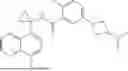


Sources:
- United States Patent and Trademark Office - verify current appl. status at the USPTO↗
Recent applications in this class:
- » 20250282789 2025-09-11
CRYSTALLINE PYRIMIDINYL-3,8-DIAZABICYCLO[3.2.1]OCTANYLMETHANONE COMPOUND AND USE THEREOF - » 20250243210 2025-07-31
CRBN E3 LIGASE LIGAND COMPOUND, PROTEIN DEGRADER DEVELOPED BASED THEREON AND THEIR APPLICATIONS - » 20250223296 2025-07-10
HYDROXYMETHYL AZABICYCLO[2.2.1]HEPTANES AND MEDICAL USES THEREOF - » 20250215010 2025-07-03
DIAZABICYCLOOCTANE DERIVATIVES USEFUL AS MATRIX METALLOPROTEINASE INHIBITORS - » 20250206752 2025-06-26
PI3K INHIBITORS - » 20250206751 2025-06-26
HETEROCYCLIC COMPOUND FOR INDUCING DEGRADATION OF G12D MUTANT KRAS PROTEIN - » 20250171455 2025-05-29
MUSCARINIC ACETYLCHOLINE M1 RECEPTOR ANTAGONISTS - » 20250163069 2025-05-22
HETEROCYCLIC DERIVATIVE, AND PHARMACEUTICAL COMPOSITION AND APPLICATION THEREOF - » 20250145631 2025-05-08
HETEROCYCLIC COMPOUND ACTING ON G12D MUTANT KRAS PROTEIN - » 20250122210 2025-04-17
SMALL MOLECULE INHIBITORS OF KRAS G12D MUTANT