Selected CGRP-antagonists, process for preparing them and their use as pharmaceutical compositions
US20050250763A1
2005-11-10
11/107,052
2005-04-15
Abstract:
The present invention relates to the CGRP antagonists of general formula
wherein A, X and R1 to R3 are defined as in claim 1, the tautomers, the diastereomers, the enantiomers, the hydrates thereof, the mixtures thereof and the salts thereof and the hydrates of the salts, particularly the physiologically acceptable salts thereof with inorganic or organic acids, pharmaceutical compositions containing these compounds, the use thereof and processes for the preparation thereof.
Inventors:
- Henri DOODS 83 🇩🇪 Warthausen, Germany
- Stephan Georg MUELLER 69 🇩🇪 Warthausen, Germany
- Klaus RUDOLF 97 🇩🇪 Warthausen, Germany
- Dirk STENKAMP 61 🇩🇪 Biberach, Germany
- Kirsten ARNDT 34 🇩🇪 Biberach, Germany
- Philipp LUSTENBERGER 41 🇩🇪 Warthausen, Germany
- Gerhard SCHAENZLE 15 🇩🇪 Biberach-Mettenberg, Germany
Assignee:
- BOEHRINGER INGELHEIM INTERNATIONAL GMBH 605 🇩🇪 Ingelheim, Germany
Interested in similar patents?
Get notified when new applications in this technology area are published.
Classification:
C07D235/26 » CPC main
Heterocyclic compounds containing 1,3-diazole or hydrogenated 1,3-diazole rings, condensed with other rings condensed with carbocyclic rings or ring systems; Benzimidazoles; Hydrogenated benzimidazoles with hetero atoms or with carbon atoms having three bonds to hetero atoms with at the most one bond to halogen, e.g. ester or nitrile radicals, directly attached in position 2 Oxygen atoms
A61P1/02 » CPC further
Drugs for disorders of the alimentary tract or the digestive system Stomatological preparations, e.g. drugs for caries, aphtae, periodontitis
A61P1/12 » CPC further
Drugs for disorders of the alimentary tract or the digestive system Antidiarrhoeals
A61P3/10 » CPC further
Drugs for disorders of the metabolism for glucose homeostasis for hyperglycaemia, e.g. antidiabetics
A61P9/00 » CPC further
Drugs for disorders of the cardiovascular system
A61P9/10 » CPC further
Drugs for disorders of the cardiovascular system for treating ischaemic or atherosclerotic diseases, e.g. antianginal drugs, coronary vasodilators, drugs for myocardial infarction, retinopathy, cerebrovascula insufficiency, renal arteriosclerosis
A61P11/00 » CPC further
Drugs for disorders of the respiratory system
A61P11/02 » CPC further
Drugs for disorders of the respiratory system Nasal agents, e.g. decongestants
A61P11/06 » CPC further
Drugs for disorders of the respiratory system Antiasthmatics
A61P15/12 » CPC further
Drugs for genital or sexual disorders ; Contraceptives for climacteric disorders
A61P17/00 » CPC further
Drugs for dermatological disorders
A61P17/02 » CPC further
Drugs for dermatological disorders for treating wounds, ulcers, burns, scars, keloids, or the like
A61P19/02 » CPC further
Drugs for skeletal disorders for joint disorders, e.g. arthritis, arthrosis
A61P25/02 » CPC further
Drugs for disorders of the nervous system for peripheral neuropathies
A61P25/06 » CPC further
Drugs for disorders of the nervous system Antimigraine agents
A61P25/36 » CPC further
Drugs for disorders of the nervous system for treating abuse or dependence Opioid-abuse
A61P31/04 » CPC further
Antiinfectives, i.e. antibiotics, antiseptics, chemotherapeutics Antibacterial agents
A61P37/08 » CPC further
Drugs for immunological or allergic disorders Antiallergic agents
A61P39/02 » CPC further
General protective or antinoxious agents Antidotes
A61P43/00 » CPC further
Drugs for specific purposes, not provided for in groups -
C07D249/12 » CPC further
Heterocyclic compounds containing five-membered rings having three nitrogen atoms as the only ring hetero atoms not condensed with other rings 1,2,4-Triazoles; Hydrogenated 1,2,4-triazoles with hetero atoms or with carbon atoms having three bonds to hetero atoms with at the most one bond to halogen, e.g. ester or nitrile radicals, directly attached to ring carbon atoms Oxygen or sulfur atoms
C07D401/14 » CPC further
Heterocyclic compounds containing two or more hetero rings, having nitrogen atoms as the only ring hetero atoms, at least one ring being a six-membered ring with only one nitrogen atom containing three or more hetero rings
C07D451/04 » CPC further
Heterocyclic compounds containing 8-azabicyclo [3.2.1] octane, 9-azabicyclo [3.3.1] nonane, or 3-oxa-9-azatricyclo [3.3.1.0<2,4>] nonane ring systems, e.g. tropane or granatane alkaloids, scopolamine; Cyclic acetals thereof containing not further condensed 8-azabicyclo [3.2.1] octane or 3-oxa-9-azatricyclo [3.3.1.0<2,4>] nonane ring systems, e.g. tropane; Cyclic acetals thereof with hetero atoms directly attached in position 3 of the 8-azabicyclo [3.2.1] octane or in position 7 of the 3-oxa-9-azatricyclo [3.3.1.0<2,4>] nonane ring system
C07D471/04 » CPC further
Heterocyclic compounds containing nitrogen atoms as the only ring hetero atoms in the condensed system, at least one ring being a six-membered ring with one nitrogen atom, not provided for by groups - in which the condensed system contains two hetero rings Ortho-condensed systems
C07D471/08 » CPC further
Heterocyclic compounds containing nitrogen atoms as the only ring hetero atoms in the condensed system, at least one ring being a six-membered ring with one nitrogen atom, not provided for by groups - in which the condensed system contains two hetero rings Bridged systems
C07D487/08 » CPC further
Heterocyclic compounds containing nitrogen atoms as the only ring hetero atoms in the condensed system, not provided for by groups - in which the condensed system contains two hetero rings Bridged systems
C07D495/04 » CPC further
Heterocyclic compounds containing in the condensed system at least one hetero ring having sulfur atoms as the only ring hetero atoms in which the condensed system contains two hetero rings Ortho-condensed systems
Description
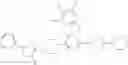
The present invention relates to the CGRP antagonists of general formula
the tautomers, the diastereomers, the enantiomers, the hydrates thereof, the mixtures thereof and the salts thereof as well as the hydrates of the salts, particularly the physiologically acceptable salts thereof with inorganic or organic acids or bases, pharmaceutical compositions containing these compounds, the use thereof and processes for the preparation thereof.
In the above general formula (I)
-
- A denotes a group of formula
- X denotes an oxygen atom, a methylene or NH group,
- R1 denotes a group of formula
- —NR2R3 denotes a group of formula
Particularly preferred compounds of the above general formula (I) are the following, for example:
| 1 | 151 | ||
| 2 | 152 | ||
| 3 | 153 | ||
| 4 | 154 | ||
| 5 | 155 | ||
| 6 | 156 | ||
| 7 | 157 | ||
| 8 | 158 | ||
| 9 | 159 | ||
| 10 | 160 | ||
| 11 | 161 | ||
| 12 | 162 | ||
| 13 | 163 | ||
| 14 | 164 | ||
| 15 | 165 | ||
| 16 | 166 | ||
| 17 | 167 | ||
| 18 | 168 | ||
| 19 | 169 | ||
| 20 | 170 | ||
| 21 | 171 | ||
| 22 | 172 | ||
| 23 | 173 | ||
| 24 | 174 | ||
| 25 | 175 | ||
| 26 | 176 | ||
| 27 | 177 | ||
| 28 | 178 | ||
| 29 | 179 | ||
| 30 | 180 | ||
| 31 | 181 | ||
| 32 | 182 | ||
| 33 | 183 | ||
| 34 | 184 | ||
| 35 | 185 | ||
| 36 | 186 | ||
| 37 | 187 | ||
| 38 | 188 | ||
| 39 | 189 | ||
| 40 | 190 | ||
| 41 | 191 | ||
| 42 | 192 | ||
| 43 | 193 | ||
| 44 | 194 | ||
| 45 | 195 | ||
| 46 | 196 | ||
| 47 | 197 | ||
| 48 | 198 | ||
| 49 | 199 | ||
| 50 | 200 | ||
| 51 | 201 | ||
| 52 | 202 | ||
| 53 | 203 | ||
| 54 | 204 | ||
| 55 | 205 | ||
| 56 | 206 | ||
| 57 | 207 | ||
| 58 | 208 | ||
| 59 | 209 | ||
| 60 | 210 | ||
| 61 | 211 | ||
| 62 | 212 | ||
| 63 | 213 | ||
| 64 | 214 | ||
| 65 | 215 | ||
| 66 | 216 | ||
| 67 | 217 | ||
| 68 | 218 | ||
| 69 | 219 | ||
| 70 | 220 | ||
| 71 | 221 | ||
| 72 | 222 | ||
| 73 | 223 | ||
| 74 | 224 | ||
| 75 | 225 | ||
| 76 | 226 | ||
| 77 | 227 | ||
| 78 | 228 | ||
| 79 | 229 | ||
| 80 | 230 | ||
| 81 | 231 | ||
| 82 | 232 | ||
| 83 | 233 | ||
| 84 | 234 | ||
| 85 | 235 | ||
| 86 | 236 | ||
| 87 | 237 | ||
| 88 | 238 | ||
| 89 | 239 | ||
| 90 | 240 | ||
| 91 | 241 | ||
| 92 | 242 | ||
| 93 | 243 | ||
| 94 | 244 | ||
| 95 | 245 | ||
| 96 | 246 | ||
| 97 | 247 | ||
| 98 | 248 | ||
| 99 | 249 | ||
| 100 | 250 | ||
| 101 | 251 | ||
| 102 | 252 | ||
| 103 | 253 | ||
| 104 | 254 | ||
| 105 | 255 | ||
| 106 | 256 | ||
| 107 | 257 | ||
| 108 | 258 | ||
| 109 | 259 | ||
| 110 | 260 | ||
| 111 | 261 | ||
| 112 | 262 | ||
| 113 | 263 | ||
| 114 | 264 | ||
| 115 | 265 | ||
| 116 | 266 | ||
| 117 | 267 | ||
| 118 | 268 | ||
| 119 | 269 | ||
| 120 | 270 | ||
| 121 | 271 | ||
| 122 | 272 | ||
| 123 | 273 | ||
| 124 | 274 | ||
| 125 | 275 | ||
| 126 | 276 | ||
| 127 | 277 | ||
| 128 | 278 | ||
| 129 | 279 | ||
| 130 | 280 | ||
| 131 | 281 | ||
| 132 | 282 | ||
| 133 | 283 | ||
| 134 | 284 | ||
| 135 | 285 | ||
| 136 | 286 | ||
| 137 | 287 | ||
| 138 | 288 | ||
| 139 | 289 | ||
| 140 | 290 | ||
| 141 | 291 | ||
| 142 | 292 | ||
| 143 | 293 | ||
| 144 | 294 | ||
| 145 | 295 | ||
| 146 | 296 | ||
| 147 | 297 | ||
| 148 | 298 | ||
| 149 | 299 | ||
| 150 | 300 | ||
| 301 | 451 | ||
| 302 | 452 | ||
| 303 | 453 | ||
| 304 | 454 | ||
| 305 | 455 | ||
| 306 | 456 | ||
| 307 | 457 | ||
| 308 | 458 | ||
| 309 | 459 | ||
| 310 | 460 | ||
| 311 | 461 | ||
| 312 | 462 | ||
| 313 | 463 | ||
| 314 | 464 | ||
| 315 | 465 | ||
| 316 | 466 | ||
| 317 | 467 | ||
| 318 | 468 | ||
| 319 | 469 | ||
| 320 | 470 | ||
| 321 | 471 | ||
| 322 | 472 | ||
| 323 | 473 | ||
| 324 | 474 | ||
| 325 | 475 | ||
| 326 | 476 | ||
| 327 | 477 | ||
| 328 | 478 | ||
| 329 | 479 | ||
| 330 | 480 | ||
| 331 | 481 | ||
| 332 | 482 | ||
| 333 | 483 | ||
| 334 | 484 | ||
| 335 | 485 | ||
| 336 | 486 | ||
| 337 | 487 | ||
| 338 | 488 | ||
| 339 | 489 | ||
| 340 | 490 | ||
| 341 | 491 | ||
| 342 | 492 | ||
| 343 | 493 | ||
| 344 | 494 | ||
| 345 | 495 | ||
| 346 | 496 | ||
| 347 | 497 | ||
| 348 | 498 | ||
| 350 | 499 | ||
| 351 | 500 | ||
| 352 | 501 | ||
| 353 | 502 | ||
| 354 | 503 | ||
| 355 | 504 | ||
| 356 | 505 | ||
| 357 | 506 | ||
| 358 | 507 | ||
| 359 | 508 | ||
| 360 | 509 | ||
| 361 | 510 | ||
| 362 | 511 | ||
| 363 | 512 | ||
| 364 | 513 | ||
| 365 | 514 | ||
| 366 | 515 | ||
| 367 | 516 | ||
| 368 | 517 | ||
| 369 | 518 | ||
| 370 | 519 | ||
| 371 | 520 | ||
| 372 | 521 | ||
| 373 | 522 | ||
| 374 | 523 | ||
| 375 | 524 | ||
| 376 | 525 | ||
| 377 | 526 | ||
| 378 | 527 | ||
| 379 | 528 | ||
| 380 | 529 | ||
| 381 | 530 | ||
| 382 | 531 | ||
| 383 | 532 | ||
| 384 | 533 | ||
| 385 | 534 | ||
| 386 | 535 | ||
| 387 | 536 | ||
| 388 | 537 | ||
| 389 | 538 | ||
| 390 | 539 | ||
| 391 | 540 | ||
| 392 | 541 | ||
| 393 | 542 | ||
| 394 | 543 | ||
| 395 | 544 | ||
| 396 | 545 | ||
| 397 | 546 | ||
| 398 | 547 | ||
| 399 | 548 | ||
| 400 | 549 | ||
| 401 | 550 | ||
| 402 | 551 | ||
| 403 | 552 | ||
| 404 | 553 | ||
| 405 | 554 | ||
| 406 | 555 | ||
| 407 | 556 | ||
| 408 | 557 | ||
| 409 | 558 | ||
| 410 | 559 | ||
| 411 | 560 | ||
| 412 | 561 | ||
| 413 | 562 | ||
| 414 | 563 | ||
| 415 | 564 | ||
| 416 | 565 | ||
| 417 | 566 | ||
| 418 | 567 | ||
| 419 | 568 | ||
| 420 | 569 | ||
| 421 | 570 | ||
| 422 | 571 | ||
| 423 | 572 | ||
| 424 | 573 | ||
| 425 | 574 | ||
| 426 | 575 | ||
| 427 | 576 | ||
| 428 | 577 | ||
| 429 | 578 | ||
| 430 | 579 | ||
| 431 | 580 | ||
| 432 | 581 | ||
| 433 | 582 | ||
| 434 | 583 | ||
| 435 | 584 | ||
| 436 | 585 | ||
| 437 | 586 | ||
| 438 | 587 | ||
| 439 | 588 | ||
| 440 | 589 | ||
| 441 | 590 | ||
| 442 | 591 | ||
| 443 | 592 | ||
| 444 | 593 | ||
| 445 | 594 | ||
| 446 | 595 | ||
| 447 | 596 | ||
| 448 | 597 | ||
| 449 | 598 | ||
| 450 | 599 | ||
| 600 | |||
| 601 | 751 | ||
| 602 | 752 | ||
| 603 | 753 | ||
| 604 | 754 | ||
| 605 | 755 | ||
| 606 | 756 | ||
| 607 | 757 | ||
| 608 | 758 | ||
| 609 | 759 | ||
| 610 | 760 | ||
| 611 | 761 | ||
| 612 | 762 | ||
| 613 | 763 | ||
| 614 | 764 | ||
| 615 | 765 | ||
| 616 | 766 | ||
| 617 | 767 | ||
| 618 | 768 | ||
| 619 | 769 | ||
| 620 | 770 | ||
| 621 | 771 | ||
| 622 | 772 | ||
| 623 | 773 | ||
| 624 | 774 | ||
| 625 | 775 | ||
| 626 | 776 | ||
| 627 | 777 | ||
| 628 | 778 | ||
| 629 | 779 | ||
| 630 | 780 | ||
| 631 | 781 | ||
| 632 | 782 | ||
| 633 | 783 | ||
| 634 | 784 | ||
| 635 | 785 | ||
| 636 | 786 | ||
| 637 | 787 | ||
| 638 | 788 | ||
| 639 | 789 | ||
| 640 | 790 | ||
| 661 | 811 | ||
| 662 | 812 | ||
| 663 | 813 | ||
| 664 | 814 | ||
| 665 | 815 | ||
| 666 | 816 | ||
| 667 | 817 | ||
| 668 | 818 | ||
| 669 | 819 | ||
| 670 | 820 | ||
| 671 | 821 | ||
| 672 | 822 | ||
| 673 | 823 | ||
| 674 | 824 | ||
| 675 | 825 | ||
| 676 | 826 | ||
| 677 | 827 | ||
| 678 | 828 | ||
| 679 | 829 | ||
| 680 | 830 | ||
| 681 | 831 | ||
| 682 | 832 | ||
| 683 | 833 | ||
| 684 | 834 | ||
| 685 | 835 | ||
| 686 | 836 | ||
| 687 | 837 | ||
| 688 | 838 | ||
| 689 | 839 | ||
| 690 | 840 | ||
| 691 | 841 | ||
| 692 | 842 | ||
| 693 | 843 | ||
| 694 | 844 | ||
| 695 | 845 | ||
| 696 | 846 | ||
| 697 | 847 | ||
| 698 | 848 | ||
| 699 | 849 | ||
| 700 | 850 | ||
| 701 | 851 | ||
| 702 | 852 | ||
| 703 | 853 | ||
| 704 | 854 | ||
| 705 | 855 | ||
| 706 | 856 | ||
| 707 | 857 | ||
| 708 | 858 | ||
| 709 | 859 | ||
| 710 | 860 | ||
| 711 | 861 | ||
| 712 | 862 | ||
| 713 | 863 | ||
| 714 | 864 | ||
| 715 | 865 | ||
| 716 | 866 | ||
| 717 | 867 | ||
| 718 | 868 | ||
| 719 | 869 | ||
| 720 | 870 | ||
| 721 | 871 | ||
| 722 | 872 | ||
| 723 | 873 | ||
| 724 | 874 | ||
| 725 | 875 | ||
| 726 | 876 | ||
| 727 | 877 | ||
| 728 | 878 | ||
| 729 | 879 | ||
| 730 | 880 | ||
| 731 | 881 | ||
| 732 | 882 | ||
| 733 | 883 | ||
| 734 | 884 | ||
| 735 | 885 | ||
| 736 | 886 | ||
| 737 | 887 | ||
| 738 | 888 | ||
| 739 | 889 | ||
| 740 | 890 | ||
| 741 | 891 | ||
| 742 | 892 | ||
| 743 | 893 | ||
| 744 | 894 | ||
| 745 | 895 | ||
| 746 | 896 | ||
| 747 | 897 | ||
| 748 | 898 | ||
| 749 | 899 | ||
| 750 | 900 | ||
| 901 | 1051 | ||
| 902 | 1052 | ||
| 903 | 1053 | ||
| 904 | 1054 | ||
| 905 | 1055 | ||
| 906 | 1056 | ||
| 907 | 1057 | ||
| 908 | 1058 | ||
| 909 | 1059 | ||
| 910 | 1060 | ||
| 911 | 1061 | ||
| 912 | 1062 | ||
| 913 | 1063 | ||
| 914 | 1064 | ||
| 915 | 1065 | ||
| 916 | 1066 | ||
| 917 | 1067 | ||
| 918 | 1068 | ||
| 919 | 1069 | ||
| 920 | 1070 | ||
| 921 | 1071 | ||
| 922 | 1072 | ||
| 923 | 1073 | ||
| 924 | 1074 | ||
| 925 | 1075 | ||
| 926 | 1076 | ||
| 927 | 1077 | ||
| 928 | 1078 | ||
| 929 | 1079 | ||
| 930 | 1080 | ||
| 931 | 1081 | ||
| 932 | 1082 | ||
| 933 | 1083 | ||
| 934 | 1084 | ||
| 935 | 1085 | ||
| 936 | 1086 | ||
| 937 | 1087 | ||
| 938 | 1088 | ||
| 939 | 1089 | ||
| 940 | 1090 | ||
| 941 | 1091 | ||
| 942 | 1092 | ||
| 943 | 1093 | ||
| 944 | 1094 | ||
| 945 | 1095 | ||
| 946 | 1096 | ||
| 947 | 1097 | ||
| 948 | 1098 | ||
| 949 | 1099 | ||
| 950 | 1100 | ||
| 951 | 1101 | ||
| 952 | 1102 | ||
| 953 | 1103 | ||
| 954 | 1104 | ||
| 955 | 1105 | ||
| 956 | 1106 | ||
| 957 | 1107 | ||
| 958 | 1108 | ||
| 959 | 1109 | ||
| 960 | 1110 | ||
| 961 | 1111 | ||
| 962 | 1112 | ||
| 963 | 1113 | ||
| 964 | 1114 | ||
| 965 | 1115 | ||
| 966 | 1116 | ||
| 967 | 1117 | ||
| 968 | 1118 | ||
| 969 | 1119 | ||
| 970 | 1120 | ||
| 971 | 1121 | ||
| 972 | 1122 | ||
| 973 | 1123 | ||
| 974 | 1124 | ||
| 975 | 1125 | ||
| 976 | 1126 | ||
| 977 | 1127 | ||
| 978 | 1128 | ||
| 979 | 1129 | ||
| 980 | 1130 | ||
| 981 | 1131 | ||
| 982 | 1132 | ||
| 983 | 1133 | ||
| 984 | 1134 | ||
| 985 | 1135 | ||
| 986 | 1136 | ||
| 987 | 1137 | ||
| 988 | 1138 | ||
| 989 | 1139 | ||
| 990 | 1140 | ||
| 991 | 1141 | ||
| 992 | 1142 | ||
| 993 | 1143 | ||
| 994 | 1144 | ||
| 995 | 1145 | ||
| 996 | 1146 | ||
| 997 | 1147 | ||
| 998 | 1148 | ||
| 999 | 1149 | ||
| 1000 | 1150 | ||
| 1001 | 1151 | ||
| 1002 | 1152 | ||
| 1003 | 1153 | ||
| 1004 | 1154 | ||
| 1005 | 1155 | ||
| 1006 | 1156 | ||
| 1007 | 1157 | ||
| 1008 | 1158 | ||
| 1009 | 1159 | ||
| 1010 | 1160 | ||
| 1011 | 1161 | ||
| 1012 | 1162 | ||
| 1013 | 1163 | ||
| 1014 | 1164 | ||
| 1015 | 1165 | ||
| 1016 | 1166 | ||
| 1017 | 1167 | ||
| 1018 | 1168 | ||
| 1019 | 1169 | ||
| 1020 | 1170 | ||
| 1021 | 1171 | ||
| 1022 | 1172 | ||
| 1023 | 1173 | ||
| 1024 | 1175 | ||
| 1026 | 1176 | ||
| 1027 | 1177 | ||
| 1028 | 1178 | ||
| 1029 | 1179 | ||
| 1030 | 1180 | ||
| 1031 | 1181 | ||
| 1032 | 1182 | ||
| 1033 | 1183 | ||
| 1034 | 1184 | ||
| 1035 | 1185 | ||
| 1036 | 1186 | ||
| 1037 | 1187 | ||
| 1038 | 1188 | ||
| 1039 | 1189 | ||
| 1040 | 1190 | ||
| 1041 | 1191 | ||
| 1042 | 1192 | ||
| 1043 | 1193 | ||
| 1044 | 1194 | ||
| 1045 | 1195 | ||
| 1046 | 1196 | ||
| 1047 | 1197 | ||
| 1048 | 1198 | ||
| 1049 | 1199 | ||
| 1050 | 1200 | ||
| 1201 | 1351 | ||
| 1202 | 1352 | ||
| 1203 | 1353 | ||
| 1204 | 1354 | ||
| 1205 | 1355 | ||
| 1206 | 1356 | ||
| 1207 | 1357 | ||
| 1208 | 1358 | ||
| 1209 | 1359 | ||
| 1210 | 1360 | ||
| 1211 | 1361 | ||
| 1212 | 1362 | ||
| 1213 | 1363 | ||
| 1214 | 1364 | ||
| 1215 | 1365 | ||
| 1216 | 1366 | ||
| 1217 | 1367 | ||
| 1218 | 1368 | ||
| 1219 | 1369 | ||
| 1220 | 1370 | ||
| 1221 | 1371 | ||
| 1222 | 1372 | ||
| 1223 | 1373 | ||
| 1224 | 1374 | ||
| 1225 | 1375 | ||
| 1226 | 1376 | ||
| 1227 | 1377 | ||
| 1228 | 1378 | ||
| 1229 | 1379 | ||
| 1230 | 1380 | ||
| 1231 | 1381 | ||
| 1232 | 1382 | ||
| 1233 | 1383 | ||
| 1234 | 1384 | ||
| 1235 | 1385 | ||
| 1236 | 1386 | ||
| 1237 | 1387 | ||
| 1238 | 1388 | ||
| 1239 | 1389 | ||
| 1240 | 1390 | ||
| 1241 | 1391 | ||
| 1242 | 1392 | ||
| 1243 | 1393 | ||
| 1244 | 1394 | ||
| 1245 | 1395 | ||
| 1246 | 1396 | ||
| 1247 | 1397 | ||
| 1248 | 1398 | ||
| 1249 | 1399 | ||
| 1250 | 1400 | ||
| 1251 | 1401 | ||
| 1252 | 1402 | ||
| 1253 | 1403 | ||
| 1254 | 1404 | ||
| 1255 | 1405 | ||
| 1256 | 1406 | ||
| 1257 | 1407 | ||
| 1258 | 1408 | ||
| 1259 | 1409 | ||
| 1260 | 1410 | ||
| 1261 | 1411 | ||
| 1262 | 1412 | ||
| 1263 | 1413 | ||
| 1264 | 1414 | ||
| 1265 | 1415 | ||
| 1266 | 1416 | ||
| 1267 | 1417 | ||
| 1268 | 1418 | ||
| 1269 | 1419 | ||
| 1270 | 1420 | ||
| 1271 | 1421 | ||
| 1272 | 1422 | ||
| 1273 | 1423 | ||
| 1274 | 1424 | ||
| 1275 | 1425 | ||
| 1276 | 1426 | ||
| 1277 | 1427 | ||
| 1278 | 1428 | ||
| 1279 | 1429 | ||
| 1280 | 1430 | ||
| 1281 | 1431 | ||
| 1282 | 1432 | ||
| 1283 | 1433 | ||
| 1284 | 1434 | ||
| 1285 | 1435 | ||
| 1286 | 1436 | ||
| 1287 | 1437 | ||
| 1288 | 1438 | ||
| 1289 | 1439 | ||
| 1290 | 1440 | ||
| 1291 | 1441 | ||
| 1292 | 1442 | ||
| 1293 | 1443 | ||
| 1294 | 1444 | ||
| 1295 | 1445 | ||
| 1296 | 1446 | ||
| 1297 | 1447 | ||
| 1298 | 1448 | ||
| 1299 | 1449 | ||
| 1300 | 1450 | ||
| 1301 | 1451 | ||
| 1302 | 1452 | ||
| 1303 | 1453 | ||
| 1304 | 1454 | ||
| 1305 | 1455 | ||
| 1306 | 1456 | ||
| 1307 | 1457 | ||
| 1308 | 1458 | ||
| 1309 | 1459 | ||
| 1310 | 1460 | ||
| 1311 | 1461 | ||
| 1312 | 1462 | ||
| 1313 | 1463 | ||
| 1314 | 1464 | ||
| 1315 | 1465 | ||
| 1316 | 1466 | ||
| 1317 | 1467 | ||
| 1318 | 1468 | ||
| 1319 | 1469 | ||
| 1320 | 1470 | ||
| 1321 | 1471 | ||
| 1322 | 1472 | ||
| 1323 | 1473 | ||
| 1324 | 1474 | ||
| 1325 | 1475 | ||
| 1326 | 1476 | ||
| 1327 | 1477 | ||
| 1328 | 1478 | ||
| 1329 | 1479 | ||
| 1330 | 1480 | ||
| 1331 | 1481 | ||
| 1332 | 1482 | ||
| 1333 | 1483 | ||
| 1334 | 1484 | ||
| 1335 | 1485 | ||
| 1336 | 1486 | ||
| 1337 | 1487 | ||
| 1338 | 1488 | ||
| 1339 | 1489 | ||
| 1340 | 1490 | ||
| 1341 | 1491 | ||
| 1342 | 1492 | ||
| 1343 | 1493 | ||
| 1344 | 1494 | ||
| 1345 | 1495 | ||
| 1346 | 1496 | ||
| 1347 | 1497 | ||
| 1348 | 1498 | ||
| 1349 | 1499 | ||
| 1350 | 1500 | ||
| 1501 | 1651 | ||
| 1502 | 1652 | ||
| 1503 | 1653 | ||
| 1504 | 1654 | ||
| 1505 | 1655 | ||
| 1506 | 1656 | ||
| 1507 | 1657 | ||
| 1508 | 1658 | ||
| 1509 | 1659 | ||
| 1510 | 1660 | ||
| 1511 | 1661 | ||
| 1512 | 1662 | ||
| 1513 | 1663 | ||
| 1514 | 1664 | ||
| 1515 | 1665 | ||
| 1516 | 1666 | ||
| 1517 | 1667 | ||
| 1518 | 1668 | ||
| 1519 | 1669 | ||
| 1520 | 1670 | ||
| 1521 | 1671 | ||
| 1522 | 1672 | ||
| 1523 | 1673 | ||
| 1524 | 1674 | ||
| 1525 | 1675 | ||
| 1526 | 1676 | ||
| 1527 | 1677 | ||
| 1528 | 1678 | ||
| 1529 | 1679 | ||
| 1530 | 1680 | ||
| 1531 | 1681 | ||
| 1532 | 1682 | ||
| 1533 | 1683 | ||
| 1534 | 1684 | ||
| 1535 | 1685 | ||
| 1536 | 1686 | ||
| 1537 | 1687 | ||
| 1538 | 1688 | ||
| 1539 | 1689 | ||
| 1540 | 1690 | ||
| 1541 | 1691 | ||
| 1542 | 1692 | ||
| 1543 | 1693 | ||
| 1544 | 1694 | ||
| 1545 | 1695 | ||
| 1546 | 1696 | ||
| 1547 | 1697 | ||
| 1548 | 1698 | ||
| 1549 | 1699 | ||
| 1550 | 1700 | ||
| 1551 | 1701 | ||
| 1552 | 1702 | ||
| 1553 | 1703 | ||
| 1554 | 1704 | ||
| 1555 | 1705 | ||
| 1556 | 1706 | ||
| 1557 | 1707 | ||
| 1558 | 1708 | ||
| 1559 | 1709 | ||
| 1560 | 1710 | ||
| 1561 | 1711 | ||
| 1562 | 1712 | ||
| 1563 | 1713 | ||
| 1564 | 1714 | ||
| 1565 | 1715 | ||
| 1566 | 1716 | ||
| 1567 | 1717 | ||
| 1568 | 1718 | ||
| 1569 | 1719 | ||
| 1570 | 1720 | ||
| 1571 | 1721 | ||
| 1572 | 1722 | ||
| 1573 | 1723 | ||
| 1574 | 1724 | ||
| 1575 | 1725 | ||
| 1576 | 1726 | ||
| 1577 | 1727 | ||
| 1578 | 1728 | ||
| 1579 | 1729 | ||
| 1580 | 1730 | ||
| 1581 | 1731 | ||
| 1582 | 1732 | ||
| 1583 | 1733 | ||
| 1584 | 1734 | ||
| 1585 | 1735 | ||
| 1586 | 1736 | ||
| 1587 | 1737 | ||
| 1588 | 1738 | ||
| 1589 | 1739 | ||
| 1590 | 1740 | ||
| 1591 | 1741 | ||
| 1592 | 1742 | ||
| 1593 | 1743 | ||
| 1594 | 1744 | ||
| 1595 | 1745 | ||
| 1596 | 1746 | ||
| 1597 | 1747 | ||
| 1598 | 1748 | ||
| 1599 | 1749 | ||
| 1600 | 1750 | ||
| 1601 | 1751 | ||
| 1602 | 1752 | ||
| 1603 | 1753 | ||
| 1604 | 1754 | ||
| 1605 | 1755 | ||
| 1606 | 1756 | ||
| 1607 | 1757 | ||
| 1608 | 1758 | ||
| 1609 | 1759 | ||
| 1610 | 1760 | ||
| 1611 | 1761 | ||
| 1612 | 1762 | ||
| 1613 | 1763 | ||
| 1614 | 1764 | ||
| 1615 | 1765 | ||
| 1616 | 1766 | ||
| 1617 | 1767 | ||
| 1618 | 1768 | ||
| 1619 | 1769 | ||
| 1620 | 1770 | ||
| 1621 | 1771 | ||
| 1622 | 1772 | ||
| 1623 | 1773 | ||
| 1624 | 1774 | ||
| 1625 | 1775 | ||
| 1626 | 1776 | ||
| 1627 | 1777 | ||
| 1628 | 1778 | ||
| 1629 | 1779 | ||
| 1630 | 1780 | ||
| 1631 | 1781 | ||
| 1632 | 1782 | ||
| 1633 | 1783 | ||
| 1634 | 1784 | ||
| 1635 | 1785 | ||
| 1636 | 1786 | ||
| 1637 | 1787 | ||
| 1638 | 1788 | ||
| 1639 | 1789 | ||
| 1640 | 1790 | ||
| 1641 | 1791 | ||
| 1642 | 1792 | ||
| 1643 | 1793 | ||
| 1644 | 1794 | ||
| 1645 | 1795 | ||
| 1646 | 1796 | ||
| 1647 | 1797 | ||
| 1648 | 1798 | ||
| 1649 | 1799 | ||
| 1650 | 1800 | ||
| 1801 | 1951 | ||
| 1802 | 1952 | ||
| 1803 | 1953 | ||
| 1804 | 1954 | ||
| 1805 | 1955 | ||
| 1806 | 1956 | ||
| 1807 | 1957 | ||
| 1808 | 1958 | ||
| 1809 | 1959 | ||
| 1810 | 1960 | ||
| 1811 | 1961 | ||
| 1812 | 1962 | ||
| 1813 | 1963 | ||
| 1814 | 1964 | ||
| 1815 | 1965 | ||
| 1816 | 1966 | ||
| 1817 | 1967 | ||
| 1818 | 1968 | ||
| 1819 | 1969 | ||
| 1820 | 1970 | ||
| 1821 | 1971 | ||
| 1822 | 1972 | ||
| 1823 | 1973 | ||
| 1824 | 1974 | ||
| 1825 | 1975 | ||
| 1826 | 1976 | ||
| 1827 | 1977 | ||
| 1828 | 1978 | ||
| 1829 | 1979 | ||
| 1830 | 1980 | ||
| 1831 | 1981 | ||
| 1832 | 1982 | ||
| 1833 | 1983 | ||
| 1834 | 1984 | ||
| 1835 | 1985 | ||
| 1836 | 1986 | ||
| 1837 | 1987 | ||
| 1838 | 1988 | ||
| 1839 | 1989 | ||
| 1840 | 1990 | ||
| 1841 | 1991 | ||
| 1842 | 1992 | ||
| 1843 | 1993 | ||
| 1844 | 1994 | ||
| 1845 | 1995 | ||
| 1846 | 1996 | ||
| 1847 | 1997 | ||
| 1848 | 1998 | ||
| 1849 | 1999 | ||
| 1850 | 2000 | ||
| 1851 | 2001 | ||
| 1852 | 2002 | ||
| 1853 | 2003 | ||
| 1854 | 2004 | ||
| 1855 | 2005 | ||
| 1856 | 2006 | ||
| 1857 | 2007 | ||
| 1858 | 2008 | ||
| 1859 | 2009 | ||
| 1860 | 2010 | ||
| 1861 | 2011 | ||
| 1862 | 2012 | ||
| 1863 | 2013 | ||
| 1864 | 2014 | ||
| 1865 | 2015 | ||
| 1866 | 2016 | ||
| 1867 | 2017 | ||
| 1868 | 2018 | ||
| 1869 | 2019 | ||
| 1870 | 2020 | ||
| 1871 | 2021 | ||
| 1872 | 2022 | ||
| 1873 | 2023 | ||
| 1874 | 2024 | ||
| 1875 | 2025 | ||
| 1876 | 2026 | ||
| 1877 | 2027 | ||
| 1878 | 2028 | ||
| 1879 | 2029 | ||
| 1880 | 2030 | ||
| 1881 | 2031 | ||
| 1882 | 2032 | ||
| 1883 | 2033 | ||
| 1884 | 2034 | ||
| 1885 | 2035 | ||
| 1886 | 2036 | ||
| 1887 | 2037 | ||
| 1888 | 2038 | ||
| 1889 | 2039 | ||
| 1890 | 2040 | ||
| 1891 | 2041 | ||
| 1892 | 2042 | ||
| 1893 | 2043 | ||
| 1894 | 2044 | ||
| 1895 | 2045 | ||
| 1896 | 2046 | ||
| 1897 | 2047 | ||
| 1898 | 2048 | ||
| 1899 | 2049 | ||
| 1900 | 2050 | ||
| 1901 | 2051 | ||
| 1902 | 2052 | ||
| 1903 | 2053 | ||
| 1904 | 2054 | ||
| 1905 | 2055 | ||
| 1906 | 2056 | ||
| 1907 | 2057 | ||
| 1908 | 2058 | ||
| 1909 | 2059 | ||
| 1910 | 2060 | ||
| 1911 | 2061 | ||
| 1912 | 2062 | ||
| 1913 | 2063 | ||
| 1914 | 2064 | ||
| 1915 | 2065 | ||
| 1916 | 2066 | ||
| 1917 | 2067 | ||
| 1918 | 2068 | ||
| 1919 | 2069 | ||
| 1920 | 2070 | ||
| 1921 | 2071 | ||
| 1922 | 2072 | ||
| 1923 | 2073 | ||
| 1924 | 2074 | ||
| 1925 | 2075 | ||
| 1926 | 2076 | ||
| 1927 | 2077 | ||
| 1928 | 2078 | ||
| 1929 | 2079 | ||
| 1930 | 2080 | ||
| 1931 | 2081 | ||
| 1932 | 2082 | ||
| 1933 | 2083 | ||
| 1934 | 2084 | ||
| 1935 | 2085 | ||
| 1936 | 2086 | ||
| 1937 | 2087 | ||
| 1938 | 2088 | ||
| 1939 | 2089 | ||
| 1940 | 2090 | ||
| 1941 | 2091 | ||
| 1942 | 2092 | ||
| 1943 | 2093 | ||
| 1944 | 2094 | ||
| 1945 | 2095 | ||
| 1946 | 2096 | ||
| 1947 | 2097 | ||
| 1948 | 2098 | ||
| 1949 | 2099 | ||
| 1950 | 2100 | ||
| 2101 | 2228 | ||
| 2102 | 2229 | ||
| 2103 | 2230 | ||
| 2104 | 2231 | ||
| 2105 | 2232 | ||
| 2106 | 2233 | ||
| 2107 | 2234 | ||
| 2108 | 2235 | ||
| 2109 | 2236 | ||
| 2110 | 2237 | ||
| 2111 | 2238 | ||
| 2112 | 2239 | ||
| 2113 | 2240 | ||
| 2114 | 2241 | ||
| 2115 | 2242 | ||
| 2116 | 2243 | ||
| 2117 | 2244 | ||
| 2118 | 2245 | ||
| 2119 | 2246 | ||
| 2120 | 2247 | ||
| 2121 | 2248 | ||
| 2122 | 2249 | ||
| 2123 | 2250 | ||
| 2124 | 2251 | ||
| 2125 | 2252 | ||
| 2126 | 2253 | ||
| 2127 | 2254 | ||
| 2128 | 2255 | ||
| 2129 | 2256 | ||
| 2130 | 2257 | ||
| 2131 | 2258 | ||
| 2132 | 2259 | ||
| 2133 | 2260 | ||
| 2134 | 2261 | ||
| 2135 | 2262 | ||
| 2136 | 2263 | ||
| 2137 | 2264 | ||
| 2138 | 2265 | ||
| 2139 | 2266 | ||
| 2140 | 2267 | ||
| 2141 | 2268 | ||
| 2142 | 2269 | ||
| 2143 | 2270 | ||
| 2144 | 2271 | ||
| 2145 | 2272 | ||
| 2146 | 2273 | ||
| 2147 | 2274 | ||
| 2148 | 2275 | ||
| 2149 | 2276 | ||
| 2150 | 2277 | ||
| 2151 | 2278 | ||
| 2152 | 2279 | ||
| 2153 | 2280 | ||
| 2154 | 2281 | ||
| 2155 | 2282 | ||
| 2156 | 2283 | ||
| 2157 | 2284 | ||
| 2158 | 2285 | ||
| 2159 | 2286 | ||
| 2160 | 2287 | ||
| 2161 | 2288 | ||
| 2162 | 2289 | ||
| 2163 | 2290 | ||
| 2164 | 2291 | ||
| 2165 | 2292 | ||
| 2166 | 2293 | ||
| 2167 | 2294 | ||
| 2168 | 2295 | ||
| 2169 | 2296 | ||
| 2170 | 2297 | ||
| 2171 | 2298 | ||
| 2172 | 2299 | ||
| 2173 | 2300 | ||
| 2174 | 2301 | ||
| 2175 | 2302 | ||
| 2176 | 2303 | ||
| 2177 | 2304 | ||
| 2178 | 2305 | ||
| 2179 | 2306 | ||
| 2180 | 2307 | ||
| 2181 | 2308 | ||
| 2182 | 2309 | ||
| 2183 | 2310 | ||
| 2184 | 2311 | ||
| 2185 | 2312 | ||
| 2186 | 2313 | ||
| 2187 | 2314 | ||
| 2188 | 2315 | ||
| 2189 | 2316 | ||
| 2190 | 2317 | ||
| 2191 | 2318 | ||
| 2192 | 2319 | ||
| 2193 | 2320 | ||
| 2194 | 2321 | ||
| 2195 | 2322 | ||
| 2196 | 2323 | ||
| 2197 | 2324 | ||
| 2198 | 2325 | ||
| 2199 | 2326 | ||
| 2200 | 2327 | ||
| 2201 | 2328 | ||
| 2202 | 2329 | ||
| 2203 | 2330 | ||
| 2204 | 2331 | ||
| 2205 | 2332 | ||
| 2206 | 2333 | ||
| 2207 | 2334 | ||
| 2208 | 2335 | ||
| 2209 | 2336 | ||
| 2210 | 2337 | ||
| 2211 | 2338 | ||
| 2212 | 2339 | ||
| 2213 | 2340 | ||
| 2214 | 2341 | ||
| 2215 | 2342 | ||
| 2216 | 2343 | ||
| 2217 | 2344 | ||
| 2218 | 2345 | ||
| 2219 | 2346 | ||
| 2220 | 2347 | ||
| 2221 | 2348 | ||
| 2222 | 2349 | ||
| 2223 | 2350 | ||
| 2224 | 2351 | ||
| 2225 | 2352 | ||
| 2226 | 2353 | ||
| 2227 | |||
the tautomers, the diastereomers, the enantiomers, the hydrates thereof, the mixtures thereof and the salts thereof as well as the hydrates of the salts.
The compounds of general formula (I) are prepared by methods known in principle. The following methods have proved particularly useful for preparing the compounds of general formula (I) according to the invention:
(a) In order to prepare compounds of general formula
-
- wherein X denotes the oxygen atom or the NH group and A and R1 to R3 are as hereinbefore defined:
- reacting a piperidine of general formula
- wherein R1 is as hereinbefore defined,
- (i) with a carbonic acid derivative of general formula
- wherein G denotes a nucleofugic group which may be identical or different, preferably the phenoxy, 1H-imidazol-1-yl, 1H-1,2,4-triazol-1-yl, trichloromethoxy or 2,5-dioxopyrrolidin-1-yloxy group, with the proviso that X denotes the NH group, or
- (ii) with a carbonic acid derivative of general formula
- wherein G denotes a nucleofugic group which may be identical or different, preferably the chlorine atom, the p-nitrophenoxy or trichloromethoxy group, with the proviso that X denotes the oxygen atom,
- and with a compound of general formula
- wherein X denotes the oxygen atom or an—NH group and A, R2 and R3 are as hereinbefore defined, with the proviso that R2 and R3 do not contain any other free primary or secondary aliphatic amino function.
Any primary or secondary amino function which may be present in the group —NR2R3 is in each case provided with a suitable protective group.
The reactions which are theoretically two-step reactions are usually carried out as one-pot processes, preferably by reacting one of the two components (Ill) or (V) with equimolar quantities of the carbonic acid derivative of general formula (IV) in a suitable solvent at lower temperature in the first stage, then adding at least equimolar amounts of the other component (Ill) or (V) and finishing the reaction at elevated temperature. The reactions with bis-(trichloromethyl)-carbonate are preferably carried out in the presence of at least 2 equivalents (based on bis-(trichloromethyl)-carbonate) of a tertiary base, e.g. triethylamine, N-ethyl-diisopropylamine, pyridine, 1,5-diazabicyclo[4,3,0]non-5-ene, 1,4-diazabicyclo[2,2,2]octane or 1,8-diazabicyclo[5,4,0]undec-7-ene. Examples of solvents, which should be anhydrous, include tetrahydrofuran, dioxane, dimethyl formamide, dimethylacetamide, N-methyl-2-pyrrolidone, 1,3-dimethyl-2-imidazolidinone or acetonitrile; if bis-(trichloromethyl)-carbonate is used as the carbonyl component anhydrous chlorohydrocarbons such as dichloromethane, 1,2-dichloroethane or trichloroethylene are preferred. The reaction temperatures for the first reaction step are between −30 and +25° C., preferably −5 and +10° C., for the second reaction step they are between +15° C. and the boiling temperature of the solvent used, preferably between +20° C. and +70° C. (cf. also: H. A. Staab and W. Rohr, “Synthesen mit heterocyclischen Amiden (Azoliden)”, Neuere Methoden der Präparativen Organischen Chemie, Vol. V, p. 53-93, Verlag Chemie, Weinheim/Bergstr., 1967; P. Majer and R. S. Randad, J. Org. Chem. 59, 1937-1938 (1994); K. Takeda, Y. Akagi, A. Saiki, T. Sukahara and H. Ogura, Tetrahedron Letters 24 (42), 4569-4572 (1983); S. R. Sandier and W. Karo in “Organic Functional Group Preparations”, Vol. II, p. 223-245, Academis Press, New York 1971).
(b) In order to prepare compounds of general formula
-
- wherein X denotes the methylene group and A and R1 to R3 are as hereinbefore defined, with the proviso that no other free primary or secondary aliphatic amino functions are present in the molecule:
- coupling a carboxylic acid of general formula
- wherein A, R2 and R3 are as hereinbefore defined, with a piperidine of general formula
- wherein R1 is as hereinbefore defined.
The coupling is preferably carried out using methods known from peptide chemistry (cf. e.g. Houben-Weyl, Methoden der Organischen Chemie, Vol. 15/2), for example using carbodiimides such as e.g. dicyclohexylcarbodiimide (DCC), diisopropyl carbodiimide (DIC) or ethyl-(3-dimethylaminopropyl)-carbodiimide, O-(1H-benzotriazol-1-yl)-N,N—N′, N′-tetramethyluronium hexafluorophosphate (HBTU) or tetrafluoroborate (TBTU) or 1H-benzotriazol-1-yl-oxy-tris-(dimethylamino)-phosphonium hexafluorophosphate (BOP). By adding 1-hydroxybenzotriazole (HOBt) or 3-hydroxy-4-oxo-3,4-dihydro-1,2,3-benzotriazine (HOObt) the reaction speed can be increased. The couplings are normally carried out with equimolar amounts of the coupling components as well as the coupling reagent in solvents such as dichloromethane, tetrahydrofuran, acetonitrile, dimethyl formamide (DMF), dimethyl acetamide (DMA), N-methylpyrrolidone (NMP) or mixtures thereof and at temperatures between −30 and +30° C., preferably −20 and, +25° C. If necessary, N-ethyl-diisopropylamine (Hünig base) is preferably used as an additional auxiliary base.
The so-called anhydride process is used as a further coupling method for synthesising compounds of general formula (I) (cf. also: M. Bodanszky, “Peptide Chemistry”, Springer-Verlag 1988, p. 58-59; M. Bodanszky, “Principles of Peptide Synthesis”, Springer-Verlag 1984, p. 21-27). The Vaughan variant of the mixed anhydride process is preferred (J. R. Vaughan Jr., J. Amer. Chem. Soc. 73, 3547 (1951)), in which the mixed anhydride of the carboxylic acid of general formula (VI) which is to be coupled and monoisobutyl carbonate is obtained, using isobutyl chlorocarbonate in the presence of bases such as 4-methylmorpholine or 4-ethylmorpholine. The preparation of this mixed anhydride and the coupling with amines are carried out in a one-pot process, using the above-mentioned solvents and at temperatures between −20 and +25° C., preferably 0° C. and +25° C.
(c) In order to prepare compounds of general formula
-
- wherein X denotes the methylene group and A and R2 and R3 are as hereinbefore defined, with the proviso that these groups do not contain any free primary or secondary amine:
- coupling a compound of general formula
- wherein A, R2 and R3 are as hereinbefore defined, with the proviso that R2 and R3 do not contain any free primary or secondary amine, and Nu denotes a leaving group, for example a halogen atom, such as the chlorine, bromine or iodine atom, an alkylsulphonyloxy group with 1 to 10 carbon atoms in the alkyl moiety, a phenylsulphonyloxy or naphthylsulphonyloxy group optionally mono-, di- or trisubstituted by chlorine or bromine atoms or by methyl or nitro groups, while the substituents may be identical or different, a 1H-imidazol-1-yl, a 1H-pyrazol-1-yl optionally substituted by one or two methyl groups in the carbon skeleton, a 1H-1,2,4-triazol-1-yl, 1H-1,2,3-triazol-1-yl, 1H-1,2,3,4-tetrazol-1-yl, a vinyl, propargyl p-nitrophenyl, 2,4-dinitrophenyl, trichlorophenyl, pentachlorophenyl, pentafluorophenyl, pyranyl or pyridinyl, a dimethylaminyloxy, 2(1H)-oxopyridin-1-yl-oxy, 2,5-dioxopyrrolidin-1-yloxy, phthalimidyloxy, 1H-benzo-triazol-1-yloxy or azide group,
- with a piperidine of general formula
- wherein R1 is as hereinbefore defined.
The reaction is carried out under Schotten-Baumann or Einhom conditions, i.e. the components are reacted in the presence of at least one equivalent of an auxiliary base at temperatures between −50° C. and +120° C., preferably −10° C. and +30° C., and optionally in the presence of solvents. The auxiliary bases used are preferably alkali metal and alkaline earth metal hydroxides, e.g. sodium hydroxide, potassium hydroxide or barium hydroxide, alkali metal carbonates, e.g. sodium carbonate, potassium carbonate or caesium carbonate, alkali metal acetates, e.g. sodium or potassium acetate, as well as tertiary amines, e.g. pyridine, 2,4,6-trimethylpyridine, quinoline, triethylamine, N-ethyl-diisopropylamine, N-ethyl-dicyclohexylamine, 1,4-diazabicyclo[2,2,2]octane or 1,8-diazabicyclo[5,4,0]undec-7-ene, the solvents used may be, for example, dichloromethane, tetrahydrofuran, 1,4-dioxane, acetonitrile, dimethyl formamide, dimethyl acetamide, N-methyl-pyrrolidone or mixtures thereof; if alkali metal or alkaline earth metal hydroxides, alkali metal carbonates or acetates are used as the auxiliary bases, water may also be added to the reaction mixture as cosolvent.
(d) In order to prepare compounds of general formula
-
- wherein A, X and R1 to R3 are as hereinbefore defined:
- coupling a carboxylic acid of general formula
- wherein A, X and R1 are as hereinbefore defined, with an amine of general formula HNR2R3, wherein R2 and R3 are as hereinbefore defined, with the proviso that they do not contain any other free primary or secondary aliphatic amino function.
The coupling is preferably carried out using methods known from peptide chemistry (cf. e.g. Houben-Weyl, Methoden der Organischen Chemie, Vol. 15/2), for example using carbodiimides such as e.g. dicyclohexylcarbodiimide (DCC), diisopropyl carbodiimide (DIC) or ethyl-(3-dimethylaminopropyl)-carbodiimide, O-(1H-benzotriazol-1-yl)-N,N—N′, N′-tetramethyluronium hexafluorophosphate (HBTU) or tetrafluoroborate (TBTU) or 1H-benzotriazol-1-yl-oxy-tris-(dimethylamino)-phosphonium hexafluorophosphate (BOP). By adding 1-hydroxybenzotriazole (HOBt) or 3-hydroxy-4-oxo-3,4-dihydro-1,2,3-benzotriazine (HOObt) the reaction speed can be increased. The couplings are normally carried out with equimolar amounts of the coupling components as well as the coupling reagent in solvents such as dichloromethane, tetrahydrofuran, acetonitrile, dimethyl formamide (DMF), dimethyl acetamide (DMA), N-methylpyrrolidone (NMP) or mixtures thereof and at temperatures between −30 and +30° C., preferably −20 and +25° C. If necessary, N-ethyl-diisopropylamine (Hünig base) is preferably used as an additional auxiliary base.
The so-called anhydride process is used as a further coupling method for synthesising compounds of general formula (I) (cf. also: M. Bodanszky, “Peptide Chemistry”, Springer-Verlag 1988, p. 58-59; M. Bodanszky, “Principles of Peptide Synthesis”, Springer-Verlag 1984, p. 21-27). The Vaughan variant of the mixed anhydride process is preferred (J. R. Vaughan Jr., J. Amer. Chem. Soc. 73, 3547 (1951)), in which the mixed anhydride is obtained from the carboxylic acid of general formula (VIII) which is to be coupled and monoisobutyl carbonate, using isobutyl chlorocarbonate in the presence of bases such as 4-methylmorpholine or 4-ethylmorpholine. The preparation of this mixed anhydride and the coupling with the amines of general formula HNR2R3 are carried out in a one-pot process, using the above-mentioned solvents and at temperatures between −20 and +25° C., preferably 0° C. and +25° C.
(e) In order to prepare compounds of general formula
-
- wherein A, X and R1 to R3 are as hereinbefore defined, with the proviso that no free primary or secondary amine is present in the molecule:
- coupling a compound of general formula
- wherein A, X and R1 are as hereinbefore defined and Nu denotes a leaving group, for example a halogen atom, such as the chlorine, bromine or iodine atom, an alkyl-sulphonyloxy group with 1 to 10 carbon atoms in the alkyl moiety, a phenylsulphonyloxy or naphthylsulphonyloxy group optionally mono-, di- or trisubstituted by chlorine or bromine atoms or by methyl or nitro groups, while the substituents may be identical or different, a 1H-imidazol-1-yl, a 1H-pyrazol-1-yl optionally substituted by one or two methyl groups in the carbon skeleton, a 1H-1,2,4-triazol-1-yl, 1H-1,2,3-triazol-1-yl, 1H-1,2,3,4-tetrazol-1-yl, a vinyl, propargyl, p-nitrophenyl, 2,4-dinitrophenyl, trichlorophenyl, pentachlorophenyl, pentafluorophenyl, pyranyl or pyridinyl, a dimethylaminyloxy, 2(1H)-oxopyridin-1-yl-oxy, 2,5-dioxopyrrolidin-1-yloxy, phthalimidyloxy, 1H-benzo-triazol-1-yloxy or azide group,
- with an amine of general formula HNR2R3, wherein R2 and R3 are as hereinbefore defined, with the proviso that no free carboxylic acid and/or no other free primary or secondary aliphatic amino function is present.
The reaction is carried out under Schotten-Baumann or Einhom conditions, i.e. the components are reacted in the presence of at least one equivalent of an auxiliary base at temperatures between −50° C. and +120° C., preferably −10° C. and +30° C., and optionally in the presence of solvents. The auxiliary bases used are preferably alkali metal and alkaline earth metal hydroxides, e.g. sodium hydroxide, potassium hydroxide or barium hydroxide, alkali metal carbonates, e.g. sodium carbonate, potassium carbonate or caesium carbonate, alkali metal acetates, e.g. sodium or potassium acetate, as well as tertiary amines, e.g. pyridine, 2,4,6-trimethylpyridine, quinoline, triethylamine, N-ethyl-diisopropylamine, N-ethyl-dicyclohexylamine, 1,4-diazabicyclo[2,2,2]octane or 1,8-diazabicyclo[5,4,0]undec-7-ene, the solvents used may be, for example, dichloromethane, tetrahydrofuran, 1,4-dioxane, acetonitrile, dimethyl formamide, dimethyl acetamide, N-methyl-pyrrolidone or mixtures thereof; if alkali metal or alkaline earth metal hydroxides, alkali metal carbonates or acetates are used as the auxiliary bases, water may also be added to the reaction mixture as cosolvent.
The new compounds of general formula (I) according to the invention contain one or more chiral centres. If for example there are two chiral centres the compounds may occur in the form of two pairs of diastereomeric antipodes. The invention covers the individual isomers as well as the mixtures thereof.
The diastereomers may be separated on the basis of their different physico-chemical properties, e.g. by fractional crystallisation from suitable solvents, by high pressure liquid or column chromatography, using chiral or preferably non-chiral stationary phases.
Racemates covered by general formula (I) may be separated for example by HPLC on suitable chiral stationary phases (e.g. Chiral AGP, Chiralpak AD). Racemates which contain a basic function can also be separated via the diastereomeric, optically active salts which are produced on reacting with an optically active acid, for example (+) or (−)-tartaric acid, (+) or (−)-diacetyl tartaric acid, (+) or (−)-monomethyl tartrate or (+)-camphorsulphonic acid.
According to a conventional method of separating isomers, the racemate of a compound of general formula (I) is reacted with one of the above-mentioned optically active acids or bases in equimolar amounts in a solvent and the resulting crystalline, diastereomeric, optically active salts thereof are separated using their different solubilities. This reaction may be carried out in any type of solvent provided that it is sufficiently different in terms of the solubility of the salts. Preferably, methanol, ethanol or mixtures thereof, for example in a ratio by volume of 50:50, are used. Then each of the optically active salts is dissolved in water, carefully neutralised with a base such as sodium carbonate or potassium carbonate, or with a suitable acid, e.g. dilute hydrochloric acid or aqueous methanesulphonic acid, and in this way the corresponding free compound is obtained in the (+) or (−) form.
The (R) or (S) enantiomer alone or a mixture of two optically active diastereomeric compounds covered by general formula I may also be obtained by performing the syntheses described above with a suitable reaction component in the (R) or (S) configuration.
The starting compounds of general formula (Ill), if they are not known from the literature or commercially available, are obtained using the processes described in International Patent Application WO 98/11128 and DE 199 52 146. The starting compounds of general formula (IV) are commercially available. Compounds of general formula (V) may be obtained by methods familiar to the peptide chemist from protected phenylalanines and amines of general formula HNR2R3.
The phenyalanine derivatives needed to prepare the optically pure compounds of general formula (V) may be prepared from the compounds of general formula
-
- wherein A is as hereinbefore defined and R denotes an unbranched alkyl group, preferably the methyl or ethyl group, by racemate cleaving.
This racemate cleaving may be carried out using enzymatic methods, while only one enantiomer of the racemate is transformed and the resulting mixture is then separated using physicochemical methods, preferably using chromatographic methods. A suitable enzyme system for this step is the enzyme alkalase 2.4 L FG (Novozymes A/S; DK 2880 Bagsvaerd). The compounds of general formula (X) can then be converted into the enantiomerically pure compounds of general formula (V) using methods familiar to the peptide chemist.
If the group X in compounds of general formula (V) denotes the oxygen atom, the hydroxycarboxylic acids of general formula
-
- wherein A is as hereinbefore defined which are needed for the synthesis may be obtained from compounds of general formula (X), with the proviso that R denotes the hydrogen atom.
With the proviso that the group A does not contain an amino or methylamino group, by diazotising compounds of general formula (X) with a suitable diazotising reagent, preferably sodium nitrite in an acid medium, it is possible to obtain the compounds of general formula (XI). If enantiomerically pure compounds are used the corresponding enantiomerically pure hydroxycarboxylic acid compounds are obtained, the configuration being retained as the reaction proceeds.
Another method of obtaining compounds of general formula (XI) wherein the groups A are as hereinbefore defined comprises alkylating the compound
-
- with correspondingly substituted benzylchlorides, benzylbromides or benzyliodides of general formula
- wherein A is as hereinbefore defined and X denotes a chlorine, bromine or iodine atom, analogously to methods known from the literature (Michael T. Crimmins, Kyle A. Emmitte and Jason D. Katz, Org. Lett. 2, 2165-2167 [2000]).
The diastereomeric products formed may then be separated using physicochemical methods, preferably chromatographic methods. The hydrolytic cleaving of the chiral auxiliary, coupling with amines of general formula HNR2R3 and cleaving of the benzyl protective group also provides a way of obtaining enantiomerically pure hydroxycarboxylic acid compounds of general formula (V).
Compounds of general formula (XI) wherein the groups A are as hereinbefore defined may also be obtained by boiling down 2-acetylamino-3-phenyl-acrylic acids of general formula
-
- using strong acids and subsequently reducing the 2-hydroxy-3-phenyl-acrylic acids formed.
The starting compounds of general formula (VI) are obtained for example by reacting amines of general formula HNR2R3 with 2-(alkoxycarbonylmethyl)-3-aryl-propanoic acids and subsequently hydrolytically cleaving the alkyl group. The 2-(alkoxycarbonylmethyl)-3-aryl-propanoic acids needed may be prepared analogously to methods known from the literature (David A. Evans, Leester D. Wu, John J. M. Wiener, Jeffrey S. Johnson, David H. B. Ripin and Jason S. Tedrow, J. Org. Chem 64, 6411-6417 [1999]; Saul G. Cohen and Aleksander Milovanovic, J. Am. Chem. Soc. 90, 3495-3502 [1968]; Hiroyuki Kawano, Youichi Ishii, Takao Ikariya, Masahiko Saburi, Sadao Yoshikawa, Yasuzo Uchida and Hidenori Kumobayashi, Tetrahedron Letters 28, 1905-1908 [1987]). Carboxylic acids of general formula (VIII) may be prepared by the methods recited in WO 98/11128 from generally available starting materials.
The compounds of general formula I obtained may, if they contain suitable basic functions, be converted, particularly for pharmaceutical use, into their physiologically acceptable salts with inorganic or organic acids. Suitable acids include for example hydrochloric acid, hydrobromic acid, phosphoric acid, nitric acid, sulphuric acid, methanesulphonic acid, ethanesulphonic acid, benzenesulphonic acid, p-toluenesulphonic acid, acetic acid, fumaric acid, succinic acid, lactic acid, mandelic acid, malic acid, citric acid, tartaric acid or maleic acid.
The present invention relates to racemates if the compounds of general formula (I) have only one chiral element. However, the application also includes the individual diastereomeric pairs of antipodes or mixtures thereof which are obtained if there is more than one chiral element in the compounds of general formula (I), as well as the individual optically active enantiomers of which the above-mentioned racemates are made up.
Also included in the subject matter of this invention are the compounds according to the invention, including the salts thereof, in which one or more hydrogen atoms, for example one, two, three, four or five hydrogen atoms, are replaced by deuterium.
The new compounds of general formula (I) and the physiologically acceptable salts thereof have valuable pharmacological properties, based on their selective CGRP-antagonistic properties. The invention further relates to pharmaceutical compositions containing these compounds, their use and the preparation thereof.
The new compounds mentioned above and the physiologically acceptable salts thereof have CGRP-antagonistic properties and exhibit good affinities in CGRP receptor binding studies. The compounds display CGRP-antagonistic properties in the pharmacological test systems described hereinafter.
The following experiments were carried out to demonstrate the affinity of the above-mentioned compounds for human CGRP-receptors and their antagonistic properties:
A. Binding Studies with SK-N-MC Cells (Expressing the Human CGRP Receptor)
SK-N-MC cells are cultivated in “Dulbecco's modified Eagle medium”. The medium is removed from confluent cultures. The cells are washed twice with PBS buffer (Gibco 041-04190 M), detached by the addition of PBS buffer mixed with 0.02% EDTA, and isolated by centrifuging. After resuspension in 20 ml of “Balanced Salts Solution” [BSS (in mM): NaCl 120, KCl 5.4, NaHCO3 16.2, MgSO4 0.8, NaHPO4 1.0, CaCl2 1.8, D-glucose 5.5, HEPES 30, pH 7.40] the cells are centrifuged twice at 100×g and resuspended in BSS. After the number of cells has been determined, the cells are homogenised using an Ultra-Turrax and centrifuged for 10 minutes at 3000×g. The supernatant is discarded and the pellet is recentrifuged in Tris buffer (10 mM Tris, 50 mM NaCl, 5 mM MgCl2, 1 mM EDTA, pH 7.40) enriched with 1% bovine serum albumin and 0.1% bacitracin, and resuspended (1 ml/1000000 cells). The homogenised product is frozen at −80° C. The membrane preparations are stable for more than 6 weeks under these conditions.
After thawing, the homogenised product is diluted 1:10 with assay buffer (50 mM Tris, 150 mM NaCl, 5 mM MgCl2, 1 mM EDTA, pH 7.40) and homogenised for 30 seconds with an Ultra-Turrax. 230 μl of the homogenised product are incubated for 180 minutes at ambient temperature with 50 pM 125I-iodotyrosyl-Calcitonin-Gene-Related Peptide (Amersham) and increasing concentrations of the test substances in a total volume of 250 μl. The incubation is ended by rapid filtration through GF/B-glass fibre filters treated with polyethyleneimine (0.1%) using a cell harvester. The protein-bound radioactivity is measured using a gamma counter. Non-specific binding is defined as the bound radioactivity in the presence of 1 μM human CGRP-alpha during incubation.
The concentration binding curves are analysed using computer-aided non-linear curve matching.
The compounds mentioned hereinbefore show IC50 values ≦10000 nM in the test described.
B. CGRP Antagonism in SK-N-MC Cells
SK-N-MC cells (1 million cells) are washed twice with 250 μl incubation buffer (Hanks' HEPES, 1 mM 3-isobutyl-1-methylxanthine, 1% BSA, pH 7.4) and pre-incubated at 37° C. for 15 minutes. After the addition of CGRP (10 μl) as agonist in increasing concentrations (10−11 to 10−6 M), or additionally the substance in 3 to 4 different concentrations, the mixture is incubated for another 15 minutes.
Intracellular cAMP is then extracted by the addition of 20 μl of 1M HCl and centrifugation (2000×g, 4° C., for 15 minutes). The supernatants are frozen in liquid nitrogen and stored at −20° C.
The cAMP contents of the samples are determined by radioimmunoassay (Messrs. Amersham) and the pA2 values of antagonistically acting substances are determined graphically.
The compounds of general formula I exhibit CGRP-antagonistic properties in the in vitro test model described, in a dosage range between 10−12 and 10−5 M.
In view of their pharmacological properties the compounds of general formula I and the salts thereof with physiologically acceptable acids are thus suitable for the acute and prophylactic treatment of headaches, particularly migraine or cluster headaches. Moreover, the compounds of general formula I also have a positive effect on the following diseases: non-insulin-dependent diabetes mellitus (“NIDDM”), complex regional pain syndrome (CRPS1), cardiovascular diseases, morphine tolerance, diarrhoea caused by clostridium toxin, skin diseases, particularly thermal and radiation-induced skin damage including sunburn, inflammatory diseases, e.g. inflammatory diseases of the joints (arthritis), neurogenic inflammation of the oral mucosa, inflammatory lung diseases, allergic rhinitis, asthma, diseases accompanied by excessive vasodilatation and resultant reduced blood supply to the tissues, e.g. shock and sepsis. In addition, the compounds according to the invention have a general pain-relieving effect.
The symptoms of menopausal hot flushes caused by vasodilatation and increased blood flow in oestrogen-deficient women and hormone-treated patients with prostate carcinoma are favourably affected by the CGRP-antagonists of the present application in a preventive and acute-therapeutic capacity, this therapeutic approach being distinguished from hormone replacement by the absence of side effects.
The dosage required to achieve a corresponding effect is conveniently 0.01 to 3 mg/kg of body weight, preferably 0.01 to 1 mg/kg of body weight, when administered intravenously or subcutaneously and 0.01 to 20 mg/kg of body weight, preferably 0.1 to 10 mg/kg of body weight when administered orally, and 0.01 to 10 mg/kg of body weight, preferably 0.1 to 10 mg/kg of body weight when administered nasally or by inhalation, 1 to 3×a day in each case.
If the treatment with CGRP antagonists and/or CGRP release inhibitors is given as a supplement to conventional hormone replacement, it is advisable to reduce the doses specified above, in which case the dosage may be from ⅕ of the lower limits mentioned above up to 1/1 of the upper limits specified.
The compounds prepared according to the invention may be administered either on their own or optionally in combination with other active substances for the treatment of migraine by intravenous, subcutaneous, intramuscular, intrarectal, intranasal route, by inhalation, transdermally or orally, while aerosol formulations are particularly suitable for inhalation. The combinations may be administered either simultaneously or sequentially.
Categories of active substance which may be used in the combination include e.g. angiotensin II receptor antagonists, α-agonists and α-antagonists, 5-HT1B/1D agonists, AMPA antagonists, mild analgesics, antidepressants, antiemetics, anticonvulsants, antimuscarinics, βblockers, calcium antagonists, corticosteroids, ergot alkaloids, histamine-H1 receptor antagonists, neurokinine antagonists, neuroleptics, non-steroidal antiinflammatories, NO-synthase inhibitors, prokinetics, selective serotonin reuptake inhibitors or other anti-migraine agents, which may be formulated together with one or more inert conventional carriers and/or diluents, e.g. with corn starch, lactose, glucose, microcrystalline cellulose, magnesium stearate, polyvinyl pyrrolidone, citric acid, tartaric acid, water, water/ethanol, water/glycerol, water/sorbitol, water/polyethylene glycol, propylene glycol, cetylstearyl alcohol, carboxymethylcellulose or fatty substances such as hard fat or suitable mixtures thereof, into conventional galenic preparations such as plain or coated tablets, capsules, powders, suspensions, solutions, metered dose aerosols or suppositories.
Thus other active substances which may be used for the combinations mentioned above include for example the non-steroidal antiinflammatories aceclofenac, acemetacin, acetylsalicylic acid, azathioprine, diclofenac, diflunisal, fenbufen, fenoprofen, flurbiprofen, ibuprofen, indometacin, ketoprofen, leflunomide, lomoxicam, mefenamic acid, naproxen, phenylbutazone, piroxicam, sulphasalazine, zomepirac or the pharmaceutically acceptable salts thereof as well as meloxicam and other selective COX2-inhibitors, such as for example rofecoxib and celecoxib.
It is also possible to use candesartan, eprosartan, irbesartan, losartan, olmesartan, tasosartan, telmisartan, valsartan, duloxetine, ergotamine, dihydroergotamine, metoclopramide, domperidone, diphenhydramine, cyclizine, promethazine, chlorpromazine, vigabatrin, timolol, isometheptene, pizotifen, botox, gabapentin, topiramate, riboflavin, montelukast, lisinopril, prochloroperazine, dexamethasone, flunarizine, dextropropoxyphene, meperidine, metoprolol, propranolol, nadolol, atenolol, clonidine, indoramin, carbamazepine, phenytoin, valproate, amitryptiline, lidocaine or diltiazem and other 5-HT1B/1D-agonists such as, for example, almotriptan, avitriptan, eletriptan, frovatriptan, naratriptan, rizatriptan, sumatriptan and zolmitriptan and the physiologically acceptable salts thereof.
The dosage of these active substances is expediently ⅕ of the lowest recommended dose to 1/1 of the normally recommended dose, i.e. for example 20 to 100 mg of sumatriptan.
The invention further relates to the use of the compounds according to the invention as valuable adjuvants for the production and purification (by affinity chromatography) of antibodies as well as in RIA and ELISA assays, after suitable radioactive labelling, for example by tritiation of suitable precursors, for example by catalytic hydrogenation with tritium or replacing halogen atoms with tritium, and as a diagnostic or analytical adjuvant in neurotransmitter research.
Claims
1. A compound of the formula
wherein
A denotes a group of formula
X denotes an oxygen atom, a methylene or NH group,
R1 denotes a group of formula
—NR2R3 denotes a group of formula
or a tautomer or salt thereof.
2. A compound in accordance with claim 1, selected from the group consisting of those numbered successively from (1) to (2353) in the Table in the specification,
or a tautomer or salt thereof.
3. A compound in accordance with claim 1, selected from the group consisting of:
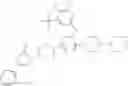
(a) (R)-1-(4-amino-3-chloro-5-trifluoromethyl-benzyl)-2-[1,4′]bipiperidinyl-1′-yl-2-oxo-ethyl 4-(2-oxo-1,2-dihydro-imidazo[4,5-c]quinolin-3-yl)-piperidine-1-carboxylate,
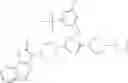
(b) (R)-1-(4-amino-3-chloro-5-trifluoromethyl-benzyl)-2-[4-(4-methyl-piperazin-1-yl)-piperidin -1-yl]-2-oxo-ethyl 4-(2-oxo-1,2-dihydro-imidazo[4,5-c]quinolin-3-yl)-piperidine-1-carboxylate,
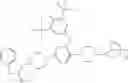
(c) (R)-1-(4-amino-3-chloro-5-trifluoromethyl-benzyl)-2-[4-(1-methyl-piperidin-4-yl)-piperazin-1-yl]-2-oxo-ethyl 4-(2-oxo-1,2-dihydro-imidazo[4, 5-c]quinolin-3-yl)-piperidine-1-carboxylate,
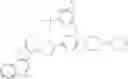
(d) (R)-1-(4-amino-3-chloro-5-trifluoromethyl-benzyl)-2-(1′-methyl-[4,4′]bipiperidinyl-1-yl)-2-oxo-ethyl 4-(2-oxo-1,2-dihydro-imidazo[4,5-c]quinolin-3-yl)-piperidine-1-carboxylate,
(e) 4-(5-oxo-3-phenyl-4,5-dihydro-[1,2,4]triazol-1-yl)-piperidine-1-carboxylate (R)-1-4-amino-3-chloro-5-trifluoromethyl-benzyl)-2-[4-(4-methyl-piperazin-1-yl)-piperidin-1-yl]-2-oxo-ethyl,
(f) (R)-1-(4-amino-3-chloro-5-trifluoromethyl-benzyl)-2-[4-(1-methyl-piperidin-4-yl)-piperazin-1-yl]-2-oxo-ethyl 4-(5-oxo-3-phenyl-4,5-dihydro-[1,2,4]triazol-1-yl)-piperidine-1-carboxylate,
(g) (R)-1-(4-amino-3-chloro-5-trifluoromethyl-benzyl)-2-(1′-methyl-[4,4′]bipiperidinyl-1-yl)-2-oxo-ethyl 4-(5-oxo-3-phenyl-4,5-dihydro-[1,2,4]triazol-1-yl)-piperidine-1-carboxylate,
(h) (R)-1-(4-amino-3-chloro-5-trifluoromethyl-benzyl)-2-[1,4′]bipiperidinyl-1′-yl-2-oxo-ethyl 4-(5-oxo-3-phenyl4,5-dihydro-[1,2,4]triazol-1-yl)-piperidine-1-carboxylate, and
(i) (R)-1-(4-amino-3-chloro-5-trifluoromethyl-benzyl)-2-[4-(1-aza-bicyclo[2.2.2]oct-3-yl)-piperazin-1-yl]-2-oxo-ethyl 4-(5-oxo-3-phenyl-4,5-dihydro-[1,2,4]triazol-1-yl)-piperidine-1-carboxylate,
or a tautomer or salt thereof.
4. A physiologically acceptable salt of a compound according to one of claim 1, 2 or 3.
5. A pharmaceutical composition containing a compound according to claim 1, 2 or 3, or a physiologically acceptable salt thereof, together with one or more inert carriers and/or diluents.
6. A method for treating migraine or cluster headaches which comprises administering to a host in need of such treatment a compound according to claim 1, 2 or 3, or a physiologically acceptable salt thereof.
7. A method for treating non-insulin-dependent diabetes mellitus (NIDDM) which comprises administering to a host in need of such treatment a compound according to claim 1, 2 or 3, or a physiologically acceptable salt thereof.
Images & Drawings included:





















Sources:
- United States Patent and Trademark Office - verify current appl. status at the USPTO↗
Similar patent applications:
- » 20050227968
Selected CGRP-antagonists process for preparing them and their use as pharmaceutical compositions - » 20050234054
Selected CGRP-antagonists, process for preparing them and their use as pharmaceutical compositions - » 20050256099
Selected CGRP-antagonists, process for preparing them and their use as pharmaceutical compositions - » 20050282857
Selected CGRP-antagonists, process for preparing them and their use as pharmaceutical compositions - » 20060252750
Selected CGRP-antagonists, process for preparing them and their use as pharmaceutical compositions - » 20070238715
Selected CGRP-antagonists, process for preparing them and their use as pharmaceutical compositions - » 20070275951
Selected CGRP-antagonists, process for preparing them and their use as pharmaceutical compositions - » 20080280887
Selected Cgrp-Antagonists, Processes for Preparing Them and Their Use as Pharmaceutical Compositions - » 20090111797
Selected CGRP-antagonists, process for preparing them and their use as pharmaceutical compositions - » 20090176770
Selected CGRP-antagonists, process for preparing them and their use as pharmaceutical compositions
Recent applications in this class:
- » 20240199555 2024-06-20
APPLICATIONS OF BIASED LIGANDS OF THE SEROTONIN 5-HT7 RECEPTOR FOR THE TREATMENT OF PAIN, MULTIPLE SCLEROSIS AND THE CONTROL OF THERMOREGULATION - » 20220372001 2022-11-24
CRYSTAL FORM OF BENZIMIDAZOLE-2-ONE COMPOUND, SOLVATE THEREOF, CRYSTAL FORM OF SOLVATE THEREOF, AND PREPARATION METHOD THEREOF - » 20220204456 2022-06-30
COMPOUND FOR TREATING AUTOIMMUNE SKIN DISEASES CAUSED BY INFLAMMATION, AND USE THEREOF - » 20220098158 2022-03-31
COLORING COMPOSITION, FILM, COLOR FILTER, AND SOLID-STATE IMAGING ELEMENT - » 20210380539 2021-12-09
PARG inhibitory compounds - » 20210246108 2021-08-12
Method for Producing Alpha-Azidoaniline Derivative or Alpha,AlphaPrime-Diazide Derivative - » 20210238146 2021-08-05
One pot synthesis of 4-(1,2-dihydro-2-oxobenzo[d]imidazol-3-yl)butanoic acid, a key intermediate of zilpaterol - » 20200277265 2020-09-03
Compounds, process for obtaining the compounds, pharmaceutical composition, use of the compounds and method for treating psychiatric disorders and/or sleep disorders - » 20200165208 2020-05-28
PARG inhibitory compounds - » 20190367462 2019-12-05
Small molecule FIEL1 inhibitor in inflammatory and fibrotic lung injury
Recent applications for this Assignee:
- » 20230312586 2023-10-05
Heterobicyclic amides as inhibitors of CD38 - » 20220242862 2022-08-04
Quinolines and azaquinolines as inhibitors of CD38 - » 20140366871 2014-12-18
Atomizer - » 20130274300 2013-10-17
Extended Release Tablet Formulation Containing Pramipexole or a Pharmaceutically Acceptable Salt Thereof - » 20130245059 2013-09-19
Use of Tiotropium Salts in the Treatment of Severe Persistent Asthma - » 20130237522 2013-09-12
Carboxylic acid amides, the preparation thereof and their use as medicaments - » 20130184256 2013-07-18
Substituted glycinamides, process for their manufacture and use thereof as medicaments - » 20130137878 2013-05-30
Process for manufacture of telmisartan - » 20120302564 2012-11-29
(1,2,4)triazolo[4,3-A]quinoxaline derivatives as inhibitors of phosphodiesterases - » 20120282337 2012-11-08
Modified Release Formulation